Match! An easy, convenient way to sell your vehicle
If you want to replace or dispose of your vehicle, you need to relinquish it to someone, sell it on, or trade it in. Selling privately, however, is not suitable or convenient for everyone… and perhaps you don't want to blindly accept a trade-in offer from a particular dealer. Match! by Cars.co.za makes it easy (and free) to offer our vehicle to hundreds of dealerships countrywide so that you can get the optimal dealer-offer for your car.
The national lockdown has affected the South African automotive market in a multitude of ways, but not only negatively. As buyers and dealers adapt to doing business amid “The New Normal” within the broader freedoms allowed under Level 1 (October 2020), it’s convenient – and socially responsible, given the impact of Covid-19 – to utilise the internet to facilitate business transactions, including when you sell on your vehicle.
It’s for that very purpose that Cars.co.za has created Match! It’s a service that empowers consumers by offering them a simple alternative to selling their vehicles privately, as well as a way to get the best possible trade values for their cars (If you still want to sell privately, these are our options).
Match! represents a quick, simple and safe way to offer a vehicle to hundreds of dealers (who are looking to increase their inventory) and, best of all, it costs the seller absolutely nothing. Plus, dealers contact owners directly, which saves time and effort.
Consumers can upload their cars’ details to Match! via any Cars.co.za platform (desktop or mobile site, the latter also via the app). What’s more, by filling in the particulars of the vehicles they hope to sell, in addition to stipulating details of the cars they’d like to buy next, consumers can be matched with the dealers that could best facilitate the replacement of their vehicles.
Since Match! went live nationwide, more than 10 000 vehicles have been uploaded by consumers and literally hundreds of dealers have activated the service. Sellers on Match! can receive multiple offers on their car from trusted dealers in 48 hours, whereafter they are provided with a choice with regards to which offers (and dealers) they’d wish to connect.
Importantly, only once a seller and dealer have established direct contact are the former's personal details revealed to the latter, thereby protecting the seller from any spam-related communications. If both parties reach an agreement on the sale price of the vehicle and subsequently strike a deal, Cars.co.za charges the buying dealer a nominal commission fee.
How it works
Once a seller has successfully uploaded details and images of their vehicle on Match! it will appear on participating dealers’ systems for a period of 48 hours, during which retailers can make offers on the vehicle. Those dealers will receive stock alerts that notify them when a prospective model that meets their stock requirements has been loaded on the system.
Should the seller receive one or more offer(s), an email and SMS will be sent to them with a link to a dashboard that contains a consolidated, ordered list of offers. The seller then has 48 hours to "connect" with an offer once the car is no longer active on the system (or offers expire). Upon connection, the seller’s details are shared with the dealer and vice versa.
Sellers can contact dealers directly from the dashboard once a connection is established. However, sellers are under no obligation to sell their vehicles. They can reject offers and provide feedback as to why they rejected them, which provides dealers with feedback on their offers.
Furthermore, a seller has an opportunity to re-activate their vehicle if they wish should they have not received offers or did not like the offers they received (and those offers expired).
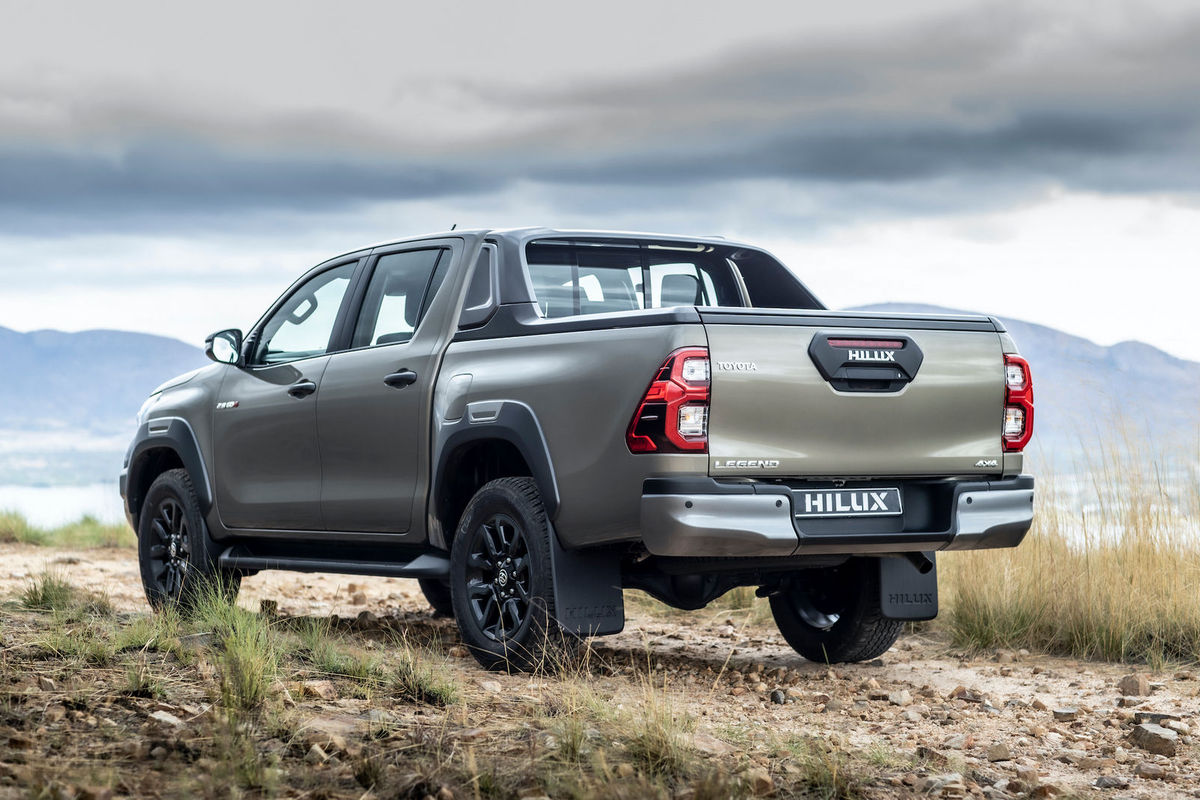
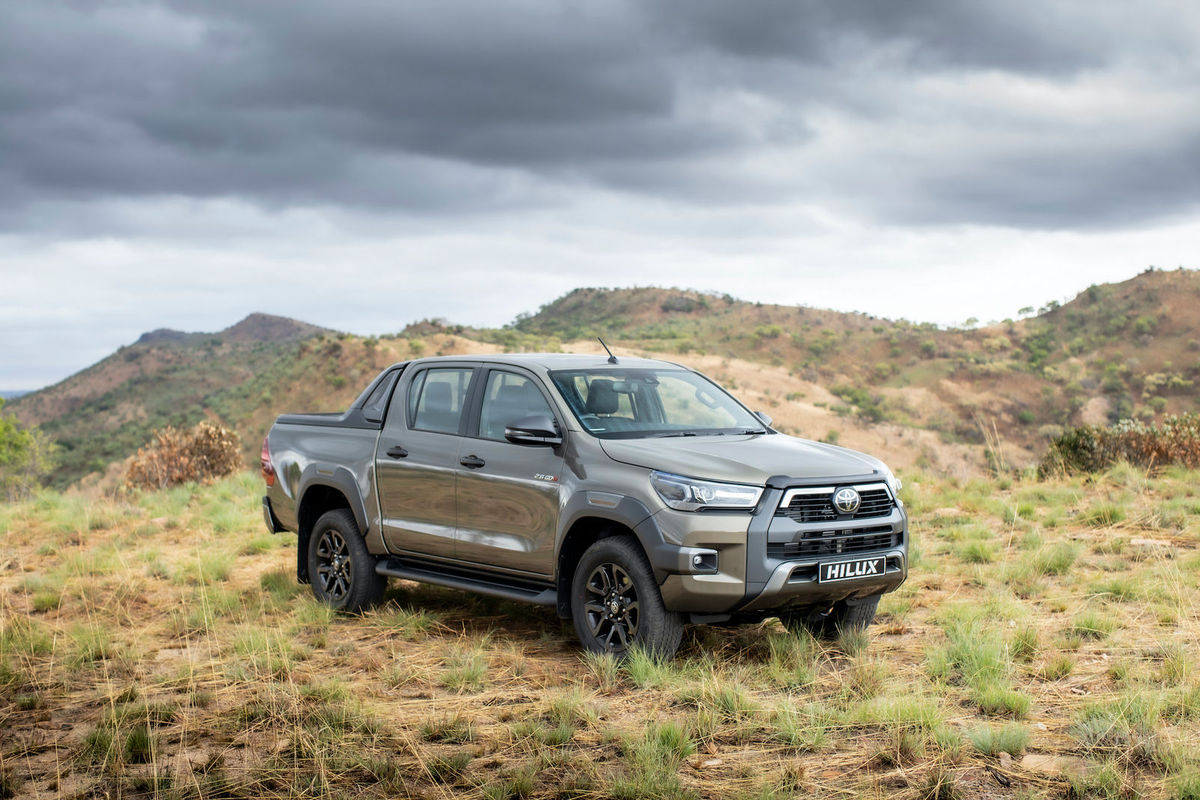
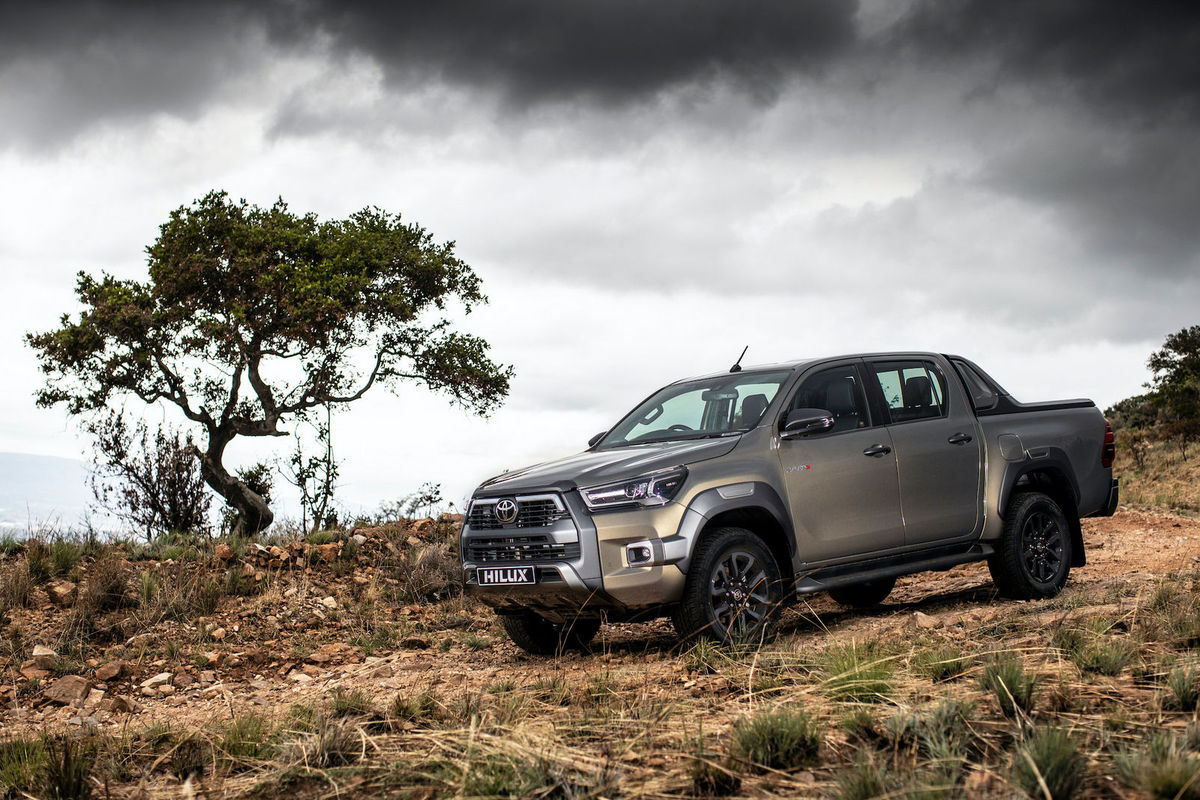
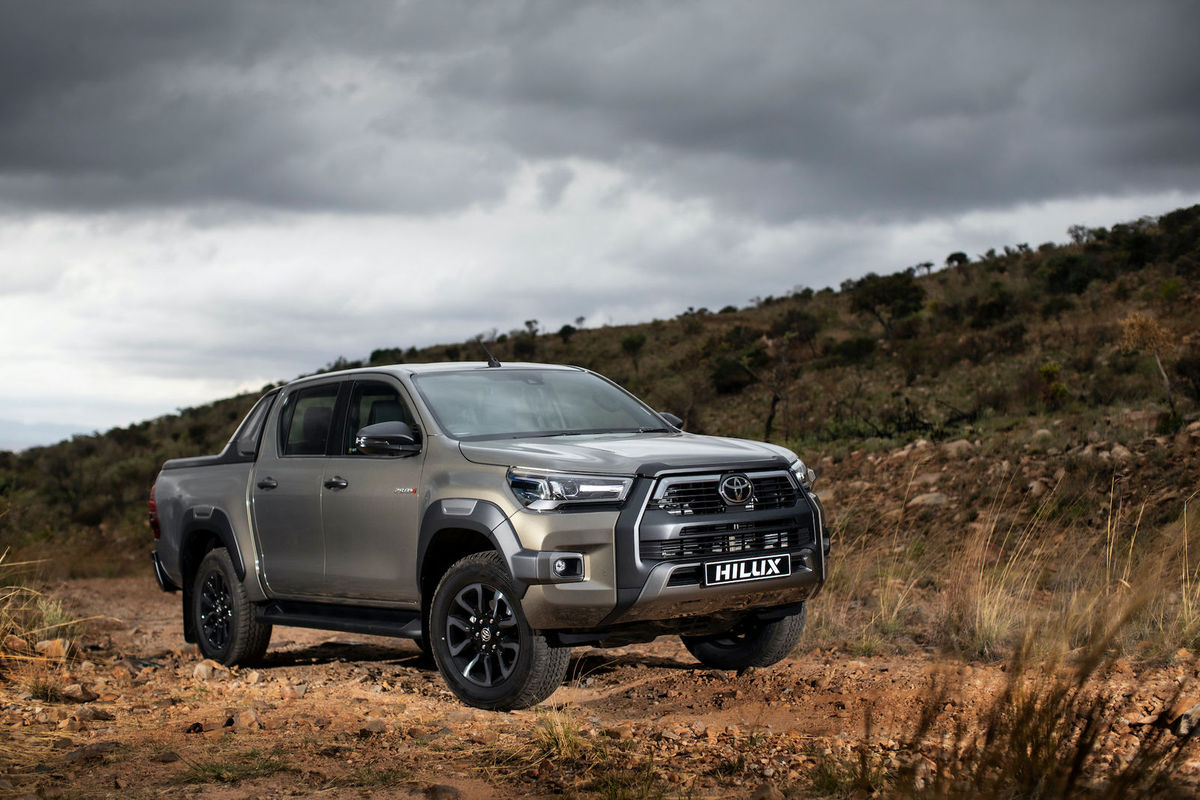
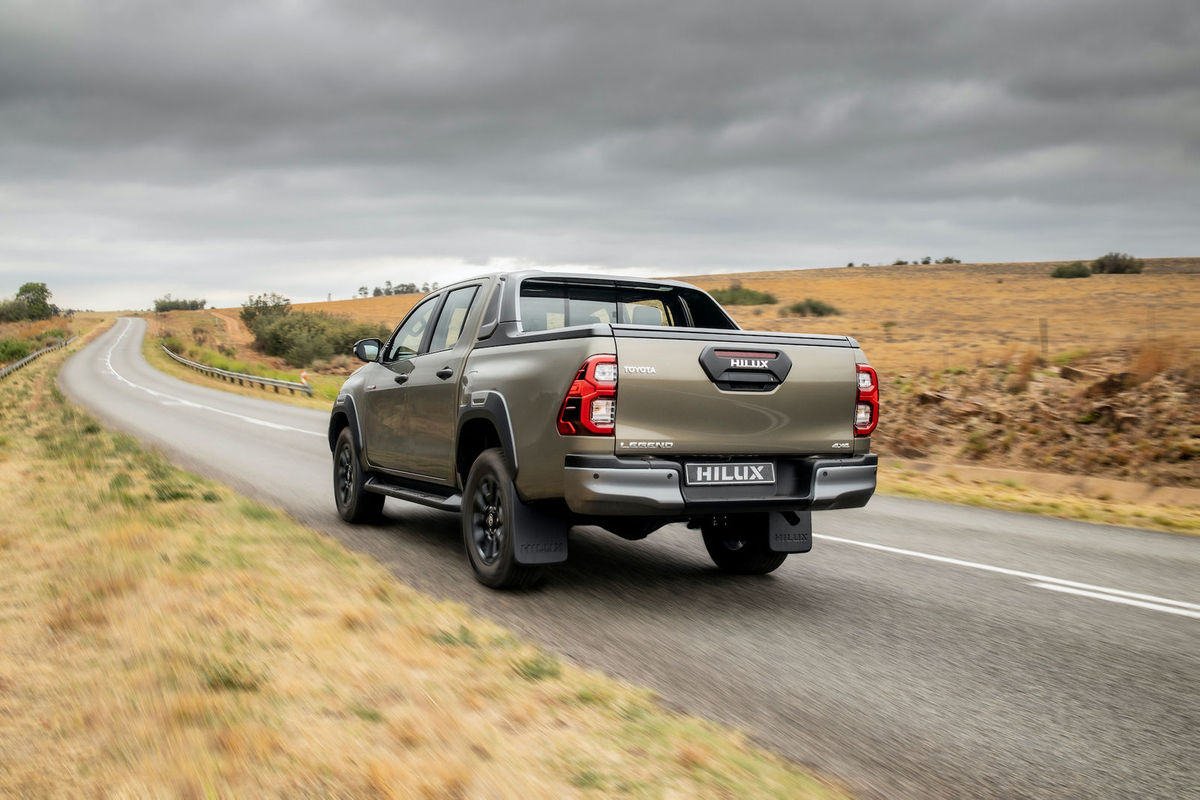
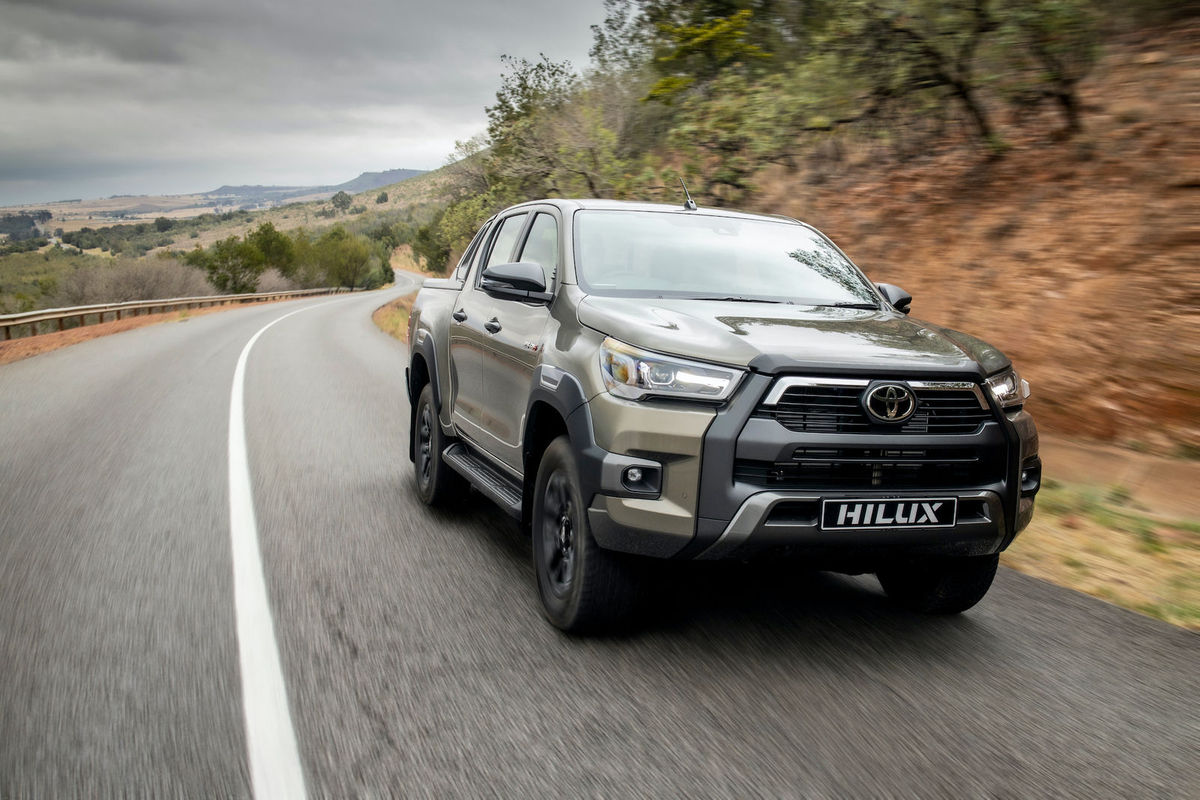
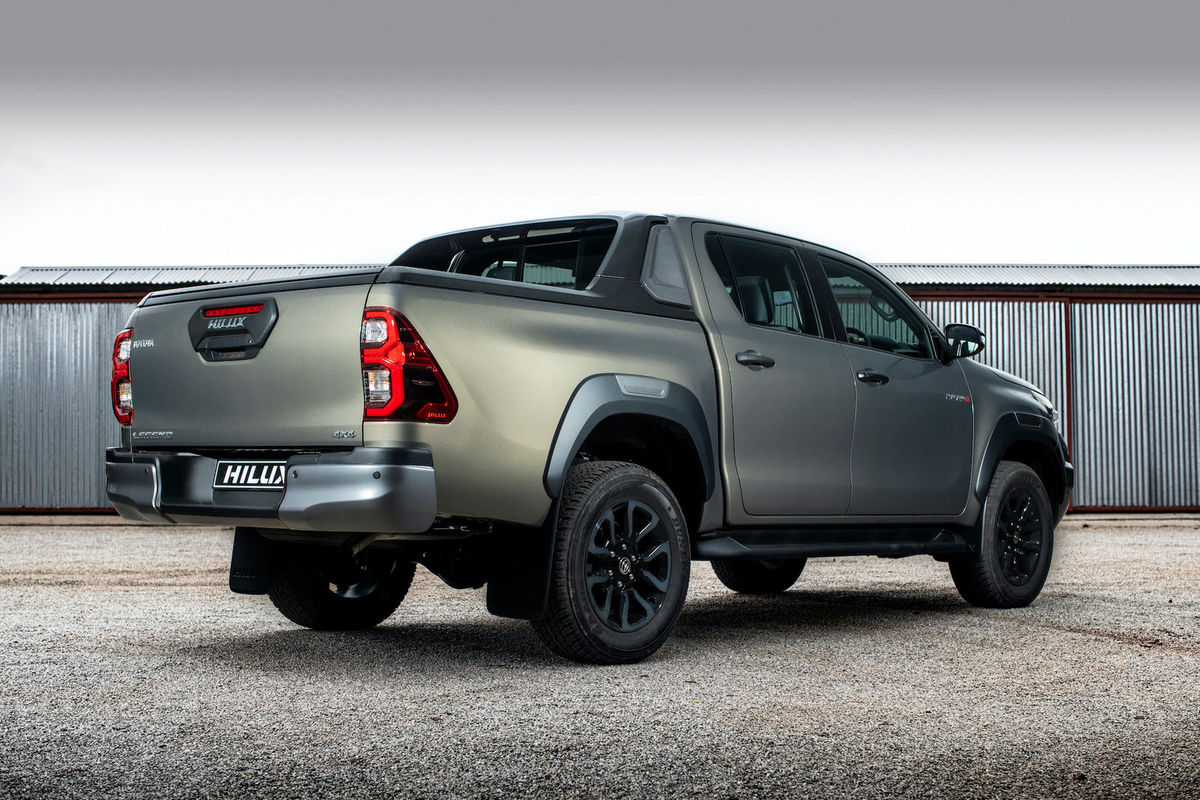
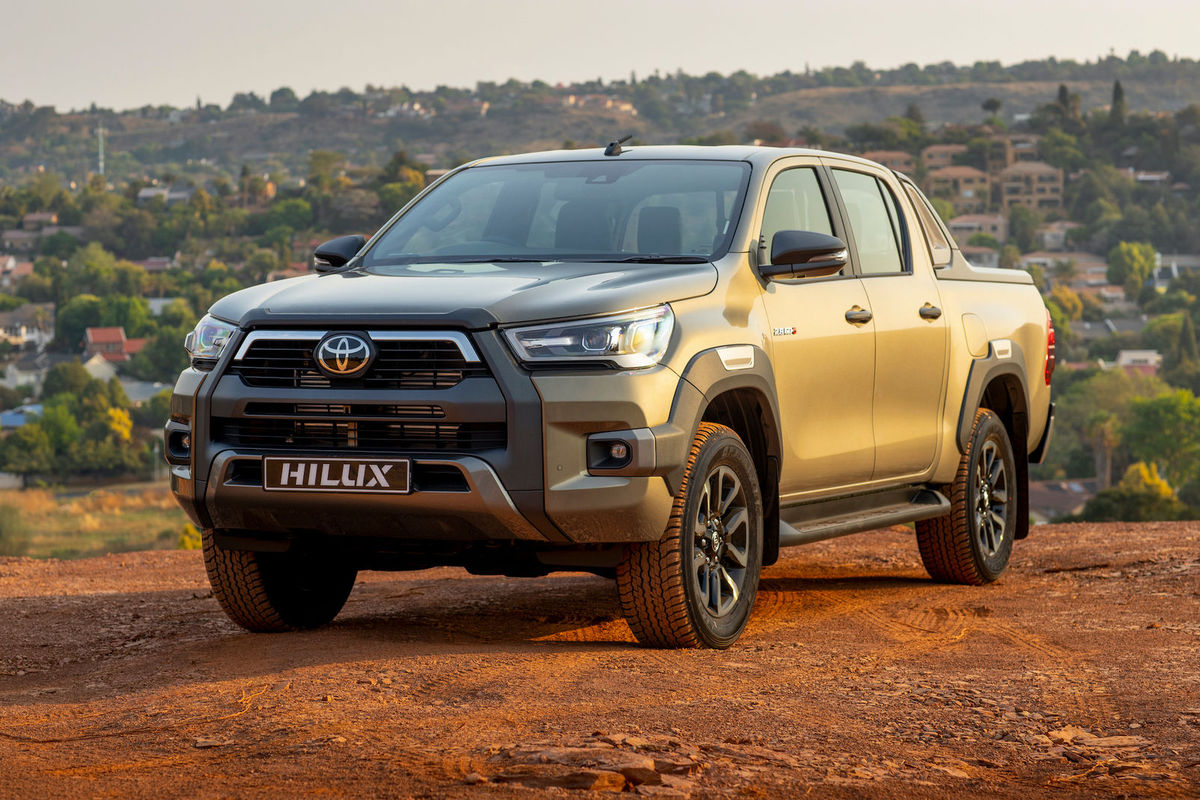
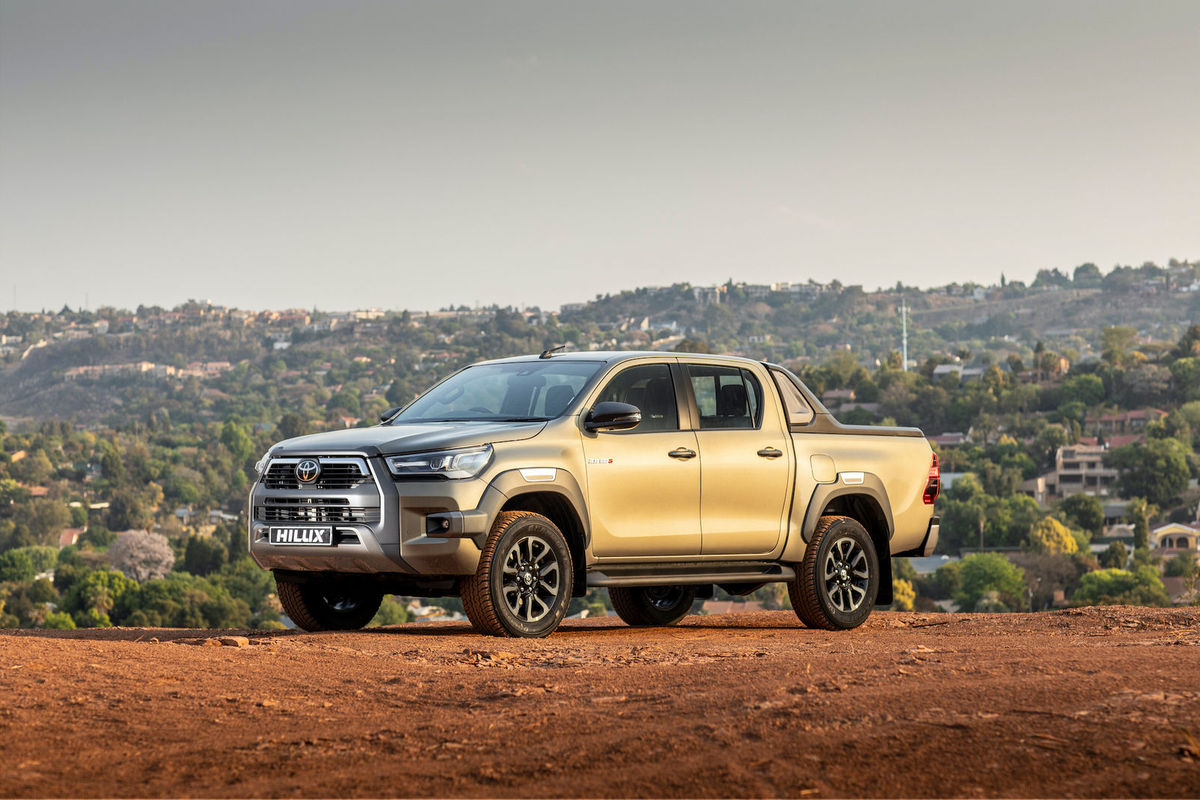
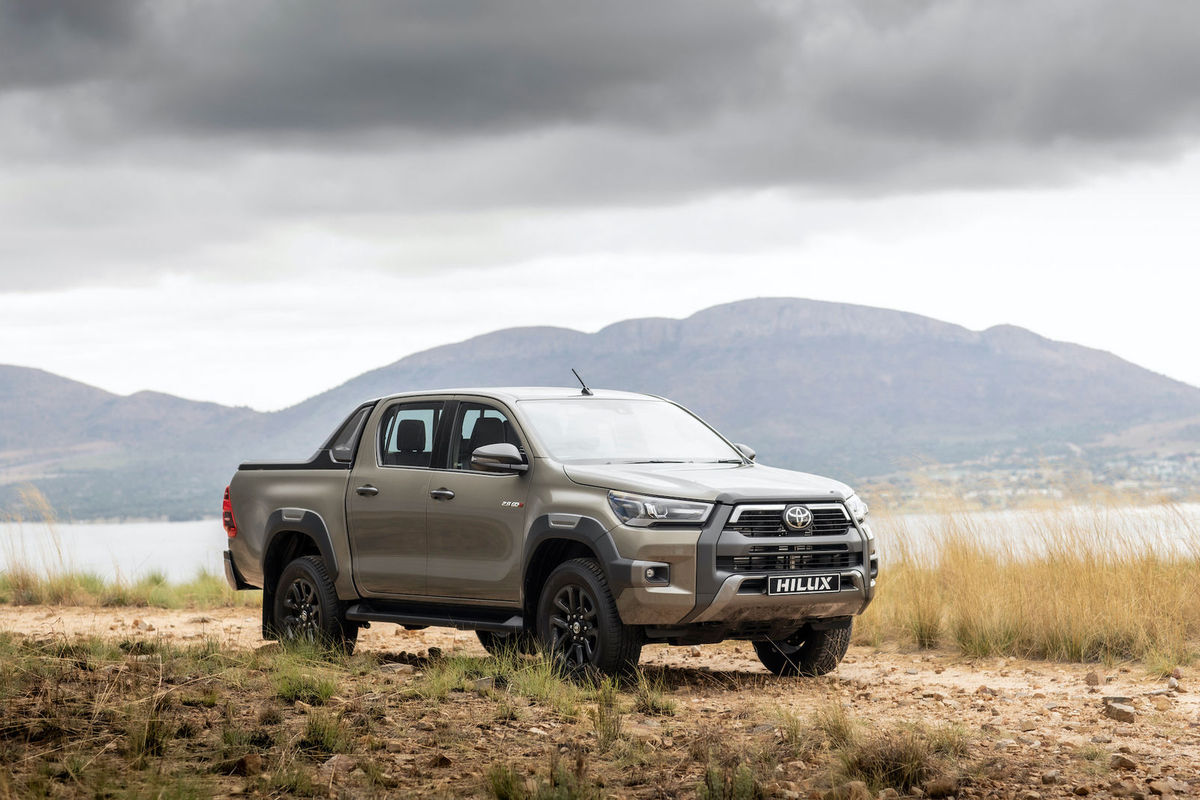
The facelifted Hilux is ready to take the South African sales charts by storm. The major news for this latest model is that it will have a specific Wildtrak competitor.
It’s no secret that the Toyota has been readying an updated version of SA’s most-popular vehicle – the Hilux. Our Aussie contributor drove the model last month, writing this review for us. Have all the upgrades made on the Aussie models made it onto our local ones? Yes, and more.
First, we have to deal with a few name changes in the new range. The SRX model will now be called a Raider while the flagship model will be called the Legend.
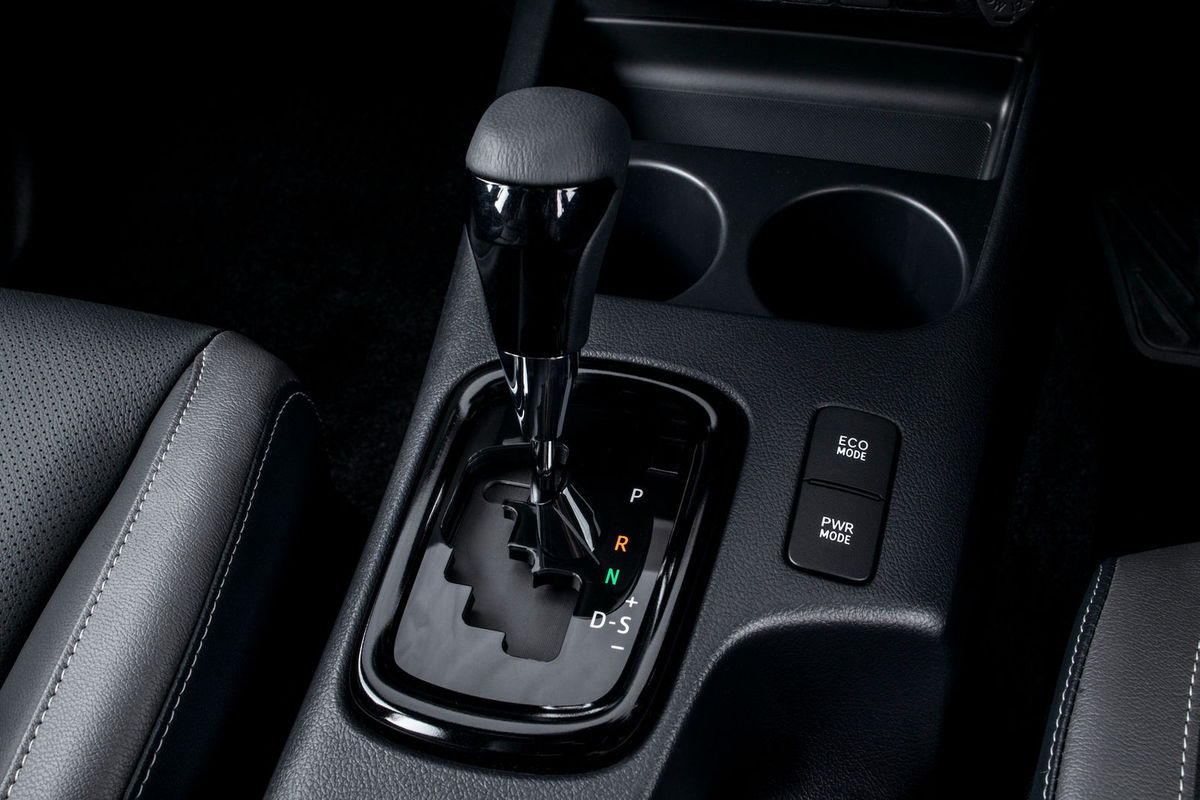
The engine upgrade is certainly going to attract more eyes to the Hilux now that it’s very nearly the equal of the Ford Ranger. Power outputs on the 2.8-litre turbodiesel have been increased to 150 kW and 500 Nm (manual models remain at 420 Nm) and it’s not increased via a software update either, Toyota has replaced and upgraded some key hardware in order to hike the power. The towing capability of the Hilux has been increased by 300 kg taking up to 3 500 kg, the same as the Ranger. The increase is due to a rejigged suspension that includes longer leaf springs. These changes are also said to improve the general handling and comfort levels when unladen. Finally, the Legend 4×4 Auto model is installed with a new balance shaft that improves NVH levels.
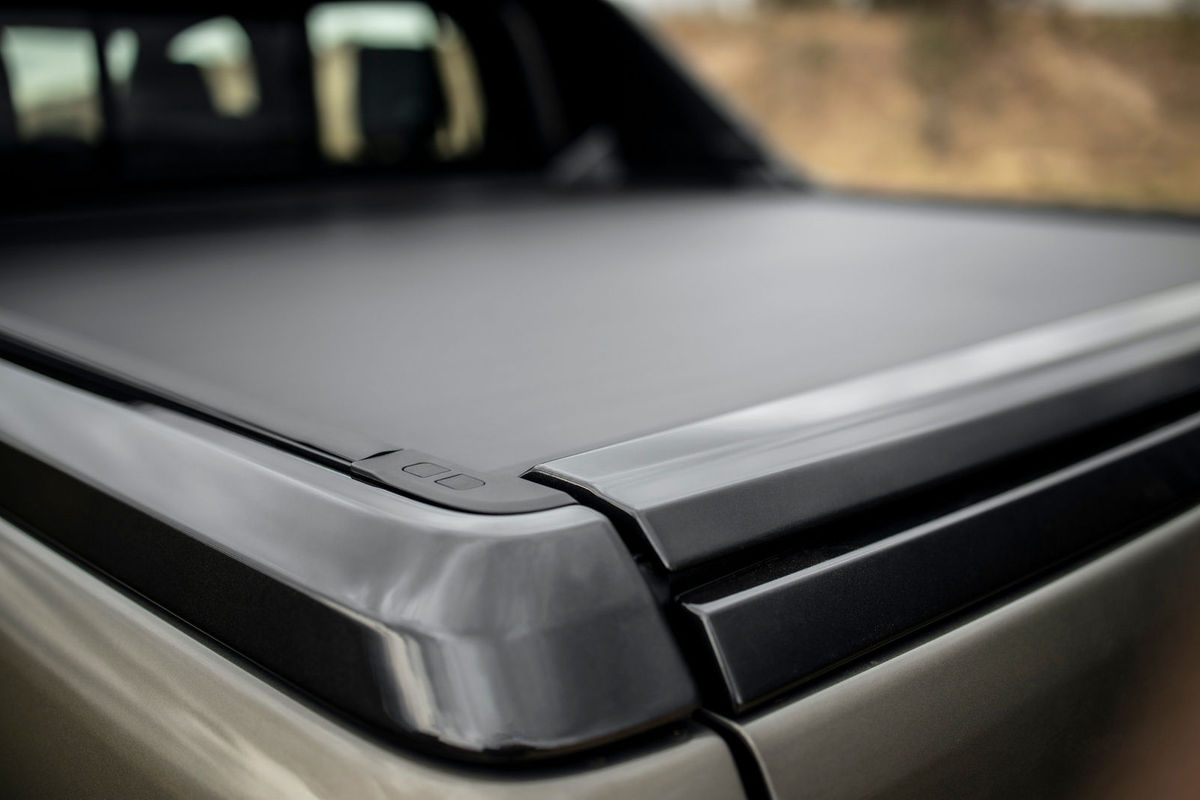
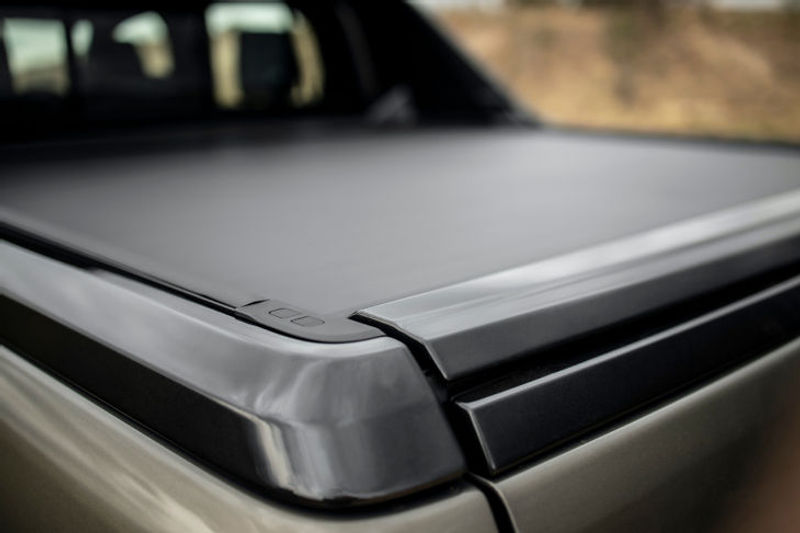
The RS optional pack includes this electric roller shutter cover for the loadbay.
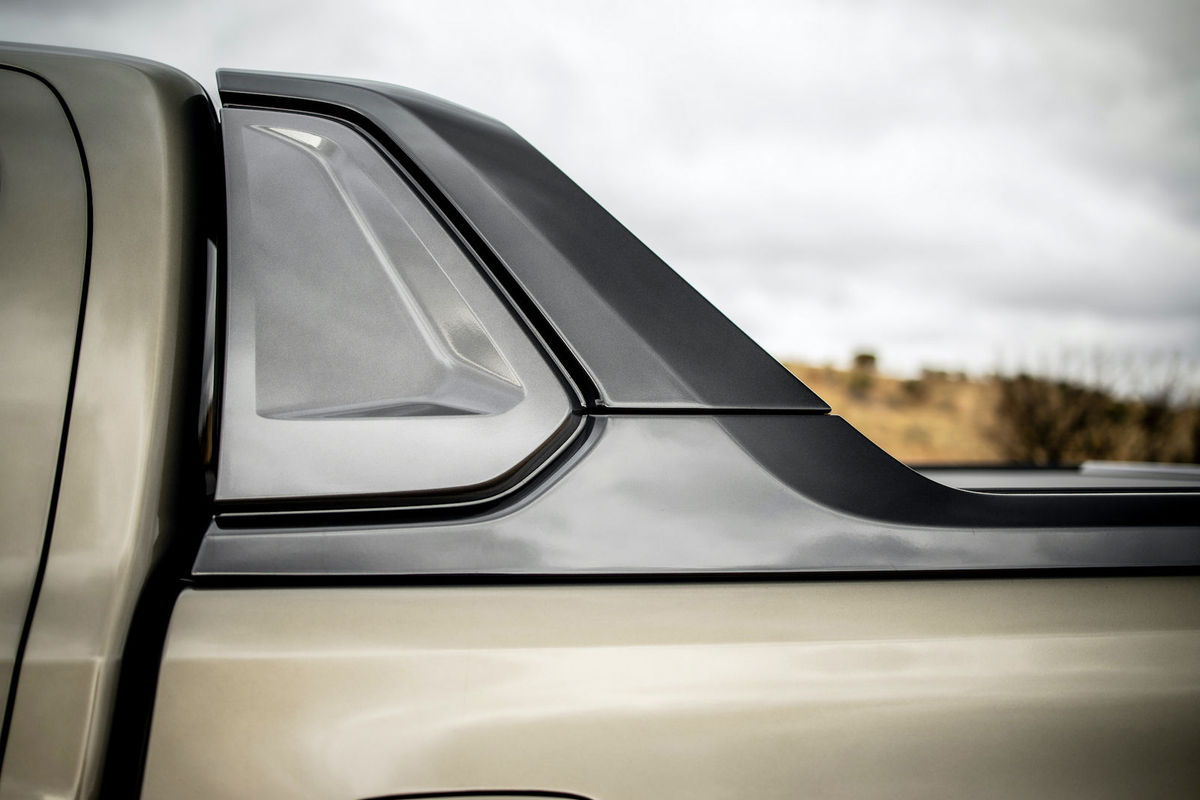
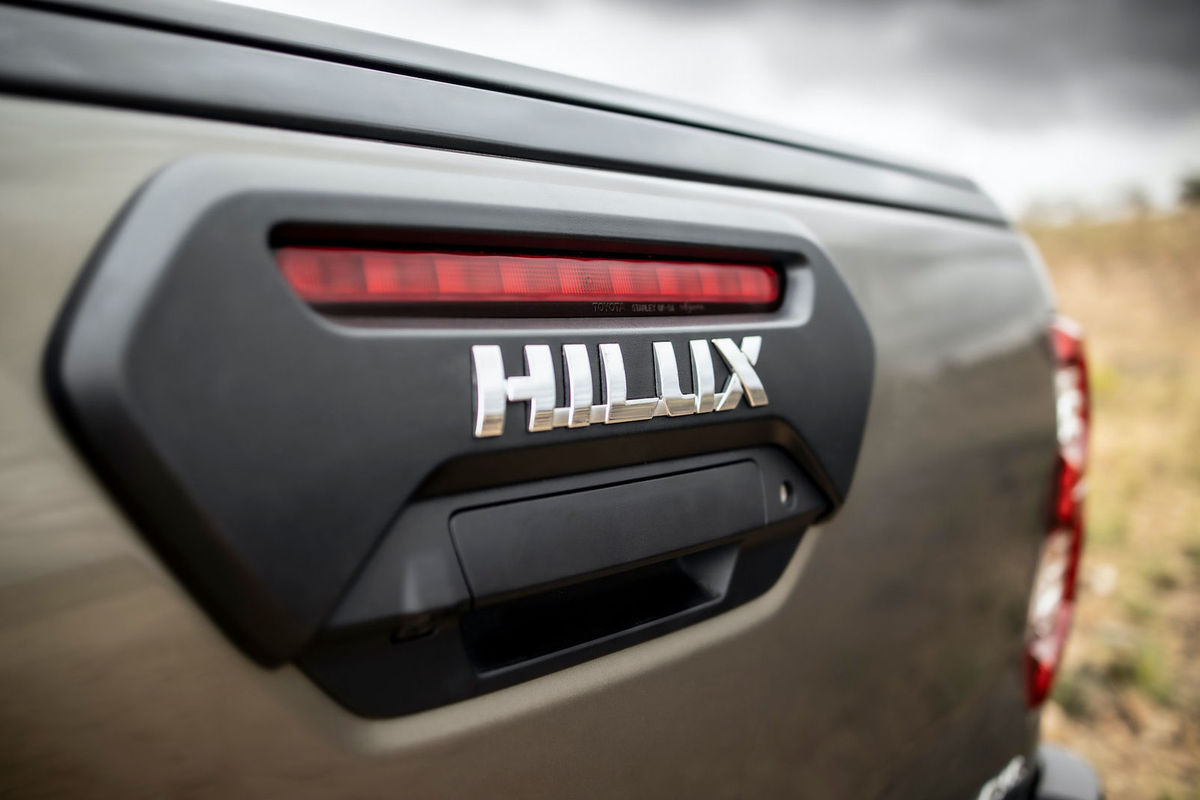
A new add-on package is available for those who want to give their Hilux the full Wildtrak look. It ups the ante on the Hilux’s appearance by including an aggressive bodykit as well as some nice to have options. This accessory package includes the rear sports bar, an electric roller shutter cover for the loadbay, graphite coloured sports bar and assisted tailgate with central locking function. The pack has been given the title of RS, which before you get too excited just stands for Roller Shutter and not anything particularly sporty.
The Legend also packs the Toyota Safety Sense system which includes adaptive cruise control, lane departure warning and pre-collision detection. Those items lift the Hilux into alignment with Ford’s best offering and with these vehicles being used more for leisure activities and by families, it makes sense that the safety levels have been improved.
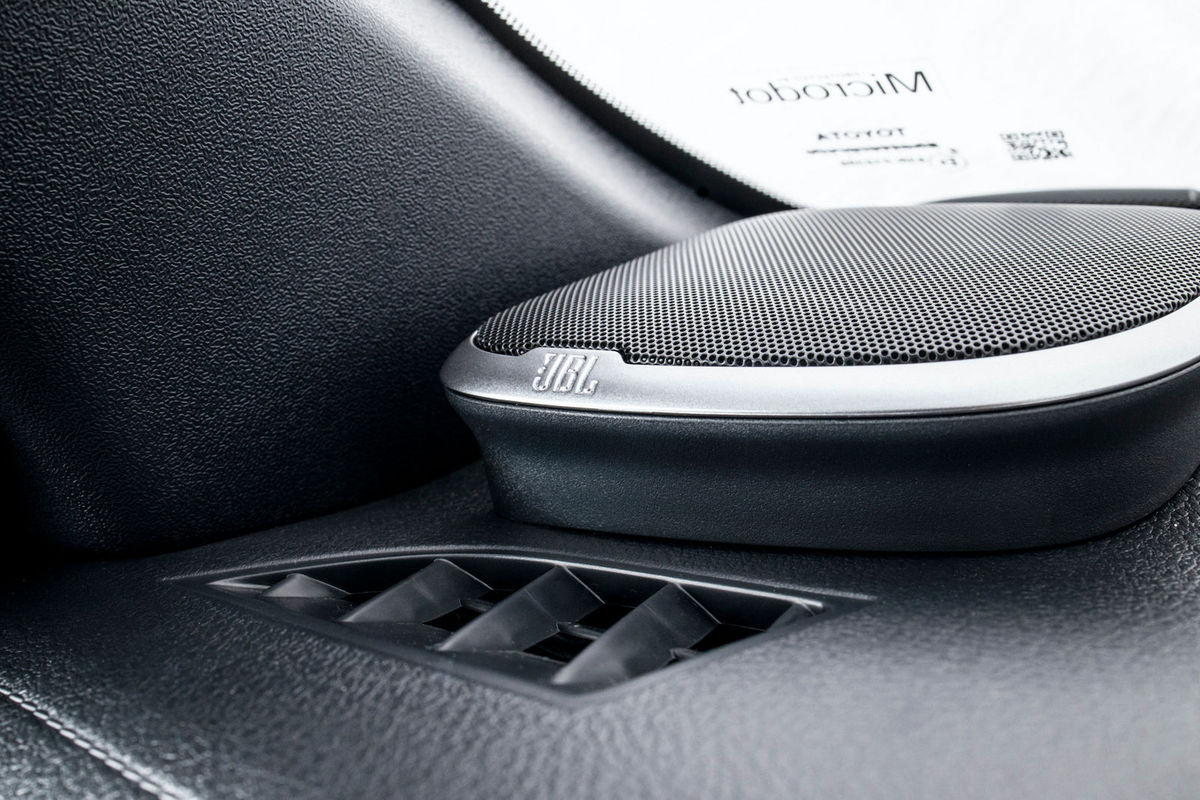
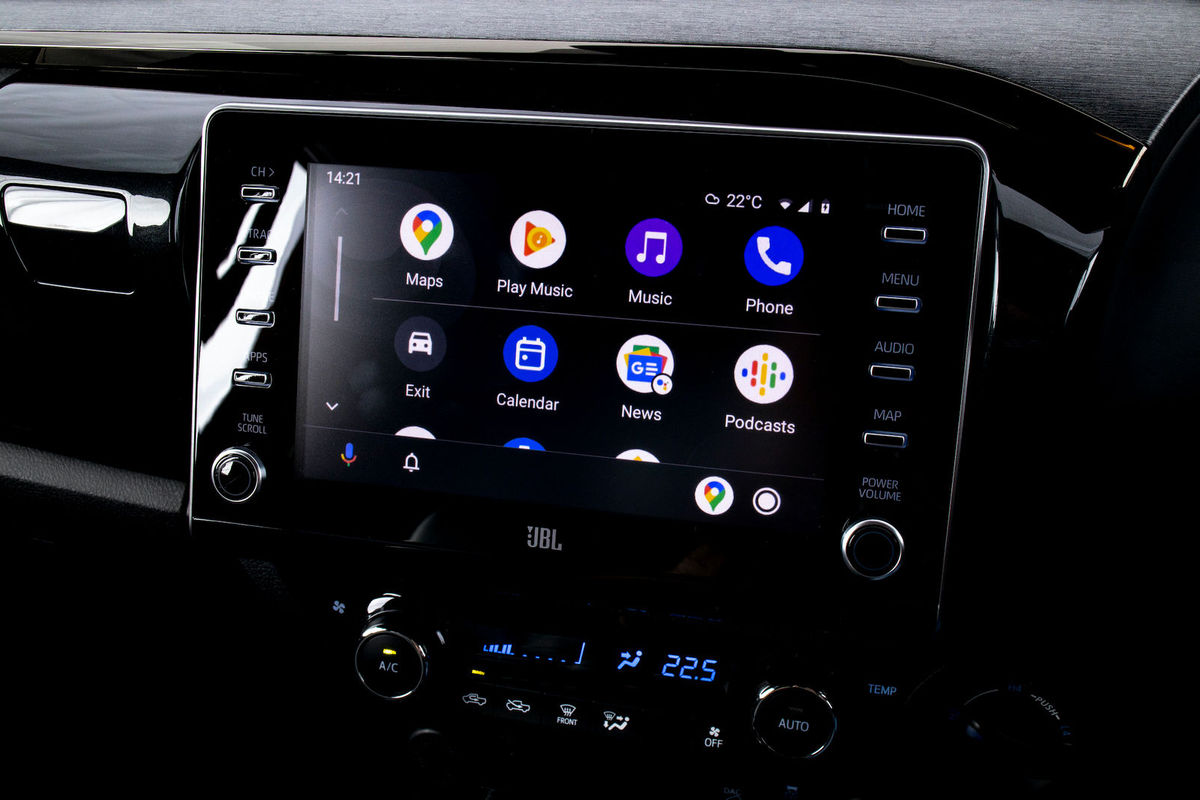
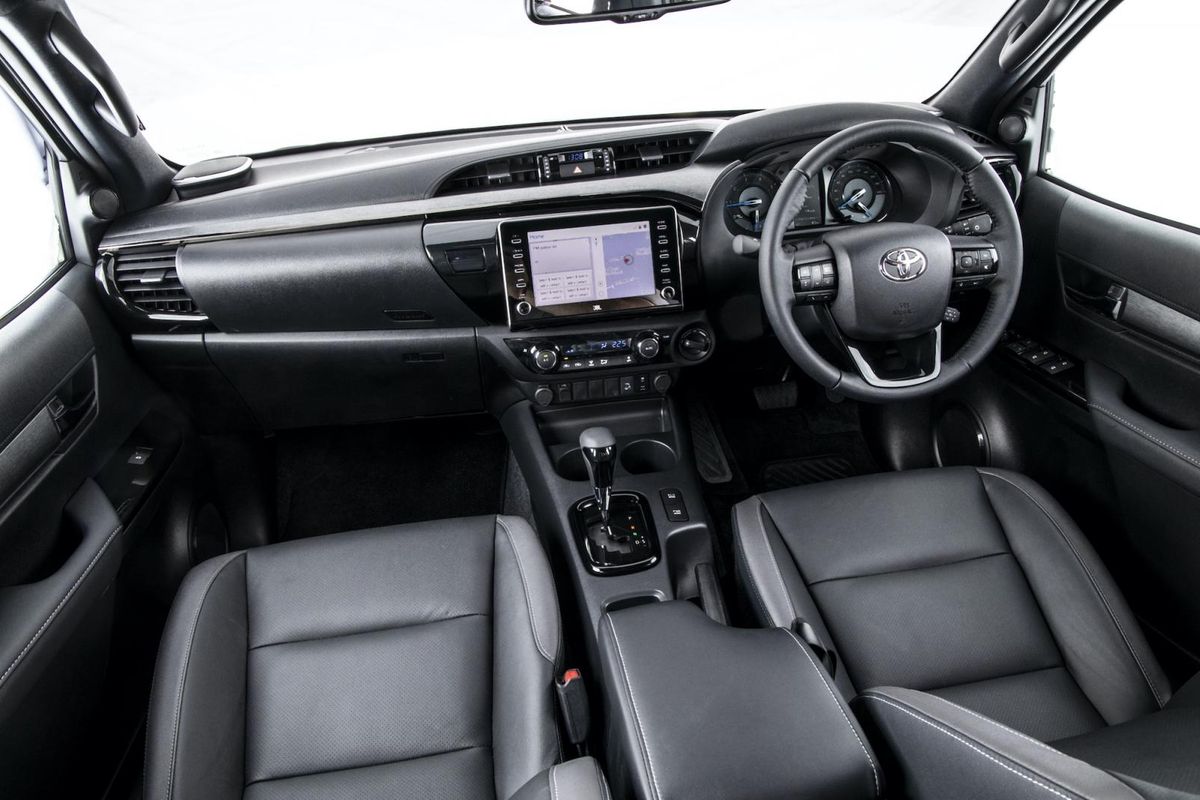
Adding a touch of luxury to the interior are power electric seats for the driver. A much better 9-speaker JBL sound system has been installed that’s controlled via a new 8-inch touchscreen and software setup. The infotainment system also has physical buttons to access key areas of the system as well as a volume knob. Android Auto and Apple Carplay are now available on this system too.
We will have a local drive report up as soon as we’ve spent some time in the newcomer.
Pricing
SINGLE CAB
MODEL
PRICE
S
2.7 VVTI RB S 5MT
R 386,700
2.0 VVTi S 5MT
R 291,100
2.0 VVTi S A/C 5MT
R 299,800
2.4 GD S 5MT
R 328,400
2.4 GD S A/C 5MT
R 337,200
SR
2.4 GD-6 RB SR 6MT
R 414,500
2.4 GD-6 4X4 SR 6MT
R 482,000
RAIDER
2.4 GD-6 RB RAIDER 6MT
R 447,800
2.4 GD-6 RB RAIDER 6AT
R 466,100
2.4 GD-6 4X4 RAIDER 6MT
R 520,700
2.4 GD-6 4X4 RAIDER 6AT
R 540,900
2.8 GD-6 RB RAIDER 6AT
R 532,300
2.8 GD-6 4X4 RAIDER 6AT
R 602,400
XTRA CAB
MODEL
PRICE
RAIDER
2.4 GD-6 RB RAIDER 6MT
R 460,000
2.4 GD 6 RB RAIDER 6AT
R 478,200
LEGEND
2.8 GD-6 RB LEGEND 6MT
R 550,000
2.8 GD-6 RB LEGEND 6AT
R 574,900
2.8 GD-6 4×4 LEGEND 6MT
R 622,000
2.8 GD-6 4×4 LEGEND 6AT
R 647,300
DOUBLE CAB
MODEL
PRICE
S
2.7 VVTi RB S 5MT
R 440,400
SR
2.4 GD-6 RB SR 6MT
R 476,900
2.4 GD-6 4X4 SR 6MT
R 549,200
RAIDER
2.4 GD-6 RB RAIDER 6MT
R 505,200
2.4 GD-6 RB RAIDER 6AT
R 521,200
2.4 GD-6 4X4 RAIDER 6MT
R 583,700
2.4 GD-6 4X4 RAIDER 6AT
R 609,500
2.8 GD-6 RB RAIDER 6AT
R 631,900
2.8 GD-6 4X4 RAIDER 6AT
R706,400
LEGEND
2.8 GD-6 RB LEGEND 6MT
TBC
2.8 GD-6 RB LEGEND 6AT
R 696,200
2.8 GD-6 4X4 LEGEND 6MT
R 733,500
2.8 GD-6 4X4 LEGEND 6AT
R 765,600
4.0 V6 4X4 LEGEND 6AT
R 765,200
Hyundai i20 N Teased
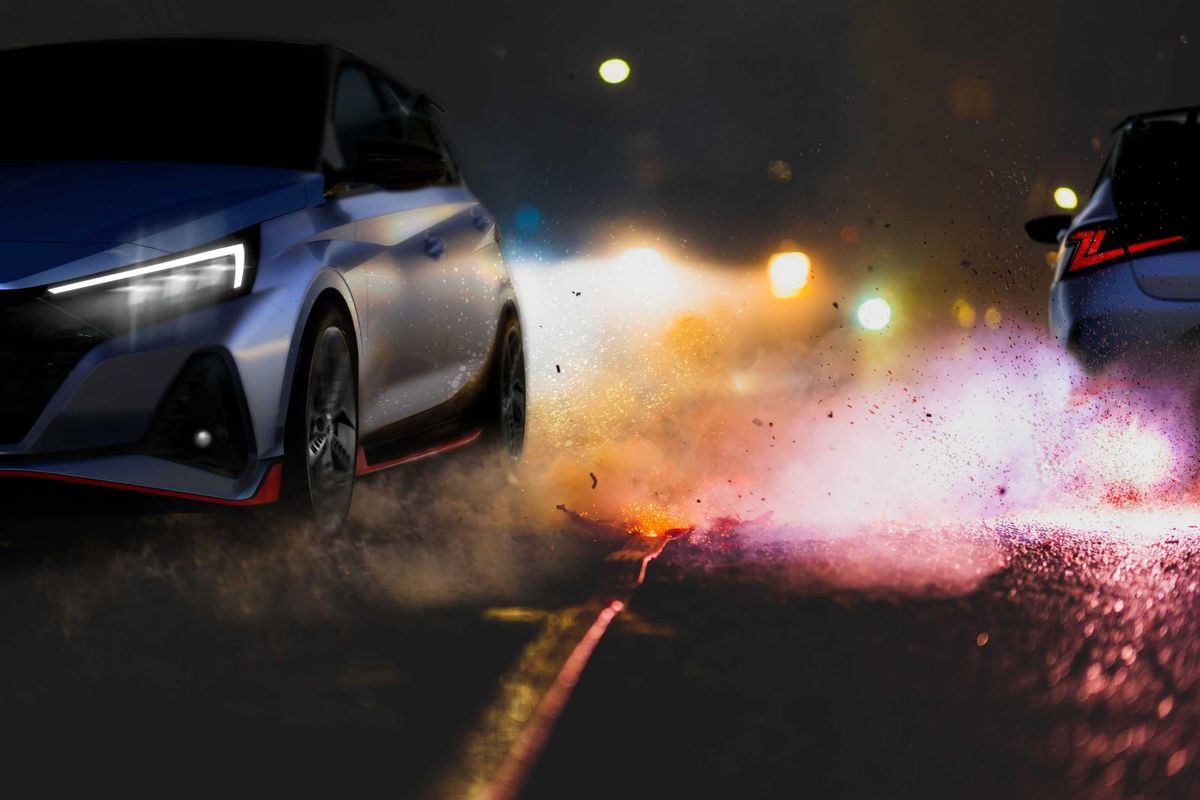
Hyundai has teased its forthcoming performance-orientated i20 N hot hatch.
Hyundai recently revealed the i20 N-Line which is a sportier-looking version of the brand’s popular hatchback, but a fully-fledged i20 N is due to be revealed soon.
The i20 N will go head-head with the Volkswagen Polo GTI and the Toyota GR Yaris and as such, it will need some punchy motivation which will come in the form of a turbocharged 1.6-litre petrol engine with at least 150 kW and 275 Nm of torque and will be paired to either a 6-speed manual transmission and a limited-slip differential. Acceleration from zero to 100 kph is expected in about 6.7 seconds.
The i20 N will feature large air intakes and will ride lower on 18-inch alloy wheels with a grey matte finish and N-branded brake callipers while also featuring unique side sills. A sporty rear spoiler is also fitted. The i20 N will be offered in the familiar Performance Blue hue as seen on previous N models including the i30 N and will be paired with a Phantom black roof (as an option).
Apart from the visual teaser, Hyundai has also provided a sound clip of what the i20 N will sound like. Listen to the i20 N here!
We will keep you updated as soon as official details are revealed.
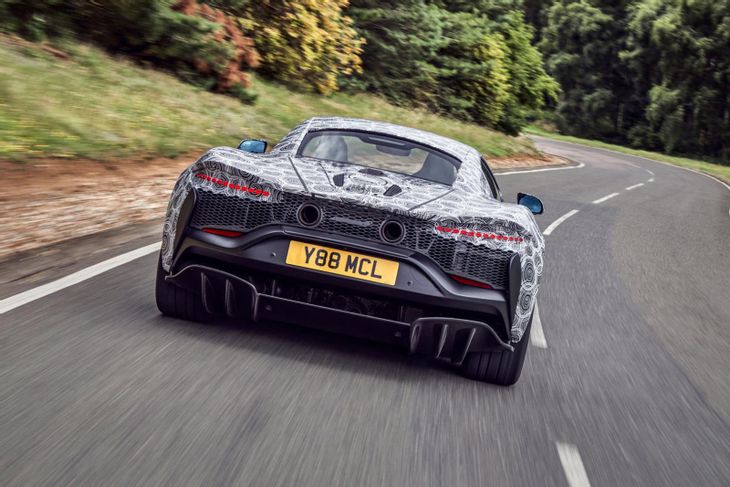
McLaren’s first-ever series production hybrid hypercar is in its final stages of development and will come to market in 2021.
McLaren is on the verge of unleashing a new High-Performance Hybrid (HPH) which marks the brand’s foray into electrification. This new hybrid hypercar will slot in between the McLaren GT and the 720S while production of McLaren’s Sports Series, which was introduced in 2015 with the 570S, will come to an end in 2020 with a limited edition, GT4-inspired 620R being the last model produced.
This new hypercar will be built on a new carbon-fibre structure called McLaren Carbon Lightweight Architecture (MCLA) which is developed and produced in the UK at the McLaren Composites Technology Centre (MCTC) and will form the basis for all hybrid supercars to come from McLaren in coming years.
This new hypercar will feature an all-new V6 engine (in conjunction with electric motor/s) while also offering medium-range EV driving capability.
Exact powertrain details have yet to be confirmed, but McLaren's new hybrid hypercar is bound to impress.
“This all-new McLaren supercar is the distillation of everything we have done to date; all that we have learned and achieved,” commented Mike Flewitt, CEO, McLaren Automotive. “This is a new kind of McLaren for a new era, an extraordinary drivers’ car that offers blistering performance as well as an all-electric range capable of covering most urban journeys. We see this new McLaren as a true ‘next generation’ supercar and cannot wait to show it to customers.”
“For us, light-weighting and high-performance hybrid technology go hand-in-hand to achieve better performance as well as more efficient vehicles,” explained Flewitt. “Our expertise in lightweight composites and carbon fibre manufacturing, combined with our experience in cutting-edge battery technologies and high-performance hybrid propulsion systems, makes us ideally placed to deliver uncompromised levels of electrified high-performance driving that until now have simply been unattainable.”
We will keep you informed as soon as more details become available.
The current TT might be Audi’s last, but that is not preventing the German brand from leveraging all its marketing potential.
Audi has announced a new trim for the 45 TFSI engined coupé and cabriolet TTs, upgrading the exterior styling with some desirable bits.
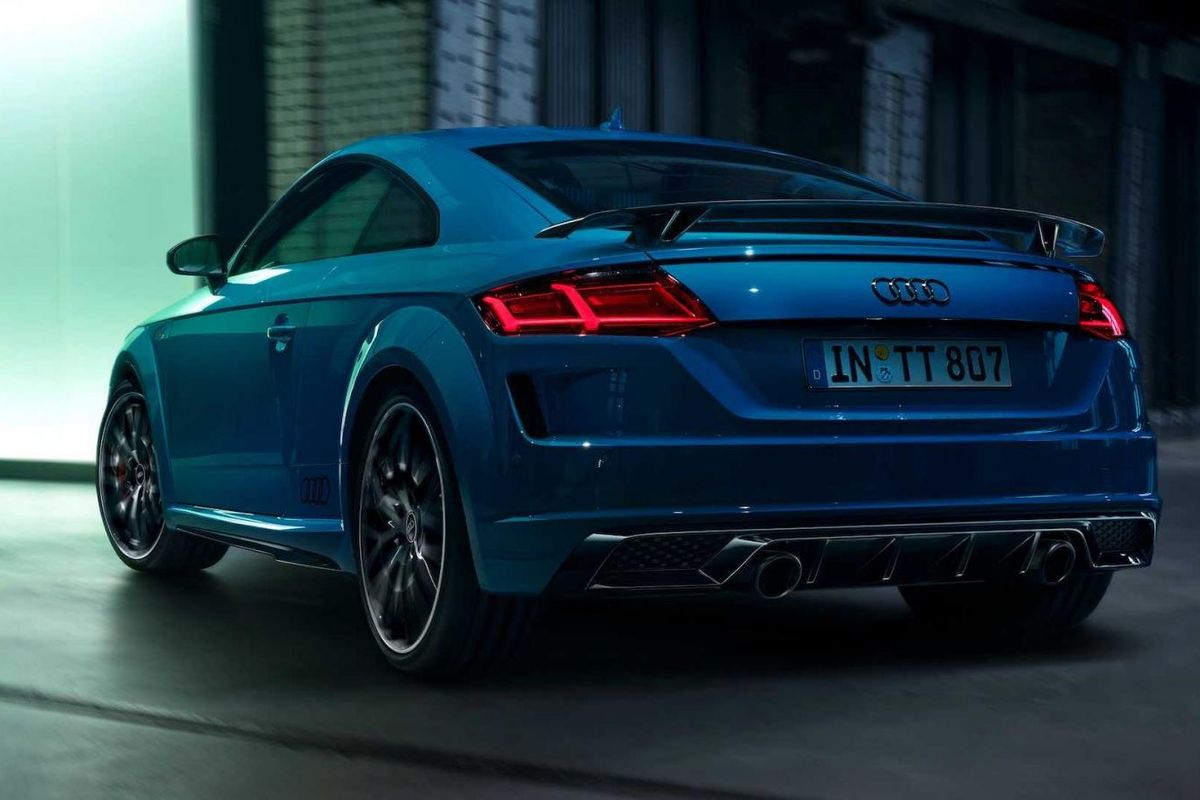
The official naming convention for this new Audi package is ‘S Line Competition Plus’, which might be a touch too long to be an exterior badge. That aside, Audi’s latest addition to the TT range offers gloss black finishes for the grille surround, air inlets, wing mirror end caps, sill trim, rear diffuser and that fixed bootlid wing.
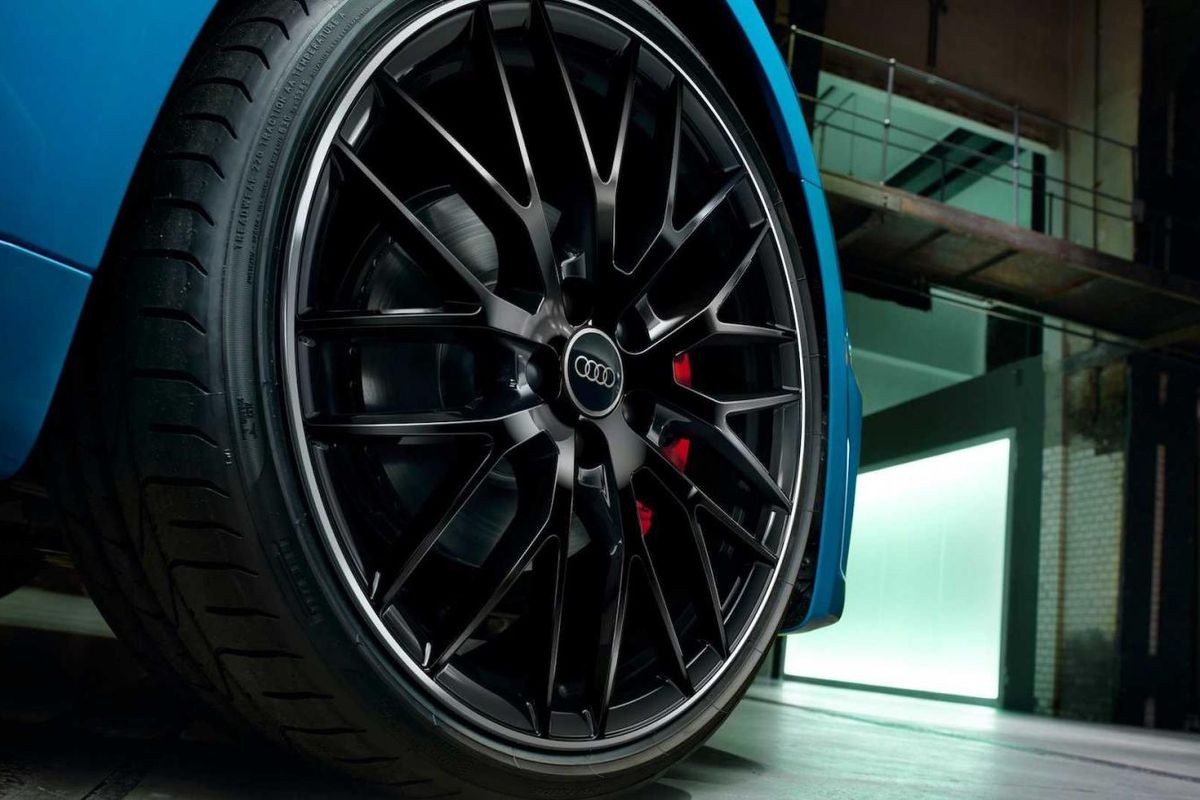
Complimenting the darkened styling details are 19-inch alloy wheels, also finished in matte black. These wheel feature a ten-blade design, connecting to the rim with split spokes in a Y-pattern.
Contrasting the TT S Line Competition Plus styling upgrades are a choice of four colours: Turbo Blue, Tango Red, Glacier White, and Chronos Gray, with the latter hue making its Audi TT debut.
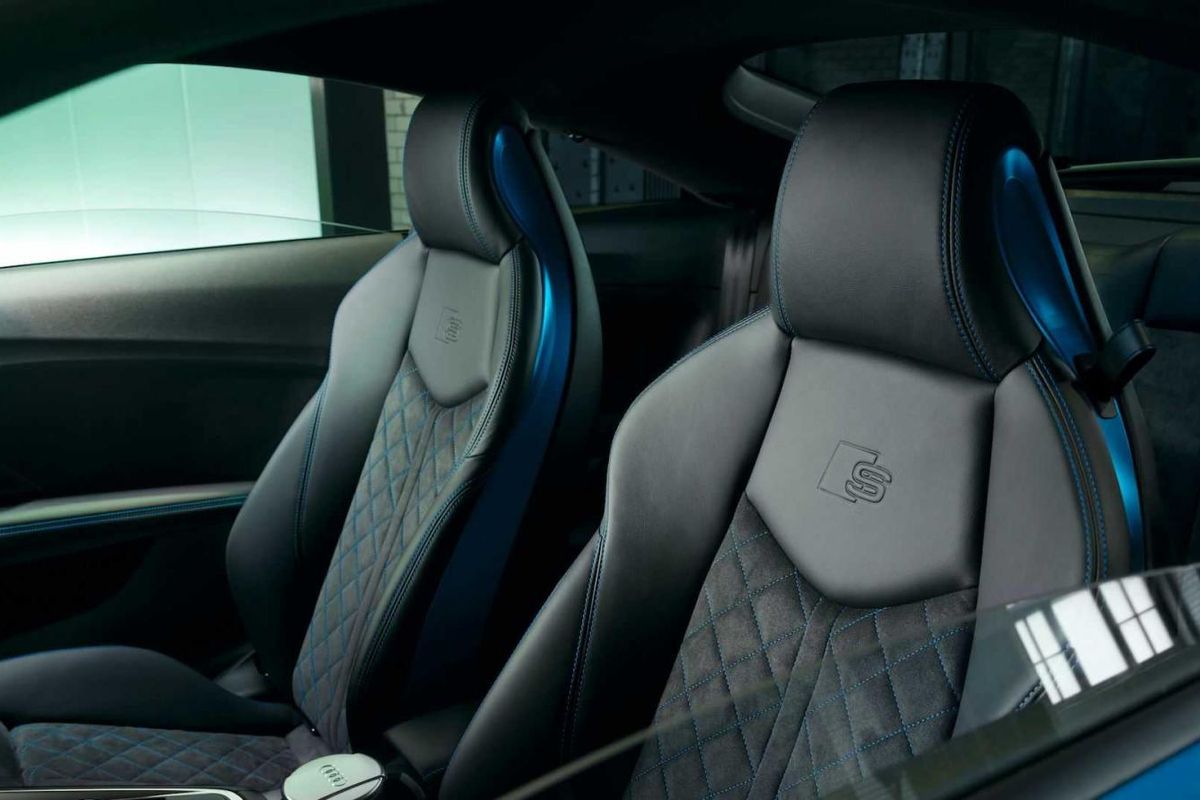
Regarding the TT S Line Competition Plus cabin, the trim changes are marginal. Alcantara inserts give more grip and texture to the leather seats, whilst owners can choose between red and blue contrast stitching.
The centre console and structure separating TT’s front seats can also be trimmed with red, blue or grey, colours which are repeated on the ventilation duct surrounds. Audi’s 12.3-inch virtual cockpit is standard and some of the TTS-grade brushed aluminium and composite inlays, have been used to trim the instrument binnacle.
Mechanically the TT S Line Competition Plus rides 10 mm lower than a standard version and is powered by the 180 kW and 370 Nm version of Audi’s 2-litre turbopetrol engine. Optional upgrades for the TT S Line Competition Plus include Nappa leather seats and 20-inch alloy wheels.
Take a look at what new cars are coming to South Africa in the remainder of 2020!
A flood of new cars was due to arrive in South Africa in 2020 but Covid-19 arrived instead and threw the entire motoring industry into a tailspin while also paralysing the local and global economy. The effects of the Covid-19 pandemic is widespread and long-lasting and it will take months, if not years before we see a full recovery. As you can imagine, with production and distribution networks disrupted, delays are inevitable and many manufacturers have pushed out product arrivals as a result.
This list is currently being updated to reflect new products that may still arrive in the remaining months of 2020. If a brand does not appear on this list, assume that there's no new product expected for 2020.
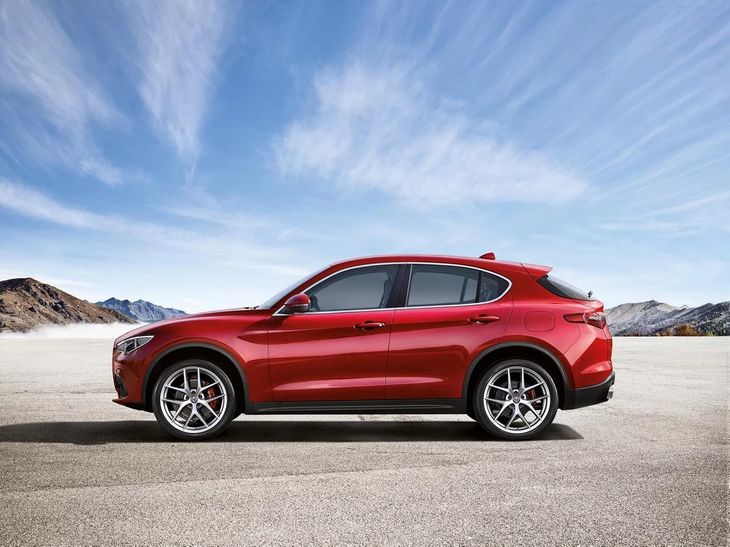
Since its arrival in South Africa back in 2017, Alfa Romeo's Stelvio SUV has largely failed to find favour with local buyers. Nonetheless, an updated version can be expected towards the end of 2020. At present, the Stelvio QV tops the local range and offers 375 kW and 600 Nm from its bi-turbocharged 2.9-litre V6 engine. A Stelvio Race Edition is also currently on offer.
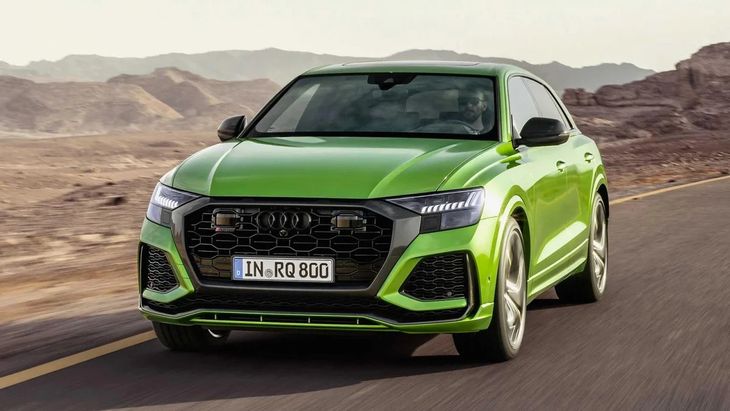
Covid-19 has prevented the introduction of Audi's potent RS Q8 SUV this year and it will now be introduced in Q1 2021. It will bring massive firepower to the road with a 441 kW/800 Nm 4.0-litre bi-turbocharged engine that will ensure a zero to 100 kph sprint time of 3.8 seconds before smashing a top speed of 305 kph. Pricing will be confirmed closer to launch.
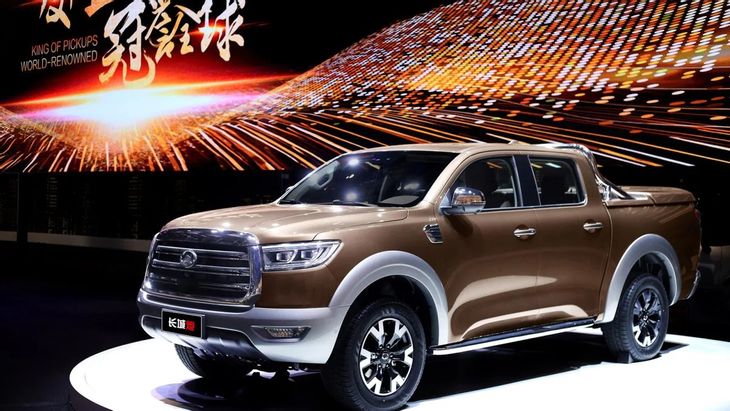
The arrival of the P-Series has also been delayed but it's still expected to reach South Africa in 2020. Billed as the most ambitious Chinese double-cab to date, GWM has stated its intentions to become a 'Top 3' bakkie brand with its new P Series which will rival the likes of the popular Toyota Hilux and Ford Ranger.
The cabin architecture is impressive for a Chinese vehicle with a large touchscreen infotainment system and passenger vehicle-like ergonomics. A vast array of standard features are also on offer. Mechanically, the P Series is powered by a 2.0-litre turbocharged petrol engine which drives all four wheels via an 8-speed ZF automatic transmission. The 2.0-litre four-cylinder engine boasts 140 kW and 360 Nm. GWM has also equipped the P Series with 3 differential locks, which should theoretically give it unrivalled off-road ability.
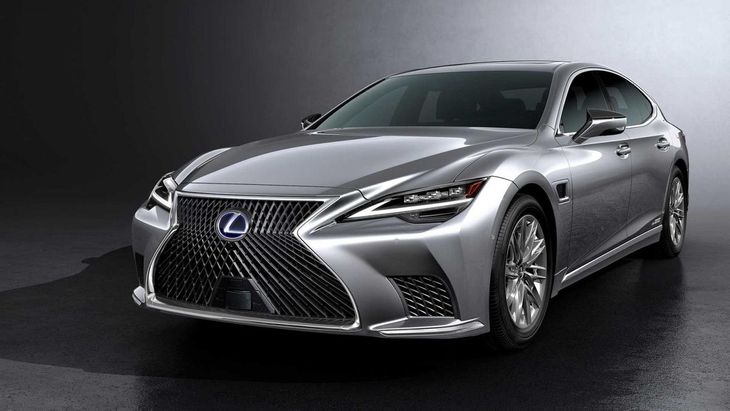
The LS 500h combines a 3.5-litre V6 petrol engine with two electric motors for a total power output of 310 kW and 600 Nm and is equipped with a 10-speed automatic transmission. The LS is due to reach South Africa in 2021.
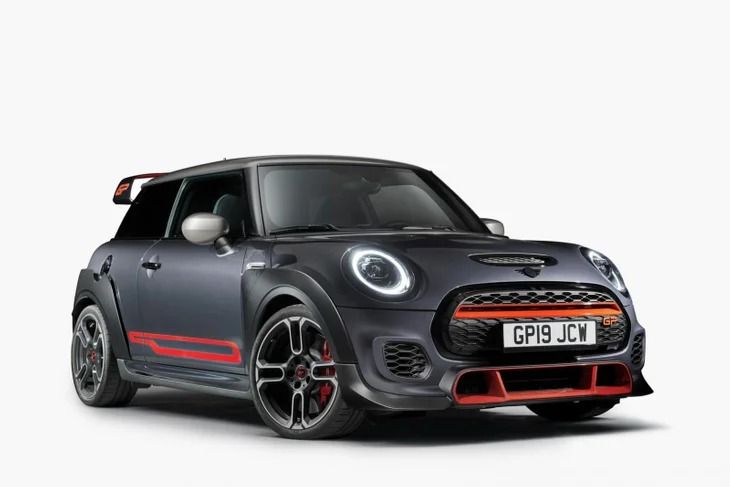
This is Mini’s fastest and most powerful car ever and it thumps out 225 kW and 450 Nm of torque from its twin-turbocharged 2.0-litre engine. An 8-speed Steptronic transmission with an integrated differential lock ensures brisk acceleration with Mini claiming a zero to 100 kph sprint time of 5.2 seconds with a top speed of 265 kph. The JCW GP has been confirmed for South Africa in Q4 of 2020 but it will be offered in limited numbers and pricing has yet to be confirmed. We will keep you updated!
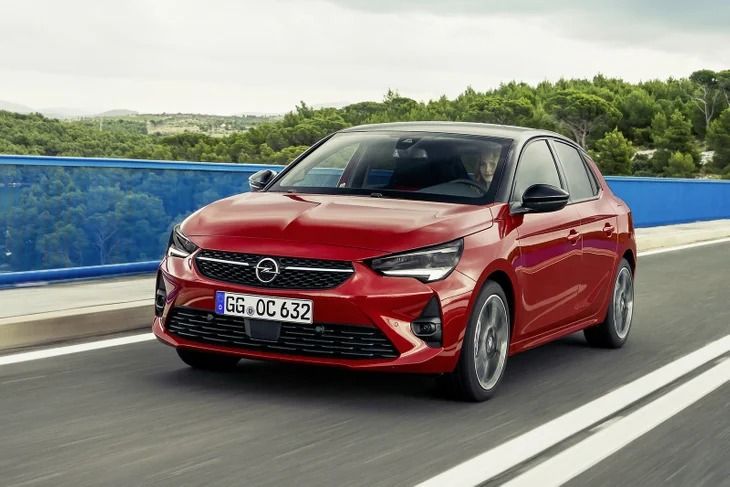
Now 28 mm longer than before, the new Opel Corsa is a noticeable 48 mm lower overall, yet the front headroom has increased by 3 mm. It’s easily the most visually appealing Corsa to date and should help it continue to be Opel’s best-selling car. Engines include a 96 kW and 74 kW 1.2-litre, 3-cylinder turbopetrol and a 55 kW naturally-aspirated 1.2-litre 3-cylinder petrol engine mated to either a 6-speed manual transmission or 8-speed automatic. Local pricing and specification will be confirmed close to launch.
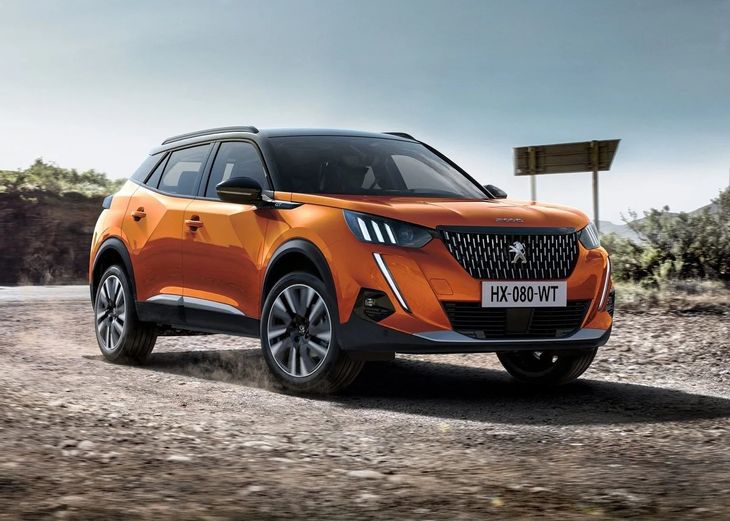
Taking design notes from the larger Peugeot 3008 SUV and the compact Peugeot 208 hatchback, this is the new 2008 compact SUV. It's a striking vehicle, both inside and out.
In terms of powertrain, we're looking at electric, petrol and diesel options. All engines comply with the latest Euro 6 standards and are fitted with Stop/Start and a particle filter. The petrol engine is the tried-and-tested turbocharged 1.2-litre, 3-cylinder engine and is available in 3 states of tune including a 74 kW version, a 96 kW variant and finally, there's a 115 kW flagship offering. There will be a choice of either a 6-speed manual gearbox or an 8-speed automatic transmission.
For those wanting a diesel option, there's a 1.5-litre turbocharged 4-cylinder motor with 2 states of tune. There'll be 74 kW on offer as well as 115 kW. Again, a 6-speed manual and an 8-speed automatic transmission are available. The electric version of the Peugeot 2008 boasts 100 kW and 260 Nm, with a range of 310 km on a single charge. The battery comes with an 8-year guarantee for 70% charging capacity. Local specification, engine choices and pricing will be confirmed closer to launch.
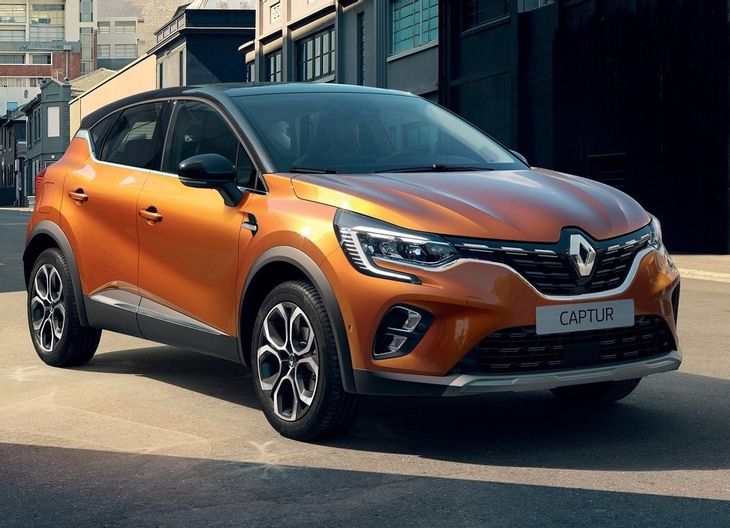
With over 1.2 million units sold globally since its launch back in 2013, the Renault Captur has proven immensely popular. The all-new Renault Captur is underpinned by the new CMF-B platform, shared with the all-new Renault Clio, itself due for market introduction in SA in 2020.
The Renault Captur features the new 1.0-litre 3-cylinder turbocharged petrol engine, which produces 73 kW and 160 Nm. There's also the option of a 1.3-litre turbocharged 4-cylinder motor with 95 kW and 240 Nm. This 1.3-litre motor is also available in a higher state of tune and can pack a 114 kW and 270 Nm punch at the top of the petrol range. In terms of gearboxes, the Captur is available with a 6-speed manual and a new 7-speed dual-clutch transmission. For those wanting diesel power, the 1.5-litre 4-cylinder motor is available in 2 states of tune. The first version has 70 kW and 240 Nm and is mated to a 6-speed manual gearbox, while the second has 115 kW and 260 Nm, with the option of a 7-speed dual-clutch transmission. Local specs and pricing will become available closer to launch.
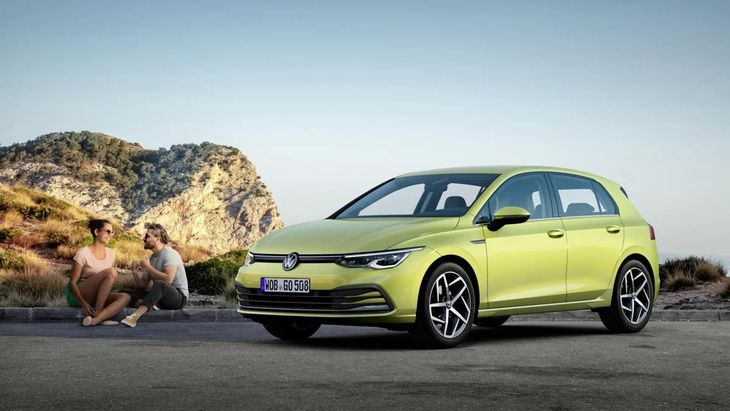
2020 was the year of the Golf 8 but due to Covid-19, its arrival has been pushed out to the first quarter of 2021. It was earmarked as one of the most important local introductions of the year for the Wolfsburg-based firm. Underpinned by an updated version of the MQB platform, the Volkswagen Golf 8 boasts a huge technology upgrade under the skin. The overhauled interior is advanced and does away with many buttons, instead, focusing on touchscreens. Dubbed Innovision (the same name given to the Touareg's advanced interface), this dashboard is a huge leap forward.
The Golf 8 GTI will be revealed in 2020 and will be the first derivative introduced in South Africa with other engines options following after. The Volkswagen Golf 8 is expected to be exclusively sold with a DSG transmission in South Africa.
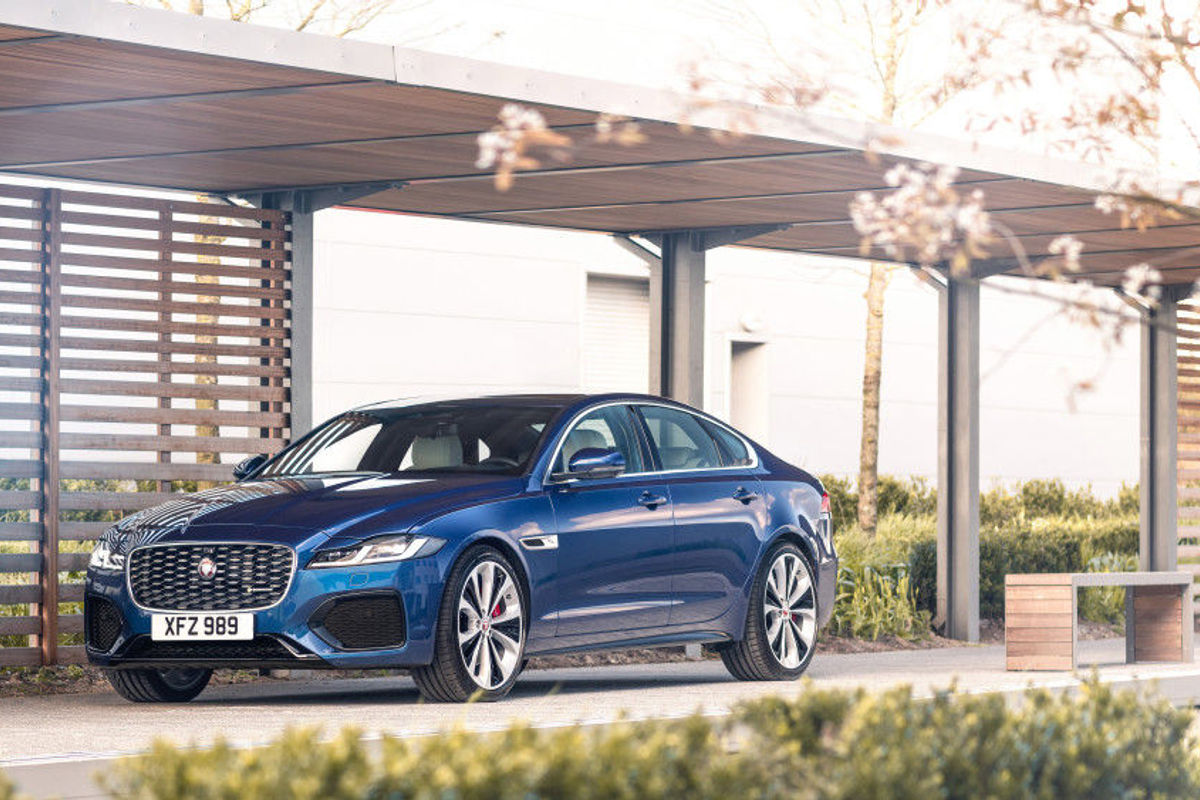
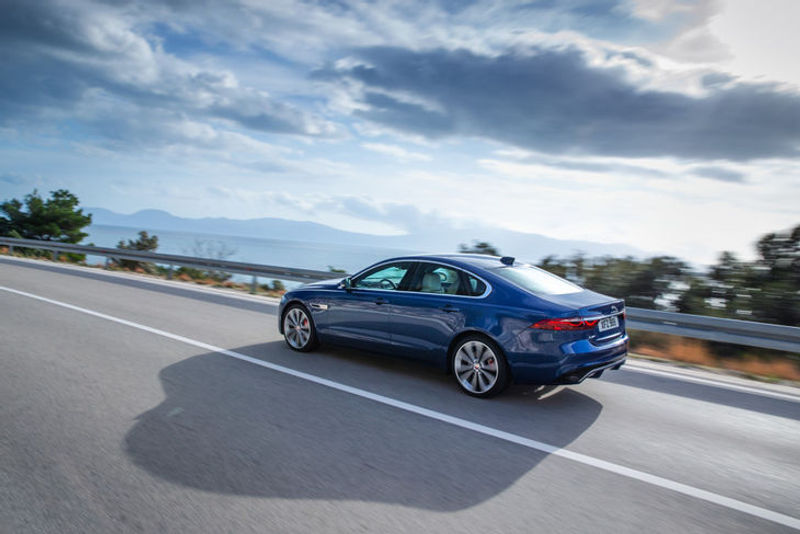
Jaguar’s mid-size XF sedan has received a major update including enhanced styling inside and out as well tech upgrades and updated powertrains. See the changes below!
Jaguar’s latest-generation XF sedan came to market in 2016 to rival products such as the Audi A6, BMW 5 Series and Mercedes-Benz E-Class. Now, the XF has been thoroughly updated to keep it fighting-fit to compete against its stiff competition in this segment.
What’s changed?
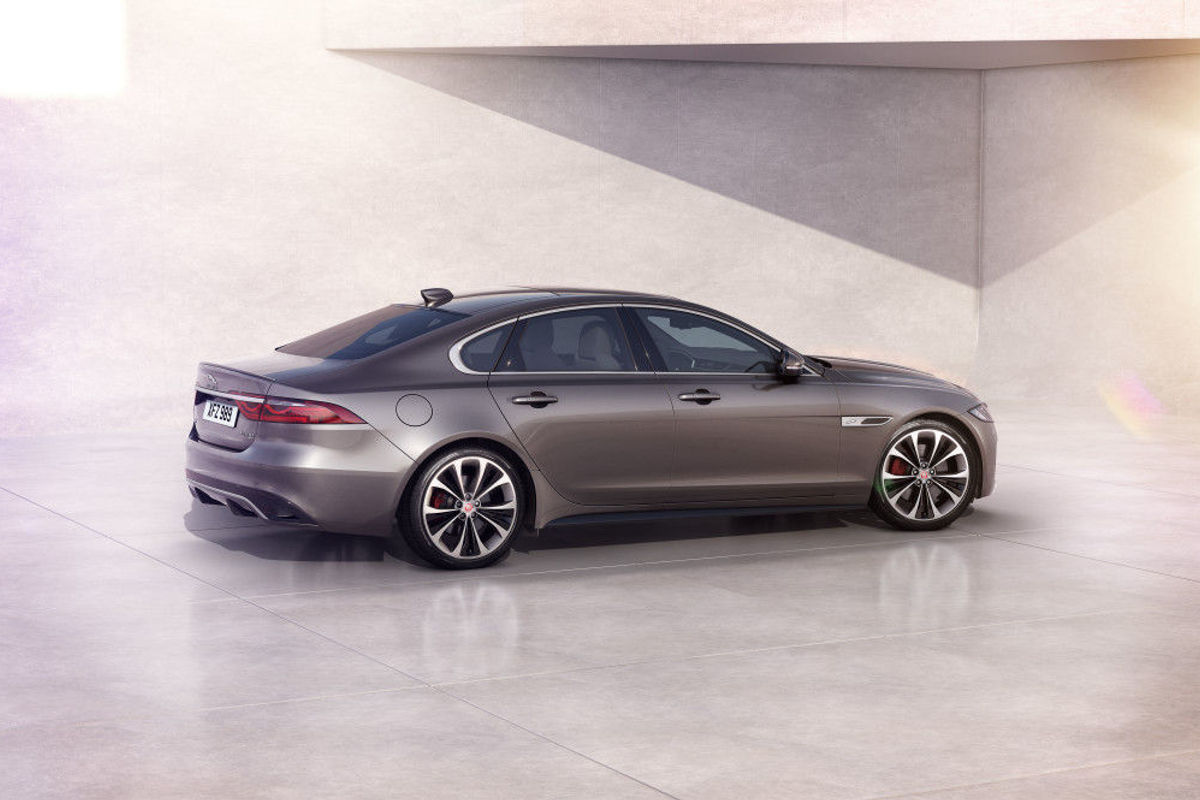
Jaguar has refined the look of its XF, but the interior updates are more substantial.
In terms of styling, Jaguar has gone to work by fitting a new front bumper with larger air intakes that sit lower than before. The grille is wider too and features a mesh design while the side fender vents now feature the iconic leaper emblem. The XF also benefits from new slim LED headlights with ‘Double J’ daytime running lights (Pixel LED headlights are optional) and adaptive driving beam ability. Premium LED technology is standard across the XF range while automatic high beam assist will be offered in SE and HSE derivatives.
The XF’s rear-end has been enhanced with a wider bumper and a body-coloured rear valance. The taillight surrounds have also been darkened. For a more distinct look, R-Dynamic specification will offer a sportier look while an Exterior Pack will also be offered with elements finished in gloss black.
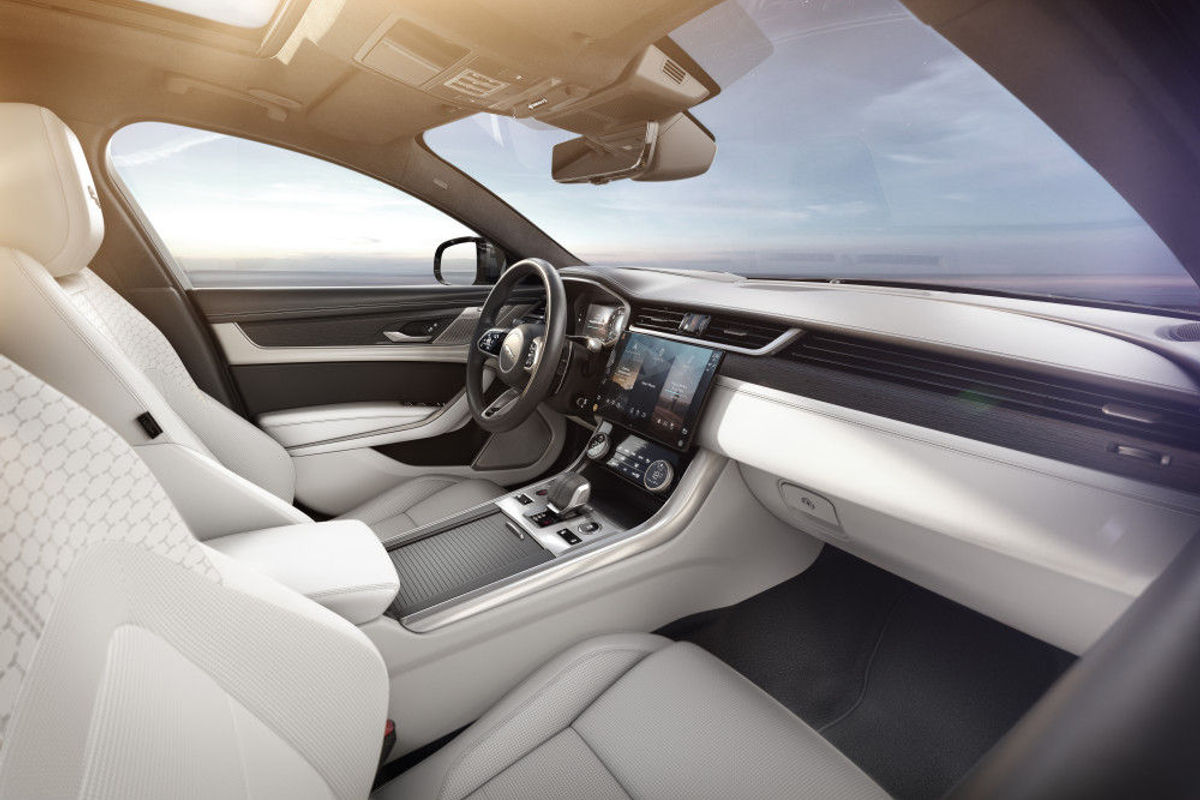
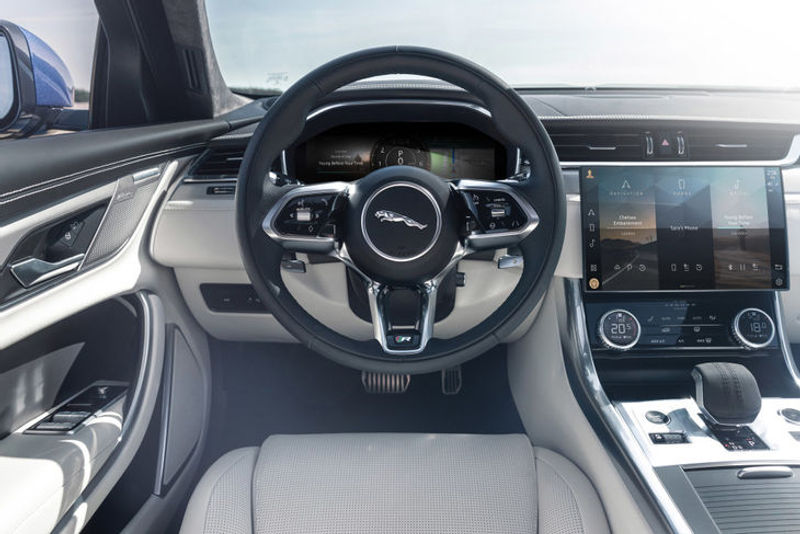
Moving inside, the XF gains a new cabin design along with improved materials such as open-pore wood veneers and aluminium. A new curved 11.4 inch Pivi Pro touchscreen infotainment system is fitted as well as a new drive selector. The infotainment system is not only larger but the screen is also 3-times brighter and features a simplified menu structure and can be updated over the air. It’s also Android Auto and Apple CarPlay compatible. A new 12.3-inch interactive driver display and Head-up display is also fitted for the driver’s convenience.
A wireless smartphone charger will also be offered as an option. The XF’s interior also boasts new door casings with 360-degree grab handles and improved storage while the new seats offer wider cushioning, new massage functions and enhanced heating and cooling functions. Cabin Air Ionisation, for improved cabin air quality, will be offered as an option.
Other cool features include Active Road Noise Cancellation technology (fro improved refinement), ClearSight Interior Rear View Mirror and the latest-generation Activity Key which now incorporates a watch.
Engine Power
A more powerful diesel engine will be offered when the XF arrives locally in early 2021.
The XF will be offered a choice of 2 petrol engines and a new, more powerful turbodiesel engine from Jaguar’s Ingenium engine range. All XF’s are paired with an 8-speed automatic transmission as standard.
Useful driver assistance technology includes Clear Exit Monitor, Adaptive Cruise Control and a 3D Surround Camera.
The 2.0-litre turbopetrol engine choices include a 183 kW/365 Nm engine offered in rear-wheel-drive guise while the more powerful 221 kW/400 Nm engine will be offered with all-wheel-drive.
As for the new 2.0-litre turbodiesel engine, it offers some 15 kW more than the outgoing 132 kW version and it offers outputs of 147 kW and 430 Nm.
The updated Jaguar XF is expected to reach South Africa in early 2021 and will be offered in S, R-Dynamic SE and R-Dynamic HSE derivatives. Local pricing will be communicated closer to the XF’s local launch.
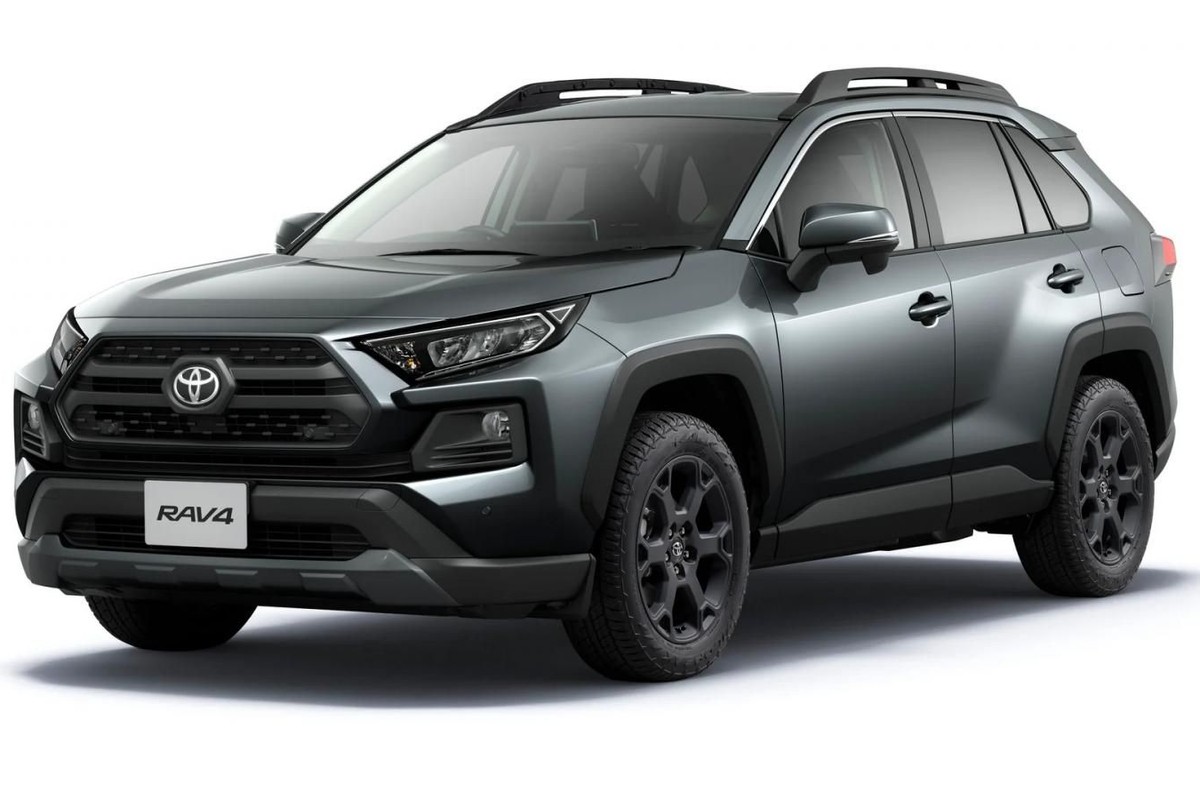
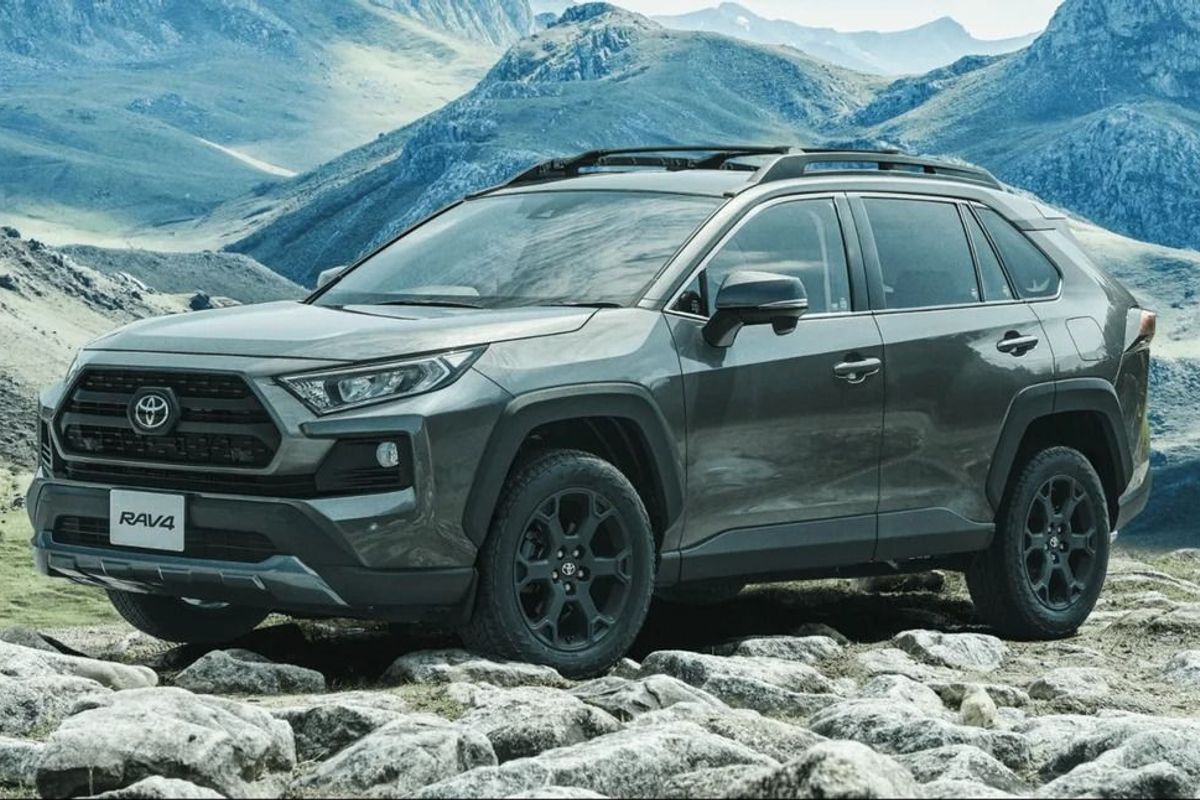
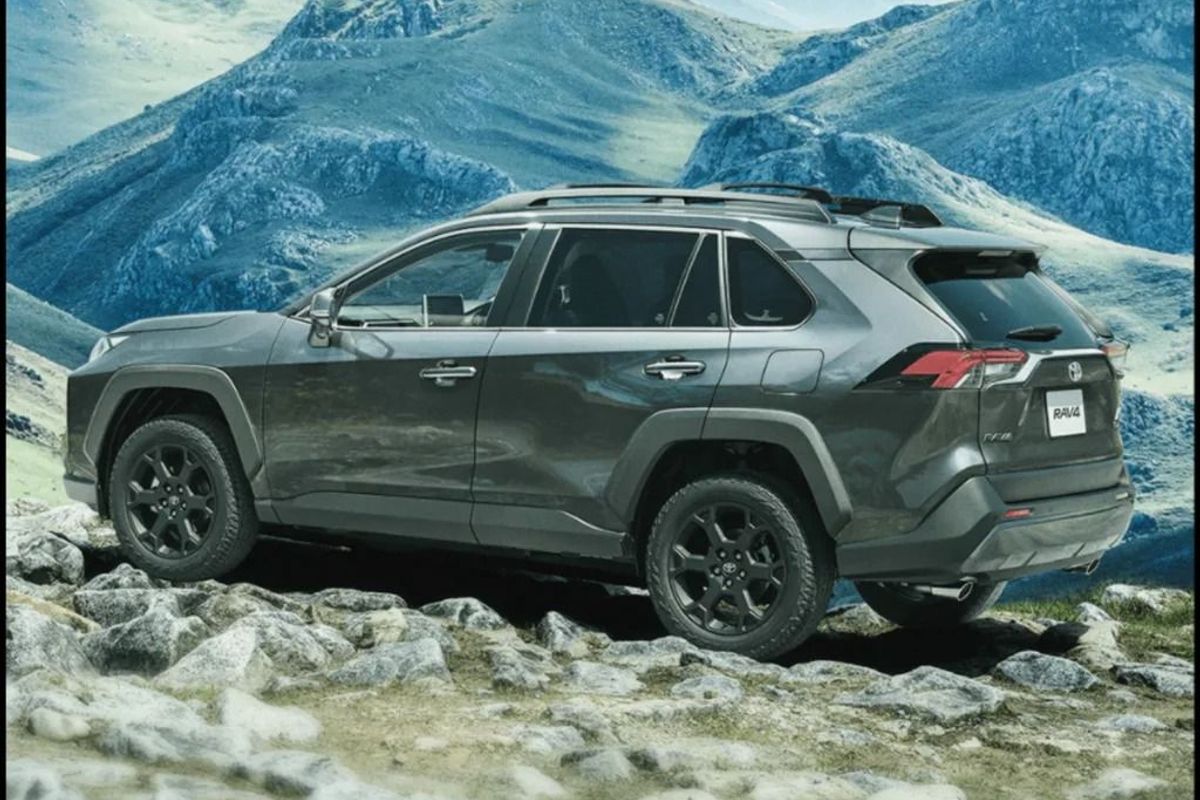
Toyota Japan has quietly introduced the Offroad Package trim for the RAV4.
We've suspected the 5th-generation Toyota RAV4 is adept at the offroad stuff and our past experience with the GX-R all-wheel-drive version proved it was a lot more capable than previously thought. We did a river crossing as well as some steep gravel climbs and the RAV4 never skipped a beat.
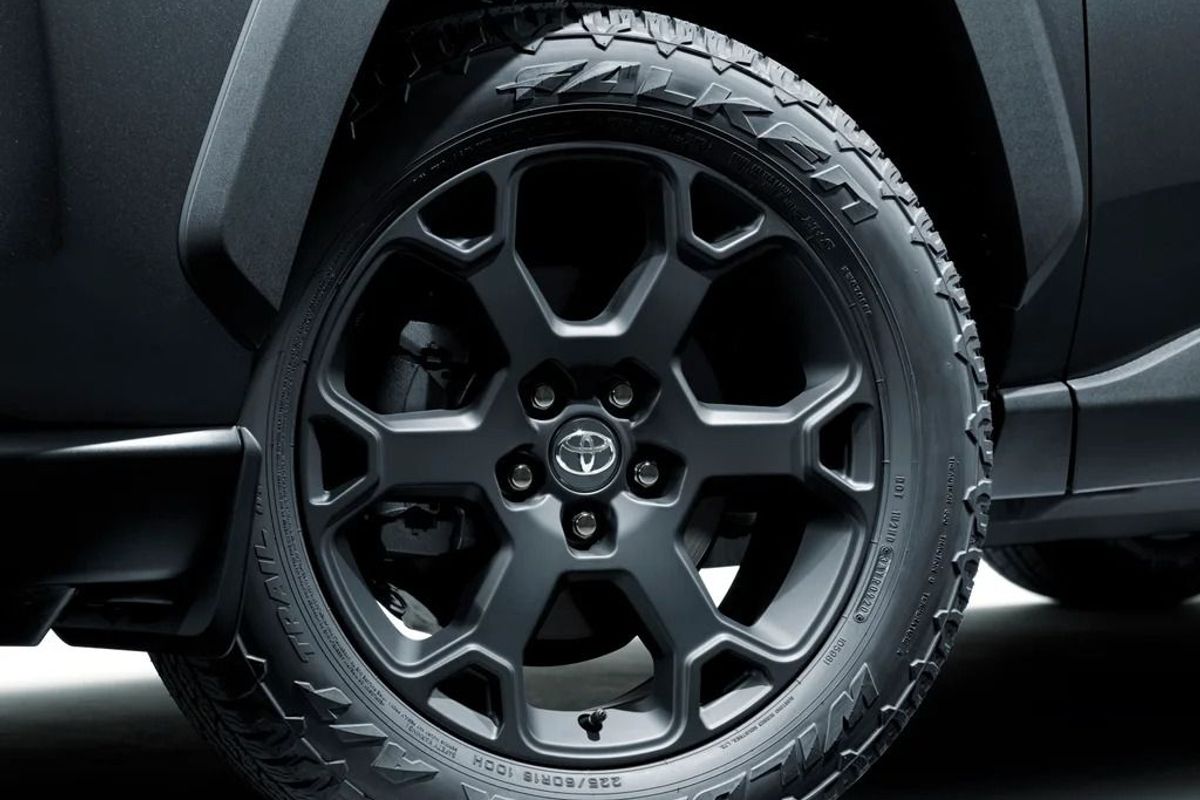
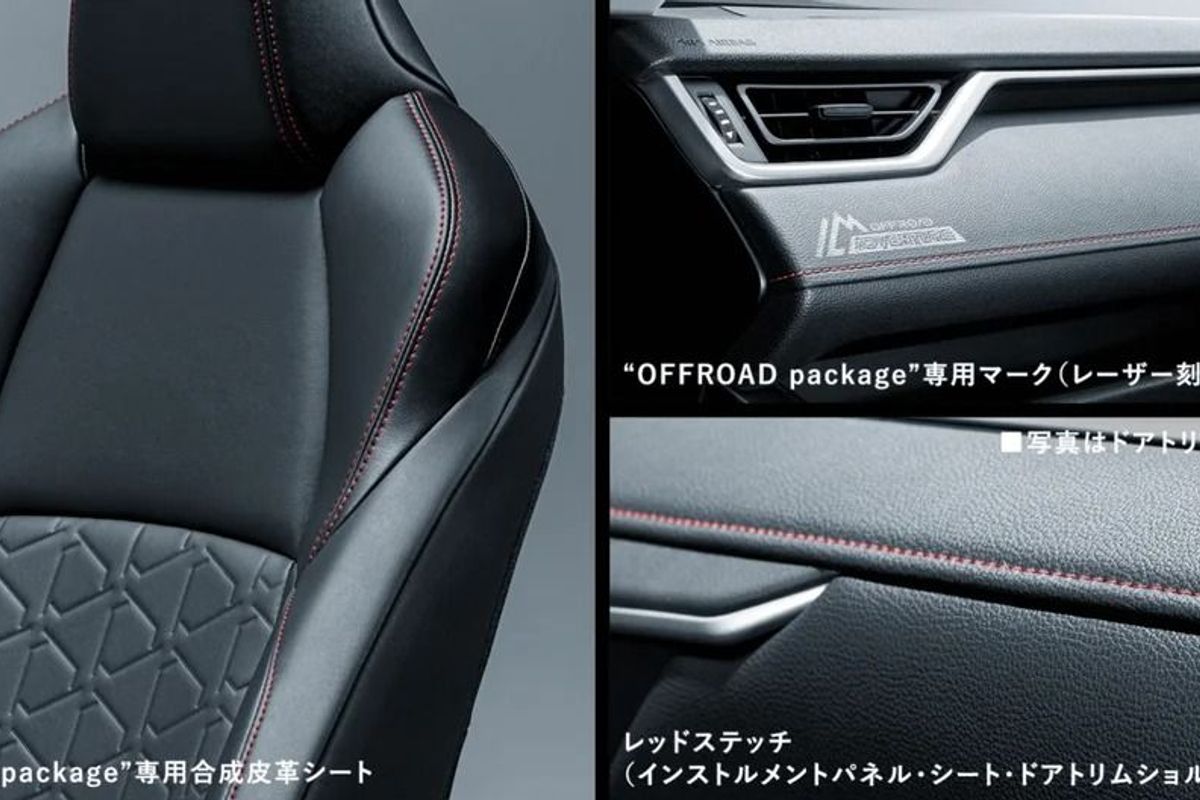
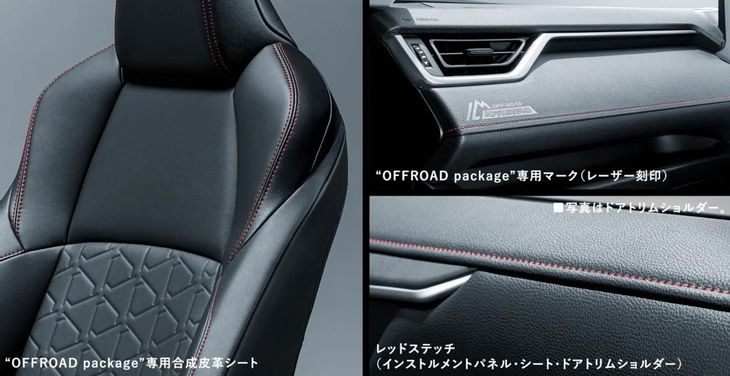
Confirming our suspicions of offroad credibility is the announcement that Toyota has released an Adventure Offroad Package for the Japanese market RAV4. Visually, the changes aren't blatant, with a special edition matte-black 18-inch alloy wheel wrapped in all-terrain rubber and some proper roof rails. Inside, there are synthetic leather seats with red stitching and subtle badging on the dashboard.
Under the skin is where the real changes are to be found. There's a special suspension and ground clearance has been increased by 10 mm. As it stands the current ground clearance is 195 mm, so this Offroad Package setup takes that to 205 mm. In terms of powertrain, there are no changes and the Offroad Package-equipped RAV4 features the same 2.0-litre naturally-aspirated 4-cylinder petrol engine which produces 127 kW and 203 Nm.
While this Offroad Package is marketed for the Japanese market only, we reckon it wouldn't take much to convert SA-spec RAV4s to something similar. Toyota South Africa did announce some updates to the local RAV4 range in 2020, but its not as striking as the murdered out RAV4 offered in the UK.
Bolder graphics and better trim for Isuzu's doube-cab D-Max.
Isuzu might have disappointed South African customers with news of a long delay for third-generation D-Max, but globally the new bakkie’s portfolio is already growing.
The Japanese bakkie brand has not been shy of doing special edition double-cabs over the last few years, most of them leveraging the ‘X’ marketing association. In South Africa, we are familiar with the X-Rider bakkies, and it appears that this legacy will continue with new D-Max.
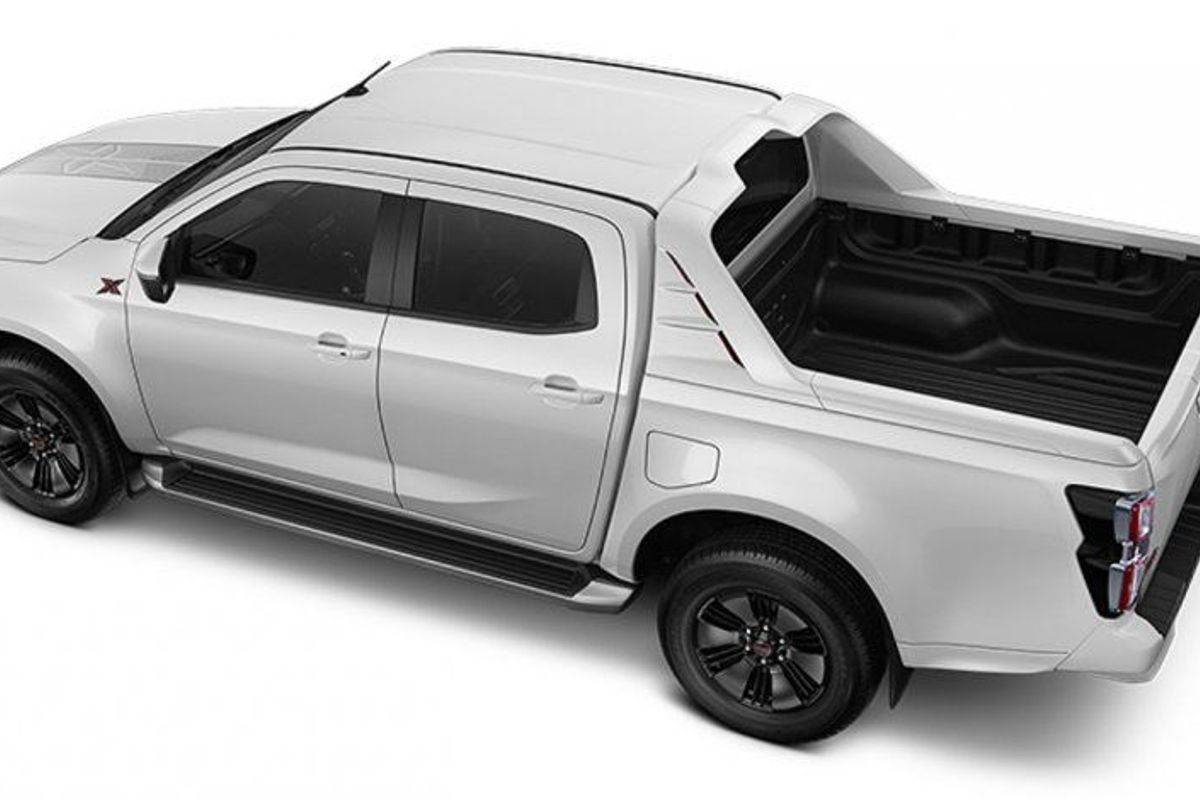
Although its third-generation D-Max is very new, Isuzu has now revealed the first special edition version in Thailand, which is the production hub for most of Isuzu’s double-cab bakkies. It is called the D-Max X-Series and features some slight styling enhancements, to differentiate it from other double-cabs.
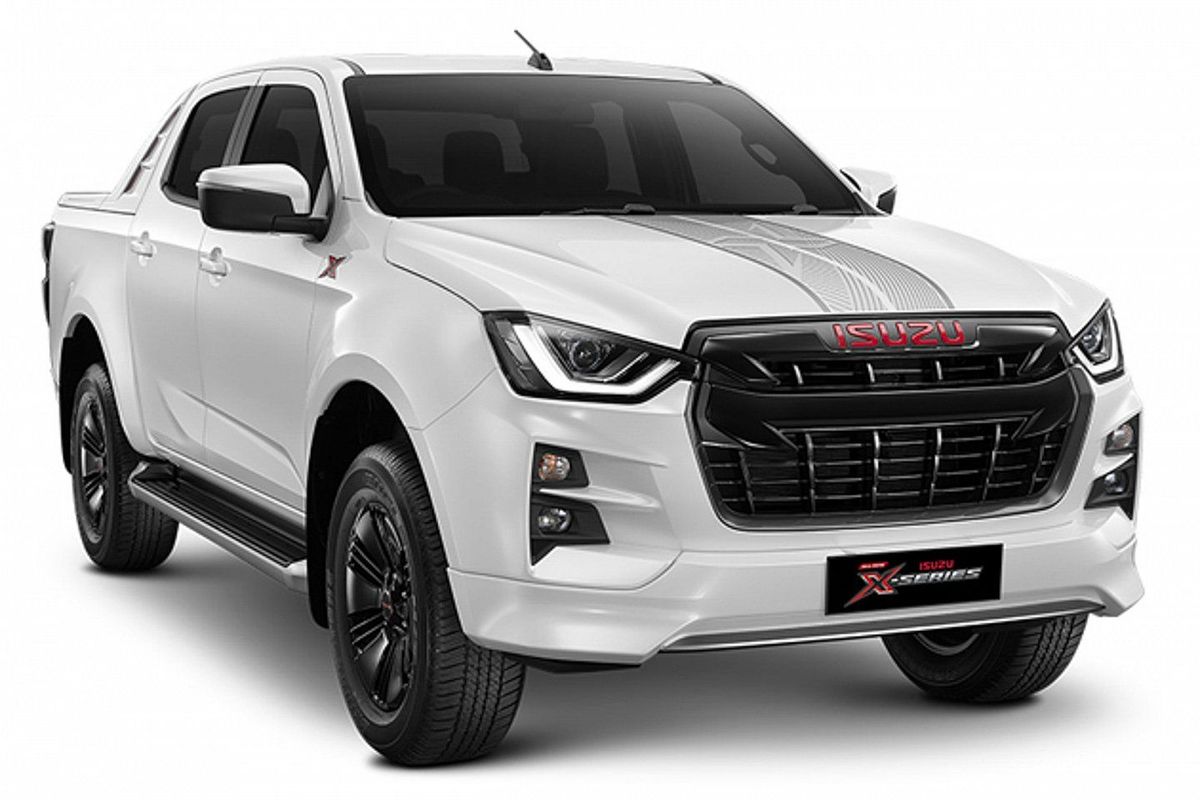
Isuzu is launching the D-Max X-Series with two colour options, either black or pearl white. Contrasting with those exterior paint finishes is a gloss finish for the grille, with a bold red Isuzu brand icon.
Aerodynamics improve a touch thanks to the reshaped front spoiler, while colour-coded bumpers add to the more premium look for this X-Series Isuzu double-cab. The bonnet also gains a centreline ‘X-Series’ graphic design treatment.
There are running boards along its flanks and a non-structural sports bar behind the cab section, designed for balancing airflow and reducing aerodynamic drag.
The Isuzu D-Max X-Series rolls on 18-inch alloy wheels with a gloss black finish.
Isuzu's X-Series D-Max uses red detailing to full effect.
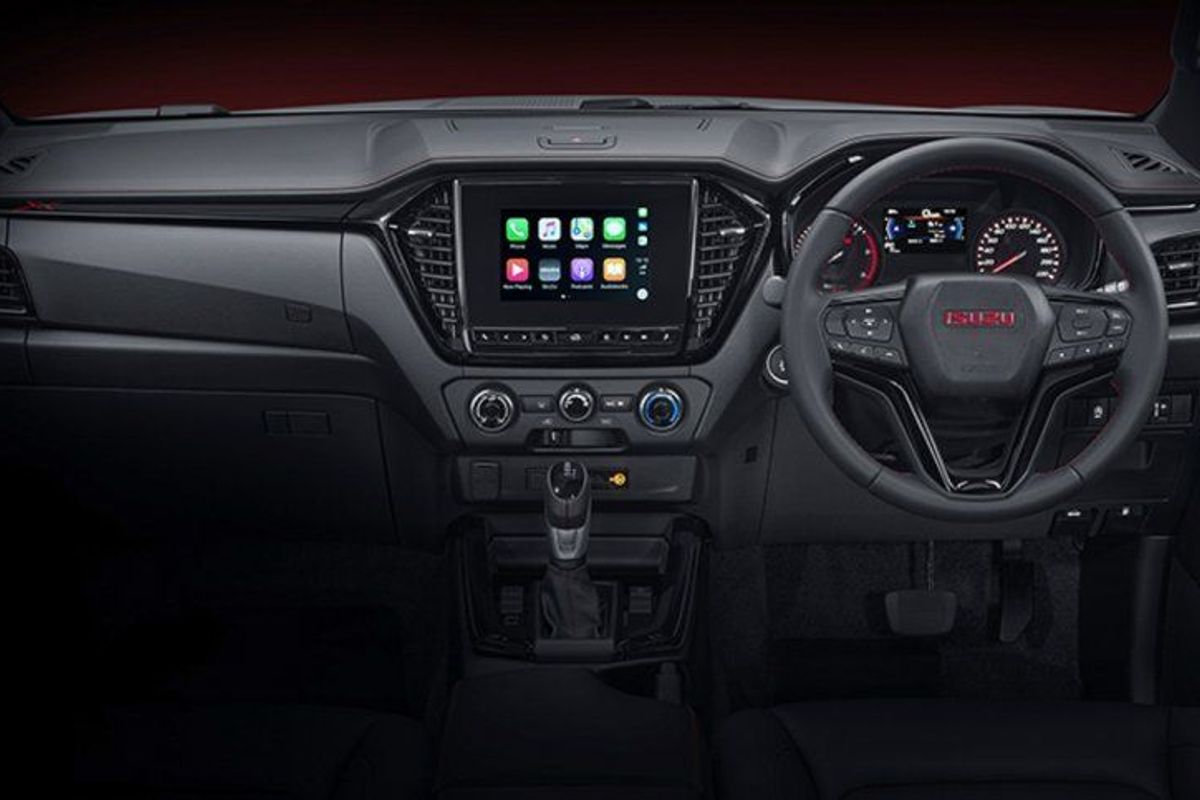
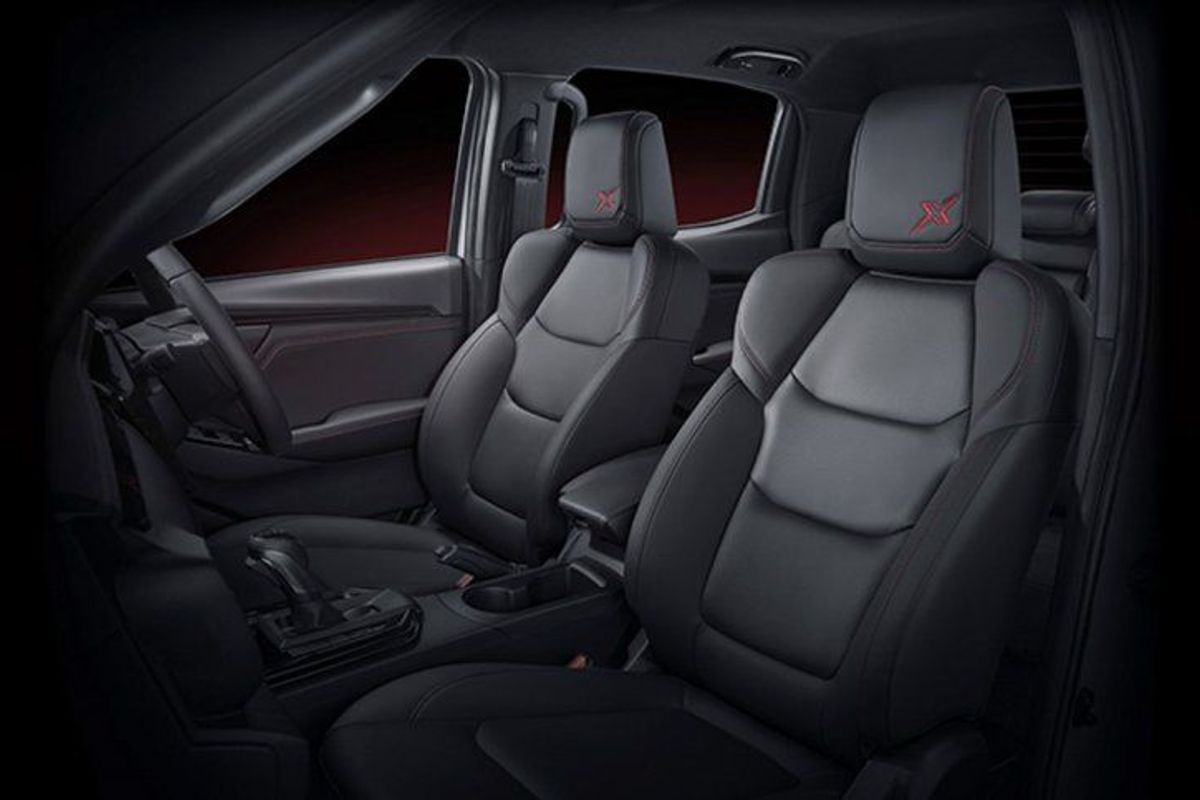
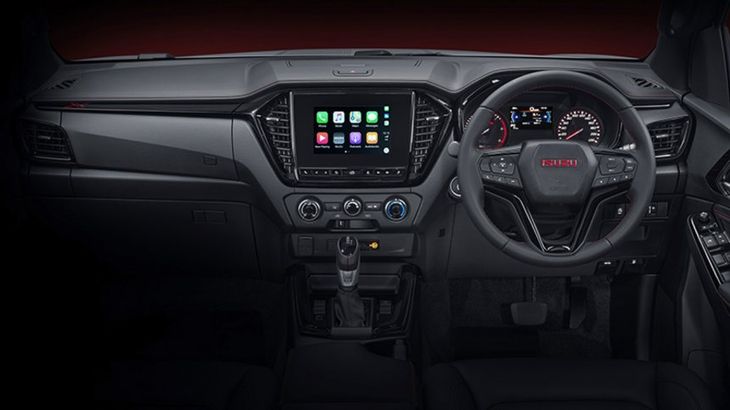
Inside Isuzu’s latest limited edition double-cab, there's red contrast stitching for the leather seats and the headrests gain a bold X-Series logo. Red accents are also present on the steering wheel, parking brake girdle and instrument panel.
Despite its premium billing in the new D-Max range, the X-Series does not make use of Isuzu’s most potent turbodiesel engine option. Powering the Japanese brand’s latest double-cab initiative is a 1.9-litre four-cylinder turbodiesel, boosting 110kW and 350Nm, instead of the 3-litre engine’s 140kW and 450Nm.
Do you like the look of this Isuzu D-Max X-Series?
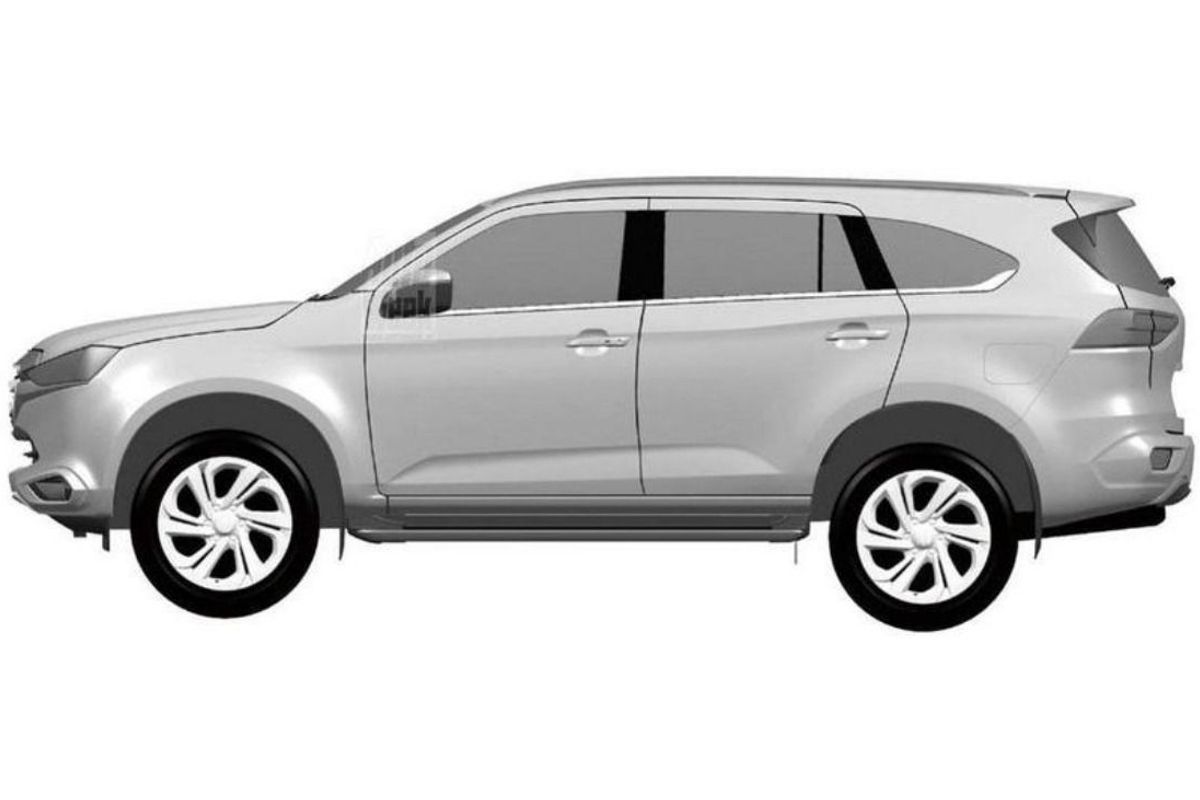
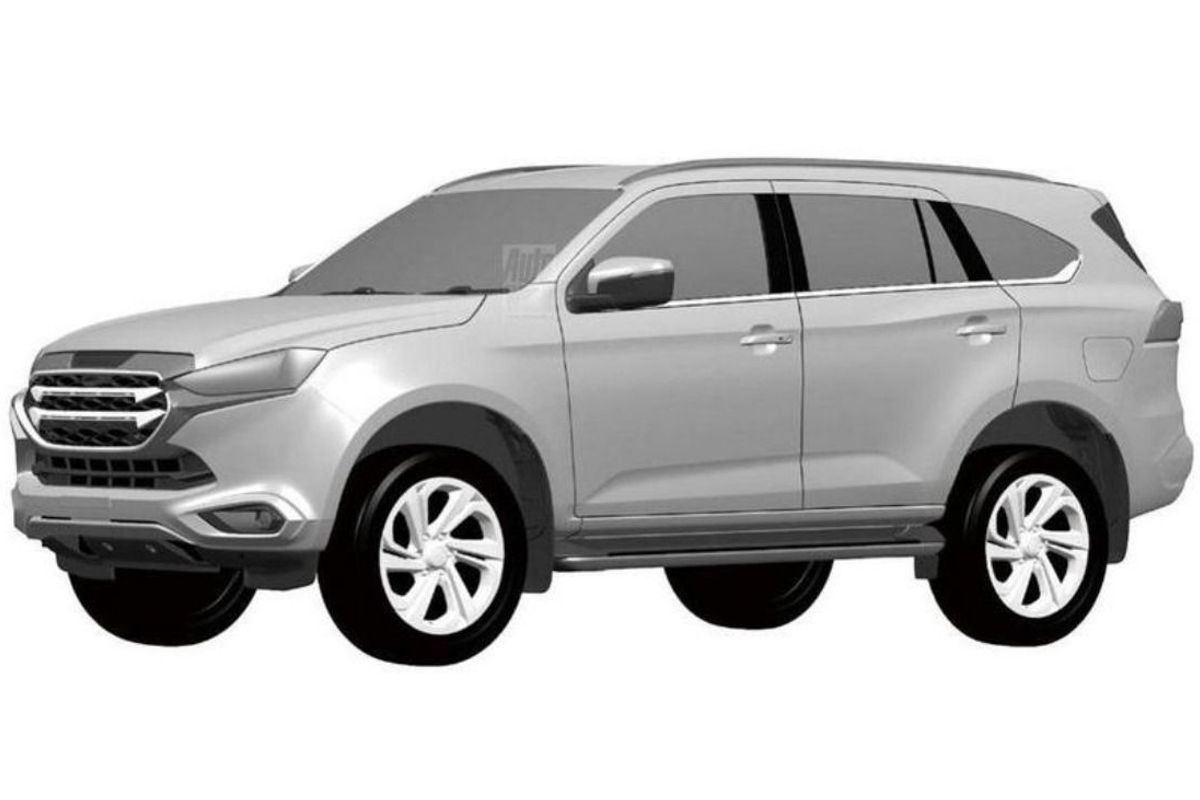
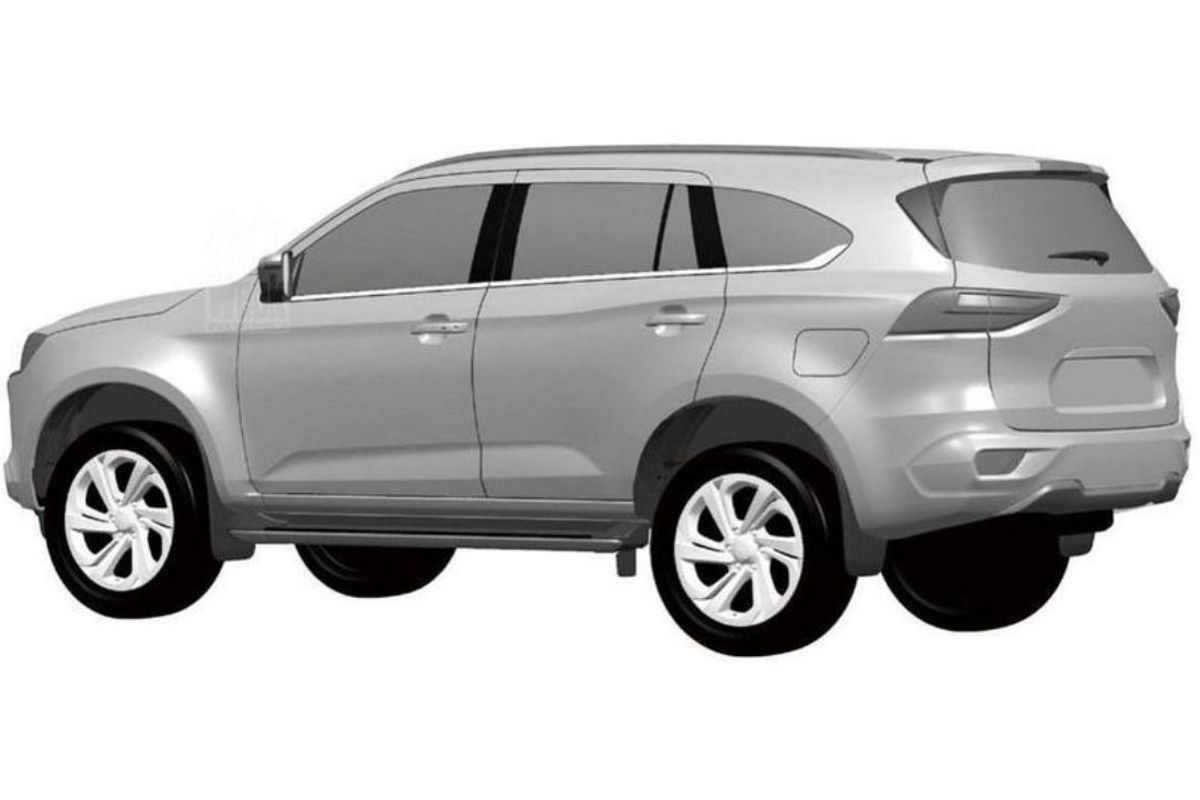
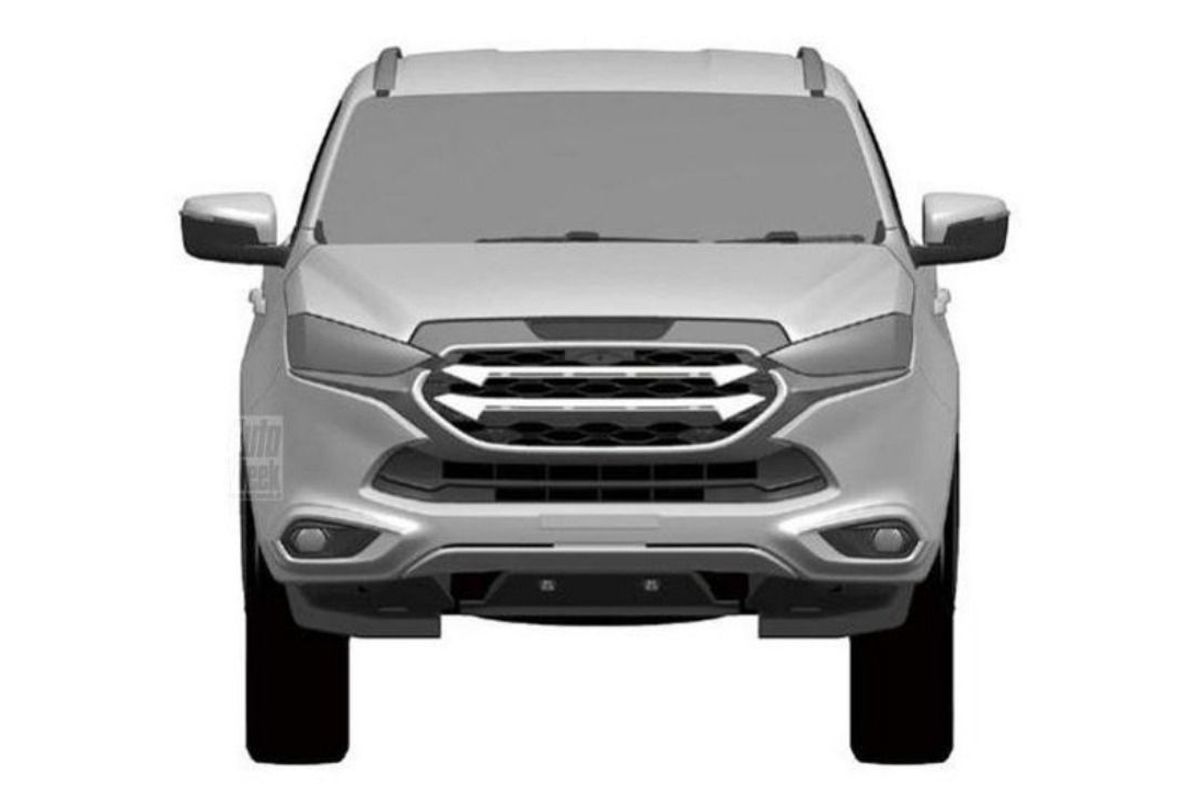
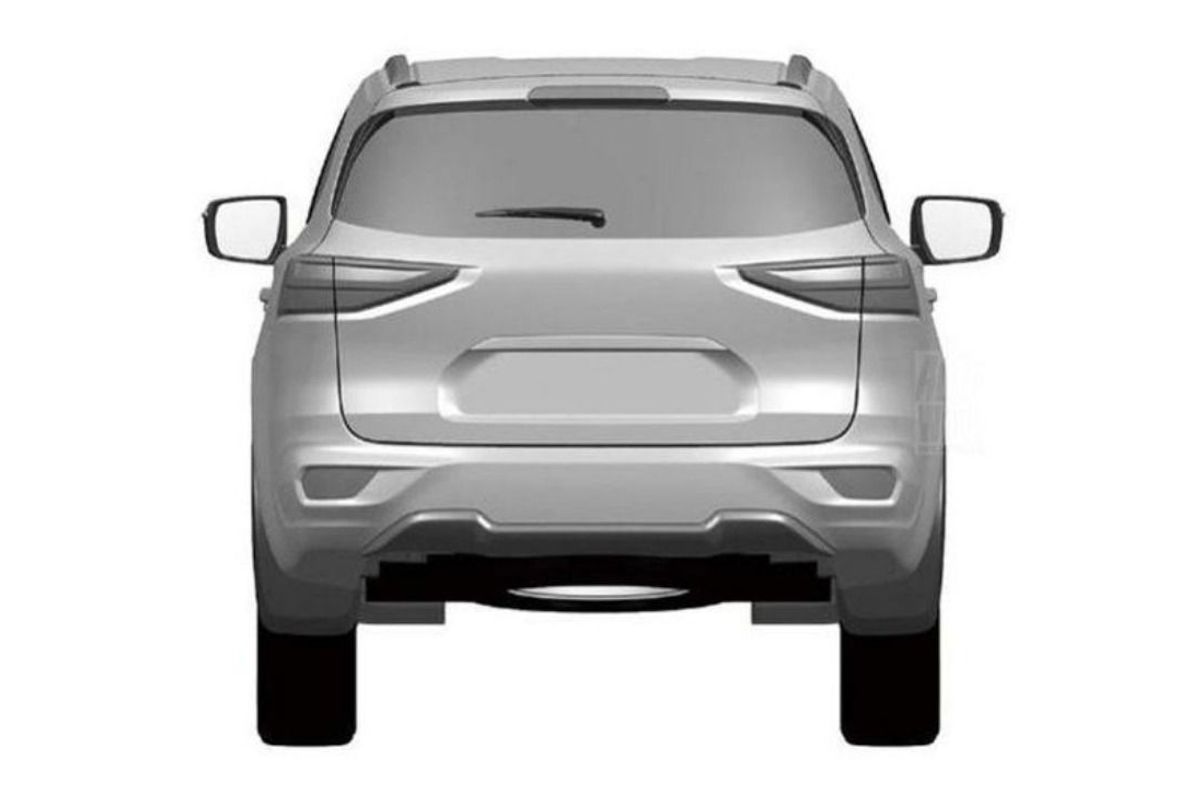
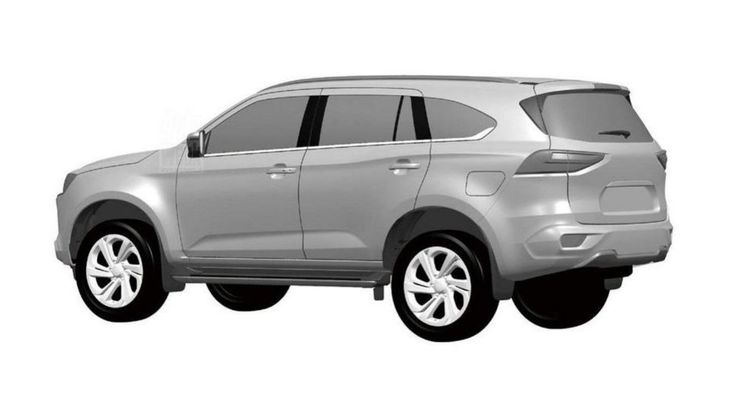
Patent images of the next-generation Isuzu MU-X have emerged. Let's take a closer look at Isuzu's answer to the Fortuner and Everest brigade.
Spotted on Dutch website Autoweek, the following images apparently show an all-new Isuzu MU-X. Given how much has gone into the development into the all-new Isuzu D-Max, it should come as no surprise that there's an all-new Isuzu MU-X in the works too, based on the new bakkie.
The Isuzu MU-X is a 7-seater SUV assembled on the same platform and is a body-on-frame ladder chassis vehicle. In terms of styling, the new Isuzu MU-X is expected to adopt many elements from the new D-Max. Autoweek went on to describe the all-new MU-X has having a 'Mazda-like appearance', which is ironic as the all-new Mazda BT-50 double-cab bakkie is underpinned by the all-new Isuzu D-Max too. This also raises the very interesting question of whether Mazda will look to produce a badge-engineered body-on-frame SUV to join the segment .
In terms of engines, expect a carryover of the current powertrain arsenal. While it was not offered in South Africa, the 1.9-litre turbodiesel kicked off the range. We're likely to see an enhanced version of the 3.0-litre turbodiesel motor. In its current form it produces 130 kW and 380 Nm.
The segment is moving along at this point in time in South Africa. An updated Toyota Fortuner is on its way to market and should be in showrooms before the end of the year. The Ford Everest was revised in 2020 and the Mitsubishi Pajero Sport was just facelifted in the first week of October 2020. An all-new Isuzu MU-X would throw the proverbial cat amongst the pigeons. We'll update this piece as soon as we hear more info.