New BT-50 to arrive in SA before D-Max
The new-generation Mazda BT-50 will arrive in South African showrooms next year… in other words, before the bakkie on which it is based – the upcoming Isuzu D-Max – comes to market.  

Last week, Cars.co.za reported that Isuzu South Africa has had to delay upgrades of its manufacturing facilities in Port Elizabeth (where it will produce the new generation D-Max) due to the impact of Covid-19, which had, in turn, also caused interruptions to the Japanese brand’s development programme to adapt the bakkie's various components specifically for local conditions.  

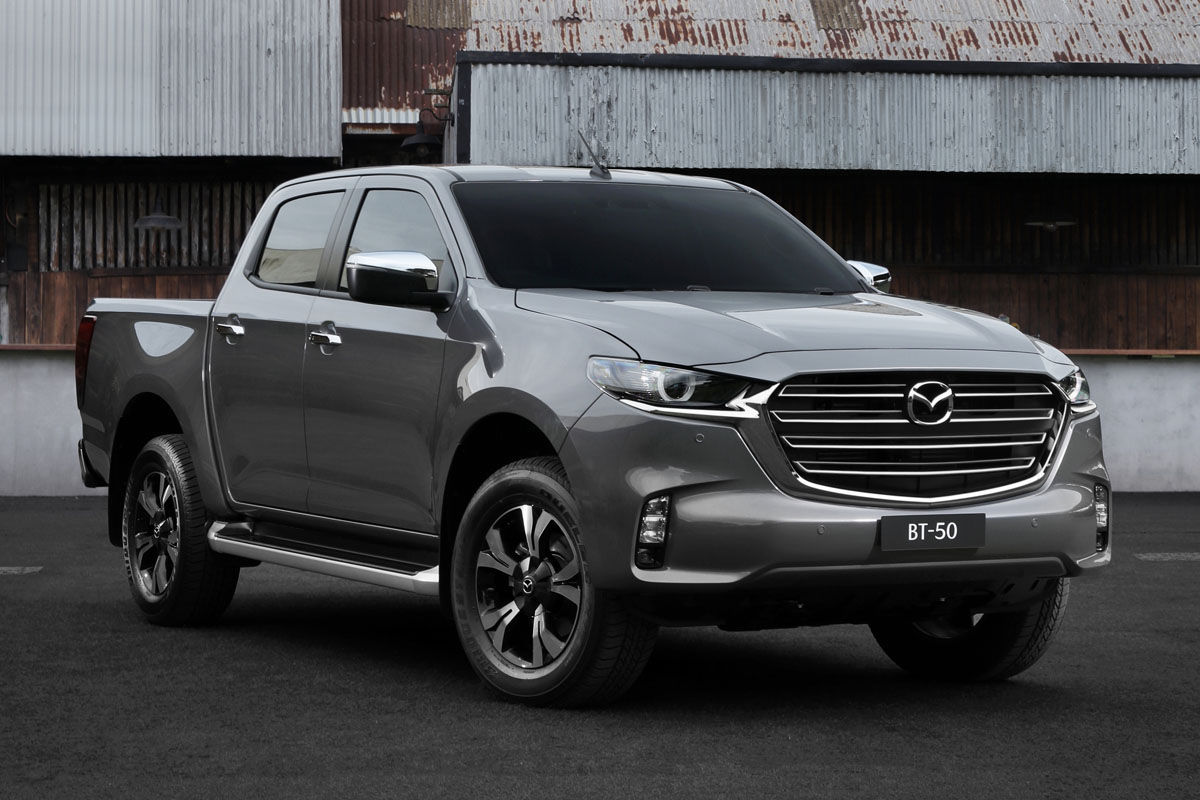
Compared with its predecessor's love-it-or-hate-it looks, the new BT-50 is more classically handsome (for a bakkie, anyway).

According to Isuzu SA, “some of the key projects being undertaken include testing of the (newcomer’s) load box, which in the current bakkie has significantly thicker steel in strategic areas such as the load box inner panels, load box front panel, and tailgate.”

“Other areas receiving attention from local engineers include, dust sealing, suspension tuning and development of local dampers, development of all-terrain tyres, rear diff lock and axles, wiring harnesses, and accessories,” the manufacturer said.
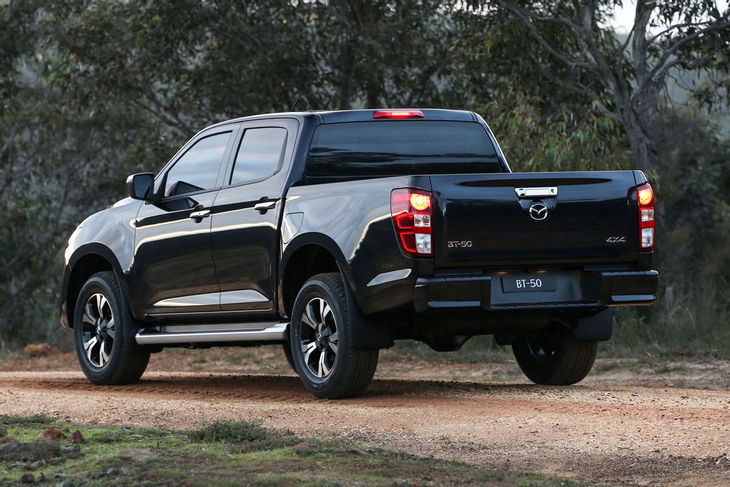

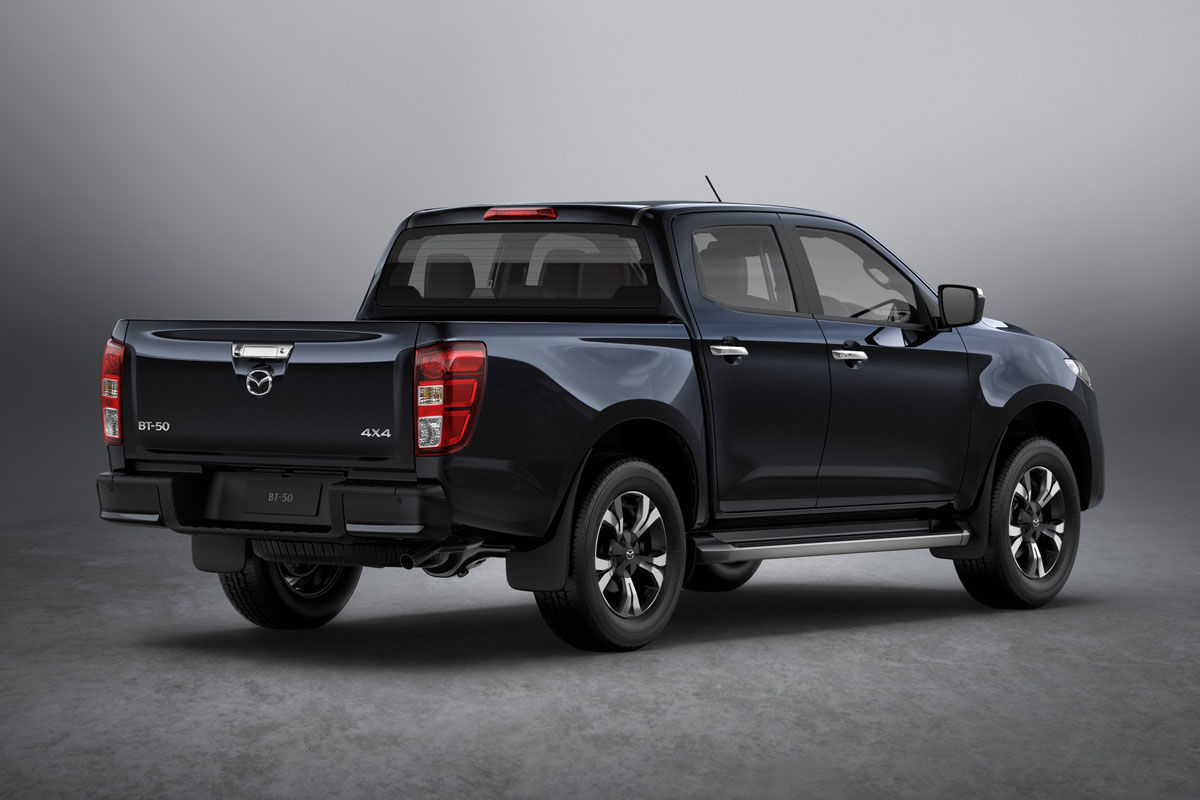
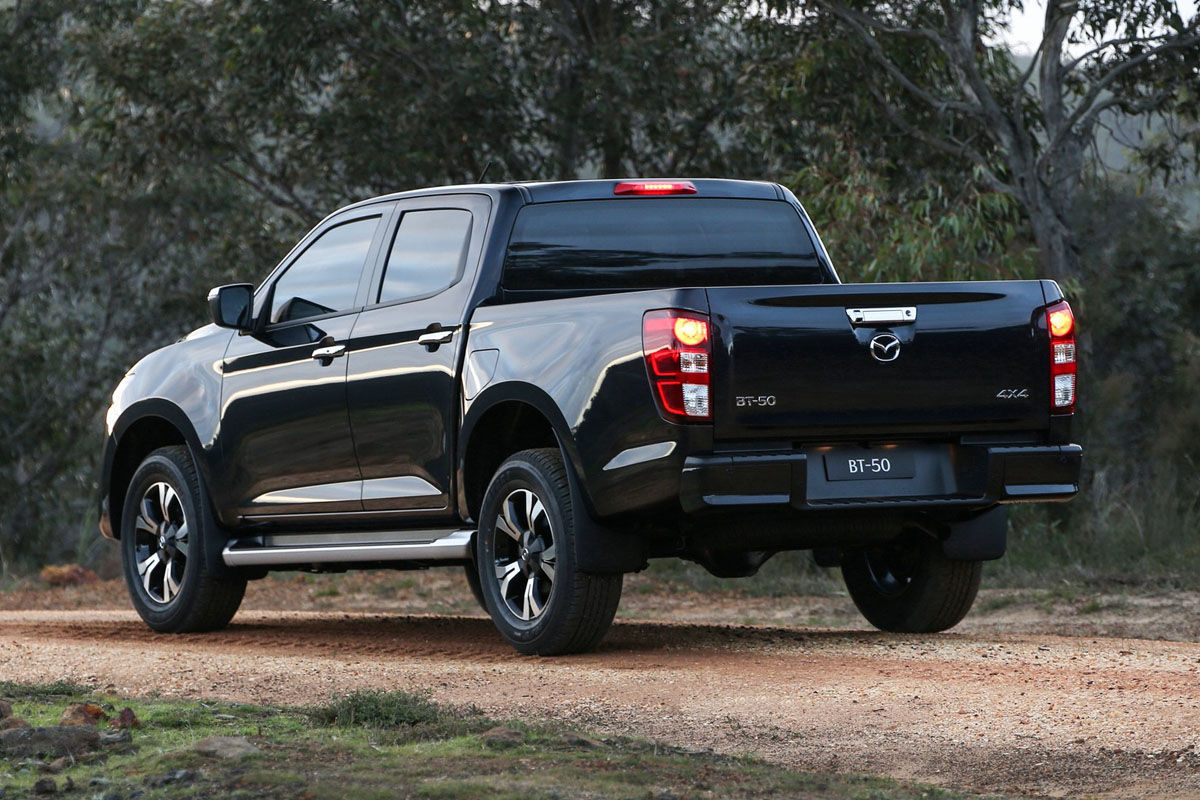
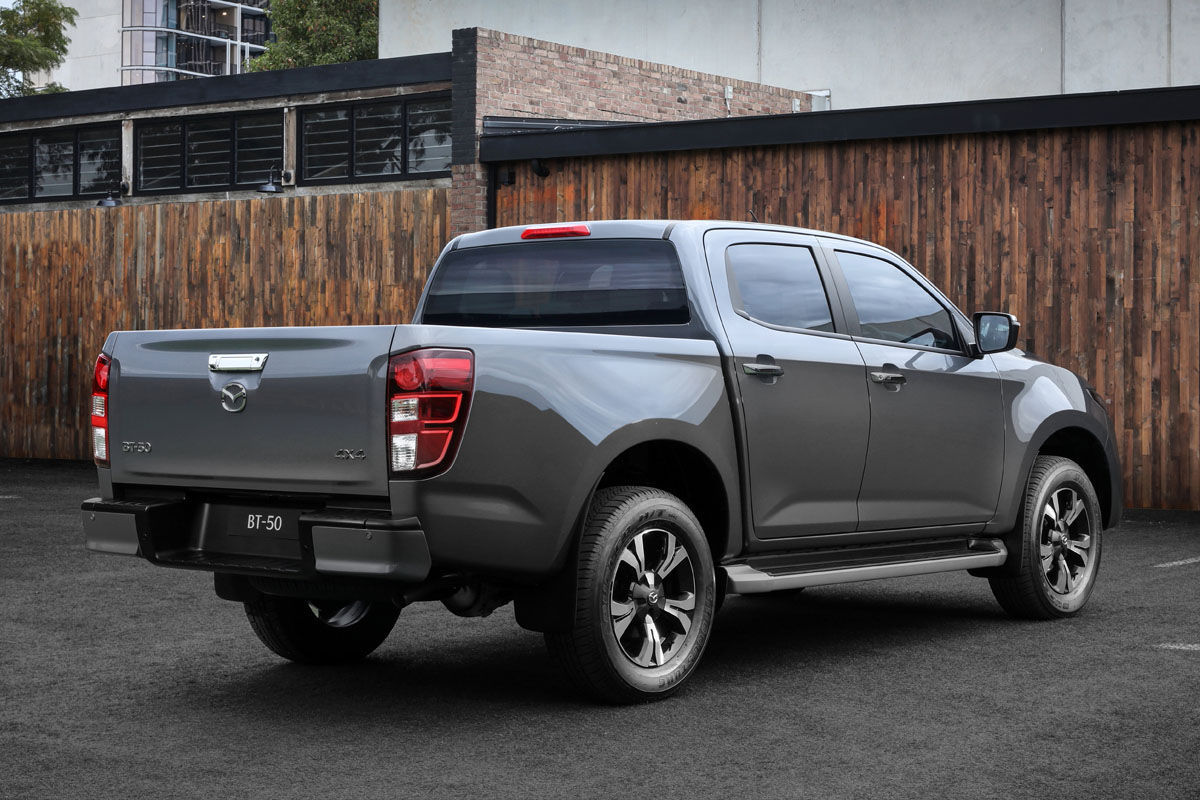
The BT-50's tail-light clusters (with Mazda's circular lighting signature) and tailgate are unique to the Japanese bakkie.

The net result of this development is that the new Mazda BT-50 will debut in South Africa before the bakkie on which it is based, the new D-Max, goes on sale locally in 2022. Unlike the Eastern Cape-produced D-Max, however, the BT-50 will be imported from Thailand.

"I can confirm that the BT-50 is part of our product planning for 2021, but we will only be able to communicate the exact timing of the model's introduction closer to our launch time," Mazda Southern Africa brand manager Melané Bezuidenhout told Cars.co.za. “We have yet to be finalise the new range's line-up of derivatives and their respective specifications, including powertrains, features, interior trim etc." 
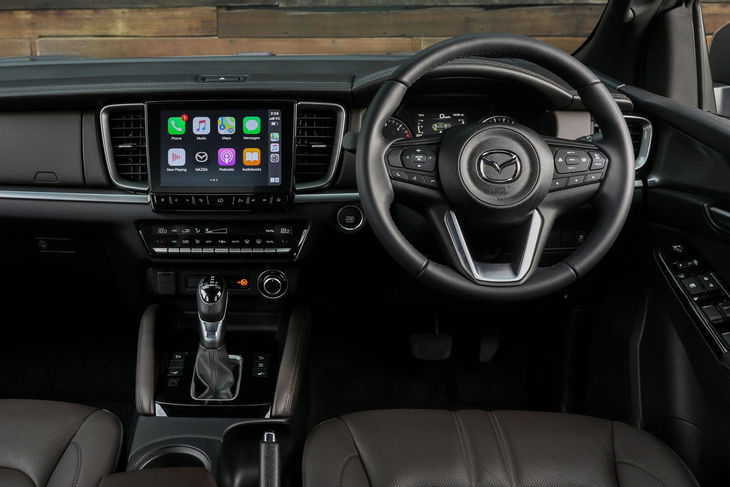

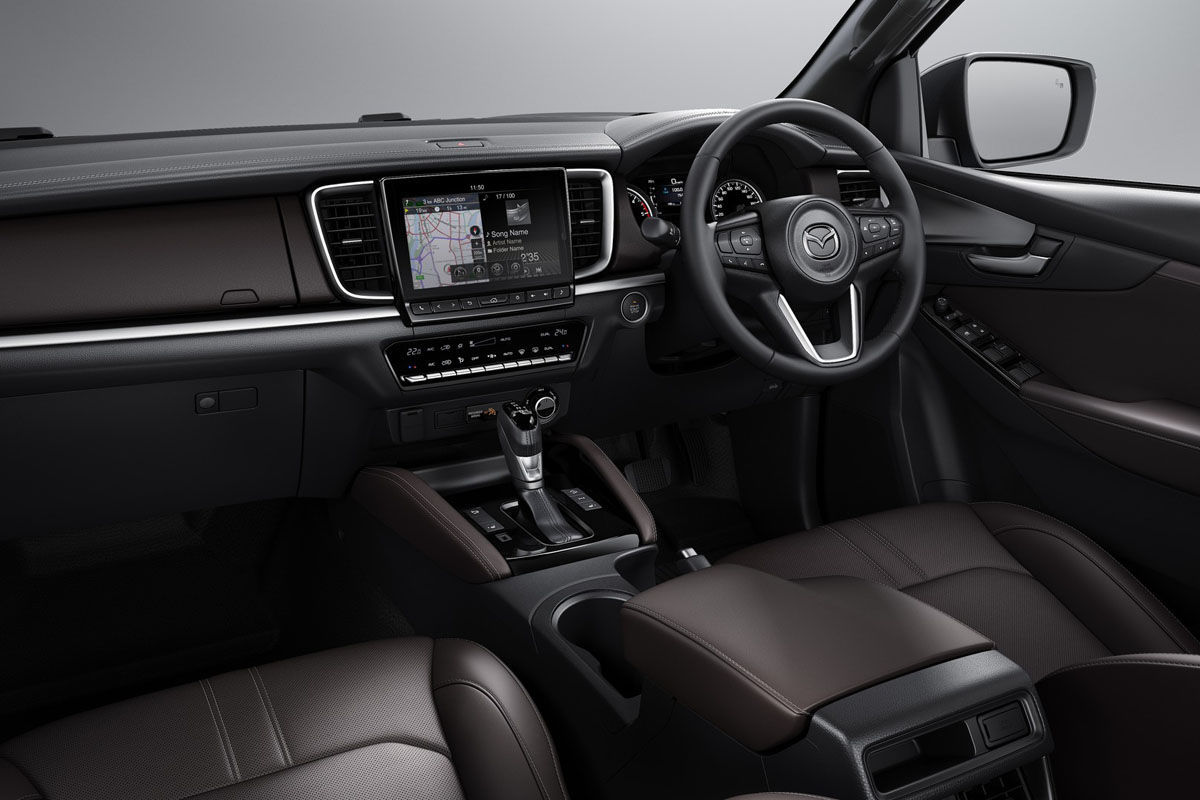
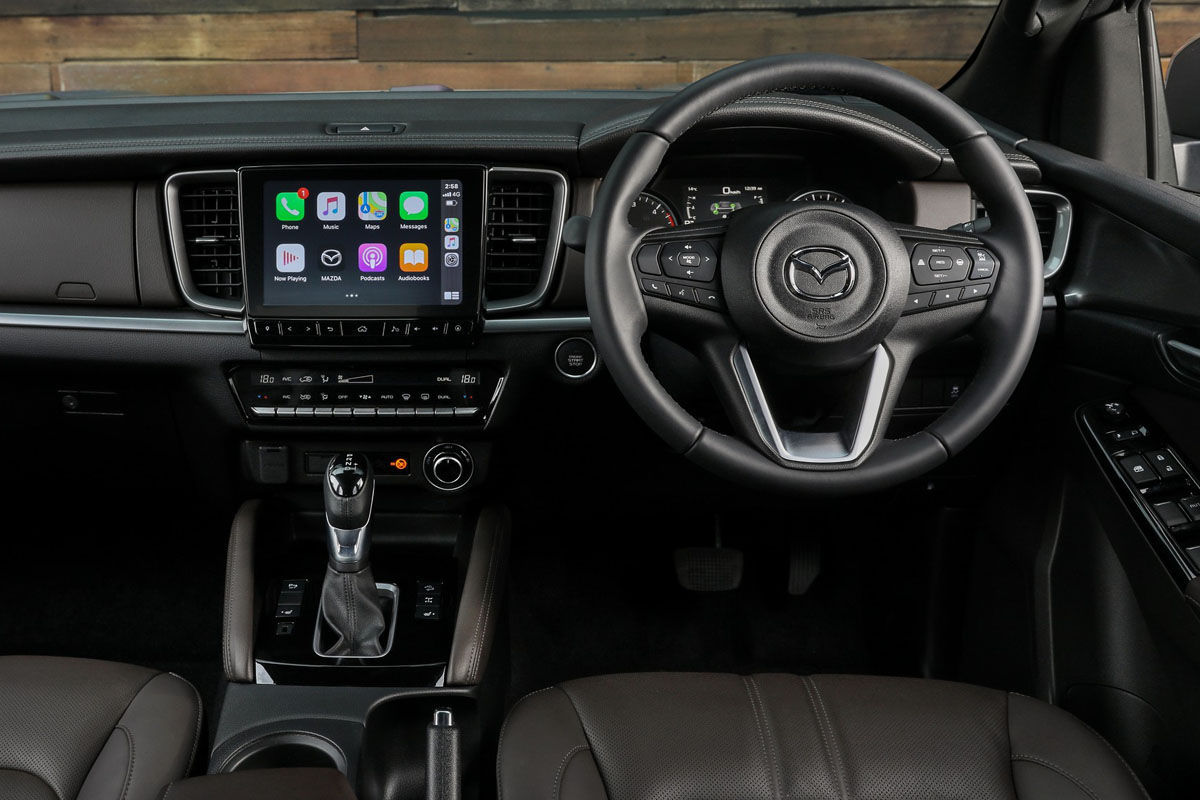
Mazda was determined to make the BT-50's cabin as plush and passenger-car like as possible. 

The fact that Isuzu feels its needs to bolster and optimise the new D-Max for the unique challenges of operating in local conditions is not surprising; the Japanese manufacturer (then under the custodianship of General Motors) did exactly the same (conducted a thorough localisation programme) in the lead-up to the introduction of the current bakkie, which was then known as the KB.

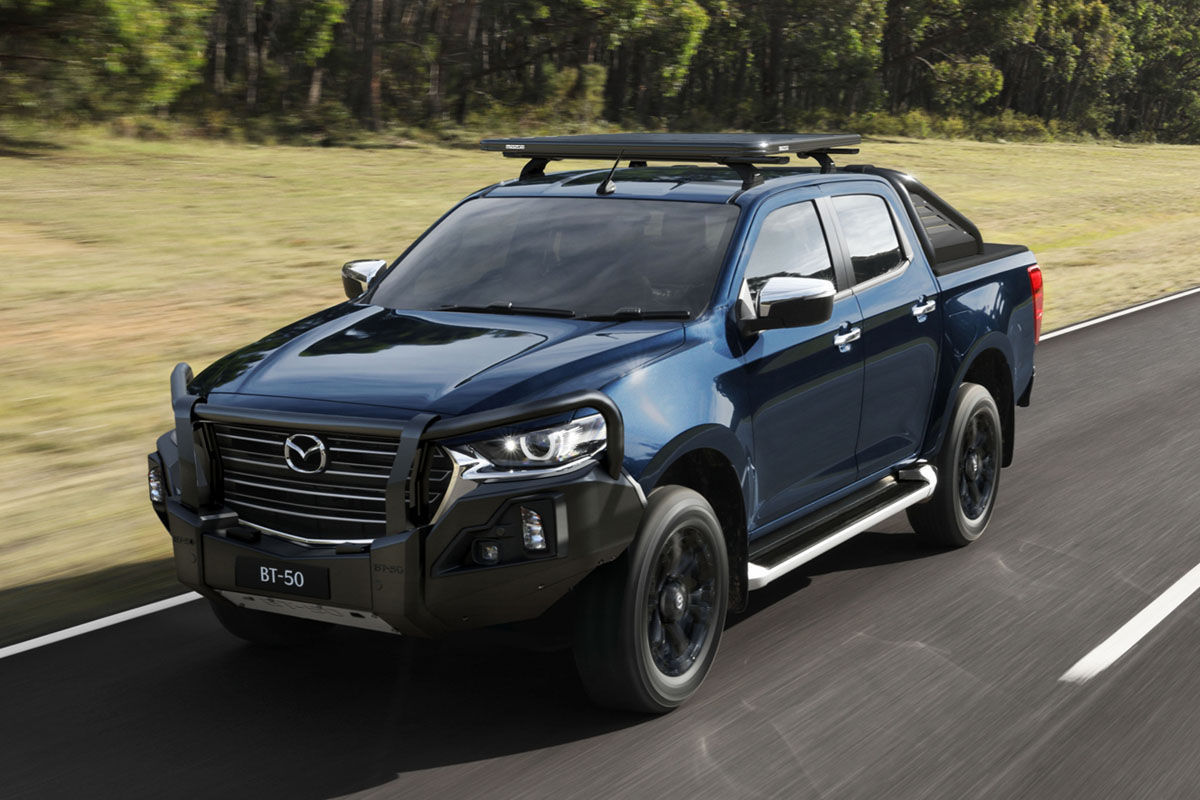
But while the next D-Max will be produced in various configurations, from a no-frills single-cab LCV to a higly-specced double cab to compete with top-end versions of the Ford Ranger, Toyota Hilux etc (and it will be distributed throughout Southern Africa), the Mazda BT-50 is likely to be offered in double-cab guise only in South Africa and it will be aimed squarely at family-car buyers that use their vehicles for lifestyle activities.  

Read our Toyota Hilux (2021) International Launch Review
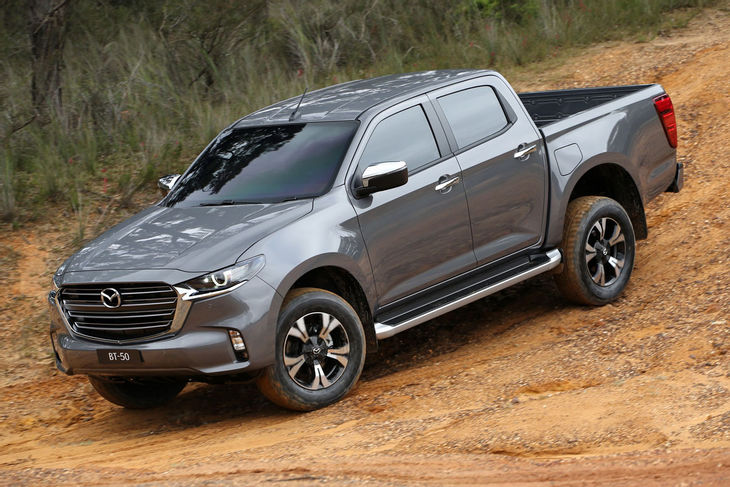

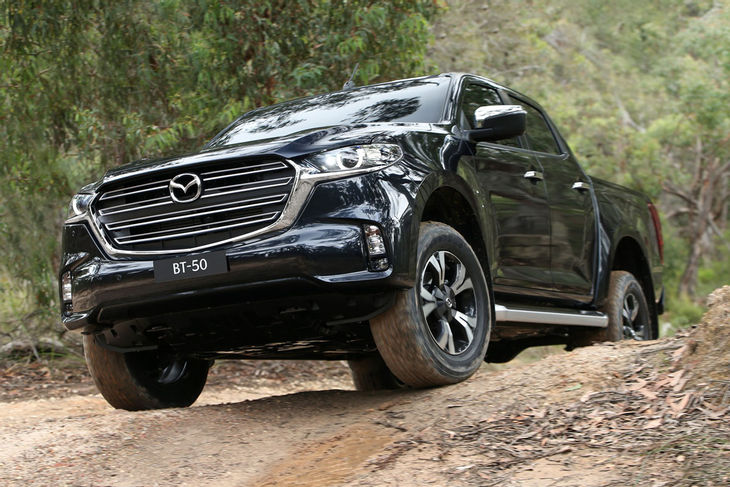
The new BT-50 also has an approach angle of 30.4-degrees.

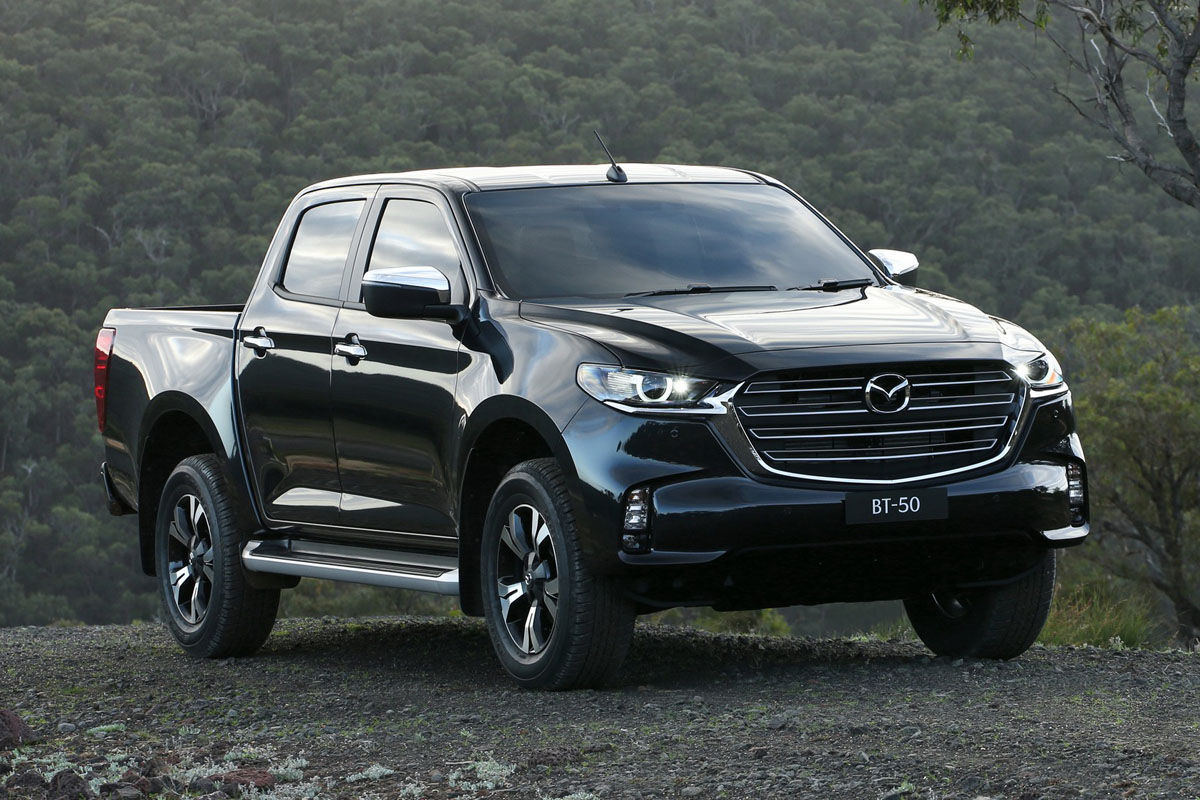
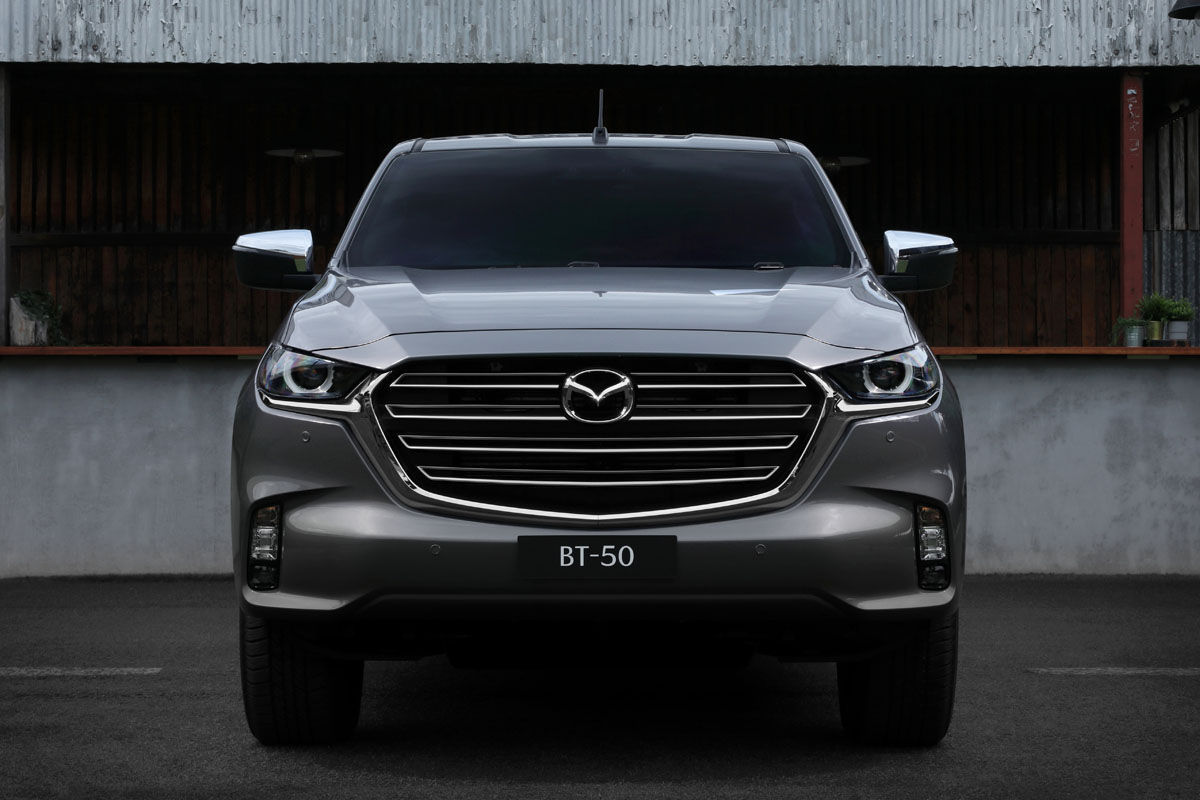
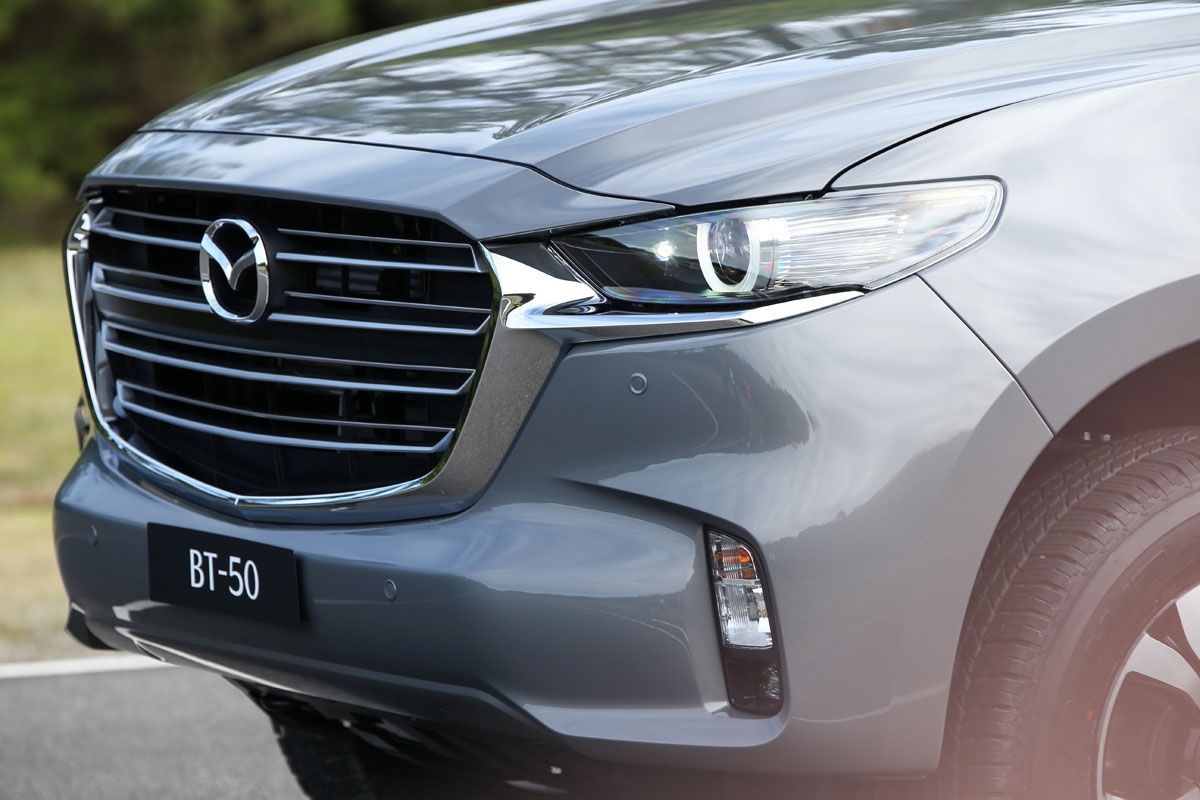
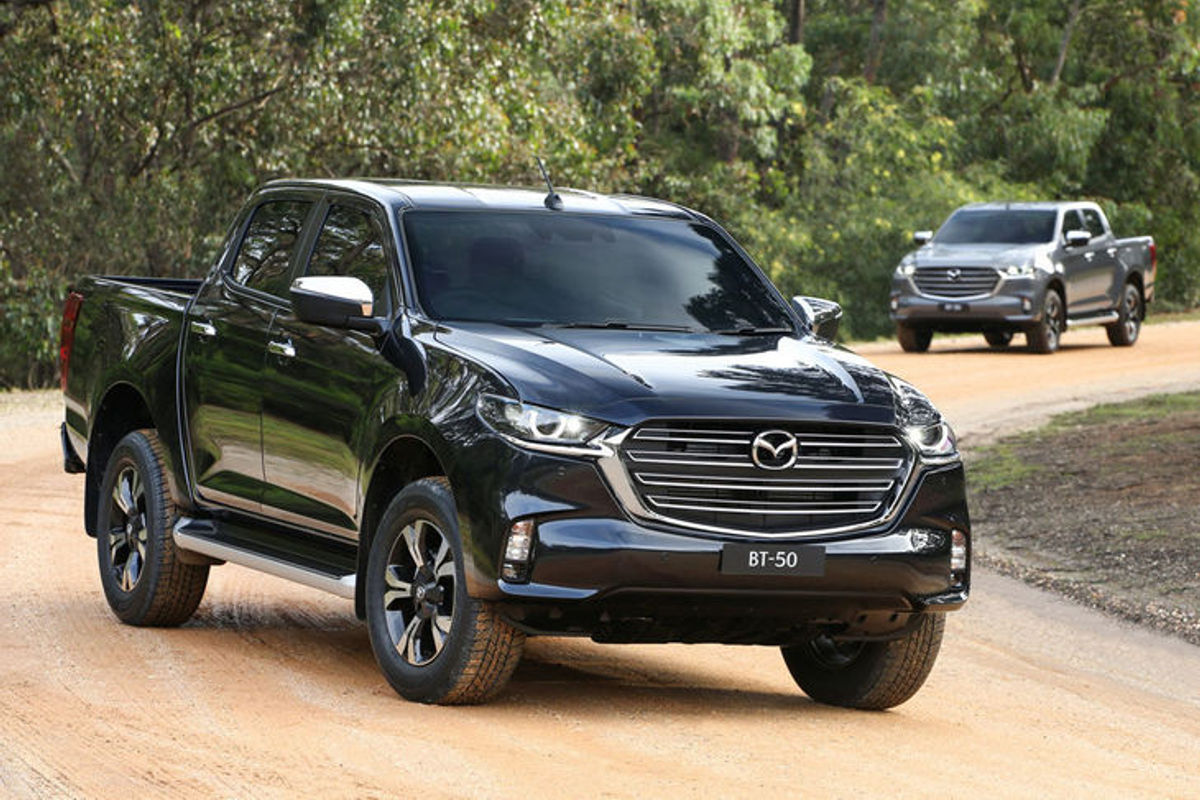
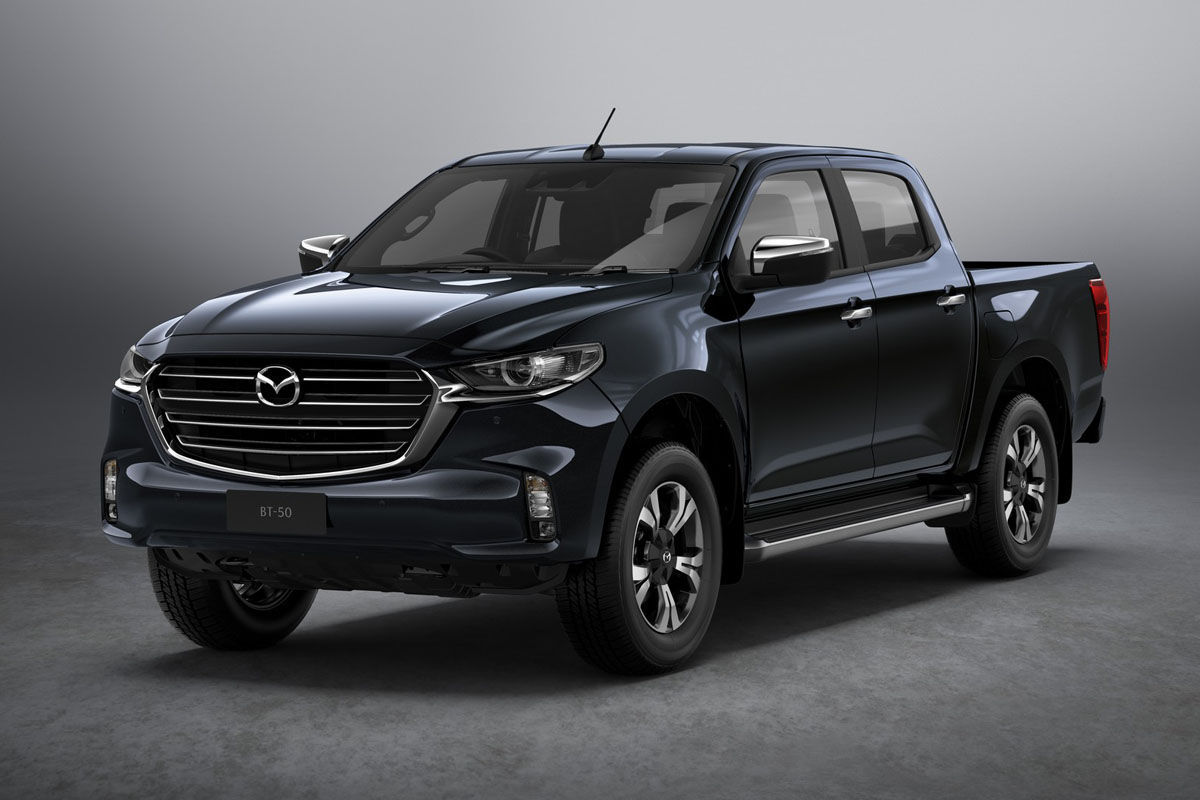
For such buyers, the Thailand-made BT-50, with its distinctive frontal aspect characterised by a bulging bonnet with a pair of broad ridges and an expansive chromed grille that underscores sculpted slim LED headlamps (flanked by 3-dimensional wraparound fenders), will be quite suitable.  

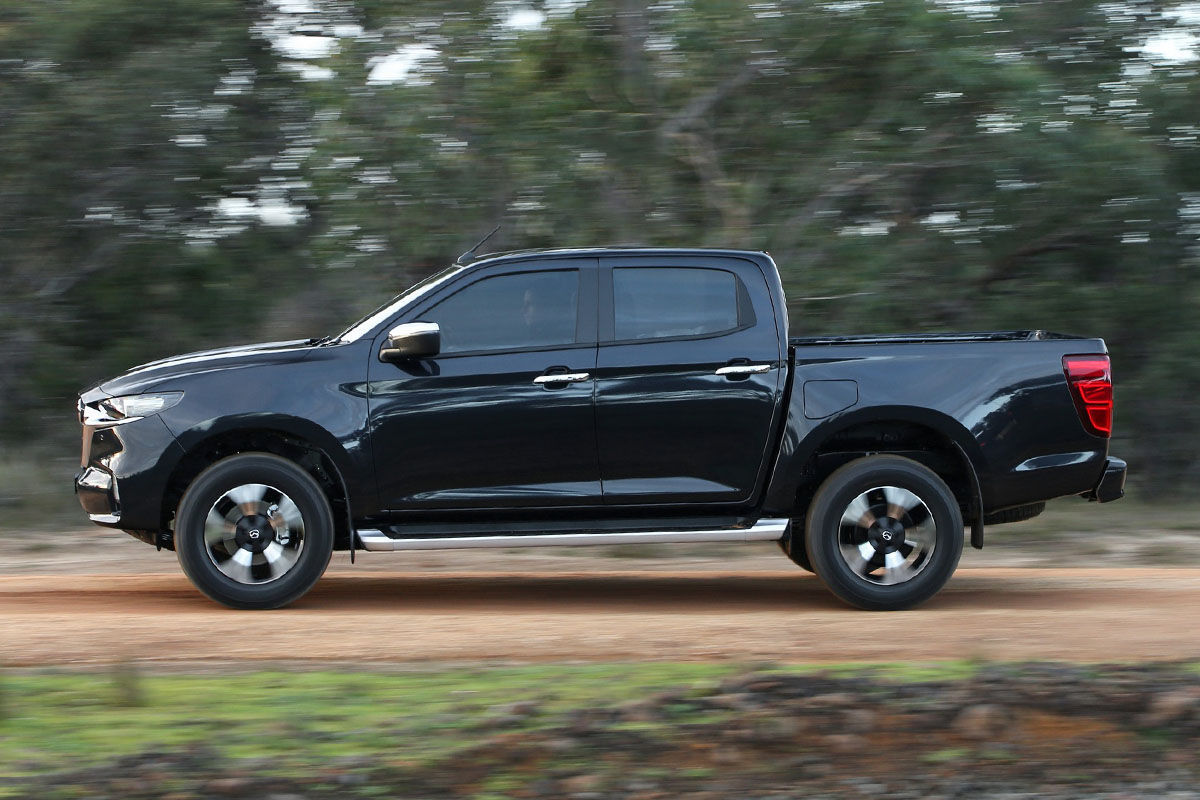
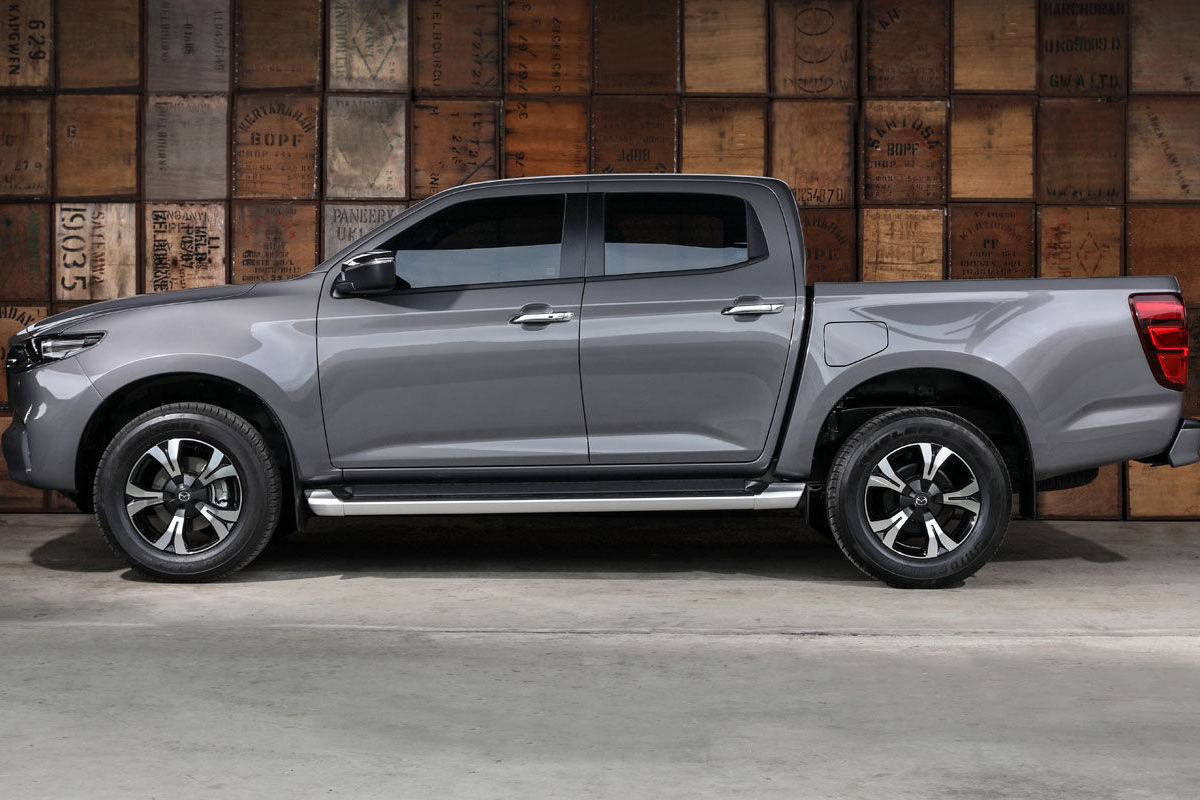
The BT-50 might sell better than its predecessor based on its handsome looks alone! There are elements of the brand's Kodo design language in the sweeping crease lines that flow from the grille to the side mirrors, as well as the pinched waistline (just above the running boards), while the defined shoulder line aligns with the load bed and the tops of the BT-50-specific tail-light clusters that feature the brand’s signature circular motif.
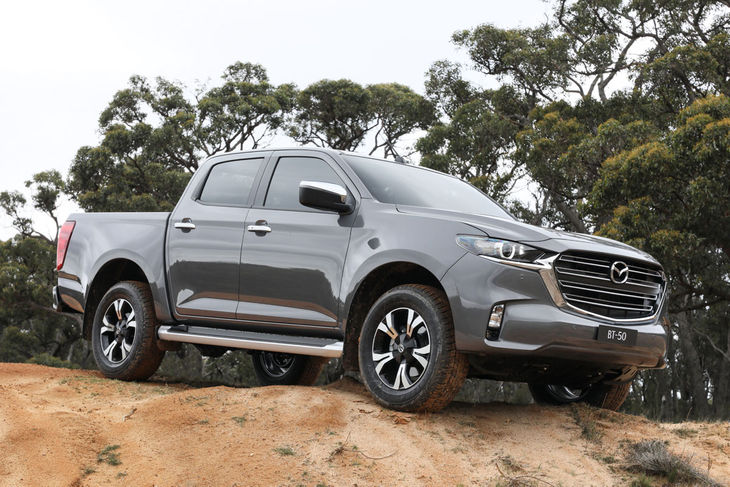

Off-road capabilities are competitive, with 240 mm of ground clearance and an 800 mm water-fording ability.

There are more similarities with the D-Max on the inside, however. Like the Isuzu, the new BT-50 features a 9-inch touchscreen infotainment system that features, inter alia, satnav and wireless(!) Apple CarPlay and Android Auto compatibility and its steering wheel design, heating and ventilation controls are the same as those of the D-Max.

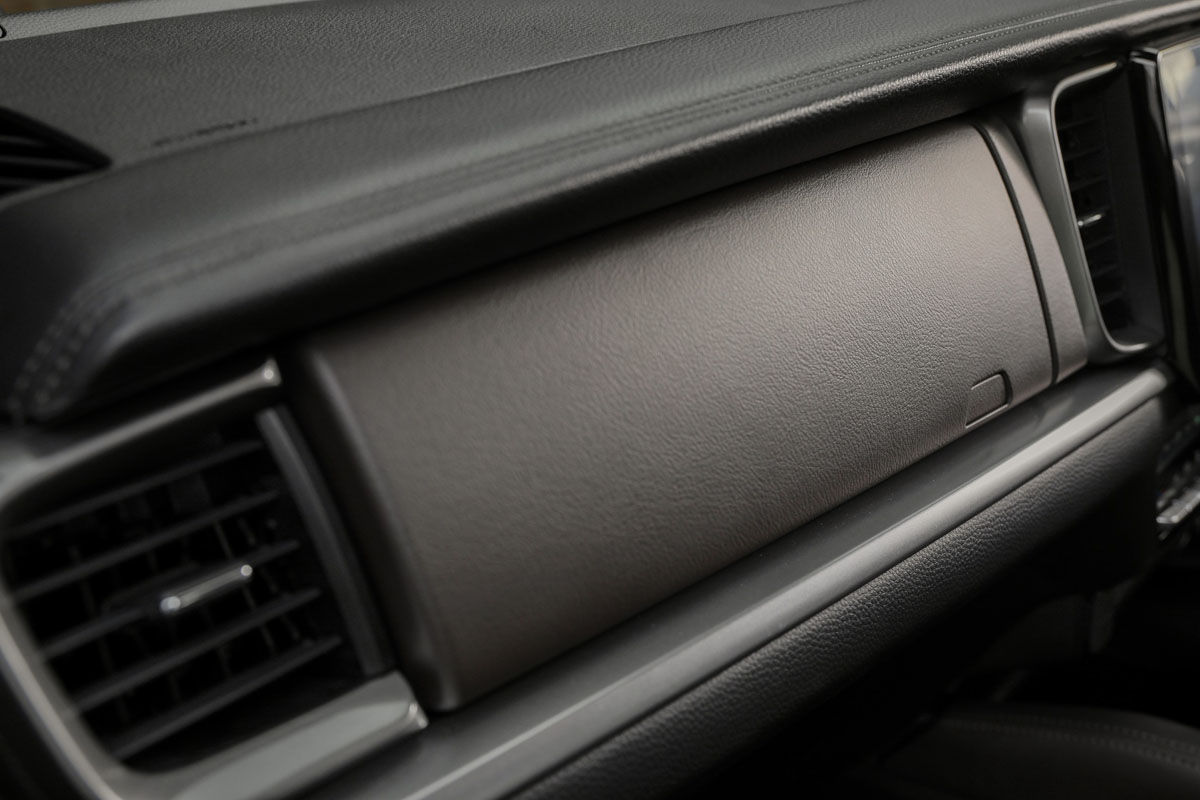
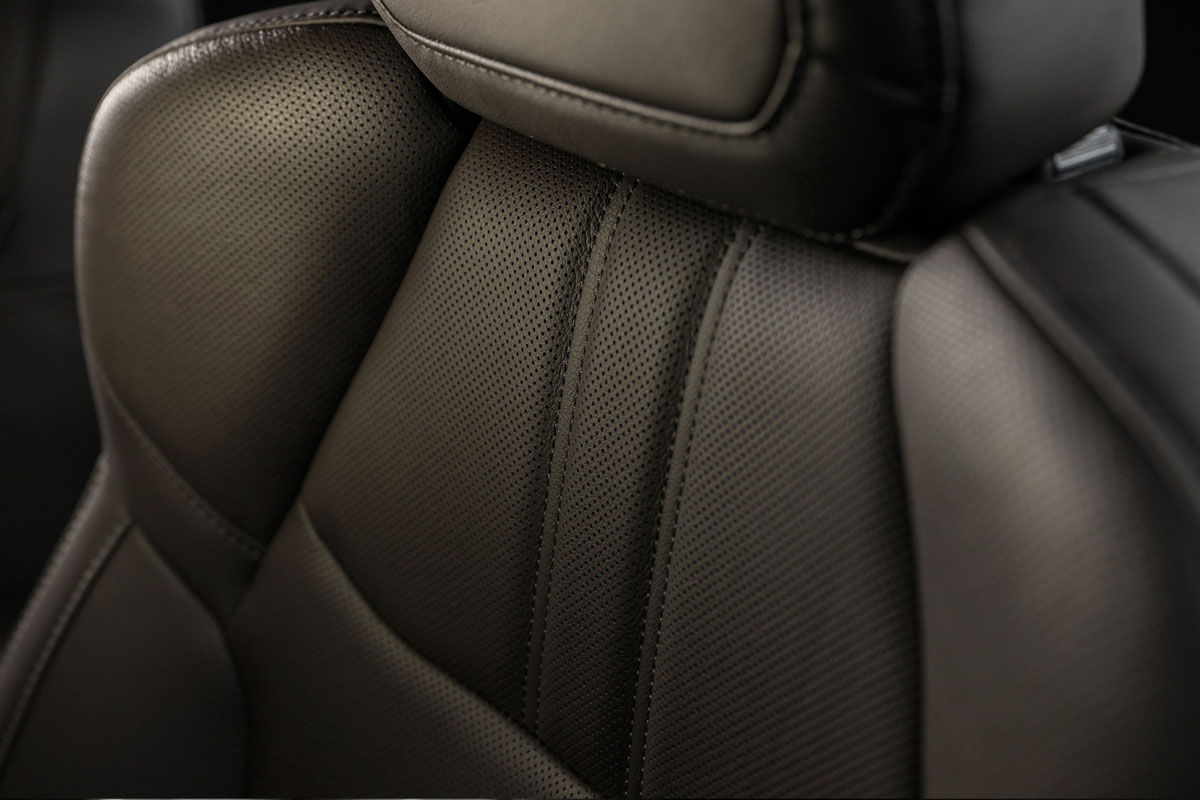
However, the sweeping soft-touch dash, instrument cluster (with digital speedo) and air-vent designs are unique to the Mazda. In some markets, top-spec BT-50 derivatives feature electrically-adjustable (including lumbar) and heated front seats, leather trim, dual-zone climate control, keyless entry/start, auto headlights and -wipers, and parking sensors both front and rear. The rear seats are said to offer decent legroom and are fitted with ISOfix child seat anchors, and aft passengers are availed separate air vents.
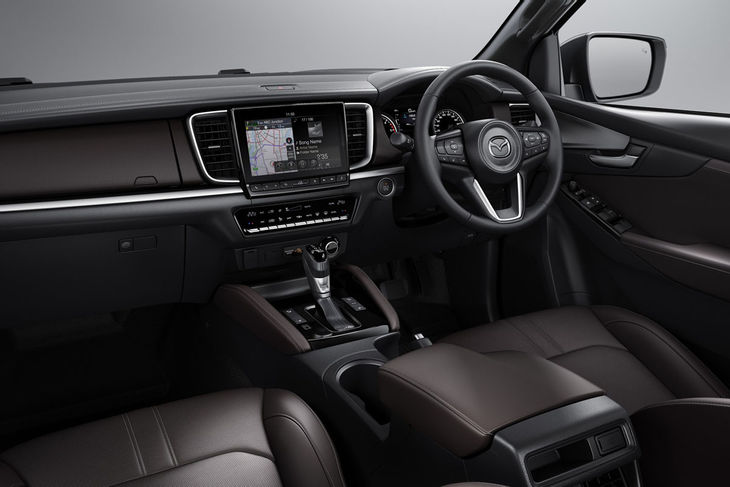

The BT-50 is higher specced than its D-Max cousin in Australia… Will the same apply to the South African market?

Mazda has further incorporated new features such as Adaptive Cruise Control, Auto Emergency Braking, Lane Keep Assist, Blind Spot Monitoring and Rear Cross-Traffic Alert in hte BT-50 in some markets. As the local spec is unconfirmed, don't read too much into the previous list, however.

Meanwhile, the Ford-sourced 3.2-litre 5-cylinder turbodiesel (147 kW and 470 Nm) has been replaced by a slightly-less potent Isuzu 3.0-litre 4-cylinder turbodiesel motor that produces peak outputs of 140 kW and 450 Nm, in combination with either a 6-speed manual or 6-speed automatic transmission, in 2- and 4-wheel-drive guises, the latter with a locking rear diff.  
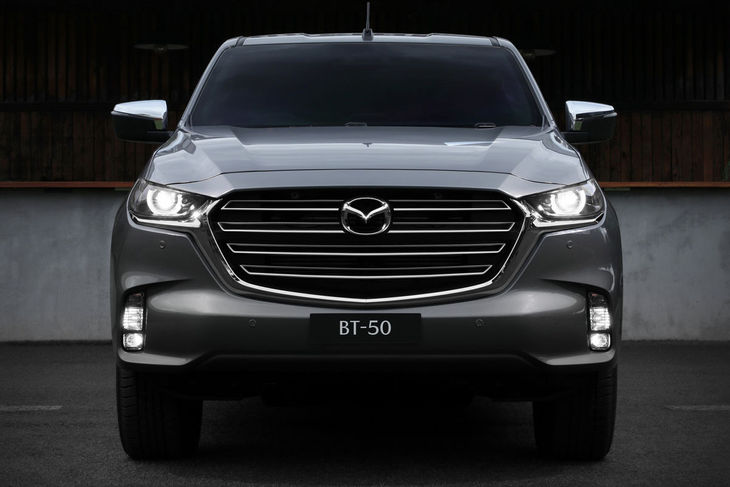

LED headlamps and fog-lamp clusters give the Mazda BT-50 a distinctive lighting structure.

Off-road capabilities are competitive, with 240 mm of ground clearance and an 800 mm water-fording ability. The new BT-50 also has an approach angle of 30.4-degrees and can leave a technical obstacle at 25.3-degrees, without doing damage to its rear section bodywork or bumper.

To provide customers with a broad option of customization, it will offer a generous selection of accessories. One of the most impressive new BT-50 accessories is a wraparound steel bullbar. Designed to not interfere with the BT-50's engine cooling, sophisticated parking sensors or safety scanning cameras, this bullbar also offers mounting points for additional spotlights.

Read our Isuzu D-Max (2021) International Launch Review

We'll bring you updates on the BT-50's local arrival date as soon as more information becomes available. 

Related content

Local Isuzu D-Max postponed until 2022

5 Stars for Isuzu D-Max Safety

How the AmaFord changes everything

5 reasons Hilux and Ranger should worry about a Korean bakkie onslaught
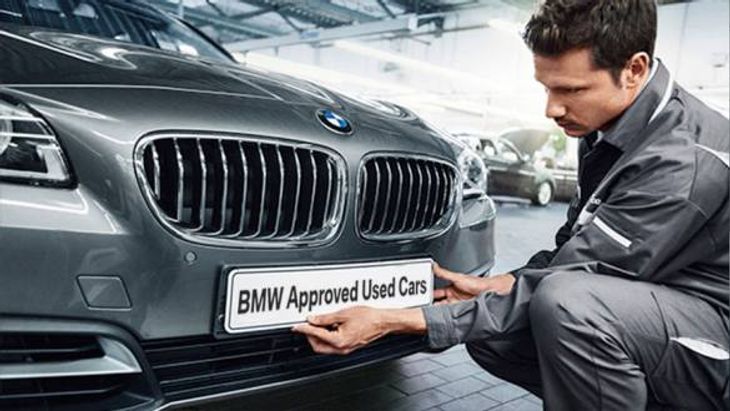
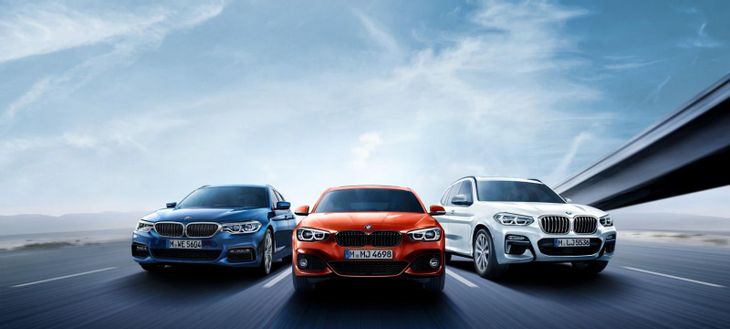
Prime -5% with 0% deposit on BMW Approved Used Cars

BMW is offering a prime -5% and 0% deposit finance deal on selected low-mileage BMW Approved Used Cars until the end of September 2020. You can browse from the wide selection of vehicles on offer through BMW Anywhere.

PARTNERED CONTENT

BMW recently introduced BMW Anywhere, which gives you, the prospective buyer, all the benefits of a physical dealership from wherever or whenever you can access the service through the internet… So, wherever you go, BMW goes with you. Watch our BMW Anywhere video.

By creating a seamless experience that brings prospective buyers closer to BMW than ever before, BMW Anywhere offers users nationwide access to stock, so that buyers can choose from every new or approved used BMW in the country. Furthermore, users can get an instant trade-in valuation, as well as an offer they can trust and find the right finance option for them in a matter of just a few clicks…

Prime -5%, with NO deposit deals

If you are keen to take advantage of BMW’s prime -5% and 0% deposit finance deal, you can browse through dozens of vehicles across BMW’s range of Approved Used Cars. When you View Available Stock, you can sort results by setting your budget, entering the details of your trade-in (if applicable, to receive a pre-inspection estimate), series-, body- and fuel type, derivative, exterior and interior colour and even wheel sizes.

What’s more, you can compare the listed cars with one another, look up the detailed specifications (including Line/Packages and extra features specified) of the vehicle/s of your choice, utilise the finance calculator and, once you’ve checked out your selection (by clicking buy now), you will receive a comprehensive quotation, which will include a complete summary of the vehicle’s specifications, as well as monthly payment-, trade-in-, initiation fee-, finance amount-, interest rate-, term-, balloon amount and percentage applied- (not applicable to this deal, however), total cost to customer- and monthly service fee particulars. You can also schedule a test drive of the vehicle at this point with the site’s Test Drive feature.

View available stock now

Why BMW Approved Used?

Only after BMW Approved Used Cars have undergone extensive inspections by the brand’s specialists, will the pre-owned vehicles receive the mark of approval. This means that you are guaranteed 100% premium quality and uncompromising reliability when you choose BMW Approved Used Cars. Every BMW Approved Used Car comes with a Motorplan maintenance plan valid for at least 12 months/25 000 km and offers a comprehensive portfolio of services and financing options.  

BMW Approved Used Cars provide peace of mind motoring, reassurance of a manufacturer-backed maintenance plan (the balance of the standard 5-year/100 000 km Motorplan for newer or demo vehicles) and the same confidence when purchasing a used vehicle as when purchasing a new vehicle. For BMW, quality is not only a promise but also a principle. A pre-owned vehicle with the BMW Approved Used Cars certificate is no more than five years old and has a maximum mileage of 75 000 km.

BMW Approved Used Cars are exclusively available from BMW Approved Used Car dealers and come with the following 5 promises: extensive quality checks, in-depth vehicle and service history checks, guaranteed trade-in offer, balance of Motorplan, as well as BMW On Call.

Quality Check

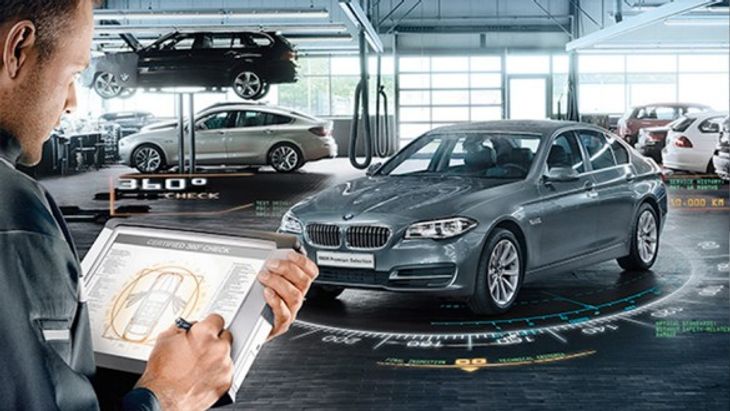
BMW Approved Used Cars are exclusively available from BMW Approved Used Car dealers. Our pre-owned vehicles meet the highest standards – every BMW Approved Used Car has successfully completed rigorous vehicle checks and complies with all the specific product standards.

It includes the following inspections: quality-, accident and body-, undercarriage-, electrical systems- and mechanical checks, plus a road test and final buy-off, the latter stage of which includes tests that the vehicle is performing as expected and not emitting unwanted noises (under load and coast), check and correct wheel alignment (if necessary), check engine for smoking against compression, check that windscreen, wiper blades and washing system are undamaged and working correctly, carry out a final DIS function check and, if fault free, stamp the book with Quality Check.

Approved vehicle history

When you purchase a pre-owned vehicle, you want to know everything from previous owner information to any accidents and repairs. For this reason every certified pre-owned vehicle from BMW has a complete, approved vehicle history.

Trade-in offers

When you purchase a BMW Approved Used Car, you benefit from a market related trade-in offer, because BMW Anywhere connects you to every franchised BMW dealership in South Africa. You will be offered the same price, regardless of which dealership you choose.

Minimum 1 Year/25 000 km Motorplan

From date of delivery, your vehicle is guaranteed maintenance-free for a minimum of 1 year and/or 25 000 km, in accordance with the service interval display. If you buy a relatively recent (4-year-old or newer) or demo model, the balance of the car's 5-year/100 000 km plan will apply.

BMW Mobile Care

BMW sets standards in terms of service, too. To ensure that you can rely on this high standard, even in the event of a breakdown, an accident or in a case of theft, BMW has developed BMW On-Call for you: an exceptional package of mobility services. It’s valid for the duration of the Motorplan.

Start shopping for your BMW

In conclusion then, BMW Anywhere allows you to enjoy a purchase experience personalised to your needs… on your own terms, in your own time. It's a reinvented car-buying process that brings you simplicity, convenience and choice. But, it goes without saying that you can still visit the dealership to experience BMW's latest vehicles – there will be retail staff to support you through the online process…

This "Prime -5%, with NO deposit" offer is available through BMW Financial Services (South Africa) (Pty) Ltd., an Authorised Financial Services (FSP 4623) and Registered Credit Provider (NCRCP 2341).

It’s available on selected BMW Approved Used vehicles, linked to current Prime Rate, subject to 0% deposit, 42 monthly repayments and no balloon payment. Rates will differ if a deal is structured differently. An initiation fee, monthly service fee, licence and registration fees will be applicable. Models shown for illustrative purposes only. Subject to stock availability. Terms and Conditions apply. Offer ends September 30 2020.

View available stock now 

Other useful links:

BMW Anywhere: A new way to buy a BMW

Explore the BMW range

Book a test drive

Find your perfect BMW Select offer

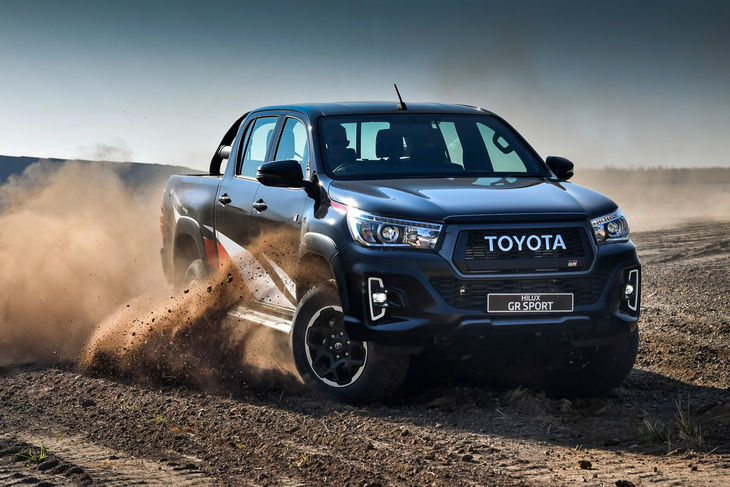
Toyota GR Hilux To Fight Next Ranger Raptor, Amarok R

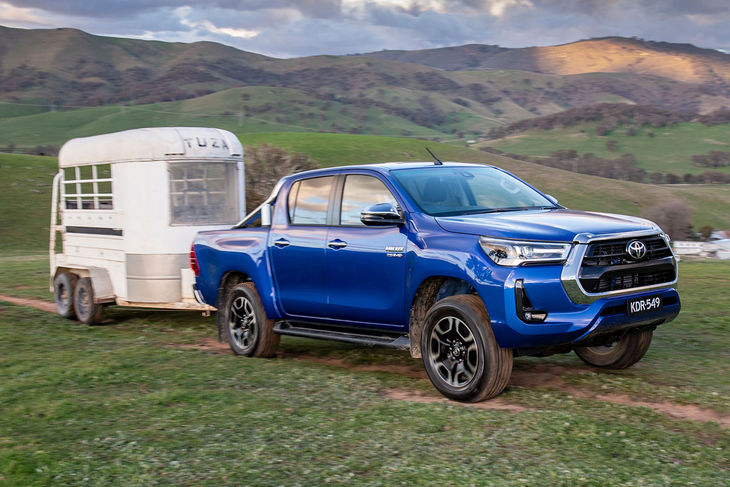
As Toyota’s performance arm, Gazoo Racing, gathers momentum, a high-performance Hilux is expected to come to market in 2023 and it will take square aim at Ford's next Ranger Raptor and Volkswagen Amarok R (if it's produced).  

Render courtesy of Duwyne Aspeling, Cars.co.za

facelifted Hilux bakkie is headed to South Africa and it will usher in not only cosmetic and infotainment updates but also welcome engine power increases, which is great news for local bakkie enthusiasts. However, a high-performance bakkie battle is on the brew and the next 2-3 years will see some formidable bakkies coming to market, notably from Toyota and Ford. 

In many ways, Ford's Ranger Raptor has set the benchmark for high-performance bakkies and it's no surprise that a brand such as Toyota (which has vast experience in high-performance offroading with its Dakar GR Hilux) is keen to unseat the Ranger Raptor and claim its share of this new niche market.   

Currently, Toyota does not offer a high-performance Hilux that can match the offroad capabilities of the Ranger Raptor and even the Hilux GR Sport falls short. However, a high-performance GR Hilux is on the way and its development is very exciting indeed. We know that the GR Hilux nameplate was trademarked in Australia earlier this year and it's expected to come to market with the next-generation Hilux in 2023. 

An all-new Ford Ranger is expected to come to market in 2022 with an all-new Ranger Raptor following shortly after, which sets the scene for an epic bout with the forthcoming GR Hilux. 

The GR Hilux will undoubtedly feature a significantly beefed up appearance to differentiate itself from the standard Hilux. It’s also likely to be equipped with an uprated suspension system, improved brakes and an enhanced chassis, all combining to ensure notable offroad performance. 

V6 Power War


A potent GR Hilux will not only get local Toyota fans excited, but it might cause a major upset in Ford's Ranger Raptor camp!

But what about the engine? Previously we speculated about the possibility of a naturally-aspirated 5.0-litre V8 engine, the same that does duty in the Dakar Hilux and Lexus RC F which could offer as much as 335 kW and 600 Nm. However, a more realistic bet would be the iconic 4.0-litre V6 engine which offers 175 kW and 375 Nm or even an uprated version of the current 2.8-litre turbodiesel engine.

However, reports suggest that Toyota will go with a turbodiesel engine, which nullifies both the V8 and V6 petrol options above. However, it has recently emerged that an all-new V6 diesel powerplant could very well make its way into the next-generation Hilux and it's likely to feature in the range-topping GR Hilux. 

This powerful new 3.3-litre V6 diesel is expected to appear in the new Land Cruiser 300 and may very well offer roughly 200 kW and 650 Nm which would be ideal for application in the GR Hilux. It's suspected that the 2.8-litre turbodiesel offering will feature in the next-generation Hilux too, but will likely be further updated. 

As for the next Ranger Raptor, it's been reported that it too is likely to receive a 3.0-litre V6 turbodiesel engine with roughly 186 kW and 600 Nm while the current 157 kW/500 Nm 2.0-litre twin-turbodiesel engine is also likely to carry over to the next-generation Ranger

Furthermore, as Ford will be responsible for the development of the next Volkswagen Amarok, there's a good chance that the relationship will spawn a high-performance Amarok R which will be based on the new Ranger Raptor and could pack as much as 220 kW! 

We certainly look forward to a future showdown between the new Ranger Raptor, GR Hilux and Amarok R!  

As always, we will keep you updated as more information on the Toyota GR Hilux becomes available. Stay tuned!

Buy a new or used Toyota Hilux on Cars.co.za

Related Content

Toyota Hilux GRMN: Should It Happen?

Toyota Hilux by Wald is a Boss

5 Most Powerful Double-Cab Bakkies in SA

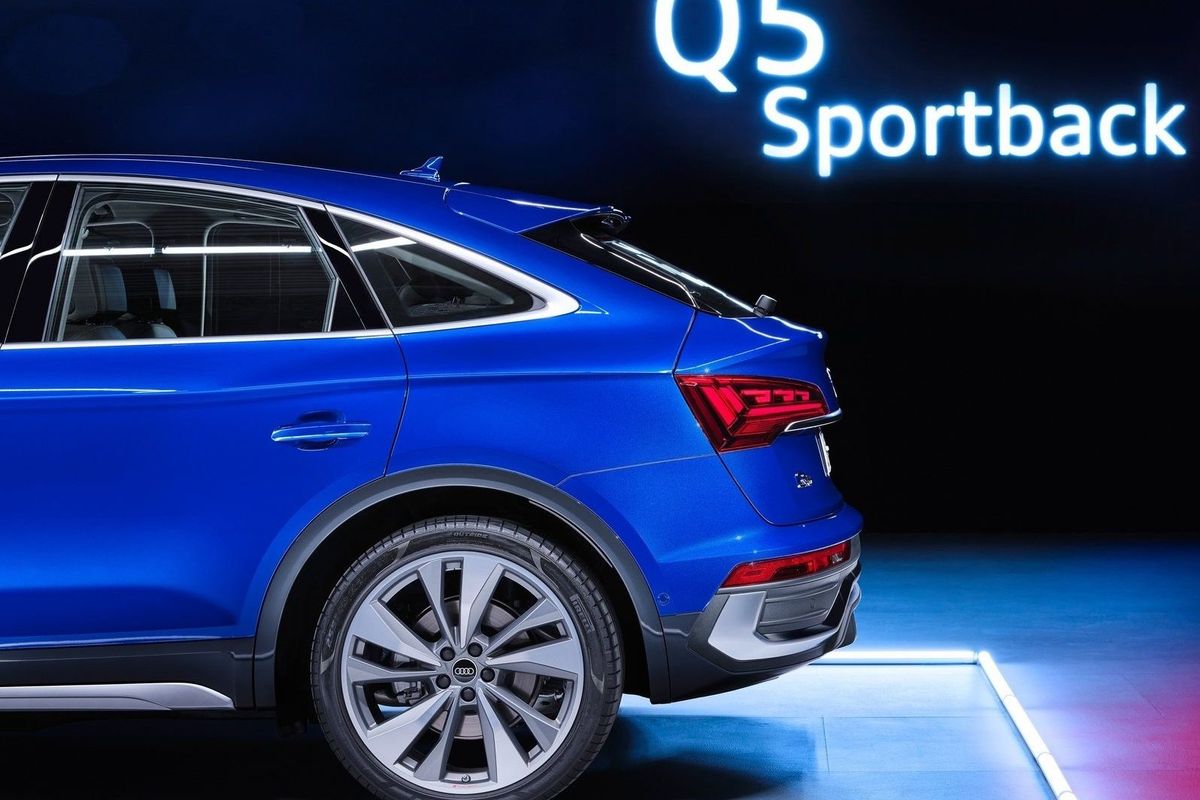
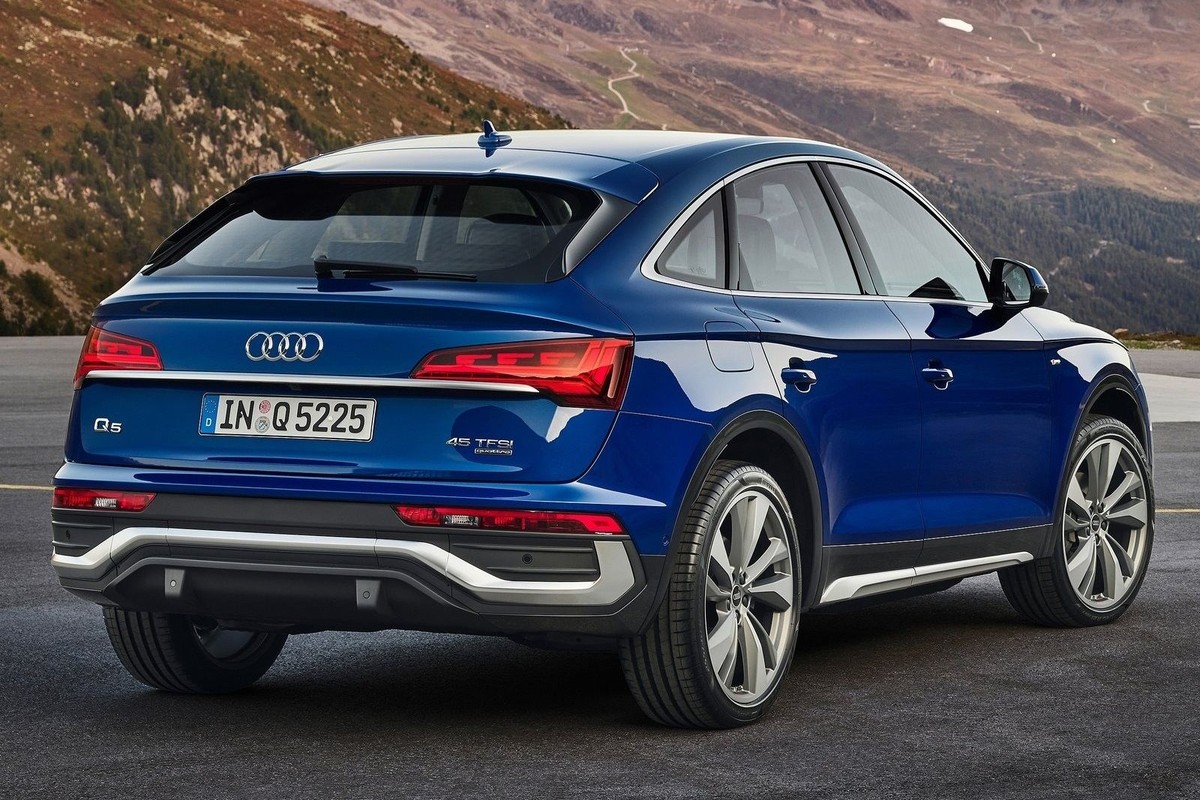
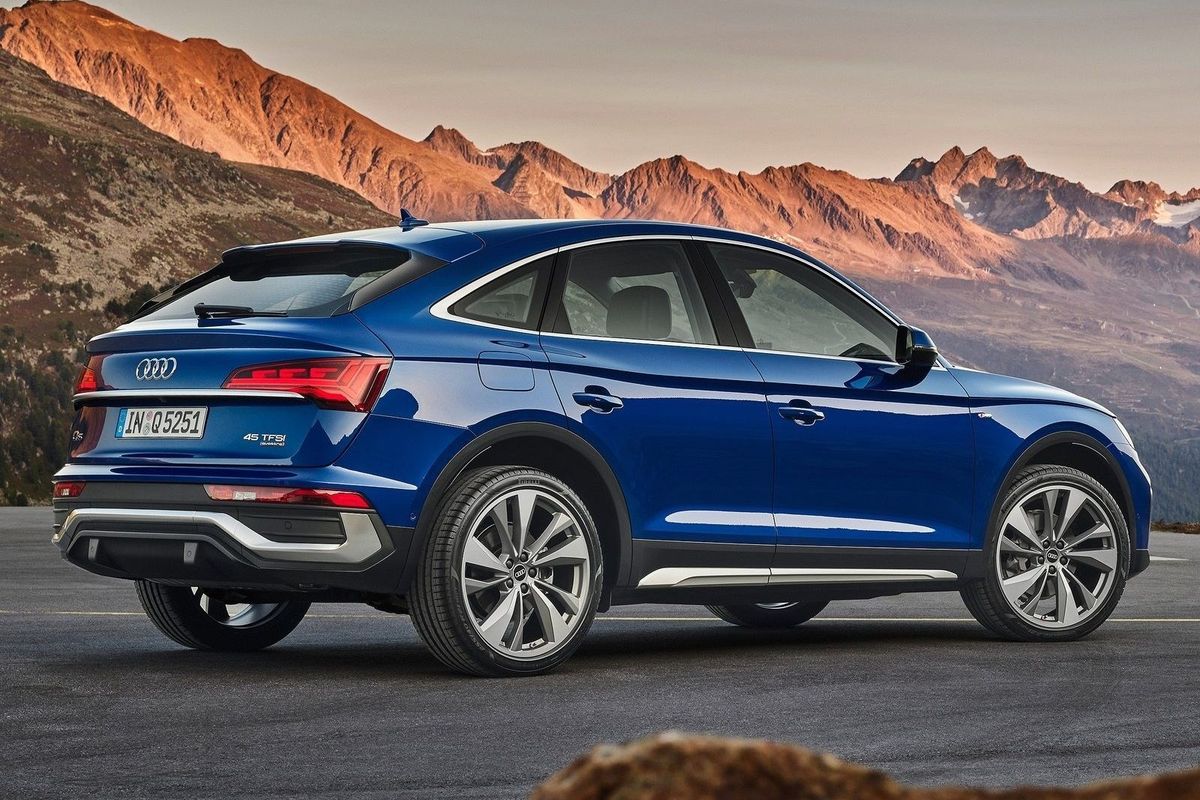
Audi Q5 Sportback takes on BMW X4

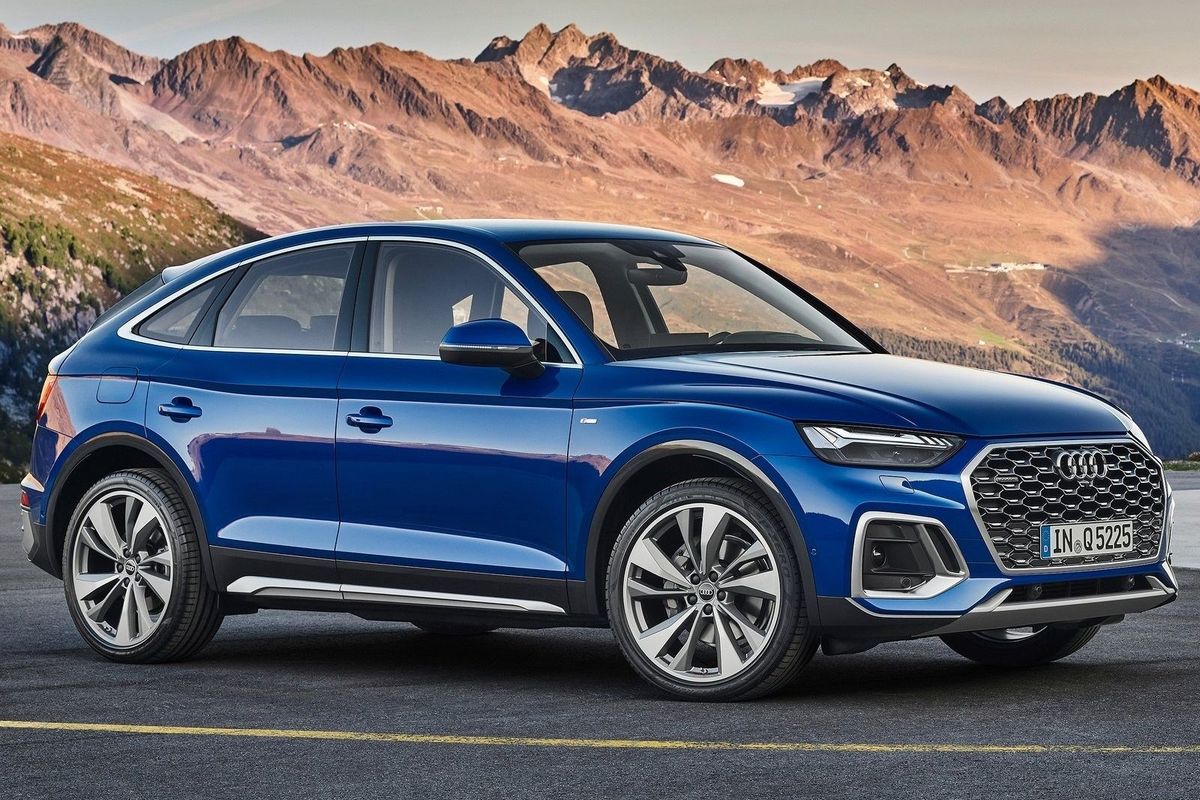
Audi has revealed its long-anticipated Sportback version of the Q5 SUV. It's expected to be a rival to the BMW X4 and Mercedes-Benz GLC coupe. 

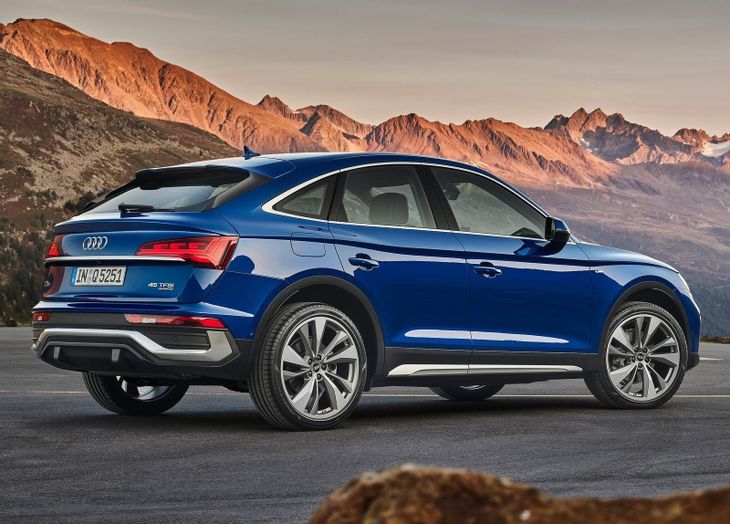
Visually, you'll be able to spot the Audi Q5 Sportback with its curved rear and high-mounted bumper, which gives it a great side profile. At the front its business as usual for Audi, with the Sportback model taking on the same frontal elements as the standard car. LED or optional Matrix-LED headlights are on offer.

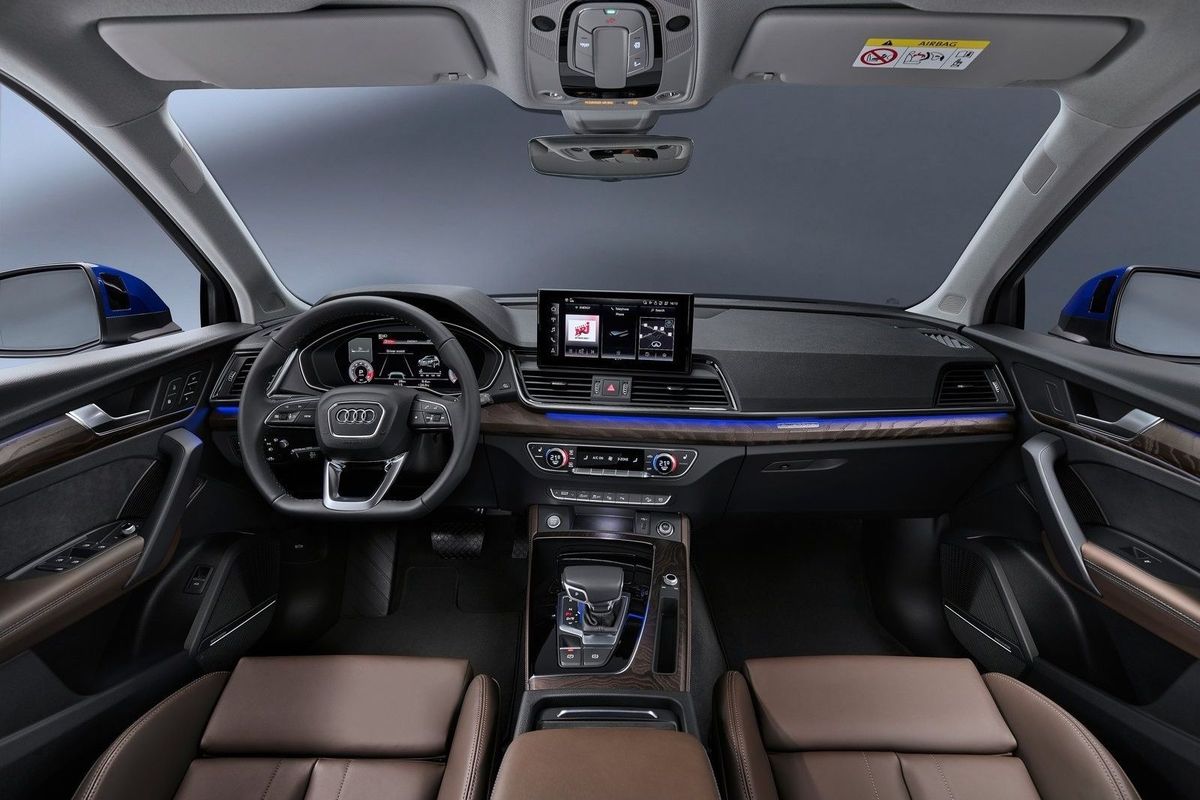
Inside, Audi will be offering the Q5 Sportback with the rear seat bench plus, Audi's term for a sliding and folding rear bench that can shift around to increase luggage space or rear passenger comfort. Audi will also be offering a powered tailgate. The new Audi Q5 Sportback will be using the MIB 3 – Audi's new 3rd generation infotainment system. Naturally, Audi's Virtual Cockpit is fitted too. Options also include the Audi phone box and for audiophiles, a Bang and Olufsen uprated sound system.

From the reveal, there are just 2 engines on offer: a 2.0-litre turbocharged 4-cylinder with 195 kW and 370 Nm, while the range-topping SQ5 features the 3.0-litre turbocharged V6 producing 260 kW and 500 Nm. This engine can also be found in the Audi S4. It's expected both models feature automatic transmissions as well as quattro all-wheel drive. Under the skin, the Audi SQ5 Sportback will be offered with adaptive dampers, but air suspension is also available. 

In terms of production and availability, the Audi Q5 Sportback will be assembled in Mexico at the San José Chiapa plant, with the first US customers receiving their cars in the first half of 2021. At this stage, there's been no communication from Audi SA. With the BMW X4 and Mercedes-Benz GLC coupe having been around for a few years, it was only a matter of time before Audi joined the party.

Further Reading

Facelifted Audi Q5 For SA in 2021

New Audi Q5 (2017) Launch Review

Audi Q5 2.0 TDI quattro (2017) Quick Review

BMW X4 (2018) Launch Review

Mercedes-Benz GLC 250d Coupe 4Matic (2017) Review

Why the next Toyota Hilux might get a 3.3 D-6D

Toyota might be following Amarok's example. 

Over the last five years, there have been dramatic engine capacity reductions across all segments.

Some of the most celebrated badges are now nowhere near their nomenclature capacities. The AMG C63 vehicles are 4-litres in capacity, with a possible shrinkage to 2-litres in their near future.

The one area where capacity reduction has been less outright is the bakkie market. Although Ford has reconfigured its Ranger product structure to have a 2-litre supersede the 3.2-litre five-cylinder as lead engine choice, VW has done quite the opposite, with Amarok.

While Ranger has reduced the capacity of its most potent bakkie engine, VW increased the lead offering on Amarok from 2-litres and four-cylinders to 3-litres and a V6 configuration.

But where does all of this leave the market leader, Toyota? Hilux is due to receive a significant power increase soon, as the 2.8-litre GD engine has benefited from engineering upgrades, boosting peak power from 130- to 150 kW.

The upgraded 2.8 GD has given Toyota the numbers to finally rival Ford’s Ranger, but it does leave Hilux way short of VW’s Amarok V6 turbodiesel, in terms of peak power.

The Land Cruiser example


The next-generation Land Cruiser will most likely drop the V8 turbodiesel for a V6 version.

It is not complicated to understand that Hilux is never going to make Amarok V6 power, with a 2.8-litre four-cylinder engine. Bakkie owners want more cruising, towing and overtaking performance and engineers are working studiously to provide new powertrain solutions that do not compromise ruggedness or transgress emissions regulations.

Loyal Toyota customers have long desired a V8 turbodiesel Hilux, similar to the Land cruiser 79 double-cab. Although the Hilux has superior braking and general stability, to justify the Land Cruiser’s 4.5-litre turbodiesel V8, packaging that engine has always been problematic.

The current 70-Series Land Cruiser bakkie bonnet and front section have been unchanged for nearly three decades. And for many years, it housed a 4.5-litre in-line six-cylinder engine that required a great deal of room.

When Toyota identified that customer demand existed for a V8-powered Land Cruiser 79, there was little issue with transplanting the 200-Series 4.5-litre V8, into a space originally engineered for a 4.5-litre in-line six.

Repurposing the new ‘Cruiser V6


Hilux buyers looking to tow heavy loads have bowed down to the Amarok's mighty V6 turbodiesel torque.

The largest engine Toyota has on offer with its eighth-generation Hilux is the 4-litre V6 petrol. With an engine bay designed to accommodate an engine of that capacity, the Land Cruiser’s 4.5-litre V8 was always going to be too large.

For those who dream of a Land Cruiser powered Hilux, that product execution might be closer to becoming reality, as Toyota is downsizing the engine range of its most legendary 4×4.

Even the unstoppable Land Cruiser 200 range is not immune to powertrain capacity rationalisation and the 300-series, has been all but confirmed to have a 3.3-litre V6 turbodiesel.

Although this new engine will irk Land Cruiser traditionalists, who always valued the reputational durability and power metrics of Toyota’s 4.5-litre turbodiesel V8, is does create a great opportunity for ninth-generation Hilux customers.

Packaging a 3.3-litre V6 turbodiesel into the next Hilux’s engine compartment will be much easier to do, than a 4.5-litre V8. It will also give Toyota’s all-conquering Hilux a very potent turbodiesel powertrain for high-speed cruising, overtaking trucks and keeping momentum in challenging dune fields.

It is very unlikely that Toyota will deliver a Land Cruiser 3.3-litre V6 turbodiesel to market, which is lower in output than the current 200-series 4.5-litre V8.

Toyota’s product strategy will never allow a diesel Hilux bakkie to equal the power and torque of any Land Cruiser. That said, even a slightly detuned 300-series V6 turbodiesel engine, repurposed for Hilux, will still be massively powerful, compared to the current 2.8 GD.

As such, expect baseline numbers of 200 kW and 650 Nm for the next-generation Hilux V6 diesel. And Toyota might even do something clever with the naming convention, to differentiate it from Land Cruiser engines of a similar size, by using the D-6D badge. 

Related content

Toyota Hilux (2021) International Launch Review

5 Most Powerful Double-Cab Bakkies in SA

190 kW Volkswagen Amarok Price in SA

Spy Shots: New Hyundai H1

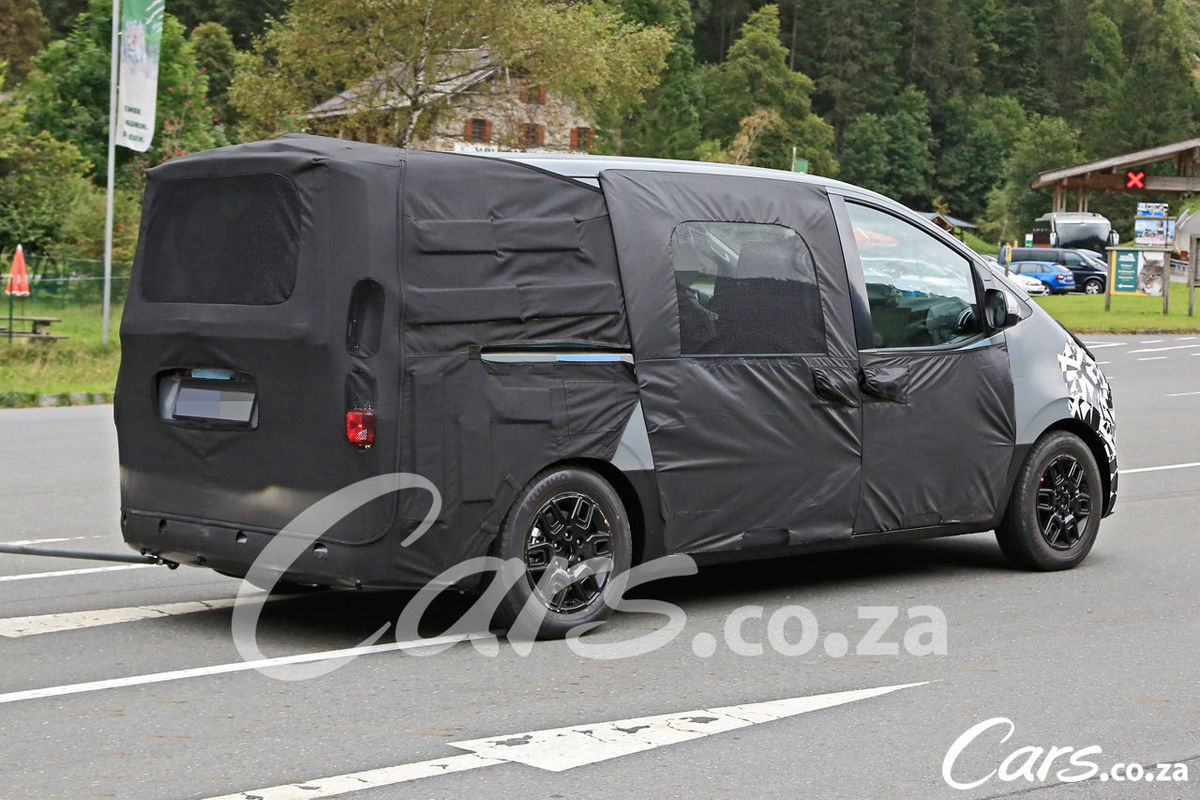
A new Hyundai H1 people-mover has been spied testing.

Hyundai’s H1 people-mover was first introduced way back in 2009 and it’s become a hugely successful model for the Korean automotive giant. An updated version was launched in 2018 and now a new model is in development, as confirmed by these spy images captured in the Alps. 

This prototype was captured doing tow-testing but despite the heavy camouflage, there are a few hints of what the new H1 will look like. Firstly, note the curved front-end that tapers off to the rear giving the H1 a sleeker appearance. A large grille will give the H1 notable road presence and the headlights are likely to be split, much like we have seen on other Hyundai products such as the Santa Fe and Venue. The H1 is also expected to feature larger rear glass windows which will improve outward visibility for passengers. 

As for engines, a choice of petrol and diesel engines are likely and Hyundai is also expected to update the current 5-speed automatic transmission. We should more revealing spy pictures in coming months as development of the H1 progresses further. The H1 is likely to be fully revealed in 2021 before going on sale as a 2022 model. 

We will keep you updated as more information becomes available. 

Buy a Hyundai H1 on Cars.co.za

Related Content 

Update: Hyundai Bakkie Based on New Tucson?

Full reveal: All-new Hyundai Tucson


Volkswagen ID.4 Bakkie Rendered

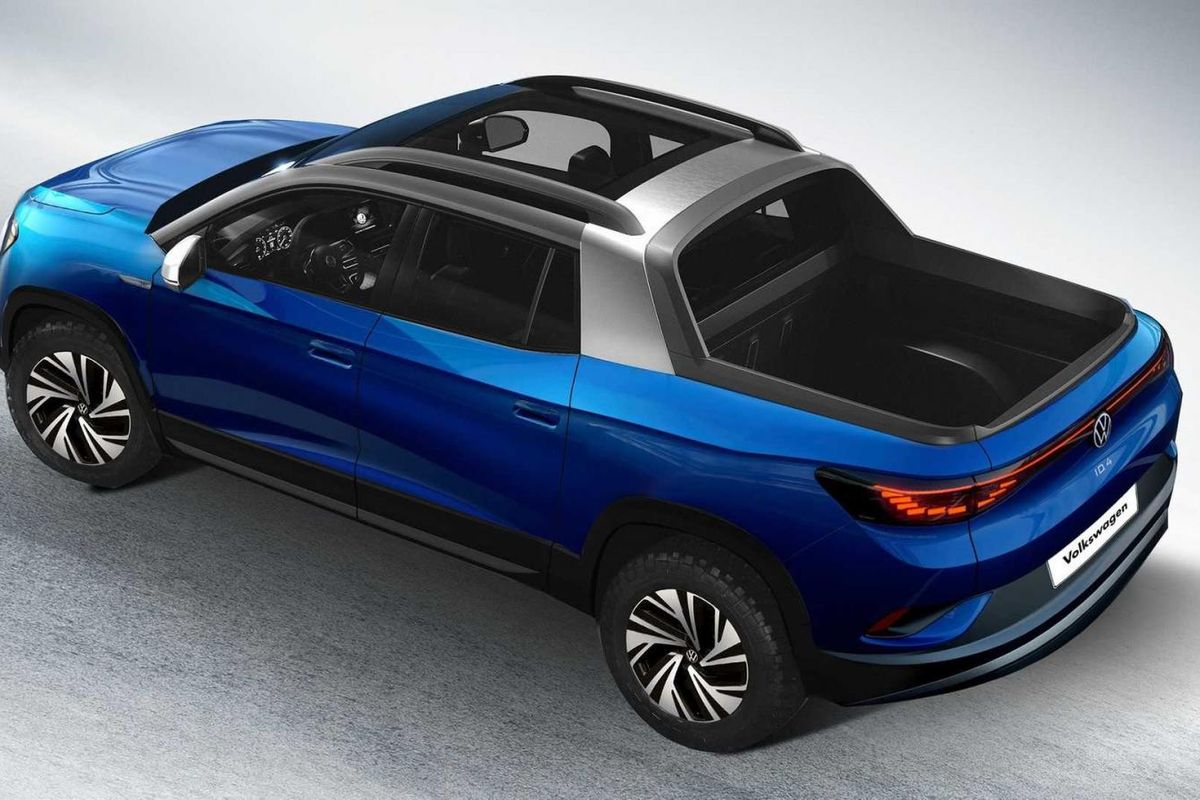
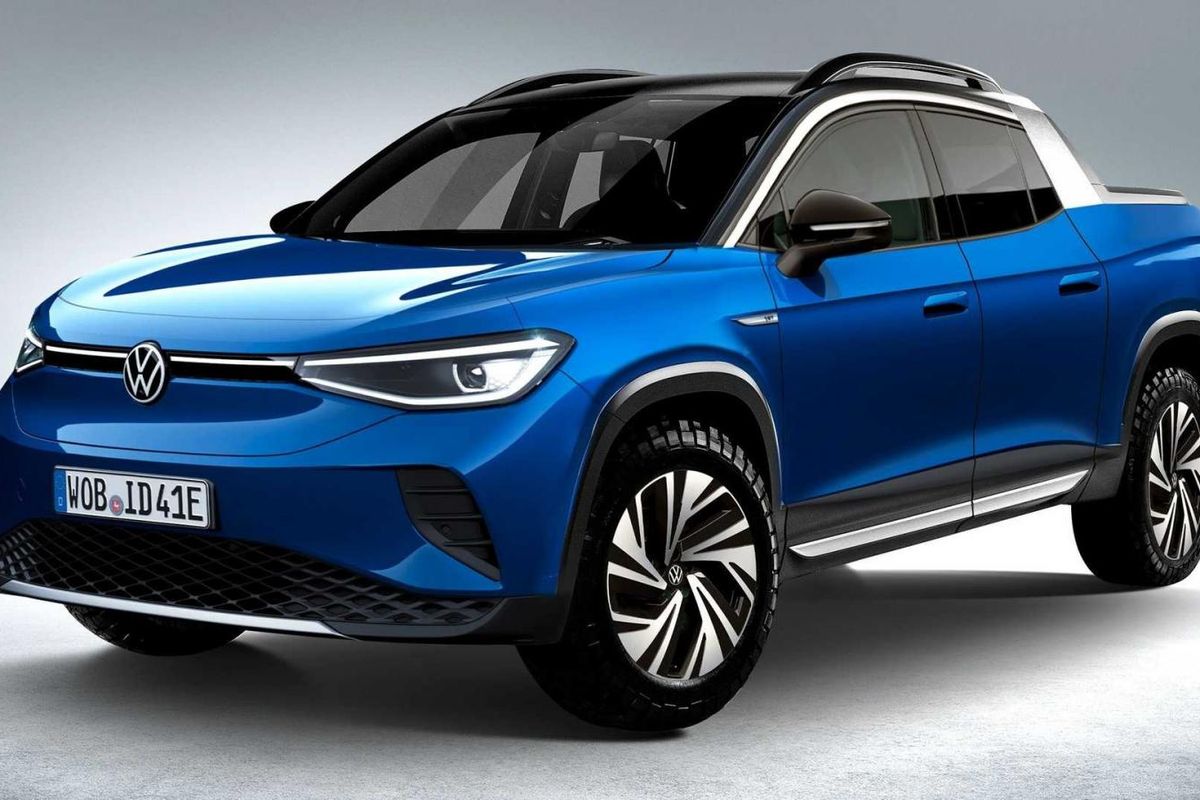
Volkswagen recently unveiled its ID.4, the second all-electric model from VW. Already the digital artists are hard at work, giving it a bit of a rejig. One such render caught our eye, the Volkswagen ID.4 bakkie.
The talented folk at KDesign AG move fast and this Volkswagen ID.4 bakkie was one such model they created, along with a wagon, sedan and coupe. 

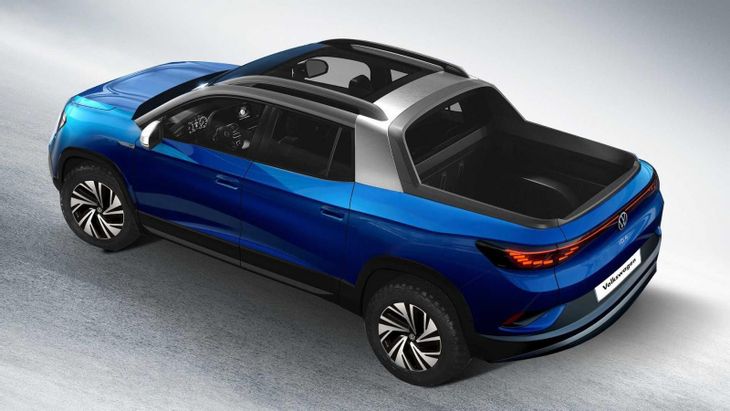
At first glance, this Volkswagen ID.4 bakkie looks good and dare we say, production-ready? Those big wheels look ready to take on rocks and sand, and ground clearance looks useful. For those of you that know your Volkswagen concepts, we're sure you'll agree there are shades of Tarok here.

Would it actually work and just how feasible would it be? The electric platform makes provision for all-wheel drive so that helps the credibility of an offroader, but the jury is still out on loadbay capacity. That second illustration shows a loadbay that doesn't look very generous in capacity.

We know Volkswagen intends to maximise the array of vehicles underpinned by its MEB electric architecture. The Volkswagen Group already has the ID.3 and ID.4, while Audi, SEAT and Skoda have the e-tron, Cupra el-born and Enyaq either in production or near production, while there are at least 5 Volkswagen concepts previewing production models. What's impressive is the size of the vehicles. On one hand there's the ID.3, a Golf-sized hatchback, while on the other, the Volkswagen Buzz is essentially an electrified Kombi bus.

The South African market missed out on the Saveiro single-cab bakkie due to it being left-hand drive only as well as being an old platform. If the motoring future is electrified, then its only inevitable that bakkies will be electrified too 

Further Reading

Why VW Should Build this Electric Bakkie

New Volkswagen ID.4 Revealed

Drive along in our fully electric Volkswagen e-Golf

Volkswagen ID3 R for 2024

VW Golf Alltrack Bakkie Rendered

Electric BMW i4 M Confirmed

BMW’s M boss, Markus Flasch, has confirmed that an electric M car is on the cards.

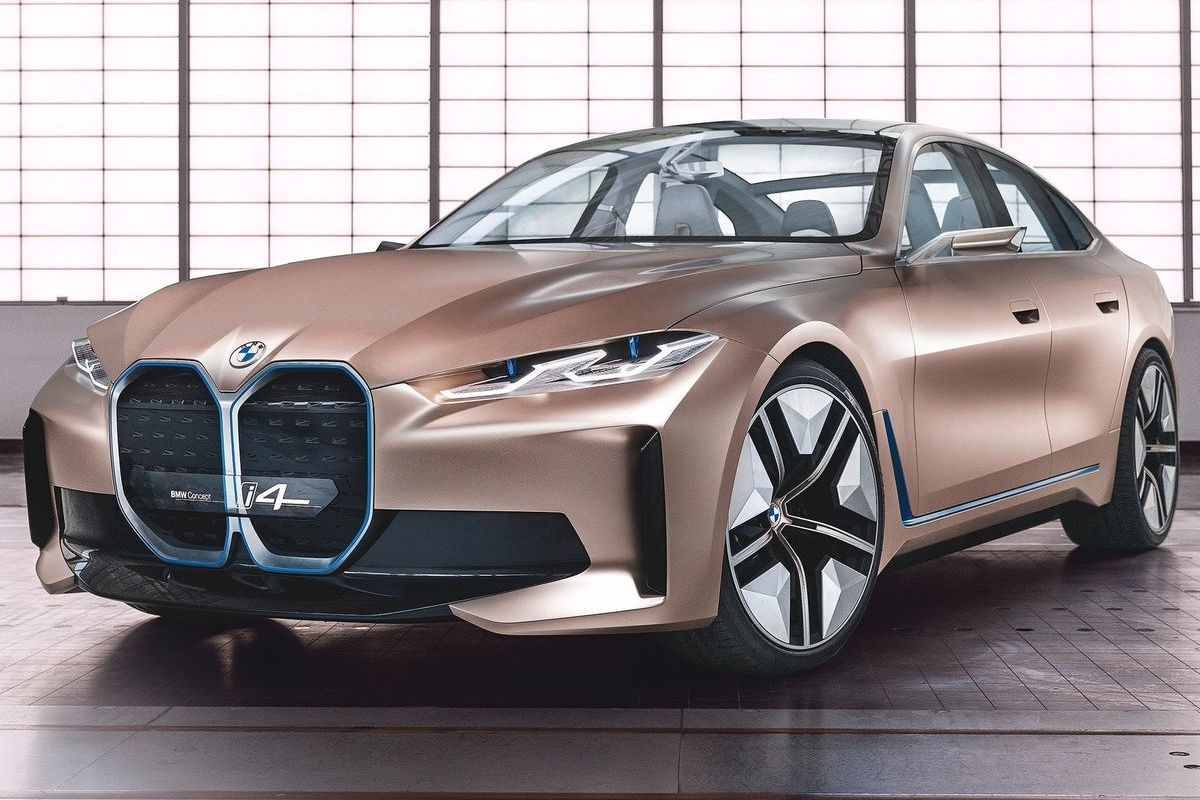
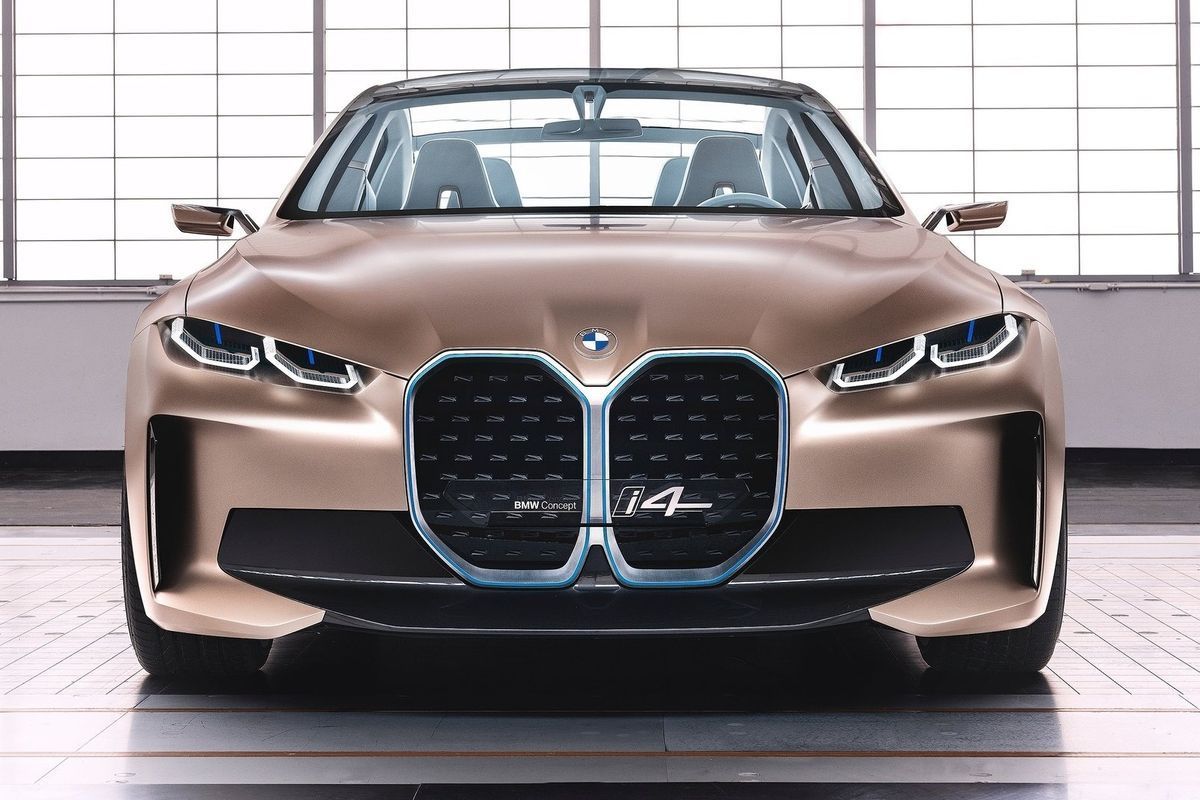
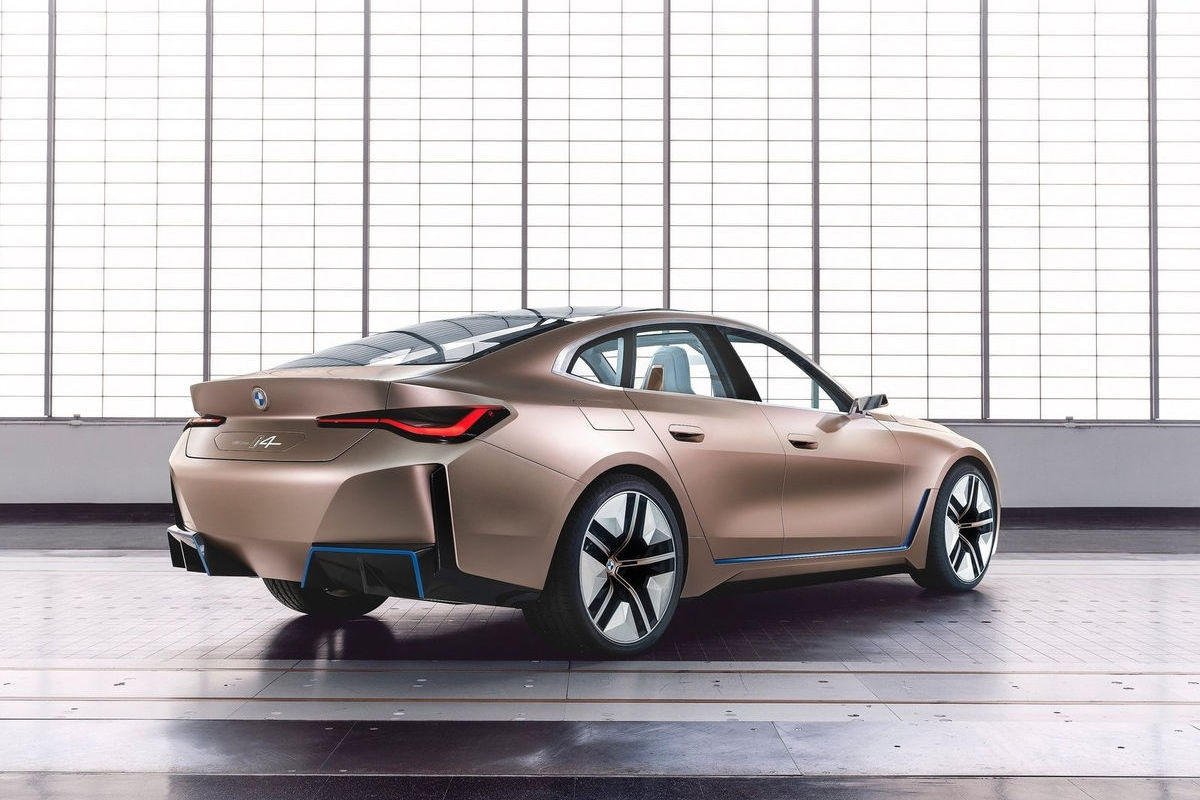
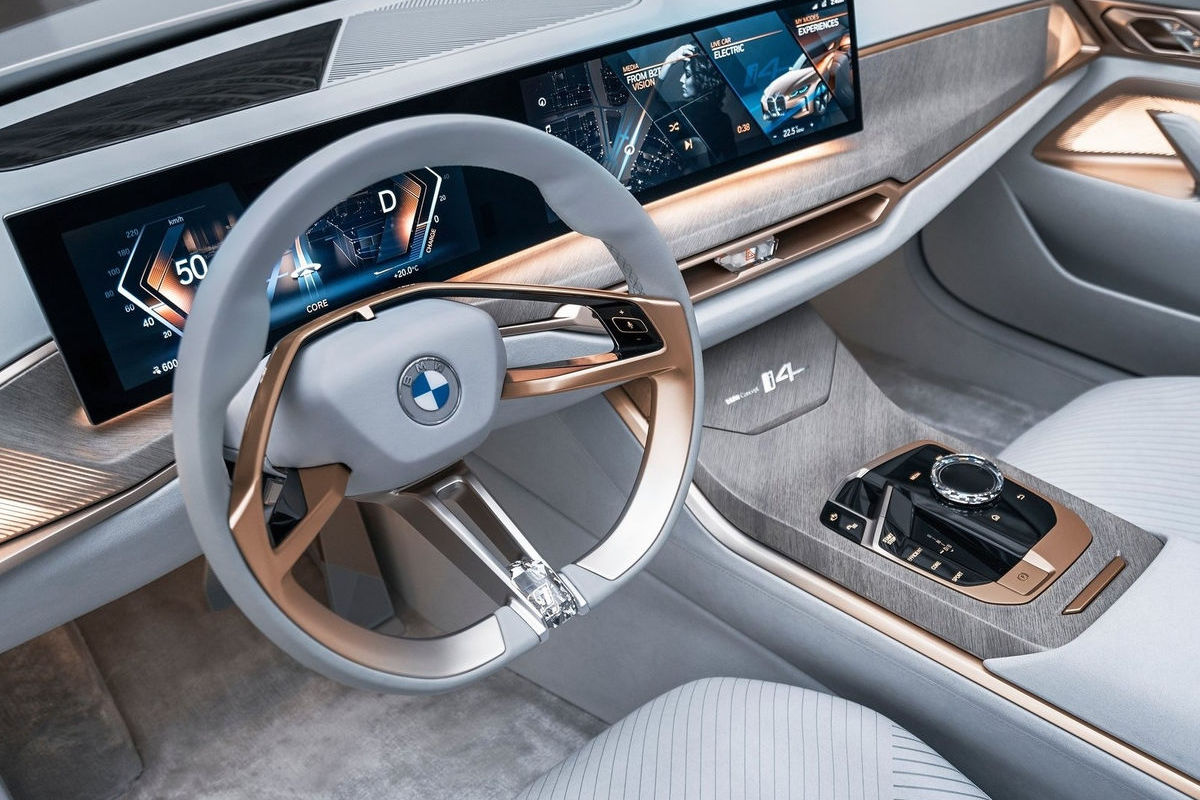
Earlier this year, BMW revealed its i4 Concept which represents the next generation of electric vehicles to come from the Munich-based firm. 

The i4 electric sedan is due to be revealed before the end of the year with production starting in 2021. 

The i4 Concept boasts an impressive power output of 390 kW with 2 electric motors and an 80 kWh battery. Electric range is expected to be in the region of 600 km on a single charge and acceleration from zero to 100 kph is said to take only 4 seconds. No doubt, it will be interesting to see what BMW brings to the tar when the production i4 is revealed. 

But, there’s more, BMW M boss, Markus Flasch, has confirmed that an electric M model is on the way.

“Next year we will launch the first battery-electric M car in the performance segment, based on the i4, as something to confirm” he said.   

Interestingly, in terms of performance, Flasch believes that the i4 M will slot in below the recently revealed M3 and M4 Coupe due to current battery technology. 

“On the high-performance battery-electric technology, there is still some time that we need until technology is ready and can take it on with an existing high-performance car, like an M3 or M4. This will take some more time, but we’re working on that.”

As always, we will keep you informed as soon as more details become available. 

Buy a BMW on Cars.co.za

Related Content 

M Performance parts for BMW M3 & M4

BMW M3 Touring Confirmed

Ferrari-Engined BMW M3 – We Drive It

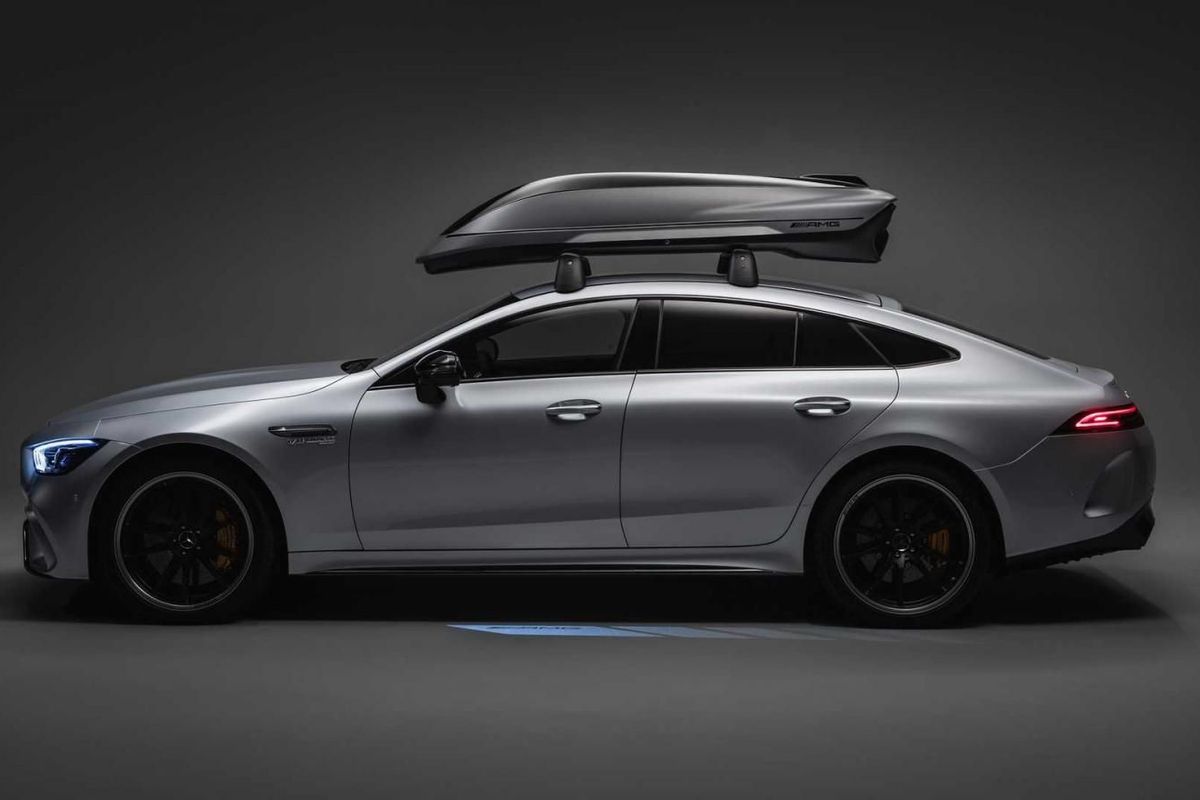
Mercedes-AMG launches aero roof box

Sometimes, even an AMG runs out of space.

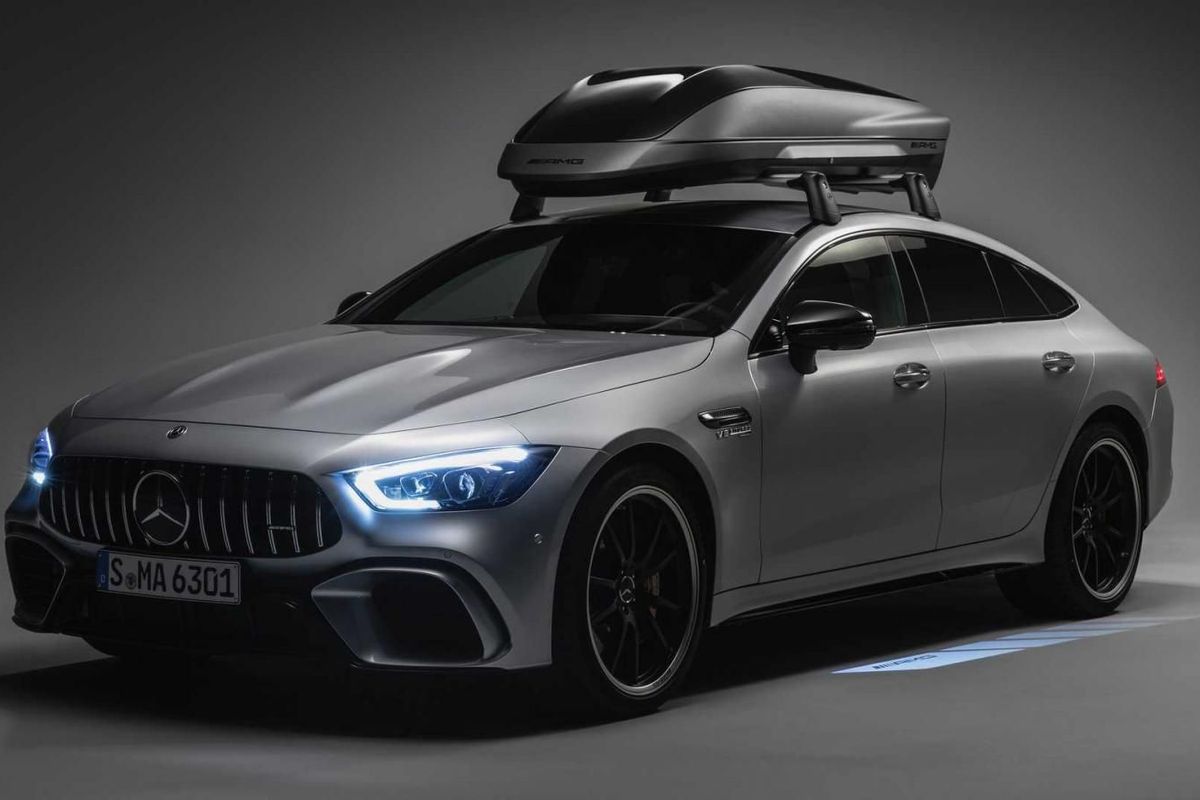
If you are running short on weekend away stowage space in your Mercedes-AMG, there is now a slick roof box solution.

Although the notion of adding anything to the roof of any AMG would appear completely ruinous for its driving dynamics, by increasing the centre of gravity, there are times when necessity trumps purity.

Customer demand has seen AMG react by offering a new aerodynamically shaped roof box, for its vehicles. Although the company’s high-performance SUVs might have adequate luggage space, the A- and C-Class 35-, 43-, 45-, 53- and 63-series AMGs can occasionally do with a touch more utility capacity.

AMG spends a huge amount of time and resources to carefully perfect the aerodynamic properties of its vehicles. Keen to not undo that investment, by offering customers a substandard roof box, the company has now managed to source a roof stowage solution that is least disruptive, aerodynamically.

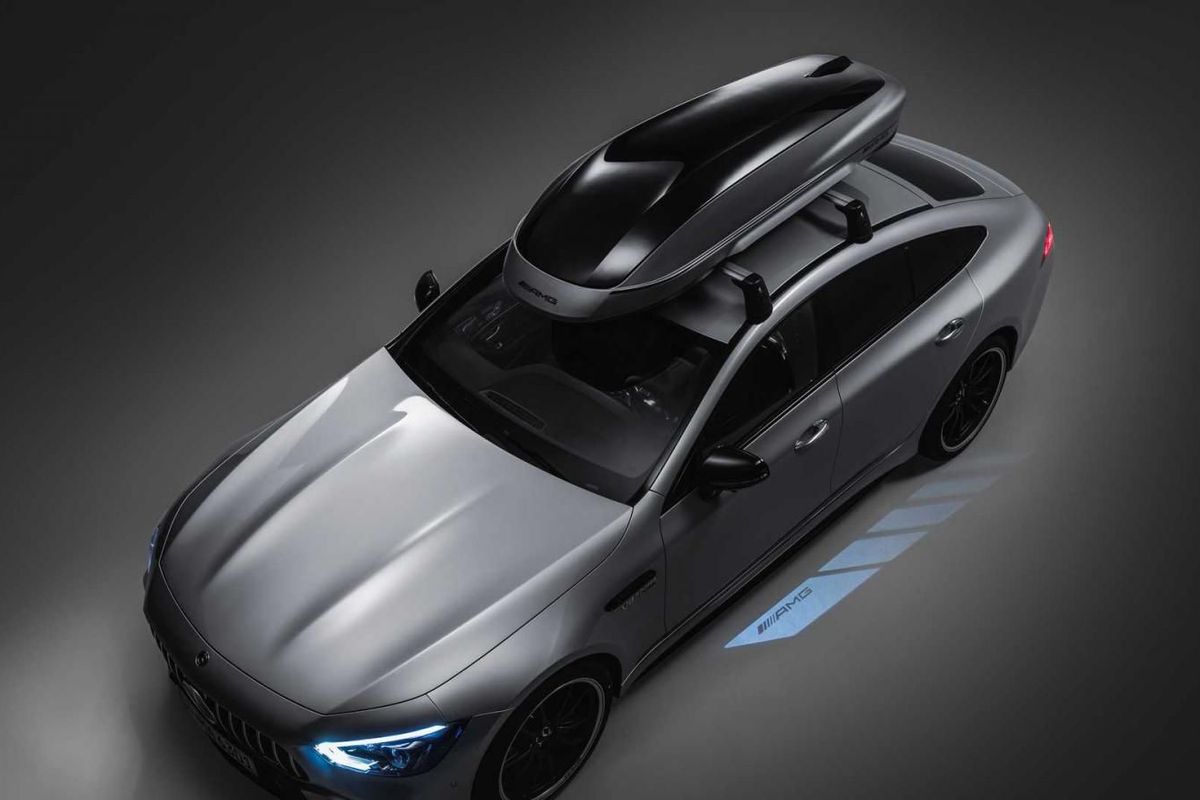
These official AMG roof boxes not only look wonderfully slick, but they also feature stabilising fins and an aft diffuser. To best manage the airflow over an AMG’s roof, which has one of these boxes installed, there are four vertical ribs, that form part of its diffuser section.

Beyond reducing the aerodynamic burden of carrying some additional luggage or sporting goods on the roof, this latest AMG optional extra also has a striking appearance.

The internal volume of this AMG roof box is generous, offering 410 litres of space while being able to support a 70 kg load. And yes, any sane AMG owner would wince at the thought of adding that much weight to the roofline of their high-performance Mercedes-Benz.
Although this roof box has great potential, especially for owners of compact AMG vehicles, it does come with quite a significant caveat… And that is a maximum speed rating of only 130 kph, which is quite limiting, considering the performance on offer with even a 2-litre powered AMG.

Related content

Pedalling an F-Pace: a cyclist's jaunt to Oudtshoorn

Spy Shots: 2021 Mercedes-AMG GT73e

Mercedes-AMG GT 63 S Review – Is this really a supercar?

Mclaren begins production of 765 Longtail

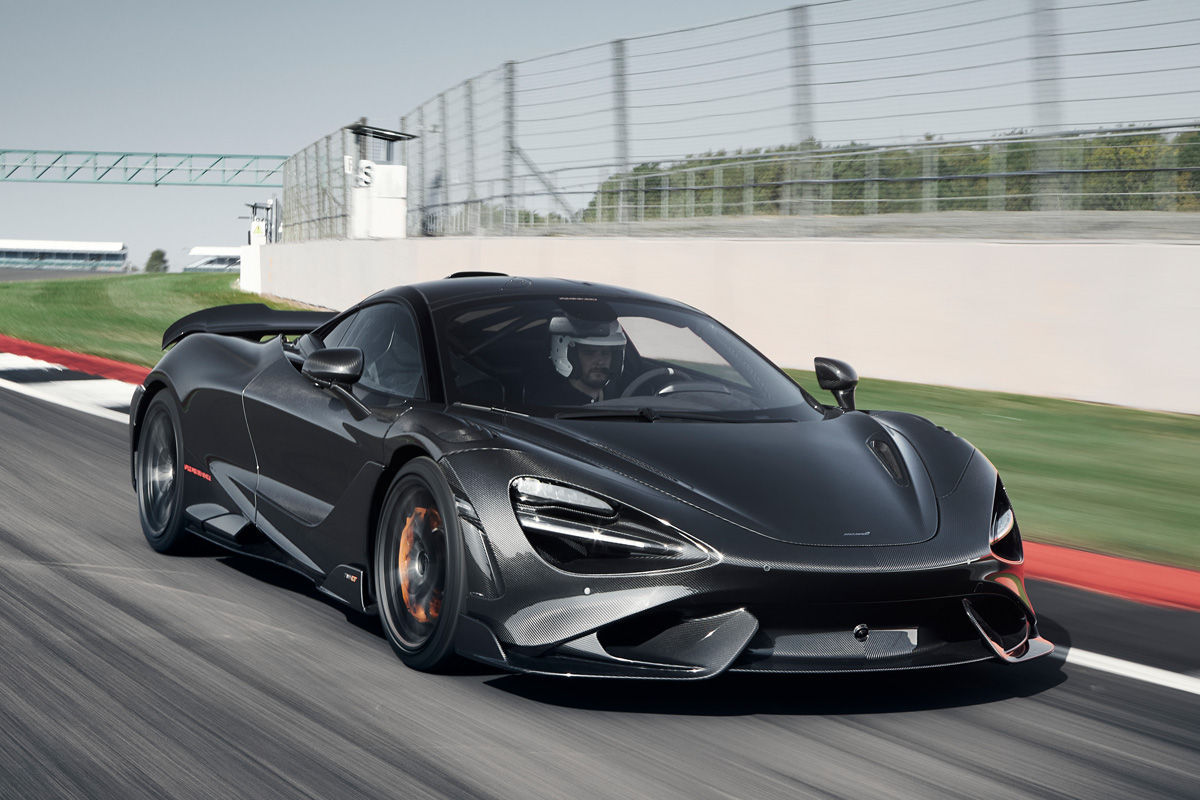
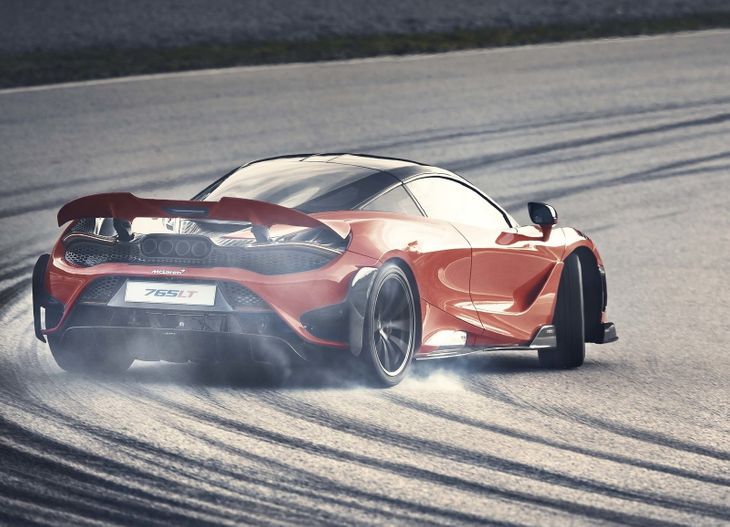
McLaren has begun producing its 765LT (Longtail), which utilises myriad carbon-fibre components and technologies from its Senna sibling to rocket from standstill to 200 kph in 7 sec – 0.2 sec faster than the brand initially claimed!

The Woking-based manufacturer first unveiled the 765LT (powered by a 4.0-litre twin-turbo V8 that produces 563 kW and 800 Nm) in March 2020. And the newcomer’s a particularly lean machine by virtue of myriad weight-saving measures – in its leanest, most stripped-out configuration, the Mclaren tips the scales at 80 kg less than the 720S (for a dry weight of only 1 229 kg and a power-to-weight ratio of 36.9 kW/tonne).

McLaren says expressions of interest in the 2021 production run of the 765LT "now exceed total number of cars available".

At the time the 765LT was announced, Mclaren said its newcomer could accelerate from 0 to 100 kph in 2.8 sec and 0-200 kph was said to take 7.2 sec, now the firm has confirmed the latter figure is, in fact, 7 sec and the model's standing quarter-mile (400m) acceleration is a blistering 9.9 sec.

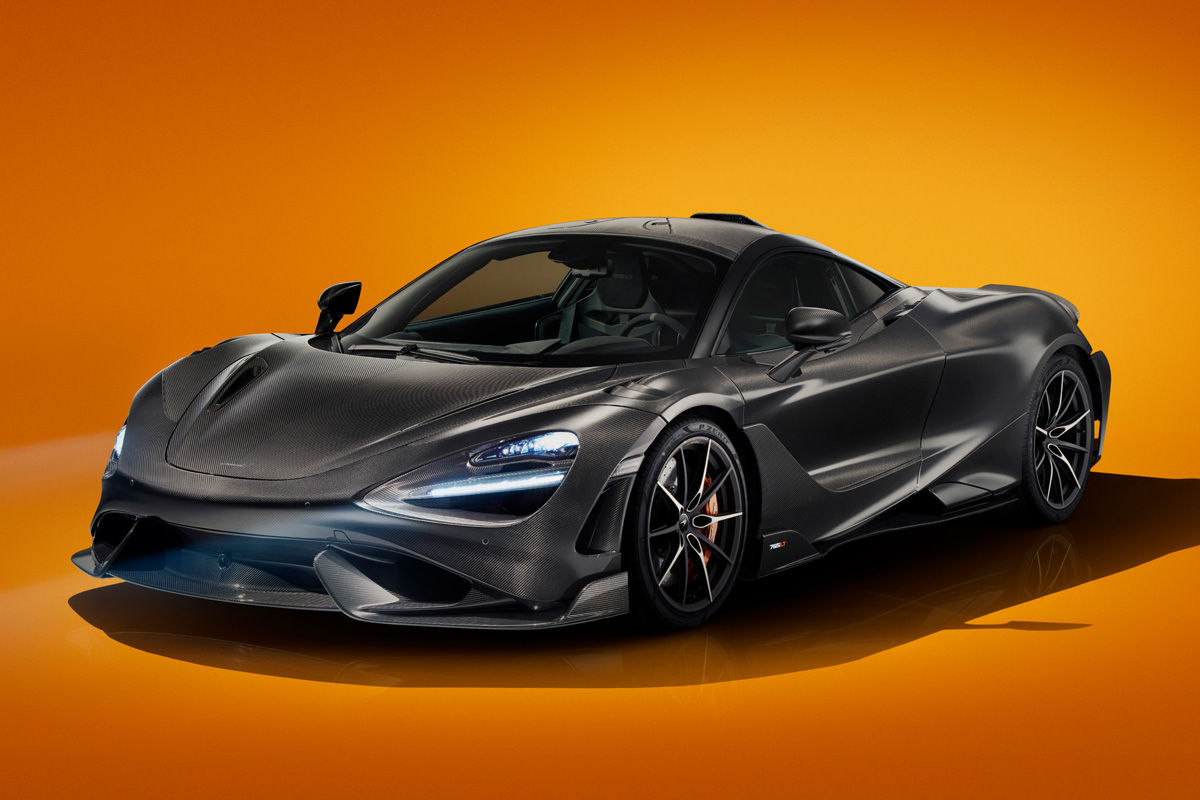
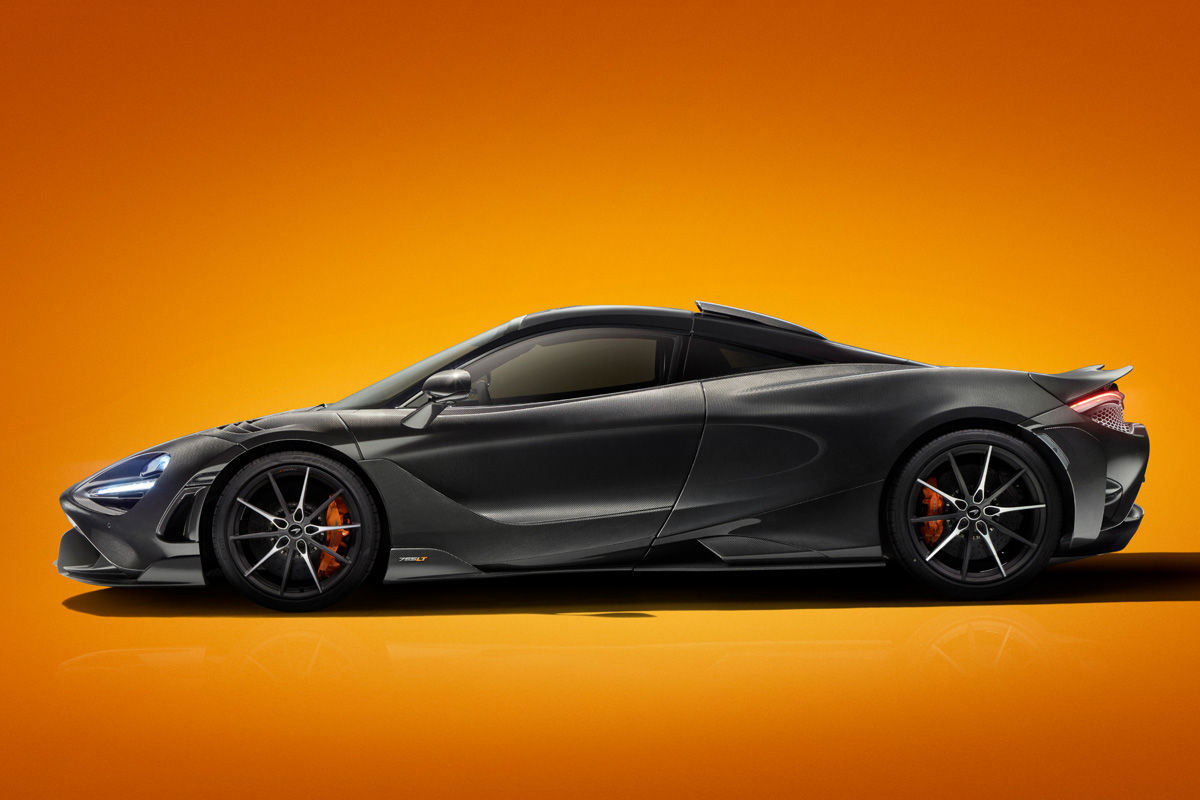
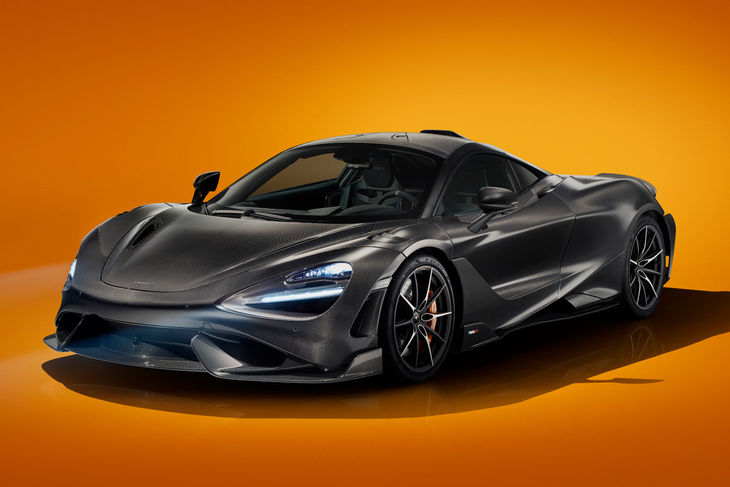
Suffice to say carbon fibre is used extensively for the construction of the McLaren’s front bumper and splitter, one-piece front floor, side skirts, rear bumper and wing, the lengthened aft diffuser and even the car's licence-plate holder. But that's the standard specification – additional panels can be optioned in carbon fibre as well – in fact, the demo model shown here has a clear-gloss-finished visual carbon-fibre body.


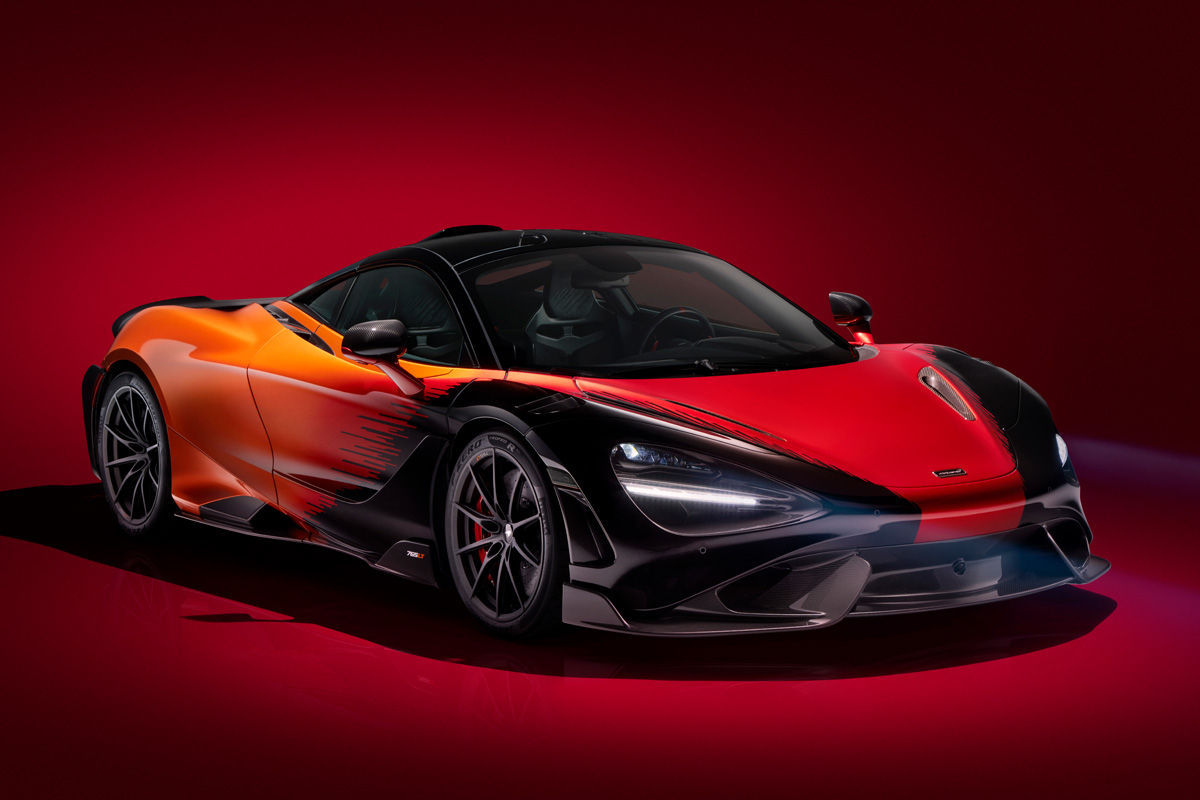
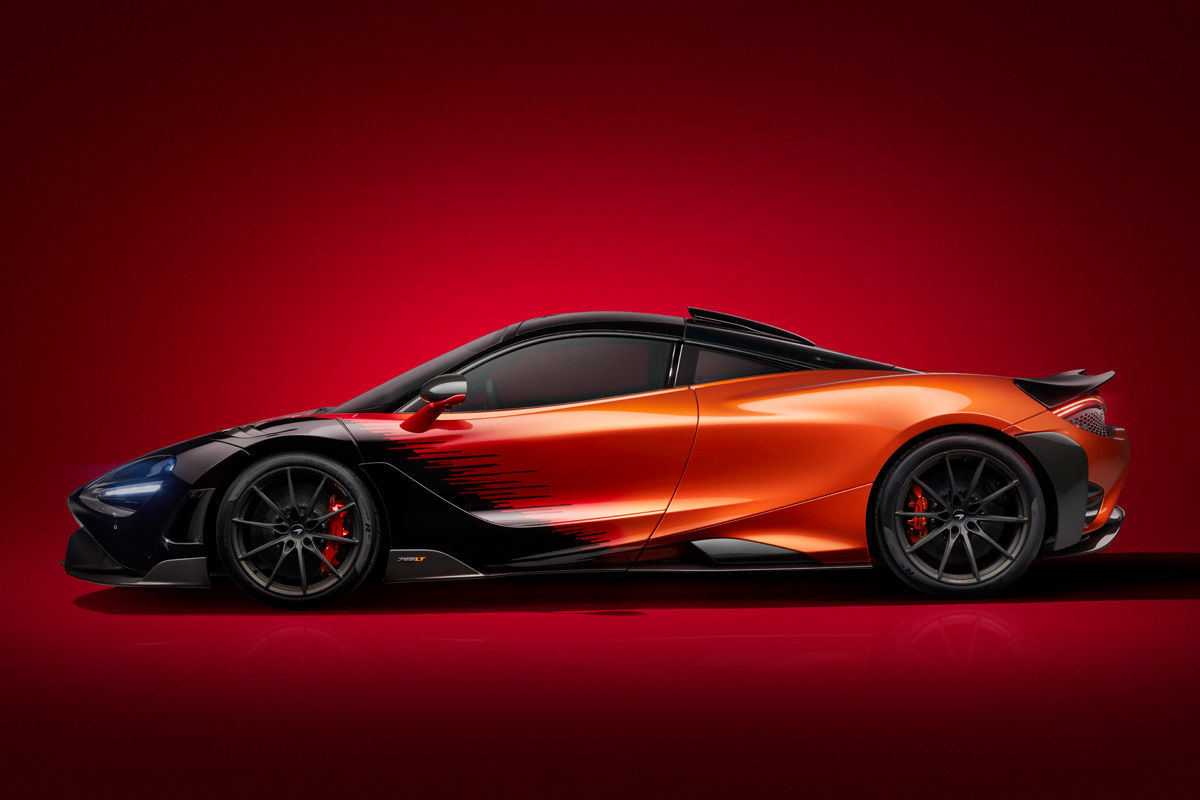
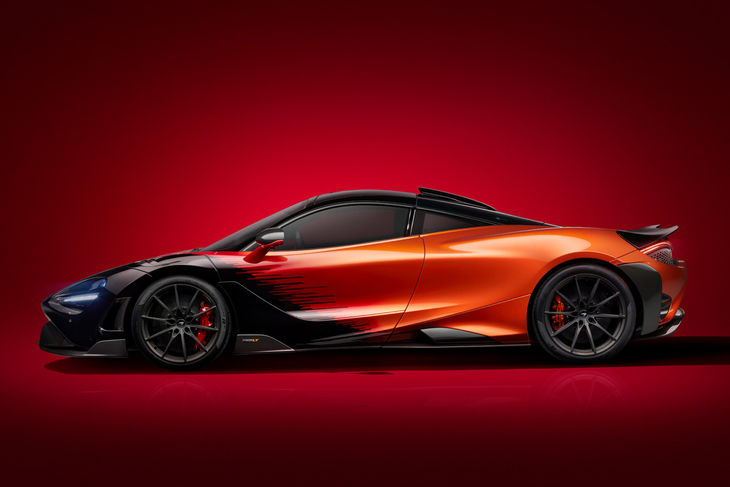
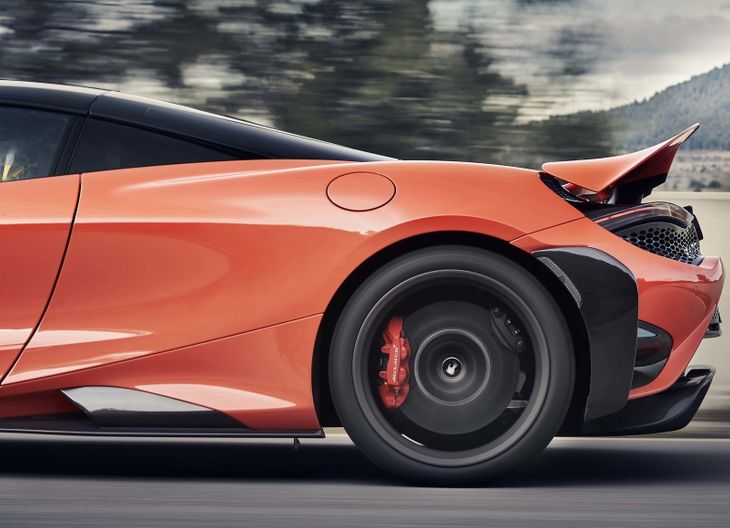
The Strata orange, red and black paint scheme was reportedly inspired by a city skyline. 

The Woking based company also unveiled the Strata “art in motion” paint scheme ­­– a tri-colour design that is said to have required “390 hours of hand painting and finishing”. Strata’s Azores orange base colour is fused with Memphis Red and Cherry black, the two overlay colours running through the paint scheme in opposite directions to meet and blend on the panels of the 765LT’s dihedral doors. The brake calipers form part of the colour blend: the front calipers being Volcano Red and the rears Azores Orange.

Extensive weight-saving programme

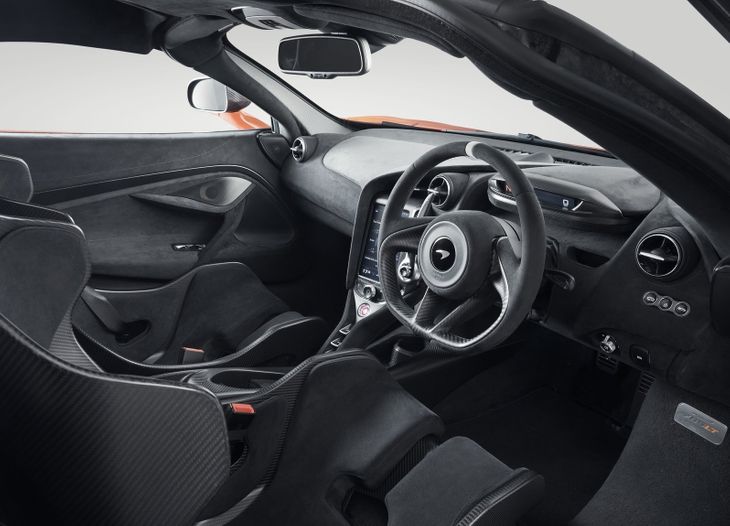
Compared with the 720S, the 765LT’s carbon fibre-shelled racing seats save 18 kg, the 10-spoke forged alloy wheels (with titanium bolts) 22 kg, full-titanium exhaust system 3.8 kg, lithium-ion battery 3 kg, the "helper" suspension springs 1.5 kg (more about those later), a bespoke centre tunnel 1.4 kg and the optional carbon fibre fenders 1.2 kg.  


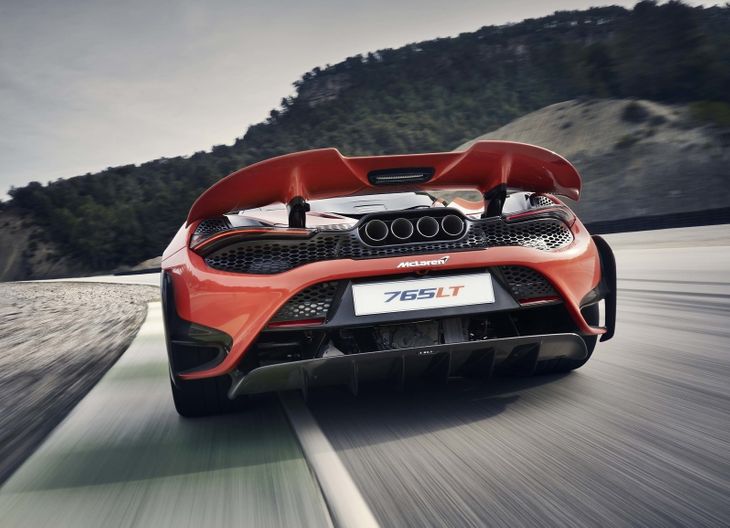
By channelling hot exhaust emissions over its active rear ring, the 765LT effectively plasters its tail end to the asphalt.

Over and above the optimisation of powertrain and chassis parts and deletion of comfort/convenience features (although most of them can be specified at no extra cost), the McLaren’s wind- and rear screens and side glass have been made thinner.   

The 765LT’s front splitter sits closer to the ground because of a 5-mm reduction in front ride height to increase vehicle rake and create more front downforce. The nose section is 48 mm longer (the front bumper and -splitter have been moved forward), while the new active rear wing stretches rearwards by an additional 9 mm, all of which adds 57 mm to the car’s overall length.


Mclaren has revised the 765LT's Proactive Chassis Control II suspension system algorithms for even greater control.

Upgrades to the 4.0-litre twin-turbocharged V8 include LT-specific forged aluminium pistons, a 3-layer head gasket (shared with the Senna) and ultra-efficient, carbon-coated followers in the valvetrain, an additional fuel pump and revised oil pump. The motor delivers peak power at 7 500 rpm and maximum torque at 5 500 rpm and the transmission’s gearing is optimised to deliver in-gear acceleration up to 15% quicker than the 720S.

Compared with the 720S, the newcomer’s front track is 6 mm wider, while lightweight main springs feature additional "helper" springs to reduce unsprung mass and maintain load in the suspension on full-rebound (when the car hits a road imperfection at high speed, for example). Roll stiffness has also been increased to further enhance vehicle stability, plus advances made during the development of the Senna have enabled the Woking-based firm to revise the 765LT's Proactive Chassis Control II suspension system algorithms for even greater precision and control.


 Longtail indeed! The new active rear wing stretches rearwards by an additional 9 mm compared with the 720S.

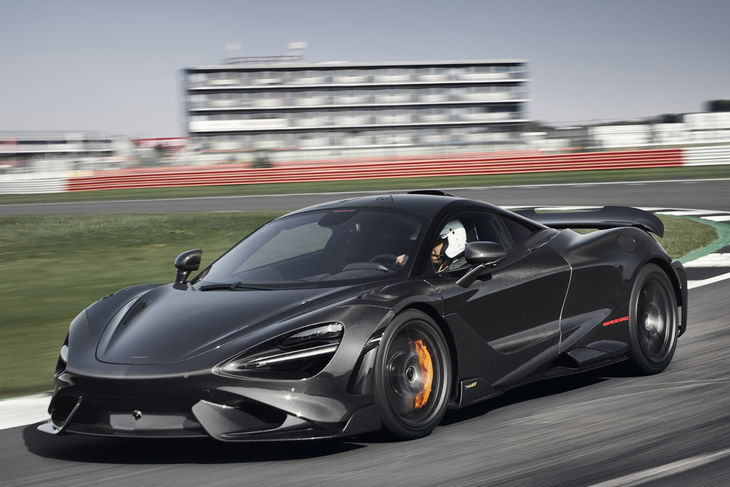
Of course, the aerodynamic performance of the 765LT is key to the car's on-track abilities, but also optimises its higher-speed road driving behaviour. The extended front splitter and active rear wing ­– which stands 60 mm higher than on a 720S – work in conjunction with the carbon fibre floor, door blades and the extended rear diffuser to deliver 25% more aerodynamic downforce than the latter.

And what about stopping power? The newcomer comes equipped with the latest generation carbon-ceramic discs with calipers from the McLaren Senna, which are equipped with F1-inspired integrated cooling technology that the Woking-based firm claims reduces brake-pad temperatures by up 50C during track driving to ensure consistency of pedal feel and, of course, braking performance.


Apart from carbon fibre accoutrements, McLaren has festooned the 765LT's cabin in swathes of Alcantara.

But for all of the 765LT’s astonishing technology and lightweight construction, driving aficionados may appreciate the detail improvements that McLaren has made the most… The newcomer’s electro-hydraulic assisted setup endures, but it has been further honed with a quicker ratio and a stiffer torsion bar for improved feedback. What’s more, a new “limit downshift” transmission function has been introduced to allow a driver to over-rev their 765LT – a little – by allowing the engine revs to “bounce” momentarily on the rev-limiter before a lower gear is engaged.

Stiffer engine mounts are used not only to meet dynamic performance targets, but also to increase the physical engagement with the V8 powertrain. They effectively radiate the engine's low-frequency sounds into the cabin. “Every change in rpm is amplified, not only to occupants' ears but also as a feeling through the seats because low-frequency sounds can be both heard and felt,” McLaren says.


The clear-coat exterior finish is dramatic, but the MSO Carbon Fibre Body is available in a number of bespoke tints.

The “highly intense, emotional connection” between driver and machine is further enhanced through the unique full-titanium, quad-exit exhaust… The pipe diameter increases the exhaust volume, while the relative position of each pipe delivers the precise harmonic content required to create a high-pitched, engaging note that becomes sharper as it builds to an incredible crescendo at high engine revs.

Only 765 individually-numbered units of the 765LT will be hand-assembled at McLaren’s Production Centre and deliveries will begin at the end of this month, the firm says.

Related content:

Mercedes-AMG Project One on track

McLaren unleashes leaner, faster 765LT

McLaren 720S Le Mans Special Edition Revealed

McLaren Speedtail Breaks 403 kph in Testing

McLaren 620R Is a Road-Legal Racecar