Renault Koleos 2.5 Dynamique 4WD (2020) Review
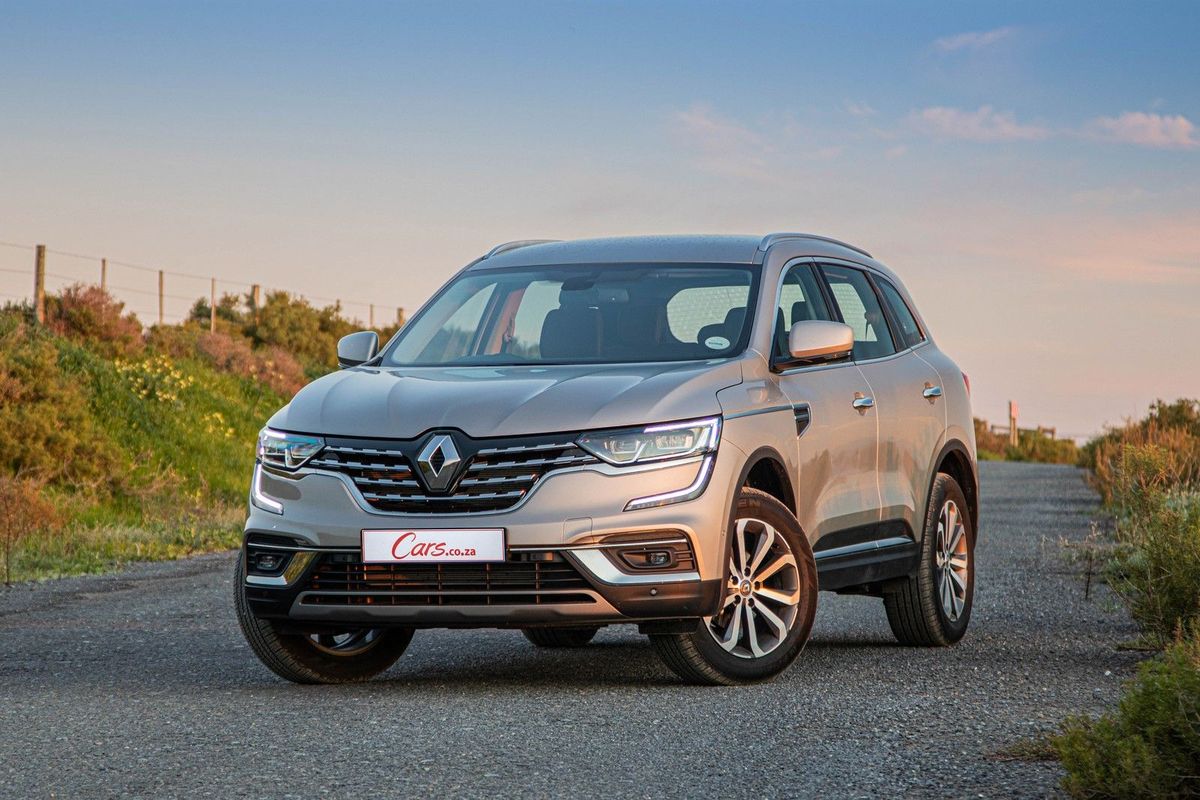
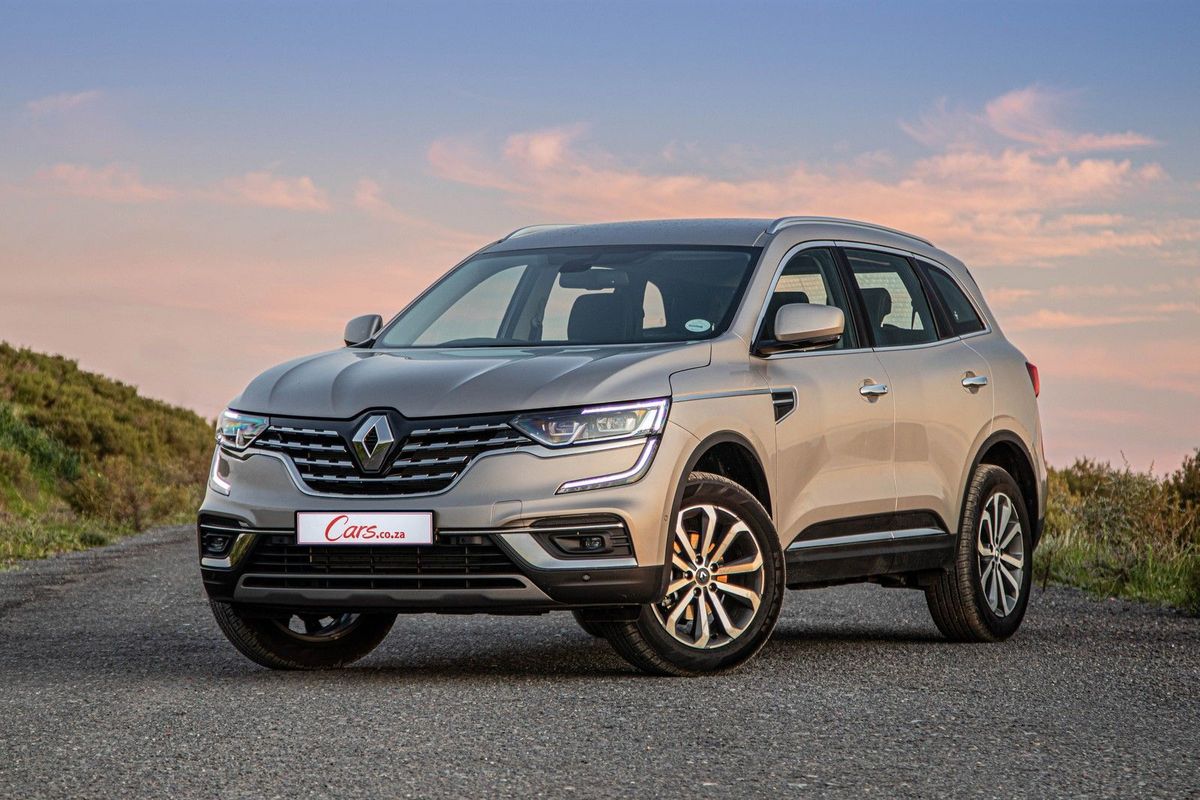
Renault is renowned for offering pocket-friendly hatchback and compact crossover models, but the Koleos is neither a hatchback, nor compact. Given its lofty price tag (on the wrong side of R500 000) and the multitude of acclaimed competitiors in its segment, the French family car needs to demonstrate something special to stand out.

We like: Highly-specced, surprisingly capable off-road, generous cabin space. 

We don't like: Pricey, limited to just one powertrain

Fast Facts

  • Price: R529 900 (September 2020)
  • Engine: 2.5-litre 4-cylinder naturally-aspirated petrol
  • Gearbox: CVT
  • 0 to 100 kph: 9.8 sec
  • Fuel economy: 8.3 L/100 km (claimed)
  • ?Power/Torque: 126 kW/233 Nm

Own a Renault? Tell us about your experience here

SERIOUS ABOUT BUYING?

What is it?


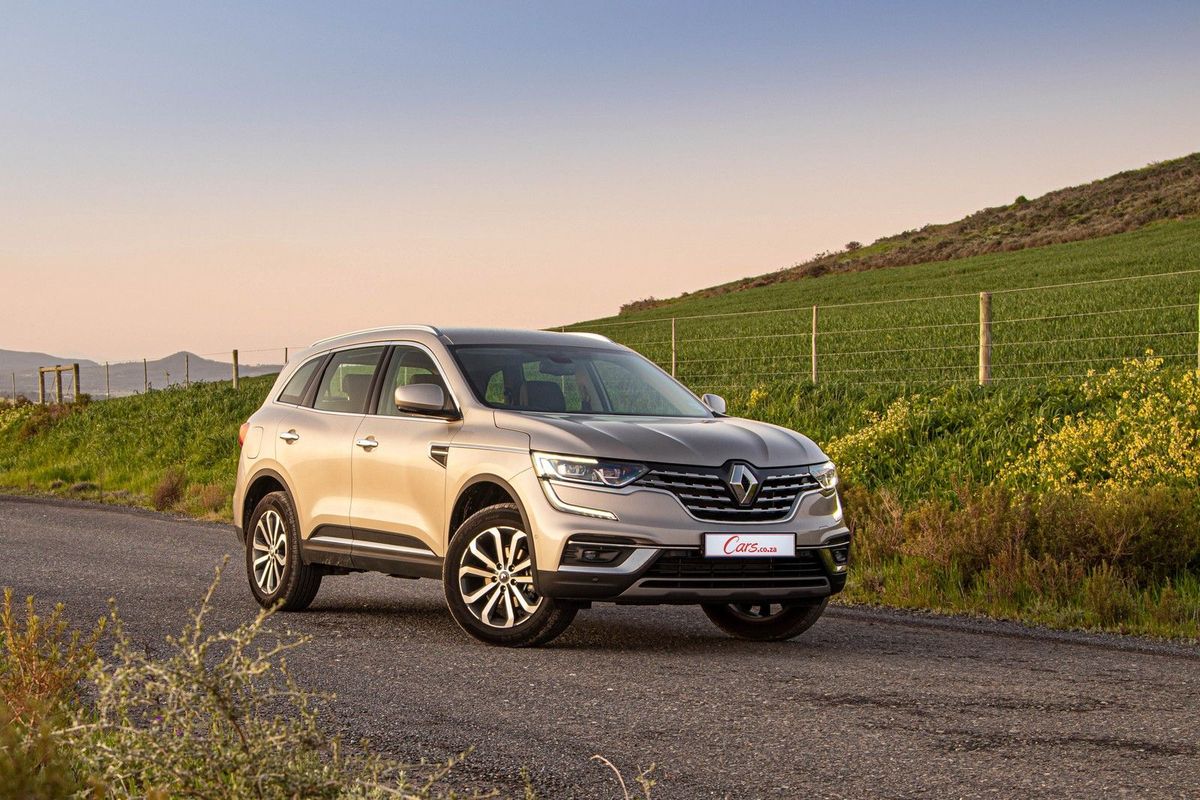
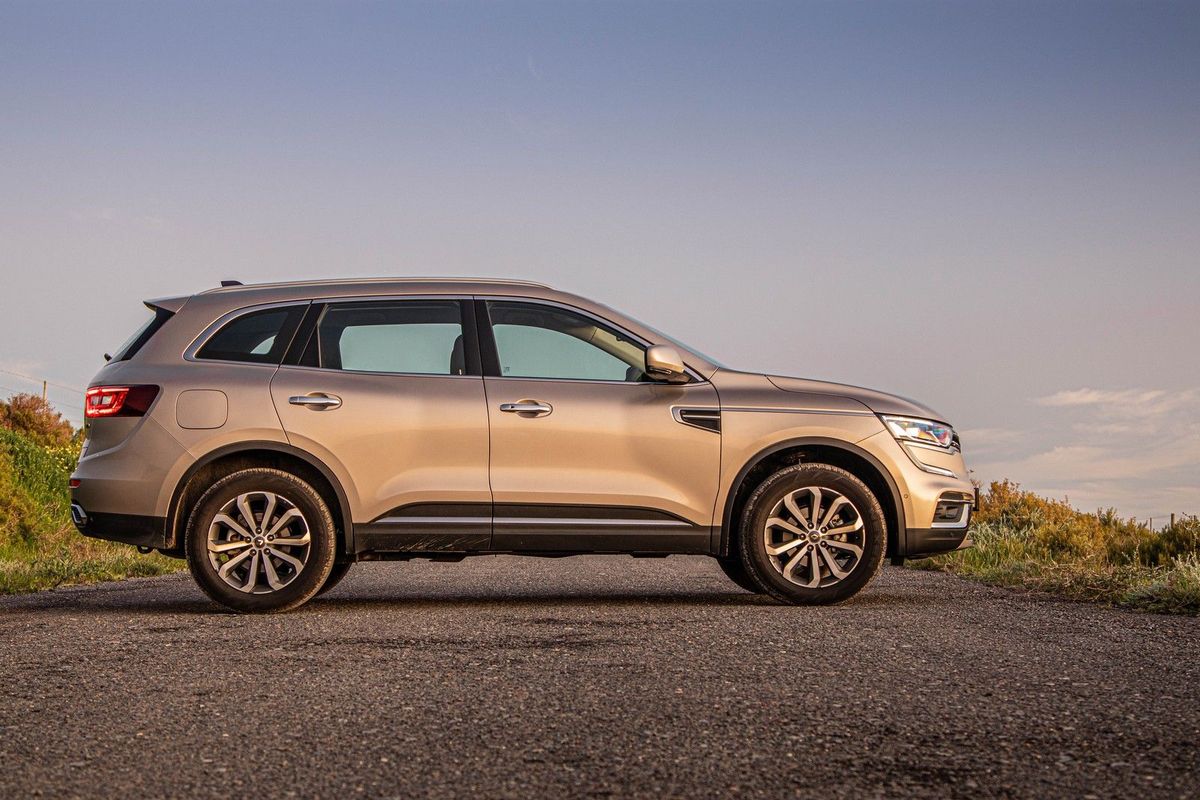
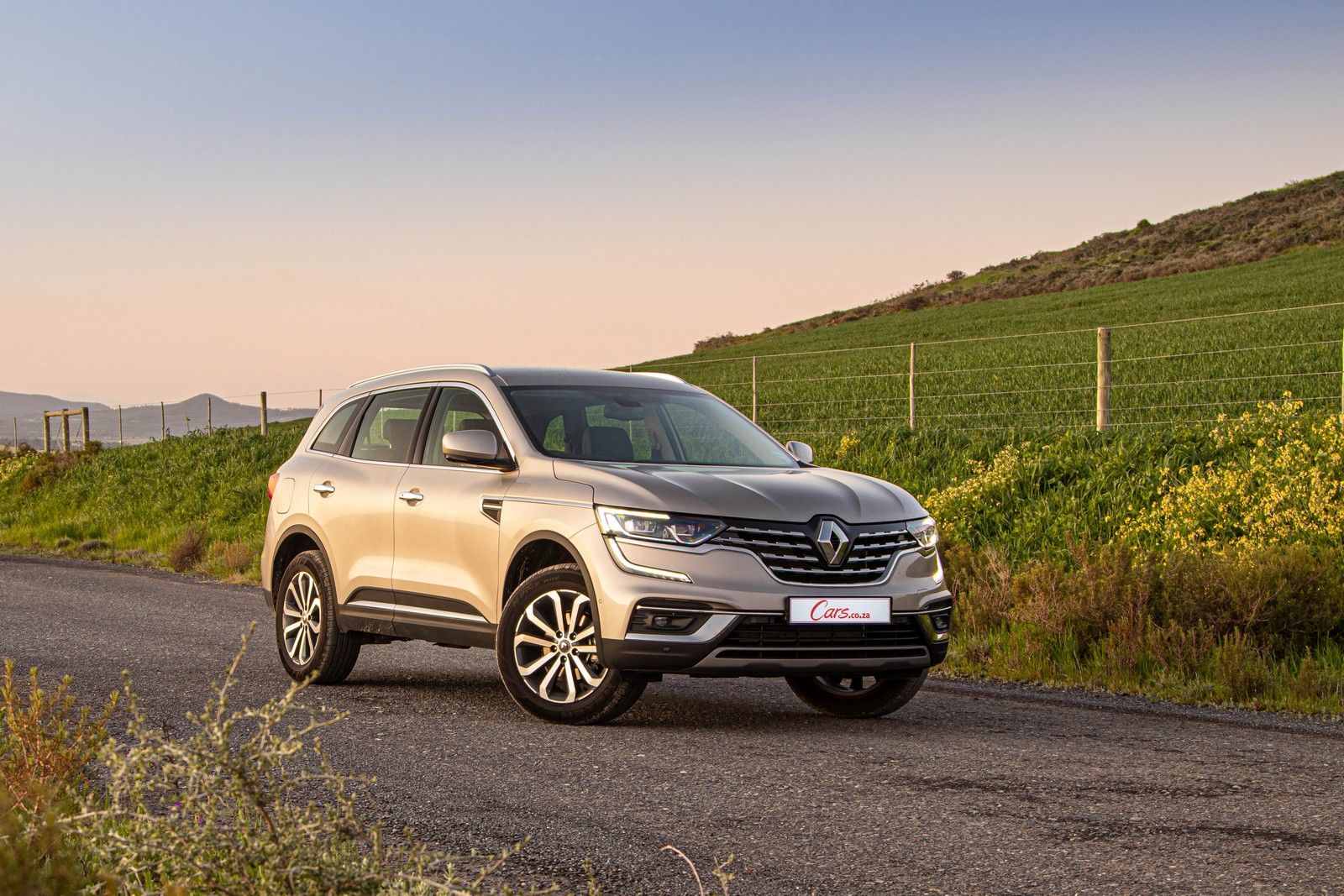
The Renault Koleos is one of the more stylish and distinctive offerings in the family-car segment.

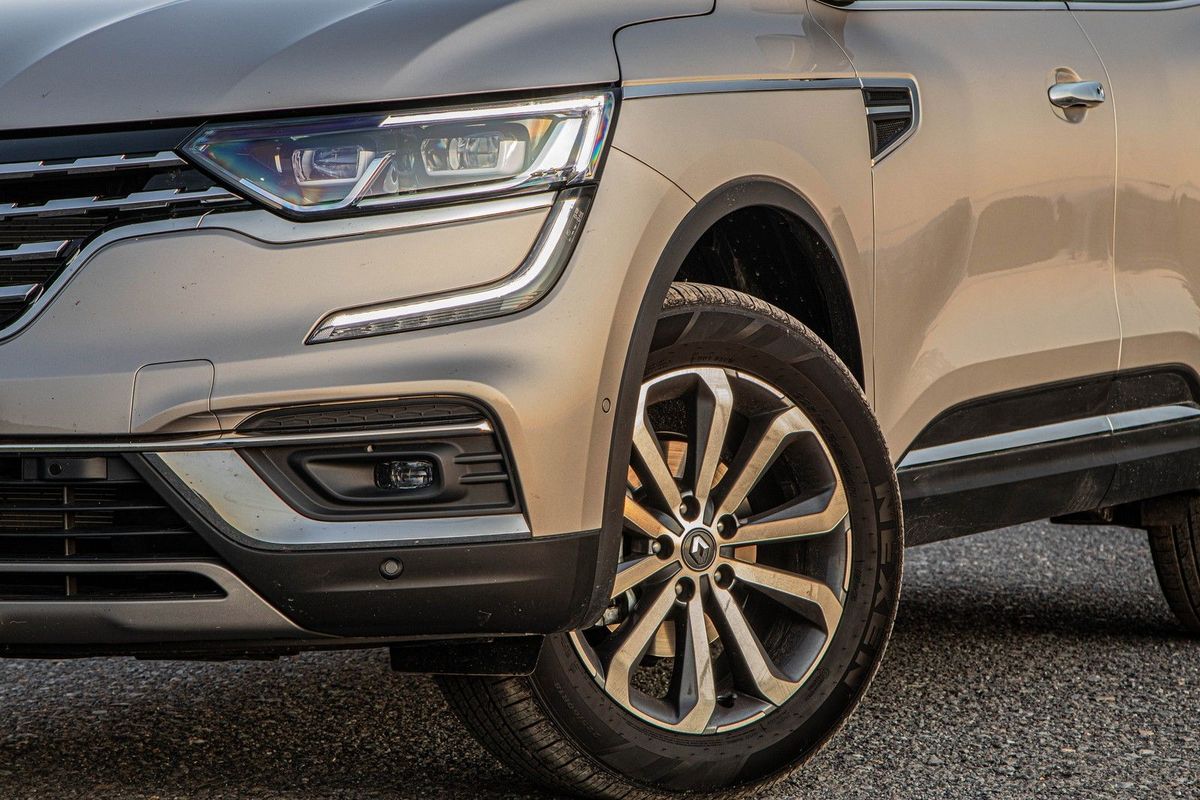
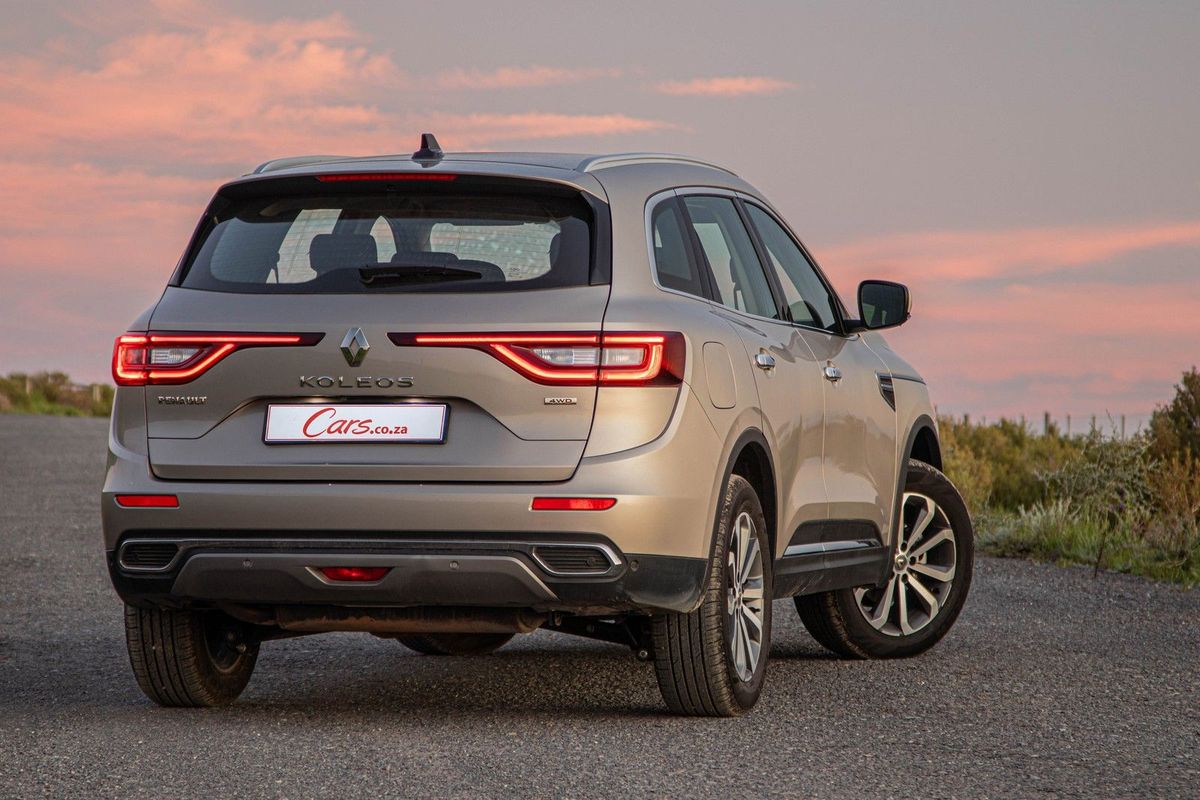
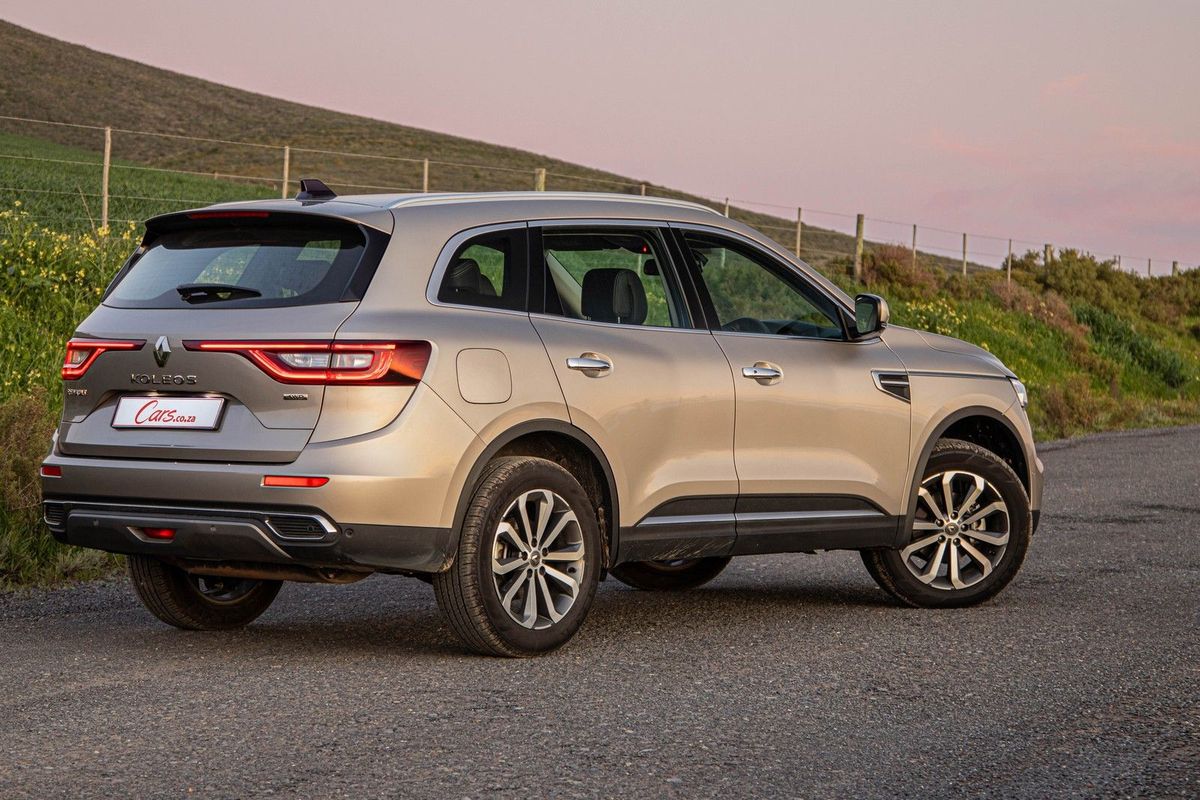
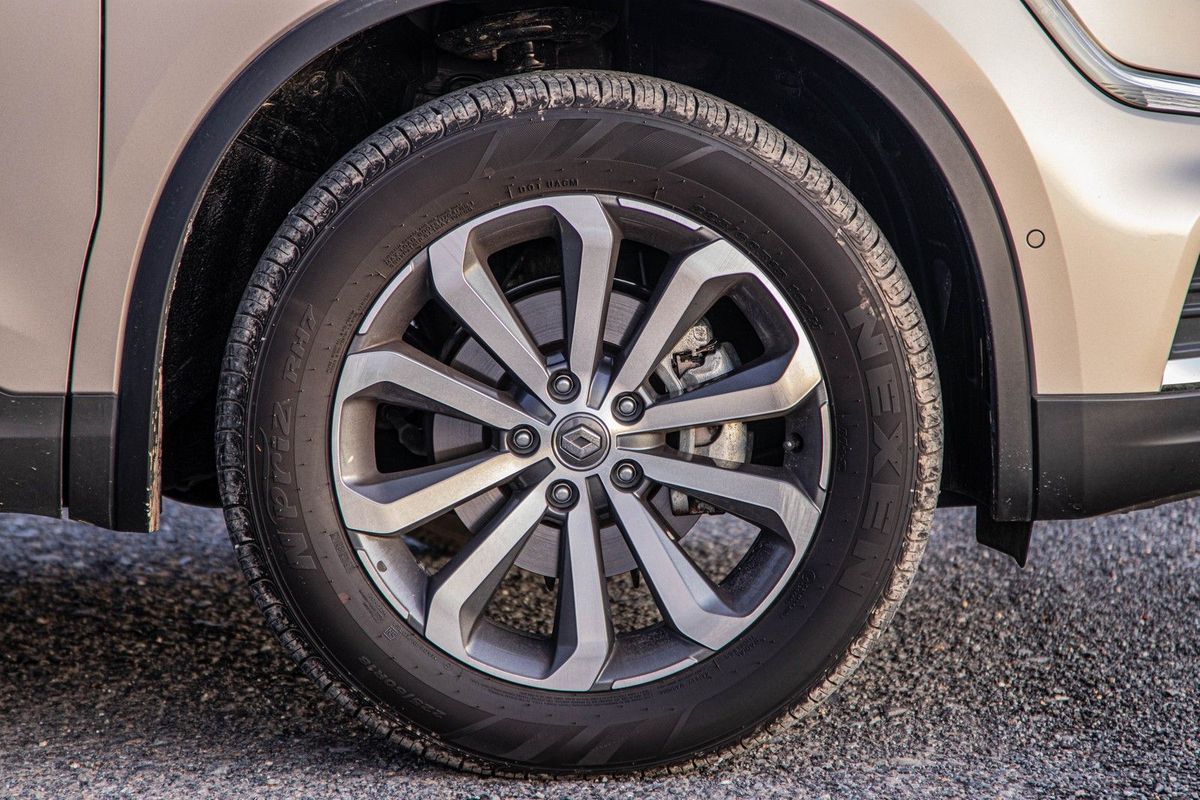
Yes, we reviewed this generation of the Koleos in April 2019, but for 2020, Renault SA has given its flagship SUV some mild updates. What's new, you may ask? There are minor visual changes at the front and rear, a new alloy wheel design, plus some convenience upgrades in the forms of an electronic handbrake and a powered tailgate. Inside, there are some updated trims. Mechanically, the Koleos' powertrain is unchanged. 

The range comprises 3 derivatives (in 2 trim levels) and the subject of this review is the flagship derivative: the 2.5 Dynamique 4WD. The Cars.co.za comparison tool highlights at least 6 rivals at this price level and we've filtered the results to include all-wheel-drive rivals with automatic transmissions; the Koleos' major competitors are the latest iteration of the Toyota RAV4 (2.0 AWD GX-R) and the Subaru Forester 2.0i-S ES. 

How it fares in terms of…

Performance and efficiency
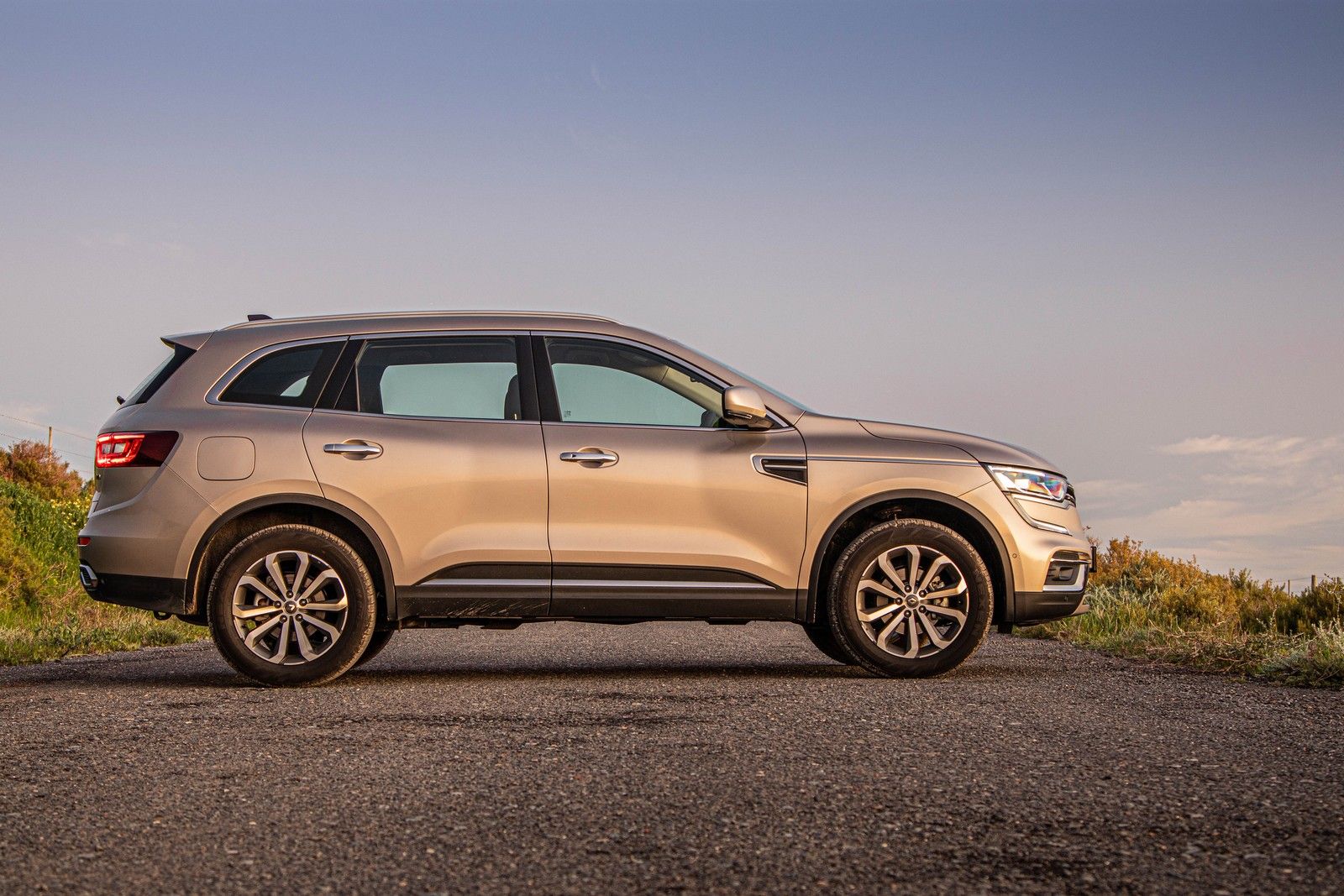

With just one engine and transmission combination, we can't help but wonder how the Koleos would fare with a turbodiesel powerplant.

The Koleos is powered by a 2.5-litre naturally-aspirated 4-cylinder petrol engine, which it shares with its Renault/Nissan/Mitsubishi alliance cousin, the X-Trail. In the French contender, the motor produces 126 kW and 233 Nm and it's exclusively mated with a continuously variable automatic transmission. While it's not marketed as a performance vehicle, the Koleos is claimed to accelerate from 0 to 100 kph in 9.8 sec (for what that's worth). In terms of economy, we saw an indicated consumption figure of 9.9 L/100 km, which is some way off the firm's claim of 8.3 L/100 km.

Performance is, at best, average. Although the aforementioned RAV4 and Forester also feature old-school naturally-aspirated powertrains, several of the Koleos' rivals are propelled by smaller-capacity turbocharged engines that feel punchier to drive. Is it a deal-breaker, though? Not at all, but with the CVT, you have to adapt your driving style to exact smooth progress – there are no gearshifts and the engine can become quite vocal under hard acceleration. Despite the louder-than-expected engine note and lack of responsiveness, the Koleos doesn't feel underpowered in and around the urban environment. In-gear acceleration is its weak point, so overtaking manoeuvres between 80 and 120 kph require forethought. 

Driving experience
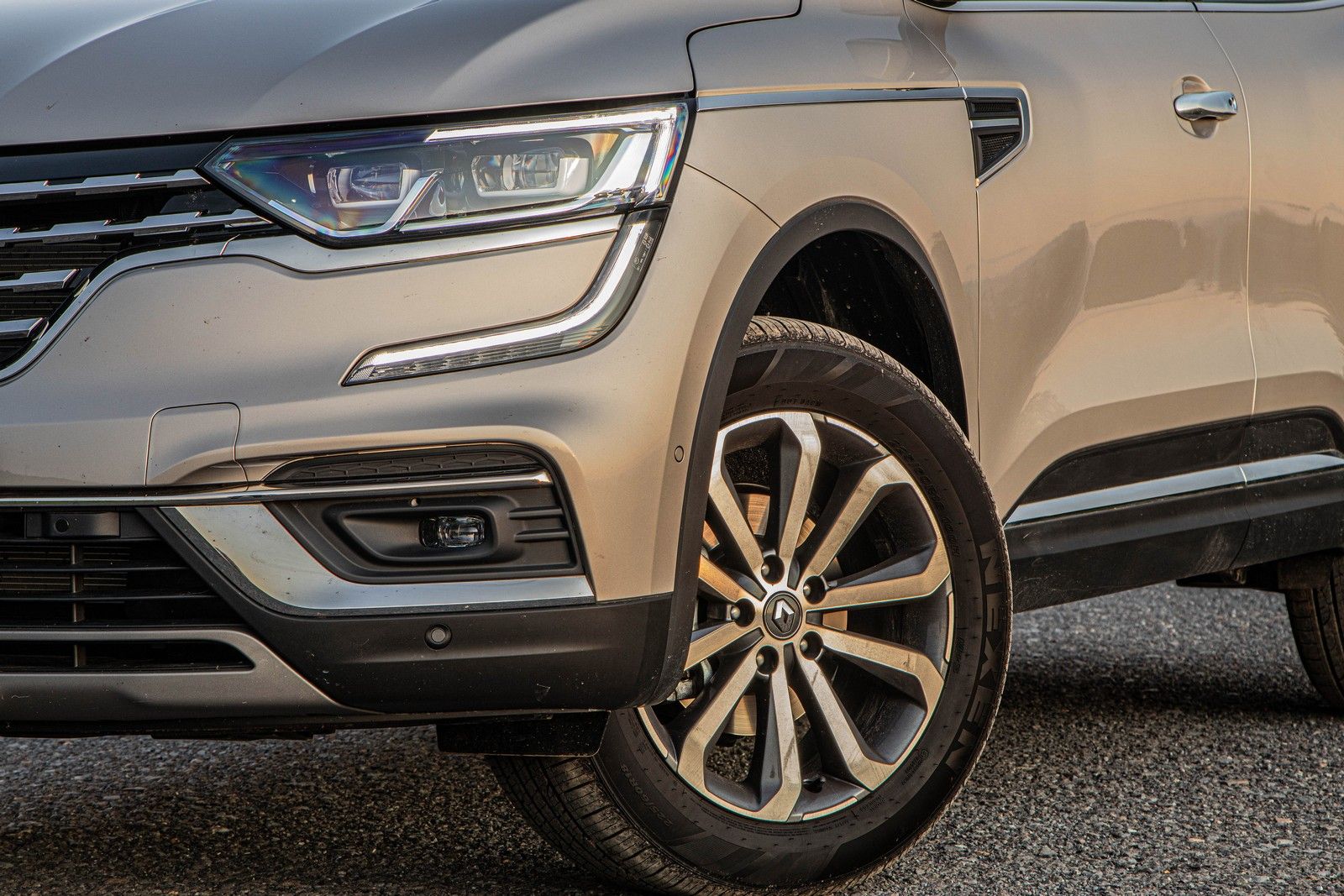

The update gives the Koleos a revised front end as well as redesigned alloy wheels.

In terms of ride quality and handling, the Koleos has a pleasant and comfortable big-car feel. We were initially irritated by a constant rattle in the luggage bay (we suspected a poorly-fitted panel), but once the warning triangle had been stored correctly, the cabin was free of annoying noises.

Given the Renault's large footprint, we were expecting a relatively heavy steering feel, but the tiller was effortless to twirl. The suspension was quite forgiving too: the restyled 18-inch alloys are wrapped in 225/60 R rubber and the generously sidewalled tyres contribute to the pliant ride quality.
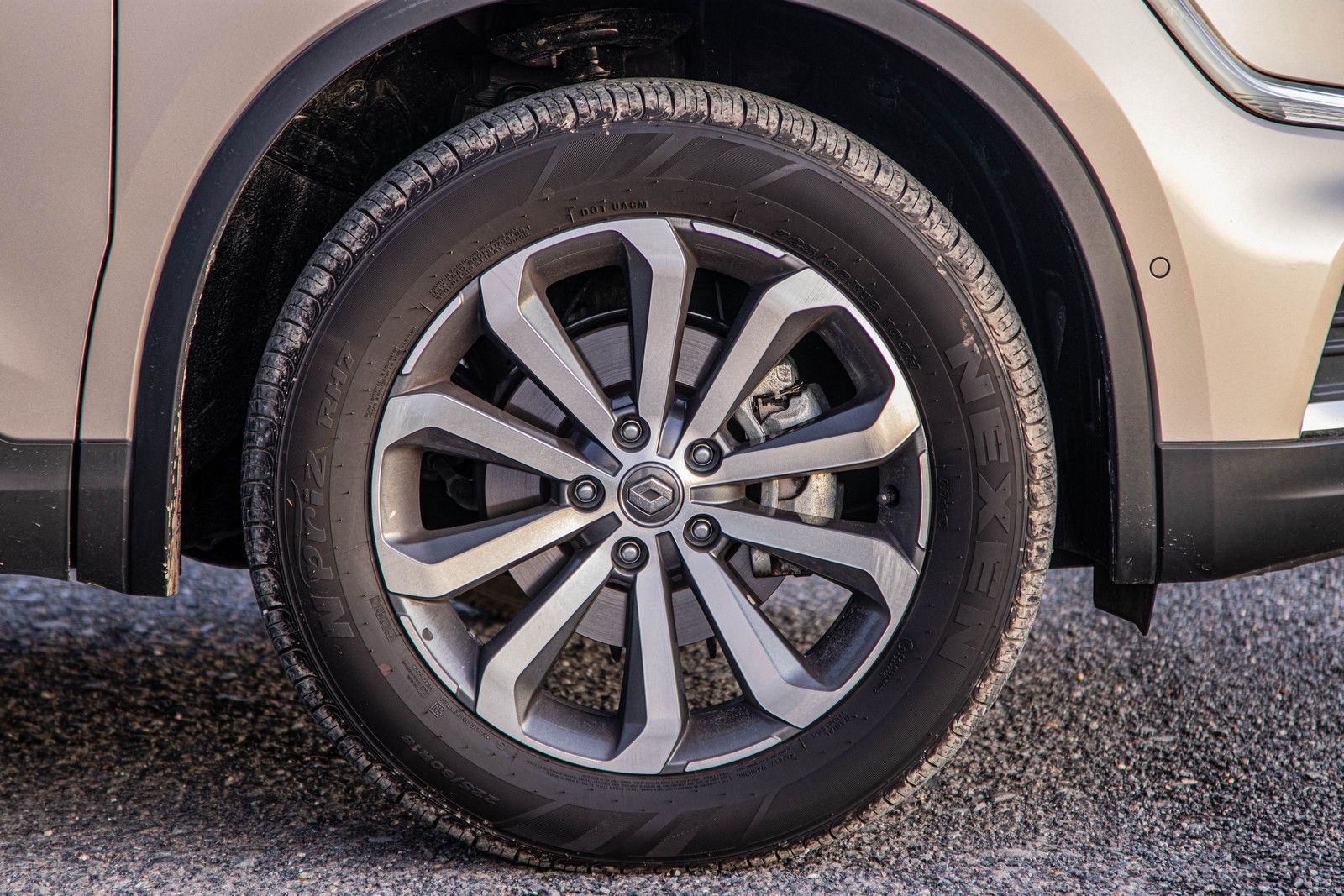

These high-profile 18-inch tyres soaked up most of the bumps on the poor quality roads we subjected it to

South Africa is (shall we say) blessed with an extraordinary variety of road surfaces and during the Renault's tenure in our test fleet, we drove the test unit on some of the worst grades of gravel road – as well as some light sand – to get an idea of its true capabilities "off the beaten track".

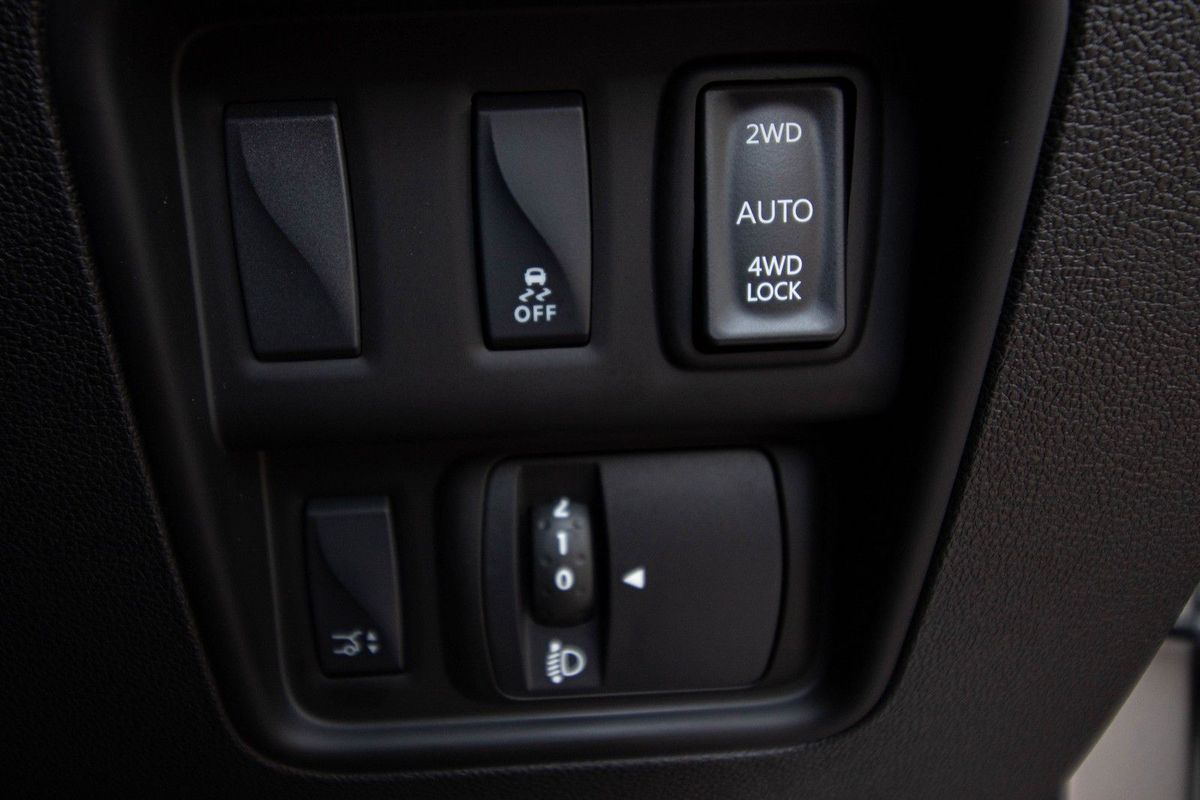
If you think the Renault Koleos is a bit of a poser SUV and lacks any off-road credentials, your assumption is very wrong. The numbers alone are good, with 210 mm of ground clearance with approach and departure angles of 19 and 26 degrees respectively. Gone are the days when you needed to use an additional lever to activate a vehicle's 4×4 modes; these days, it's a matter of flicking a switch. The Koleos has 3 modes; 2WD for normal tarmac situations, Auto will activate 4WD in slippery conditions and 4WD Lock will send 50% power to each axle at speeds of up to 40 kph. 
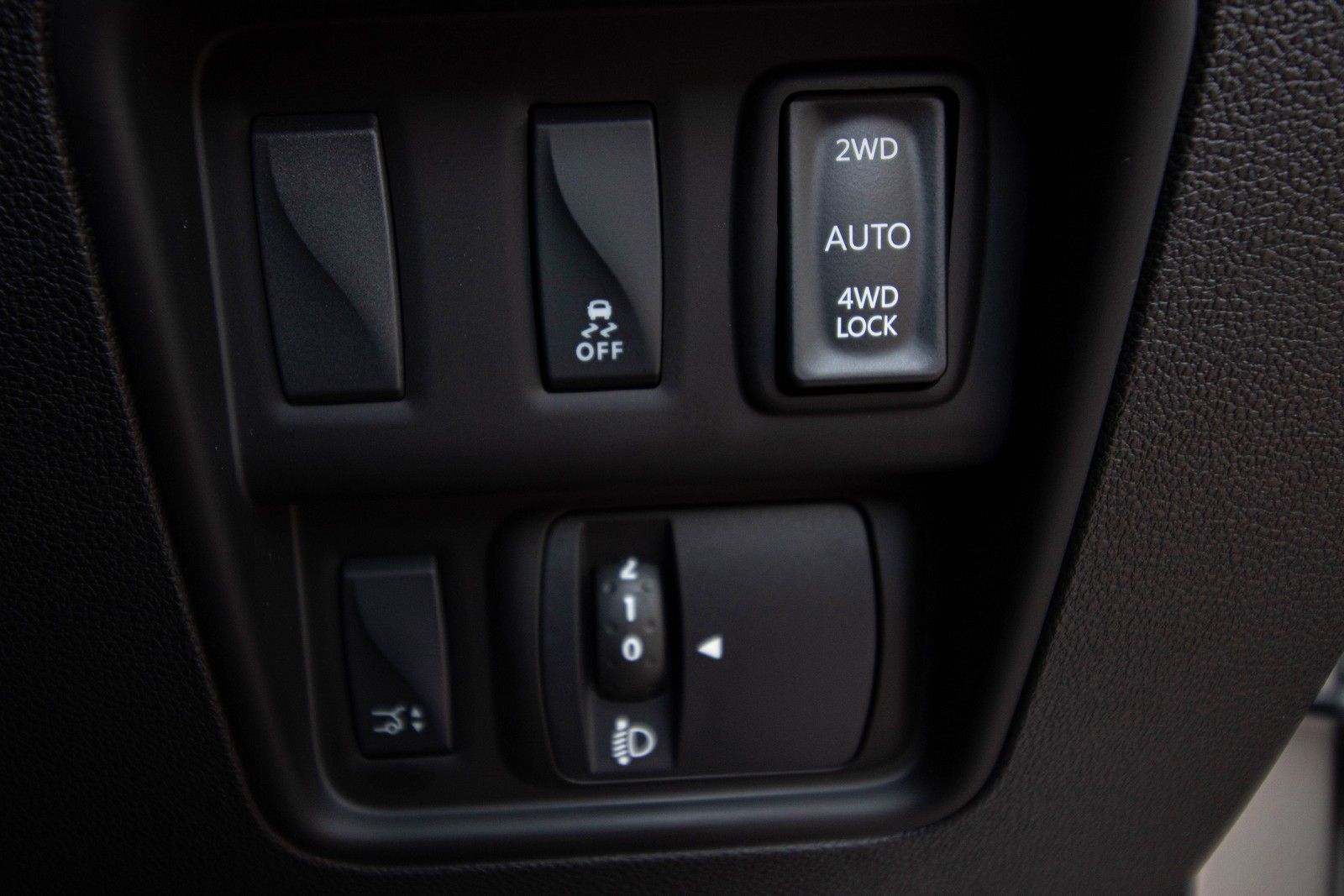

Gone are the days where you need a second lever for the 4×4 modes. This switch is all you need.

Much like its smaller Duster sibling, the Koleos is surprisingly capable when traversing roads of poorer quality or that offer low levels of grip. It does lack a low-range transfer case, so be mindful of biting off not wading into really tricky situations. We found the Renault to be admirably stable when traversing gravel at speed, with the automatic 4WD system cleverly directing power to the axle with the best traction to keep the car well-planted.

Features and Practicality 
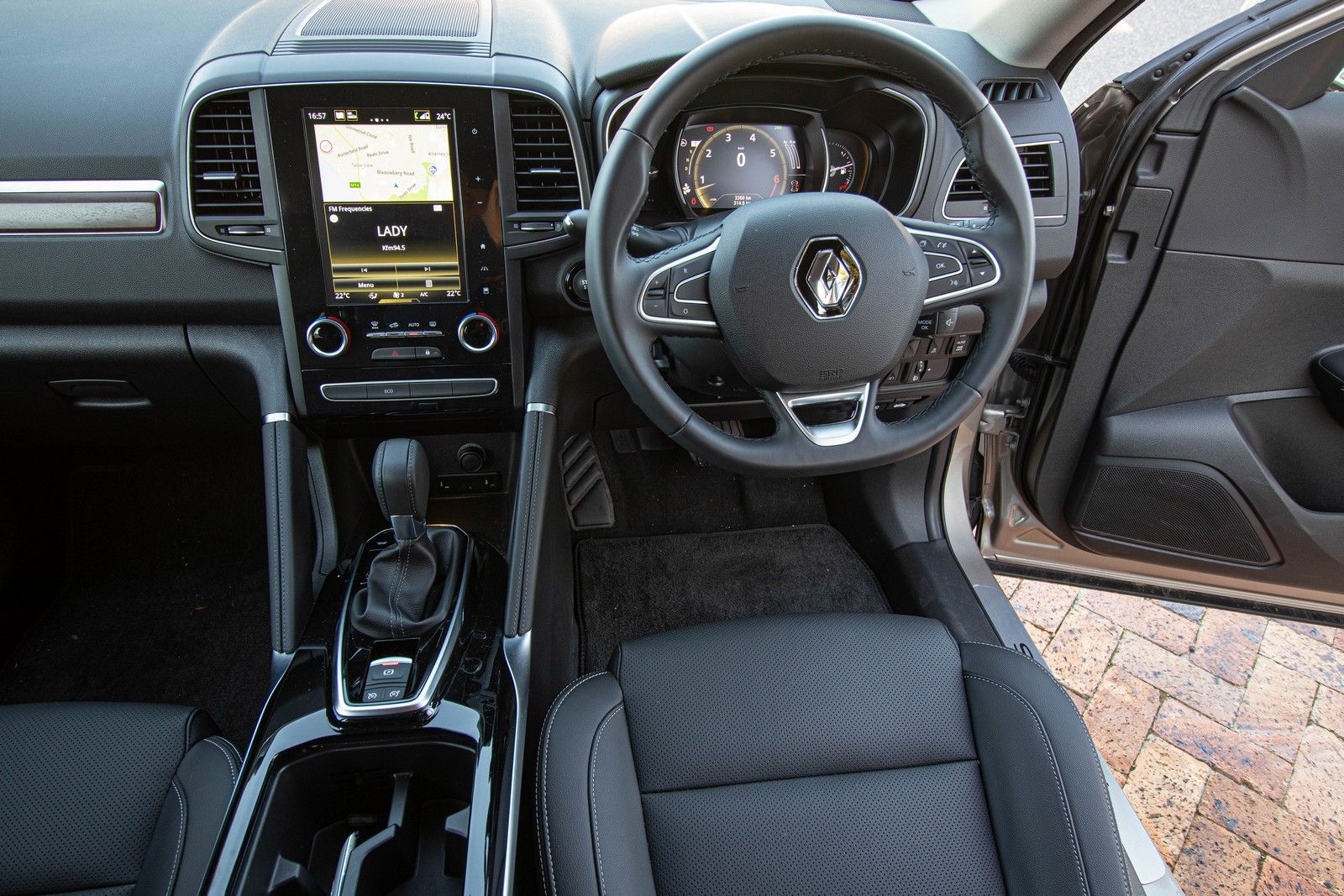

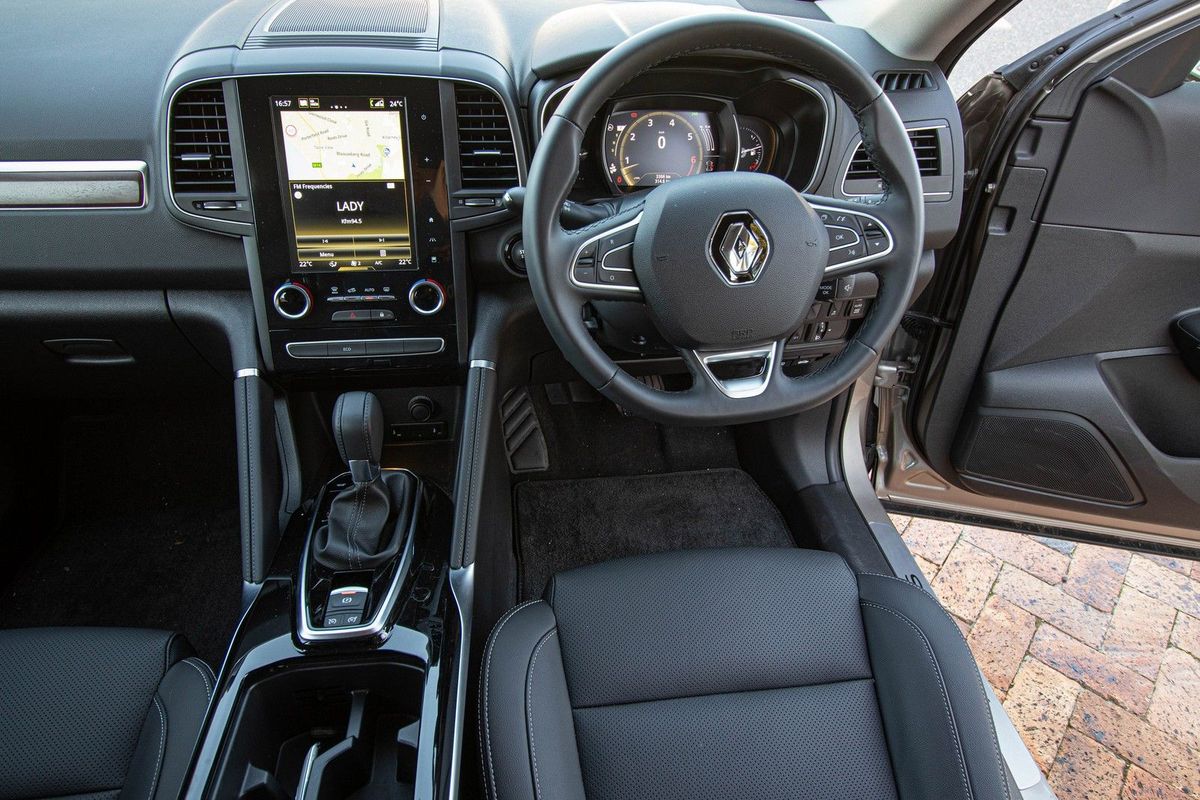
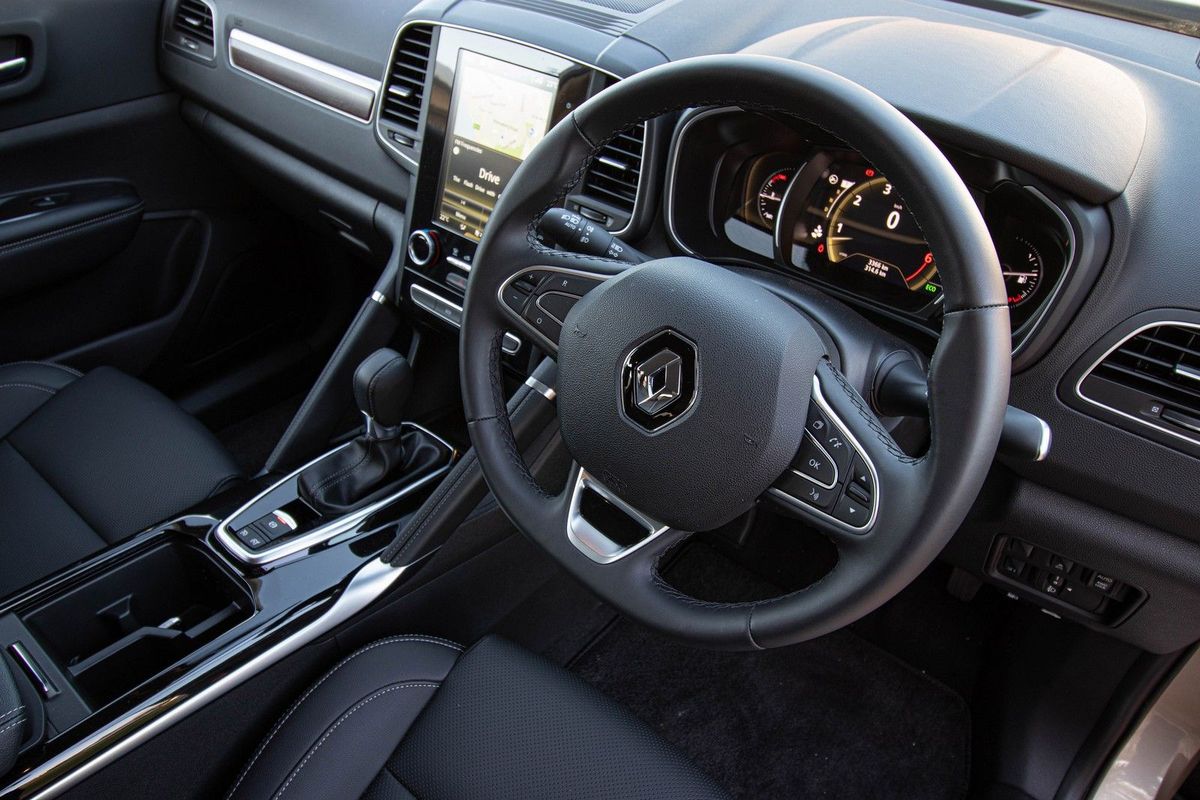
The Koleos interior with its digital interface

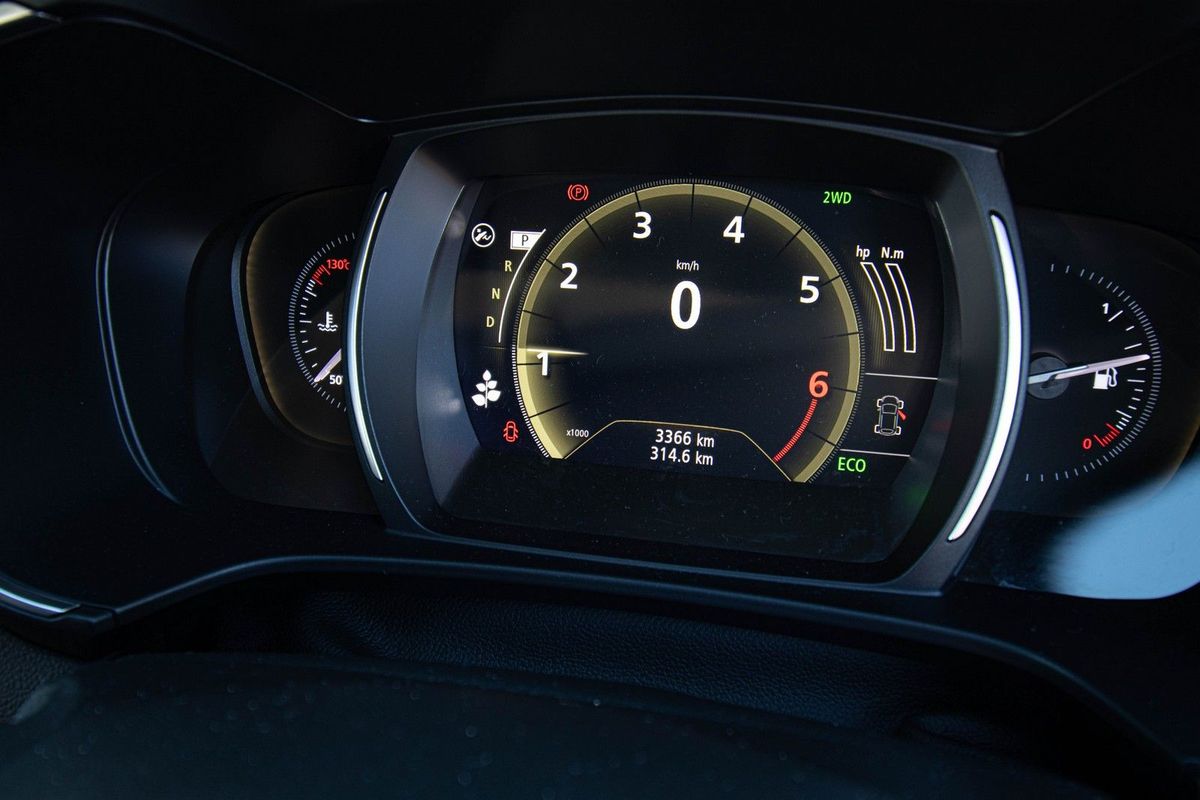
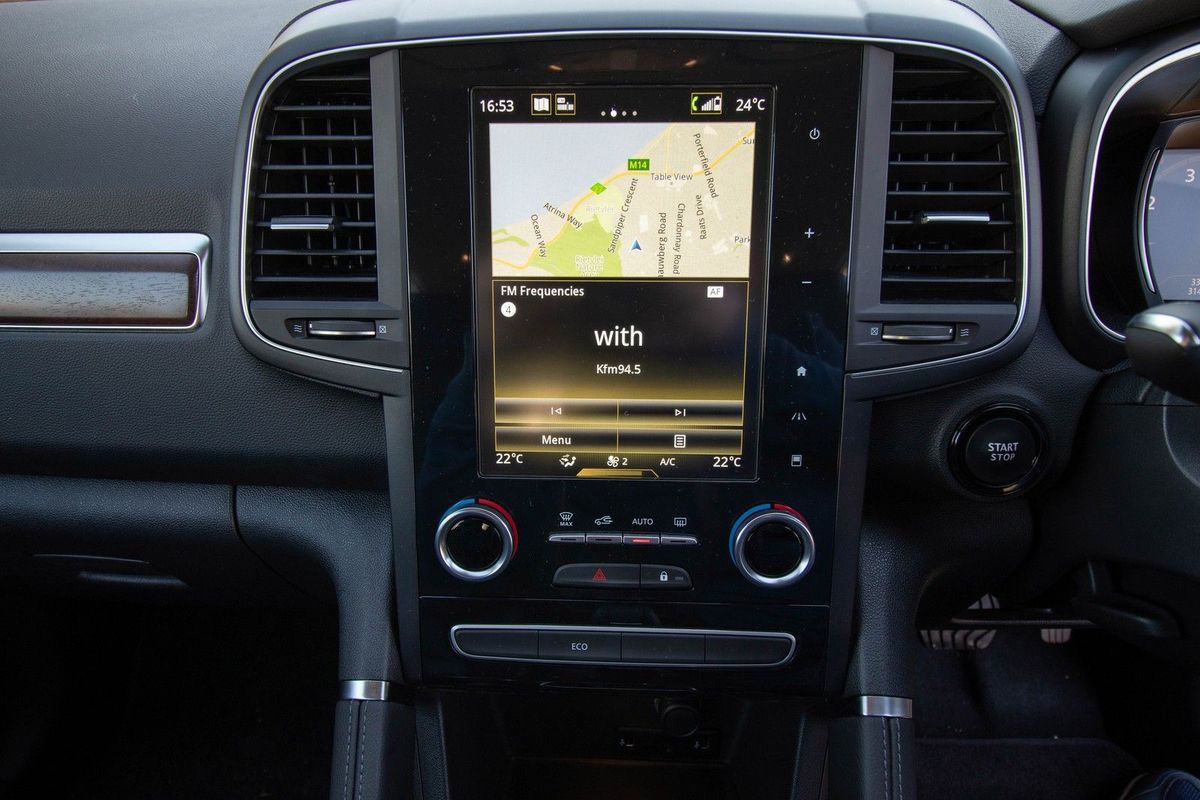
Top-spec offerings from Renault are usually generously equipped and this flagship Koleos is indeed fully-loaded: the only option available is metallic paint. The vertically-orientated infotainment system does take some getting used to, but to its credit, it supports Apple Carplay and Android Auto. Having said that, the Android Auto interface doesn't quite work with the vertical screen – the layout looks odd. The instrument cluster's layout, however, is fresh and modern, with a central speedometer/rev counter. You can toggle between themes too and change the colours of the display.
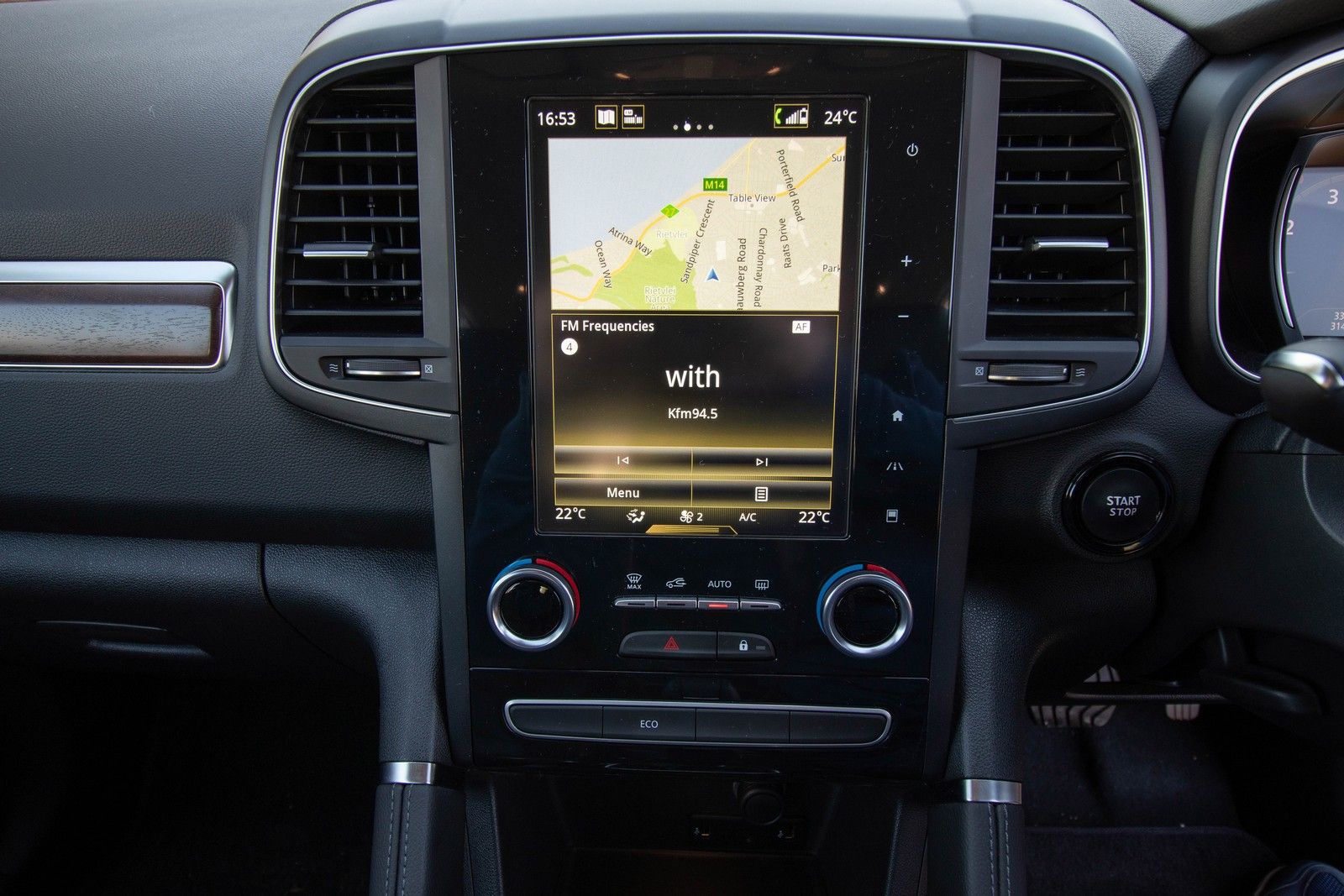

The vertical infotainment screen takes some time to get used to

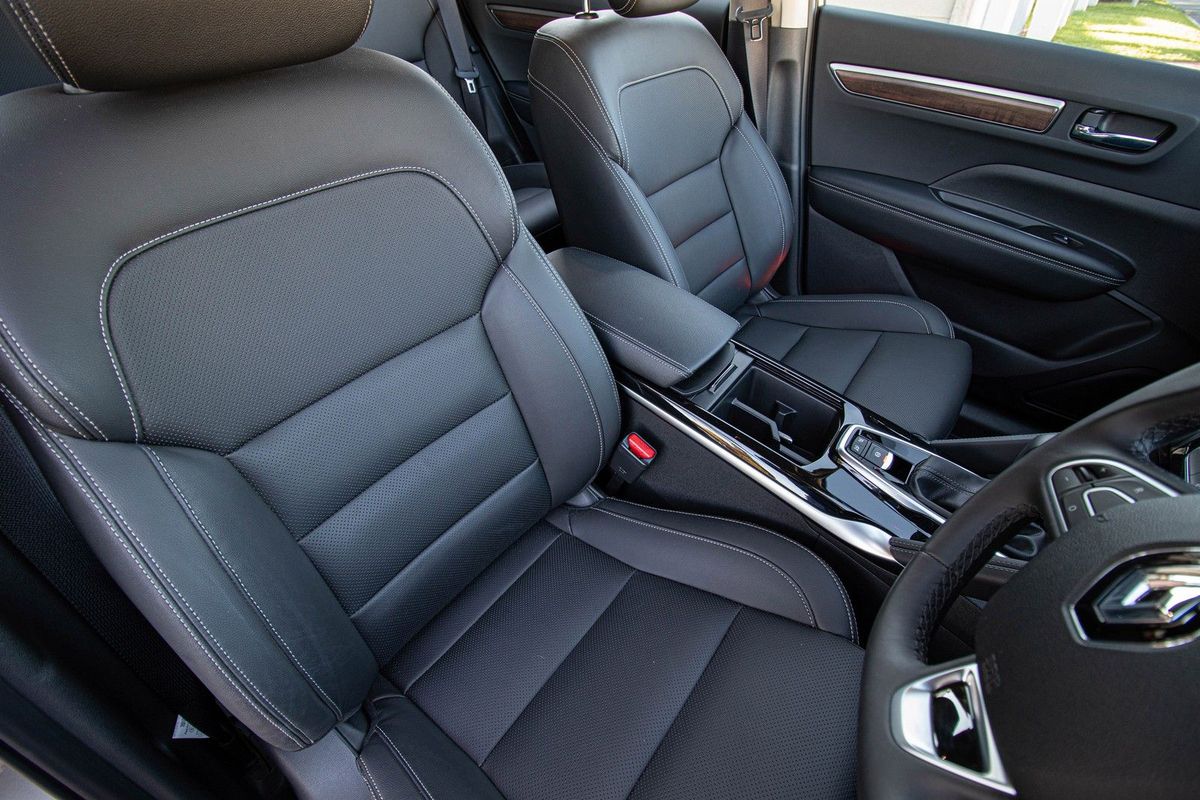
Standard features include leather trim, a 6-way electrically adjustable driver's seat, multifunction steering wheel, auto wipers, front/rear park sensors with reversing camera, as well as climate control. Safety wise, Renault has fitted its Koleos with 6 airbags, ABS with EBD, brake assist, electronic stability control with traction control and blind-spot warning.

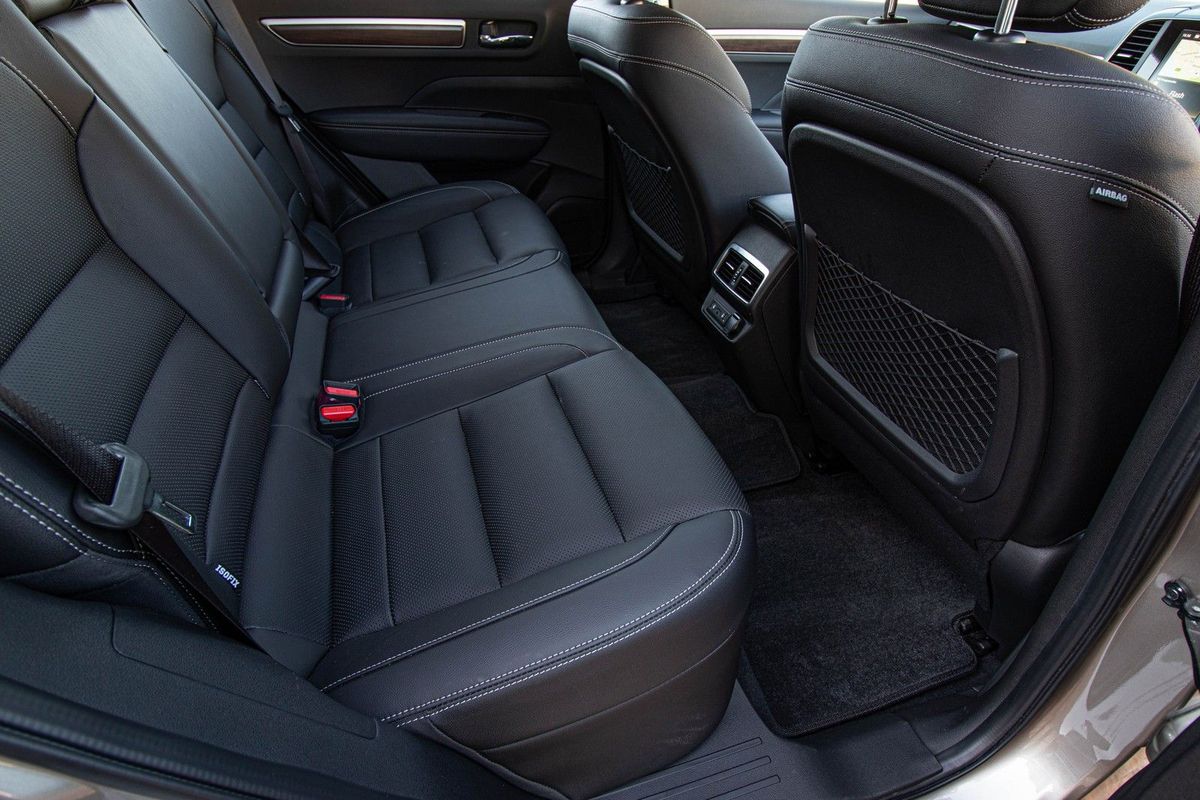
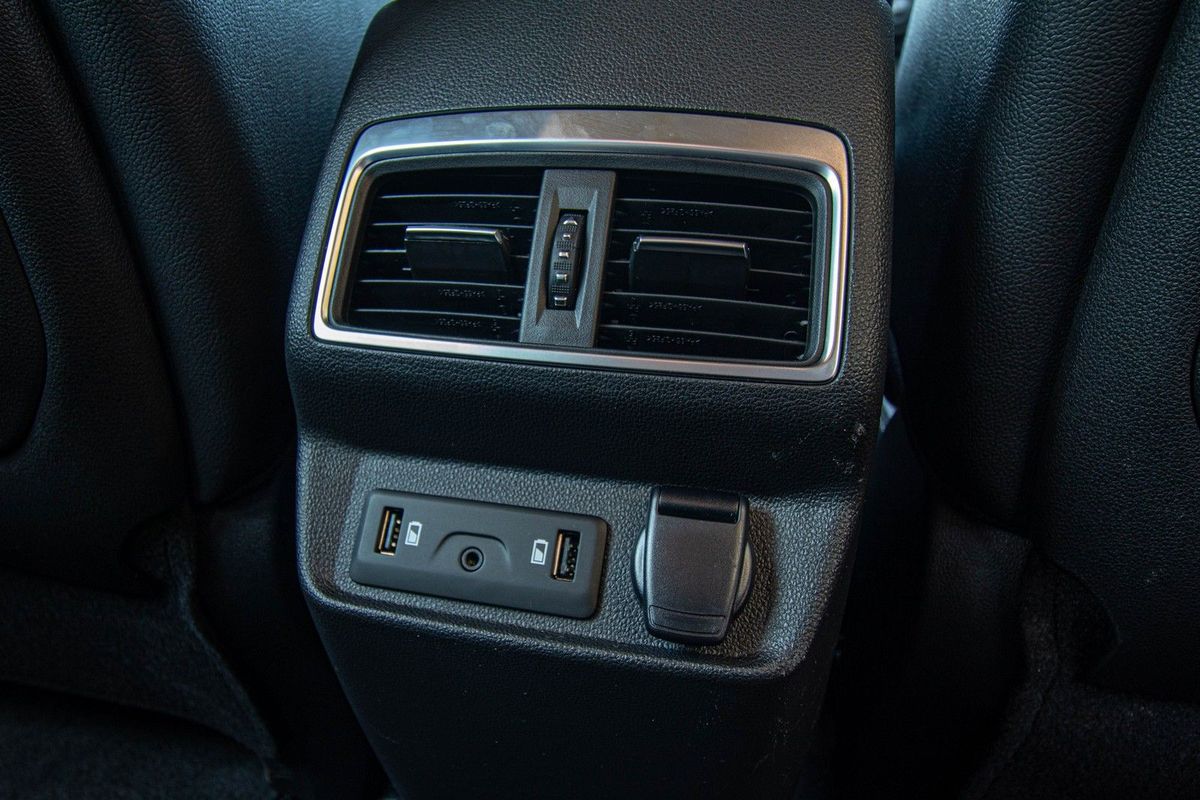
Rear passengers are well catered for. Not only are aft occupants availed commendable levels of leg- and head-room, but with a brace of USB chargers, there's no worry of smartphones or tablets running out of battery power (provided you've remembered to bring along the cables!). 

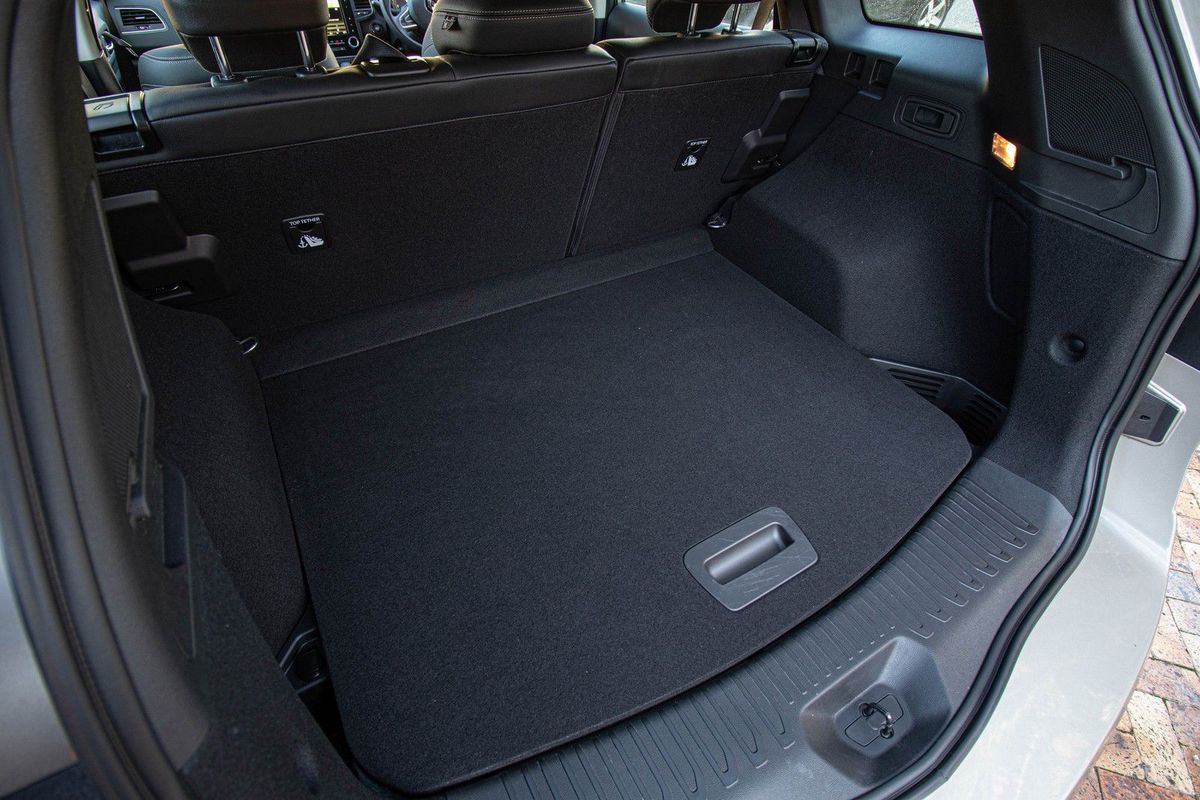
In terms of luggage space, the Koleos doesn't offer the largest bay in the segment, but there should be enough space (464 litres) for most families. If you need even more space, the rear seats fold down to avail 1 800 litres, which is perfect for a full-size mountain bike and a set of golf clubs. 
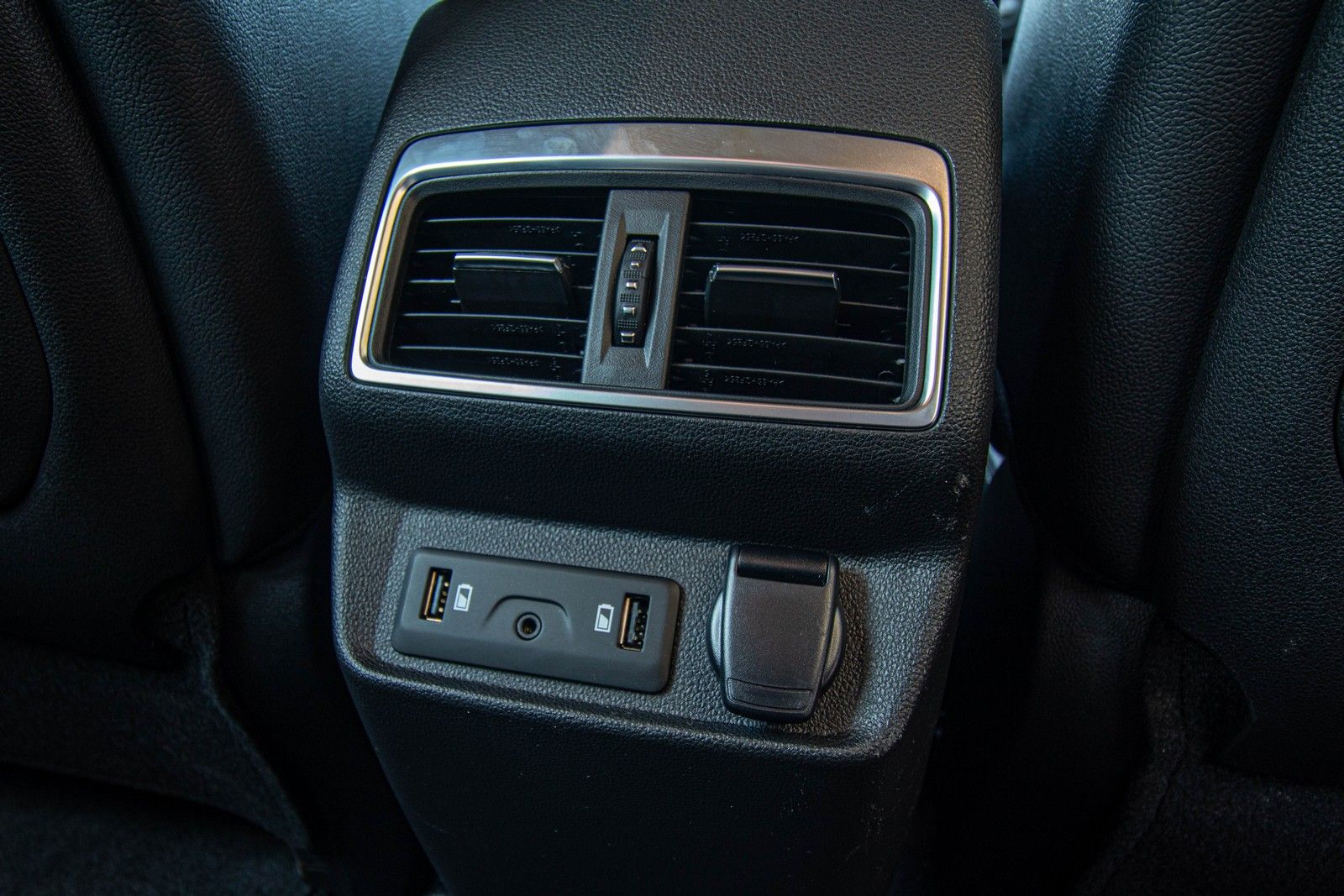

Rear passengers are well looked after with plenty of space, plus charging facilities for devices.

Pricing and after-sales support

This top-spec 2.5 Dynamique 4WD retails for R514 900, which includes a 5-year/150 000 km mechanical warranty, a 5-year/90 000 km service plan and a 6-year anti-corrosion warranty. Service intervals are at 1 year/15 000 km.

Verdict
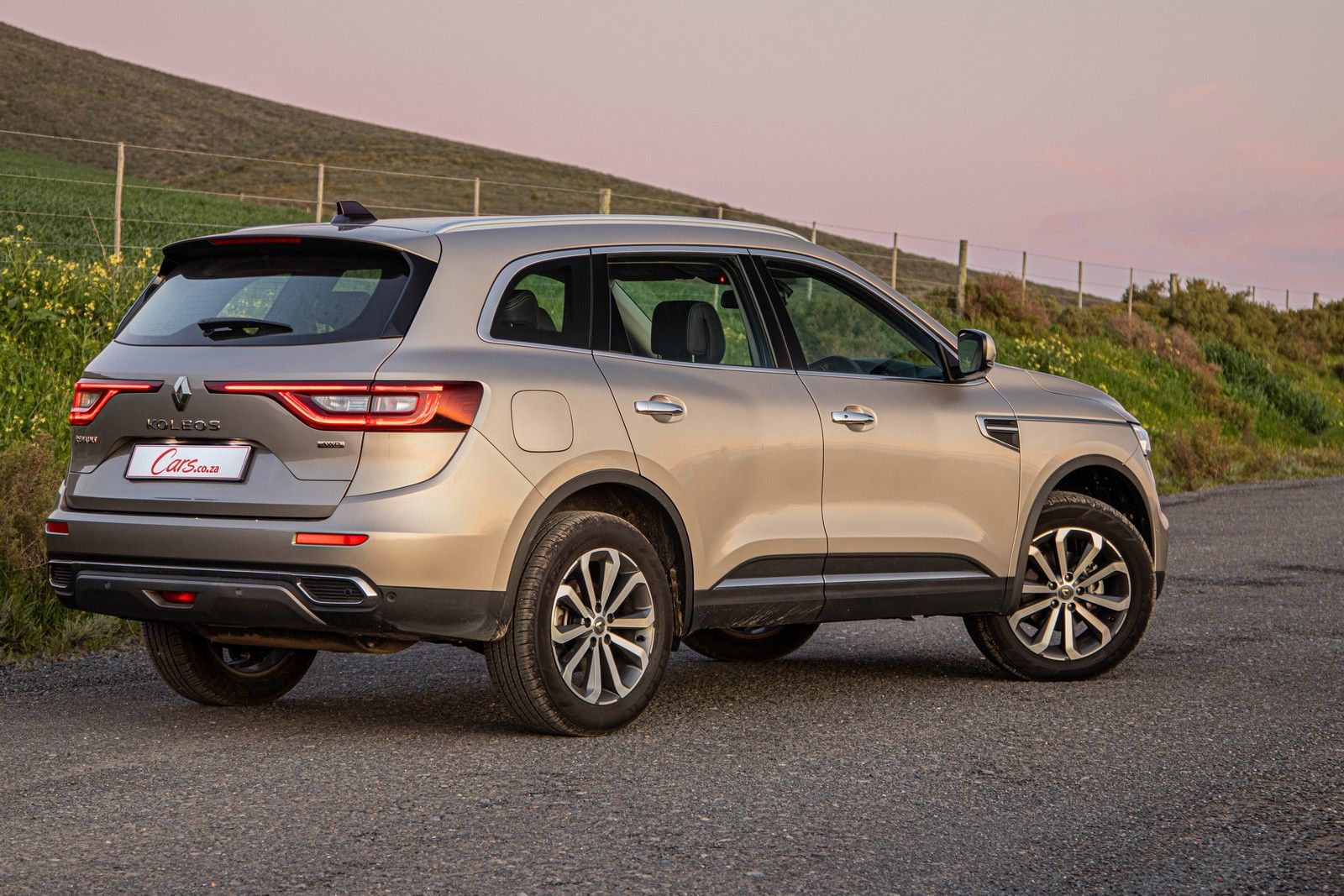
Some conservative (or risk-averse) buyers may be concerned by Renault's reputation for iffy reliability or below-average after-sales support (not without merit), but don't be fooled by the Koleos' "sophisticated" French exterior styling; it's based on the well-proven Nissan X-Trail. Besides, taste is subjective… consumers are looking for a number of factors, such as safety, practicality and economy when it comes to family SUV shopping.

In most of those respects, the Koleos is more than adequate and, don't forget, it's comprehensively equipped. As we've said in previous reviews, if you are looking for a spacious, well-specced all-rounder, this Renault is worth a closer look. If you're put off by its steep asking price, however, visit our used car section where demo Koleos units with under 2 000 km on their odometers are listed for more than R50 000 off the list price… 

Related content:

Renault Koleos (2019) Launch Review
Renault Koleos Receives Updates for SA

All-New Renault Koleos: A Complete Overview [Video]

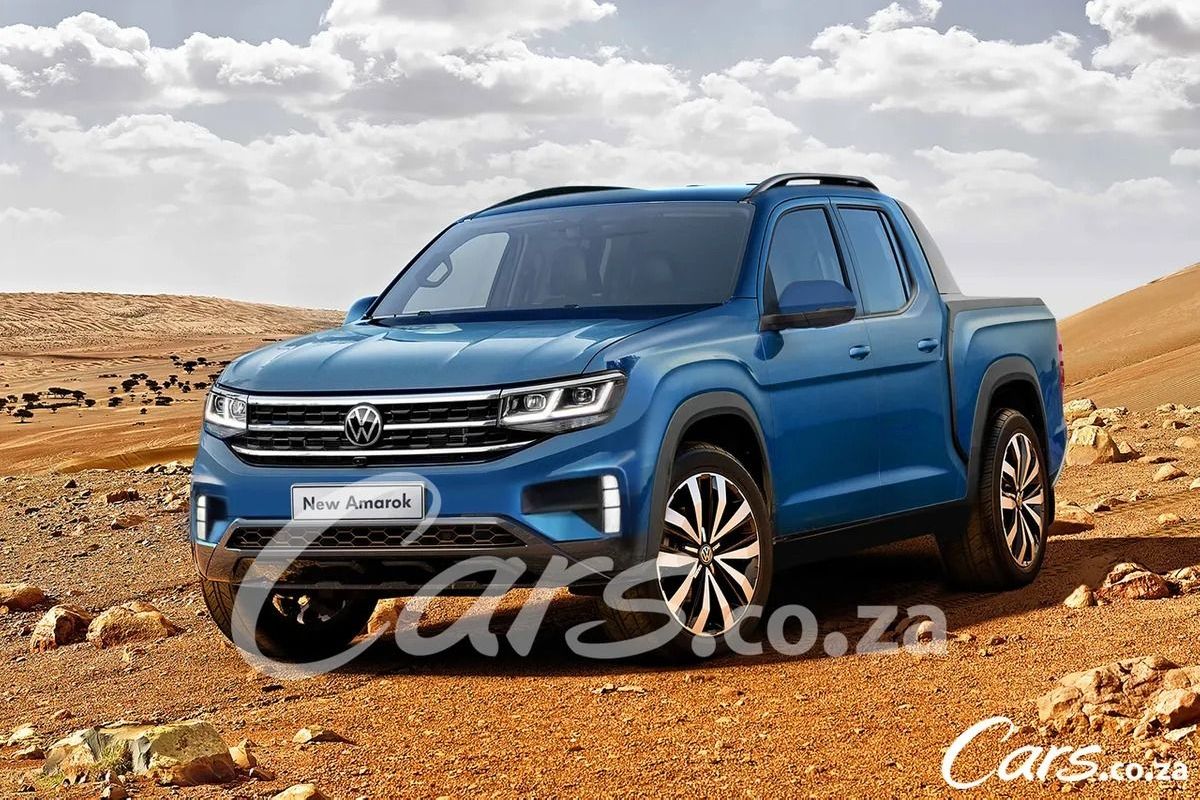
Next-Gen VW Amarok To Get R Version

The collaboration between Volkswagen and Ford will result in the next-gen Amarok and Ranger sharing a platform, but if rumours are to be believed, Volkswagen will be building an Amarok R.

An article by AutoBild.de suggests the sporty Amarok R will be assembled based on the Ford Ranger Raptor. The source article goes on to say its offroad capabilities will be enhanced and things like its wading depth, approach and departure angle improved upon the standard model. 

It should look quite radical, in the same way the current-generation Raptor is visually more aggressive than the standard Ranger. AutoBild says it will receive the usual R styling, like a big grille and widened sills. As far as engines go, it's suggested Volkswagen will go for a 4-cylinder turbodiesel motor with about 220 kW on tap. 

The Ford and Volkswagen arrangement is a fascinating example of how two rivals can work together. Formally confirmed at the 2019 Detroit Auto Show, the relationship and agreements between Volkswagen AG and Ford Motor Company are in line with the brands' shared goals to satisfy customer demand and "boost competitiveness in an era of rapid change." It's a fascinating alliance in that it does not entail cross-ownership and will be managed by a joint committee led by the respective brands' bosses (Volkswagen recently appointed a new brand CEO). This is not a merger, nor is it an acquisition. 

The best thing about this arrangement? It has been confirmed that the new Amarok will be produced at Ford's Silverton plant in South Africa from 2022


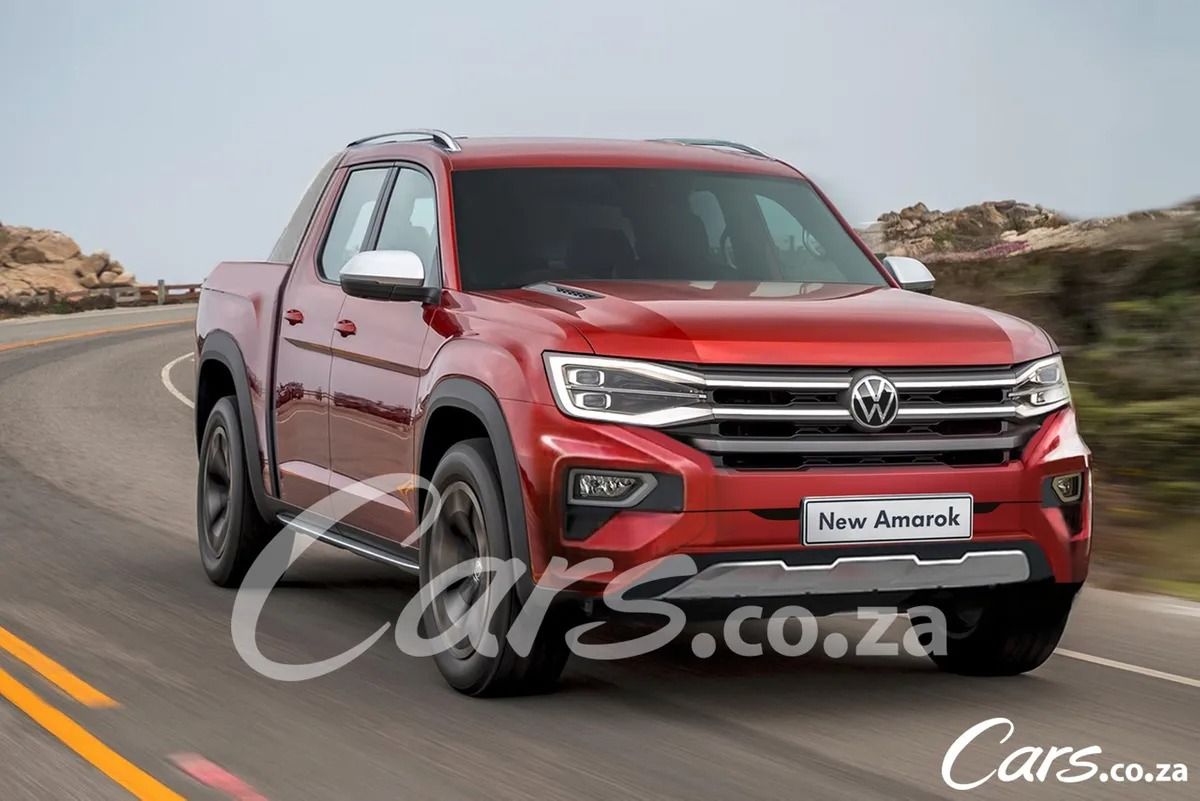
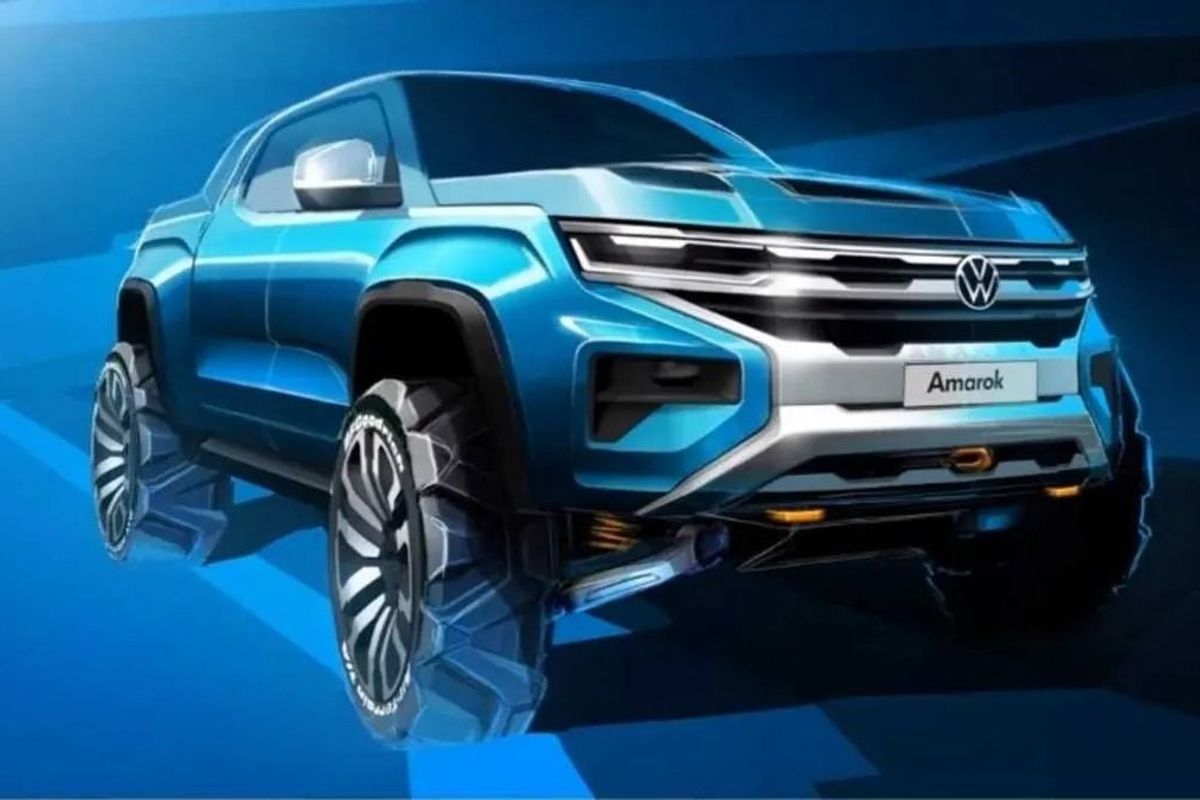
Our render previews the next Volkswagen Amarok

Further Reading

2022 Volkswagen Amarok: What We Know So Far

Next Volkswagen Amarok to be built in SA

How the AmaFord changes everything

2022 Ford Ranger: More details emerge

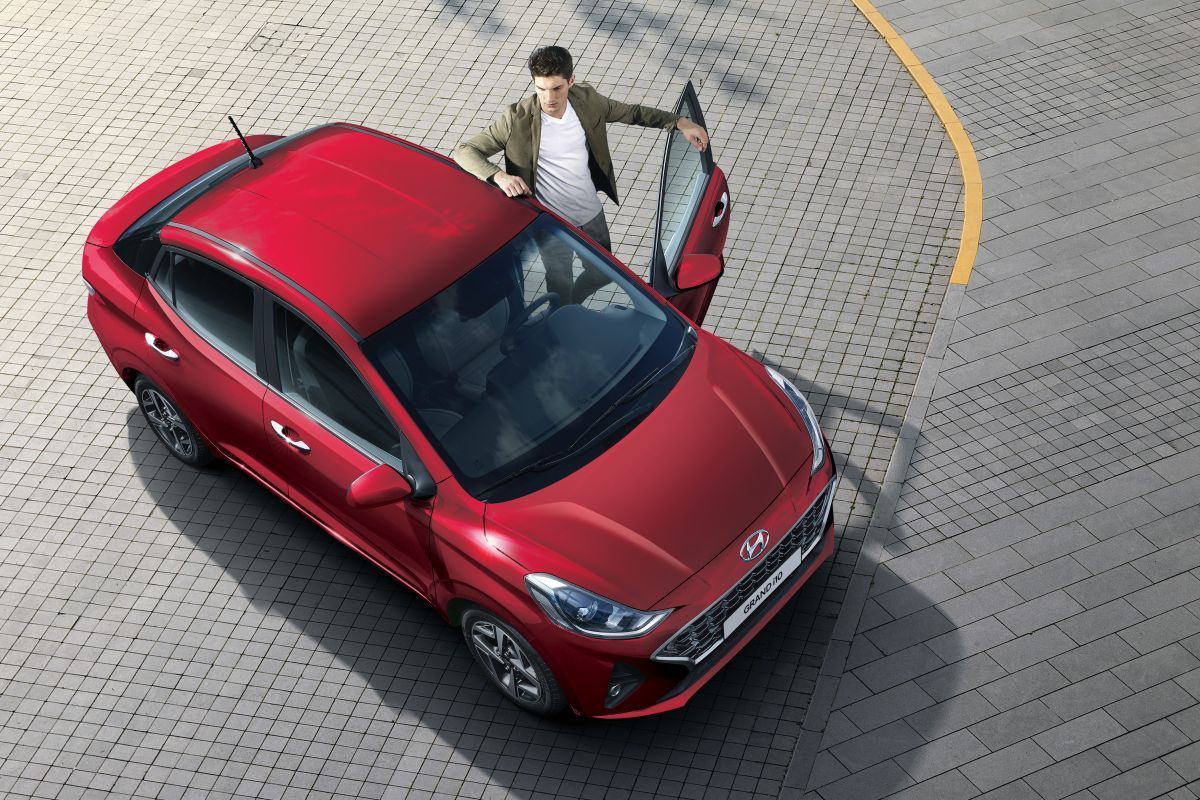
Grand design update for Hyundai i10 sedan

Really small sedans are a shrinking market, but the Koreans believe they remain worthwhile

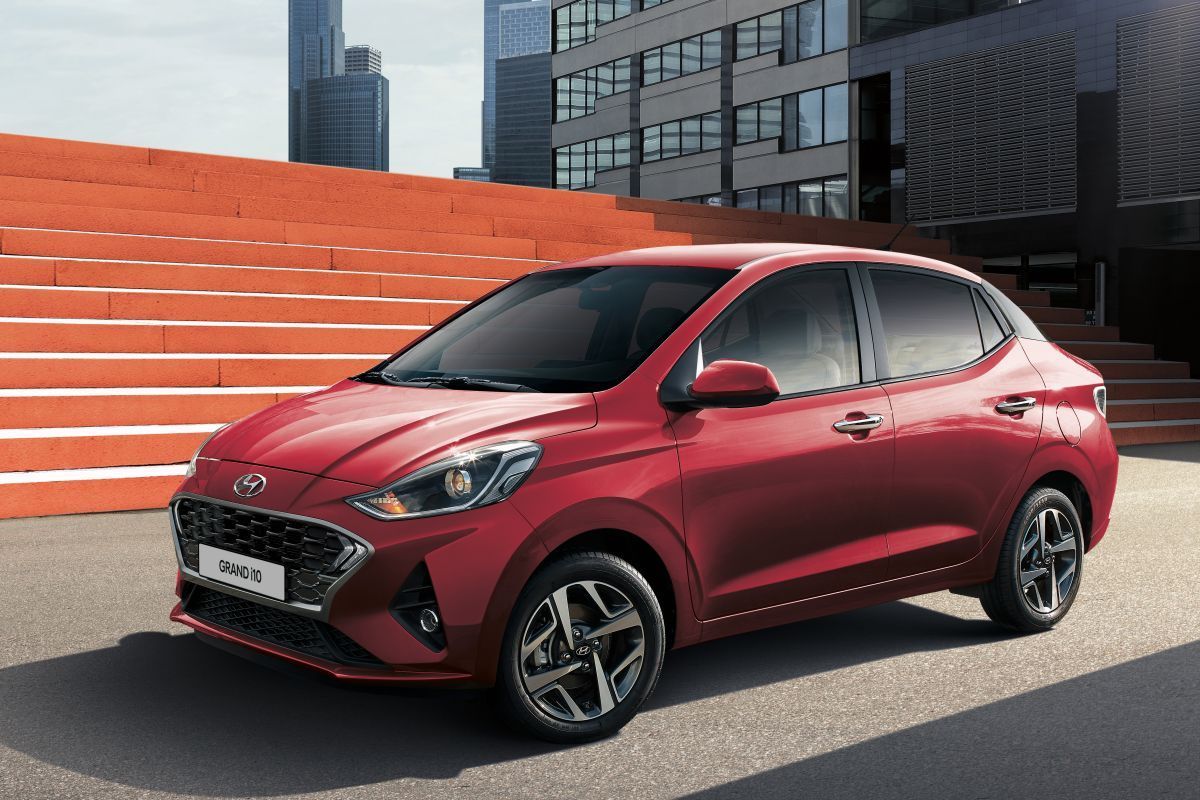
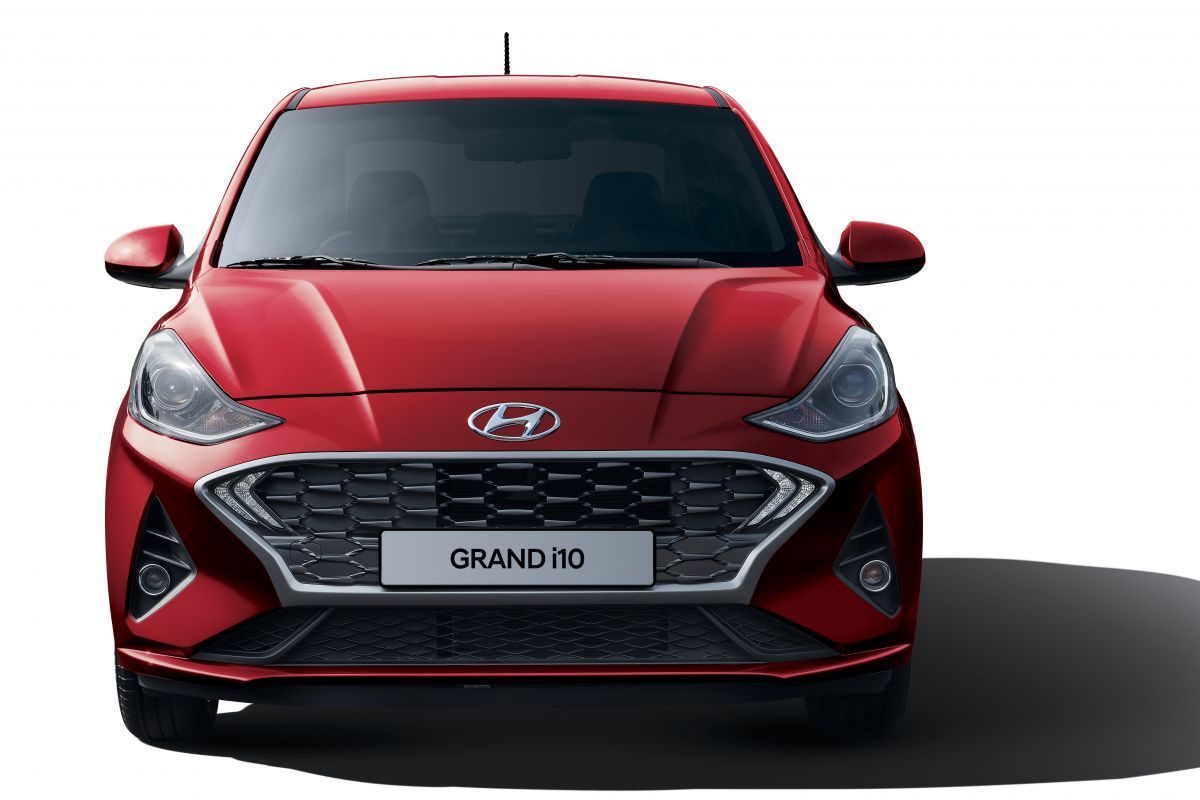
Hyundai has revealed a new sedan version of its compact car platform. The new Grand i10 sedan is for those Korean compact car fans who prefer having the lockable security of a boot.

Measured bumper-to-to bumper it is 140 mm longer than an i10 hatchback, with a total vehicle length of 3.81 m.

The Grand i10 sedan is targeted primarily at emerging markets and looks slightly different from a European or Korean specification i10 hatchback. It features boomerang-shaped LEDs, in the corner of its grille, a feature which is broadly similar to the latest lighting design on Hyundai’s new Tucson.

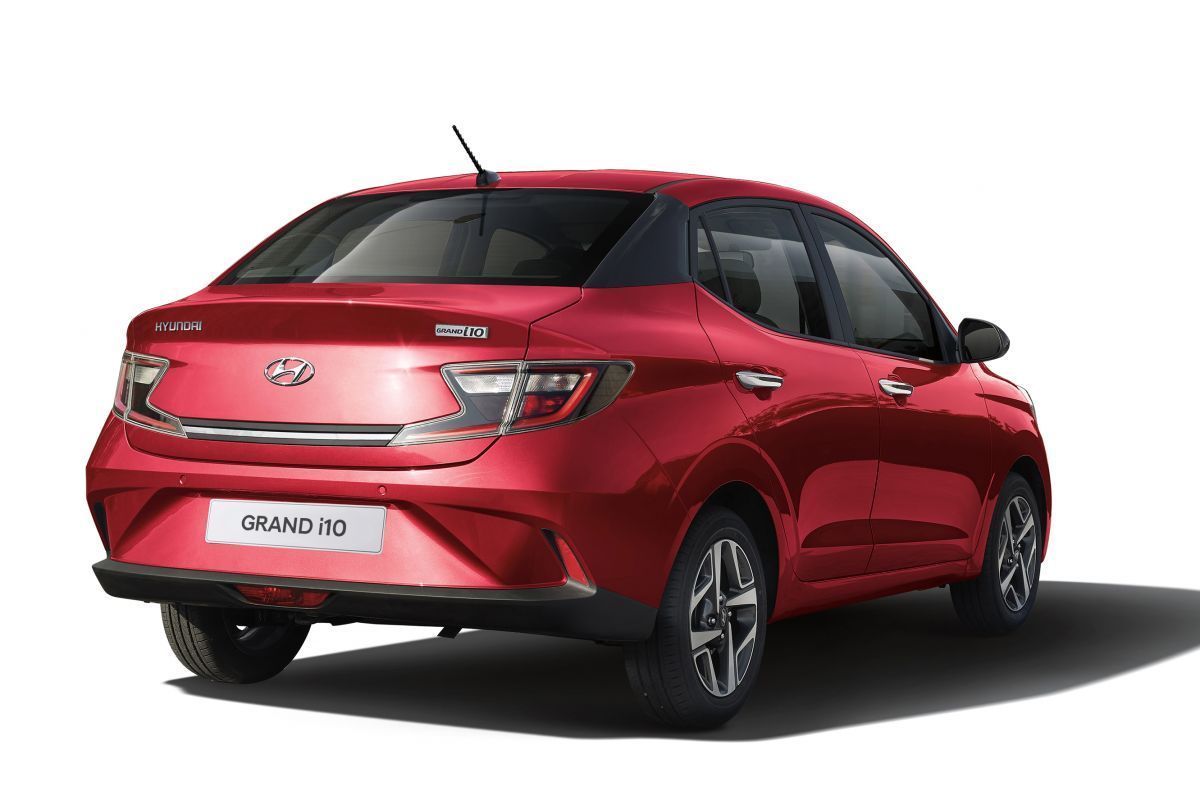
Around the rear, its styling is even more adventurous, with the boomerang-shaped theme creating dramatical outlines for its taillamps.

The Grand i10 sedan’s rear design might be a touch too daring for conservative compact car buyers, but there is no denying its advantage over Hyundai’s i10 hatchback, in terms of utility. Where the five-door i10 has 260-litres of luggage space, this updated sedan version can accommodate 402-litres

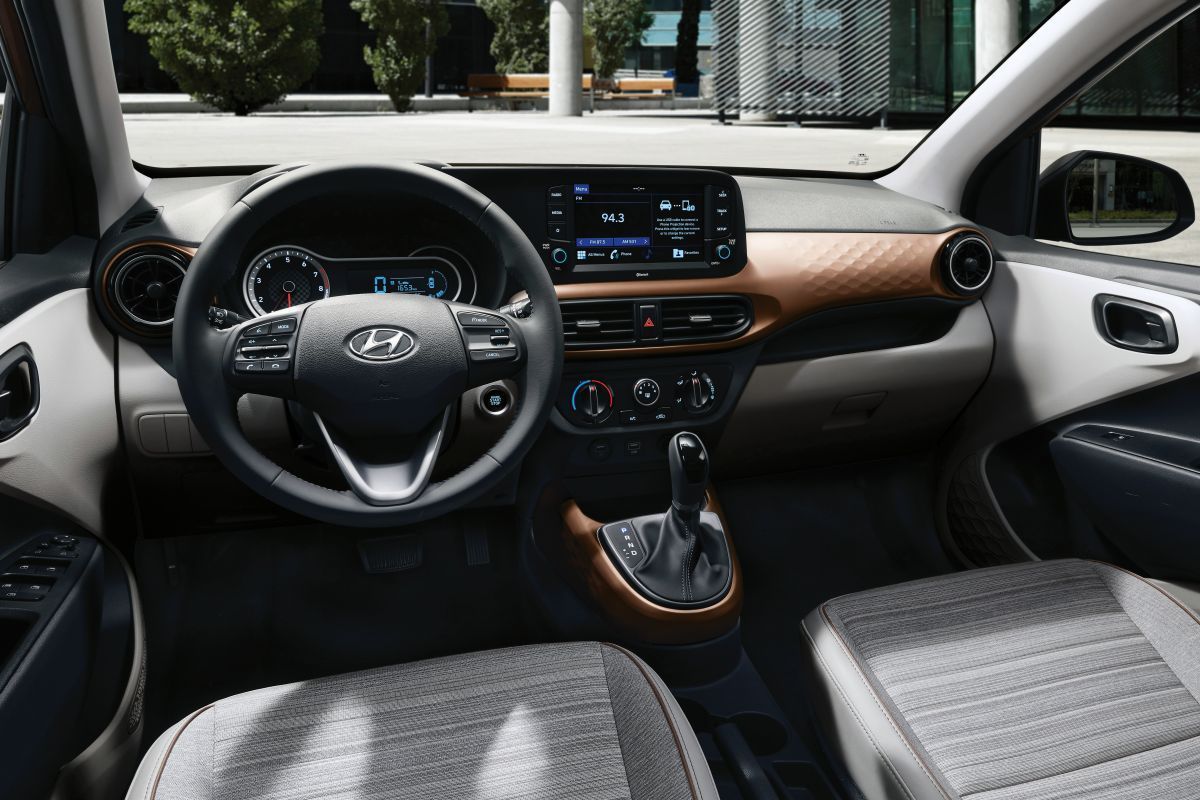
Inside it is familiar compact car Hyundai fare. Customers will have a choice of either black of bronze dashboard trim, which gives an opportunity to enliven the cabin architecture a bit.

Powering the updated Grand i10 sedan are two 1.2-litre engine options, paired to either a five-speed manual or four-speed automatic transmission. What the Grand i10 sedan lacks in gears, is hardly compensated for in power, with the 1.2-litre petrol engine only good for 61 kW.

There is also a turbodiesel 1.2-litre CRDi engine, producing 56 kW and 190 Nm, which should offer a superior blend of mid-range performance and economy.

Related content

Update: Hyundai Bakkie Based on New Tucson?

Hyundai unveils facelifted Kona & N-Line derivative

Fresh New Hyundai i10 Revealed

New BMW M3 / M4 Leaked

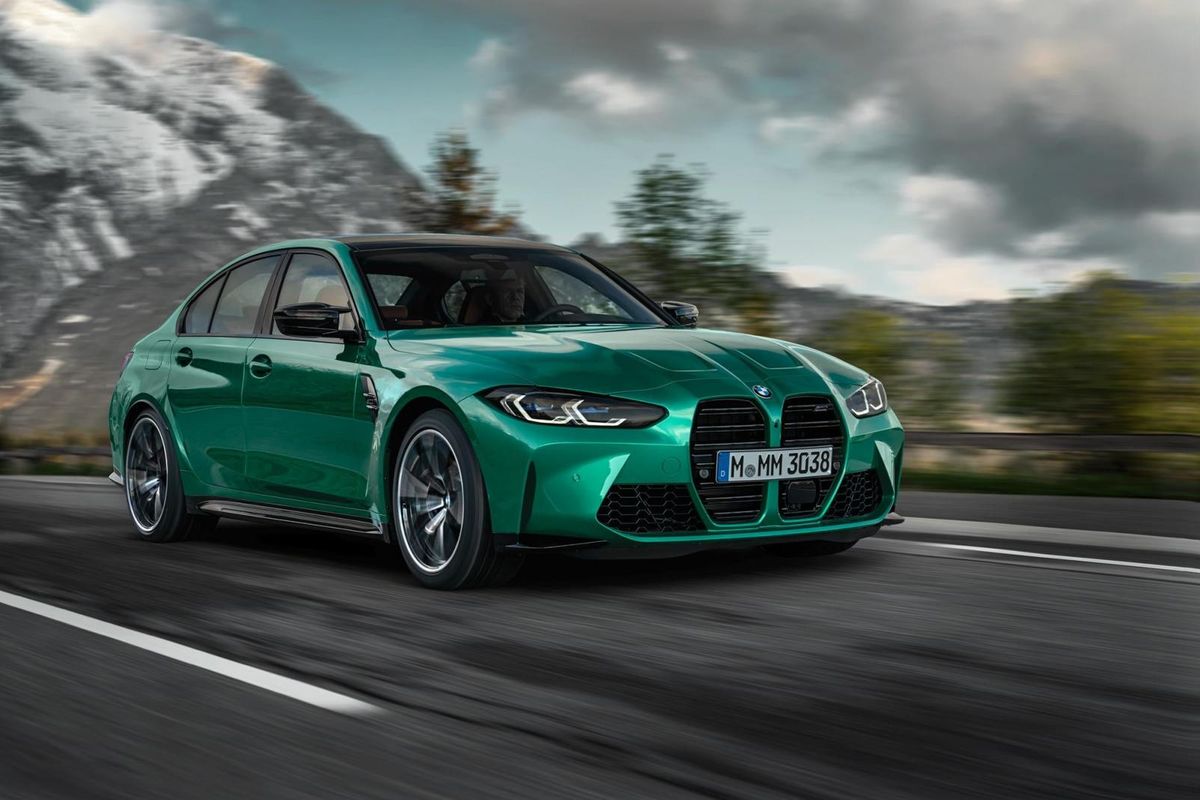
Following a teaser this week, official images of the new BMW M3 and M4 Coupe have leaked online ahead of the reveal which is scheduled to take place tomorrow. 

We’ve seen the spy photographs and videos of the forthcoming M3 testing at the Nurburgring and we have even driven a pre-production M3 prototype in Germany earlier this year. Now, the wait is almost over as BMW is about to reveal the new M3 and the M4. In a series of teaser posts on BMW Australia’s Facebook page, the reveal of the new M3 and M4 Coupe has been confirmed for 23 September 2020. 

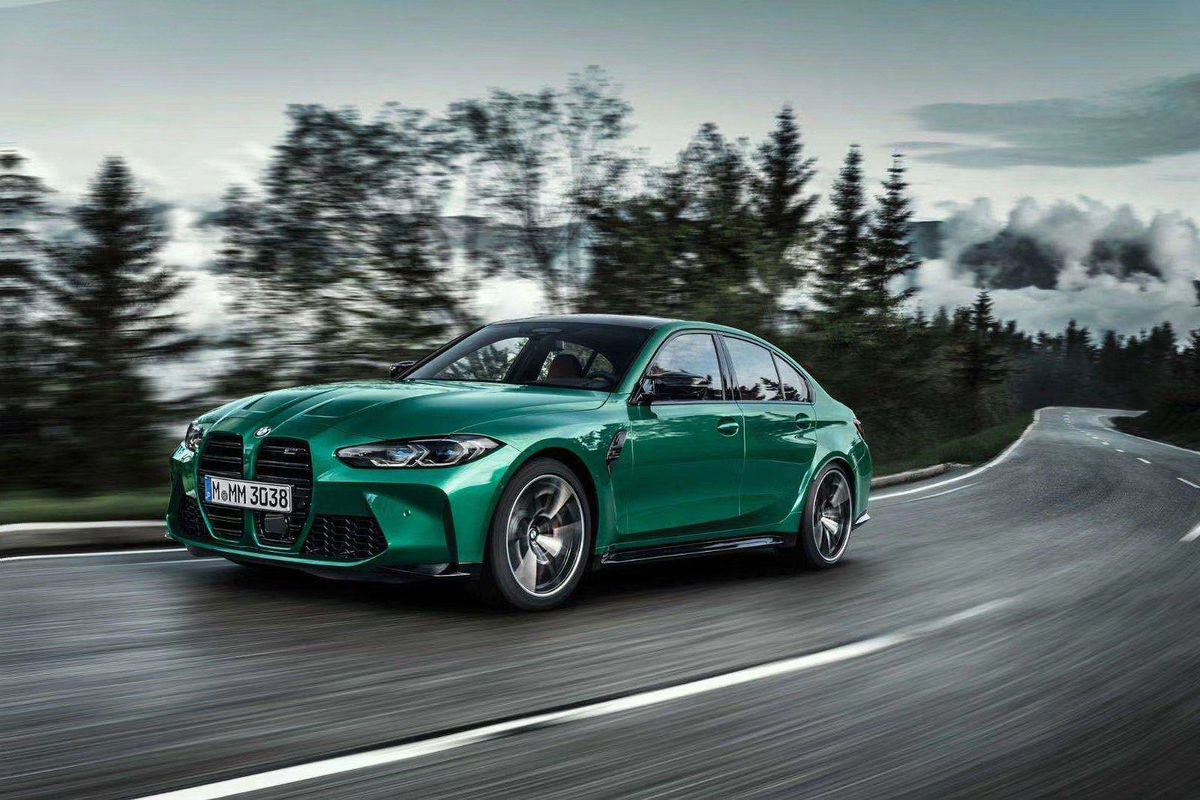
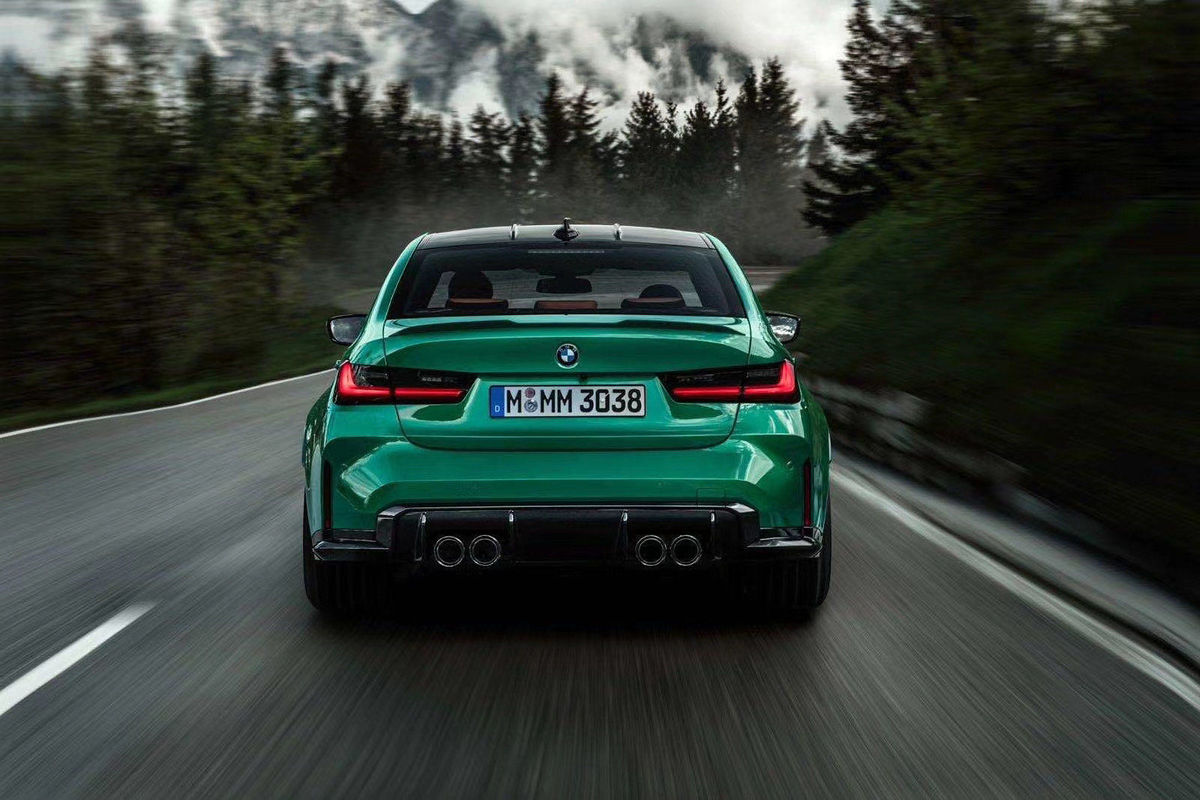
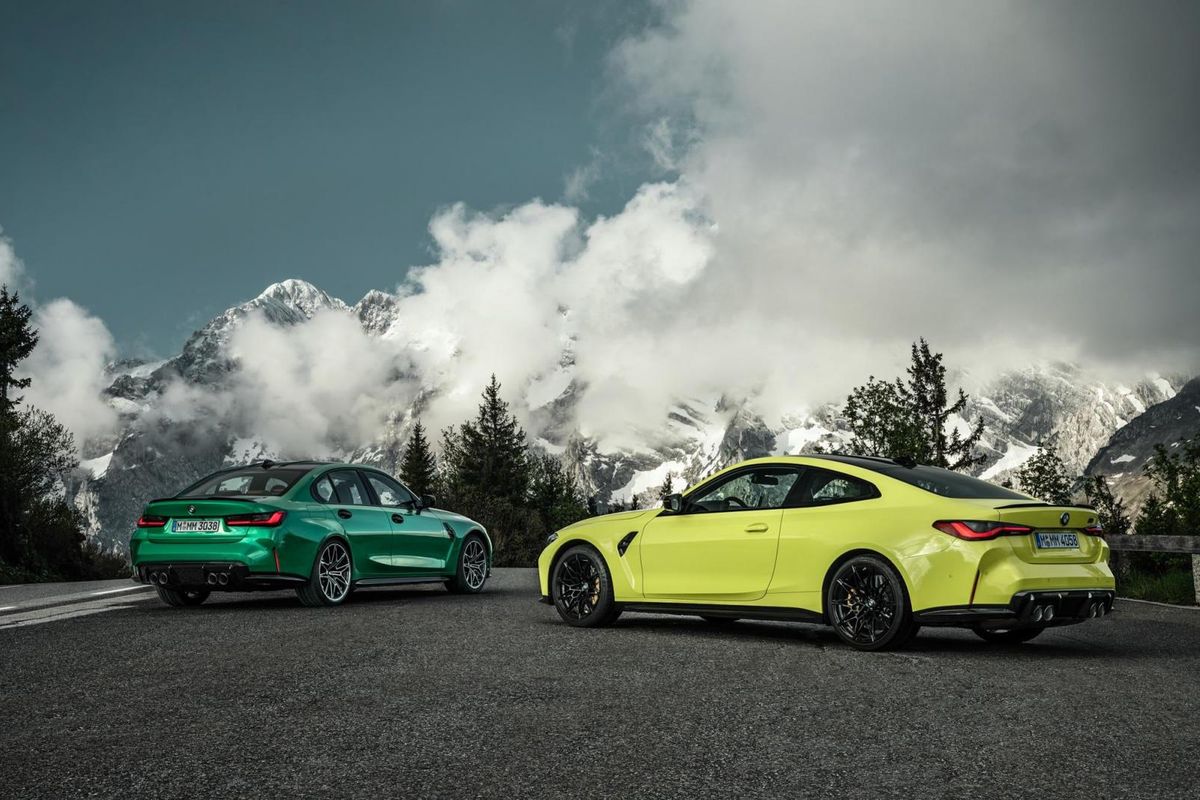
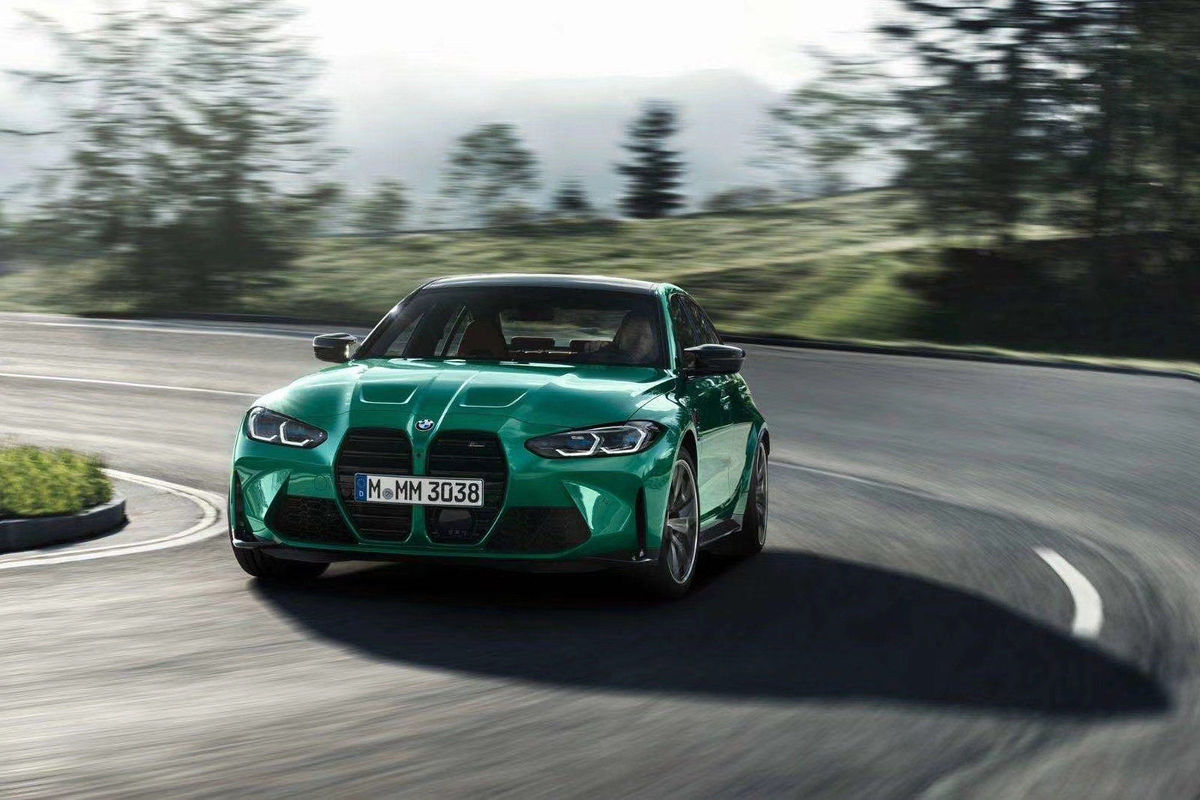
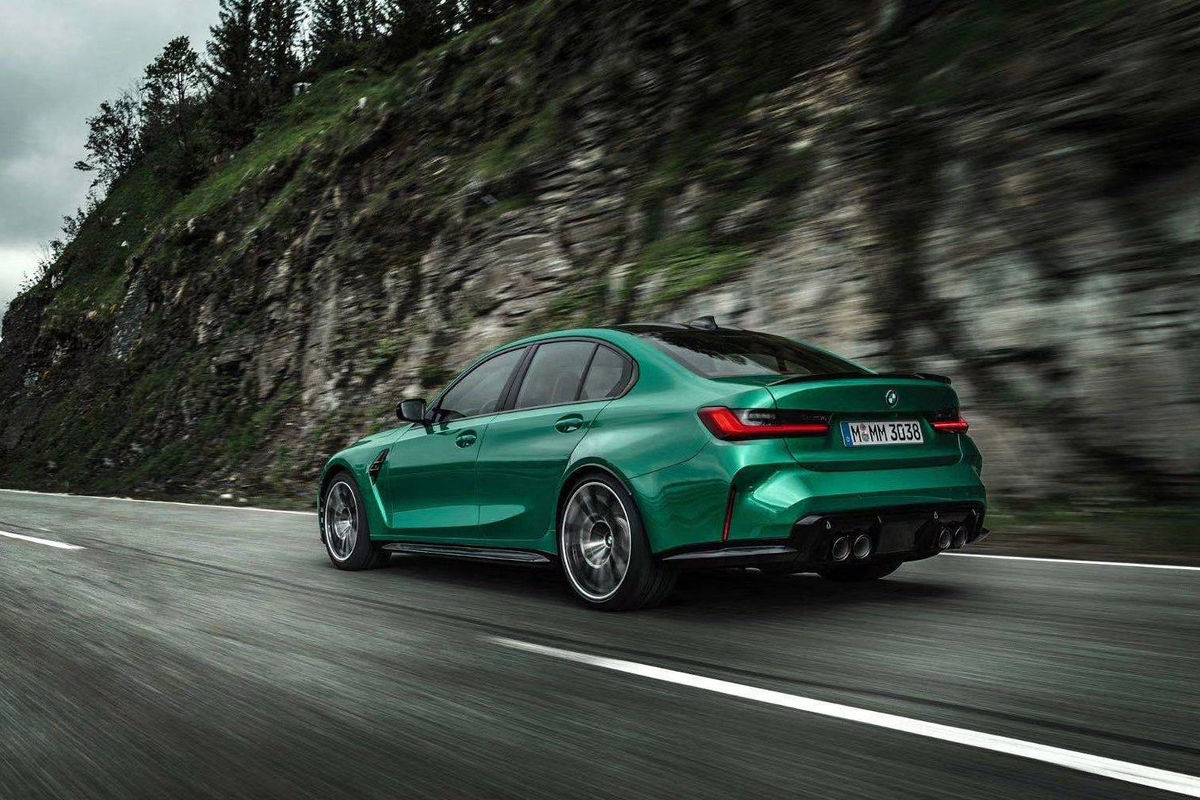
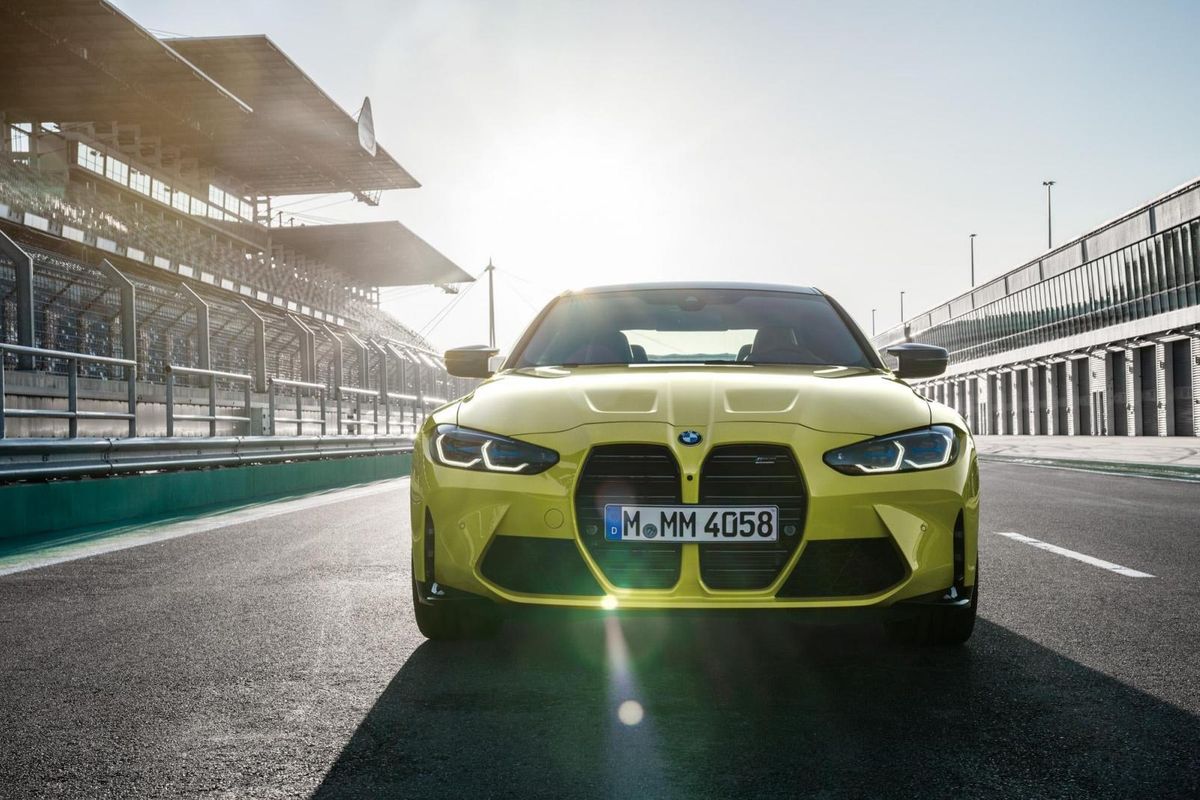
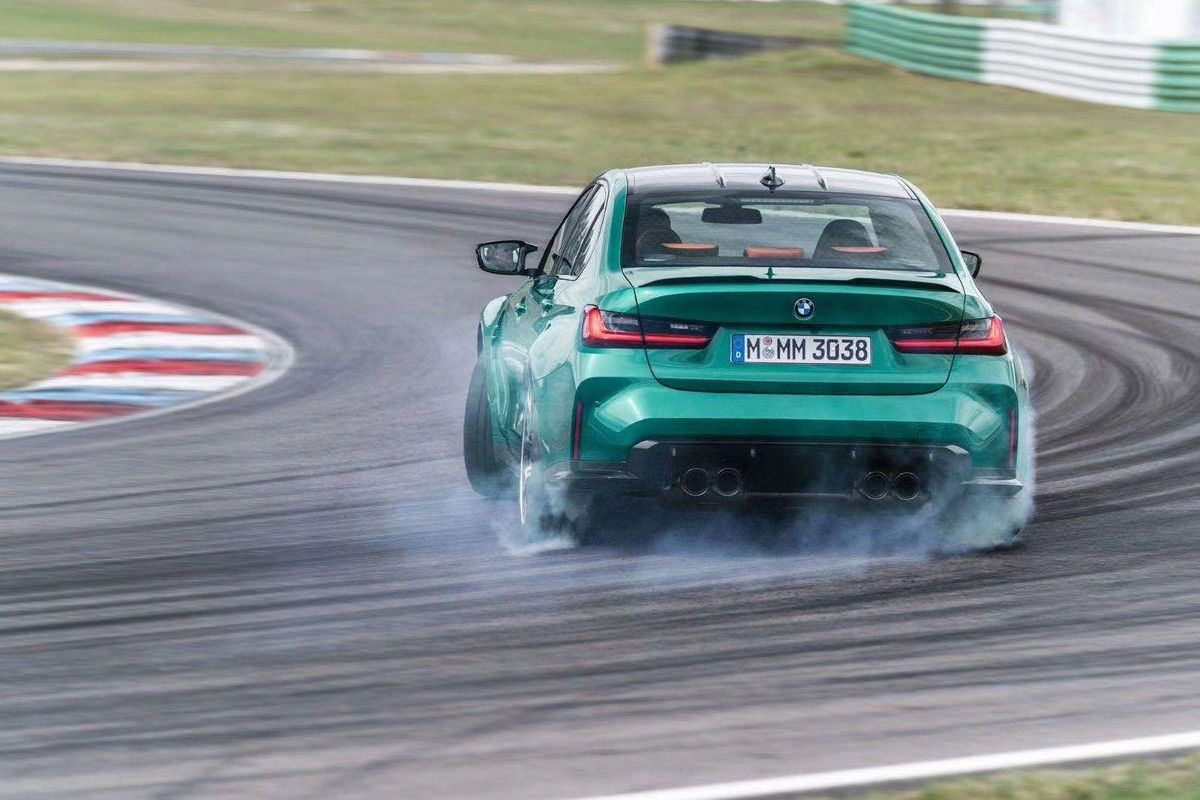
Update: But, as is to be expected, images have leaked online ahead of the official reveal. You'll immediately notice that both the M3 and M4 Coupe wear BMW's new oversize kidney grille which has been the source of hot debate on social media. The images also reveal 2 interesting hues with the M3 in green and the M4 Coupe in yellow. Both feature agressively-sculpted bonnets and airvents while a boot-mounted spoiler and quad exhaust system communicates performance intent from the rear. 

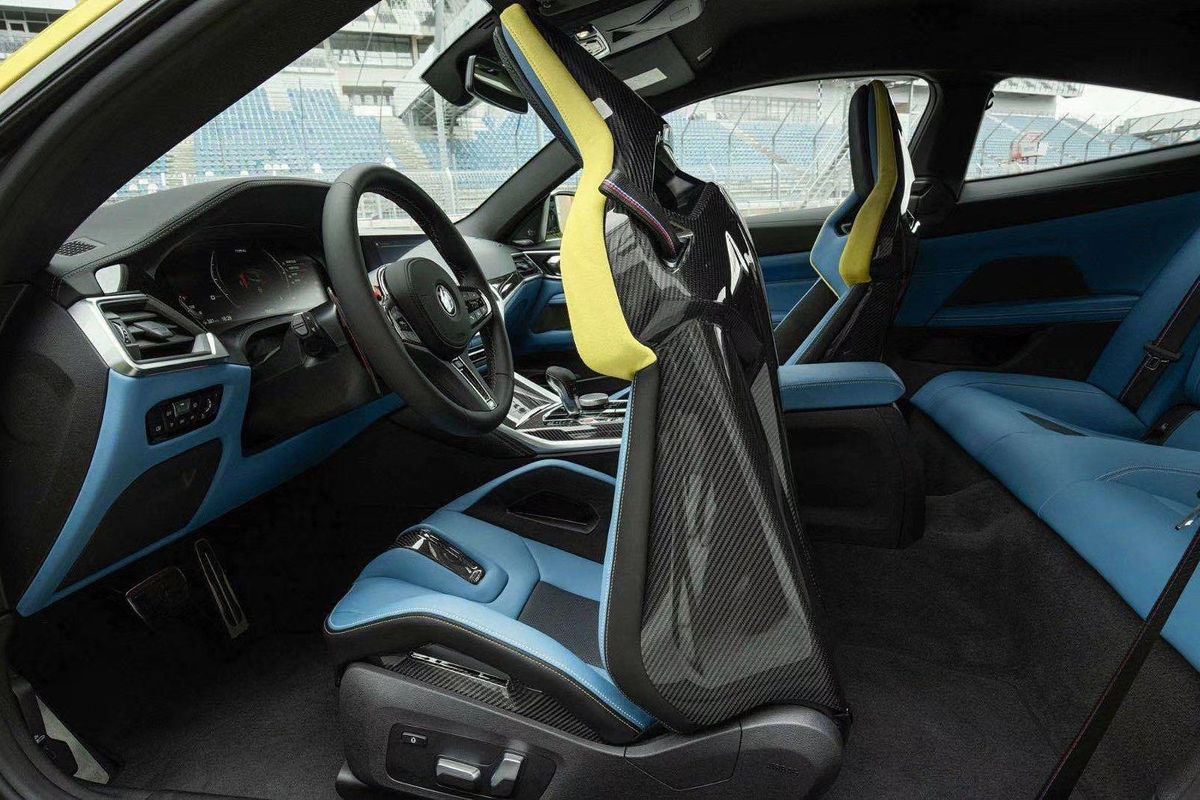
As for engine power, the new M3 and M4 Coupe will be powered by a twin-turbocharged 3.0-litre, 6-cylinder engine with outputs of 352 kW and 600 Nm while the Competition derivatives will pack no less than 375 kW. Both all-wheel-drive and rear-wheel-drive layouts will be available. The interior teaser image confirms that a 6-speed manual shifter will be on offer alongside 8-speed automatic transmission which will please the purists out there. 

Stay tuned as more details and official images will be revealed this week!

Buy a BMW M3 on Cars.co.za

Related Content 

BMW M3 Touring Confirmed

BMW M3 Touring: Will it succeed?

Ferrari-Engined BMW M3 – We Drive It

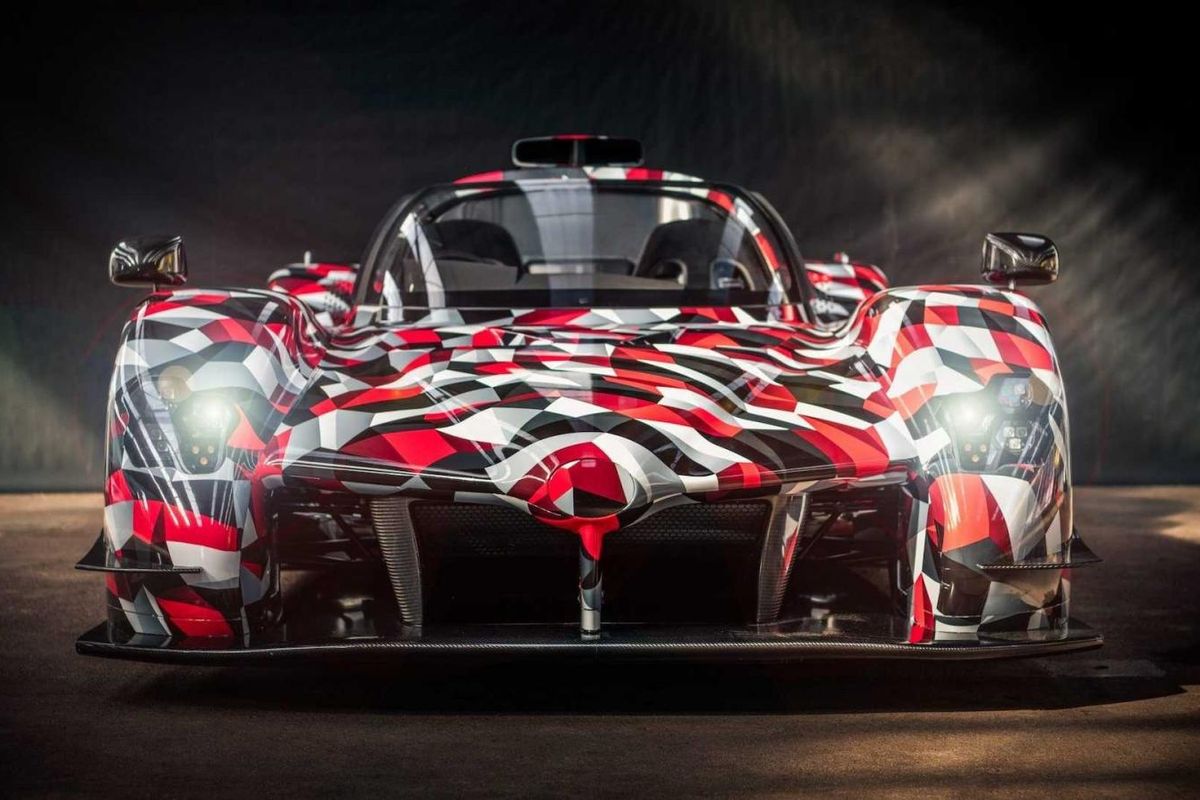
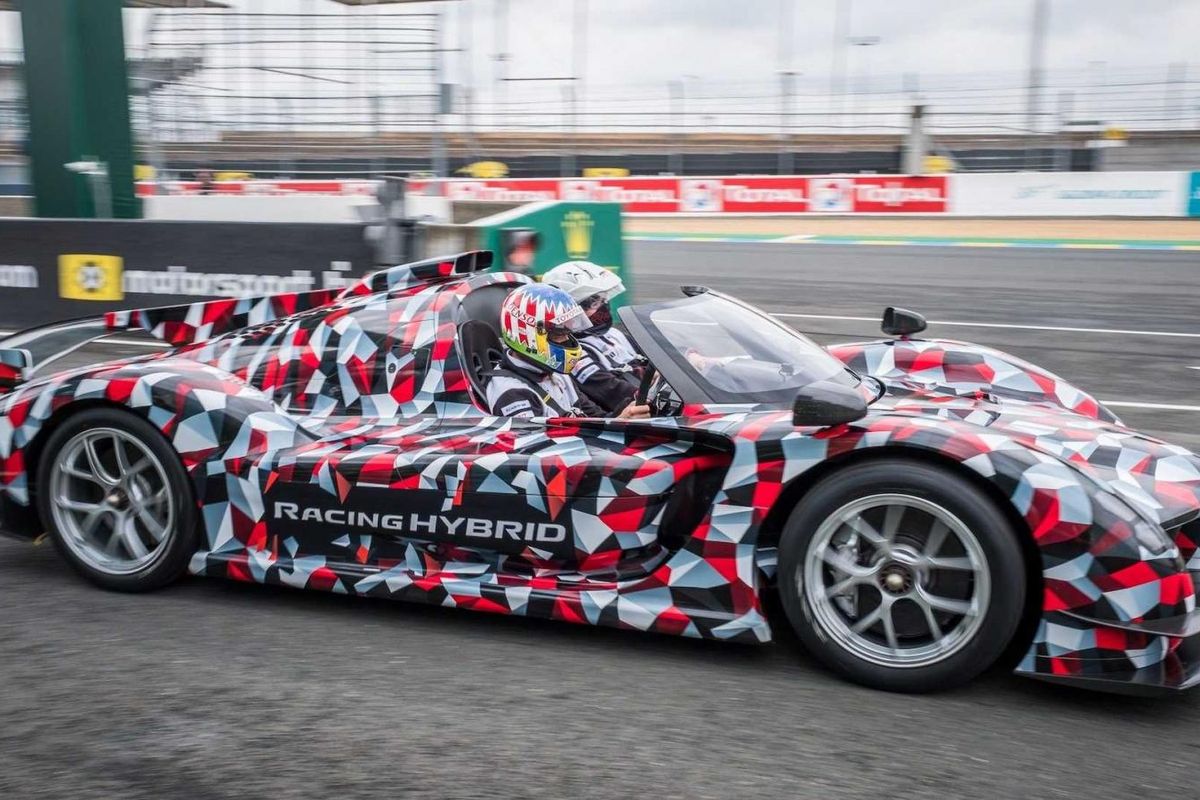
Toyota’s Hypercar Prototype Shown at Le Mans

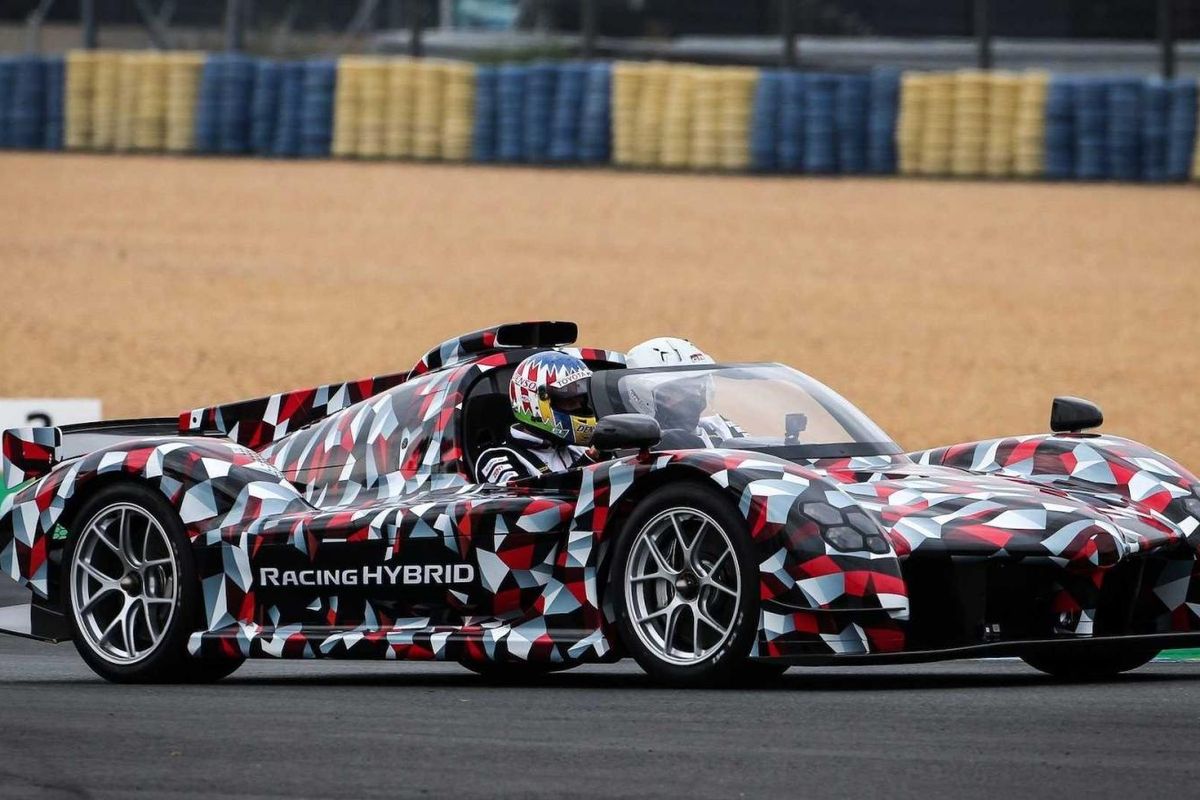
Toyota showed off its upcoming hybrid hypercar at this past weekend's 24 Hours of Le Mans. 

We'll admit it, we almost had forgotten about Toyota's hypercar project, with most of our attention focusing on the upcoming Corolla GR and C-HR GR

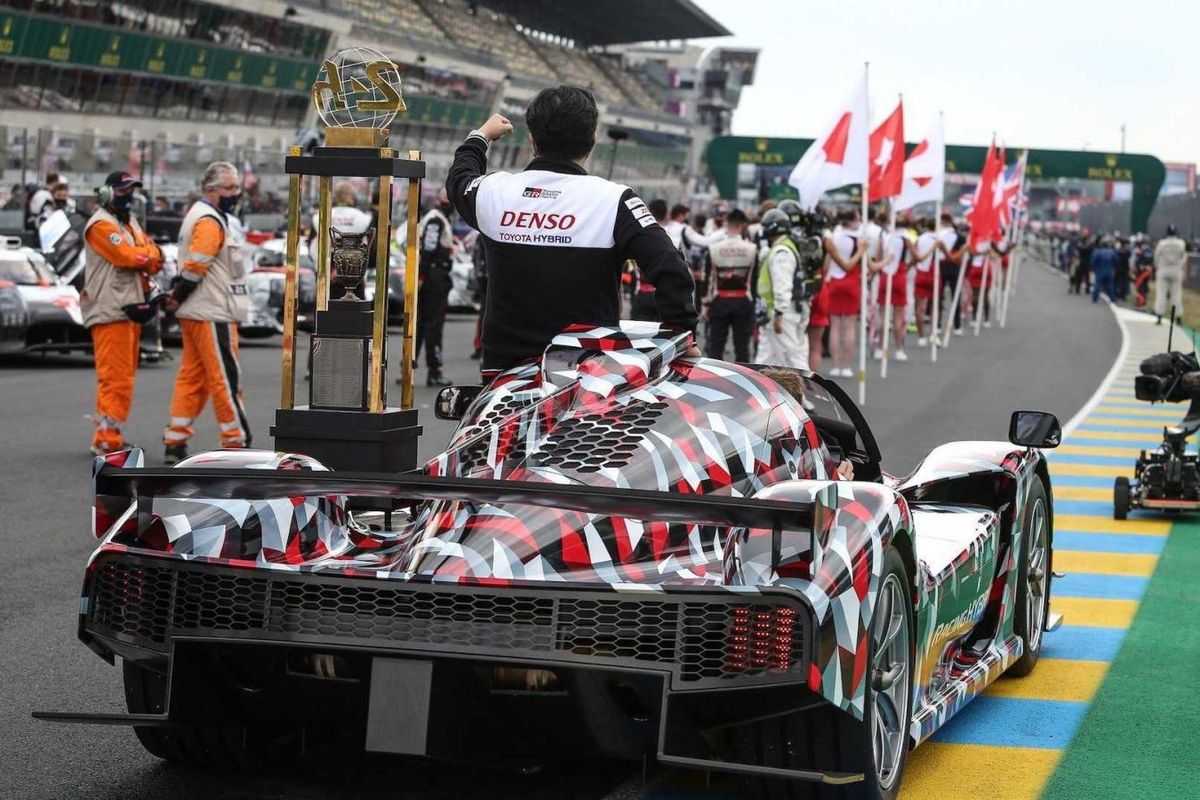
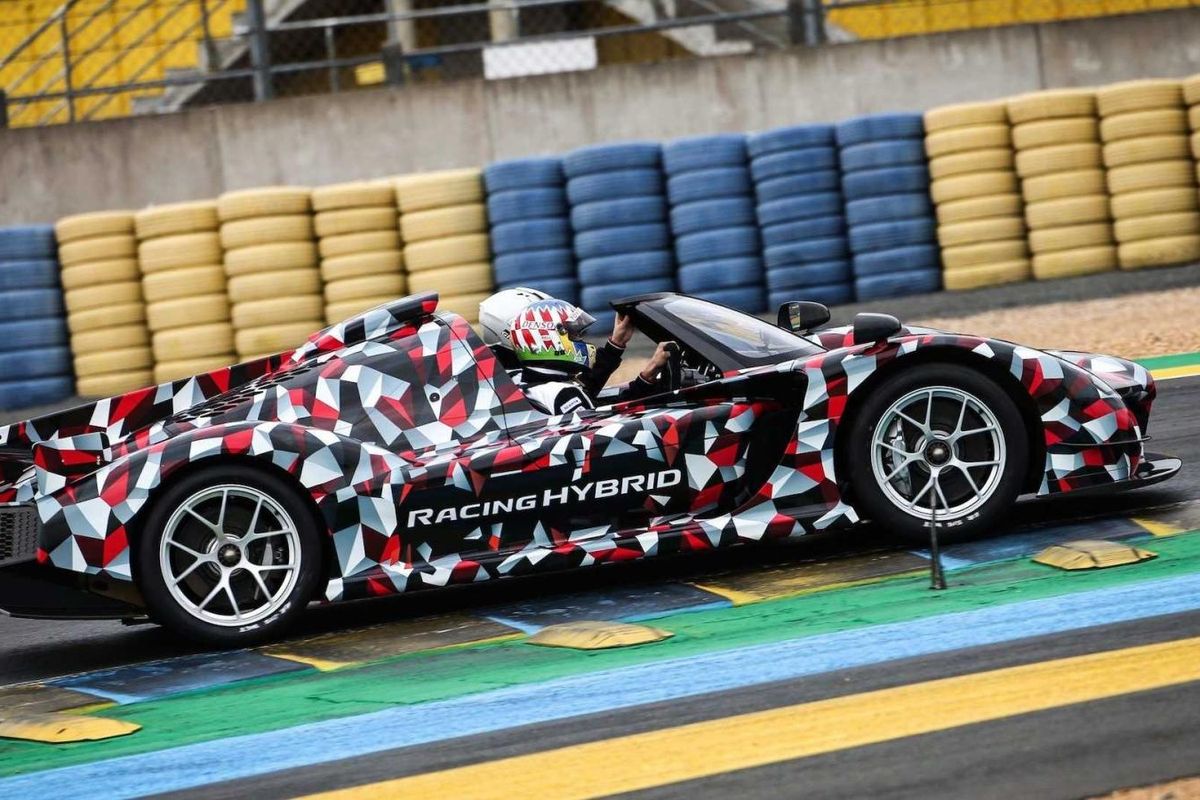
Things had been rather quiet when it comes to the Toyota GR Super Sport, with the last bit of info centering around its canopy setup. However, this weekend's running of the 24 Hours of Le Mans gave Toyota a chance to show off one of the prototypes. The appearance comprised a demonstration lap at what looks to be quite near to the limit as well as taking part in the ceremony to return the Le Mans trophy. 

Its the dynamic aspect which we're most interested in. For it to qualify as a hypercar, it will need hypercar performance and the initial specifications look mouth-wateringly good. Using learnings from the current iteration of Toyota's TS050 hybrid endurance racers, we're expecting a hybrid-assisted, mid-mounted 2.4-litre twin-turbocharged V6 engine. Outputs could be as high as 1000 hp / 745 kW. 

Why a hypercar though? The back story to this vehicle's creation stems from the FIA World Endurance Championship regulations which say you will need to build road-going versions in order to qualify for the new hypercar category. Rumours suggest there'll be at least 20 units going on sale with a high price tag to match.

The car looks a lot smaller than what we imagined, with the pictures showing 2 occupants sitting quite close to each other. 

Further Reading

Toyota patents new canopy for hypercar

Toyota's hypercar coming soon

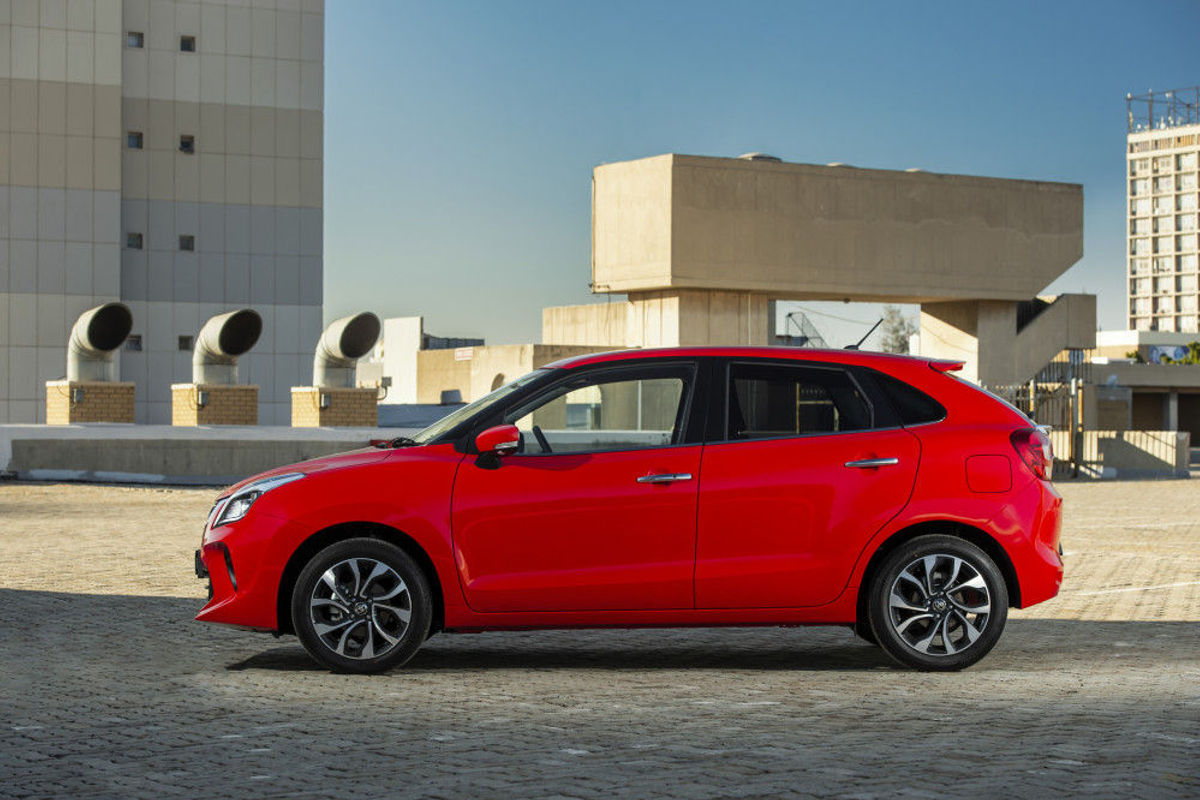
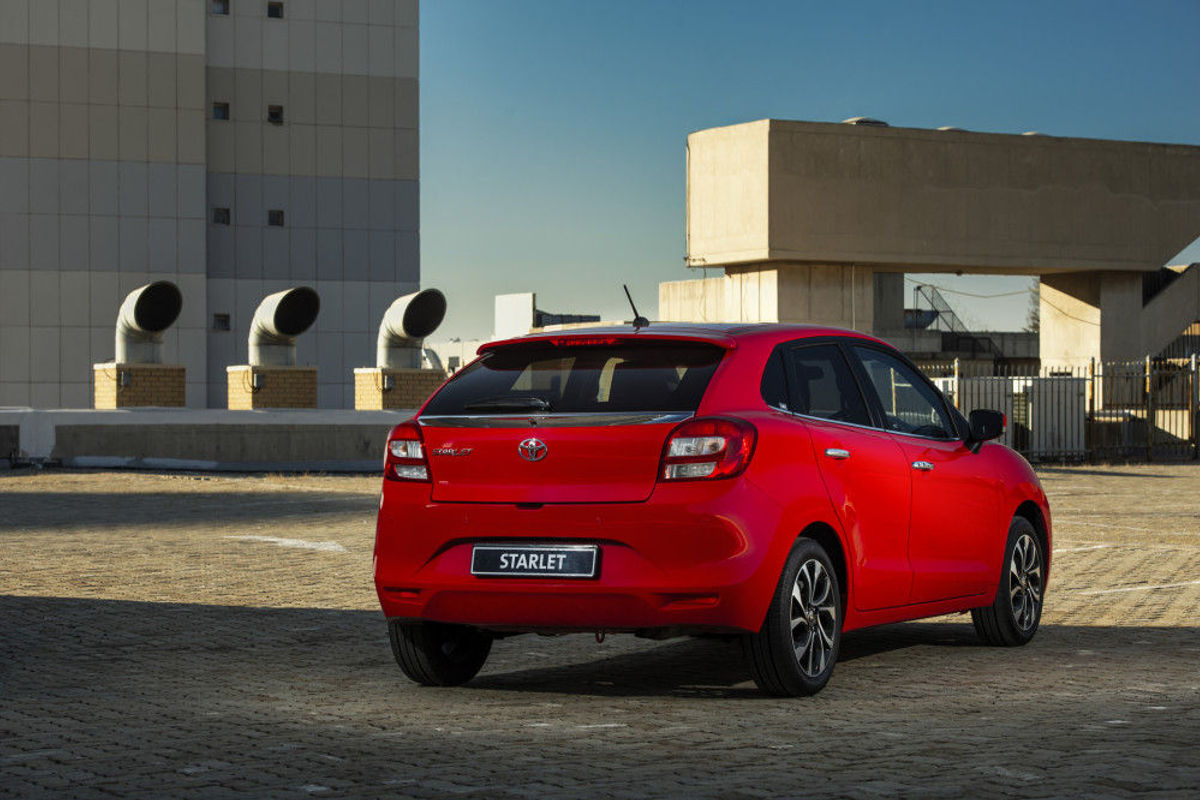
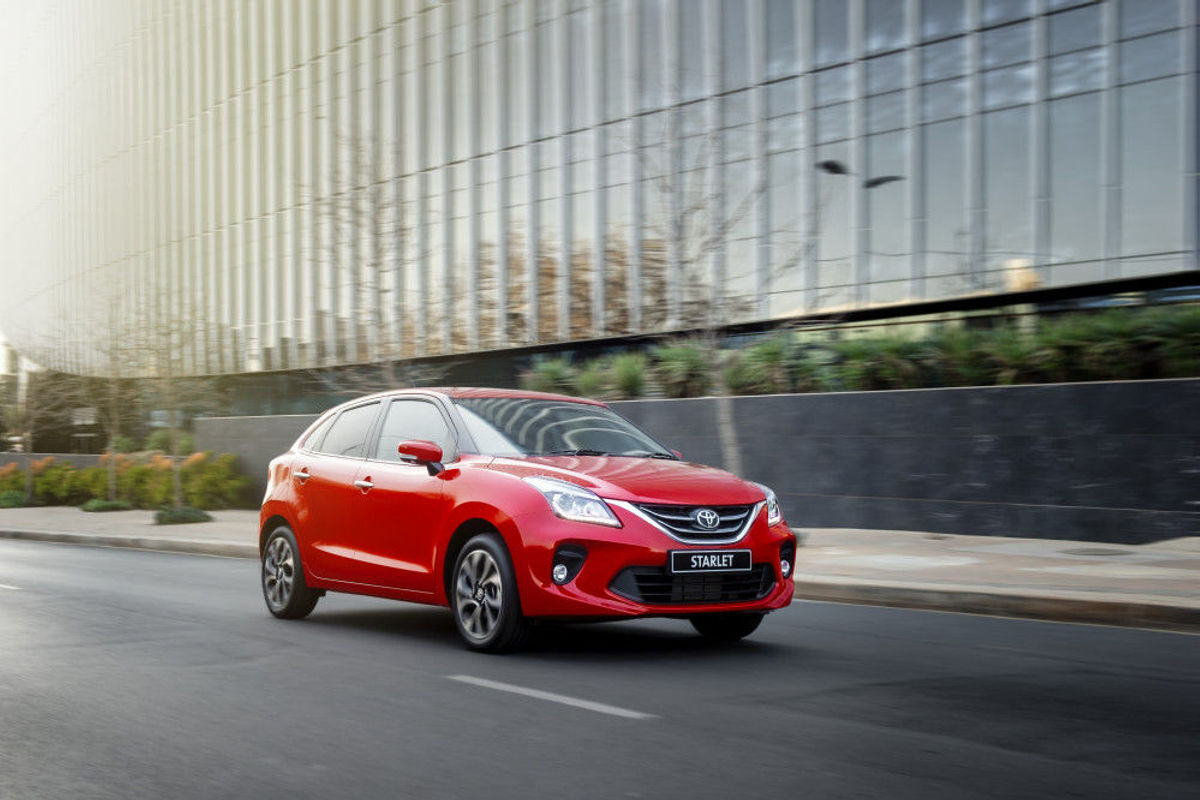
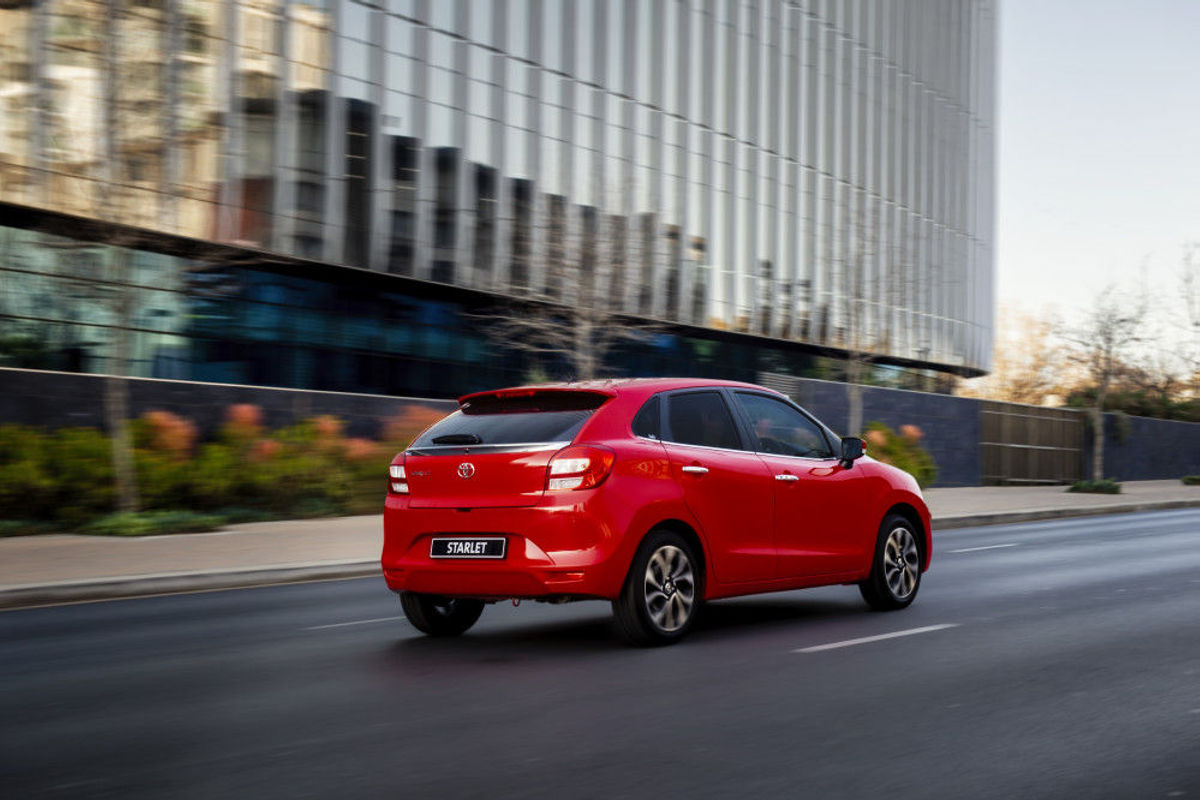
Toyota Starlet in SA (2020) Specs & Price 

Toyota welcomes the new Starlet hatchback to South Africa! See specs and pricing details below…

The new Starlet hatchback was announced earlier this month and Toyota hasn’t wasted any time in bringing this new hatchback to market. Production of the current Indian-built Toyota Etios came to an end in March 2020 and this new Starlet will fill the void and is immediately available to local buyers from Toyota dealerships countrywide. 

The new Starlet is the result of a collaboration between Toyota and Suzuki which was formally announced in 2019. The Starlet is the first alliance product to reach South Africa but other products such as the Suzuki Across, which is a rebadged RAV4 hybrid, have already been revealed and further rebadged models are expected in the future. The Starlet name, however, isn't new and dates back to the 1973 Toyota Starlet hatchback which was produced until 1999 in Japan. This new modern-day Starlet therefore effectively revives the nameplate.

It’s no surprise then that the Starlet is essentially a rebadged Suzuki Baleno with the key differences seen in its grille and wheel designs. 

Apart from its similar styling, a major common feature between the Starlet and Baleno is the engine under the bonnet. The Starlet is powered by the same 1.4-litre petrol engine offering 68 kW and 130 Nm of torque and mated to either a 5-speed manual or 4-speed automatic transmission. In terms of fuel efficiency, claimed returns of between 5.1- and 5.4 L/100km can be expected, depending on the transmission. 

Key features


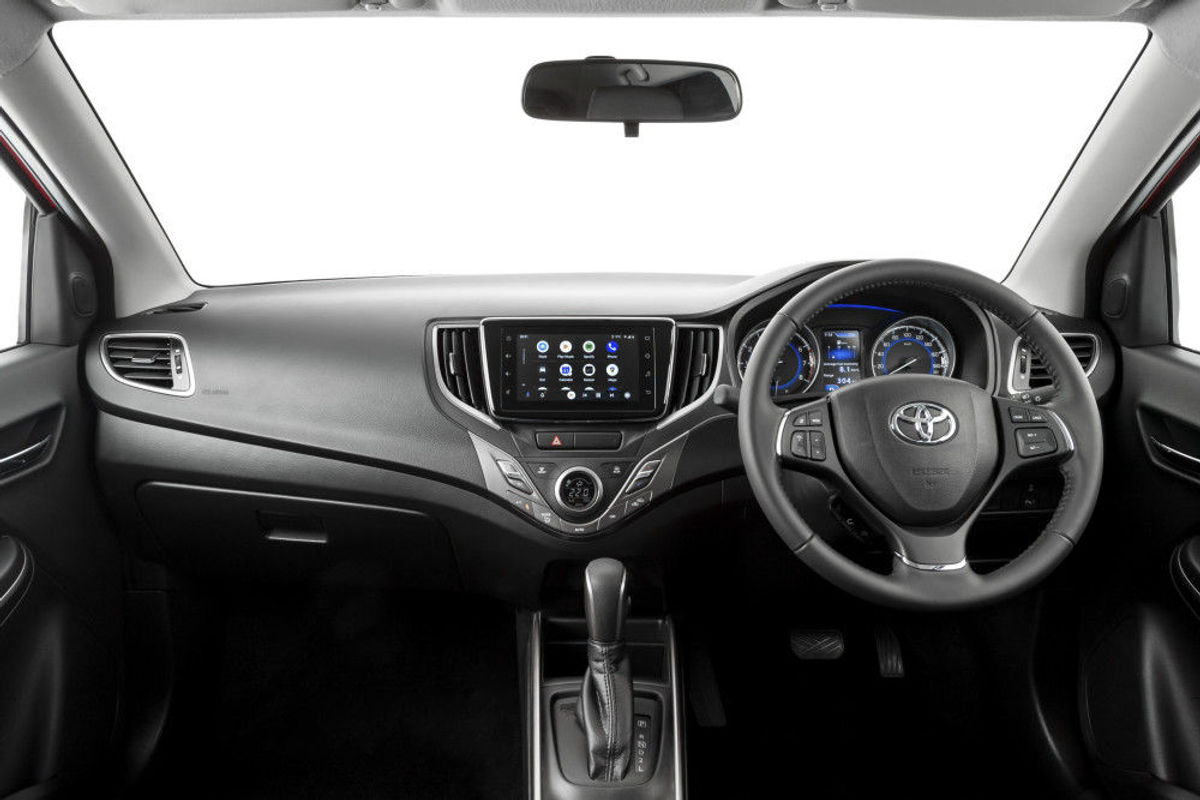
The Starlet shares its interior design with the Suzuki Baleno. 

The new Toyota Starlet will be offered in 3 trim grades including the entry-level Xi, mid-level Xs and range-topping Xr derivative.

The Starlet Xi rides on 15-inch steel wheels and is fitted with body-coloured door handles, electric side mirrors, electric windows, manual air conditioning, 60:40 split rear seats and a basic radio with Bluetooth and USB connectivity and 6 speakers. The Starlet Xs features all of the above but gains larger 16-inch alloy wheels. 

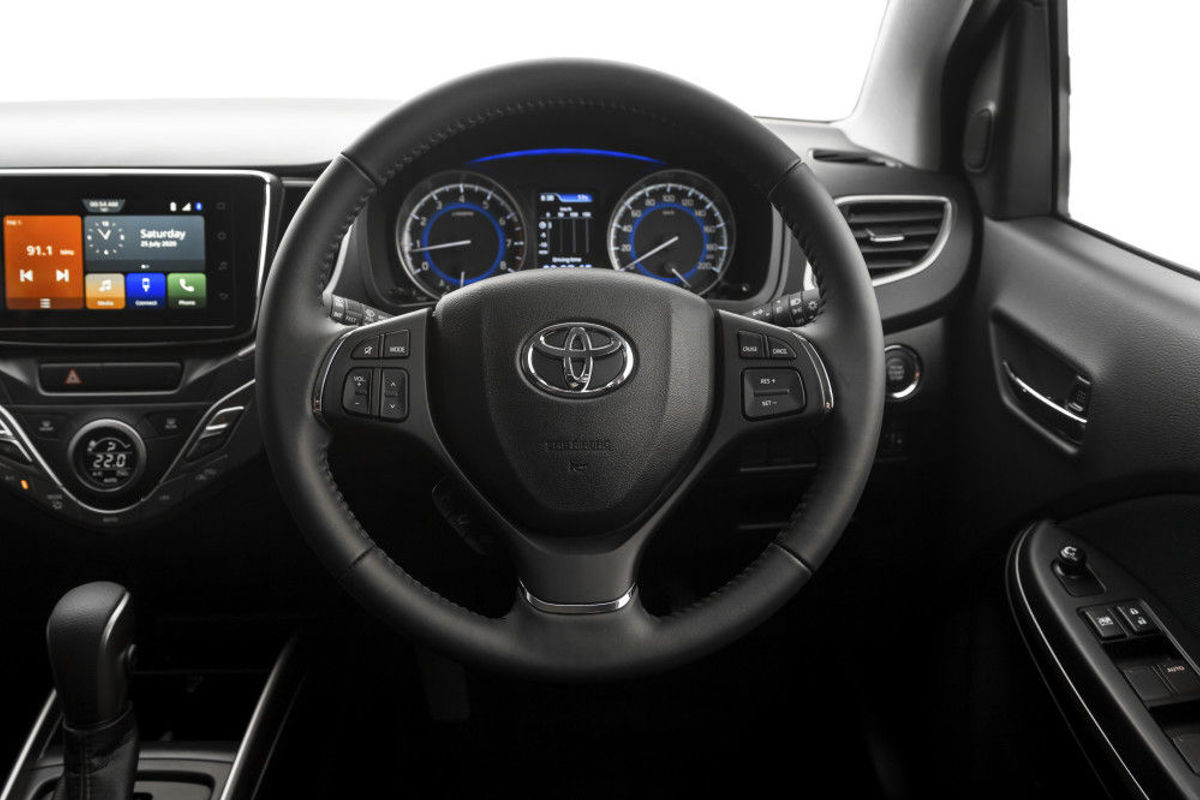
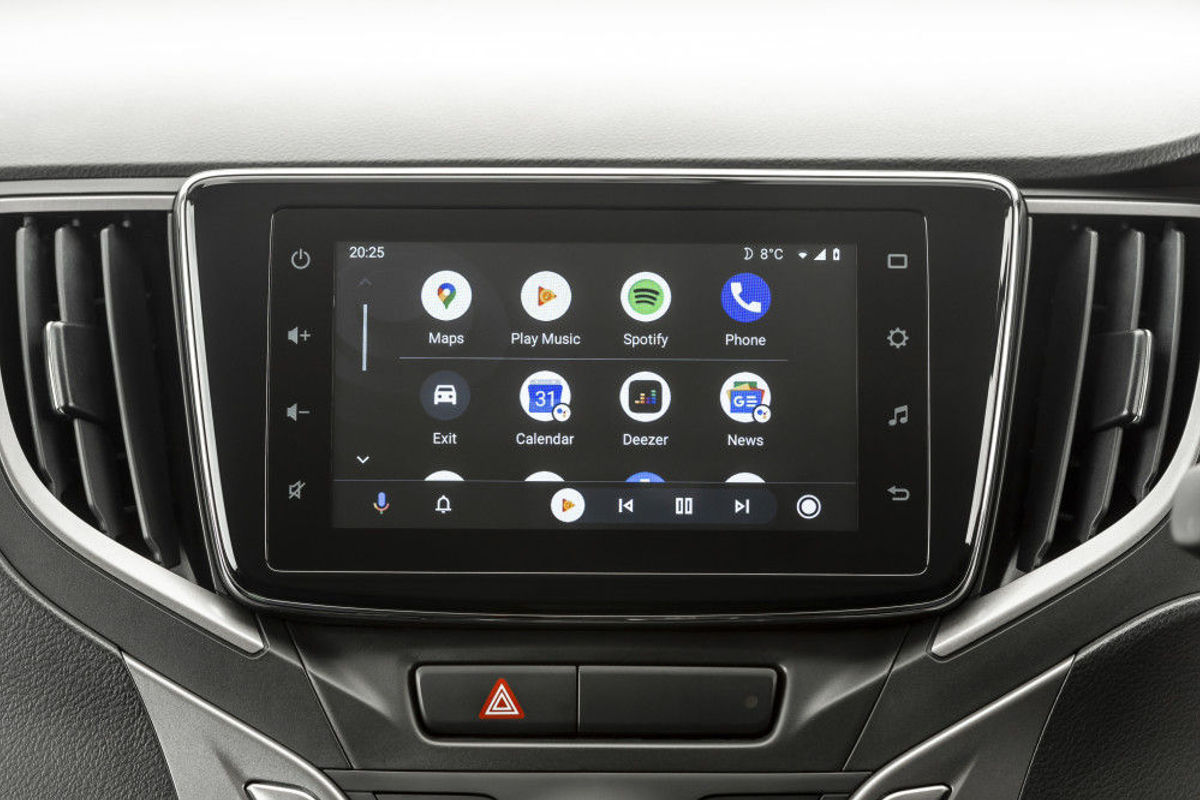
As for the top-spec Starlet Xr, this derivative gains LED headlights with Daytime Running Lights (DRLs), chrome door handles, chrome beltline finishers, a roof spoiler,and rear privacy glass. Moving inside, the Xr gains a leather-wrapped steering wheel, smart entry with push-start button, colour multi-information display, a touchscreen infotainment system with Apple CarPlay and Android Auto functionality, cruise control and rear parking sensors along with a reversing camera. 

In terms of safety, the Starlet is equipped with ABS with EBD, brake assist, vehicle stability control and a minimum of 2 airbags (Xi and Xs) and up to 6 airbags in the range-topping Starlet Xr. 

Toyota Starlet – Price in South Africa 

Toyota Starlet 1.4 Xi – R204 900

Toyota Starlet 1.4 Xs – R215 200

Toyota Starlet 1.4 Xs – R235 700

Toyota Starlet 1.4 Xr – R258 500

Toyota Starlet 1.4 Xr AT – R272 500

The Toyota Starlet is sold with a 3-year/100 000 km warranty and a 3-year/45 000 km service plan. 

Buy a new or used Toyota on Cars.co.za

Related Content

Toyota GR Corolla to use GR Yaris Engine

Toyota C-HR GR Coming with 200 kW

Updated Toyota Yaris Shown

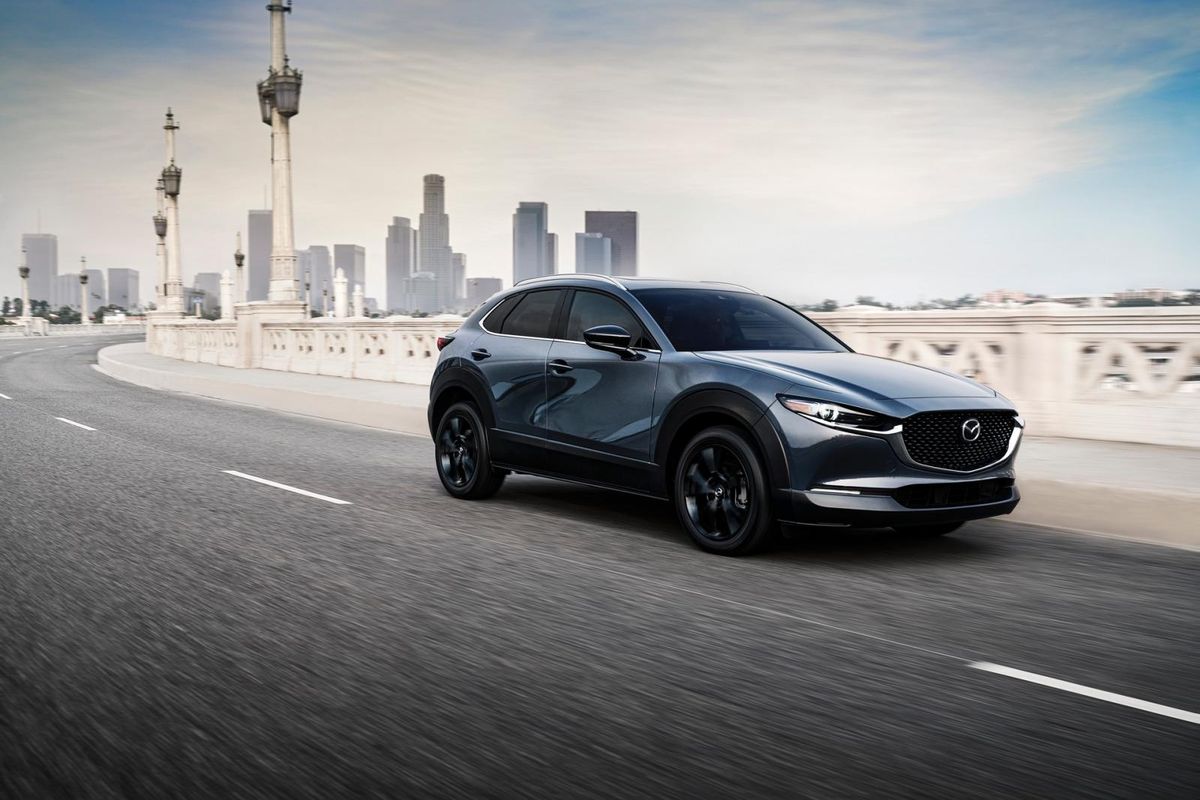
Mazda’s More Potent CX-30 Turbo

Mazda has added a new powertrain to its compact crossover.

The Japanese brand’s attractively styled CX-30 now features a 2.5-litre turbocharged four-cylinder petrol engine.

For years Mazda was virulently anti-turbocharging as engineers at the company believed that the volumetric efficiency of a naturally-aspirated engine was superior in real-world driving.

Mazda’s reluctant pivot into turbocharged engines has been driven by emission laws, instead of fuel-consumption targets. Powering most of its mid- to large-sized turbocharged vehicles, are 2-litre four-cylinder engines configured for various outputs.

In the Mazda3 Turbo hatchback, this engine is good for 186kW and 434 Nm, which are entirely decent outputs for a contemporary 2.5-litre performance orientated road car engine. Product planners at Mazda realise that its target audience for CX-30 is less bothered with outright acceleration performance, and the engine has been slightly detuned for its new crossover application.

The CX-30's turbocharged 2.5-litre engine boosts 169kW and 420Nm, which are competitive statistics for its market segment. Those numbers should give Mazda’s crossover very brisk performance and strong overtaking acceleration. This engine will be paired with a 6-speed automatic transmission. 

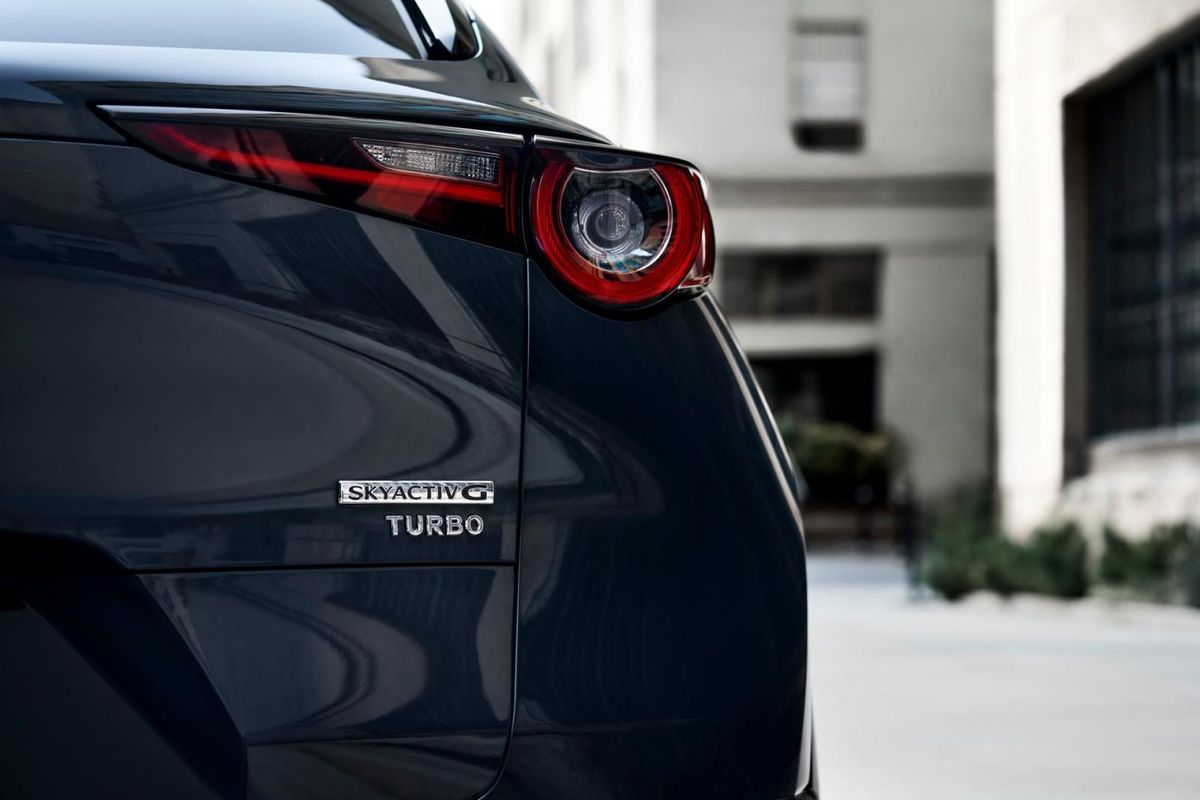
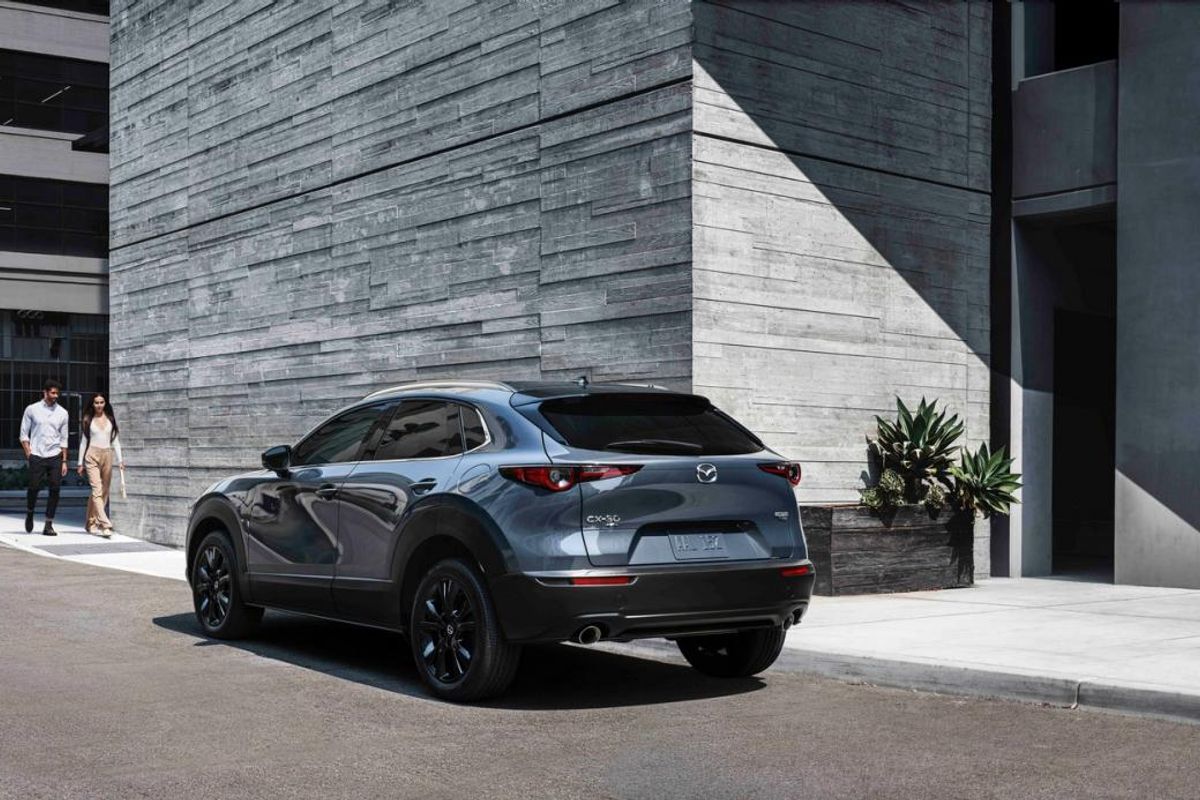
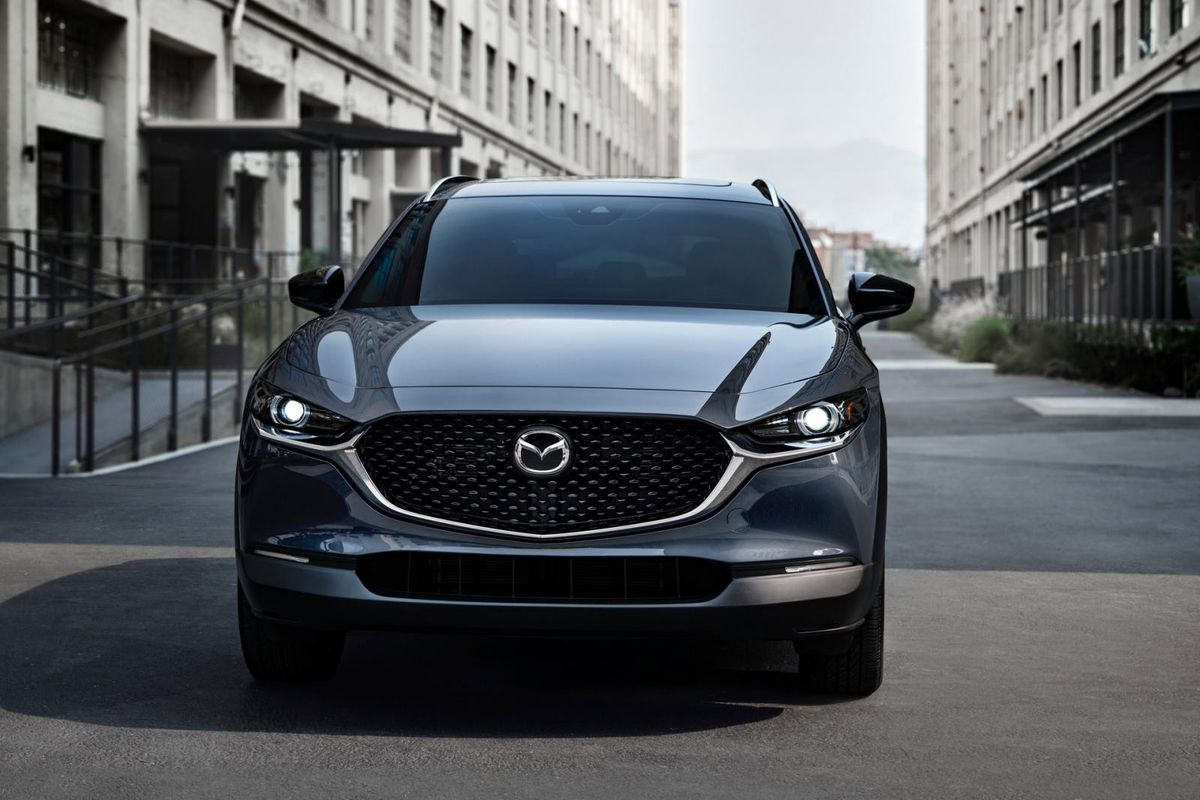
Distinguishing this more powerful version from other CX-30s, are its gloss black mirrors and darkened 18-inch ally wheels. Discreet ‘turbo’ badging is applied to the tailgate and framing the rear bumper are larger diameter exhaust tips.

Inside the CX-30 Turbo, chrome accents contrast with a dominant black cabin architecture, whilst there is a soft-touch dash. Infotainment is controlled via an 8.8-inch screen, whilst a 12-speaker Bose sound system relays whichever media you choose to enjoy.

Although Mazda has not confirmed the exact global rollout of its CX-30 Turbo, the launch market for this new crossover variant, will be North America. 

Do you want to see the CX-30 Turbo in South Africa? 

Buy a new or used Mazda on Cars.co.za

Related Content 

Mazda's Rotary to Spin Again

Mazda launches new BT-50 double cab

New Mazda BT-50: More details emerge

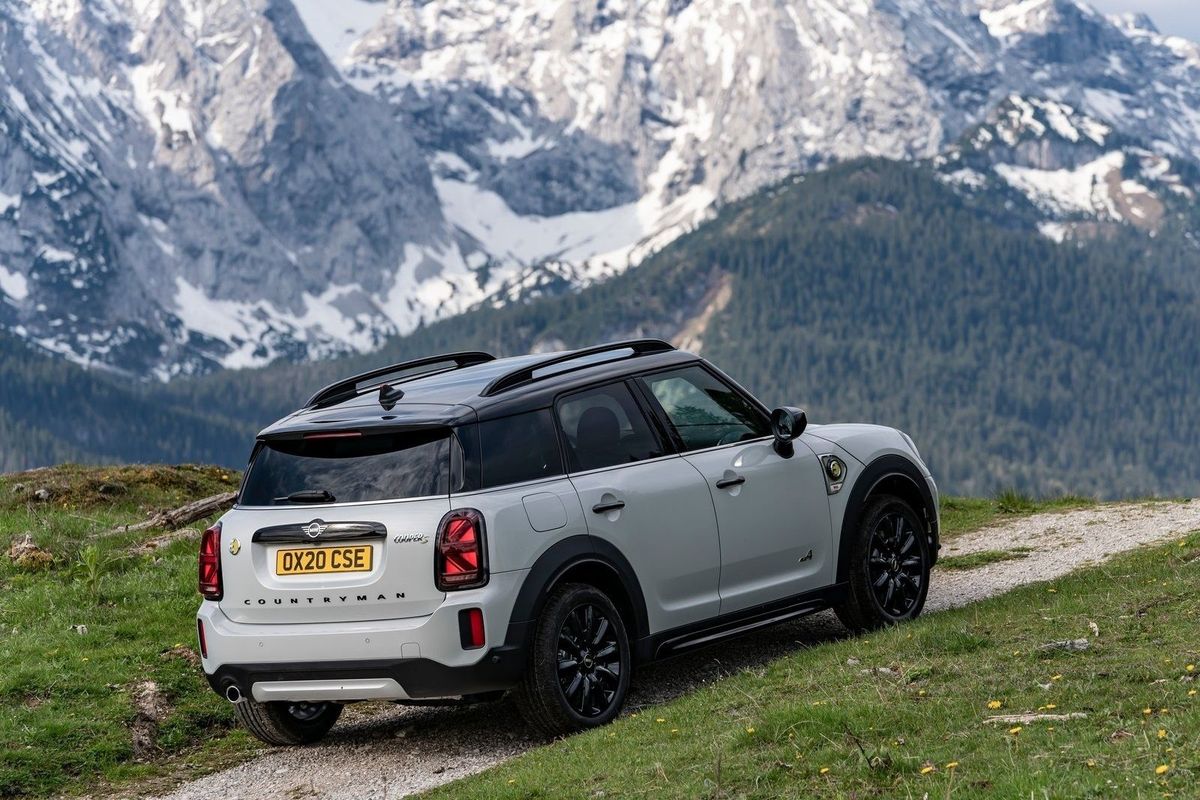
Mini Countryman (2021) Price Announced

Pricing for the updated Mini Countryman has been released. See which models are confirmed for South Africa, plus engine details below.

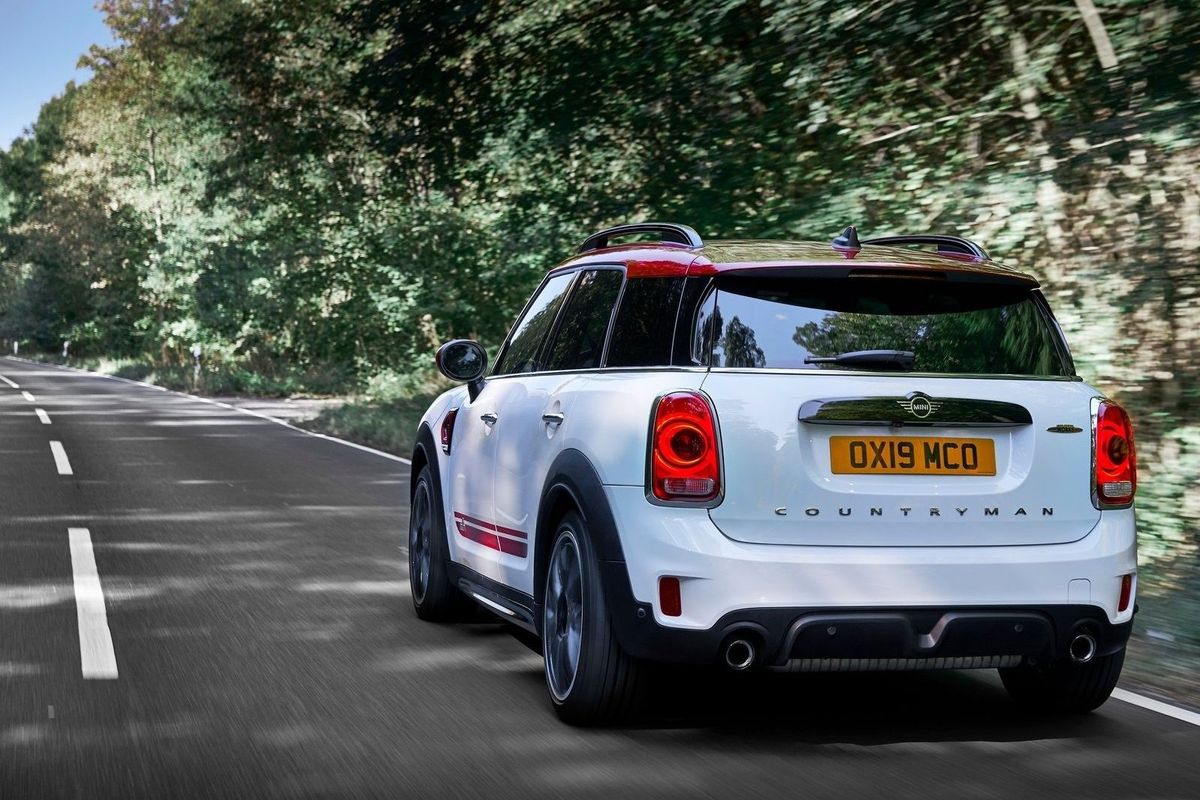
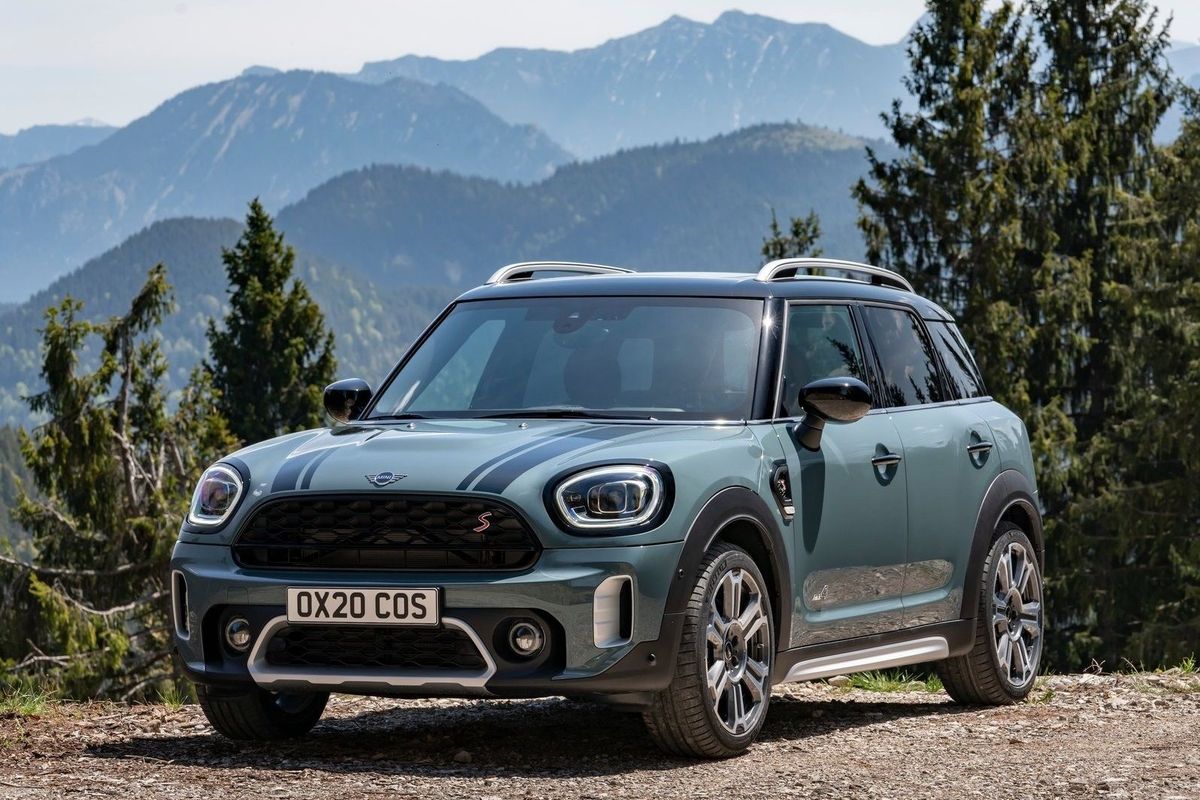
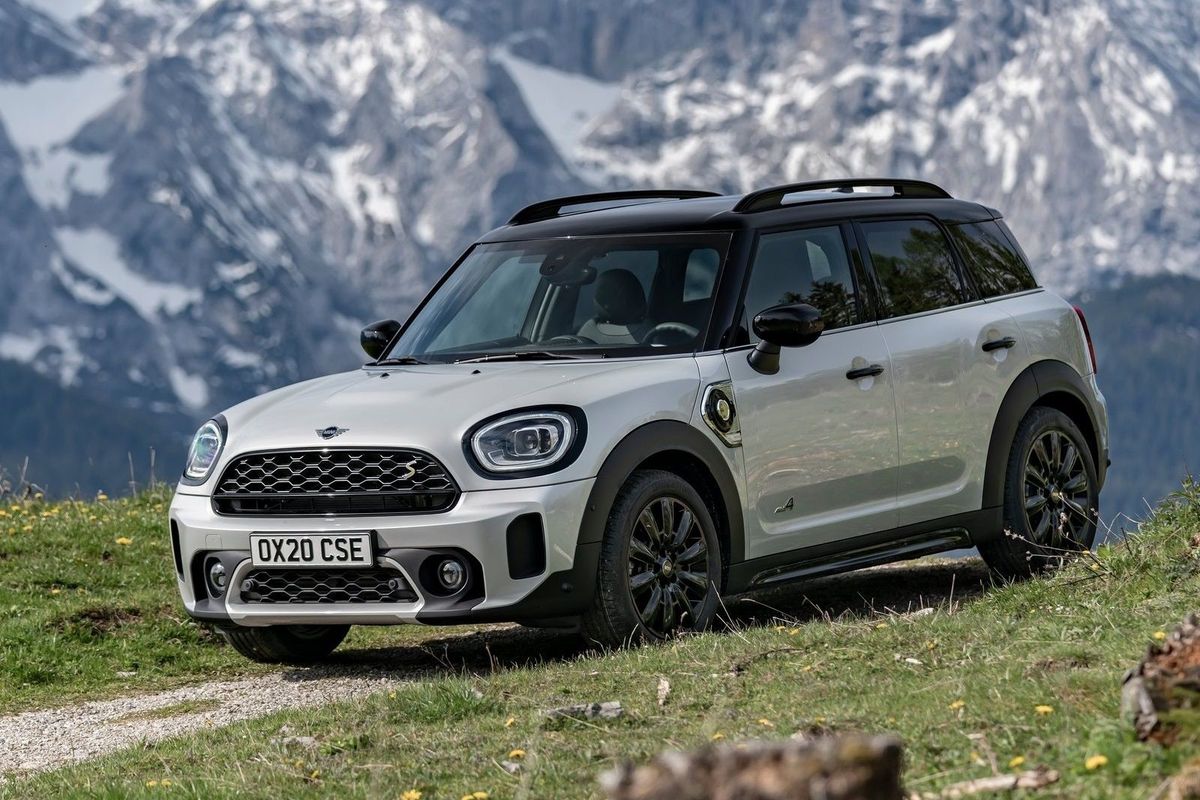
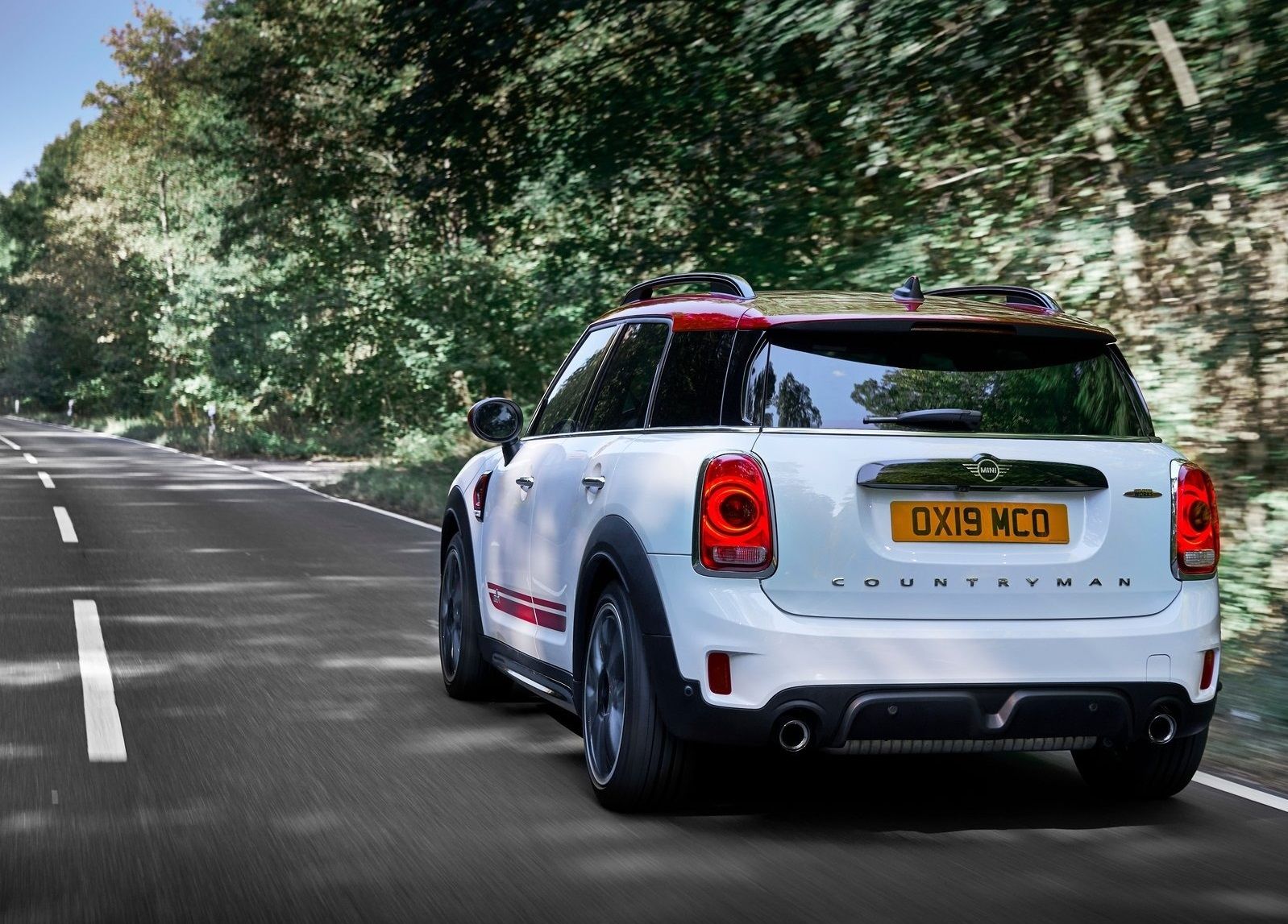
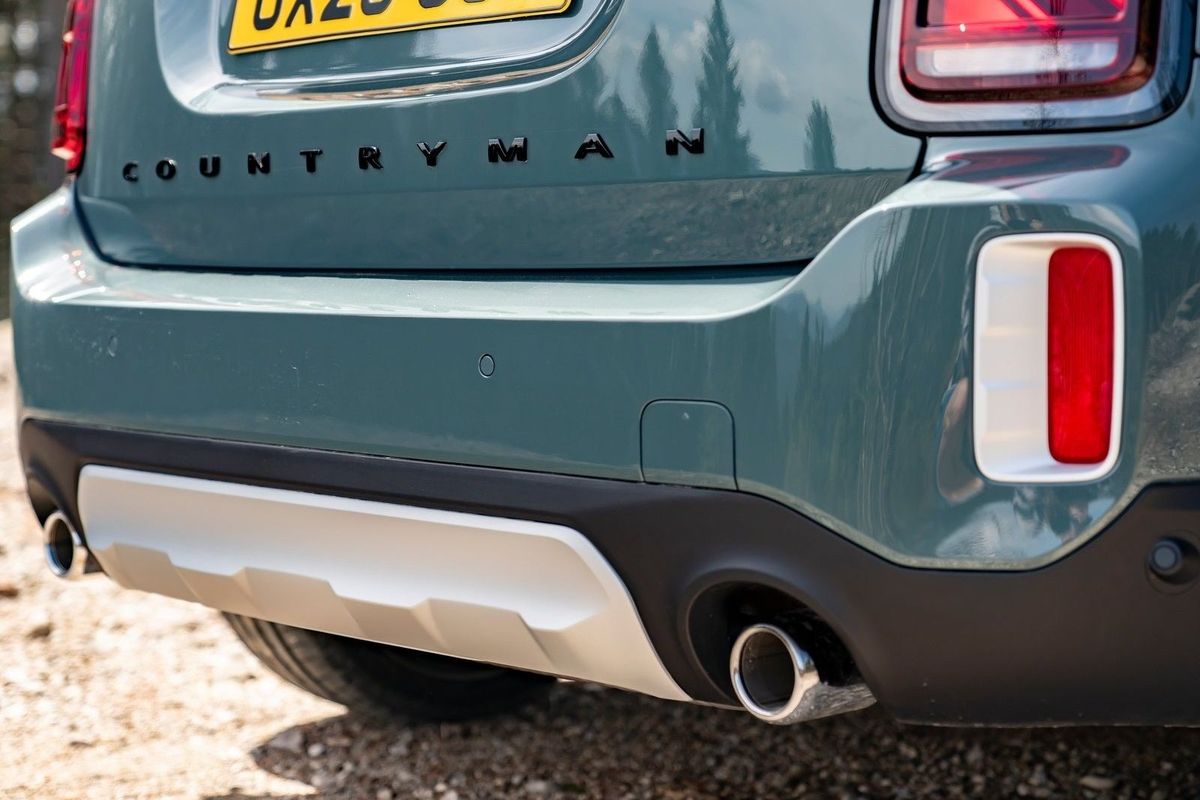
Visually, you can spot the new model with its tweaked front bumper, redesigned radiator and LED headlamps, which are now standard. The rear gains a new-look rear apron as well as the LED lights in Union Jack design. There are 2 new colours, new alloy wheels and a Piano Black exterior.

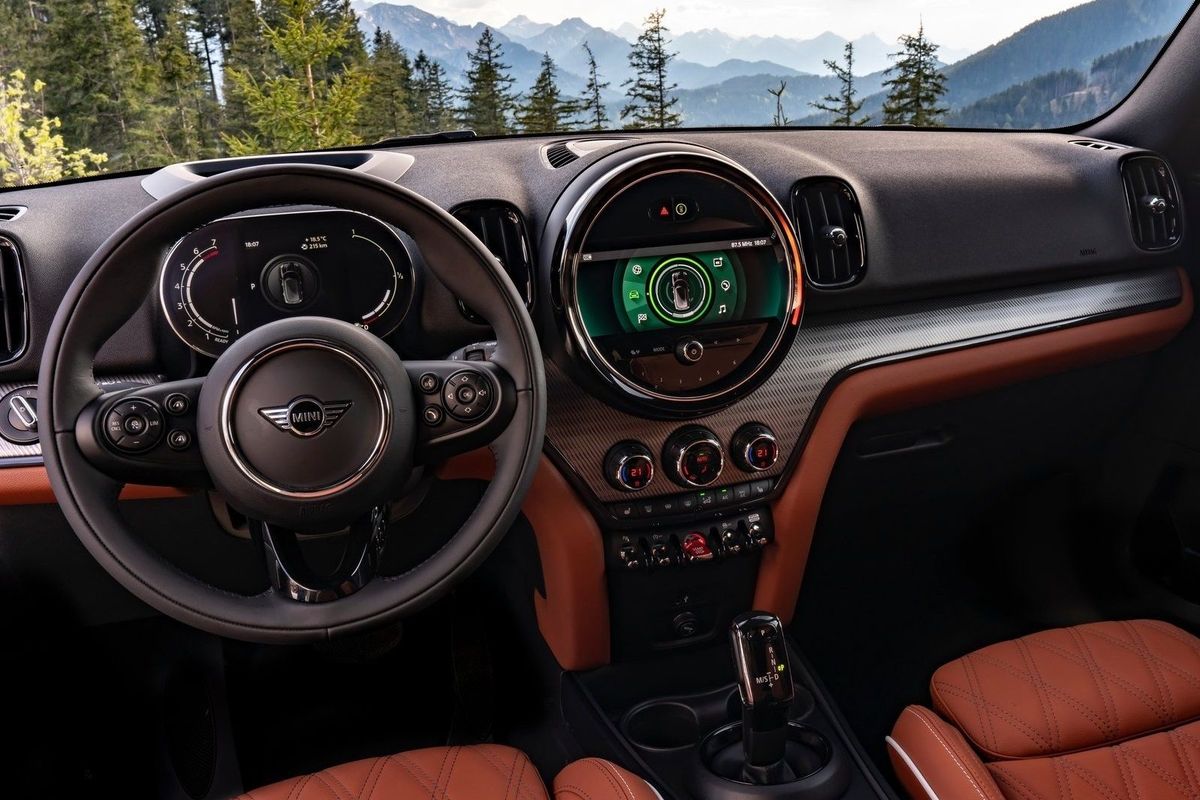
The Mini Countryman has always been touted as the most practical model in the range. It boasts 3 fully-fledged seats at the rear, and if you fold down these in a 40:20:40 fashion, you get access to 1 390 litres of space. Standard boot space is rated at 450 litres. Inside, Mini has given the Countryman an extended range of standard kit such as a sports leather steering wheel. An optional digital instrument display is available for the new Mini Countryman, giving it a high-tech look. There's also a reworked infotainment system as well as new-look buttons. The new Mini Countryman is equipped with a SIM card that is permanently fitted in the car, giving you connectivity options such as Alexa and Mini Connected.


For the performance fans, the 225 kW John Cooper Works ALL4 Countryman is confirmed for SA.

South African model lineup

Mini South Africa has trimmed the Countryman lineup, with the diesel model falling away. For 2020, Mini is offering the Countryman in Cooper, Coopers S and John Cooper Works flavour. 

Kicking off the range is the Cooper Countryman, which comes to market with a turbocharged 1.5-litre 3-cylinder motor. It develops 100 kW and 220 Nm. Power goes to the front wheels via a 7-speed dual-clutch tranmission. Mini says this model reaches 100 kph in just 9.7 seconds and has a claimed top speed of 203 kph. In terms of economy, Mini claims 6.3 L/100 km. 

Next up is the Cooper S. It is powered by a 2.0-litre turbocharged 4-cylinder with 141 kW and 280 Nm. It too features a 7-speed dual-clutch gearbox and Mini claims a 0-100 kph of  7.5 seconds as well as a top speed of 226 kph. When it comes to fuel economy, Mini says its Cooper S Countryman returns 6.7 L/100 km. 

For the performance fans, Mini is introducing the John Cooper Works ALL4 Countryman with a potent 2.0-litre turbocharged motor. With 225 kW and 450 Nm, as well as all-wheel drive, Mini claims a 5.1 seconds to 100 kph. Top speed is rated at 250 kph and it features an 8-speed automatic transmission. Given the performance, fuel economy is claimed at 7.6 L/100 km.

Find a Mini Countryman for sale here

Mini Countryman Price in South Africa (September 2020)

Cooper Countryman                                          R559 624

Cooper S Countryman                                      R631 004

John Cooper Works ALL4 Countryman            R810 040

Further Reading

Mini Countryman Cooper (2017) Review
Mini Countryman JCW Automatic (2017) Quick Review
Road Trip: Mini Countryman Cooper D with Autohome [w/Video]

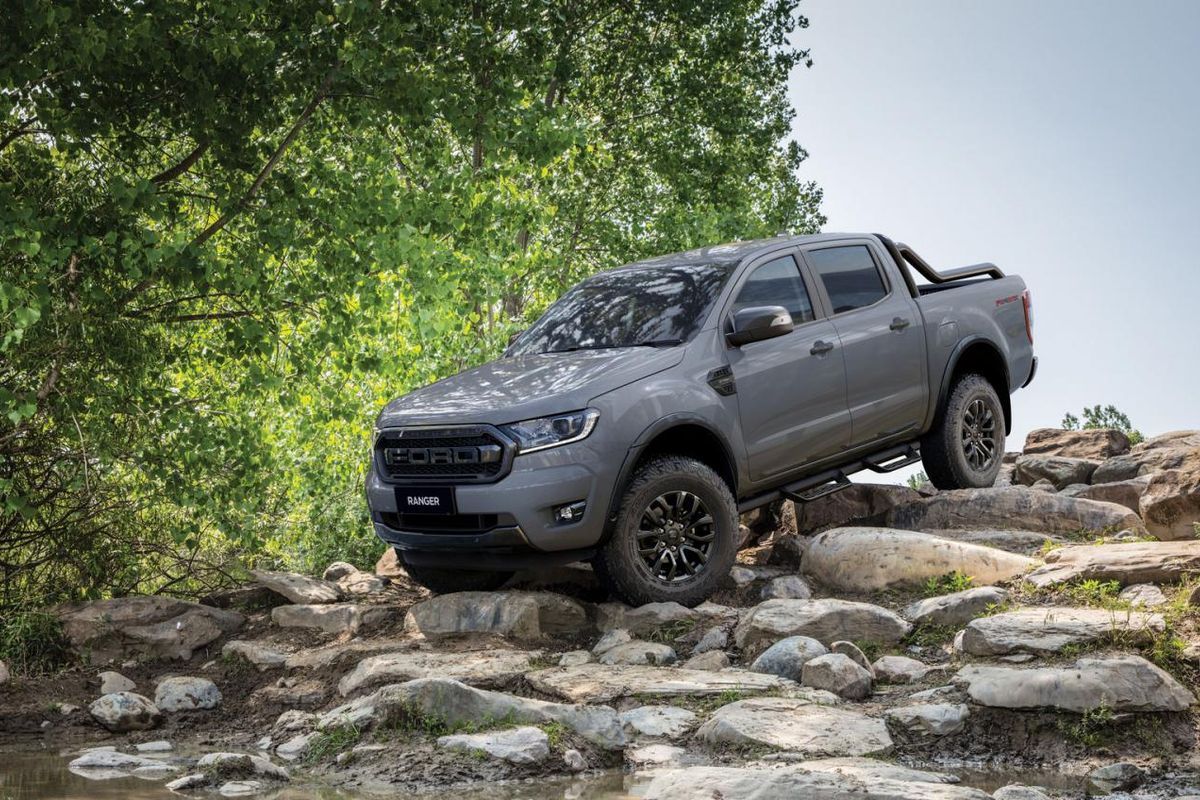
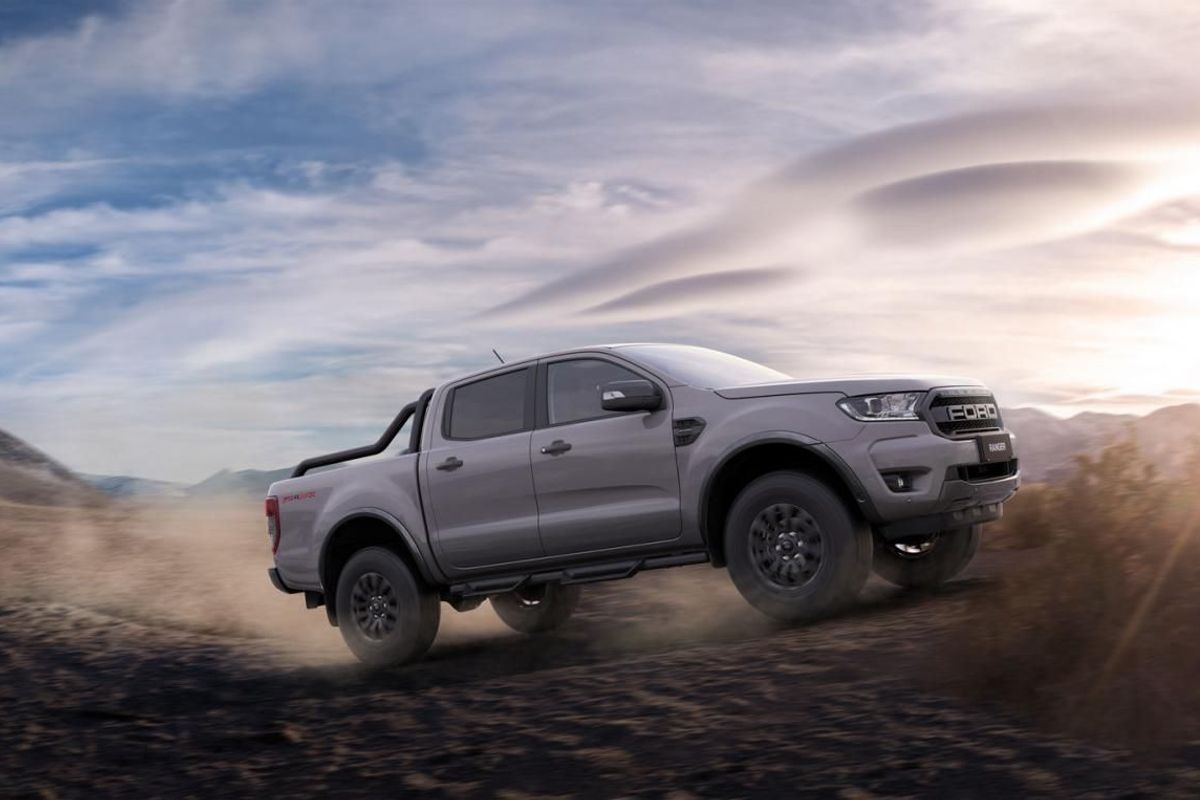
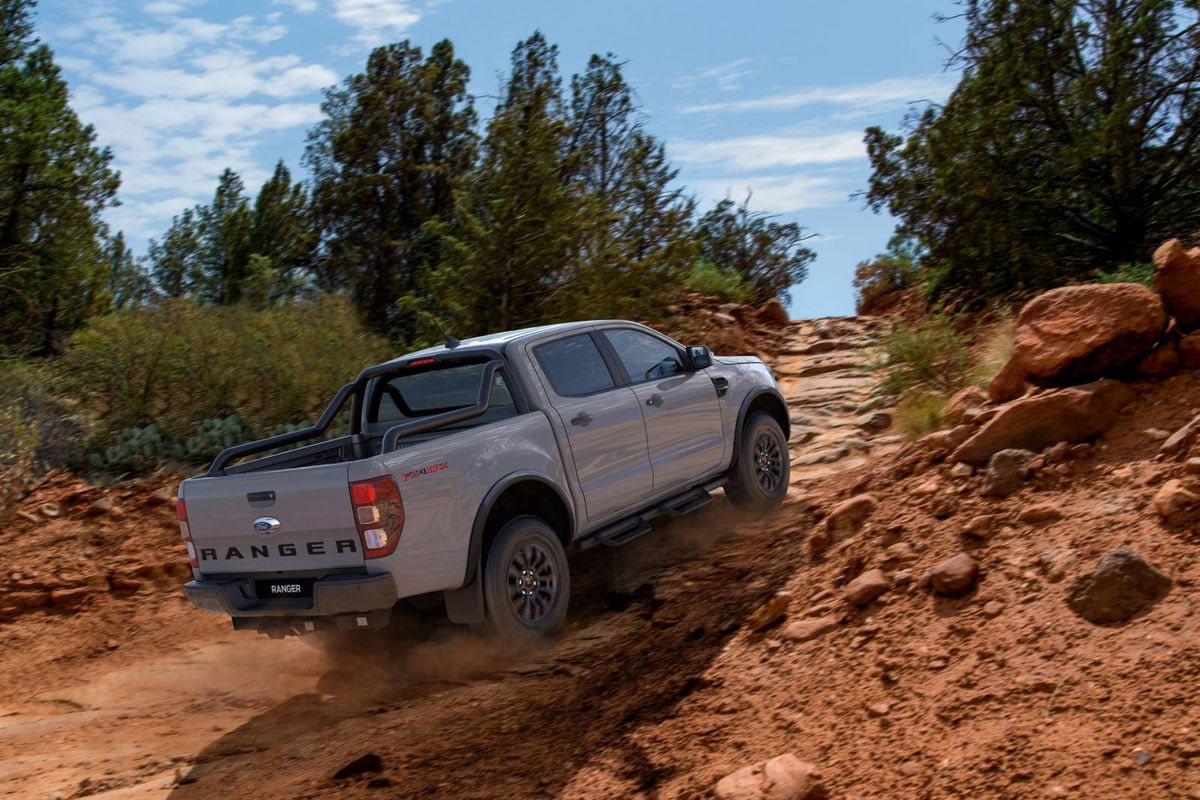
Ford Ranger FX4 Max Gets Raptor Genes

The Ford Ranger FX4 Max is more than just a sticker kit…

South African bakkie enthusiasts will recall the local introduction of the Ranger FX4 in 2017 (we pitted it against the Nissan Navara), but that FX4 was essentially a dressed-up Ranger XLT with no meaningful technical upgrades over the standard Ranger. It looked good, but it was, meh… 

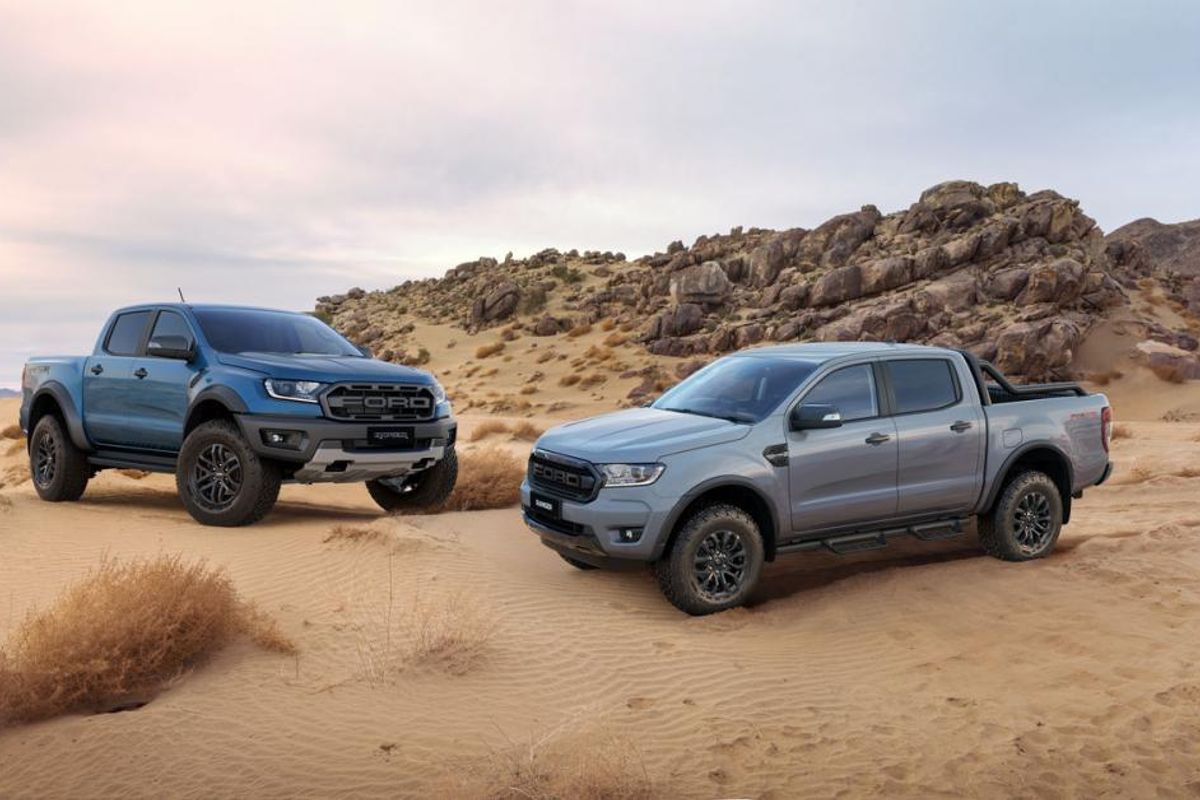
Australia is big on bakkies too and much like the recent unveiling of the Ranger Tremor in the U.S, which is the closest thing to a Ranger Raptor on offer there, Ford has taken the opportunity to develop the Ranger FX4 Max for the Australian market and it slots in below the range-topping Ranger Raptor. 

So, what’s special about it? 


With it's uprated suspension, the FX4 Max has more to offer offroad without compromising on its load carrying and hauling ability. 

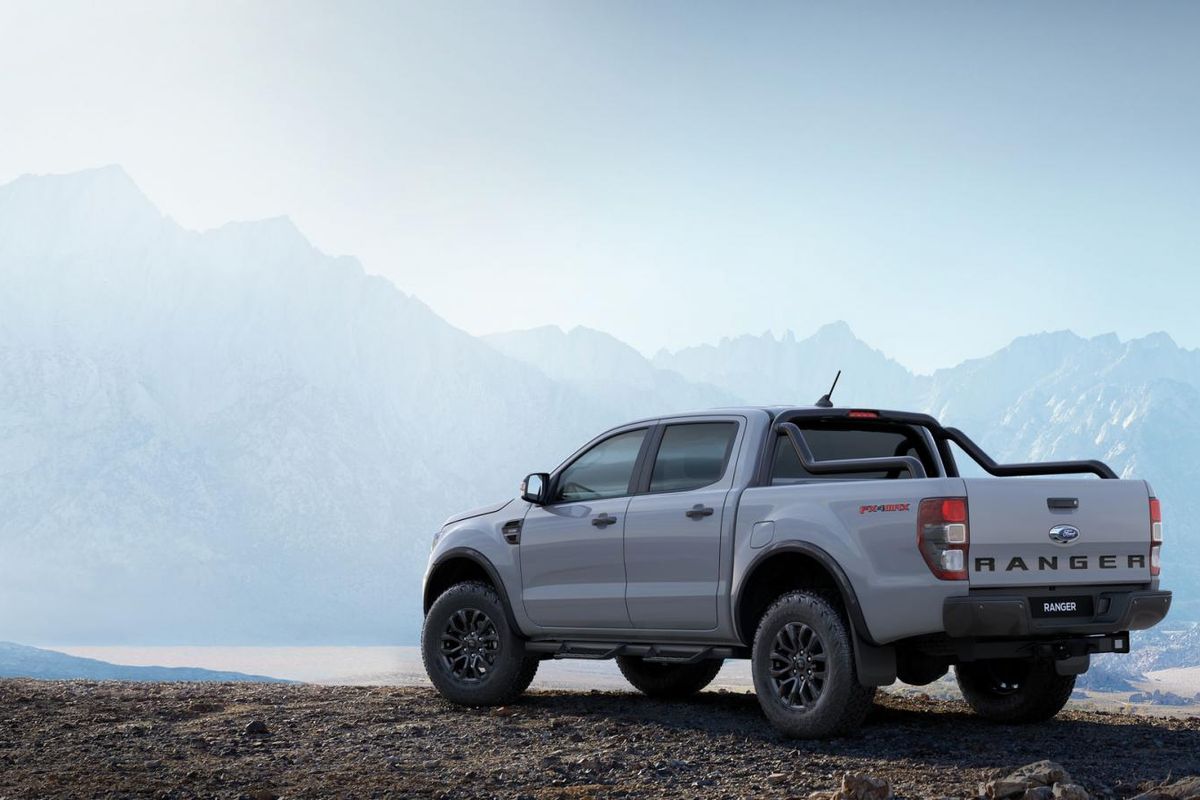
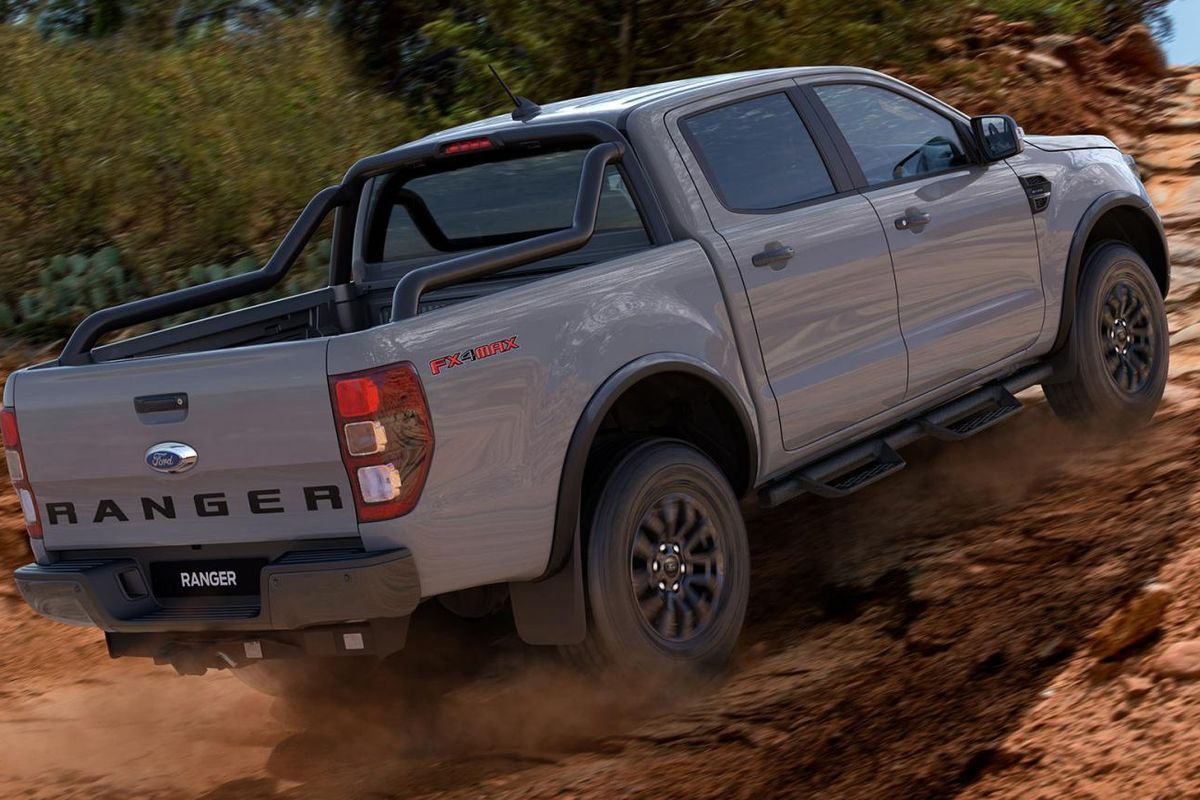
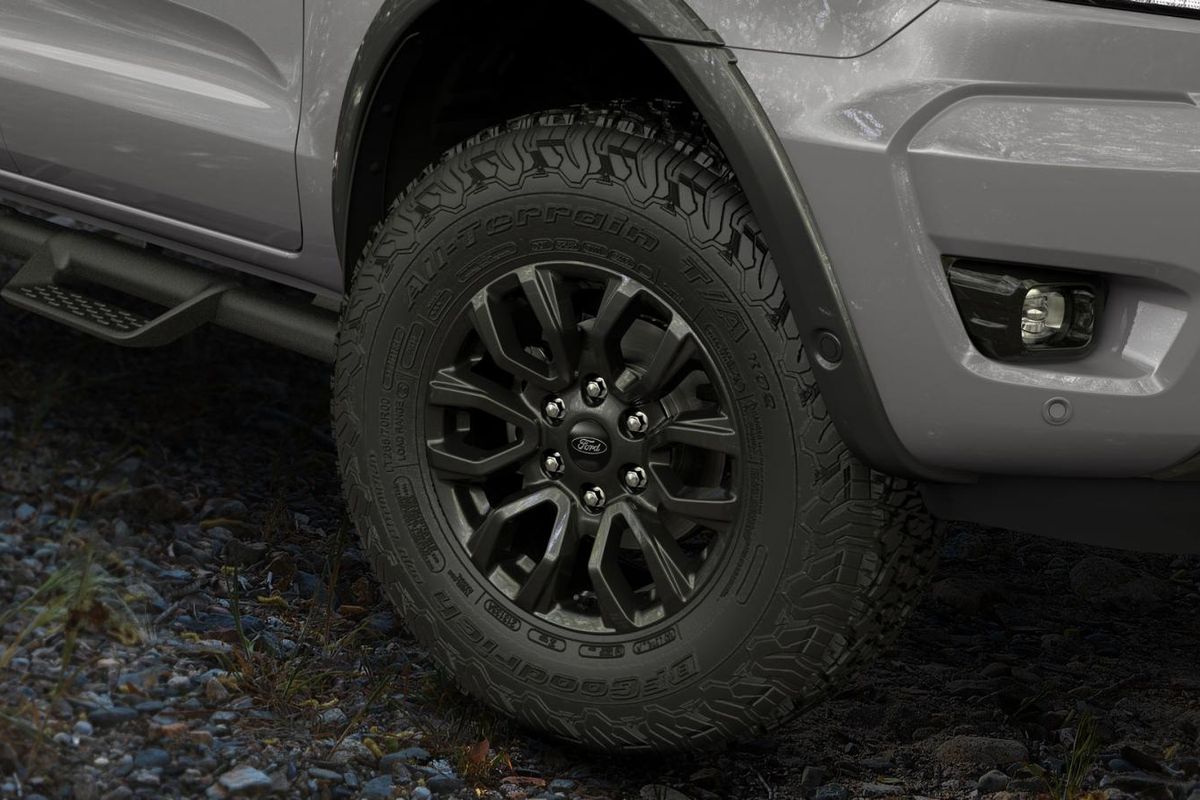
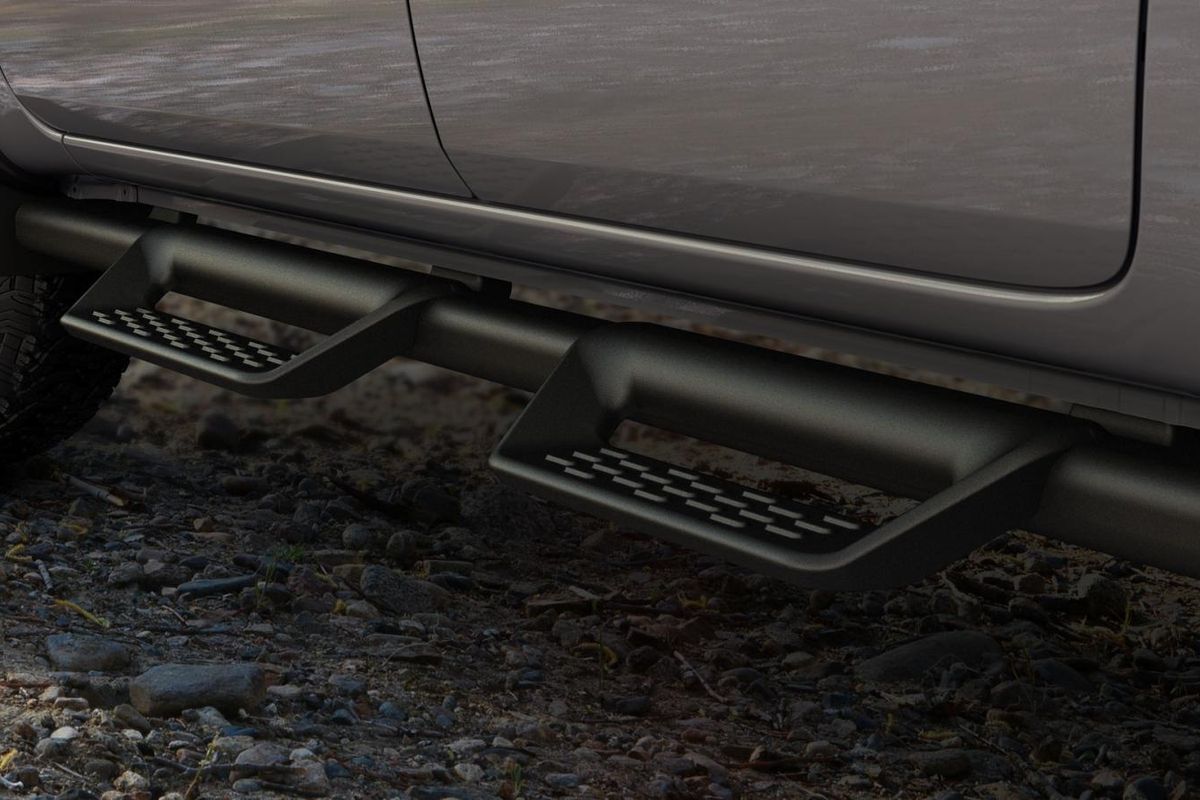
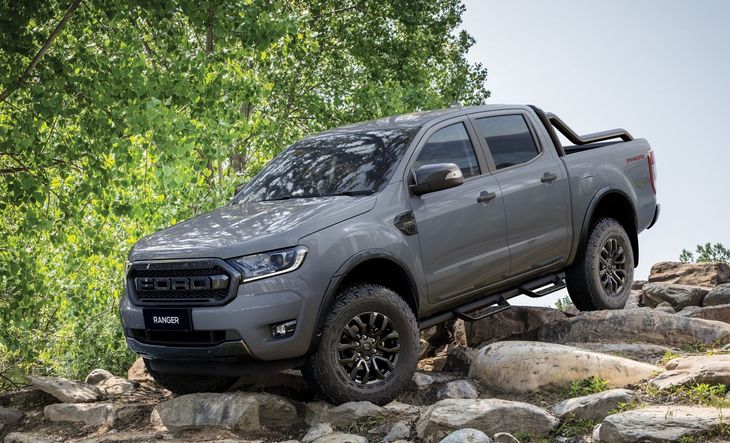
Well, the Ranger FX4 Max features an uprated suspension with 2.0-inch monotube Fox shocks (front and rear) and rides on unique 17-inch alloy wheels shod with 32-inch BF Goodrich off-road tyres, however, unlike the Ranger Raptor, the FX4 Max retains its rear leaf spring suspension. The Ranger Raptor’s towing ability is compromised due to its high-performance rear coil-spring suspension and can only tow 2 500 kg. The Ranger FX4 Max, however, can still tow up to 3 500 kg and carries a higher payload of 981 kg (748 kg in the Raptor), so that’s a major highlight. Ground clearance is at 256 mm. 

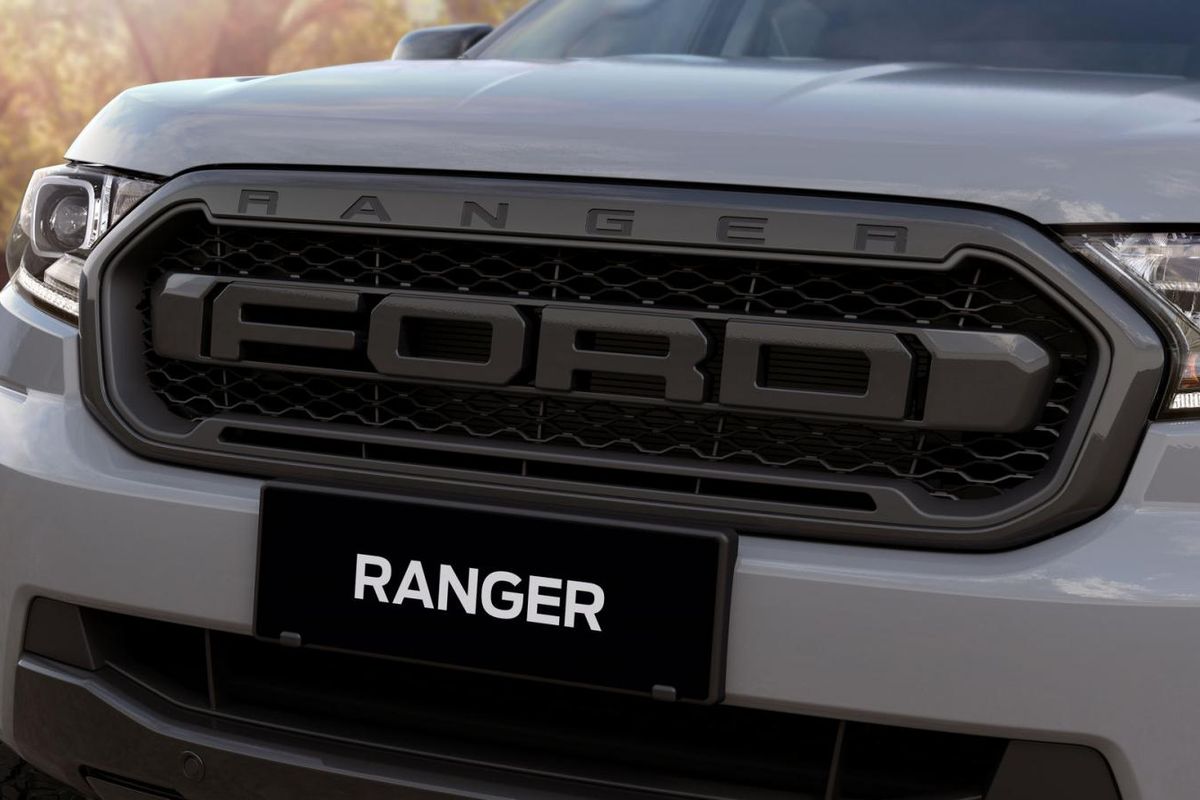
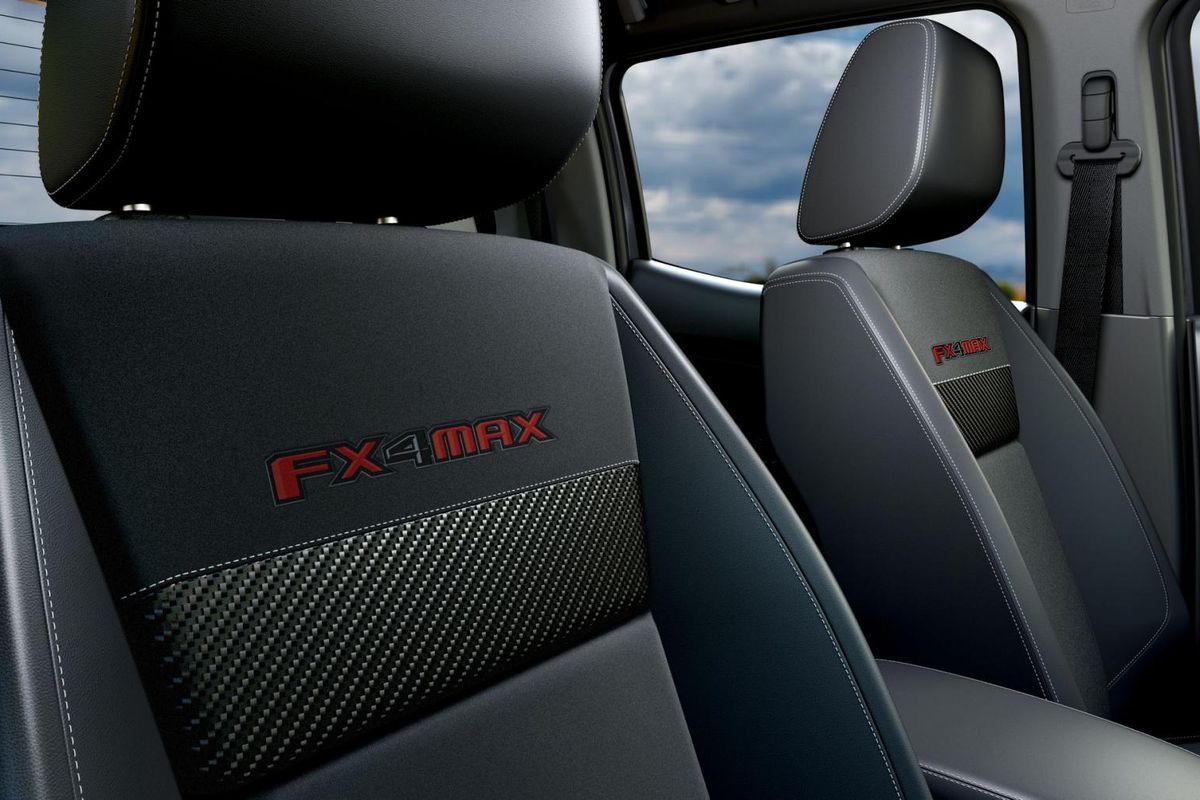
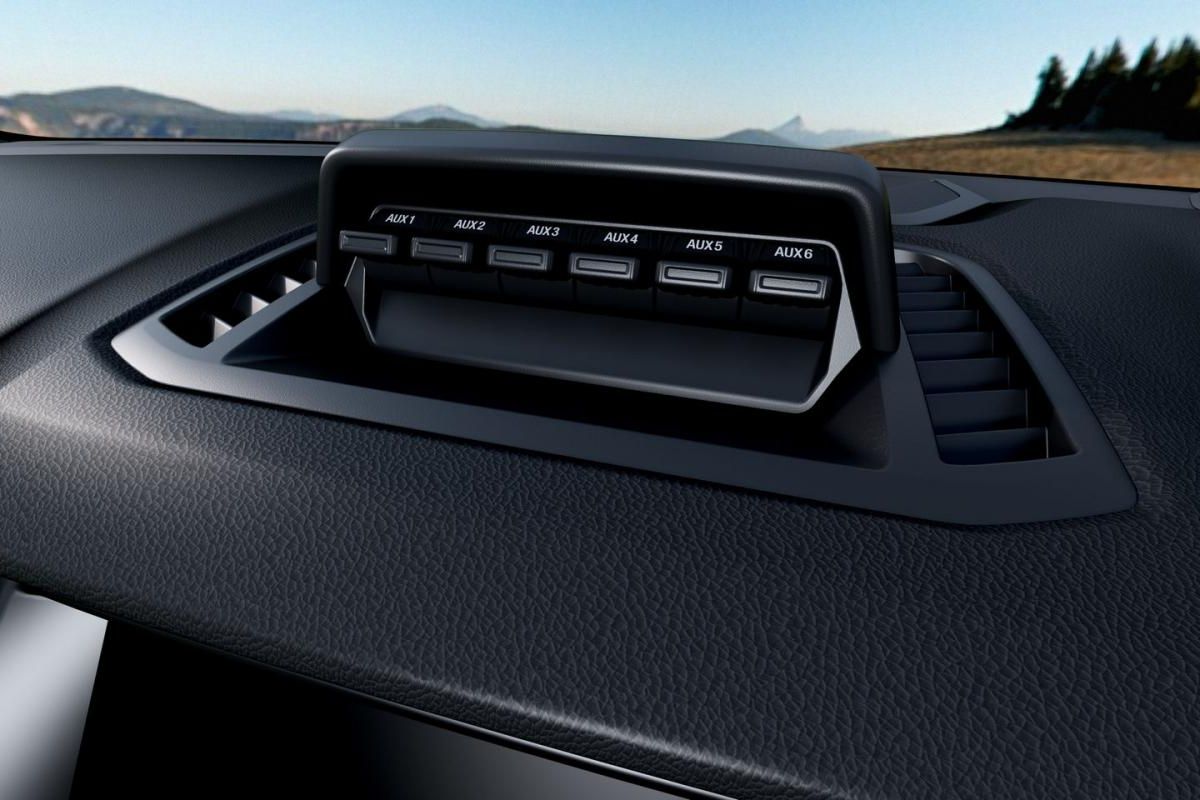
From a styling point of view, the FX4 Max gains a similar grille to the Raptor with bold FORD lettering, steel hoop side steps and a full-length sports bar. On the inside, the Ranger FX4 Max features leather upholstery with suede accents, steel pedals, leather steering wheel, gloss black trim detailing and like we saw on the Ranger Tremor, an auxiliary switchboard with 6 switches mounted on the central dashboard.

Importantly, the Ranger FX4 Max employs the same bi-turbocharged, 2.0-litre diesel engine found in the Ranger Raptor with 157 kW and 500 Nm of torque and mated with Ford’s 10-speed automatic transmission. 

The Ranger FX4 Max will be offered in limited numbers at first and if it proves popular with Australian buyers, Ford might make the derivative a permanent fixture in the Ranger’s lineup. In Australia, pricing for the Ranger FX4 Max starts from $65 940 which converts directly to about R780 113. This is an Australia-only ranger derivative, so don’t expect to see the FX4 Max on local soil anytime soon.

For something a bit different to the standard Ranger or Ranger Raptor, you might want to take a closer look at the Ranger Thunder which was recently introduced in South Africa. 

Buy a new or used Ford Ranger on Cars.co.za
Related Content   

Ford Ranger Thunder vs Wildtrak: Key Differences

Next Raptor to get 4-cyl and V6 turbodiesel

2022 Ford Ranger: More details emerge

Electric Range Rover loses spark

Battery Rangey battling development deadline.

JLR’s bold electrification strategy has stalled, due to the global health pandemic.

The company has committed to a hybridized future, with an emphasis on electric vehicles too, but the development of those is proving to be a challenge.

For both Jaguar and Land Rover, future powertrains are an issue. The I-Pace is currently a one-off electric model that is unlikely to be netting the company a healthy profit, yet. The components on an electric vehicle are expensive to source and Jaguar will struggle to achieve economies of scale, until more or even most of its product portfolio has a similar electric powertrain architecture.

The most profitable vehicles, for both Jaguar and Land Rover, are its V8-powered models.

Jaguar was supposed to have publically shown its all-electric replacement for the XJ limousine by now, but that reveal has been pushed out to the end of this year. The same can be said for Land Rover, which was hoping to wow its customers with a battery-powered Range Rover concept, which has also seen its development delayed.
For JLR’s new boss, Frenchman Thierry Bolloré, he takes over at a very difficult time for the company. It is attempting a complicated and expensive transition from internal combustion to battery powertrains, whilst dealing with the challenge of Brexit too.

The original schedule for a global reveal of an electrified XJ and Range Rover were originally datelined for August and September, deadlines which have (and will) be missed.

The crucial problem is that JLR’s most profitable business, the assembly and export of V8-powered SUVs and sportscars, was severely disrupted by the global health pandemic. This is has left it short of R&D budget, straining the development of its all-electric XJ and Range Rover models.

Related content

Range Rover Sport Updated for 2021

Exclusive Range Rover Fifty for SA

Range Rover Velar SVAutobiography (2019) Review