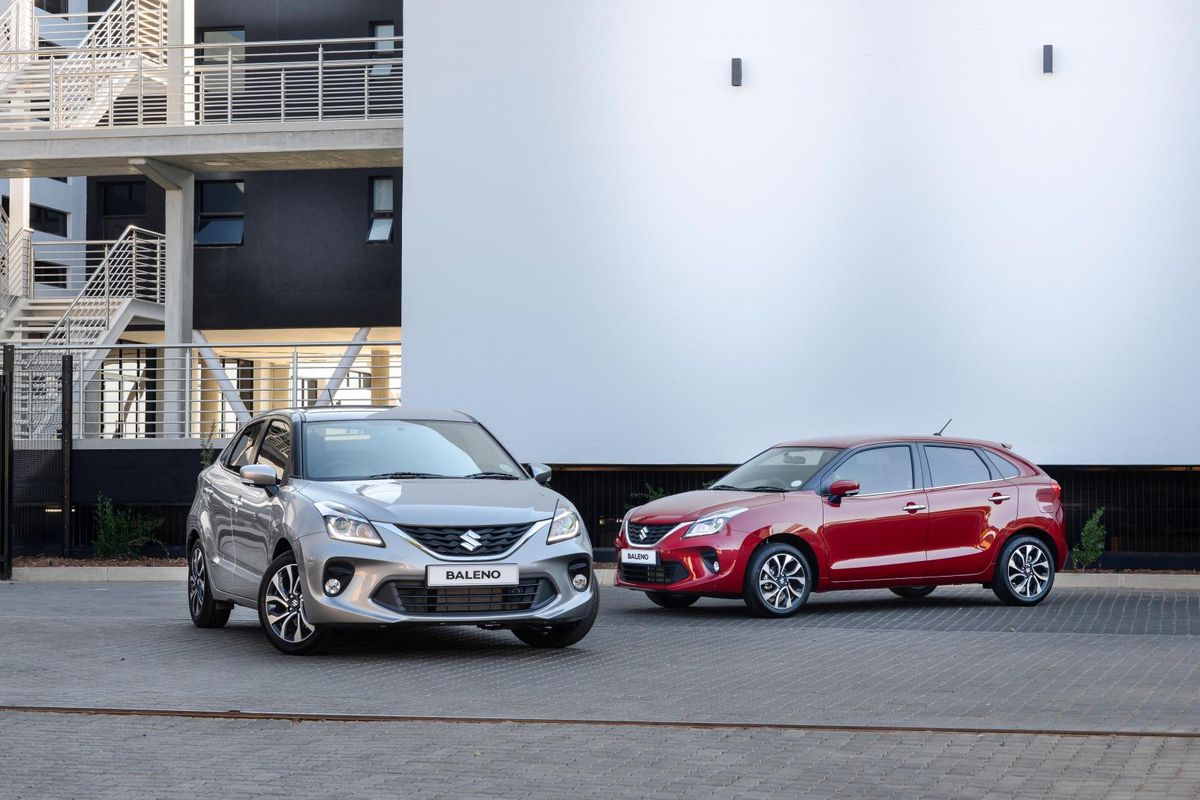
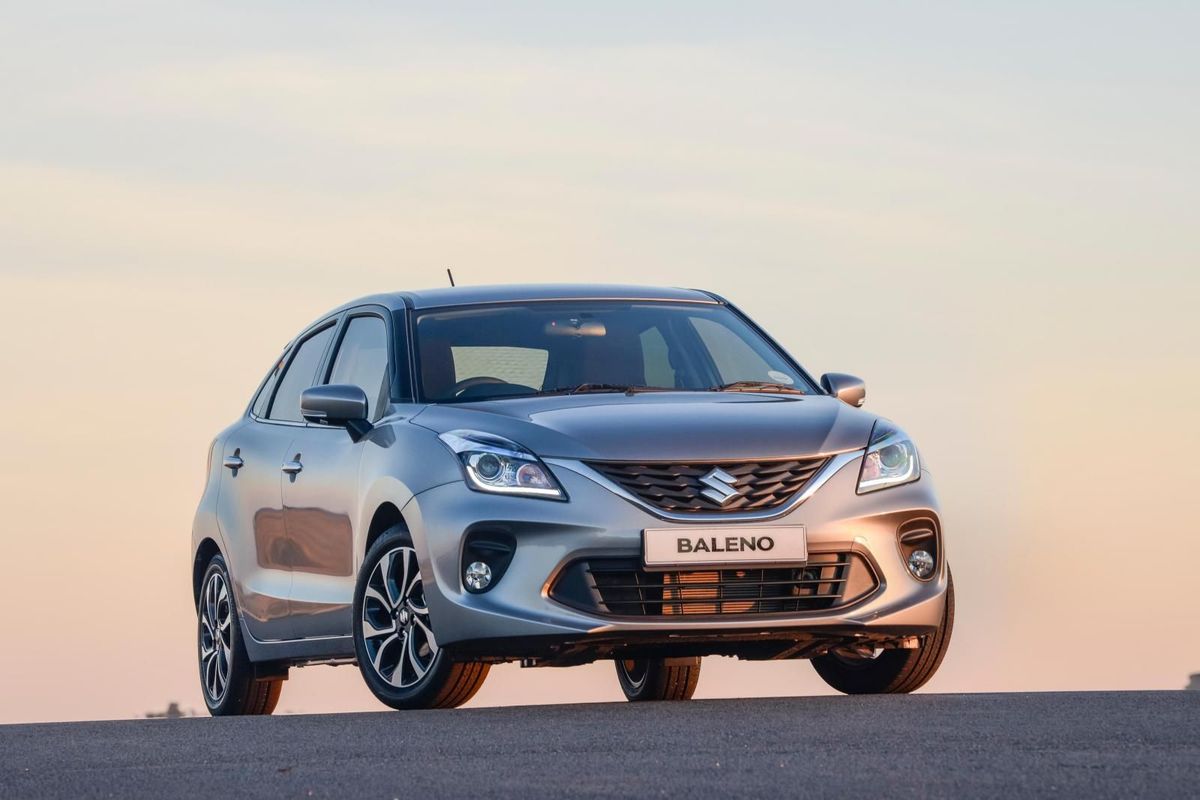
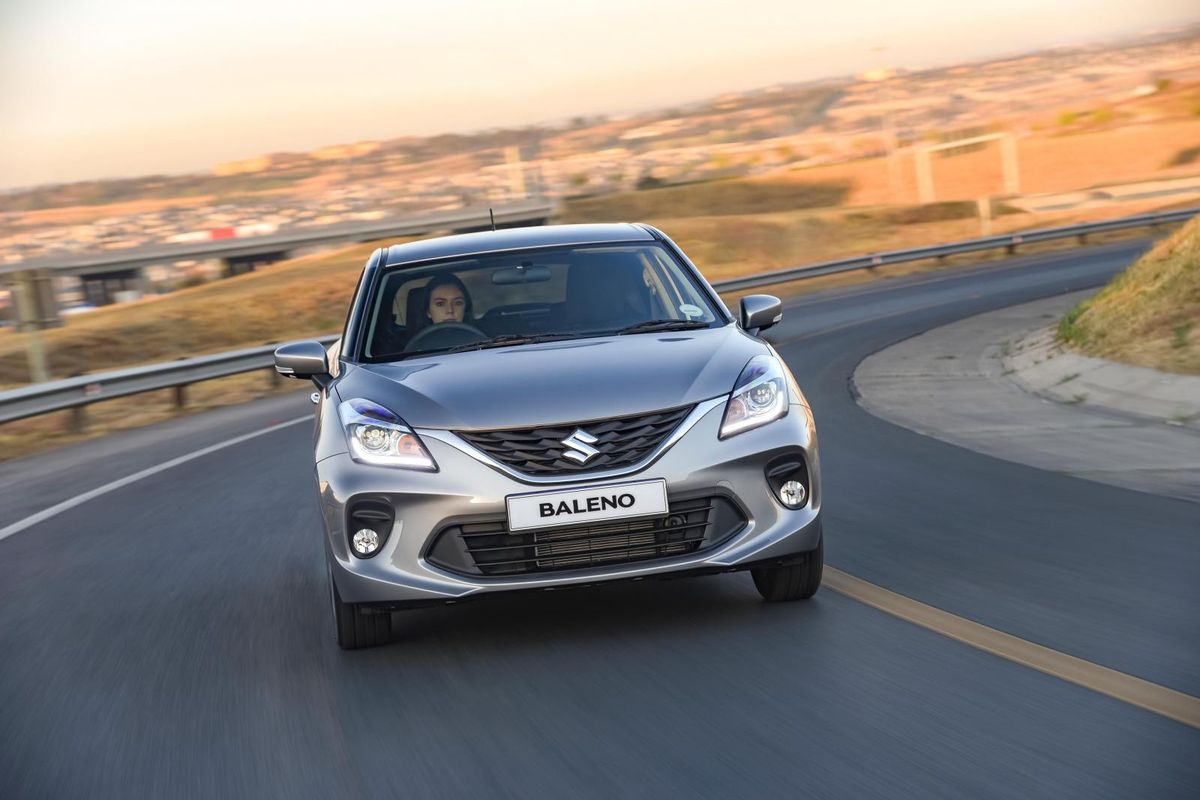
The Suzuki Baleno is a value-packed vehicle offering big-car feel for less money than a Polo. However, it was always missing one thing – stability control.
The Baleno was recently facelifted towards the end of 2019, introducing a new infotainment system complete with Apple Carplay and Android Auto. The Baleno also acquired some new styling additions in the form of LED lights a new front bumper design and a revised grille.
The rear end featured a new tailgate-mounted spoiler giving it a sportier look from what was originally a fairly plain design.
For this latest update, ESP is added across the range as standard fitment. You get traction control and stability control included in this system which bolsters the Baleno’s safety equipment levels. Previously, not having ESP seemed to be a major downside to the Baleno’s high-value offering and often stopped it from being included in the Cars.co.za Consumer Awards – powered by WesBank. The awards system places a high value on safety especially in a segment where families are often transported.
The entry-level GL Baleno comes fitted with 2 airbags, ABS, EBD and brake assist as well as the new ESP suite. The GLX builds on this with a total of 6 airbags.
The engine remains the same, fuel-efficient 1.4-litre petrol. It puts out 68 kW and 130 Nm of torque and with a 5-speed manual transmission claims to use 5.1L/100 km. The 4-speed auto is claimed at 5.4L/100 km.
The improvements to Baleno are no doubt a prequel to Toyota SA's announcement that it would bring the Toyota Starlet to SA in October. The Starlet is a carbon copy of the Baleno but features a Toyota badge on the front and rear.
Suzuki Baleno Pricing
Baleno 1.4 GL M/T – R221 900
Baleno 1.4 GLX MT – R259 900
Baleno 1.4 GLX AT – R274 900
The Baleno is sold with a 5-year/200 000 km mechanical warranty and a 4-year/60 000 km service plan.
The Volkswagen SUV offensive continues with the Wolfsburg-based manufacturer teasing yet another offering.
Update: Volkswagen has confirmed the name of its new SUV. The Taos will be a sub-Tiguan crossover. "We’re thrilled to announce the name for the newest member of the Volkswagen family," said Hein Schafer, Senior Vice President for Product Marketing and Strategy at Volkswagen of America. "It was important to choose a name that really embodied the nature of the car and the town of Taos, New Mexico was a perfect fit. It’s a small city that offers big things—from outdoor adventure to arts and design and great cuisine."
With a reveal date set for the second week in October, this new compact Volkswagen is said to be classed as compact-sized and is smaller than the Tiguan.
Volkswagen has confirmed this model will be launched in the United States. “We’re excited to share the first glimpse of the newest member of the Volkswagen family,” said Scott Keogh, president and CEO of Volkswagen Group of America. “Great things come in small packages, as Volkswagen has proven throughout the years with its iconic Beetle, Golf and Jetta. This next car will be no exception.”
The German brand already has quite a portfolio of vehicles in the SUV category. Our market alone receives the T-Cross, Tiguan, Tiguan Allspace, Touareg, with the T-Roc joining the lineup towards the end of 2020. Overseas, there's the Volkswagen Nivus and numerous China-only models like the Tayron and Tiguan X. Let's not forget that these models are also offered with performance engines and badged as R, while there's even a convertible model for the T-Roc. Volkswagen is trying its hardest to cover all the bases with its SUV family.
Judging from this teaser image and video, we're guessing this is an all-new model as no vehicle in the current lineup features daytime running lights in this layout. As always and is customary with Volkswagen SUVs, expect a variety of powertrains, but given the brand's history with diesel, it's unlikely the oil-burner will be offered Stateside.
We'll keep an eye on this one and will update as soon as we hear more.
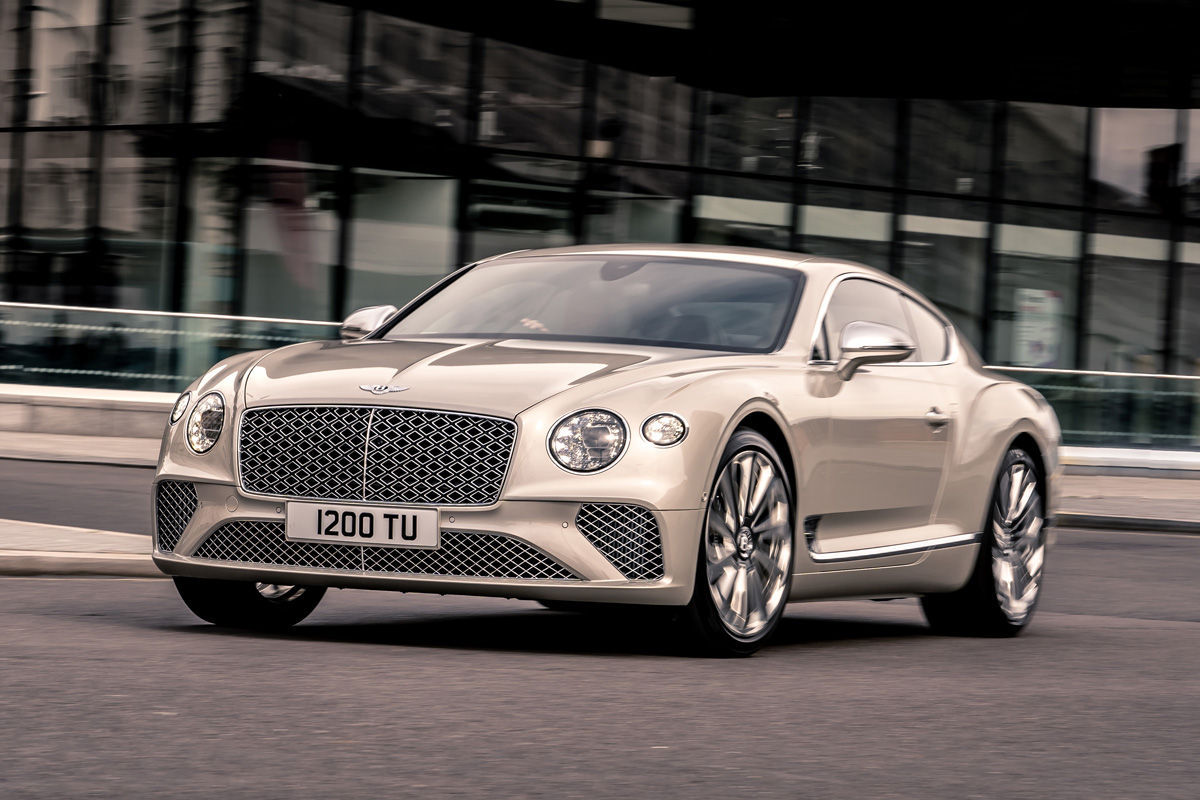
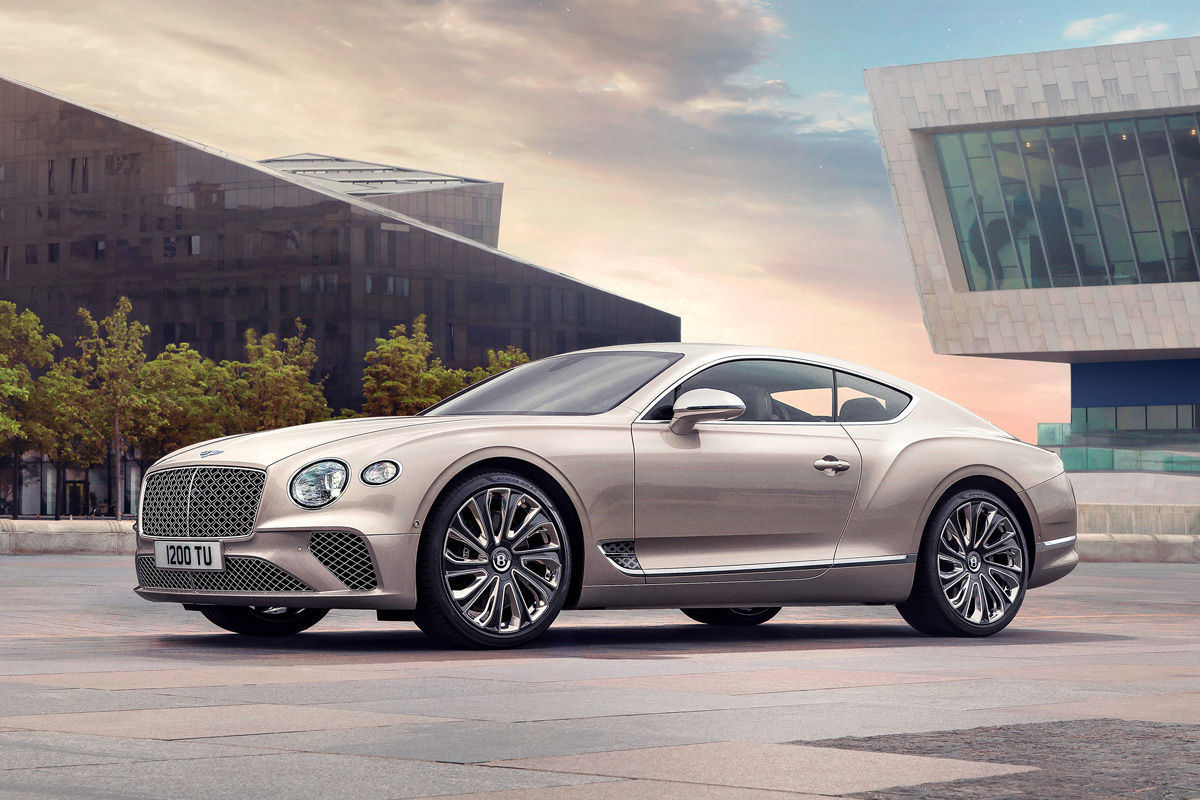
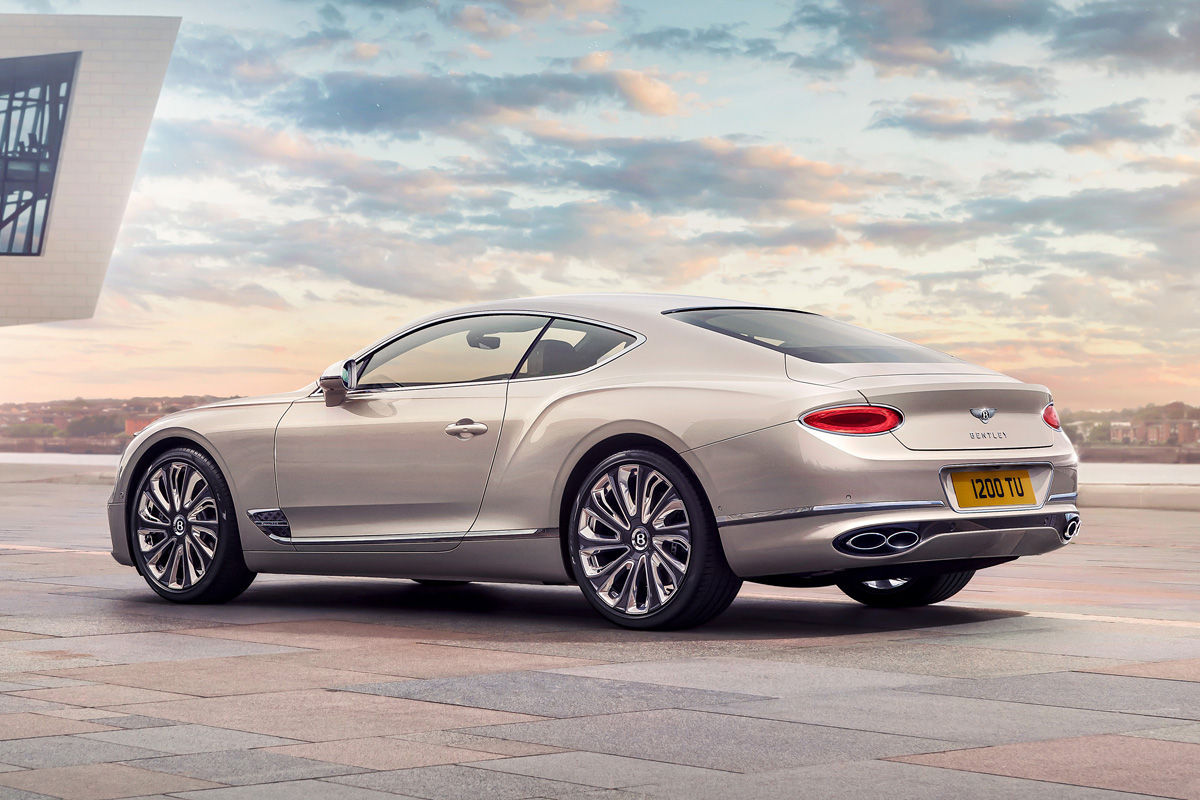
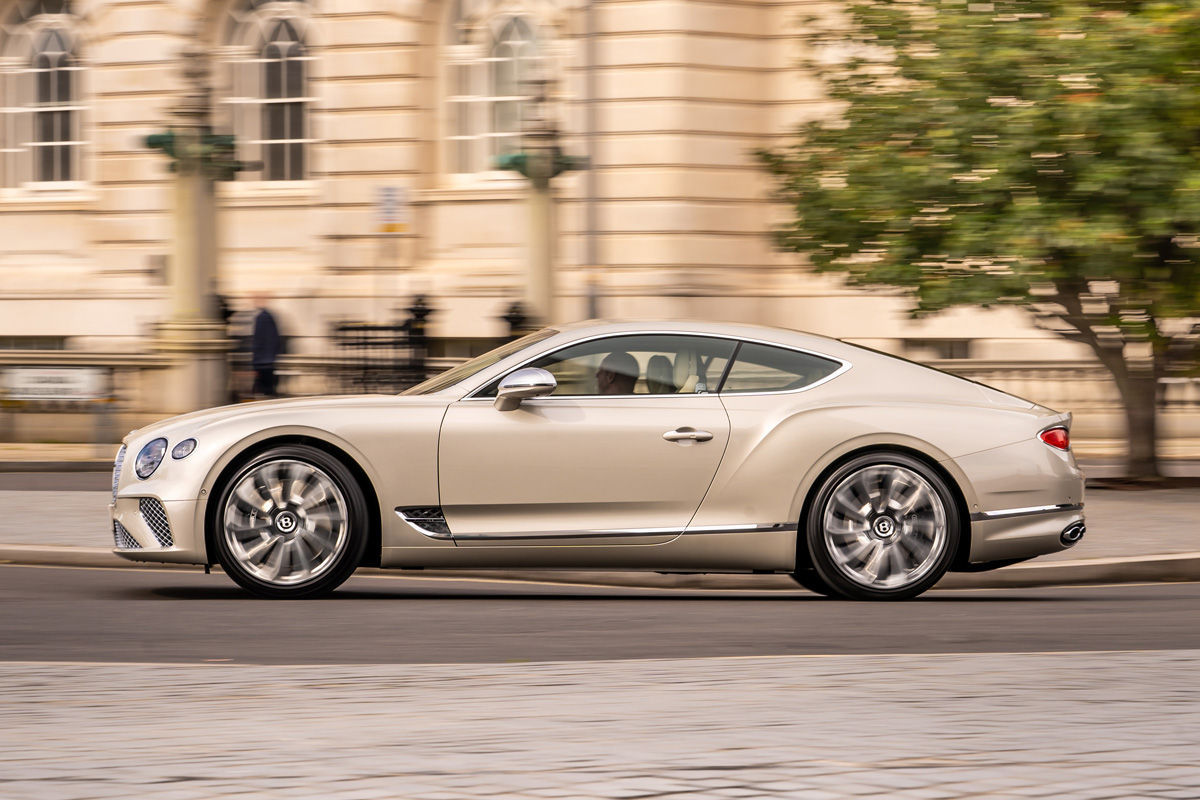
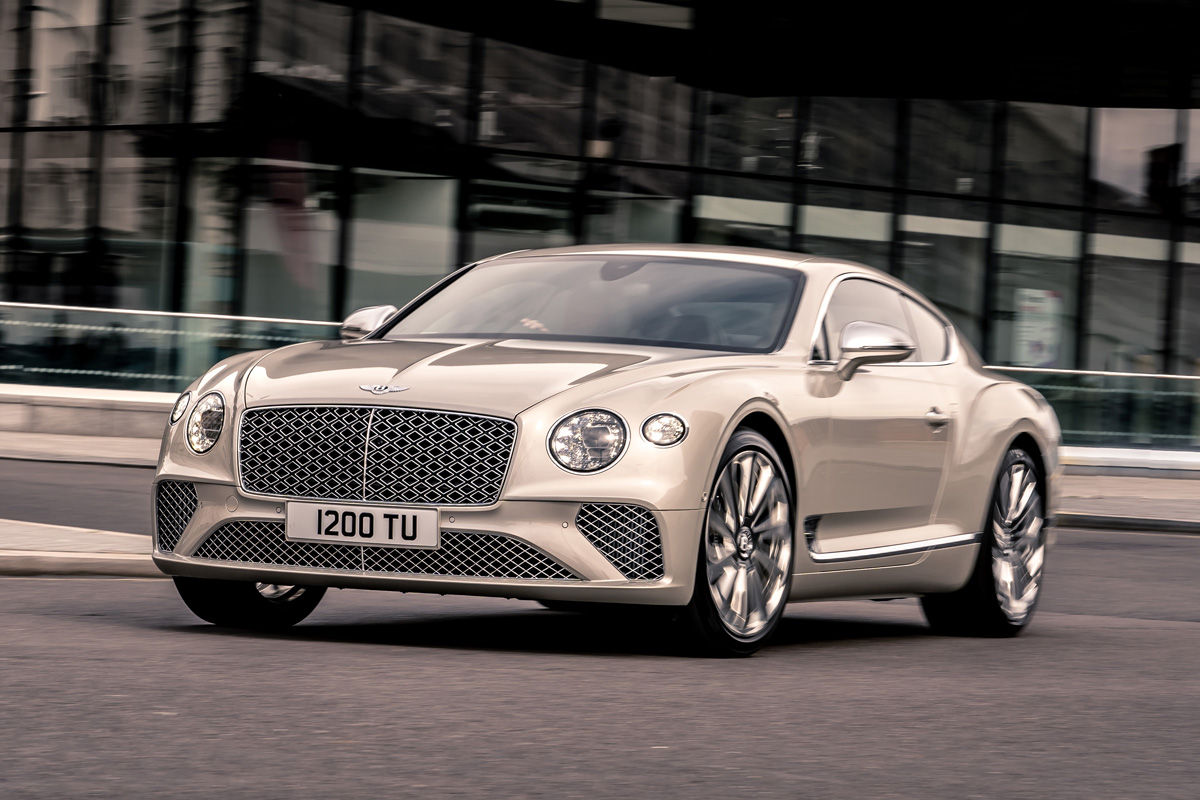
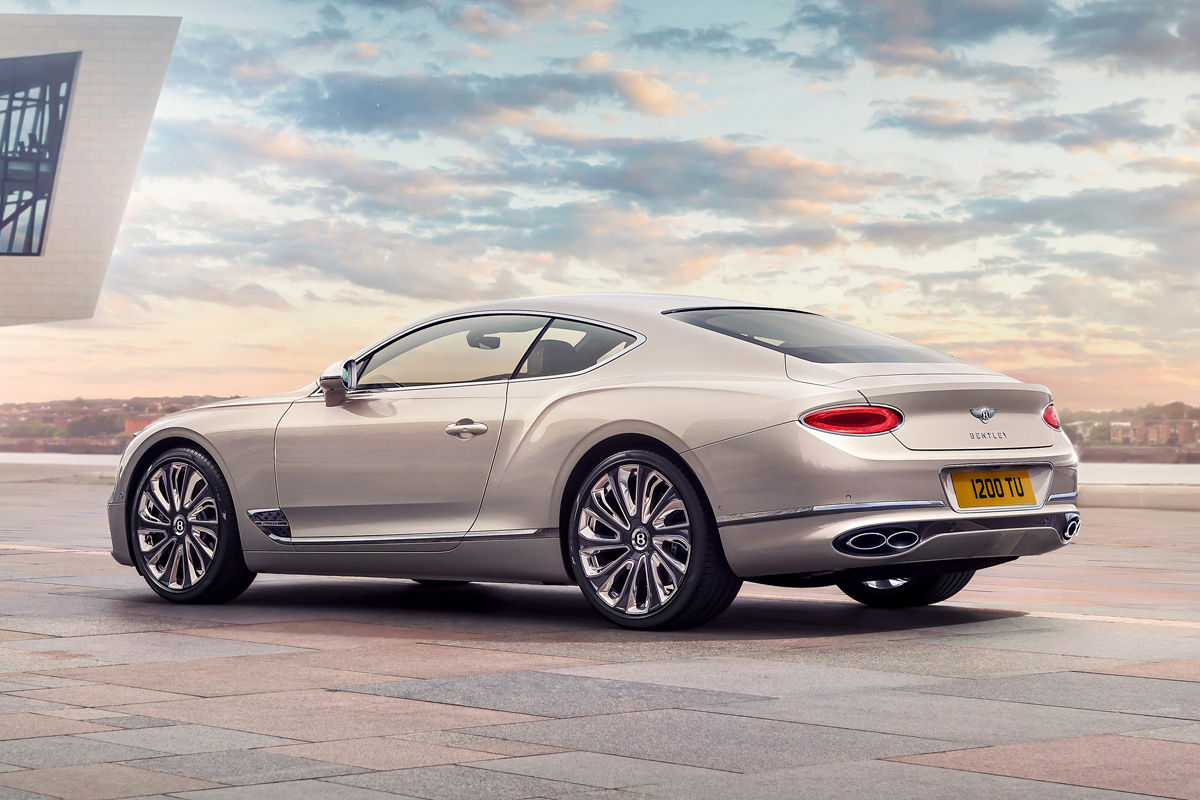
Bentley has followed up the Continental GT Mulliner Convertible, which it unveiled earlier this year, by releasing an equally exquisite hardtop version of the bespoke car – designed and built by the oldest coachbuilder in the world.
The pair forms part of Bentley Mulliner’s new Collections portfolio and the coupe will make its debut at Salon Privé in the UK later this month.
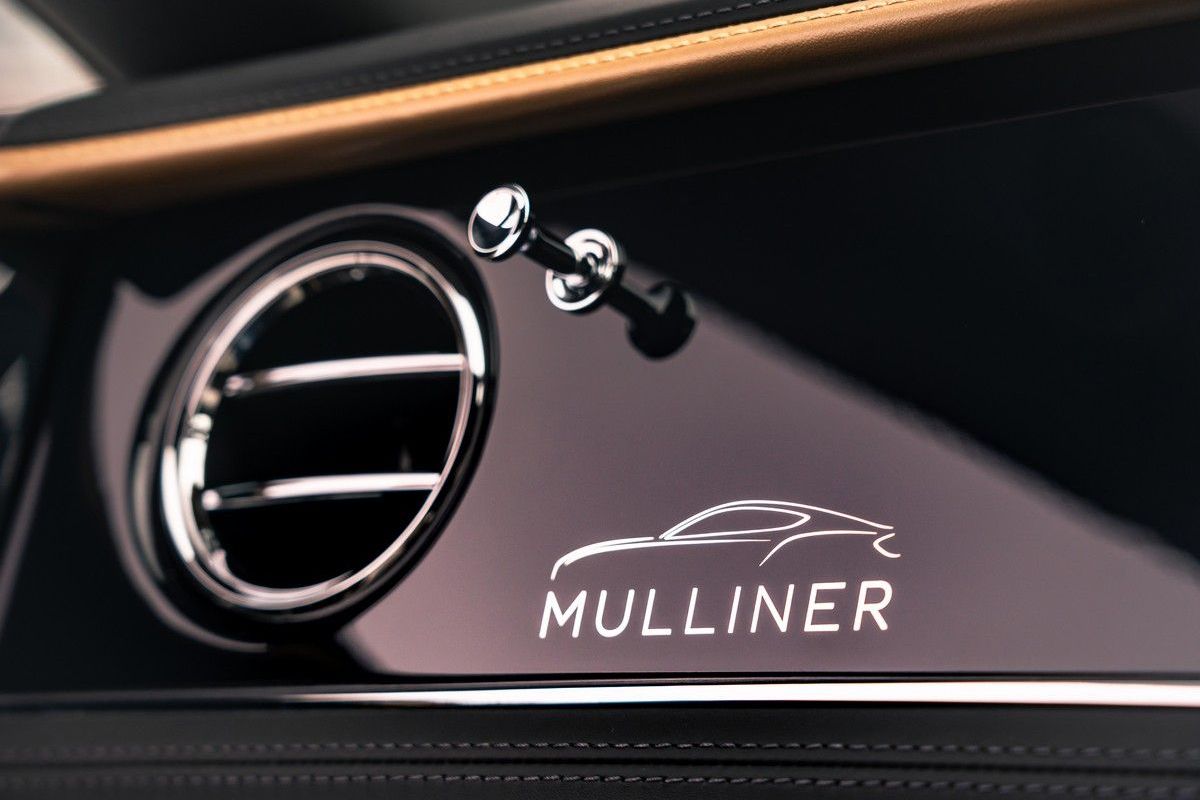
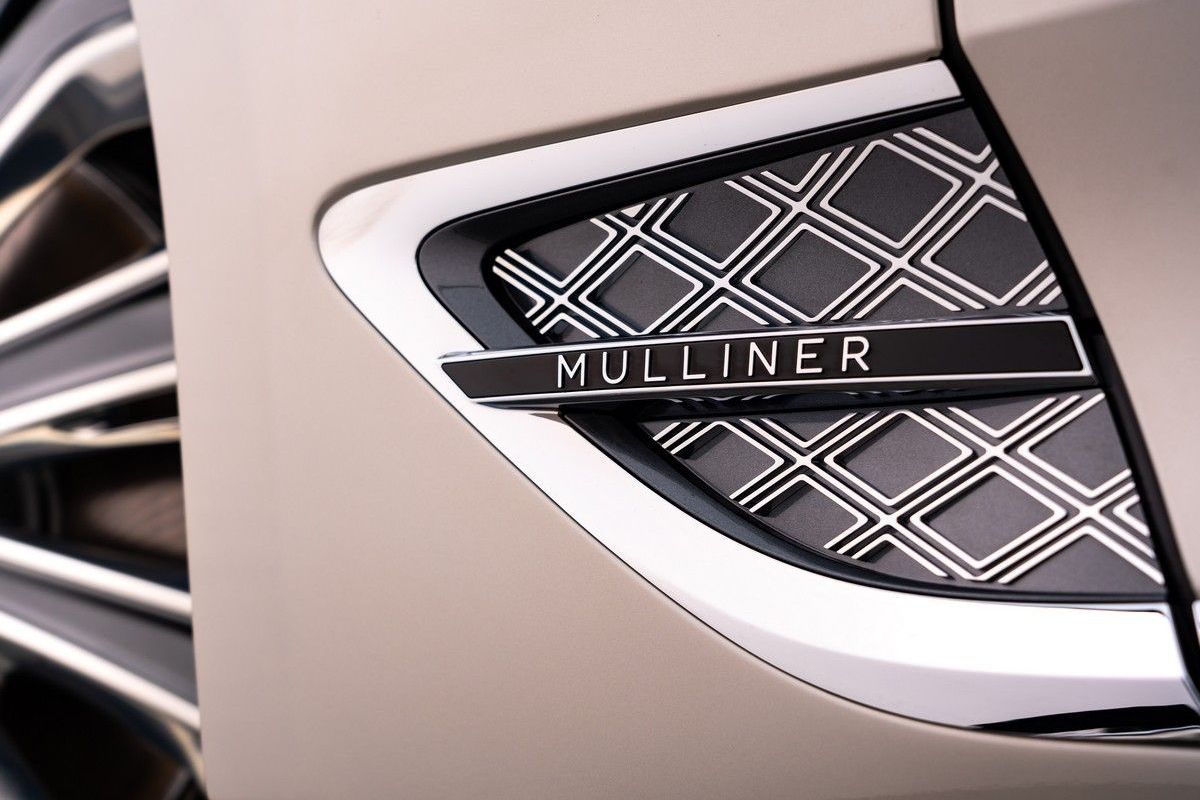
Like the convertible version, the Continental GT Mulliner features a "Double Diamond" grille, which was inspired by Bentley’s Diamond-in-Diamond interior quilting concept. The bespoke grille’s silver-on-black mesh is complemented by diamond-patterned (and branded) fender vents, while the mirror housings, equipped with Mulliner welcome lamps, are finished in Satin Silver, as are the Mulliner-branded illuminated tread plates.
The Continental GT Mulliner will be available with either a twin-turbo V8 or a twin-turbo W12 powerplant.
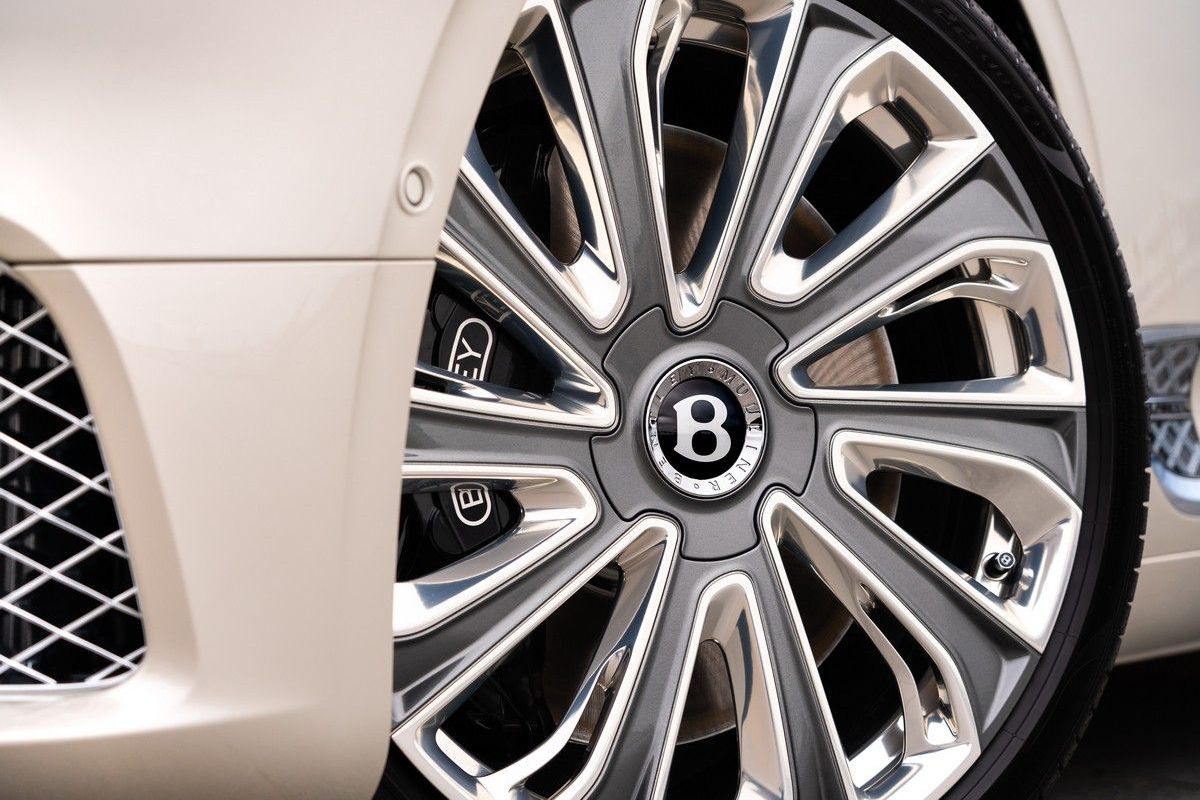
The newcomer is available in literally dozens of exterior paint finishes, but if a customer still can’t find the exact colour they want, Bentley’s artisan paint specialists can fashion a bespoke colour (matched to any item or sample) for them. All-new 22-inch, 10-spoke polished alloy wheels (painted and polished in a silver-black scheme and equipped with self-levelling "B" wheel badges, of course) complete the look.
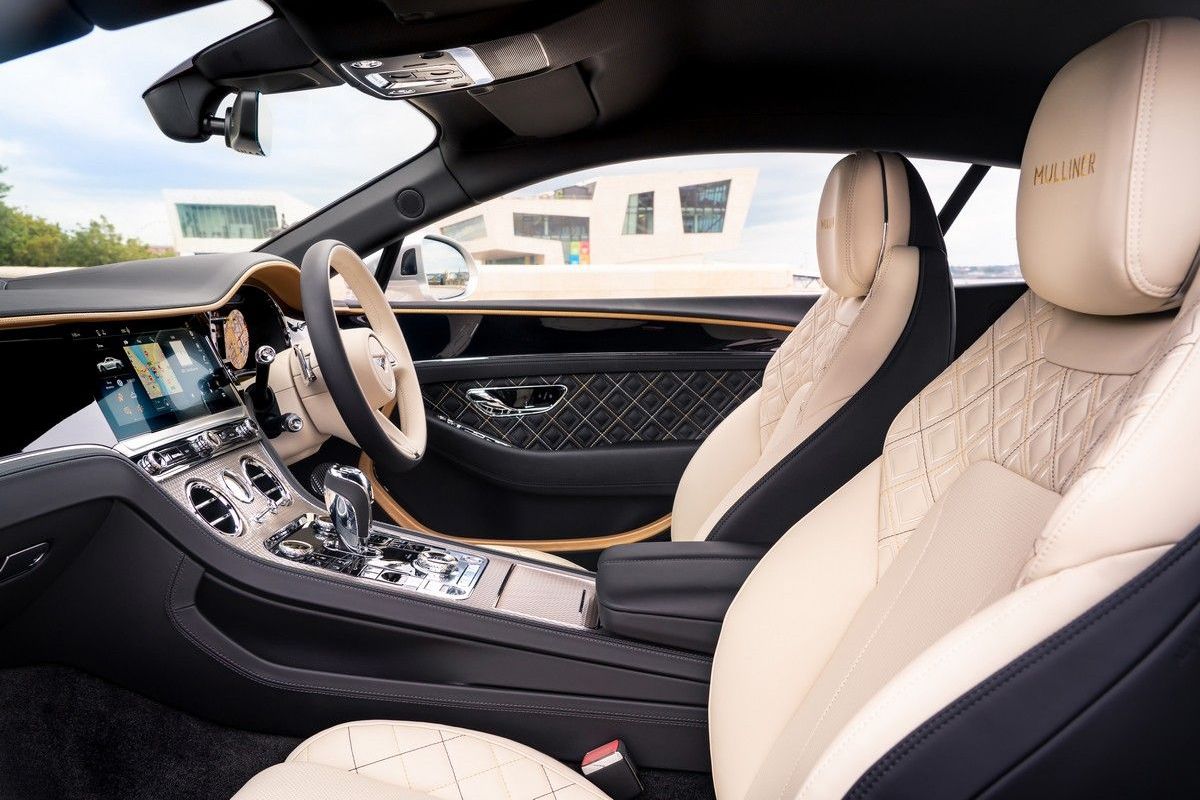
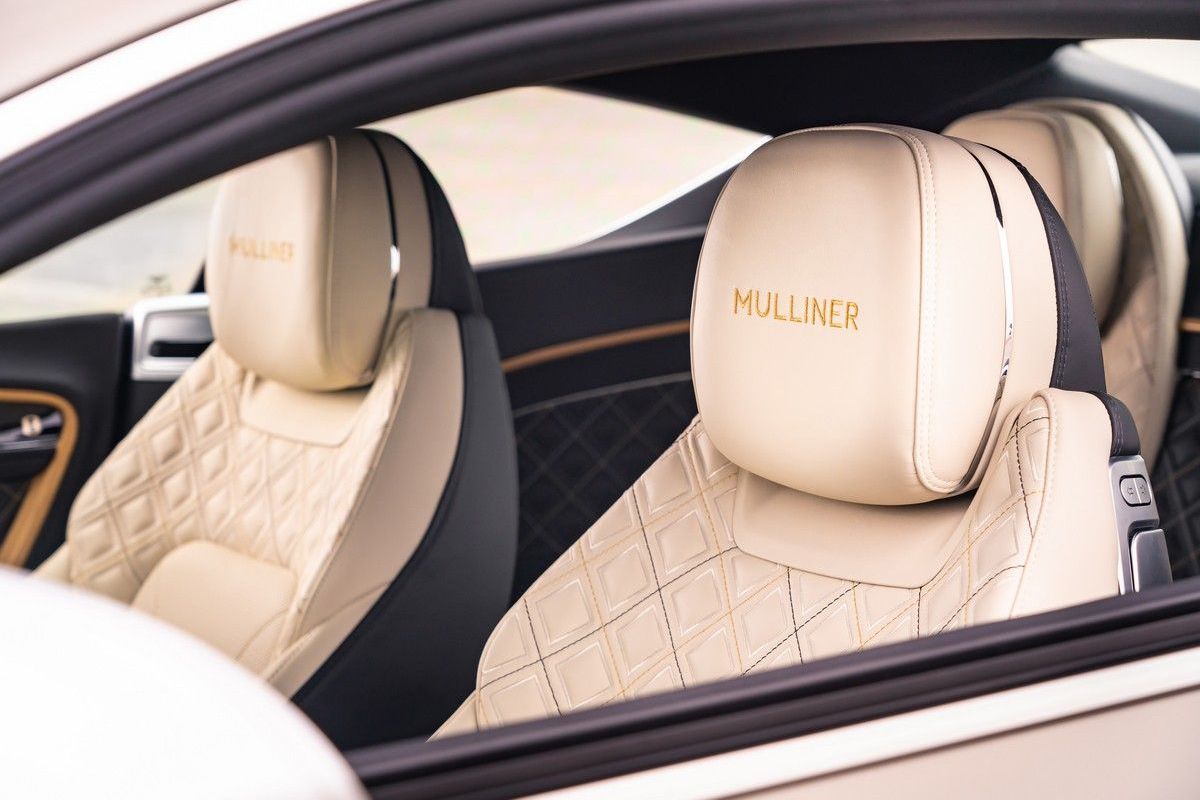
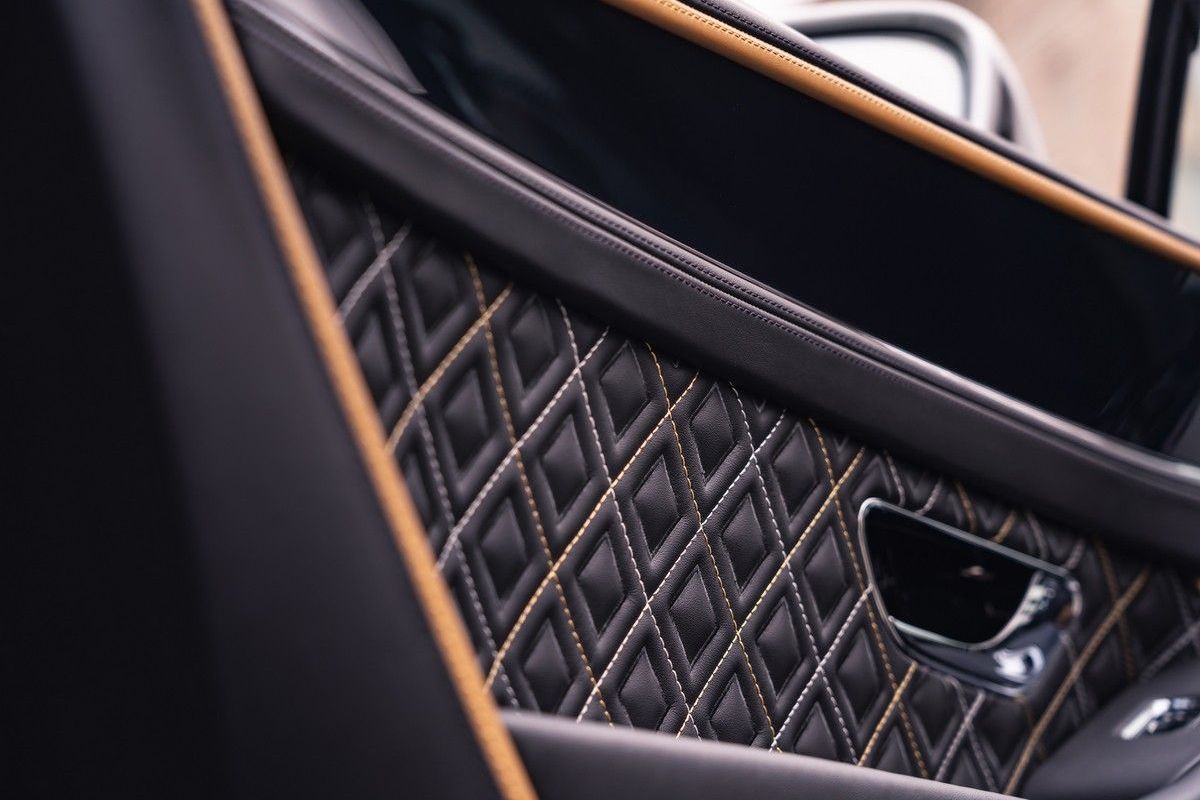
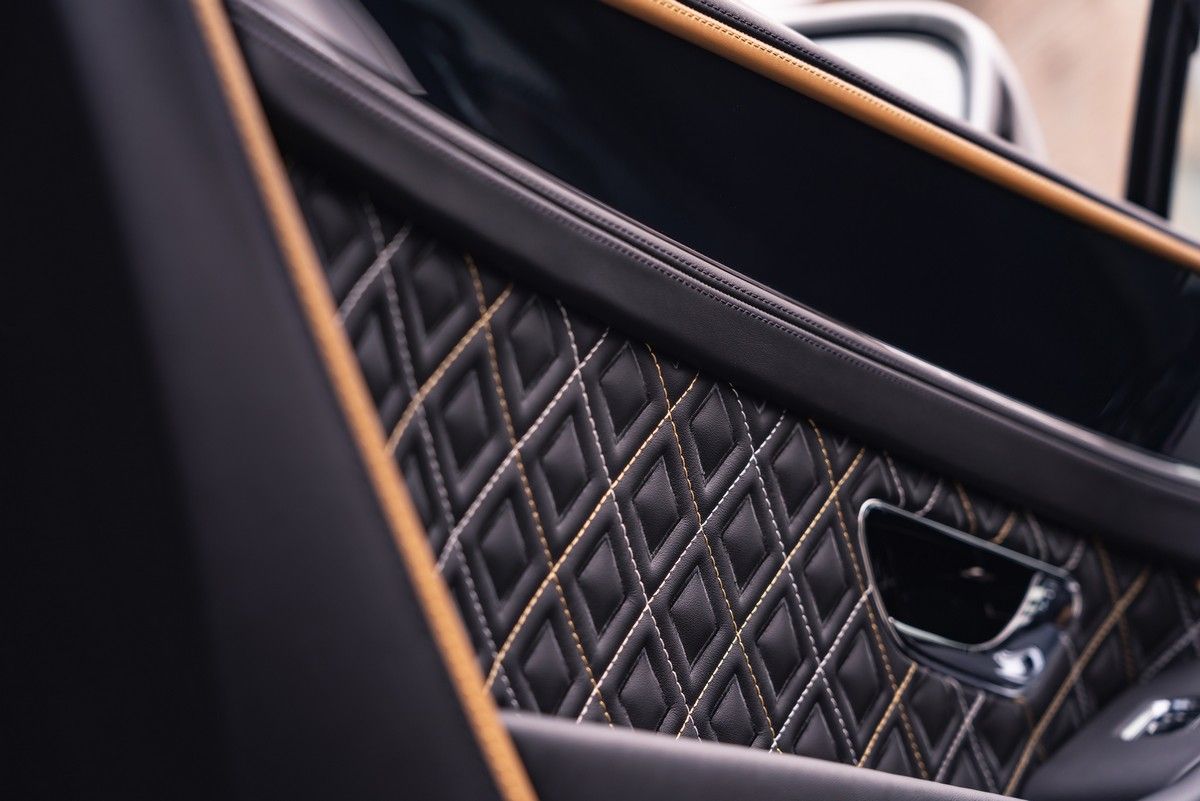
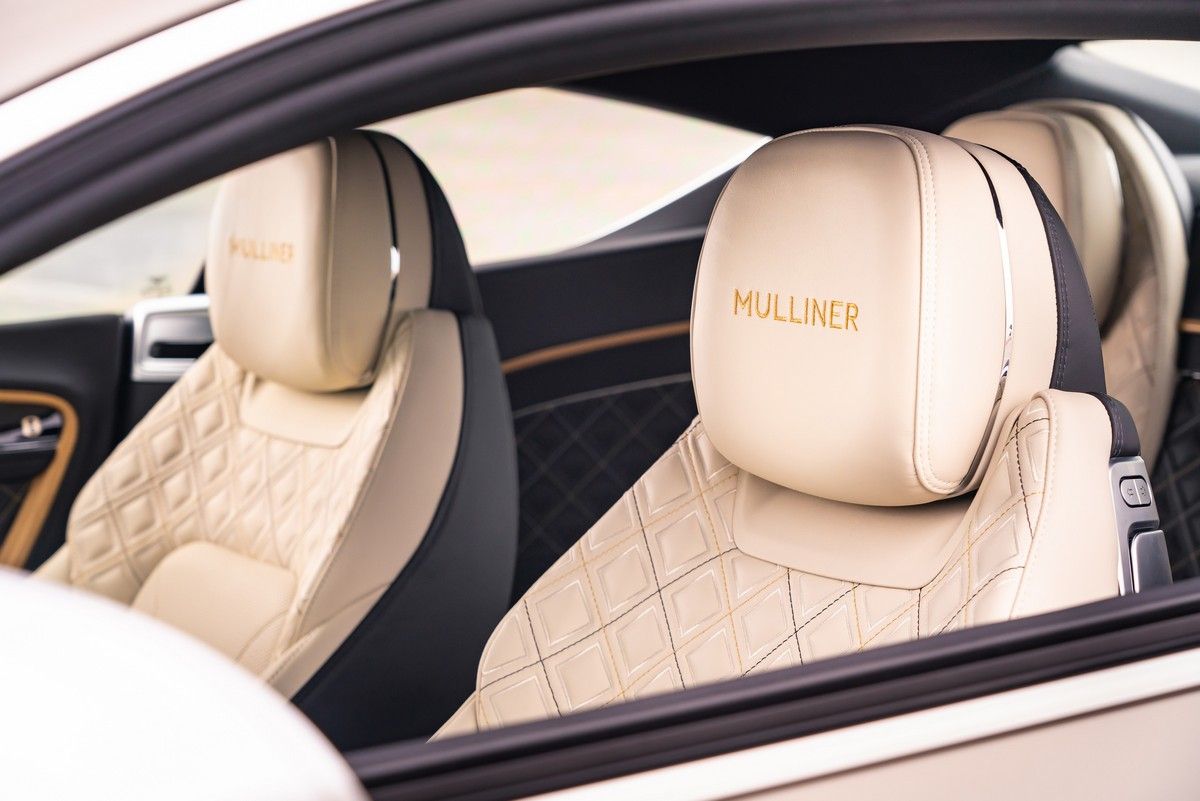
Inside, the standard Mulliner Driving Specification brings the aforementioned Diamond-in-Diamond quilting to the Continental GT Mulliner's cossetting seats, doors trims and rear quarter panels. Buyers can choose from 8 custom-made tri-colour schemes on the Mulliner palette for the look of the leather and stitching, with a combination of primary and secondary hide joined by a 3rd colour through a flowing design line.
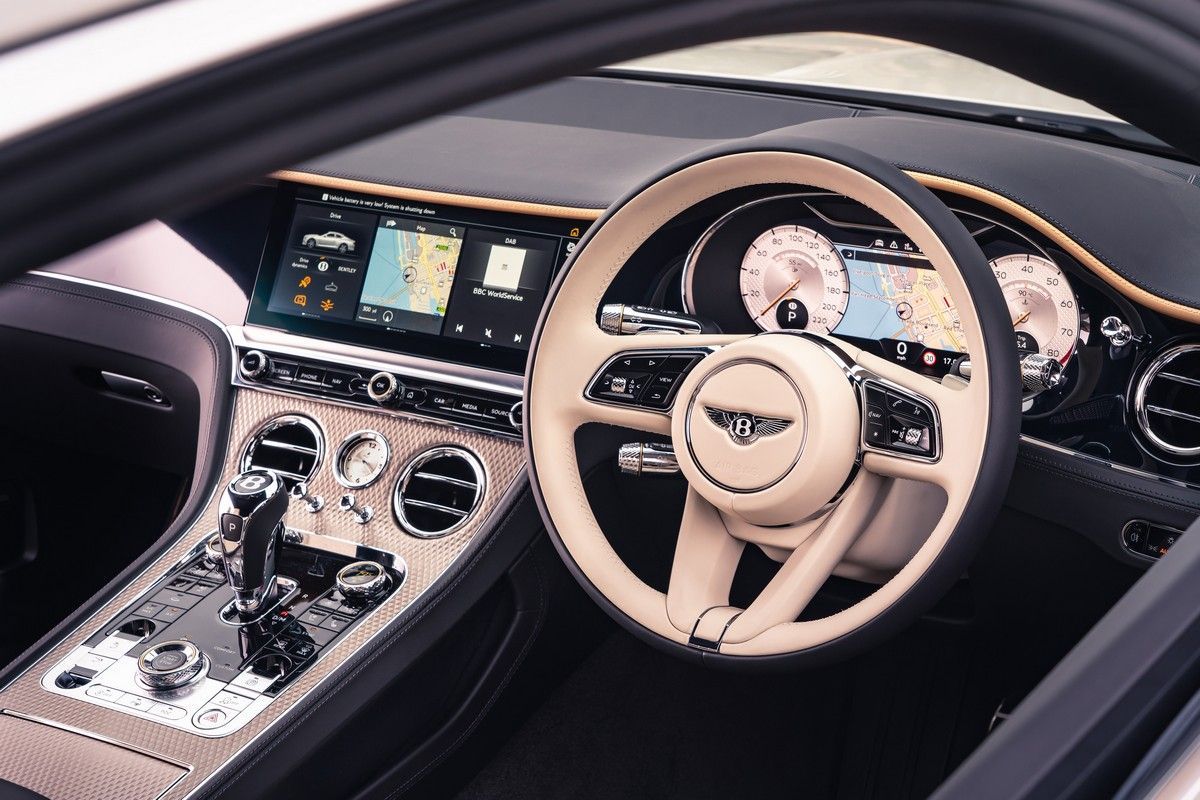
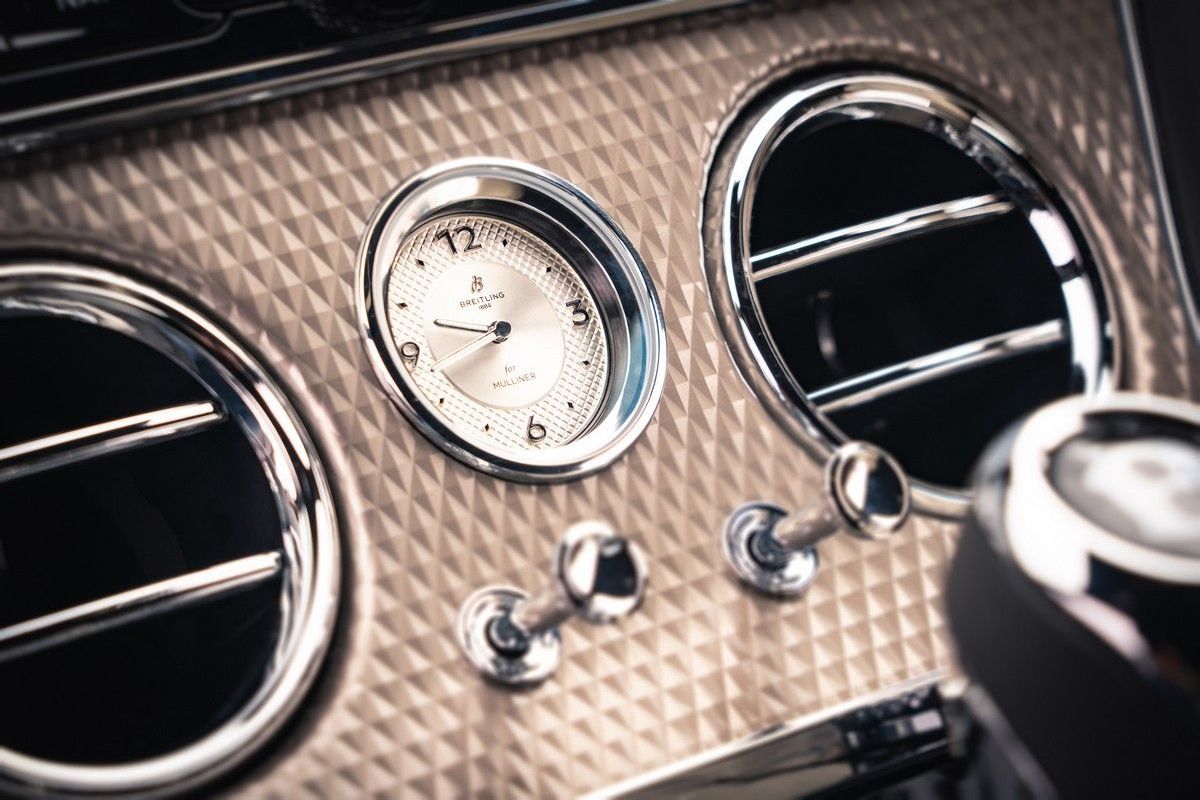
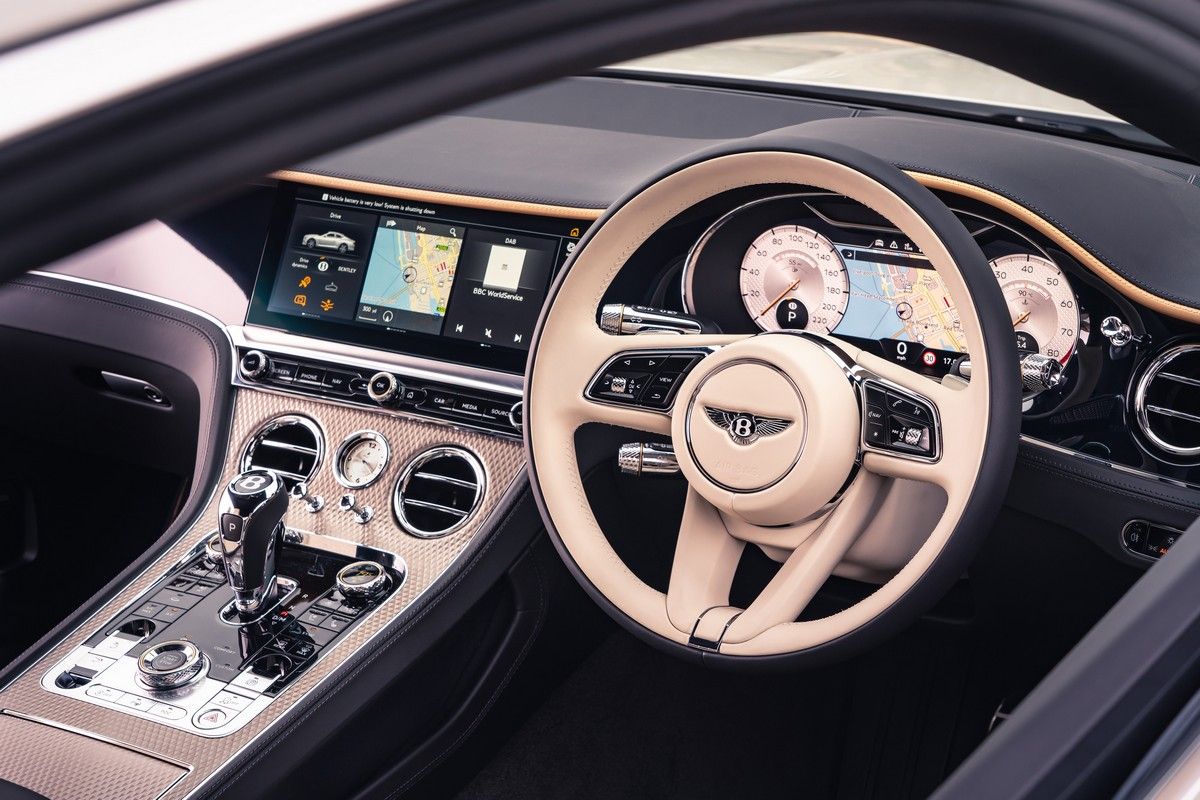
The graphics of the Bentley's digital instrument cluster were designed to complement the Breitling watch in the centre console.
According to Bentley, it takes almost 400 000 stitches to deliver this quilting across the cabin of the car, with each diamond containing no fewer than 712 individual stitches – each one precisely aligned to point to the centre of the diamond it creates.
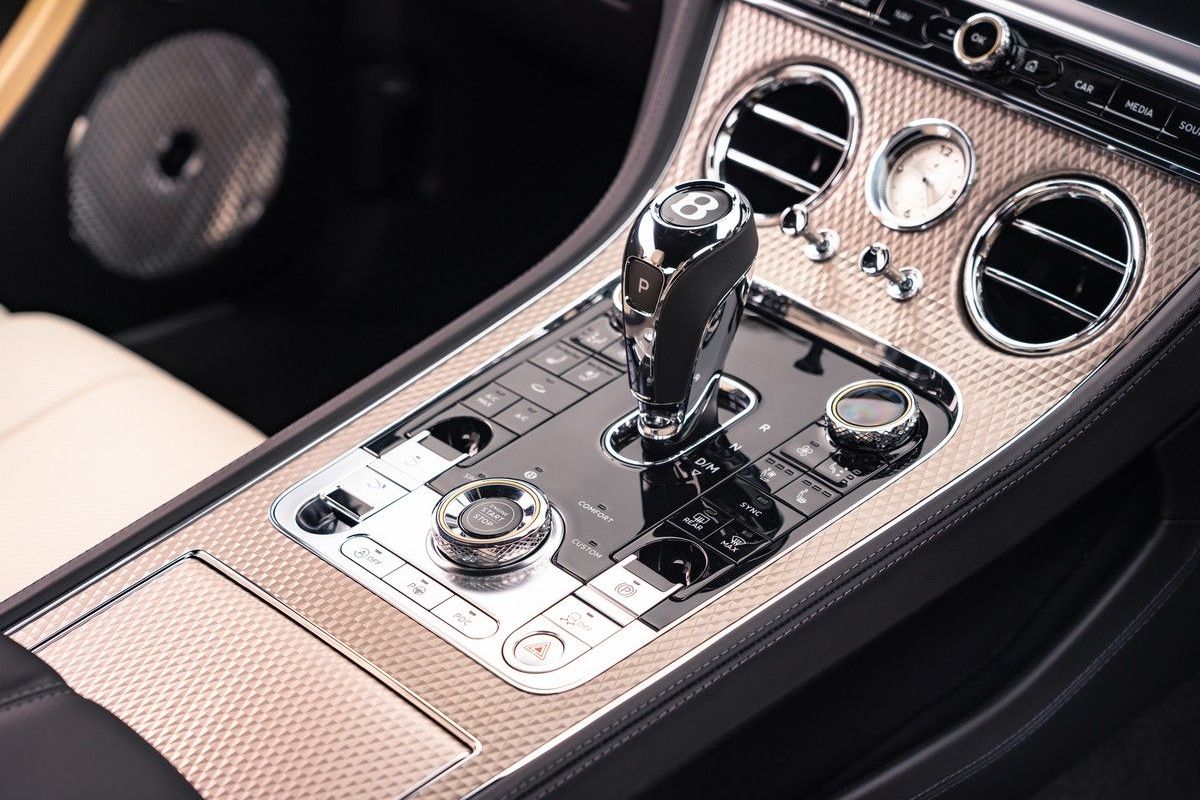
The diamond theme continues with the milled metallic finish of the centre console, which is flanked by Grand Black walnut veneer with chrome overlays that flows into the doors, where it is completed by a discreet Bentley ‘B’ motif. And, if the Grand Black finish is not to a buyer’s taste, they can choose from a range of 87 other contemporary, colourised veneer options that can be matched to the interior or exterior of the car.
This example of leather quilting (from the inner door) demonstrates the custom-made tri-colour scheme.
The roof of the cabin is trimmed along its full length with indented hide, or smooth hide to match the seat backs if the fixed glass roof is selected. The floor mats are edged with micro-piping to match the tri-colour scheme and have chrome Bentley ‘B’ retention caps.
As is customary in a contemporary Bentley interior, a Breitling clock sits proudly in the middle of the centre console, but in this case, the brushed-metal finish of the timepiece is complemented by the design of the main gauges of the digital instrument cluster “where careful skeuomorphic design and digital textures make the virtual dials look like (they’re made from) real metal,” Bentley says.
Mulliner branding features on the embroidered headrests as well as the burr wallnut veneer on the front passenger's side.
Meanwhile, the Continental GT Mulliner’s interior features 7 distinct LED mood lighting themes and, as is the case with its Convertible sibling, the newcomer can be specified with a "Naim for Bentley" audio system, which comprises 18 speakers and 2 Active Bass transducers driven by a 2 200-watt, 20-channel amplifier and 8 DSP sound modes (with Active Bass).
Buyers can order their car with either a 4.0-litre, twin-turbocharged V8, or a 6.0-litre, twin-turbocharged W12 powerplant, both in combination with Bentley’s 48V electric active anti-roll technology – Bentley Dynamic Ride. Those who opt for the V8 version will be able to waft from 0-100 kph in 3.9 seconds and achieve a 318-kph top speed, while the W12 derivative’s stated 0-100-kph time is 3.7 seconds (with a top speed of 333 kph).
The GT Mulliner's exterior appearance is greatly enhanced by the 22-inch alloys, which match the grille's dual-tone finish.
The Crew-based manufacturer says it will begin taking orders for the Continental GT Mulliner (both coupe and convertible) from October 2020, with deliveries expected to commence early next year. We also expect the revised Bentley Bentayga Speed to arrive in Mzansi next year.
And, when customers take delivery of their exclusive, largely hand-built Mulliners, they will receive a leather key in a sumptuous, Mulliner-branded handcrafted presentation box that, wait for it… matches the 3-colour interior configuration that they specified. Opulence indeed!
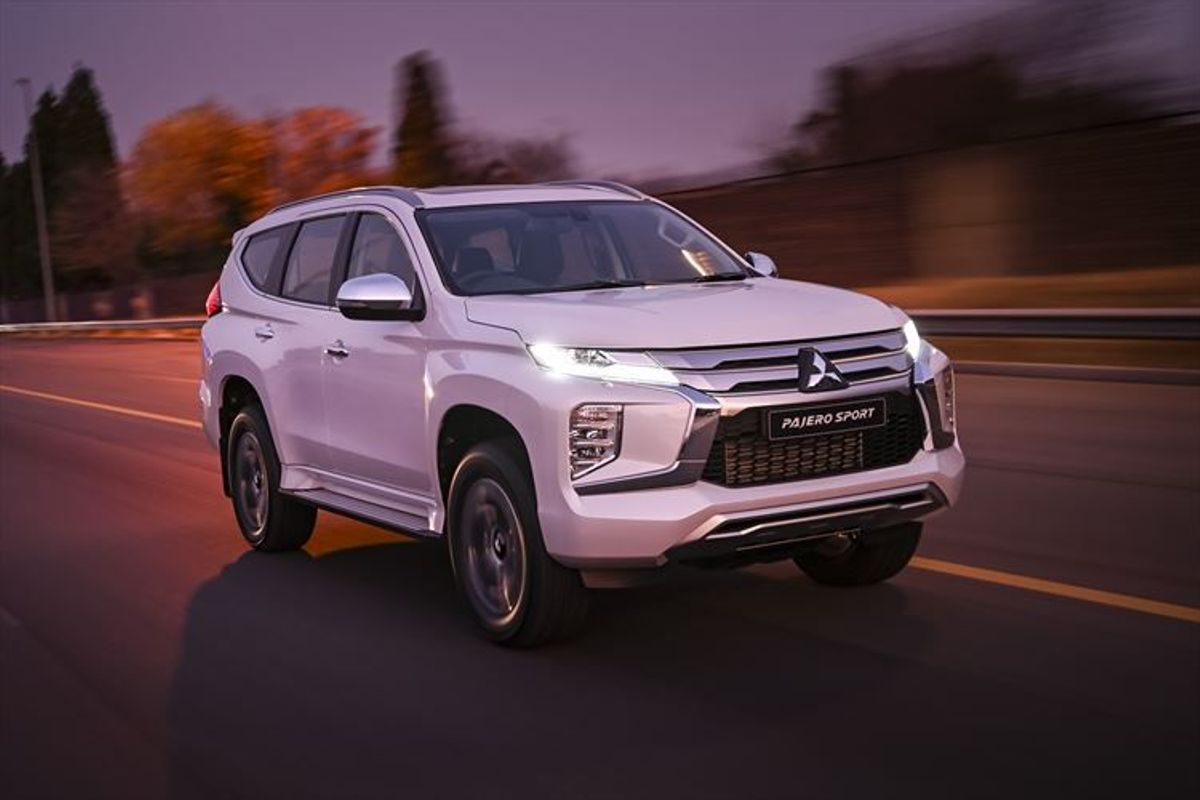
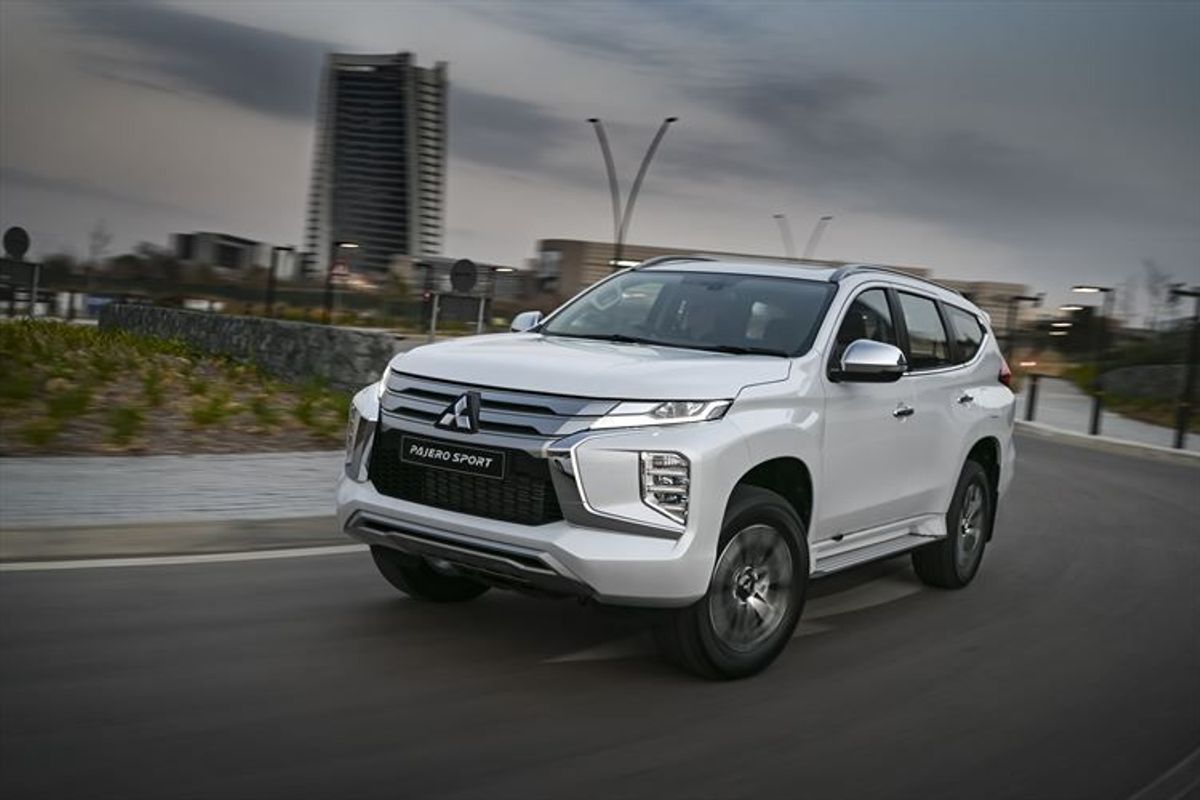
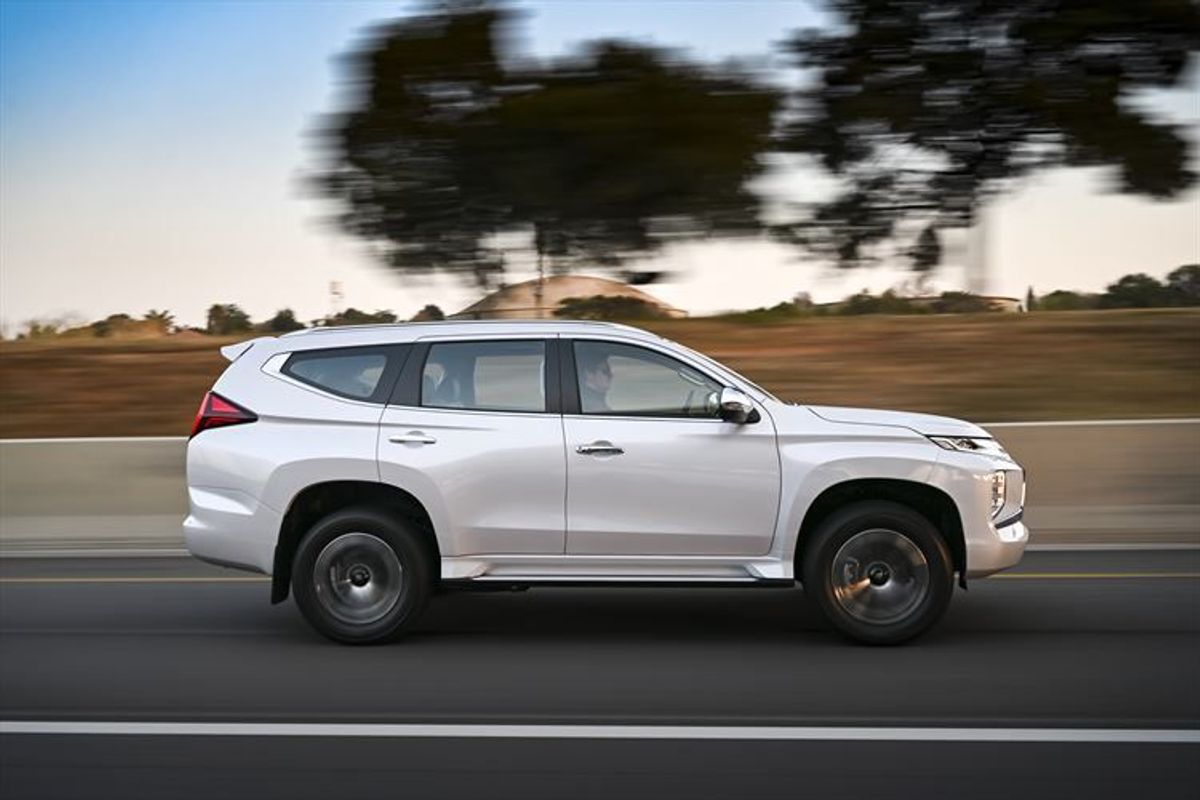
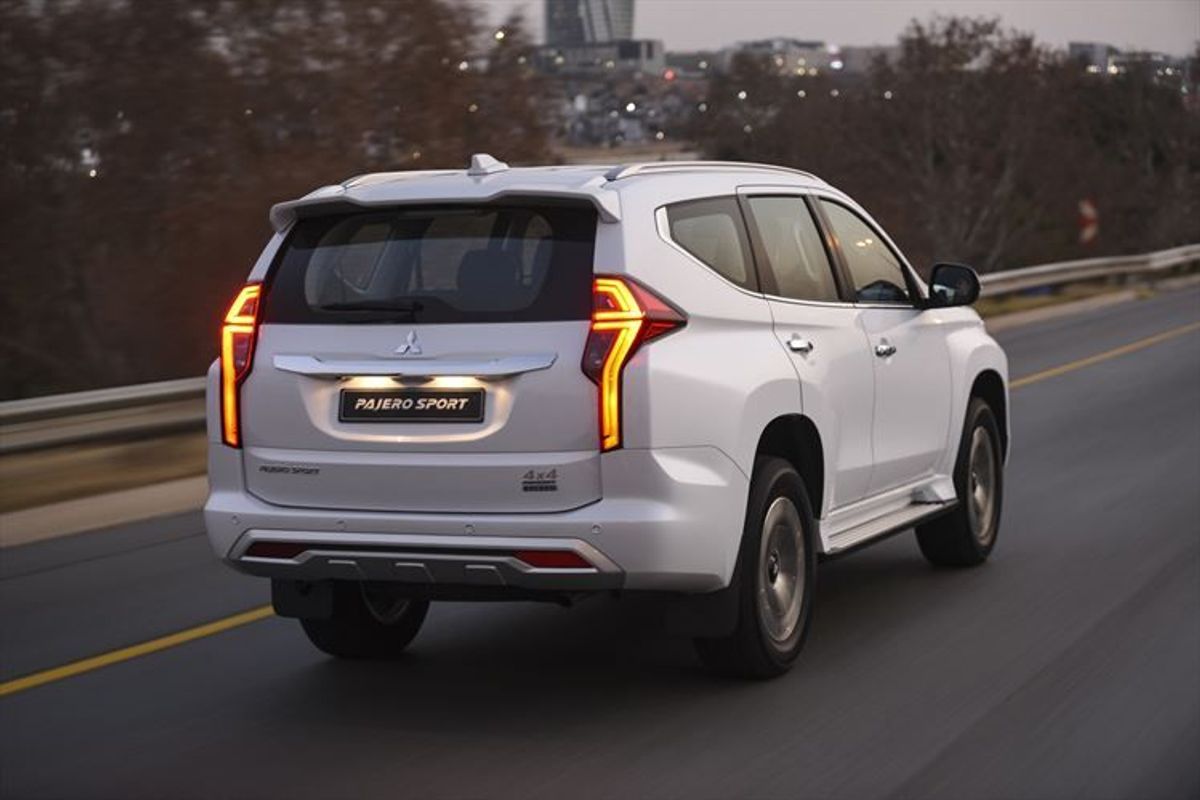
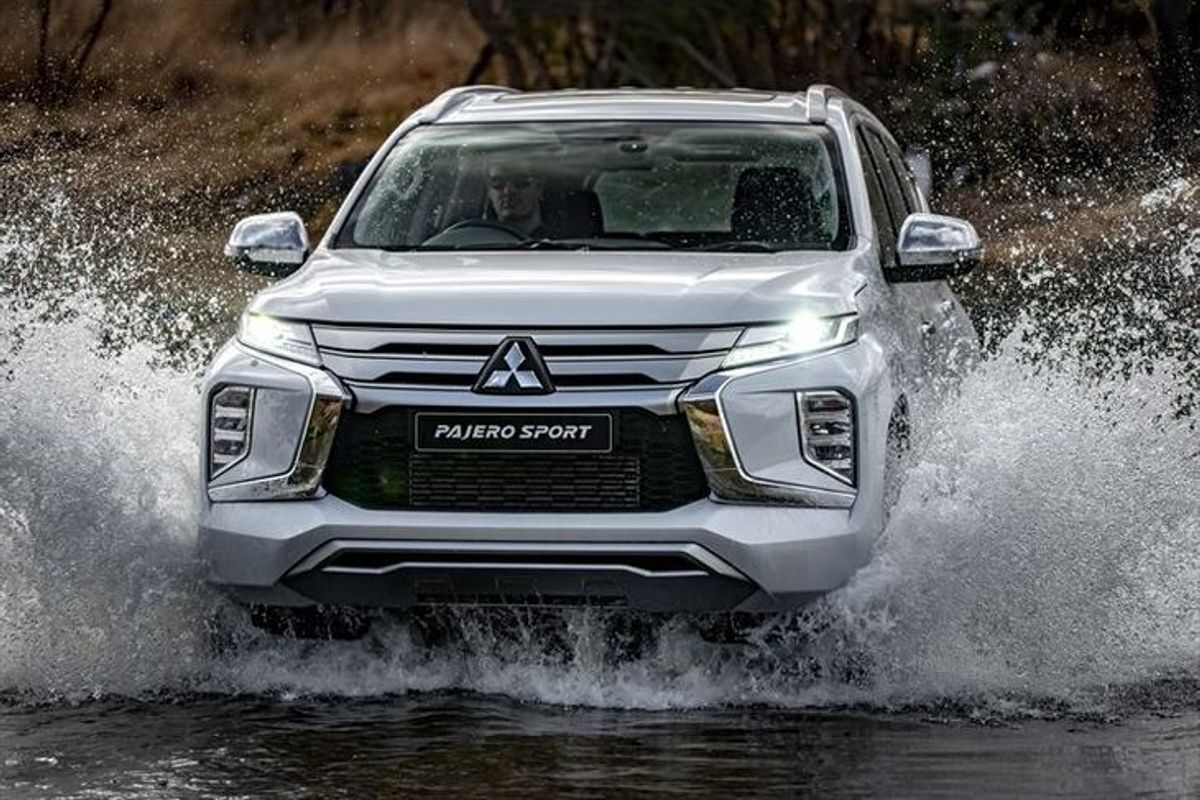
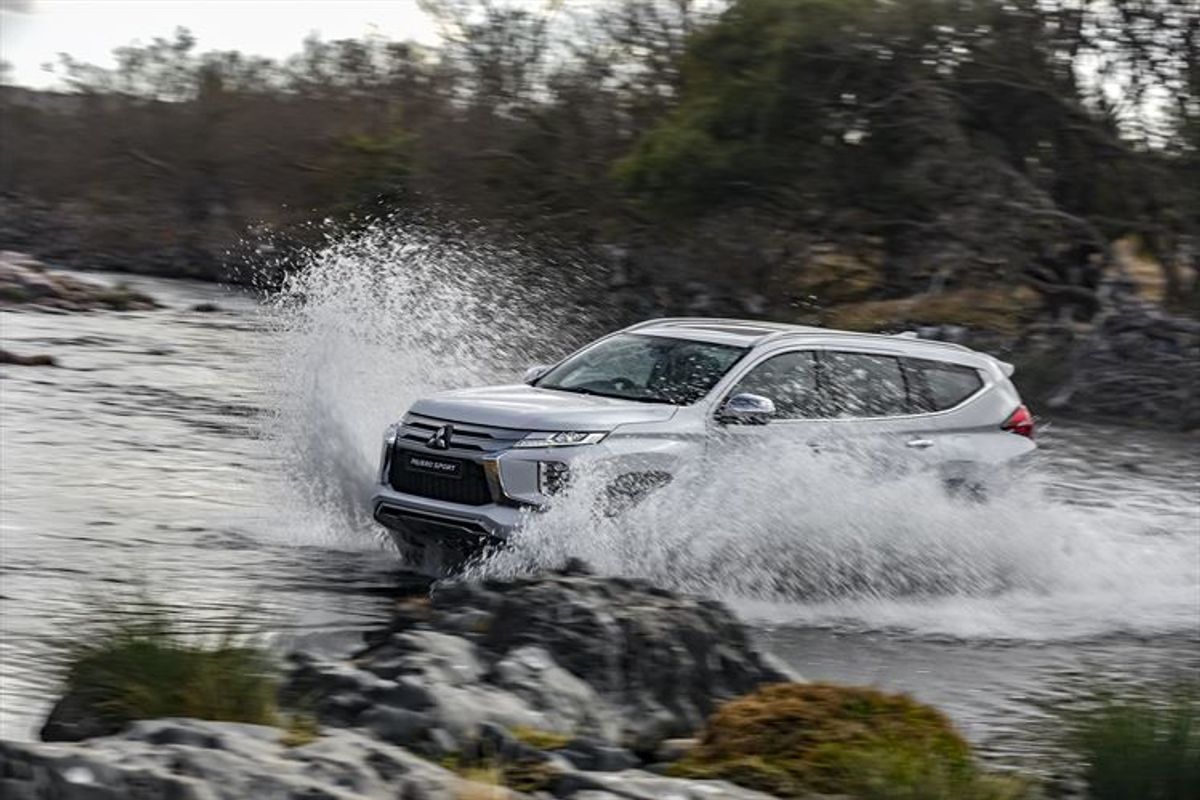
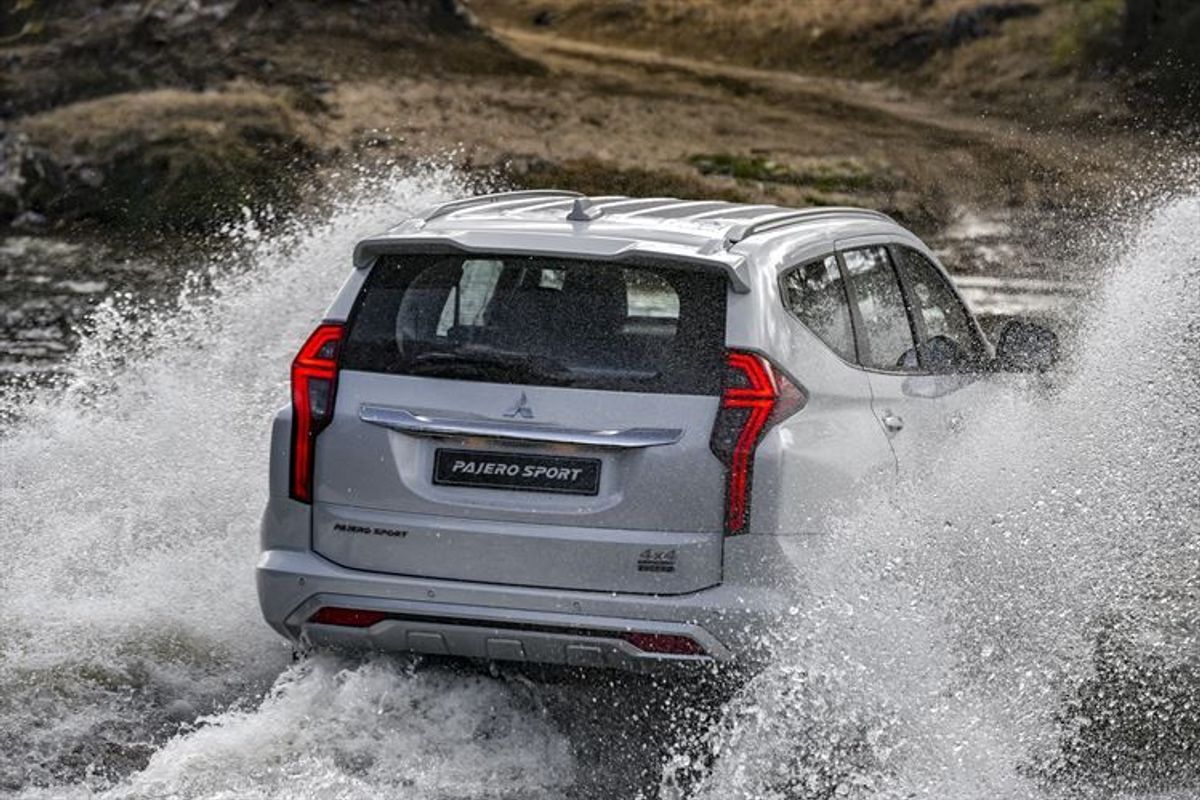
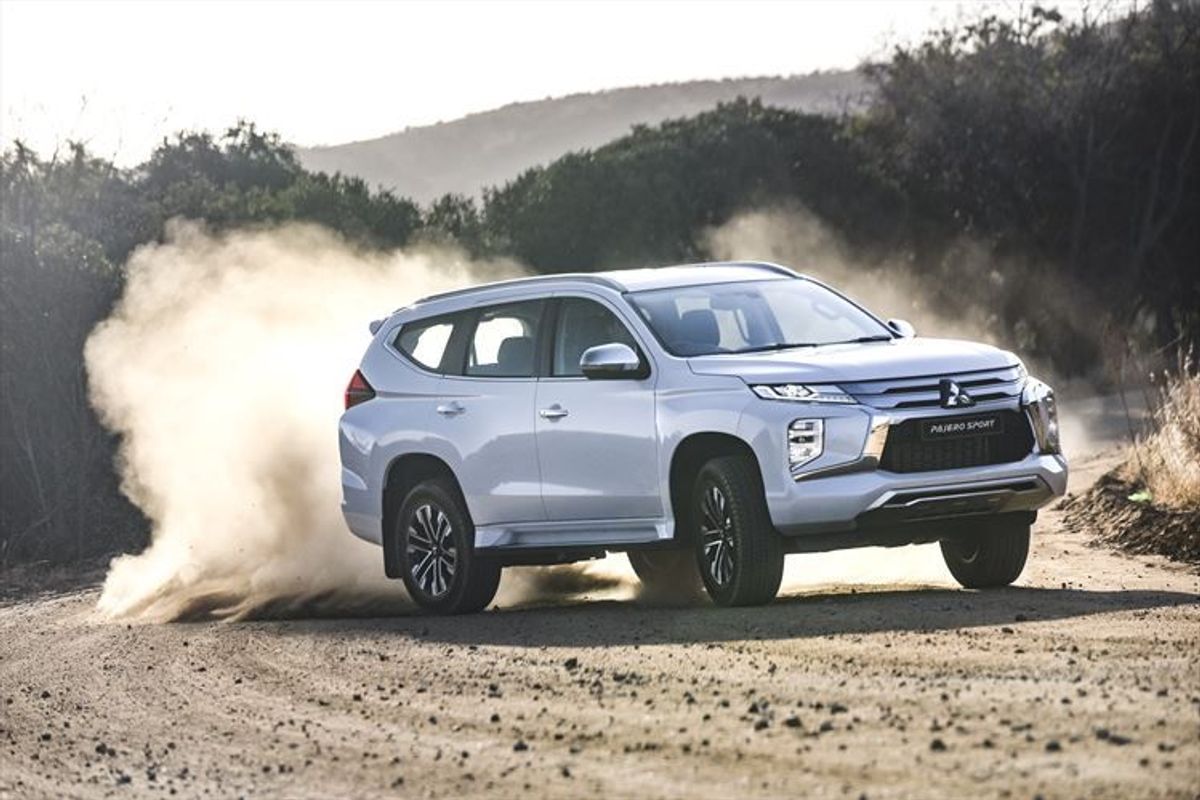
Updated Mitsubishi Pajero Sport (2020) Specs & Price
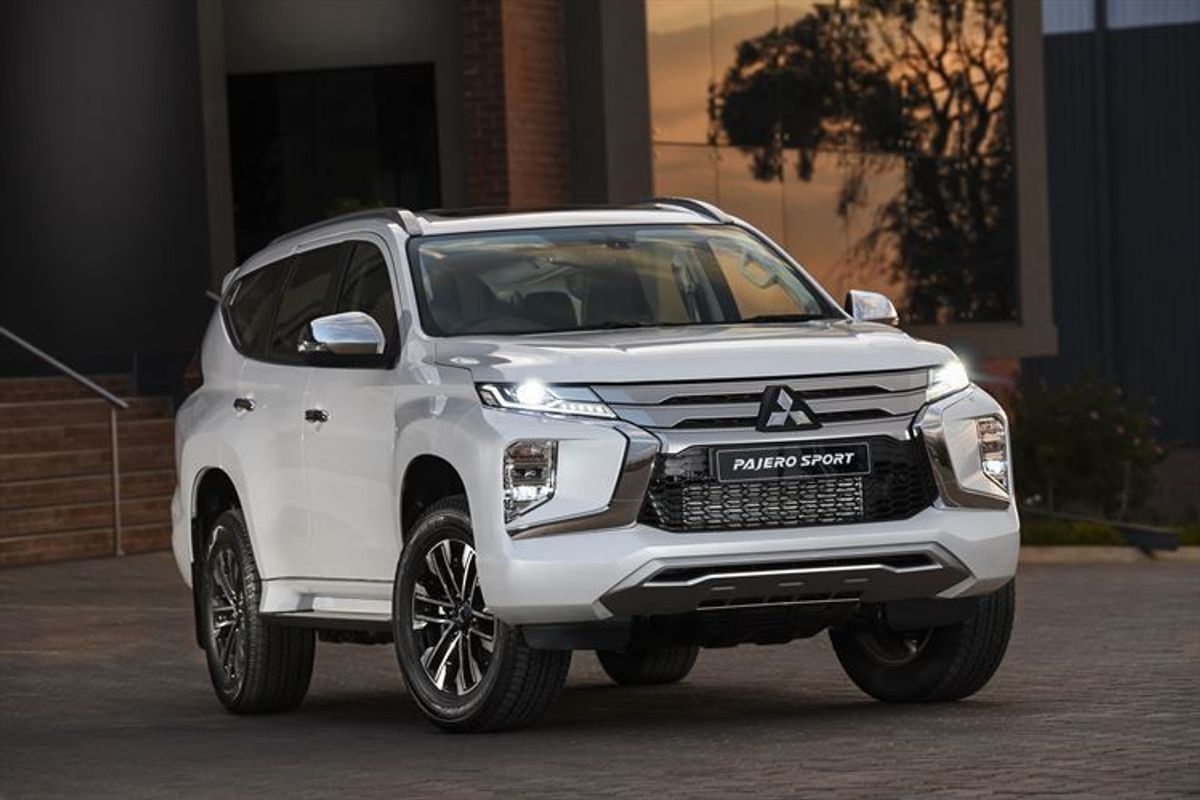
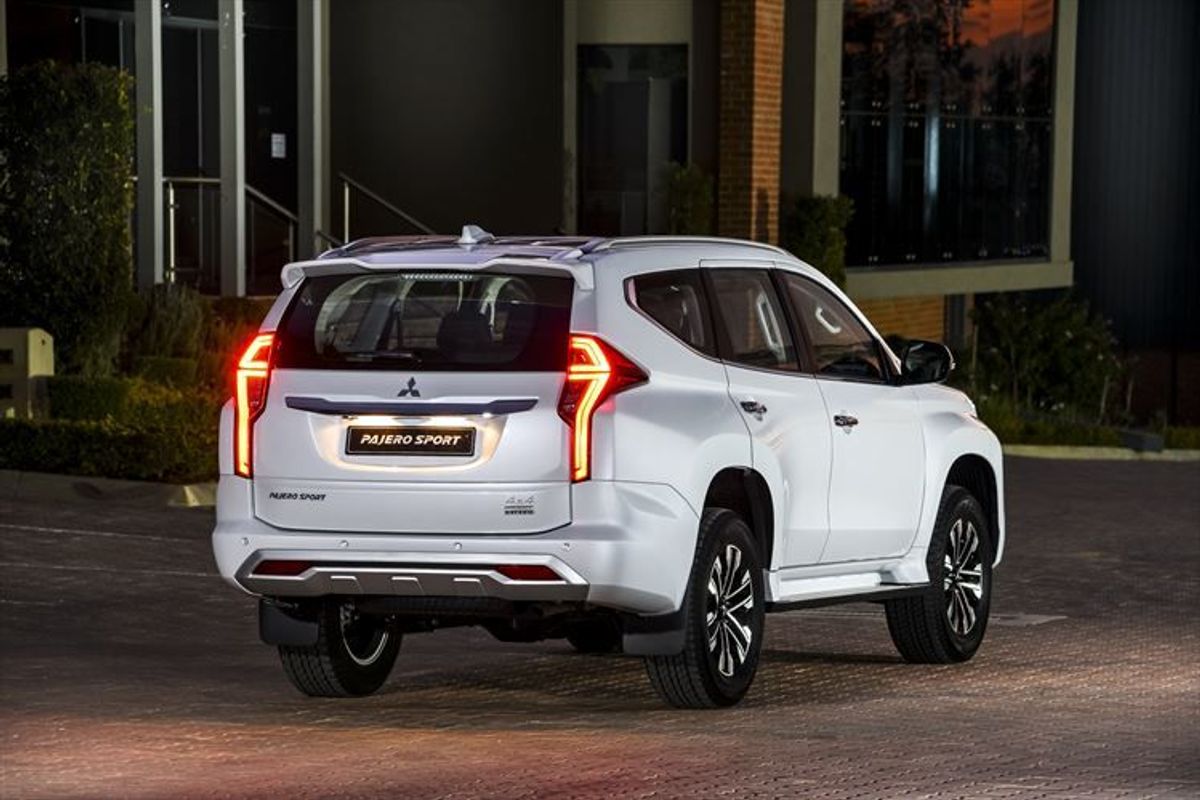
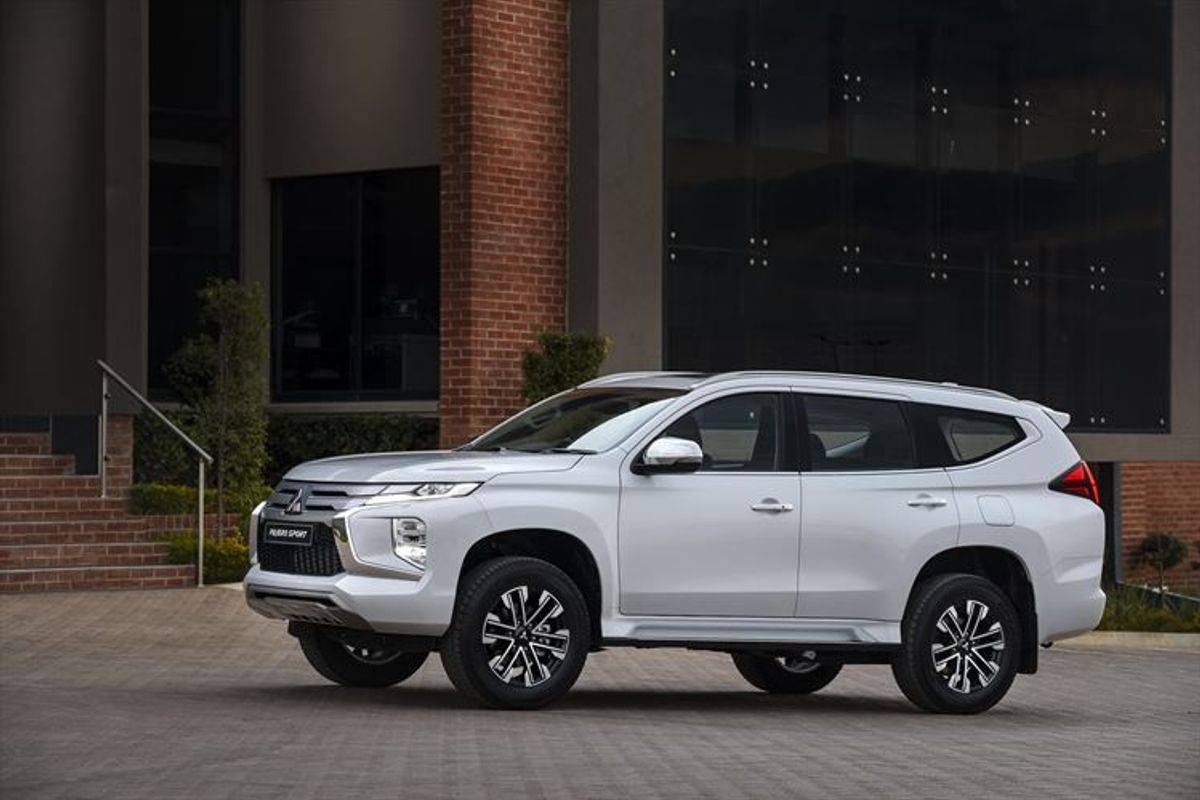
Mitsubishi has introduced it’s latest updated Pajero Sport 7-seater adventure SUV in South Africa. See specification and pricing details below…
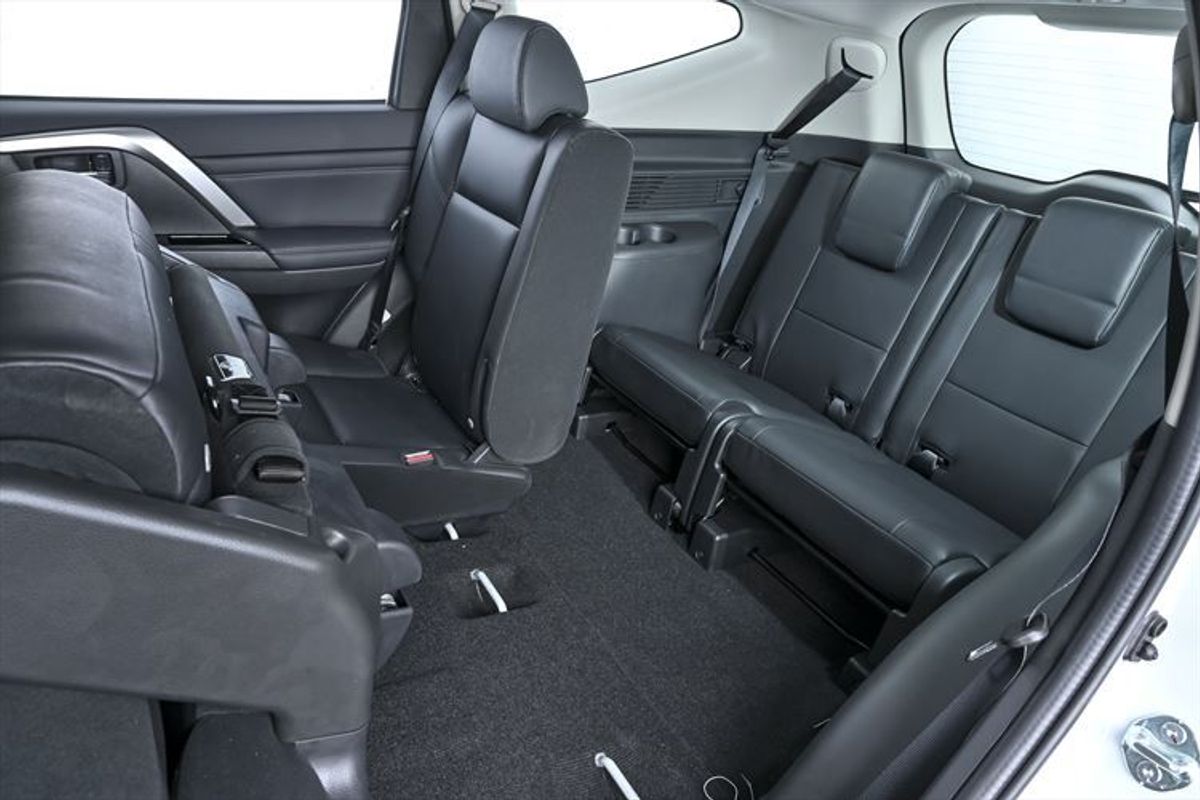
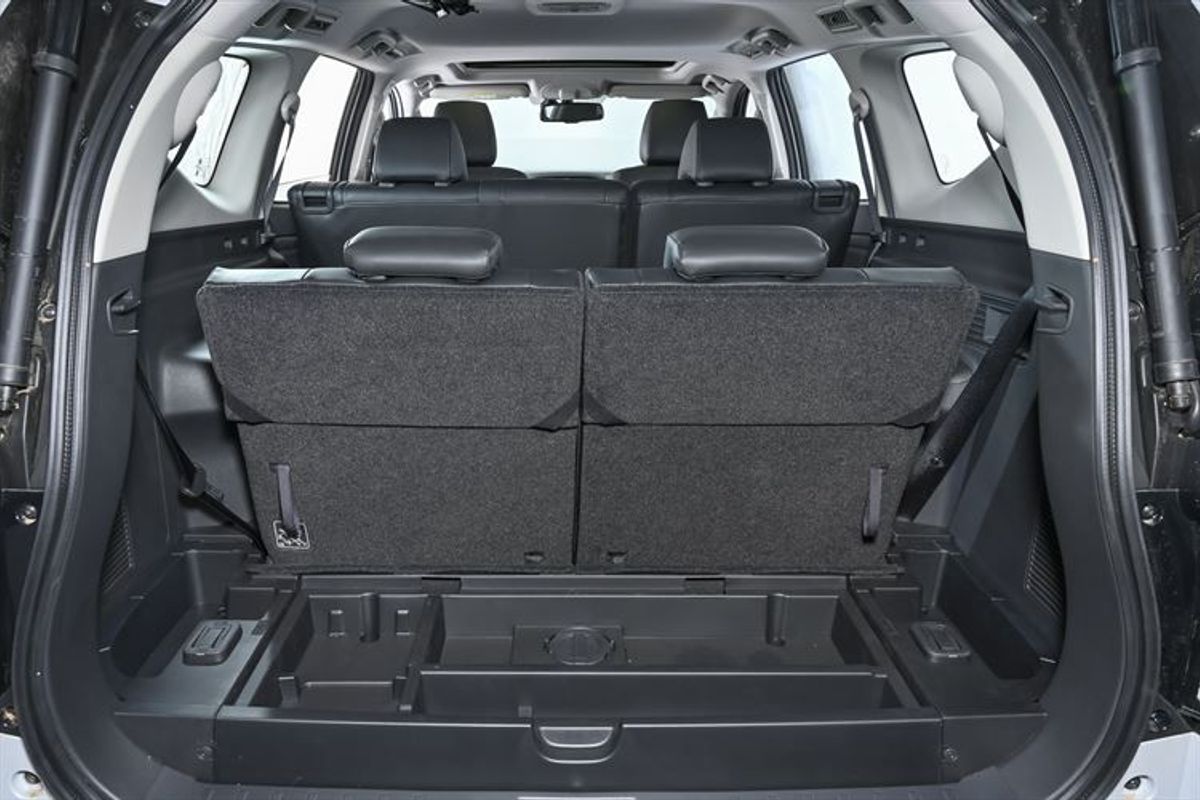
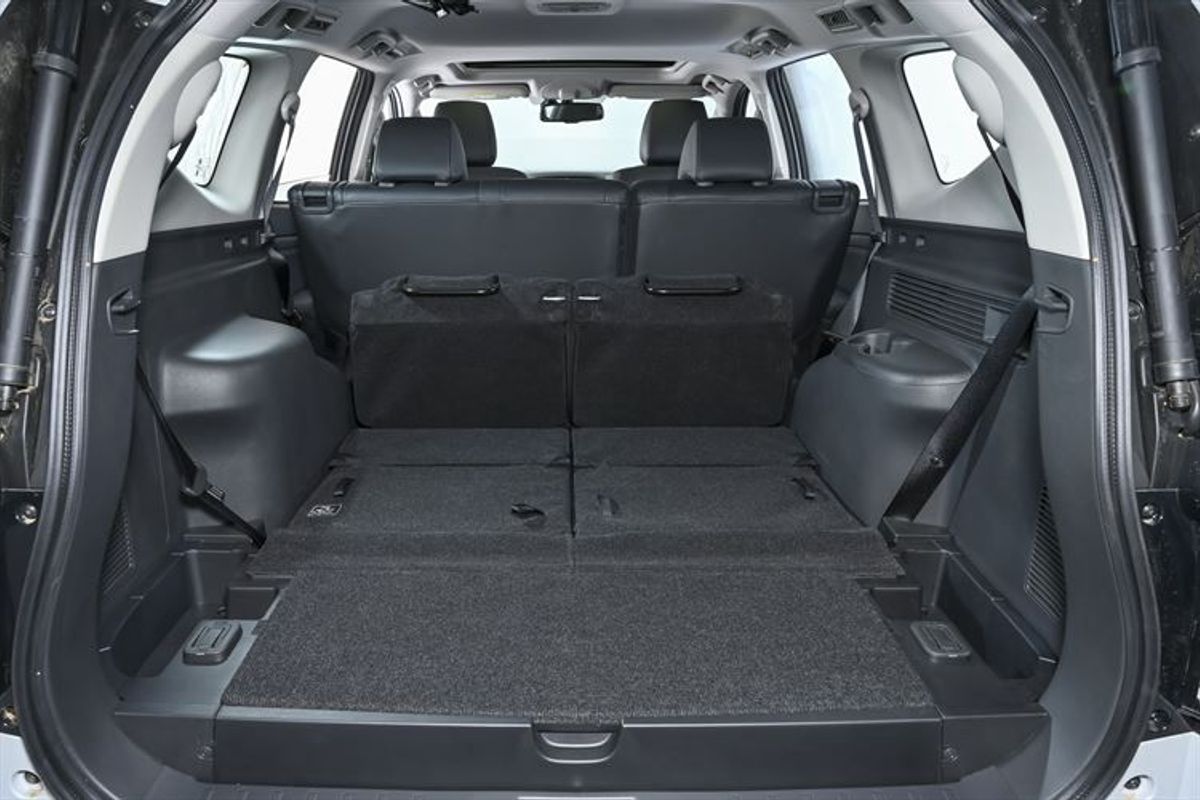
The Mitsubishi Pajero Sport is a tough and capable 7-seater SUV that rivals products such as Toyota’s popular Fortuner, the Ford Everest, Isuzu MU-X and the Haval H9. In an effort to enhance the competitiveness of the Pajero Sport in this hotly-contested segment, Mitsubishi now welcomes a revised offering to market, boasting the brand’s striking ‘Dynamic Shield’ front-end design, which also features on the Triton double-cab bakkie.
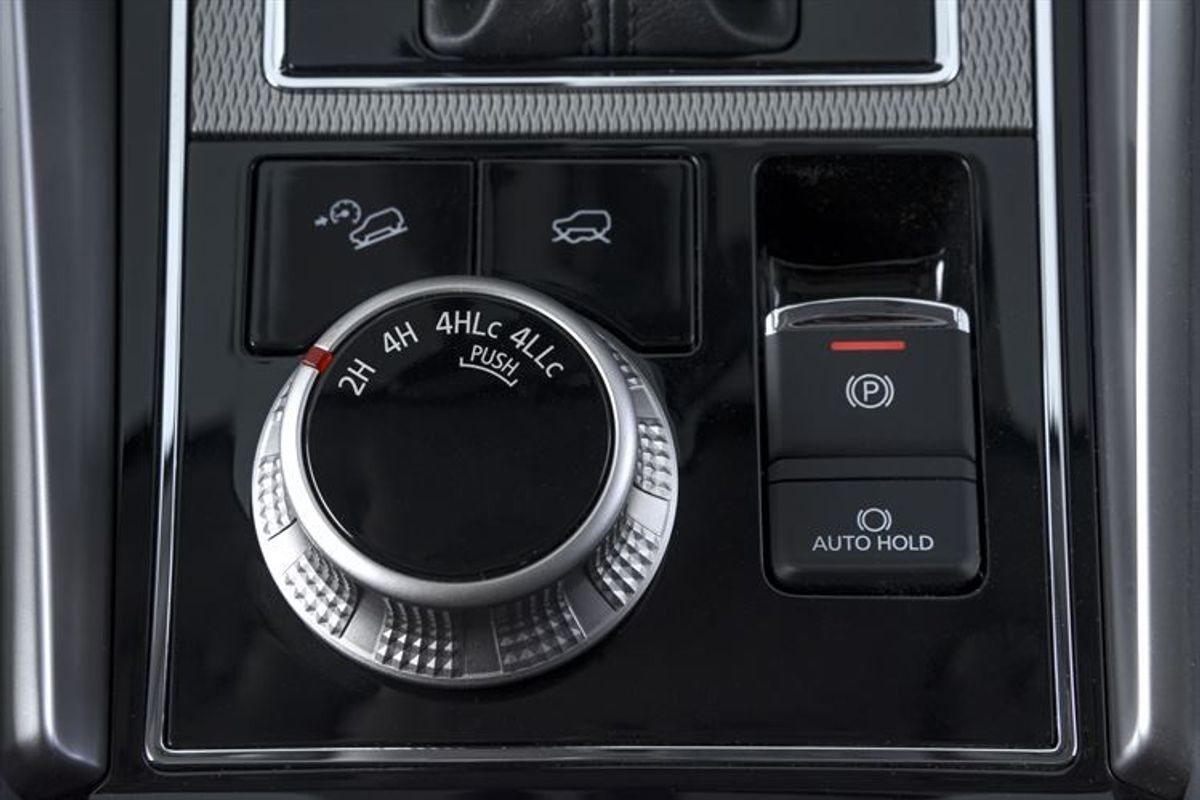
More so, Mitsubishi has also bolstered the range with a new range-topping Pajero Sport Exceed 4×4 derivative. All Pajero Sport derivatives are powered by the tried-and-trusted 2.4-litre turbodiesel engine with 133 kW and 430 Nm of torque and mated with an 8-speed automatic transmission. The Pajero Sport is offered in the base 4×2 version and in 4×4 guise, the latter derivatives featuring Mitsubishi’s Super Select 4WD-II system with modes such as Gravel, Mud/Snow, Sand or Rock on offer to tackle various terrain conditions.
Key features
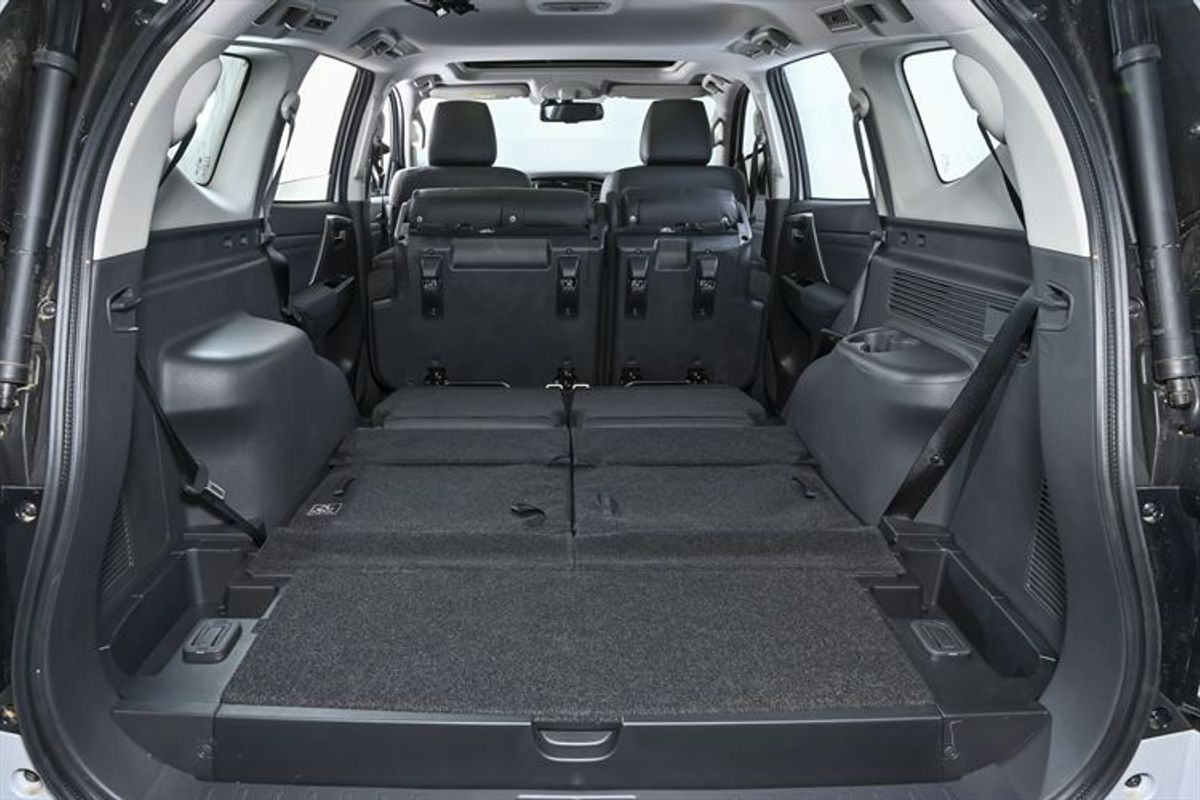
The Pajero Sport is generously-equipped with standard features.
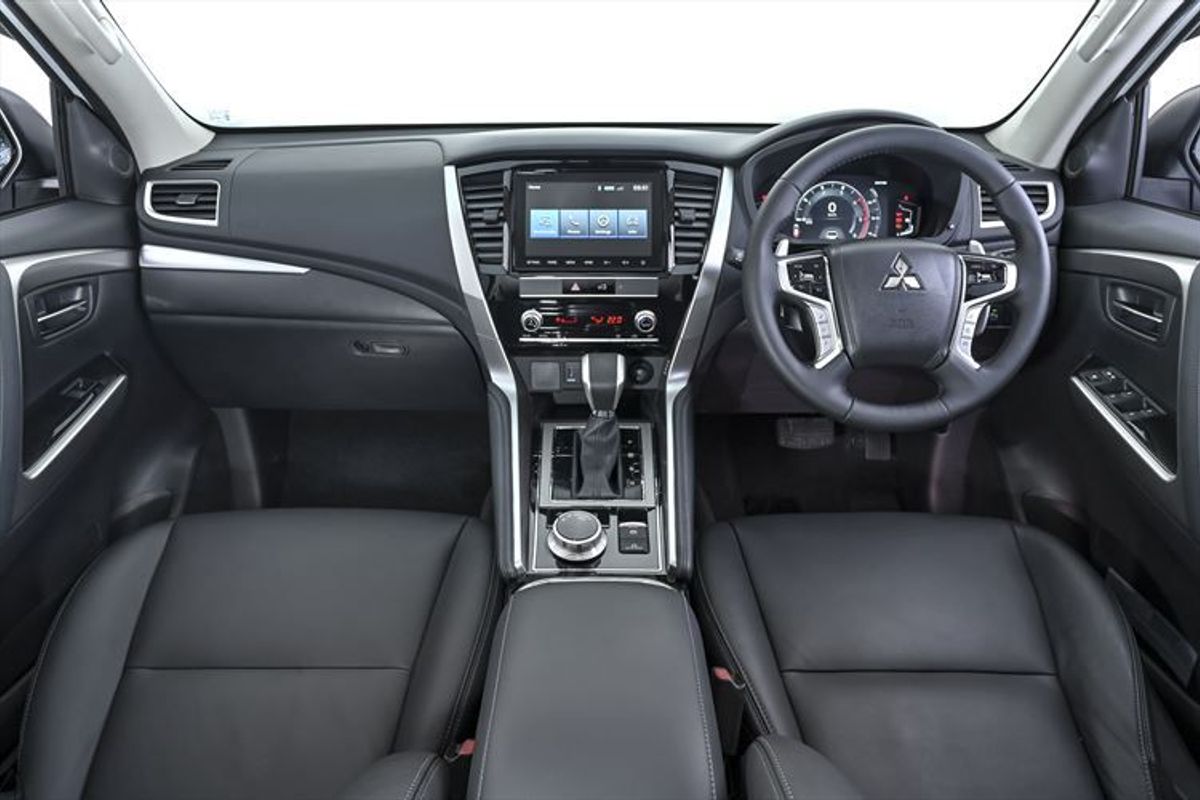
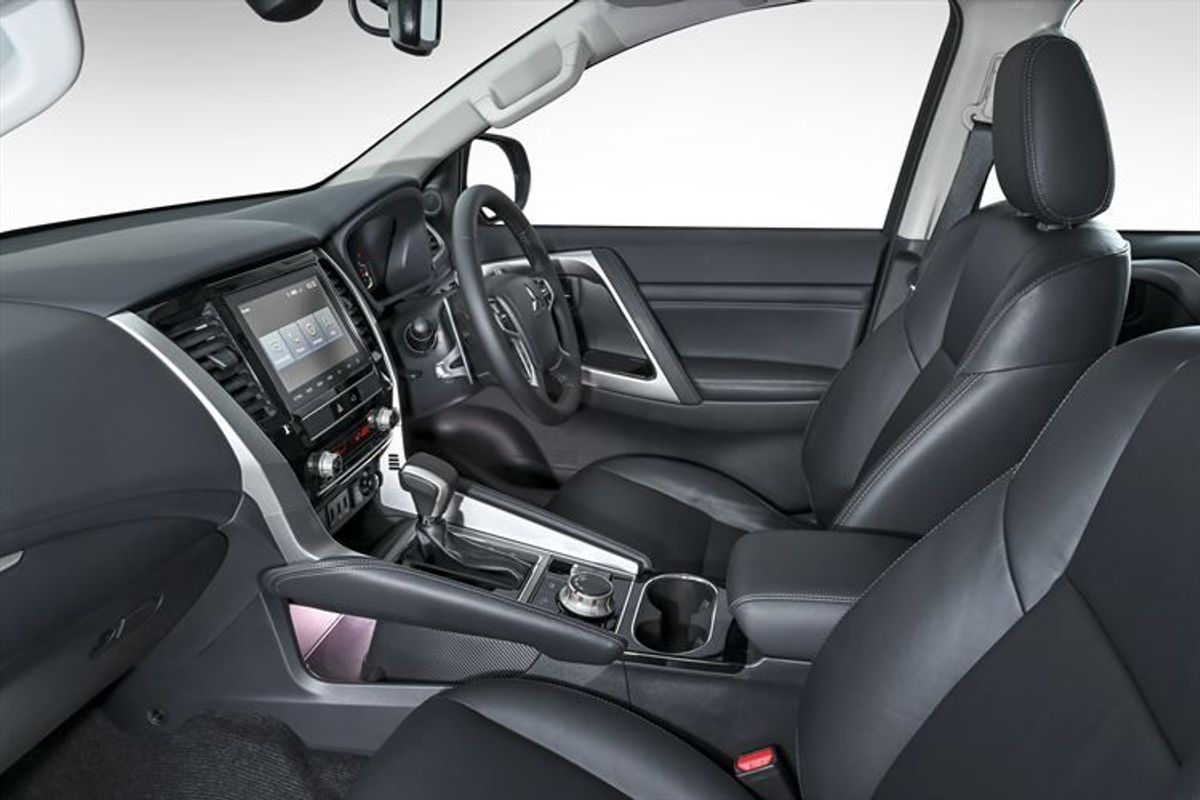
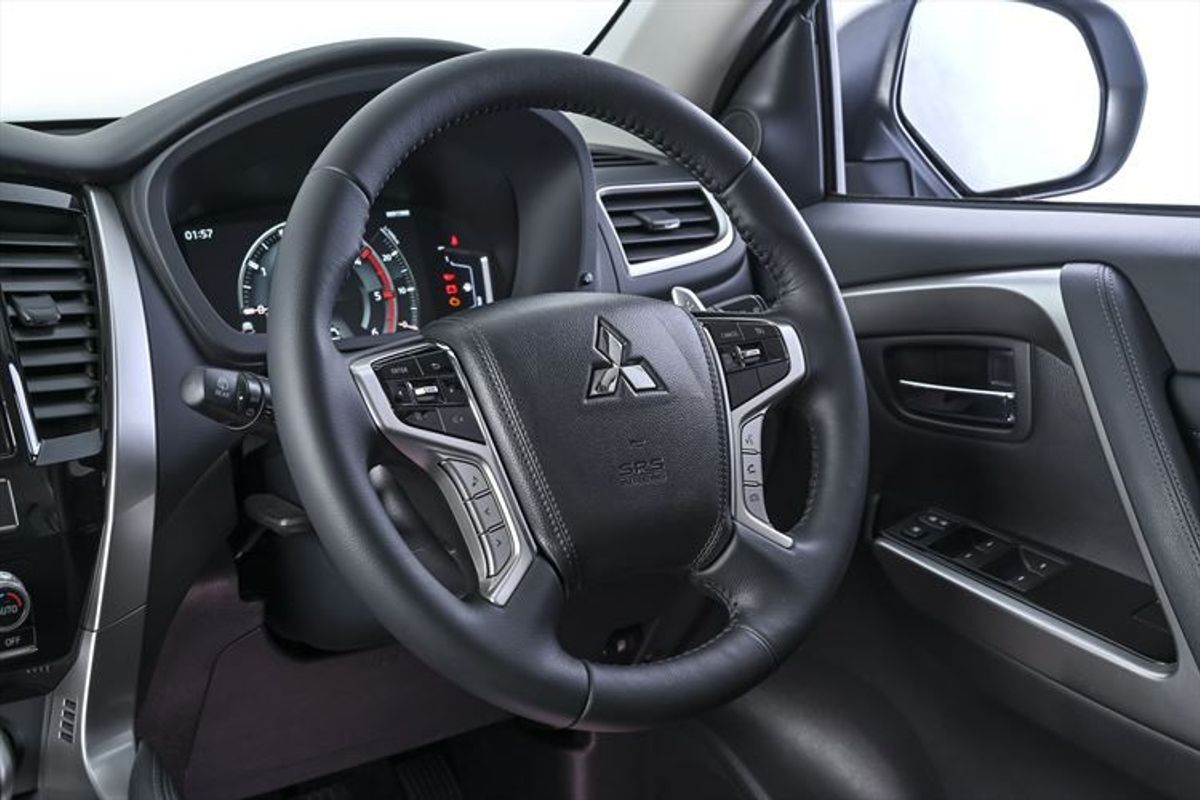
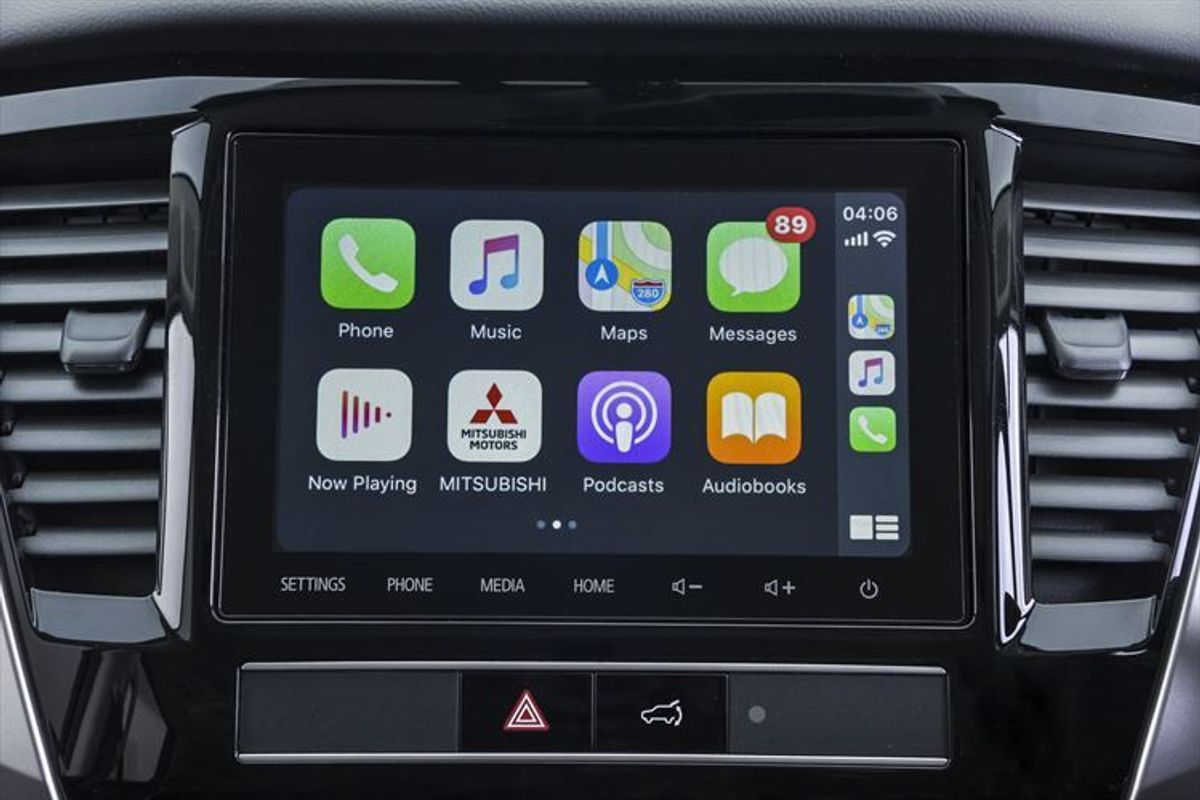
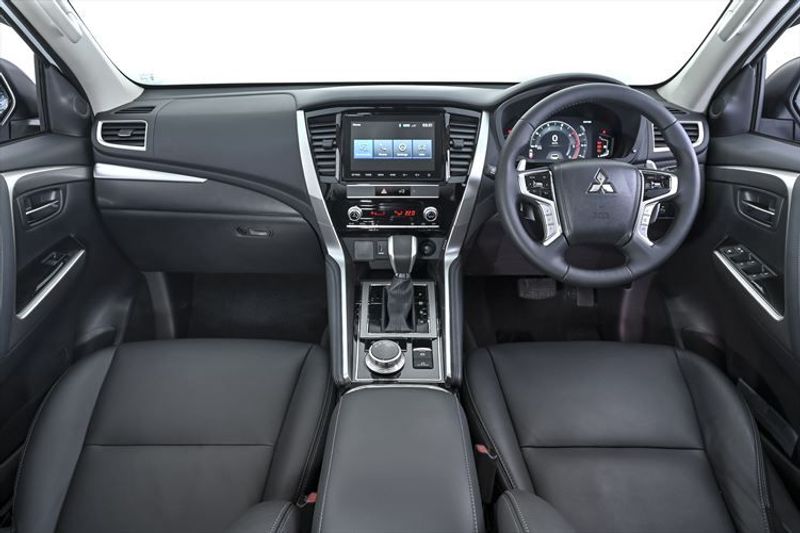
All Pajero Sport derivatives are fitted with hill-start assist, automatic headlights, rain-sensing windscreen wipers, rear park distance control and a rear-view camera. The driver can adjust the multi-function leather-wrapped steering wheel for rake and reach and an 8-inch touchscreen infotainment system offers Bluetooth functionality with voice control functionality for added convenience along with Apple Carplay and Android Auto capability.
Other notable standard features include leather upholstery, a digital instrument cluster, dual-zone climate control air conditioning, electric windows (front and rear), additional dual USB ports for rear passengers and a 220 AC 150W power plug.
In addition to the above features, the Pajero Sport Exceed derivative is fitted with a power tilt and sliding sunroof, electronic tailgate with dual Kick Sensors and Mitsubishi Remote Control Connectivity.
The Pajero Sport rides on 18-inch alloy wheels and Mitsubishi is now offering 2 additional colours to customers including White Diamond and Graphite Grey.
In terms of safety, the Pajero Sport is equipped with 7 airbags, ABS with EBD, emergency brake assist, electronic stability control with traction control and ISOFIX child seat anchors.
“The new Pajero Sport is extremely important to Mitsubishi Motors and it ticks all the boxes to become our hero model, says Nic Campbell, General Manager of Mitsubishi Motors South Africa. “It is important to note that Mitsubishi Motors is taking a new direction, focusing on growing market segments – and the new Pajero Sport certainly leads the way for our future.”
Mitsubishi Pajero Sport – Price in South Africa
Mitsubishi Pajero Sport 4×2 Auto – R609 995
Mitsubishi Pajero Sport 4×4 Auto – R659 995
Mitsubishi Pajero Sport Exceed – R679 995
The Mitsubishi Pajero Sport is sold with a 3-year/100 000 km warranty and a 5-year/90 000 km service plan.
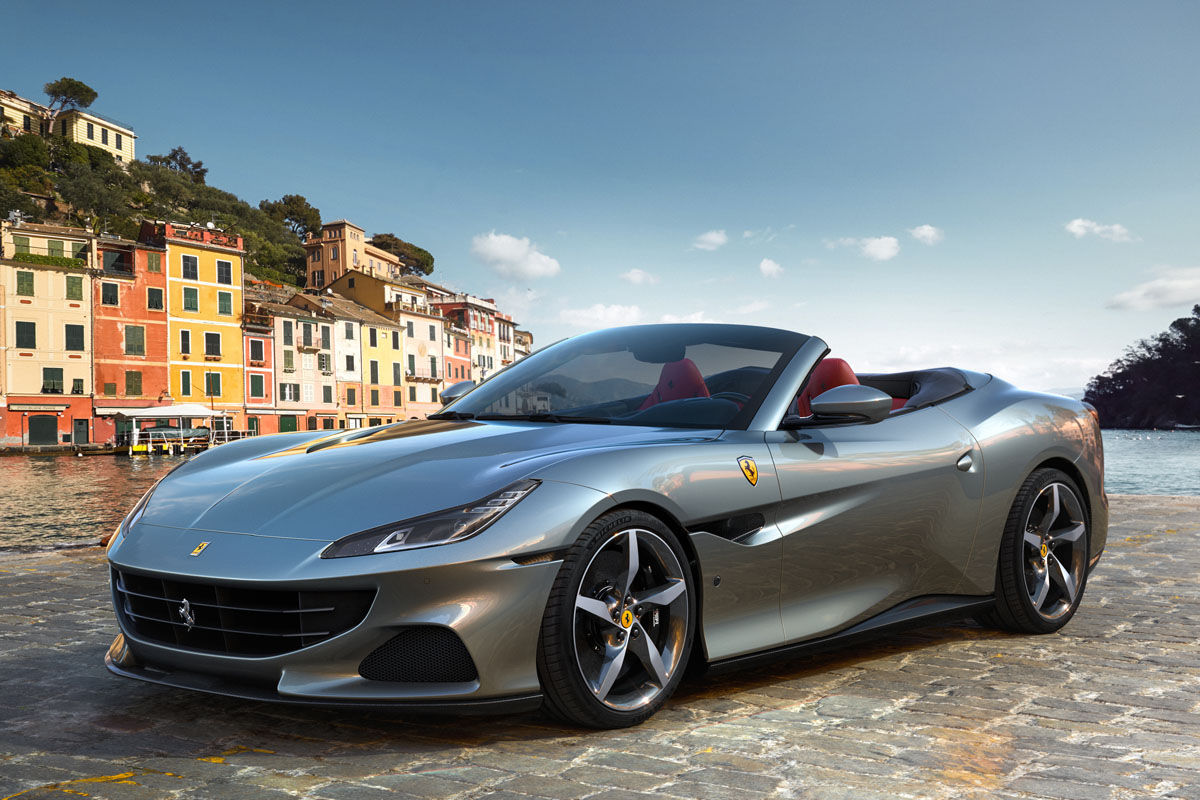
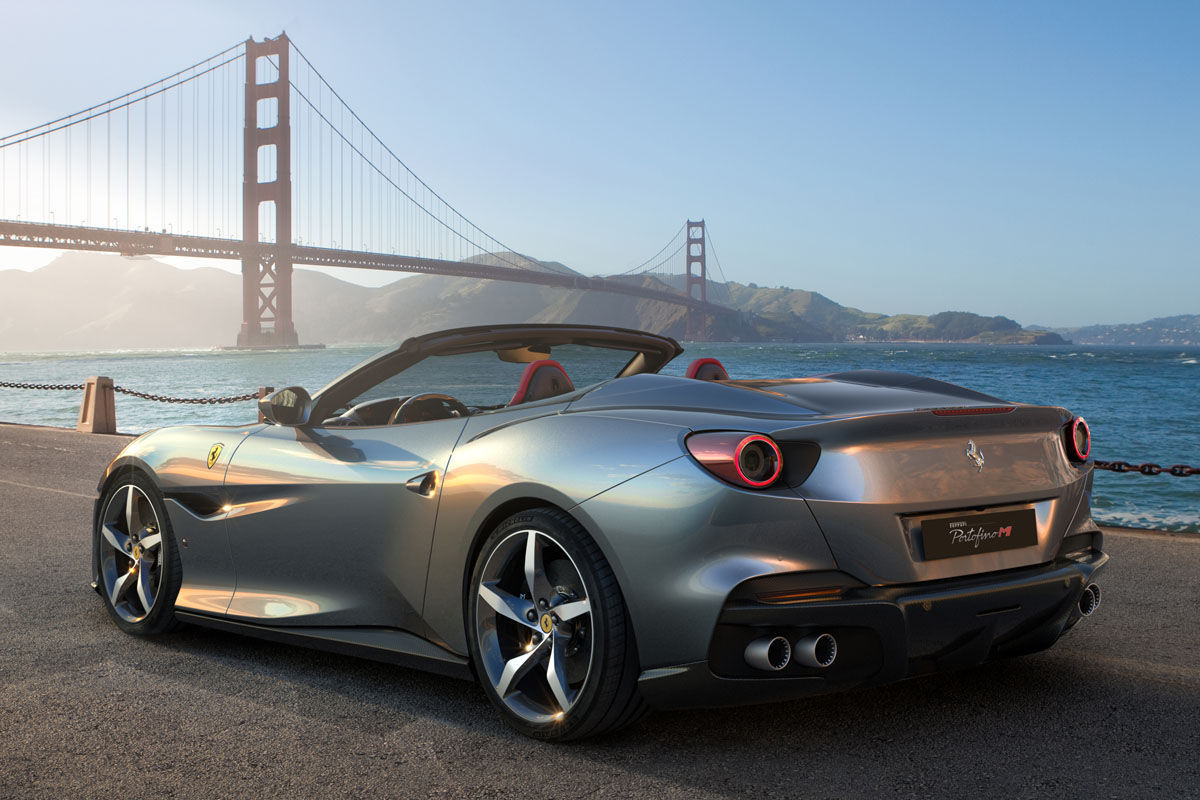
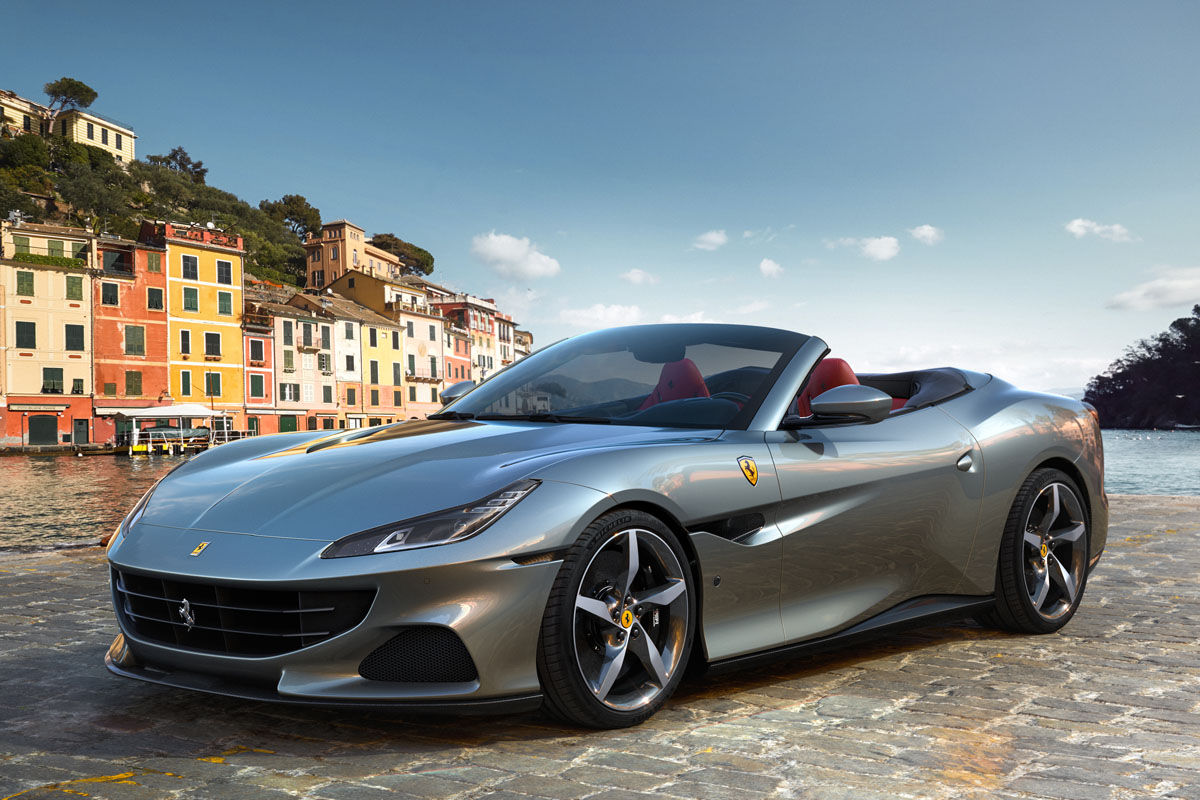
Ferrari’s current model line-up begins with the svelte Portofino convertible, which debuted as recently as 2017. The unveiling of the Portofino M derivative is, therefore, more of a model-year update than a facelift. The Maranello-based brand's newcomer incorporates a beefier motor, a new 8-speed transmission and other detail updates.
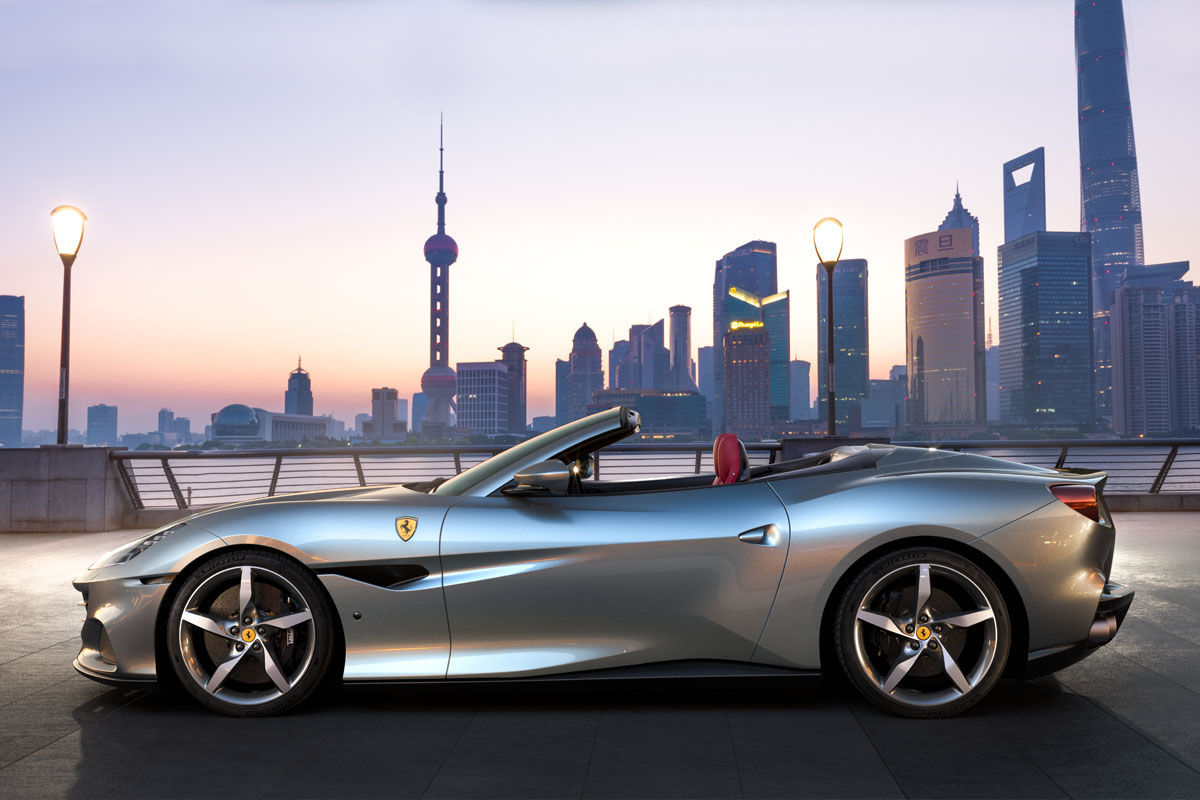
Aestehtically, there is little to distinguish the Portofino M from its predecessor (the “M” is for Modificata, which is to say an update that improves performance, as was the case with the 456M). The car's nose features subtle cut-outs ahead of the front wheel arches, chrome slats in the grille, diamond-finished alloys and the tweaked rear bumper is adorned with a redesigned diffuser, which can be specified in full carbon-fibre.
The Portofino M is a much better looking car that its California predecessor, although they appeal to same target market.
From a technical point of view, however, the Portofino’s 3.9-litre V8 twin-turbo petrol motor has been fitted with a particulate filter and updated catalytic converters (ostensibly to ensure that the convertible will remain on the right side of stringent Euro-6 emissions regulations), but the Maranello-based firm has nonetheless increased its peak power output by 14 kW (to 456 kW, while maximum torque remains 760 Nm) by fitting revised camshafts, a new turbo sensor (with updated management software to improve performance/reduce lag) and a redesigned exhaust system.
The addition of fuel particulate filter and new cats would have dulled the exhaust note, but Ferrari redesigned the M's pipes.
The Prancing Horse claims the newcomer will accelerate from 0 to 100 kph in 3.45 sec, from 0 to 200 kph in 9.8 seconds (a full second quicker than before) and go on to a top speed of over 320 kph. The improved in-gear shove is partly because of the power hike, but also the introduction of the 8-speed wet dual-clutch automatic transmission, which the Portofino M shares with its hardtop Roma sibling, which recently arrived in Mzansi.
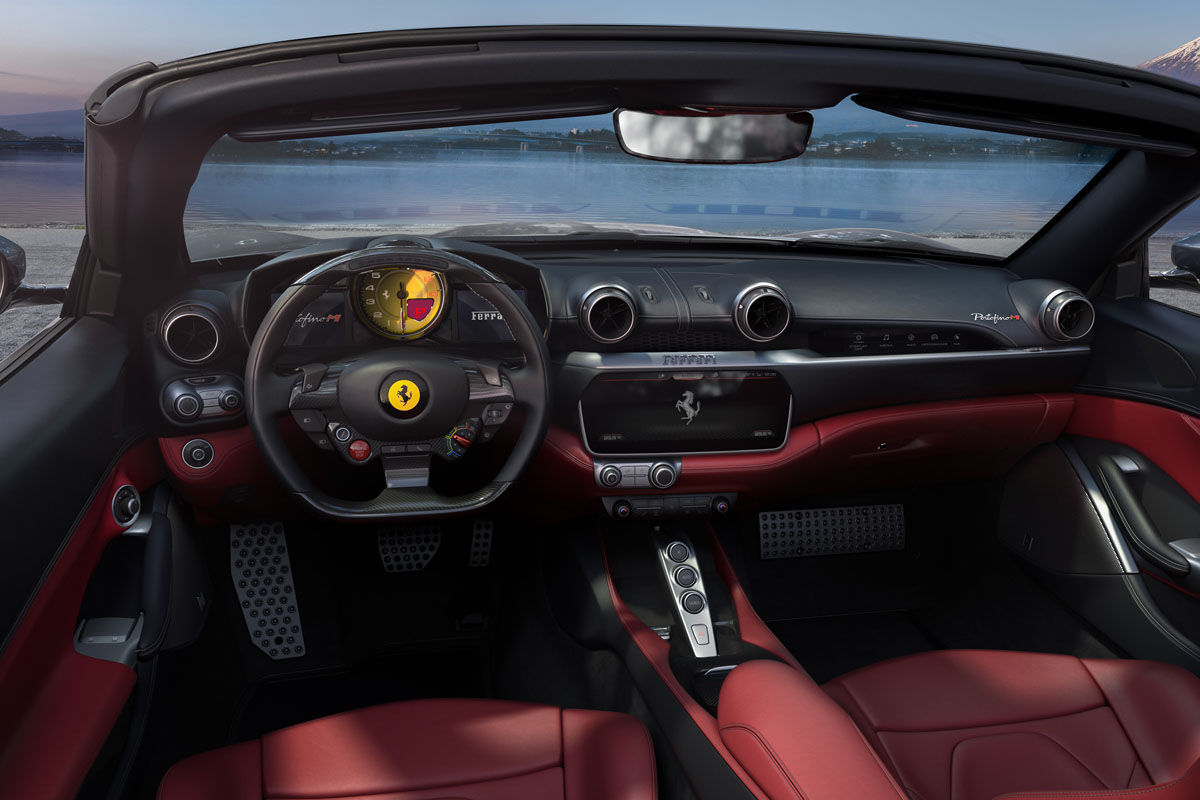
The transmission has a 20% smaller clutch module than its 7-speed predecessor and, apart from being lighter, can handle 35% more torque (in case Ferrari is planning a Portofino Pista?). The steering wheel, meanwhile, now features a 5-position Manettino (the red dial for toggling drive modes) and the updated powertrain management system additionally supports Race mode, supported by the Ferrari Dynamic Enhancer function.
The new Hyundai Tucson family car was revealed earlier this week and it has now emerged that the brand's forthcoming Santa Cruz bakkie shares underpinnings with the new Tucson.
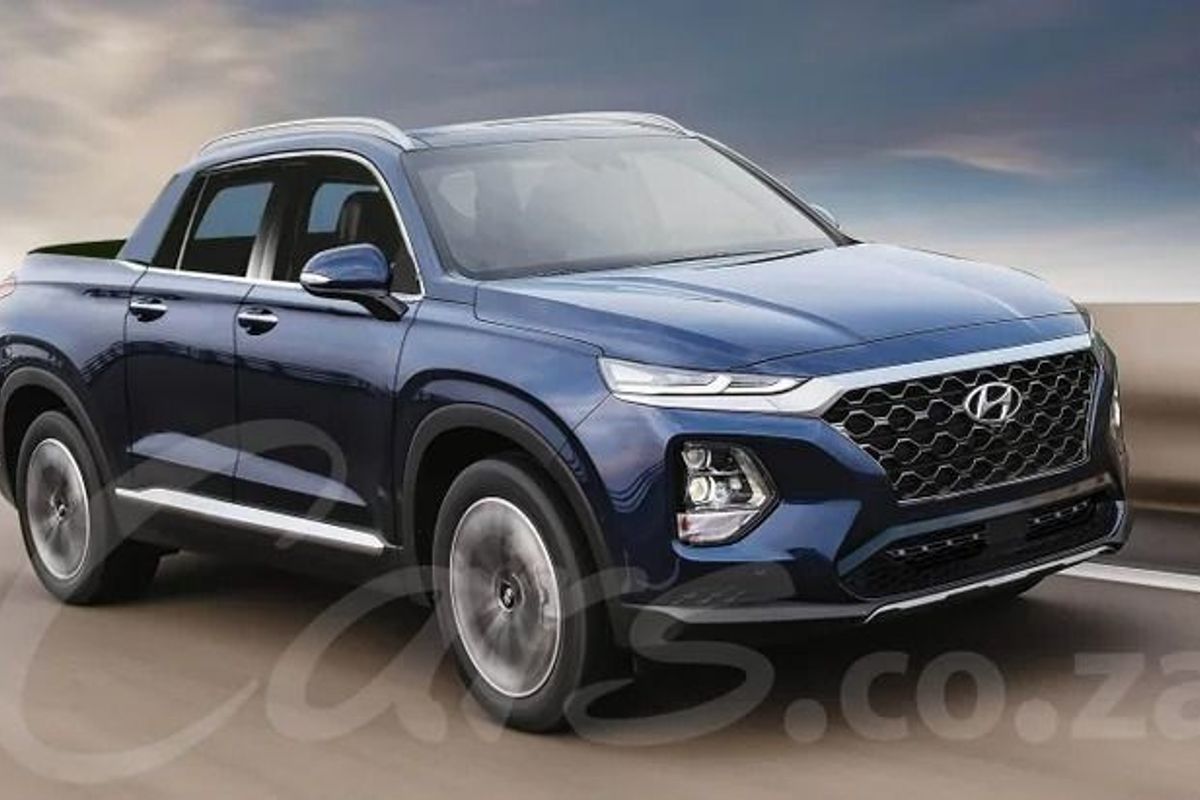
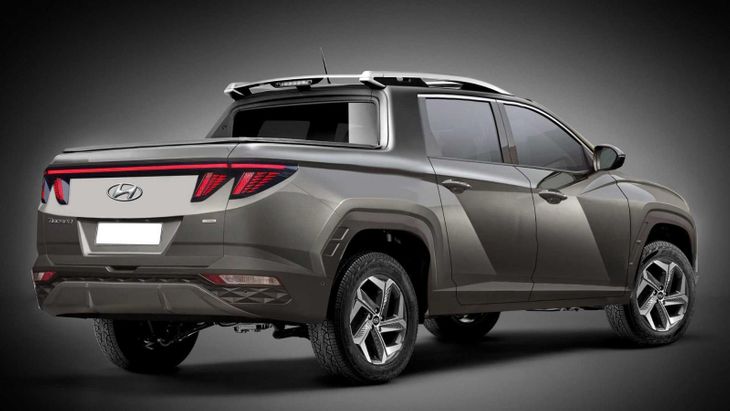
Update: Hyundai is making a bakkie and while the recent reveal of the new Hyundai Tucson has impressed most, Lorenz Gaab, Head of Global Product Management, divulged this week that the forthcoming Santa Cruz bakkie will share its platform with the new Tucson. While our previous rendering of the Santa Cruz was inspired by design cues from the new Santa Fe, this latest rendering of the Santa Cruz by KDesign AG has envisaged what the Santa Cruz could like wearing the face and bodywork of the new Tucson, highlighting the brand's 'Sensuous Sportiness' design language. It's certainly a bold styling approach but perhaps that's exactly what's required for the new bakkie to make its mark on the North American market where it's expected to launch in 2022. Do you like this Tucson-inspired look?
KDesign AG imagines what a Tucson-inspired Hyundai bakkie could look like.
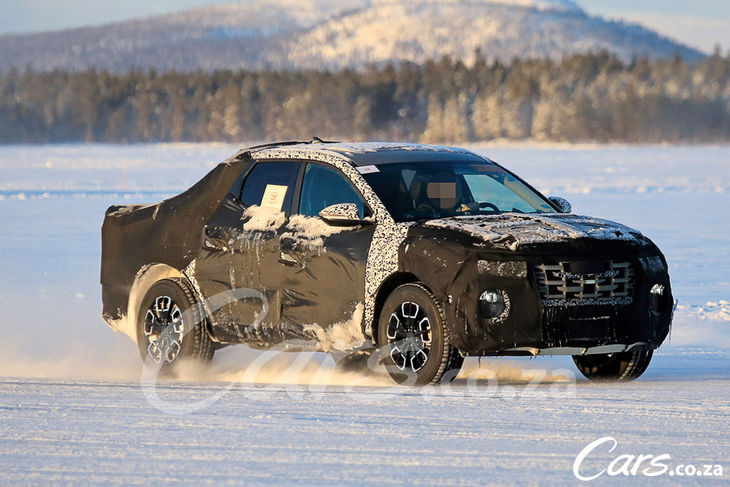
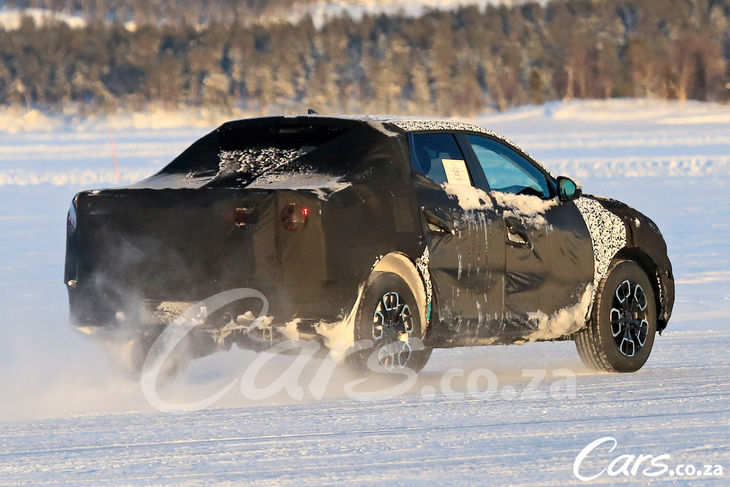
We have also seen spy photographs of a prototype testing in the snow (see below) and while most of the body is hidden from sight, there are some noteworthy learnings to be gleaned from the spy images. Perhaps the most obvious feature is indeed the large, bold cascading grille which will likely be flanked by slim LED headlights. It's also clear that the fog light bezels will sit directly below the headlight casings. Another intriguing design feature is the sloping load bay design, which bears some resemblance to our render above. It's also worth noting that the size of the load bay will likely be substantially smaller than what's currently offered in the double-cab bakkie segment.
Spy images reveal some of the key design cues that are likely to feature on the production Hyundai bakkie.
What we know so far
Last year, Hyundai announced that production of its first-ever bakkie will begin in 2021 and that it will be built at the marque's plant in Alabama, USA!
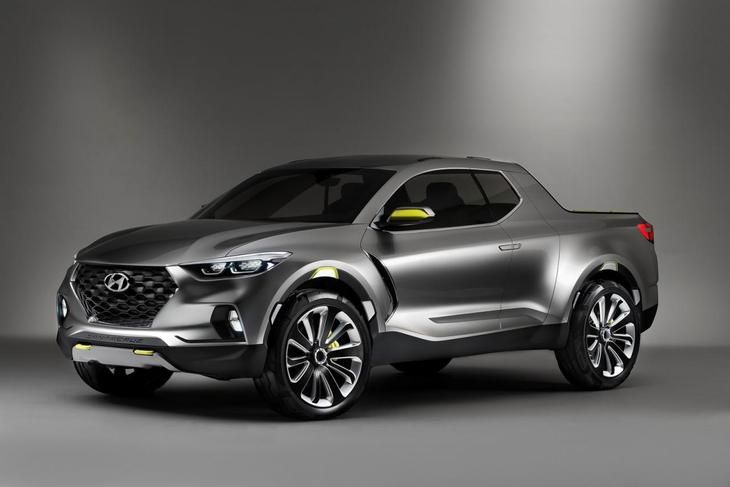
The 2015 Hyundai Santa Cruz Concept was given the green light for production in 2017 and we know that Hyundai and Kia are reportedly co-developing a pickup with the intention of infiltrating the lucrative pickup market in the US. While a rival to the full-size Ford F-150 might be a push too far, it appears that a medium-sized bakkie to rival the likes of the ever-popular Toyota Hilux and Ford Ranger is also likely.
Engine Power?
The jury's out on what will power the Hyundai bakkie but we are hoping that the Genesis GV80 engine makes its way under the bonnet.
Previously, we reported that Hyundai's luxury car brand, Genesis, recently revealed its GV80 premium SUV which is powered by a 3.0-litre, 6-cylinder turbodiesel engine with 205 kW and 588 Nm of torque. A report from Australia's CarSales suggested that the Hyundai bakkie could very well feature this engine.
In an interview at the launch of the GV80, Head of R&D at Hyundai, Albert Bierman, said "This engine… we can have so many applications. We make also commercial vehicles and so on, so this engine will be out there for quite some time."
If this is indeed the case, Hyundai's bakkie will be more powerful than its rivals including the Volkswagen Amarok, Toyota Hilux and Ford Ranger.
It was also previously suggested by Car And Driverthatthe Hyundai bakkie will feature engines from the new Santa Fe which includes a 137 kW/241 Nm naturally-aspirated 2.4-litre petrol engine and a turbocharged, 175 kW/352 Nm 2.0-litre turbocharged petrol engine, both fitted in conjunction with an 8-speed automatic transmission.
With the news of the Santa Cruz being based on the new Tucson, it could be entirely possible that it could feature a 141 kW/246 Nm 2.5-litre petrol engine or a 1.6-litre turbopetrol engine. It's also been speculated that the Hyundai bakkie will be offered in 4WD guise only.
More than this, there are rumours that Hyundai’s N Division could very well develop a high-performance bakkie that would rival the Ford Ranger Raptor. There is speculation that this N bakkie could feature the same potent, turbocharged 2.0-litre engine that powers the i30N and could offer as much as 225 kW!
What else?
The Hyundai Santa Cruz concept from 2015 is where it all began…
Previously, in yet another report from Down Under, Which Car confirmed that Hyundai is developing a range of 1-tonne bakkies for Australia and other markets, which as history has proven, will likely include South Africa which is, as we know, a major market for bakkies. The report also indicates that the one-tonne bakkie will be based on a ladder-frame chassis and will be developed in partnership with Kia, which will also receive its own version of the bakkie. Both 2-wheel and 4-wheel drive variants are on the cards as well as different cab variants.
Hyundai Australia CEO, John Kett commented:
“What’s clear to us is that if we’re going to bring a ute out, it had better be a ute. We’ve got past the first hurdle of what it needs to look like, but it needs to be functional as well. That’s the important part. We’re going down that pathway and we’re working towards it. We just have to make sure that when it arrives, it’s a bloody ute.”
“We’re looking at a range. When you cut up the ute market, you split it up between 4×4 and 4×2, who owns 4×2 and what powertrain goes with that and then 4×4 crew cab versus cab/chassis and so on… we want to be smart about it and that’s what we’re going through at the moment.”
We will keep you updated as soon as more information becomes available.
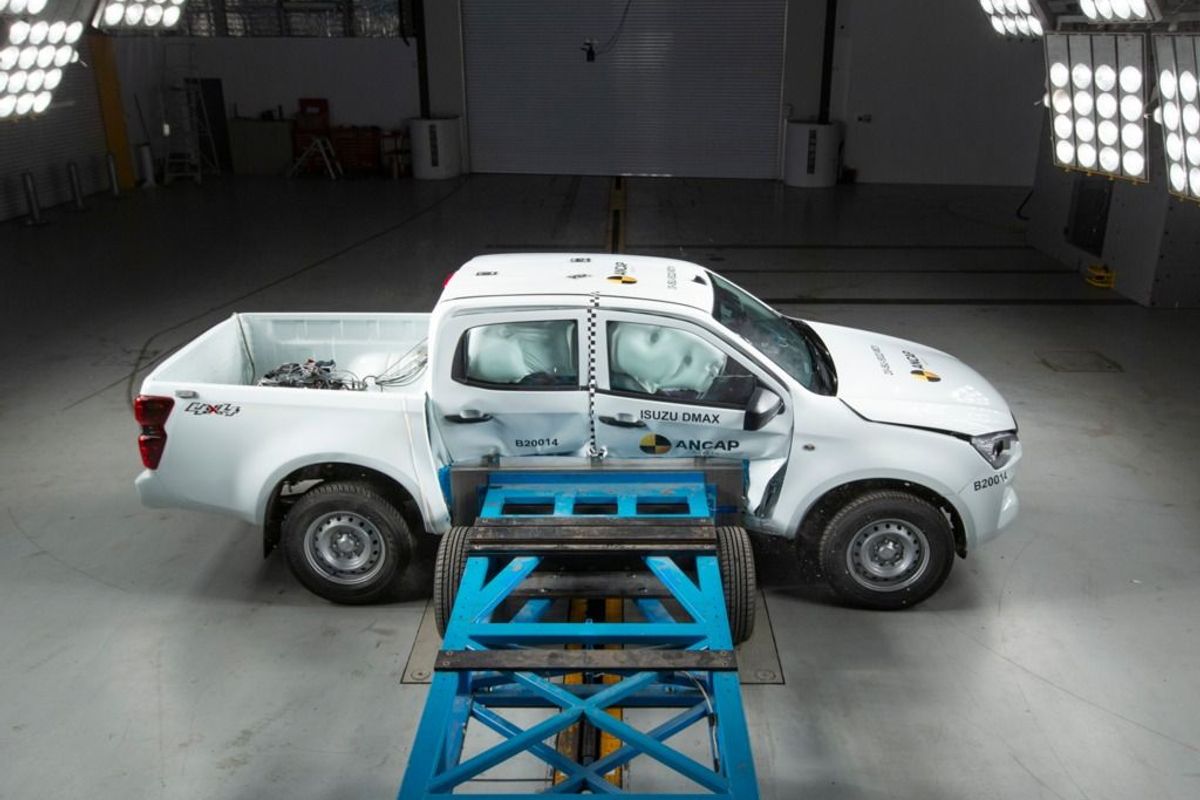
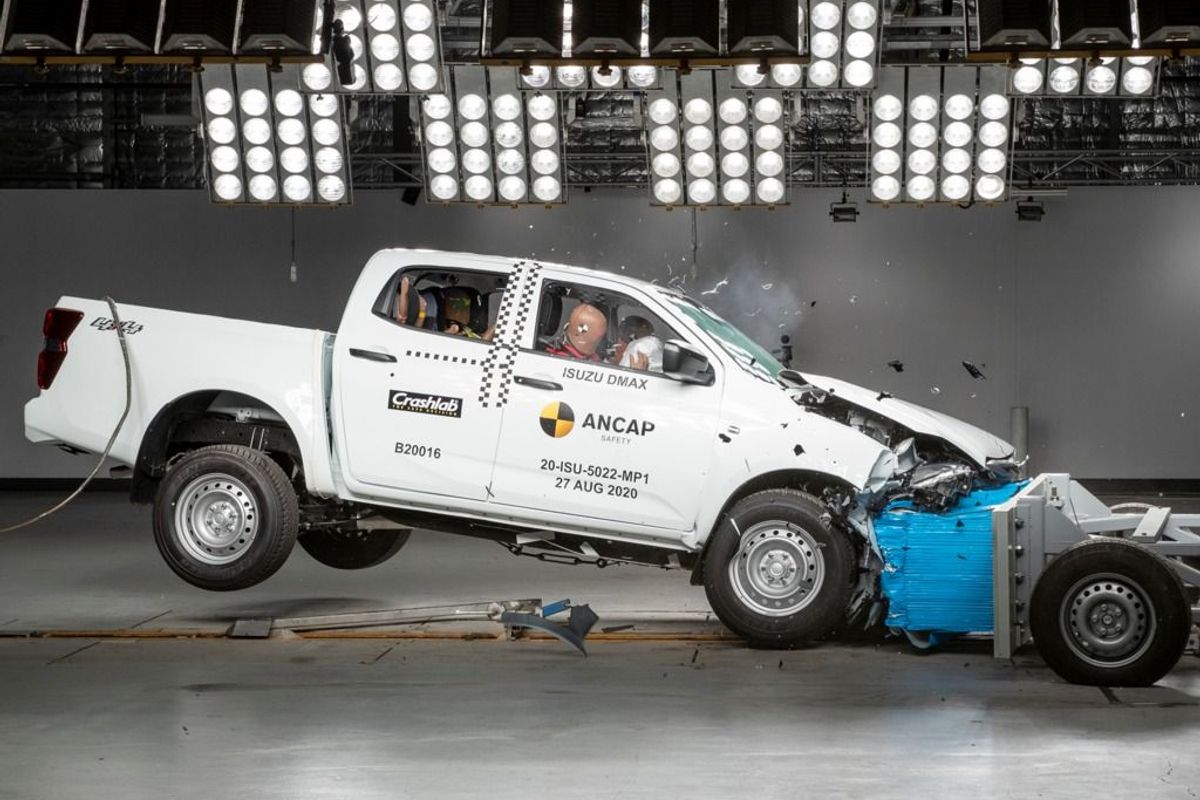
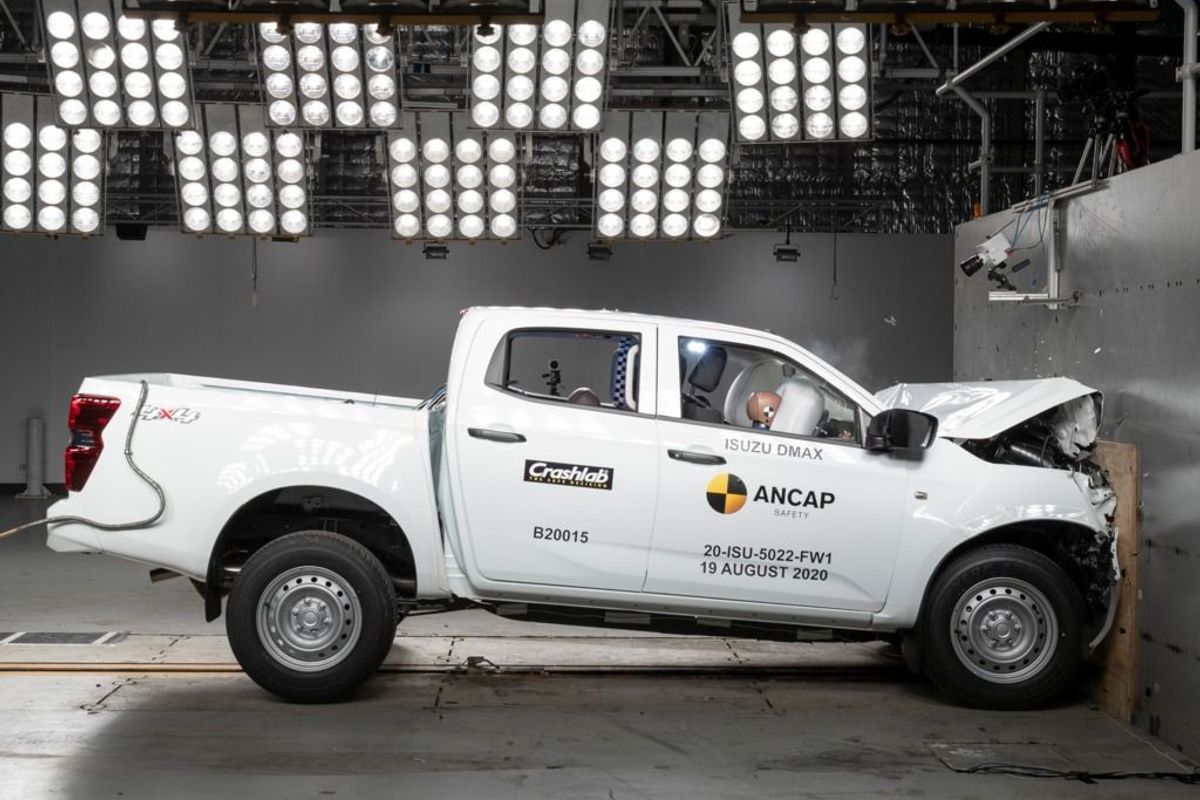
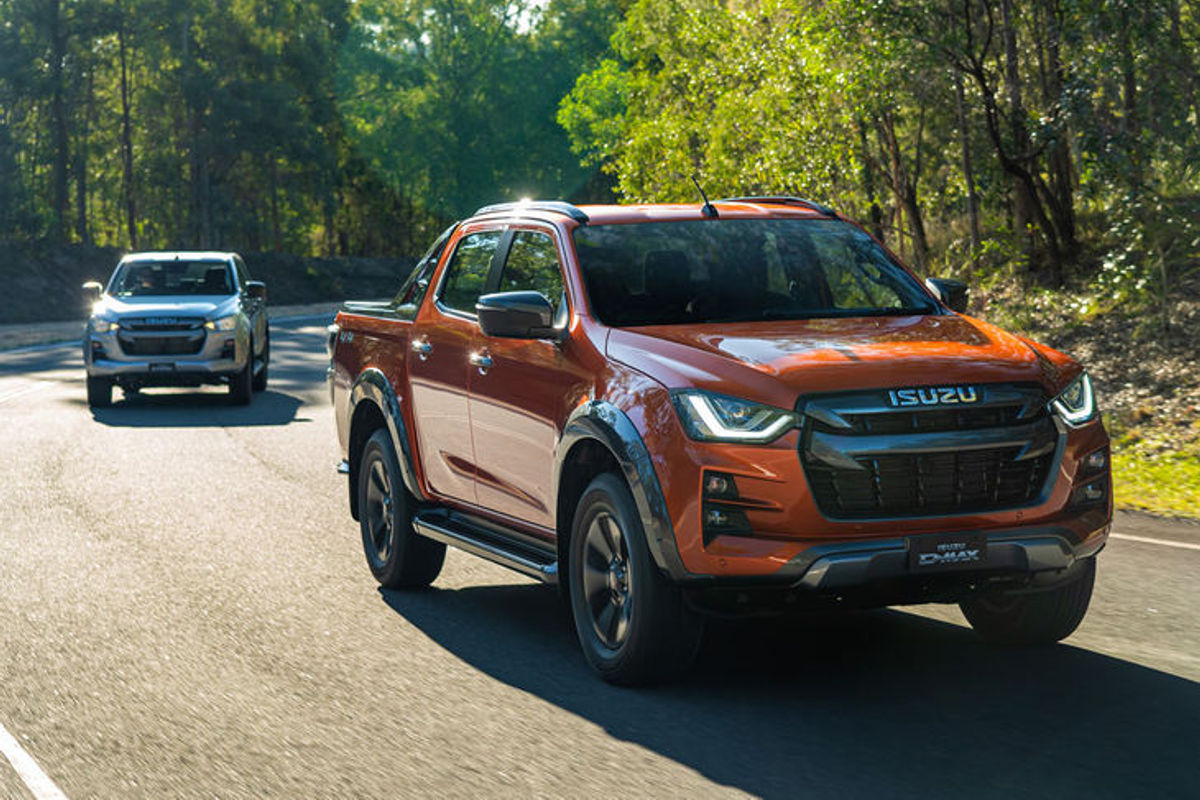
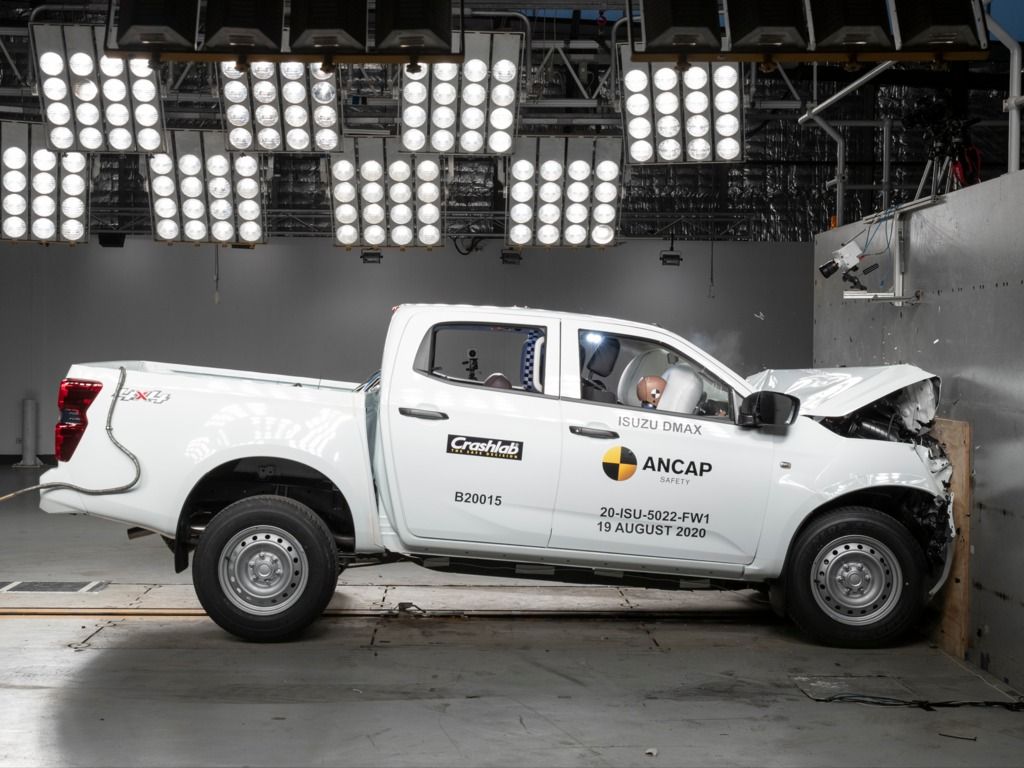
The all-new Isuzu D-Max has received 5 stars in the latest rounds of strict NCAP safety tests.
The double-cab bakkie was put through the mill in the Australian/New Zealand version of the Euro NCAP safety testing. Called ANCAP, this rigorous testing focuses on not just impact assessments but also on preventative technologies. In both aspects, the new Isuzu D-Max impressed. Unlike the Euro NCAP test results quoted, the ANCAP test right-hand-drive cars making it a more indicative result for SA market vehicles.
For the Aussie and New Zealand markets, technology like autonomous emergency braking, lane-keeping assist, lane departure warning, emergency lane-keeping and advanced speed assistance systems are fitted across the entire Isuzu D-Max range. In terms of airbags, there are dual front airbags, side chest-protecting airbags, curtain airbags as well as a driver's knee bag. The introduction of a centre airbag to protect front passengers during side impacts is a first for the segment and helped contribute to its 5-star score.
“Our 2020 requirements again set the bar higher to promote further vehicle safety improvements and address some of the ongoing challenges on our roads,” said ANCAP Director – Communications & Advocacy, Rhianne Robson. “The D-MAX rating has been highly anticipated by fleet and private buyers, and re-establishes the safety benchmark for the competitive ute segment where the introduction of safety features has tended to lag that of passenger cars and SUVs,” Mrs Robson said.
When it came to the actual crash testing and structure analysis, ANCAP said, "the protection offered to adult occupants in the side-impact and oblique pole tests was good, with full points achieved, including for occupant-to-occupant head protection through the inclusion of the new centre airbag. Full points were also achieved for the protection of child occupants in the frontal offset and side-impact scenarios."
It remains to be seen what level of safety features and technology the SA-built Isuzu D-Max units will feature. The new double-cab launches in SA in 2021.
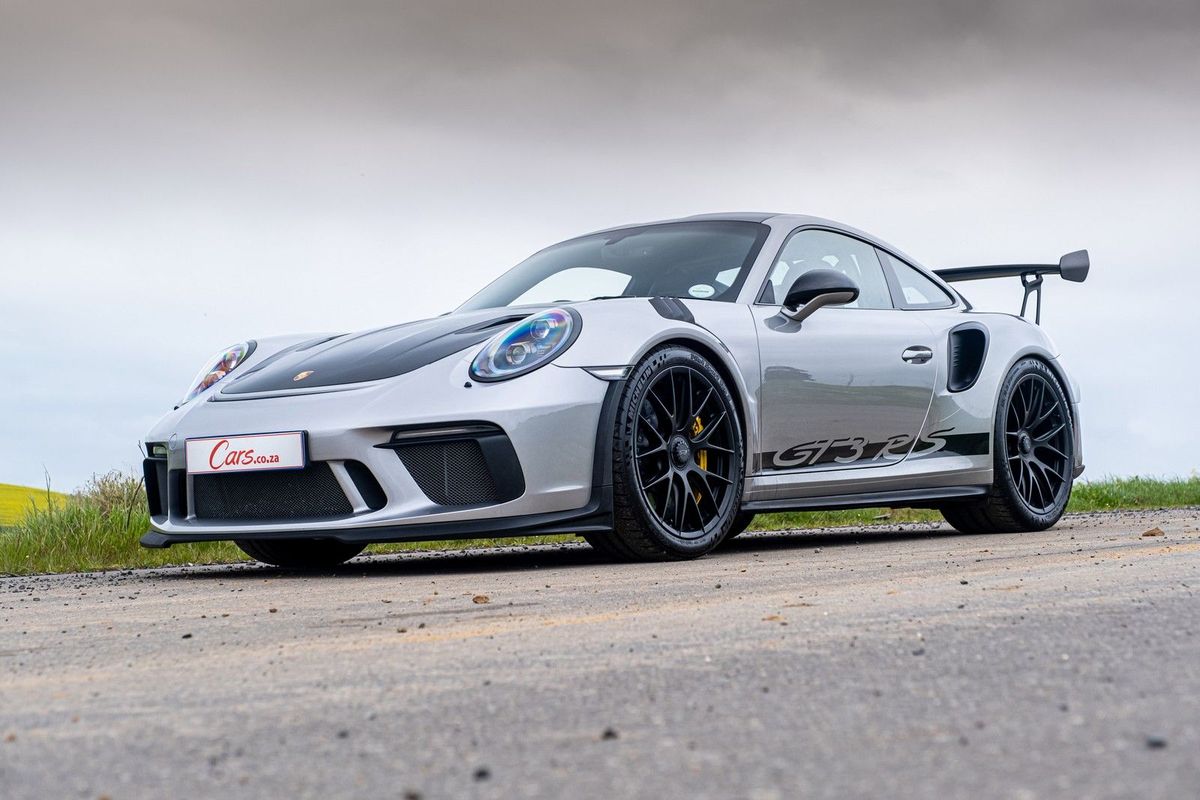
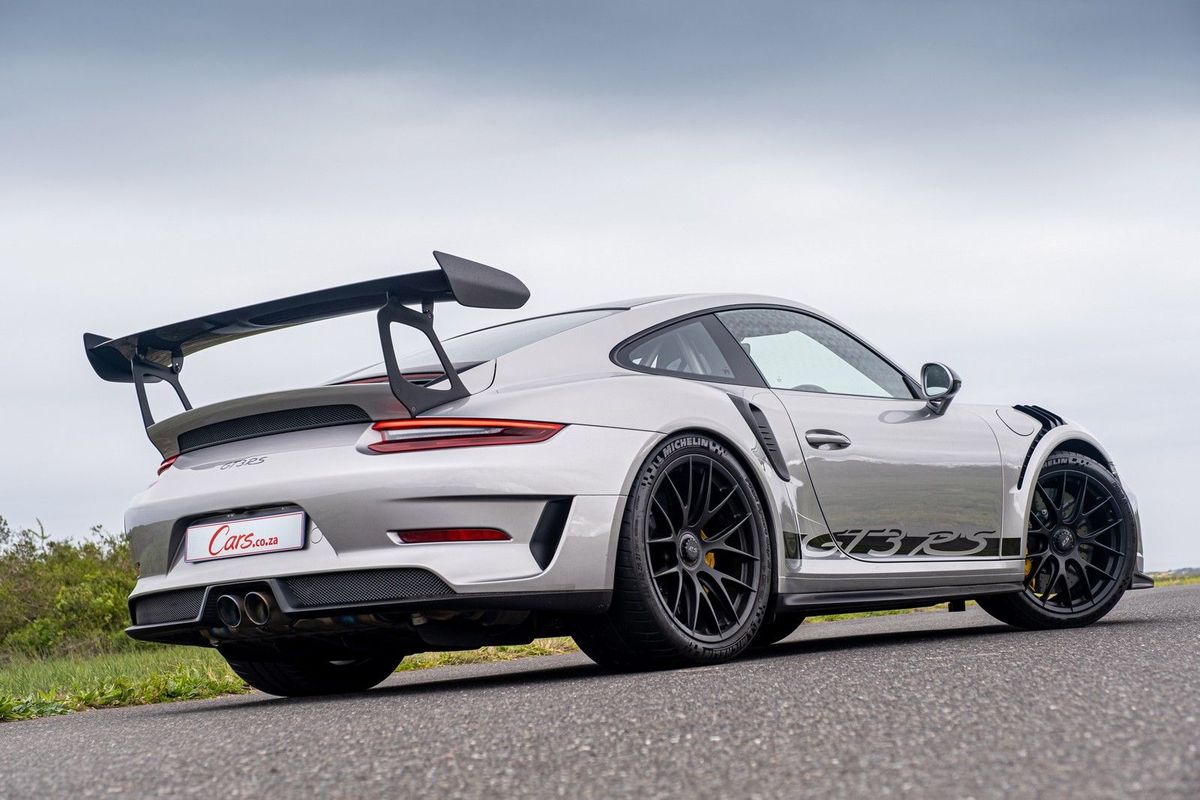
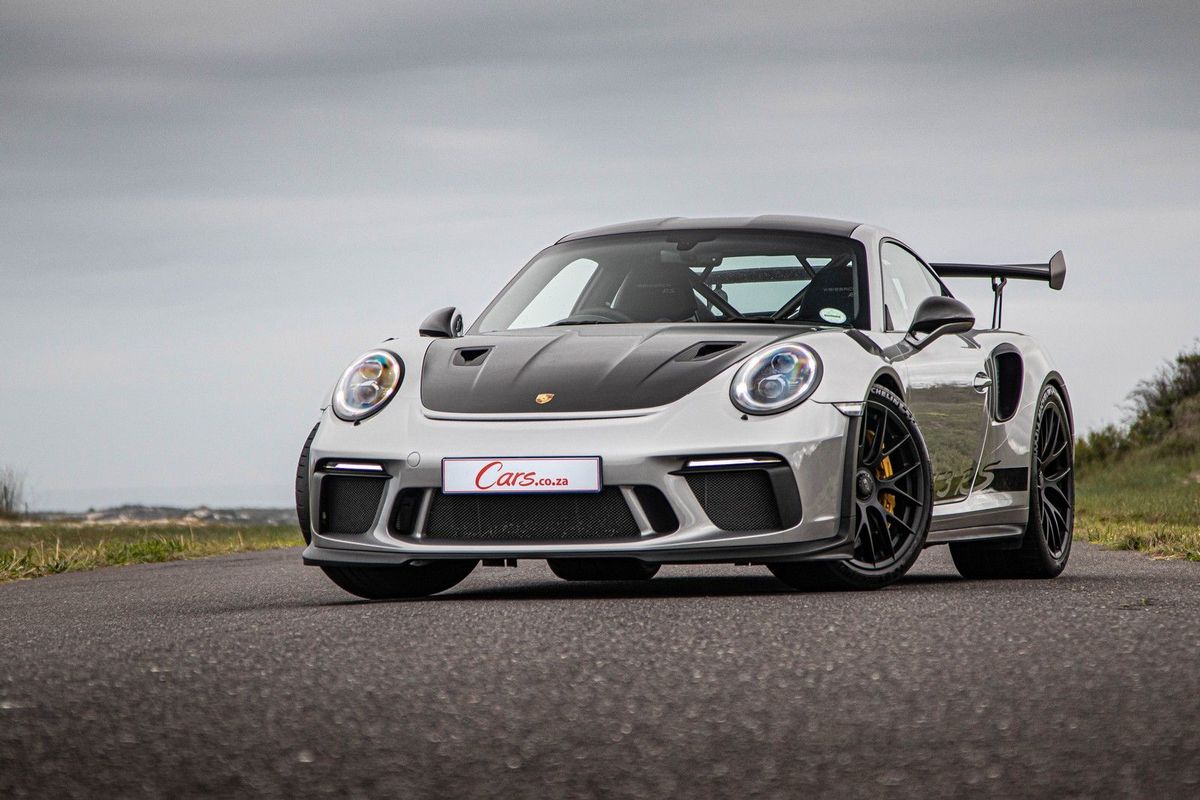
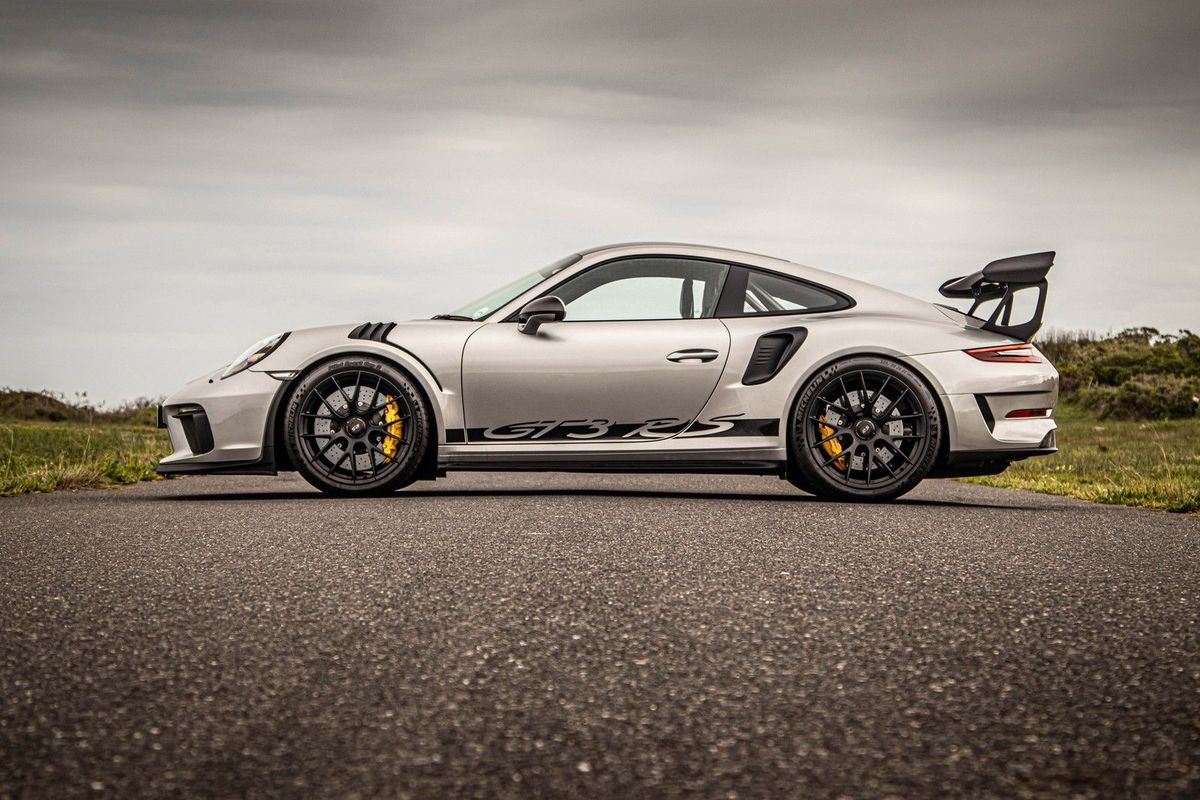
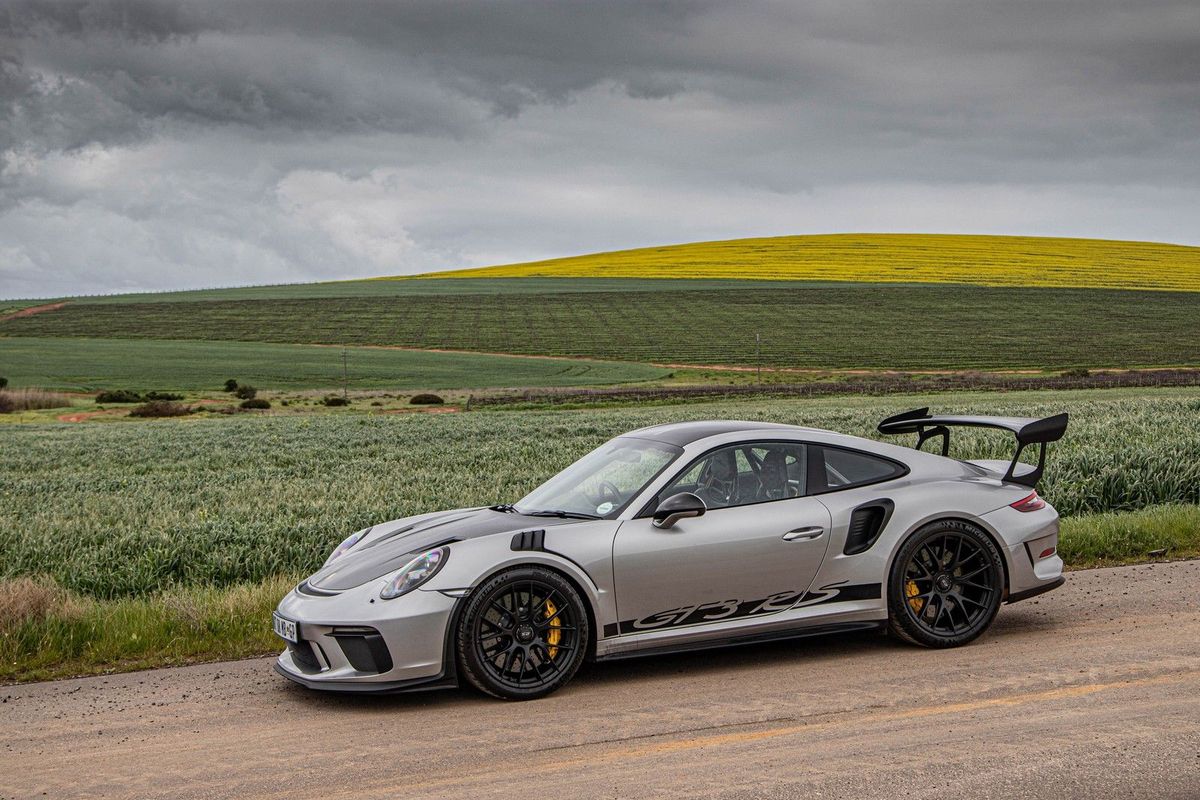
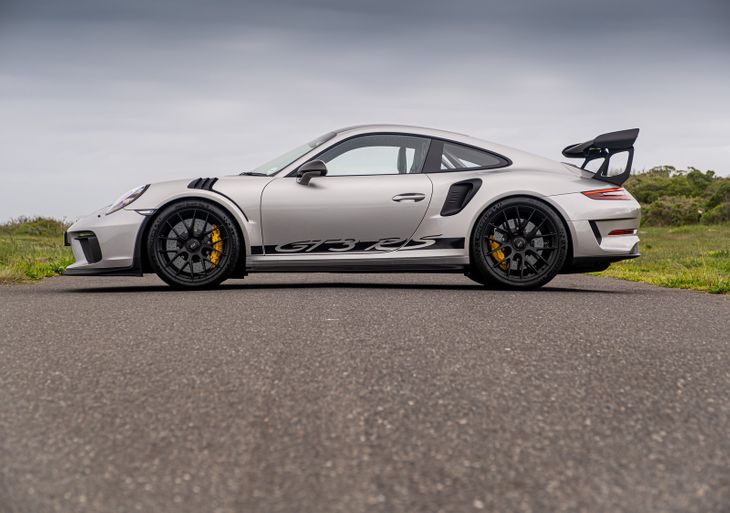
Our first-ever review of a Porsche 911 is also a fitting farewell to the 991.2-generation of the Stuttgart-based marque's iconic supercar. And what a farewell it is… for the Cars.co.za test team, the Porsche 911 GT3 RS PDK represents a new benchmark in driving enjoyment – it's a visceral performance machine that is near-perfectly made for purpose.
We like: Responsiveness, explosive performance, linear power delivery, sound
At the risk of gloating, some exceptional vehicles from the world's foremost supercar manufacturers (not all of them) have passed through the hands of the Cars.co.za test team, but in the days leading up to the arrival of what would be our first Porsche 911 test unit, the excitement in the office was palpable. It was, however, a nervous excitement… After all, the 911 GT3 RS nomenclature generates exceptionally high expectations. In my career, I've been sufficiently fortunate to have driven previous examples of Porsche's iconic "racecar for the road', and I hoped, quietly, that the latest incarcation would make as an indelible impression on my fellow testers, as the current car's predecesors had left on me many moons ago. Suffce to say, for most members of our test team, a first go in the Porsche 911 GT3 RS would definitely be a "meet your hero" kind of moment.
But where does the GT3 RS fit in, and why is it held in such high regard? Well, to put it simply… it exists to deliver the purest driving experience possible. There are faster, more powerful cars out there, as well as more beautiful, luxurious exotica that combine sizzling performance with great luxury. The GT3 RS is not for people who want to make a statement. It's not a car for the daily slog that happens to be fast. It's a car for the type of (capable) driving enthusiast who extracts the ultimate joy out of every single interaction with their machine; an owner who's willing to endure some physical discomfort to reach a great piece of road for the sake of having few minutes of unadulterated driving bliss. That's why the GT3 RS exists.
How it performs in terms of…
Performance and ride/handling
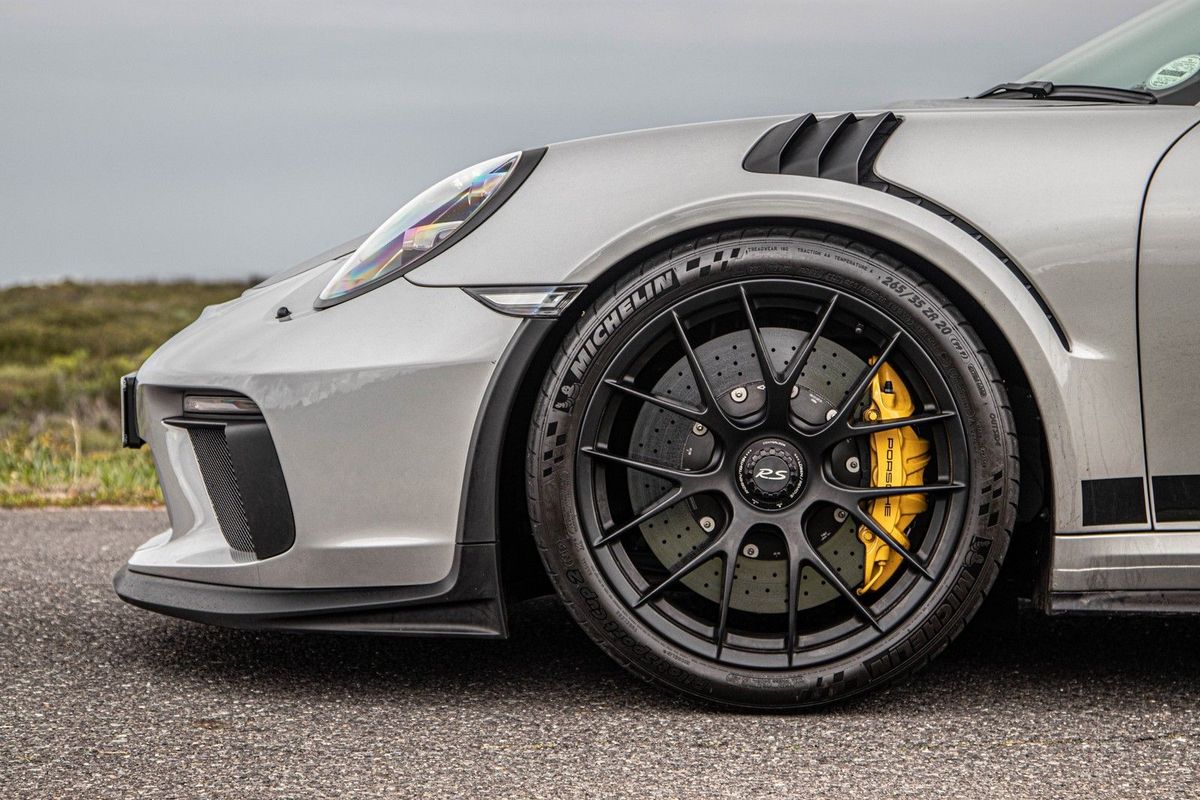
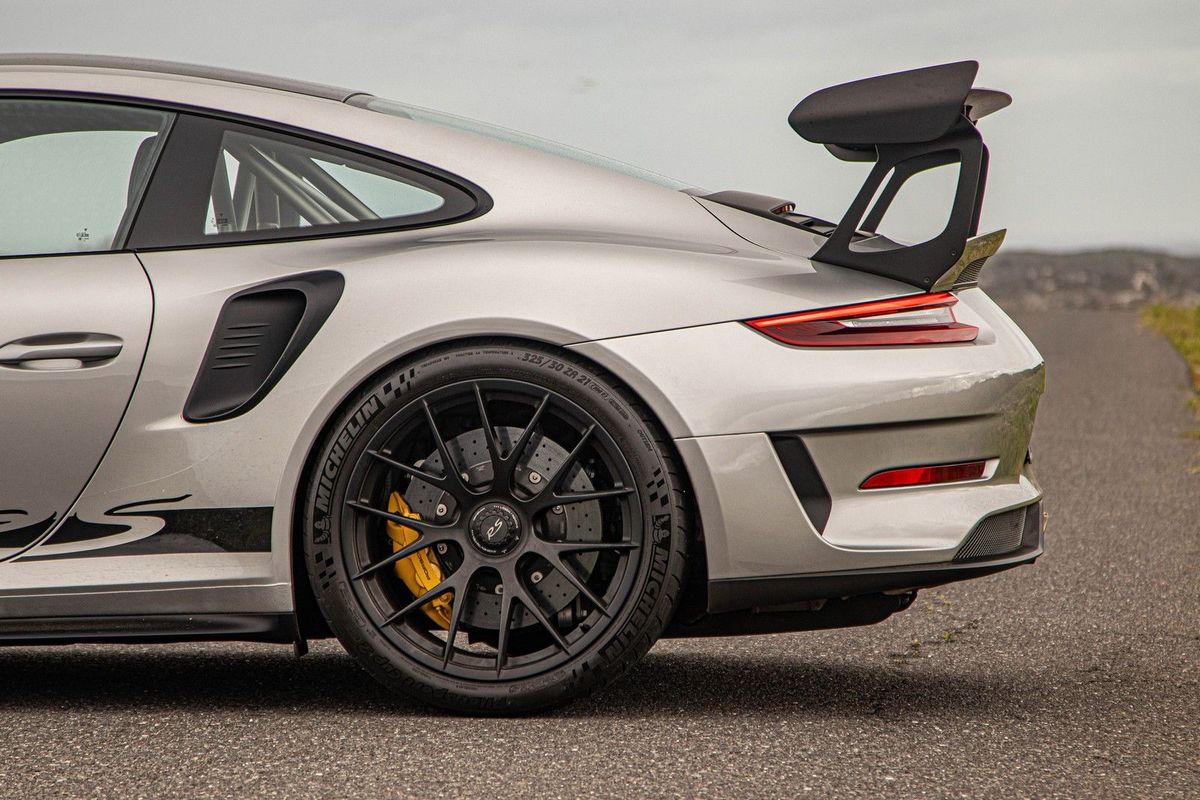
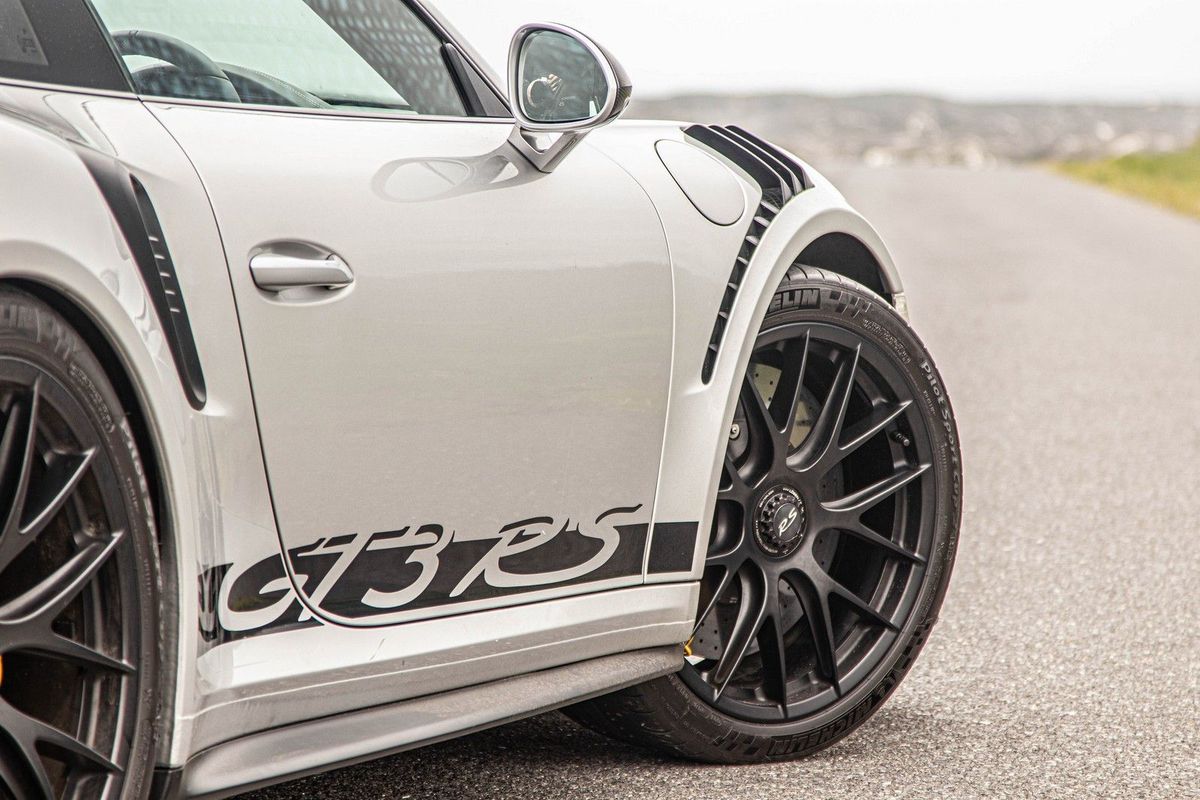
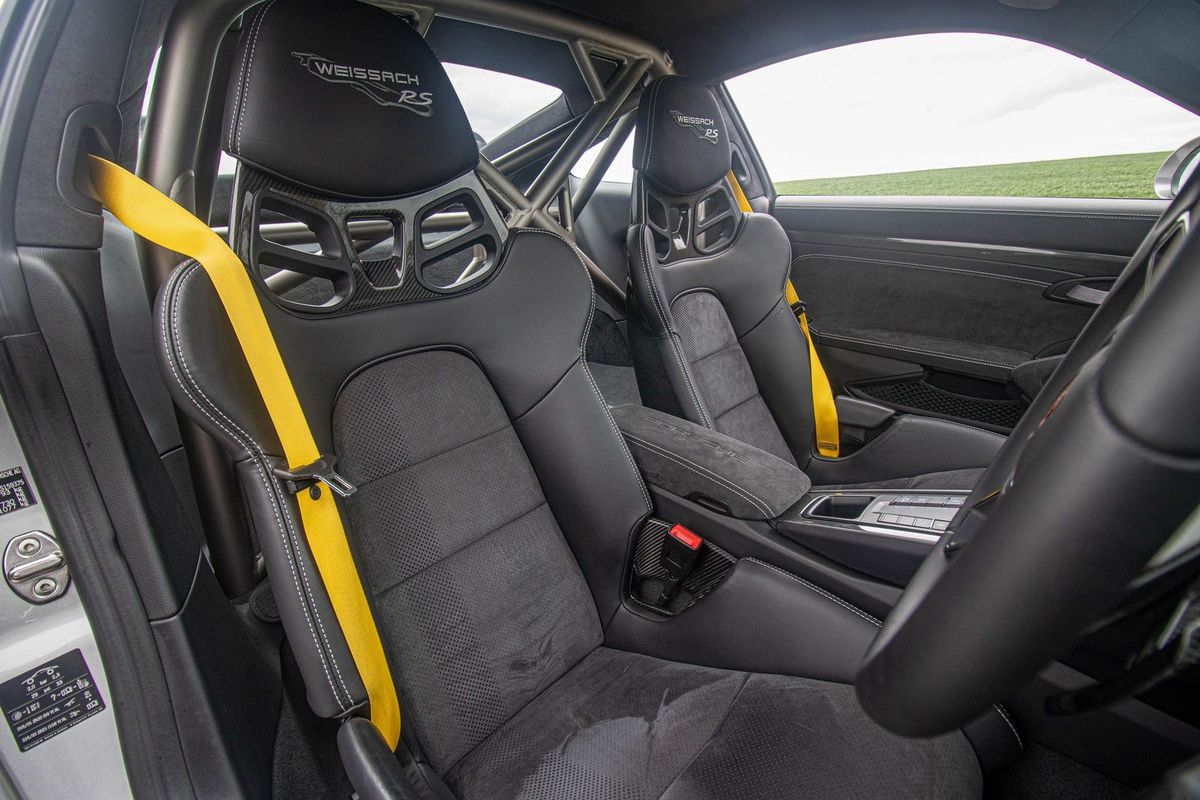
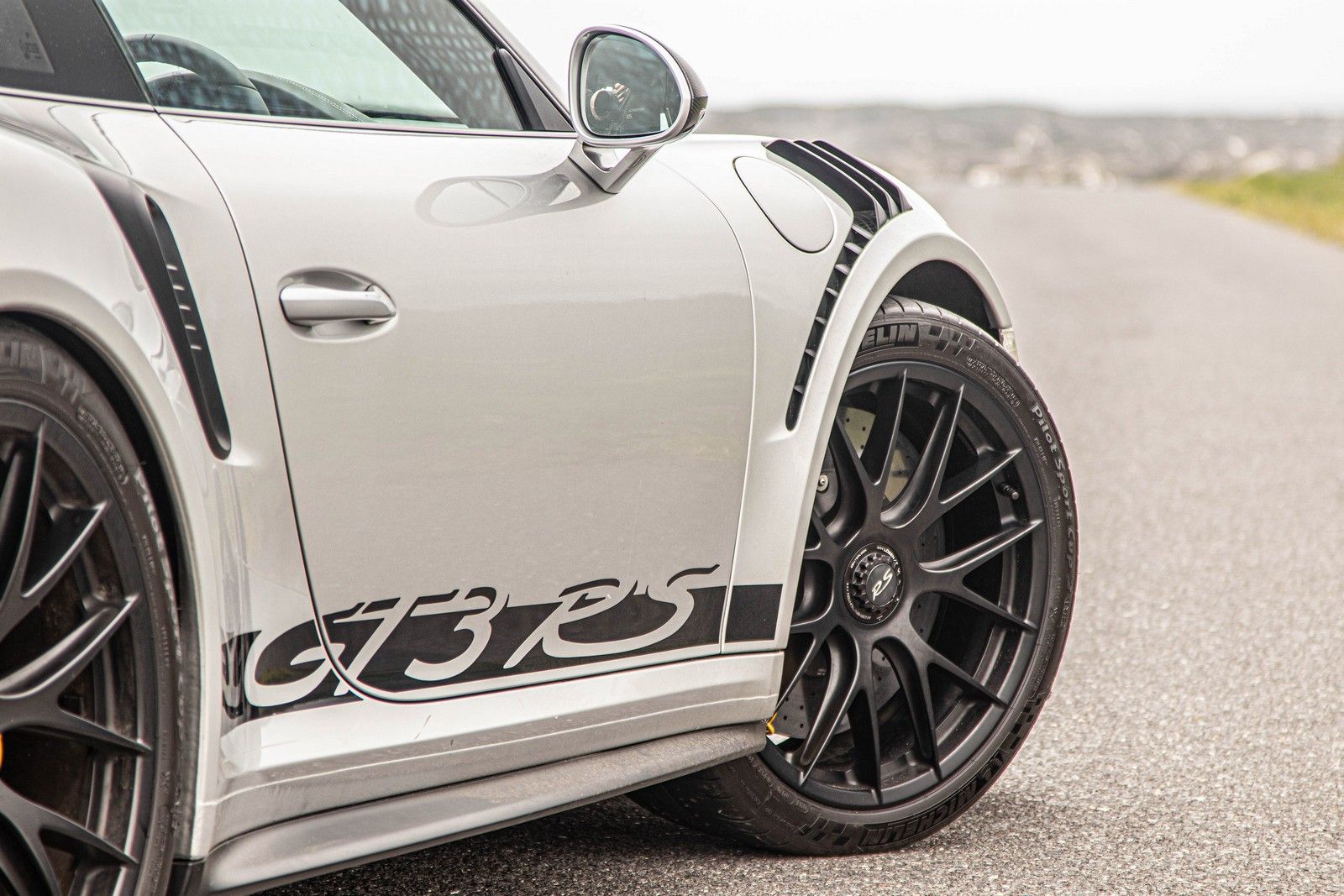
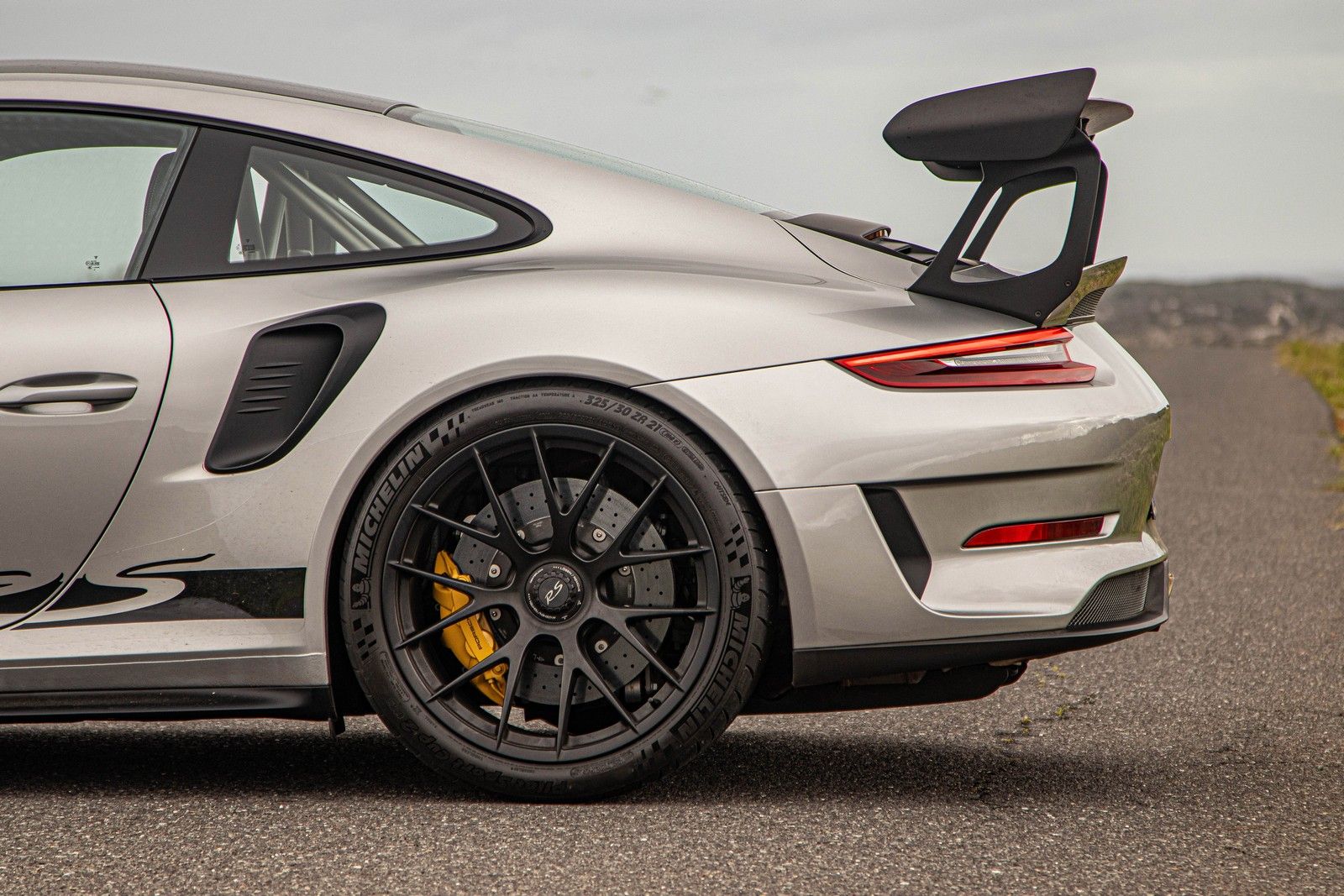
Our test unit featured the optional Weissach package, which further reduces weight. 20- and 21-inch wheels are fitted fore and aft.
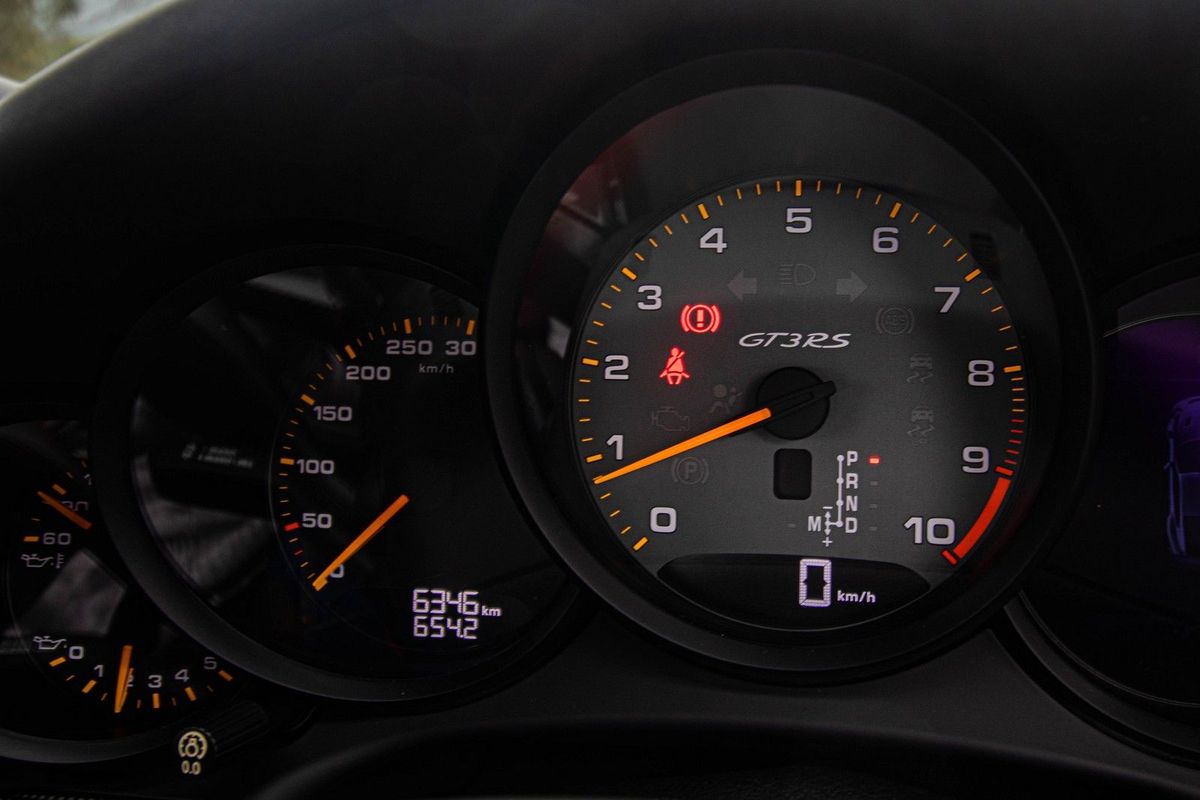
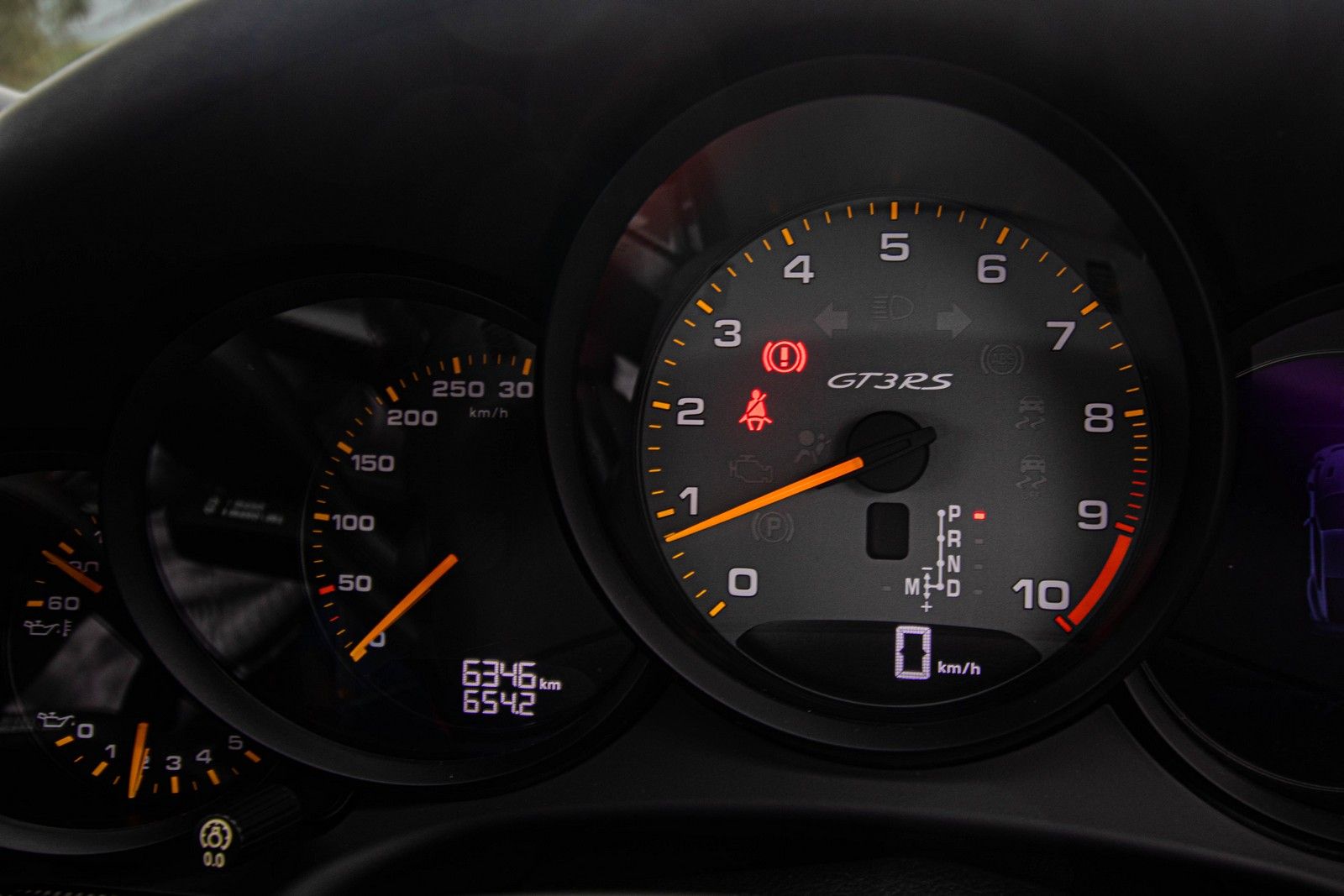
In an age where turbocharging is the norm to achieve stonking power outputs, and all-wheel drive is employed to assist the pilots of these road missiles to stay on the road, the 911 GT3 RS recipe is refreshingly old-school. Propulsion comes courtesy of a rear-mounted, rev-hungry naturally-aspirated flat-6 motor that's happy to howl all the way to its 9 000 rpm redline and delivers its power in a linear, but rapidly escalating, manner. And you're encouraged to use those revs because the 383 kW of maximum power only comes fully on tap at a heady 8 250 rpm.
The engine is closely related to the one used in the 911 Cup racing car, by the way… Weighing in at just under 1 500 kg (with the optional weight-stripping Weissach package fitted), the 911 GT3 RS is claimed to blast from 0 to 100 kph in only 3.2 sec. That's sizzlingly fast, and largely enabled by the superb 7-speed dual-clutch (PDK) transmission. The instantaneousness of each shift, when your foot is flat on the throttle, is breathtaking. What's more, unlike some other fast cars, the 911 GT3 RS feels like it can do full-bore standing start blasts all day withouth breaking (a sweat).
While the GT3 RS is rear-wheel-driven with a definite weight bias to the rear, it is reassuringly modern in the safety and dynamic management departments. You can switch the assistance systems off if you like, but that's only advisable when in the relatively safe environment of a racing circuit. Left on, the stability control system does allow for more "play" than you might expect, and so it has to be said that this not a car to be pushed to the limit by inexperienced drivers… But in all honesty, most people will know within the first few metres of a test drive whether this is the car for them – or not. At low speeds, the ride is stiff, you can hear every little stone hit the underbody, the wind roars at highway speeds, and the diff clunks as it goes about its business. Plus, the nose is low… so seeing as South African roads are either poor or peppered with speed humps, you'll be crawling around (uncomfortably) and hitting the nose lift button very often… If that all sounds like too much of a faff, then this isn't the car for you.
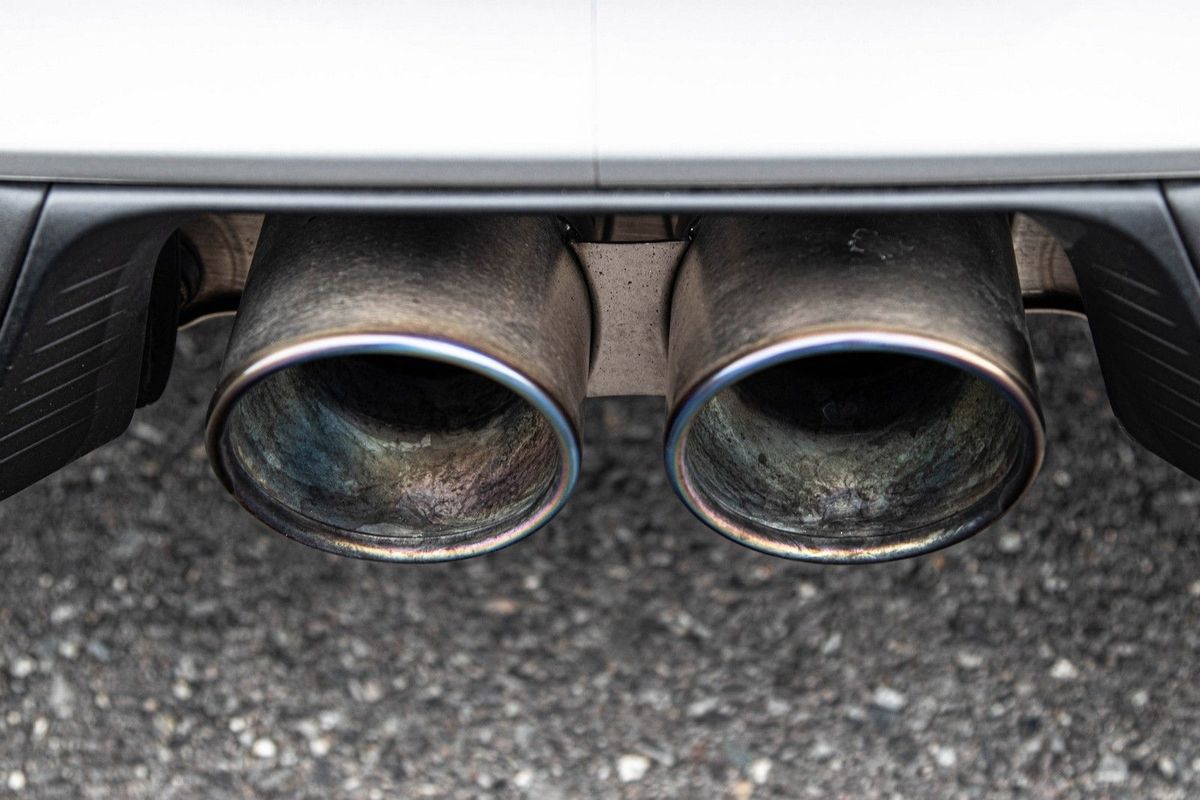
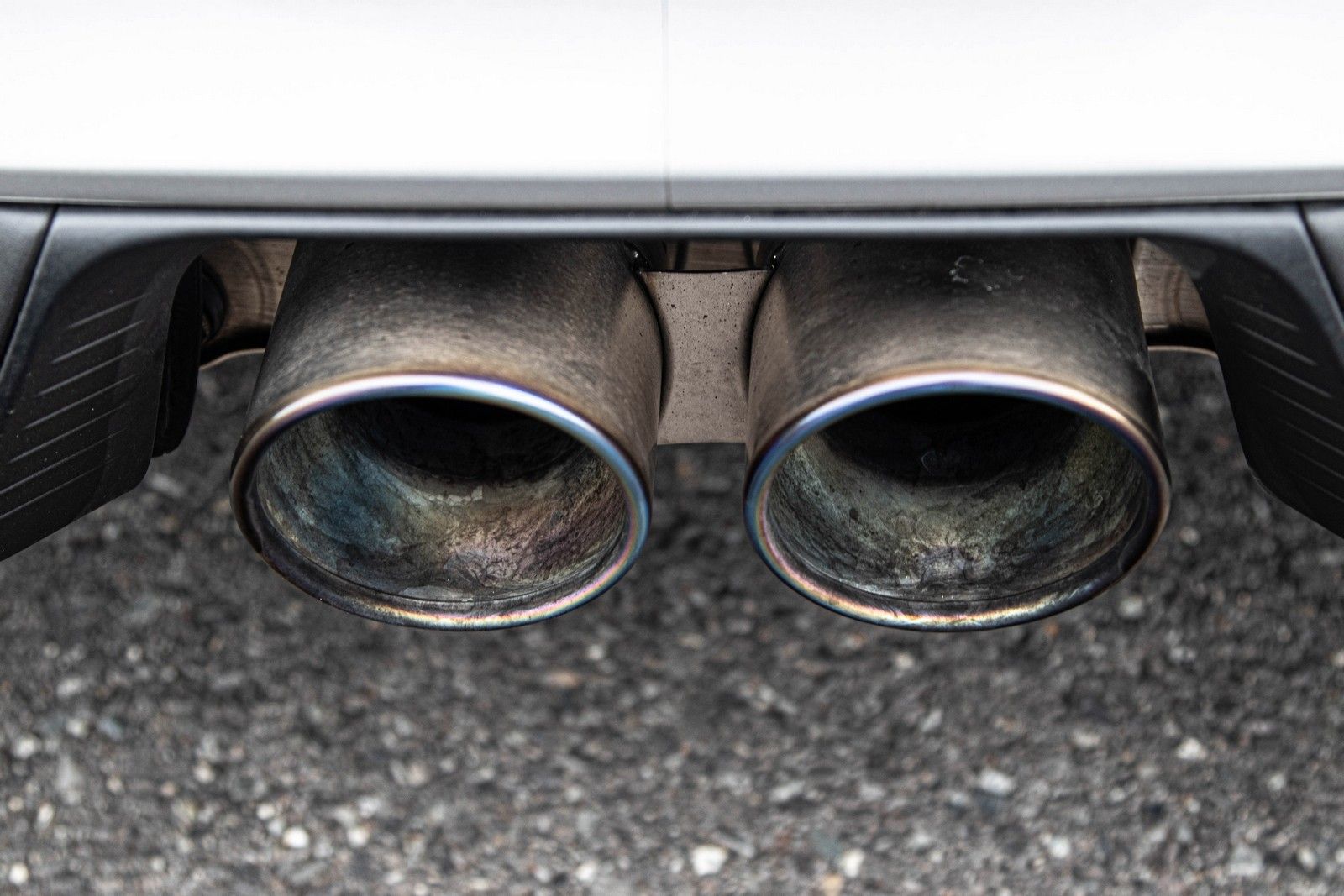
A lovely, urgent howl comes out of these lightweight stainless steel exhaust pipes.
If you drive it with purpose in the right environment, however, the GT3 RS will instantly come alive… as if everything about its stark purpose-built configuration just gels harmoniously. This should not come as a surprise, seeing as this car shares so much with the 911 Cup. The stiffness disappears and is replaced by surprising suppleness, allowing the Porsche to handle surface and camber changes at high speed with surprising aplomb. The steering, which is light and somewhat "disconnected" at low speeds, acquires razor-sharp precision and responsiveness.
For a rear-engined, rear-wheel drive car, the front-end bite is phenomenal, and the combination of all of these elements work together to urge the driver on… When buckled into that seriously bolstered driver's seat, you feel at one with the machine. Initially, in fact, the car's responsiveness can take some getting used to. But you learn quickly to be measured with your inputs, but it's not so much about thinking about them, as feeling… the car, the road, your own rhythm.
Exterior design & Packaging
Not for the shy, that's for sure. But it's important to note that nothing here is for show… every duct, every wing has a purpose.
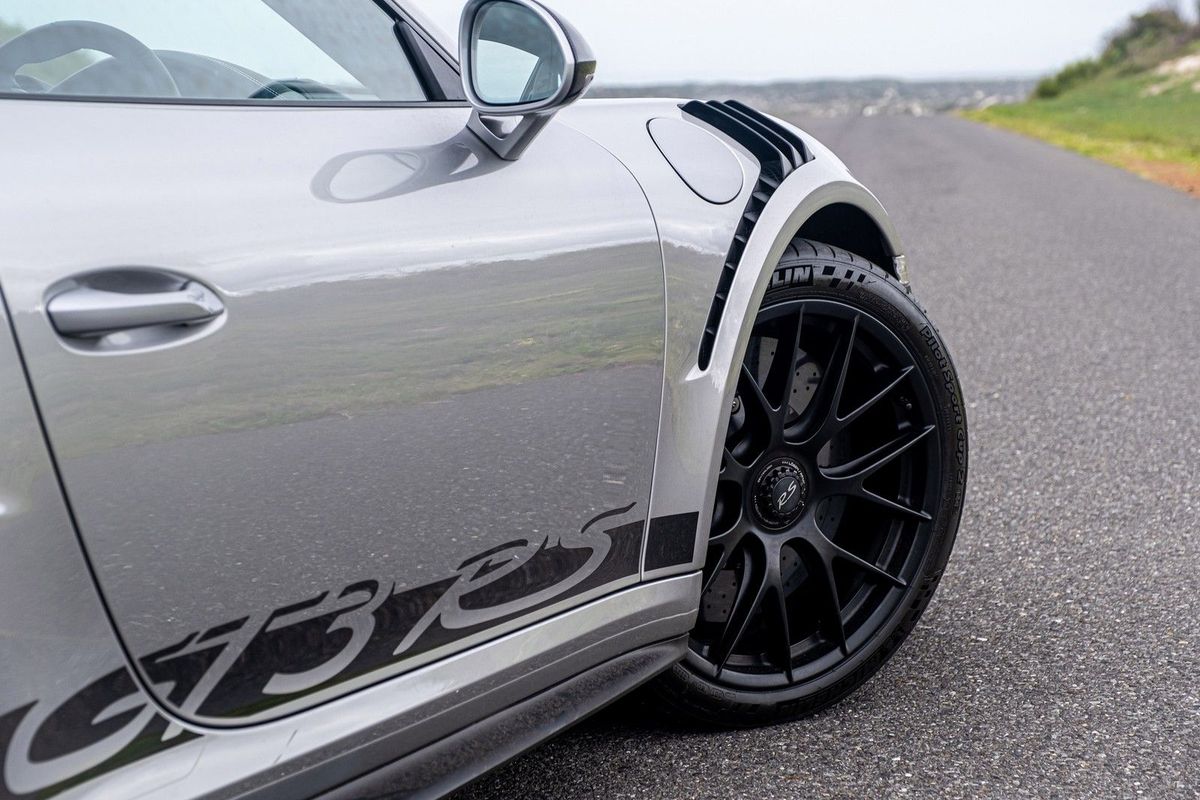
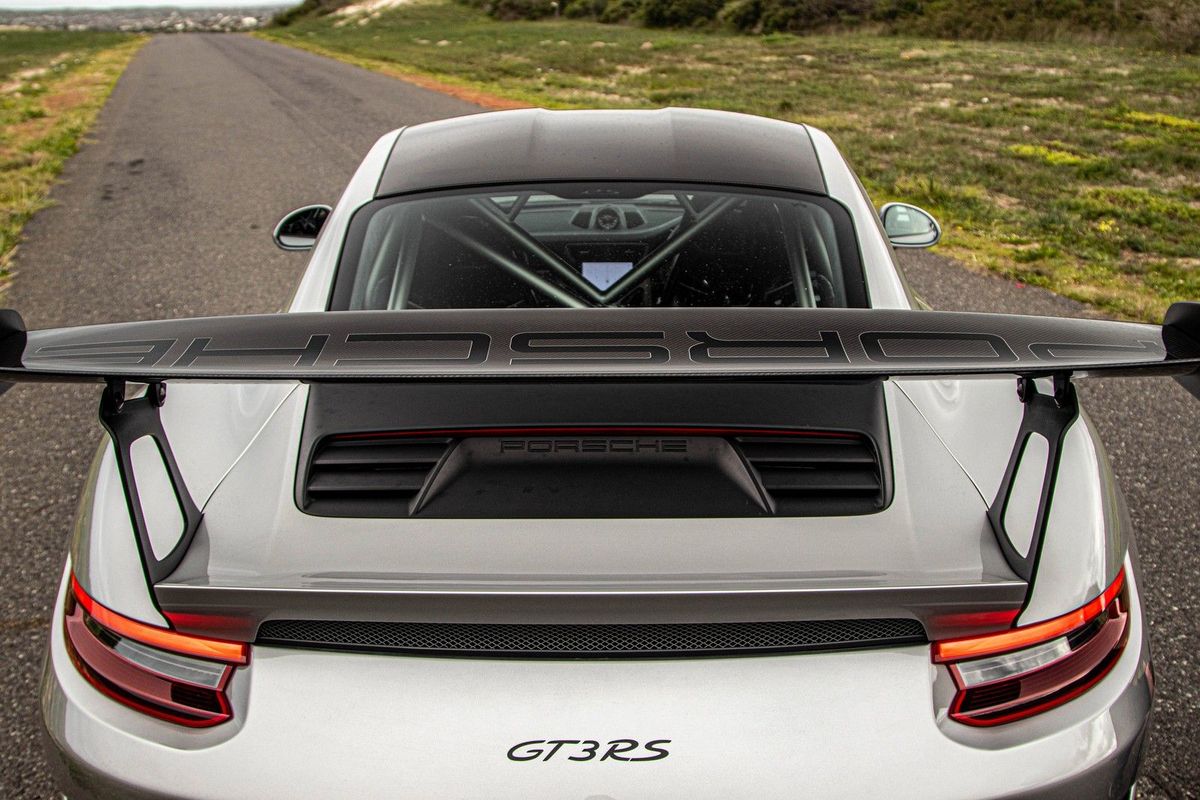
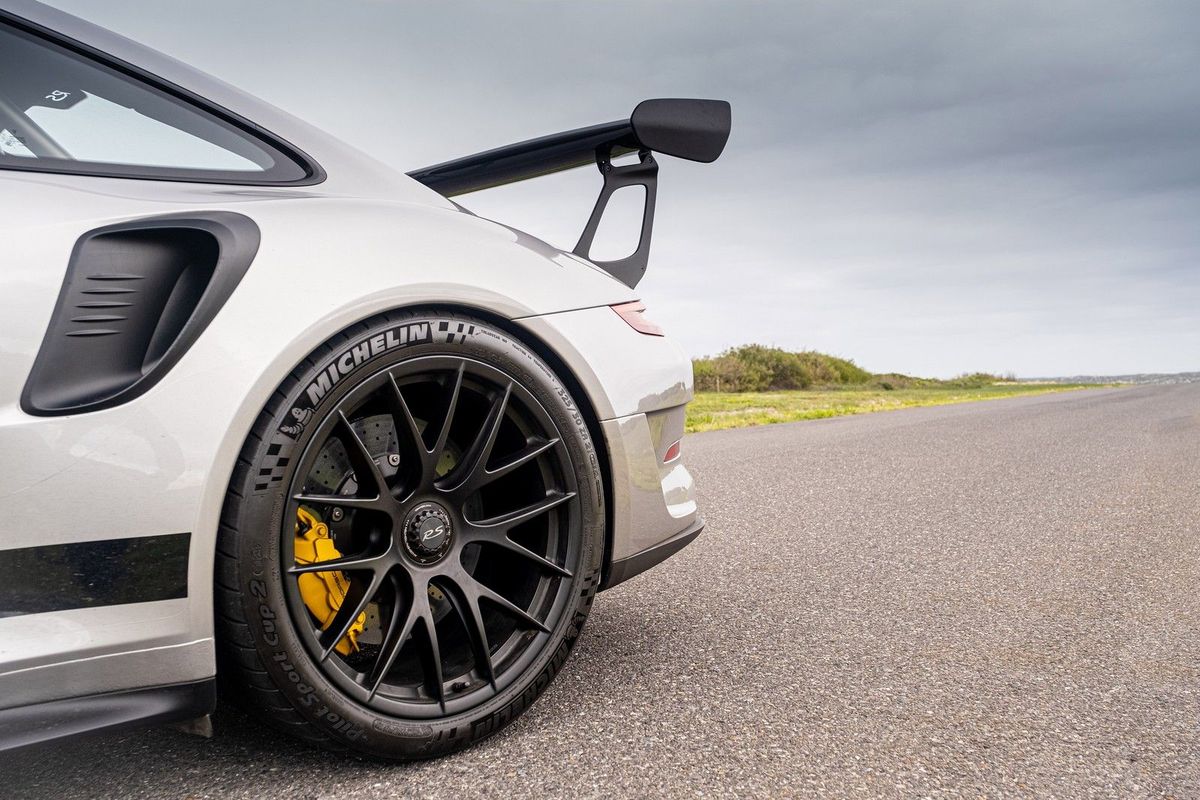
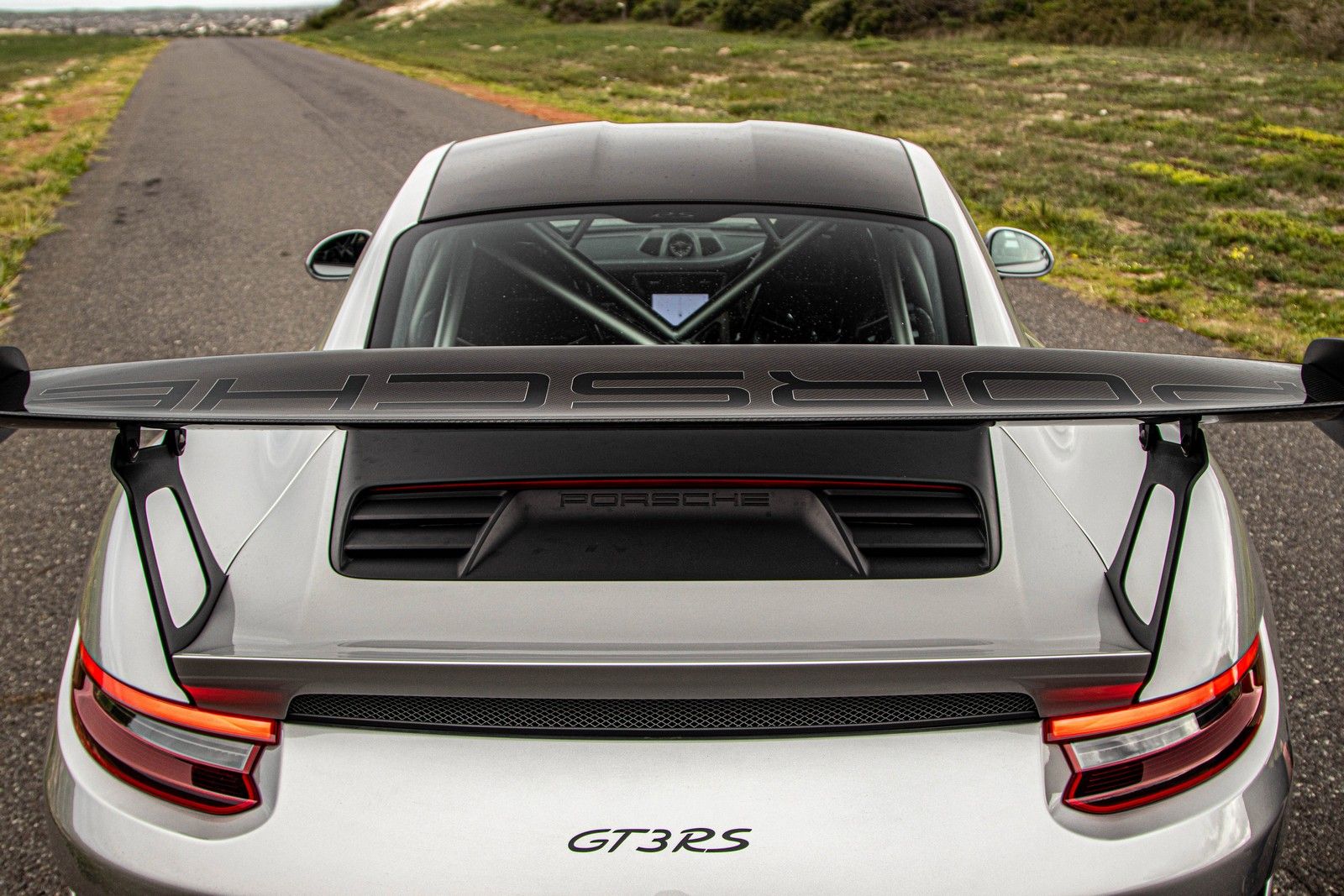
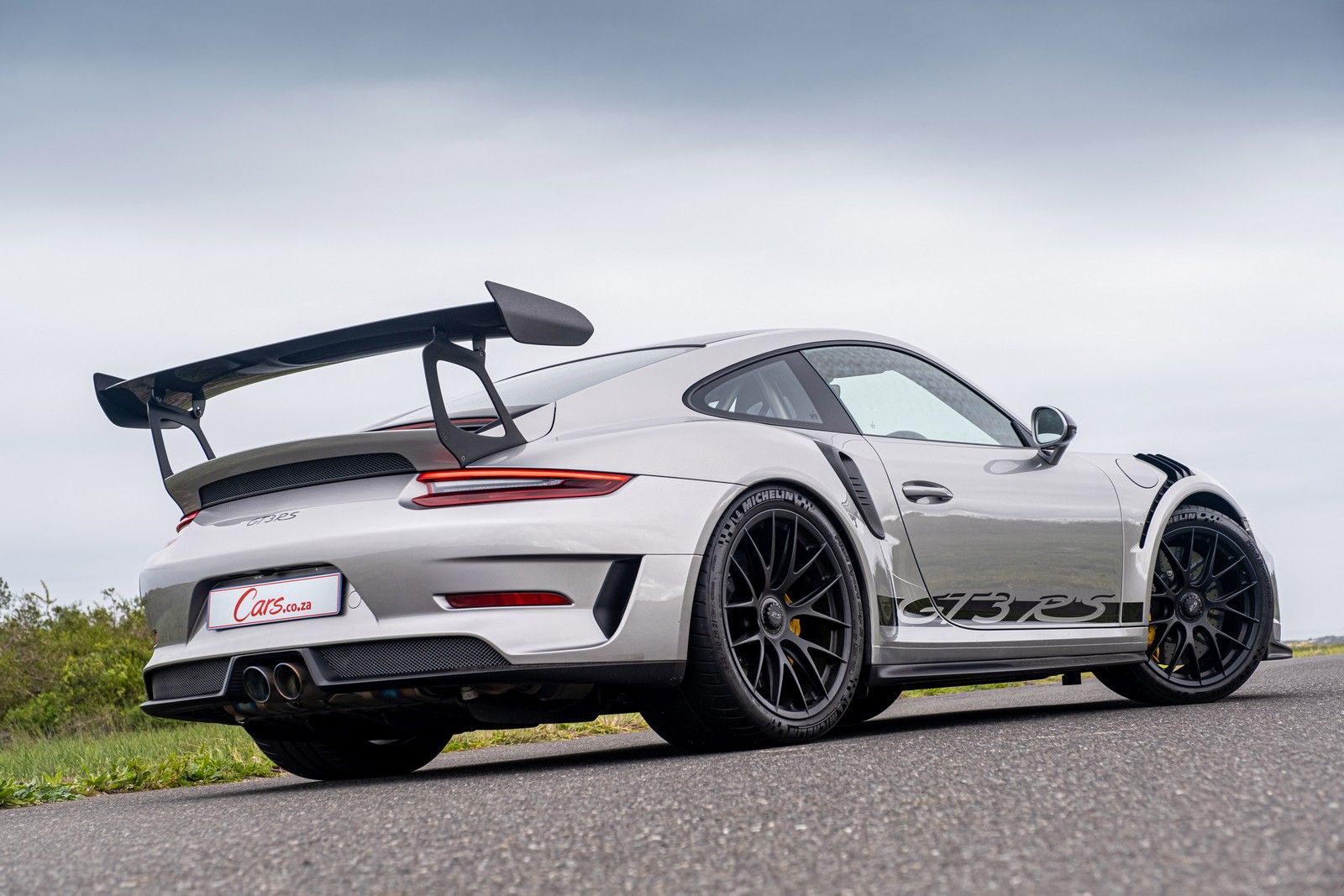
Even though we've seen several variants of the new 992-generation of Porsche's 911 released, the marque's careful design evolution of its iconic supercar means that this (outgoing) 991.2 generation GT3 RS does not look dated. It's also not subtle… And while many of its supposedly aero-enhancing bits may look superfluous, Porsche assures us that this is not the case. That massive rear wing? It adds a very welcome near-150 kg of downforce. The ducts on the lightweight CFRP (carbonfibre-reinforced plastic) bonnet and the rear haunches feed air to the brakes and engine. And those louvres on the front wings? Well, they aid downforce, too, Porsche says. Oh, and instead of a Porsche badge, the GT3 RS has a sticker… clearly, every gram saved heightens the driving experience.
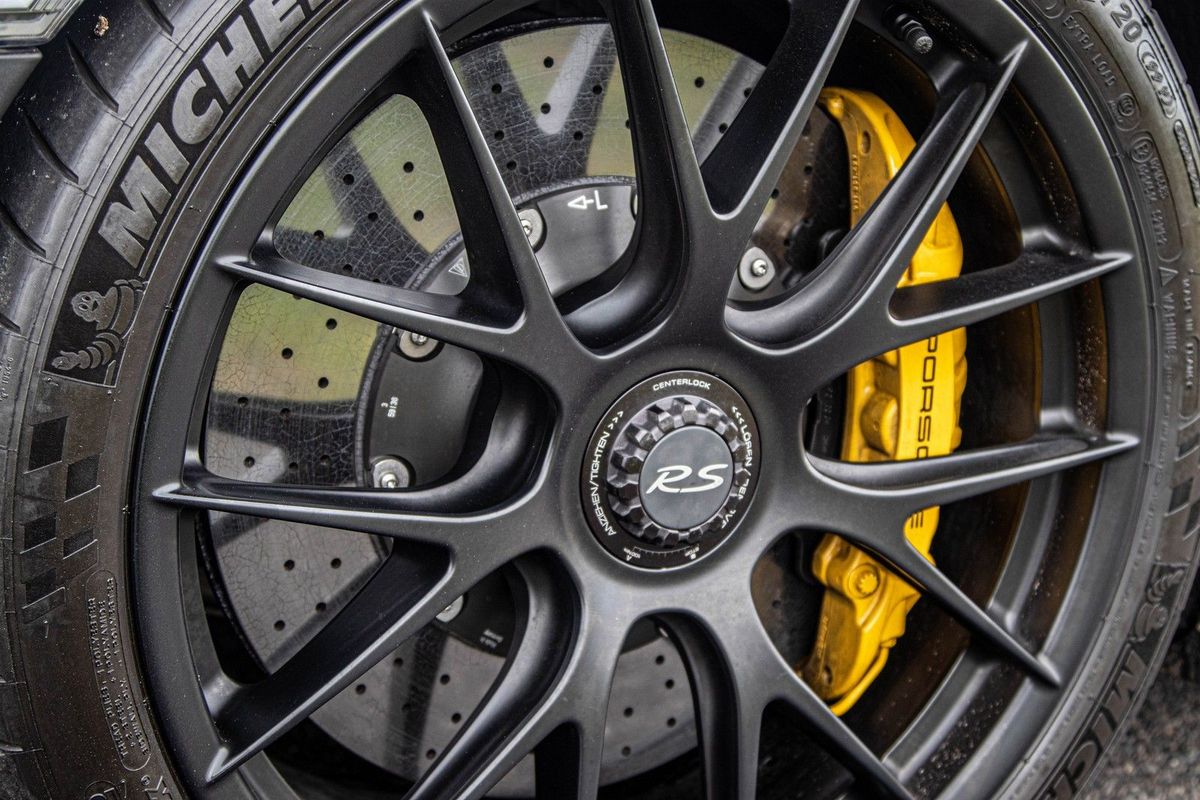
Sticky Michelin Pilot Sport Cup tyres need some heat in them, but once up to temperature, provide the driver with confidence to push harder.
One often sees GT3 RSs in more vibrant colours, but for most of our testers (and onlookers), the metallic grey and black combination of this particular car appeared to hit the speccing sweet spot. With its curves stretched tight over massive wheels (265/35 R20 in front and 325/35 R21 at the rear) with lightweight black, magnesium wheels, the Porsche gains an aggressive, menacing look, which entirely fits its character.
Interior execution and features
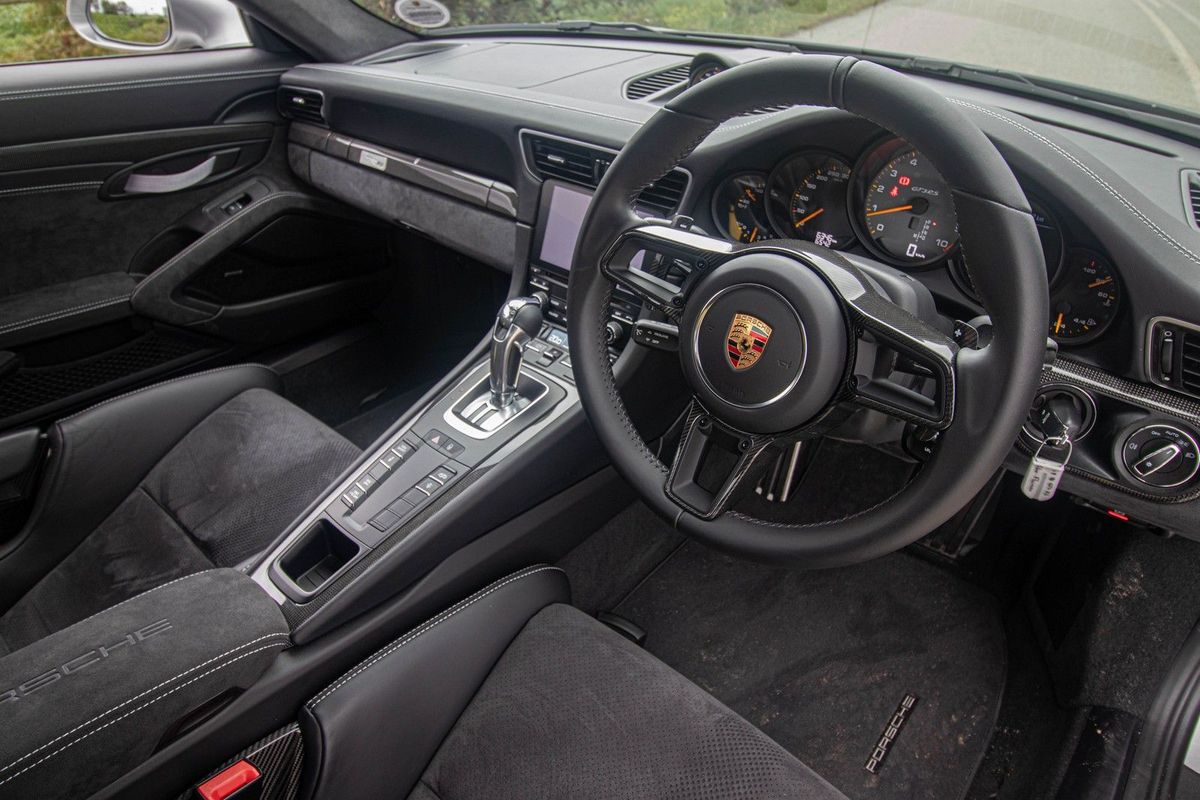
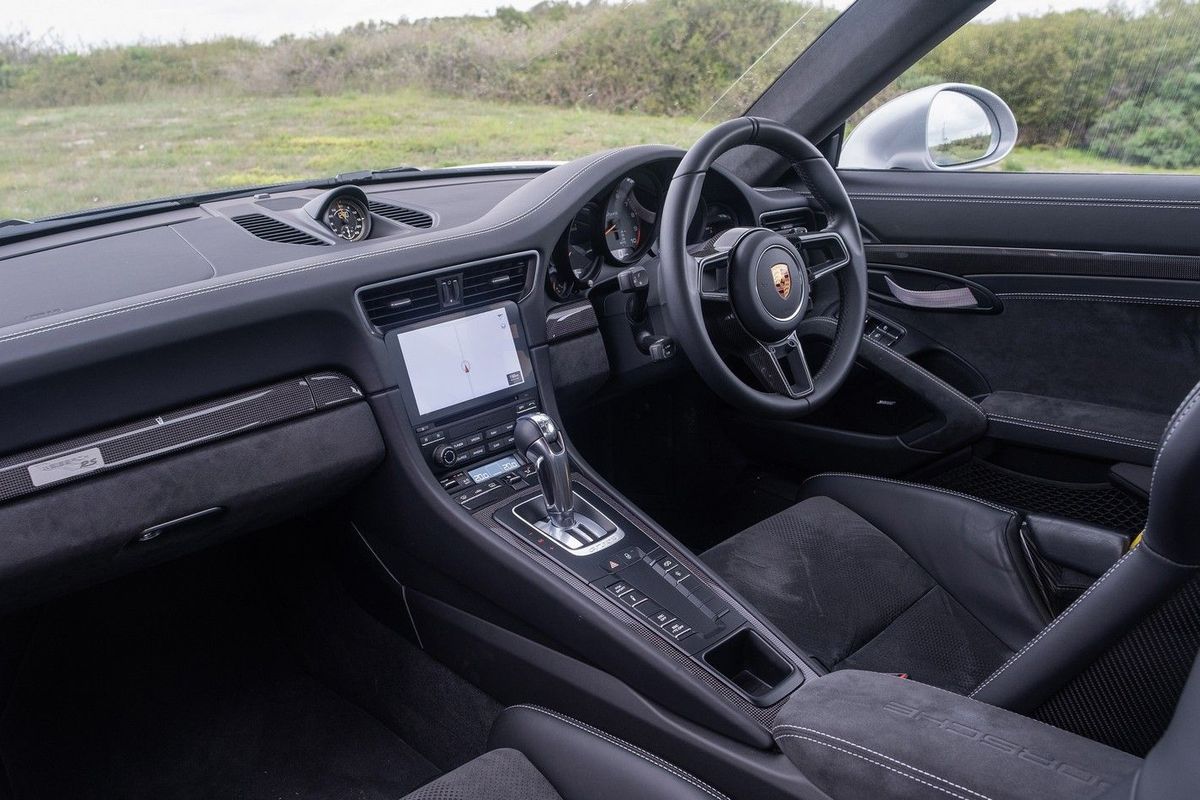
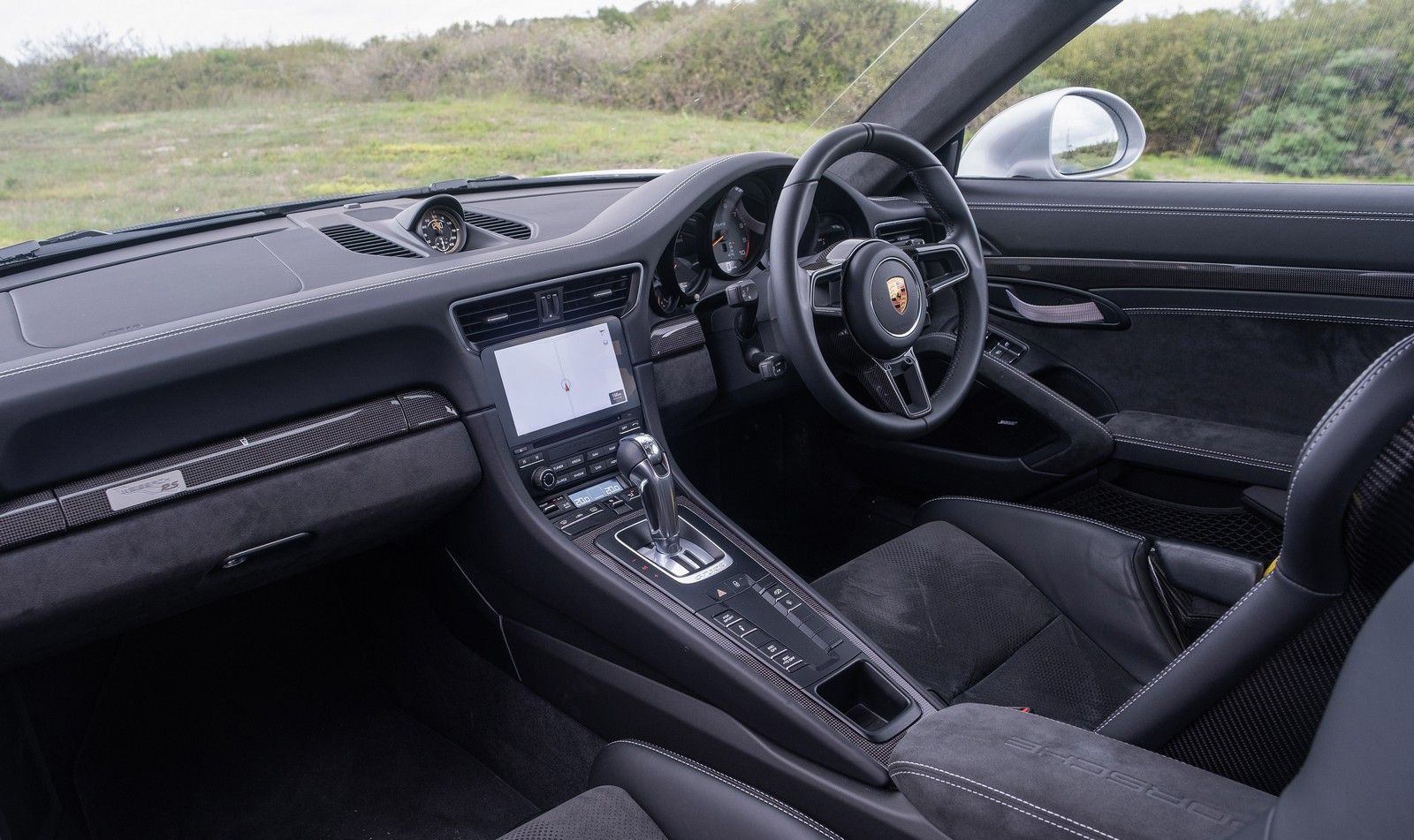
Inside, the 911 GT3 RS places the emphasis squarely on thrilling the driver, without frills… Note canvas doorpulls.
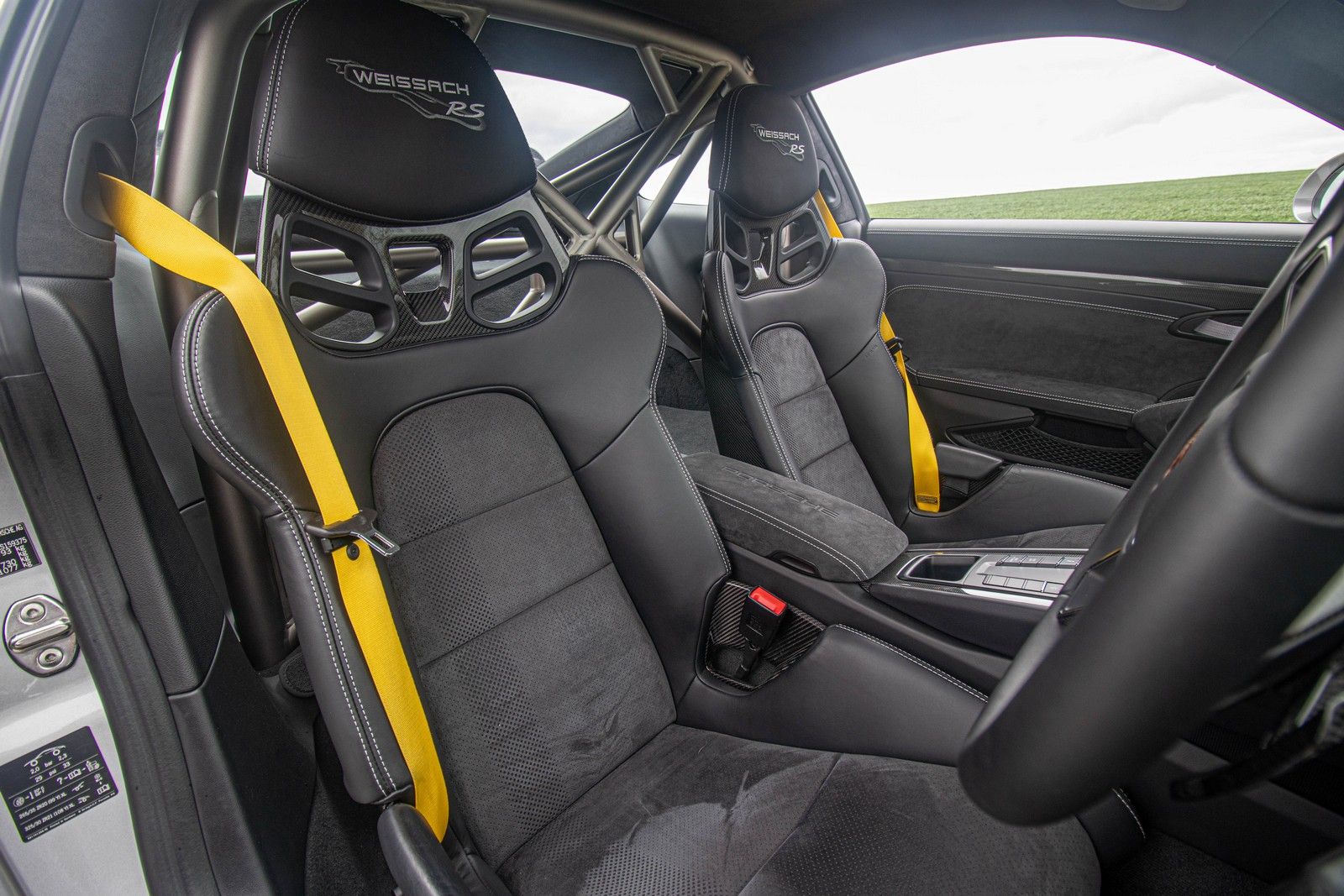
After opening the driver's door to the 911 GT3 RS and taking care to clear the bolstering of the lightweight carbonfibre bucket seats with your hips, you'll find yourself seated in what appears to be a pretty drama-free cabin. As is the case with all Porsches, the build quality is excellent, and this RS even has a comprehensive infotainment system, as well as dual-zone climate control. But that perception of "normality" is shattered as soon as you look behind you and find not the two "half-seats" common to the 911 line, but rather a serious-looking titanium roll cage. Look even closer and you'll notice that the inner door handles have been replaced with canvas pulls. And, when you start driving you'll realise that some of the weight-saving measures have resulted in increased levels of road- and wind noise. Side and rear windows are of thinner glass, for example.
Seats are very, very grippy and aggressively bolstered. Note lightweight rollcage behind the seats.
But none of that detracts from the "GT3 RS experience" when the Zuffenhausen machine is driven in anger… You'll enjoy the solidity and precision of the car's controls, the tactility of the leather-wrapped steering wheel that feels just the right width and size, the clear simplicity of the analogue dials… and a superb driving position, even though the seats are only adjustable for height and position – the backrests are at a fixed angle.
Pricing and warranty
Driver's delight – analogue dials and a red line at 9 000 rpm!
Priced at around R4.2 million, you can still get a brand-new 911 GT3 RS from Porsche South Africa. But with a new-generation car expected to be released next year, you'll have to act fast to bag yourself one of these superb machines out of the proverbial box. A 3-year/90 000 km warranty is included, as is a 3-year/90 000 km maintenance plan.
The best driver's car we've ever experienced on local soil. It's as simple as that.
As we mentioned earlier in this article, a quick test drive of the GT3 RS will immediately tell you whether this is the Porsche 911 derivative that you really want – or not. It's definitely not for everyone. But for those drivers (note, we specifically say "drivers" not "buyers", for a reason) out there with the means to afford this incredible car, our advice is simple. Get this into your garage before they're all snapped up.
So, has the 911 GT3 RS left an impression on the Cars.co.za test team? Not only that, it's recalibatred our expectations of pure driving joy.
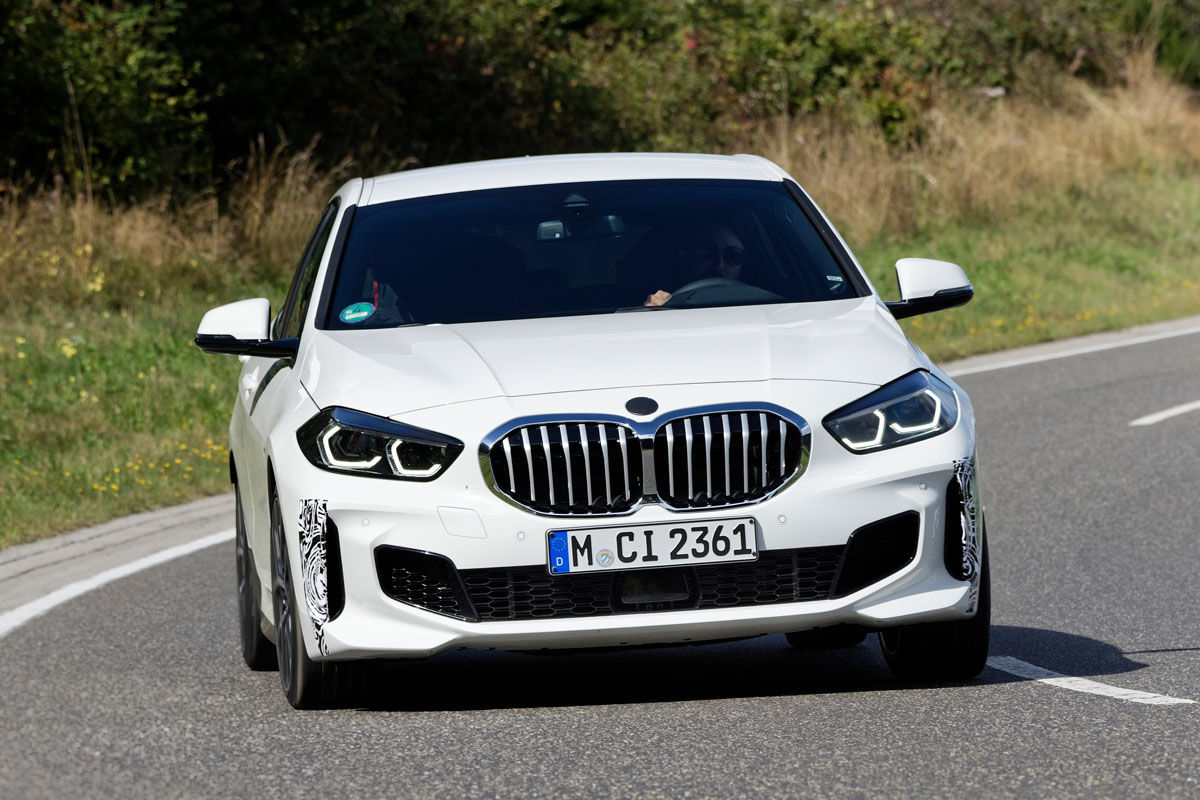
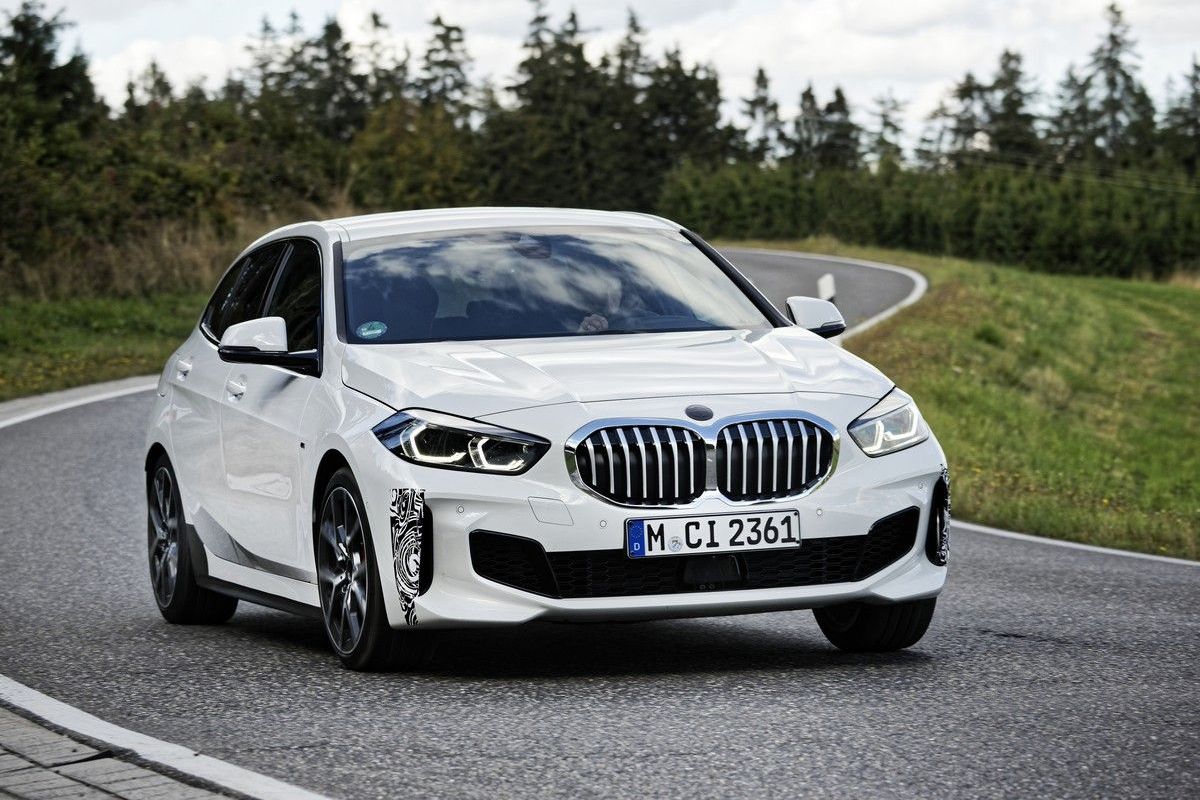
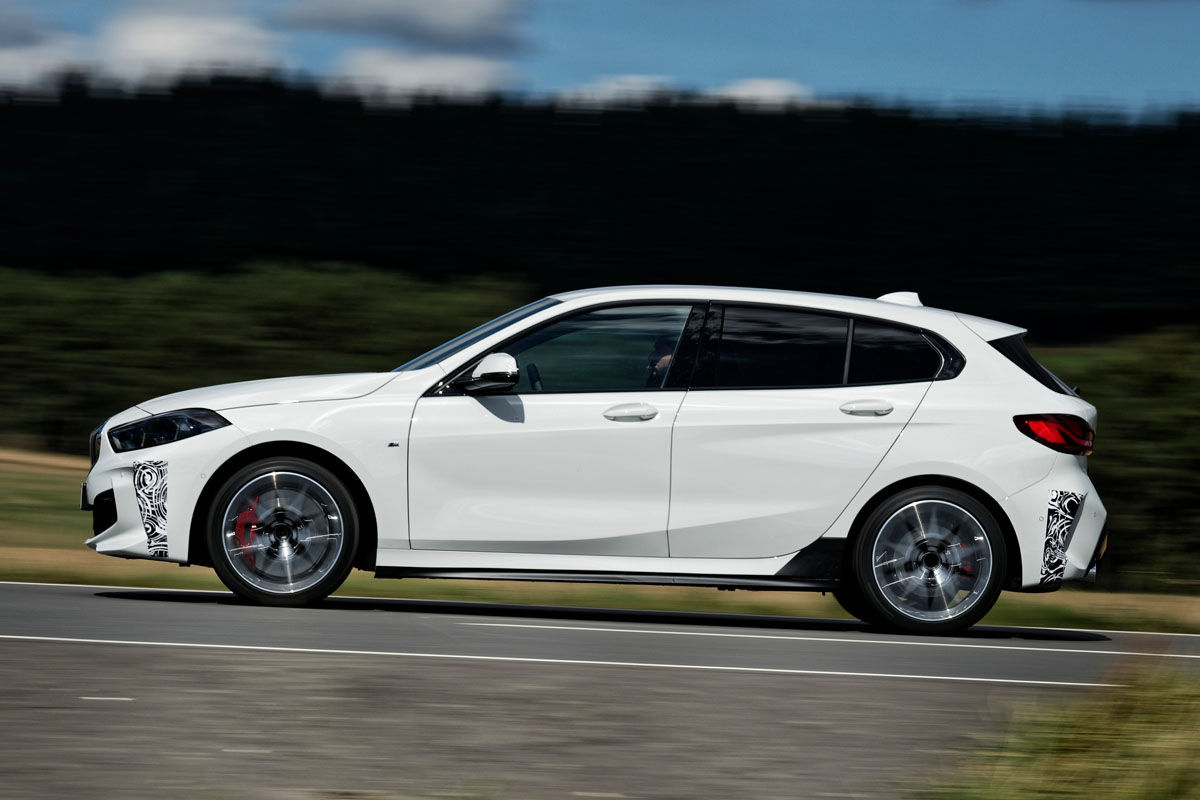
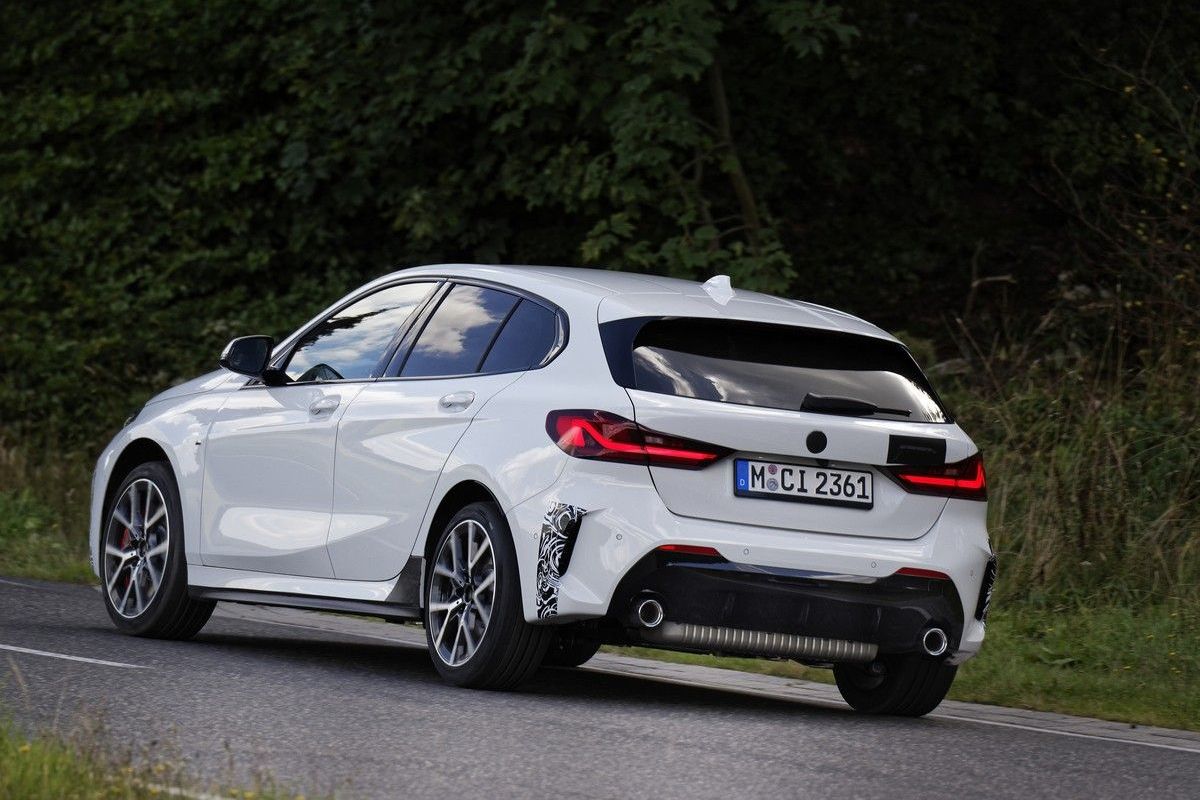
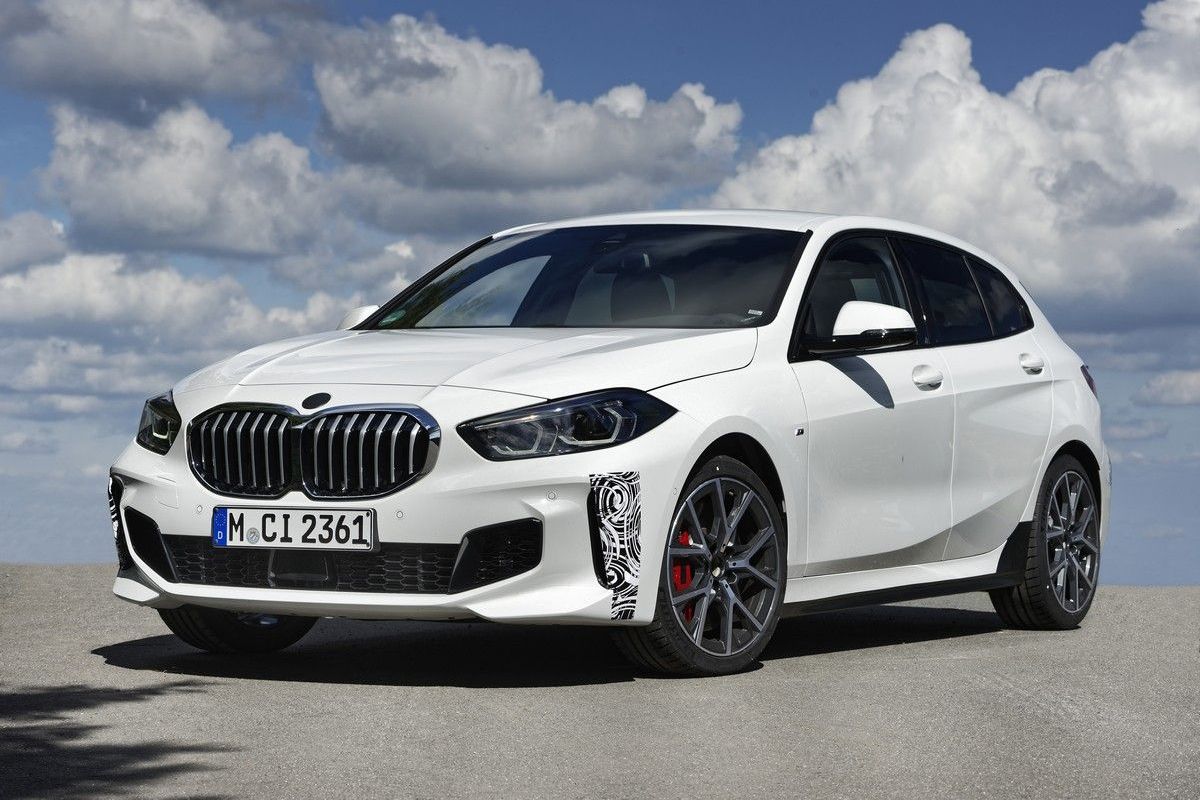
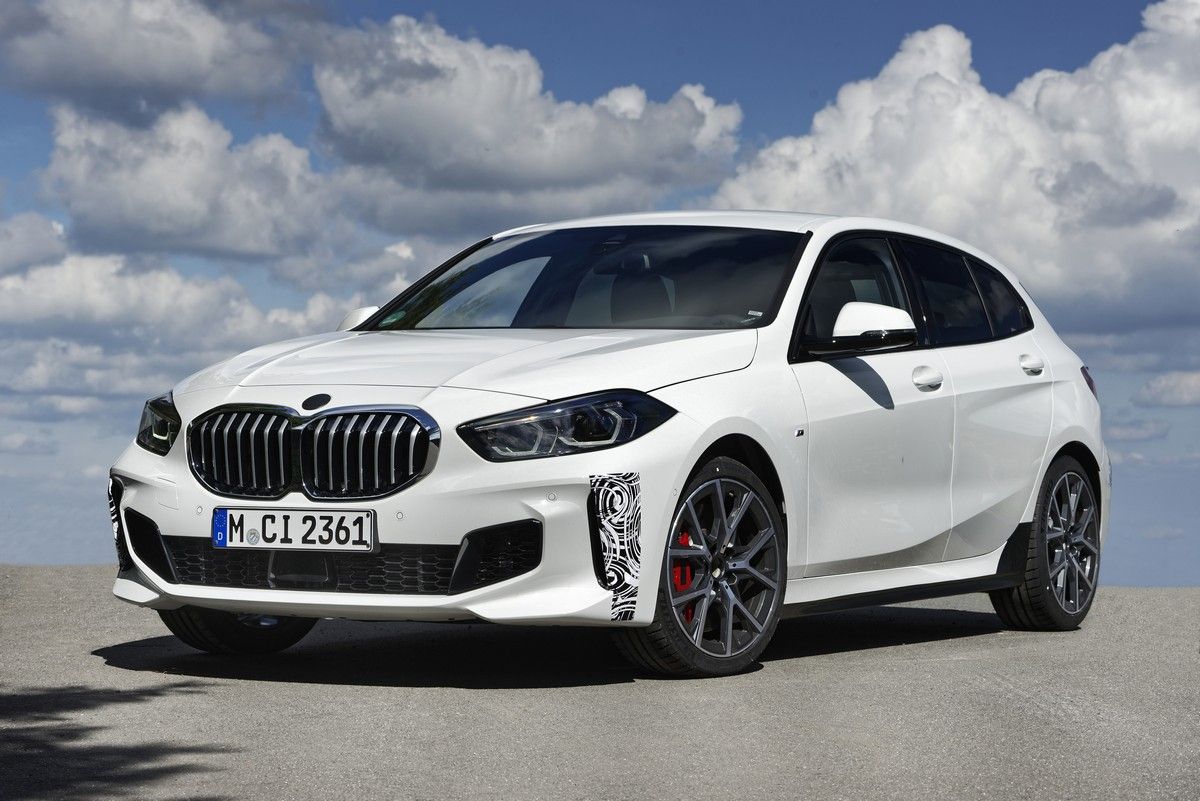
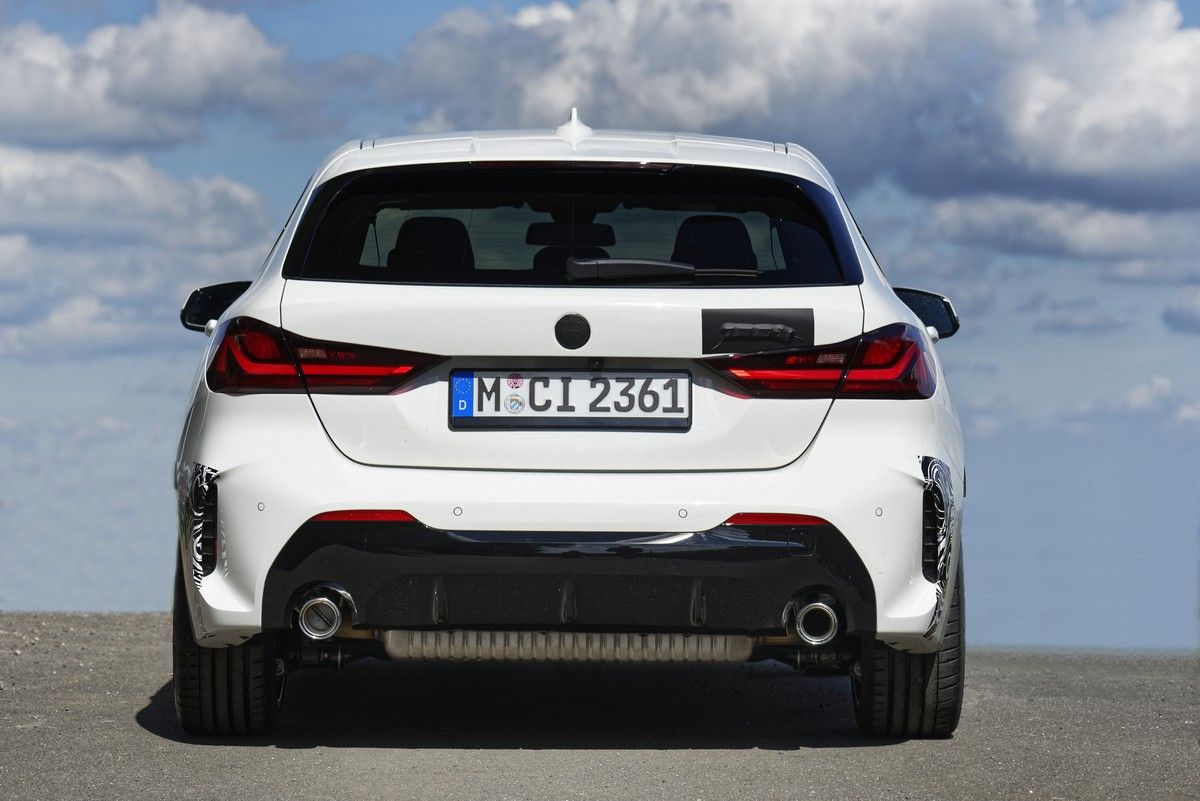
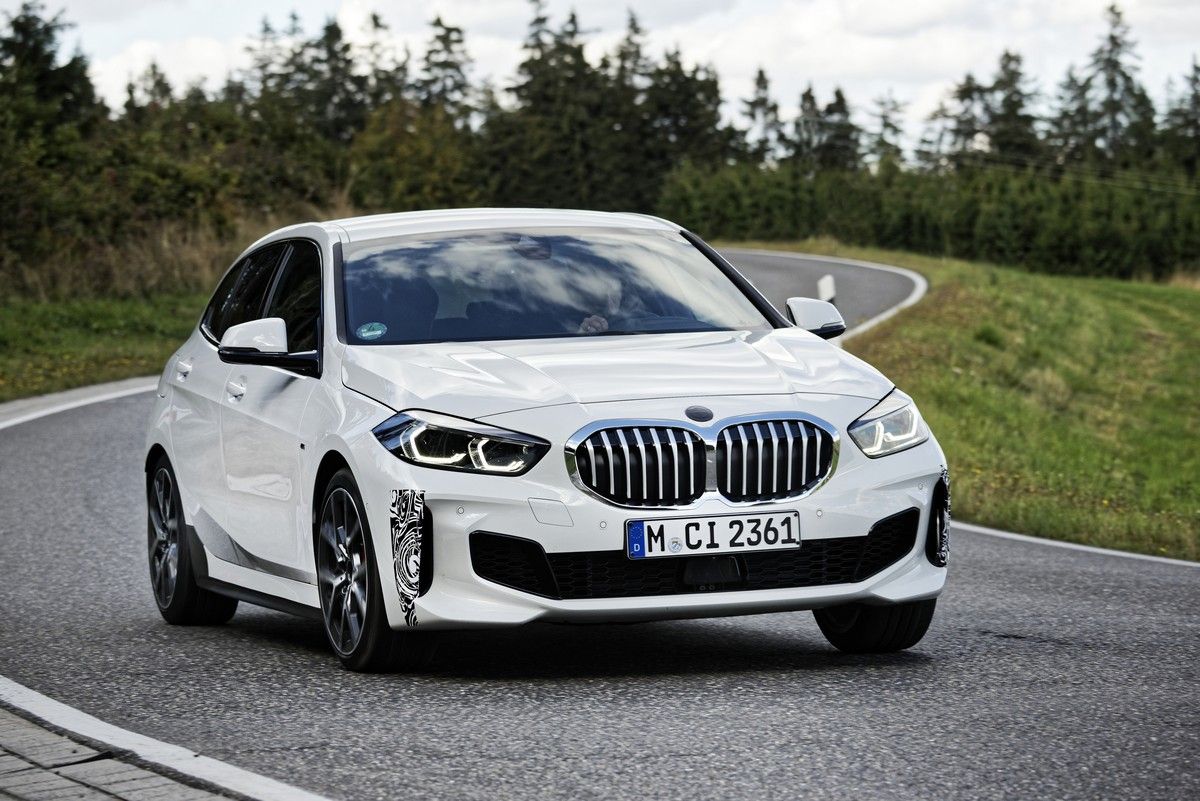
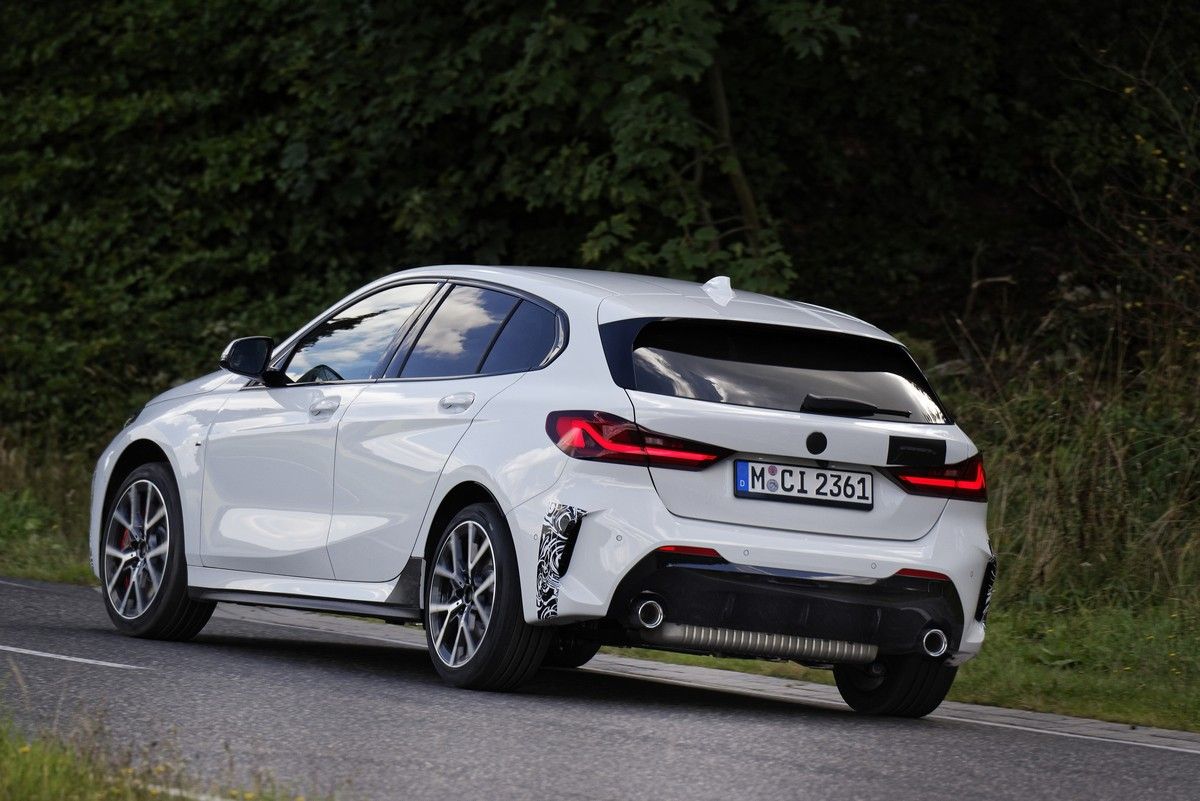
BMW is putting its new 195-kW 128ti through the final stages of development. Fitted with a limited-slip diff, M Sport suspension and a muscular 2.0-litre turbopetrol, the newcomer is said to bolt from 0 to 100 kph in just 6.1 sec.
Ever since BMW waded into premium compact hatchback segment with the 1 Series, be it with the rear-wheel-driven 1st-gen (E81/E82/E87/E88) or 2nd-gen model (F20/F21), the Bavarian manufacturer has curiously avoided a confrontation with the benchmark Volkswagen Golf GTI and fellow front-wheel-driven (FWD) hot hatches. Why? Well, the firm initially put its performance focus on 1er derivatives with inline-6 turbopetrol motors.
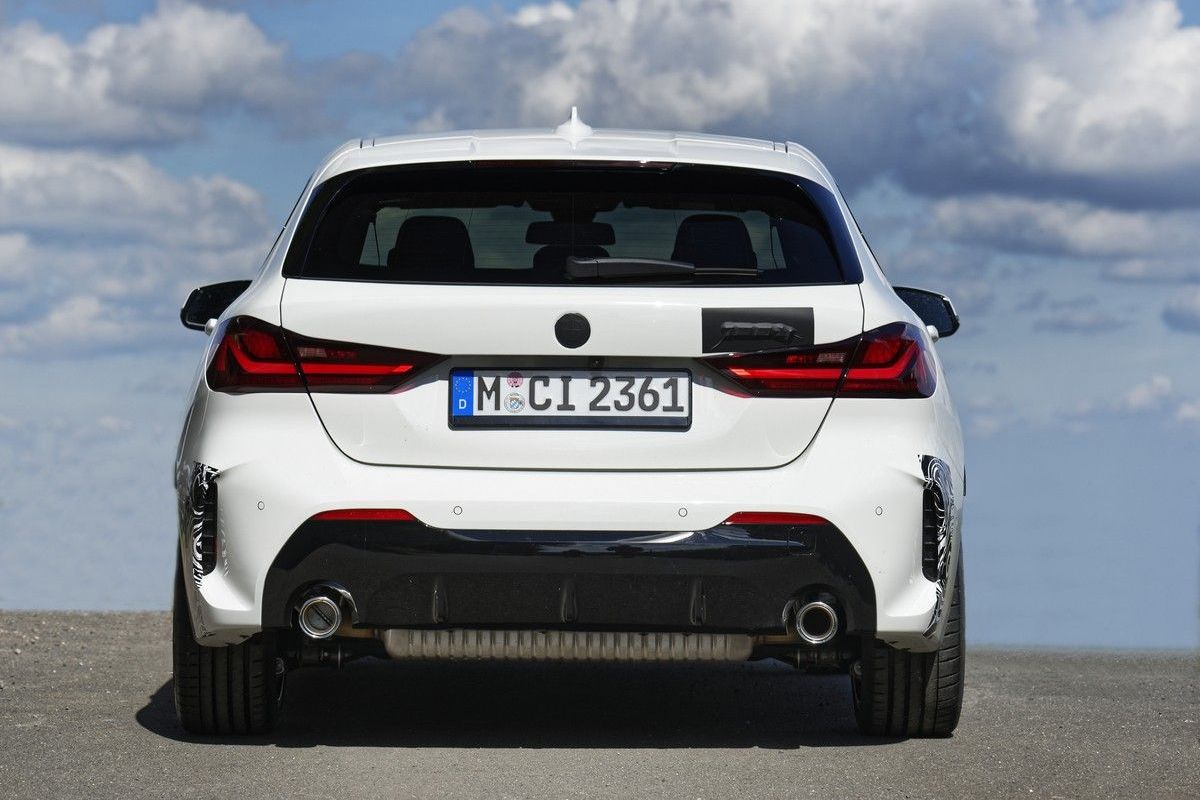
BMW is keeping the new 128ti's final appearance under wraps for now, but it's likely to have revised M Sport bumpers.
However, when BMW switched the 1 Series to a FWD platform for the 3rd, current generation (F40), BMW began by aiming low with the entry-level 118i (powered by a 1.5-litre 3-cylinder engine) and, from there, ventured into Audi S3, Golf R and Mercedes-AMG A35 territory with the potent all-wheel-driven M135i xDrive flagship – click here to read our recent review. More versions of the 1 Series are offered in overseas markets, but in Mzansi there is a near-R250k chasm between the aforementioned cheapest and dearest derivatives – and nothing but 118i trim lines in between.
A showdown was always on cards
In BMW’s new front-wheel-drive (unless with xDrive, on top versions) compact car era, however, a showdown with the Golf GTI, Renault Megane RS, Hyundai i30 N, Honda Type R and other models is now inevitable. Given that the Golf GTI is such an influential player in the premium compact hatchback segment (even though it may no longer be the benchmark hot hatch in terms of outright performance), BMW needs to package a sporty 1 Series derivative that will appeal to typical GTI buyers; a hot hatch with kerb presence and pedigree, but also a superbly balanced driver’s car.
Early reports suggest that the 128ti has a more naturally rorty 4-pot soundtrack than its M135i xDrive sibling.
And here, seen undergoing thorough calibration test drives on the hilly roads of the Eifel around the Nürburgring Nordschleife and, of course, on the famous race track itself, is the pre-production version of the new 128ti, which will be introduced in selected markets in about 2 months’ time, although we doubt that it will reach local showrooms before the end of the year. We'll keep you posted.
The 128ti will slot into the 1 Series line-up just below the top-of-the-range M135i xDrive, but whereas the latter is all-wheel-driven and produces 225 kW and 450 Nm, the 128ti is front-wheel-driven (but fitted with a Torsen limited-slip differential) and produces still-potent outputs of 195 kW and 400 Nm from its (slightly detuned) 2.0-litre 4-cylinder turbopetrol motor, which is mated exclusively with an 8-speed Steptronic sport transmission.
The BMW 1 Series is set up to be a forgiving car on the daily commute, so the 128ti's sharpened steering will be welcomed.
BMW claims its newcomer will be capable of bolting from 0 to 100 kph in 6.1 sec, going on to an electronically limited top speed of 250 kph, but the Bavarian marque was at pains to point out that the new 128ti will be much more than just another 1 Series derivative when it arrives in showrooms.
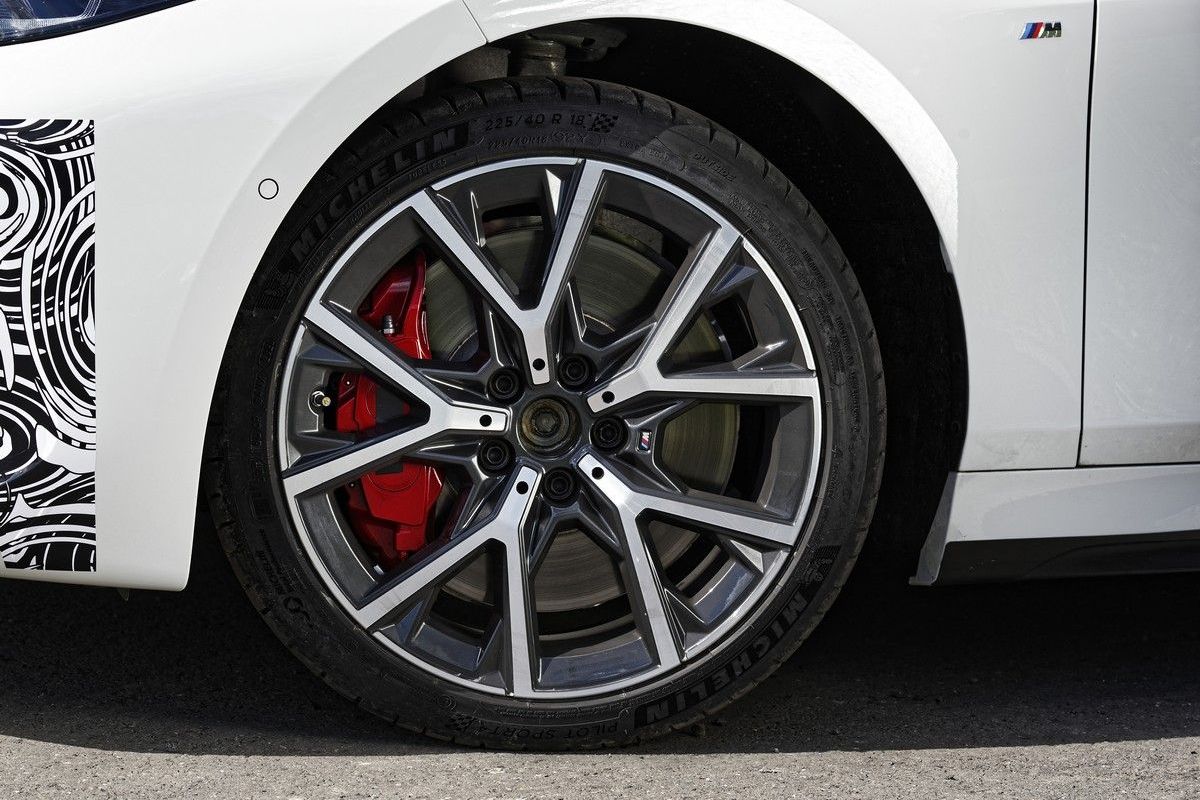
In fact, the 128ti carries over some the M135i xDrive’s hardware, such as the lowered (by 10 mm) M sport suspension, including the highly pre-stressed stabiliser bearing and the stabilisers, as well as the high-performance M Sport braking system.
A FWD hot hatch is lighter
However, the FWD 128ti is around 80 kg lighter than its flagship sibling and apart from the optimised front traction (courtesy of its limited-slip diff) compared with lesser 1 Series derivatives, the newcomer’s Performance Control traction and stability control software has been specially adapted for increased agility, while the steering has been tuned to elicit “precise vehicle reactions, providing the driver with more direct responses.”
BMW says that it will offer performance tyres on the 128ti (which are stickier, if less durable, we guess) at no extra cost overseas.
While there isn’t an adaptive suspension option, the springs and dampers have been set up in a way to perform more consistently on less-than-deal country roads, Autoexpress reports… also that the 128ti’s exhaust note “sounds far more authentically sporty than the overly synthesised M135i.”
Meanwhile, BMW promises the production version of the 128ti will sport “many differentiating exterior and interior features”; this demure white example is far from the finished product… As soon as official images are available, we'll be sure to bring you an update. Apart from a horde of hot hatches, the 128ti will also compete with Audi A3 and Mercedes-Benz A-Class mid-rangers… As if it didn't have its work cut out for it already!
Audi S3 Sportback (2021) International Launch Review
Audi's new S3 packs 228 kW and is spoiling for a fight with the BMW M135i xDrive and Mercedes-AMG A35 4Matic. Our international correspondent, Simon Davis, gets to grips with the all-wheel-drive newcomer, which will arrive in South Africa next year.
Back in 1999, the bright folks over at (what was then known as) Quattro GmbH lit something of a small fire when they launched the original Audi S3. Just as the regular A3, on which that car was based, is now widely regarded as the new vehicle market's first premium compact hatchback, the original S3 is arguably the car that properly kick-started an entirely different and slightly wilder automotive genre: the mega-hatch.
Replete with four-wheel traction and a 155-kW mator mated with a manual 'box, the original S3 was a rapid compact hatchback steeped in Audi's motorsport heritage – it stoked the embers lit by the likes of the Lancia Delta Integrale and handful of other niche, low-volume rally-bred road cars.
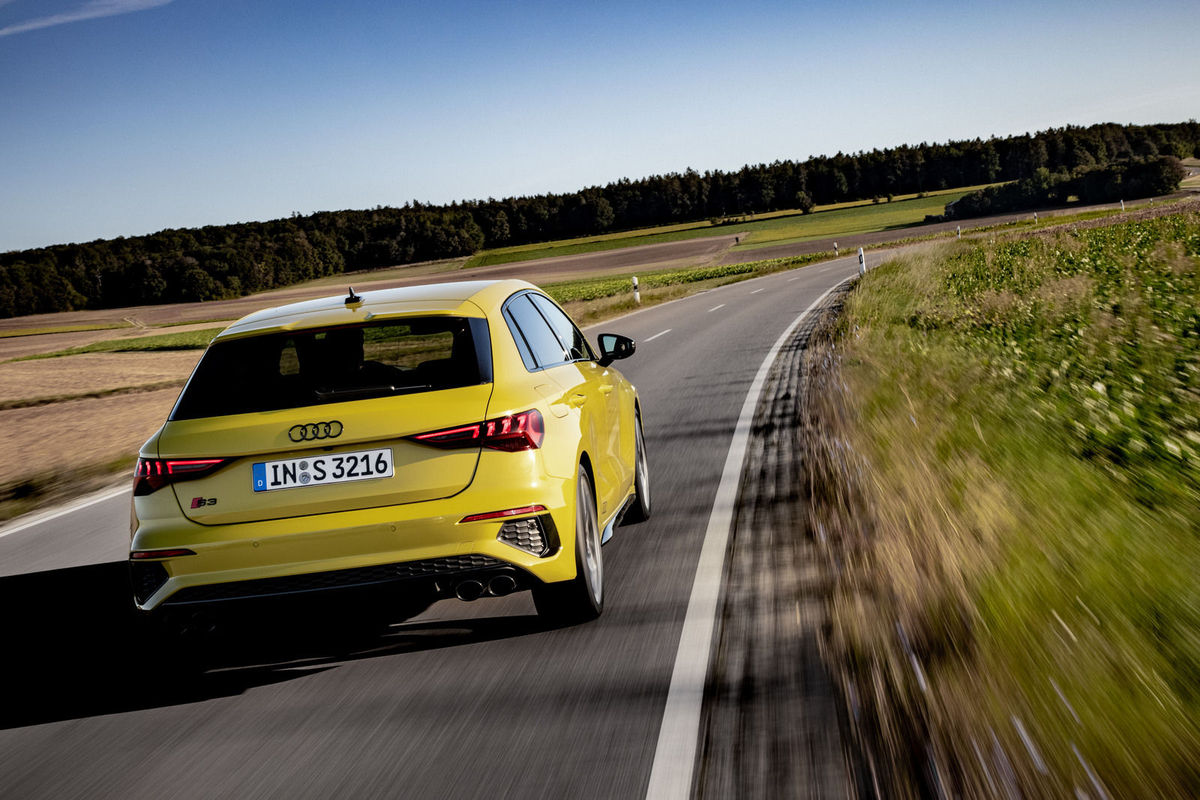
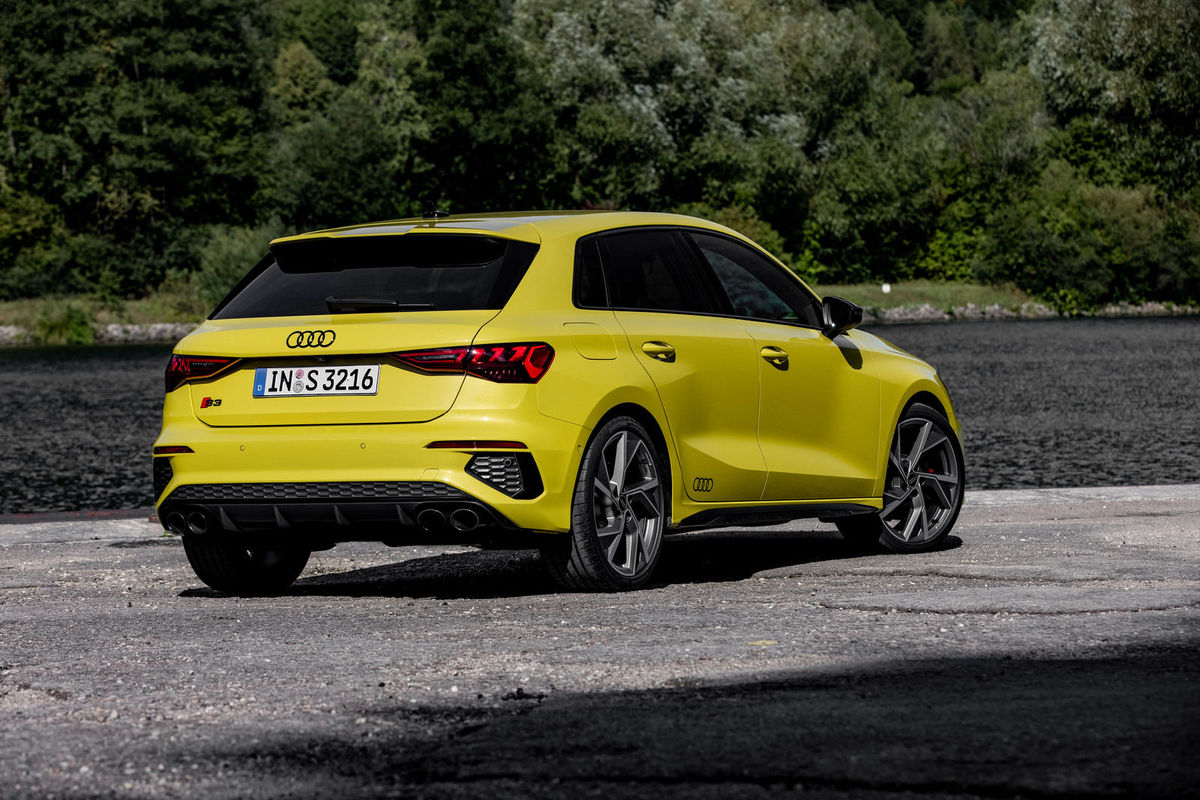
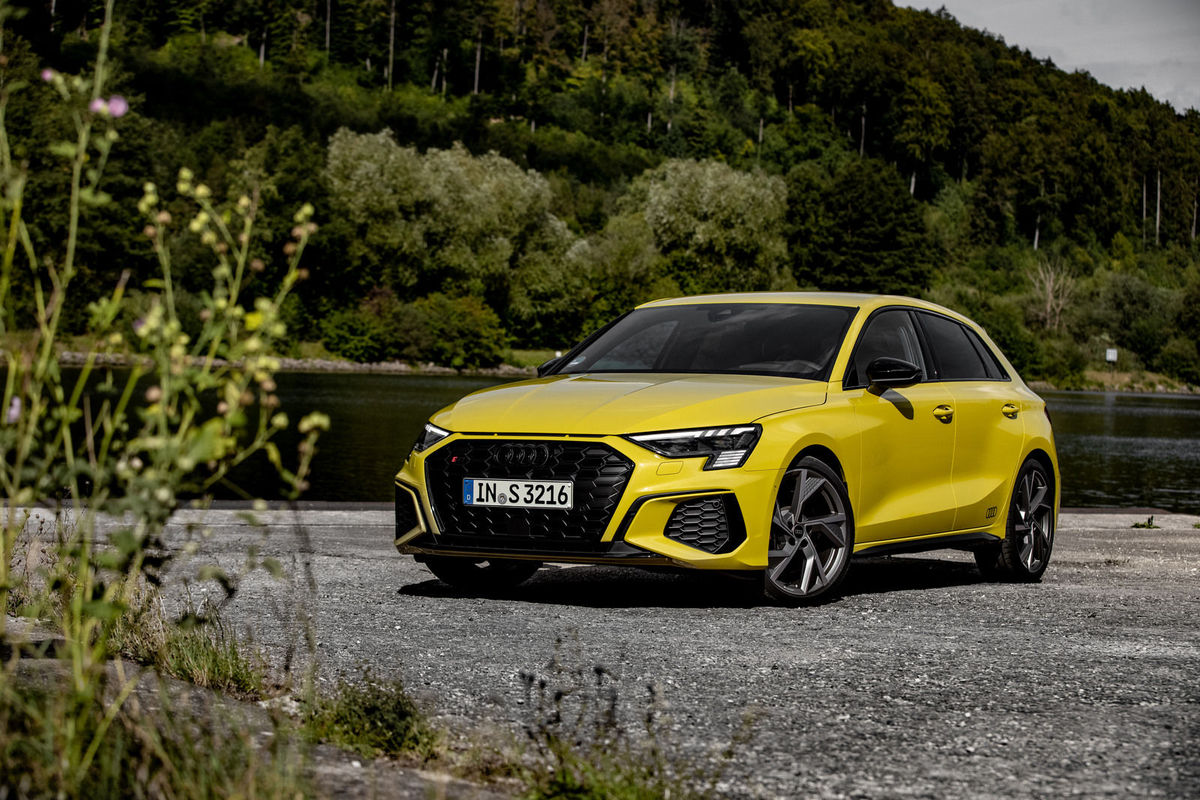
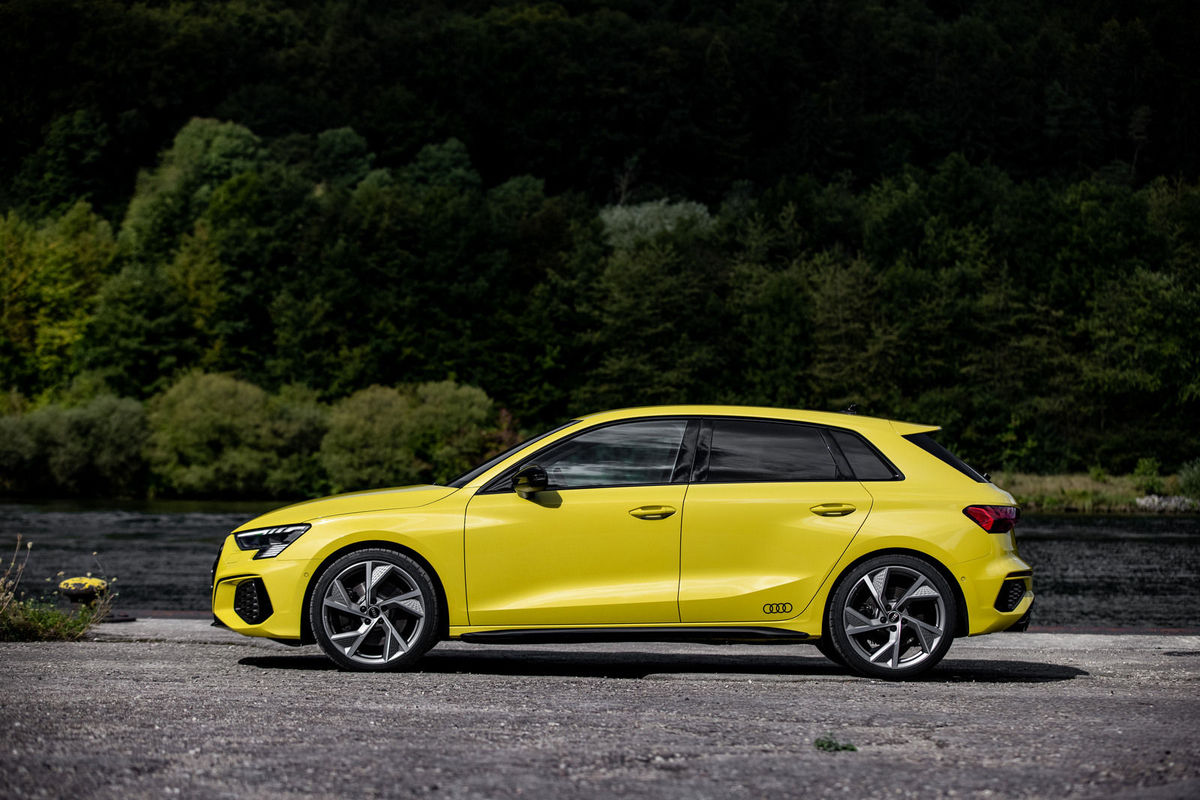
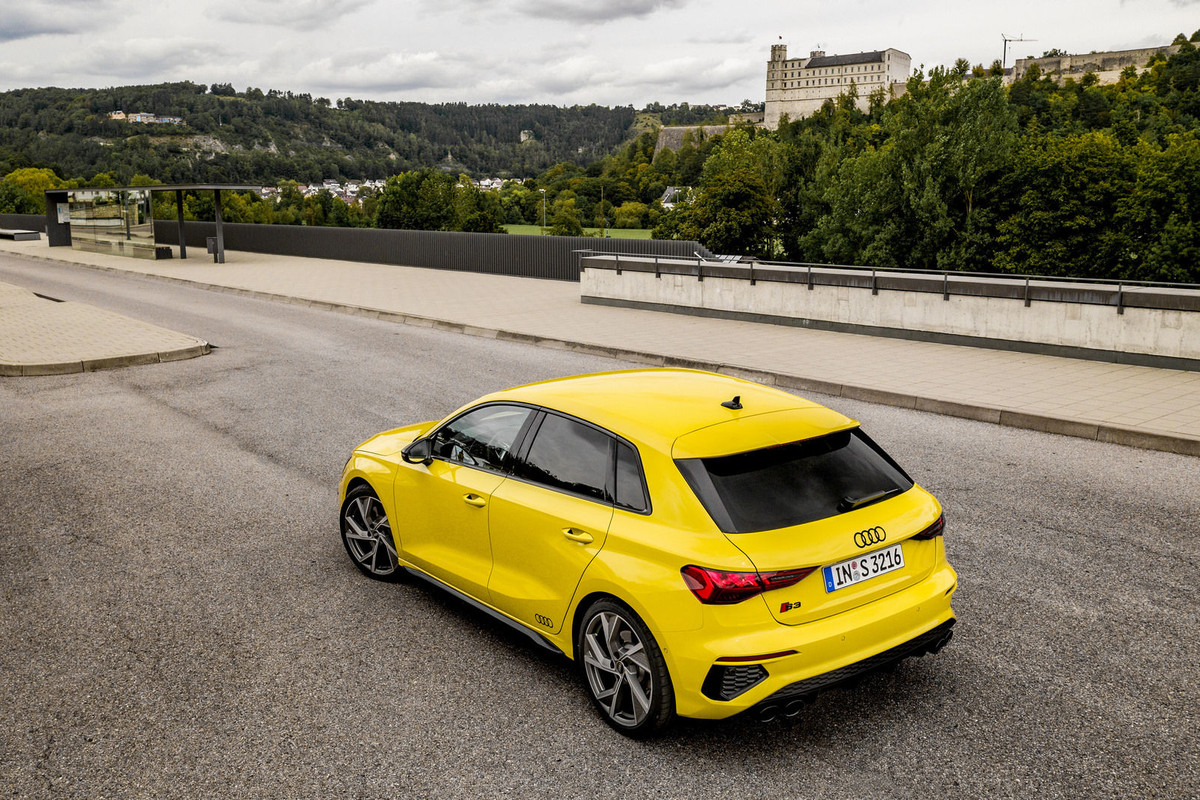
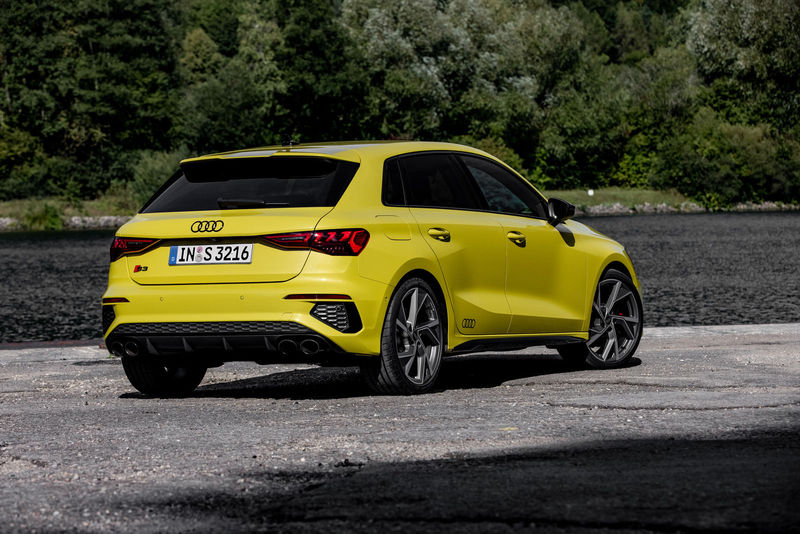
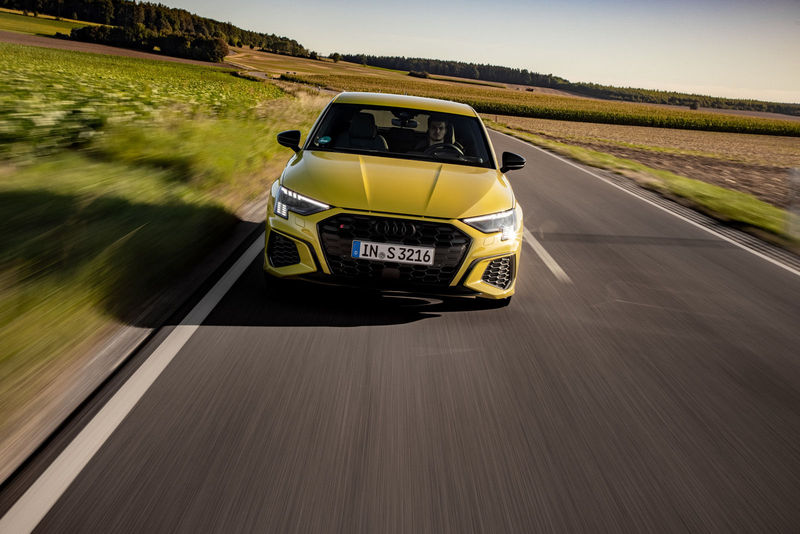
New A3 has taken an already pleasing shape and given it some light modern touches that improve it without making it fussy.
In the years following the S3’s launch, a raft of compact, high-performance hatchbacks began to emerge with ever-increasing levels of performance and capability. The current Mercedes-AMG A45 S, with its 310 kW 2.0-litre 4-pot, is the most extreme example of the breed we’ve had so far and it’s mad to think that a power output in excess of 300 kW can be squeezed from an engine displacing so few cubic centimetres.
The next RS3 will no doubt present Audi's Neckarsulm-based performance division with a chance to give the aforementioned headline-grabber from Benz's Affalterbach-based division a bloody nose, but until then, this new S3 sits pretty at the top of Audi’s A3 range of derivatives. Regardless, it would seem the small fire started by Audi more than 20 years ago has turned into a full-on inferno.
What's new?
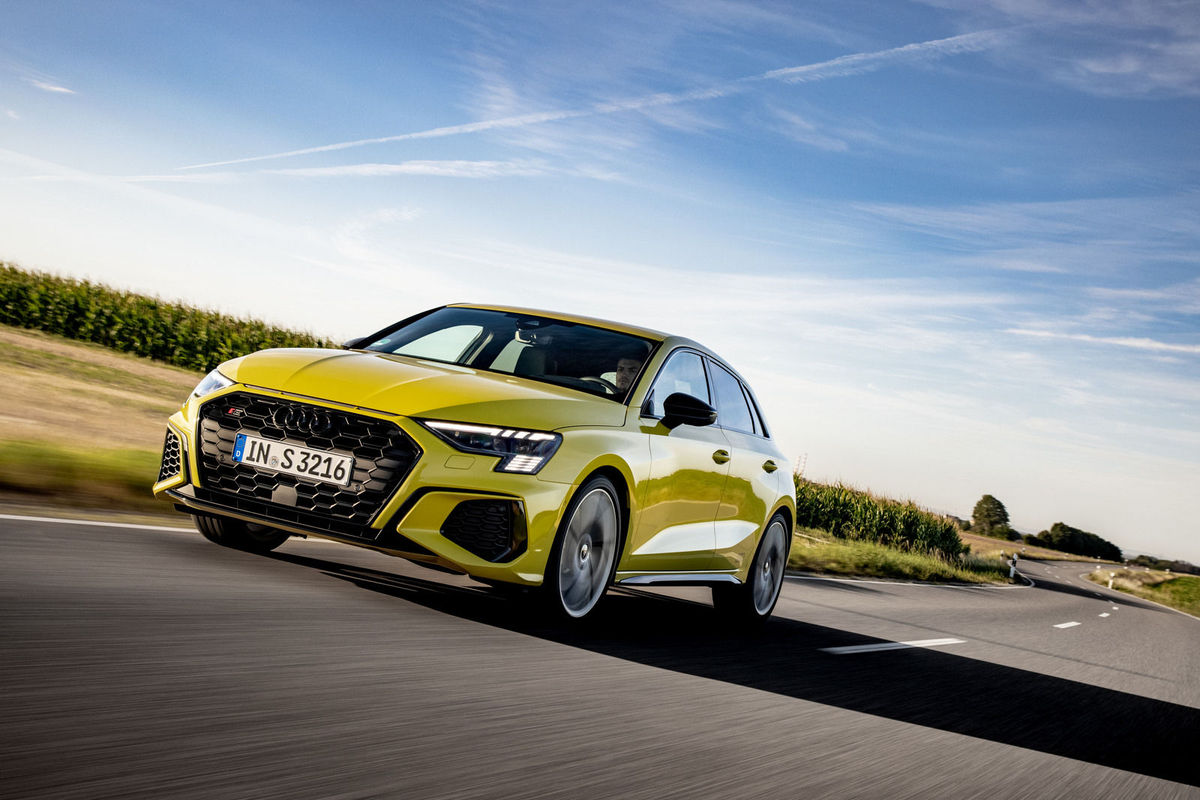
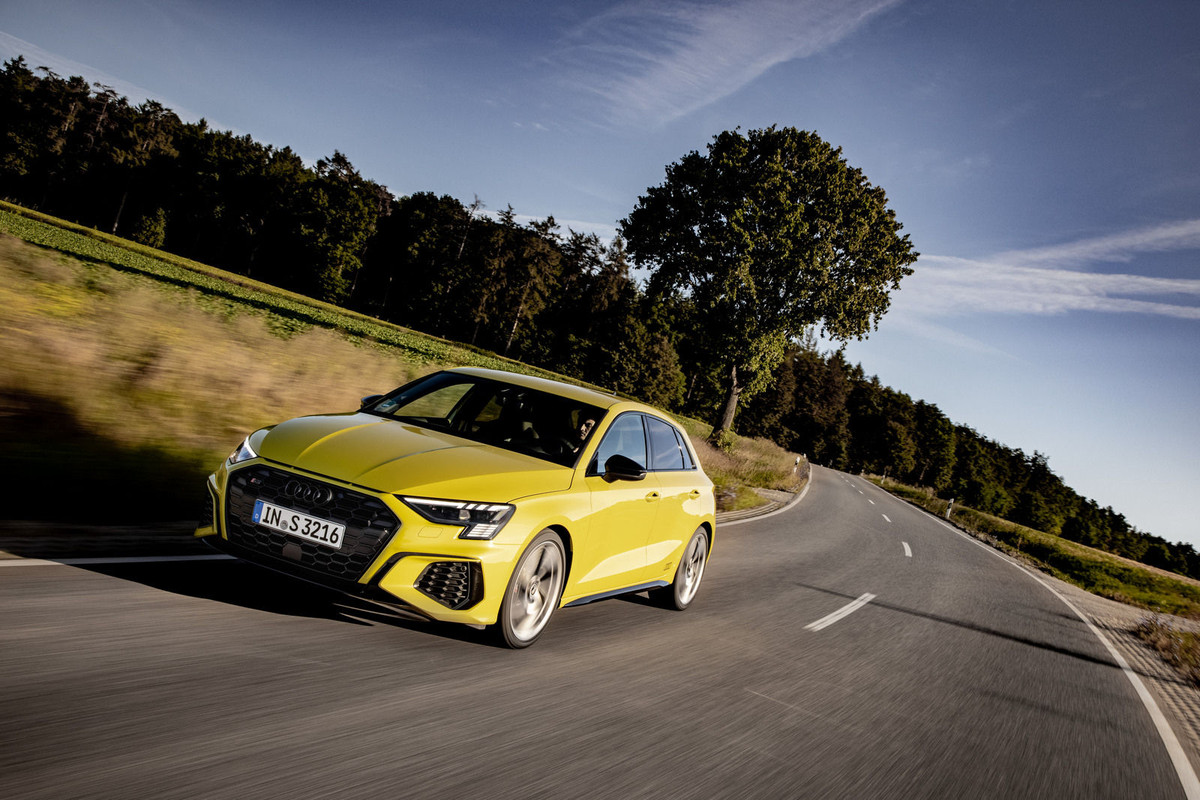
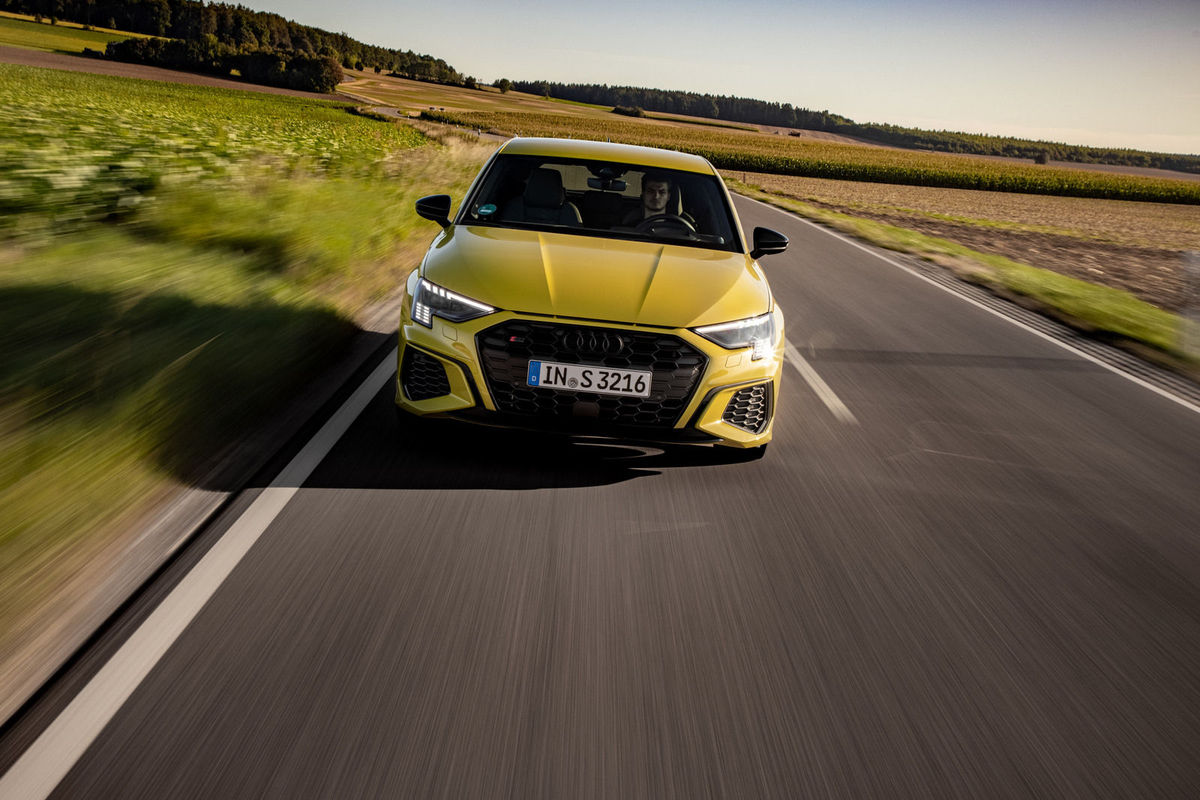
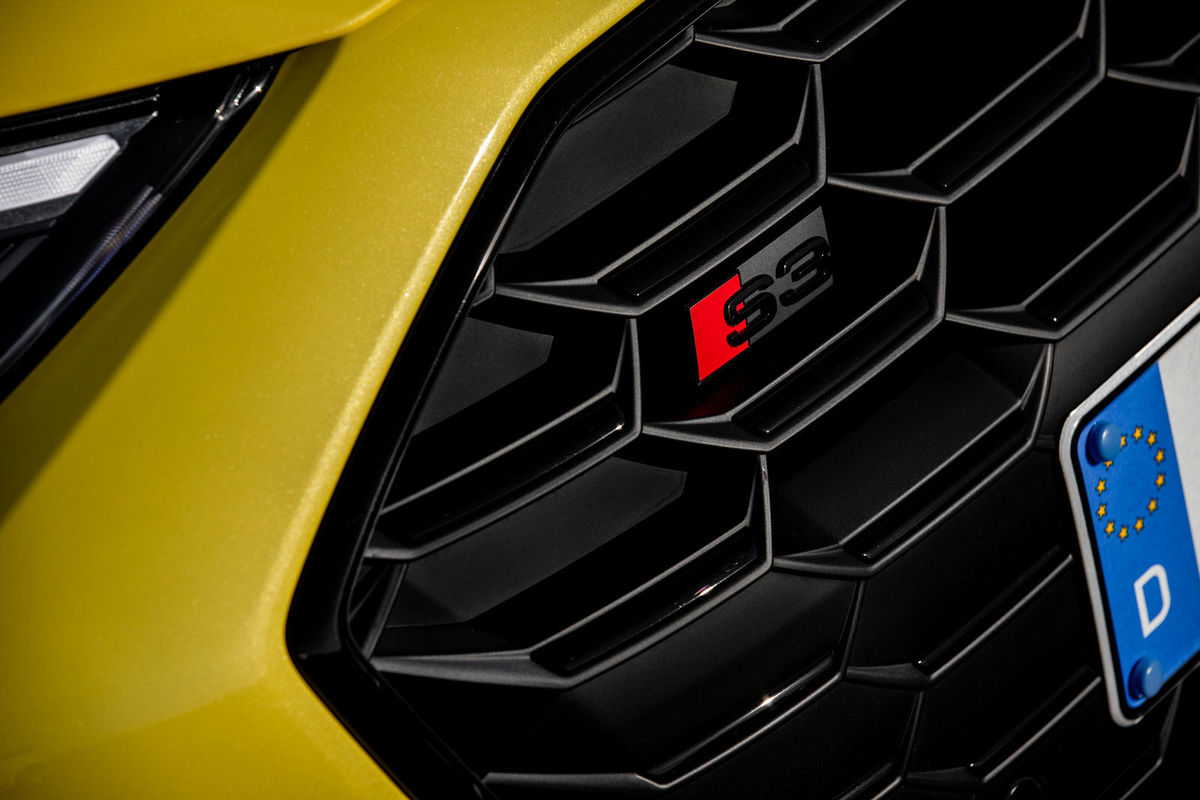
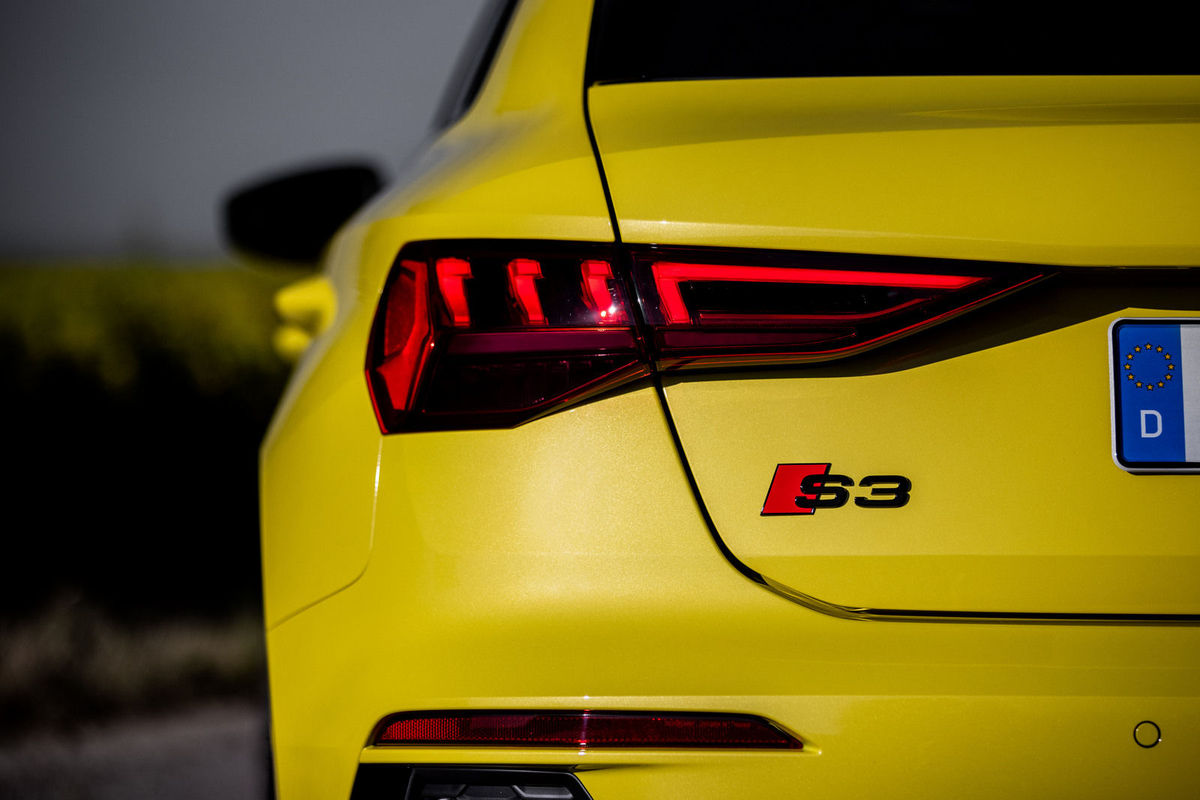
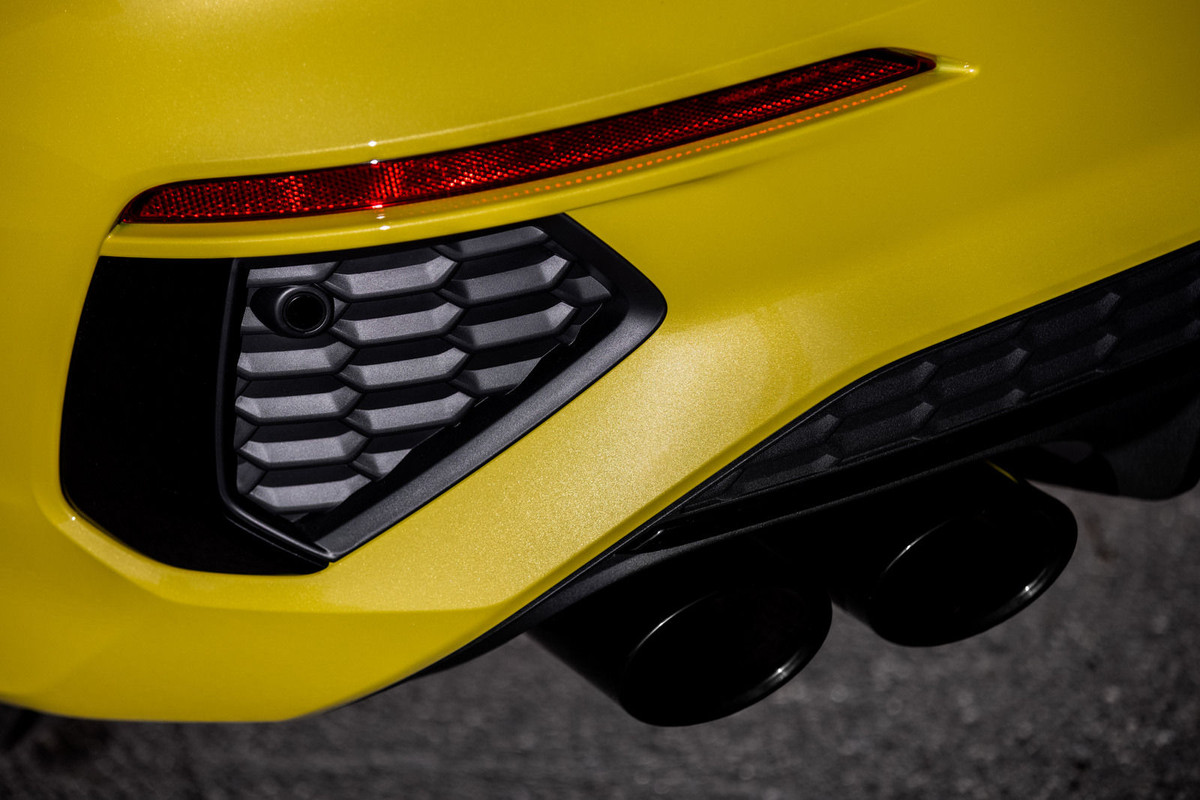
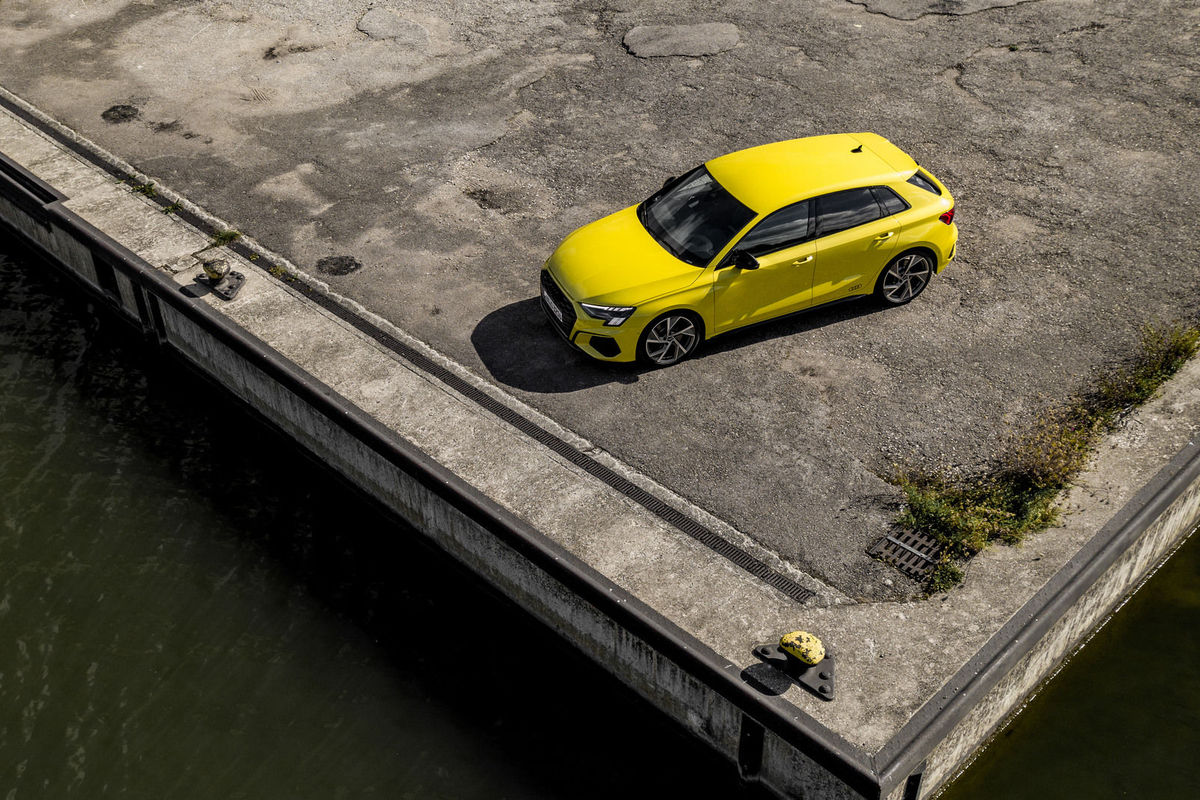
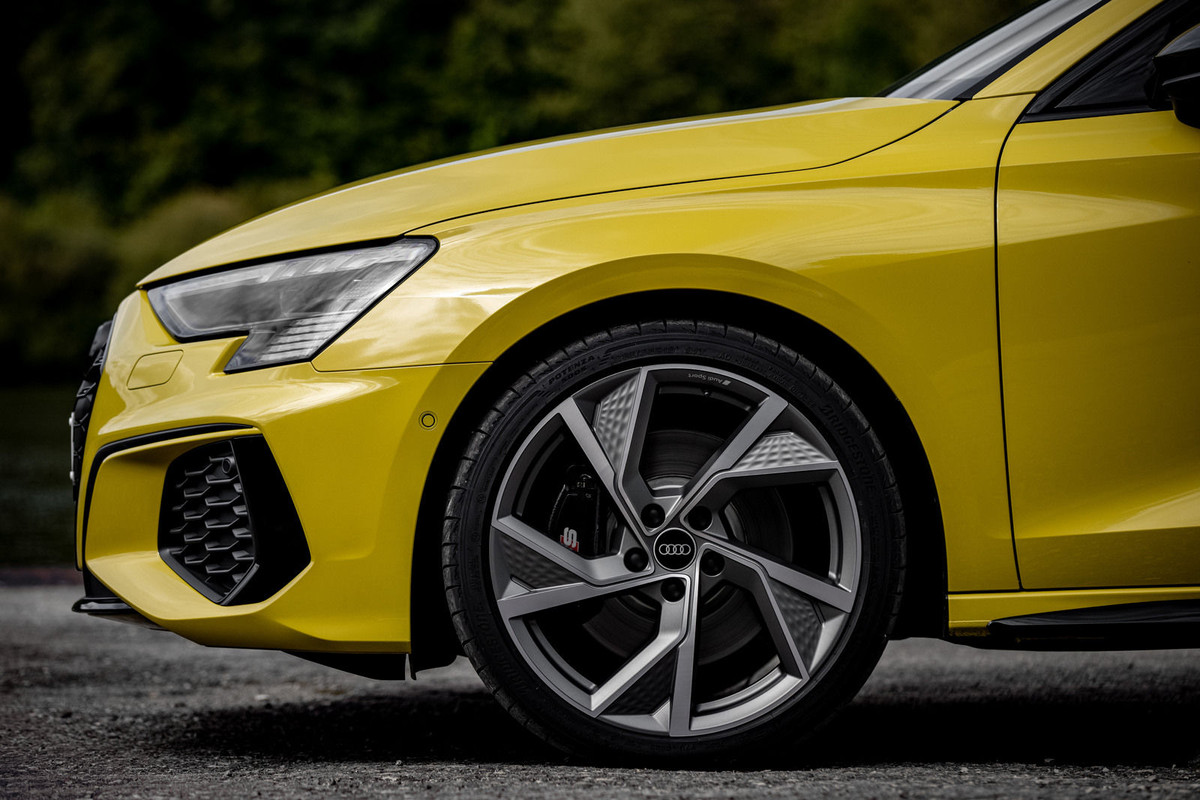
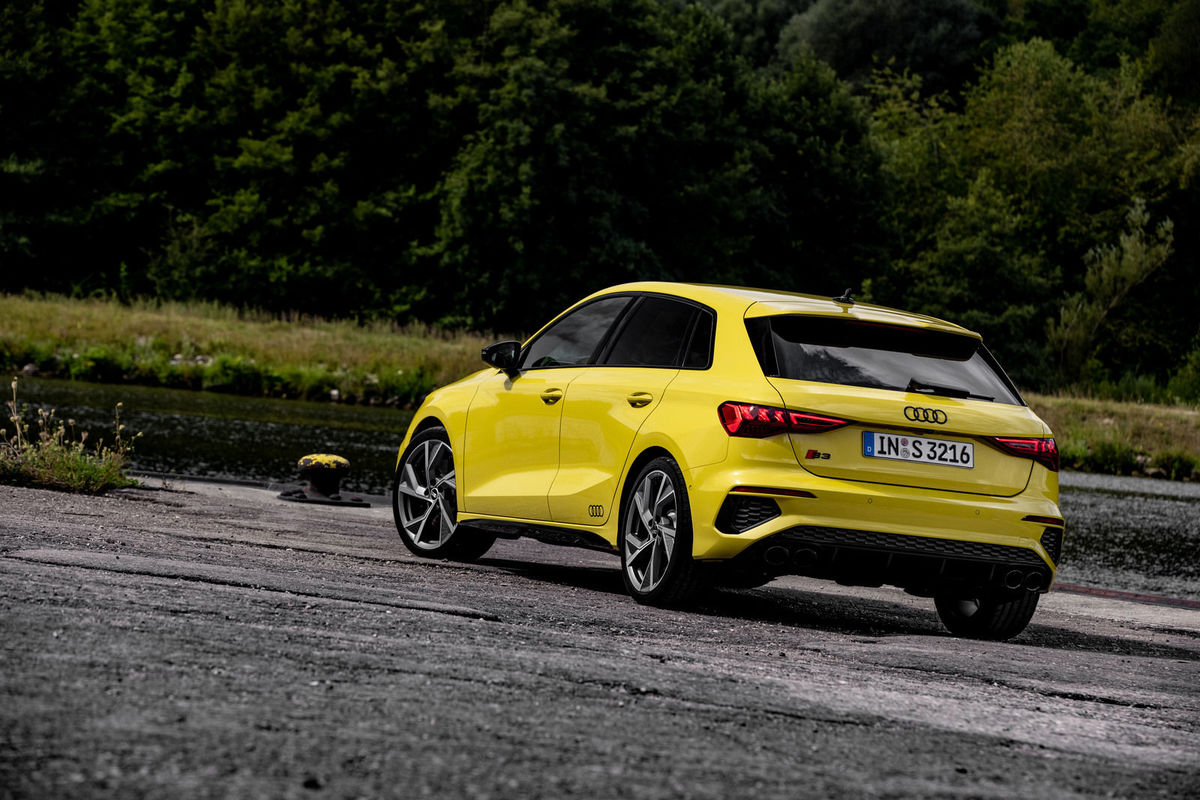
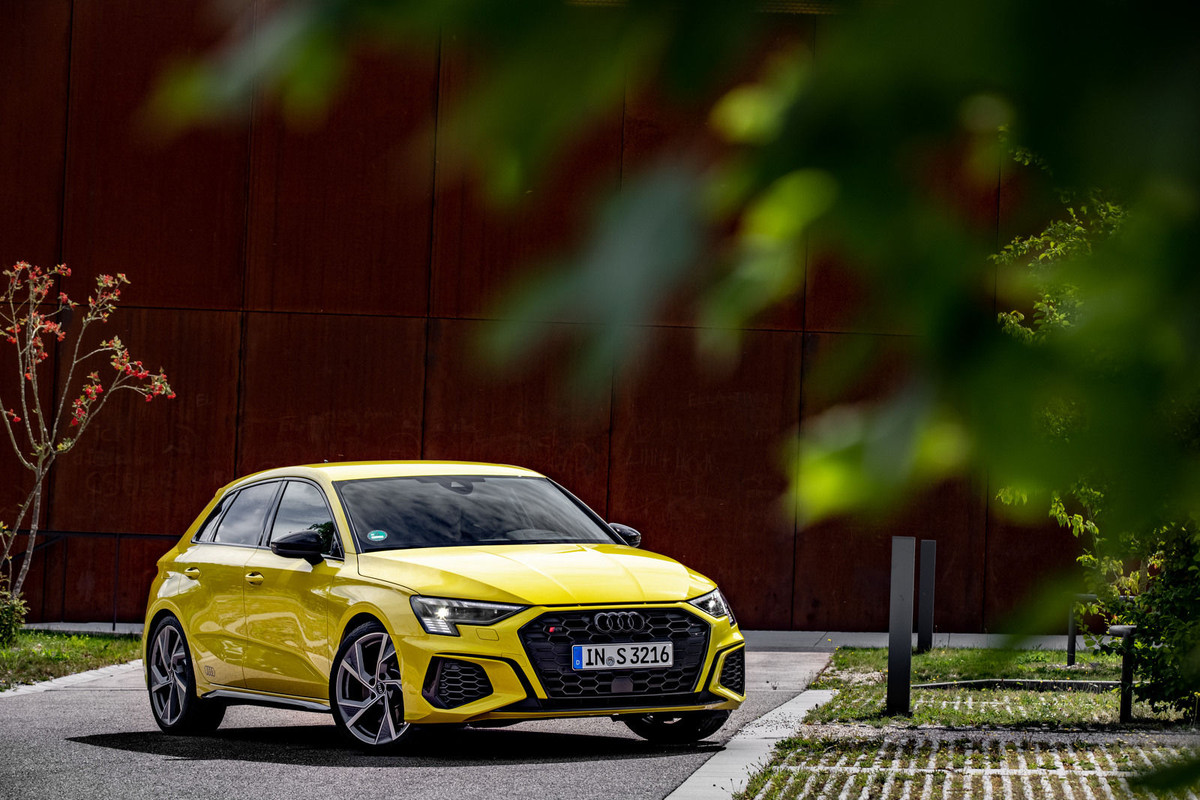
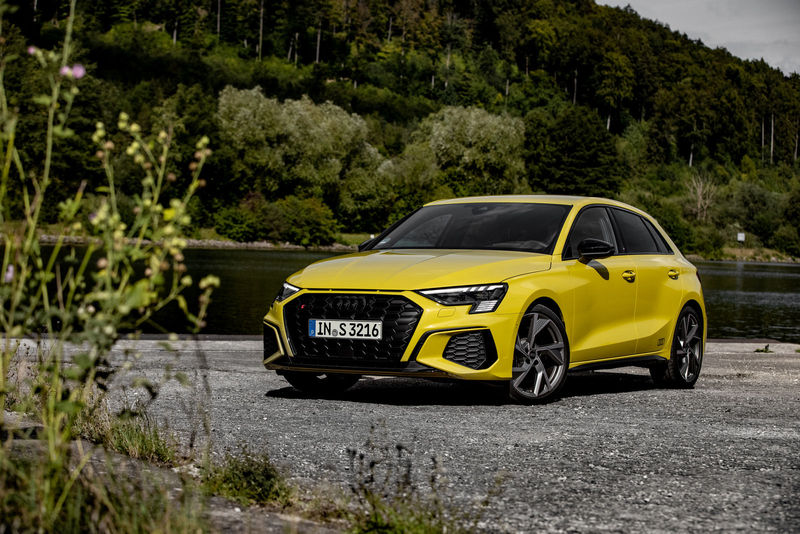
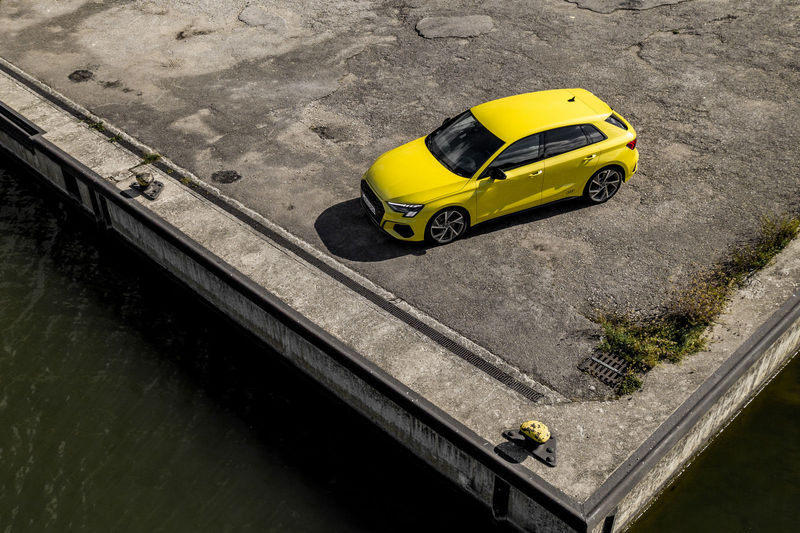
The S3 has subtle styling enhancements that are enhanced by this Python Yellow colour scheme.
But anyway, much is familiar about this new, 4th-generation S3 – even down to its lightly revised exterior styling, which looks rather fantastic beneath that frankly retina-searing Python Yellow exterior finish. As ever, the newcomer makes use of an electrohydraulic clutch-based quattro all-wheel-drive system driven by a 4-cylinder turbopetrol motor.
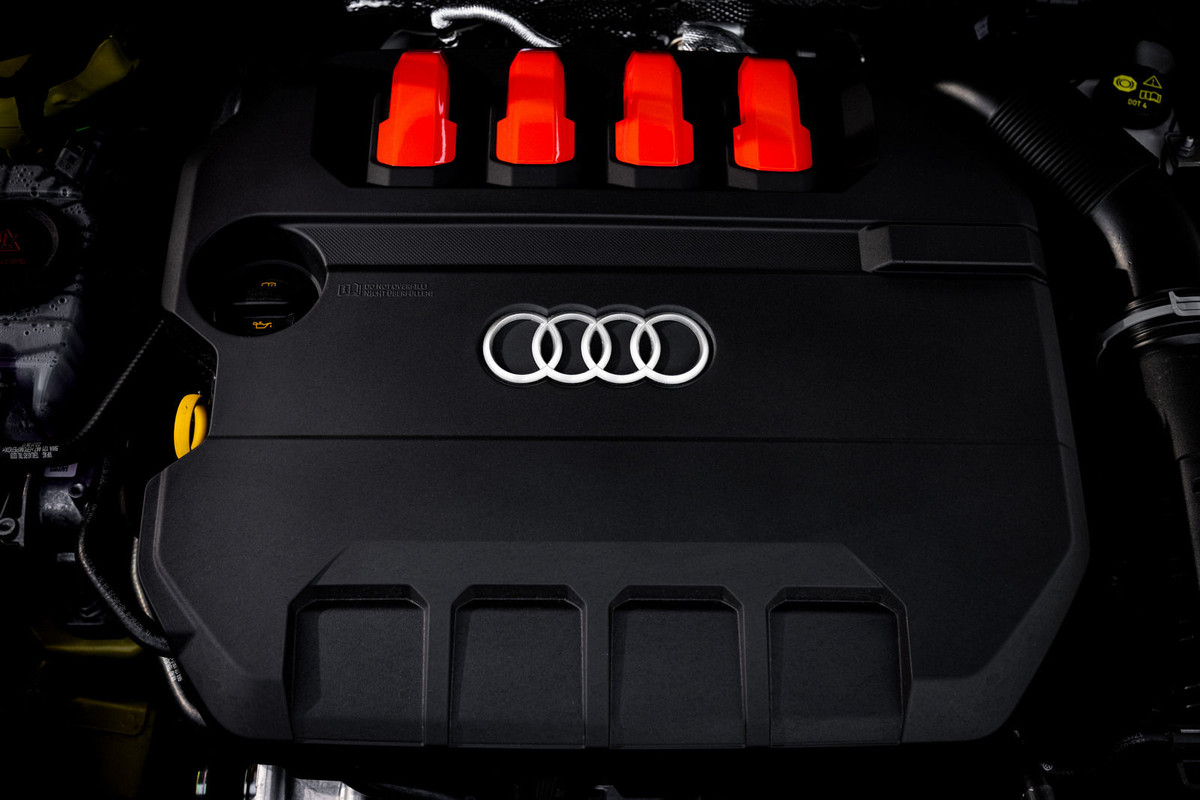
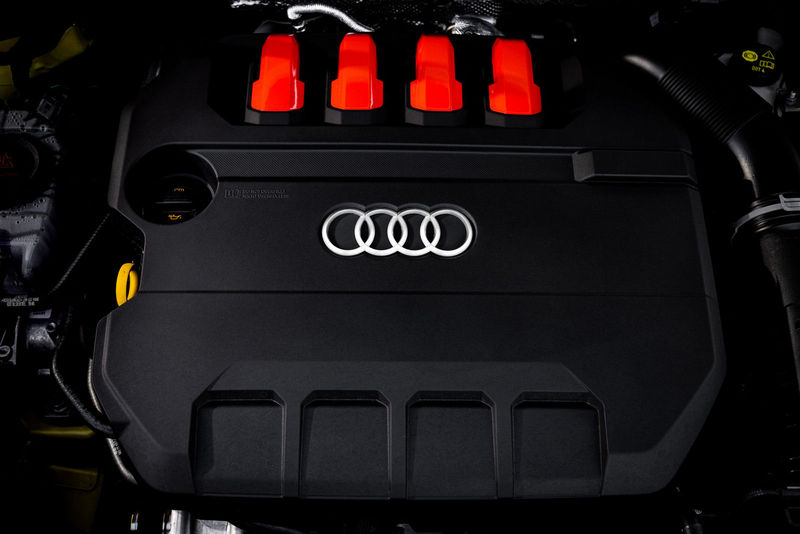
Unsurprisingly, it’s the 2.0-litre EA888 powerplant that sits underneath the Audi's sculpted bonnet; it appears in everything from the previous S3 to the Volkswagen T-Roc R to the Golf 8 GTI. As before, the peak power output has been dialled up to 228 kW to give the rapid Audi a bit of an edge over its Volkswagen Group cousins, while maximum torque remains at 400 Nm. The option of a manual gearbox has long been done away with, so the only transmission available on this latest S3 is Audi’s 7-speed S tronic dual-clutch automatic… but not that that’s a bad thing.
As with the latest versions of the Volkswagen Golf, the S3 is based on an evolved version of the VW Group’s MQB architecture. The Audi's front suspension is comprised of MacPherson struts with a multi-link arrangement doing duty at the rear. Passive dampers are standard fare, and compared with the regular A3, the S3 sits 15 mm closer to the deck. Adaptive dampers are optionally available and were fitted to our test car.
What's it like to drive?
Power and torque remain the same but the S3 is slightly lighter thanks to the updated MQB platform.
Hmm, that particular technical specification all sounds pretty familiar, doesn’t it? Based on the above, you’d be forgiven for wondering exactly what is new about this "new" S3. Well, for starters, the quattro system has been very lightly revised and those adaptive dampers are now based around a more traditional hydraulic set-up rather than the Magnetic Ride system that was employed by the previous S3.
The story goes that this change was made to make the S3 a bit easier to live with every day, as the previous Magnetic Ride set-up, which was honed in the likes of the R8 supercar, was deemed a “bit too sporty” (Audi’s words, not mine) for what is still essentially a premium compact hatch.
Hmm, that smacks of potential cost-cutting to me but, hey, that’s the party line. Those adaptive dampers, along with the all-wheel-drive and torque-vectoring-by-braking systems, are now governed by a central control unit as opposed to being left to their own devices like they were in this car's predecessor. This, Audi says, facilitates a handling balance that is “even more sporty and nimble”.
It all seems to work rather nicely, too, because the S3 remains a car that’s incredibly easy to drive, well, incredibly quickly. And, yes, there is more than one way you could interpret that description, but they all seem to apply.
For starters, the engine has more than enough punch to make its claimed 4.8 second 0-100 kph time feel entirely credible. Once you’ve worked through an initially brief bout of lag and the crank is spinning at 2 500 rpm, the S3 propels itself with serious urgency.
Its mid-range performance is impressively strong and it keeps pulling tenaciously right up to the point that you hit the redline and snatch the next cog in the swift-acting transmission. Its buzzy soundtrack still isn’t much to get excited about, but there’s an appealing muscularity to its timbre.
The EA888 2.0-litre turbocharged petrol engine does duty in the S3 and many other VW Group vehicles.
In any case, it’s very easy to get up to speed, and once you’re there, the S3’s chassis makes maintaining that pace a cinch, too. With the dampers in their firmest setting, lateral and vertical body movements are kept smartly in check, plus there’s an abundance of grip on tap.
The steering perhaps isn’t quite as quick in its responses just off centre as you might like, but it weights up in a really predictable way and gives you a surprisingly clear idea of how the outside tyres are loading up beneath you. It’s lacking a bit of grizzly edge to its dynamic character that fans of more engaging hot hatches might really want, but the level of confidence it instils in its driver (right from the get-go) will be a huge draw for many.
And when you want to calm everything down and fall into a more relaxed rate of progress? Well, it’s tricky to say definitively because the roads on our test route were freakishly smooth. Suffice to say when you knock the S3's adaptive dampers all the way back to the Comfort setting, the car stops sucking in its gut so tightly and, as a result, rides undulations with a degree more sponginess and a smidge less control. As for bump absorption, I deliberately drove over the few ruts I could find and the car's suspension reacted with reasonable pliancy. There certainly wasn’t any uncouth crashing or shunting to speak of. Hopefully, it’ll perform the same in SA, but we’ll need to try it on local asphalt before we can be sure.
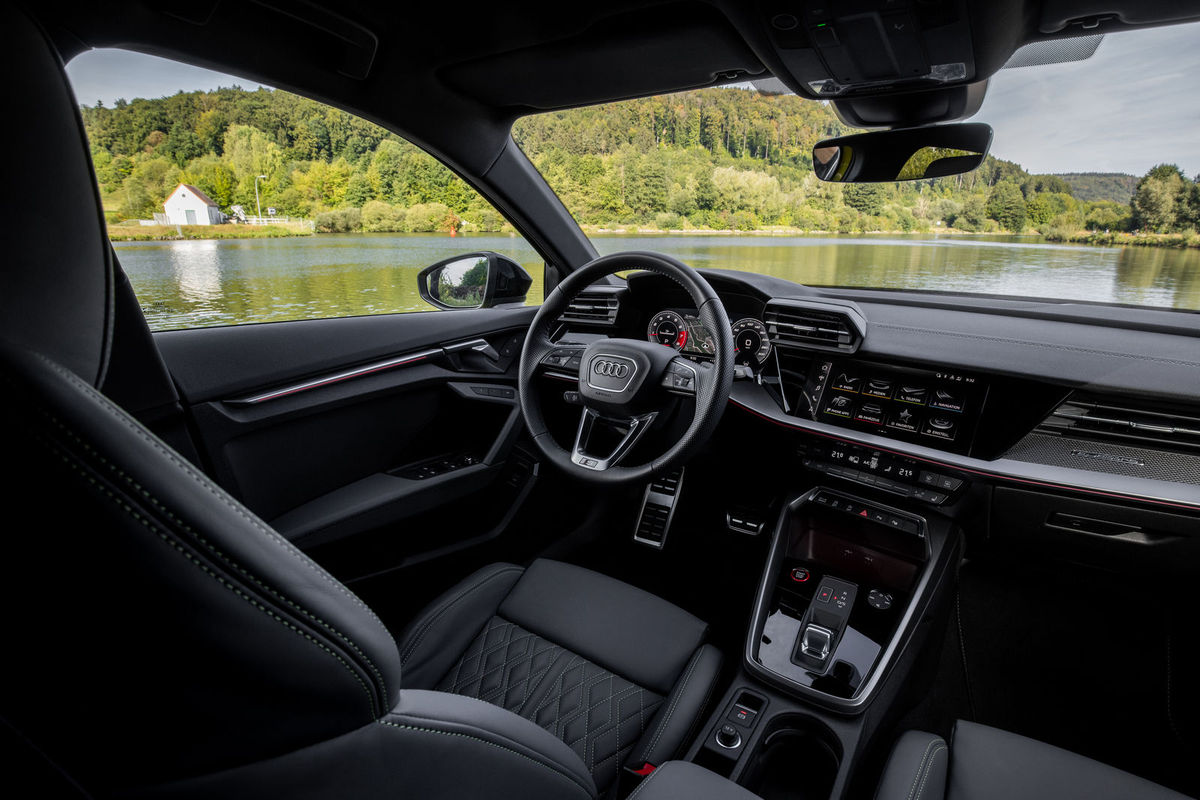
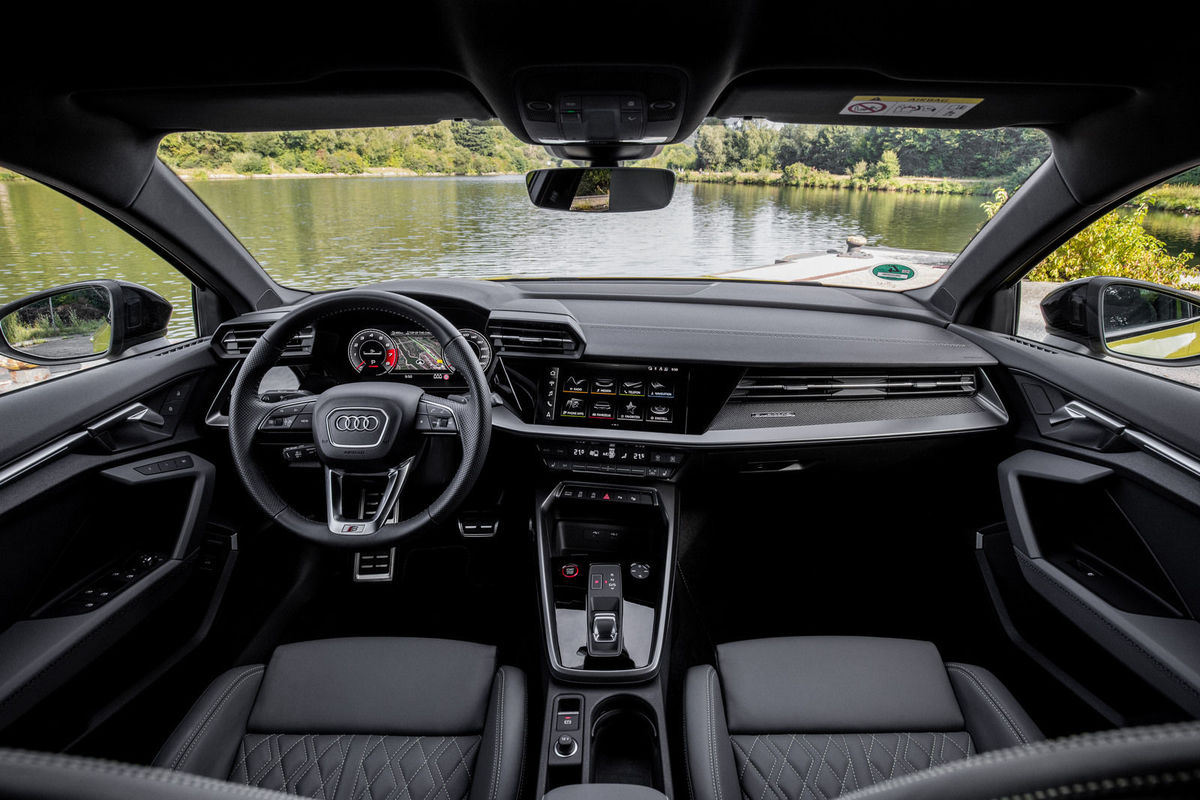
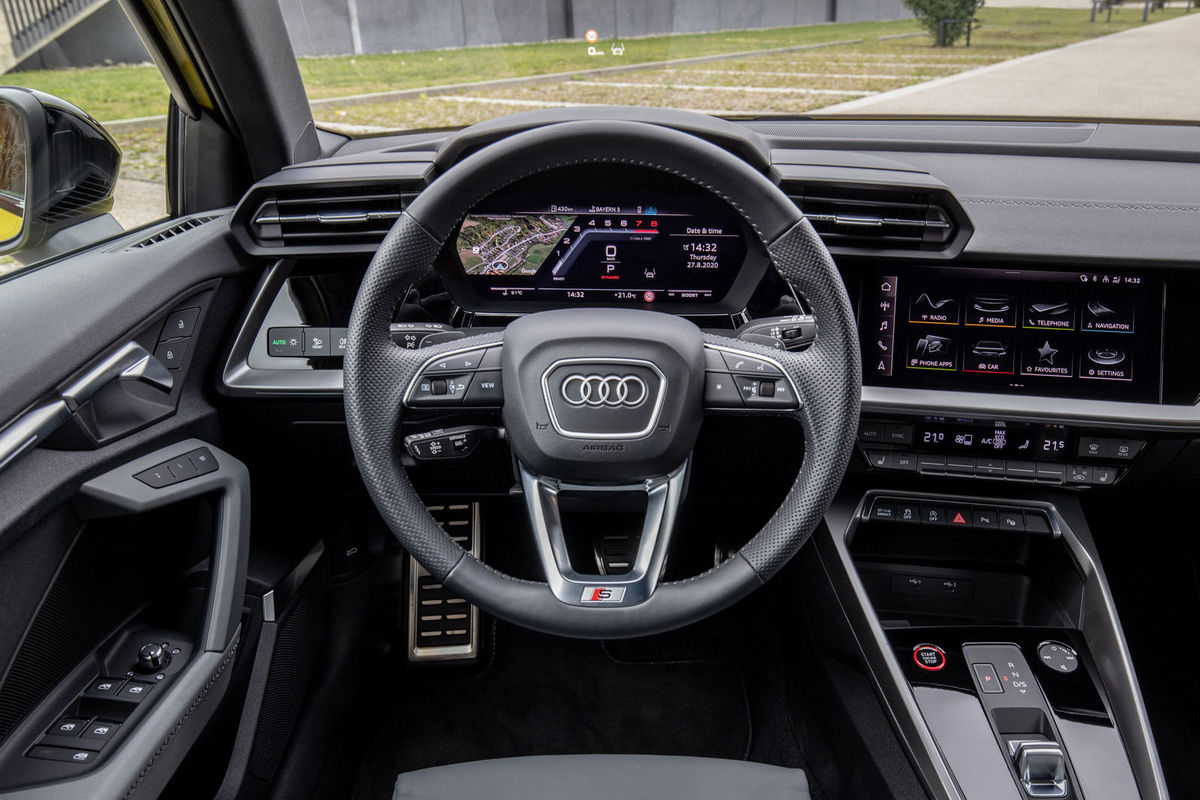
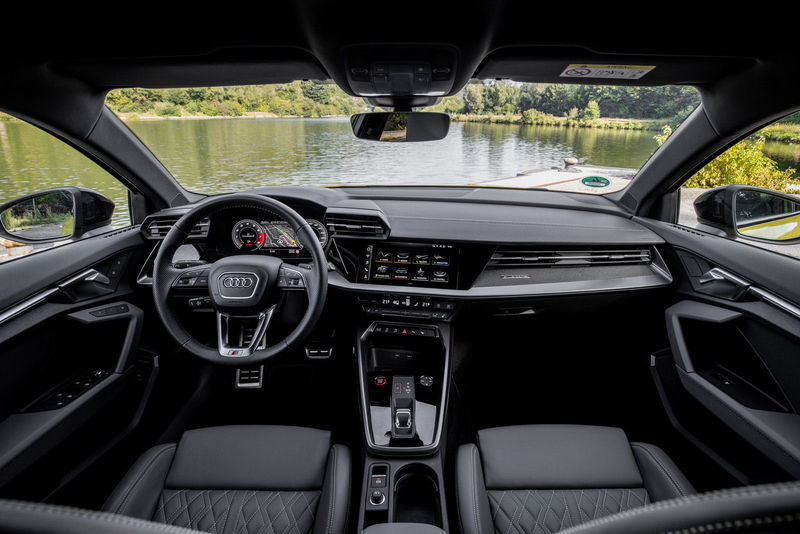
The interior is classy but not the clear class-leader it once was.
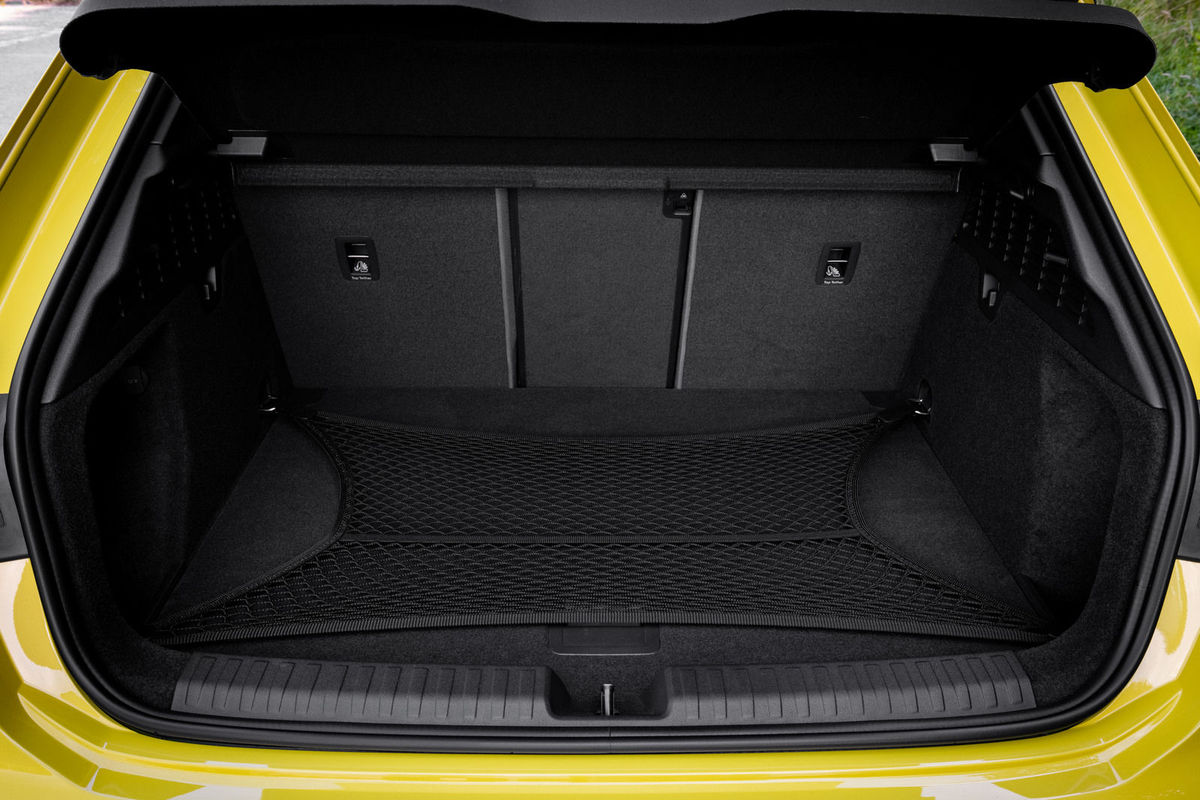
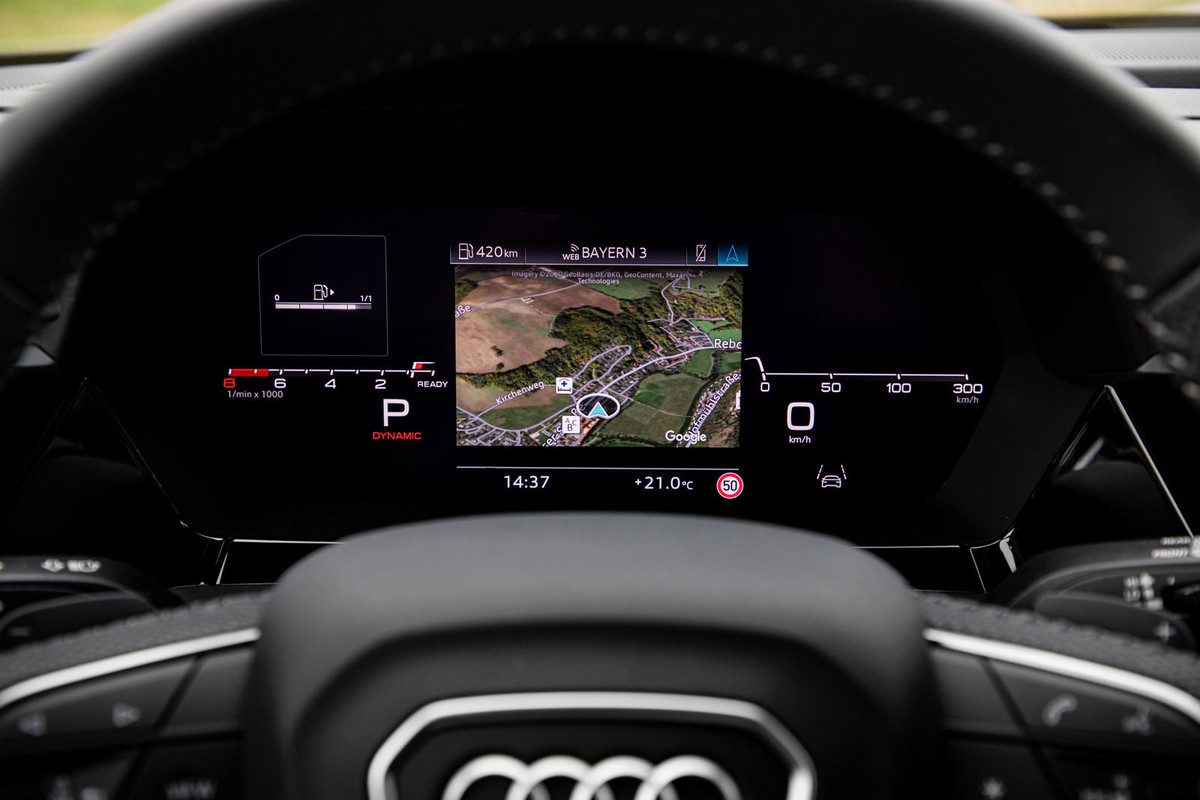
But while we have yet to directly compare the Audi's performance with that of the BMW and Mercedes-AMG, it’s worth noting that its cabin isn't quite as resolved as those of its fellow Teutons. The Benz packs a good deal more superficial wow factor and the BMW has a sense of solidity and sturdiness about its construction that’s disappointingly absent in the S3's interior. That’s a shame, because it’s one area where the old car really towered above the rest. Still, passenger space is good – although the all-wheel-drive system does mean that luggage space shrinks to 325 litres.
Final thoughts
While we wait for the RS3, this is Audi's hot hatch champion.
Still, the Audi S3 remains really quite likeable for the almost blasé manner in which it makes such short work of what you’d normally consider to be fairly hard driving. That said, it does leave you wondering just where Audi Sport will go with the next iteration of the RS3… Aside from that mad-dog 5-cylinder engine, some more material plushness about the cabin and a fraction more grit about its overall dynamic character wouldn’t go amiss.