Porsche GT3 RS Weissach Review – Is this the best road-going racecar ever?
The Porsche GT3 RS has always had a special place in petrolheads' hearts. In a world of softcore GTs masquerading as sportscars, the Porsche has garnered respect and admiration for sticking to its guns, providing an uncompromising racecar-for-the-road experience.
This particular car is also very special as for our video guy, Ciro De Siena, it was to be the first Porsche 911 he had ever driven. Somehow in his 15-year motoring career, the 911 had alluded him.
And this particular test unit is about as good as it gets right now in terms of the GT3 RS offering, before the entirely new generation arrives next year. This is the Weissach edition, an even more lightweight, laser-focused version of the GT3.
And so, without further ado, may we present to you our video review. Fair warning, Ciro gets very excited…
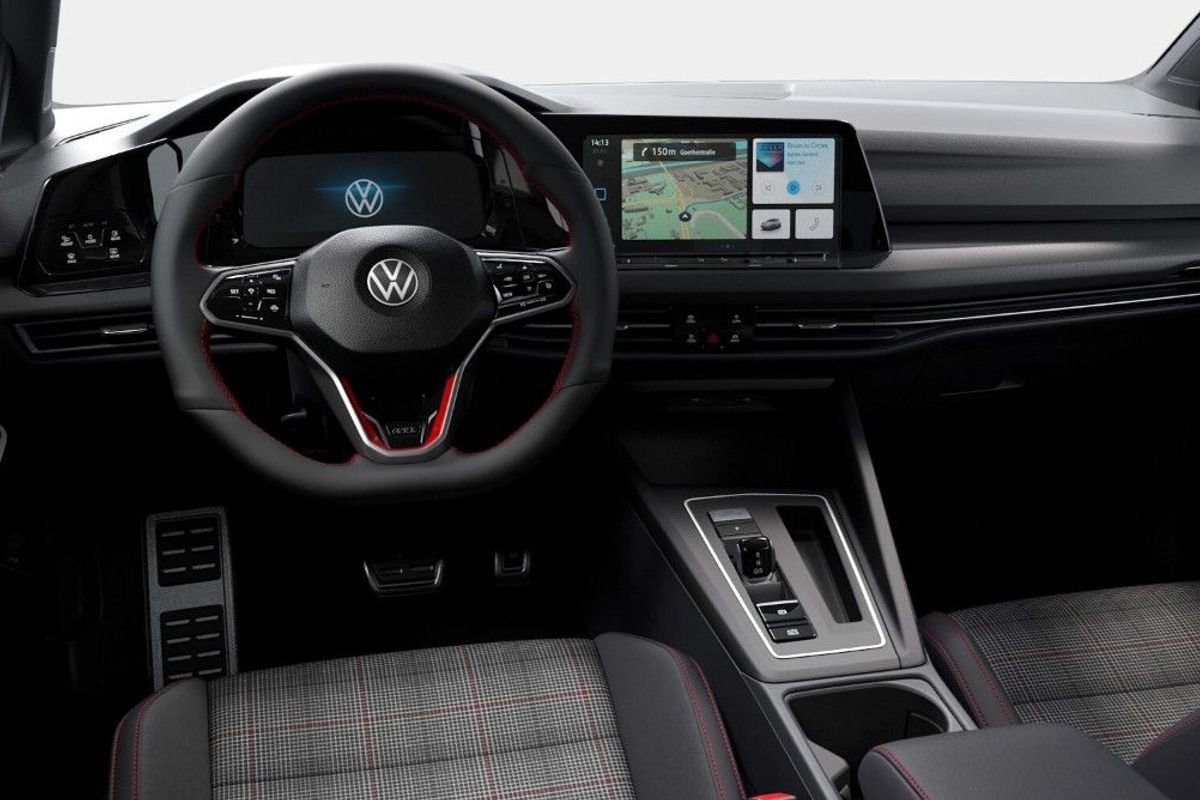
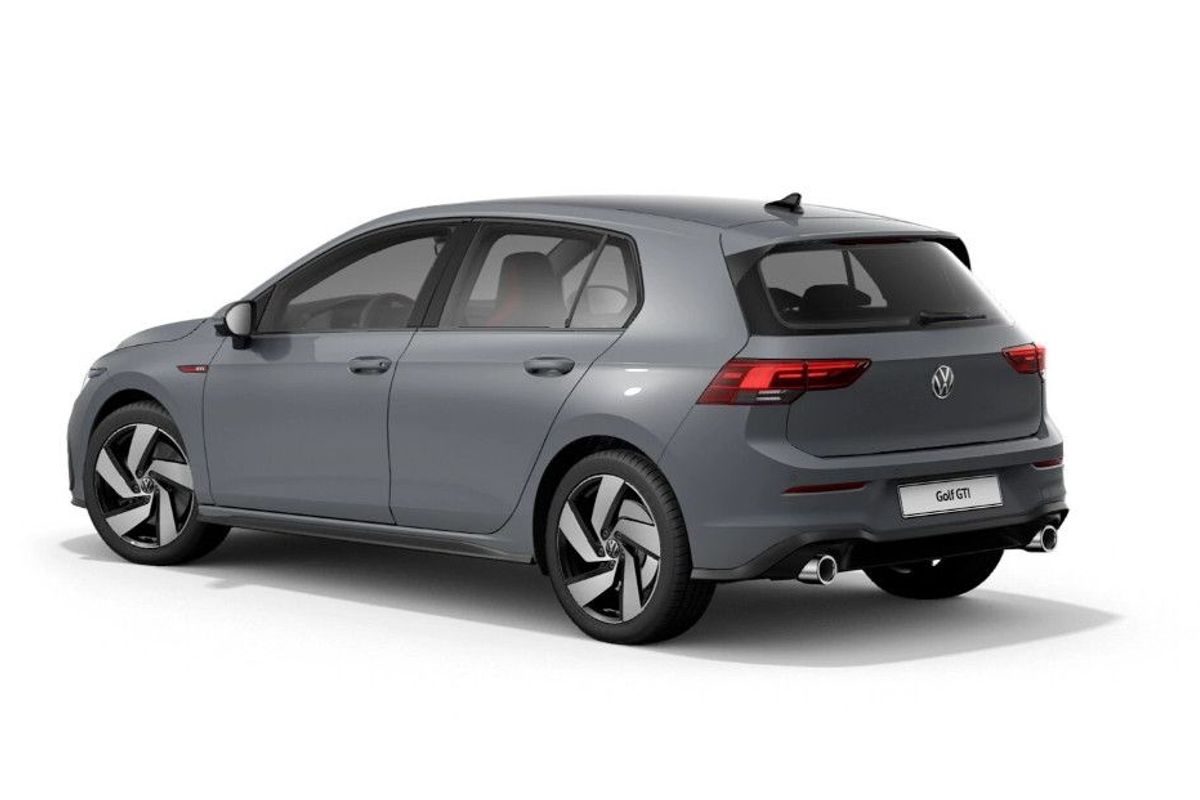
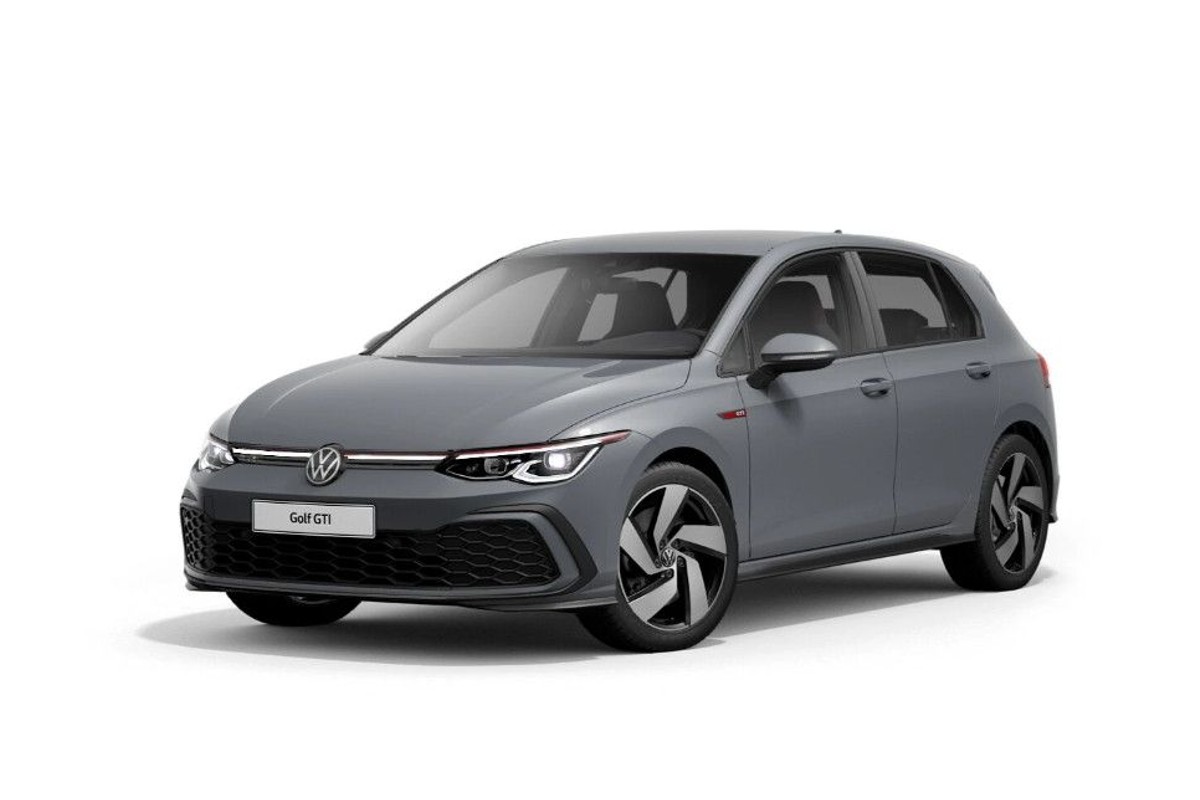
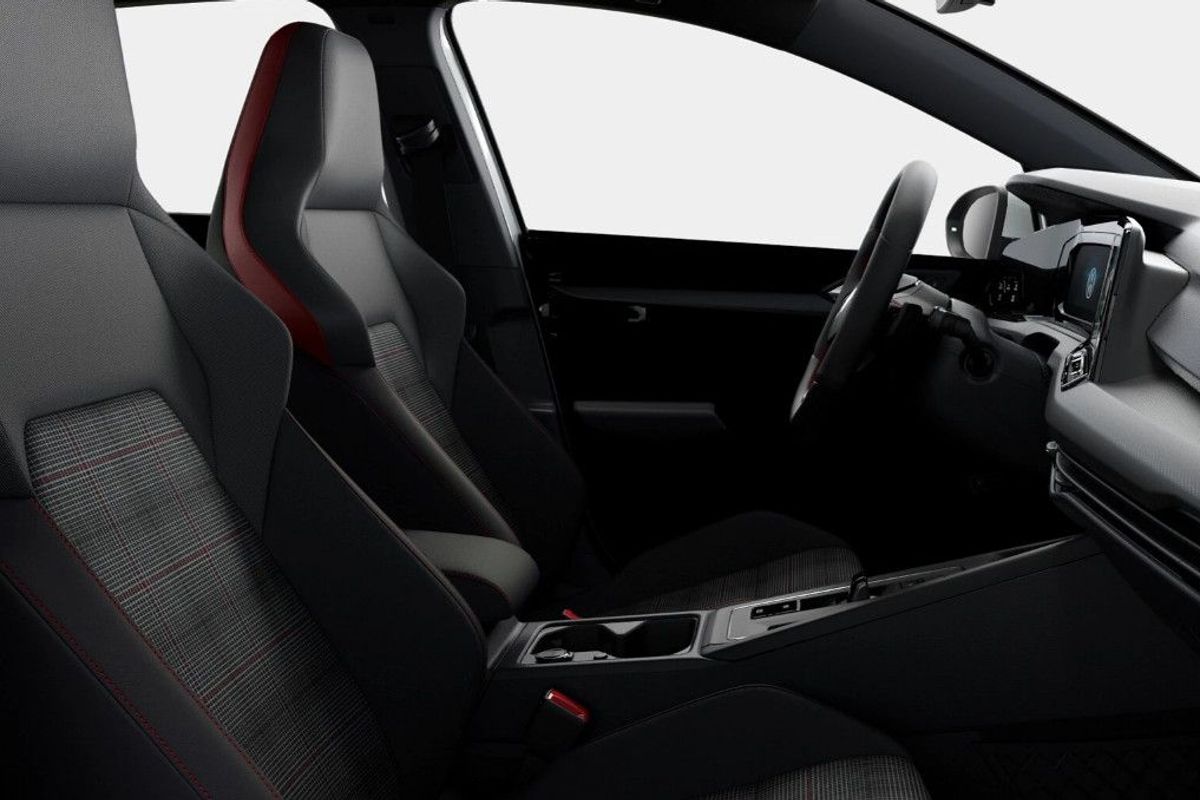
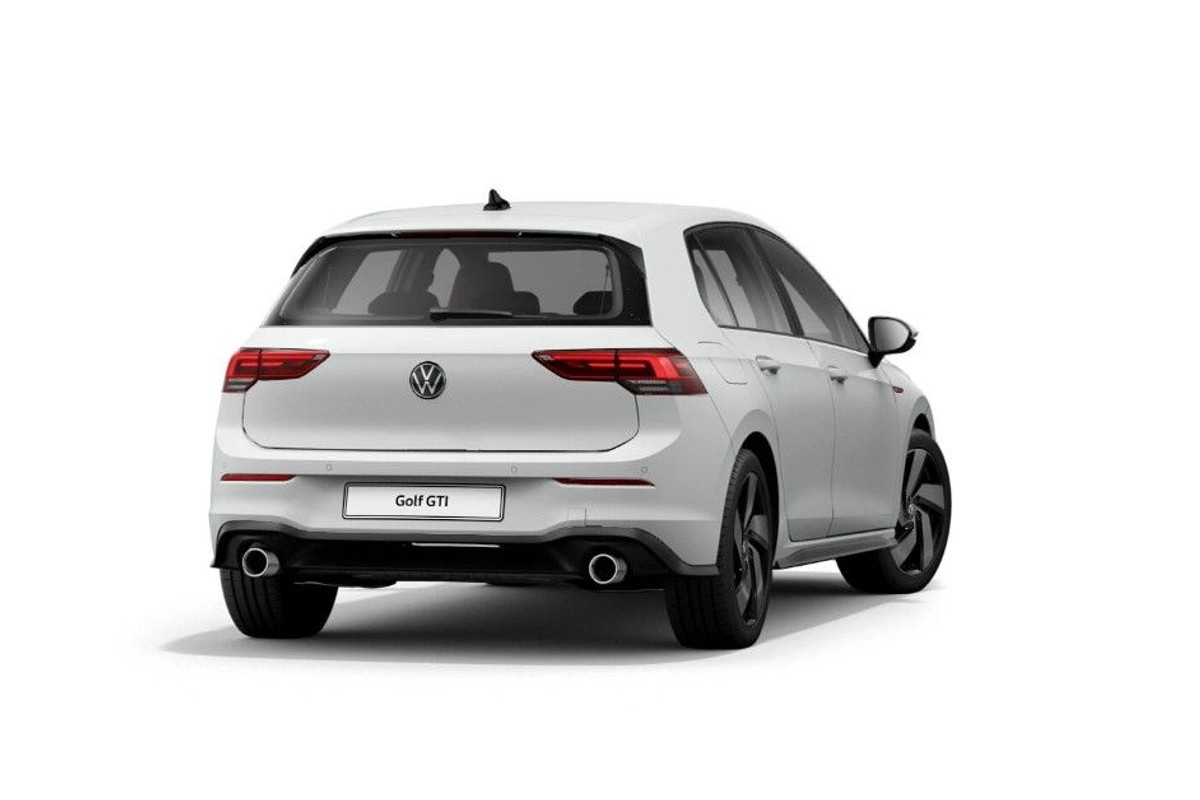
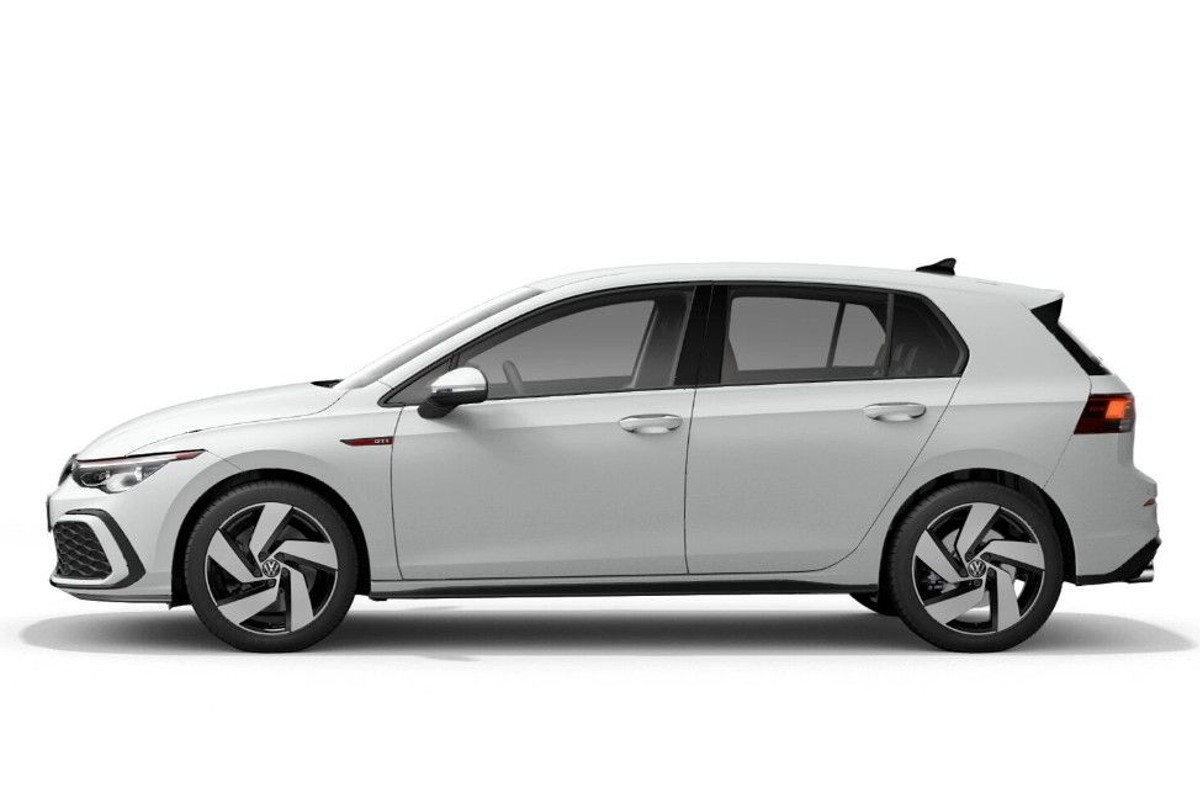
Volkswagen has revealed its online configurator for the Golf 8 GTI. You can now start building your own model in anticipation of the 2021 introduction.
The Golf GTI has been SA’s most popular hot hatch for a very long time, the GTI is even the most popular Golf in SA with VW claiming that more than 50% of all Golfs being sold in SA baring the GTI moniker on the rear.
The latest generation is set to land in SA during 2021 at the same time as the standard model is launched. You can, however, already begin speccing your proposed GTI on VW’s German website. Google will translate it to English or if you’re a real VW fan, you’ll probably leave it in German for authenticity.
It appears that there are 9 exterior colours to choose from, including the existing favourites such as Pure White. Only 2 wheel designs are available in a range of 17-, 18- or 19-inches. Once you start digging into the optional extras there are certainly going to be a few options that won’t make it into our local models. Interestingly, VW has also changed its premium audio provider from Dynaudio to harman/kardon in a system that includes 8 speakers plus 1 subwoofer.
Before we eventually see the introduction of the Golf GTI in 2021, Volkswagen will finally be launching the long-awaited TCR version of the Golf 7.5. That should be arriving in September 2020.
Despite the disruption wrought by 2020’s severe restrictions on travel and trade, Tesla has achieved an amazing 376% surge in share price value over the last eight months.
The Californian electric vehicle brand, which is by some margin the world’s most influential automotive technology company, is priming shareholders and followers for some exciting news. Elon Musk has tweeted that Tesla has something big to reveal on 22 September, which is the company’s annual ‘battery day’.
Energy density is the most crucial performance aspect of any battery pack. With greater energy densities, you can achieve superior performance with lower mass. A weakness of current electric car design is the question of weight: batteries are heavy and don’t become lighter when discharging energy to propel a vehicle, unlike liquid fuels.
Musk’s tweet alluded to the fact that 400 Wh/kg battery capacity is closer than the market had anticipated. In his 25 August tweet, Musk said that 400 Wh/kg battery density is ‘not far, probably in 3 to 4 years.”
In simple terms: a new generation fo 400 Wh/kg batteries would effectively double energy density, meaning huge increases in power for electric vehicles. Of course, the most important aspect is not outright performance, but range. Vehicles powered by 400 Wh/kg batteries would have double the range potential of the current best electric vehicle designs, theoretically configuring them for a 1 000 km driving cycle, before needing to be recharged, without increasing the weight of the vehicle.
Musk’s promise of a battery breakthrough at September’s Tesla event comes at a time when the automotive industry is struggling with ethical issues around its supply chain.
Although battery vehicles can deliver zero-emission motoring when in operation, provided they are recharged with sustainable power, battery composition is proving a challenge.
The exotic metals required to blend trick chemistries for most high-energy batteries contain materials which are often sourced in conflict zones, using child labour. Many battery experts are working at removing cobalt (one of the ‘conflict’ metals) from their production chemistry.
What is going to replace cobalt, whilst increasing energy density remains the industry’s most challenging engineering question. Nanotechnology appears to offer alternatives and that is what experts suspect Tesla will reveal at its battery day.
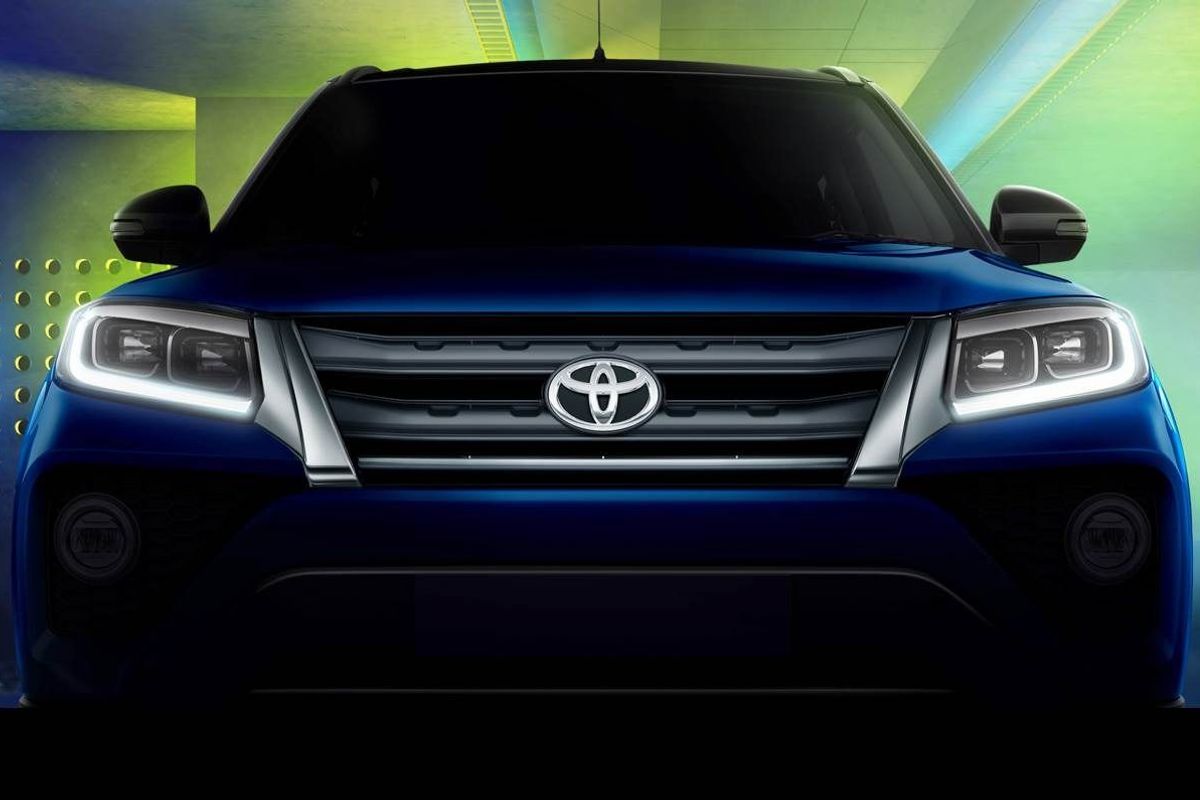
A cheaper compact crossover from Toyota is on the way…
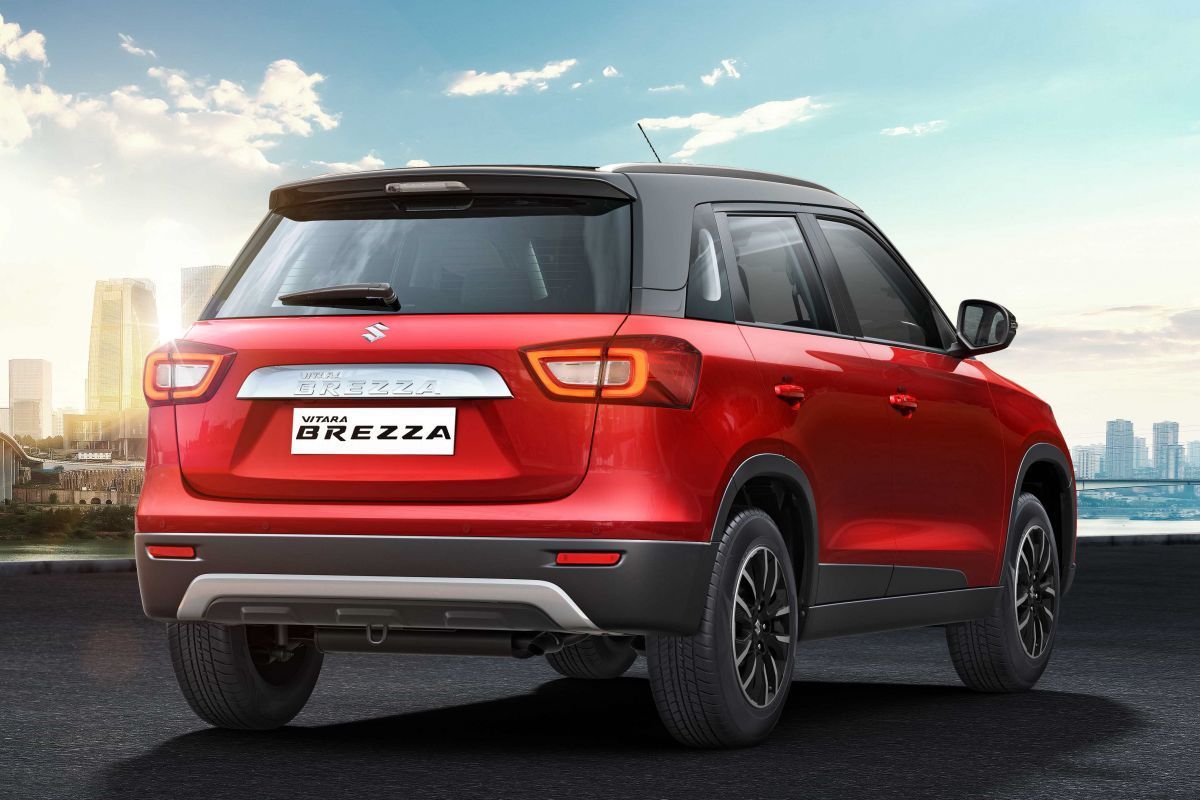
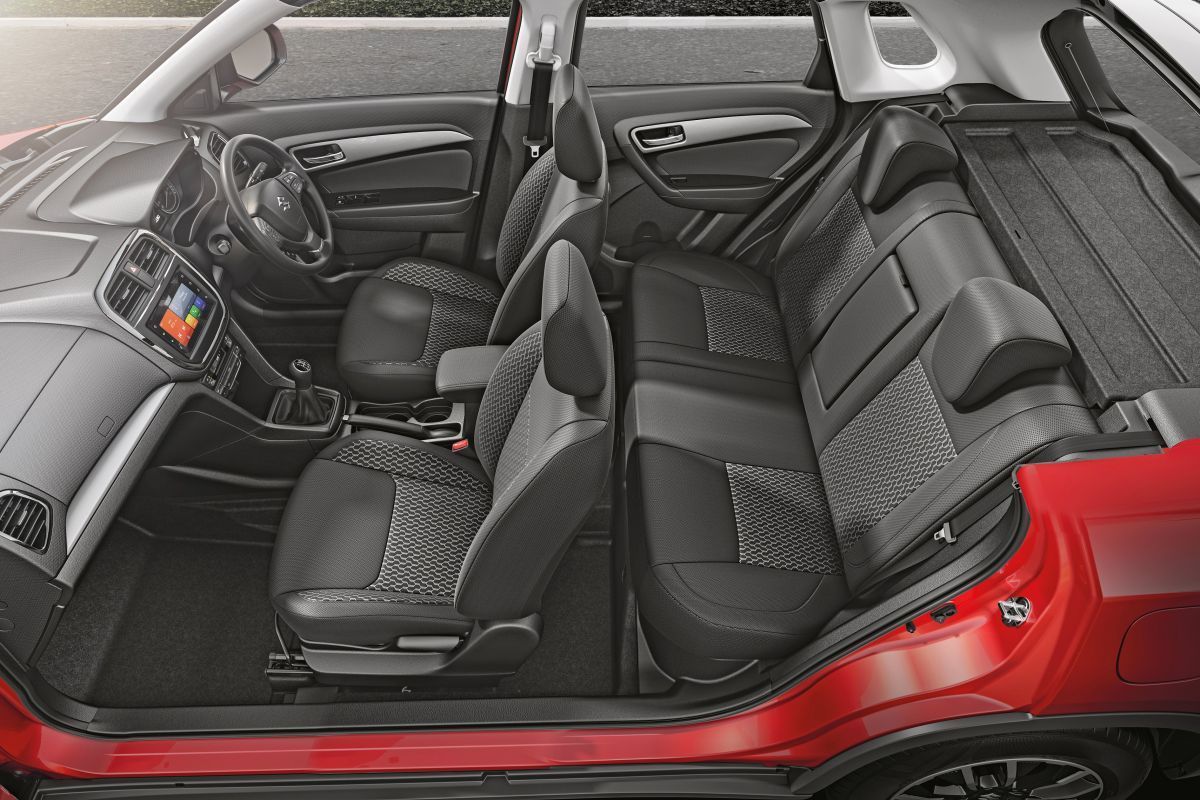
*Update: Toyota India announced bookings for the new Urban Cruiser open on the 22nd August and confirmed some features of the vehicle. Visually, customers will have the choice of 6 monotone colours and 3 dual-tone colour options and the new Toyota Urban Cruiser sits on 16-inch diamond-cut alloy wheels. In terms of engine, we've already mentioned the 1.5-litre petrol engine, but it's mentioned the automatic derivatives will feature Integrated Starter Generator tech which will offer some fuel-saving benefits. More than this, a leaked brochure has now revealed that the Urban Cruiser will wear a unique two-slat grille with projector headlights with LED daytime running lights also fitted. At the rear, the Urban Cruiser will feature a distinctive split tail light cluster with a unique LED light signature. As for the interior, a PlayCast infotainment system will offer Apple CarPaly and Android Auto capability and other nice-to-haves include automatic air conditioning, a push start/stop button and an electrochromic rearview mirror.
Toyota is set to revive a crossover nameplate which is unfamiliar to South Africans but could become a big deal.
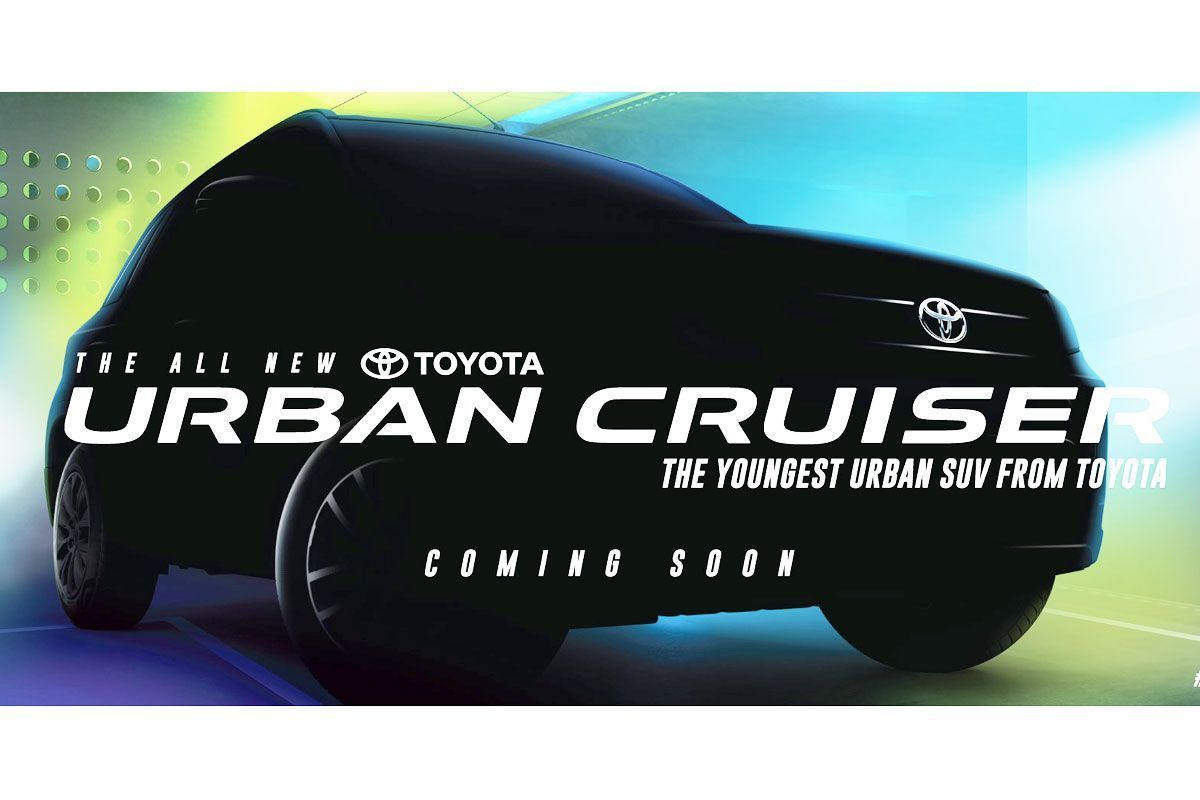
The Japanese car giant has teased its new Urban Cruiser on social media and although the name will have little resonance with South Africans, it could be perfect for local conditions.
Toyota’s original Urban Cruiser debuted back in 2008, before compact crossovers were a popular vehicle segment. It was based on the Yaris hatchback and it proved to be rather unsuccessful.
This new Urban Cruiser has been specifically developed for the Indian market and that means it would be graded for South African road conditions and fuel quality too.
Whereas the first-generation Urban Cruiser was very much a Toyota, this new one is not. As the global automotive industry consolidates, partnerships are a new reality. And with the Urban Cruiser, Toyota has teamed up with Suzuki, a brand which has a massive presence in India.
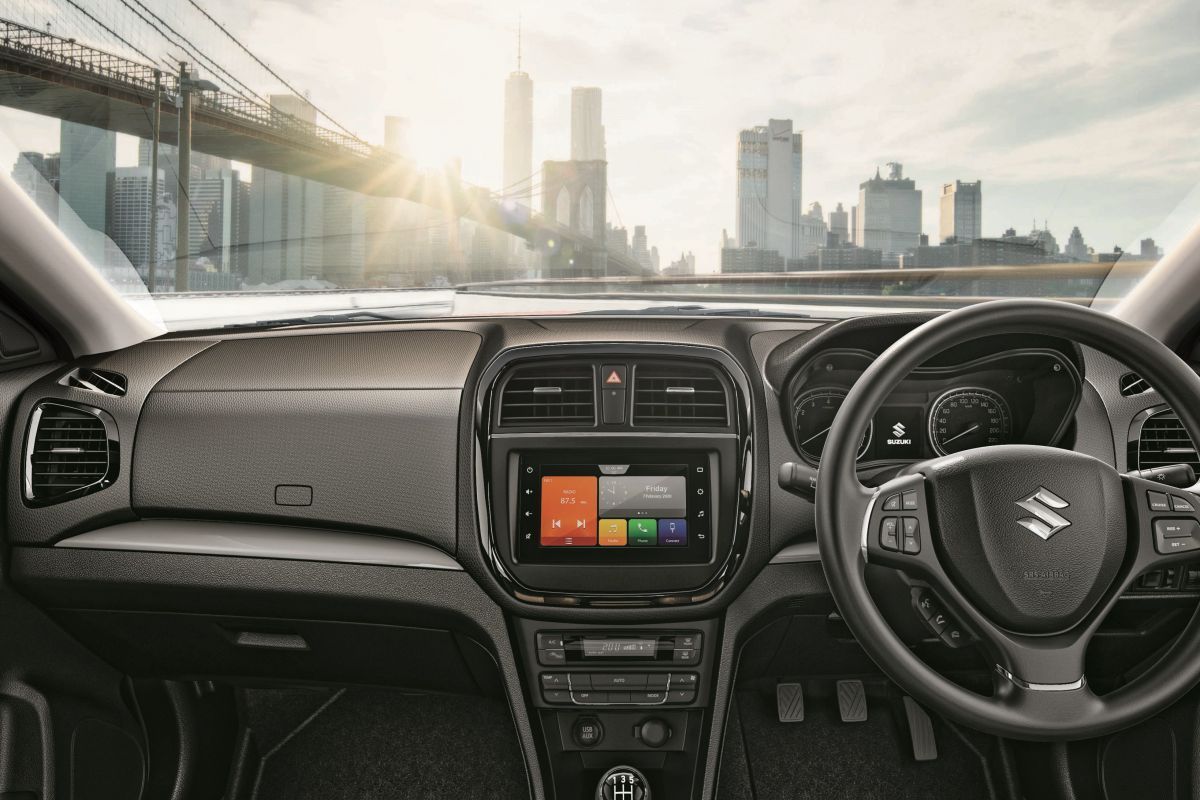
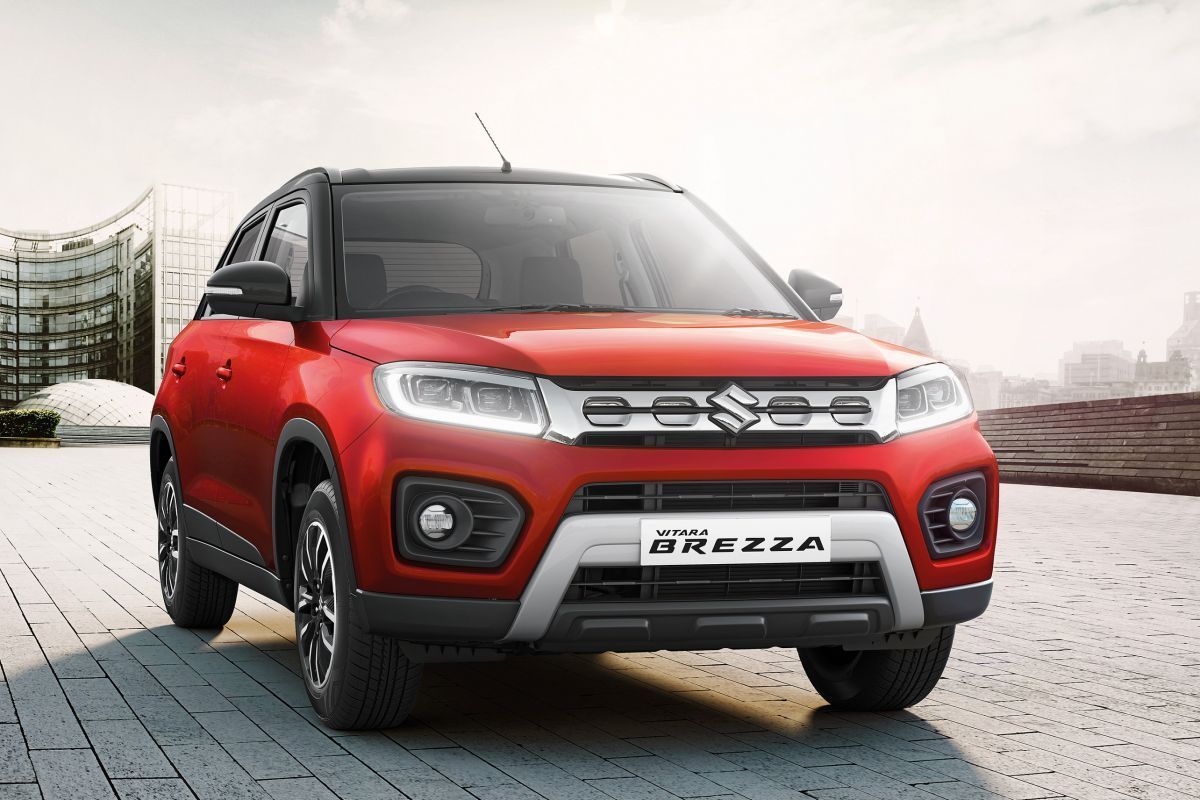
The Suzuki Vitara Brezza is what this new Urban Cruiser is based upon. That means it should be slightly under 4m in length and offer a 1.5-litre petrol engine option. This four-cylinder engine is good for 77kW and 138Nm, driving the front wheels via either a five-speed manual or four-speed automatic gearbox.
What is particularly handy about the Urban Cruiser using Suzuki’s Vitara Brezza platform, is the 198 mm ground clearance value. That should give it more than adequate gravel travel ability and also good pothole strike survivability, both ride and handling features which are of potentially great benefit to South African drivers.
Although Toyota has not yet revealed the official images or confirmed exact technical speciation for the Urban Cruiser, the social media tease means that all of this, should happen soon.
As always, we will keep you updated as soon as the Toyota Urban Cruiser is fully revealed.
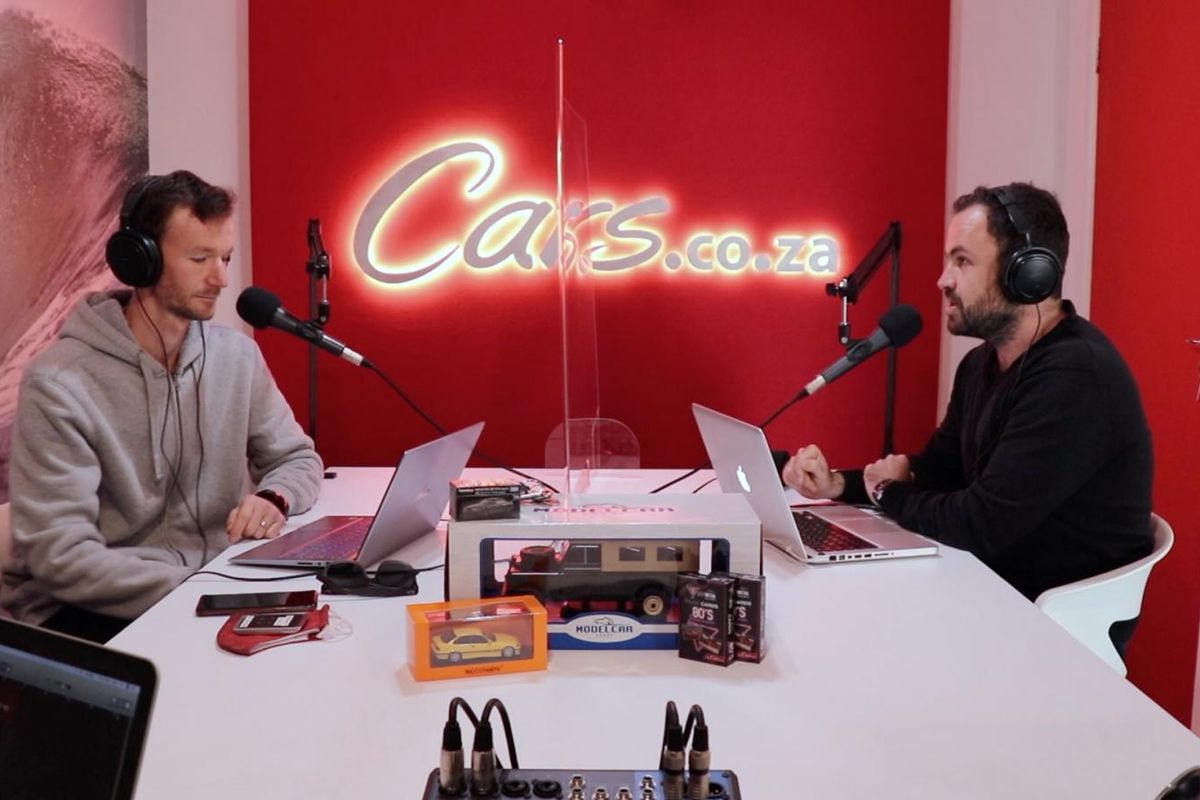
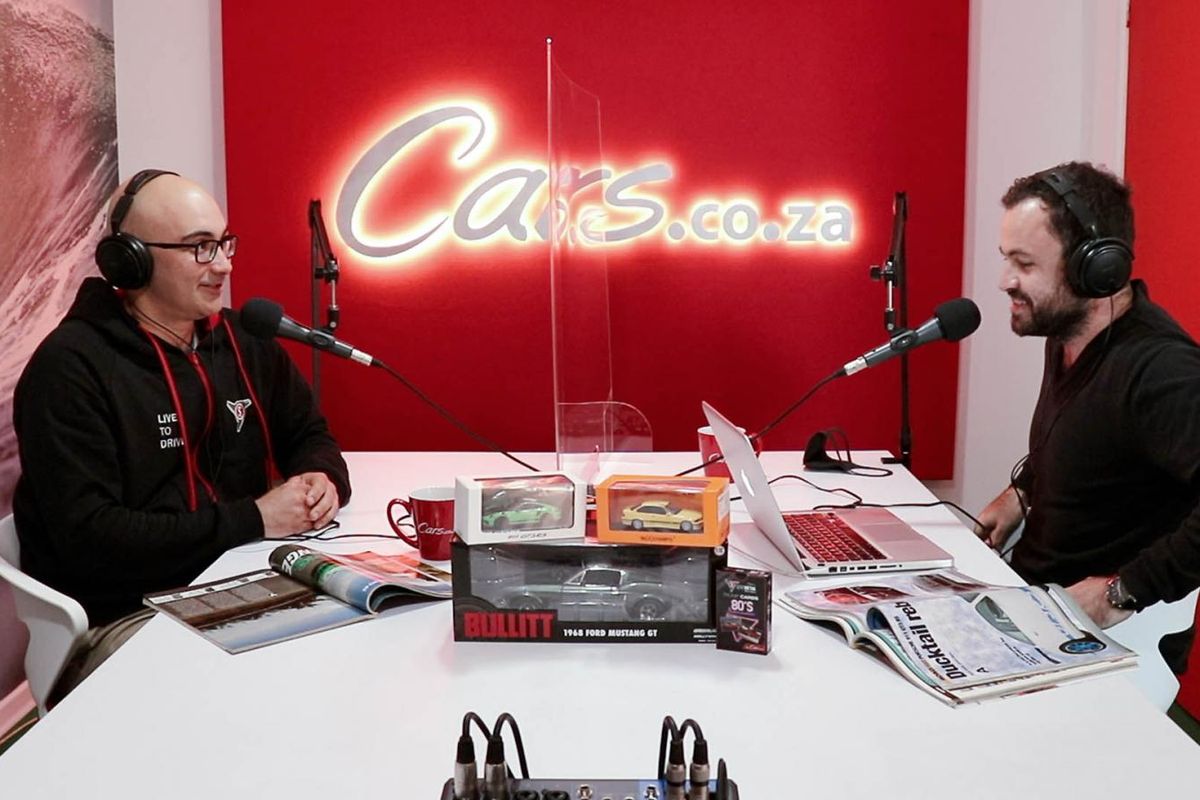
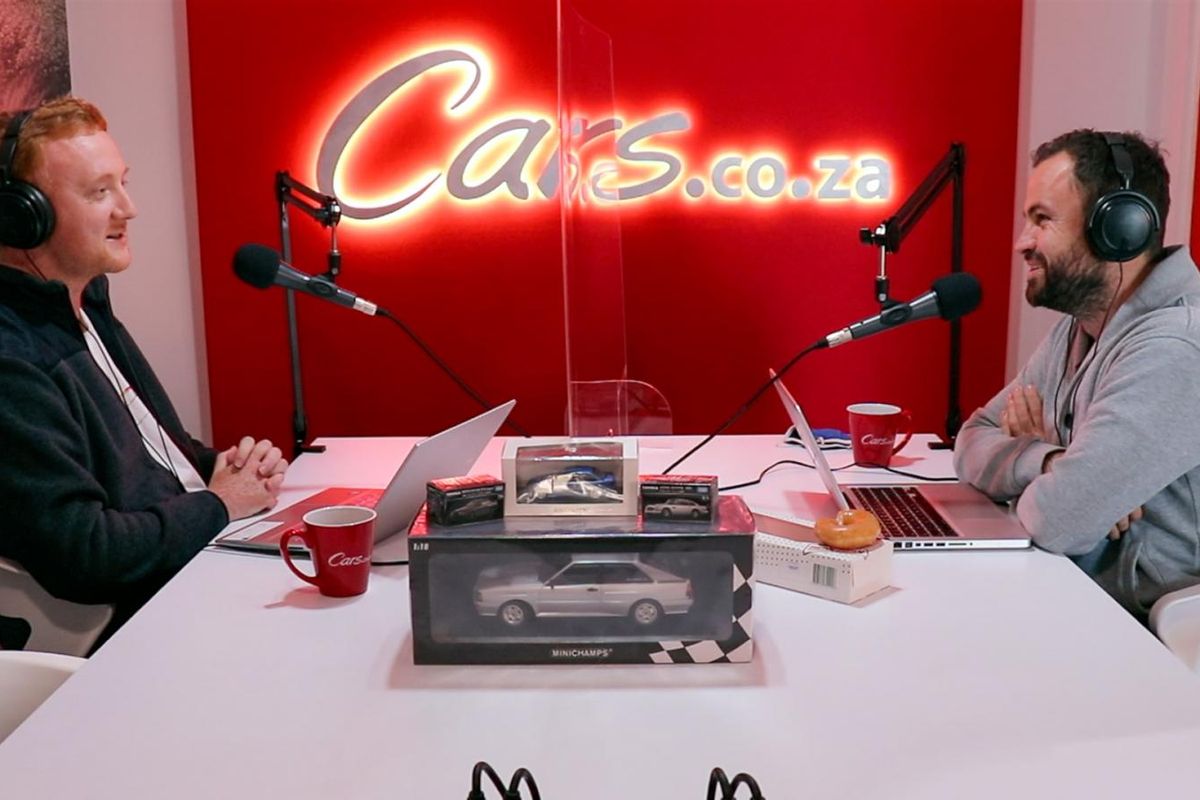
We've spent a little while building a custom podcast studio in our office and we'll be bringing you weekly episodes featuring journalists from Cars.co.za, motoring industry personalities, racing drivers, car builders, and just about anyone we think you'd be interested in hearing from. Here's how you can listen.
Welcome to an all-new type of content from Cars.co.za, our first ever podcast! This however is a podcast with a difference, as you get to watch us in-studio as well as listen to our pearls of wisdom.
We understand that not everyone will want or be able to watch our podcast on our YouTube channel, so we have uploaded it to the most popular podcast platforms (with more being added all the time). If we're not on your favourite podcast platform, please let us know.
There's good news for SA motorists as the Automobile Association says that the majority of fuels will be coming down in price. Here's what you need to know.
First, the good news. The retreat in oil prices has resulted in 95 octane petrol will be dropping by approximately 4 cents a litre, diesel will come down by 19 cents a litre and paraffin down by 24 cents. The bad news is there'll be a small increase in the price of 93 octane, which should go up by around 6 cents a litre.
"The bad news for the month was the Rand, which pulled back from testing the R16.80 mark against the US dollar last month and headed towards R17.40 at mid-month, with a slight firming trend since. On average, exchange rate losses added around 17 cents a litre to next month's petrol price. The good news is that a steady performance from international oil prices has offset the Rand's weakness," notes the AA.
However, it's not happiness and motorists can be expected to pay more towards the end of September as the price of international product had increased in the last week of August. The AA also warns about the medium-term COVID-19 economic damage. "As the country comes to terms with the economic damage caused by the COVID-19 lockdown, there is also concern about government's ongoing policy uncertainty and levels of corruption as highlighted by the President," the Association says. "It notes that these failings affect investor confidence and, by extension, the Rand's strength, meaning the fuel price is higher than it should be, and will take longer than necessary to return to reasonable levels in the short to medium term."
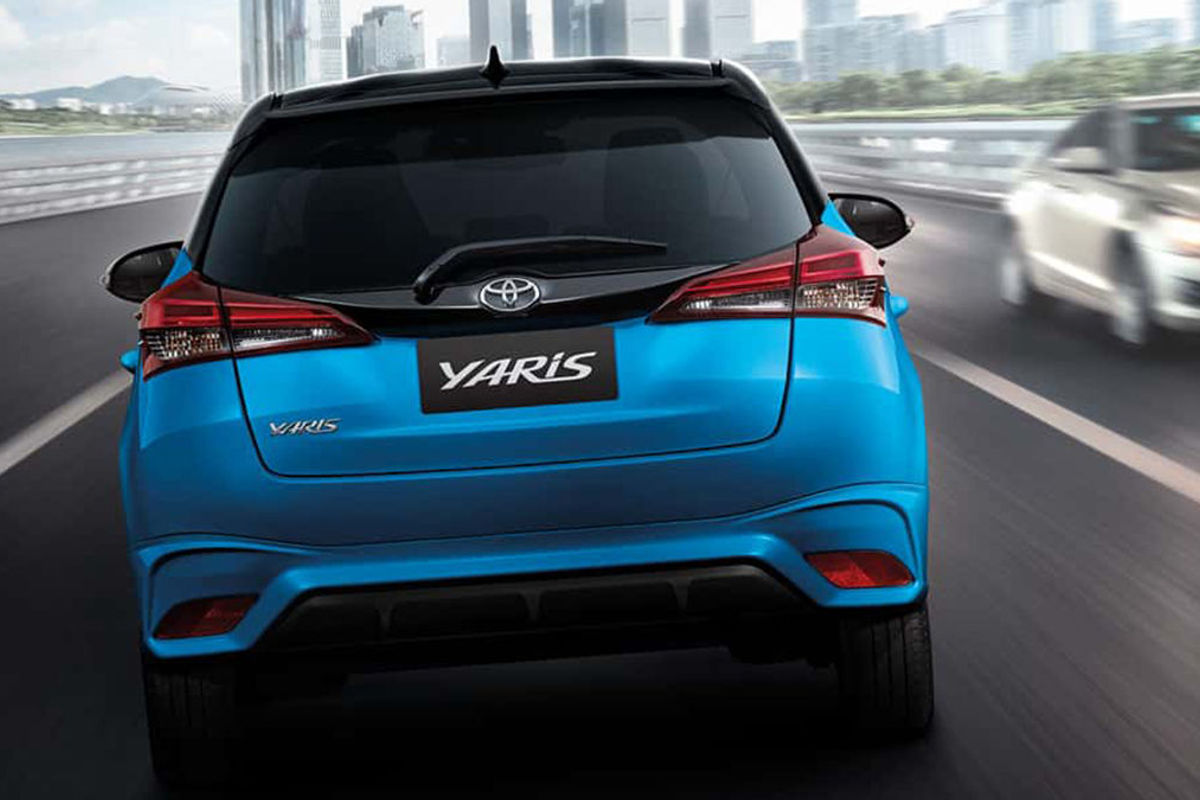
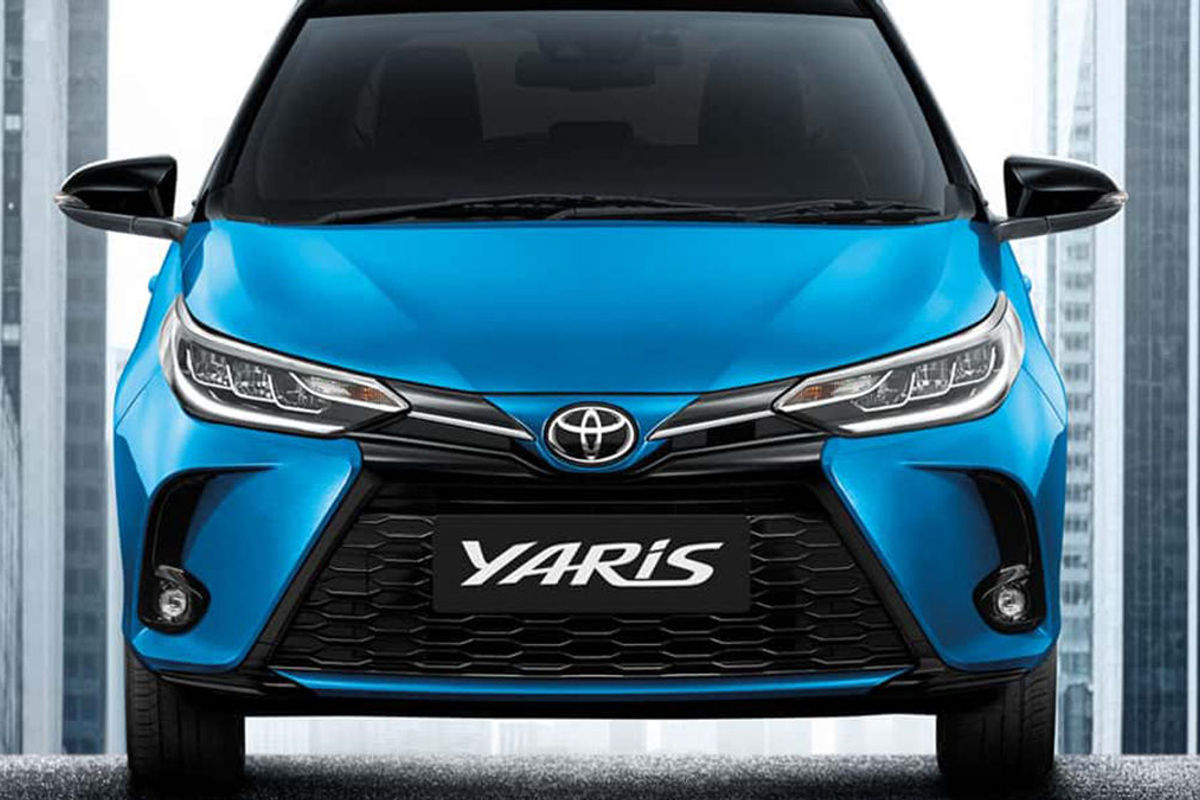
An updated Toyota Yaris has been revealed in Thailand. See what’s changed!
Toyota has given its Yaris hatchback a round of updates and while there are no mechanical changes, the exterior and interior of the Yaris has been mildly revised.
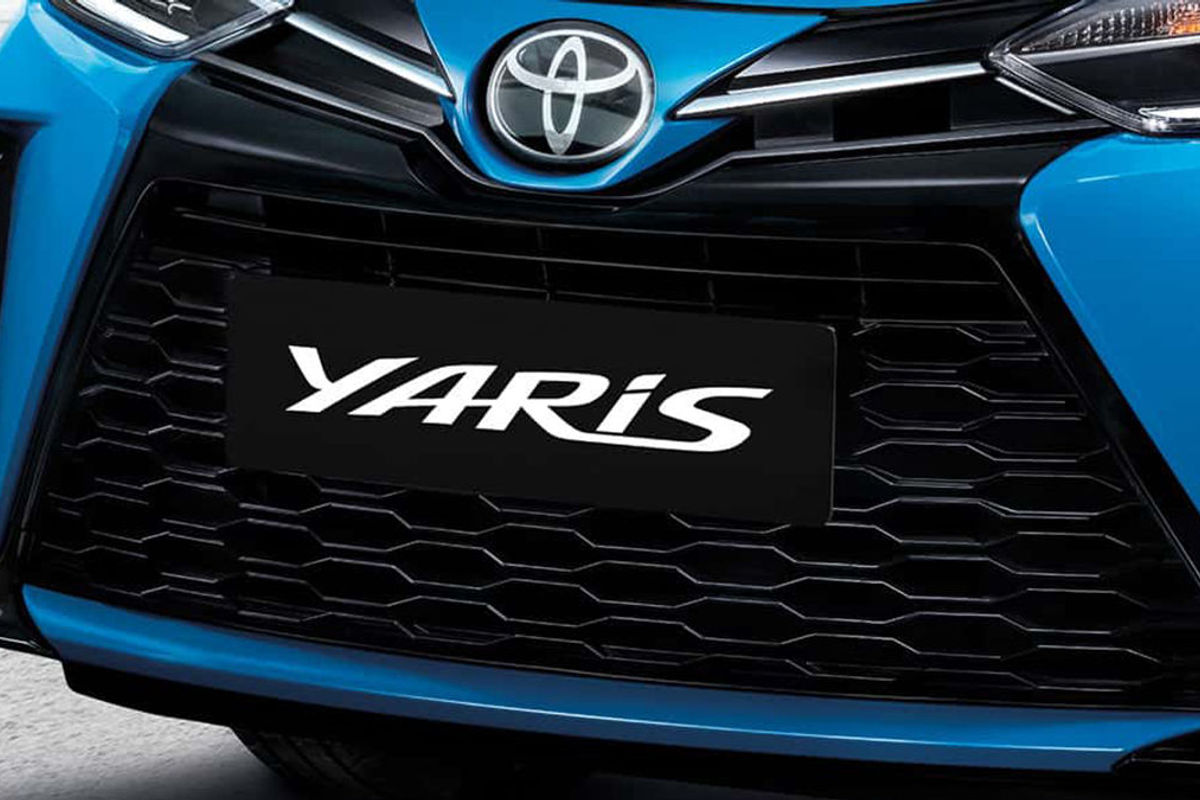
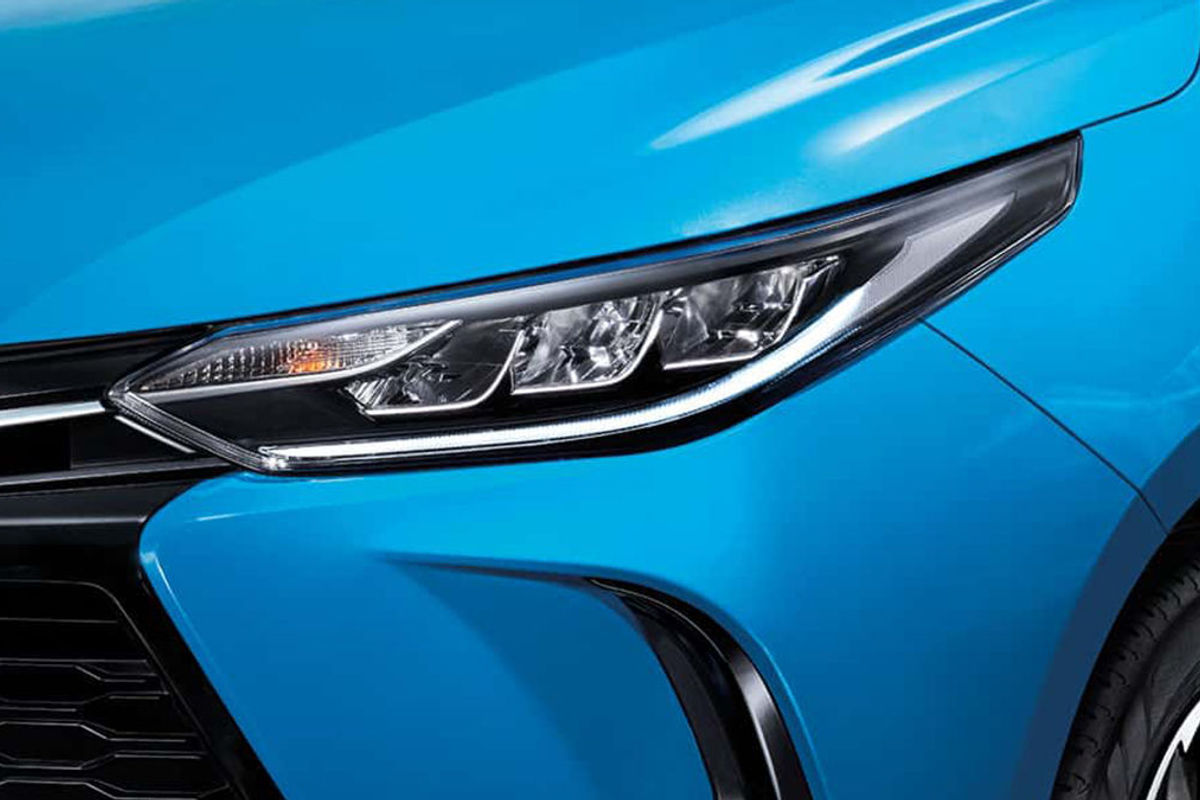
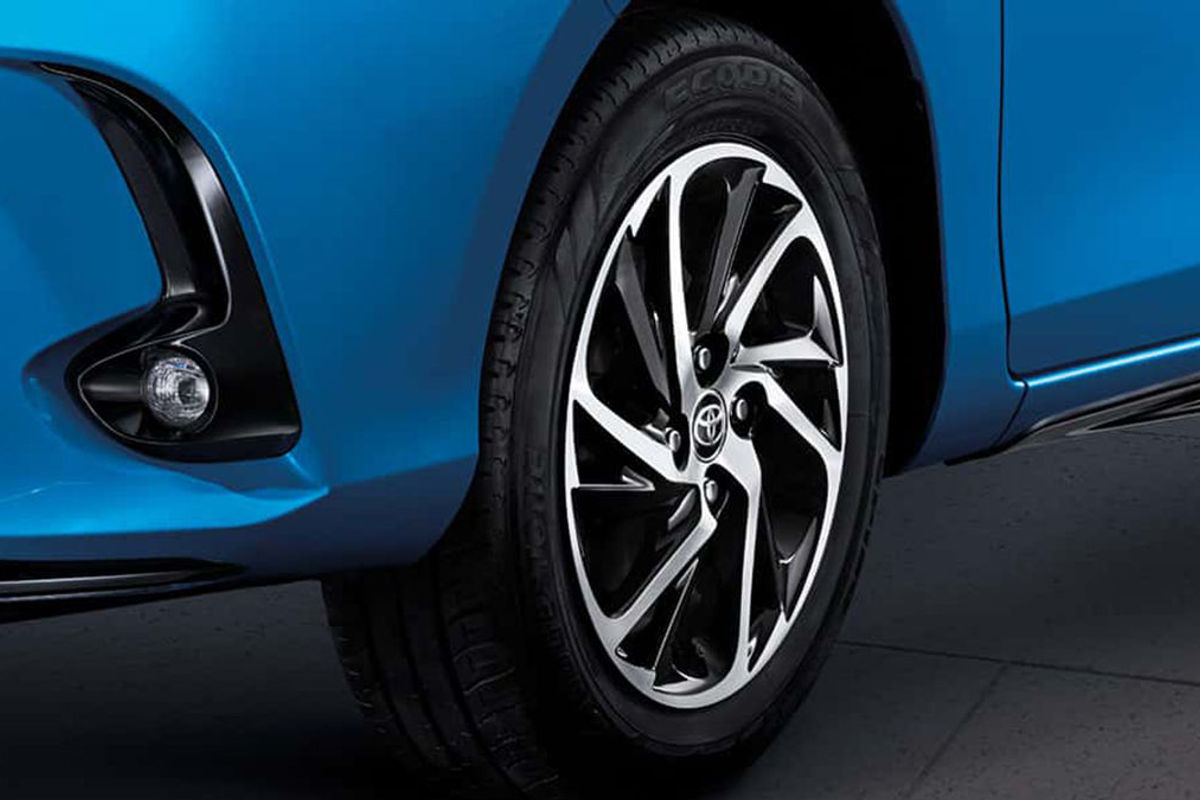
In terms of styling, the latest Yaris rides on newly-fashioned 15-inch alloy wheels while the front bumper has been revised along with the updated foglight housings. The images seen here show the Yaris in two-tone guise which is rather appealing. You might notice that the headlights are now a bit sharper-looking too.
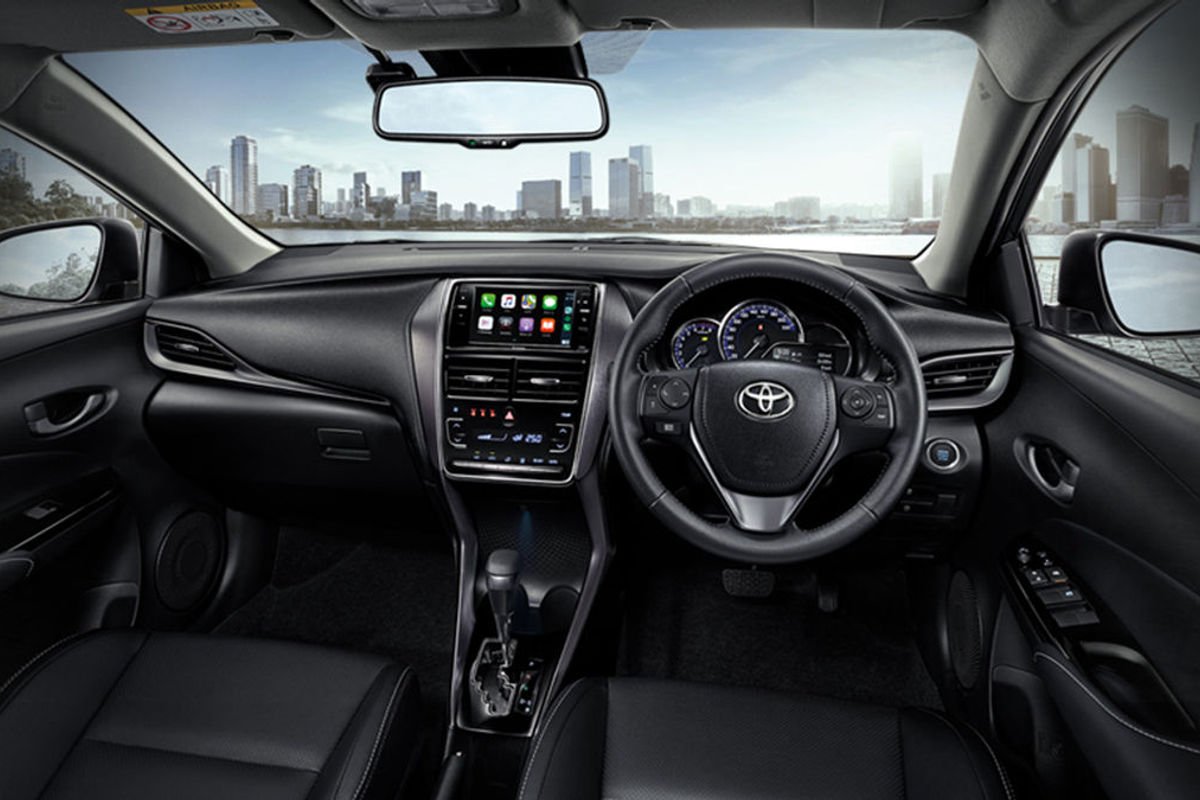
As for the interior, Toyota has installed an automatic dimming mirror as well as a revised instrument panel. Rear passenger also have access to a pair of USB ports for charging or connecting devices while leather upholstery further adds to the improvements inside the Yaris.
The Thai-spec Yaris is equipped with Toyota Safety Sense which incorporates a pre-collision system, brake assist and hill-descent control.
The South African- spec Yaris uses a naturally-aspirated 1.5-litre petrol engine with 79 kW and 140 Nm and can be had with a 5-speed manual or a CVT. In Thailand, the Yaris is powered by a 1.2-litre petrol engine with 68 kW and 109 Nm.
We have reached out to Toyota South Africa to find out when the updated Yaris will reach local soil, but this has yet to be confirmed. As always, we will keep you updated.
Ford stops building JLR V8 engines, JLR takes over.
It would be difficult to imagine Jaguar or Ranger Rover without the idea of V8 engines.
For both these storied British luxury car nameplates, the V8-powered models are where they make most of their profits. And for many years those engines have been supplied to Jaguar and Land Rover, by Ford.
This agreement has now run its course, with Ford deciding to close its Bridgend engine facility in Wales, creating a potential problem for JLR.
Although both Jaguar and Land Rover are committed to a future of hybridization and battery powertrains, for the next few years, the AJ-V8 engines will very much continue to feature. The design dates back to 1997 and has served both Jaguar and Land Rover tremendously well
Outside of Europe, with its strict emission regulations, many customers prefer their Jaguars and Range Rovers with V8 engines. This is especially true in America and the Middle-East, which are two crucial markets for JLR.
Desperate to not disrupt its V8 engine supply chain, JLR is about to embark on an industrial engineering intervention. It has agreed to purchase the machinery and tooling relevant to its V8 engine range, from Ford.
Not only will JLR now finally own the machines to make its own V8 engines again, but it will uplift these assets from Wales and rehome them in Wolverhampton, England. A buffer number of AJ-V8s have been built, to ensure that customer deliveries are not delayed during the transitioning period, which is scheduled for the end of September.
To ensure engine quality is not adversely influenced by the move, JLR is considering offering employment to some of the staff who worked on their V8 engines in Ford’s Bridgend facility.
The New Normal, Podcast 2 – Car Dealerships of the Future
In the 2nd instalment of a 3-part series – brought to you in association with Absa – respected consumer journalist Wendy Knowler chats with NADA chairperson Mark Dommisse and Absa’s general manager of dealer relationships, Fulufhelo Mandane, about how changes to the way in which cars are being sold during the Covid-19 pandemic will shape the way vehicle dealerships do business in the future.
In the 1st part of the podcast series, Knowler discussed consumers’ appetite for car-buying during the lockdown and how the industry was responding to "The New Normal" as it applies to our relationship with cars with Naamsa CEO Mike Mabasa and Henry Botha from Absa Vehicle Finance. Click here to listen to that podcast
For the 2nd podcast, Knowler chats to Dommisse and Mandane about “The How”. A lot has had to change when it comes to buying a vehicle, especially with regards the need to be physically a part of the process, from comparing/test driving, signing documents and taking delivery of a car.
Social commentators say Covid-19 has accelerated many trends by at least 3 to 5 years. Will most consumers be buying their cars totally online in future, or will dealerships continue to dominate the retail landscape, albeit in a modified form? How likely are the recent changes to become fairly permanent?
Dealers adapt to ‘The New Normal’
Mark Dommisse, the chairperson of the National Automobile Dealers Association (pictured left) says that due to the size and the fundamental nature of a vehicle purchase, it’s quite complicated (from regulatory point of view) to buy one totally online. However, much of the buying process is being done outside of dealerships; customers are liaising with salespeople a lot more (especially online) before they visit a dealership, and the required paperwork can be completed upon collection of the vehicle they bought.
Some dealers have presented test drives at prospective buyers’ homes, but remote demonstrations are not ideal because they don’t allow consumers to see and experience vehicles within context – models can’t be compared with other, potentially more suitable, products on the showroom floor, for example. In various ways, you can't quite get the same experience online as you would in a real showroom and besides, due to the threat of Covid-19, dealerships present a socially-distanced environment because they are relatively spacious and, because visits are generally by appointment only, there aren’t many people on the showroom floor at 1 particular time.
Dealership floors might be quiet, which is not ideal for good business (of course), but they represent a safer space for customers. Even with minimal staff, dealers can manage the flow of people in and out of the building. They can take walk-ins, but it’s unlikely, especially during the week, that buyers will encounter a queue forming outside premises.
Dommisse told Knowler that most dealers were on about 50% work (sales staff, anyway), “so they'll come in every other day or they'll come in on shifts for half the day and then leave and then come in the next half a day, to ensure continuity”. For servicing, workshops “don’t have to stagger people in the morning, you try to stagger your appointments”.
Convenience is king, so is safety
Doing things more online is bound to be received differently by respective age groups among new-vehicle buyers buyers. Knowler asked Absa’s general manager of dealer relationships, Fulufhelo Mandane (pictured) left, whether he’d noticed any differences in behaviour between younger buyers, “who tend to go with the flow”, and seasoned consumers “on their 10th car” who may not be adjusting easily to all the changes.
Mandane said the Covid-19 pandemic had certainly accelerated some pre-existing trends in the marketplace and that most dealers were embracing the online platforms to sales. Absa noted that more people were making maximum use of technology (where they can, at this stage), because some dealers can go through end-to-end with the sales process and only need to see the customer right at the end. In fact, it appeared people from various generations were embracing the process, because the concern right now is more around health: “they’d rather not take chance around that.”
There were a number of factors that contributed to this, including that digital natives (persons born or raised during the age of digital technology) would most likely adopt and accelerate the process of online-buying due to having much more confidence in the safety of the process. What’s more, banks have begun providing platforms through which buyers could sign online or at least eliminate the need to fill in a physical application… Customers feel much more comfortable doing that now than ever before.
How will dealers operate in future?
Knowler further asked Dommisse whether the Covid-19 pandemic had accelerated the move towards scaling down of dealership premises in terms of numbers and size (against the backdrop of more aspects of the sales process being done online since lockdown). On the other hand, would the value of an interactive showroom experience and the manufacturer-stipulated servicing requirements of vehicles ensure that most sales would still be driven through dealerships?
In the future, car salespeople will be more like "dealmakers", who guide buyers through the entire process from start to delivery.
Dommisse responded by saying the motor industry had learnt “we can do the same (as before) with fewer people”. Because dealerships have had to limit the number of sales and service staff that work at the same time, productivity had improved. And, as the process of selling vehicles becomes progressively more digital, buyers would want to deal with as few people online – throughout the process – as possible.
It would be ideal, he says, if a buyer could engage online with one person, who would advise them, sell them the car (including the finance) and, eventually, deliver the vehicle. That way, salespeople could evolve into empowered dealmakers: “Over time, you’ll see that process merge into a slicker process and we won't need big showrooms and fewer of them, but the workshops will remain,” he concluded.
Those who invest in tech will benefit first
During the Covid-19 lockdown we’ve seen an increase in digital identification and verification platforms where customers do not necessarily need to submit their FICA documents… they can just use a different technology platform to actually identify and verify who they are, Mandane says.
The technological investments that dealers make will only benefit their business the more the deal-making process goes online.
“If you factor in the technological investment that dealers have made in terms of their back-end systems, sales platforms, how they attract customers, marketing platforms, do they still need to call people or they can rely on website 'bots (and all those nice things that everyone’s been talking about)?
“We're moving closer to that environment because some dealers have already started embracing those technologies. Those who started earlier are reaping the benefit now, and the guys that haven't begun need to really accelerate the process – change occurs quickly in South Africa’s retail space,” he concludes.
The “cool-down period” – when does it apply?
Knowler, Dommisse and Mandane also discuss, in detail, the legal ramifications of car-buying without any visits to dealerships whatsoever, including the 5-day cooling-off period that applies to finance deals that were done online, as well as a number of other topics during the discussion.
These questions all come up in the 15-minute discussion. Have a listen.
Renowned Jaguar tuner reveals its enhanced F-Pace SVR. Badged as the Lister Stealth, the company claims it is “Britain’s fastest and most powerful SUV”.
Earlier this year, we brought a story of Lister teasing its new product and now it has been fully revealed.
Based on the Jaguar F-Pace SVR, a vehicle we're familiar with and adore, the Lister Stealth takes that recipe and enhances it. Because a 5.0-litre supercharged V8 SUV with 405 kW isn't enough, obviously.
The Lister Stealth boasts upgrader supercharger componentry, performance air intake, customer intercooler and an enhanced engine software package. It now pushes out 497 kW and 720 Nm, and Lister reckons the additional power shaves the 0-100 kph down to 3.6 seconds. Top speed is rated at 314 kph, which is faster than the standard SVR's 283 kph.
As for that 'fastest and most powerful SUV in Britain' claim, Lister said it beat the Lamborghini Urus, Aston Martin DBX and Bentley Bentayga at a testing ground.
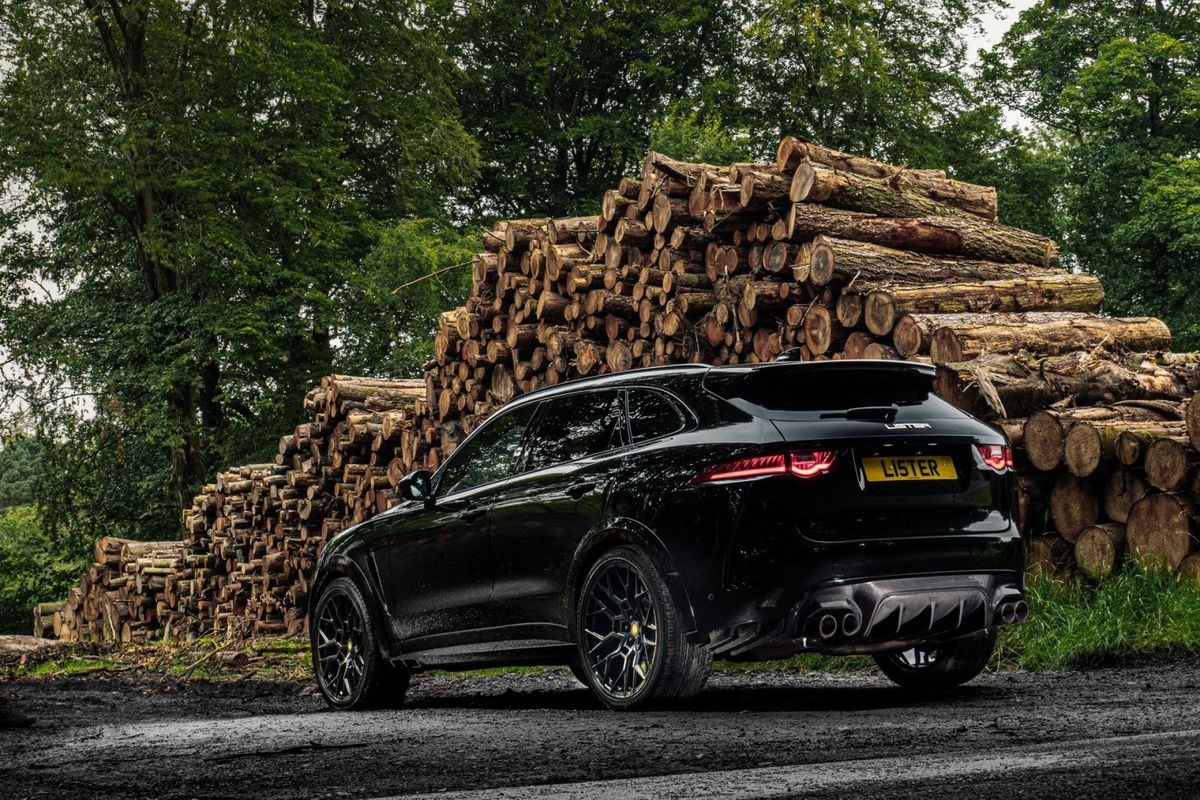
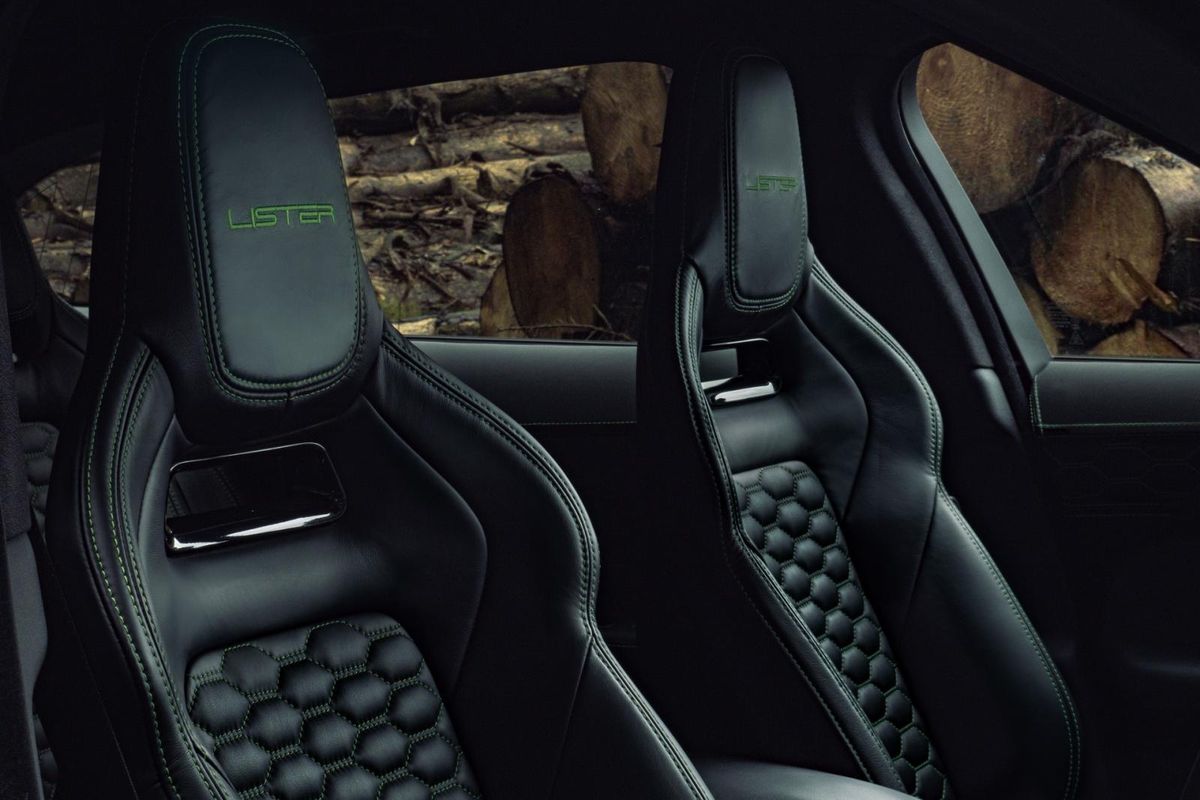
Visually, it's quite an aggressive-looking thing with custom carbon fibre front and rear bumpers, properly flared wheel arches and a large rear diffuser. Rounding off the exterior are 23-inch Vossen alloy wheels. Inside, you can get some tasty sports seats, steering wheel and seatbelts, with Lister badging on them. There'll be just 100 of these mental super SUVs made and Lister claims there are 36 colour choices and 90 different stitching options, so you can personalise your Stealth to your heart's content.