It looks a lot like the price of petrol, diesel and paraffin are going up in August 2020. Here's the latest forecast from the Automobile Association of SA.
As it stands, the current data suggests the fuel price increase will be 'around 35 cents a litre for petrol, 68 cents for diesel, and 63 cents for illuminating paraffin.'
The Automobile Association (AA) cites the recent oil price advance which has slowed which helps matters, but the exchange rate has not played ball as the main reason we're seeing this potential increase.
"This will still leave our fuel prices below their pre-lockdown highs notwithstanding the Rand currently being pegged about two Rand weaker to the dollar than it was then. Despite our cautious optimism that stability is creeping back into the market, we still advise motorists to expect further fuel price rises in the short term," the AA says.
“In the past ten days, though, oil has been priced in a narrower band, and we believe this might represent a more stable price plateau as the world oil market continues to rebound from the dramatic price plunges of April," says the AA
"Since 19 June, the local currency has traded in a daily band between R16.40 and its current level of around R16.80 to the dollar, which is a narrow range by comparison to what we have seen since March. It seems that there was some Rand over-reaction to much of the bad news – both globally and domestically – over the past three months. We're hopeful the correction will continue towards more optimistic valuation levels," the AA concludes.
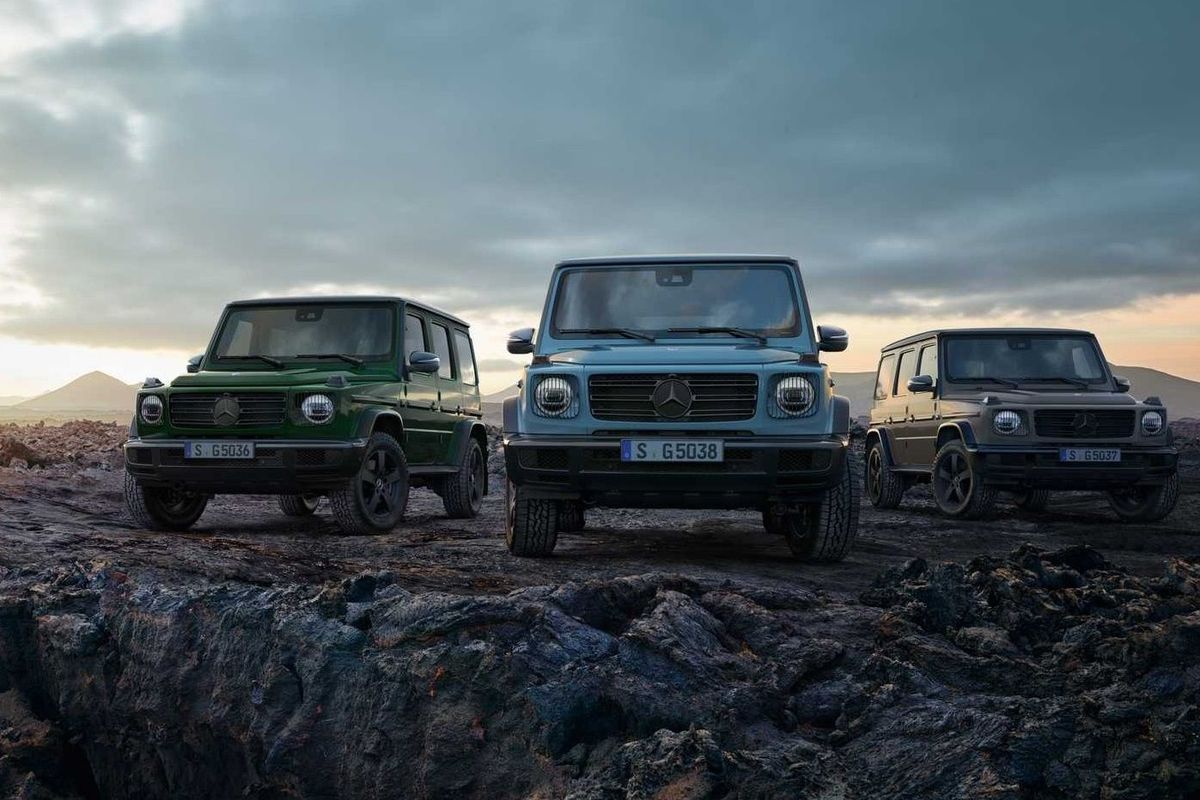
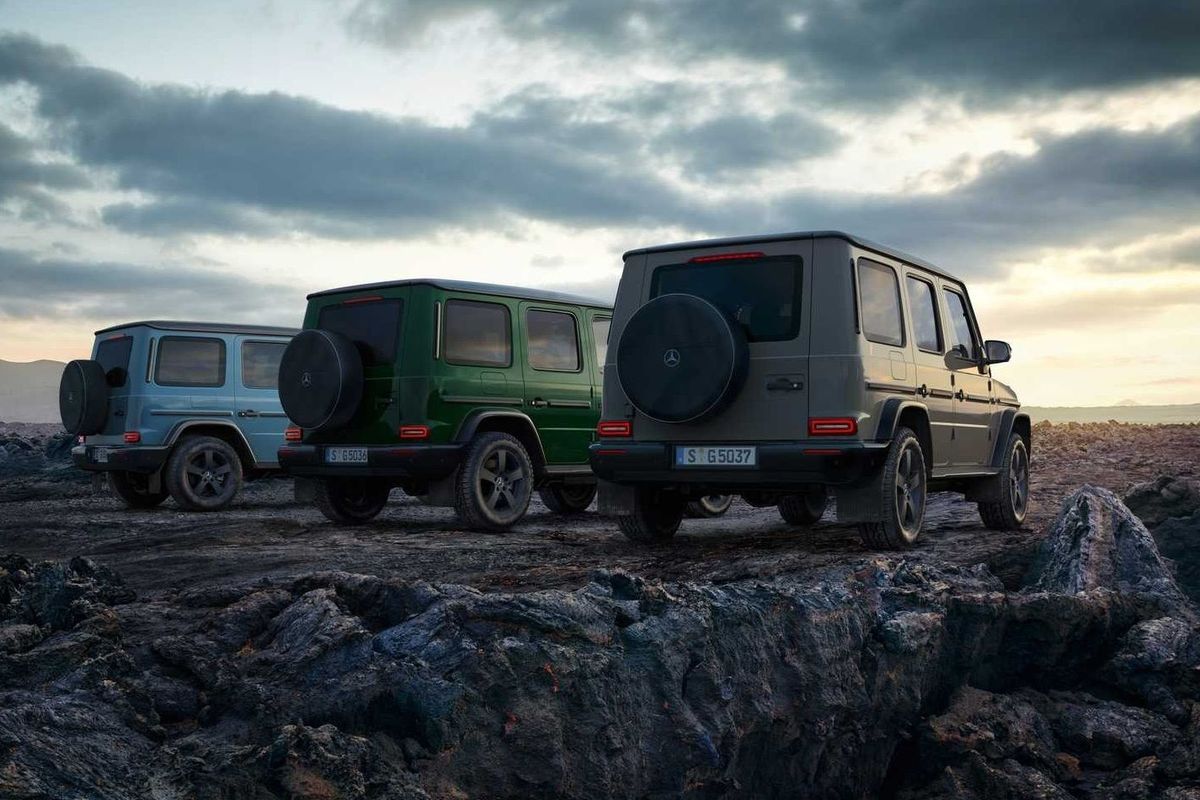
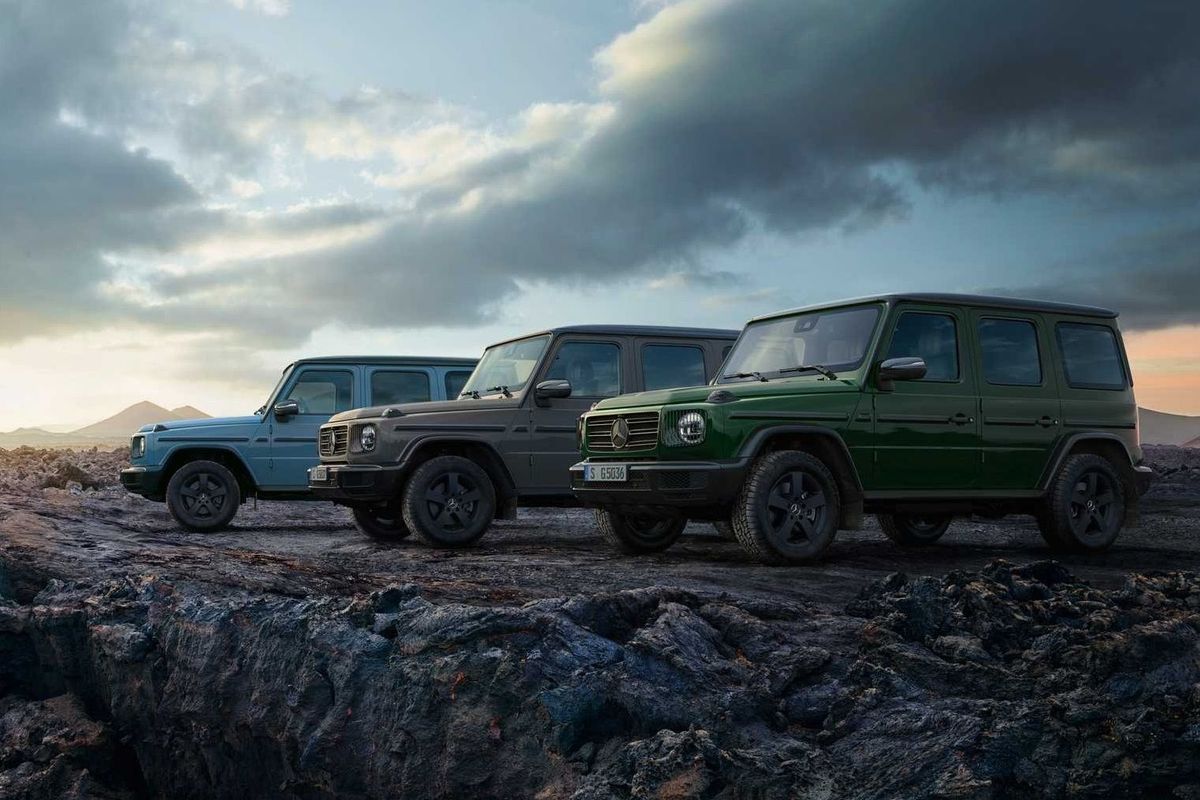
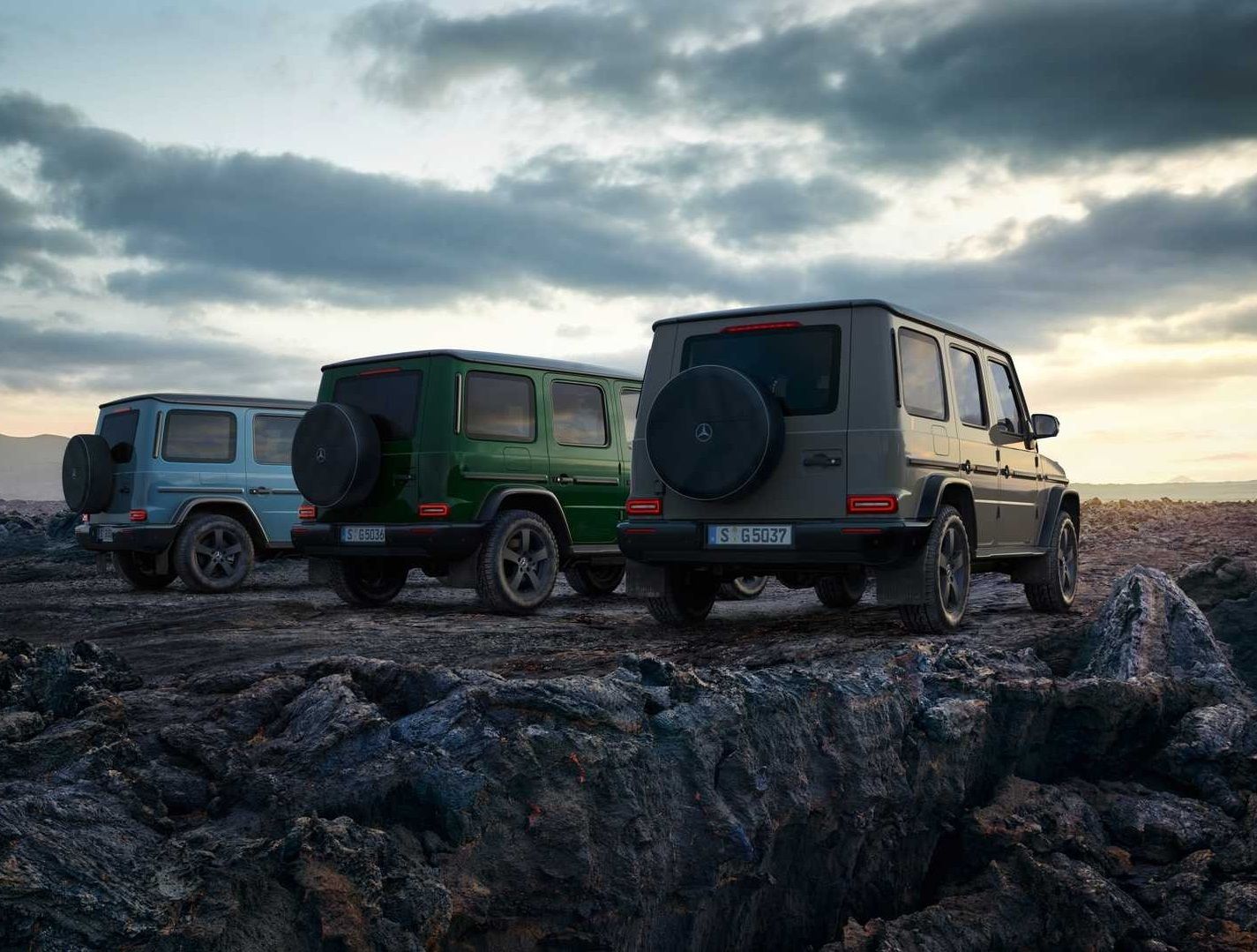
Mercedes-Benz has given its G-Class a mild update for 2021.
The Mercedes-Benz G-Class is one of the more desirable premium SUVs. Bulletproof offroad capability combined with sheer road presence combine and the result is one serious offering. For the new model year, Mercedes-Benz has announced a few updates for the European market.
The G400d motor is now available for all levels of trim. As it stands, this model is on sale in South Africa as the G400d Stronger Than Time limited edition. We're yet to drive this model and are eager to put 243 kW and 700 Nm to the tar and gravel, and sand.
Under the skin, Mercedes-Benz has introduced a new Desert drive mode, which is aimed at improving traction on sandy surfaces. The ESP and throttle responses have been recalibrated to cope with the trickiness of soft sand, and this mode is selected via the Dynamic Select switch.
Inside, Mercedes-Benz has introduced the digital cockpit as standard as well as a frameless rearview mirror, both of which were optional extras before. Speaking of options, Mercedes-Benz has tweaked the options list for those who want to customise their cars.
Visually, there's a new 20-inch alloy wheel which is offered in either high-gloss black or himalaya grey and there are 3 new exterior colours which Mercedes-Benz says are legendary colours from the model's past.
Note this update applies to the Mercedes-Benz G-Class, not the Mercedes-AMG G63 model. We're expecting a similar update from the performance arm soon.
BMW Anywhere is a new digital-first purchase experience that gives prospective buyers the ability to start their car-buying journey online from wherever they are, 24/7.
SPONSORED ARTICLE
BMW has recently introduced a host of new products in the South African new-vehicle market, including the new 1 Series, 2 Series Gran Coupé, the X3 M- and X4 M Competition derivatives and an expanded 8 Series range, including the M8 Competition and various 8 Series Gran Coupé derivatives.
Over and above the expanded range of new vehicles, BMW dealers stock a wide selection of Approved Used BMWs that conform to the exacting standards set by the brand.
Introducing BMW Anywhere
In recognition of an evolution in the way that consumers are researching, finding and, ultimately, purchasing their cars, BMW is redefining the way in which you can buy its products. In a prime example of BMW putting the customer at the centre of everything it does, the brand has created a seamless experience that brings prospective buyers closer to BMW than ever before.
BMW Anywhere gives you, the buyer, all the benefits of a physical dealership, and more… So, wherever you go, BMW goes with you.
The benefits:
BMW Anywhere offers users nationwide access to stock, so that buyers can choose from every new or approved used BMW in the country.
Get an instant trade-in valuation; BMW Anywhere connects you to every franchised BMW dealership in South Africa.
Get an offer you can trust with BMW Anywhere, safe in the knowledge that you won’t find a better offer anywhere else (you will be offered the same price, regardless of which dealership you choose).
You can find the right finance option with BMW Anywhere in a matter of just a few clicks…
How it works:
Step 1: Set your budget
Get a BMW on your terms with a range of different finance options from cash to instalment and rental plans.
Step 2. Trade-in
Do you have a vehicle to trade in? If so, you can get an estimated trade-in online to use towards the purchase of your new BMW.
Step 3. Choose a BMW
Find your perfect BMW with a range of vehicle models, colours, engine variants and more to choose from – or build your own.
Step 4. Checkout
Purchase your new BMW at the click of a button with our simple checkout process. BMW will guide you every step of the way and keep you updated via email and your account.
BMW Anywhere allows you to enjoy a purchase experience personalised to your needs… on your own terms, in your own time. It's a reinvented car-buying process that brings you simplicity, convenience and choice. But, it goes without saying that you can still visit the dealership to experience BMW's latest vehicles – there will be retail staff to support you through the online process
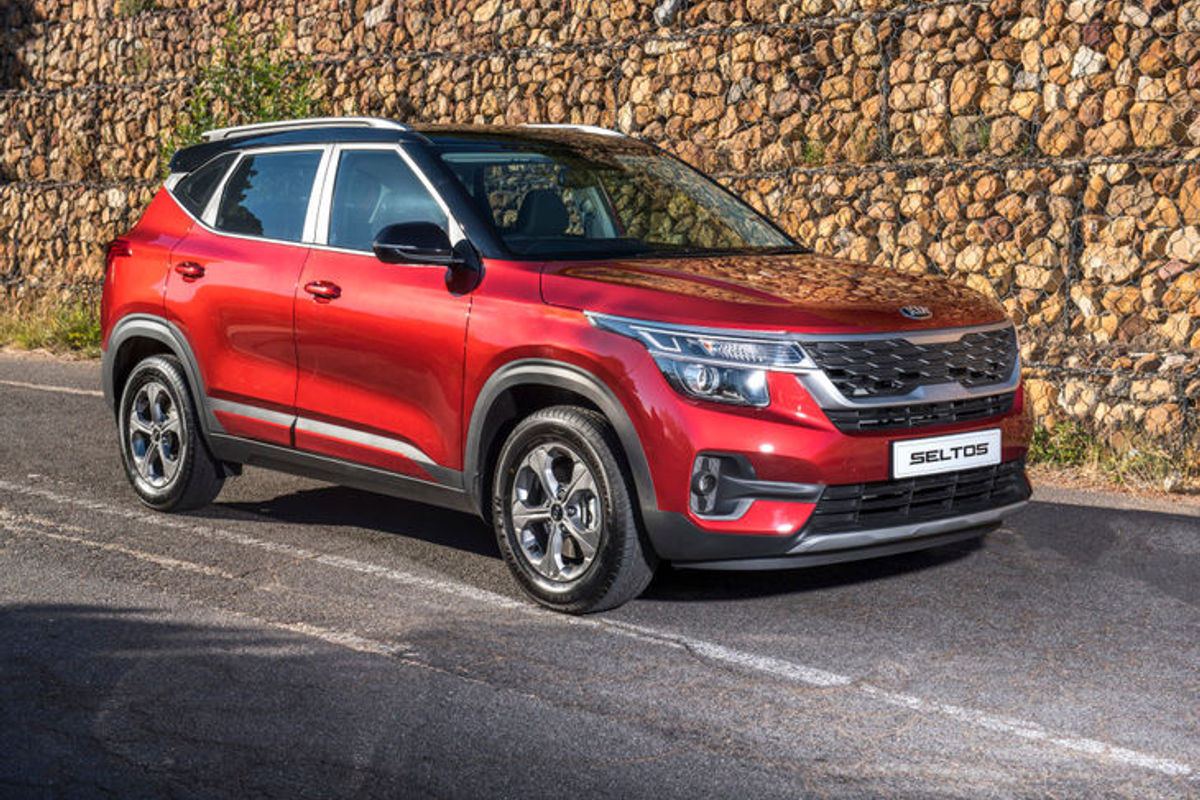
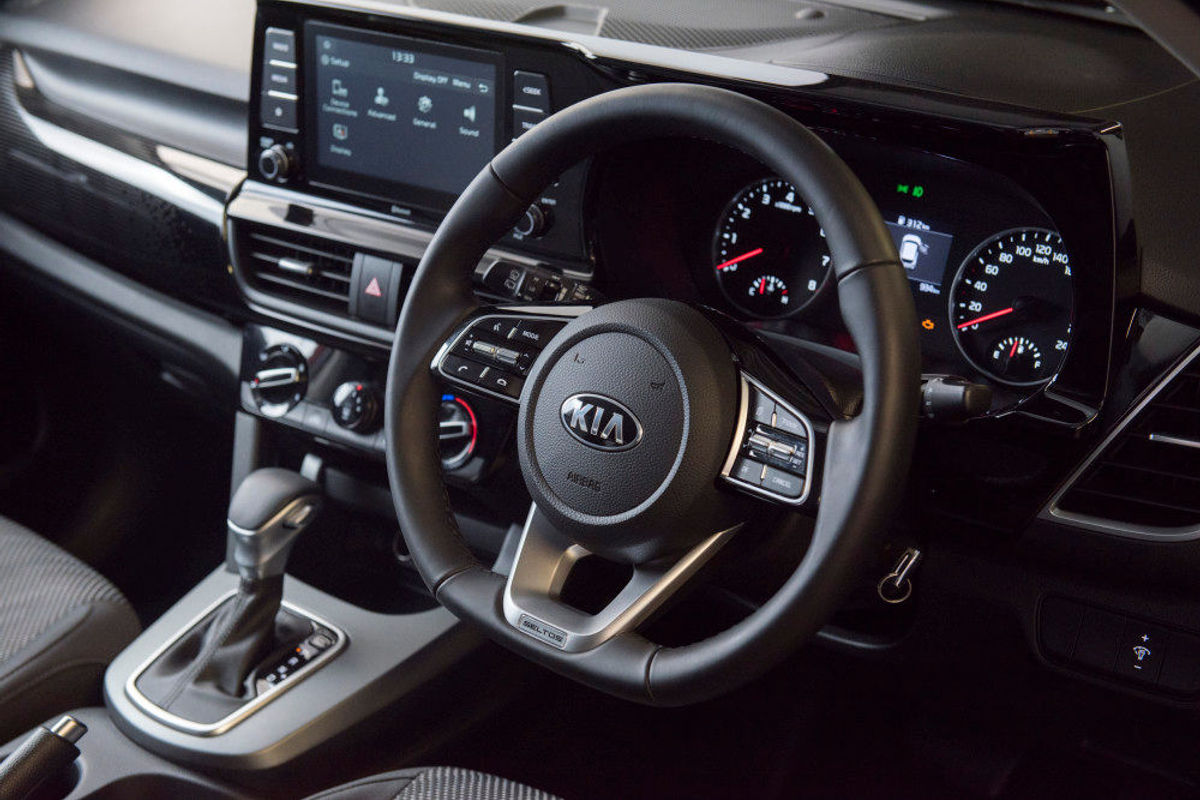
As promised, Kia has introduced a diesel-powered Seltos to market in South Africa! See specifications and pricing below…
When Kia launched the Seltos compact family car locally late in 2019, iit was only available with a pair of petrol engines, but Kia did promise to introduce a diesel engine to the Seltos range and now, 8 months since the initial Seltos launch, that promise has now come to fruition.
“South Africa was the first export market for the Seltos, and its combination of sharp design, generous space and solid build quality has proved great sales success,” comments Gary Scott, CEO, KIA Motors South Africa. “We are confident that the new turbodiesel variants will continue to surprise and delight customers.”
The new diesel Seltos is powered by a 1.5-litre turbodiesel engine that produces 86 kW and 250 Nm of torque and is offered in conjunction with either a 6-speed manual or 6-speed automatic transmission.
Furthermore, this new diesel derivative will be offered in 2 trim levels including EX and the higher-spec EX+.
However, the EX grade can be had in both manual and automatic guise while the EX+ grade is offered in automatic guise only.
Standard Features
The diesel-powered Seltos is offered in EX or EX+ guise, with the latter only offered with an automatic transmission.
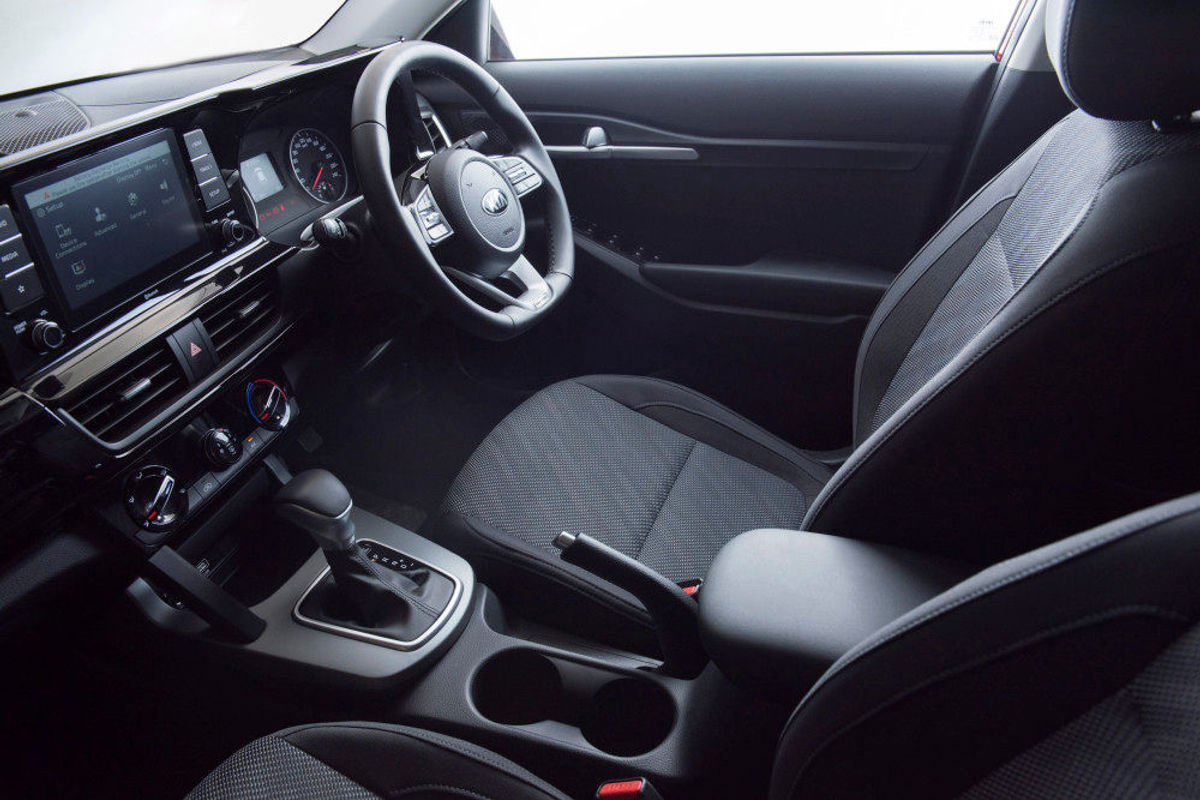
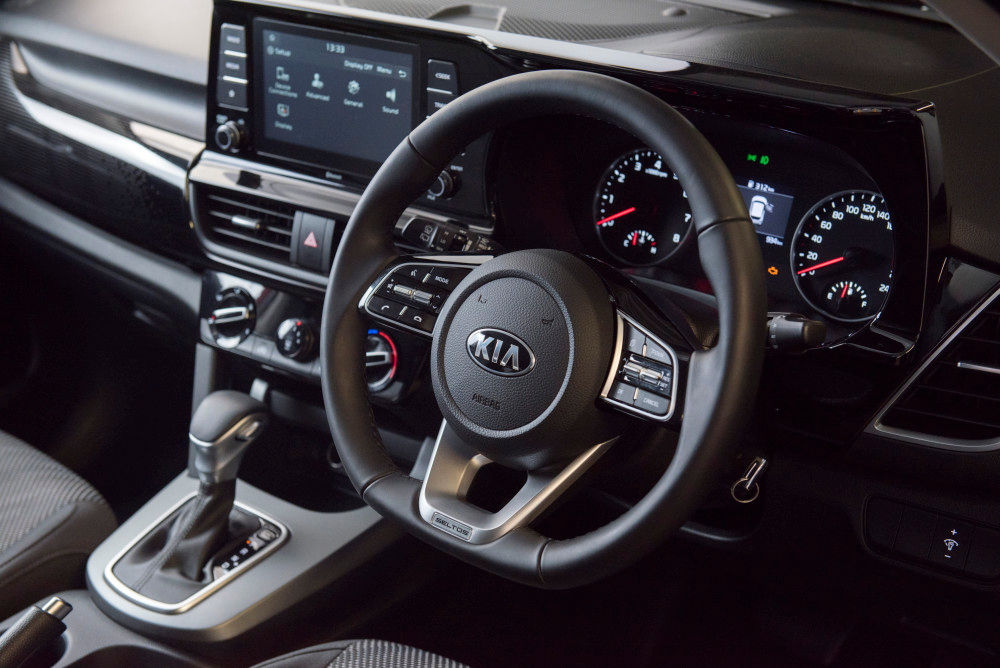
In terms of standard features, the Seltos diesel in EX guise offers air-conditioning, automatic headlight control, electrically adjustable side mirrors with integrated indicators, cloth upholstery, steering wheel-mounted controls, electric windows and cruise control. An 8-inch colour touchscreen infotainment system is fitted and incorporates a radio with RDS, linked to 6 speakers. Apple CarPlay and Android Auto for smartphone mirroring is part of the package as well as Bluetooth connectivity with voice recognition and USB ports for front and rear passengers. A full-sized spare wheel is standard.
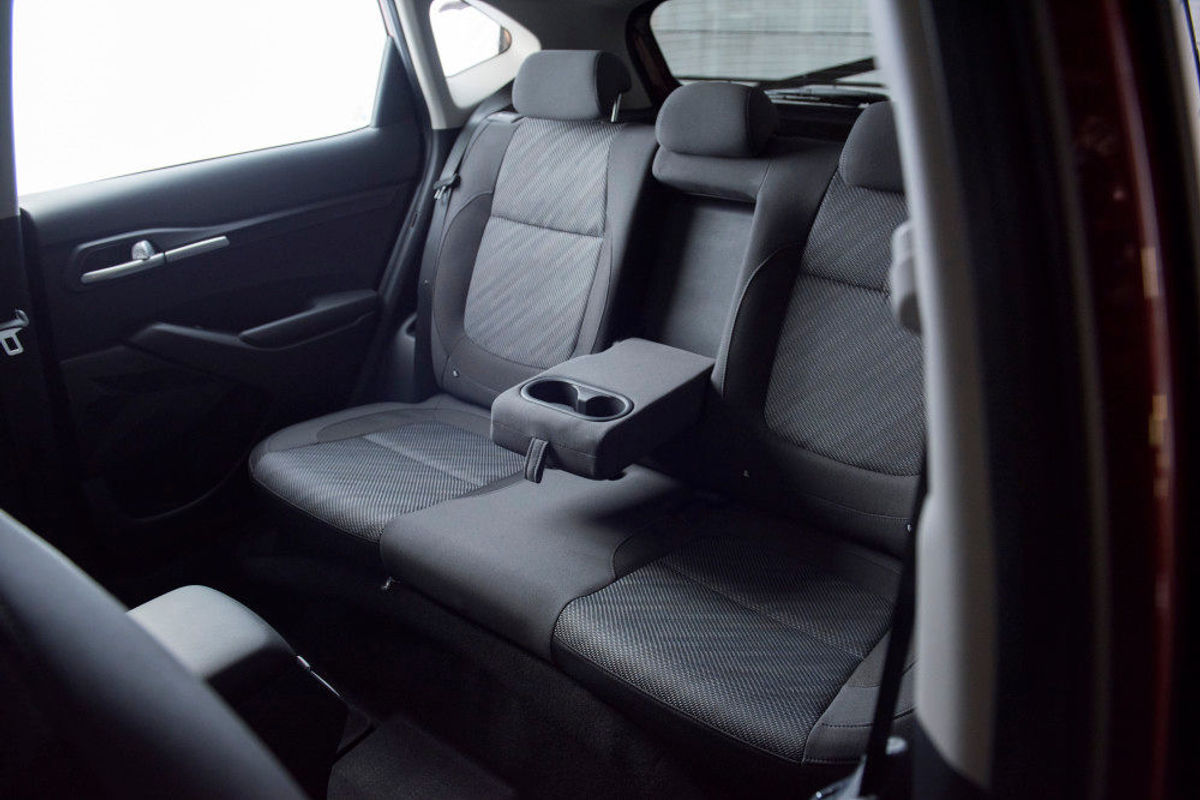
In addition to the features offered on the EX grade, the EX+ grade adds leather upholstery, electrically-folding side mirrors and a armrest in the centre console with an integrated storage bin.
On the safety front, all Seltos derivatives are equipped with 6 airbags, ABS with EBD and brake assist. Isofix child seat mounts are also standard. More than this, rear park distance control along with a rear reverse camera is a useful addition to the standard features list as is central locking and immobiliser. EX+ derivatives are further equipped with hill-start assist and electronic stability control.
It’s worth noting that we were mostly impressed by both the petrol-powered Seltos derivatives and we look forward to putting this diesel Seltos to the test soon. Be sure to check out our reviews on the Seltos for some valuable insights.
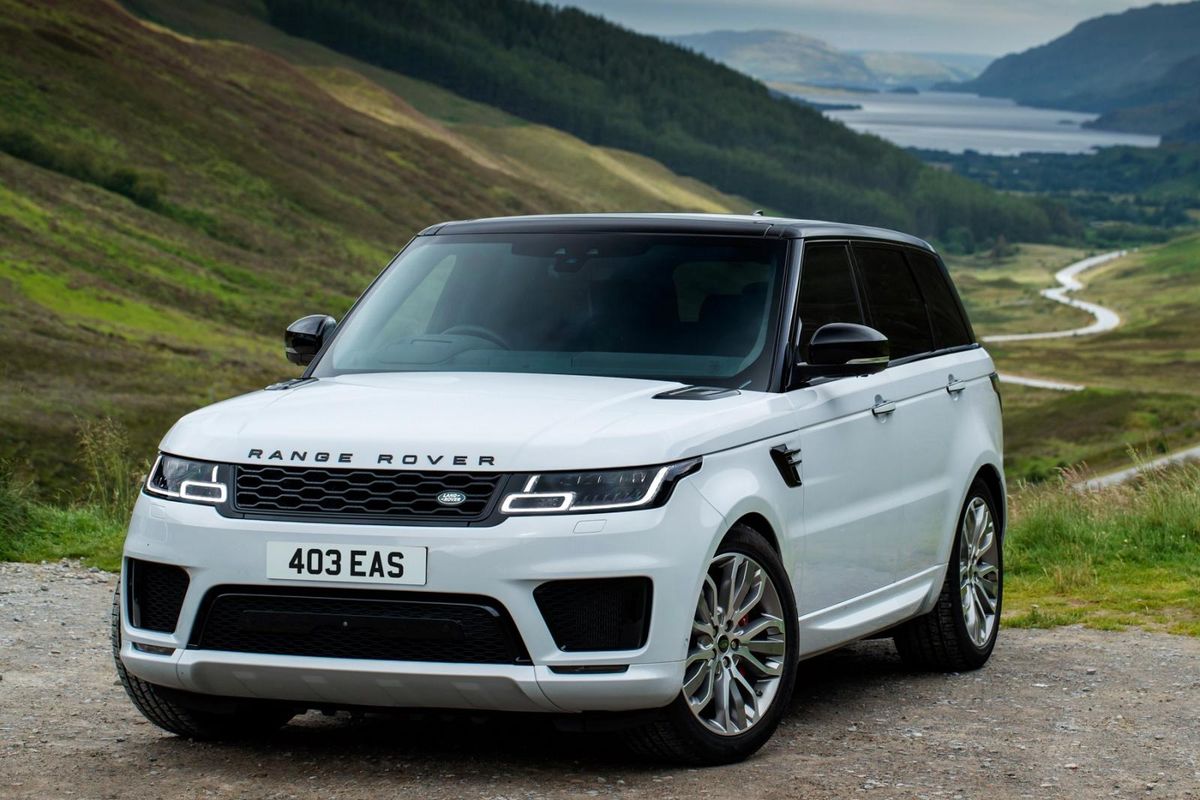
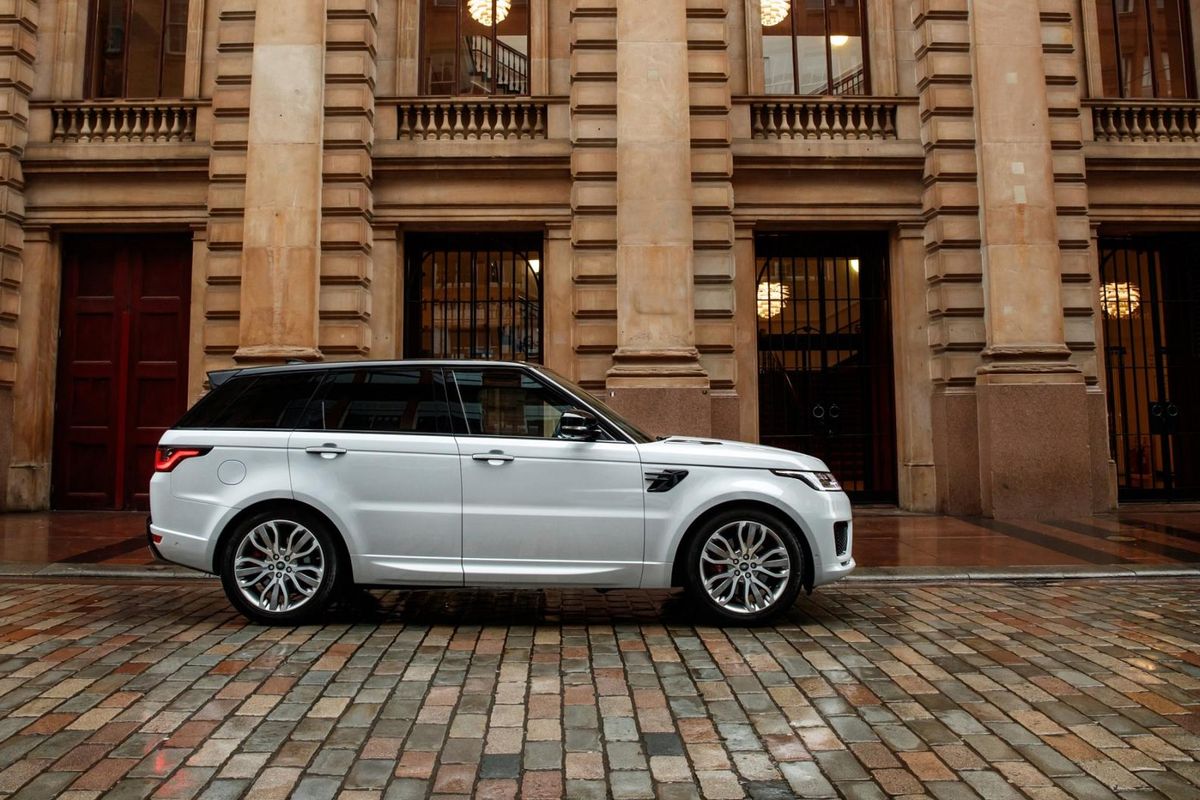
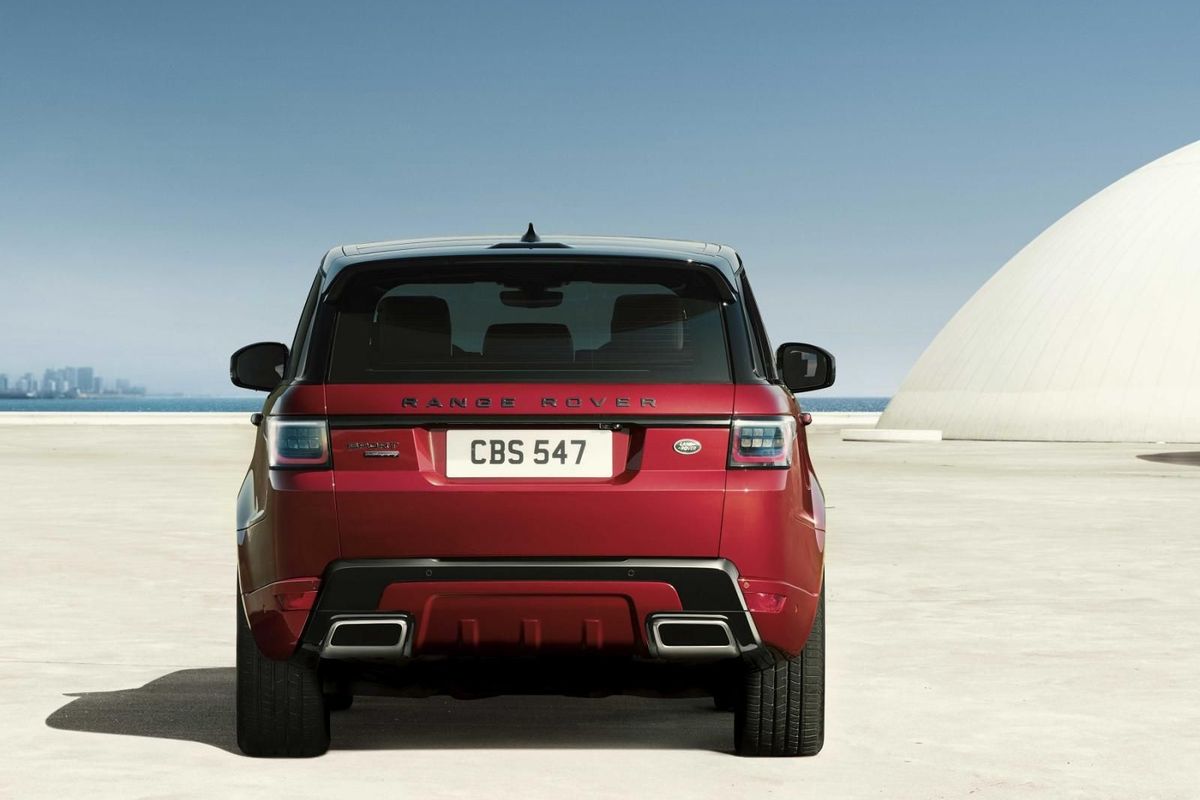
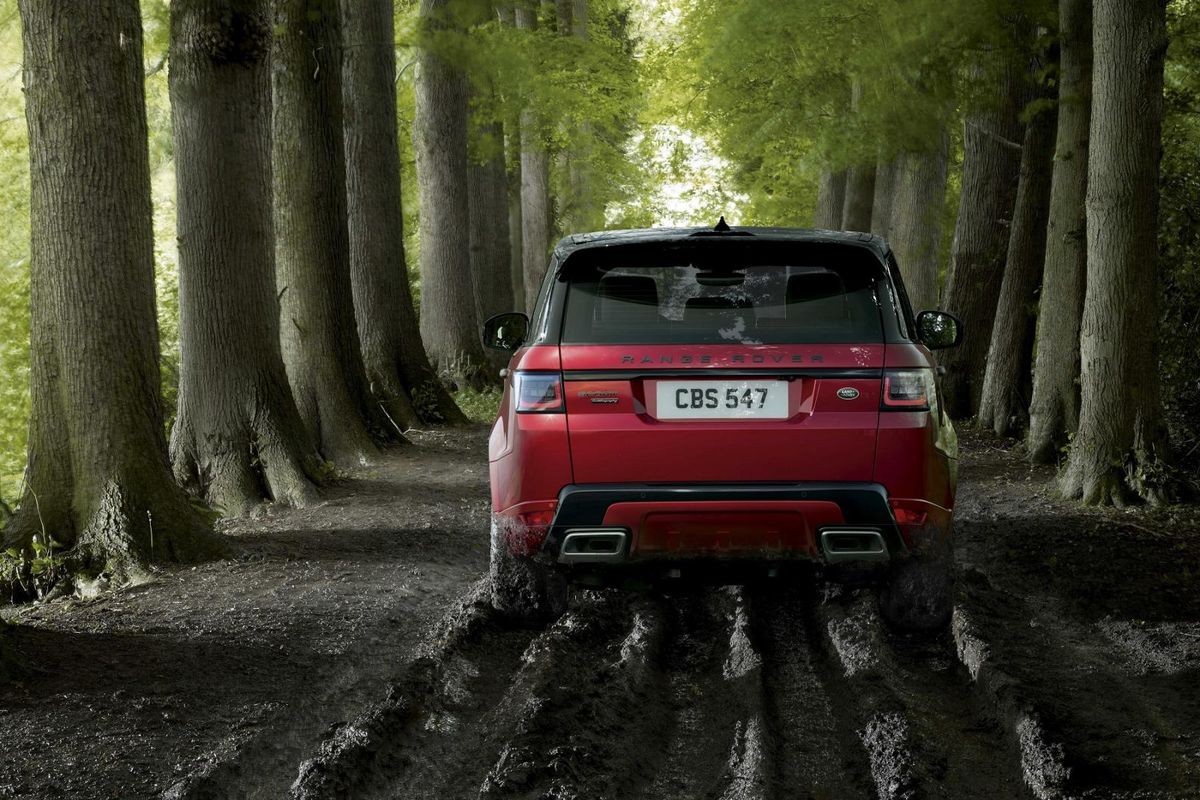
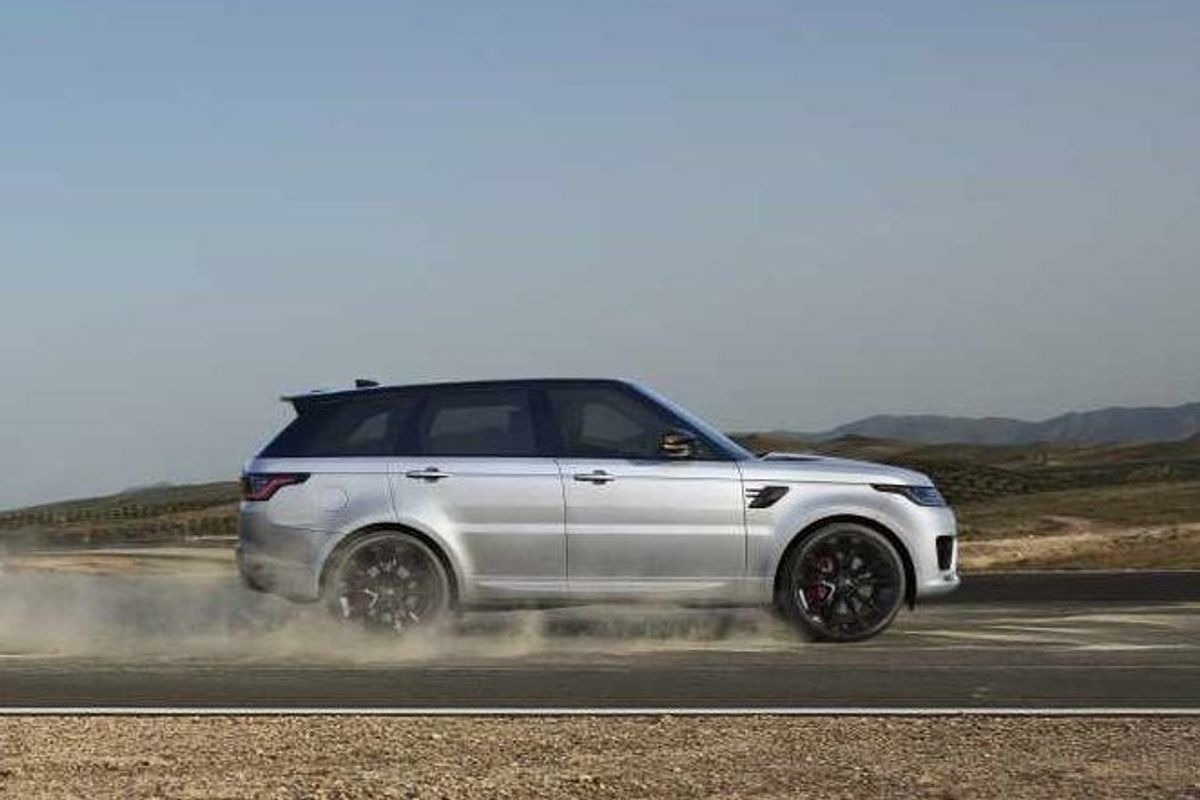
The Range Rover Sport has been given a few updates and upgrades for the 2021 model year. Here's a guide to the changes.
Headlining the changes is a new generation of engines. These new straight-six Ingenium diesel motors bring 48V mild-hybrid diesel tech to the range for the first time and are available in a multitude of flavours. The new engines are badged as D250, D300, D350 and will have power outputs from 183 kW to 258 kW.
These new engines meet Real Driving Emissions Step 2 (RDE2) standards and Euro 6d standards, meaning they're cleaner than before. At the top of the range sits the D350 which boasts a monstrous 700 Nm and is good for 0-100 kph in 6.9 seconds. There will also be a plug-in hybrid model, badged as a P400e. It has a 221 kW Ingenium petrol motor mated to a 105 kW electric motor, giving it an acceleration figure of 6.7 seconds, but impressively it can travel up to 41 km on pure electric power.
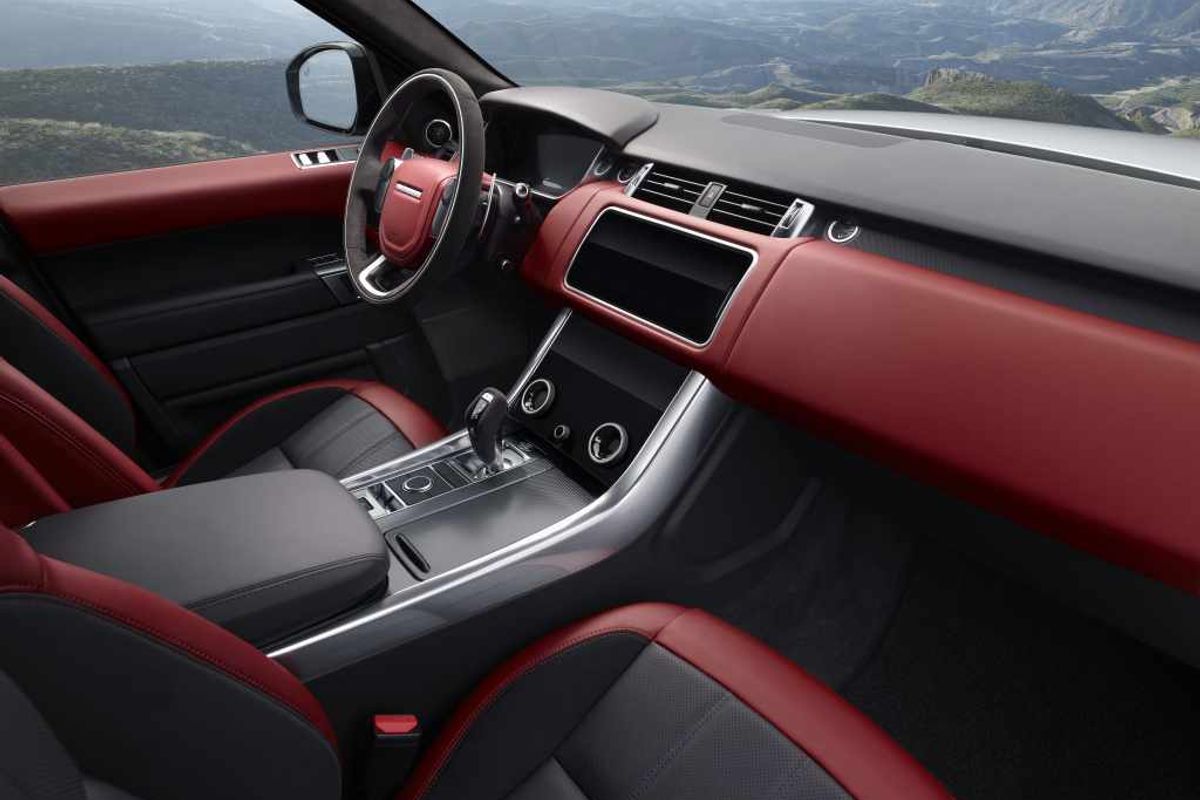
The 21 model year range Range Rover Sport also gains enhancements to its connectivity and security. Android Auto and Apple CarPlay is standard across the range and Range Rover claims you can have up to 8 wifi connections for the driver and passenger. Spotify is embedded into the car and subscribers of that service have instant access to the online audio library. The introduction of an uprated cabin air ionisation system will keep the air of the cabin cleaner and healthier than before.
Range Rover is offering its entire arsenal of safety and driver assistance tech for the new Sport and customers can opt for the Drive Pro packs, plus Park and Park Pro packs. Being a premium product, gadgets such as a configurable Interactive Driver Display and Head Up Display are available.
South African availability
Jaguar Land Rover SA has said the Ingenium diesel engines with 48V Mild Hybrid Electric Vehicle (MHEV) tech will be introduced to the South African market at a later stage.
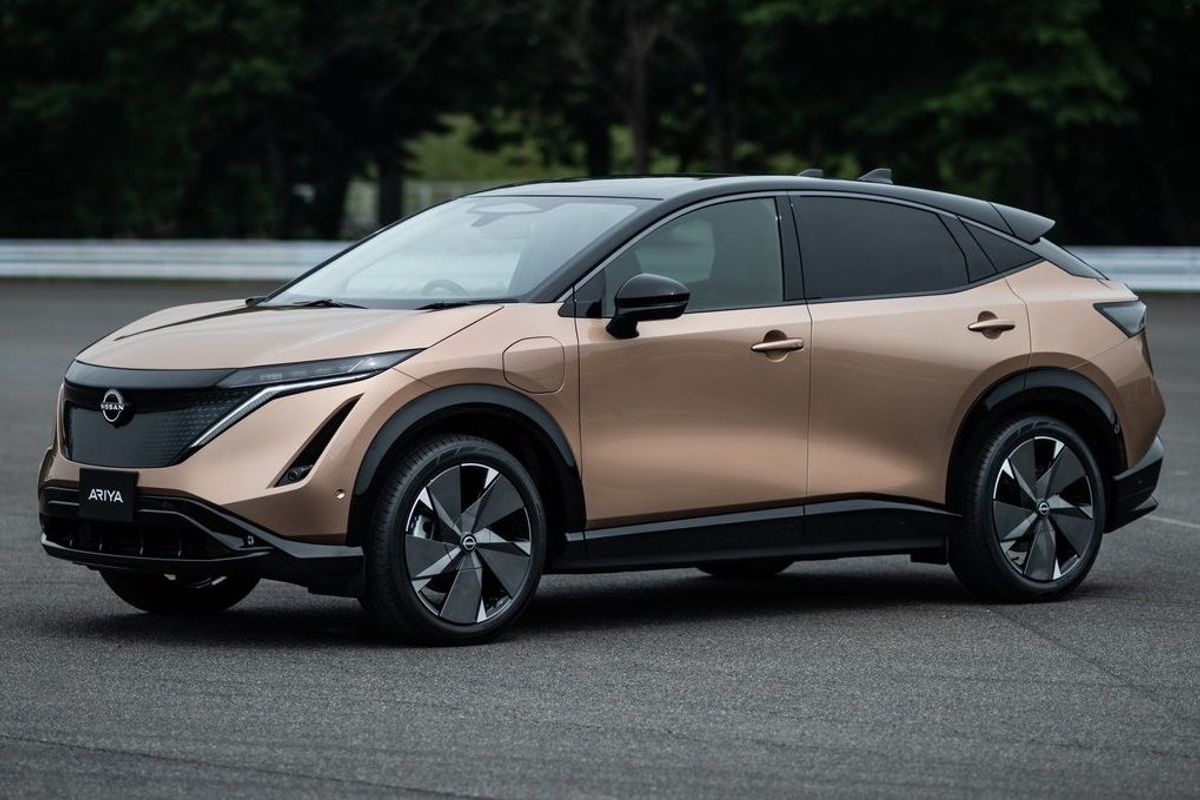
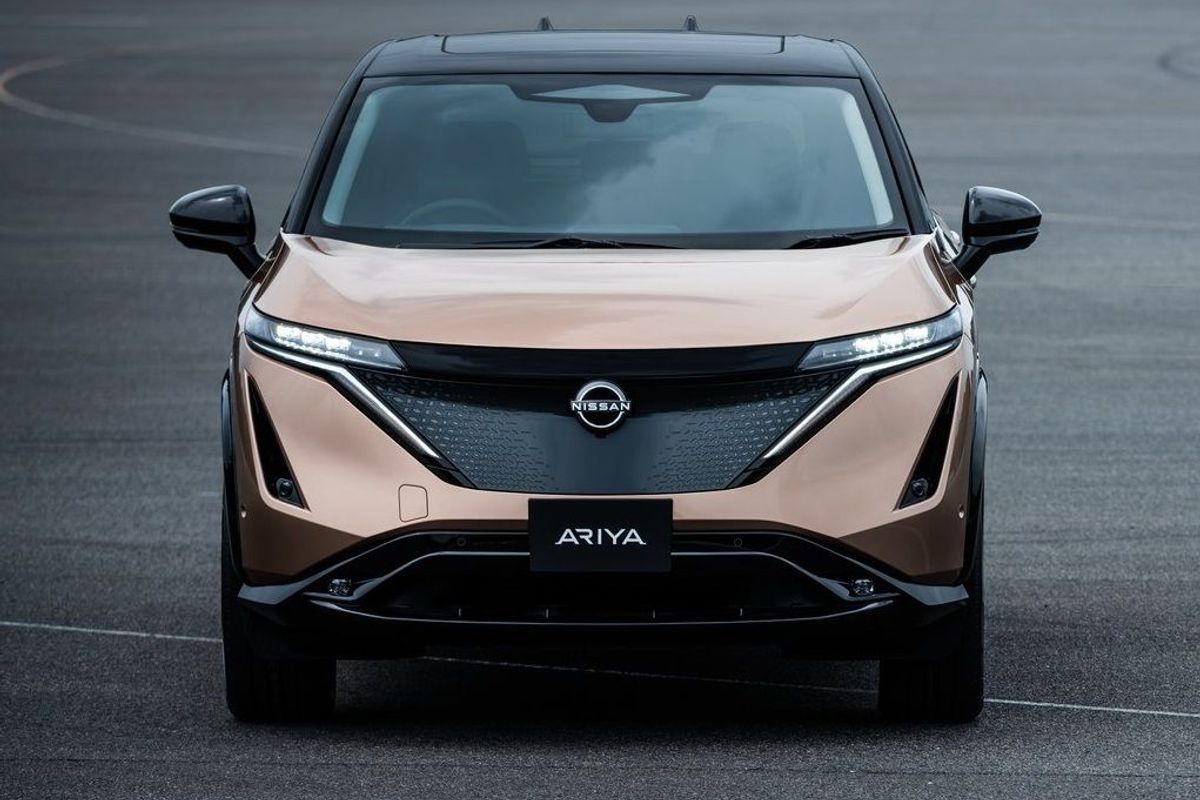
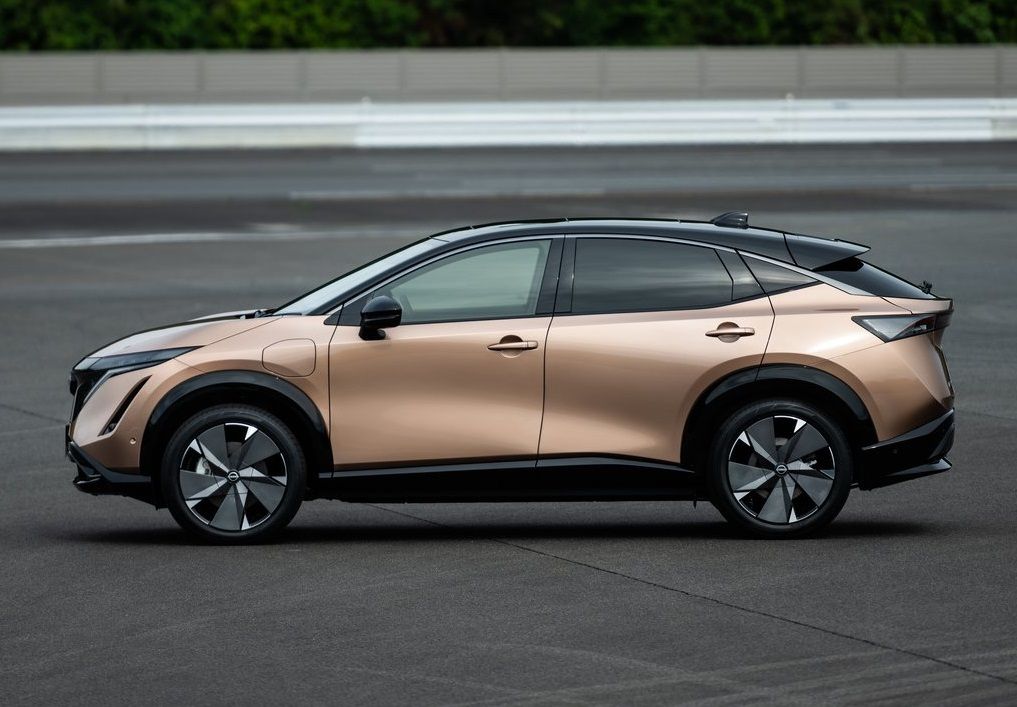
Nissan has revealed the new Ariya EV crossover as part of its Nissan Next transformation plan, blending the brand's crossover strength and vast EV experience. See details for the Ariya below…
Many car manufacturers are focusing their strategies on the development of Electric Vehicle (EV) technology which is expected to become more prolific in coming years as traditional Internal Combustion Engine (ICE) vehicles receive less attention and budget.
Nissan is no stranger to electric mobility and the LEAF has been spearheading the brand’s electric efforts for many years already. The forthcoming Ariya, however, is an important vehicle for Nissan as it will represent Nissan’s EV future which will also lead the way for future autonomous driving technology. Nissan plans to launch 12 new models over the next 18 months and the Ariya will play an important role in capitalising on the rising growth of EVs worldwide with the expectation of EV/e-Power sales of over 1-million units to materialise by the end of the fiscal year 2023.
“The Nissan Ariya opens a new chapter in our history as we begin our journey of transformation in our business, in our products, and in our culture,” Uchida said. “It defines what matters to Nissan, represents what we stand for, and embodies the essence of who we are: a passionate, innovative challenger.”
Key design features
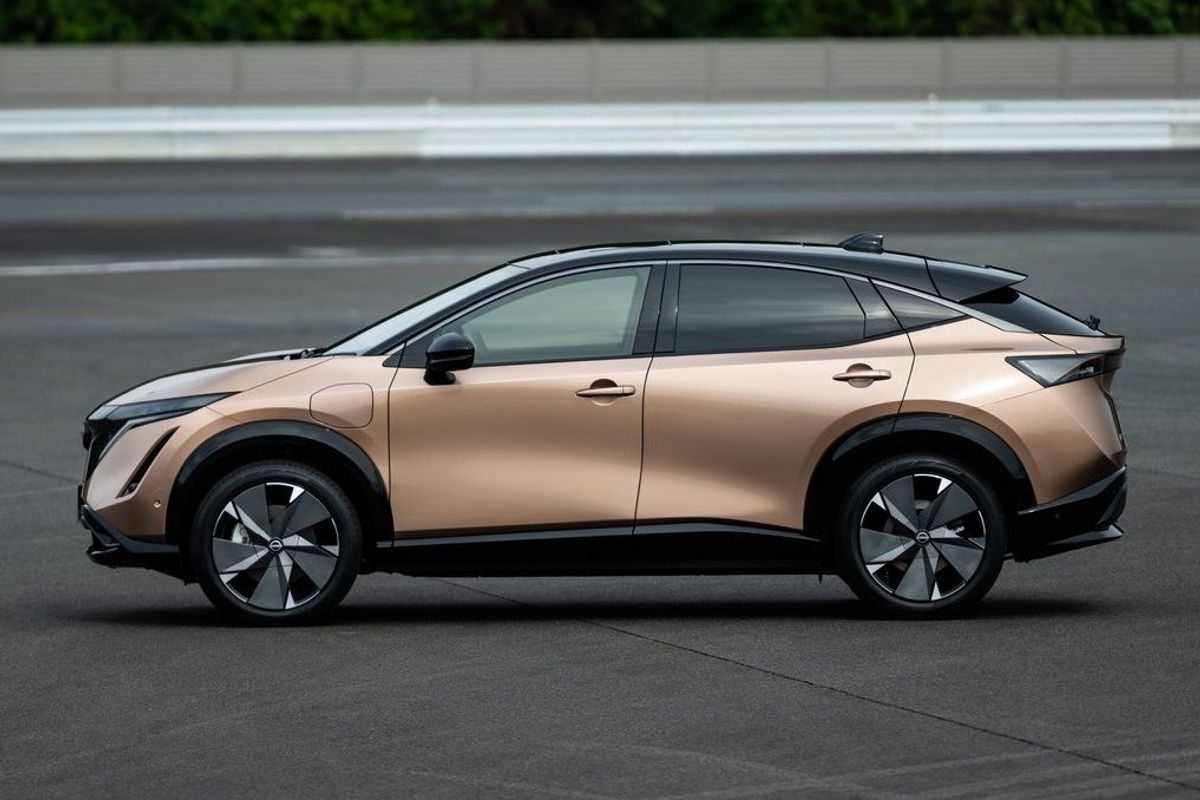
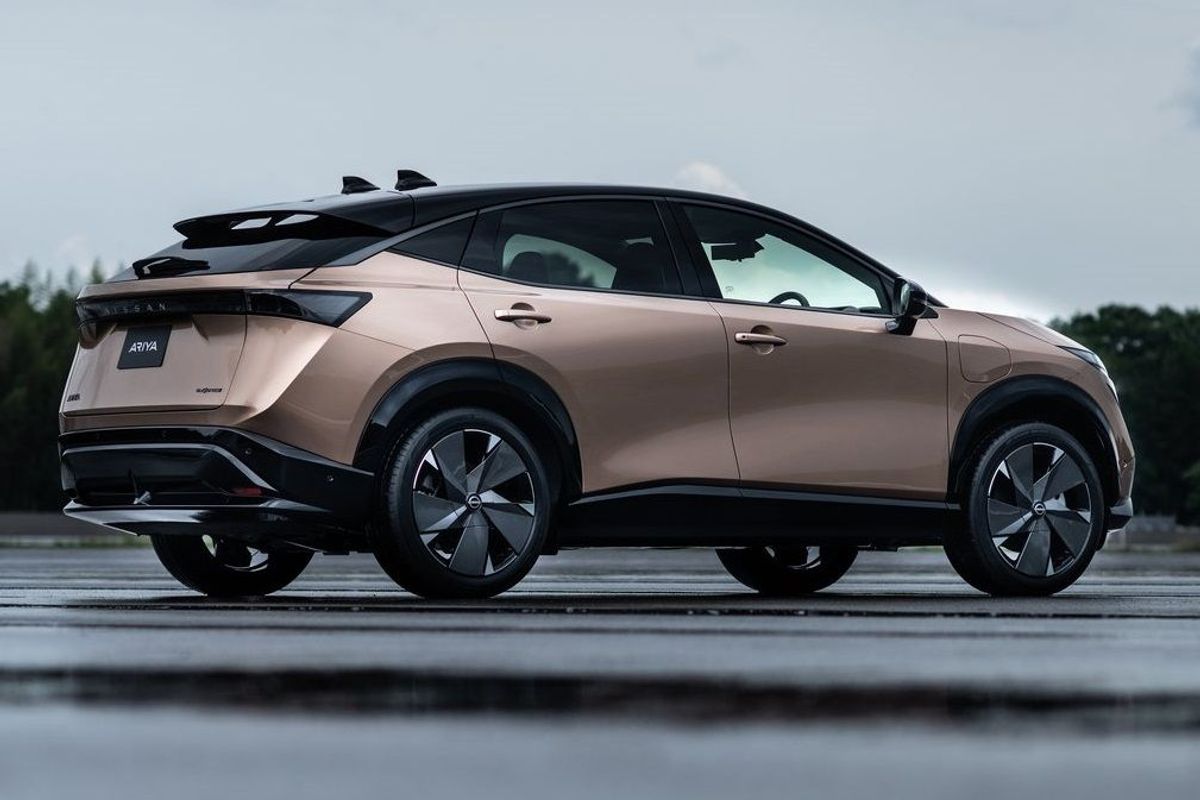
With an aerodynamic, coupe-like silhouette, the Ariya is sleek-looking.
In terms of design, the Ariya shares much of the design cues from the Ariya Concept on which it's based. Firstly, as this is a new chapter for the brand, Nissan has taken the opportunity to unveil its new logo which is seen for the first time on the Ariya. The Ariya features a sleek yet powerful design that intends to communicate the clean and powerful energy that Ariya represents.
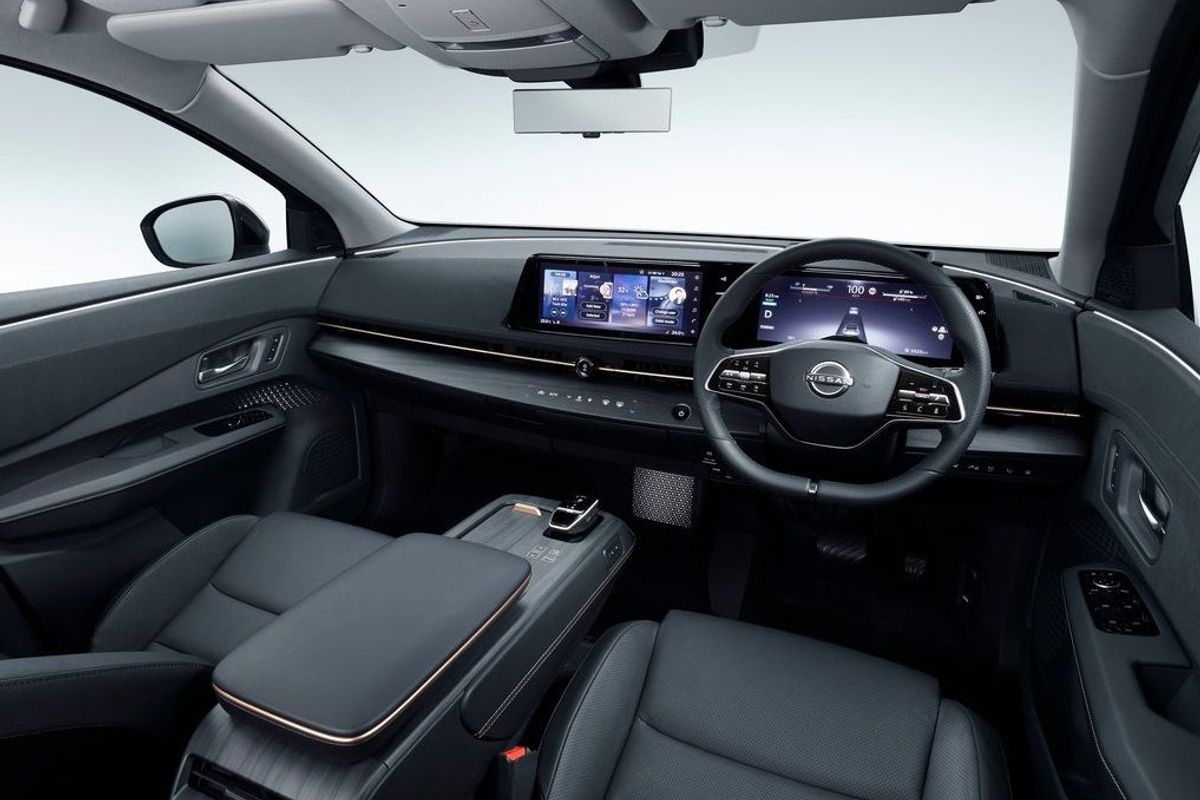
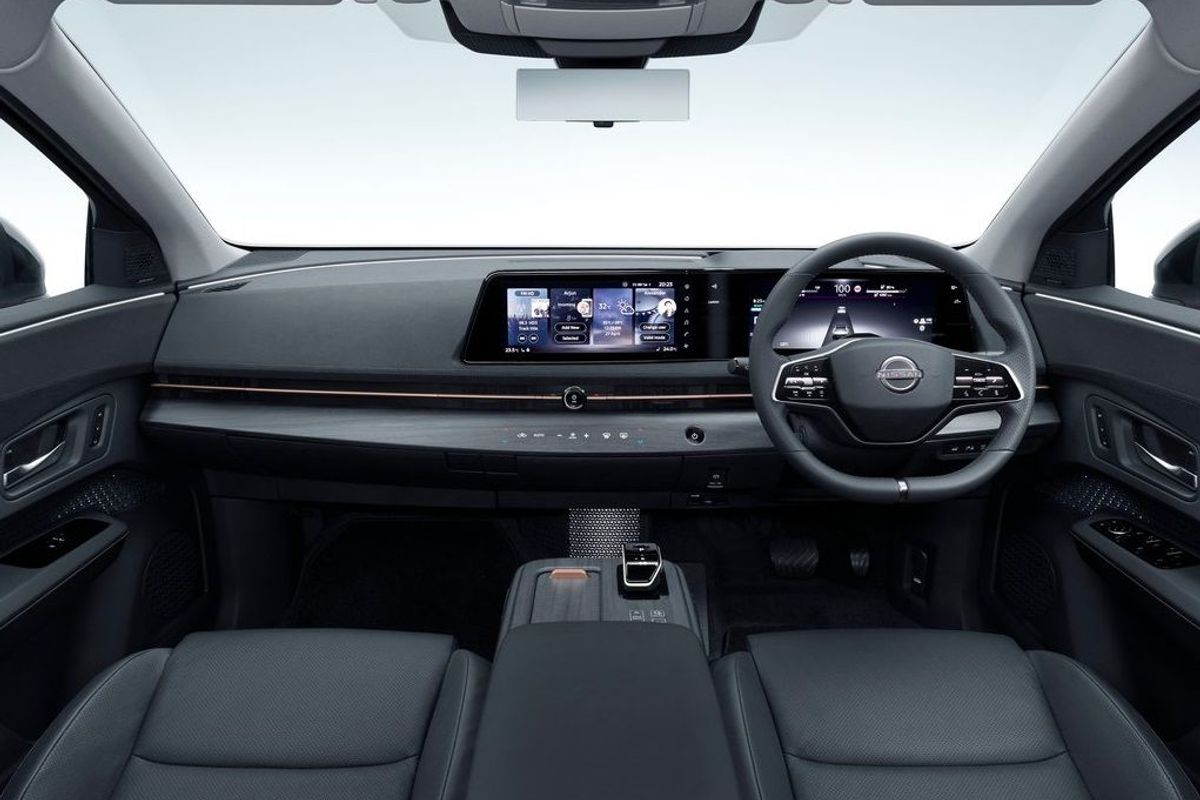
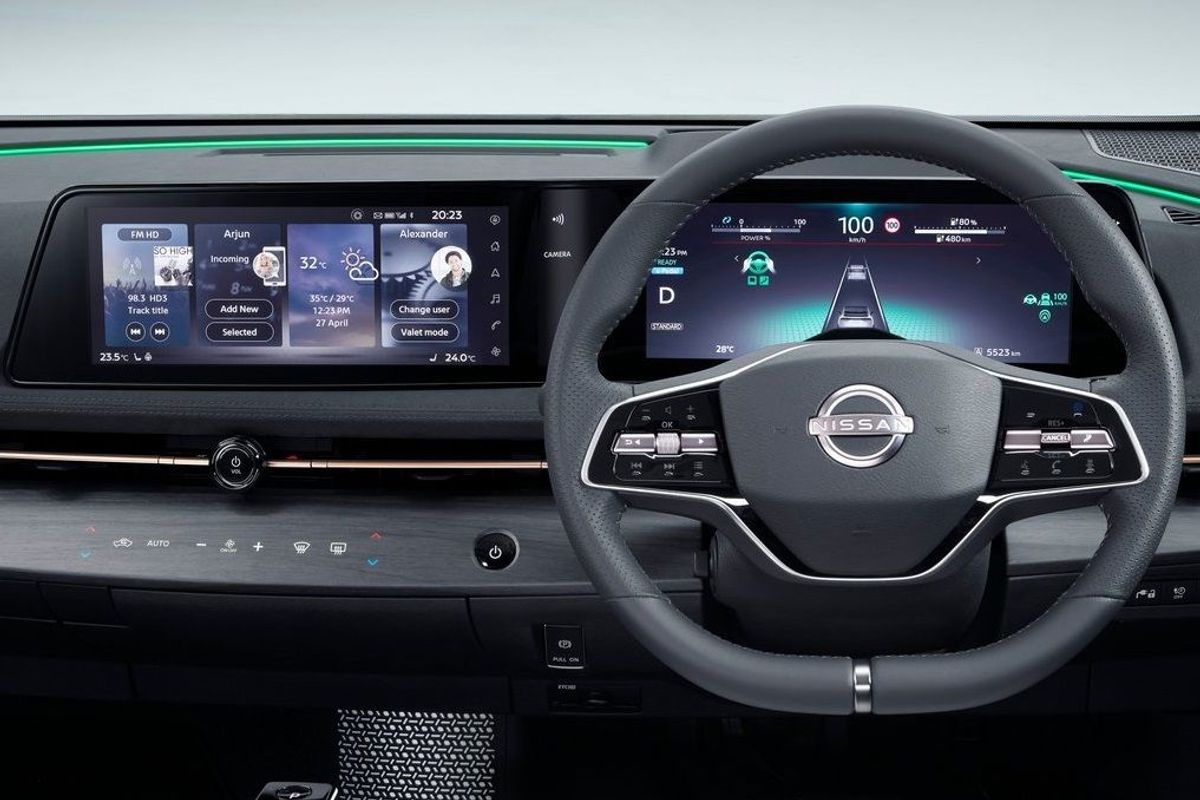
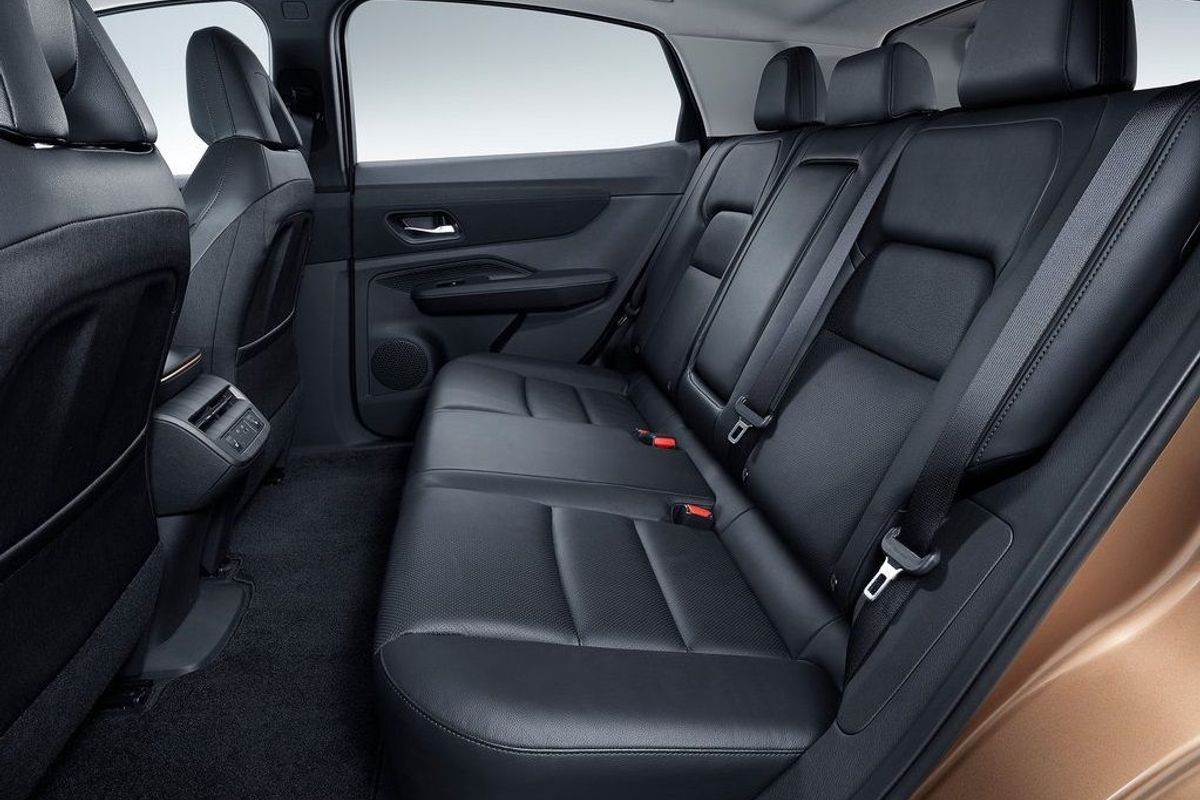
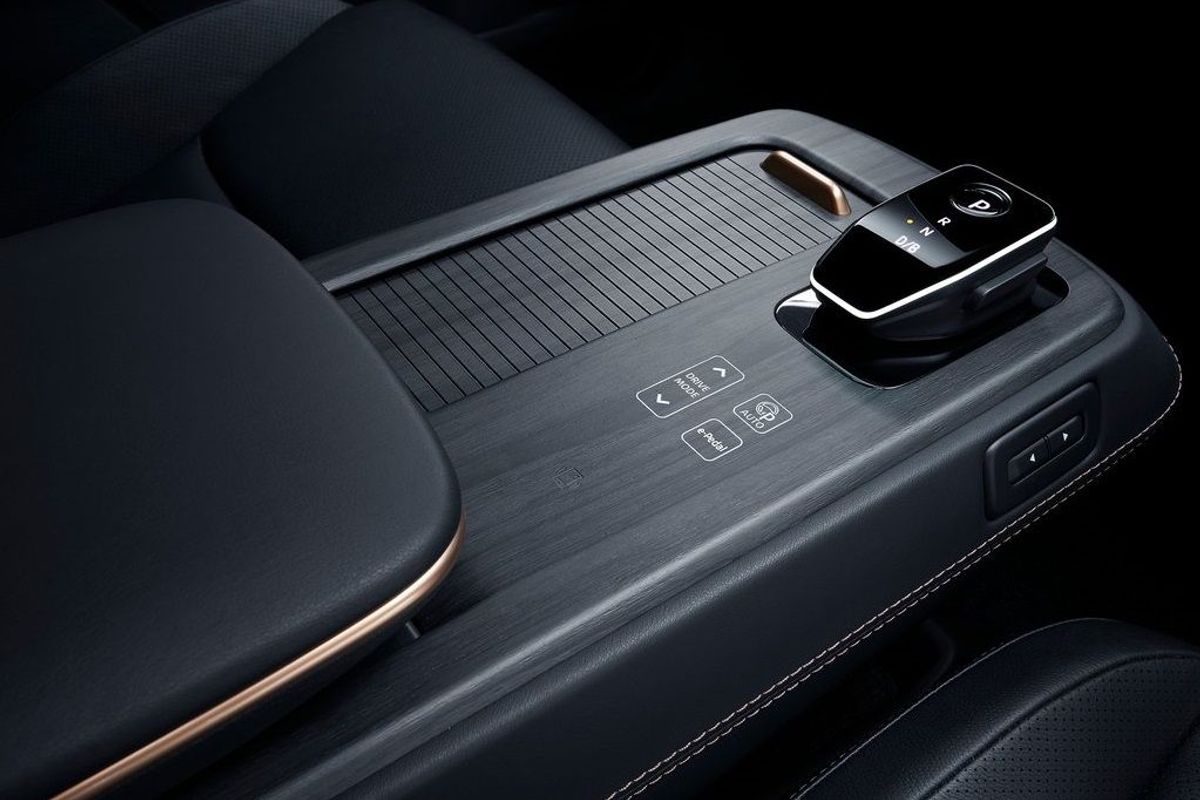
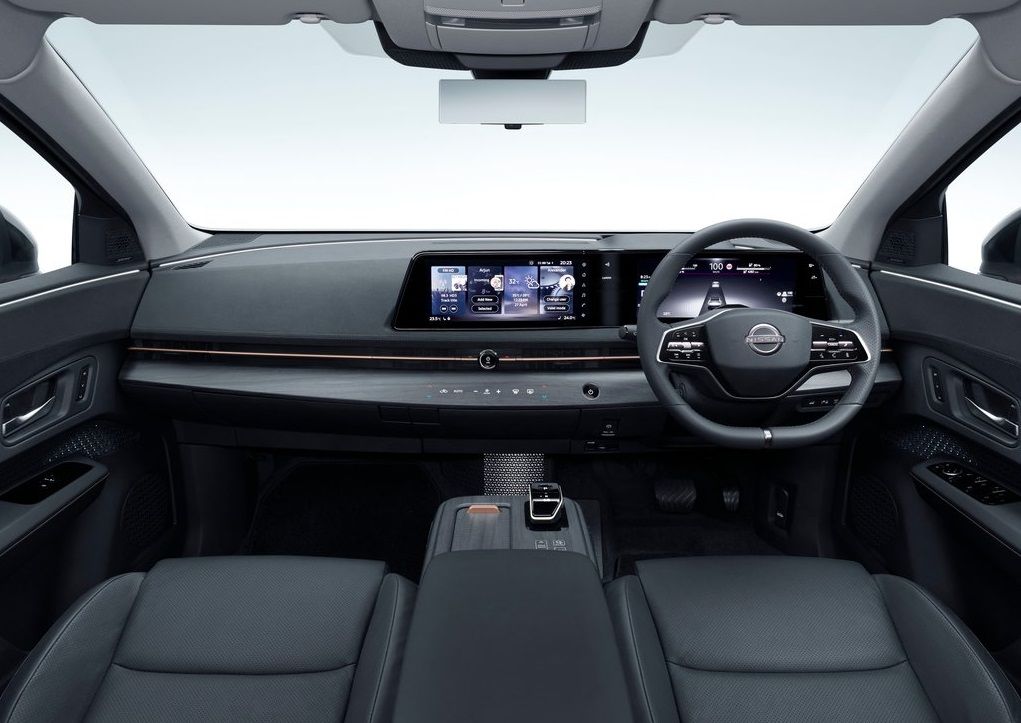
As for the interior, the production Ariya has adopted most of the concept's clean and minimalistic interior design features, including the large digital screens and the integrated haptic touch controls on the instrument panel. The Ariya features a spacious interior with a flat cabin floor and lounge-like seating. Much of the Ariya's functions can be managed with voice activation and comes equipped with Amazon Alexa as well as an intelligent route planner. The touchscreen works much like a smartphone with swiping, pinching and so forth. More so, the Ariya's software is updated over-the-air without having to visit a dealership.
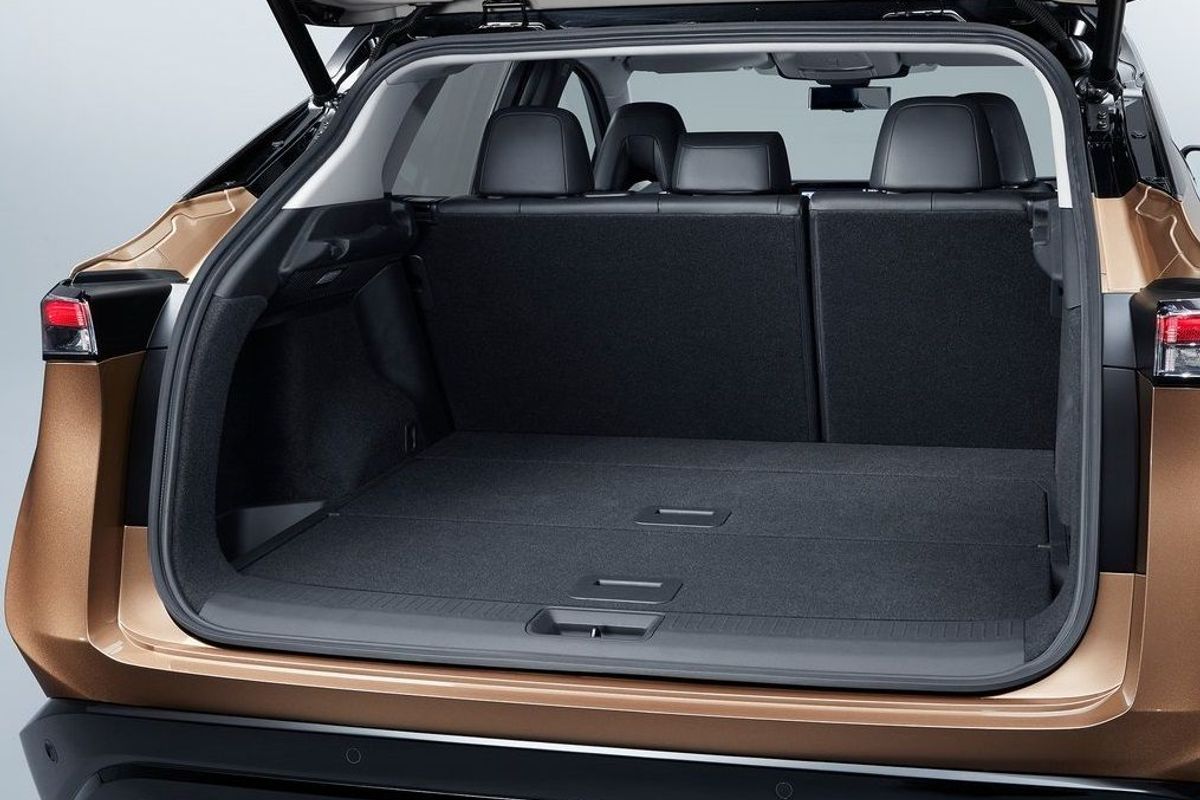
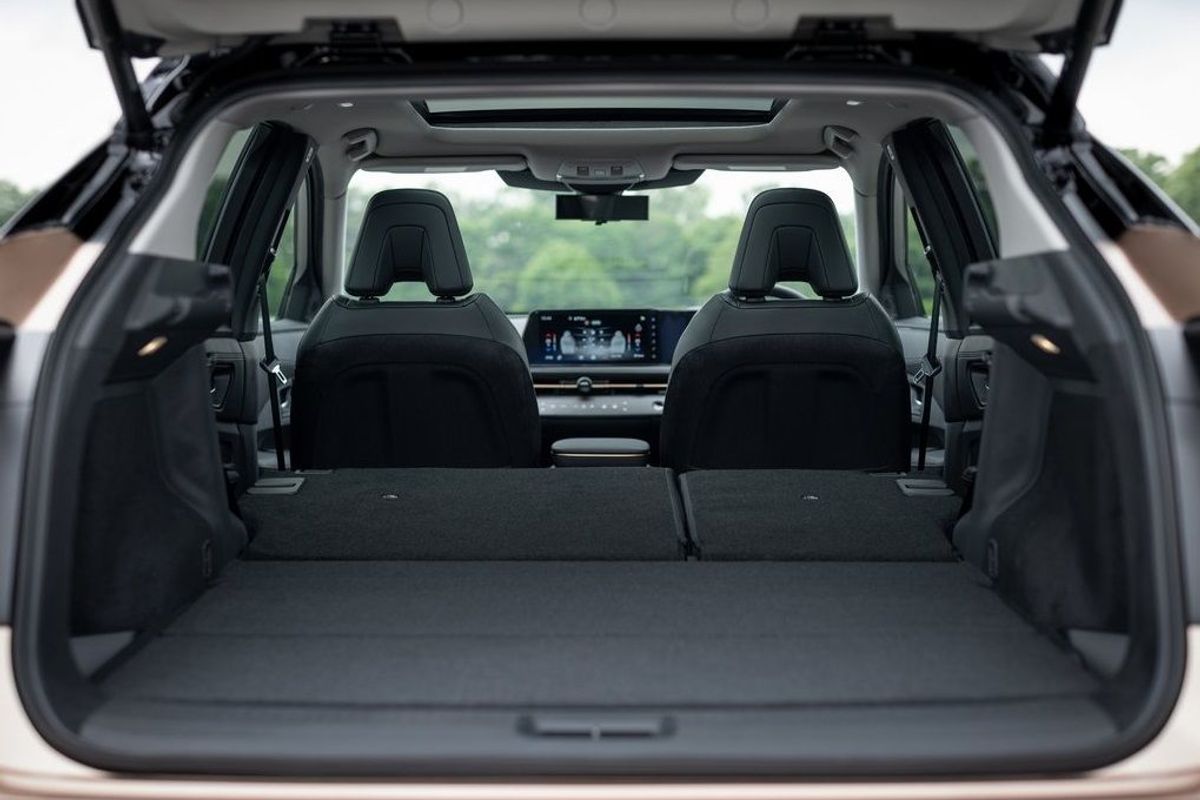
Luggage space is claimed at between 408 litres (4WD) and 466 litres (2WD).
The interior retains much of the design from the Ariya Concept and features high levels of connectivity.
Technology and Power
The production Ariya is a showcase of Nissan Intelligent Mobility and incorporates a host of advanced driver assistance systems. The Ariya is equipped ProPilot 2.0 which combines navigated highway driving with hands-off single-lane driving capability. Using the navigation and 360-degree sensing, the vehicle can autonomously execute actions such as overtaking, lane diversions and lane exits. Other features include Remote Park, an e-Pedal as well as Nissan's safety shield which incorporates Intelligent Around View Monitor, Intelligent Forward Collision Warning, Intelligent Emergency Braking and Rear Automatic Emergency Braking technology.
Built on a new EV platform, the Ariya features a dual electric powertrain with an electric motor over each axle, effectively giving it all-wheel-drive capability. However, Nissan will offer 4 derivatives of the Ariya to customers with a choice of either 2 – or 4-wheel-drive layout and with a choice of 2 battery outputs of either 65 kWh or 90 kWh.
New Nissan logo showcases a more modern, electrified future for the brand.
As for outputs, the Ariya 2WD with a 65 kWh will offer 160 kW and 300 Nm, while the 90 kWh battery in 2WD guise will offer 178 kW and 300 Nm. With 4WD, outputs increase to 250 kW and 560 Nm with the 65 kWh battery while the 90 kWh Ariya will offer 290 kW and 600 Nm. Those numbers look mightily impressive on paper and it will be interesting to see how the Ariya performs in the real world.
Nissan previously said that the electric motors would ensure “powerful acceleration” and that power delivery would be equal to or better than many premium sports cars. In fact, Nissan says that the most potent Ariya can accelerate from zero to 100 kph in 5.1 seconds, which is faster than Nissan's 370Z sports car.
As for electric range, Nissan estimates 610 km based on the Japan WLTC and is subject to homologation. Nissan also pointed out that 375 km of charge can be recovered in 30 minutes using a high-power charger.
The new Nissan Ariya will go on sale in Japan in mid-2021 before being offered in other markets such as Europe, China and North America towards the end of 2021. Nissan South Africa has yet confirm if the Ariya will be offered in South Africa.
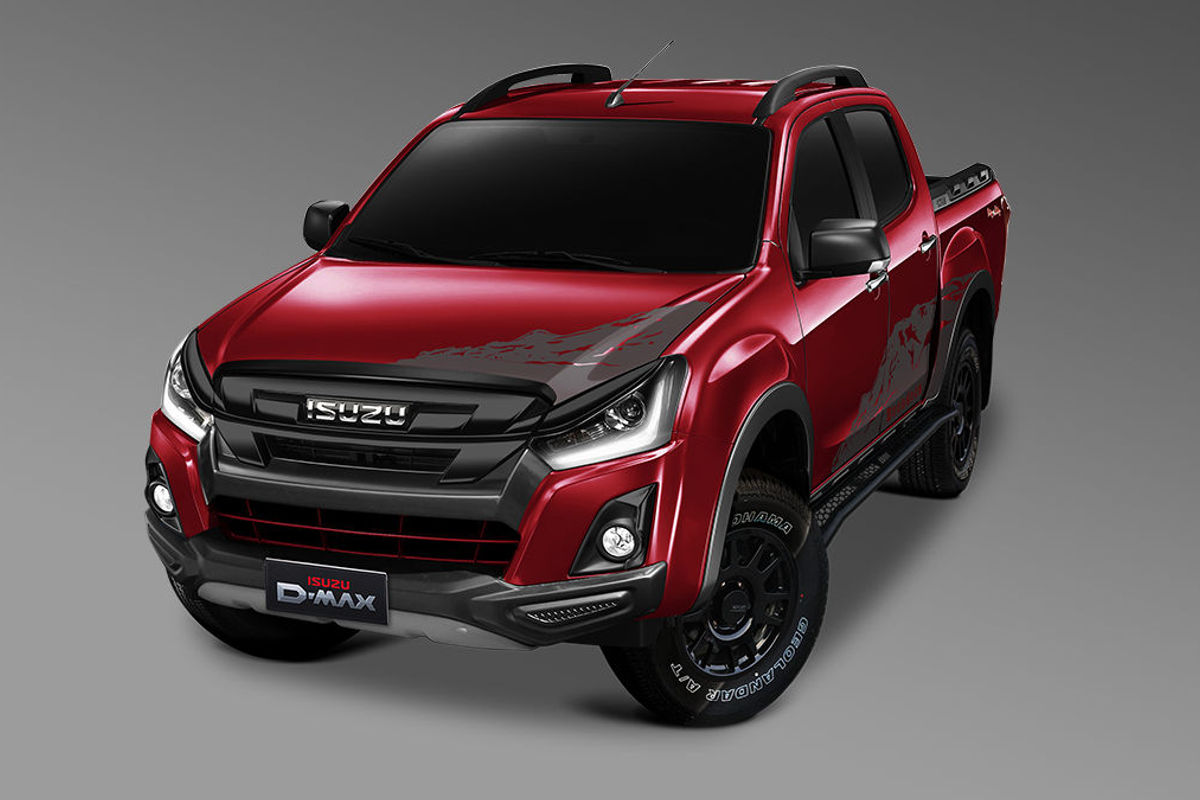
Isuzu fans might be waiting in great anticipation for the third-generation D-Max, but that does not mean the Japanese bakkie brand is completely done with its current double-cab.
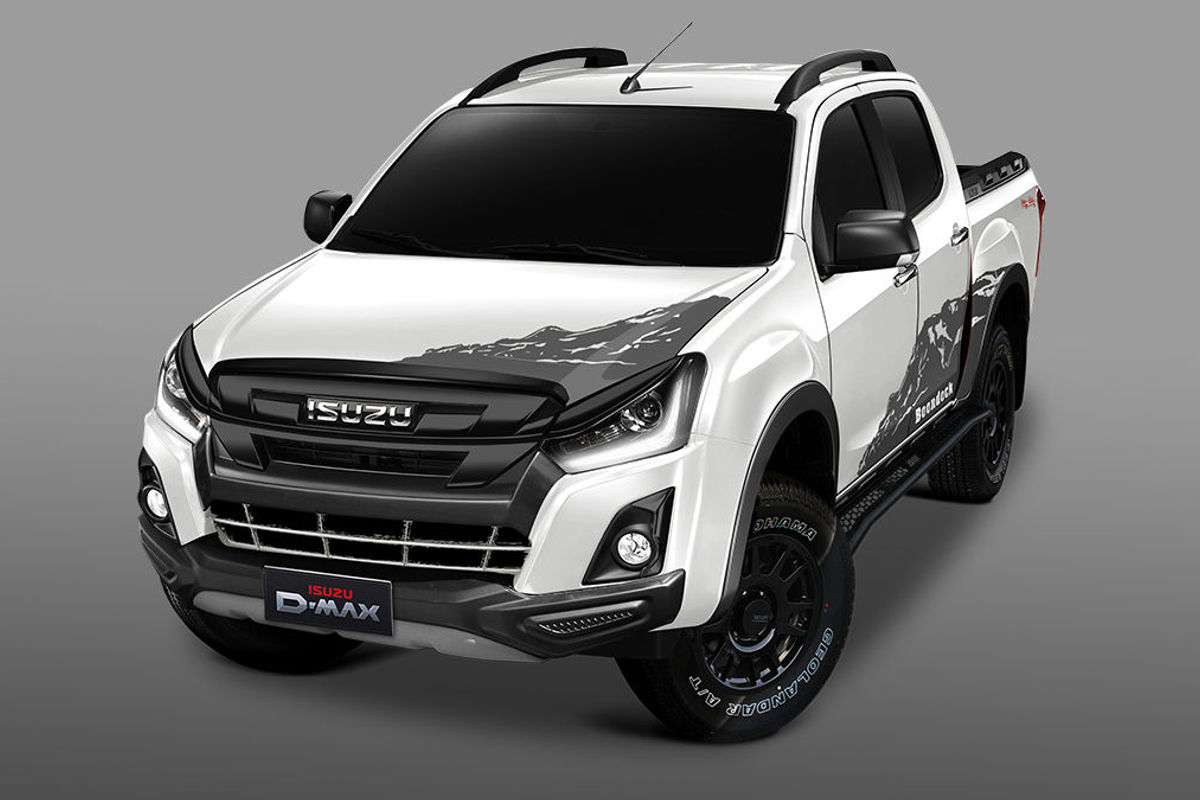
The new Boondock edition is certainly one of the very last second-generation D-Max upgrades that will come to market, as the third-generation version is due for its global rollout soon. It also shows what is possible with the Isuzu RT-series platform.
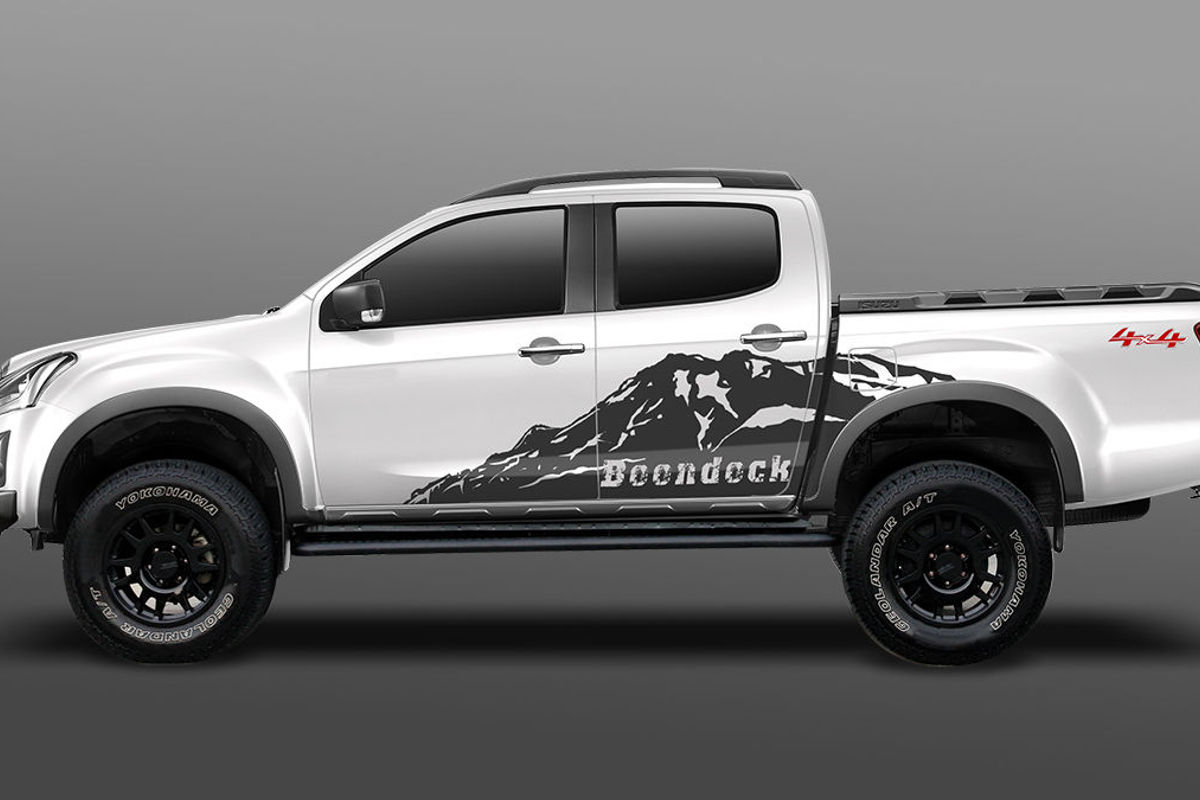
Distinguishing the Boondock from other D-Max double-cabs are bold mountain-themed side graphics, which spread across the doors and cabin pillars. Below the cab there are running boards, featuring a honeycomb structure, to ensure superior mud-shedding in off-road terrain.
Isuzu’s product team are not targeting leisure or lifestyle buyers with the Boondock edition D-Max. This double-cab is aimed at adventurous off-roading customers and as such, it rolls Yokohama Geolander G015 tyres, sized 265/70.
Mounted on blacked-out 18-inch alloy wheels, these tyres have adequate air-volume and sidewall strength, to allow for significant deflation, if additional traction is required in challenging off-road conditions.
Isuzu has chosen to leave the proven 4JJ1-TCX 3-litre turbodiesel engine untouched and in the Boondock application, it produces 130 kW and 380 Nm, as it would in any similarly powered D-Max double-cab. Both six-speed manual and automatic gearbox options are available with the Boondock.
The engine might be stock, but the suspension configuration is not. Isuzu has added nitrogen-filled monotube shock absorbers to all four corners, improving the bakkie’s ability to smooth out surface imperfections at speed. This should make it more comfortable and confidence-inspiring to drive at speed, on poorly maintained gravel roads.
Beyond cushioning the Boondock’s off-road ride quality, those new shocks also give it a slight increase in ride height. Whereas a standard D-Max double-cab 4×4 has 225 mm of ground clearance, the Boondock increases that to 247 mm.
For the moment, Isuzu is only committed to its Philippine market with the new D-Max Boondock. And no: it does not come with a preloaded Boondock Saints playlist, programmed into the infotainment system…
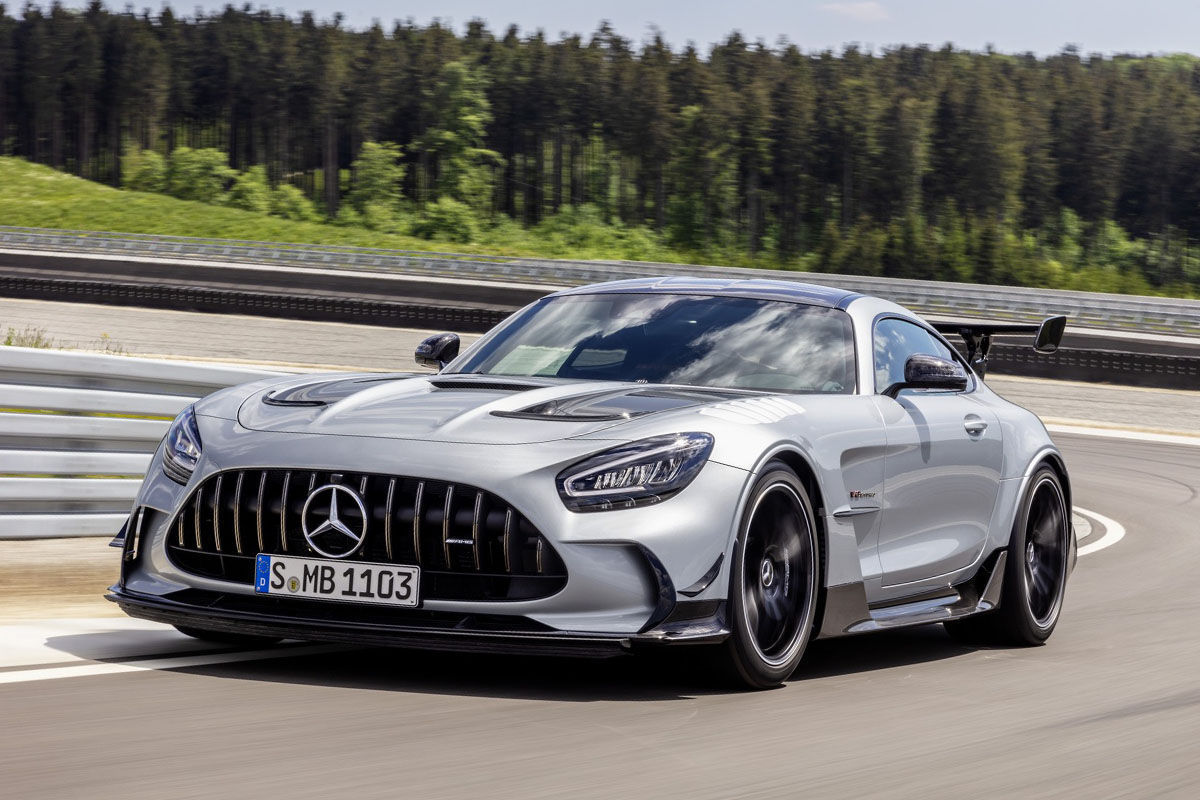
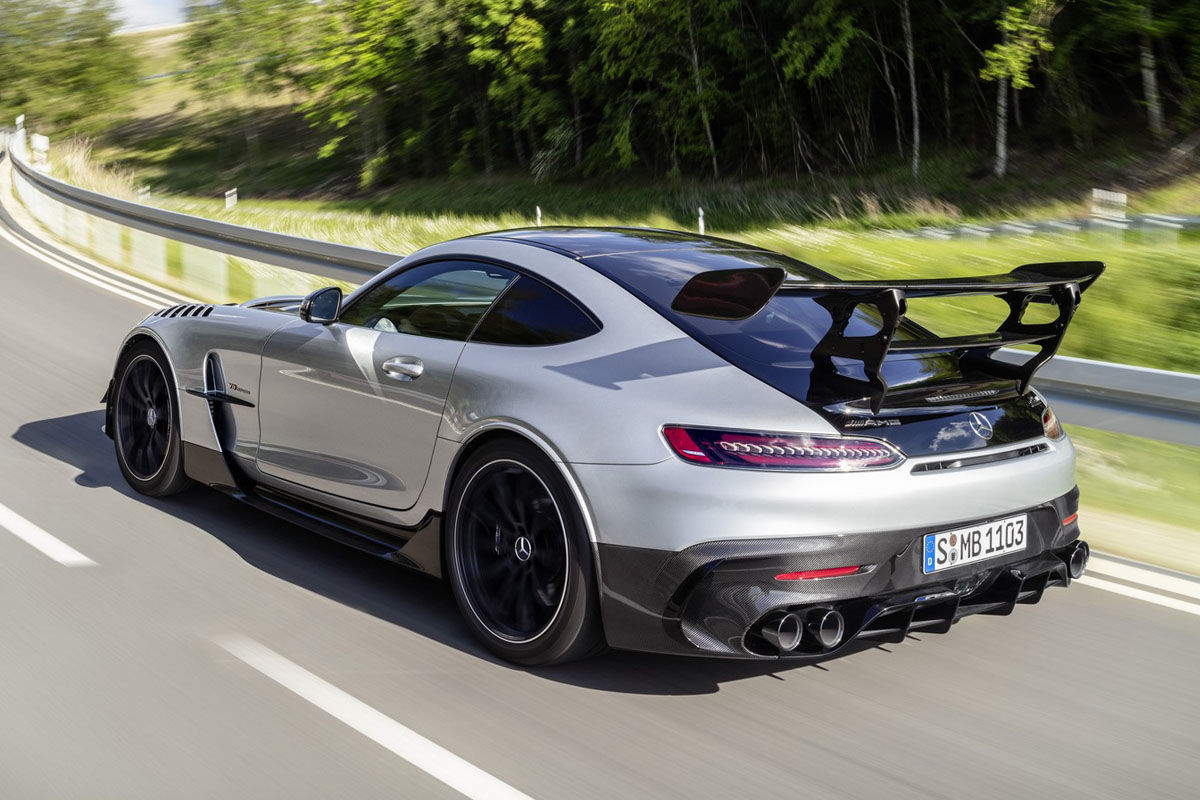
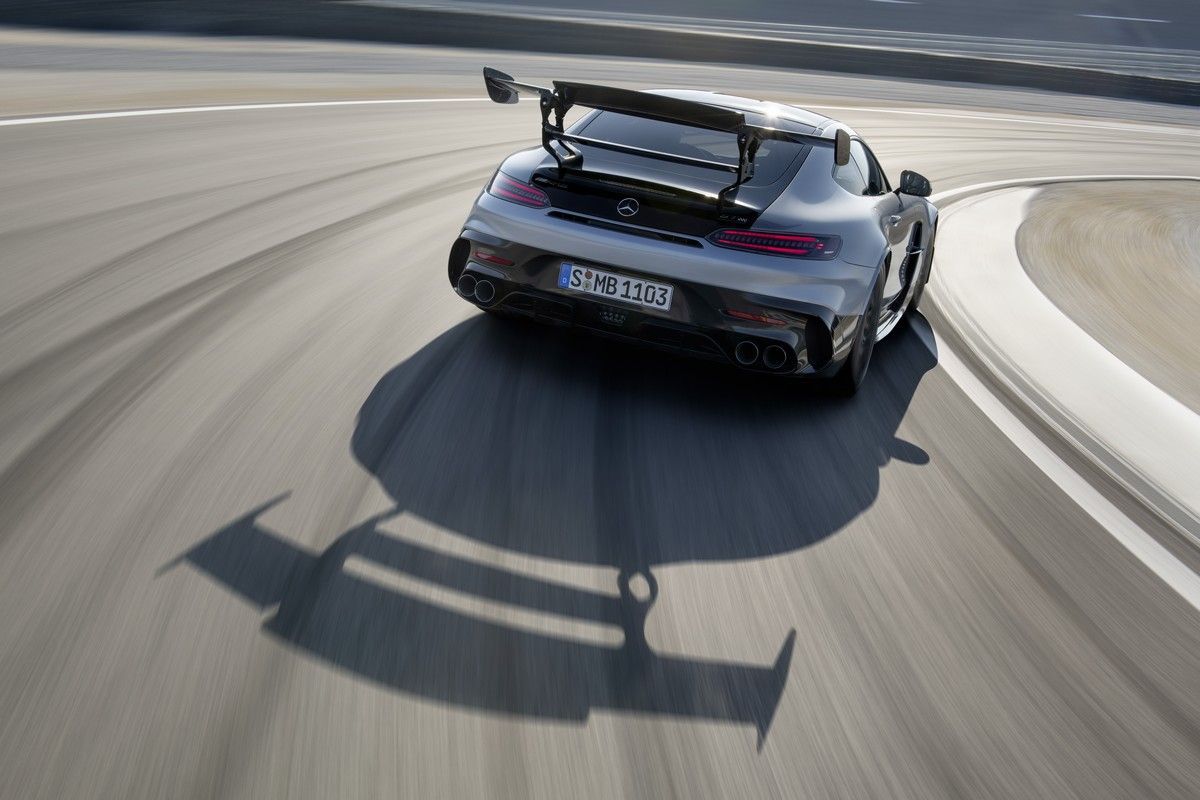
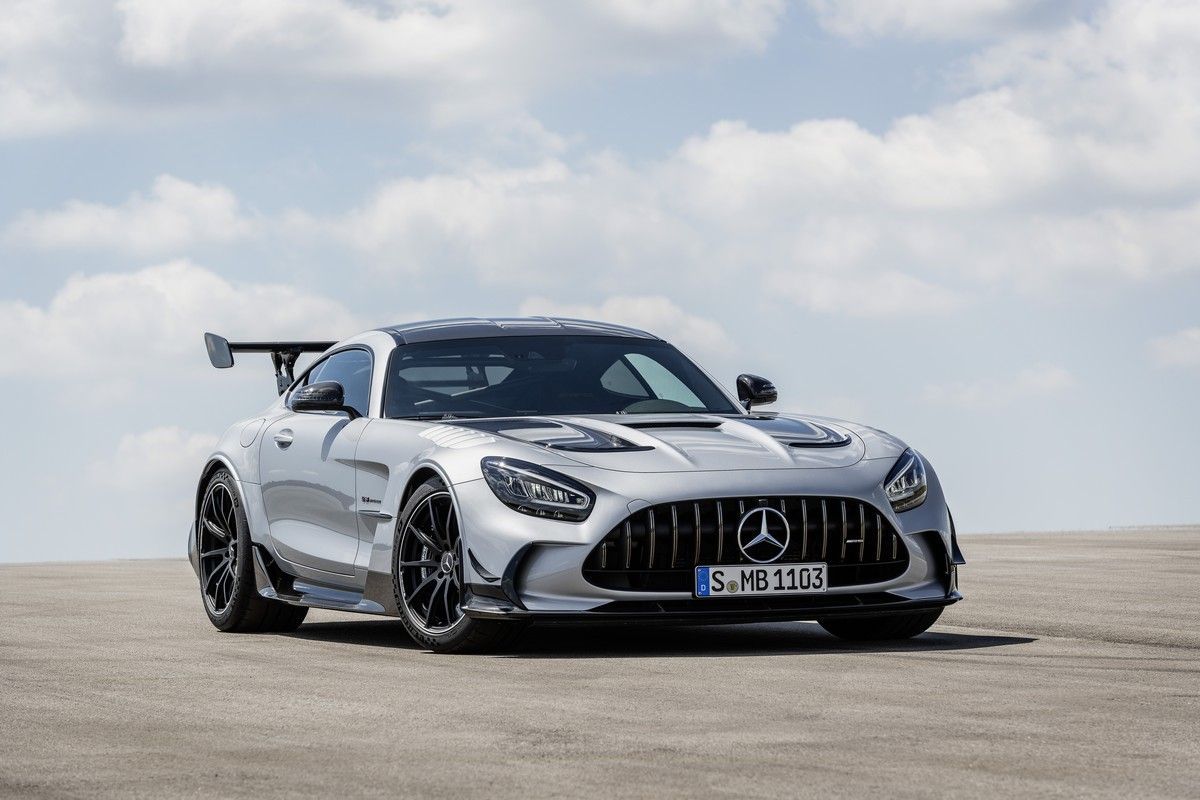
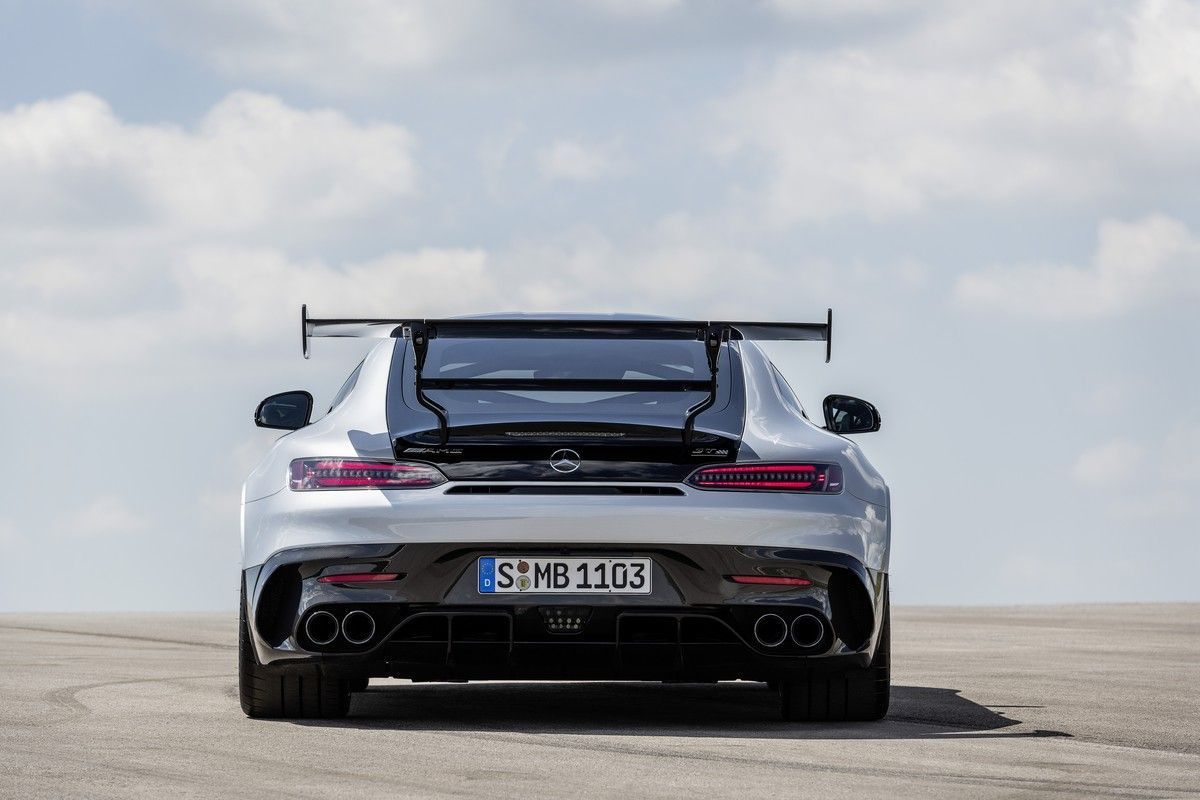
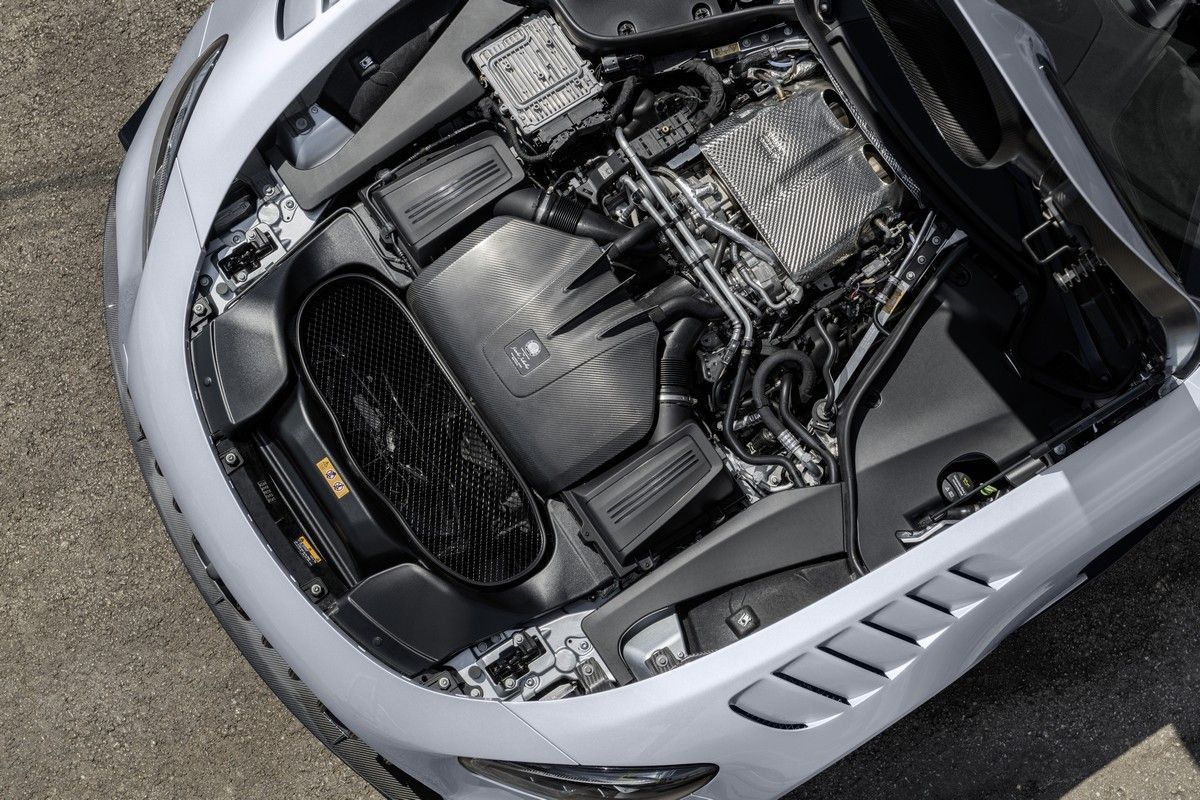
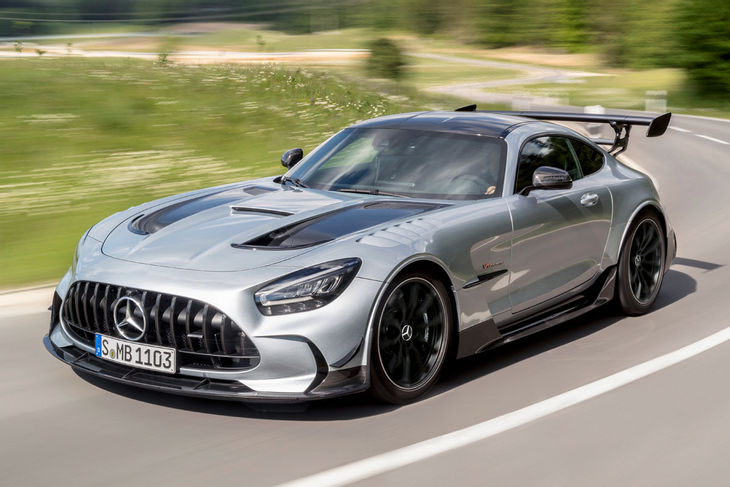
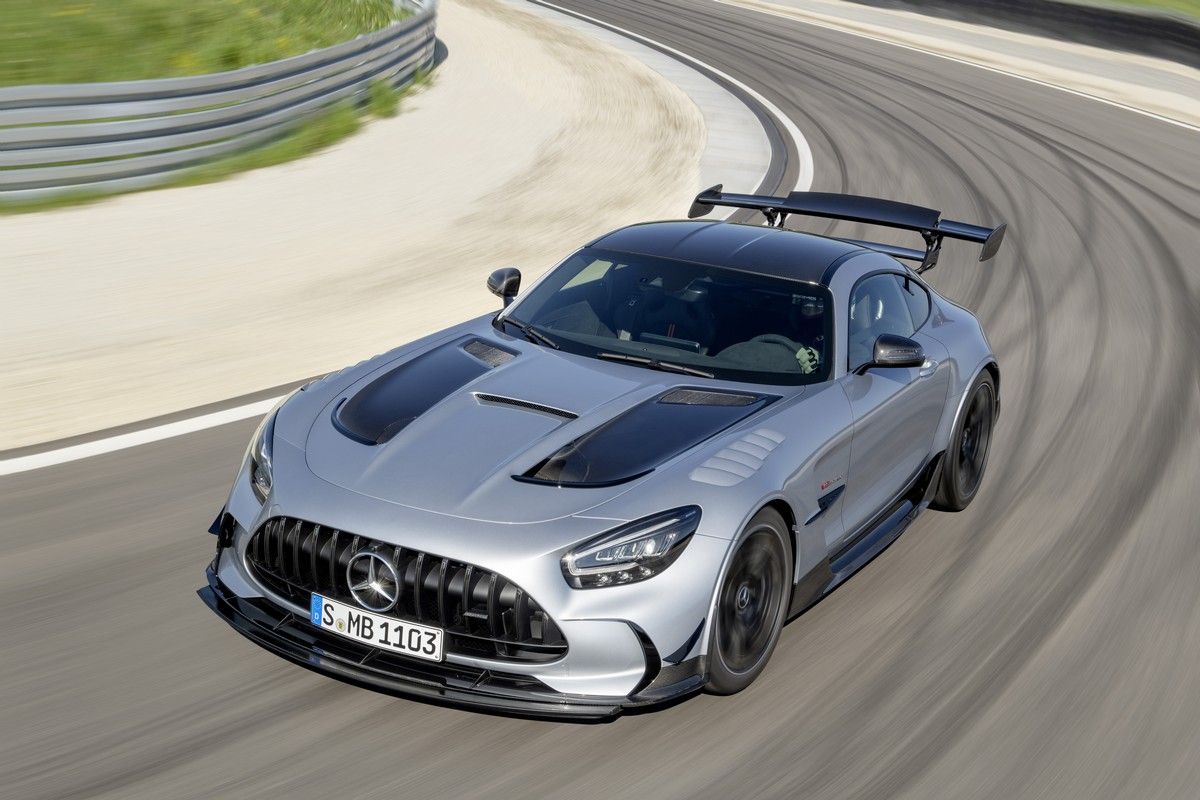
Powered by the most potent V8 engine that Mercedes-AMG has ever installed in a road car and laced with motorsport-derived components, the 537-kW GT Black Series is the ultimate version of the Affalterbach-based performance division’s 1st standalone model.
The appearance of the newcomer comes as no surprise; we knew what the ballistic Benz would look like courtesy of the teaser images and video that were leaked last week.
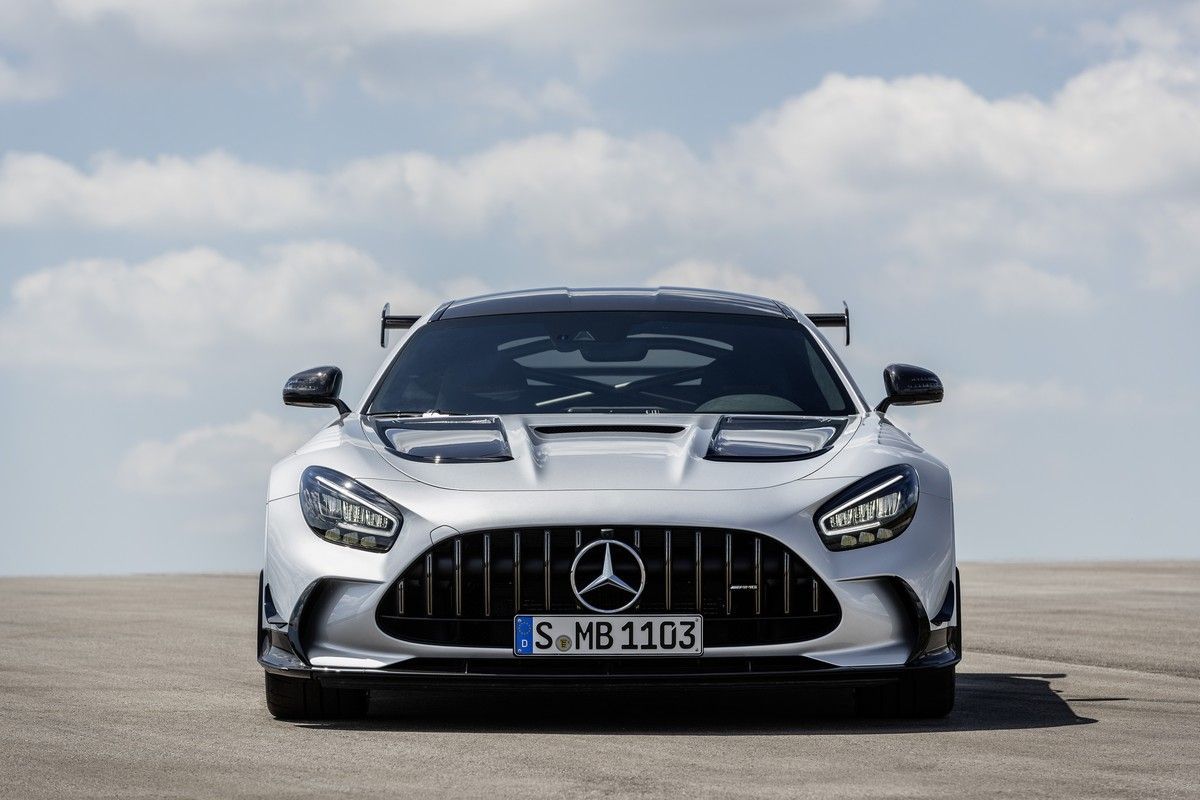
Now that Mercedes-AMG has revealed full details of the GT Black Series have been officially revealed, however, the bespoke track-oriented packaging of the newcomer is no less awe-inspiring; it shares zero body panels with the GT R (that preceded it), features a host of aerodynamic addenda, a revised suspension, is laced with carbon fibre (and other lightweight materials) and its 4.0-litre twin-turbo V8 engine has been extensively reworked, so much so that it has a new designation: M178 LS2.
A Black Series derivative is usually produced near the end of a Mercedes-AMG model's product lifecycle.
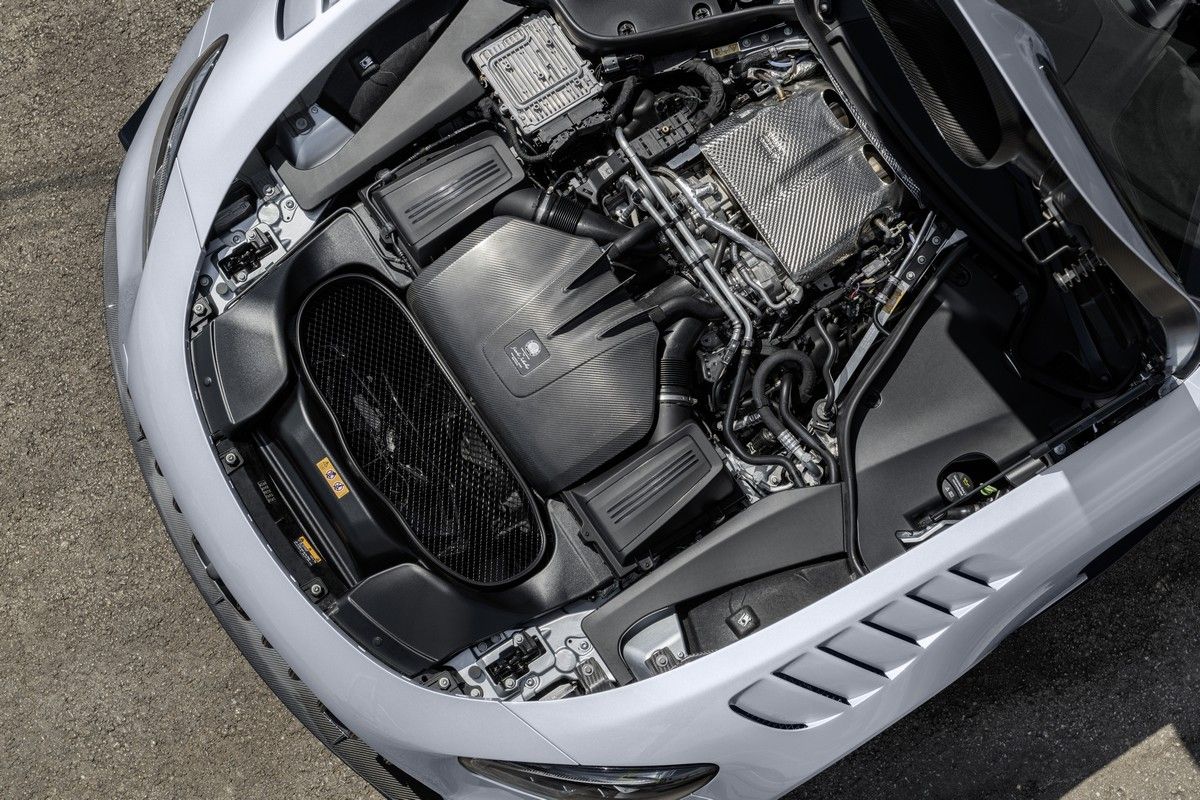
Let’s start with the powertrain. Mercedes-Benz has endowed the motor with a flat-plane crankshaft, new camshafts and exhaust manifolds, a dry-sump configuration and revised firing order in addition to beefing up the twin-scroll turbochargers and intercoolers. As a result, the engine revs to 7 200 rpm, and produces 537 kW from 6 700 to 6 900 rpm and 800 Nm of torque from 2 000 to 6 000 rpm – which represent improvements of 107 kW and 100 Nm respectively on the Mercedes-AMG GT R (430 kW/700 Nm).
The M178 LS2 powerplant is mated with a 7-speed dual-clutch AMG Speedshift transmission, which Benz has recalibrated to deliver more intense shifts (as suited to a track environment), and the copious torque is directed to the rear 20-inch lightweight forged-alloy wheels via a 40% lighter carbon-fibre torque tube.
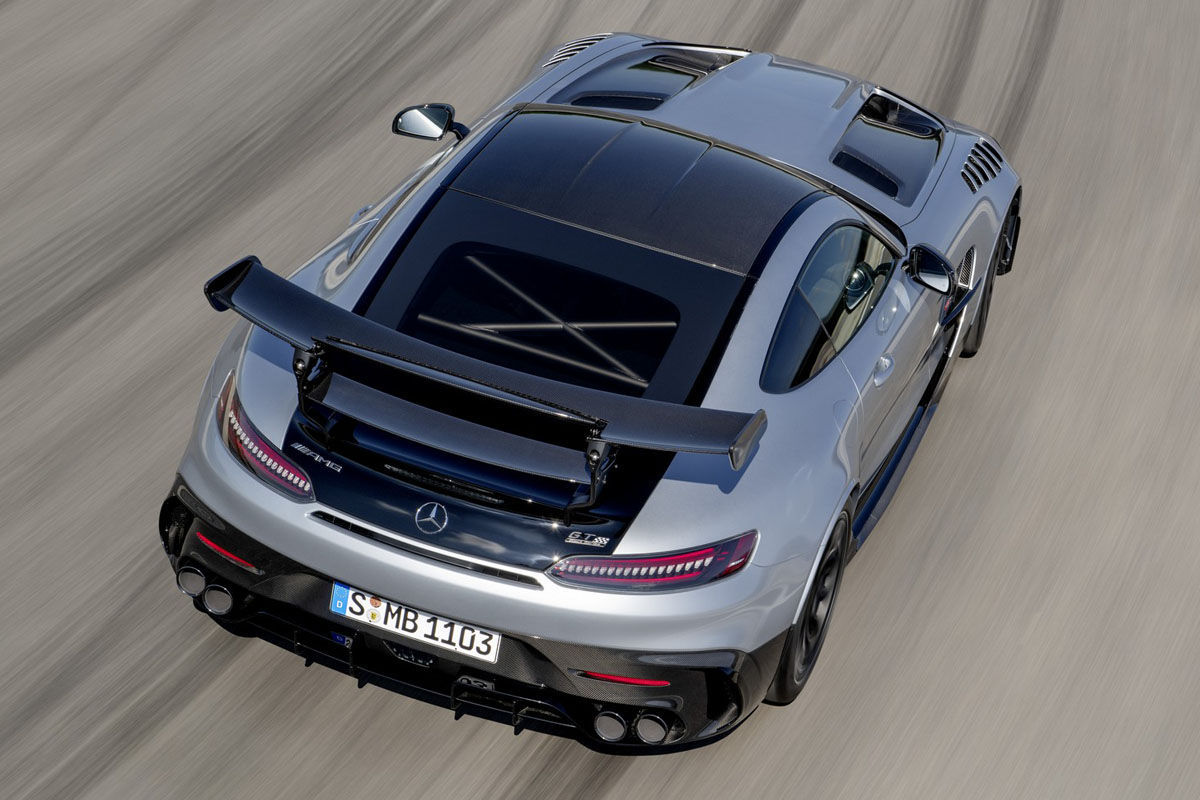
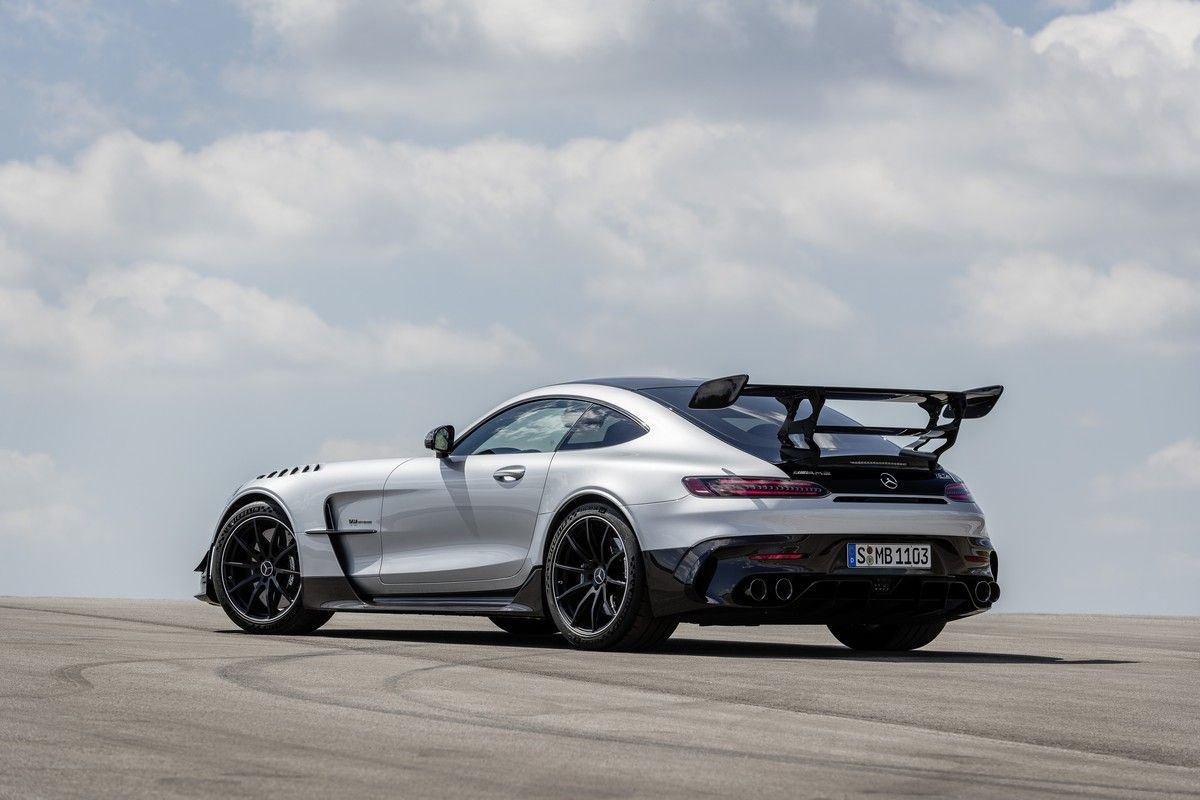
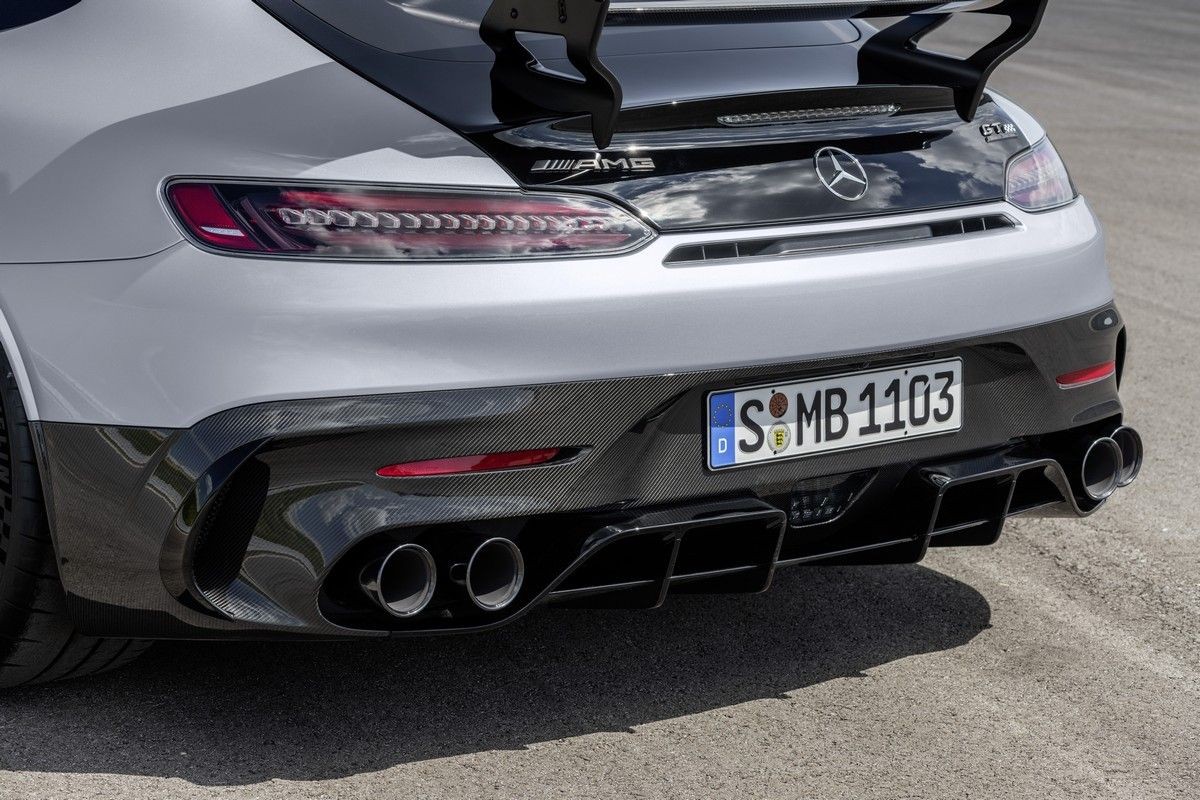
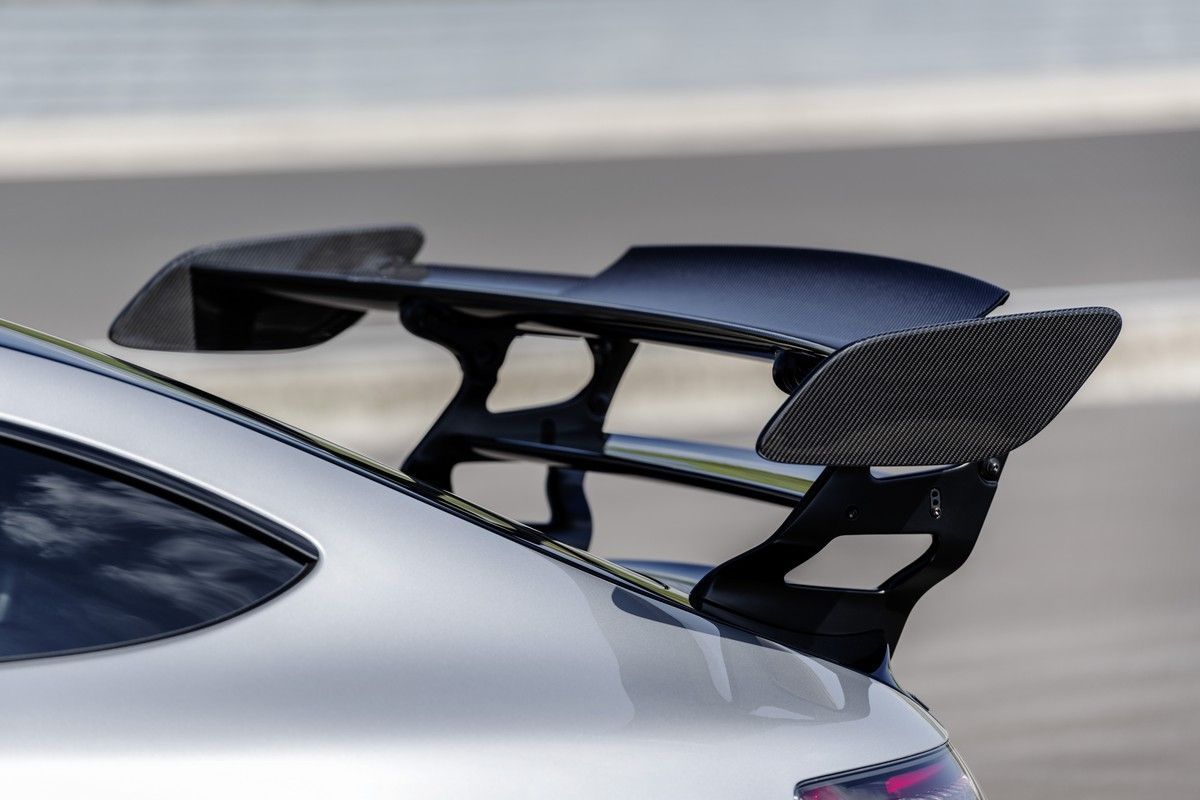
Mercedes-AMG has fitted the GT Black Series with a plethora of carbon-fibre panels, including the adjustable rear spoiler.
Mercedes-AMG says the GT Black Series can dispatch the 0-100 kph sprint in 3.2 seconds, hit 200 kph in less than 9 seconds and go on to reach a top speed 325 kph. Its wheels are shod in Michelin Pilot Sport Cup 2 tyres and, for improved stopping power, the newcomer features enlarged drilled and vented carbon-ceramic discs with 6-piston black-painted calipers up front and 4-piston units at the rear.
Apart from sporting a wider track than the GT R, the GT Black Series comes equipped with a forged-aluminium double-wishbone suspension, -steering knuckles and -hub carriers, coil-over adaptive dampers, a dual adjustable carbon-fibre front torsion bar, manually-adjustable front/rear wheel camber and anti-roll bars. As a matter of fact, the Benz has been configured to run with more negative camber on the front axle to improve its ultimate cornering ability.
The Mercedes-AMG Black Series is said to generate more than 400 kg of downforce at 250 kph…
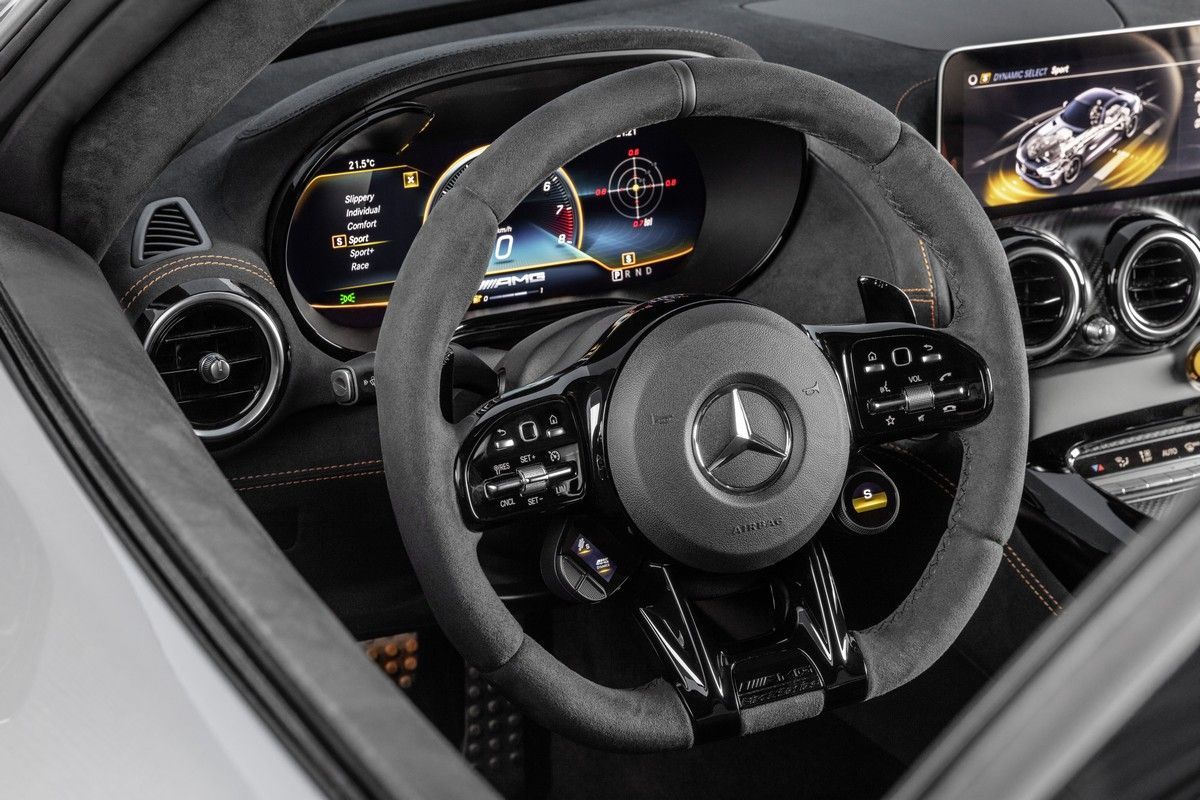
As well as a number of drive modes (Comfort, Sport and Sport Plus), drivers can fine-tune the GT Black Series’ traction control settings via a yellow dial mounted in the centre of the dash that offers 9 settings.
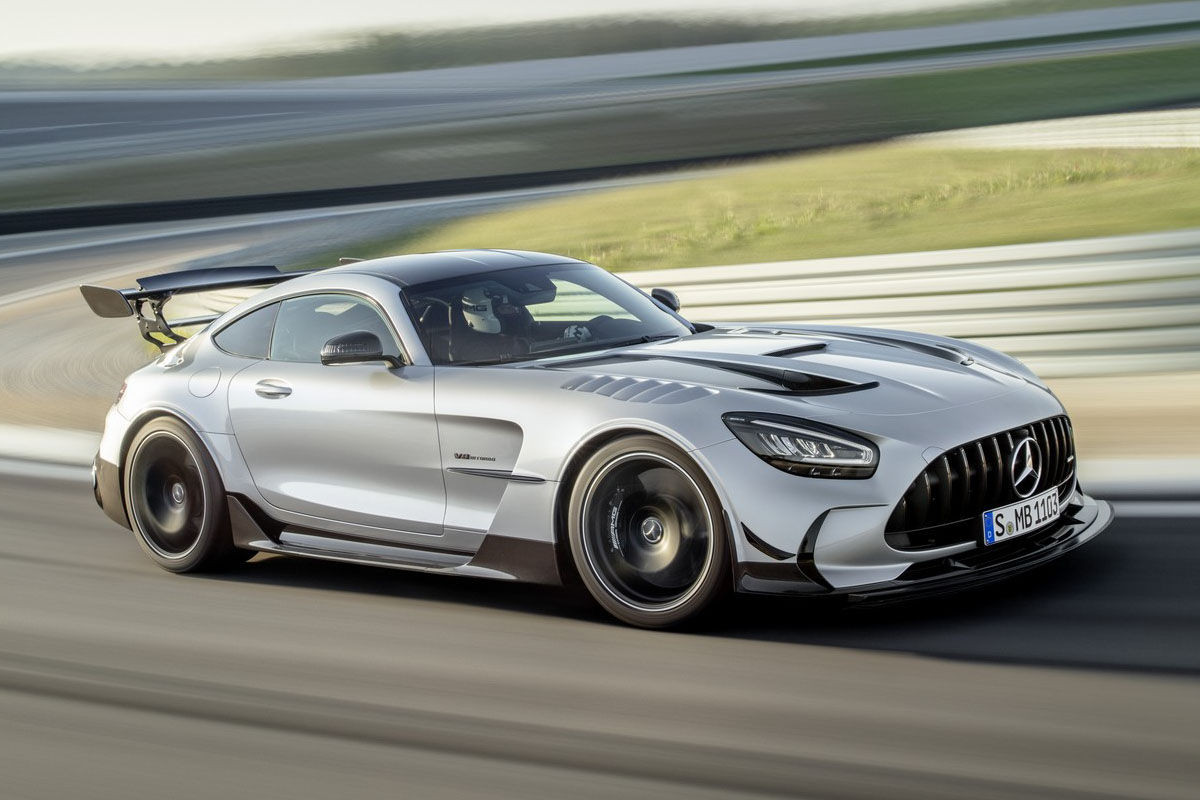
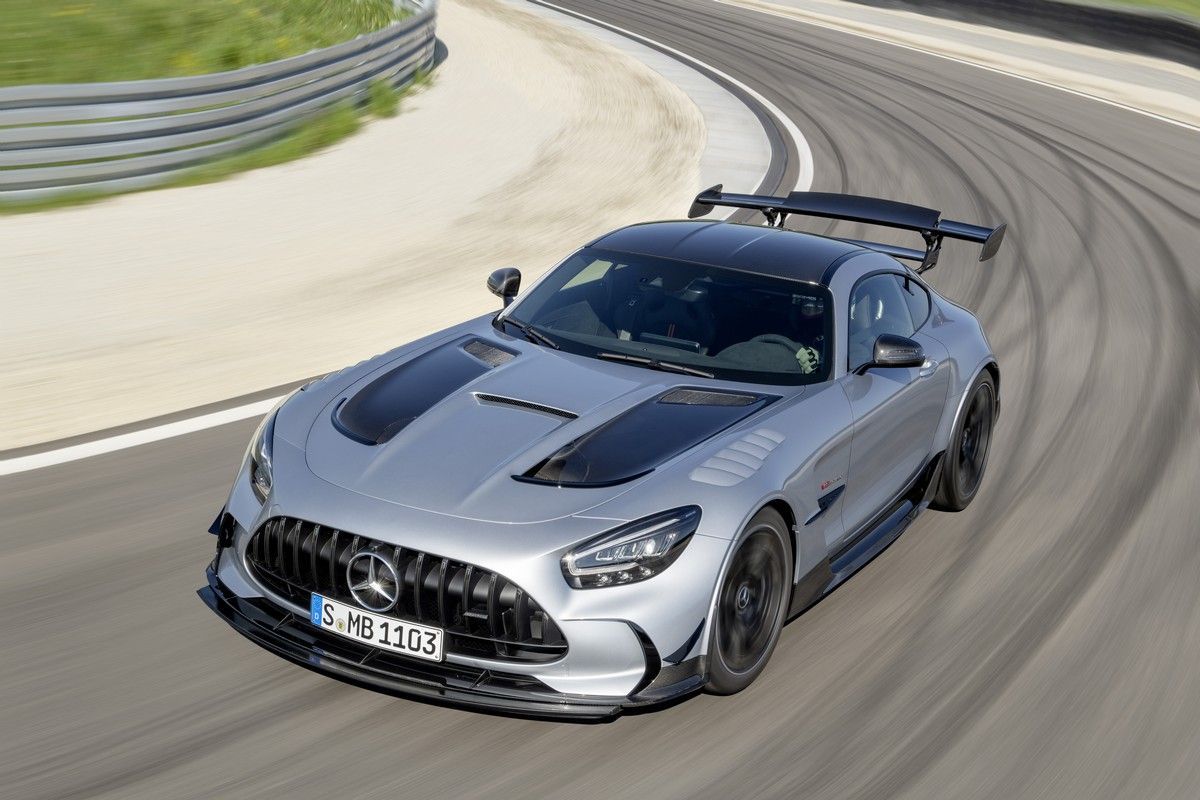
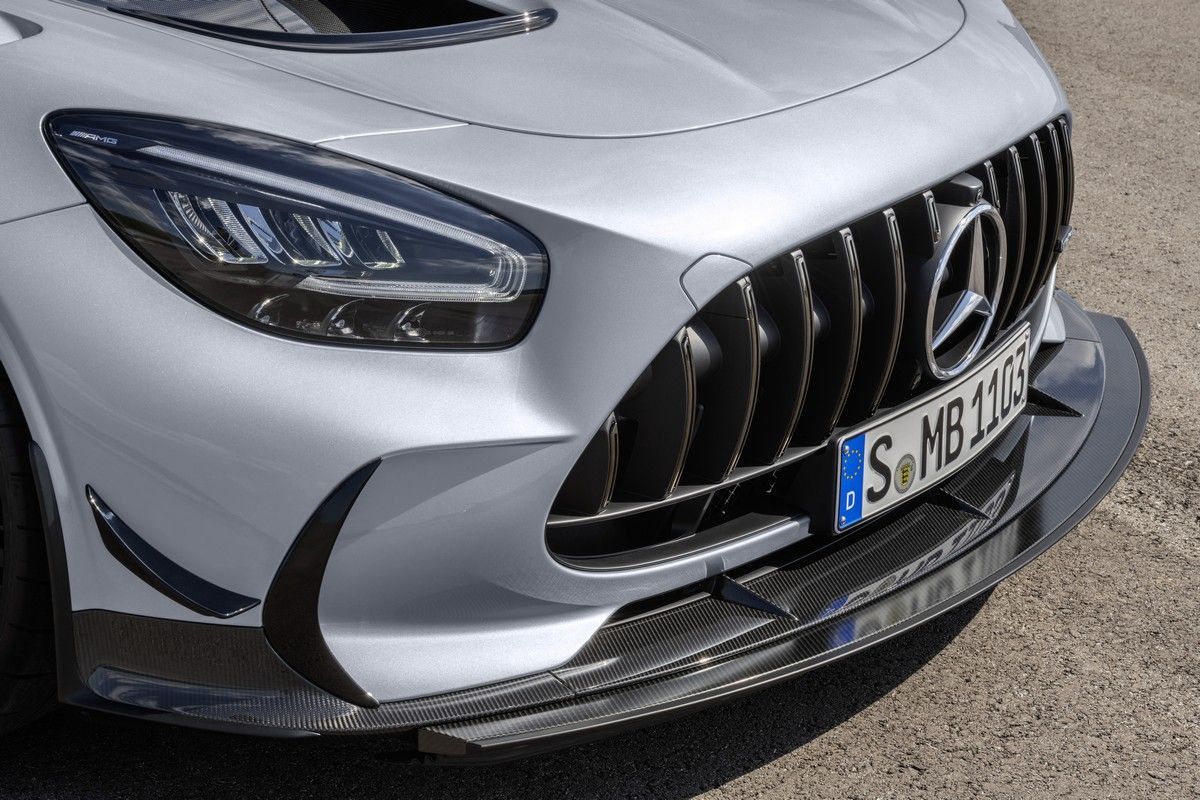
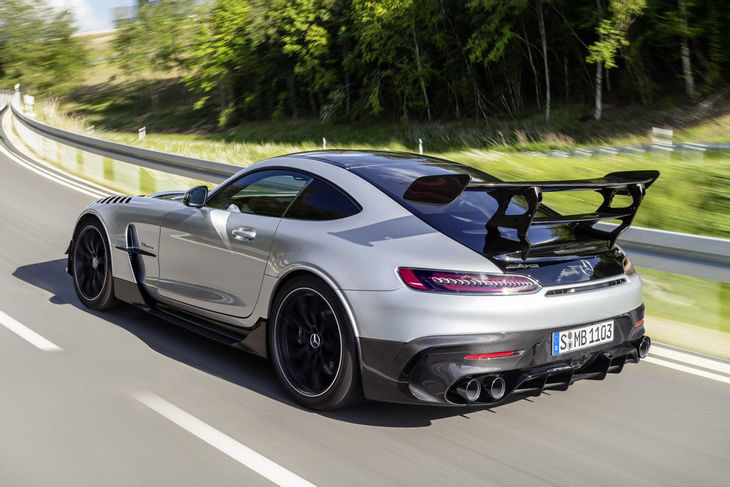
The dramatic exterior appearance of the GT Black Series is evidently motorsport-inspired; the newcomer closely resembles one of the Three-pointed Star’s GT3- or GT4 racing machines! But, as ever, form follows function: all addenda serve to improve aerodynamic efficiency and cooling, plus save weight.
Mercedes-AMG has fitted a flat-plane crankshaft, along with a host of other upgrades, to the 4.0-litre twin-turbo V8.
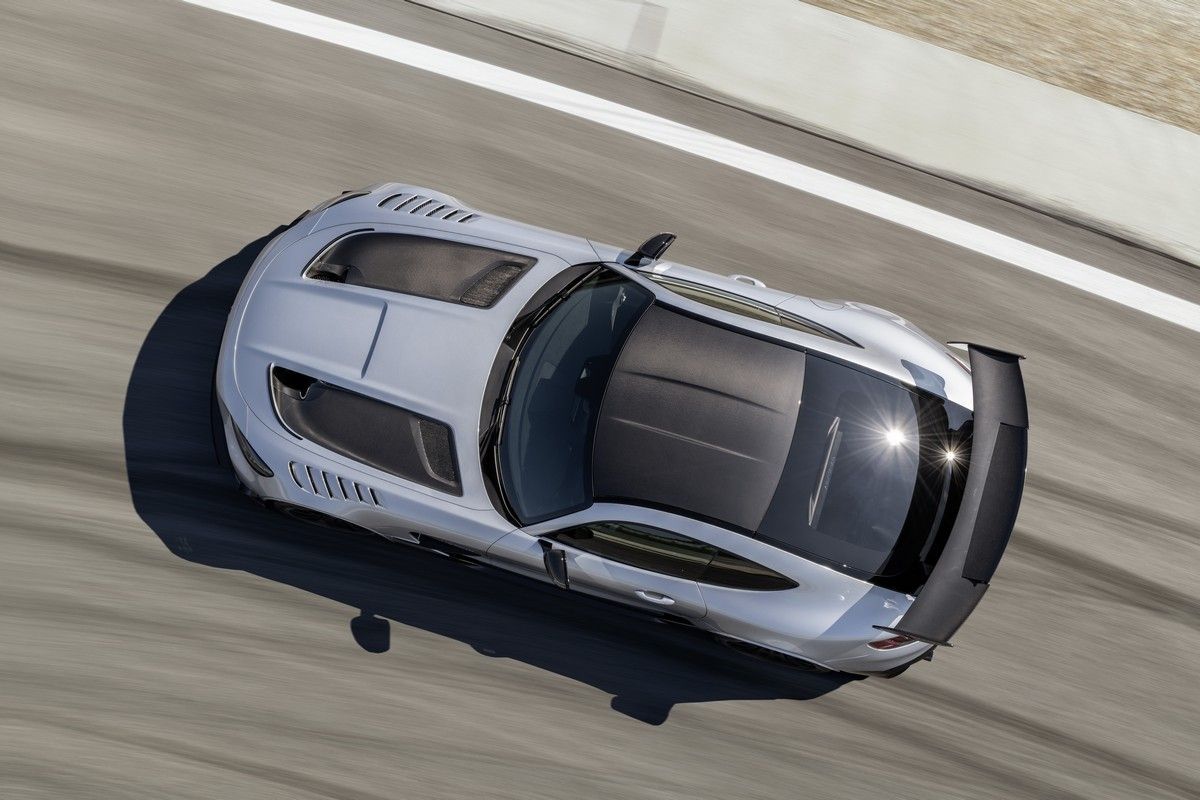
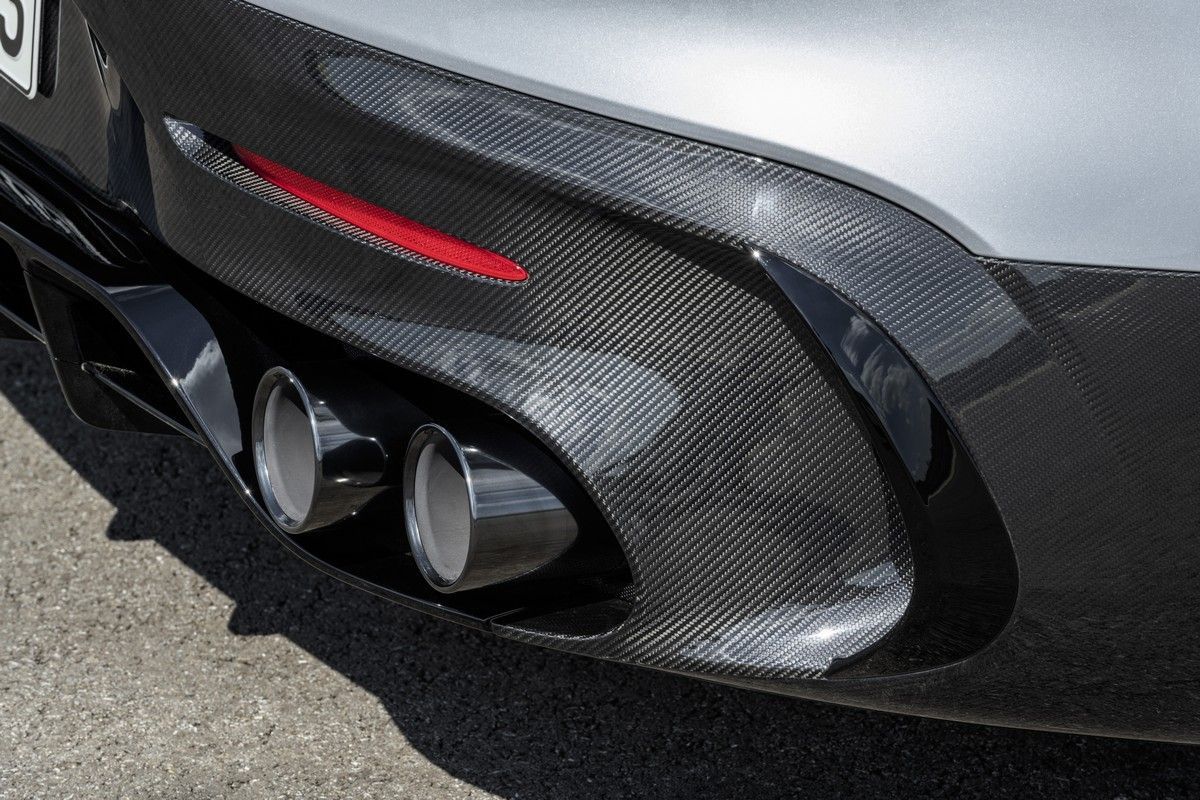
Carbon fibre features on the newcomer’s manually-adjustable front splitter (with 2 positions: Street and Race), elaborately-vented bonnet (with downforce-boosting exhaust air openings and cooling slats), double-bubble roof, winglet-adorned side skirts, as well as the rear diffuser, which sits between the quartet of exhaust tips. The manually adjustable rear wing, which stands proud of the GT Black Series’ roof (as if you haven’t noticed!) offers 20 degrees of adjustment for either increased downforce or reduced drag.
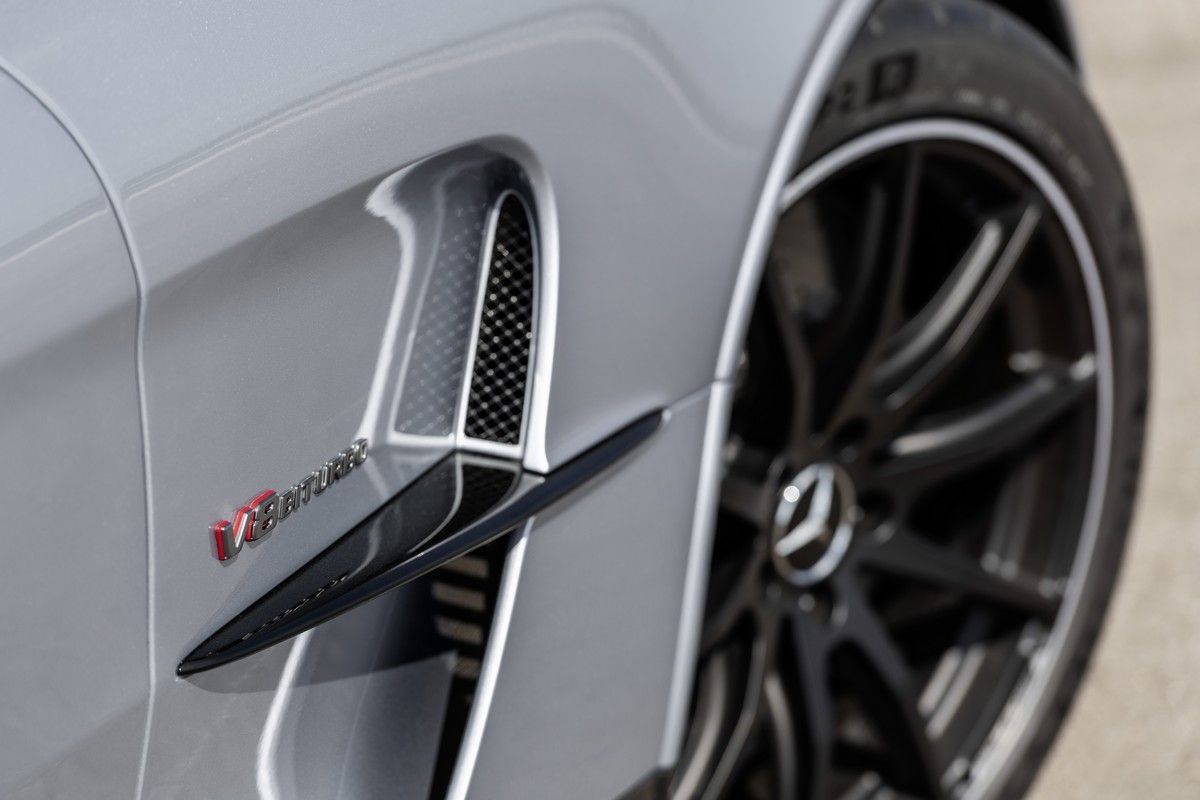
Further upgrades include new vents for the front and rear wheel arches, thinner glass front and rear and an almost fully-panelled underbody, featuring specially designed longitudinal fins for both aerodynamic and heat dissipation purposes. This AMG creation is said to generate no less than 400 kg of downforce at 250 kph…
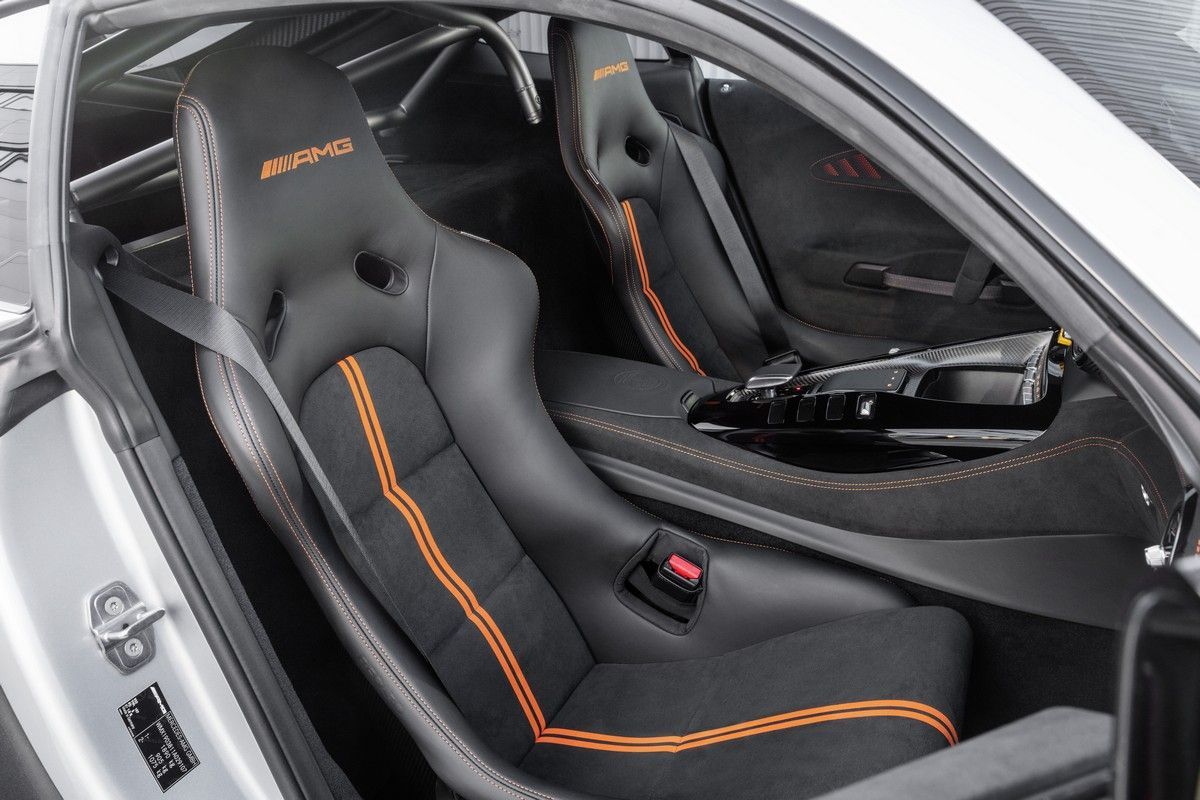
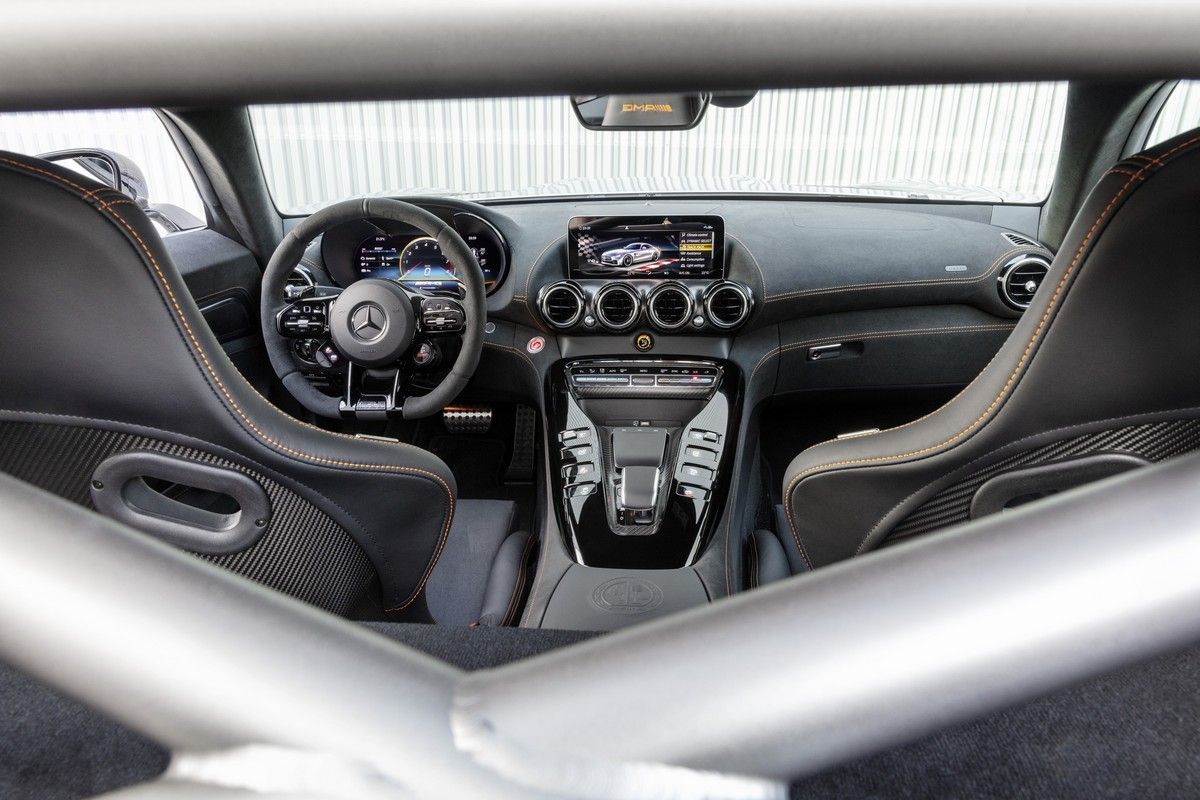
The AMG Track Package option adds, inter alia, a roll-cage to the GT Black Series' cabin.
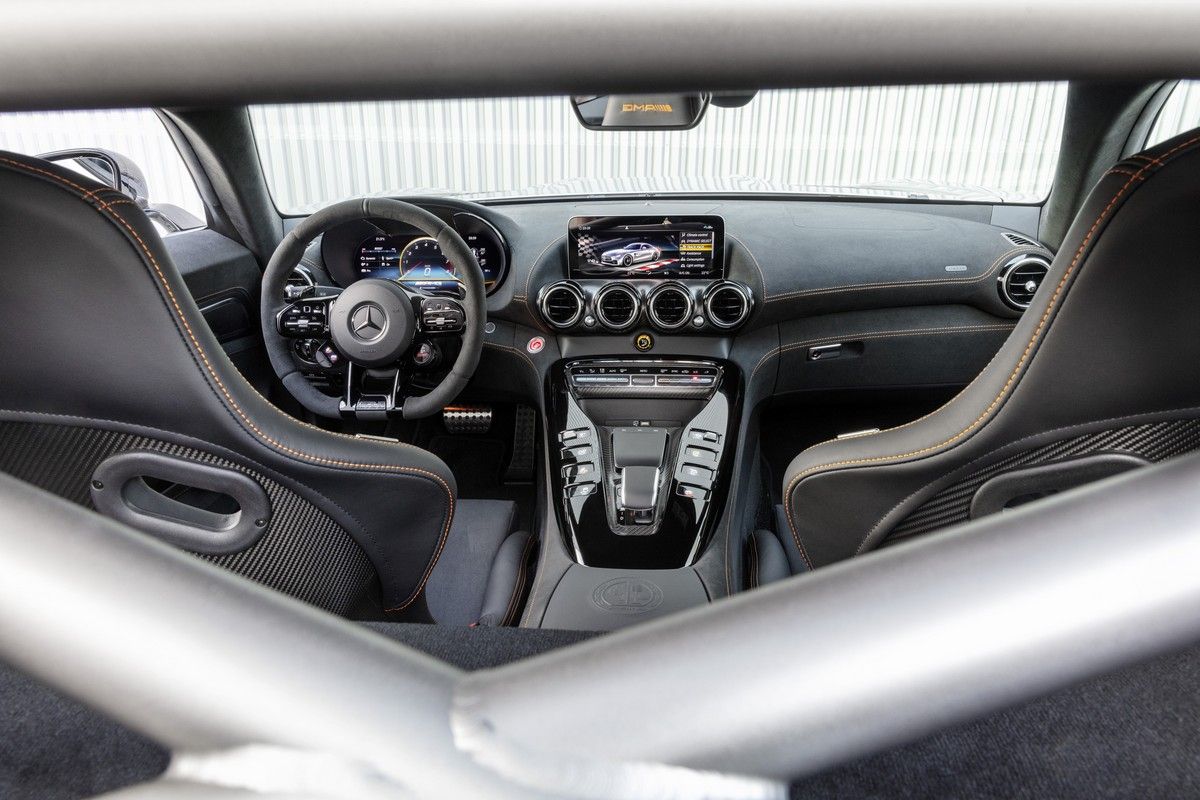
Inside, the Mercedes-AMG GT Black Series is kitted out in a combination of Nappa leather and black Dinamica fabric, with contrasting orange stitching (optionally available in grey). Carbon-fibre bucket seats, while conventional interior door-handles have been replaced with weight-saving loop pull handles.
Other standard features include Benz’s latest 12.3-inch instrument cluster and 10.25-inch MBUX touchscreen infotainment system, as well as a flat-bottomed AMG ‘wheel with aluminium shift paddles. In some markets, an AMG Track Package can be additionally specified, which adds track-specific features such as a roll cage, a 2-kg fire extinguisher and 4-point harness for both driver and passenger.
As is traditional with Mercedes’s Black Series models, the AMG GT version will likely mark the end of the coupe’s lifespan. It should remain in production until 2022 before being replaced by an all-new model; we anticipate that the newcomer will be made available in the South African market early in 2021.
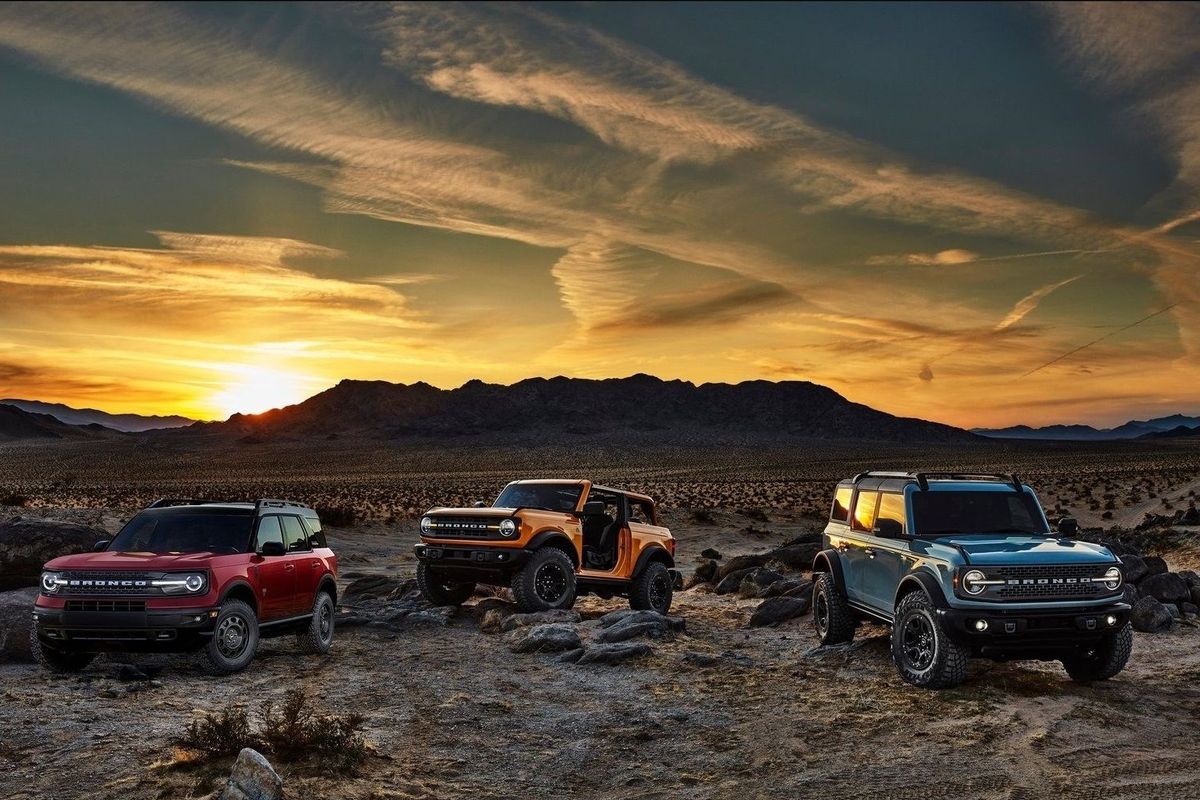
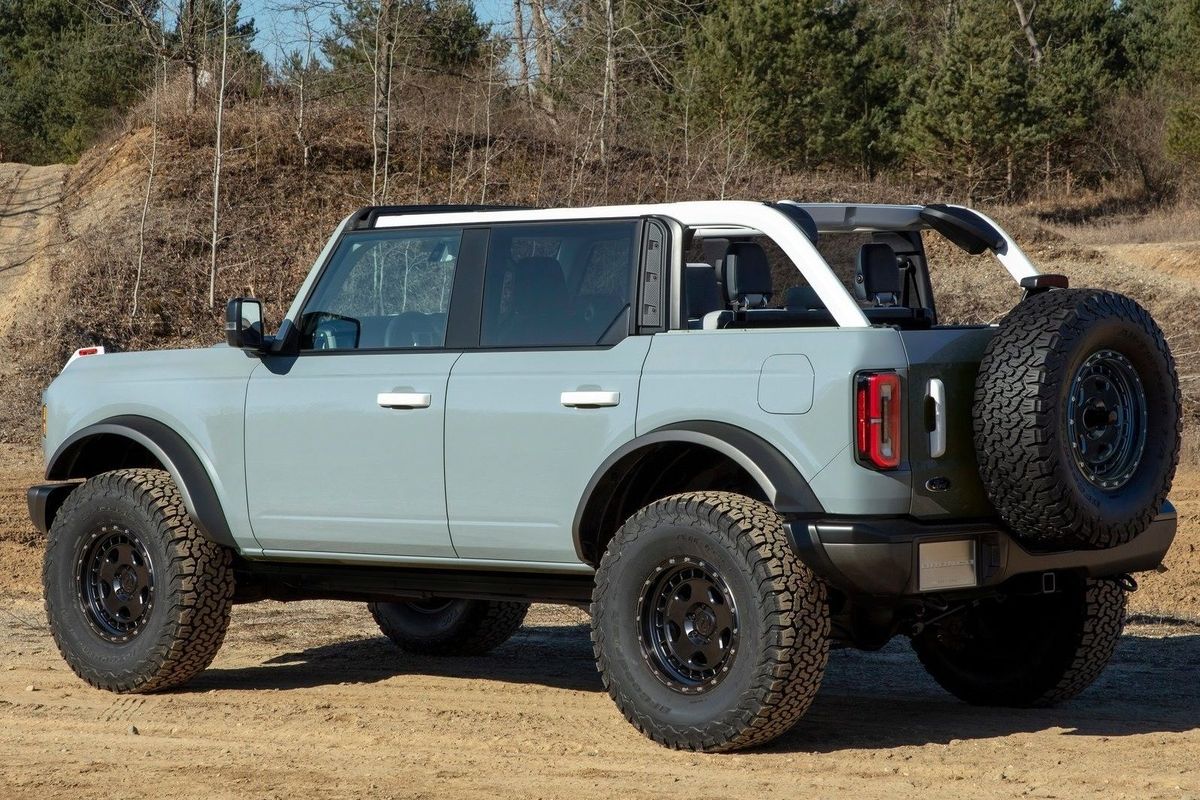
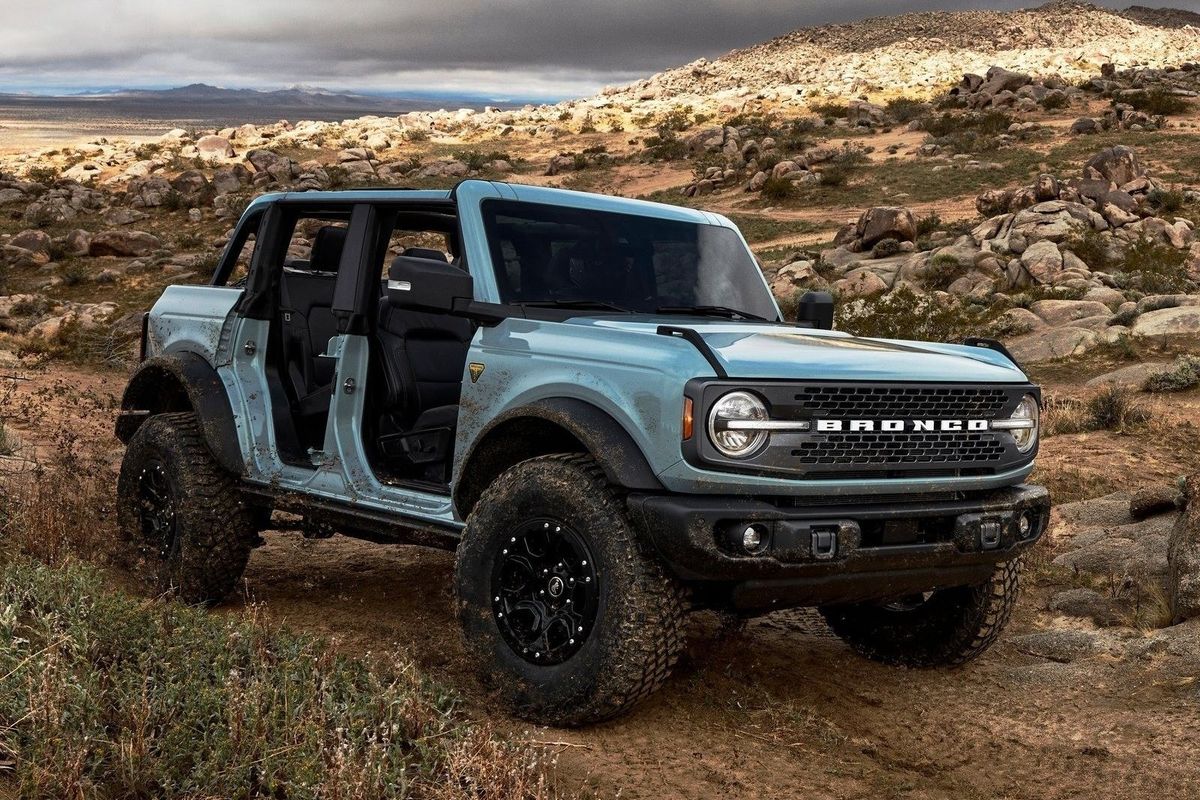
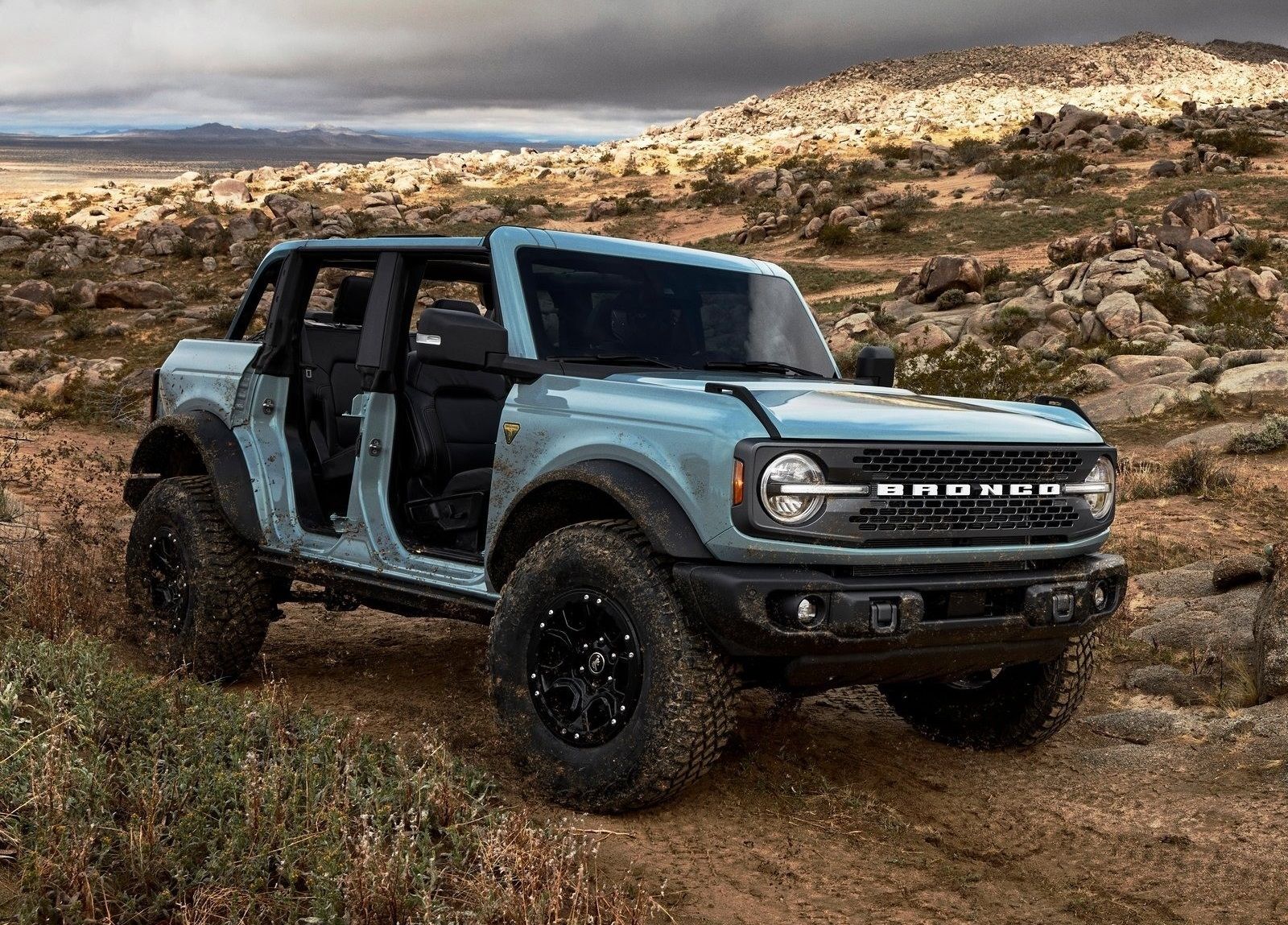
The new Ford Bronco adventure SUV has been revealed with 3 body styles on offer. Meet the Bronco family below…
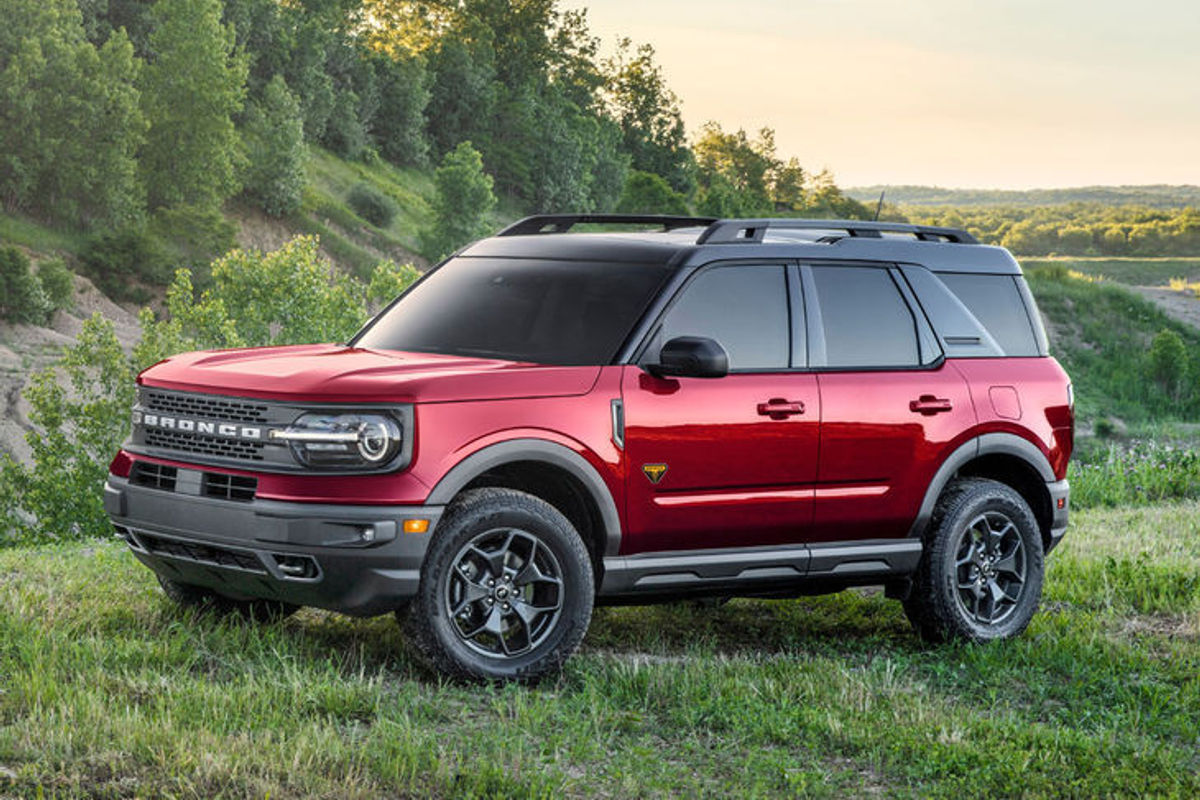
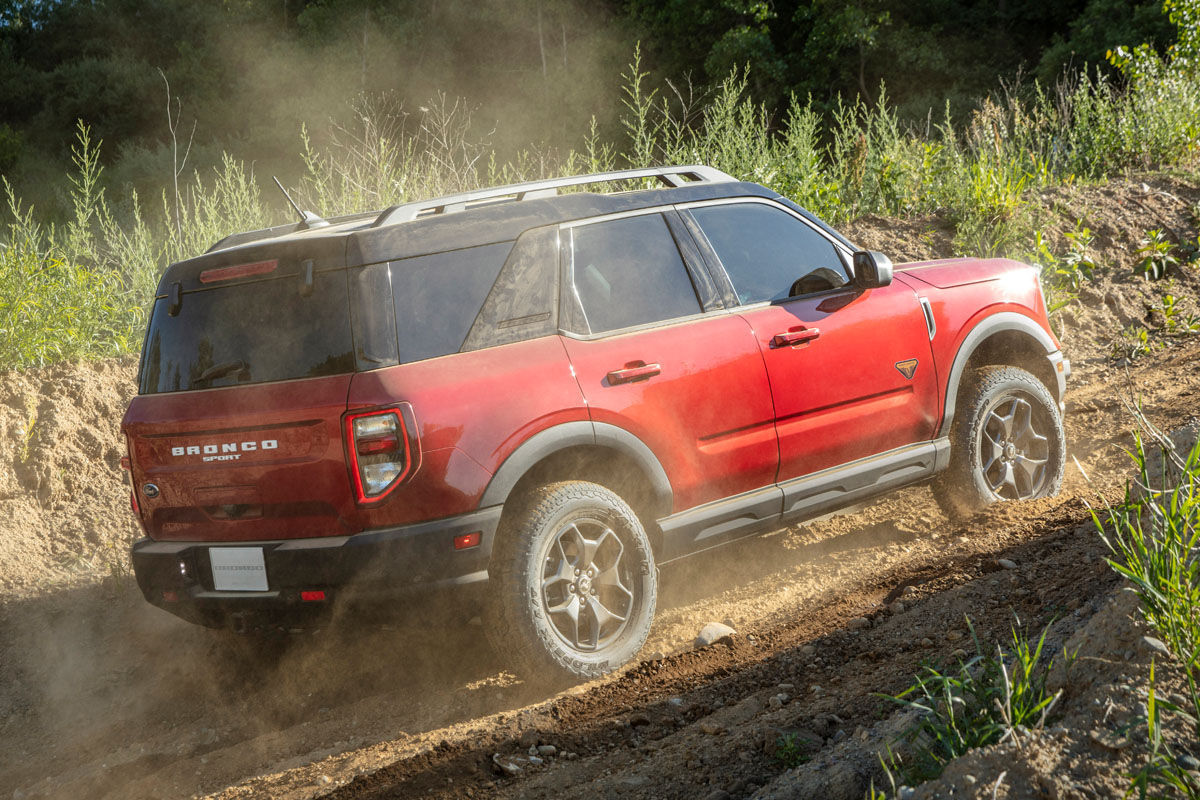
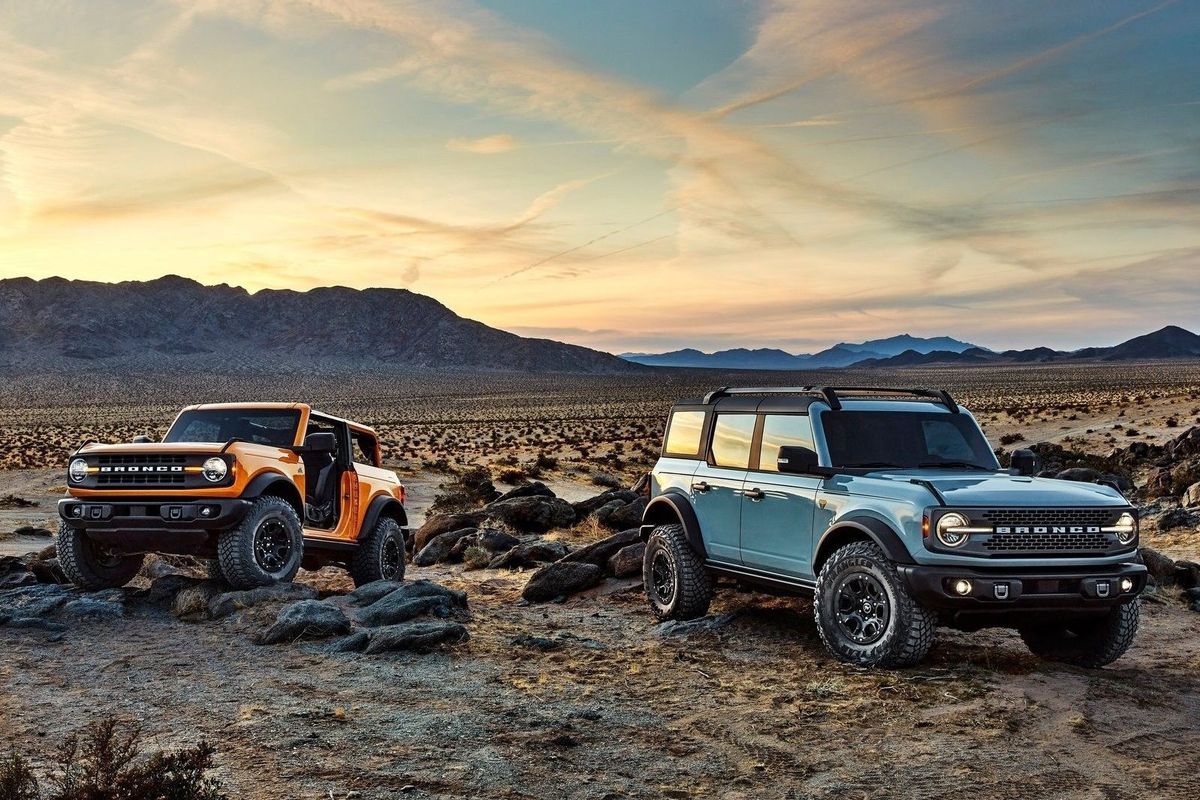
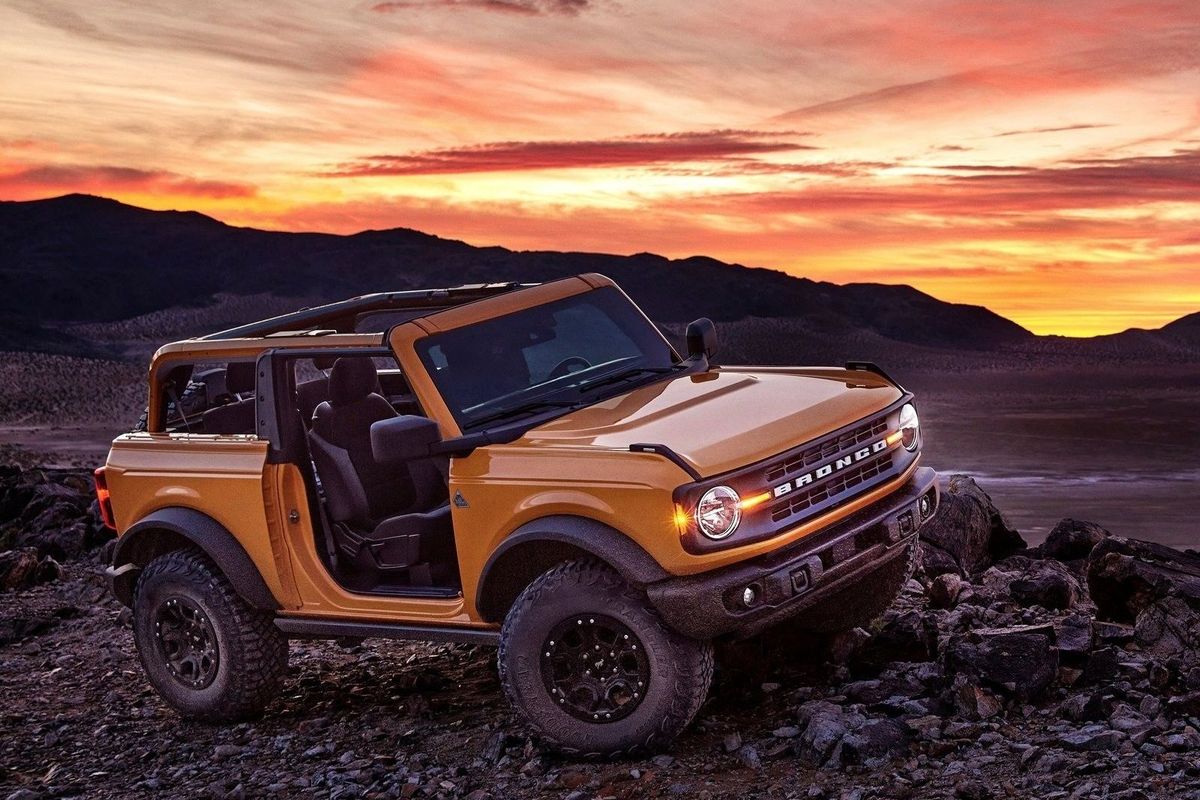
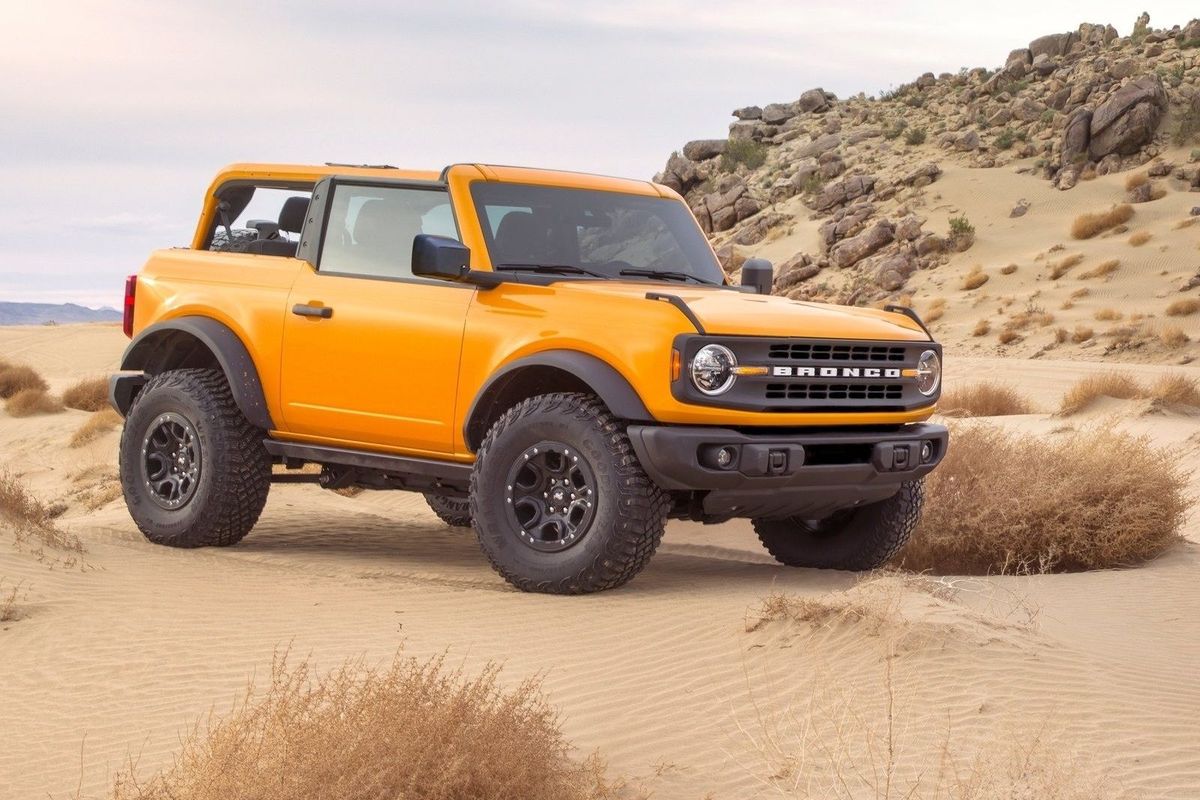
The Bronco nameplate has made its comeback and it comes to market with 3 derivatives on offer including a 2-door, a 4-door and as a smaller Bronco Sport SUV.
Jim Farley, Ford CEO said, “We created the Bronco family to elevate every aspect of off-road adventure and equipped them with class-leading chassis hardware and exclusive technologies to raise the bar in the rugged 4×4 segment and take people further into the wild. They’re built with the toughness of an F-Series truck and performance spirit of Mustang – and come wrapped in one of the most stunning and functional off-road designs that’s true to the original Bronco design DNA.”
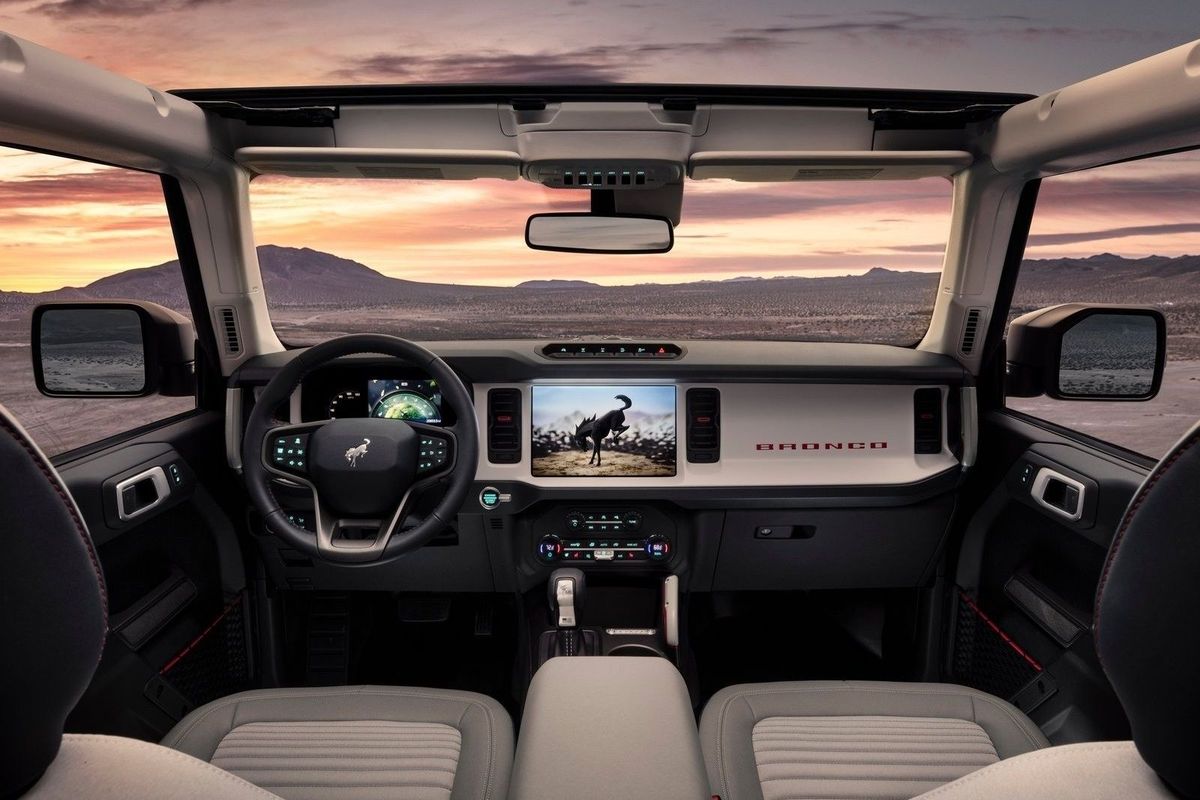
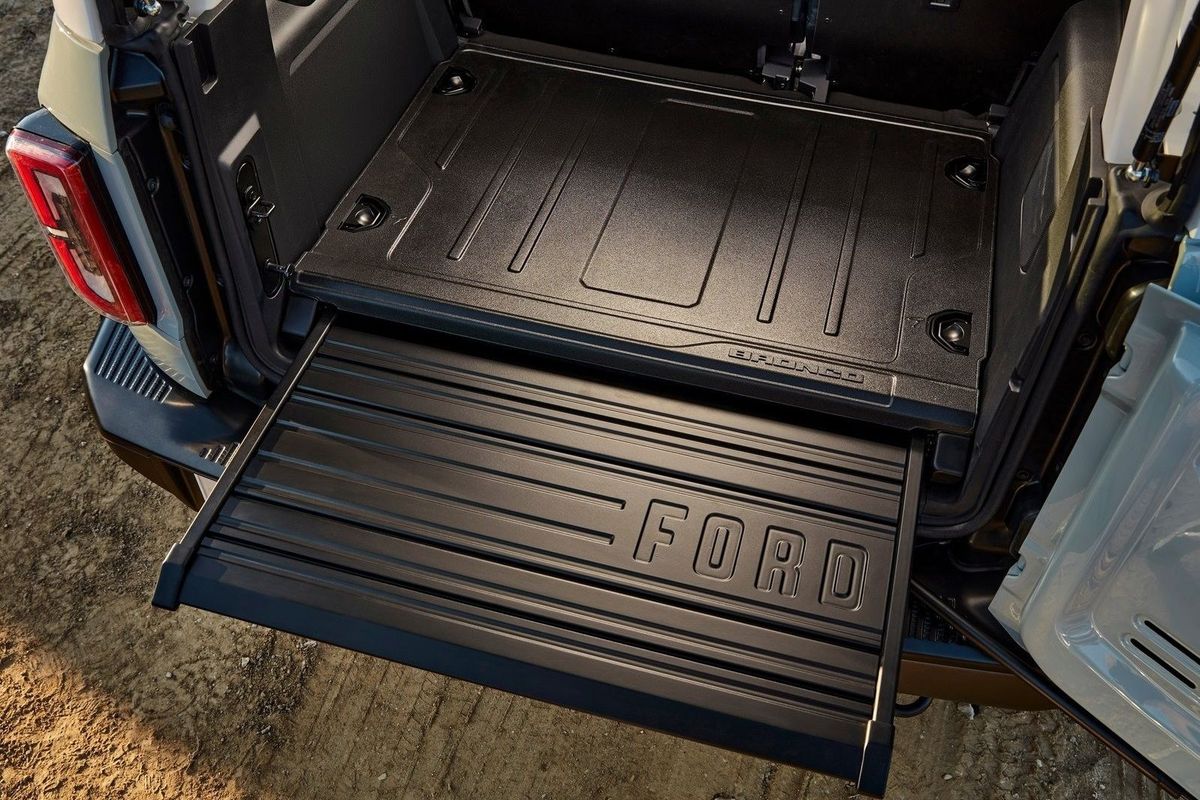
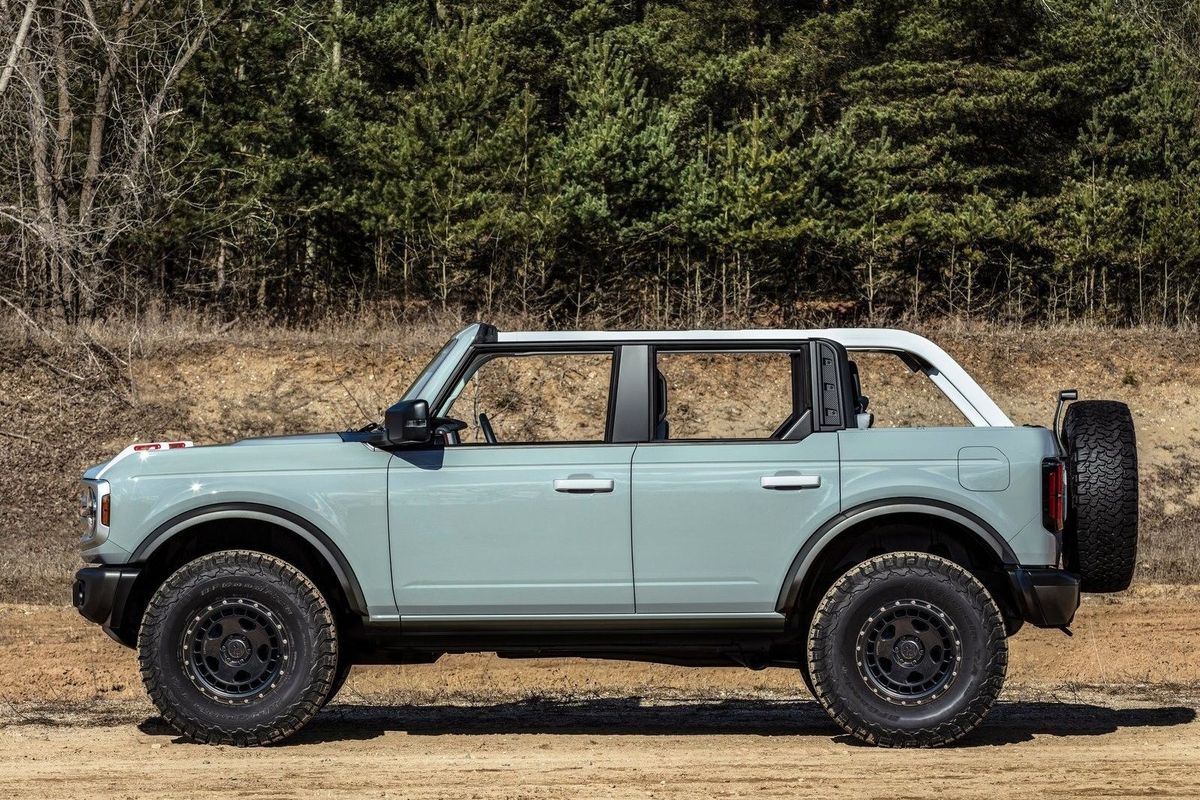
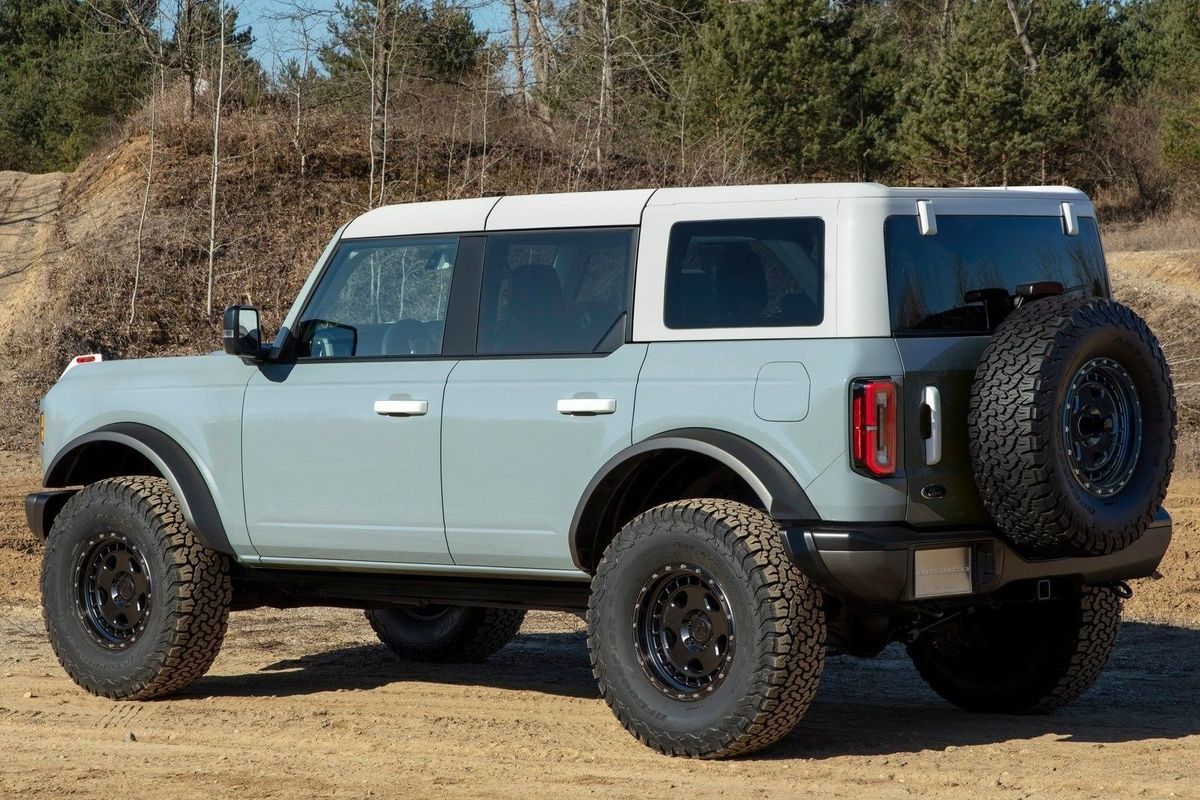
The Bronco 2-door and Bronco 4-door feature frameless doors that can be easily removed. The doors can be stored in the load bin of the Bronco 4-door if need be. Owners will also be able to remove the roof of the Bronco where the Bronco 2-door features a removable hard-top roof while the 4-door variant comes with a soft-top that can be removed in 4 sections.
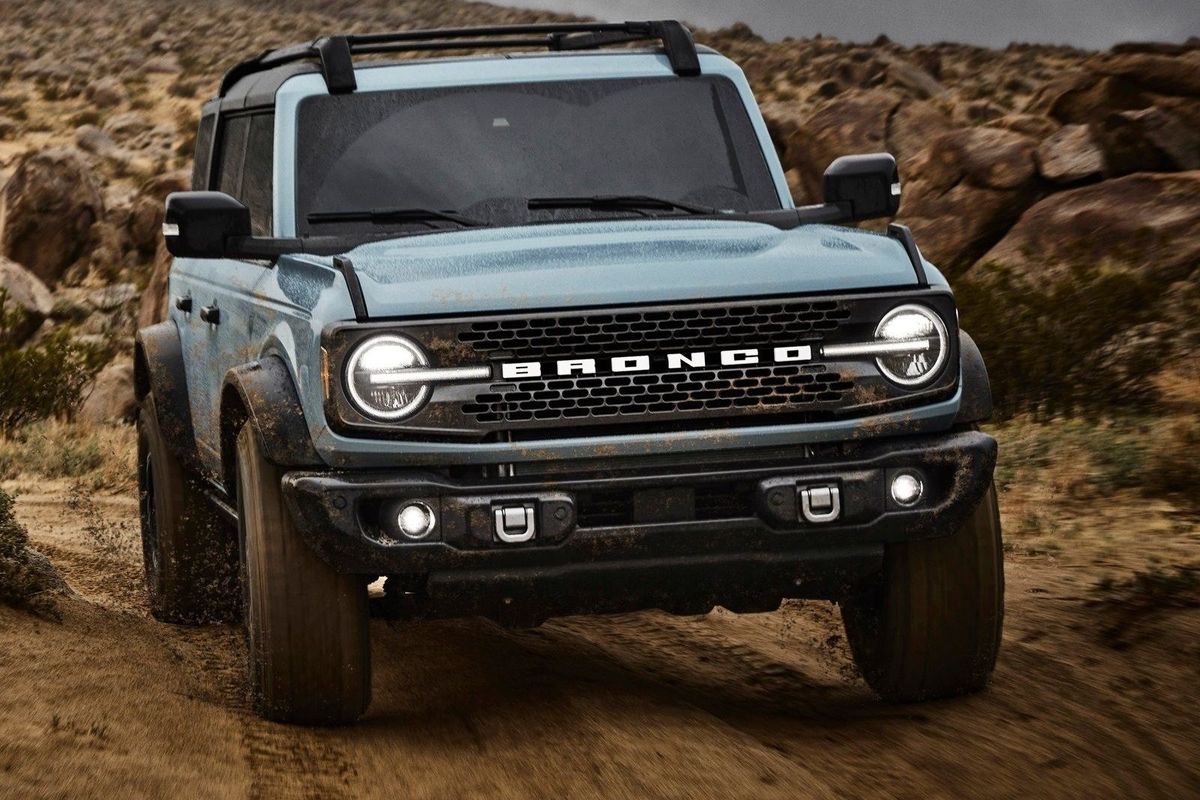
In terms of styling, Ford also offers customers the opportunity to customise their Bronco with different types of doors, modular steel bumpers (with winches), varying grille designs, roof racks, light bars and various fender flares.
The Bronco 2-door takes square aim at the Jeep Wrangler while the Bronco Sport will go to battle with the new Land Rover Defender.
Engines and Offroad Capability
The Bronco's doors and roof can be removed for an open-air offroading experience.
The Bronco is an adventure vehicle through-and-through and with a maximum ground clearance of 294 mm and a wading depth of 851 mm, it will pretty much go wherever you need it to go.
The Bronco 2-door and 4-door variants will be offered with 2 EcoBoost engines including a 2.7-litre V6 with 231 kW and 542 Nm and a 2.3-litre engine with 201 kW and 420 Nm. These engines can be paired with a 7-speed (6+1) manual transmission as well as a 10-speed automatic transmission.
The smaller, Kuga-based, Bronco Sport is offered with 2 engine choices including a 135 kW/257 Nm 1.5-litre 3-cylinder- or a 183 kW/372 Nm 2.0-litre 4-cylinder Ecoboost turbopetrol engine, both of which are paired with an 8-speed automatic transmission. However, 2.0-litre versions additionally feature steering wheel-mounted shift paddles and beefed-up cooling for the drivetrain.
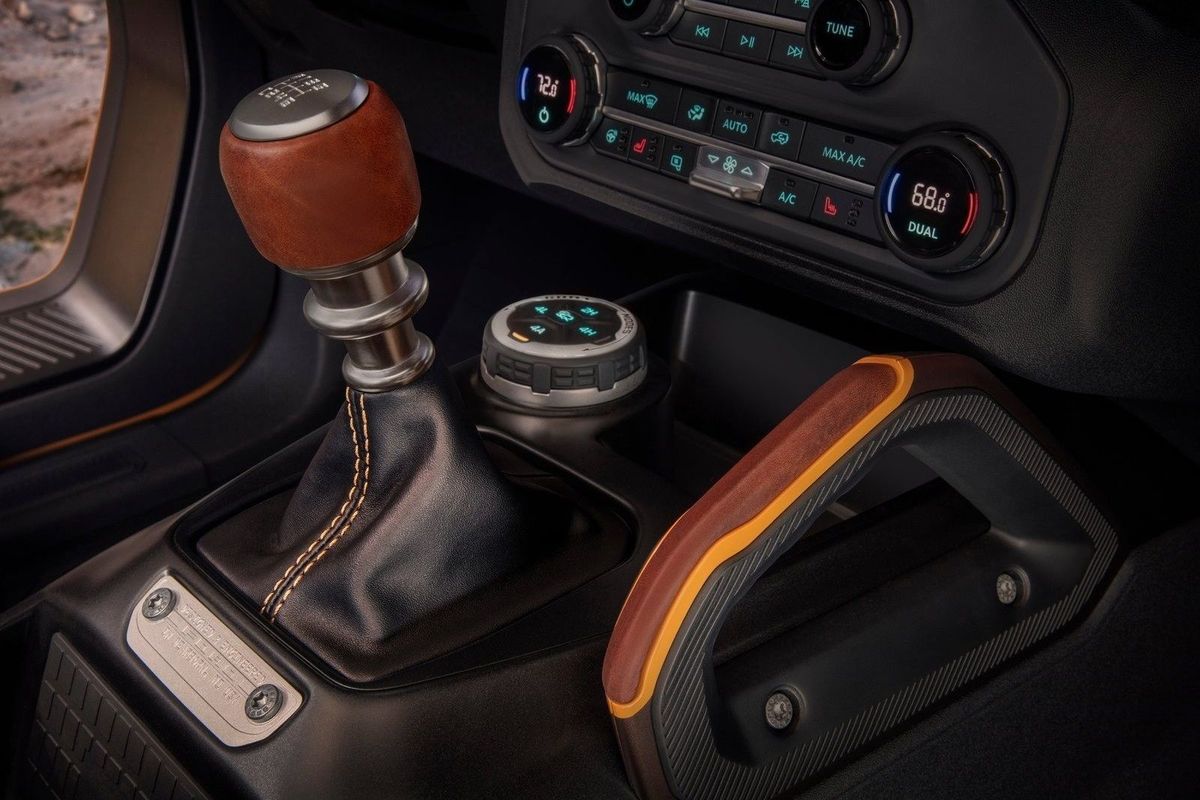
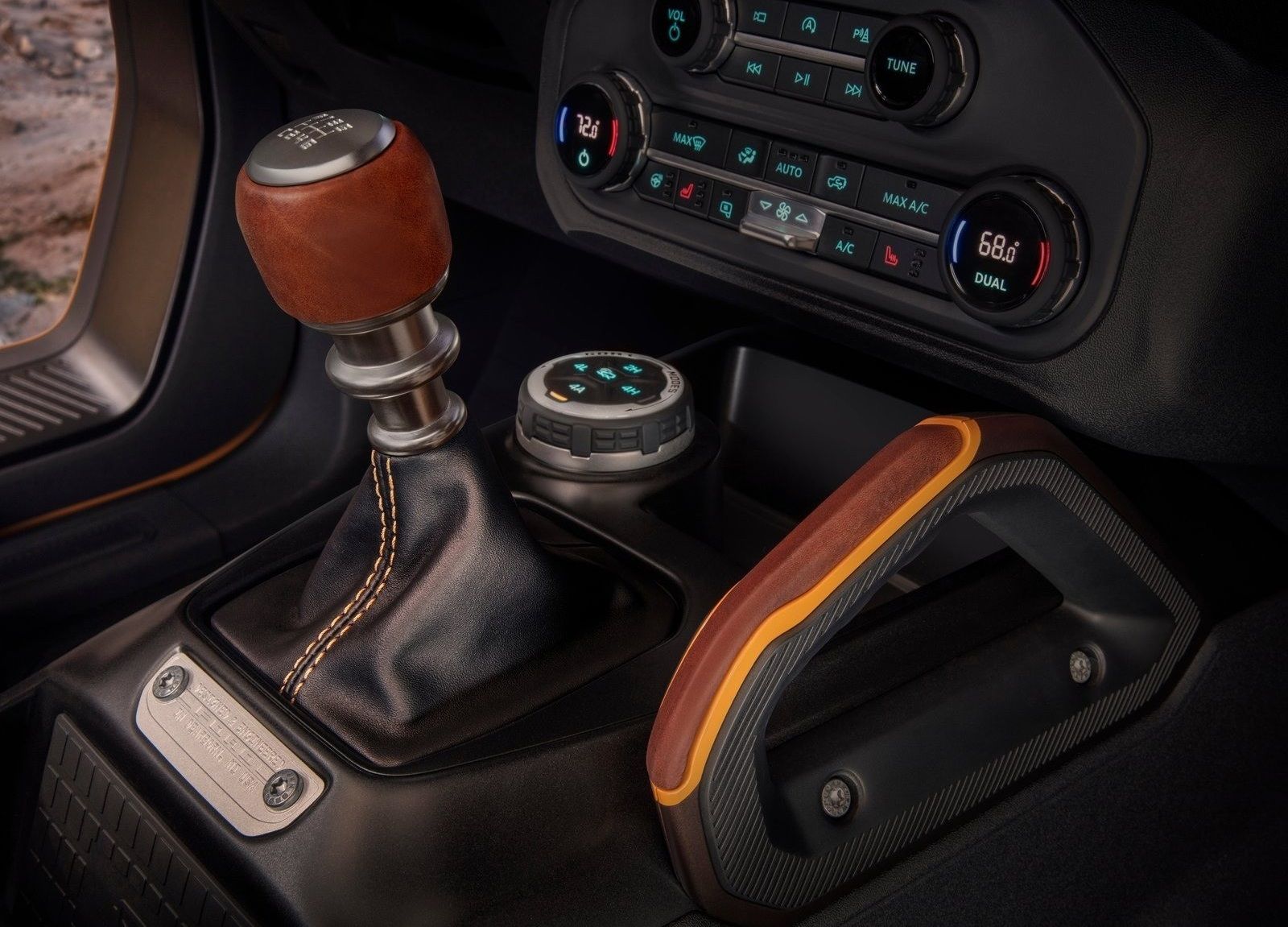
The Bronco is hugely capable offroad and with no less than 7 G.O.A.T. driving modes, you can anywhere you please.
All Bronco Sport derivatives feature MacPherson-strut (front) and multi-link (rear) suspensions in combination with all-wheel drive, of which the Terrain Management System offers as many as 7 G.O.A.T. (Go Over Any Terrain) modes: Normal, Eco, Sport, Slippery, Sand, Mud/Ruts and Rock Crawl.
For the Bronco 2-door and 4-door versions, there are two 4×4 systems to choose from including a base setup and an advanced 4×4 system. The base system features a 2-speed shift-on-the-fly transfer case while the advanced system has a 2-speed electromechanical transfer case with an auto mode for on-demand engagement to select between 2H and 4H. The Bronco is equipped with Dana 44 AdvanTek solid rear axle and an independent front Dana AdvanTek differential, both available with Spicer PerfromaTrak electronic locking differentials.
As you can expect, Ford also offers various packages and optional equipment to suit the particular application for the Bronco.
Interior and customisation
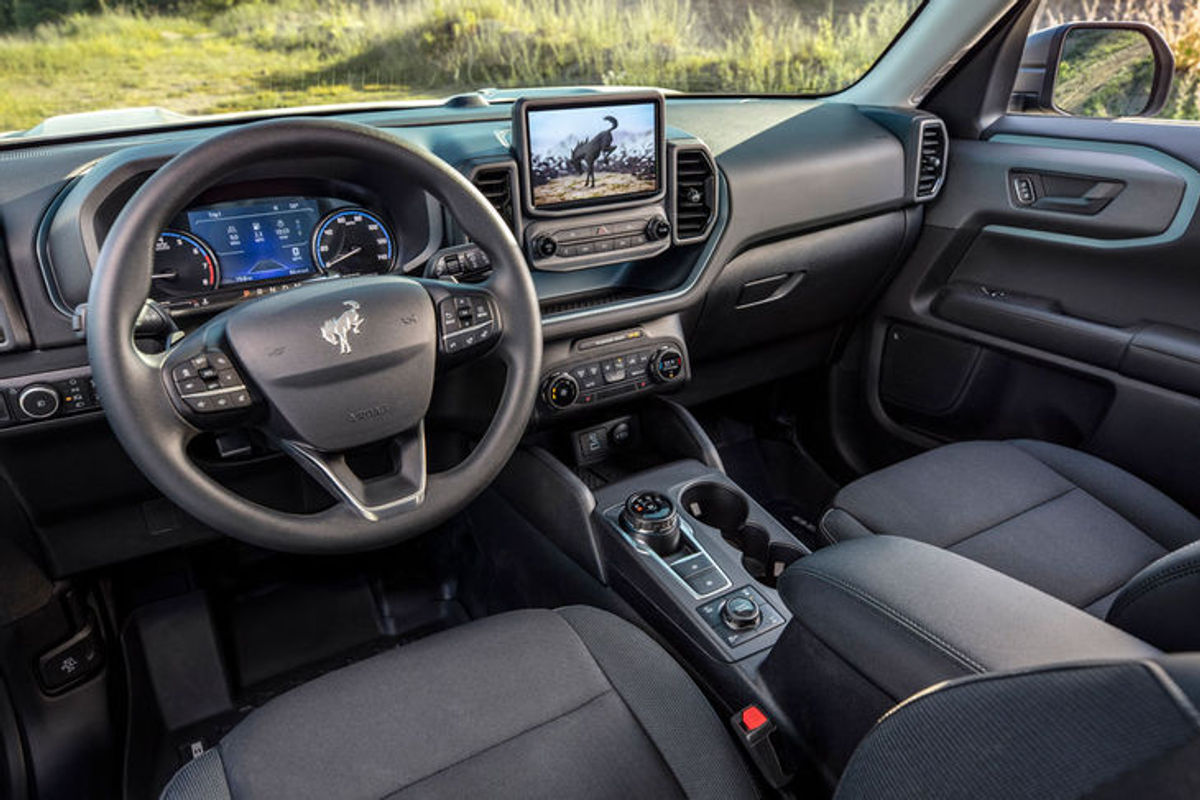
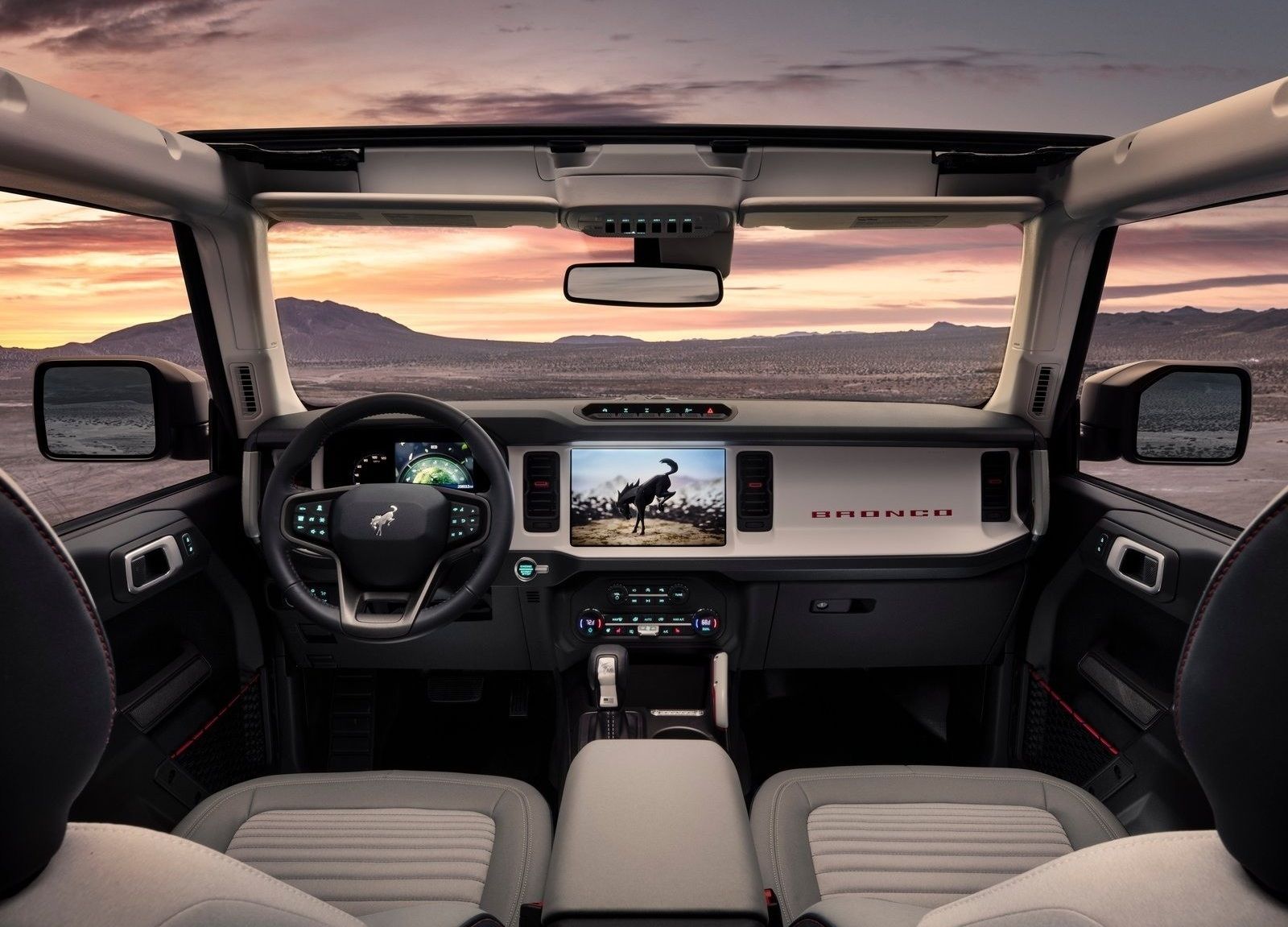
The Bronco's interior is highly customisable and SYNC4 is a technological highlight here.
The Bronco's interior is designed and built to withstand the rigours of life in the outdoors with hard-wearing materials used for this purpose. Grab handles are fitted in the instrument panel and centre console as are practical Molle hooks and mounting points for a device rack where you can mount your cell phone, navigation devices and so forth.
Furthermore, the Bronco’s interior is equipped with an 8-inch (12-inch is optional) SYNC4 touchscreen infotainment system (compatible with Apple CarPlay and Android Auto) as well as the Ford Co-Pilot360 suite of driver-assist technologies. The suite incorporates pre-collision assist with automatic emergency braking (with pedestrian detection), forward-collision warning and dynamic brake support, blind-spot monitor with cross-traffic alert, a lane-keeping system, auto high-beam headlamps and a reverse-view camera.
Some Bronco derivatives can be equipped with washable rubberised floors with integrated drains as well as marine-grade vinyl upholstery. As for further customisation, 7 colour and trim combinations can be combined with 4 content packages to meet a customer needs with a total of 11 colour choices and over 200 available accessories.
Software challenges continue to buffer VW’s digital and electric vehicle ambitions.
The German automotive conglomerate is steadfast in its commitment to have a fleet of highly digitized future vehicles, mostly powered by batteries instead of petrol or diesel. What VW has discovered, is that harmonizing all those digital features and making the new electric vehicle powertrain architectures work, isn’t easy.
VW has already admitted that software issues are the cause of its delayed Golf 8 global production and delivery timetable. The latest news from Germany would indicate that things might not be getting better.
Bloomberg has reported that VW’s head of ‘Digital Car & Services’, Christian Senger, is soon to be without a job, little more than a year after taking his senior position.
A qualified mechanical engineer, Senger started his career at BMW, serving between 1997 and 2012, where he eventually became the i Product specialist (i3 and i8).
After BMW, Senger worked for Continental, in the supplier company’s impressive Automotive Systems & Technology division. He eventually joined VW in 2016, with the role of E-Mobility product boss. VW clearly identified Senger as a staffer with the required skills to drive the company’s future electric vehicle product development initiatives.
All that would now appear to be at an end, with the Golf 8 and ID-series software glitches requiring consequence management – which has cost Senger his job.
For VW the challenge will now be twofold: it must speedily find a suitably skilled replacement, for a difficult job, while accelerating the product delivery of its Golf 8 and ID vehicles. Both with software issues that Senger probably had a better understanding of, than most.