Leaked images: Bentley Bentayga facelift
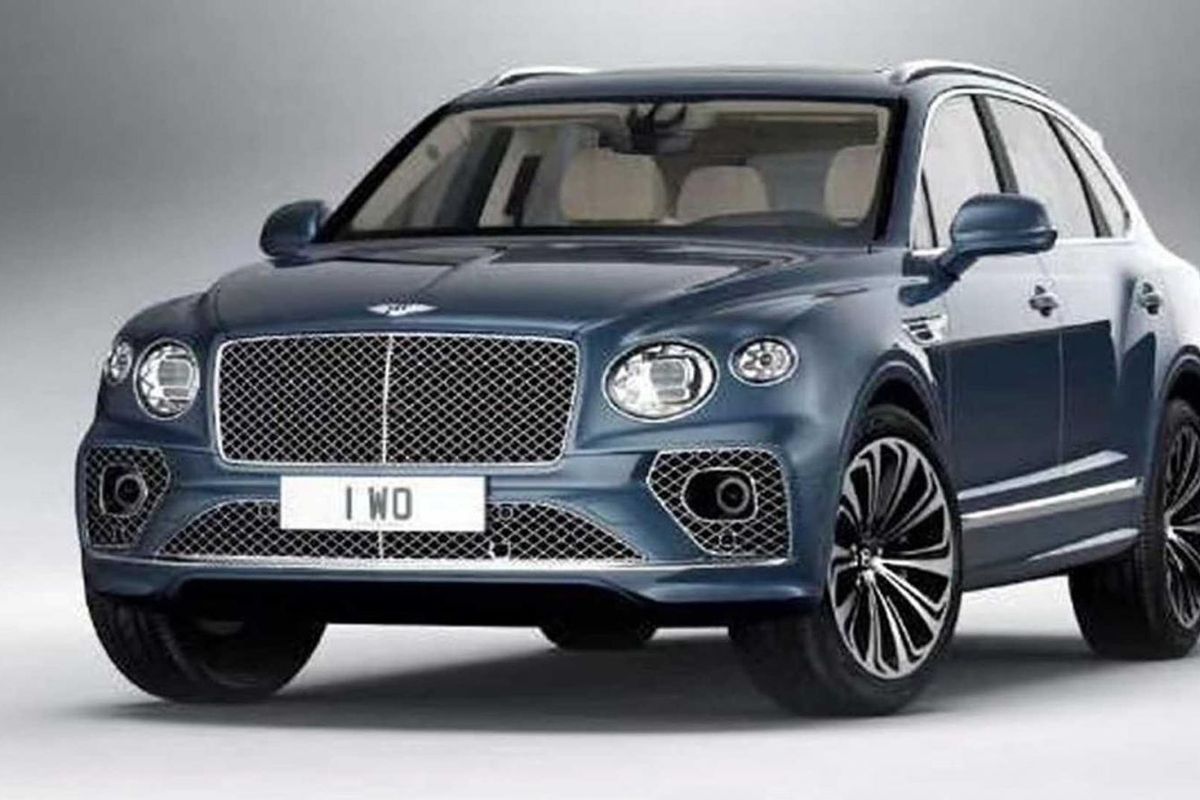
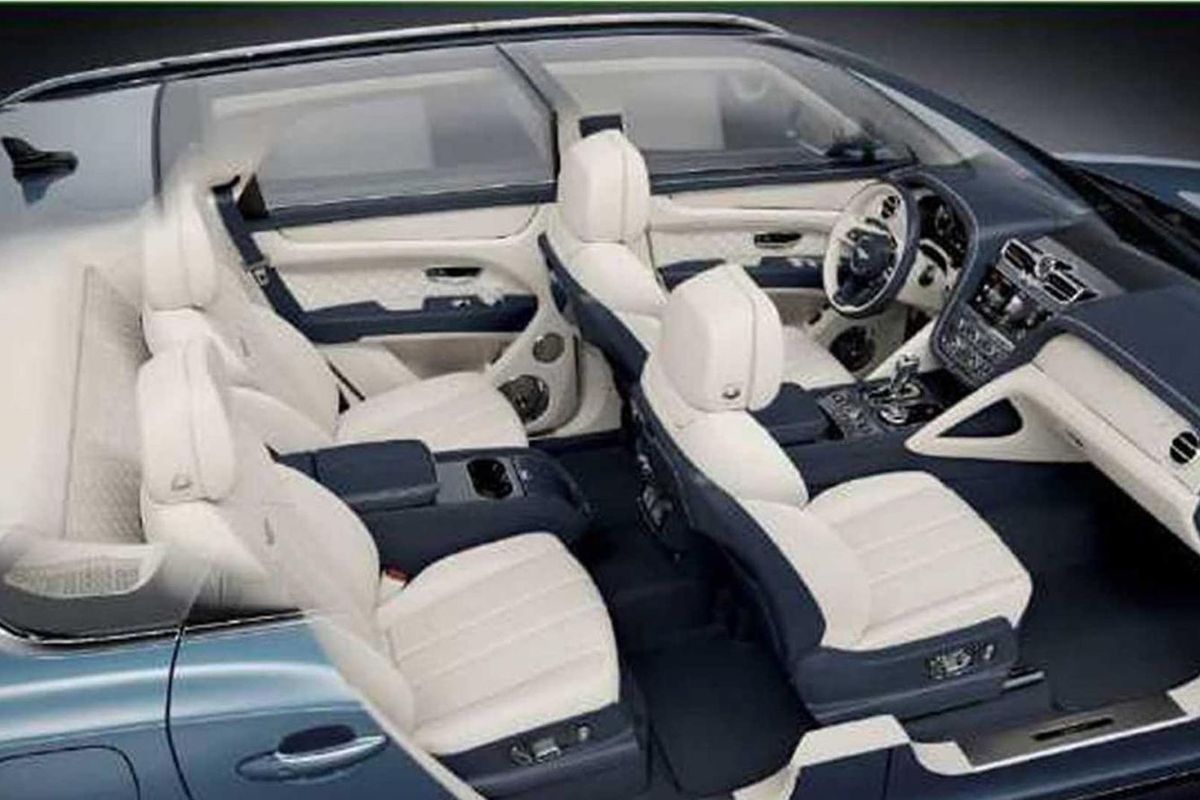
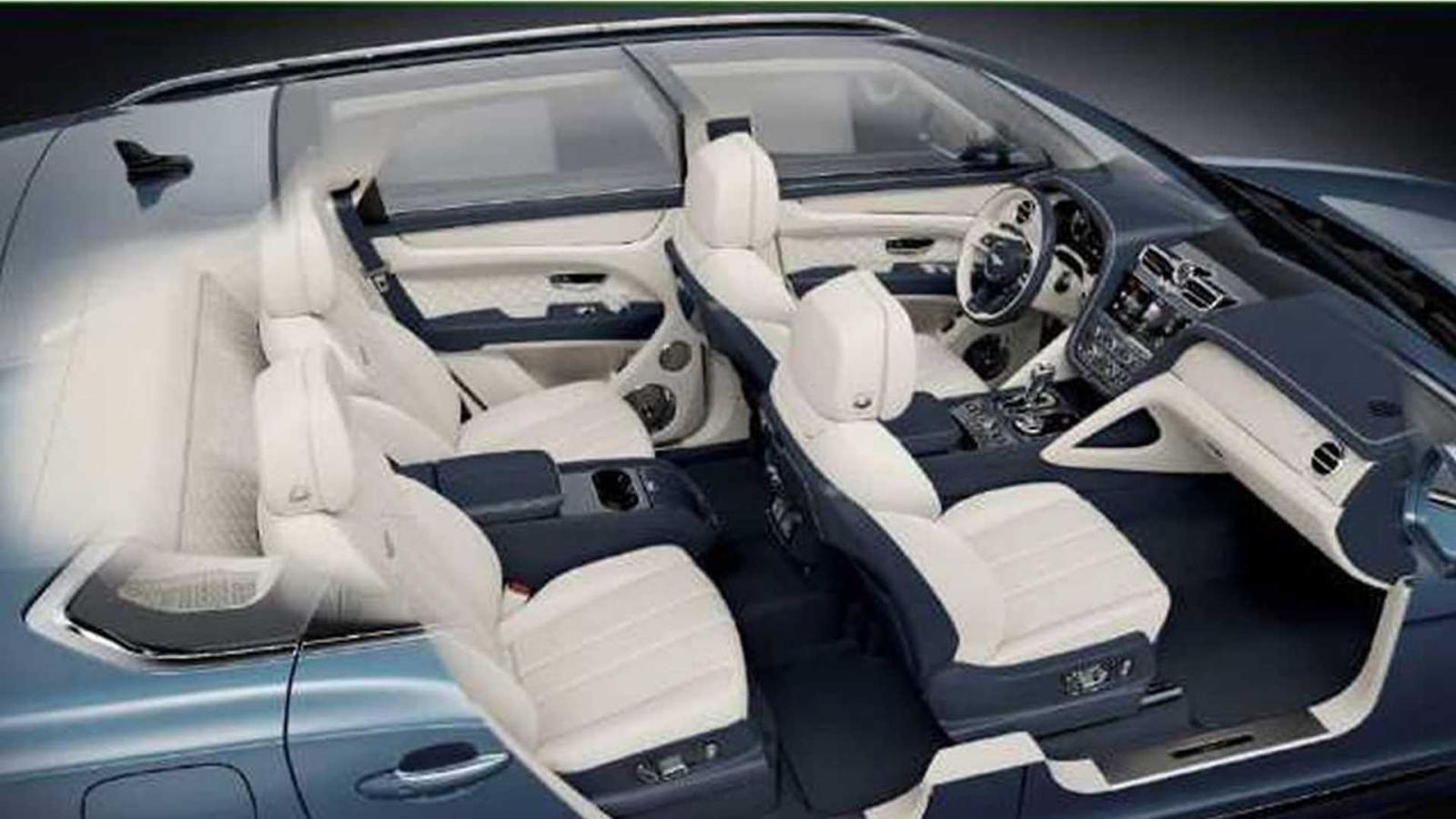
Having recently delivered its 20 000th Bentayga, Bentley is preparing to introduce a facelifted version of its popular first-class SUV. Judging from these leaked brochure- (or perhaps, press-) images that have popped up on Instagram, the luxury off-roader's mid lifecycle update will be subtle.

Although some regarded the Bentayga in conflict with Bentley’s traditional values at the time of its launch, it has become a vital product in the company’s portfolio. The first-class SUV is the Crewe-based brand’s bestseller; it represented almost half of all new Bentleys sold in 2019 – a record year for the VW Group’s most luxurious MLBevo-based model.
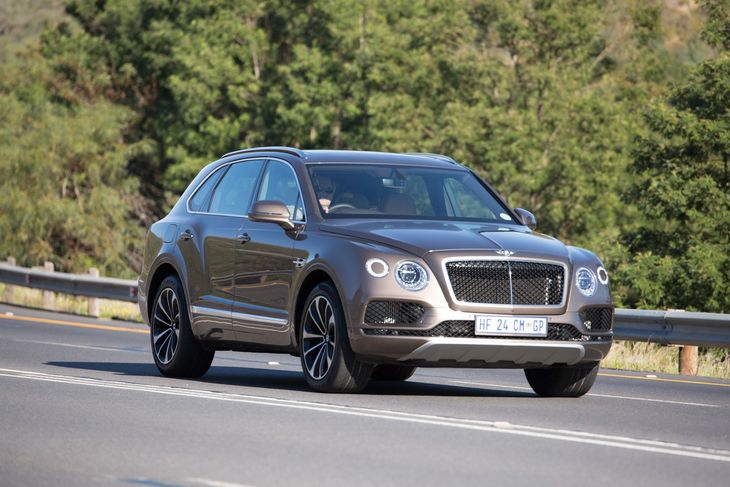

The Bentayga made its South African debut in mid-2018, but the model was introduced overseas as long ago as 2016. 

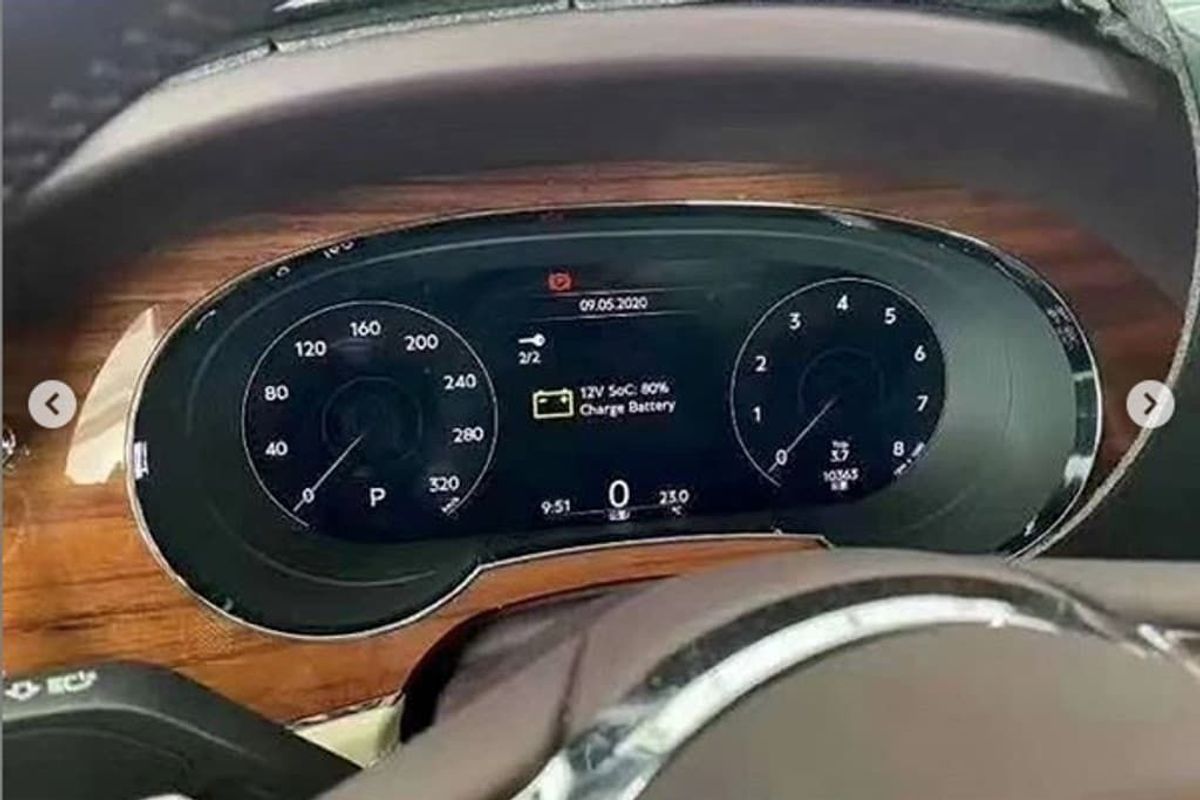
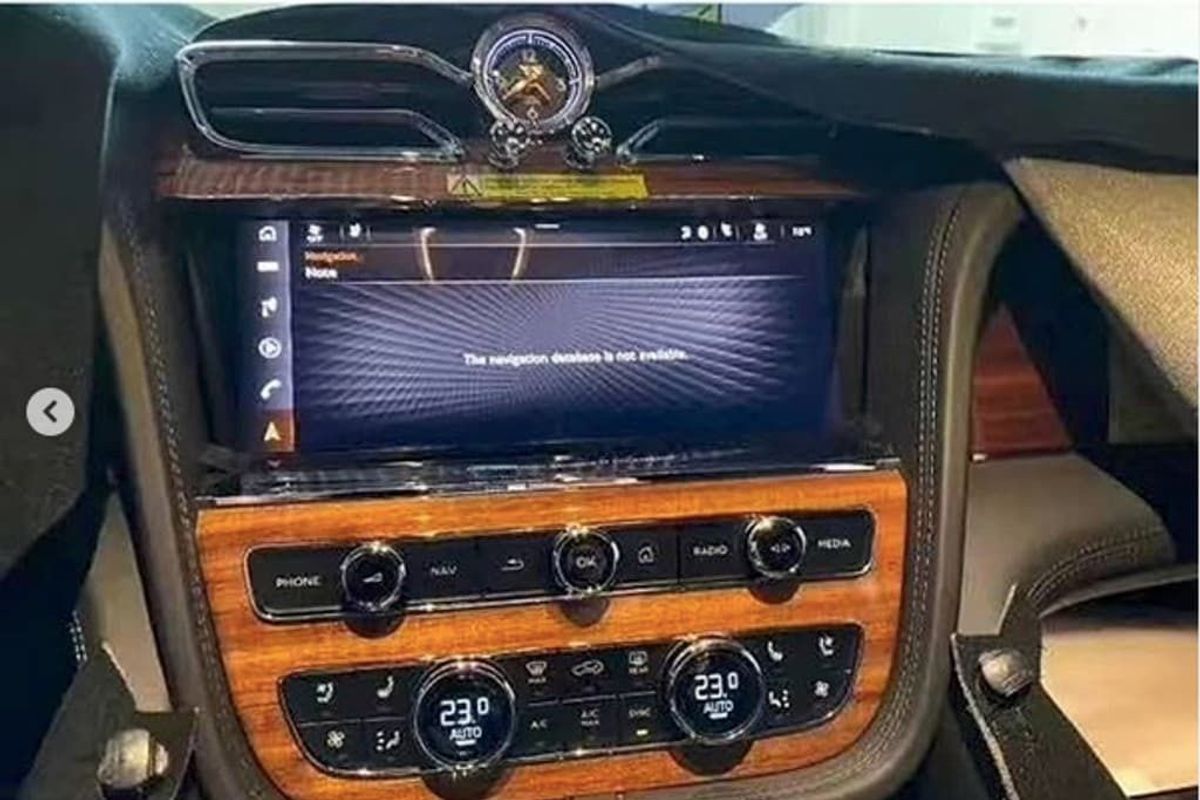
These (regrettably grainy) images of the facelifted Bentayga were posted by Instagram user Wilco Blok and partly reveal the first-class SUV's refreshed styling and interior. 

The most noticeable exterior update is the new headlight design that’s reminiscent of those of the Continental GT and Flying Spur. The significantly revised bumper's recesses are covered by the same mesh pattern as the grille; it further features a larger lower air dam and (what appear to be) enlarged fog-light housings.

The Bentayga is based on the same platform as the Audi Q7/Q8, Lamborghini Urus, Porsche Cayenne and VW Touareg.  

Apart from the obvious new alloy wheel design, the Bentayga’s rear end is most likely to sport a reshaped bumper and new-look (and probably enlarged) LED tail-light clusters.

The changes to the interior are subtle too… and appear to be largely technology-based. Bentley has fitted the updated Bentayga with a reshaped all-digital instrument cluster (it effectively inserts contemporary electronic display into an old-school instrument pod), while the decluttered centre console sports the wider touchscreen infotainment system from the Flying Spur.
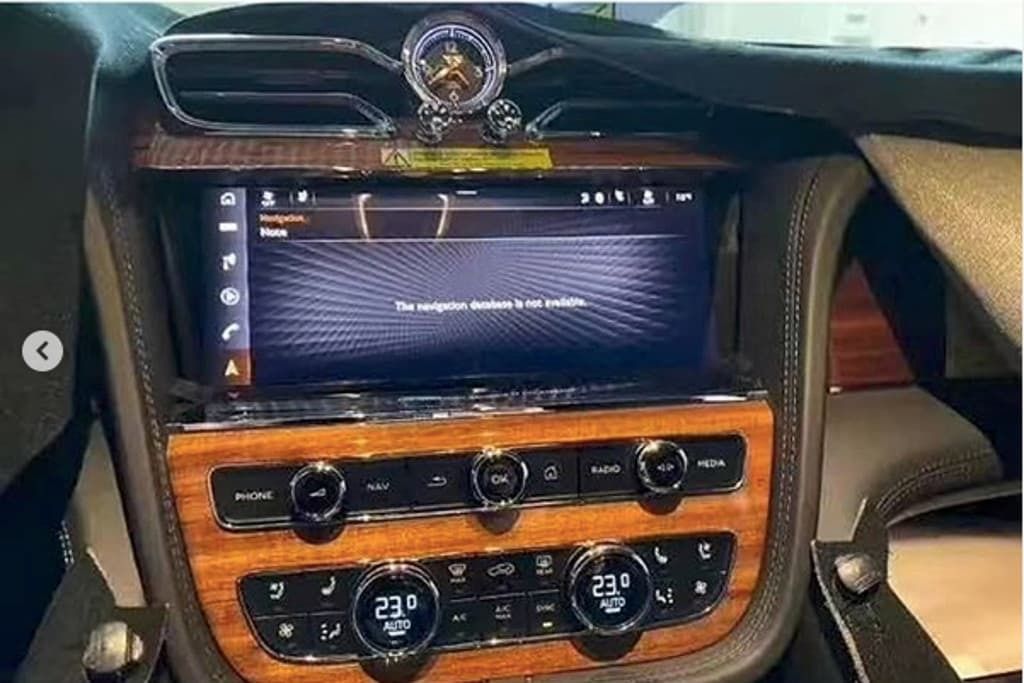

With the enlarged touchscreen, Bentley is looking to improve the Bentayga's infotainment functionality. 

Under the sheet metal, the revised first-class SUV should receive a number of technical updates, such as an upgraded semi-autonomous cruise control system, but the current engine line-up of a 320 kW/900 Nm 4.0-litre V8 turbodiesel, 404 kW/770 Nm 4.0-litre V8 turbopetrol and 447-467 kW 6.0-litre W12 turbopetrol is likely to remain unchanged, although some ‘sites are reporting that the W12 engine will be more fuel-efficient.

The Bentayga range was launched in South Africa in mid-2018, be sure to read our launch review, check out the range’s specs & prices in South Africa or search for a used example on Cars.co.za.

Related content:

Bentayga not enough to save Bentley jobs

10 Cool Things: Bentley Continental GT Mulliner Convertible
Flying Spur to Rival AMG S65

World's oldest V8 finally retiring

Bentley Bacalar Fully Revealed

5 reasons Hilux and Ranger should worry about a Korean bakkie onslaught

Hyundai and Kia are preparing to launch bakkies, but given the myriad double cabs that have been revealed, launched and updated of late, the Koreans will clearly have their work cut out. However, adversity is something the companies are quite used to. Here's why the bakkie stalwarts should take notice of the upcoming models.
Santa Cruz. What images does that name conjure up for you? It's a coastal county of Southern California, so… sun, surf, and sandy flesh? Or, perhaps the name evokes the famous mountain bike brand and with it the notion of bombing down tree-lined single trails. In truth, the name harks to both scenarios, which we'll bundle under that well-used umbrella term "lifestyle".
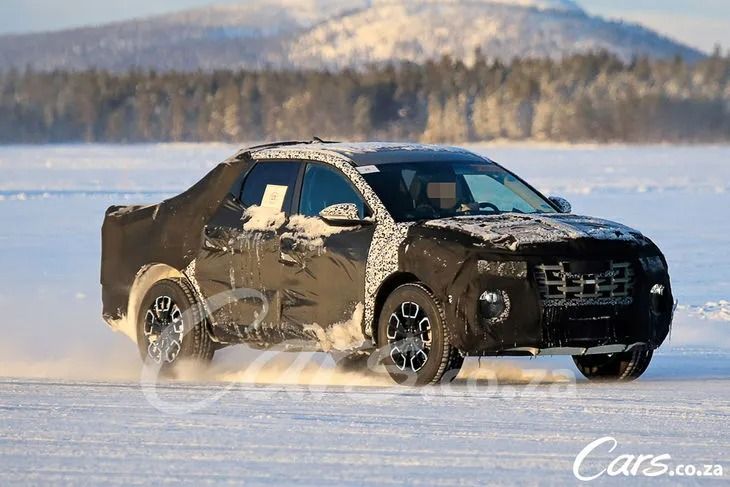
In South Africa, for example, we already associate that particular word with the double-cab bakkie. So then, enter the Hyundai Santa Cruz. What started as a tease, then evolved into a concept, will soon go into production. Even during these Covid-19-addled times, the idea of strapping a bicycle or canoe onto the back of a double-cab and charging down some gravel for a solo (read socially-distanced) adventure, seems wonderfully enticing. 

1. They’ve done this before


The Koreans have a worthy fighter in every segment of the market, except the bakkie segment.

Hyundai – and Kia, by extension – already know how to churn out cars with mainstream appeal, so there’s no telling the damage they can do in the most popular vehicle segment in the Republic. For every segment they’ve entered, the Korean sibling companies have sent a combatant to rival the champion – most recently with the Golf GTI challenger, the 130 N. Crossovers? They’ve pretty much usurped the category with the Creta, SeltosTucson and Sportage. There’s no reason to believe a lifestyle truck won’t steal some real estate in the bakkie segment…

Read: Spied: Hyundai Double-Cab Bakkie in Profile

2. They want to make cars you will love


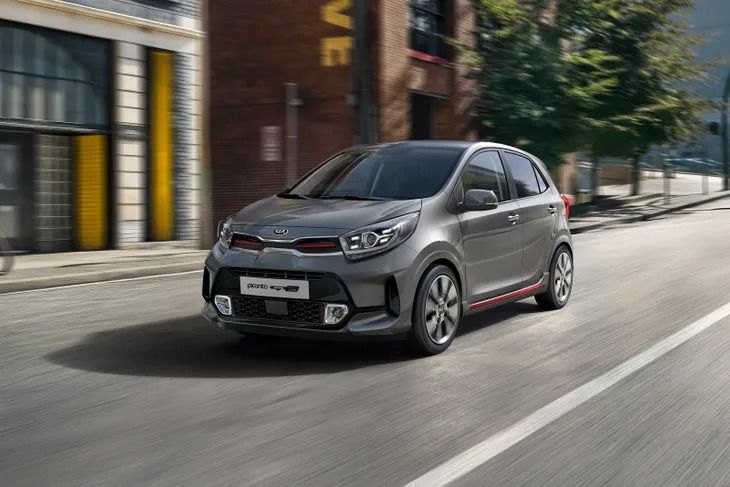
The Picanto has become an SA favourite, selling in large numbers locally.

Ten years ago, we were invited to the Hyundai and Kia operations in South Korea. We witnessed a truly self-sufficient operation from mining to milling, to rolling out body shells before our eyes. Here we informed that the goal of the firm had changed from mastering the art of mass production to churning out affordable, competent passenger vehicles to ultimately building cars you and I will love. Mission accomplished.

3. This affects you


Hyundai and Kia share tech, probably better than an Isuzu/Mazda or Ford/VW collaboration would. 

A Hyundai or a Kia is no longer the go-to option for those looking to buy a new vehicle on a tight budget; Chinese manufacturers have cornered that market. In other words, the success of any Korean double cab is largely going to depend on you. Of course, there’s no reason to assume they won’t be competitive from the get-go, which means you stand to gain a very competitively-priced product loaded with spec, even it has no track record.

Remember when VW bravely waded into this segment with its Amarok. Much was the fuss, with many a negative comment strewn across the web (and bandied about around braai fires) about its "puny" 2.0-litre engine, but the VW nevertheless garnered awards and thrived. Yet, despite its favourable debut, the next Amarok will be built by segment-champion Ford. There’s a lesson here, one that Hyundai and Kia are sure to learn from.

4. They have the segment champions in their sights


A ladder frame version is being built specifically for markets like South Africa.

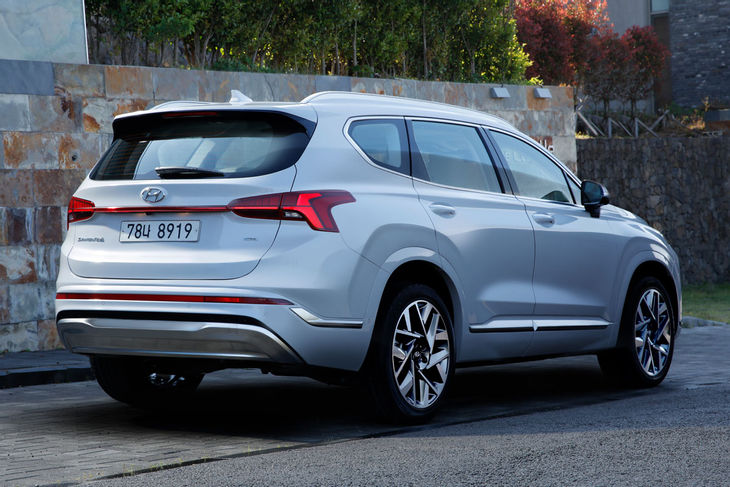
Just like in every other segment, Hyundai will take on the stalwarts, so watch out Messrs Hilux, Ranger and D-Max. And it’s true that Hyundai already has a lifestyle truck based on its Santa Fe SUV in the pipeline for the USA market. A more affordable ladder-framed one-tonner most likely destined for South Africa and Australia is coming too and the rumours suggest the newcomer and its Kia equivalent may feature a 137 kW/241 Nm naturally-aspirated 2.4-litre- and 175 kW/352 Nm 2.0-litre turbocharged petrol engines and possibly a 142 kW/440 Nm 2.0-litre turbodiesel motor.

Styling will surely follow the aforementioned premium Yank tank’s cues. The more luxurious versions (which may be the only kind they'll make, mind you) should feature Hyundai’s 8-speed automatic transmission… and that makes sense in 2020, when every manufacturer worth its salt steers their trucks ever closer to road comfort. We’ll bet anything you’ll be able to have one in both Hyundai and Kia flavours with 4×4 and 4×4 capability.

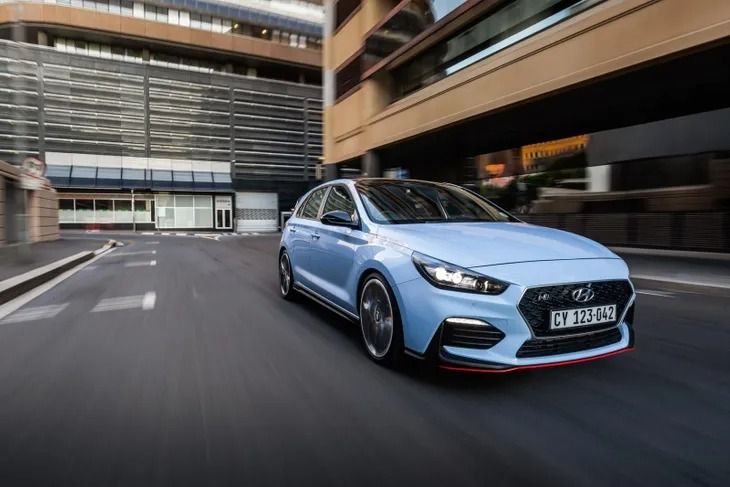
They aren't just stopping there either, they are going after the Ranger Raptor segment too. There is speculation that an N bakkie could feature the same potent, turbocharged 2.0-litre engine that powers the i30N and could offer as much as 225 kW!

5. They'll be here soon


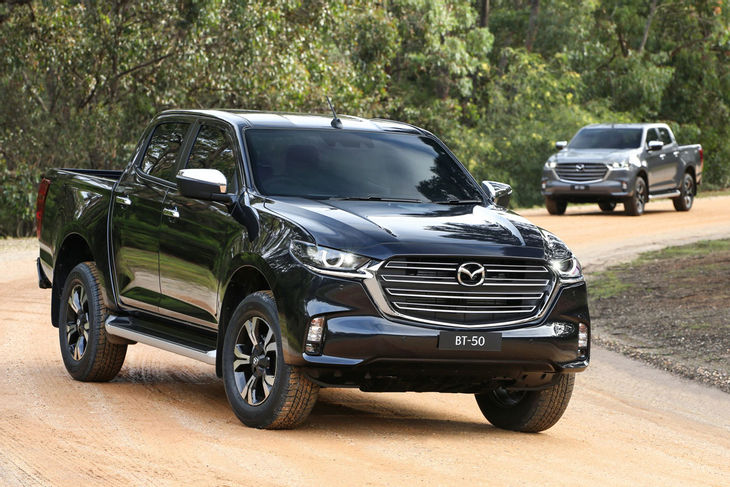
The BT-50 and Isuzu D-Max only arrive in 2021. The Hyundai/Kia Bakkie could be hot on its heels.

When can I have one? It could be as early as next year, we’re waiting with bated breath for an official announcement, but if the rumour mill is to be believed, it's likely to happen in 2021.

Would you buy one? Or does the newly revealed Mazda BT-50 do a better job of enticing you? How about the radical new Isuzu D-Max that the Mazda's based on, or China's most compelling entry yet, the GWM P-Series (possibly called the Cannon) pickup? There are interesting times ahead.

Related content:

Mazda launches new BT-50 double cab

How the AmaFord changes everything

More details: Facelifted 2020 Toyota Hilux

McLaren 720S Le Mans Special Edition Revealed

McLaren has revealed a special-edition 720S and we think it's the most beautiful version yet! Check it out. 

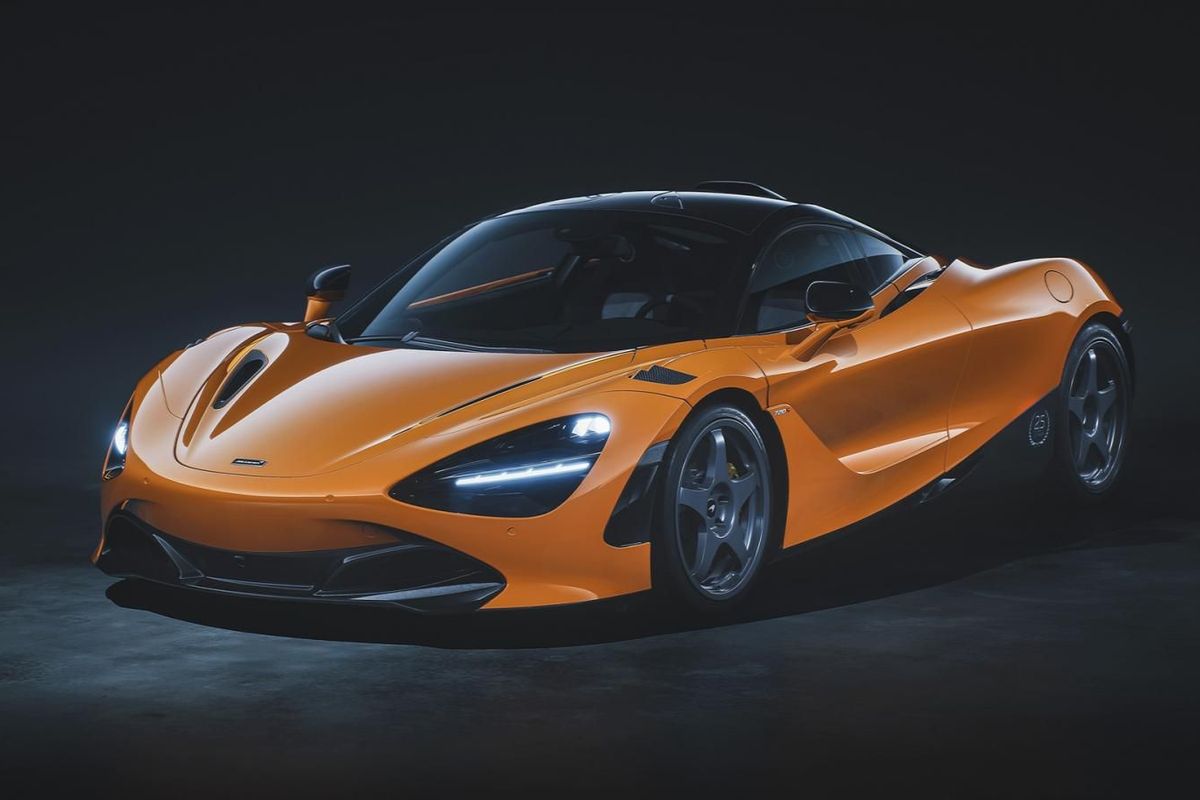
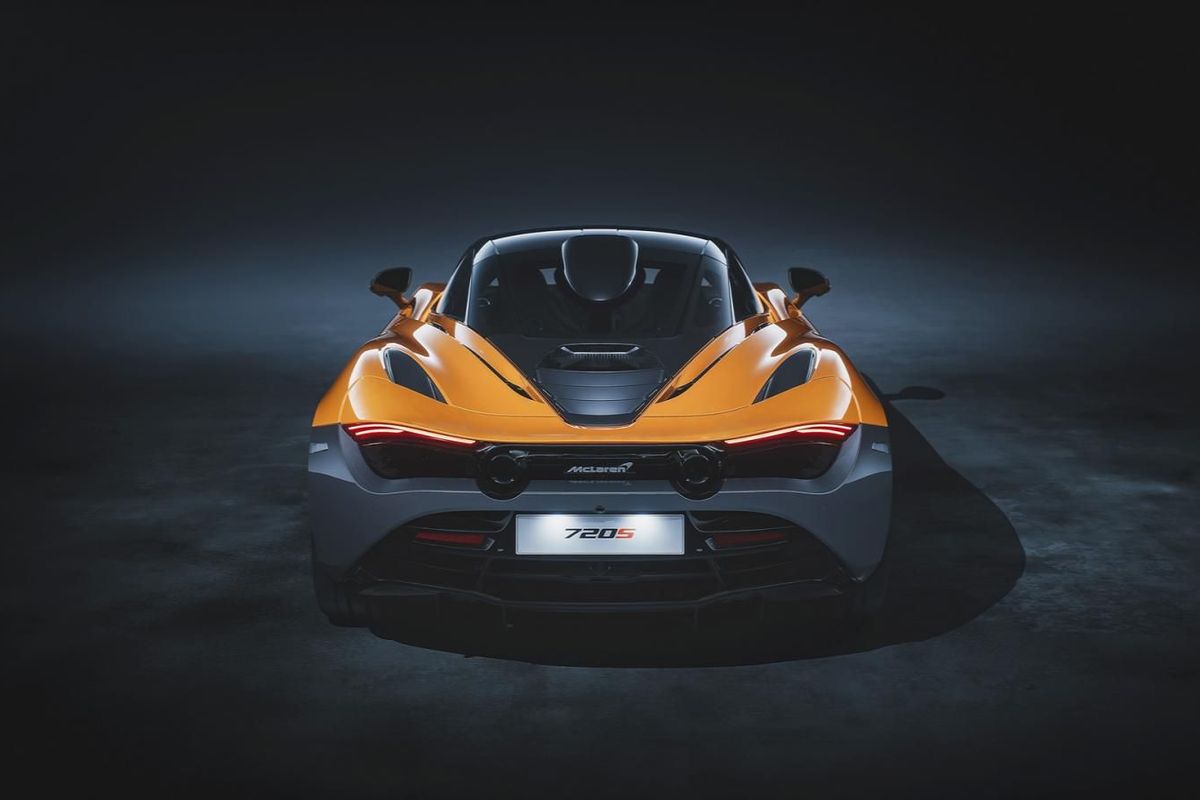
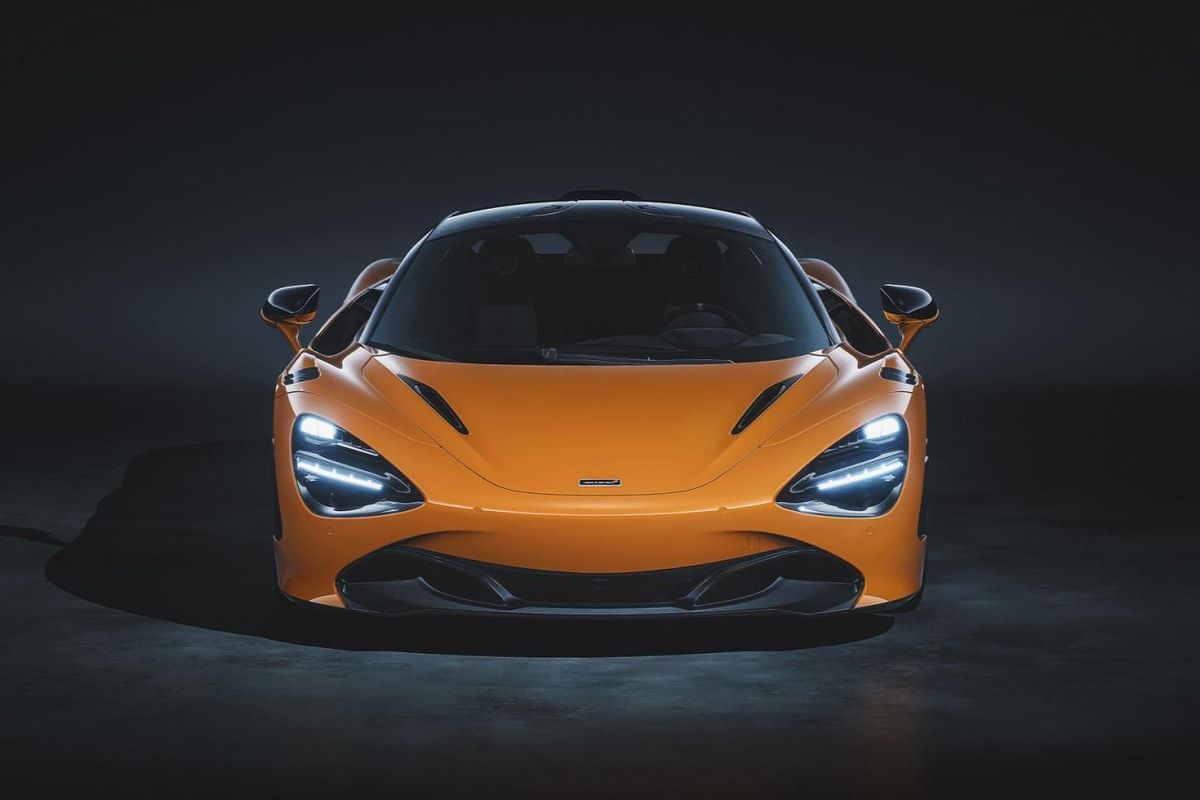
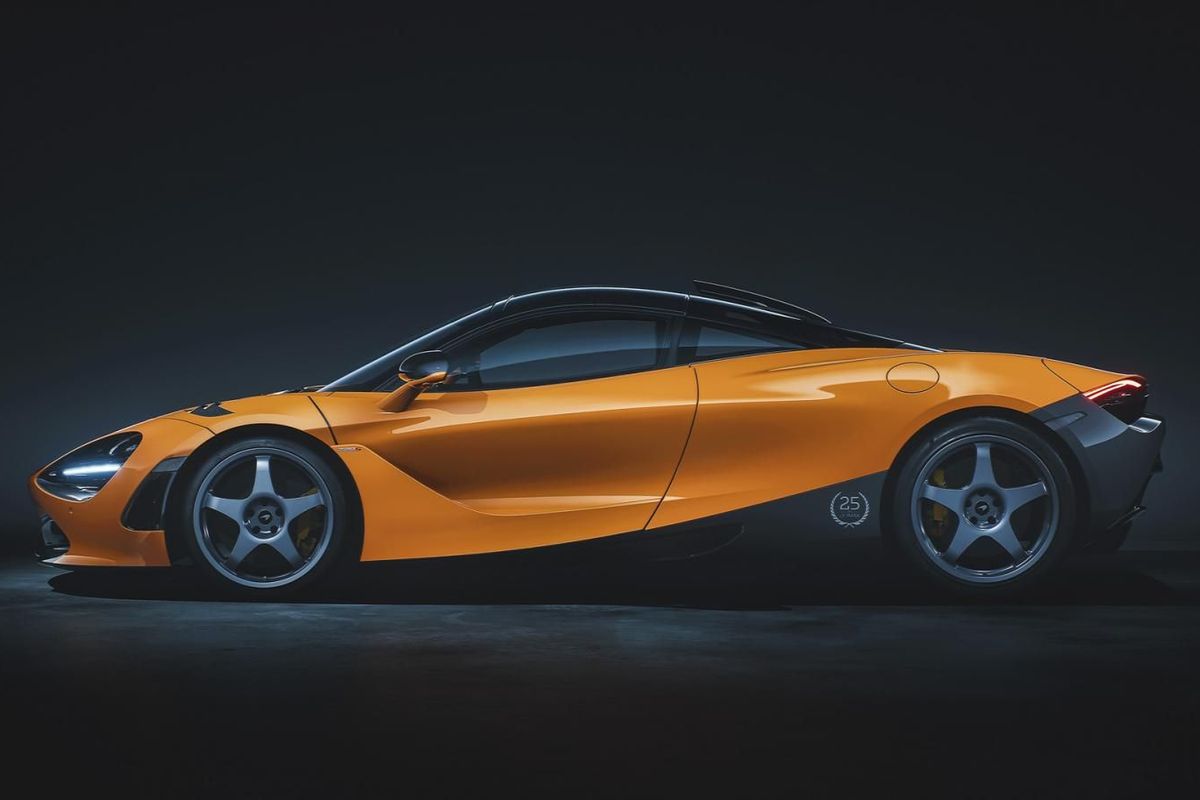
This limited-edition McLaren 720S was created to celebrate the 25th anniversary of the iconic McLaren F1 win in the 1995 Le Mans race. There will be just 50 examples built, and each will come with a special Le Mans dedication plate as well as McLaren 25 Anniversary Le Mans logos.

It's the attention to detail which we love and each vehicle's VIN will start with 298 – a tribute to the number of laps completed by the McLaren F1 back in 1995. The vehicle is available in 2 exterior paint themes, Sarthe Grey and Mclaren Orange (which you see here). There's a gloss black roofscoop, carbon fibre-louvred front fenders, unique 5-spoke Le Mans wheels (which look remarkably like the F1's wheels), and gold-coloured brake callipers. That roofscoop is not just cosmetic either as it helps cool the powertrain during high-performance driving, while the louvres provide an aerodynamic benefit.

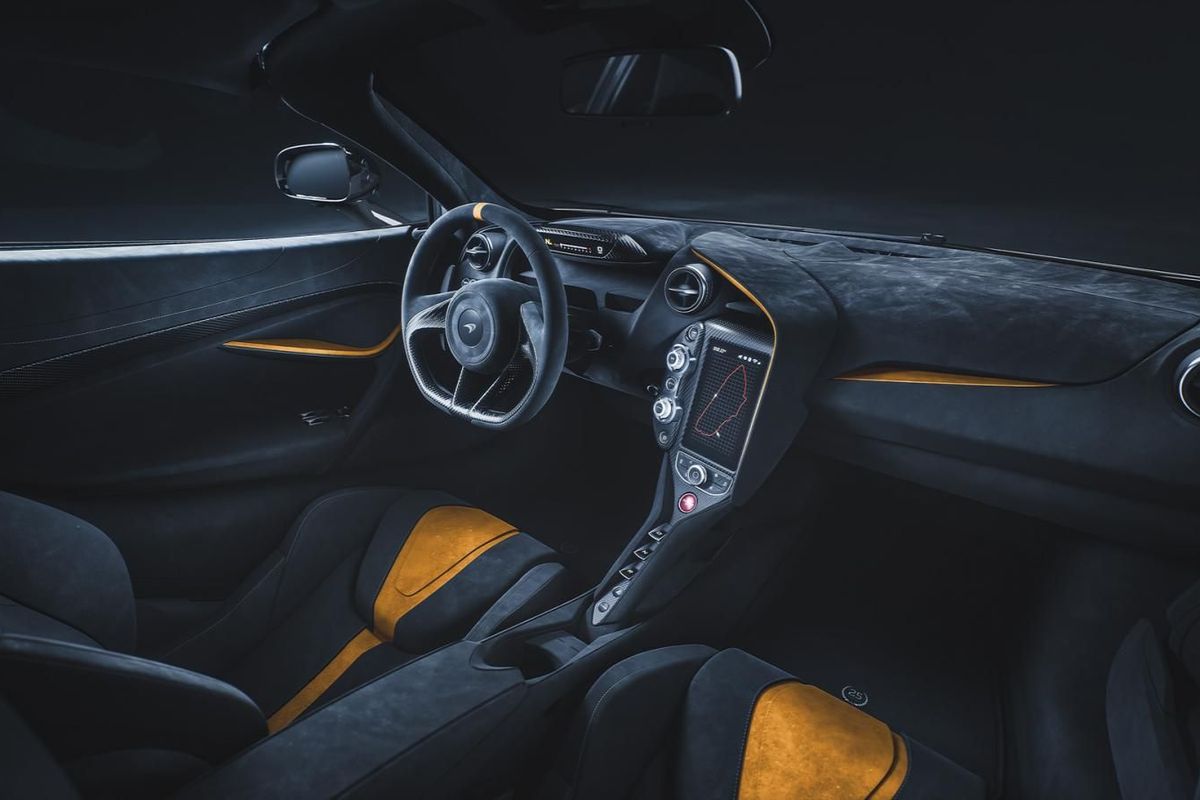
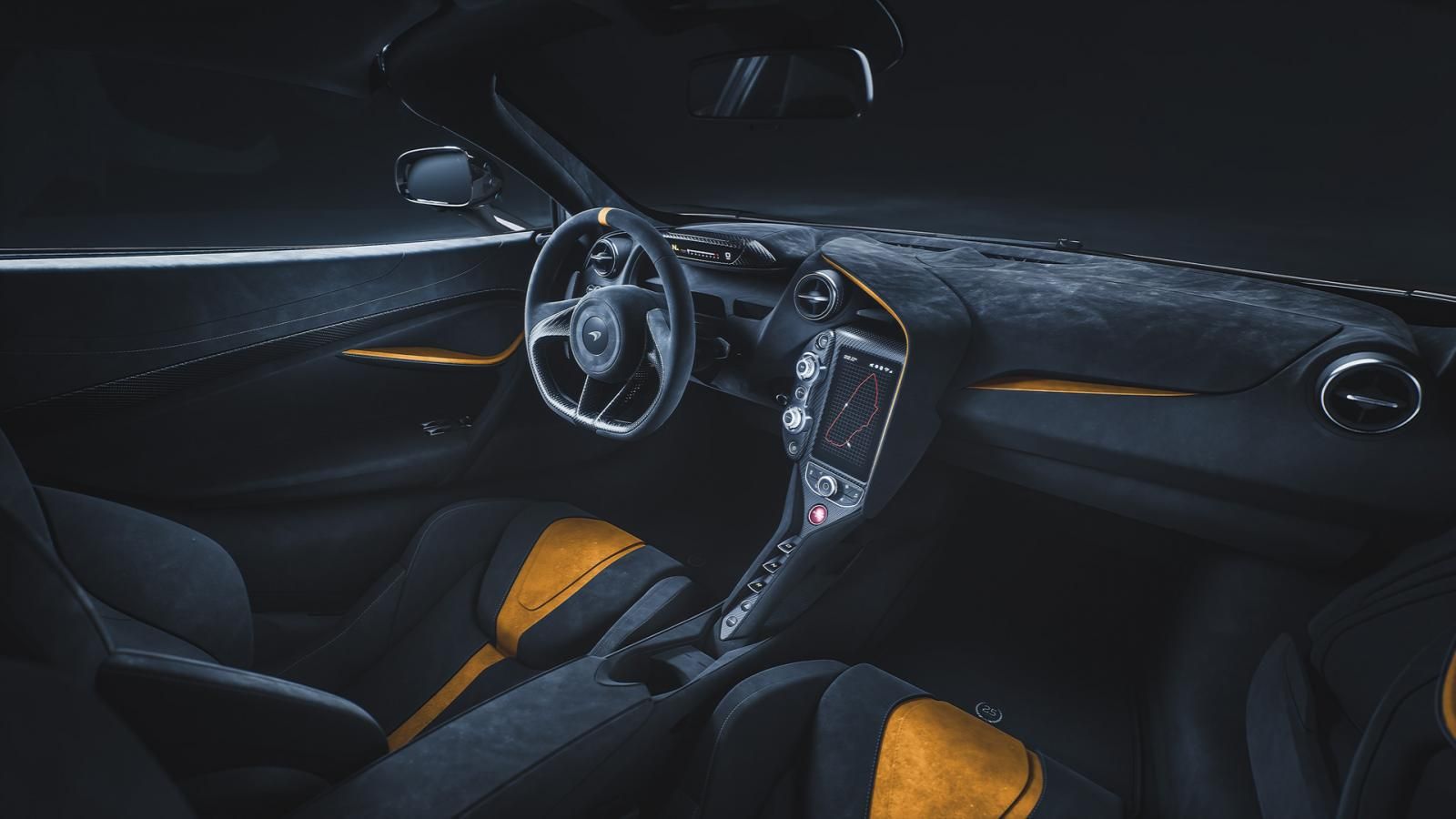
The cabin gains a choice of 2 bespoke black Alcantara themes with accents in either McLaren Orange or Dove Grey. Customers also get carbon fibre racing seats, embroidered headrests with Le Mans 25 logo, 12 o clock steering wheel marker, dedication plate and unique floor mats.

The engine is unchanged. For the record, the M840T 4.0-litre twin-turbocharged V8 produces 529 kW and 770 Nm and the 720S is capable of 0-100 kph in 2.9 seconds, 0-200 kph in 7.8 seconds and will run to a top speed of 341 kph.

Find a McLaren for sale now.

Further Reading

McLaren 720S now even faster with Track Pack

McLaren 720S Video Review | The Big Mac Attacks

McLaren's All-New 720S Supercar lands in SA

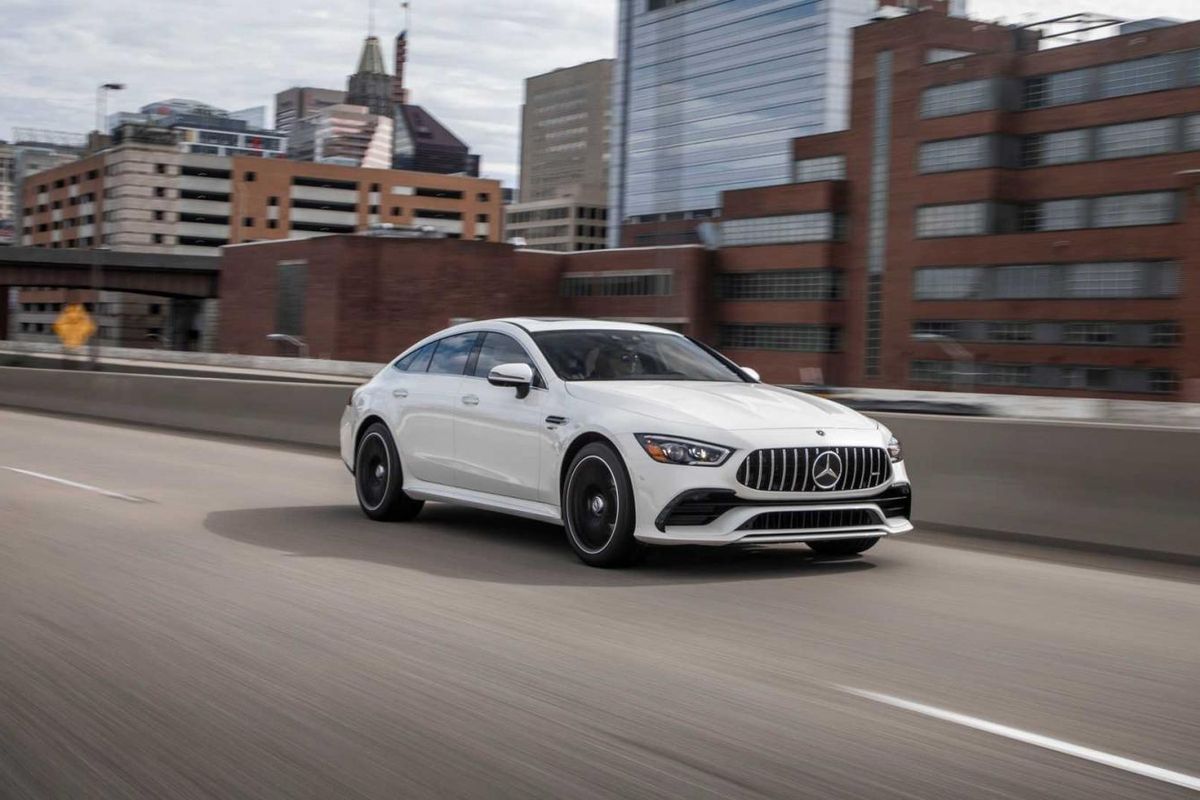
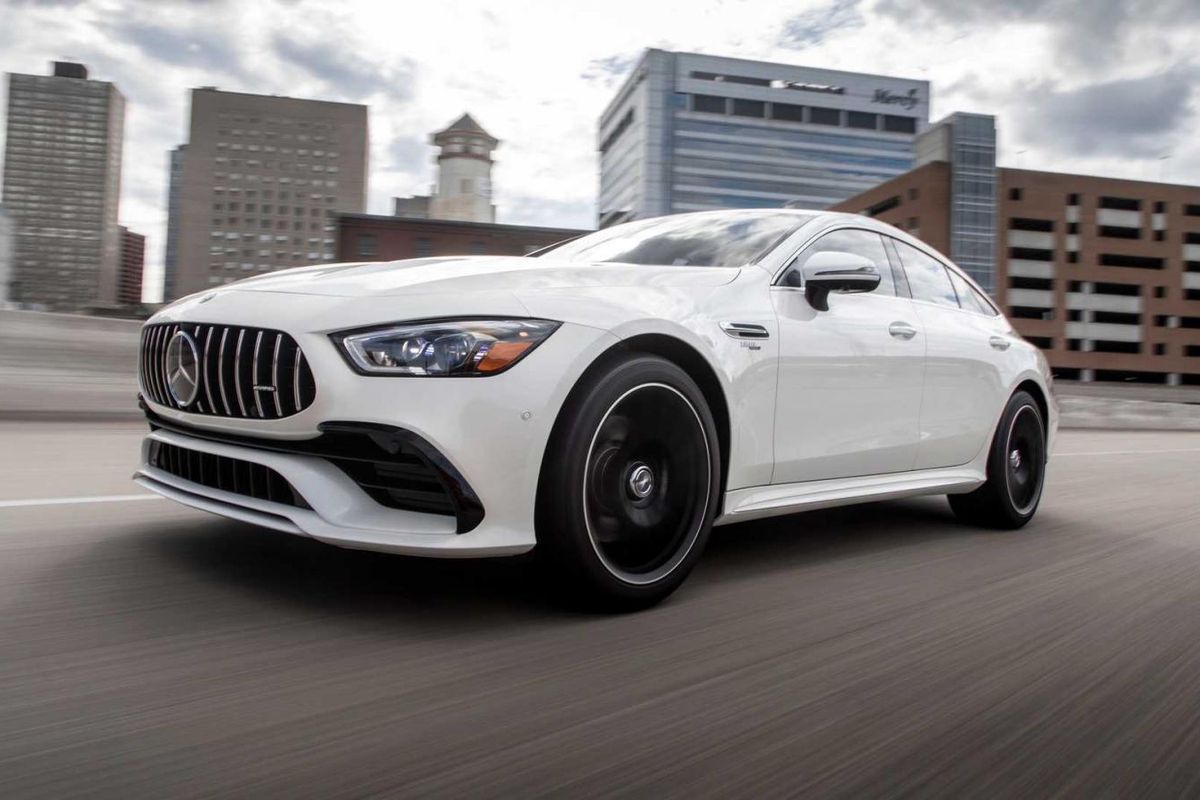
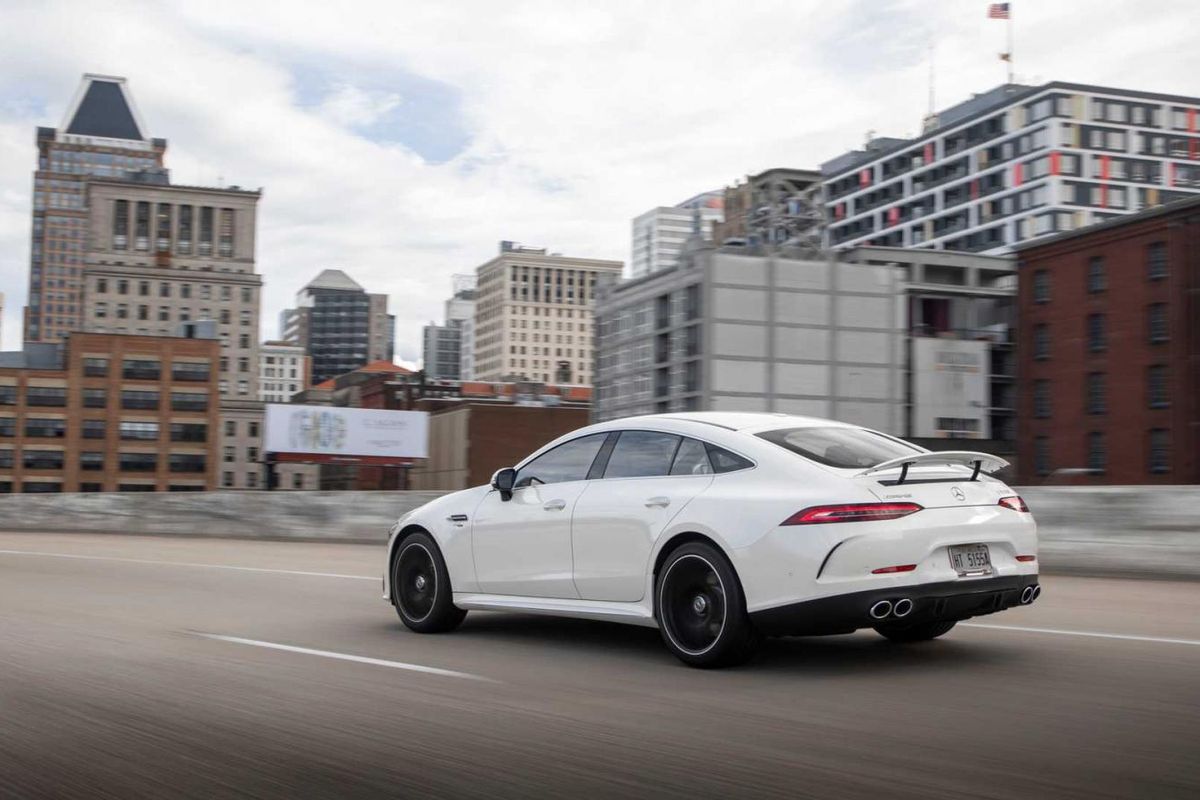
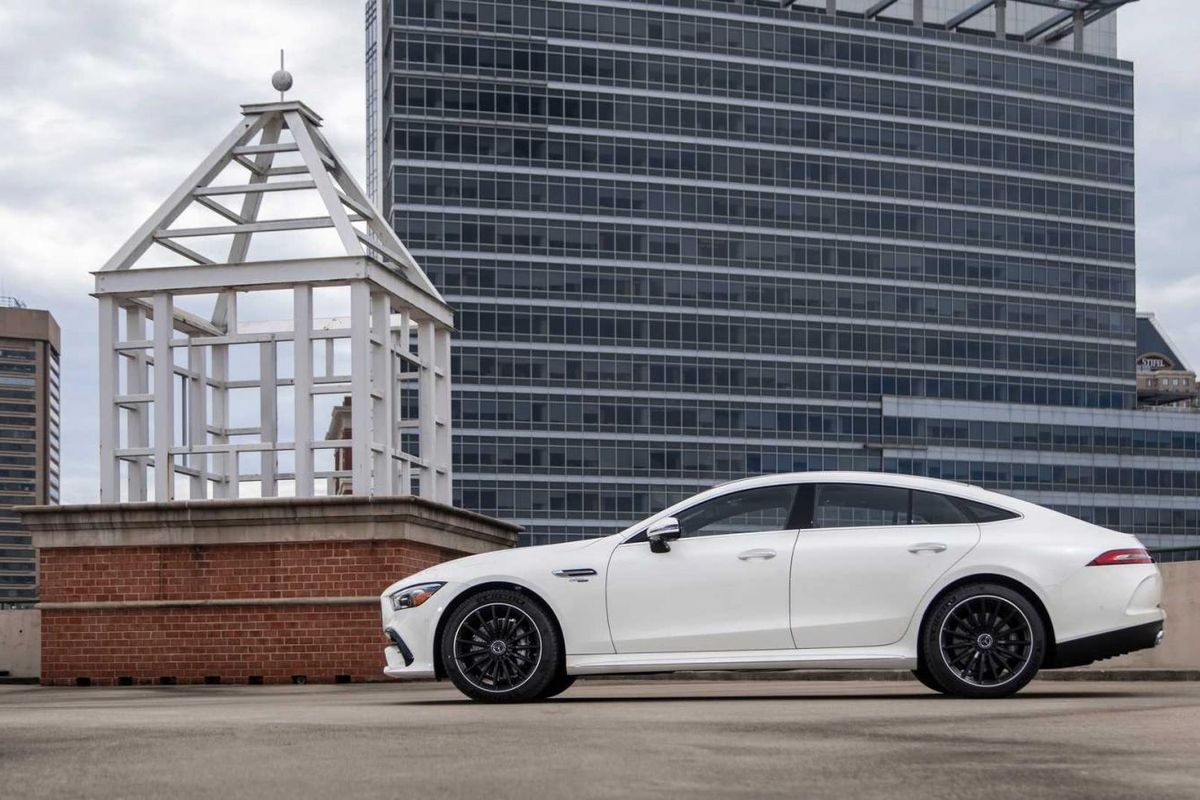
Baby Mercedes-AMG GT 43 Joins GT Family

Mercedes-AMG has introduced a new AMG GT 43 Coupe to its 4-door Coupe range. See details below… 

The Mercedes-AMG GT range is currently offered as a GT Coupe, GT 4-door Coupe and GT Roadster.

Locally, the AMG GT 4-door Coupe came to market last year and is spearheaded by the AMG GT63 S 4Matic with 470 kW and 900 Nm of torque on offer from its twin-turbocharged 4.0-litre V8 engine. Sitting below the AMG GT63 S, is the AMG GT 53 4Matic which offers 320 kW and 520 Nm of torque from its 3.0-litre, 6-cylinder turbocharged engine. 

Now, Mercedes-AMG welcomes a new member to the GT 4-door Coupe fold in the form of the AMG GT 43 which offers 270 kW and 500 Nm from its 6-cylinder, 3.0-litre turbopetrol engine. Power is directed to its 4Matic all-wheel-drive system via a 9-speed automatic transmission. AMG Ride Control suspension system is also standard which strikes a good balance between performance and comfort. 

On the inside, the AMG GT 43 benefits from a Burmester sound system as well as the latest MBUX infotainment system. 

Mercedes-Benz South Africa has confirmed that the AMG GT 43 will not be introduced in South Africa. 

Buy a Mercedes-AMG GT on Cars.co.za

Related Content 

The Dreamer – A Fashion Film in Partnership with Mercedes-Benz and Klipa Denim

Spy Shots: 2021 Mercedes-AMG GT Black Series

Mercedes-AMG GT 4-Door Coupe (2018) International Launch Review

VW now owns all of Audi

All shares to become VW AG owned 

VW is finally taking full control of Audi, after a 56-year investment journey.

The two brands first had contact way back in 1964, when VW took a 50% ownership position in Auto Union, which had just built a new factory in the German city of Ingolstadt.

History has been kind to the VW and Audi ownership structure. After being purged from Porsche, Ferdinand Piëch went to Audi and built it into a technologically advanced automotive company, one which has powered a strong current of the VW Group’s profits over the last decade.

Over time, VW has steadily increased its ownership of Audi in order to have access to its profits and reinvest those into the greater VW Group’s R&D. Complete ownership has alluded VW for quite some time, but this issue is now being resolved.

The VW Group has announced that it will pay a 48% premium for shares, buying out minority shareholders, to increase its current 99.64% stake to 100% of Audi.

"Volkswagen AG announced and specified that it has set the cash settlement to be paid to the minority shareholders in return for the transfer of their shares at 1 551.53 euros per Audi AG share.” The transaction will cost VW R4.6bn and consist of accumulating the last 152 749 Audi shares that it does not own.

Why has the VW Group decided to take 100% now? Minority shareholders were definitely not being a source of disagreement to any management decisions, but there are advantages with 100% ownership.

The VW Group will now be able to make much swifter decisions, without being required to comply with the often tedious shareholder engagement and notification requirement under German law. This reduced administrative friction is perhaps the driving force behind VW AG taking full control of Audi.

Related content

How the AmaFord changes everything

Visit an Audi Factory Virtually

Mercedes-AMG unleashes facelifted E63 S

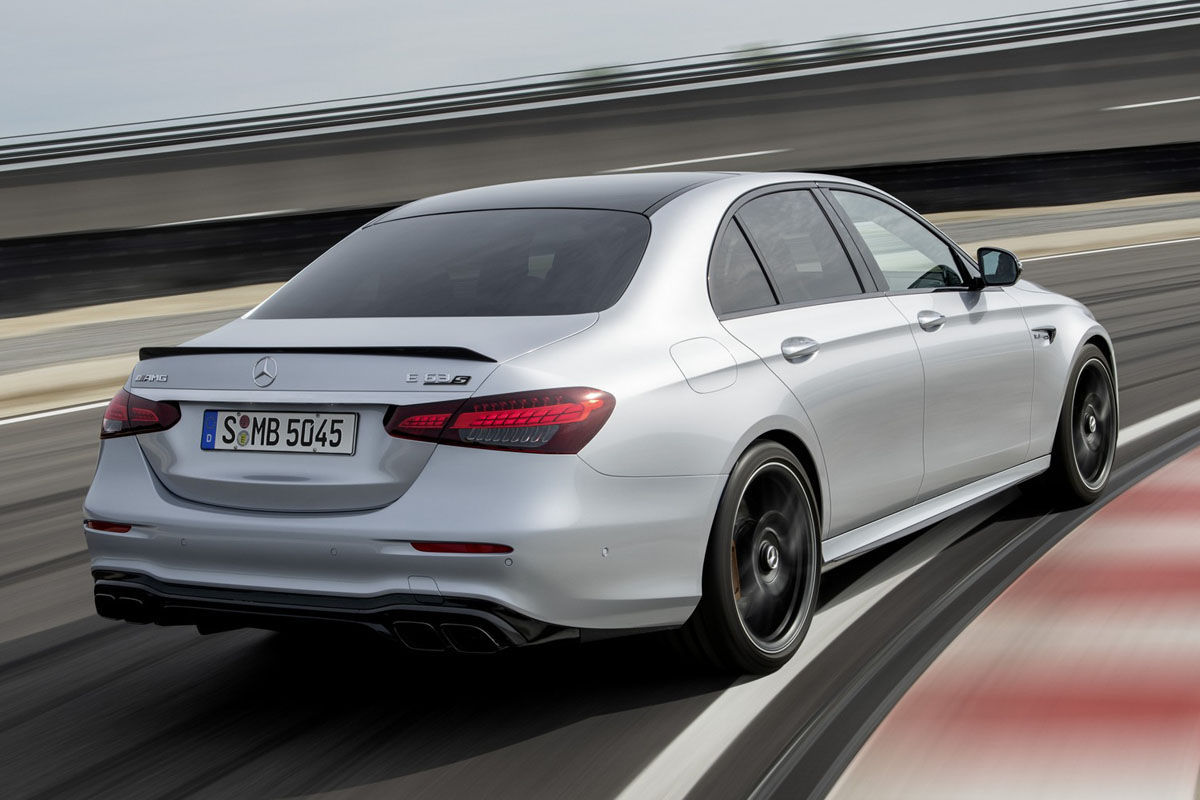
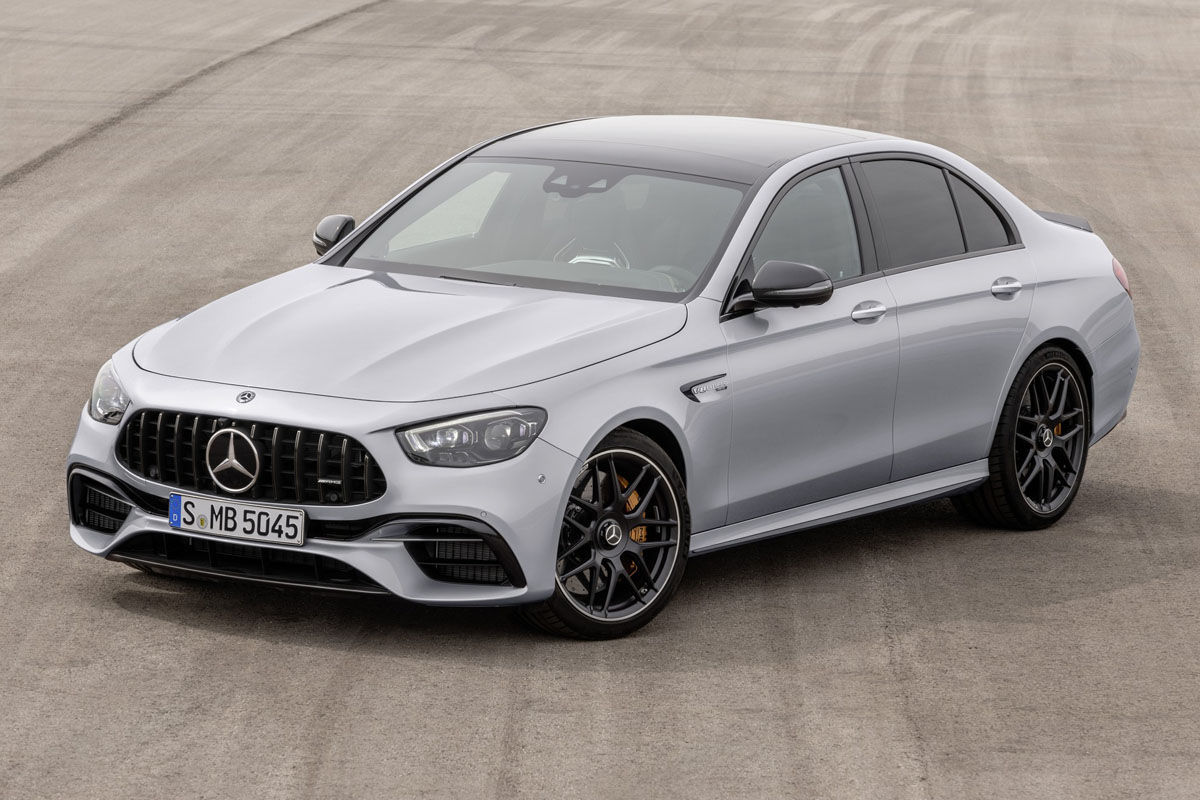
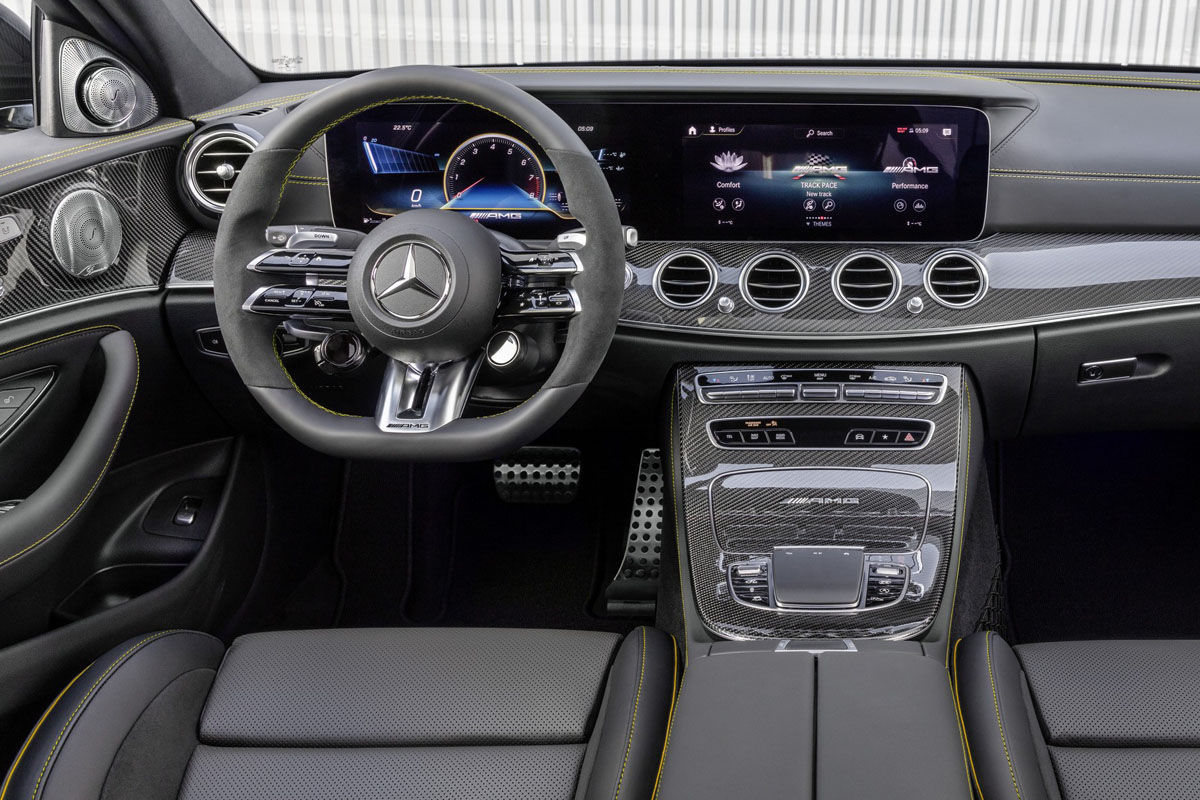
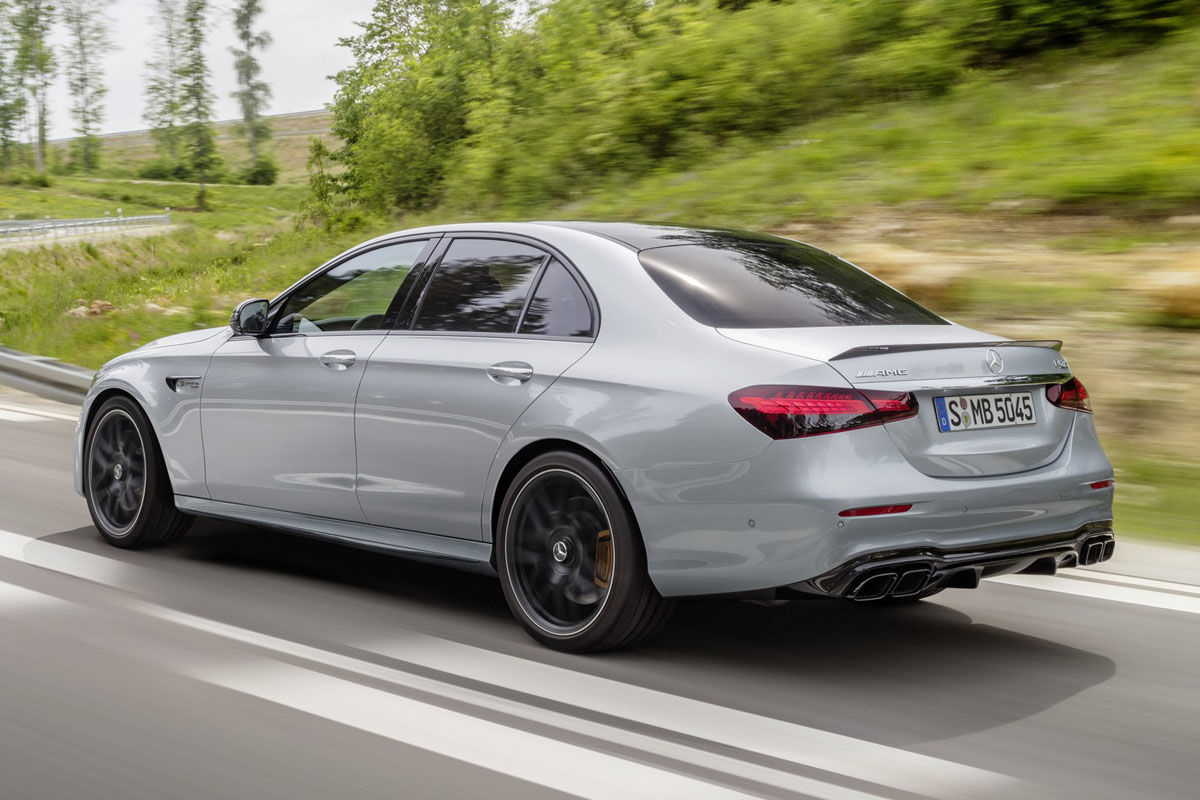
Although Mercedes-AMG has kept its facelifted E63 S’ peak power and torque outputs unchanged, it has refreshed its super sedan’s appearance, improved its aerodynamics and suspension, plus updated the cabin.  

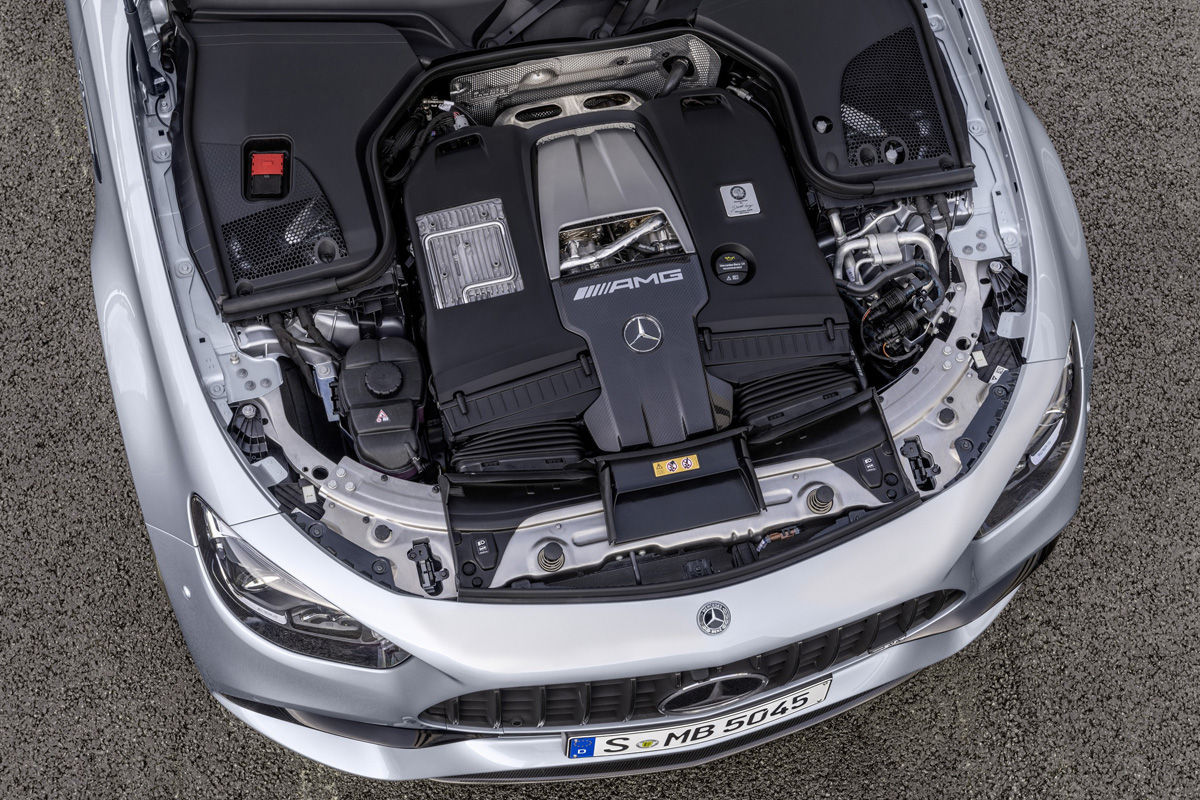
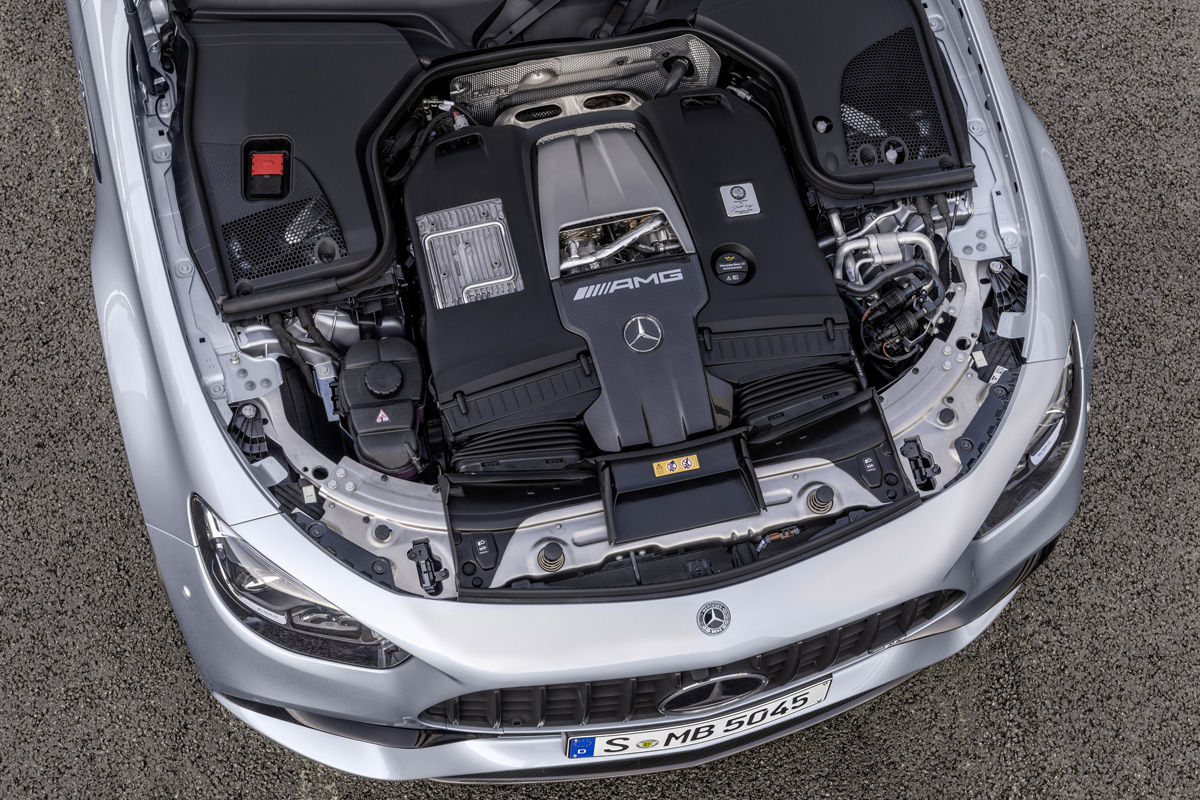
Incidentally, the updated E63 S’ arrival follows a mere day after the debut of the Life Cycle Impulse (facelifted) version of its archrival, the BMW M5 Competition. Whereas the Benz delivers 10 kW less than its BMW rival (450 kW vs 460 kW), its 4.0-litre twin-turbo V8 – with dynamic engine mounts, Mercedes-AMG reminds us – delivers 100 Nm of torque (850 Nm, from 2 500 to 4 500 rpm) more than the 4.4-litre twin-turbo V8 in the BMW.


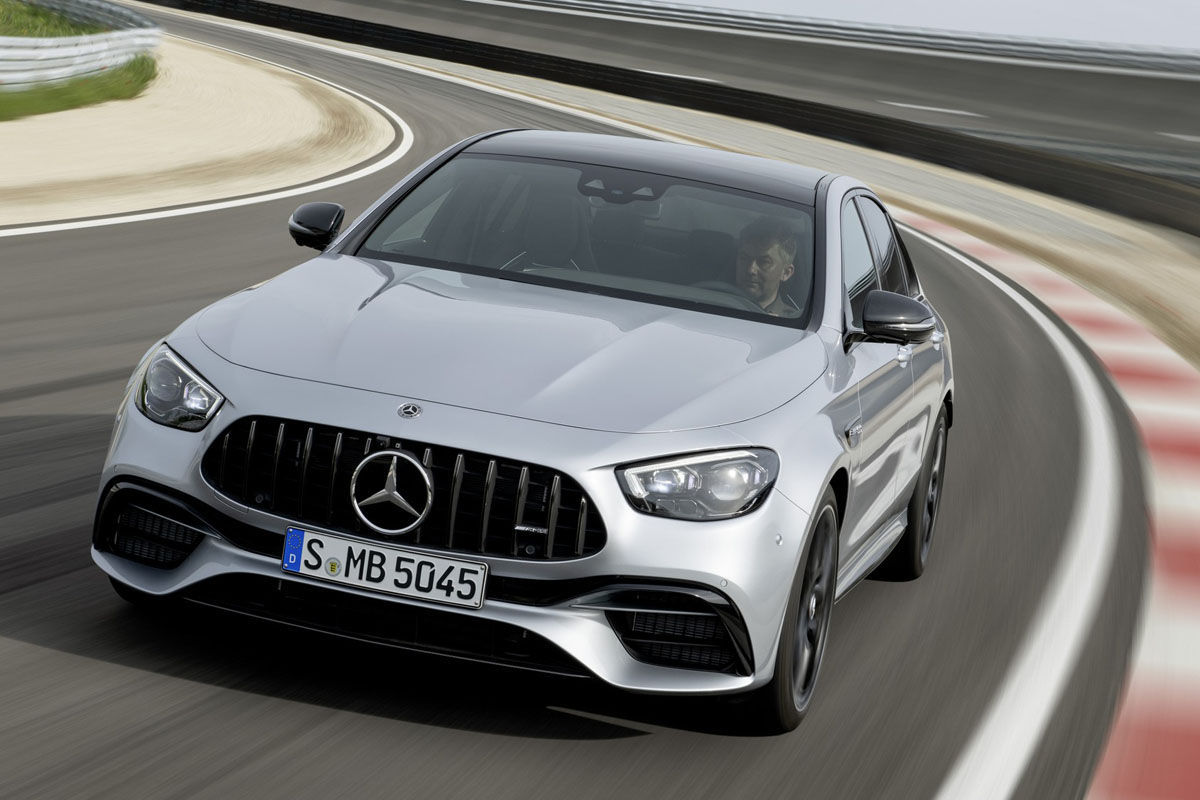
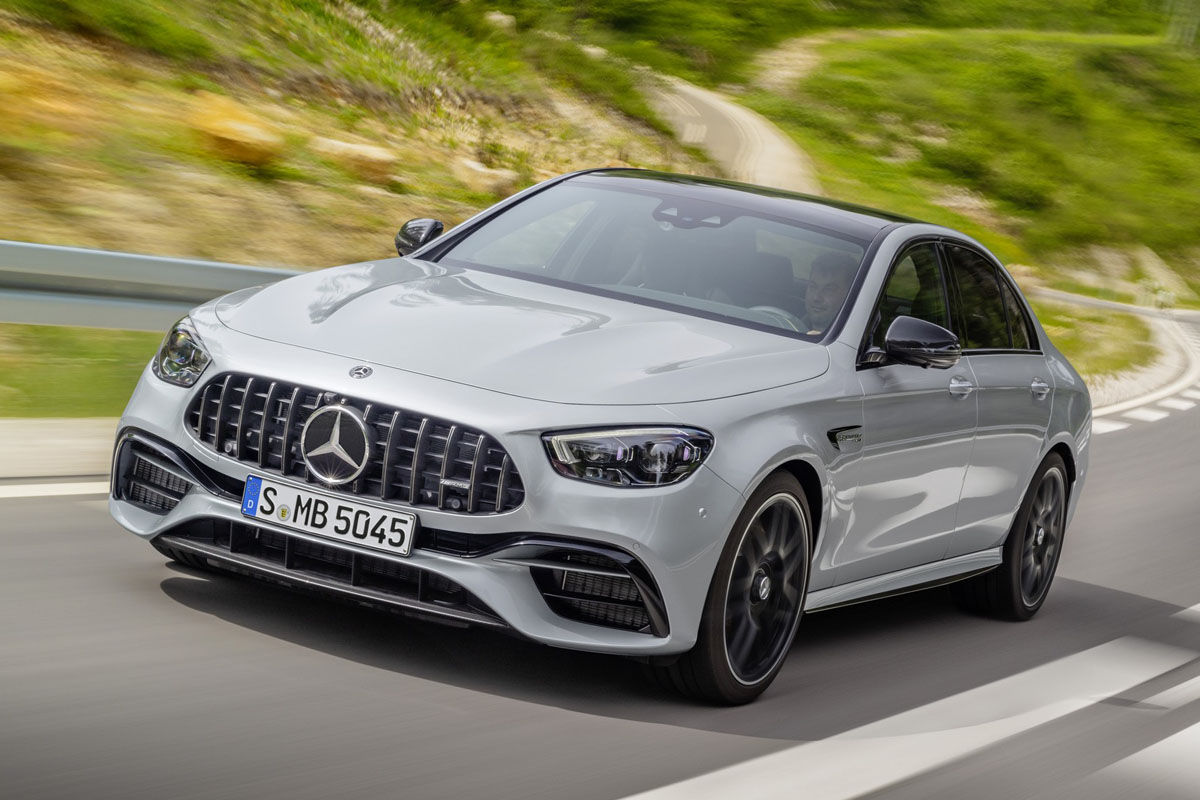
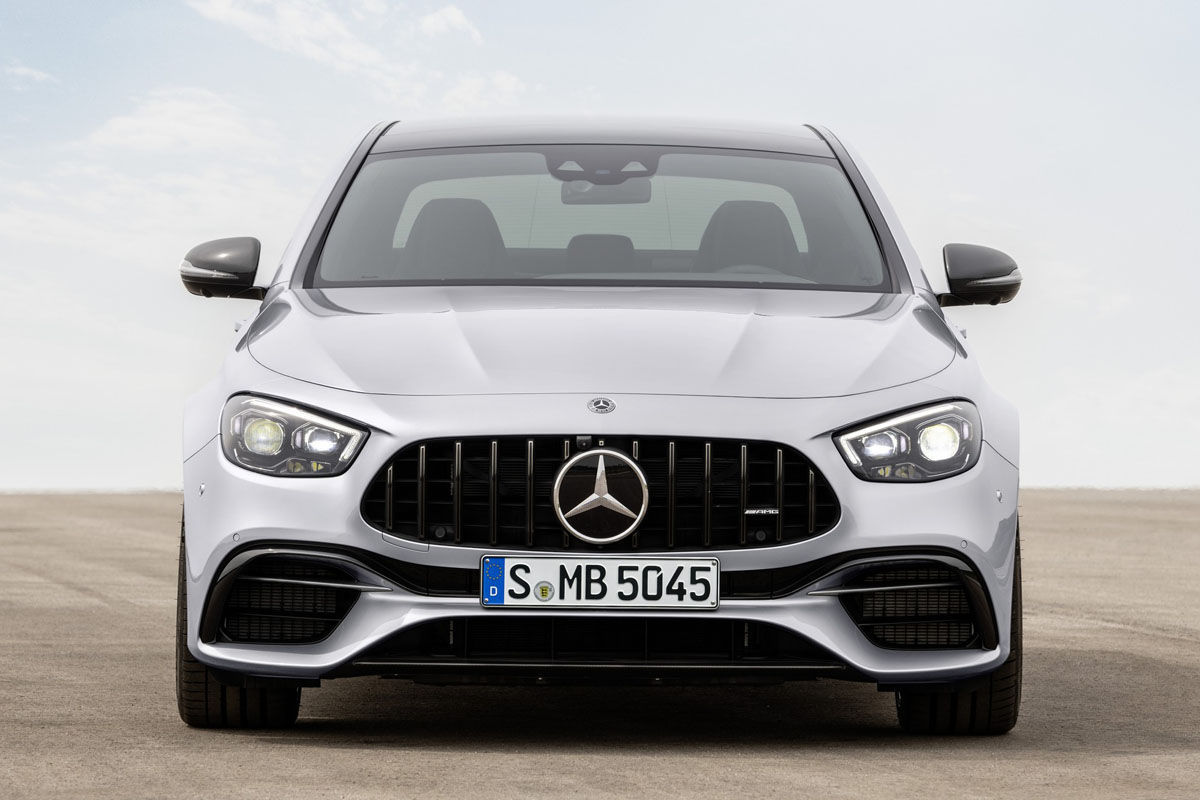
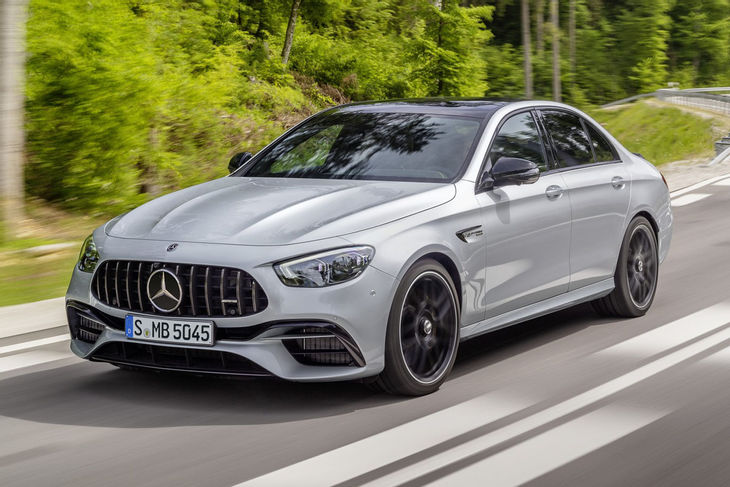
The reshaped front bumper and Panamericana grille (with enlarged Three-pointed Star) complement the E63 S' bulging bonnet.

The Benz’s powerplant is still mated with an AMG Speedshift MCT 9-speed transmission, which works in conjunction with an AMG Performance 4Matic+ all-wheel-drive system, appended by an electronically regulated rear-axle locking differential. Performance-wise, the combatants are neck and neck: The Benz is said to accelerate from 0 to 100 kph in 3.4 sec, while the BMW reportedly accomplishes the same 3.3 sec. It’s that close! Watch our drag race between the pre-facelift versions

Even though Mercedes-AMG has beefed up the appearance of its headlining E-Class derivative, the E63 S arguably remains more understated than its Munich rival from an aesthetic point of view…


As Mercedes-AMG plans to discontinue its 4.0-litre V8 in the C-Class, its presence in the E-Class becomes more exclusive.

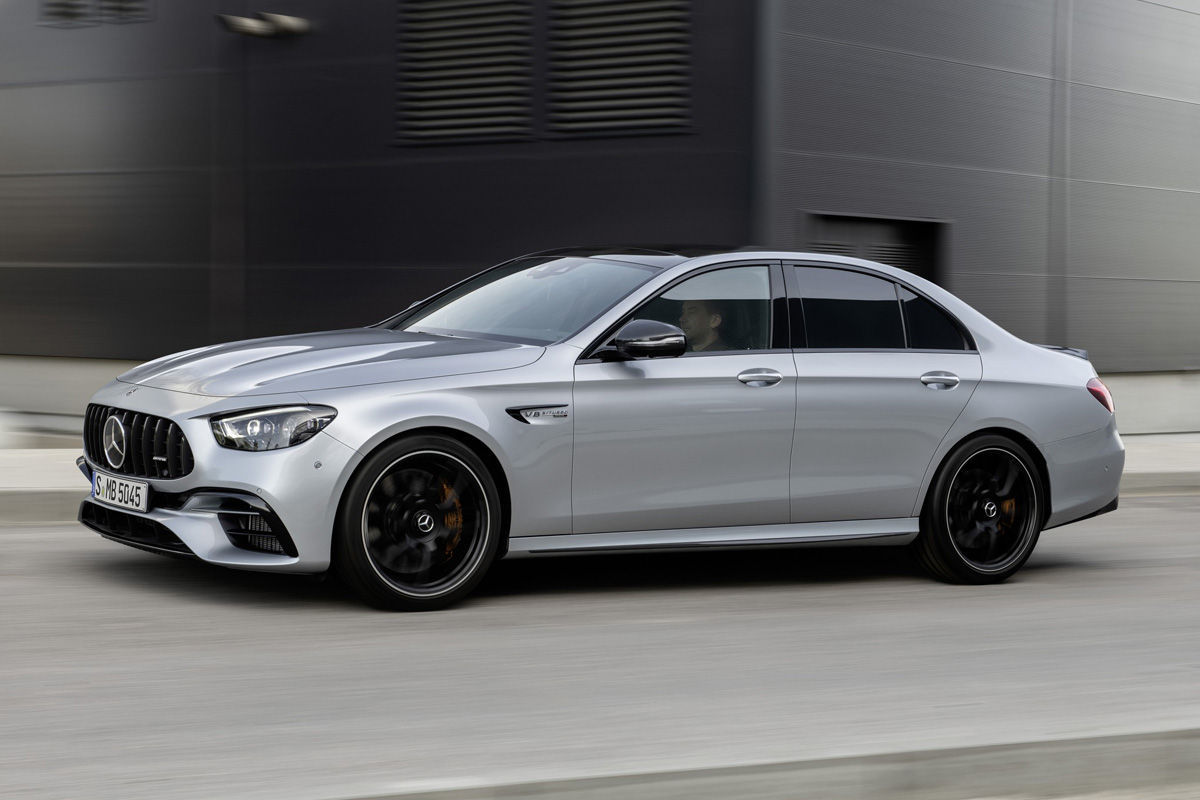
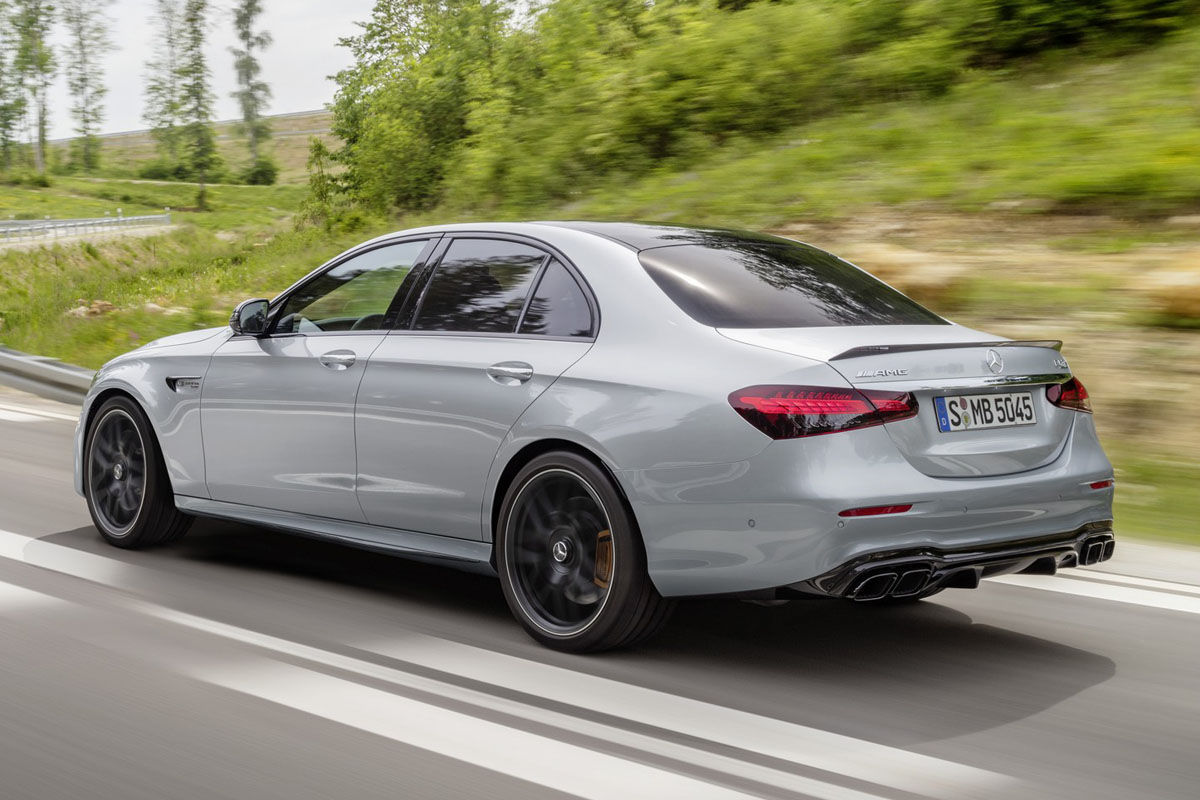
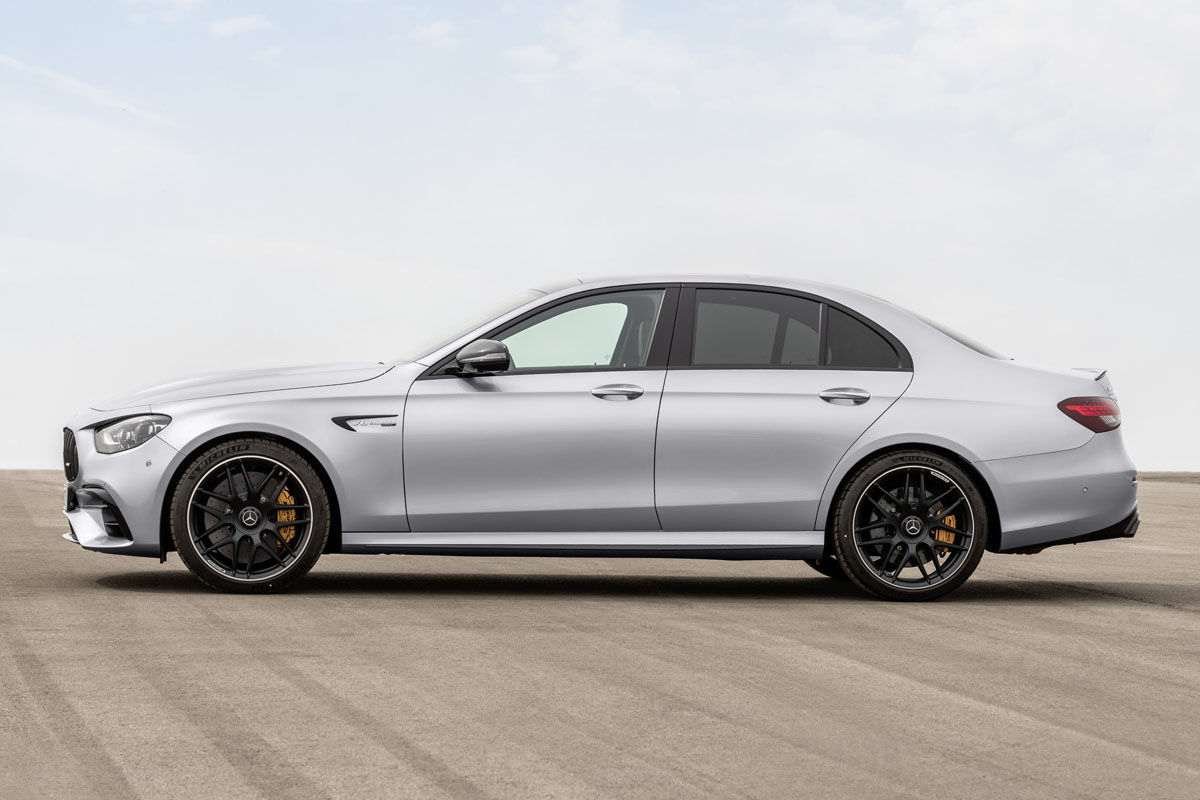
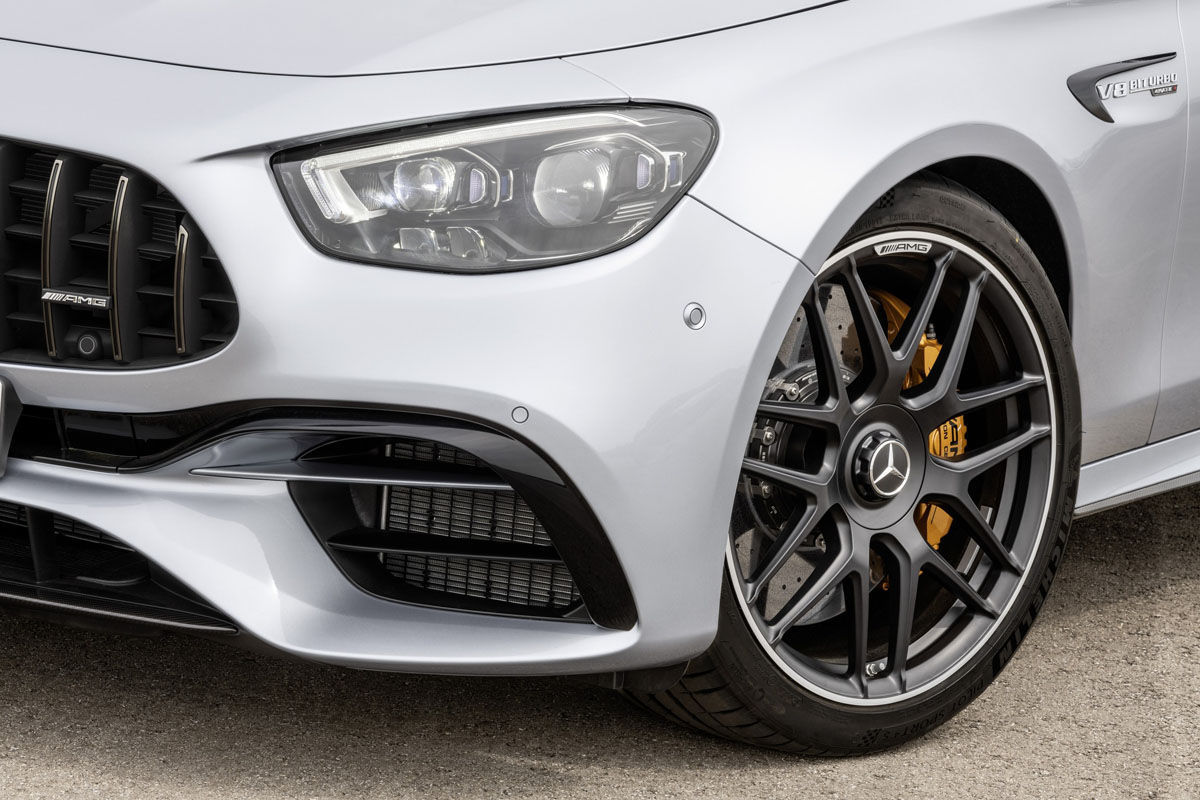
In addition to featuring the updated E-Class’ slimmer LED headlamps, the E63 S’s wheel arches are more elaborately flared – by 27 mm, to be exact – to accommodate the sedan's greater track width and larger wheels (aerodynamically optimised 20-inch 5-twin-spoke alloys, finished in either matt black or high-gloss tantalum grey), while the sedan’s AMG-specific Panamericana grille sports an enlarged Three-pointed Star.

The reshaped front apron has a trio of air intakes (of which the central one has been enlarged), while the revised splitter is said to significantly reduce lift at the front axle. A further striking visual feature is a harmoniously fitting flap (with a high-gloss black finish), which extends across the length of the apron.  


The E63 S has lost none of its potency; it is said to accelerate from 0 to 100 kph in 3.4 sec.

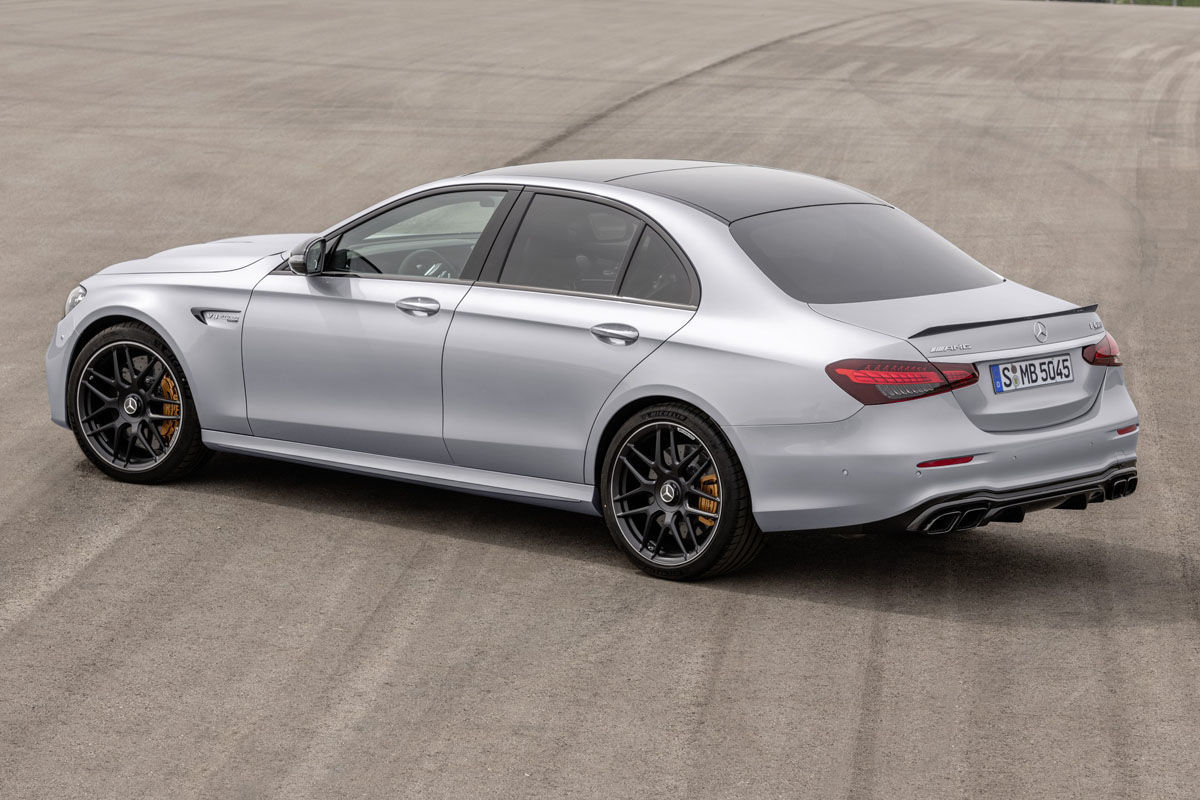
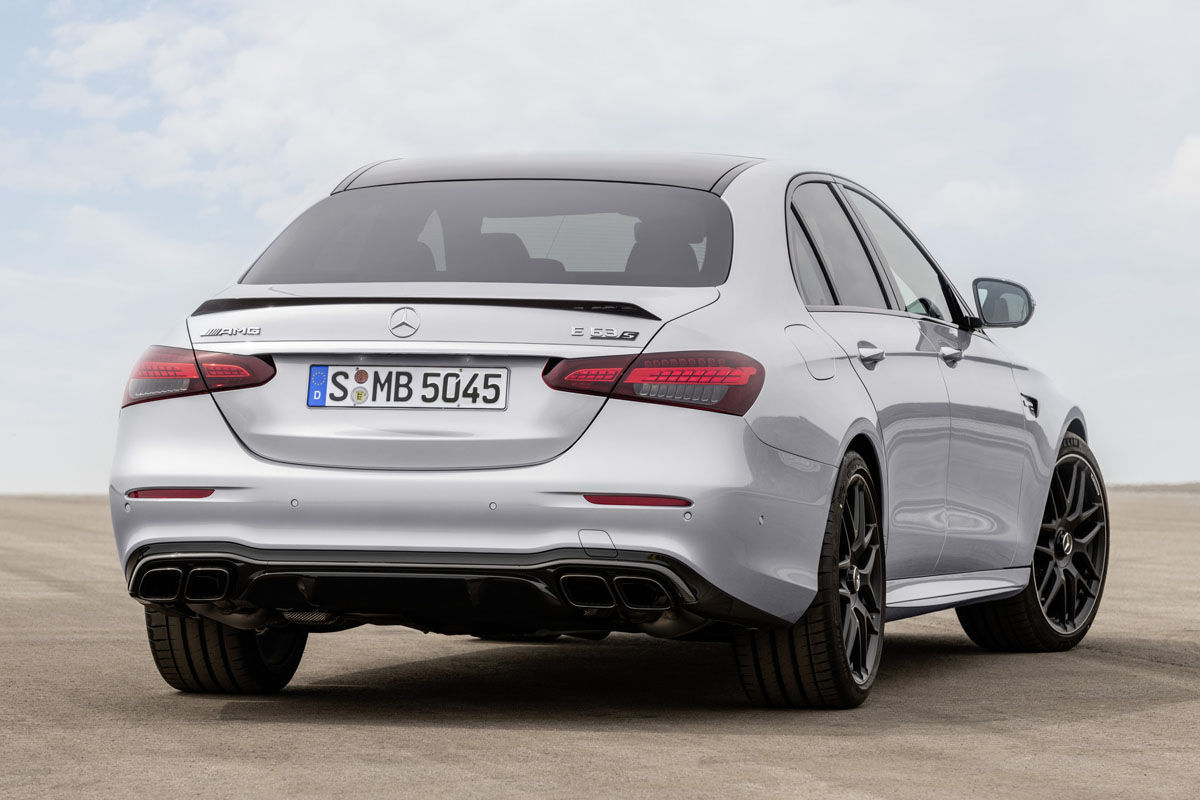
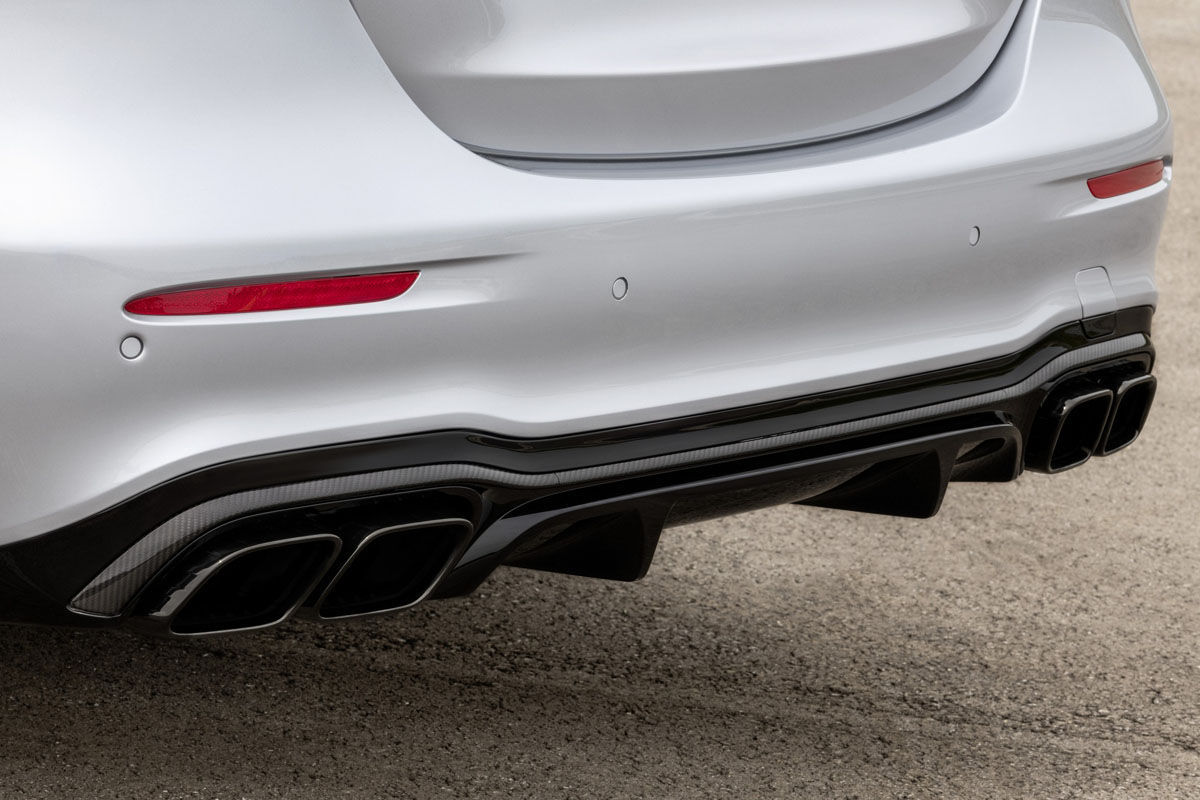
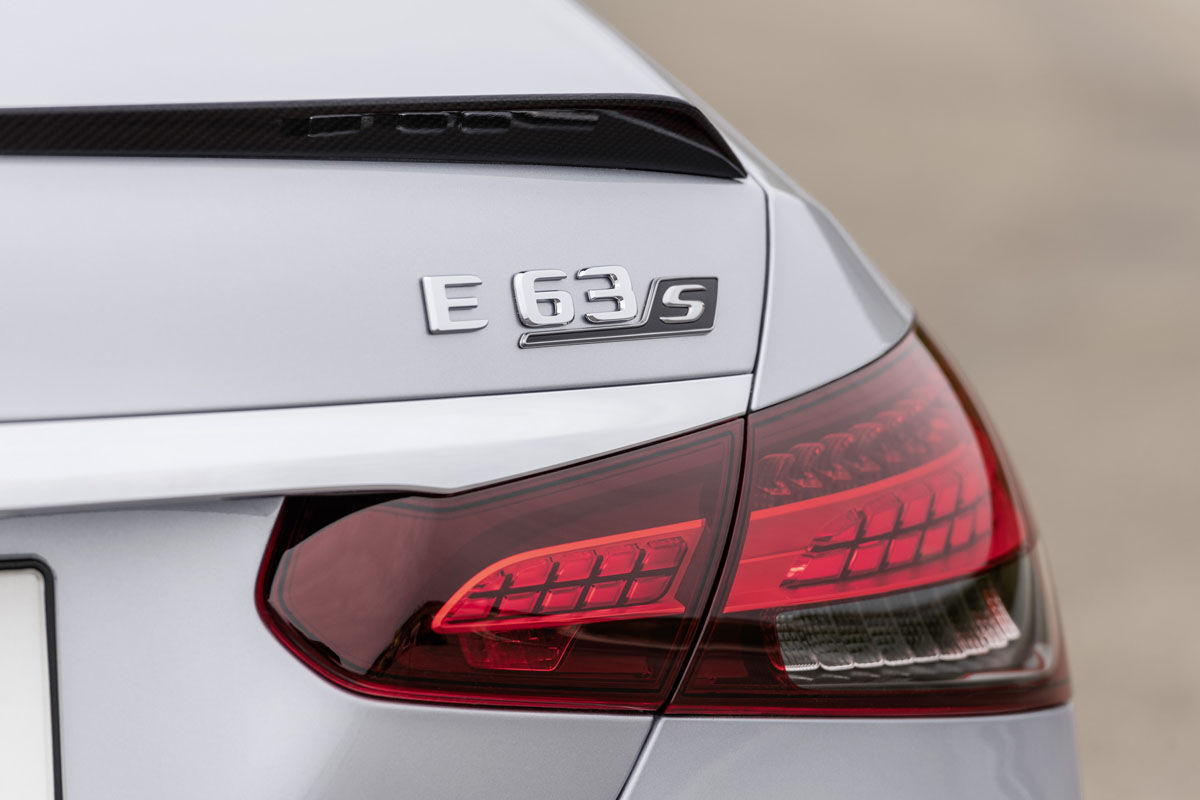
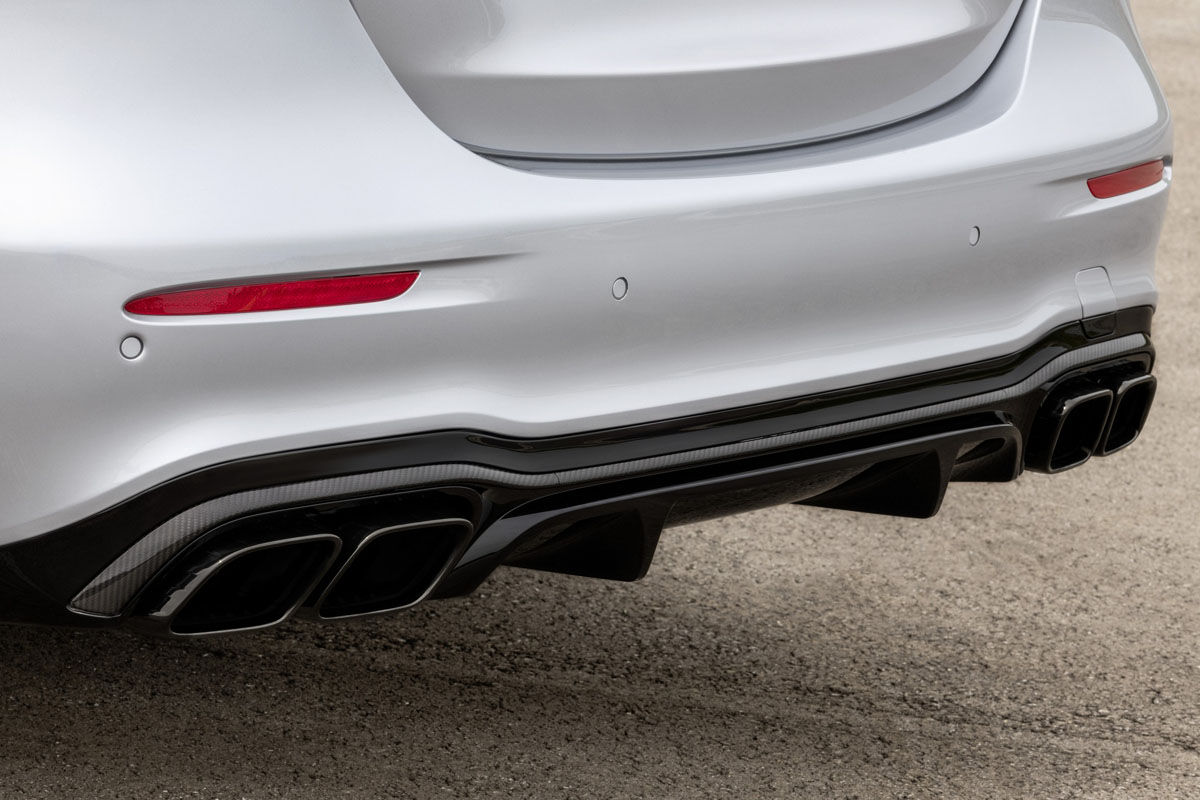
At the rear, newly-designed tail-light clusters extend into the boot lid and are visually linked with a high-gloss chrome strip. The reshaped rear apron has a high-gloss black finish and is edged by a Silver Shadow trim strip that traces the contours of the pair of reshaped twin-tailpipe housings. And, in between the quartet of 90-mm trapezoidal tailpipes (with a matt titanium finish) sits a new high-gloss black diffuser, replete with a pair of longitudinal fins. 

If the look of the standard E63 S isn't purposeful enough, which it might be – for some, customers can additionally specify optional high-gloss black detailing with the AMG Night Package or really go to town with the (self-explanatory) AMG Exterior Carbon-Fibre Packages I or II.


Mercedes-AMG has gone to great lengths to enhance the visual presentation of the E63 S' titanium matt trapezoidal exhaust tips.

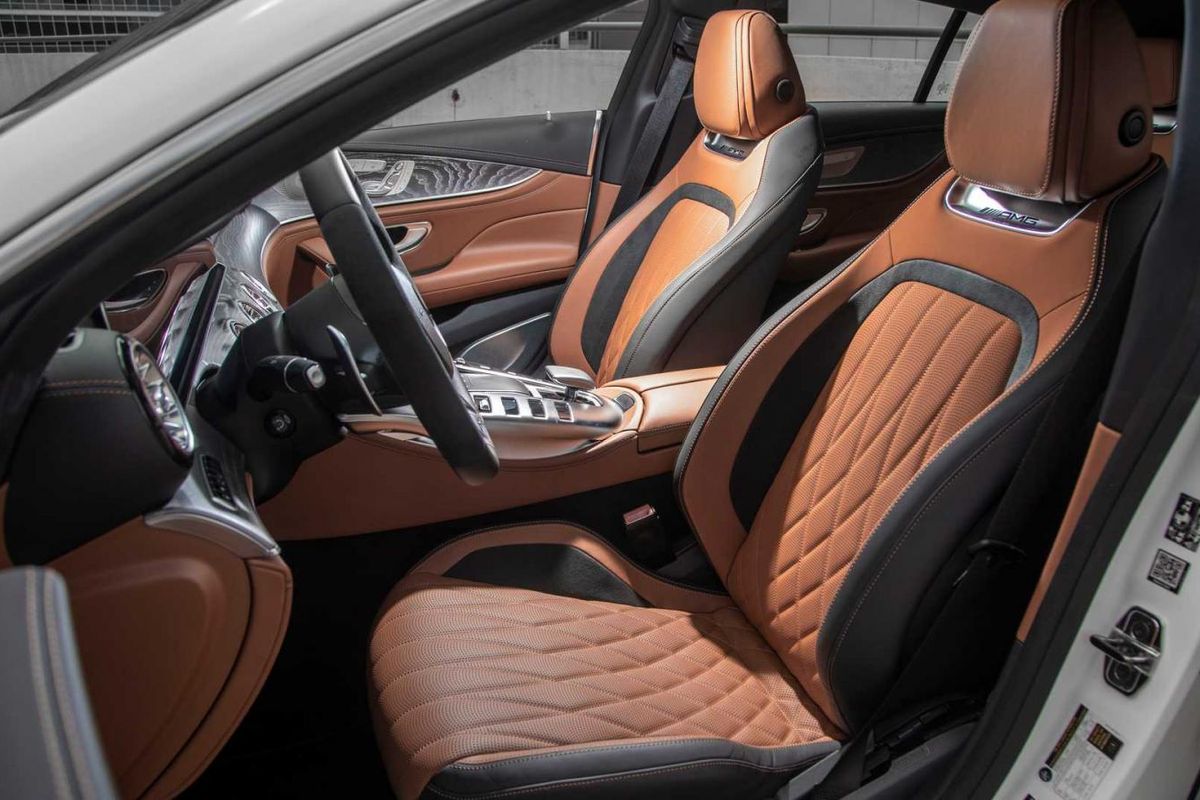
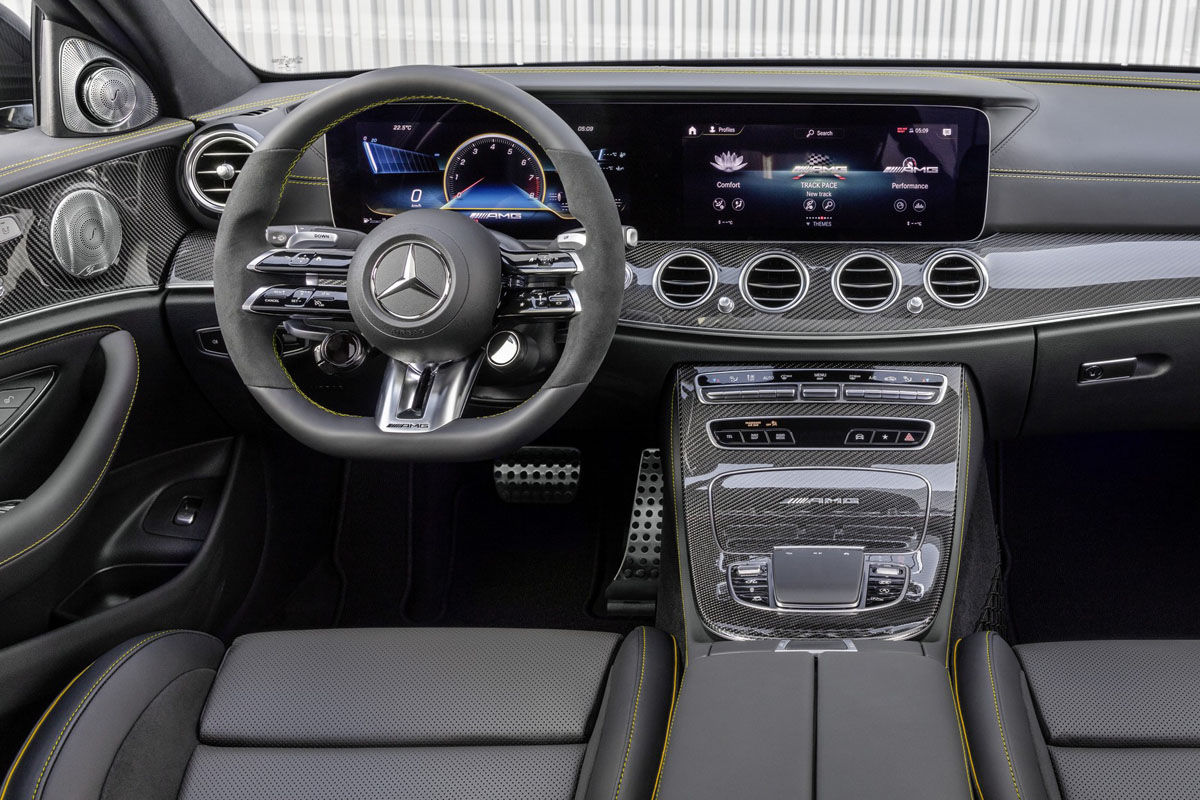
As far as the super sedan's interior update is concerned, the most noticeable revision is the new double-horizontal-spoke AMG Performance steering wheel, which features seamlessly integrated buttons (aided by haptic sensing aids), a pair of round AMG controllers located on either side of the tiller's bottom spoke and slightly bigger aluminium shift paddles that are located further down than in the pre-facelift E63 S.

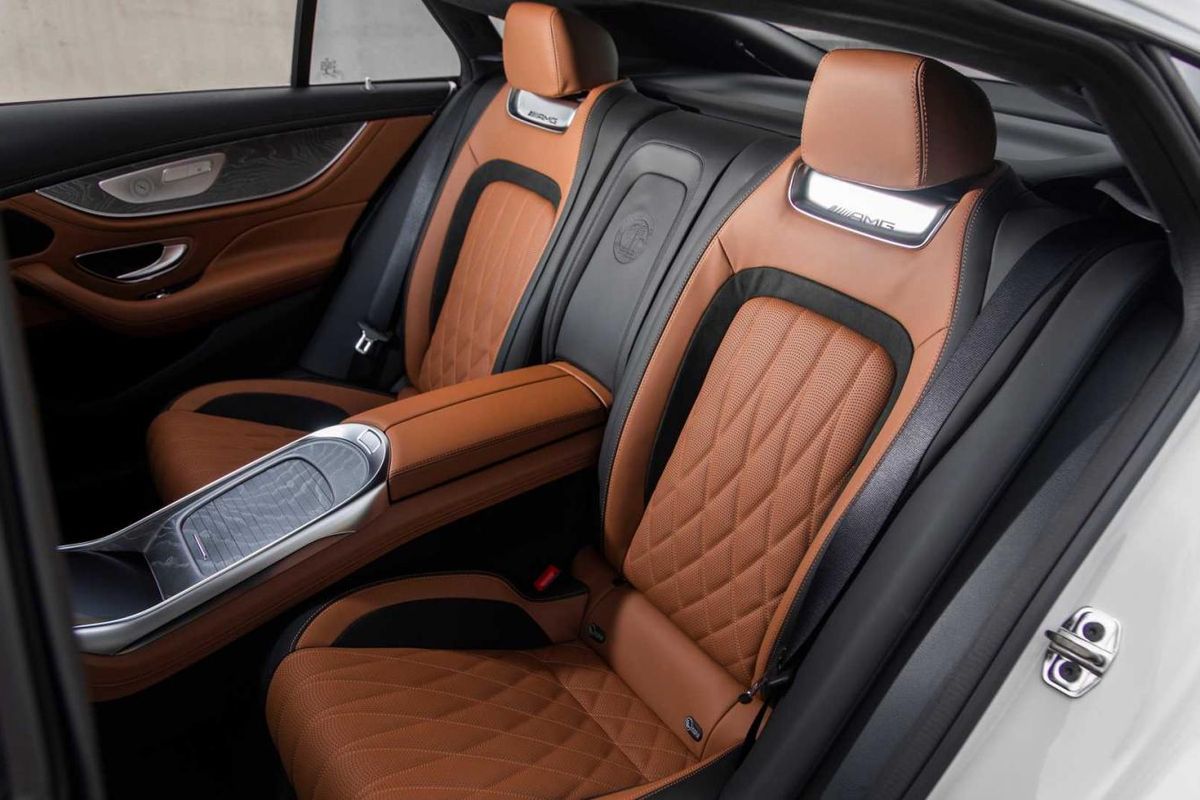
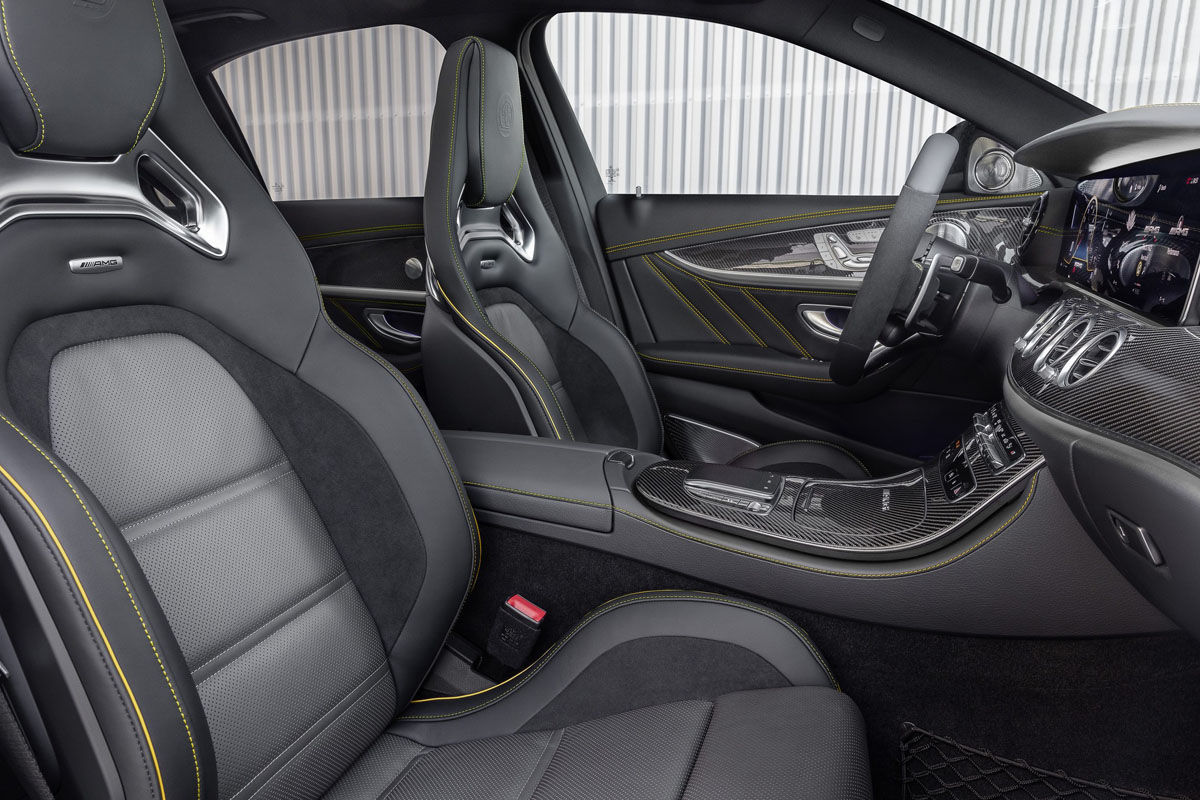
Apart from additionally featuring Nappa leather trim on its dashboard and door trims (compared with its predecessor), as well as new crystal grey seat belts, the Benz comes fitted with the latest MBUX infotainment system with intelligent voice control plus AMG-specific displays and settings. The accurately-named Widescreen Cockpit consists of a pair of 12.25-inch screens, one for the instrument cluster and the other for the touchscreen infotainment system.


The elaborate steering wheel of the E63 S might require more familiarisation than its infotainment system's menus…

Meanwhile, the E63 S still features the AMG Ride Control+ suspension with a multi-chamber air suspension and adaptive adjustable damping ADS+ (Adaptive Damping System), but Mercedes-AMG claims the “comfort characteristics of the suspension have been tangibly increased thanks to retuning and revised elastokinematics”, which has, in effect, made the difference between the super sedan’s comfortable and sporty suspension settings “more clearly perceptible”.

Meanwhile, among the myriad drive modes and ESP settings afforded by AMG Dynamic Select and AMG Dynamics, the flagship E-Class derivative’s fully variable torque distribution supports Drift Mode, which can be activated in the "Race" drive mode program by using the shift paddles (provided that ESP is deactivated and the transmission is in manual mode). When Drift Mode is activated, the E63 S becomes a purely rear-wheel-driven “hooning machine” for as long as its fortunate driver may require…

Related content:

Updated BMW M5 Competition Revealed

Drag Race: BMW M5 vs Mercedes-AMG E63 S

Will It Drift? BMW M5 vs Mercedes-AMG E63 S

Mercedes-AMG E63 S 4Matic (2017) Launch Review

Lumma Takes Audi RSQ8 To Another Level

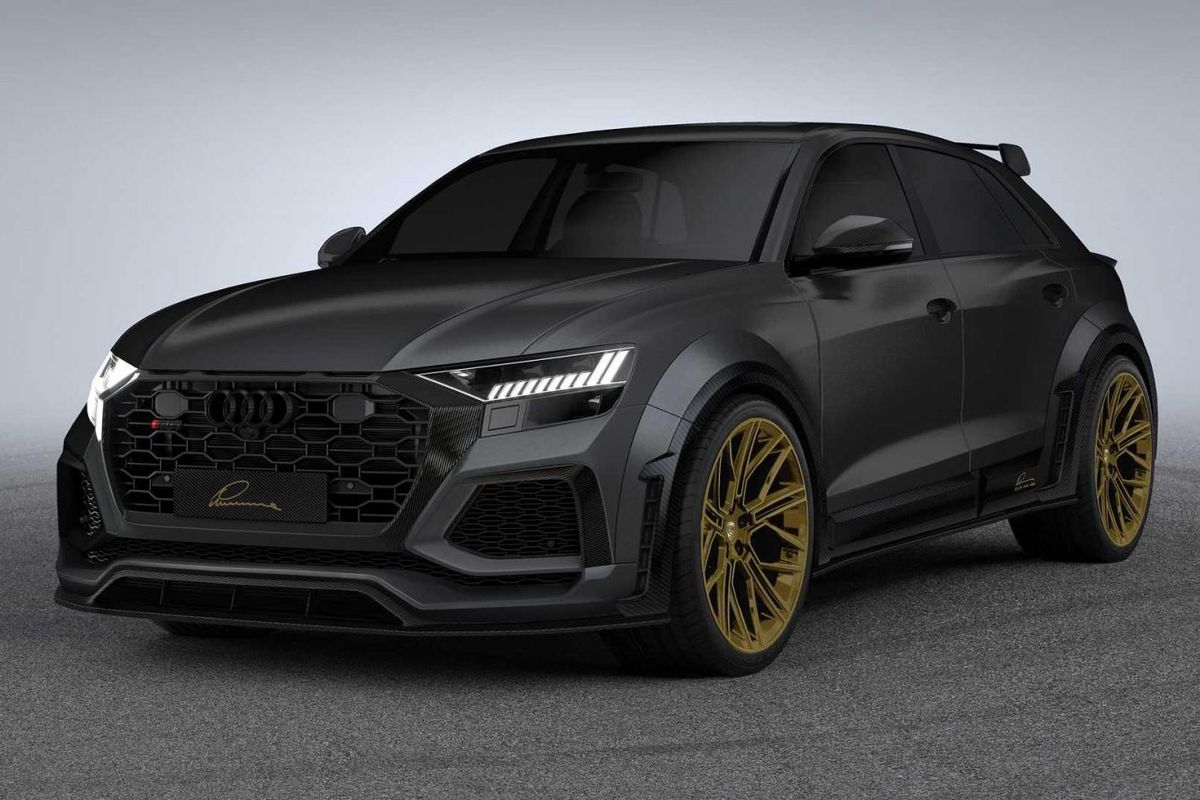
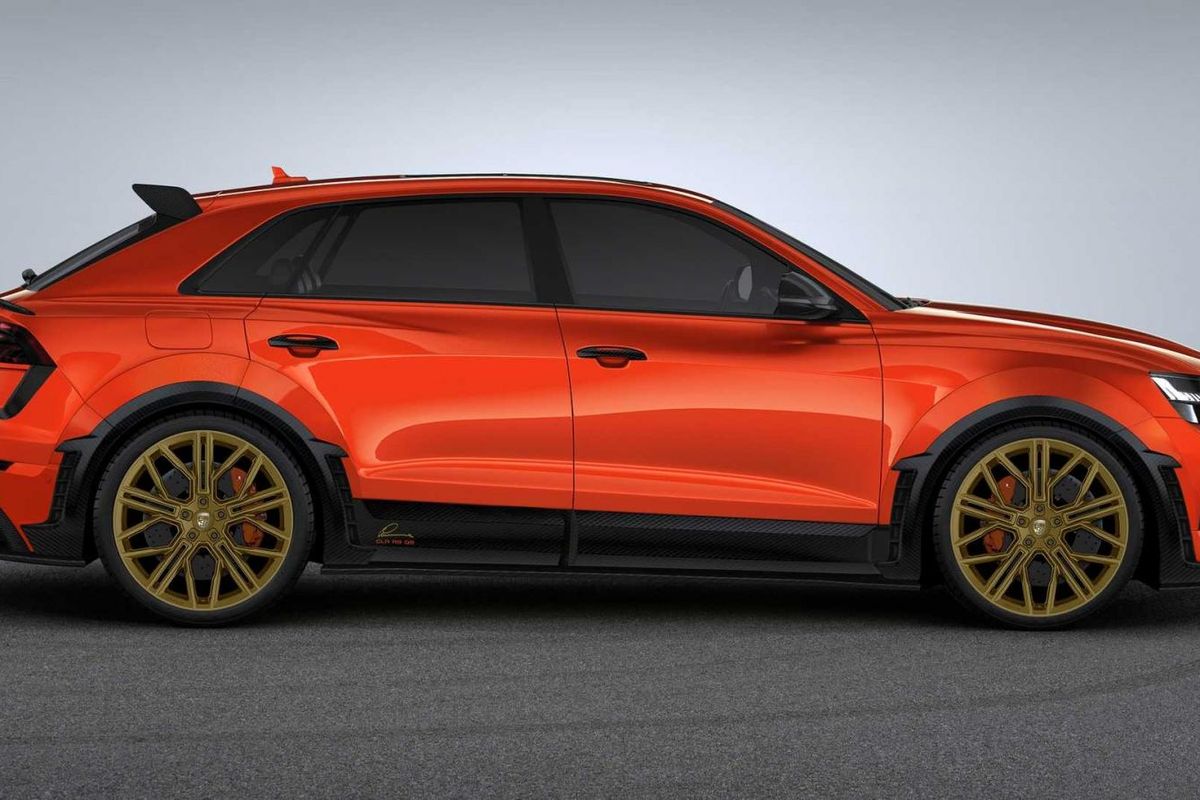
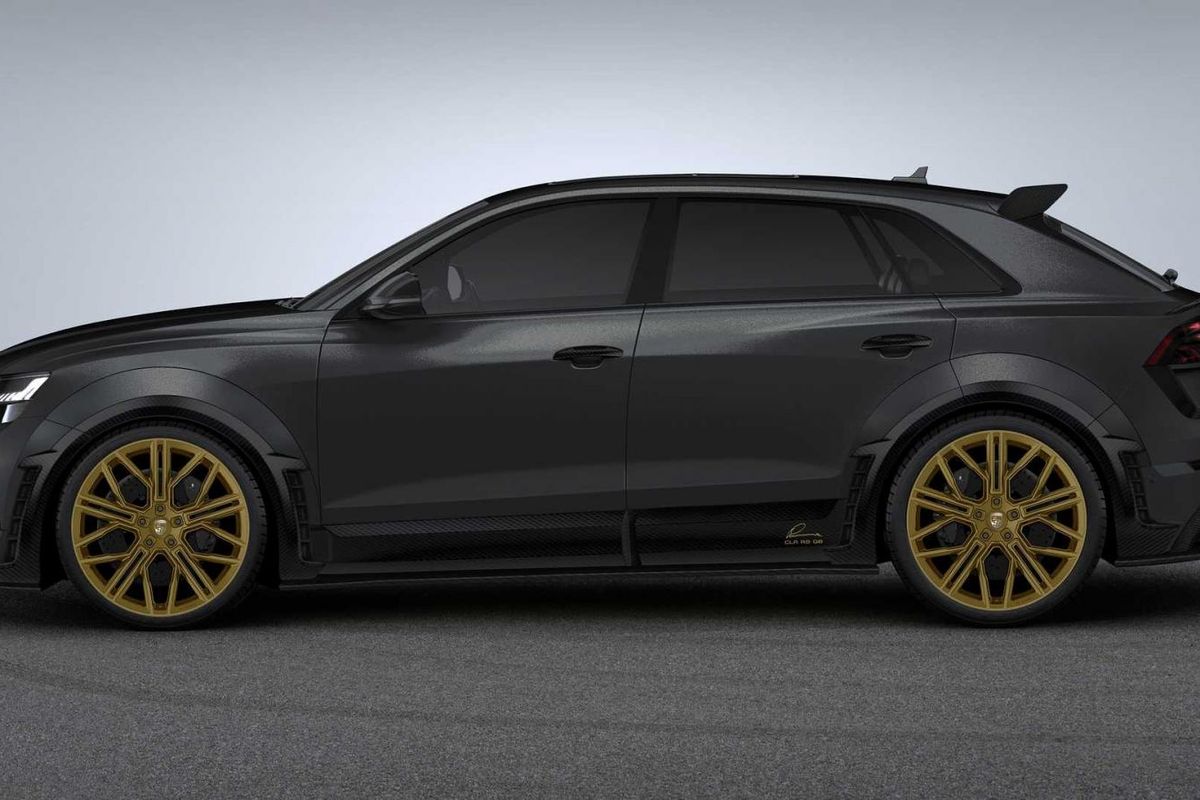
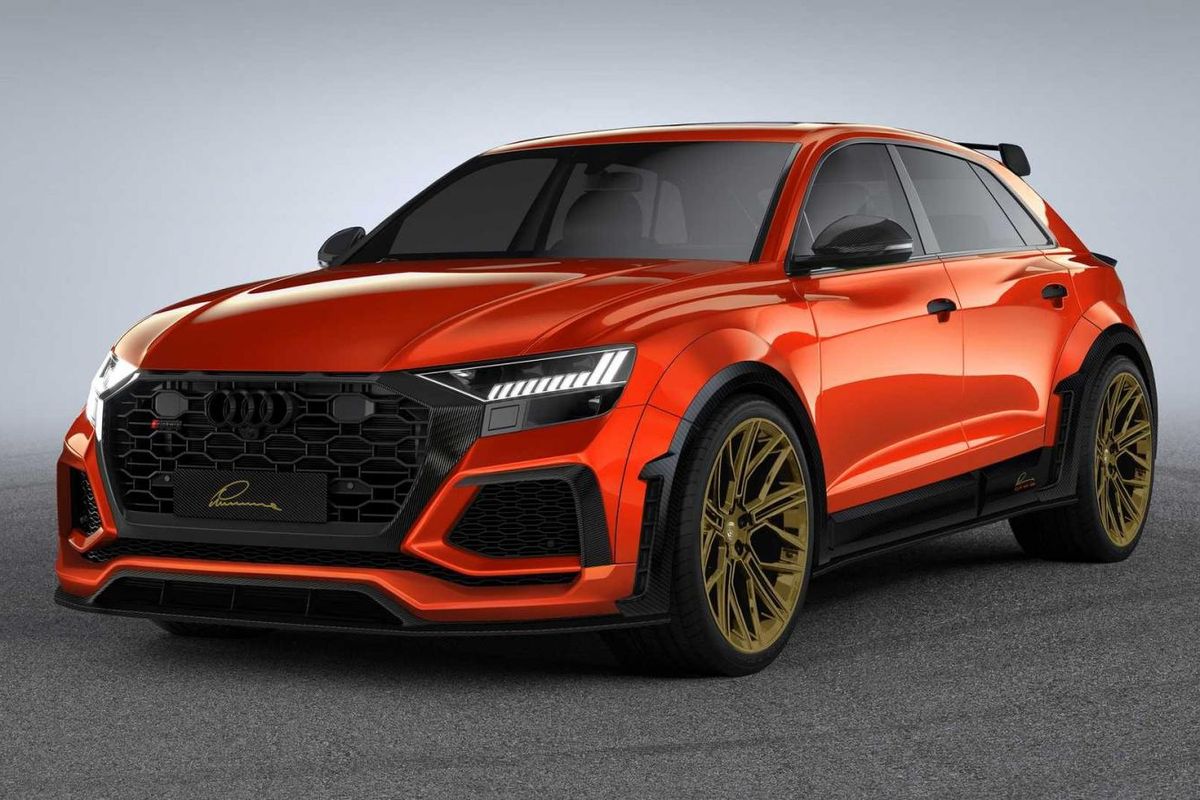
When the Audi Q8 came to market, many (including us) were impressed with just how progressive it looked. Now tuning company Lumma has taken the flagship RS Q8 to another level. Take a look at this monster.

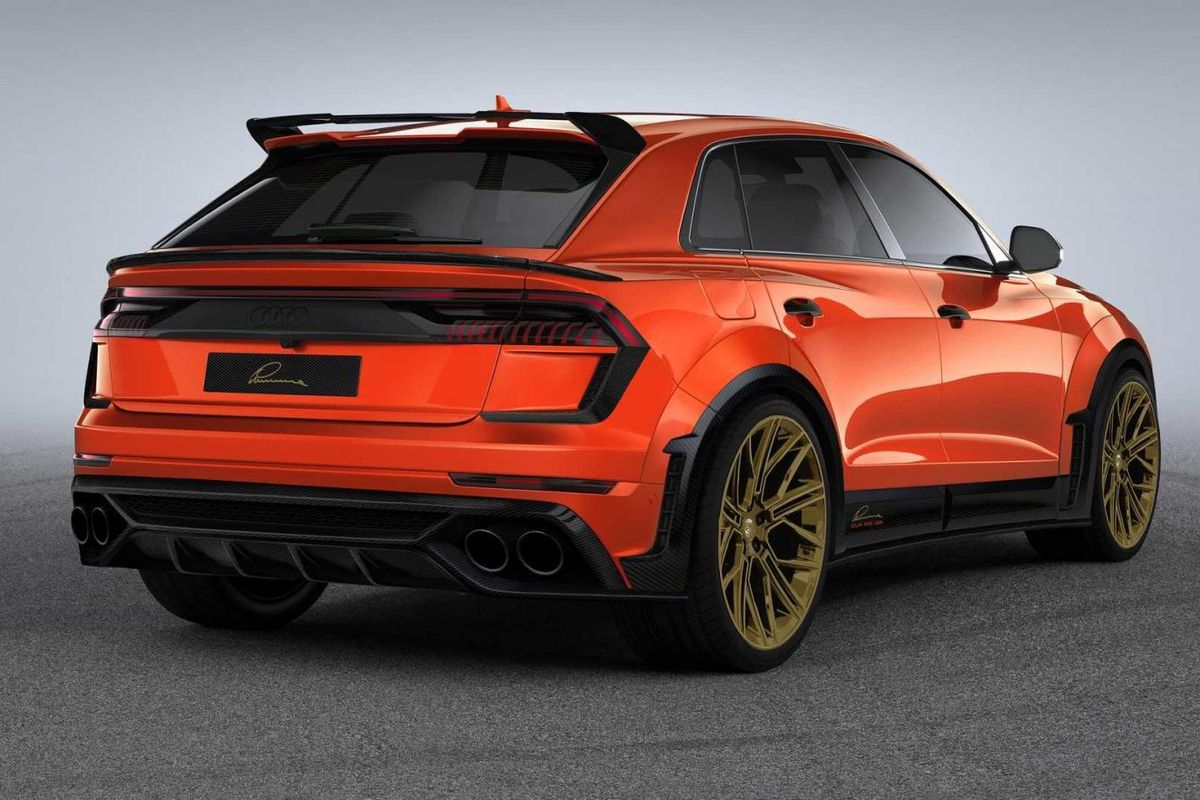
Lumma calls this offering the Lumma CLR 8 RS and the vehicle gains a number of extensive medications to make it appear bold and aggressive. There's a carbon fibre shroud on the front grille as well as front splitter with carbon air intake surrounds. There are also monster flared wheel arches for the front and rear, plus big alloy wheels.

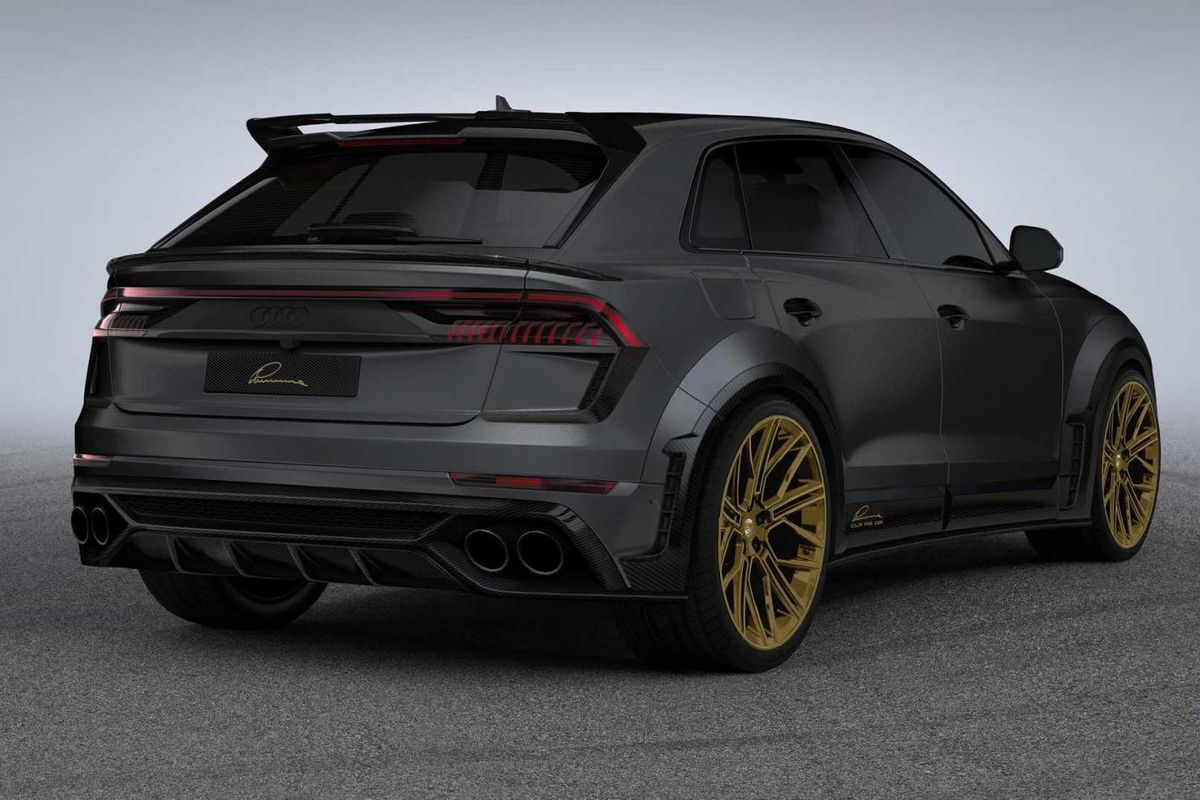
At the back of the Lumma CLR 8 RS, there are many spoilers. The roof gains an enlarged unit and there's a smaller decklid spoiler, plus carbon fibre detailing under the rear lights. Naturally, there's also a bold diffuser. The cabin is not ignored and Lumma has waved its magic wand in this direction. Aluminium pedals, bespoke floor mats as well as plenty leather have been installed. 

Finally, the engine gets a tweak and the 4.0-litre biturbo V8 is given an ECU reflash which sees power and torque climb from 441 kW / 800 Nm to 510 kW / 910 Nm. This upgrade should see the performance increase substantially and while no figures were given, we can bet the standard car's 0-100 kph claimed time of 3.8 seconds will be slashed by a few tenths.

Further Reading

RS Q8 is Audi's Urus

Audi SQ8 Is a 900 Nm Monster

All-New Audi Q8 Review – Big, Bold, Worth it?

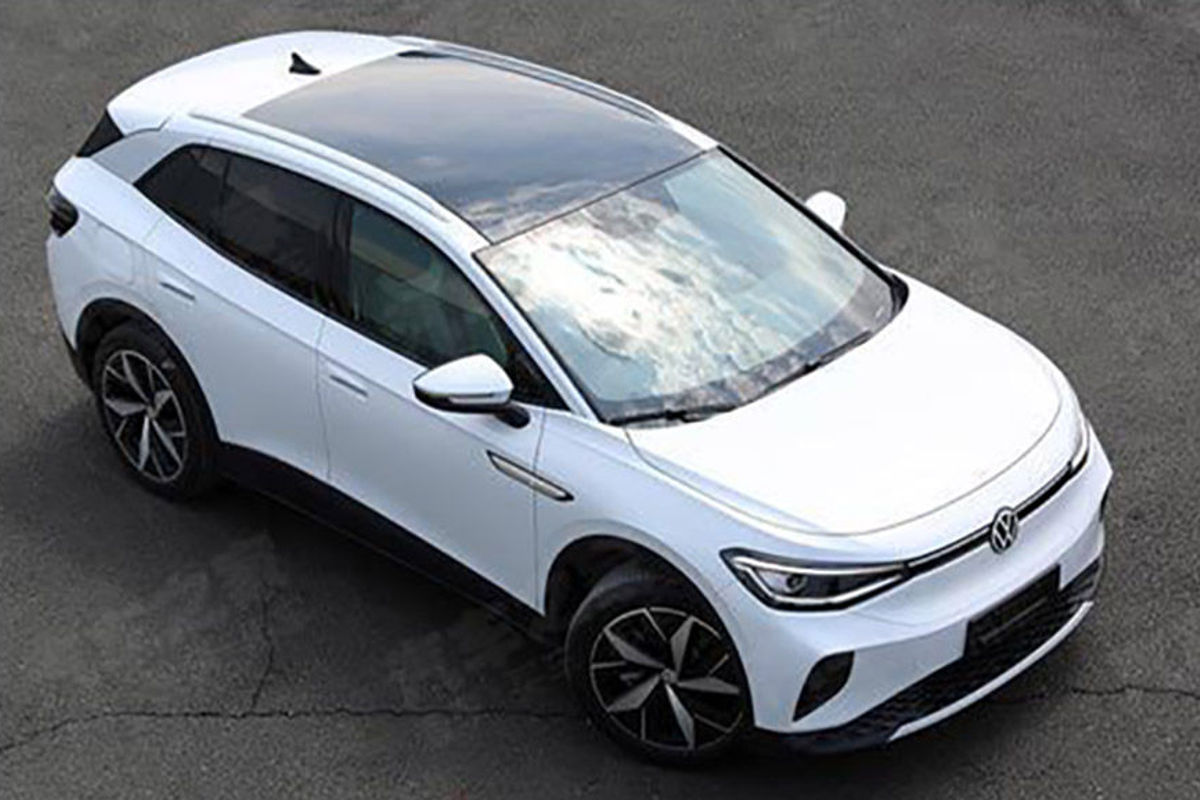
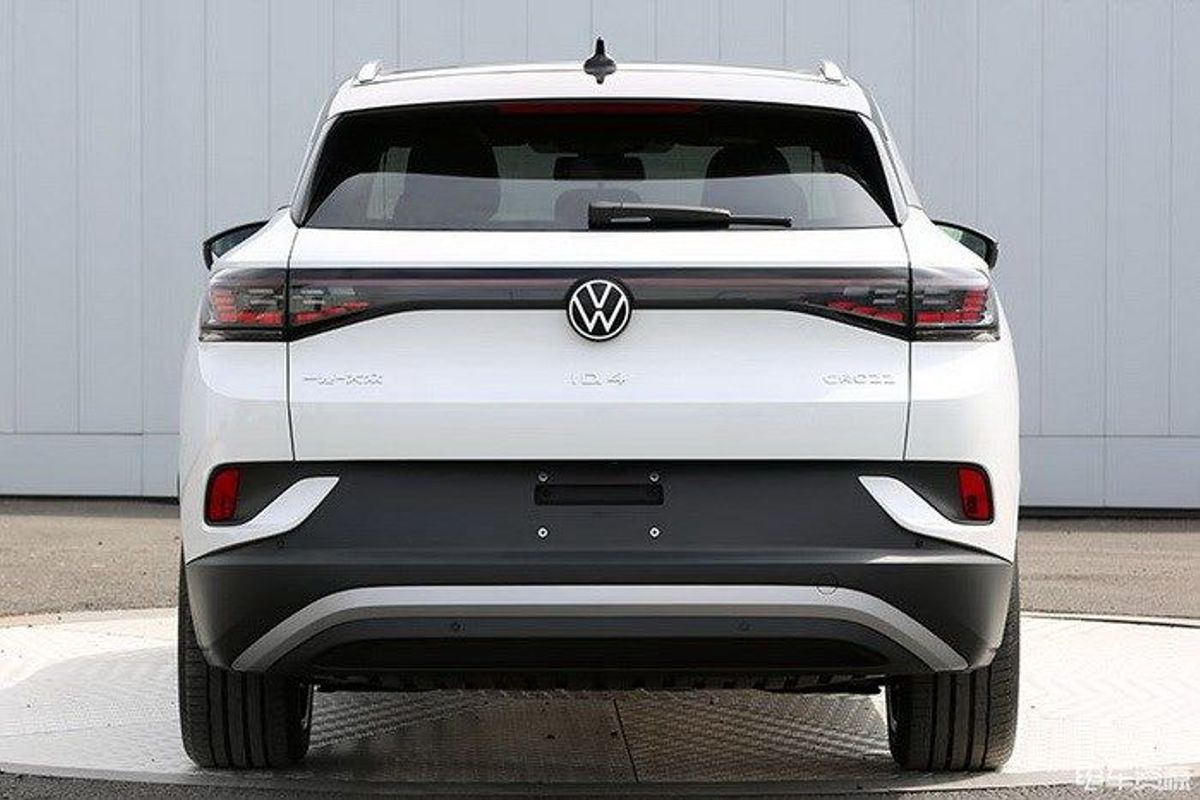
Volkswagen ID.4 Crozz Revealed in China

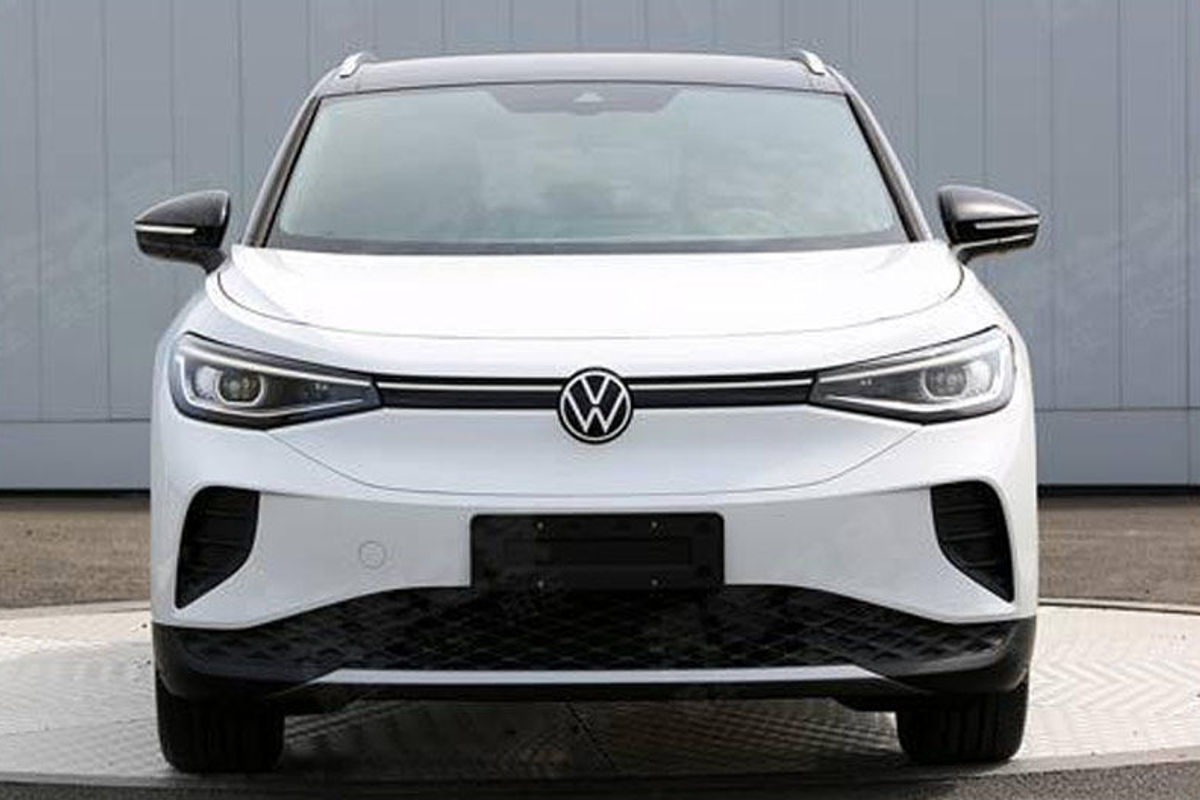
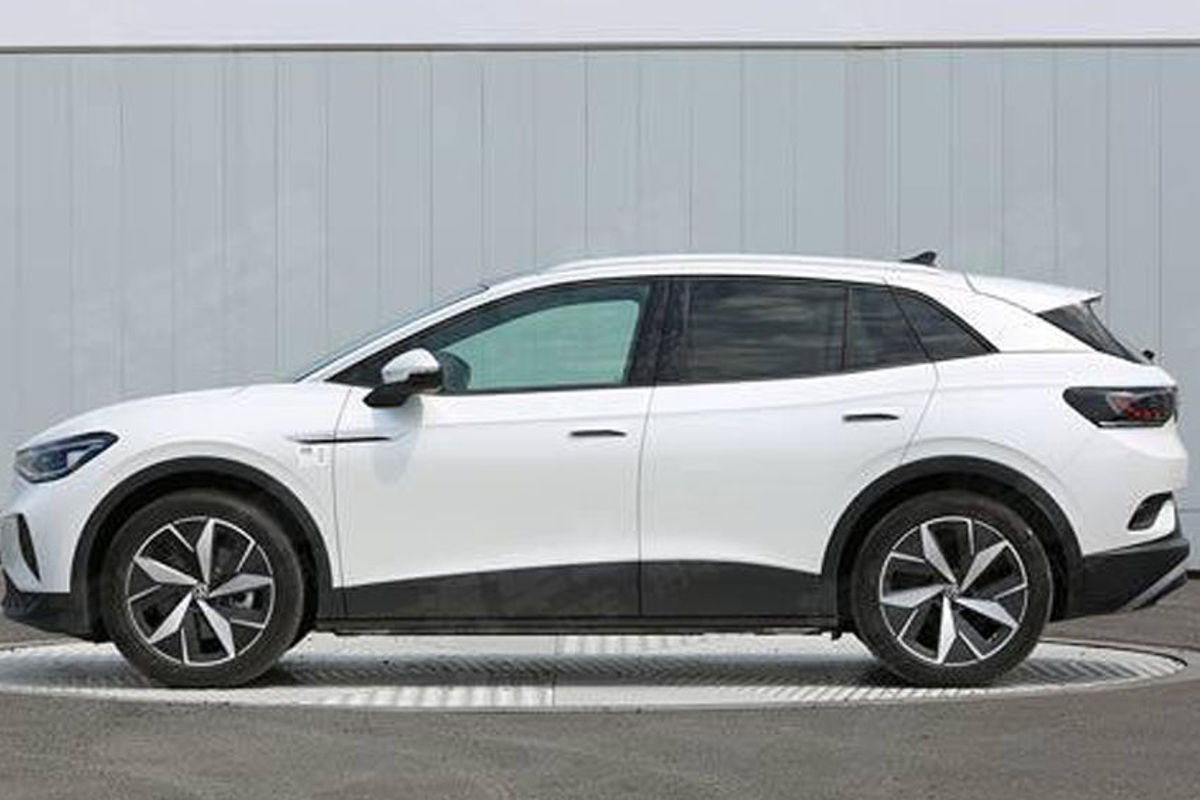
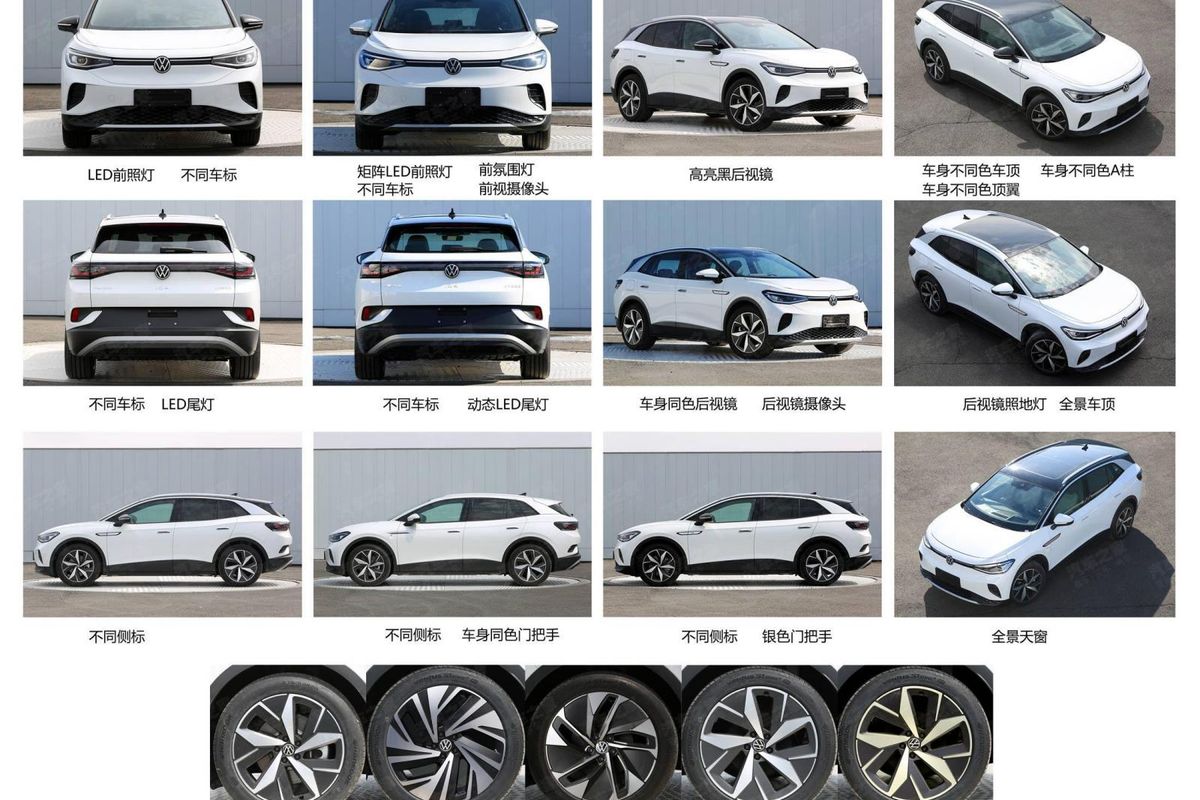
Early images of the production ID.4 Crozz and the ID.4 X have emerged from China. 

What appears to be common practice for China’s Ministry of Industry and Information Technology (MIIT), where images of soon-to-be-launched models appear on its website, has resulted in the inadvertent and premature reveal of Volkswagen’s pair of electric SUVs, the ID.4 Crozz and the ID.4 X. 

Earlier this year, Volkswagen launched its electric vehicle strategy in South Africa with its e-Golf pilot project which is the brand’s first step in its commitment to electric mobility on local soil. The second phase will see the arrival of the ID.3 electric hatchback in South Africa followed by the sale of Volkswagen electric vehicles on the local market. SUVs are hugely popular in South Africa and the ID.4 Crozz is expected to join VW’s electric offering as the strategy is rolled out. 

The design of the ID.4 Crozz follows on from its ID.3 hatchback sibling and it’s underpinned by Volkswagen’s MEB electric platform and it’s also produced in China, which a key market for this vehicle. 

Official details have yet to revealed by Volkswagen but the ID.4 is expected to offer a 150 kW electric motor and will initially be offered as a rear-wheel-drive model and with a more powerful all-wheel-drive variant arriving later on. Differing battery capacities will differentiate the ID.4 derivatives with the largest taking the range up to roughly 500 km on a single charge. 

The Volkswagen ID.4 is expected to be fully revealed in coming months and as always, we will keep you informed as more details become available. 

Buy a Volkswagen on Cars.co.za

Related Content

Volkswagen ID4 Details Announced

Spy Shots: VW ID4 Crozz

Electric Turbocharging For Future AMG Models

Mercedes-AMG has announced that next-generation AMG models will be equipped with electric exhaust gas turbocharging technology. 

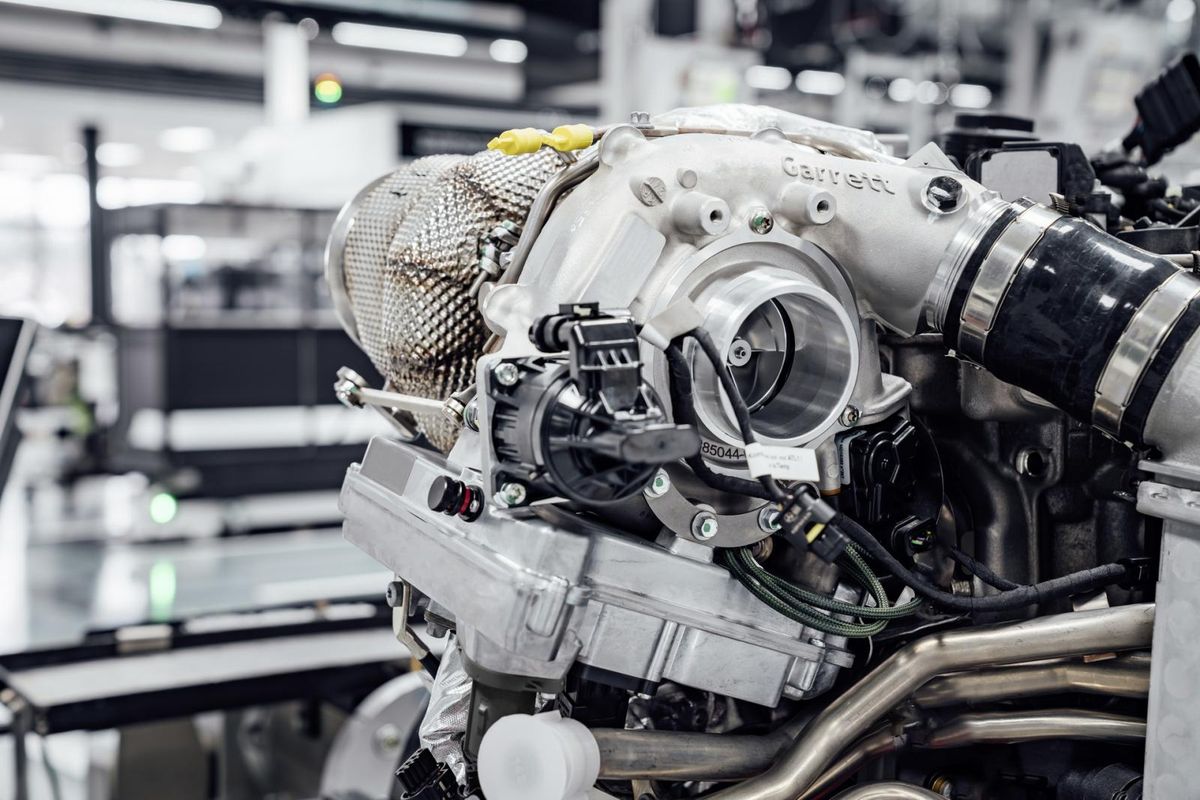
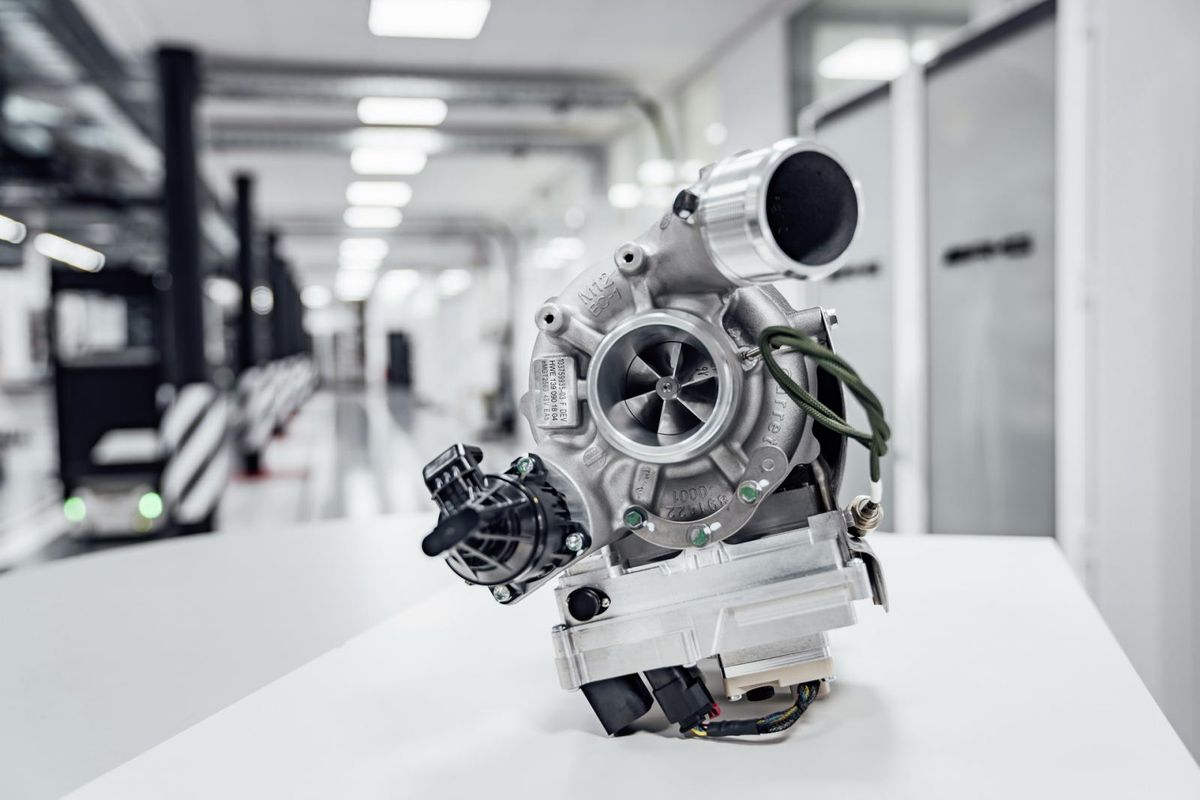
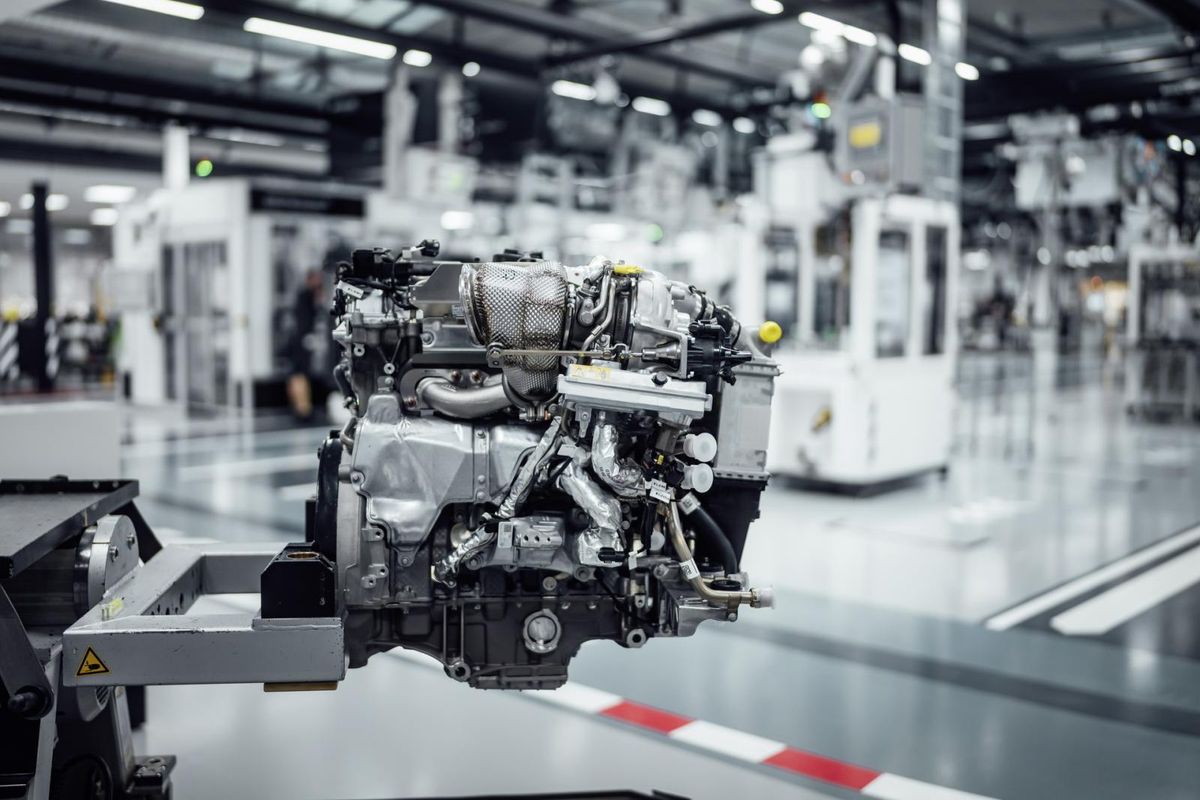
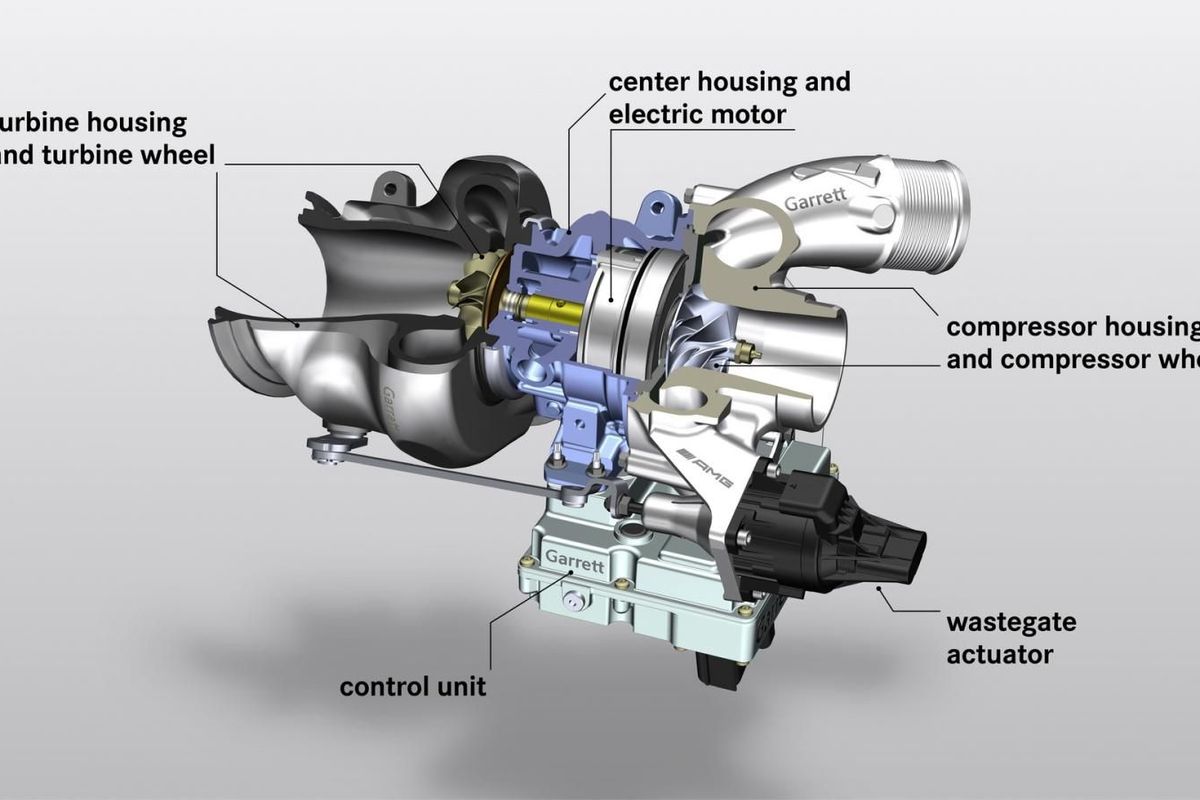
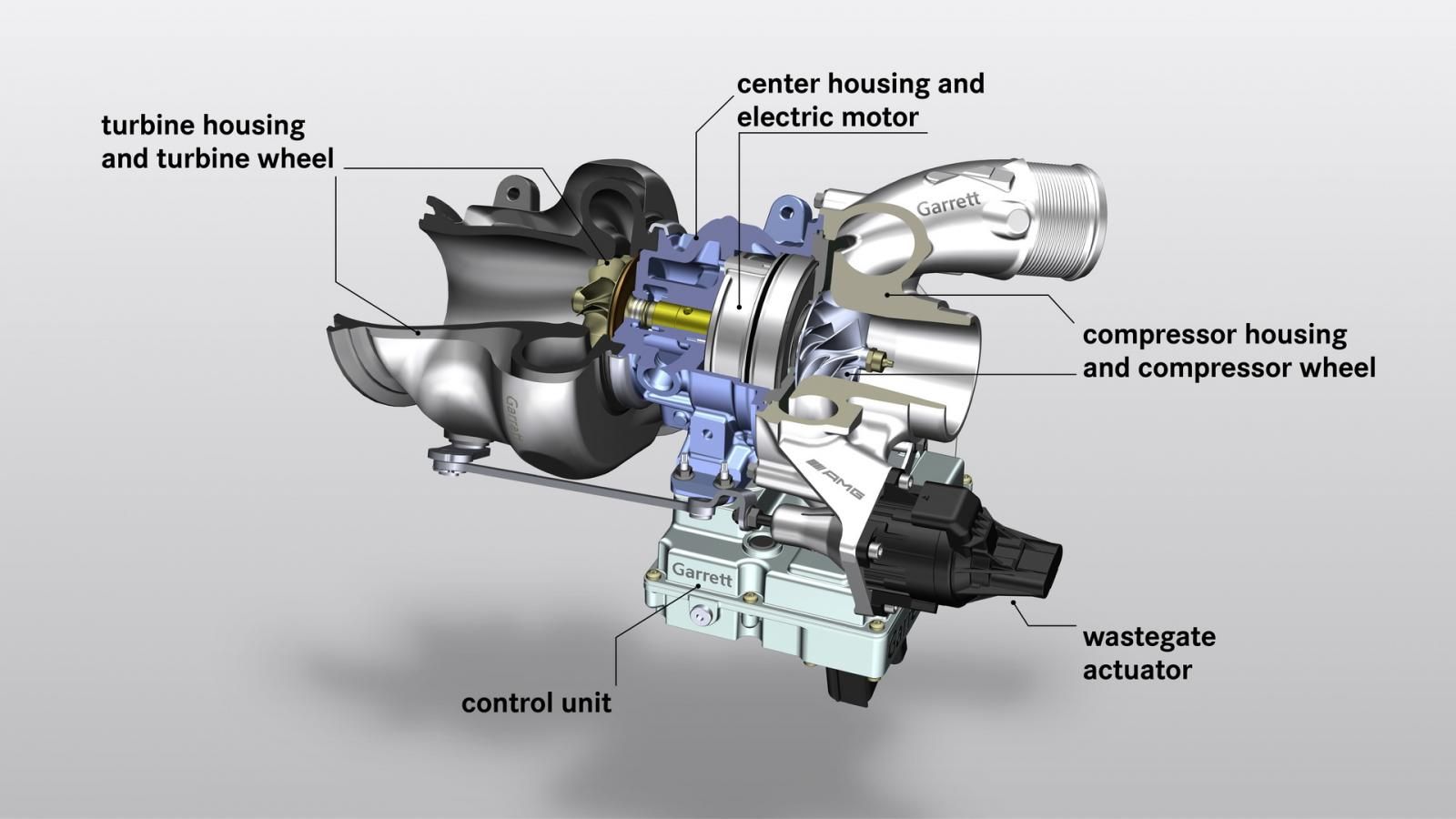
In an effort to push the boundaries of performance and efficiency just that much further, the wizards over at Mercedes-AMG have been hard at work developing the electric exhaust gas turbocharger, which when deployed, will be the first of its kind to be found in a production AMG model. This technology has been developed with Garret Motion and is derived directly from Formula 1 and according to Mercedes-AMG it “resolves the conflicting goals between a small, fast-reacting turbocharger which achieves relatively low peak performance and a large turbocharger with a high peak performance but which on the other hand can suffer from turbo lag.”


Derived from F1, the new electric turbocharger is expected to eliminate turbo lag and improve response and overall performance. 

The turbocharger features a slim electric motor measuring only about 4 cm which is integrated on the charger shaft between the turbine wheel and the compressor wheel. The electric motor drives the compressor wheel before accepting the exhaust gas flow and improves the responsiveness from idle speed across the entire engine speed range, essentially eliminating the turbo lag which plagues a conventional turbocharger. 

Throttle response is therefore improved while higher torque outputs at lower engine speeds allow for improved acceleration from standstill. 

Interestingly, the electric turbocharger is able to maintain boost pressure even when the driver is not accelerating or while braking, which ensures continuous response. 

This electric turbocharging technology can achieve speeds of 170 000rpm and can be operated using a 48-volt on-board electrical system and is connected to the engine’s cooling circuit to maintain optimum temperature control.

"We have clearly defined our goals for an electrified future. In order to reach them, we are relying on discrete and highly innovative components as well as assemblies. With this move we are strategically supplementing our modular technology and tailoring it to our performance requirements. In a first step this includes the electrified turbocharger – an example of the transfer of Formula 1 technology to the road, something with which we will take turbocharged combustion engines to a previously unattainable level of agility", explains Tobias Moers, Chairman of the Board of Management of Mercedes-AMG GmbH.

Buy a Mercedes-Benz on Cars.co.za

Related Content

Mercedes-Benz E-Class Coupe/Cabriolet Revealed

Mercedes-Benz teases new S-Class [Update]

Super-exclusive Merc-Maybach S650: a final hurrah

Volkswagen Nivus Heads For Production

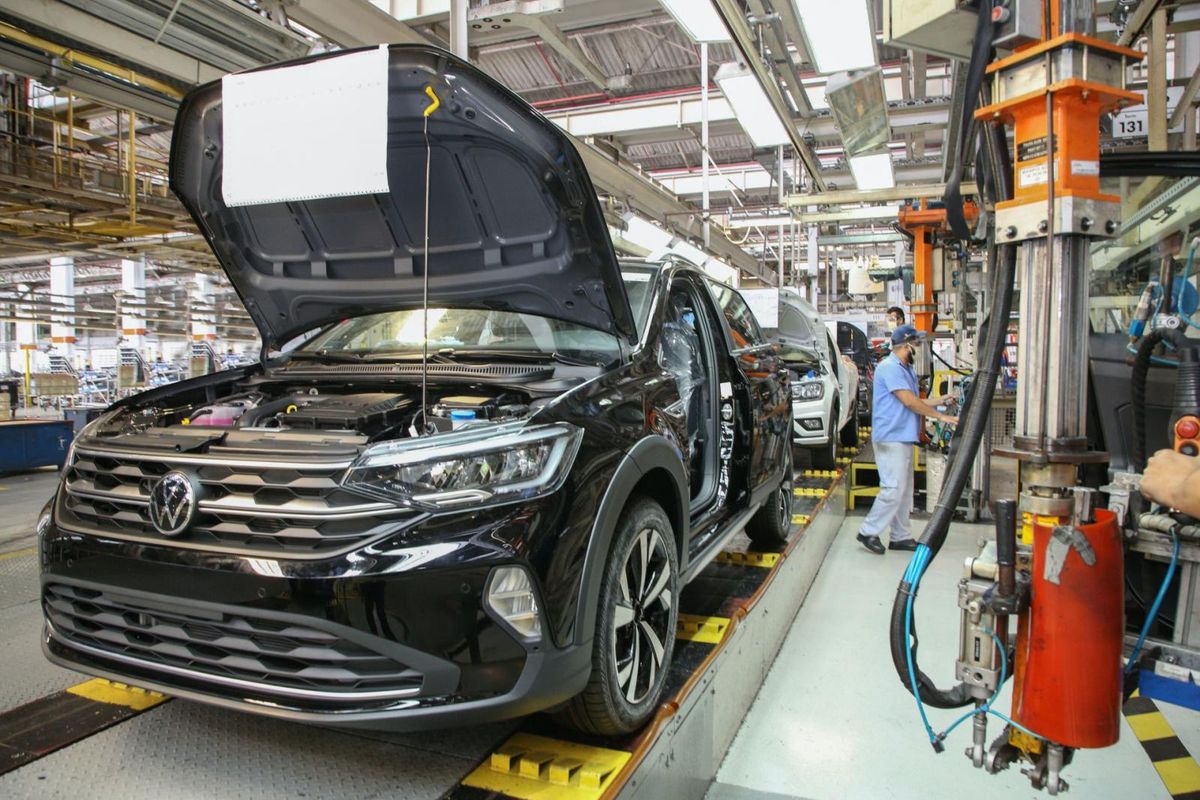
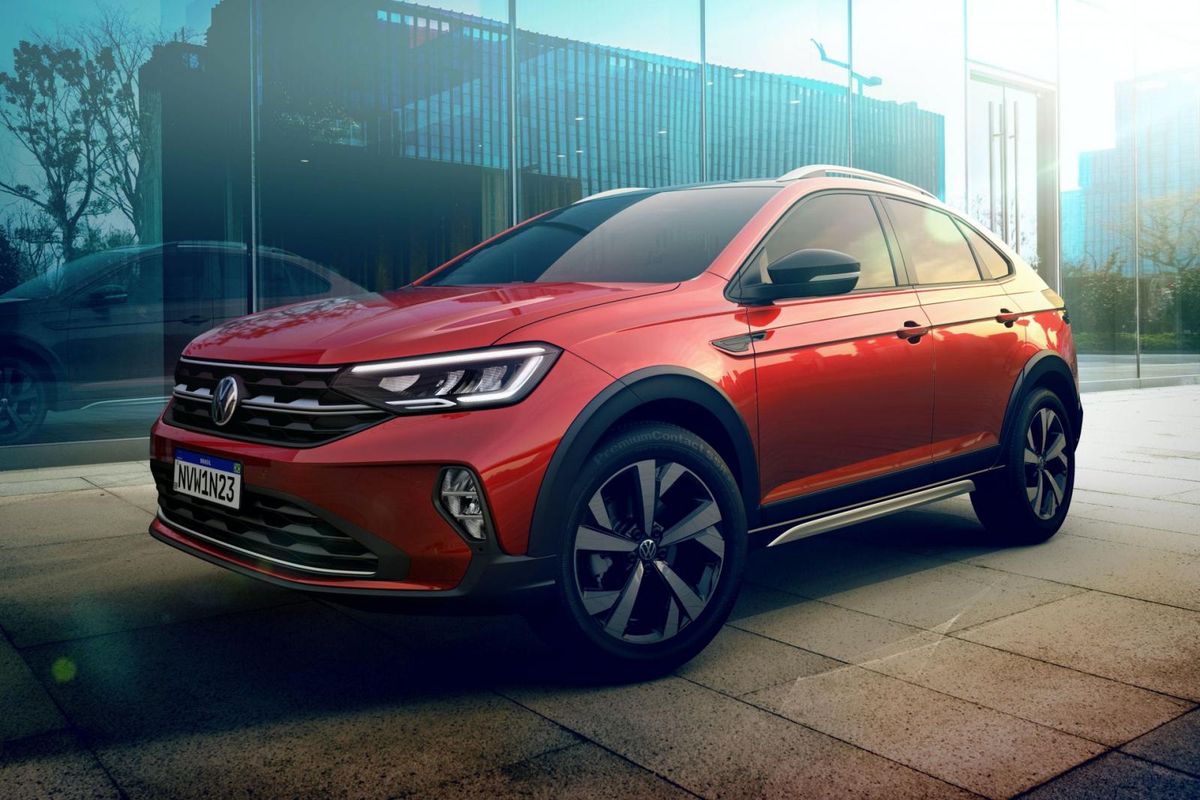
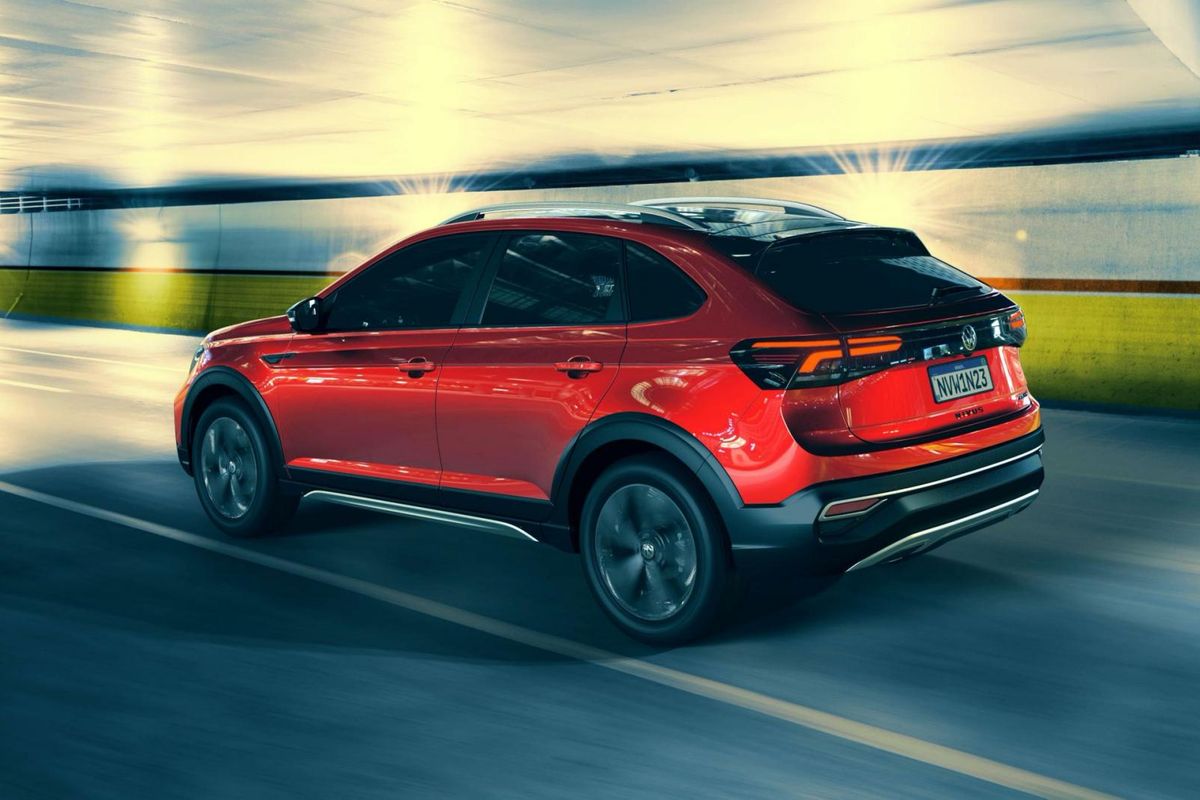
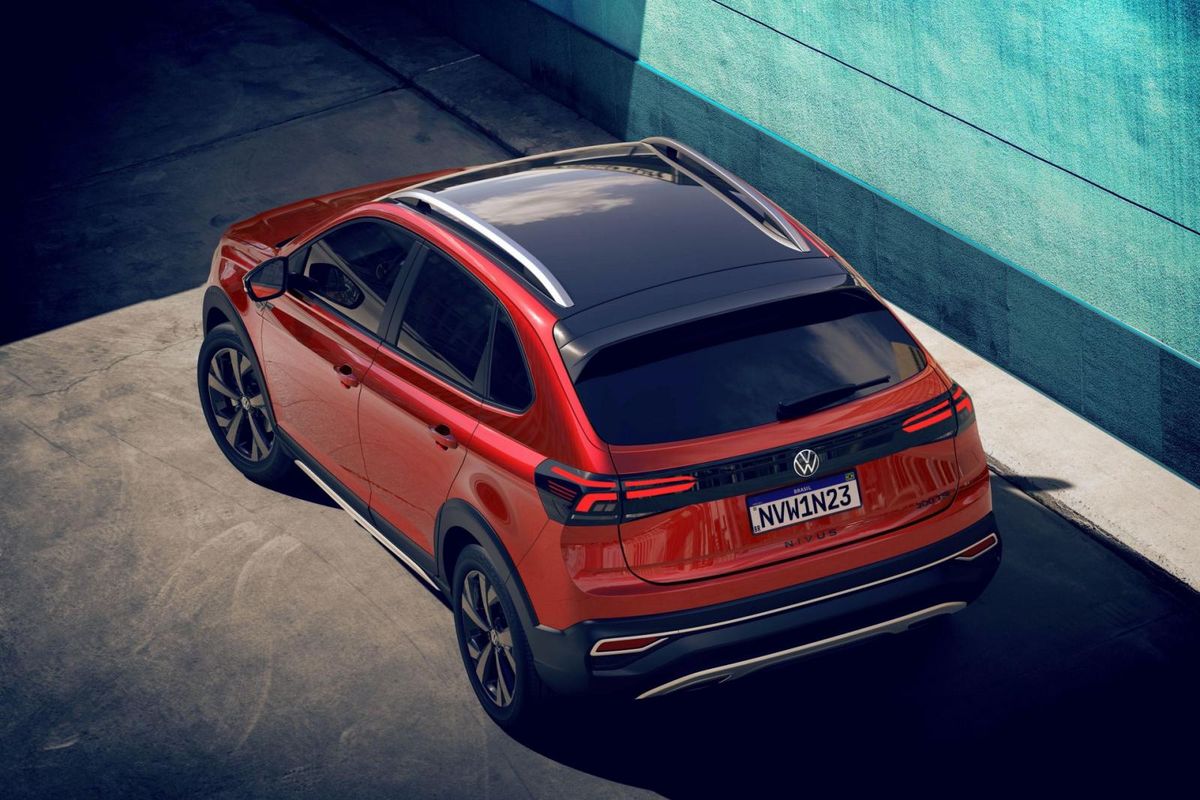
Volkswagen revealed its new Nivus compact crossover last month and the model is now going into production. 

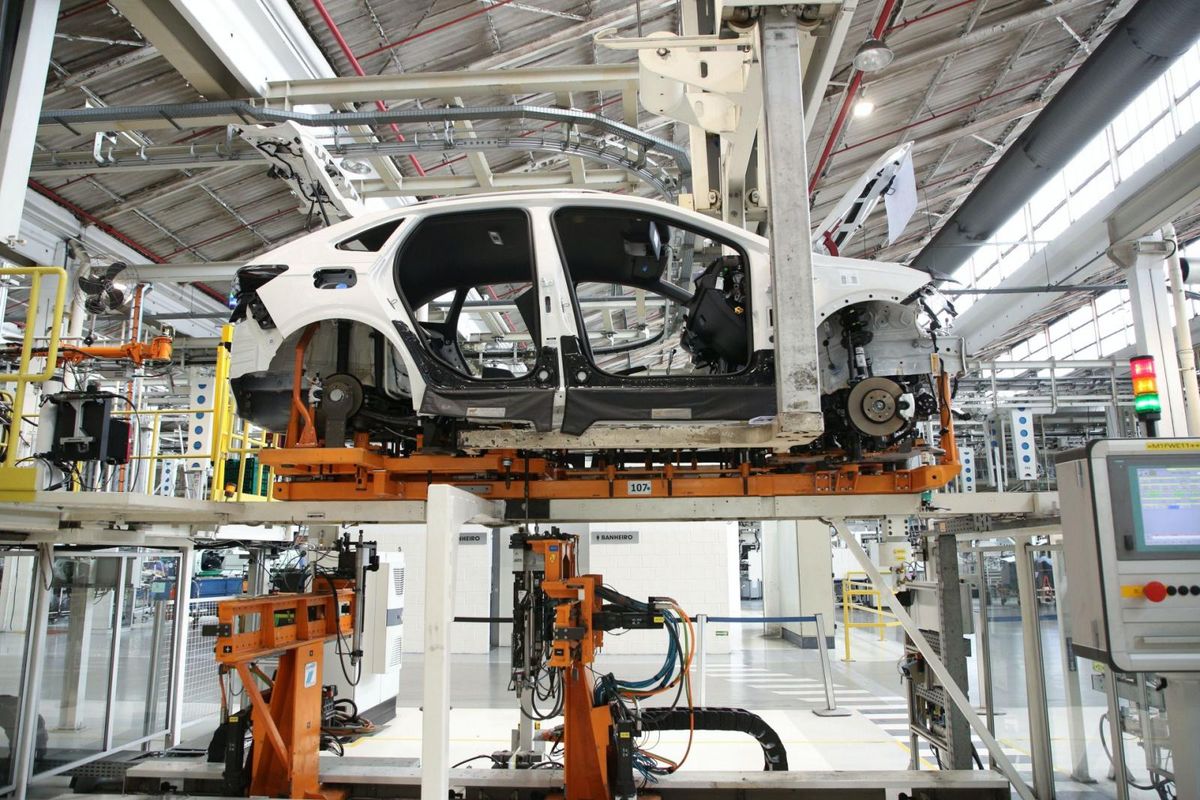
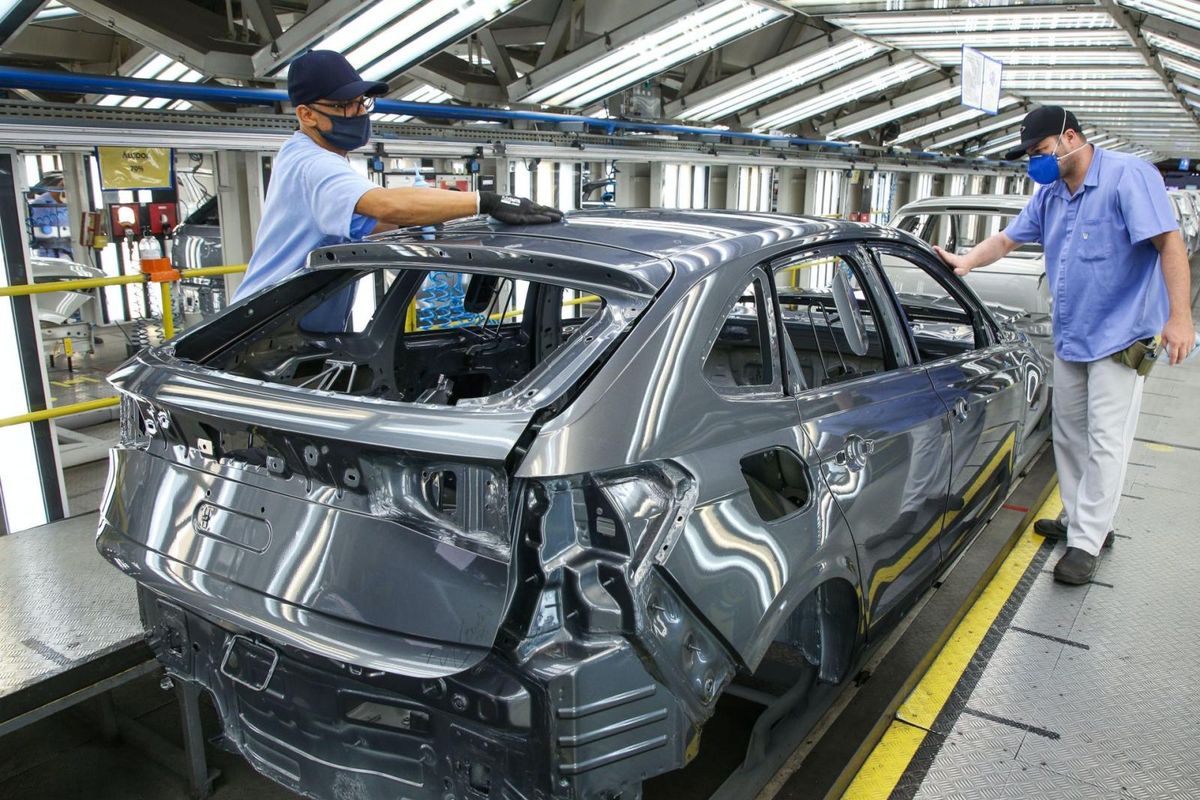
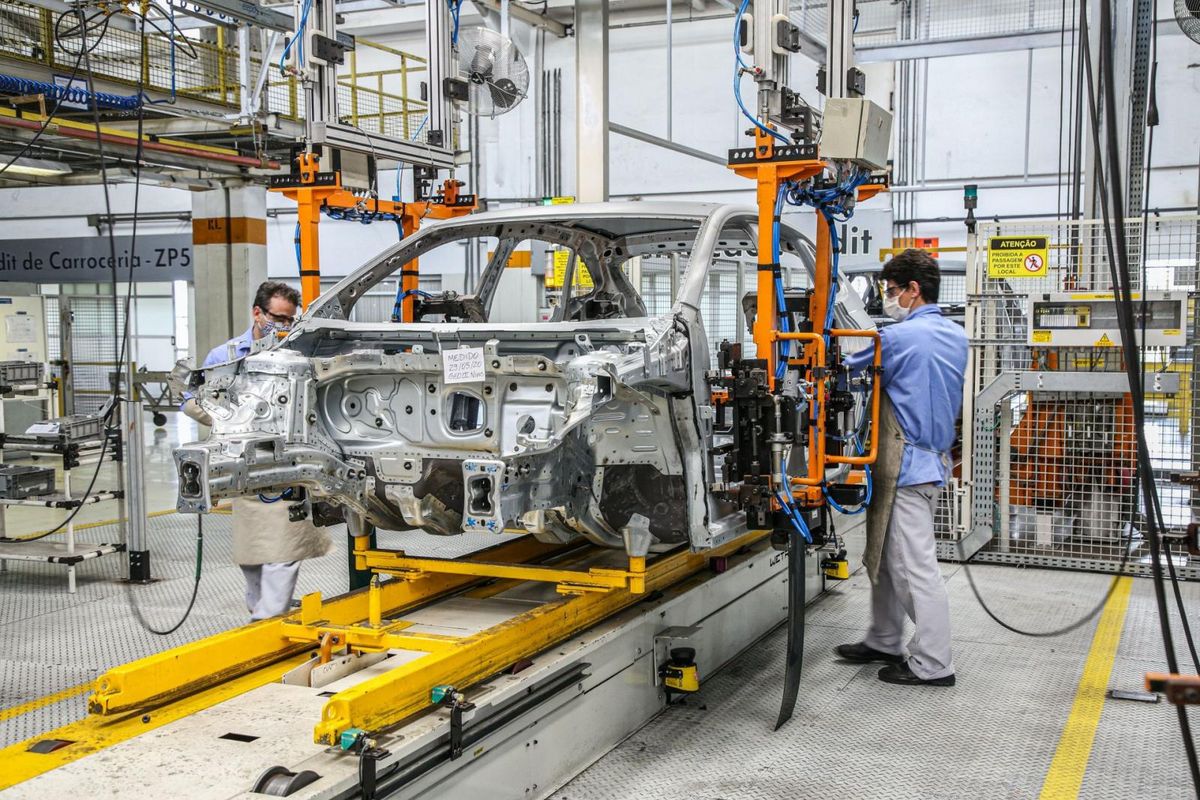
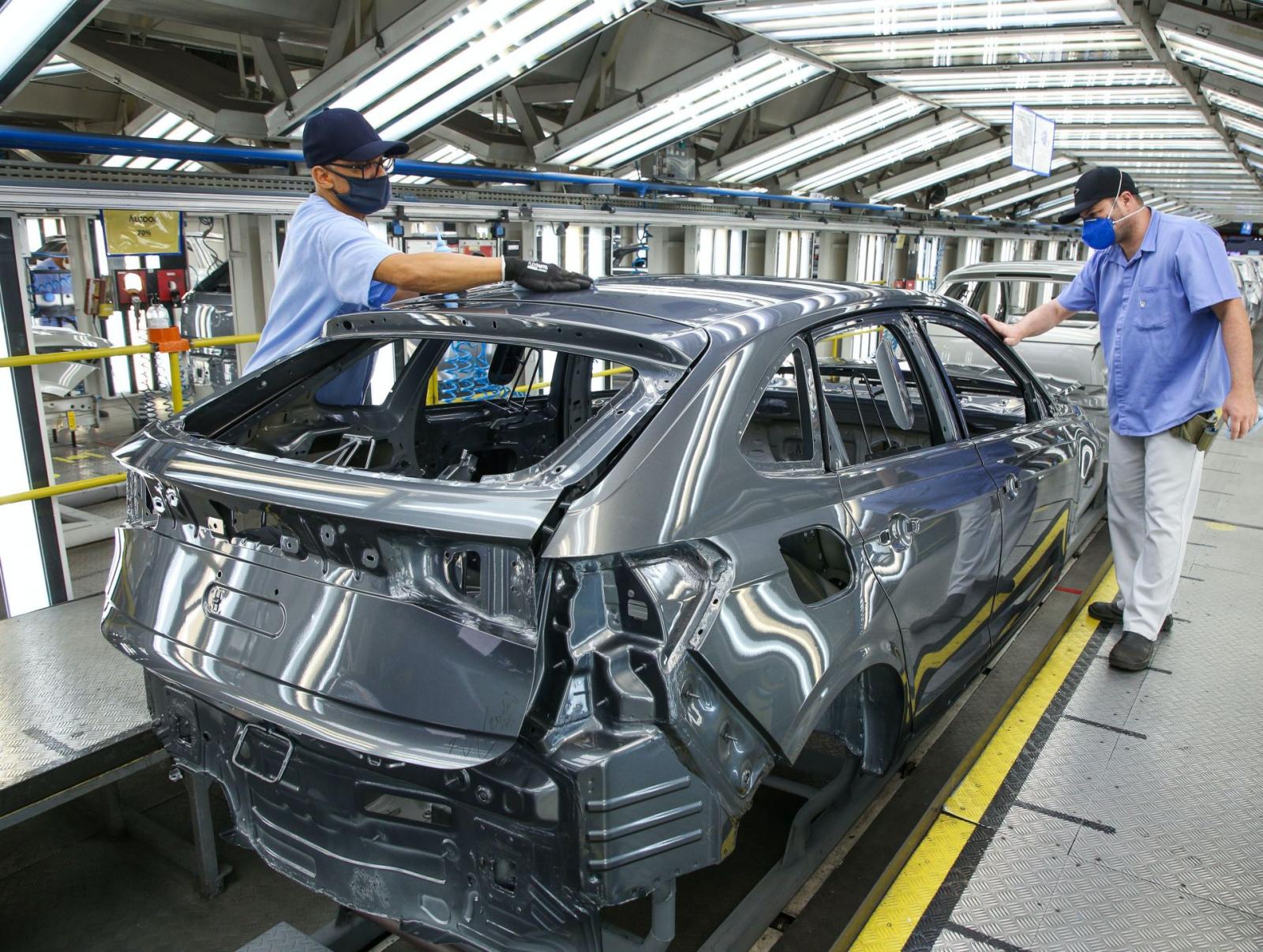
Volkswagen’s Anchieta plant in Brazil is where the new Nivus is being produced for the Latin American market as well as for Europe. In fact, it’s the first time that a Volkswagen product built in Brazil will be offered in Europe. Production is also expected to start in 2021 at VW’s Pamplona plant. 

The Nivus is underpinned by the same A0 MQB platform that produces the popular Polo which is also built in both Anchieta and Pamplona (which also produces the T-Cross). 

 An interesting fact about the Nivus is that it was developed using virtual and augmented reality which meant that there was no need for Volkswagen to build a prototype which is a typical practice in car production. 


The Nivus is destined for left-hand-drive markets and will therefore not be offered in South Africa.

“Today we start production of the VW Nivus and we are the first of the VW Group to develop a 100% digital project. As a result, we reduced the project time by 10 months, by performing tests and validations virtually, and made the processes more efficient and with significant cost savings, ” said Pablo Di Si, Volkswagen president and CEO for Latin America.

Volkswagen’s Anchieta plant was upgraded to accommodate the production of the new Nivus and the facility was expanded by some 24 000 m² along with the acquisition of a wide range of new equipment including 90 state-of-the-art robots and a new large-scale press. 

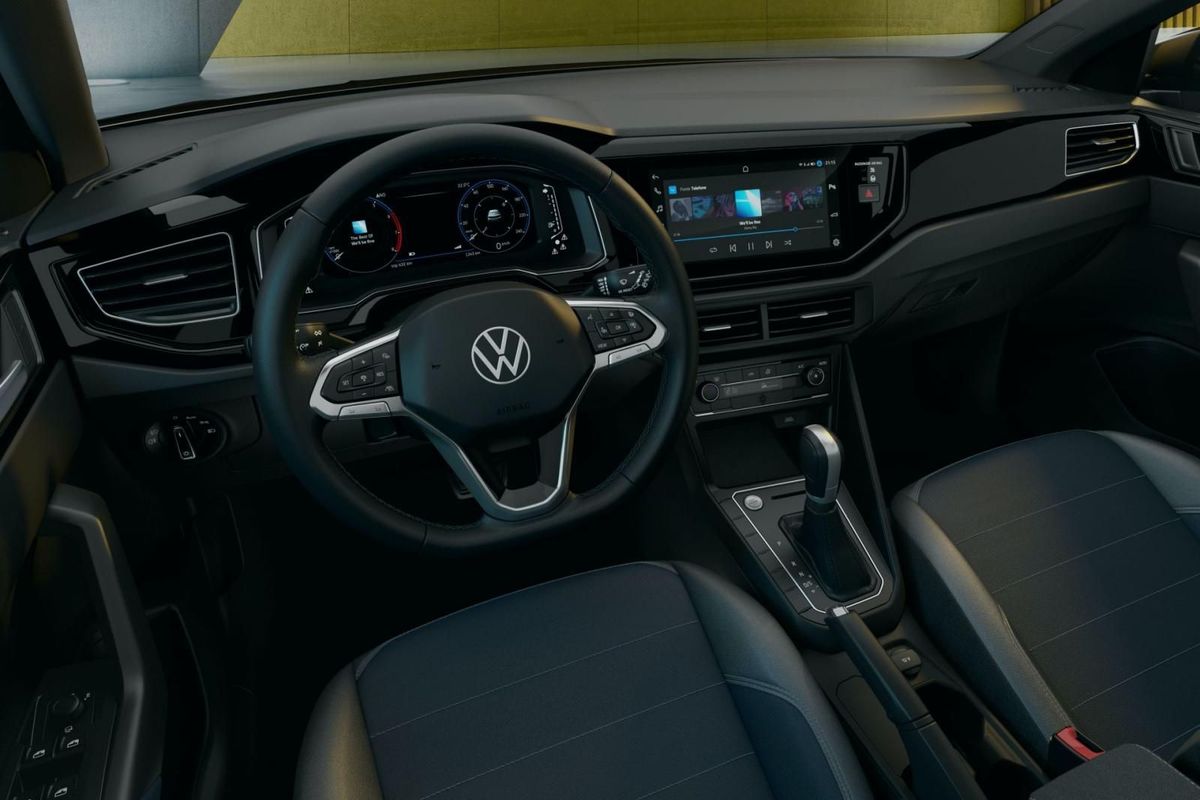
The Volkswagen Nivus is powered by the 1.0-litre turbocharged 3-cylinder motor with 95 kW and 200 Nm. This engine is mated to a 6-speed automatic transmission. In terms of safety spec, it boasts 6 airbags and adaptive cruise control, as well as autonomous emergency braking with pedestrian detection. In terms of features, it has what Volkswagen calls "VW Play", which is an infotainment system designed specifically for the Latin American market. This system features Android Auto and Apple CarPlay, as well as a 10gb hard drive to store content.

The Volkswagen Nivus is not destined for South Africa as it’s only produced in left-hand-drive, for now… 

Buy a Volkswagen on Cars.co.za

Related Content

Volkswagen Reveals Nivus Compact SUV

VW has a new CEO

Next Volkswagen Amarok to be built in SA