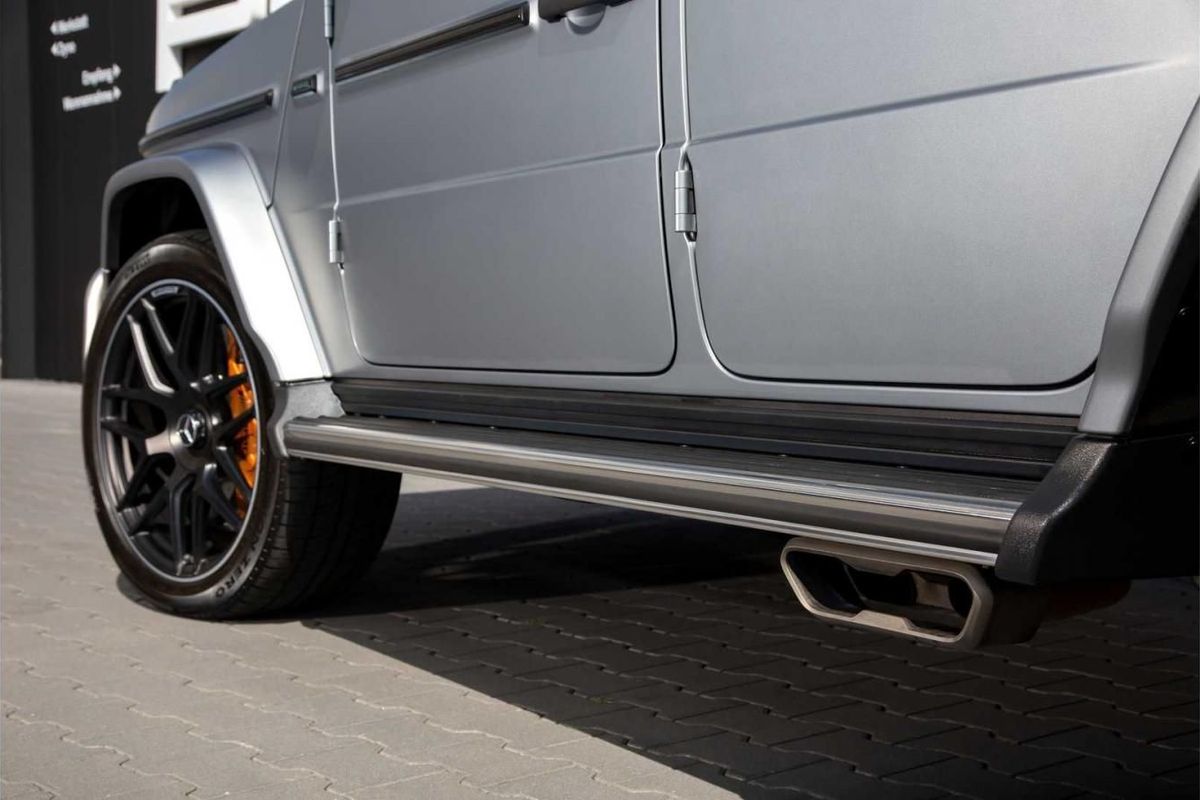
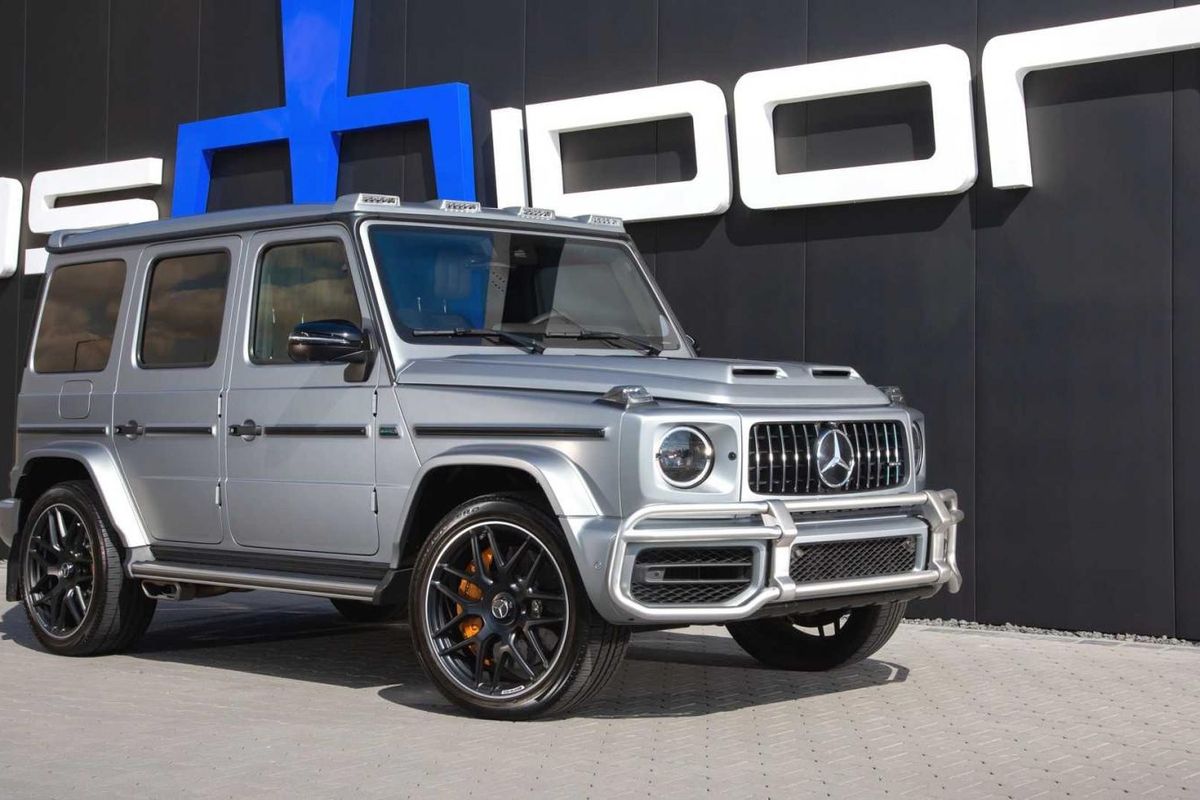
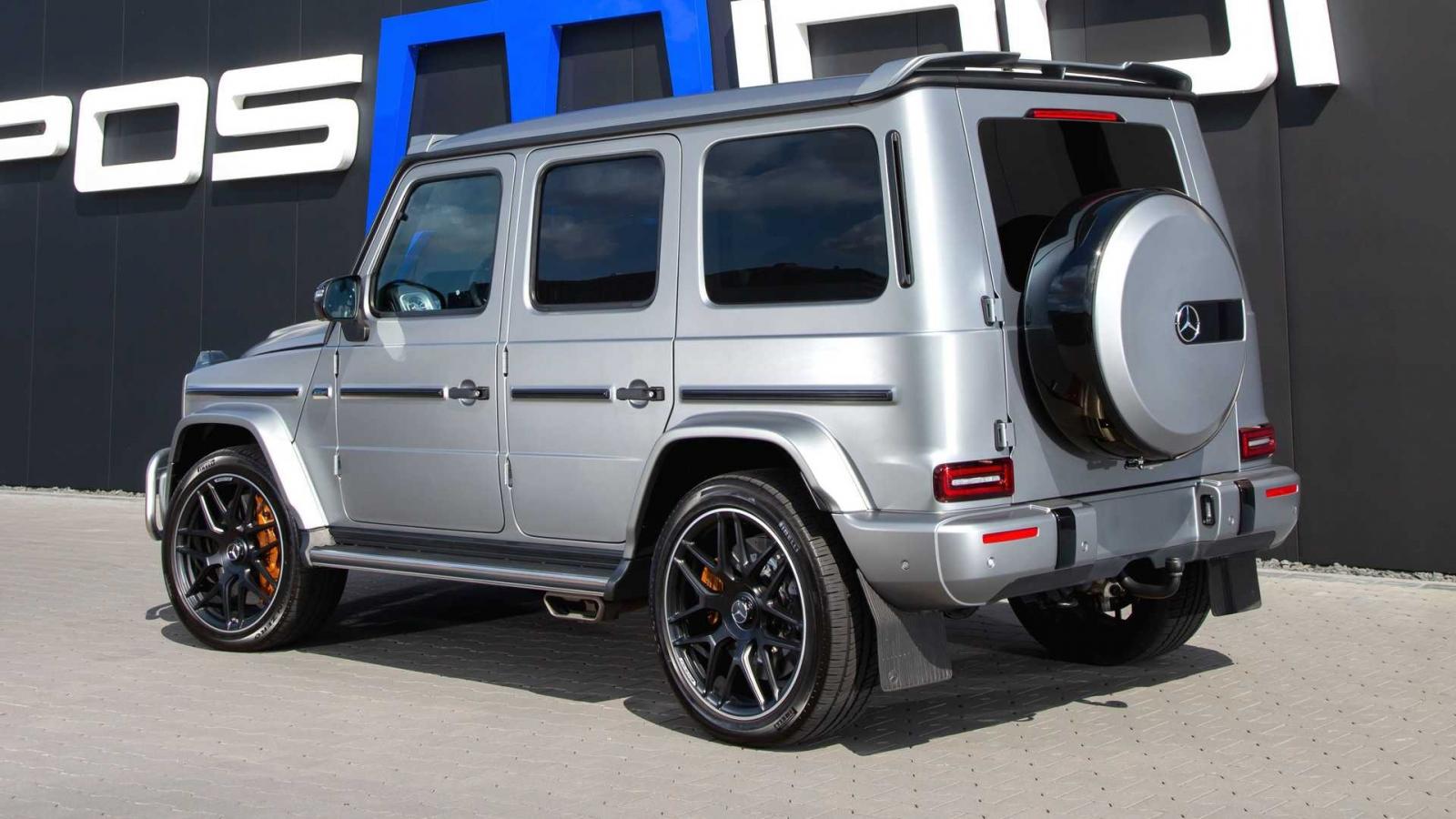
Tuning firm Posaidon has worked some magic into the Mercedes-Benz G-Class and this surely has to be the world's fastest G?
Over the years, many tuning companies have worked on the legendary Mercedes-Benz G-Class. Brabus comes to mind, but Posaidon has taken the G63 AMG to another level entirely.
The tuning firm has given the Mercedes-AMG G63 so much additional power, it's said to hit 100 kph in just 3.6 seconds. This is incredible when you consider just how heavy the G63 is. At 2.5 tons it's going to take a monster of an engine to get it moving that quickly and Posaidon's work is extensive.
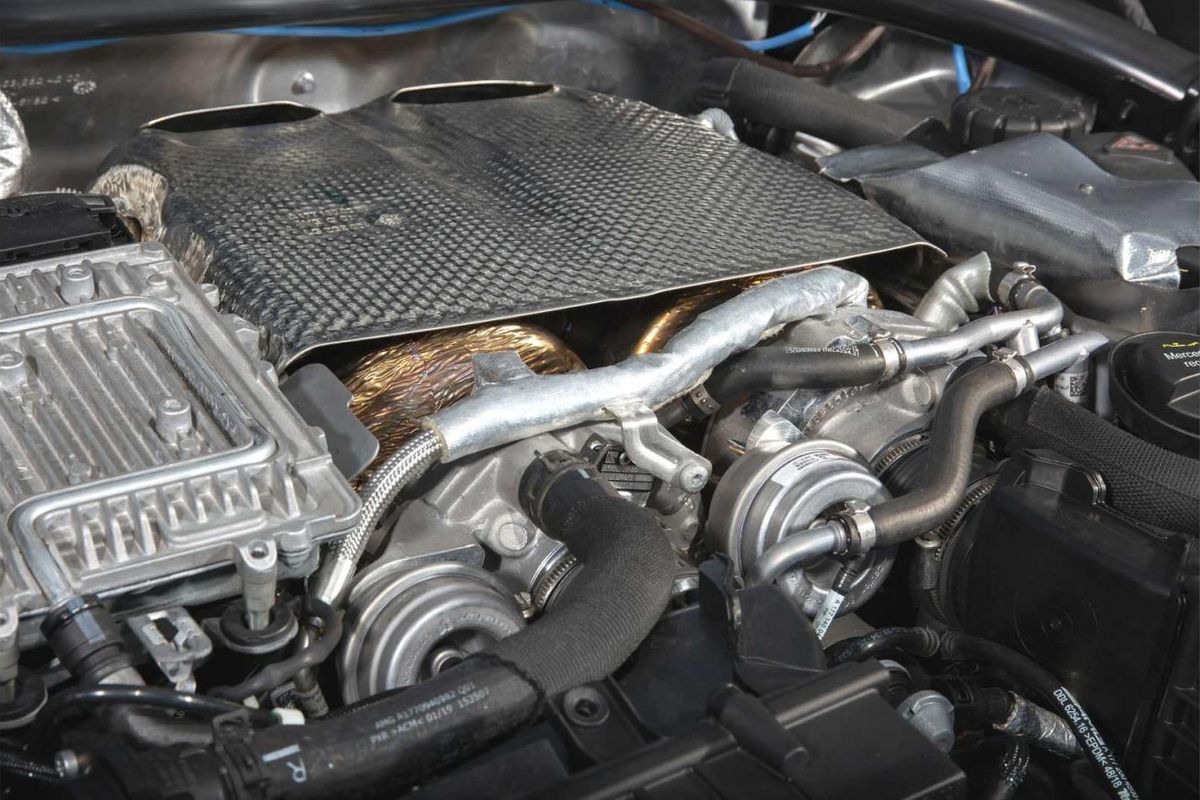
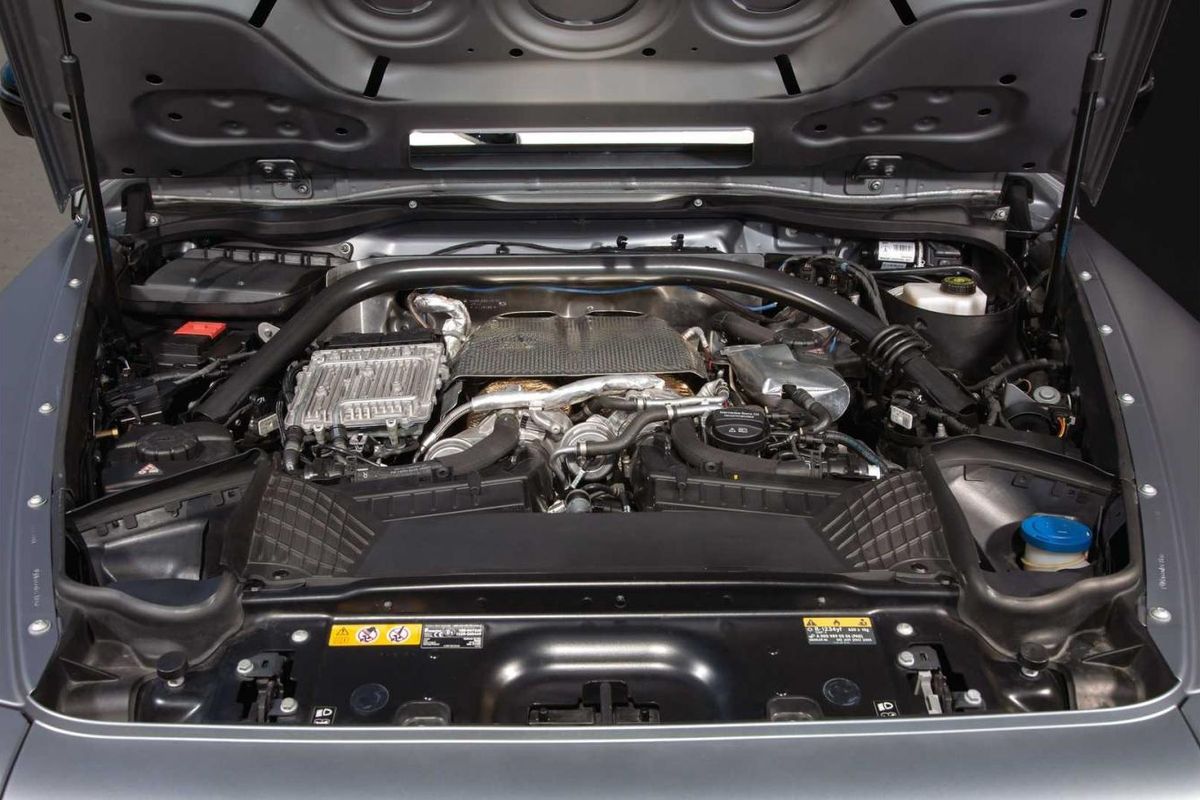
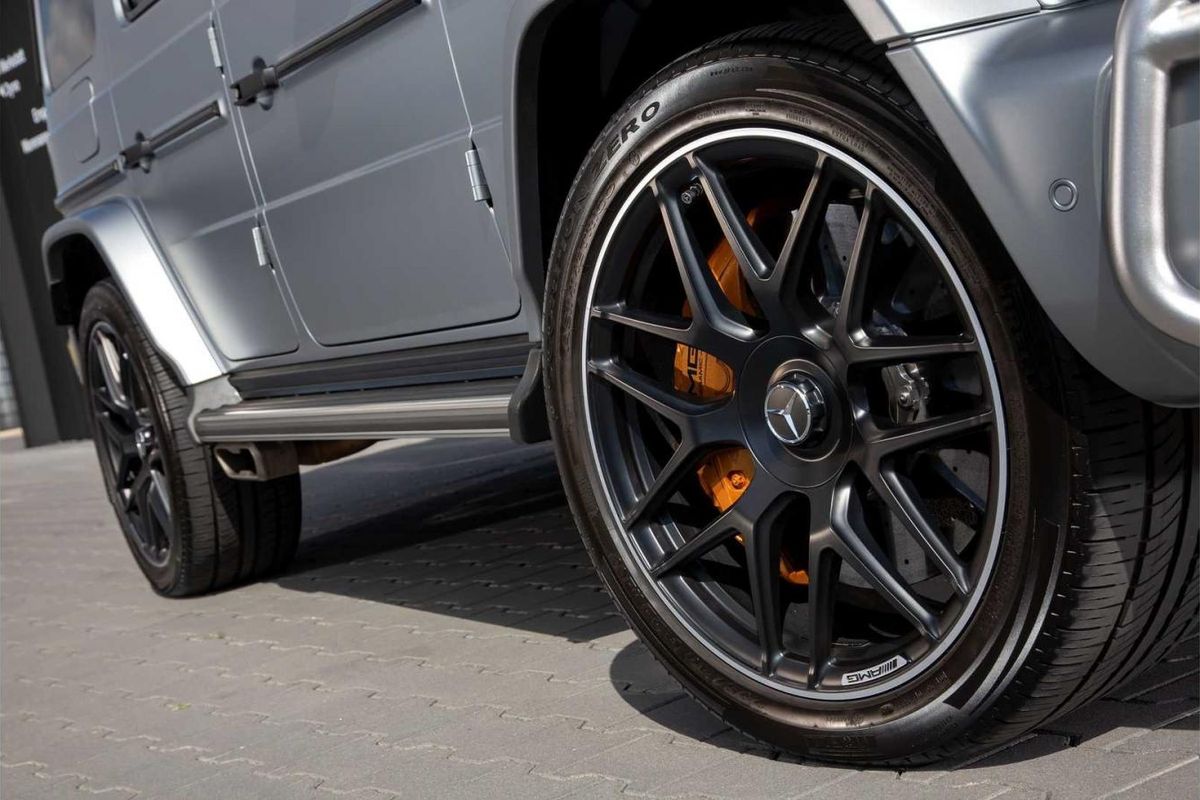
The 4.0-litre twin-turbocharged V8 in standard guise pumps out 430 kW and 850 Nm, but Posaidon has bolted on much bigger turbochargers, a custom exhaust, tweaked the heads, intake and added a water/methanol injection kit. Now it produces 691 kW and 1 278 Nm! To keep all that power in check, Posaidon also added some uprated carbon-ceramic brakes and an electronic limited top speed of 280 kph.
It's a very impressive package and the performance puts it right up there amongst some of the fastest AMG models.
A German publication has taken the new BMW M2 CS for a lap around the famous Green Hell and posts a respectable time.
We at Cars.co.za are big fans of the baby M2 and you can imagine that we're eagerly awaiting the hardcore M2 CS's arrival in South Africa towards the end of November 2020. We know already that it's going to be one agile sports coupe and ready to take on any twisting stretch of road.
The engine is the long-serving S55 unit used by standard versions of the old M3 and the M4, but with a newly designed exhaust system. The twin-turbo 3.0-litre inline-6 delivers 331 kW at 6 250 rpm and 550 Nm of torque between 2 350 rpm and 5 500 rpm – an improvement of 29 kW on the less heavily tuned version of the S55 used by the M2 Competition, although torque is the same.
Recently, German publication Sport Auto with its experienced driver Christian Gebhardt took the BMW M2 CS around the Nurburgring. It posted a respectable time of 7.42,99, putting it alongside Porsche 911 GT3 (997) and Porsche Cayman GT4 (981). Watch the run!
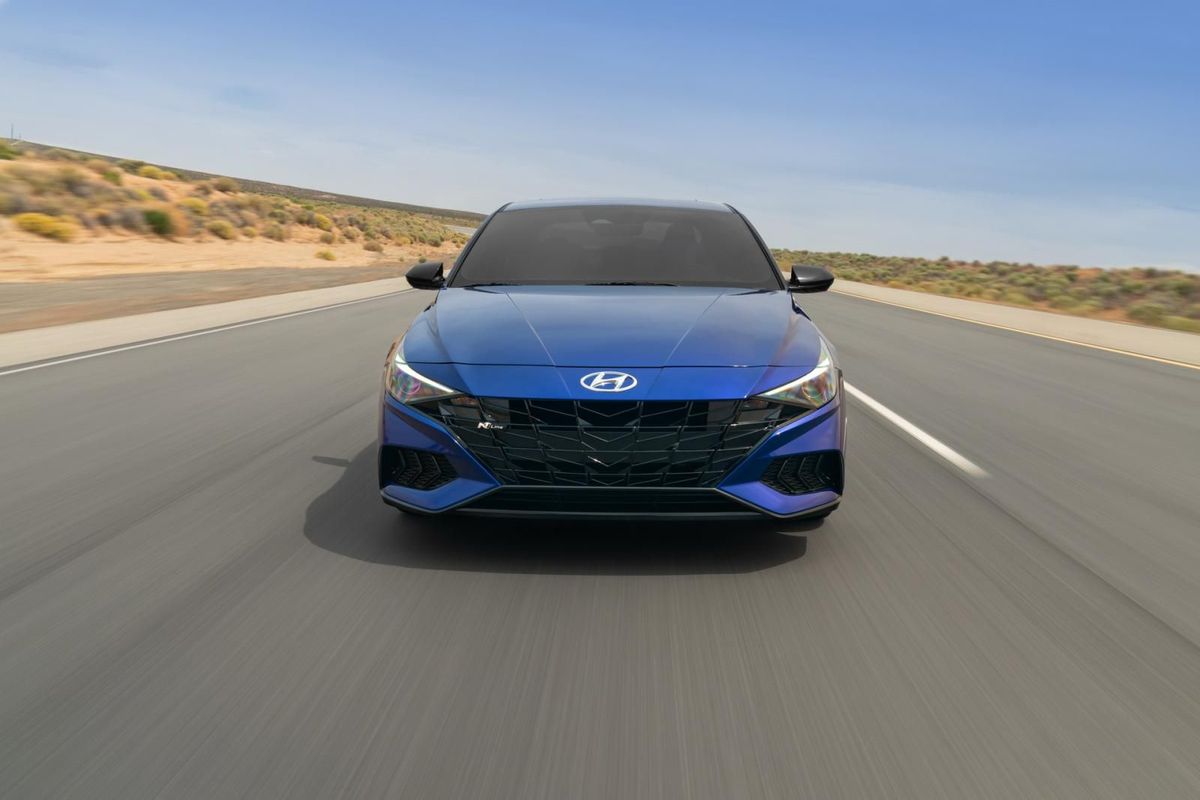
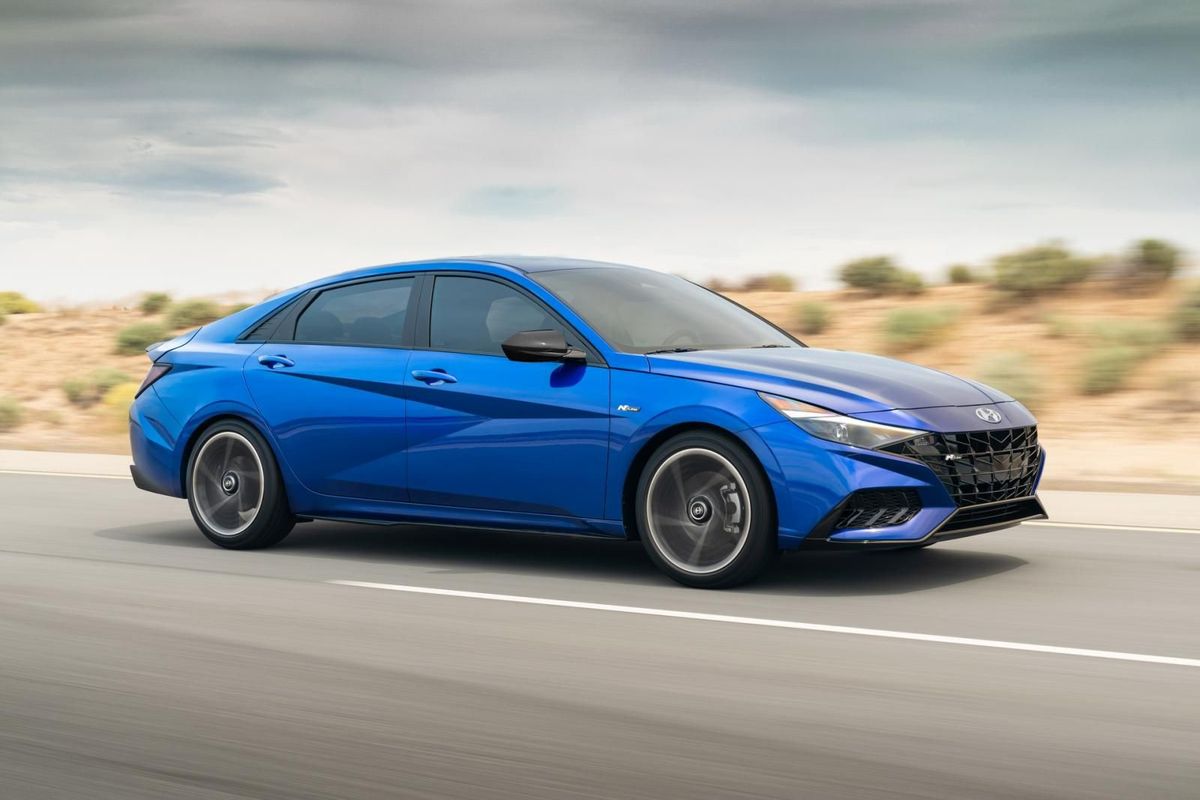
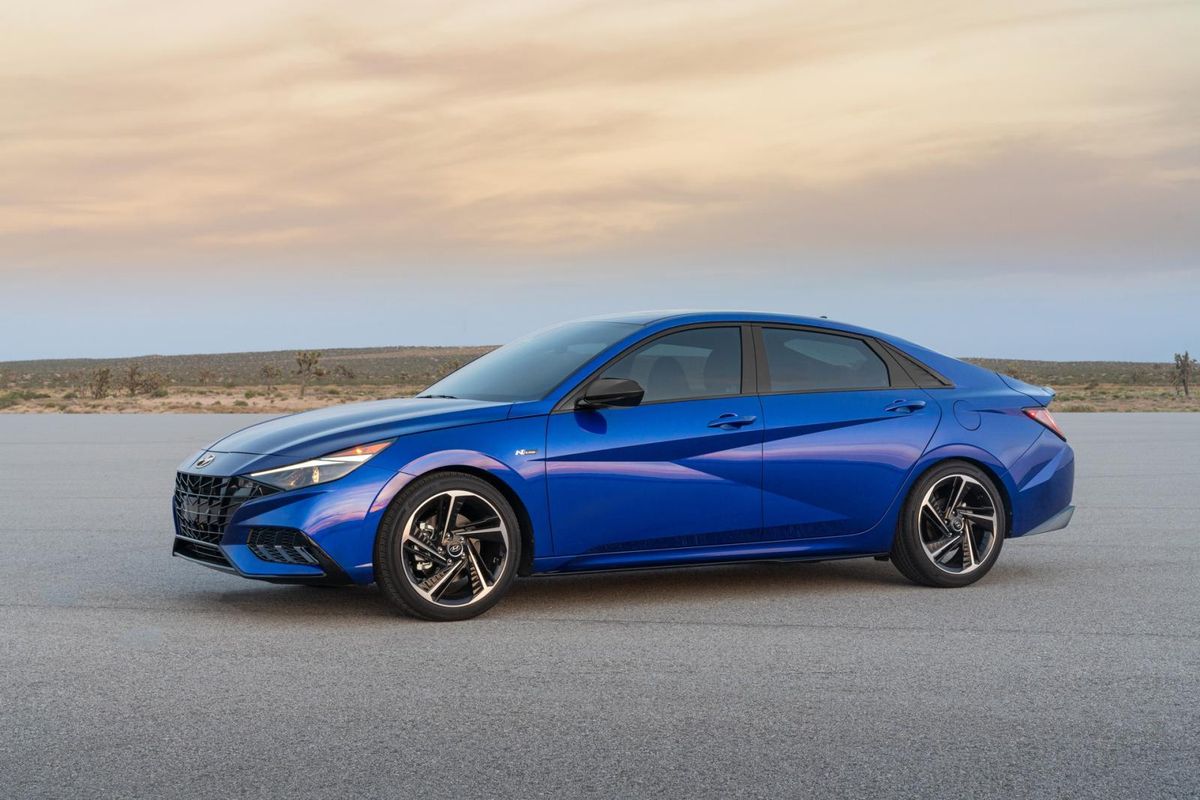
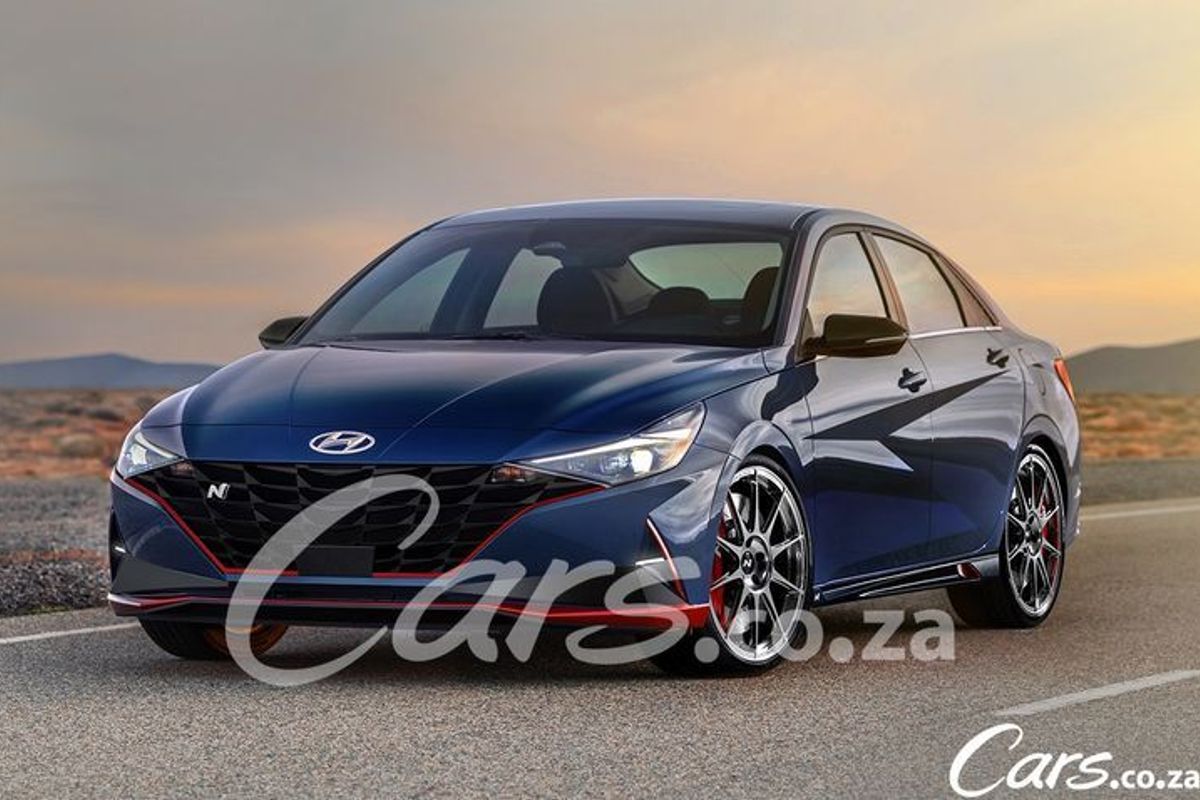
Hyundai has revealed a sportier N Line version of its Elantra sedan. Check it out below…?
Hyundai’s N division is working hard to bring new and exciting products to market. We recently reviewed the Hyundai i30 N which is a mightily impressive hot hatch (a facelifted version is on the way) and the Veloster N is already offered in other markets.A full-blown i20 N is expected too as well as a Kona N. Even the i10 will be getting some N-love.
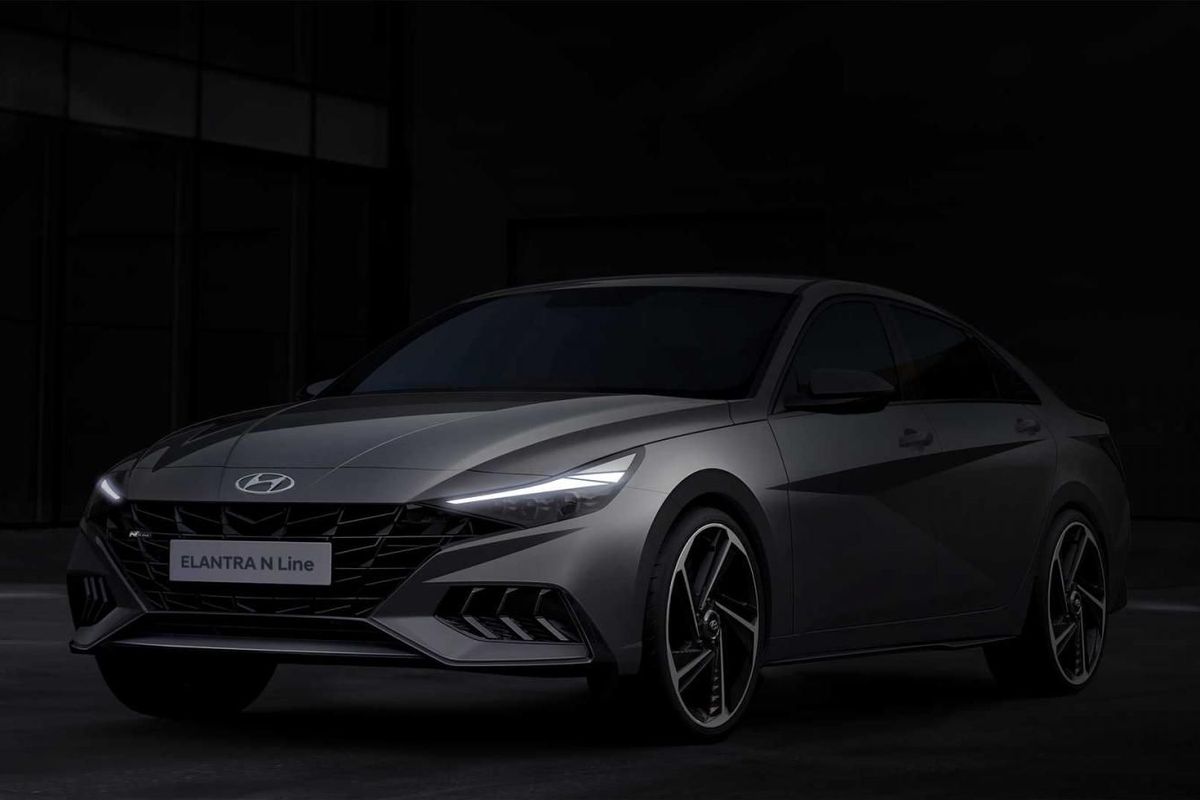
Hyundai’s new Elantra was launched earlier this year and now the Elantra N Line has been revealed.
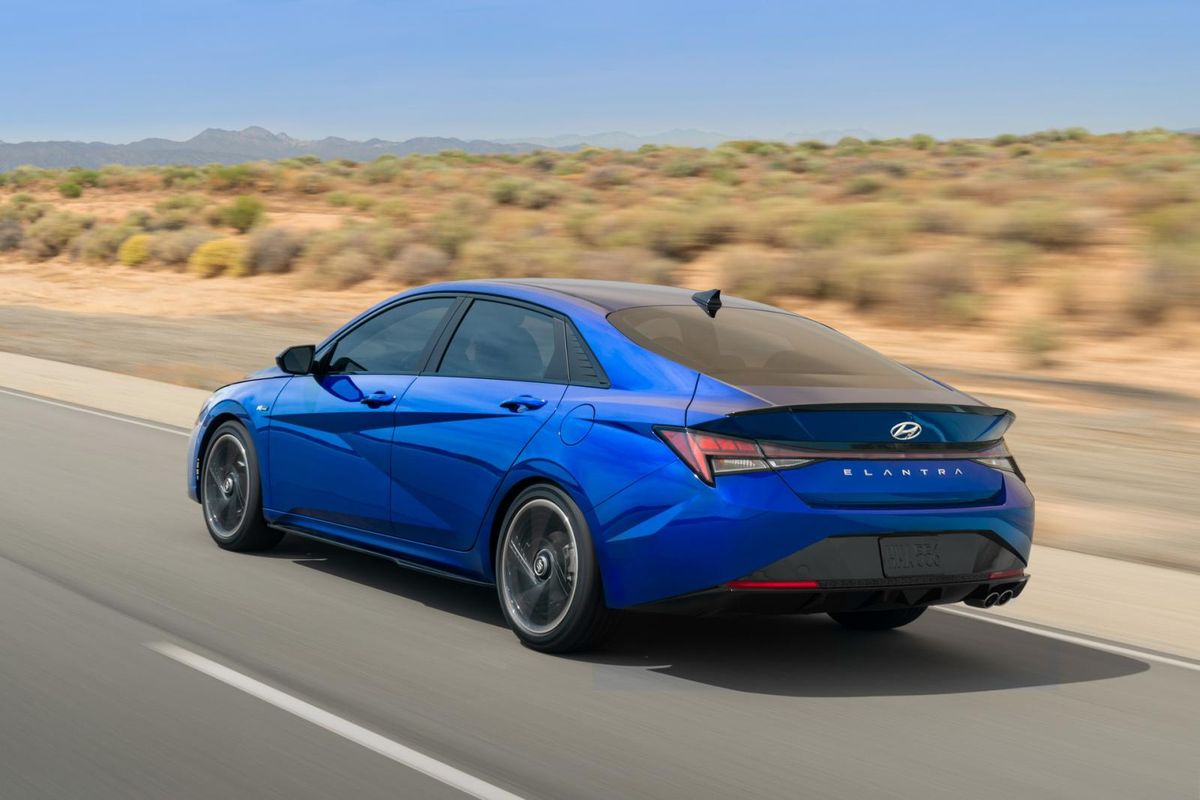
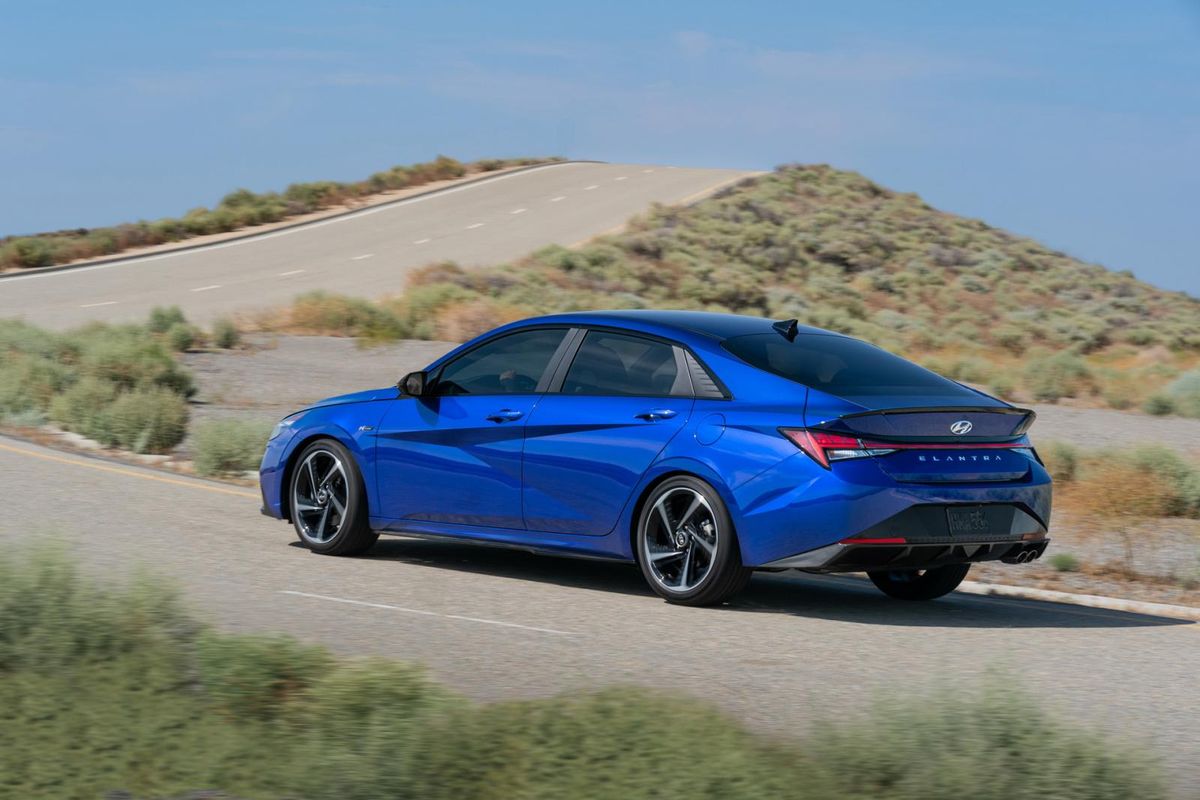
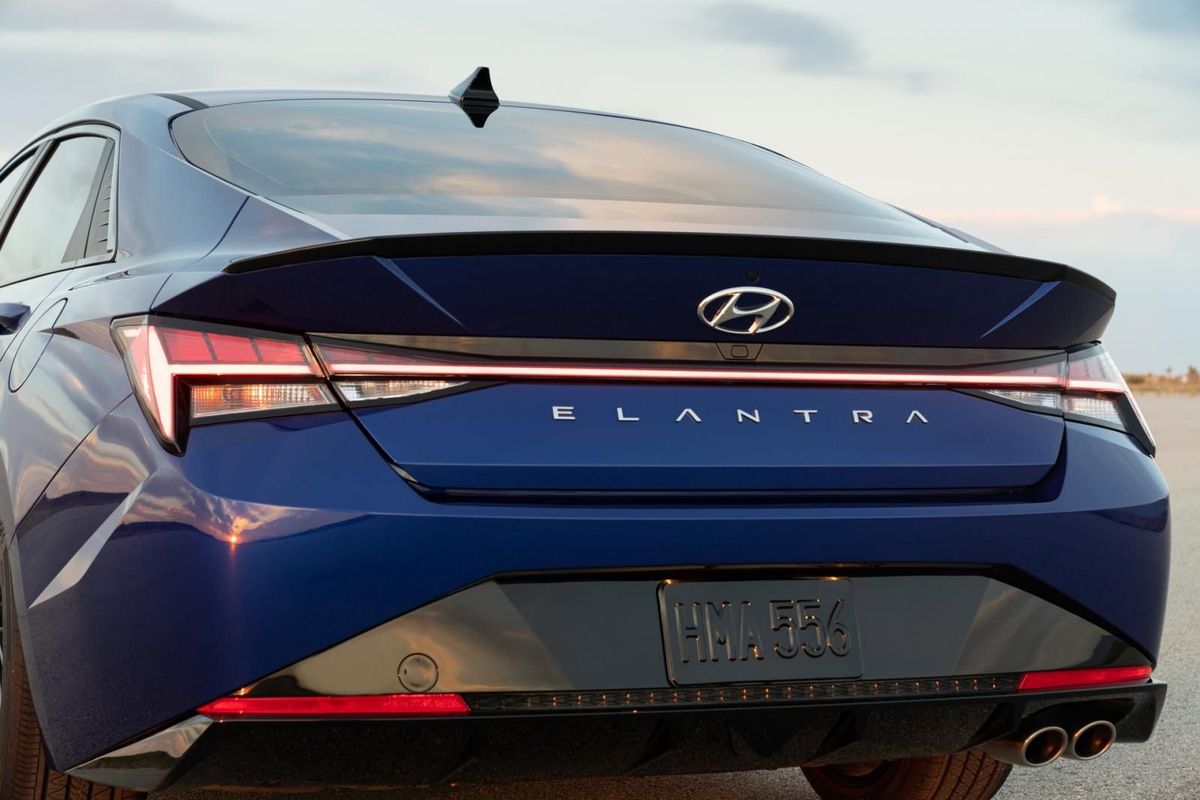
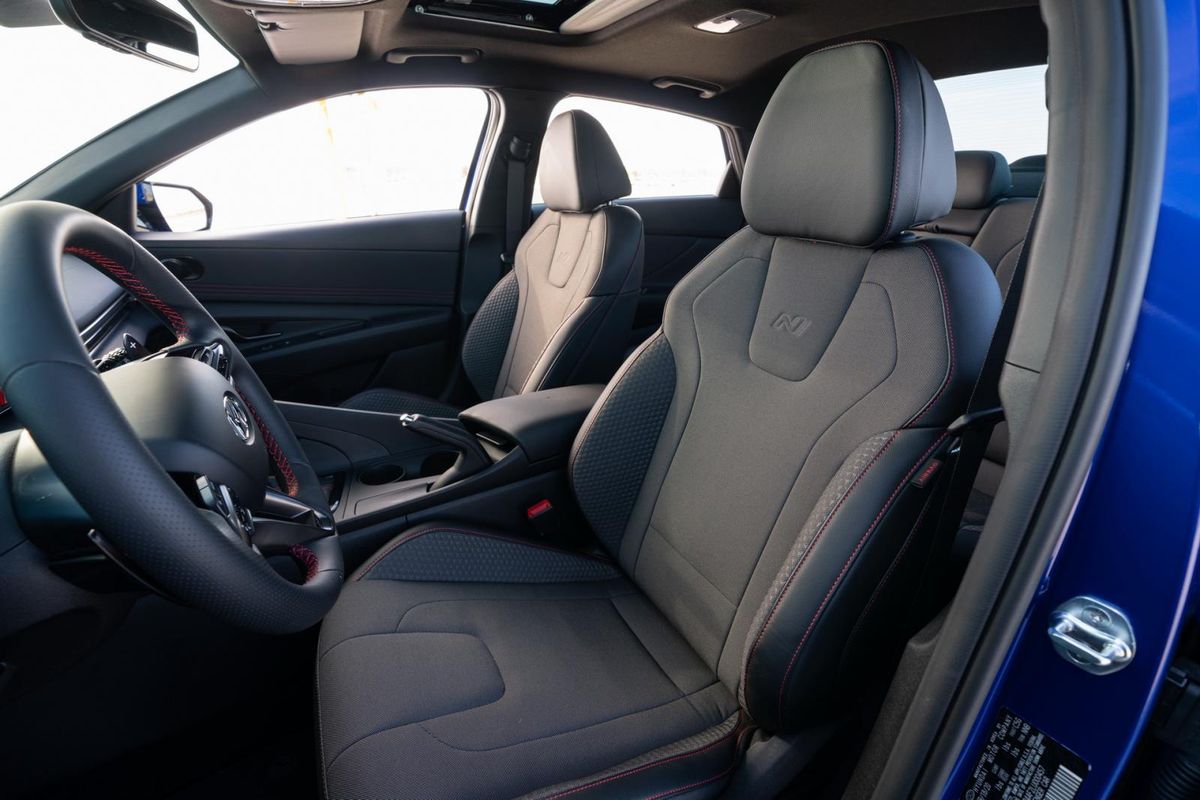
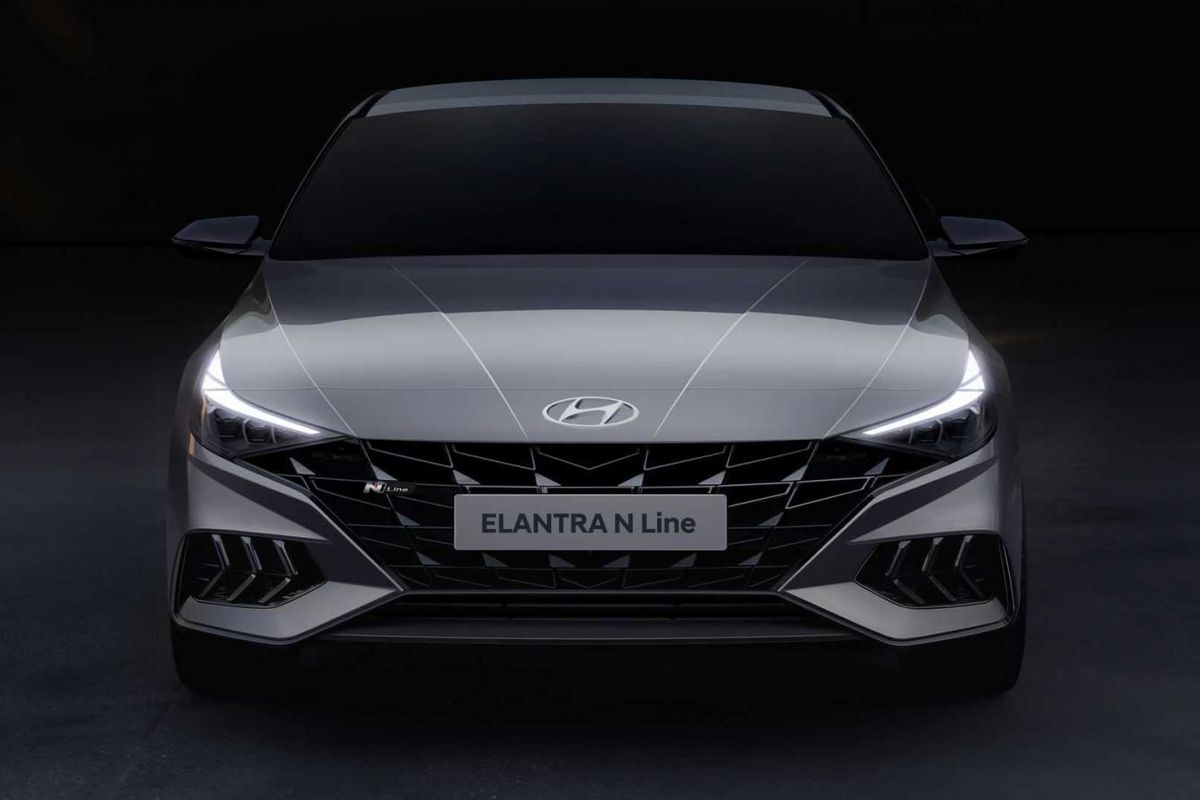
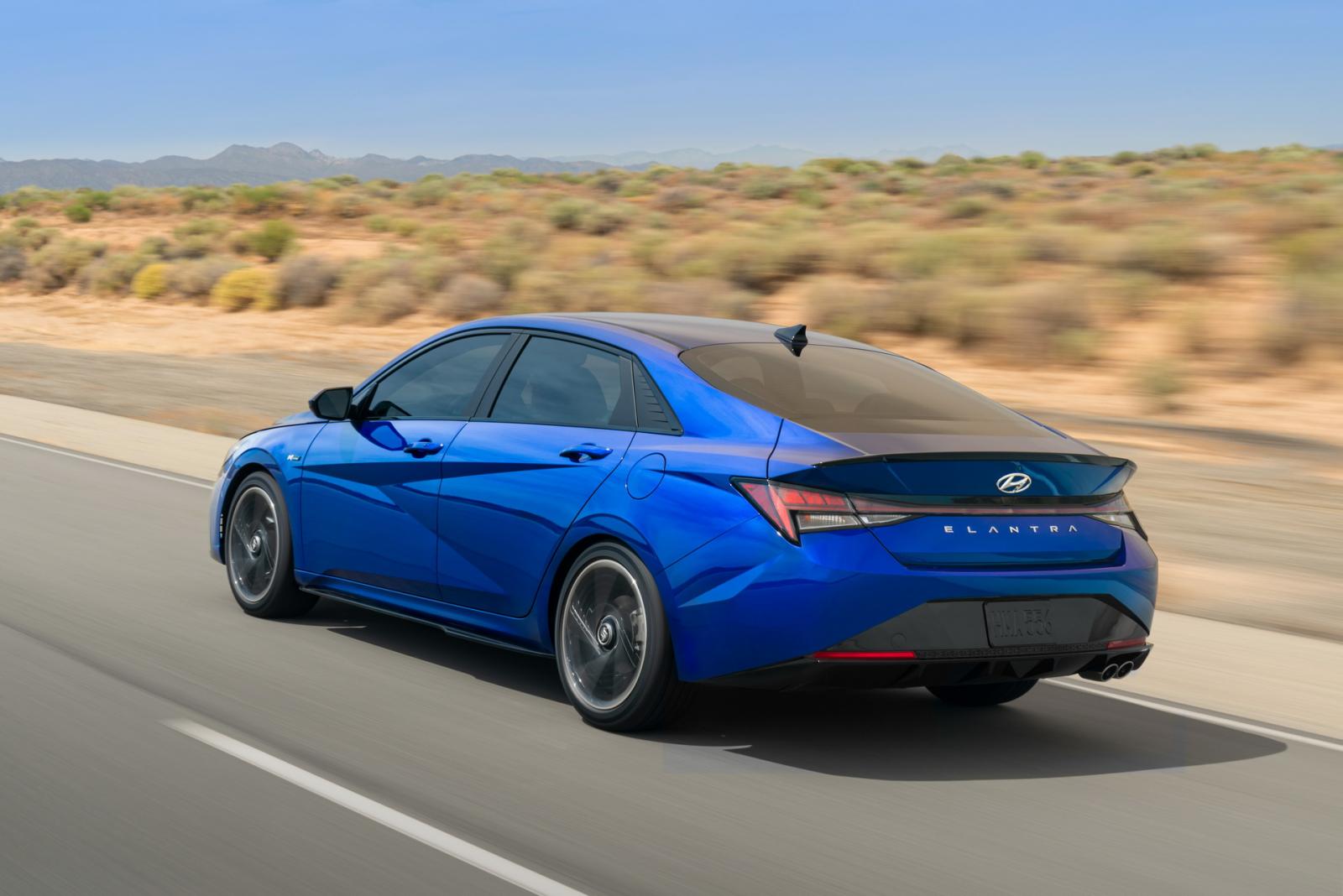
Featurung the brand's new 'Sensuous Sportiness' design language, the Elantra N Line is distinguished from its standard Elantra sibling with a more aggressively-styled cascading grille which is complemented with a different bumper housing bladed air intakes that add to the overall sportiness of the Elantra N Line. Sporty side skirts give add a purposeful touch to the side view and the Elantra N Line rides on distinct 18-inch alloy wheels with a two-tone finish. It also sits lower than a standard Elantra and is equipped with a stiffer and sportier suspension.
Hyundai's new 'Sensuous Sportiness' design language forms the basis for the Elantra N Line.
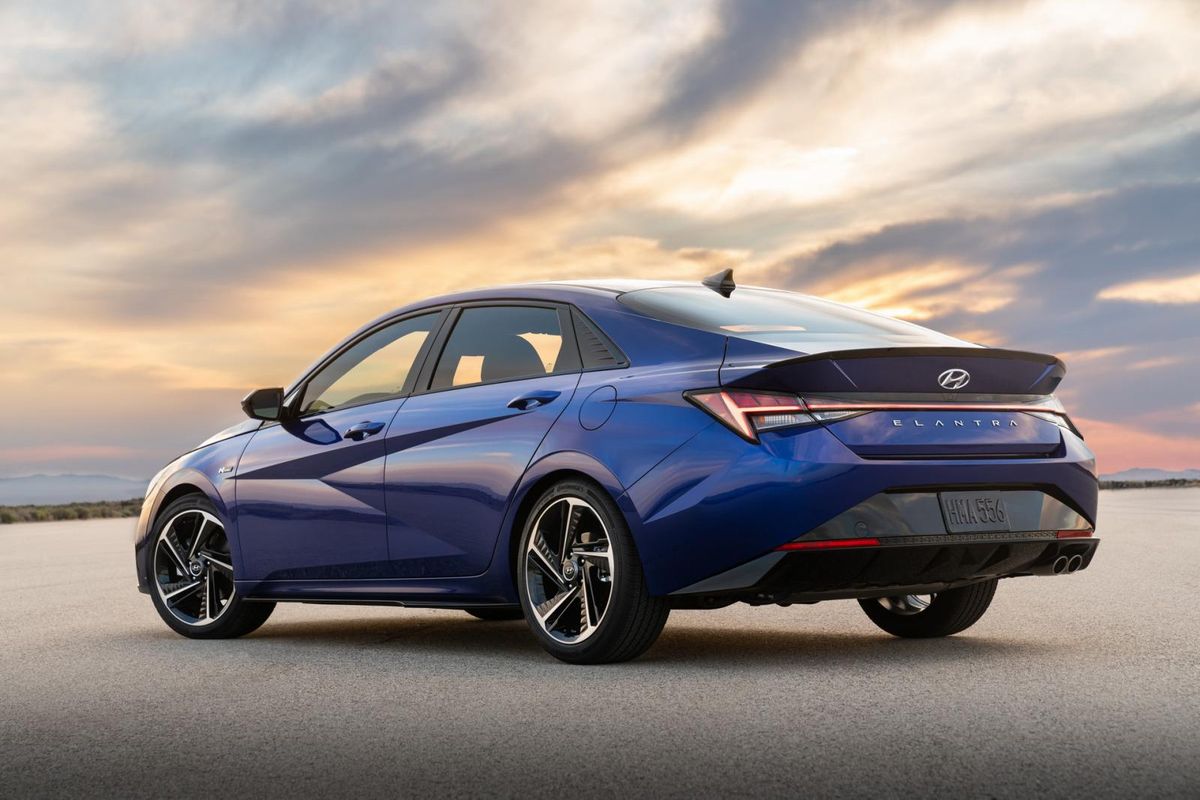
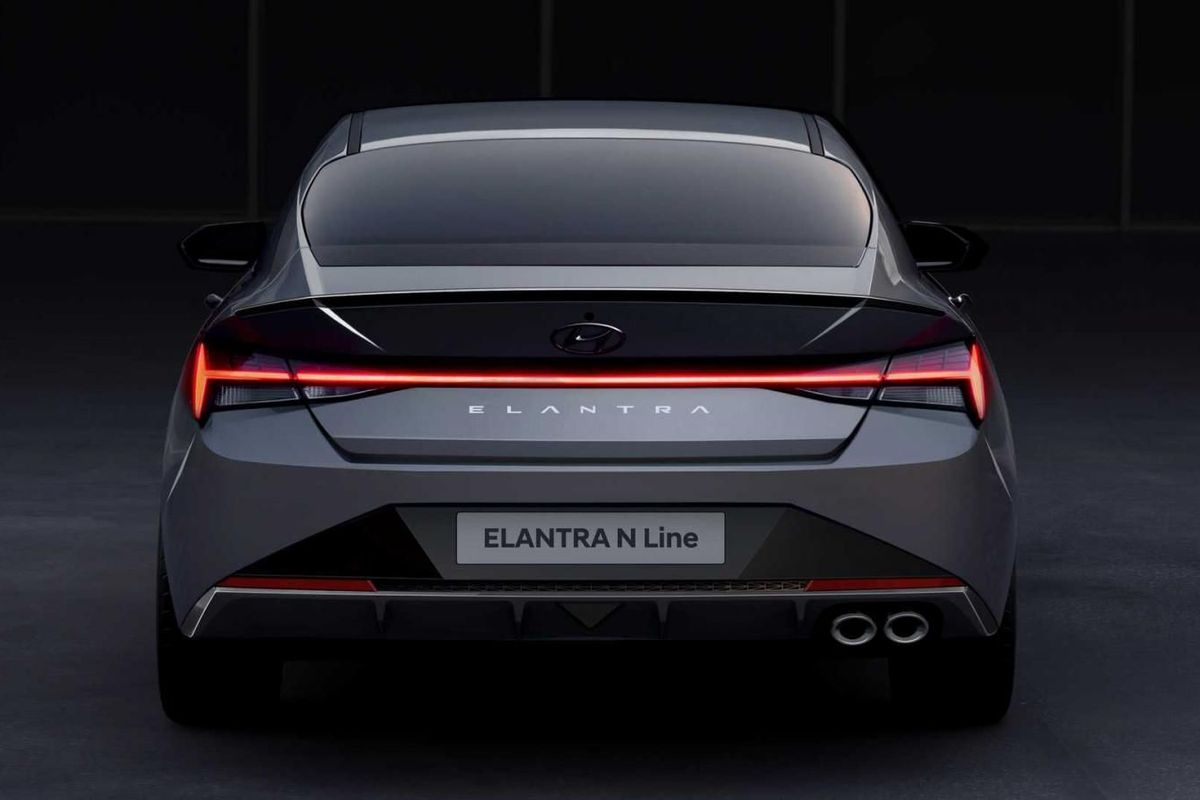
At the rear, the dual exhausts further hint at its performance bent and are neatly set in a faux diffuser. You will also notice a subtle spoiler on the boot lid which further adds to the look.
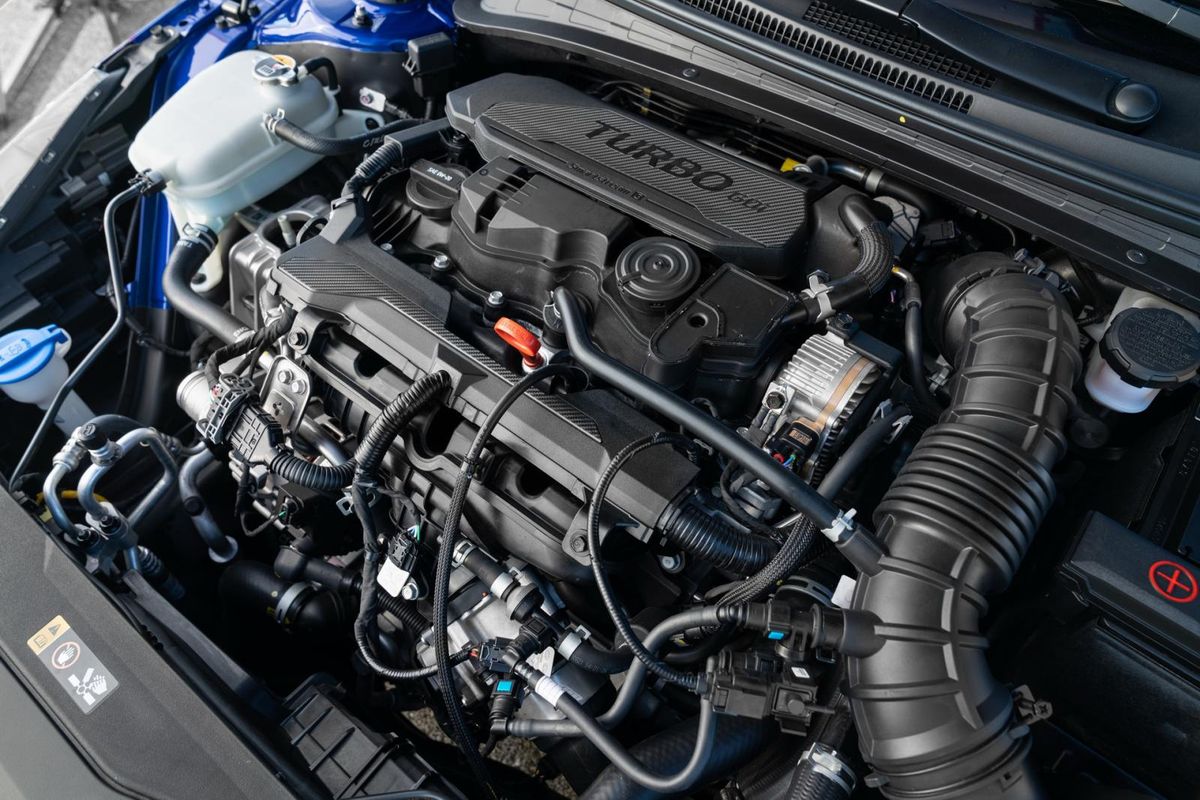
Powering the Elantra N Line is a 1.6-litre turbopetrol engine that offers 150 kW and 265 Nm and is coupled with either a 6-speed manual or a dual-clutch automatic transmission.
Now that Elantra N-Line has been revealed, there’s a good chance that we will see a fully-fledged Elantra N within the next year or two.
As more buyers consider crossovers and SUVs, sedan offerings such as the Elantra have generally sold poorly and it’s no surprise then that Hyundai no longer offers the Elantra on local soil. With that said, don’t expect to see the Elantra N Line in South Africa.
The coming W223 S-Class is one of the most keenly anticipated new Mercedes-Benz products in a very long time.
For decades, the S-Class has been a veritable portal into the future of Mercedes-Benz’s broader passenger vehicle technology. The German luxury car brand has always shown its best and most wonderous technology on S-Class, before allowing some features to trickle down to lesser model ranges.
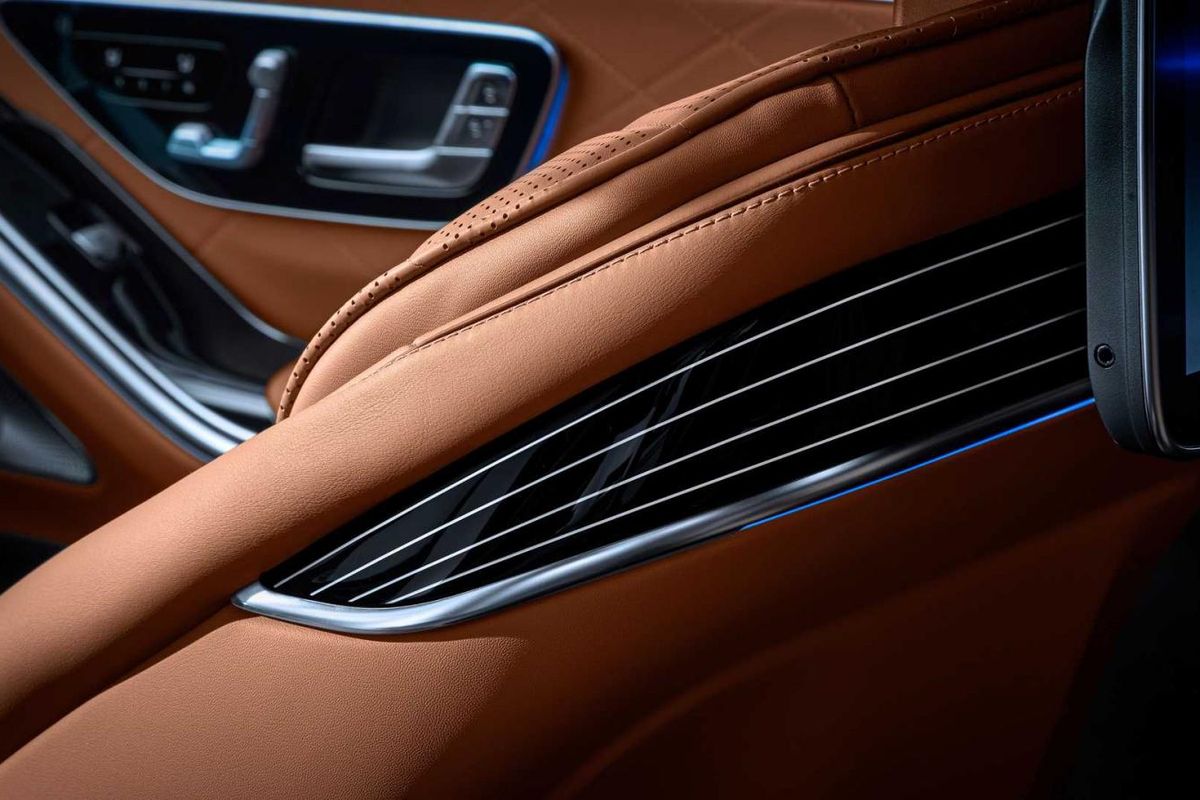
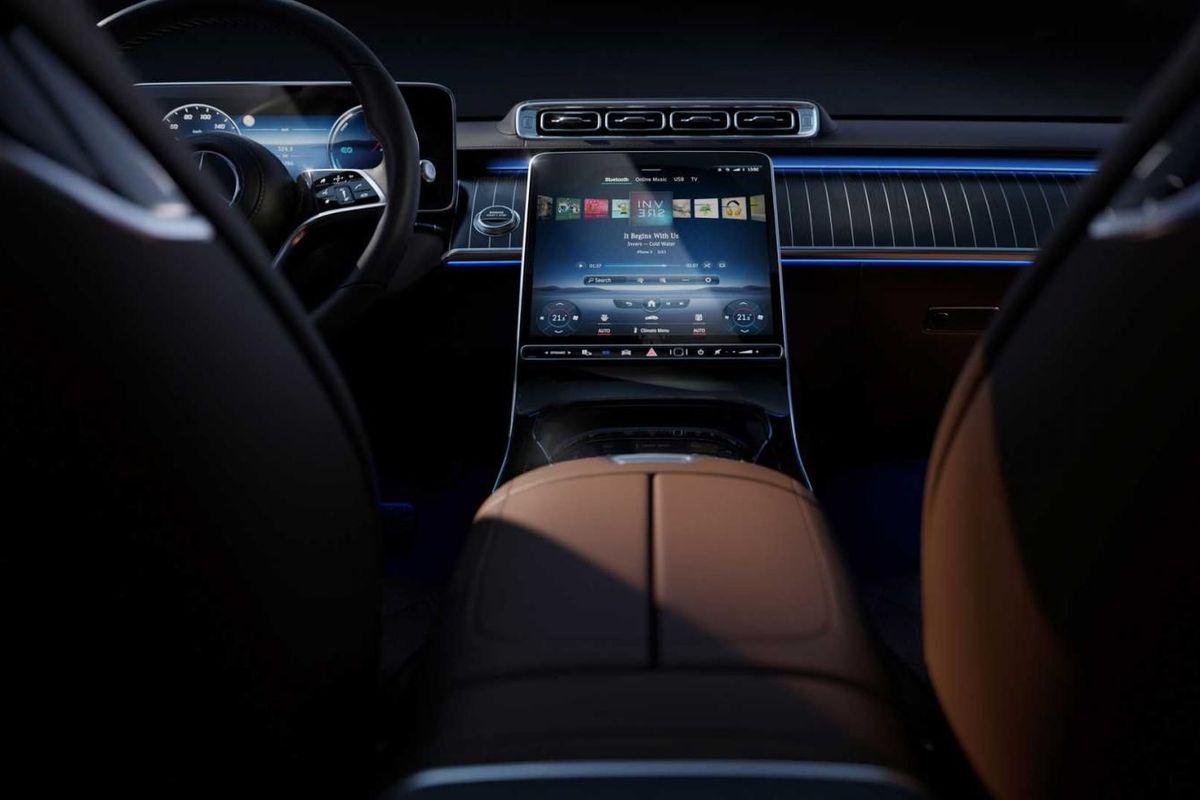
Mercedes-Benz has now revealed more of the new S-Class cabin architecture and digitisation, which appear to be deeply impressive. Balancing the need for stately elegance and luxury, with vanguard technology features, the W223 interior is less analogue without being gimmicky.
Ergonomic digitisation is a major theme inside the new Mercedes-Benz limousine, with 27 fewer conventional controls – replaces by digital haptics.
Volvo’s intuition with the vertically orientated touchscreen infotainment package has been proven correct, after the Swedish company defied convention with this design, debuting on the XC90. Mercedes-Benz has now followed, with the S-Class cabin dominated by its huge portrait view central infotainment touchscreen.
Mood and comfort systems are also improved, with adaptive ambient lighting being a significant contributor. The S-Class cabin illumination is now ten times brighter than before, making it clearly effective, even in bright daylight. Powering this new cabin lighting system are 250 fibre optic LEDs.
To best insulate occupants from the bothersome changes in environment quality outside the S-Class, there is a robust air-filtering system and ionizer, which ensures that cabin air quality is always better than outside.
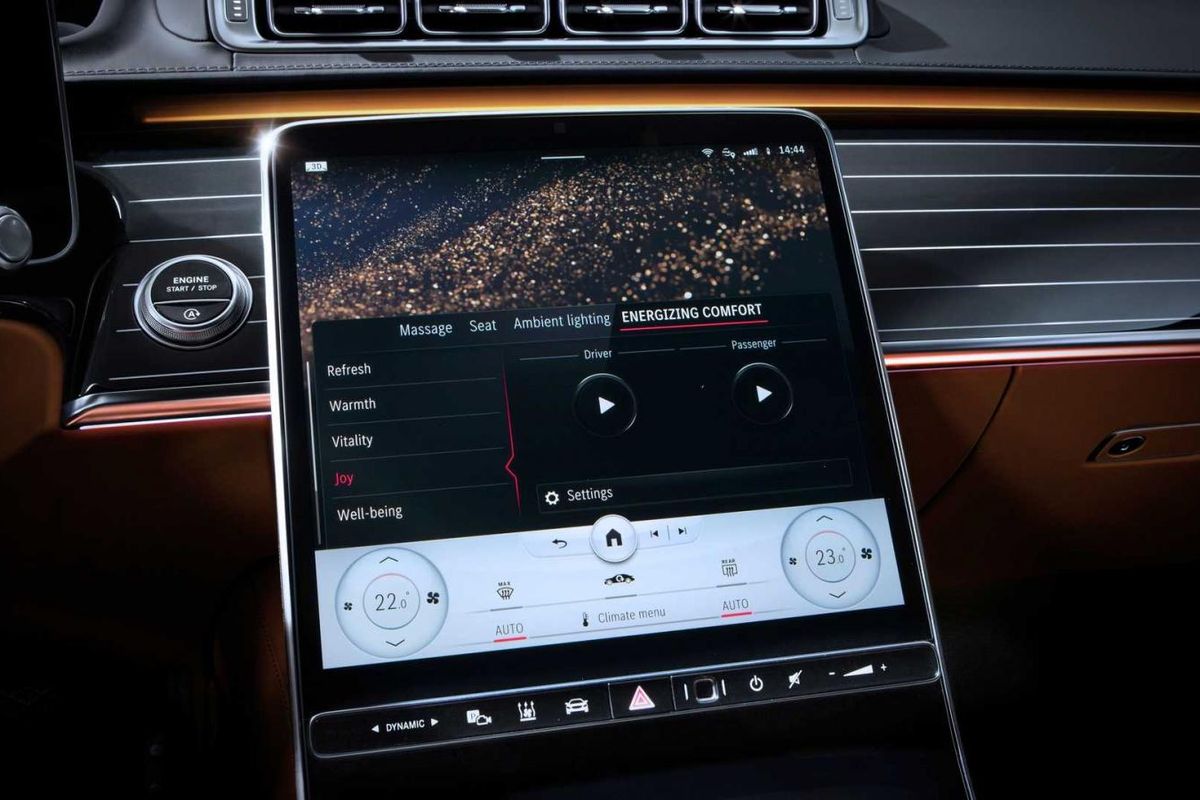
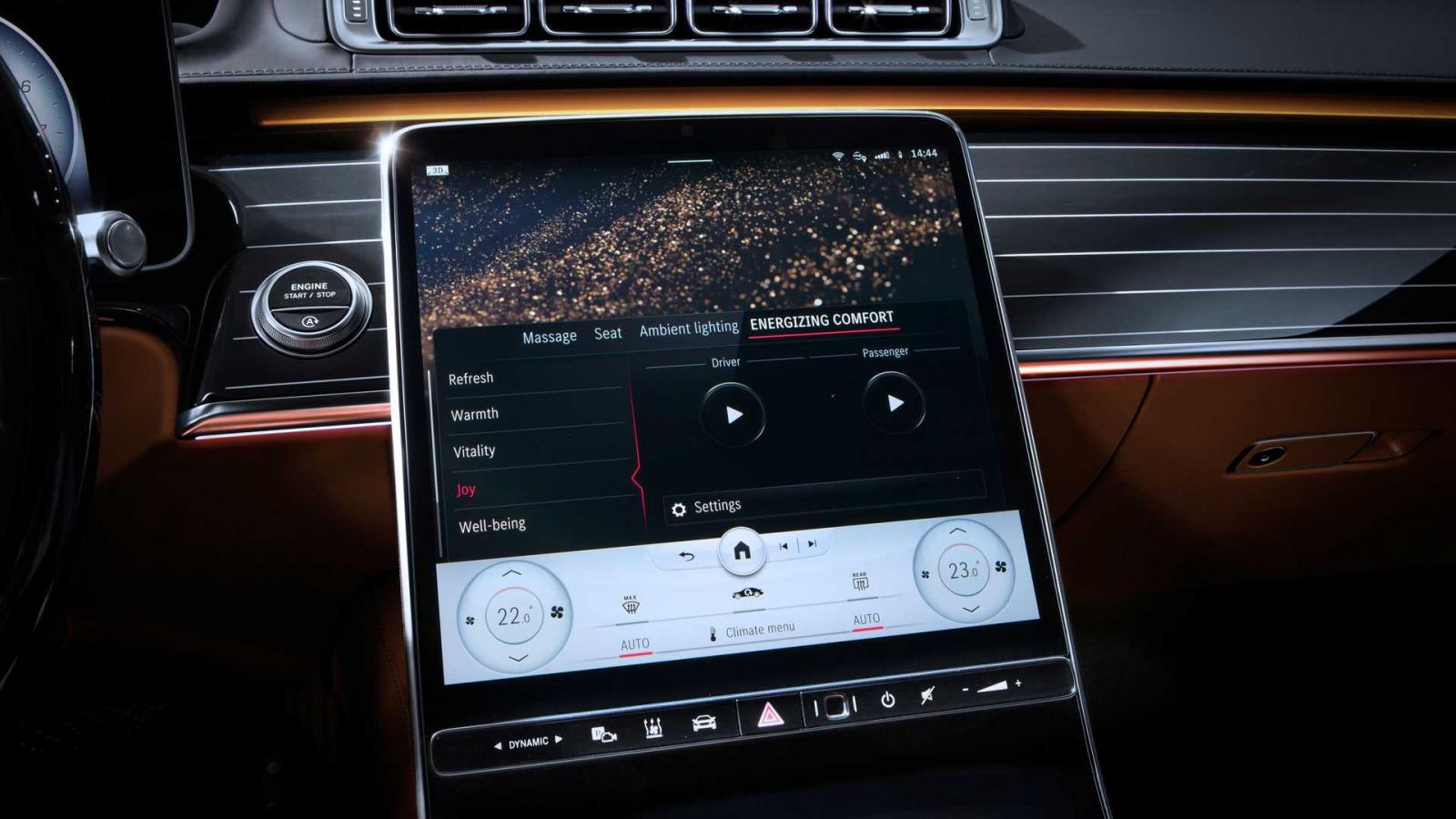
Mercedes-Benz has also equipped the new S-Class with a sophisticated collection of presets, which blend the ambient lighting, overall swathe of screen displays and seat massage functions, to deliver an inspiring and depressurising outcome. Customers can choose from Refresh, Vitality, Warmth, Joy and Comfort settings, in this regard.
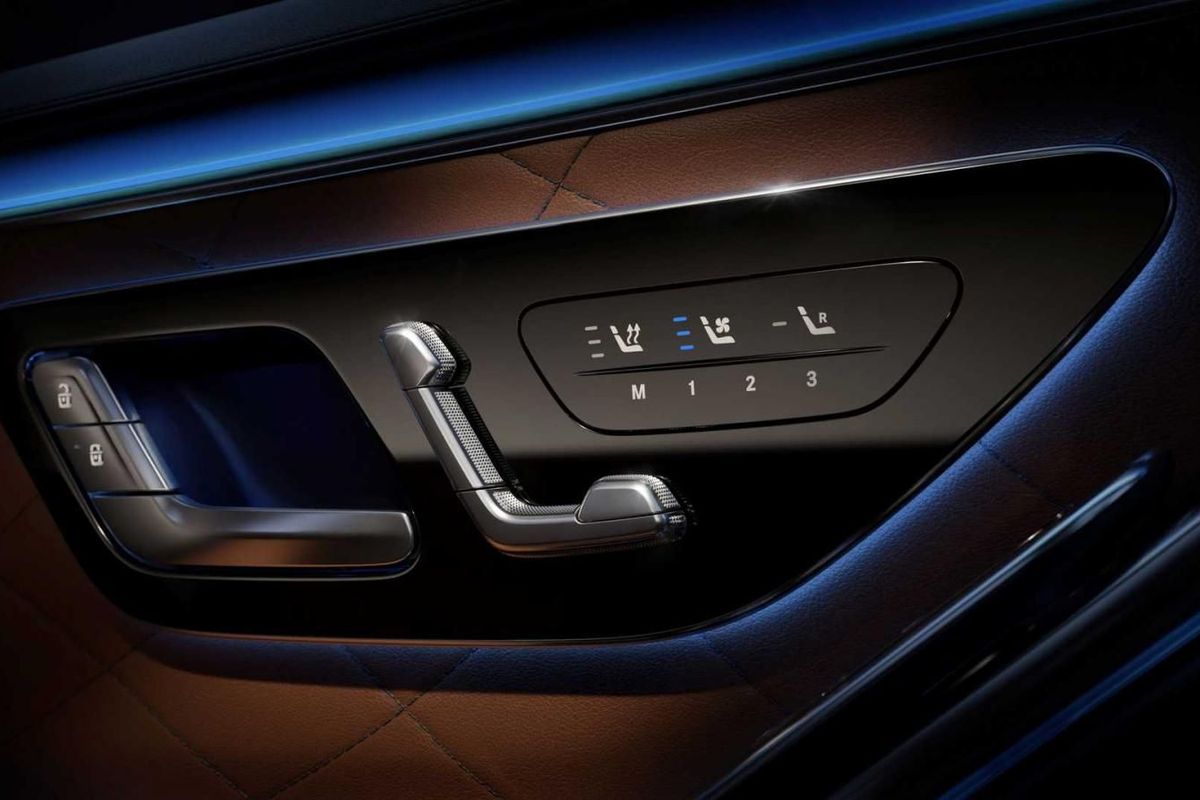
Some classic Mercedes-Benz design details remain unchanged, such as the iconic three-piece seat adjustment function, mounted on the door. In another amazing instance of harmonized ergonomics, seat adjustments influence mirror and steering wheel position too, to make it that much easier for a driver to get comfortable – quicker.
As with any S-Class, the new car is all about overengineered detailing. So yes: even the interior door panels are now heated.
Mercedes-Benz will reveal its new S-Class in full in September 2020.
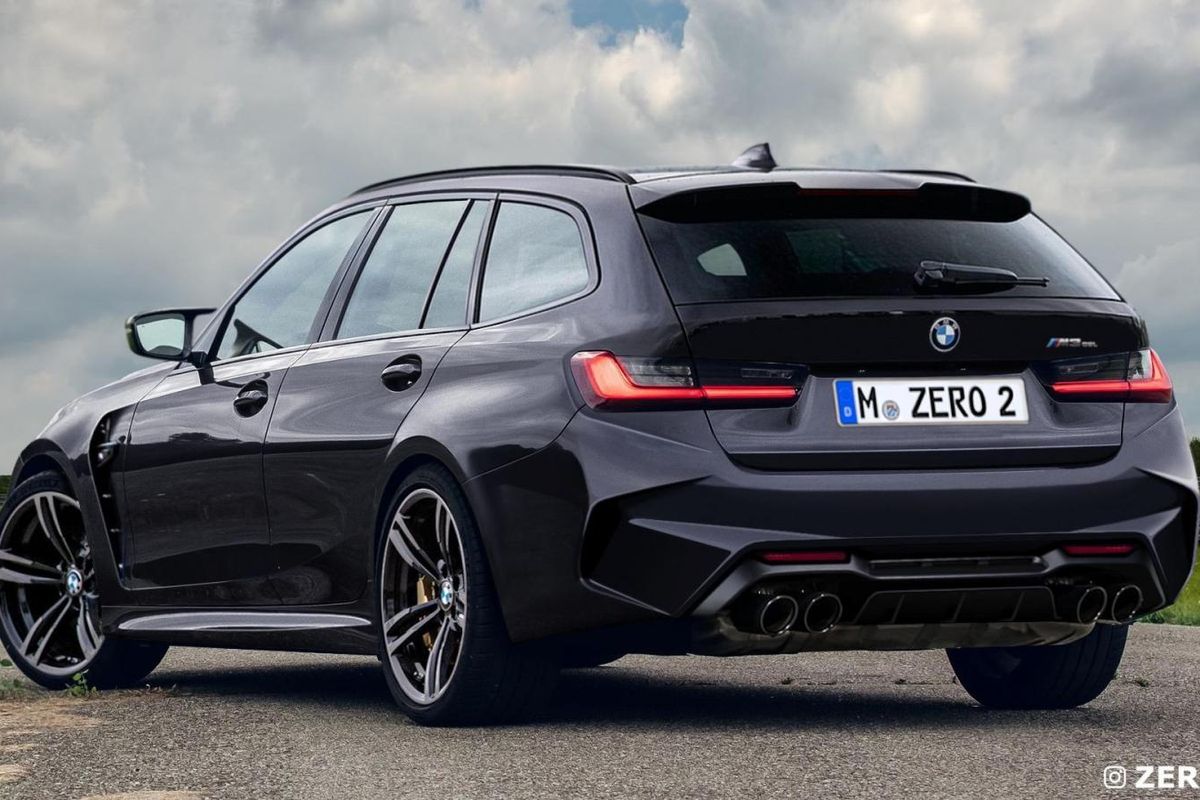
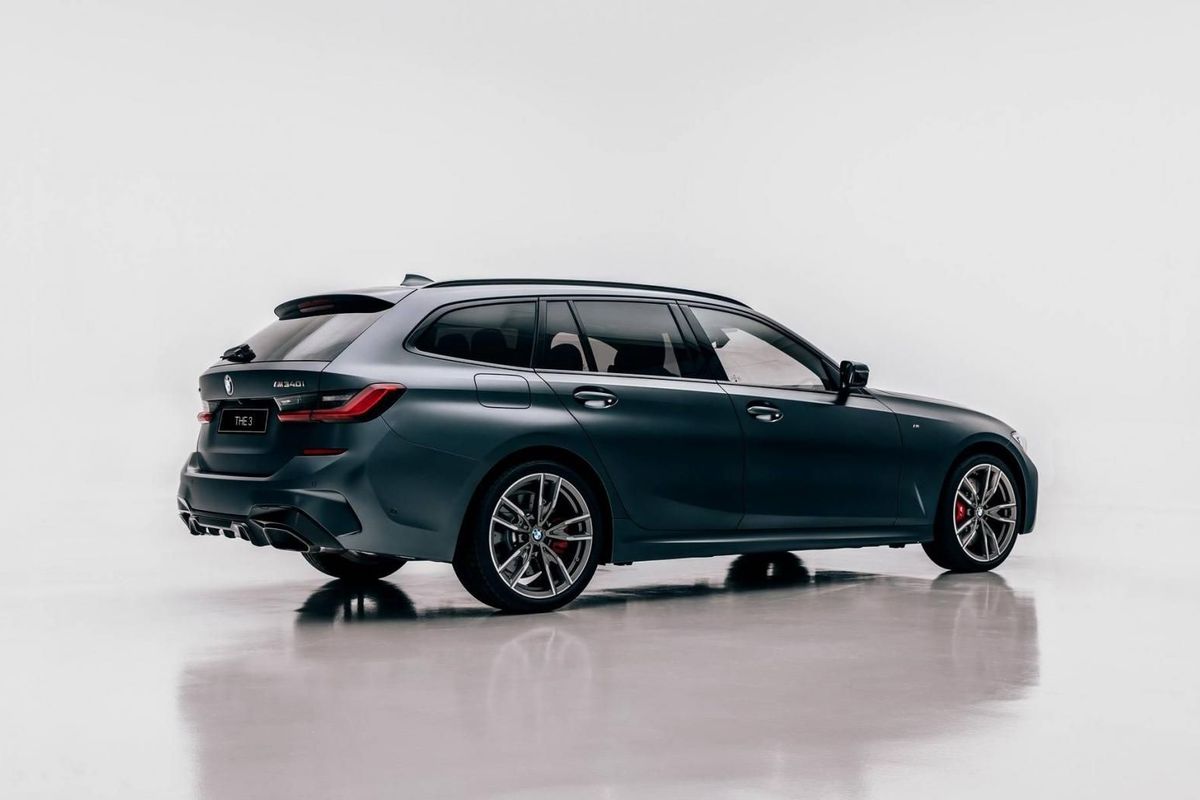
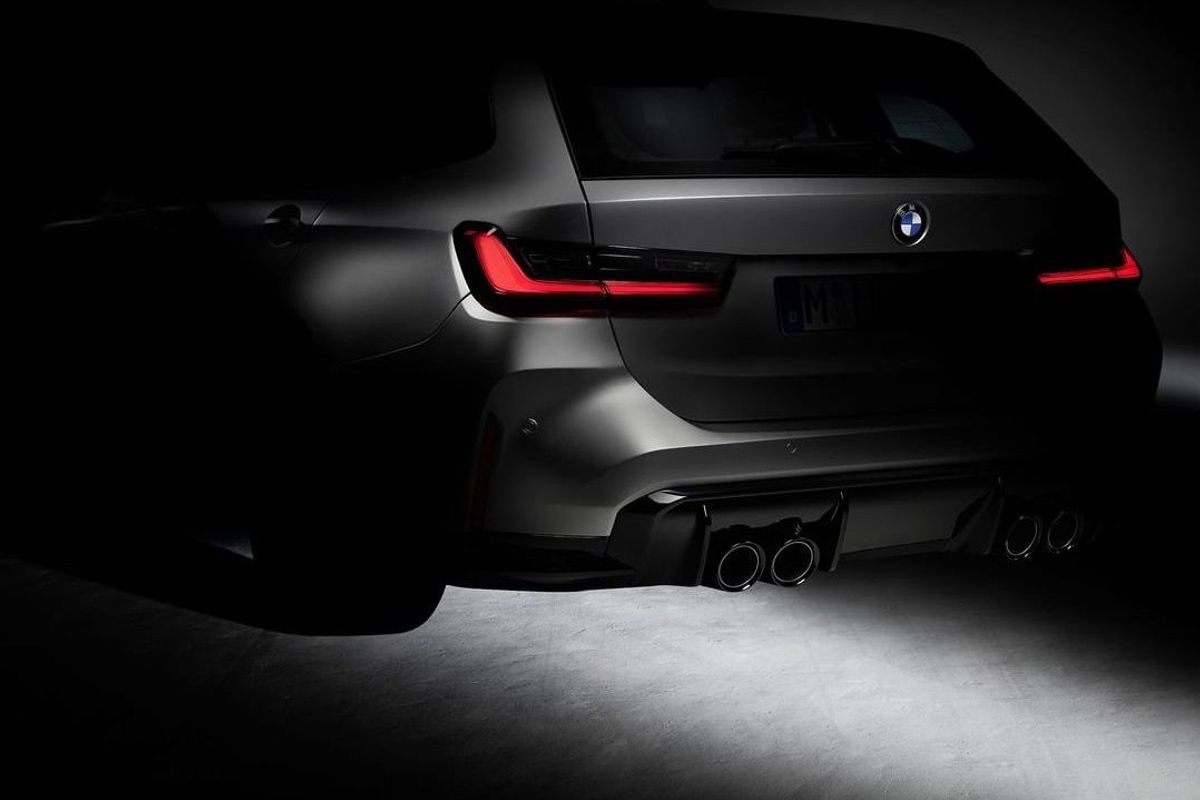
It sounds far-fetched, but if this rumour is to be believed, BMW will be making an M3 Touring.
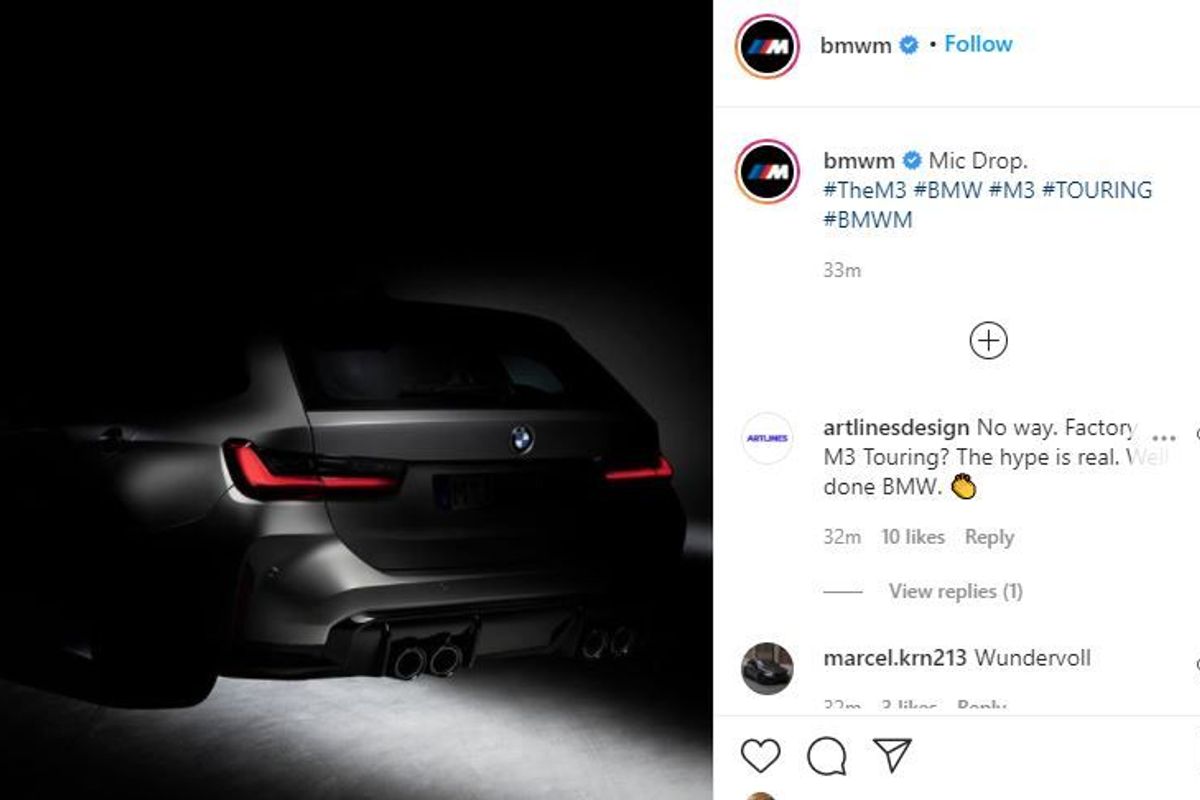
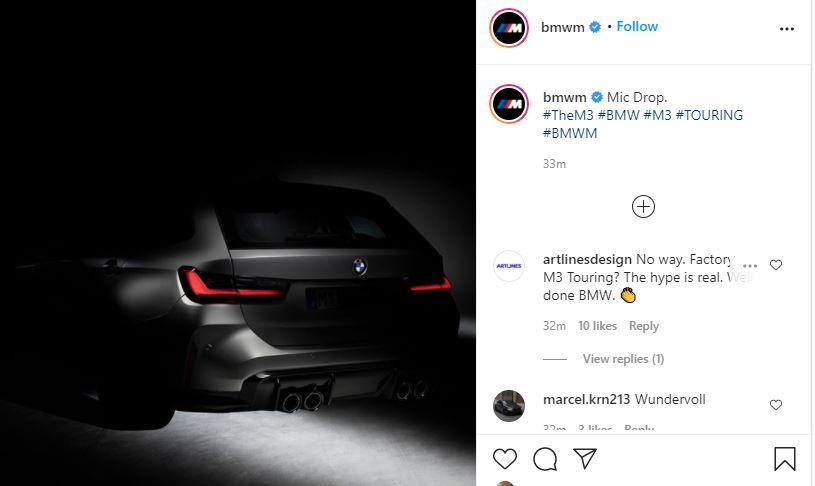
*Update: BMW M put out a teaser image of the new M3 Touring on its Instagram social media channel on the 12th August 2020. It's confirmed and the German performance arm hinted that it will hit showrooms in 2022*
Station wagons or as BMW calls them Touring, aren't the most popular of bodystyles any more. Despite the market leaning towards the SUV bodystyle, some brands continue to market the estate. Audi is one brand that does this and the RS4 and RS6 are only available in station wagon. Mercedes-AMG will sell you a C63 S station wagon, but the numbers are small in comparison to its coupe and sedan siblings. BMW? Well, there hasn't been much M-flavour for the station wagon fans. We can recall there was an M5 Touring, but other than that, not much.
BMWBlog reckons that despite there being zero official confirmation, a source has said the BMW M3 Touring has been given the go-ahead and will be hitting showroom floors after 2023. As it stands, right now the closest thing you can get to a BMW M3 Touring is the M340i xDrive Touring which you can see above. BMWBlog goes on to saying this new-generation of BMW M3 is 'the most wagon-ready M3 of all time, thanks to its optional all-wheel drive and more high-tech nature.'
As for the standard BMW M3 and M4, the official reveal is scheduled for September 2020. At the heart of each new model is the M division’s new S58 engine. The twin-turbocharged 3.0-litre inline six-cylinder successor to the longrunning S55 unit delivers 353 kW and 600 Nm in the standard M3 and M4 – 21 kW and 50 Nm more than the outputs of the outgoing models.
The rear-wheel-drive derivatives will come with the choice of either a standard 6-speed manual or optional 8-speed (torque-converter, not dual-clutch) automatic transmission in combination with BMW M’s electronically controlled M Sport locking rear differential. In the new M3 Competition and M4 Competition, the output is increased by a further 22 kW to a headlining 375 kW through what BMW M describes as “some specific software changes”, although torque remains at 600 Nm.
The Cars.co.za Podcast, Ep 1 – Gordon Murray’s hypercar, Ineos Grenadier, Best Buys under R80 000
Welcome to an all-new type of content from Cars.co.za, our first ever podcast! This however is a podcast with a difference, as you get to watch us in-studio as well as listen to our pearls of wisdom.
We've spent a little while building a custom podcast studio in our office and we'll be bringing you weekly episodes featuring journalists from Cars.co.za, motoring industry personalities, racing drivers, car builders and just about anyone we think you'd be interested in hearing from. In this episode, anchored by our Youtube guy Ciro De Siena, our in-house race ace Ashley Oldfield joins Ciro to chat about the incredible new Gordon Murray Automotive T.50 hypercar, as well as Gordon Murray's impressive collection of tropical shirts.
Ash and I provide some solid buying advice for those looking for a good used car under the R80 000 mark, and finally we review the Mercedes-AMG GT 63 S 4-door, a car which confused us no end. You can watch our video review of that car here: https://youtu.be/nQSdqLyXOig
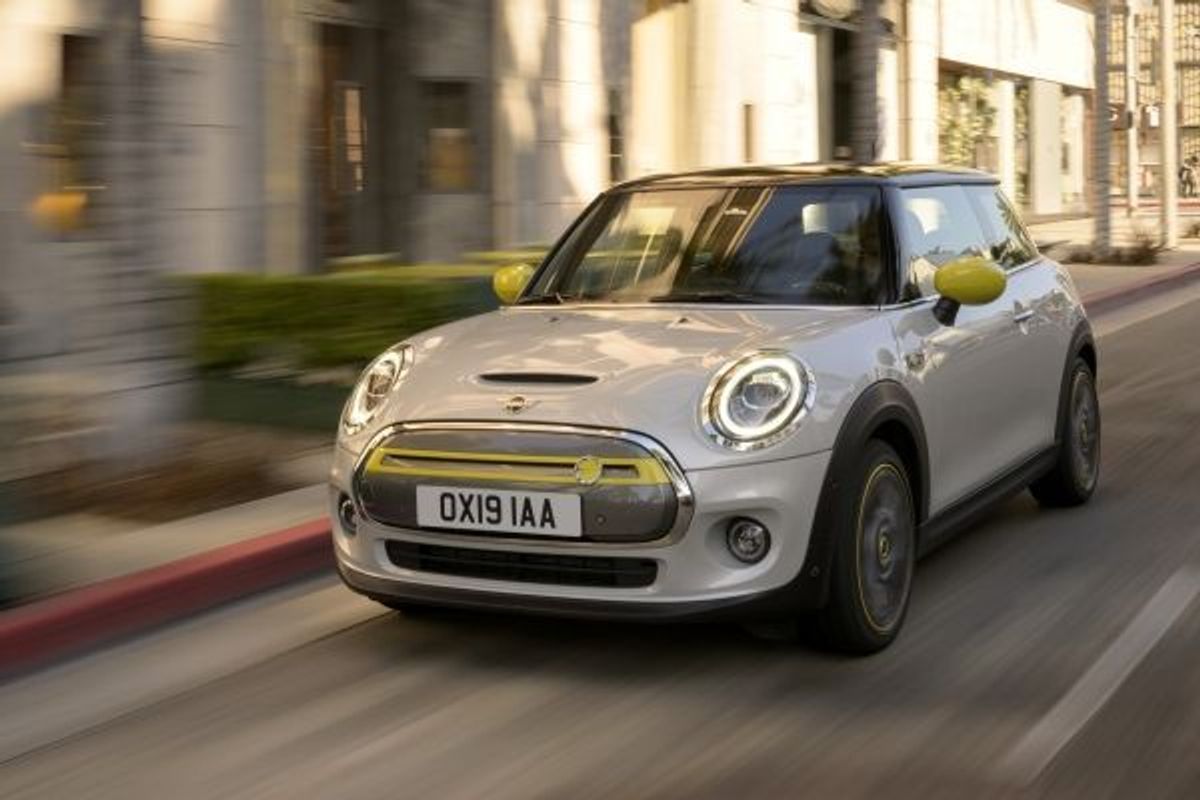
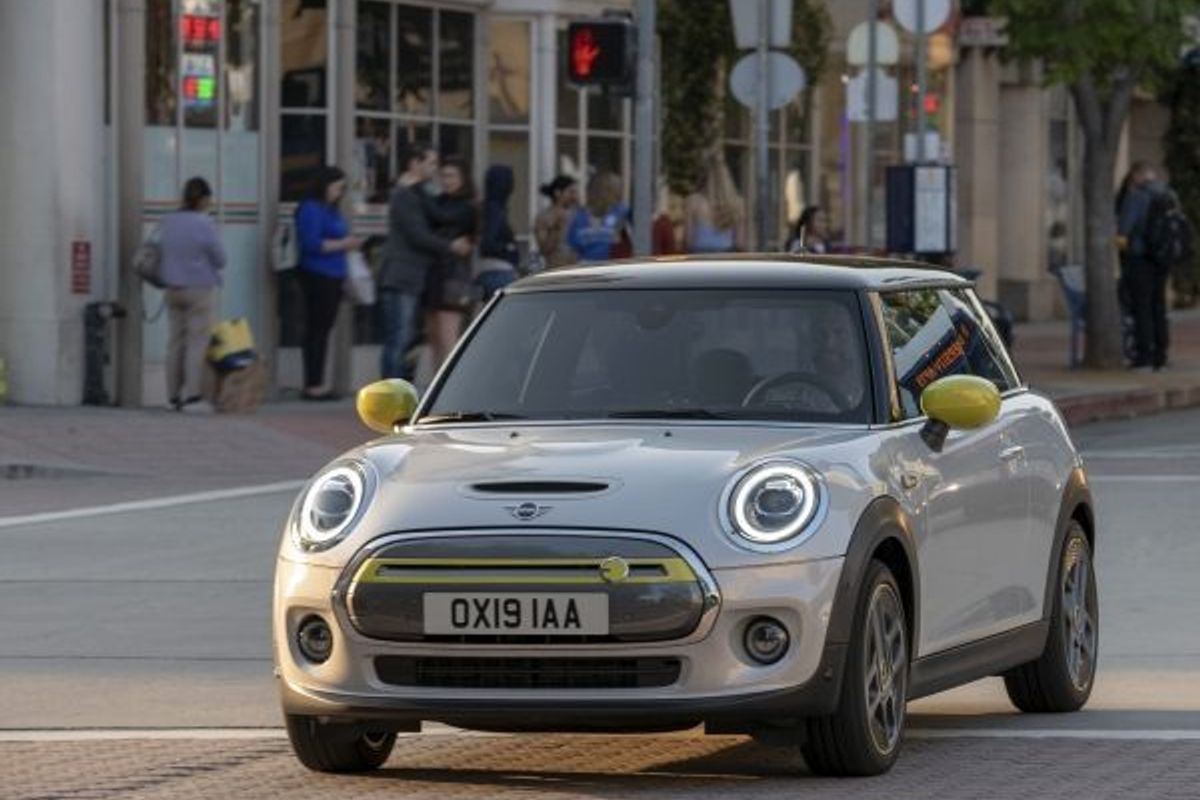
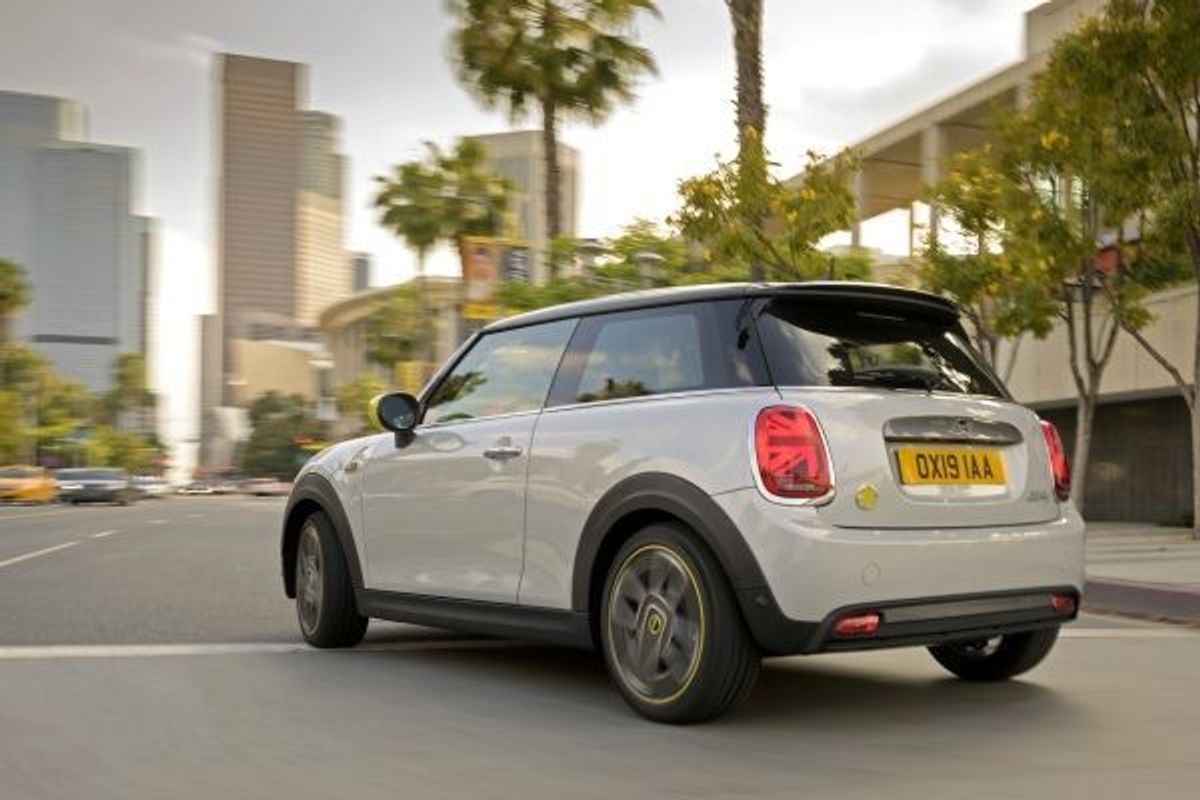
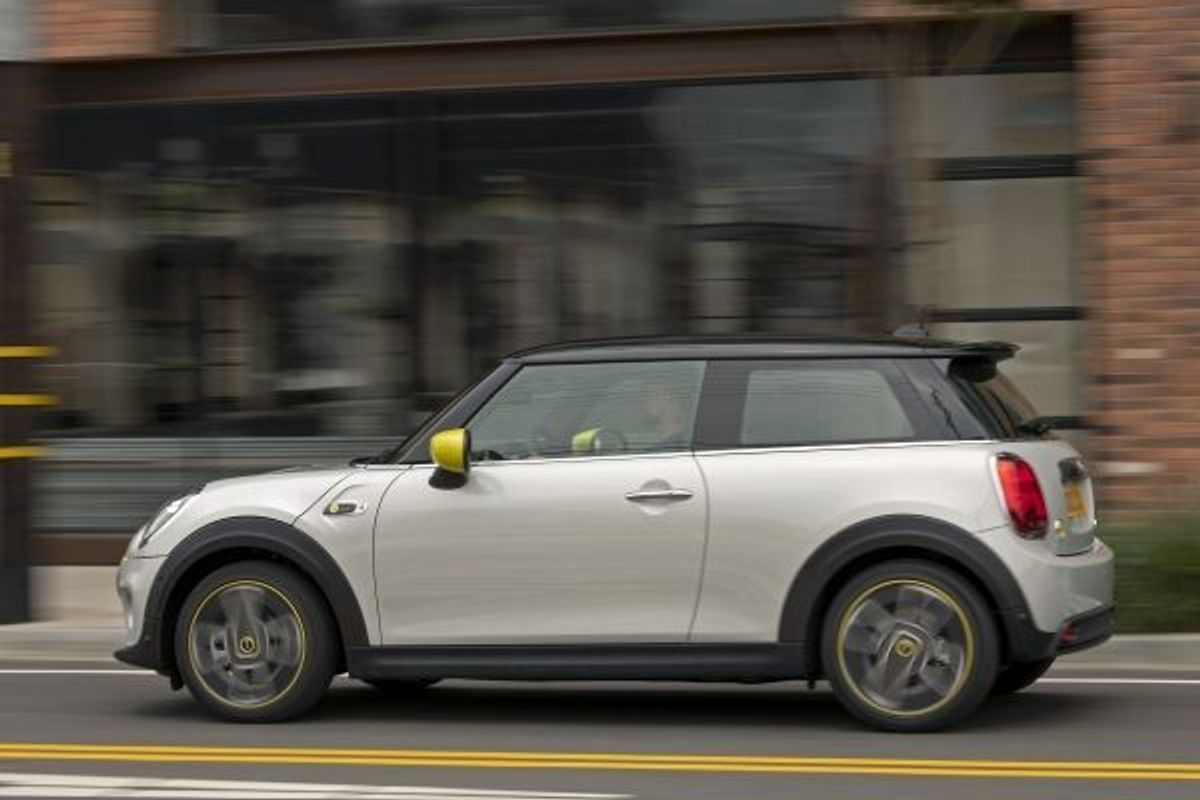
The new-vehicle market’s most affordable battery-electric passenger vehicle is the all-electric MINI, which was recently introduced in South Africa. It blends the Oxford-based brand’s go-kart-like driving experience and iconic design with emission-free motoring…
PARTNERED CONTENT
Based on the 3-door MINI, the new Cooper SE is equipped with an electric motor, powered by a 96-cell 32.6 kWh lithium-ion (gross capacity) battery pack mounted under the vehicle’s floor, which gives the newcomer a low centre of gravity. That, in combination with an electric motor that’s much lighter than a conventional engine, results in admirable balance and handling ability – in true MINI tradition, the Cooper SE makes cornering more fun.
Full torque, on demand
The all-electric MINI produces peak outputs of 135 kW and 270 Nm of torque, plus it can accelerate from 0 to 100 kph in 7.3 seconds, but that’s only half the story. Whereas a petrol engine has to build up revs to generate torque, the Cooper SE avails its driver the maximum torque immediately.
The moment you step on the accelerator pedal, the torque kicks in instantly to deliver stirring acceleration, which, of course, complements MINI’s renowned dynamism. If you point the all-electric MINI at a challenging set of corners, its wide track and tightly-tuned suspension is designed to deliver sure-footed road holding.
Glide through the city
But as much as the all-electric MINI remains true to its roots, it also offers an entirely new driving experience. It can travel up to (approximately) 217 km on a full charge in near silence, which takes the stress out of city driving.
In fact, you can drive the Cooper SE almost entirely with one pedal. The motor is directly coupled to the wheels, so when you lift your foot off the accelerator pedal, the process of harvesting kinetic energy via the braking system (to the benefit of the battery’s charge) lets the all-electric MINI slow down more quickly than a petrol-powered car would.
The Cooper SE is so quiet on the road that MINI had to install a noise-emitting acoustic protection for pedestrians to warn other road users of its presence. There’s never any need to rev the car’s motor and, apart from a faint hum when you accelerate, the only noise comes from outside. And only then at speed.
Electrifying styling
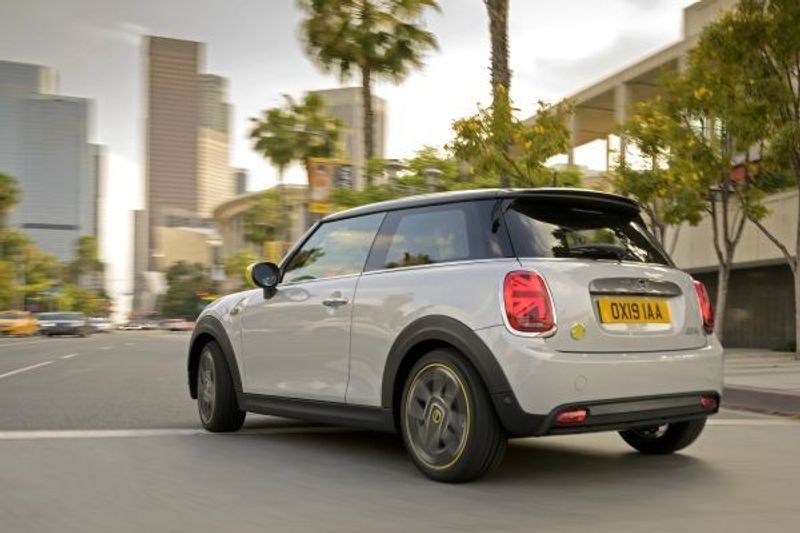
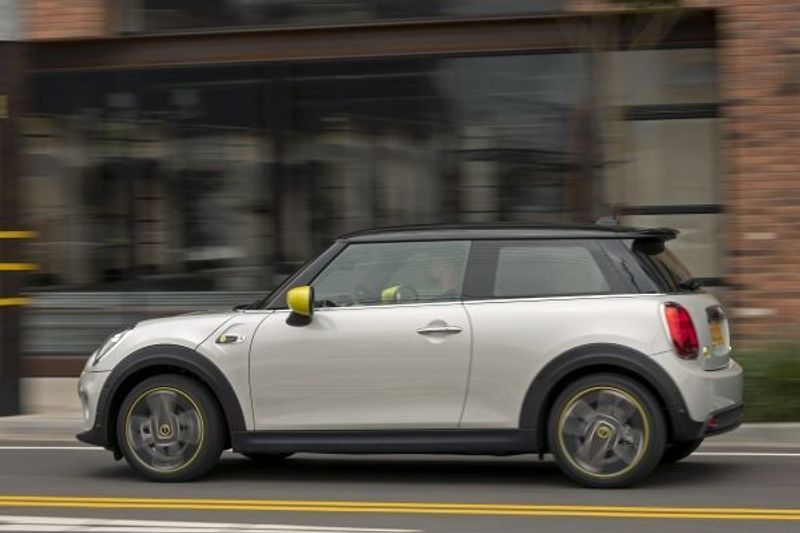
It needs to look the part – and it does! Blending aerodynamic lines with eye-catching signature details, the all-electric MINI is designed to complement vibrant city life.
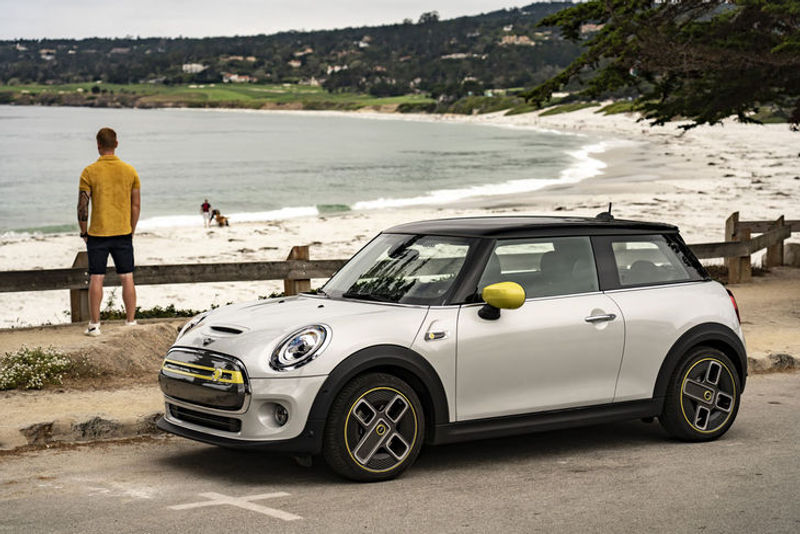
The Cooper SE’s sleek front grille has been given a modern interpretation – it’s almost fully closed, which benefits aerodynamics considerably, and adorned with a striking yellow accent bar and MINI Electric badge. What’s more, the newcomer’s adaptive LED headlights incorporate the brand’s iconic light rings and automatically adjust brightness and beam pattern for specific conditions, such as oncoming drivers, all of which benefits safety.
Other model-specific detailing includes the 17-inch MINI Power Spoke 2-tone alloy wheels. Exhibiting a unique style, the distinctive, asymmetric trim is almost entirely closed in design – further enhancing the Cooper SE’s aerodynamic properties. Meanwhile, the striking Energetic Yellow side-mirror caps give the newcomer a distinctive road presence.
Future-forward cabin
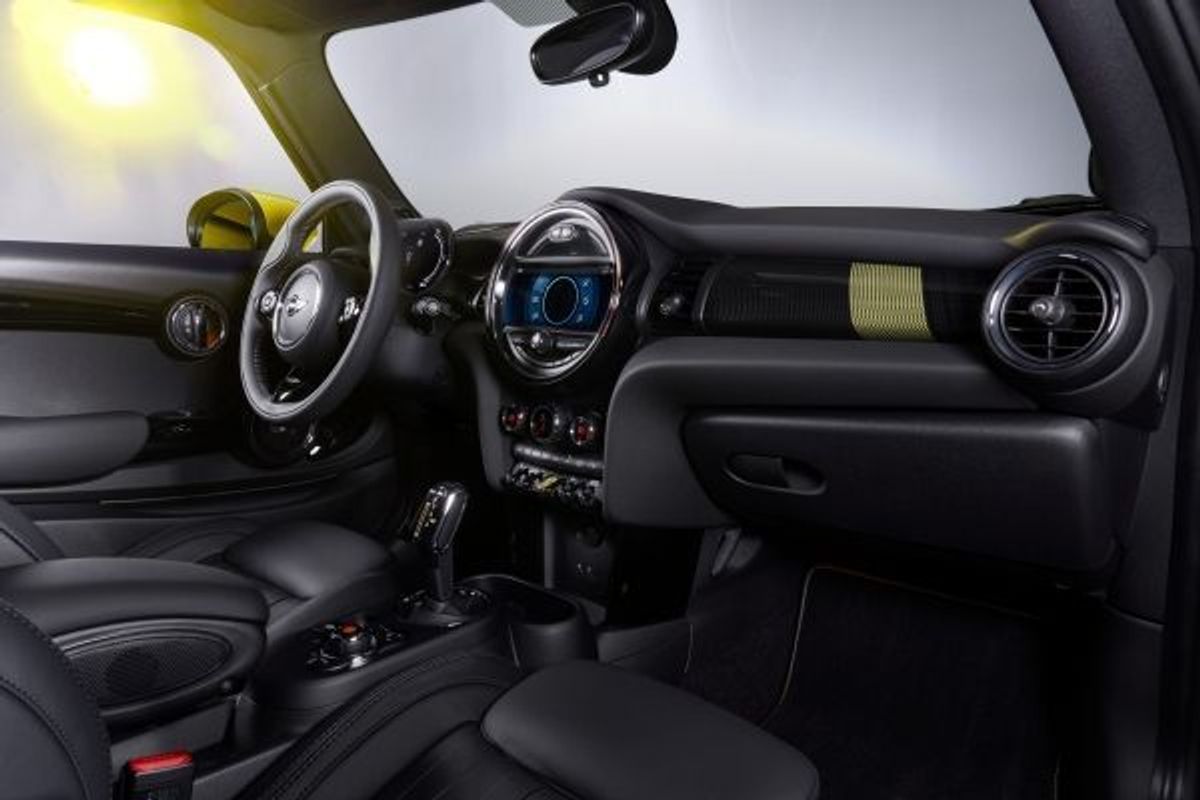
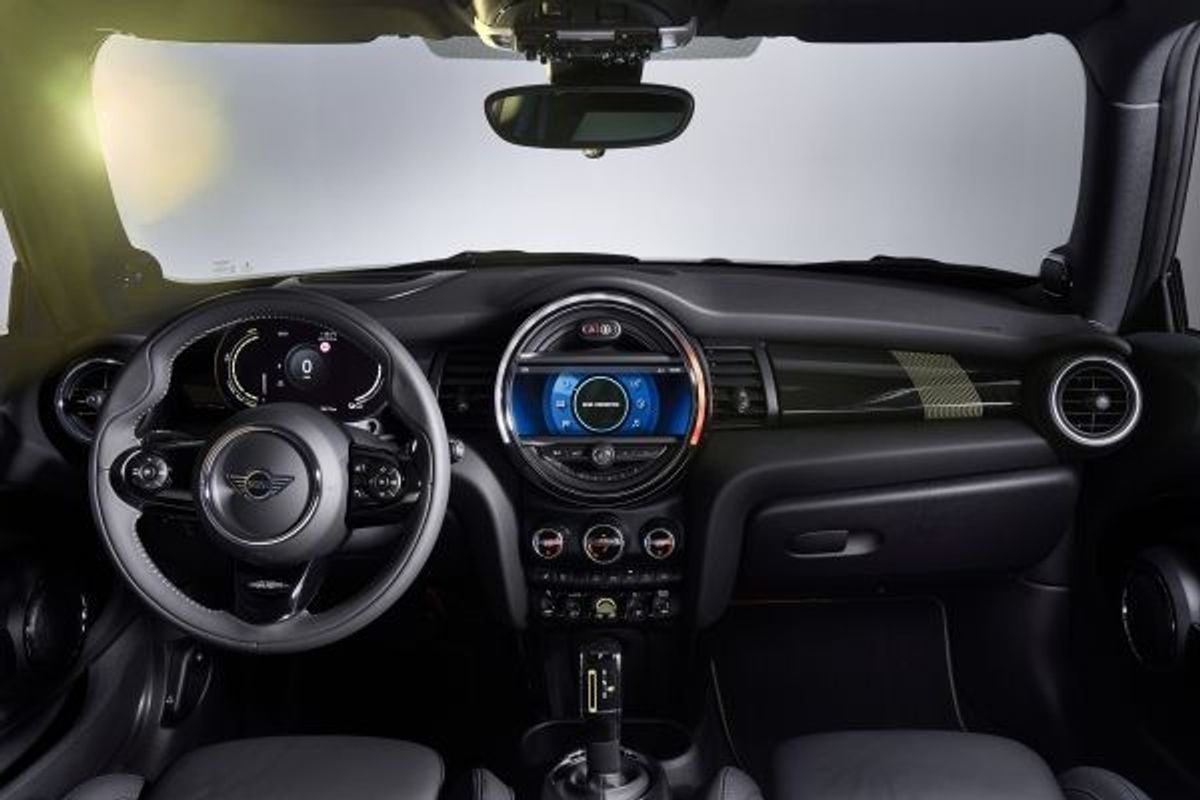
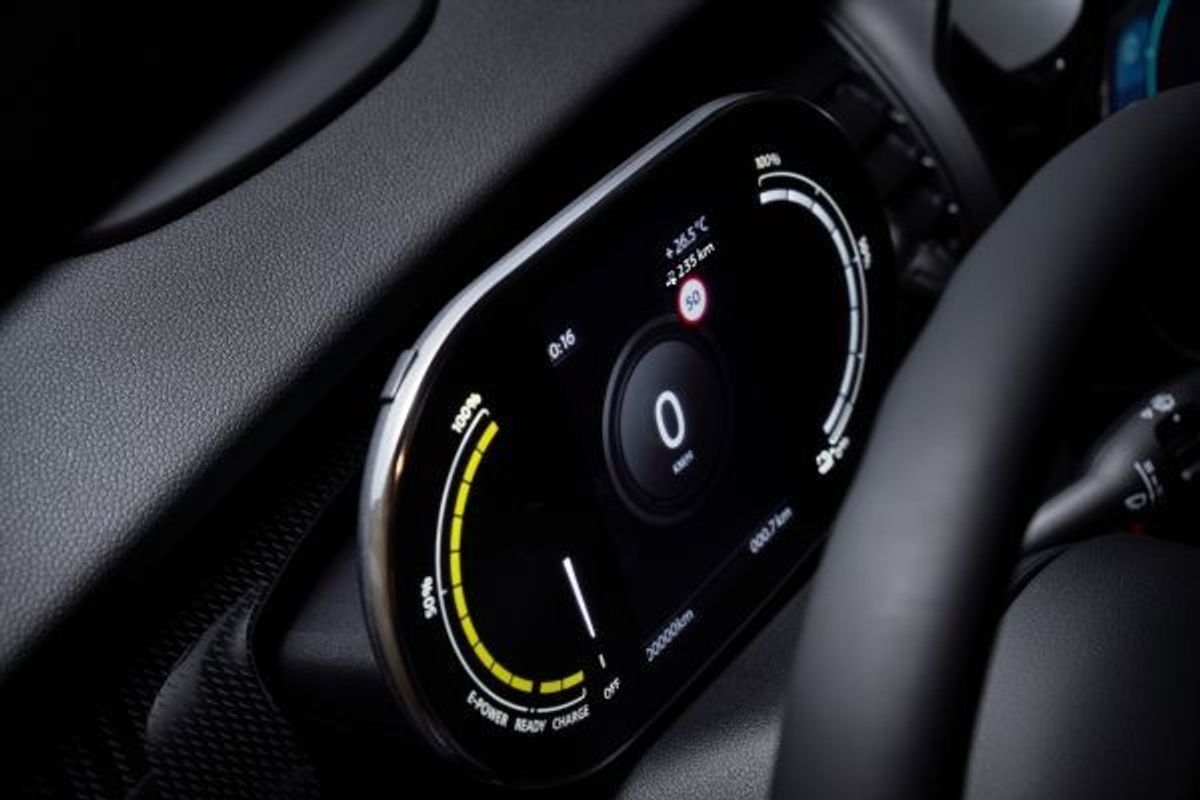
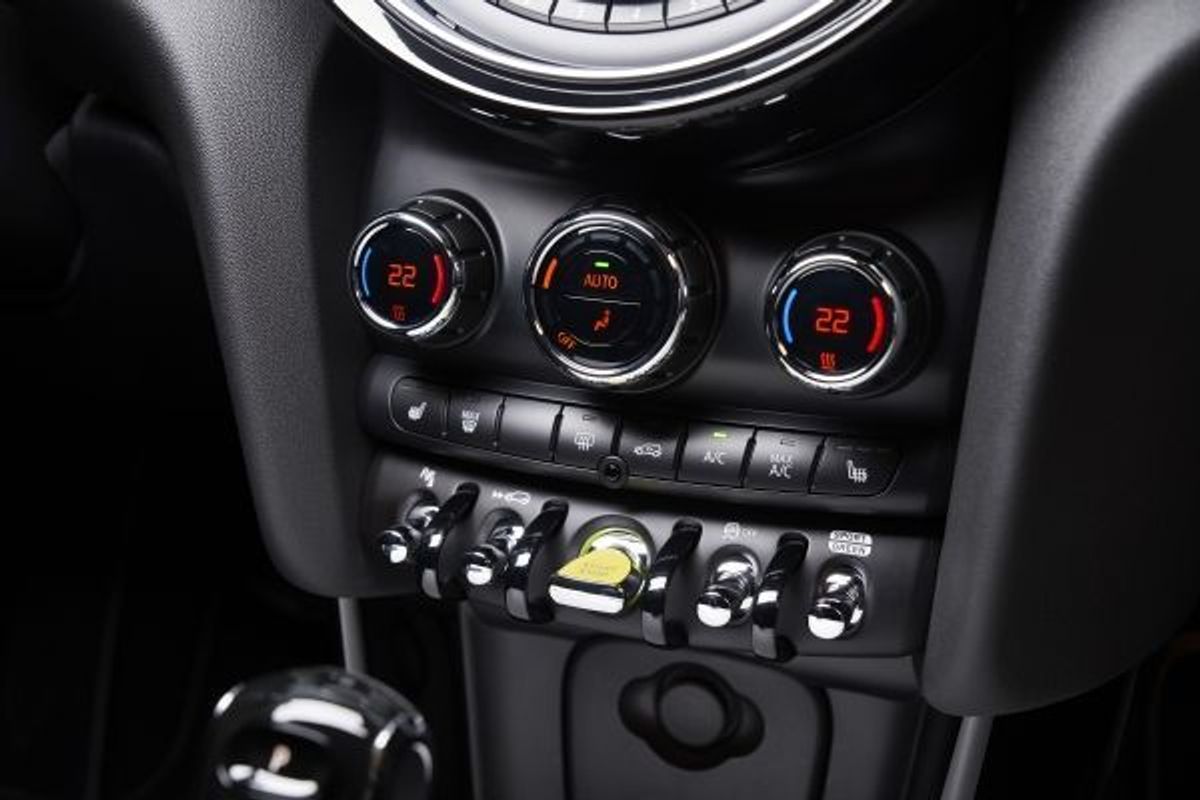
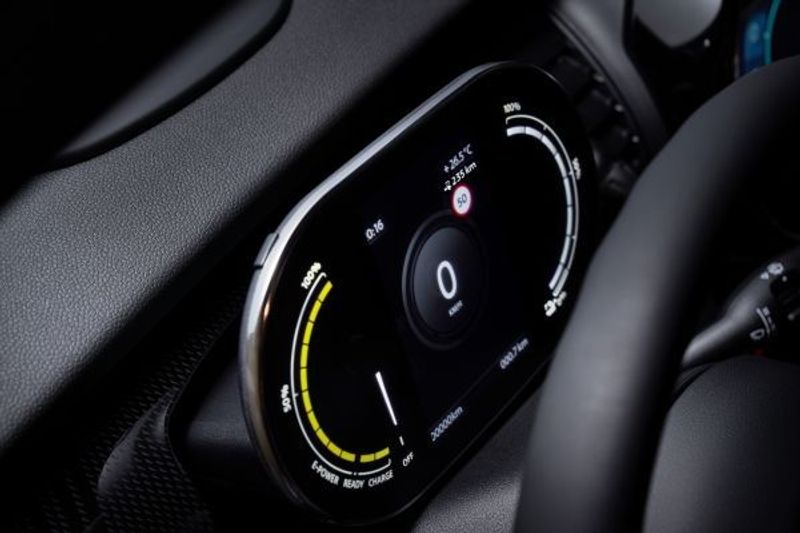
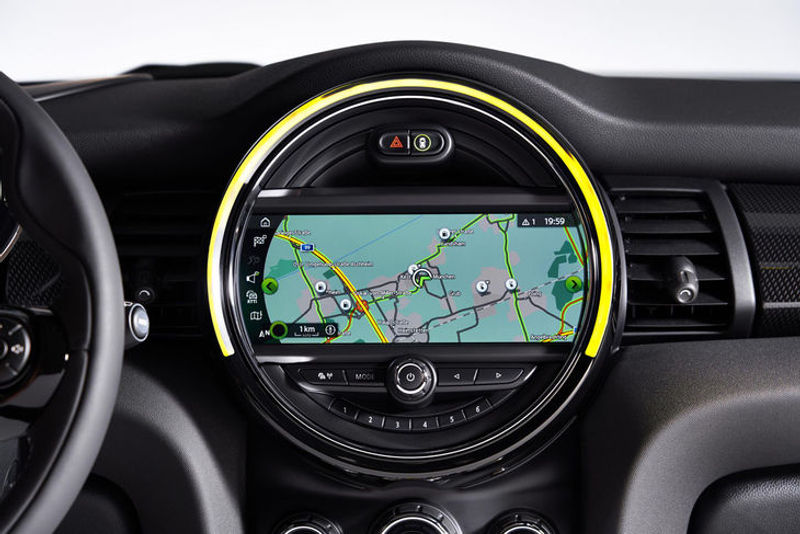
The Cooper SE’s premium cockpit makes driving as convenient as it is electrifying. The 5.5-inch digital instrument cluster in black panel design, for example, was made specifically for this derivative. At its centre, vehicle speed is shown in figures with a scale band that lights up in colours that match the drive mode: red (Sport), white (MID), green (Green/Green+).
This is complemented by a 6.5-inch MINI Connected Navigation system with touchscreen that sits in the centre of the fascia (an 8.8-inch MINI Connected Navigation Plus system is optionally available). Whichever infotainment system you choose, it’s packed with innovative MINI Connected apps and services specifically orientated to electro-mobility to keep you in control – not least of the music you’re playing on the standard Harman Kardon hi-fi system!
MINI eDrive services
MINI eDrive Services were specifically developed for the Cooper SE to make electro-mobility easy and convenient. For example, it provides details such as available range, charging status and the closest charging station. What’s more, it tells the driver how to maximise the range by considering their driving habits to establish the most efficient route to a specific destination.
No matter where you are, you can have a seamless connection to the all-electric MINI via the MINI Connected app. Features such as interior pre-conditioning and the door lock/unlock function can be remotely activated; from a smartphone, a driver can check battery charge status and range, plus control the charging process when the Mini is connected to a power outlet.
The app provides traffic reports, weather forecasts, charging station locations and general points of interest. Ineed, you can plan trips on your phone and then send destinations to the Cooper SE’s navigation system.
This video demonstrates how you can send navigation destinations through the MINI? App:
Multiple ways to recharge
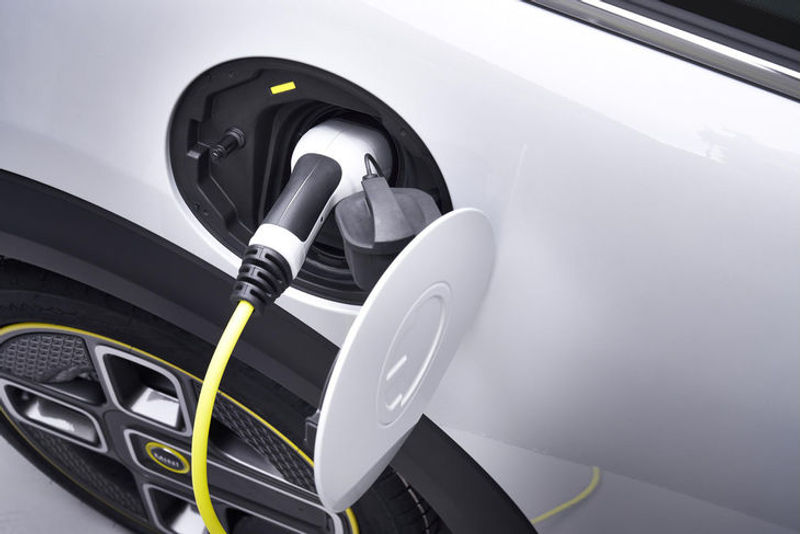
The quickest way to recharge the Cooper SE is by plugging it in at a public charging station (with a Mode 3 cable), where its battery can be replenished to 80% capacity in 35 minutes through fast-direct charging at up to 50 kW.
However, you don’t need a complex installation or unit to charge at home. All you have to do is plug it into any conventional household power socket… Surveys show that an average commuter will use less than 20% of the all-electric MINI’s battery charge per day. Even when charging the Cooper SE at a normal domestic electric socket (suing the charging cable and adapter, which is supplied as standard), 20% is charged in approximately 3 hours.
In other words, you can plug an all-electric MINI into a domestic household socket overnight and it will have recharged completely in about 15 hours.
Wall of power
Meanwhile, Cooper SE owners have the option of installing a MINI Wallbox to optimise the home-charging experience. A dedicated, 3-phase 11 kW wallbox connection should give users a much faster charging time (by up to 3 times), which means the car could be 100% recharged in about 3.5 hours.
The installation of a wallbox requires the expert assistance of an approved electrician. If you are interested in installing a MINI Wallbox, your nearest MINI new-vehicle dealership will help you to locate a qualified installer.
Uncompromised packaging
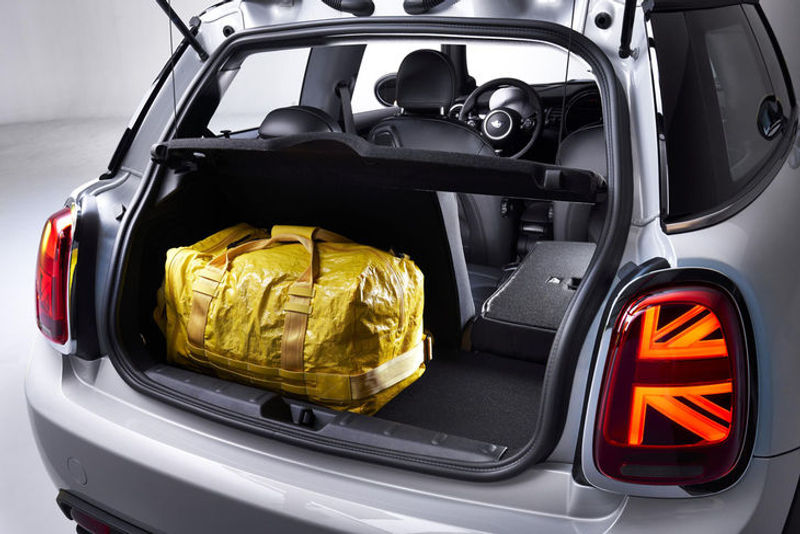
By virtue of the all-electric MINI’s battery pack being located deep in the vehicle’s floor, the car’s luggage space is unchanged. Load space is claimed at 211 litres, which expands to 731 litres with the rear seats folded down.
Furthermore, like most of its internal-combustion MINI stablemates, the new Cooper SE comes standard with a Motorplan maintenance plan valid for 5 years/100 000 km. This covers all service, maintenance and repairs resulting from normal wear and tear, excluding tyres and fuel.
MINI Cooper SE – prices in South Africa (Aug 2020)
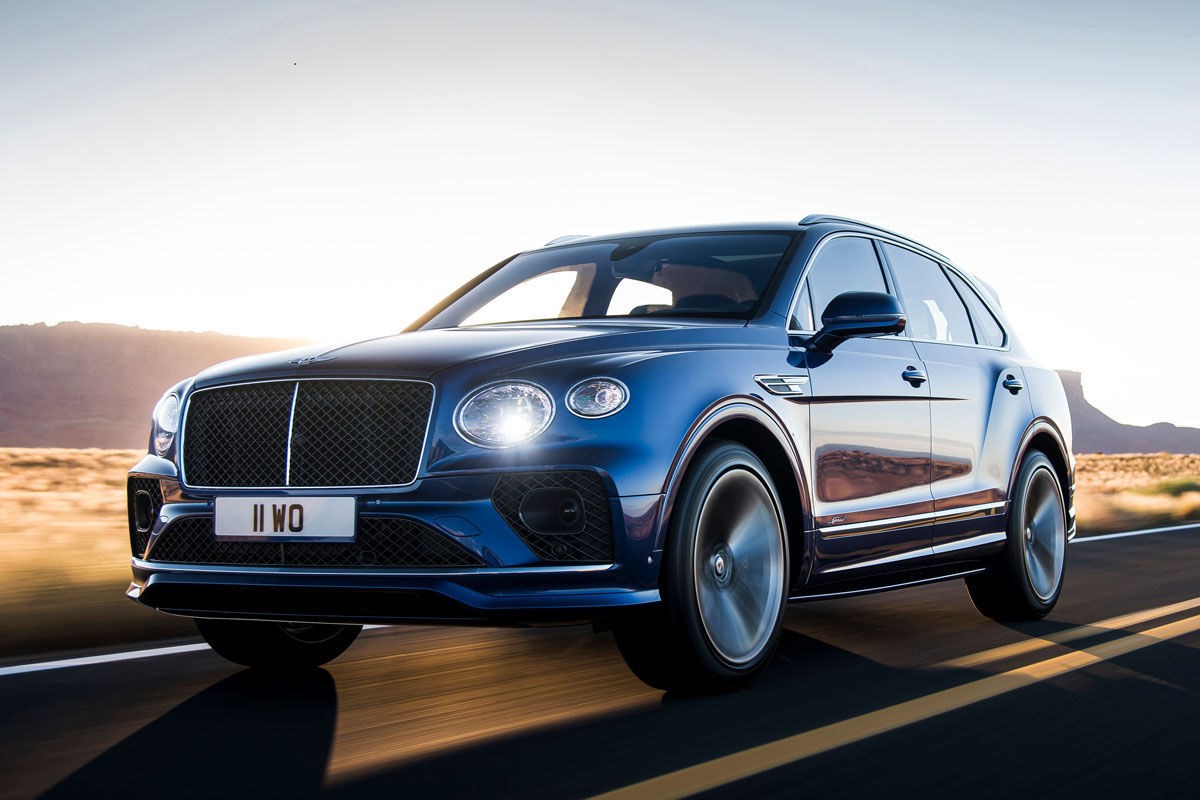
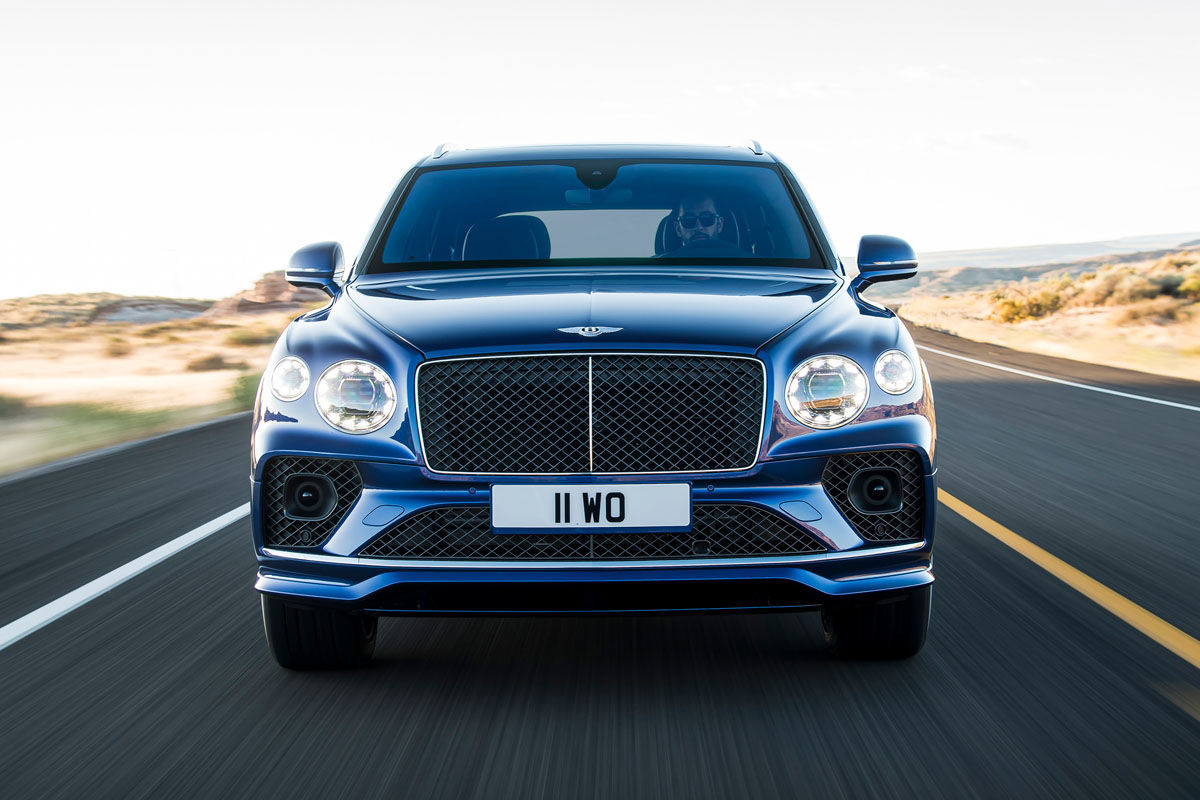
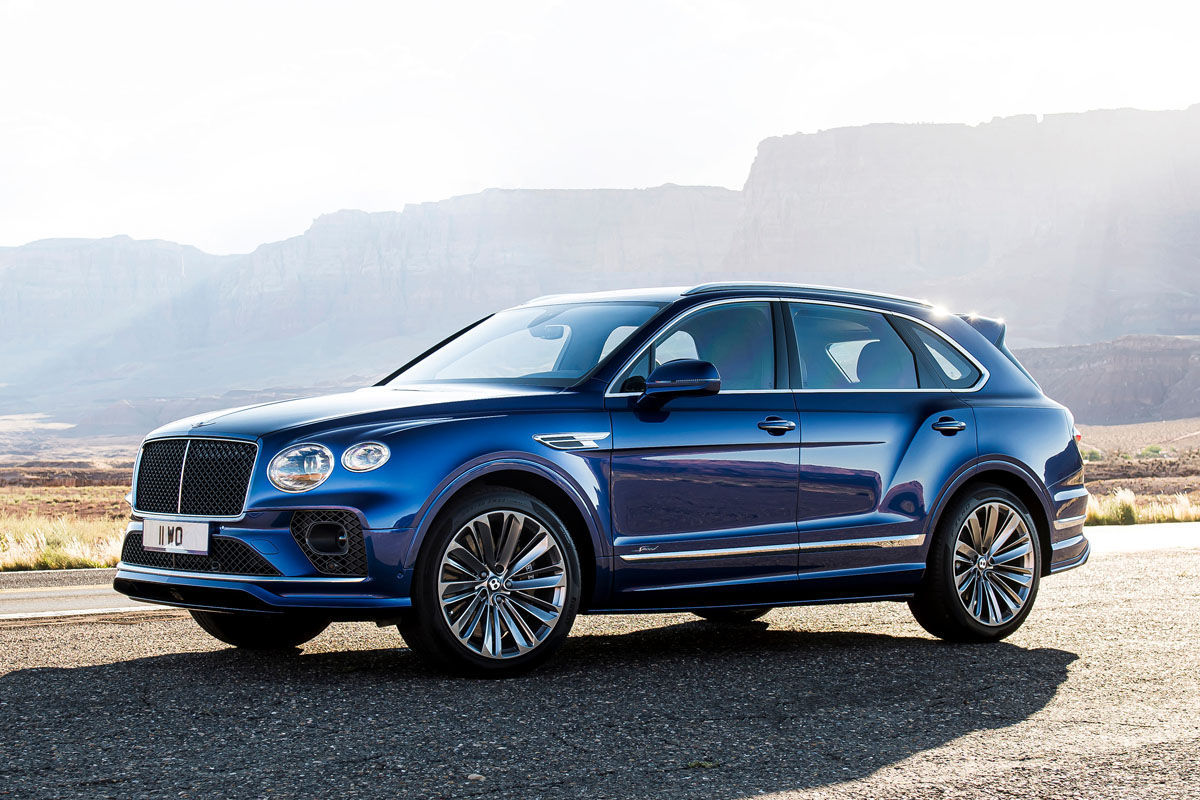
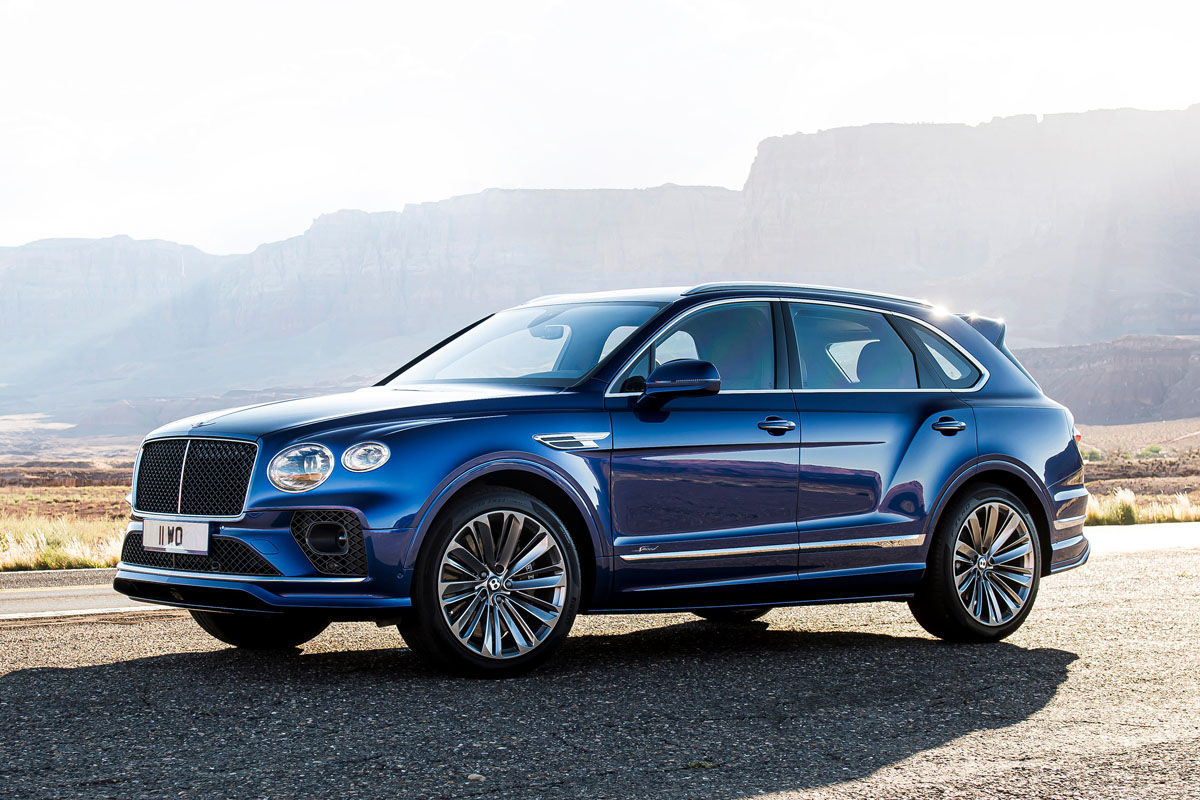
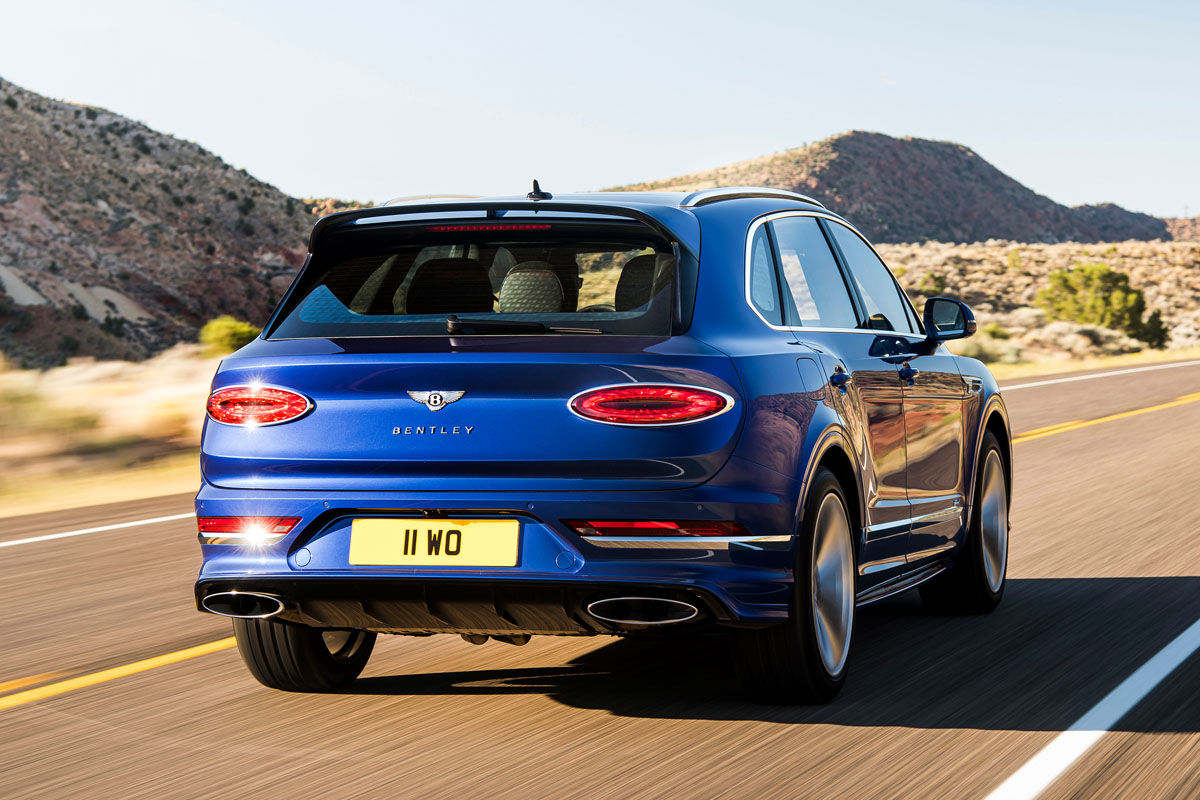
The 6.0-litre twin-turbo W12 in the Bentayga Speed is said to propel “the fastest SUV in the world” from 0 to 100 kph in 3.9 sec and a heady top speed of 306 kph. And, thanks to a recent facelift, the most performance-oriented Bentaya’s onboard tech is also much-improved.
Other premium manufacturers, such as Mercedes-AMG and BMW, might be phasing out their 12-cylinder motors, but the revised Bentayga Speed retains its muscular W12, which helped Bentley claim the production-SUV record at the Pikes Peak International Hill Climb in 2018. In the performance first-class SUV market, you downsize at your peril.
Given the recent launch of the Aston Martin DBX and the expected arrival of the Ferrari Purosangue, Bentley has raised its game.
The Bentayga Speed features many of the recently refreshed range’s high-end features as standard (such as the Mulliner Driving Specification) and is, as ever, hand-built in Crewe. The assembly of the W12, which produces 474 kW and 900 Nm (from 1 500 to 5 000 rpm) takes Bentley’s engine builders approximately 10% of the total hours required to build the entire SUV.
As impressive as the aforementioned claimed performance figures are, the Bentayga Speed is also claimed to have an average fuel consumption of… 14.3 L/100 km, which is admirable for a ballistic 2.5-tonne SUV with the equivalent of a reactor under its bonnet (although that is figure is based on the flattering NEDC combined-cycle test, not the more contemporary WLTP standard).
The Bentley Speed is not all just about brute force, it features cylinder-deactivation and "Sail" technology to improve efficiency.
To optimise fuel efficiency, the W12’s control unit deactivates a complete bank of 6 cylinders as required. According to Bentley, switching between the A and B bank (using information from the inlet and exhaust sensors) minimises cylinder and catalytic convertor cooldown and avoids spikes in exhaust emissions, which aids fuel economy under part-throttle cruising conditions.
In the Bentayga Speed’s 5th to 8th gears (at cruising speeds, for example), when the driver releases the throttle, the Bentley’s management system will open the torque converter, reduce the engine to tick over and simply allow the car to roll or “sail”. When the throttle is reapplied, or the car starts going downhill and detects an increase in speed, the transmission re-engages.
Equipped with Bentley Dynamic Ride – a 48V electric active roll control technology – the Bentaga Speed is refined, but surefooted.
The derivative offers its drivers a choice of 4 Drive Dynamics modes: Comfort, Bentley – the balanced recommendation of the firm’s chassis team in Crewe, Custom and Sport. Uniquely in the Speed, the Sport mode has been recalibrated to enhance response from the W12 and its 8-speed automatic transmission, together with the air suspension system and Bentley Dynamic Ride – the world’s first electric active roll control technology, which utilises a 48V system.
Dynamic Ride instantly counteracts lateral rolling forces when cornering and ensures maximum tyre contact to deliver class-leading cabin stability, ride comfort and handling. Recalibration of the Torque Vectoring by Brake system – whereby the car lightly brakes the inside rear wheel to sharpen the front axle turn-in – has made Bentayga Speed even more responsive to drive.
Dark-tinted exterior details
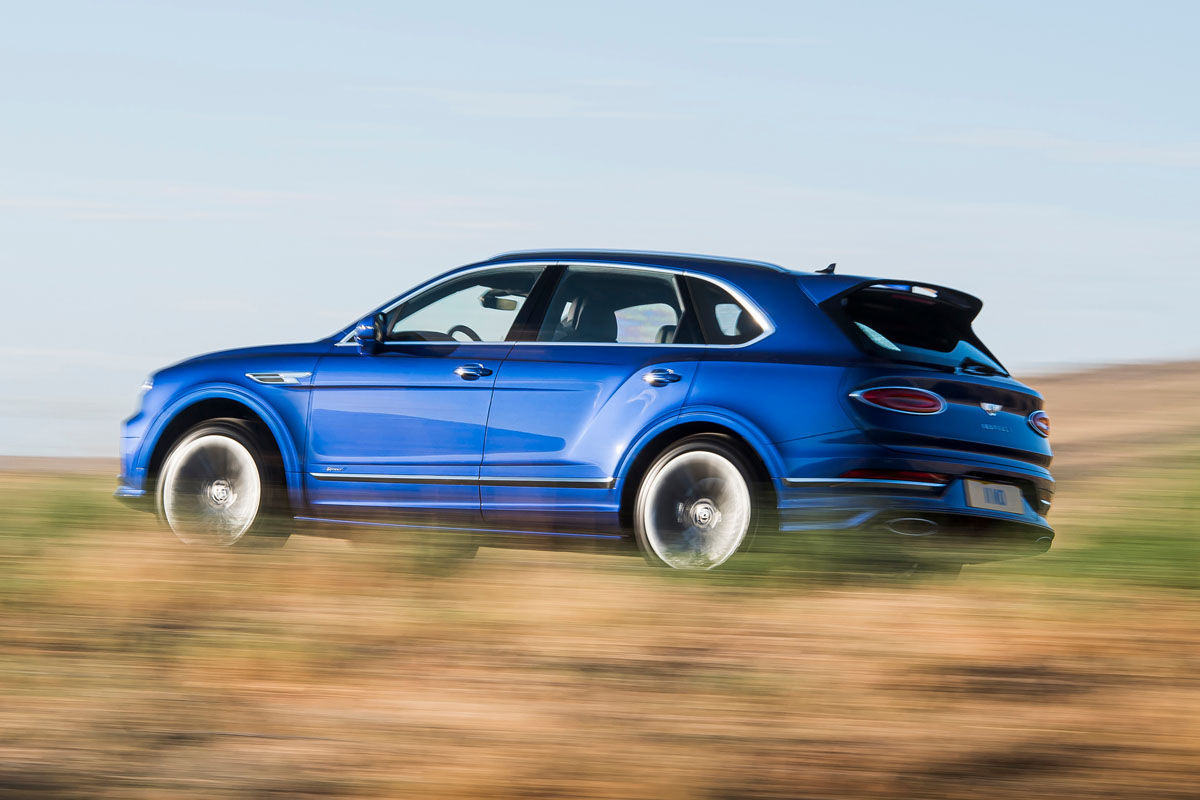
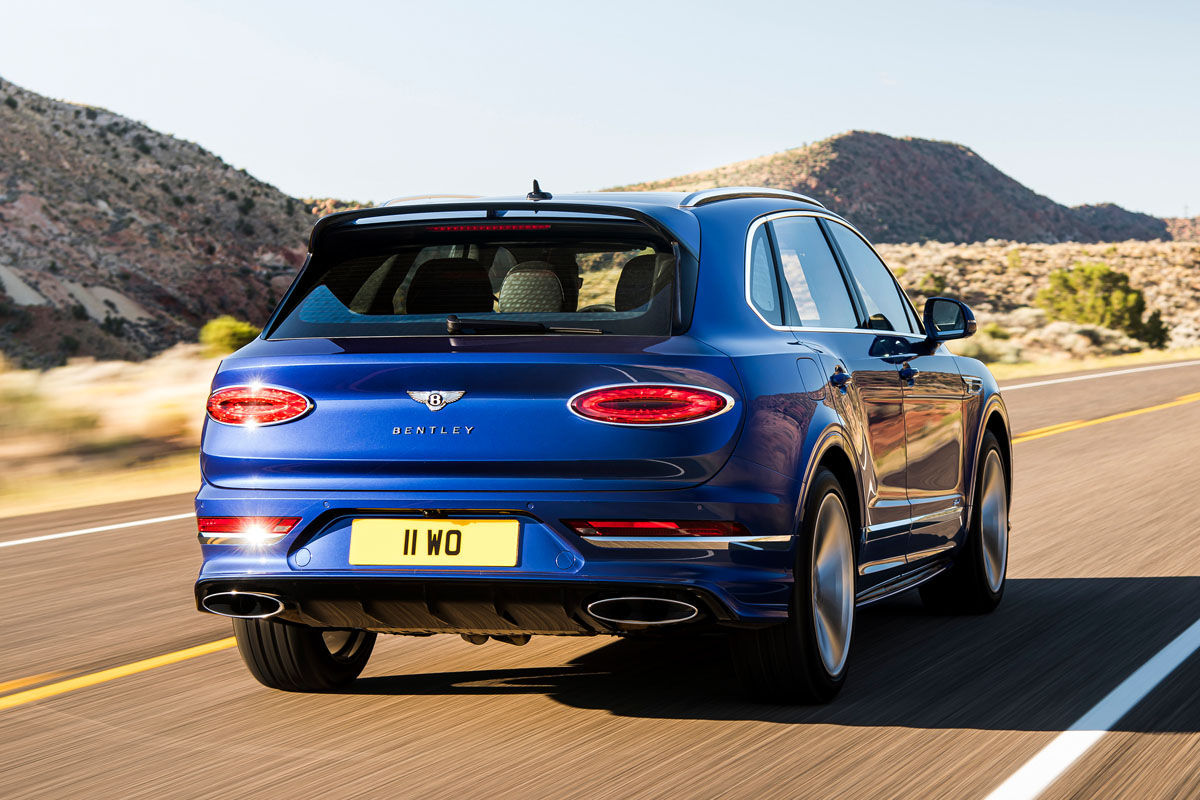
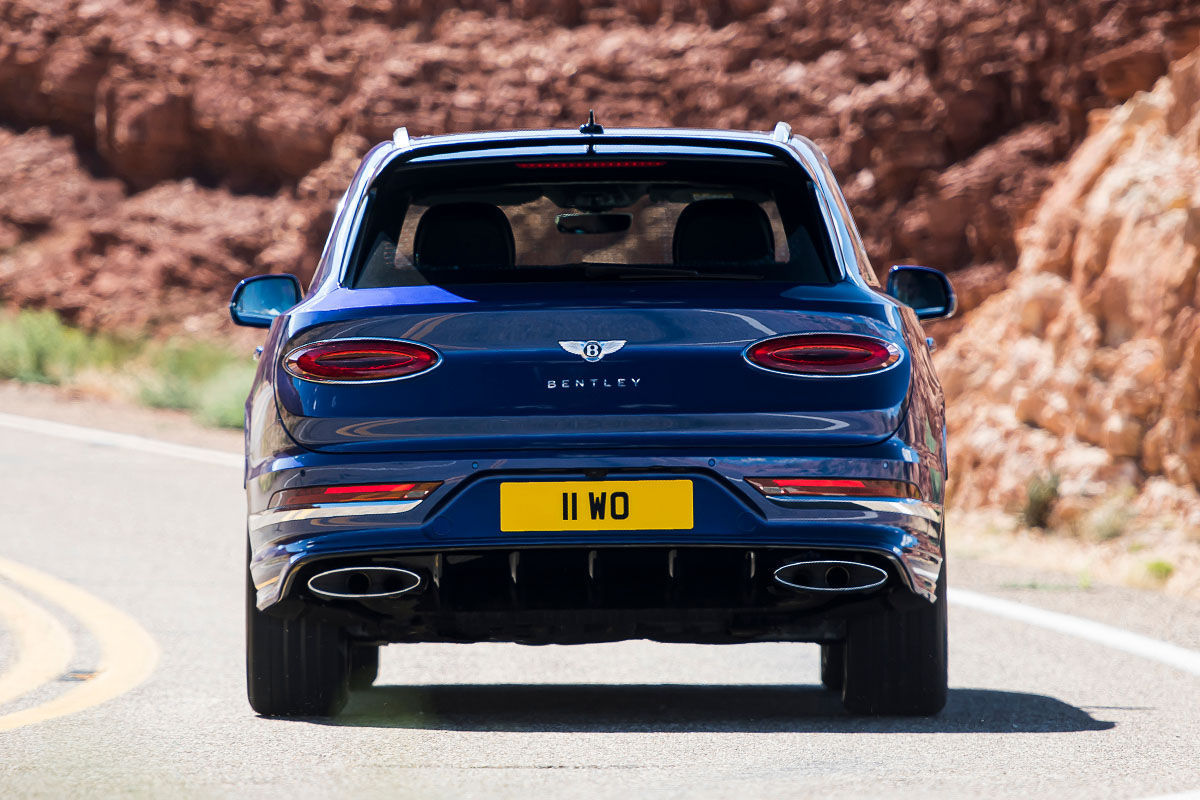
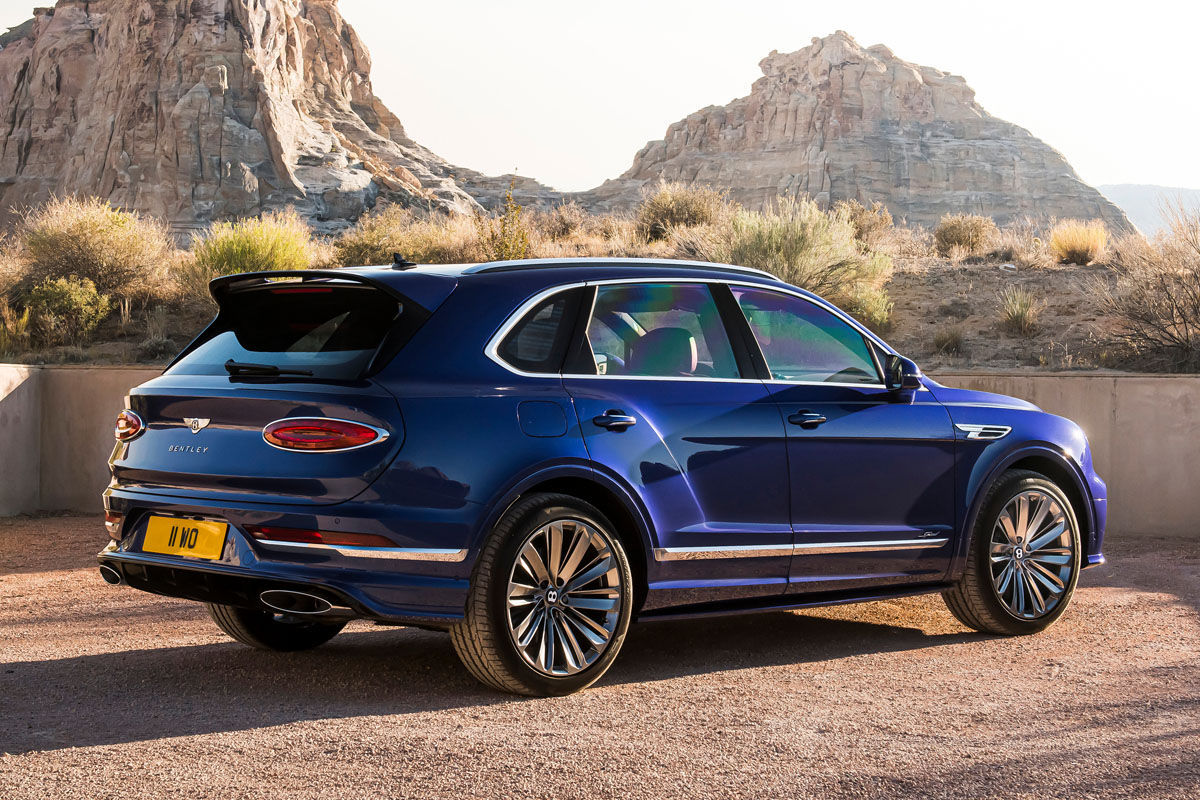
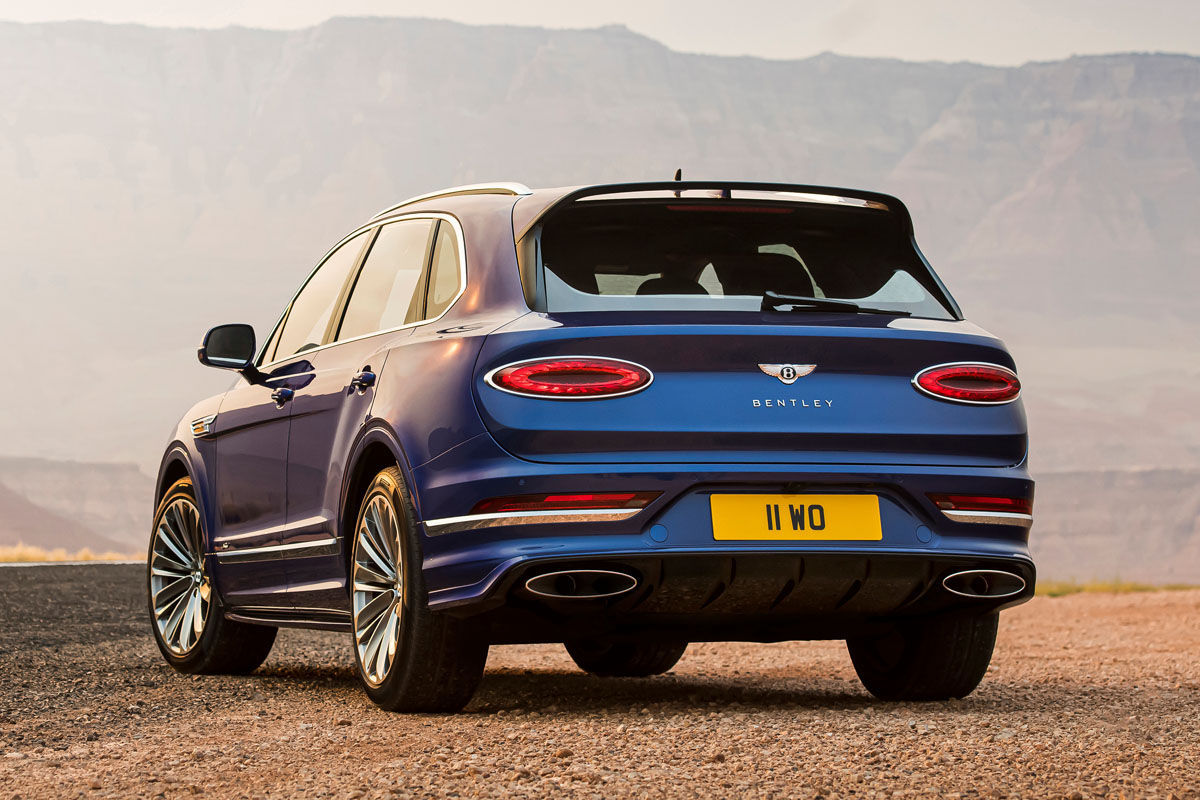
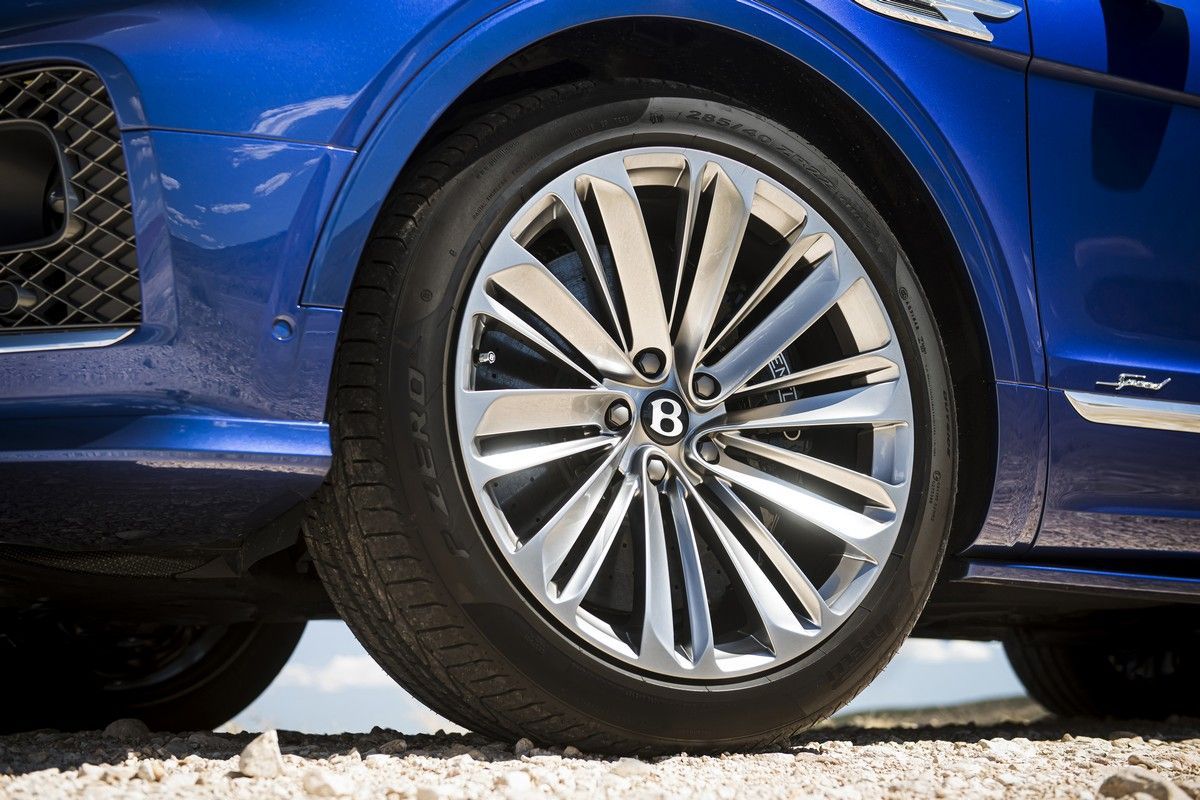
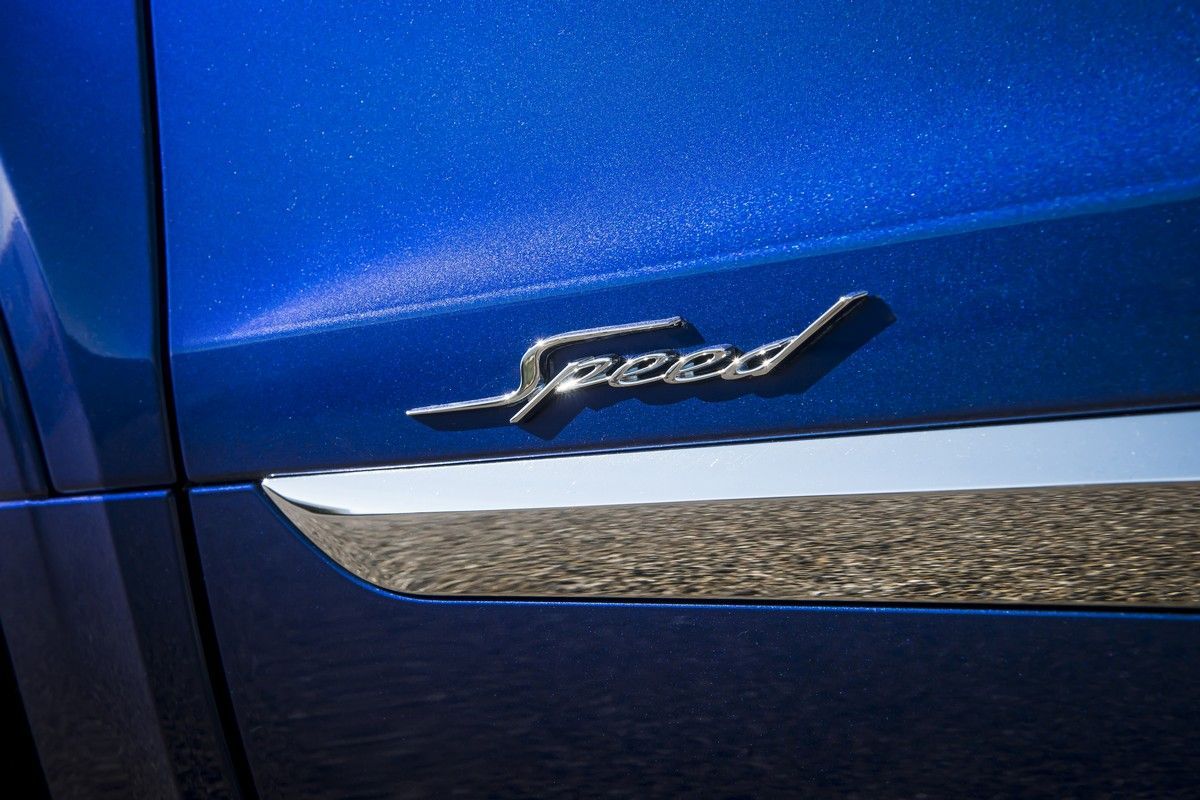
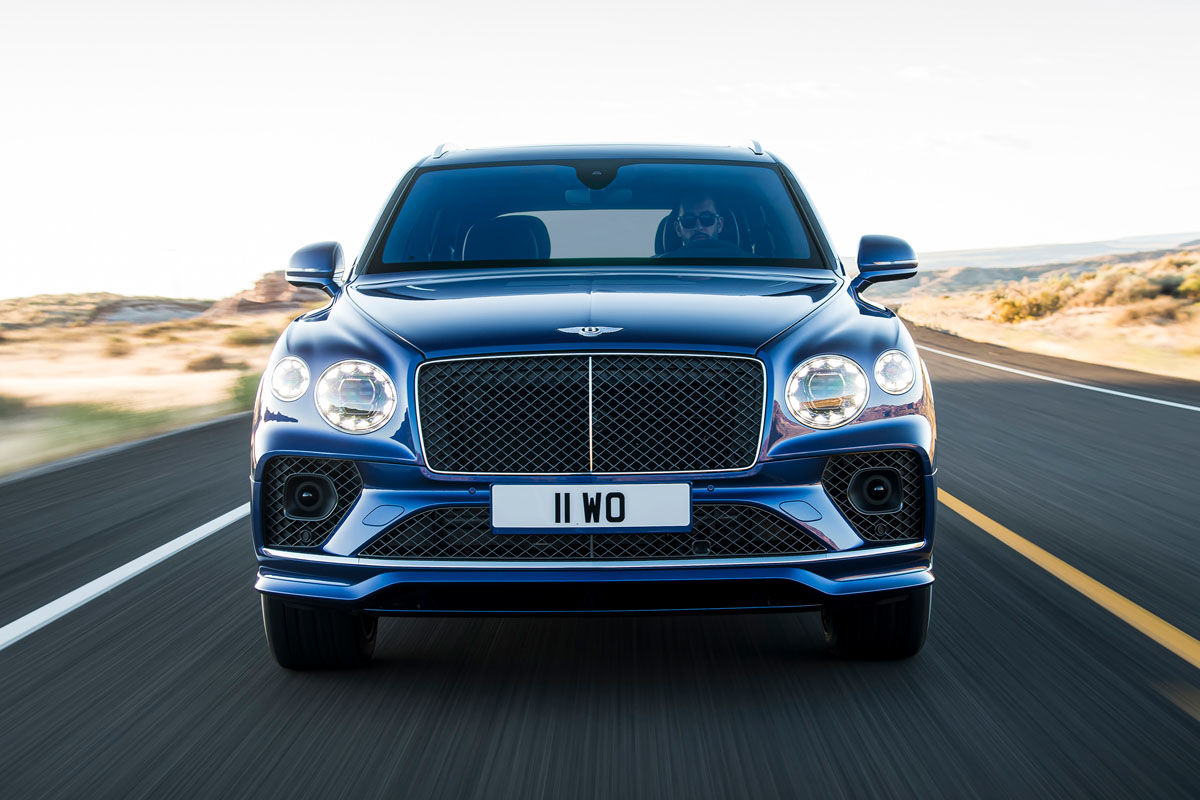
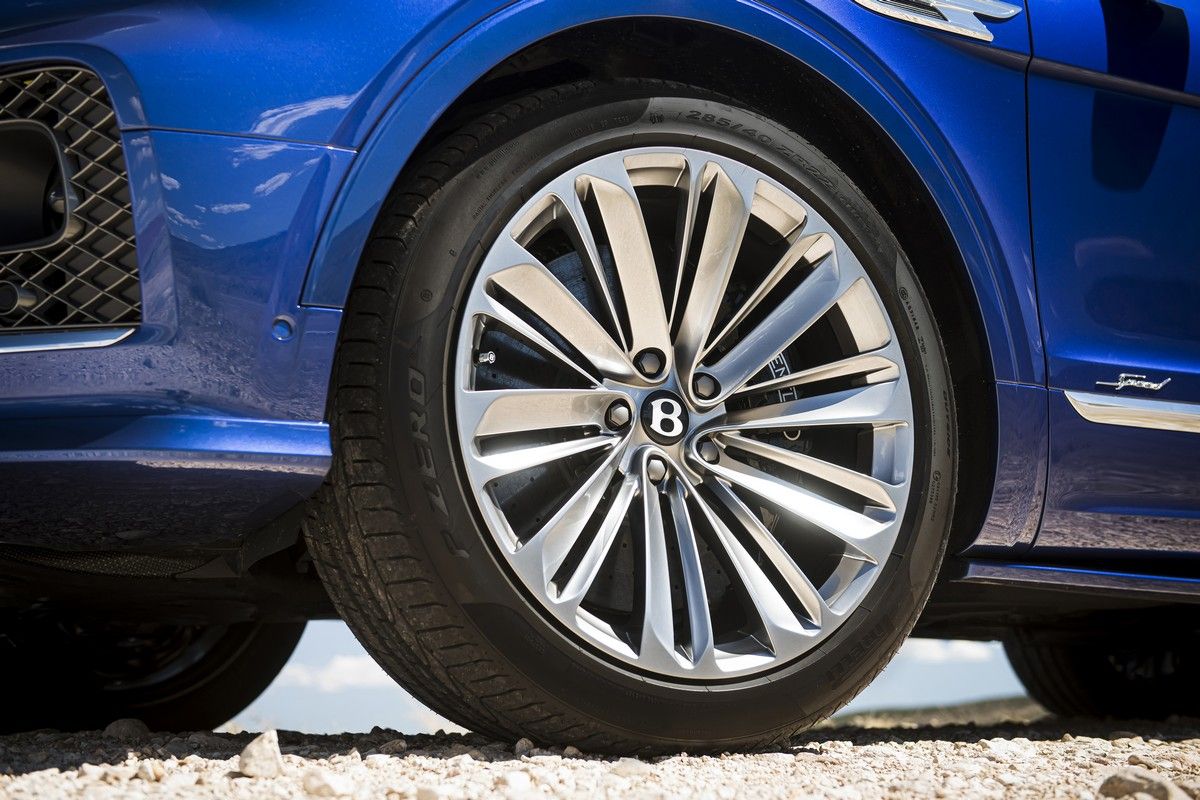
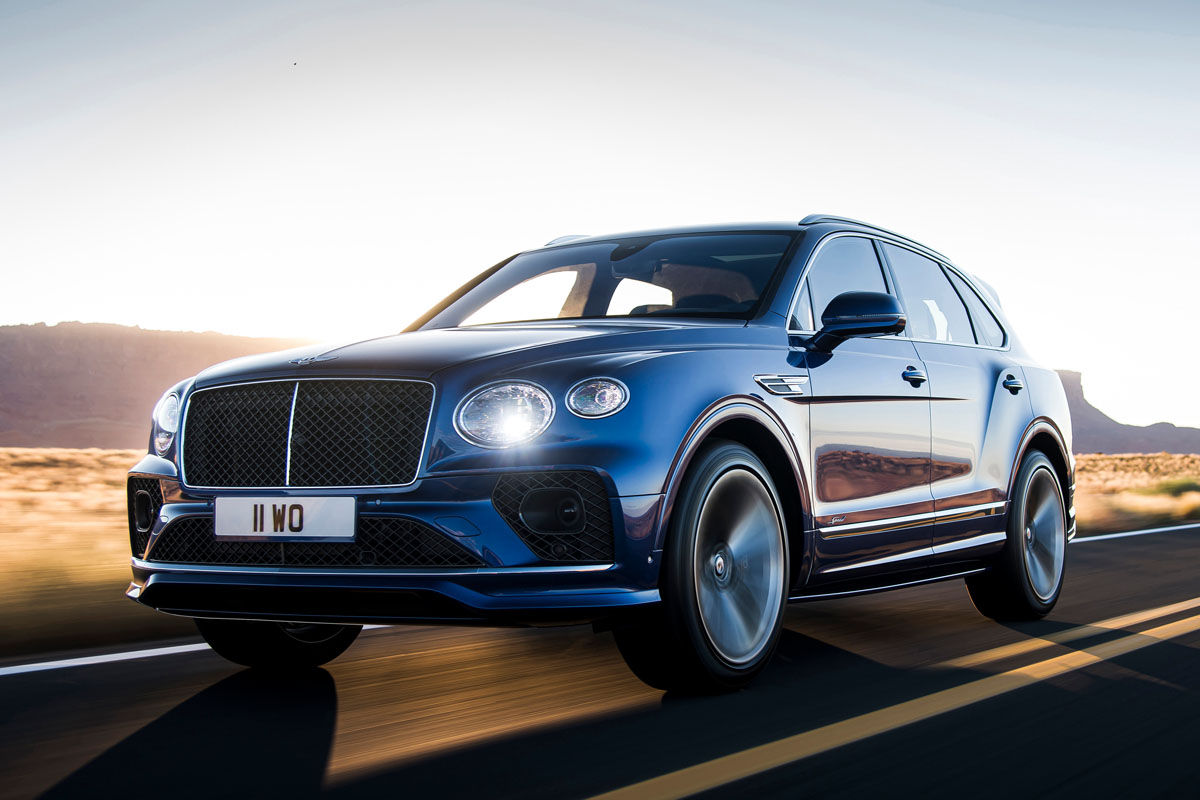
To distinguish the Bentayga Speed from its more prudently-equipped siblings, the performance-oriented derivative features dark-tint head- and tail-lights, body-coloured side skirts, bespoke bumpers and an elongated tailgate spoiler. Dark-tint radiator and bumper grilles, a unique 22-inch alloy wheels available in 2 finishes (painted and dark tint), Speed signature badging and a pair of oval exhaust finishers (unique to W12 versions) add to the derivative’s sporty appearance.
The Bentayga Speed comes standard with 22-inch alloy wheels, which are exclusive to the performance-oriented derivative.
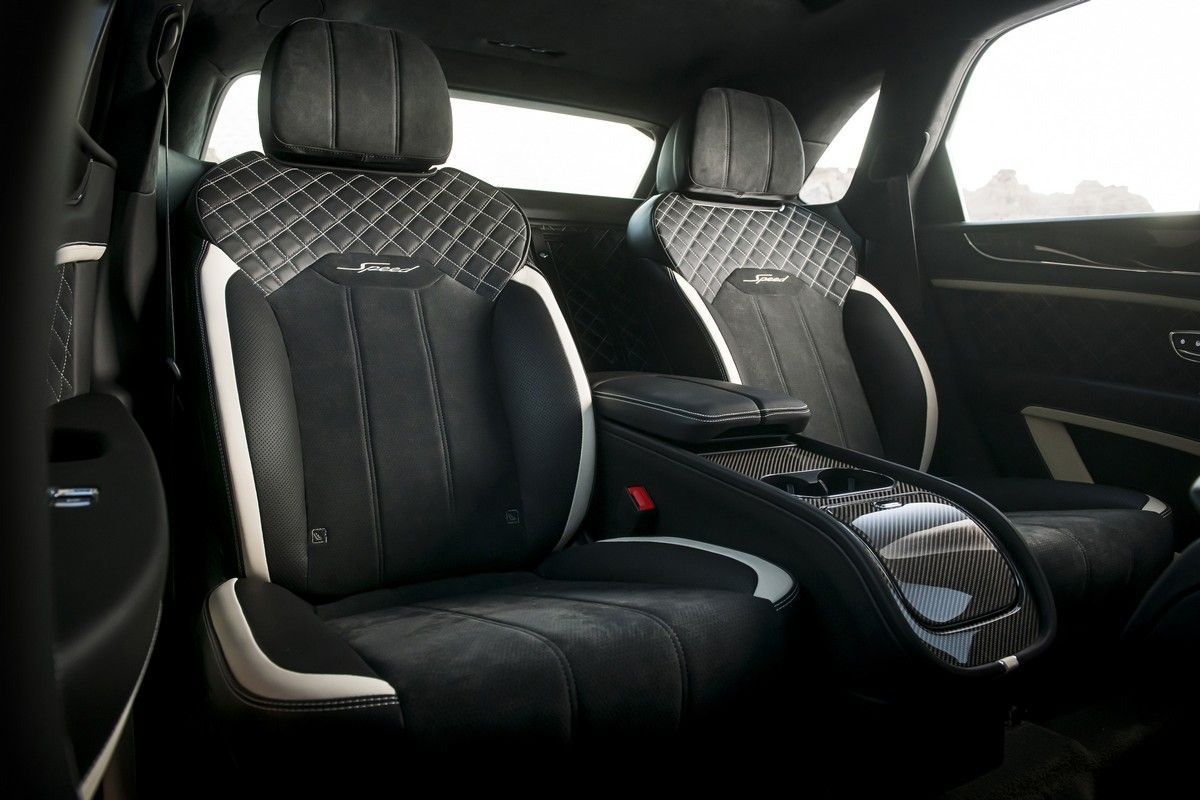
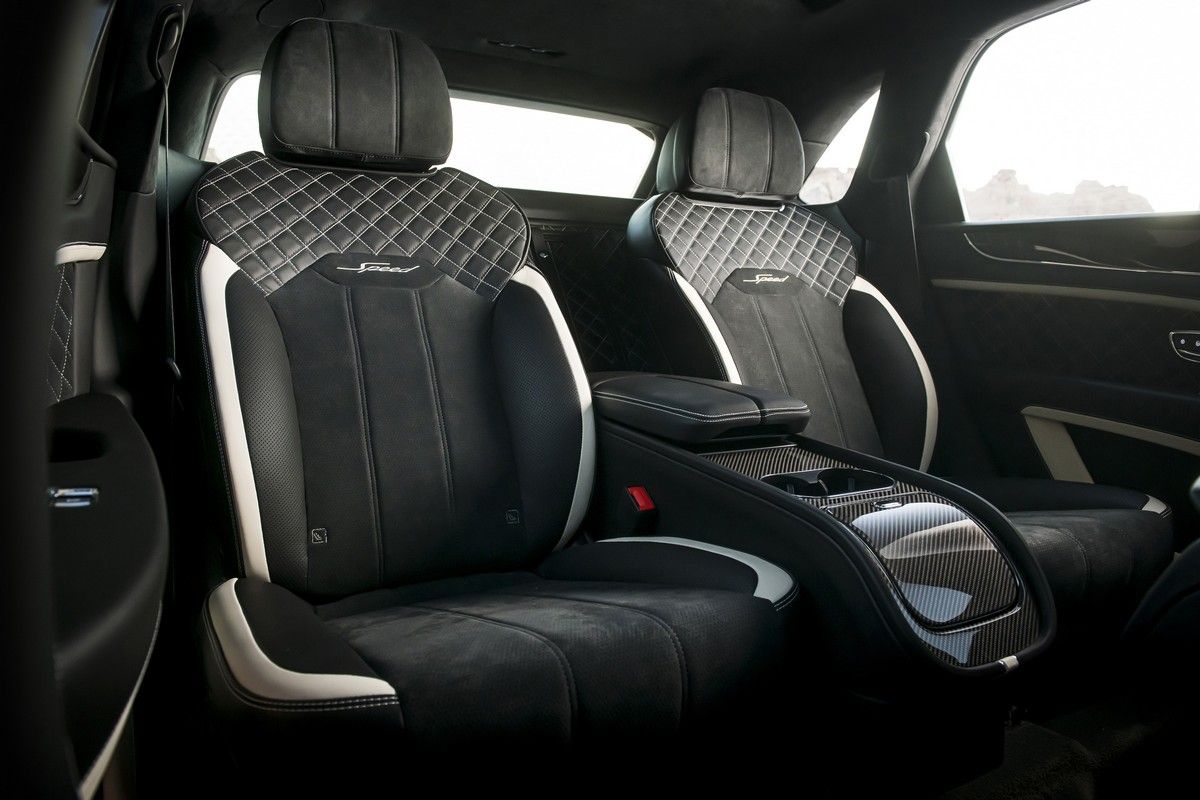
Inside, the newcomer’s cabin features the unique Speed colour-split combination trim, which is achieved through the use of dark colours enhanced by primary hide accents running throughout the seats and interior trim. Elegantly crafted “swooshes” of contrast leather feature around the doors, along the edges of the seat cushions and backrest bolsters, and on the lower console.
The Speed colour-split also sees applications of Alcantara on the seat cushions and backrest centre panels, transmission lever, steering wheel, lower-knee and upper-pillar trim areas and headliner. Meanwhile, ‘Speed’ embroidery features on the backrest of the seats and, as a no-cost option, customers can choose to replace the ‘Speed’ stitching with that of the Bentley logo.
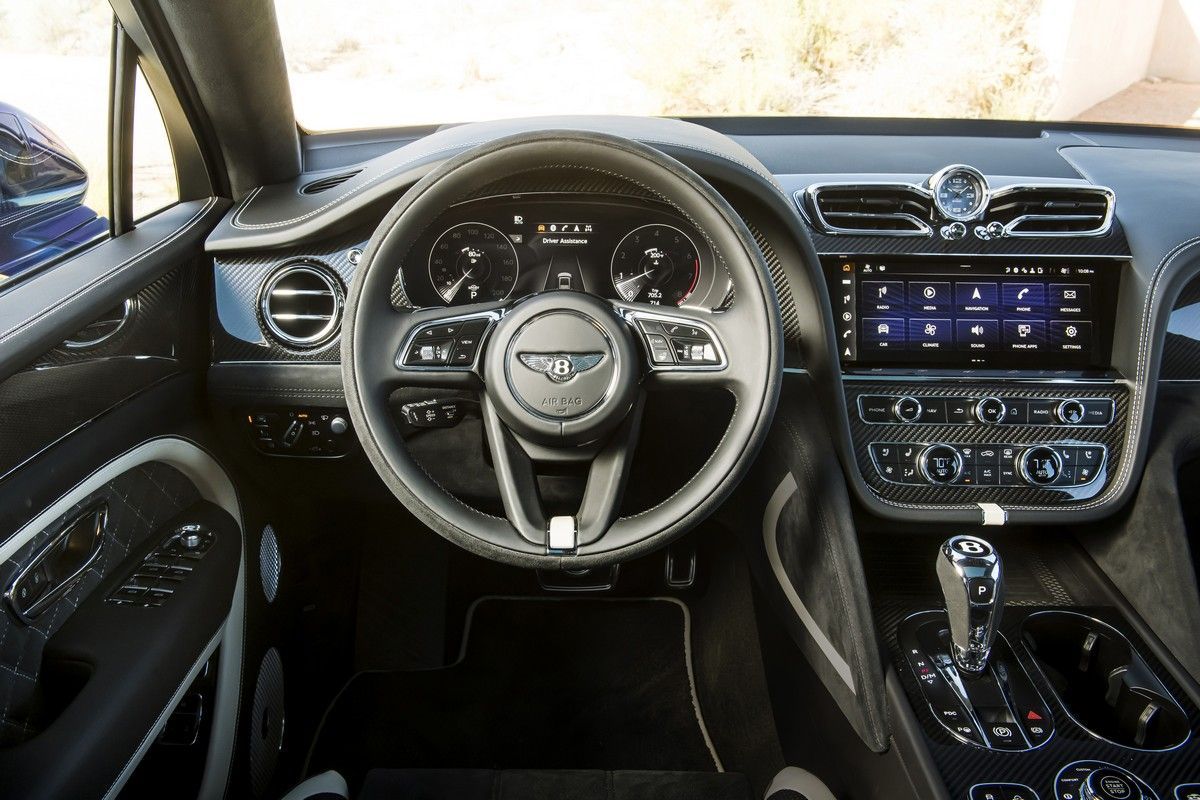
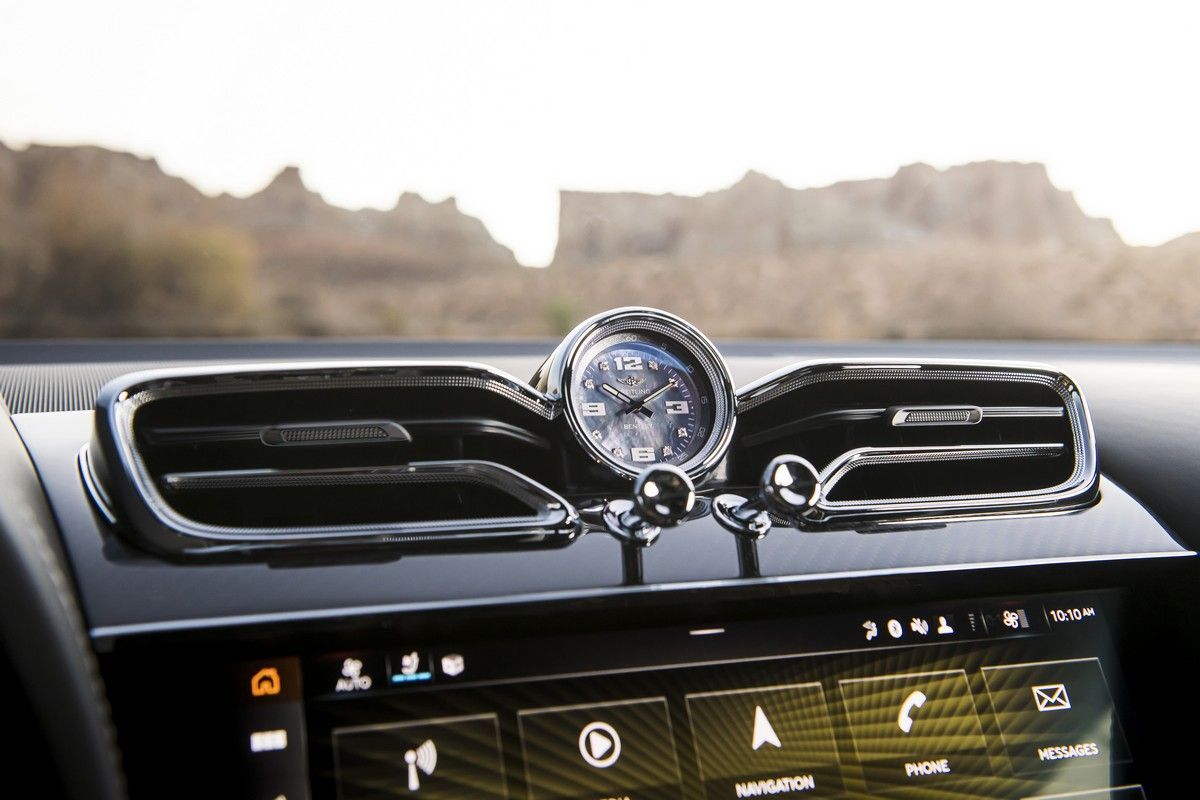
A digital instrument cluster and enlarged touchscreen infotainment thoroughly modernise the Bentaya's interior.
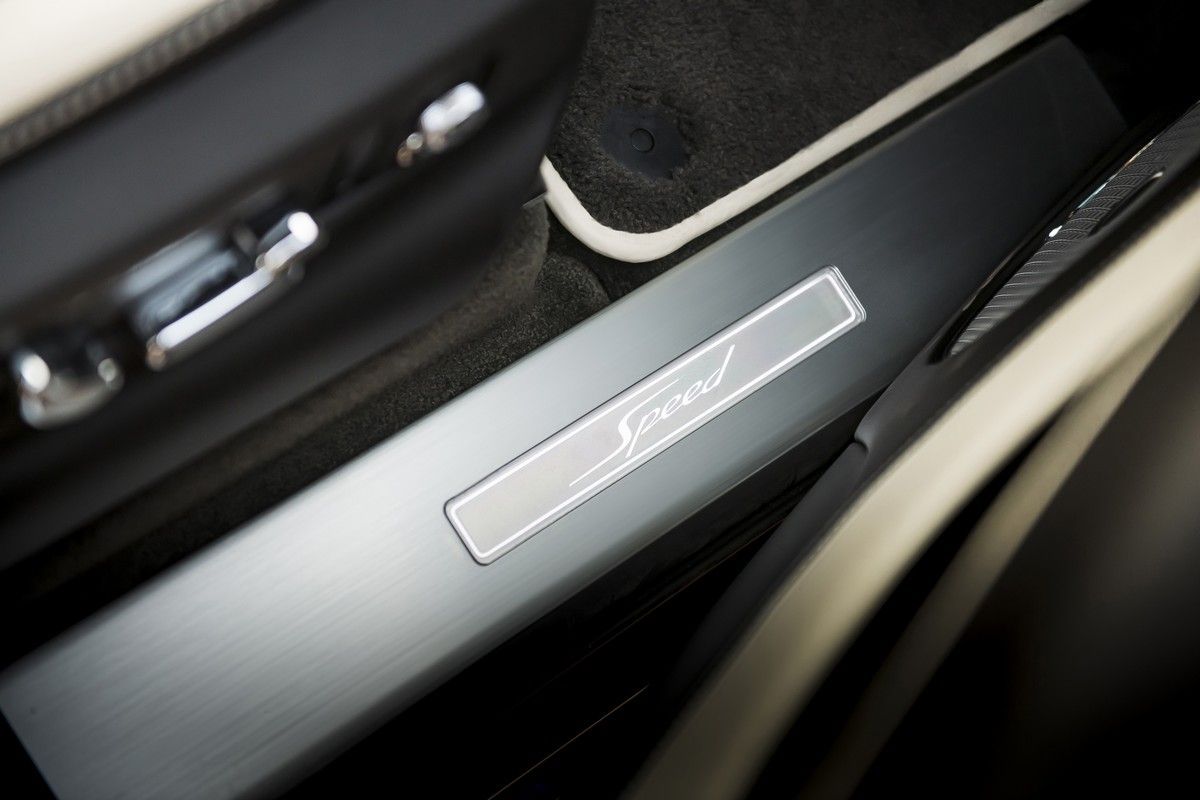
A new contrast stitching design in the diamond quilting of the Mulliner Driving Specification sees each of the stitch lines being split – one to match the leather, the other the contrast colour. Discreet metal Speed badging on the fascia and -illuminated treadplates complete the look.
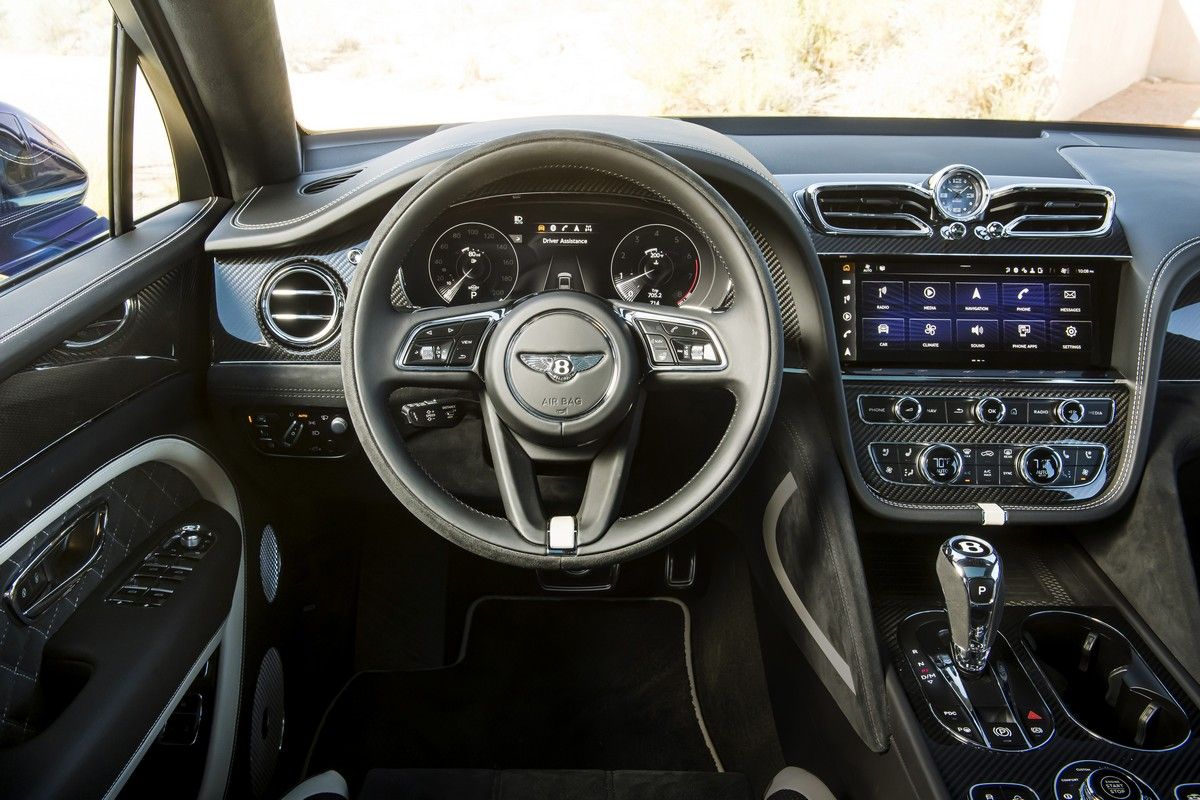
As for the Bentayga Speed’s usually traditional user interface of analogue dials set in a wood-finished binnacle, well, the instrument cluster is now fully digital. Suffice to say the display brings a contemporary look to the cockpit and can be customised to the driver’s requirements (viewed in either Classic or Expanded format) and features real-time lighting effects with slick animations.
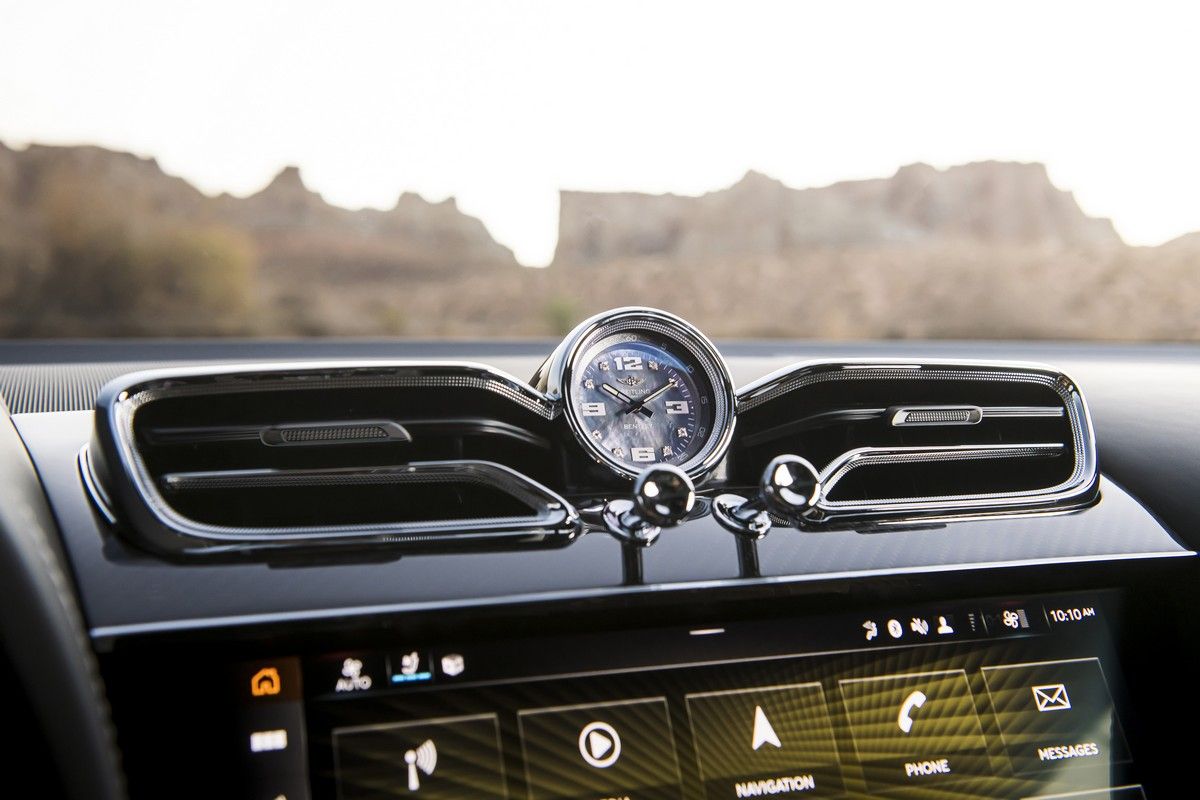
A pair of organ-stop ventilation knobs are a nod to classic Bentleys of the past; they are in stark contrast with the digital display.
What’s more, a bigger, high-resolution 10.9-inch touchscreen infotainment system now spans the width of the Bentley’s fascia. Content can be selected either via hard keys beneath the screen, or from the main menu, the layout of which is customisable to a user’s preference. The system now supports wireless Apple CarPlay and -Android Auto, as well as smartphone screen-mirroring.
The navigation system supports free-text, context-specific search entries (including an address or point of interest), offers a 3-dimensional building display on maps, plus avails more info in the driver’s head-up display, such as traffic information, street names and distance to destination.
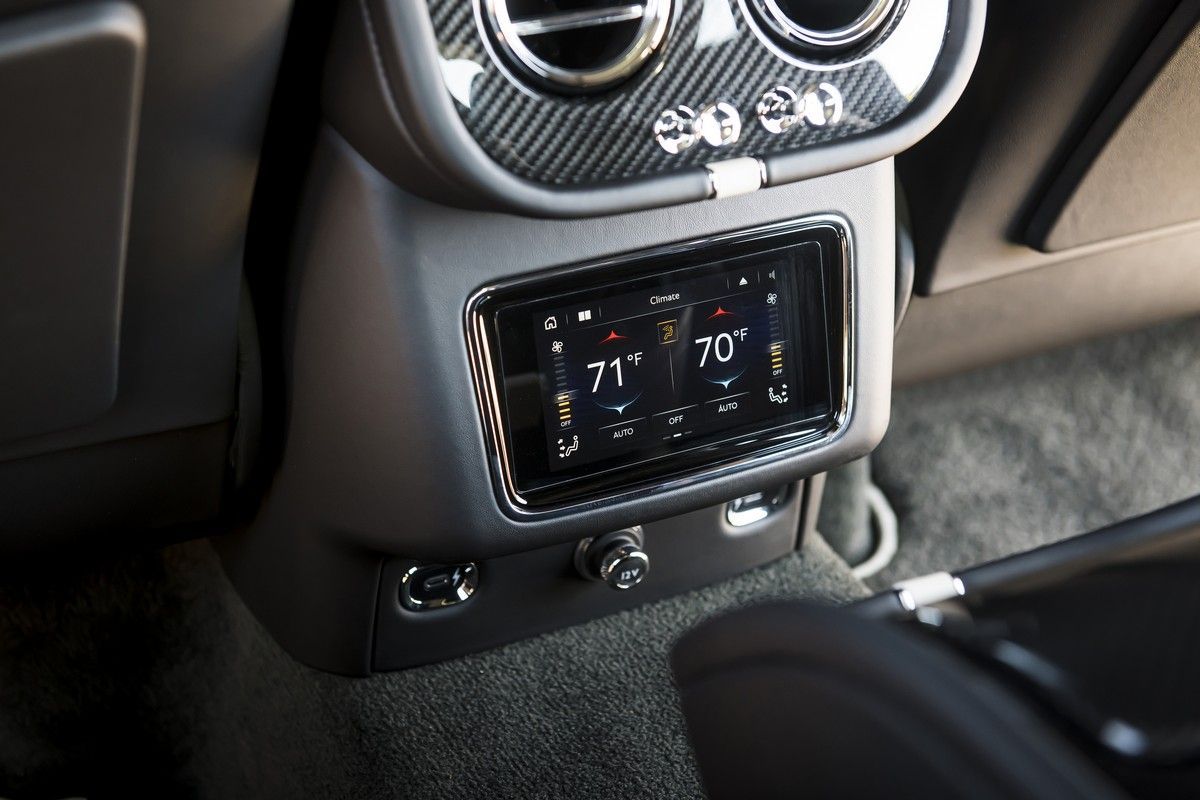
The dual-tone Bentley Speed interior is shown here in optional 2-door rear seat configuration, replete with Alacantara inserts.
The latest release of My Bentley in-car and remote connected car services (accessible through an app) are now delivered through an embedded SIM, while real-time traffic information and over-the-air map updates will be available to all customers in Bentley connected-car markets.
Finally, for customers who wish to further enhance the look of the Bentayga Speed, Bentley offers the option of the Black Specification pack, which replaces all exterior chrome work, bright detailing and some elements of the body with gloss black or carbon-fibre addenda.
With a claimed top speed of 306-kph, the Bentaya Speed is the "world's fastest SUV". How long will it hold on to that title?
The front bumper splitter and the side sills, for example, are recreated by hand in carbon fibre, while the rear bumper diffuser becomes gloss black. All exterior bright work (including the roof rails) is resplendent in gloss black, as are the 22-inch Bentayga Speed wheels and exhaust finishers. Finally, the standard roof spoiler is replaced with a curved carbon-fibre version.
As the pre-facelift Bentayga Speed was offered in SA, we see no reason why it's successor won't be offered here too. We'll keep you posted on its expected arrival date.
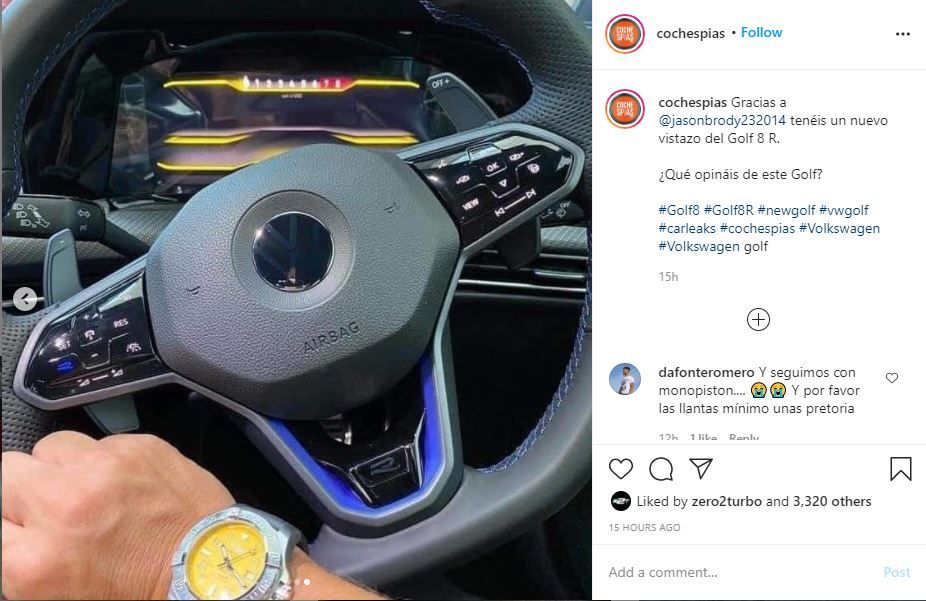
Thanks to a leak on Instagram, we get another look at the forthcoming Volkswagen Golf 8 R.
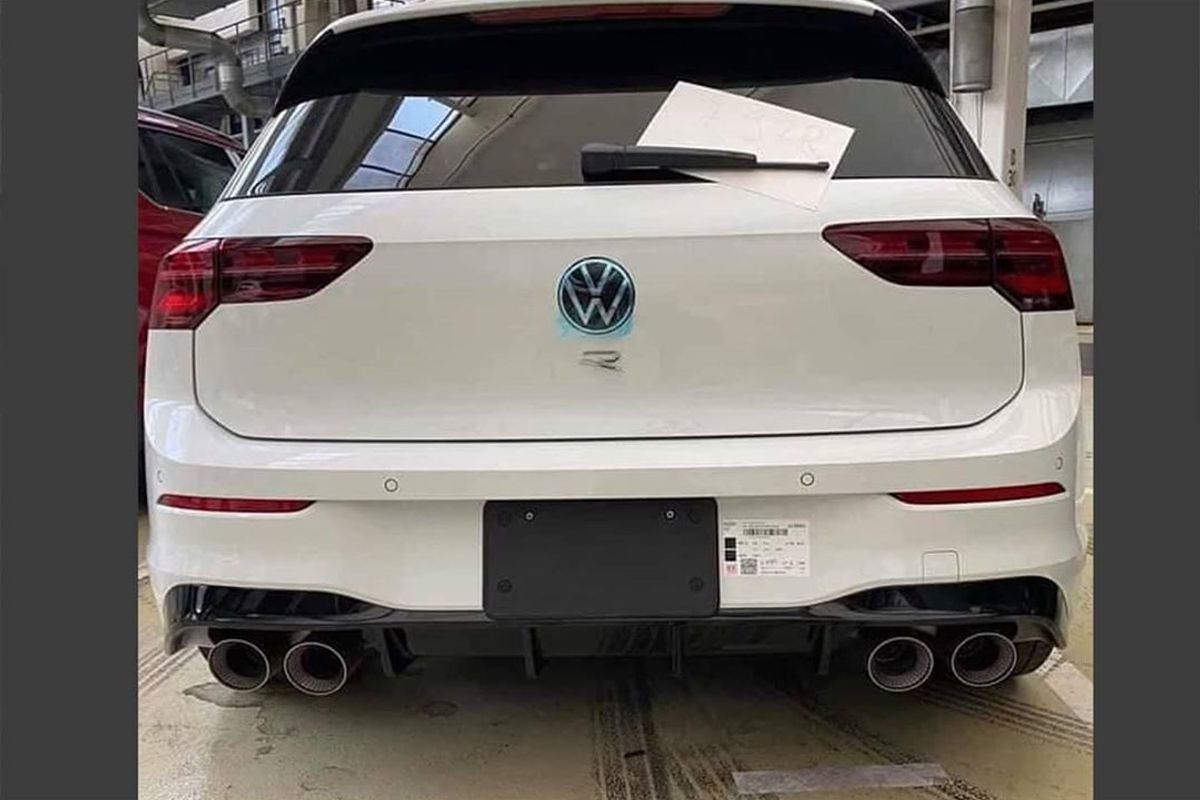
Thanks to Instagram user Cochespias, we get a look at some of the details of this minimally disguised Volkswagen Golf 8 R.
We can see this unit looks like it has the Akrapovic performance exhaust option, while the photograph of the wheel shows the high-performance brake with a calliper in the traditional R blue.
Finally, there's a shot of the interior, showing Volkswagen Active Info digital cockpit as well as some very good looking steering-wheel shifters. We also noticed an R button, which we suspect puts the car into its most dynamic setting.
The Golf R will combine the potency of a revised 245 kW, 2.0-litre turbopetrol engine and all-wheel-drive capability that should see the Golf R rocket from zero to 100 kph in about 4.5 seconds using a dual-clutch transmission.
While the Volkswagen Golf 8 GTI is due to arrive in South Africa in early 2021, the Golf 8 R is expected locally some time after. A full reveal is expected before the end of 2020. As always, we will keep you up to date as soon as more information becomes available.
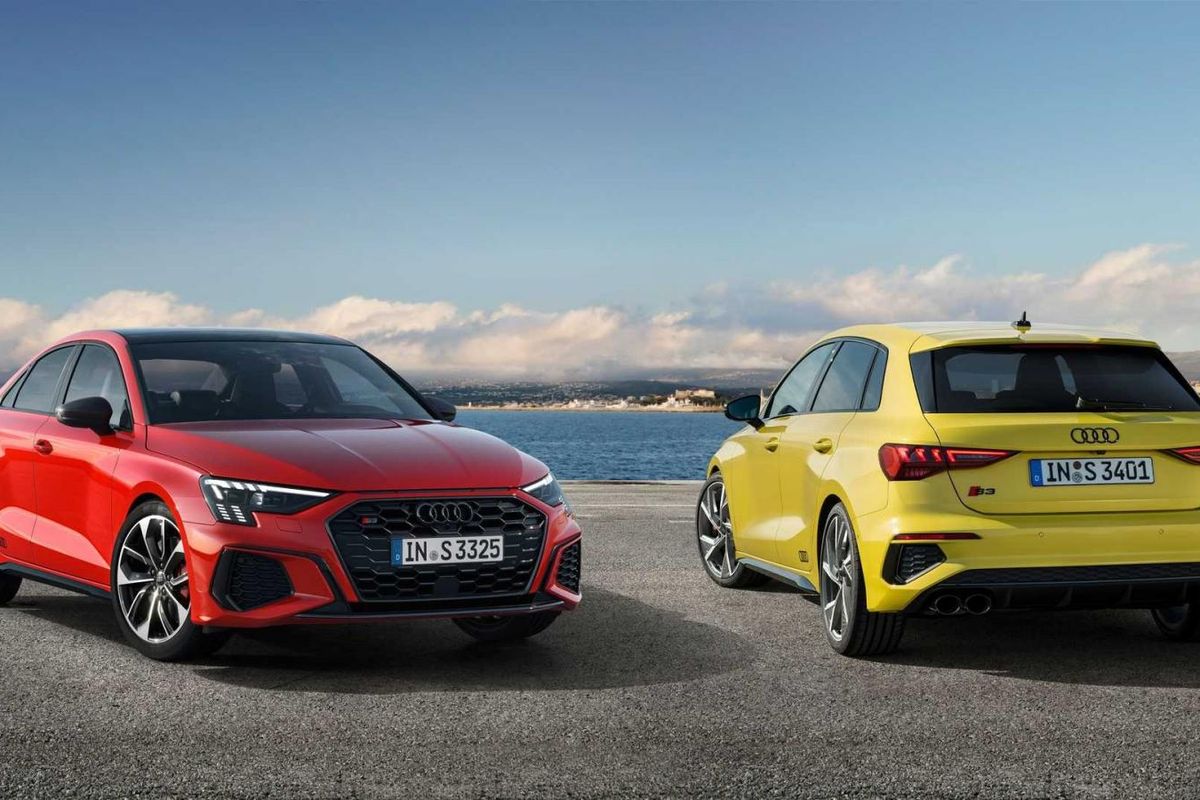
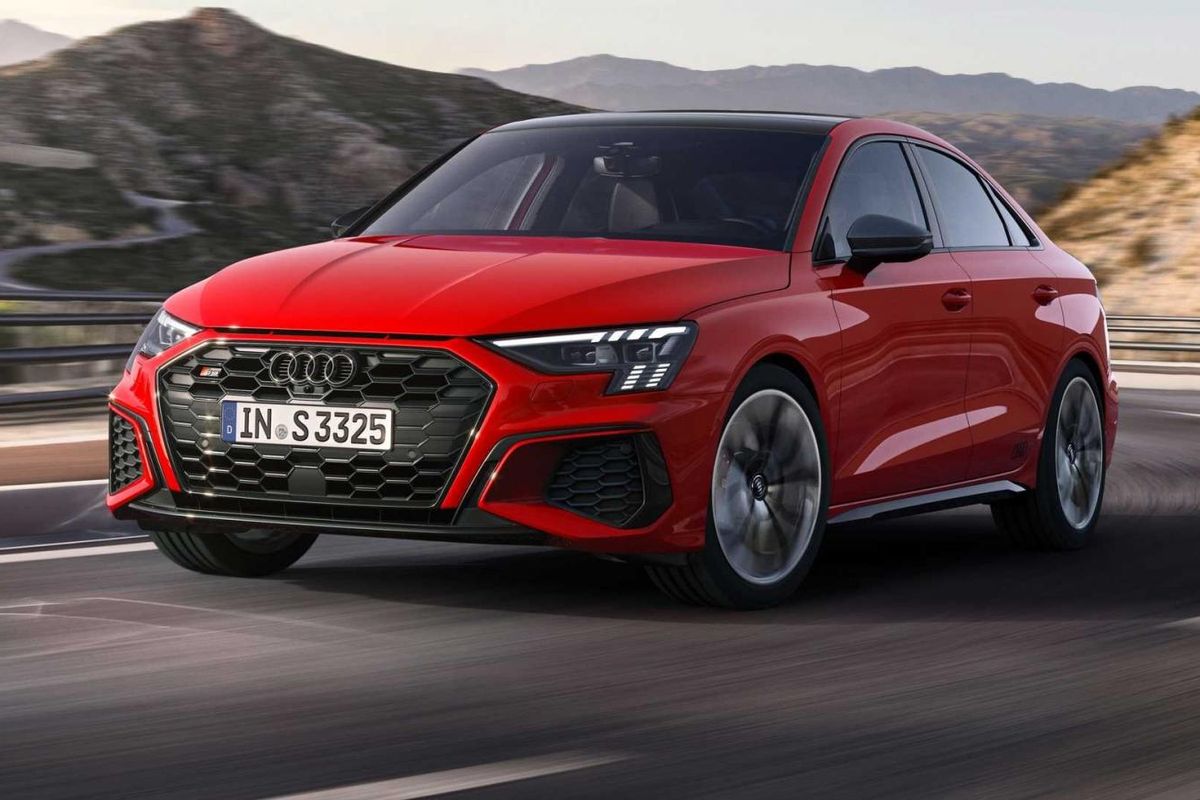
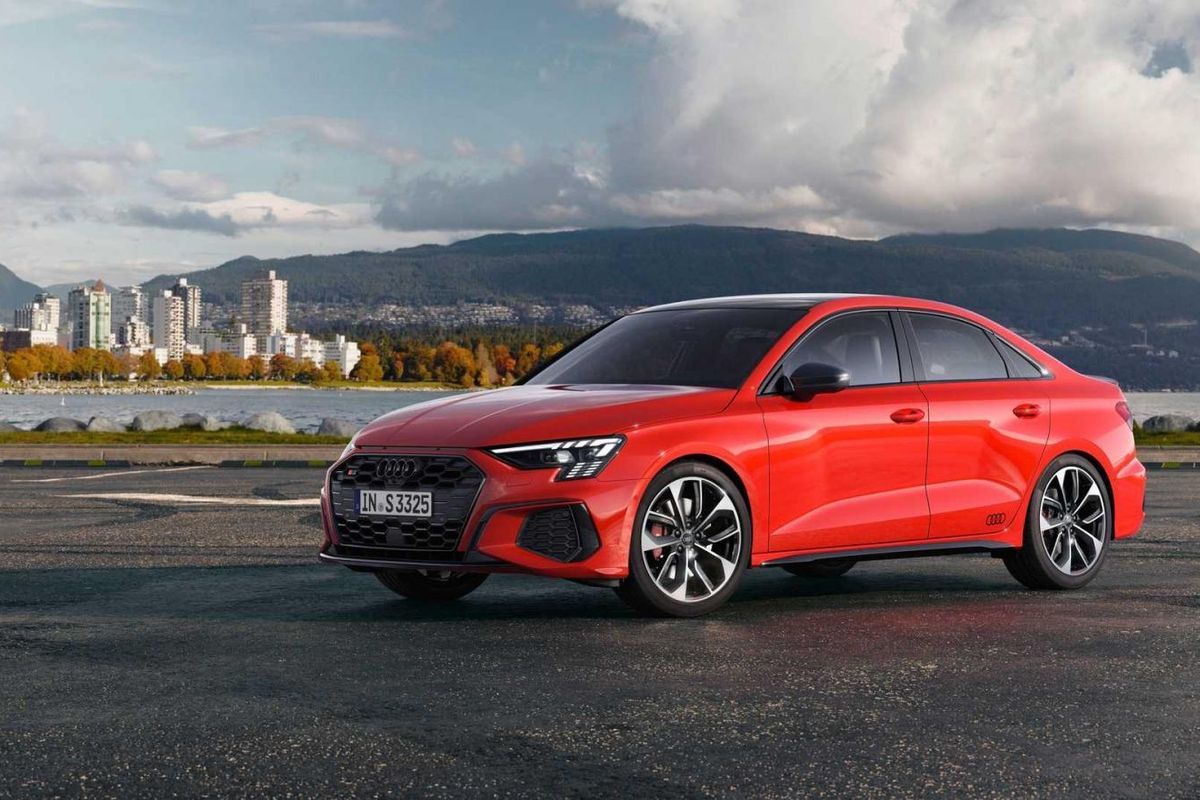
Sharper suit for Audi's updated S3, available in both sedan and Sportback guise.
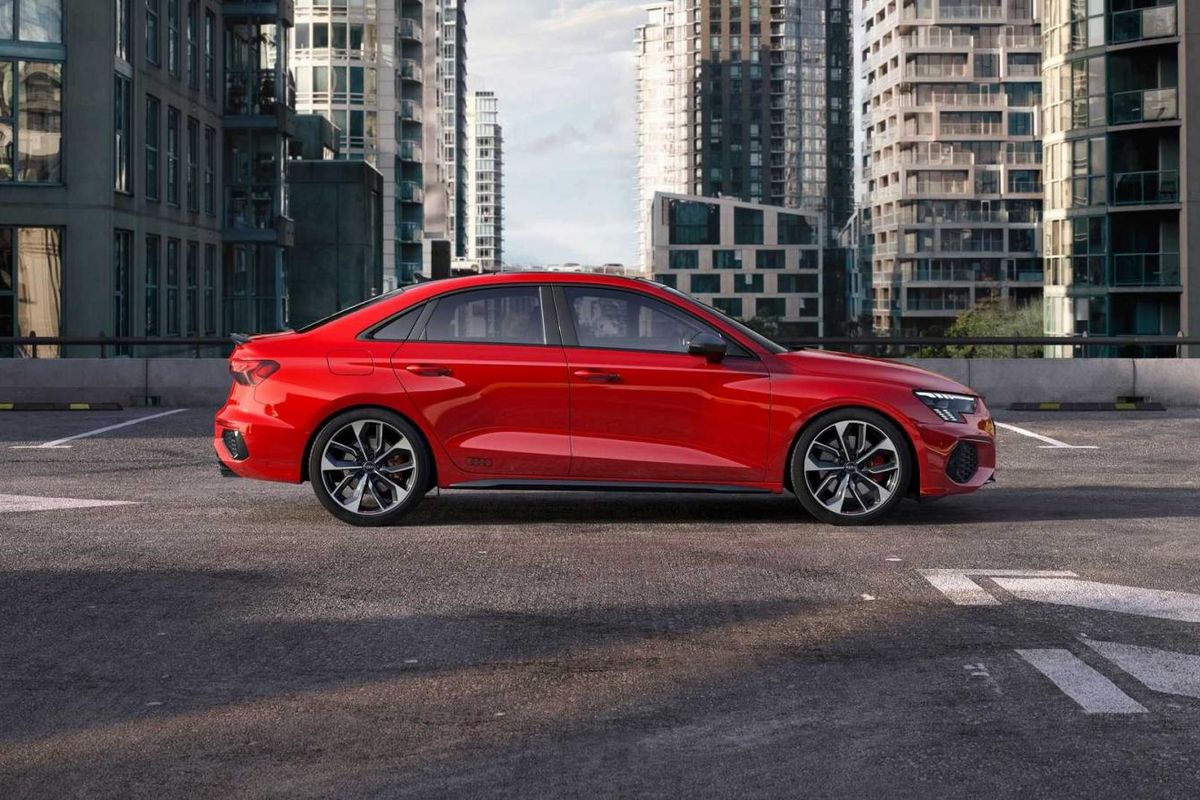
The signature Audi compact family performance car range gains all the styling and design drama you would expect from an S3.
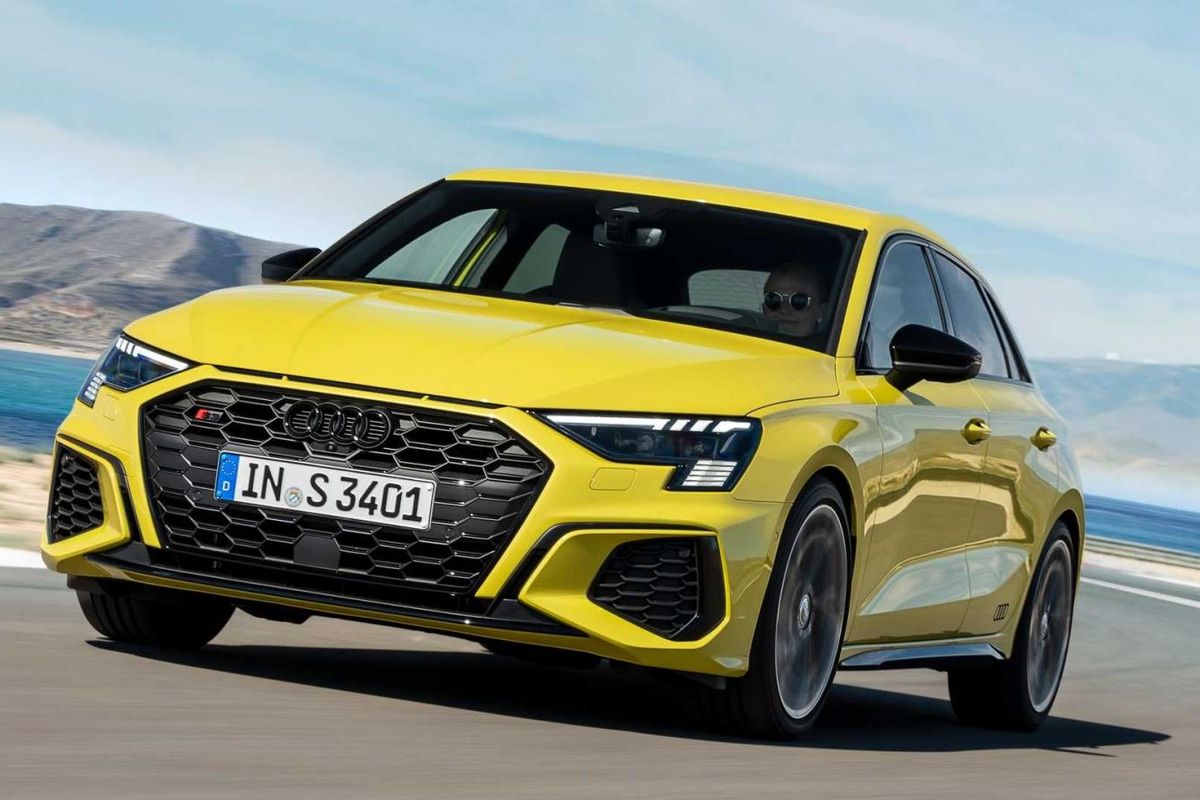
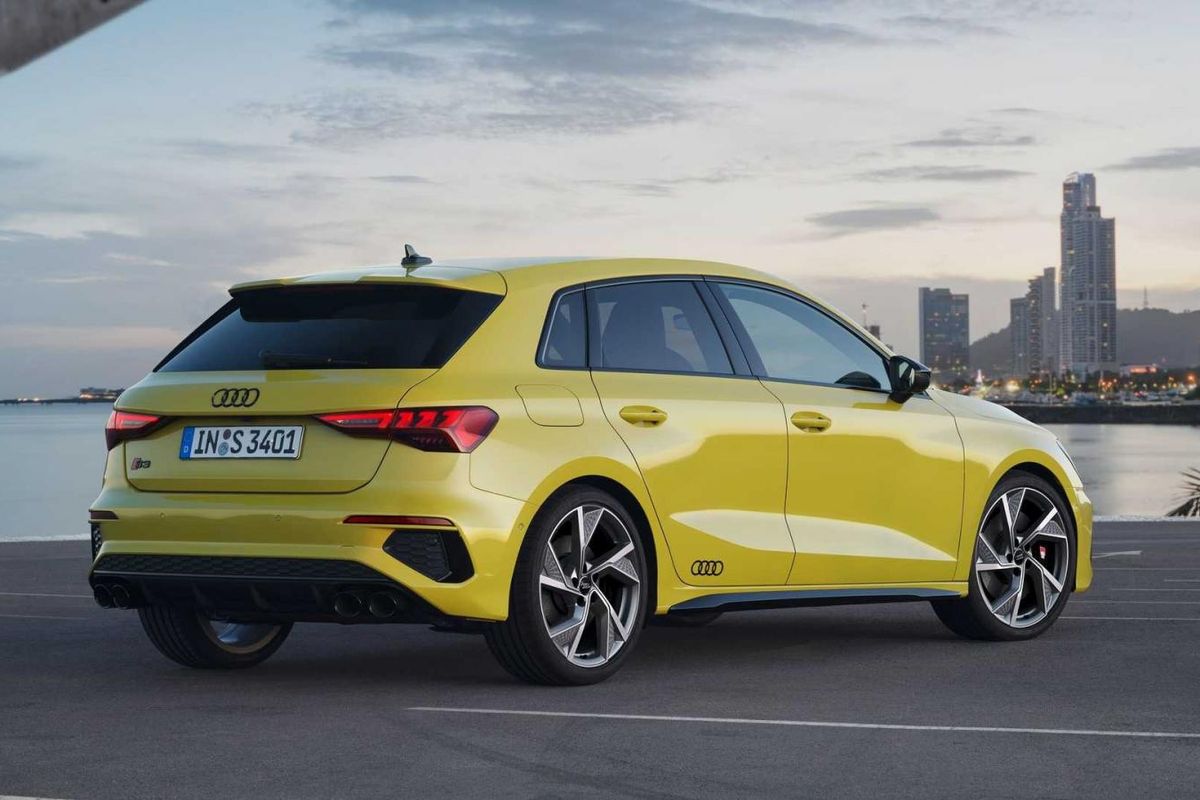
In terms of size, the new S3 Sportback and sedan variants are longer than before, by 30- and 40mm – respectively. Balancing the increase in bumper-to-bumper length, is 30mm increase in width, rendering both the Sportback and sedan with some rather tidy proportions. These new S3s also ride 15mm lower than Audi’s conventional A3 models
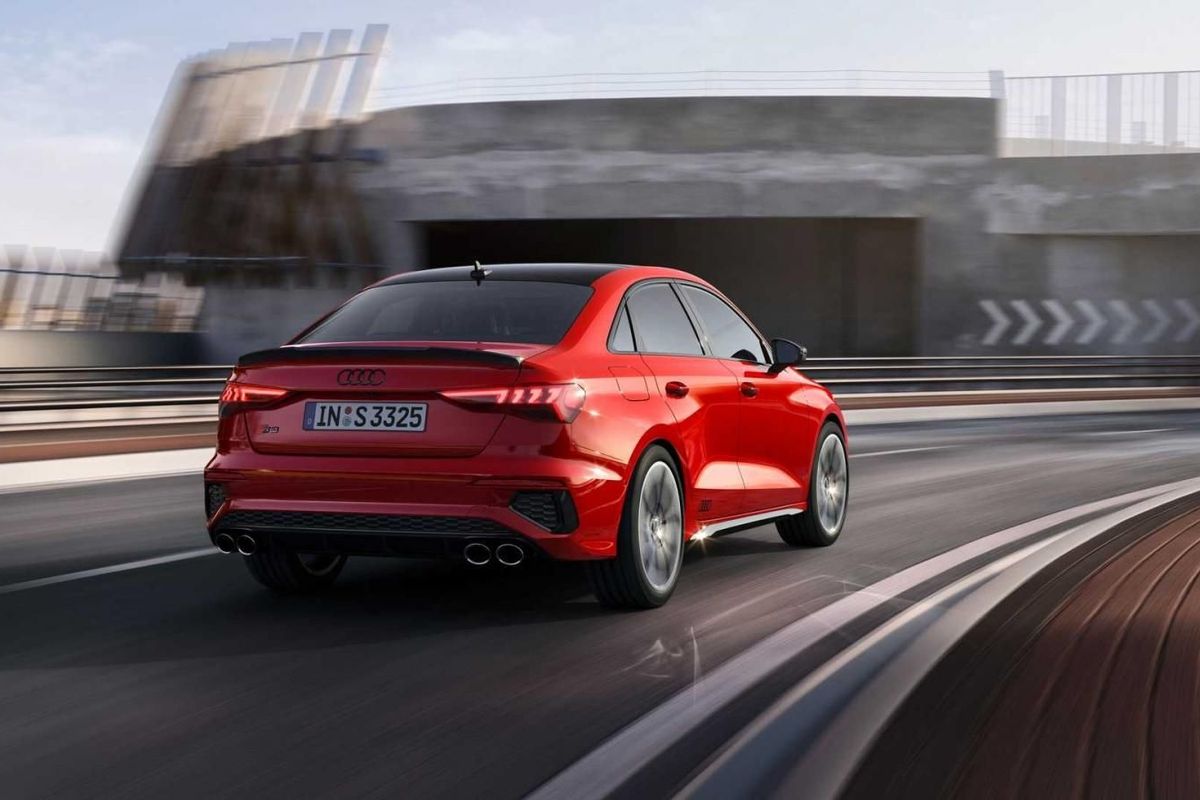
Distinguishing these S3 models from other fourth-generation A3s are larger front air intakes, a diamond pattern grille and aluminium lookalike wing mirror end caps. At the rear Audi’s designers have integrated a functional diffuser, which is framed by twin exhaust ends at each corner.
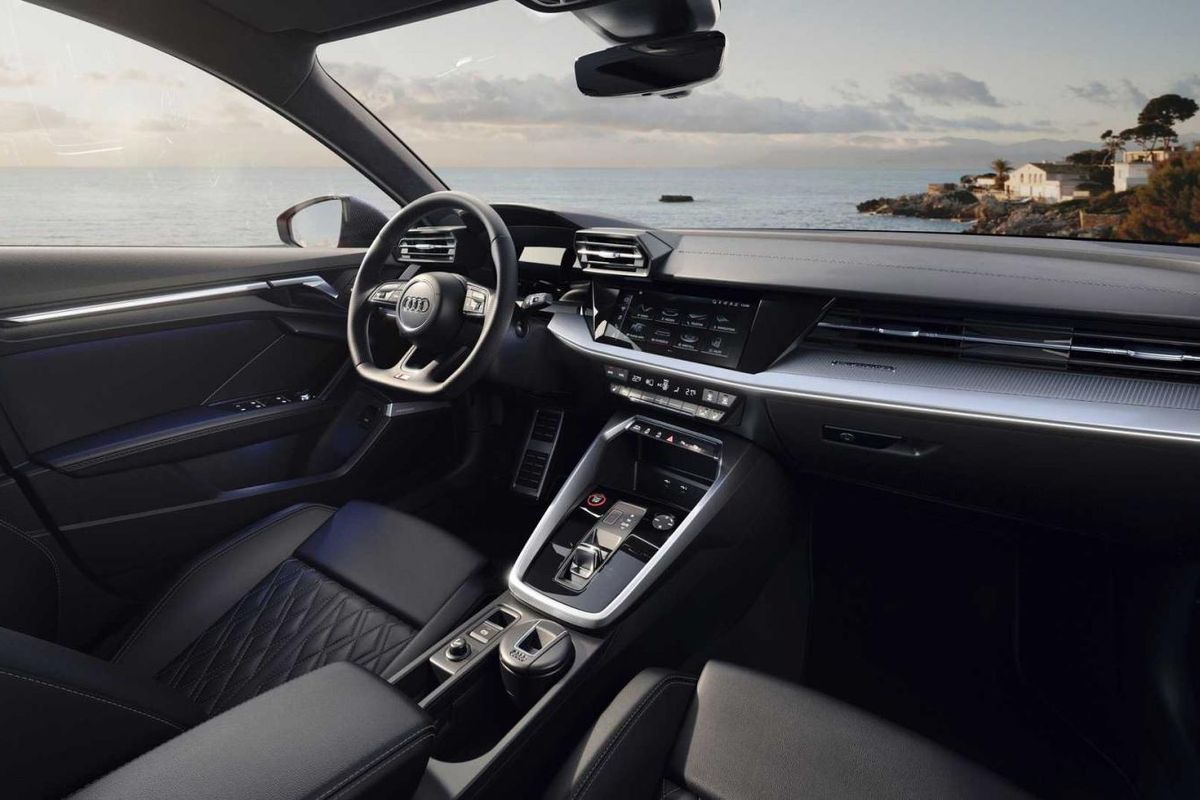
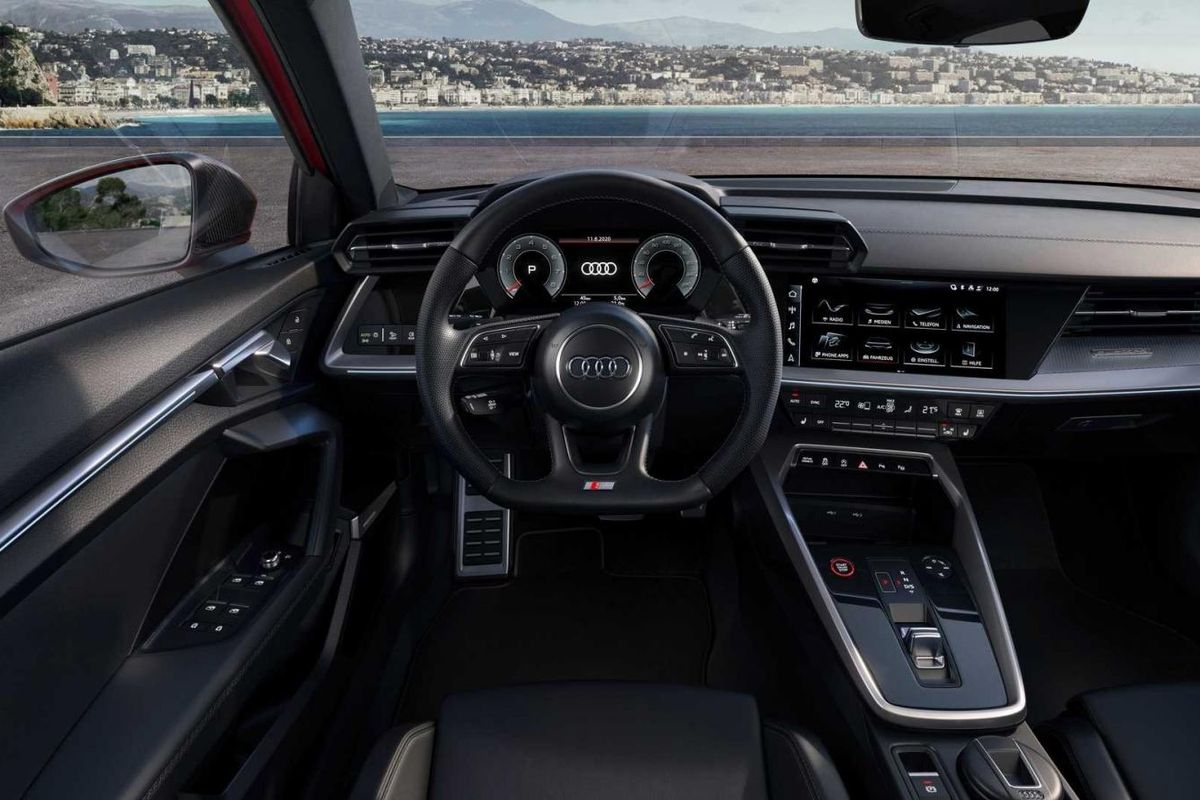
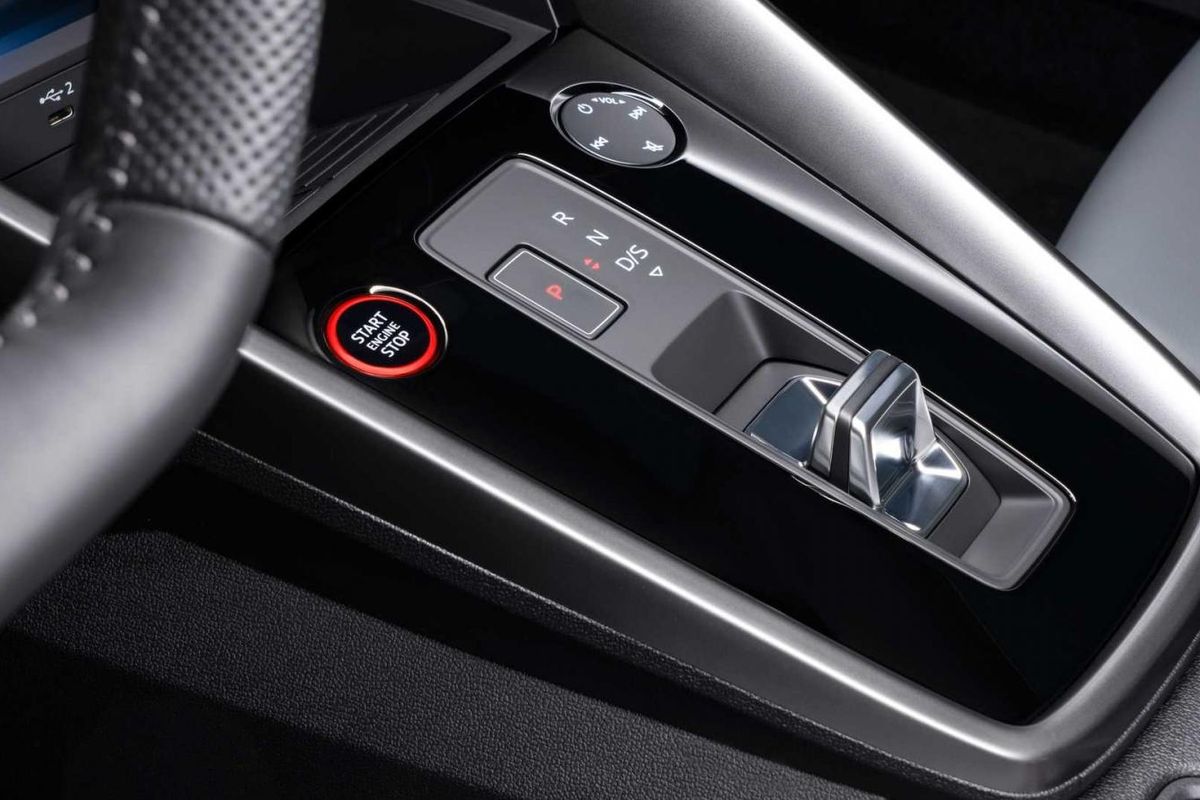
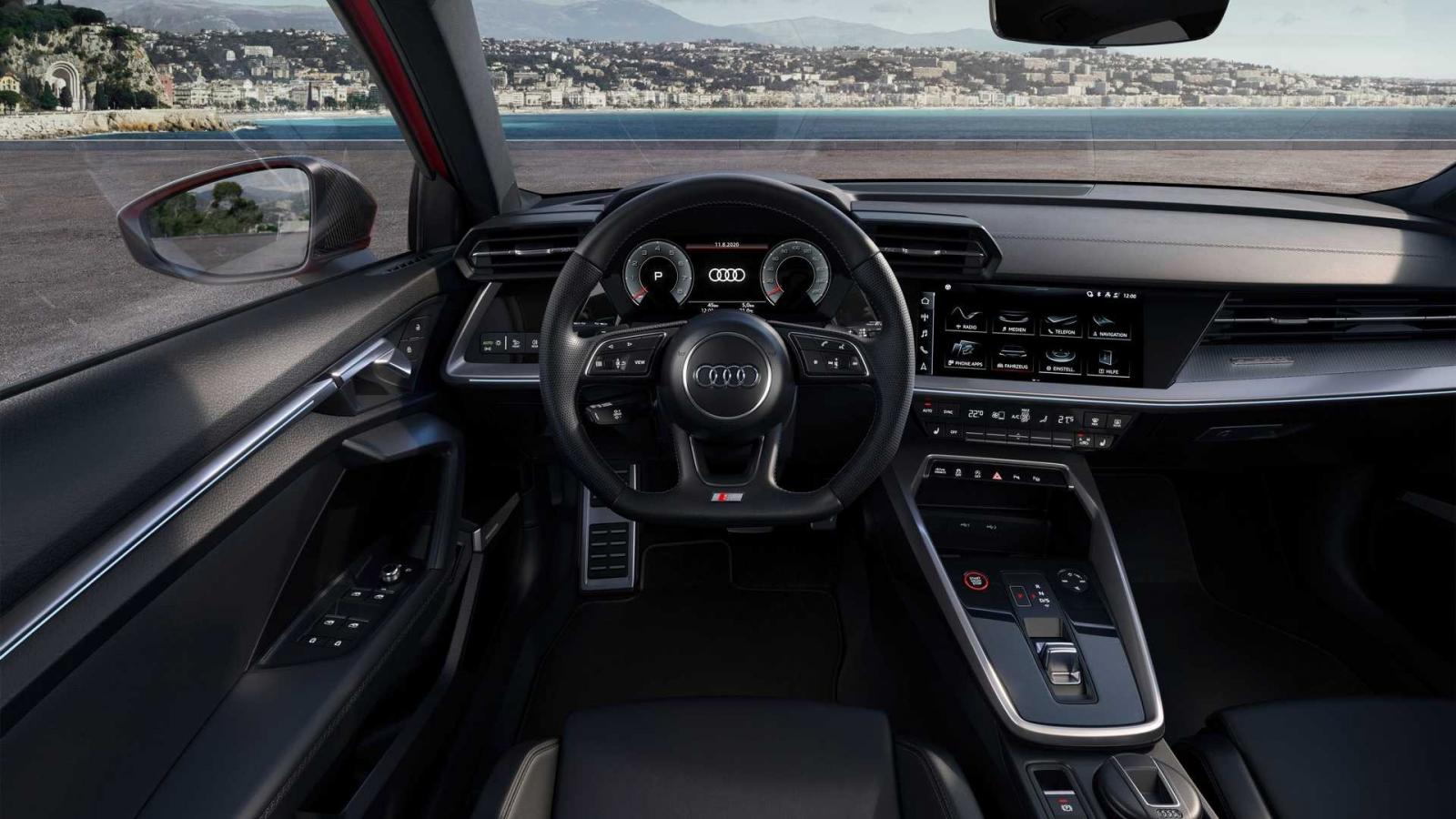
Inside the S3 design theme is underscored by additional aluminium and carbon-fibre trim inserts. Practicality has always been an S3 attribute and the latest Sportback version carries 325-litre of luggage, whilst the sedan can accommodate 370-litres in its boot.
Powering the fourth-generation S3 range is Audi’s 2-litre turbocharged four-cylinder engine. It produces 228 kW and 400 Nm and of course, those outputs are channelled to all four wheels, via a seven-speed S Tronic dual-clutch transmission.
With the benefit of Quattro traction and the S Tronic’s rapid electromechanical shifting interface, both the four- and five-door S3s can run a benchmark 0-100kph sprint in a claimed 4.8 seconds. Top speed buffers against the mandated 250kph limiter.
Deceleration should be marginally better than before, thanks to Audi’s electric brake booster function being onboard. S3 drivers who desire a superior balance between ride comfort and dynamic ability, can add adaptive damping.
Audi will also offer new S3 customers the option of two limited edition colours: Python Yellow or Tango Red. Standard wheels size to 18-inches, whilst there is also a 19-inch rim upgrade available.
Audi South Africa has confirmed the new Audi A3 range is due for local market introduction around the 2nd quarter of 2021, and we expect these performance versions to follow.