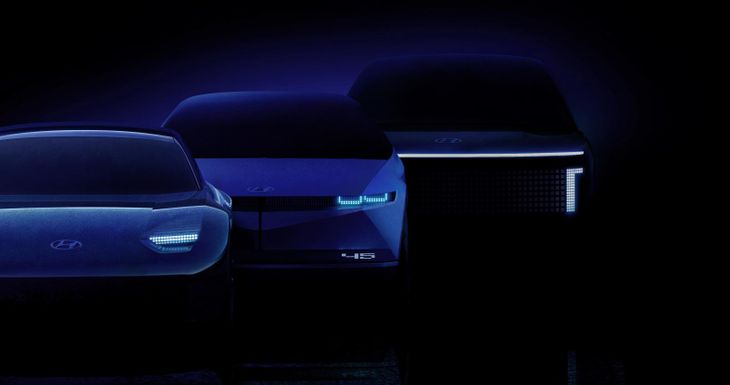
Hyundai has launched a new sub-brand called Ioniq that will introduce at least 3 new electric vehicles over the next 4 years.
The Ioniq name, which combines ‘ion’ and ‘unique’, was first seen on the 2016 Ioniq Autonomous Concept which was followed by the Ioniq range of hybrid and electric vehicles.
Now, Ioniq has been announced as Hyundai’s new Electric Vehicle (EV) brand which will play an integral role in executing Hyundai’s Strategy 2025 which aims to sell 1 million battery electric vehicles by 2025 while claiming 10% share of the EV market. If realised, Hyundai will become the world’s third-largest Battery Electric Vehicle (BEV) producer with 560 000 sales in addition to Fuel Cell Electric Vehicles (FCEV).
“The IONIQ brand will change the paradigm of EV customer experience,” said Wonhong Cho, Executive Vice President and Global Chief Marketing Officer at Hyundai Motor Company. “With a new emphasis on connected living, we will offer electrified experiences integral to an eco-friendly lifestyle.”
3 New EV Models on the Way
Hyundai aims to become a global leader in the EV market by 2025 and its new Ioniq brand will lead the, erm, charge…
Hyundai will look to launch at least 3 new EV models in the next 4 years. The new EV models will be numerically named with even numbers used for sedan EV products and odd numbers used for SUV/crossover EV products.
The first vehicle to come is the Ioniq 5 mid-size crossover which is due in 2021 and is based on the Hyundai’s 45 Concept shown last year.
This will be followed by the Ioniq 6 sedan which is based on the Hyundai Prophecy Concept and is expected to make its debut in 2022.
Lastly, the Ioniq 7 is an electric SUV expected in 2024. All Ioniq models will be built on a new platform called Electric Global Modular Platform (E-GMP) which will provide for fast charging and notable driving range. The platform will also allow Hyundai to reimagine the interior as a “smart living space” with highly adjustable seats, wireless connectivity and unique features (such as a glove box designed as drawers) while also featuring an intuitive and ergonomically-sound cabin layout.
To mark the launch of the new Ioniq brand, Hyundai lit up the famous London Eye as a ‘Q’ as part of Ioniq’s ‘I’m in Charge’ brand campaign.
We will keep you up-to-date as more Ioniq product information is revealed.
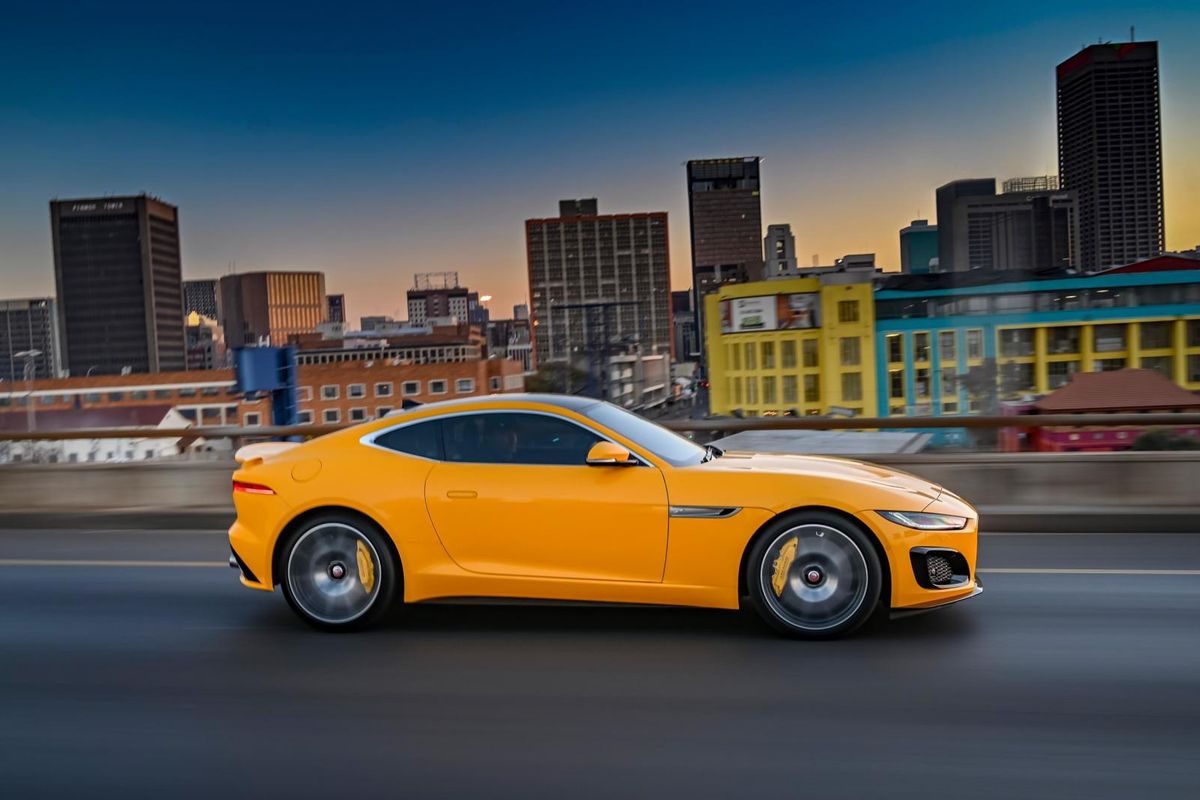
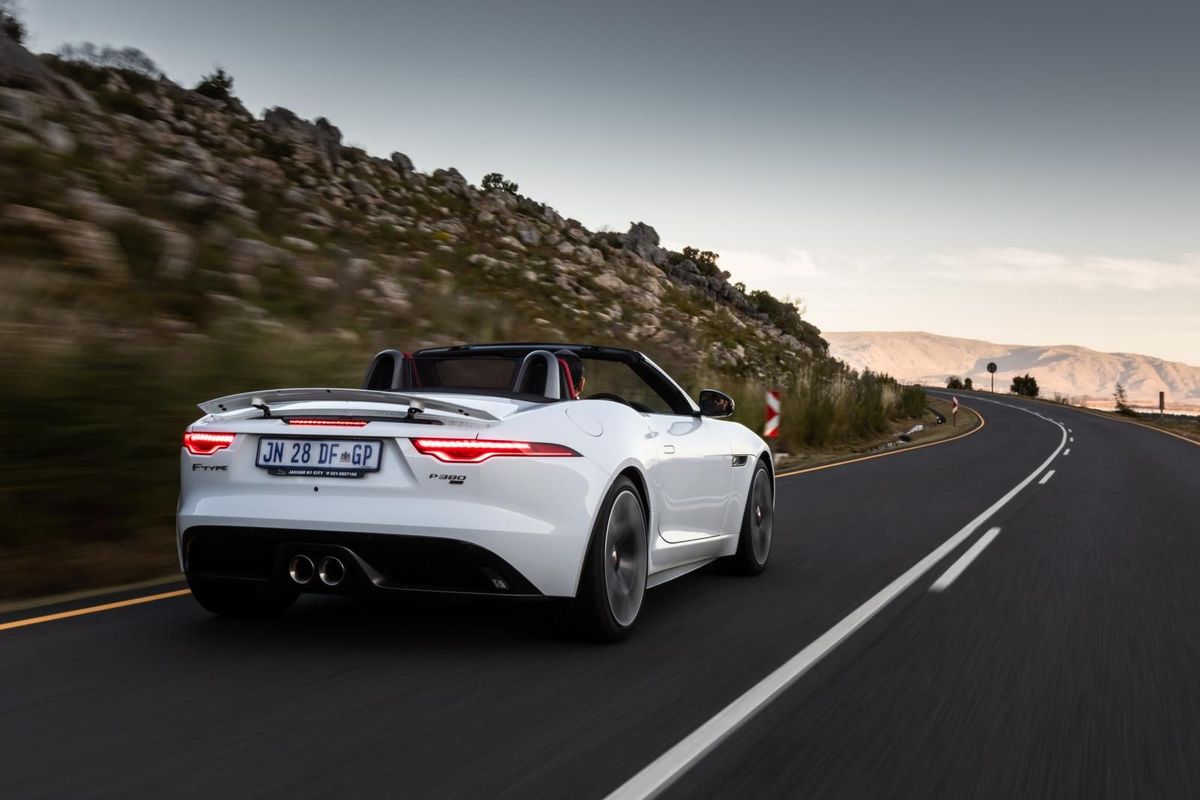
Jaguar’s F-Type sportscar has received a makeover and it's now available in local showrooms. Here's pricing and specs for the newcomer.
It’s hard not to like the F-Type and we have a soft spot for its sporty looks, sonorous engine vocals and impressive performance abilities. Jaguar has updated the F-Type with fresh styling and updated interior features while still offering a choice of powerful 4-, 6- and 8-cylinder engines to suit your performance needs.
Key Features
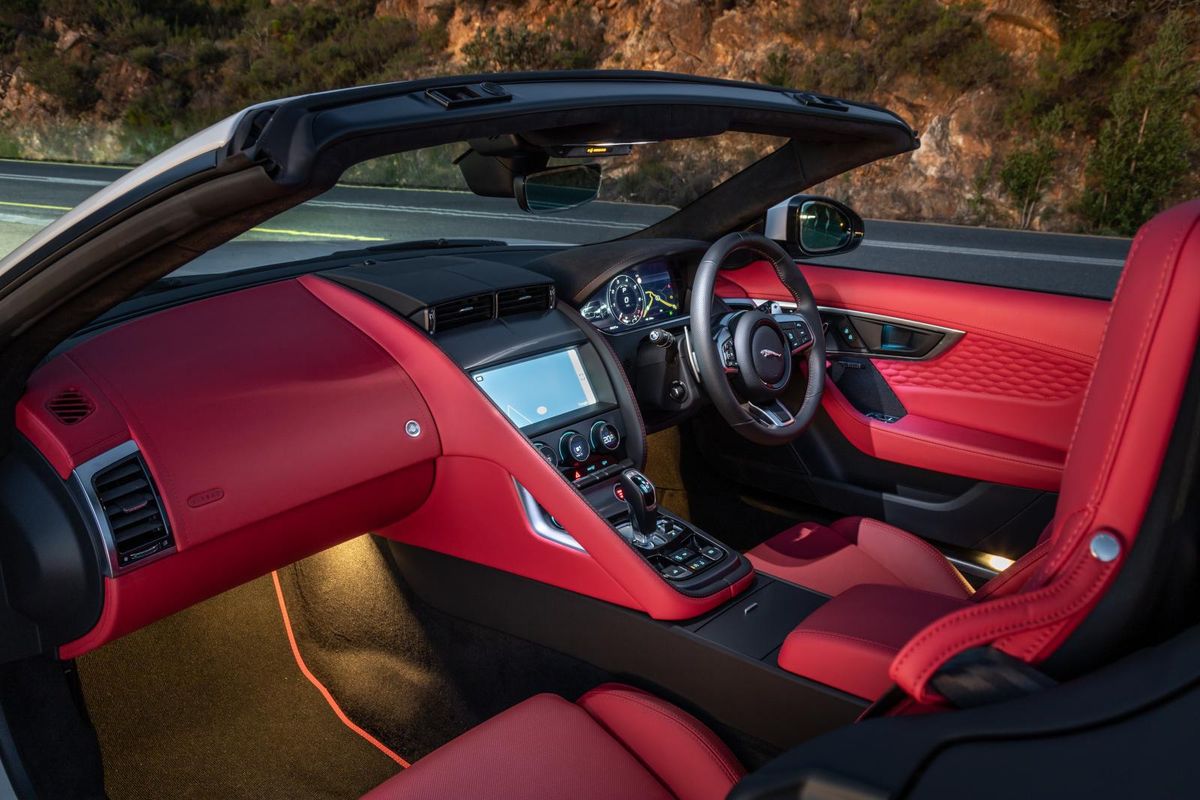
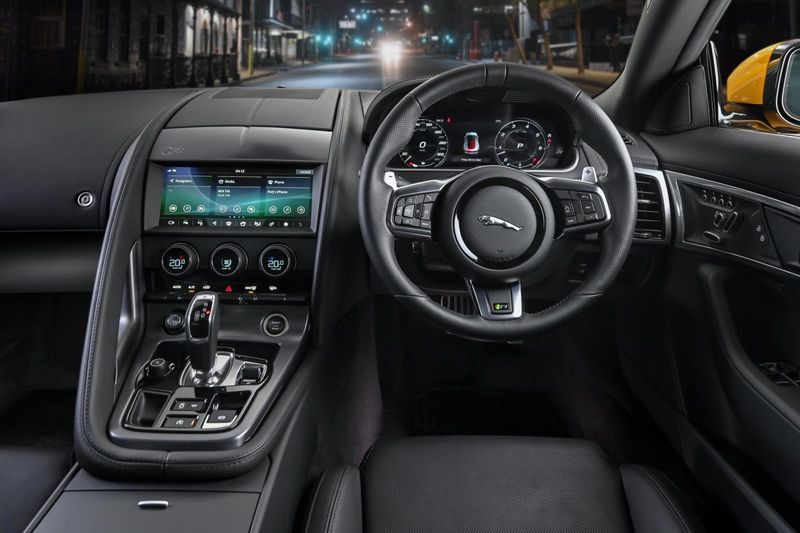
The interior remains familiar but gains a new digital instrument cluster and a Touch Pro infotainment system.
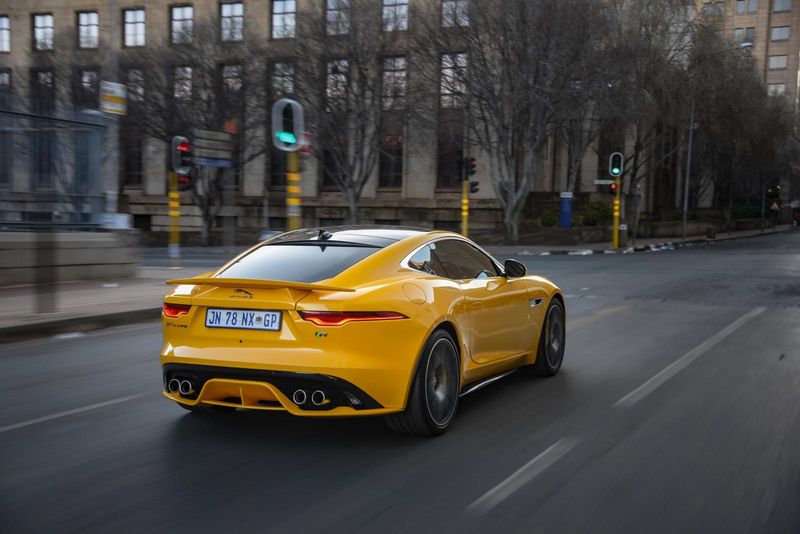
The F-Type’s aggressive, yet stylish design approach is communicated with an enlarged honeycomb grille which is flanked by slim pixel-LED headlights with J-shaped daytime running lights and complemented with a new clamshell bonnet. Bulging rear quarters hint at the F-Type’s intent while new rear taillights give the car a fresh look from behind.
The major changes inside the F-Type include a new customisable 12.3-inch digital instrument cluster as well as a Touch Pro infotainment system with Apple CarPlay and Android Auto capability. Furthermore, there are also 2 enhanced Meridian sound systems to choose from! Lightweight slimline seats are offered in 2 variants namely Sport and Performance with heating and cooling functions being optional. F-Type R-Dynamic derivatives gain the Sport seats while R and First Edition get the Performance seats.
Standard features for the R-Dynamic derivatives include 19-inch alloy wheels, LED headlights, 6-way electric seats, keyless entry fixed panoramic sunroof and 6 airbags, to name a few. R derivatives gain pixel LED headlights, 12-way electric seats with memory function, Winsor leather upholstery, 20-inch alloy wheels and a R body kit.
Engine power
The F-Type R tops the range and it offers even more brutal performance figures.
All engines are mated with a re-calibrated 8-speed Quickshift automatic transmission and the F-Type range starts with the 4-cylinder, 2.0-litre turbocharged engine with 221 kW and 400 Nm of torque (P300). For more grunt, a supercharged 3.0-litre V6 with 280 kW and 460 (P380) Nm is also available.
An uprated F-Type R (P575) tops the range and now boasts outputs of 423 kW and 700 Nm of torque (previously 405 kW/680Nm). Zero to 100 kph is blisteringly fast at 3.7 seconds with a top speed of 300 kph.
The F-Type R’s chassis has been updated and features new adaptive dampers, springs, anti-roll bars and stiffer knuckles and ball joints to deliver improved agility.
All F-Type derivatives feature active exhaust systems which can be fitted as standard or can be had as an option.
A specially-appointed F-Type First Edition will also be offered for a period of 1 year from its introduction. The F-Type First Edition features the 3.0-litre V6 engine in conjunction with all-wheel-drive and rides on 20-inch diamond-turned alloys and is offered in 3 colours, Fuji White, Santorini Black or Eiger Grey.
Jaguar F-Type Price in South Africa
F-Type Coupe P300 R-Dynamic: R1 243 000
F-Type Coupe P380 R-Dynamic RWD: R1 513 700
F-Type Coupe P380 R-Dynamic AWD: R1 659 300
F-Type Coupe P380 AWD First Edition: R1 659 300
F-Type Coupe P575 R AWD: R2 422 700
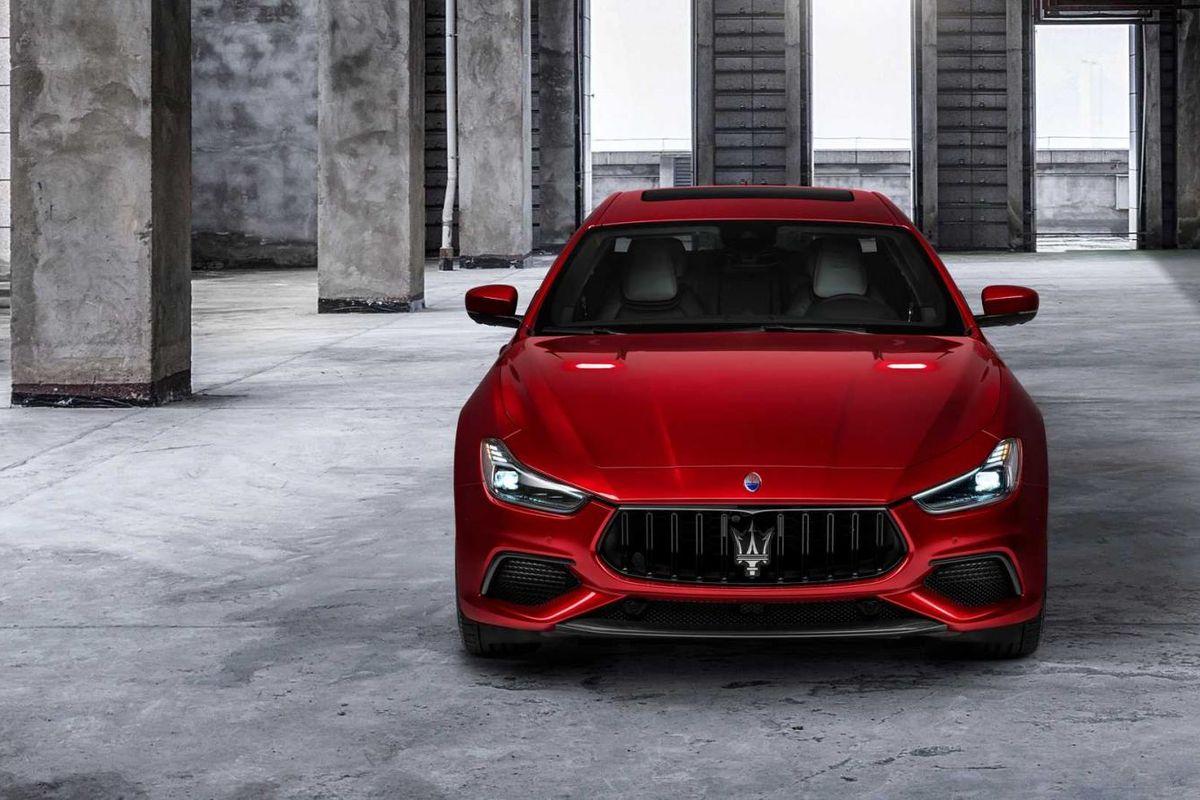
Notable top speed increase for Maserati's four-door models.
Maserati has done what it does best in times of crisis and updated its offering of V8 engined family cars.
The Italian luxury and performance car brand might be struggling with sales, an ageing product portfolio and the issue of transitioning to SUVs, but there is nothing troubled with its design values.
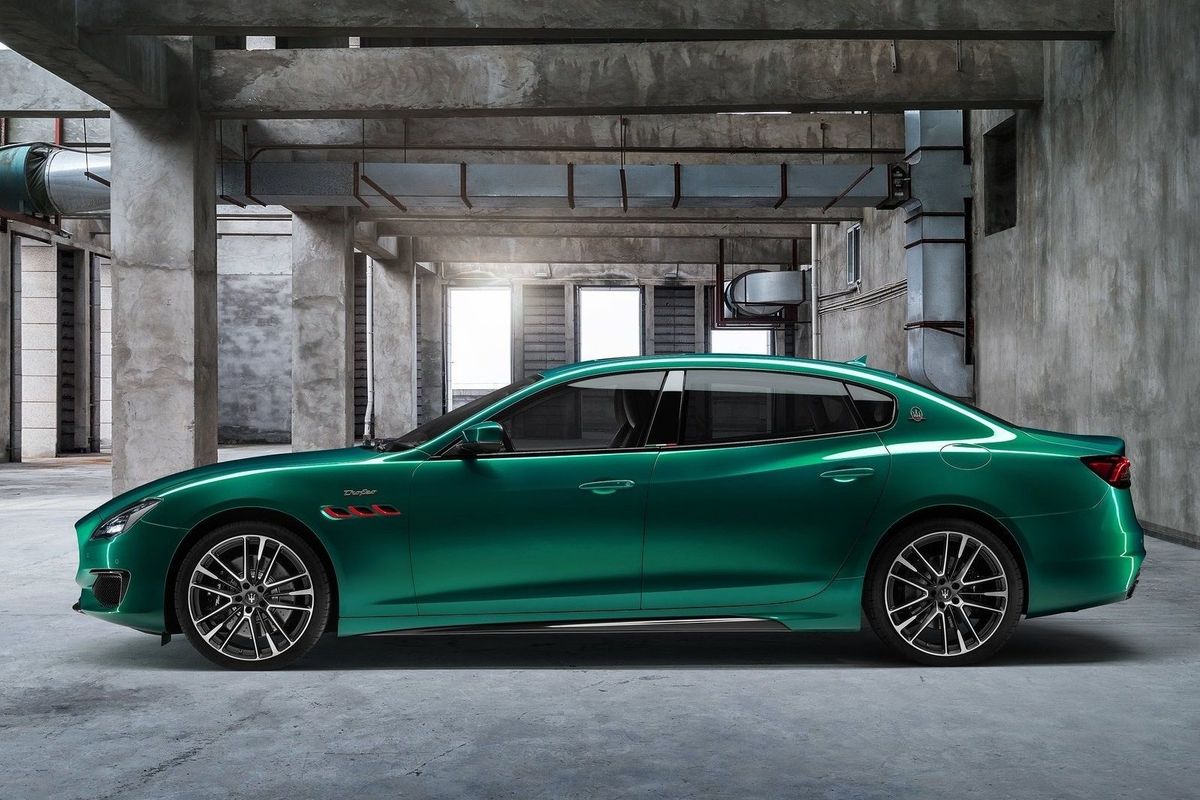
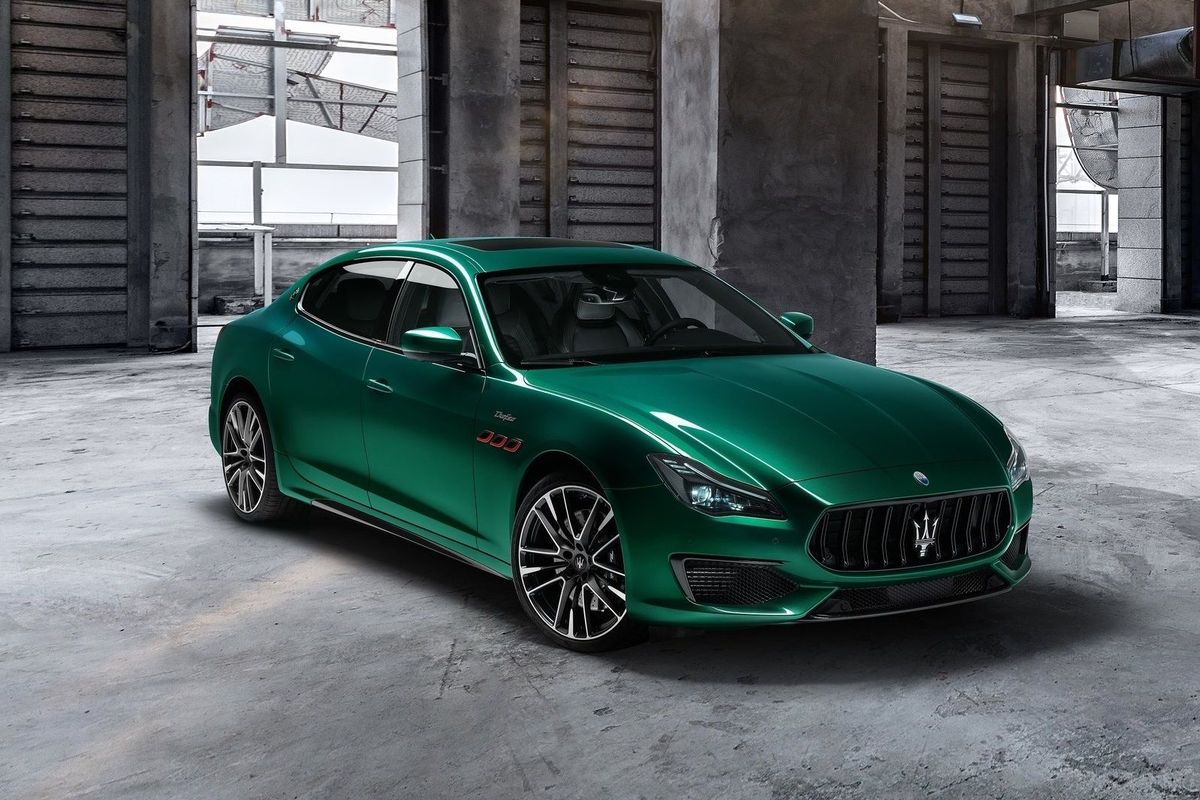
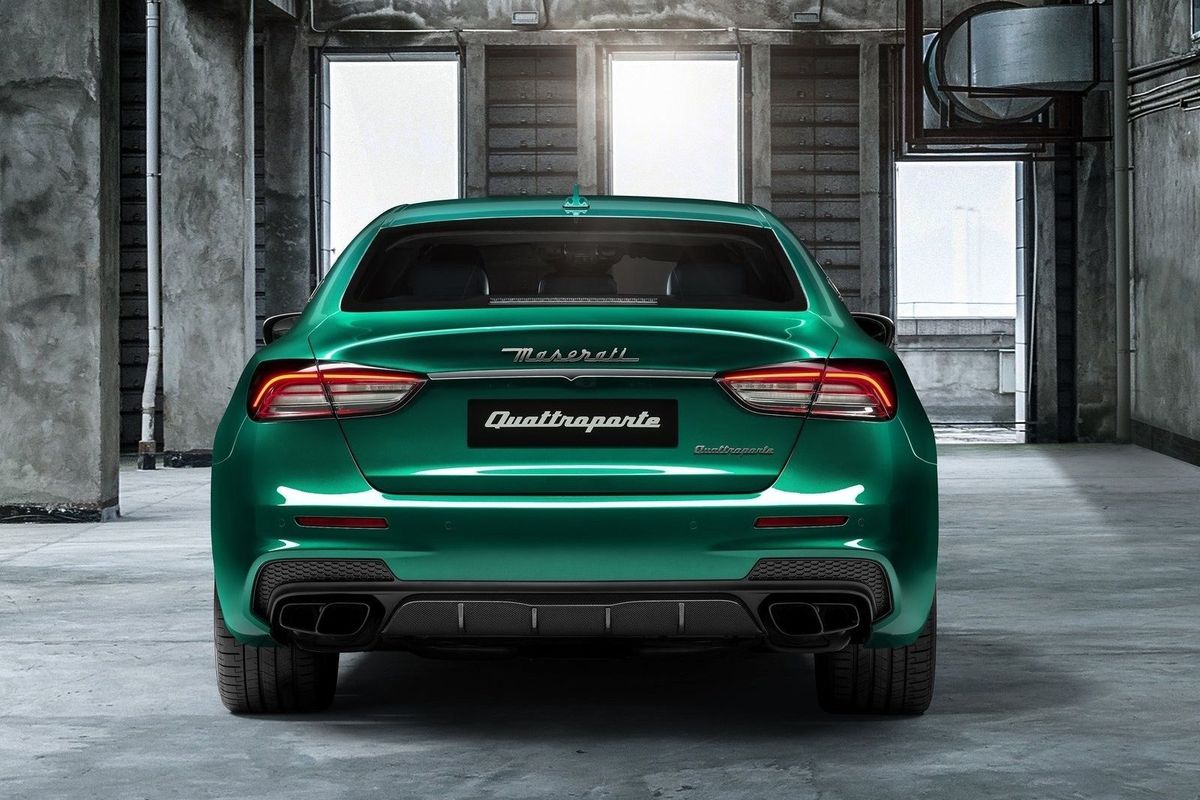
In the market for desirable high-performance sedans, there are few rivals for the Ghibli or Quattroporte. These mid- and large format executive cars look elegantly purposeful in a manner that AMG, M-Division and RS-cars cannot match.
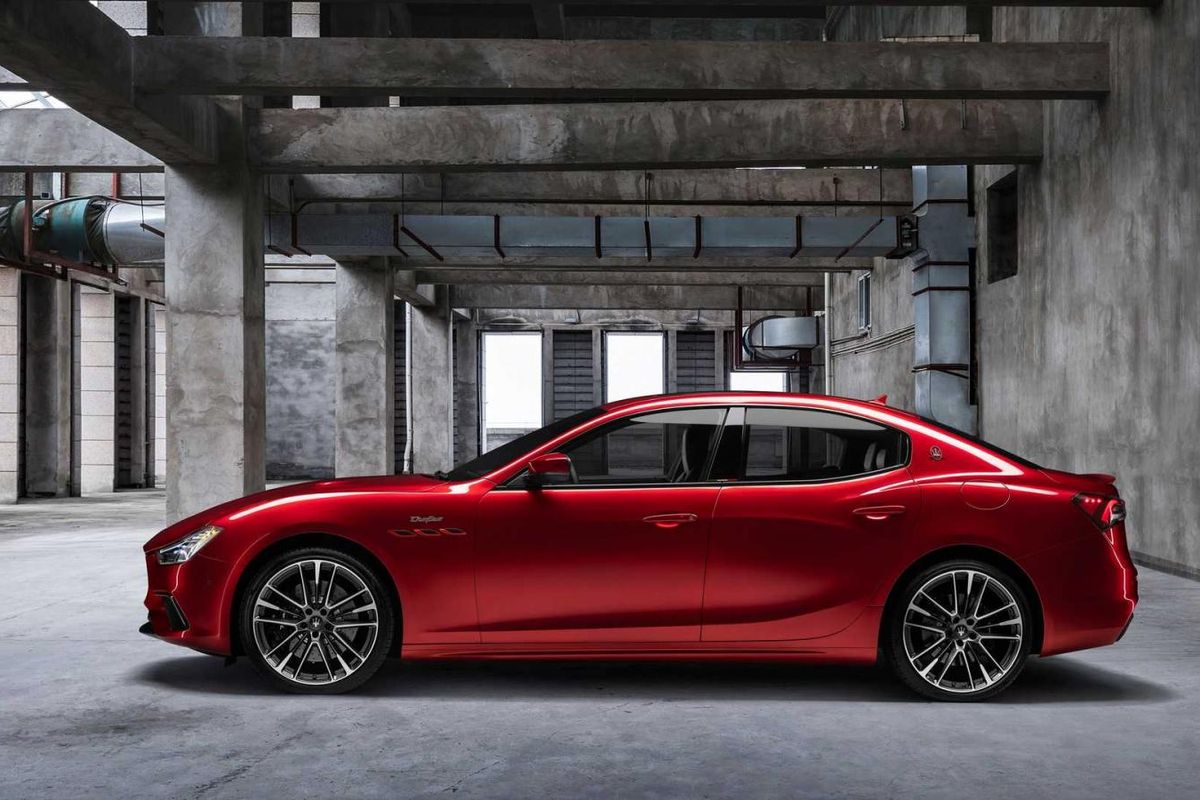
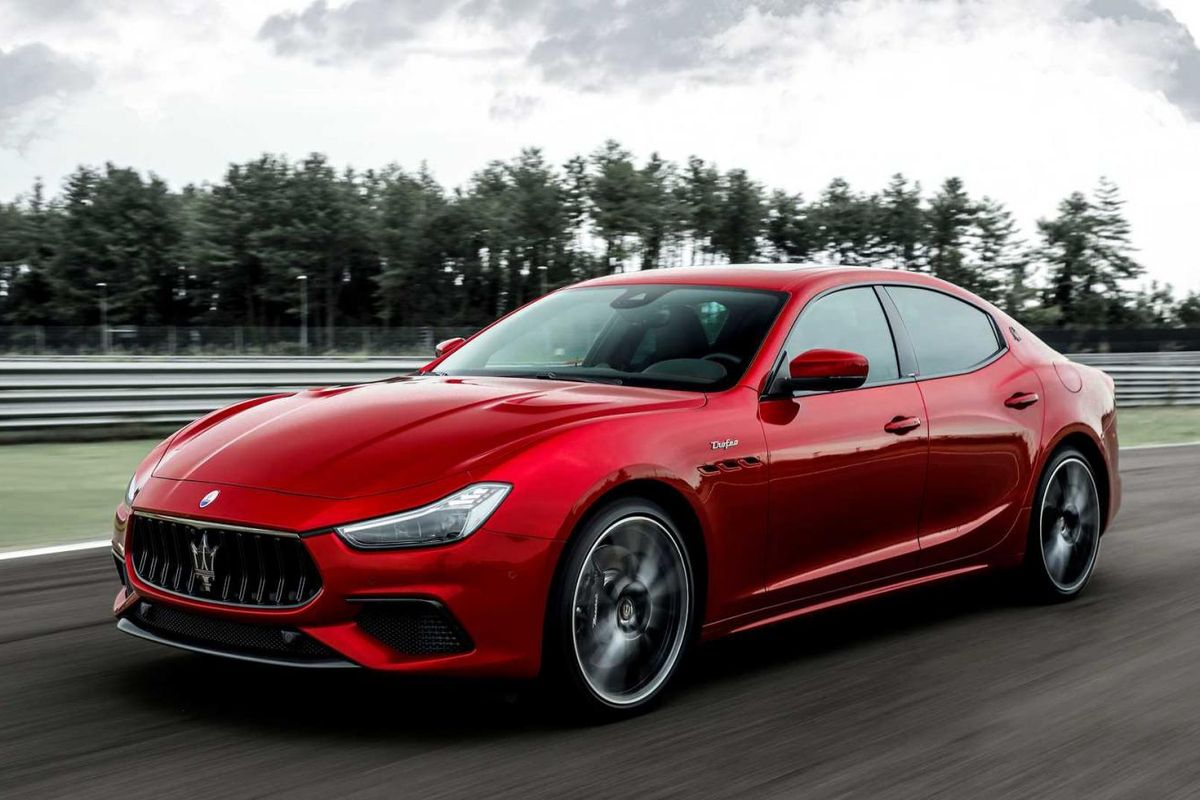
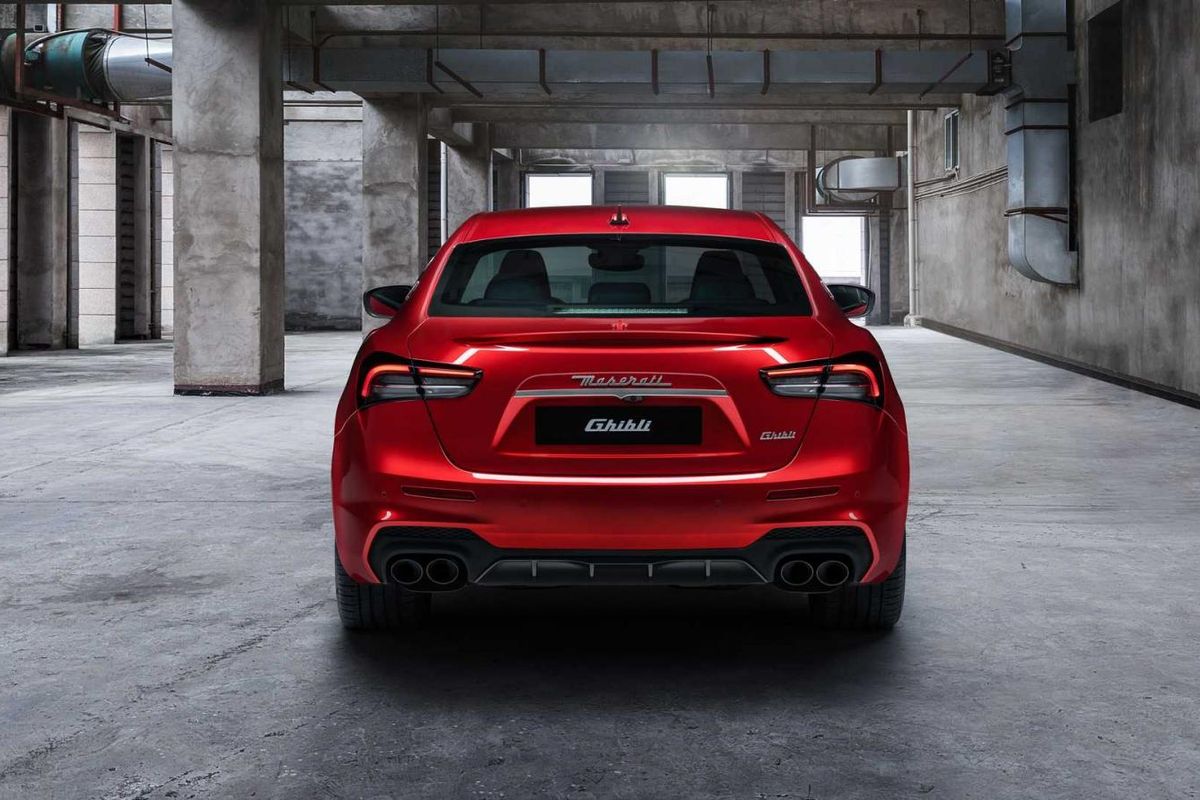
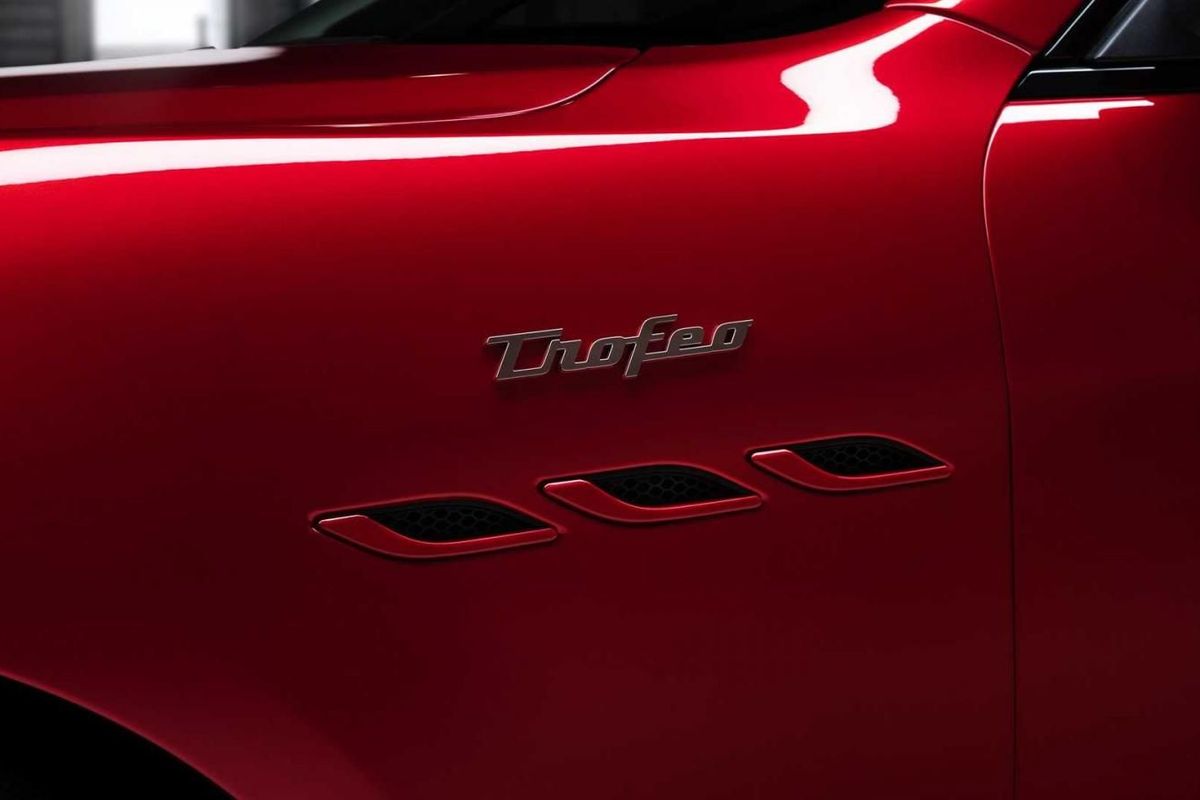
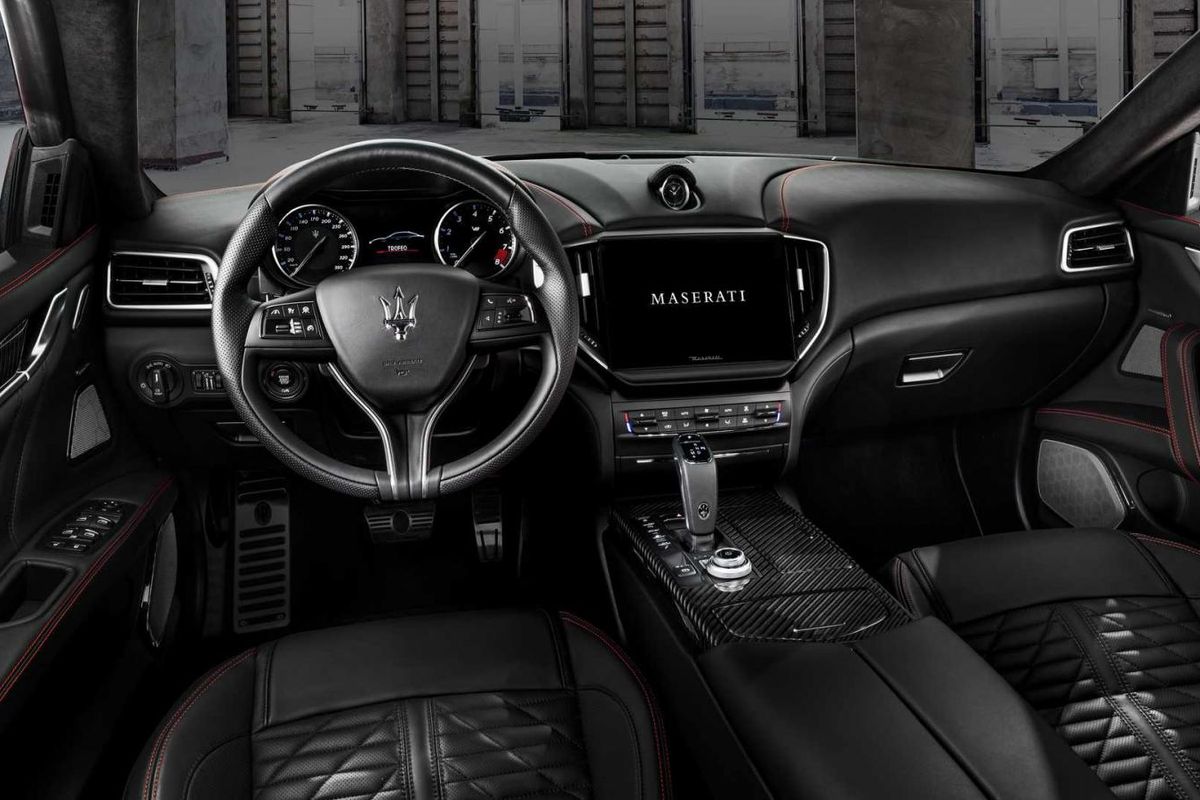
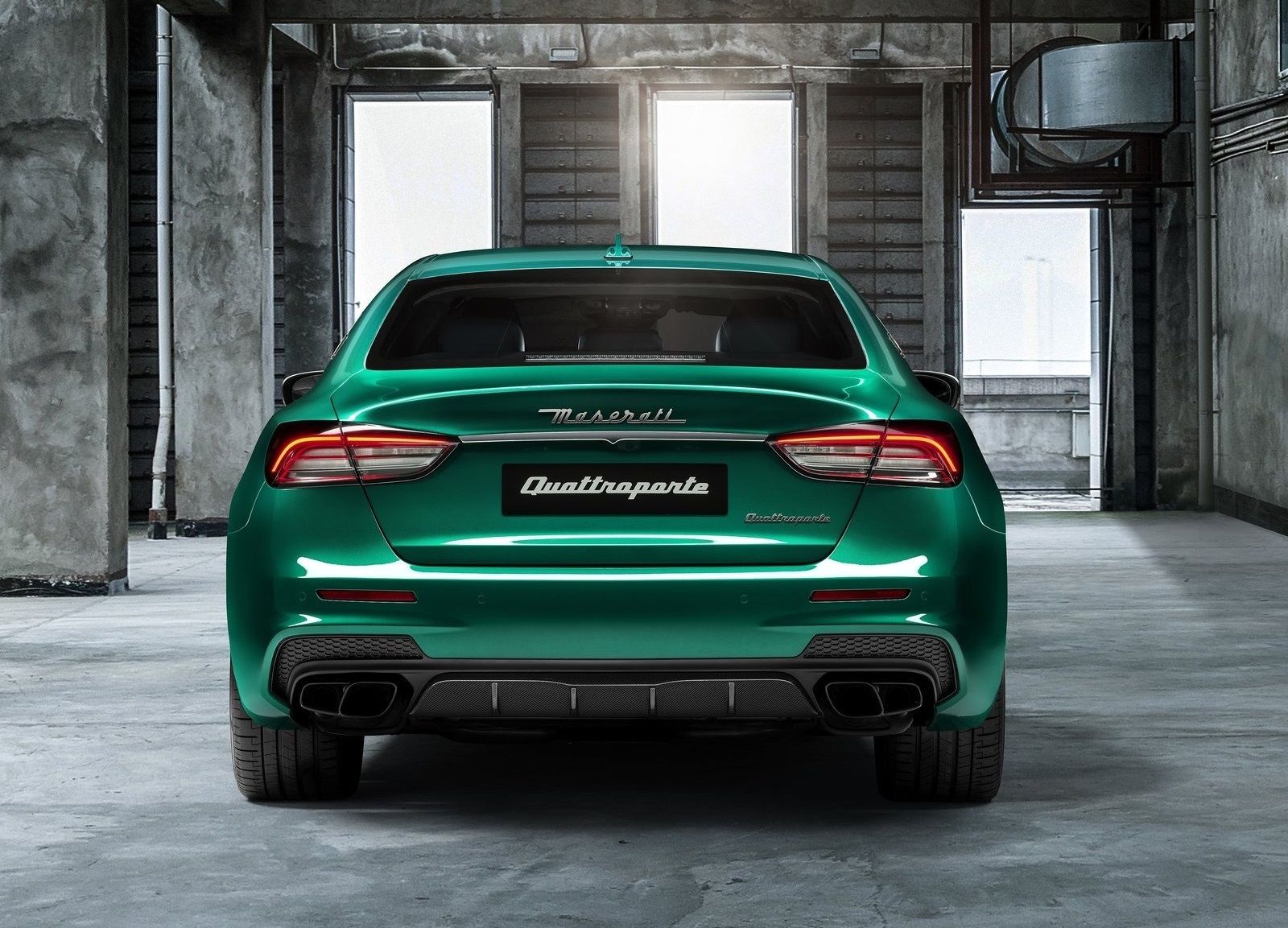
With its new Trofeo derivatives of the Ghibli and Quattroporte, there are restyled rear light clusters and finishing on the front quarter panel side vents.
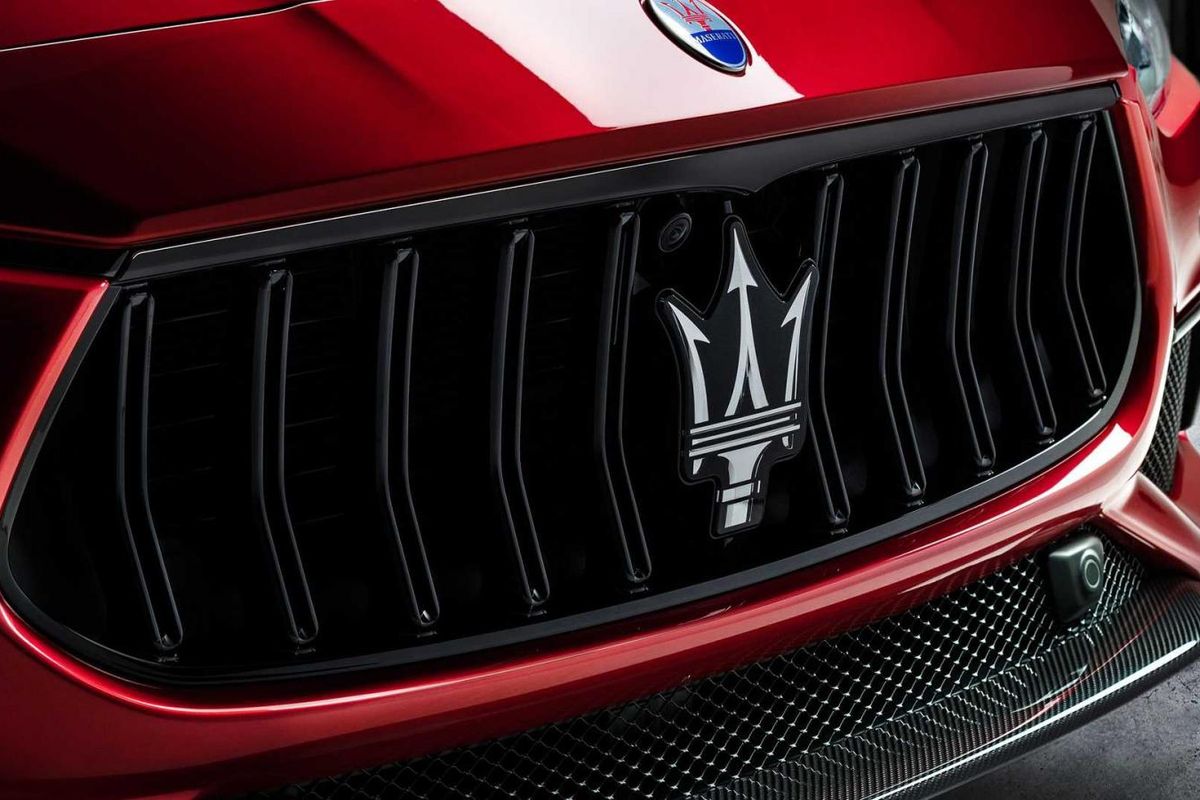
On the Ghibli Trofeo you will also notice a reshaped bonnet stamping, with additional air intake ducts, similar to those on the Levante Trofeo SUV.
As with all special edition performance cars, there are new wheel options too, with both the Ghibli and Quattroporte Trofeo rolling on 21-inch Orione design hoops.
By far the most appealing part of this new Trofeo range expansion is the engine specification. Although Maserati has offered the Ferrari sourced 3.8-litre turbocharged V8 in its Quattroporte GTS for a while, the smaller and more agile Ghibli has never featured such a powerful engine before.
Boosting 435kW and 730Nm of torque, the Ghibli Trofeo has an abundance of engine power and typically dramatic Maserati exhaust acoustics. Power is channelled to the rear wheels via a ZF eight-speed automatic transmission.
Acceleration times are not quite as quick as its all-wheel-drive rivals from north of the Alps, with the Ghibli Trofeo running a benchmark 0-100kph time in 4.3 seconds. Top speed is another matter, altogether, with the Ghibli Trofeo good for 326kph.
The Trofeo updates certainly make an interesting case for Maserati’s Ghibli as a more purposeful M5 and E63 AMG rival. Fans of the trident badge should act swiftly, though, as Maserati’s agreement with Ferrari for use of the twin-turbocharged V8 engine, will lapse in 2022.
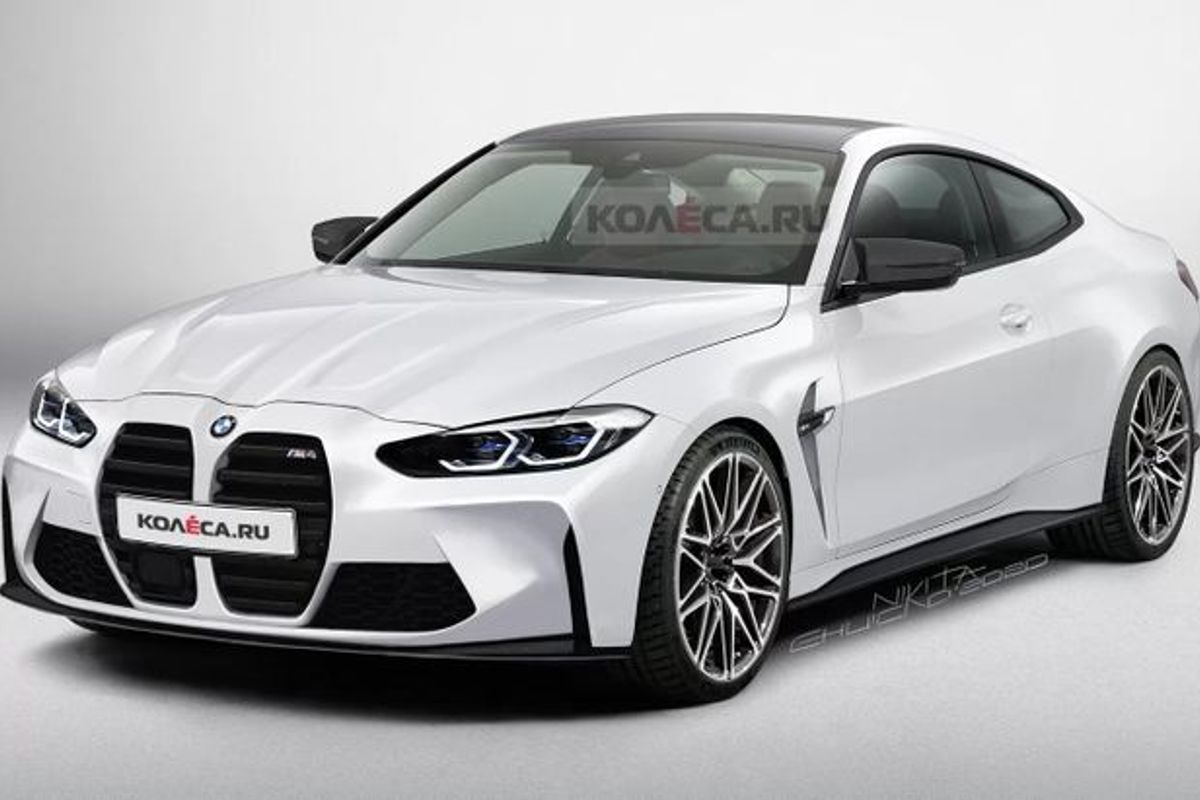
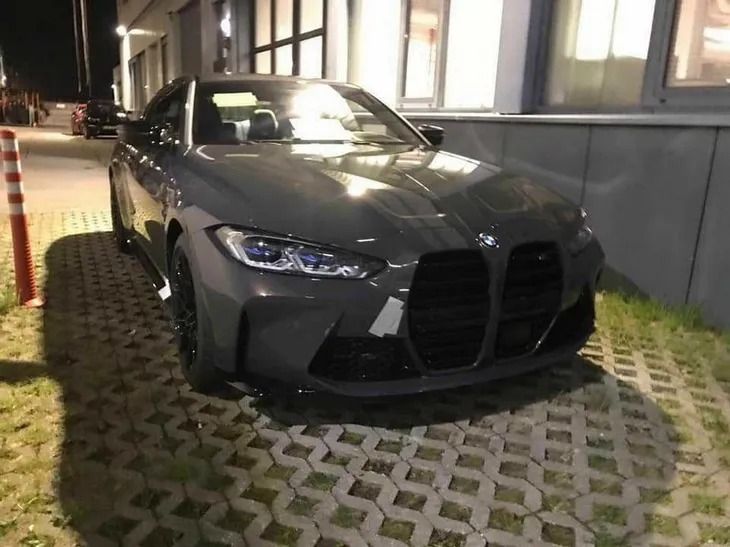
With about a month to go before BMW officially unveils its next-generation M4 (G82), a Russian website has published these renders based on spy images of the upcoming coupe, which will be launched in 353 kW rear-wheel-drive and 375 kW Competition all-wheel-drive guises.
There seems no end to the controversy surrounding the tall-grille treatment of the new BMW 4 Series. Last week, Frank Stephenson, who designed the E53-generation BMW X5, praised the overall design of the G22-generation 4 Series on his YouTube channel, but described the (intersecting) double-kidney design as reminiscent of “nostrils” and “a graphic that doesn’t sit well with the proportions of the car”.
Stephenson could also not understand why BMW opted to position the number plate in the centre of grille (because it essentially chops the design in two), adding: “they (seemed to) design a grille, then they designed a car, and… brought the two together (but) they’re not speaking the same language”.
That front-fender gill (with the subtle M4 strake) looks perfectly functional… as opposed to those on many contemporary cars.
Whether you agree or disagree with the American designer’s assessment (he was named "one of most influential automotive designers of our time" by Motor Trend magazine and famously penned the modern interations of the Mini Cooper and Fiat 500, as well as a number of Ferrari, Maserati and McLaren models – see his abridged portfolio), it’s evident that the inherent athleticism of the G22’s design lends itself to a purposeful, sportier execution that what we’ve already seen on the M440i xDrive.
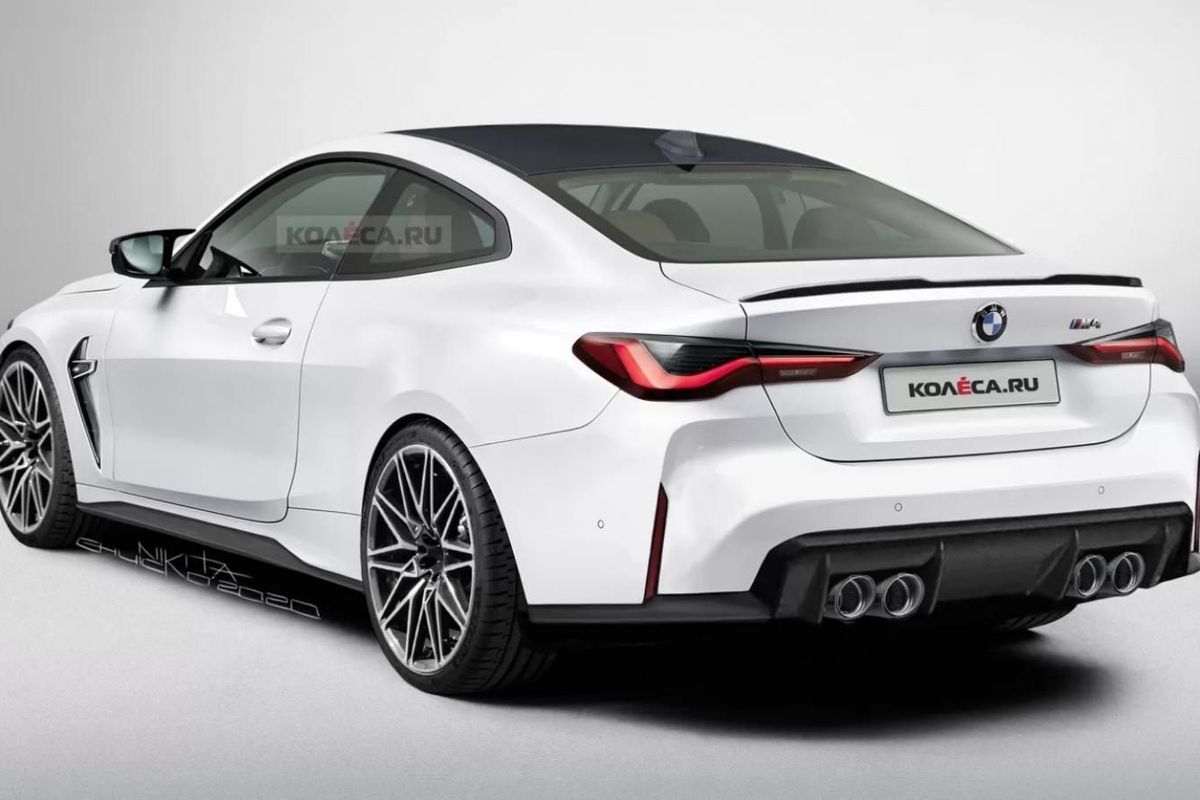
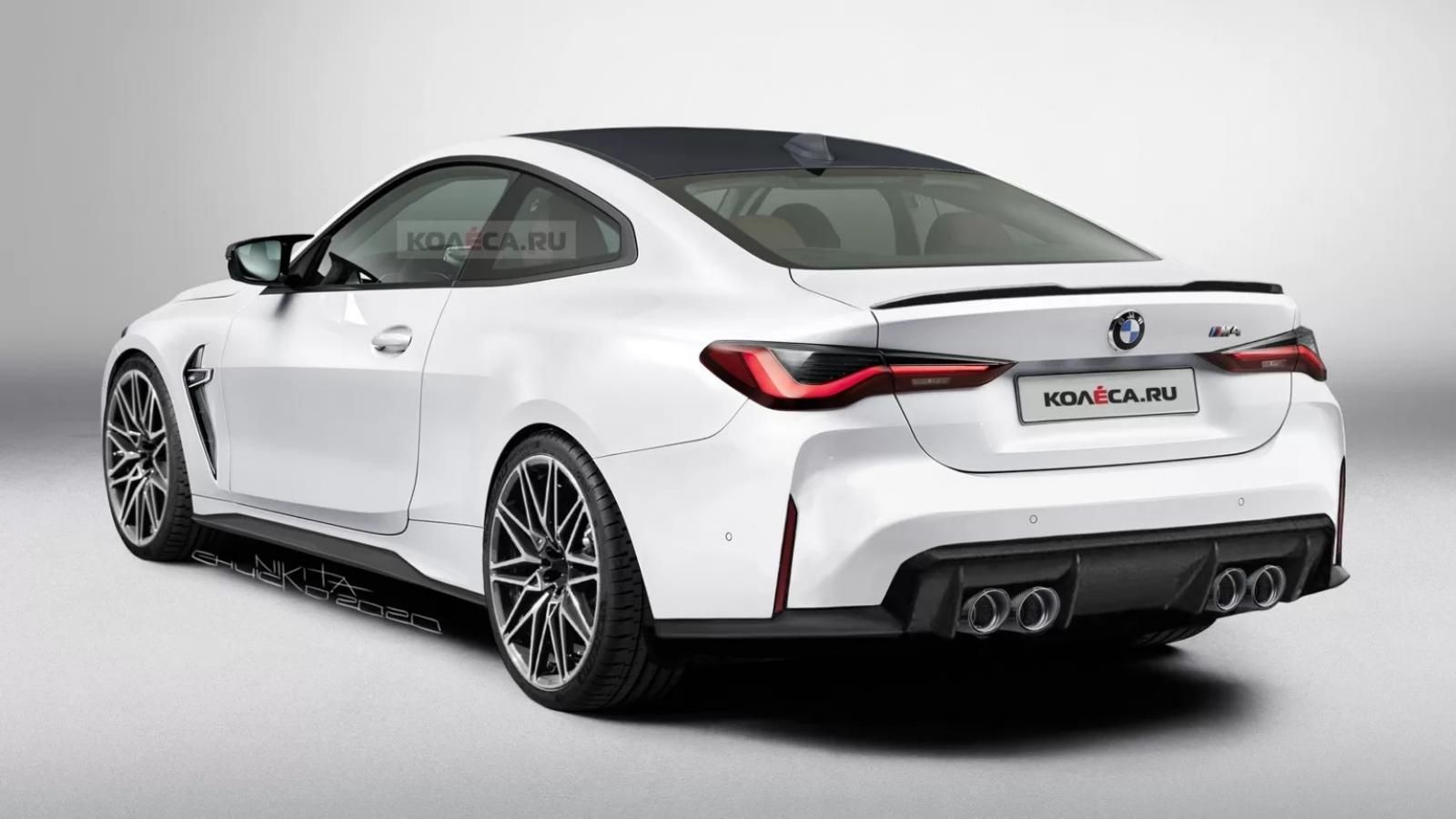
It’s quite ballsy to pre-empt a finished version of an upcoming model with is unveiling just a few weeks away, but this artist’s impression (by Nikita Chuiko), which appeared on Kolesa, has drawn praise from commentators, because it expresses the muscular, purposeful look that the new range’s flagship should have, but it leaves space for – that is to say, the potential to fit more dramatic/elaborate aerodynamic addenda to – even hotter interpretations of the car, such as upcoming DTM, GTS and CS derivatives.
The origins of this photo, which popped up on the internet in June, are not apparent, but seems like it started on Reddit.
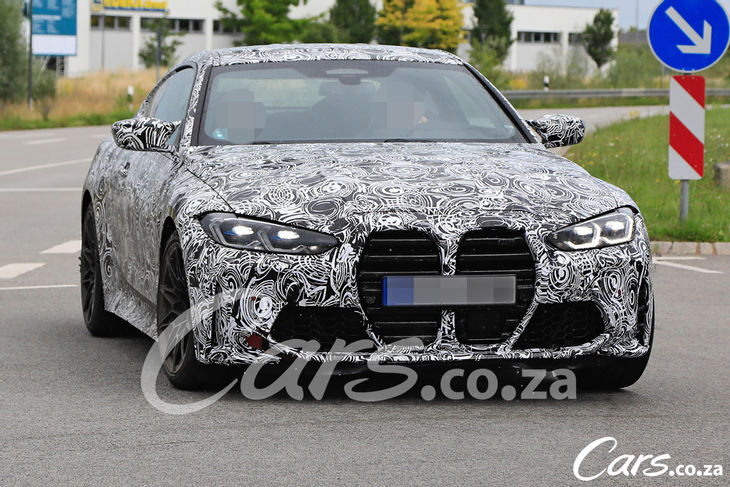
Compared with its standard siblings, the M4 is anticipated to have a more sculpted front apron with a pair of large air intakes flanking the aforementioned grille, while vertical brake-cooling ducts sit at the outer ends of the bumper. The black lip spoiler is complemented by similarly-coloured sills (underneath the pinched side skirts), triangular fender gills and, of course, M-specific side mirrors.
Larger, 20-spoke alloys and a lowered suspension give the newcomer that “ready-to-pounce” look, while the minimalist rear bumper is adorned with a diffuser with a quartet of exhaust tips (an M-car’s calling card, if you will) jutting out between the pairs of fins. The boot spoiler is "split in half" and oh-so-subtle.
Picture credit: S. Baldauf/SB-Medien. Photo watermarked at the photographer's request.
Will the finished product closely resemble this rendered car… and, if so, is the execution bold enough for the next iteration of BMW’s most iconic sportscar? Perhaps BMW will hold something back for the hotter derivatives. We eagerly await the reveal of the G82 and its G80 sedan sibling next month. BMW M3 (2020) International Prototype Drive
What we do know is that the BMW M4 will be powered by a version of the 3.0-litre twin-turbo inline-6 (S58) engine, which will direct 353 kW and 600 Nm to the rear wheels through a 6-speed manual ‘box or 8-speed automatic transmission. The Competition version, on the other hand, will reportedly produce 375 kW, and be available exclusively with M xDrive all-wheel-drive and the auto 'box. We'll bring you official images and specifications as soon as they become available…
The DeLorean DMC-12 – We Film The Movie Star in South Africa
Yes, this is the rare DeLorean DMC-12 from the 1985 sci-fi movie Back to the Future!
There are myriad examples of Hollywood turning cars into stars, and those cars becoming legends. The Mustang Bullitt is a classic example, but arguably the most iconic movie car at least of the ’80s generation is this, the DeLorean DMC-12, and best of all, there’s one right here in South Africa.
It lives at the fantastic Franschhoek Motor Museum outside Cape Town. The thing is, this car’s own story is worthy of a movie. Wayne Harley, the curator of the museum, takes us for a spin in this incredibly rare and original DMC-12, and simultaneously takes us through the difficult and controversial birth of this car.
If you’d like to see this exceptional car in the metal, head over to www.fmm.co.za and book a tour of the museum.
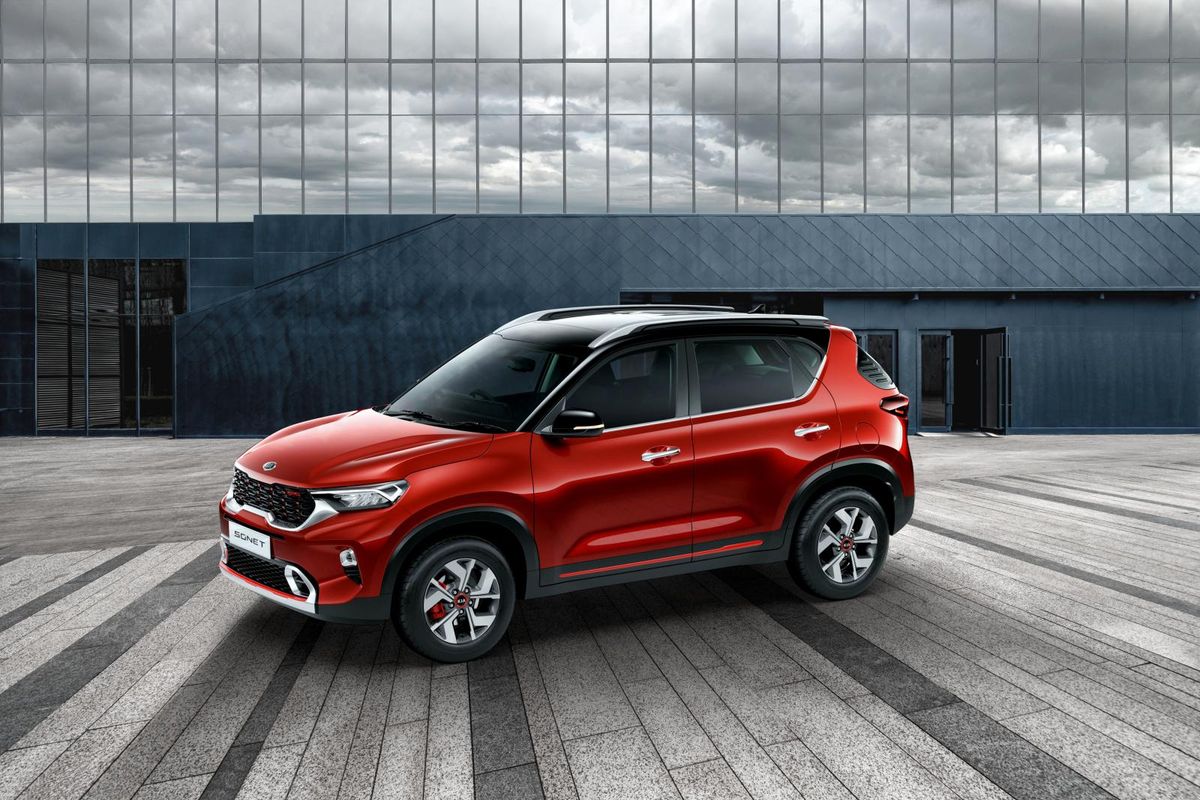
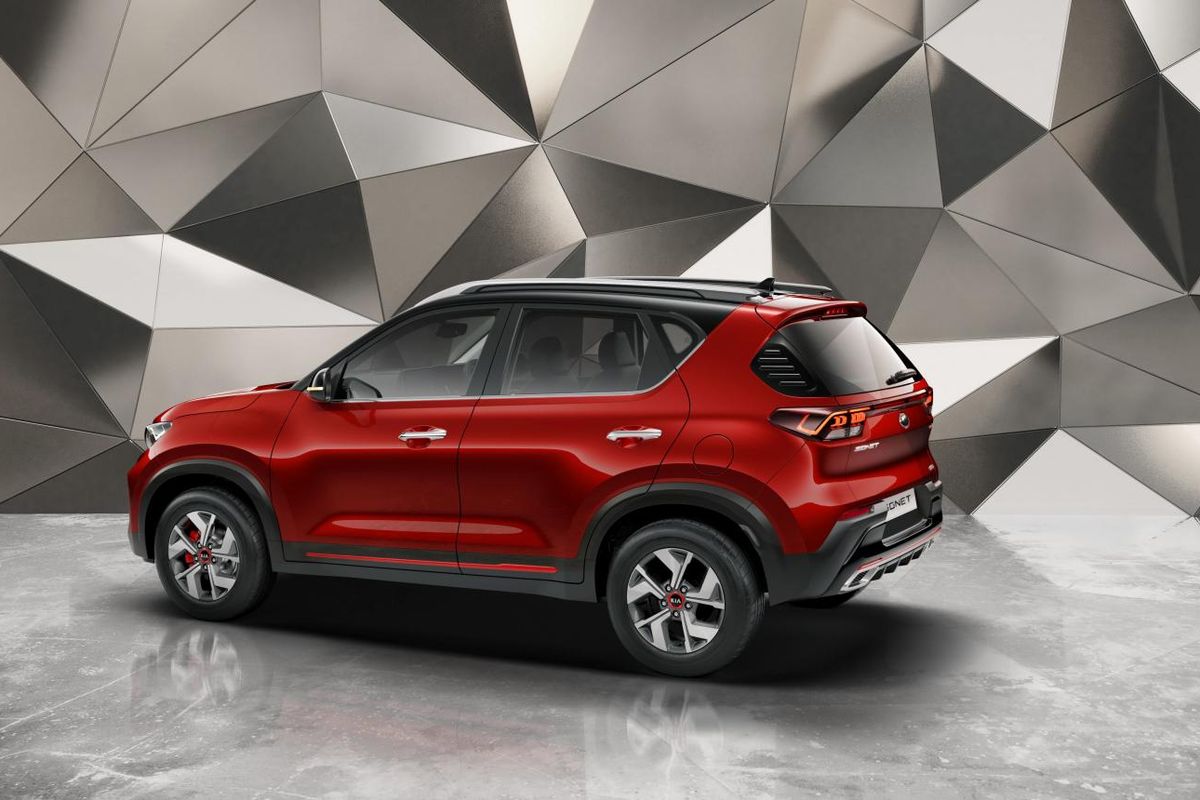
Kia’s smallest SUV yet, the Sonet, has finally been revealed and it’s headed for SA in 2020.
The Kia Sonet is the Korean’s entrant to the compact SUV segment. It will sit beneath Seltos in the brand’s growing SUV lineup. The Sonet is based on the Hyundai Venue platform but is built in an entirely different factory in Bangalore, India – the same factory where we currently receive our Seltos range from. Take a look at what the new Sonet has to offer.
Engines
The Sonet has 3 engines available, although the engines to be offered in South Africa has yet to be confirmed. There’s a 1.2-litre naturally-aspirated 4-cylinder to start the range, no power figures were stipulated, but we suspect this is the same engine from the Picanto, which delivers 65 kW and 120 Nm of torque. Next in line is the 1.0-litre 3-pot turbopetrol, likely the same engine that powers the Hyundai Venue, meaning 88 kW and 172 Nm of torque will be offered. Topping off the range is a 1.5-litre turbodiesel unit, likely pulled from the Seltos with 86 kW and 250 Nm of torque. The diesel engine is available with a 6-speed manual or 6-speed automatic transmission. The petrol units make use of either a 5-speed manual (1.2 model), 6-speed manual, or 7-speed dual-clutch transmission.
There is also what Kia calls a Smartstream 6-speed iMT gearbox available. It is effectively a manual ‘box but without the clutch pedal. You still control the gearshifts by moving the gear lever, but the clutch work is taken care of by the car. This seems to be a step up from the AMT gearboxes we have tried in the Kwid, Fiat 500 and Suzuki S-Presso that are awful to drive.
Interior Features
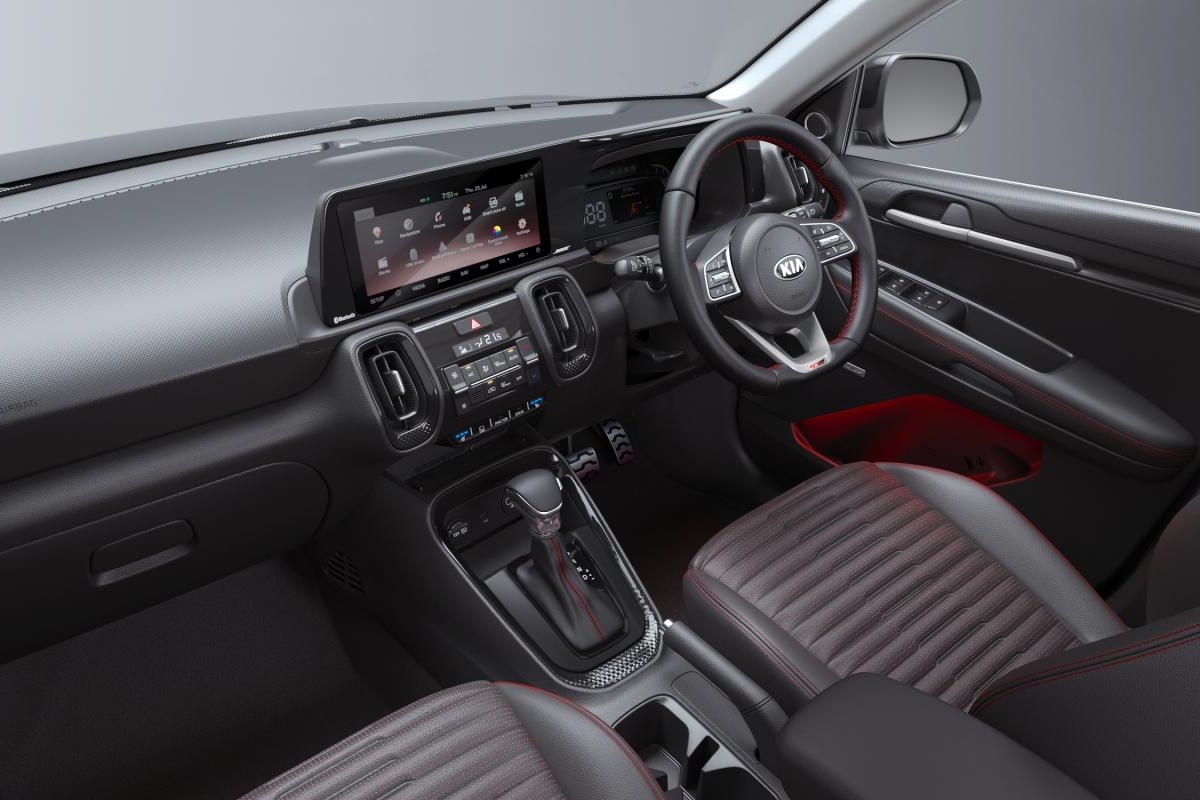
The interior of the new Sonet has many of the modern tech features and even some that are only available in more expensive segments. Wireless charging is available, for instance. There is also a large 10.25-inch infotainment screen and a smaller 4.25-inch digital instrument cluster. Top-spec models will also offer a seven-speaker sound system from Bose – complete with LED mood lighting that turns the interior of your Sonet into an 80s Discotech.
Kia is claiming the Sonet has an air purifying system that has 2 levels of purification. The system not only effectively cleans out pollutants from the cabin, but also kills bacteria and viruses as it cleans the air.
As with most Korean cars, app connectivity is standard for both Apple and iPhone users and the UVO connect system is installed that allows users to connect to multiple apps and receive updates over the air. Many of the features of UVO connect haven’t made it to SA yet so we await local confirmation on what will be available closer to the local launch date.
Also, Kia has not yet divulged official load space information but considering that the Sonet is based on the Hyundai Venue, it should offer similar load-carrying capacity in the region of 350-litres.
Safety specification
Continuing with the increase in safety systems to its vehicles, Kia has gone to town with the standard safety spec on the Sonet. Most notable is the inclusion of stability control, hill-start assist and a tyre pressure monitoring system. Further to this, it has up to 6 airbags fitted as well as ABS with EBD, automatic headlights, ISOFIX child anchoring points and front and rear parking sensors.
As mentioned, local specification has yet to be confirmed by Kia South Africa. We will know closer to the local launch what specification of engines, transmissions and interior features we will receive.
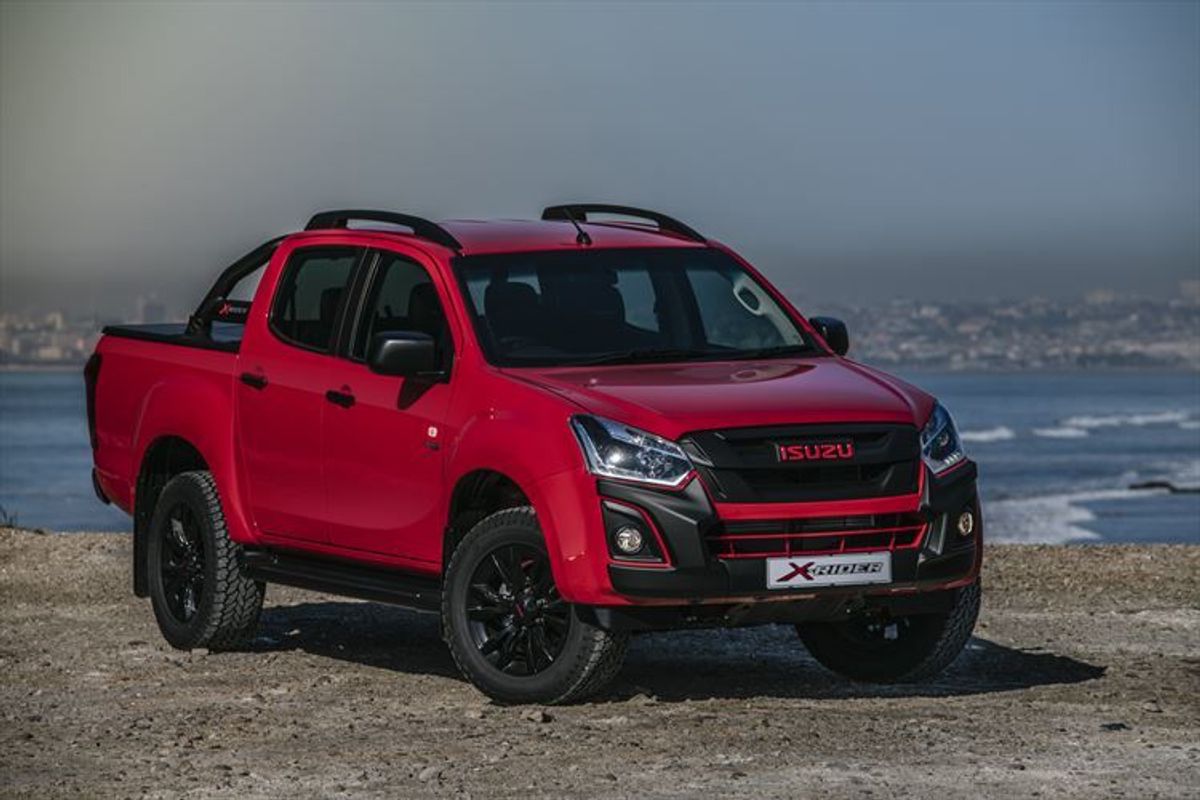
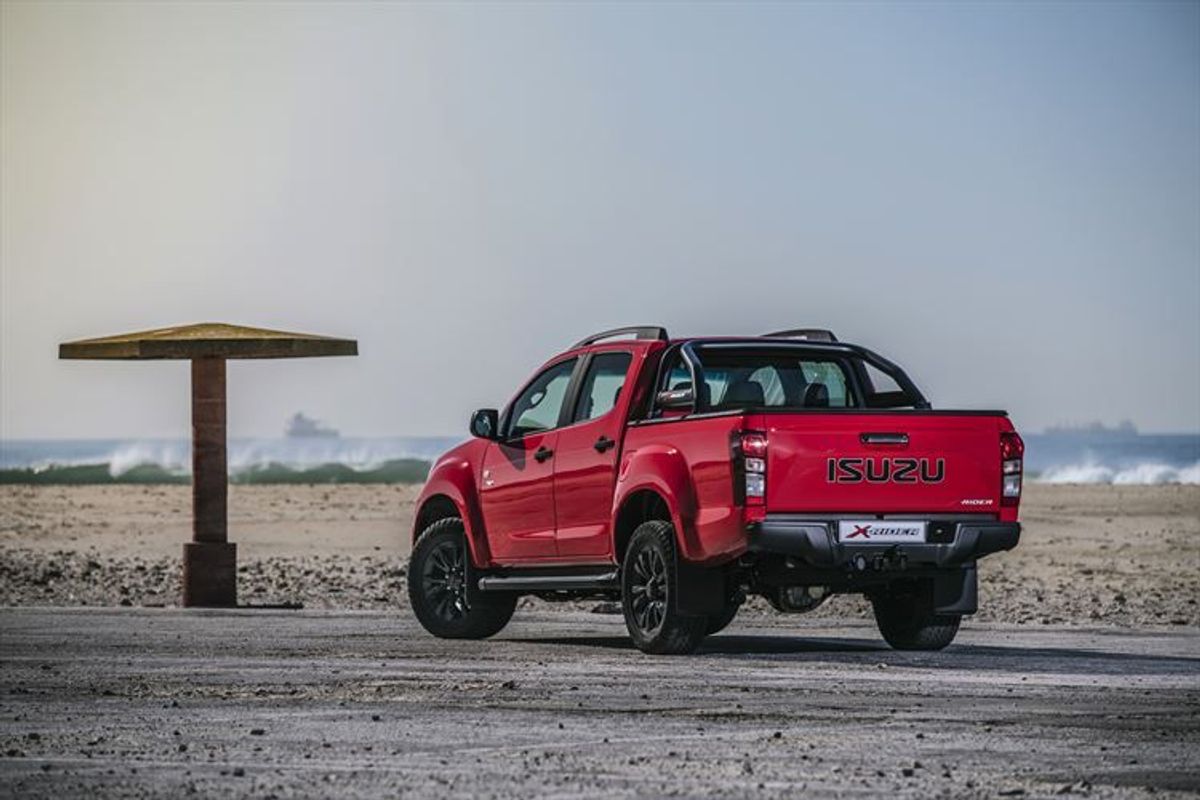
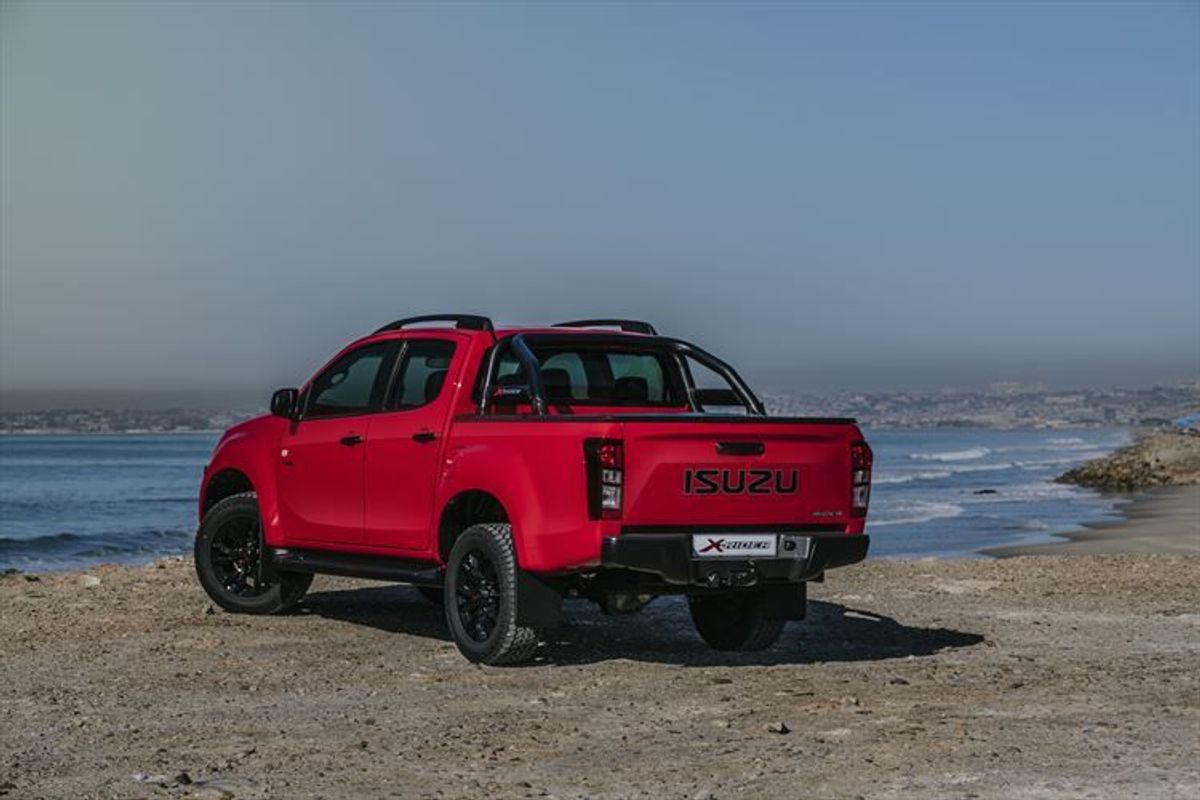
Isuzu has introduced a new D-Max X-Rider derivative in South Africa but this time in conjunction with the brand’s 3.0-litre turbodiesel engine!
The Isuzu D-Max X-Rider, which is a visually-enhanced version of the standard D-Max double cab bakkie, has proven to be a hit with local buyers. So much so in fact that Isuzu is now introducing the nameplate to its 3.0-litre D-Max.
The X-Rider nameplate was first introduced as a limited edition offering in 2016 and was previously only offered in conjunction with Isuzu’s 100 kW 2.5-litre turbodiesel engine. Isuzu is planning to introduce an all-new D-Max in 2020, so this may very well be the last addition to the current D-Max range.
"Based on the popularity of the X-Rider, we felt it would make sense to match this nameplate with our most powerful engine, while retaining the attributes which make the X-Rider so popular. The 3 litre X-Rider has an imposing presence on the road with a rugged and sporty look which sets it apart from regular D-MAX models" says Dominic Rimmer, Executive, Technical Services at Isuzu Motors South Africa (IMSA).
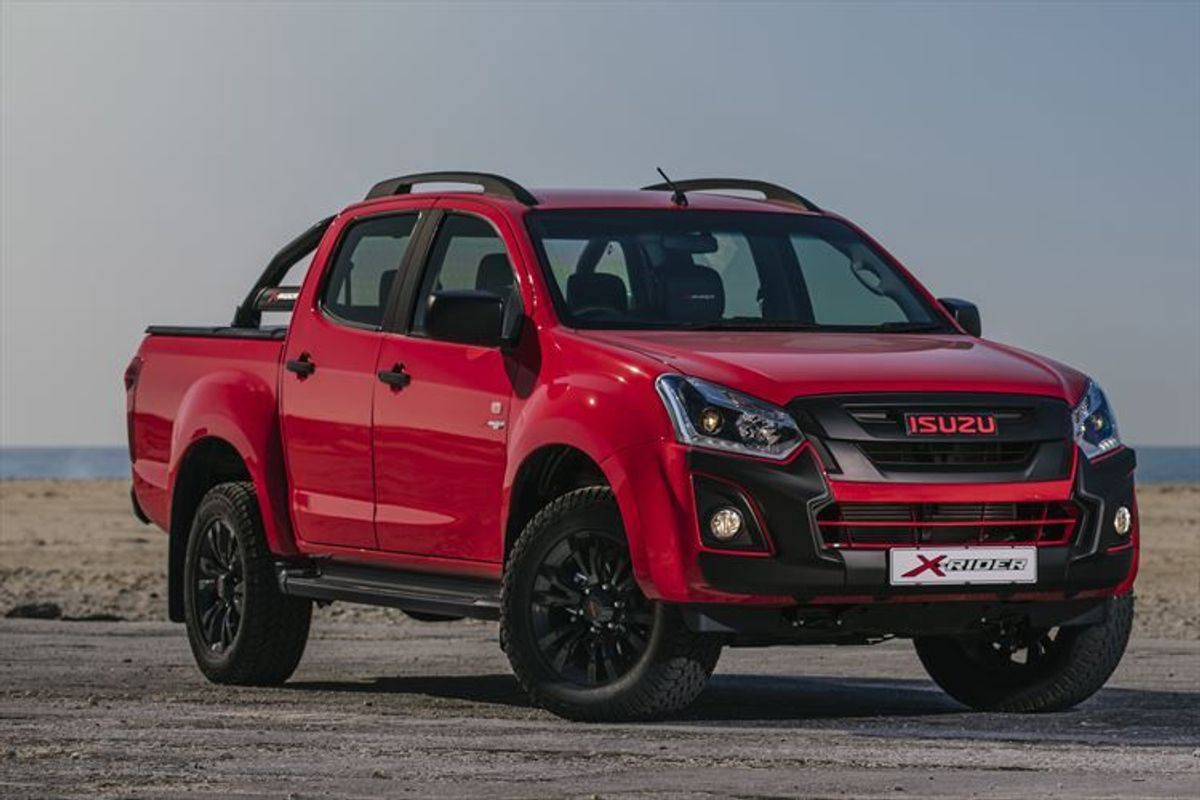
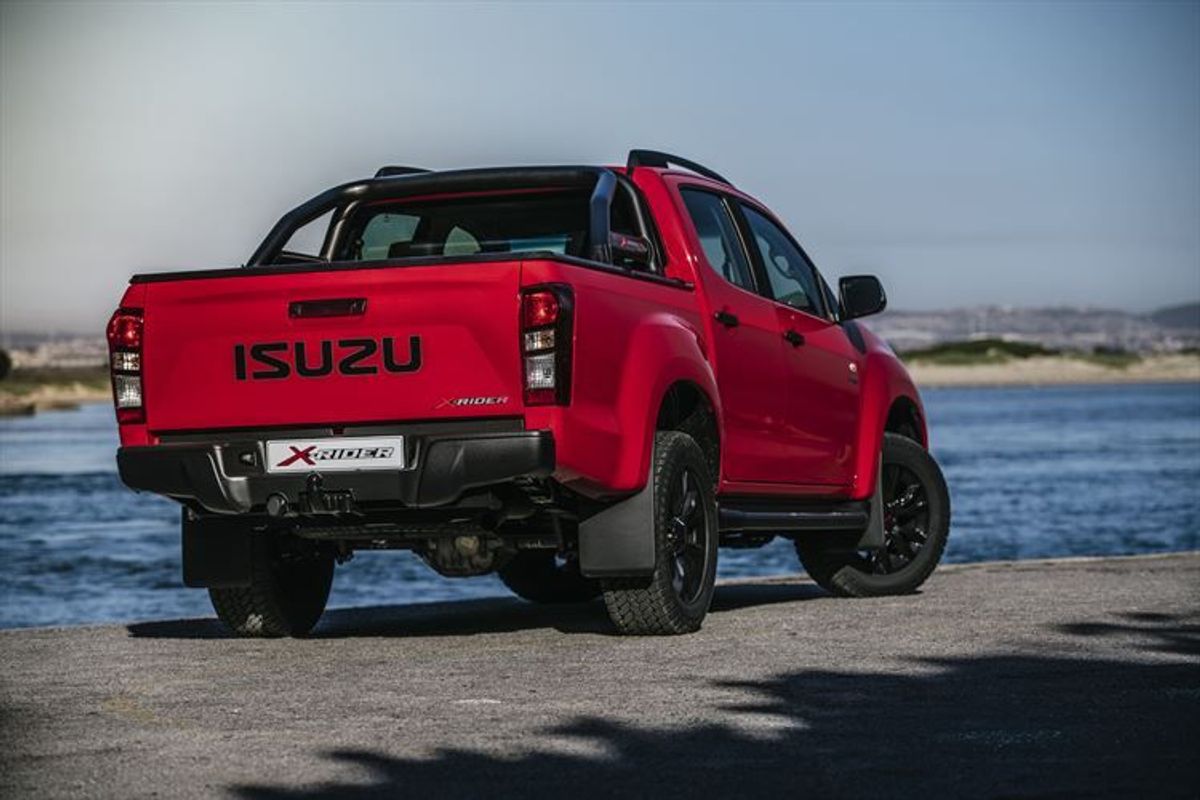
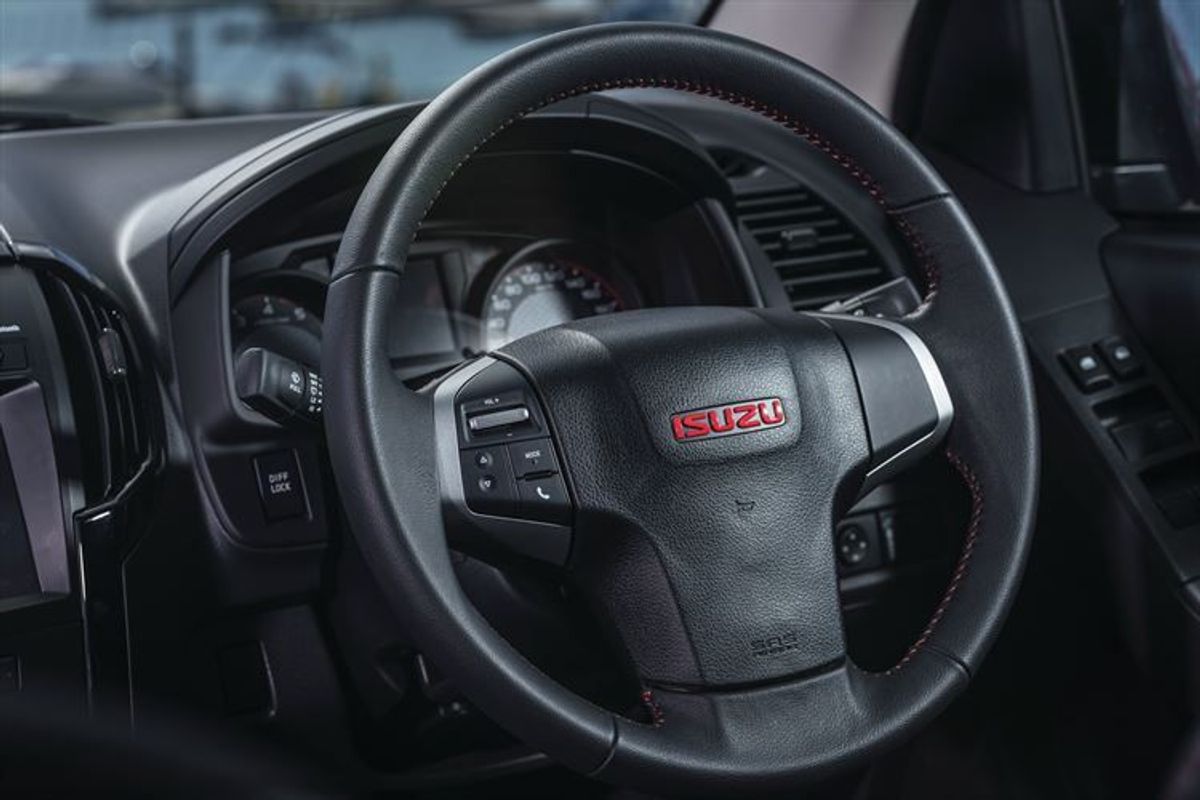
Visual details on the D-Max 3.0 X-Rider include black roof rails, a black sports bar with a red X-Rider logo, black running boards, black tailgate handle with a reverse camera and a 3.5 tonne towbar. This D-Max X-Rider rolls on 18-inch diamond-cut alloy wheels as standard and comes shod with all-terrain tyres. Customers can also opt for all-black 18-inch alloy wheels at no extra cost. Isuzu is offering the D-Max 3.0 X-Rider in 3 colours including Summit White, Switchblade Silver and Pull Me Over Red.
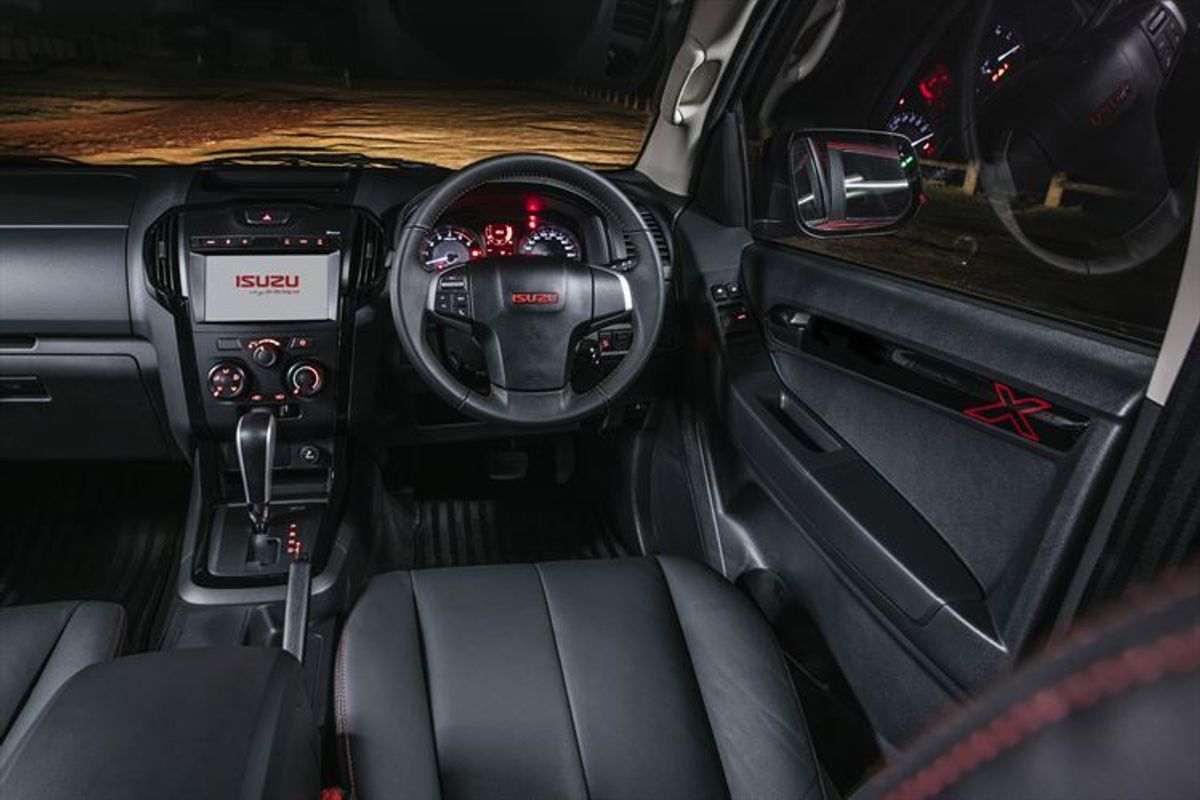
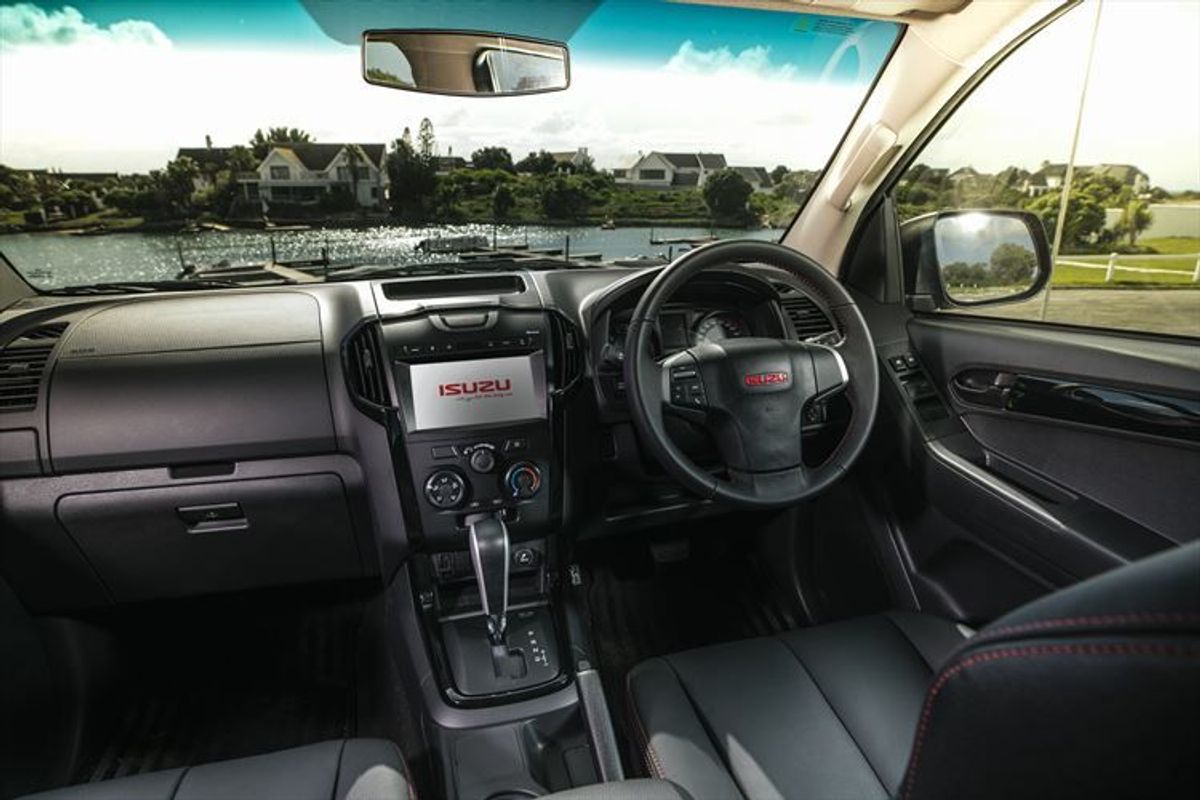
Moving inside, an 8.0-inch touchscreen infotainment system is fitted and the seats are upholstered in black partial leather with red stitching.
In terms of engine outputs, the 3.0-litre turbodiesel engine under the bonnet produces 130 kW and 380 Nm and is mated with a 6-speed automatic transmission.
Isuzu D-Max X-Rider – Price in SA (excl. VAT)
D-MAX 3.0 TD Double Cab X-Rider Auto – R479 217
D-MAX 2.5 TD Double Cab X-Rider 4×4 – R451 478
D-MAX 2.5 TD Double Cab X-Rider Auto – R421 043
D-MAX 2.5 TD Double Cab X-Rider M/T – R405 652
The Isuzu D-MAx is sold with a 5-year/120 000 km warranty and a 5-year/90 000km service plan.
Finally retired after 13 000km a month – for 12 years.
Bakkie brand durability claims can be a touch ‘creative’ when they source them from a company’s marketing department. Far more credible, are real customer experience stories.
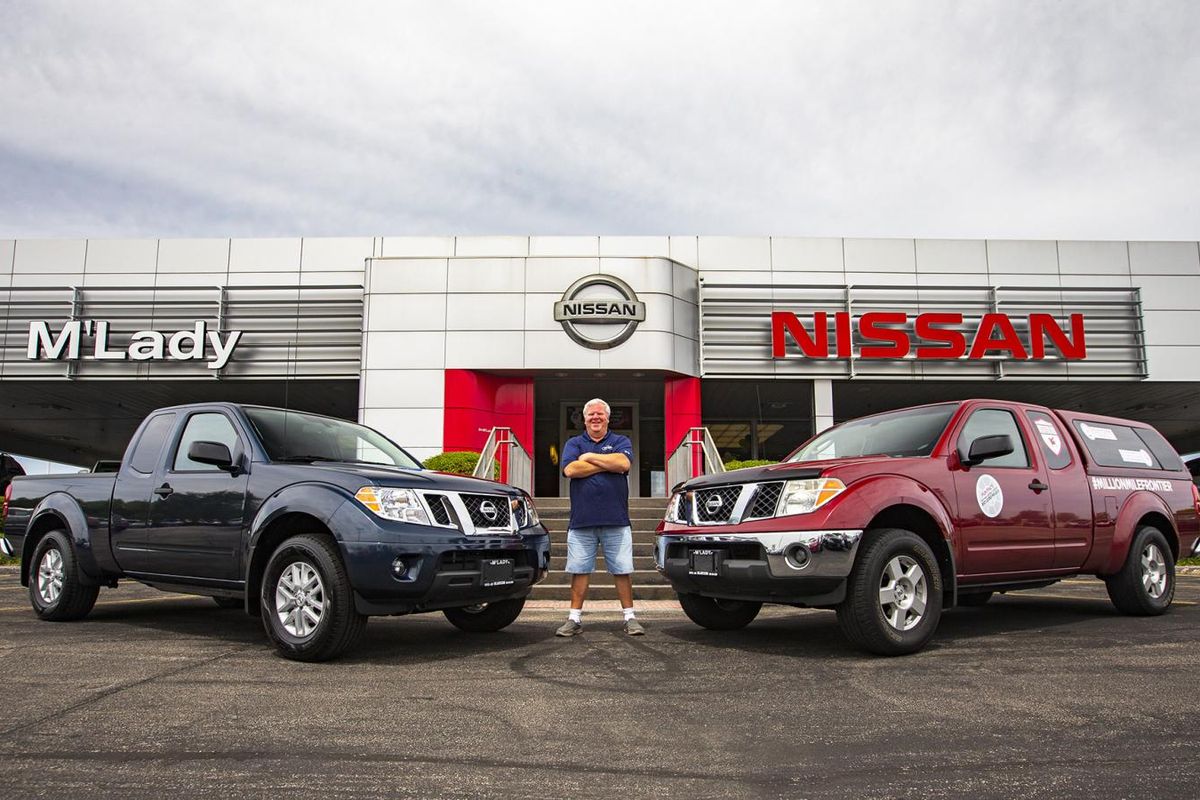
Nissan is the latest beneficiary of extreme customer satisfaction as American Navara driver, Brian Murphy, has set some staggering driving records in his bakkie.
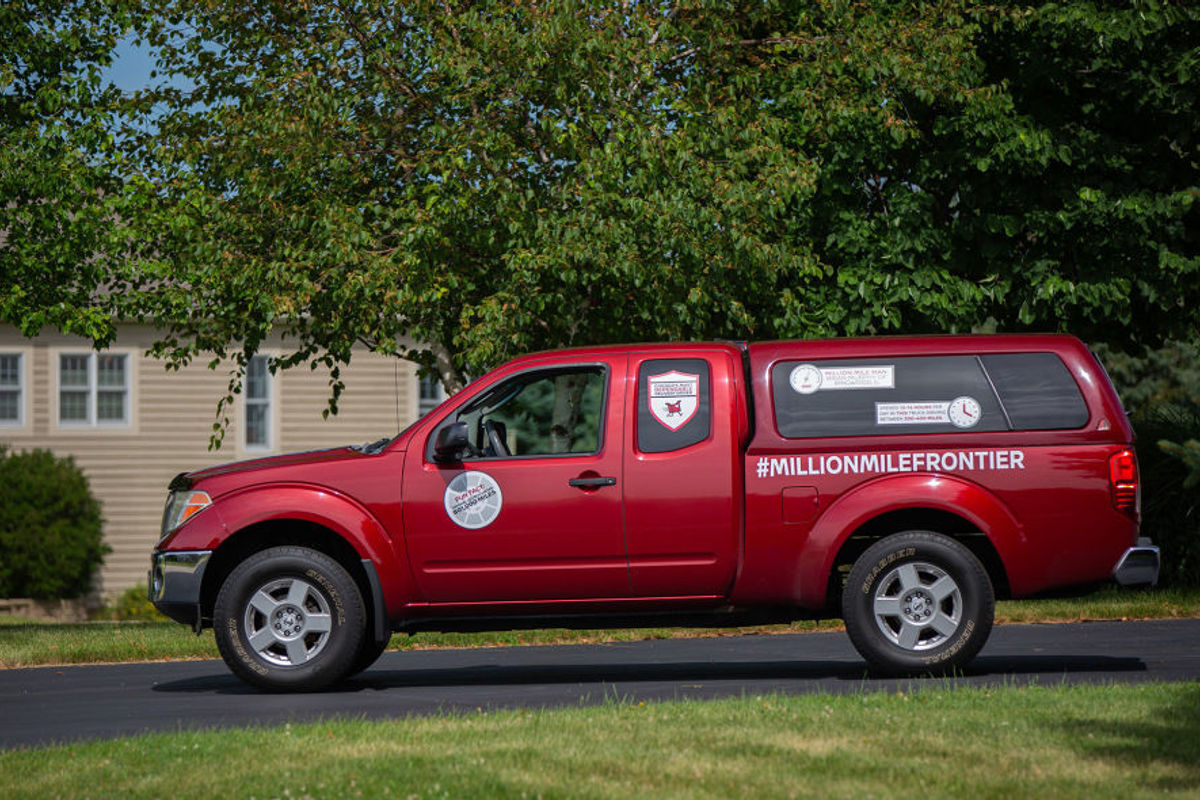
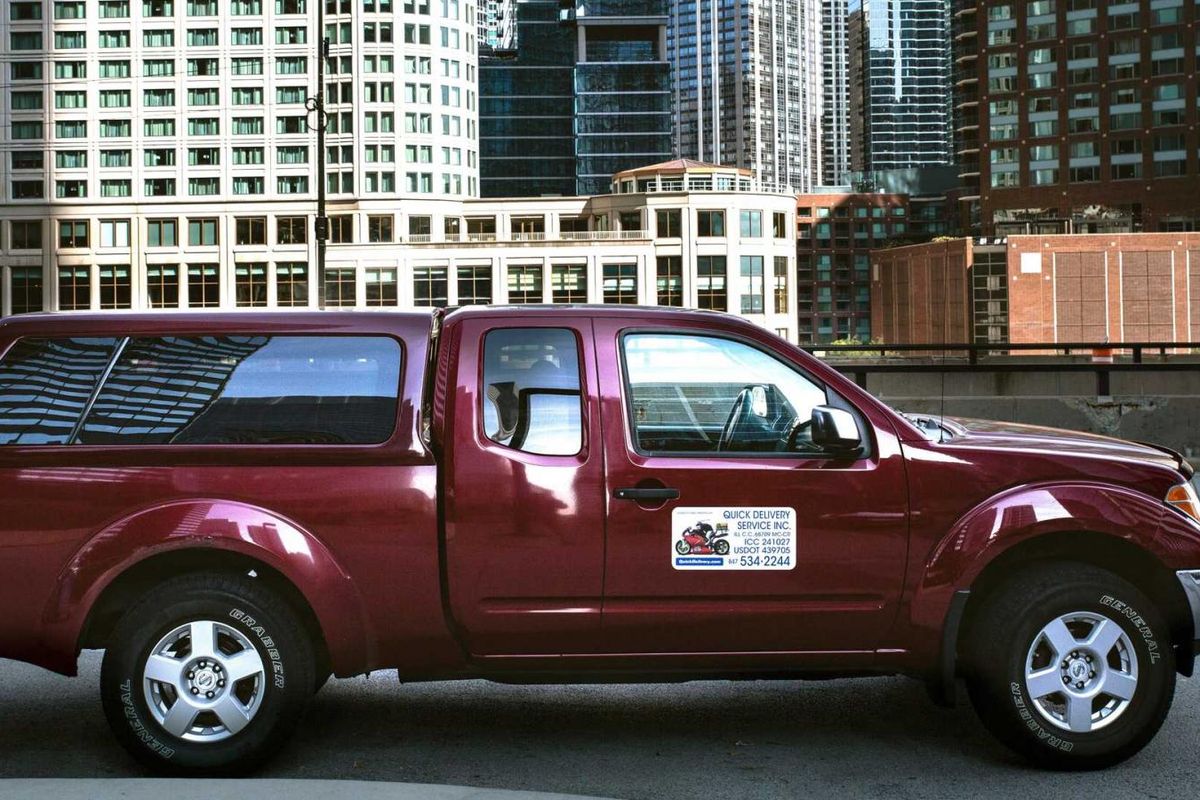
Brian is an independent courier from Chicago, which means long hours on the road and a bakkie that works hard for a living. He bought his Navara back in 2007 and has done some extraordinary mileage with it.
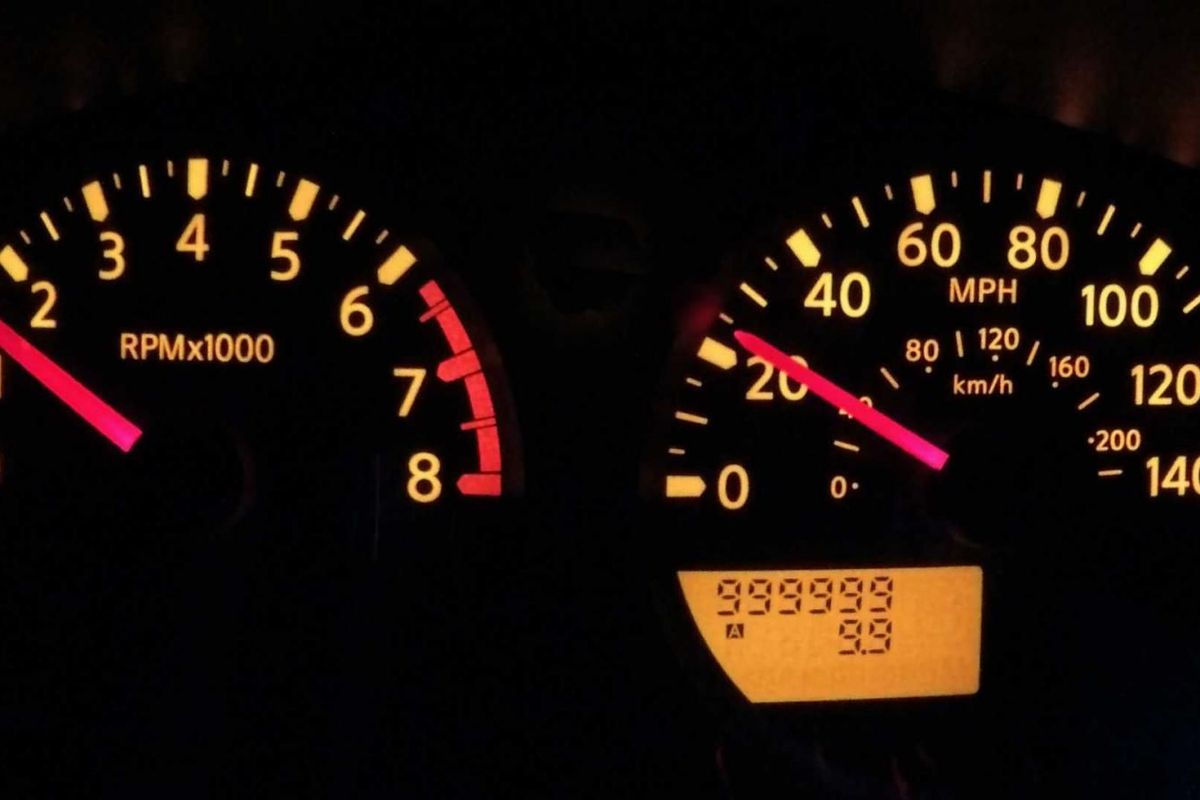
Averaging more than 3 000 km a week, Brian managed to roll his Navara’s odometer over 1 600 000 km before the global lockdown started. That is an incredible mileage target to achieve for this D40-series Navara, still marketed as the Frontier in America – which never received the current global third-generation Navara bakkie.
Graded as a ‘small’ bakkie in the American market, Brain’s Navara is also quite an unusual specification. It is powered by the D40 Navara’s entry-level 2.5-litre four-cylinder petrol engine (113 kW/232 Nm) and shifts via a manual gearbox. This is in stark contrast to most American bakkies, which are either V6/8 powered and have the convenience of automatic shifting.
Beyond the sheer assembly quality this Navara represents, by staying together for a driving distance of more than 1 600 000 km, some of the individual components have also proved notably tough.
How many bakkies do you know that will run 720 000 km on their original factory radiator and alternator? At 1 120 000 km its four-cylinder engine received a new timing chain and the clutch was only replaced at 1 300 000 km, which is perhaps a credit to Brian’s tidy driving style.
After a great experience with his D40 Navara/Frontier, Brian is getting a new one – for free. Nissan is doing the honourable thing and rewarding a loyal customer who has delivered it a product marketing opportunity more authentic than any other.
Brian’s new bakkie is a still an ‘old’ specification Navara/Frontier, but it has a significant upgrade in terms of drivetrain, being powered by a 3.8-litre V6 engine and shifting automatically, via a nine-speed gearbox.
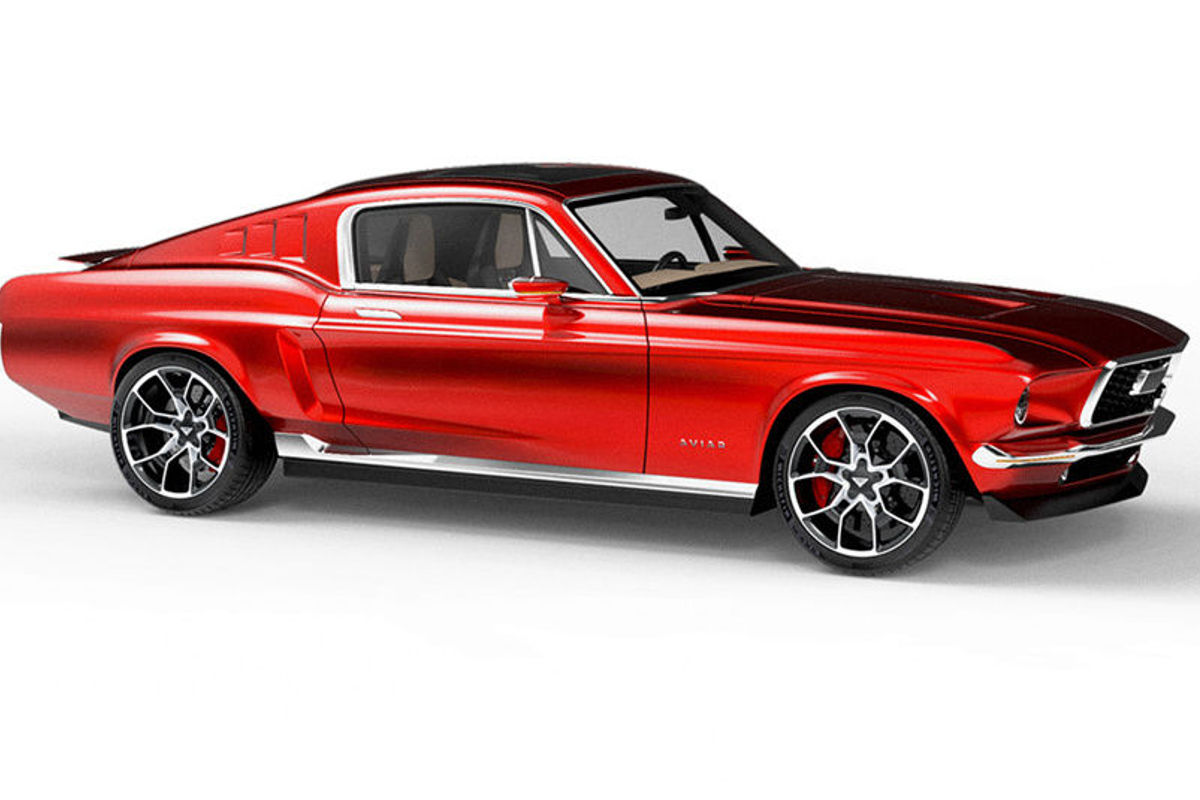
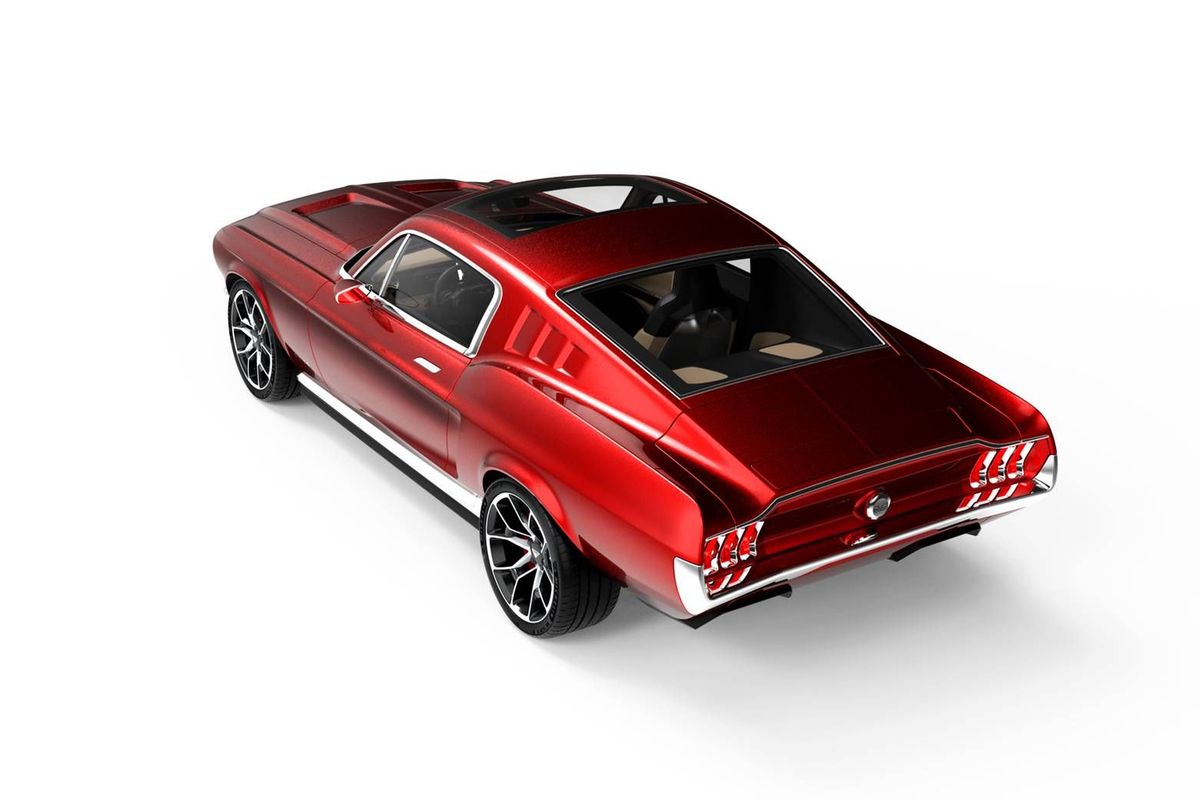
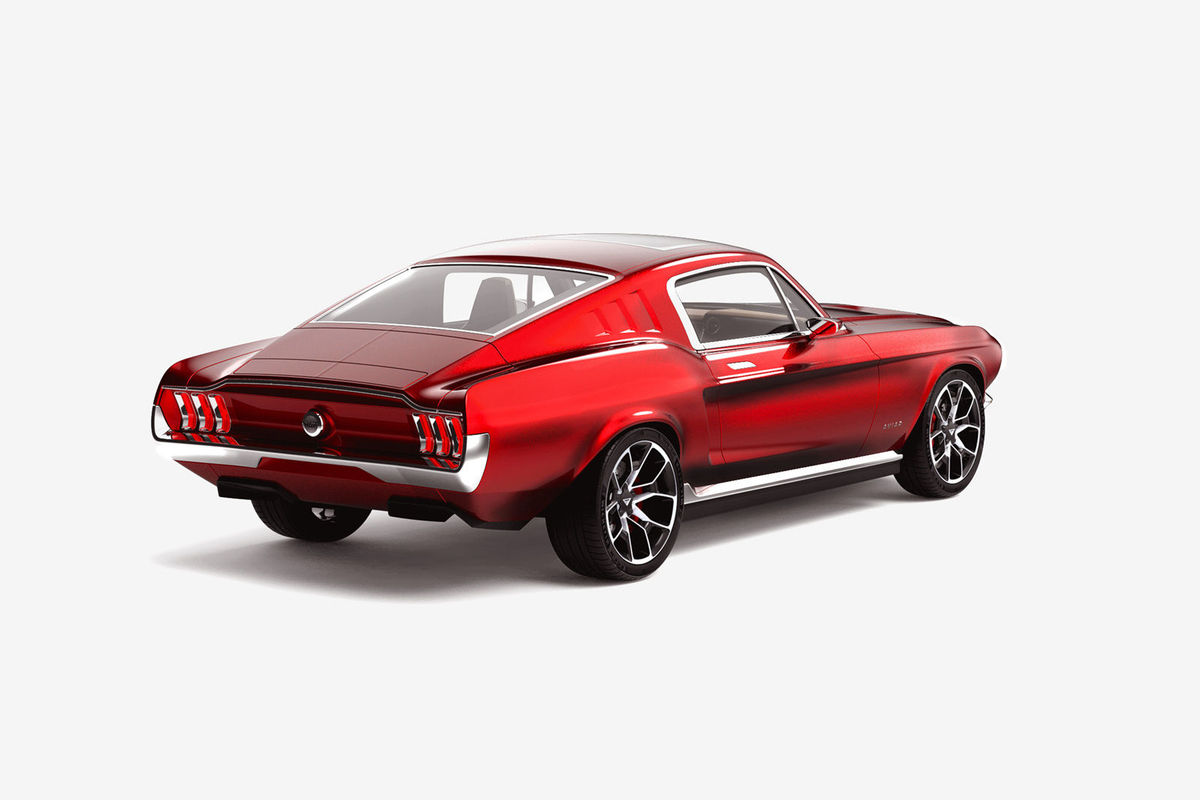
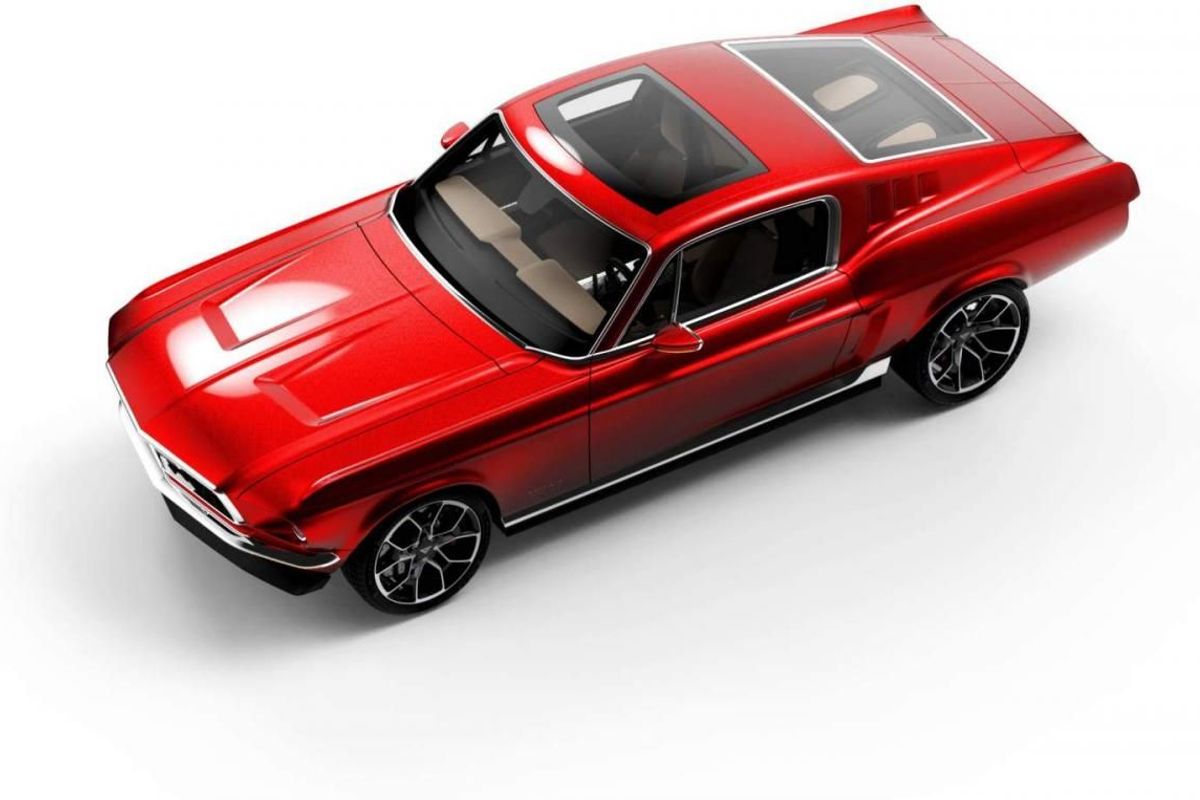
Aviar R67 is a Russian Electric Tesla Ford Mustang
Yes, that headline is a mouthful and this is the Aviar R67.
The Mustang nameplate is a household name the world over and in the world of electric cars, so is Tesla.
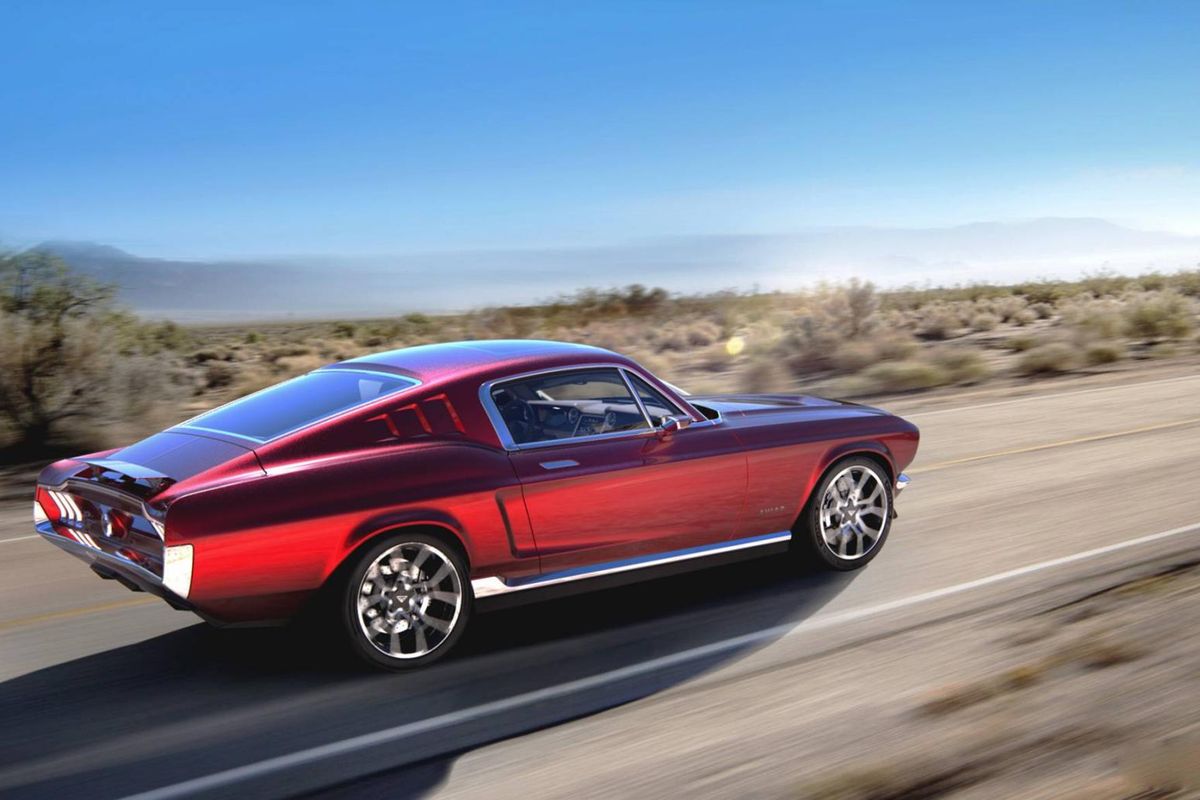
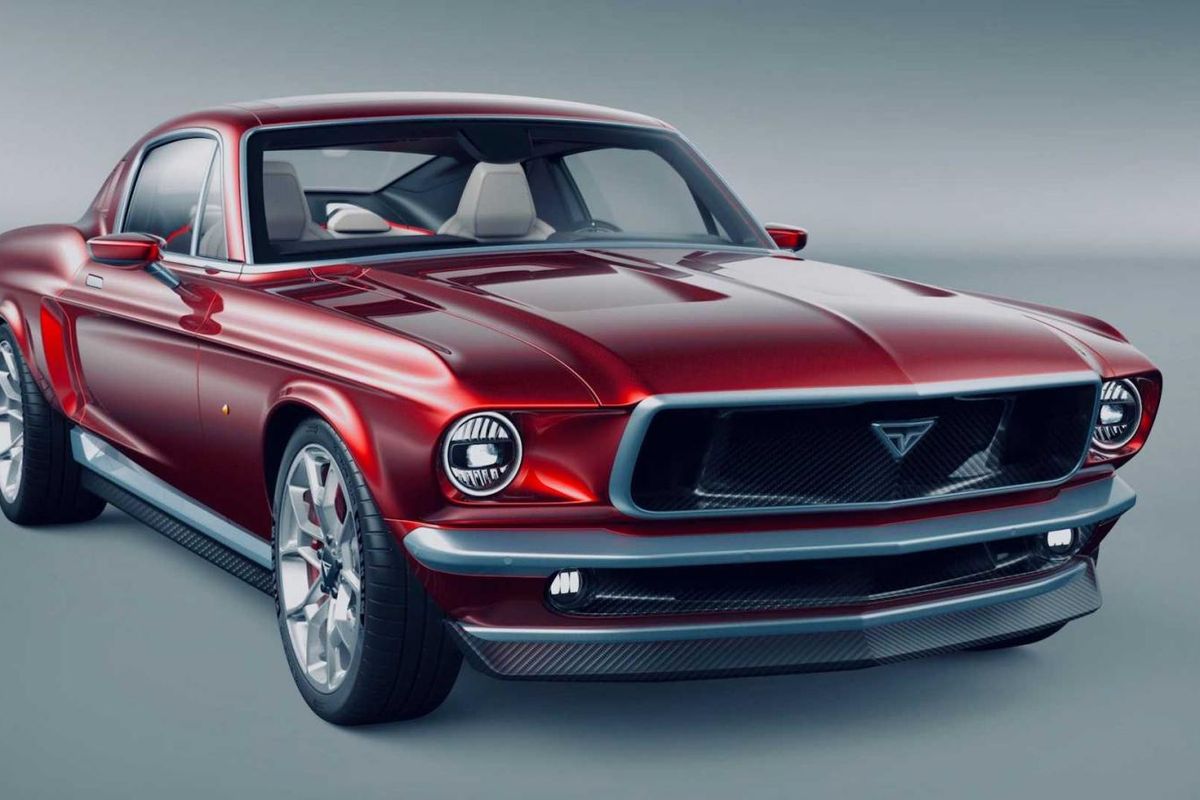
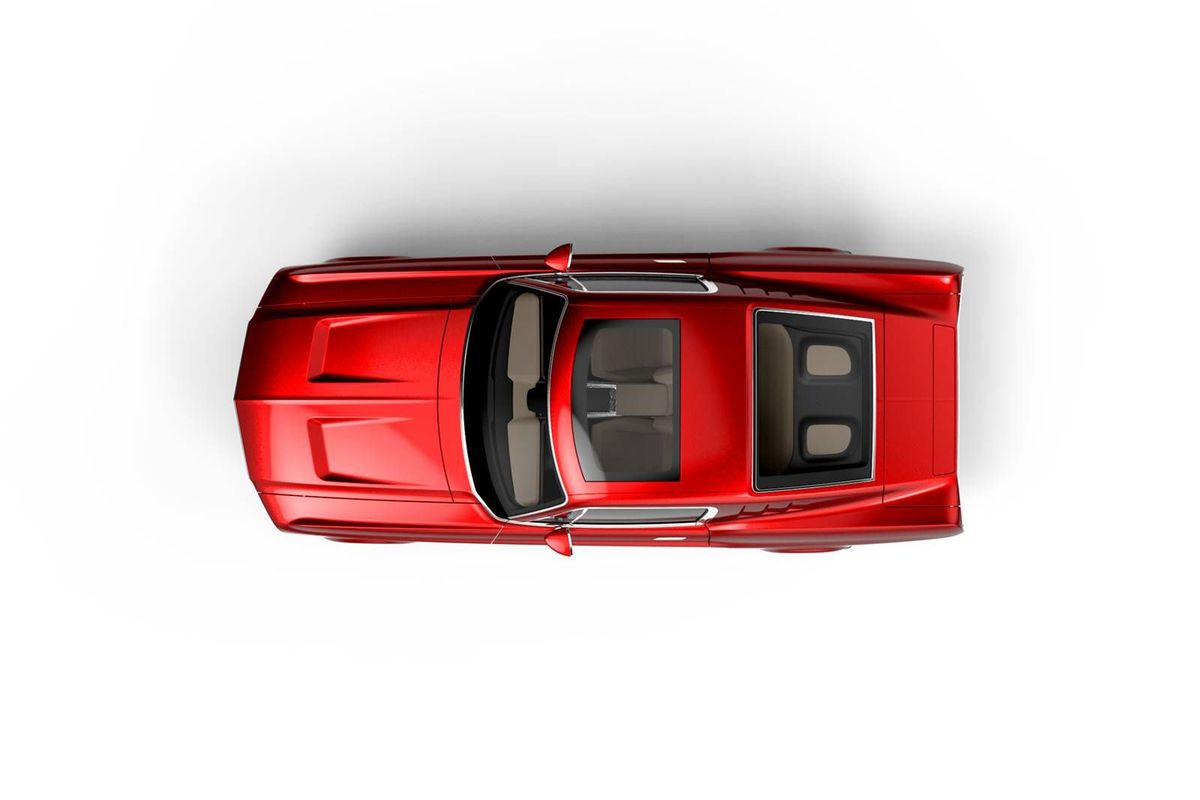
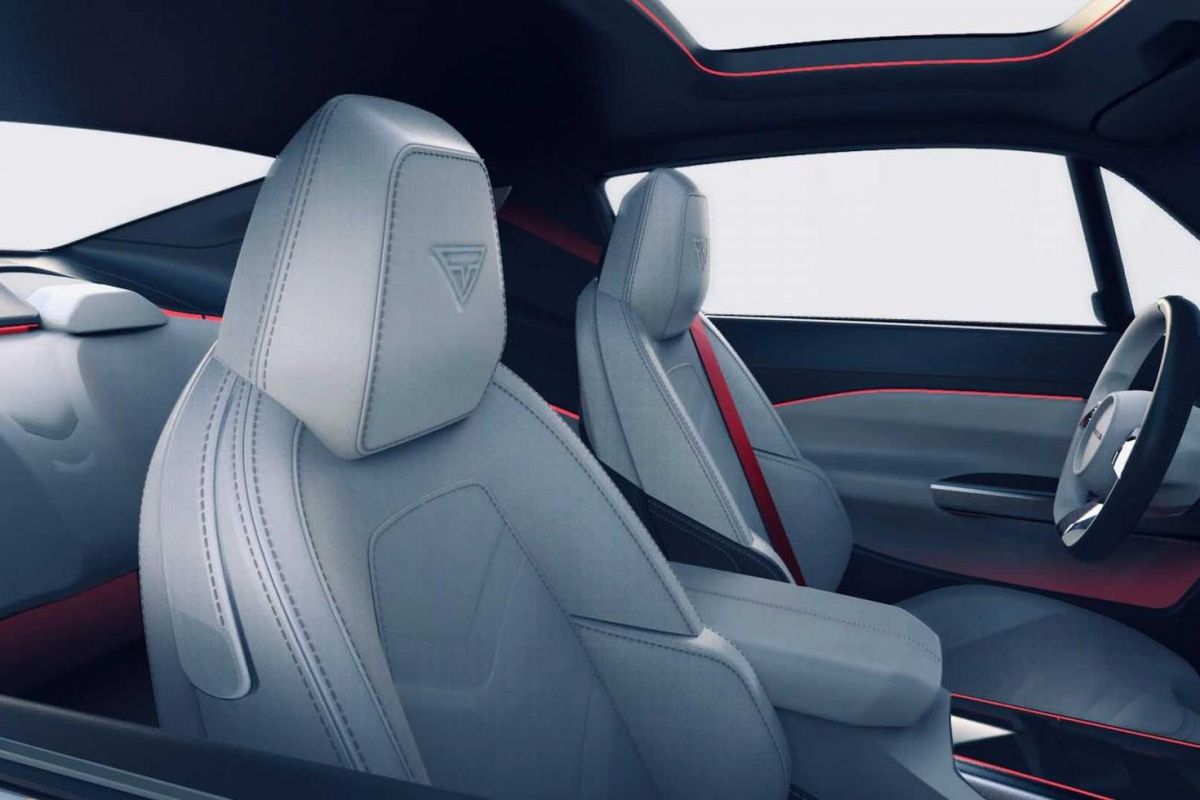
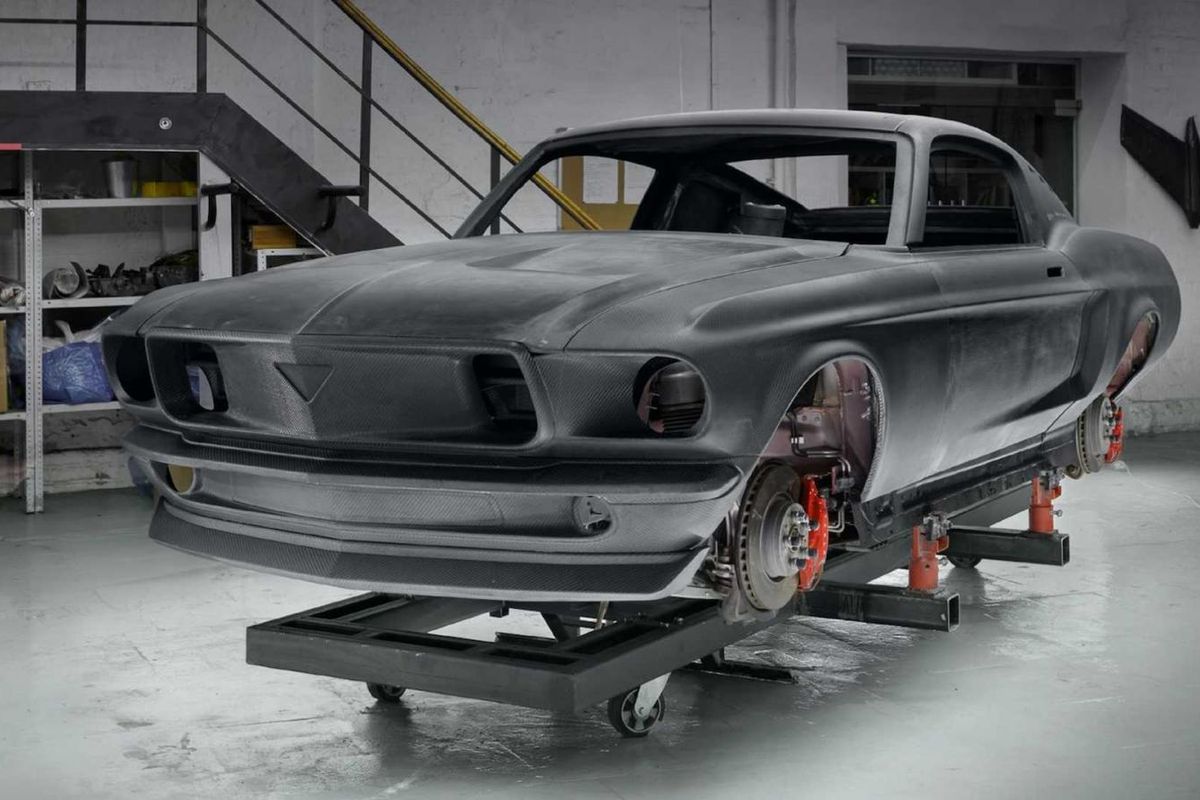
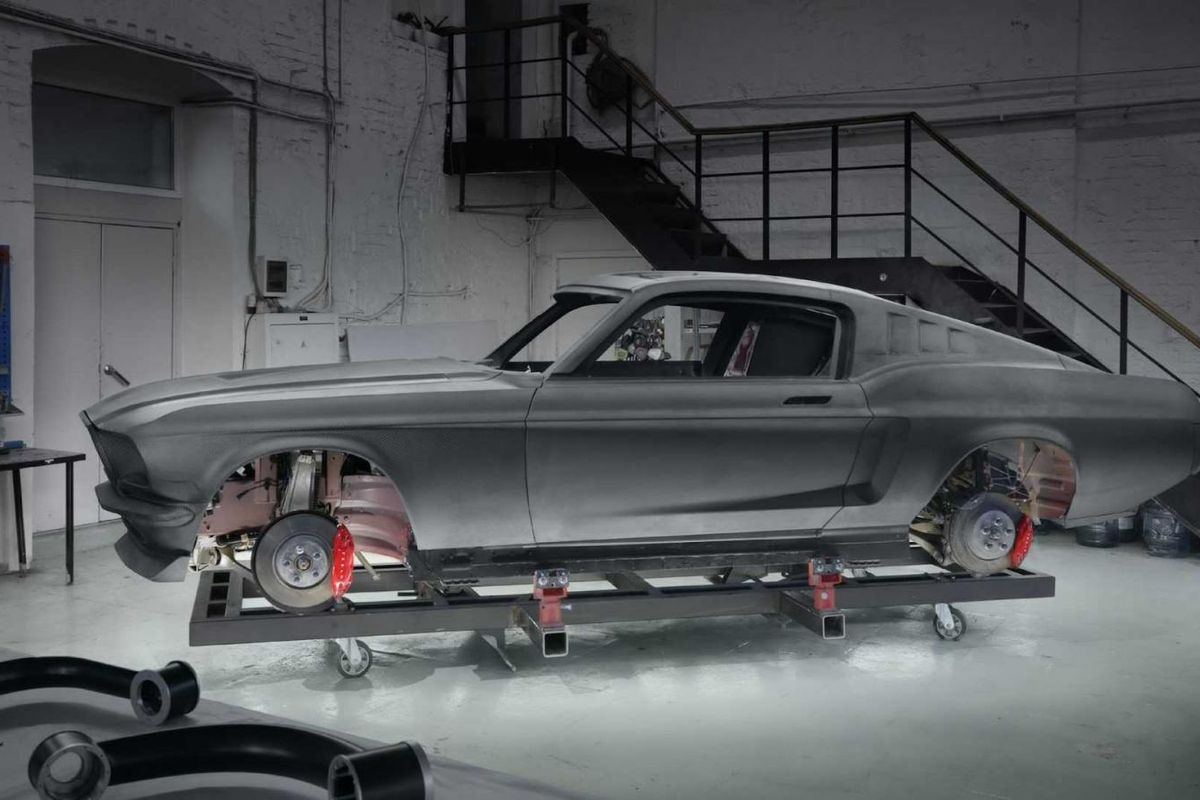
What you see here is a Frankensteinian concept car from Russian startup, Aviar, which intends to bring this electric Tesla-Mustang R67 mash-up to market.
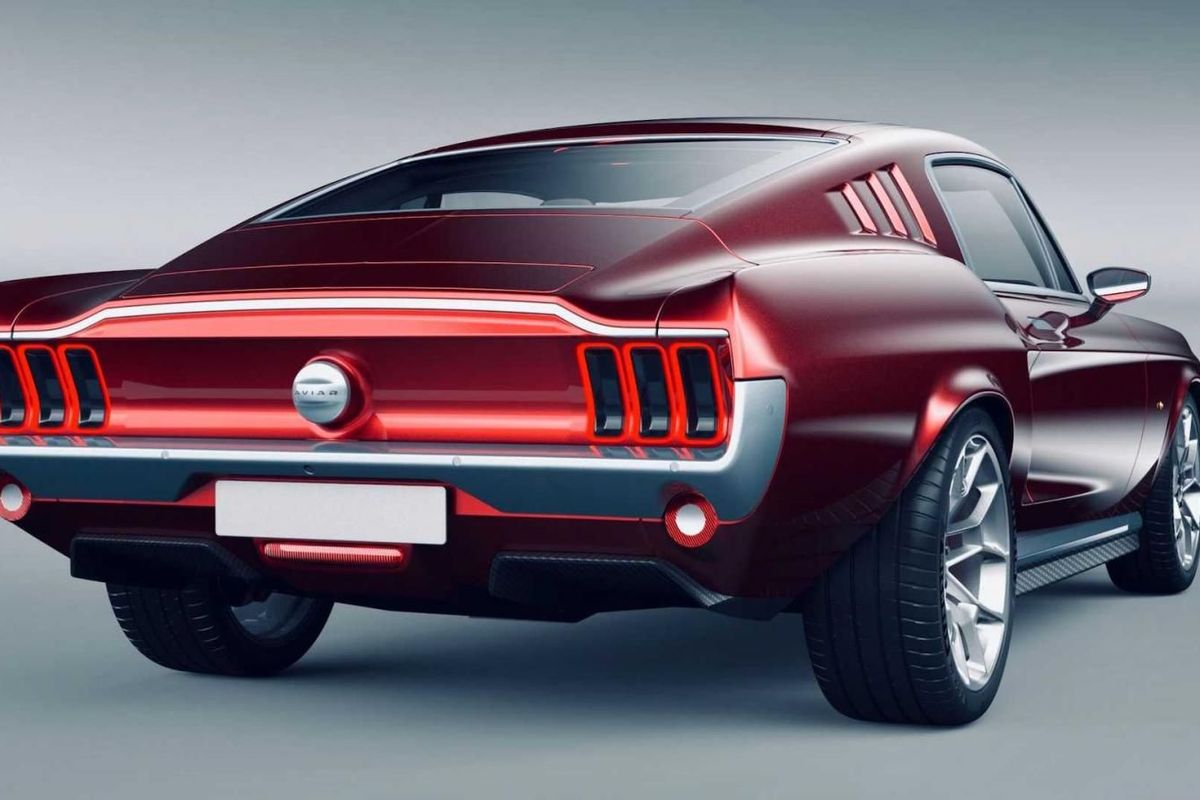
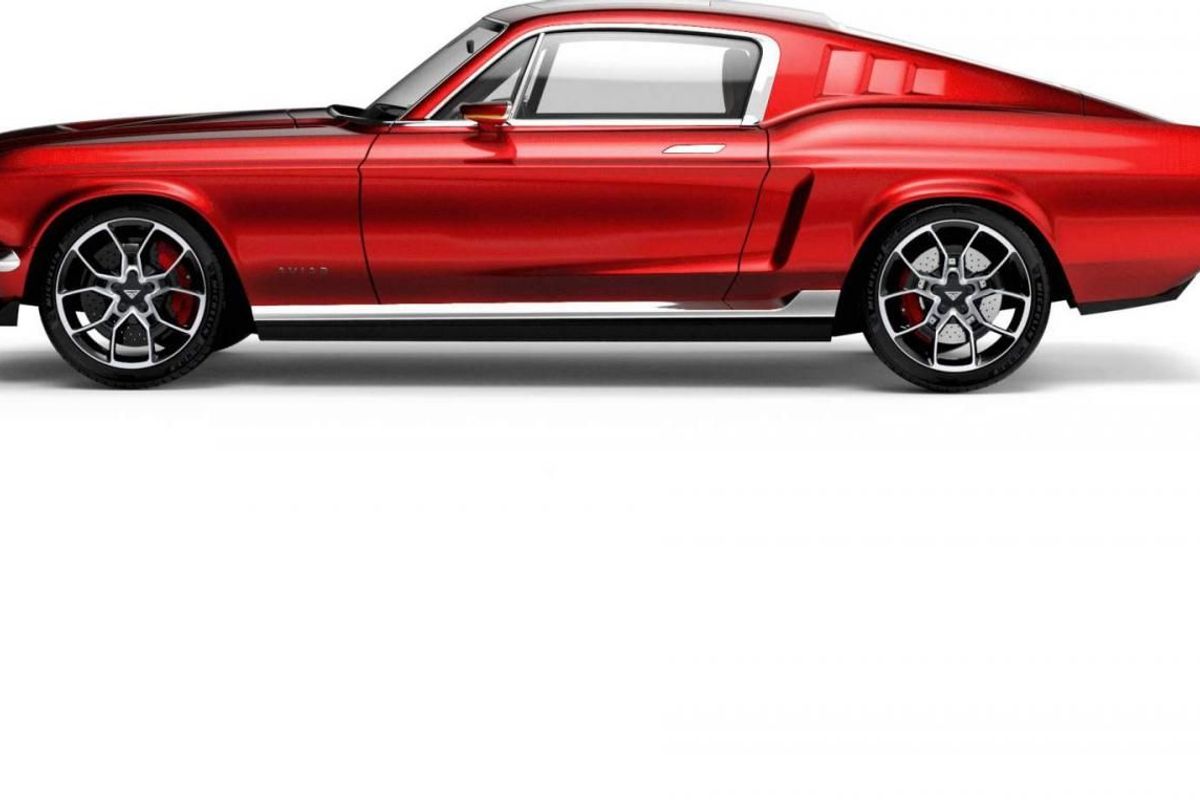
It’s based on the Tesla Model S but its design draws inspiration from the first-generation Ford Mustang Fastback from the mid-60s. It features that classic pony car look that made the Mustang so famous, with its long bonnet, swept-back sloping roofline, wide stance and distinctive tri-bar rear headlights.
However, you won’t find a burly V8 engine under the bonnet, instead, the R67 calls on 2 electric motors for propulsion in conjunction with a 100 kWh battery. The R67 is claimed to offer 507 km of electric range.
How much power will this electric R67 produce you ask? Well, Aviar reckons it will be good for 618 kW and will be able to sprint from zero to 100 kph in 2.2 seconds!
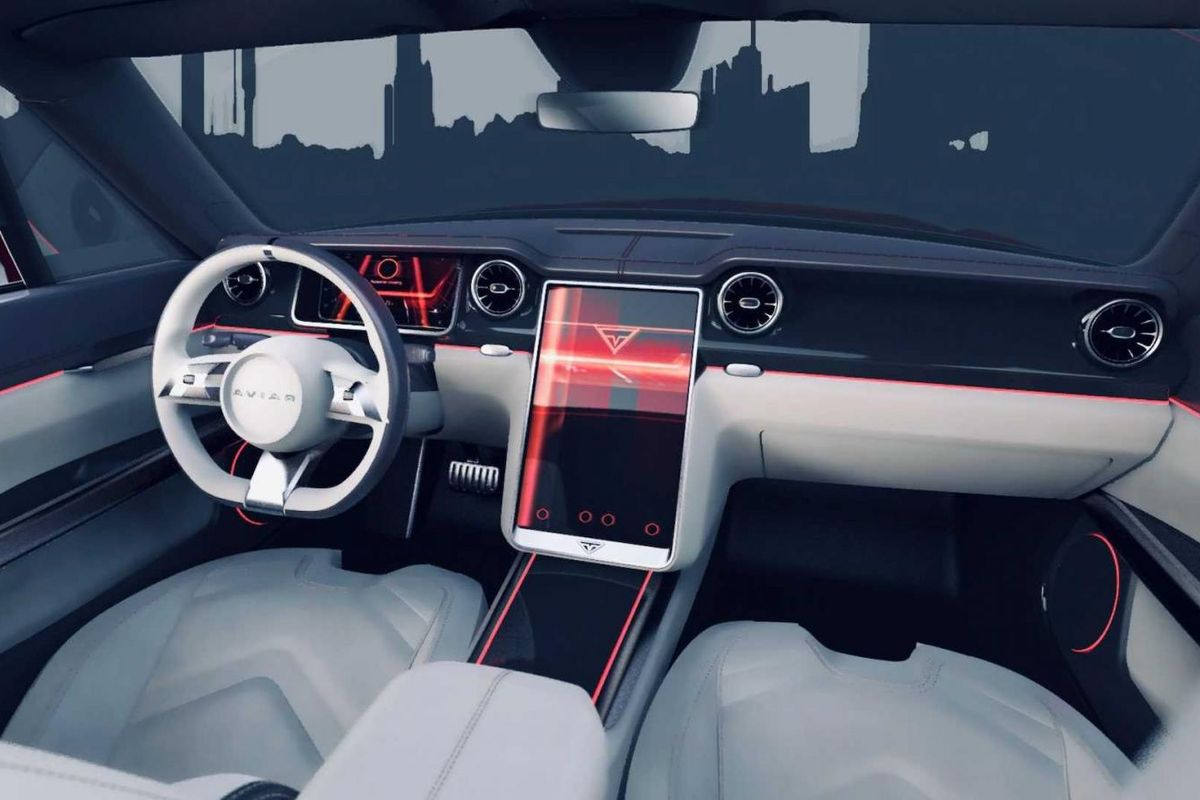
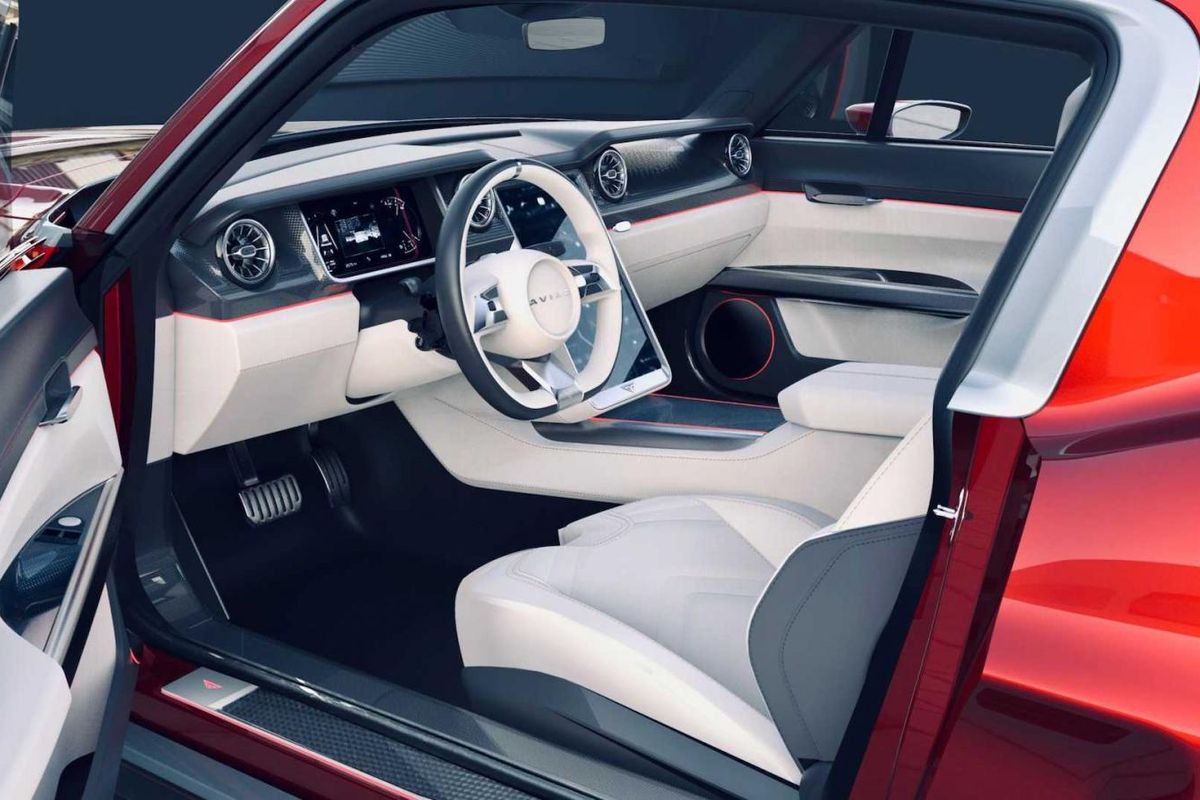
As for the interior, it looks futuristic and Tesla fans will recognise the large vertical 17-inch touchscreen and Aviar says that the R67 will feature a sunroof, dual-zone climate control, genuine leather upholstery and a 12-way adjustable driver’s seat with memory function. The R67 will be fitted with 5 airbags and a reversing camera. A custom audio system with 7 speakers is also part of the package as is Wi-Fi internet, navigation and satellite radio.
News of the Aviar R67 first surfaced in 2018 and like many things in Russia, it’s exact arrival date is unknown at this stage. Do you want to see this concept become a reality?
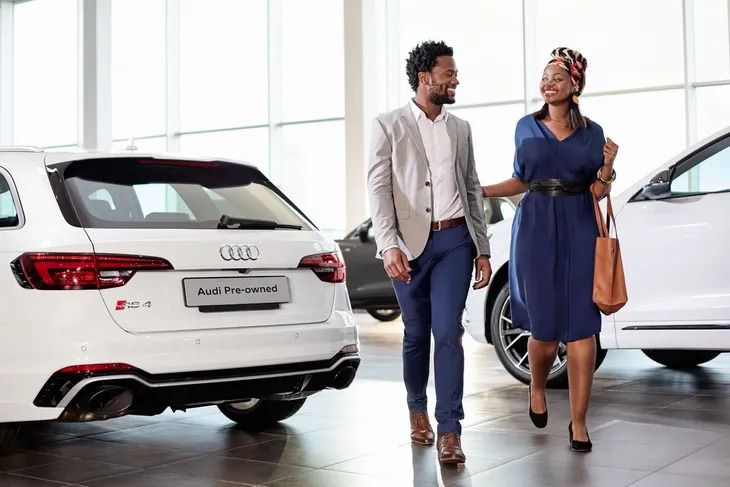
2020 has presented many different challenges and dynamics to consumers’ car-buying behaviour. However, the premium pre-owned market offers considerable value for buyers…. Here are Audi’s 10 benefits of purchasing one of its Pre-owned vehicles.
SPONSORED ARTICLE
1. The timing is right
As the world collectively reflects during these uncertain times, car buyers have begun questioning what is really important and trying to find the most efficient, effective and sustainable way of making those values form part of their lives. Premium Pre-owned vehicles are a practical solution: they offer good value without sacrificing badge quality.
In the premium-motoring space, Audi Pre-owned offers a fitting business promise to service this new reality. It includes a practical motoring solution by giving customers the opportunity to access the brand quality, integrity and confidence associated with a premium brand, on reasonable terms, and with complete peace of mind.
2. Keener purchase price
Pre-owned vehicles offer an appealing entry price point – especially given that new-car prices are under severe pressure at the moment. According to the TransUnion Vehicle Pricing Index, new car pricing rose from 4.0% in the first quarter of 2020 compared with 2.3% in the first quarter of 2019.
3. Buy down, but stay premium
The current consumer trend is to buy down and motor industry commentators widely believe this trend is expected to continue for some time. A change in vehicle body-style does not have to result in a change of brand preference. Continuing to drive your favourite premium brand, like Audi, is still possible if you buy car from Audi Pre-owned.
4. Enjoy the best of both worlds
In South Africa, driving an Audi is a unique motoring adventure and a powerful statement of personal identity. Buying an Audi Pre-owned vehicle enables you to keep driving your favourite premium brand, while making necessary adjustments to ride out uncertain times… in luxury!
We all appreciate the prestige of owning a premium vehicle, but at a time when consumers are looking for value and sustainability, Audi Pre-owned provides an accessible and practical purchase solution, without compromise. It ensures that owning a premium car and being part of the Audi family remains a relevant consideration and within your reach.
5. In times of uncertainty, consumers value certainty
Audi Pre-owned vehicles come with a thorough history of servicing and maintenance within the brand, ensuring that the car has been in good hands and serviced with brand parts. Audi Pre-owned also offers a reassuring way of trading in or selling your vehicle back to Audi.
Keeping this within the Audi family means that a franchised Audi dealership is likely to pay a premium for your Audi when the time comes to trade it in. As the custodians of the Audi brand, Audi dealerships hold the expertise in trading Audi's, which means that they should be the obvious first choice when considering the sale of your current Audi.
6. Undiminished value proposition
The Pre-owned business is integrated into an automotive retailer’s total business and includes a similar value proposition to a new car which is based on trust, assurance and integrity. The Audi Pre-owned promise is completely integrated within the brand’s value proposition. This ensures that customers are not compromised when transacting with Audi Pre-owned: from purchasing an Audi Pre-owned vehicle, or trading in/selling their current Audi within the brand's dealership network.
7. Peace of mind is standard
Pre-owned vehicles that come with a remainder of their service and maintenance plans, offer additional peace-of-mind benefits… Audi Pre-owned includes the Audi Freeway Plan with a minimum cover of 1 year and/or 25 000 km or the balance remaining of the original Audi Freeway Plan up to 5 years and 100 000 km (whichever is the greater), to address any service and maintenance needs within the policy parameters. See also: Audi Freeway Plan extendable up to 10 years or 300 000 km [Video]
So, it’s very apparent that an Audi Pre-owned vehicle’s age or history doesn’t define the quality parameters due to the Audi Pre-owned promise inherent in every vehicle. It’s an excellent, premium and practical mobility choice regardless of its model year or ownership cycle.
8. Vehicles are thoroughly checked
To qualify as a certified Pre-owned Audi, a car must follow a rigorous inspection, thus ensuring further assurance and trust. Customers can be assured that when they buy an Audi Pre-owned vehicle, it has undergone (and comprehensively passed) an 80-point integrity check and that its service and maintenance history, as well as the provenance of the car/crossover/SUV, have been validated. Therefore, Audi Pre-owned customers can be sure that they’re buying a vehicle that has been previously loved and well cared for, again reinforcing the uncompromising quality that Audi models are known for.
9. Unblemished ownership history
Pre-owned vehicle come with other, equally important guarantees. For example, Audi’s integrity check ensures that all Pre-owned vehicles are not listed as having been stolen or the subject of fraud. Audi Pre-owned also guarantees that the vehicle has been part of an unbroken chain of care in the Audi ecosystem throughout its life. Every service interaction has been carried out at an Audi workshop, by Audi-trained technicians using Audi Genuine Parts and specialised equipment.
10. Free roadside assistance
Audi’s Pre-owned vehicles come with Audi Assist when an active Audi Freeway Plan is in place. This includes free roadside assistance in the case of an emergency (within the policy parameters). Through Audi Assist, Audi South Africa and its dealer network pledge to provide owners with peace of mind motoring by providing the infrastructure to support a countrywide emergency service 24 hours-a-day, every day. Its number is 0860 434 838 and operates in South Africa, Swaziland, Lesotho, Namibia and Botswana.
The objective of the programme, which is offered in conjunction with the Audi Freeway Plan, is to ensure that fully equipped and trained Audi technicians are on call to provide owners with on-the-spot roadside assistance if they encounter difficulties with their vehicles (the primary focus is to get owners mobile in their own vehicles).
Where a roadside repair cannot be effected and a vehicle needs to be towed to the nearest Audi dealer, you and the occupants of the vehicle will be transported to a place of safety in the dealer’s roadside assistance vehicle. Roadside assistance (for mechanical and electrical breakdowns, flat tyres, flat batteries, fuel shortage, keys locked inside the vehicle), tow-ins and vehicle recovery are offered to Audi owners free of charge for the duration of the Audi Assist service.
You can search for available models and body types across all Audi Pre-owned dealerships in South Africa by using the Audi Pre-owned locator. From the A1 premium city car all the way through to the Q8 SUV, you can sort the results according to price/year/mileage, engine (including fuel type, gearbox and drivetrain), body colour and location. Alternatively, you can use Locate a Dealer to find an Audi dealership near you that has Audi Pre-owned models available for purchase at their premises.