Drag Race: BMW X4 M Competition vs Alfa Romeo Stelvio Quadrifoglio
If anyone proposed the idea of drag racing SUVs 20 years ago, you might have suggested they slow down on the hallucinogenics.
Now we live in a world where SUVs share engines, chassis and gearboxes with their performance sedan siblings, making them ever-so-slightly slower, and with a worse centre of gravity, but nonetheless incredibly impressive to drive, and of course, packing all the perceived elevated status of owning an SUV.
In this quarter-mile drag race, we pit the brand new BMW X4 M Competition up against the beautiful Alfa Romeo Stelvio Quadrifoglio.
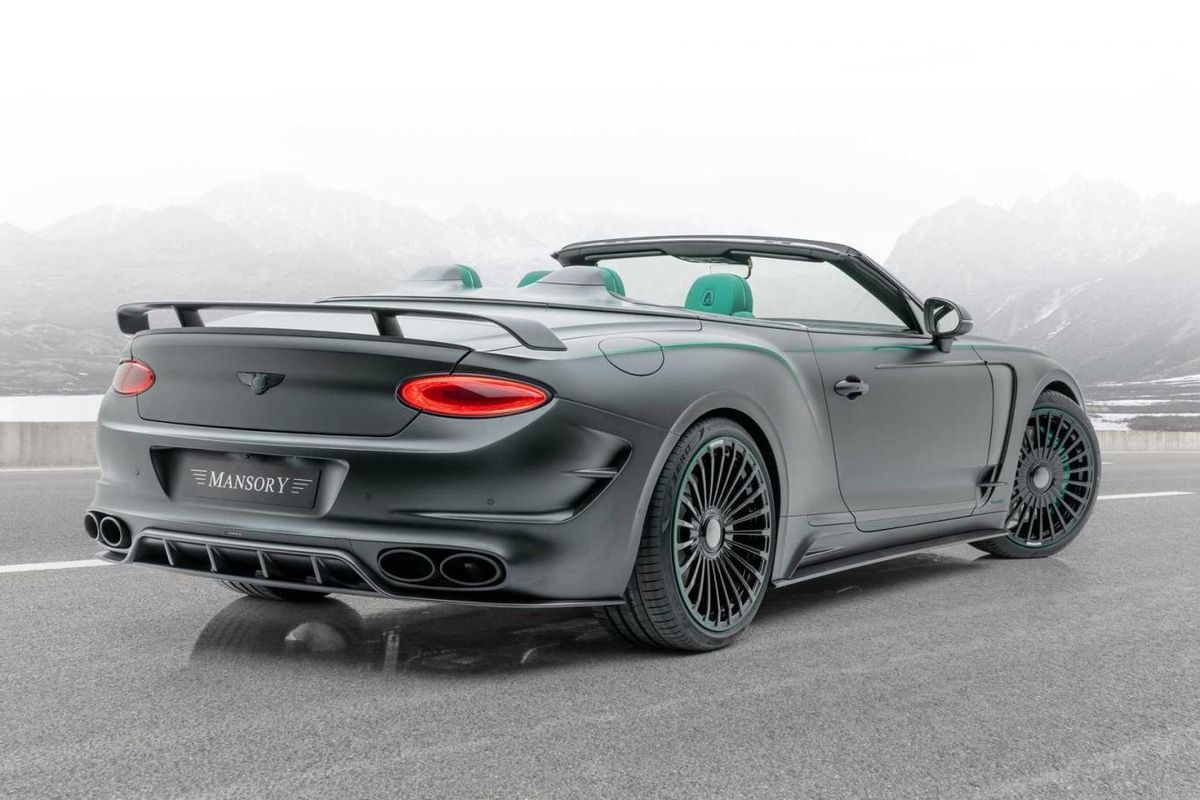
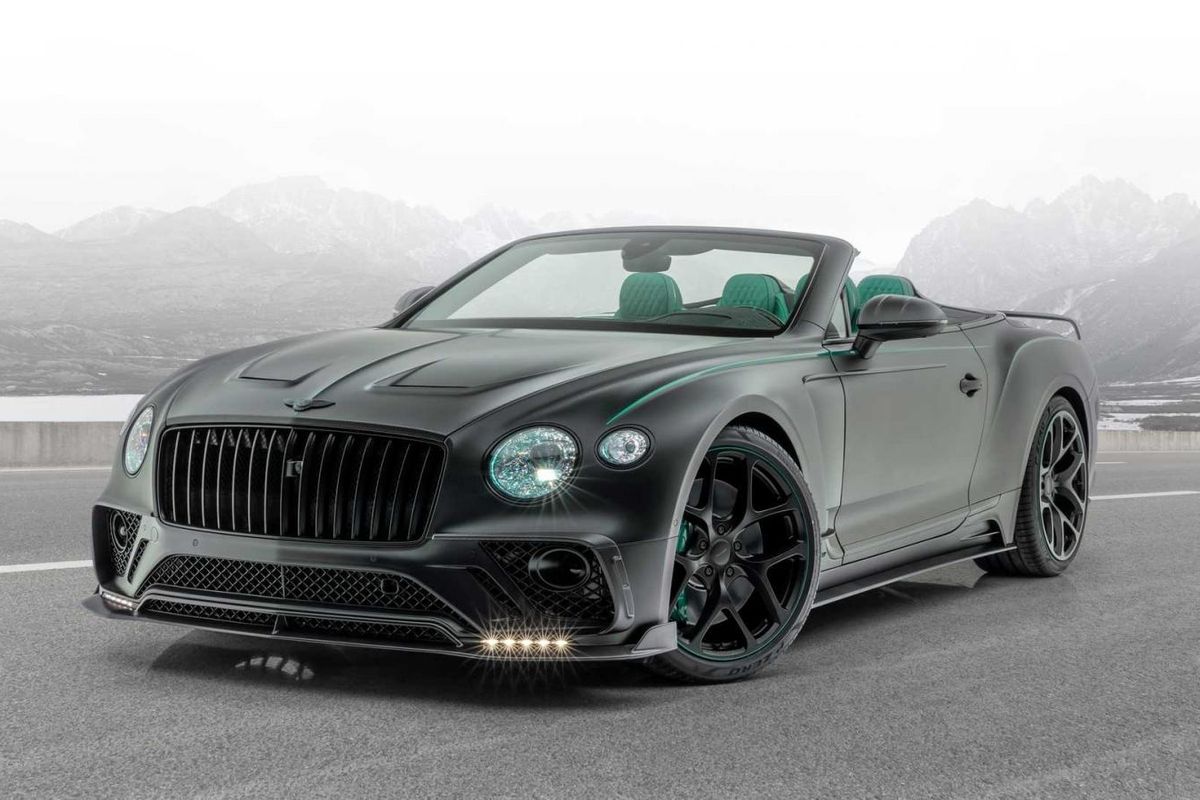
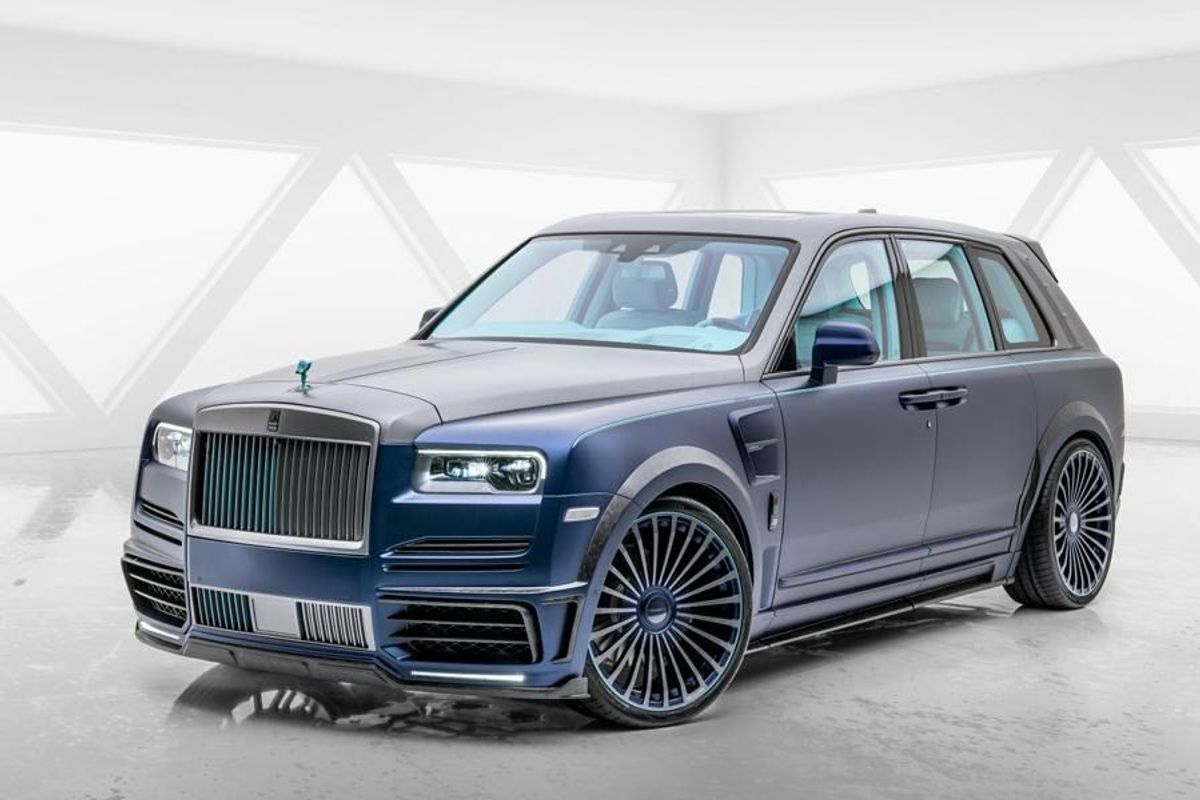
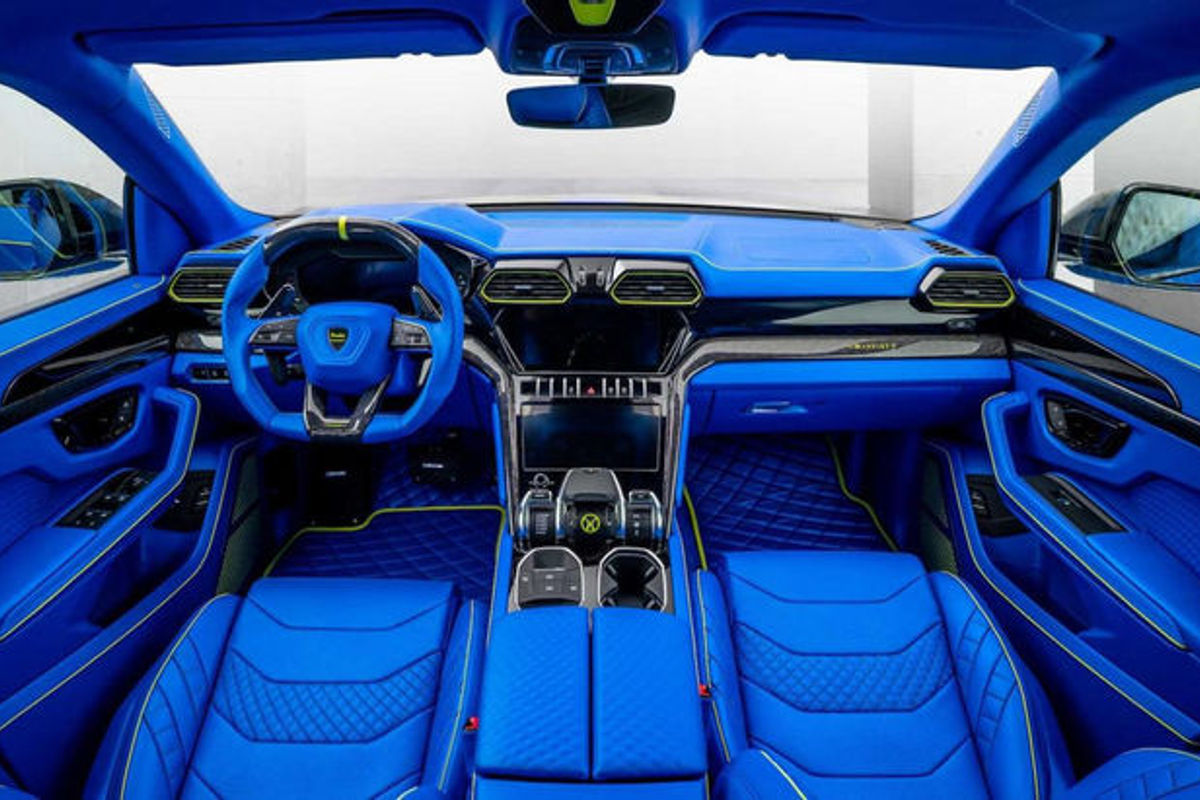
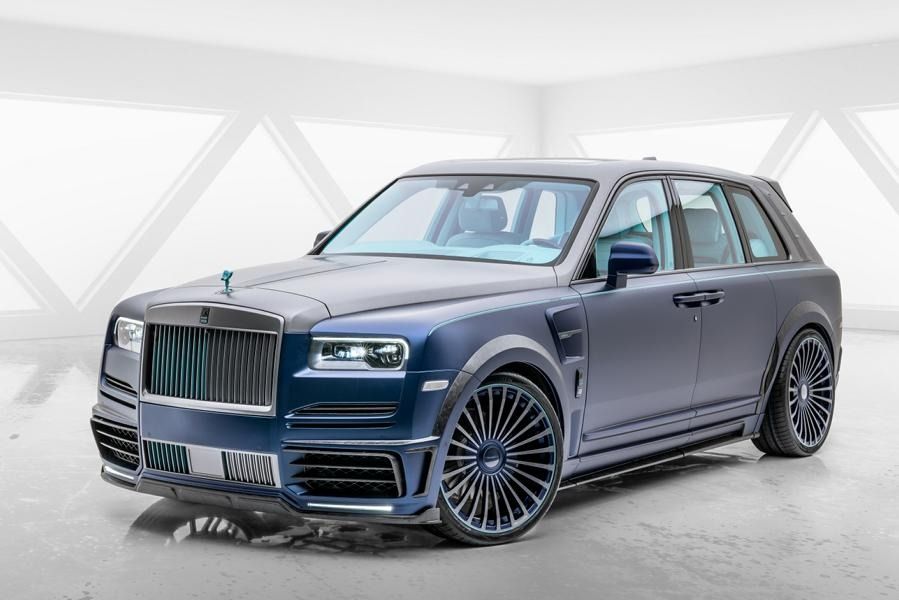
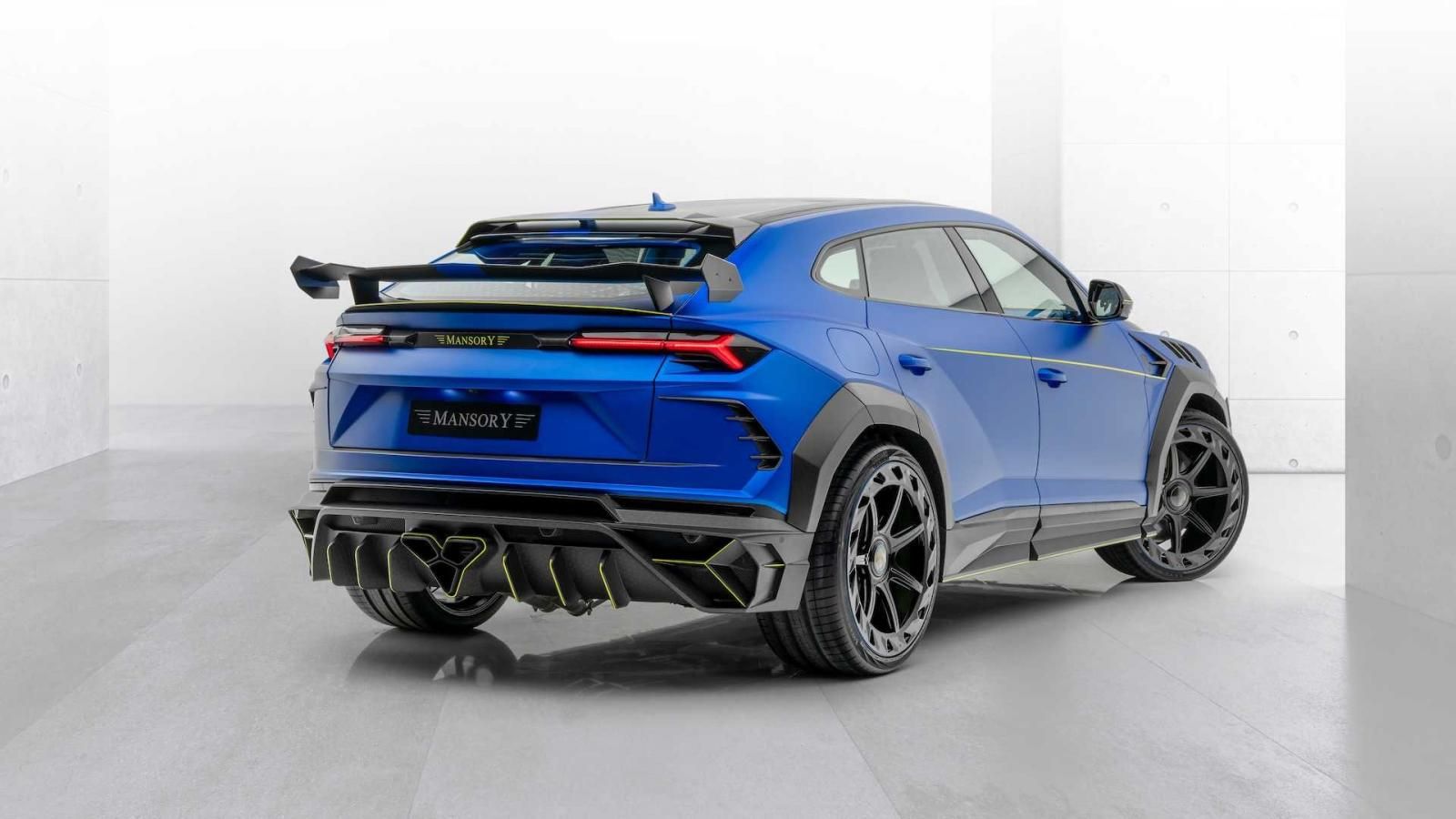
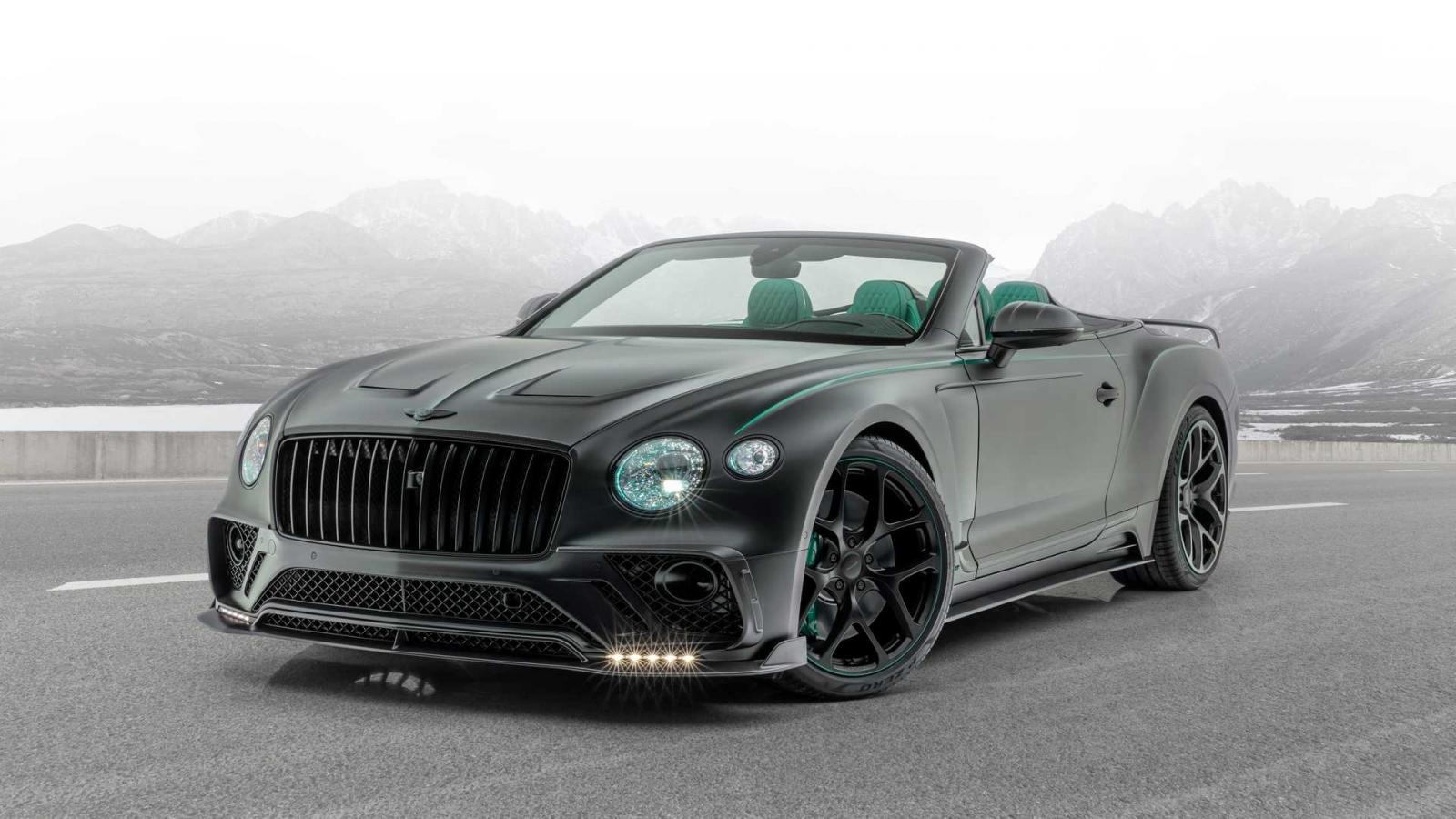
Car tuner Mansory has become famous for its exotic creations and for the 2020 Geneva Motor Show, it produced some extreme versions of the Lamborghini Urus, Rolls-Royce Cullinan and Bentley Continental GT V8 convertible.
Motor shows are filled with the latest and greatest product from the manufacturers and despite the Geneva Motor Show being canceled due to the COVID19 virus, that didn't stop the car companies from staging online reveals. One aspect of motor shows is the aftermarket and customisation section and one brand stands out for making some weird and wonderful creations. Mansory is a German-based tuning house and for the 2020 Geneva Motor Show, it worked on the Lamborghini Urus, Rolls-Royce Cullinan and Bentley Continental GT Convertible.
Mansory Coastline
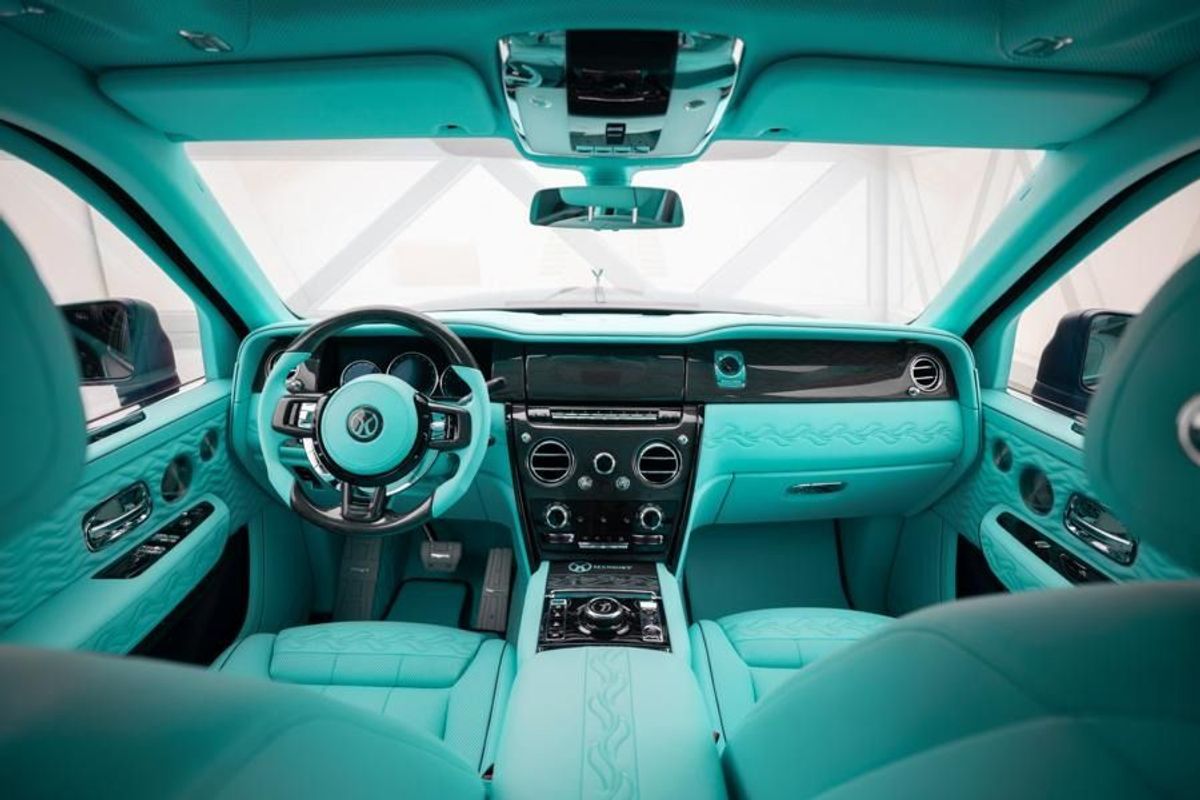
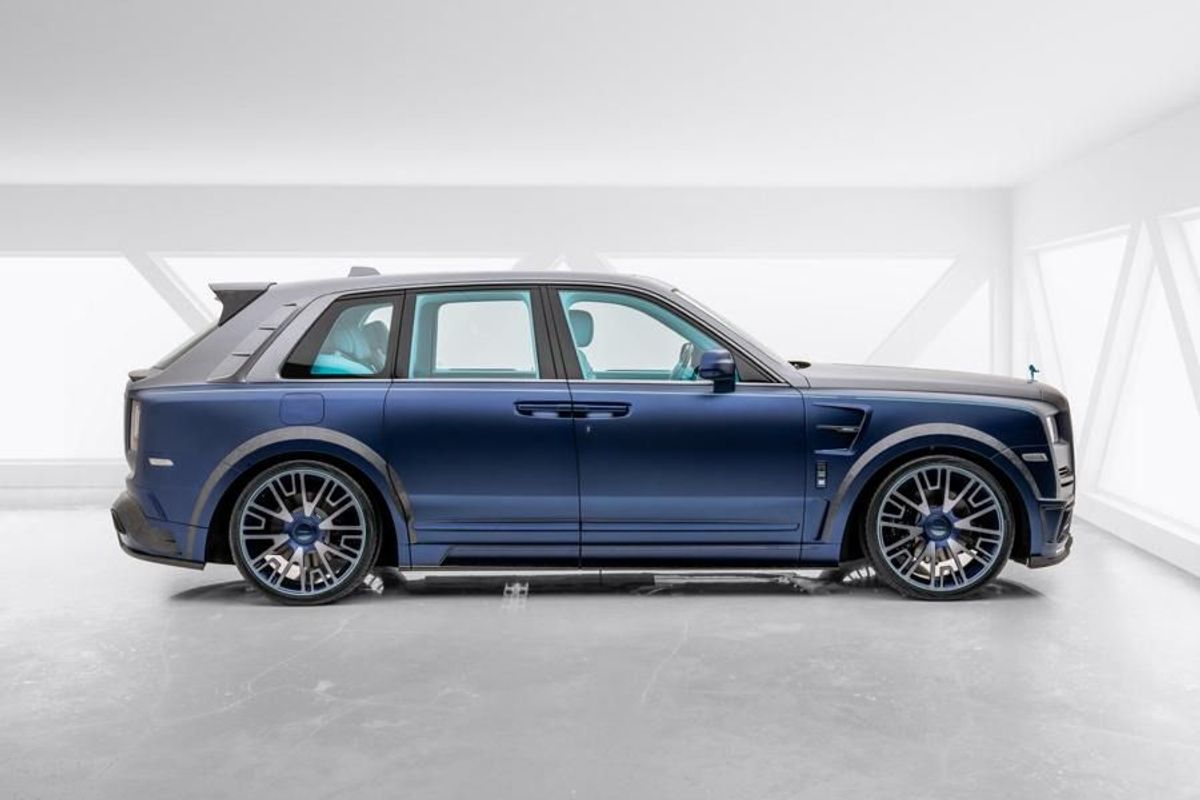
This is Mansory's take on the Rolls-Royce Cullinan. It features a sportier bodykit with plenty of carbon fibre, 24-inch alloy wheels and a power upgrade. Mansory has reflashed the ECU and fitted a sports silencer, giving it a total output of 454 kW and 950 Nm (the standard model produces 420 kW and 850 Nm). It'll sprint to 100 kph in a claimed 5 seconds and Mansory has moved the limiter to 280 kph. Inside, everything is painted in turqoise and there's extensive use of quilted leather on the seats. Mansory has made just 8 examples.
Mansory Venatus
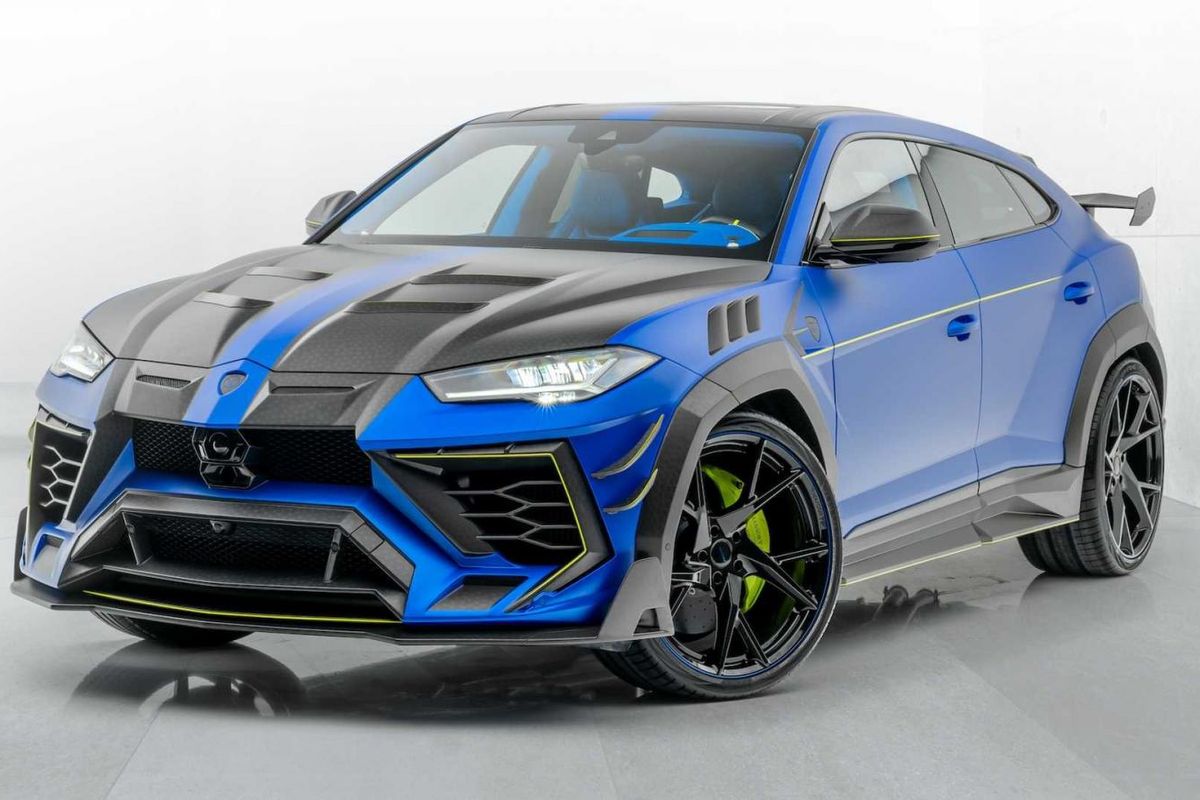
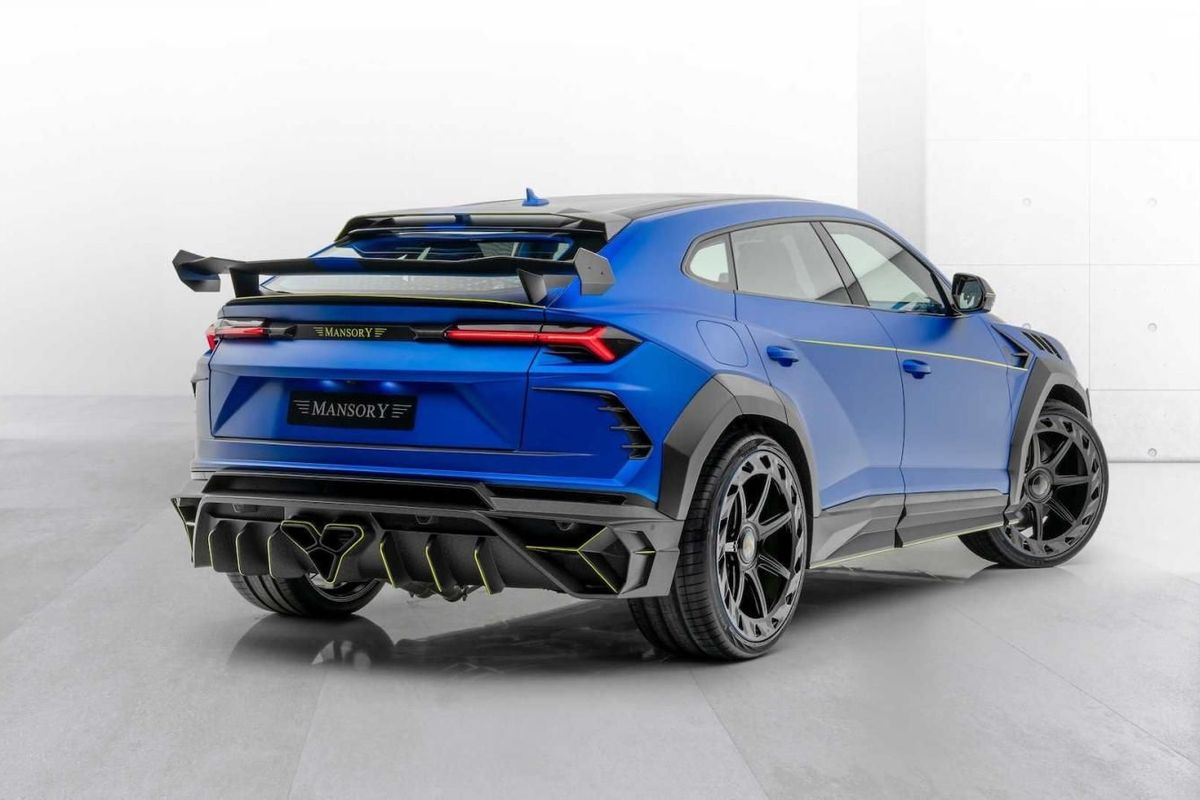
Mansory has given the Lamborghini Urus a full makeover and it looks mental. FInished in matte blue with green accents, topped with a widebody kit, there's nothing quite like it. There's even a spoiler on the rear, finished in carbon fibre, obviously. There are the obligatory big rims, but the real changes can be found under the bonnet. Mansory has given the Urus a big power boost. In standard form, it produces 478 kW and 850 Nm from its 4.0-litre twin-turbo V8. This version thumps out 596 kW and 1000 Nm, giving it a claimed sprint time of 3.3 seconds to 100 kph.
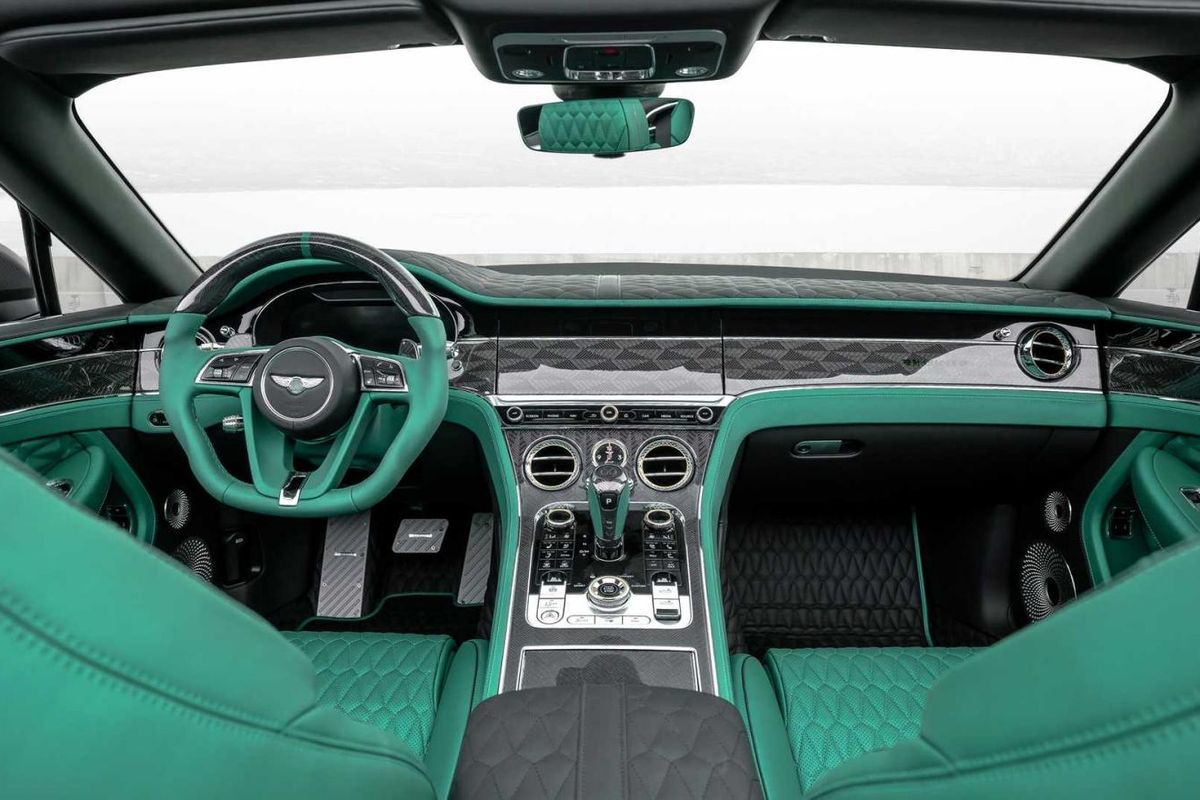
Mansory Bentley Continental GT Convertible
Mansory has given the luxurious Bentley Continental GT Convertible a makeover. With a monster grille, bodykit, carbon fibre splitter, rear diffuser and wing, this Bentley looks outrageous. Most of these components are finished in carbon fibre and there's the obligatory rear wing too. Mansory has also fitted new-look LED daytime running lights as well as 22-inch alloy wheels. For extra effect, there's green detailing in the brakes and accent lines. The green continues inside, with seats, door panels and steering wheel. The engine has been given a mild workover, with a new exhaust and remapped ECU. In standard form it produces 404 kW from its 4.0-litre twin-turbo V8, but that's been increased to 477 kW and it's claimed to hit 100 kph in under 4 seconds.
Hot Pininfarina Battista Anniversario Revealed [w/video]
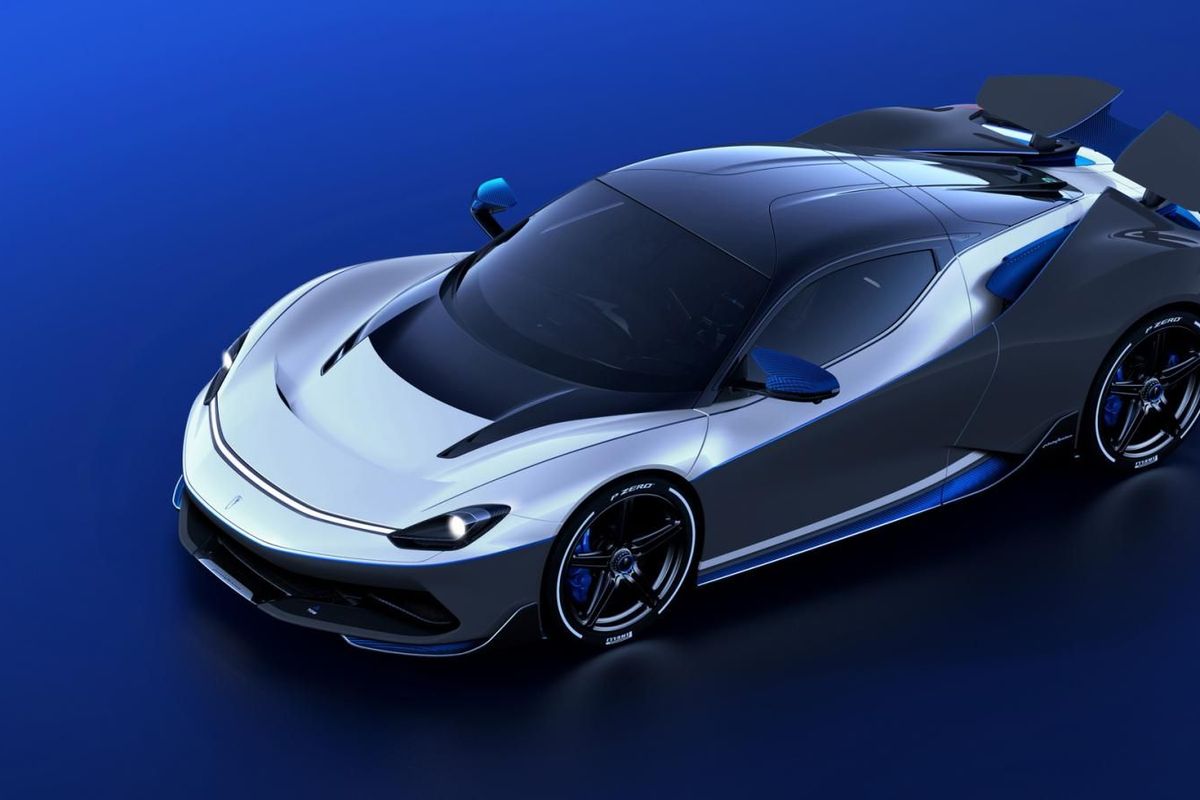
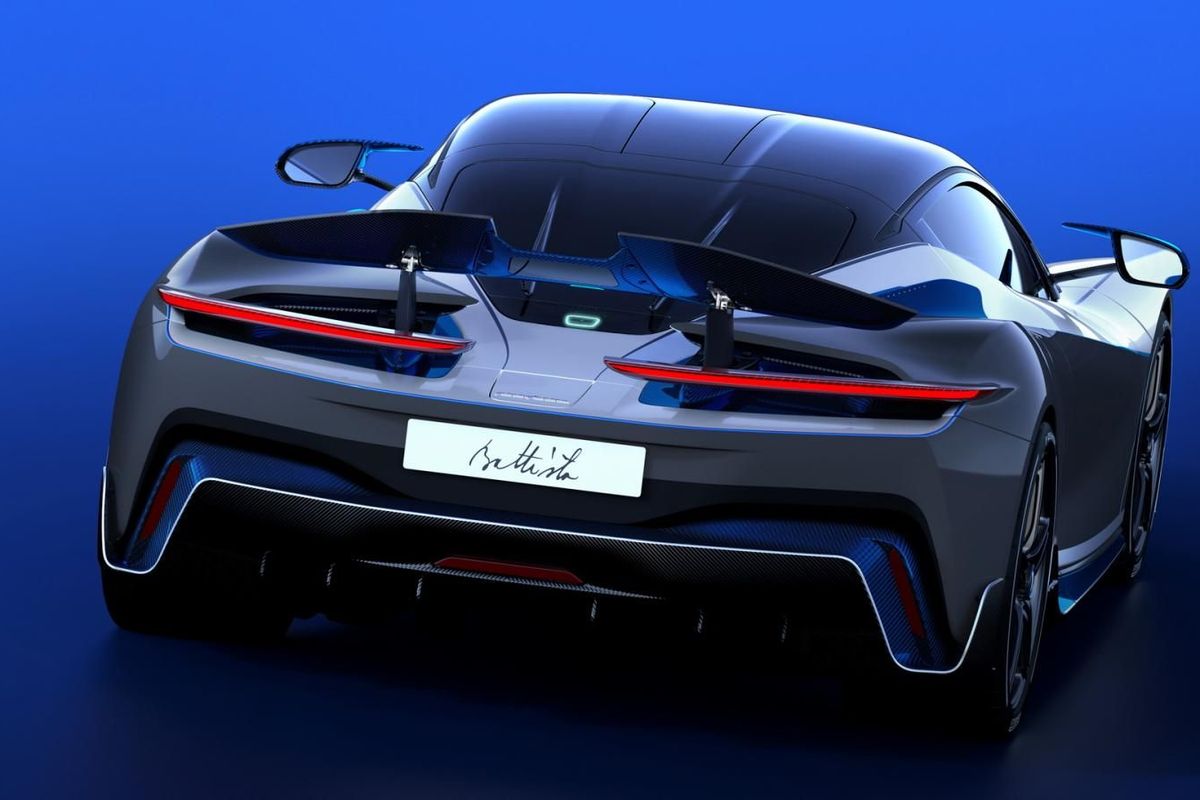
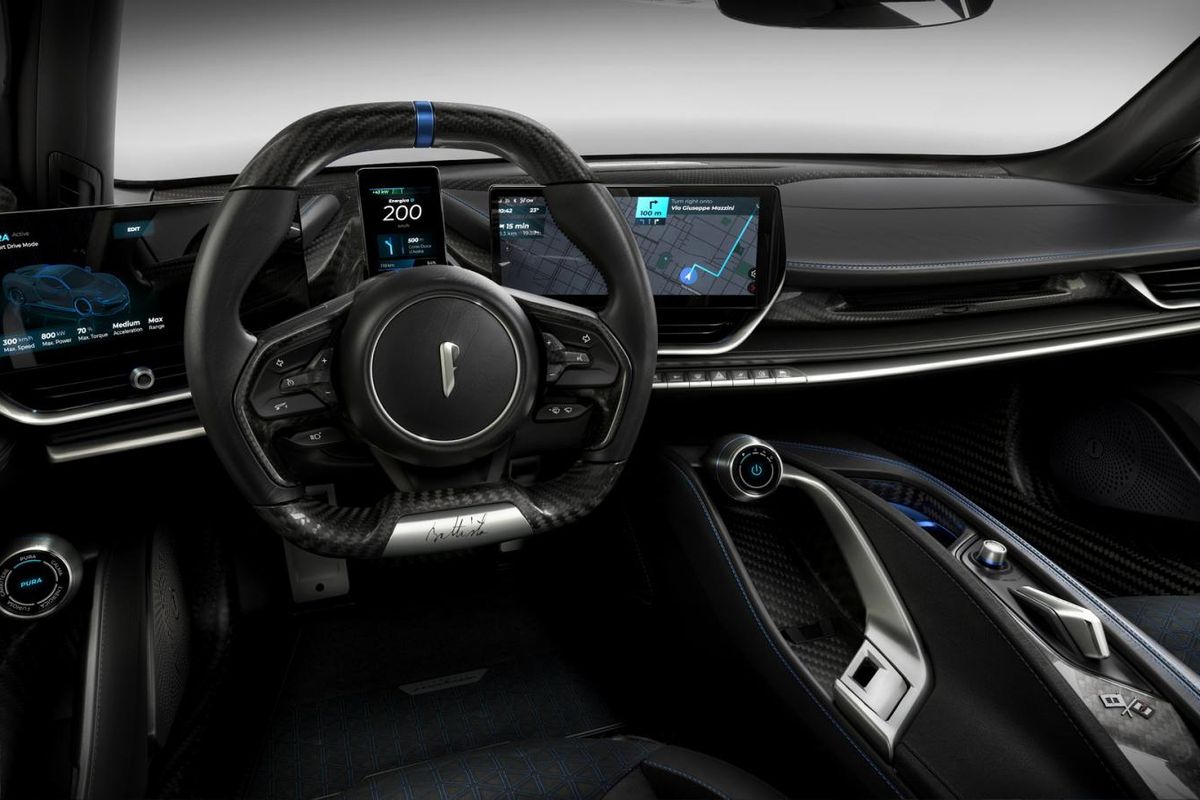
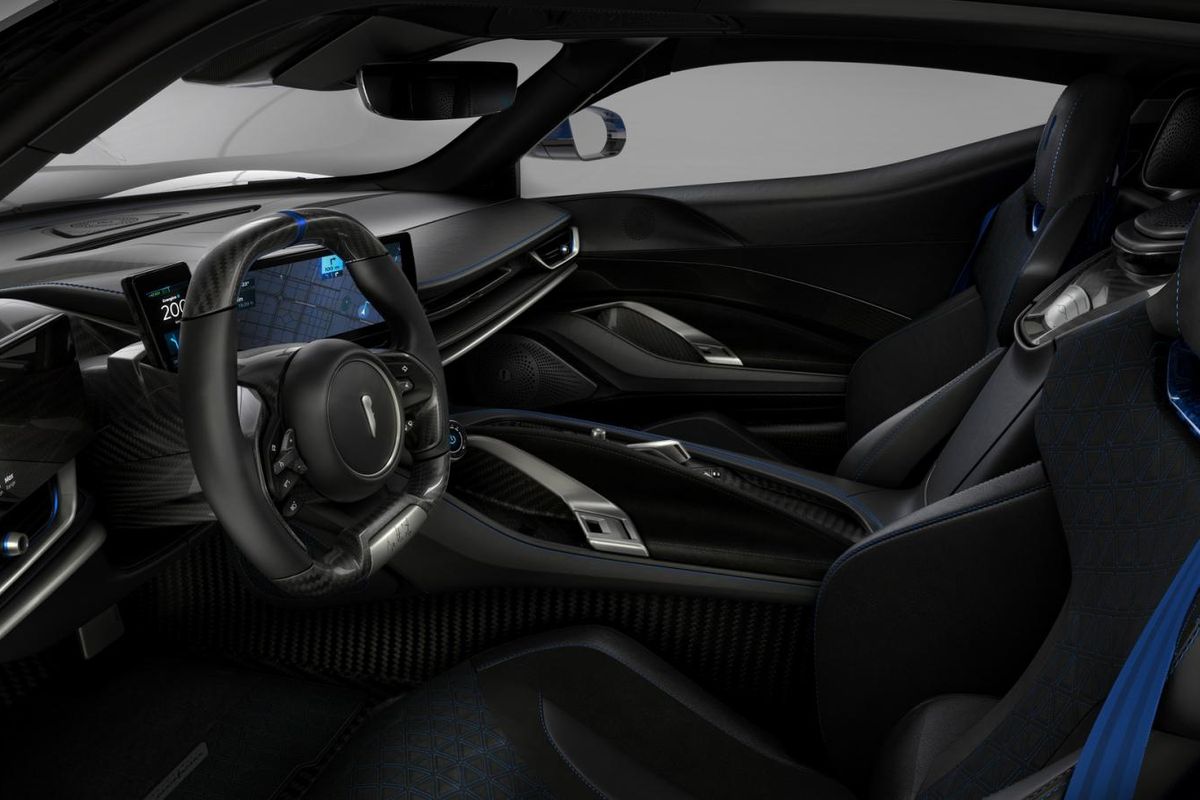
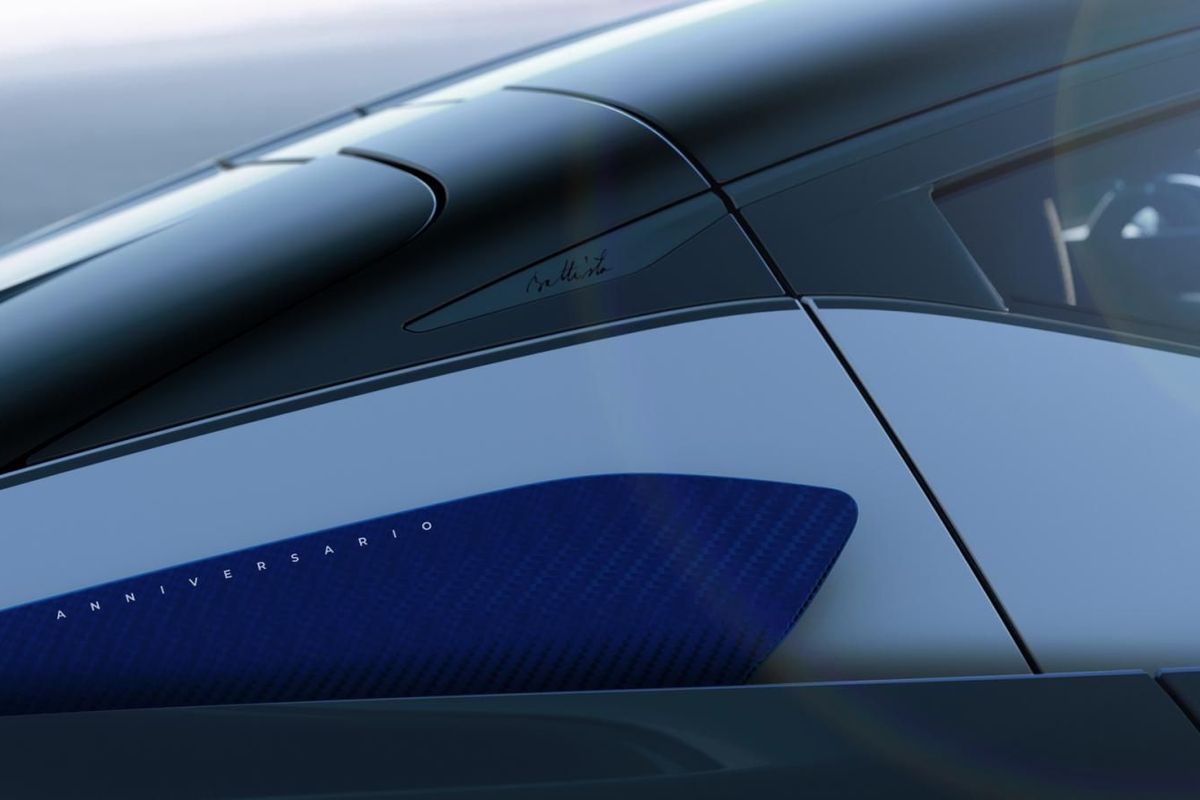
Just over a year ago, Pininfarina unleashed its Battista electric GT supercar. Now a special Battista Anniversario edition has been revealed wearing a new rear wing and lighter alloy wheels.
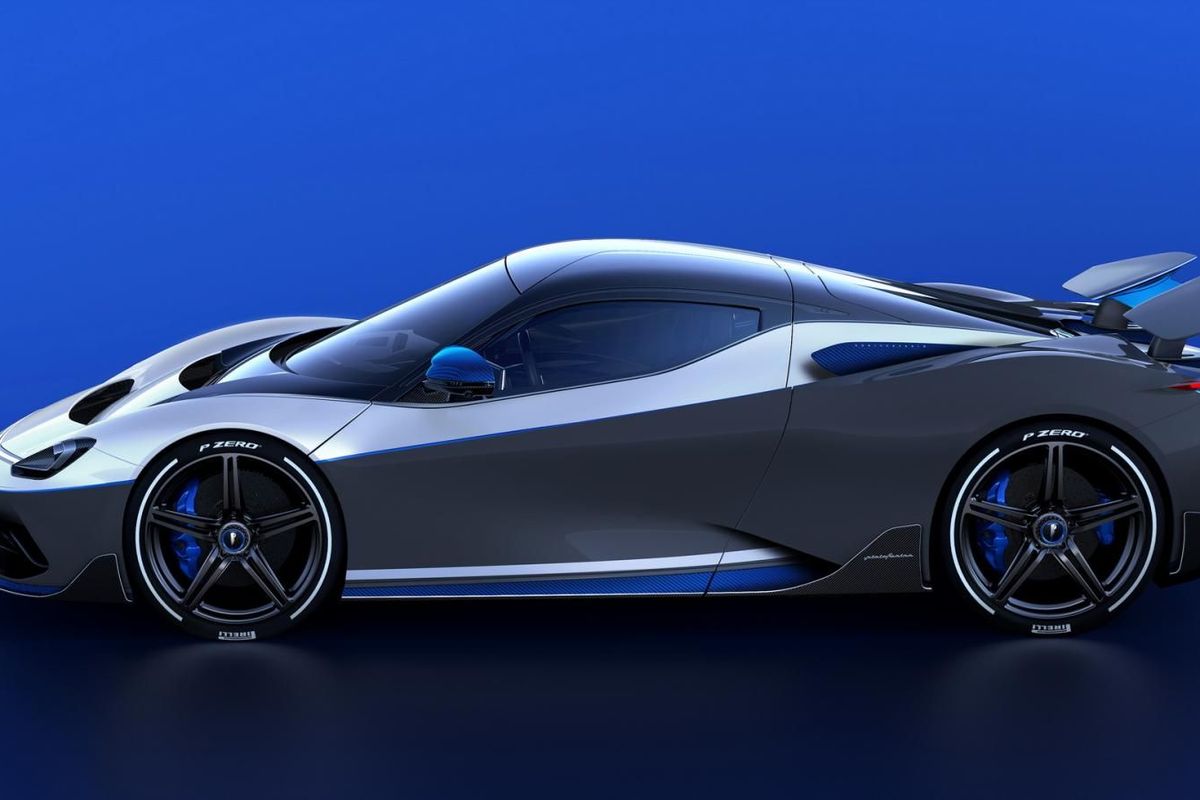
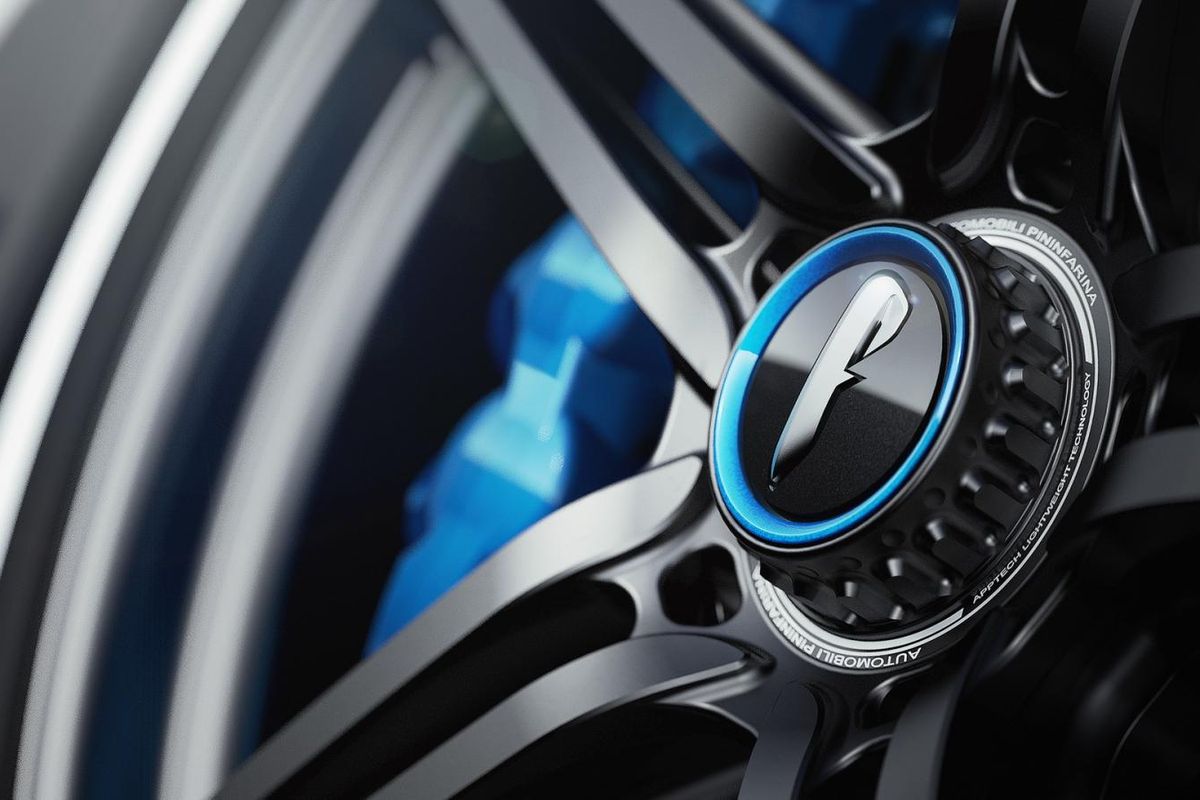
We love the look of the Battista and the Italian design firm has refined the limited-run model with some aerodynamic enhancements and lighter 21-inch, centre-locking alloy wheels which shed 10 kg in weight.
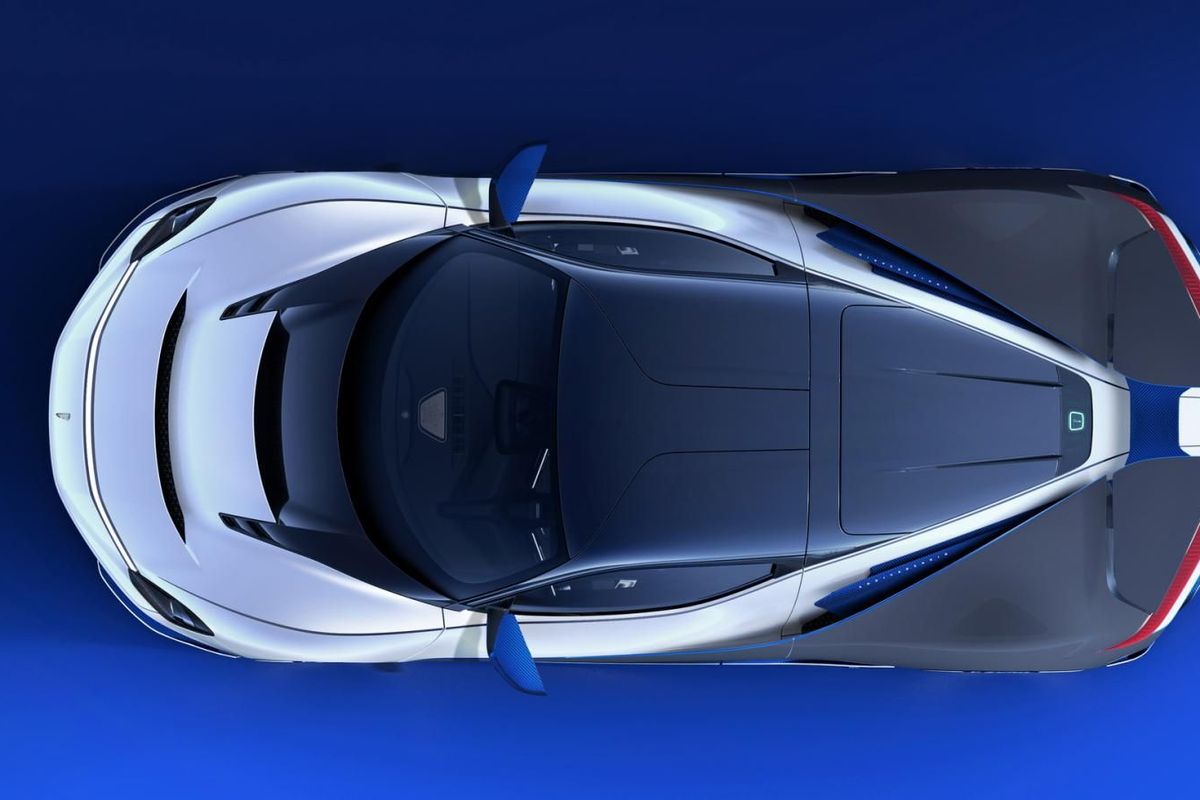
The Battista Anniversario combines 3 exterior colours including Bianco Sestriere white, Grigio Antonelliano gray and Iconica Blu which forms part of the optional Furiosa package which also includes a front carbon fibre splitter, side blades and a rear diffuser. The large rear wing increases downforce at speed to improve stability.
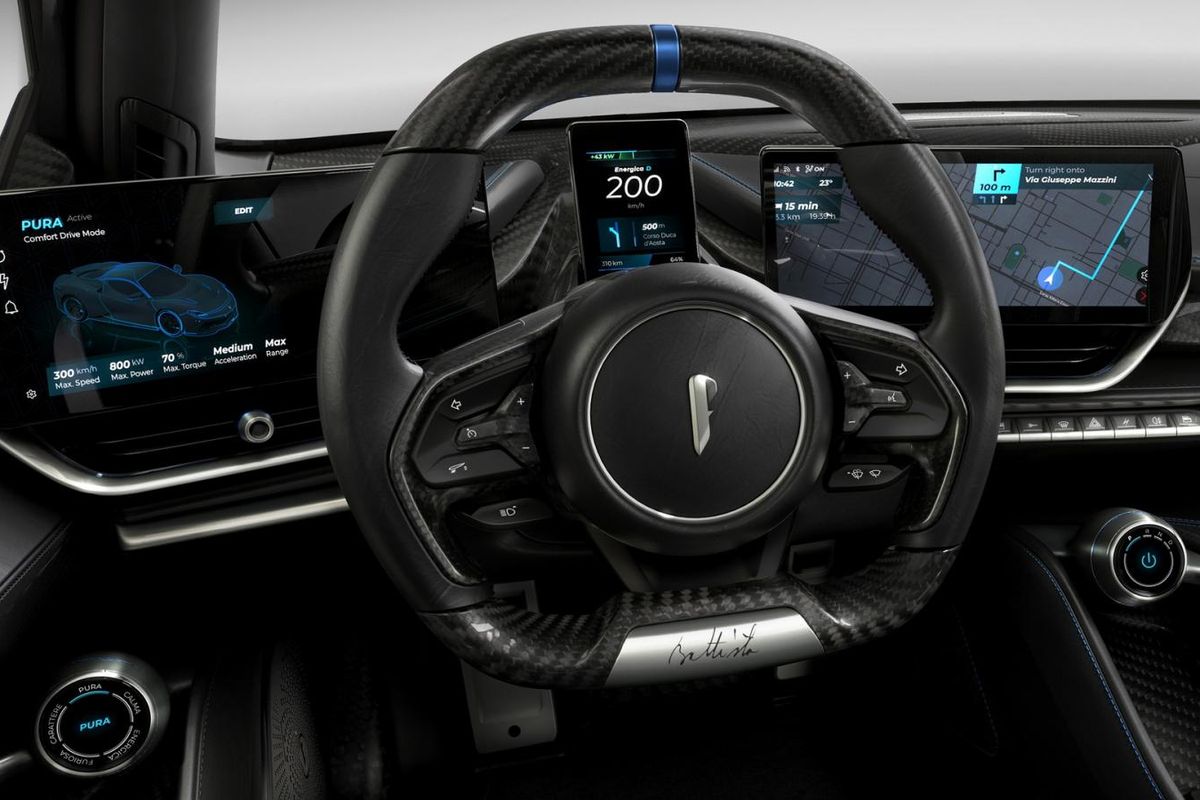
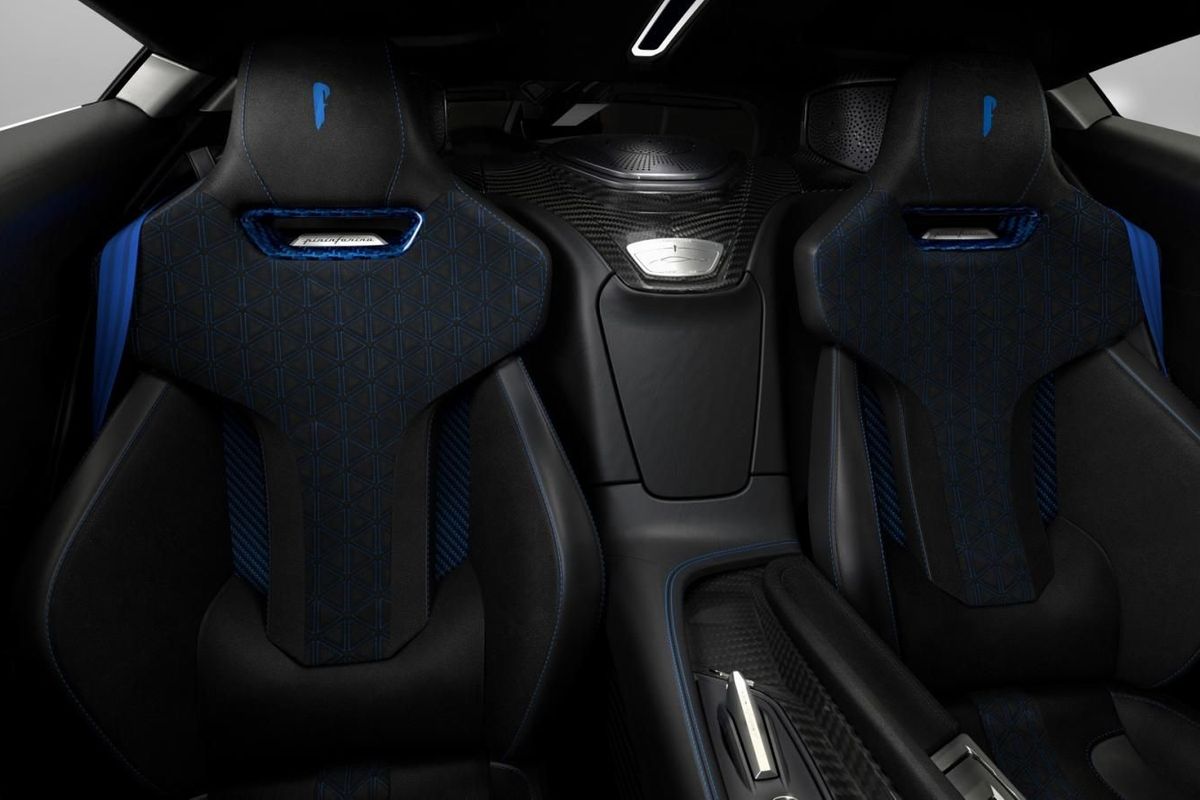
The interior is finished in black leather and Alcantara with blue contrast stitching and a blue 12 o’clock mark seen on the steering wheel.
The Battista Anniversario adopts the same electric powertrain which comprises 4 electric motors (1 at each wheel) with a total system output of 1 397 kW and 2 300 Nm of torque. The sprint from zero to 100 kph is claimed at under 2 seconds, while zero to 300 kph takes less than 12 seconds with a top speed of 350 kph. A 120 kWh battery pack allows for an electric range of over 500 km.
Only 150 Pininfarina Battistas will be built but only 5 examples of the Battista Anniversario will see the light of day as part of the same production run. The Battista will be built in Cambiano, Turin, Italy.
Pricing for the Battista Anniversario is pegged at $2.87-million or over R44-million at current exchange rates.
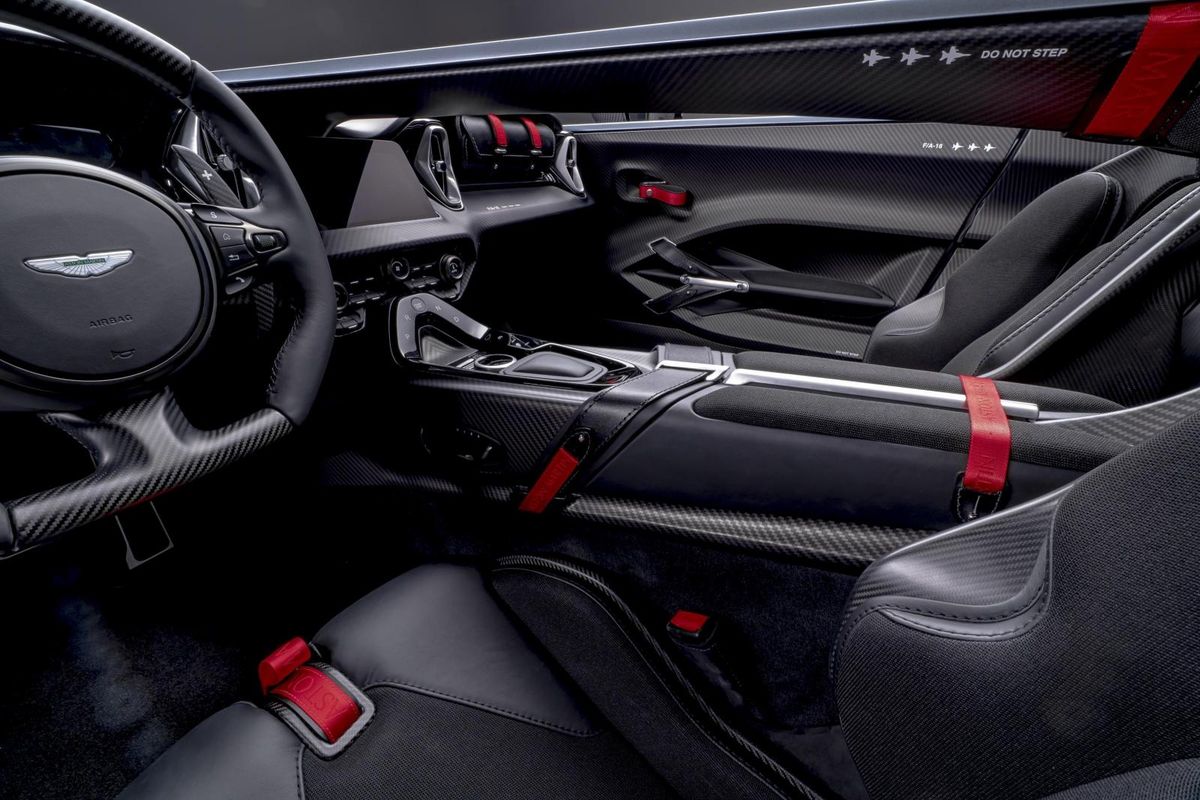
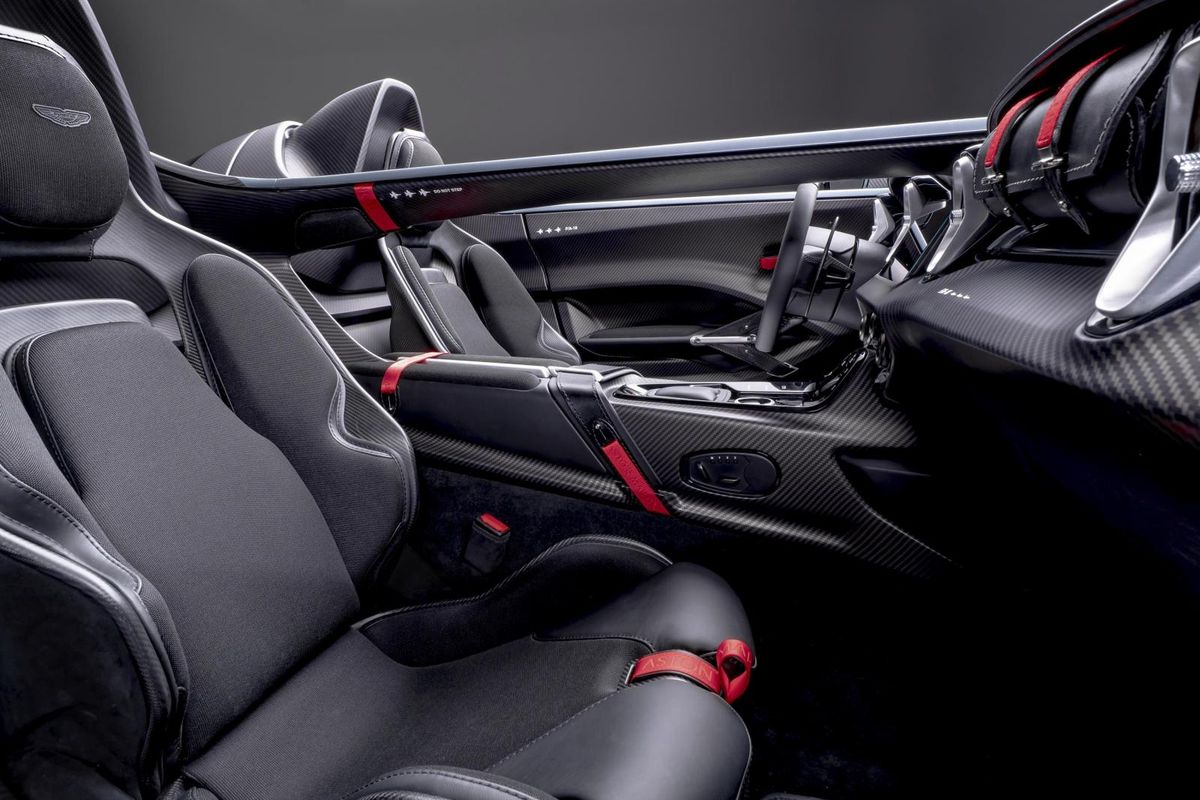
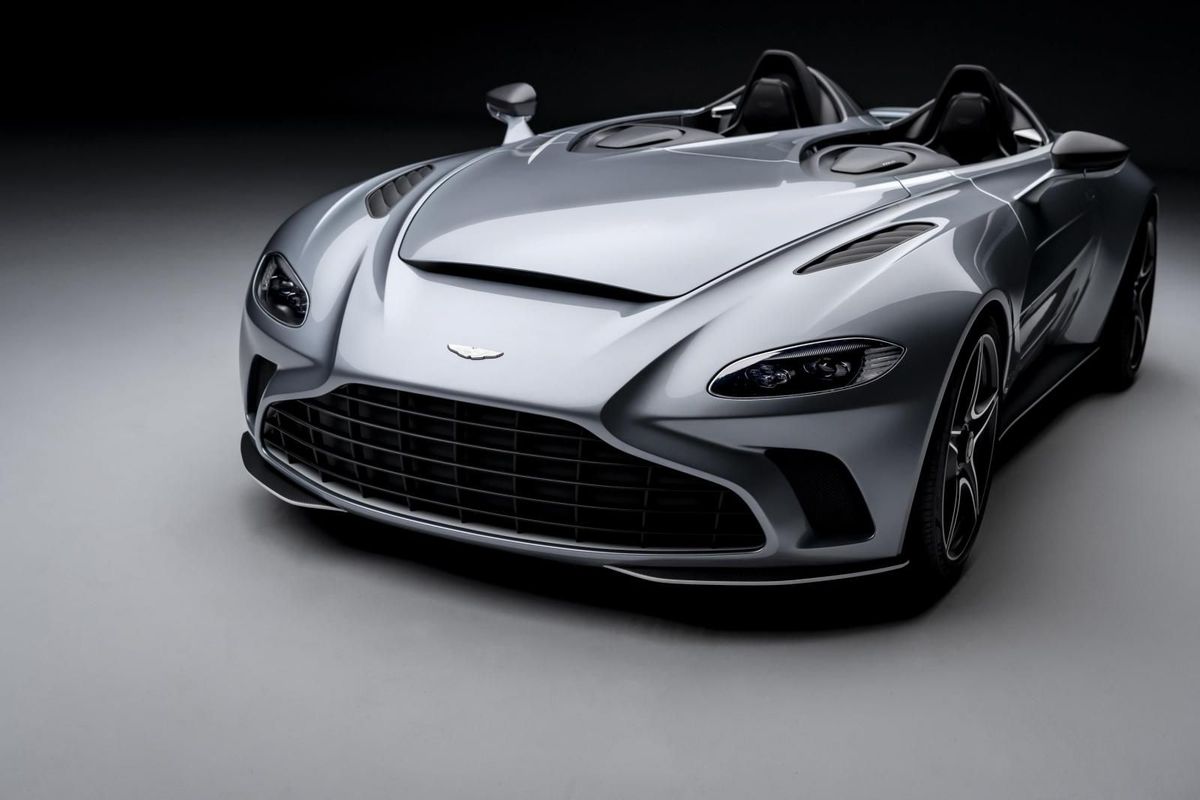
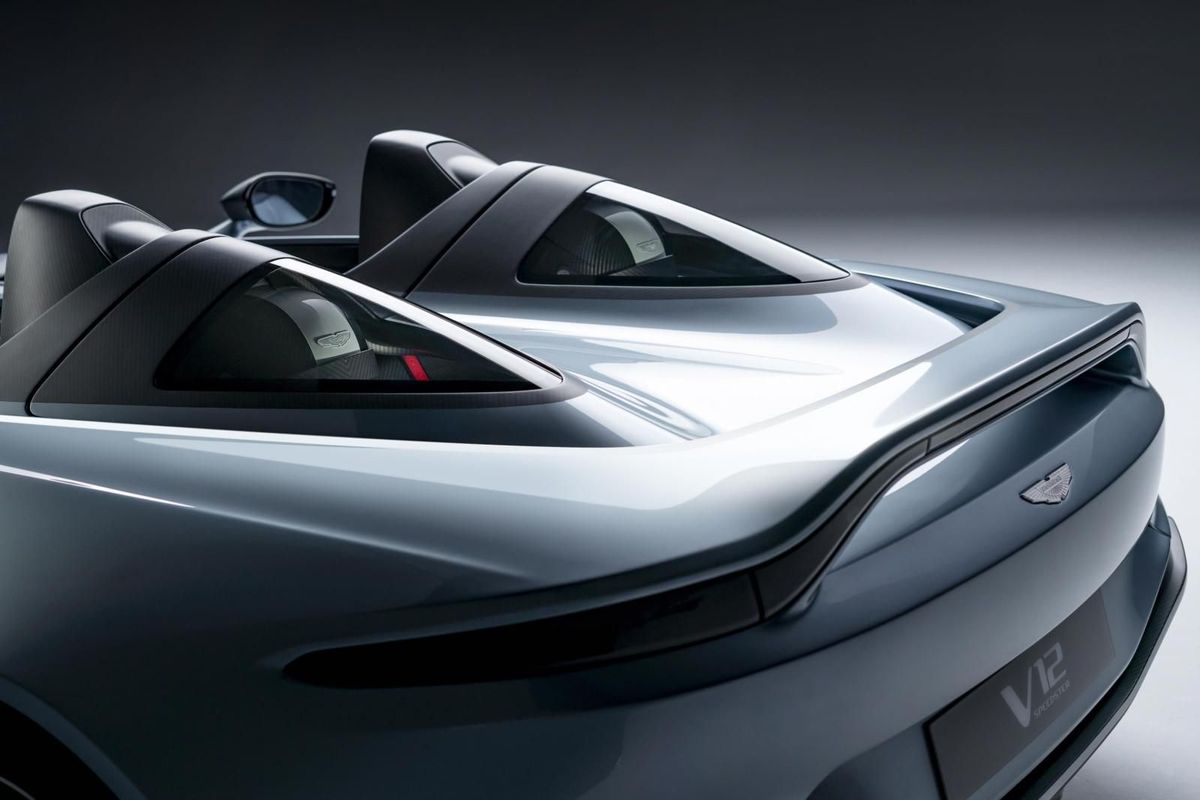
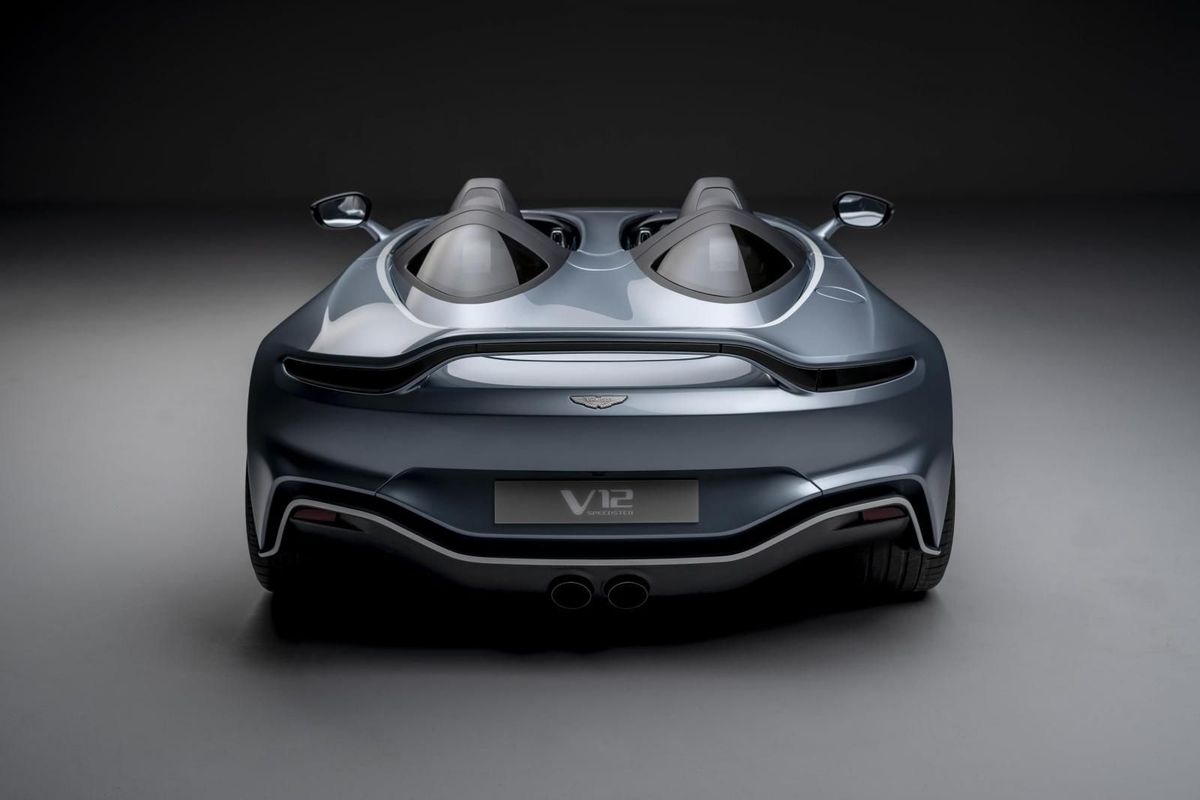
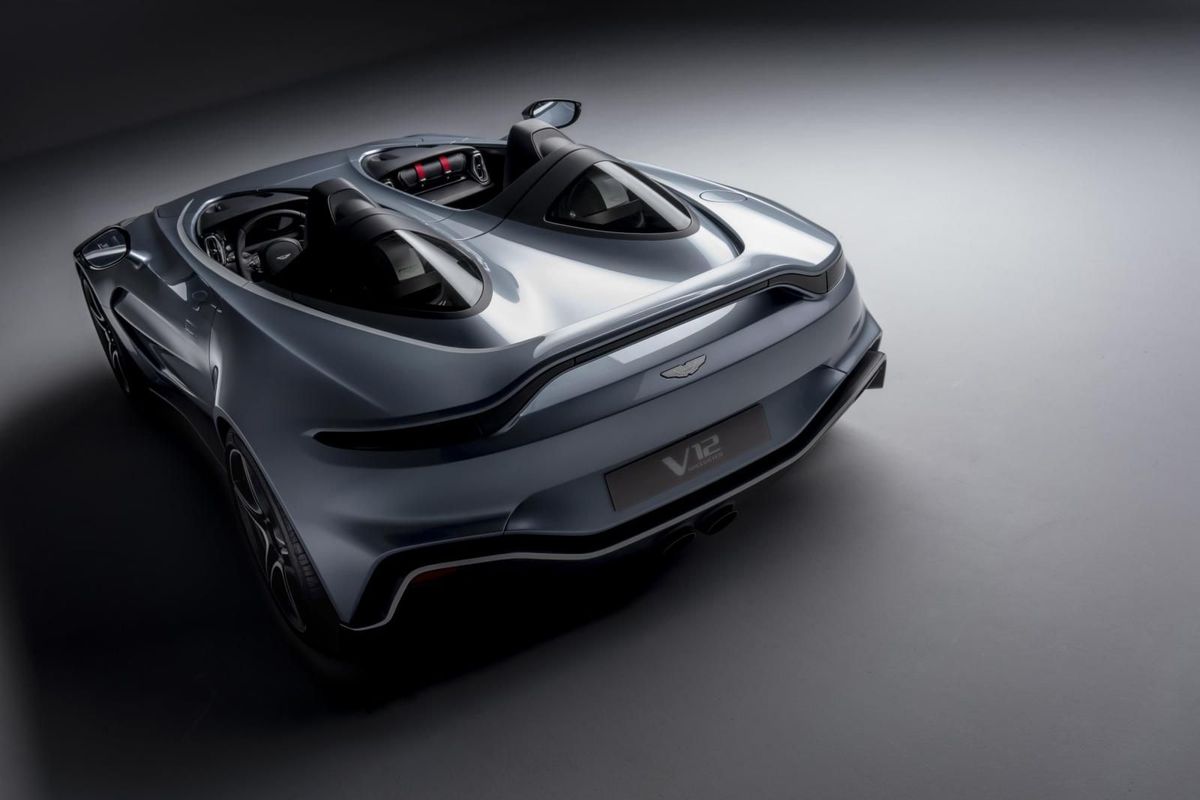
Aston Martin has showcased its new V12 Speedster. Here's what you need to know about this extreme limited-edition performance model.
Aston Martin will be making just 88 examples of the new V12 Speedster. The British carmaker has pulled off an incredible feat, going from idea to production model in just over a year. It's a striking design and it looks like a proper racecar, with splashings of carbon fibre everywhere.
Aston Martin Lagonda President and Group CEO, Dr Andy Palmer said: “It makes me enormously proud to reveal Aston Martin’s latest, most exciting special model today. The V12 Speedster is an incredible demonstration of the breadth of capability and determination from the ‘Q by Aston Martin’ team, who have worked tirelessly to create this stunning, two-seat sports car aimed at our most demanding and enthusiastic customers.”
Built on a unique bonded aluminium architecture with shared elements from the Vantage and DBS Superleggera, the V12 Speedster is a fascinating take on open-top performance. It features an independent double wishbone front, and multi-link rear suspension with coil springs and adaptive damping offering Sport, Sport+ and Track modes. There are 21-inch forged alloy wheels and carbon ceramic brakes.
The power comes from a 5.2-litre twin-turbocharged V12 motor mated to a ZF 8-speed automatic transmission. There's also a limited slip differential. It develops around 515 kW and 753 Nm, and it's capable of a claimed sprint time of 3.5 seconds to 100 kph and it'll run to a limited top speed of 300 kph.
Aston Martin says the order books are now open for its new V12 Speedster, with a price tag of £765,000 (R15 million). The first customers will be getting their cars in early 2021.
Hispano Suiza has revealed an even more exclusive version of its Carmen. The Spanish brand is channelling its 1930s design legacy with the Carmen range, which is being positioned as a contemporary supercar with outrageous styling, clever materials and battery power.
With its new Boulogne variant, Hispano Suiza has taken the Carmen platform and made it even lighter, whilst adding power.
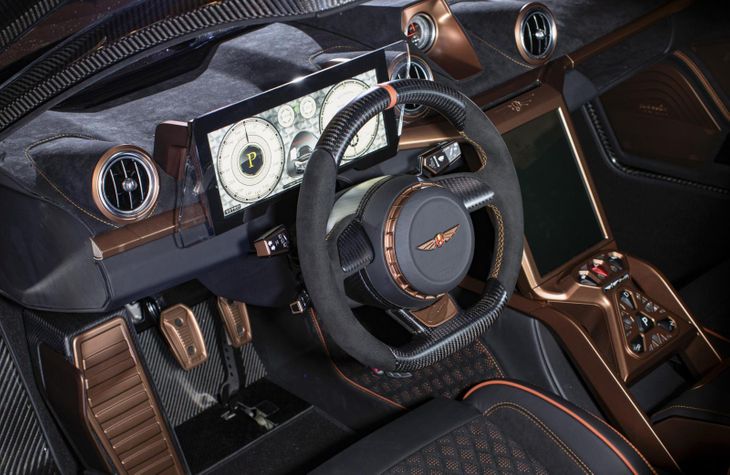
The car’s styling is theatrical, featuring unpainted carbon-fibre bodywork, shaped with dramatic pinch-points over the wheel arches. CNC machined copper components abound, both inside and out, giving the Boulogne a wonder contrasting texture and colour theme, in relation to its carbon-fibre weave exterior surfacing.
Low mass and enormous power combine to give this Spanish supercar tremendous performance. The Carmen Boulogne’s platform is a monocoque carbon structure too and weighs only 195 kg.
Although the 80 kWh lithium-ion battery pack isn’t the largest power source available, Hispano Suiza claims it can spin the Carmen Boulogne’s electric motor to a peak power output of 820 kW.
With 70 kW more than the standard carbon and 60 kg less weight, the Boulogne version is said to be capable of 0-100 kph in 2.6 seconds and a top speed of 290 kph.
Range and recharging numbers are impressive too. Hispano Suiza says that a Carmen Boulogne should run 400 km on a single charge, although that implies that it is not being driven at its performance potential.
Hispano Suiza’s Carmen is a low-volume project, feature an enormous amount of handmade componentry. As such, it certainly is not a cheap investment for any enthusiast. The company will only build five of these Boulogne versions, priced at R28m a piece. Customers are expected to receive their cars by 2022.
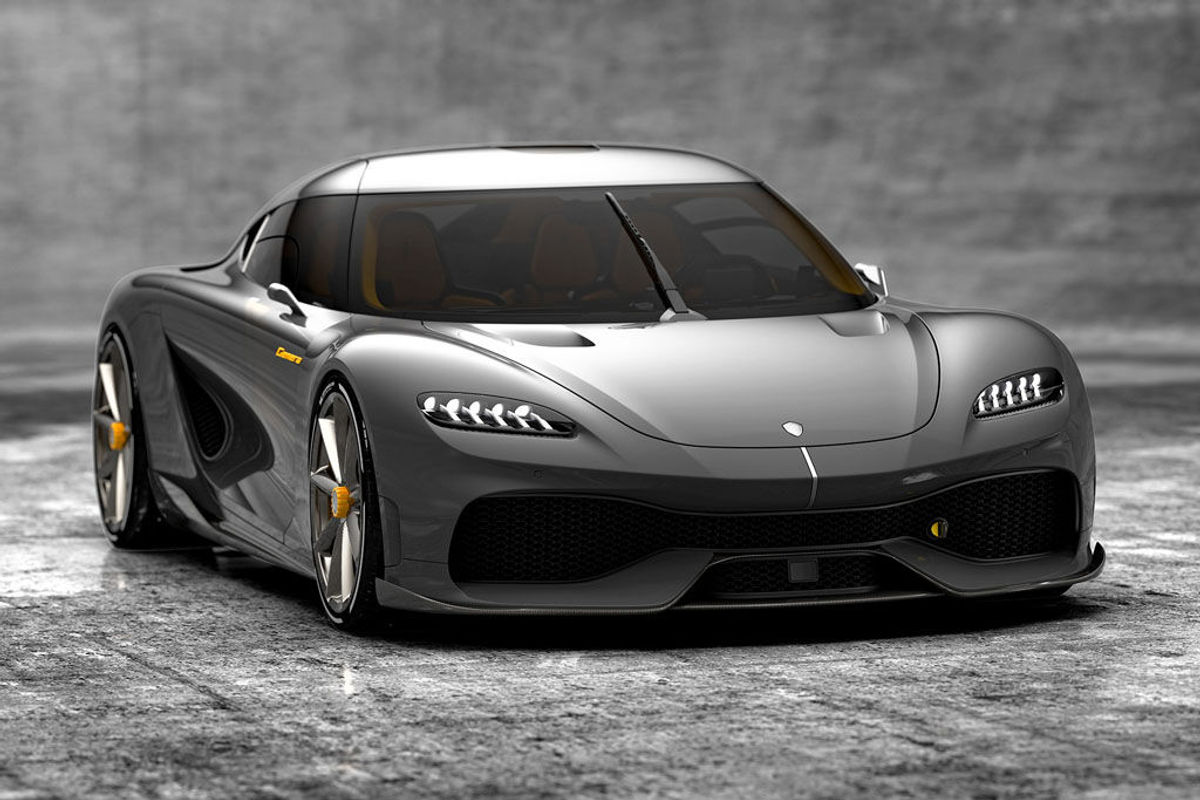
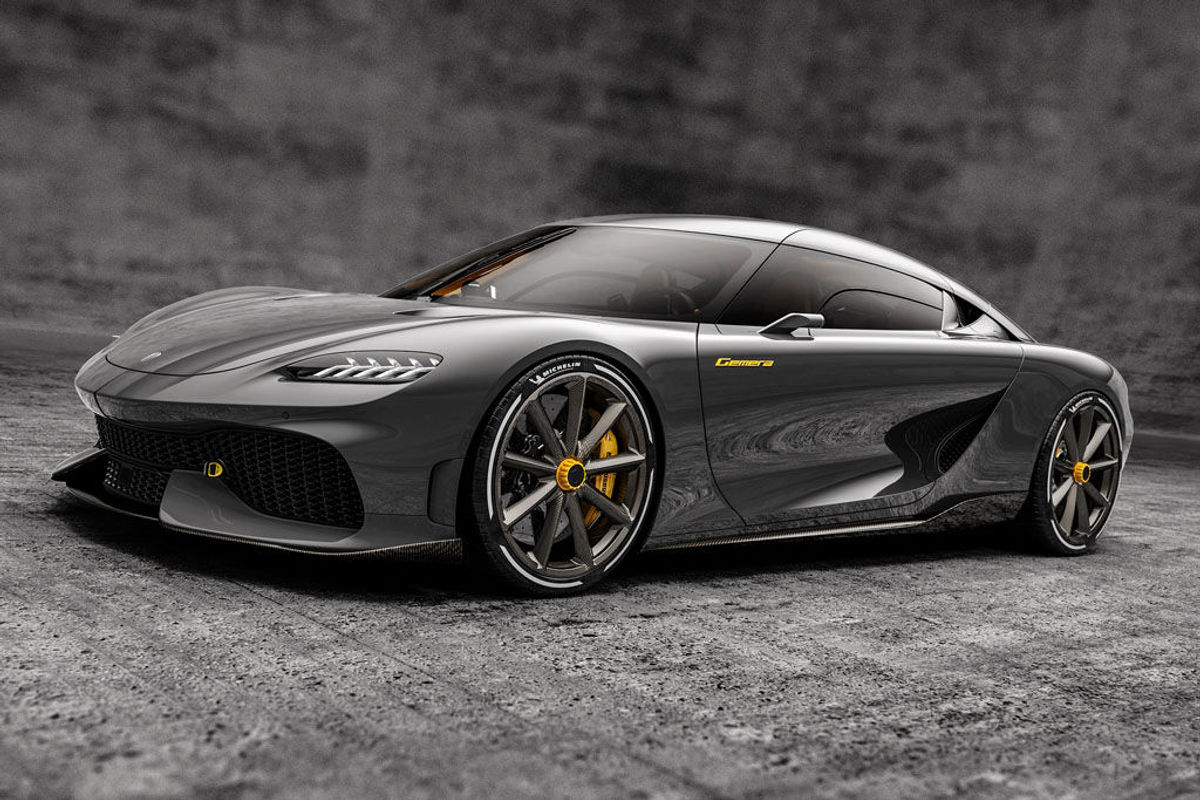
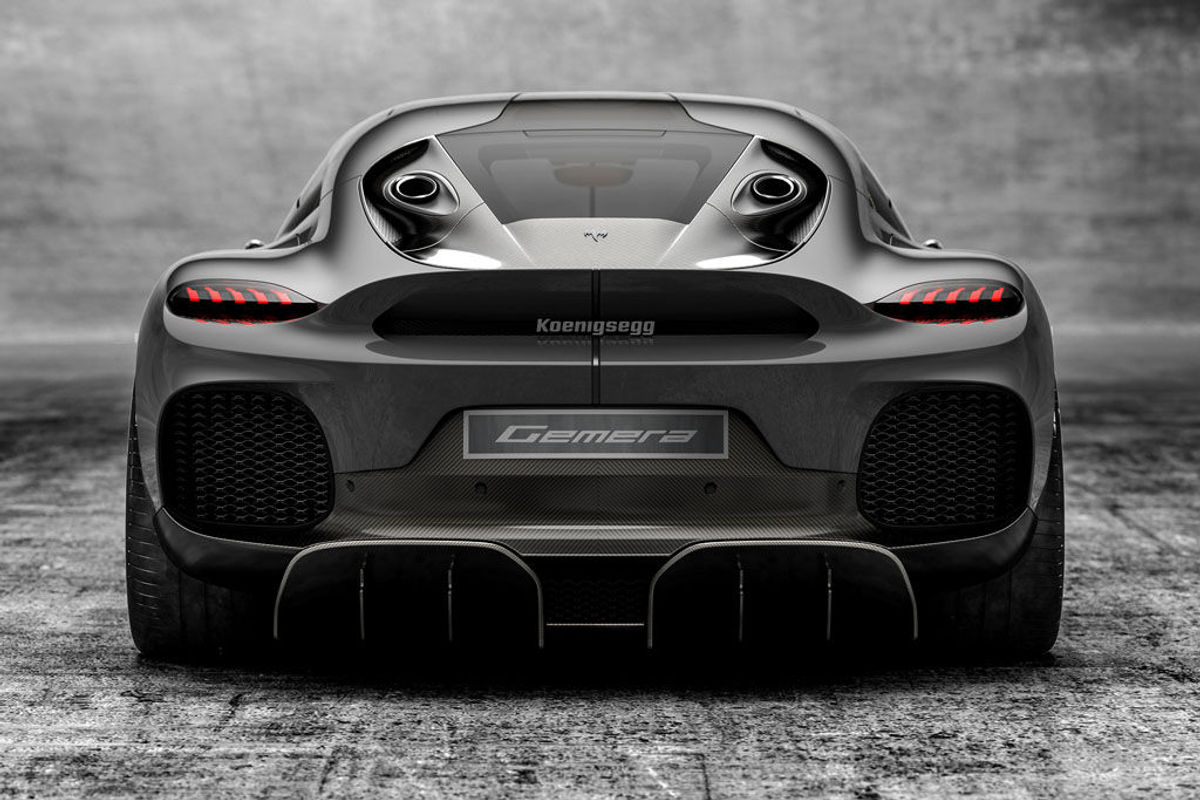
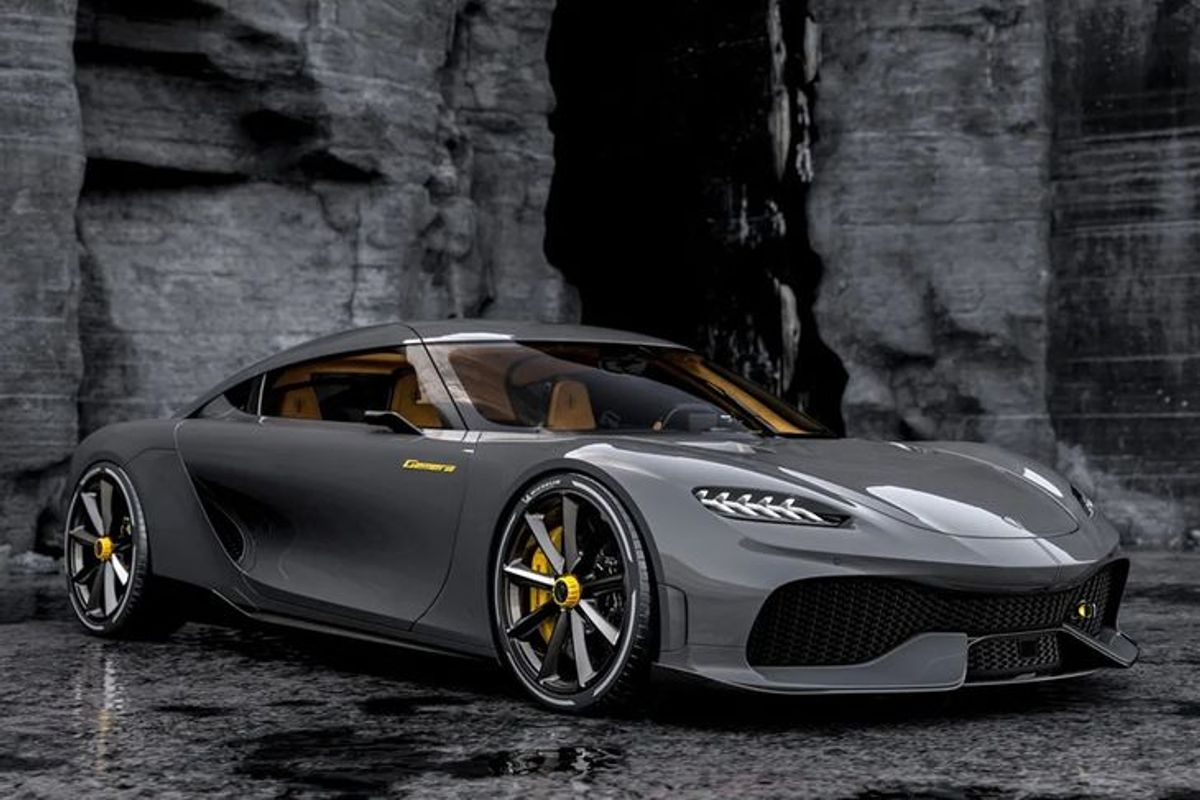
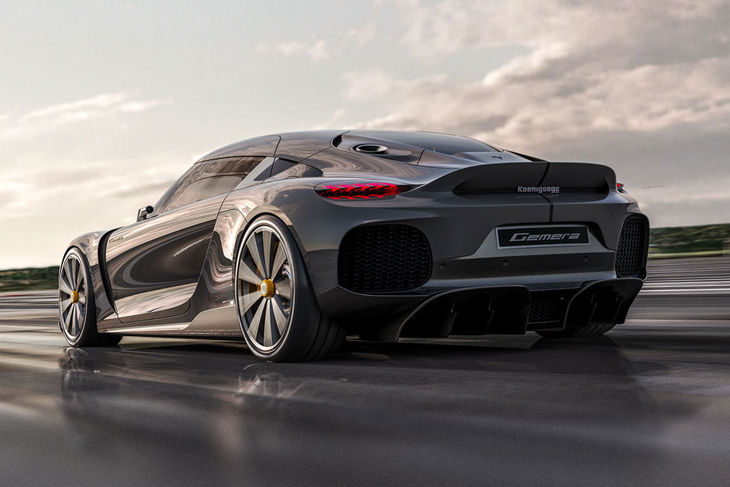
Grand tourers and super saloons seem so passé now that the new Koenigsegg Gemera offers seating for 4 adults, plus their luggage, and has a peak combined power output rated in Megawatt – not Kilowatt. Top speed? Limited to 400 kph. Zero-to-100 kph time? Oh, just 1.9 seconds…
The (frankly, bonkers) Swedish supercar manufacturer describes its newcomer as a Mega GT. It’s powered by an in-house developed plug-in hybrid electric powertrain with combined outputs of 1 270 kW (yes, that’s 1.27 MW) and 3 500 Nm of torque. The power unit comprises a mid-mounted twin-turbocharged 2.0-litre 3-cylinder petrol engine (which produces 450 kW and 600Nm), a 16.6-kWh battery pack and a trio of electric motors – 1 for each rear wheel, 1 for the front axle.
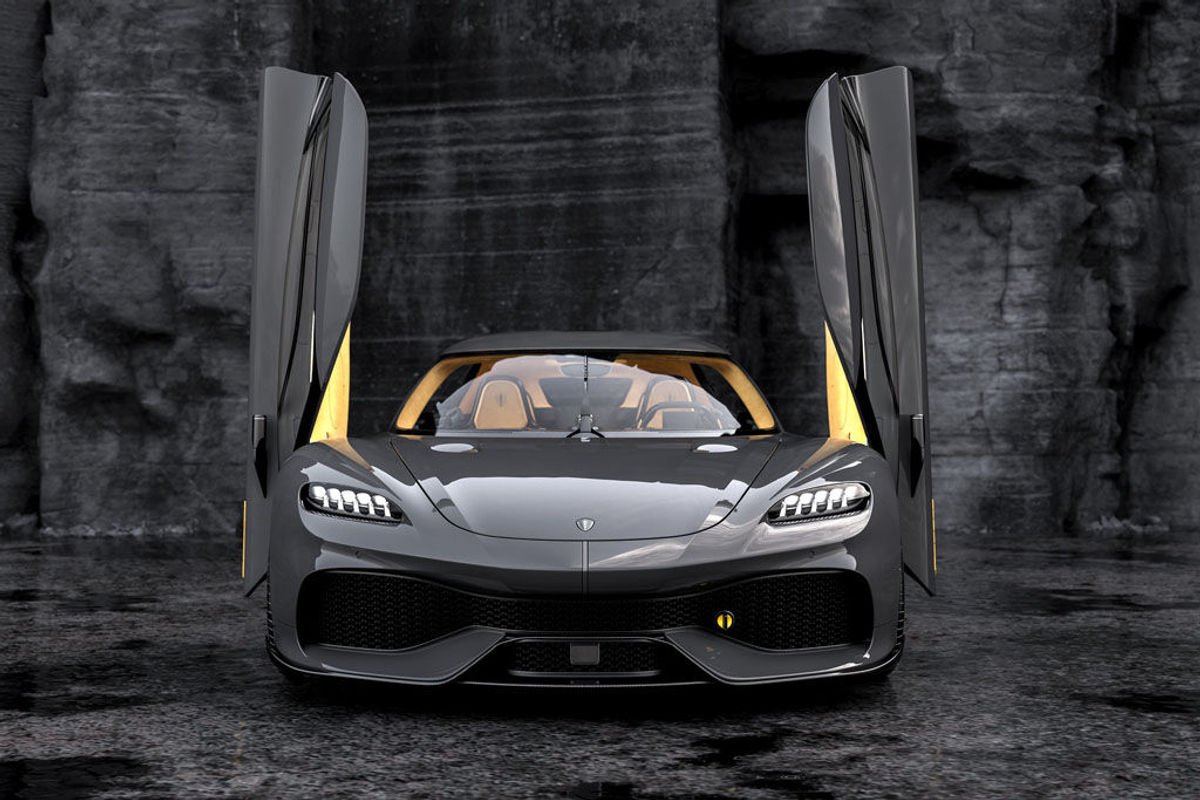
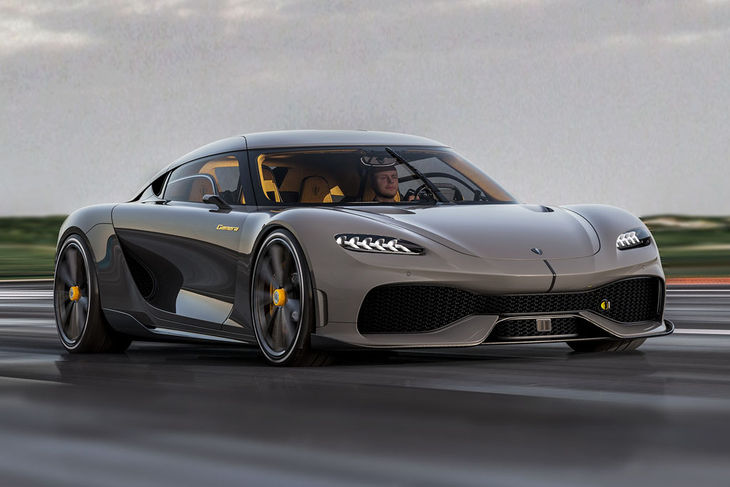
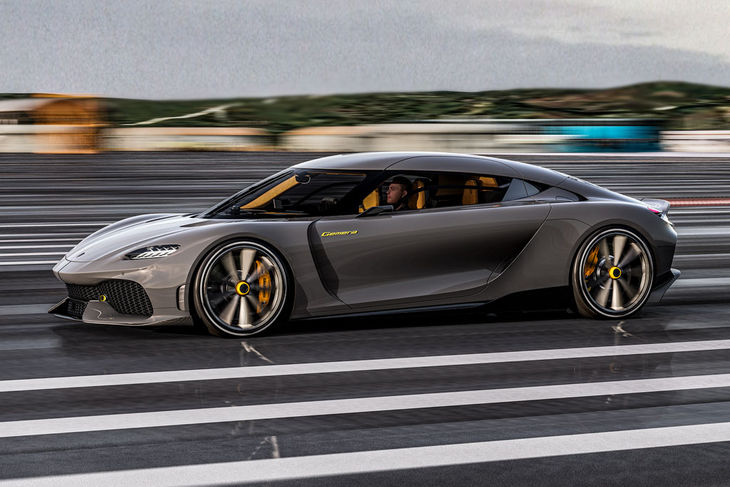
The Gemera's ?wraparound windscreen, short overhangs and gaping side intakes leave no doubt to the hypercar's potential.
In keeping with Koenigsegg’s wackiness, the 3-pot petrol motor is named the Tiny Friendly Giant (TFG). It’s a Freevalve engine: the intake and exhaust valves are controlled by hydraulic actuators and the system can independently open and close the valves depending on driving conditions, in combinations that either maximise performance – or minimise fuel consumption.
The company says the TFG (a reference to the late British novelist Roald Dahl's children's book: The Big Friendly Giant – BFG, for short) has an estimated fuel consumption of 15- to 20% less than a conventional 2.0-litre 4-cylinder petrol engine with direct injection and variable valve timing. Cold-start emissions are also said to be 60% improved over a conventional engine.
The Gemera utilises a host of technologies, including all-wheel torque vectoring and rear-wheel steering to sharpen its handling.
A direct-drive single-speed transmission – mated to the engine via a locking hydraulic coupling, which has a clutch-slip mechanism that allows the engine to gain revs, sends power to the Gemera's front wheels via a torque tube. The electric motors, meanwhile have a simultaneous combined output of 800 kW and remember, there's one for each of the rear wheels.
The newcomer has an optimal electric-only range of 50 km, but can travel up to an incredible speed of 300 kph in that mode… Equipped with a 75-litre fuel tank, the Koenigsegg has a maximum claimed range of 1000 km between fuel stops or recharging.
Not only is the Gemera capable of a (limited) top speed of 400 kph it can travel at 300 kph on electric power alone…
While its front and rear subframes are made from aluminium, and the Gemera’s monocoque is constructed entirely from carbon fibre, as are many of its panels. As such, the newcomer has a kerb weight of just 1 850 kg, and therefore a power-to-weight ratio of around 686 kW per tonne. All the while, the Swedish company says that the Gemera is “at least as CO2-neutral as a pure electric car” when its ICE engine runs on ethanol or CO2-neutral methanol, instead of conventional fuel-pump petrol.
The Gemera’s 3 000-mm wheelbase allows for a high degree of rolling refinement at high speeds, Koenigsegg says, but of course, the car has also been designed to offer rewarding driving dynamics. To that end, it comes equipped with all-wheel torque vectoring, rear-wheel steering, an electronically-adjustable ride height and -dampers, plus beefed-up ventilated ceramic disc brakes.
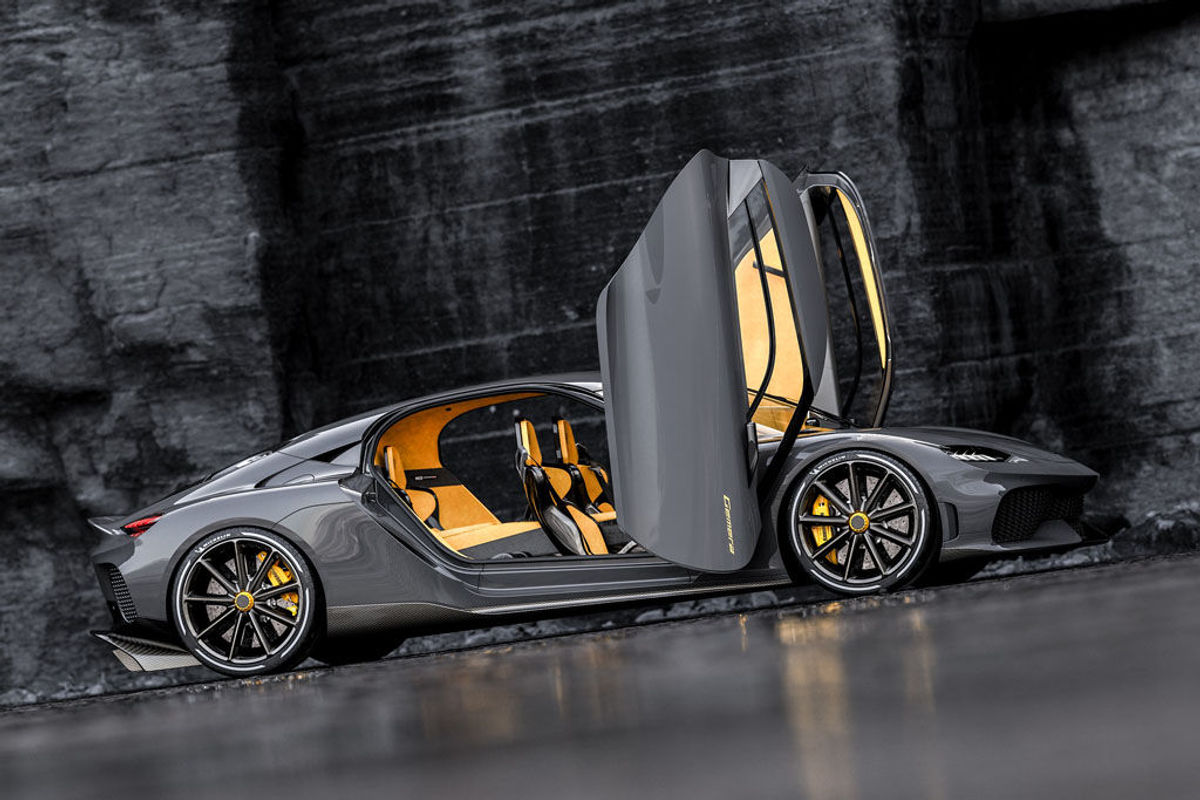
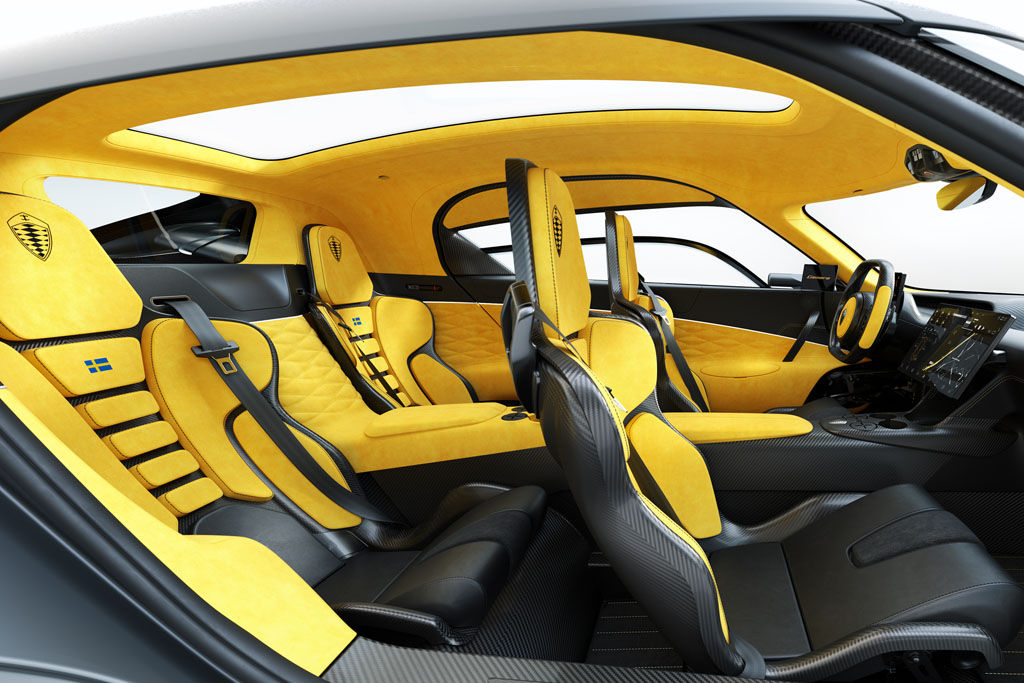
By virtue of being unencumbered by B-pillars, the Gemera's scissor doors make ingress and egress to the cabin a cinch.
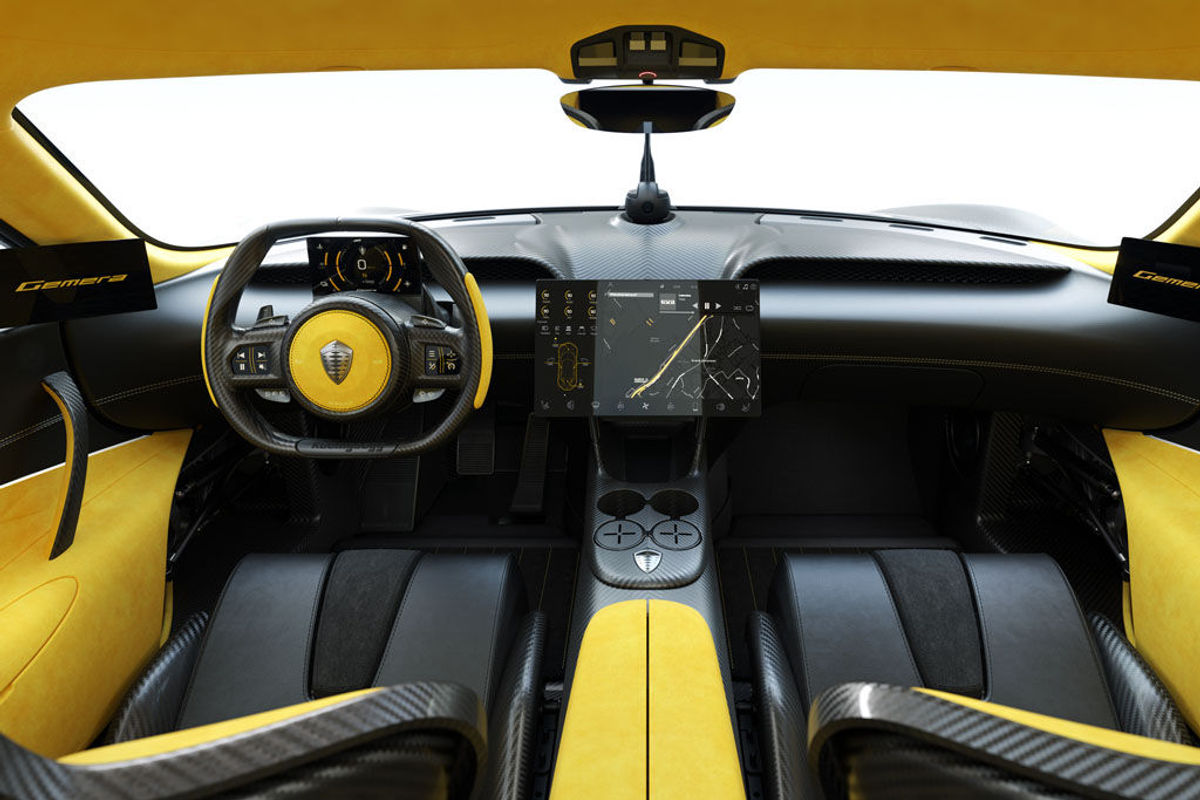
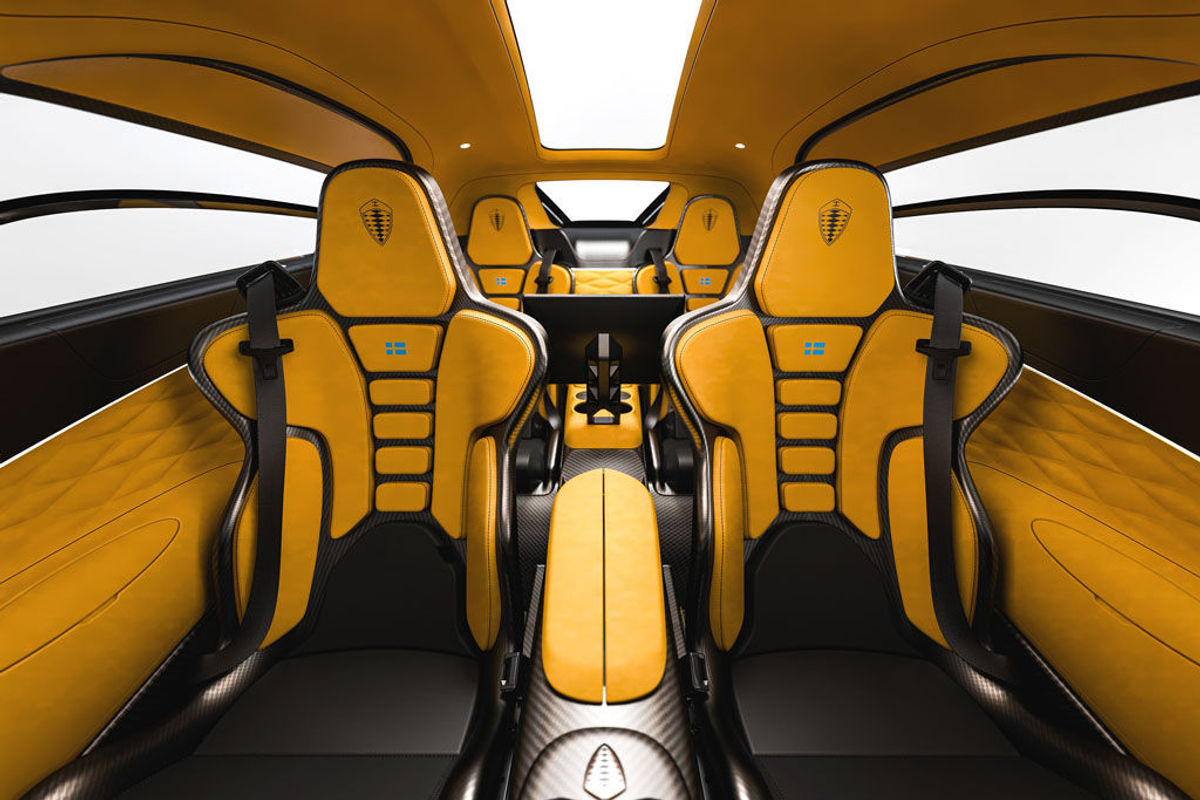
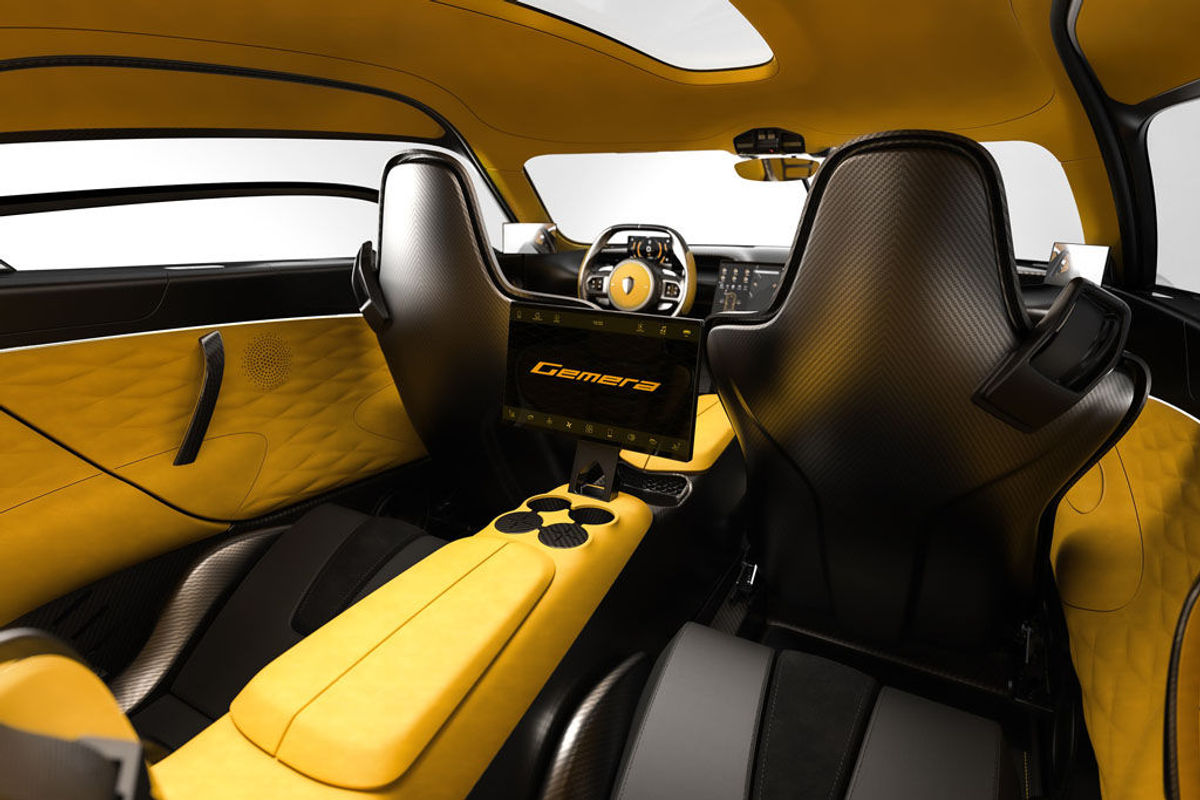
The cabin is elemental in its layout, but nonetheless luxurious. Creature comforts include, inter alia, memory foam sports (bucket) seats for the 4 occupants, 3-zone climate control, an 11-speaker audio system, a pair of monitors for the side cameras, front and rear infotainment screens, fore and aft wireless smartphone chargers, on-board wifi, oh, and a quartet of heated and cooled cup holders…
Koenigsegg will limit the production run of the Gemera to only 300 units and although official pricing is yet to be confirmed, the asking price is expected to be around R20 million.
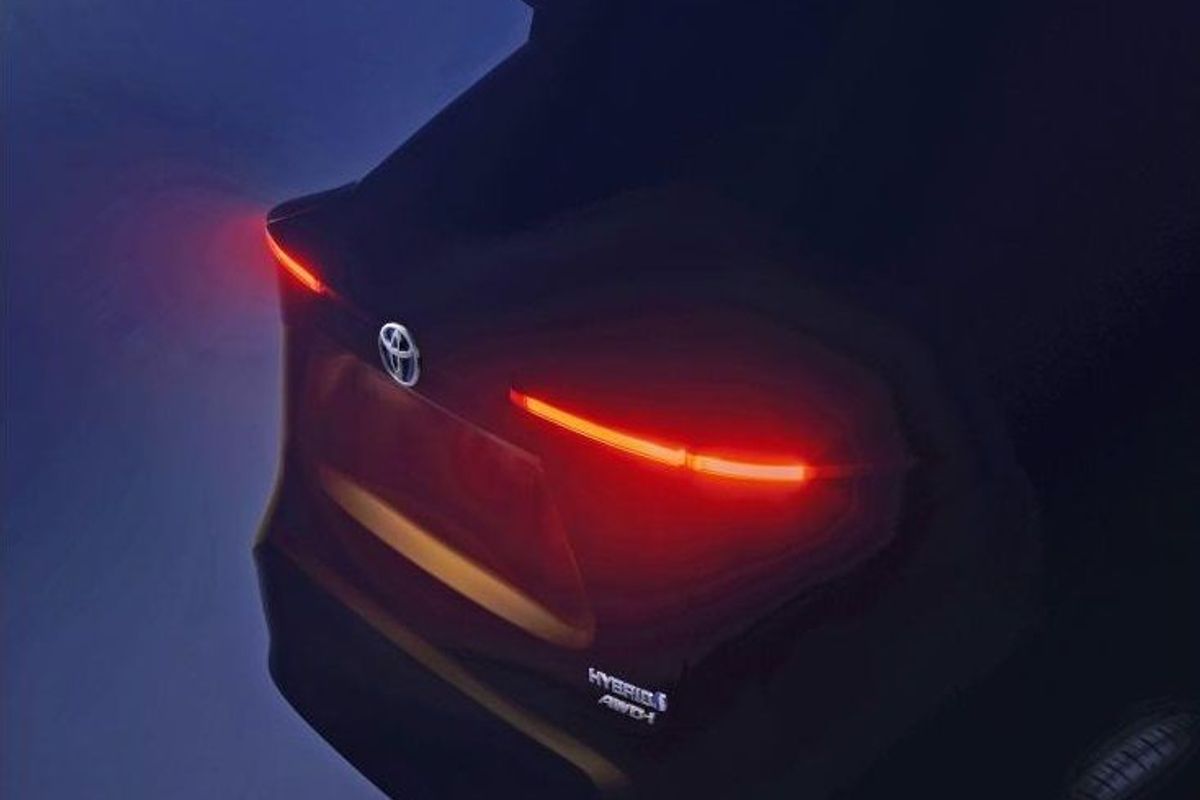
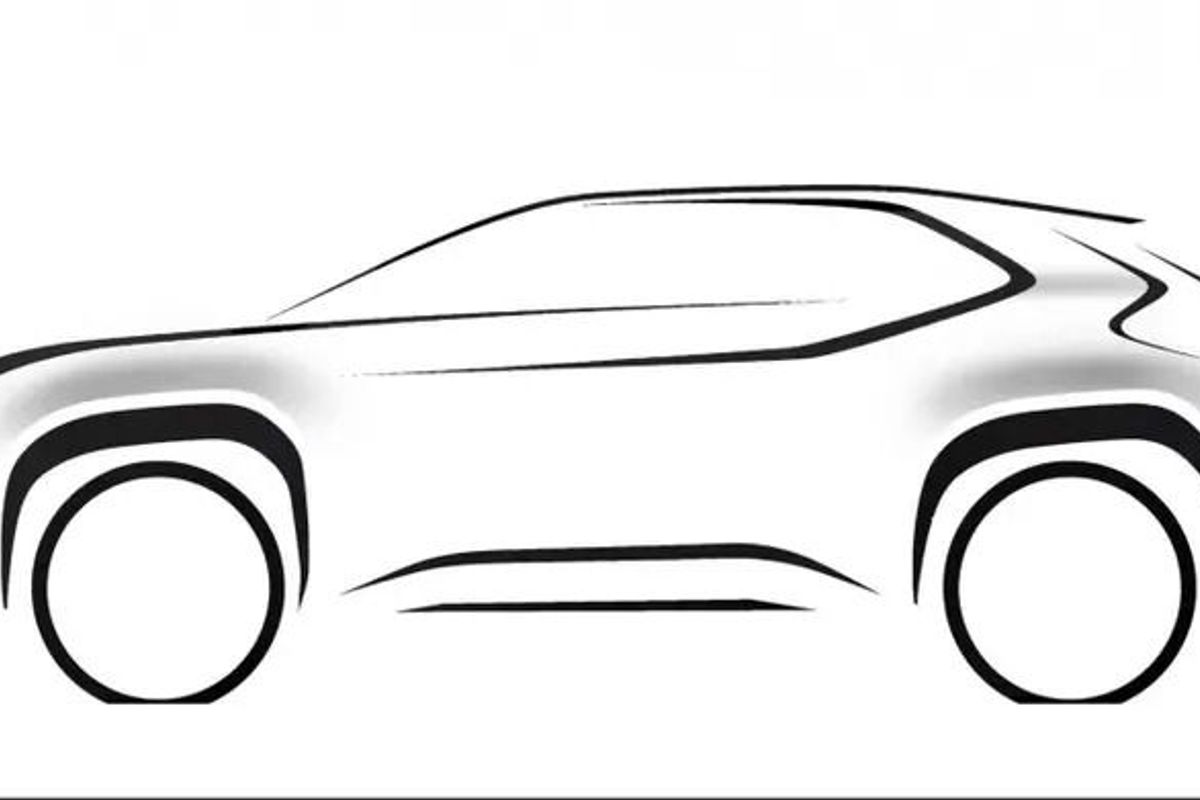
Toyota's new compact SUV was meant to be revealed at the Geneva Motor Show, but the cancellation of the event has resulted in the postponement of the reveal. According to reports, it's unclear when the new compact SUV will be revealed but it could 'weeks or months'. Here's what we know so far.
Japanese carmaker Toyota is working on an all-new compact SUV based on its GA-B platform. Toyota says it will feature the latest hybrid engine tech as well as an intelligent all-wheel-drive system. For those who aren't product code-savvy, this is essentially the recently-revealed Toyota Yaris platform. This platform is incredibly versatile and forms part of Toyota's New Global Architecture, so it underpins everything from this yet-to-be-released SUV to the RAV4, CH-R and Corolla Hatch.
“This model will add to the success of Yaris in Europe and together, we expect these vehicles will account for around 30% of the Toyota sales volume in Europe by 2025,” said Matt Harrison, Executive Vice President of Toyota Motors Europe. “You won’t have to wait too long to see the final design, and you will see that this is not just a Yaris with body cladding and raised suspension, but an entirely new and distinctive B-SUV model with a compact, dynamic design and personality of its own.”
The new Toyota compact SUV will be built at Toyota Motor Manufacturing France (TMMF) in Onnaing, near Valenciennes, France, alongside the Yaris. It's assumed this new compact SUV will be sharing the same powertrains as the Yaris meaning it could have a 1.0-litre petrol or a 1.5-litre petrol as well as a hybrid derivative.
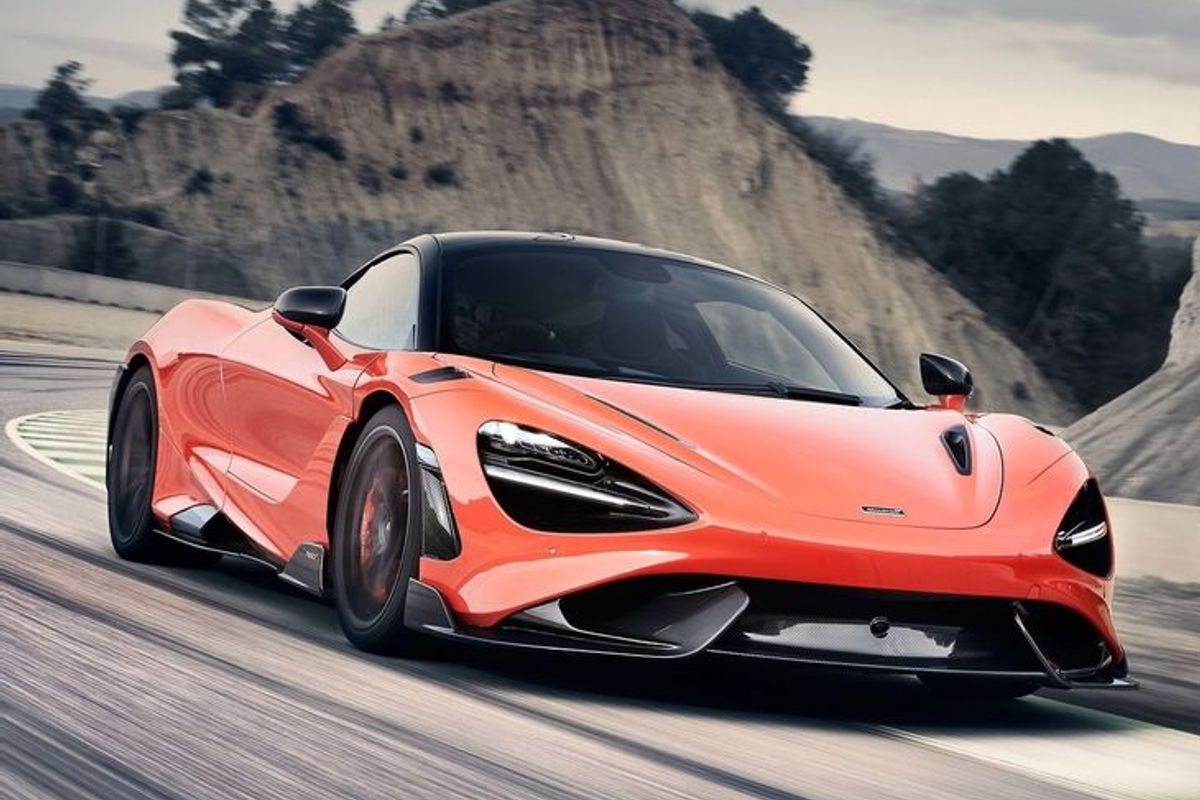
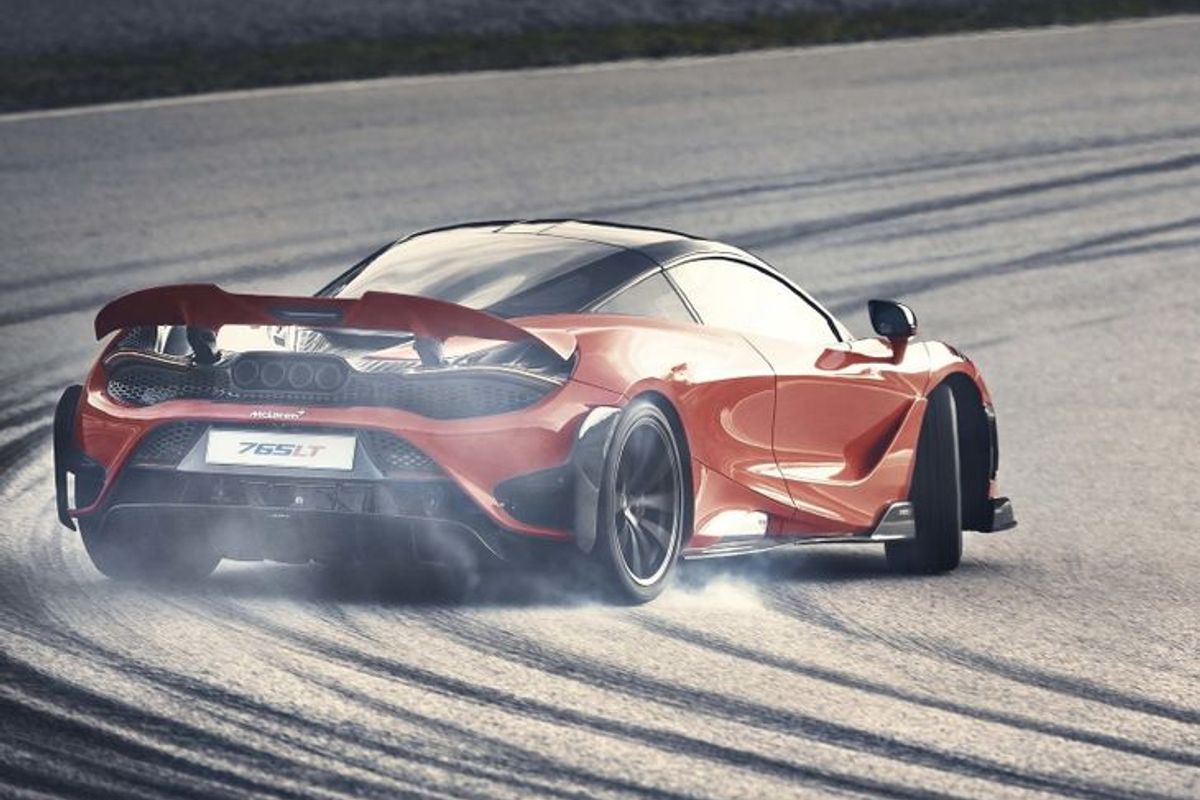
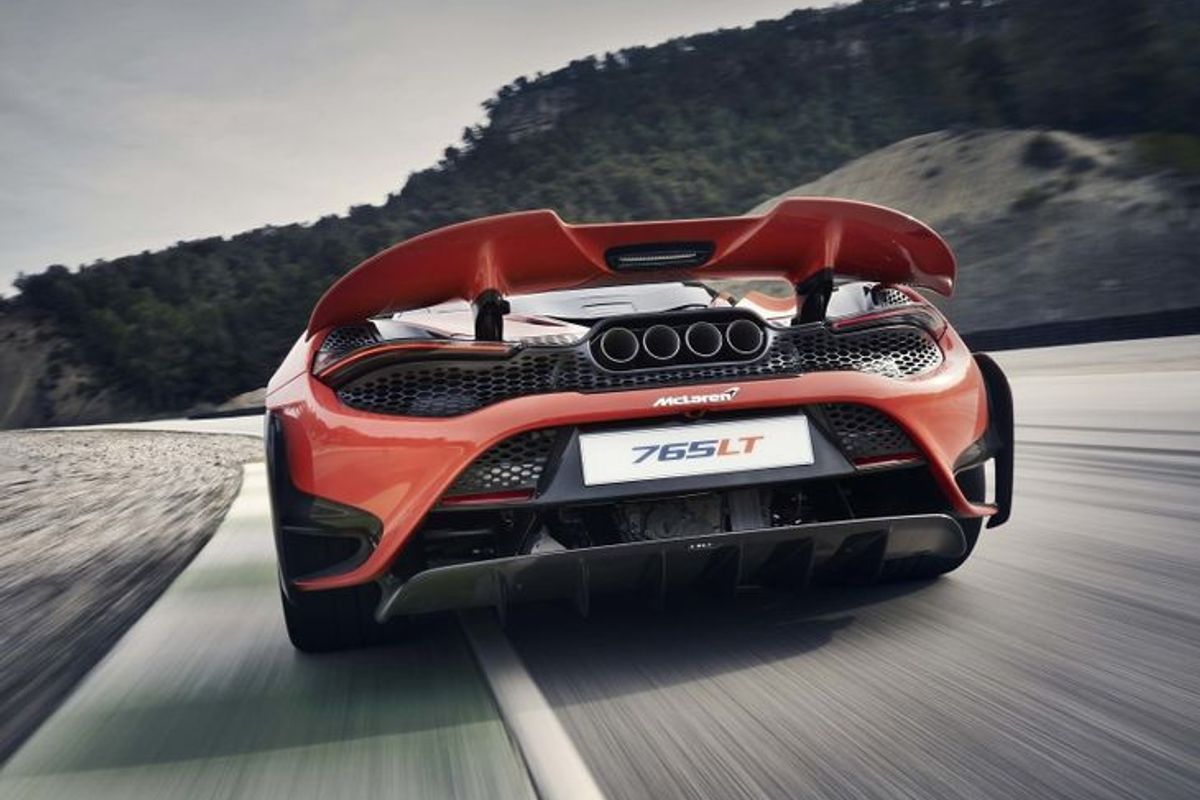
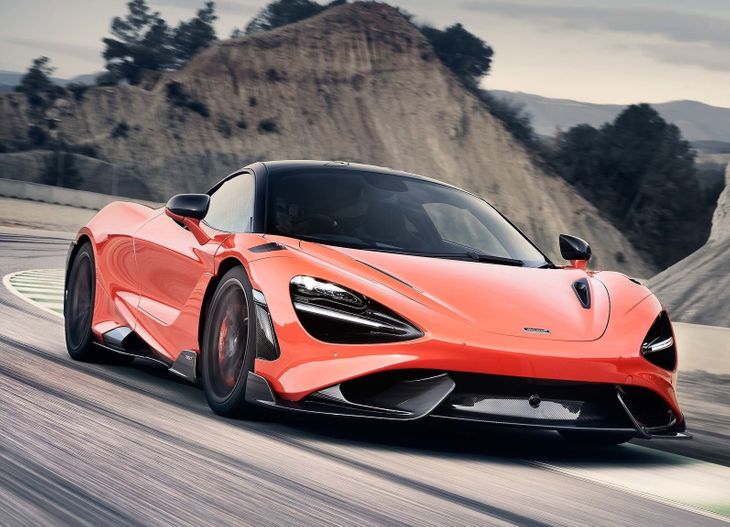
Packing 563 kW and 800 Nm from its 4.0-litre twin-turbo V8, the McLaren 765LT utilises myriad carbon fibre components and incorporates several upgrades – not least technologies from its Senna sibling – to establish itself as the ultimate Longtail in the Woking-based manufacturer's model lineage.
With a limited production run of only 765 units, the 765LT needs to be pretty darn special… and it most certainly is. In its leanest, most stripped-out configuration the newcomer tips the scales at 80 kg less than the 720S (for a dry weight of only 1 229 kg and a power-to-weight ratio of 36.9 kW/tonne) by virtue of a plethora of weight-saving measures.
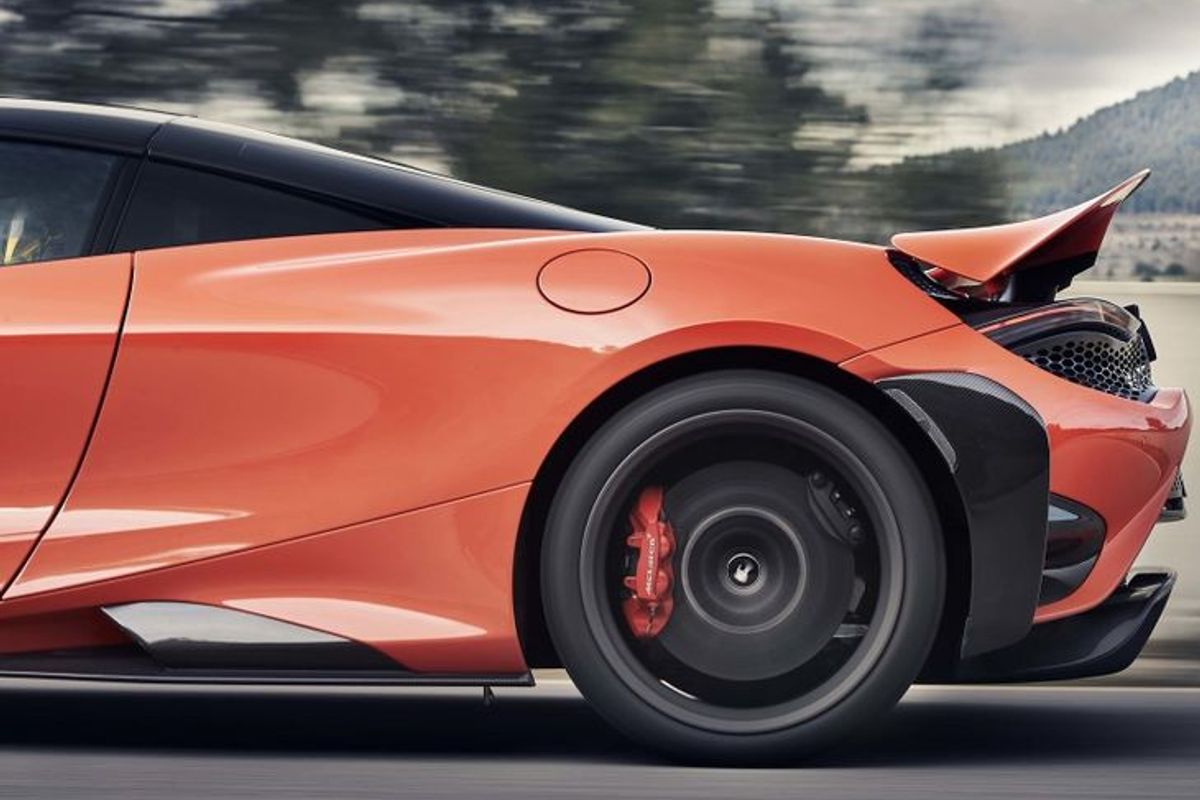
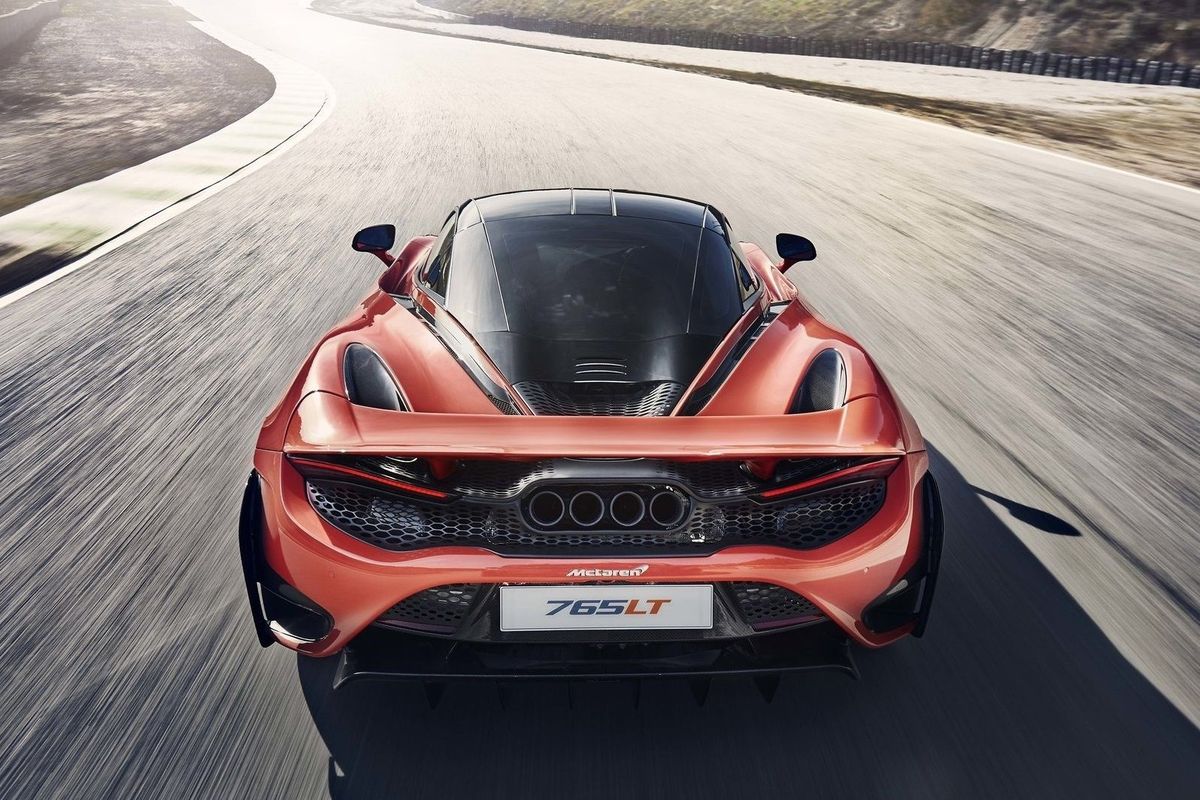
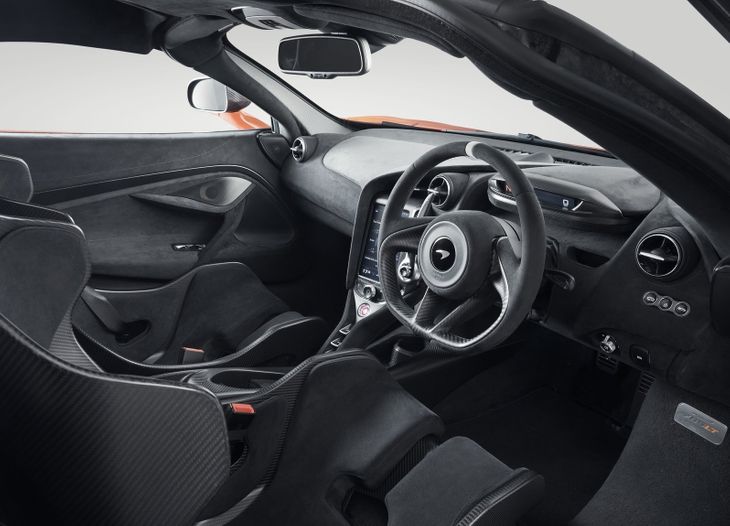
Carbon fibre was used extensively for the construction of the McLaren’s front bumper and splitter, one-piece front floor, side skirts, rear bumper and wing, the lengthened aft diffuser and even the car's licence-plate holder. That's the standard specification – additional panels can be optioned in carbon fibre as well.
McLaren has lowered the 765LT's front end and widened its track to improve frontal downforce and overall turn-in precision.
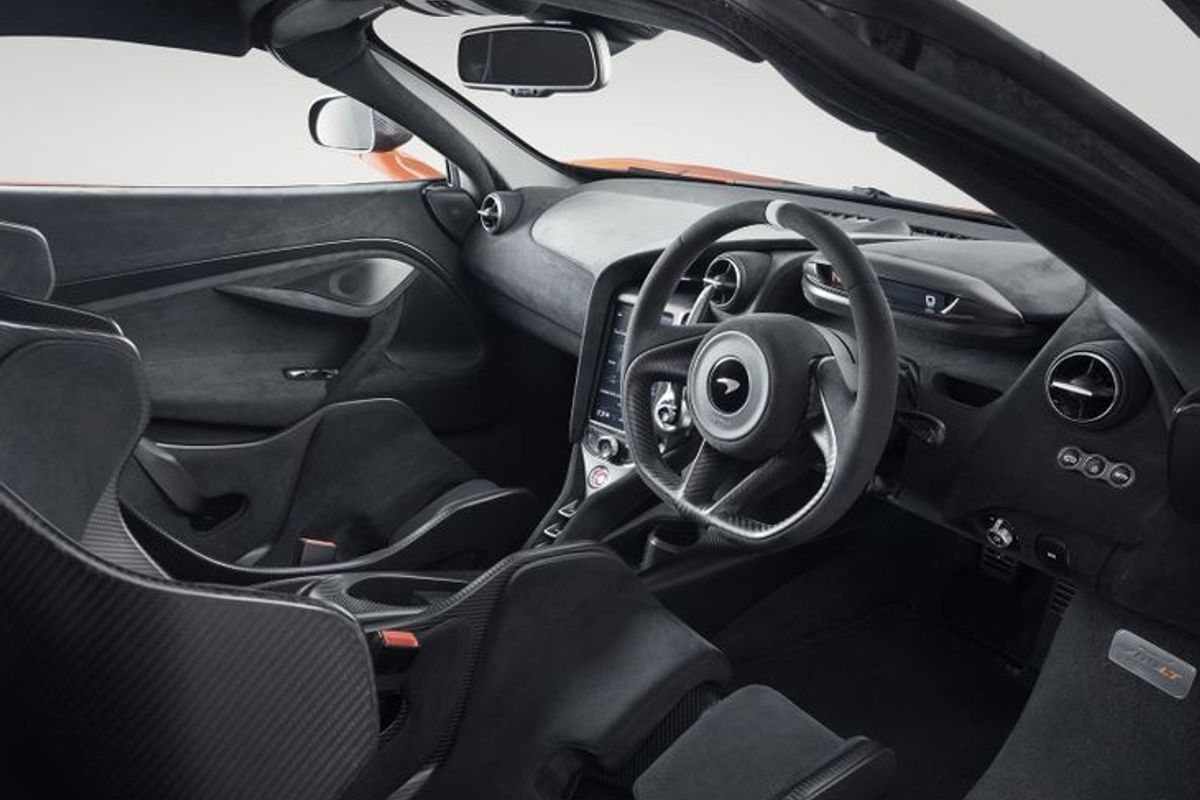
Compared with the 720S, the 765LT’s carbon fibre-shelled racing seats save 18 kg, the 10-spoke ultra-lightweight forged alloy wheels (with titanium bolts) 22 kg, full-titanium exhaust system 3.8 kg, lithium-ion battery 3 kg, the "helper" suspension springs 1.5 kg (more about those a little later), a bespoke centre tunnel 1.4 kg and optional carbon fibre fenders 1.2 kg.
Over and above the optimisation of powertrain and chassis parts and deletion of comfort and convenience features (although most of these can be specified at no extra cost), the McLaren’s wind- and rear screen and side glass panels have been made thinner.
In terms of its appearance, the 765LT’s front splitter sits closer to the ground because of a 5-mm reduction in front ride height to increase vehicle rake and create more front downforce. The nose section is 48 mm longer (the front bumper and -splitter have been moved forward), while the new active rear wing stretches rearwards by an additional 9 mm, all of which adds 57 mm to the car’s overall length.
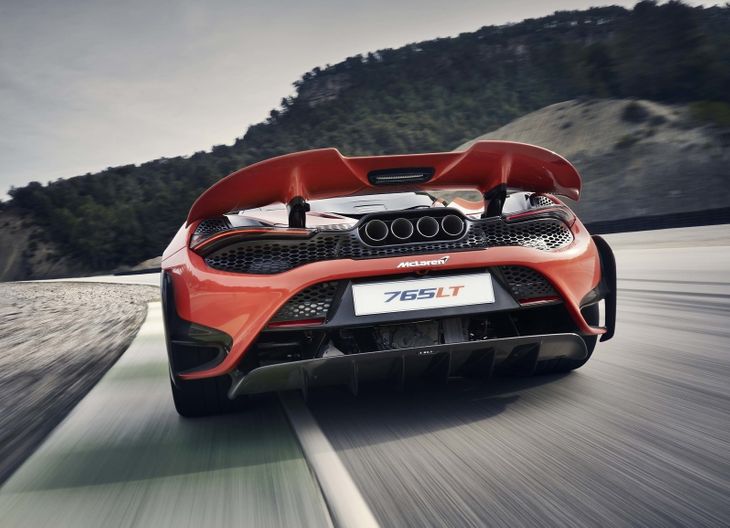
By channelling hot exhaust emissions over its active rear ring, the 765LT effectively plasters its tail end to the asphalt.
Upgrades to the 4.0-litre twin-turbocharged V8 engine include LT-specific forged aluminium pistons, a 3-layer head gasket (shared with the McLaren Senna) and ultra-efficient, carbon-coated followers in the valvetrain, an additional fuel pump, as well as a revised oil pump. The motor delivers its peak power at 7 500 rpm and maximum torque at 5 500 rpm.
Furthermore, the transmission’s gearing is optimised to help the 765LT to deliver in-gear acceleration up to 15% quicker than the class-benchmark 720S. The newcomer’s claimed 0-to-100 kph time is 2.8 seconds and 0-200 kph is said to take a mere 7.2 seconds!
Compared with the 720S, the newcomer’s front track is 6 mm wider, while lightweight main springs feature additional "helper" springs to reduce unsprung mass and maintain load in the suspension on full-rebound (when the car hits a road imperfection at high speed, for example). Roll stiffness has also been increased to further enhance vehicle stability, plus advances made during the development of the McLaren Senna have enabled the Woking-based company to revise the 765LT's Proactive Chassis Control II suspension system algorithms for even greater precision and control.
Apart from carbon fibre accoutrements, McLaren has festooned the 765LT's cabin in swathes of Alcantara.
Of course, the aerodynamic performance of the 765LT is key to the car's on-track abilities, but also optimises its higher-speed road driving behaviour. The extended front splitter and active rear wing – which stands 60 mm higher than on a 720S – work in conjunction with the carbon fibre floor, door blades and the extended rear diffuser to deliver 25% more aerodynamic downforce than the latter.
And what about stopping power? The newcomer comes equipped with the latest generation carbon-ceramic discs with calipers from the McLaren Senna, which are equipped with F1-inspired integrated cooling technology that the Woking-based firm claims reduces brake-pad temperatures by up 50C during track driving to ensure consistency of pedal feel and, of course, braking performance.
Not just speed, feel and fury too…
But for all of the 765LT’s astonishing technology and lightweight construction, driving aficionados may appreciate the small detail improvements McLaren has made to its big-daddy Longtail the most…
The newcomer’s electro-hydraulic assisted setup endures, but it has been further honed with a quicker ratio and a stiffer torsion bar for improved feedback. What’s more, a new “limit downshift” transmission function has been introduced to allow a driver to over-rev their 765LT – a little – by allowing the engine revs to “bounce” momentarily on the rev-limiter before a lower gear is engaged.
Stiffer engine mounts are used not only to meet dynamic performance targets, but also to increase the physical engagement with the V8 powertrain. They effectively radiate the engine's low-frequency sounds into the cabin. “Every change in rpm is amplified, not only to occupants' ears but also as a feeling through the seats because low-frequency sounds can be both heard and felt,” McLaren says.
The “highly intense, emotional connection” between driver and machine is further enhanced through the unique full-titanium, quad-exit exhaust… The pipe diameter increases the exhaust volume, while the relative position of each pipe delivers the precise harmonic content required to create a high-pitched, engaging note that becomes sharper as it builds to an incredible crescendo at high engine revs.
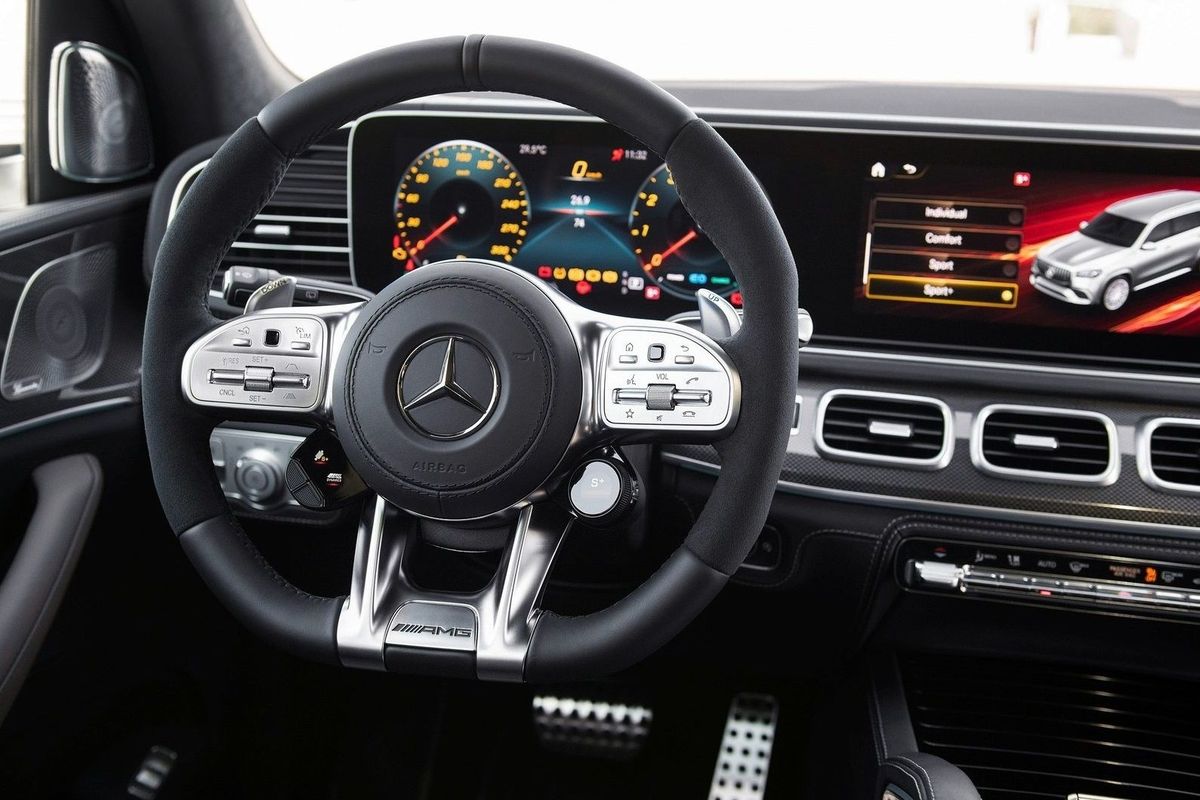
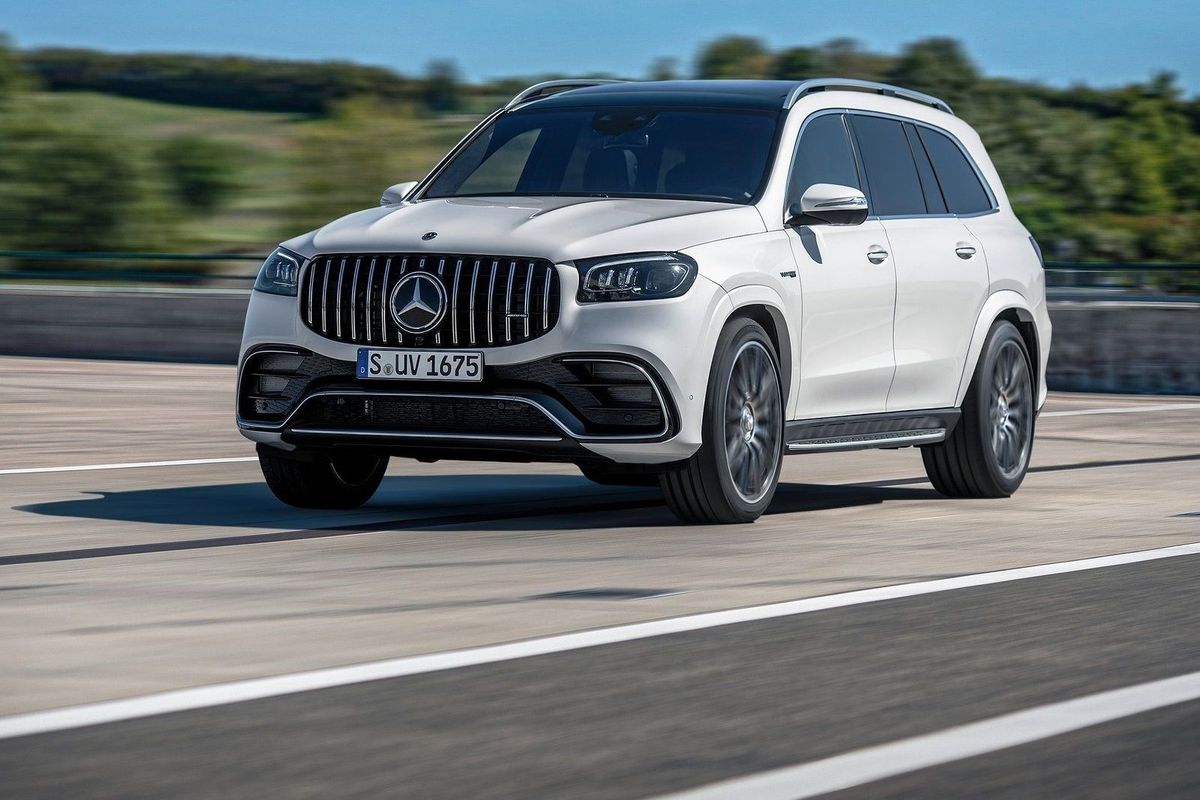
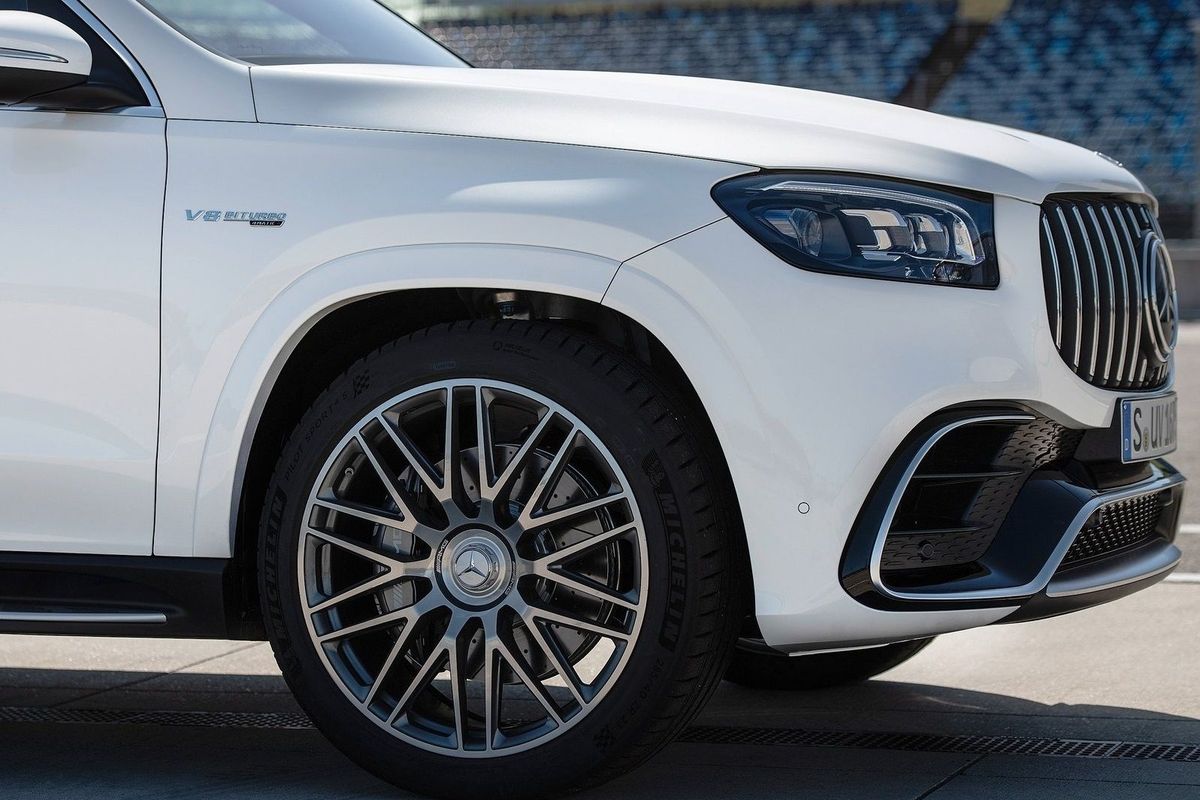
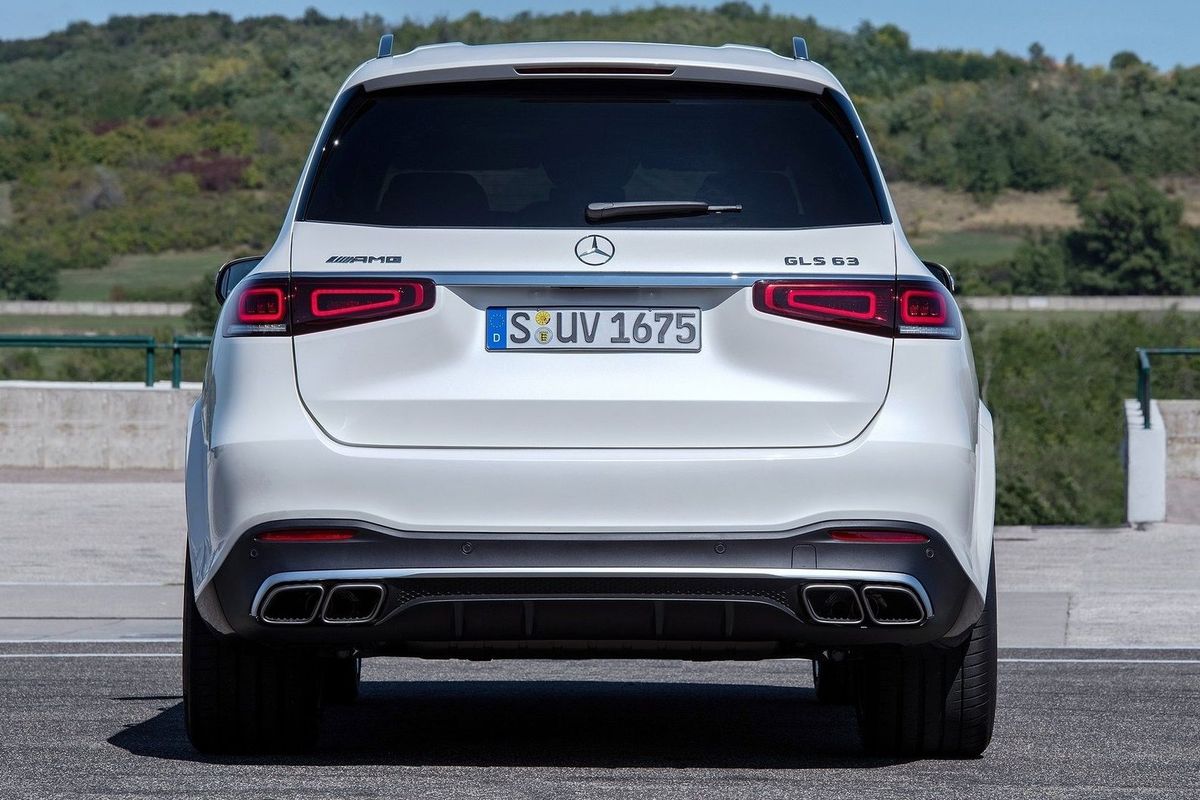
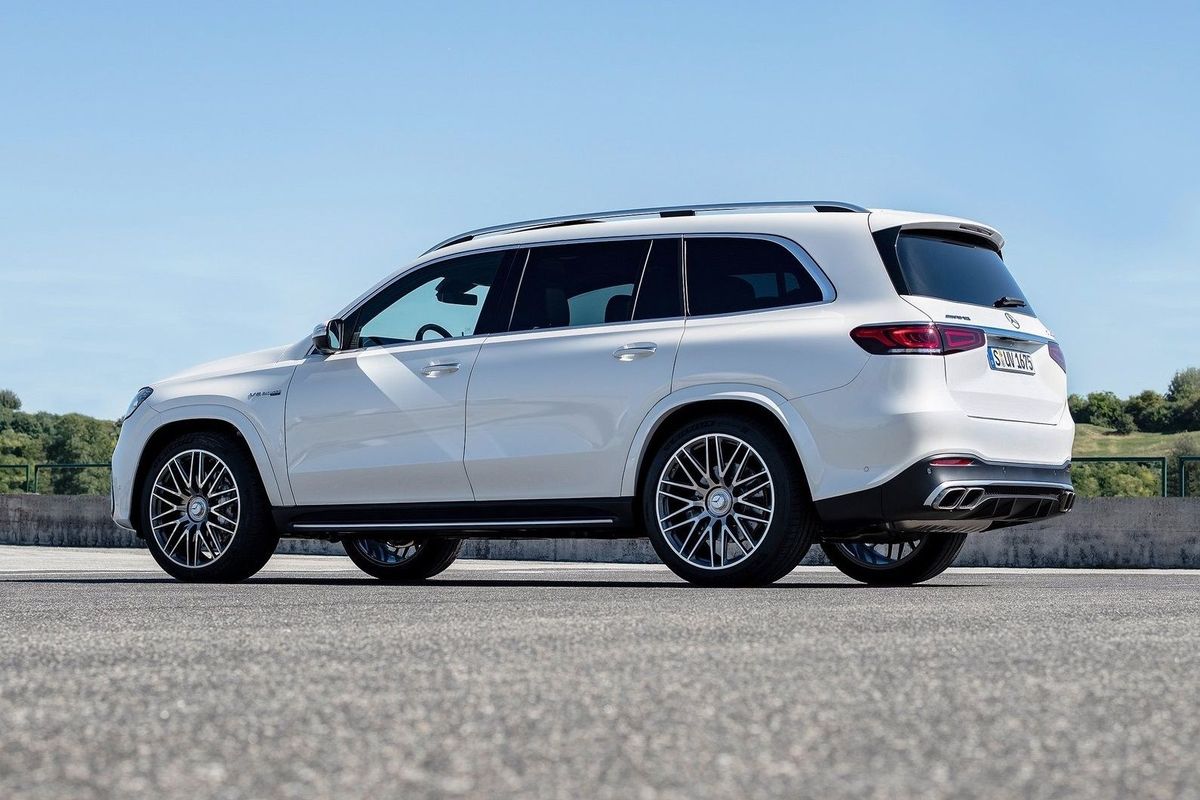
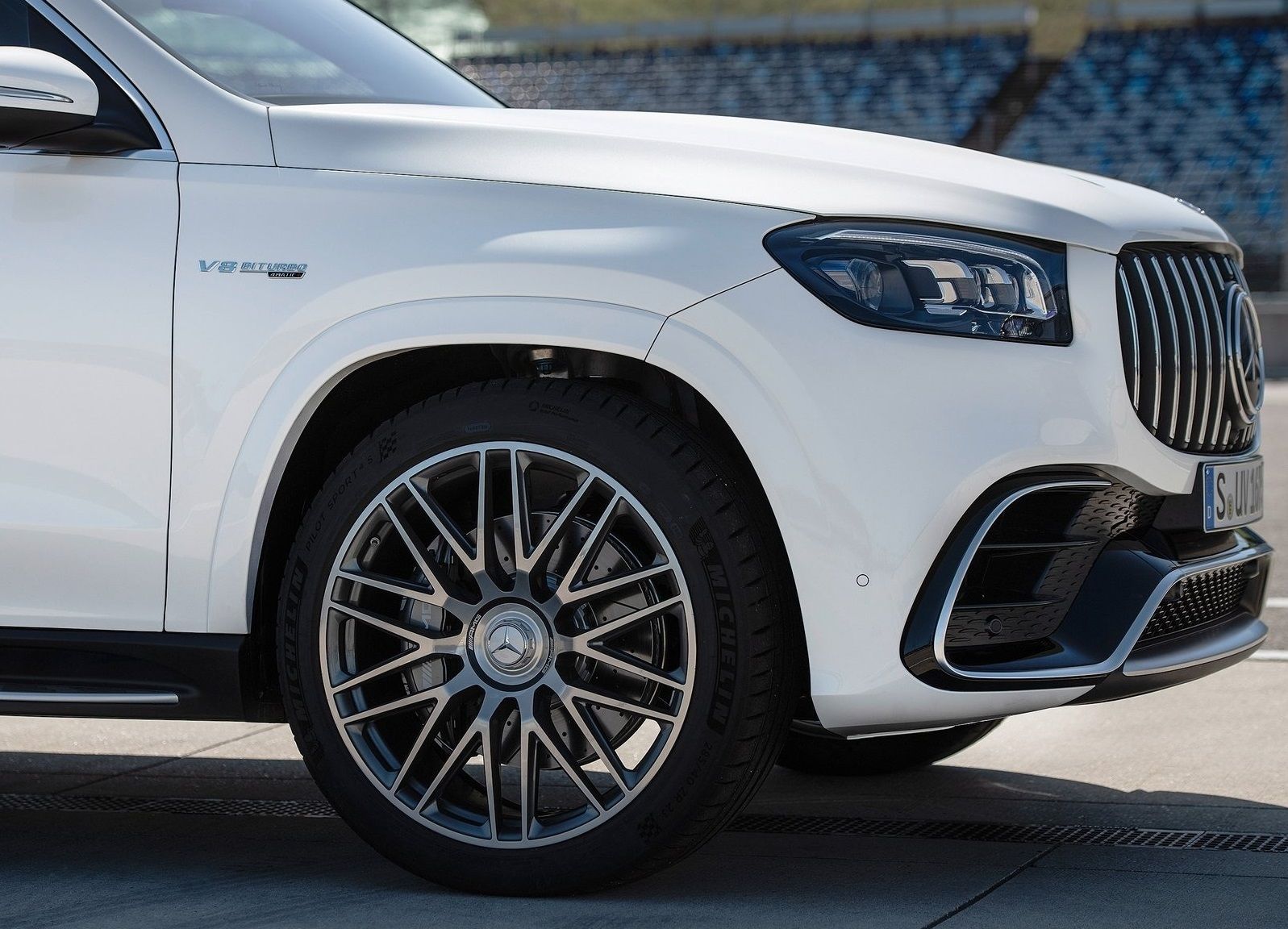
Mercedes-AMG has revealed its flagship SUV, now with AMG flavour. This is the Mercedes-AMG GLS63 4Matic+.
The Mercedes-Benz GLS is what Merc calls 'the S-Class among SUVs'. Now it boasts the 4.0-litre turbocharged V8 motor, packing 450 kW and 850 Nm driving all 4 wheels, giving it a claimed 0-100 kph time of 4.2 seconds. A 9-speed torque converter is fitted.
The new 3-row GLS rides on a stretched version of Mercedes-Benz’s latest Modular High Architecture platform, which should provide adaptive air-suspension thanks to a 48v electrical system. "With the new GLS63 we are offering a vehicle to those customers who are not willing to accept compromises when it comes to versatility, effortless superiority and spaciousness. We have further increased the powertrain's efficiency in conjunction with the EQ Boost starter-alternator and 48-volt electrical system, so making our GLS63 the ideal companion for long distances, on a par with the S-Class, with rough-terrain attributes and space for up to seven people", says Tobias Moers, CEO of Mercedes-AMG GmbH.
The new EQ Boost setup is thrown into the mix too and that brings 16 kW and 250 Nm to the party. This boost allows bursts of power such as from standstill and in-gear sprints. It also powers the 48-volt electrical system and hybrid systems as well as onboard electrics. The 4Matic+ system allows for torque distribution from 0:100 to 50:50 and there's an AMG electronic rear-axle locking differential too.
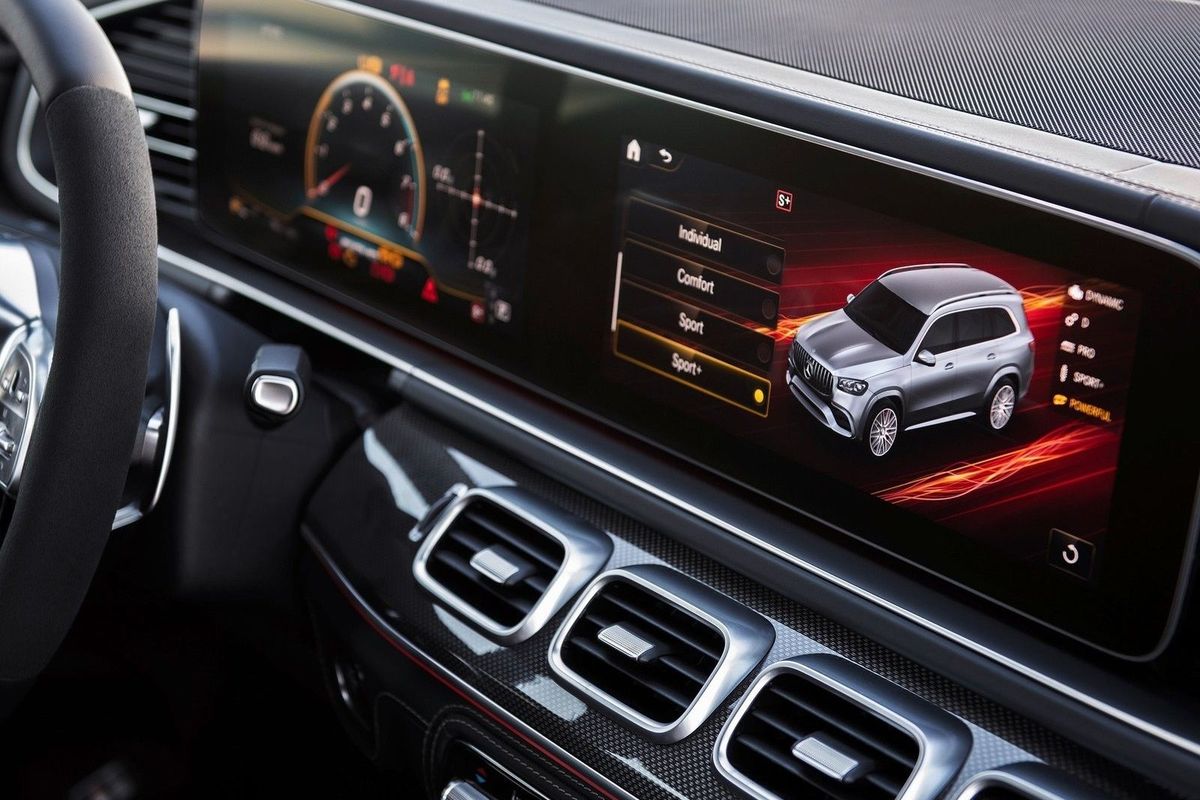
Inside, the vehicle features the MBUX infotainment system with AMG specific displays and menus. There's space in the cabin for up to 7 people and there's extensive use of high-quality materials to remind people they're in the flagship GLS. There are also AMG seats for the front wrapped in black AMG nappa leather as standard. There are also a plethora of options available, ranging from custom wheels to interior trim.
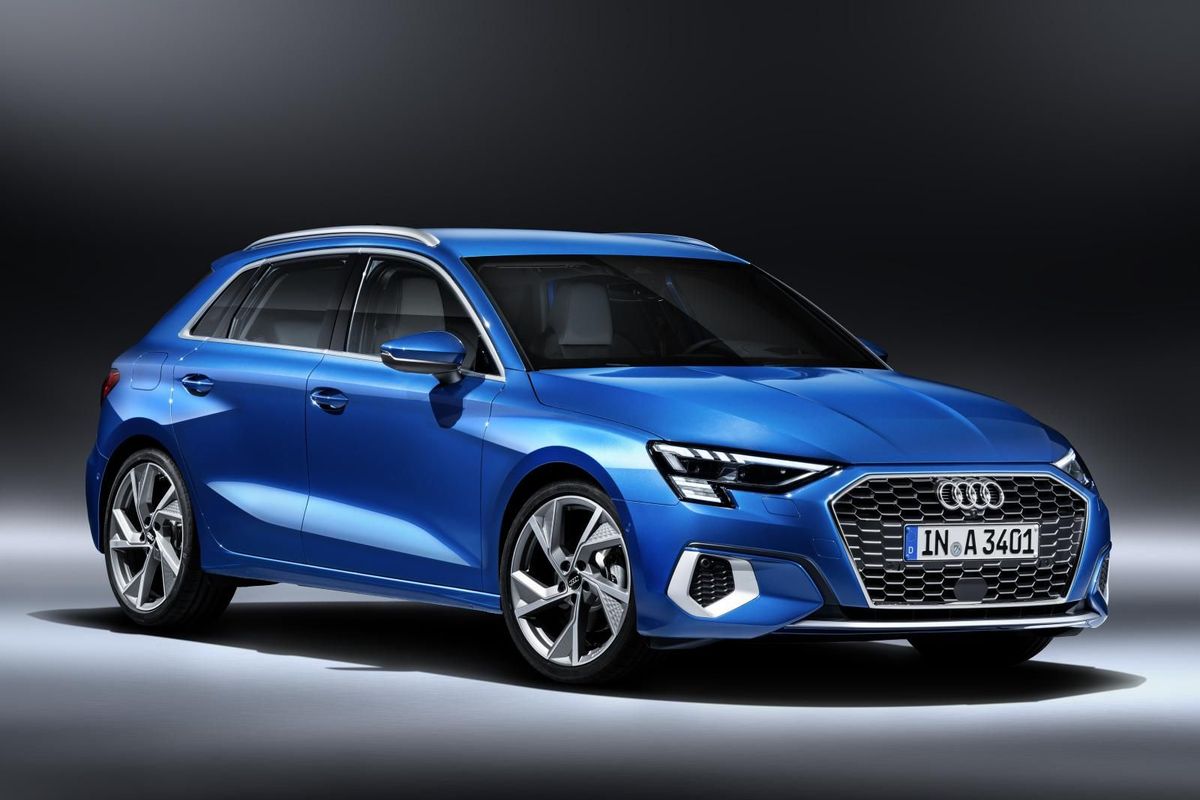
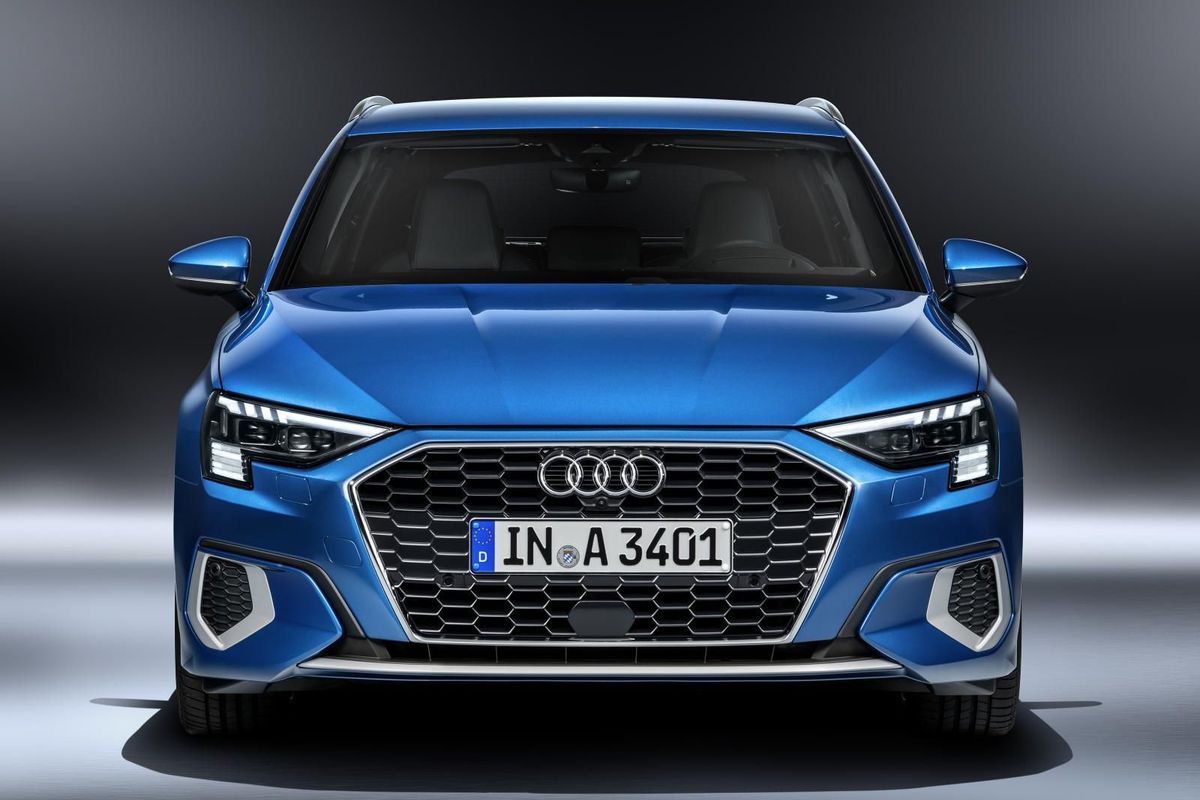
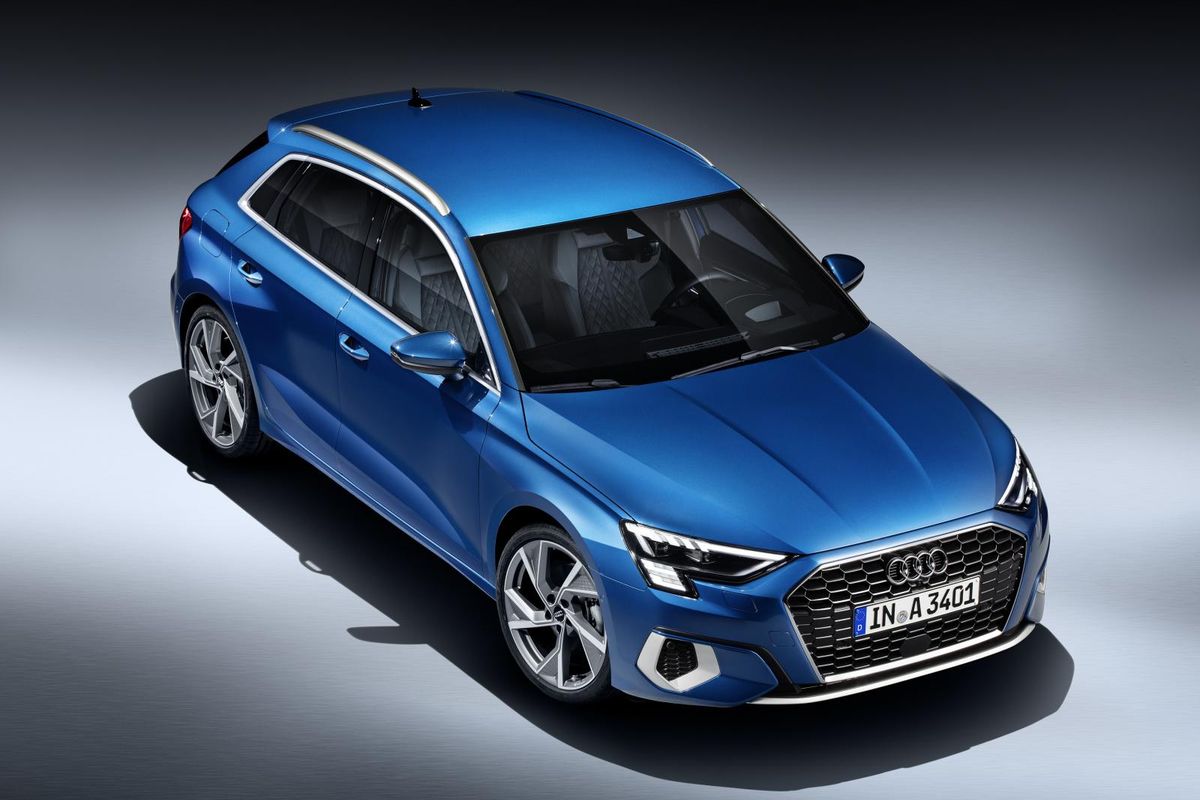
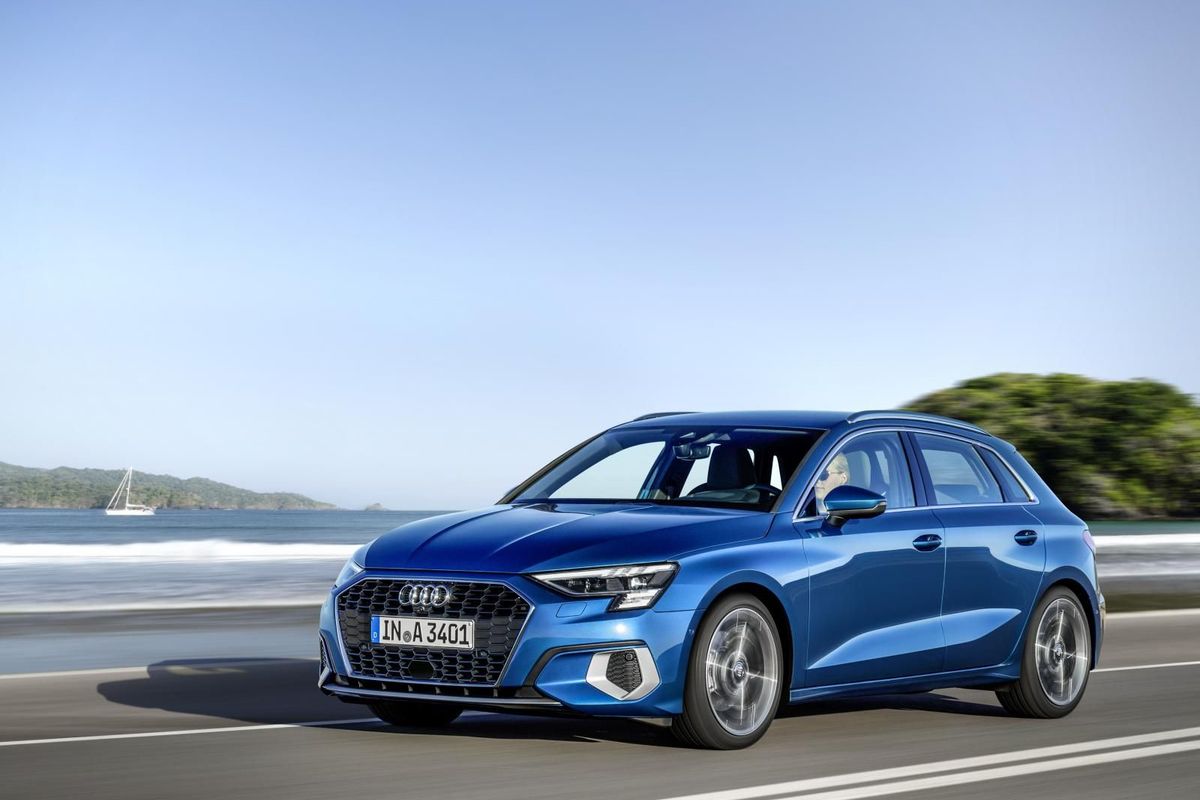
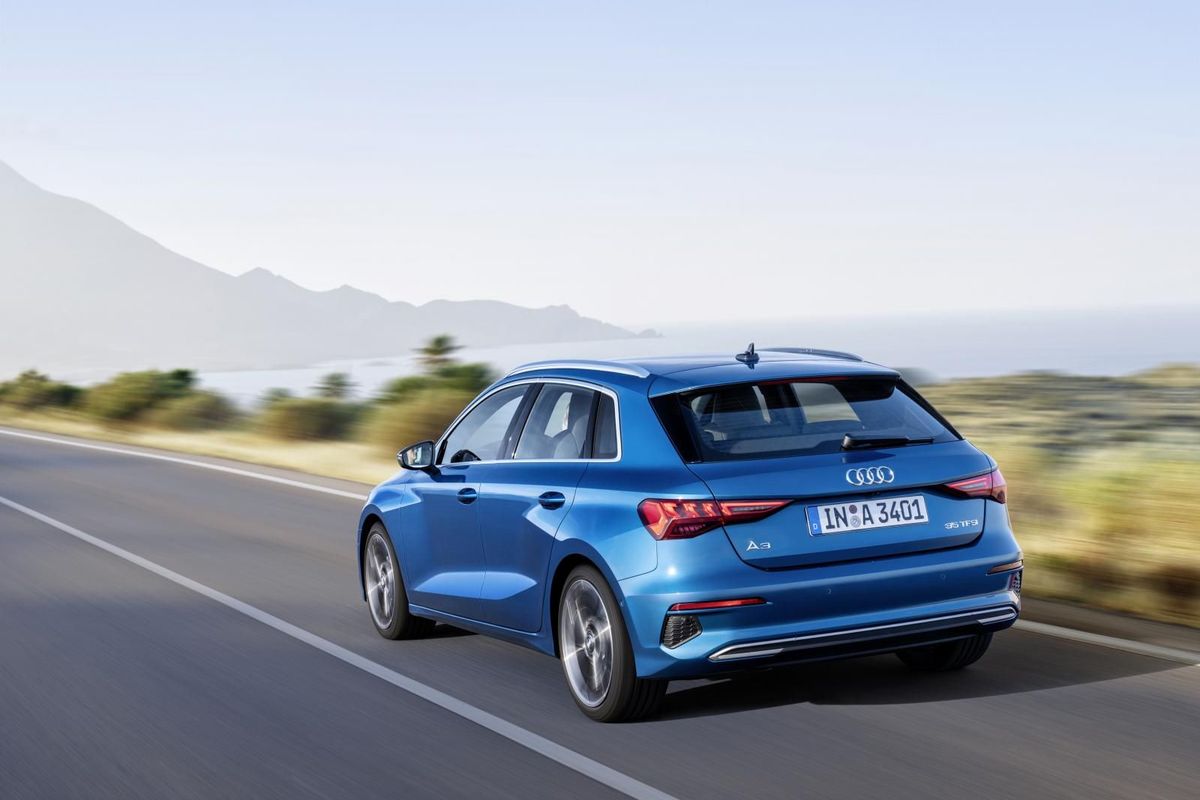
Audi has revealed its new A3, which promises to become the most sophisticated MQB platform car yet.
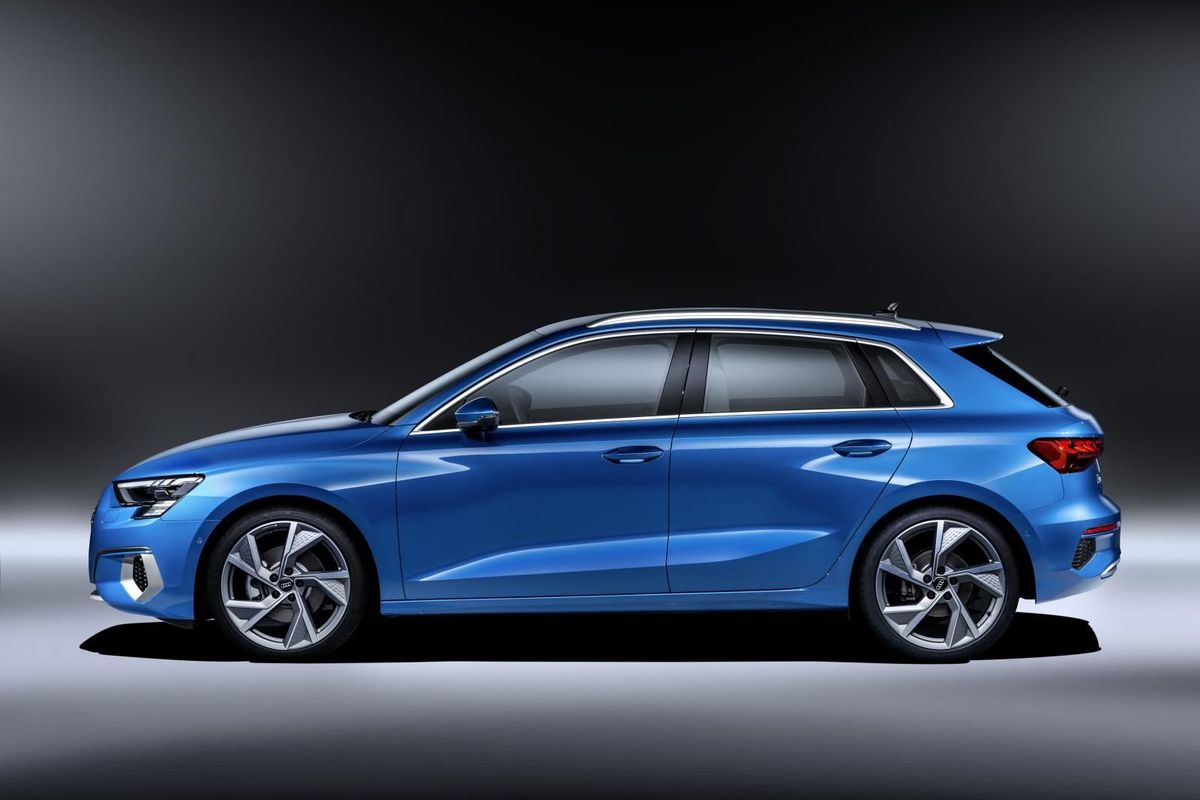
With this latest A3, the brand has decided to forego its three-door hatchback roots and only produce the new version as a five-door Sportback with a sedan following later in the lifecycle.
Some of the new design features a radical switchblade headlamp shape and intricate LED groupings. The premium hatch is bigger than before but retains the same wheelbase. Bumper-to-bumper the A3 Sportback measures 4.34 m, which is 30 mm longer than its predecessor.
Luggage capacity rates at 380-litres, which is expandable to 1200-litres, with the rear seats folded. To ease loading and unloading there is an optional electric tailgate, with foot motion detection, for convenient activation when you have both arms and hands burdened with goods or luggage.
Powering the new A3 Sportback are a range of turbocharged engines. The launch petrol powertrain will be a 1.5 TFSI, good for 110 kW and Audi is claiming consumption of 5.1L/100 km for the A3 Sportback 1.5 TFSI
Those prospective A3 buyers who prefer the driving range of a modern diesel can opt for the 2.0 TDI, available in two output guises: 85- or 110 kW. The less potent diesel engine is claimed to run average consumption of 3.6 L/100 km, whilst the 110 kW version consumes 3.9L/100 km.
All three engine configurations will be available with either a 6-speed manual or 7-speed dual-clutch transmission. Audi has also confirmed that it plans to expand the initial A3 Sportback range with an assortment of new hybridized engine options, featuring lithium-ion battery packs and electric drive assistance.
The A3 Sportback features a reconfigured four-link rear-suspension system and there are optional adaptive dampers, which lowers the body by 10 mm. For those A3 drivers who desire even more responsive steering dynamic and agility, there is a sport suspension option, which lowers the car by 15 mm. All these suspension and damping features only apply to A3 Sportbacks with an output of 110 kW or more.
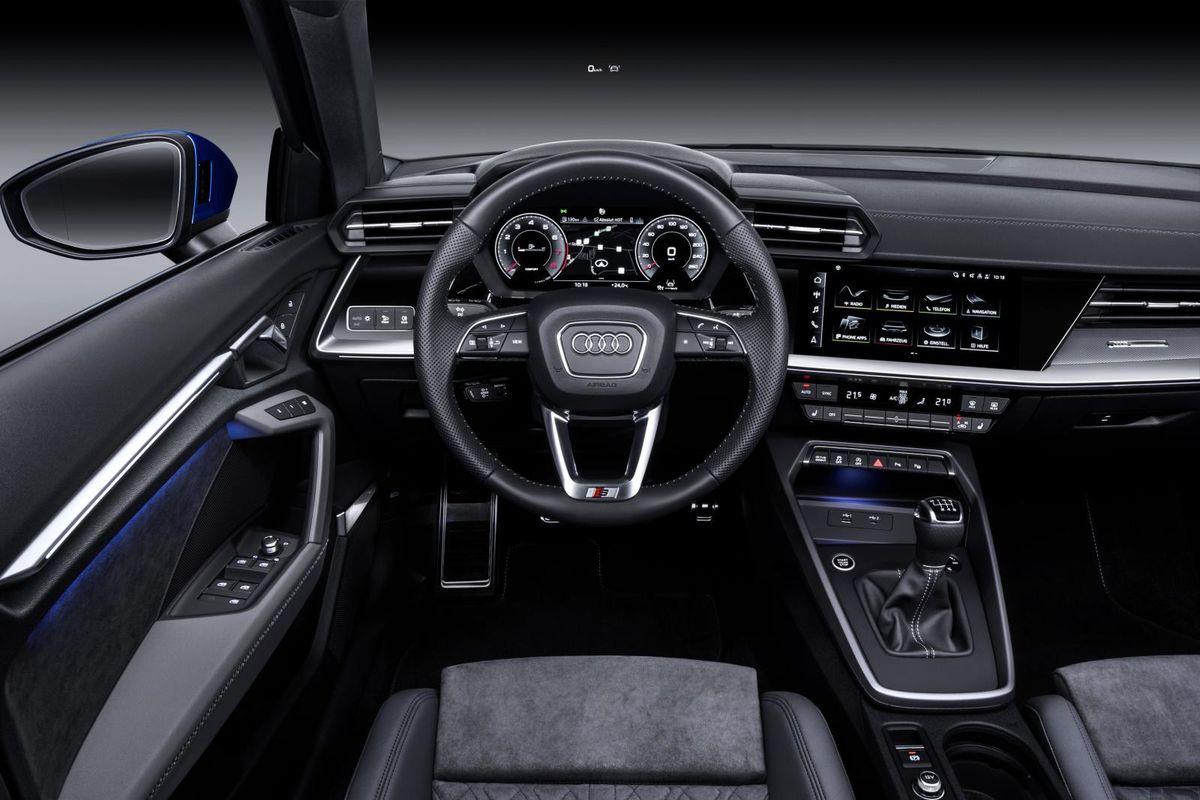
Audi has equipped the new A3 Sportback with a standard 10.1-inch touchscreen infotainment system. The digital instrumentation cluster is 10.24-inches, although there is the option of upsizing it to 12.3-inches.
Sustainability is a strong theme with Audi’s new A3 Sportback, with its seat fabric being made from recycled PET (polyethylene terephthalate) bottles.