Hyundai Venue vs Volkswagen T-Cross (2020) Comparative Review
The Volkswagen T-Cross is a newly-crowned 2019/20 #CarsAwards category winner, but it faces a fresh-faced challenger in the shape of the recently introduced Hyundai Venue. We compare these top-selling compact family cars head-to-head to see which is the better buy. 

The small crossover/compact SUV market continues to grow because customers are increasingly looking for a touch more space, an elevated driving position and the prestige of driving an SUV-styled vehicle. Every mainstream brand offers a model in this bustling segment; we're really spoilt for choice. The likes of the Ford EcoSport, Haval H2, Hyundai Creta, Mazda CX-3, Opel Mokka X, Renault Captur and Duster, Suzuki Vitara, Toyota CH-R and others are being favoured over conventional sedans and hatchbacks.

We've selected the 2019/20 #CarsAwards – powered by WesBank – compact family-car category winner: the Volkswagen T-Cross 1.0 TSI 85 kW Highline (but not an R-Line) to take on the latest arrival to the segment, the Hyundai Venue, in 1.0T Fluid Auto guise. Both contenders are from highly respected volume brands and very much in demand.
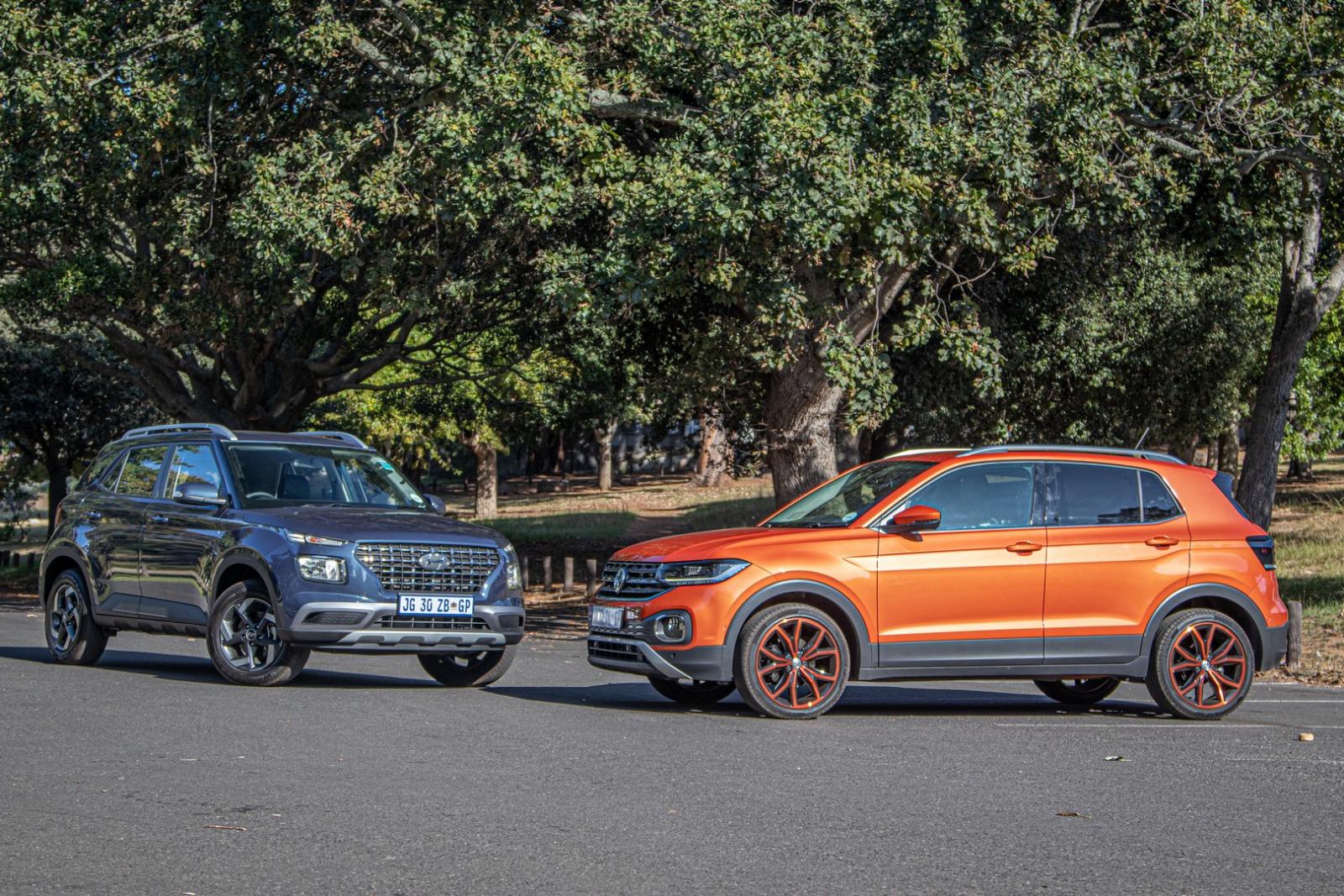

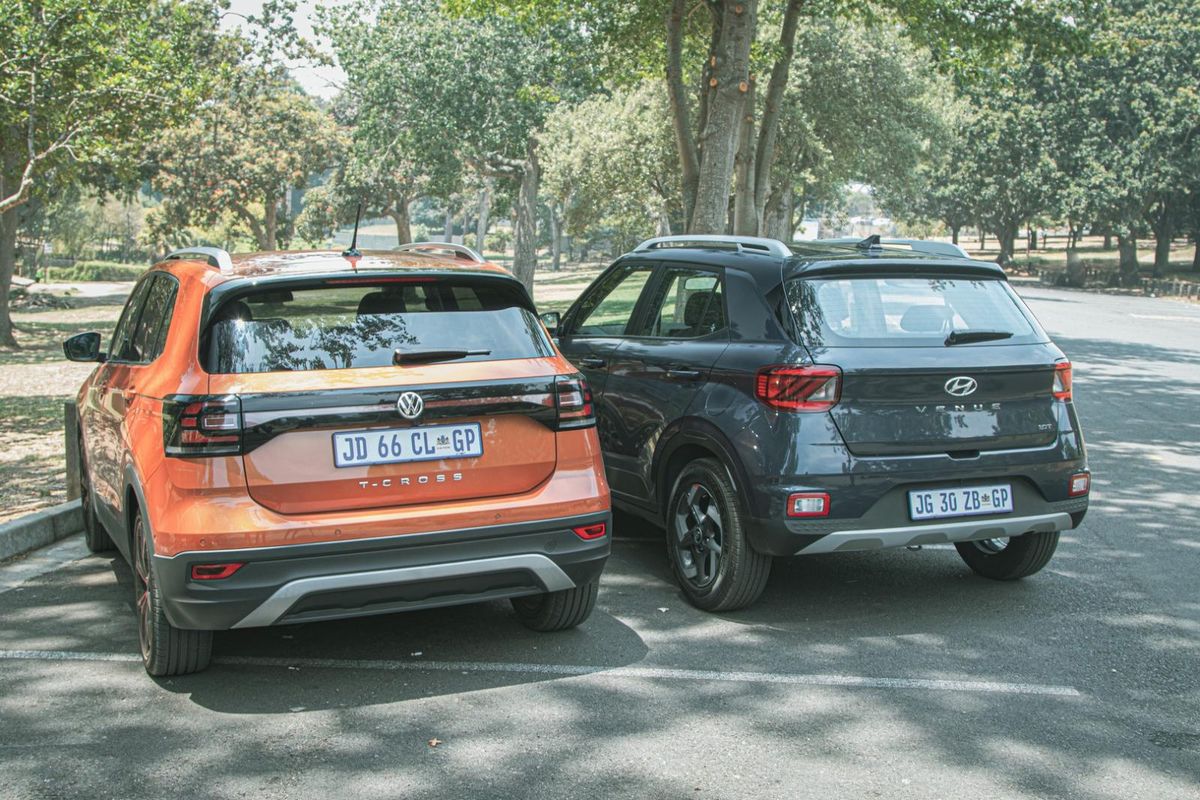
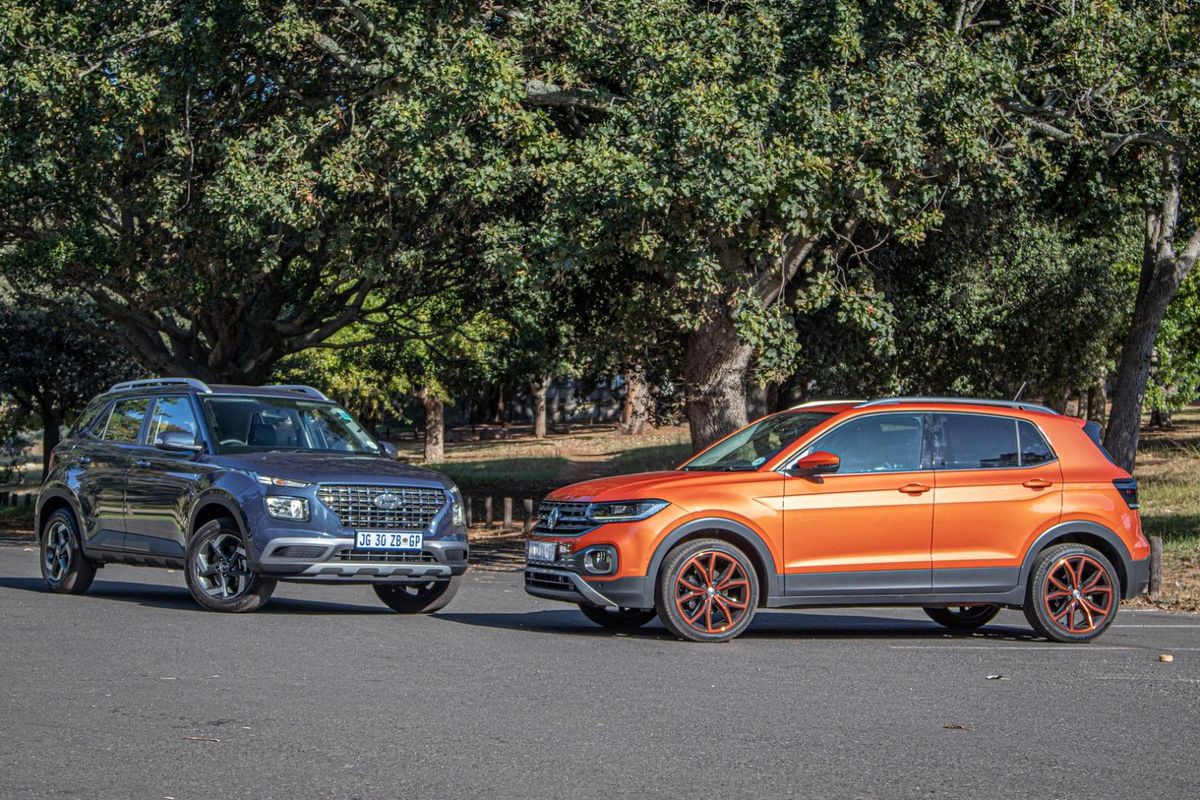
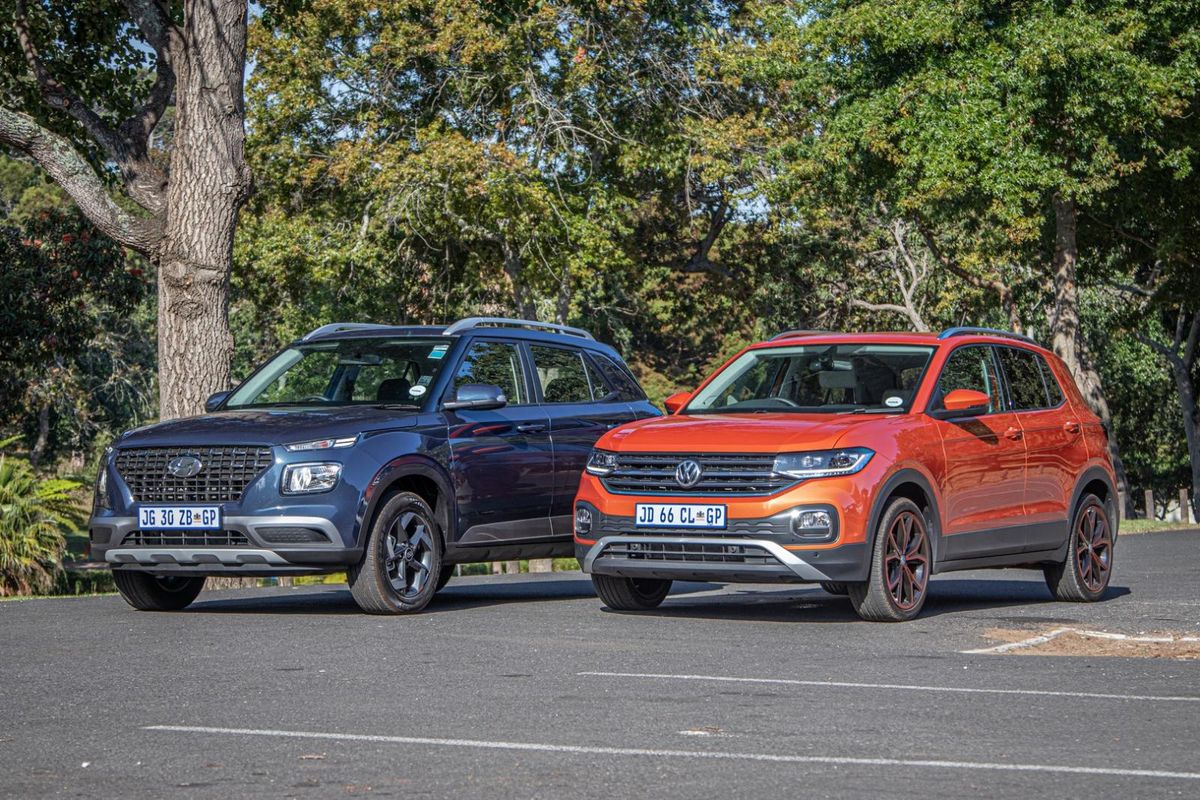
Compact family cars square off in suburbia. The new Hyundai Venue takes on the Volkswagen T-Cross, a #CarsAwards category champion.

How they perform in terms of…

Kerb Appeal

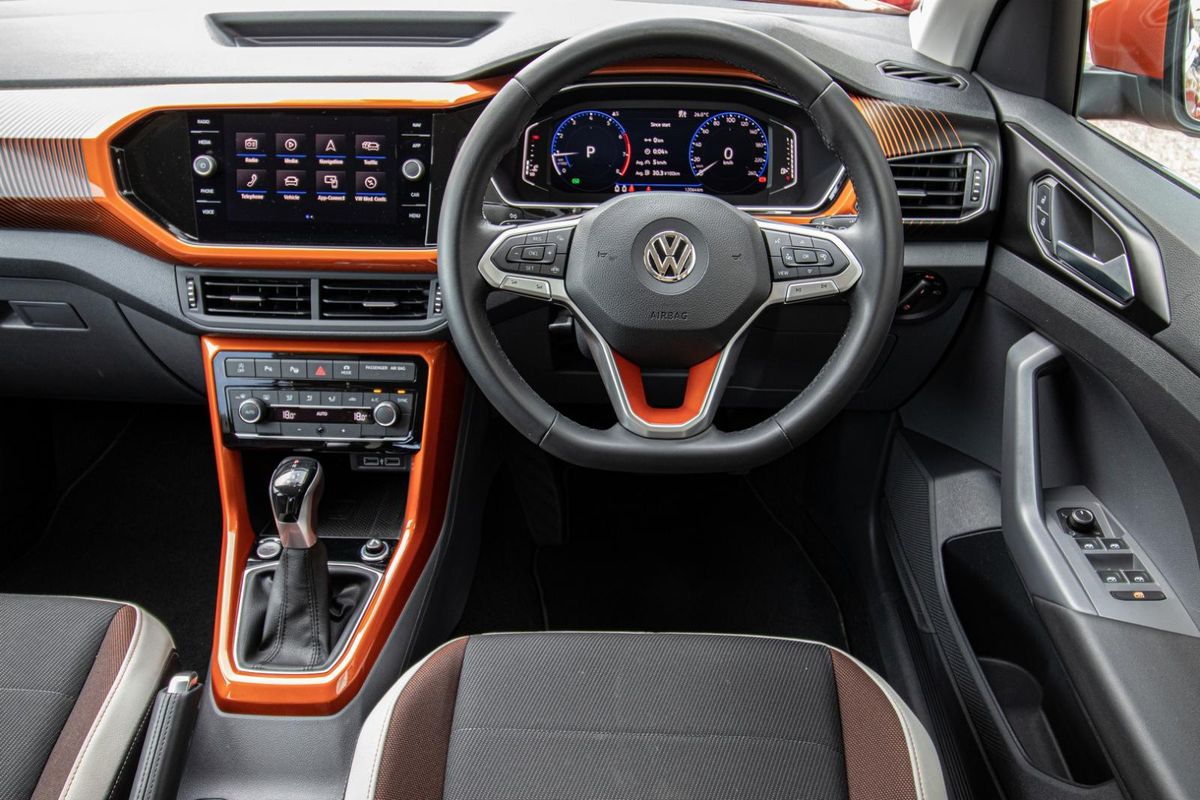
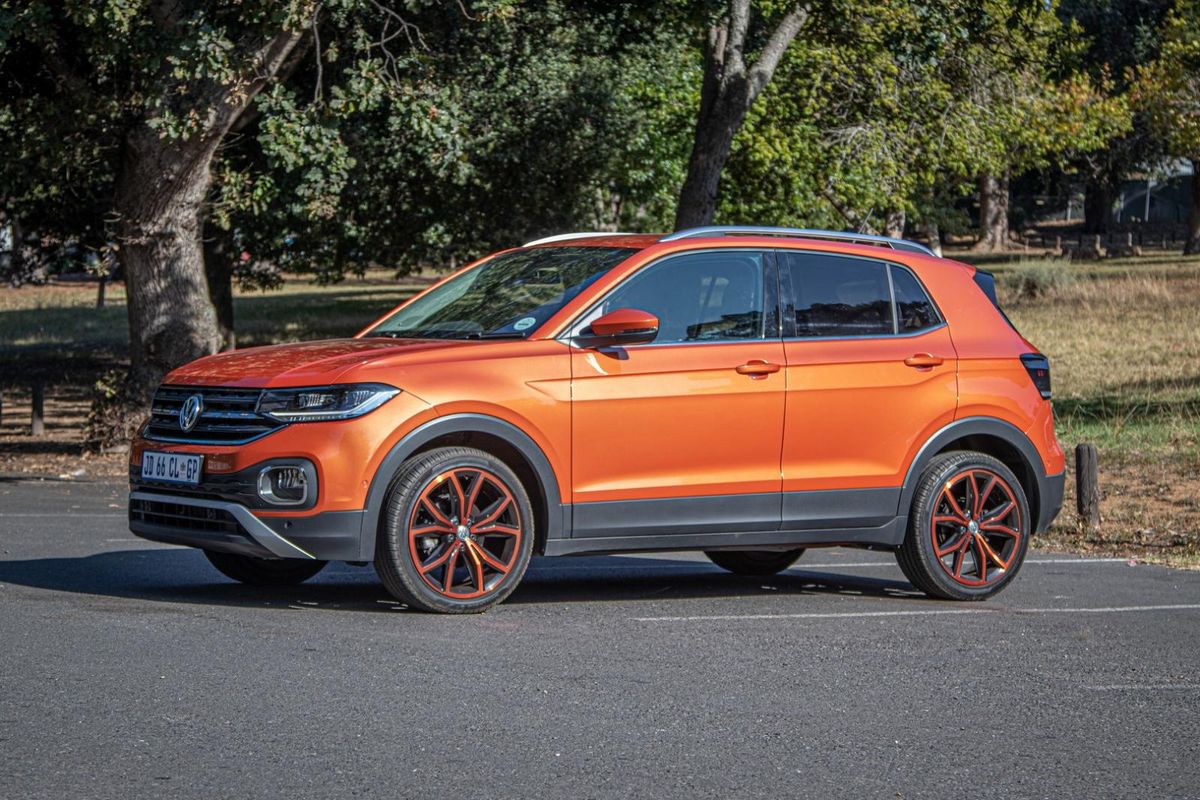
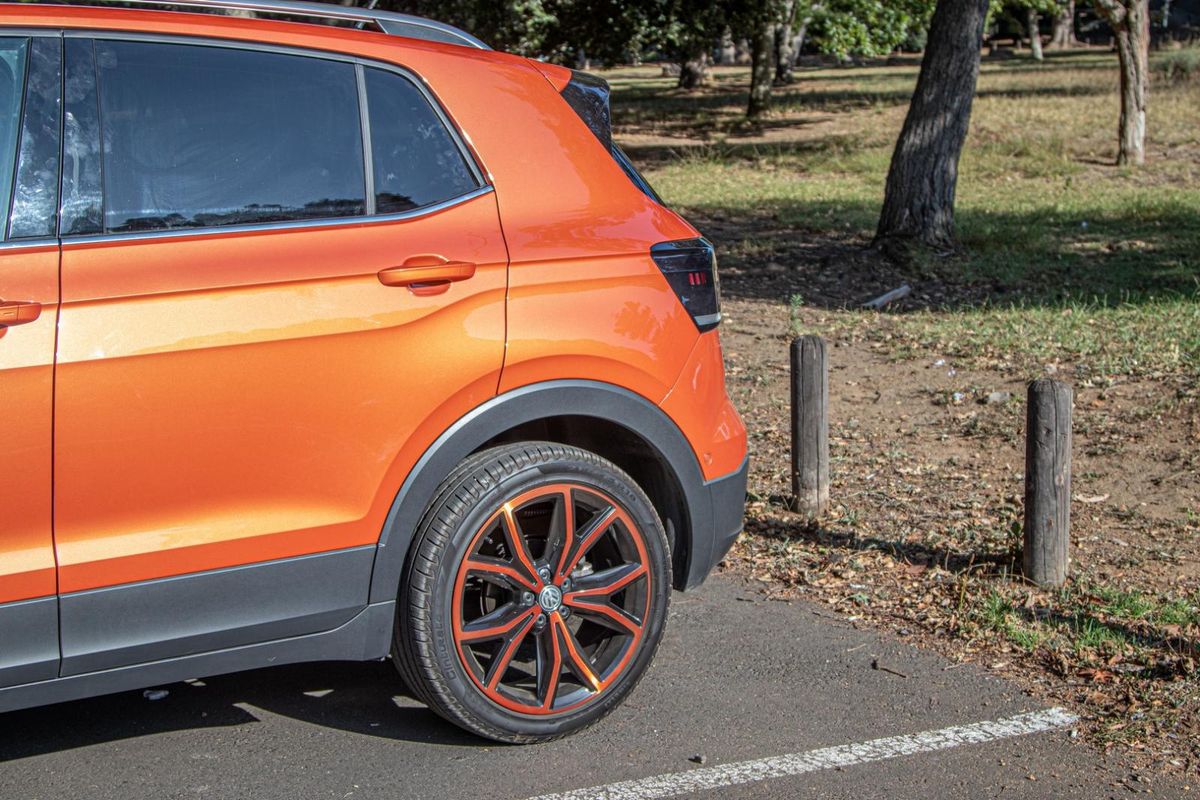
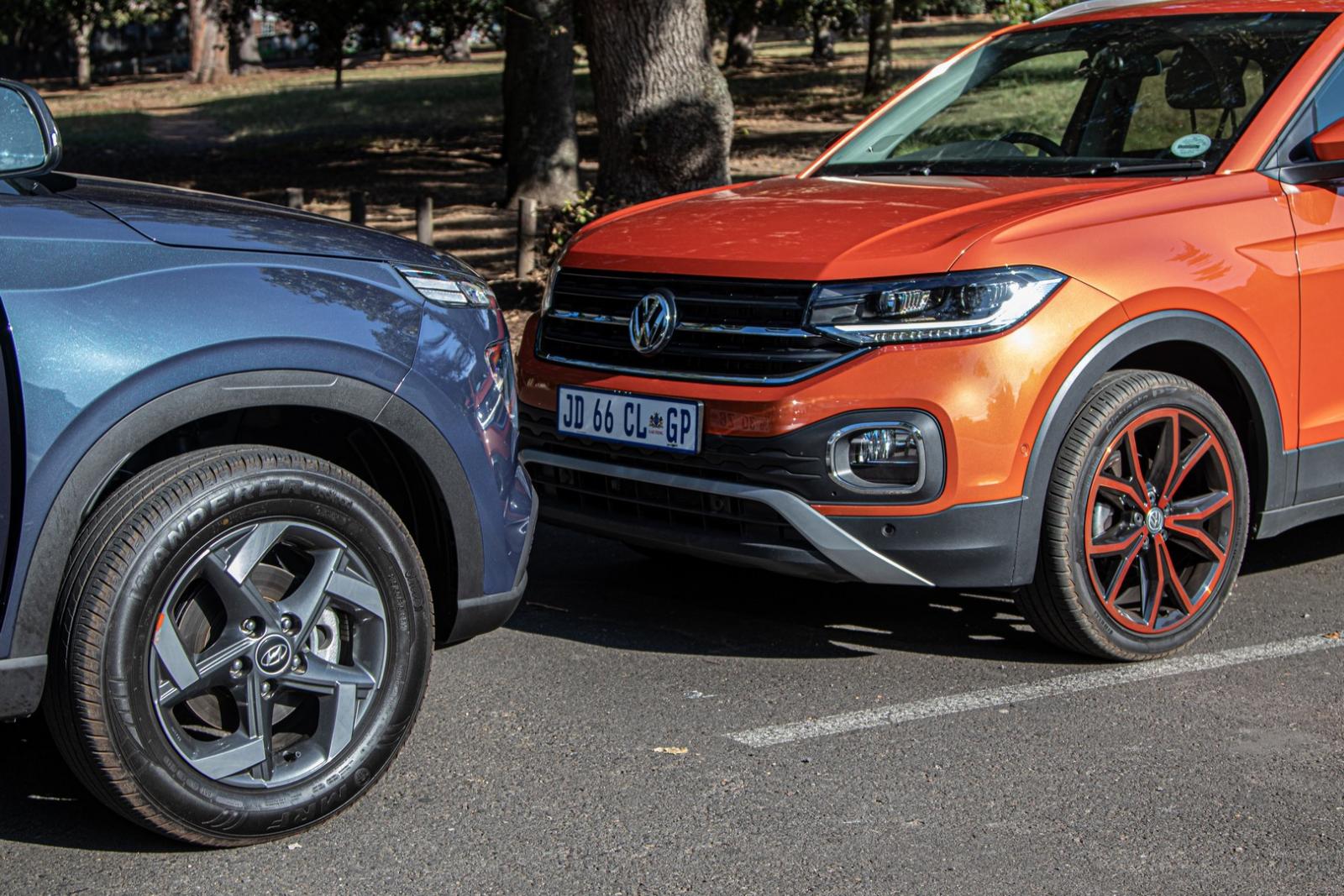
In this segment, customers are looking for distinctiveness; something that says "I've just purchased a new car." In this case, the Energetic Orange T-Cross will unfairly draw your gaze away from the Venue thanks to its liberal applications of orange paint, but the T-Cross loses none of its appeal when it's festooned in a non-violent paint finish. This orange isn't standard (it forms part of the R13 500 Design package, which adds orange wheels and interior accents… and the distinct impression you've been dunked in a vat of Oros).
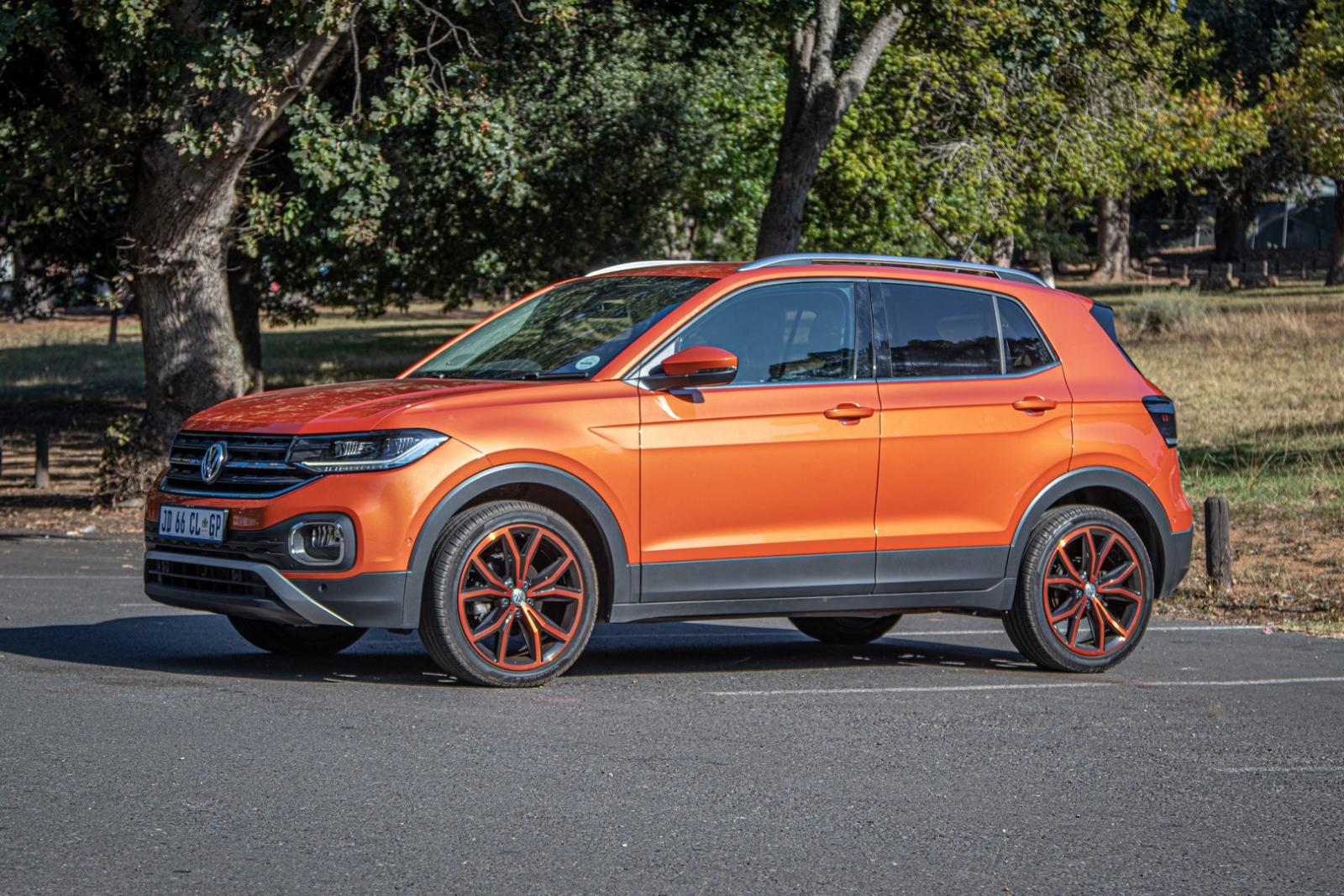

The VW T-Cross is attractive, but if you want THIS MUCH exterior bling, then you can opt for the extra-cost Design package.

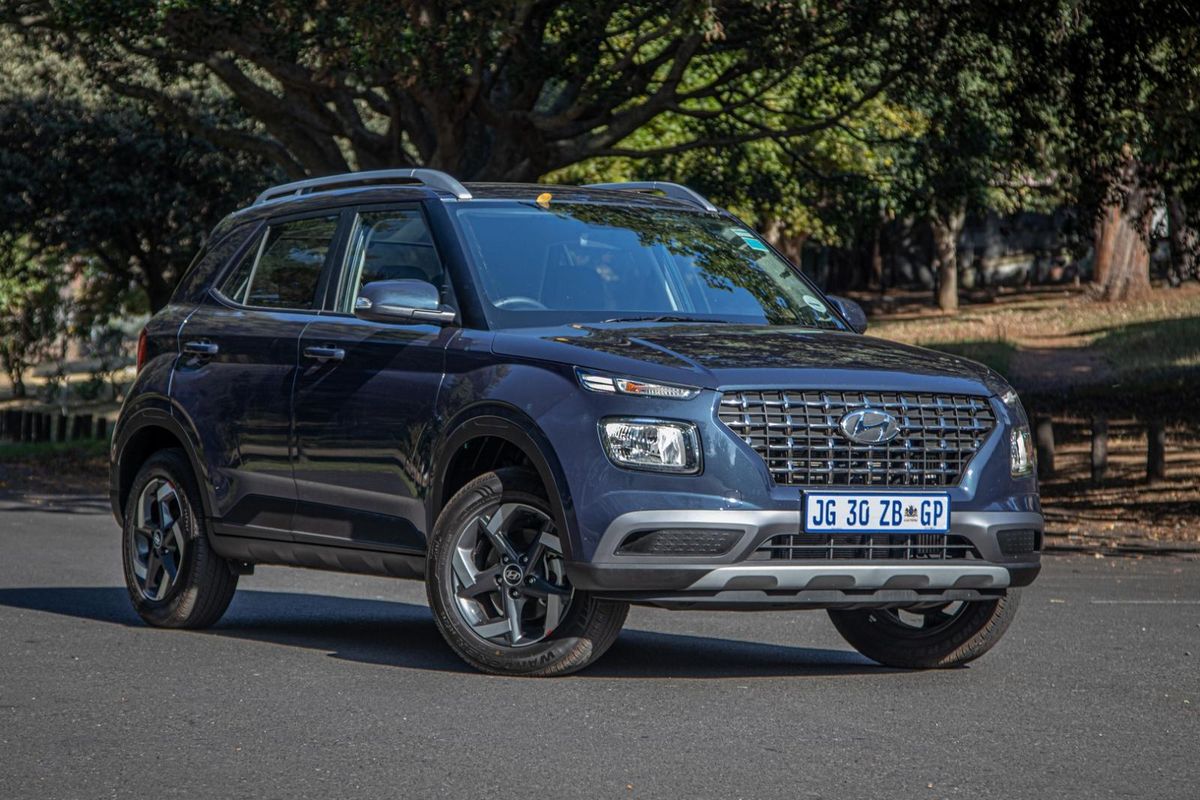
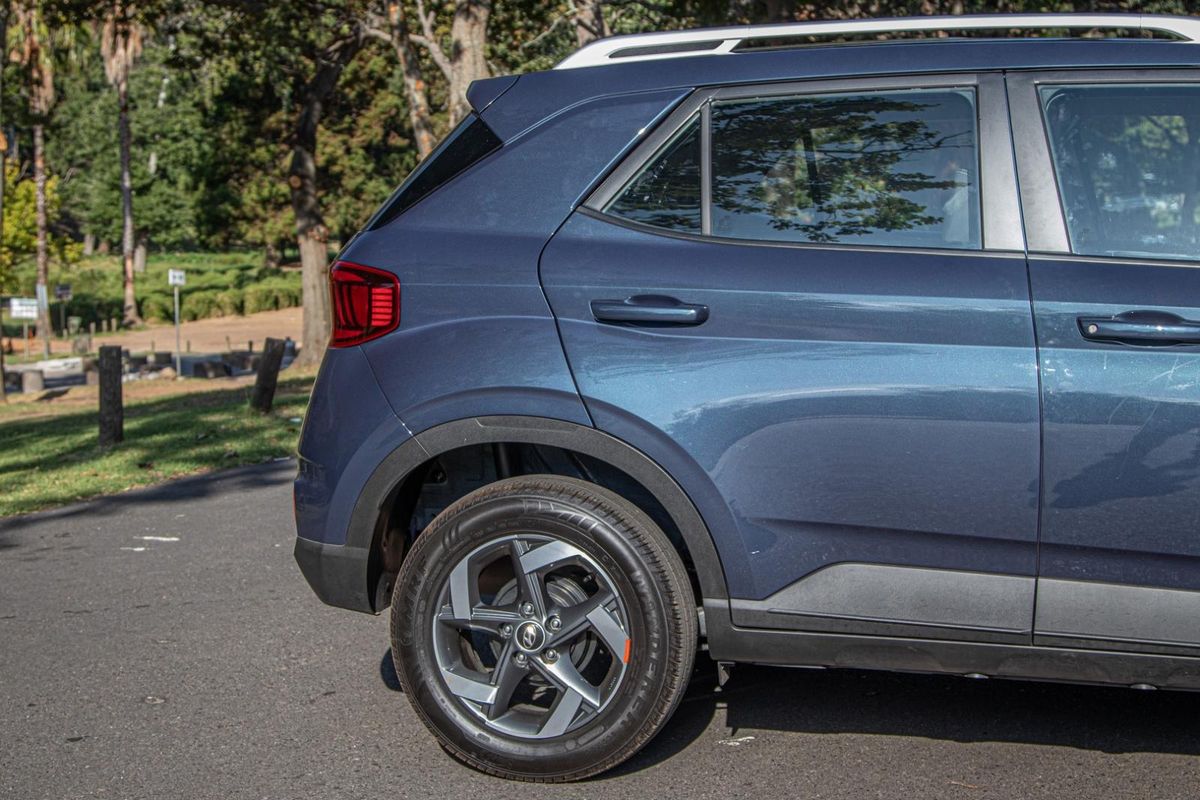
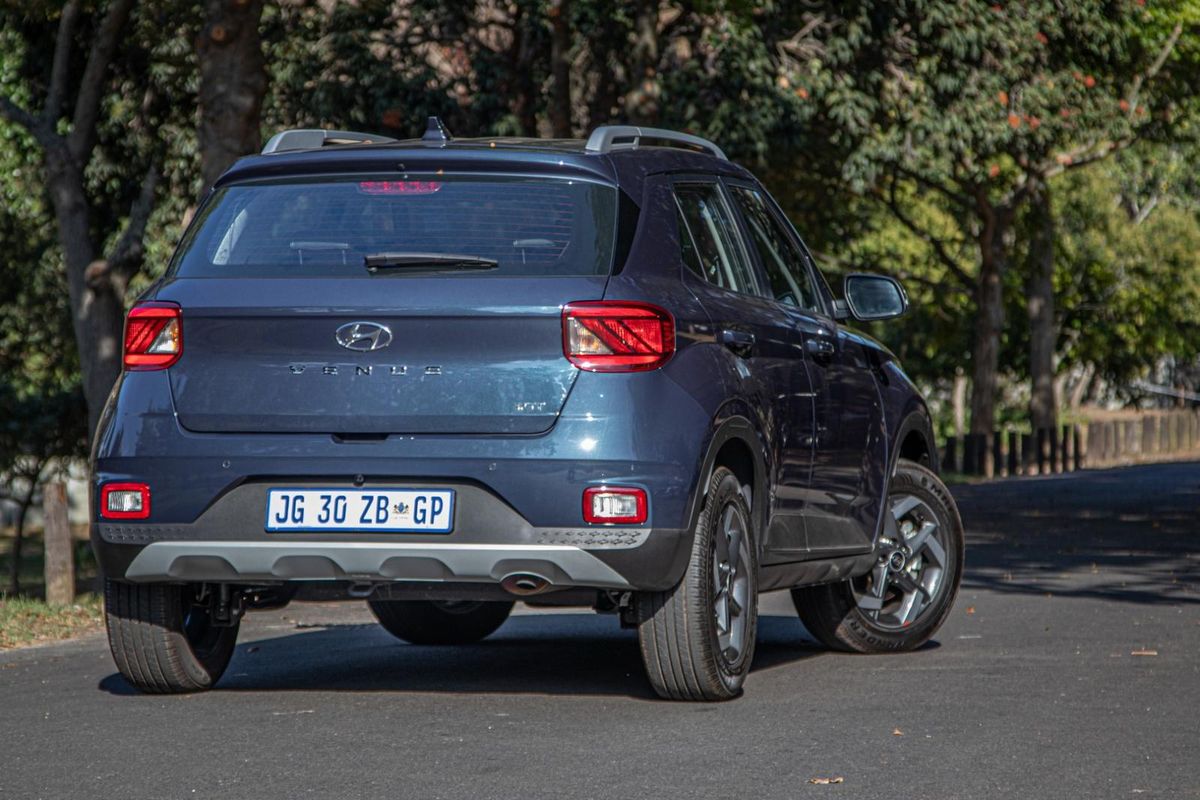
The Venue is one of the Korean brand's more interesting designs. Intricate yet polarising, the Venue's look is fresh and modern; it presents a clear indication of the direction in which the firm's design language is heading… expect to see bolder grilles with geometric designs across the entire Hyundai SUV range soon. It has what one onlooker dubbed "Juke Syndrome", in reference to Nissan's quirkily-styled model: you either love or hate the design. Fortunately, this isn't a beauty pageant and looks don't count for that much.
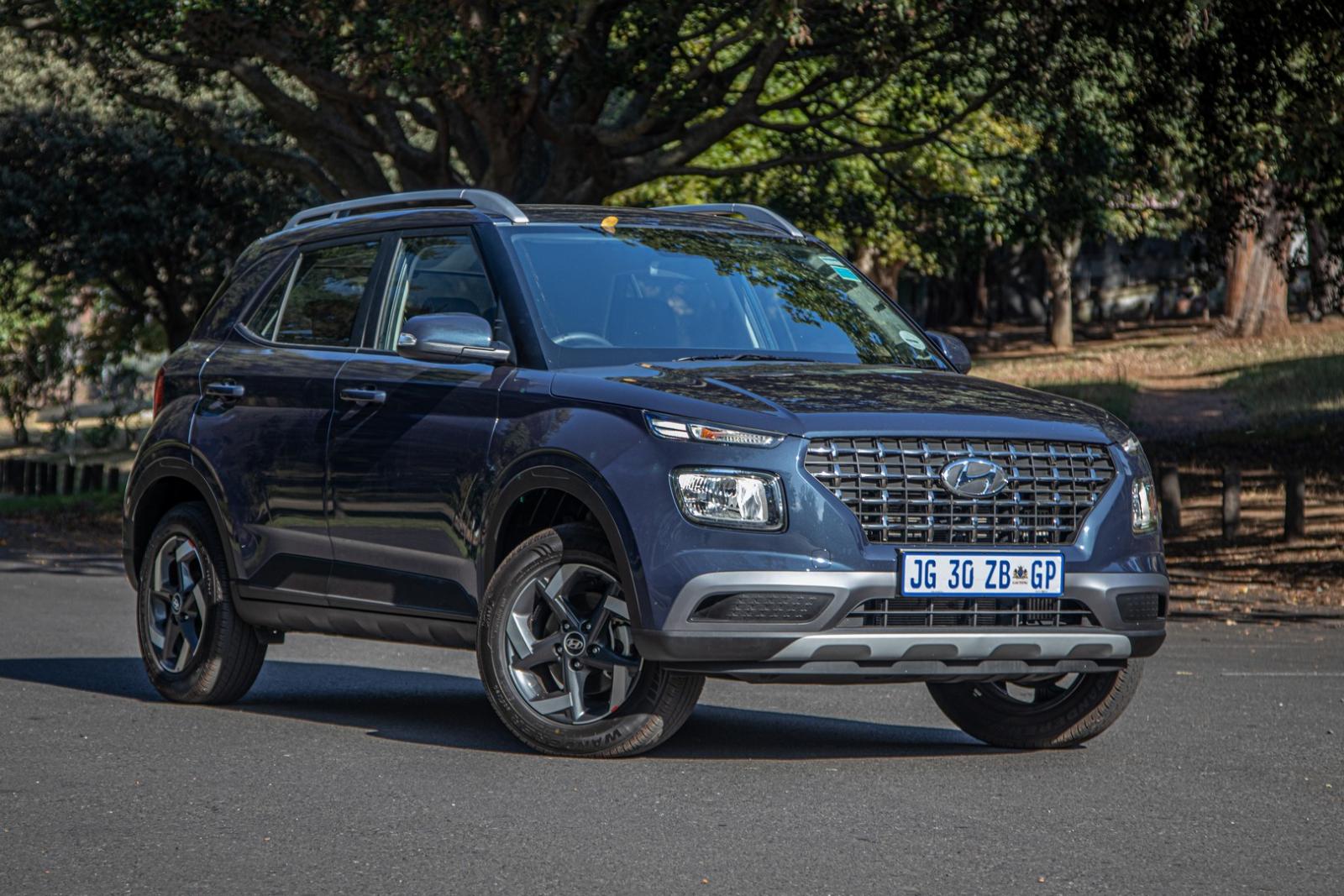

Expect to see bolder grilles on all of Hyundai's SUVs in the near future. As for this Venue's looks, we found it masculine.

At the time of writing (February 2020), both vehicles were offered with just 1 powertrain: a 1.0-litre turbocharged 3-cylinder petrol, but in derivatives with various grades of trim and features. All versions of the T-Cross have 7-speed dual-clutch automatic transmissions, but the range will receive a manual 'box option and a flagship 1.5-litre 4-cylinder turbopetrol derivative during the course of 2020. The Venue, by contrast, is available with either a 6-speed manual gearbox or a 7-speed dual-clutch automatic transmission.

Both cars are similarly sized, with the Volkswagen offering a fraction more in overall length (4 235 mm as opposed to 3 995 mm). Things are much closer in terms of wheelbase, with just 51 mm separating the two vehicles (once again in the T-Cross' favour), which means interior space is closely matched, but more on practicality later in this write-up.

Performance and economy

So, the T-Cross and Venue are both powered by a 1.0-litre 3-cylinder turbopetrol engine that drives the vehicle's front wheels via 7-speed dual-clutch transmission. This, however, is where the commonality ends, because the outputs, performance, economy (and general on-road demeanour) of the cars are quite different. 

The Volkswagen engine produces 85 kW and 200 Nm, while it's Korean counterpart delivers peak outputs of 88 kW and 172 Nm. Volkswagen claims a 0-100 kph time of 10.2 seconds, with the Hyundai following in 11.5 seconds. But those performance claims don't really tell the full story, because the Venue's wider spread of peak torque (between 1 500 and 4 000 rpm) means that it does not need to frantically change down whenever it needs to summon overtaking acceleration. By contrast, the Volkswagen has to drop a gear or two often due to its narrower max torque band (2 000 to 3 500 rpm). Thankfully the DSG system is silky smooth and cog-swapping takes place without much hesitation.
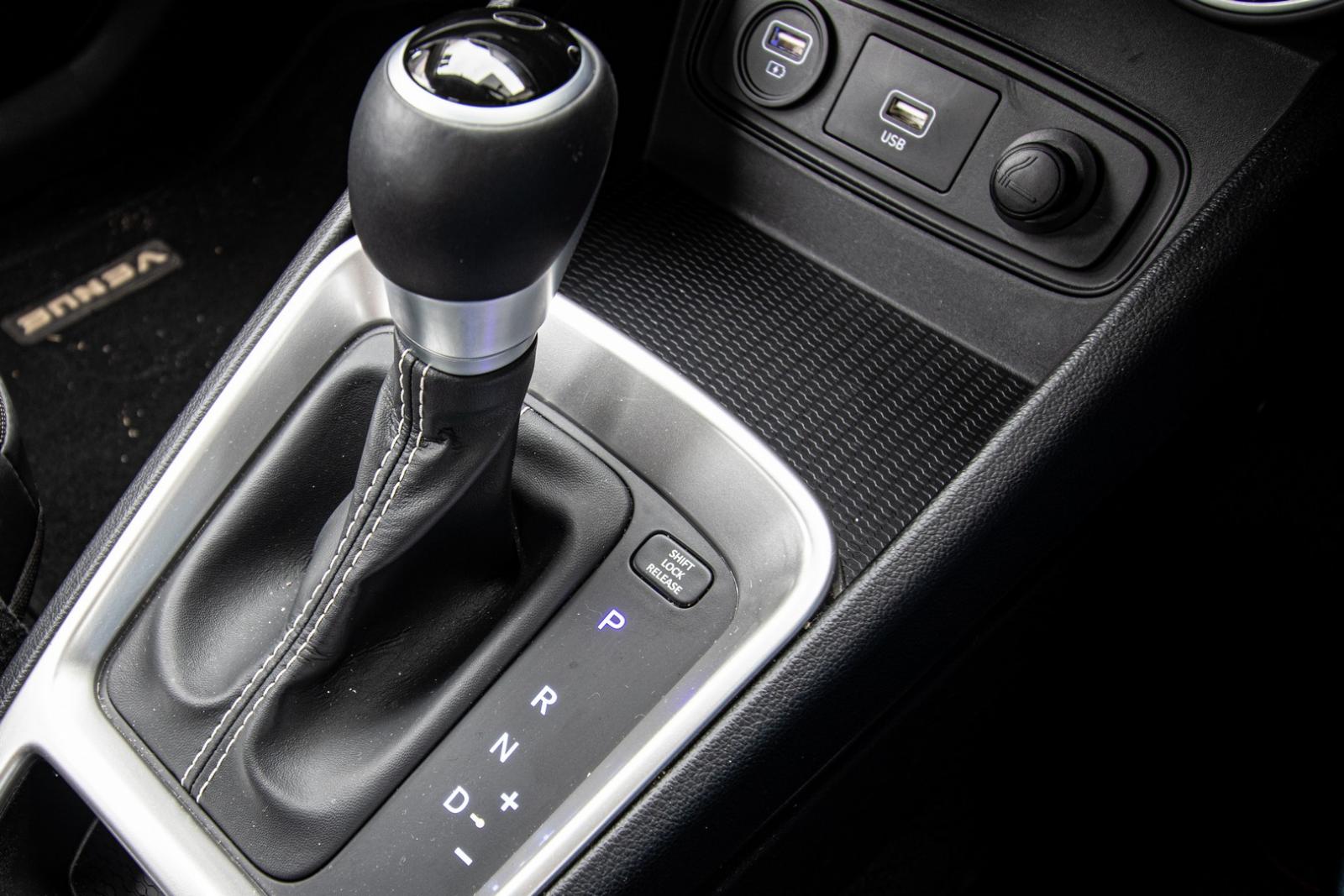

The 7-speed DCT of the Hyundai represents a massive leap forward for Korean dual-clutch technology. 

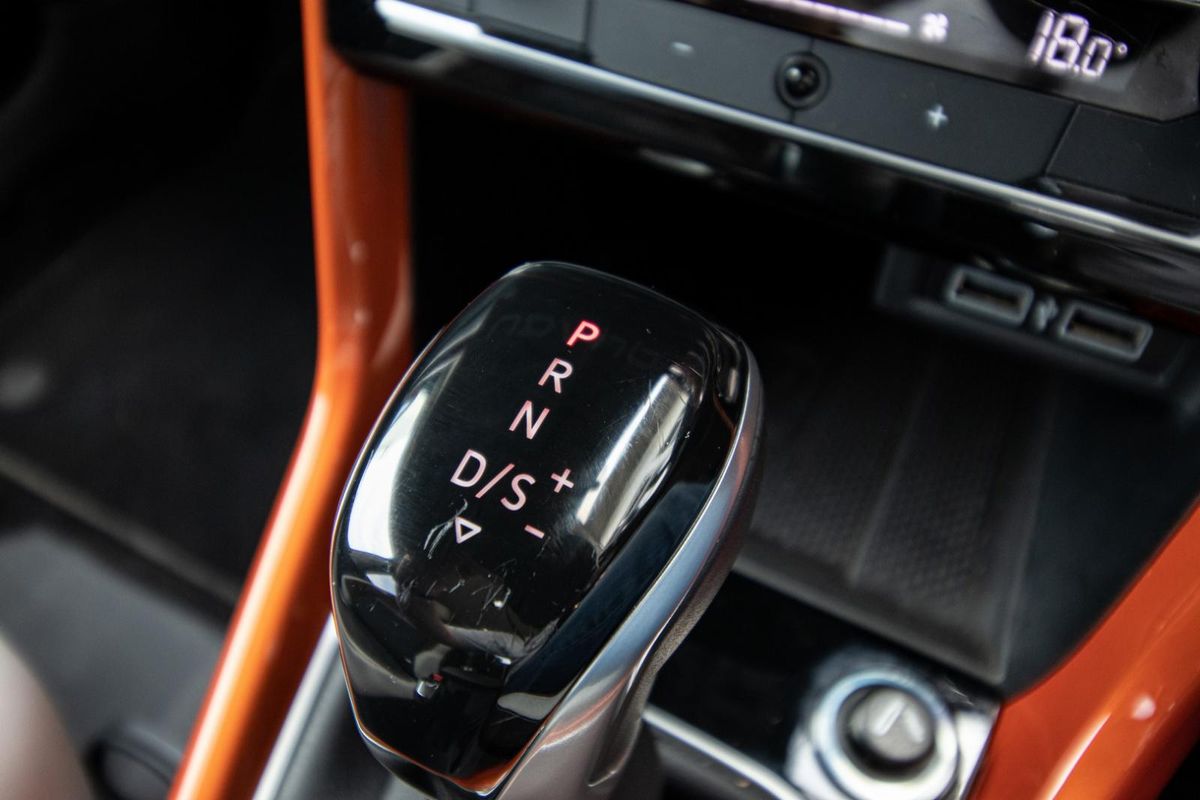
In terms of transmission refinement and quality, we give the nod to the Volkswagen's direst-shift gearbox (DSG), but the margin of victory over the Hyundai's box is tiny; in a relatively short space of time, Hyundai's engineering division has developed a dual-clutch auto 'box that can almost match a Volkswagen Group transmission. Faults? If you were to press us, we'd say the Korean car's downshifts aren't quite as, um, fluid as those of its German rival. And you'll notice in the photo gallery that the T-Cross has 'shift paddles on its steering wheel – they're nice to have, but given the target market of these cars, they're likely to be used as frequently as the Coke Lite dispenser at McDonald's.

When it comes to fuel economy, you'll be happy to know that both these combatants are fairly frugal. One should always take claimed fuel consumption figures with a pinch of salt, as manufacturers' estimates are traditionally overoptimistic. This is especially the case with the Volkswagen… The T-Cross is claimed to consume an average of just 5.3 L/100 km, but we've had enough experience with T-Cross test units to get around the 6.6- to 7.3 L/100 km mark. With its 40-litre fuel tank, it has a theoretical range of 755 km. 
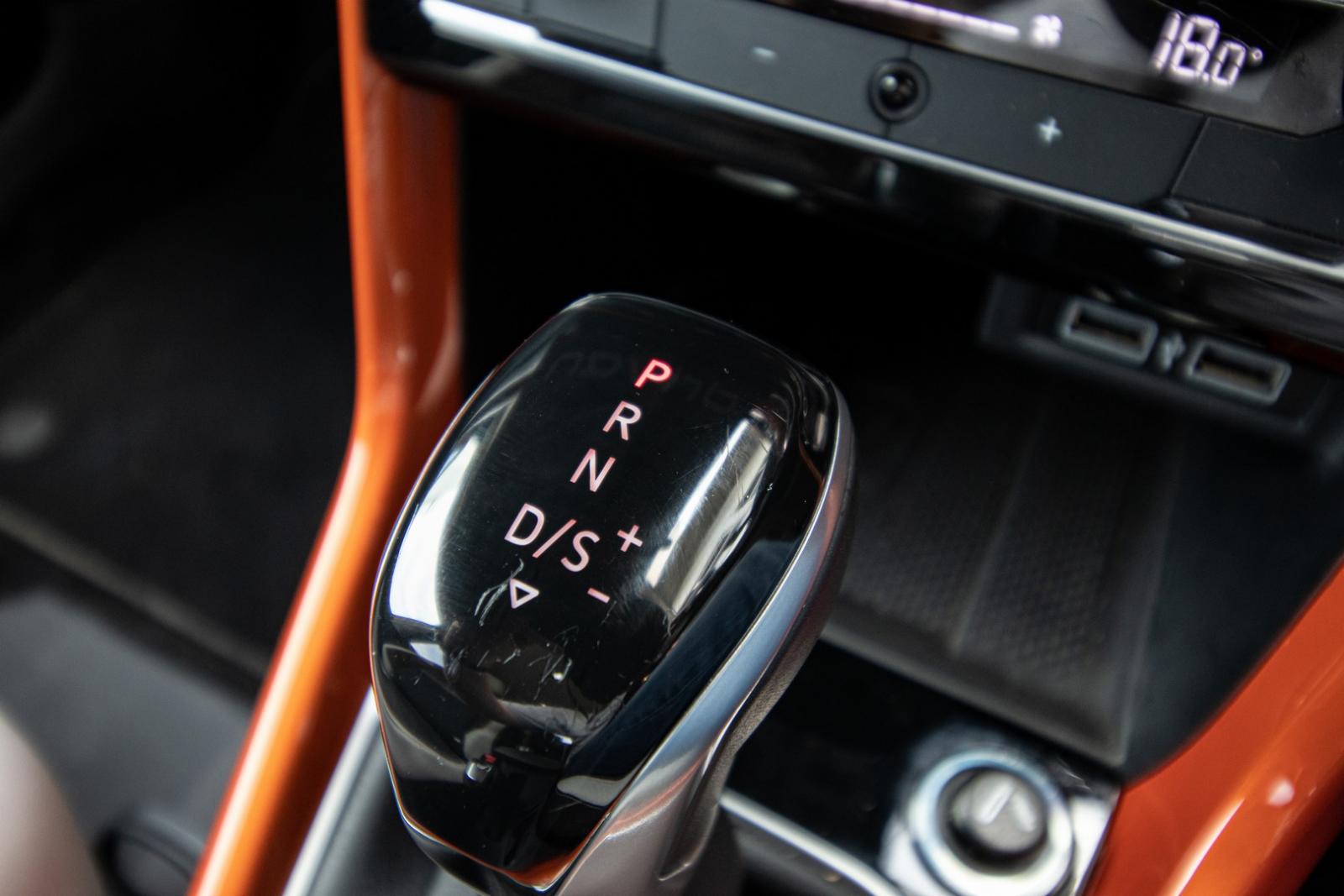

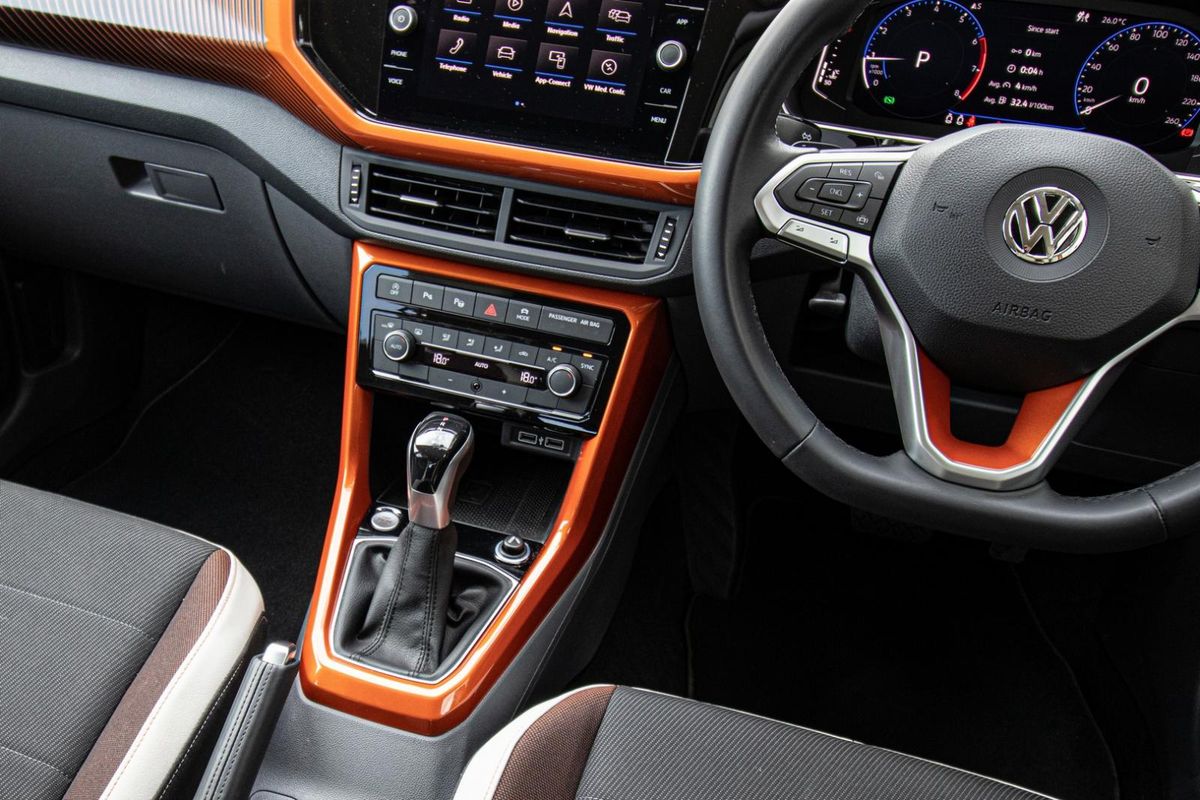
Volkswagen's DSG is one of the best in the business. Note the 2x USB ports and wireless charging pad.

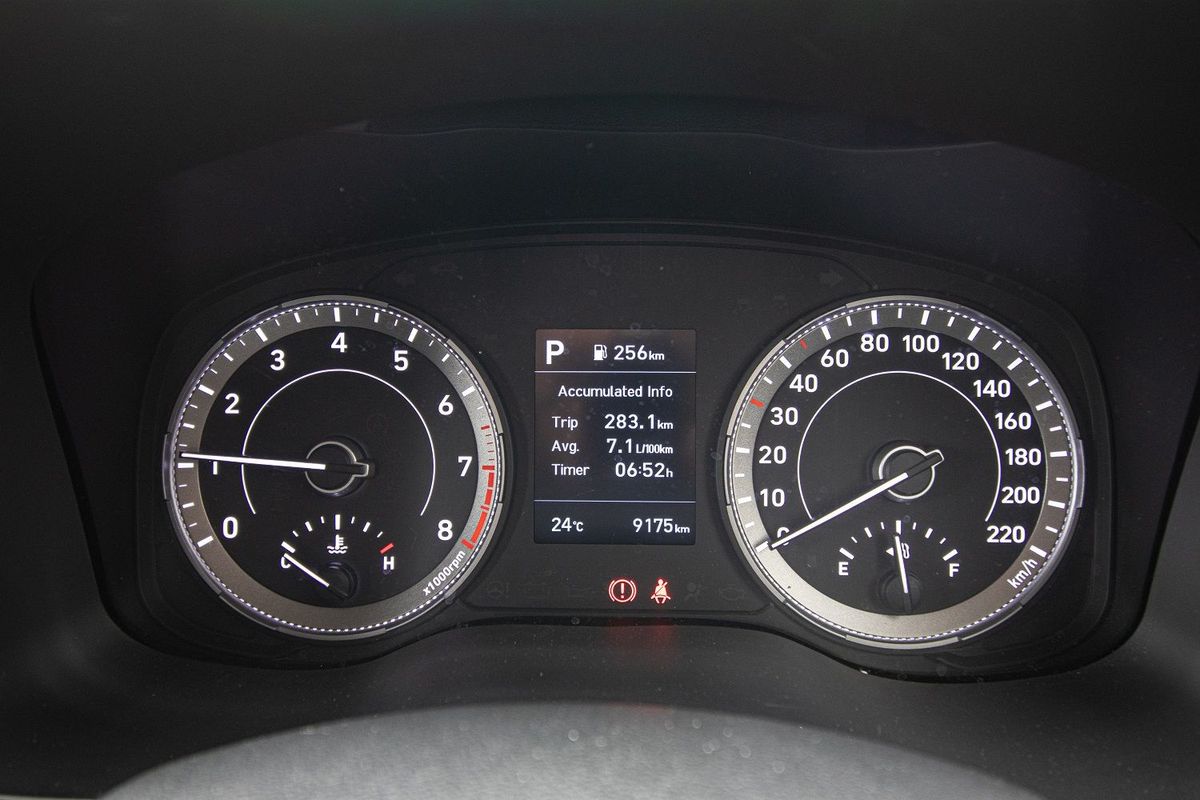
The Venue counters with a far more realistic official claim of 6.9 L/100 km. On the local launch of this vehicle, we achieved a figure in the low 6-litres-per-100 km range and, during its tenure in our test fleet (for the production of this feature and video), it consumed 7.1 L/100 km. With its 45-litre fuel tank, it has a theoretical range of 652 km.

In terms of power delivery and general performance, these small engines deliver surprisingly nippy performance. One can no longer afford to assume a car's performance by the cubic capacity of its engine: these 1.0-litre 3-cylinders easily outperform naturally-aspirated 1.6-litre 4-cylinder motors in terms of off-the-line performance and in-gear overtaking. If you factor in the relatively low kerb weights of 1 110 kg (Hyundai) and 1 160 kg (Volkswagen), the pair perform admirably. These motors don't need to work very hard to get the vehicles moving; they even emit a pleasant rorty sound, which gives them a kind-of sporty edge. We particularly enjoyed the cars' ability to leap ahead of slower-moving traffic by making good use of their mid-range punch, which is entertaining (if you're not used to a turbocharger coming on song and delivering a sudden jolt of urge).

Ride comfort and handling
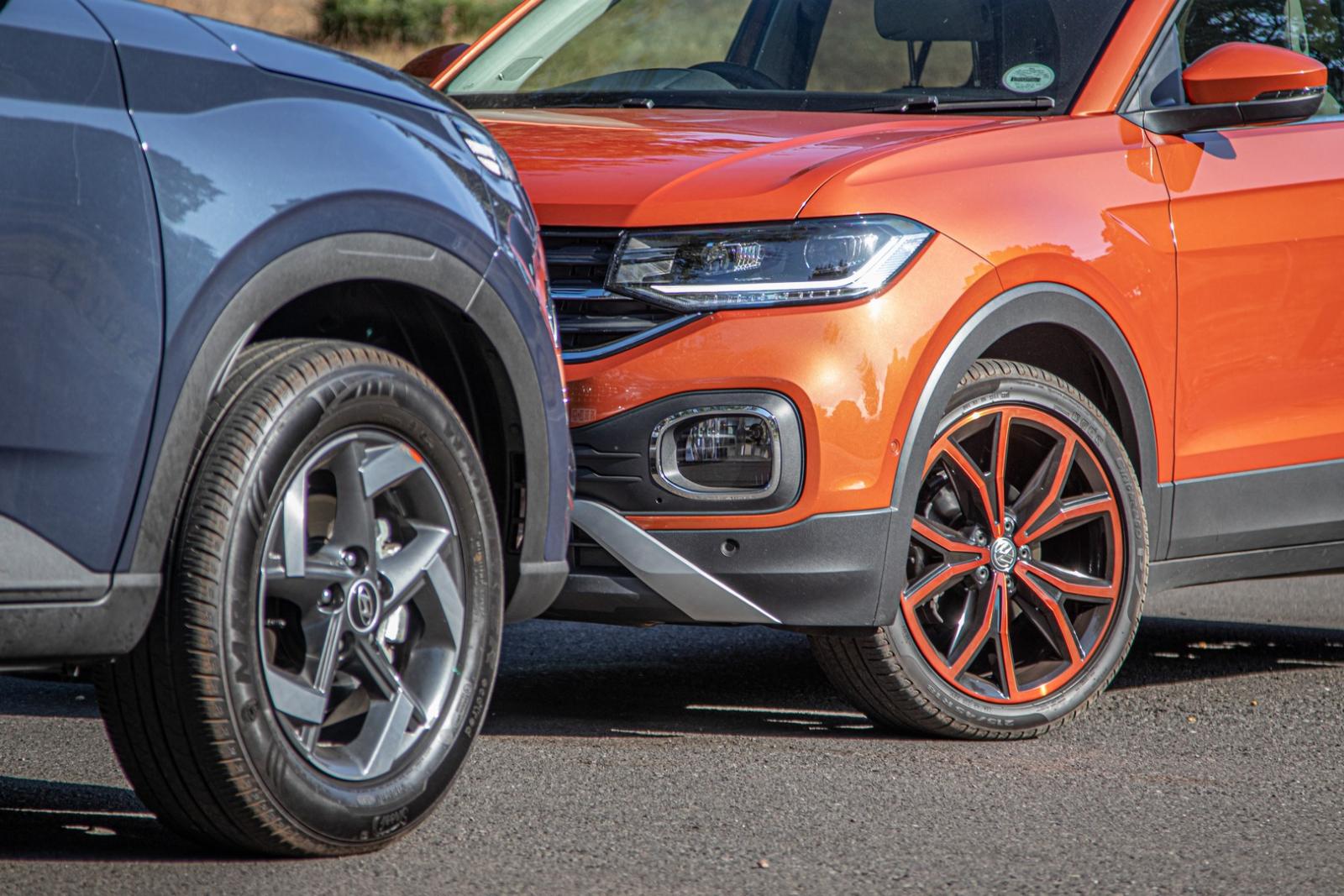

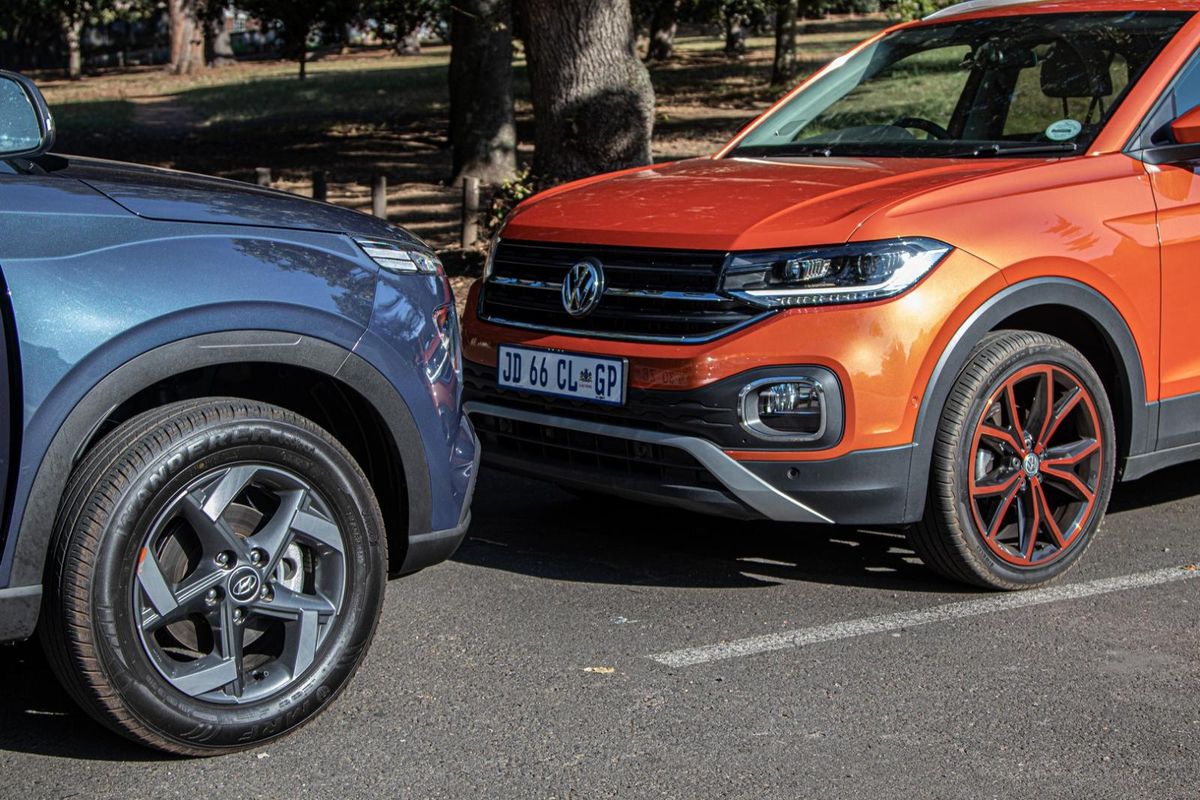
The higher profile rubber of the Hyundai Venue soaks up the road's imperfections better than the sportier optional T-Cross wheels. 

Perhaps the members of our test team are all getting old and grumpy… because occupant comfort is fast becoming a major consideration when it comes to new-car evaluations. Granted, there are circumstances when it's less of a critical factor (such as when testing performance cars), but in general, the testers just want to be comfortable in vehicles! 

As compact family cars, it's paramount for the T-Cross and Venue to deliver good levels of comfort in all aspects of driving. Be it for short trips to the shops, or a weekend family road trip, buyers expect an above-average level of comfort from these contenders. Do these two vehicles deliver? In terms of ride refinement, we'd say yes. Volkswagen's MQB platform has a good reputation for comfort and refinement, and the T-Cross does not disappoint, although its overall ride quality is still best described as "on the firm side of supple". We will add, however, that the optional 18-inch wheels aren't the best choice for poor-quality roads. Smaller rims with higher-profile tyres would smooth out the ride. 

The Venue's general ride quality is also on the firm side, something we attribute to its short wheelbase, but this "rigidity" makes the newcomer unexpectedly fun to pilot – particularly around tight traffic circles. The Hyundai is shod with 16-inch alloy wheels wrapped in 215/65 rubber, which helps its suspension to soak up road imperfections. 

Both vehicles feel stable and planted on the road, with light steering setups for optimal manoeuvrability in cramped and congested urban spaces. The Volkswagen holds a slight advantage in the comfort stakes thanks to its steering column, which is rake- and reach-adjustable, whereas the Hyundai's tiller can only be adjusted up and down…

Interior style and quality
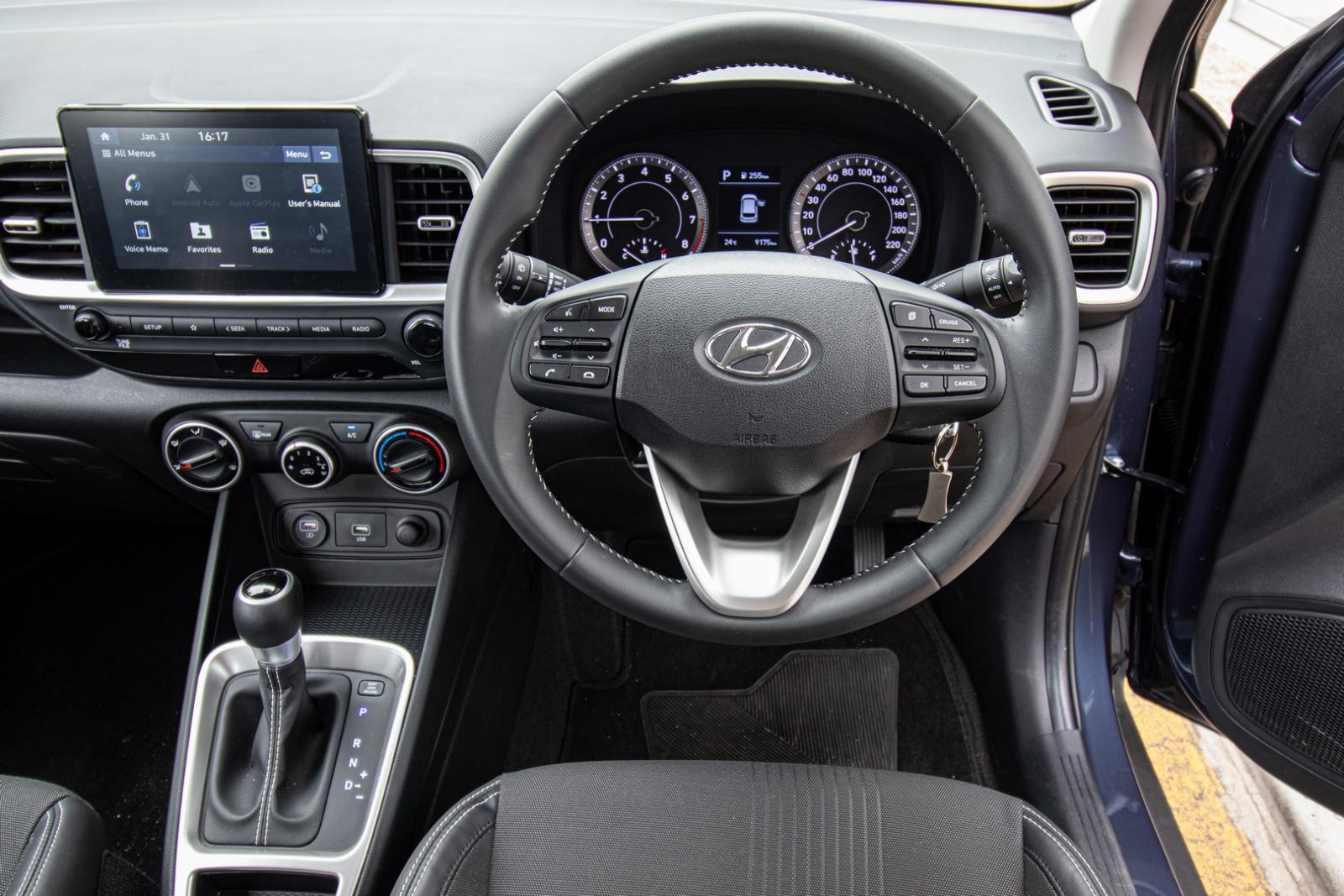

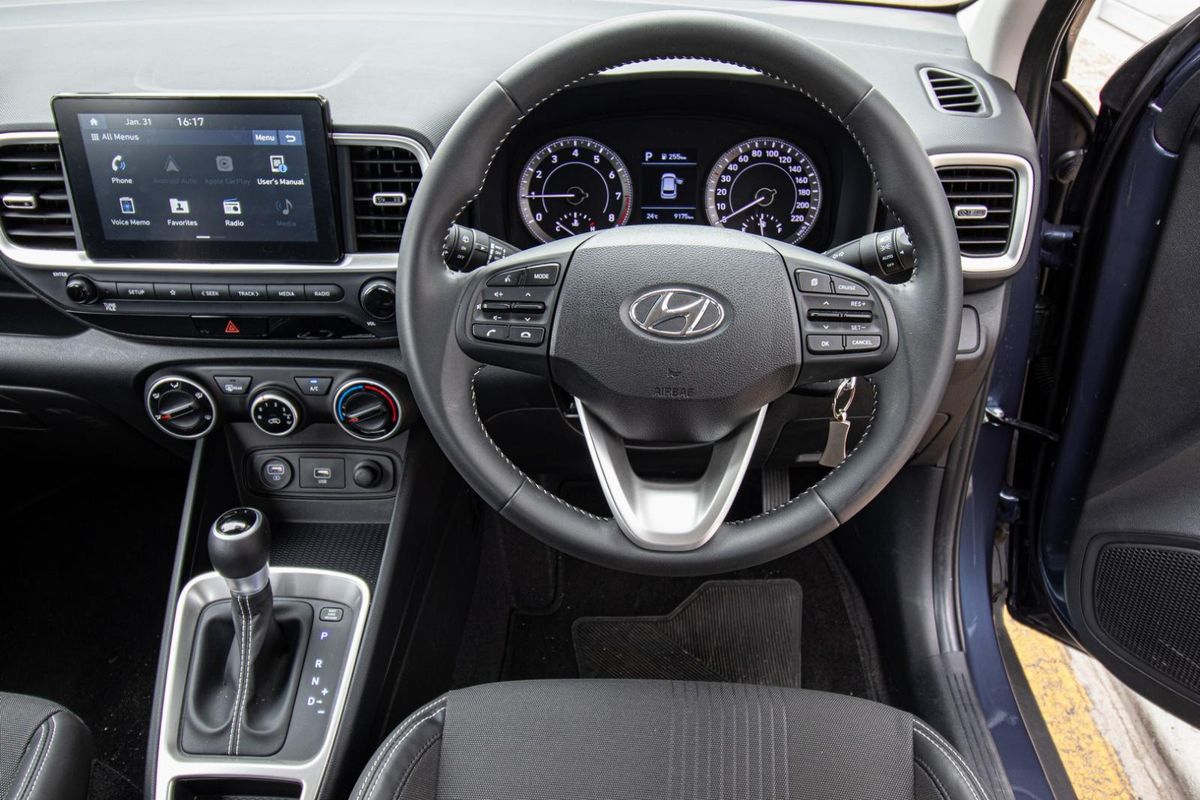
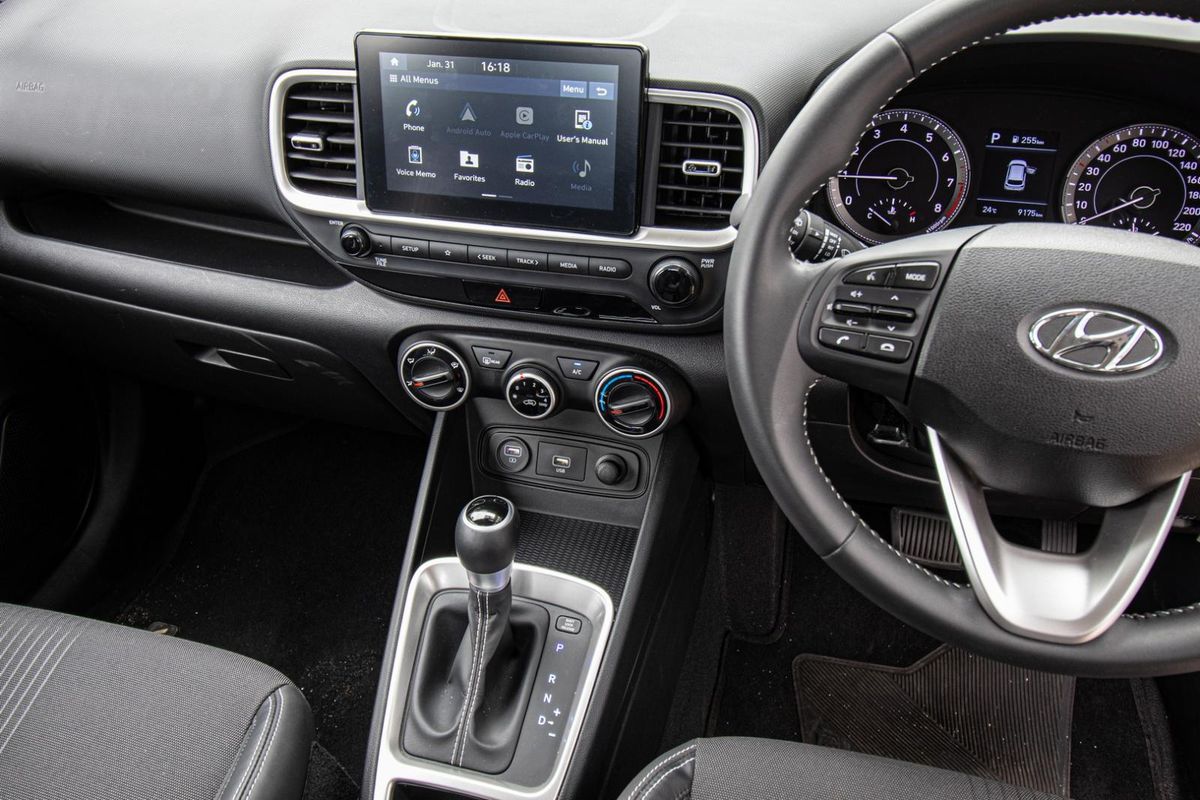
The neat, simple and uncomplicated interior of the Hyundai Venue.

When shopping in this segment, you're likely to want something that looks modern, feels durable and doesn't cost the earth. Fortunately, both cars' cabins deliver in that regard. The T-Cross' interior really looks smart and modern, but remember you're paying extra for the orange funkiness, so try to picture the cabin with plain black panels. 

For brands that know how to make well-finished cabins (just consider any of their wares that cost twice or 3 times as much as these cars), finding the balance between luxury and affordability is a challenge. In truth, you can see and feel the sacrifices that have been made in the Volkswagen and Hyundai's respective interiors. Both vehicles feature dashboards and inside door panels made from a hard-wearing (and, alas, -feeling) plastic. It seems made-to-a-cost and a bit compromised, but acceptable at this price point.
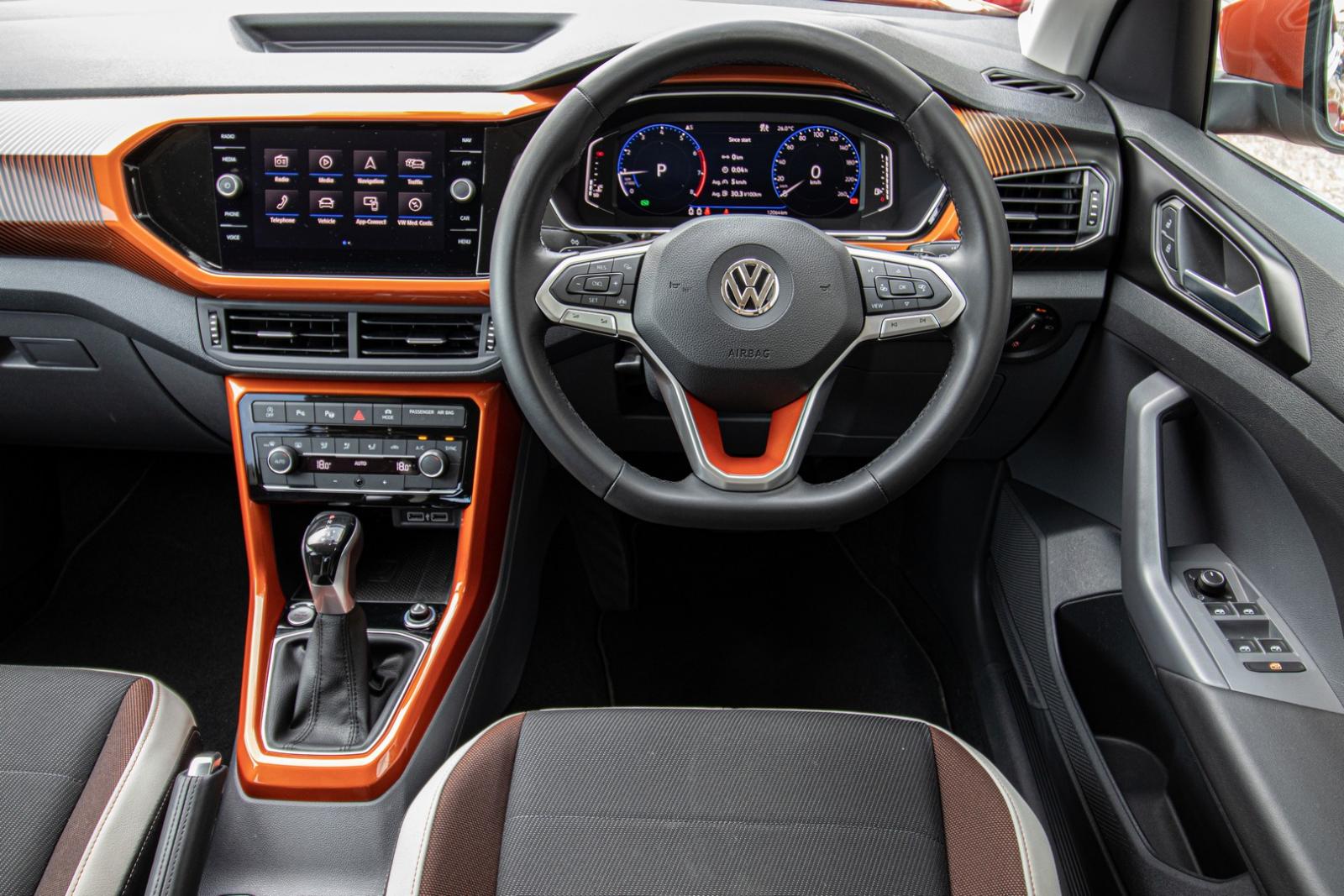

Try forget the orange for a moment and focus on the straightforward and ergonomically sound layout.

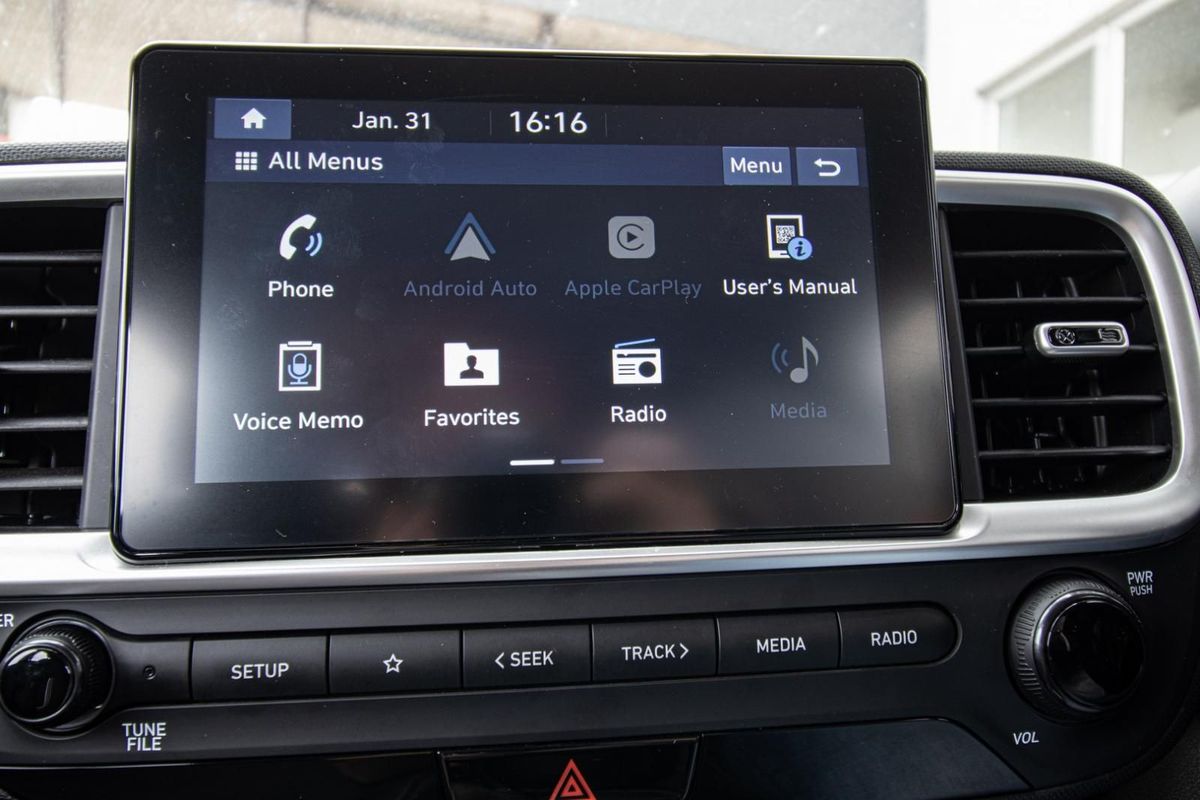
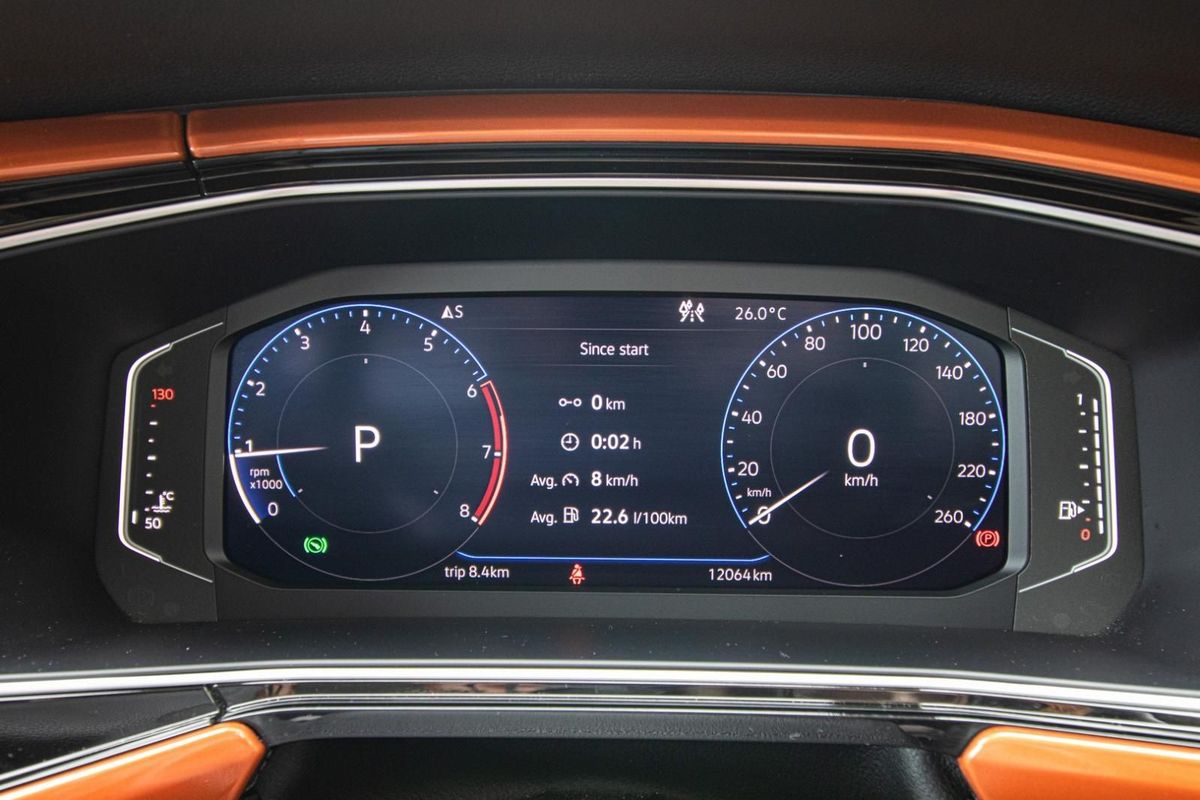
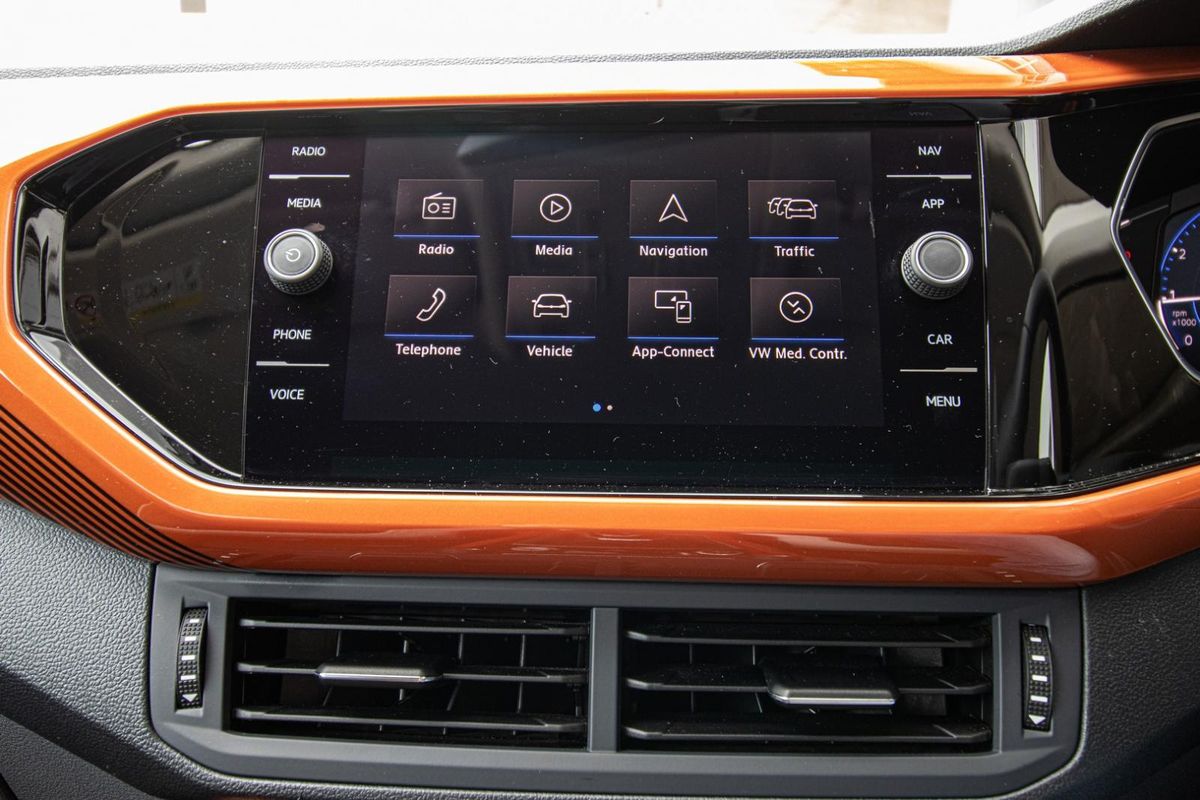
The Volkswagen and Hyundai's interiors have a modern, digitally-connected vibe – as soon as you step inside these combatants, you'll notice their large infotainment screens. In the case of the T-Cross, the screen forms part of the Infotainment package, which adds on some nice-to-have features such as the digital instrument cluster, but we'll expand on the cars' as-specced features later. Again, this package is an optional extra. The Venue is a what-you-see-is-what-you-get vehicle: there are no options to be had.

Generally, though, the T-Cross and the Venue feel solid and well-assembled. Hyundai has come a very long way and its build quality is on par with more prestigious brands.

Technology and connectivity

For a full specification comparison, click here.

It's 2020 and we seem to be glued to our smartphones more than ever before. Studies have shown that the average adult in the USA uses a mobile device for more than 3 hours a day. It's therefore imperative that carmakers build vehicles with connectivity foremost in mind: Apple CarPlay and Android Auto have made in-car connectivity simple.
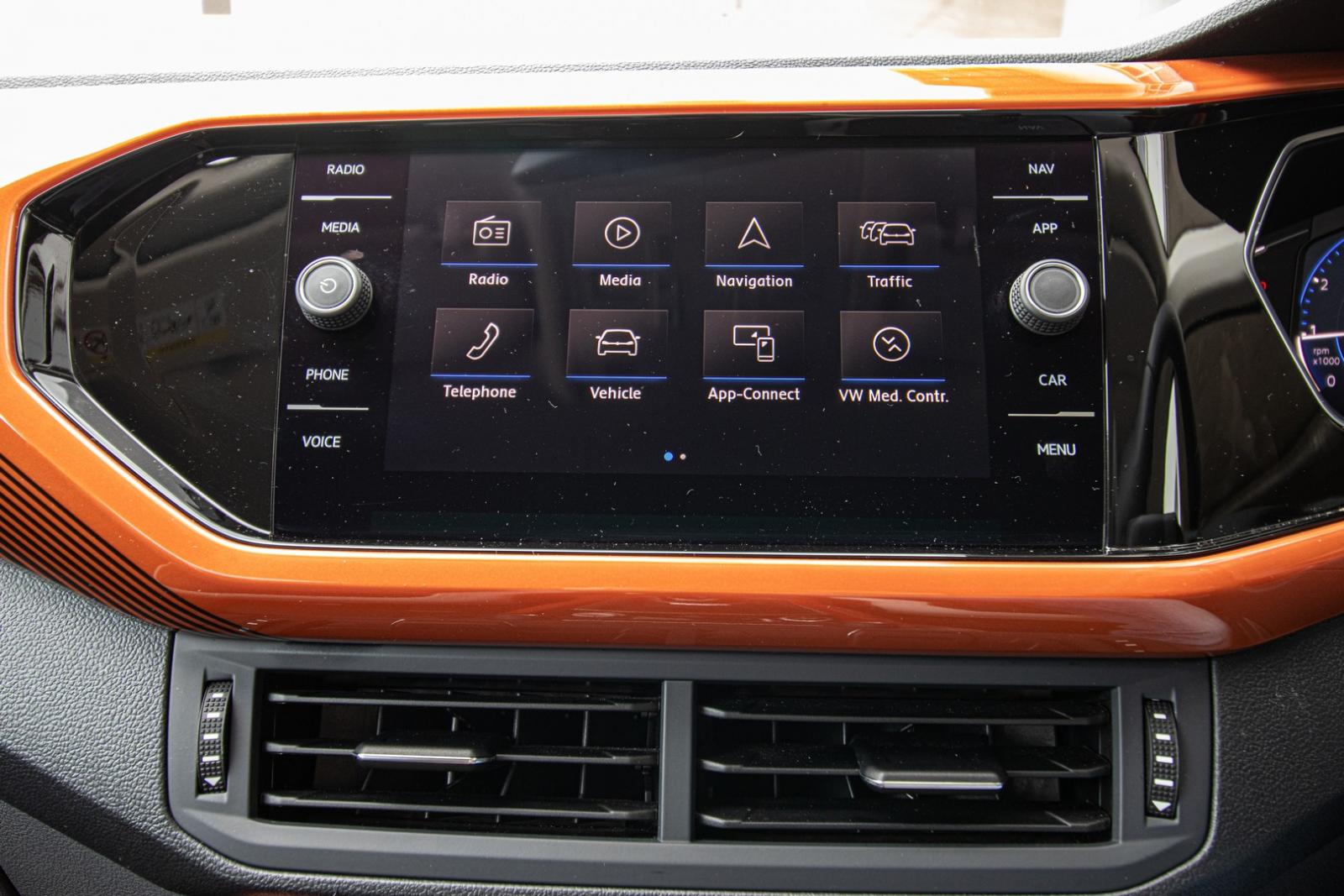

The optional infotainment screen is lovely, but a magnet for dust and fingerprints. Keep a pack of tissues/wet wipes in the car.

Hyundai has fitted the Venue with this hands-free functionality as standard, while Volkswagen includes it as part of a connectivity package (R22 850) in the T-Cross. The ability to use Google Maps (replacing the cumbersome native car navigation systems), access streaming services such as Spotify, and even get your WhatsApp messages read out to you while you drive (and reply back using Speech-To-Text) is a godsend in this day and age. It allows you to keep your hands on the 'wheel and your eyes on the road.

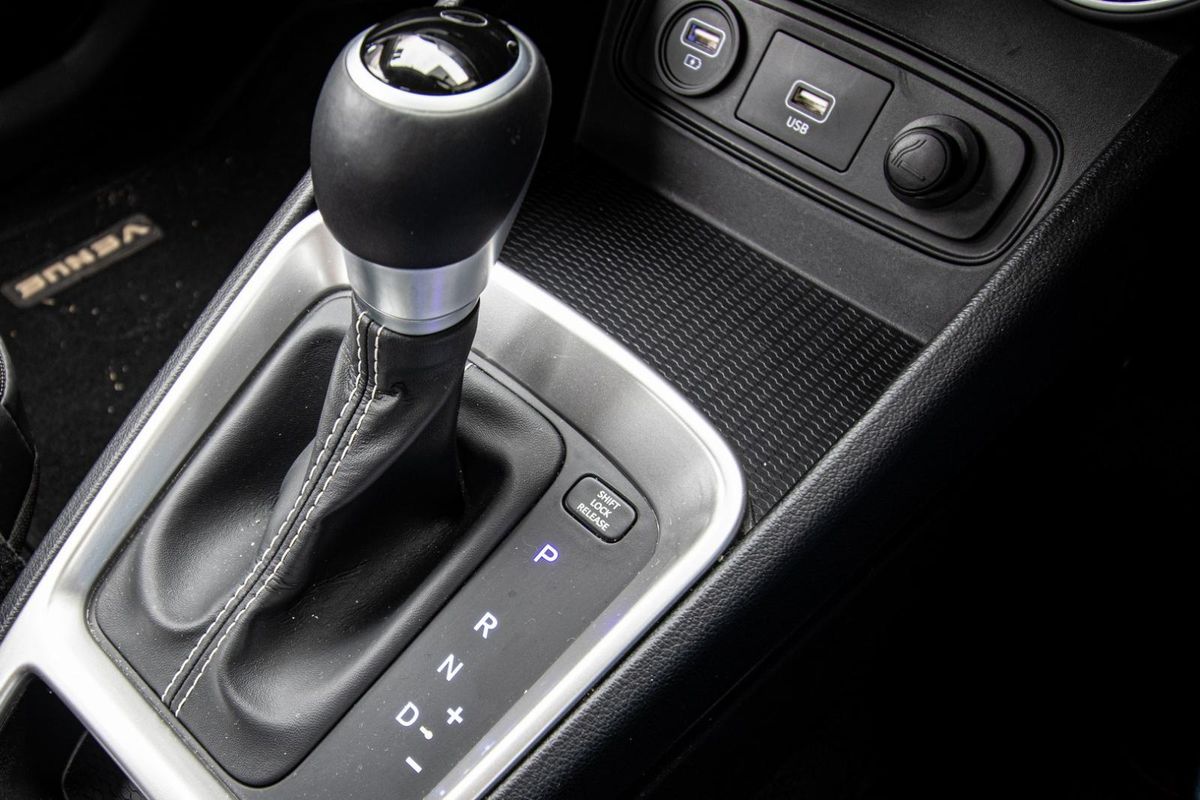
The T-Cross test unit that was availed to us came with a wireless charging pad, 2x USB ports in the front and 2x USB ports for the rear passengers. The Venue boasts 2x USB ports up front – one for connecting to the infotainment system and a more powerful one for quick-charging mobile devices.
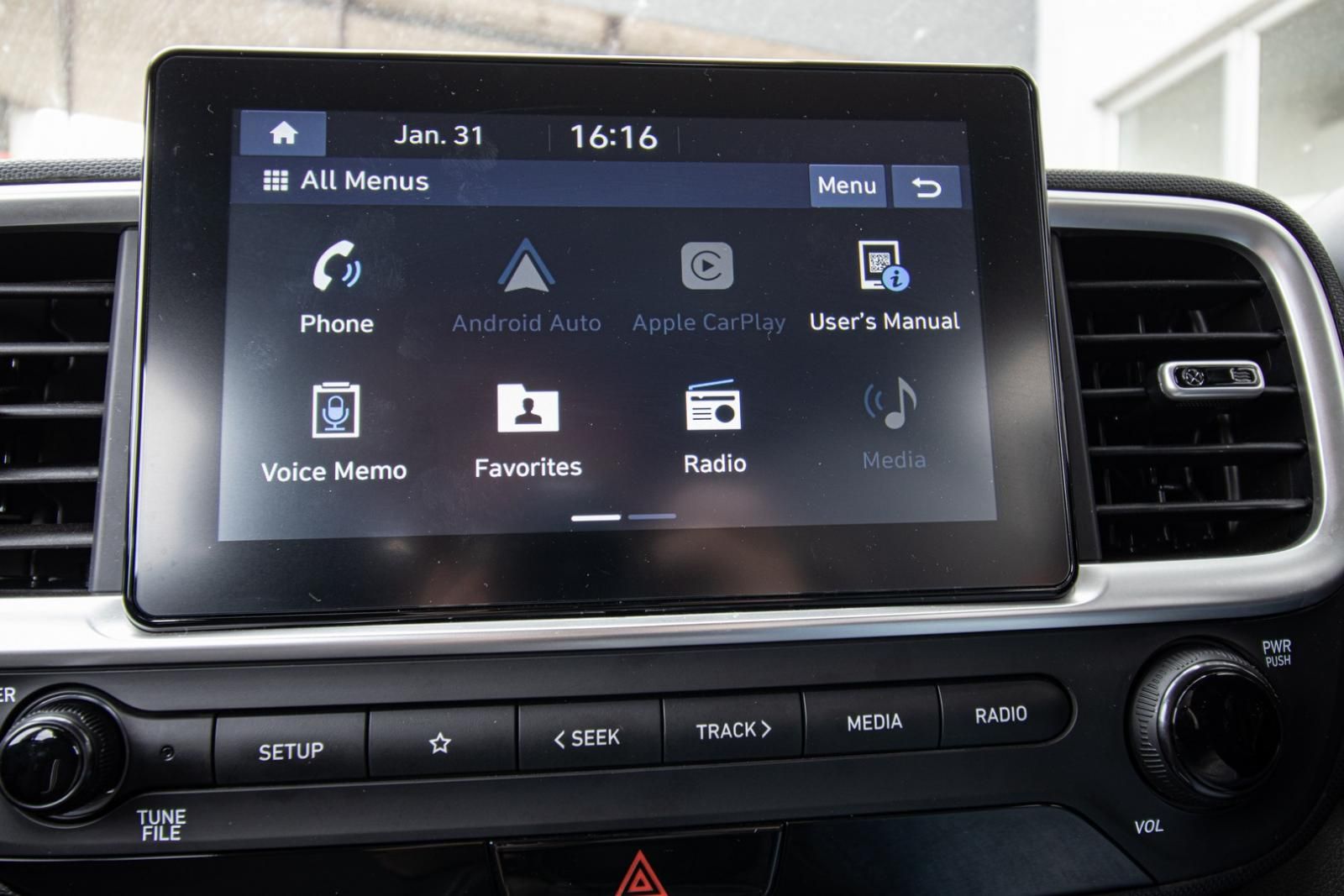

The simple and uncluttered infotainment system of the Hyundai Venue. Its matte finish is more resistant to fingerprints.

To be blunt, the Hyundai knocks the Volkswagen out of the park in terms of standard spec. Features such as auto lights, cruise control, partial leather trim and rear park assist with a reverse-view camera are standard on the Venue's Fluid trim. The T-Cross is not sparsely equipped, but you will have to dive into the options section of the configurator to get to the "really good stuff". Keyless entry is R5 250, the uprated Beats audio system is R9 150, a reverse-view camera with parking assist is R9 300, but what we really recommend you look into is the Infotainment package, which costs a hefty R22 850, but it adds in some nice gadgets such as extra USB ports and digital instrument cluster. 

Given that these cars are likely to be bought by people who'd need to transport their family members more often than not, their safety specifications should not be glossed over. In the event, both vehicles come with 6 airbags (dual front-, side- and curtain units), ABS with EBD, as well as electronic traction and -stability control (with hill-start assist).

Practicality
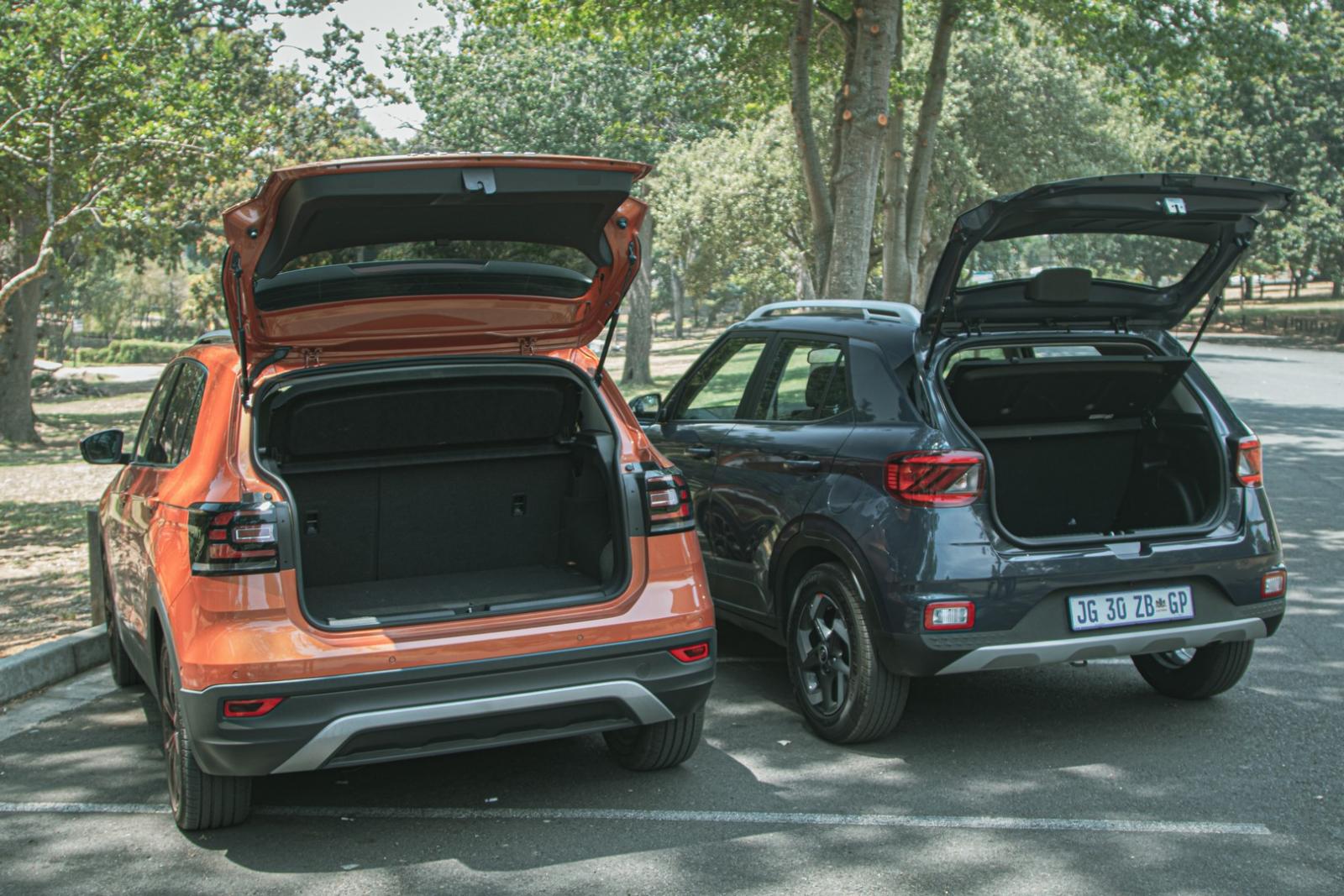

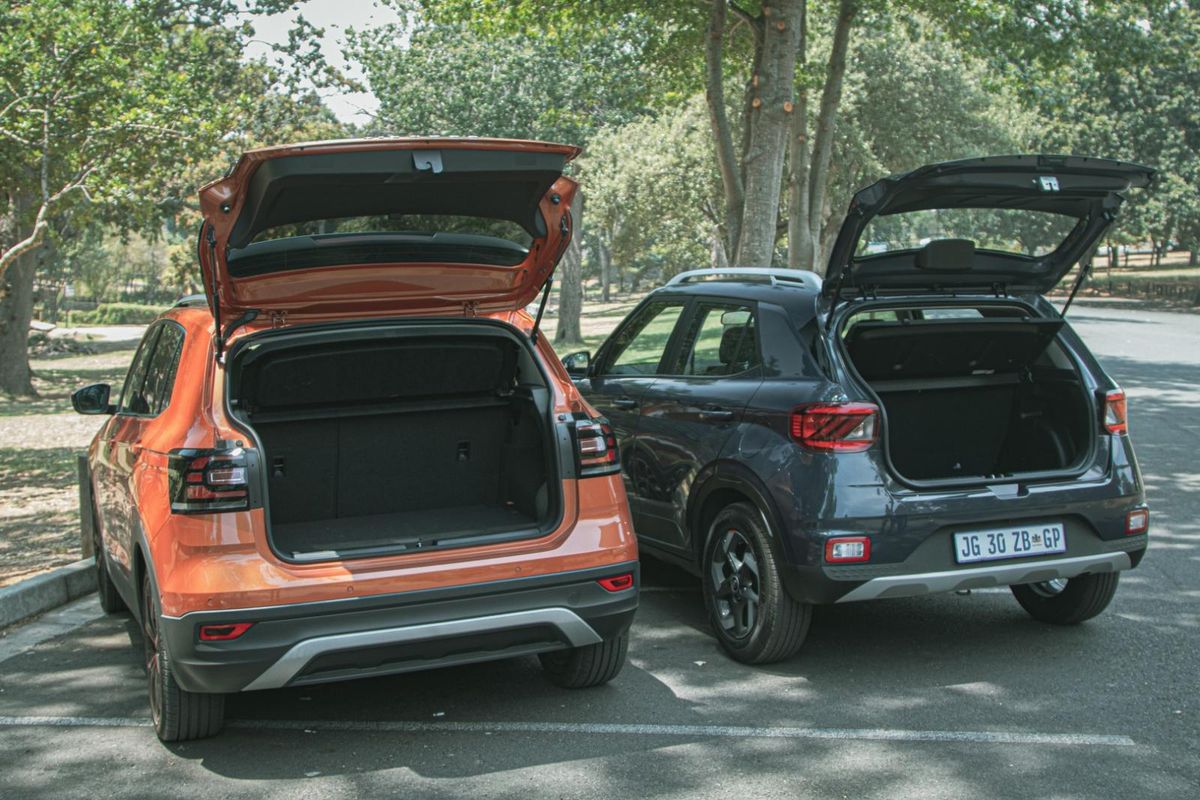
These may be small crossovers, but they're expected to carry more luggage than average hatchbacks.

The Hyundai and Volkswagen might be compact family cars, but their ability to haul objects of various shapes and sizes is important too. What's impressive is just how the rivals have gone about trying to make the most of their available space/packaging. After all, these are compact cars designed to haul passengers, not be delivery vans…

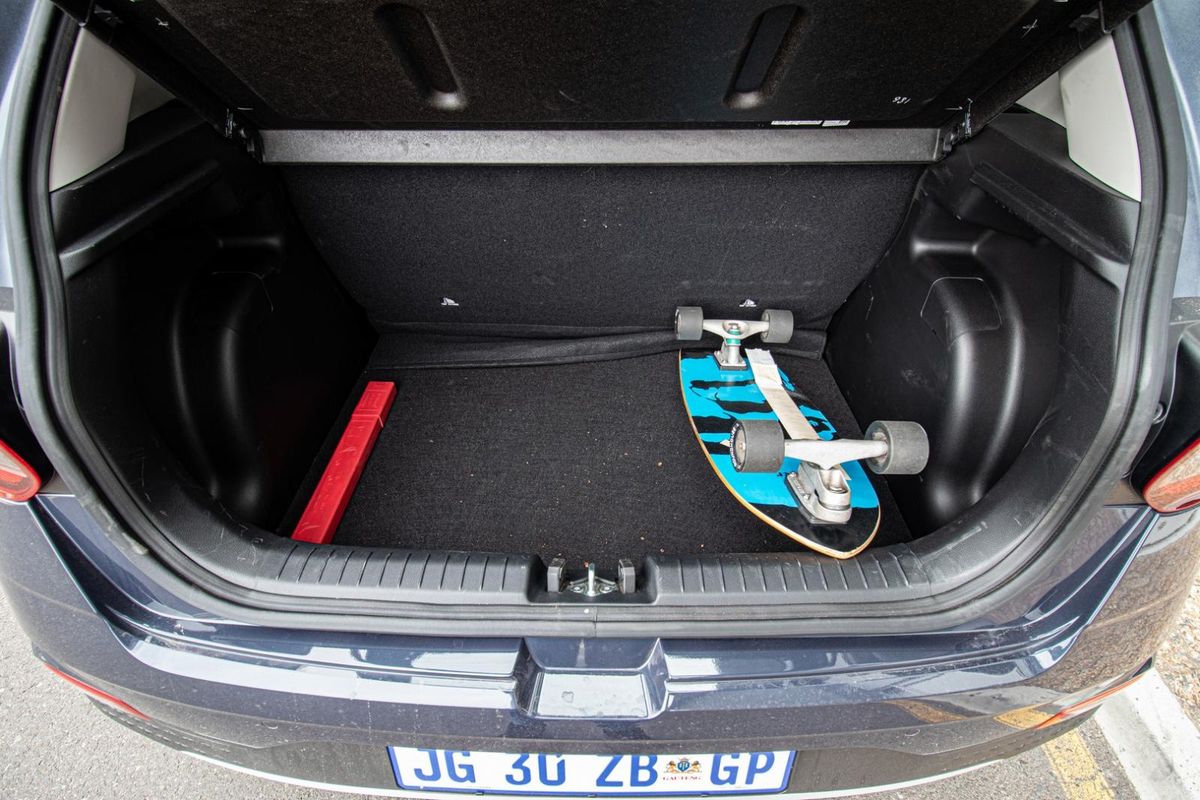
We've established that the cars' cabins are about equally spacious, but in terms of load capacity, the Volkswagen has the edge: its rear bench is mounted on rails and can slide fore and aft to either increase load space or rear legroom as required. The rear seats can be folded down in a 60/40 split, resulting in more carrying capacity without losing all of the rear passenger seating capacity. In Fluid guise, the Hyundai's rear seatback folds down as one piece (curiously only the higher-spec Glide is offered with a 60/40 folding configuration). The folding seatback is useful, but it does not create a flat loading space when flipped forward – there is a pronounced ridge created by the base of the bench  

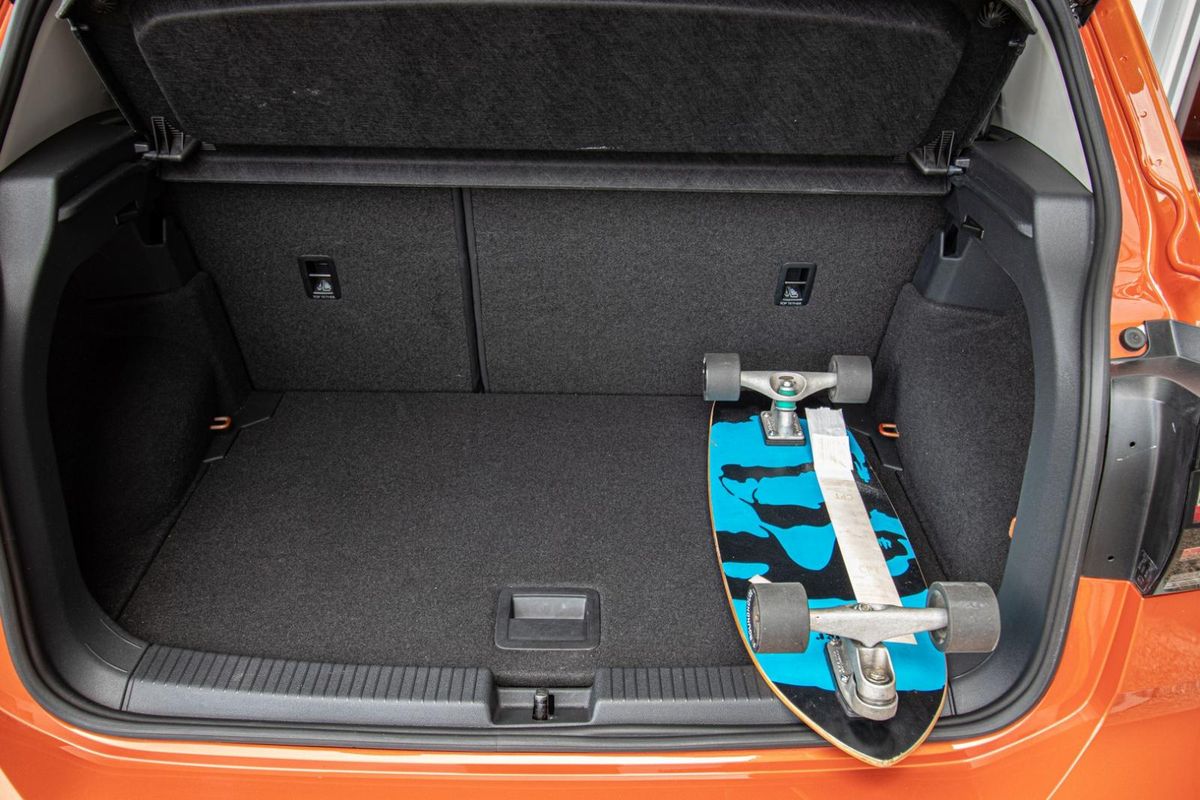
Annoyingly, this T-Cross media-evaluation unit came equipped with the optional Beats sound system, which offers fine audio quality, but the unit's subwoofer is located in an impractical position in the luggage bay. By virtue of that subwoofer, you cannot drop the floor level down to increase the depth of the luggage bay area. Despite this and the visible disparity in luggage-bay depths (as demonstrated in the video review), the Volkswagen has the larger load capacity (377 litres), as opposed to the Hyundai's 350 litres. 
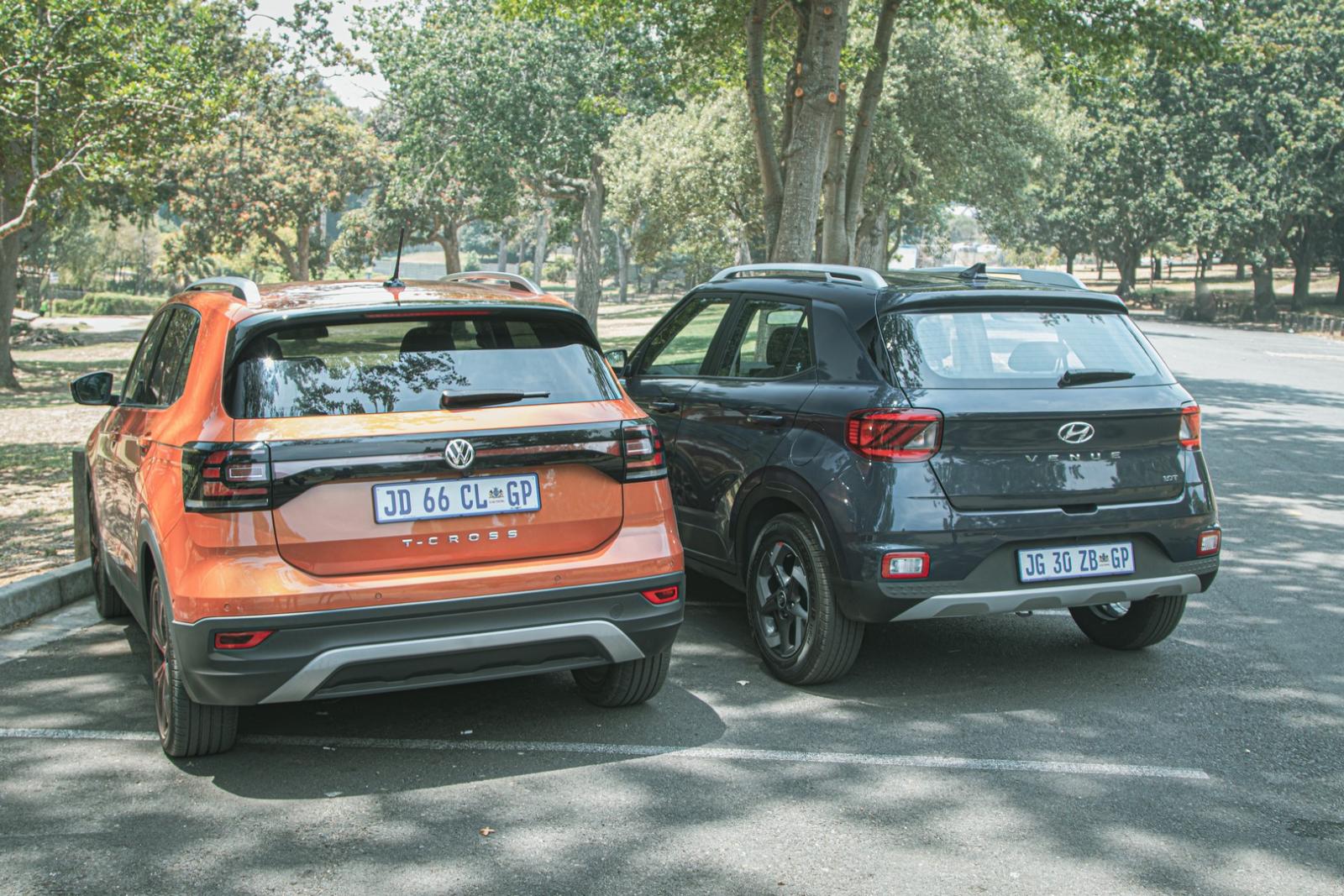

Despite their dimensions, there's a surprising amount of space in both cars, but Volkswagen's rear sliding bench gives it an edge.

While many may assume these cars' rear seats will be occupied by children, the T-Cross and Venue will also be used to transport adults at the back; something we did extensively with the former during its extended test. With the bench set back as at its furthest, 2 adults could comfortably sit in the back of the Volkswagen. The Hyundai's rear bench provided a similar service and it too accommodated 2 adults in comfort. However, after careful examination, we came to the conclusion that the T-Cross offered a fraction more knee- and legroom, but that the Hyundai offered a bit more headroom, as evidenced by the vehicle's overall height (1 617 mm) comparison with its rival (1 584 mm).

Price and warranty 

Prices for T-Cross derivatives start from R343 300 (this 1.0 TSI Highline version costs R374 500 as standard). Our test unit was fitted with many extras, however, which pushes the asking price towards the R400k-mark. The range is sold with a 3-year/120 000 km warranty and a 3-year/45 000 km service plan.

Buy a used Volkswagen T-Cross on Cars.co.za

The Hyundai Venue range, by contrast, starts from R274 900 and this 1.0T Fluid Auto derivative costs R339 900. The Hyundai Venue is sold with a 5-year/150 000 km vehicle warranty, 7-year/200 000 km drivetrain warranty and a 3-year/45 000 km service plan. 

Buy a used Hyundai Venue on Cars.co.za

Verdict

You're likely to see way more Volkswagen T-Cross units on the road, but does popular mean its better?

Which one is the better buy? At face value, it's easy to say the Volkswagen T-Cross edges out its Korean rival and although it may ultimately garner more sales, it comes at a premium. It feels a bit more upmarket, has a better-refined powertrain, a more practical load bay and it's backed by the 2019/20 #CarsAwards – powered by WesBank – Brand of the Year. Can the substantial price difference be justified? Is the Volkswagen that much better at being a small crossover/compact SUV than the Hyundai? These were awkward questions we asked ourselves and, given the price disparity, tough to answer. The German and Korean offerings are closely matched, with pros and cons for both. 

The Hyundai Venue demonstrates exceptional value. It was not launched in time to be considered for the 2019/20 #CarsAwards and the more we drove it, the more we liked it. It's pleasant to drive, plus spec-for-spec, it makes a fully-loaded T-Cross look rather overpriced. What's more, in many aspects of this comparison, the Venue is the equal of the reigning #CarsAwards compact family car winner, albeit at a much cheaper price. What's even more impressive is you can get a top-spec Hyundai Venue in Glide trim that comes with even more standard features and it's still cheaper than the T-Cross in Highline trim. As close as these two are, we suspect that many customers will be following heart over head and opting for the Volkswagen, but as an overall value proposition with a stronger after-sales warranty, the Hyundai makes an excellent case for itself.

If neither of these vehicles tickles your fancy, relax: there's plenty to choose from in this segment. As we mentioned at the beginning of this feature, in this class of vehicle there are many offerings that offer much of the same for similar money. Ford will be updating its Ecosport soon, Renault is bringing in a new Captur and Kia's new Seltos is starting to make its way onto showroom floors. Chinese brand Haval is doing exceptionally well with its recently updated H2 and the Mahindra's XUV300 is also well worth a closer look.

Related content:

Hyundai Venue (2019) Launch Review

Volkswagen T-Cross (2019) Launch Review

Hyundai Venue (2019) Specs & Price
New Hyundai Creta Revealed

Volkswagen SA to expand T-Cross range in 2020

Volkswagen T-Cross 1.0TSI Highline R-Line (2019) Review

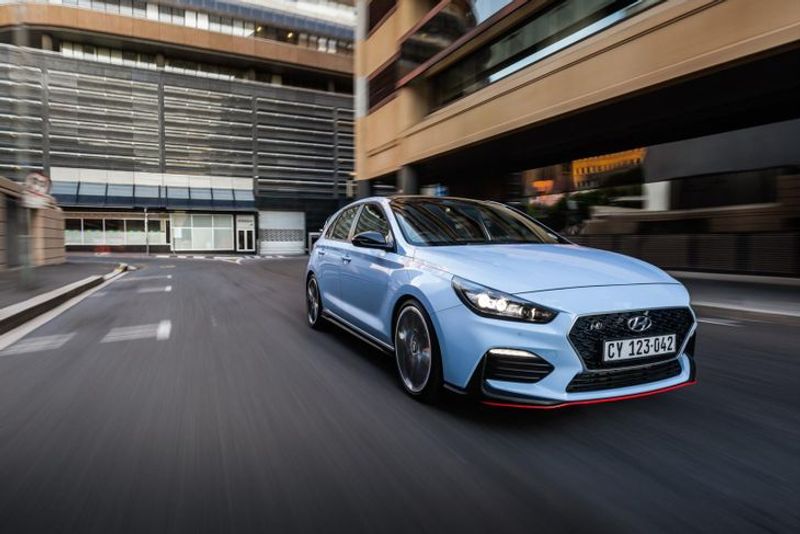
Hyundai i30 N (2020) Launch Review

We've had to wait nearly 3 long years since the unveiling of the i30 N, but Hyundai has finally managed to launch its acclaimed hot hatch in South Africa. Was it worth the wait? Gero Lilleike attended the local launch in Cape Town to bring you this report…

When the i30 N was first shown in 2017, local hot-hatch enthusiasts were clamouring for Hyundai to introduce the N Division's firebrand in the South African market, but at the time, almost every unit that rolled off the production line in the Korean firm’s plant in the Czech Republic was destined to supply the considerable demand for the potent newcomer in Europe and elsewhere. In the meantime, Hyundai has had to build a business case for the i30 N on local soil, where it would need to be positioned competitively against established front-wheel-drive hot hatches such the Volkswagen Golf GTI (and its imminent TCR derivative), the Renault Megane RS Cup and the Honda Civic Type R.

Well, the wait is over, South Africa – the i30 N has finally arrived! The i30 N is the first pukka performance hatchback to come from Hyundai’s N Division under Albert Biermann, who is tasked with driving the N brand into the future as president and head of Hyundai’s Vehicle Performance Division. Imbued with Hyundai’s motorsport experience, the i30 N was developed to demonstrate that Hyundai can indeed produce an exciting performance car that stands in stark contrast to the rest of its more "ordinary" car offerings. 

How does it look and feel? 


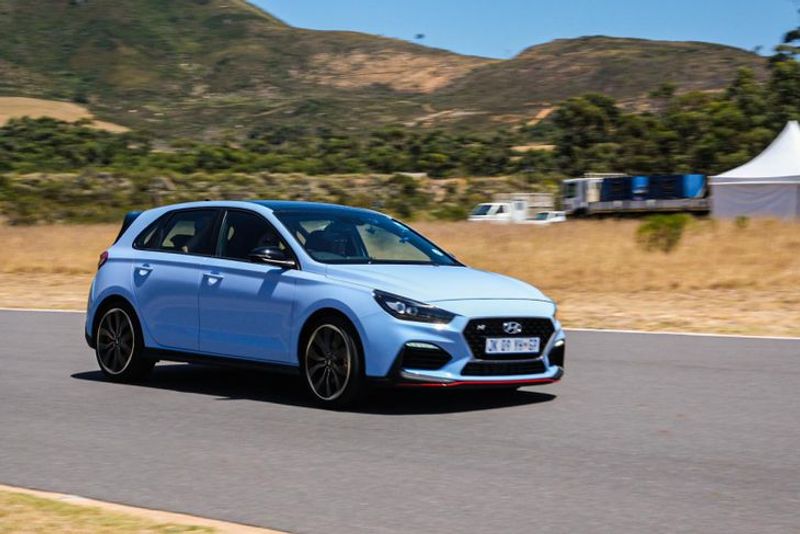
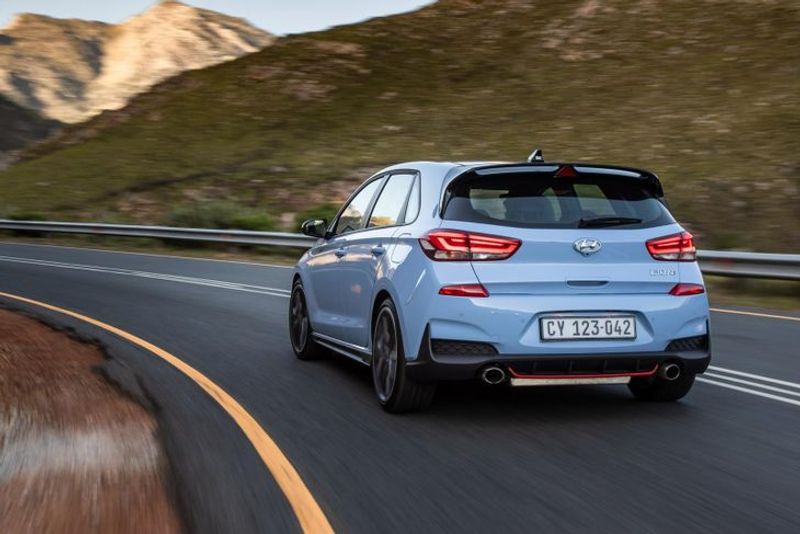
Understated but decisively sporty, the i30 N is neither flashy nor boring. It's a looker for sure…

Based on the i30 compact hatchback (which was discontinued in South Africa in 2018), the i30 N looks positively purposeful, especially in the Performance Blue paint finish. While the front-end may be perceived as being conservatively sporty, the standard Performance Package boosts the Hyundai's appearance appreciably with 19-inch alloys shod with Pirelli P-Zero rubber (note the red N brake callipers), plus a pair of large-bore exhaust ends aided by a variable-valve system. Under the sheet metal is, of course, the star of the show – a potent 202 kW/353 Nm 2.0-litre turbopetrol engine mated with a 6-speed manual gearbox and an electronically controlled limited-slip diff. More on that shortly…


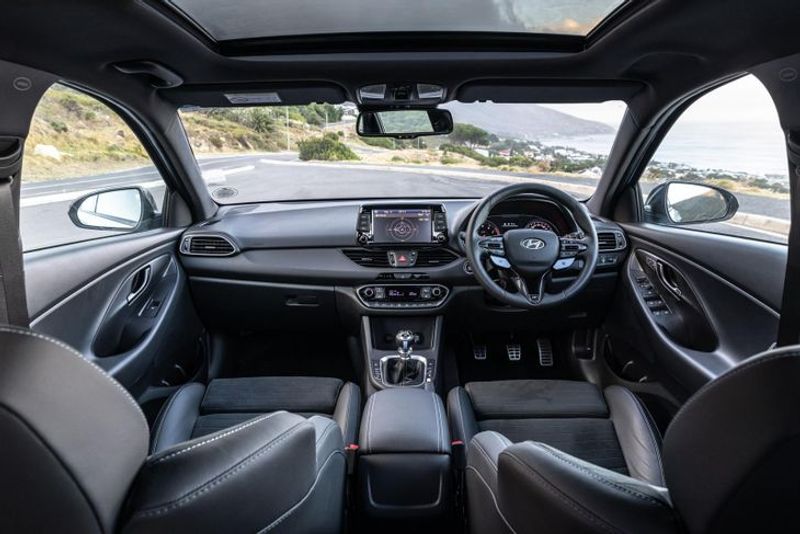
Build quality is very good and standard specification is generous, but the i30 N's interior lacks some wow factor in our opinion. 

Once I stepped inside the i30 N's cabin, however, I couldn’t help but feel a little underwhelmed… Apart from the chunky, leather steering wheel with blue drive-mode controls and the superbly comfortable leather/suede combination sports seats with contrasting stitching, the interior still somehow lacks a sense of occasion… 

It might look largely derivative inside, but there is no shortage of standard features. Some of the nice-to-haves include a panoramic sunroof, heated electric seats and heated steering wheel, a wireless charging pad, an Android Auto/Apple CarPlay-compatible 8-inch infotainment system and performance-related readouts such as lap timing and a G-force meter.    

There’s certainly a lot to like about the i30 N, but how does it perform? 

What’s it like to drive? 


The i30 N flexed its muscle on a tight and twisty track. It's definitely very competent in the corners. 

The media launch programme for the i30 N began with a slalom test and a braking test. The slalom exercise highlighted the newcomer’s nimbleness when changing direction at speed; the noticeably stiffer chassis effectively translates into less body roll and the vehicle remains notably stable under hard cornering. The brakes are nice and sharp too.

Hyundai was keen to further showcase the i30 N's breadth of talent and afforded us the opportunity to put the newcomer through its paces on a private performance track in Franschhoek… There are 5 drive modes to choose from in the i30 N, including Normal, Eco, Sport, N and Custom and I did my first fast lap in the former setting.

As I "opened the taps", I immediately noticed how smoothly the i30 N accelerated to 120 kph and beyond. The 6-speed manual 'box is an absolute delight with a confident short-throw action that’s complemented by a rev-matching function that gets every gear change just right. An engaging manual 'box is a rarity these days, which heightens its appeal. 

Another aspect of the i30 N that impressed me was its steering configuration. It’s very direct and responsive to inputs, which facilitates pinpoint cornering. As I flung the i30 N through some tight corners, the tyres gripped the hot tar as the hot hatchback catapulted out of corners while remaining perfectly-planted; it instantly instilled driver confidence. 


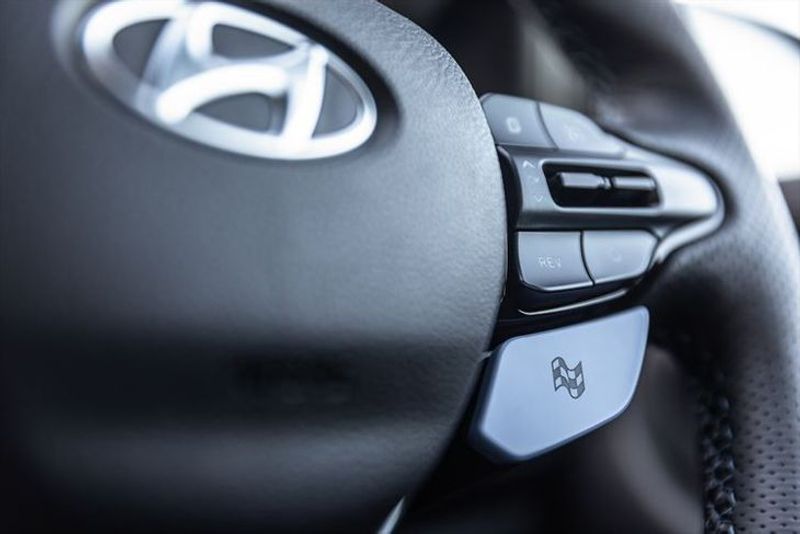
This button engages N Mode, unleashing the i30N's full potential. 

The exhaust note is mostly muted in Normal mode and I was keen to go full throttle in N mode. The blue button on the right side of the steering wheel gives the driver access to N mode and in this setting, the i30 N’s steering, suspension and throttle response are at their sharpest to ensure maximum sporty performance.

With N mode engaged, "I put my big-boy pants on" (as the saying goes) and drove the i30 N as quickly as I dared! It was wonderful to finally hear the raucous crackle-and-pop soundtrack from the exhausts on lift-off as the i30 N barreled through the corners. Hyundai says that an overboost function increases torque output by 8% to 378 Nm for a period of 18 seconds under full-bore acceleration. There’s no doubt about it, the i30 N is fast and very capable on track, but how would it perform on public roads?  

A 100-km drive through Du Toitskloof Pass, Villiersdorp and Franschhoek Pass revealed that the i30 N’s suspension is quite firm (which is exacerbated by poor road surfaces, of course), but even so, the ride quality was never excessively uncomfortable. It’s also worth noting that the build quality of the i30 N’s cabin is excellent, but road-noise intrusion is integral to the driving experience – we attribute that to the low-profile tyres wrapped on those 19-inch rims. Hyundai claims an average fuel consumption figure of 8.5 L/100 km. 

Overall, we came away impressed with Hyundai’s first stab at a fully-fledged, dyed-in-the-wool hot hatch. The only question left to answer is whether it’s worth its price tag?

Is it worth it? 


The i30 N is an impressive and capable hot-hatch that will appeal to those looking for an alternative to the hum-drum in this segment. 

The answer to that question largely depends on how you consider the i30 N in relation to its rivals. On the one hand, the i30N’s price tag of R679 900 is a tough pill to swallow, especially when you consider that cars such the Renault Megane RS Cup can be had for R589 900, which seems great value for money by comparison. The Honda Civic Type R is pricey too (R699 900), but in our opinion, it’s both a sharper and more powerful weapon, even its styling remains polarly divisive. The forthcoming Volkswagen Golf GTI TCR, the swansong of the current-generation Golf (7.5), is expected to be priced at just under R700 000 when it arrives, which is also a very pricey proposition if you consider that the new Golf 8 GTI is coming at the end of the year. Whichever way you cut this cake, it’s a lot of money to pay for any of these front-wheel-drive performance hatchbacks. 

On the other hand, the i30 N is packed with a plethora of standard features (which increases its value proposition) and it definitely has enough character, performance and kerb appeal all of its own to warrant a closer look, especially if you are keen on a solid left-field hot-hatch that's different from the norm. Not only will it perform ably and eagerly when you need it to (it should cream the Golf GTI in a robot-to-robot showdown, which is a tantalising selling proposition in itself), but it also easily passes as a stylish daily runner. 

We have to applaud Hyundai South Africa for bringing a car of such high calibre to the local market. It’s by far the most exciting Hyundai we have ever driven. The cherry on top is that the i30N is backed by a 7-year/200 000 km warranty, 5-year/75 000 km service plan and 7 years' roadside assistance, which adds significant peace of mind.

Hyundai plans on selling between 5 and 10 units per month in South Africa and we wouldn’t be surprised if the Korean firm sells every single unit it can procure. 

The i30 N is now on sale at Hyundai i30 N dealerships around the country and these include Belville, Somerset West, Port Elizabeth, Durban South, Pinetown, Umhlanga, Richard's Bay, East Rand, The Glen, Sandton, Roodepoort, Centurion, Wonderboom and Polokwane. 

Hyundai i30 N (2020) Price in SA

Hyundai i30N  – R679 900

Buy a Hyundai i30 N on Cars.co.za

Related Content 

Hyundai i30 N (2018) International Launch Review

5 Hot Hatches to Rock SA in 2020

Hyundai Announces i30 N Project C

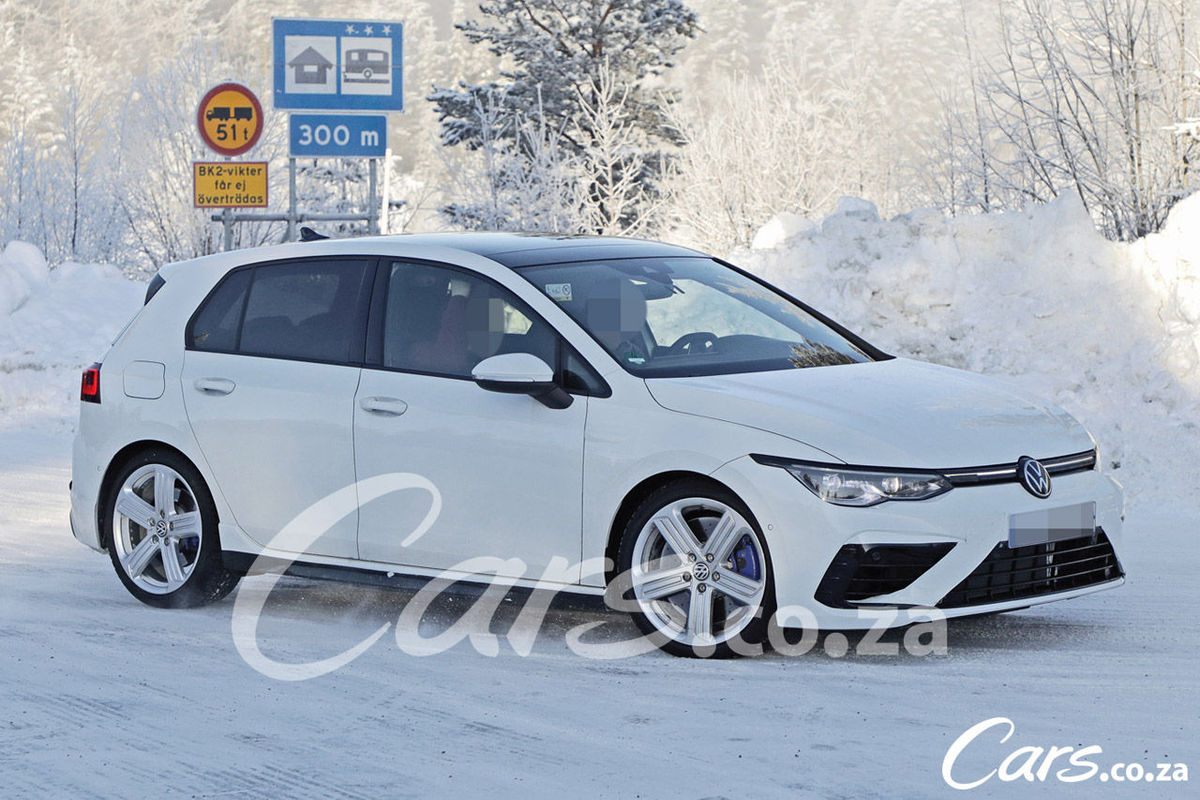
Spy Shots: 2021 Volkswagen Golf 8 R

Mzansi's favourite has been spotted undergoing testing again, this time giving us an even closer look. This is the 2021 Volkswagen Golf 8 R.

Picture credit: S. Baldauf/SB-Medien

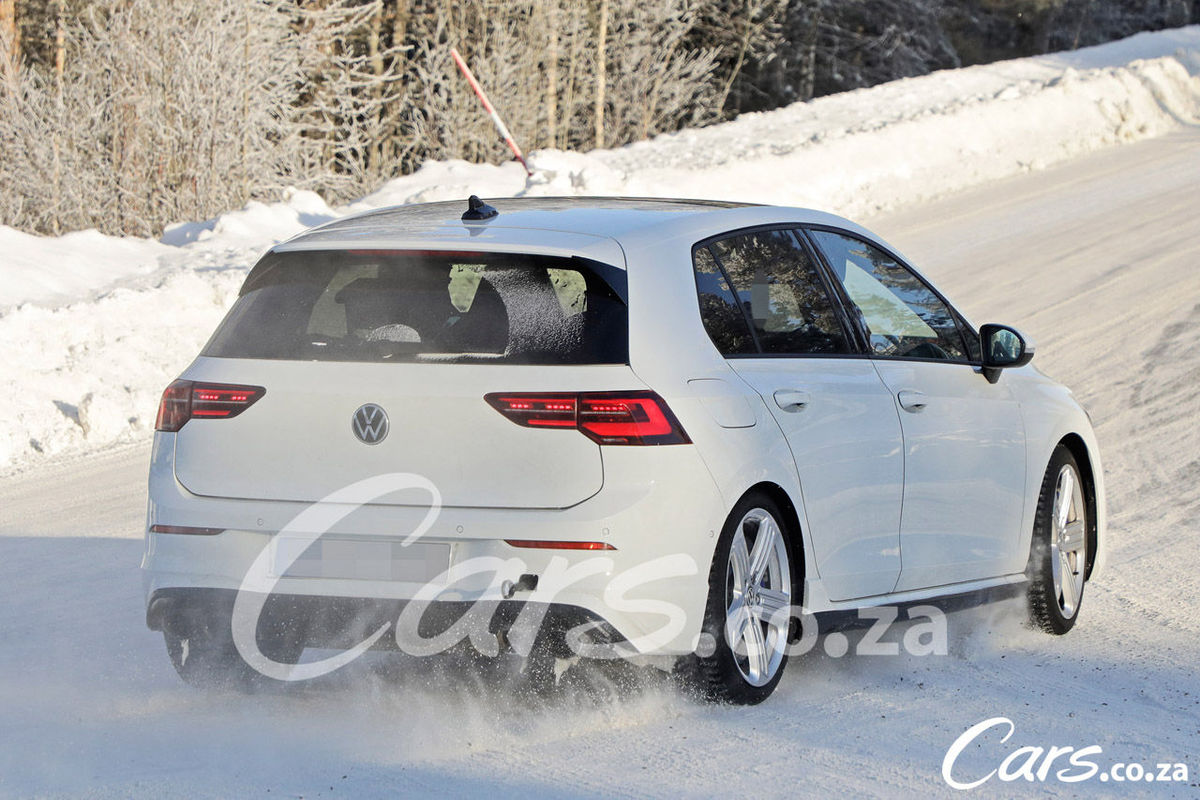
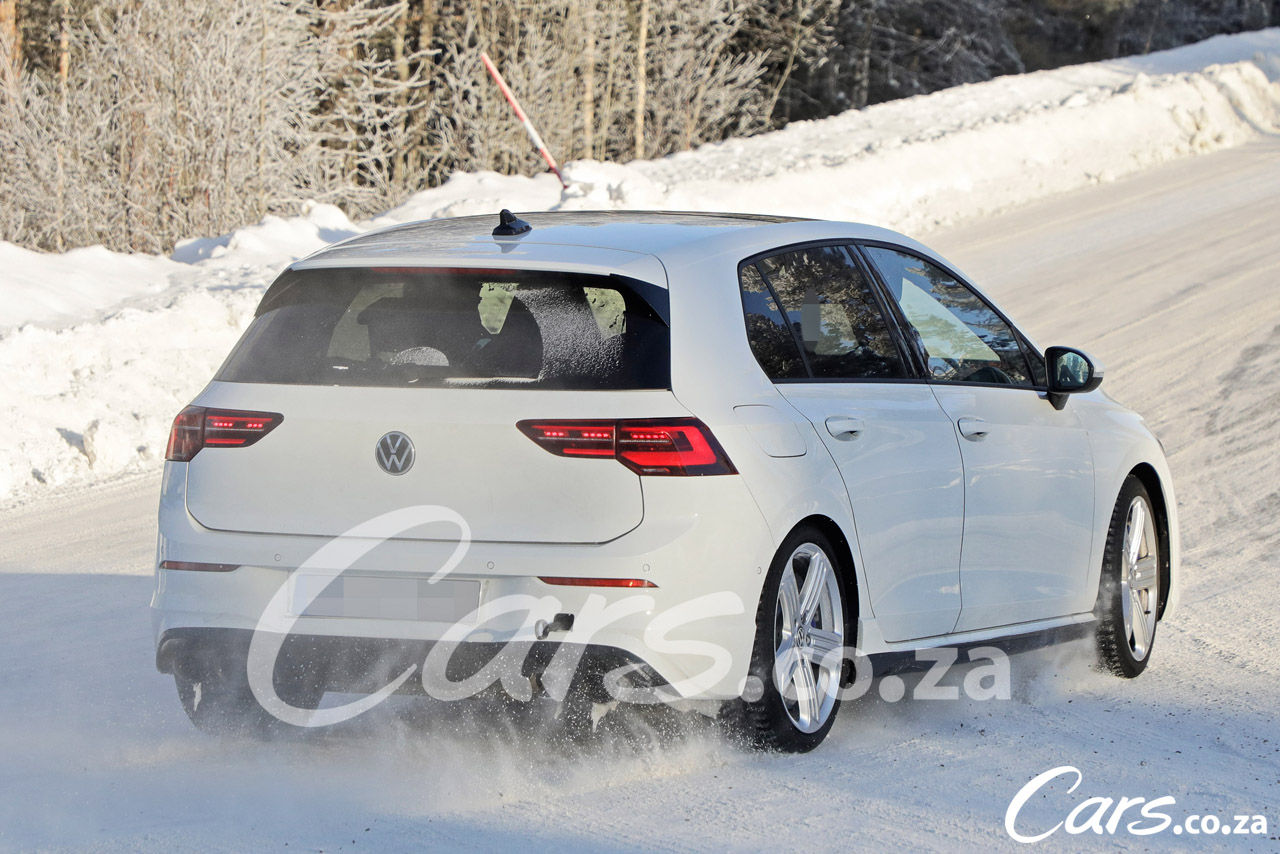
We're another step closer to reality for the next-generation Volkswagen Golf 8 R. What you see here is a prototype undergoing testing near the Arctic Circle recently. With only light camouflage, we know this is the Volkswagen Golf 8 R thanks to its high-performance brakes, blue calipers and quad exhausts at the rear. We do think the final design is not 100% complete – this unit looks far too mainstream for a flagship performance derivative. 

Let's discuss that new powertrain. Thanks to a leak, we know the new Volkswagen Golf 8 R will be powered by an updated 2.0-litre turbocharged 4-cylinder motor producing in excess of 245 kW. Again power will go to a 4Motion (all-wheel-drive setup) via a dual-clutch transmission and it should go faster than 4.5 seconds to 100 kph. Given this sort of performance, it's going to be fun watching the new Golf 8 R take on the new BMW M135i xDrive and the Mercedes-AMG A35 4Matic as well as its Audi S3 cousin.

Expect to see the all-new Volkswagen Golf 8 R revealed in 2020, with a South African arrival date in 2021. The Volkswagen Golf 8 GTI is confirmed for SA landfall towards the end of 2020.


You can make out the 4 exhausts, a trademark piece of design of the Volkswagen Golf R.

Further reading:

2020 Volkswagen Golf R Outputs Confirmed

Volkswagen Golf 8 – 3 Things You Need to Know

Volkswagen Golf 8 (2020) International Launch Review

2020 Volkswagen Golf 8 Officially Revealed

Volkswagen Golf 8 (2020) SA Launch Details [w/Video]

Carlex Design X-Class Goes Hardcore

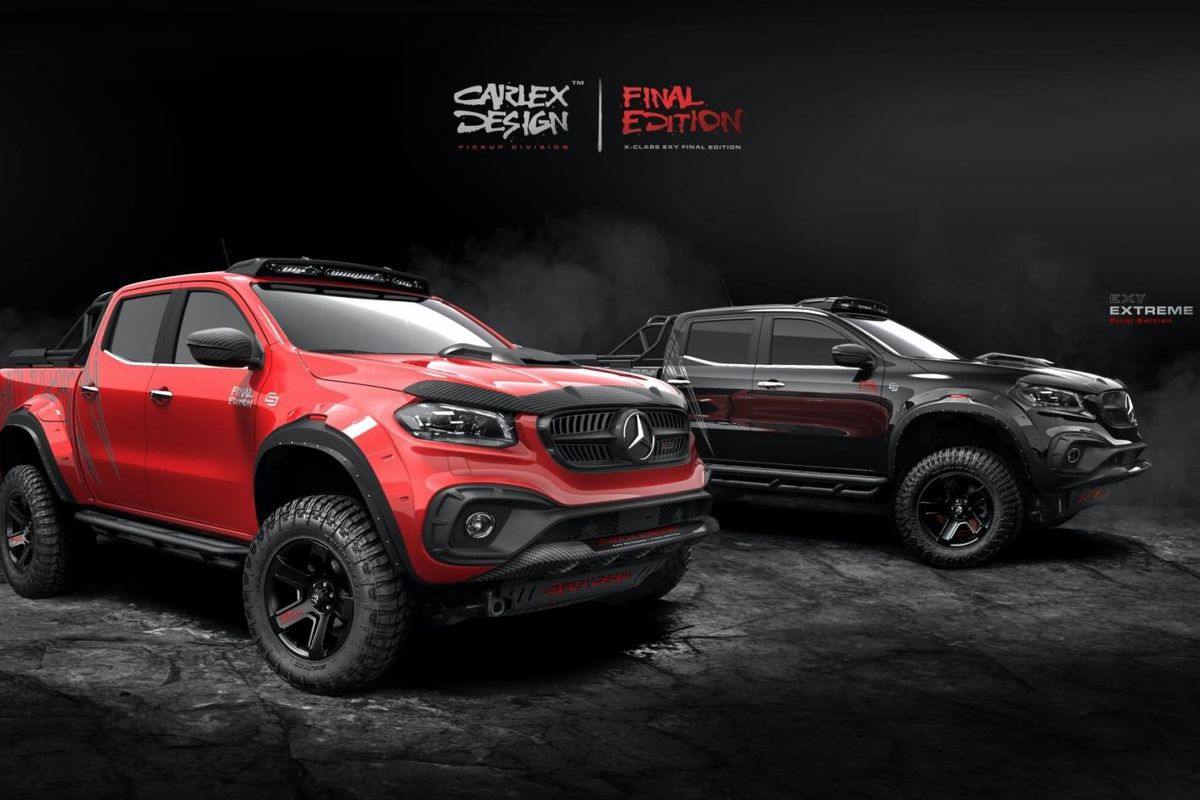
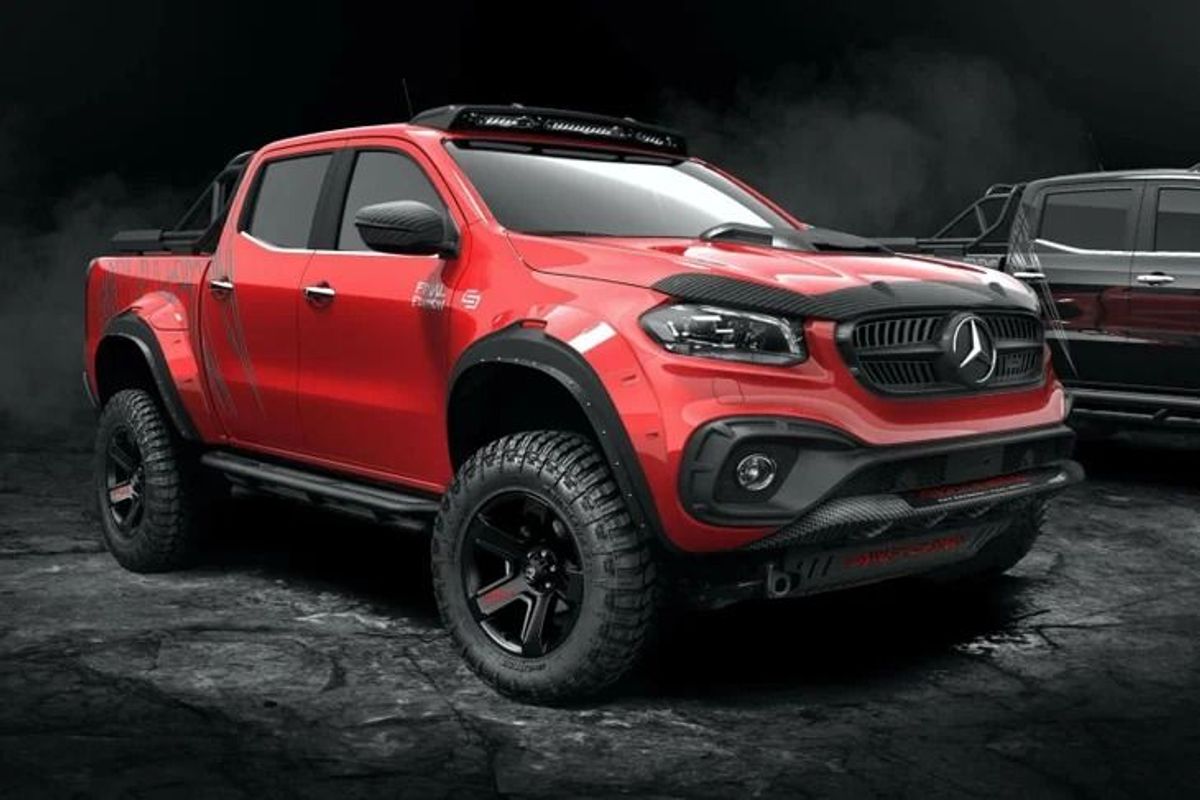
Polish vehicle specialists Carlex have revealed two extreme versions of the Mercedes-Benz X-Class.

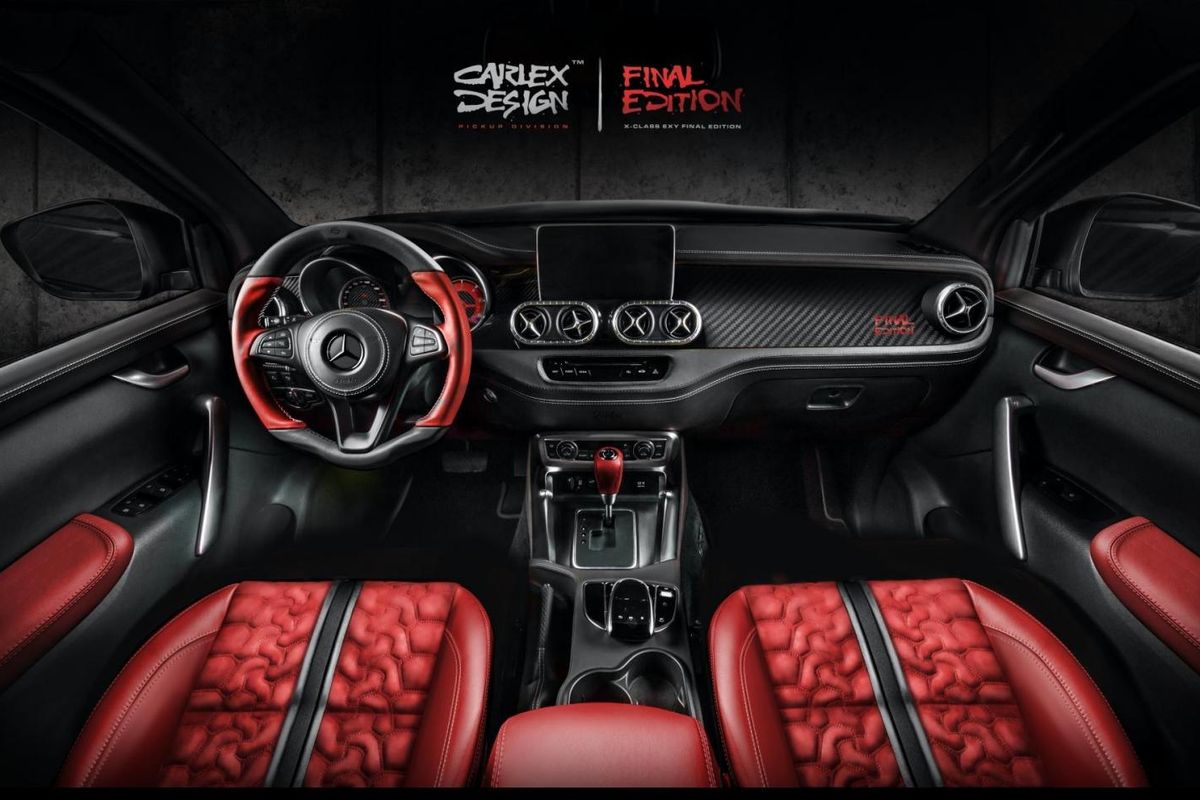
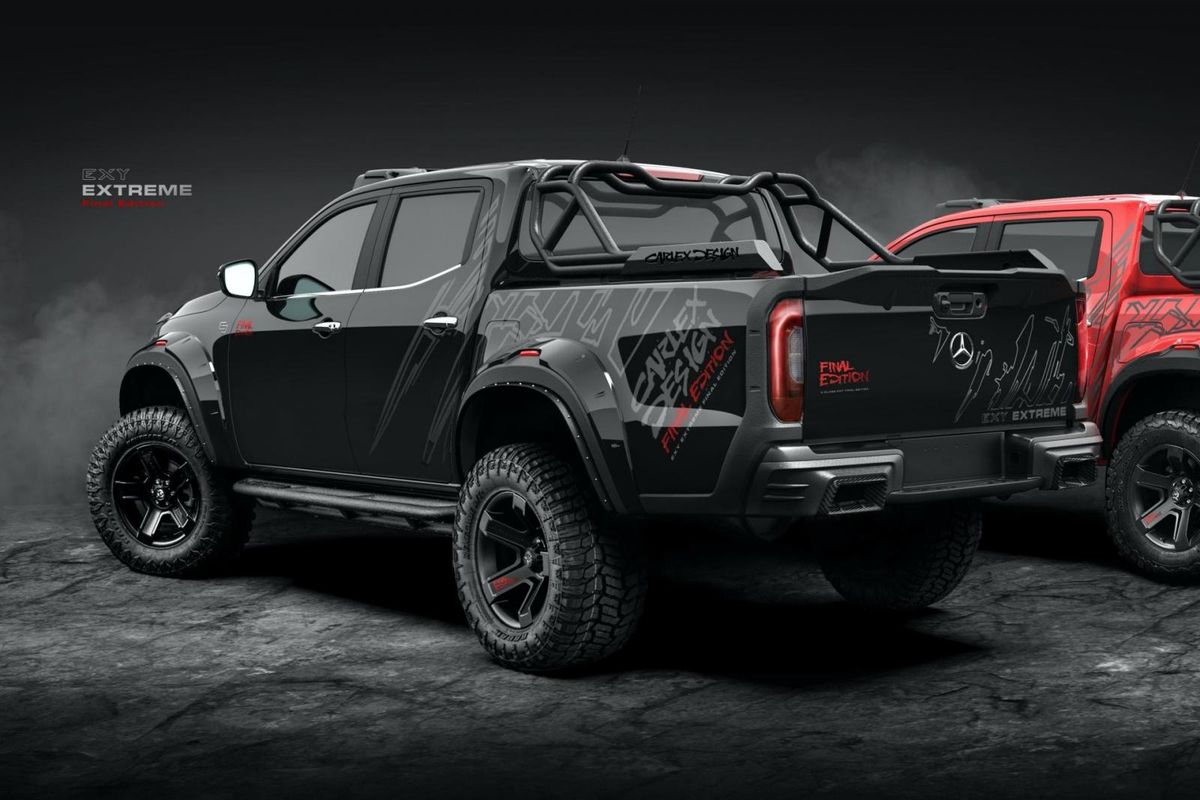
Meet the Carlex Off-Road Final Edition and Extreme Final Edition – two very hardcore versions of the Mercedes-Benz X-Class.

With insane modifications to the bodywork and the cabin, Carlex has given these X-Classes a bold look. There's an extreme body kit, a roof light bar with LEDs, skid plate, tonneau cover, side sills and chunky rubber.  

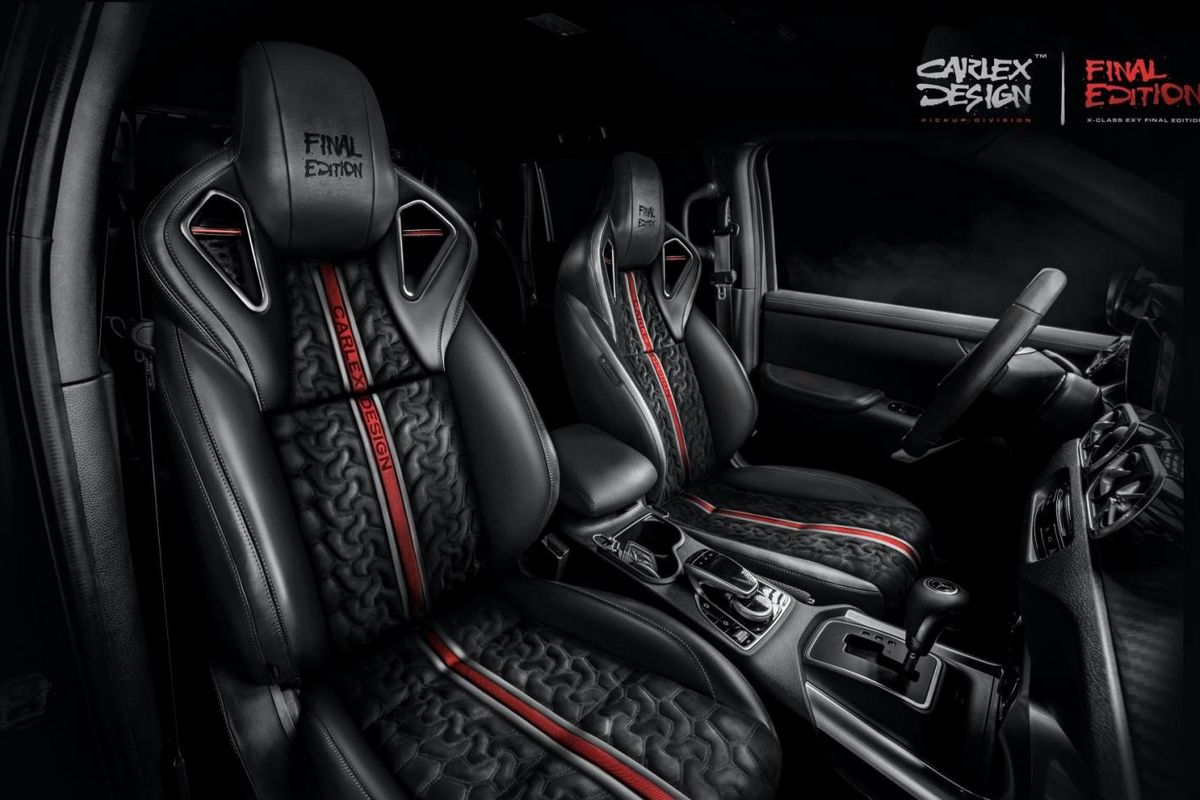
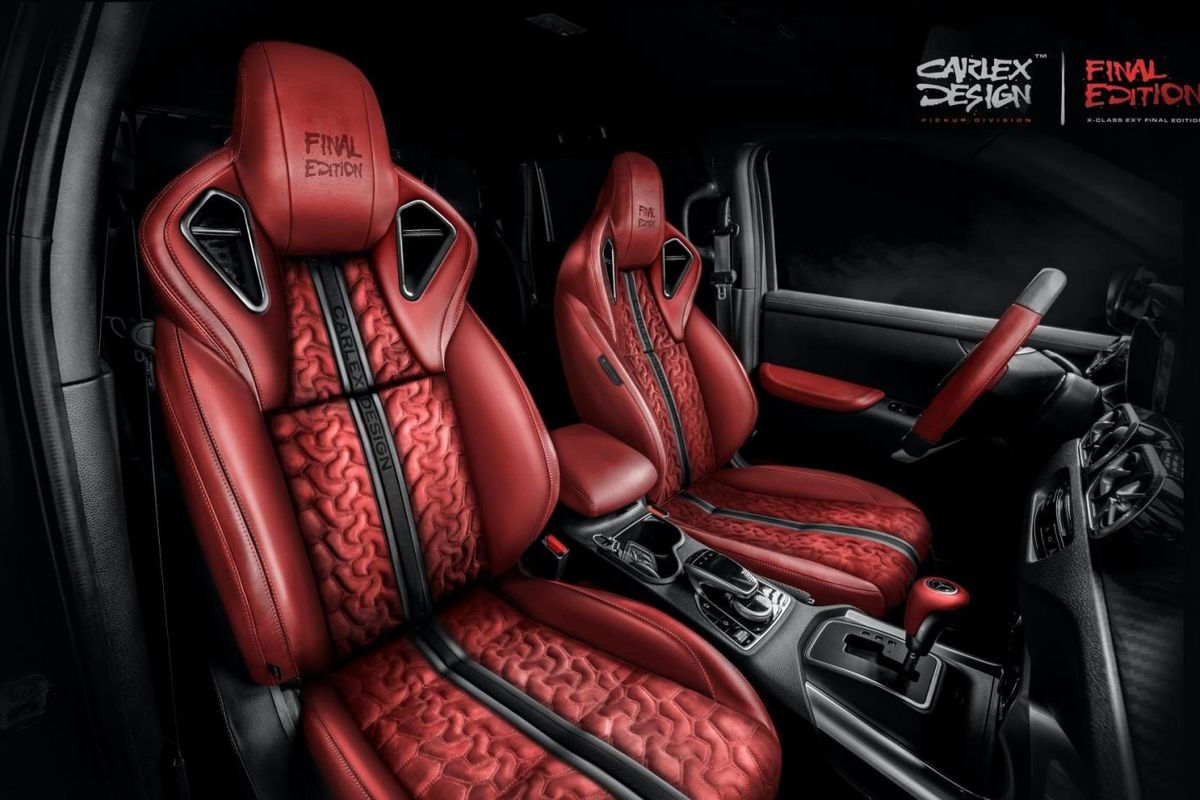
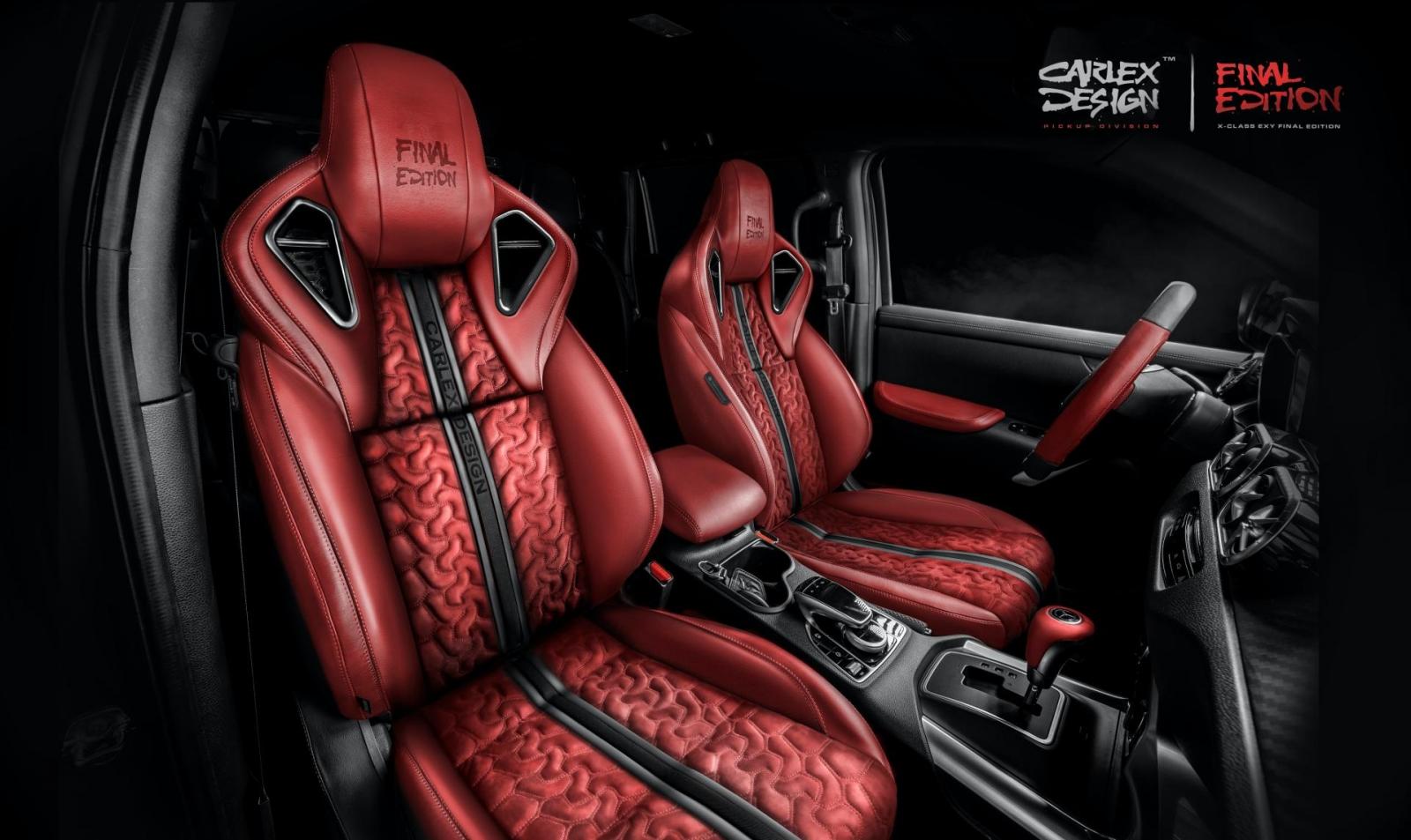
Carlex has given the X-Class Final Edition interiors a rework too, with leather trim in either red or black. There's also a carbon-look dashboard and unique dials.

Further Reading

Mercedes-Benz X-Class Edition 1 Revealed

Maybach-inspired Mercedes-Benz X-Class Anyone?

Mercedes Benz X-Class (2018) Video Review

Why the X-Class is Failing

Petrol Price Decrease Potential for March 2020

Signs are pointing towards a petrol price decline at the end of February 2020. Here's what we're potentially looking at. Fingers crossed!

According to the Automobile Association (AA) who often comment on unaudited mid-month fuel data, "Petrol is currently showing a drop of between 14 and 25 cents a litre, diesel around 55 cents, and illuminating paraffin 66 cents."

This is due to the decline in international oil prices which are proving stronger than the weakening Rand, which has moved from R14.30 to R14.85 against the US dollar.

"In the case of illuminating paraffin, the landed price of the fuel dropped by over 90 cents in two weeks. Similar positive effects have been noted on the other main liquid fuels."

Let's hope the trend of the declining oil price continues and pray the Rand is able to show some resilience. We'll update you as soon as we hear more.

Related Content

Fuel Price Breakdown: What do you pay for?

5 Ways to Beat the Fuel Price Hike

Most Fuel Efficient Budget Cars in SA

Most Fuel-Efficient Double-Cab Bakkies in SA

5 Fuel-Saving Car Features & How They Work

Most Fuel Efficient Budget Cars in SA

Most Fuel Efficient Diesel Cars in SA

Most Fuel Efficient Petrol Cars in SA

Aggro BMW M2 Competition Art Cars Revealed

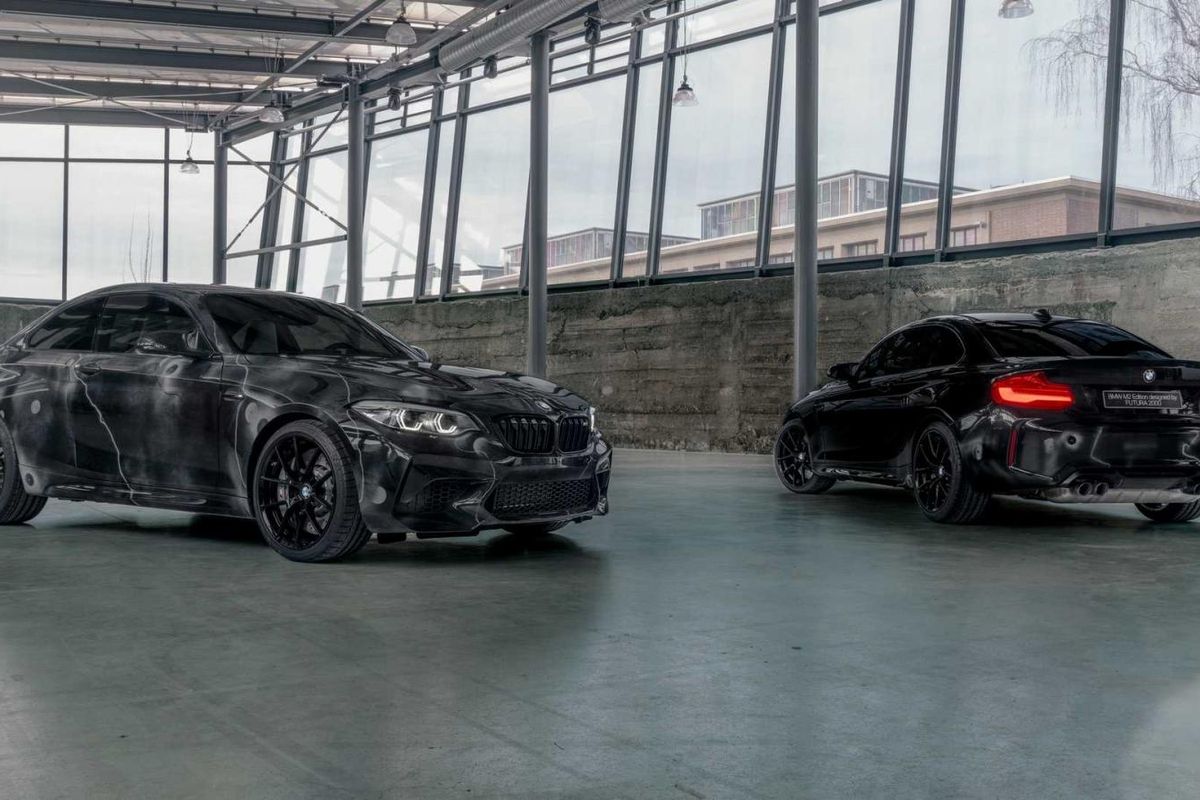
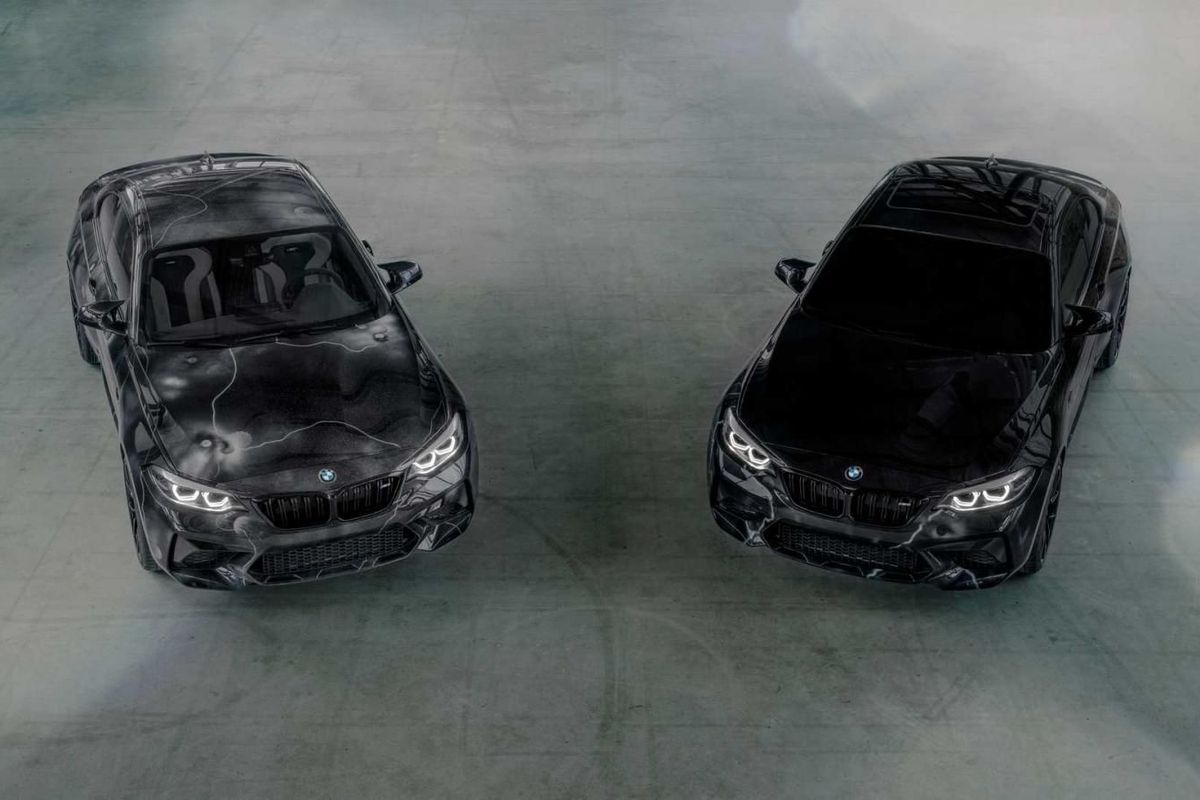
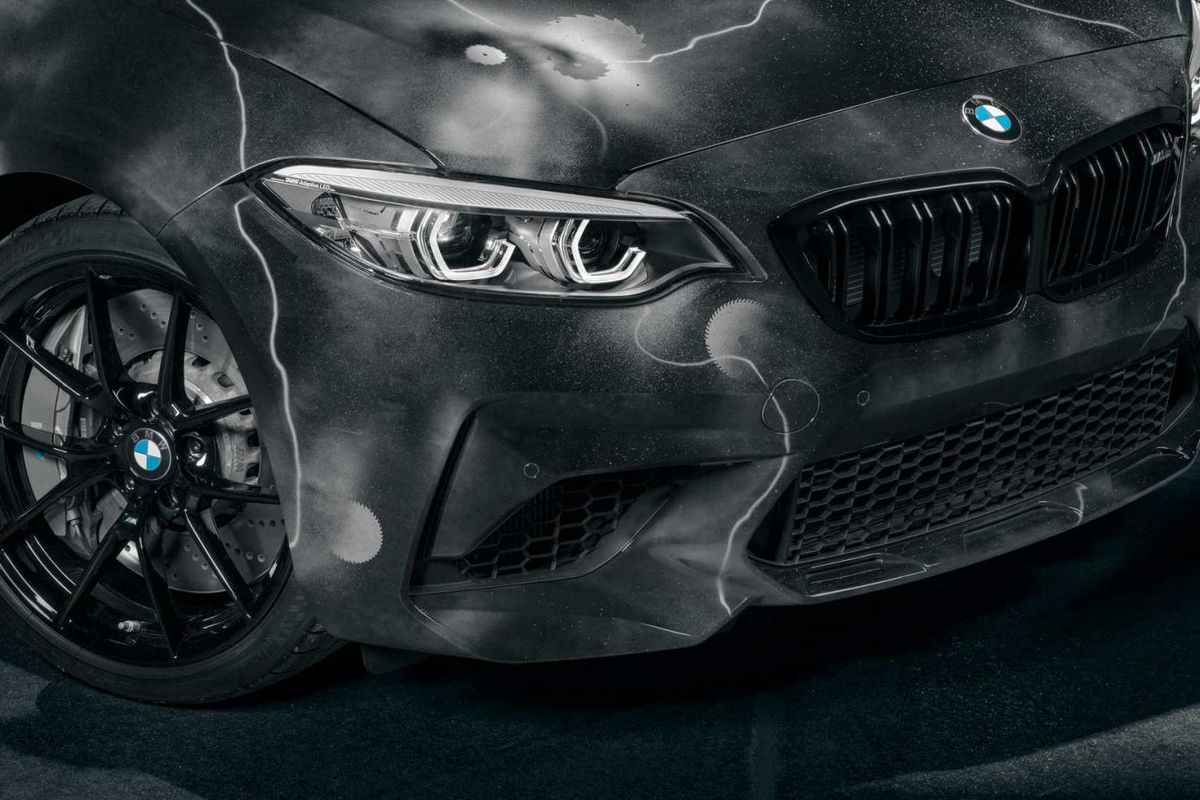
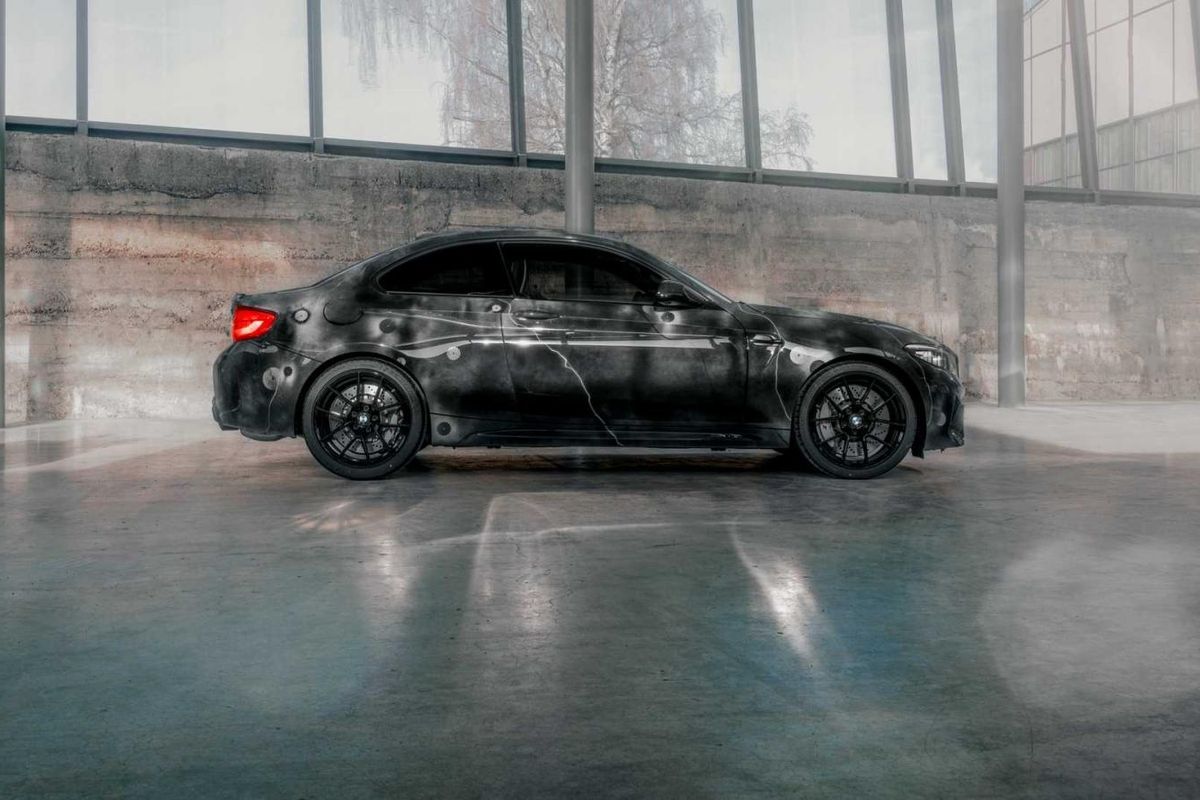
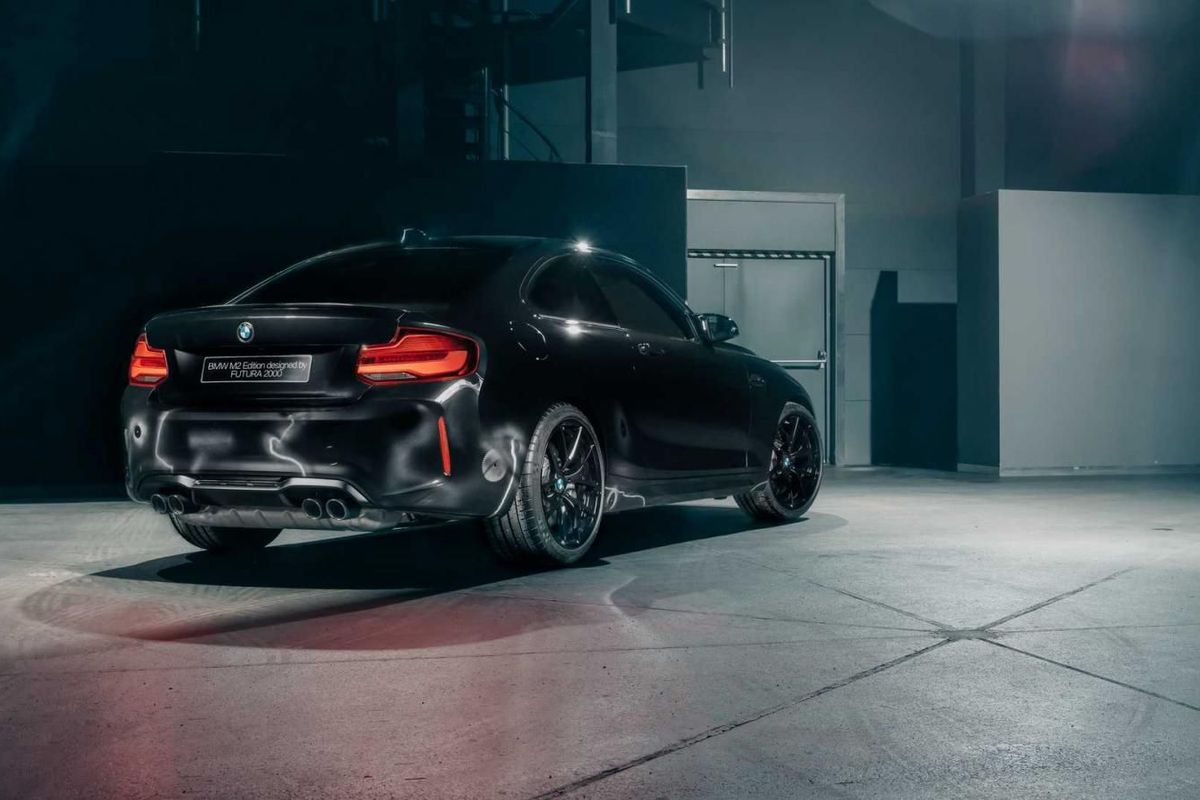
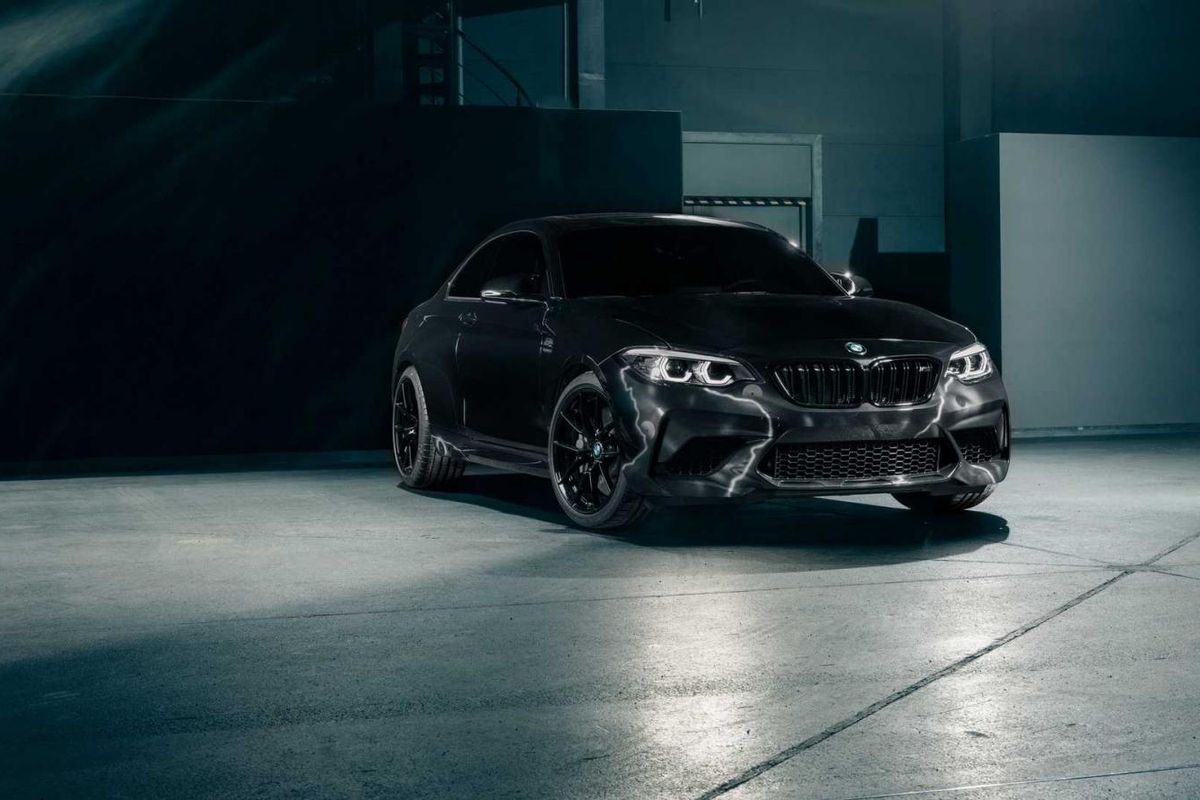
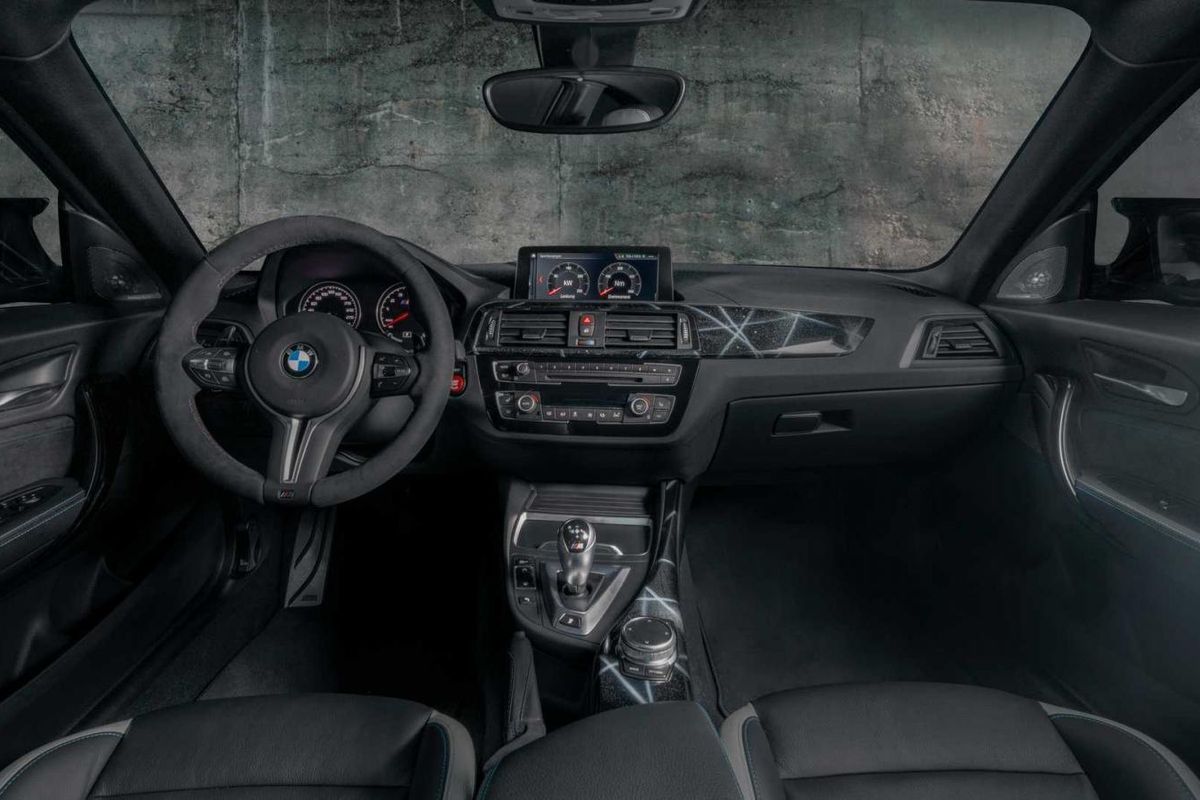
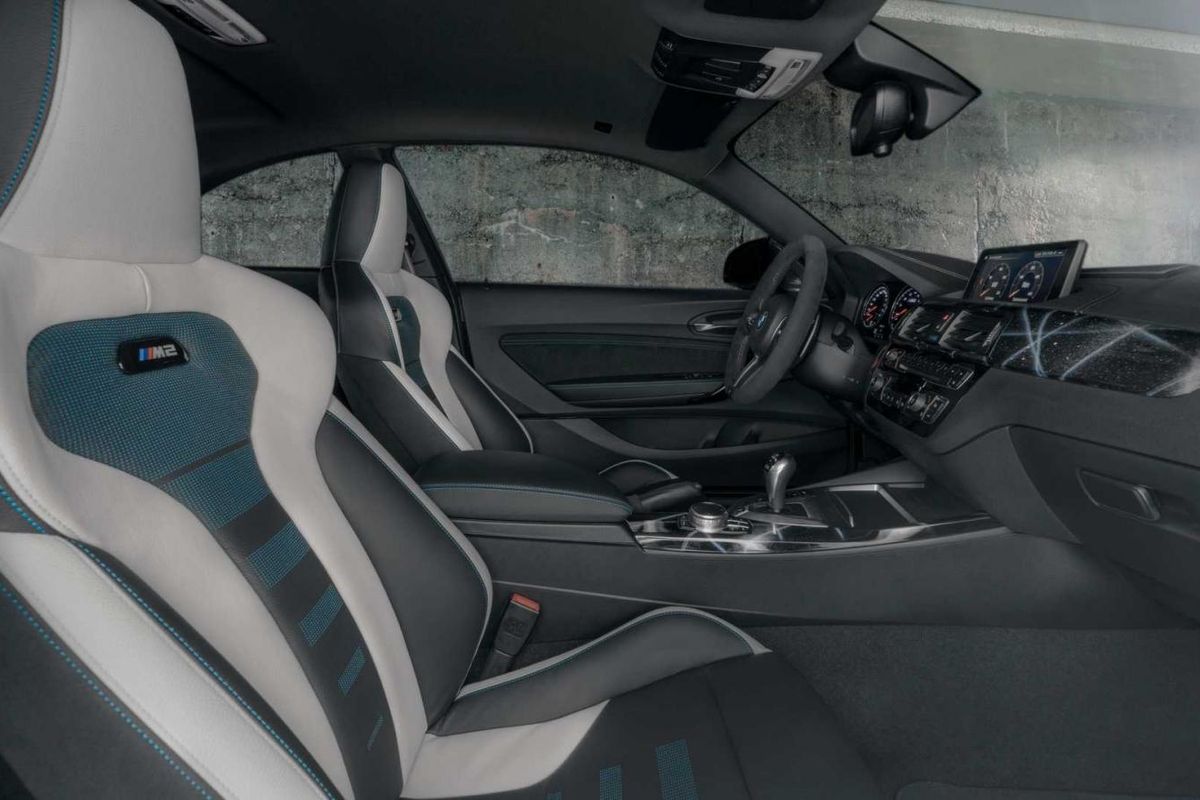
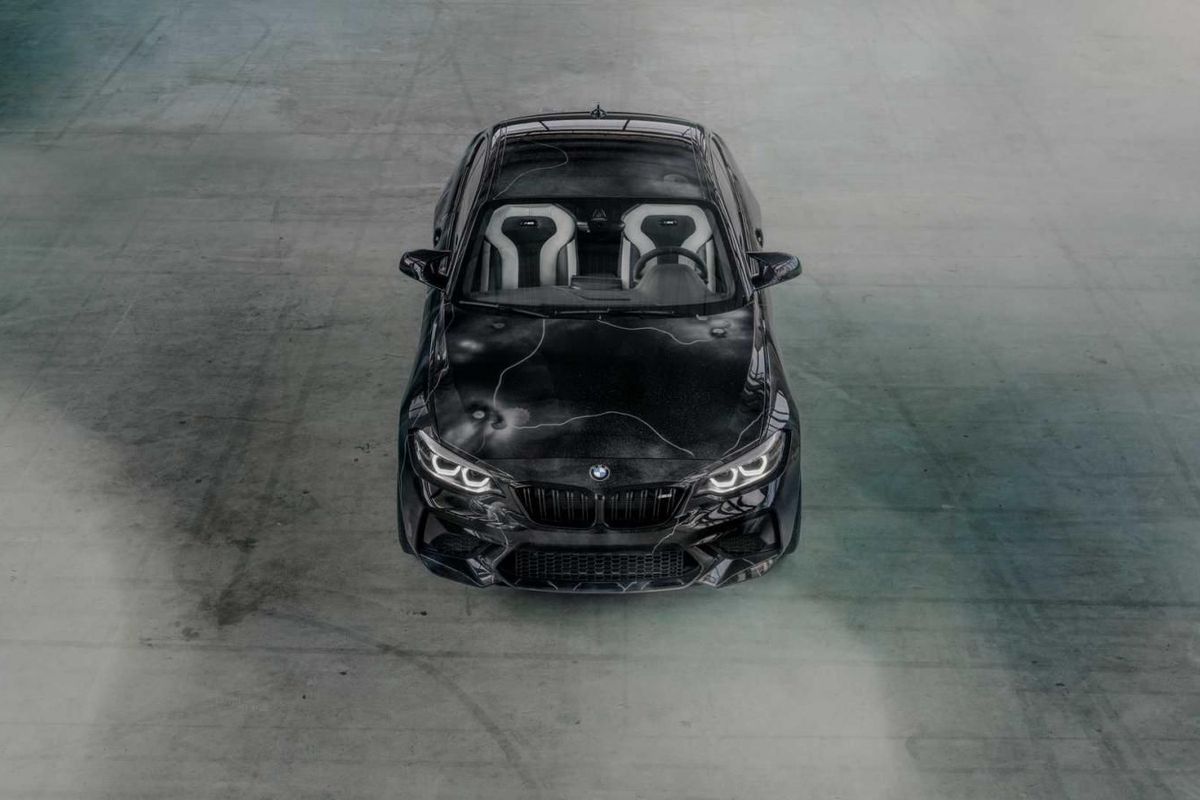
Check out these radical BMW M2 Competition art cars designed by Futura 2000. 

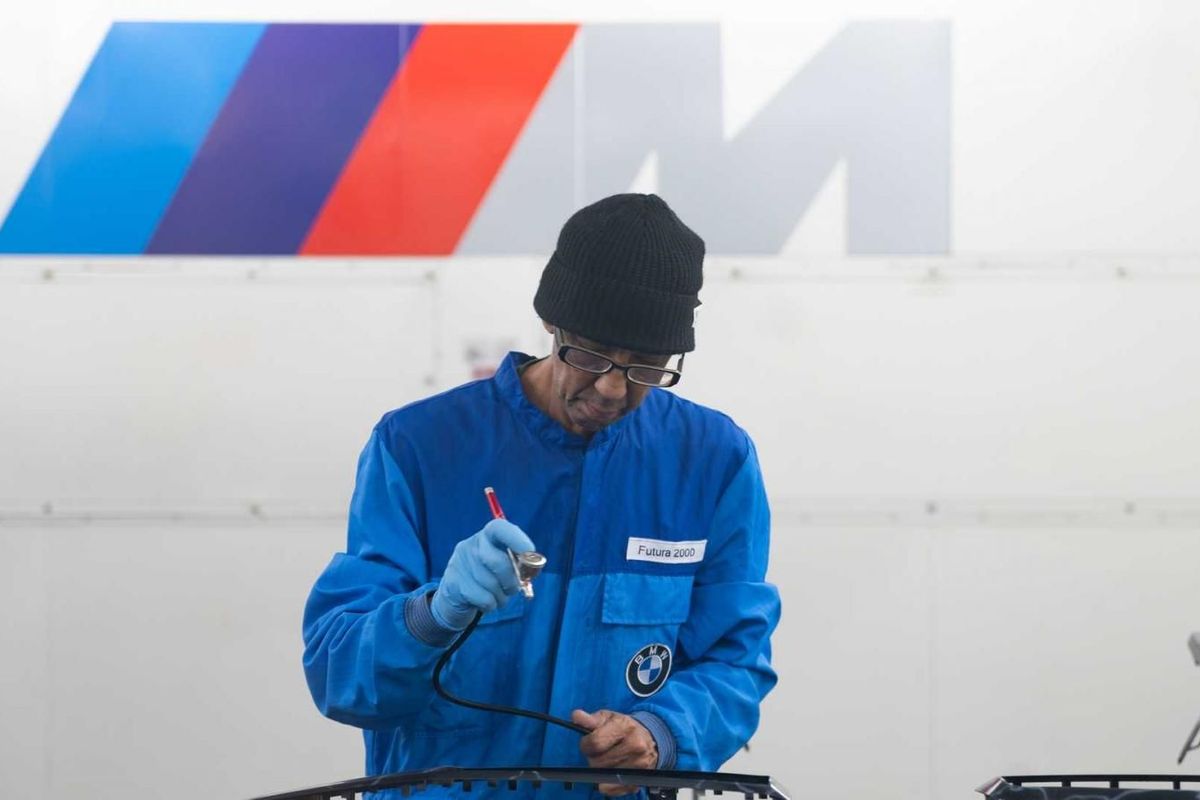
The BMW M2 Competition looks pretty good in standard guise but artist Futura 2000, in collaboration with BMW M GmbH, has done some striking work on 3 M2 Competition models. One of the hand-painted M2 Competition art cars was recently shown at the Frieze Los Angeles. 

Markus Flasch, CEO BMW M GmbH, adds: "We are very proud of having been able to gain such an internationally well-known artist as FUTURA 2000 for the collaboration on the three unique one-offs of the BMW M2 Competition. I'm already looking forward very much to seeing how he transforms our M2 into the edition intended for our customers. With his unique, constructive and rebellious style, Futura is perfectly suited to a young and wild automobile such as the BMW M2 Competition."

Futura 2000 commented, "The BMW M2 Competition is dynamic, extroverted and, to a certain degree, pleasantly provocative. I consider it a great honour to be able to add a special touch to this vehicle." Each of the 3 limited-production models will bear Futura 2000’s unique signature. 

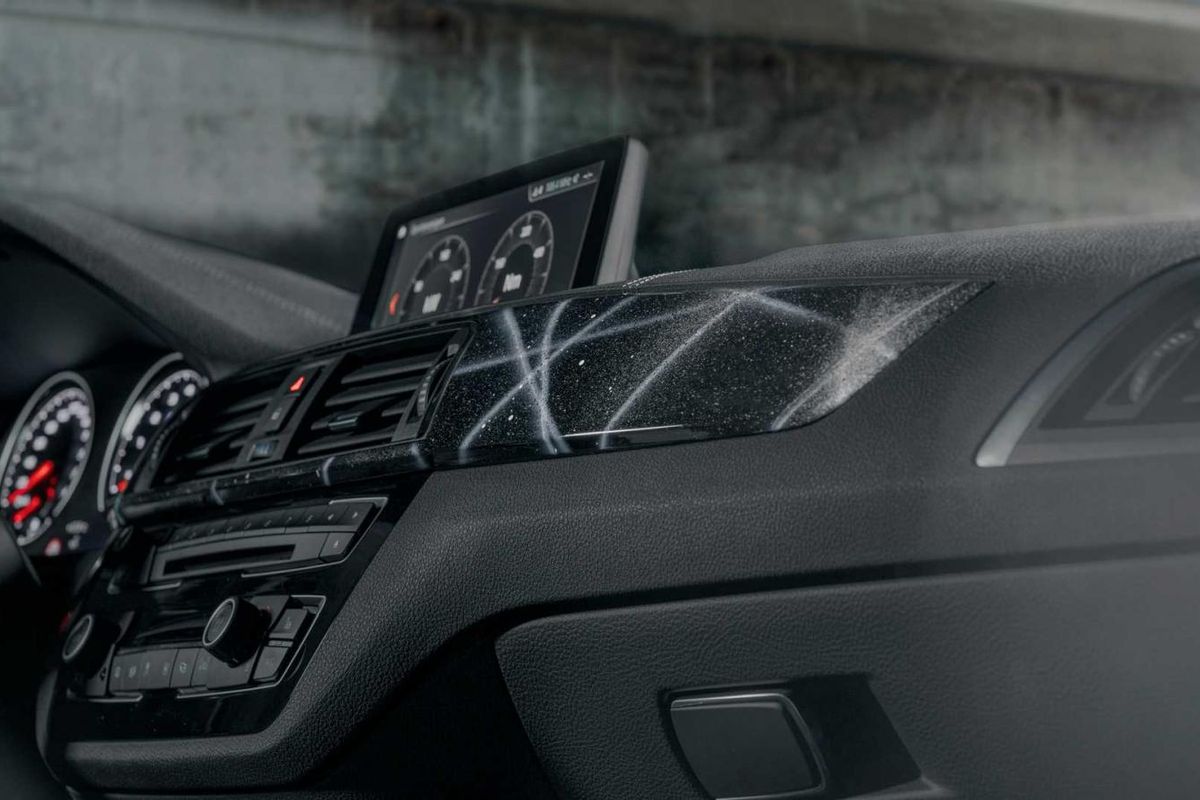
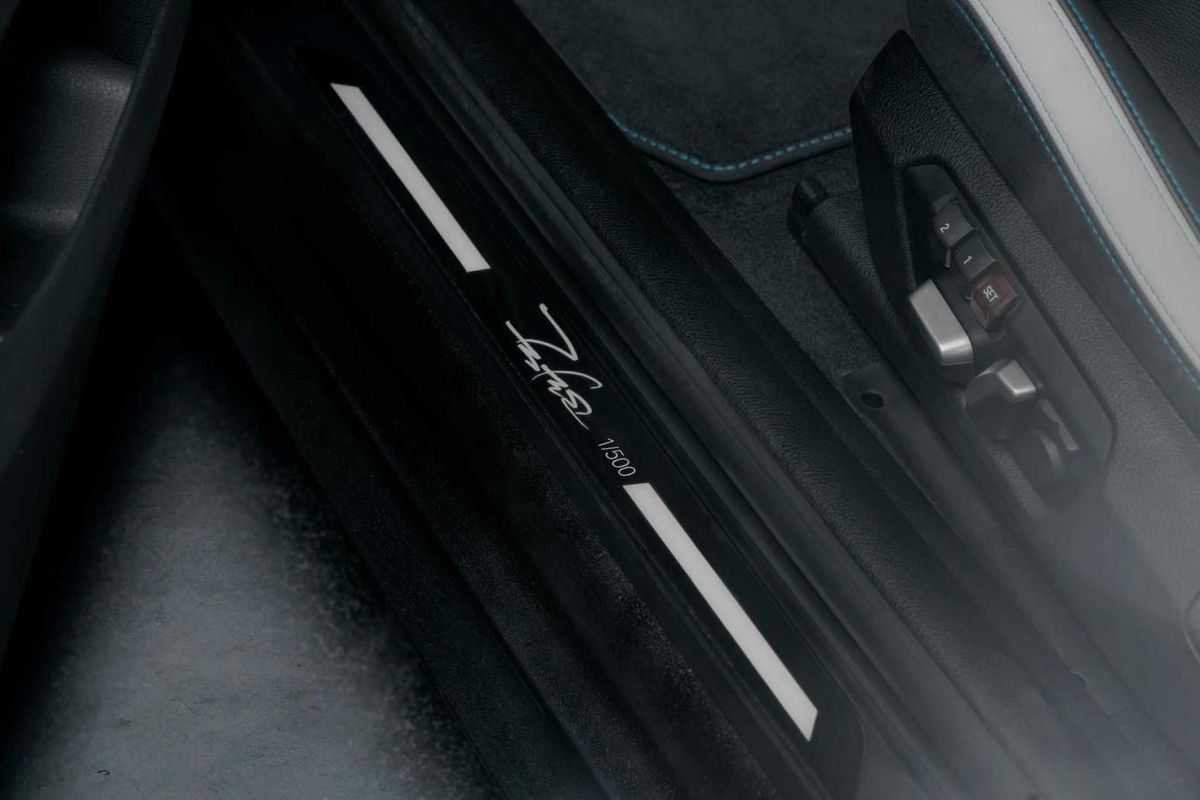
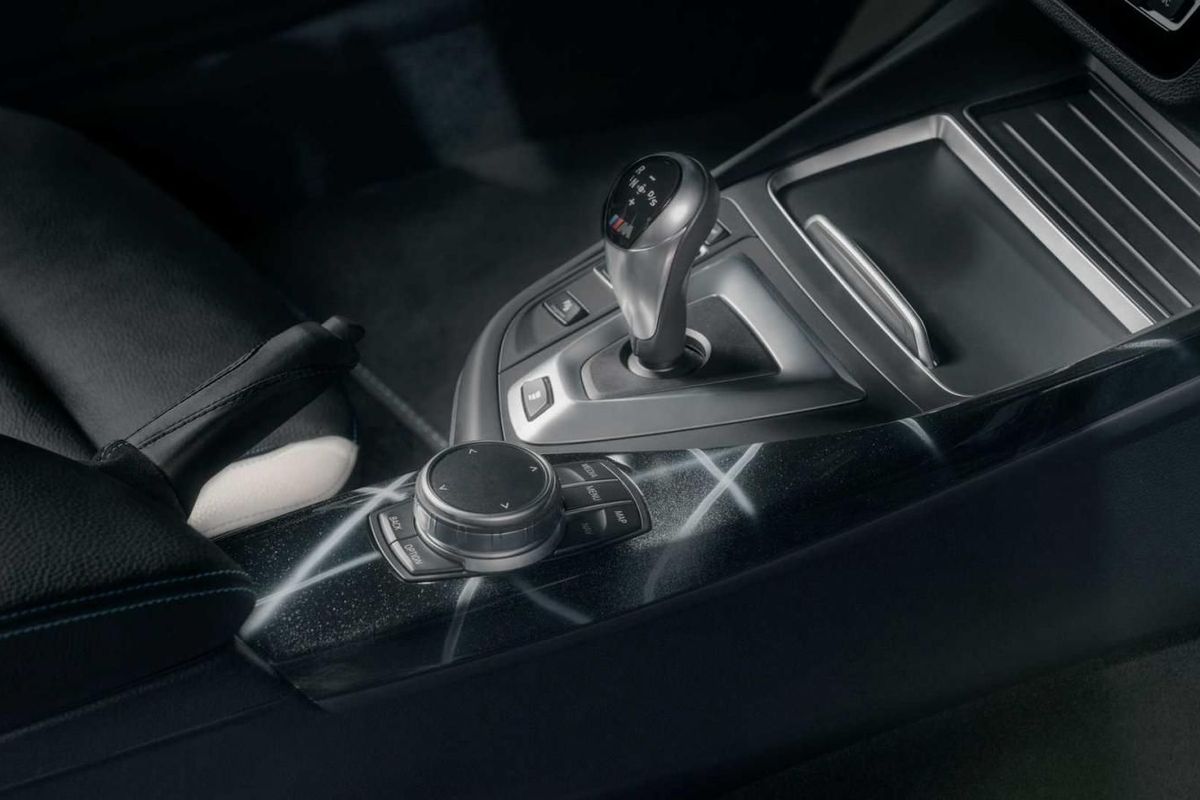
The instrument panel and centre console of each car features a special design and the bi-coloured Dakota leather M sports seats are in black and ivory with polar blue contrast stitching. An M Alcantara leather steering wheel is fitted with a grey centre mark. The doors sills feature a limited edition number and a Futura signature. 

On the outside, each BMW M2 Competition has its own paint design and rides on 19-inch jet black light alloy wheels. 

Do you like the design of these special BMW M2 Competition models? 

Buy a BMW M2 on Cars.co.za

Related Content

BMW M2 Competition Video Review

Mighty BMW M2 CS Coming to SA [w/Video]

New Toyota Supra vs BMW M2 Competition – Hot Lap Shootout

Drag Race: BMW M2 Competition vs Toyota Supra

Renault Triber (2020) Launch Review

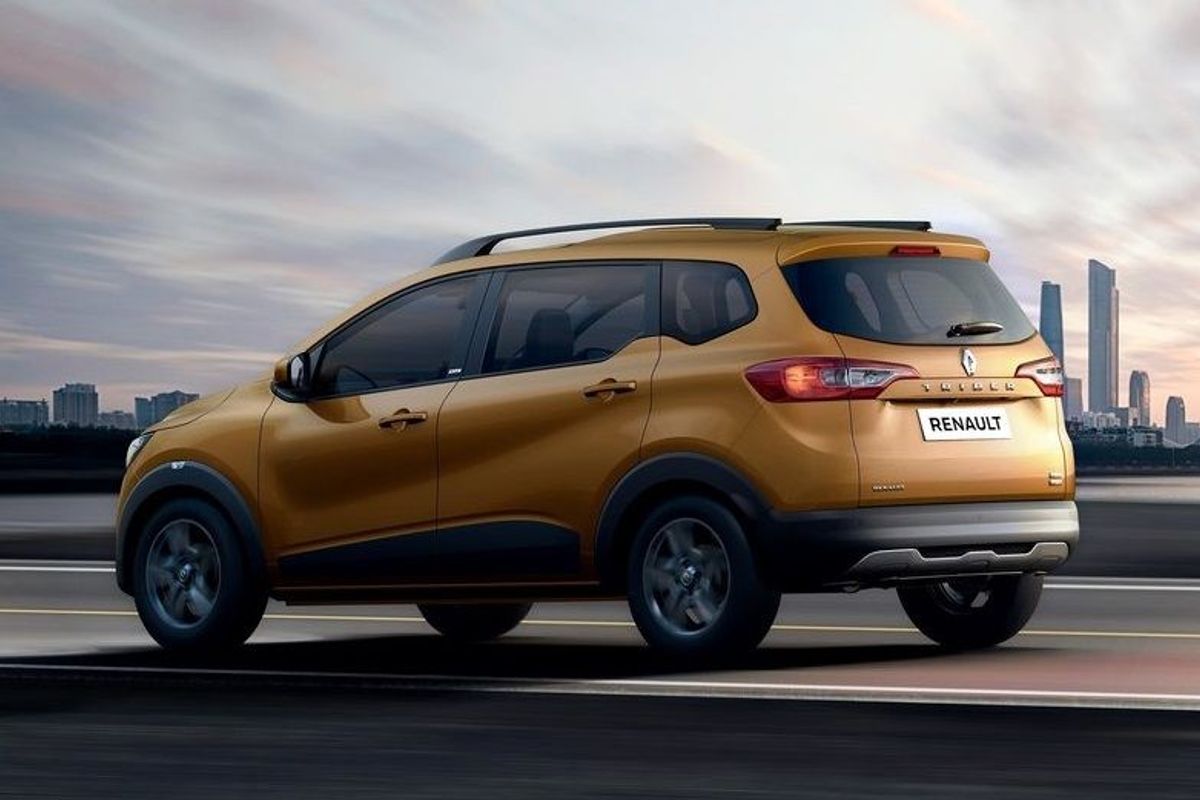
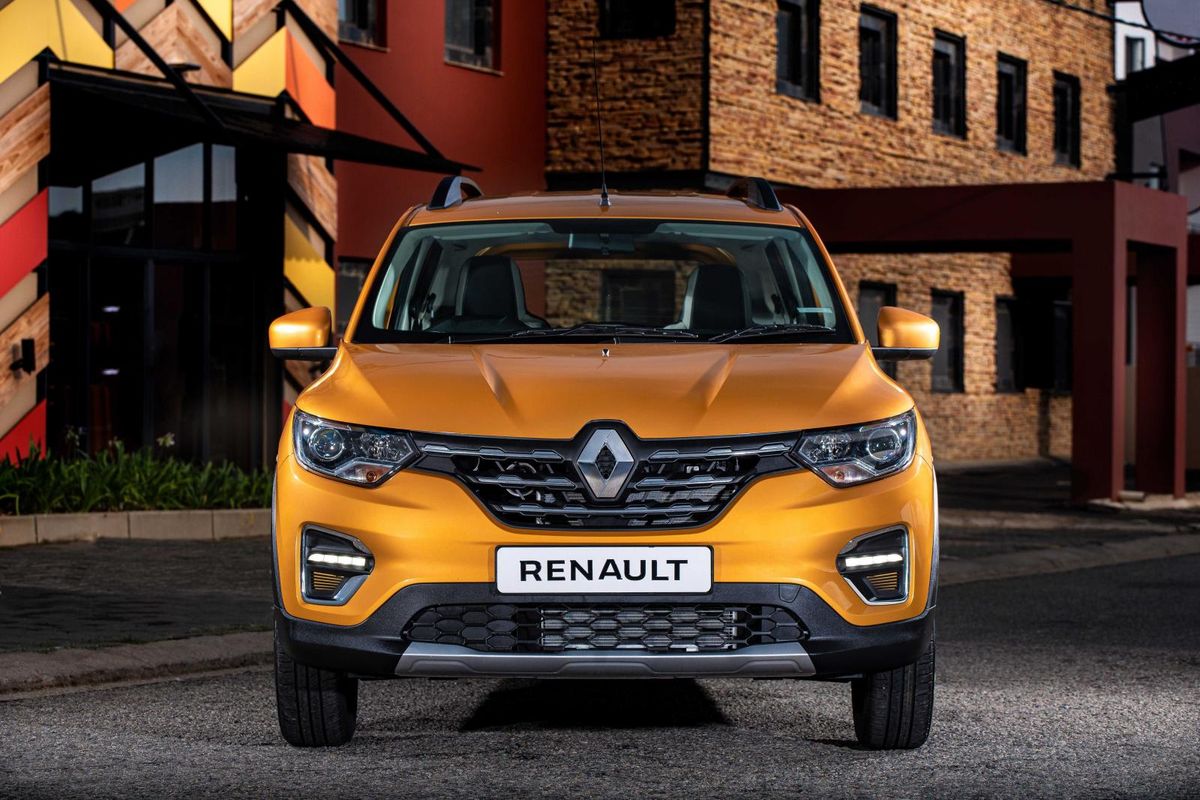
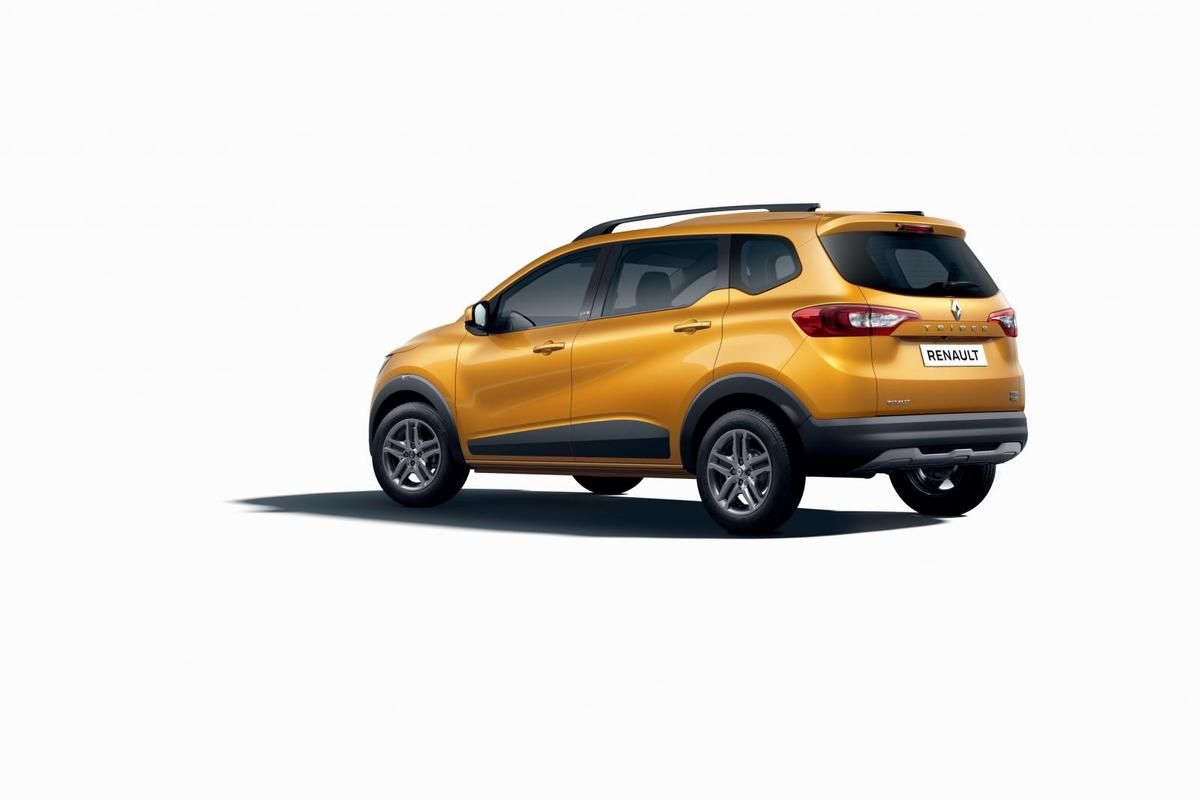
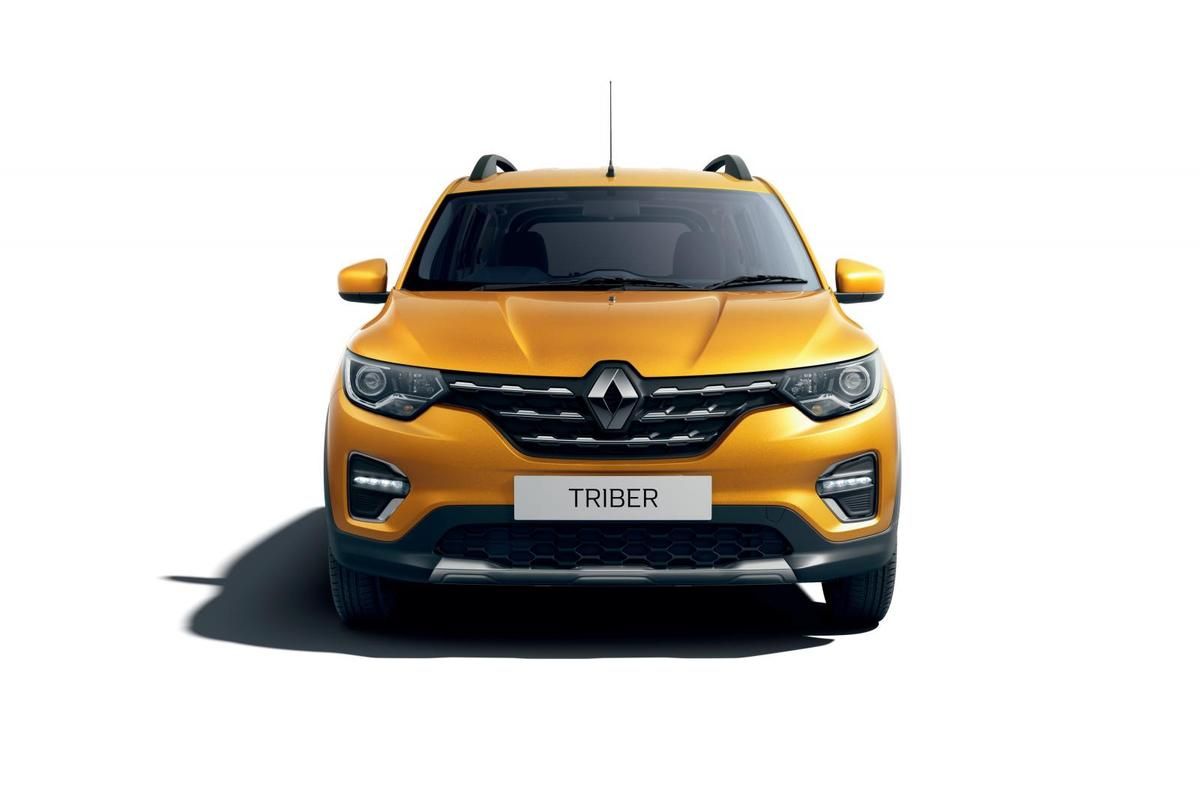
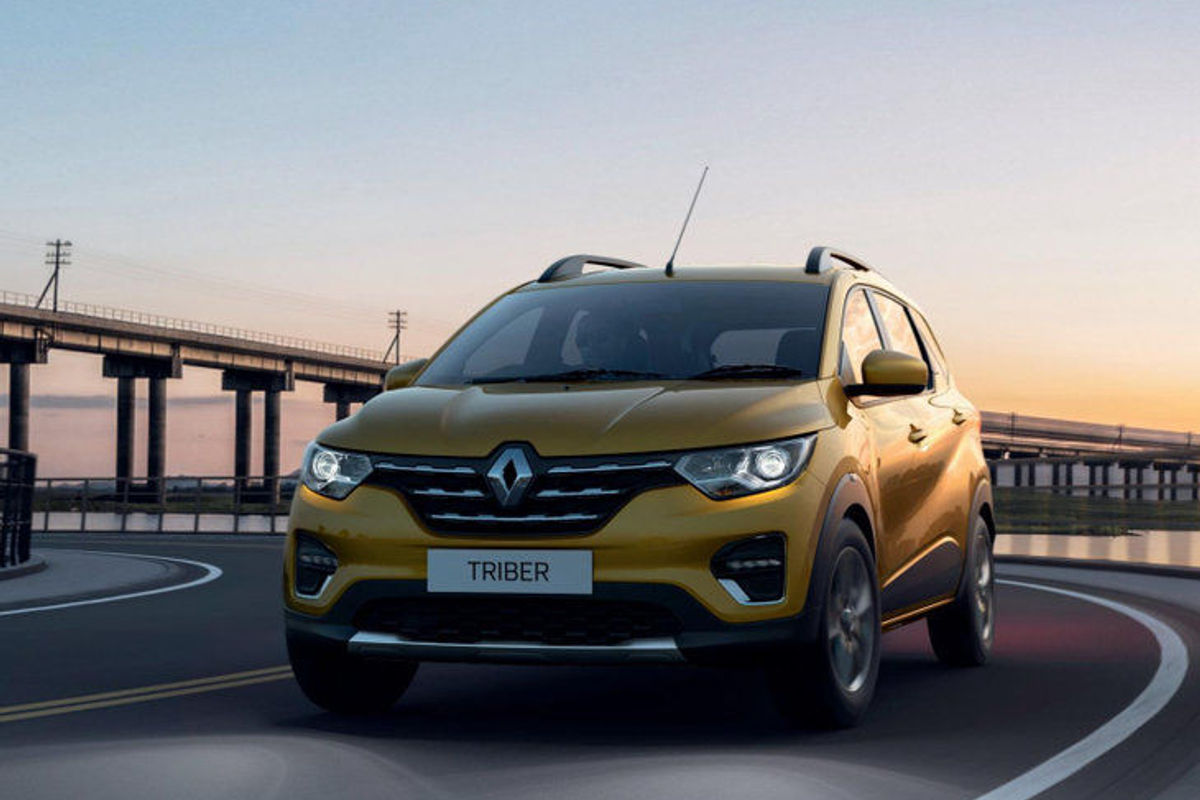
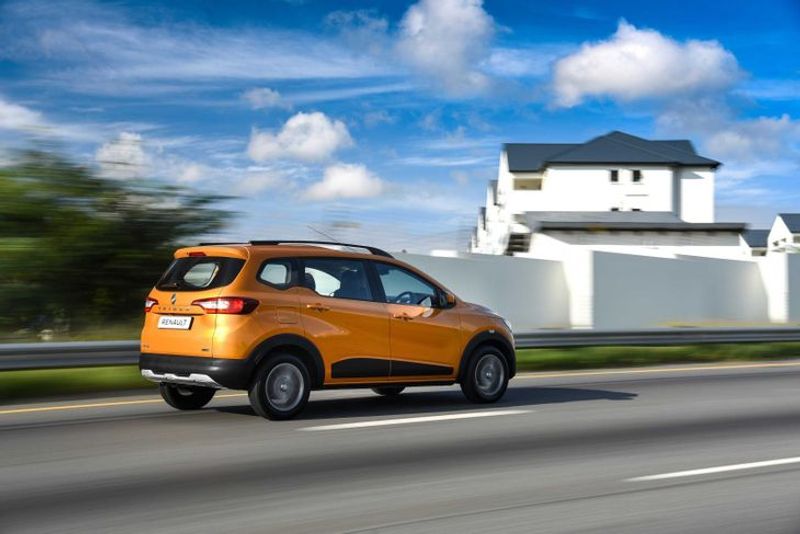
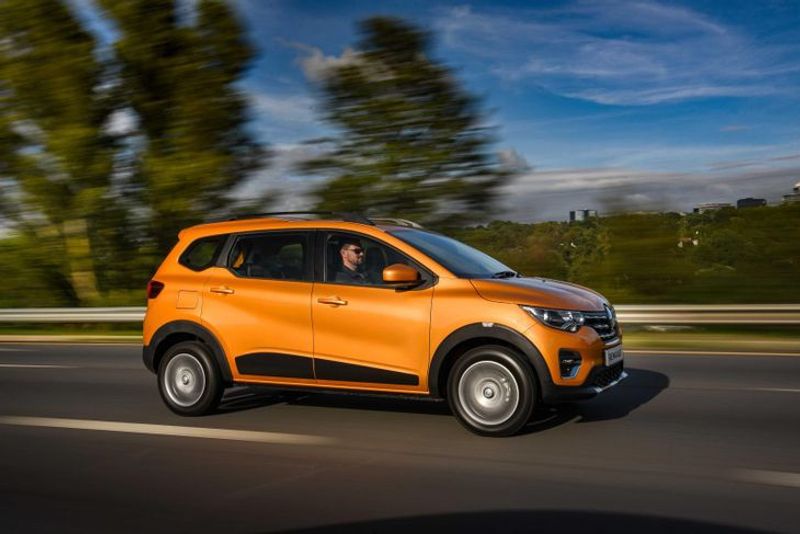
Renault has introduced a budget-friendly, flexible mini-SUV that is purported to give you that "off-roader lifestyle", but with enough room to accommodate up to 7 occupants. We headed to KwaZulu-Natal to try out the new Triber at its local media launch.

What is it?

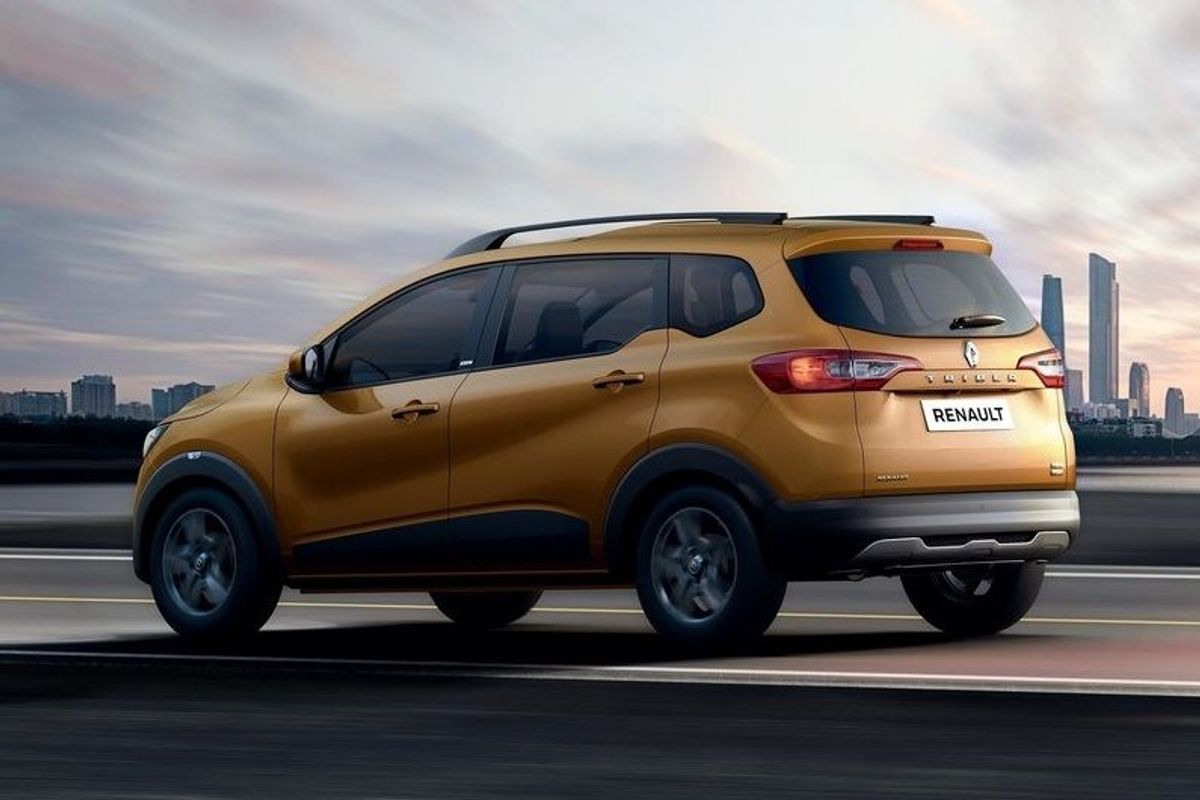
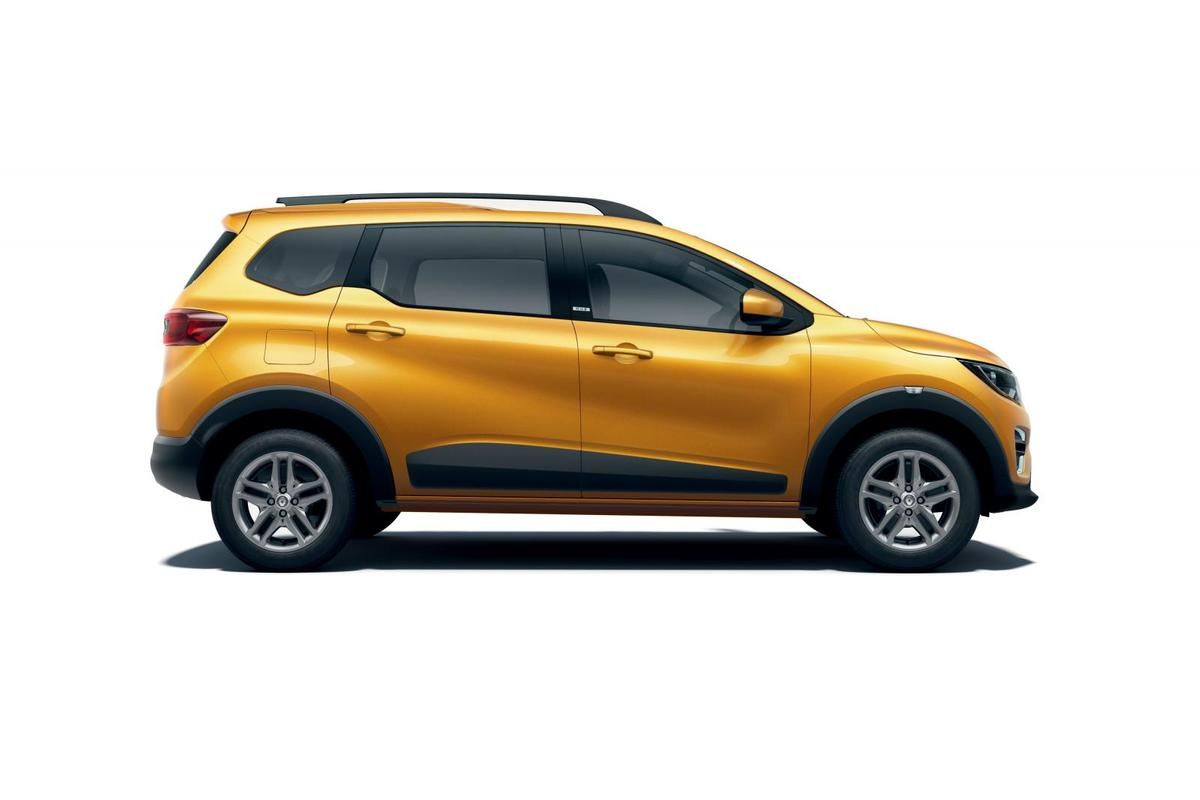
Having skimmed through all the Indian literature on the Triber, which was launched there in 2019, I didn't find this newcomer as easy to categorise as I expected. It is built in India, has 7 seats, a slightly raised suspension (182 mm of ground clearance) and a higher driving position. Now after that, you’d think Avanza, Ertiga, BR-V etc. But no, this is comparatively shorter, but equally practical and feels better suited to family use than the airport shuttles or UberX vehicles that so many travellers find themselves sentenced to.

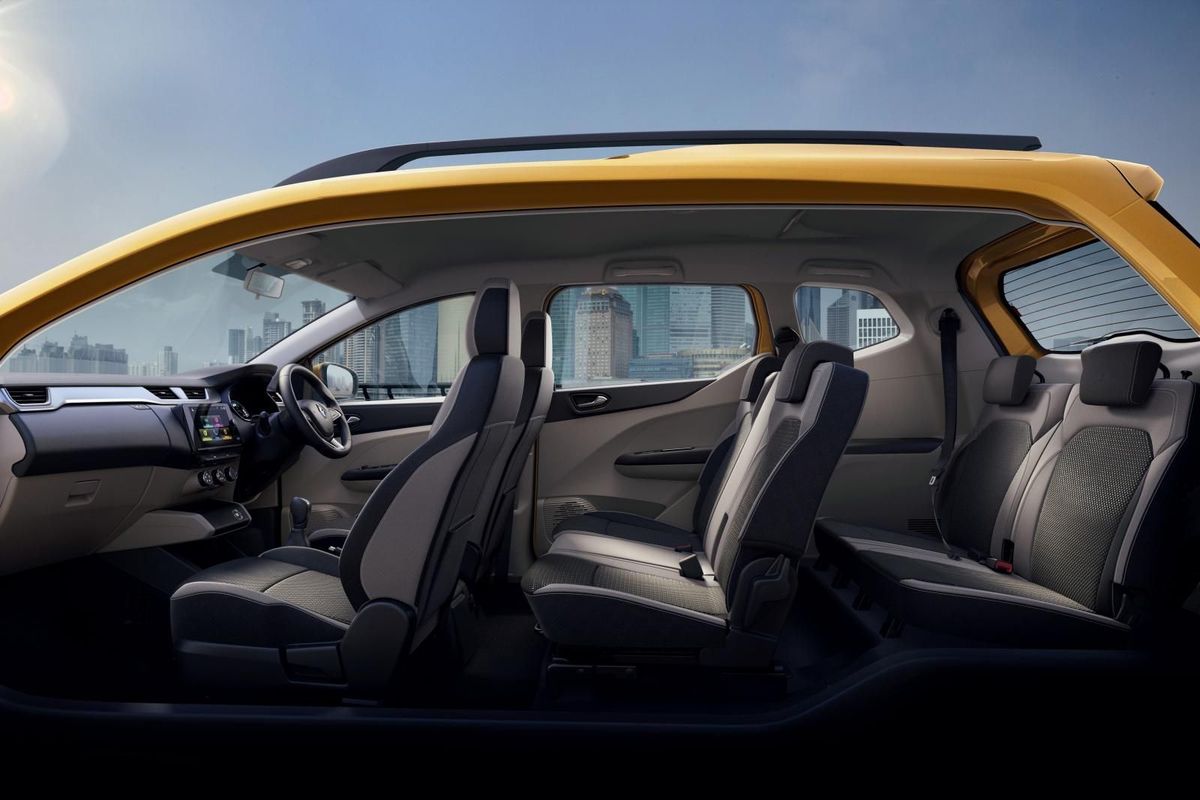
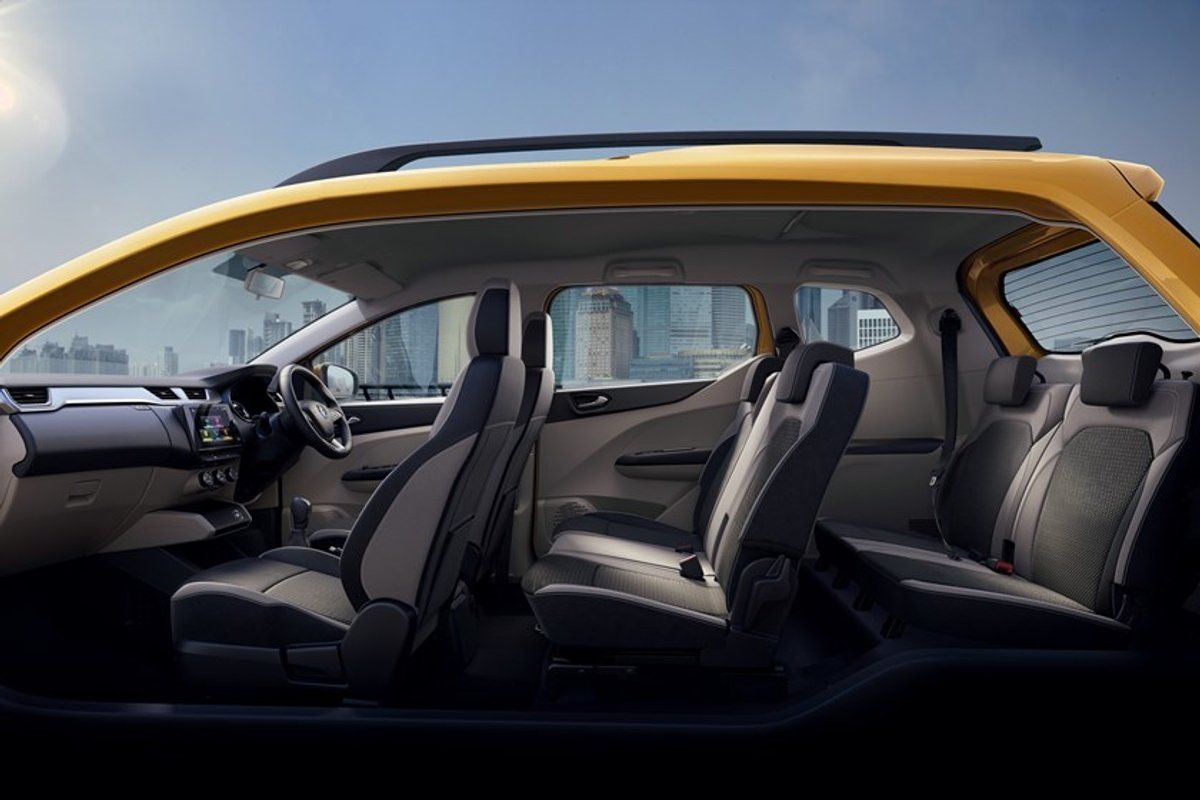
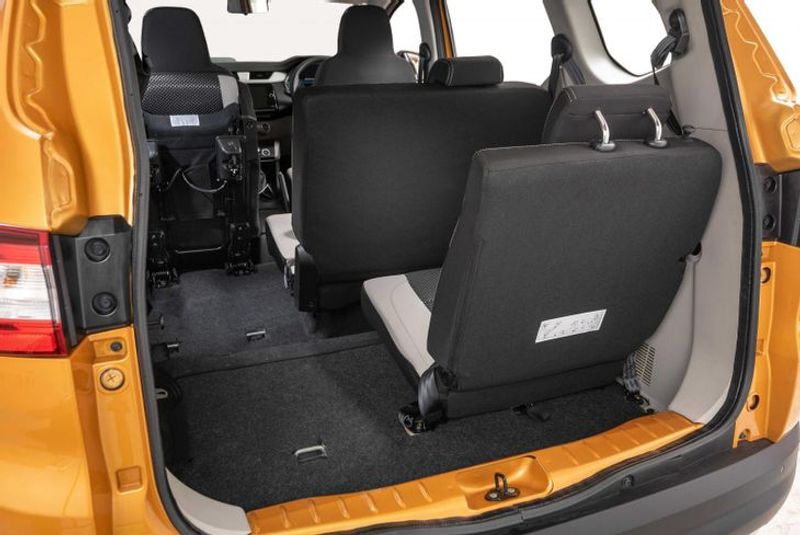
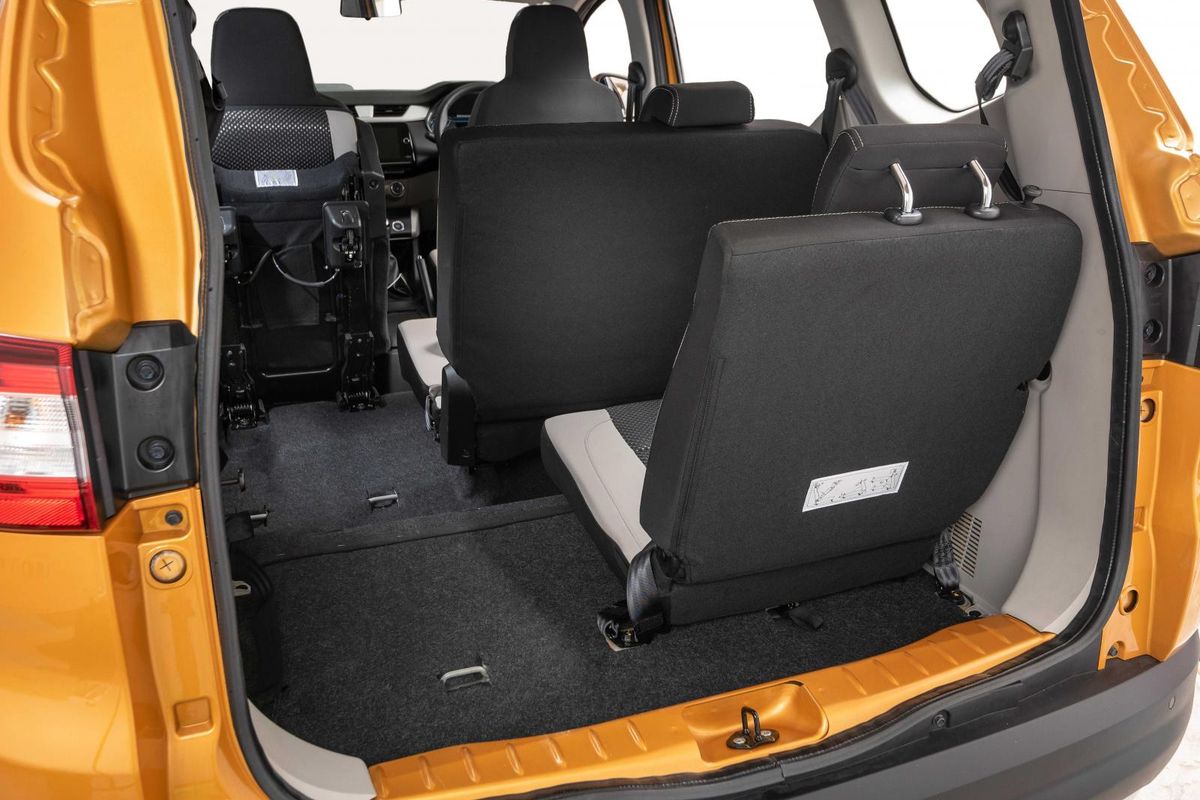
The seats can be removed, so the rear row can be popped out without any tools, all of which opens up 625 litres of luggage space. Renault claims there are 100 combinations of seat positions for the Triber, so it should easily be able to accommodate whatever object/s you need to fit in it…

Is it a raised Kwid?


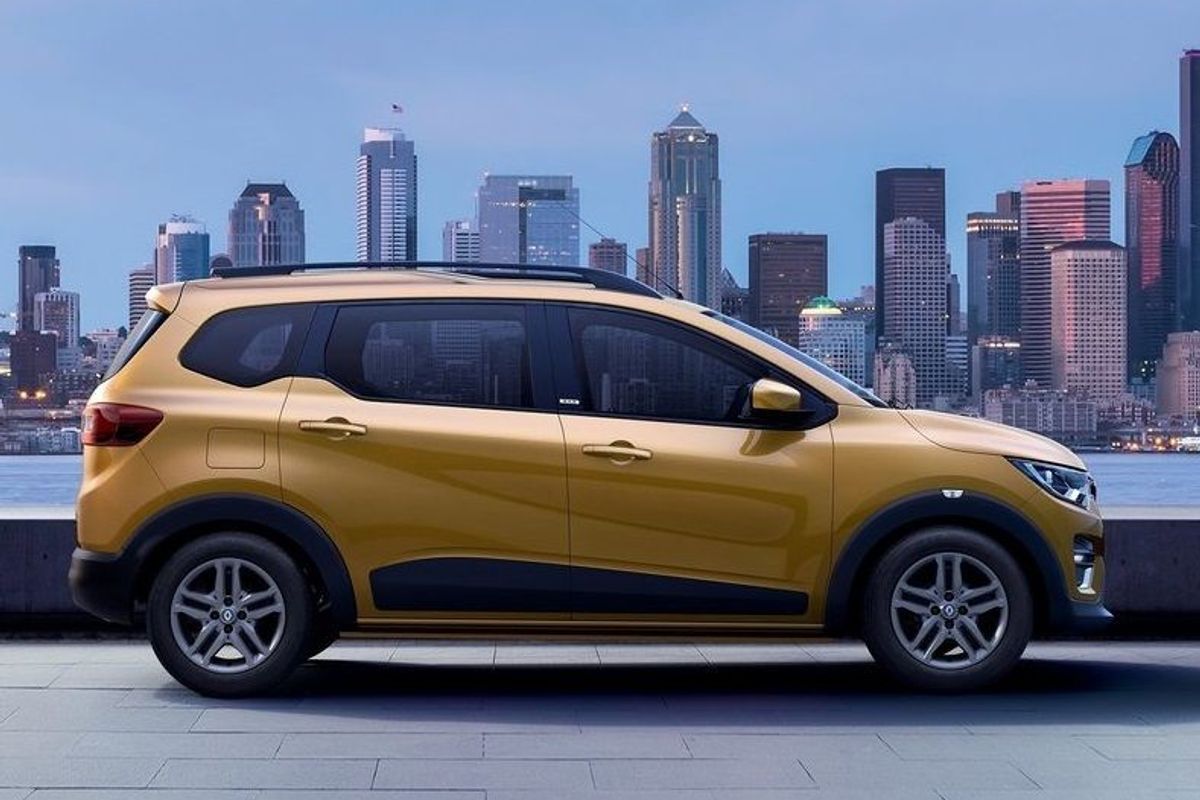
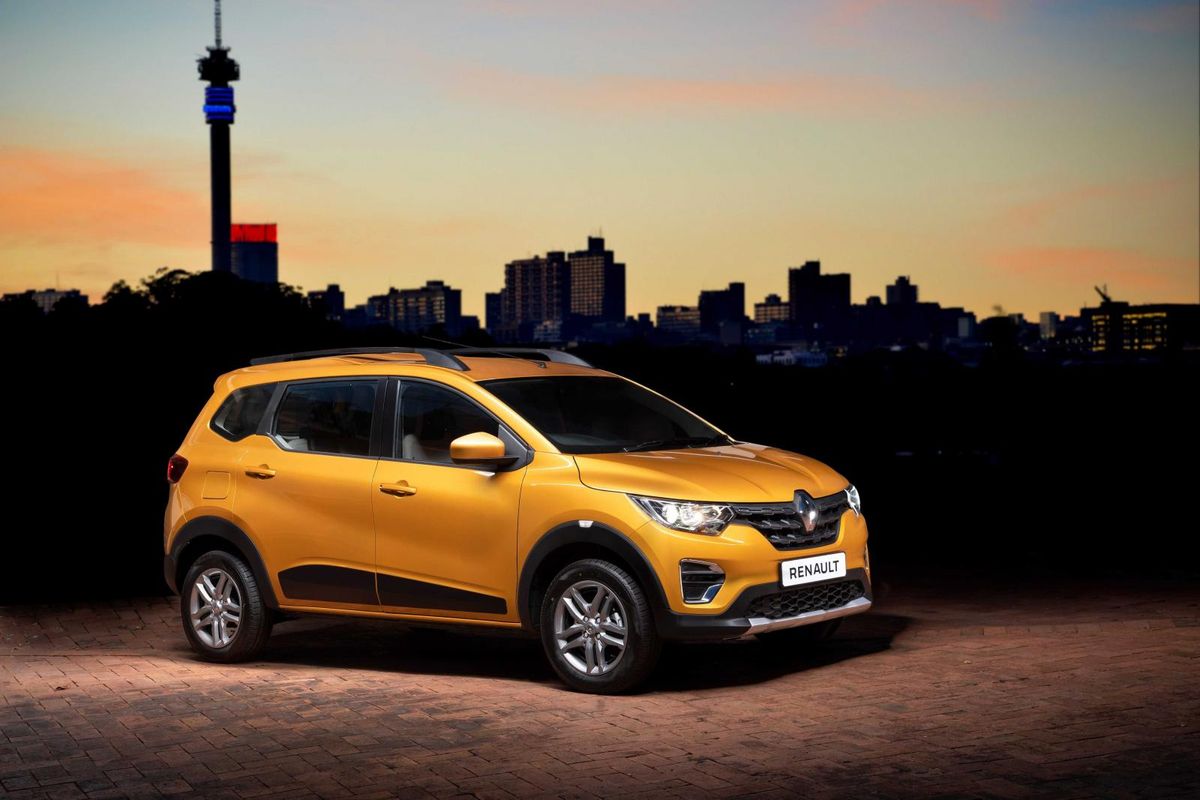
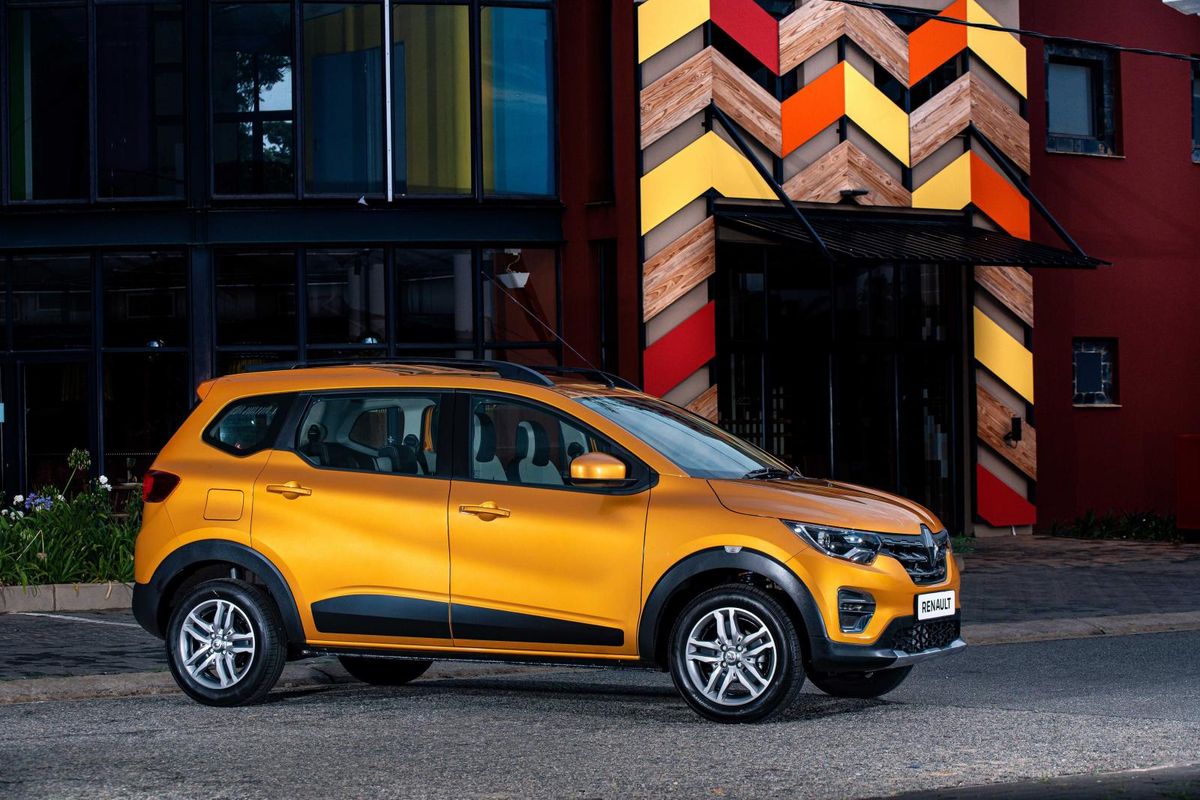
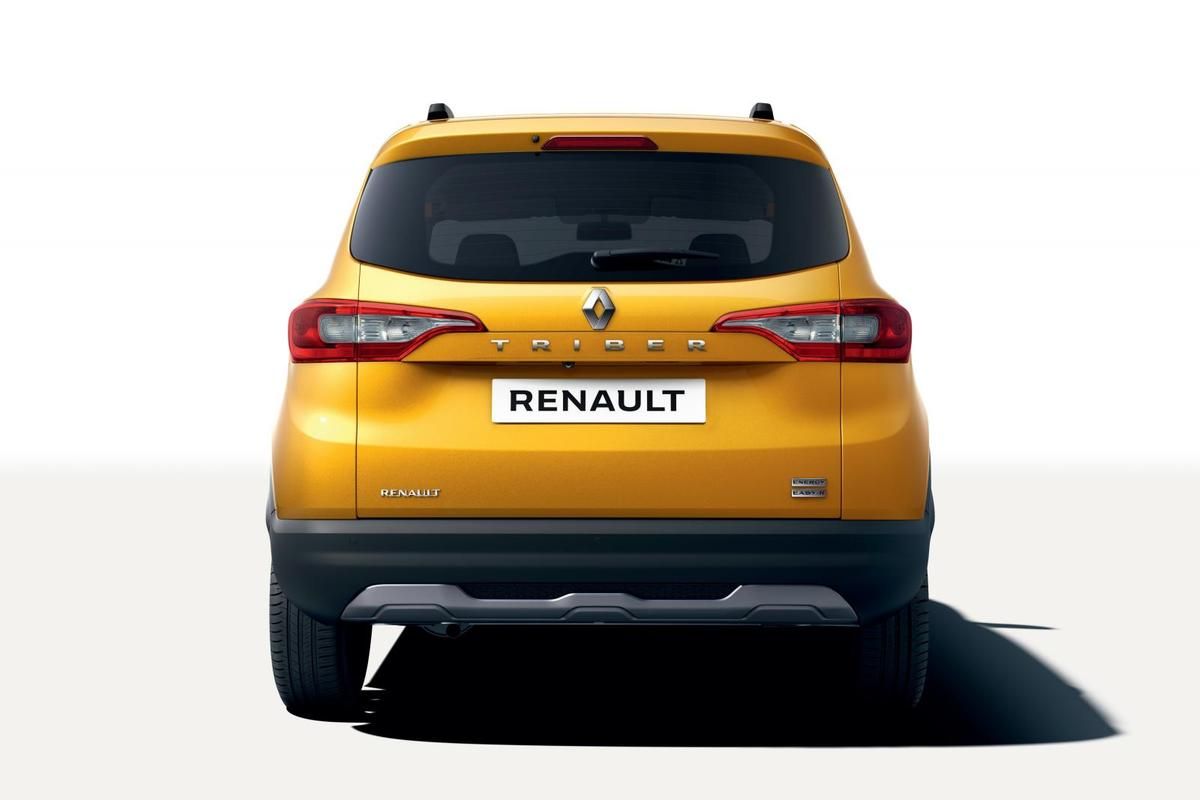
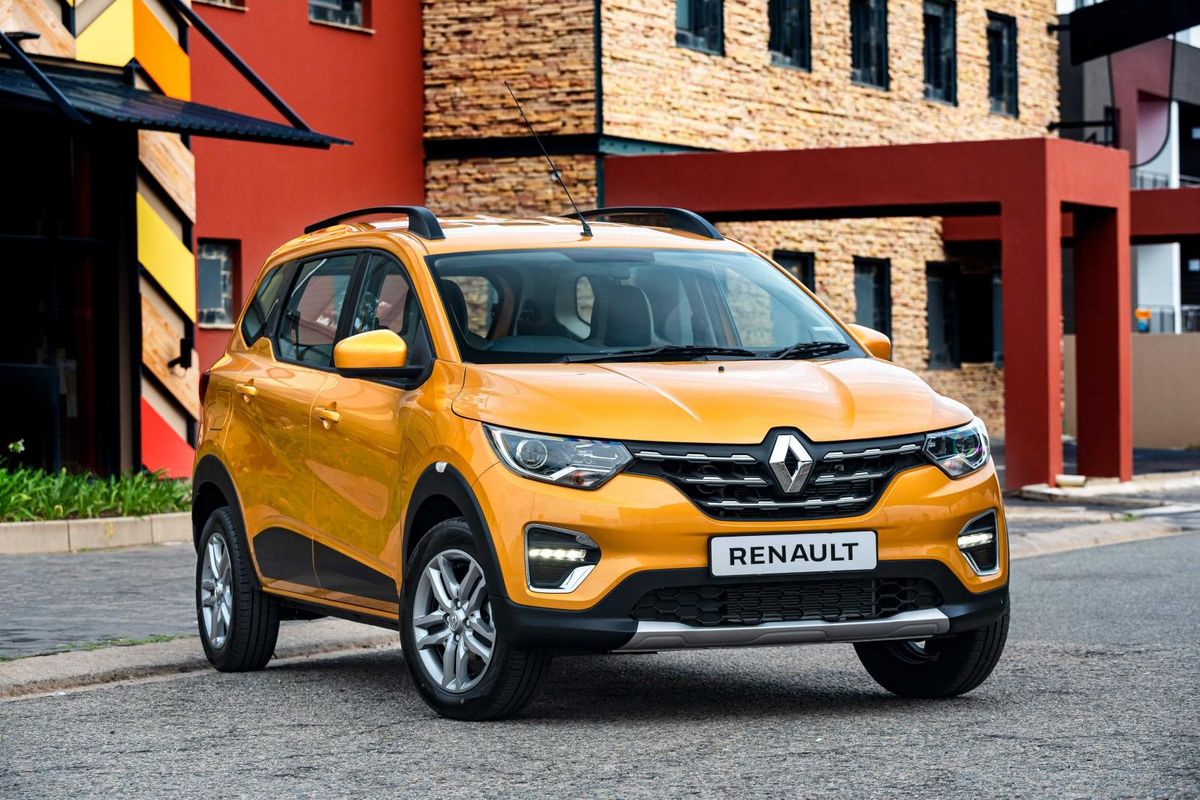
At 3.99 metres in length, it's still a small, hatchback-sized car but it offers 7 seats.

Renault South Africa went to great lengths to explain that the Triber is not built on the Kwid platform but its own, specially designed platform. It is, however, built in the same factory as the Kwid in India. It doesn’t drive, handle or ride like a Kwid so for the most part, the firm's claim is believable.

What engine does it have?

There’s a 3-cylinder, naturally aspirated 1.0-litre petrol engine under the bonnet. The chassis has actually been designed to use a tiny 3-pot engine so that it allocates more of its 3.99-metre length to accommodating passengers and hauling detritus. It produces 52 kW and 96 Nm, which is not nearly enough to propel it with any zeal when fully loaded. I know this because it couldn’t propel me and 1 passenger up a hill without necessitating frantic shifts through the gears; it felt as if I was starring in a Fast and Furious movie.

There is apparently a turbo unit on the way, which is possibly due in Mzansi by the end of the year. The current engine will eventually get you to where you want to go, but bear in mind it won’t do it quickly. The 5-speed manual is the only gearbox on offer, with an AMT (automated manual) coming mid-way through 2020. The ratios of the manual 'box are not convincing and make it difficult to drive the Triber smoothly – 1st gear requires a lot of clutch-riding to get moving and 3rd gear is too long (drops the revs too low). 

What is it like to drive?


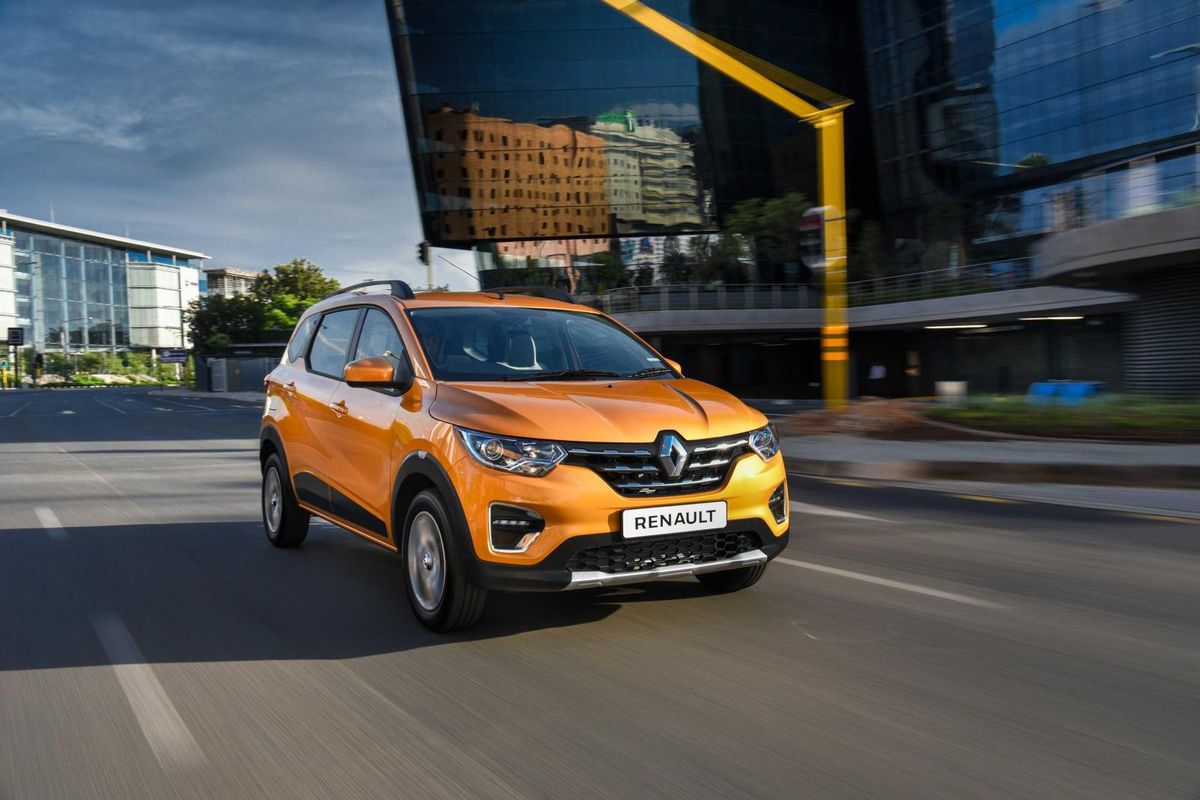
The Triber's small engine tries hard to move it around, but ultimately it looks oomph.

As I mentioned above, it's nicer to drive than a Kwid, for what it's worth. It rides quite well over bumpy road surfaces and doesn’t shake and rattle like it’s all about to fall apart. There’s noticeable body roll when cornering, but it is not disconcerting and feels similar to some of the aforementioned competitors. The steering could be a lot more communicative… at slow speeds, it’s overly light and vague. At higher speeds, it weights up a bit more and that makes it easier to place the Renault on the freeway.

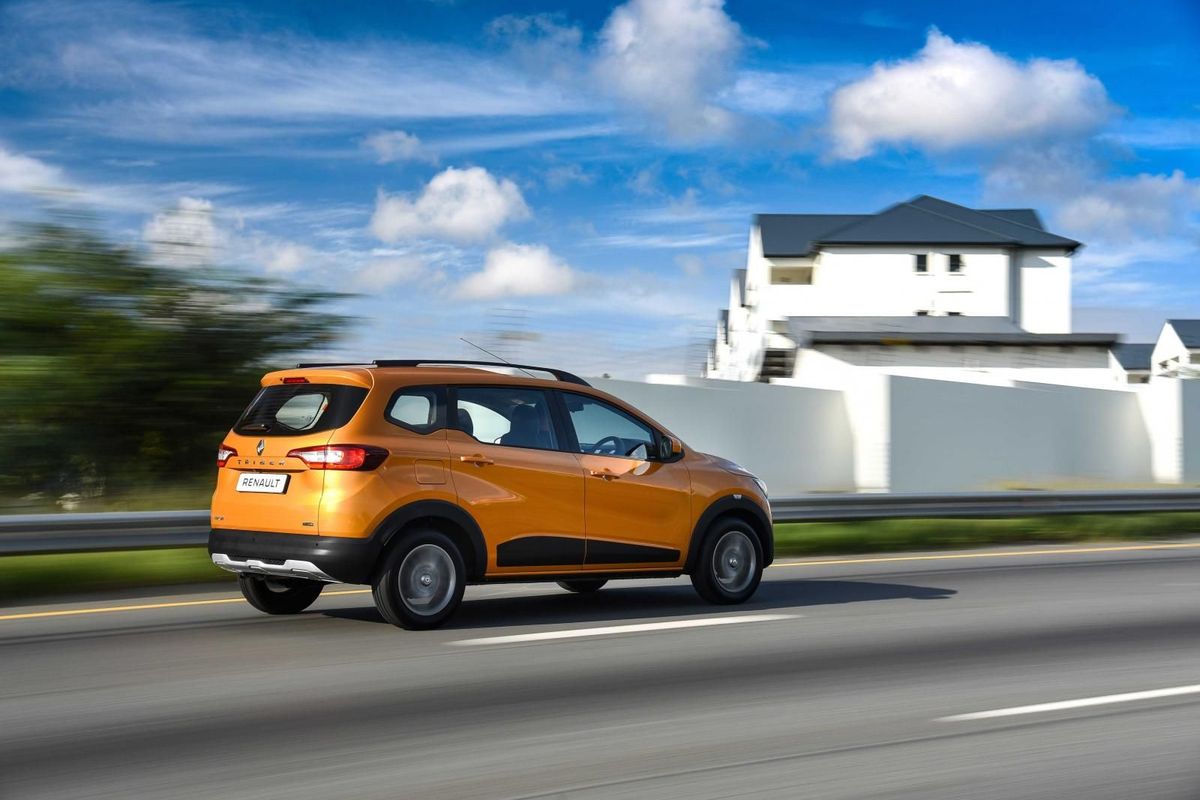
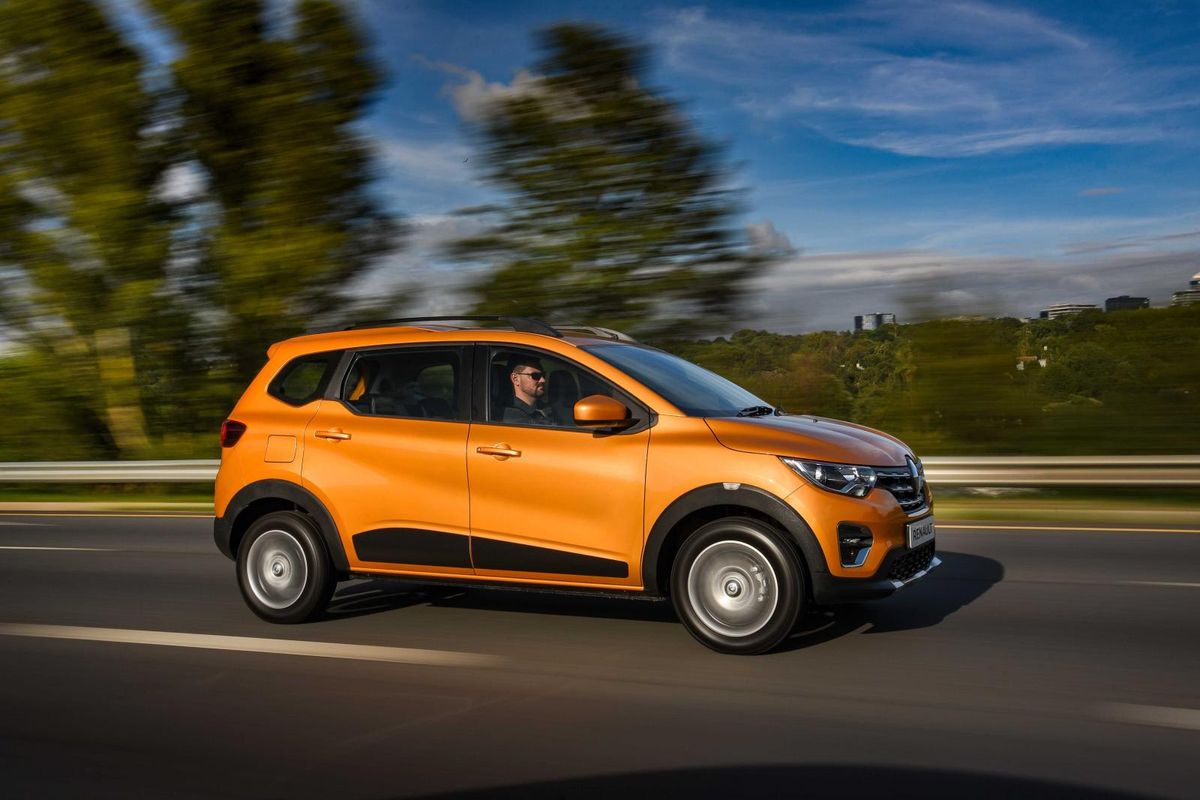
Speaking of freeways, we did drive the Triber at cruising speeds and unlike the Kwid, it feels capable at the national speed limit. One discerns some wind and engine roar at about 120 kph, but it’s stable enough in terms of general road-holding.

What’s it like inside?


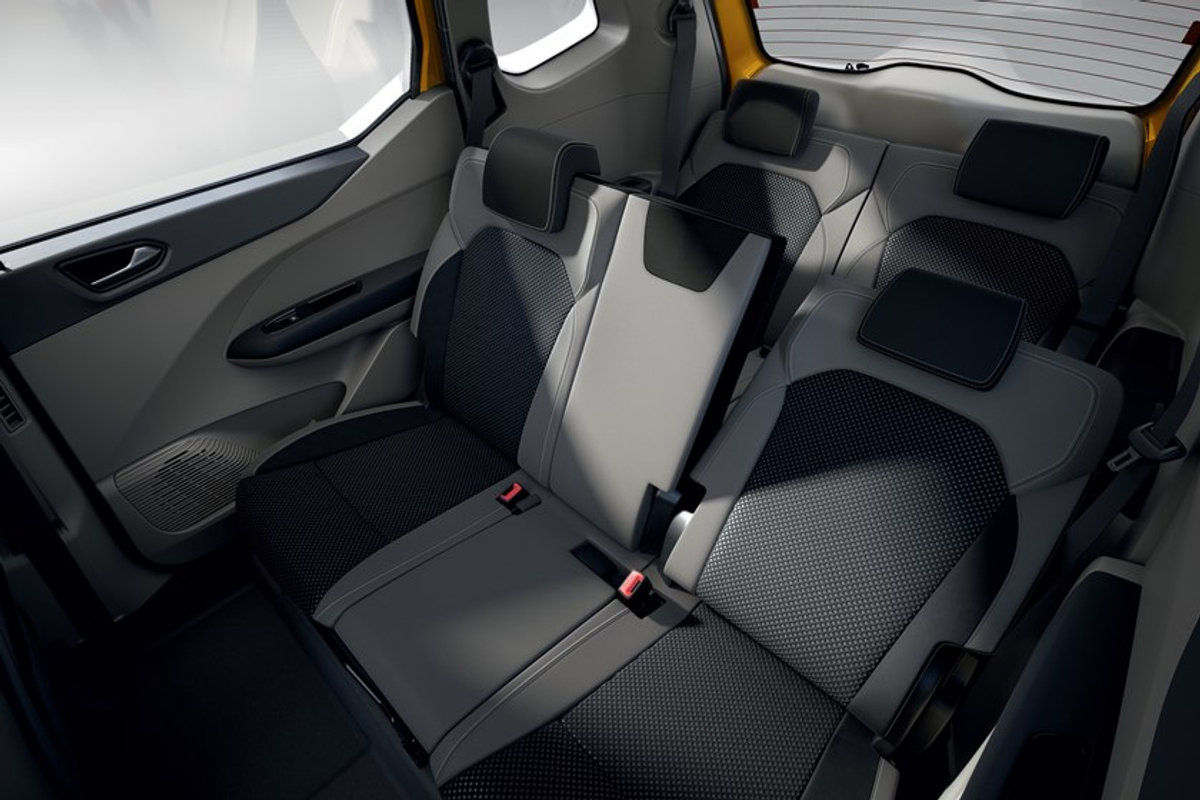
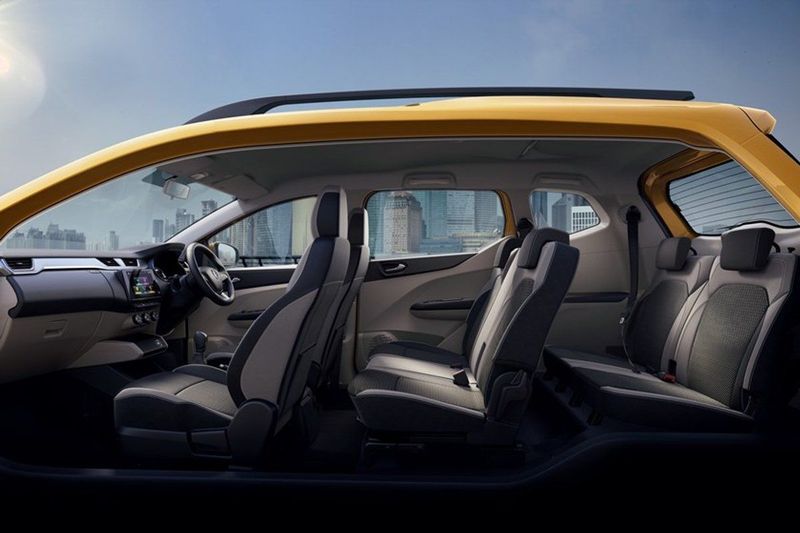
The rear row of seats can quickly be removed making it very adaptable.

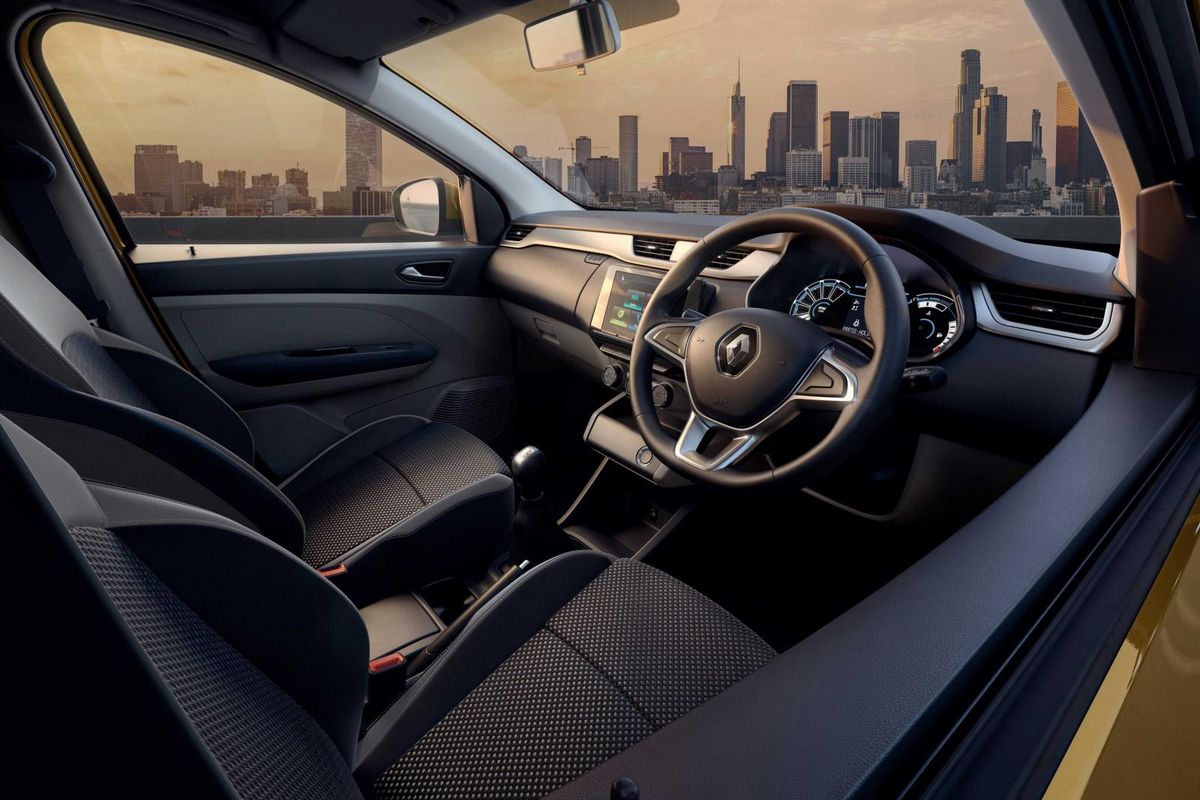
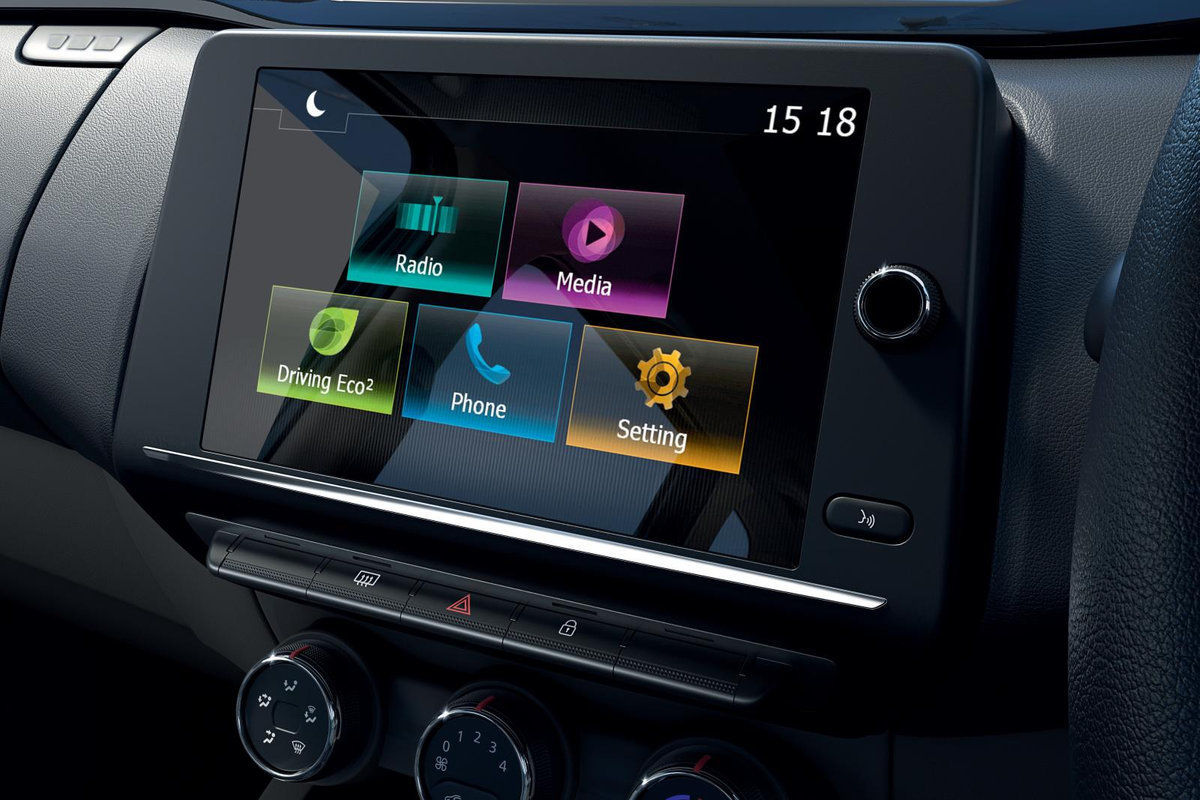
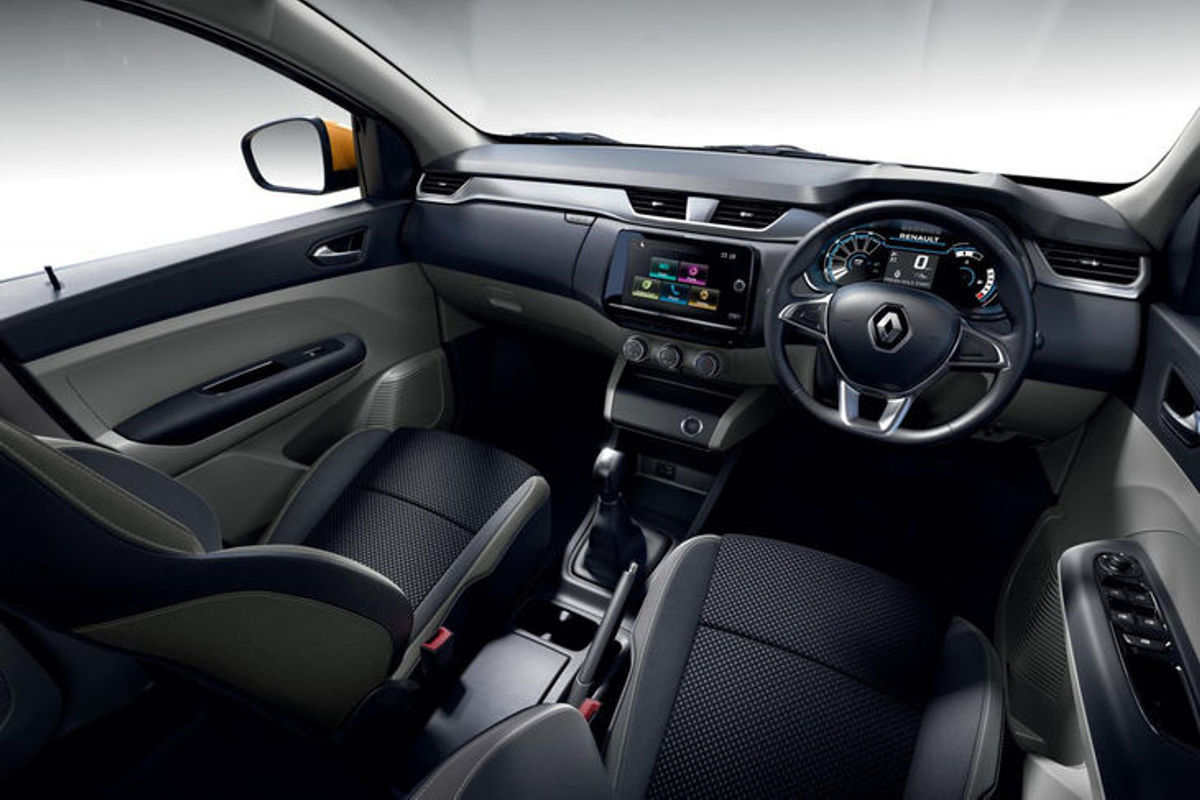
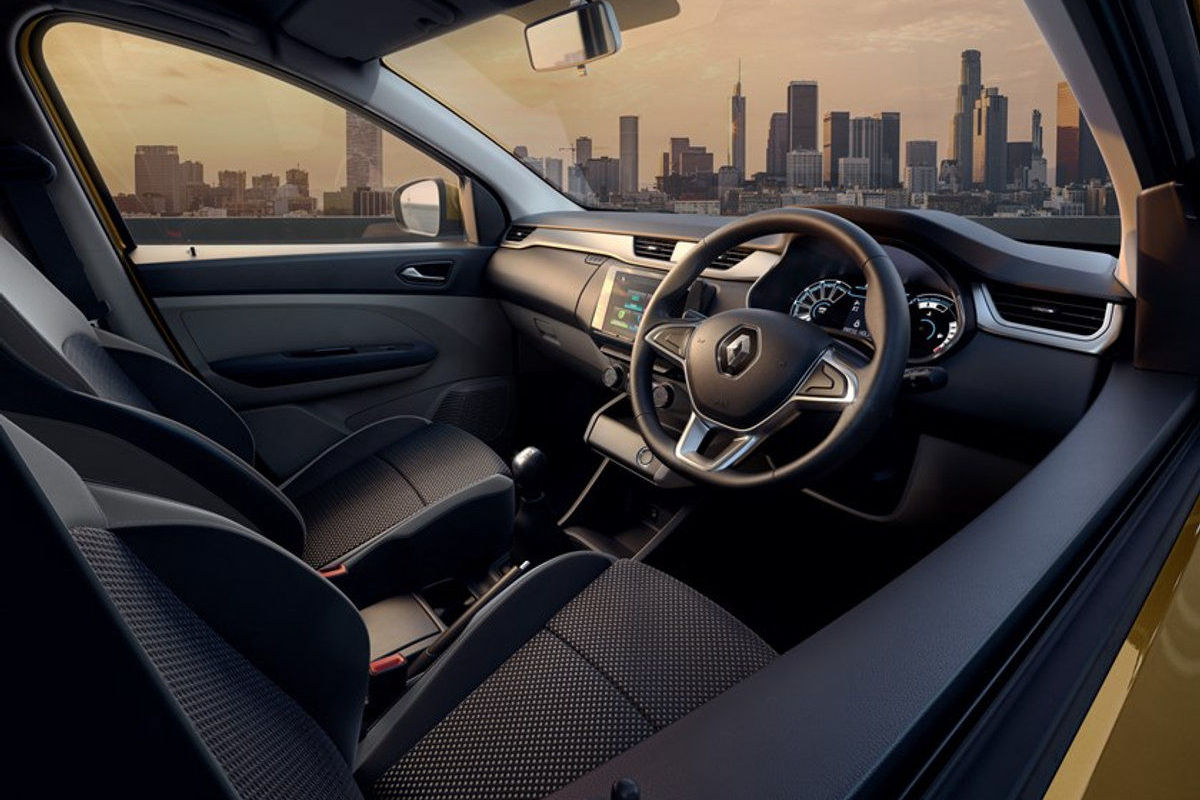
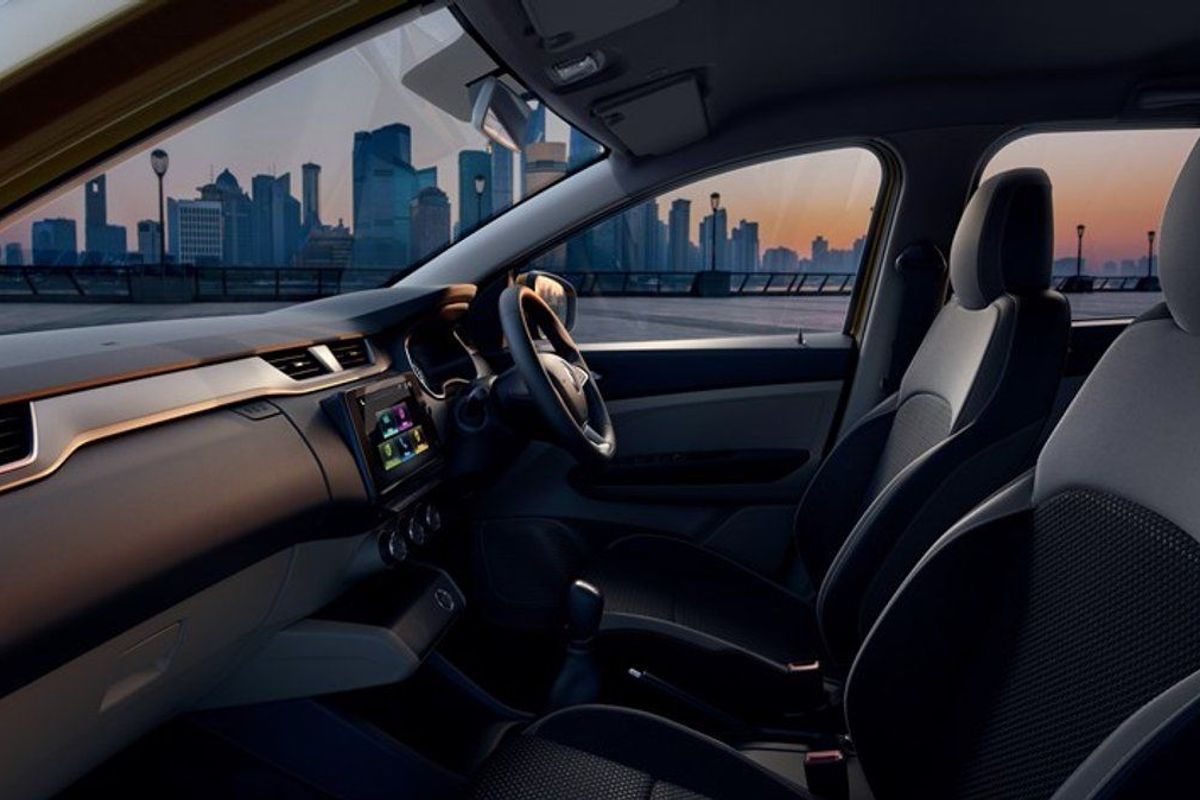
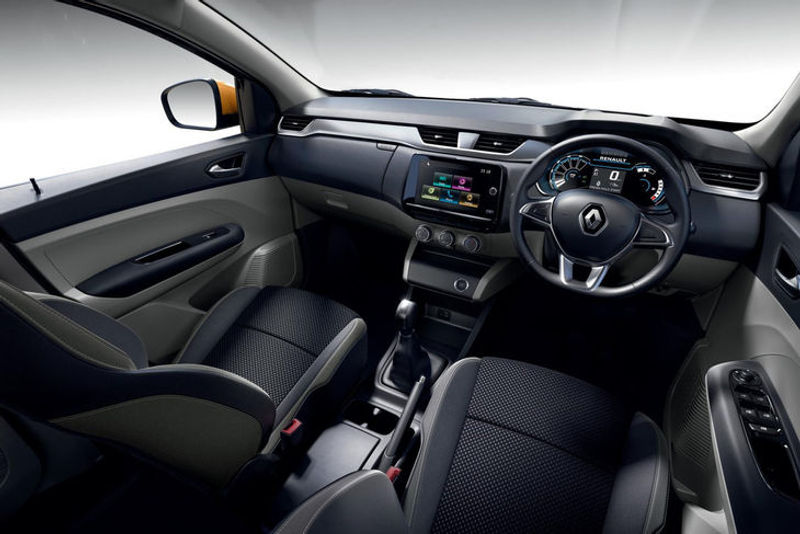
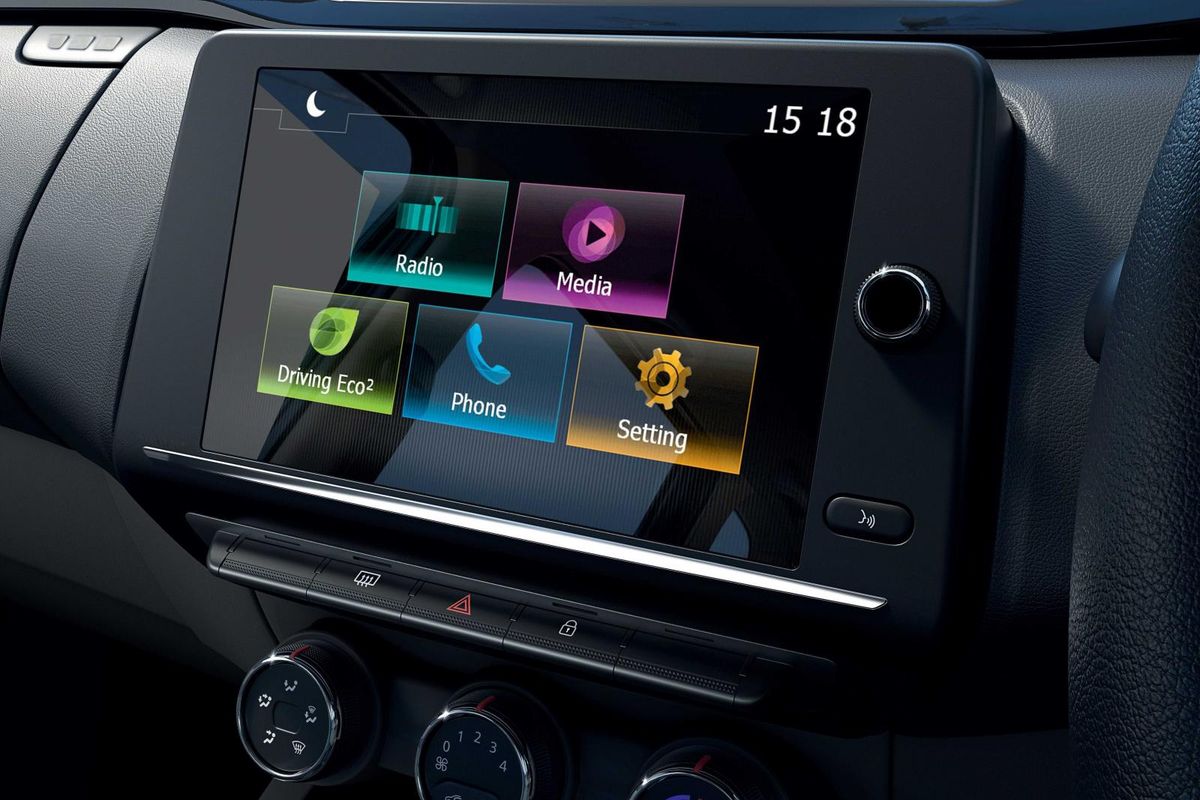
At this price point (the Triber's asking prince is under R200k), the Renault’s extremely well appointed. The Dynamique and Prestige derivatives come equipped with a modern hi-res touchscreen that is compatible with Android Auto and Apple Carplay. There’s a digital instrument cluster and electric windows and -mirrors. There’s only 1 USB port up front and a solitary 12V socket in the rear. Air-conditioning is available in all 3 rows of seats, which is certainly a must-have at the height of summer. It’s effective at providing refreshing ventilation, but does cause a bit of drag on that already-overworked engine. There’s even an air-conditioned centre console and similarly cooled glove box.

As for the materials, as expected at this price point, it’s all coarse plastic. But, the panels seem quite sturdy and the fit and finish pretty good. The armrests on the doors have some soft cloth and that’s about the only bit of soft material in the cabin (aside from the seat stuffing).

As for the seats, they are reasonable. I'd prefer a bit more side support around the thighs and back, but they were comfortable enough over the 300-km route we drove.


There is a lot of kit in the Triber for a price that's very keen.

Practicality is where the Triber really excels, however. Renault expects that most owners will lop out the rear row of seats and run the Triber as a 5-seater (with a comparatively humungous load bay) for most of its life. The 6th and 7th seat can be installed individually as and when required. The 2nd row folds and tumbles forward, but requires fettling by hand tools if you want to remove them entirely. There's good head- and legroom in the rear (for both the 2nd and 3rd rows), which makes the Triber a very usable 7-seater. 

How safe is it?

That will be a big question on a lot of prospective buyers' minds. Two airbags are standard in the Expression and Dynamique derivatives, while the Prestige gets side airbags for a grand total of 4 'bags. ABS with EBD is standard, but there isn’t any stability control. Rear park distance control is fitted and the Prestige version features a reverse camera.

No official crash testing has been done on the Triber yet, but Renault SA says that will happen later this month with the results to be published at a later date. Renault is expecting a much better Global NCAP rating than the Kwid received, so we’ll reserve judgement for now.

Summary


Expect the Triber to sell well, even with its underpowered engine.

The Triber is priced extremely keenly and offers an exceptional amount of space, practicality and equipment. It feels more like a family mini-SUV than the Suzuki Ertiga, Toyota Avanza and Honda BR-V. A lot of that is down its styling, choice of exterior colour and small-on-the-outside, big-on-the-inside feel.

The drivetrain lets the package down due to its lack of power and torque, muddled gear ratios and tricky clutch operation. It’s certainly going to suffer in Gauteng where the altitude will rob further power from it. A turbocharged motor is on the cards, but that could only arrive around the end of the year.

The Triber’s road manners are decent, it’s stable at speed and rides bumps well. The steering could be more communicative at low speed but that's expected in this segment.

It shines in the practicality departments with flexible seating, air-conditioning outlets for all 3 rows and loads of hidey-holes in the cabin for storage. 

I suspect that, like the Kwid, the Triber will find many homes in SA due to its keen price, modern features and sheer value for money. I’d still wait for the turbo though.

Pricing

Renault Triber Expression 1.0-litre ENERGY –  R164 900
Renault Triber Dynamique 1.0-litre ENERGY –  R174 900
Renault Triber Prestige 1.0-litre ENERGY –  R189 900

In terms of after-sales service, the Triber comes with a 2-year/ 30 000 km service plan and a 5-year/150 000 km mechanical warranty. Services take place at 15 000 km intervals.

Related Content

Renault Triber in SA (2020) Specs & Price

Datsun Go 1.2 Lux CVT (2020) Review 

Toyota Rush 1.5 S (2018) Video Review

Mitsubishi ASX (2020) Specs & Price

The updated 2020 Mitsubishi ASX has landed in South Africa. Here are detailed specs and pricing for the newcomer.

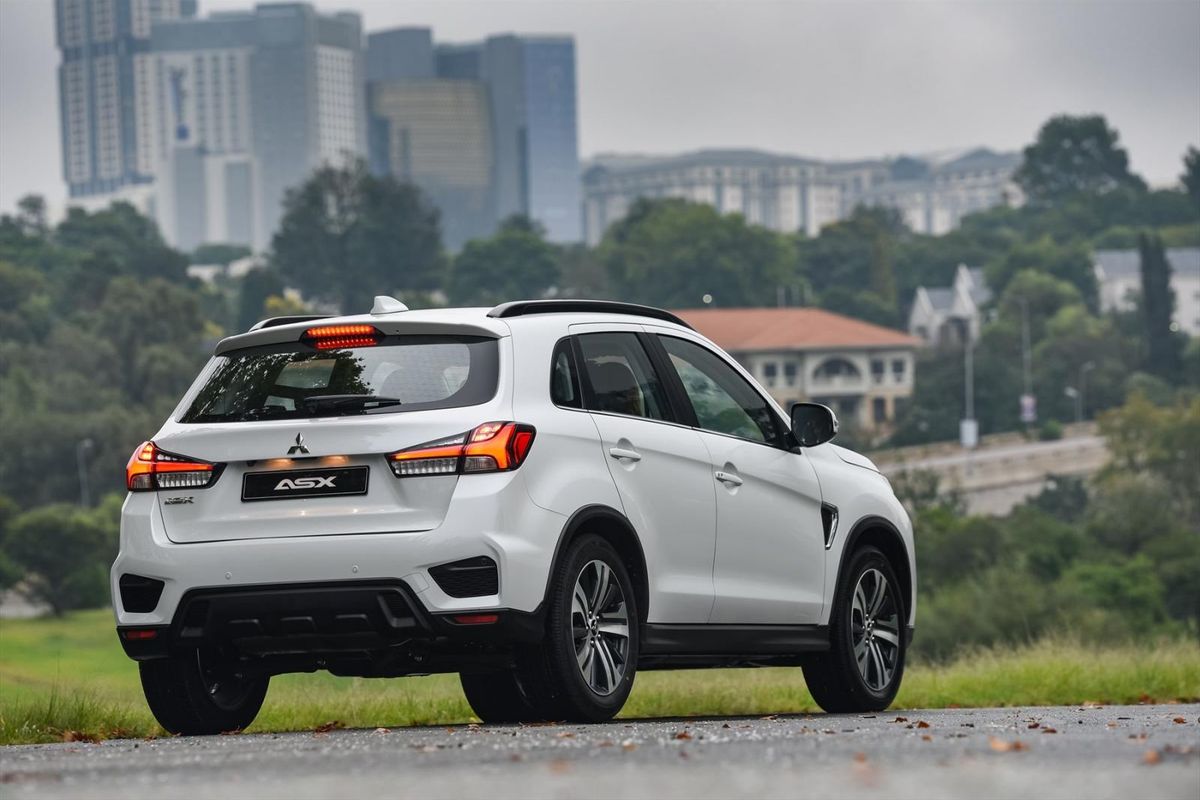
The Mitsubishi ASX has been a solid performer for the Japanese brand and has been on sale in SA for the past 8 years. Now for 2020, the Mitsubishi ASX has been given some updates. both inside and out. 

"The new ASX has an even more attractive appearance front and back as well as a variety of improvements and performance spec," says Nic Campbell, General Manager of Mitsubishi Motors South Africa (MMSA).

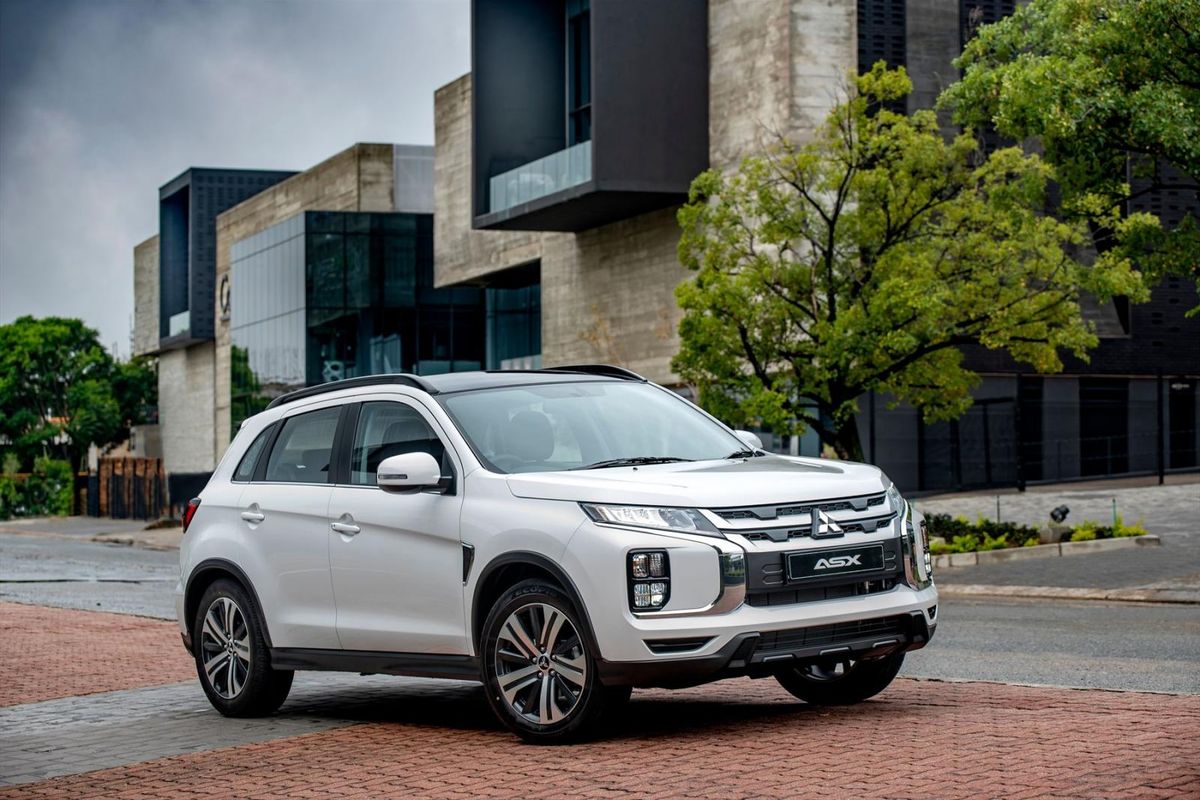
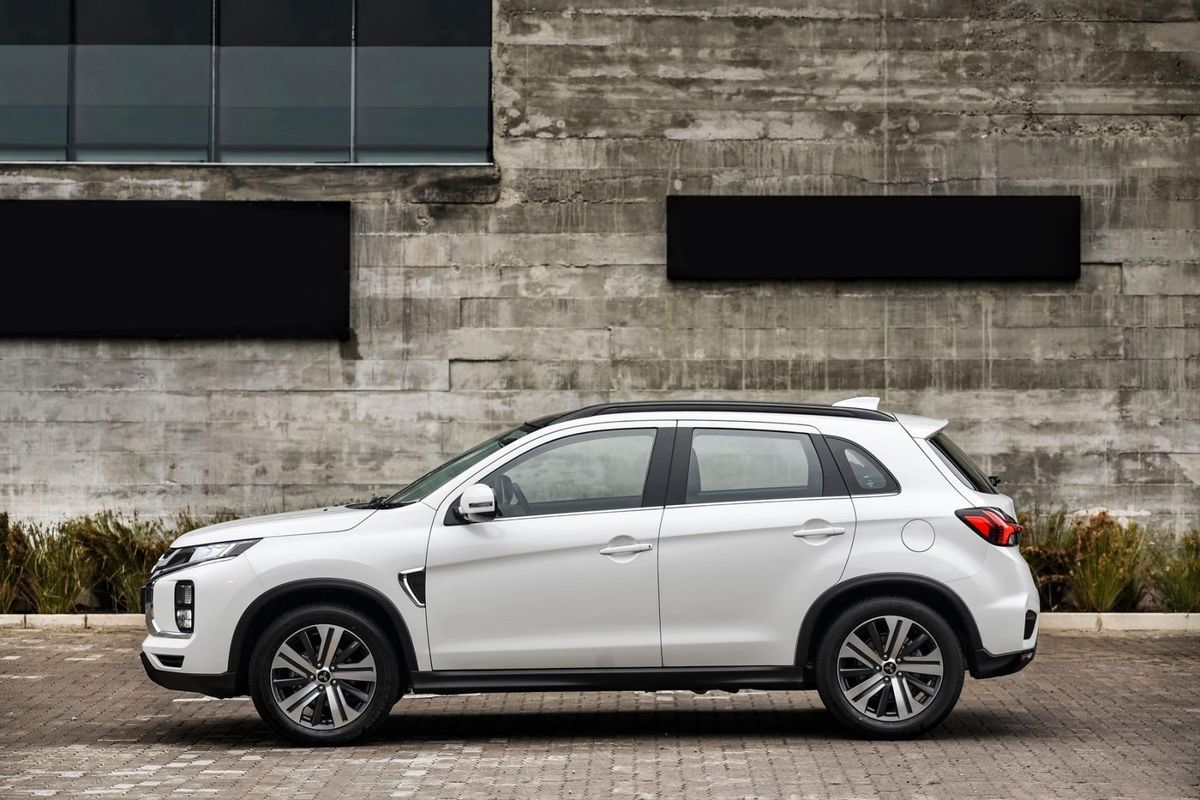
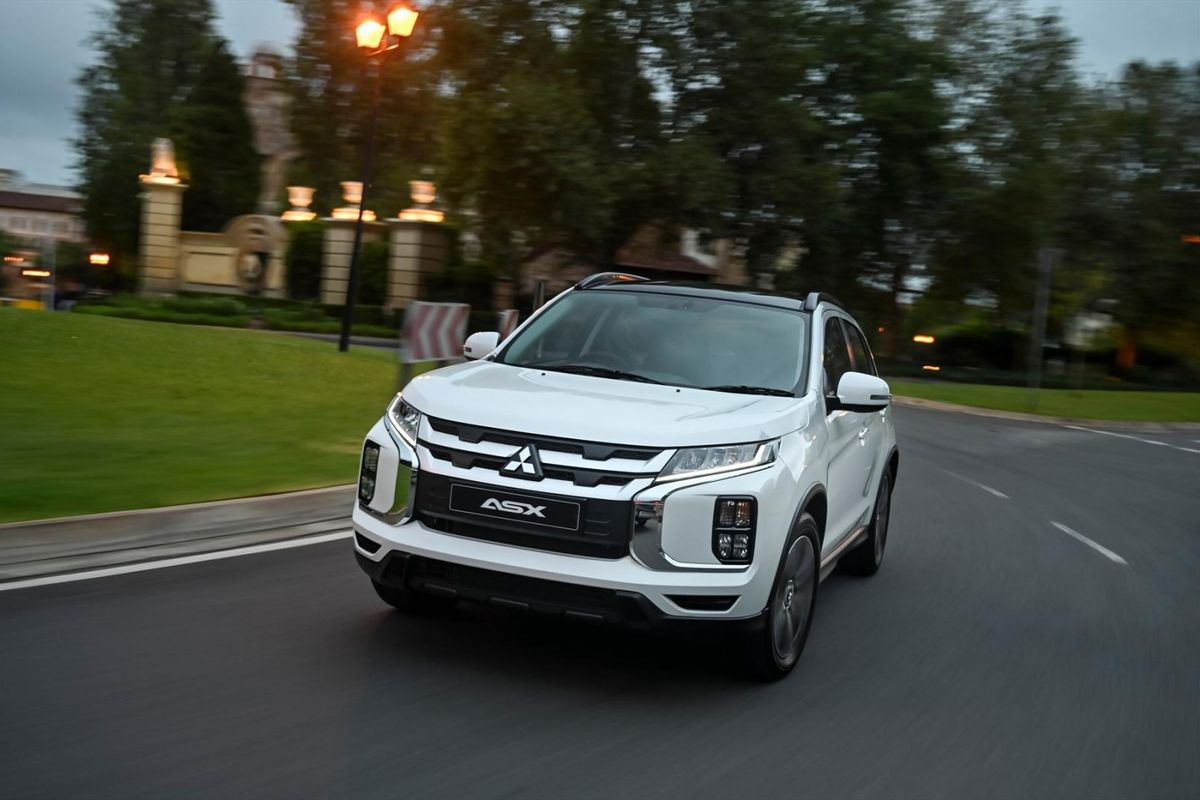
The updated Mitsubishi ASX gains a new bonnet, LED headlights, LED daytime running lights as well as a new-look grille and front end. The back sees the introduction of LED lights. There are also new 18-inch alloy wheels and a new range of colours.

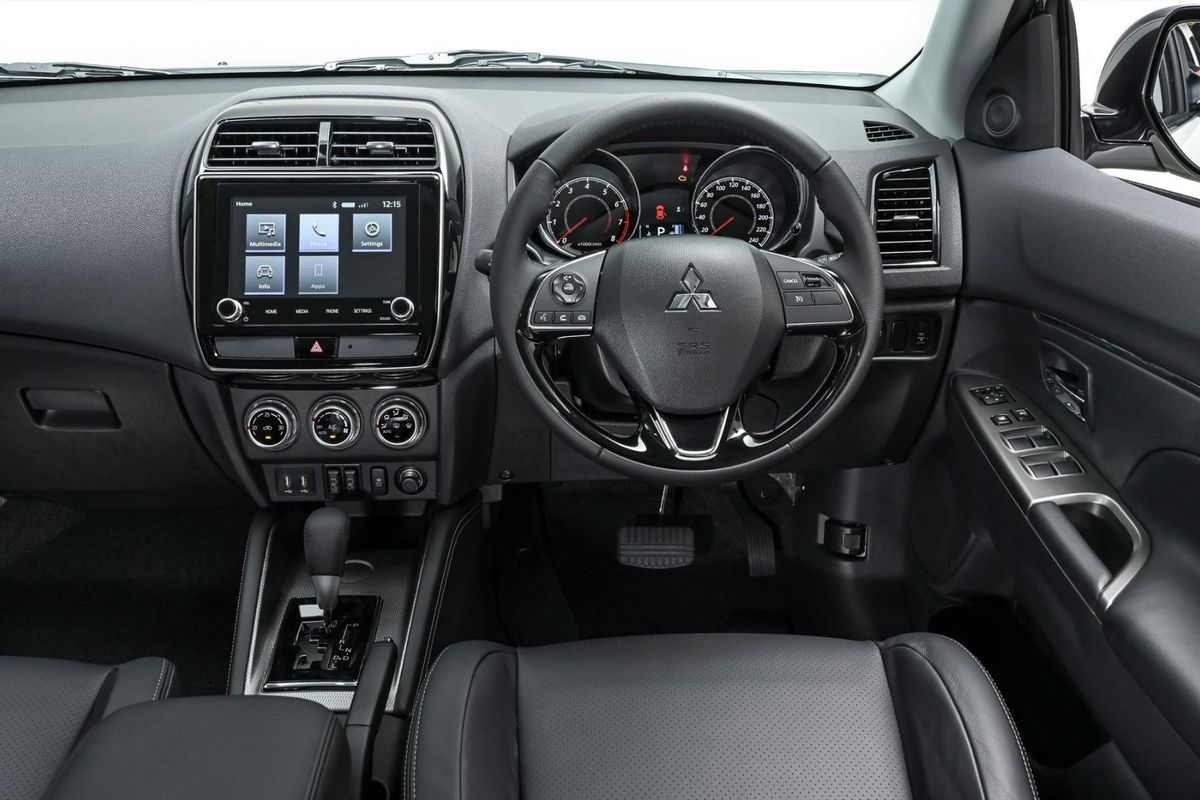
Inside, the updated ASX gains a modern infotainment system 8-inch screen along with Apple Carplay and Android Auto. It also features a panoramic glass roof. 

In terms of engines, the 2020 Mitsubishi ASX is powered by an updated version of the 2.0-litre MIVEC motor offering up 110 kW and 197 Nm. A 5-speed manual gearbox and a 6-speed CVT are available. For those wanting to tow, the AX boasts an improved rating of 1 260 kg (braked) for the manual transmission and 750 kg for the CVT (unbraked).

Mitsubishi ASX Price in South Africa (February 2020)

The ASX is covered by Mitsubishi Motors' Manufacturer's Warranty of 3 years or 100 000km, a 5-year / 90 000 km Service Plan and a 5-year / unlimited mileage Roadside Assistance. Service intervals are scheduled at every 15 000 km or once a year.

Mitsubishi ASX 5-speed M/T R379 995

MItsubishi ASX 6-speed A/T CVT R399 995

Further Reading

Mitsubishi ASX (2019) Specs & Price
Biggest Facelift Yet For Ageing ASX

Fiat’s New Double-cab Revealed

Slick design for Fiat’s little double-cab

Fiat has revealed its new Strada, and the compact double-cab is a looker.

The latest version of Fiat’s own bakkie has all the design flair you’d expect from an Italian brand. An oversized hexagonal pattern grille dominates the front view, flanked by large, sweptback, headlamps.

New Strada’s bonnet has two distinct ridges, which flow into the bakkie’s A-pillar. The cab’s doors appear proportionally large, especially at the rear, which should allow for ease of ingress and passenger debussing.

Fiat’s latest Strada also has an interesting roof rail design. It is part of a single moulding that includes the loadbin roll bar, the latter which will in all not be a structural safety component, but rather only an additional tie-down point for securing items in the rear.

There are no interior images of the Strada available as yet, but the expectation is that most of Fiat’s current budget passenger car componentry is present.

In terms of mechanical specification, Fiat has confirmed its new Strada will retain the previous-generation 1.4-litre naturally-aspirated engine for an entry-level derivative. The company will also be assembling the new Strada with its more advanced 1.3-litre petrol engine.

Both engines drive the front wheels via a five-speed automatic transmission. The new Strada is Fiat’s counter to Renault’s Oroch, competing for sales in the South American compact bakkie market.

There is not confirmation that Strada will make a return to South Africa, although orders books for its Brazilian customers are opening in March.

Related content

Nikola Badger is one Badass Bakkie

Why VW Should Build this Electric Bakkie

Why Toyota Never Built a Corolla Quest Bakkie

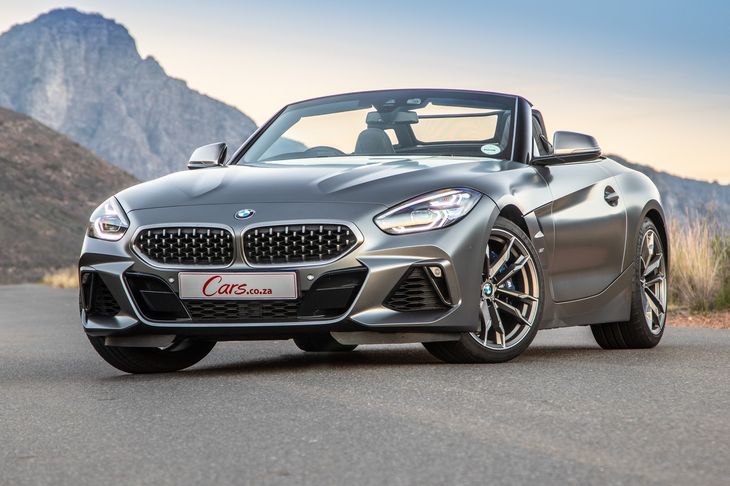
35 kW more for BMW Z4, Toyota GR Supra

BMW has quietly upgraded its flagship Z4 roadster’s turbocharged 3.0-litre straight-6 to produce a peak power output of 285 kW (up from 250 kW) and Toyota will do the same in due course with its GR Supra, which, of course, shares its powertrain with the Bimmer…

You can always do with a smidge more power, can’t you? Late last year, it was widely reported that BMW would introduce a higher-output version of the engine in its top-of-the-range M40i derivative of the Z4 range. It was expected to be phased into the global market during the 1st quarter of 2020 and upon a recent visit to BMW SA’s website, we noticed that according to the latest product brochure, the M40i now produces 285 kW (an extra 35 kW), while the motor's peak torque figure (500 Nm) remains unchanged.

The performance characteristics of the motor are a little different, however. Maximum power is now available in a narrower band (5 800-6 500 rpm instead of 5 000-6 500 rpm, but the peak torque range is notably wider: from 1 800-5 000 rpm instead of 1 600-4 500 rpm.


The M40i version of the BMW Z4 is now more powerful, but the manual 'box option of the 2.0-litre version is not on cards for ZA.

As a result, the Z4 M40i – equipped exclusively with an 8-speed automatic transmission ­– is claimed to shave 0.4 of a second off its 0-100 kph time (from 4.5 seconds to 4.1 seconds), but as far as we can ascertain, the listed asking price of the Z4 flagship (just over R1 million, excluding delivery and before options) remains virtually unchanged.
What’s good for the goose…

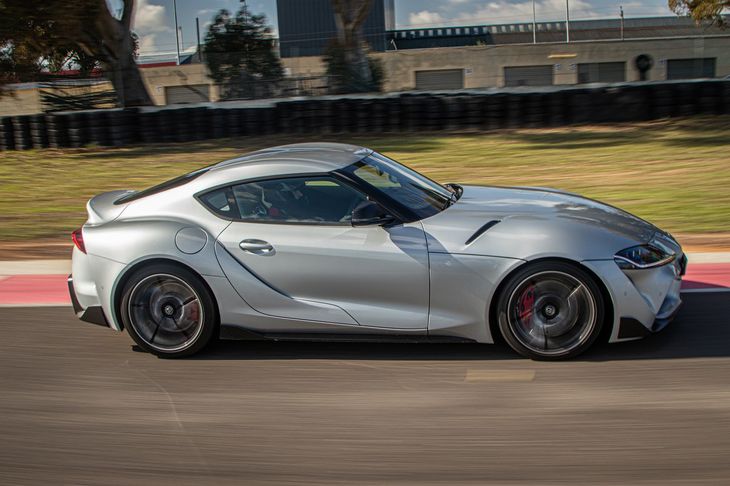
By now it’s common knowledge that the Toyota GR Supra, which was recently named the winner of the Performance Car category of the 2019/20 Cars.co.za Consumer Awards – powered by WesBank, is mechanically similar to the BMW roadster – the models were developed in tandem by Toyota and BMW.

Toyota Australia has been the first to show its hand – this week the firm confirmed that the GR Supra coupe would receive that 35-kW upgrade as well, although the lack of stock availability in that market means that upgraded versions will only be made available towards the latter half of 2020 and probably at a slight price premium.

The visceral Toyota GR Supra was recently crowned the 2019/20 Performance Car category winner in the #CarsAwards.
Apart from an improvement in the claimed 0-100 kph time of the GR Supra (4.3 seconds is officially claimed for the SA-spec model, so we expect a faster time of closer to the 4-second mark), the 2020 model features a number of upgrades compared with the current version.

Toyota has fitted lightweight aluminium chassis braces in the GR Supra’s engine bay to increase lateral rigidity and tweaked the coupe’s  (adaptive) suspension tuning. Furthermore, there have been recalibrations of the electric power steering, electronic stability control and active differential to sharpen up the sportscar’s handling.

We’ll confirm the expected local introduction date of the upgraded GR Supra as soon as more information becomes available…

Related content:

BMW Z4 M40i (2019) Review

BMW Z4 sDrive20i Sport Line (2019) Review

Hot Toyota Supra GRMN Coming in 2020? 

SA Tuner Creates 310 kW Toyota Supra

Toyota GR Supra 3.0T (2019) Review