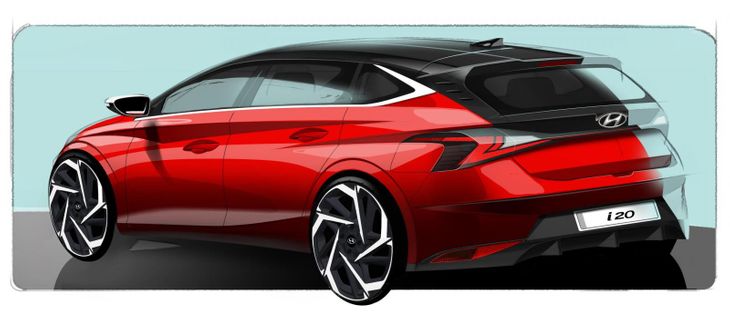
Hyundai will unveil the next-generation i20 at the upcoming Geneva Show and the firm has released a pair of imaginative design sketches to whet our appetites. It’s touted to be the first hatchback to incorporate the Hyundai's new “Sensuous Sportiness” design language…
The current i20 compact hatchback is a perennial sales success for Hyundai South Africa but, by virtue of being in the twilight of its product cycle, it's one of the Korean brand’s most conservative offerings, well, at least compared with its newer models. Owing to the fact that we get the Indian-market version in South Africa, instead of the European model, the derivatives in Mzansi are more moderately equipped to cater specifically for the value-for-money/mid-spec light hatchback market.
Should you expect more of the same? While these design sketches do seem fanciful and overblown compared with what we’ll find in showrooms when the newcomer arrives on our shores, but they suggest that the next i20 won’t just be a modernised version of what we have now; it will showcase the brand's “Sensuous Sportiness” design language, which combines “proportion, architecture, styling and technology” to “bring instinctive beauty to Hyundai(s)" by "creating emotional value and (producing) a distinctive look”.
From the front, the dominant design cue of the all-new i20 is ostensibly a cascading grille and (markedly) upwardly-contoured bonnet, while the swept-back headlamp clusters and bold character lines on the flanks emphasize the car’s sporty proportions and hunkered stance. The second image highlights a rear aspect dominated by ornate C-pillar garnishes and LED tail lamps with Z-shaped lighting elements, which are, in turn, linked by a pronounced lip midway up the tailgate. It's a tantalising prospect…
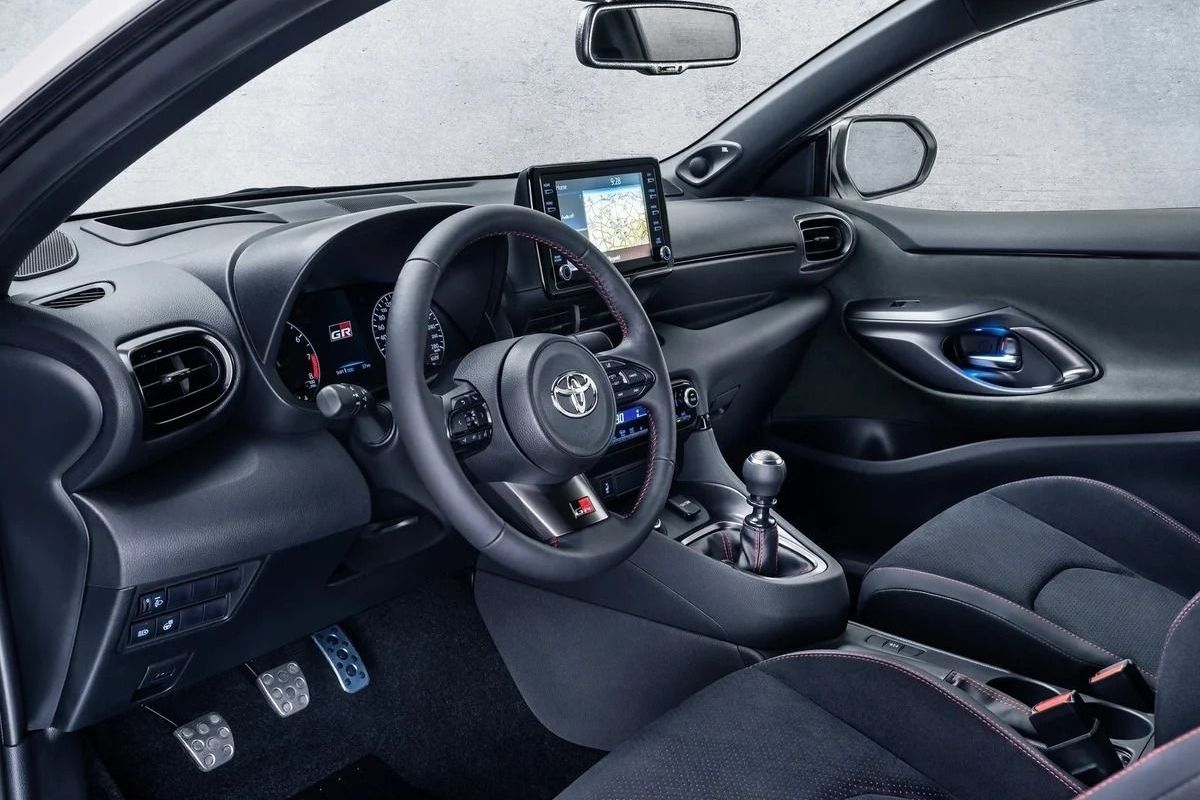
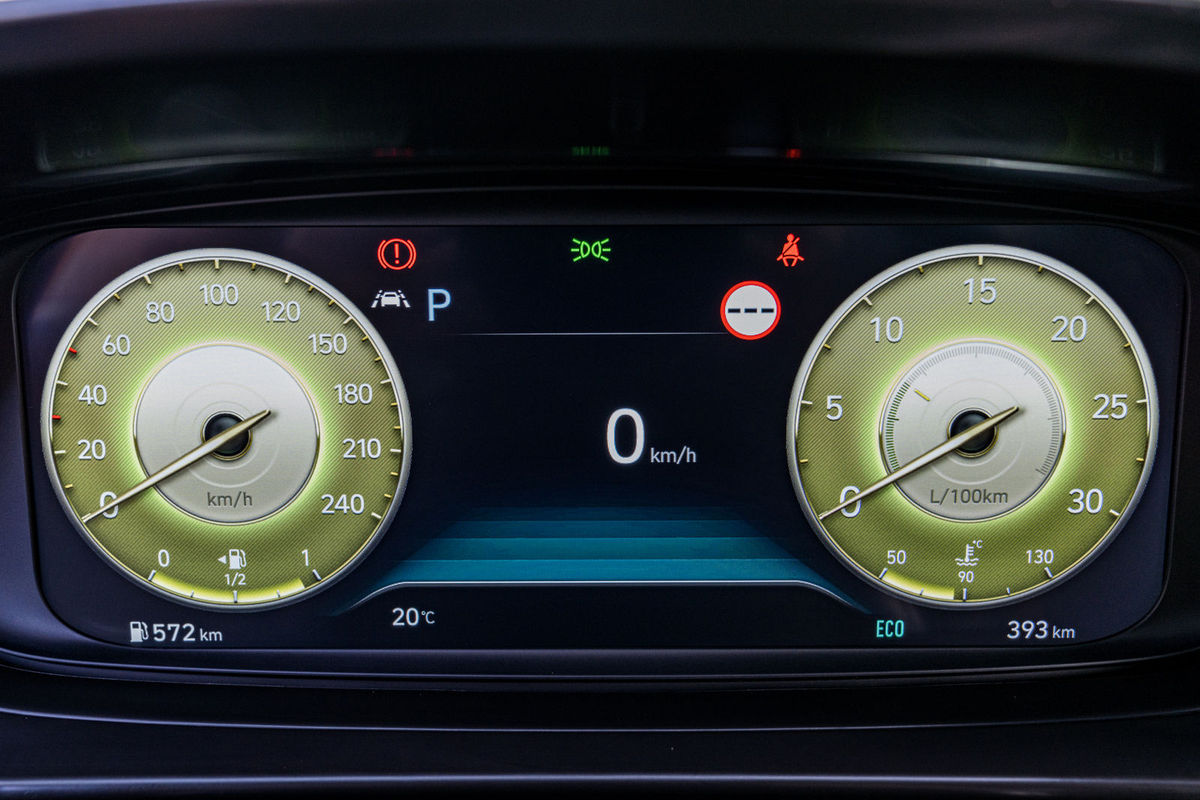
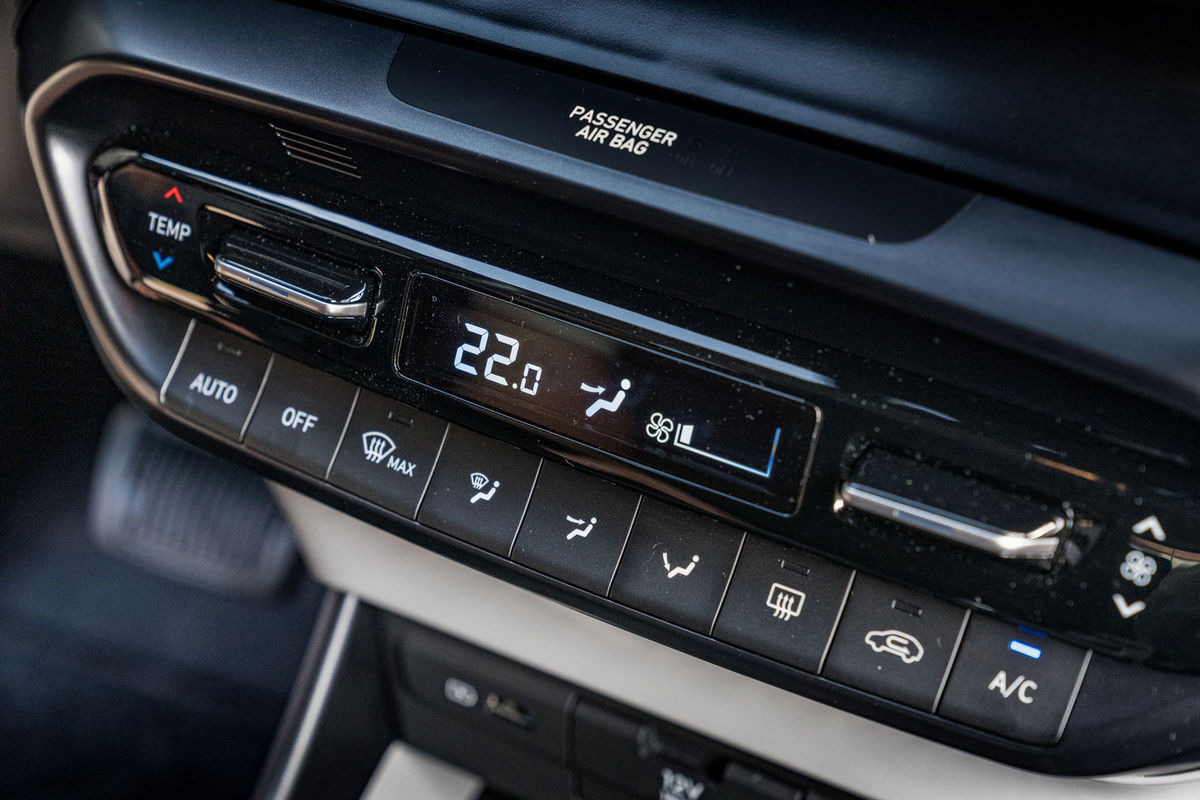
The newcomer’s interior is left up to the imagination… Hyundai claims the dashboard features “horizontal blades” that “emphasise the width of the fascia and disguises the air vents”. Keeping with the trend of increasingly-digital interiors, the instrument cluster and infotainment screen “have been combined” and comprise two 10.25-inch screens.
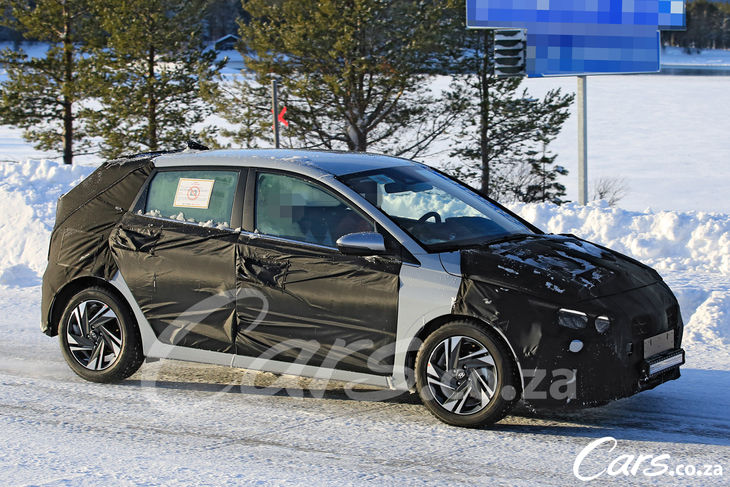
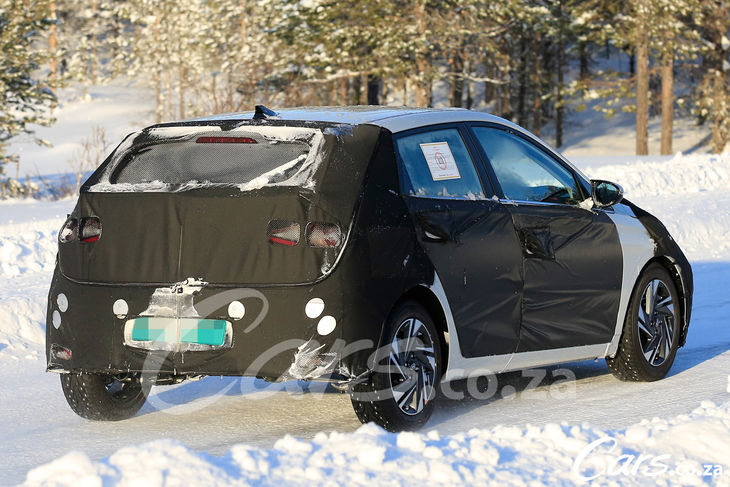
Earlier this week, we published spy photographs of a pre-production i20 undergoing winter testing. The current version is powered by either a 1.2- or 1.4-litre naturally aspirated engine, but we wouldn't be surprised if the 88 kW/172 Nm 1.0-litre turbocharged 3-cylinder motor from the Venue and Kona made an appearance in the new i20. If so, it would mark two firsts for the Hyundai's Volkswagen Polo-rival in South Africa: a turbopetrol motor and a dual-clutch transmission (in 1.0-litre automatic guise).
And keeping with the sportier and dynamic theme, with the imminent local launch of the eagerly-anticipated Hyundai i30N hot hatch, these sketches of a sportier and dynamic next-generation i20 raises hopes that an i20 N derivative might eventually be offered in South Africa, replete with sporty suspension, race suspension, stronger brakes and a purposeful body kit. If rumours are to be believed, the i20N will be powered by the Veloster Turbo's 150 kW/265 Nm 1.6-litre 4-pot turbopetrol.
We don’t yet know when the new-generation i20 will be made available in South Africa, but we don’t expect to see it here before late 2020 or early in 2021….
How to Follow the 2019/20 #CarsAwards Powered by WesBank
It’s #CarsAwards week and together with South Africa’s leading vehicle financing powerhouse, WesBank, we are excited to bring you the 5th iteration of the Cars.co.za Consumer Awards powered by WesBank! Here is what you need to know to follow all the action as it unfolds…
The #CarsAwards is the largest and most influential awards event on the motoring calendar in South Africa. The 2019/2020 iteration of the Cars.co.za Consumer Awards powered by WesBank will culminate in the announcement of the winners across 13 categories as well as the announcement of the coveted Brand of the Year, all of which will take place at the #CarsAwards gala event to be held at Kyalami Grand Prix Circuit this coming Thursday, 6 February 2020.
South African TV presenter, media personality and businesswoman, Bonang Matheba, will be the MC at #CarsAwards
The gala event will be attended by industry heavyweights, OEM and sponsor representatives, local media houses and various South African celebrities including Bonang Matheba, who will be this year’s Master of Ceremonies, joined by guest presenters Lalla Hirayama, Maps Maponyane, Ms Cosmo, Nico Panagio and many, many more…
The #CarsAwards powered by WesBank is an event not-to-be-missed! Here's how you can follow all the action…
How to follow and watch #CarsAwards
1. Watch the live stream on the Cars.co.za YouTube channel (See below)
You can also set a reminder by clicking play on this video which will notify you again when the event starts on Thursday.
4. Follow the #CarsAwards hashtag on all our social channels
Please feel free to engage with us across all our social media channels, see you there and enjoy!
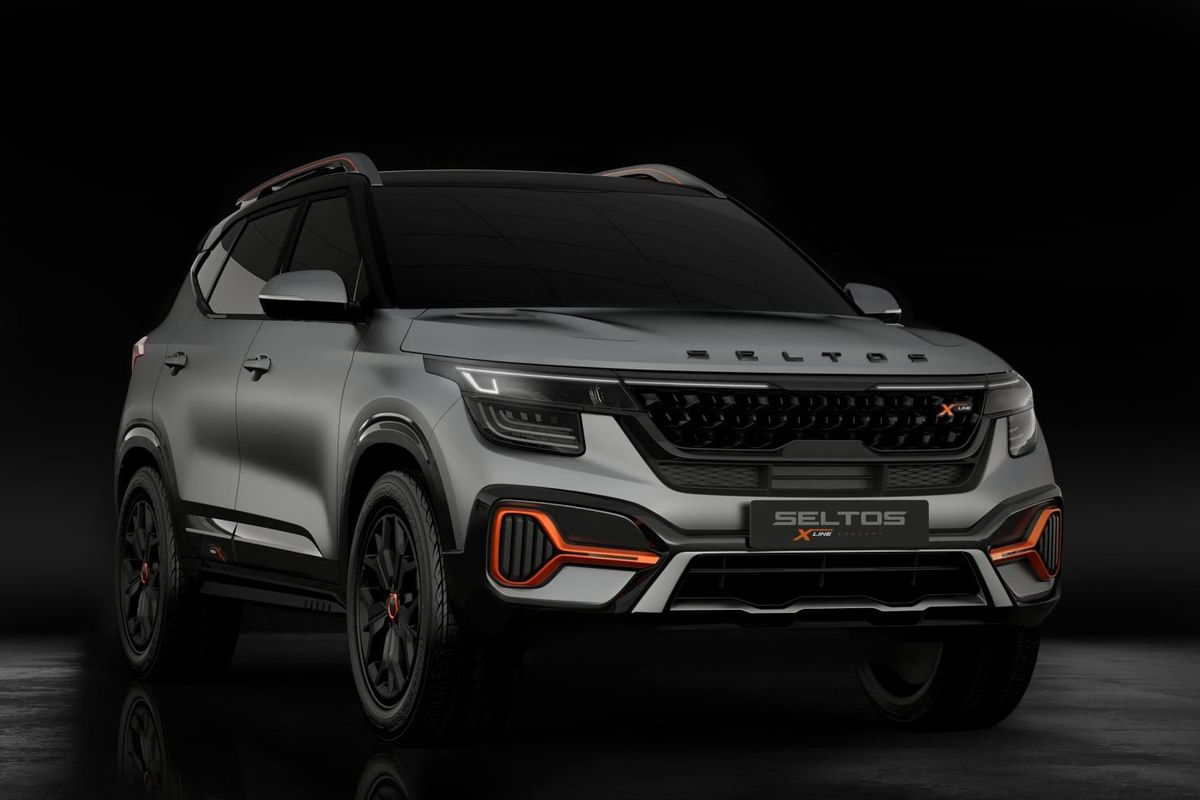
Kia Seltos X-Line Concept Showcased
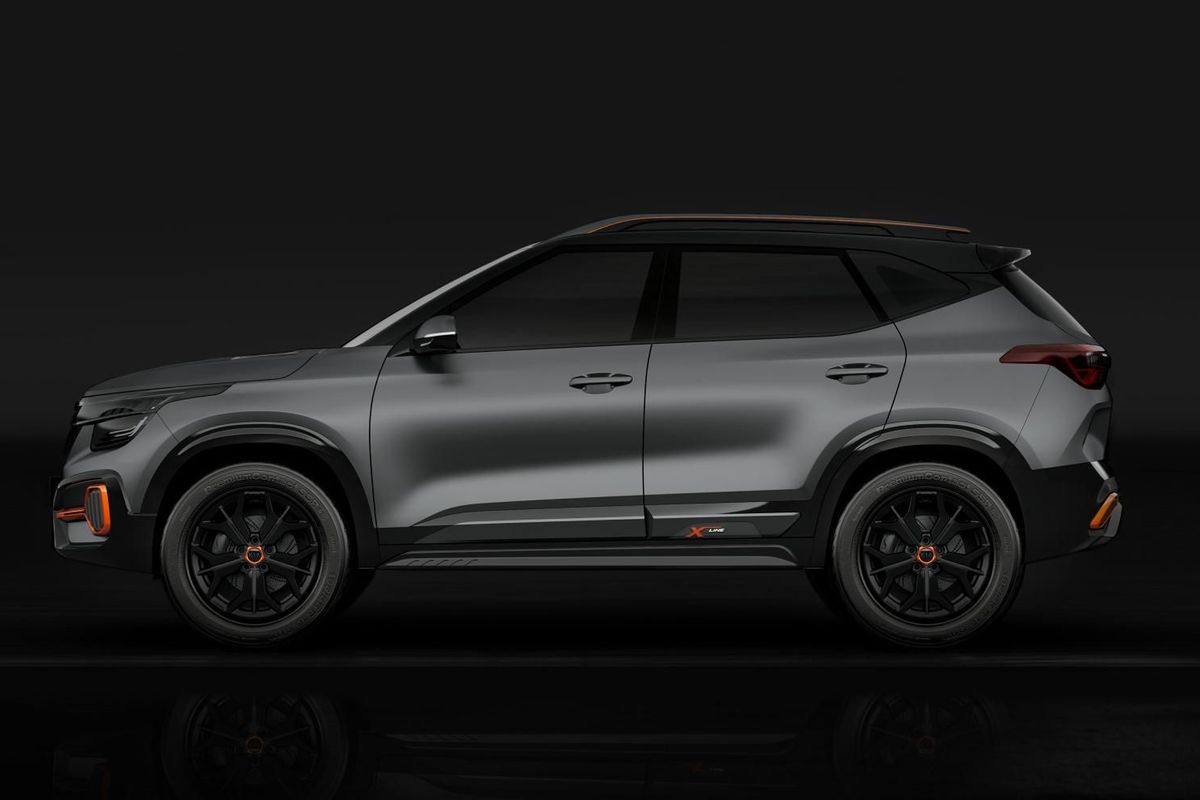
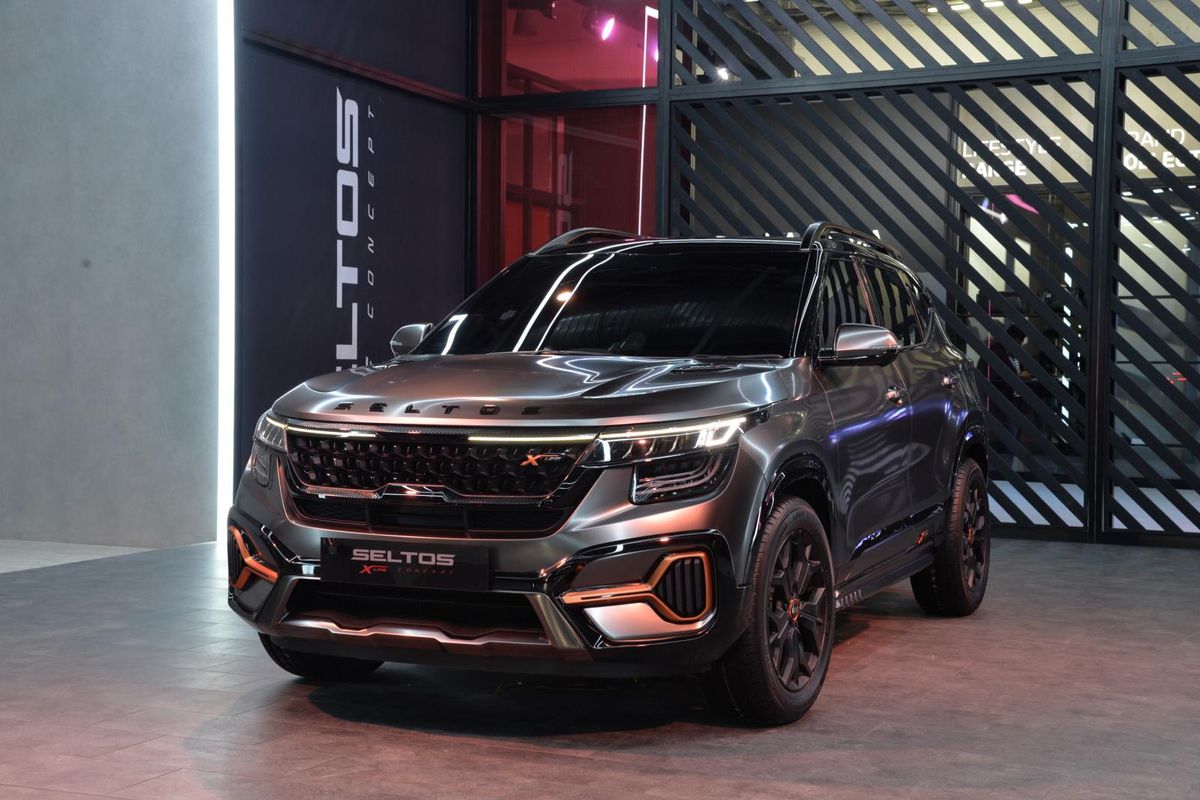
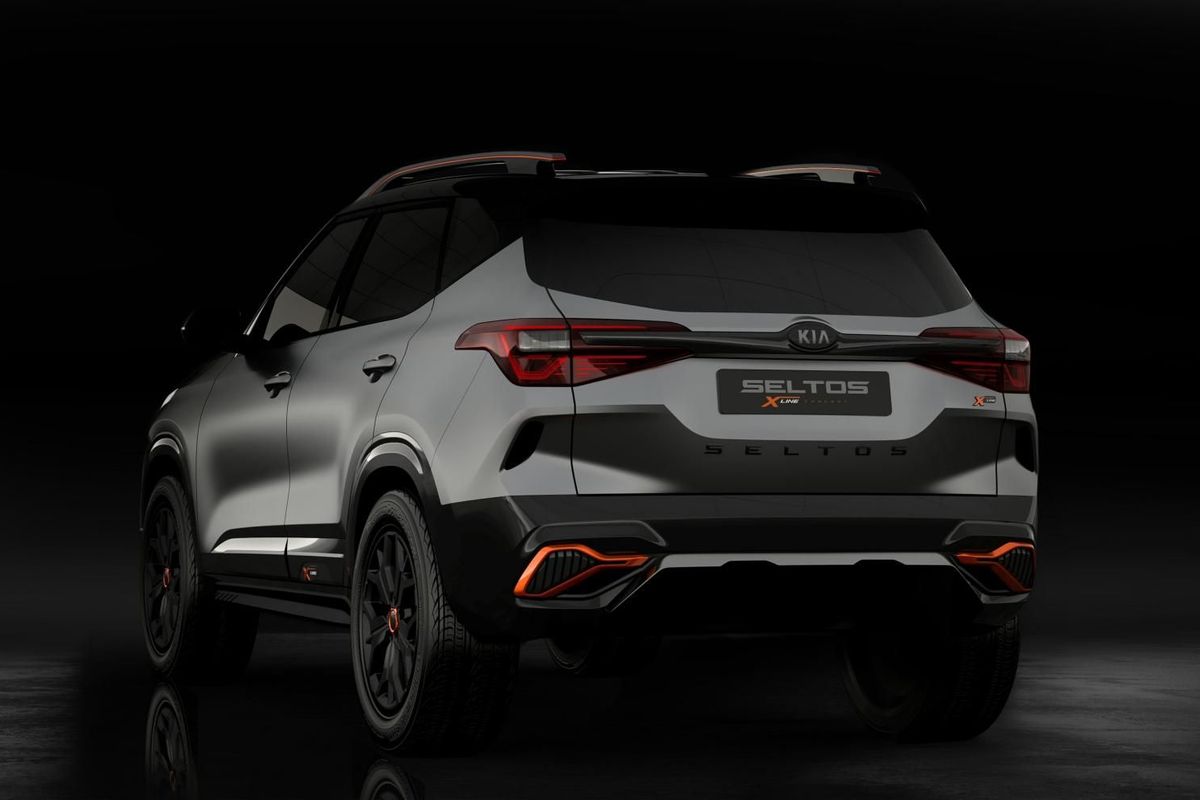
Kia has used the Auto Expo India to show off some cool concepts, including this radical Seltos X-Line Concept.
The Kia Seltos has reached South African showrooms and while we have yet to sample it locally, our brief taste in India gave us a good feeling. Now Kia has revealed this striking concept vehicle, which Kia claims is a bolder reinterpretation of the Seltos.
It's called the Kia Seltos X-Line Concept and it boasts a much bolder style. The front end gains an enhanced and aggressive bumper and grille, while the rest of the bodywork looks more suited to offroad applications. There's also a skid plate and roof rack for those wanting to head offroad.
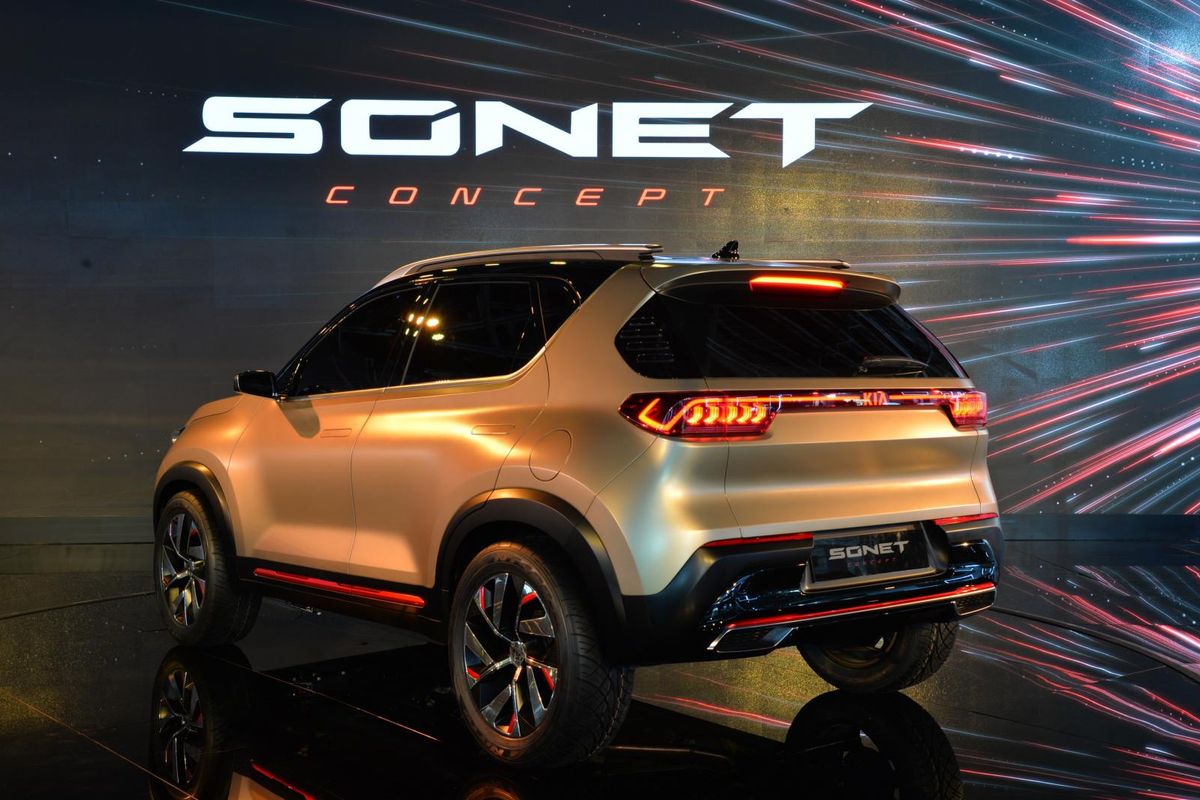
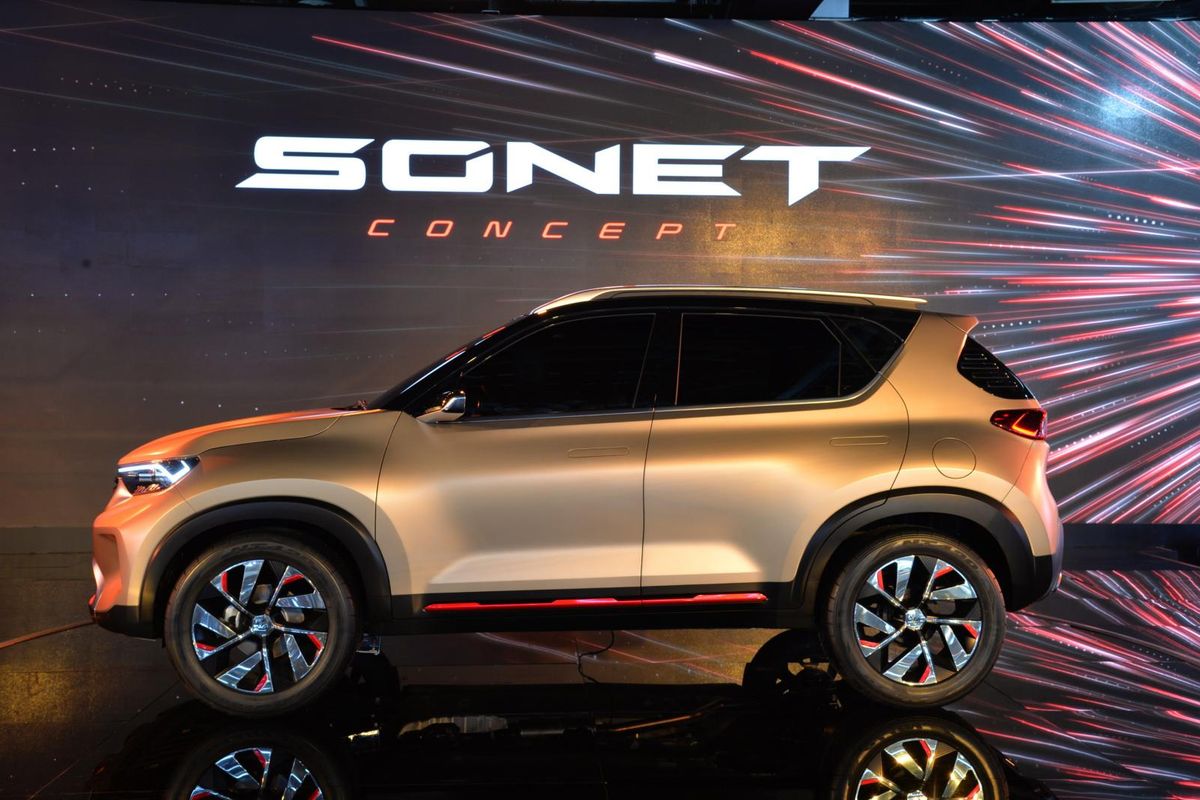
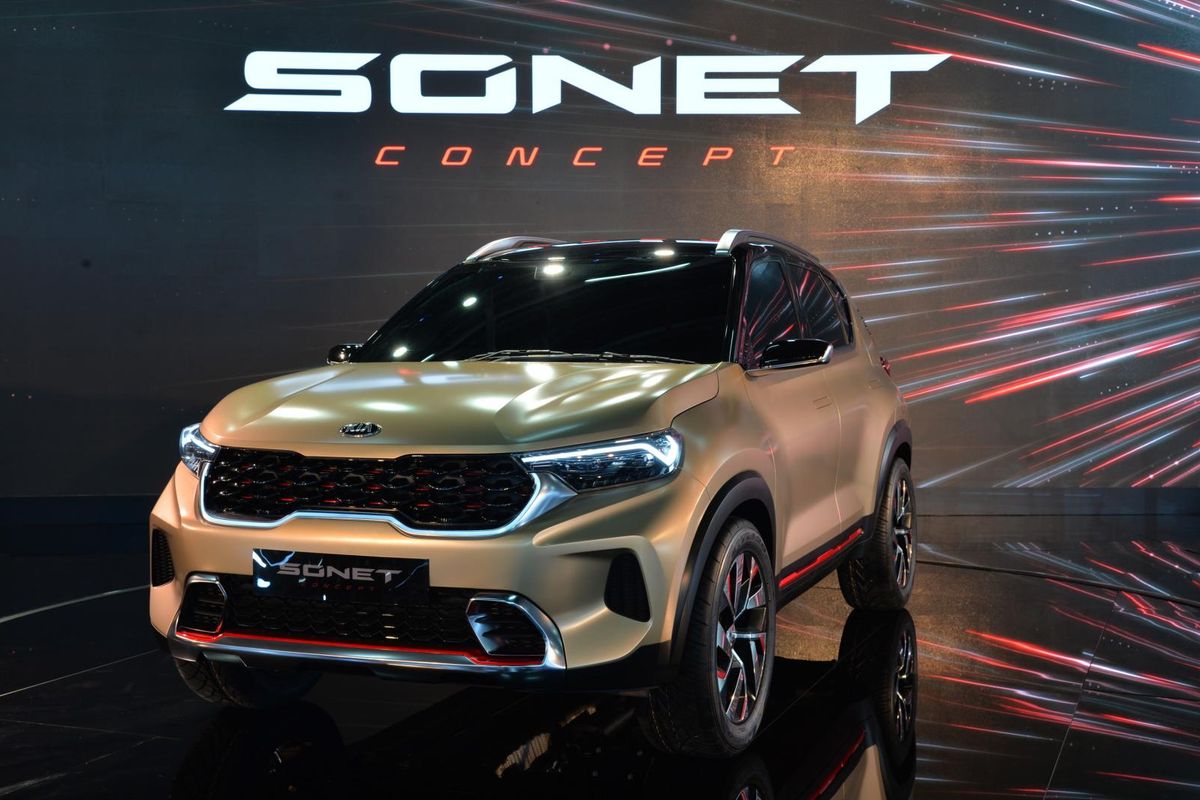
Kia has unveiled its new Sonet compact SUV concept car at the Auto Expo, India. This concept previews a future compact SUV for the global market.
Kia is moving fast on this one, with the aim of converting this concept into a production reality by the second half of 2020.
From these photos, we can see the Kia Sonet is a striking vehicle, with the brand claiming it adopts the latest design elements like the signature ‘tiger-nose’ grille. Inside, the Sonet is targeting the young demographic who love their technology. The vehicle is fitted with a 10,25-inch infotainment and navigation system with UVO Connect, a Bose premium audio system, and an intelligent manual transmission (iMT). Kia is claiming best-in-class interior space and certain first-in-class features.
Could it work in South Africa?
The question remains whether there would be a solid business case for a vehicle such as the “Sonet” in Mzansi… Kia Motors South Africa is preparing to roll out facelifts of the Picanto and Rio during 2020 as well as the new Sorento; if the brand’s sub-Seltos small SUV was viable for local introduction, could it perhaps cannibalise Rio sales? Perhaps.
But remember that Korean cousins Hyundai and Kia’s product line-ups have traditionally competed model for model (with a few exceptions) in South Africa… If the Venue could be successful for Hyundai SA, why couldn’t the “Sonet” be a success story for Kia? We'll be sure to keep you posted.
Ferrari sales at record levels, but business is tough
The world’s most iconic performance car brand had its most successful sales year ever, in 2019.
Although Ferrari has traditionally applied a policy of strict customer selection by controlling available vehicle supply, that appears to be relaxing.
Exclusivity is being replaced by the reality of supply and demand in relation to the famous cars from Maranello. When all the final delivery numbers for 2019 were totalled, Ferrari sold 10 131 cars. This was the first time the Italian brand had ever managed to deliver more than 10 000 cars in a year.
Ferrari’s record deliveries managed to net the company total revenues of R61bn. The baseline numbers might look impressive, but like many other car companies, Ferrari would rather forget about 2019 as a business year.
Despite record deliveries in 2019, Ferrari made less money, which is an upsetting scenario afflicting many car companies. Revenue was up by 10%, yet profits were down by 11%, and ended up at R11.4bn for the year.
Of some relevance for local fans of the brand, was strong market growth for Ferrari in Europe, the Middle-East and Africa, with this clustered region up by 16%. Ferrari’s most important market, America, was down 3%, whilst its broader Chinese business (including Hong Kong and Taiwan) grew by an amazing 20%.
Ferrari will be adding more models in 2020 including an SUV, growing its product portfolio larger than ever before. Whether that will generate a surge in profits, remains to be seen.
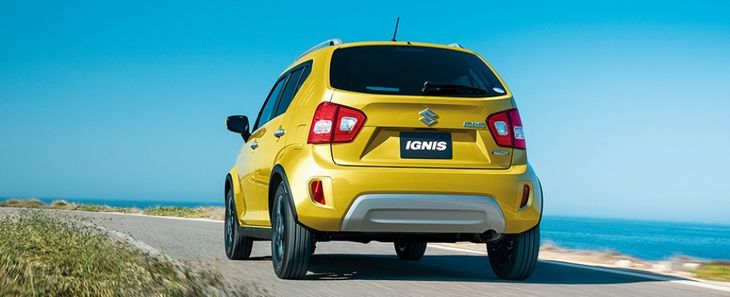
Suzuki has released official images of its Japanese-spec 2020 Ignis ahead of the unveiling of the new-look budget car/small crossover in India, where the cars which are sold in South Africa are produced. It's been confirmed that the facelifted version will be heading for Mzansi soon…
Late last year, Cars.co.za reported Suzuki South Africa had introduced special editions of its Ignis and Swift, the former in 1.2 GL and 1.2 GLX guises, to the market. And now that a facelifted version is coming, it makes sense that the Japanese firm sweetened the deal on pre-facelift derivatives before the 2020-spec cars went into production.
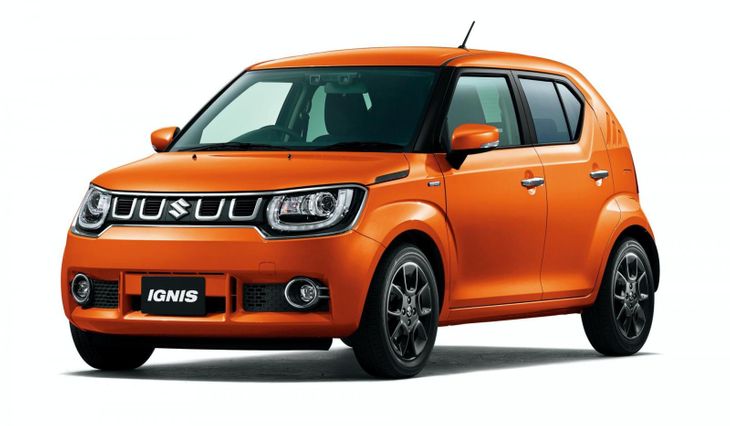
The standard version (which we know as the 1.2 GL derivative) will probably resemble this orange example.
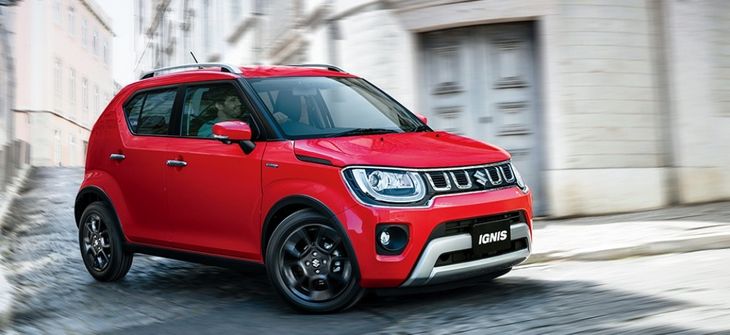
Although we haven’t seen the new look Indian-spec Ignis, Suzuki has published these images of its JDM model, replete with a new grille design with 4 four vertical chrome slots that replace the previous version’s horizontal bar. It's been reported that this grille treatment will feature on all derivatives.
At the back, a new fully-colour-coded rear bumper replaces the current model's broad strip of black plastic. Most of these images depict the new MF grade that features SUV-inspired design elements such as purposeful-looking light grey bumper accents (front and rear), black plastic cladding around the wheel arches, subtle side skirts and roof rails. The rear treatment of the MF grade looks slightly different too, with red trapezoidal lenses housed in recesses on either end of the bumper.
Could the higher-spec versions sport these crossover-style bumpers, in addition to black wheel-arch trims and roof rails?
The MF grade Ignis utilises a 1.2-litre naturally-aspirated 4-cylinder petrol mated with a CVT and a mild-hybrid system, which almost certainly won’t be offered in South Africa, and don’t hold your breath for the introduction of AWD versions either. What this MF grade does show, however, is what the facelifted model’s GLX spec will probably look like.
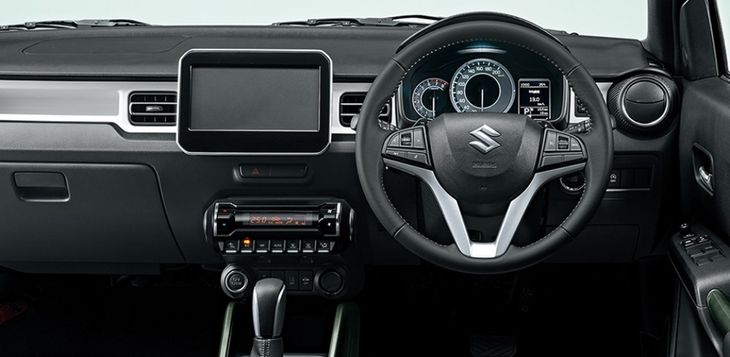
As for the interior execution, expect the cabin materials and trim to be upgraded; perhaps the GLX derivatives will sport a similar metallic-look backing strip on the dashboard as well as tasteful chrome-look accents on the vents and climate control switchgear. The light/dark contrast interior with coloured grip handles and a floating Apple CarPlay/Android Auto compatible touchscreen infotainment system (including reverse-view camera) should again feature on the top-spec derivative/s.
Whether this light-grey bumper garnish makes it to the local version or not, the broad black strip of the current version is history.
In Japan, the Ignis comes very highly equipped, with features such as automatic headlights with follow-me-home function, heated front seats, autonomous emergency braking, a surround-view camera system and lane departure warning. Affordability is foremost in mind for the South African market, however, so keyless entry and start, climate control, the aforementioned infotainment system and electric folding side mirrors are likely to be main luxury features of the facelifted Ignis range.
Expect the 61 kW/113 Nm 1.2-litre petrol motor (mated with a 5-speed manual or automated manual automatic transmission) to be carried over. Dual front airbags and ABS with EBD will be fitted, but it would be great if we could get 16-inch alloys and electronic stability control too (here's hoping).
Note the addition of smart metallic trim accents to the dashboard, climate control console and ventilation outlets…
Once Suzuki South Africa has introduced the S-Presso budget crossover in the local market (the launch is imminent), the Japanese firm will have a quartet of affordable small (as opposed to compact) cars, including the Celerio, Swift and Ignis. The upcoming S-Presso, however, will sit below the Celerio and Ignis; it will compete with the Renault Kwid and Mahindra KUV100 Nxt.
The facelifted Ignis will arrive in South Africa in the second quarter of 2020 and as always, we will keep you informed as soon as local specification and pricing details are confirmed.
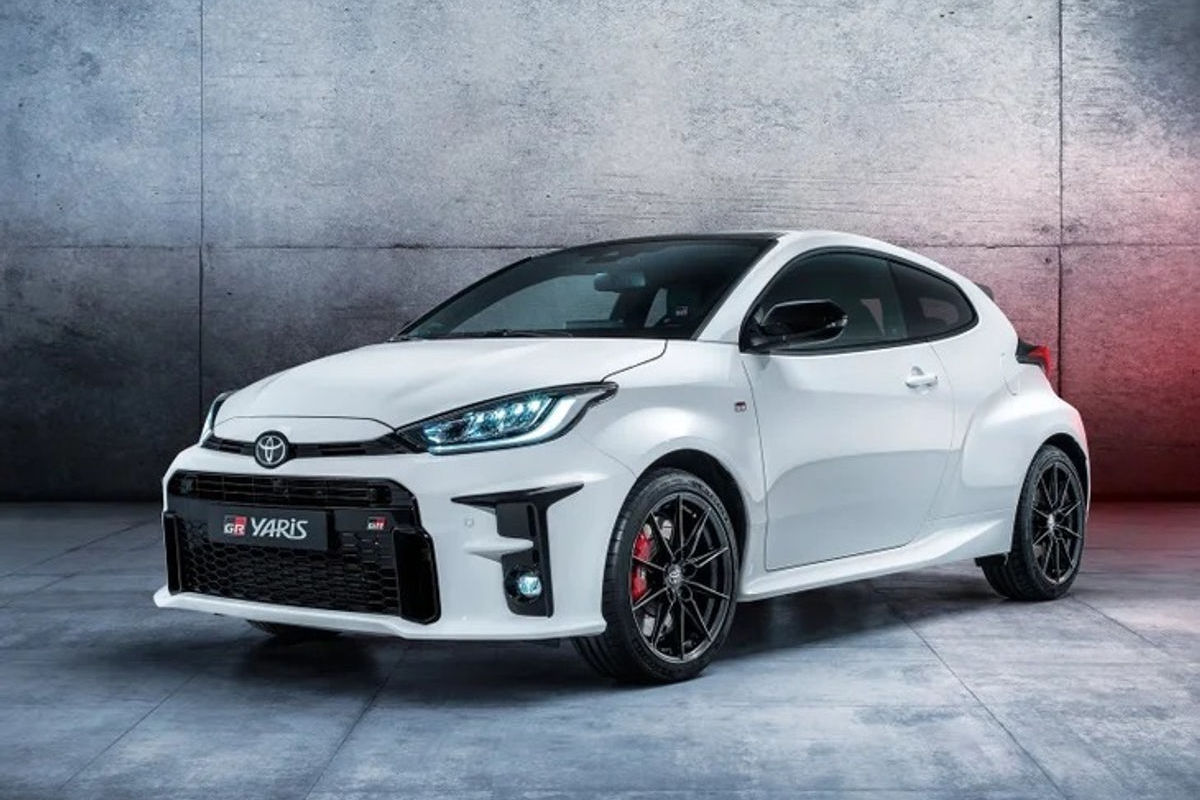
Former double F1 Champion and Toyota Gazoo Racing Dakar driver, Fernando Alonso, has driven the latest Toyota GR Yaris on a wet track in Portugal and he loves it!
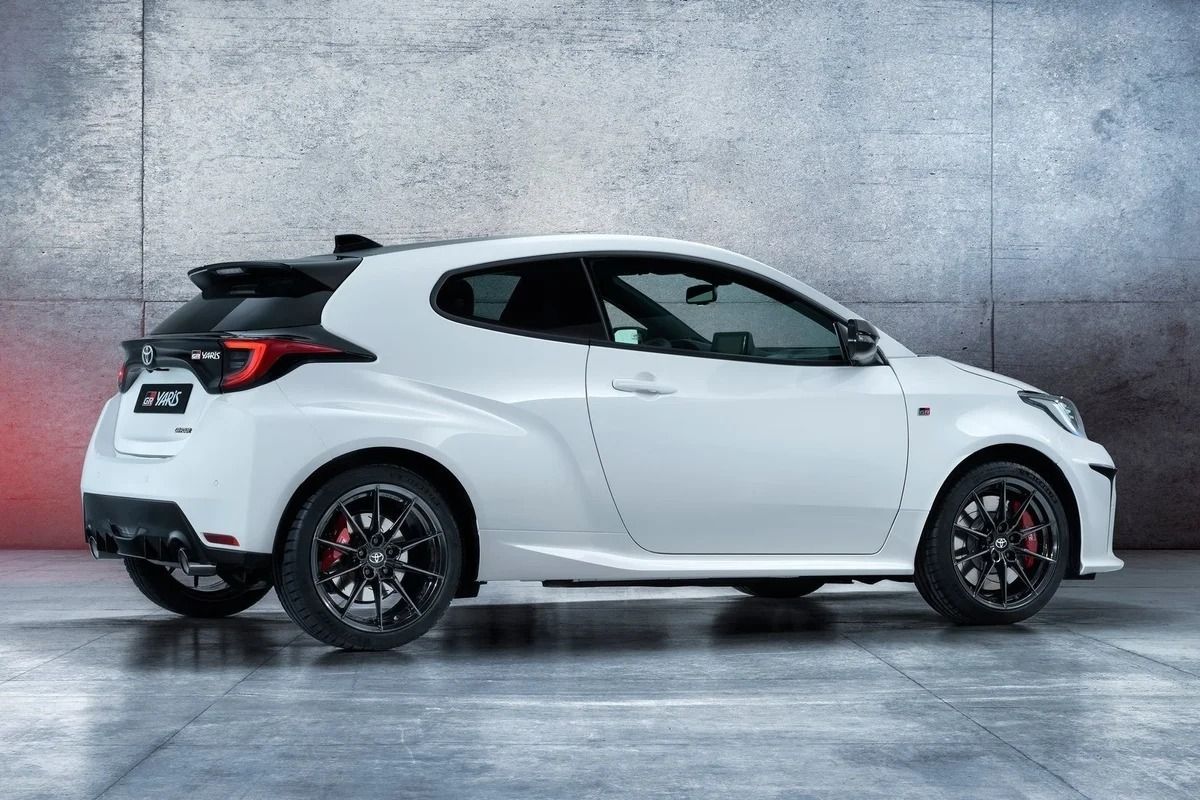
When Toyota revealed the Gazoo Racing Yaris earlier in January 2020, we were salivating. What you see here is a rally-inspired homologation model which serves as the basis for the next-generation Yaris WRC racecar and it will go on sale to the public in limited numbers.
We previously sampled the Yaris GRMN and it was an absolute hoot to drive and we have no doubt that this GR Yaris will deliver the thrills by the bucketload.
Infused with Toyota’s rally racing expertise, this high-performance hatchback packs a mean punch with a 3-cylinder, 1.6-litre turbocharged producing 192 kW and 360 Nm of torque and mated with a 6-speed manual transmission. Toyota reckons it will dash from zero to 100 kph in sub 5.5 seconds and run to a top speed of 230 kph.
The GR Yaris features a new all-wheel-drive system that can apportion torque to the front or rear axle depending on what drive mode is selected by the driver including Normal (60:40), Sport (30:70) and Track (50:50).
A wet track is perhaps not the ideal place to be pushing a potent hot hatchback to its limits but if you are Fernando Alonso, it matters little. The Spanish racing driver took the GR Yaris for a whirl around a wet Estoril track in Portugal and he had a lot of good things to say and we aren’t surprised. Give the video below a watch to see what Alonso has to say about his driving experience in the GR Yaris.
As for availability, it’s not yet clear if this firecracker will reach South Africa. If it does, not many will be up for grabs…
The next-generation Hyundai i20 has been spotted testing. Here's what we know so far.
Picture credit: S. Baldauf/SB-Medien
The Hyundai i20 is a rival to the Volkswagen Polo, Ford Fiesta, Opel Corsa and Kia Rio, and the current model has been on sale locally for some time. The good news is that there's an all-new model coming and it has been spotted testing in the Arctic Circle. Granted, it is heavily disguised, but our photographers say it will adopt the latest Hyundai design cues.
It should be underpinned by an updated version of the current platform and powered by an array of engines from the Hyundai portfolio. We wouldn't be surprised to see the new 1.0-litre turbocharged 3-cylinder motor with 88 kW and 172 Nm from the Kona and Venue make its debut, while the lesser models will make do with a 1.2-litre naturally-aspirated petrol engine. Both manual and automatic transmissions should be offering.
The most exciting news is there will be an i20 N, with sporty suspension, race suspension, stronger brakes and a sporty body kit. If rumours are to be believed, it will gain the Veloster Turbo's 1.6-litre turbocharged 4-cylinder engine 150 kW and 265 Nm.
Most of us have spent years, even decades, learning how internal combustion engines' powertrains work and how to interpret the figures fossil fuel-consuming cars produce. But now, as the automotive world gradually embraces "the electric car", what new systems do we need to understand – and which are the important figures to know?
BEV, PHEV and hybrid
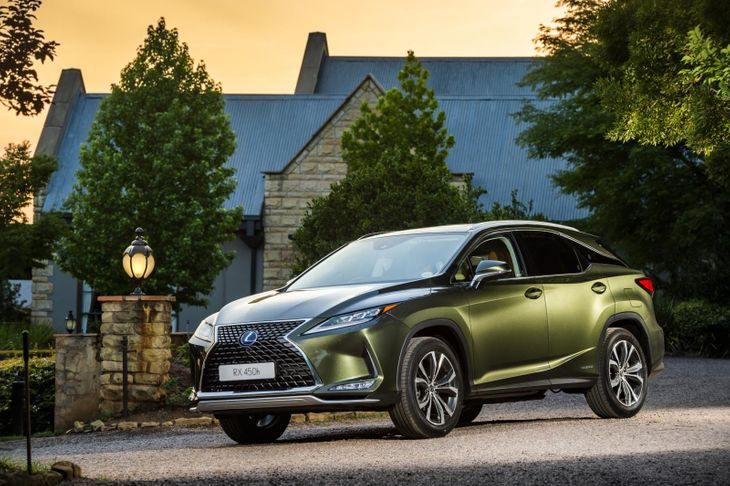
The Lexus RX 450h is a modern hybrid, no cables required.
These are just abbreviations and descriptions for the types of vehicles that use electric motors and batteries to provide some sort of propulsion.
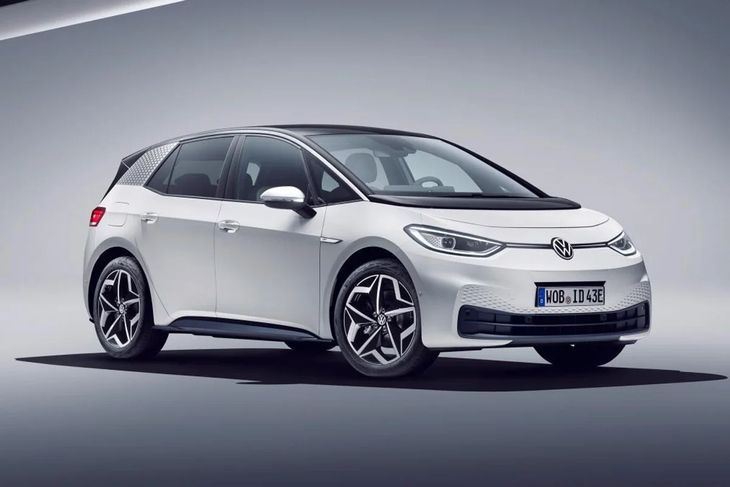
(B)EV – A fully-electric vehicle (Battery Electric Vehicle) that does not have an internal combustion engine at all. These are vehicles such as the Jaguar I-Pace, Audi e-Tron and VW ID3.
PHEV – Plug-in Hybrid Electric Vehicle. An internal combustion engine teamed with an electric motor-and-battery setup. The plug-in configuration allows for a bigger battery to be installed that allows for more battery-only (pure electric) range. The current electric range on PHEVs is around 30 to 50 km; the fuel-burning combustion engine does most of the work. Examples of such vehicles are the Volvo XC90 T8, Range Rover Sport and Range Rover PHEVs.
Hybrid – These vehicles do not have to be plugged in at all. The electric motor is charged by either regenerative braking or by using the internal combustion engine. Electric-only drive is possible – for very short stints – and is mostly used in very slow driving conditions such as heavy traffic or when pulling away at traffic lights. Examples of this are the Lexus RX 450h, Lexus ES Hybrid and the Toyota Prius.
kWh
Volkswagen is on the EV offensive with multiple cars planned for the next 5 year.
The abbreviation for kilowatt-hour. It’s a unit used to measure battery capacity. Basically, the higher the number, the more range you should have… It’s similar to the size of a fuel tank in a normal car. Jaguar’s I-Pace has a 90-kWh battery with a range of 470 km, the BMW i3 uses a 33-kWh battery with a range of 300 km. It stands to reason that the kerb weight of an EV plays a critical role in the projected optimal range of the vehicle, just as it would in a petrol/diesel car.
It can be a bit confusing: EV chargers and overall power outputs are claimed in kW (especially in South Africa, where we use the metric system).
Regeneration
While electric cars' motors and their ancillaries consume electricity, they're also equipped with technology that enables them to recoup some of those losses. This can be done in 1 of 2 ways: either through harvesting the kinetic energy that is released whenever the braking system slows down the vehicle, or from engine coasting. Both perform the same task of reversing the electric motor, which then recharges the battery. Some systems store the recouped energy in capacitors where it is stored for later use. Braking regeneration is mostly accompanied by brake-by-wire systems that operate the brakes via electrical- rather than mechanical components.
Fast chargers
Fast chargers reduce charging time dramatically if your battery can accept the rate of charge.
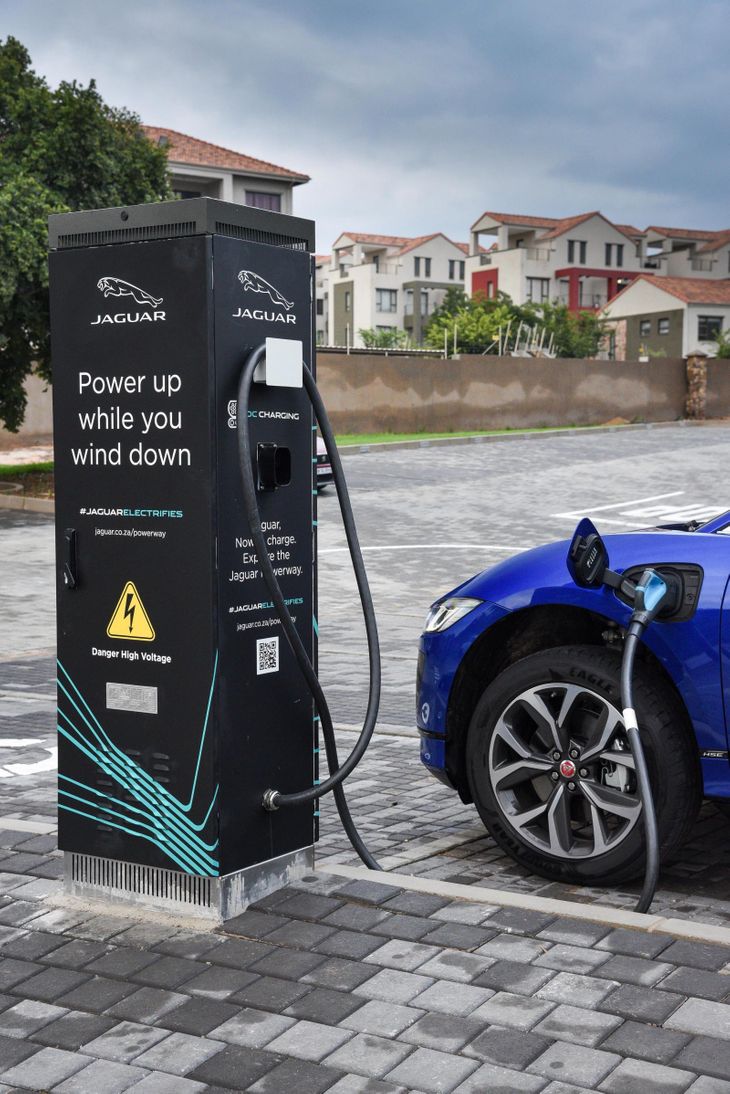
A standard charger (which you'd plug into an electrical socket in your house) charges at around 3 kW per hour. A fast charger, such as certain stations on Jaguar’s Powerway and at certain Nissan/BMW/Jaguar dealerships in South Africa, can charge up to 60 kW per hour. Porsche and Tesla reportedly have stations that can recharge at 250 kW per hour (in Europe and the USA). However, most batteries have a limit to how fast you can charge them – for example, if your electric car's system is only rated to accept a maximum input of 22 kW, plugging it into a 60 kW charger will only result in an optimal charge rate of 22 kW.
Inductive charging
Inductive charging for electric vehicles works in much the same way as placing a contemporary smartphone on a charging pad at home or in a such-equipped vehicle. If you'd like to top up an EV in such a manner a charging pad needs to be installed on the floor of a garage or parking bay where you park the vehicle. The EV also has to have a conductive pad on its underside. When the 2 pads are lined up the vehicle will receive a charge. Currently, these are fairly slow chargers (between 3 kW and 20 kW) but they do reduce the need for cables and messy infrastructure. This system is currently being trialled with metered taxis in the UK.
Battery lifecycle
Every battery has a total number of charges it can accept before it begins to deteriorate or produce less range from a full charge than it did when it was new. Lithium batteries, which are used in modern electric cars, are actually pretty good at retaining their capacity for charging, even when they're used daily. Most manufacturers, therefore, offer long warranties (8 years for Jaguar and Volkswagen, to name 2 examples) on EV batteries.
Wall box
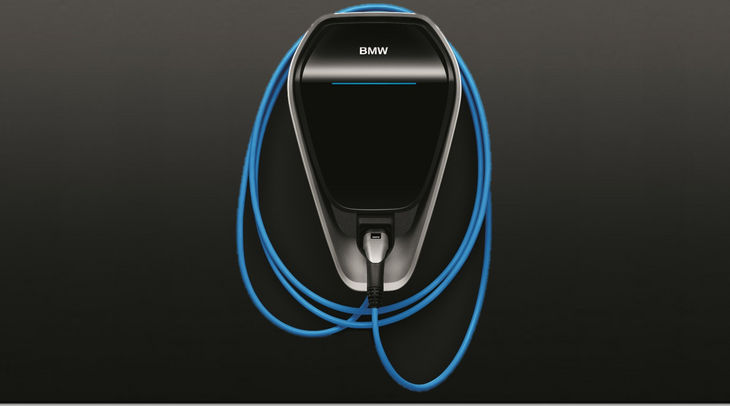
A Wall box is installed at home or office and improves the speed at which electric cars can charge.
As mentioned above, when plugged into a home wall socket you can expect a maximum charge of 3 kW. This charging style requires a long time to charge an electric car and it’s not recommended to continuously put that much stress on the socket over a long period of time. If you install a wall box at your house, however, you can increase charging power to 7 kW, which means it will take half the time to charge your electric car compared with using a conventional power socket. Smart wall boxes can even reduce power when load on the national grid is strained and then increase it again when there is less load.
Cable/Plug types
Most electric cars use common plugs and cables to make things easier for buyers.
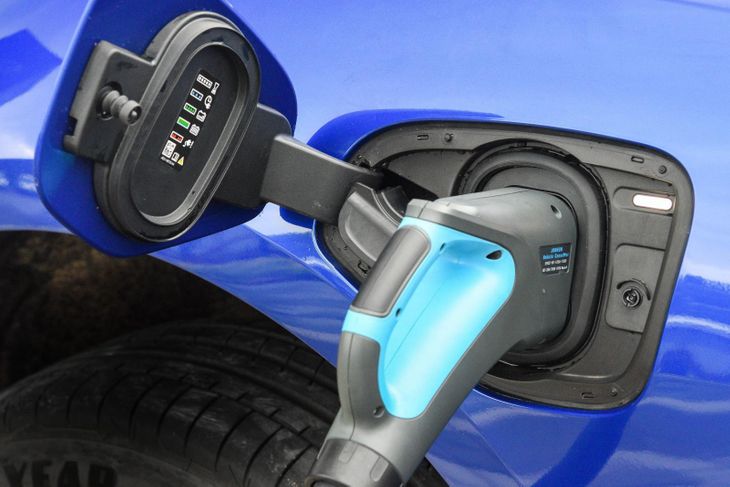
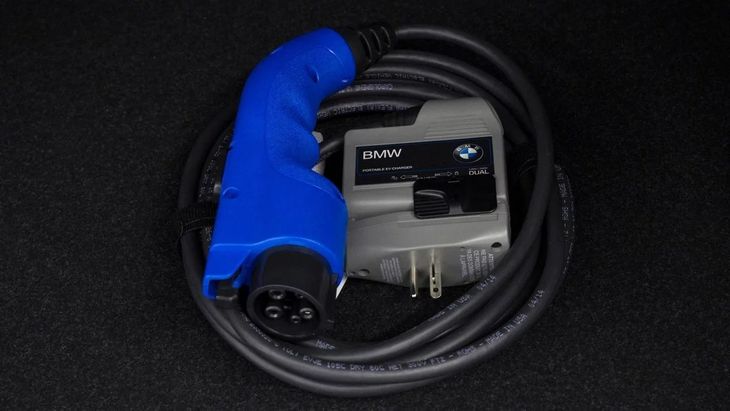
There is a plethora of cables and plugs that come with EVs or are optionally available. Most EVs sold in Mzansi are equipped with the standard 3-point plug and cable that connects to a household socket. These are often referred to as Mode-2 cables. If you want to charge from a wall box you will require a Mode-3 charging cable or public charging cable. This is also the same cable that is used at AC public charging points like the BMW charging stations. Some stations supply this cable, but it’s probably useful to always have one with you. For DC/fast-charging stations, such as the ones on Jaguar’s Powerway, the cable is supplied, but only certain EVs will accept this form of charge.
Range anxiety
This is the lingering fear that you may run out of battery charge in your electric vehicle and be left stranded. It’s exactly the same as running out of fuel in a petrol/diesel car except that electric cars tend to have comparatively shorter ranges. As charging infrastructure improves and more options become available to charge electric cars, this shouldn’t be so much of an issue. EVs' optimal ranges are rapidly improving; most of them are capable of 300 km+ per charge.
Level 1 charging
Level 1 charging isn’t very common in South Africa, but some houses may only have 120V plug sockets. It is an extremely slow form of charging an EV and adds a meagre 5 km of range for every hour it’s plugged in.
Level 2 charging
As the name suggests, this is a step up from level 1 and takes into account that most South African homes at use 220-240V electricity supply. Theoretically, you could add 35 km of range per hour of charging when connected to a level-2 charger. Wall boxes, if installed at your house (such as the one available from Grid Cars) offer around 7 kW of charge and are classified as level-2 chargers.
Level 3 charging
Jaguar's Powerway makes extensive use of Level-3 fast chargers.
Level-3 chargers (also known as DC chargers) are currently the fastest form of car-charging available. These are the types of chargers fitted at some filling stations, dealerships and shopping centres. The fastest charging stations in South Africa (for the moment) are 60-kW chargers that can add approximately 300 km of range in an hour. Not all EVs can accept DC charging and many PHEVs can’t either, so best to check this before buying.
RFID card
These cards give you access to public chargers. You tap the RFID card against the charger to activate it at which point you can begin charging. The cards need to be topped up with money via EFT payments. Also, note that charging stations have differing electricity rates, you will NOT get Eskom’s rate from a public charger.
EV costing
Want to work out how efficient an EV is? Calculate how much electricity it uses compared with how far it goes. A wall box or public charger will tell you exactly how many units of electricity it used when charging an EV, from there you can multiply the cost of the electricity into the equation (Eskom rates are anywhere between R1.50 and R3 per unit and public chargers are often more than R3 per unit). The size of the battery in the vehicle dictates how much electricity is required to charge it fully (like a fuel tank in a car). When the Jaguar I-Pace's battery is completely flat it will take 90 kWh of charge to "fill it" again. At R3 per unit and 90 units to fill (1 unit is equal to 1 kWh), it would take R270 to fill it.
EV tax in SA
Many countries offer incentives or rebates to make it attractive for buyers to buy electric cars. South Africa, however, does the opposite: there is an extra levy placed on electric cars and the reason for that is unclear. Some suggest it’s "to protect the local manufacturing sector", others say "it would affect the local fuel industry" (if consumers buy less fuel, the government will earn less tax). Electric vehicles are subjected to 25% import duties, but fossil-fuel-fed vehicles, by comparison, incur 18%. Electric vehicles are further subjected to 17% ad valorem (luxury tax duty) because the battery price pushes the overall cost of the vehicle into a luxury threshold. Taxes on electric vehicles and hybrids are 42%.
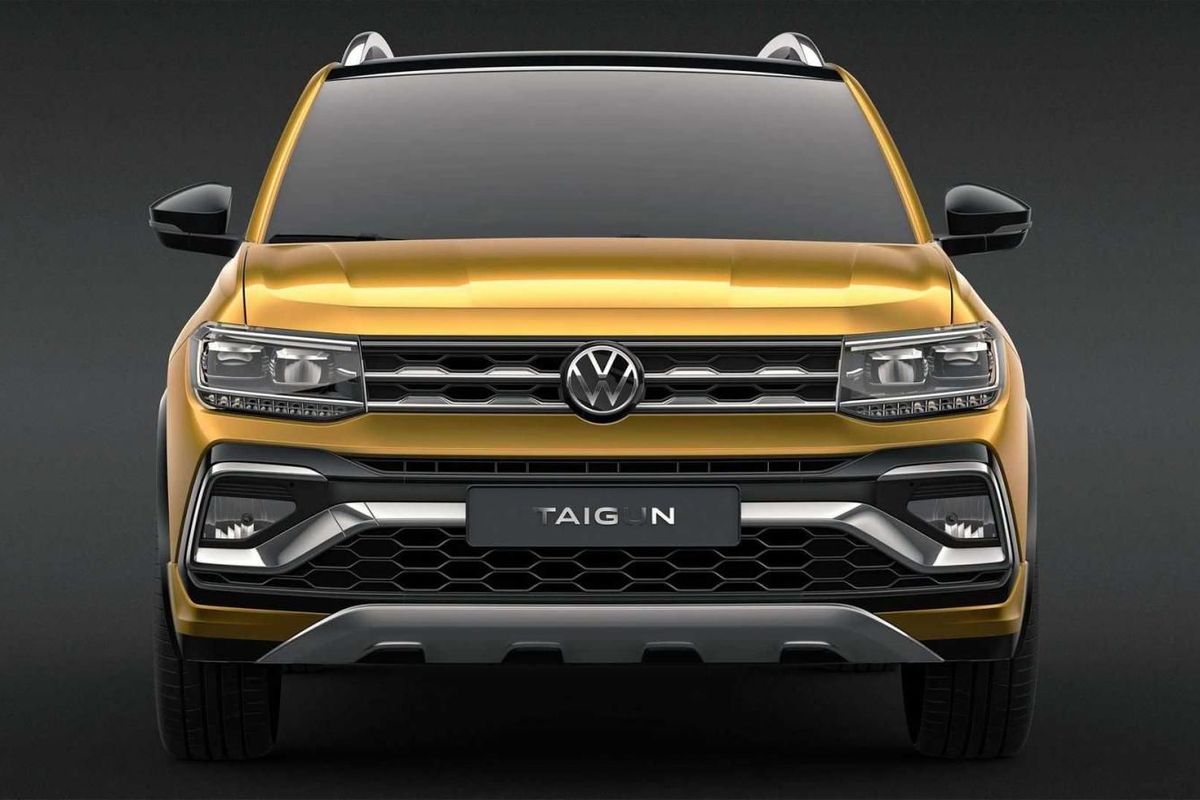
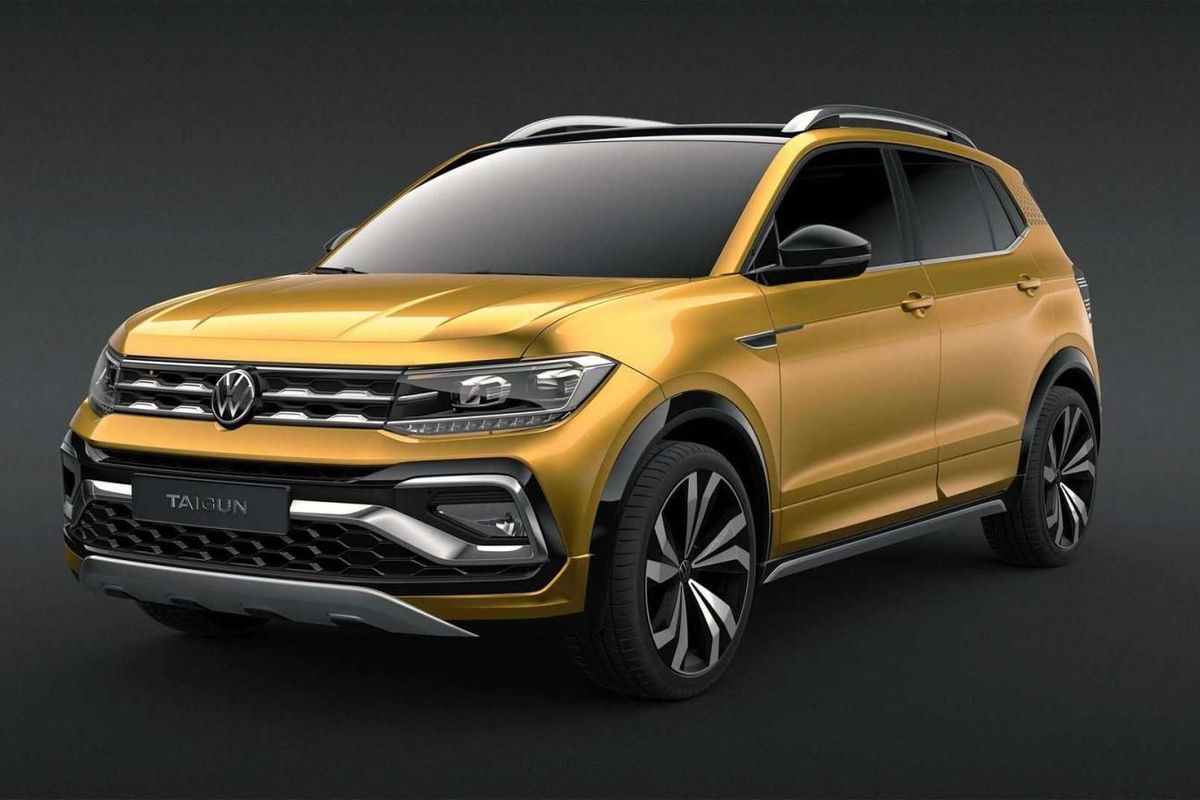
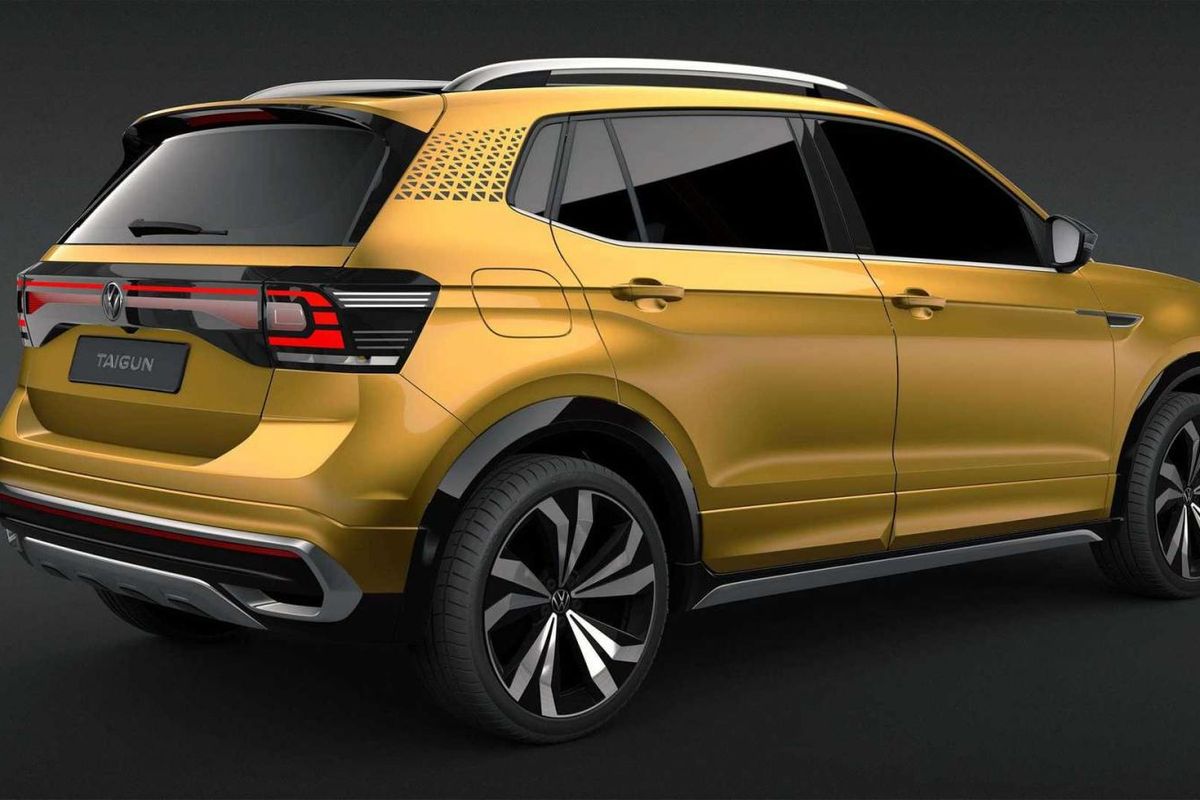
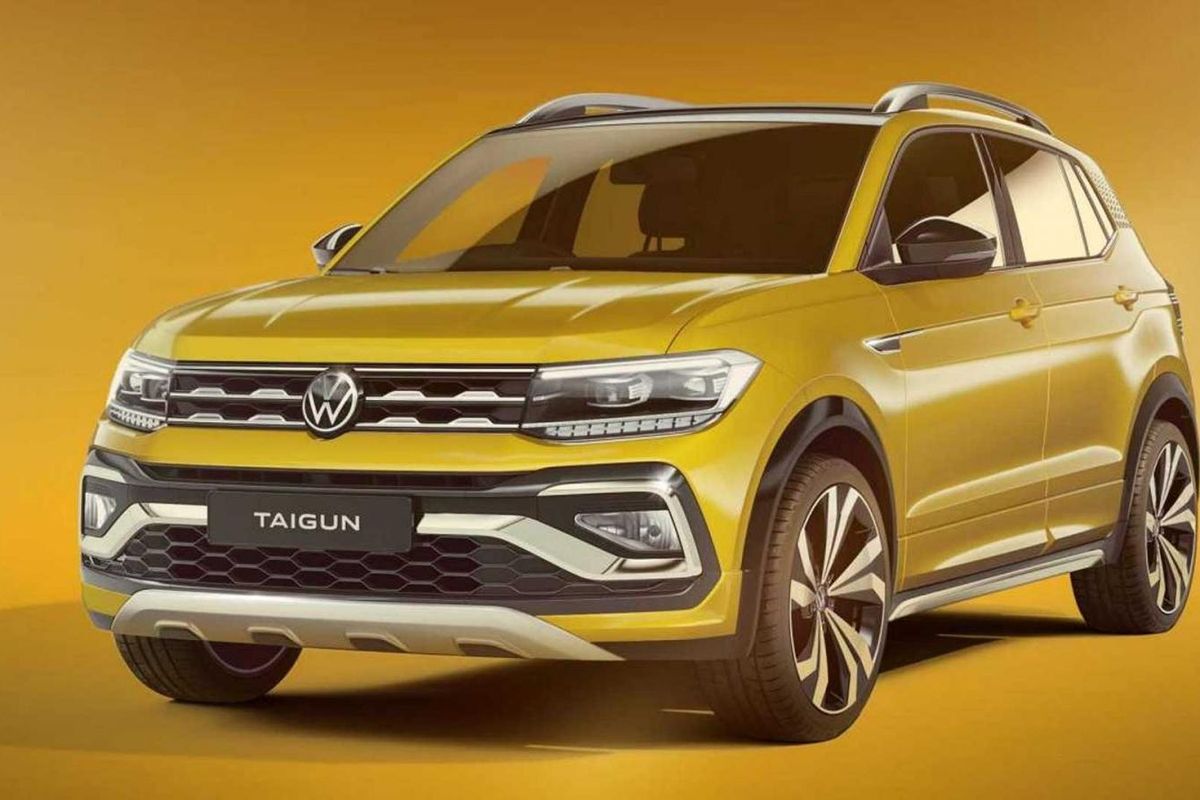
VW has revealed a new compact crossover, built on its MQB A0 platform.
Due for its public debut at this month’s Indian Auto Expo, images and details for the VW Taigun have been confirmed.
In appearance, the similarity to the VW T-Cross is obvious, although the Taigun does have some slightly different styling details and a larger overall size.
It measures 4.2m bumper-to-bumper, which makes it 90 mm longer than the standard T-Cross, with a 2.65m wheelbase, which spaces the axles 99 mm further apart.
Keen followers of VW’s compact crossover strategy will recognise those dimensions as being like the long-wheelbase T-Cross, which is available in certain markets (but not South Africa).
With its longer proportions, the Taigun has a slightly roomier cabin and better overall luggage volume, compared to a conventional T-Cross.
That stretched wheelbase also benefits ride quality, especially on poorly surfaced roads. VW’s Taigun project engineers have also worked extensively on the model’s suspension set-up, altering the compression and rebound settings to ensure it works best on gravel.
Overall ground clearance is greater than that of a T-Cross, with the Taigun having 205 mm of underbody clearance. This is 25 mm more than T-Cross and will certainly come in handy for those owners who are going to use their vehicles as true gravel travellers.
Mechanically the Taigun is akin to T-Cross in its engine and drivetrain offering. VW says a detuned version of its 1.5 TSI petrol engine will be the main powertrain option, good for 97 kW.
Like the T-Cross, drive on the Taigun is to the front-wheels only, either via a six-speed manual or seven-speed dual-clutch transmission.
Although aimed primarily at the Indian market, and due to go on sale there by the end of 2020, the Taigun, with its additional space and greater ground clearance, could have a compelling business case in South Africa. VW SA will no doubt have to investigate how to make T-Cross, Taigun and T-Roc all work within a similar price point.