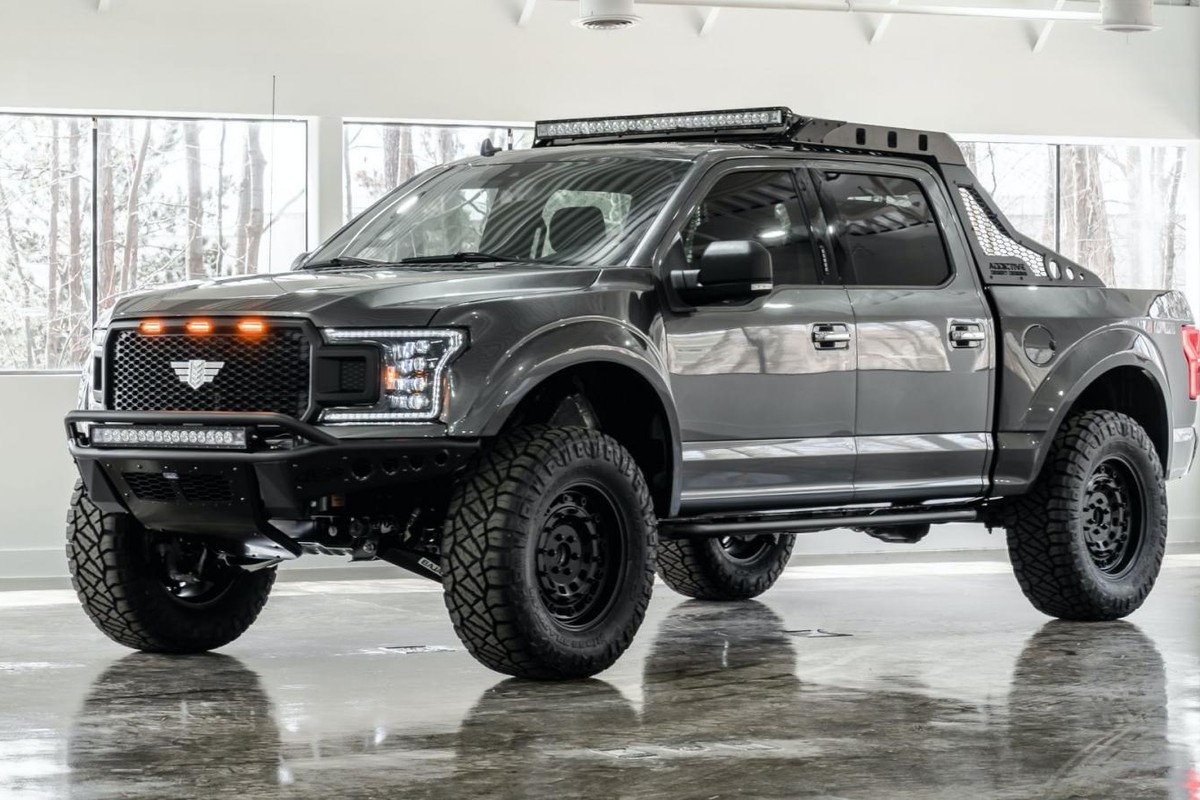
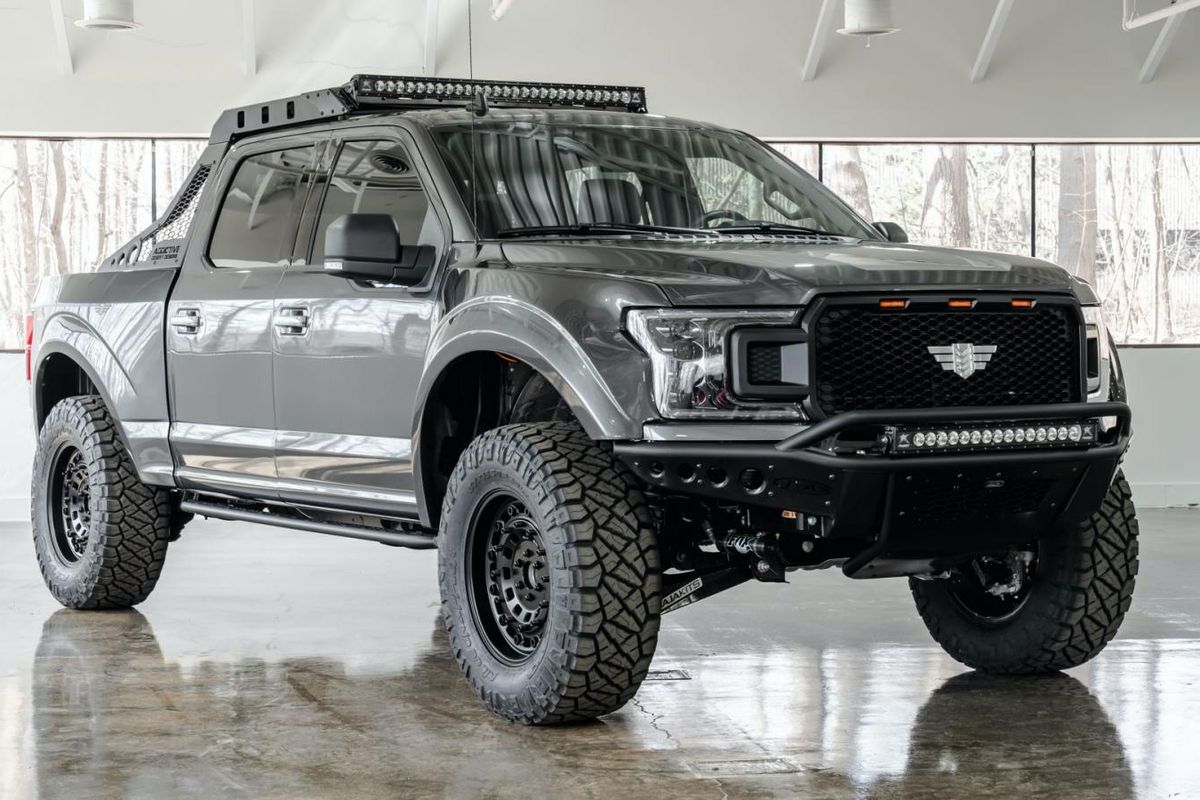
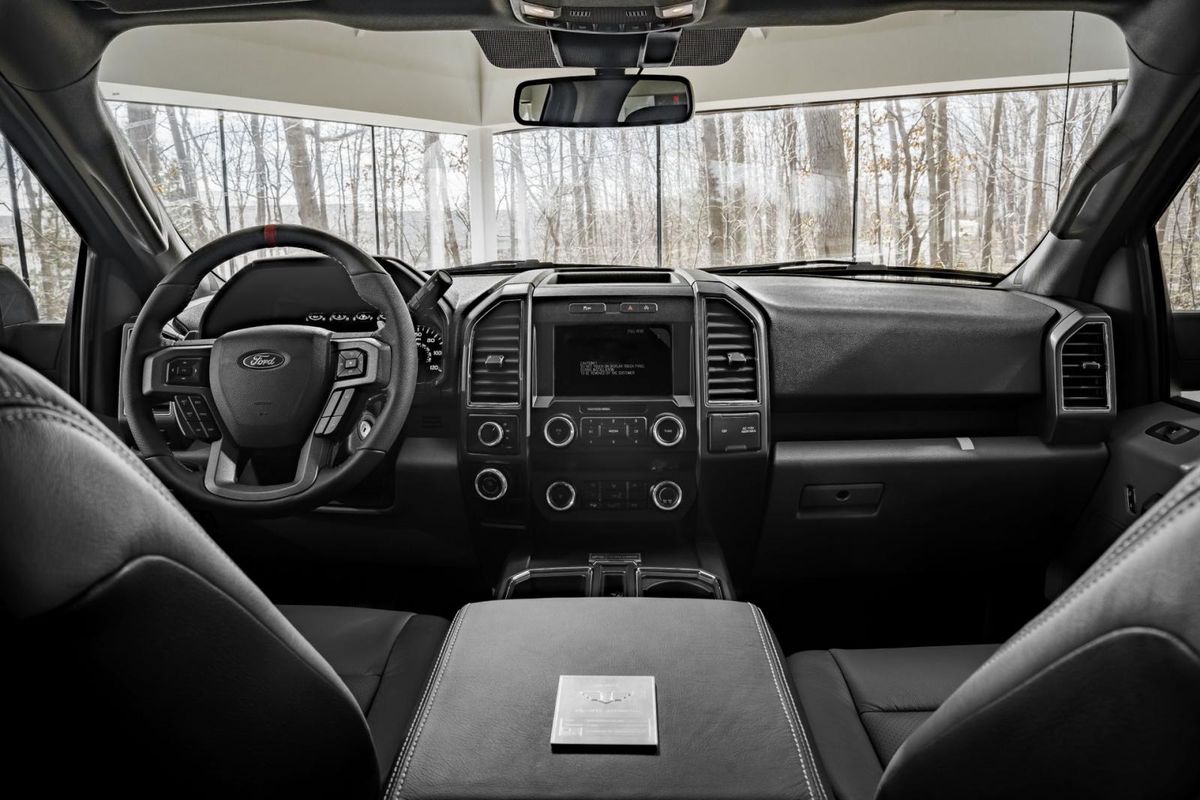
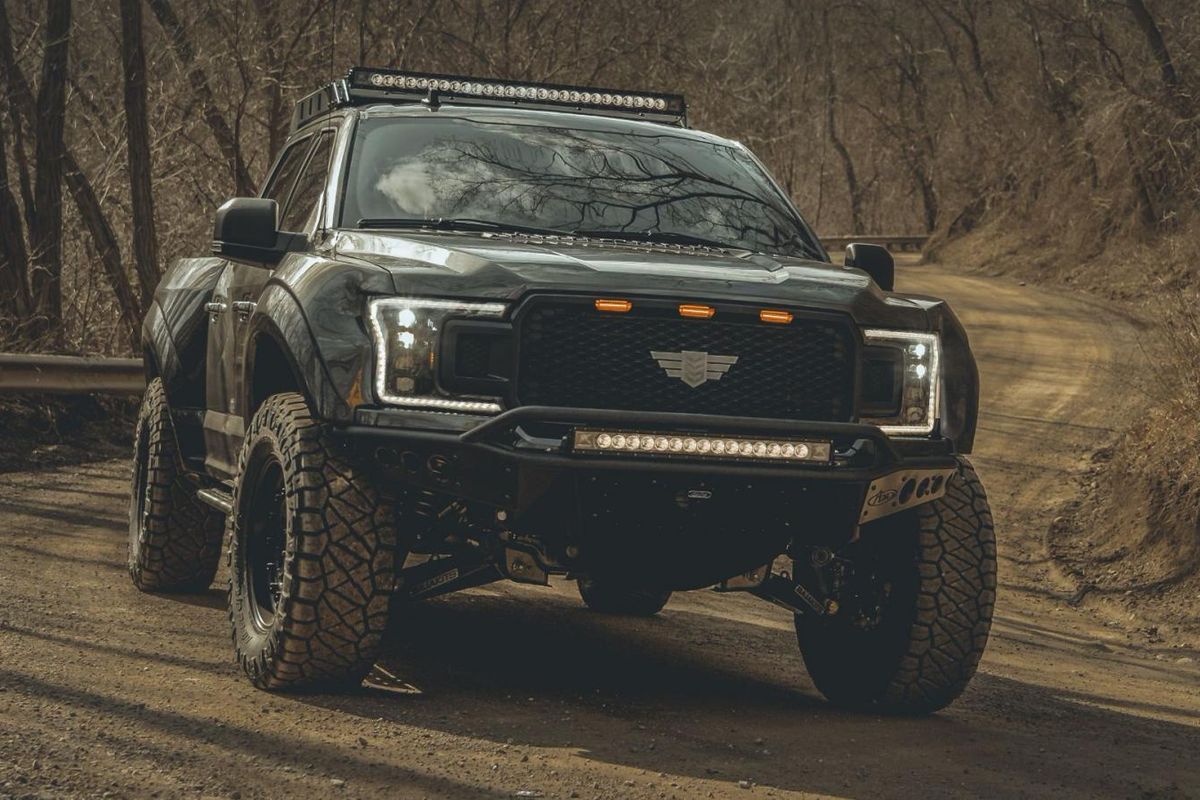
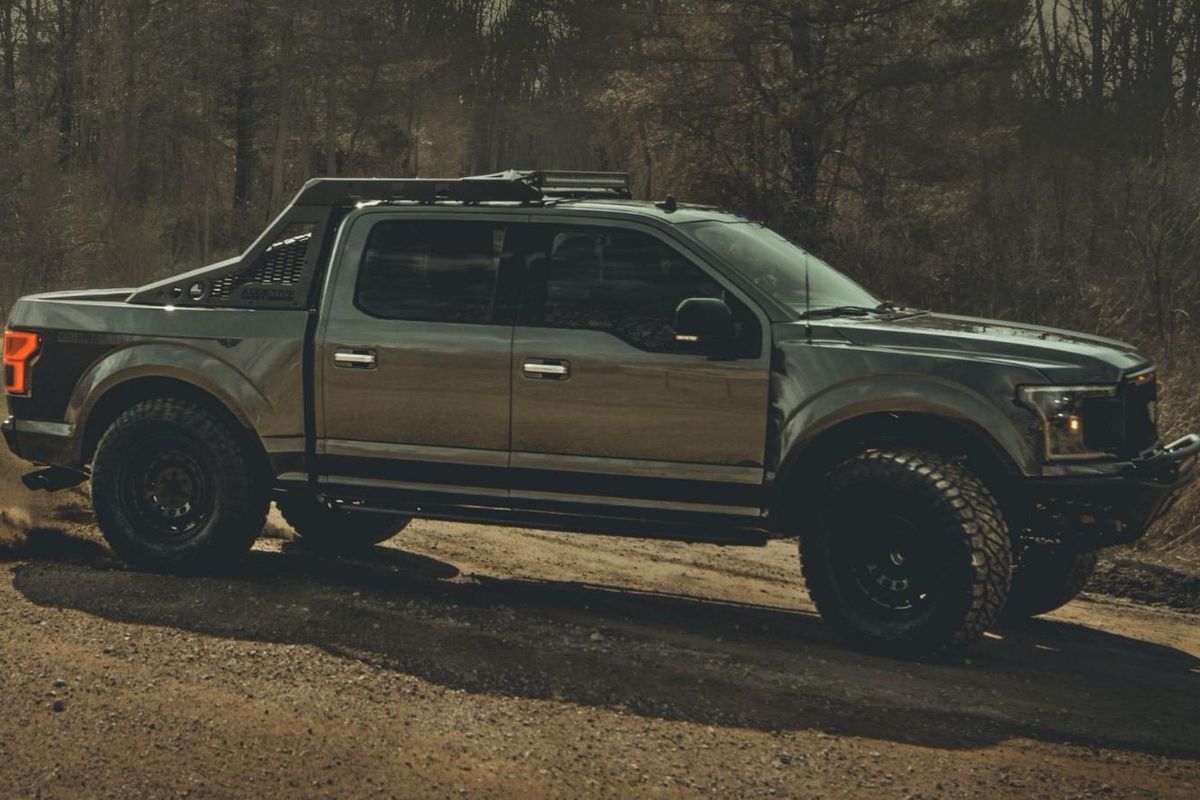
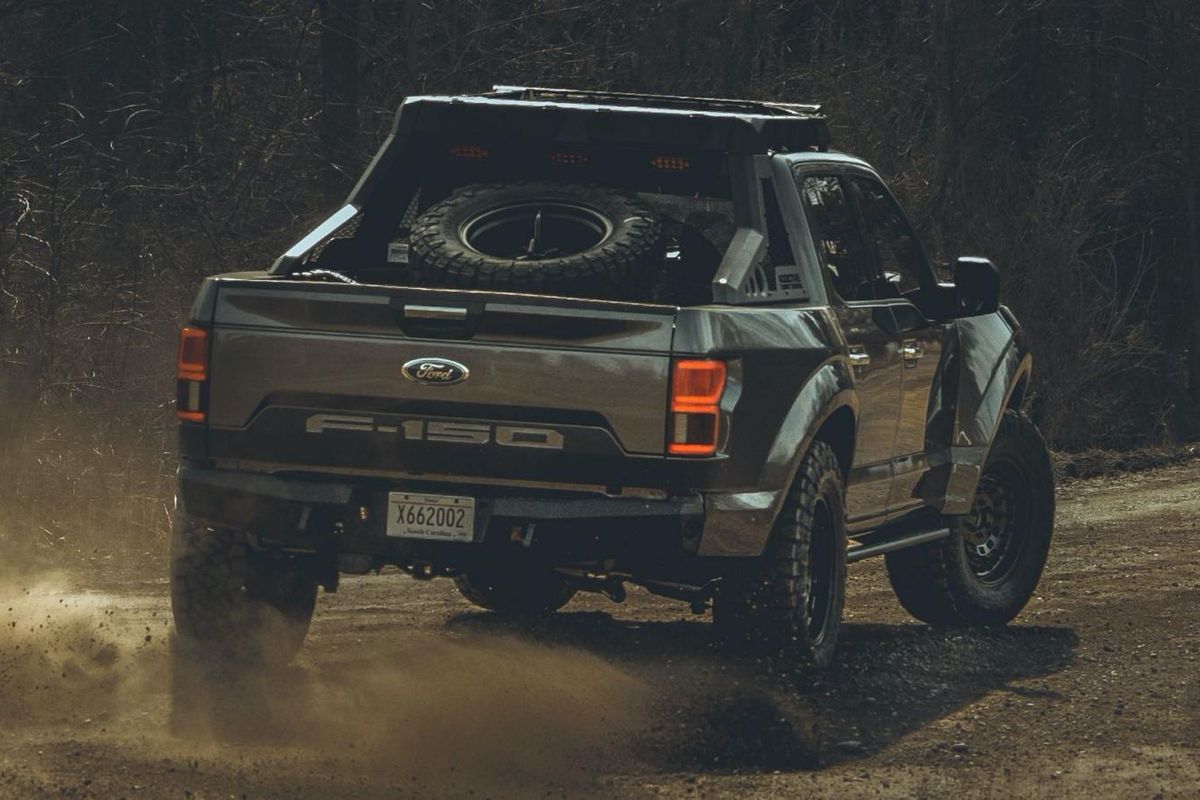
Is there anything better than a military-grade bakkie? No, no there isn't.
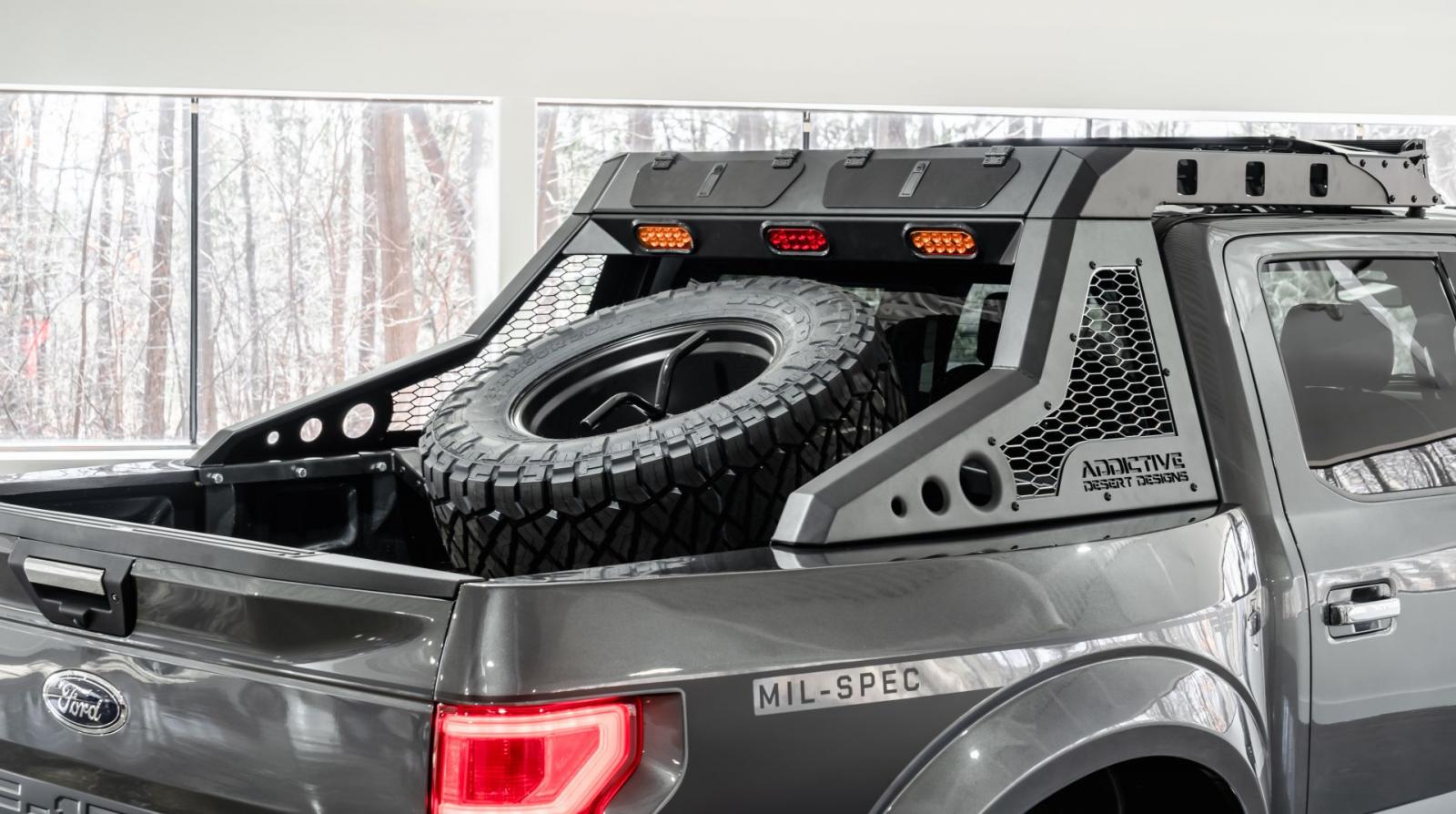
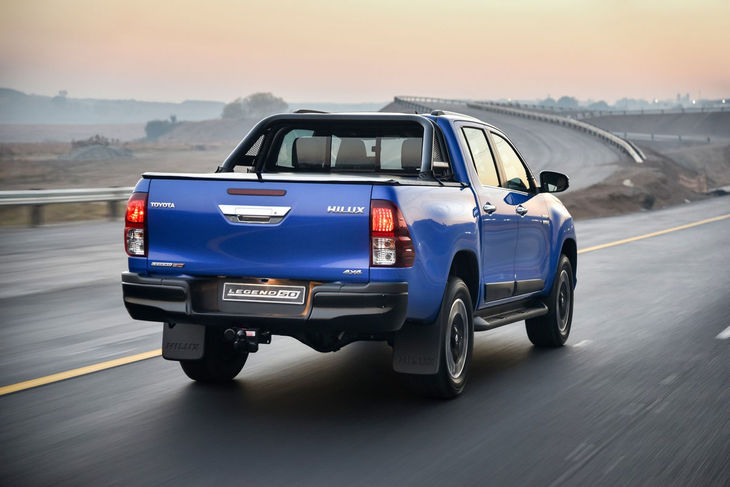
Mil-Spec Automotive is a company specialising in hardcore conversions and is renowned for its Hummer H1 work. Now it has turned to the USA's most popular vehicle, the Ford F-150. With a 373 kW naturally-aspirated 5.0-litre V8 motor, the MSA F-150 features some hardcore additions to make go further than most would be brave enough to consider.
Starting with the offroad upgrades, there's the Baja Performance Suspension Package which features Fox Racing components as well as long-travel suspension which has 279 mm of travel and 343 mm wider track width. Want more from your suspension? There's also a Fox 3.0 Long Travel Performance Shock Package including an optional fully adjustable coil-over and shock kit with 76-mm diameter bypass shocks, remote reservoirs, 10AN hoses and Eibach springs for both the front and rear suspension.
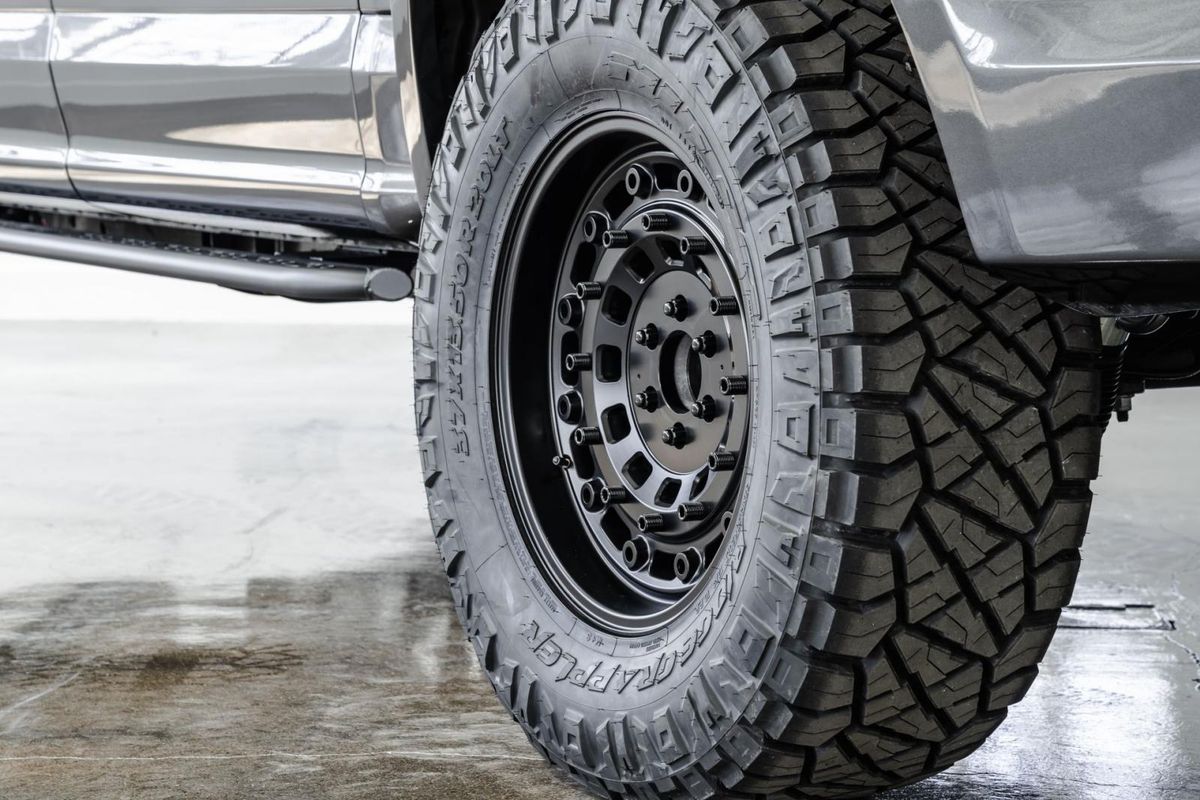
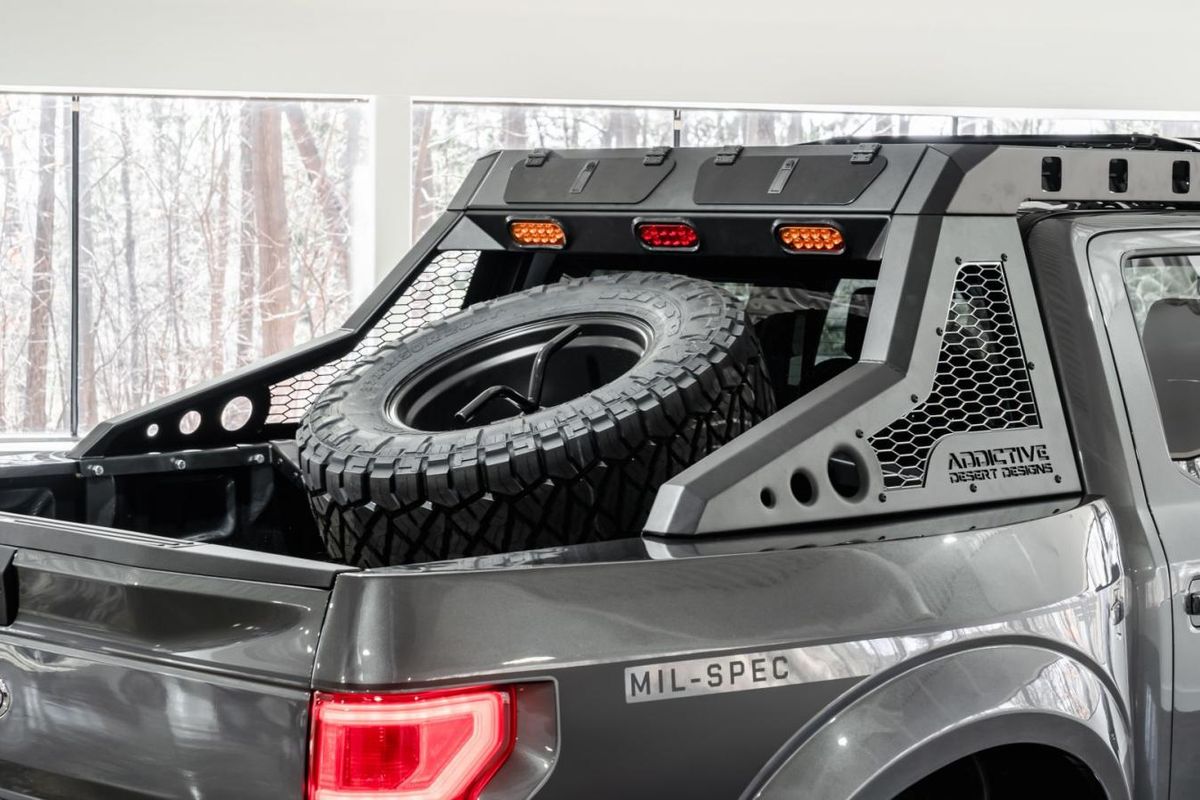
In terms of looks, there are new LED headlights, 20-inch alloys wrapped by Nitto Ridge Grappler tires, dual exhaust tips with a black finish and powder-coated heavy-duty side steps. There's also the Baja Exterior Appearance Package that adds a low-profile Baja Roof Rack, a spare tire carrier made for equipping an oversized off-road wheel, and an LED light bar. Inside, the cabin is remarkably standard in comparison with just custom magnesium paddle shifters and centerline stitching, as well as leather seats.
The bigger version of Audi's small four-door spotted on the production line.
The sub-limousine luxury sedan category might be shrinking worldwide, but that has not stopped Audi from investing money in a new A3 four-door.
Although crossover and SUV mania drives the bulk of global customer demand for premium vehicle brands, the world’s two most important markets (America and China) remain very committed to sedans.
The Chinese especially see any extended wheelbase sedan as desirable. Being driven is a sign of supreme status in China, so even smaller vehicles have more comfortable backseats, courtesy of special Chinese long-wheelbase variants.
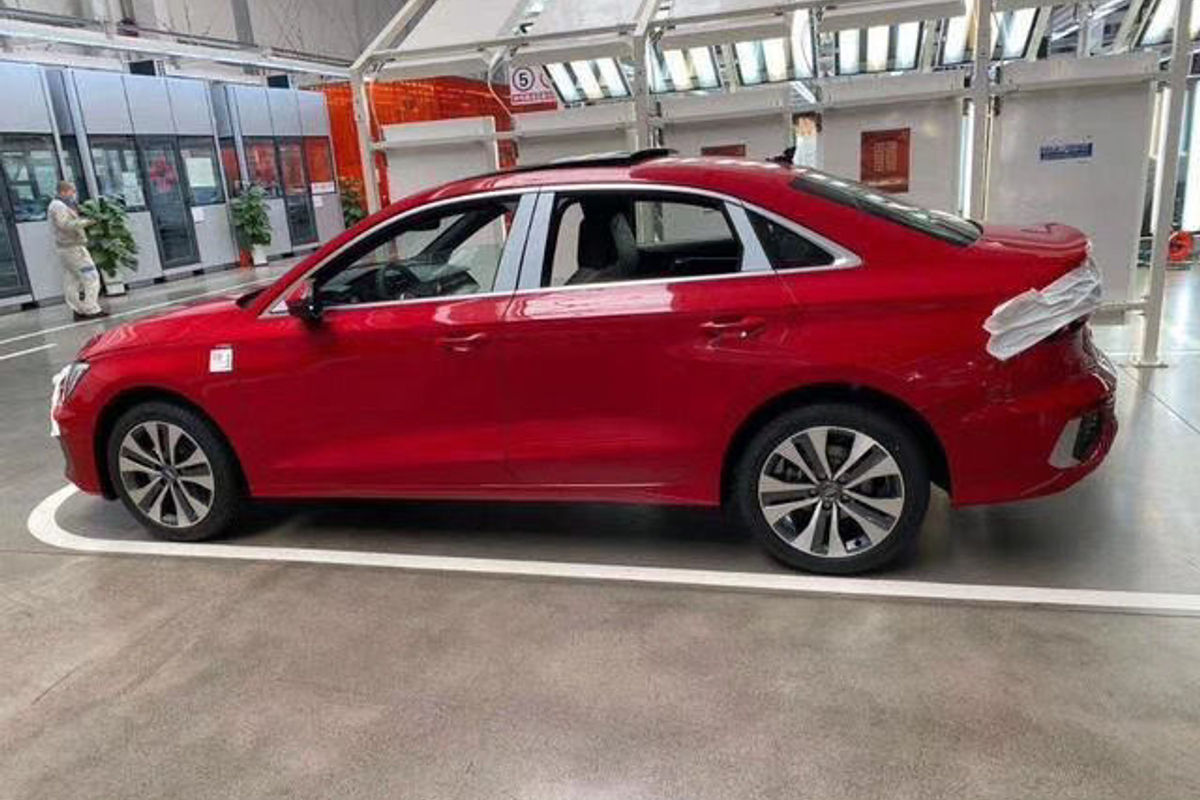
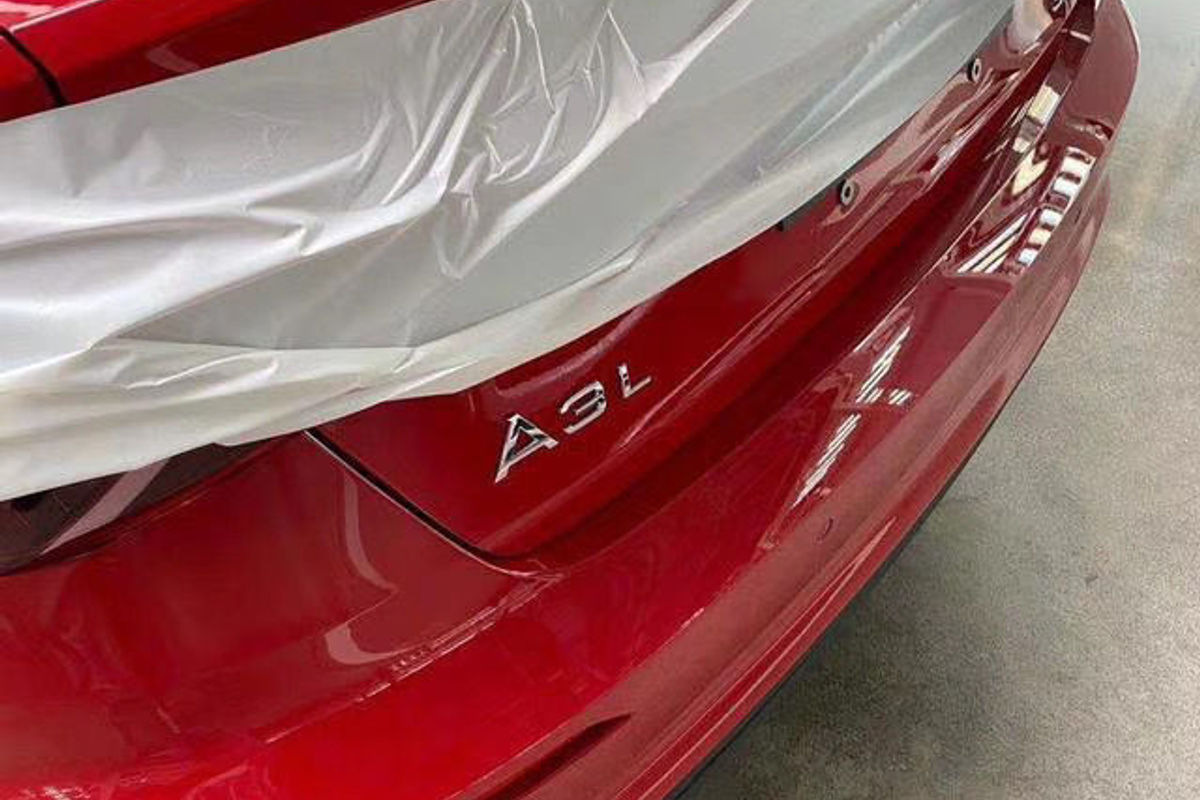
Audi is catering fo this with its new A3 L. The car was recently spotted whilst inside a production facility and although Audi has not released exact technical details, it is quite plainly a fourth-generation A3 with more space between the axles.
With its longer wheelbase, the A3 L offers three benefits. The most obvious, is increased cabin space, especially for the rear seat passengers. A longer wheelbase also slightly improves ride quality and high-speed directional stability should gain a greater feeling of confidence, too.
Debits? A longer wheelbase will dictate this new A3 sedan derivative to have a larger turning circle, so parking will be a touch more challenging.
How do you recognise an ‘L’ version compared to the regular fourth-generation A3 sedan? Well, those rear doors are slightly larger and have appropriately sized glass to make up the difference in window specification.
Very much a China-specific product, it is unlikely the A3 L will be offered on sale in a market like South Africa.
Suzuki has announced a warranty extension of its S-Presso compact city car.
Due to COVID-19, Suzuki SA was forced to switch its local S-Presso launch from a physical one to a digital affair. Now that the country has been placed under lockdown, dealers can't get stock and customers can't fetch cars.
“We are very excited for customers to see and test-drive the new S-Presso. It has space and ride height of a compact SUV, it is built on our light and rigid HEARTECT platform and it is South Africa’s new affordability champion. We believe it is exactly what our customers want,” says André Venter, divisional manager of sales and marketing at Suzuki Auto SA.
The vehicle costs R134 900 and comes with a 2-year service plan, as well as 1 year’s comprehensive insurance. Suzuki SA is extending its promotional 5-year/200 000 km mechanical warranty beyond the initial launch period. Suzuki has won more than a few awards at the #CarsAwards-powered by WesBank.
One of the world’s most stylish hatchbacks is soon to be discontinued.
The Alfa Romeo Giulietta has been on sale for nearly a decade, which is almost an impossibly long lifecycle for a modern hatchback.
Since 2010, buyers who wanted a very exclusive hatchback with some typically stylish Italian design have had one option, the Giulietta. Alfa Romeo even produced a hot hatch version, attempting to leverage the brand’s legendary Cloverleaf cars, in the form of Giulietta TBi Quadrifoglio Verde, which was good for 173 kW at a time when the Golf GTi was notably less potent on a spec sheet.
As a commercial venture, the Giulietta has been a predictable Alfa Romeo disaster. Despite its outstanding exterior styling and some very clever turbocharged engines, sales have been a fraction of what its full-size hatchback rivals tally.
Marketing realities and shifting customer demand have forced Alfa Romeo’s hand with the Giulietta, which should expire at the end of this year. Expectations are that the forthcoming Tonale SUV will replace the Giulietta’s presence in Alfa Romeo’s product portfolio and give the brand standing in the C-segment.
As Alfa’s volume seller, many Alfisti will be sad to see the charming Giulietta retire. It will leave cherished memories, especially to South African Alfa fans.
Back in 2015, Alfa Romeo allowed 100 Squadra Corse TCT Giuliettas to be built, for the South African market. These cars featured a modified version of the 1750 turbocharged engine, boosting 210 kW.
With the pending retirement of Giulietta, Alfa Romeo will enter 2021 with a sedan and two SUVs, but no hatchback. Strange, but also an entirely Alfa thing to do.
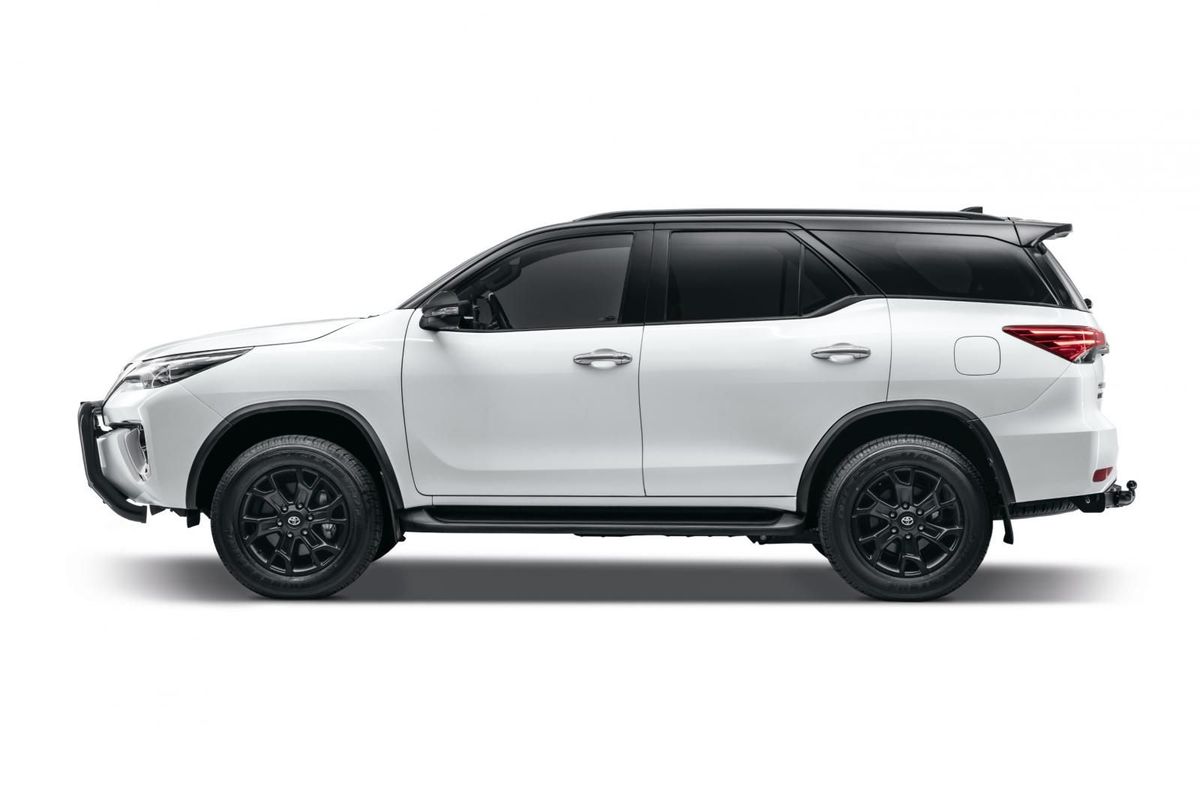
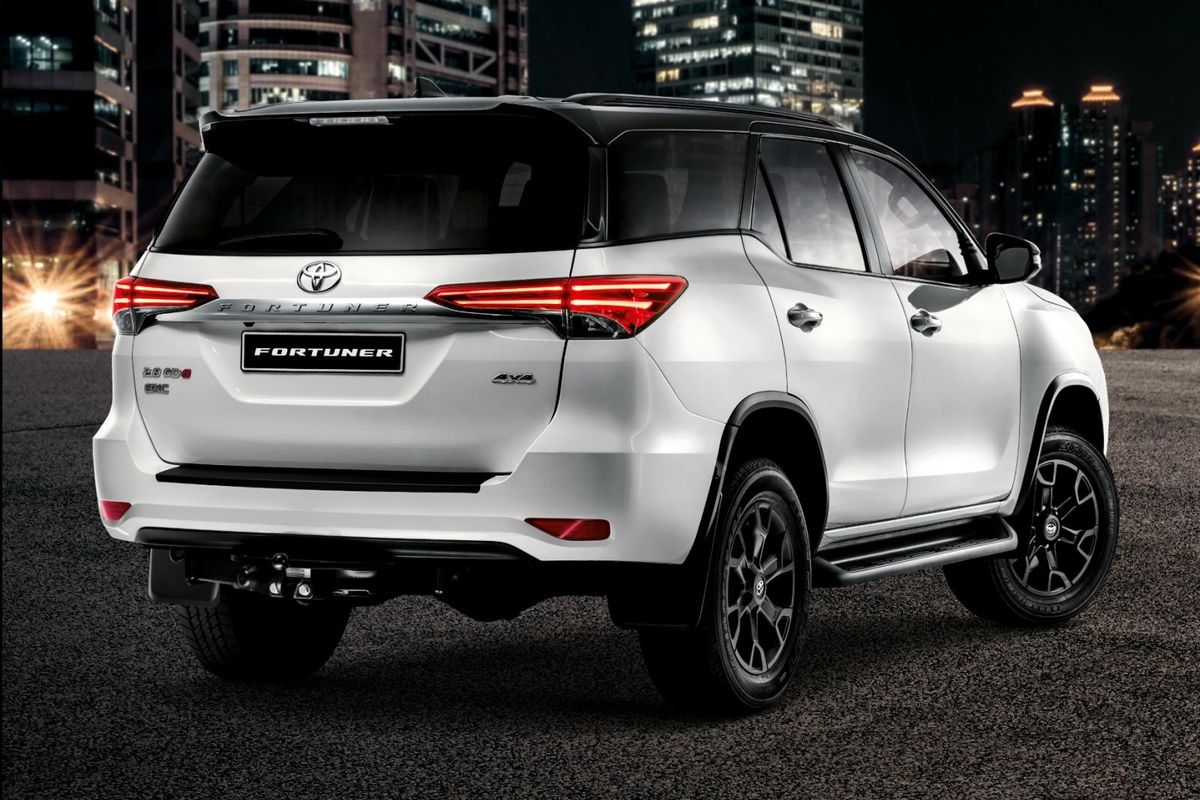
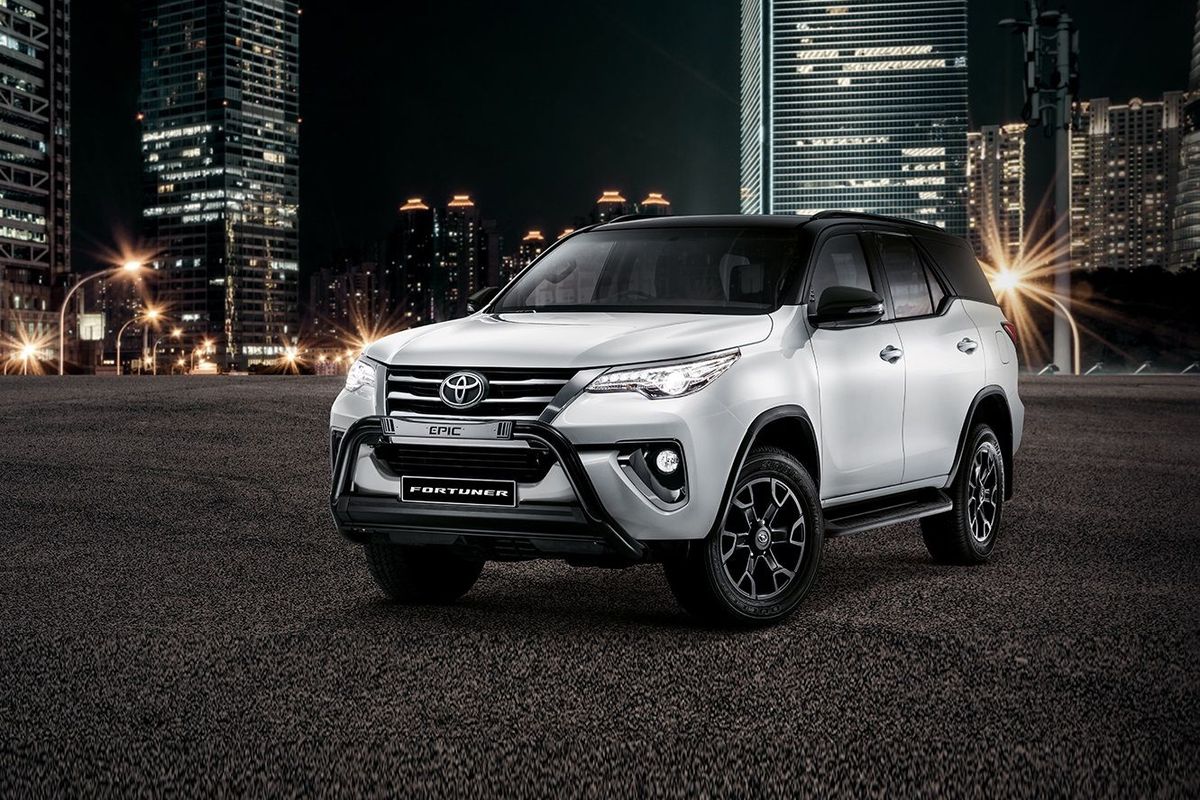
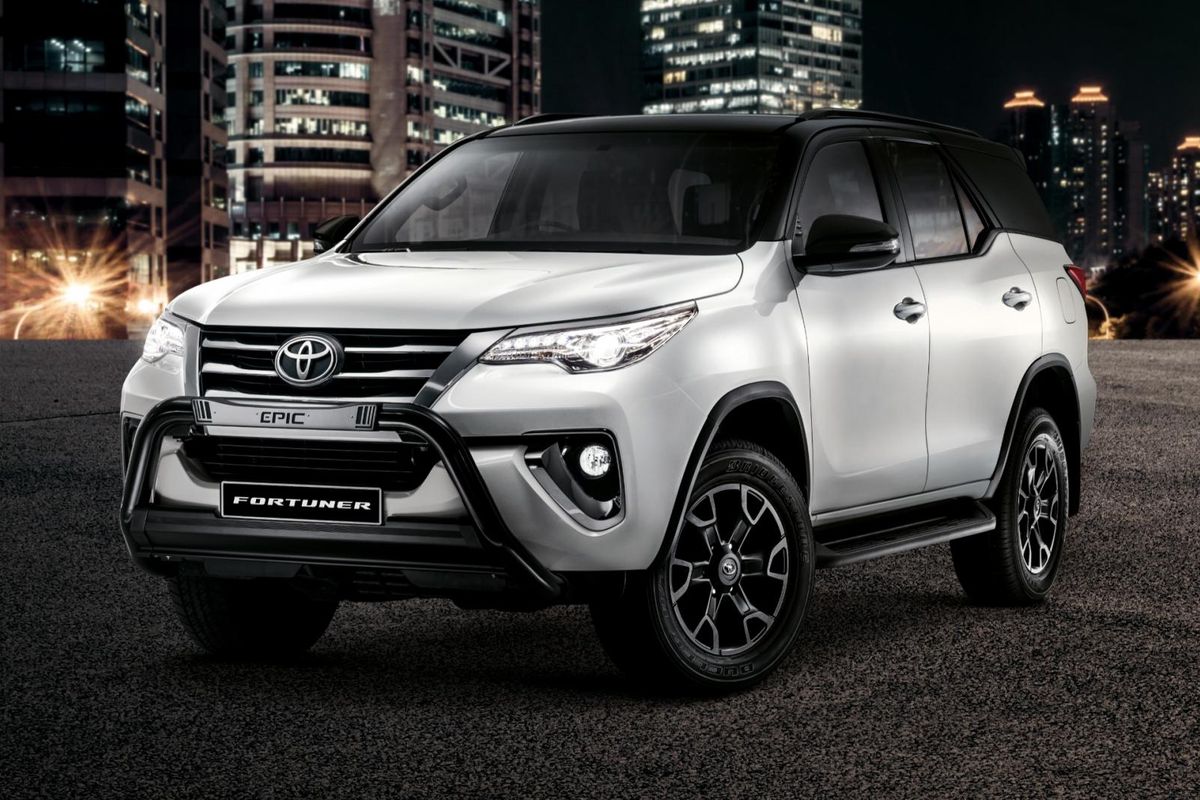
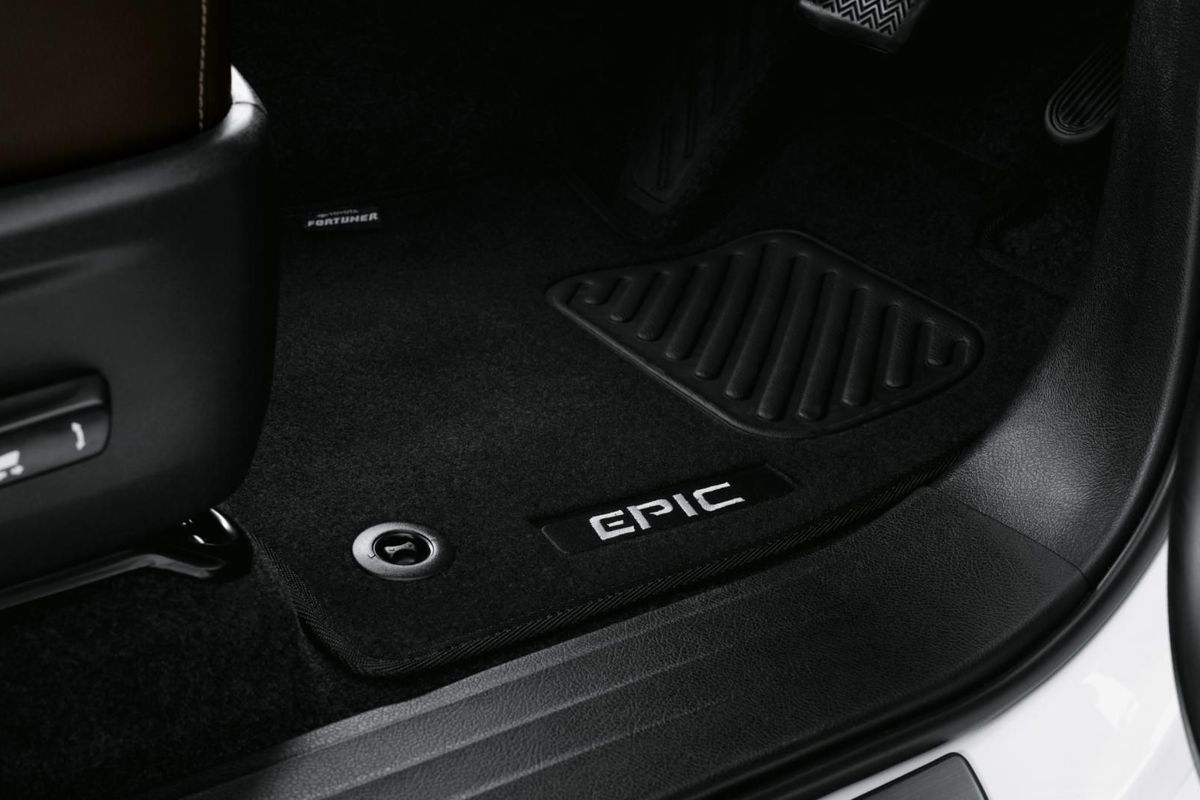
Toyota South Africa has announced specifications and pricing for its Epic and Epic Black editions of the Fortuner. See what's new here.
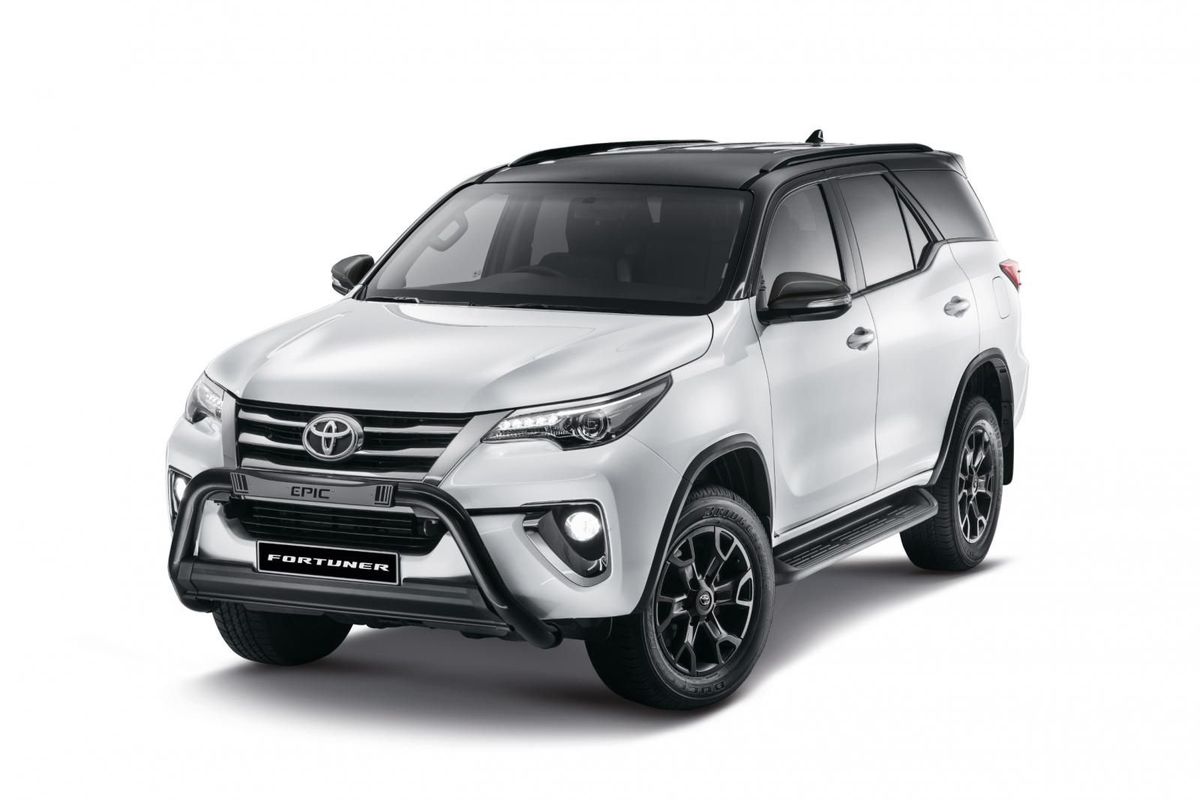
The Toyota Fortuner has been South Africa's top-selling SUV for some time and a multiple winner of the Adventure SUV category in the #CarsAwards-powered by WesBank. For 2020, Toyota has announced the Fortuner Epic and Epic Black.
The Epic and Epic Black are both based on the 2.8-litre GD-6 derivatives and have been given some nice upgrades, both inside and out. There's a branded nudge-bar and tow bar, while Epic Black models gain a bi-tone design with black roof, black roof rails, black side-view mirrors and unique, all-black 18-inch alloy wheels.
Inside, there are metal scuff plates and Epic-branded carpet set. Toyota hasn't changed the leather interior trim and 7-seat layout, and standard spec includes niceties such as dual-zone climate control, smart entry and push start, touchscreen infotainment system with navigation, reverse camera, TFT Multi-Information Display (MID), blue Optitron instrumentation, cruise control, steering switches, power-adjustable driver seat and power back door.
Toyota Fortuner Price in South Africa (April 2020)
All Fortuner models are sold with a 6-services/90 000 km service plan and 3-year/100 000 km warranty. Service intervals for the diesel models are 10 000 km, while the petrol model is set at 15 000 km. Customers can also choose from a variety of service plan extensions at their local dealer.
The National Association of Automobile Manufacturers of South Africa [NAAMSA] has released new car sales figures for March 2020 and if there ever was a chance of market recovery in South Africa it’s now been obliterated with the arrival of COVID-19 and its impact has and will continue to have an adverse effect on the local automotive industry.
The global automotive industry is under considerable pressure in the wake of the COVID-19 pandemic which continues to tighten its grip on countries around the world, forcing many into lockdown and bringing production lines to a standstill.
Unsurprisingly, South Africa has been hit hard too and while the local automotive industry experienced significant declines across the board during March 2020, WesBank warns that April 2020 is expected to reflect the true damage as South Africa navigates through a 21-day lockdown in an effort to curb the spread of Coronavirus.
“The market was looking to establish some form of stability judging from February’s performance, only to be undone by the COVID-19 global pandemic,” says Lebogang Gaoaketse, Head of Marketing and Communication at WesBank. “Looking at international markets already under lockdown, we can expect April to look even worse as consumers stay home and only essential services are delivered from dealer workshops.”
New Car Sales Summary – March 2020
Aggregate new vehicle sales of 33 545 units down by 29.7% (-14 150 units) compared to March 2019.
New passenger car sales of 22 200 units down by 26.8% (-8 139 units) compared to March 2019
New Light Commercial Vehicle (LCV) sales of 9 425 units down by 37.1% (-5 570 units) compared to March 2019.
Export sales of 28 883 units down by 21.5% (-7 905 units) compared with March 2019.
Top 5 Best-Selling cars in South Africa for March 2020
The COVID-19 pandemic has triggered a global economic collapse and while South Africa’s economy was in a recessionary state prior to the pandemic arrive on local soil, the outlook going forward is marred with uncertainty.
“While we are in full support of government’s decisive leadership measures to combat the spread of COVID-19, there is no denying the impacts it will have on the economy and certainly the country’s motor industry. With plant shutdowns already in place and dealers closed, the industry’s main concern will be the protection of jobs in this important employer base” said Gaoaketse.
He adds that “The Industry is planning as much as it can amidst the uncertainties presented to the world. South Africa will have further impacts from limited global production and the potential impacts on the supply of parts.”
It’s not all doom and gloom though and there are positives that consumers can take from the current situation. Firstly, the interest rate has been cut by 100 basis points which will assist indebted consumers and with the lockdown in full effect, consumers will also be saving on fuel/travel expenditure and car maintenance costs. Fuel prices have also been substantially cut for April 2020.
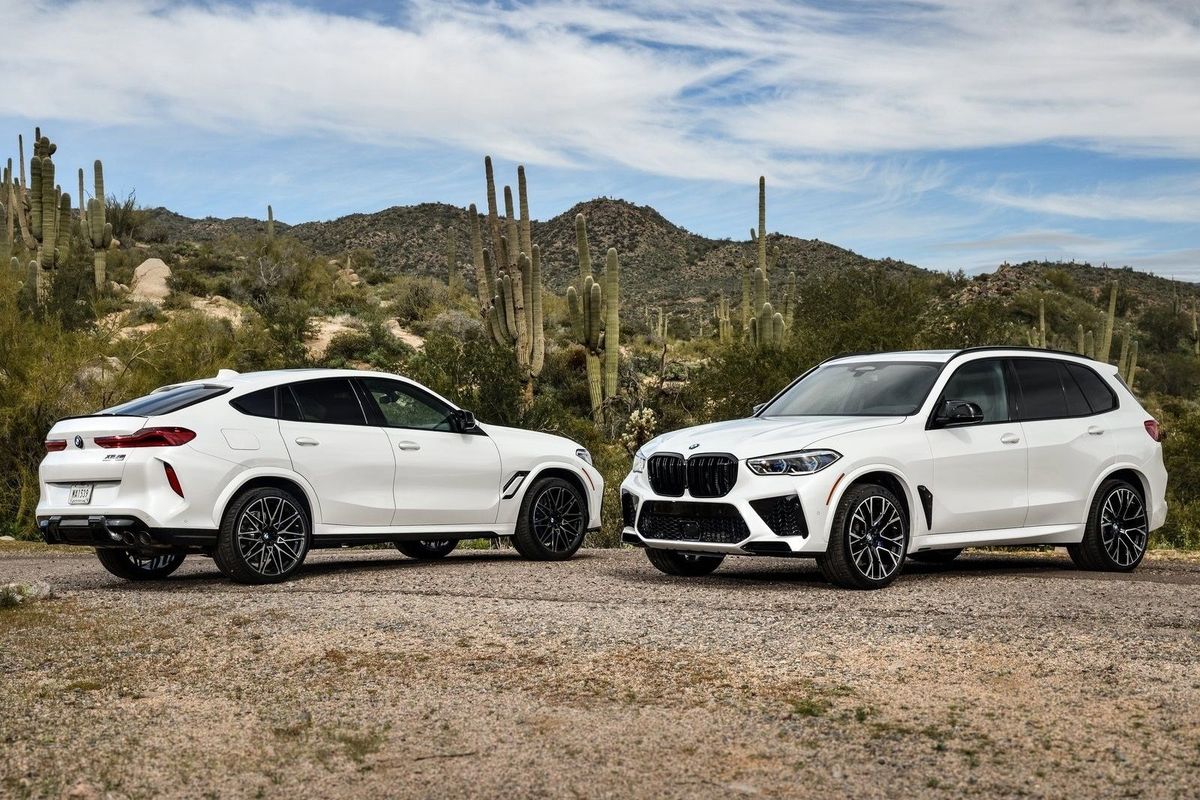
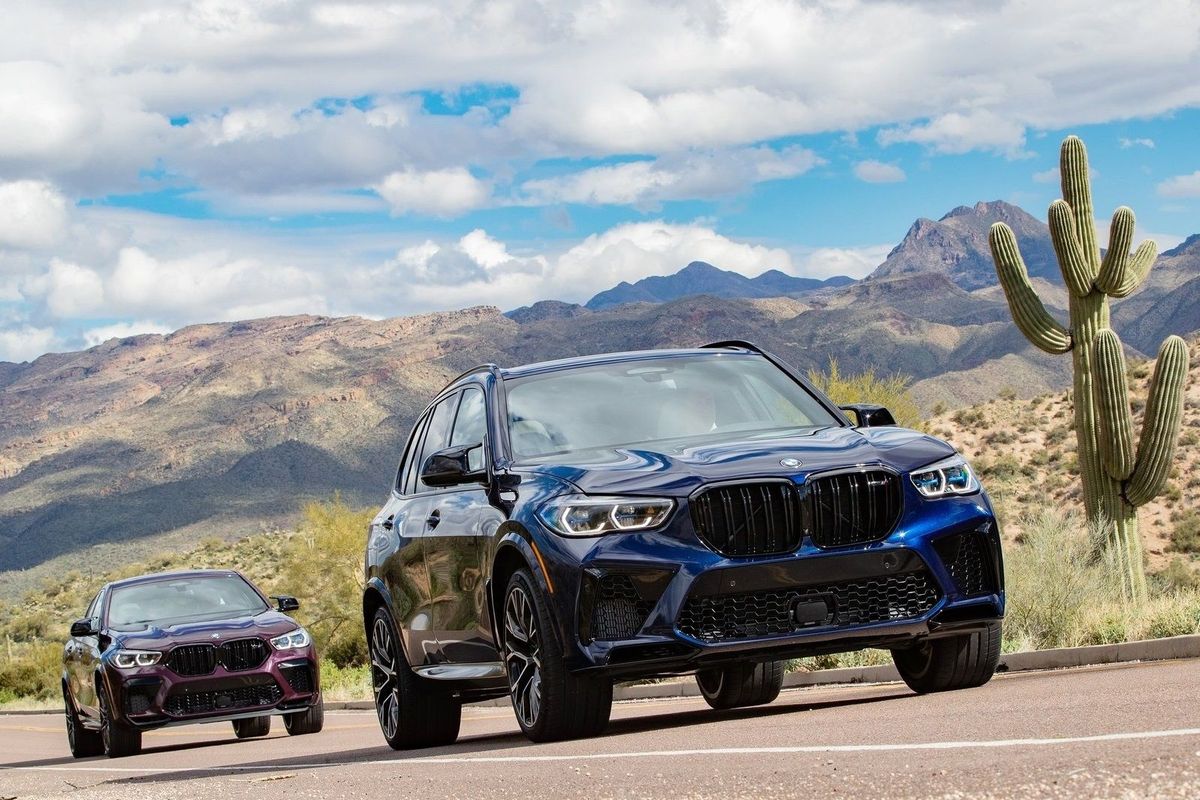
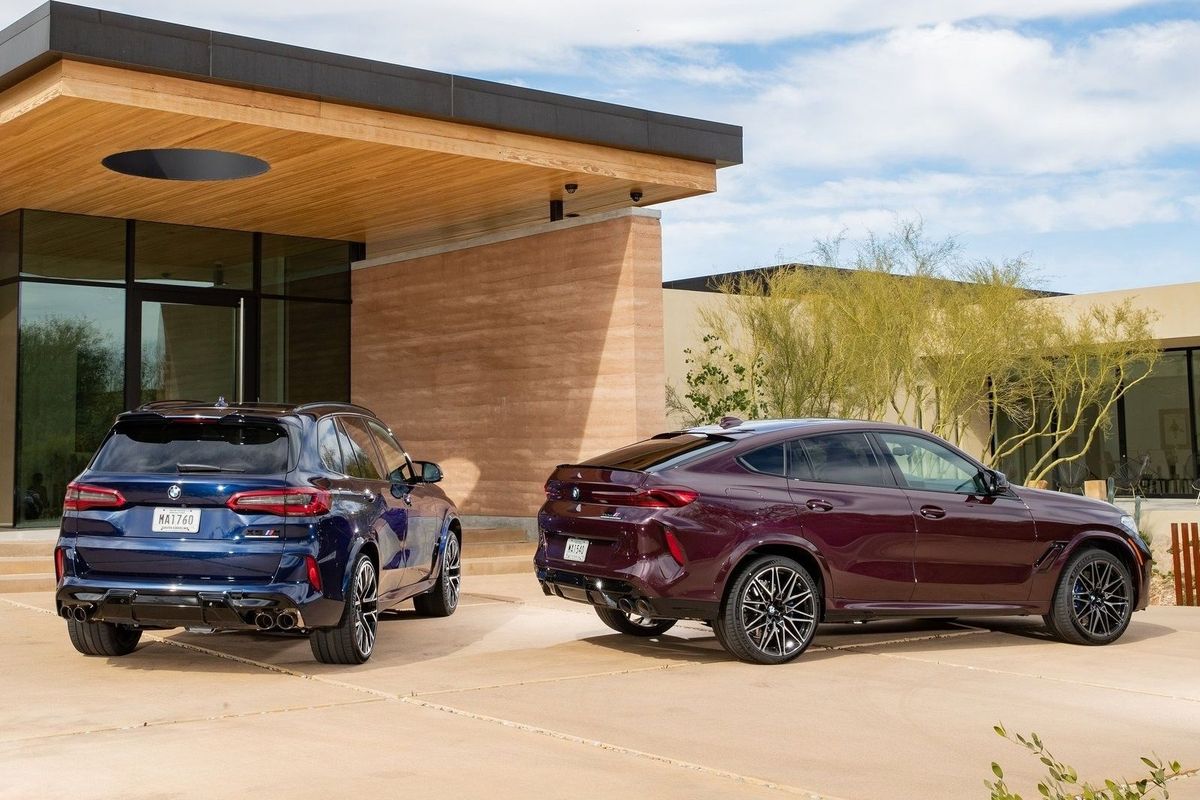
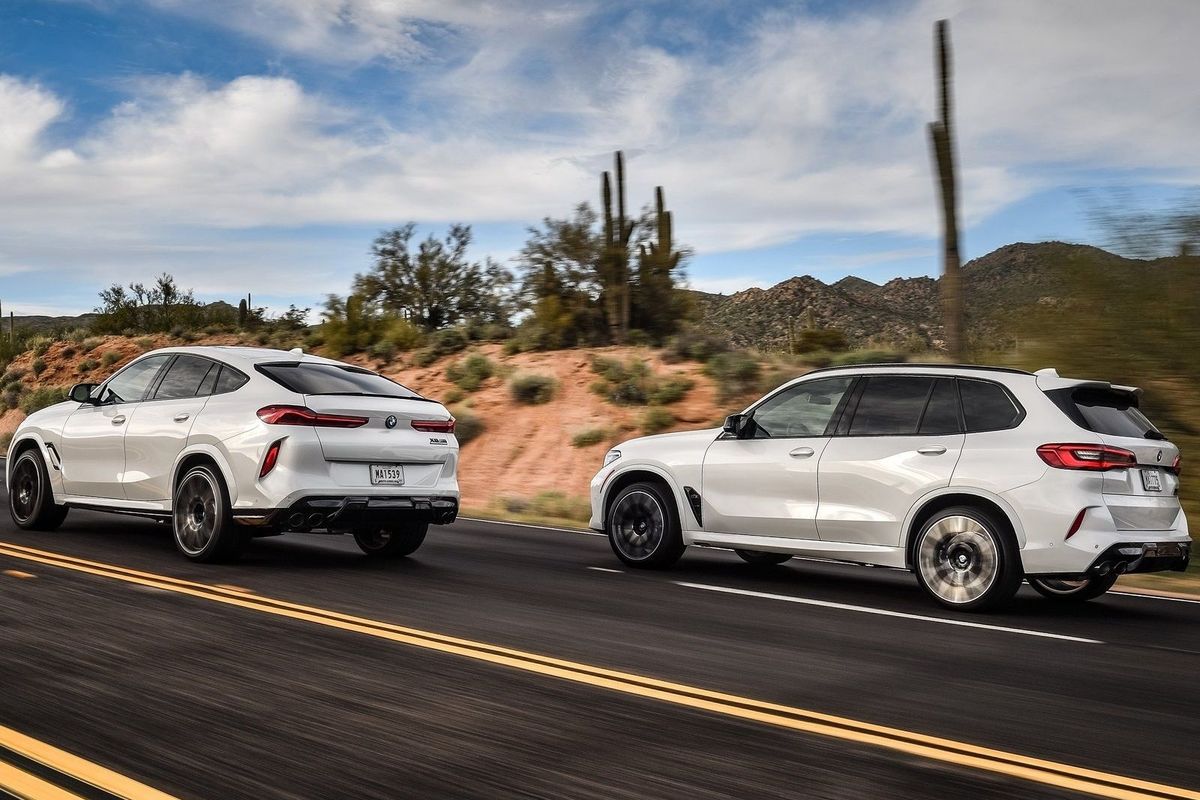
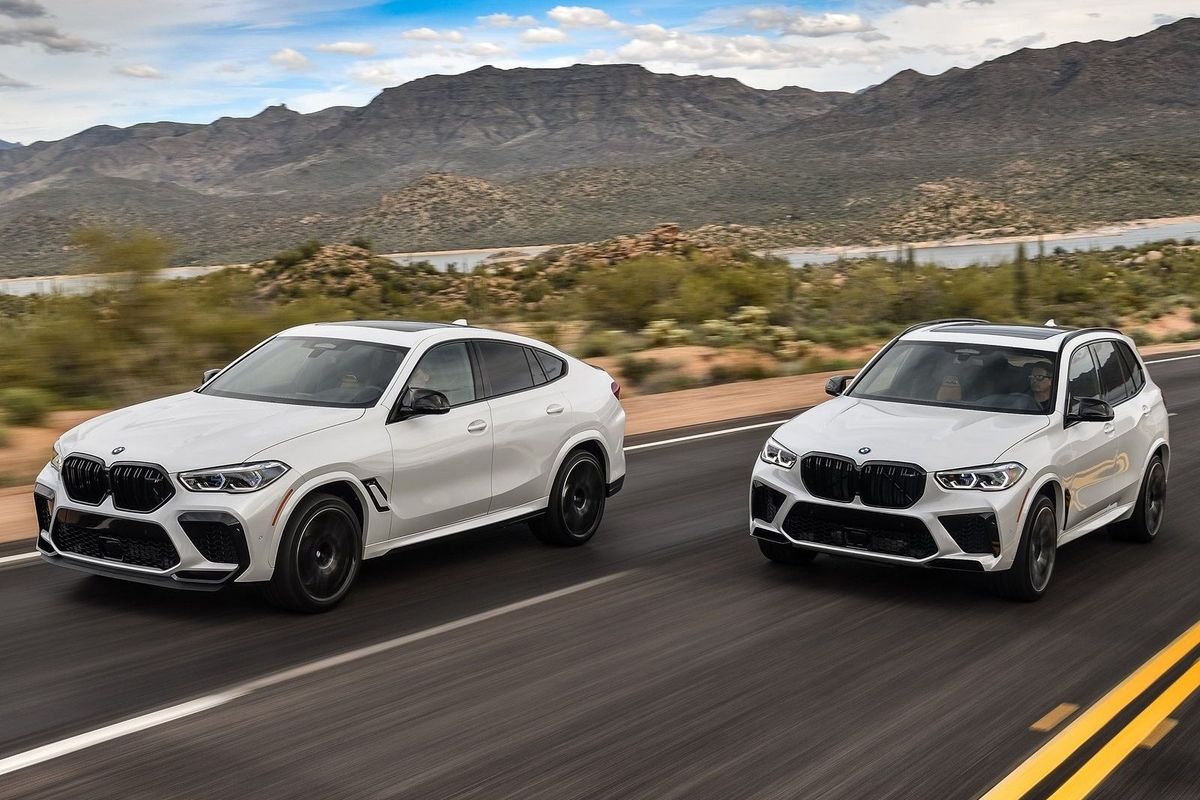
The BMW X5 M Competition and X6 M Competition are on their way to South Africa. Here's how much these monsters cost.
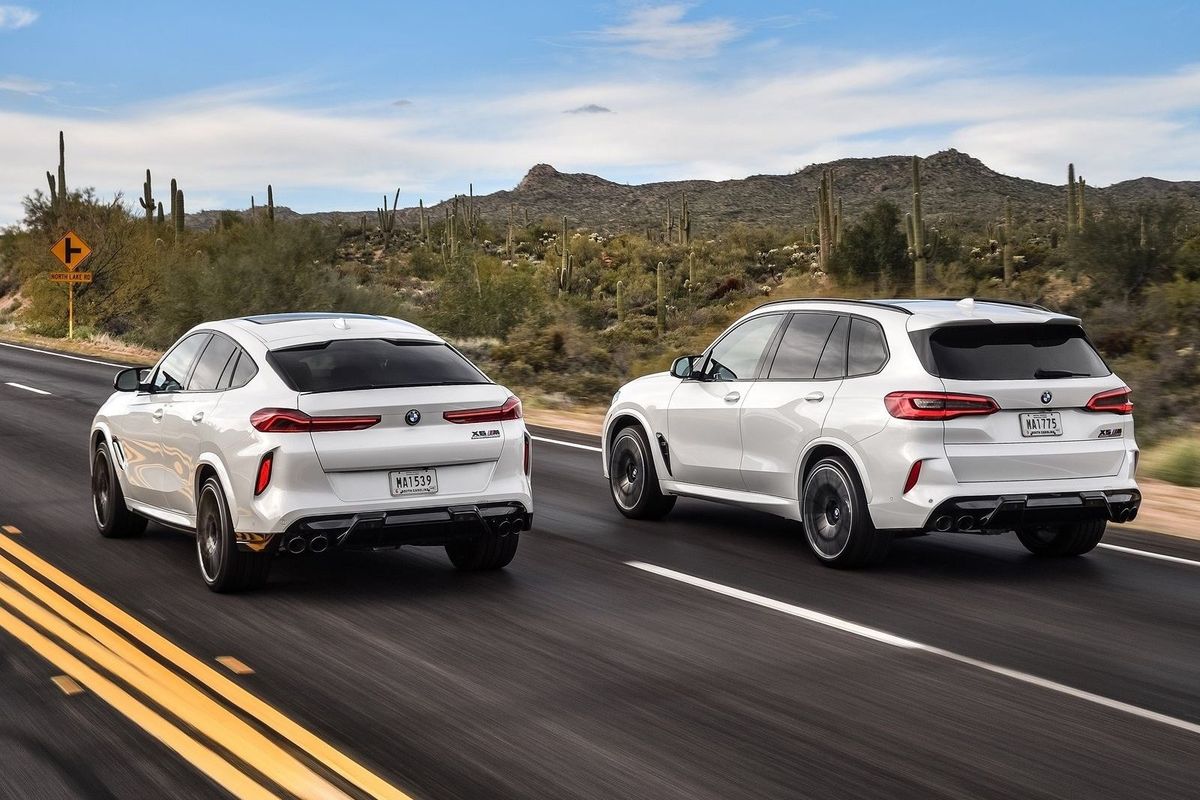
The hottest and hardcore M SUVs are scheduled to land in South Africa in the next month or so and thanks to local carblog Zero2Turbo, we have local pricing.
BMW South Africa will be bringing in only the Competition derivatives of the X5 M and X6 M, meaning we'll be getting the high-output derivatives only. Power comes from a 4.4-litre twin-turbocharged V8 petrol engine, with outputs of 460 kW and 750 Nm. BMW claims sprint times of 0-100 kph in 3.8 seconds and they'll hurtle to a top speed of 290 kph.
We've already had a taste of the BMW X5 M Competition at its international launch event in the United States. We had this to say, "In terms of its dynamic talents on a challenging road, the outrageous BMW X5 M Competition is easily the finest rapid SUV the German company has produced – and it’s one of the most engaging machines of its type from any carmaker that is currently on sale." You can read the full report at the bottom of the article.
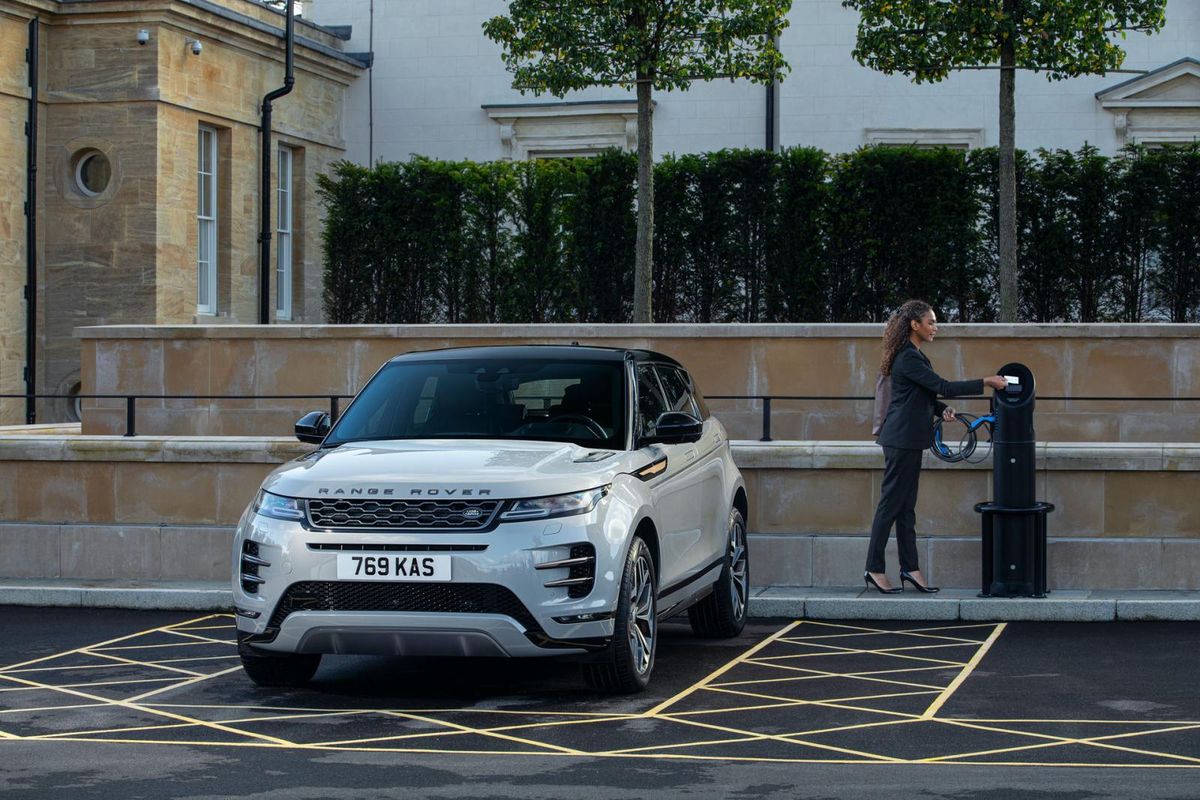
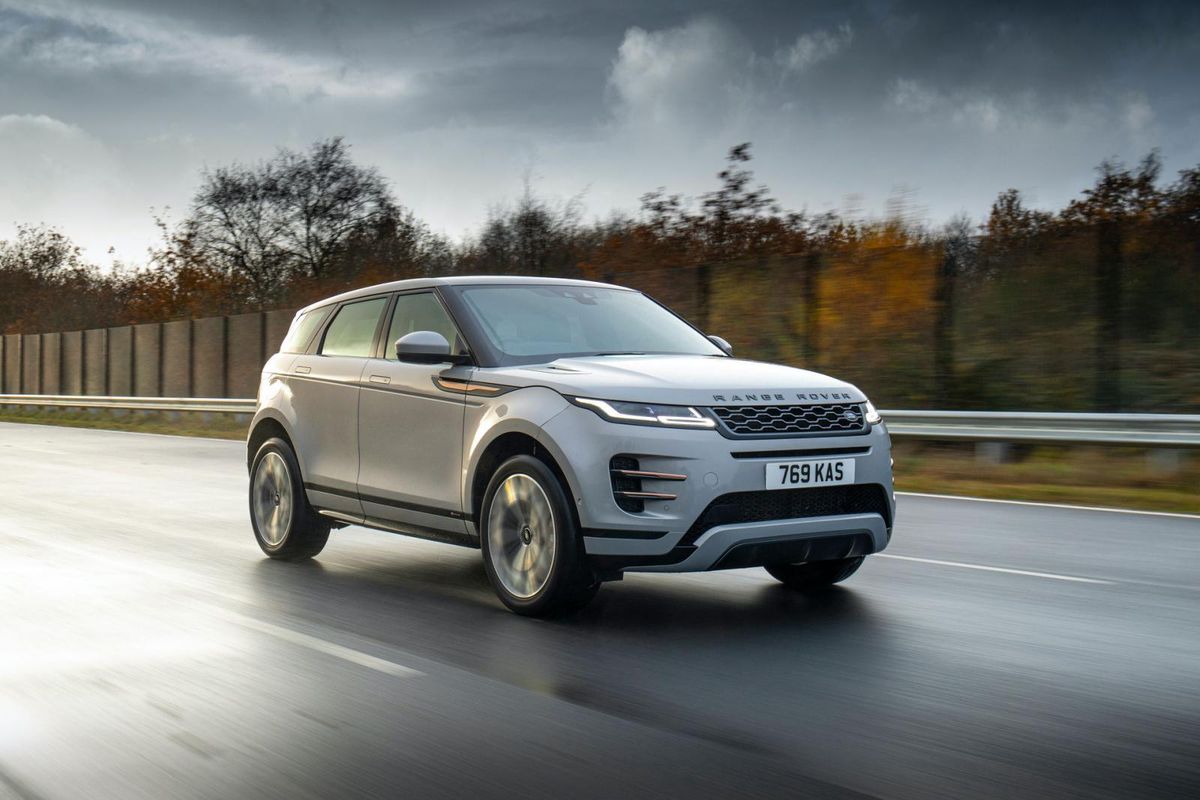
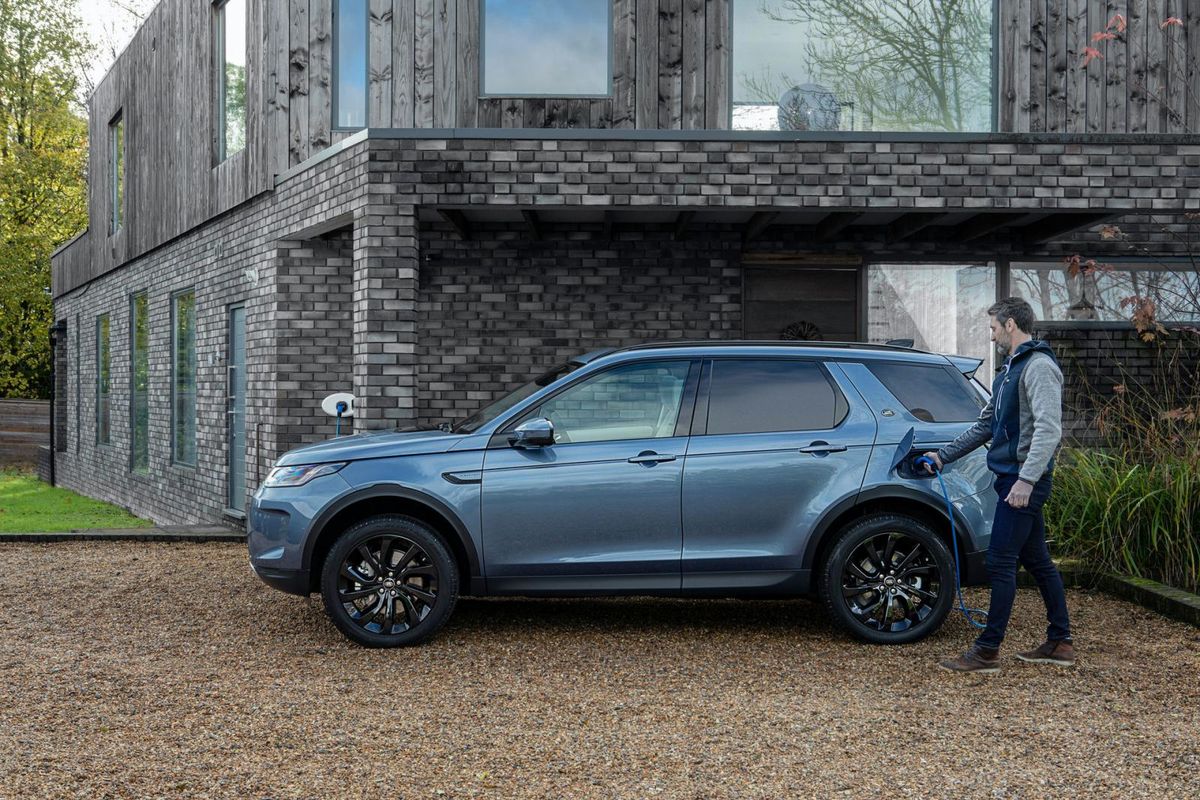
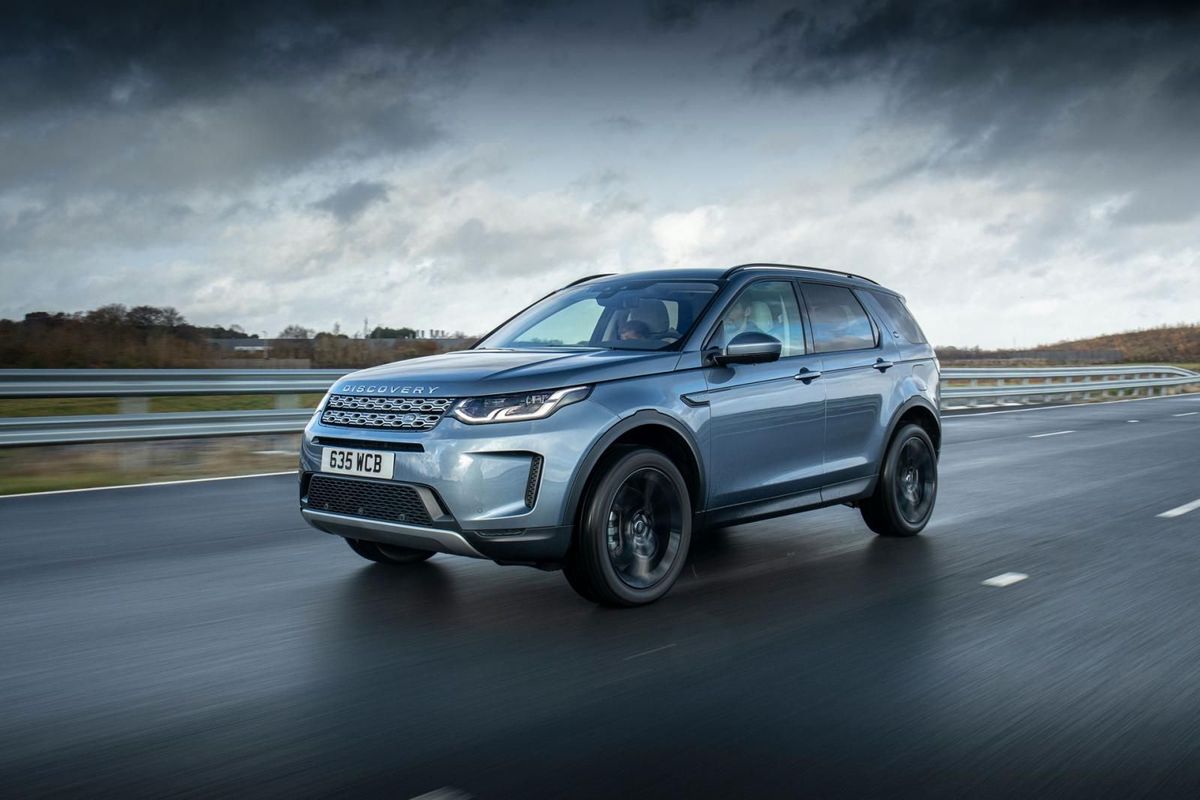
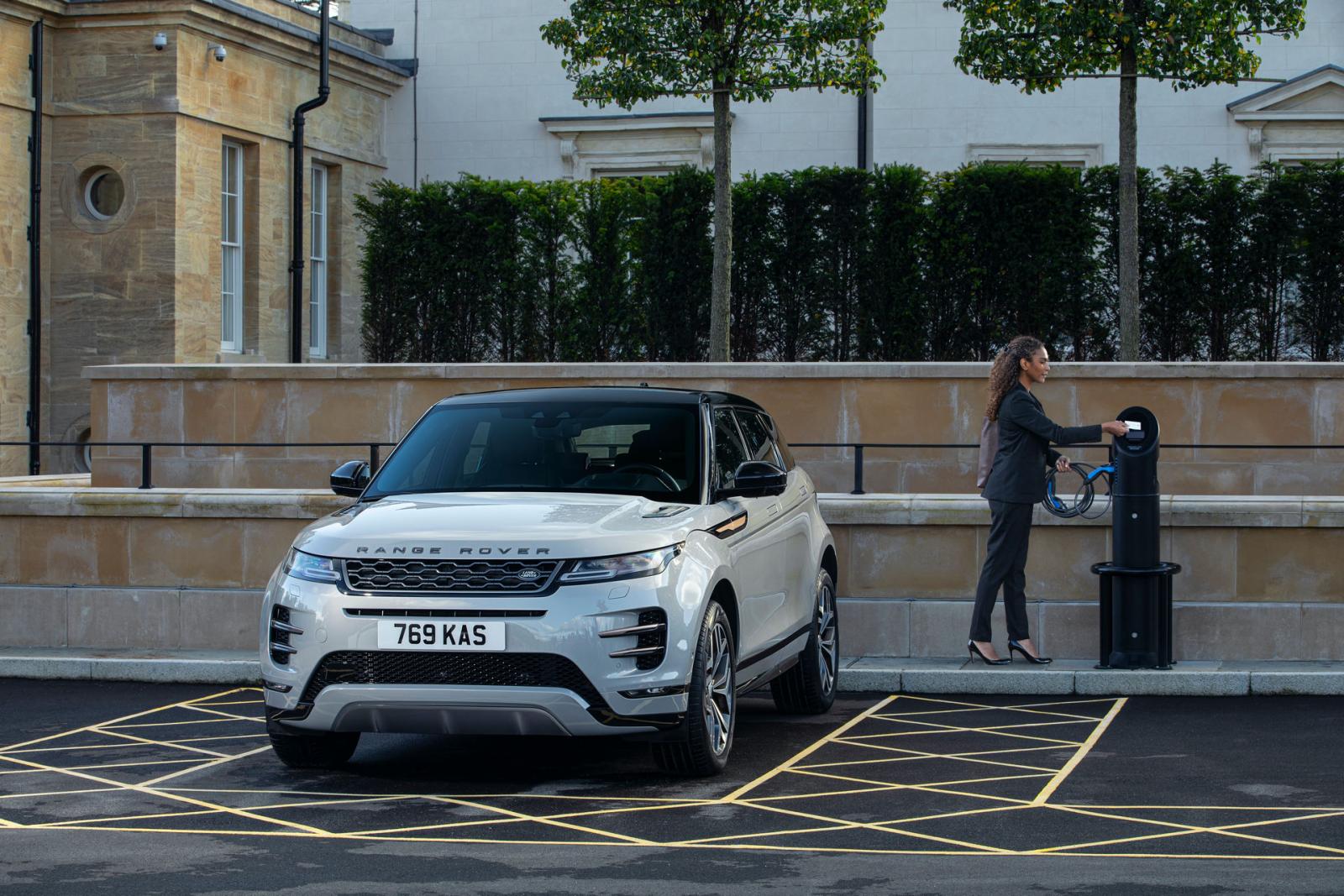
Land Rover has revealed a new 3-cylinder plug-in hybrid system that will be offered on the popular Range Rover Evoque and Land Rover Discovery Sport SUVs.
In an effort to bring Land Rover one step closer to its Destination Zero mission, which strives for zero emissions, zero accidents and zero congestion, the Coventry-based firm is introducing a new plug-in hybrid system that will be offered in the Range Rover Evoque and the Land Rover Discovery.
The new plug-in hybrid system was designed and built in-house using the brand’s scaleable Ingenium engine architecture. The system combines a 147 kW 3-cylinder 1.5-litre petrol engine and an 80 kW electric motor to deliver an all-electric range of up to 66 km for the Evoque and 62 km for the Discovery Sport. Claimed fuel consumption is roughly 1.4 L/100km and CO2 emissions are as low as 32g/km depending on the model.
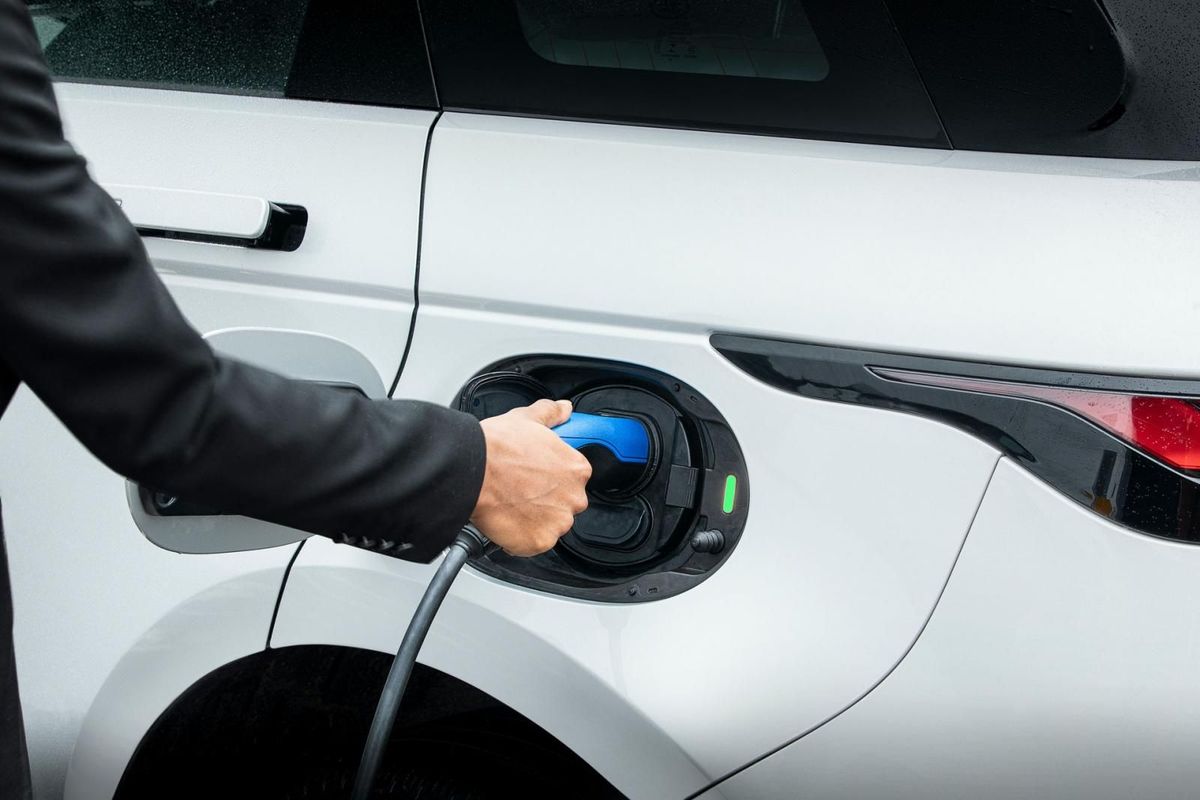
As for charging, the system can be charged by harvesting energy generated through acceleration and braking in electric or hybrid mode which recharges the battery. The 15 kWh battery can also be charged by plugging into a public rapid charger that will charge up to 80% of capacity in 30 minutes. A dedicated wall box at your home will take 1 hour 24 minutes while a domestic wall socket will take 6 hours and 42 minutes to charge up.
30 minutes is all you need to get up to 80% charge at a public fast charger.
Both the Evoque and Discovery Sport are built on Land Rover’s Premium Transverse Architecture and the hybrid hardware is neatly packed in the cabin floor without impinging on cabin space, luggage space or all-terrain ability.
The introduction of this technology marks the second phase of electrification at Land Rover’s Halewood plant where more than 1 500 employees are producing these new plug-in derivatives.
In addition to these new derivatives, Jaguar Land Rover is expanding on its electrified portfolio which embraces fully electric, plug-in hybrid and mild-hybrid vehicles seen in current products such as the flagship Range Rover, Range Rover Sport, the new Defender and the all-electric Jaguar I-Pace.
The company will also transform its facility at Castle Bromwich where a range of new electric vehicles will be built, including the new Jaguar XJ. It was also announced last year that Jaguar Land Rover would build its electric drive units at its Wolverhampton Engine Manufacturing Centre in the UK which is complemented with investment into the UK’s most technically-advanced battery assembly centre at Hams Hall, all of which will contribute to the company’s next generation of vehicles.
The Range Rover Evoque PHEV and Land Rover Discovery PHEV have not been confirmed for introduction in South Africa.
This is as much performance as you're likely to get in the current 1 Series. How does the 135i live up to its heritage now that it has changed the very thing that made it unique? Ciro De Siena made this video to explain it.
Every now and then, a test car arrives at the office and divides opinion among the Cars.co.za journalists. This is not one of those times.
With the new BMW M135i, BMW has removed all the character traits that made the M140i so special. Six-cylinder engine? Cheers. Rear-wheel-drive? Also gone. So this is now an all-wheel-drive, 2.0-litre, 4-cylinder hatchback. So, it's basically a Golf R?
In this video, Ciro De Siena finds out if there's any BMW-ness left in the flagship 1 Series.
Possible hybrid-bakkie in the making from American electric vehicle maker?
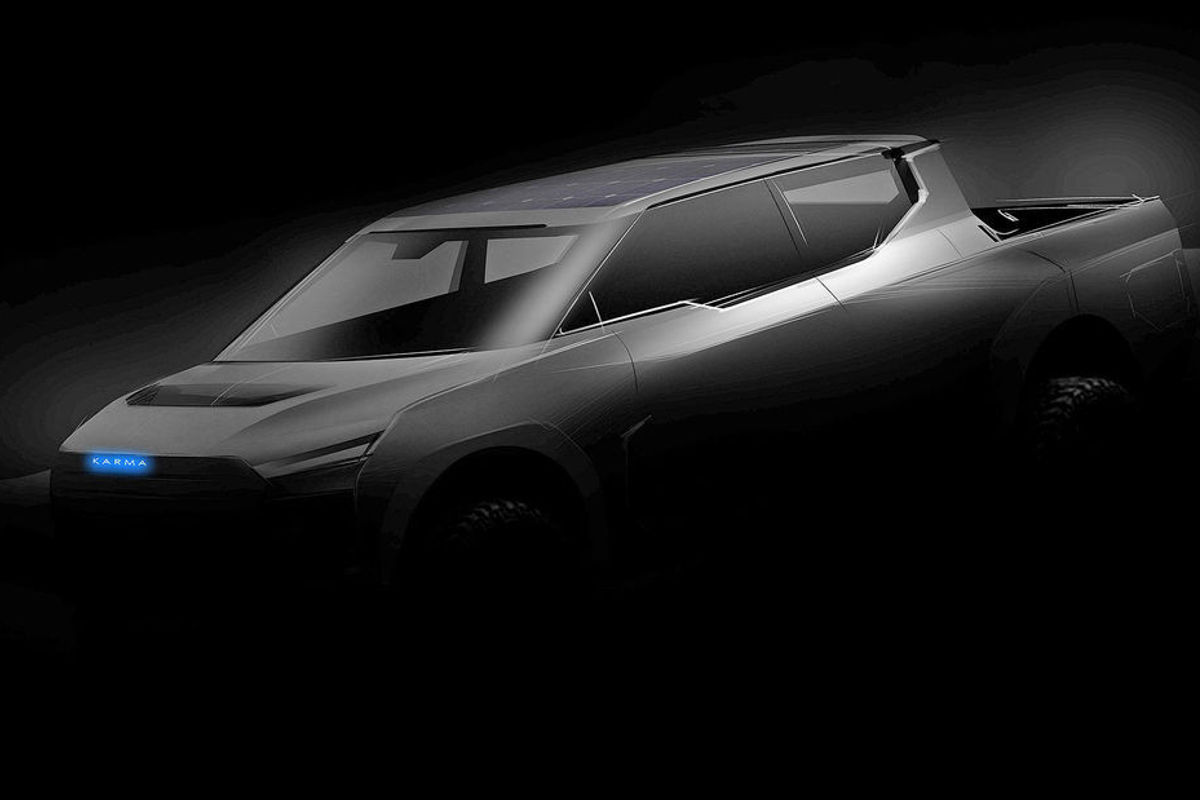
American vehicle brand, Karma (previously Fisker Automotive), teased a double-cab bakkie rendering earlier this year. With many broken promises over the years, Karma’s product deadlines are often met with disappointment, but the future of its bakkie project has just become a bit more real.
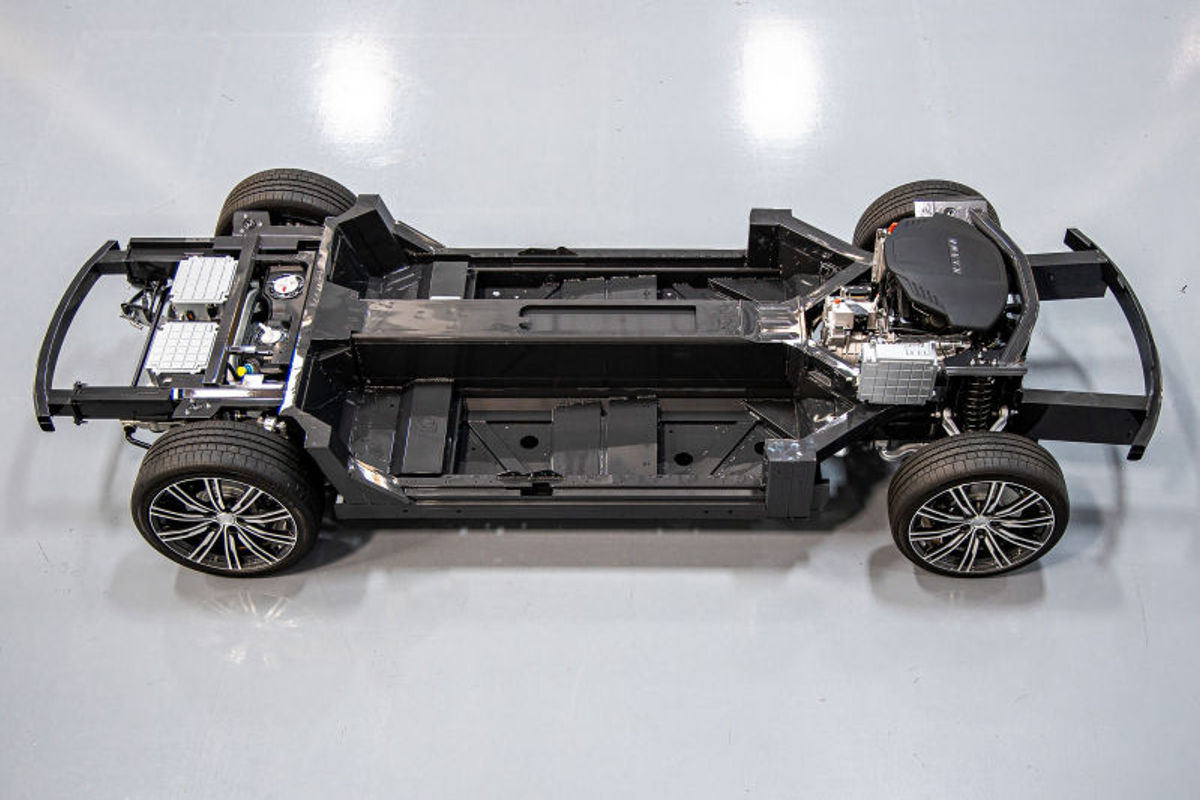
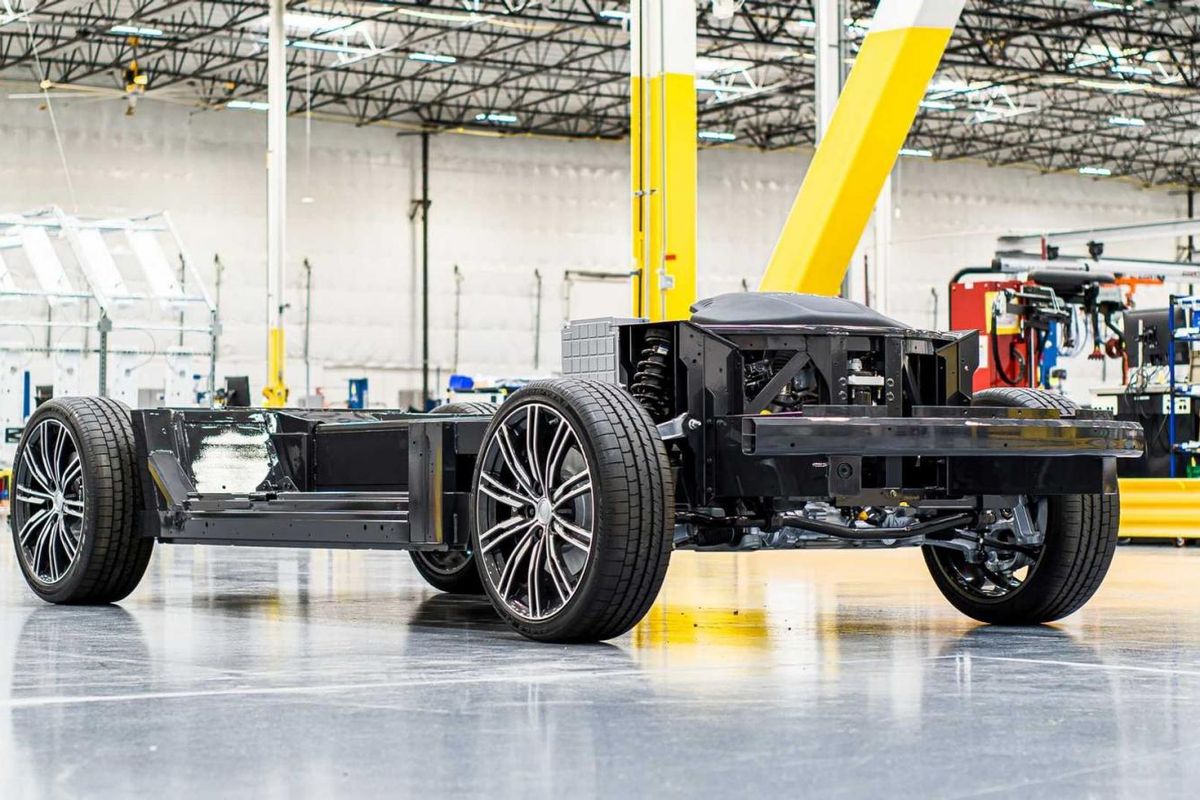
The company has now shown a working example of its new plug-in hybrid vehicle platform. Called the E-Flex, it is claimed to be one of the most sophisticated and adaptable hybrid vehicle platforms in existence.
For Karma’s own use the new E-Flex platform will support five different products, which could possibly include a production version of its new double-cab bakkie.
The E-Flex platform differs from the skateboard-type design, which has become the industry standard for electric vehicles of late. Where the clever engineering happens, is in how adjustable it is – being able to change wheelbase and ride height configurations, for different plug-in hybrid applications.
Whilst the industry is rushing to produce pure electric vehicle platforms, the reality is that most customers are more comfortable with hybrids. In the global bakkie market, hybrids are still a complete rarity and with the E-Flex platform, Karma could have an important design advantage to leverage.
Karma claims that 22 vehicle configurations are possible on its E-Flex platform, so it is quite safe to assume a bakkie is one of them. Our indication of the E-Flex’s powertrain output is by scrutinizing the speciation of Karma’s 2020 model year Revero GT sportscar – which is the only production vehicle currently using it.
The hybrids system powering Karma’s Revero uses a relatively modest 28 kWh battery pack, in combination with a BMW sourced 1.5-litre three-cylinder petrol engine. With the benefit of turbocharging, the total peak system output is 400 kW and 746 Nm.
Those numbers would be more than potent enough for any future double-cab bakkie project from Karma. And truth be told, the market might be more receptive to a hybrid bakkie transition, for now, than an expensive pure battery-driven double-cab.