Volkswagen Readies Tiguan + Arteon Plug In Hybrids
Volkswagen has announced plug-in hybrid versions of its Tiguan and Arteon to be released in 2020.
Volkswagen is making good on its electric mobility plans and while the all-electric ID.3 has been delayed, the brand is expanding its portfolio with an array of plug-in hybrids. Volkswagen claims the demand for some form of electrification has increased considerably in its domestic market of Germany with 1 in 2 Volkswagen Up! units is for the electric model, while 1 in 7 Passats sold is the plug-in hybrid.
The new plug-in engines look exciting on paper. The Volkswagen Passat GTE features a 1.4 TSI motor developing 115 kW as well as an electric motor with 85 kW. Combined, there's 160 kW and 400 Nm, and 3 driving modes. Impressively, it is claimed to cover up to 56 km on pure electric alone, which Volkswagen says beats the 42 km daily range by an average customer. It's this engine which we believe will be going into the Arteon and Tiguan plug-in hybrid models. There's also a Tiguan facelift due in 2020 to look forward too.
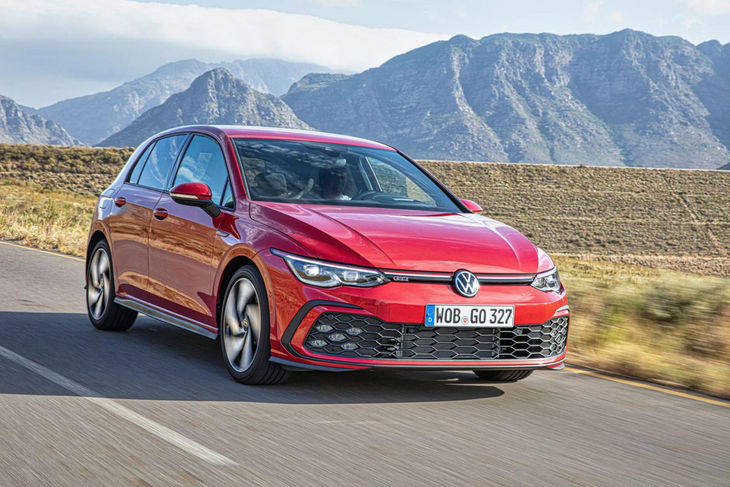
Volkswagen has already confirmed a GTE version of the new Golf 8, packing 180 kW as well as a Touareg R with its 340 kW hybrid V6. As for the South African market, Volkswagen SA has confirmed its undergoing trials with the ID.3 and e-Golf, before launching its electric cars to our market in 2022.
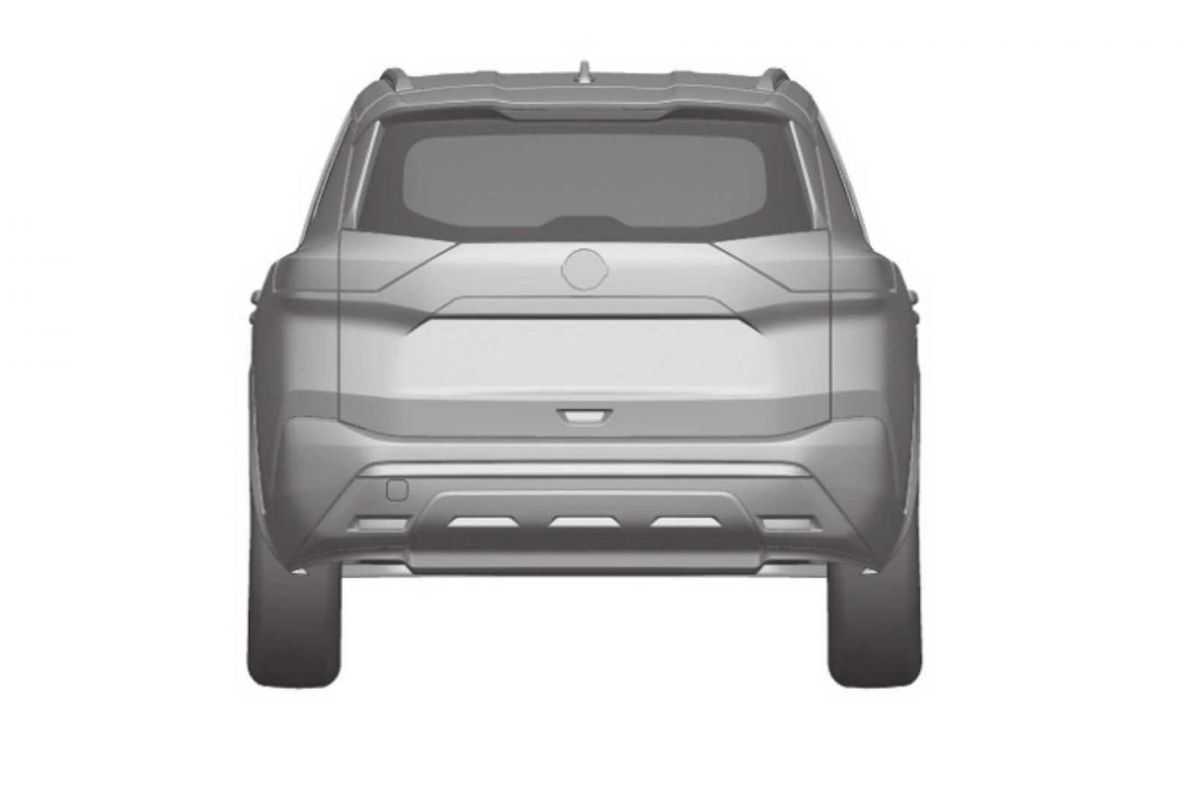
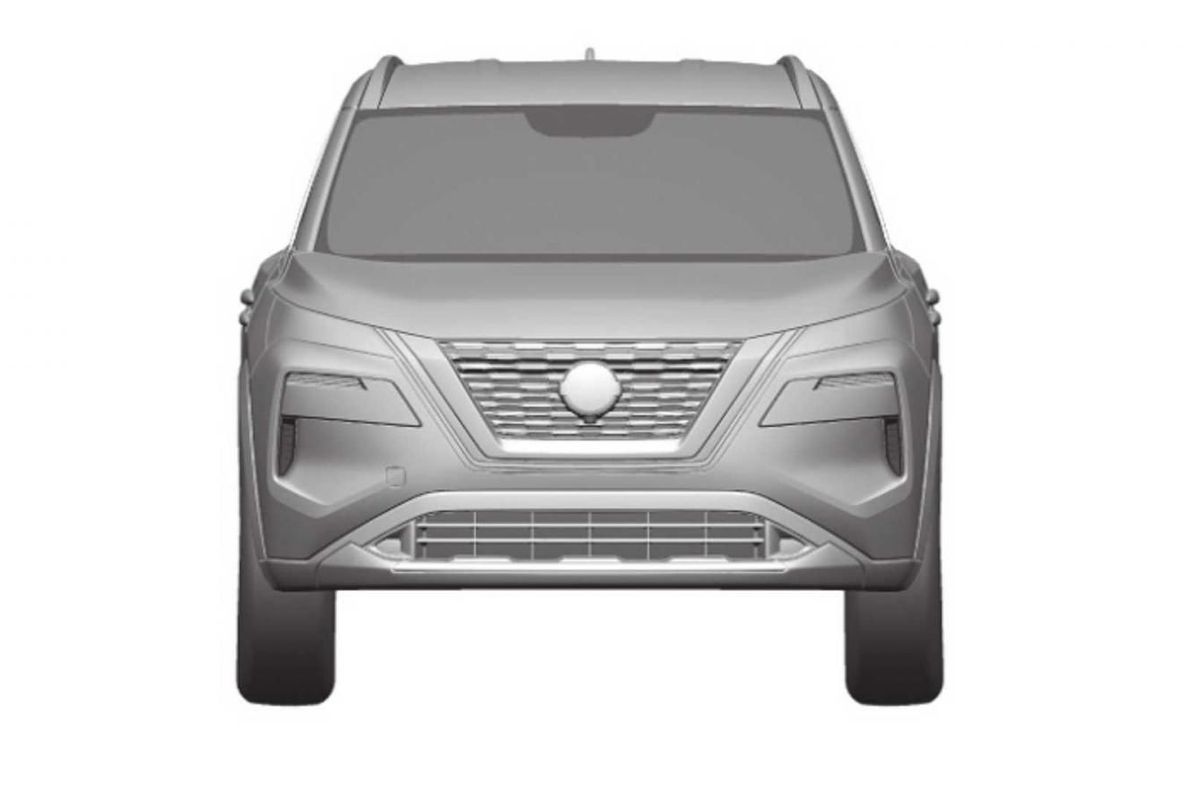
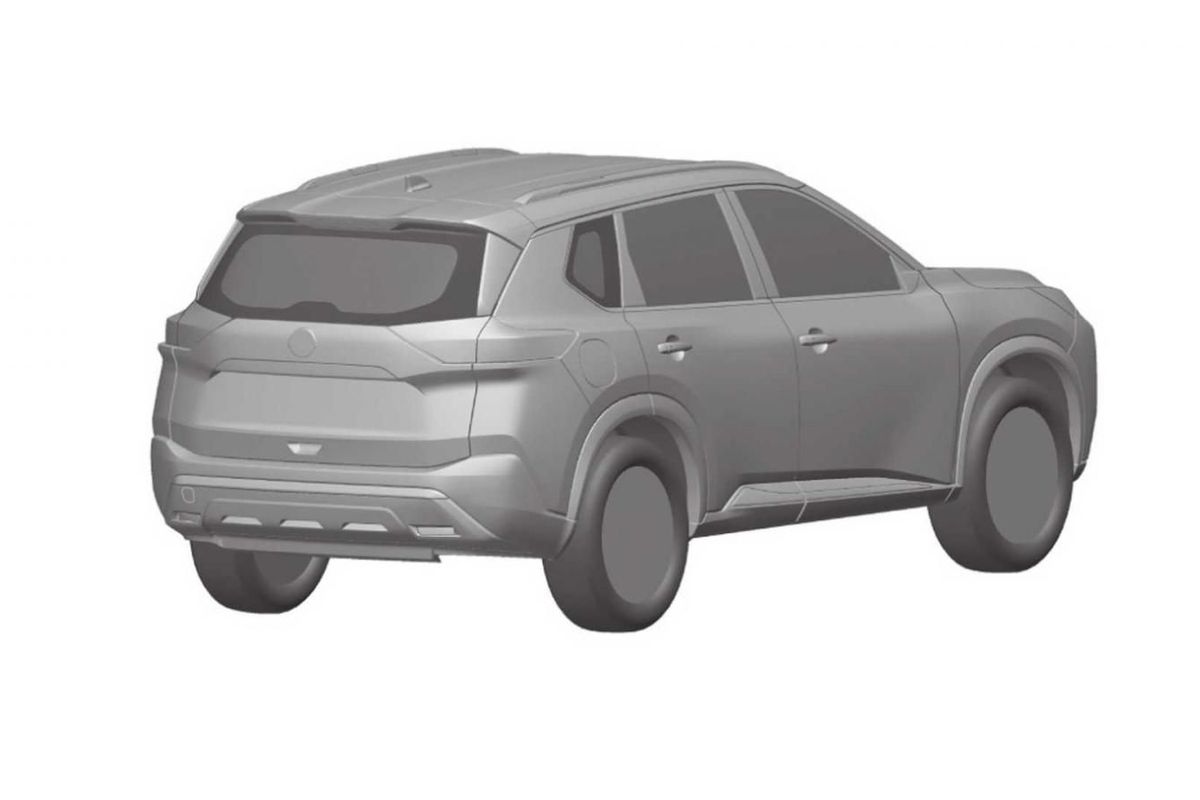
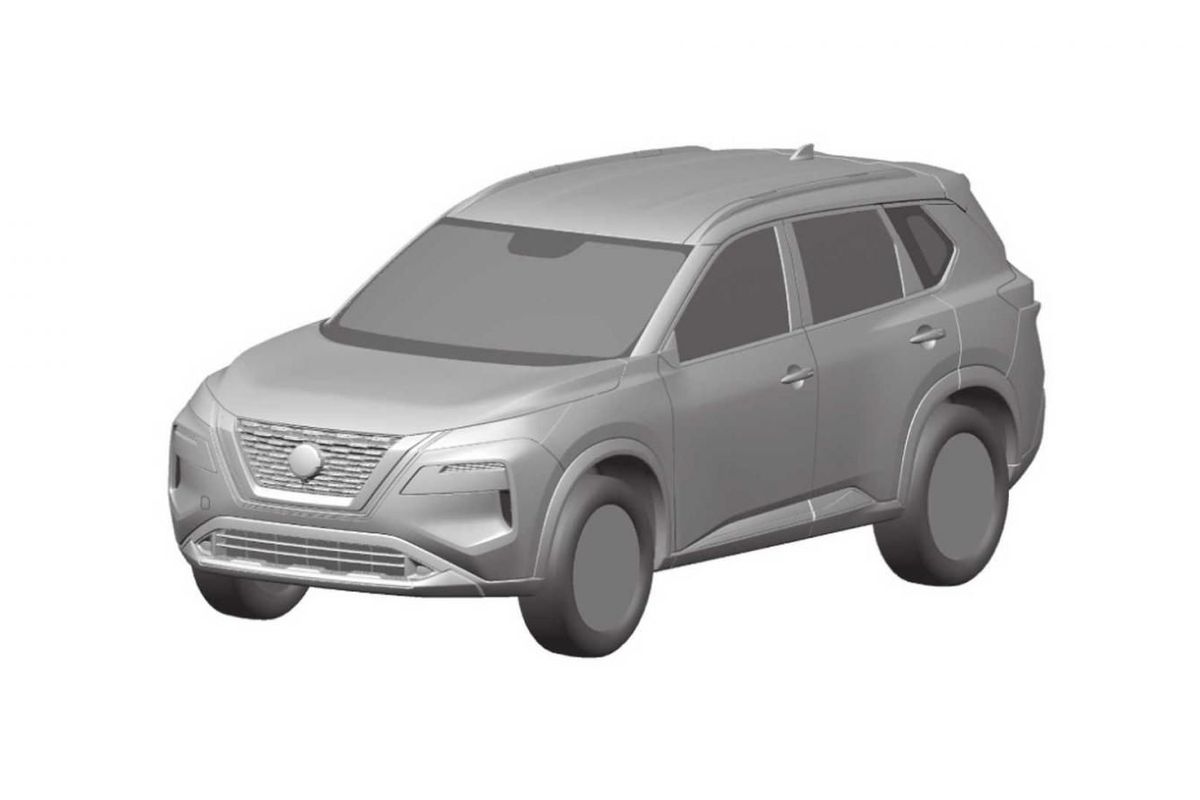
It appears the new Nissan X-Trail has been revealed thanks to a patent filing in South America.
In a Brazilian patent filing, Nissan has submitted the designs you see here. From what we can see, the new Nissan SUV has a face and design elements not too dissimilar to that of the all-new Juke. The outgoing Nissan X-Trail wasn't unattractive, but the design seems to have matured nicely.
The cabin is expected to showcase the majority of changes as there'll be an upgraded interior with nicer materials and more modern tech thrown in. Expect a digital dashboard, more connectivity and so on. The Nissan X-Trail is available in 5-seater and 7-seater configuration, and depending on the model, quite handy when it comes to the offroad stuff.
In terms of engines, we expect naturally-aspirated petrol, turbocharged petrol and turbodiesel motors in the lineup. The last taste of X-Trail we had was the 2.5-litre petrol with 126 kW and 233 Nm mated to a CVT. Expect the new Nissan X-Trail (badged as Rogue in some markets) to be revealed before the end of 2020.
Toyota Financial Services has announced relief plans for customers who have been financially impacted by COVID-19.
Toyota Financial Services provides a wide range of financial services products to the Retail and Corporate market in South Africa including Vehicle and Asset Finance, Full Maintenance Leasing and Vehicle Stock Funding.
Due to the current pandemic crisis which has impacted everyone, Toyota Financial Services has announced relief plans for customers. In a statement, Toyota Financial Services said, "in response to the effective actions put into place by our National Government, we have implemented what we believe, are appropriate and ethical plans to responsibly navigate around the current situation and ensure service continuity for all our customers. We applaud the Government for taking decisive action early on and charting the course."
What does this entail? From 1st April until the 30th June 2020, Toyota Financial Services will implement measures to provide relief to individual and business customers. Toyota Financial Services makes it clear that the relief and support will depend on the type of product and prior banking behaviour. Standard interest and fees will continue to accumulate, but no fees will be charged for any relief granted. Customers are advised to get in touch to make the necessary arrangements. "Our aim is to ensure that customers across all our product segments can continue keeping their financial affairs in order through this difficult time. We encourage all customers who can honour their financial obligations to continue servicing their repayments to maintain a positive credit record," said the statement.
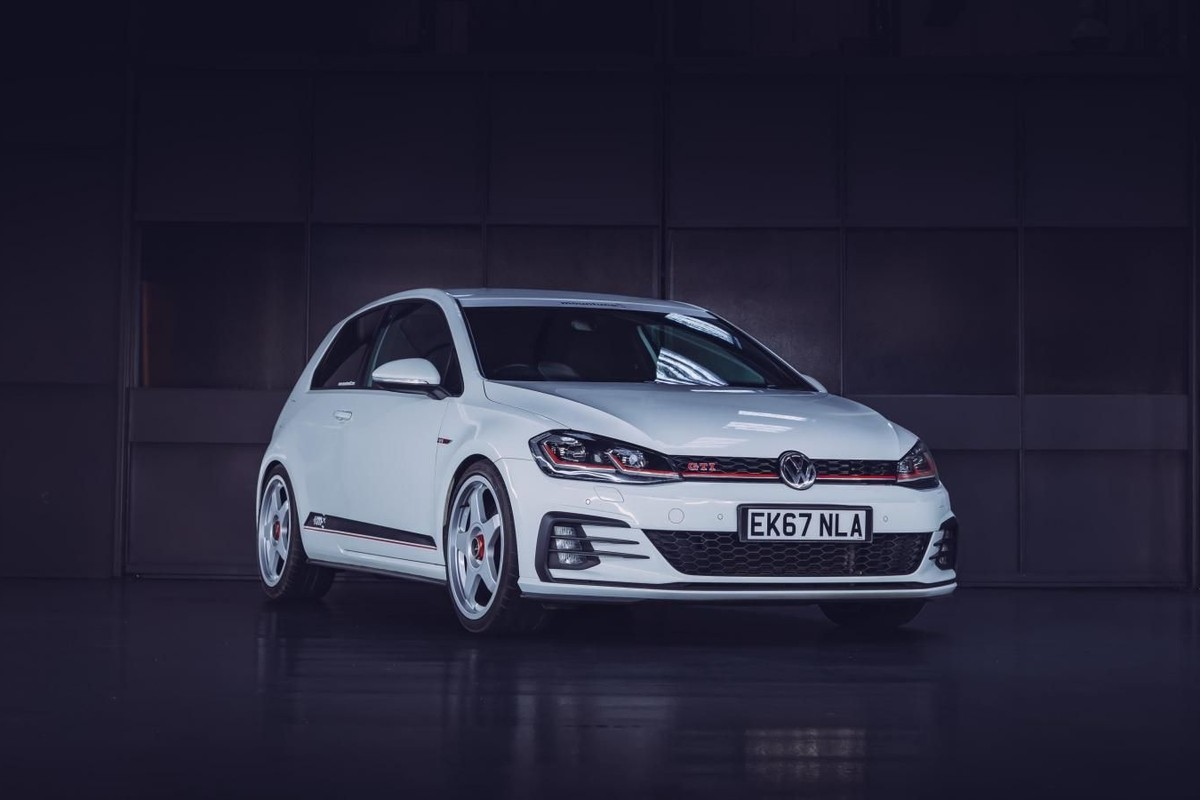
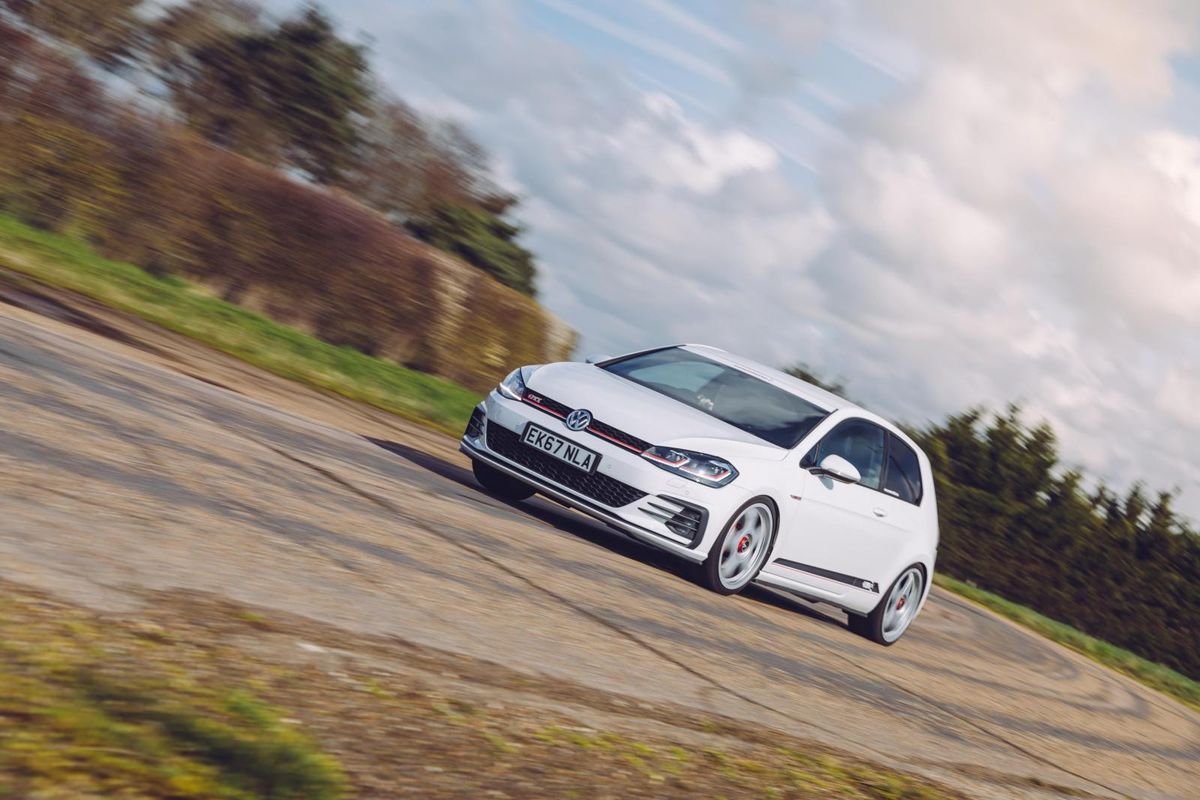
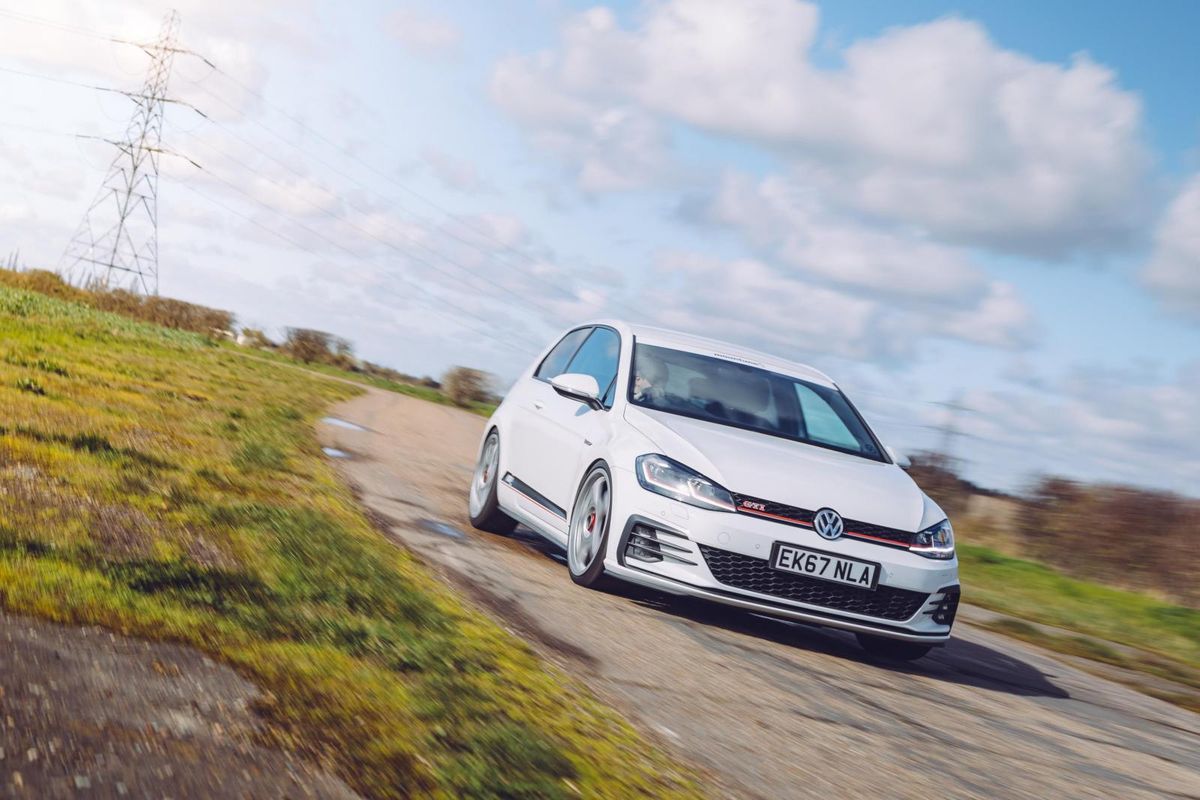
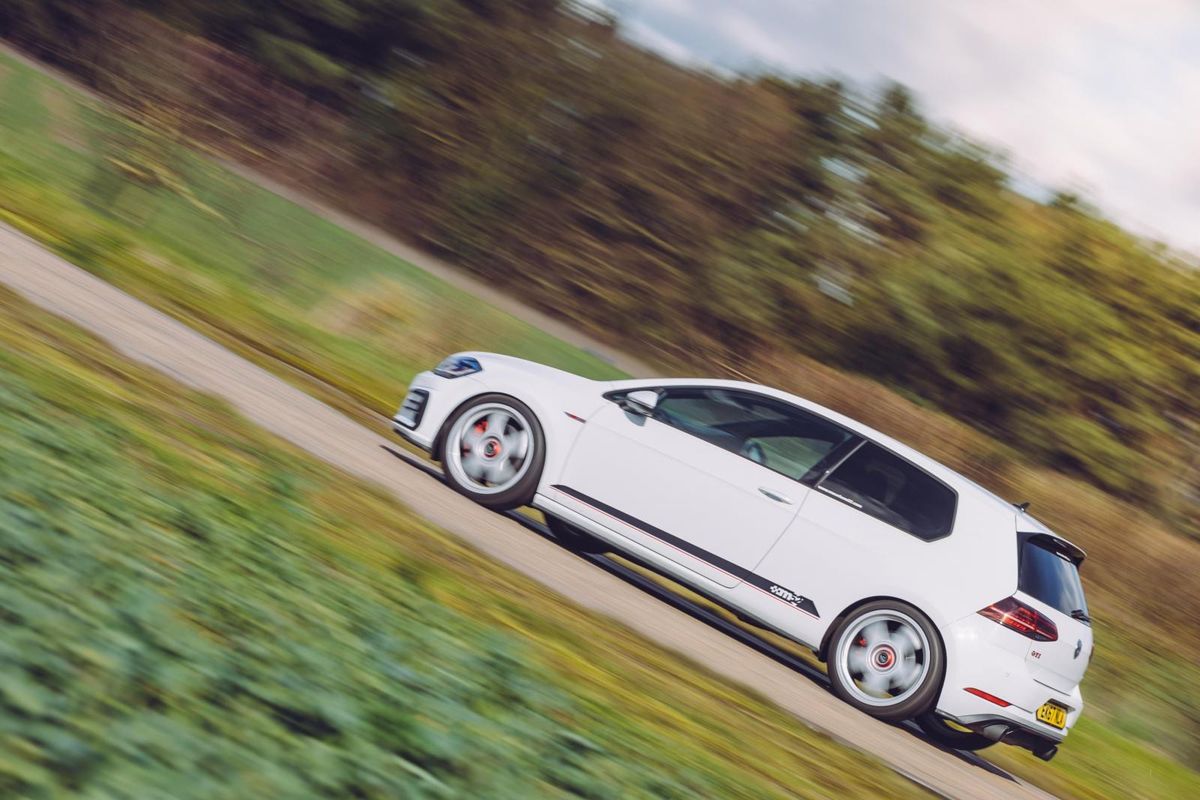
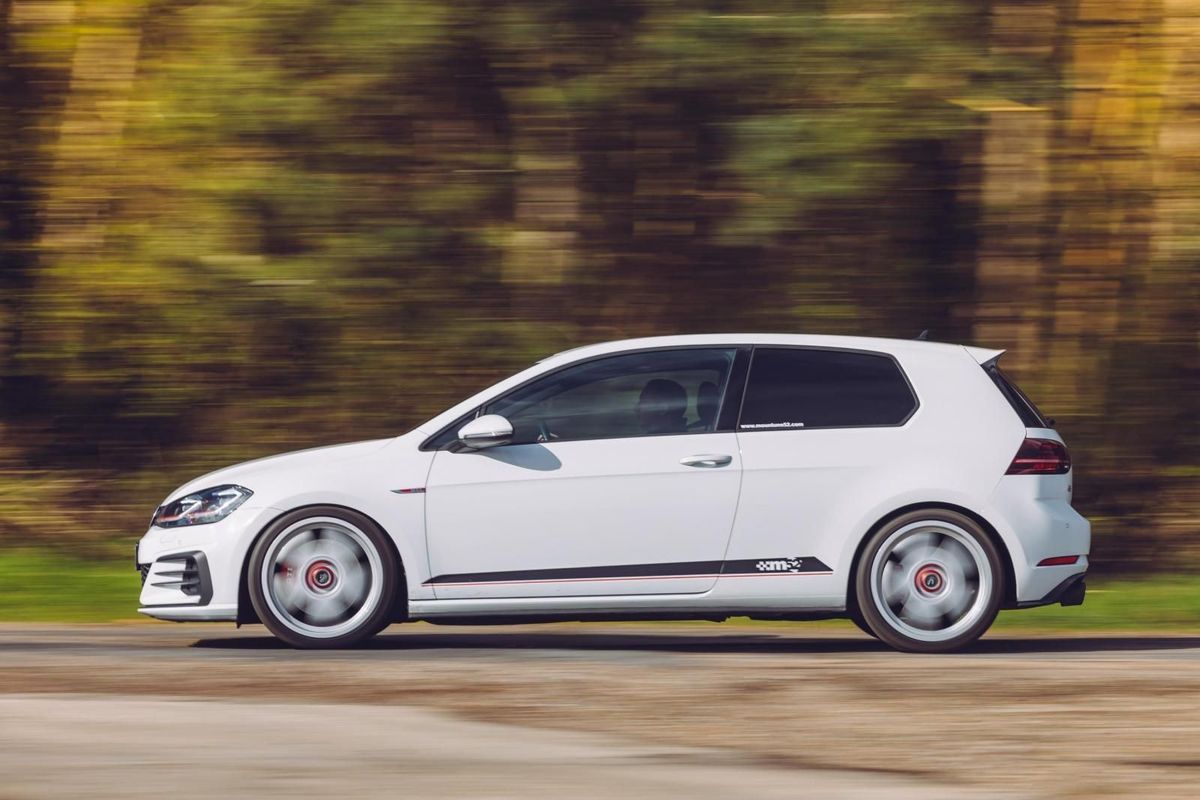
British tuner, mountune52, has done some impressive upgrades on the current Volkswagen Golf GTI.
The Golf GTI has been a smash hit for Volkswagen and while its due to be replaced with an all-new GTI very soon, tuners such as mountune52 (The Volkswagen division of Mountune) are making the most of what the 7th generation Golf GTI has to offer.
While the current Golf GTI offers 169 kW and 350 Nm from its 2.0-litre turbopetrol engine, this fine Golf GTI specimen by mountune52 benefits from a Stage 2+ upgrade calibration which has boosted power to a cracking 287 kW while torque has been boosted to 510 Nm. Zero to 100 kph now takes just 5.2 seconds (standard GTI does 6.4 seconds)! It’s worth noting that the Golf GTI Clubsport S offers 228 kW and 380 Nm.
“This latest upgrade for the Golf GTI, showcases not only our performance expertise but also the continued broadening of the mountune52 product catalogue” explains Alec Pell-Johnson, Director of Mountune and mountune52. “The Golf GTI is an incredibly popular car with a huge community of enthusiasts always striving to take the performance of the car to the next level and we believe that the STAGE 2+ power upgrade does just that.”
The significant power gains are made possible with an IS38 turbocharger fitted from the Golf R as well as bespoke calibration to maximise performance. Using a mTune handset, users are able to decide when they access the additional performance. The DSG transmission can also be upgraded to a TCU DSG (a clutch upgrade is also available).
Do you like what mountune52 has done with the Volkswagen Golf GTI?
Sadly, due to COVID-19, we're not allowed to drive unless it's absolutely necessary and our vehicles are parked. Here are some tips to look after them.
We're a few days into the 21-day lockdown and the AA of SA has shared some tips on how best to look after your car and motorbikes. “Any vehicle that is left unused for a period of time may develop issues that require intervention to get running normally again. But the hassle of wanting to start a vehicle when the battery is drained, or driving on uneven wheels, may be alleviated with some proper home care for the next couple of weeks,” says the AA.
Vehicle Lockdown Tips
If you can, park the vehicle indoors, under a roof, or use a car cover so it stays cleaner for longer.
Some may have suggested removing the battery, but disconnecting the negative terminal will also be fine. Remember to never touch the terminals together and use vaseline on the terminals to prevent rust.
Long-term dirt can cause paintwork damage so now is a good time to give it a good hand wash.
If you can, block the air intakes and exhaust with some rags, which the AA says will stop rats and bugs from getting in. Remember to remove these before you start the vehicle, so leave a note on the steering wheel to remind you.
Prevent your wipers from sticking to the windshield by putting some plastic wrap under the blades first.
While we may not be driving, it's tempting to cancel your insurance policies for the period of the lockdown. The AA notes, "you may be flouting the terms of your lease or purchase agreements if you cancel"
If the lockdown is extended, the AA says it's worth filling up with petrol as a full tank will prevent rust from forming on the inside. At least the petrol price is coming down significantly.
If the lockdown is extended, flat spots may occur on the wheels and to prevent this, try jack all the tyres off the ground.
“Having a reliable vehicle is essential and should not be taken for granted. If you are leaving your vehicle unused for a long period, it will still require some maintenance. Do not assume that an unused vehicle is going to start first time weeks after it was last used if it is not properly cared for during the lockdown,” concludes the AA.
Former VW and BMW designer follows the current trend and heads East.
Kia has appointed a new vice president of interior design. Belgian, Jochen Paesen will be yet another European influence at the Korean car company, which has not been shy to buy-in the best available talent when required.
Paesen studied at the University of Coventry, completing a design degree, before attending the Royal College of Art. His portfolio is very strong, having served as an interior designer at both VW and of late, BMW.
If you are a Kia brand fan, Paesen’s appointment should be met with overwhelming approval and excitement. His responsibilities at BMW included interior design project leader for both the G11/12 7-Series (2015 – present) and the highly desirable M4 GTS. Paesen also contributed to the F12/13 6-Series (2011 – 2018) and oversaw the i8’s cabin.
What might excite South African Kia followers most, is what Paesen did at VW before his career transferred to BMW. From its launch back in 2010, the VW Amarok’s interior has remained unrivalled – and it was all the work of Jochen Paesen.
His class-leading experience with a bakkie cabin architecture might be one of the reasons that Kia hired Paesen. It could possibly give us a further indication that the Korean company is planning its own double-cab bakkie, to launch with Hyundai’s Santa Cruz.
Paesen is a dedicated car fanatic, regularly attending historic races and events, where he immerses himself in photography. He also produces sketches and artworks of classic racing and road cars, showing his immense appreciation for the legacy of legendary brand names and models in the automotive realm.
Open to multicultural design influences, Paesen spent his youth in Belgium, South Africa, France, England and the Netherlands.
Here are 10 cars to look forward to when the current 21-day lockdown comes to an end. What car are you burning to drive?
With South Africa in lockdown, petrolheads around the country are confined to their homes and those long, spirited Sunday drives are now but a dream. Despite the current situation, we are looking forward to life after lockdown and there are some exciting cars due to arrive on local soil.
In no particular order, here are 10 cars to look forward to after lockdown.
Volkswagen Golf 8 GTI – Due Q4 2020
The new Volkswagen Golf 8 is due in South Africa in Q4 of 2020 with the Golf GTI expected to be introduced first. The Golf 8 GTI is powered by a 2.0-litre turbocharged engine offering 180 kW and 370 Nm and equipped with a 7-speed dual-clutch transmission. For those of you who can't wait that long, Volkswagen will be launching the swansong Golf GTI TCR around the middle of the year and it will offer 213 kW and 380 Nm from its 2.0-litre turbopetrol engine.
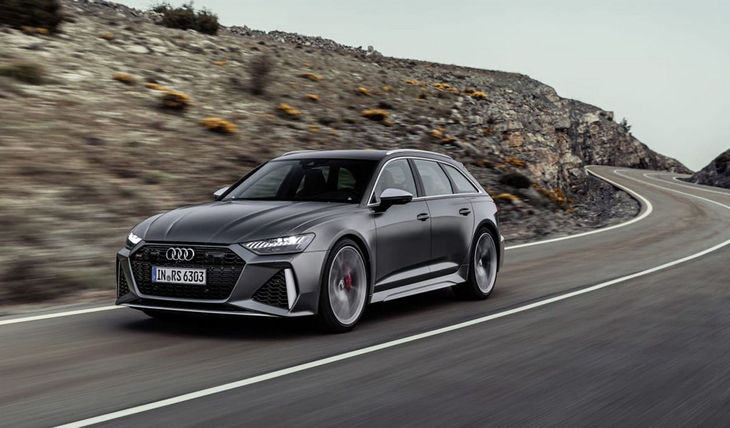
There is something so appealing about combining the practicality of a station wagon and the performance of a supercar into one package. The new Audi RS6 Avant is a fine example of this and it’s high on our driving wishlist for the year.
Powered by a 4.0-litre twin-turbocharged petrol V8 with 441 kW and 800 Nm, it'll be capable of some serious performance. Audi's RS division claims its new performance wagon will do 0-100 kph in a claimed 3.6 seconds and will run to a limited top speed of 250 kph.
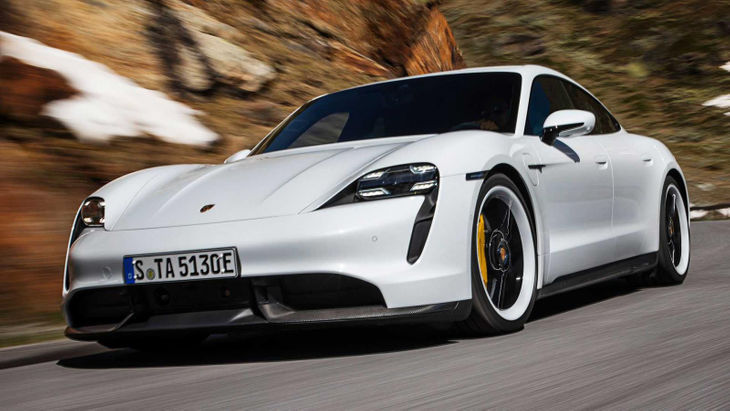
Billed as perhaps the most important vehicle in Porsche’s esteemed history, the Taycan will be available in 2 derivatives: Turbo and Turbo S, both of which make use of a dual-electric motor drivetrain and a 93.4 kWh lithium-ion battery pack. Its outputs are impressive.
Although both the Turbo and Turbo S run in a default 460 kW mode, additional power is available on-demand and the Taycan Turbo can deliver up to 500 kW when its launch mode function is enabled, while the Turbo S amplifies that to 560 kW. Porsche is claiming 0-100kph in 2.8 seconds for the Turbo S and top speed is limited to 260kph.
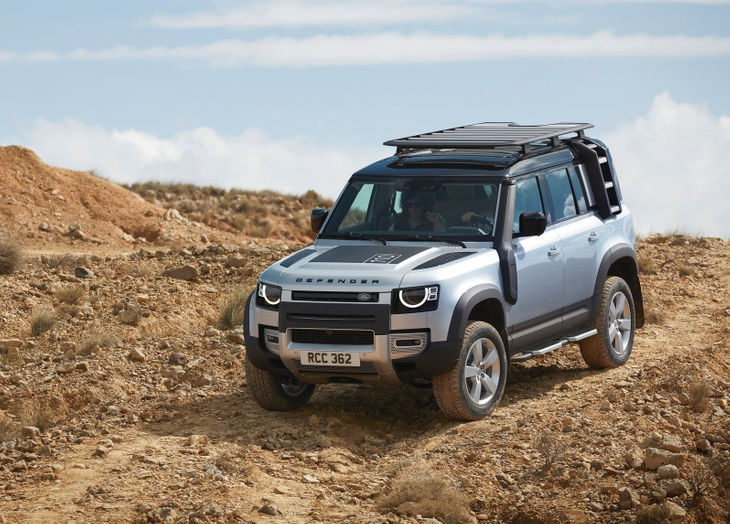
We can’t wait to get dirty with the new Land Rover Defender in South African mud! It will initially be offered in long-wheelbase 110 guise with the short-wheelbase 90 version expected later.
Kicking off the range will be the D240, with its 2.0-litre 4-cylinder twin-turbocharged diesel motor. It produces 177 kW and 430 Nm, and is capable of a 0-100 kph sprint in 9 seconds. Next up is the P300 2.0-litre 4-cylinder turbocharged petrol motor with 221 kW and 400 Nm. It's a touch brisker, with an 8 second claimed sprint time to 100 kph. Finally, the P400 is a 3.0-litre 6-cylinder turbocharged petrol packing 294 kW and 523 Nm, and it will be the quickest Defender with a 6-second sprint to 100 kph. All vehicles feature all-wheel drive and all have automatic gearboxes.
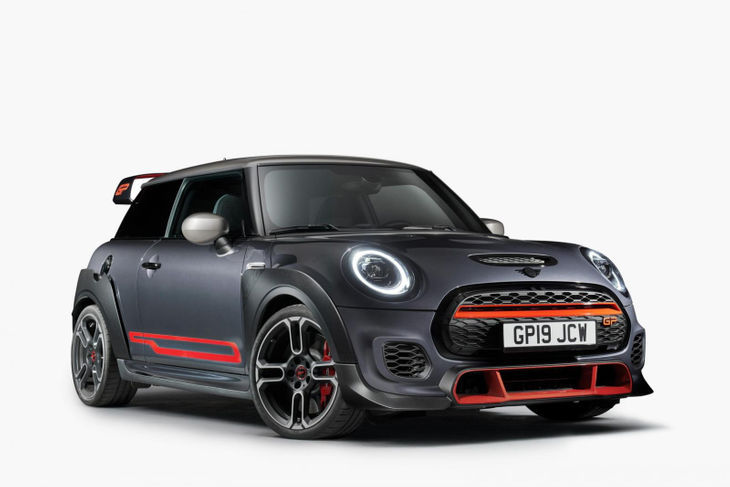
Fans of the Mini brand will be salivating for the arrival of the Mini Cooper JCW GP later this year. It will arrive with aggressive styling and a potent engine to match. This is Mini’s fastest and most powerful car ever and it thumps out 225 kW and 450 Nm of torque from its twin-turbocharged 2.0-litre engine. An 8-speed Steptronic transmission with an integrated differential lock ensures brisk acceleration with Mini claiming a zero to 100 kph sprint time of 5.2 seconds with a top speed of 265 kph.
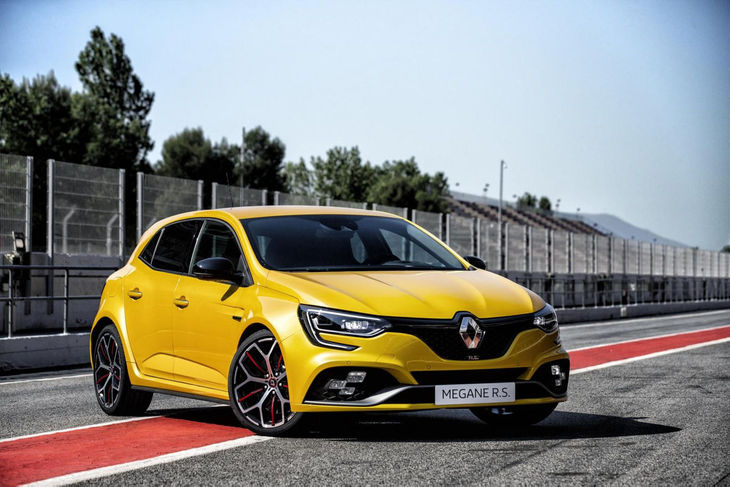
Another hot-hatch to look forward to is Renault’s track-focused Megane Trophy which will take to SA streets later this year and is set to make a compelling case for itself with its 223 kW and 420 Nm with an EDC dual-clutch transmission (6-speed manual has 400 Nm) developed by its turbocharged 1.8-litre engine.
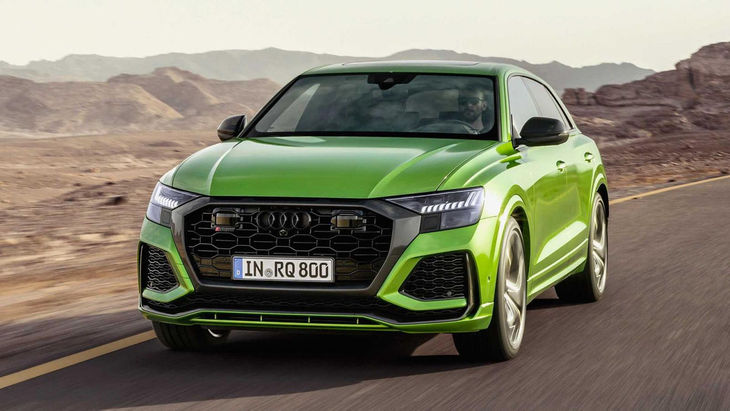
For those itching for a fast and luxuriously equipped SUV then the new Audi SQ8 is worth waiting for as it will bring massive firepower to the road. A 441 kW/800 Nm 4.0-litre bi-turbocharged engine will ensure a zero to 100 kph sprint time of 3.8 seconds before smashing a top speed of 305 kph.
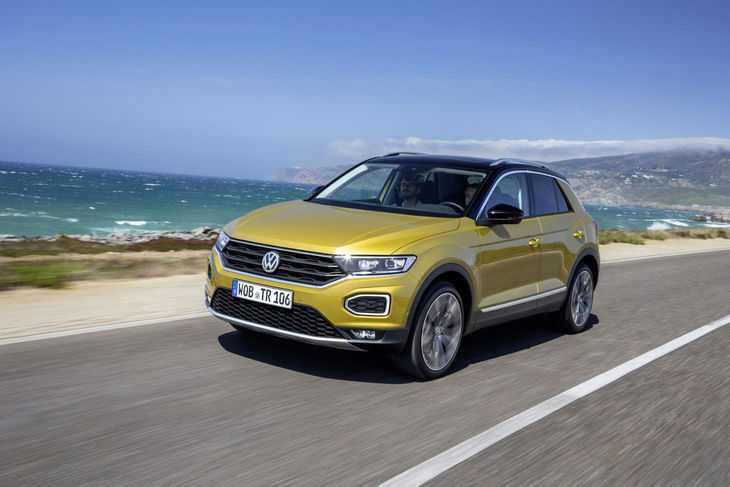
Another day, another SUV. The handsome T-Roc from Volkswagen is set to be a popular choice for SUV buyers and it will make use of a range of petrol engines including 1.0-, 1.5- and 2.0-litre options while the diesel range will offer either 1.6- or 2.0-litre turbodiesel options. However, engine choices for South Africa have yet to be confirmed. A T-Roc R derivative is also a possibility later on…
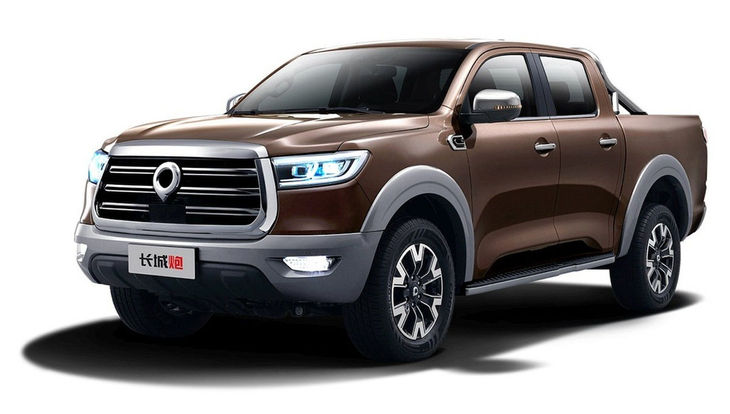
Chinese bakkie giant, GWM, has ambitious plans for its forthcoming P Series double cab bakkie which is set to rival and rattle the likes of the Toyota Hilux and Ford Ranger.
Mechanically, the P Series is powered by a 2.0-litre turbocharged petrol engine which drives all four wheels via an 8-speed ZF automatic transmission. The 2.0-litre four-cylinder engine boasts 140 kW and 360 Nm. GWM has also equipped the P Series with 3 differential locks, which should theoretically give it unrivalled off-road ability. Its interior cabin architecture is also hugely impressive. Watch this space!
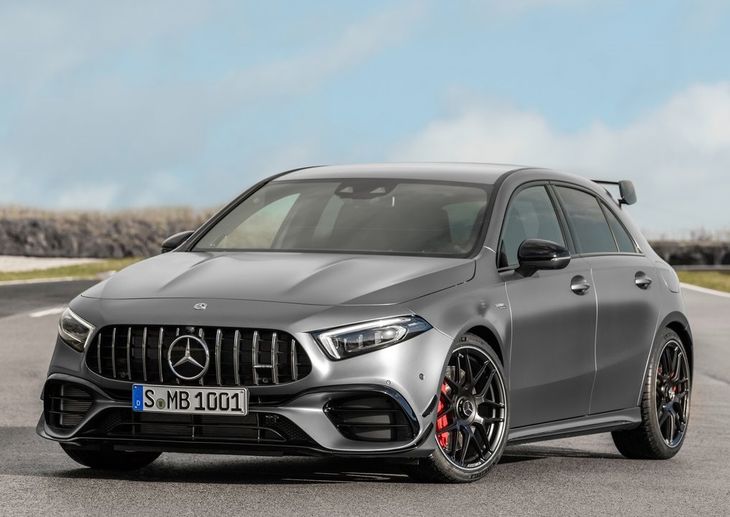
With 310 kW and 500 Nm developed by the most powerful production 2.0-litre turbocharged petrol engine in the world, the Mercedes-AMG A45 S is one of the most highly-anticipated arrivals for 2020. With power directed to all 4 wheels using a dual-clutch transmission, a zero to 100 kph sprint time of 3.9 seconds will blow your socks off. We can’t wait to drive it!
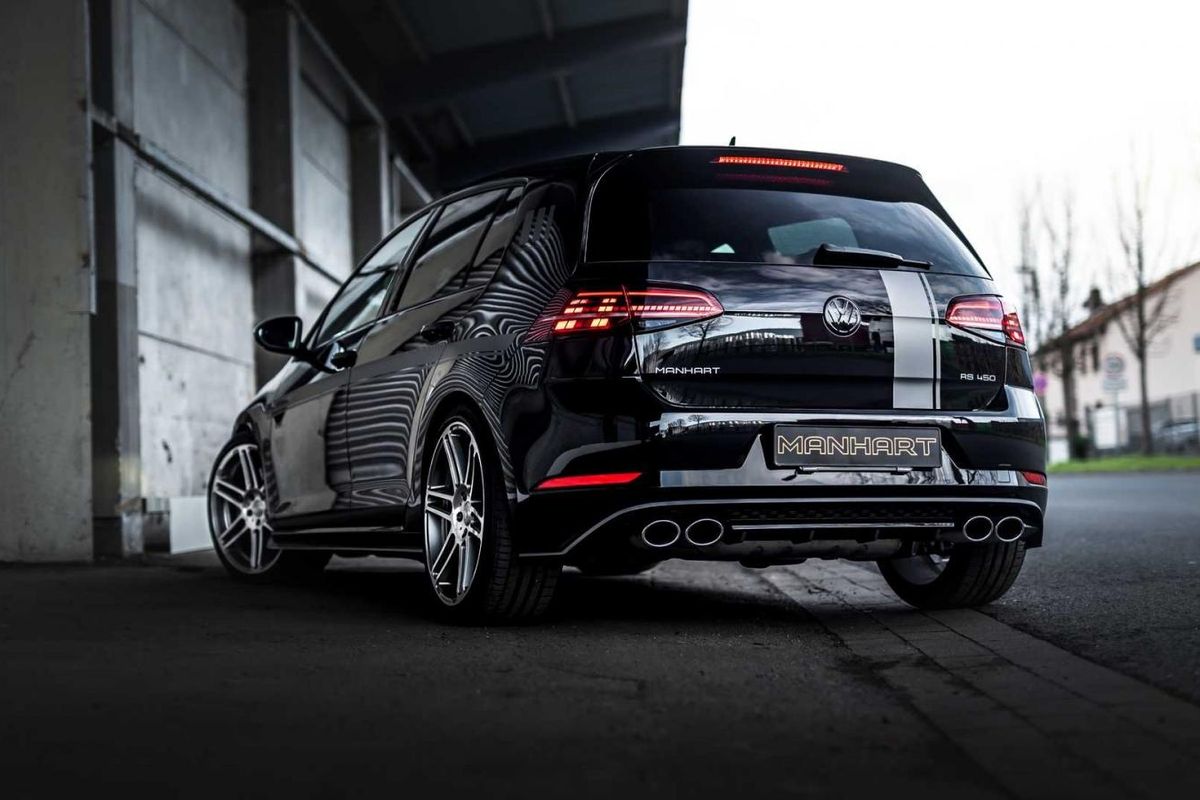
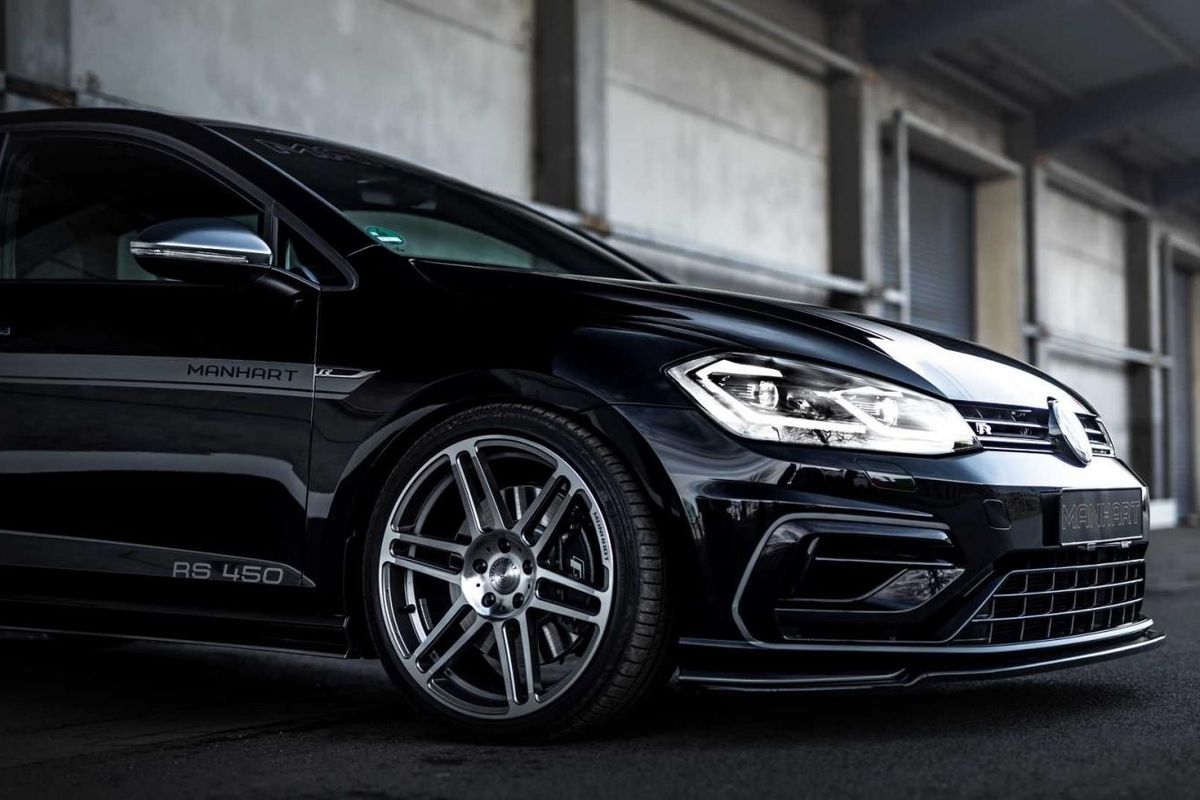
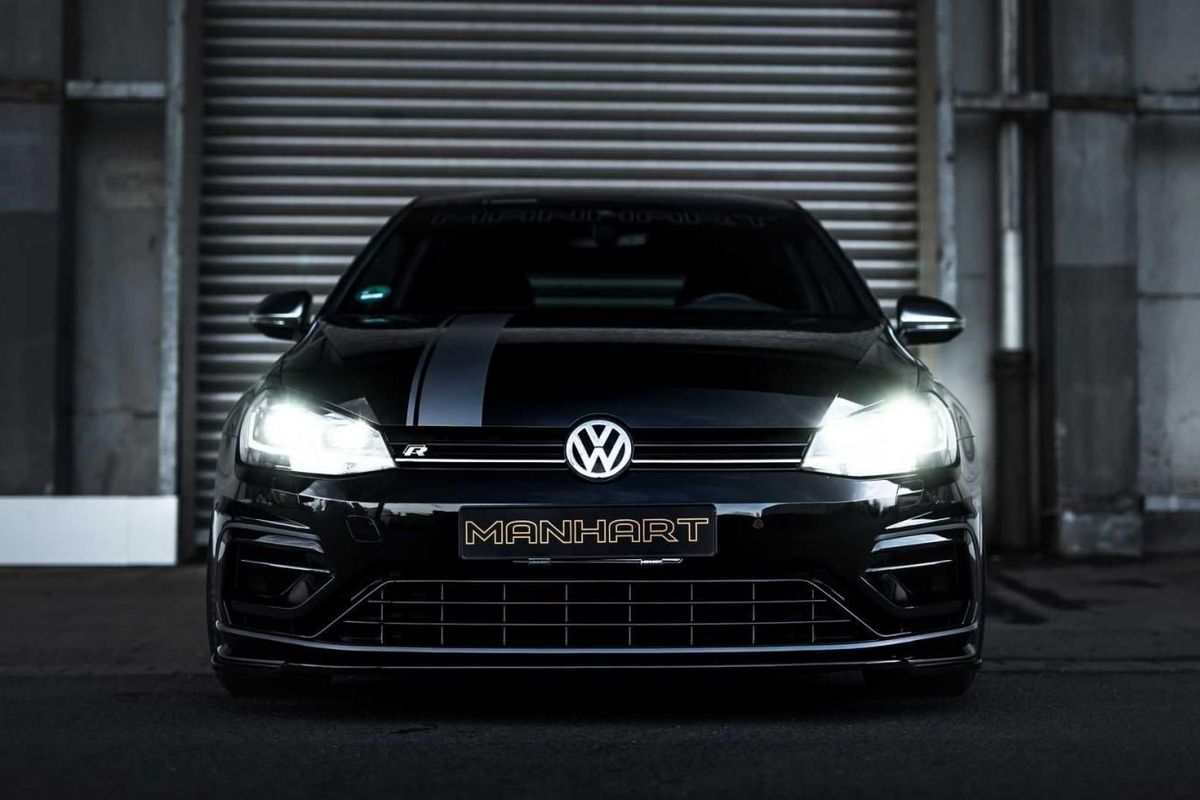
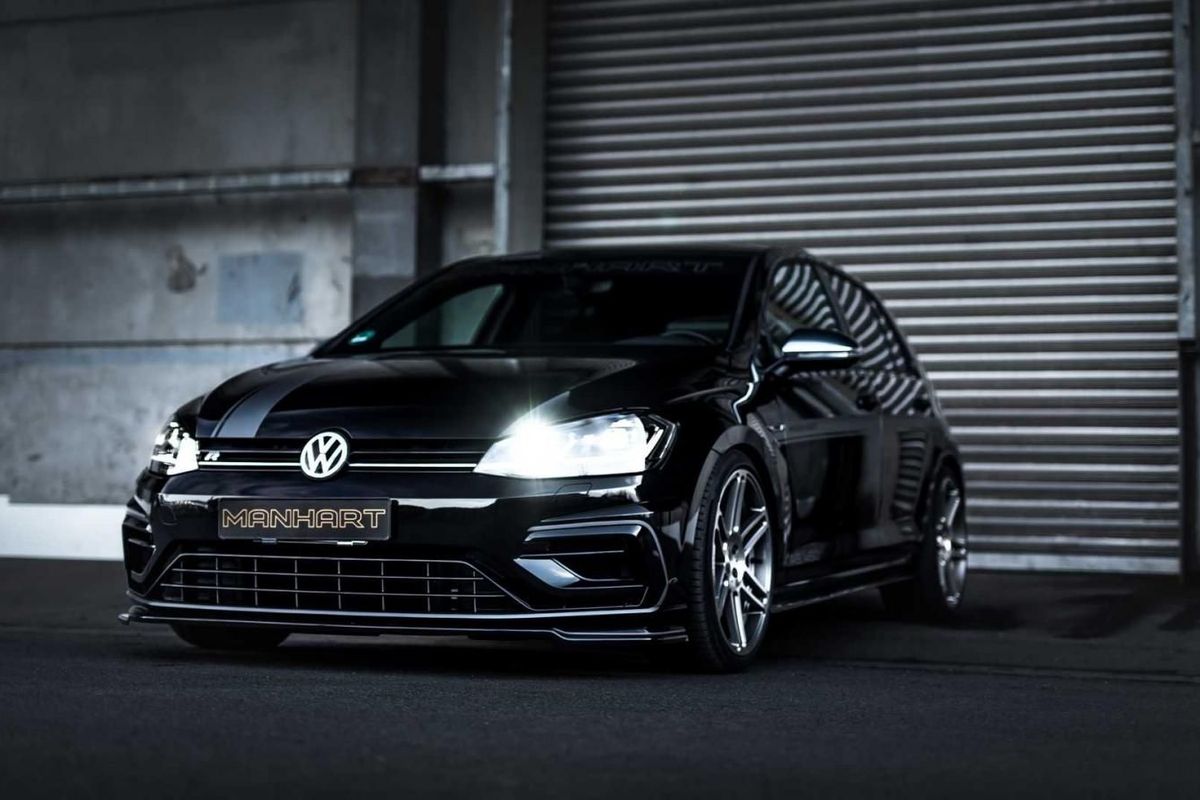
German tuner Manhart has unveiled its monster Volkswagen Golf R.
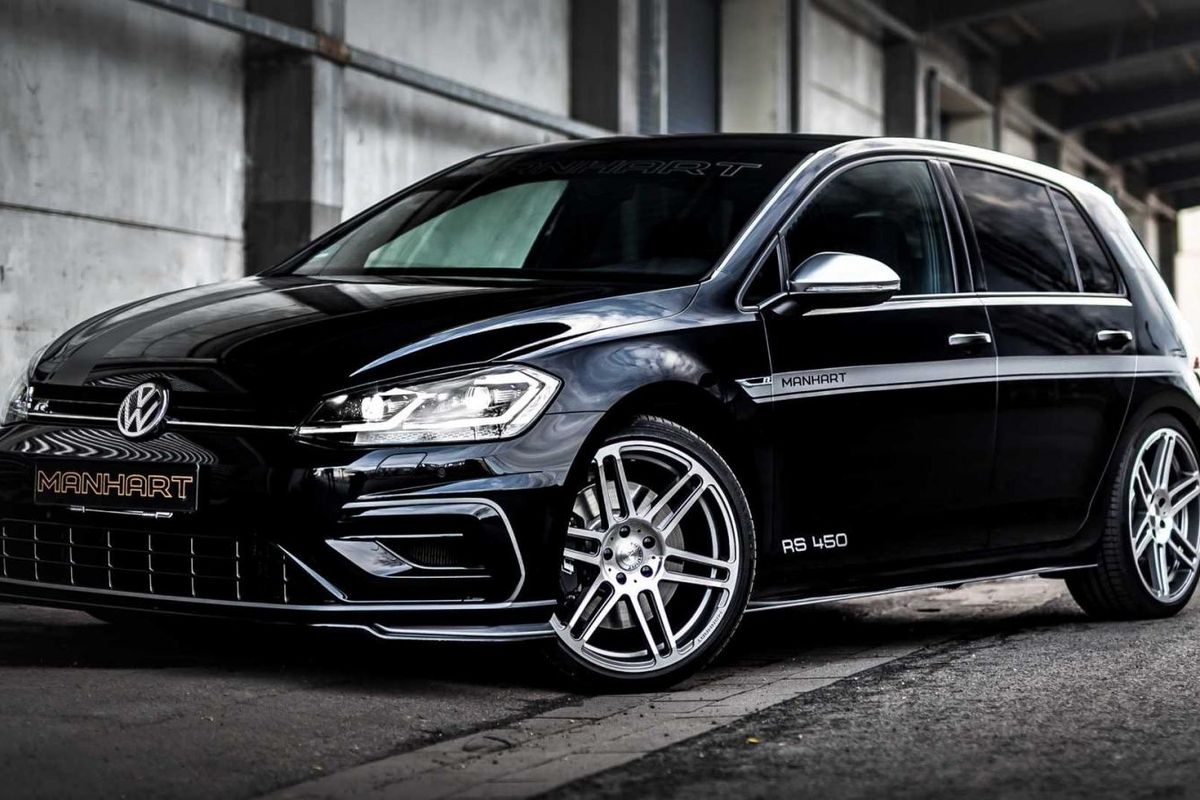
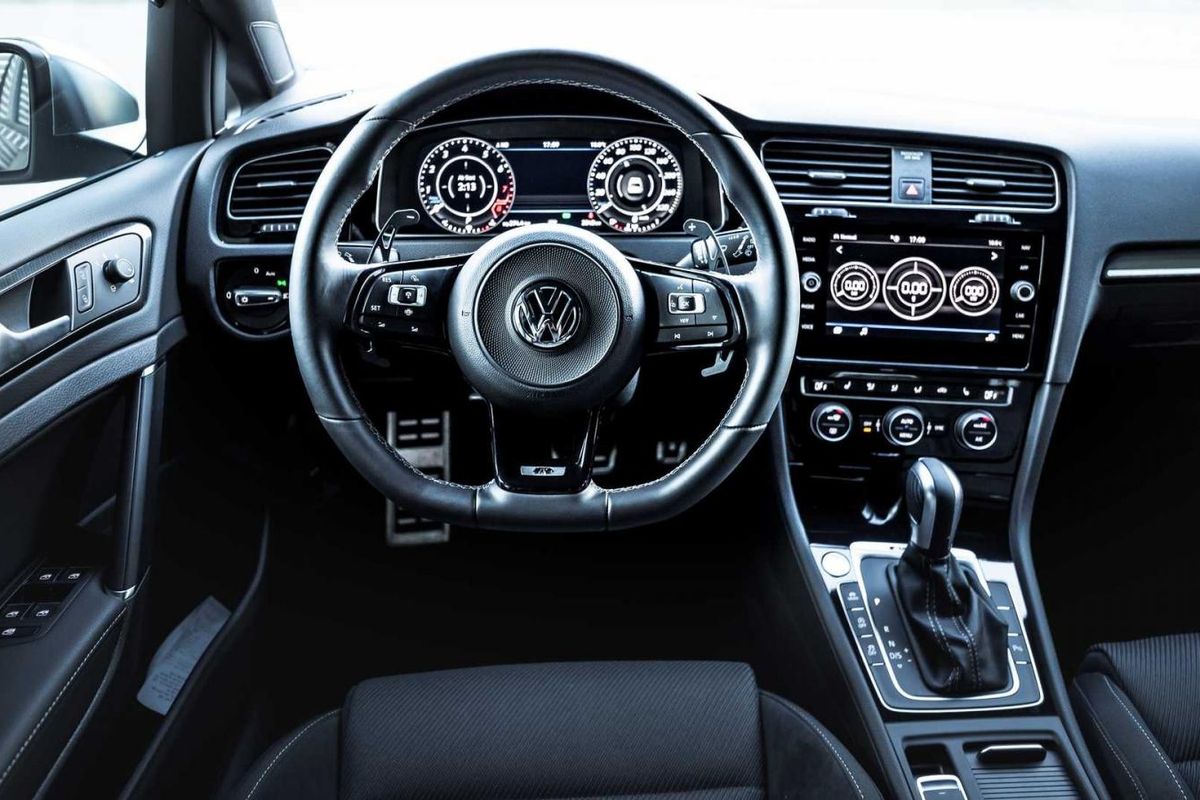
The Volkswagen Golf R is a compact hatchback with serious performance on tap. With a 2.0-litre turbocharged motor putting out 228 kW and 400 Nm, there's plenty of power on tap. What if you wanted a bit more though? Introducing Manhart, a German tuner based in Wuppertal has revealed its RS 450 – a new level of Volkswagen Golf R.
Thanks to the addition of a larger turbocharger, a re-mapping of the engine control unit and the use of a carbon intake system, power is now rated at 335 kW and 500 Nm. That's not all as the sound has also been given an update with the addition of a Manhart centre muffler as well as downpipe. To improve the handling, Manhart has given the car some lowering springs from suspension folk H&R. It also happens to look really good, with a front lip, decal set and 19-inch alloy wheels.
With the new Volkswagen Golf 8 R reveal still yet to happen, we're likely to see more and more of these 7 Rs hitting the road. The new Volkswagen Golf 8 R will be coming to South Africa in 2021.
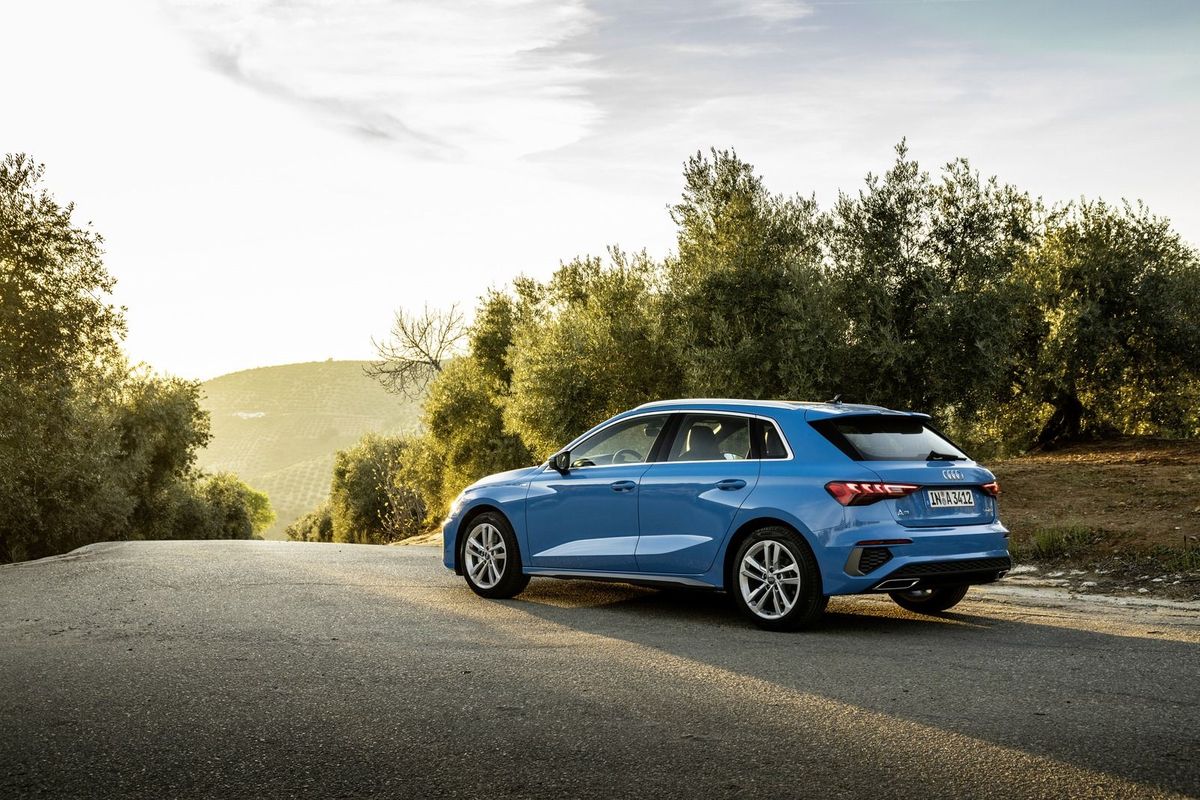
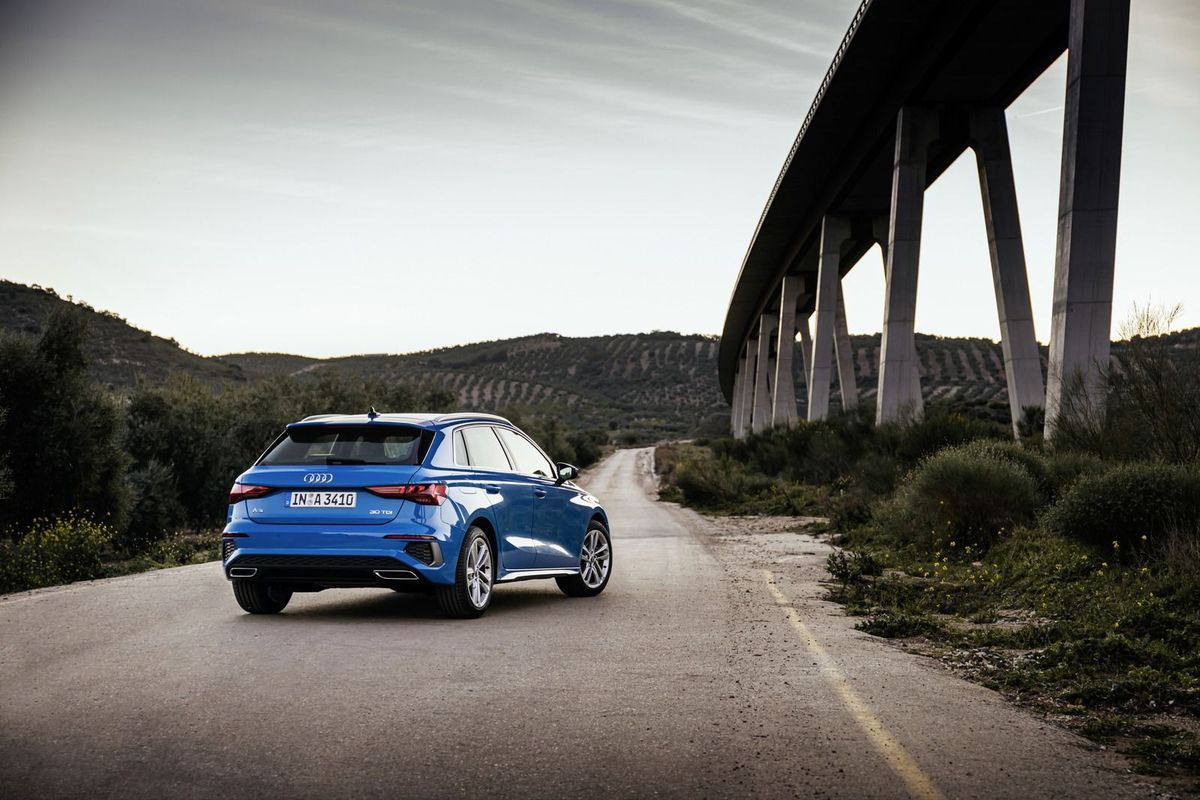
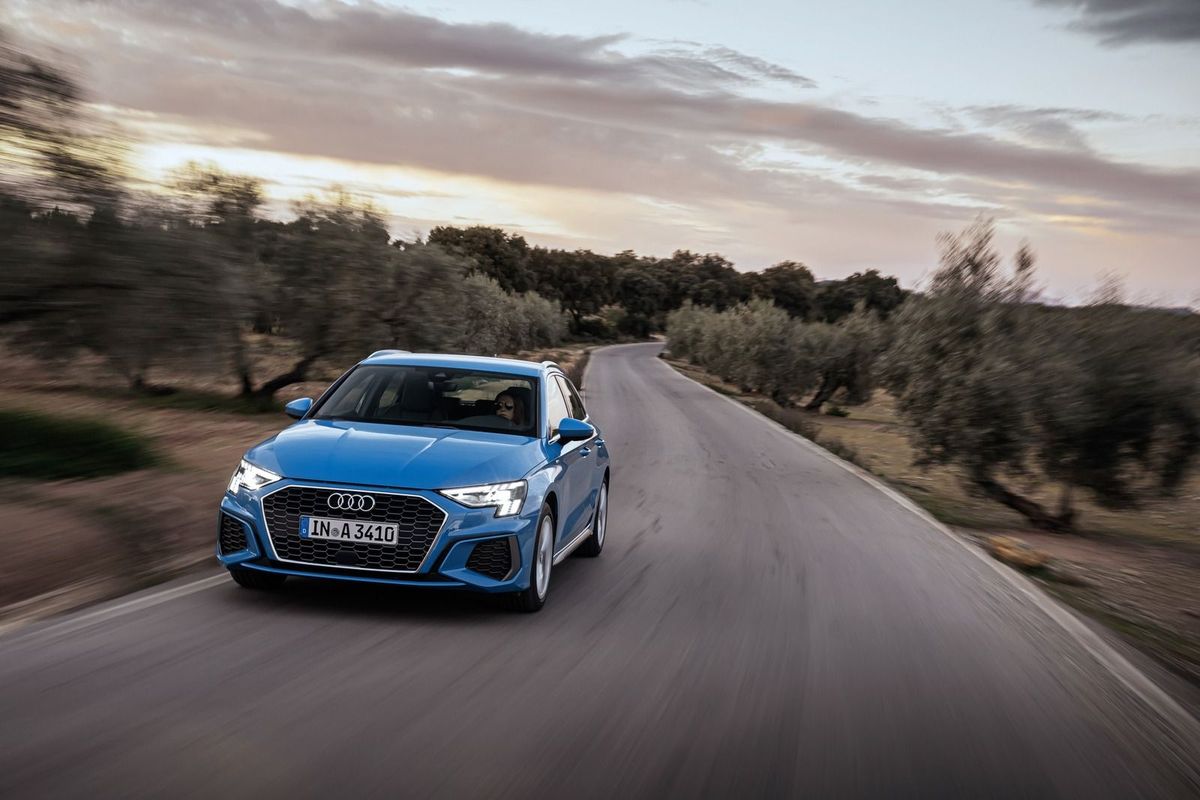
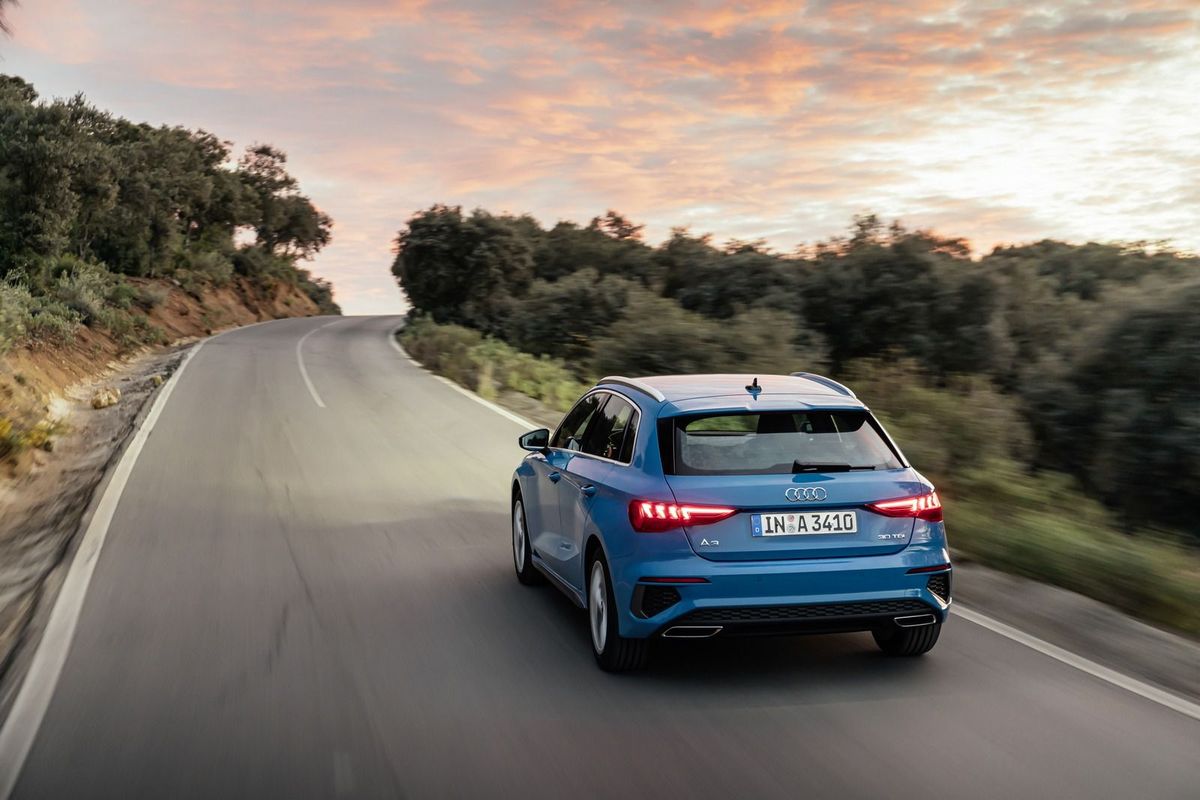
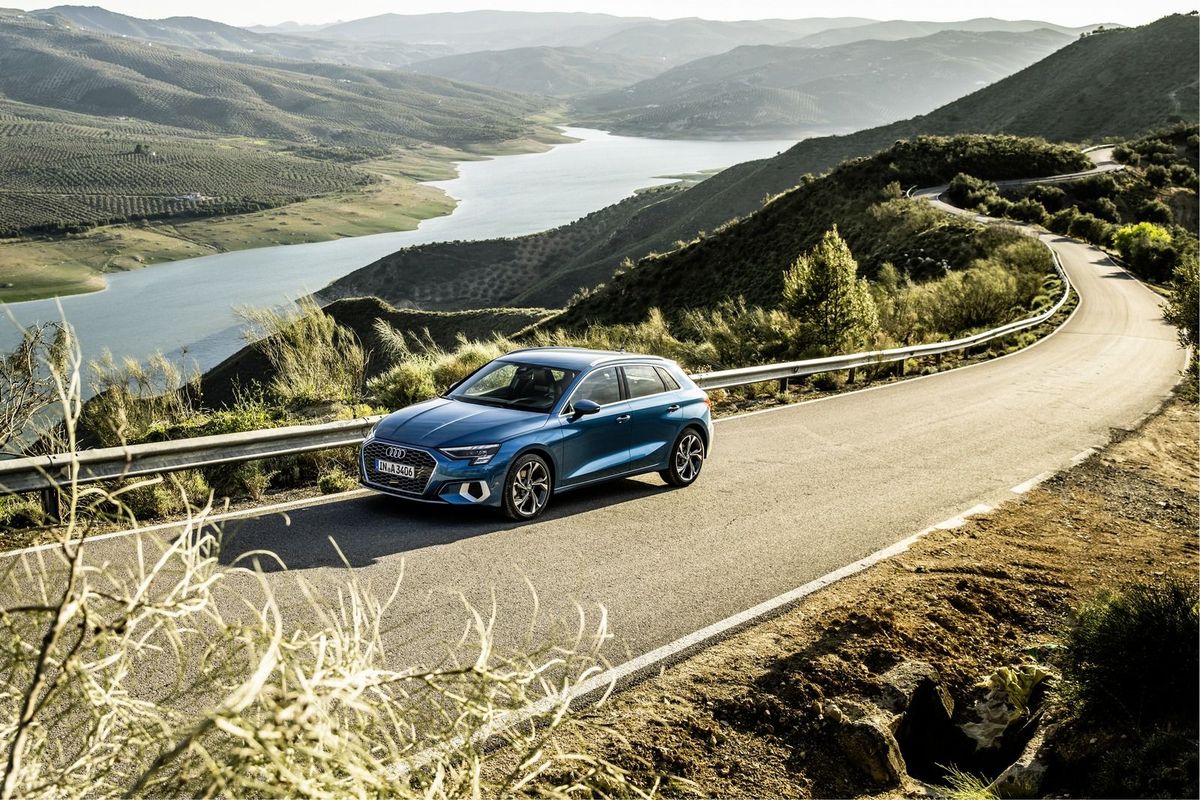
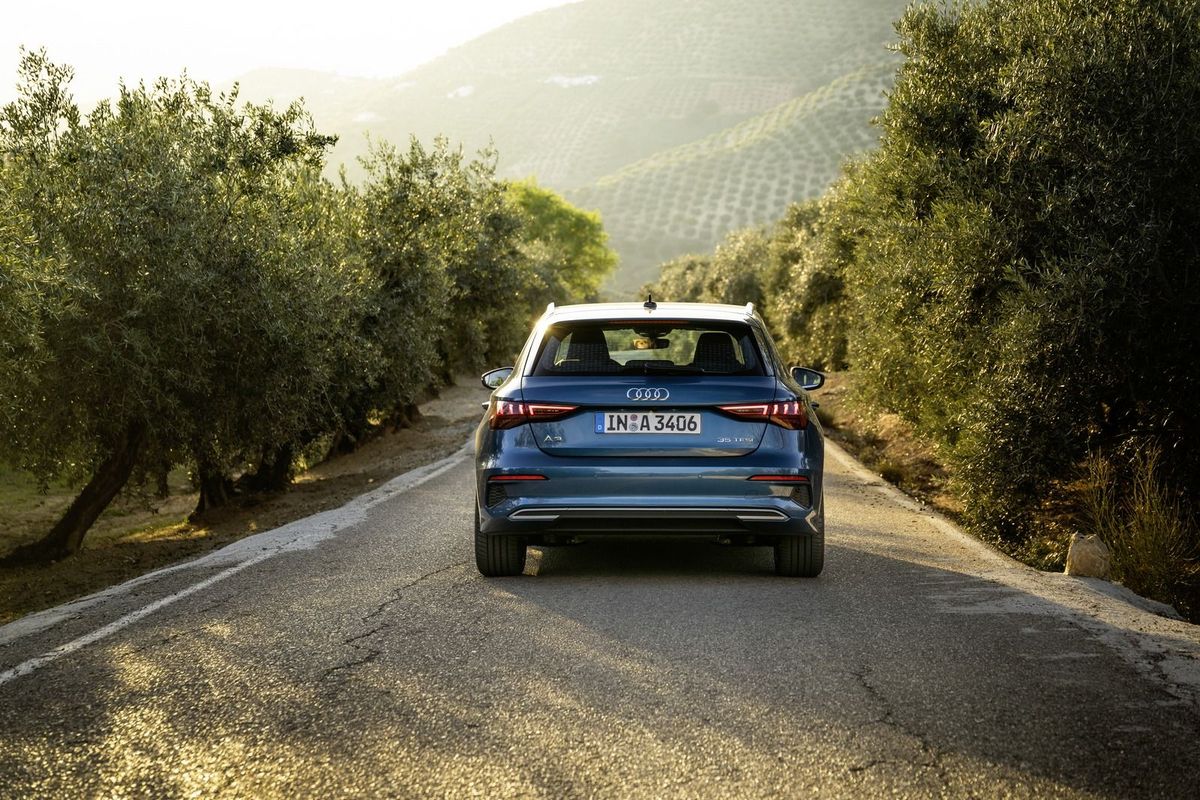
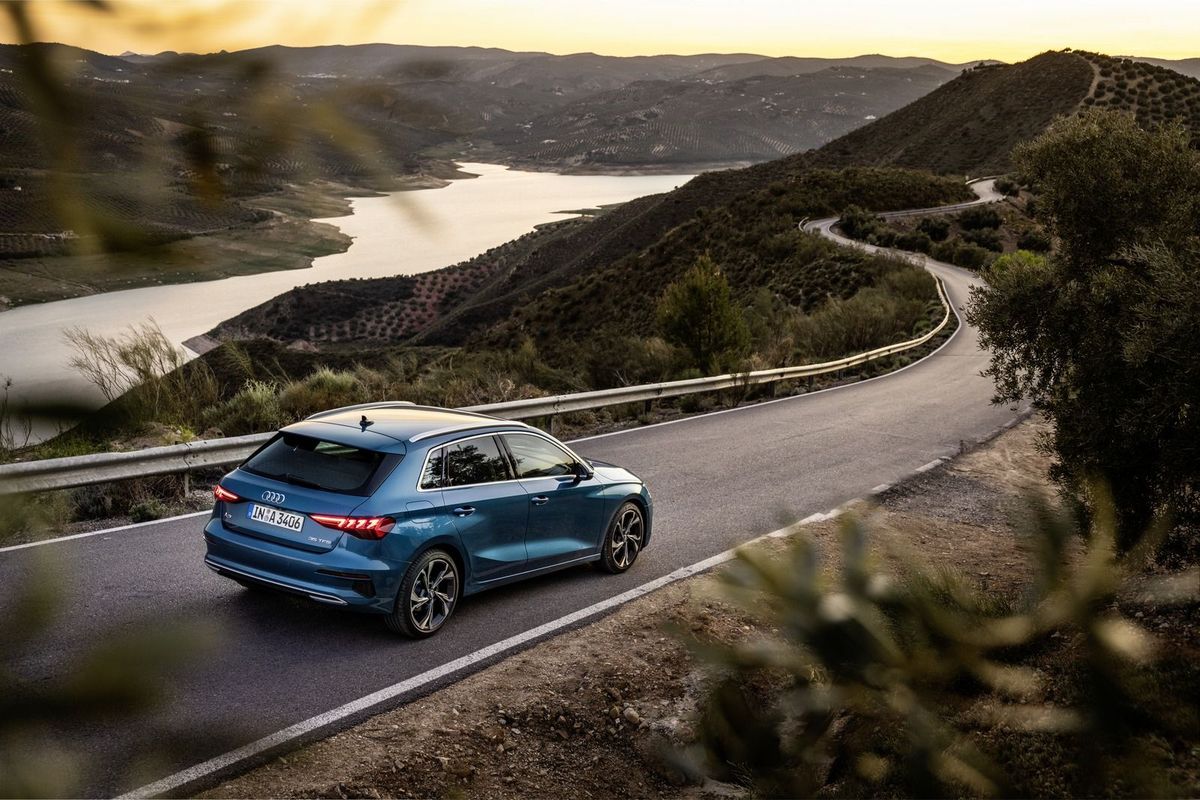
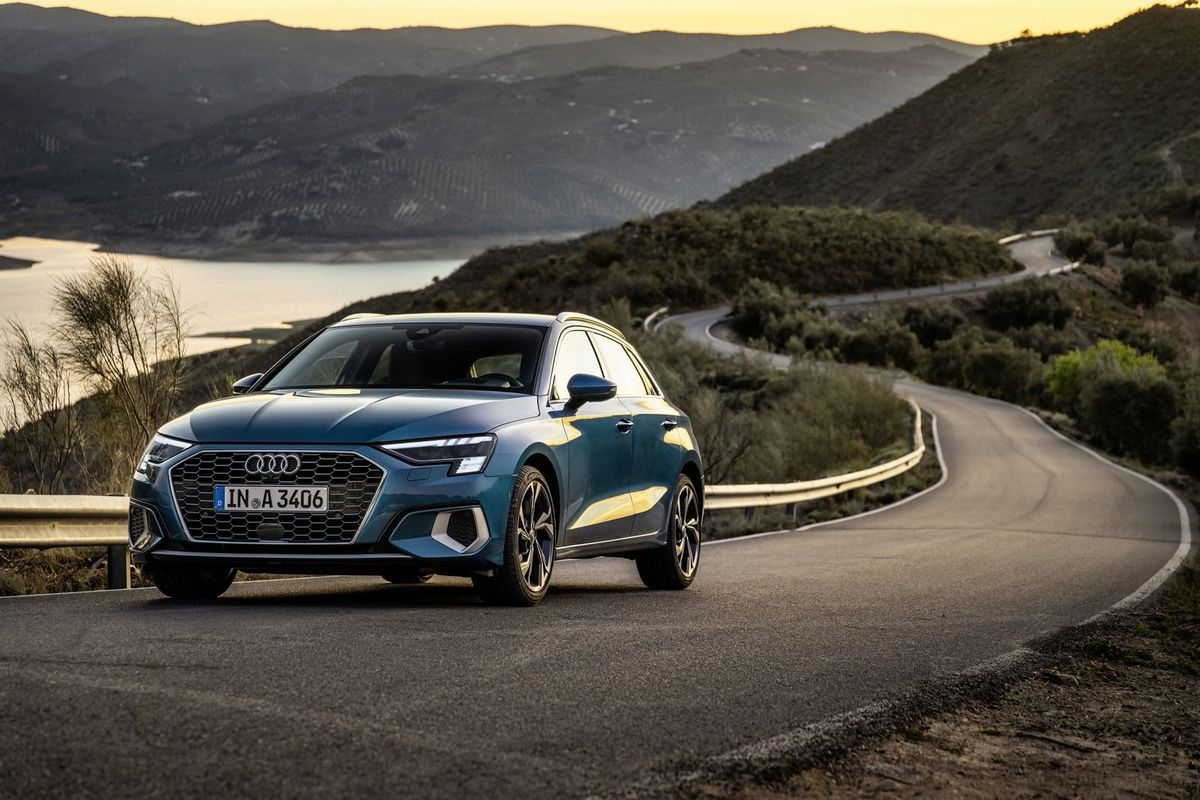
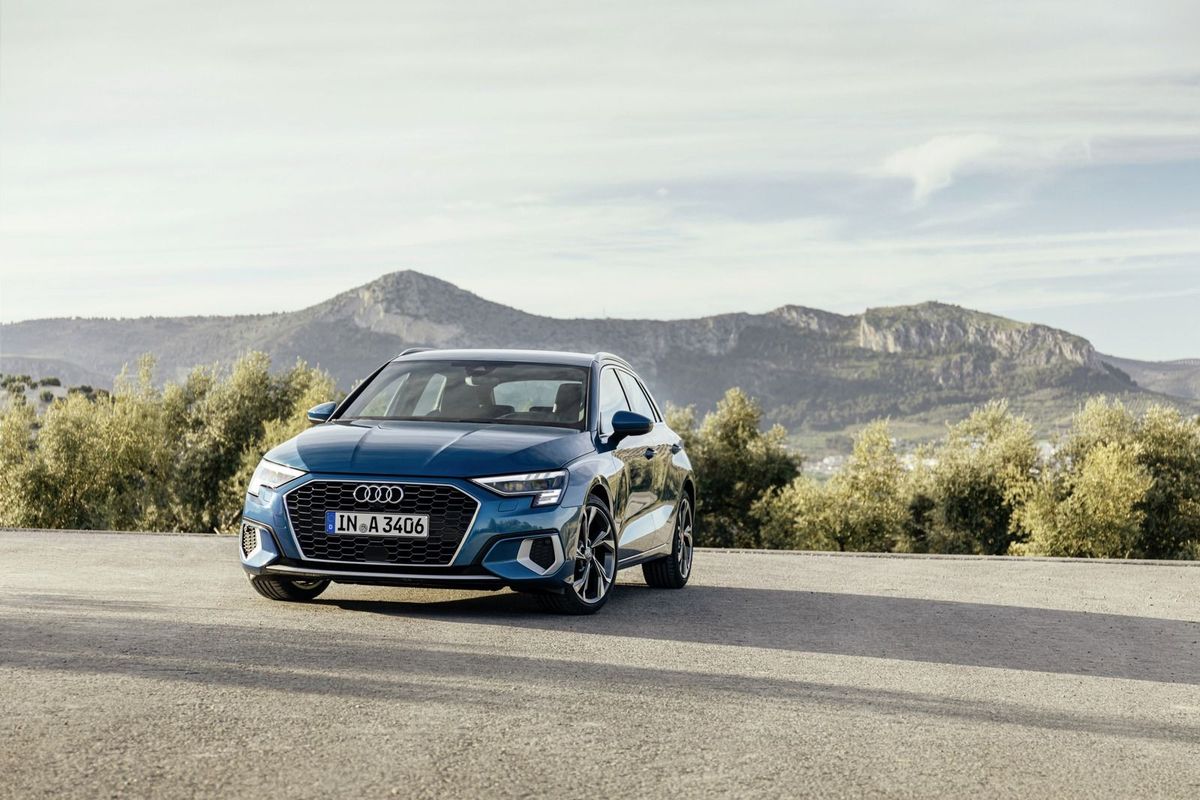
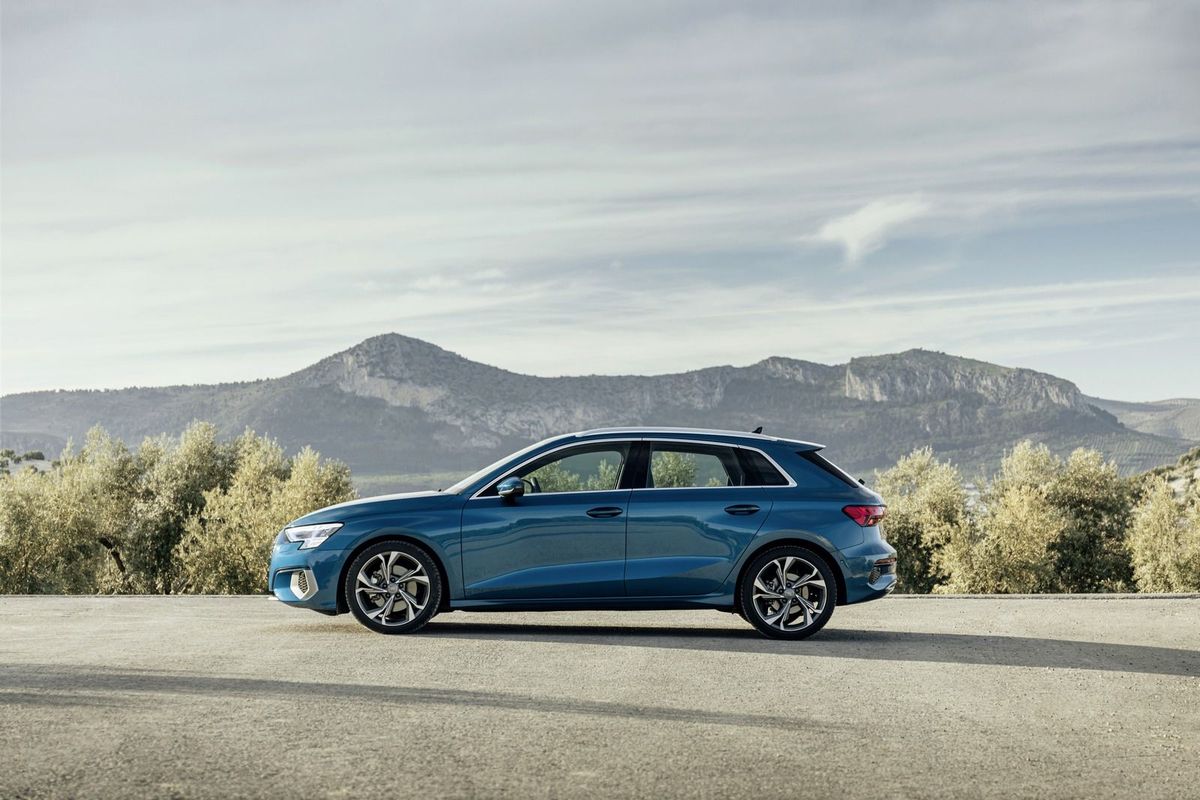
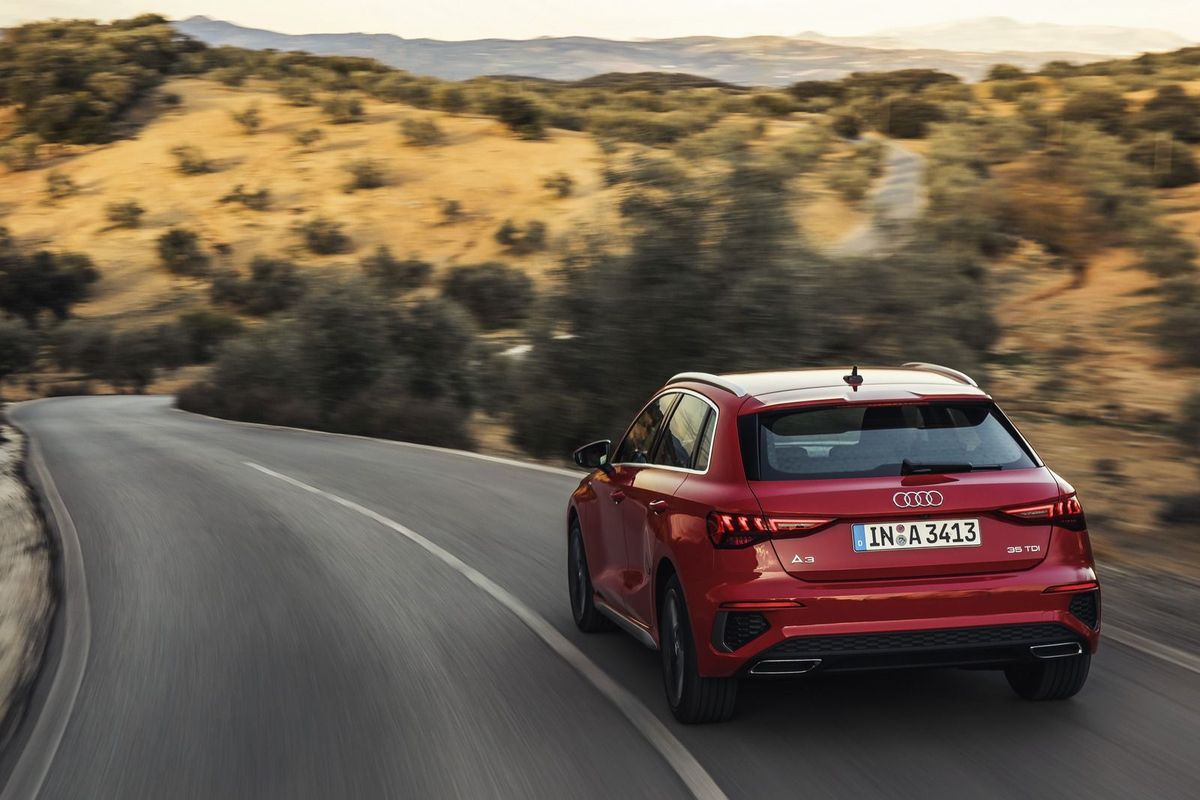
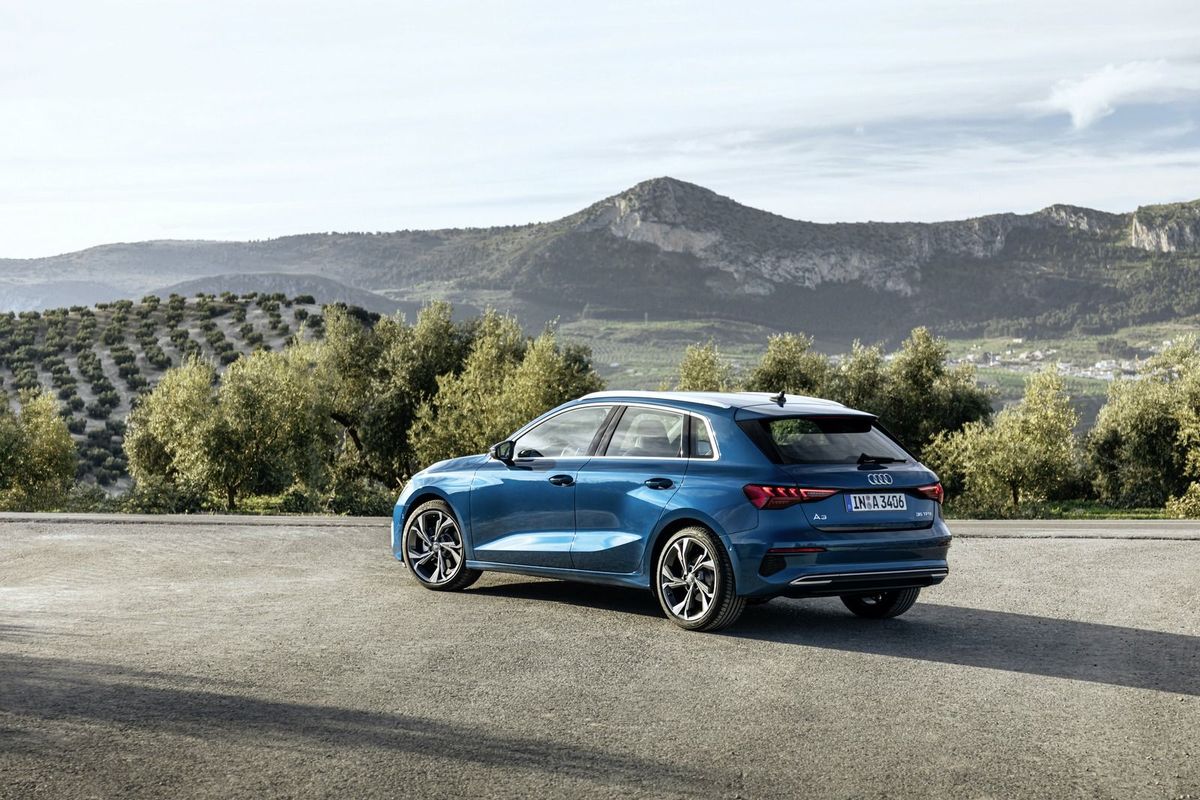
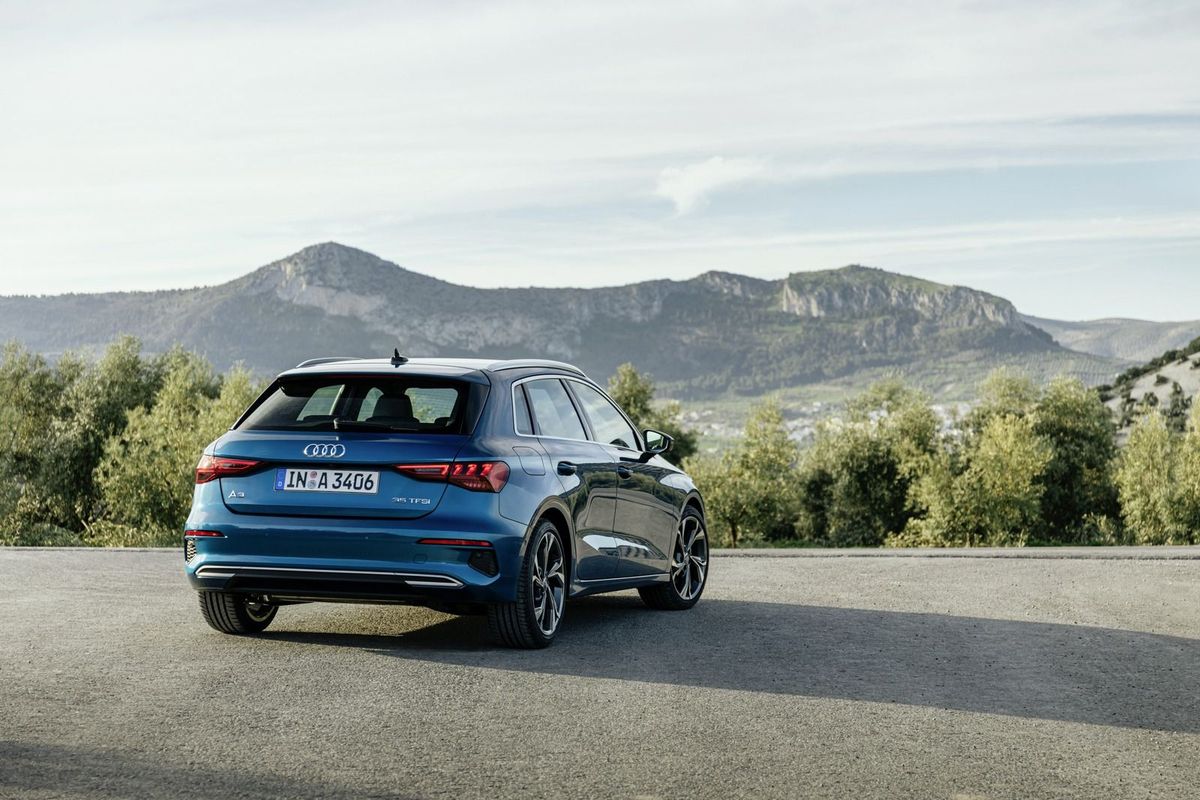
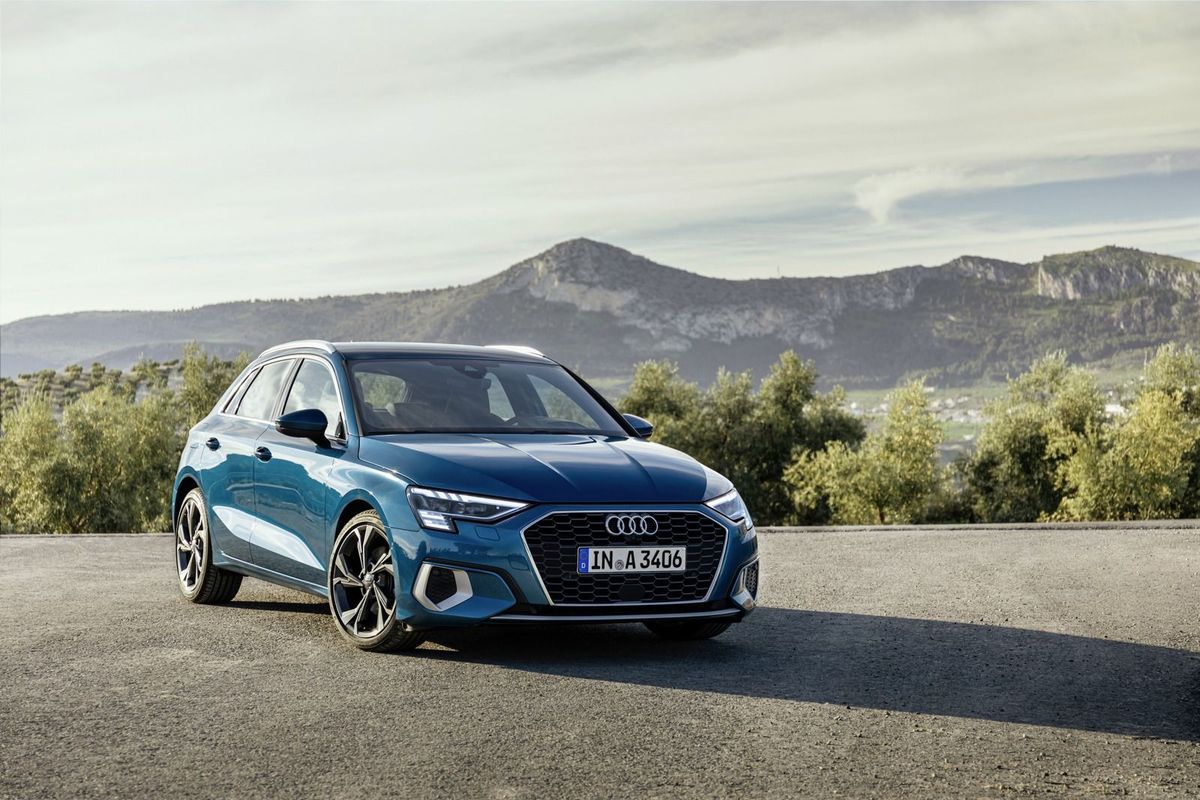
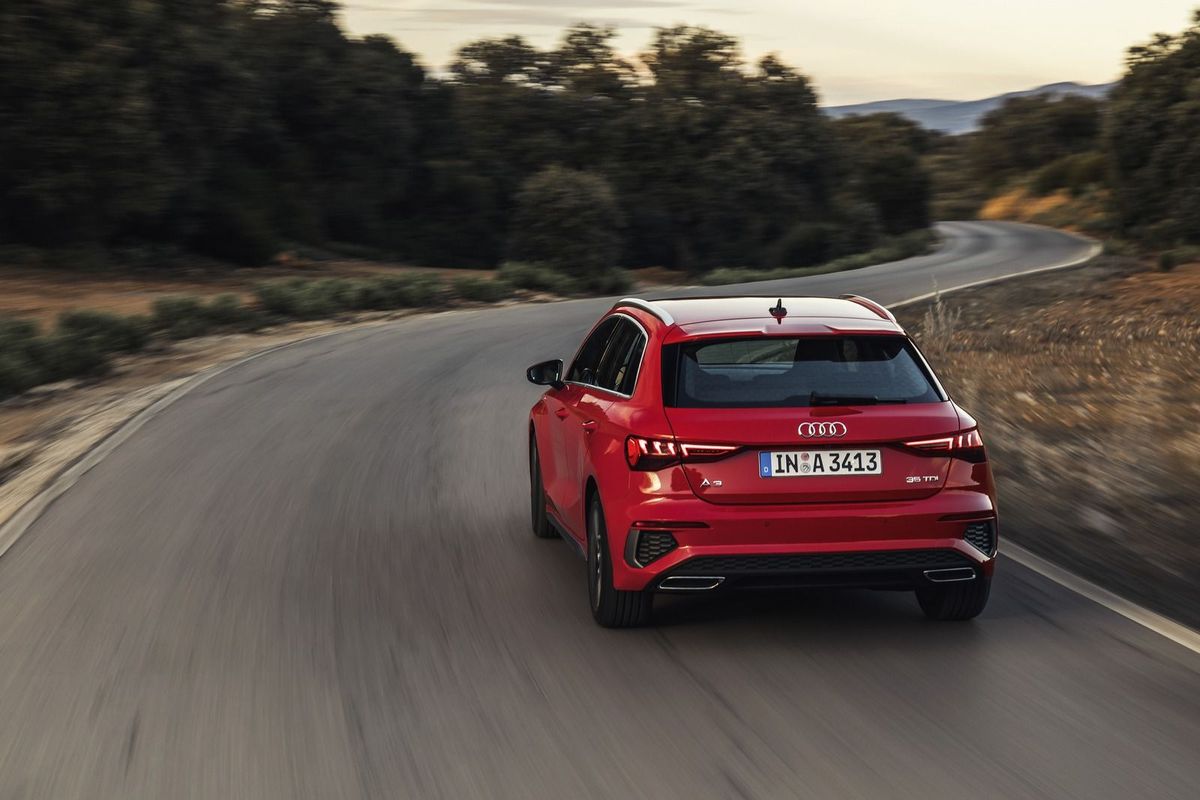
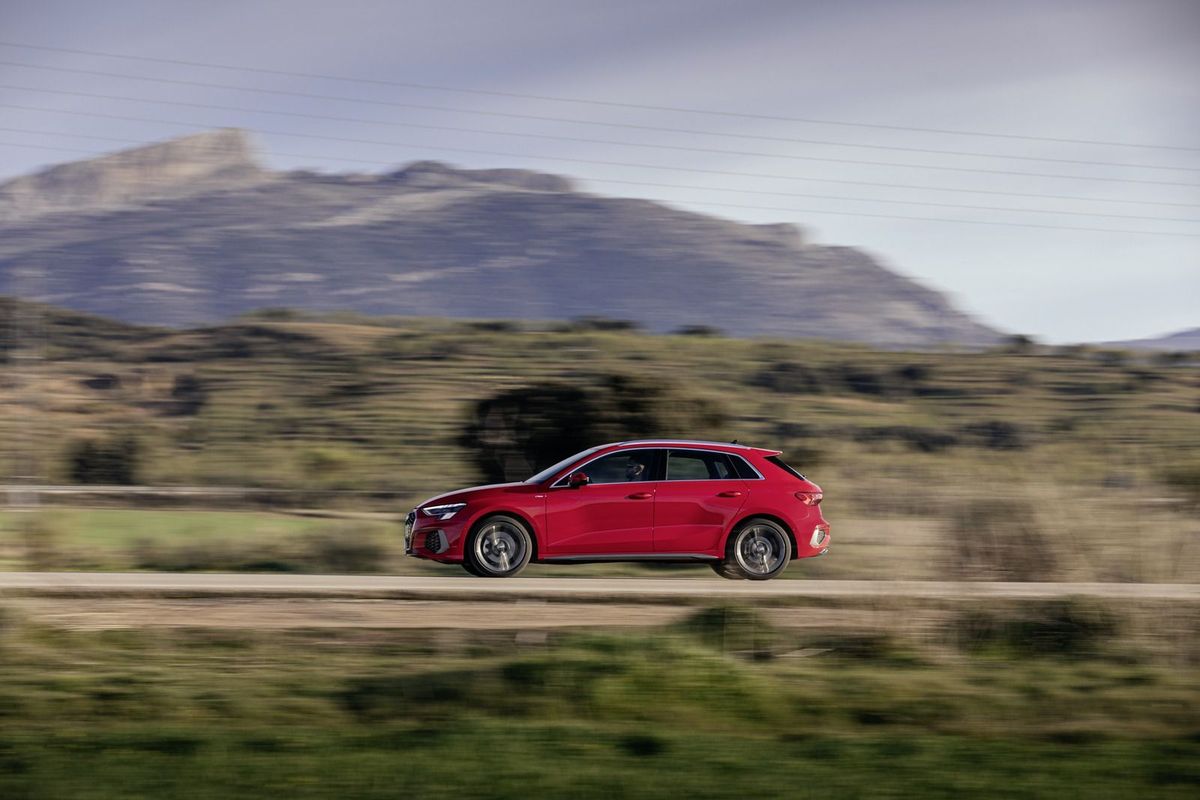
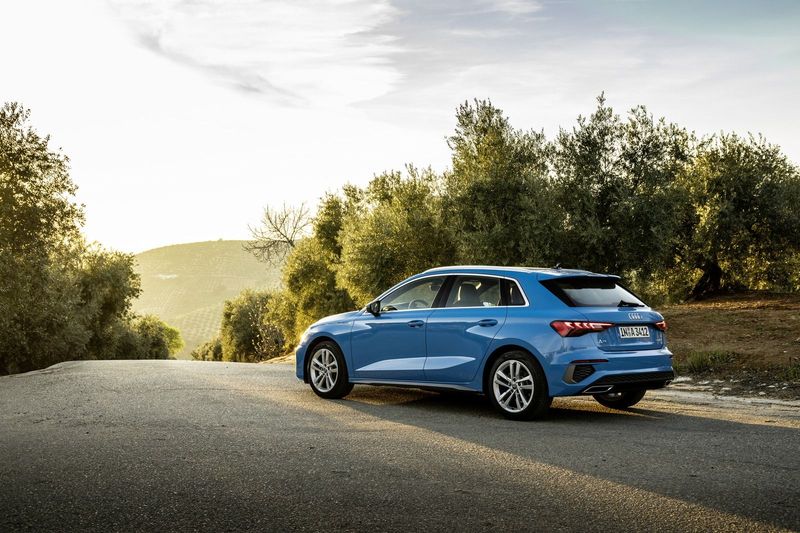
Audi A3 Sportback (2020) International Launch Review
There’s an all-new Audi A3 Sportback on its way to South Africa. The newcomer takes a high-tech approach to differentiate itself from the Volkswagen Golf 8… and to stay ahead of the BMW 1 Series and Mercedes-Benz A-Class. International correspondent Dave Humphreys drove it in Spain.
The 4th-generation A3 Sportback will arrive in South Africa early in 2021. Audi hopes its premium 5-door offering will cement its position atop the Volkswagen Group hatchback tree, while also seeing off the challenges from its much-vaunted BMW and Mercedes-Benz rivals. Other body styles will be unveiled in time, but for now, the new A3 is offered solely in 5-door configuration.
The success of the previous-generation A3 Sedan has guaranteed that it will return to the marketplace, but there is some uncertainty concerning the A3 Cabriolet, which could follow in the wheel tracks of the 3-door and disappear from the range. Audi has already previewed a more powerful S3 version in prototype form and, with the company’s legendary 2.5-litre 5-cylinder engine appearing in hot versions of the 294 kW RS Q3, it looks like we’ll get a more extreme hot hatch version of the RS3, too. But we’re getting ahead of ourselves, not least Audi’s range roll-out.
Exterior swag
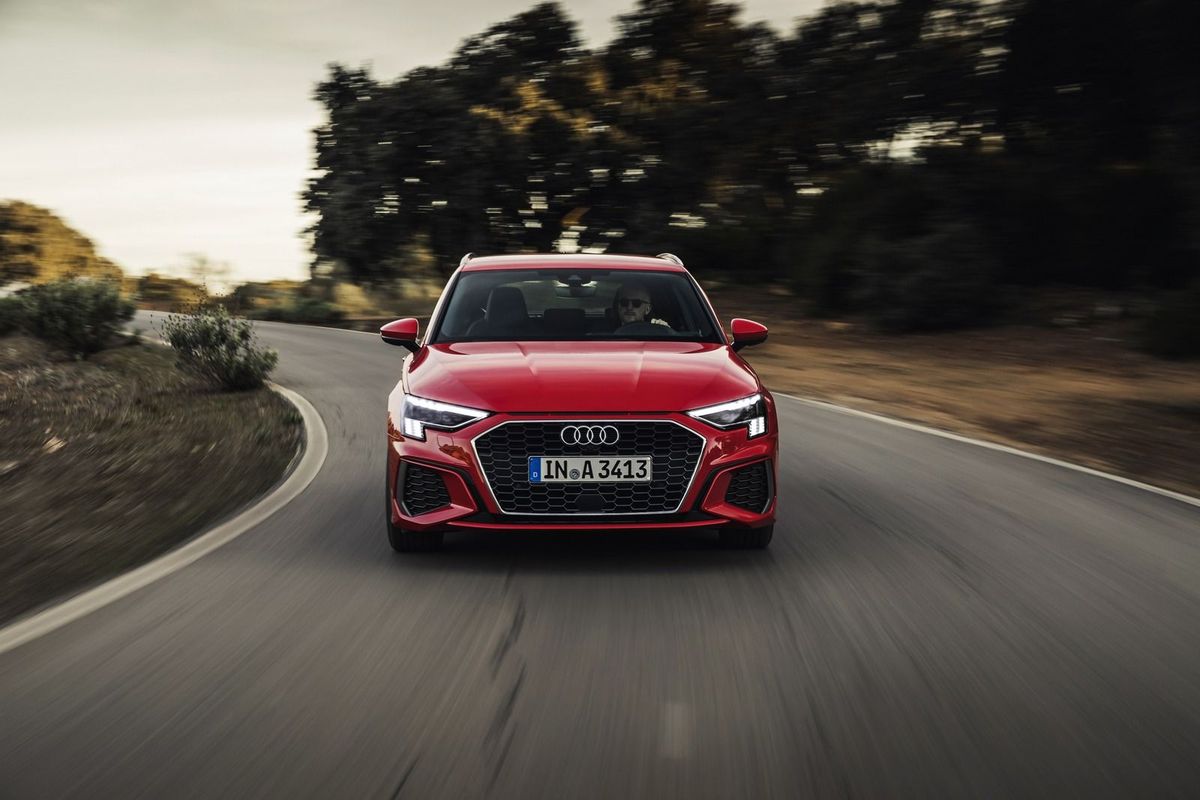
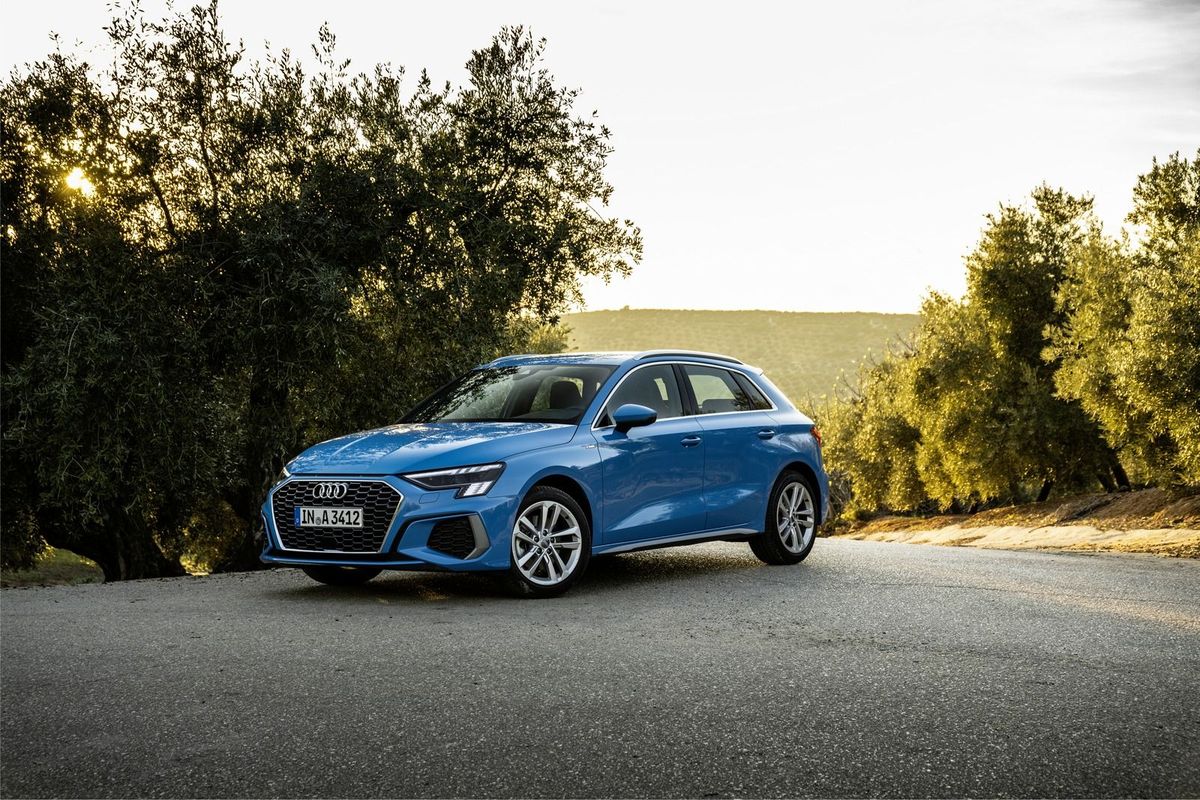
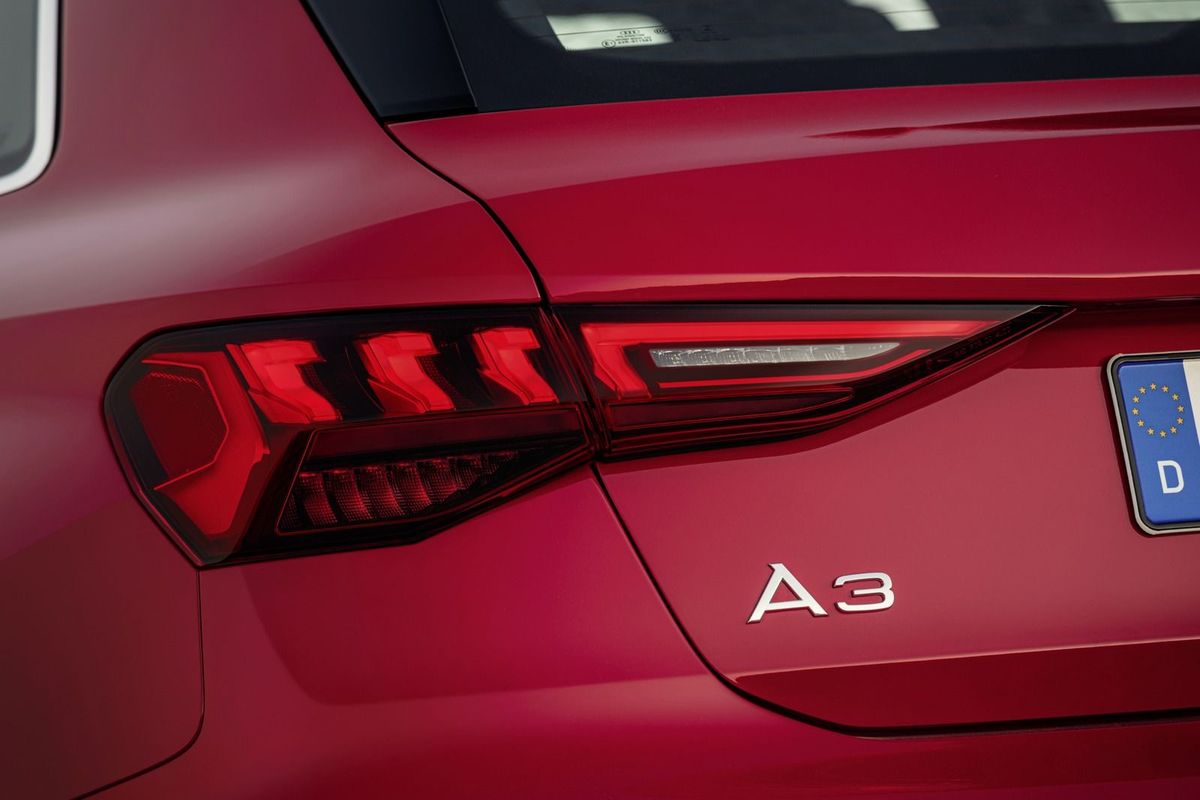
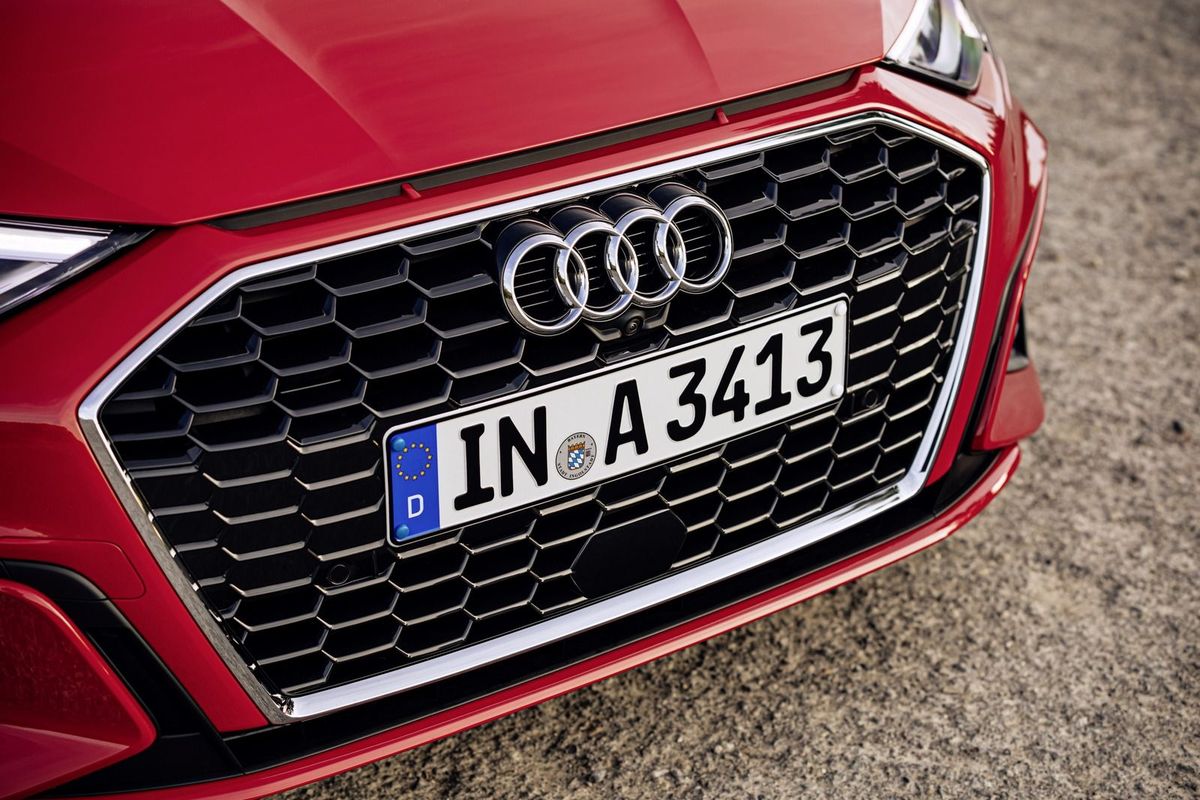
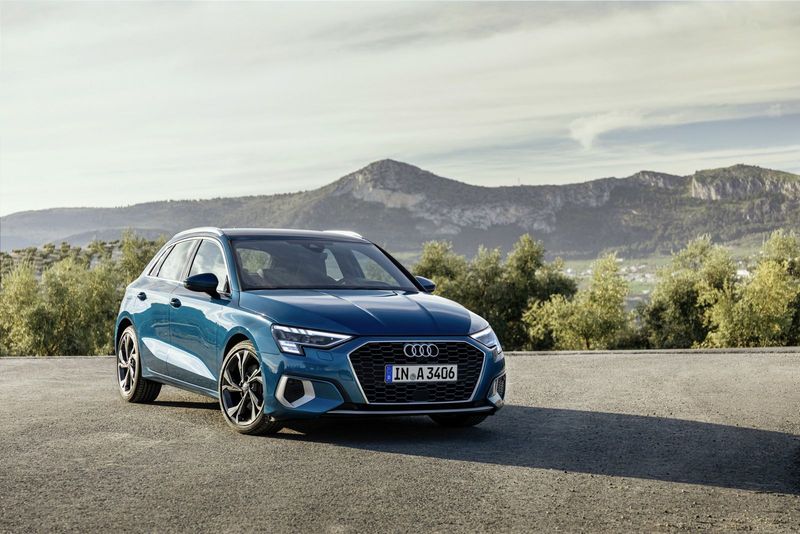
The new A3's front end is significantly revised but the design is instantly recognisable.
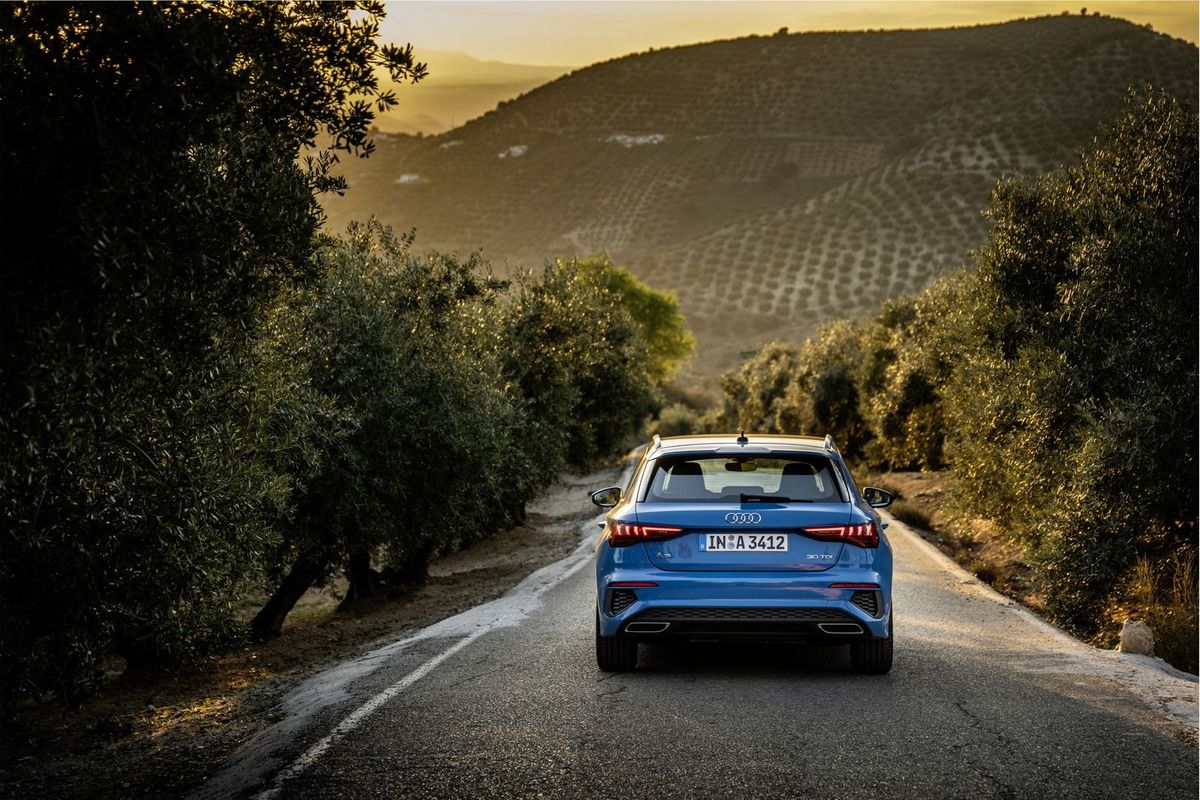
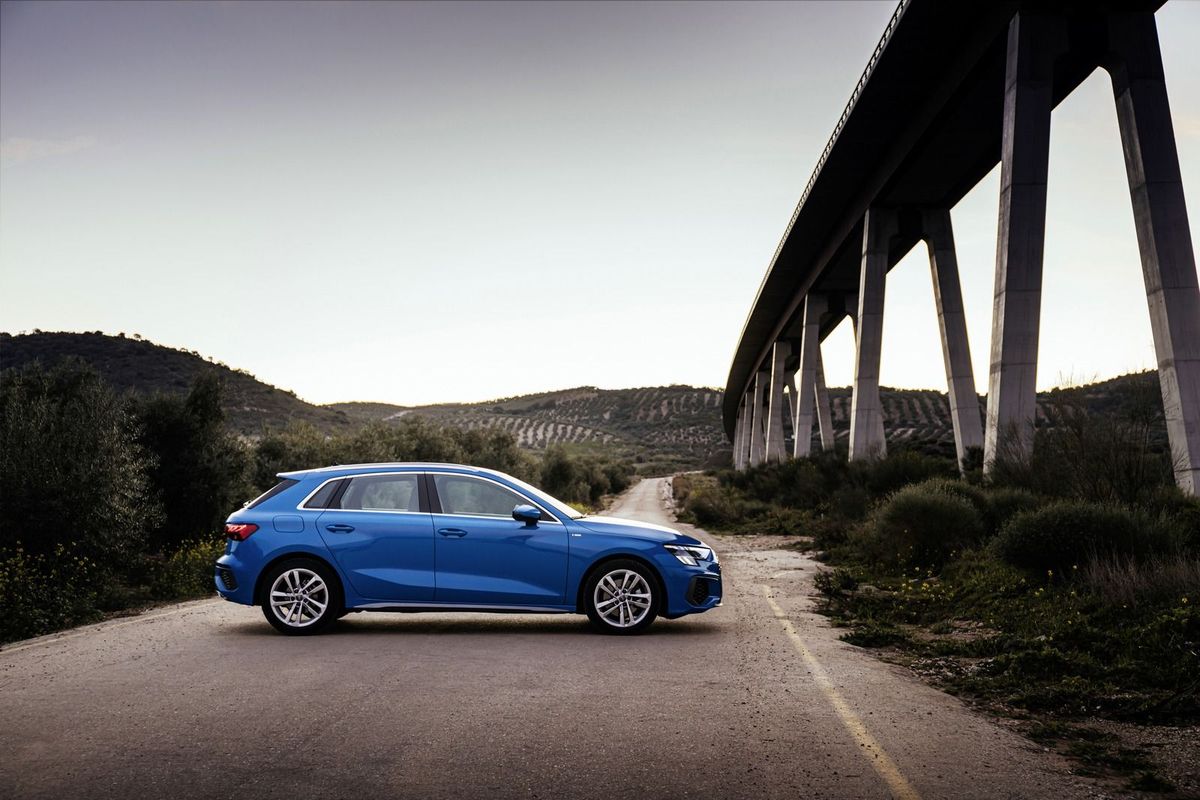
Size-wise, the A3 Sportback is now a little larger than its predecessor, but not in a very noticeable way. It is longer by 30 mm, due to the shape of the new bumper designs at either end. Including the mirrors, Audi's newcomer is 18 mm wider and the track width on both axles have been increased by 11 mm, the effect of which we’ll come back to.
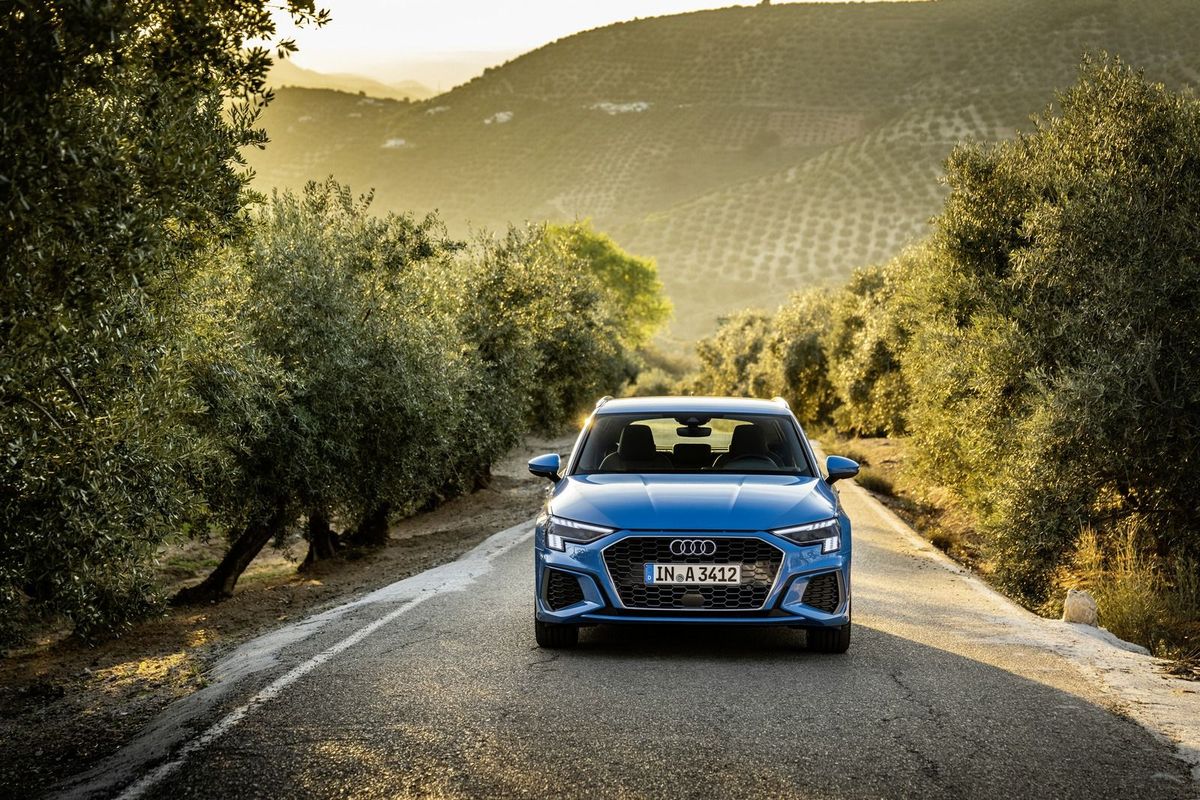
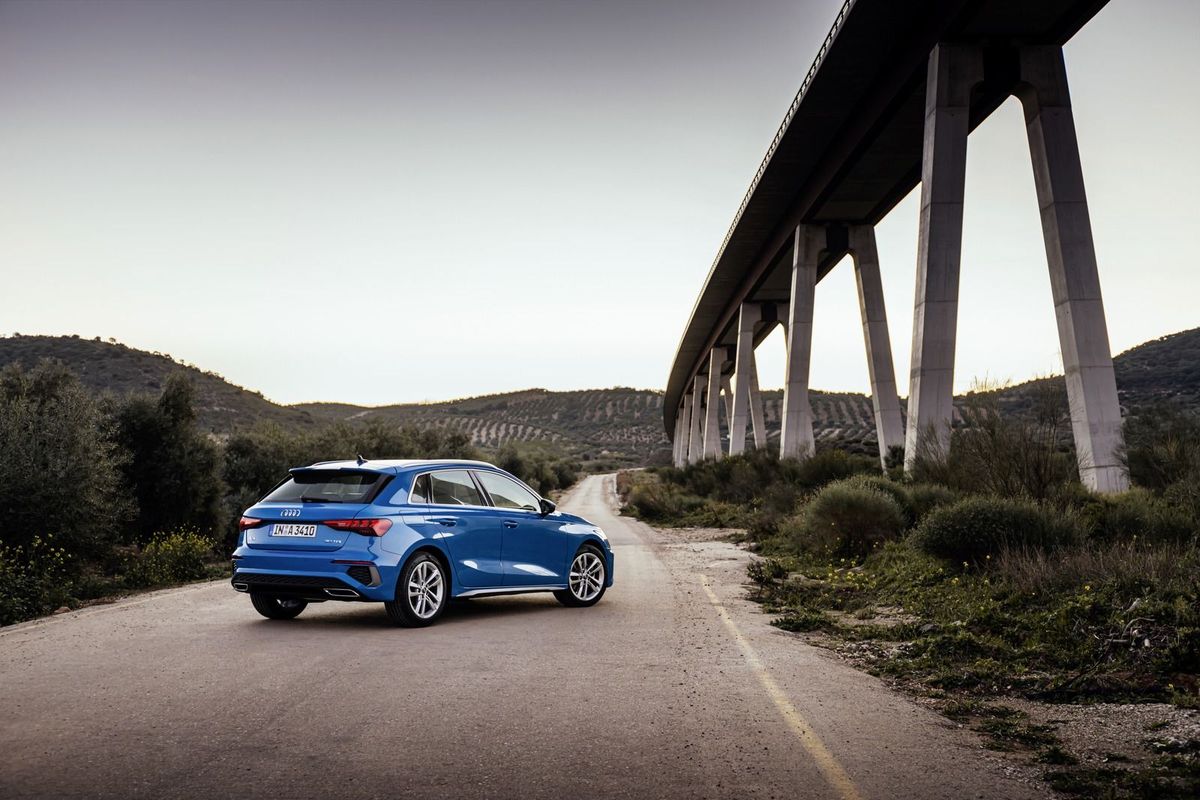
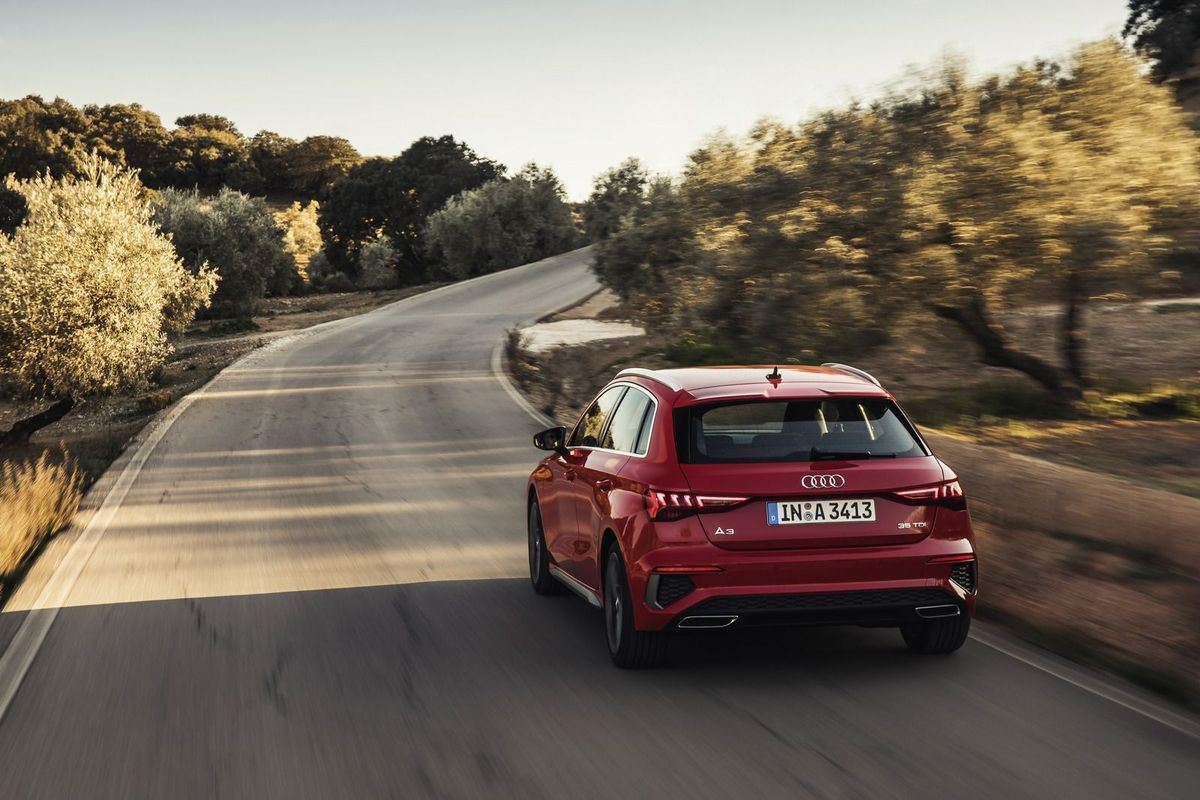
The look is fresher and has a few more curves than previous generations of the A3. It’s clear that Audi is trying to ditch its conservative image and, given the calibre of competition that the A3 Sportback faces, the Ingolstadt-based brand's designers have done a decent job here. While still being instantly recognisable as an A3, most observers should be able to spot that it’s the new model.
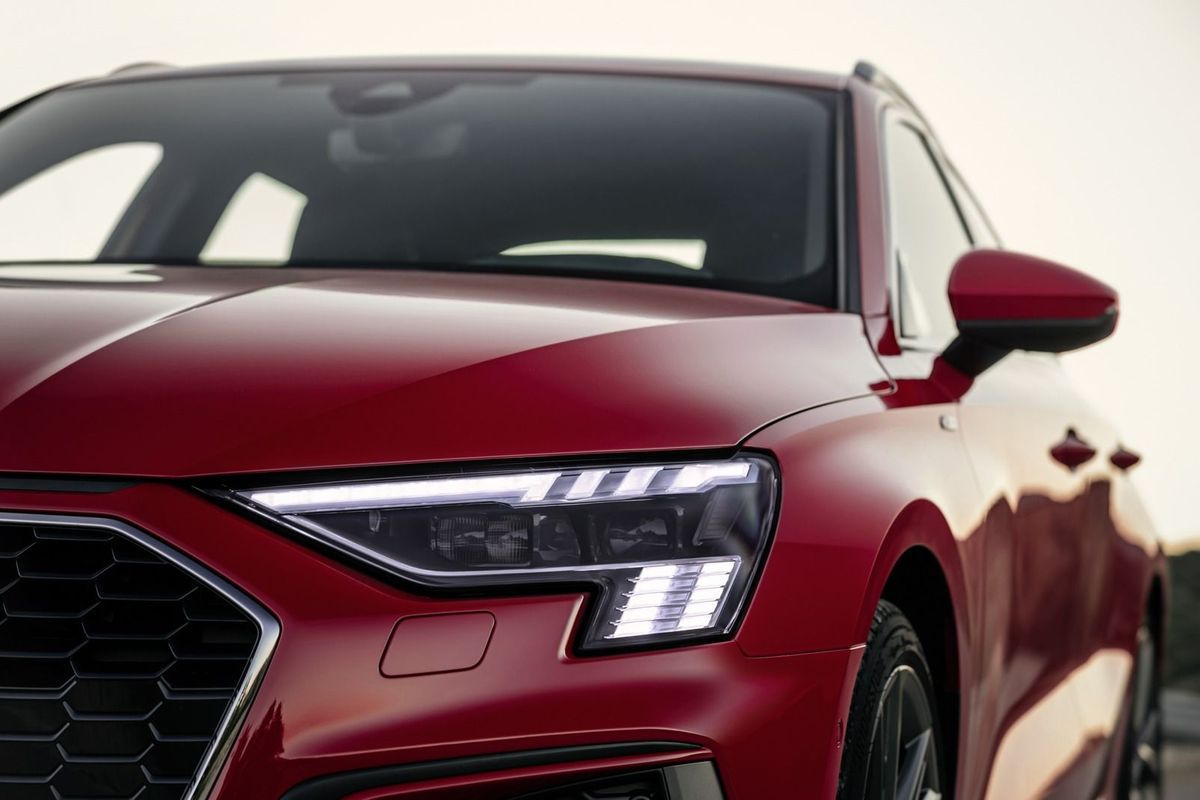
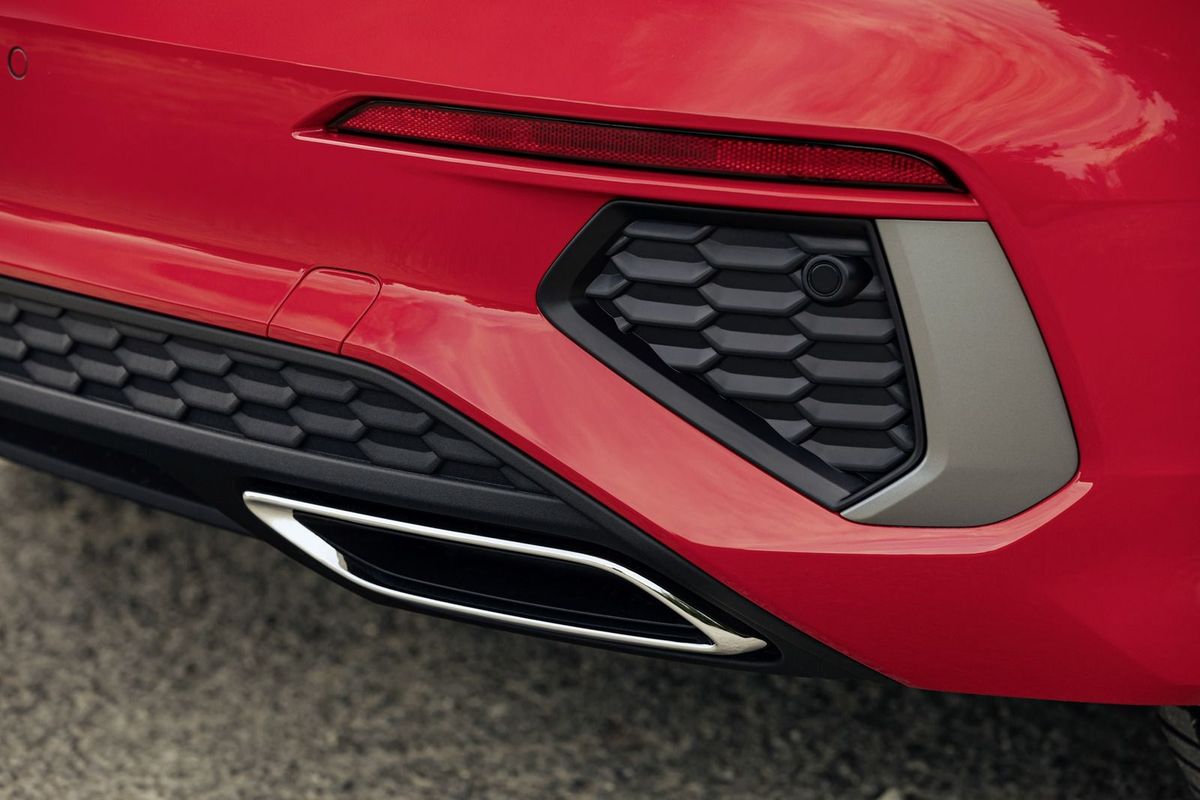
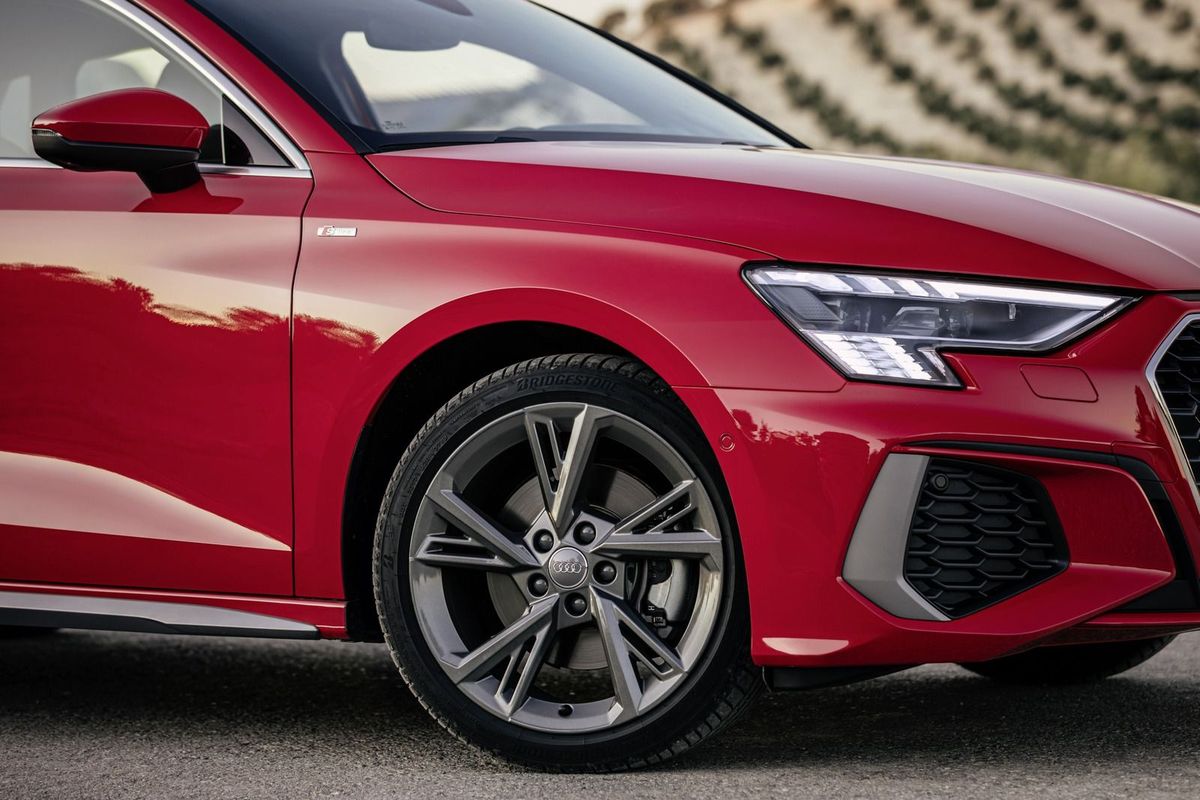
In keeping with company form, the distinctive grille is larger, while the bonnet features a more contoured look. A new LED daytime running-light signature is what every model has these days, but Audi’s heritage for making distinctive lighting a part of the overall design will give different variants of the A3 individual signatures. Higher-spec versions will receive a headlight unit featuring a 15-LED panel capable of different appearances depending on trim level. The S line derivatives also get other visual identifiers, including what appears to be chrome-look exhaust tips (but aren’t) and a trio of inserts beneath the bonnet line (just for show), like on the Audi TT.
A range of different wheel sizes will start at 16 inches and go up to 18 inches on the sportier S line versions, while 19-inch wheels – the largest possible on the A3 – will be offered optionally.
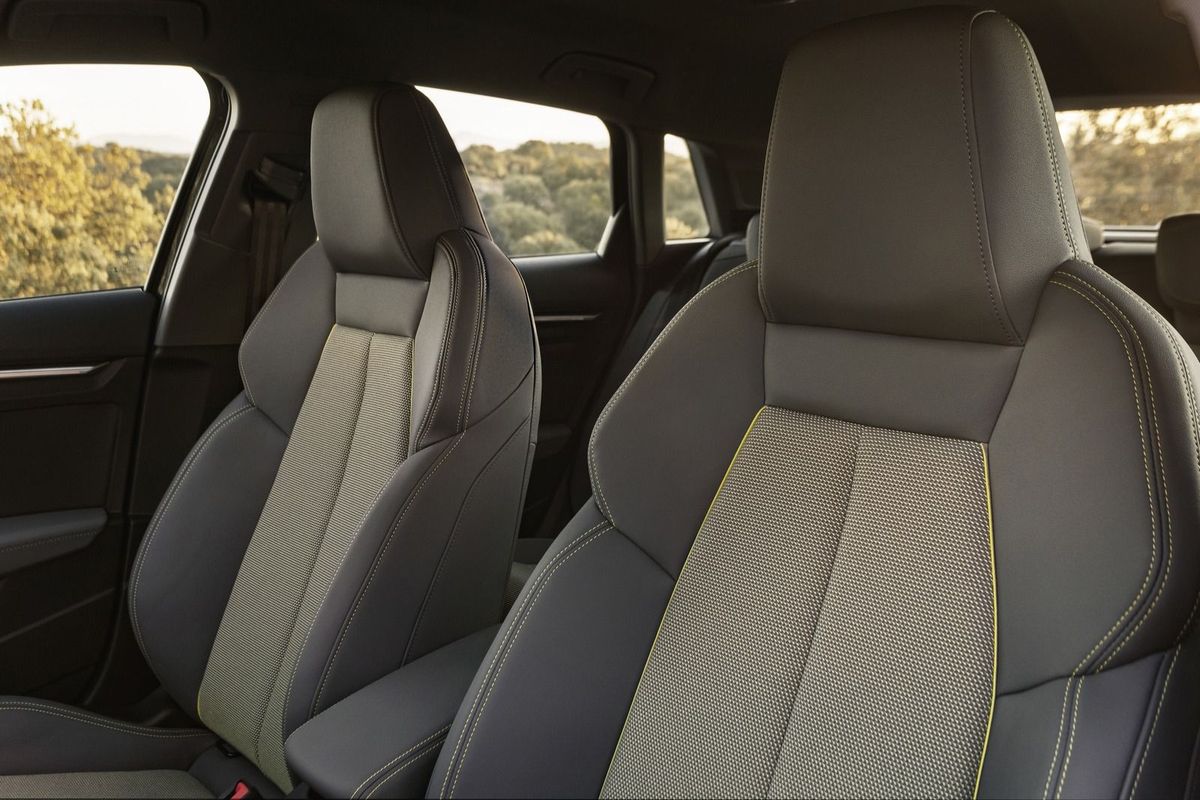
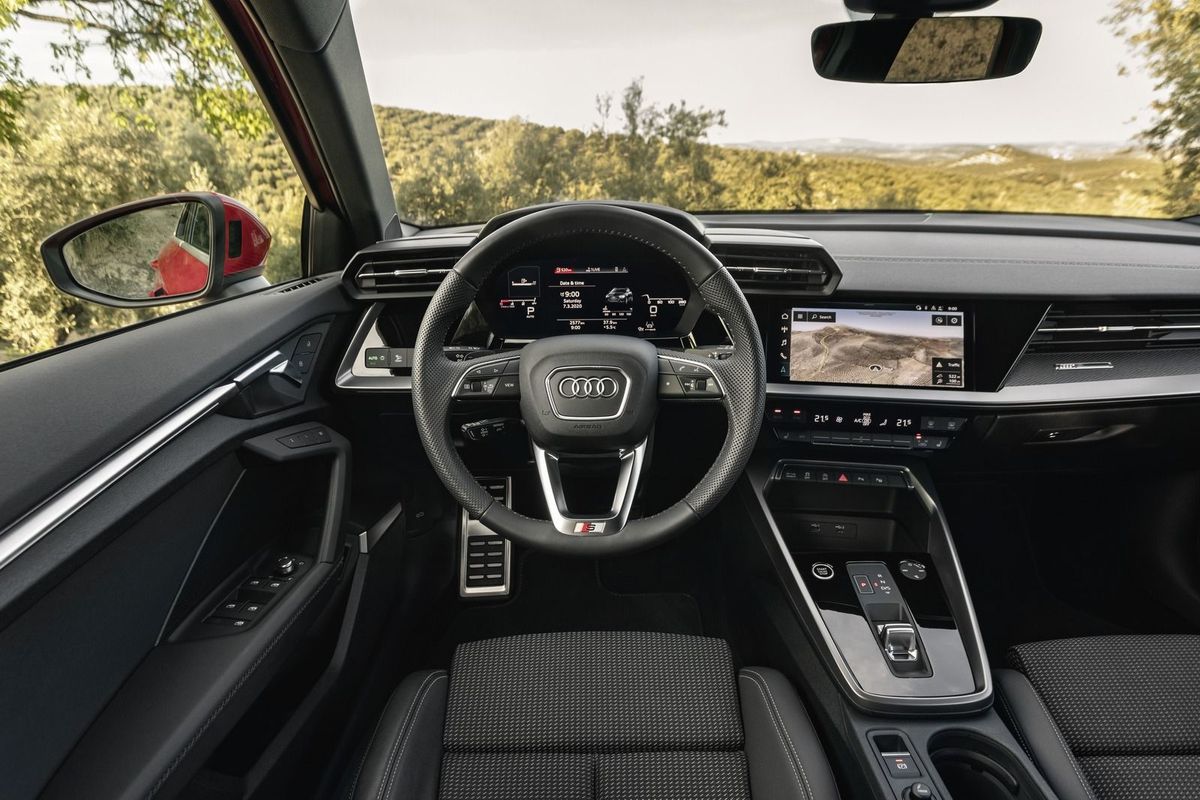
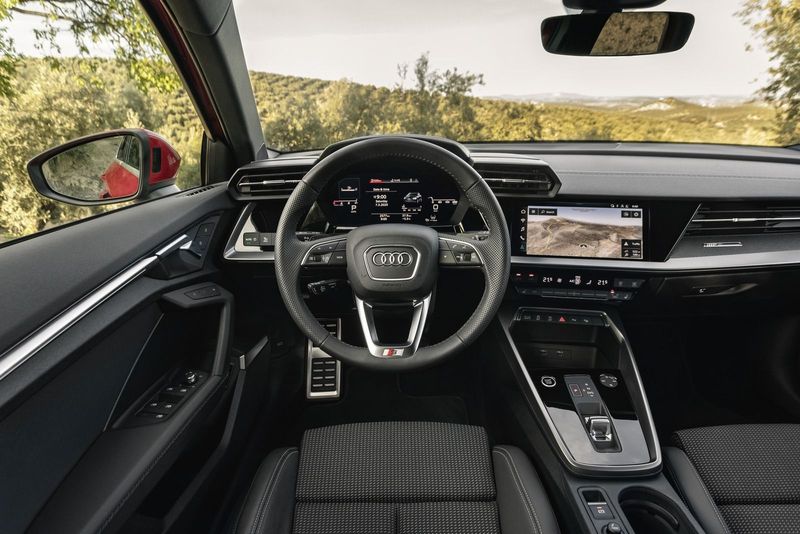
As welcome as the updated exterior look is, there are more significant differences to the A3’s design on the inside. Audi has taken a clean-sheet approach to shaping the look of the hatchback's cabin and, for the most part, it has done a terrific job. Look hard enough and you will discover some cheaper areas of plastic, but for the most part, this interior has the wow factor – even by Audi’s already high interior quality standards, it moves the game on.
Interior evolution
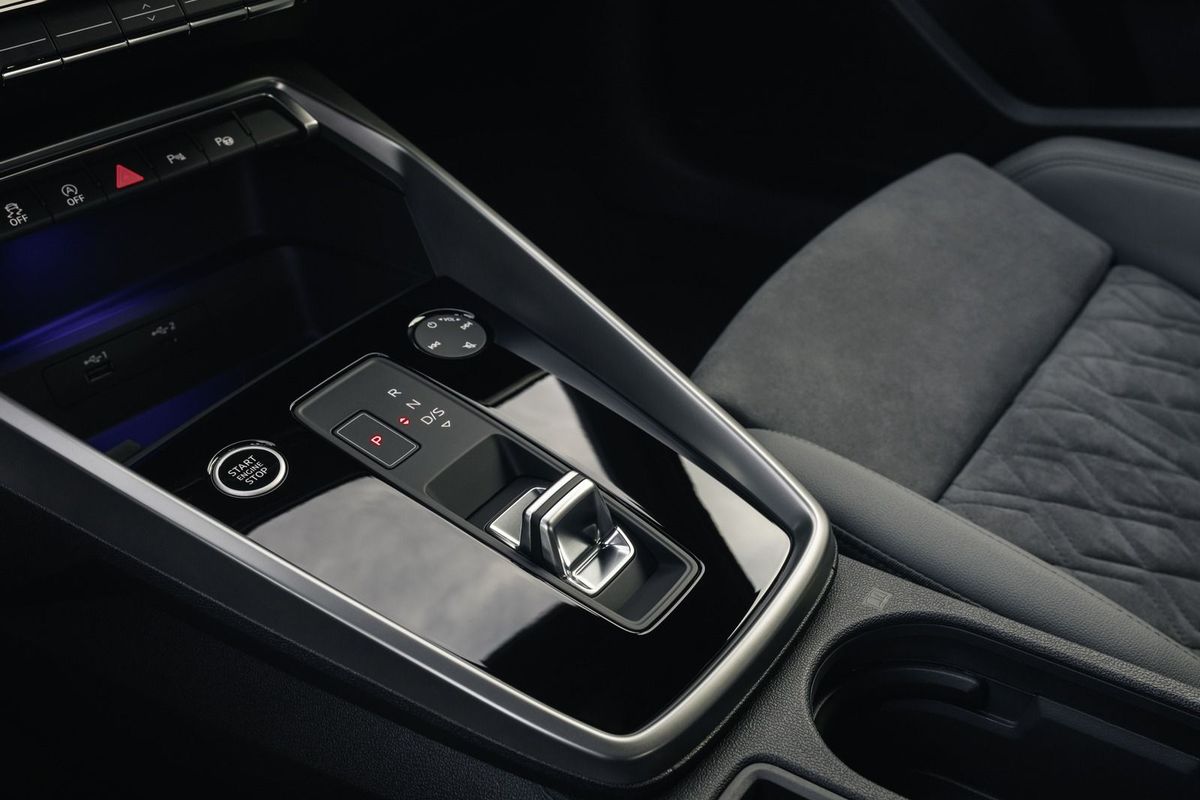
There is more space for bits and bobs with the gear lever reduced to a small toggle switch.
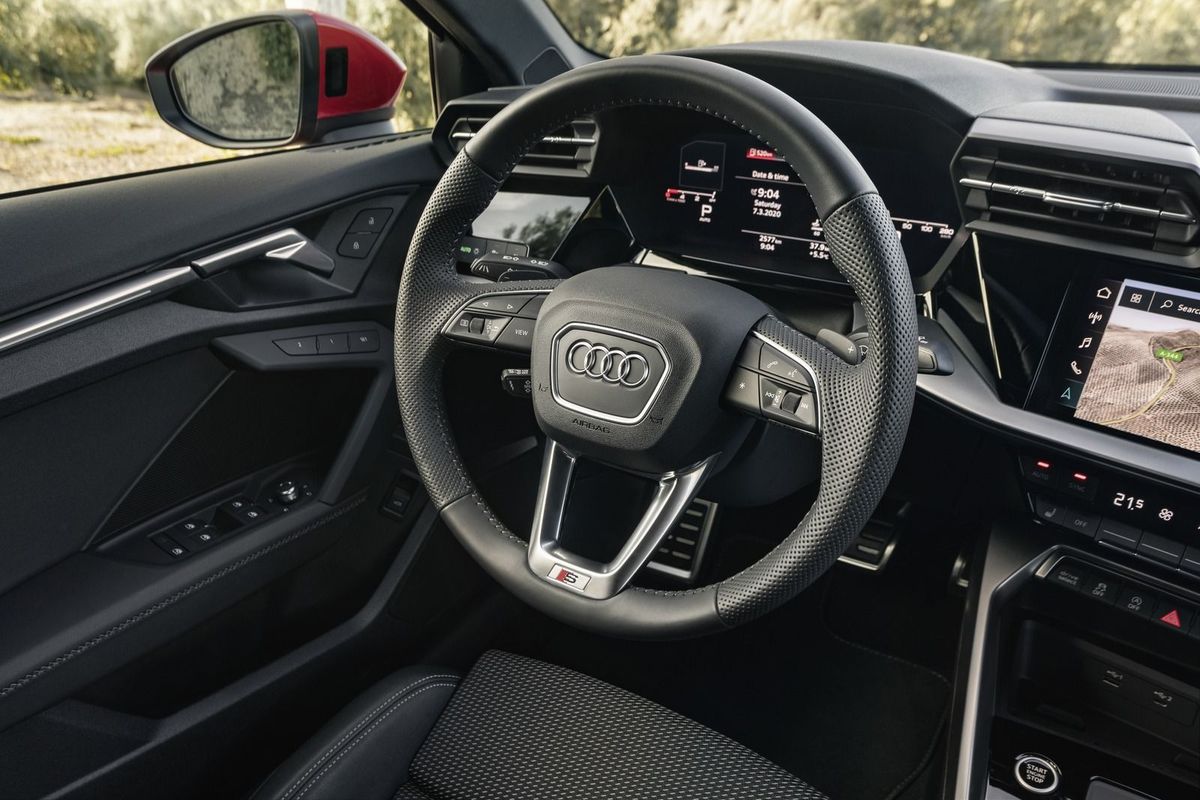
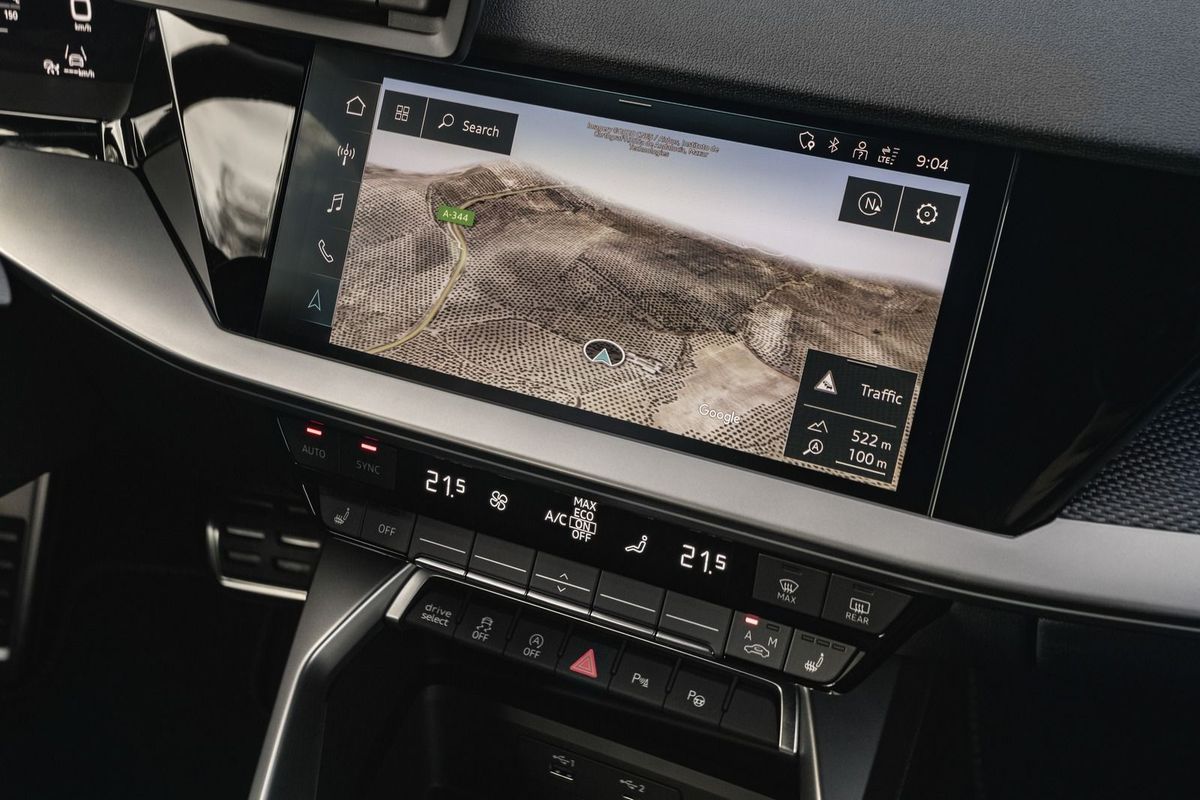
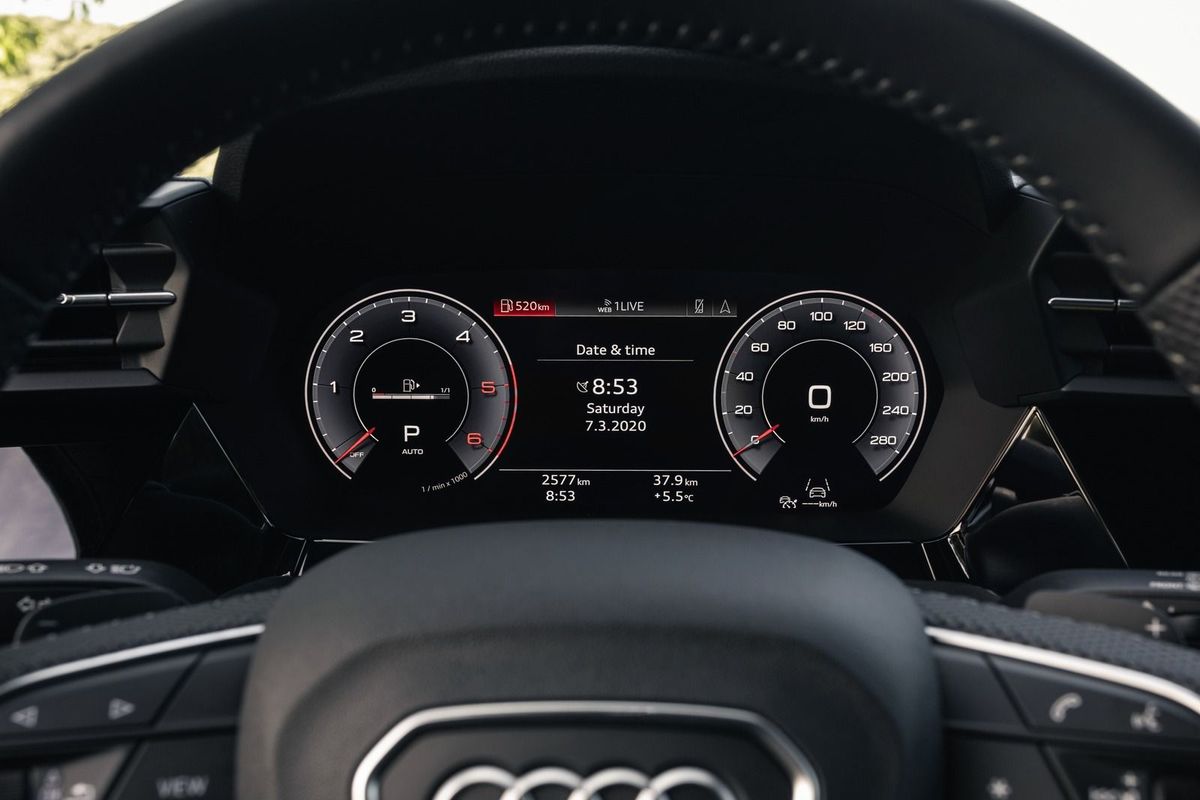
It remains a very digital affair, with a 10.25-inch digital instrument display as standard, while a larger 12.3-inch version, which was also available on the previous generation, will be optional. For the first time on the A3 Sportback, buyers will be able to specify a colour head-up display. A 10.1-inch touchscreen display, offering smartphone mirroring and connected services thanks to a built-in SIM card, will be standard across the range. Not only is the display responsive, its resolution is sharp; even on the sunniest of days, it remains bright and easily legible.
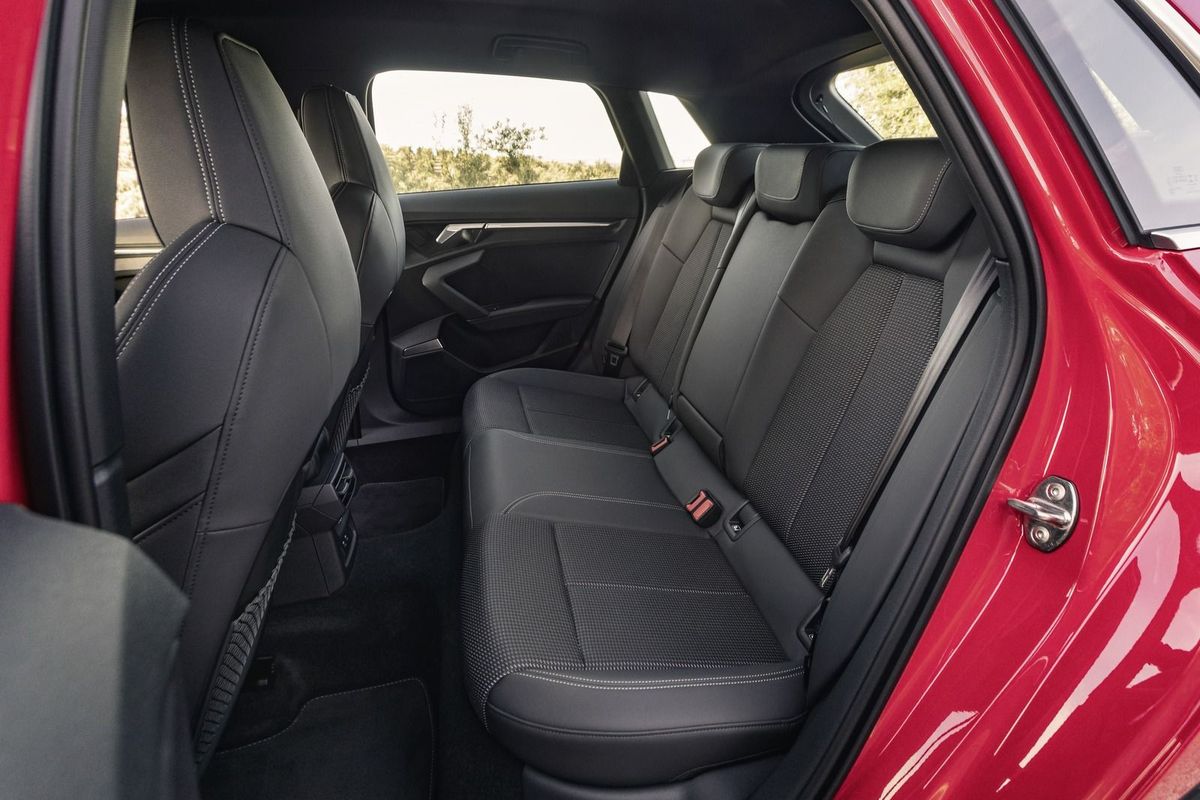
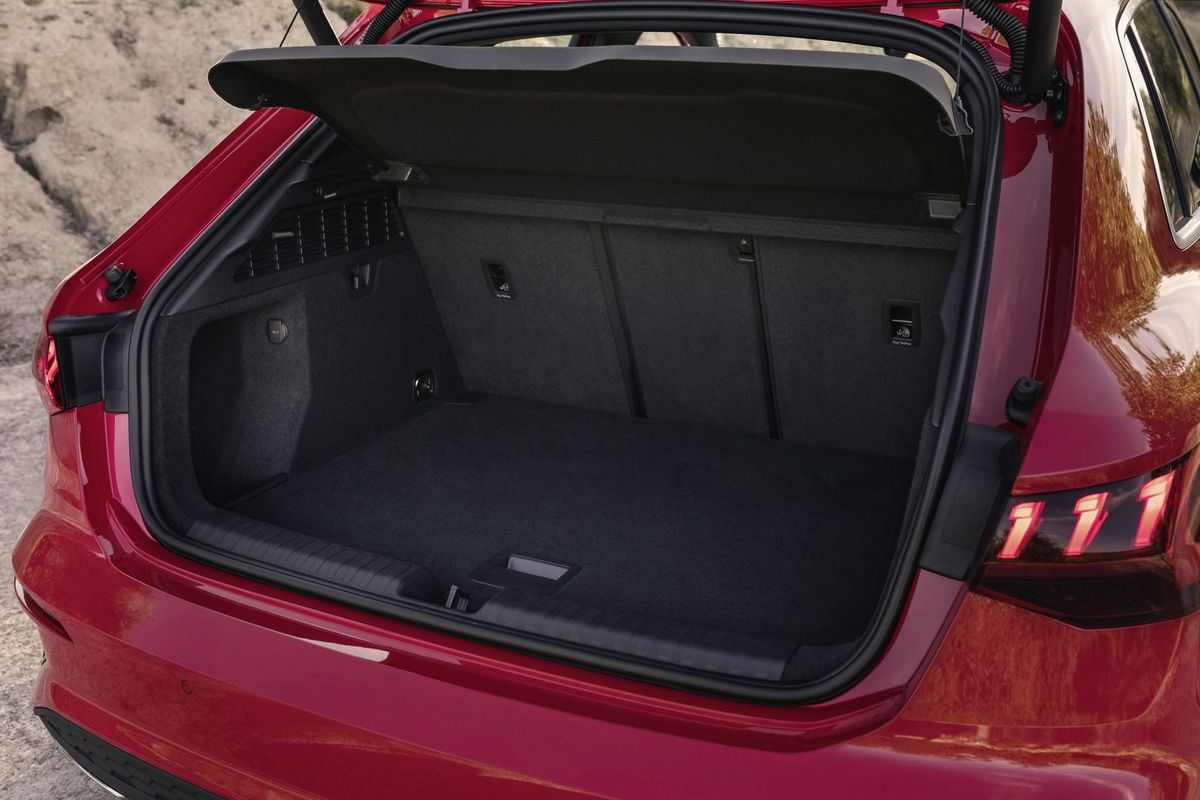
Those sitting in the rear get tiny increases in elbow- and shoulder room thanks to a new door-card design and, overall, the space available to occupants of the 2 outer seats isn’t bad. Like many cars in this segment, the middle-rear seat is more space-limited due to its design and the need for a transmission tunnel. There is no increase in luggage space over the previous A3, which remains at 380 litres and can be increased to 1 200 litres by folding down the aft seatback.
What’s it like to drive?
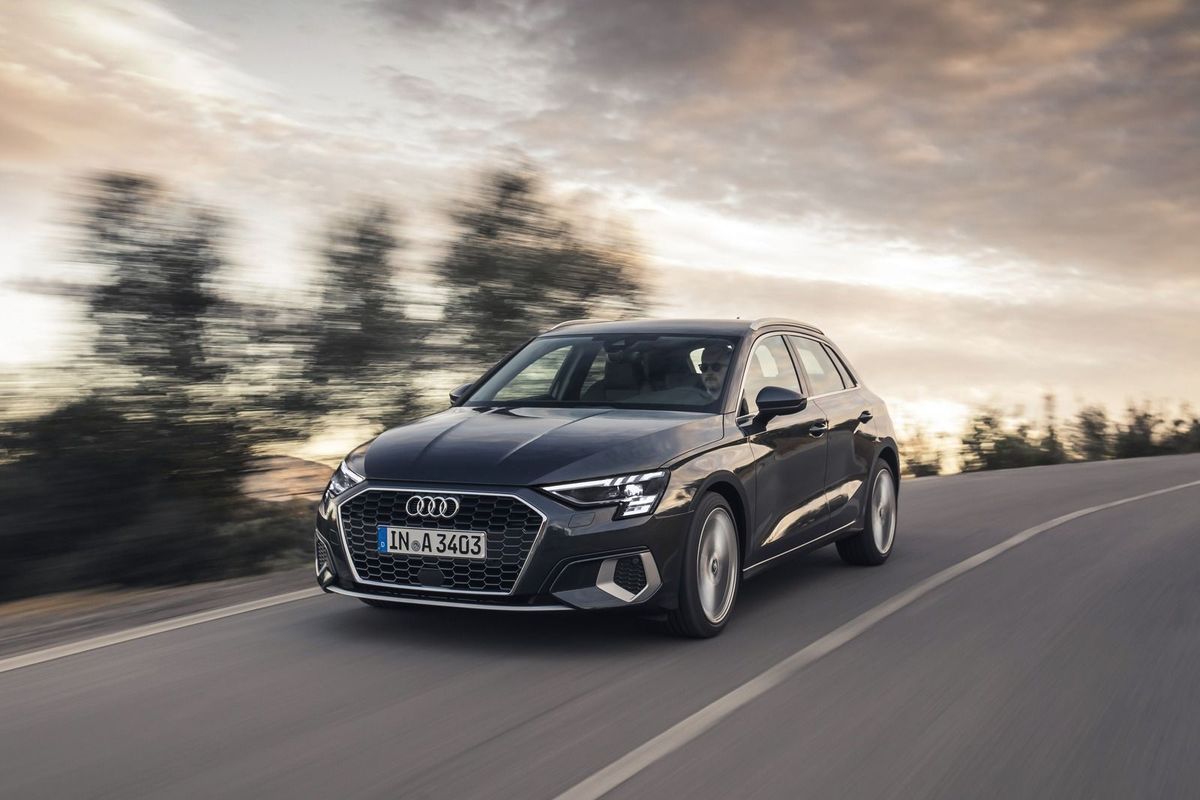
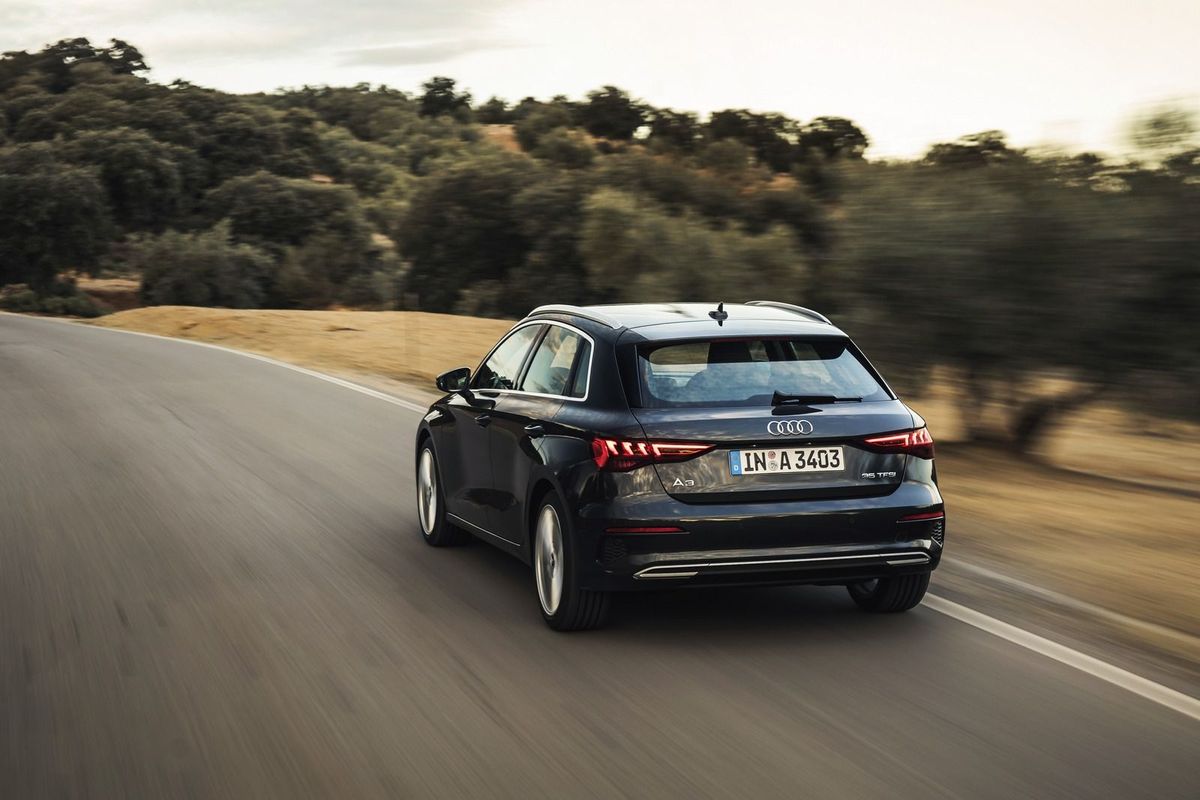
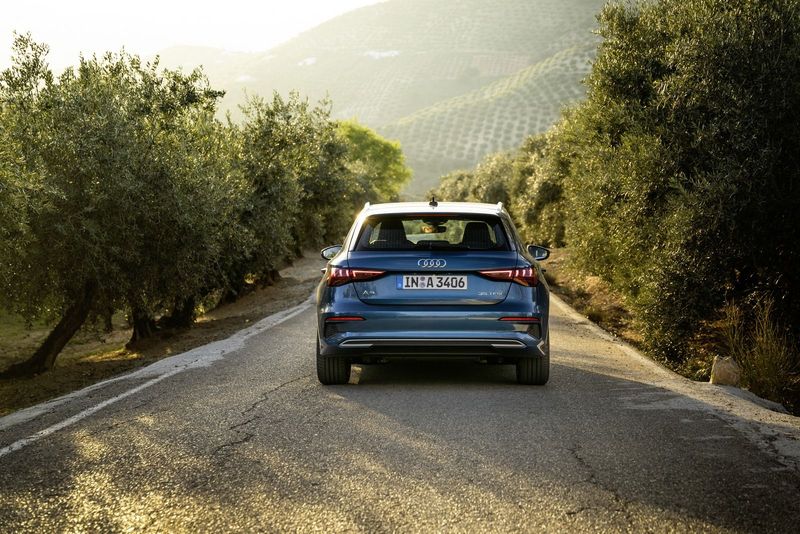
The A3 Sportback will debut in SA early in 2021, we hope.
The previous A3 Sportback offered commendable comfort and refinement. That hasn’t changed; if anything, the Audi now offers even greater levels of both thanks to the various changes and the addition of a new adaptive suspension.
Leading the charge is an updated 1.5-litre TFSI turbocharged 4-cylinder petrol engine that produces peak outputs of 110 kW and 250 Nm. Matched with the 7-speed dual-clutch automatic transmission, it makes for a snappy powertrain that provides a sufficient amount of power lower down, while comfortably delivering at the top end thanks to its free-revving nature.
The engine is equipped with Audi’s cylinder-on-demand (CoD) system that shuts off the 2 middle cylinders when driving on part-throttle. This process, and the subsequent restarting of the cylinders, go unnoticed to even the keenest ear or bum. We experienced it with the 48V mild-hybrid system, which isn’t pencilled in to come to South Africa, and differs primarily in its ability to allow engine-off coasting for short periods.
When you switch the Drive Select function to Efficiency, the transmission will coast when you lift off the accelerator pedal and can do that for quite some time. Most drivers will rarely switch between modes, although the lure of the Dynamic setting (when you find your favourite section of road) may prove too tempting for some. Along with a steering tweak, Dynamic makes the automatic transmission slip into a sportier mode and hang onto each gear that bit longer. The switch to a shift-by-wire setup frees up space between the seats, but does away with the transmission lever that you could use for shifting up and down the 'box.
Which means that in its absence, you’re obligated to use the steering wheel paddles to actuate manual 'shifts. Unfortunately, they don't feel very substantial – they're two of the admittedly few cheap points in the otherwise upmarket cabin. Both BMW and Mercedes-Benz do this bit better. When left in its default normal or auto mode, the S-tronic transmission switches through the gears in fine fashion – smoothly and without any jerkiness.
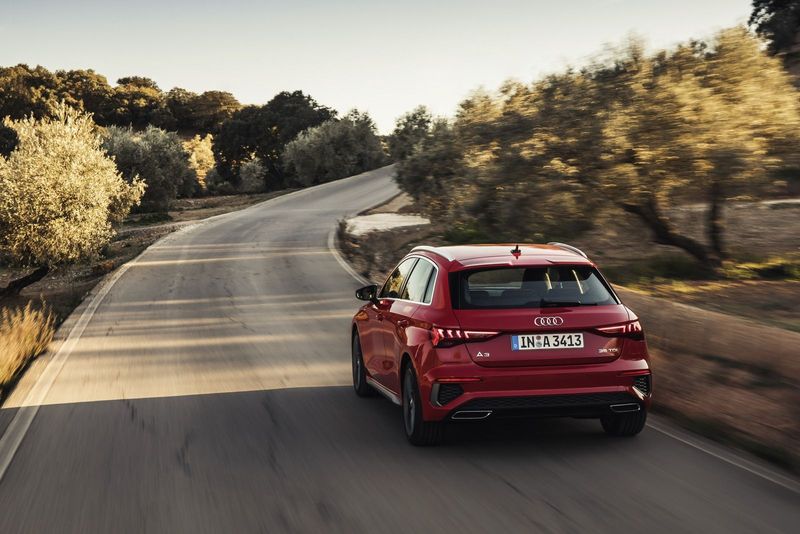
Audi has made adaptive suspension available on the A3, and it appears to be the best setup for the newcomer.
If you relish your comfort, then it might be worth speccing Audi’s new adaptive suspension. It ditches the magnetic function of the previous generation in favour of a more conventional damper setup, but one that operates over a wider spectrum to provide greater levels of comfort and absorption while retaining the ability to firm up when more spirited driving is desired. Compared with the standard suspension, the adaptive system leaves the car sitting 10 mm lower.
Nonetheless, you won’t feel short-changed if you stick with the standard (passive) suspension, which, for engines of 110 kW upwards, uses a slick multi-link rear setup, along with the MacPherson strut front end that appears across the range. The operating window is still very good, delivering a progressive and well-balanced ride. Go for the sportier S-line spec and the A3 rides 15 mm lower, with a firmer damping setup.
The standard electromechanical steering can be upgraded to a variable ratio system that delivers a more direct feel. Toggling through the different drive modes provides greater distinction in how the steering feels, though in Dynamic mode we felt the steering was a touch too heavy.
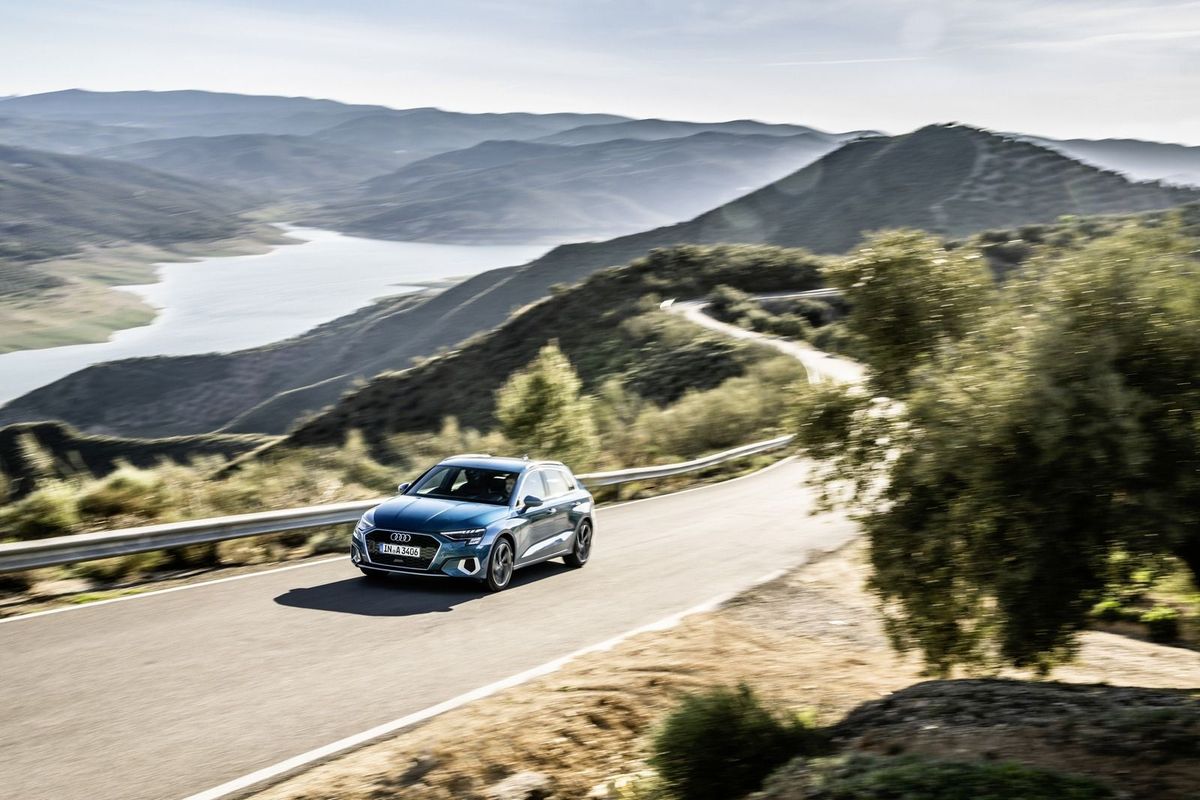
Along a fast sweeping road, the A3 Sportback delivers an impressive driving experience with the kind of ride quality that imbues confidence across both the passive and adaptive setups. An increase of 11 mm in track width at each end adds to the planted sensation, of that I have no doubt.
Verdict
With BMW falling from grace with its 1 Series, this and the A-Class are the picks of the segment.
The Audi A3 Sportback had elevated itself to the sharp end of the hatchback segment once more. A big evolution in its design is backed up with a more refined, yet still-involving, driving experience that makes the BMW 1 Series seem bloated and ought to worry the Mercedes-Benz A-Class. While it is technically an evolution of the previous model, so much of the A3 Sportback has changed inside (and out) that it looks and feels like a totally different car. It’s every bit the high-tech model that many buyers will expect from Audi.
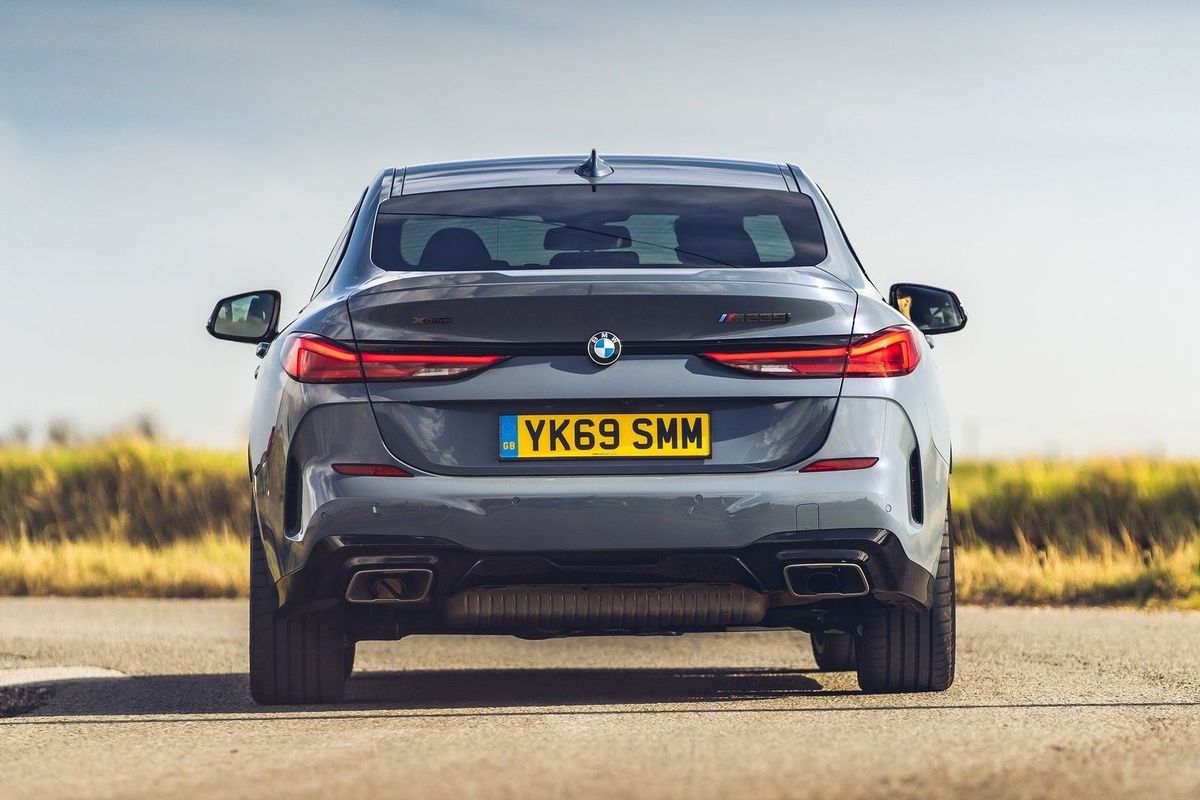
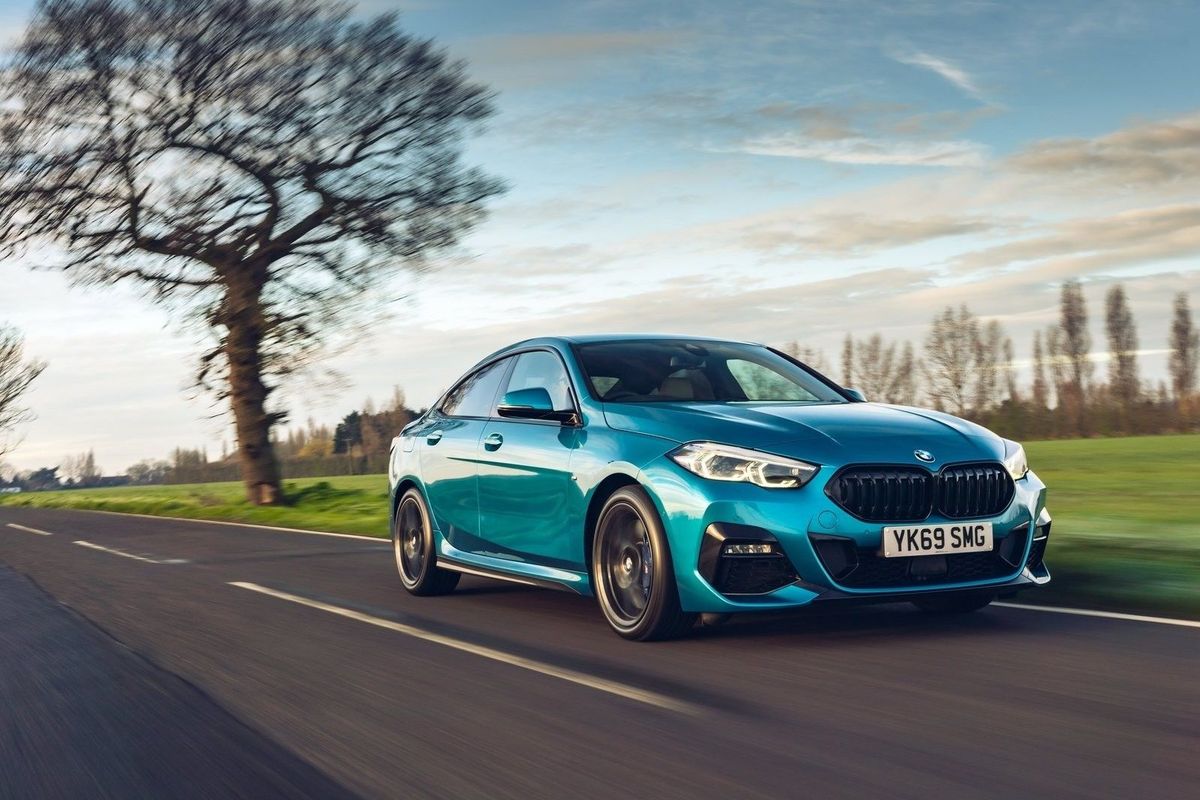
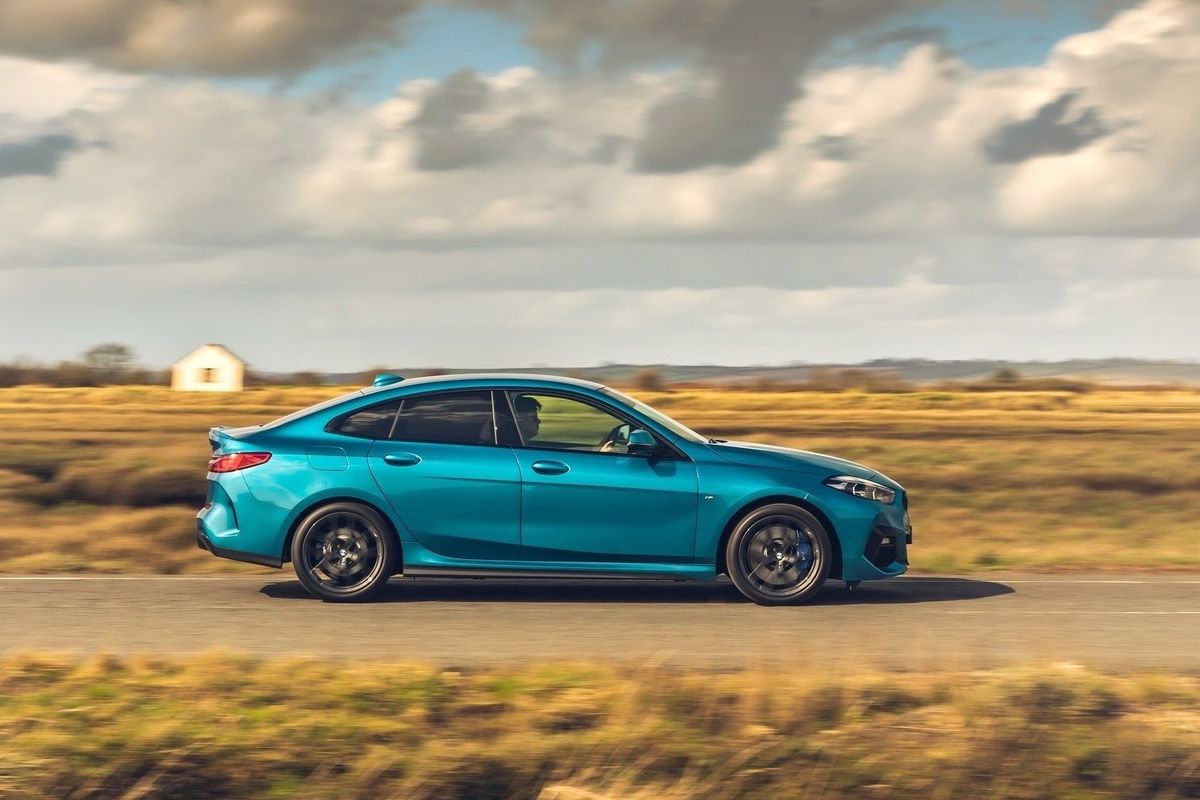
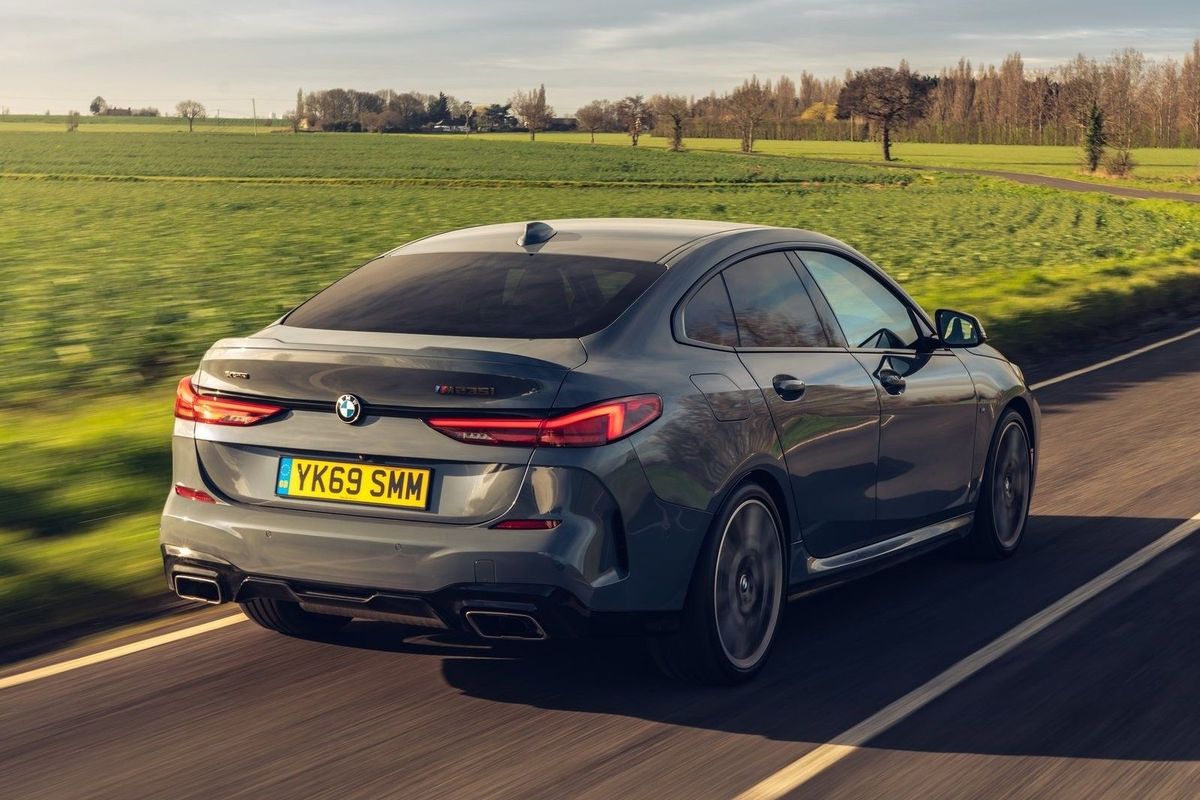
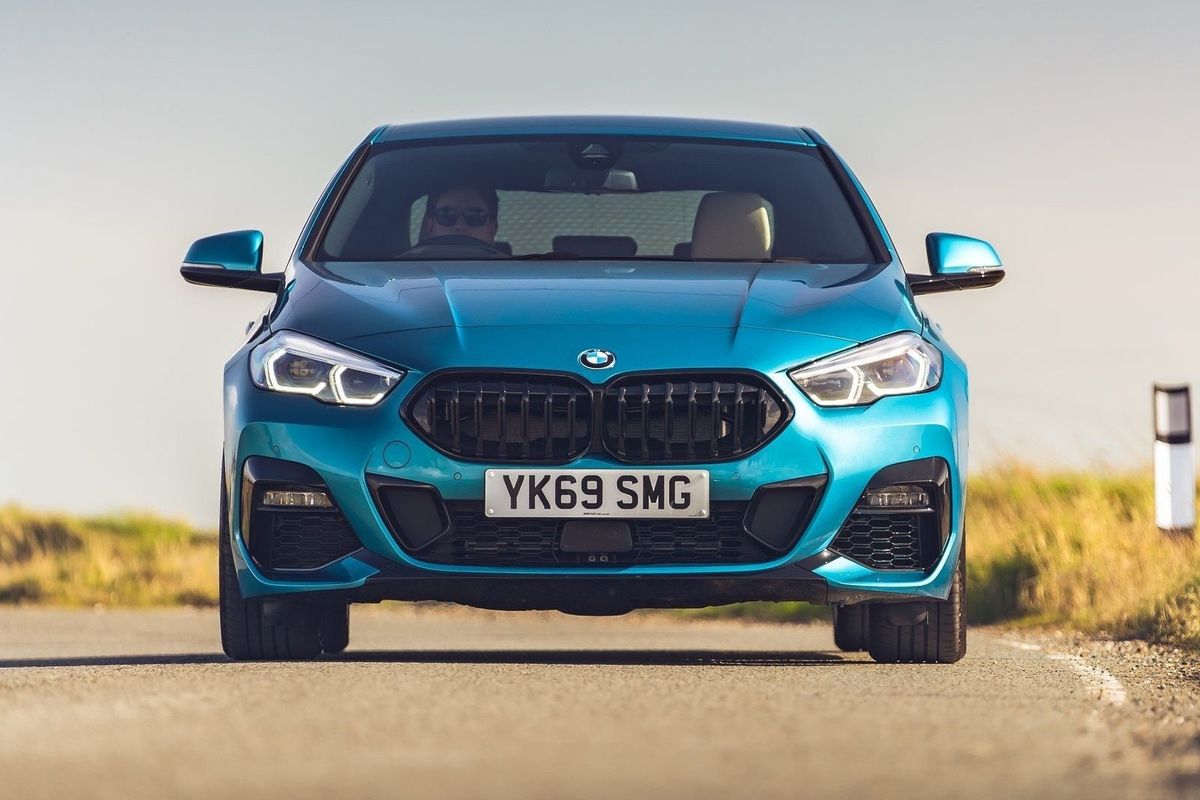
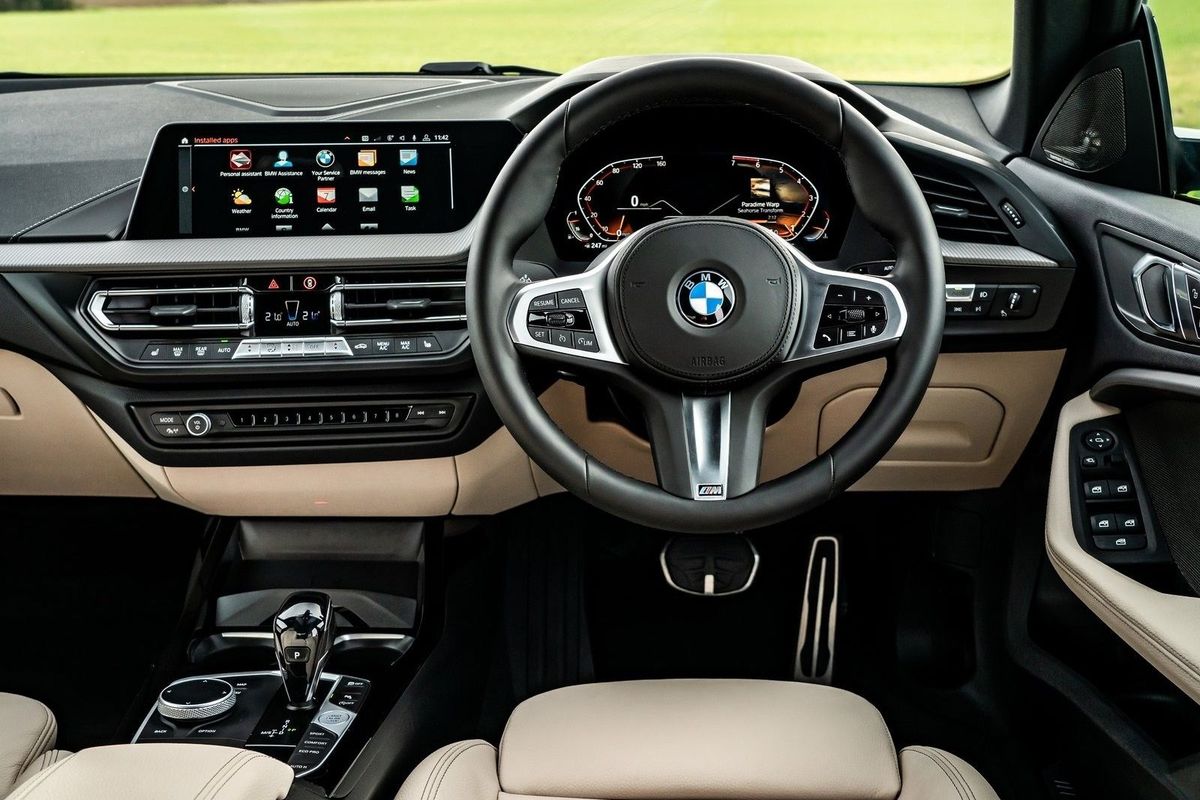
Specs and pricing for the new BMW 2 Series Gran Coupe have turned up on the local arm's website. Here's how much it costs, plus details regarding engines.
Built on the new BMW front-wheel-drive platform, the 2 Series Gran Coupe shares more than a few things with the 1-Series hatchback, including the potent 35i xDrive powertrain. Speaking of engines, the BMW 2-Series Gran Coupe will be available with 3 engines from launch; 2 petrol and 1 diesel. In terms of dimensions, the sports sedan is 4 526 millimetres in length,1 800 millimetres in width, but stands just 1 420 millimetres tall. Thanks to the 2 670-millimetre wheelbase, there's plenty of interior space as well as a 430-litre load compartment. The BMW 2 Series Gran Coupe is a rival to the Audi A3 Sedan and Mercedes-Benz CLA.
The South African model range comprises 218i, M235i xDrive and for those wanting a diesel, the 220d. The 218i features a 1.5-litre turbocharged 3-cylinder petrol motor with 103 kW and 220 Nm. It has a claimed 0-100 kph time of 8.7 seconds and it is said to consume a claimed 5.9 L/100 km. For those wanting a real focus on performance, the 2.0-litre turbocharged 4-cylinder we've experienced in the M135i xDrive and X2 M35i makes an appearance in the M235i xDrive and it delivers 225 kW and 450 Nm. Power goes to all 4 wheels via an 8-speed automatic gearbox and with launch control dialled up, it'll hit 100 kph in a claimed 4.8 seconds. Finally, the 220d 2.0-litre has 140 kW and 400 Nm and is said to consume 4.5-4.2 L/100 km. It's not slow either, with BMW claiming 7.5 seconds to 100 kph.
We understand full specs and standard features are to be confirmed imminently and we'll update accordingly.
BMW 2 Series Gran Coupe Price in South Africa (March 2020)