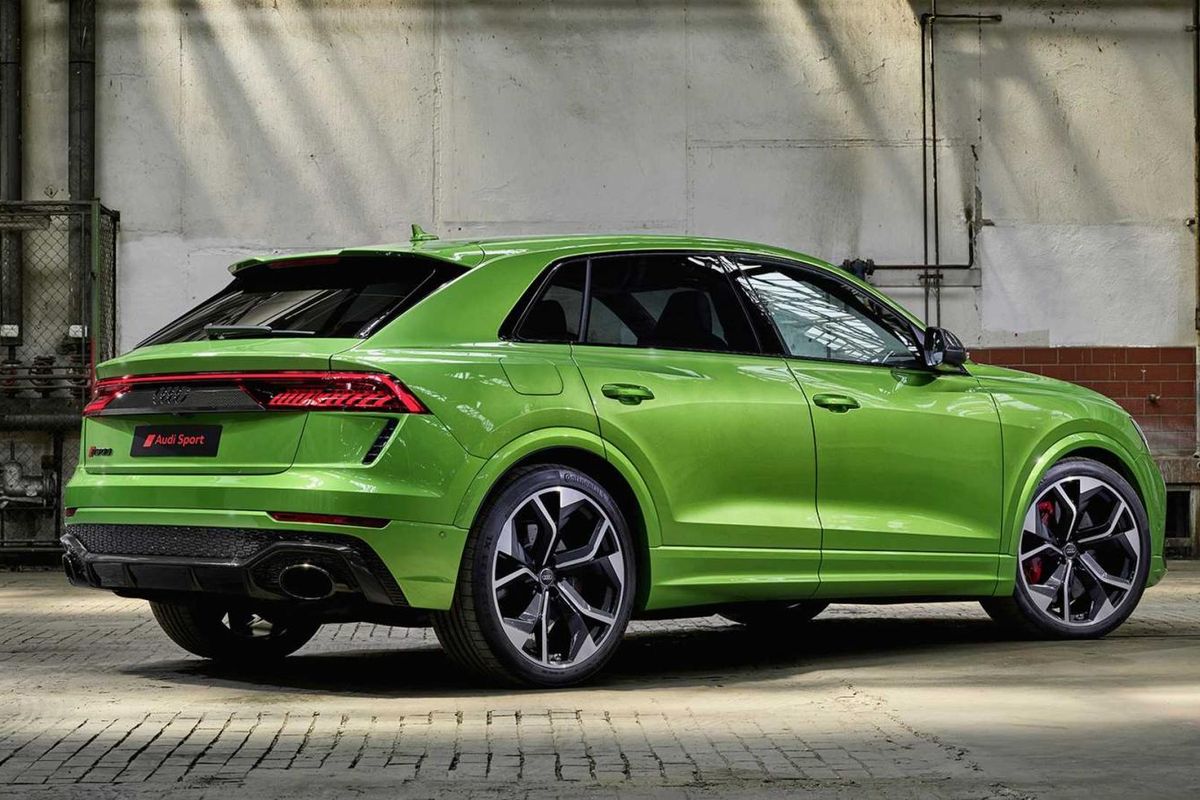
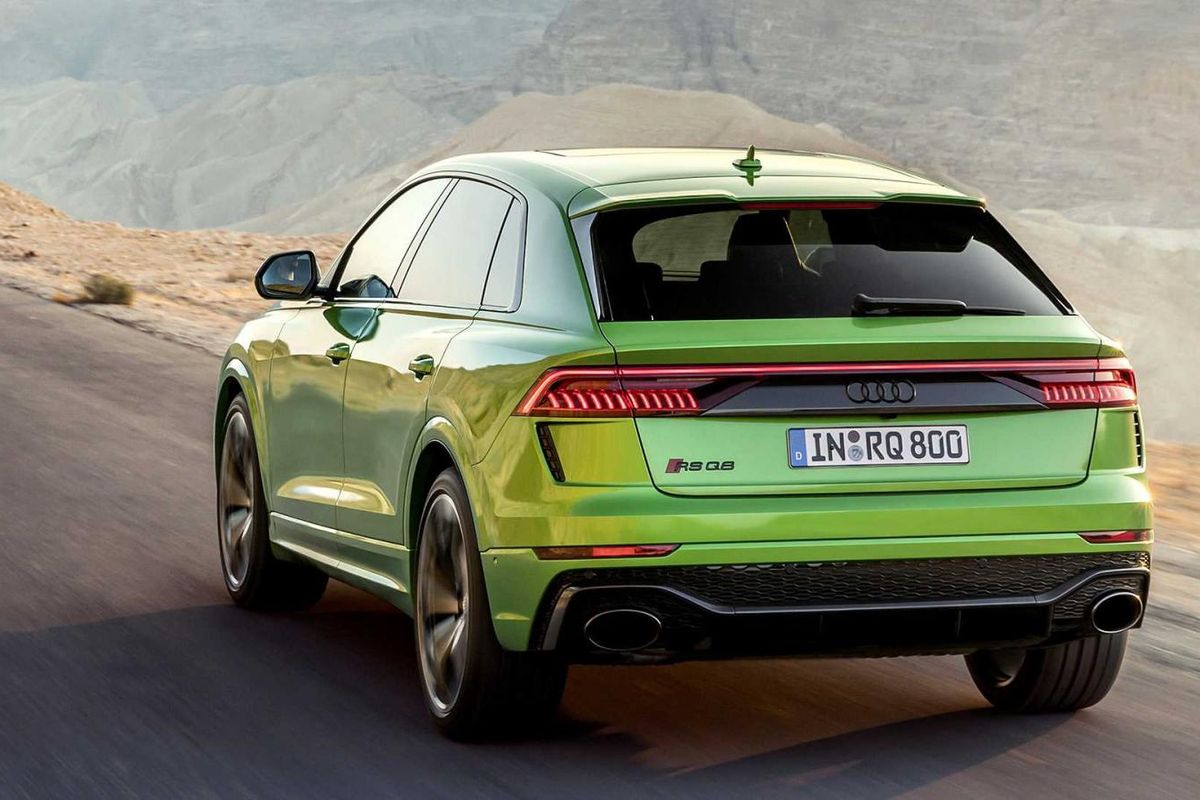
This new Audi is the brand's fastest ever gravel travel vehicle.
The automotive world might be rapidly electrifying, but the big money remains to be made in SUVs and sportscars.
Audi has combined these two profit opportunities with its latest release, the RS Q8. This high-performance SUV illustrates, yet again, how accomplished the VW Group’s platform-sharing strategy is.
Built on the same MLB platform as Bentley’s Bentayga, Lamborghini’s Urus and the Porsche Cayenne expectations are high for this fastest-ever Audi SUV.
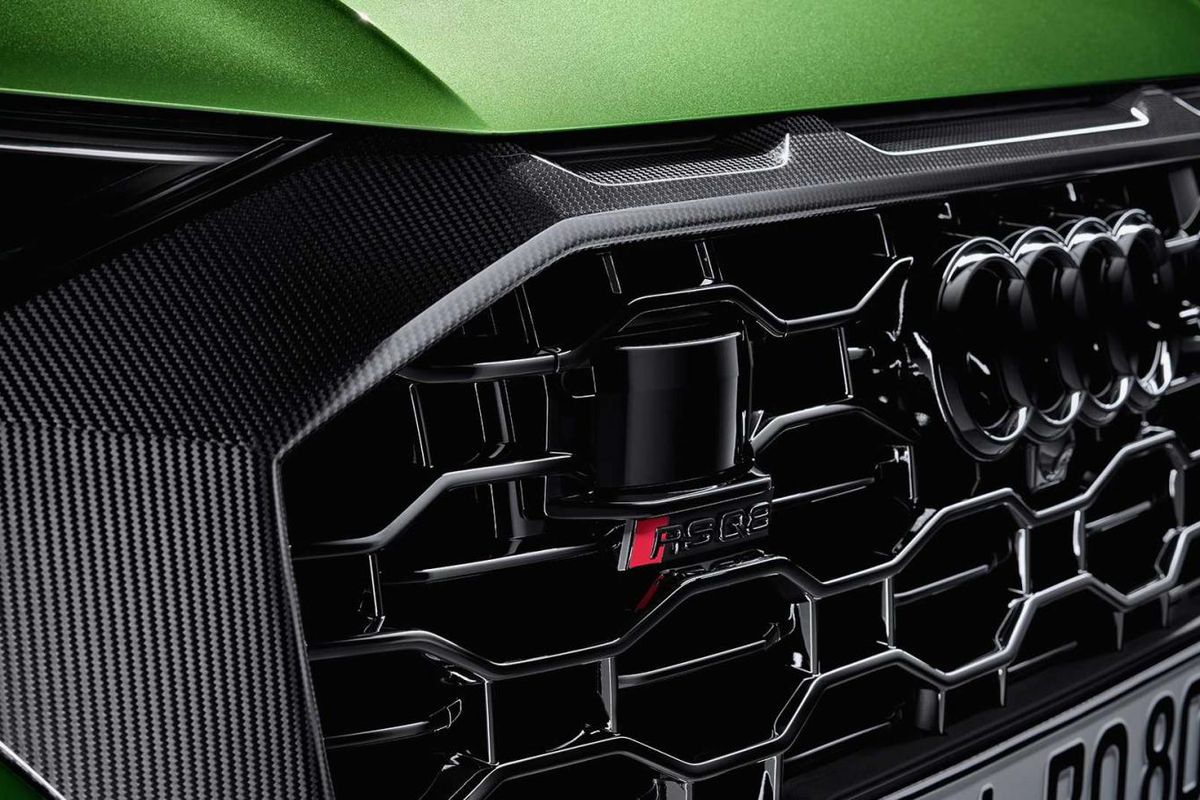
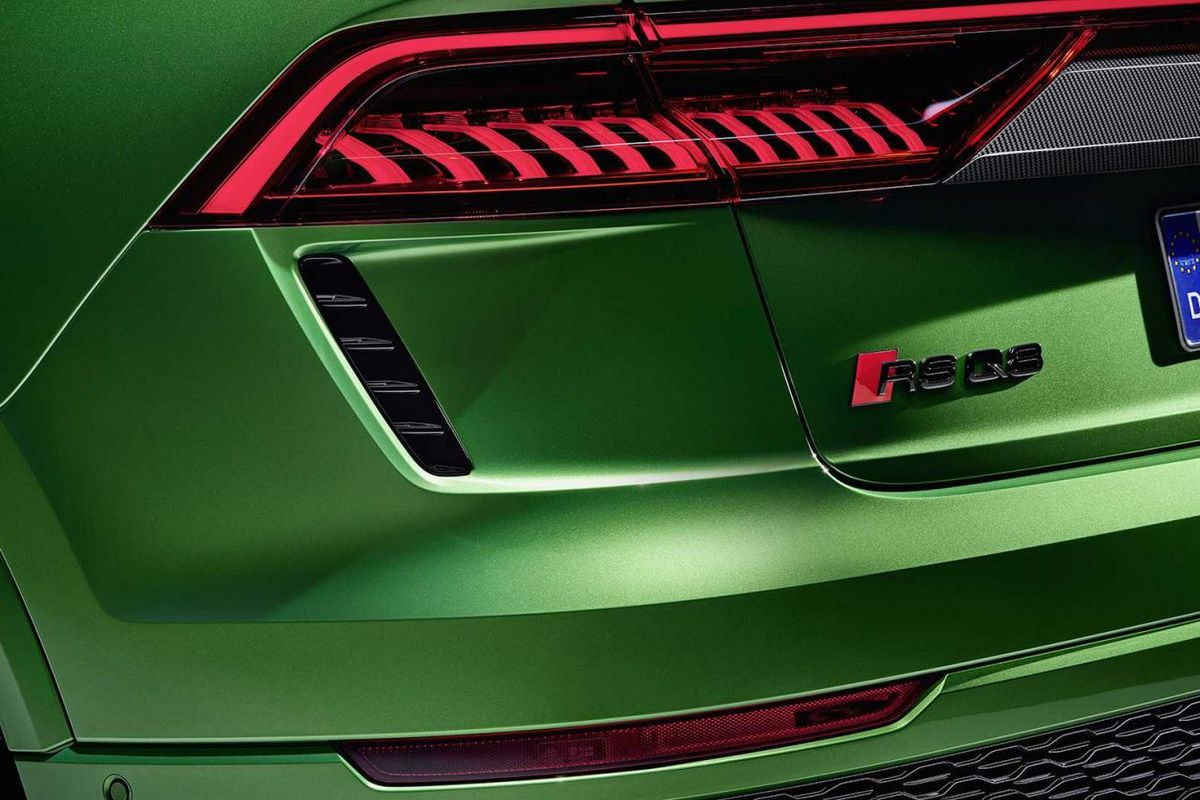
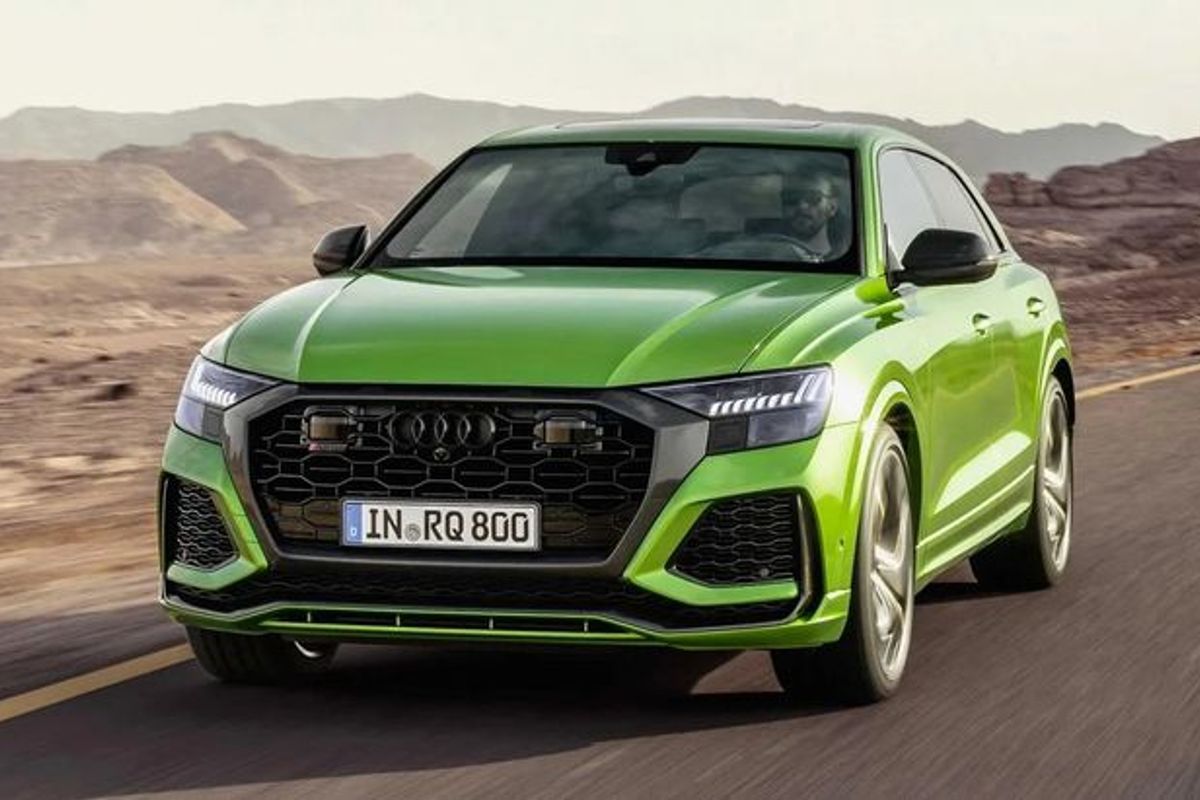
The styling is typically imposing RS-fare: a huge single-frame grille up front (with a carbon surround) and slight fender extensions, which widen the vehicle by 10 mm at its front axle and 5 mm at the rear. Unlike the RS6, Audi chose to not add an elaborate widening body kit to its RS Q8. This is due to the standard Q8 already being a substantial 1 993 mm across its middle.
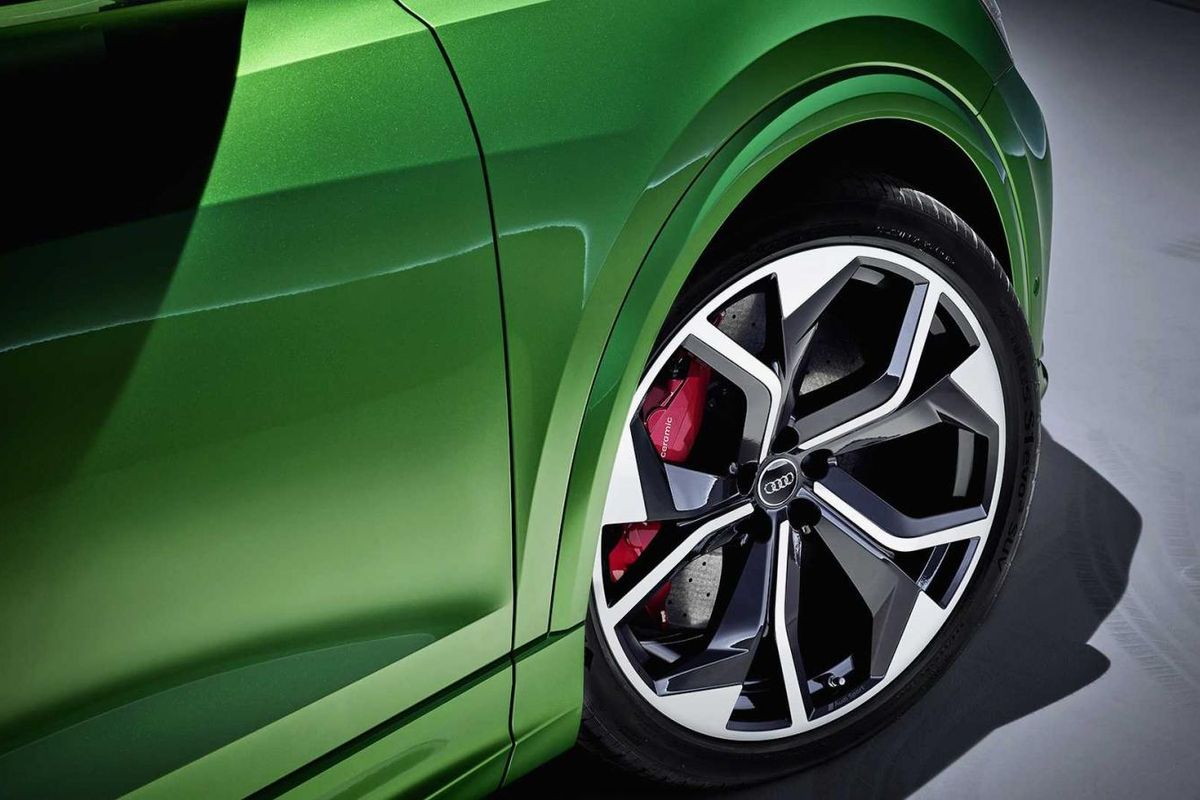
What is most notable about the RS Q8’s exterior appearance, are its wheels. They look in perfect proportions to the SUV’s exterior structure and that is because these are the largest diameter wheels Audi has ever fitted to a production vehicle, measuring 23-inches.
The most important bits of Audi’s new RS Q8 are those that you cannot see: its engine and suspension. Using the same electrically powered active anti-roll technology first seen in the Bentley Bentayga, the RS Q8 promises to deliver incredible dynamic handling for a vehicle of its size and stance.
An air-suspension system can vary ride height by 90 mm, for both high-speed cruising and off-roading applications. The RS Q8 also features enormous brakes, sized at 420 mm up front and 370 mm at the rear. Actuating these brakes are ten-piston callipers.
Powering Audi’s most potent SUV is a 441 kW version of the brand’s 4-litre bi-turbocharged engine. With 800 Nm of torque and sophisticated mild-hybrid energy harvesting, the RS Q8 can be both brutally quick and impressively efficient.
Audi claims that its RS Q8 will run a true 0-100kph time of 3.8 seconds and power to a top speed of 305 kph, which means it is as fast as Lamborghini’s Urus, although the Italian car is quicker by two-tenths of second in a sprint to 100 kph.
To control all this power and performance, Audi’s engineers have reconfigured the Q8’s quattro system. In RS Q8 specification, it allows for torque biasing of up to 70% to the front axle, with an 85% threshold for the rear differential, when required.
The RS Q8 is planned to arrive in SA in 2020, with lots of rivals to fend of such as the BMW X5/X6 M, Jag F-Pace SVR, Alfa Romeo Stelvio and Merc's range of AMG 63 SUVs.
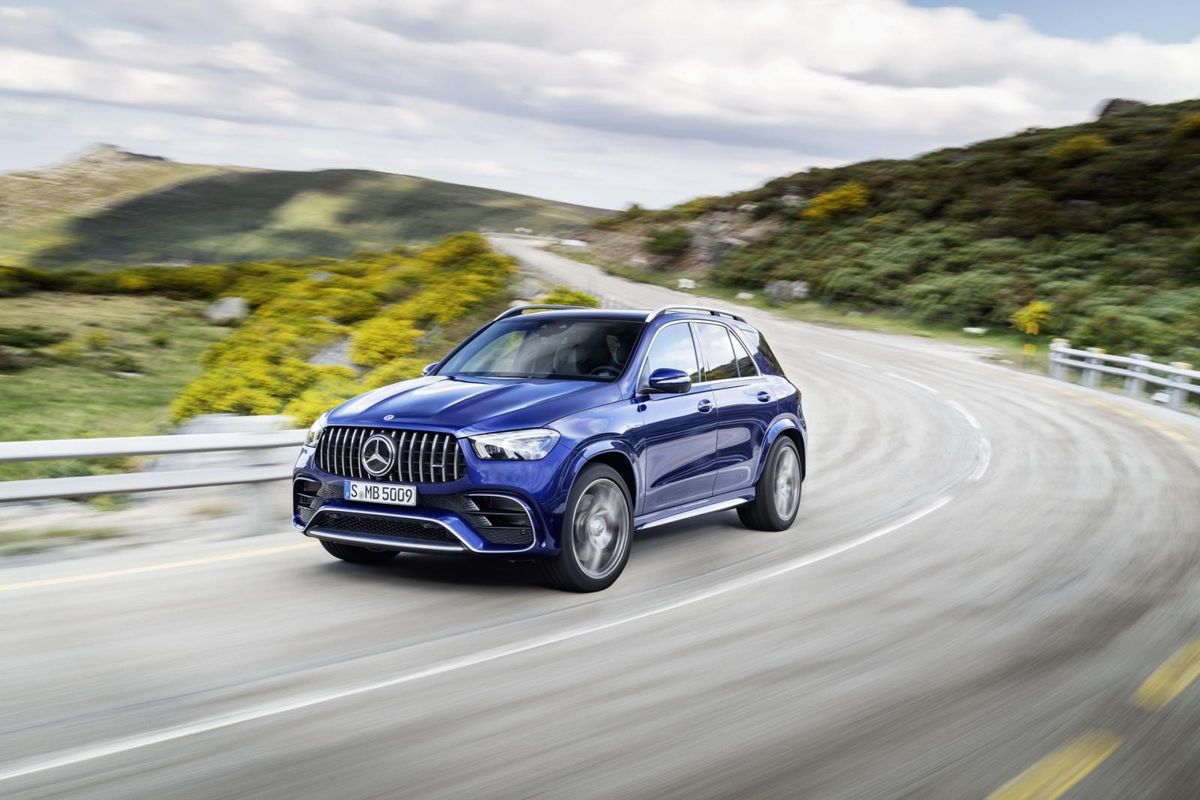
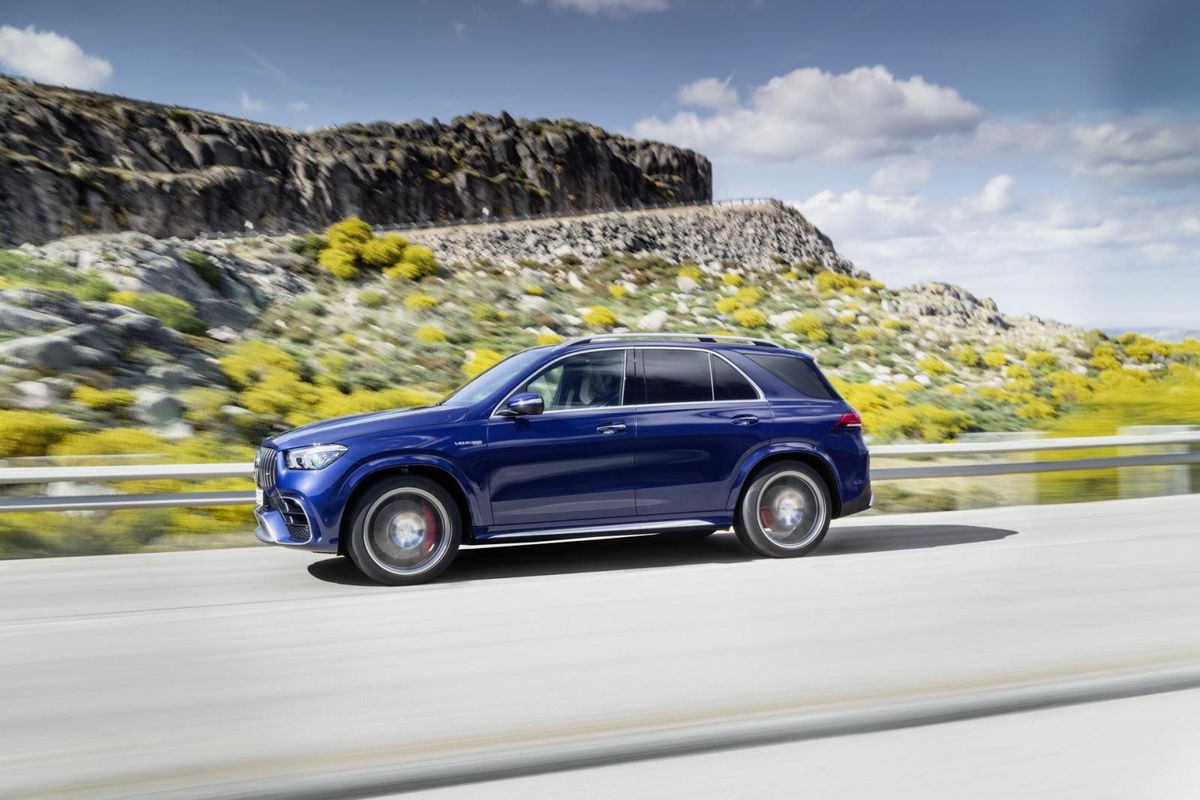
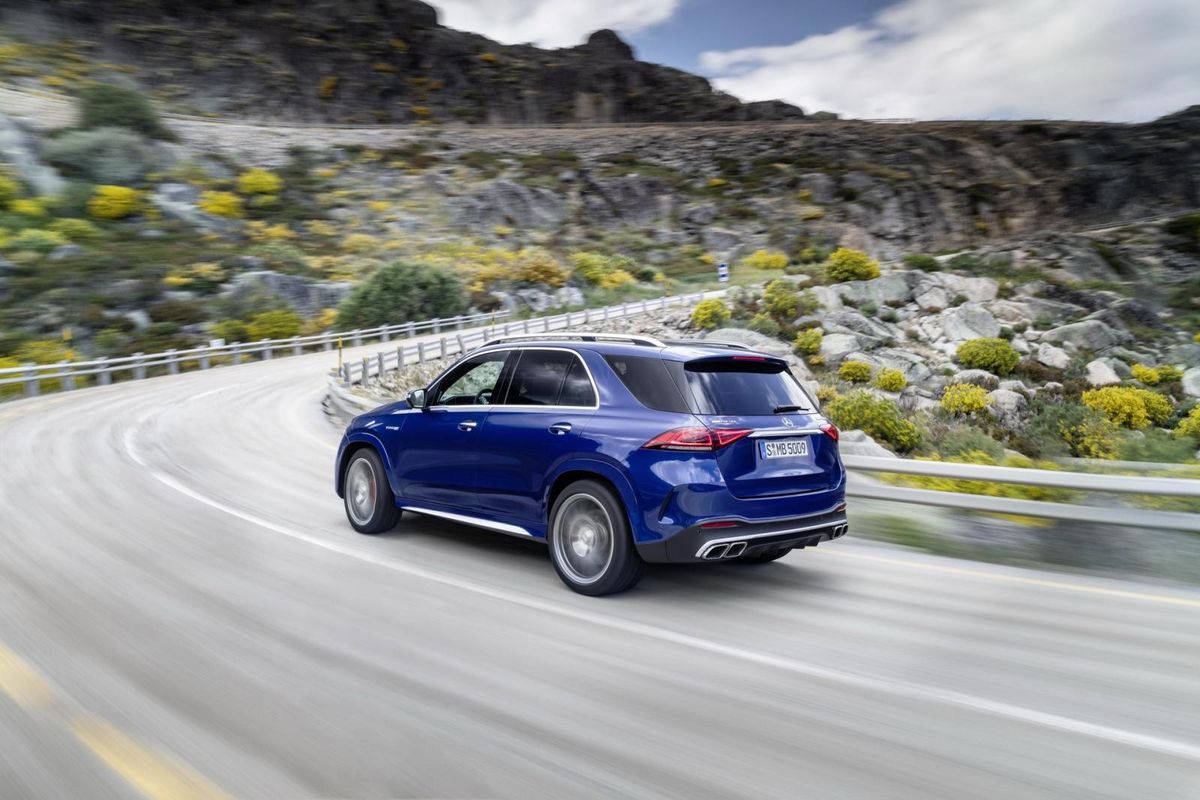
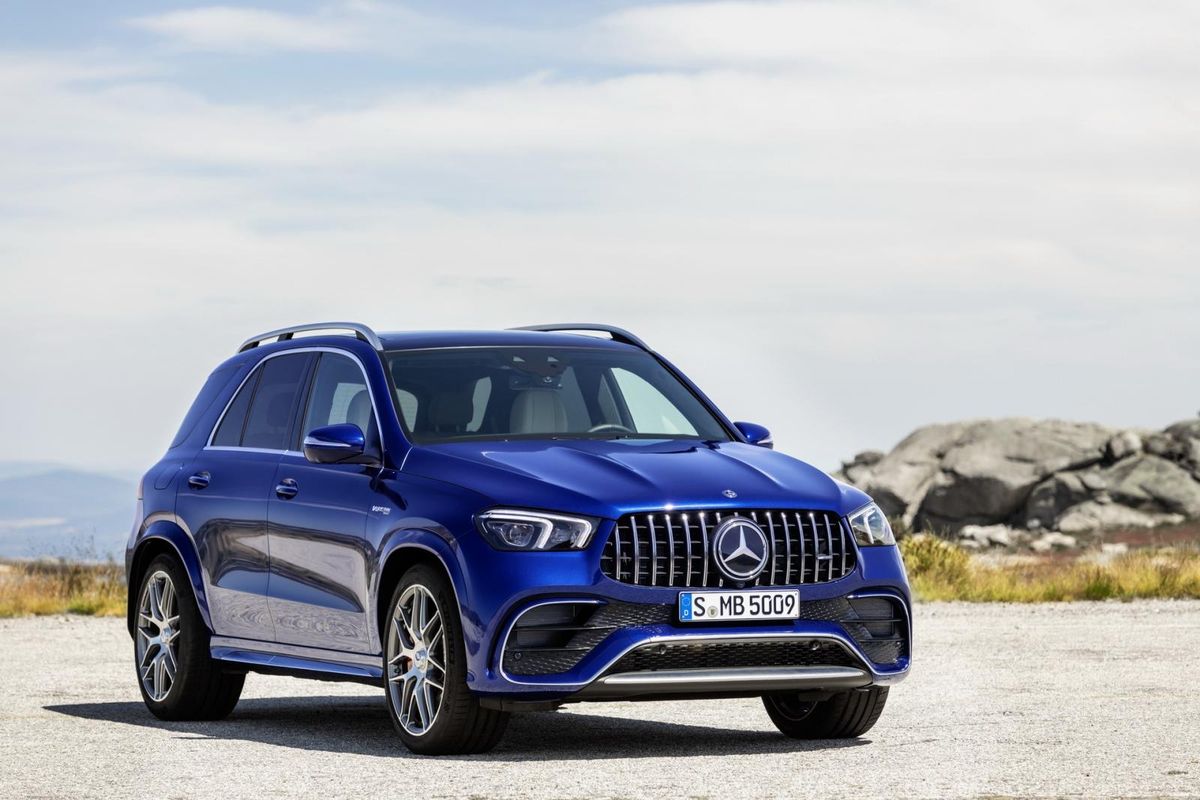
The range-topping AMG GLE 63 and GLE 63 S variants have made an appearance at the LA Motor Show.
Mercedes-AMG is showcasing the brutes of the GLE range in the form of the GLE 63 and GLE S which rival offerings such as the BMW X5 M and X5 M Competition.
Both variants are propelled using a bi-turbocharged 4.0-litre V8 engine which works in conjunction with an EQ Boost starter-alternator which supplies an on-board 48-volt electrical system for an additional boost at lower engine speeds.
Outputs for the GLE 63 is pegged at 420 kW and up to 750 Nm of torque in conjunction with the EQ Boost which adds an additional 16 kW and 250 Nm for short periods. A quick-shifting 9-speed automatic transmission directs power to all 4 corners and ensures brisk acceleration. Zero to 100 kph takes 4.2 seconds and top speed is limited to 250 kph but can be increased to 280 kph if you opt for the optional AMG Driver’s Package.
As for the more potent GLE 63 S, the big V8 is tuned to deliver 450 kW and 850 Nm of torque and as is to be expected the sprint to 100 kph is faster and will take just 3.8 seconds. AMG RIde Control air suspension and adaptive damping is fitted as standard to enhance the ride and handling performance.
In comparison, the BMW X5 M offers more power at 441 kW and 750 Nm of torque while the X5 M Competition offers 460 kW. Claimed zero to 100 kph sprint times are slightly faster at 3.9 and 3.8 seconds respectively. We think a drag race is in order!
In terms of styling, these burly SUVs gain an AMG grille as well as a power dome bonnet, front splitters, flared wheel arches which house sizey AMG wheels from 20-inches and up, side skirts, AMG exhaust system and a roof spoiler, to name some of the key elements.
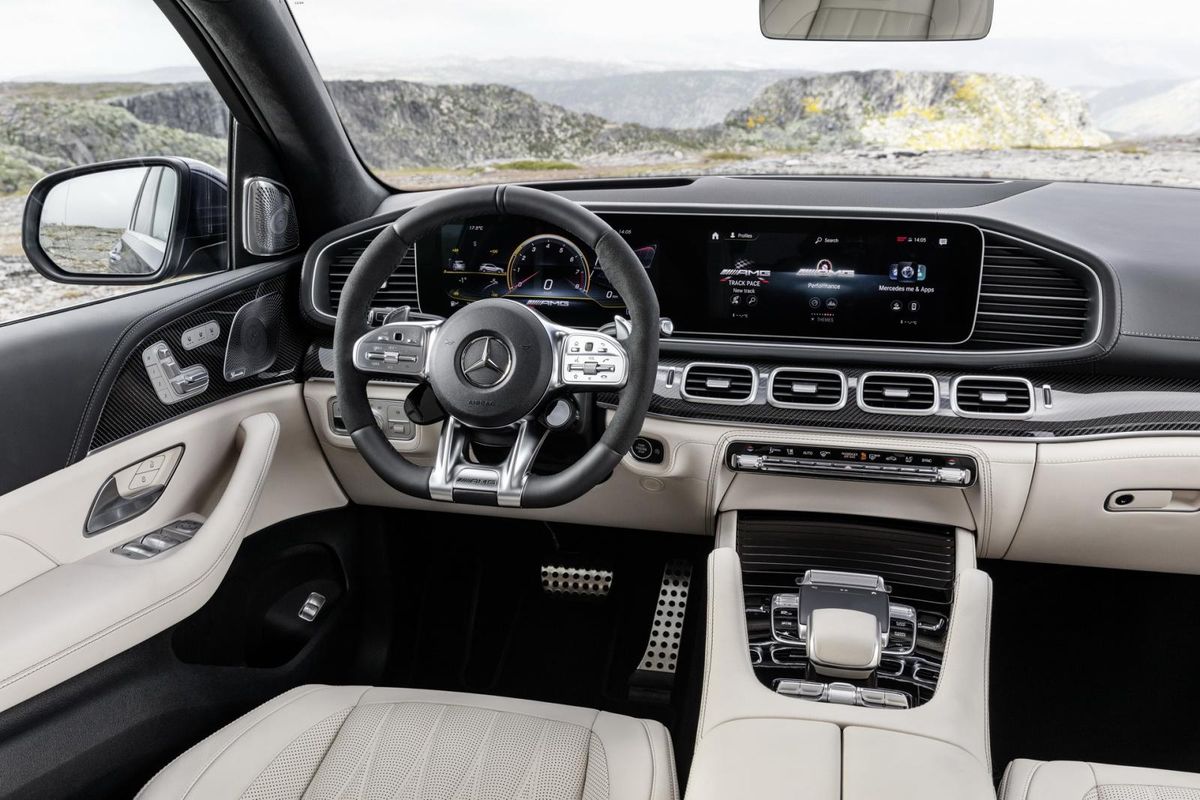
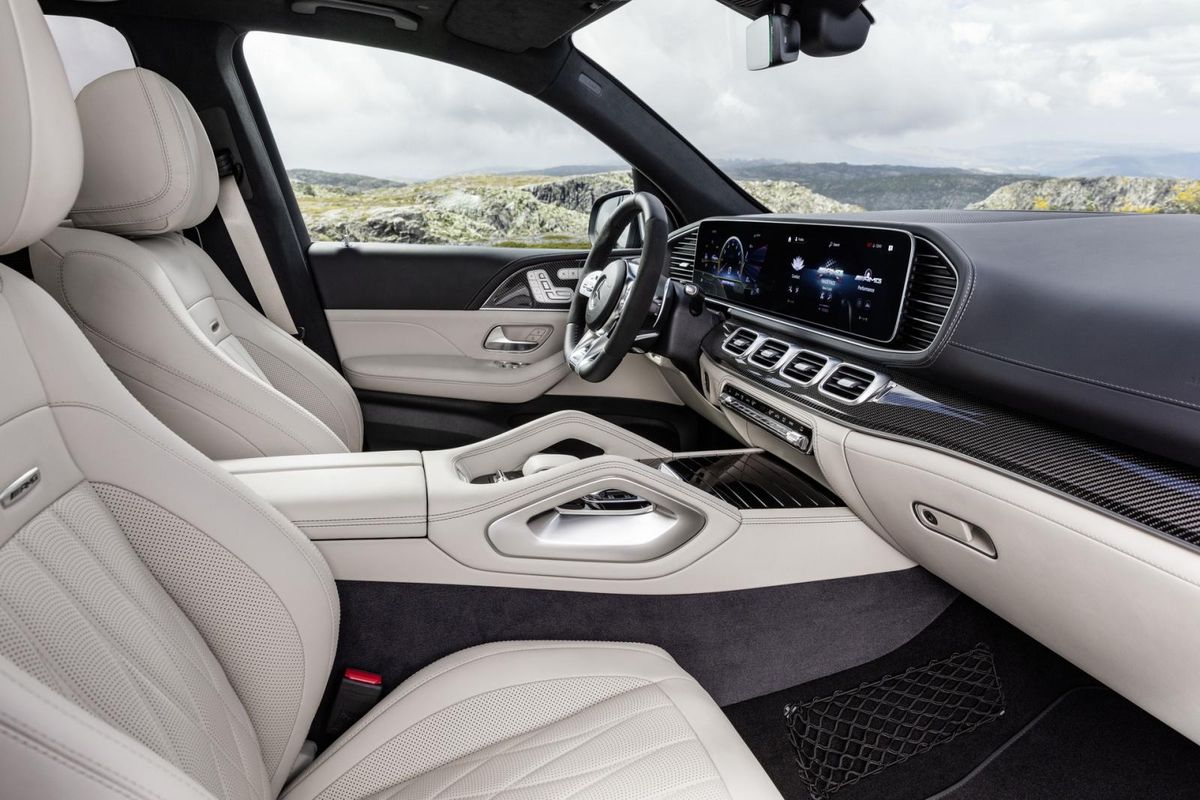
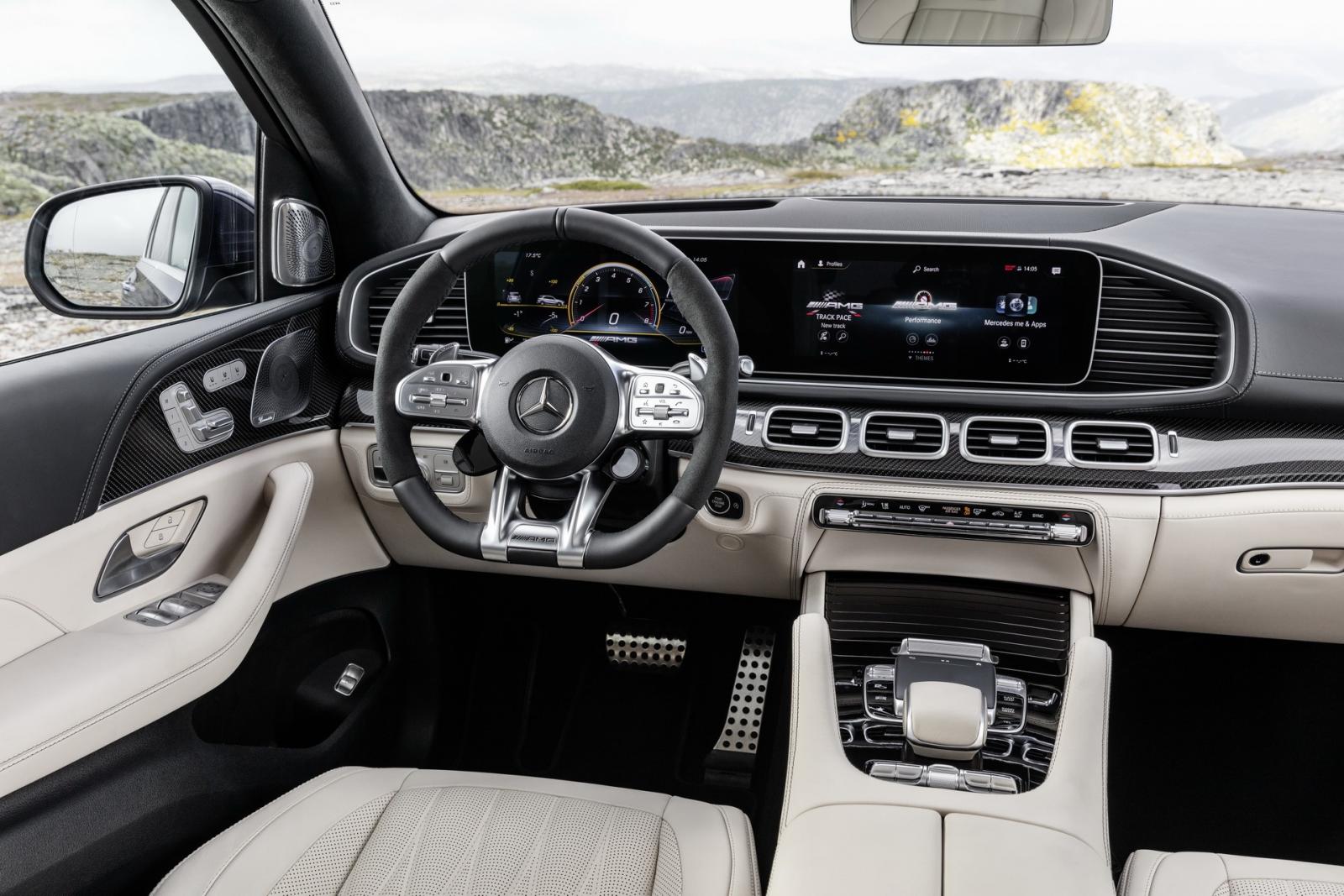
A wide range of tech can be found inside the GLE 63 S. The large Widescreen Cockpit elevates the cabin's appeal substantially.
As for the interior, you can expect high levels of luxury and tech thrown into the cabin and as always, there will be a plethora of options on offer to make your GLE 63 truly special. Highlights include the latest MBUX infotainment system comprising of a large Widescreen Cockpit with dual screens under a single piece of glass.
While we expect to see the Mercedes-AMG GLE 63 and GLE 63 S in South Africa 2020, exact arrival dates have yet to be confirmed at this stage. We will keep you updated as soon as more information becomes available.
Best Leisure Double Cabs in SA – #CarsAwards Finalists
Meet the finalists in the Leisure Double Cab category of the 2019/20 Cars.co.za Consumer Awards – powered by WesBank!
Now in its 5th year, the #CarsAwards was conceived to be South Africa's definitive automotive awards programme and is backed, for the 4th year running, by the country's leading supplier of vehicle finance, WesBank.
The Leisure Double Cab category is guided by both eligibility factors and Pillars of Success.
Eligibility for this category includes a list price that falls between R500 000 and R800 000 at the time of semi-finalist voting (1 September 2019) to ensure upmarket, luxurious vehicles are considered as per market requirements.
Eligible vehicles must be a Double-Cab (four doors) Pick-Up with a turbodiesel engine and four-wheel drive. A minimum manufacturer-supplied ground clearance figure of 200mm is required and eligible vehicles must be equipped with an automatic transmission.
Pillars of Success in this category include performance, space and practicality, in-car entertainment, comfort, all-surface ability and safety.
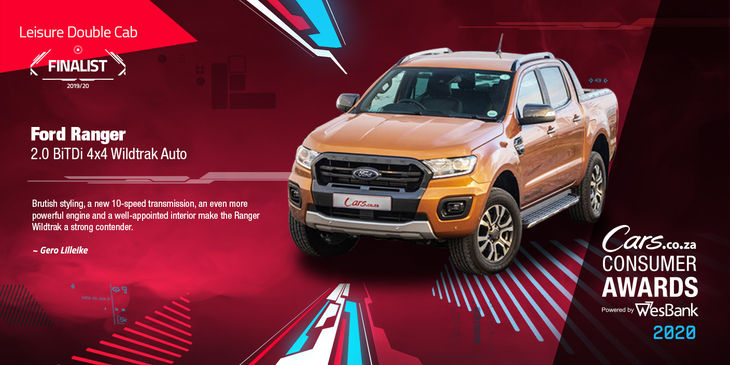
Ford’s popular Ranger line-up received an update in 2019 and the desirable Wildtrak 4×4 automatic is now offered with a new powertrain that throws the cat amongst the pigeons in this highly-contested segment. Well equipped, sturdy and endowed with appealing square-jawed looks, the Ford Ranger Wildtrak is undoubtedly a strong contender in this category.
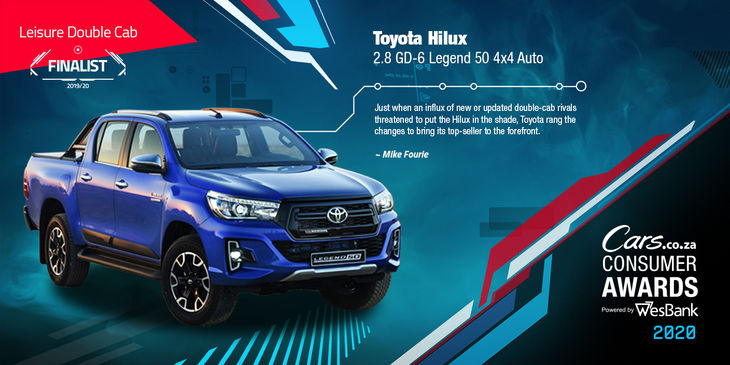
Toyota's Hilux Legend 50 adds a significant "wow" factor to South Africa’s most-loved bakkie. Not only does it look better (inside and out), but it comes well-equipped with features and is widely regarded to offer the best off-road ability and reliability in this highly-competitive segment.
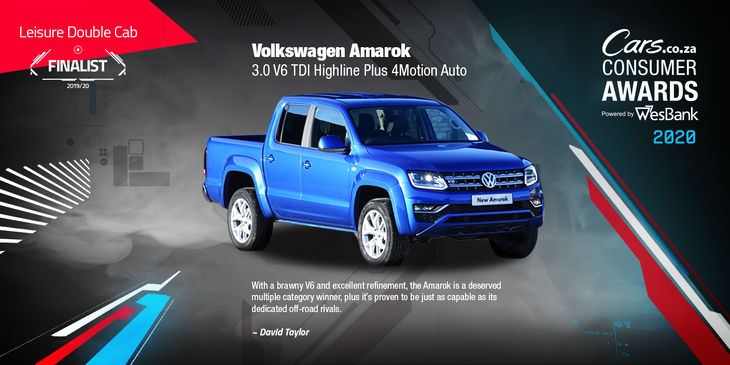
Even though the Amarok’s monthly sales can’t match that of the Hilux or Ranger, the powerful Amarok 3.0 V6 TDI is the defending champion in this category. Can it claim the title again?
Toyota dominates South Africa's bakkie market, so why hasn't the Prospecton-based firm produced a 3-quarter-tonne bakkie since the demise of the Stallion 30 years ago? Apparently, there have been quiet attempts to do just that…
Nobody needs to tell Toyota how to run its global bakkie business, especially not in South Africa! The world’s most valuable automotive company, if you measure by market capitalisation, is inarguably dominant in the local market.
Despite South Africa currently navigating a very testing economic environment, Toyota has set all-time sales records this year. And most of those sales are bakkies – instead of cheap entry-level cars.
To give you some indication of how strong Toyota’s South African bakkie business is, consider this: if Hilux was an independent entity, it would be the country’s 5th-biggest automotive brand – more popular than all of Hyundai…
Lots of Toyota bakkies – but no small ones
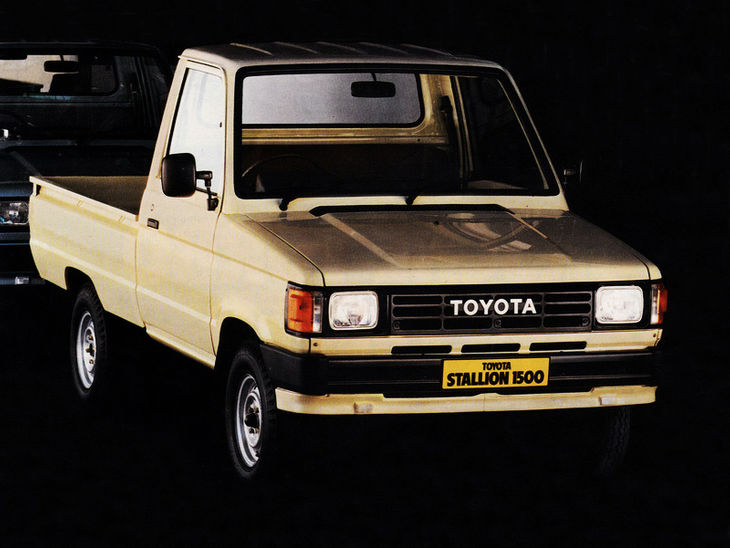
The Toyota Stallion was the last Toyota to compete in the 3/4 tonne bakkie market.
Toyota outsells all rivals by an embarrassing margin, but there is one bakkie segment in which it does not compete and that has left the door open for Nissan to run some very handy sales numbers.
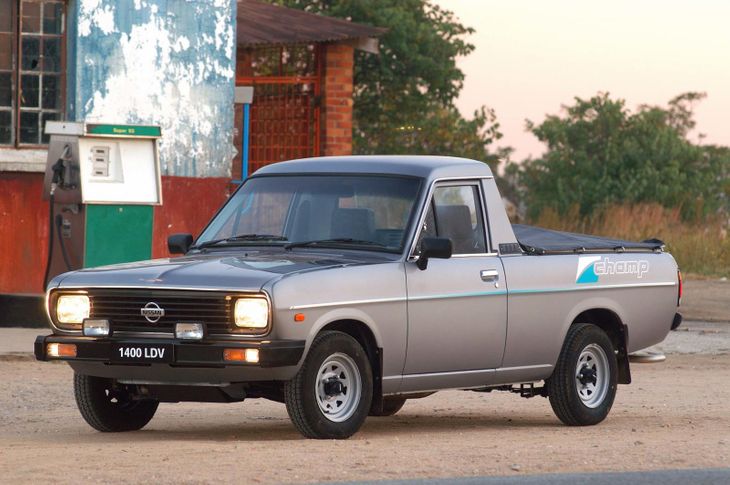
For decades South Africa had a healthy half-tonne bakkie market. It was sustained by the reputation Nissan established with its 1400. Although it looked like a toy vehicle, the 1400 (also known as the Champ, but later on in its production life) had those a fundamental mechanical feature that all true bakkie followers hold dear: it was rear-wheel drive.
Nissan’s 1400 was tough and could work under significant loads, at a fraction of the price you’d pay for a one-ton bakkie. Artisans and small-item logistic companies realised that its payload was all they required and, as the 1400’s popularity surged, Toyota devised a very cunning rival.
It launched the Stallion in the 1980s and this was a typically intuitive Toyota light commercial vehicle: a 3-quarter-tonne bakkie. The Stallion, which was based on the Kijang, looked odd, but it was enough of a miniaturised Hilux to be successful.
As the full-specification Hilux gained a stranglehold over the South African market in the 1990s, Toyota exited the 3-quarter-tonne bakkie market, leaving Ford (Bantam, and in Mazda guise, Rustler), Opel (Corsa bakkie, later Chevrolet Ute) and Nissan to do a robust trade in compact bakkies from the late 1990s until deep into the 2000s. The difference was most of those bakkies were neither rear-wheel drive, nor built on a ladder frame.
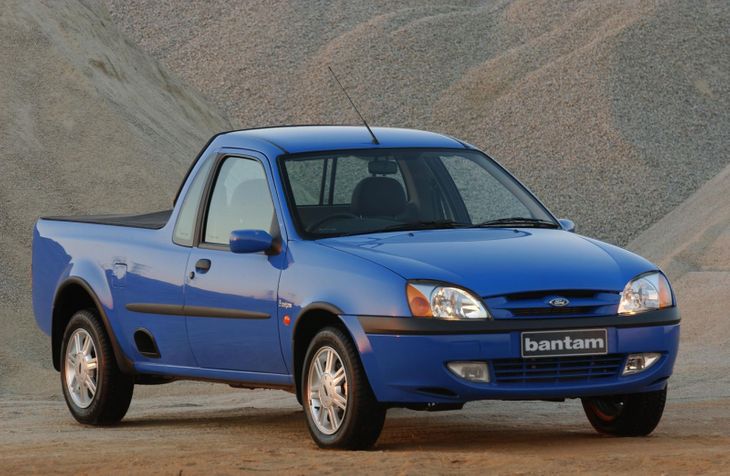
Boet, you need a Bantam. Ford's Fiesta-based bakkie was popular but mostly for light lifting.
The bakkies were based on compact hatchback platforms fitted with reconfigured bodywork and load boxes. For light items and adventure journeys with surfboards and mountain bikes on the back, these compact bakkies worked a charm. But they were never purposed for the dedicated work role that a 1400 or Stallion was capable of.
Where have all the small bakkies gone?
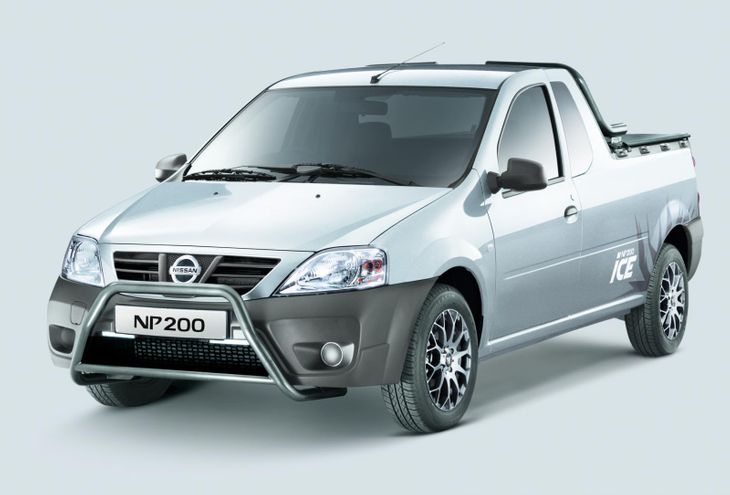
In 2019, Nissan owns the sub-1-tonne bakkie market, which it had such a significant share in creating, with NP200. Business is good, with Nissan selling in excess of 2 000 units in a strong month, but the market is nowhere near its peak of the mid-2000s.
Ford won’t bother to replace the Bantam and General Motors made such a mess of its Utility business in South Africa, that even if PSA has a future Opel Corsa bakkie concept – it would probably not successfully revive the model here.
The Nissan 1400 (or Champ) was a hero among the small bakkie competitors in the 90s.
The question is, why does the mighty Toyota allow Nissan to market and sell so many 3-quarter-tonne bakkies a month without opposition? Timing is everything and the NP200 was a happy coincidence at the peak of good relations between the Renault/Nissan Alliance partners.
Renault has skillfully developed a global emerging market platform, which was rugged enough to convert into a front-wheel-drive bakkie. The NP200 is essentially a Sandero/Logan bakkie and Nissan had the legacy bakkie brand cachet and local production facilities to make it work.
Could a Corolla bakkie work?
So, if Nissan can develop and market a utilitarian front-wheel-drive bakkie with such success in South Africa, why can’t Toyota?
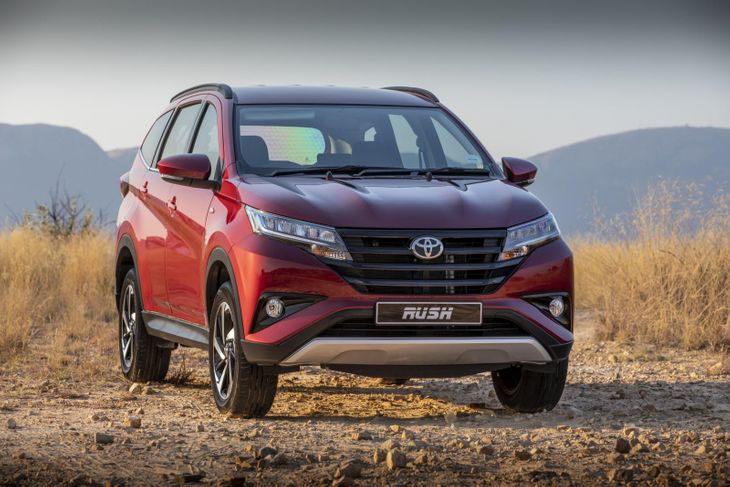
The first issue is the platform. A bakkie version of the Rush rear-wheel-drive MPV would be ideal and the truest successor to the Stallion, but that is simply not going to happen. To make your local bakkie business work, with all the associated export credit incentives, you must assemble it domestically. And Toyota does not have a line dedicated to Rush production in South Africa.
The Rush could be a suitable candidate for a bakkie base, but local production would be required.
An option would be the Corolla Quest. The 10-generation Corolla has proven mechanicals and it is built in Durban. All Toyota would have to do is redesign the bodywork behind its B-pillar, add a load box, tailgate and reconfigure the rear-suspension for more load carrying.
It doesn’t seem as if it would require much in the way of R&D and there is no question that a Corolla Quest bakkie would be madly popular in South Africa. So why doesn’t Toyota produce one? Well, rumour has it the firm did attempt to develop a modern front-driven bakkie (the platform used was never divulged, but the Quest would be the most likely candidate) and got as far as prototype testing it before the problems arose.
The issue with passenger vehicle platform bakkies
There are 3 very substantial problems with the idea of a Toyota compact bakkie, especially one based on the Corolla.
The first issue is tooling. If Toyota was going to build a custom Corolla bakkie for the local market, they would have to produce the new stampings and body panels themselves. Not to mention redeveloping the rear-suspension and a commitment to overall validation engineering.
At a global scale, with shared resources, that would be cheap to do. But to amortise the cost of all that, given South Africa's modest sales volumes, would make it too expensive an undertaking. Ask any industrial engineer and they will tell you: it is remarkably easy to build a few prototypes, but an enormous challenge to build thousands of units a year, with perfect tolerances.
The 2nd issue is front-wheel drive. It is true that Nissan’s NP200 customers don’t appear to mind the fact that their 3-quarter-tonne bakkies don’t have a differential at the rear. It is also a fact, that they have no other choice, due to a lack of rear-wheel drive alternatives.
The NP200 has a monopoly and as a result, racks up close to 2 000 units a month.
For true utility, rear-wheel drive is best. Trying to climb a steep gravel gradient with 750 kg on the back and only the front wheels for propulsion is a formula for frustration. A front-wheel-drive Toyota bakkie could dilute the brand’s workhorse image; the firm would rather spare its loyal customers that annoyance.
The final engineering problem with a Corolla-based compact bakkie is structure. SUVs might have transitioned from ladder-frame to monocoque construction, but bakkies have not. With good reason.
If you need to carry weight in a load box, the separate construction of a rugged steel frame undercarriage and bodywork is best. For a compact or mid-size passenger car platform to carry 750 kg in a monocoque structure, is inviting premature fatigue and wear – especially if it is going to see a lot of gravel road use.
Crossovers are all the rage…
Beyond these fundamental engineering and configuration issues, which have perhaps convinced Toyota to not develop its own compact bakkie for South Africa, there is another, very fundamental, reason why the Japanese firm won't introduce a 3-quarter-tonne bakkie: marketing.
A decade ago, at the peak of South Africa’s compact bakkie market, there were no entry-level crossovers. If you were a young buyer with an adventurous lifestyle, you had to purchase a Ford Bantam or Corsa Utility to facilitate. Today there are a host of front-wheel-drive crossovers that perform do the same function, only better…
Toyota doesn’t build a Corolla Quest bakkie, because they know the local market better than anyone else. It’s still nice to dream, though….
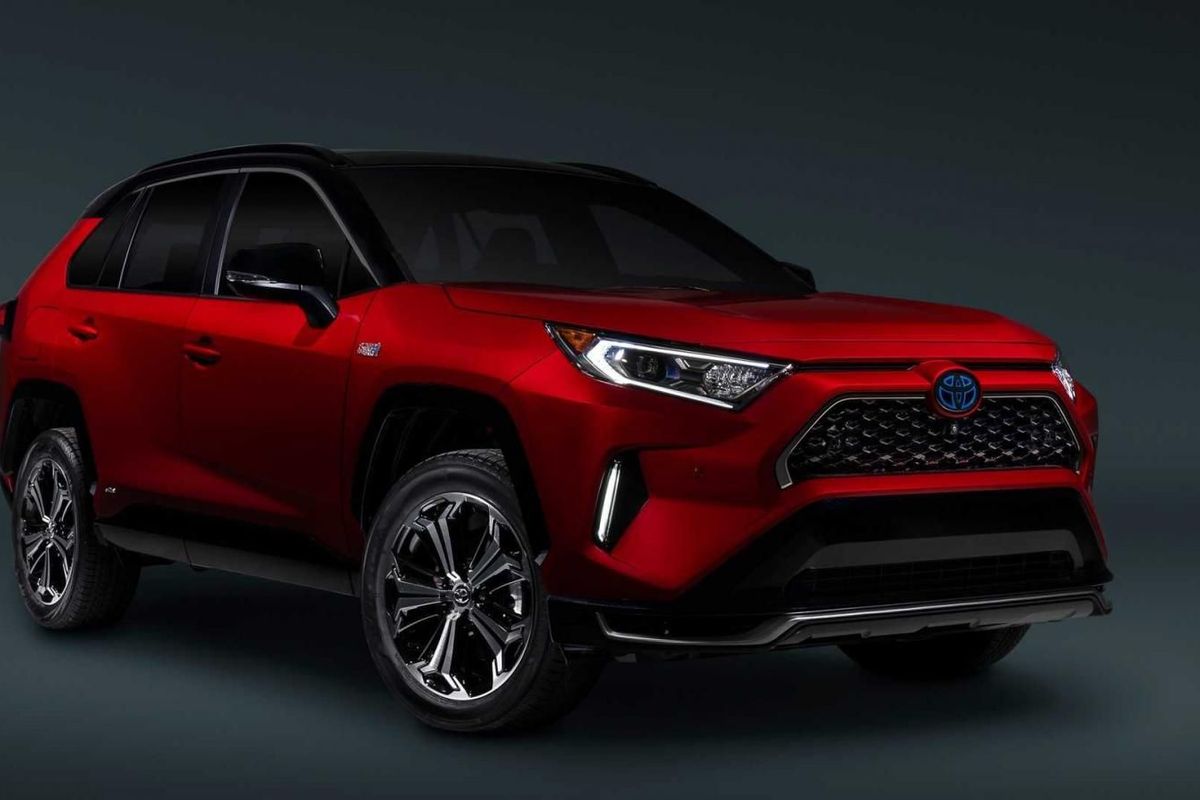
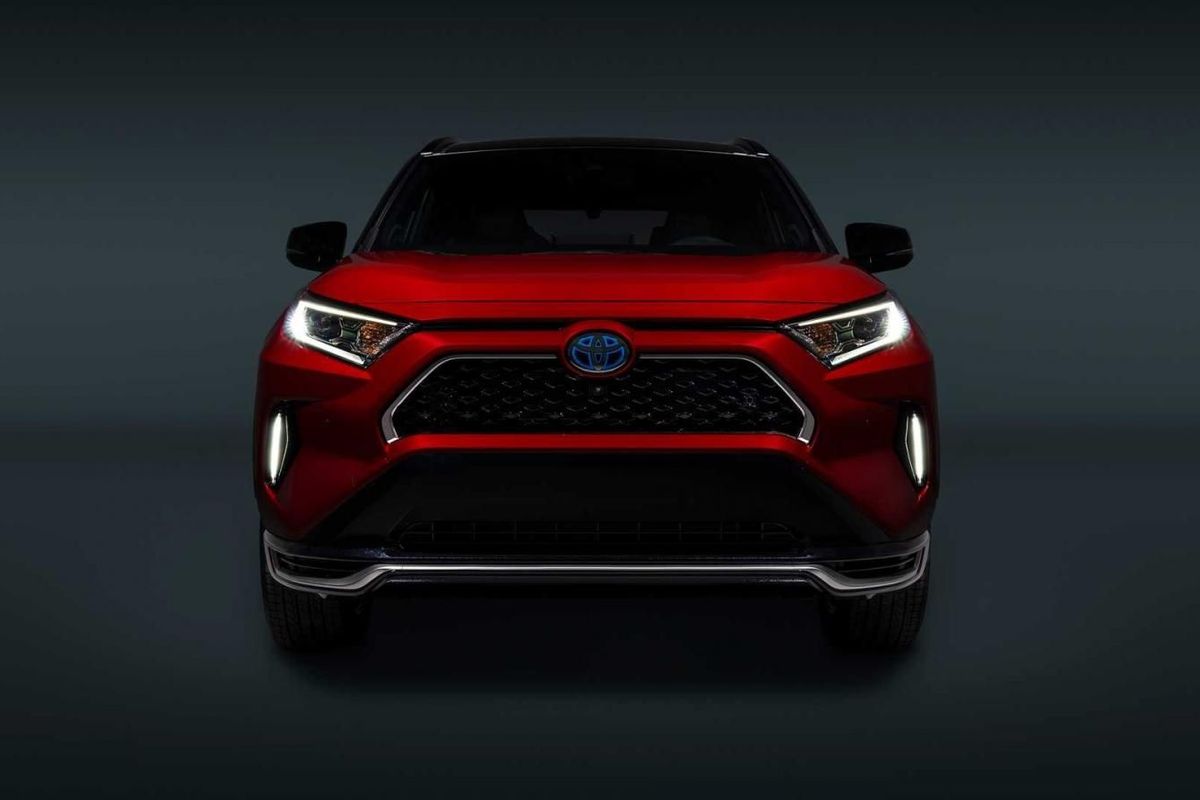
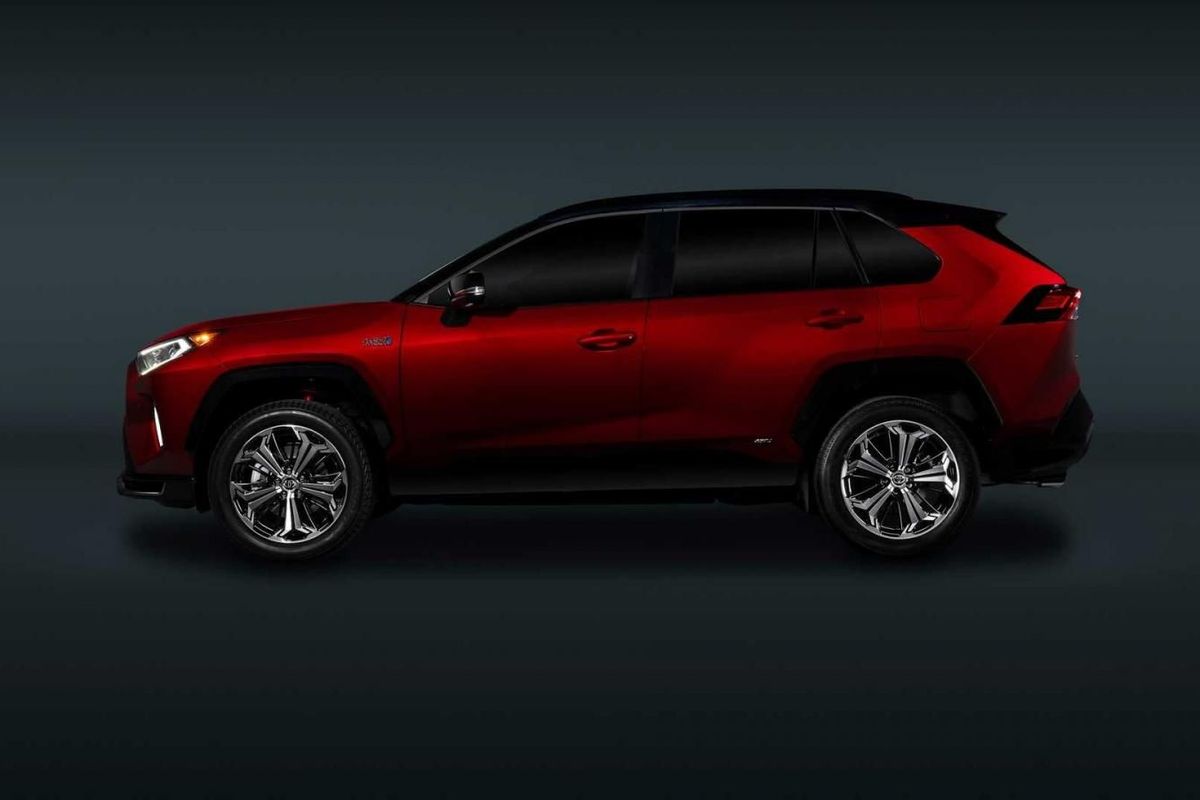
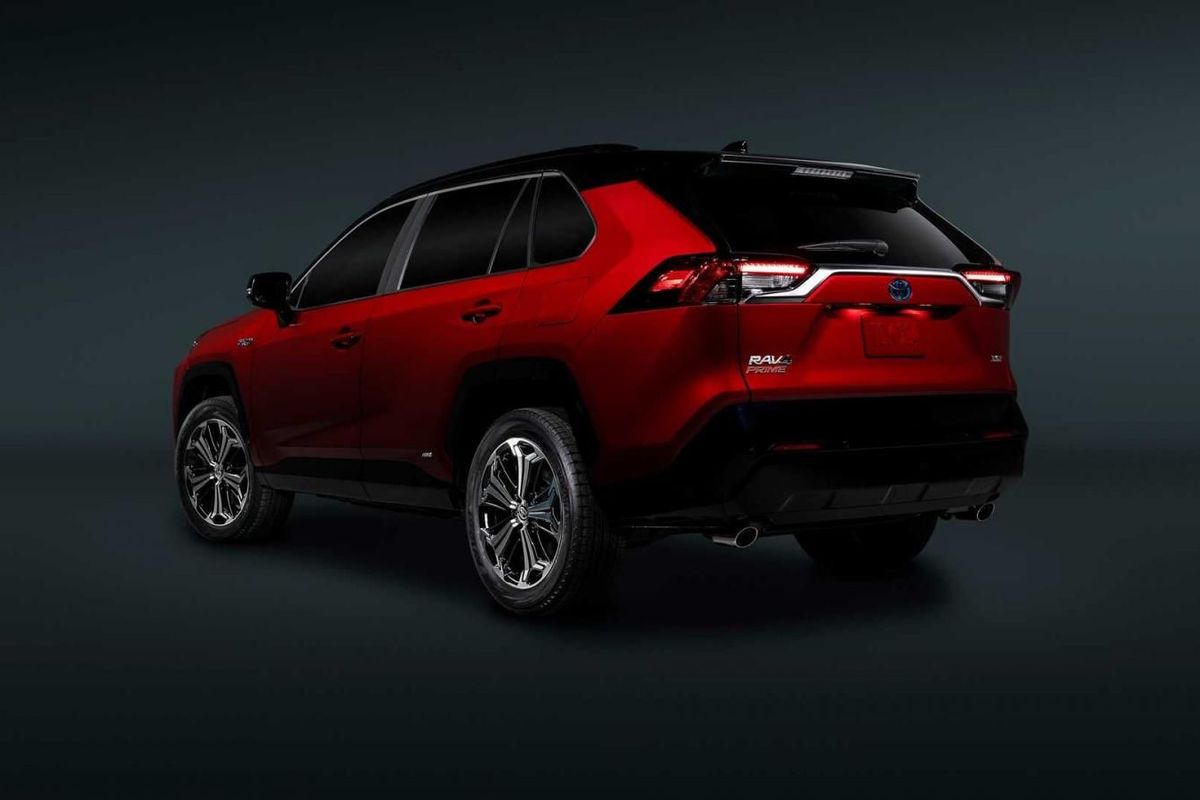
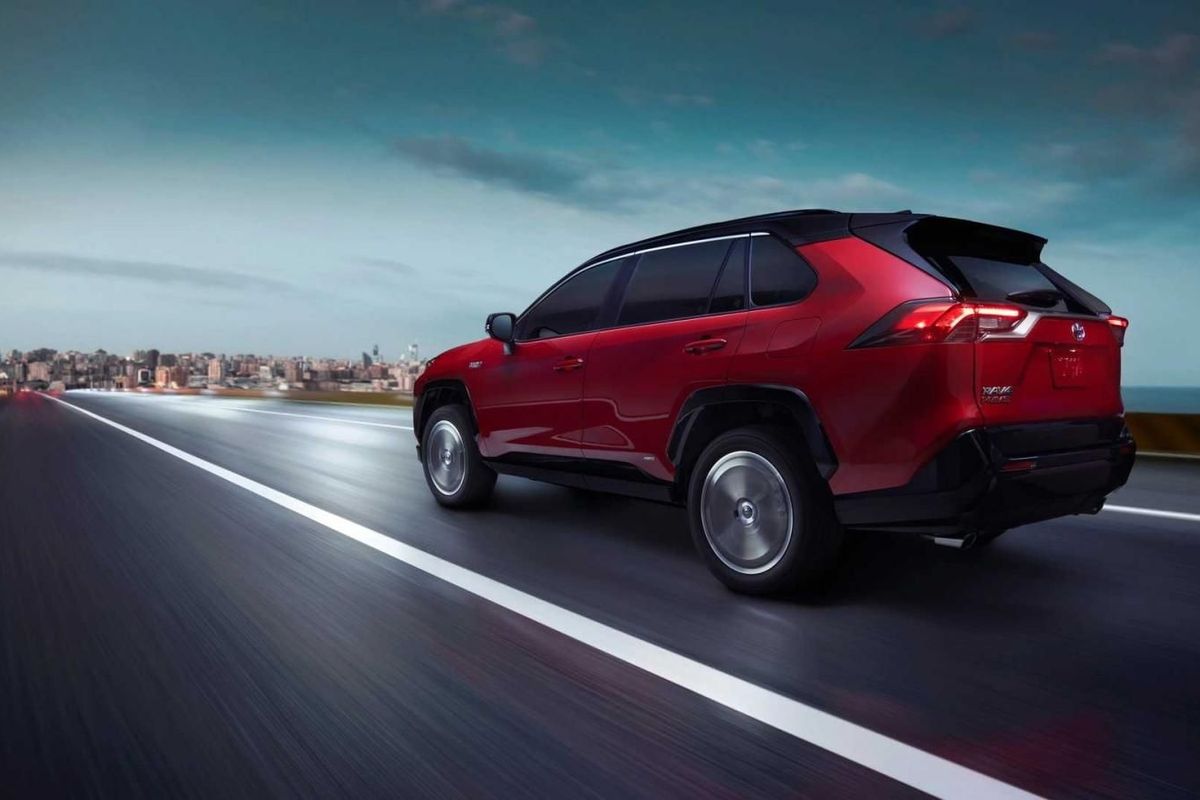
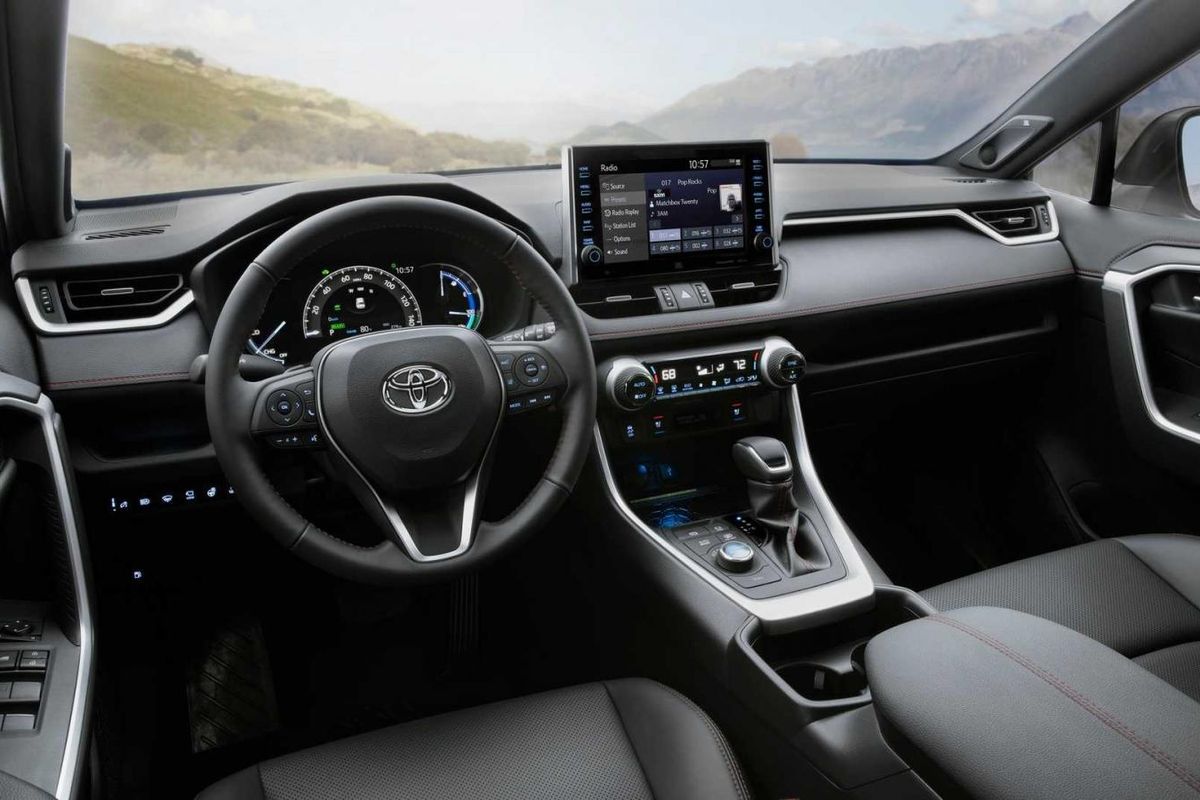
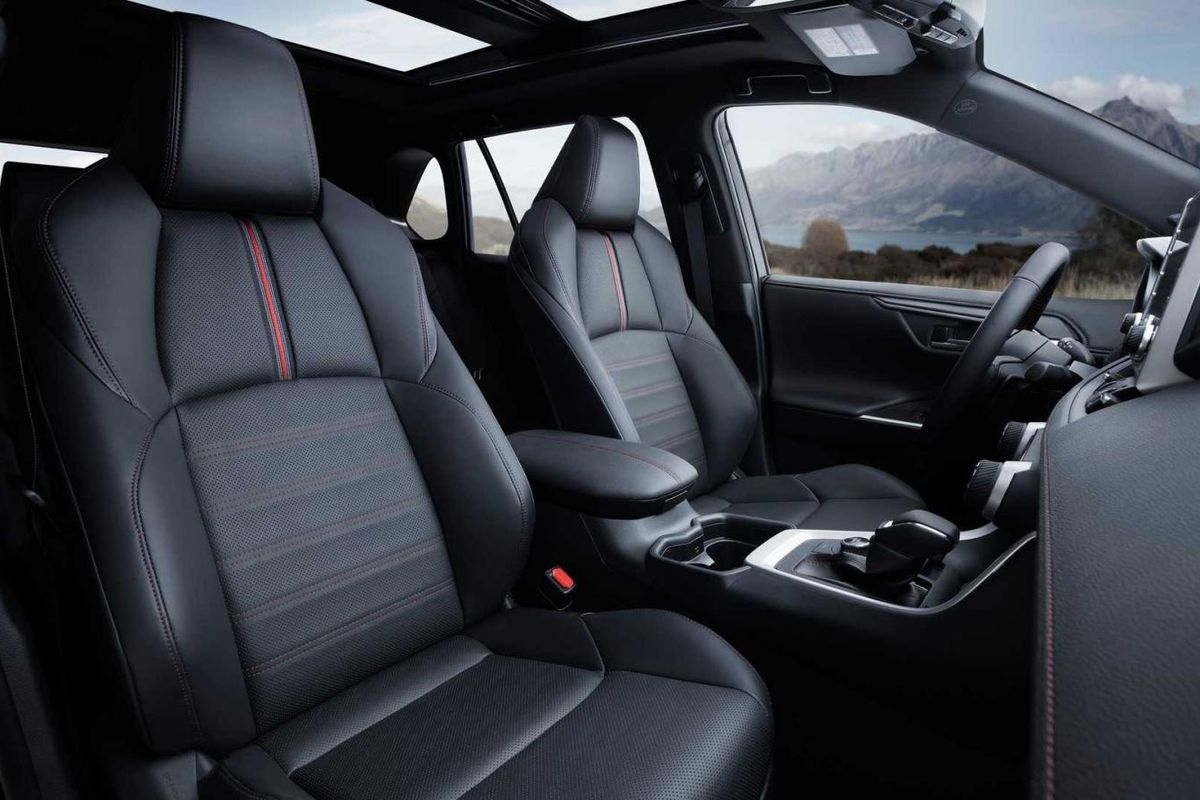
The most powerful Toyota RAV4 has made its debut at the Los Angeles Motor Show and it’s a Plug-in Hybrid Electric Vehicle (PHEV)!
The RAV4 is one of the most popular family cars on sale in South Africa and Toyota has now unveiled the most powerful RAV4 ever at the LA Motor Show.
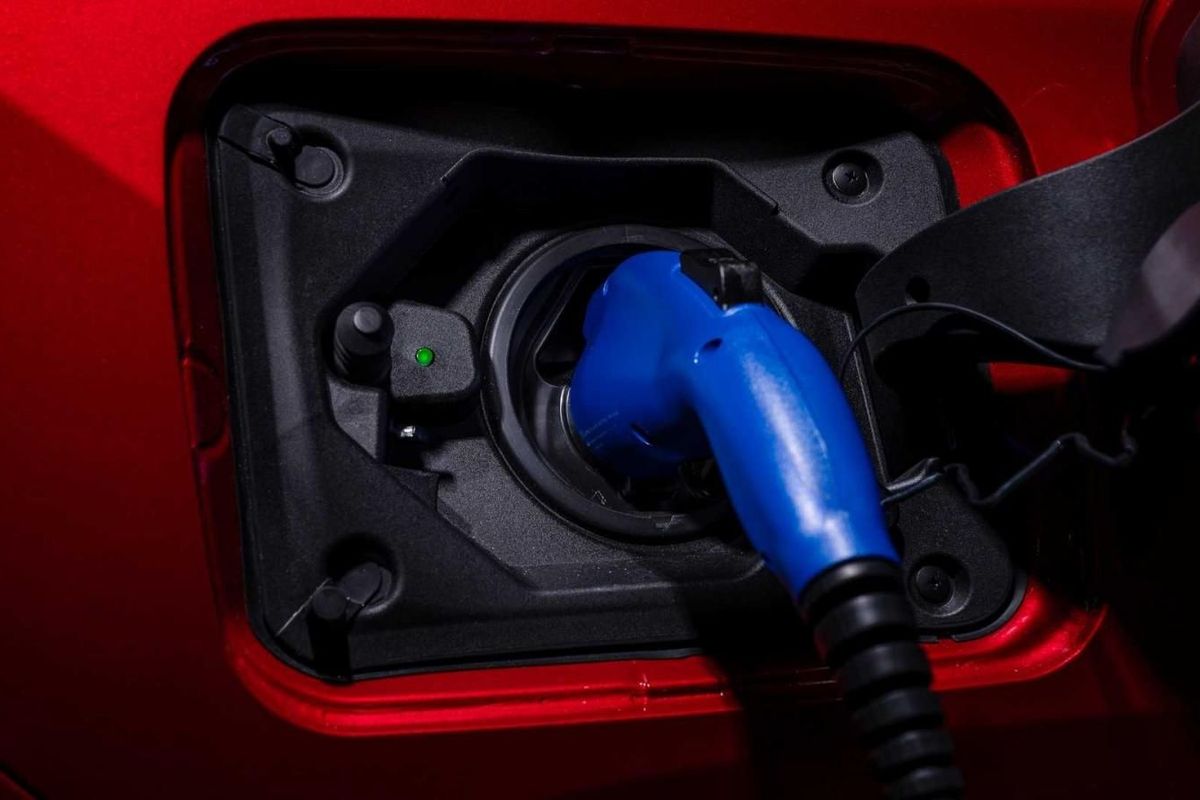
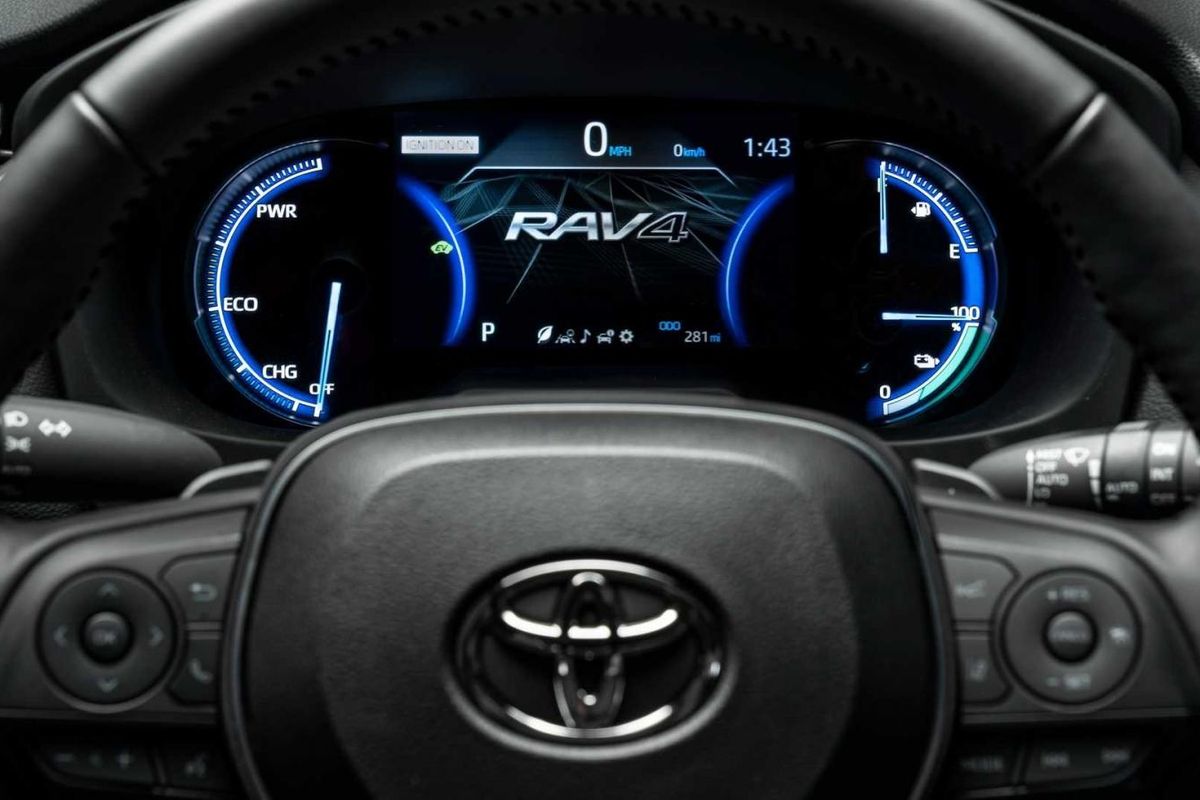
Dubbed the RAV4 Prime, this is a plug-in hybrid vehicle with all-wheel-drive capability and is powered by the same 2.5-liter Atkinson-cycle four-cylinder engine used in the RAV4 Hybrid and combines with a rear-mounted electric motor and a new high-capacity lithium-ion battery pack and booster converter to produce a total output of 225 kW which is 62 kW more than the standard RAV4 Hybrid.
The RAV4 Prime is capable of accelerating from zero to 100 kph in 5.8 seconds and carries a claimes fuel consumption figure of 2.6 L/100km. Furthermore, the RAV4 Prime can travel a distance of roughly 63 km on electric power alone.
Hybrid vehicles are not very popular in South Africa and the RAV4 Prime has not been confirmed for introduction in South Africa.
It’s worth mentioning that the RAV4 2.0 GX Auto is a finalist in the Family Car category of the Cars.co.za Consumer Awards powered by WesBank and you can more details at www.carsawards.co.za.
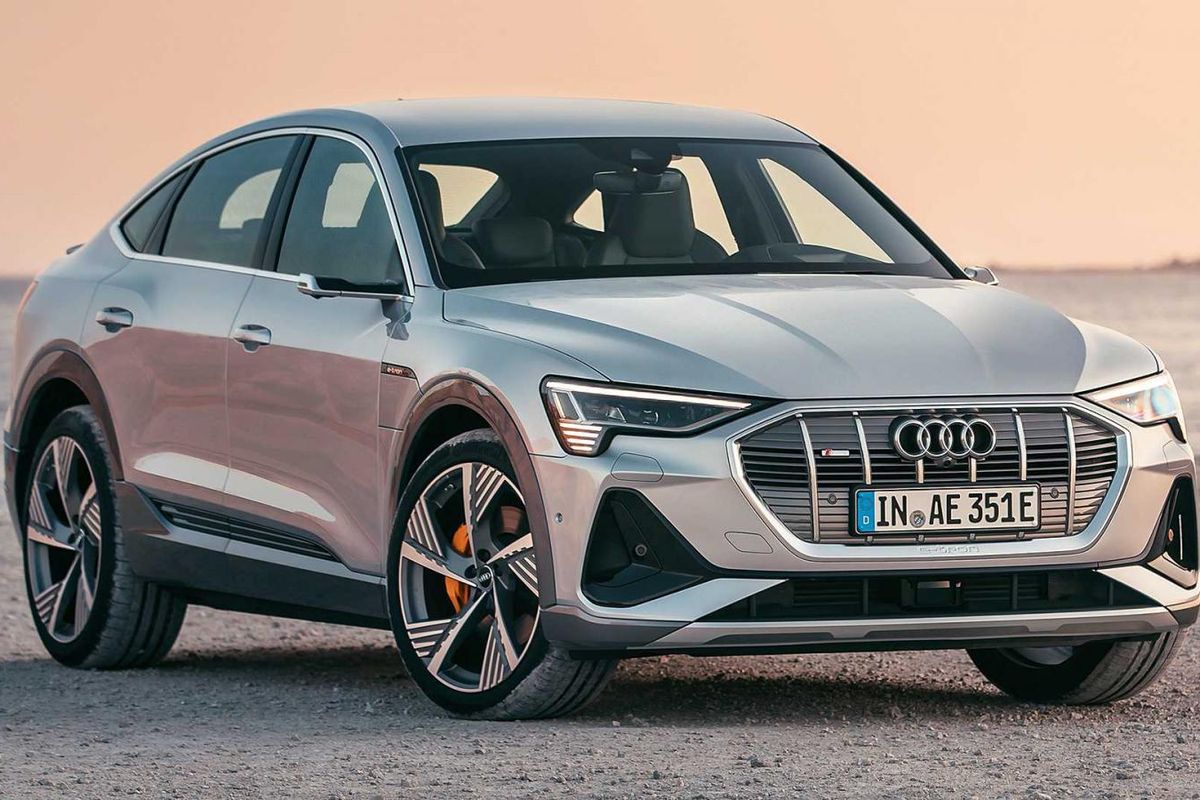
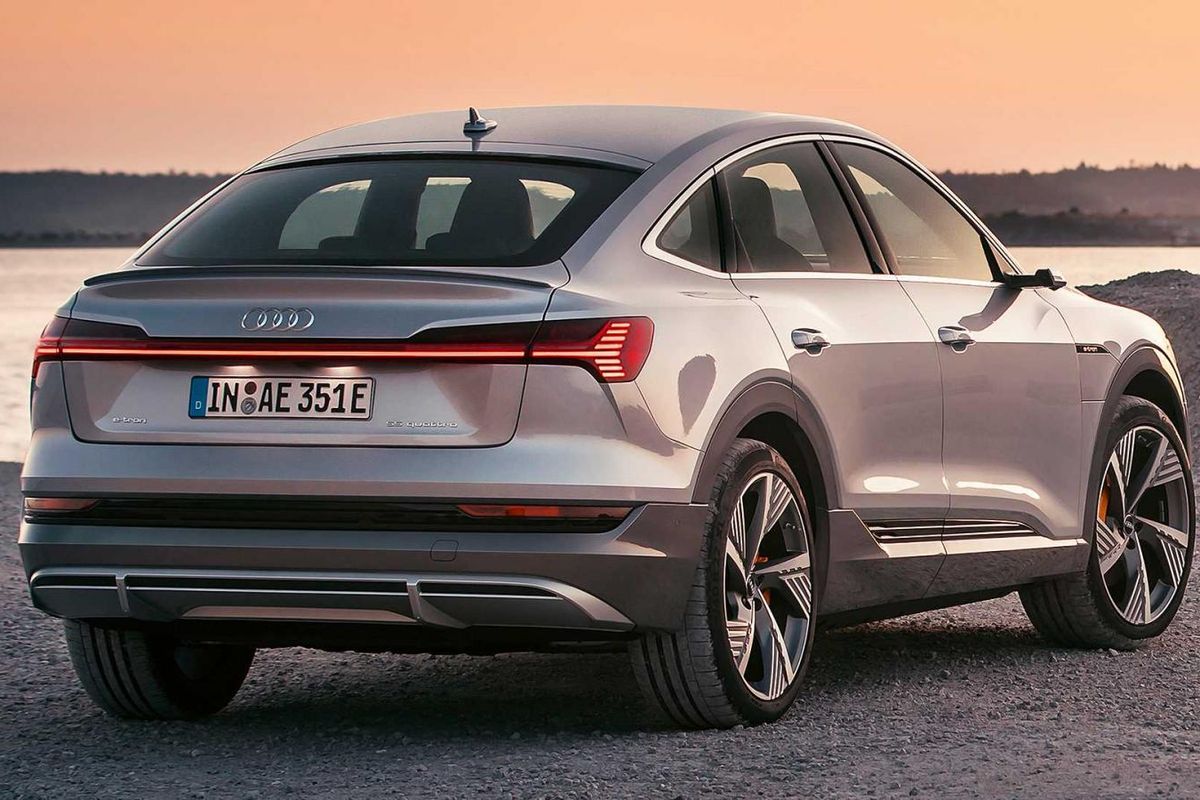
Audi is expanding its electric vehicle portfolio with another battery-powered SUV.
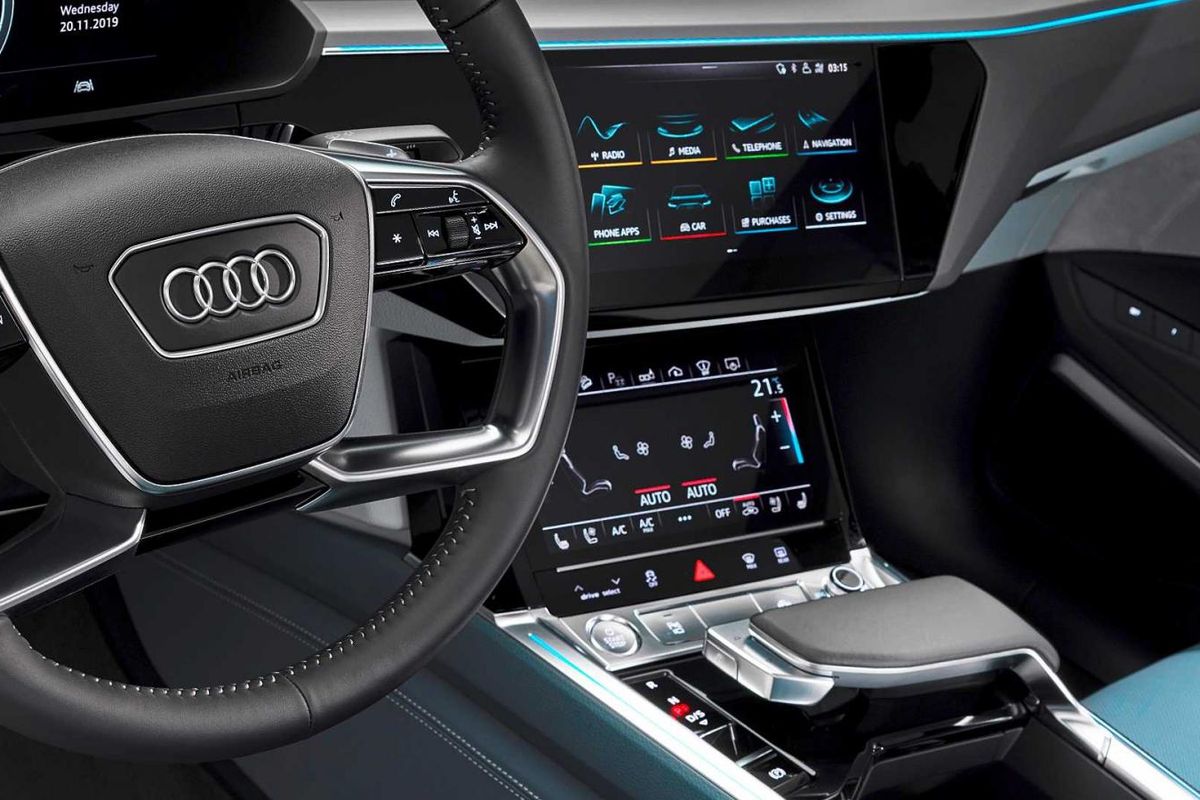
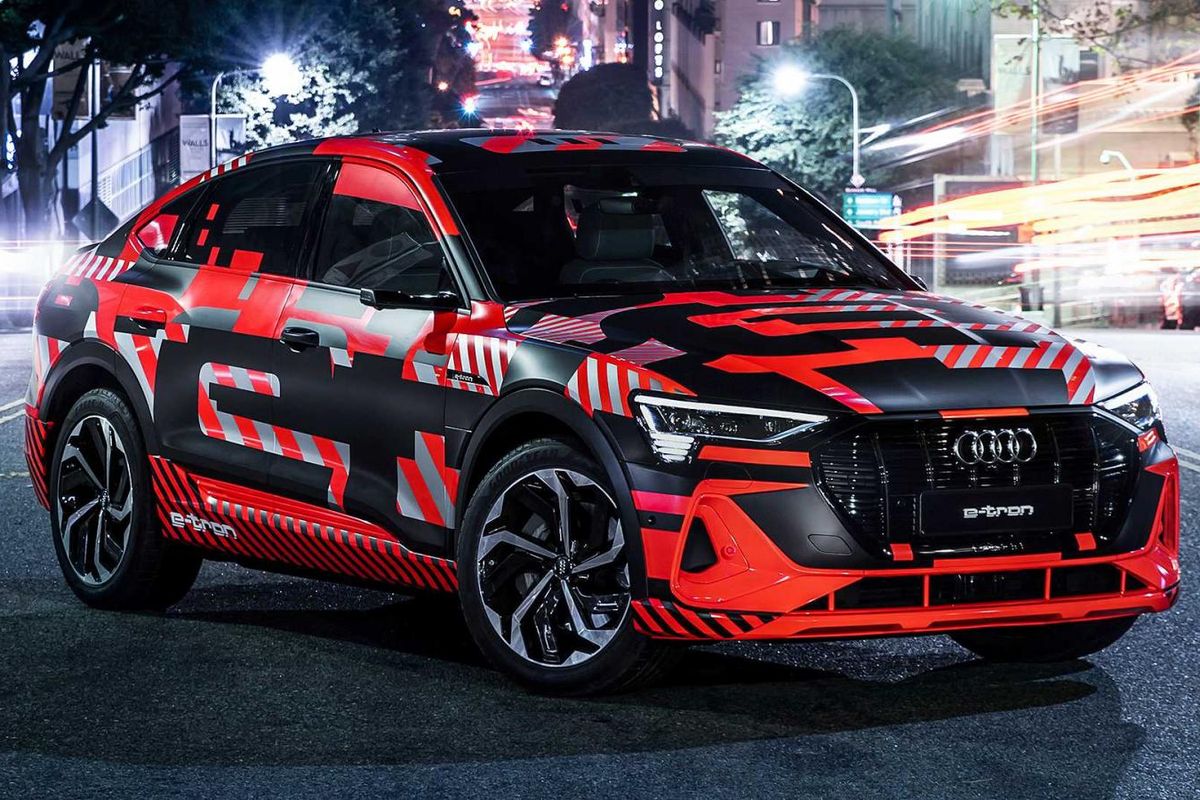
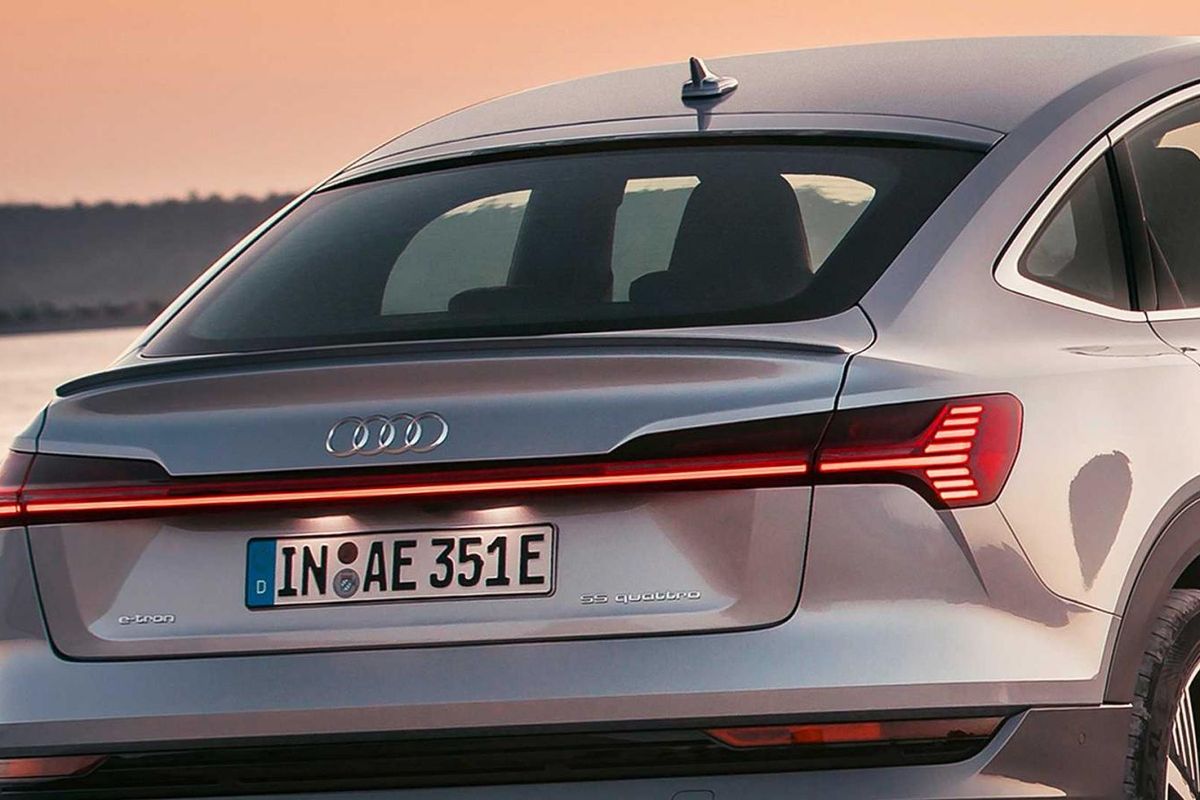
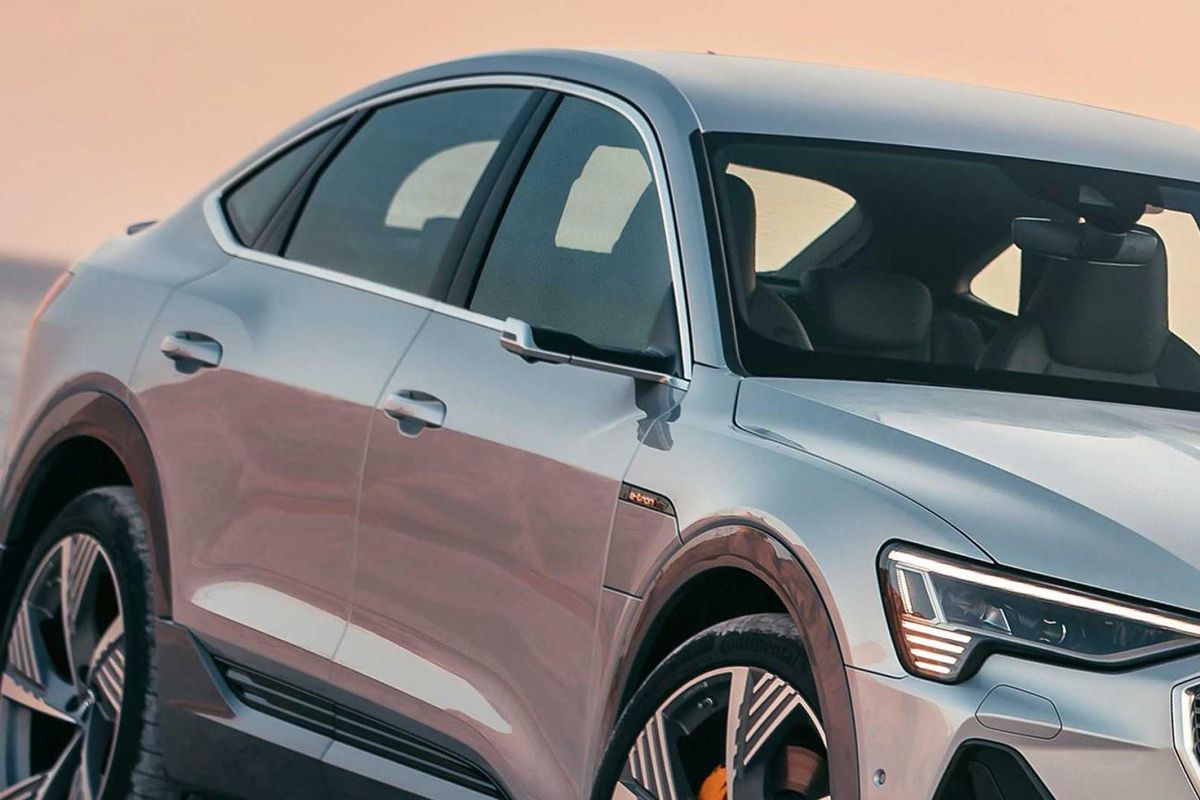
Debuting at the Los Angeles Auto Show, the Audi e-tron Sportback is set to become available to select markets in 2020 and it combines sloping roofline styling with an advanced electric drive architecture.
Overall dimensions are akin to the long roof e-tron, with the Sportback version measuring 4.9 m bumper-to-bumper, 1.93 m across and standing 1.6 m tall.
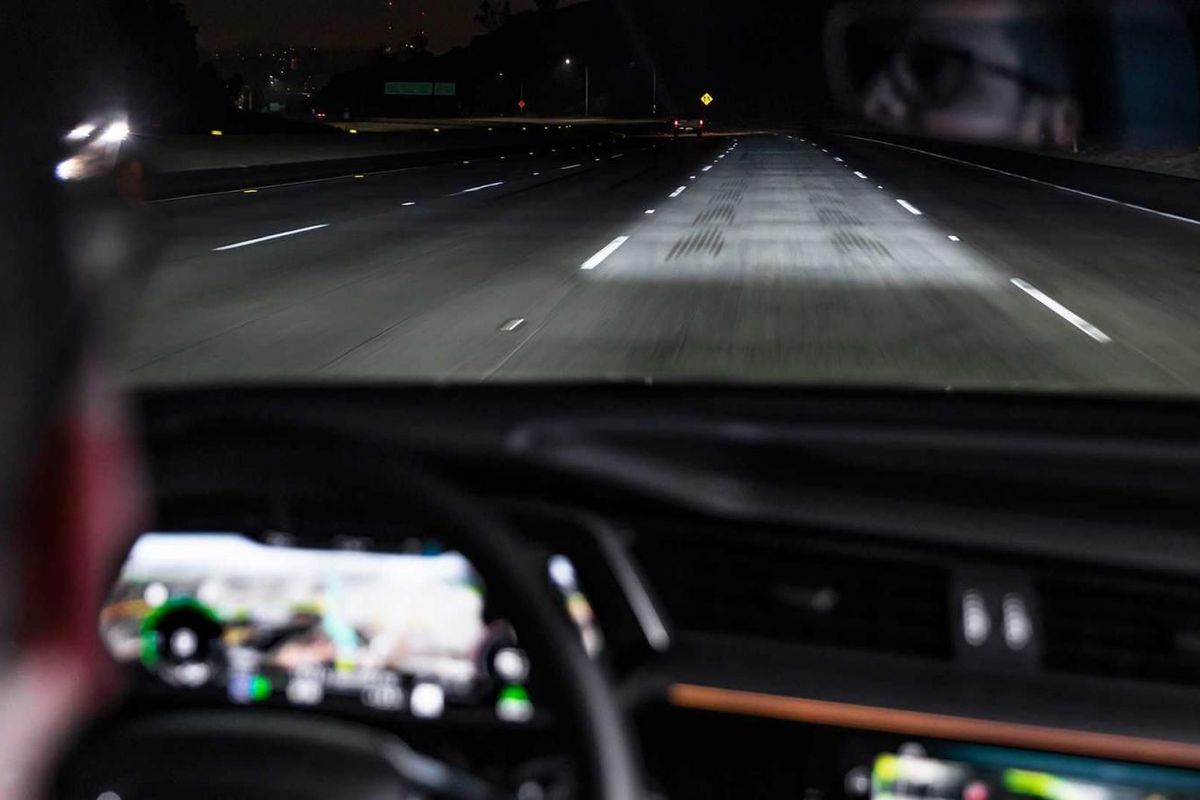
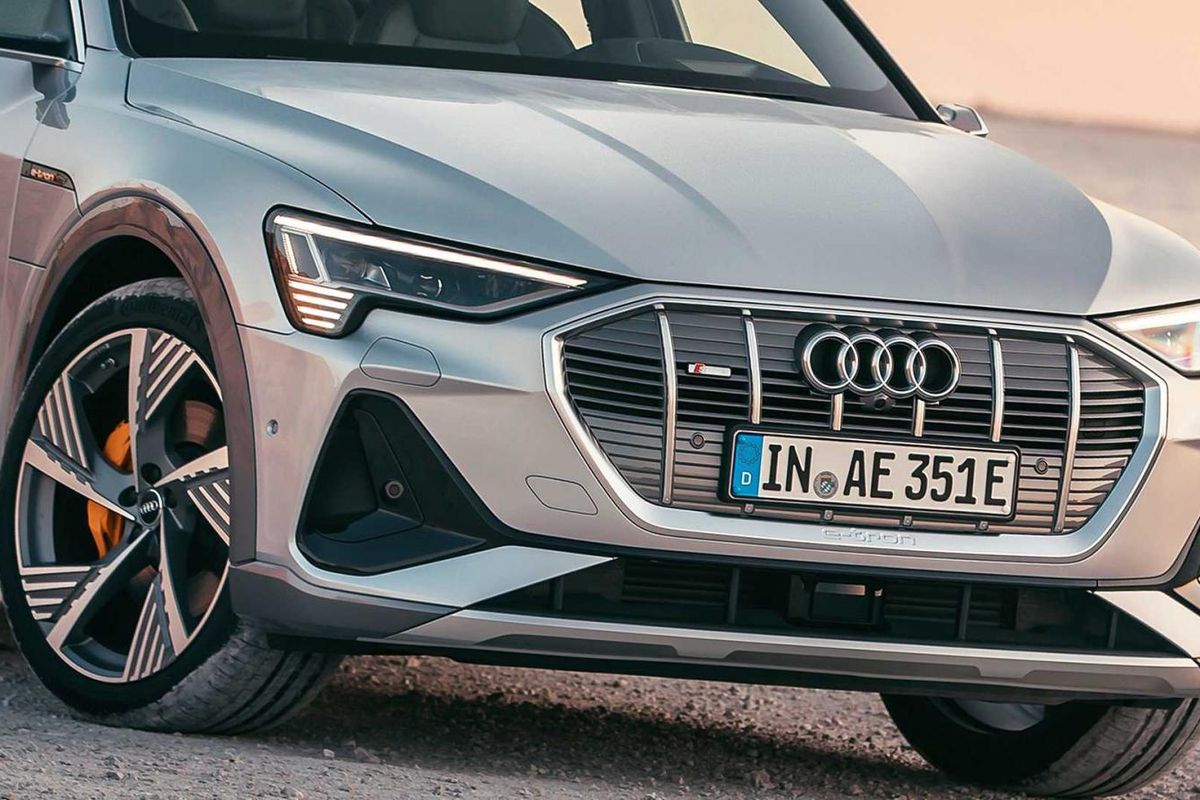
Distinguishing the e-tron Sportback’s design are its Digital Matrix LED headlights, which feature 1 m active micromirrors. These electrostatically charged mirrors can pulse 5 000 times a second, allowing for advanced lights which can shape their illumination to beam around objects and even light specific sections of road.
Powering the e-tron Sportback is a 95 kWh battery pack, which energises individual motors on each axle, thereby ensuring that this futuristic Audi adheres to the brand’s Quattro all-wheel-drive heritage.
Total system output rates at 300 kW and Audi claims a driving range of 446 km per charge, which theoretically offers an excellent combination of performance and driveability. The slightly more aerodynamic coupe body shape gives this Sportback a 10 km range advantage over the conventional e-tron.
Performance is brisk. Peak torque calculates to 664 Nm and with the e-tron Sportback’s shifter set to ‘S’, Audi says its latest battery SUV will run 0-100 kph in 5.7 seconds. For optimised range and battery life, top speed is limited to 200 kph.
The e-tron Sportback is configured to accept 150 kW DC fast-charging. If you plug it into one of these high-output chargers, it will re-energise 80% of the vehicle’s battery capacity in only half an hour.
Audi's e-tron Sportback rides on a comprehensive air-suspension and adjustable damper system, which can enact up to 76mm of ride height variation. This is handy for high-speed driving (lowering the vehicle) or when you require additional clearance, on gravel roads.
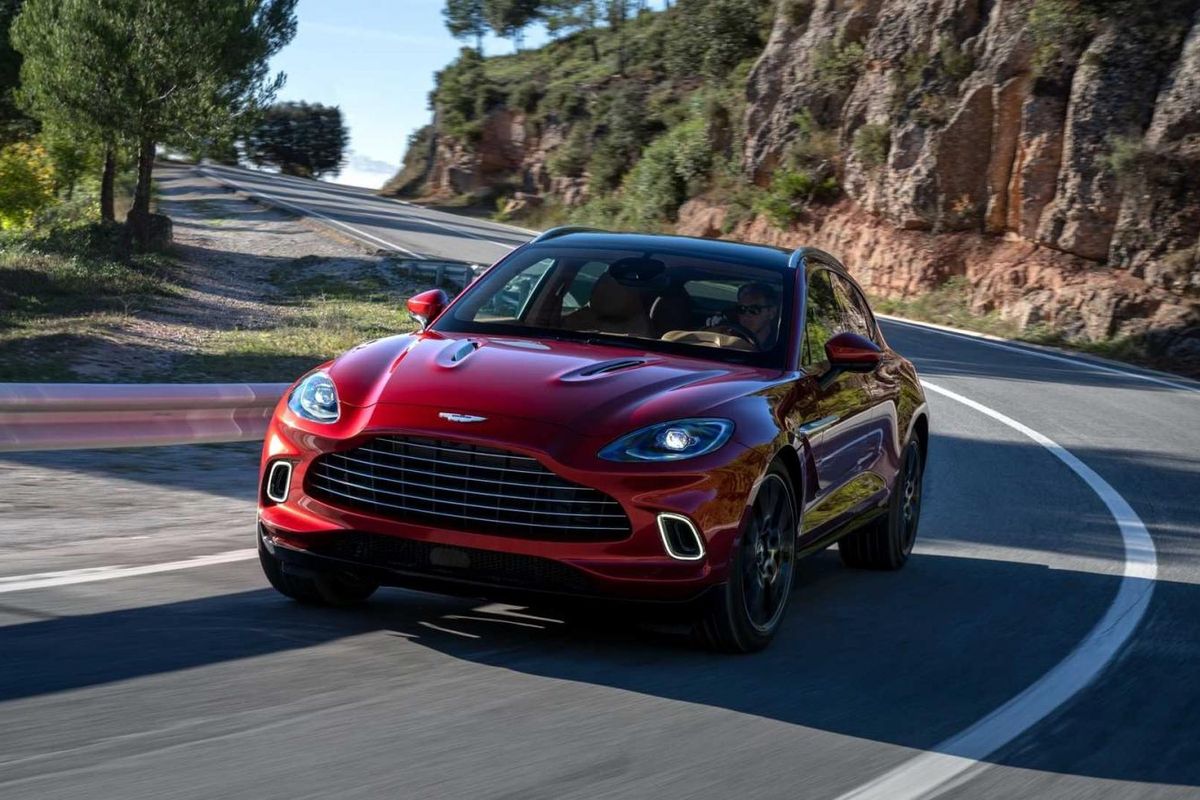
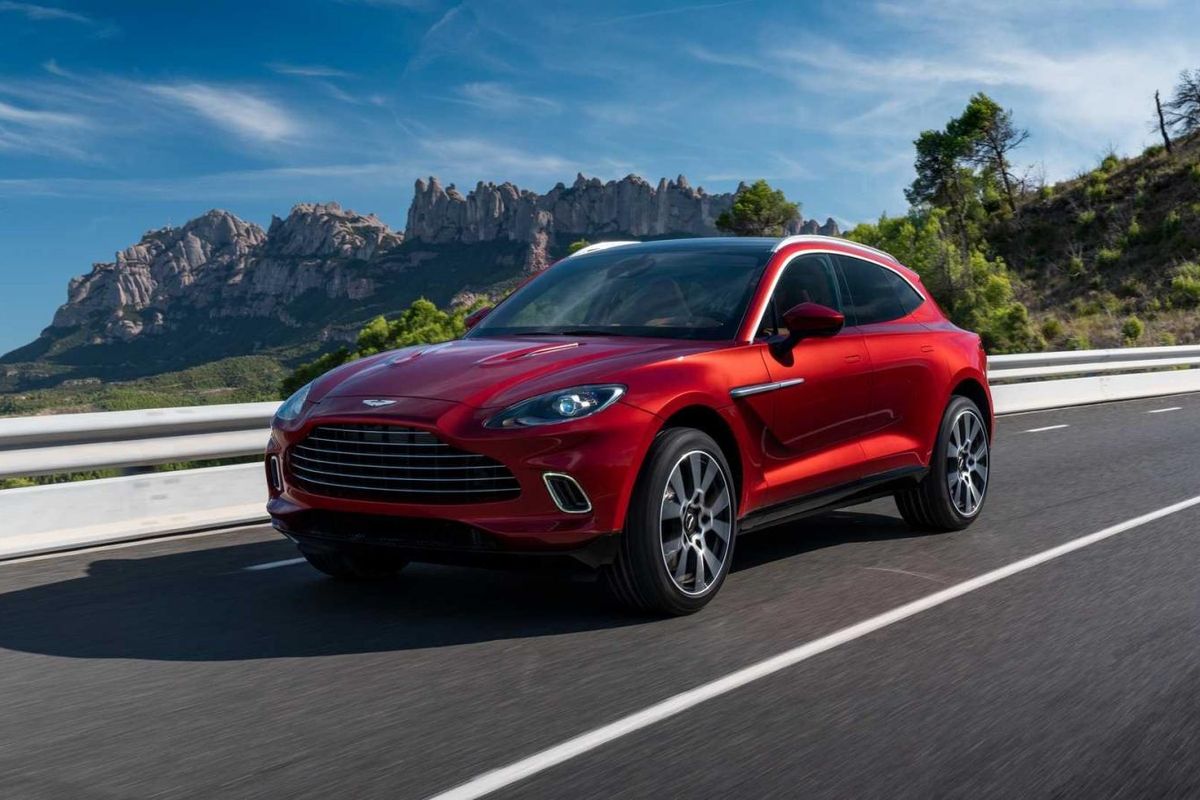
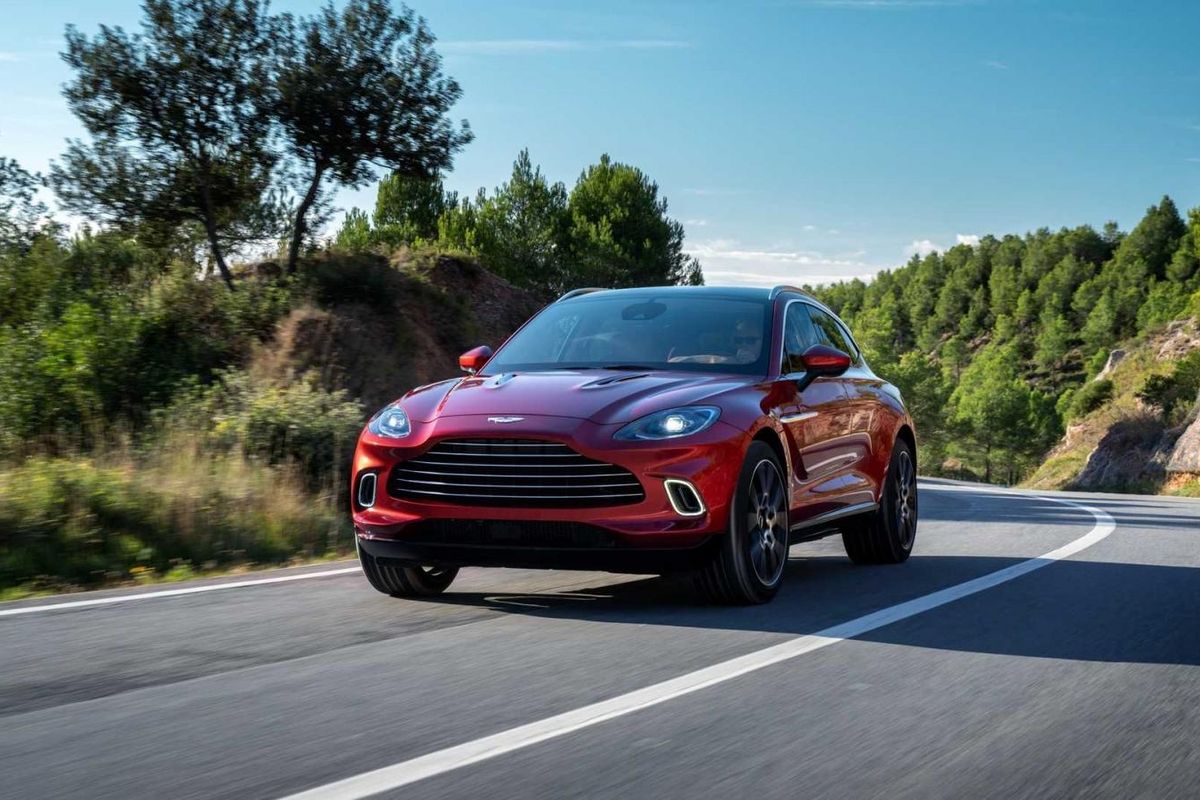
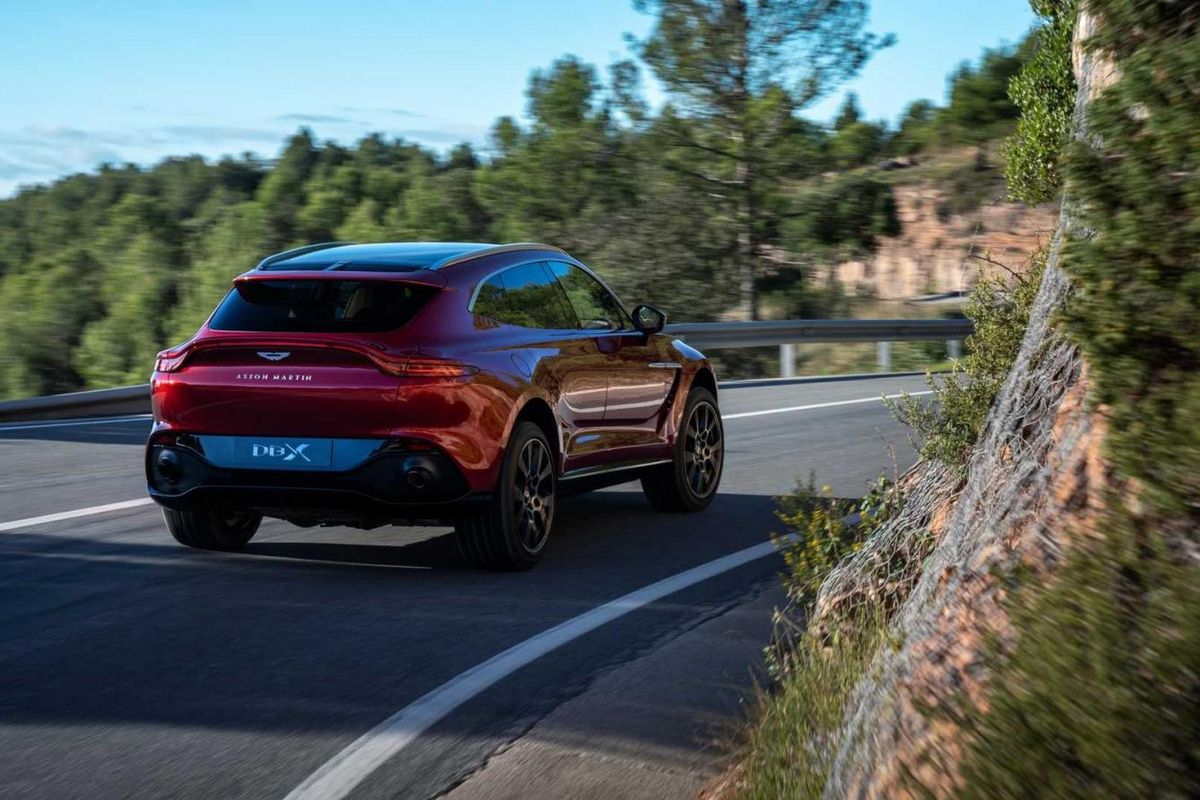
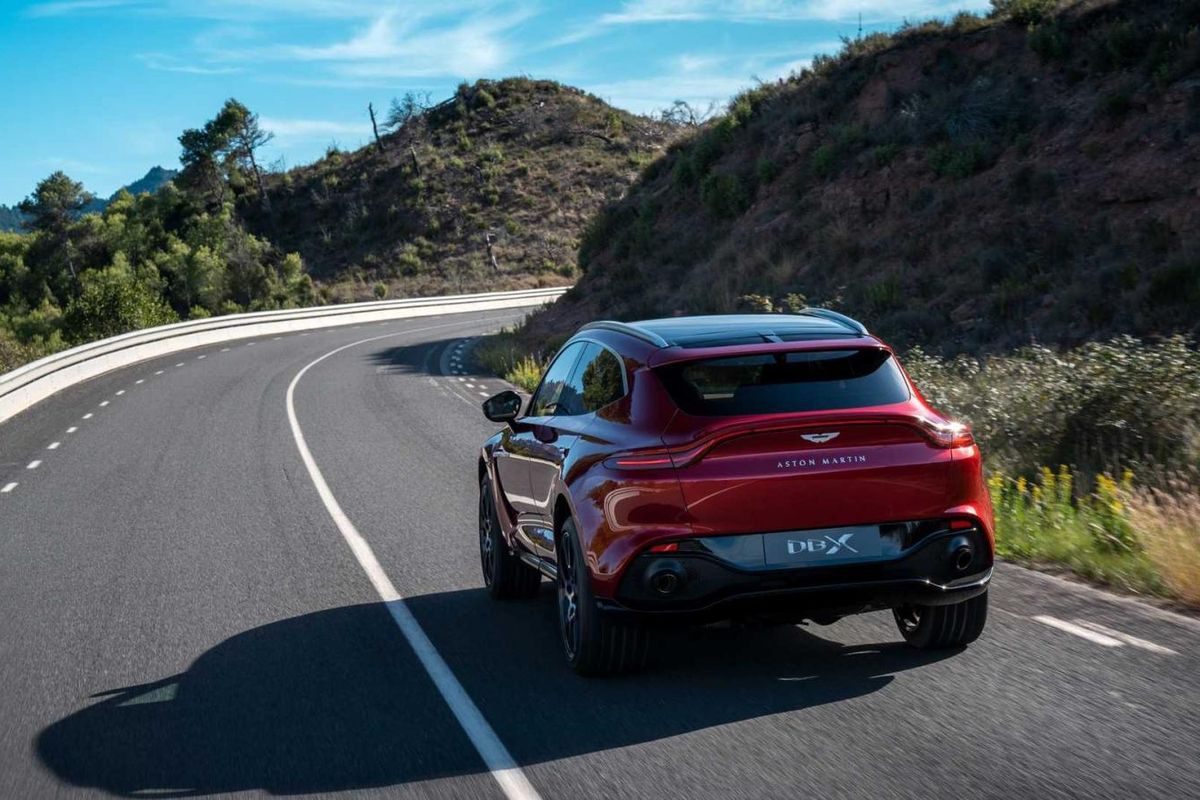
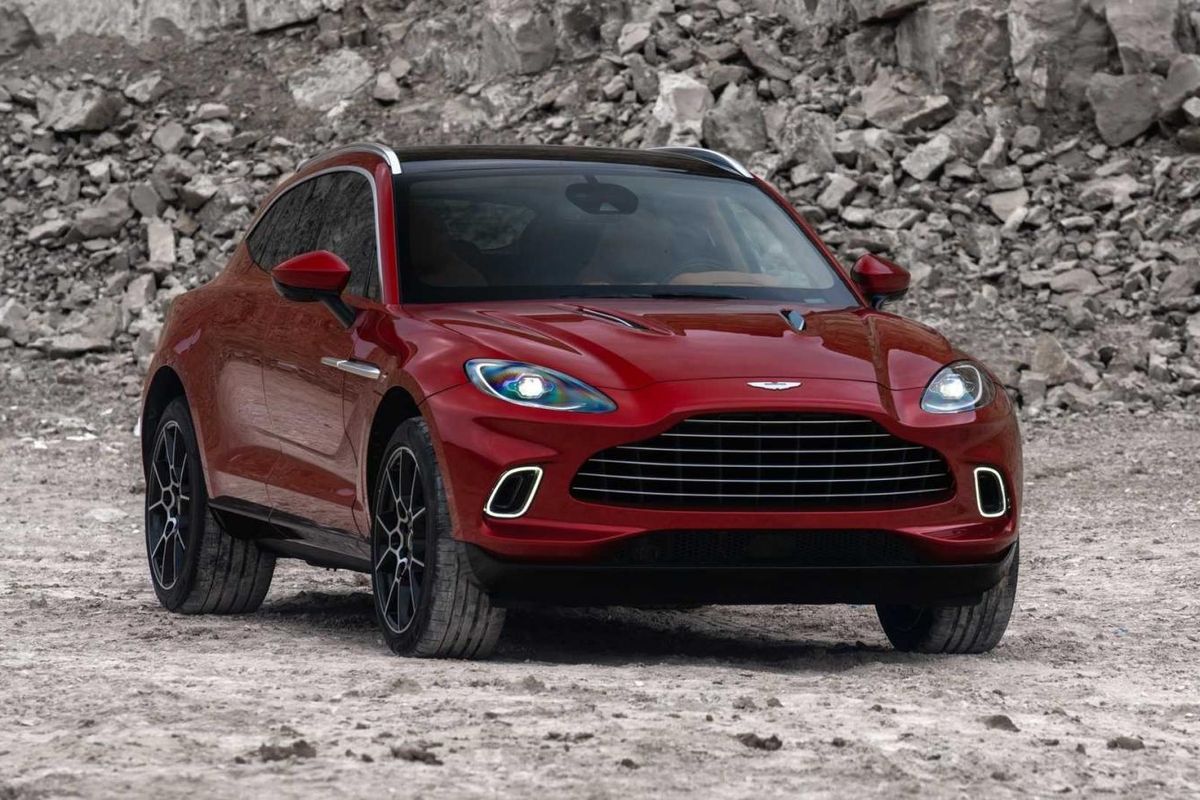
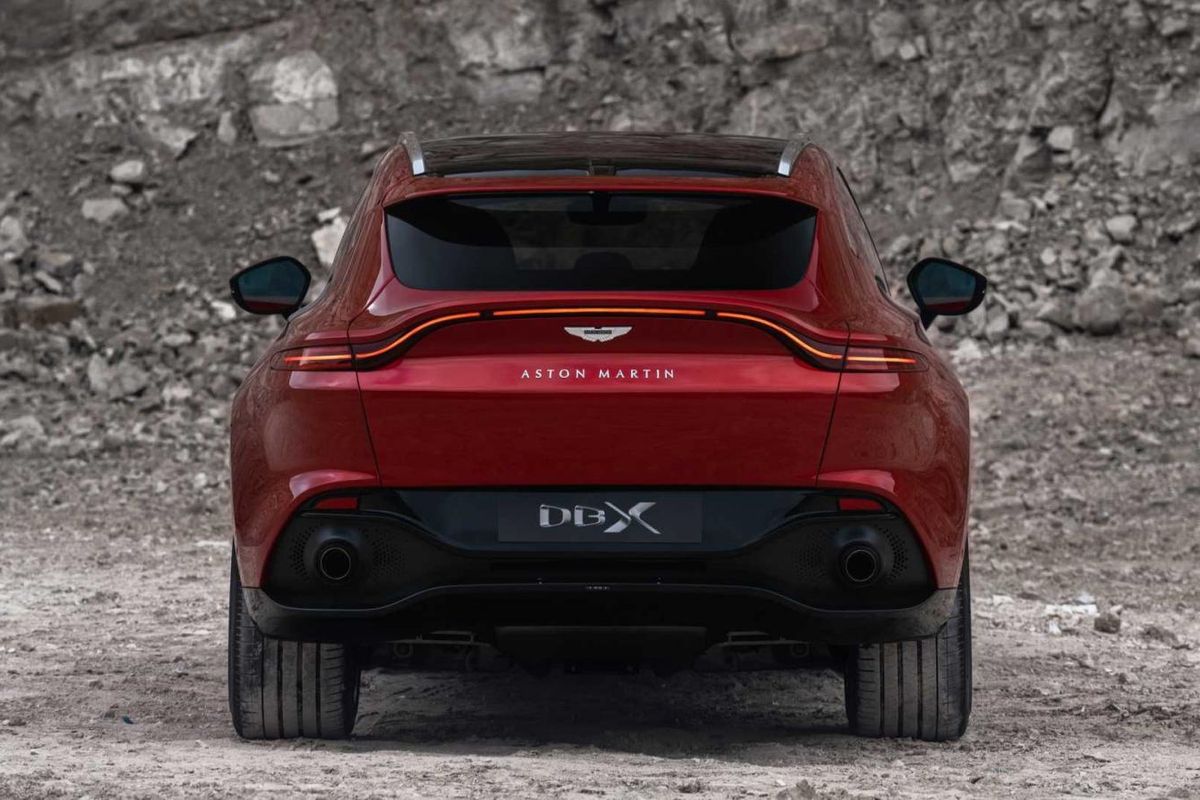
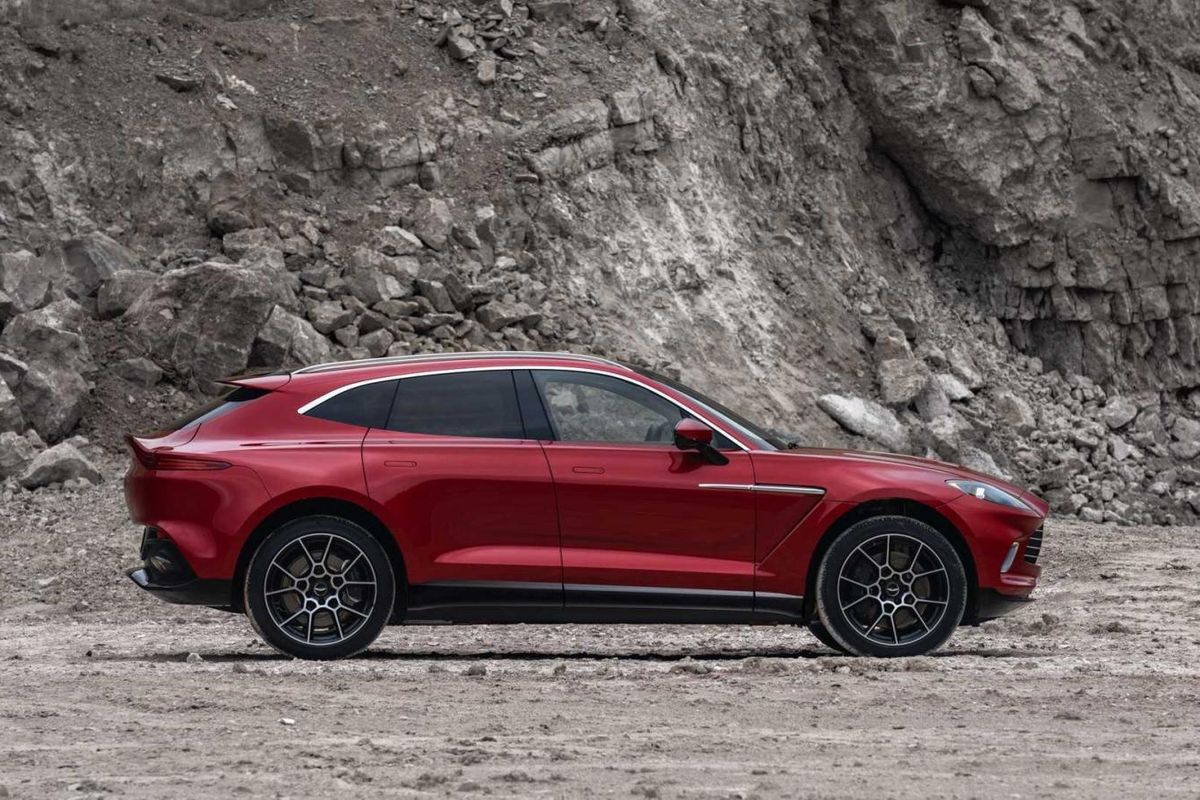
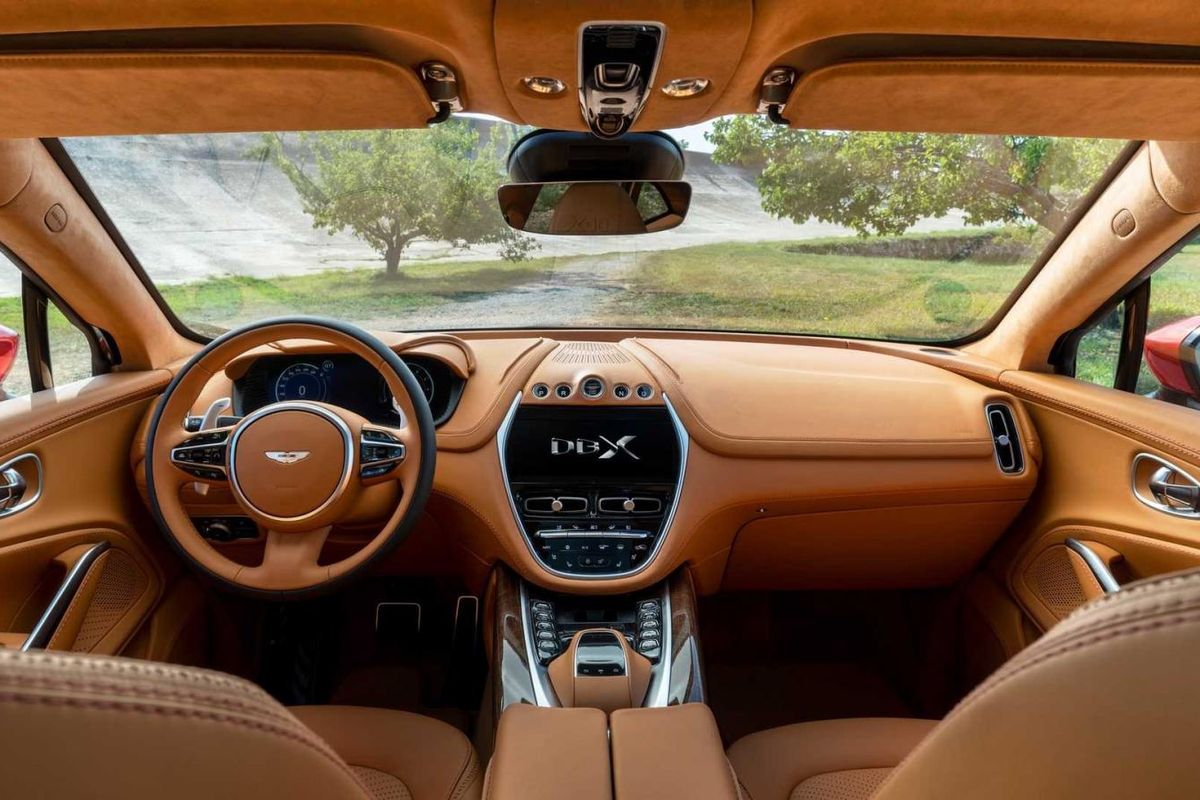
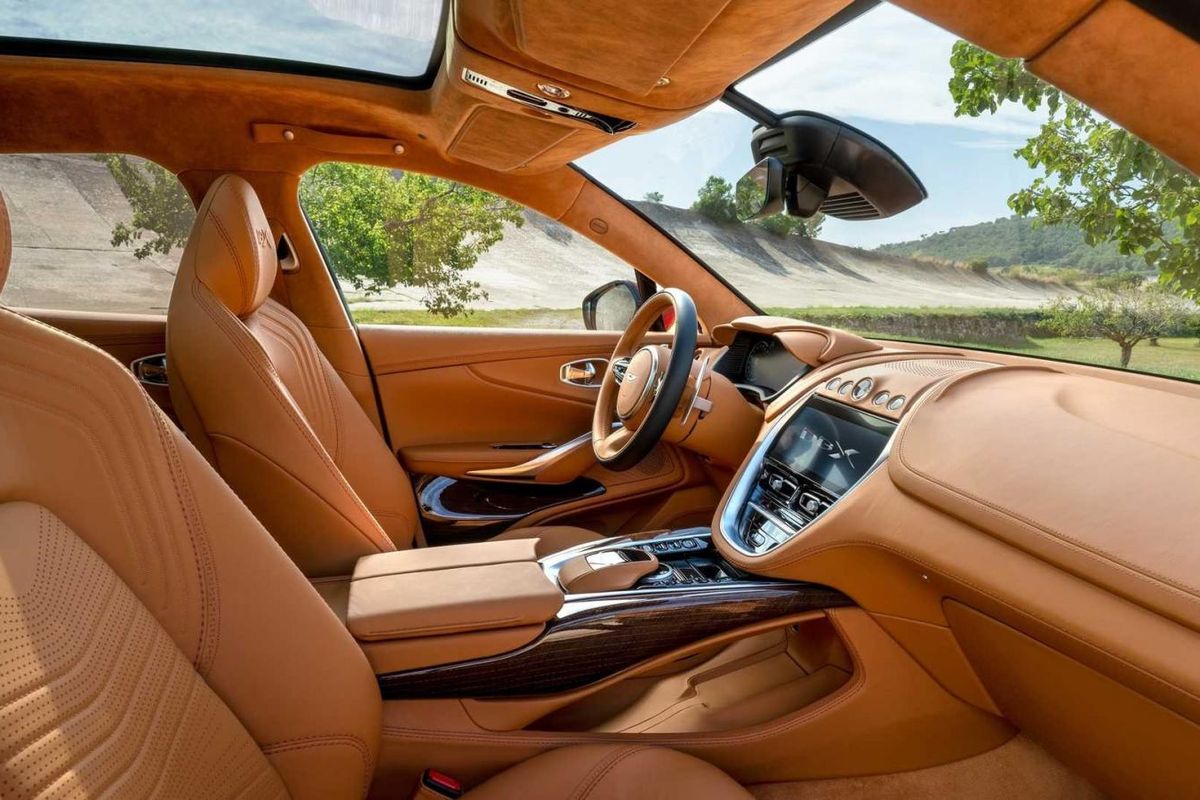
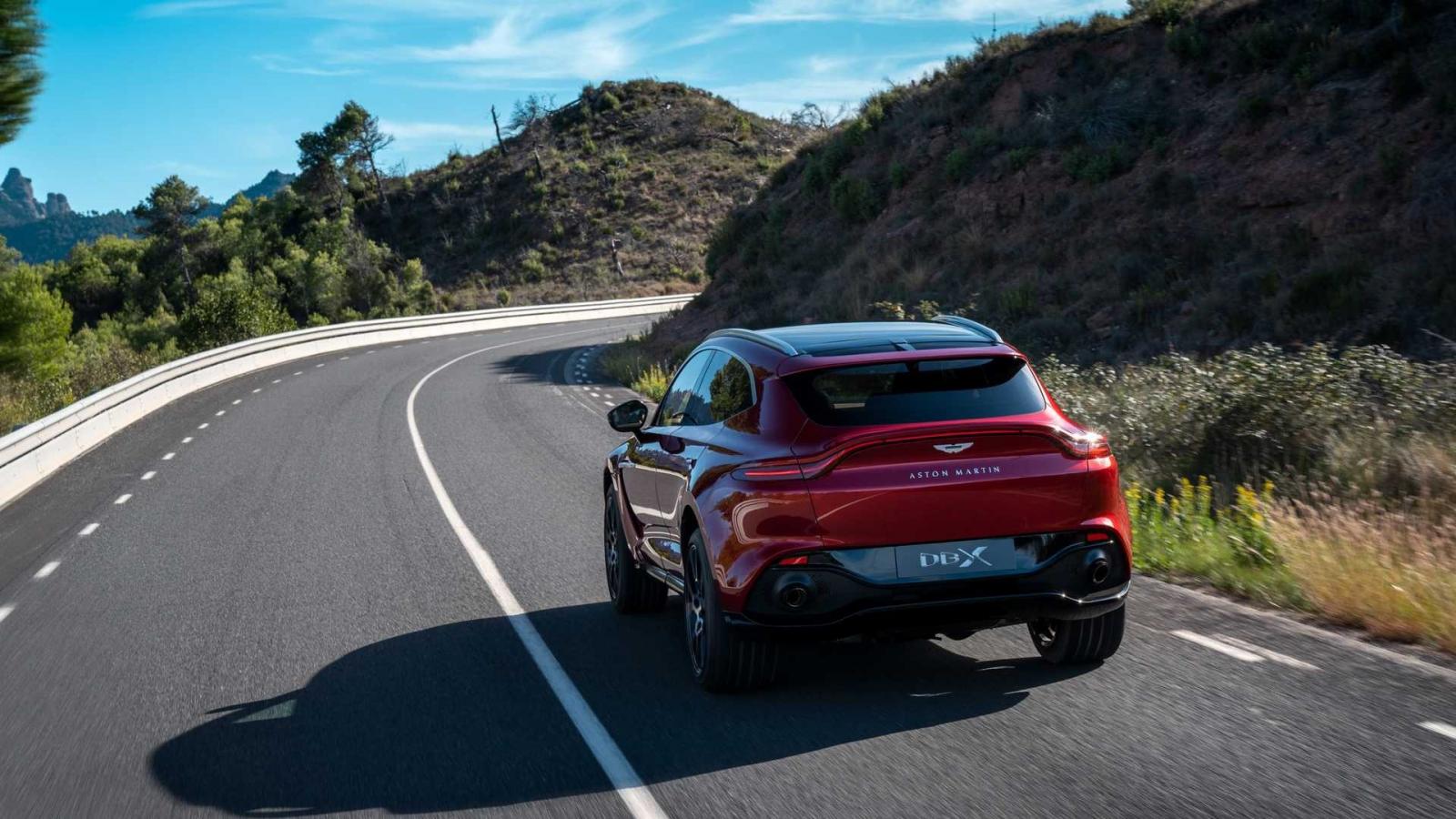
Aston Martin’s first-ever SUV has broken cover and it looks mighty fine. This is the DBX!
Aston Martin has buckled to the SUV trend and created its first high-riding model, the DBX. If the global success of models such as the Porche Cayenne and Lamborghini Urus is anything to go by, Aston Martin should turn a fair penny for its efforts.
The DBX is a pretty luxury performance SUV that will be built at Aston Martin’s new purpose-built facility in St Athan, Wales. The DBX will be built on the brand’s new SUV platform and will utilise a bonded aluminium construction with a structure that is both extremely light but also notably stiff to ensure maximum performance ability.
Engine Power
The DBX has been built from the ground up as a performance SUV and is expected to deliver in that regard.
The DBX is powered by a Mercedes-AMG-sourced twin-turbocharged 4.0-litre V8 engine that's been uprated with new turbos, a different compression ratio and updated charge coolers. To produce outputs of 404 kW and 700 Nm of torque. A 9-speed automatic transmission directs those numbers to all 4 wheels effectively with both an active central differential and an electronic limited-slip differential at the rear. An active exhaust system delivers aural pleasure and Aston Martin claims that the DBX will sprint from zero to 100 kph in 4.5 seconds before reaching a top speed of 291 kph.
The driver can engage driving modes such as Sport and Sport+ for enthusiastic on-road driving or Terrain and Terrain+ for off-road driving situations. If you really must, the DBX can wade through water up to 500 mm deep.
Key interior features
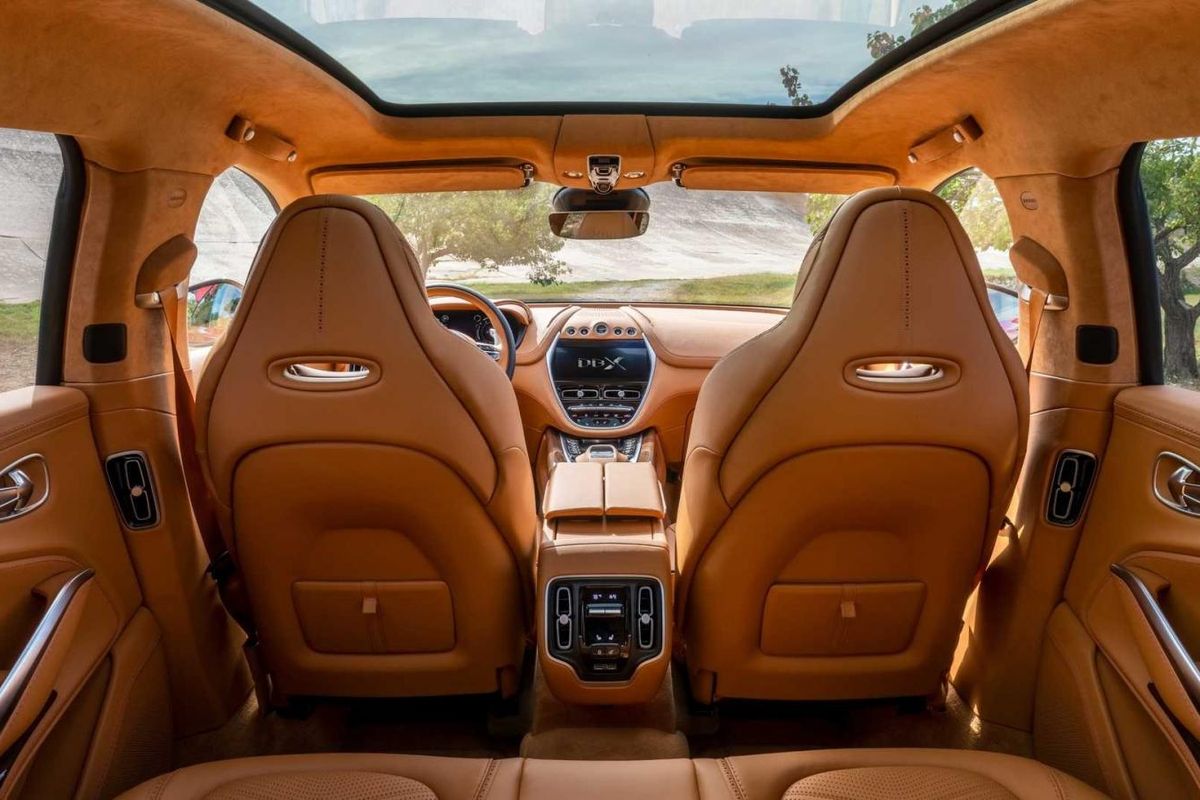
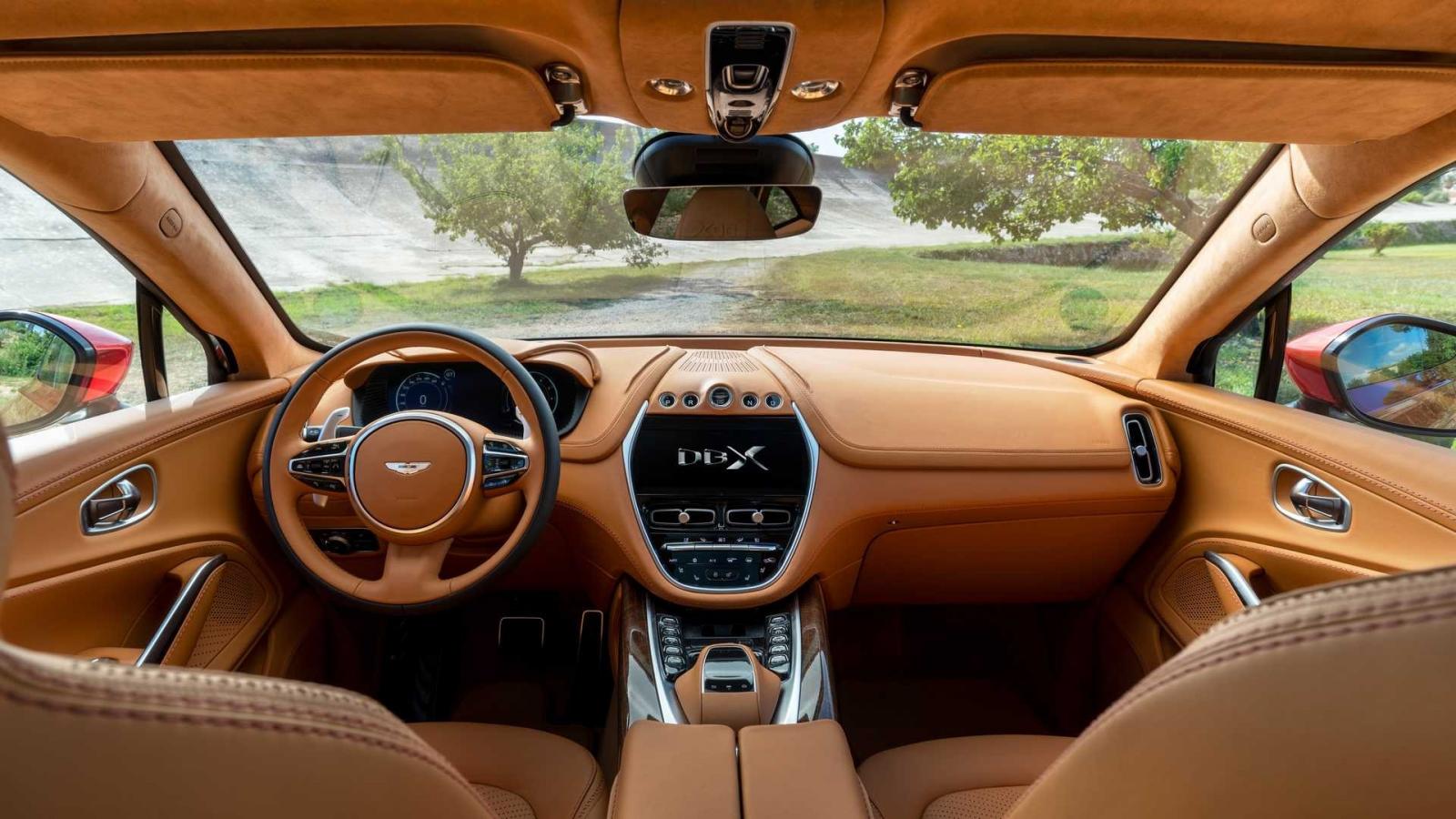
An impressively equipped interior with lavish leather finishes sets the tone inside the DBX.
Particular attention has been paid to creating a spacious cabin for all passengers who will be treated to full-grain leather trim and a wealth of in-car tech such as the stylish 12.3-inch digital instrument cluster and the 10.25-inch infotainment system. A powerful 800W sound system is also fitted along with 14 speakers.
In terms of practicality, the load capacity is claimed at 832 litres, which is huge, and with the 40:20:40 split rear seats folded down, you gain access to 1 540 litres of space.
Aston Martin has curated no less than 11 optional accessory packs for the DBX to match a variety of hobbies and pursuits. For example, a Snow Pack includes items such as a ski bag, roof-mounted ski rack, snow chains and boot warmers. A Pet Pack, for animal lovers, includes a pet partition, bumper protector and even a portable pet washer. As you would expect, Aston Martin also offers a wide range of customisation options to suit your taste.
This all comes at a price, however, and initial indications point to a starting price of around R2.9-million. The local availability of the Aston Martin DBX has yet to be confirmed.
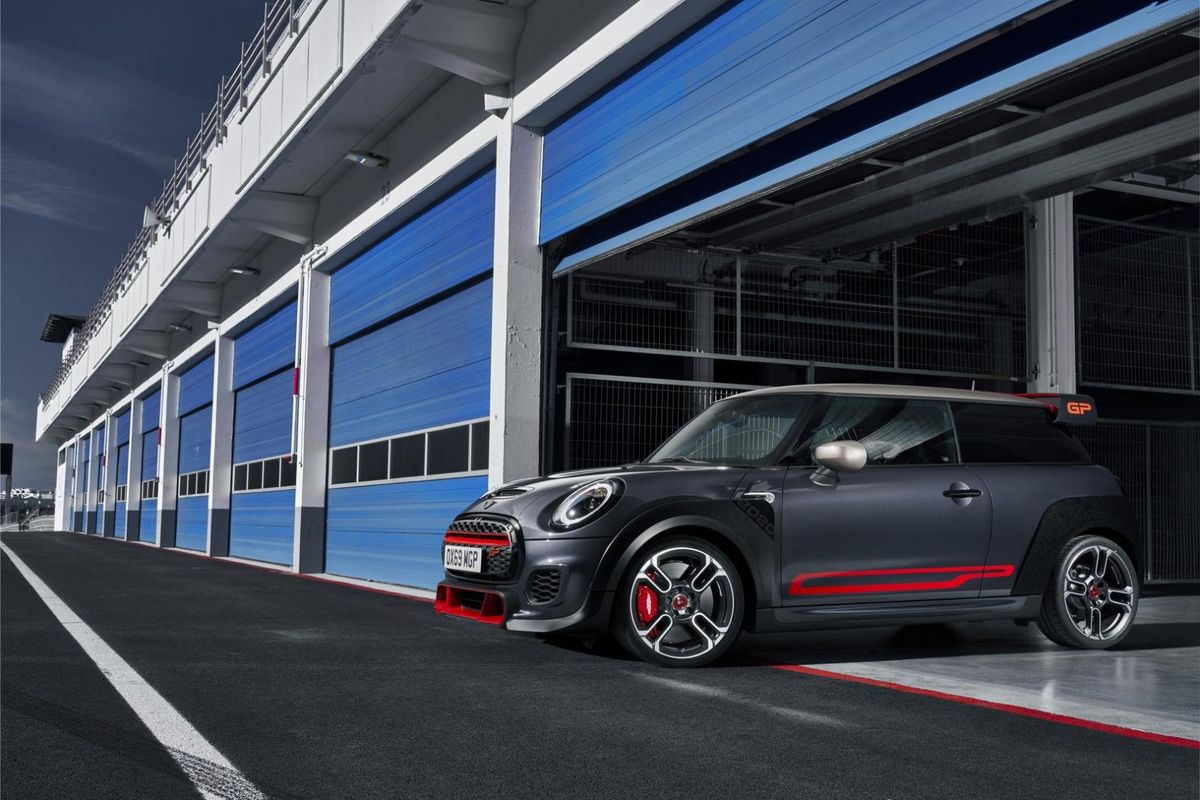
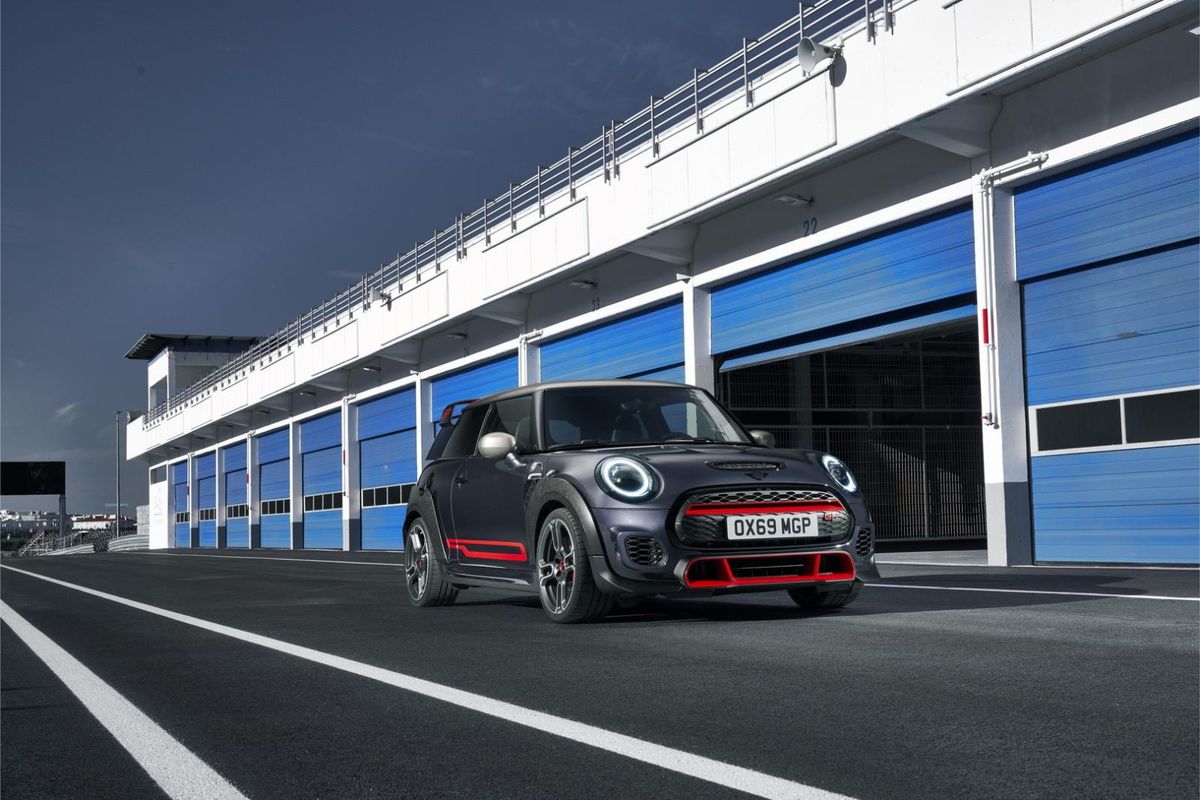
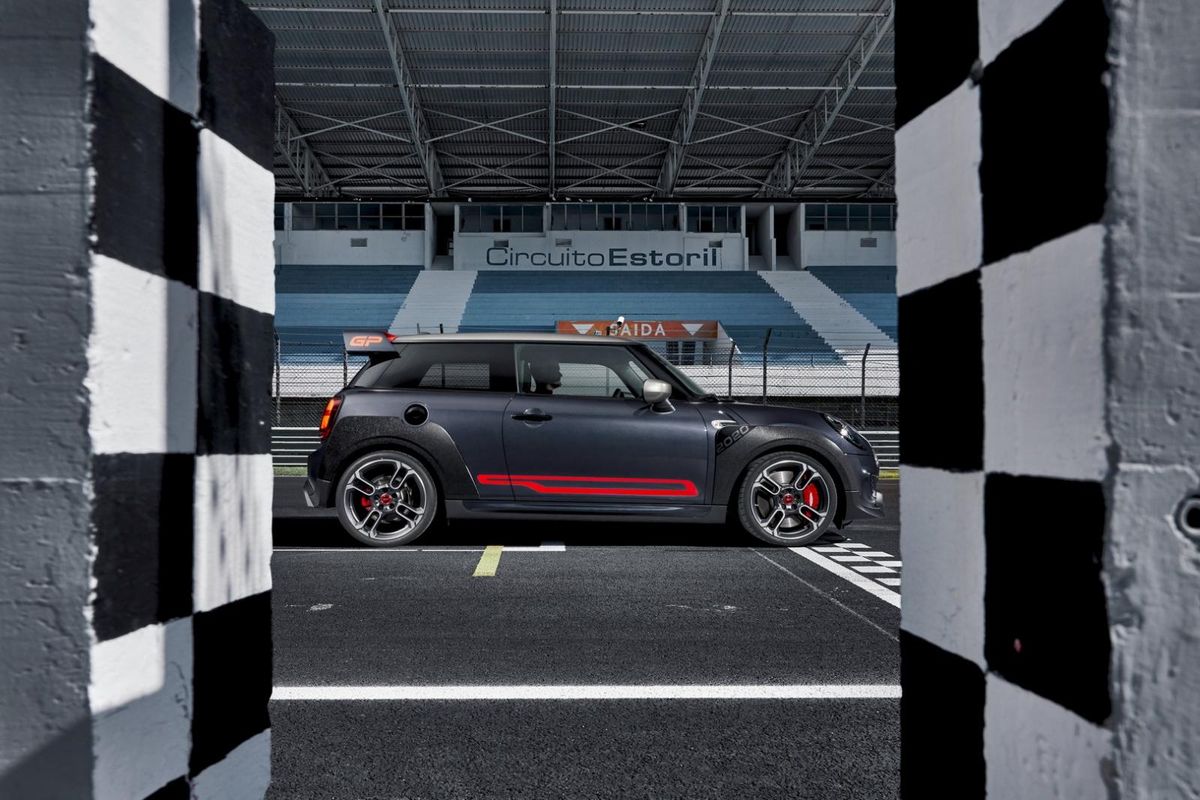
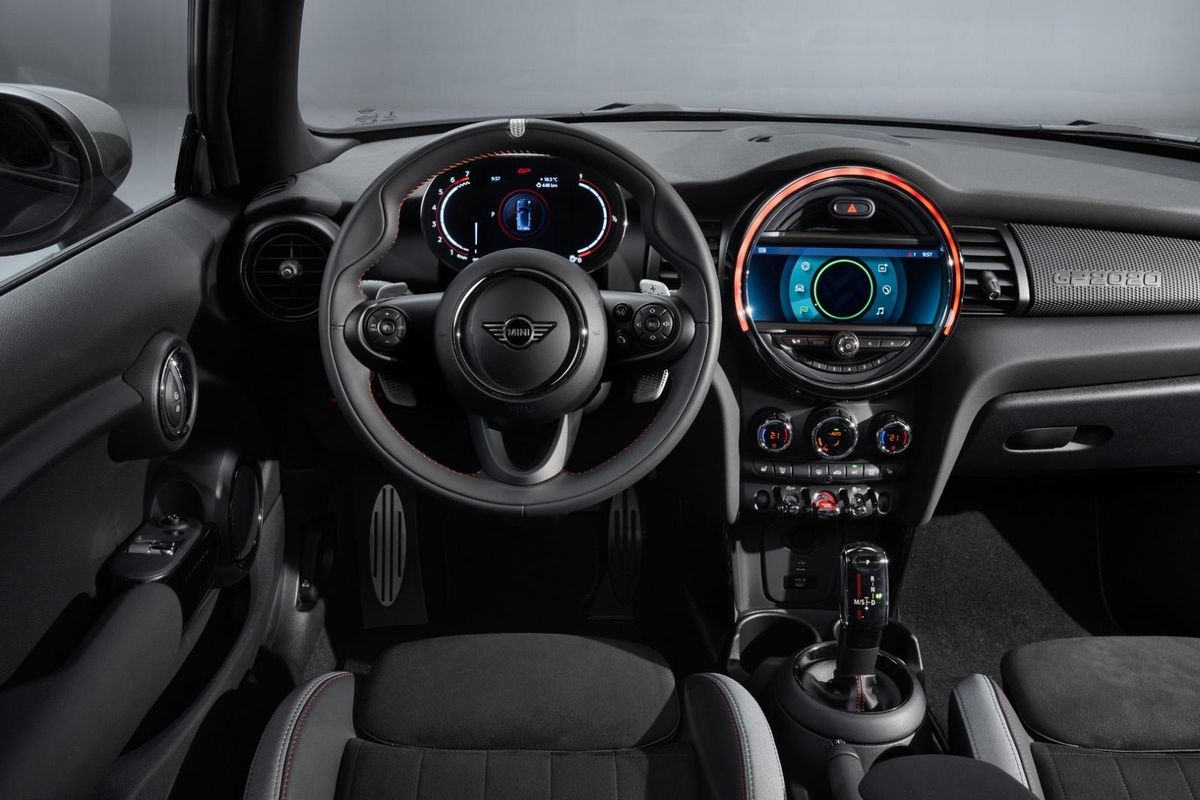
The hardcore Mini John Cooper Works GP is making its official debut at the Los Angelas Motor Show and it has been confirmed for the South African market in 2020!
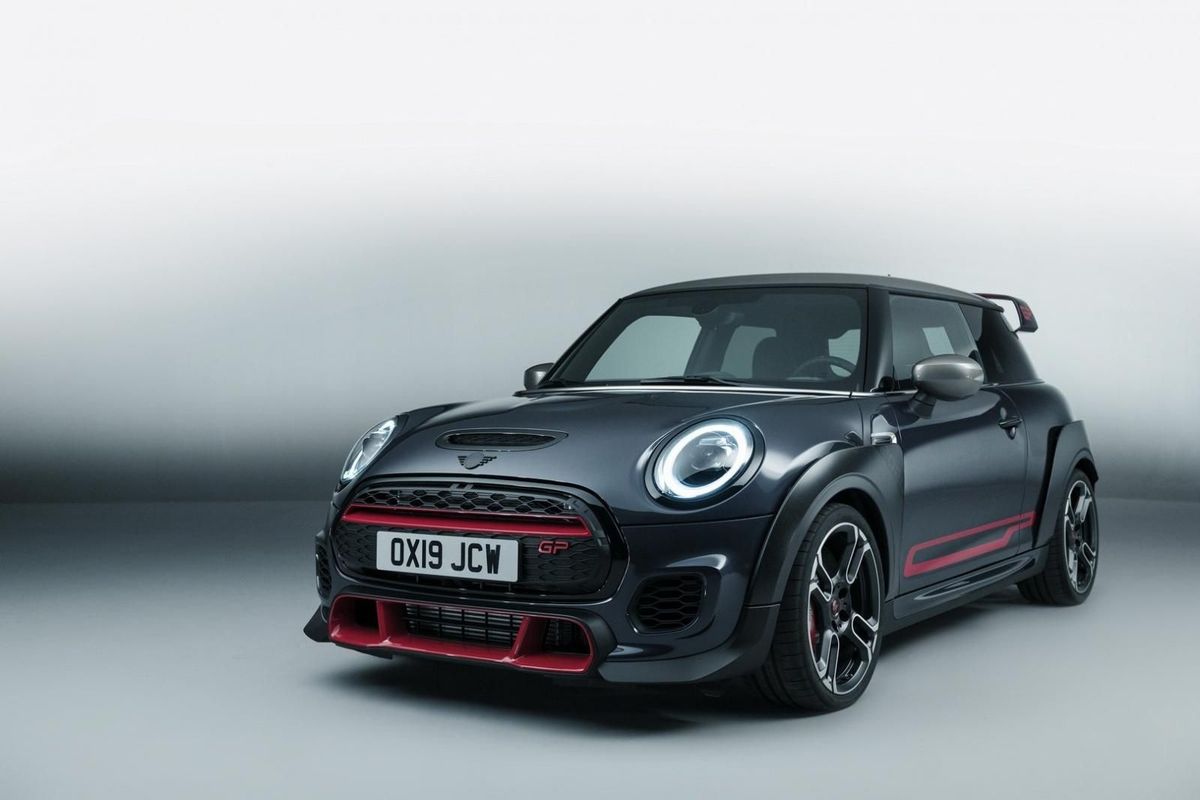
The camouflage has come off and so have the boxing gloves. The Mini JCW GP is ready to fight!
This is Mini’s fastest and most powerful car ever and it thumps out 225 kW and 450 Nm of torque from its twin-turbocharged 2.0-litre engine. An 8-speed Steptronic transmission with an integrated differential lock ensures brisk acceleration with Mini claiming a zero to 100 kph sprint time of 5.2 seconds with a top speed of 265 kph. The JCW GP is a potent front-wheel-drive car, like the Honda Civic Type R, but offers 50 Nm more torque and is 0.6 seconds quicker to 100 kph, which is rather significant because the Type R is very, very fast…
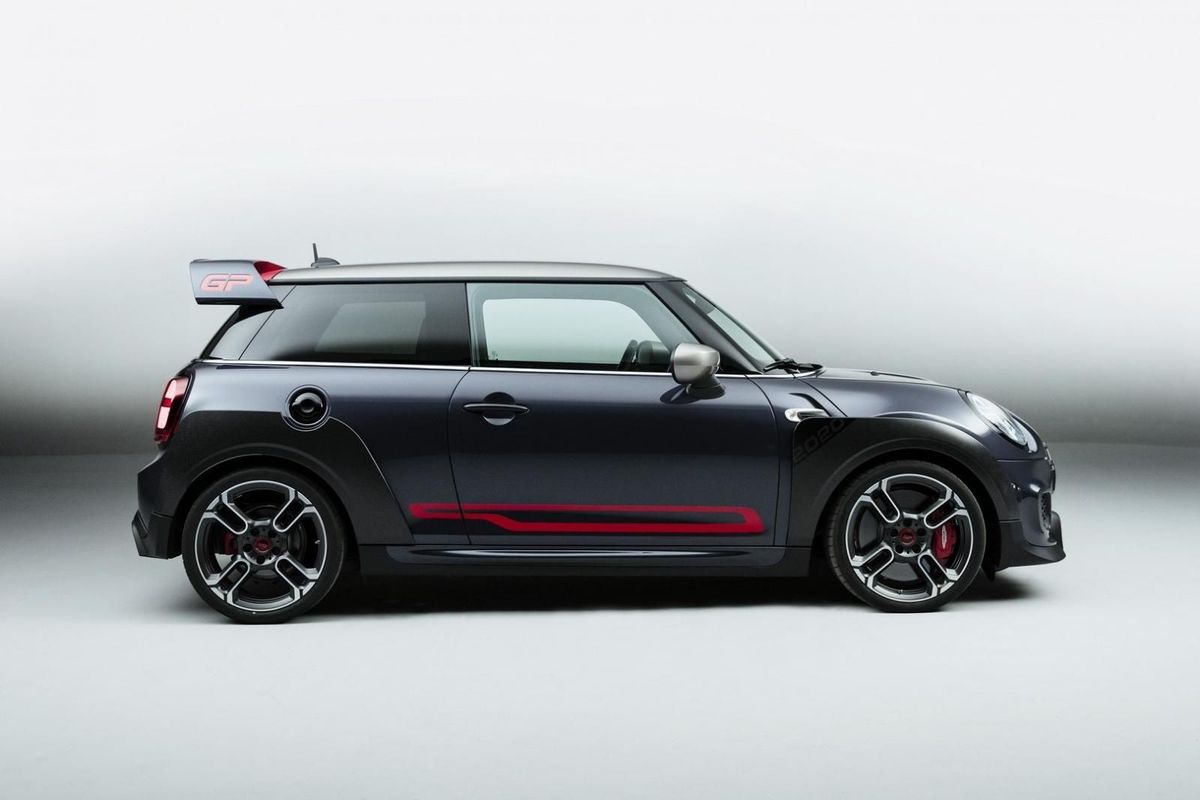
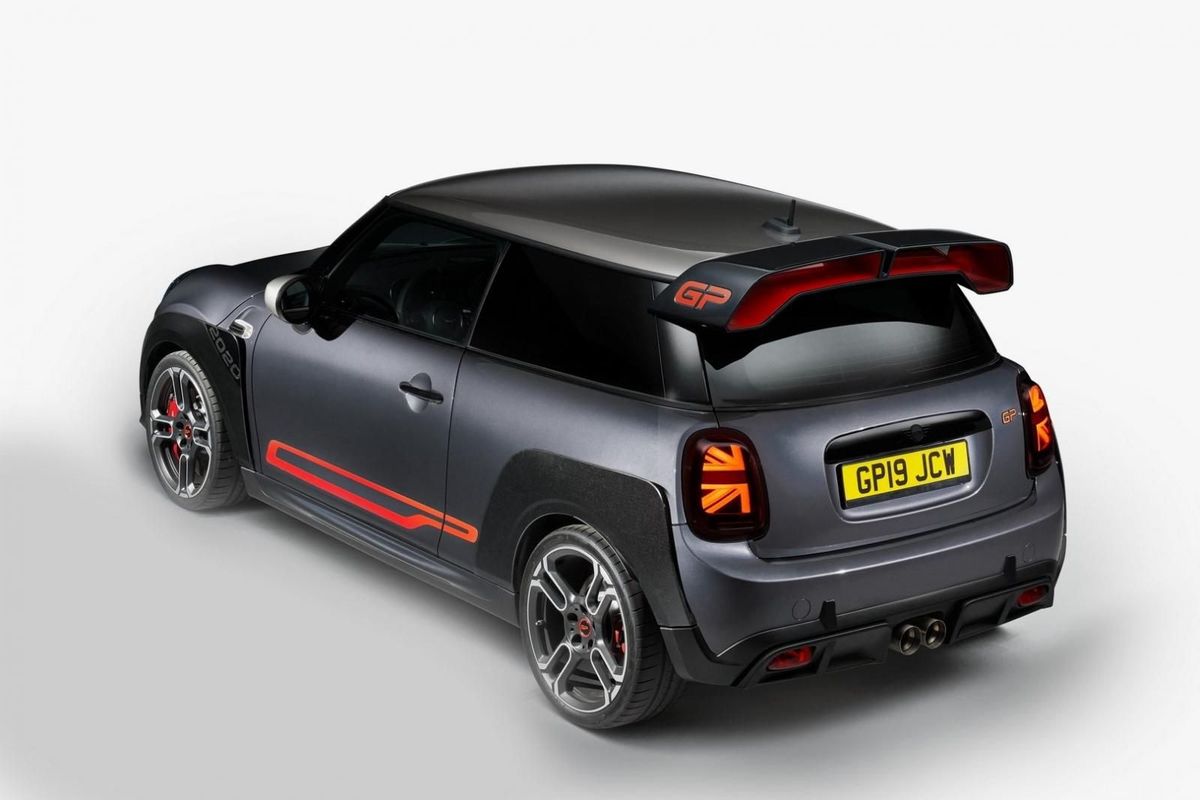
Its impressive performance is matched with striking bodywork which includes a large roof spoiler which aids in increasing downforce, a model-specific front apron with a blackband spoiler lip and large air intakes and modified flared wheel arches made of carbon fibre-reinforced plastic (CFRP) which give the car an aggressive and purposeful stance.
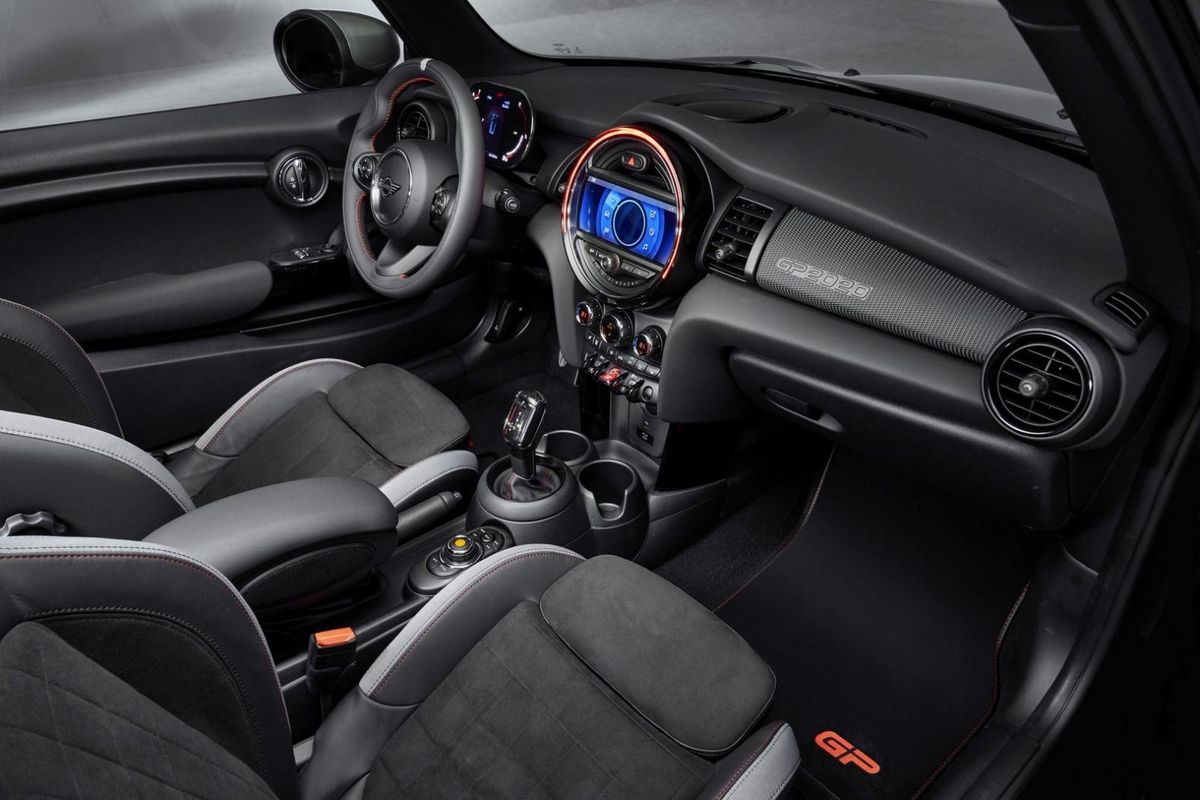
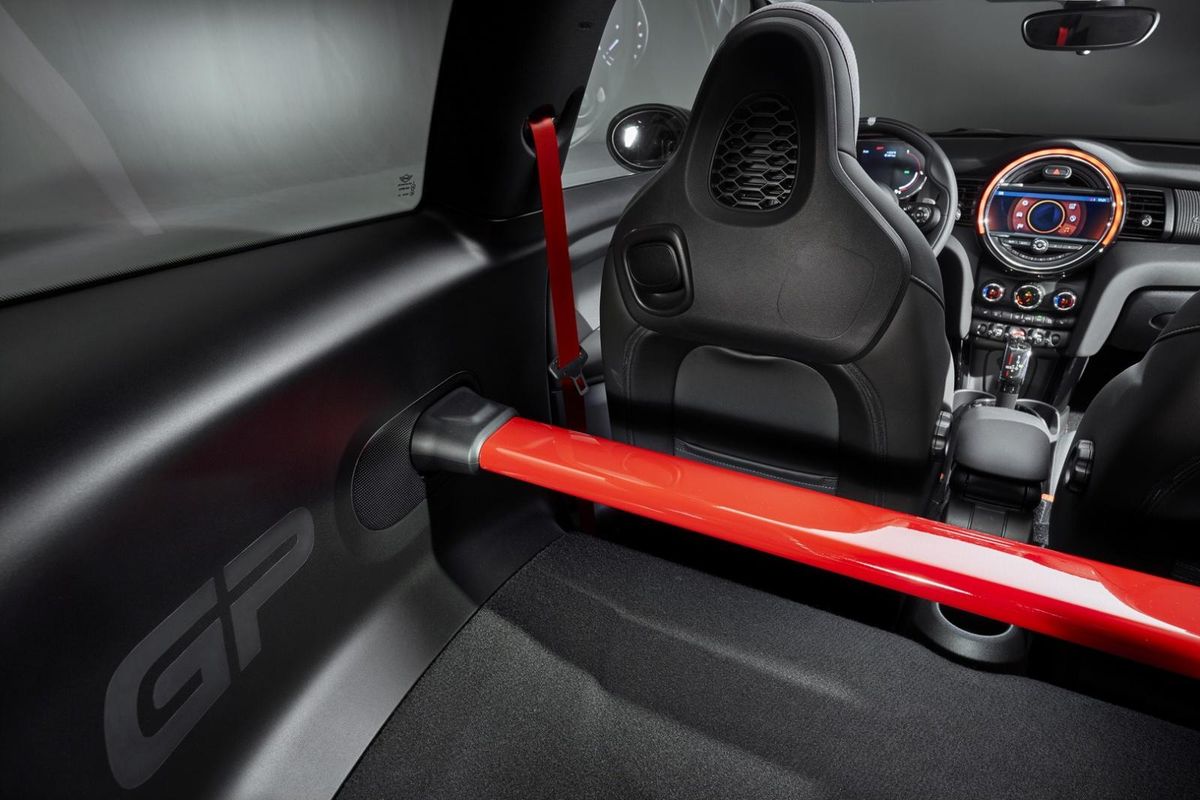
The sportiness continues on the inside with 2 sports seats in Dinamica/leather combination with silver sides and red seams. A GP badge is seen underneath the integrated headrests and red seat belts add further colour to the cabin. The vehicle number is seen on the passenger-side trim and the driver wields a JCW leather steering wheel with the rim finished in Nappa leather with a metal centre marking and 3D printed metal shift paddles.
Only 3 000 Mini JCW GP’s will be produced at Mini’s plant in Oxford and customer deliveries are expected to start in March 2020. The JCW GP has been confirmed for South Africa in Q3 of 2020 but it will be offered in limited numbers and pricing has yet to be confirmed. We will keep you updated!
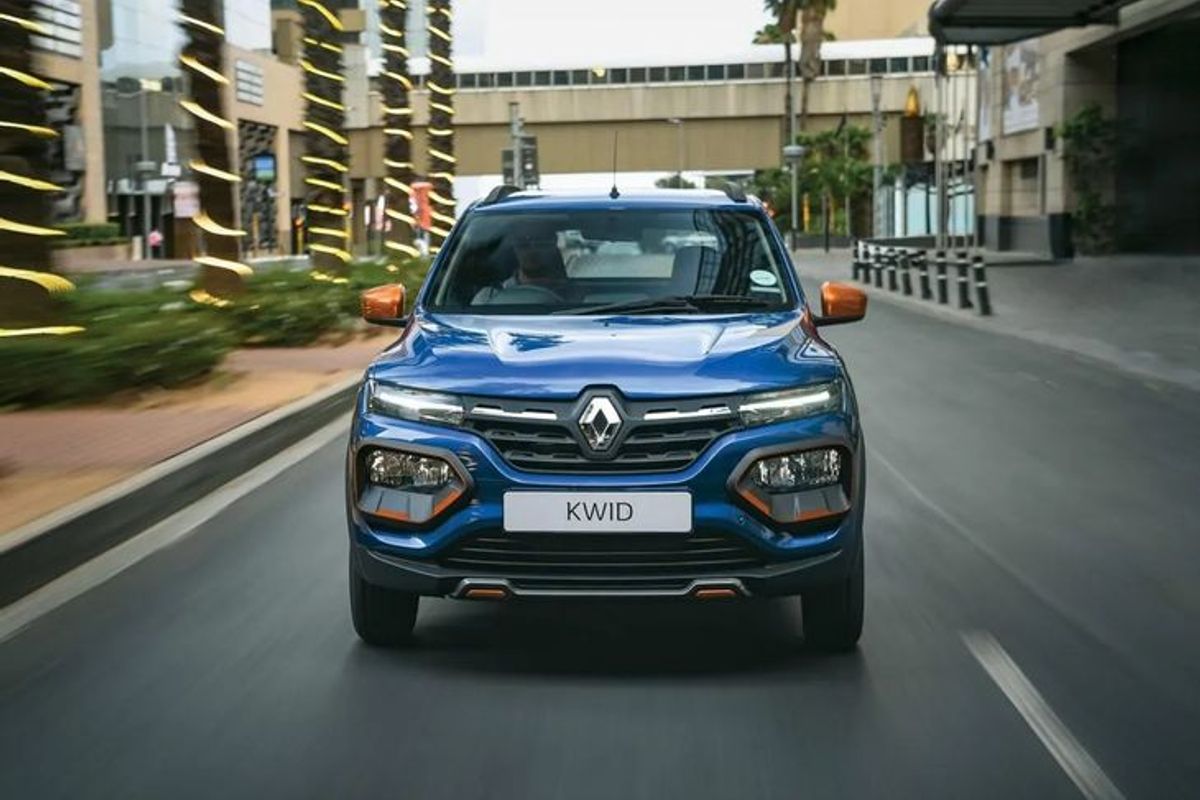
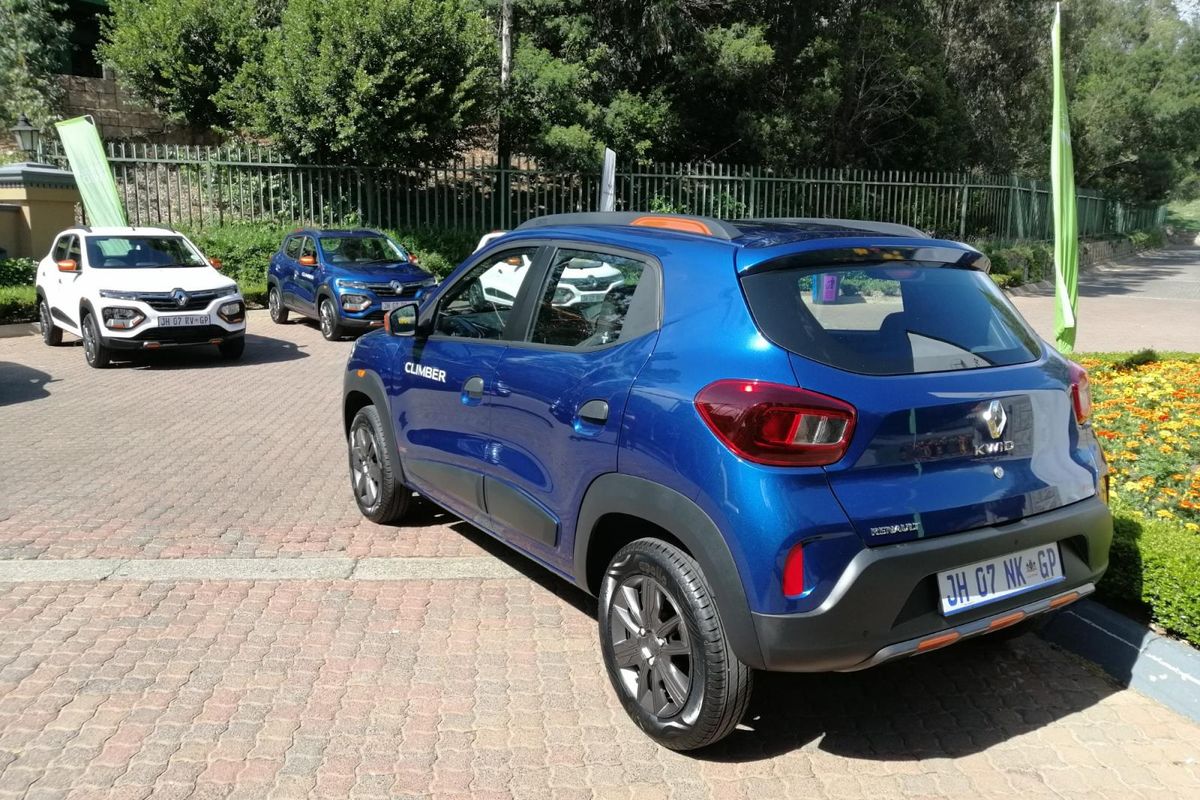
Renault has launched a heavily-revised Kwid budget car to market and we took it for a drive at the local launch in Johannesburg this week to experience the changes in the metal…
Back in 2016 when the Kwid first arrived on local soil, we knew it would be a hit with local buyers. We even called it a “game-changing budget car” at the time…
The Kwid offered cutey-pie looks, came packed with nice-to-have features and was sweetly priced to appeal to first-time buyers looking to get mobile. Since then, the Kwid has racked up over 27 700 sales and it’s now one of the most popular passenger cars in South Africa.
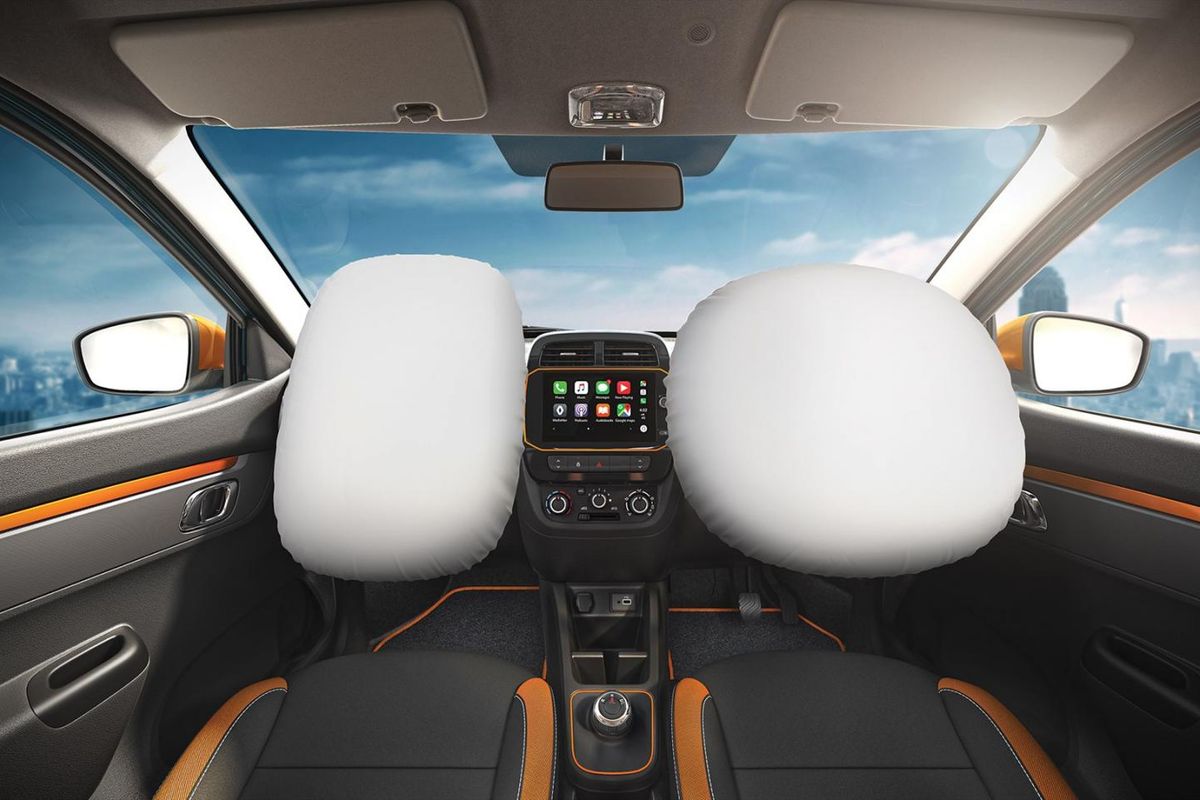
However, it hasn’t been plain sailing for the Kwid. Its lack of safety features (ABS and dual airbags) and poor crash safety ratings have been the source of much criticism since its arrival, and rightly so. In response to the backlash, Renault has now partially rectified the matter by making ABS and dual airbags standard across the range but the poor structural integrity of the Kwid remains an issue.
Despite this though, buyers in this segment are likely to continue prioritising affordability over safety and I will bet my bottom dollar that regardless of what I have to say, buyers will still flock into Renault showrooms to buy the Kwid.
So with that in mind, let’s take a closer look at what you can expect from this refreshed Kwid…
Any major changes?
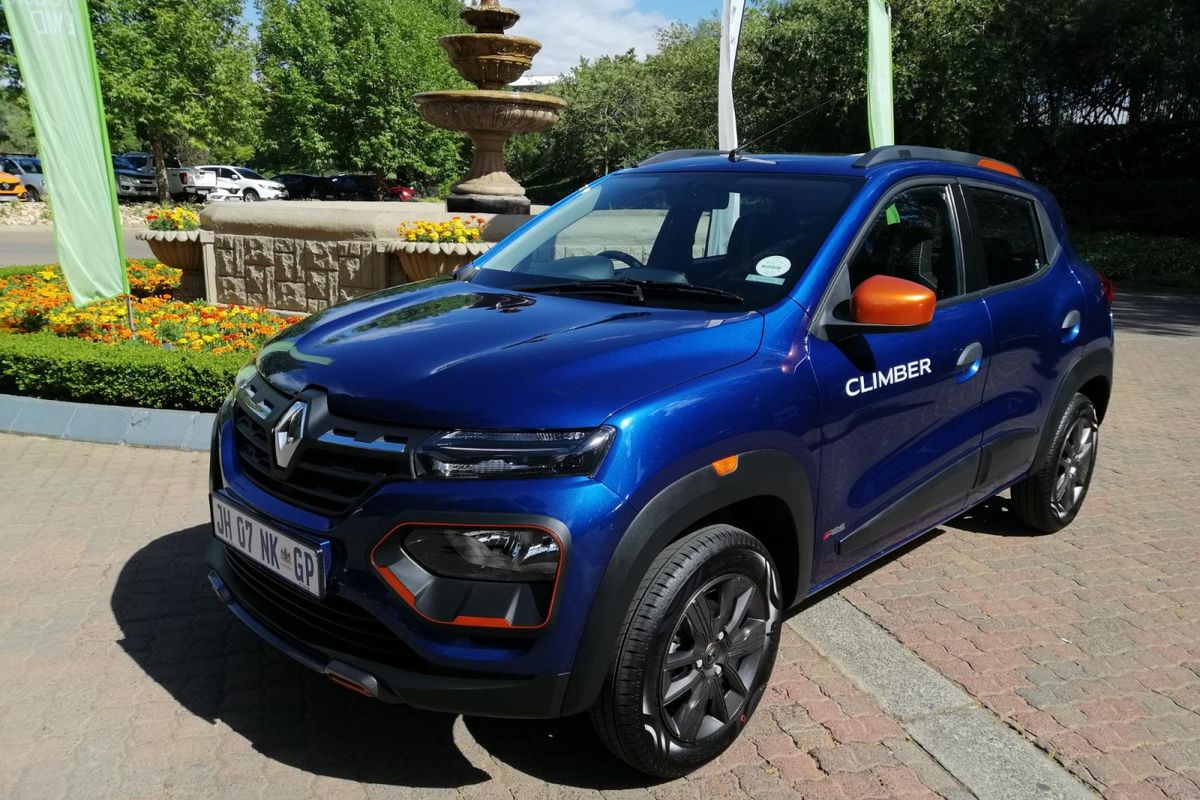
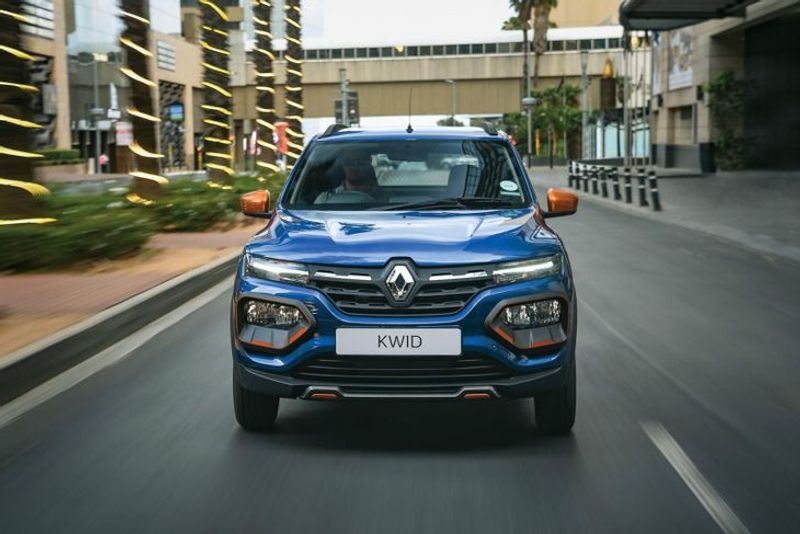
The Kwid's revised styling has youthful appeal and the Kwid now rides on larger 14-inch wheels.
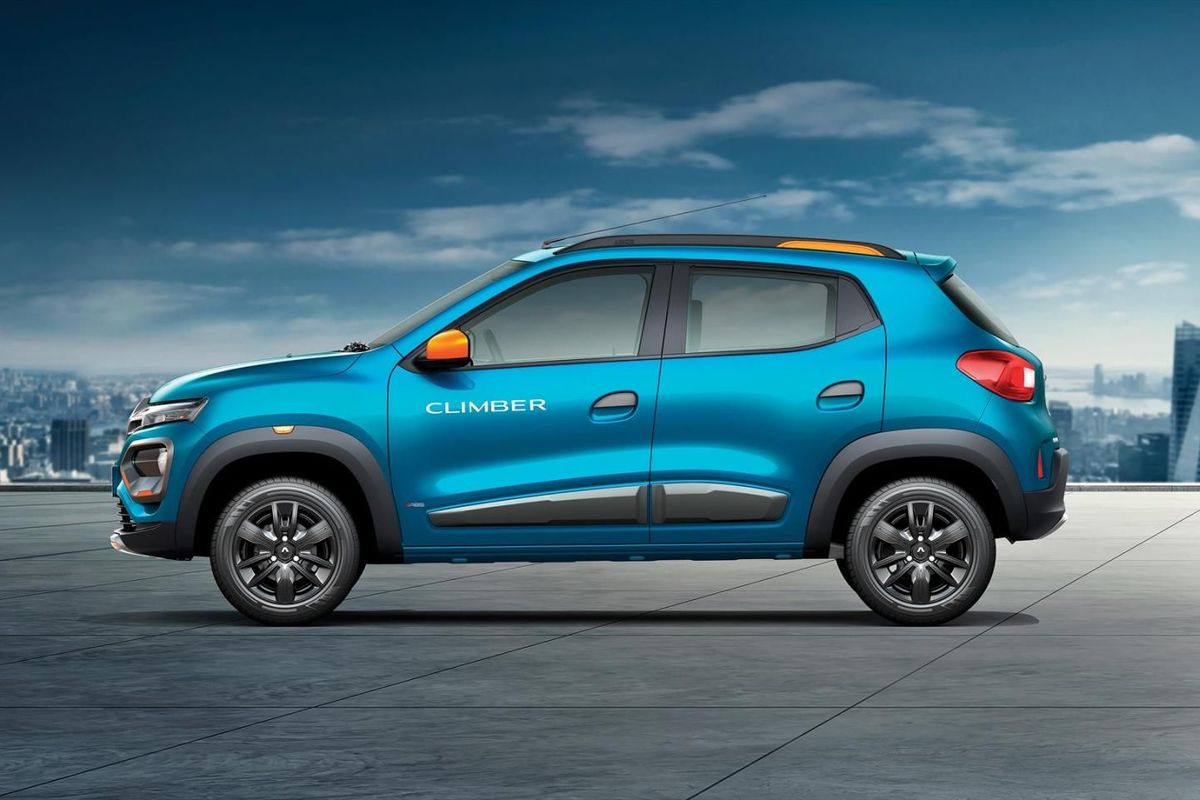
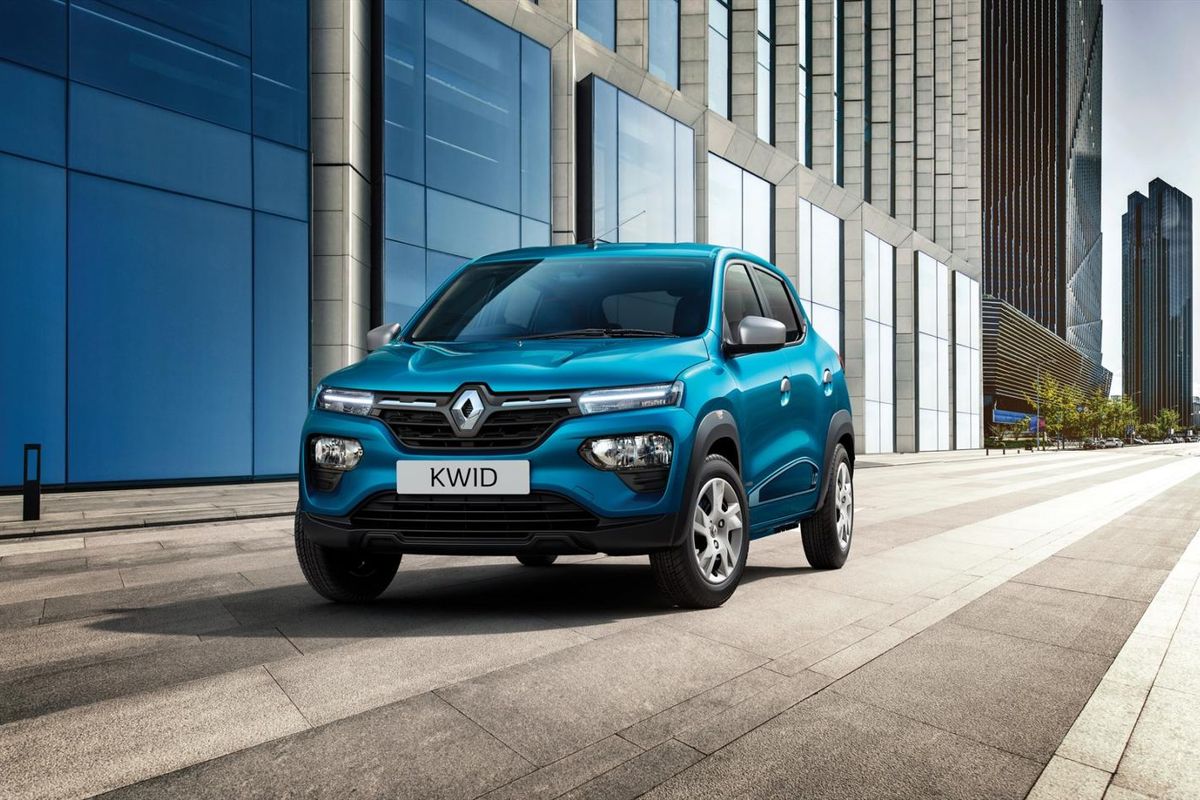
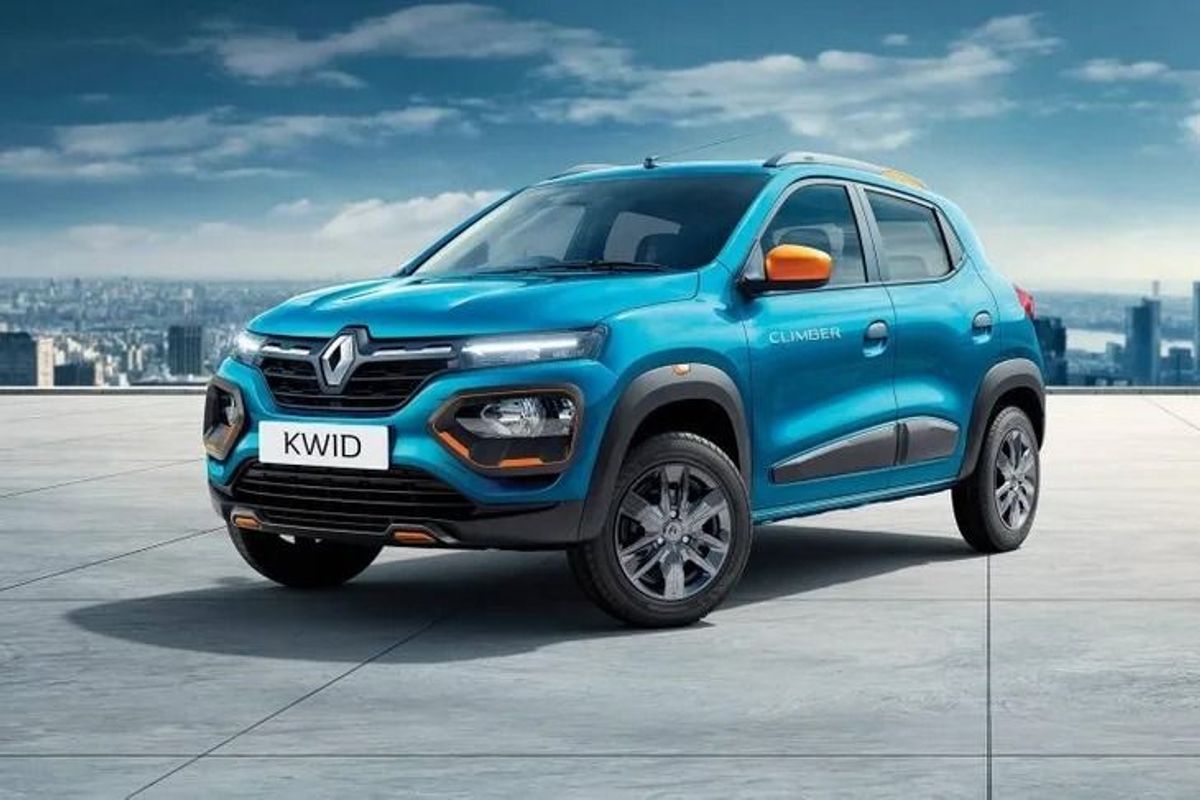
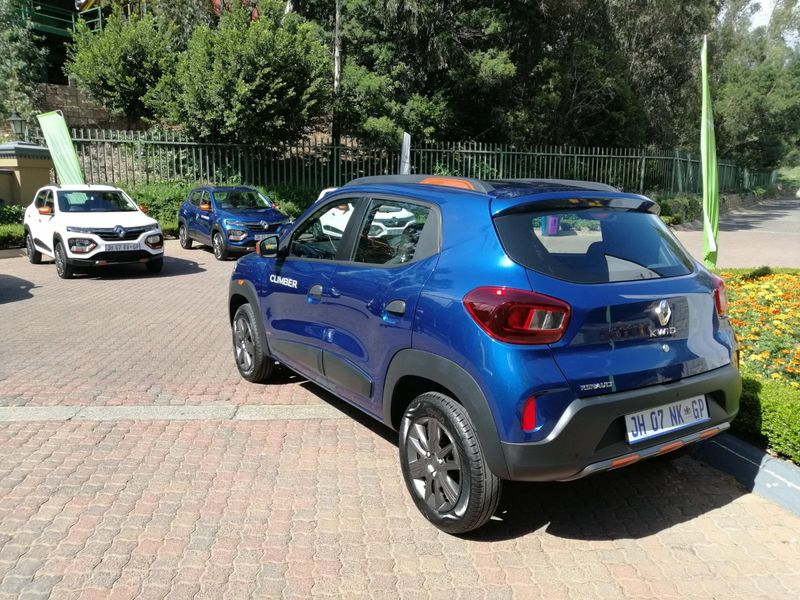
As you can tell from the pictures, Renault has improved the Kwid’s styling with a revised front-end which now features LED Daytime Running Light strips (standard across the range), integrated headlights and chrome grille inserts. It’s definitely one of the more quirky and funky looking budget cars on the market.
Another welcome change is that the Kwid now rides on larger 14-inch wheels and Renault has also replaced the rear axle in an effort to improve the ride and handling characteristics of the car.
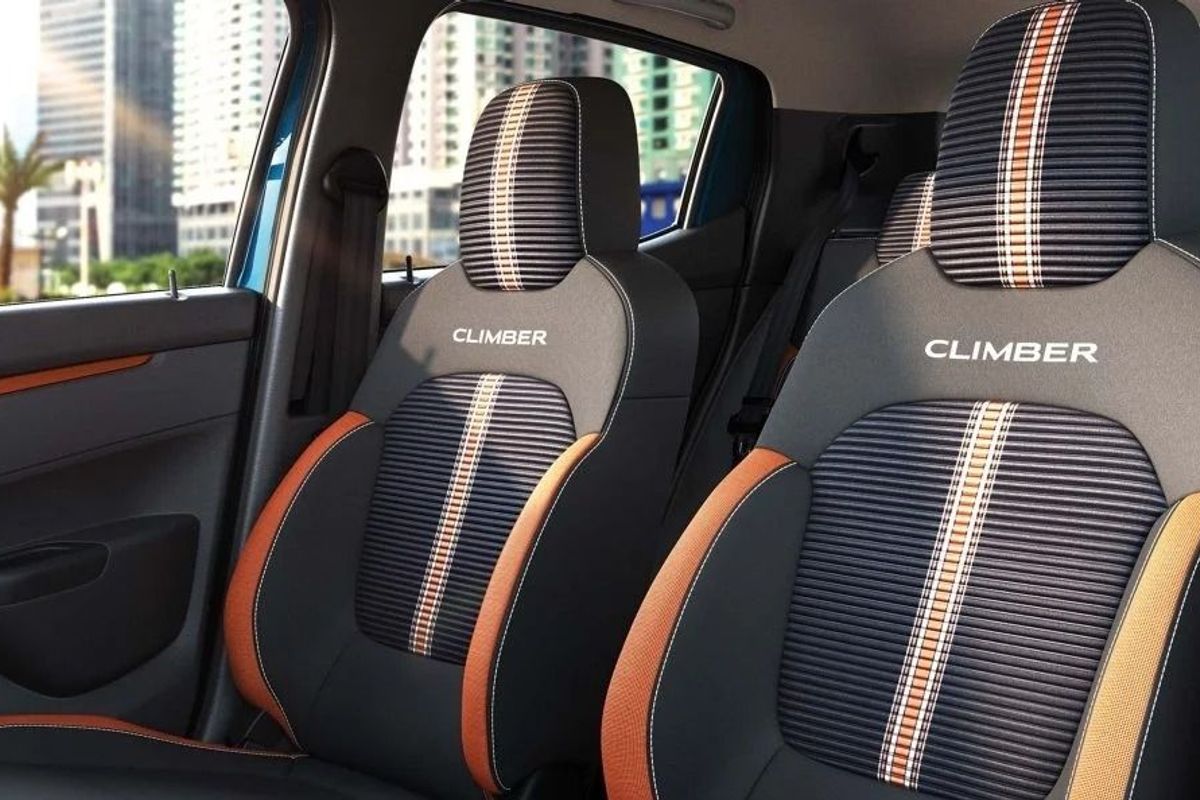
The same 1.0-litre, 3-cylinder engine is found under the bonnet and it offers 50 kW and 91 Nm of torque. Buyers can choose between a 5-speed manual transmission or a 5-speed Automated Manual Transmission (AMT) across all 3 derivatives including Expression, Dynamique and the range-topping Kwid Climber.
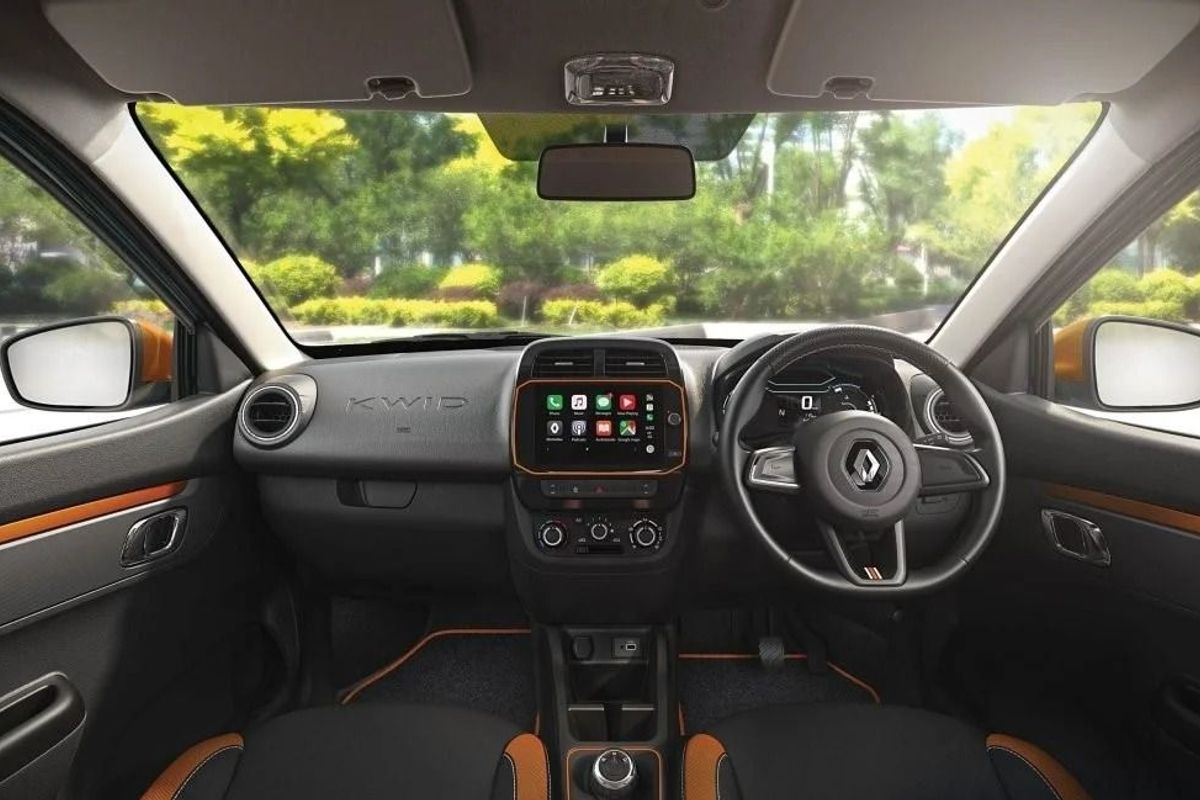
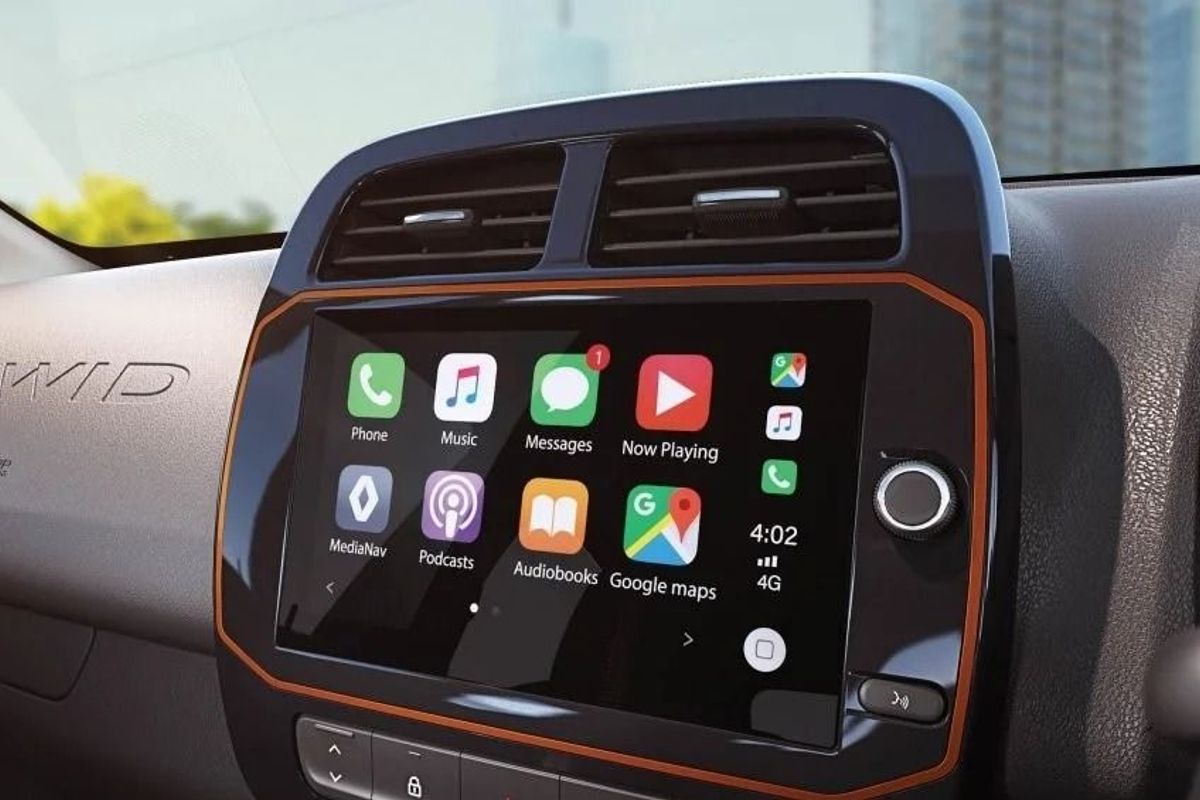
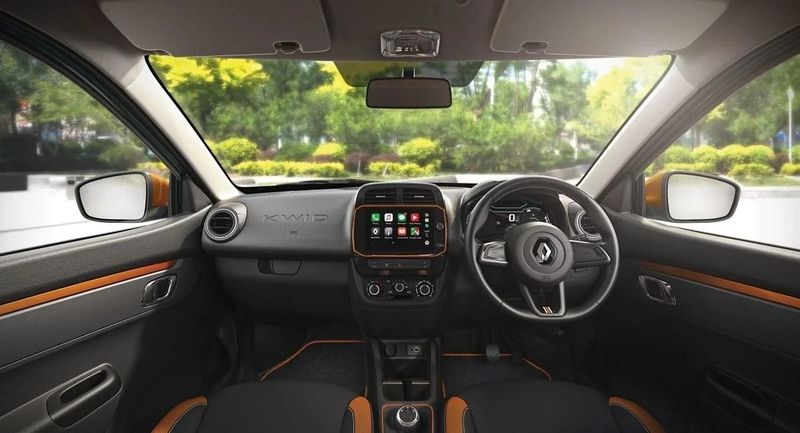
The Kwid's interior has been restyled and the 8-inch touchscreen infotainment system remains a highlight for buyers in the budget segment.
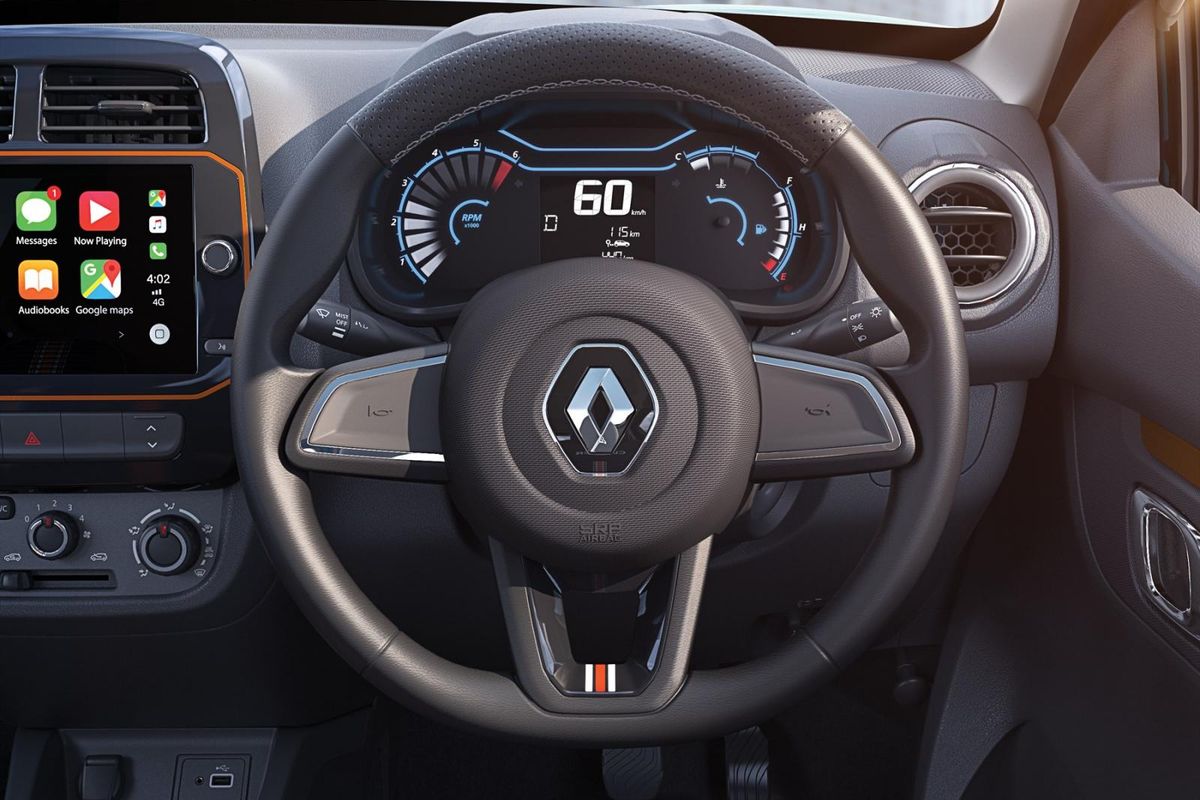
As for the interior, Renault has fitted new cloth upholstery, a new steering wheel and cheeky details such as the LED illuminated instrument cluster and a new-look dashboard. A highlight is the 8-inch infotainment touchscreen system with Apple CarPlay and Android Auto functionality and other notable features include a rear park distance control, rear camera with guidelines, air conditioning, front/rear electric windows and electric side mirrors.
Renault had a fleet of manual Kwid Climbers for the media to drive and the short launch route offered a combination of urban and highway driving.
As I slid into the driver’s seat, I immediately realised that the Kwid was not designed for big-boned people like me. The front seats are small and the cabin is very compact. Taller drivers will feel awkward in the Kwid as there’s no seat height adjustment and the steering can’t be adjusted for rake or reach either. More so, perceived interior build quality and material finishing in the Kwid is still of a poor standard, which is disappointing.
I turn the key and the engine pipes up with its distinct 3-cylinder thrum. With a relatively low kerb weight of around 750 kg, the engine gets the Kwid moving but acceleration is mostly slow and laboured, especially when faced with long uphills. In terms of performance then, don’t get your hopes up, this is an A to B shuffler, nothing more.
To get the most from the engine, you have to continuously work the gears to keep the engine in its powerband and as a result, overtaking requires some careful planning. While we were only 2 people in the car, the Kwid’s performance will be further diminished when it’s carrying 4 people and fully loaded with luggage.
The Kwid is reasonably fuel-efficient though and Renault claims 4.7 L/100km for the manual Kwid, while the AMT version is claimed to consume 4.4 L/100km.
At altitude, the Kwid's performance is sluggish and performance will worsen as passenger and luggage load increases.
In terms of ride and handling, we did notice marginal improvements and the Kwid does feel a little bit more sure-footed on its rubber. Nonetheless, the steering is mostly dead and devoid of any meaningful feel and the Kwid still suffers from excessive body roll when cornering.
We conducted the obligatory “sit behind yourself test” which the Kwid sadly failed. Rear legroom is very tight and the bigger you are the more uncomfortable you will be. The load bay, however, is reasonably spacious and Renault claims class-leading capacity of 279 litres (previously 300 litres) and a full-size spare wheel is now standard and the Kwid's 180 mm ground clearance is useful for mounting the odd kerb.
In Conclusion
The Kwid is now prettier, but don’t be deceived, it’s far from perfect. Renault, however, has done a good job at keeping the Kwid’s pricing within reach of its intended target market while also expanding the automatic offering across the range which is bound to attract more buyers and Kwid sales are therefore likely to strengthen going forward. Slight changes to the wheel size and the rear axle have made minute positive changes to the handling and stability but not enough to make it a confident drive. The deal is further sweetened with Renault’s 1-year free insurance, 5-year/150 000 km warranty and 2-year/30 000 service plan.
Buyers looking for a budget car, however, are advised to take their time in considering all options available to them including shopping in the used car market, which can be done on Cars.co.za here!
New Renault Kwid- Price in South Africa
Kwid 1.0 Expression M/T – R144 900
Kwid 1.0 Expression AMT – R154 900
Kwid 1.0 Dynamique M/T – R154 900
Kwid 1.0 Dynamique AMT – R164 900
Kwid 1.0 Climber M/T – R164 900
Kwid 1.0 Climber AMT – R174 900
The Kwid is now sold with a 5-year/150 000 km warranty, 2-year/30 000 km warranty and 1-year insurance included.
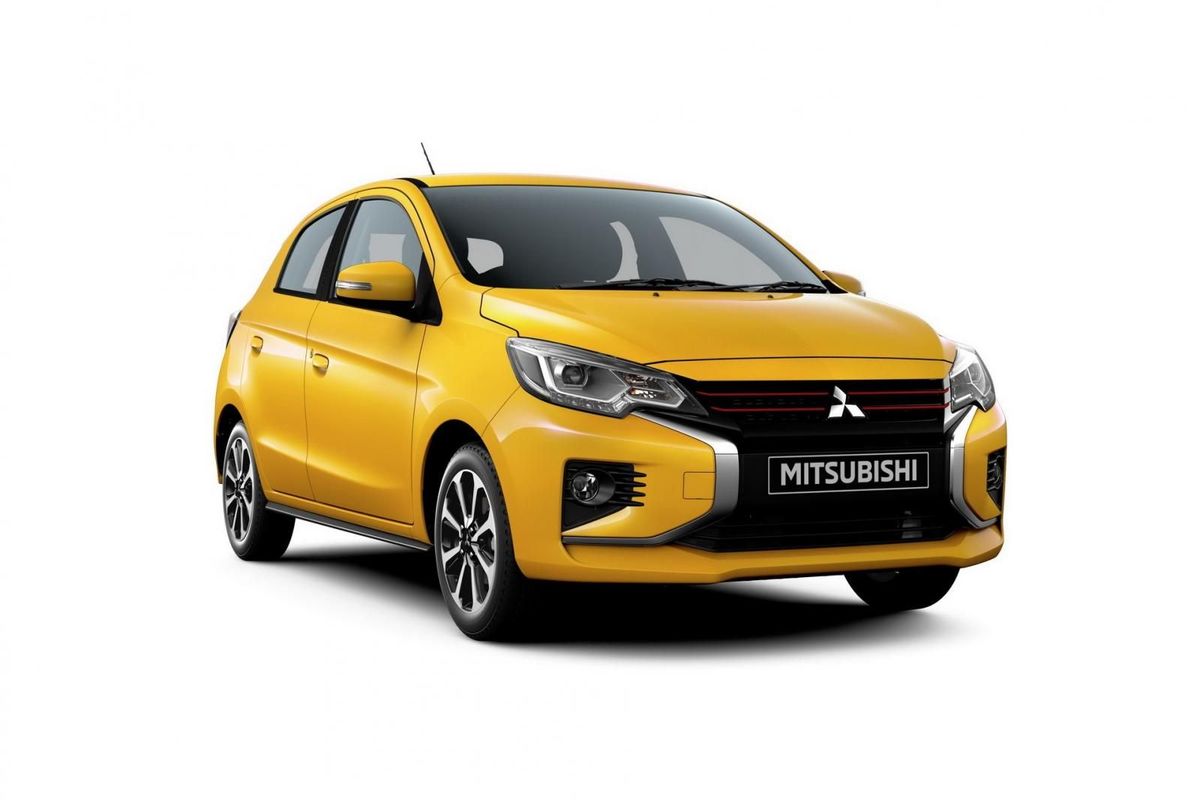
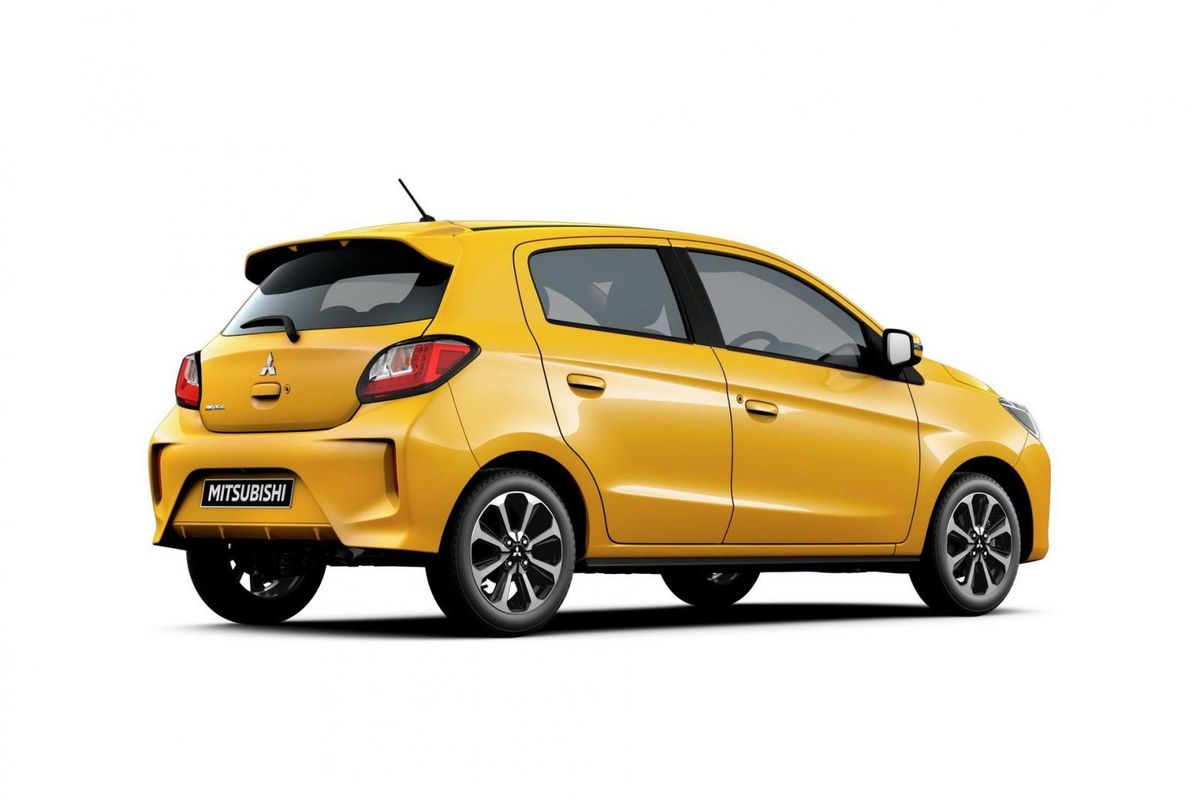
A new version of the Mitsubishi Mirage has been revealed and it is confirmed for an SA market introduction in 2020.
The compact Mirage does fair numbers for Mitsubishi, with around 140 000 units finding homes around the world in 2018. The new Thai-built Mirage has just been revealed and we can confirm it will be making landfall in SA next year.
"The new city-smart Mirage is planned to be launched in SA in 2020 and we expect this fuel-efficient, compact vehicle to further enhance our commitment to a price-sensitive, but fun-seeking road user," says Nic Campbell, General Manager of Mitsubishi Motors South Africa. In terms of engine, we're expecting the same 1.2-litre naturally-aspirated motor to be in service. It produces 57 kW and 100 Nm.
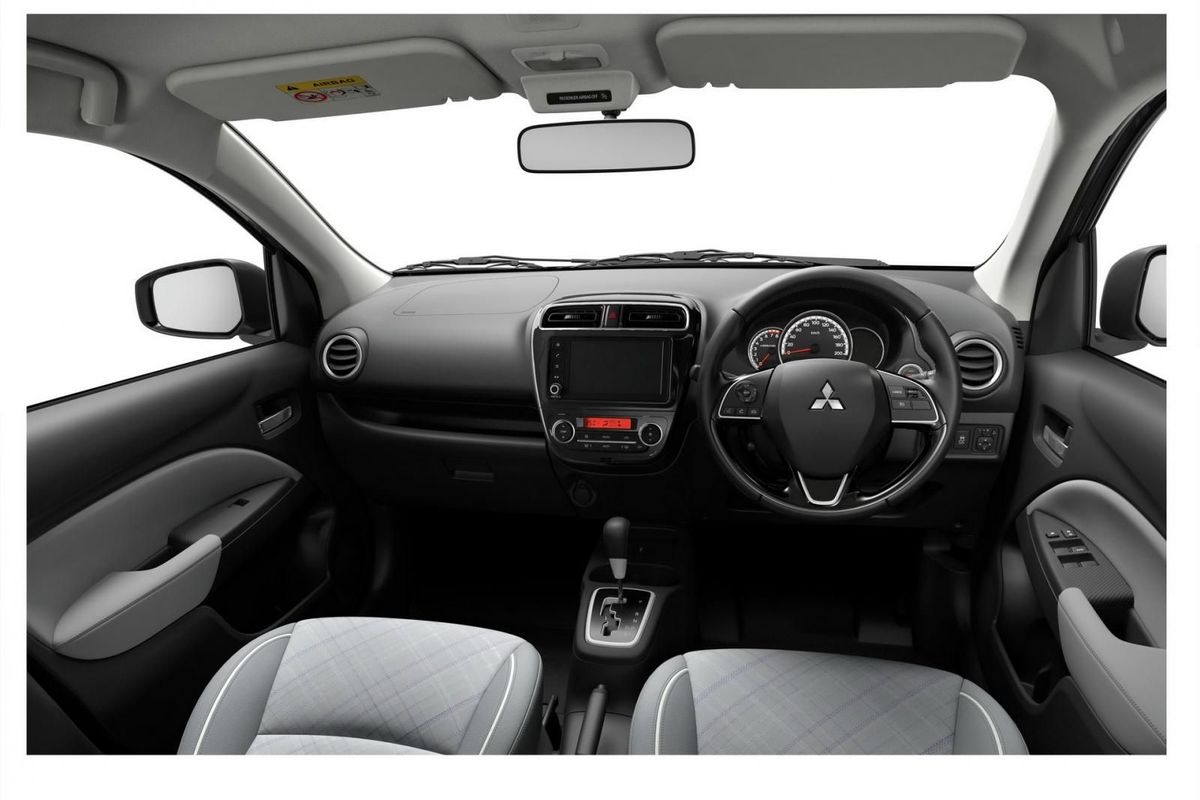
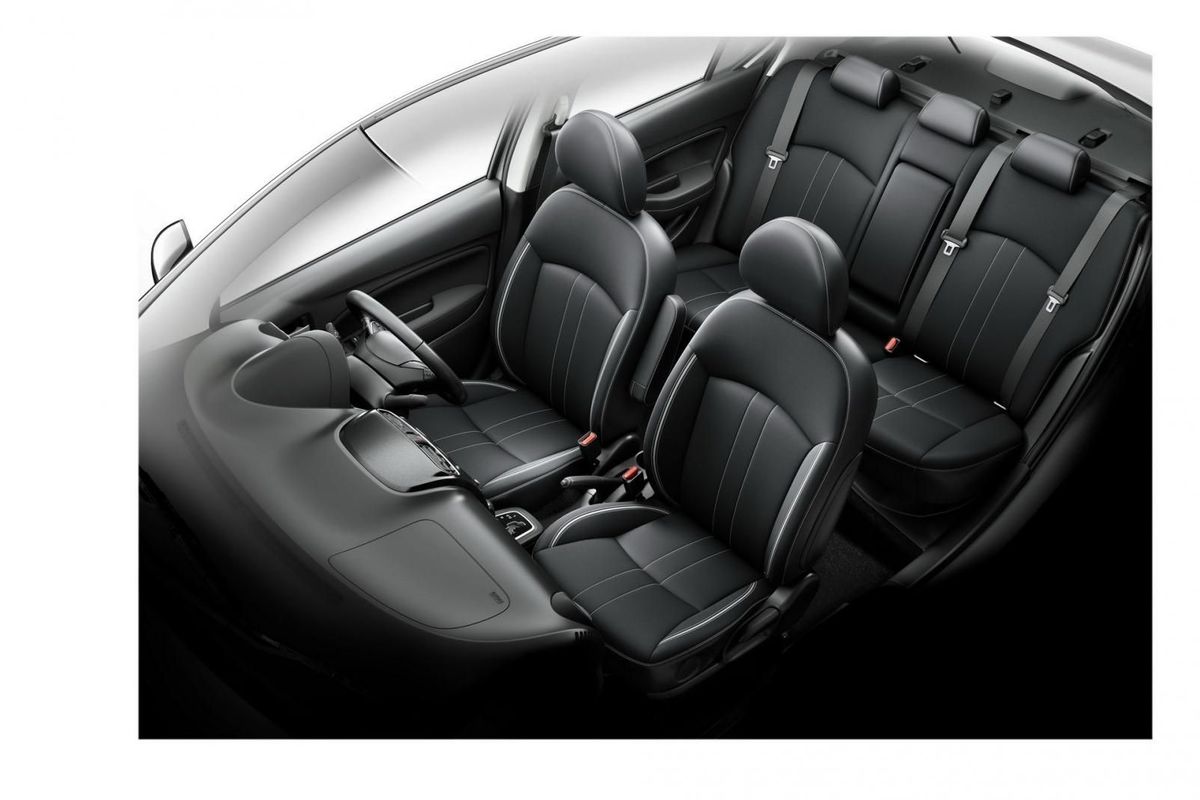
The facelift update has given the Mirage a sharper look and a reworked interior. There are also 15-inch alloy wheels. Inside, the cabin gains soft-feel cloth trim and an updated infotainment system. Reports also suggest that Apple CarPlay/Android Auto has also been introduced.
We'll have clarity on launch date, specification levels and engine choices early in 2020.