The boxy Merc built on combustion engines to get batteries.
Mercedes-Benz took decades to advance its G-Class from the original car to a true second-generation vehicle.
Change might be coming much quicker for the brand’s boxy extreme 4×4 in future, as public perception and regulations make its staggering appetite for fuel untenable.
The G-Class is amongst Mercedes-Benz’s least efficient vehicles, despite having some of its most modern and contemporary engines. Featuring the least aerodynamic styling of any production Mercedes-Benz passenger vehicle, G-Class is a target for critique by European anti-car pressure groups.
Mercedes-Benz is in a bit of a bind with G-Class. It is one of the company’s most profitable models and one which cannot be radically redesigned, as the un-aerodynamic appearance is part of its unique appeal in the market.
To solve the issue of G-Class inefficiency, whilst retaining its design appeal, Mercedes-Benz’s is going to electrify it. Mercedes-Benz’s new CEO, Ola Källenius, announced that an electric G-Class was being developed.
By adding batteries, the G-Class mass will increase even further, but its overall reduction in emissions will offset that.
What a battery-powered drivetrain will do, is also enhance the G-Class off-road ability. Without half shafts or traditional differentials, it will have even more ground clearance. Stability will also benefit greatly, as a battery pack in the SUV’s floor structure, will give it tremendously improved high-speed cruising stability – and prevent rollover in extreme off-road conditions.
G-Class might be the strangest candidate for electrification, but Mercedes-Benz has a production advantage in adding batteries to its iconic off-roader. The Austrian city of Graz has some of the world’s most advanced battery and electrical engineering companies operating in its industrial zone.
Mercedes-Benz also builds the G-Class in Graz, which means that it has access to a sophisticated electric drivetrain supply chain. In fact, there is already a battery version of the G-Class, built by Austrian electric vehicle specialist, Kreisel, which is good for 360 kW.
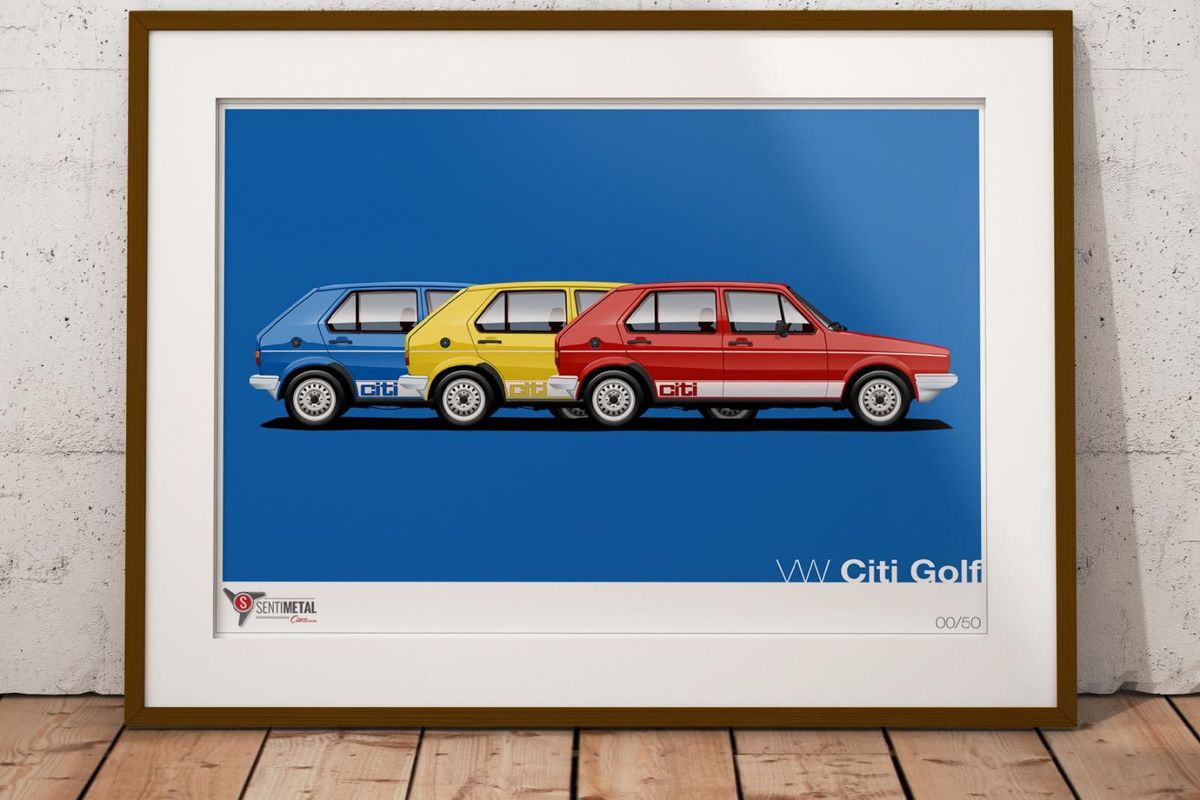
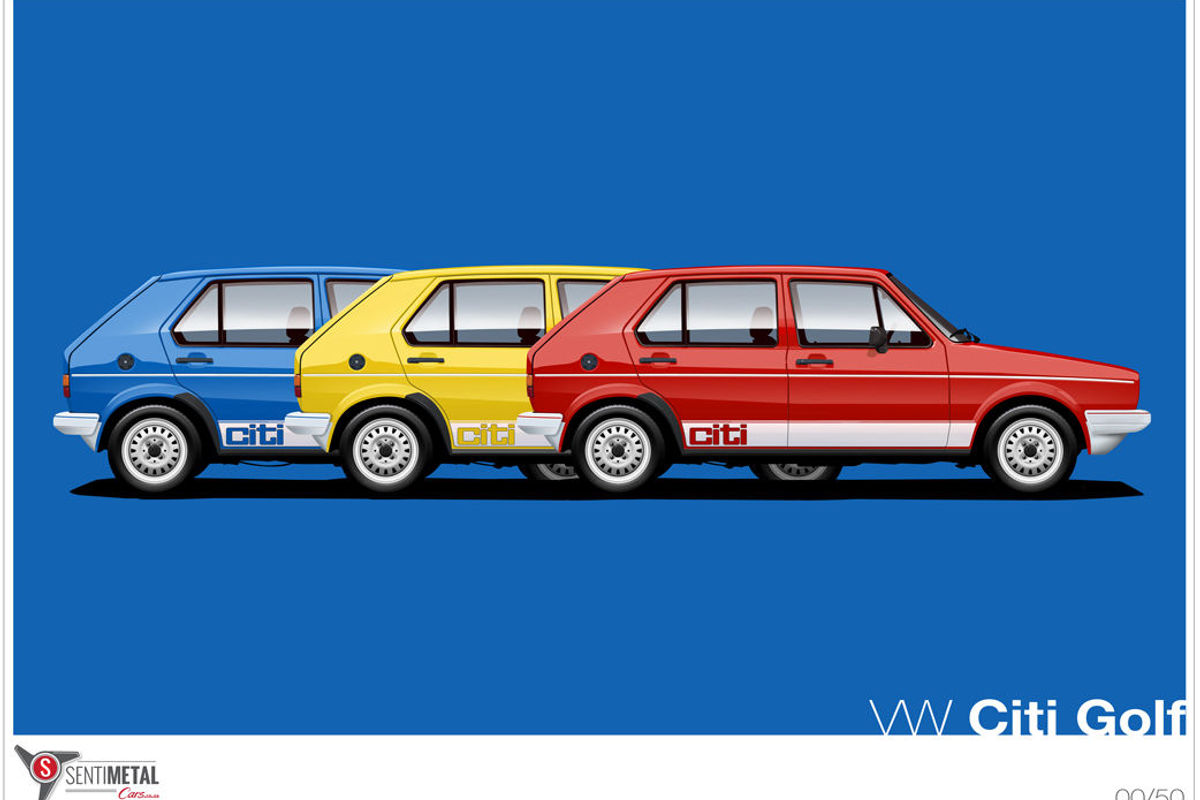
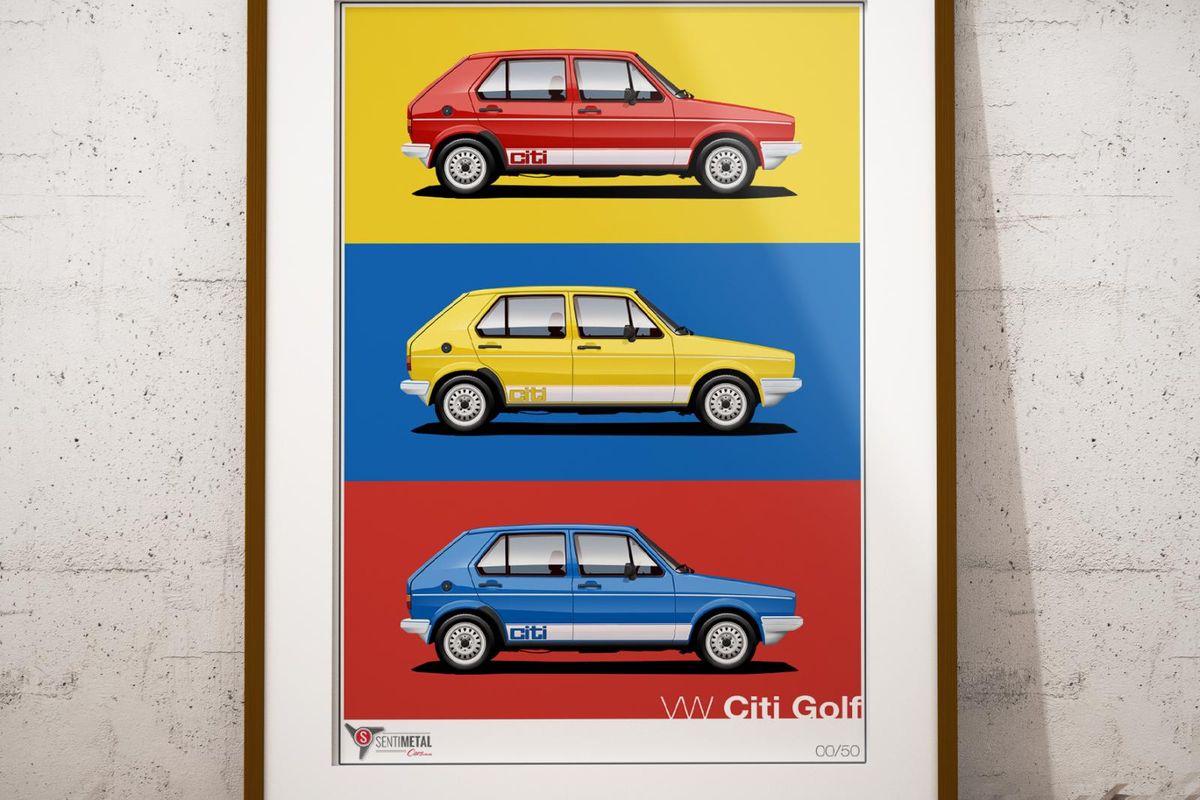
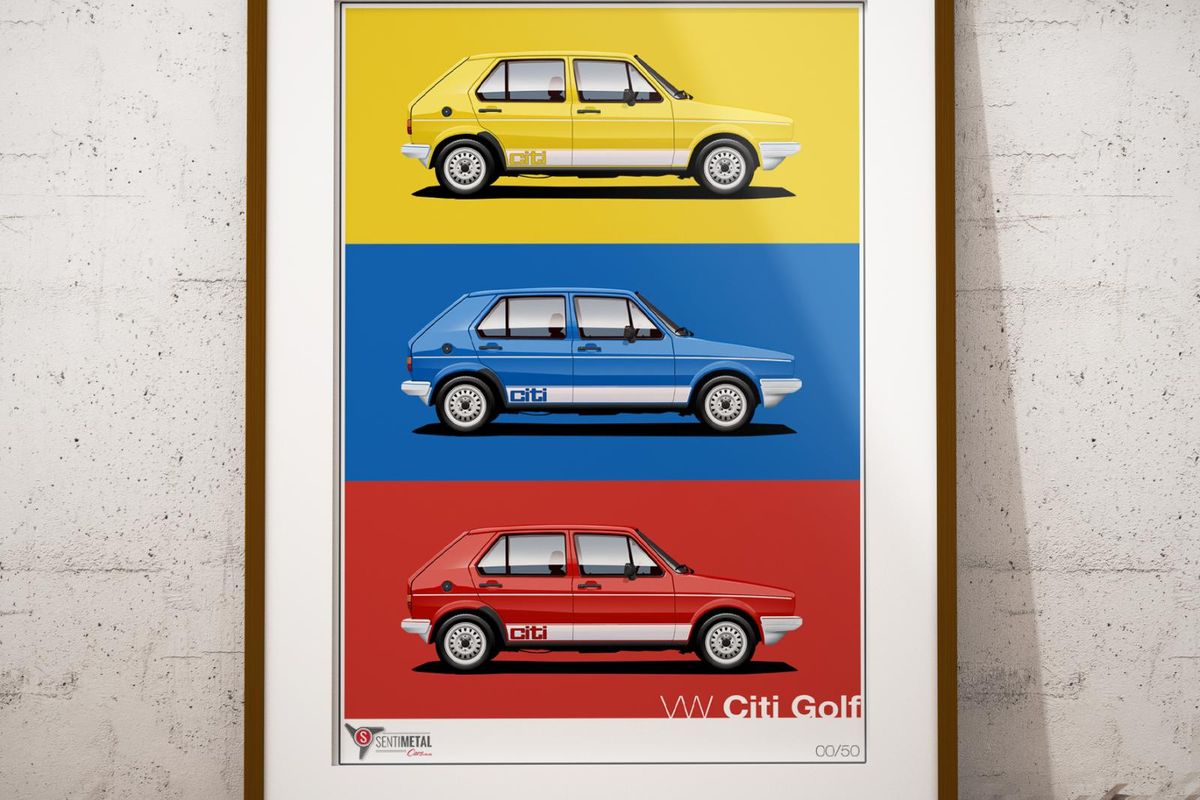
Remembering the VW Citi Golf: SentiMETAL launches new print series
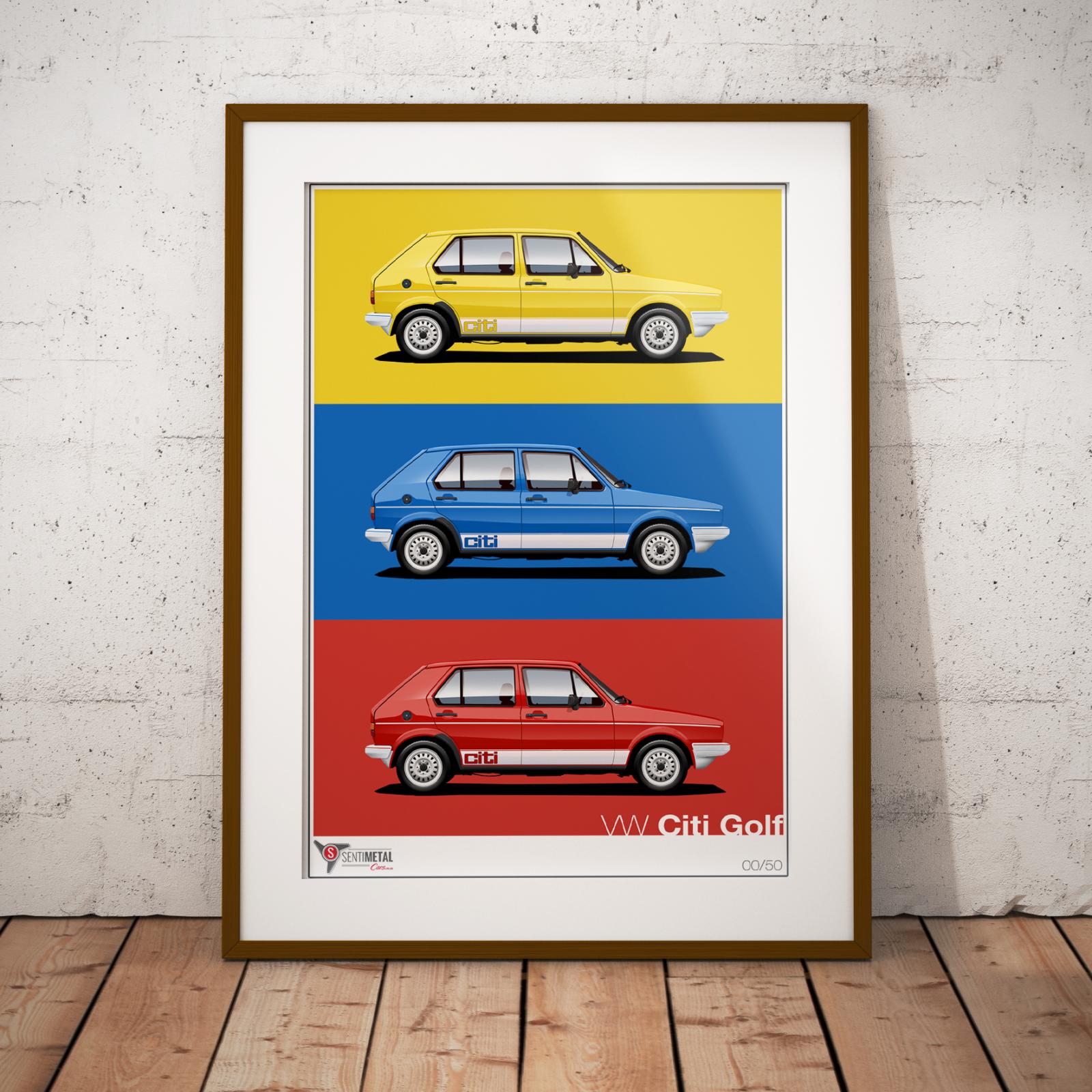
Cars.co.za's SentiMETAL brand has launched a new series of prints featuring a true local icon, the VW Citi Golf.
Volkswagen's iconic Golf 1 will forever be fondly remembered by South Africans, not only because it saw the brand (and many local car owners) move on from the Beetle, but because it stayed part of our automotive landscape for much longer than the designers and engineers in Germany had intended. While production stopped in Germany in 1983, the Citi Golf continued to be a top seller in South Africa until 2009!
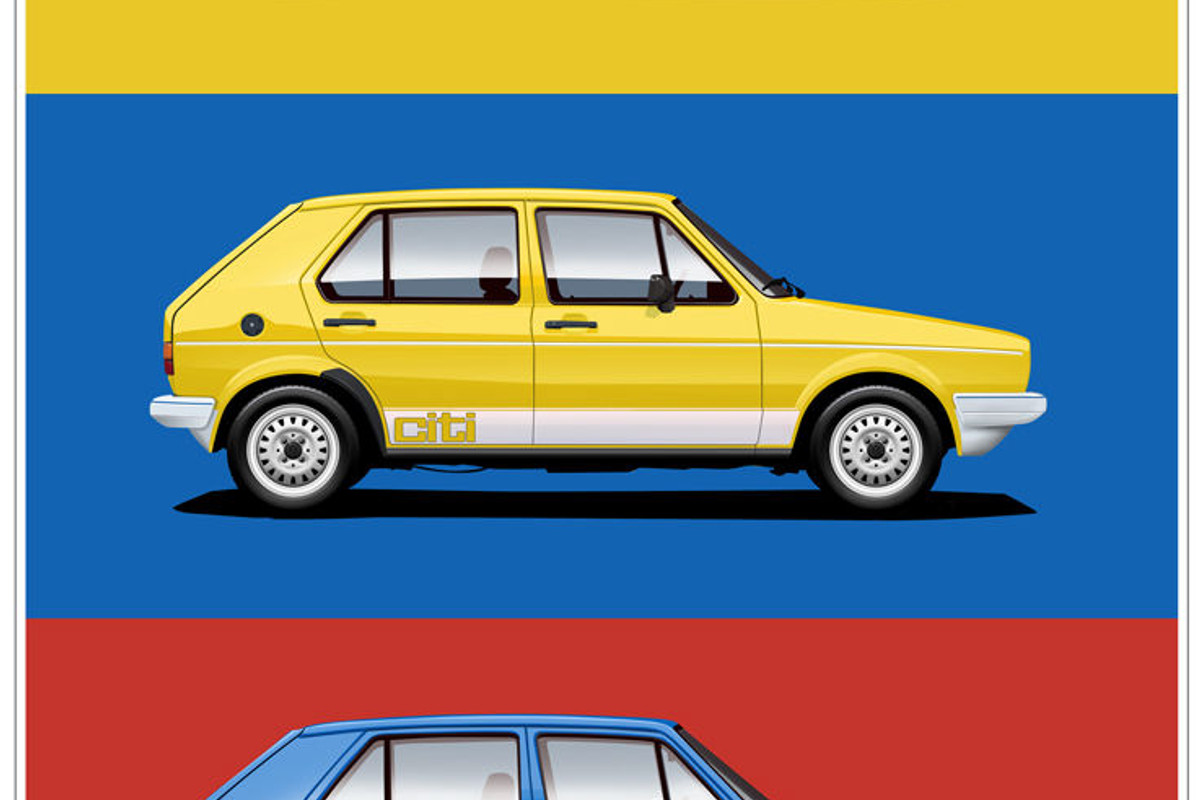
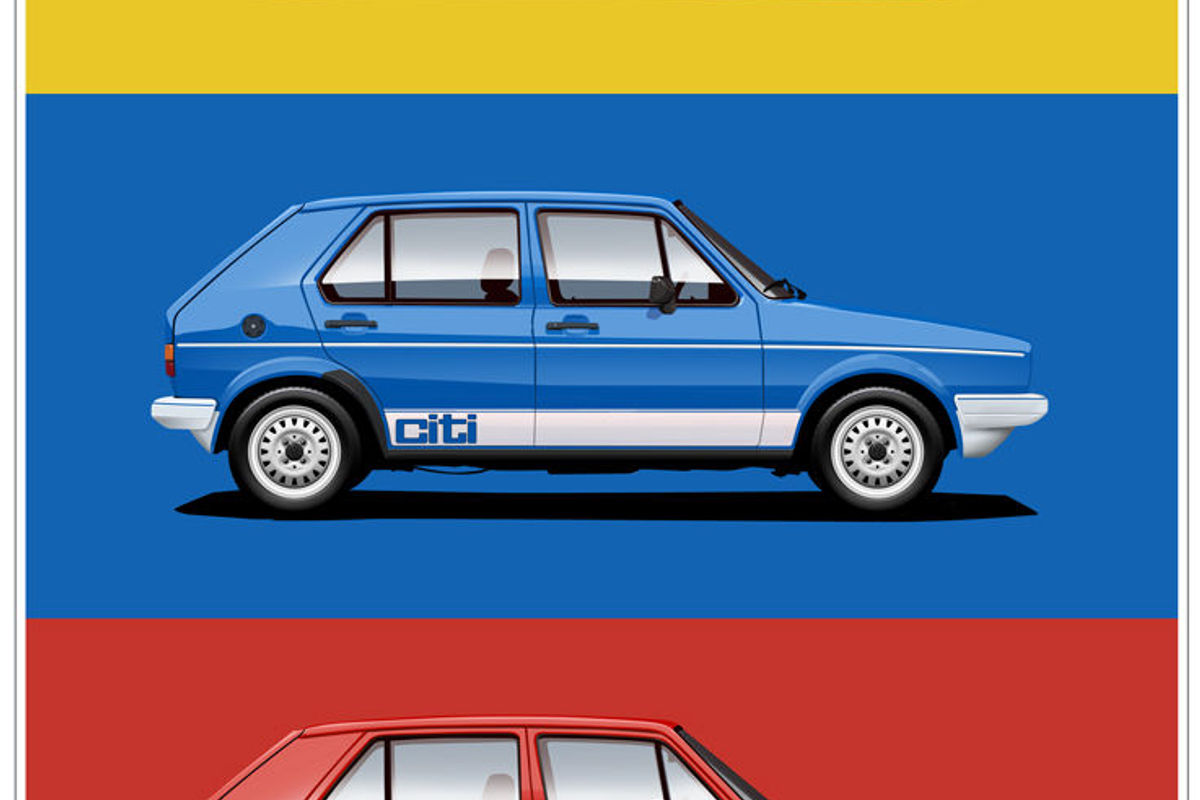
When the Golf Mk2 arrived in the early '80s, Volkswagen South Africa decided to continue with the Mk1 as a more affordable entry-level car, and so the Citi Golf was born, initially in its trademark Red, Yellow, Blue NOT Green, colour scheme. Of course, later a number of different variants (including the hot CTI, followed), but it is the original threesome that is most vividly etched into our hearts.
There are 3 variants of the Citi Golf print, each as bold as the next one, and each limited to 50 units.
"When we announced our Heritage Series of limited edition prints featuring uniquely South African cars, we were immediately bombarded with requests for a print featuring the Citi Golf," says Hannes Oosthuizen, Cars.co.za Consumer Experience Manager. "So, here we are… with 3 options!"
The prints, limited to only 50 numbered copies (in A2 and A3, each) feature the initial colour schemes that were so loved at the time and will brighten up any office or man-cave. Printed on high-quality paper with a satin finish, these prints look best behind glass with a thin frame (not included).
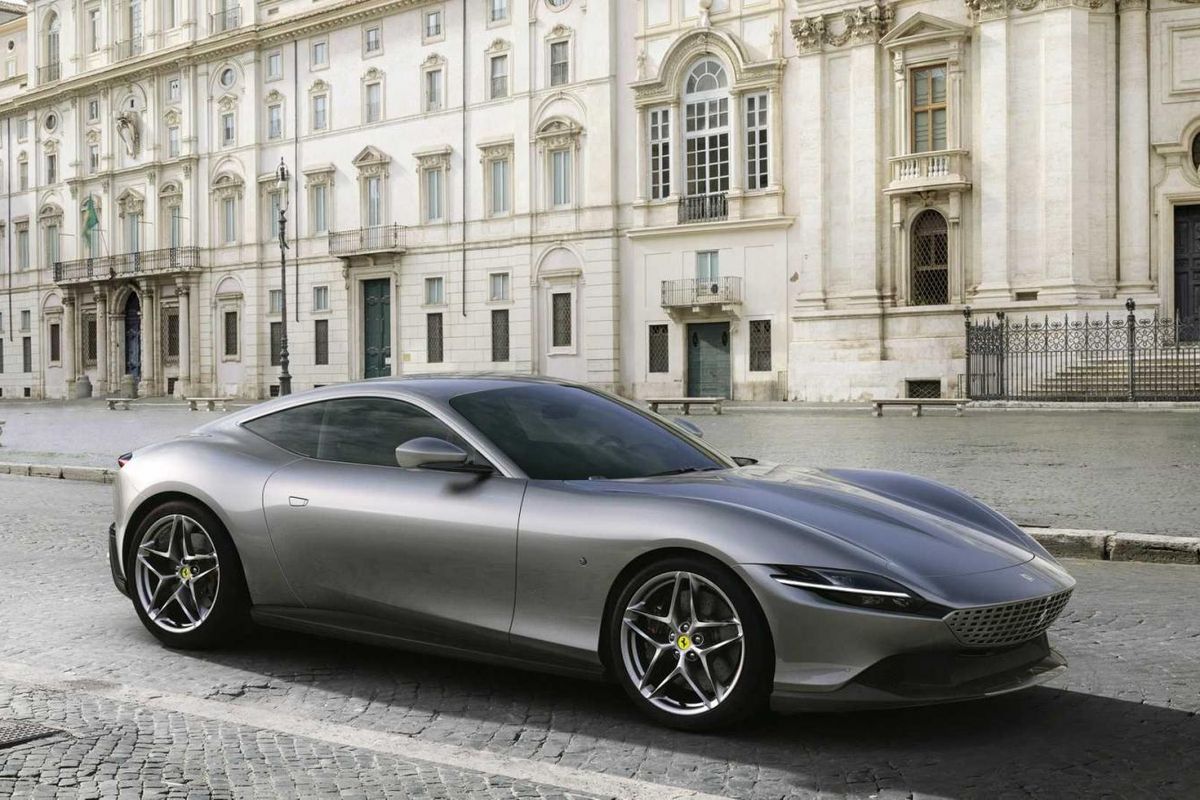
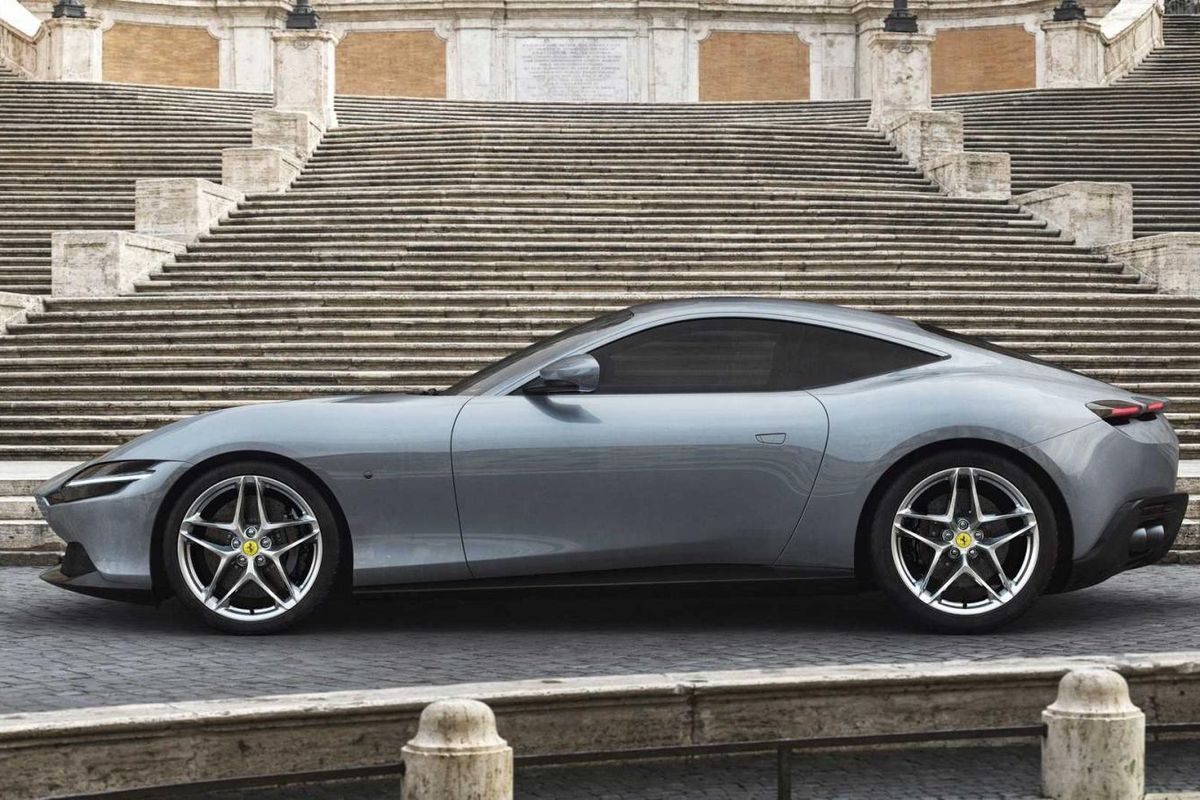
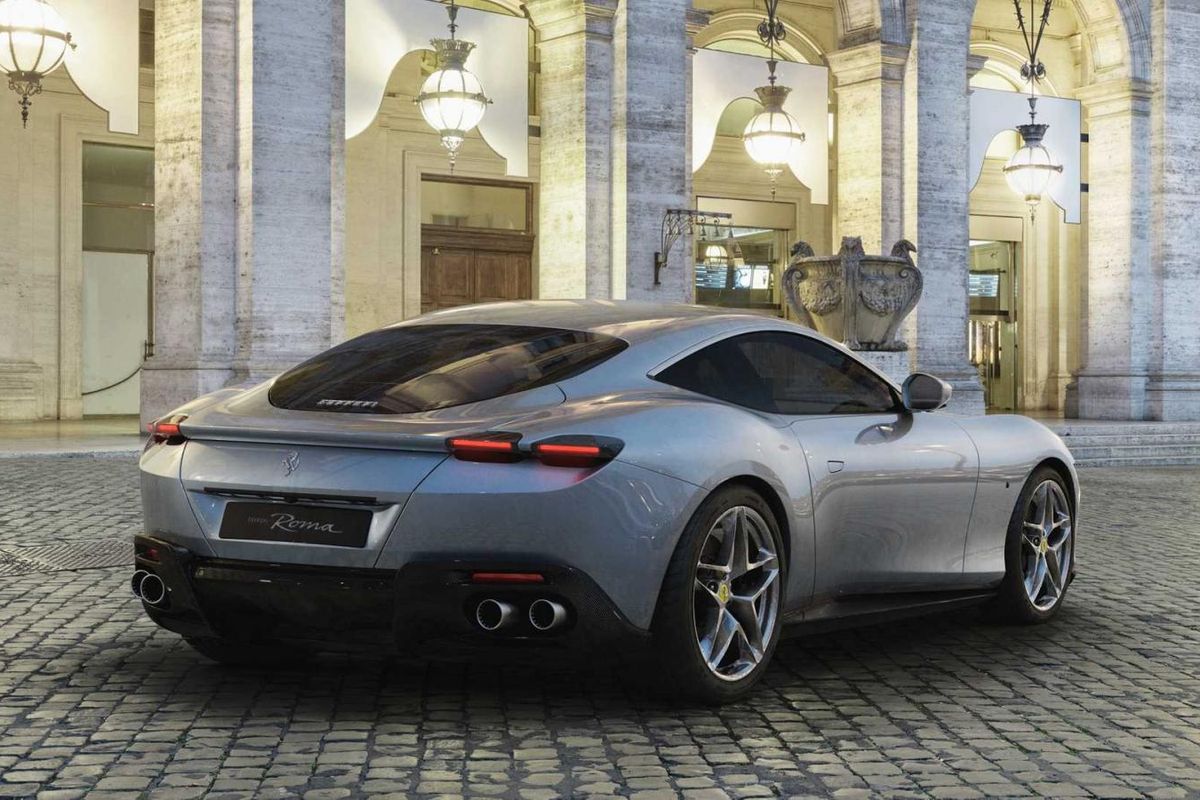
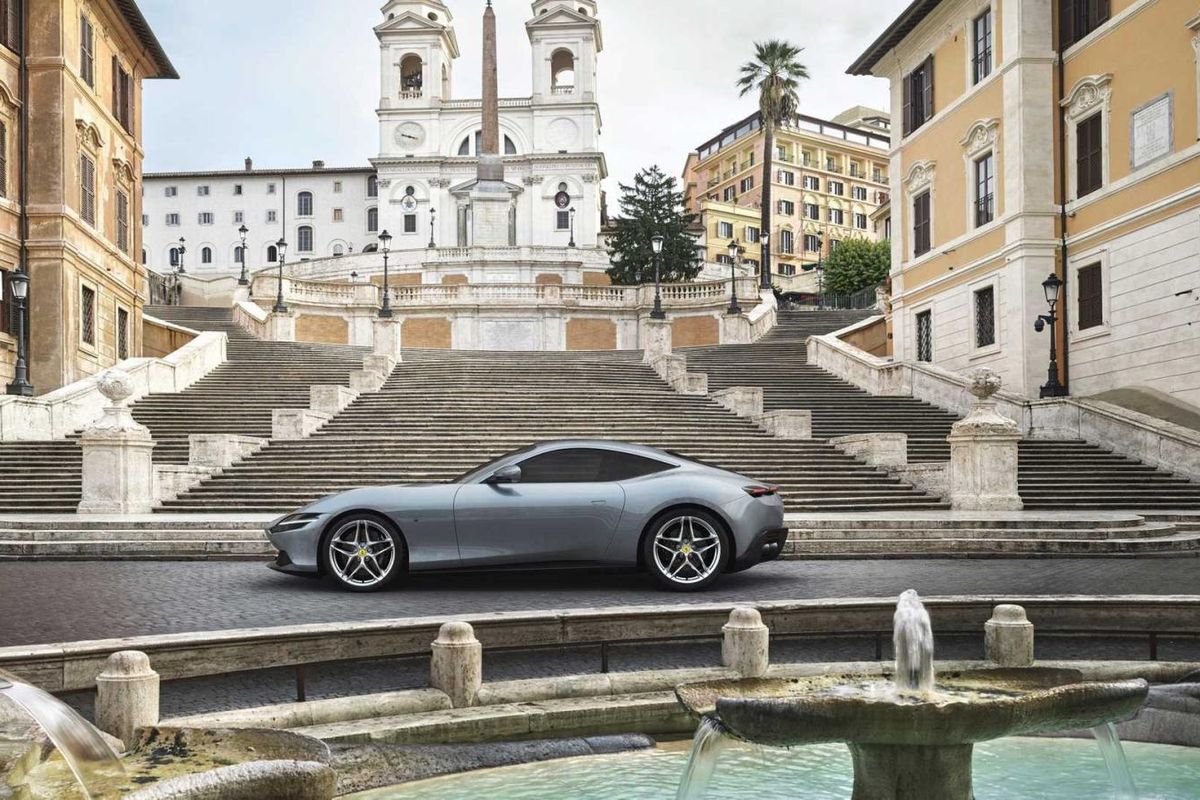
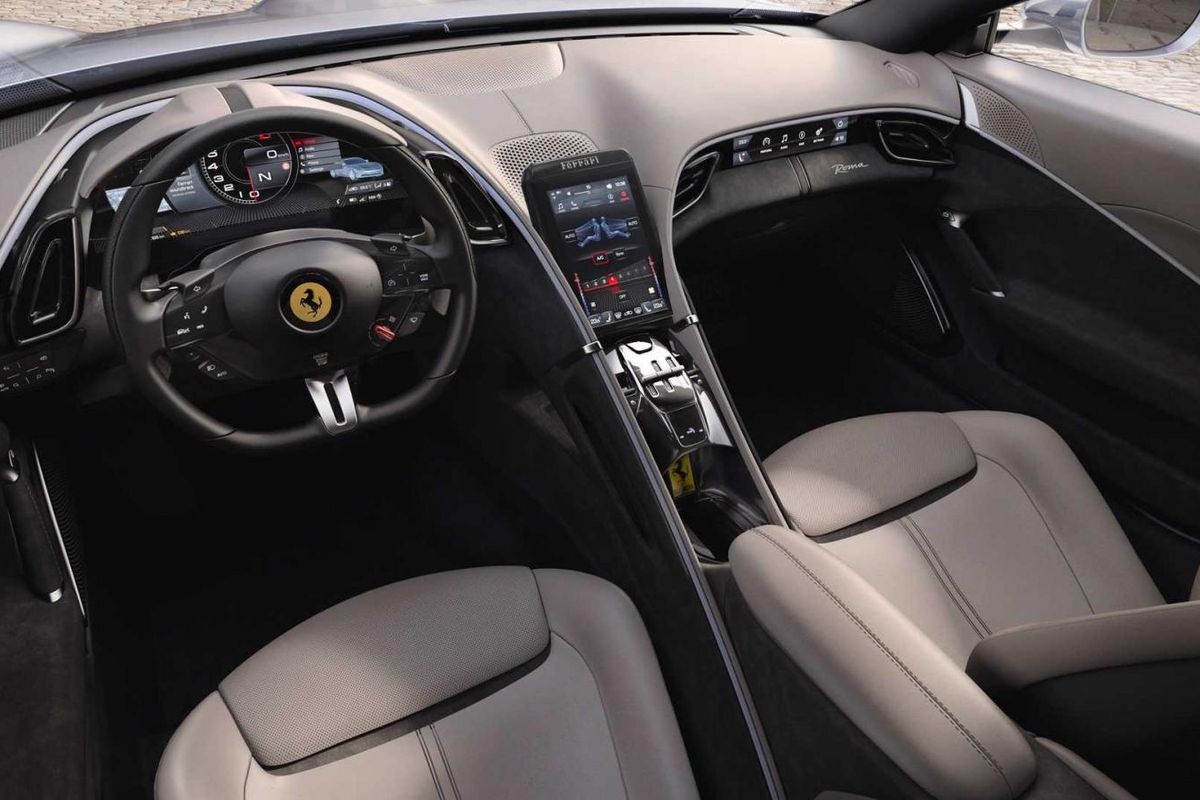
Ferrari has unveiled a new model in Rome, Italy. This is Roma…
Billed as a mid-front-engined 2+ coupe, Ferrari refers to the Roma as an icon of Italian design that’s said to capture the “carefree, pleasurable way of life that characterised Rome in the 1950s and ‘60s”.
The Roma measures 4 656 mm long, 1 974 mm wide and stands 1 301 mm tall with a wheelbase of 2 670 mm. Power comes courtesy of a turbocharged 3.9-litre V8 engine that produces 456 kW between 5 750 to 7 500 rpm and 760 Nm at 3 000 to 5 750 rpm.
Using an 8-speed dual-clutch transmission, the Roma will sprint from zero to 100 kph in 3.4 seconds while 200 kph comes up in just 9.3 seconds before reaching a top speed of 320 kph.
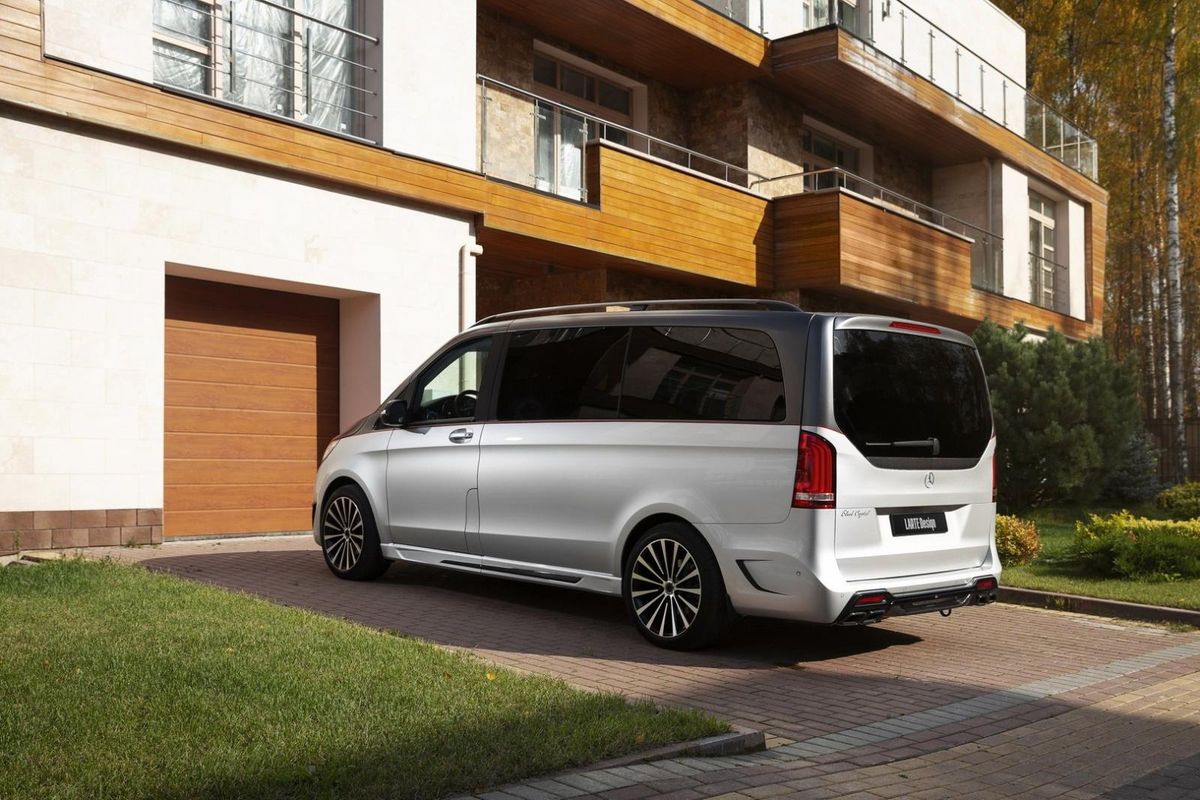
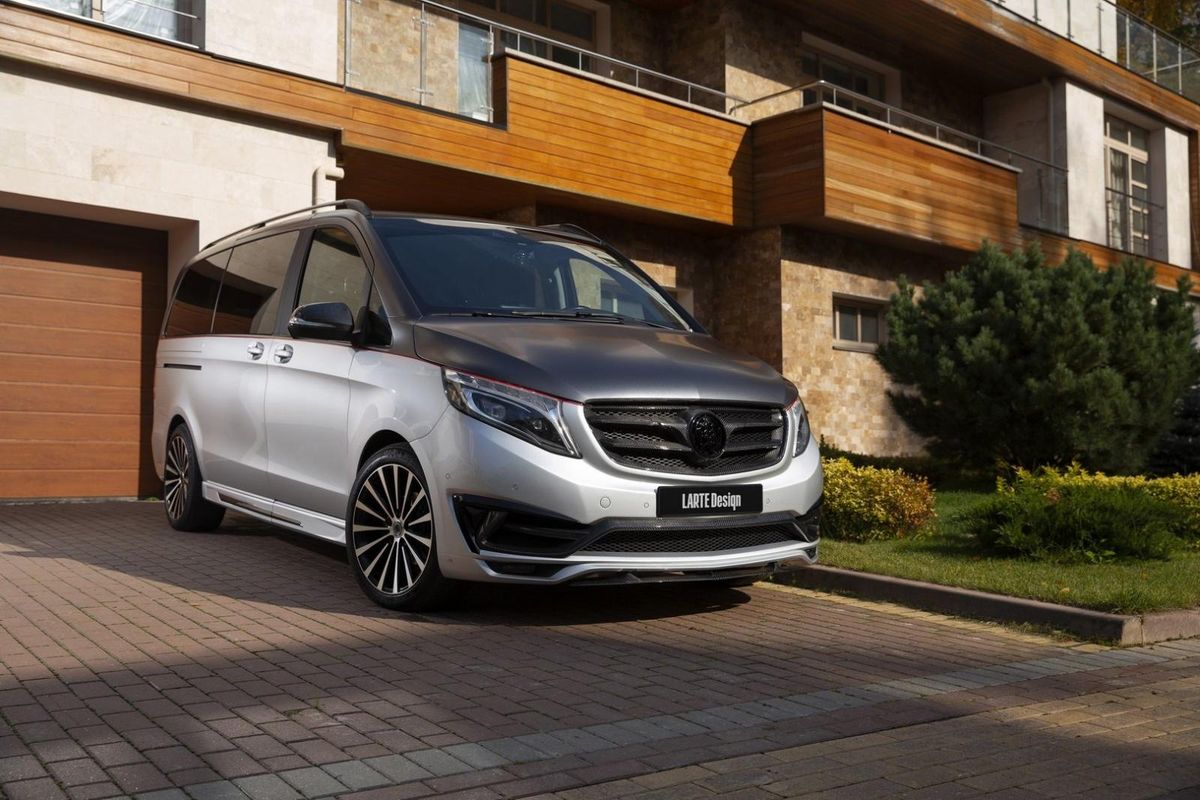
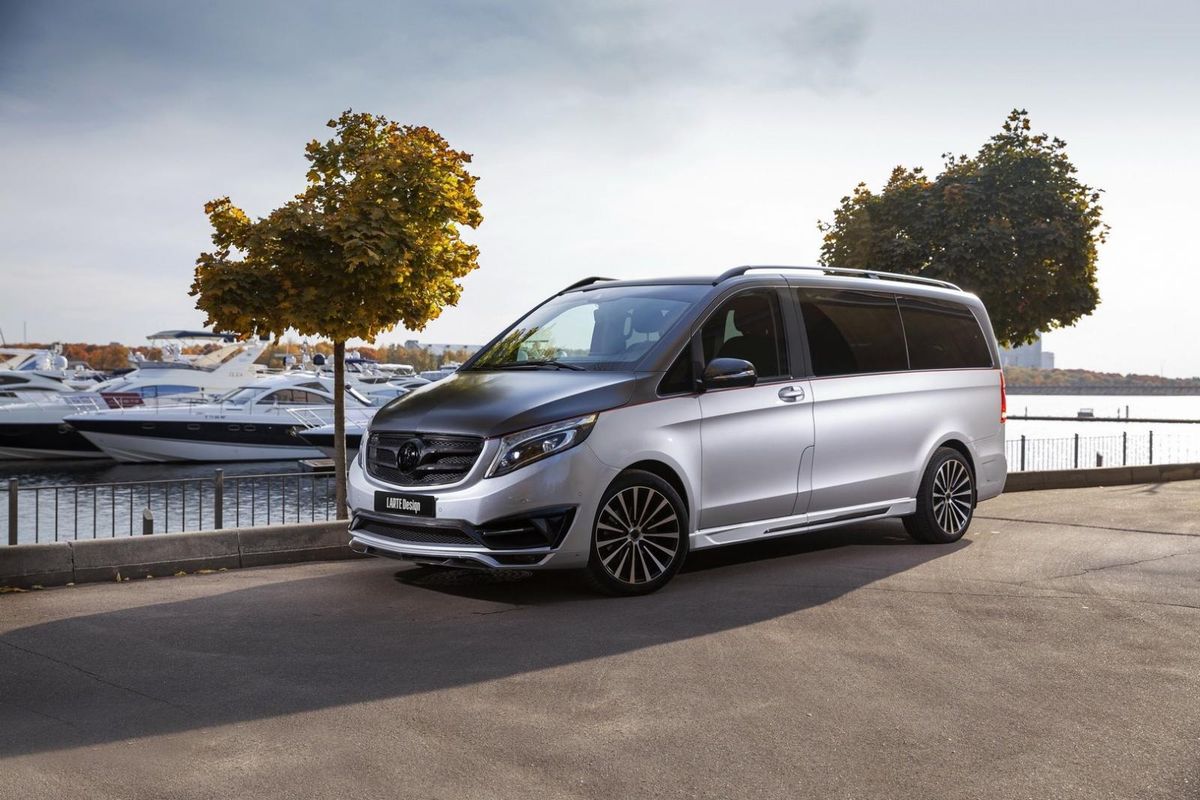
Take a look at this Mercedes-Benz V-Class, surely the prettiest and most striking of its kind.
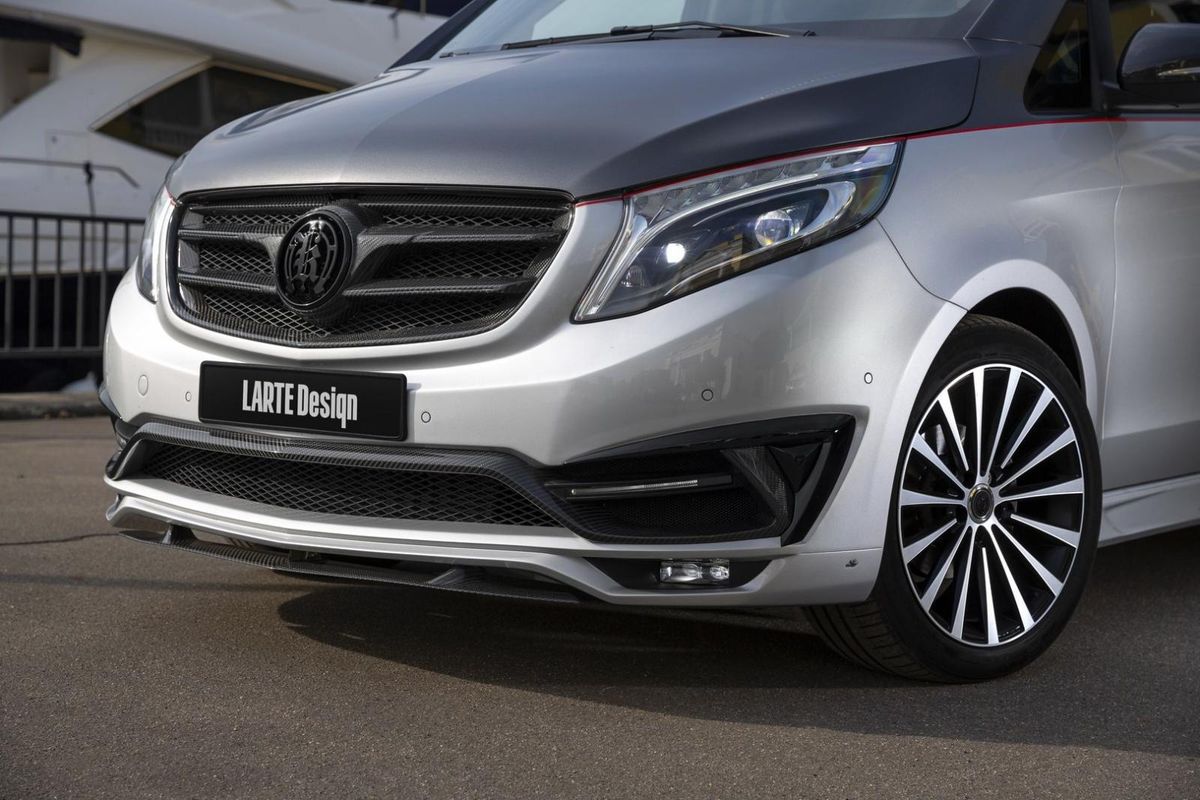
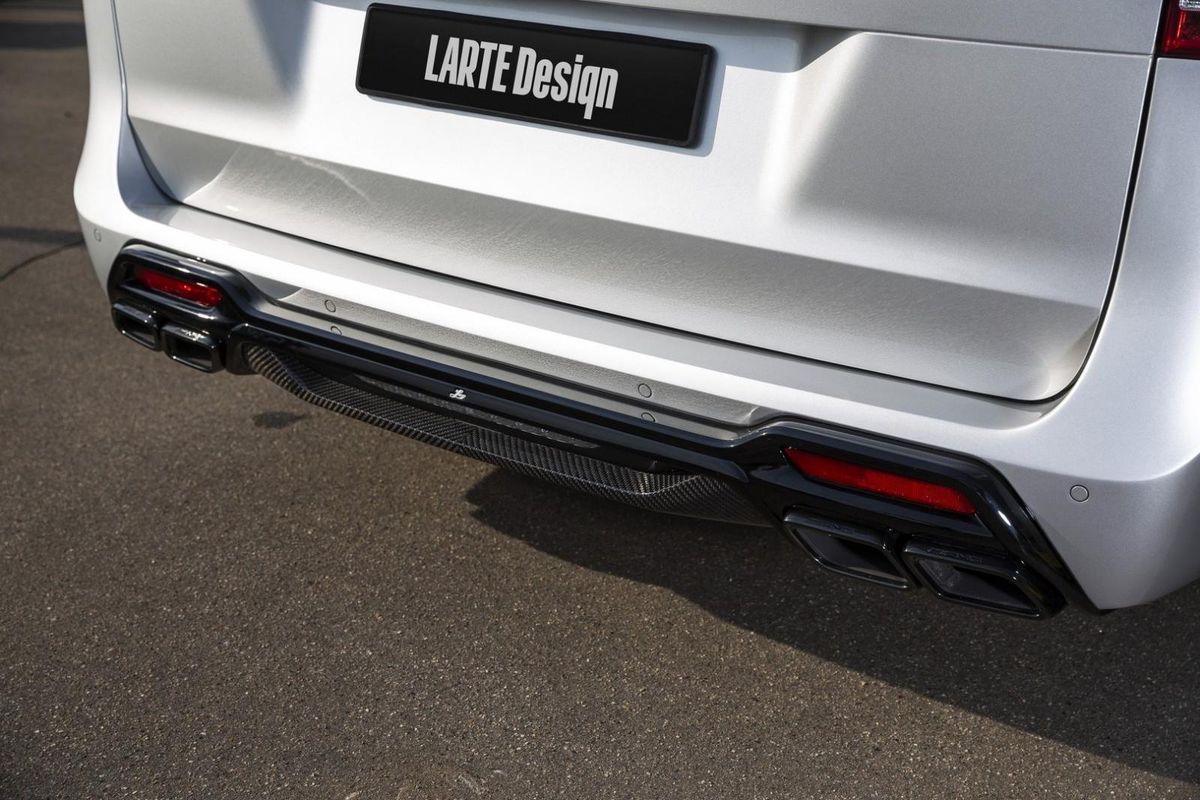
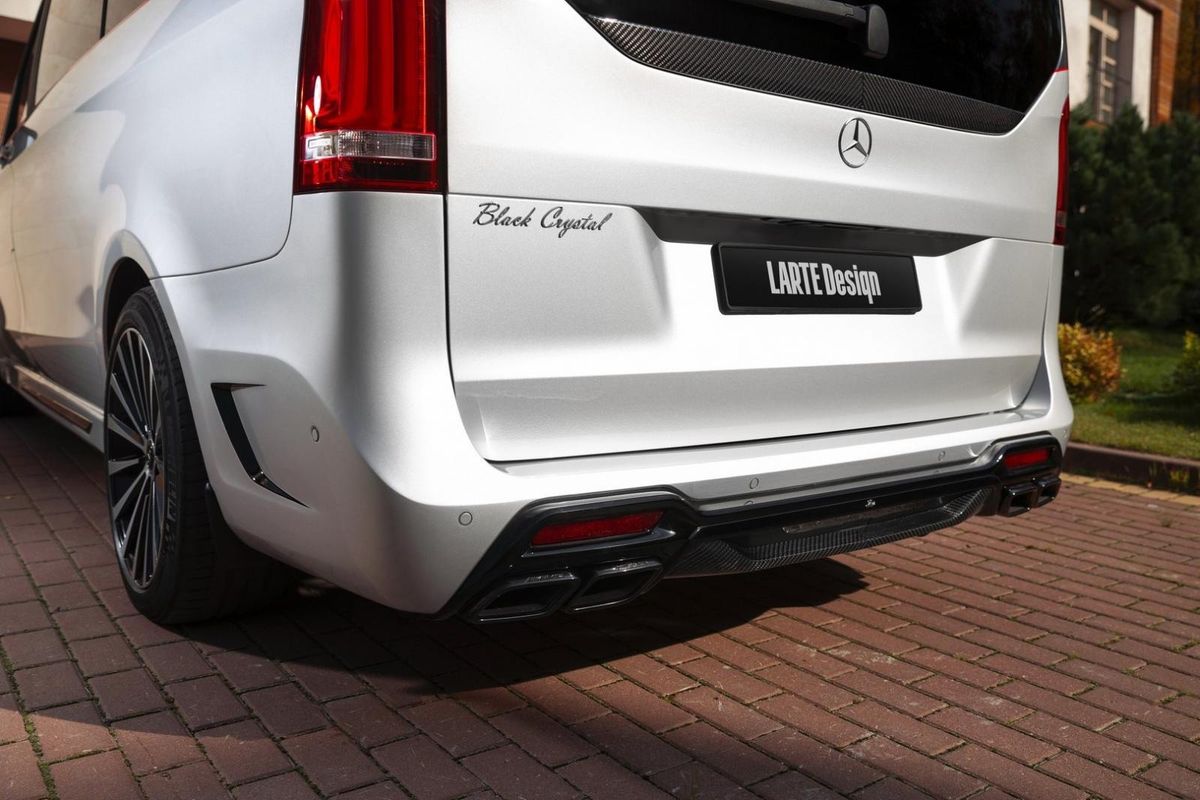
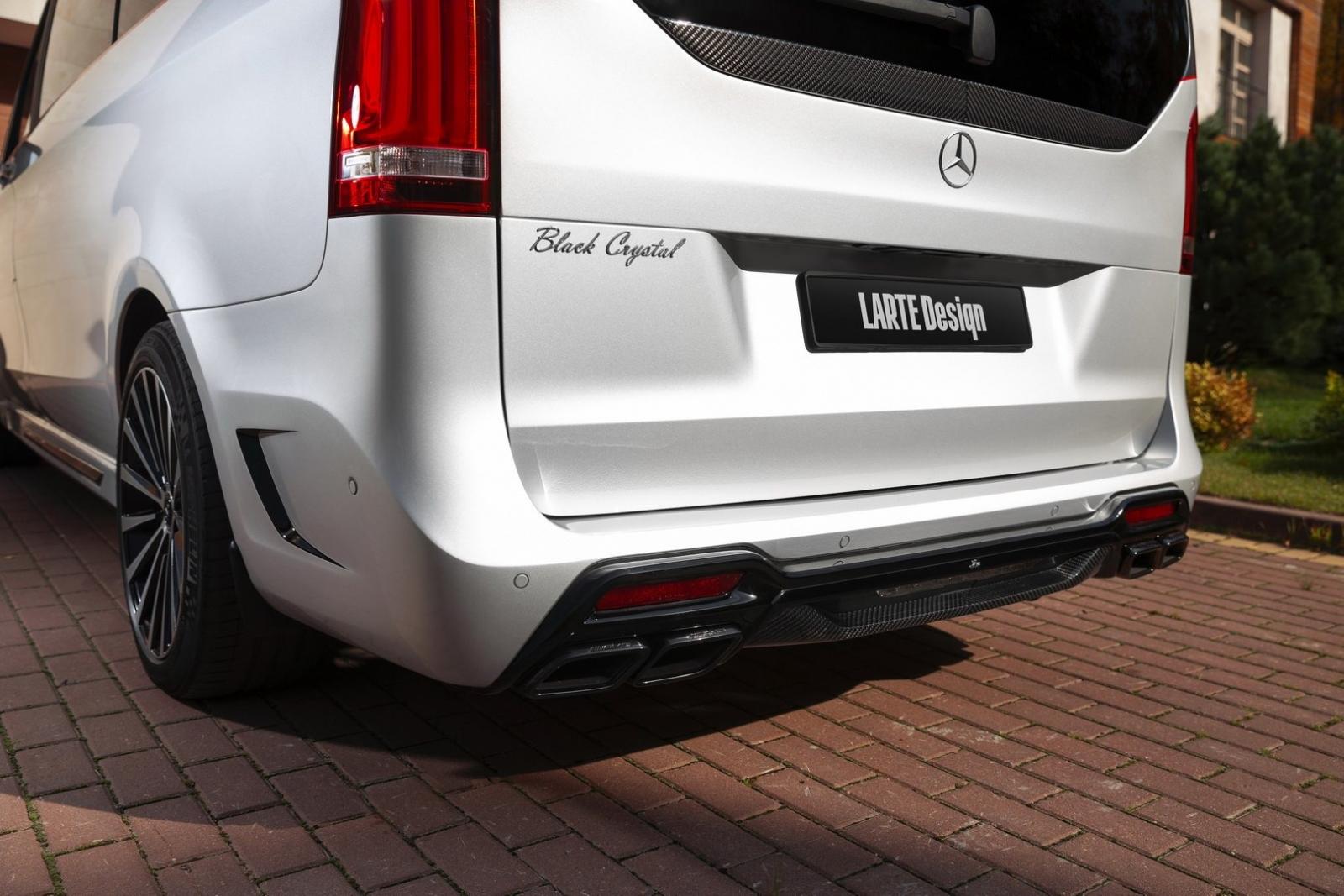
The Mercedes-Benz V-Class is not exactly a vehicle renowned for being modified, but this Black Crystal V-Class by Larte Design is seriously striking. Visually, it's really smart, with a two-tone paint finish.
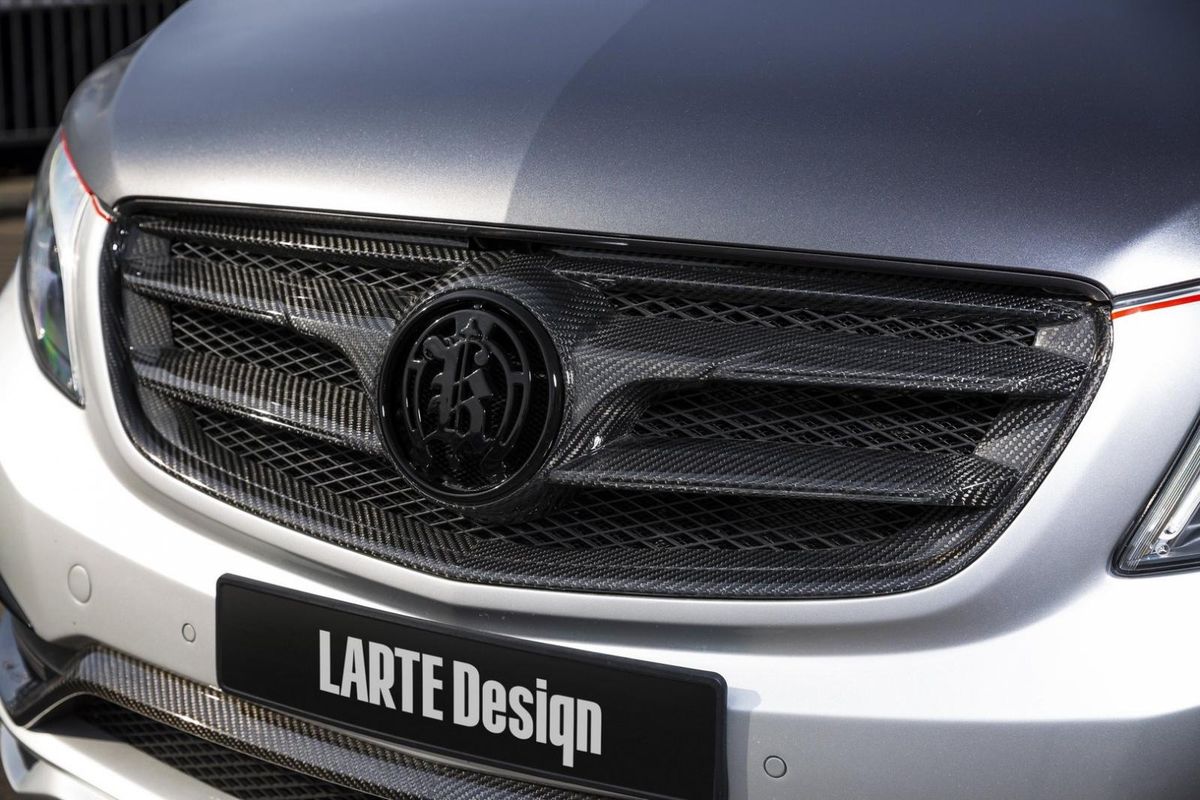
There's also plenty of carbon fibre used too. The bodykit includes some LED lighting, Swarovski crystals, reworking grille, AMG-style quad exhausts, rear diffuser, side skirts and some stylish alloy wheels.
Annoyingly, there doesn't appear to be any changes to the cabin, but that's okay in our books as we feel the Mercedes-Benz V-Class is luxurious enough already.
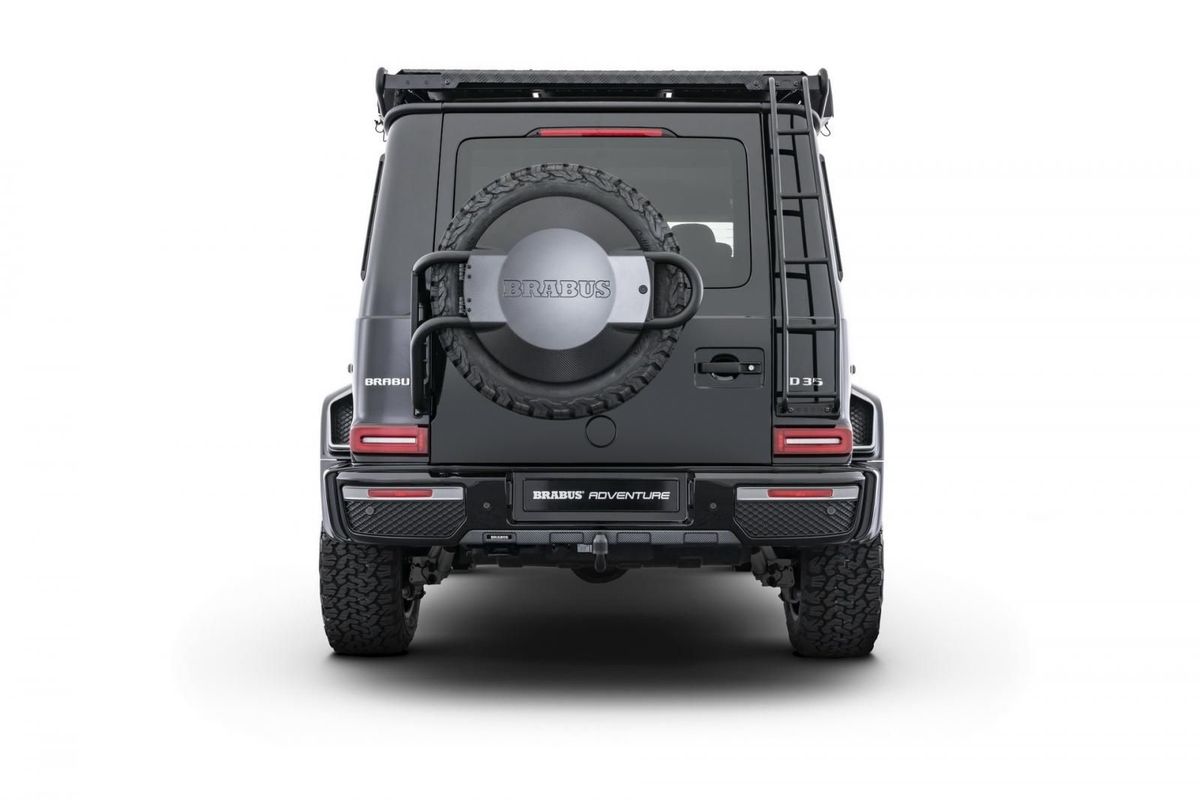
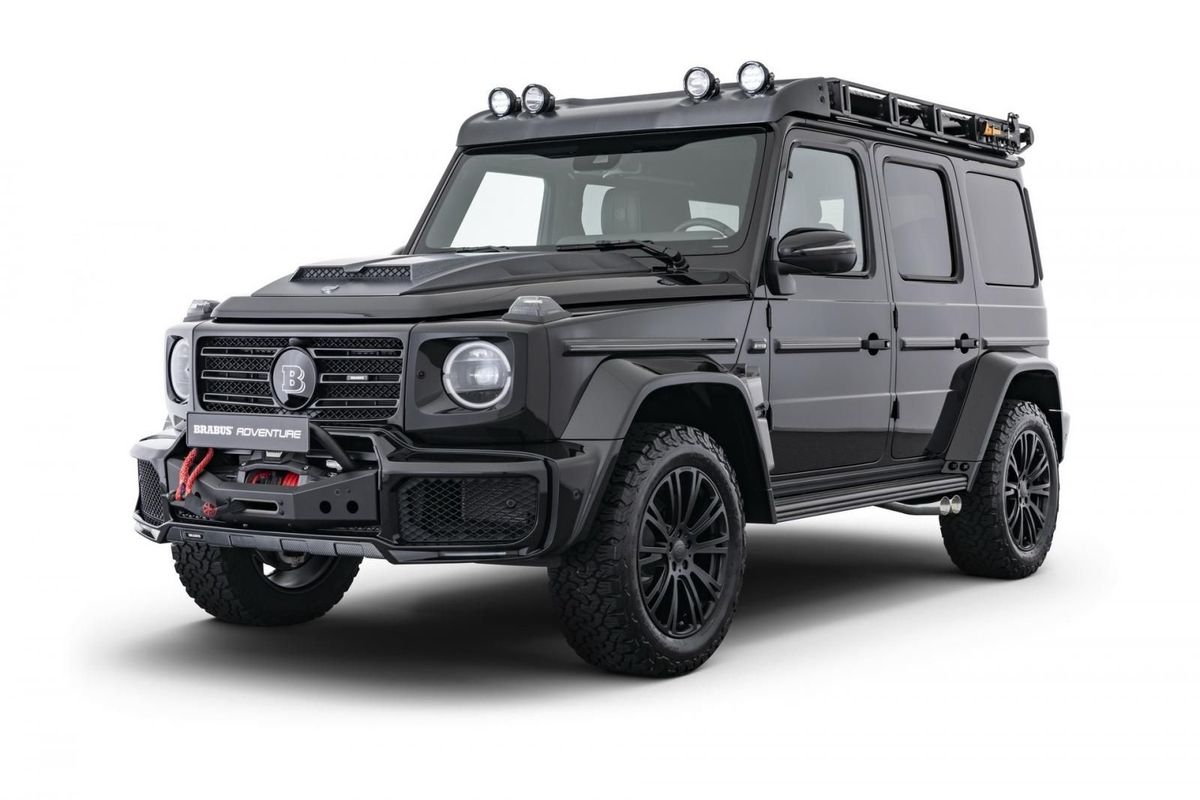
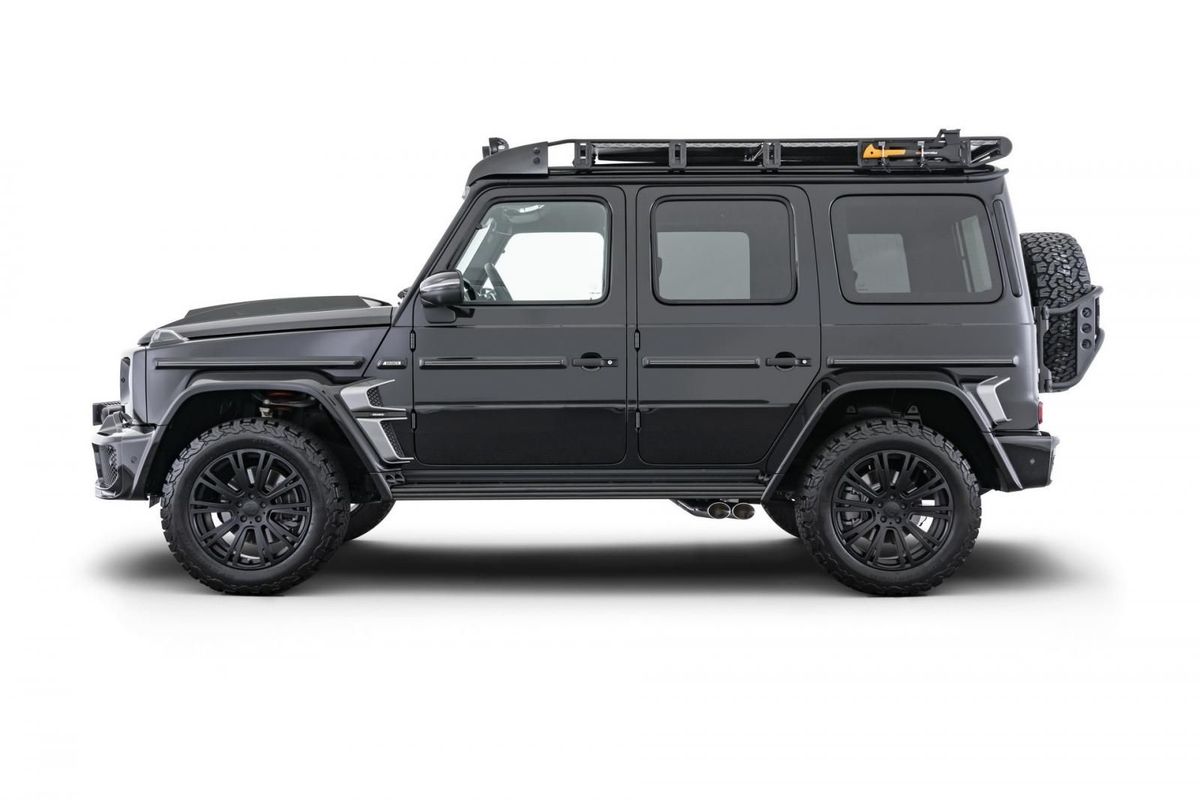
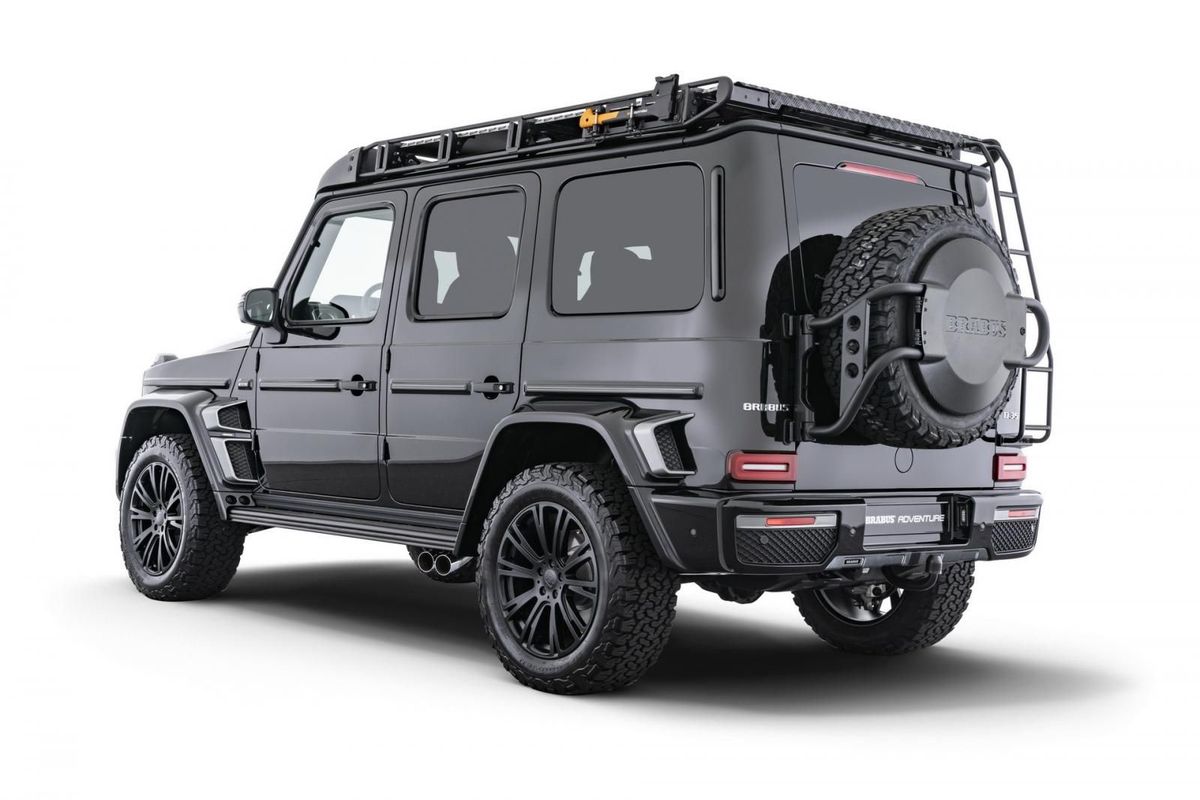
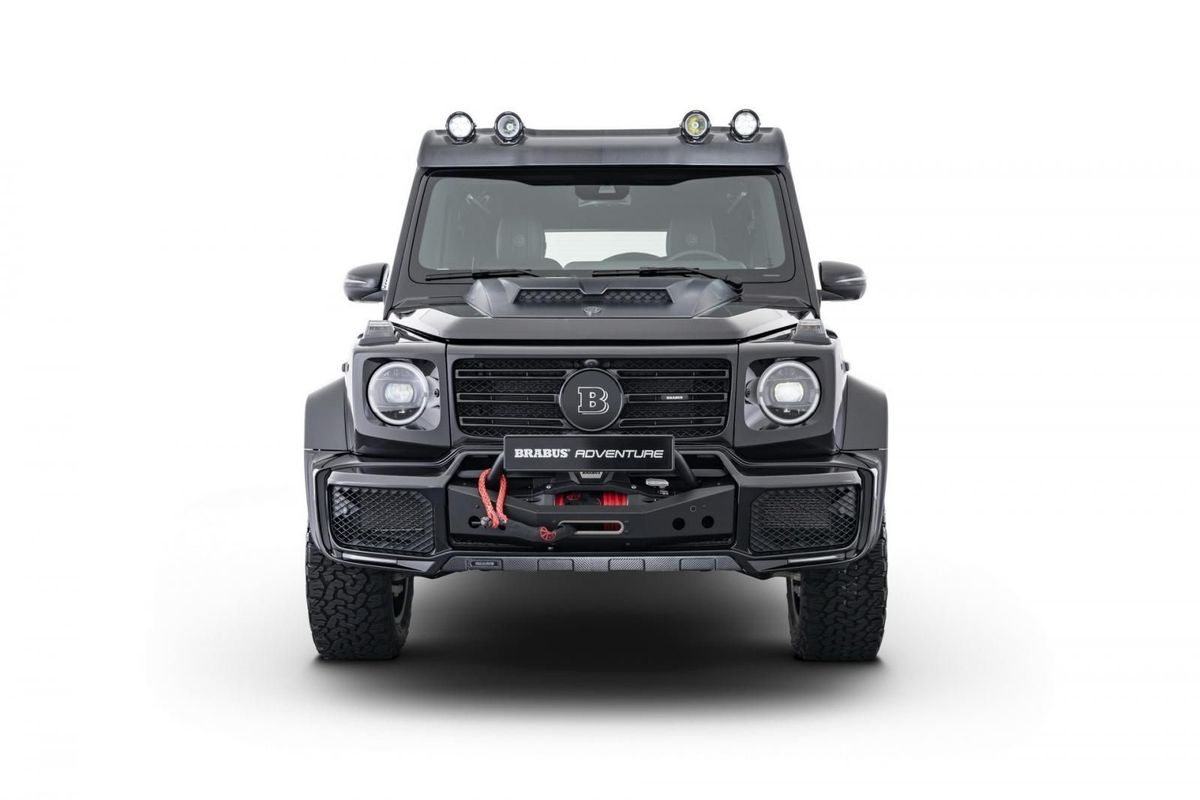
German tuner Brabus is famous for its performance upgrades, but this time the focus on enhancing the G-Class' offroad abilities.
The G-Class didn't exactly need its offroad abilities enhanced, with its 3 differentials, ground clearance and excellent approach/departure angles, but Brabus has been hard at work.
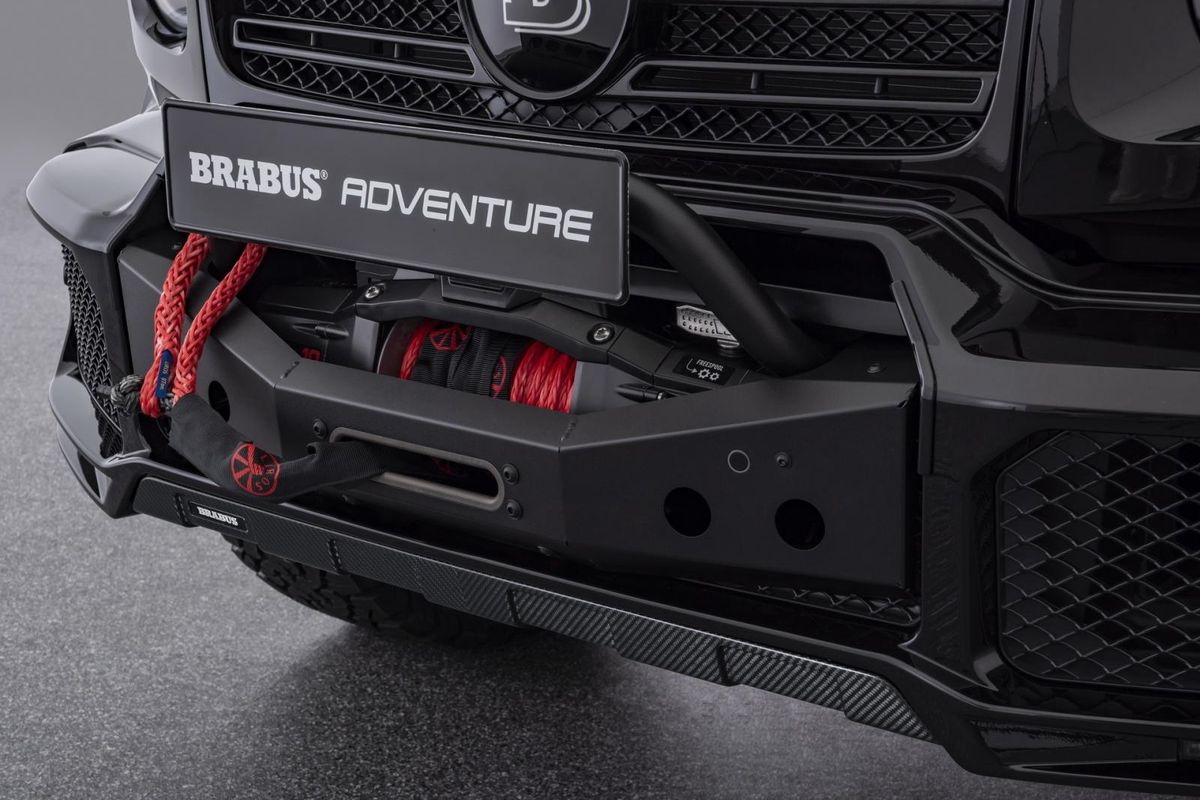
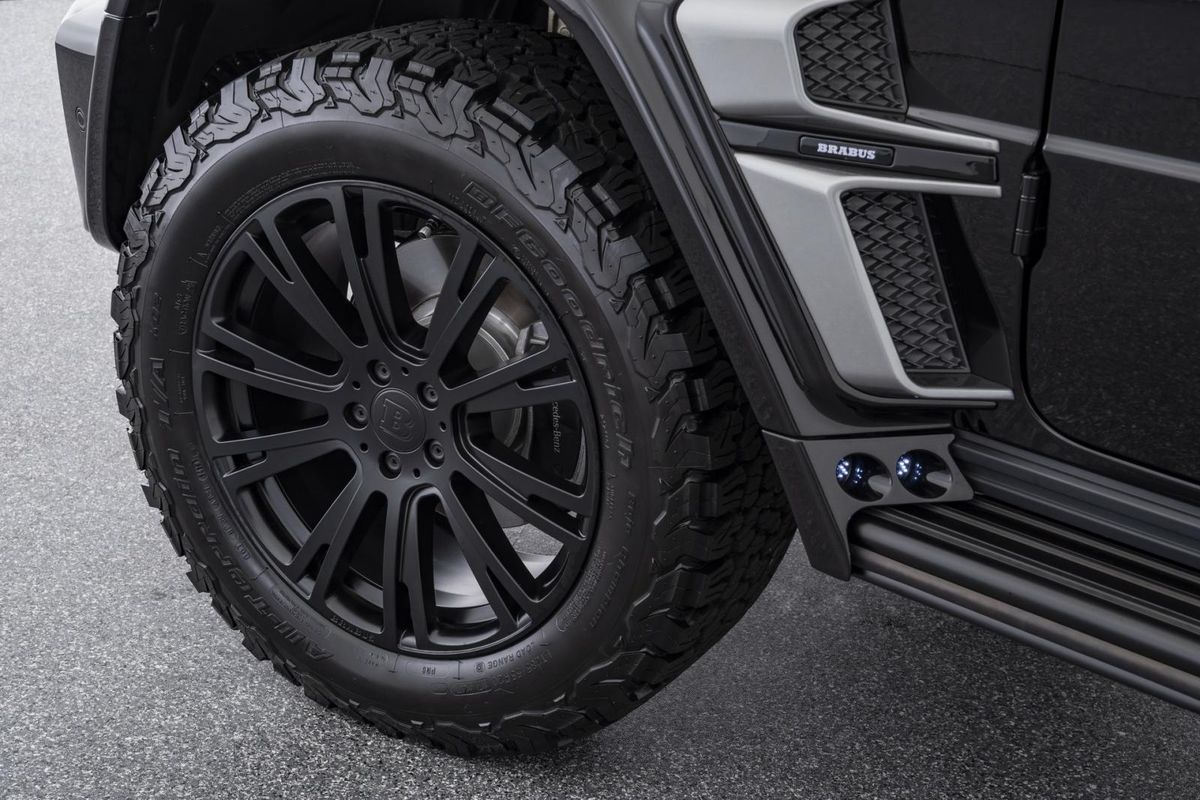
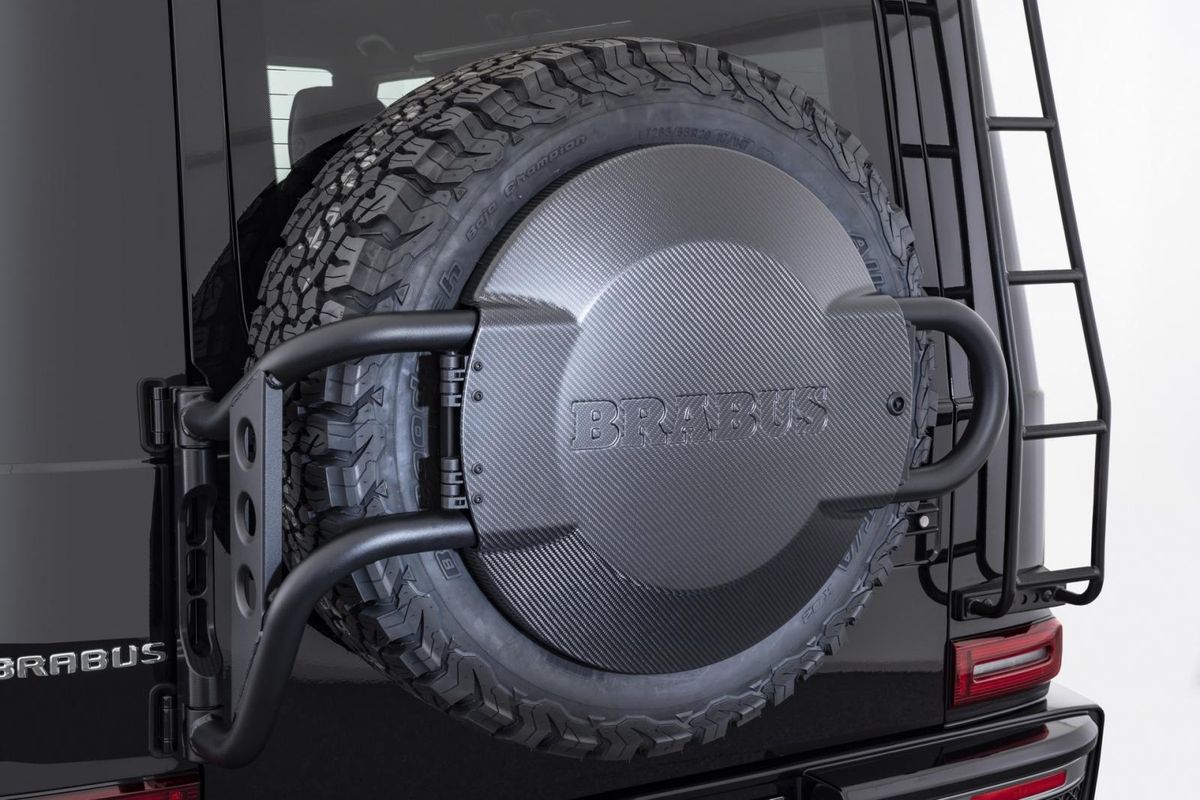
This is the Brabus Adventure, essentially a kit for the G 350d. Comprising some serious upgrades both visual and mechanical, the Brabus Adventure features a bodykit with huge intakes, undercar guard and tow winch. There is an abundance of carbon fibre thrown into the mix too. There's also a wind deflector with spot lights, a luggage rack and monstrous Brabus alloy wheels wrapped in chunky offroad tyres. There's an increase in the vehicle's ground clearance and the vehicle sits an extra 40 mm higher on top of the 217 mm already offered.
The diesel engine has also been given a tweak and thanks to a Brabus tune, it now offers up 243 kW and 690 Nm (210 kW and 600 Nm as standard) from a 3.0 straight-6 turbodiesel, giving it a claimed 0-100 time of 7.2 seconds. Top speed is claimed at 202 kph and there's a stainless sports exhaust system with plumbing either side.
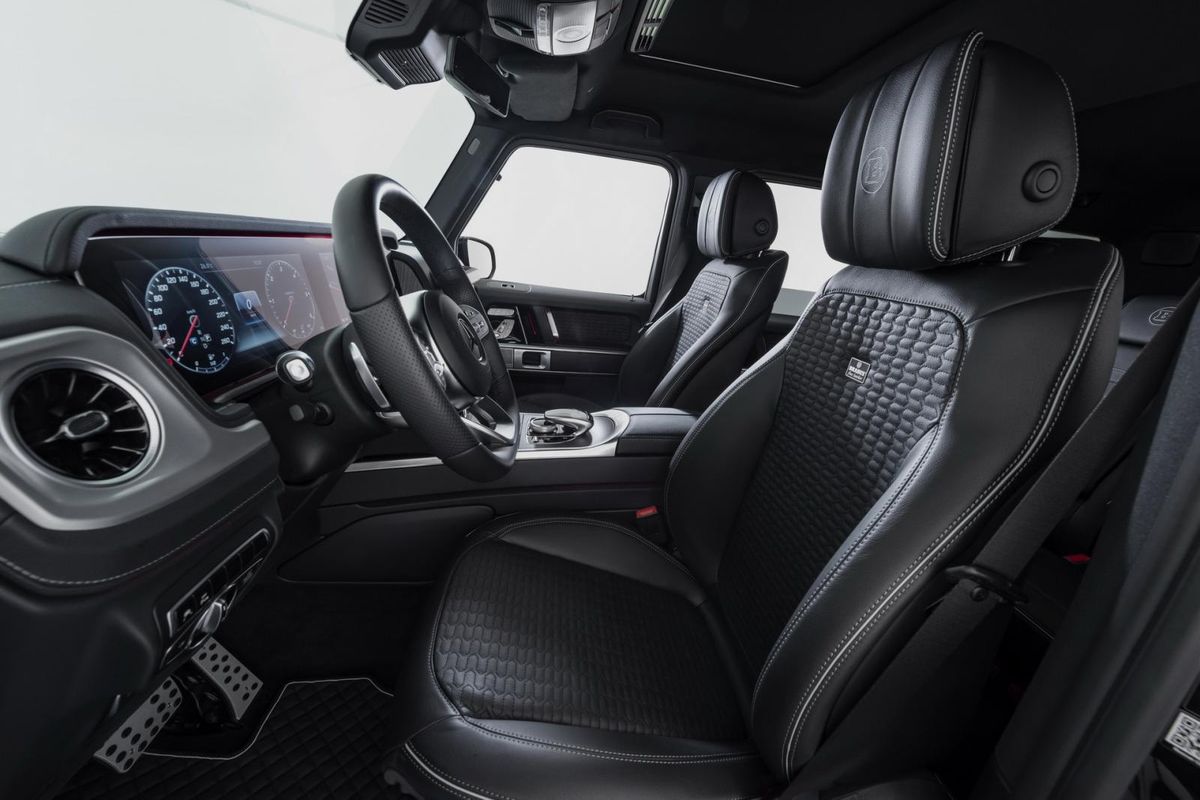
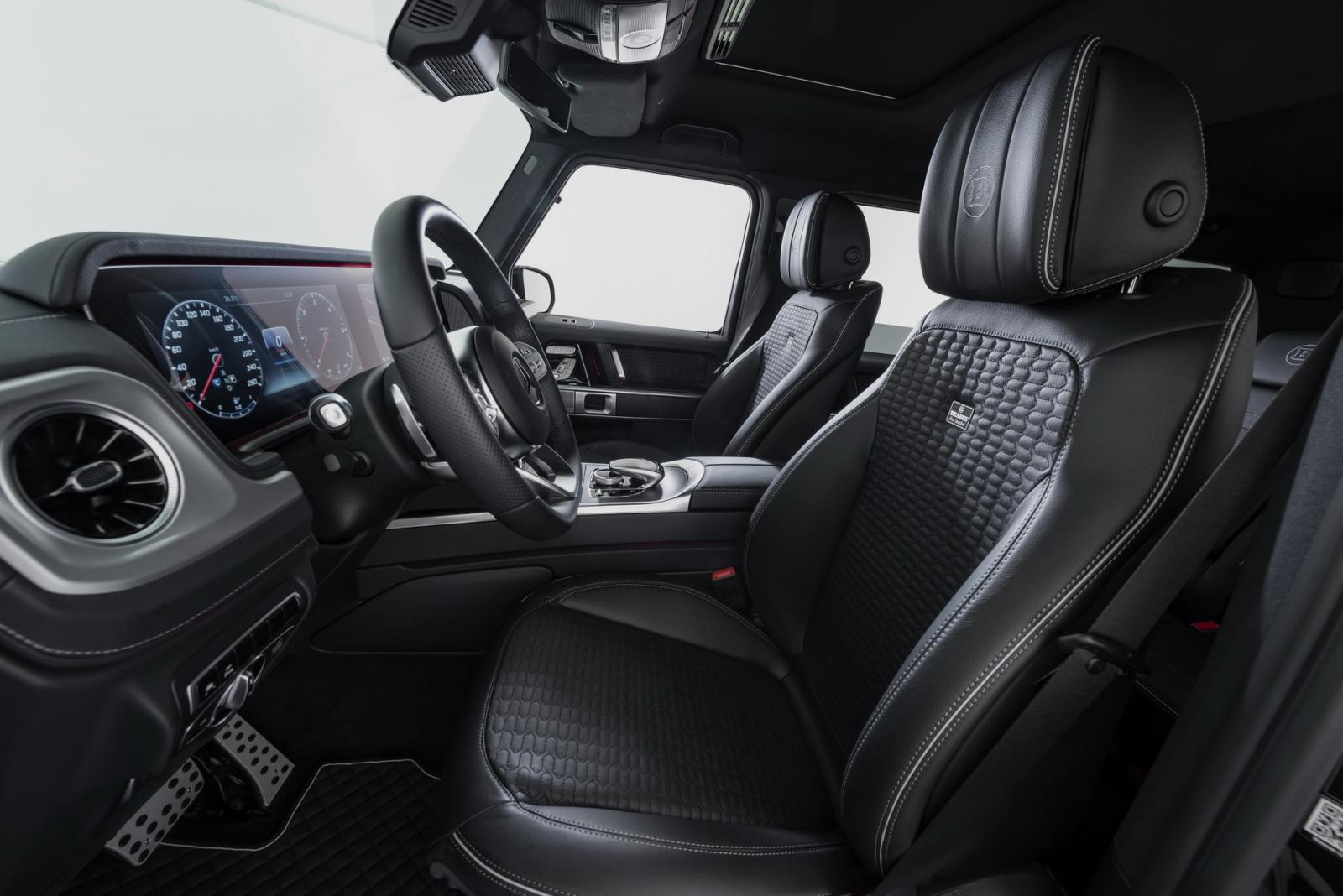
Inside, the cabin gets some tasteful Brabus treatment in the form of pattern quilting and aluminium pedals, paddle shifters and door lock pins.
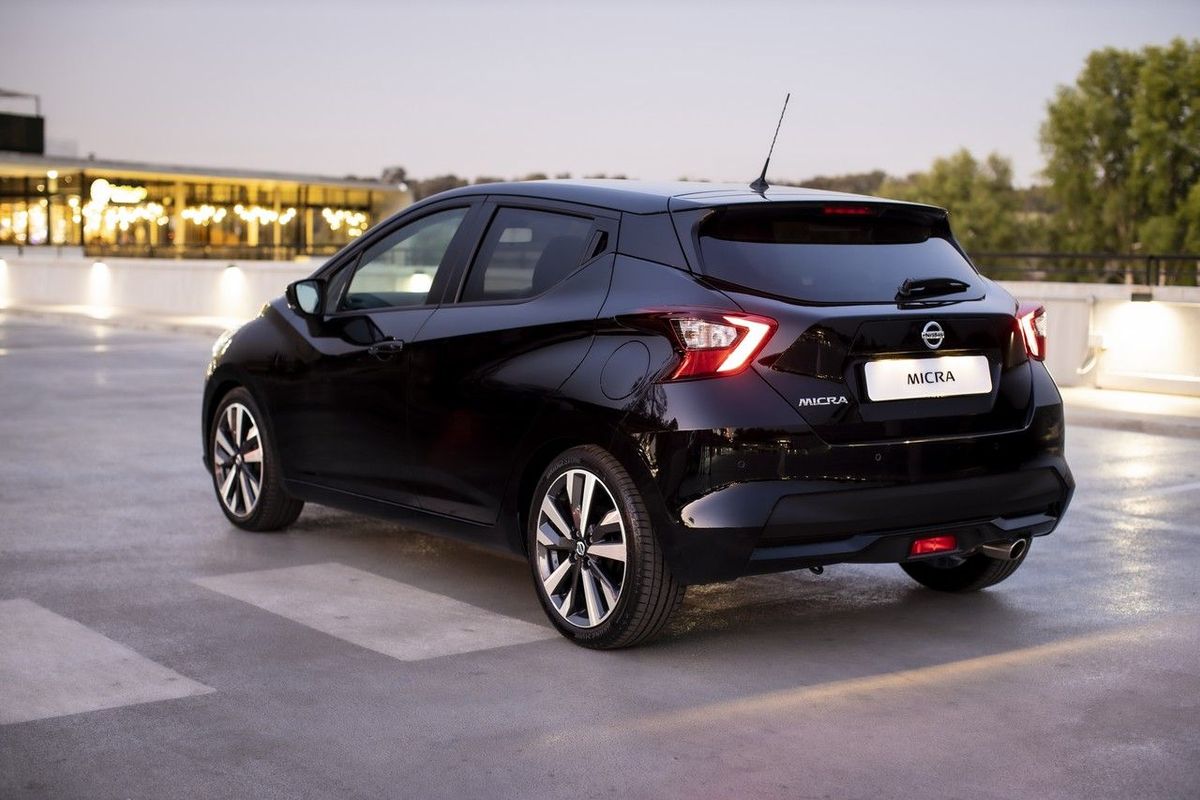
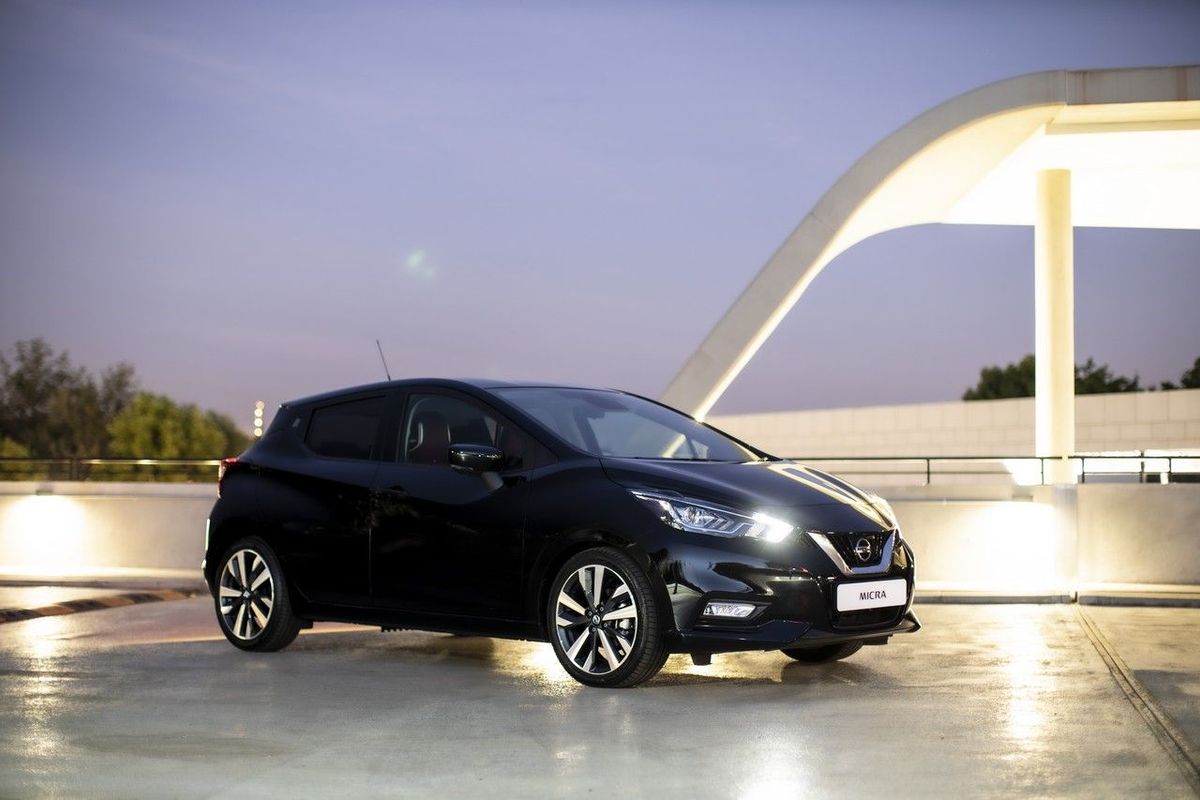
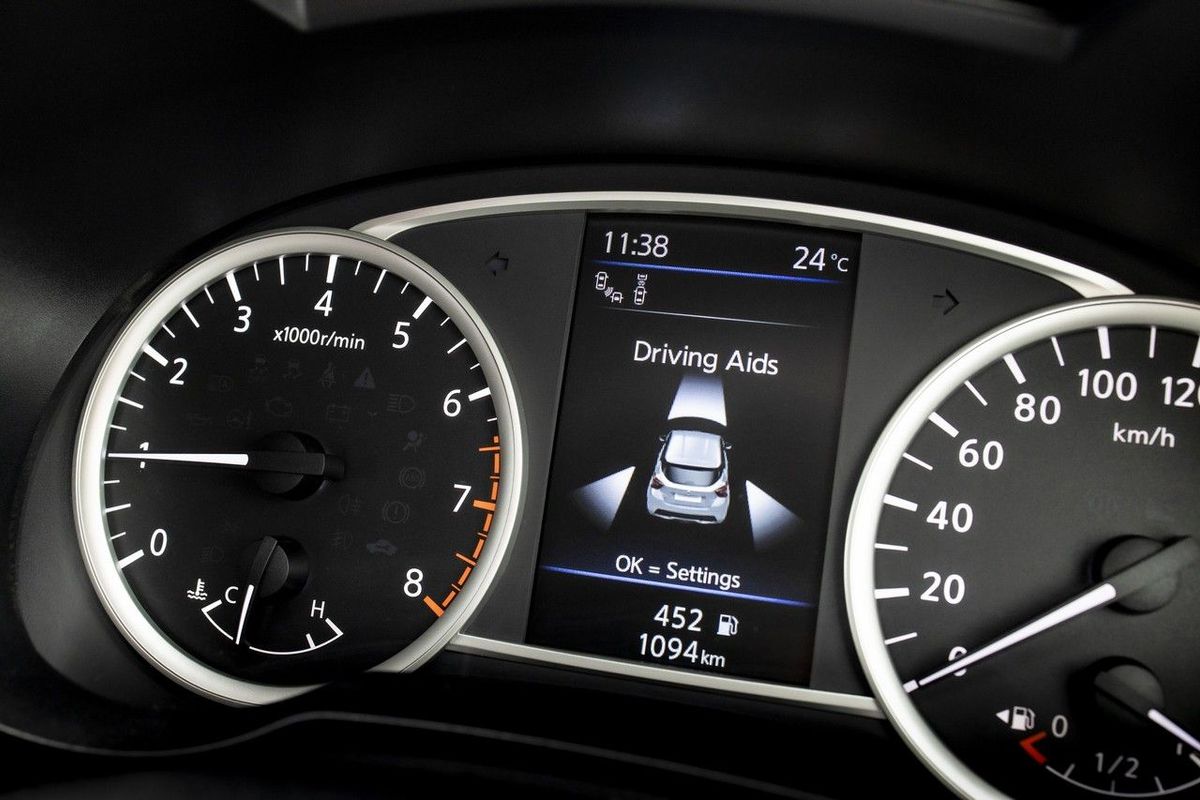
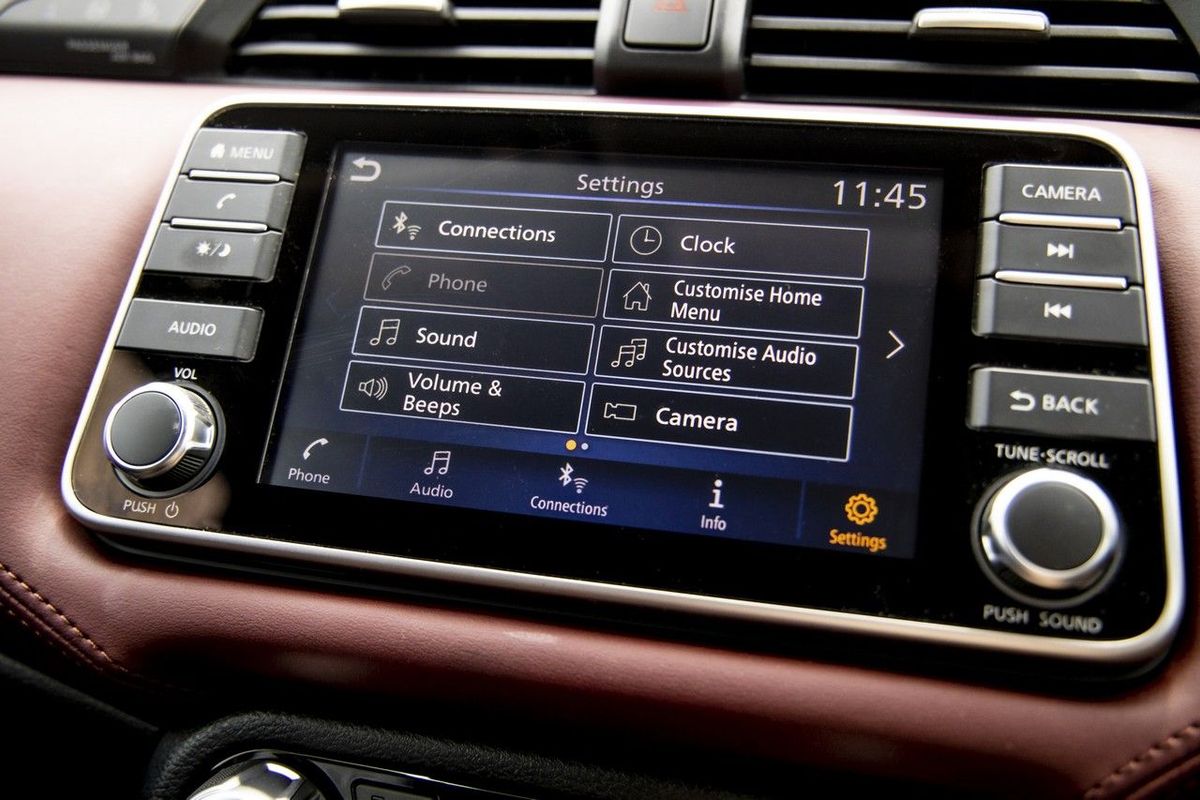
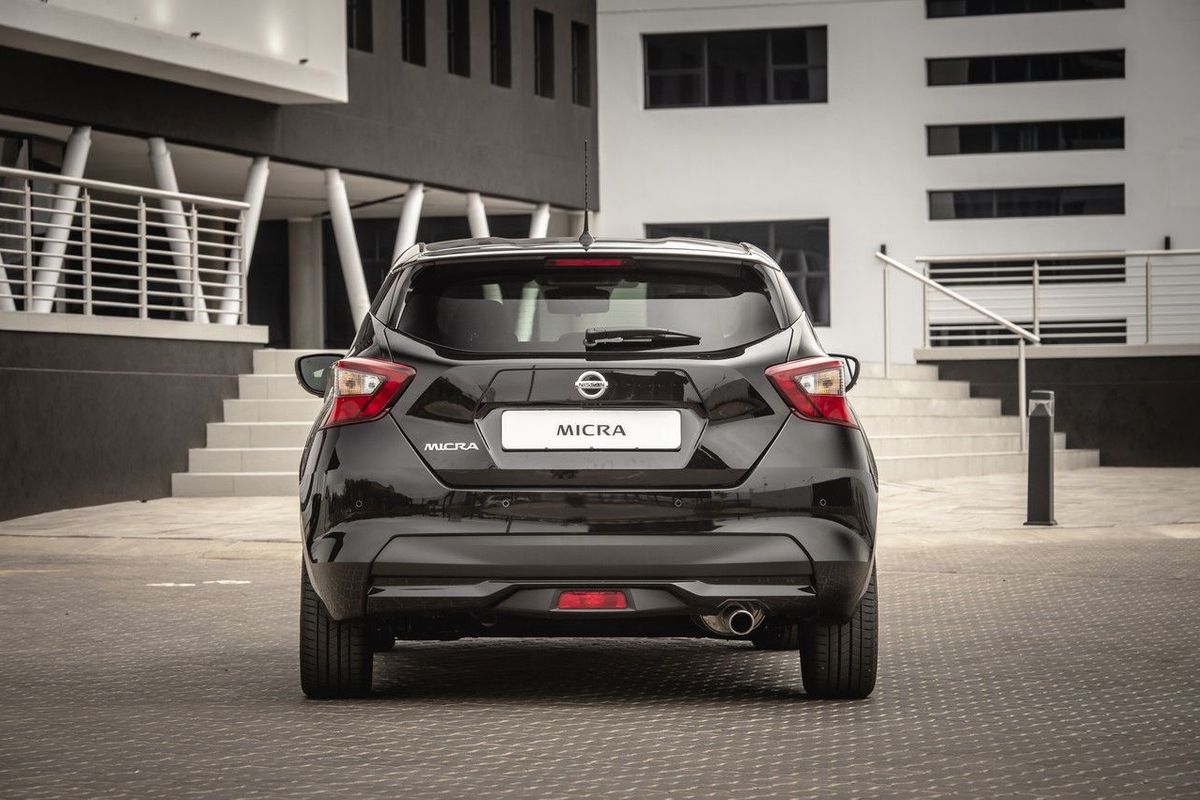
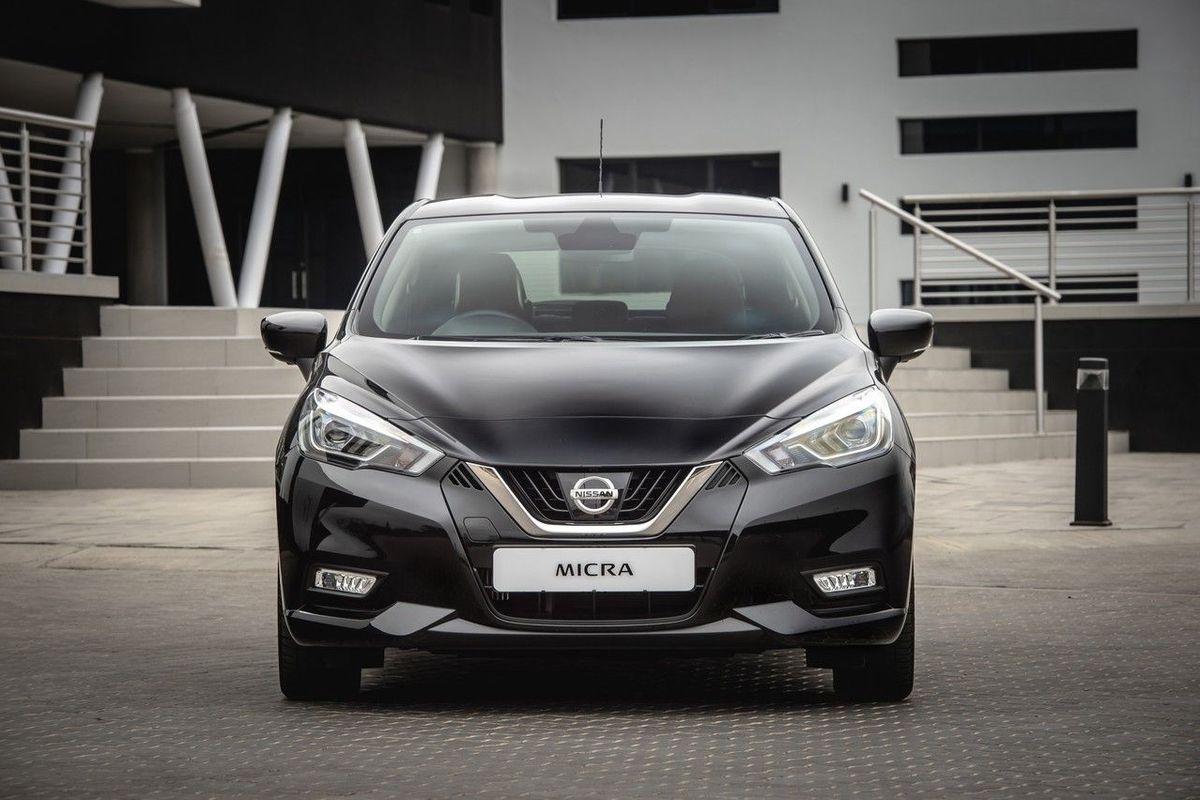
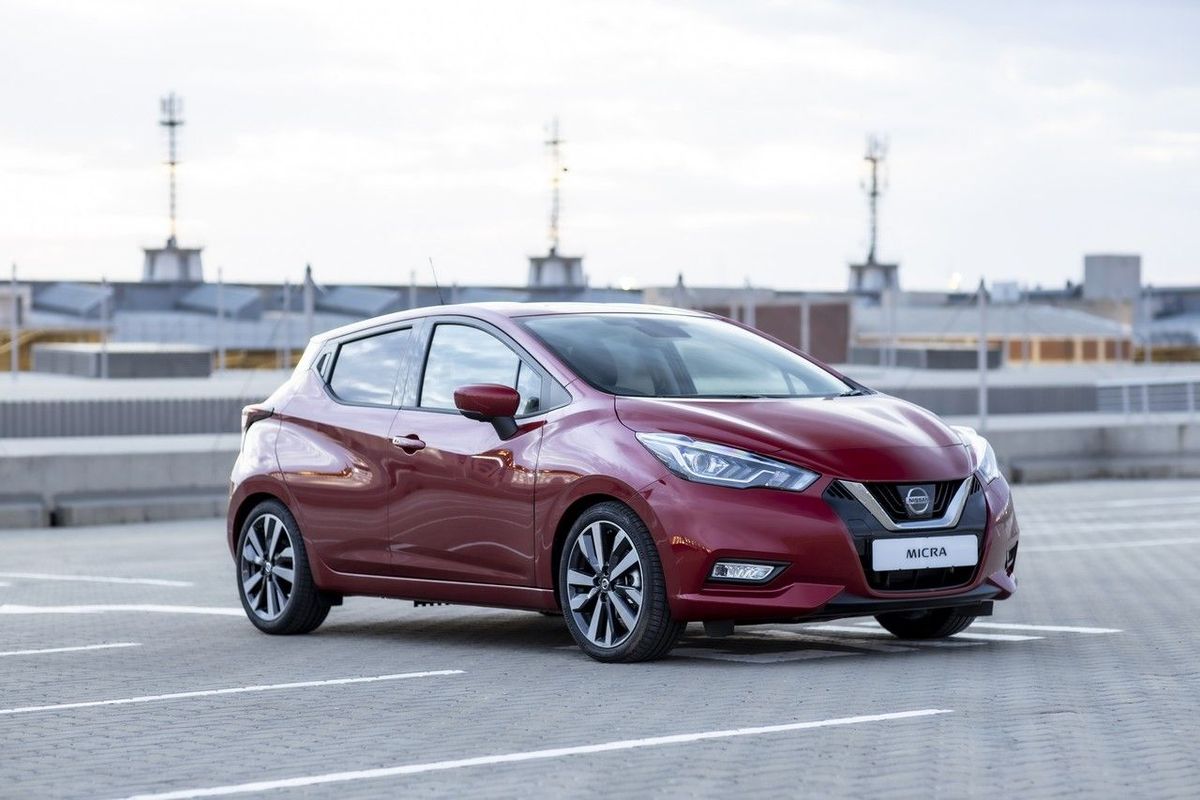
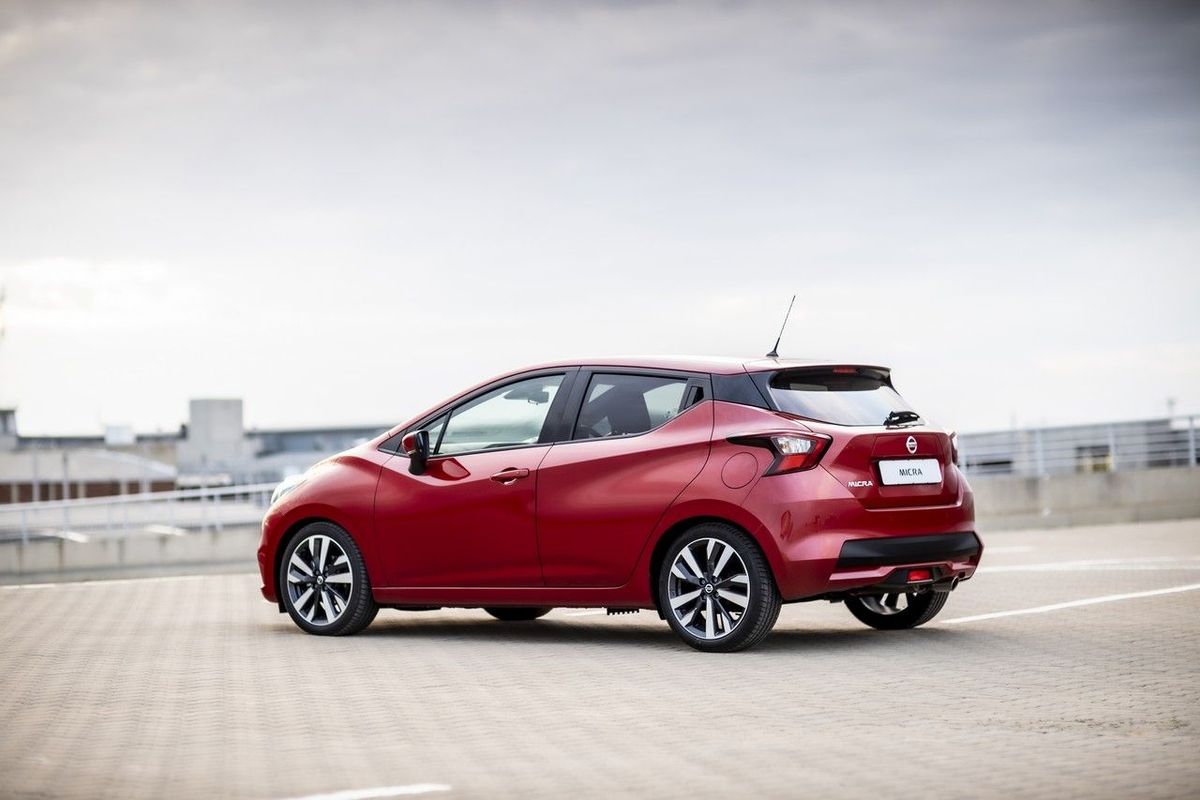
The Nissan Micra range has been expanded to include a new 84 kW engine and some more specification. Here's specification and pricing.
The all-new engine is a 1.0-litre turbocharged motor with 84 kW and 180 Nm, which brings some performance to the range. Currently, the Micra only offers a 1.0-litre engine with 66 kW. Available in 3 grades: Acenta Plus, Tekna and Tekna Plus, the Nissan Micra will hit showroom floors in November 2019.
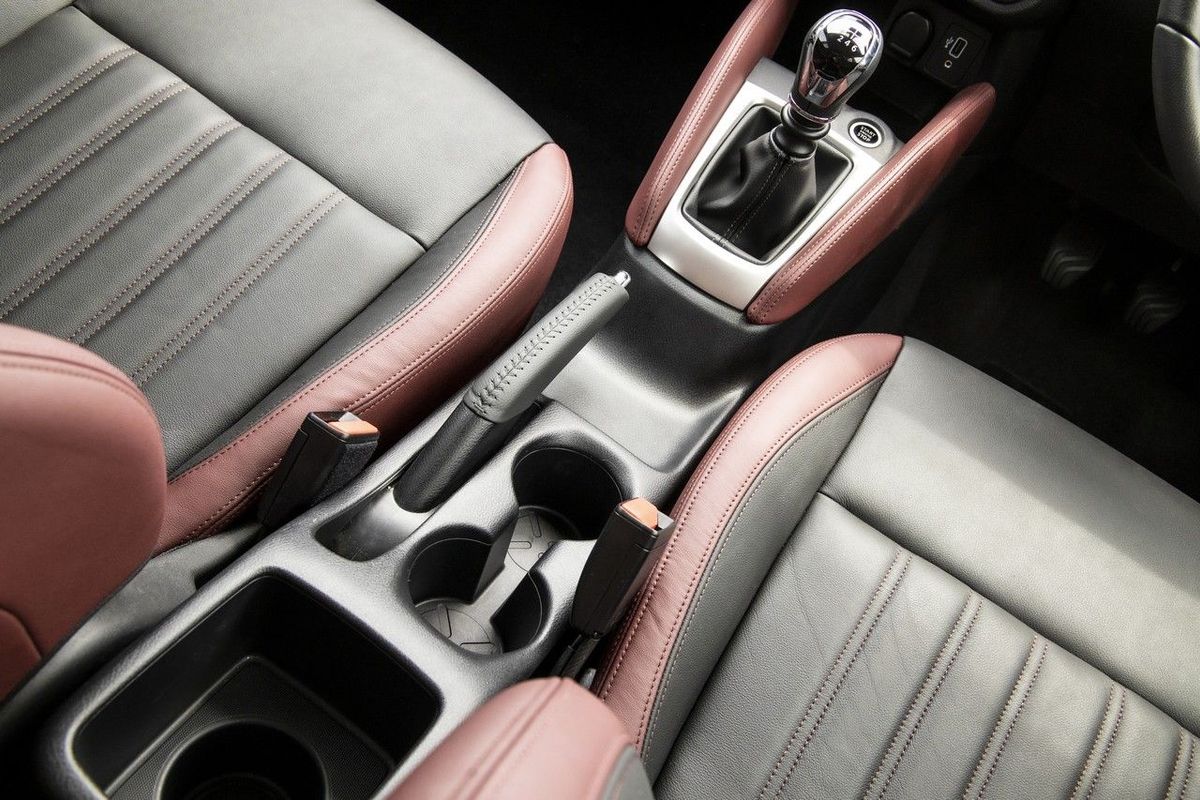
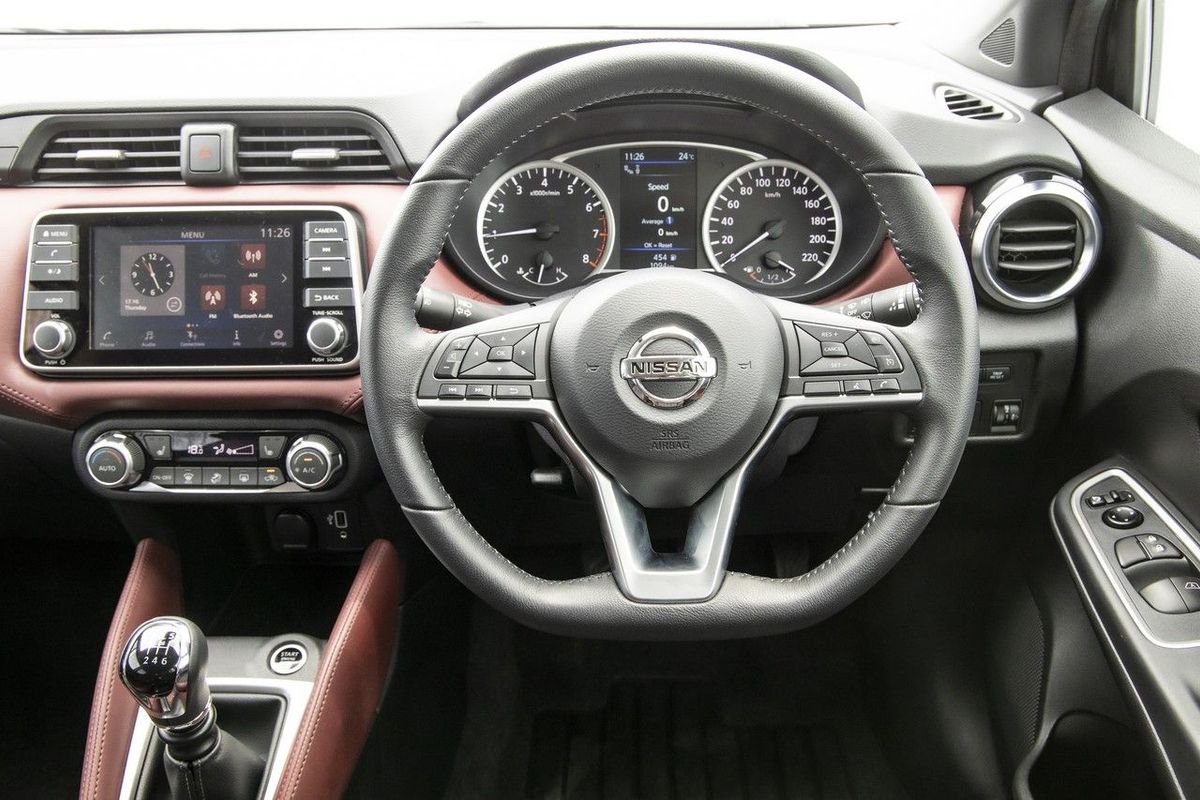
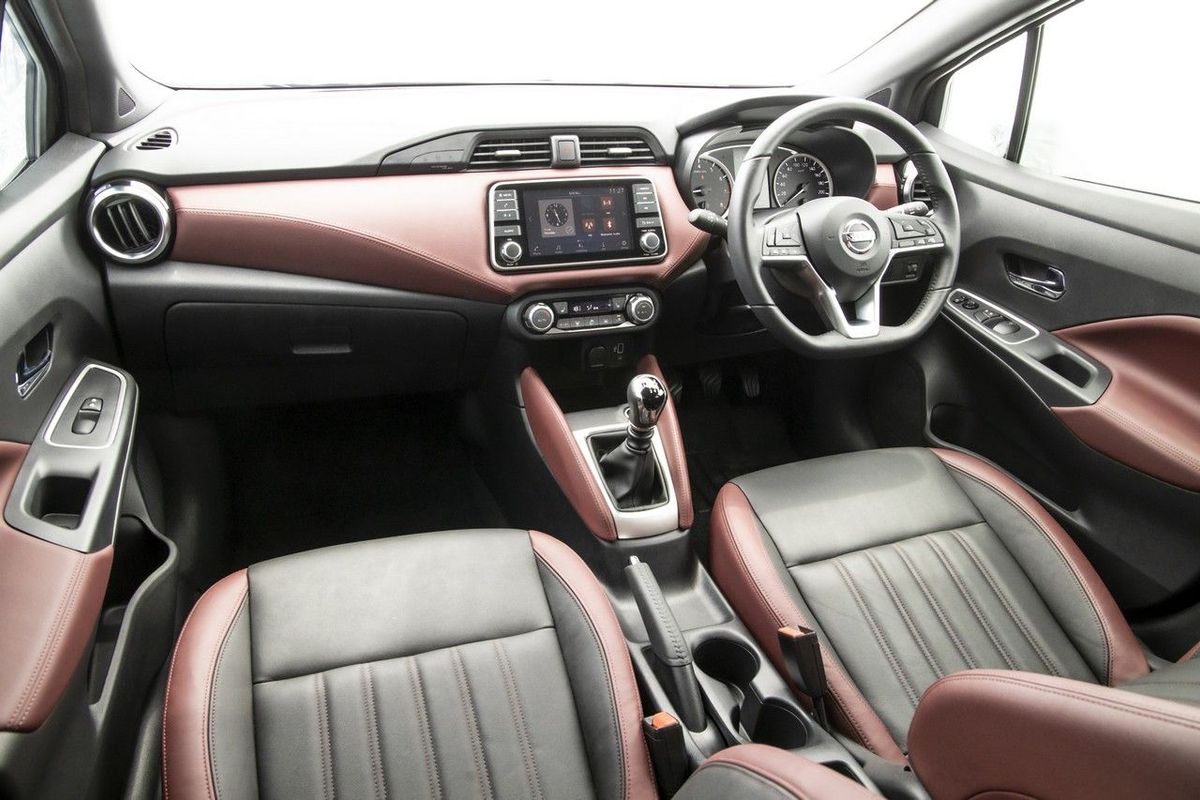
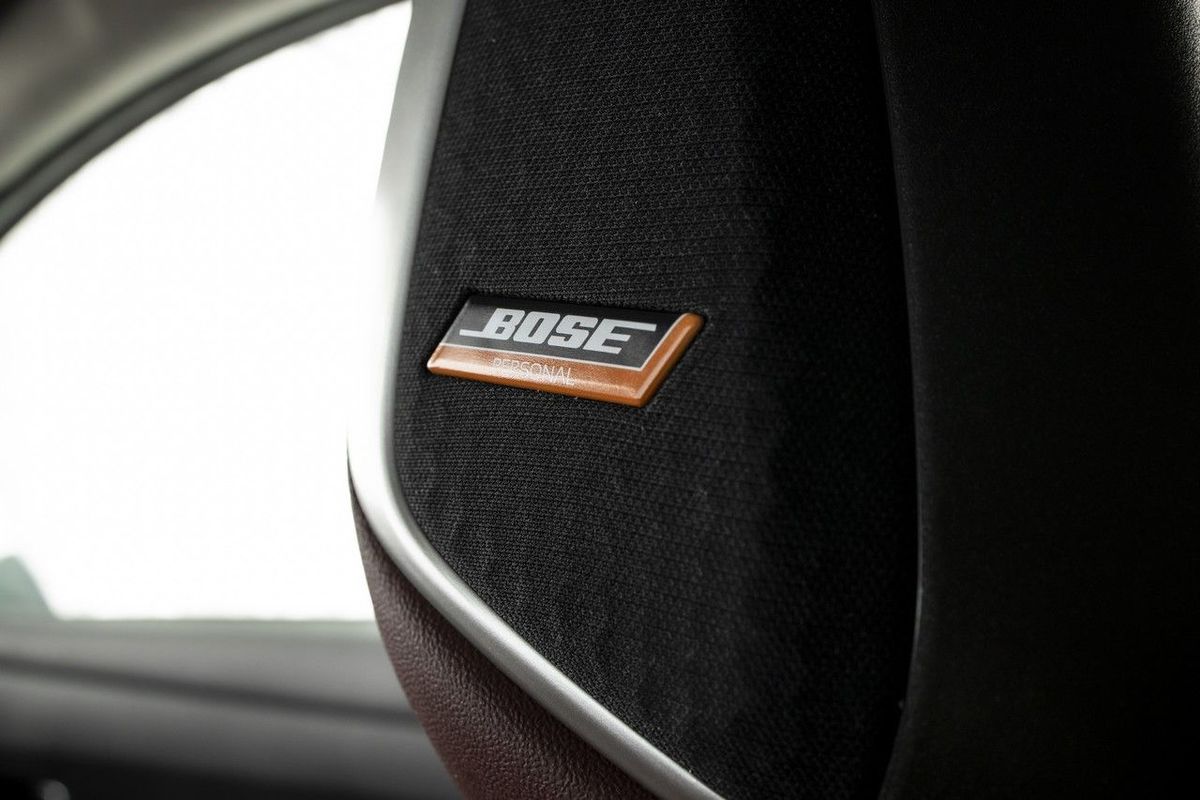
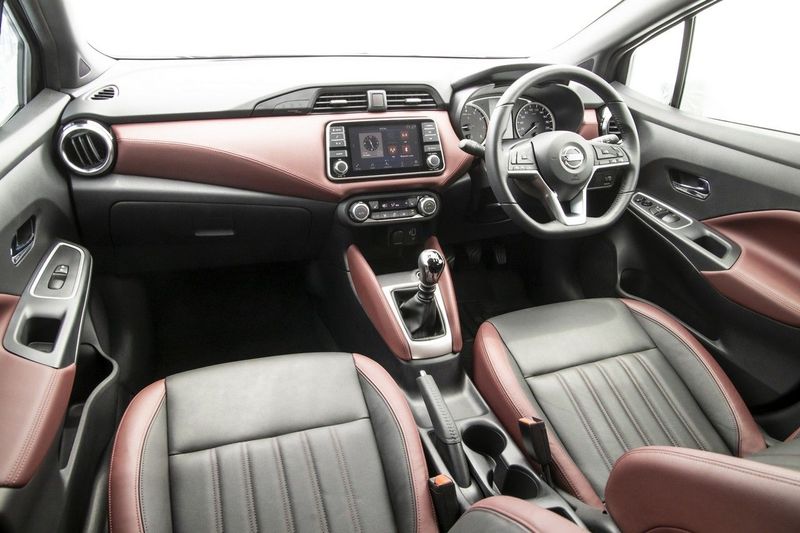
The updated Nissan Micra comes standard with sport suspension, sport exhaust tail pipe fin, Smart (keyless) entry, push start button, rear parking sensors, automatic folding exterior mirrors, leather steering wheel & shift lever, Intelligent Around View Monitor, Moving Object Detection and blind spot warning. The Tekna model adds in LED headlights and front fog lights, automatic air conditioner and automatic headlight levelling, while the Tekna Plus has the ‘Invigorating Red’ interior leather heated seats and ‘Enigma Black’ exterior colour. The Tekna and Tekna Plus derivatives also come with a high-end Bose sound system.
Nissan is claiming this 84 kW Micra also features a 10 mm reduction in ride height and a sporty tune to the suspension to make it a bit more fun to drive.
Nissan Micra Price in South Africa (November 2019)
Isuzu seven-seater is now better off-road with additional diff-lock option.
To compete with Toyota’s Fortuner is virtually impossible, but Isuzu has done its MU-X no favours, by not having a rear differential lock option.
For true off-road explorers and gravel travellers, a rear differential lock is crucial. With good reason too. If you wish to launch a boat on a treacherous slipway, with a 4×2 MU-X, you’ll feel a lot more secure about doing that with a rear-locker engaged.
Although traction control systems are increasingly becoming more sophisticated and better at sensing terrain and managing wheelspin, they can still be tardy and reduce power when it is required. There are instances in highly technical off-road driving, where a locked differential cannot be beaten.
Crawling over slow, rocky terrain – or having to climb acute angle deep sand corners, are two instances where having a locked, equal, torque distribution between the rear wheels is decisive.
Isuzu has finally recognised that if it wishes potential buyers to consider the MU-X as a Fortuner alternative of sorts, it must service the local demand for a lockable rear differential.
That solution is now available, as an option on both 4×2 and 4×4 MU-X variants. This new rear differential is supplied by American automotive component supplier, Eaton, and it is very clever mechanical device which is partly autonomous in its operation.
Working as a limited-slip differential in default mode, the MU-X’s Eaton locker senses when there is a wheel speed discrepancy of more than 100rpm between the rear wheels. This wheel rotation differences triggers a clutch pack which engages full locking function on the rear axle, giving a true 50/50 torque split between the wheels.
At speeds above 30 kph, the Eaton differential automatically disengages and reverts into its default setting. Priced at R11 500, the lockable rear differential will be a very welcome option to followers of the Isuzu brand who wish to experience their MU-X SUVs are true exploration and adventure vehicles.
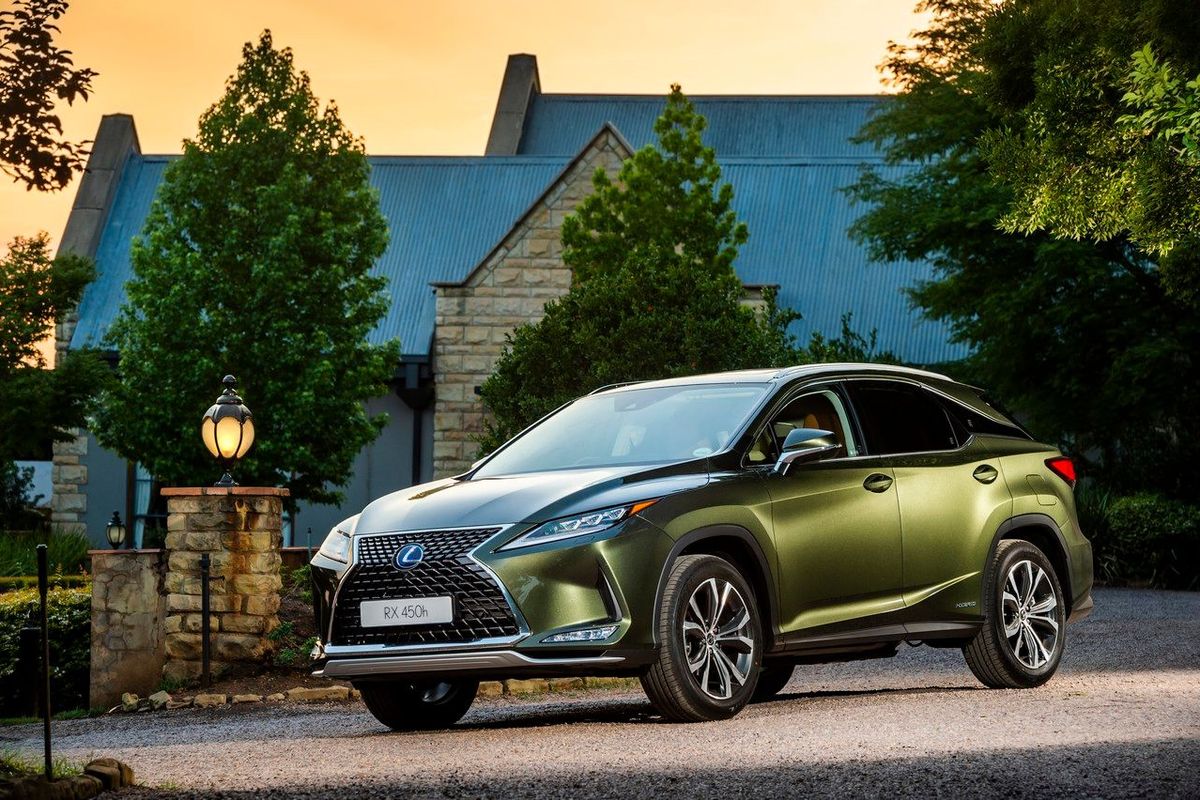
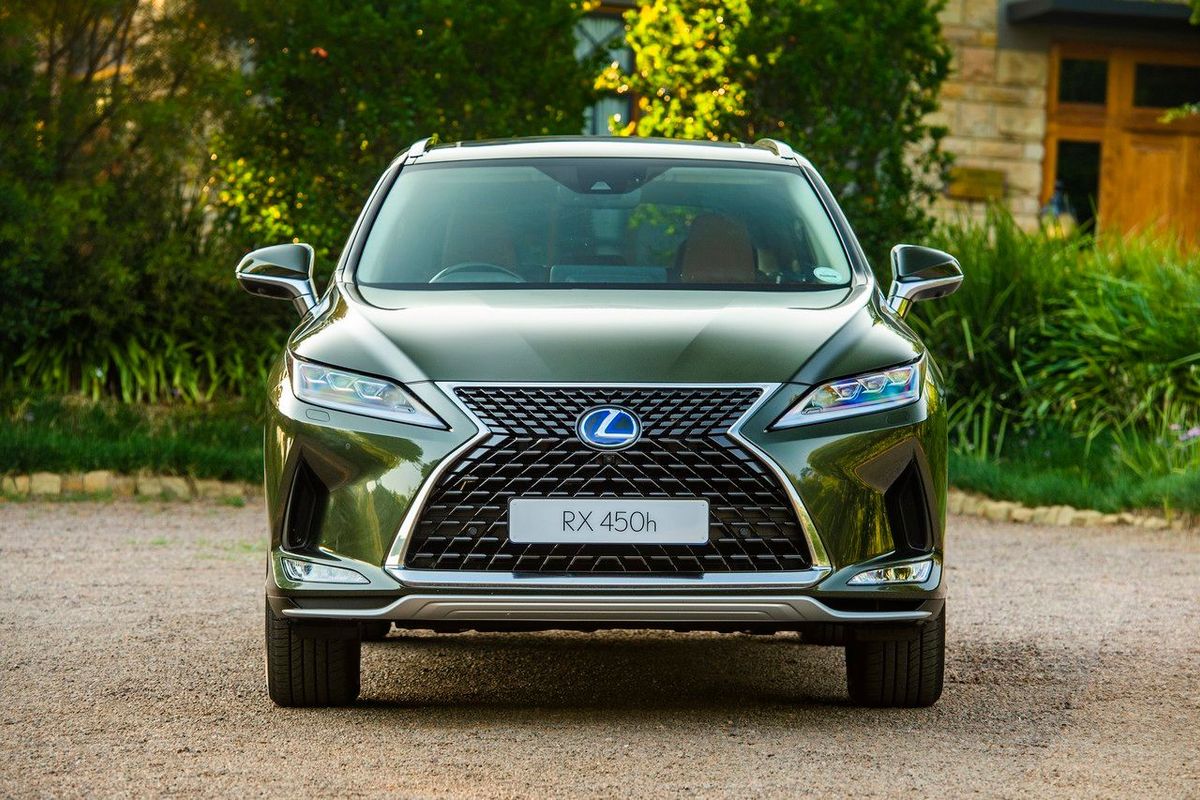
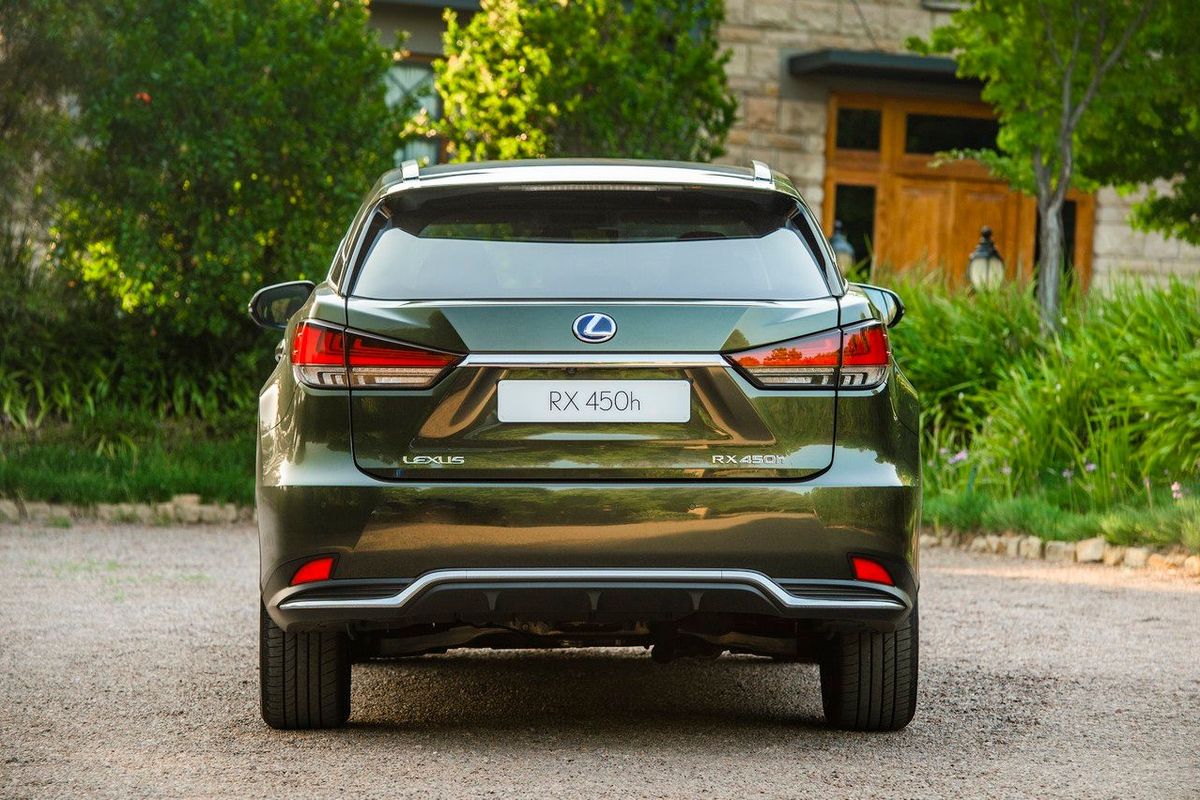
Lexus' premium SUV, the RX, has received a few updates and we drove the newcomer at its local launch in George.
The RX is one of Lexus' most successful products – the Japanese premium brand has sold in excess of 3 million of its premium SUV range. Now in its 4th generation, the RX has been subjected to a mild update and the changes are far more than skin deep. The range comprises 4 versions: the 350 EX, 350 L EX (7-seats), 350 F-Sport and 450h. All Lexus RX derivatives feature all-wheel drive, as well as an automatic transmission.
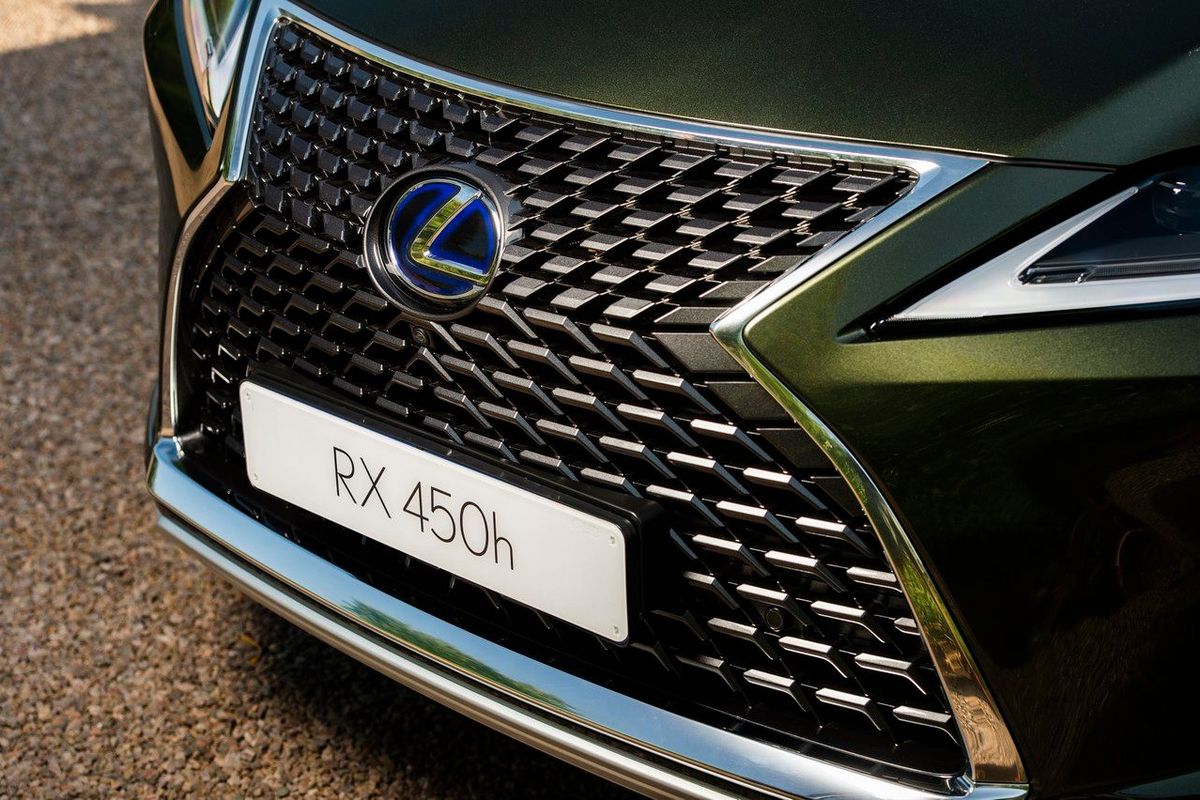
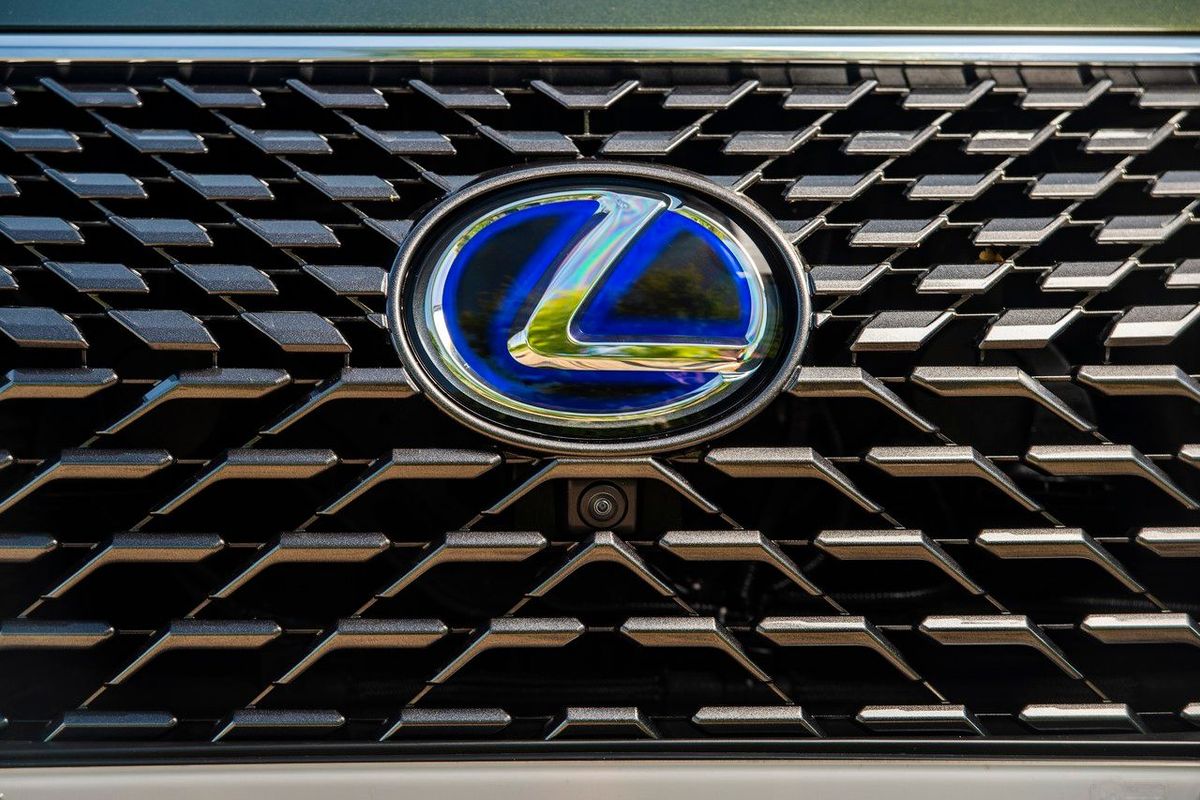
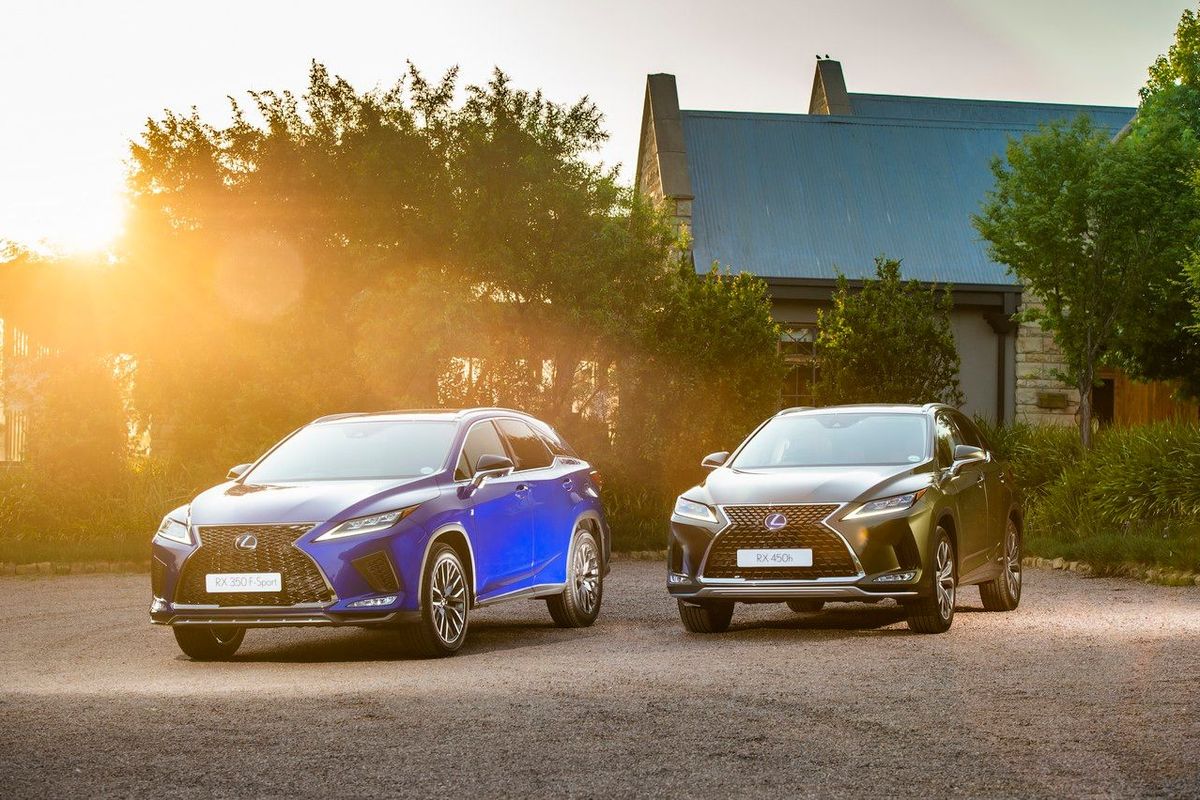
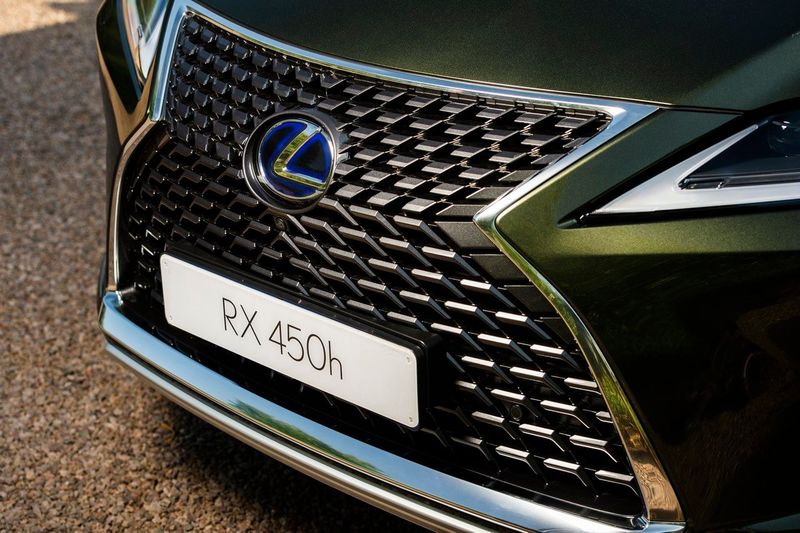
The Lexus grille is big and bold, and we love it. Note the blue tinge around the Lexus logo, which signifies hybrid power.
What's new?
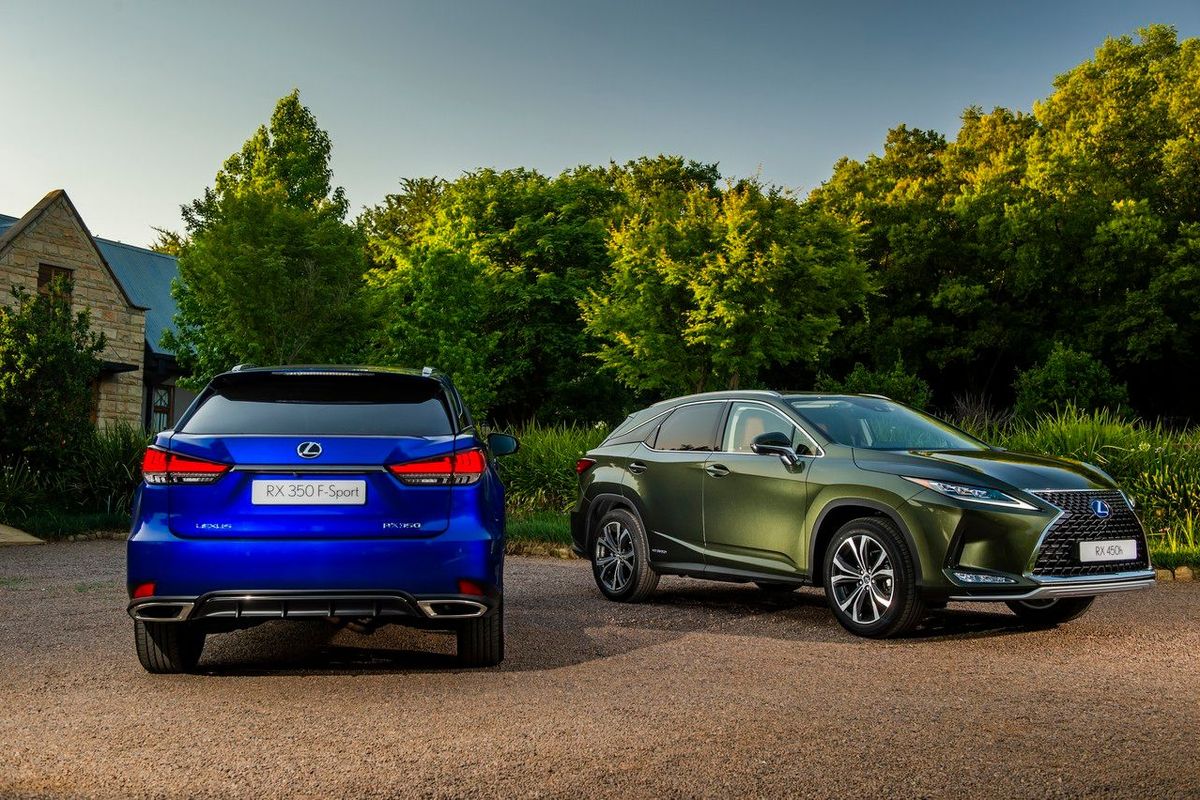
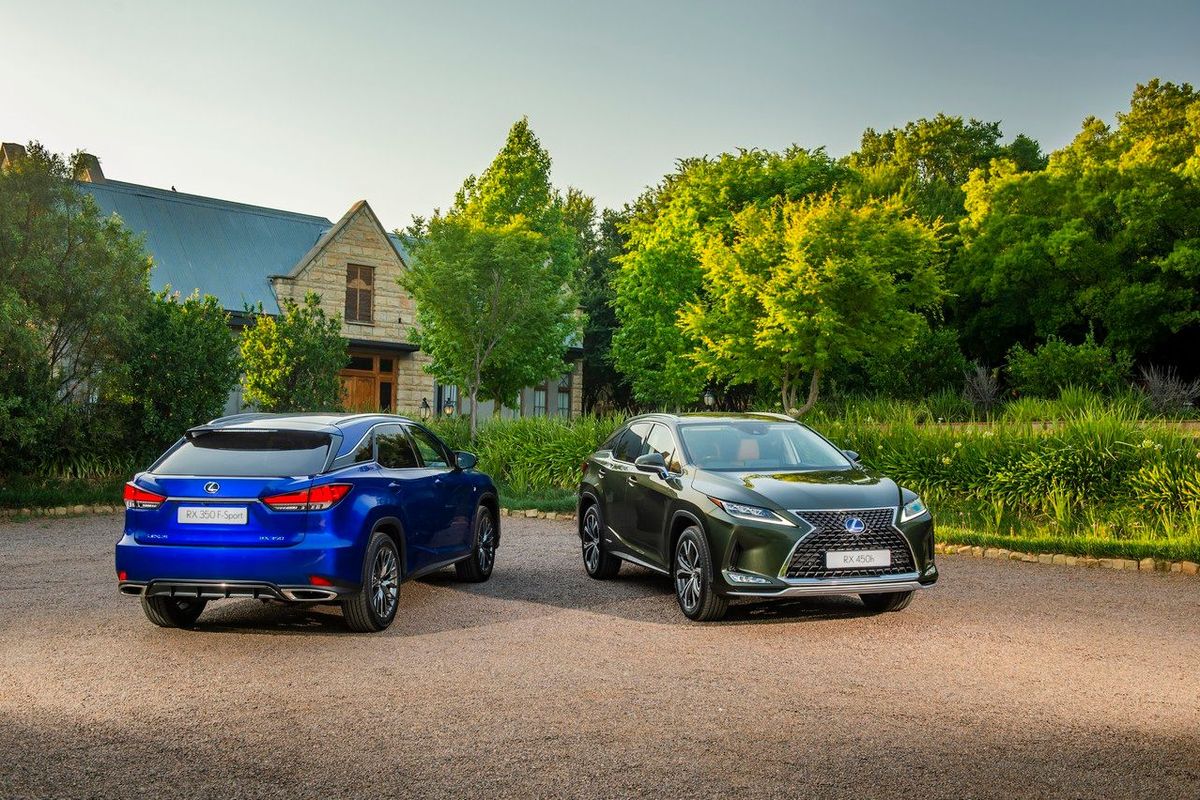
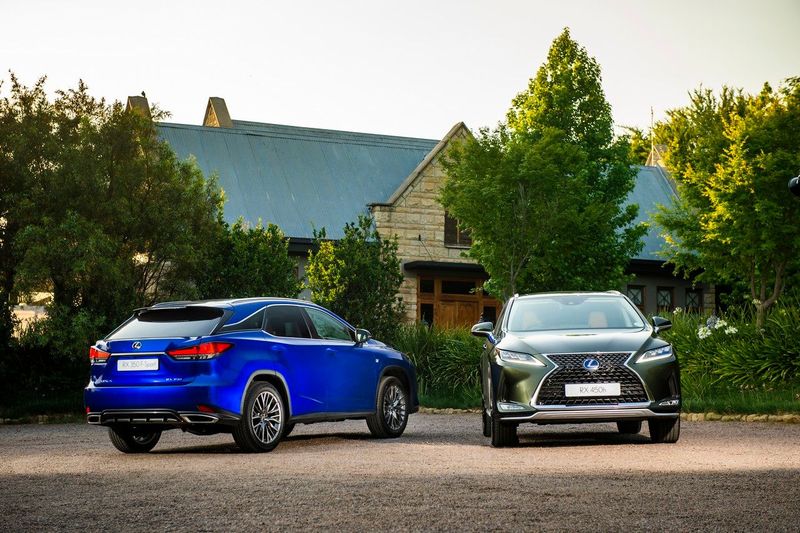
The updates to the RX are both cosmetic and technological. The bodywork's subtly revised, but the best representation of the changes can be found in the new 350 F-Sport, which really looks the part! When festooned in bold paint finishes such as Heat Blue or White Nova (exclusive to F-Sport range and seen on performance models such as the IS-F), the 350 F-Sport endows the luxury SUV concept with a healthy dose of sporty attitude.
Granted, a family-oriented Lexus and "sporty attitude" is an unlikely pairing – the LC and RC F are different stories – but we think it works (besides, Audi, BMW, Jaguar and Mercedes-Benz have been emblazoning their performance divisions' names on SUV models for years). To that end, the F-Sport derivative features striking 20-inch alloys and bumpers, a bold grille and black plating, while the cabin can be trimmed in gorgeous red leather.
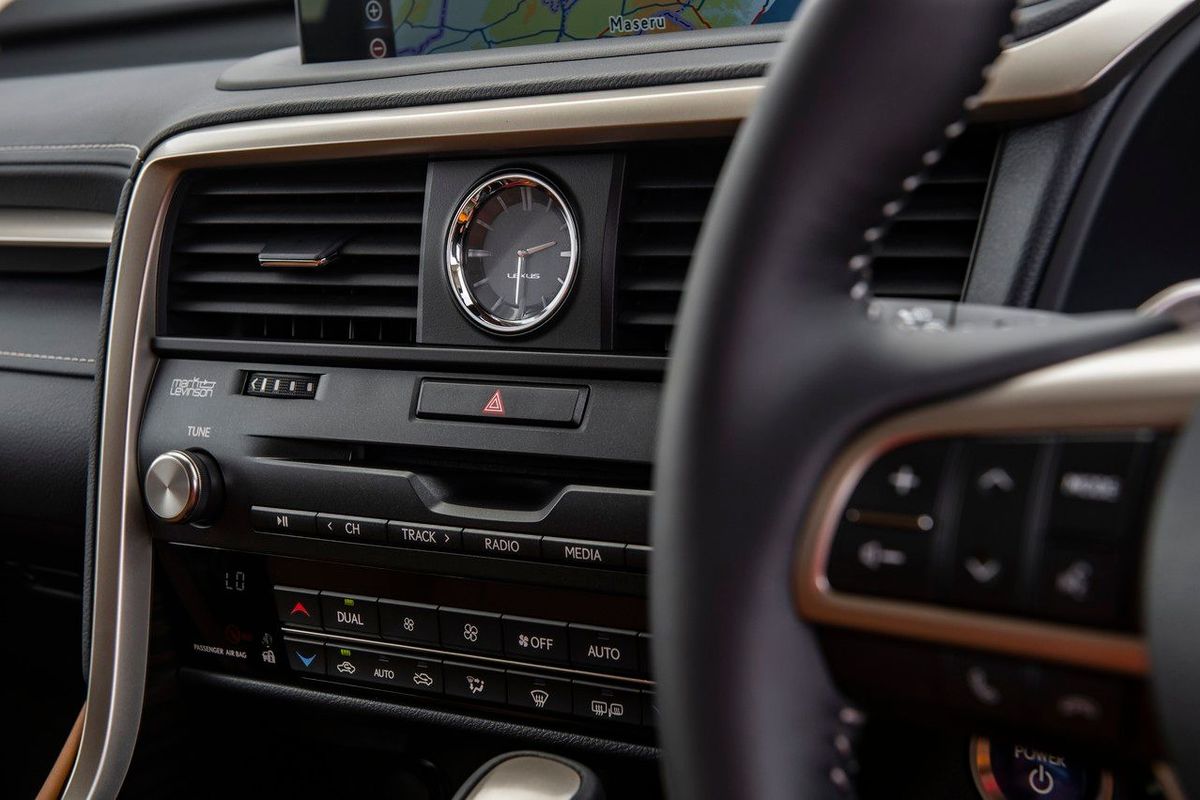
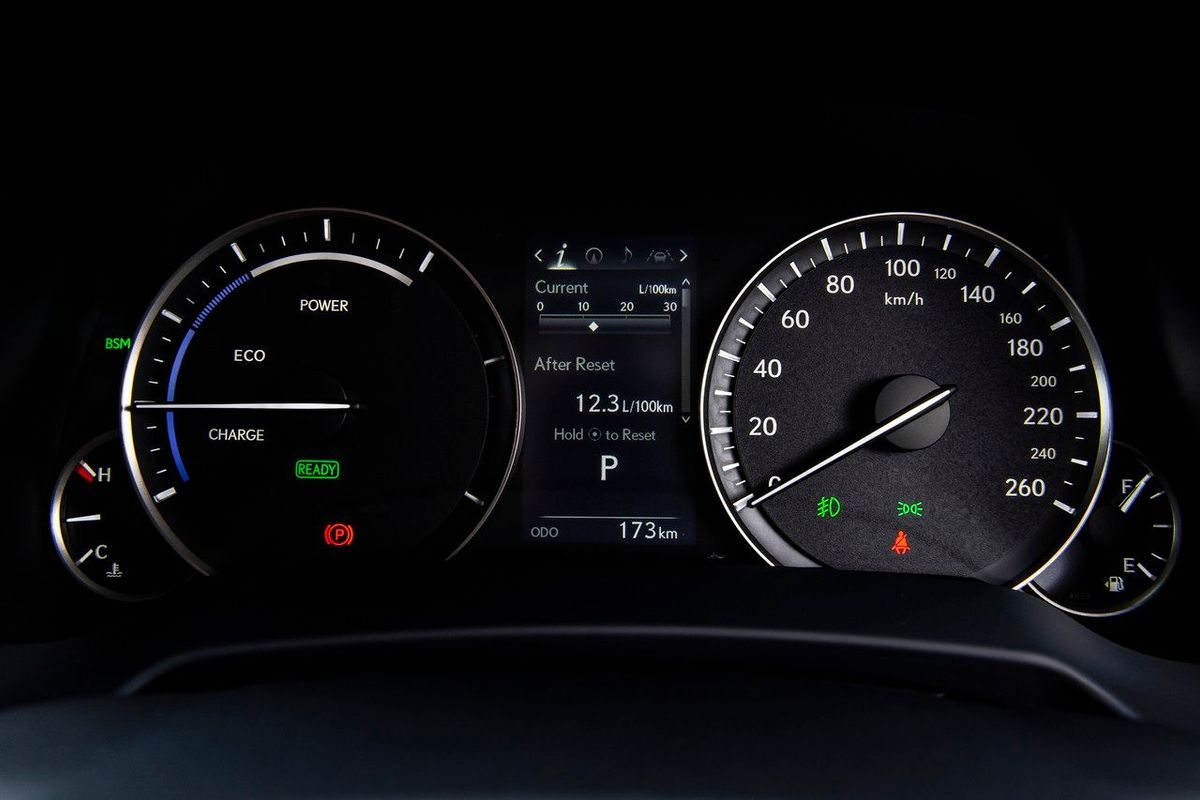
The RX450h has a unique dashboard with the traditional rev counter replaced by a power meter.
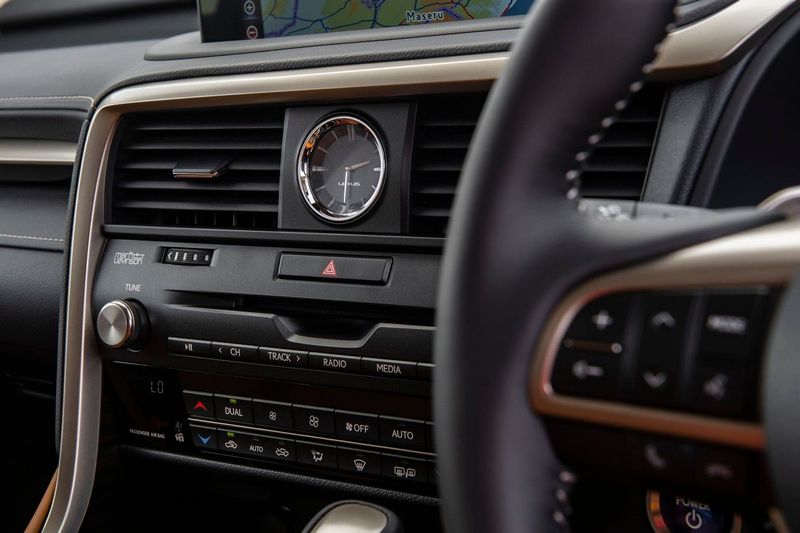
It's under the sheet metal of the revised Lexus where you will find the most significant changes, however. The RX's fascia gains an updated infotainment screen, which measures 12.3 inches, has been positioned closer to the driver and incorporates touch functionality. In a significant development, Android Auto and Apple CarPlay compatibility is standard; the RX is notably the first model in the Lexus family to sport this feature.
All Lexus models also now feature in-car wifi with 15 Gb of data, which can be topped up on the Vodacom network. The cabin also receives a mild nip and tuck, with 4 additional USB charging ports and a smartphone holder. The previous model introduced a wireless charging pad and we're happy to see it's still part of the extensive standard equipment list.
Mechanically, there are some mild changes such as a friction control device fitted to the front and rear shocks to improve the ride quality; it's a bonus, really: the RX has always offered an exemplary smooth ride quality. The suspension has also seen changes to the front stabiliser bar and the lateral rigidity has been enhanced. The body structure has also been tweaked, with additional spot welds to enhance the ride comfort and handling.
There are 2 engines on offer: a petrol 3.5-litre V6 and 3.5-litre V6 hybrid. The former features an 8-speed automatic transmission and produces 221 kW and 370 Nm. The hybrid has the same naturally-aspirated motor, but, in combination with an electric motor, it puts out 230 kW. Interestingly, a torque figure is not given, but we'd figure there's well over 400 Nm. Lexus claims a sprint time of 7.7 seconds from 0 to 100 kph for its flagship.
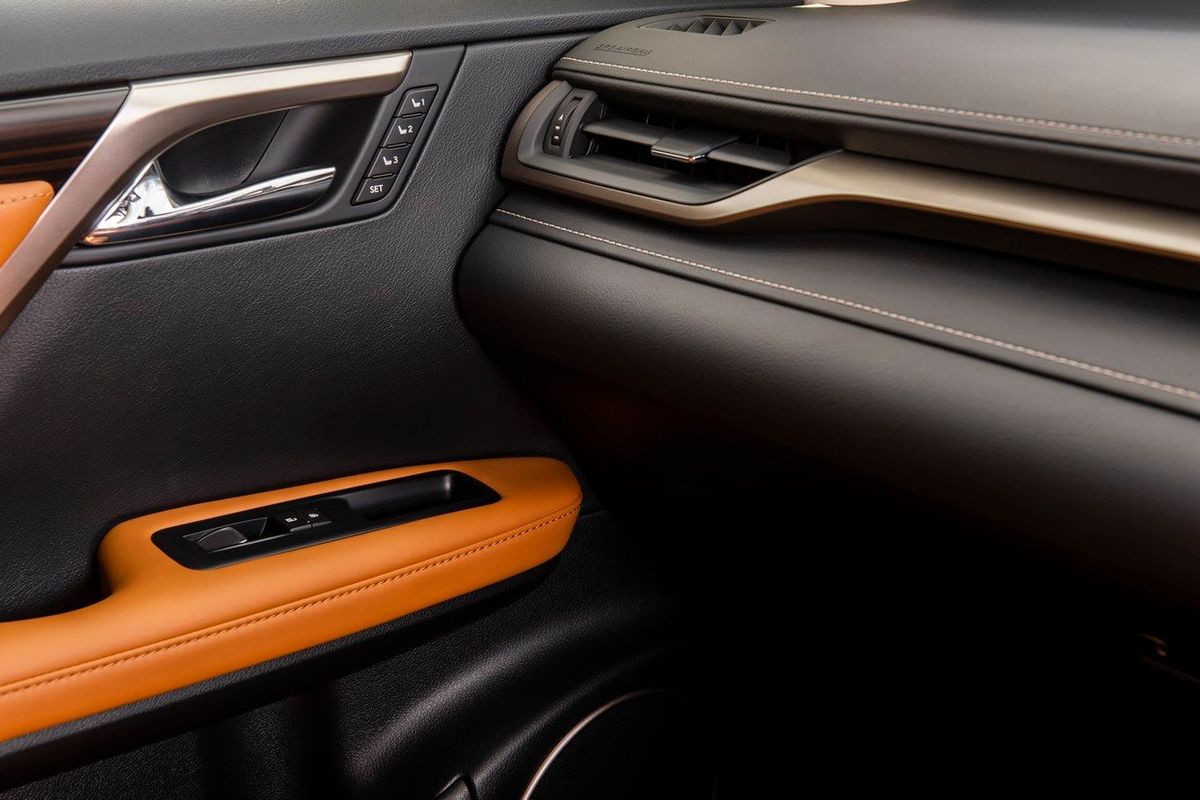
The Lexus RX's build quality and finishes are excellent.
What is it like to drive?
We had the chance to drive the 350 F-Sport and 450h derivatives. Our prior experiences with the RX range have left us impressed with the Lexus' refinement and comfort levels. With our cellphones connected via Android Auto (to replace the traditional route guide), we headed off on some scenic roads from George to Oudtshoorn via the majestic Robinson Pass. Our first test unit was a White Nova RX350 F-Sport and as we hit the pass, we engage its sportiest mode to see if there was any fun to be had and to see if the suspension tweaks have made a huge difference.
In terms of dynamic ability, the 350 F-Sport is sufficiently wieldy; its 3.5-litre non-turbo V6 sings a lovely tune as you make the most of the willing and eager motor. You can actuate gear shifts using the steering-wheel paddles, but we preferred to leave the vehicle's transmission to its own devices. Speaking of steering, the revised RX's tiller still doesn't offer enough feel or directness to be classified as sporty, but that's acceptable in our eyes as mountain-pass carving is not what it was designed to do. The Japanese premium SUV's body does roll a bit if you pitch it sharply into fast corners.
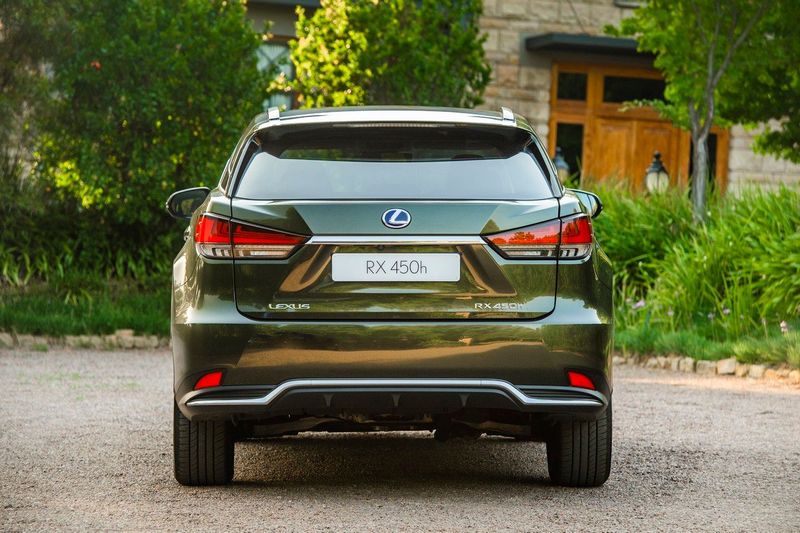
You do lose some luggage space in the hybrid, but the additional features of this derivative are likely to win over buyers.
The RX really excels, however, in terms of on-road refinement and cruising ability. When we switched the driving mode from Sport+ to Normal, the engine note settled down and we cruised leisurely across the Karoo. The suspension does an outstanding job of soaking up road imperfections – all of which makes the RX one of the finest family vehicles for touring, especially when you consider most derivatives ride on large sporty alloy wheels. You can see that extensive attention to detail has been applied; even something as mundane as opening a window is completed in near silence.
Interior noise levels are remarkably low, but perversely, we made the multi-speaker Mark Levinson system work overtime. Fitted as standard on higher grades of the RX, the excellent in-car entertainment system effortlessly links with Android Auto streaming services such as Spotify. We're also exceptionally thankful for Android Auto/Apple Carplay functionality as the standard infotainment system is a touch frustrating and unintuitive to use. The cabin itself is practical, with plenty of spaces to place your phone, keys and other paraphernalia; all in all, it feels exceptionally well-made.
The hybrid RX450h derivative, meanwhile, additionally features electric assist and swaps out the 8-speed auto transmission for a CVT. The powertrain is optimised for economy and refinement in an urban environment, so don't be surprised when the petrol engine suddenly goes quiet. Providing you don't accelerate too briskly, you can pull away in silence, with the electric motor doing all the work. It does lose some appeal on the open road, as the CVT blunts responsiveness and causes a bit of a drone, but the gearshift paddles do afford a modicum of driver engagement.
F-Sport trim brings some visual punch to the Lexus RX range.
Summary
The perennially underrated Lexus RX continues to impress in most facets. Even with the aesthetic upgrade, the premium SUV's looks won't be to everyone's taste, but its standard equipment list is exceptional – there are no optional extras and the addition of Apple CarPlay and Android Auto compatibility brings it up to speed with modern connectivity requirements. Comfort and refinement (and after-sales support) are its main strengths.
Should you buy one? Here's the thing: in the Premium SUV segment we're truly spoilt for choice – in fact, there are several seriously accomplished performers that can match the Lexus' abilities. We suspect that some rivals offer a touch more luggage space and are a bit more involving to drive, two factors that are critical in this segment. The hybrid derivative is unfortunately compromised because the battery pack takes out a sizeable chunk of the load-carrying ability, but the cabin is well-thought-out and there's still enough luggage space for 2 suitcases. We also reckon that turbodiesel-powered rivals may ultimately edge out the hybrid's efficiency. It's tempting to opt for the hybrid given the projected fuel-saving/emissions benefits, but until the government subsidises green(er) cars, we'd rather stick with the perfectly accomplished and refined RX350, preferably in F-Sport trim.
Lexus RX Price in South Africa (November 2019)
The Lexus RX comes with a 7-year/105 000 km warranty and full maintenance plan. The warranty on the RX450h battery is 8 years/195 000 km. Service intervals are every 15 000 km.
RX350 EX R1 012 000
RX350 EX L R1 087 000
RX350 F-Sport R1 132 200
RX450h SE R1 315 800
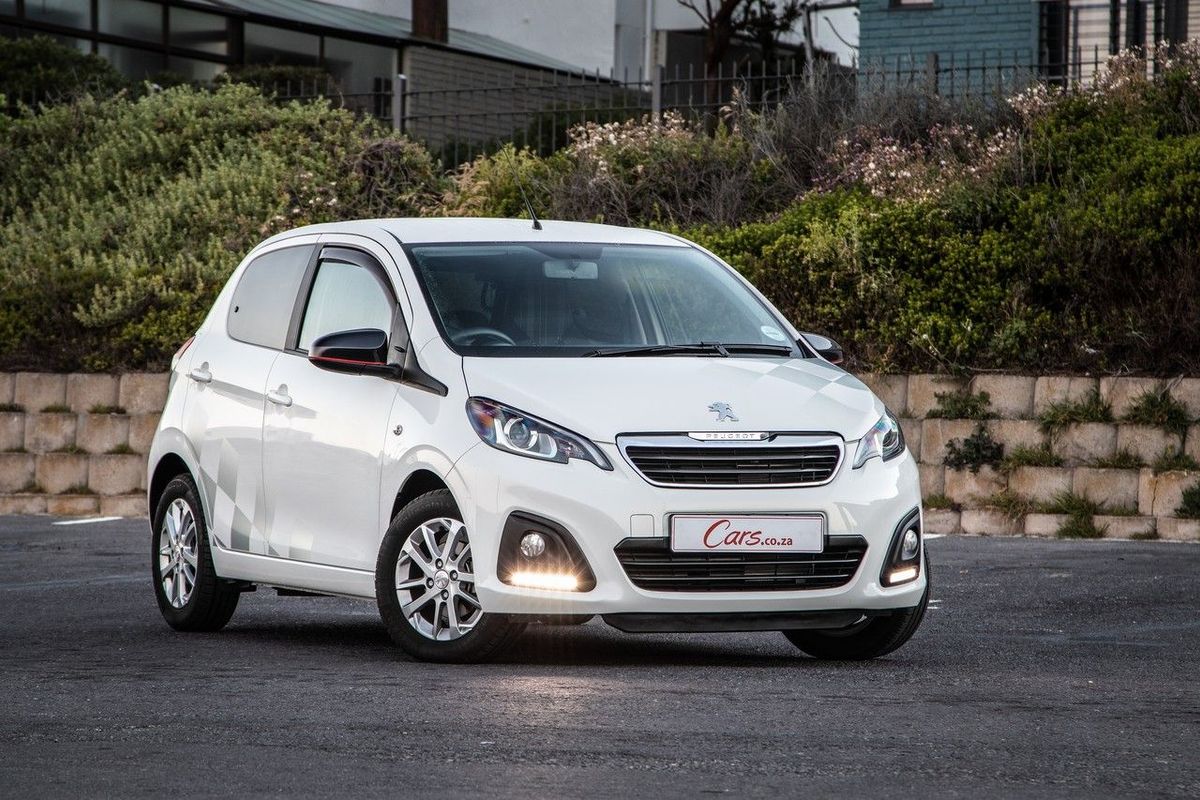
The Peugeot and Citroen brands have been relaunched in South Africa, so it's time to sample what they offer. First up: the budget-friendly Peugeot 108. Does it have what it takes to be competitive in this hotly-contested segment?
We like: Low cost of ownership, low fuel consumption, numerous safety and tech features
We don’t like: Cramped in the back for adults, small load bay, perception of Peugeot brand.
Some Peugeot dealers regularly offer specials: Have look here.
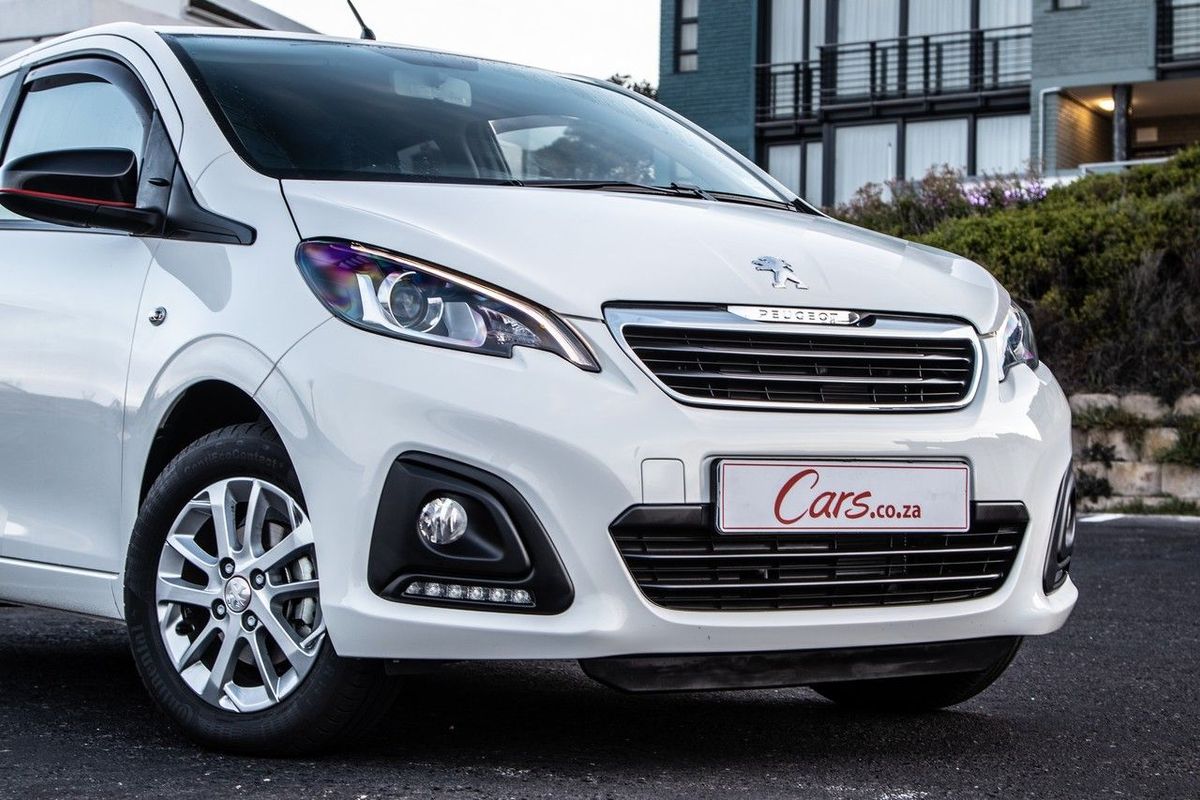
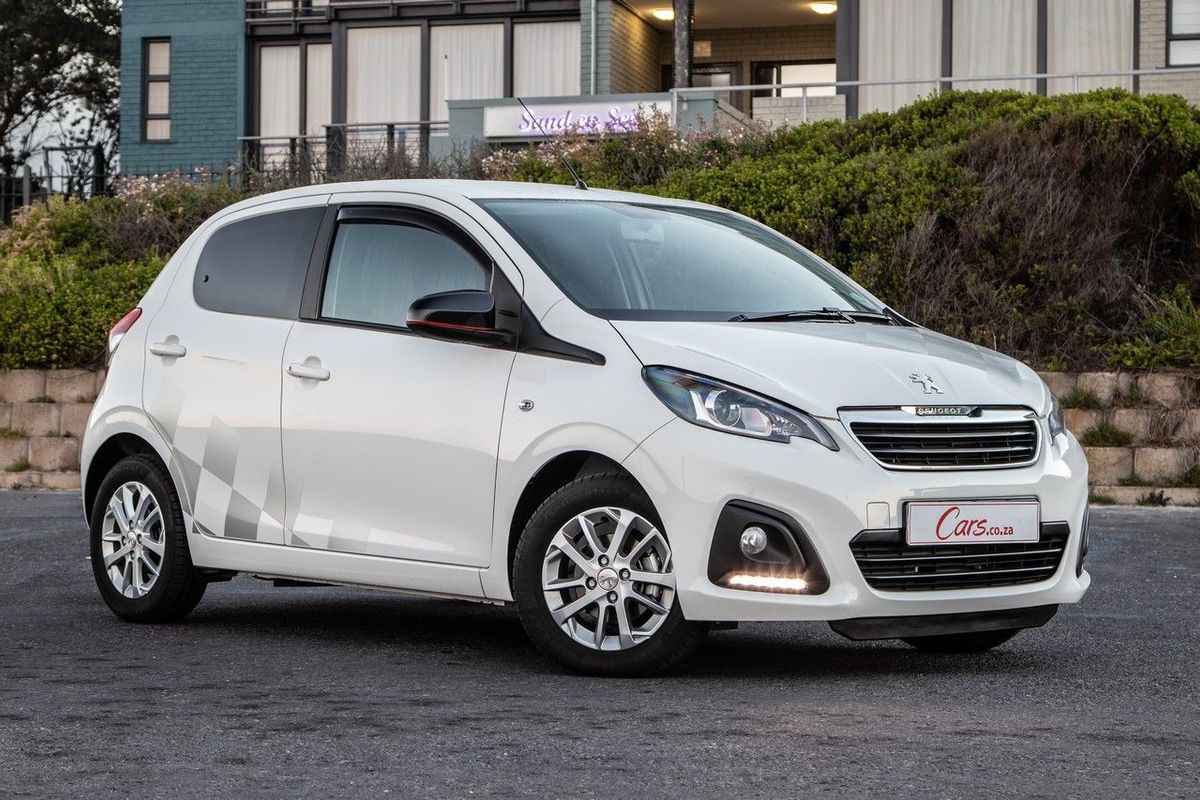
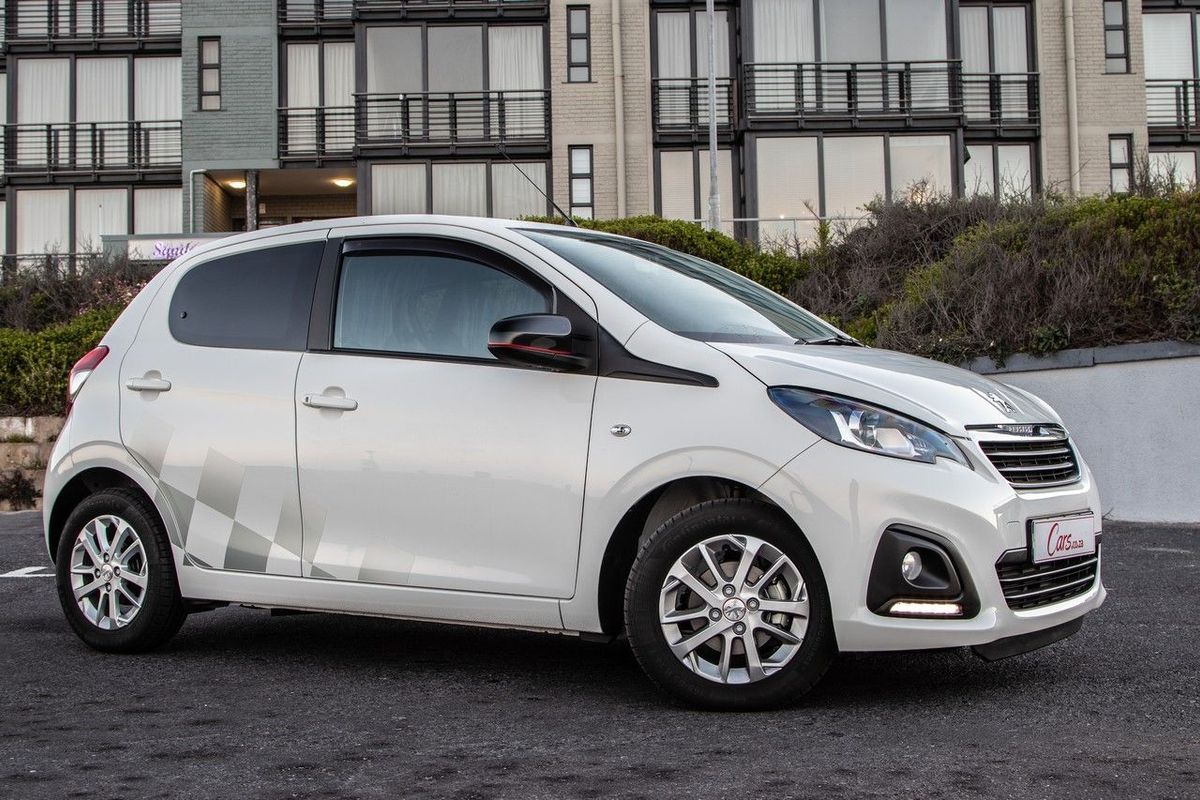
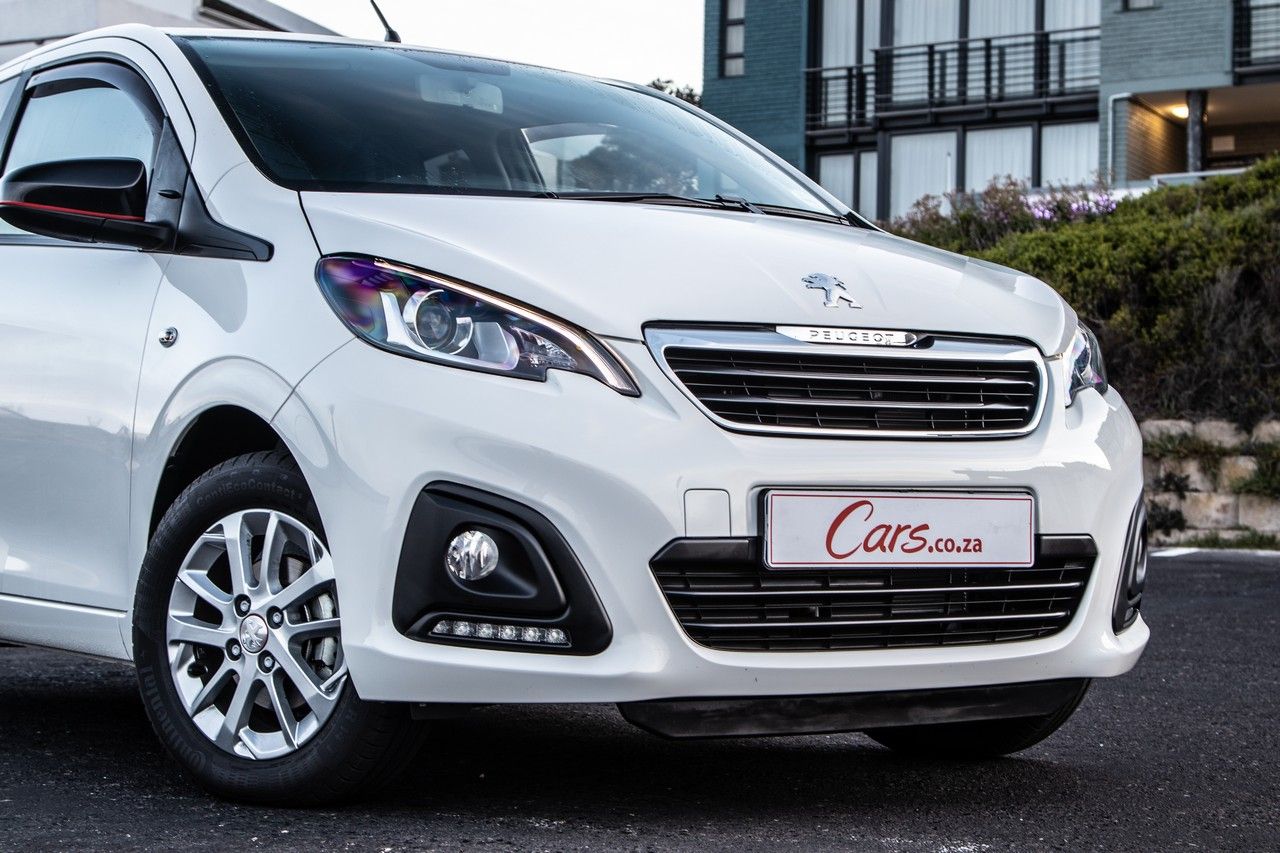
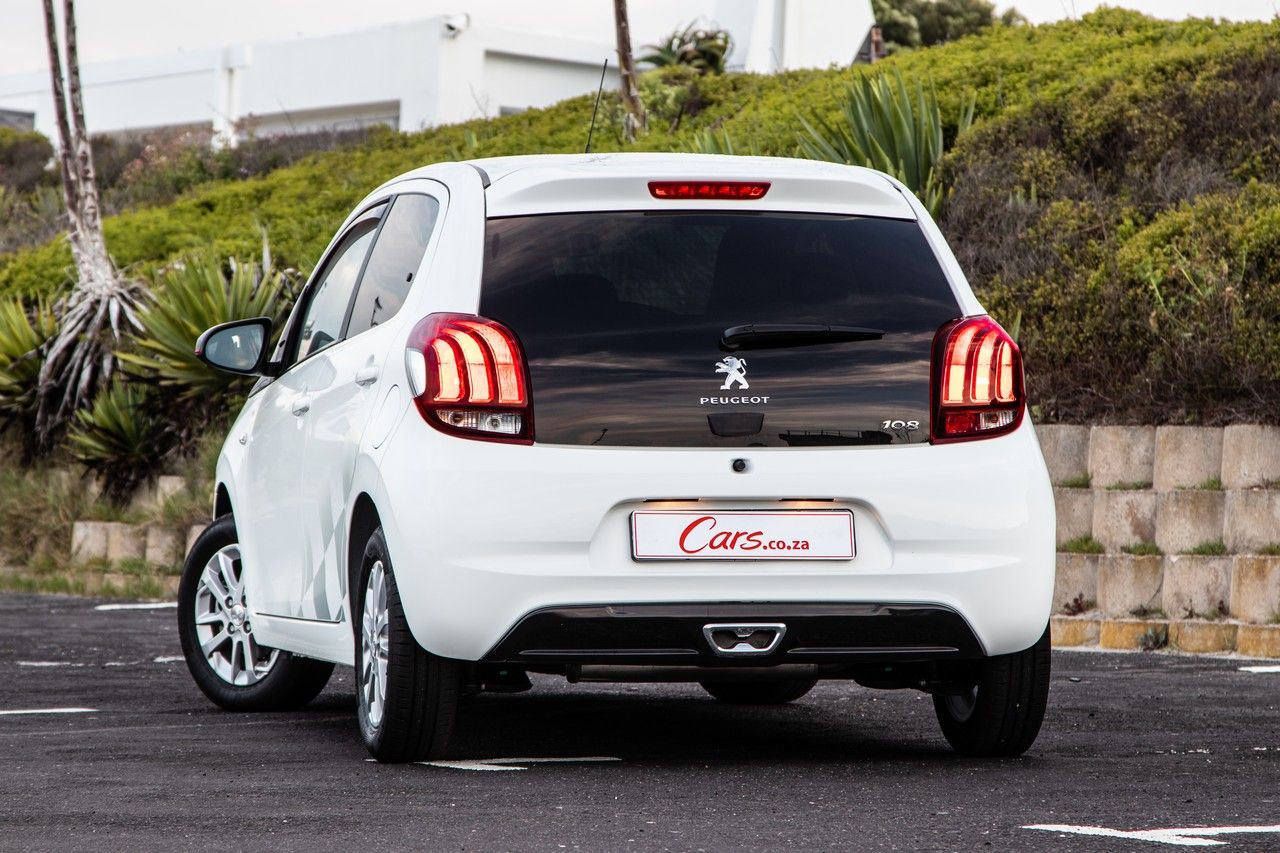
A cousin to the Toyota Aygo and Citroen C1 it might be, but the 108's distinctive detailing makes it stand out from the crowd.
What’s new?
The Peugeot 108 is the French brand's entry-level offering and while it's not exactly fresh on the scene (its cousin, the Toyota Aygo has been available in South Africa since 2015; they're produced in the same plant in the Czech Republic), it represents a reasonably affordable budget car in a chic city-car package. There are myriad manufacturers competing in the sub-R200k segment, but their products are predictably compromised by virtue of scant safety features, sparse spec, lack of space, underperforming engines and short- or no service plans. Can the 1.0 Active compete?
How it fares in terms of…
Performance and Efficiency
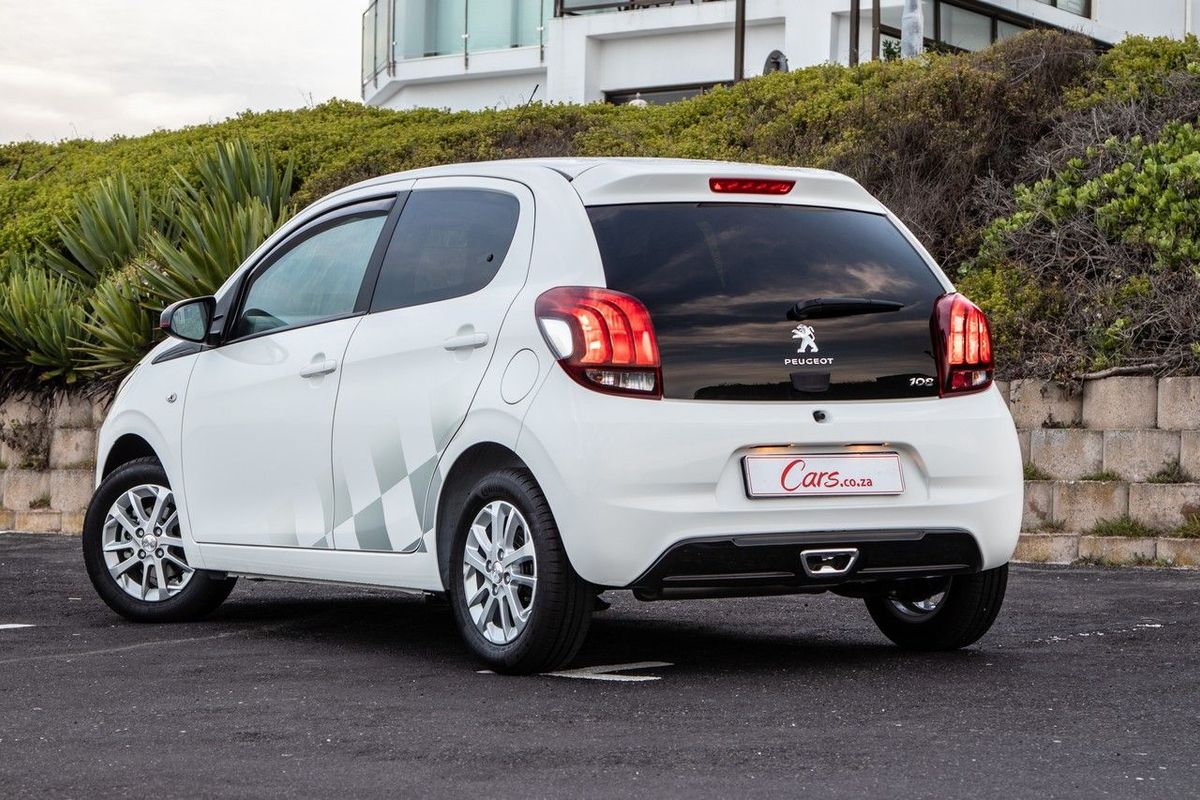
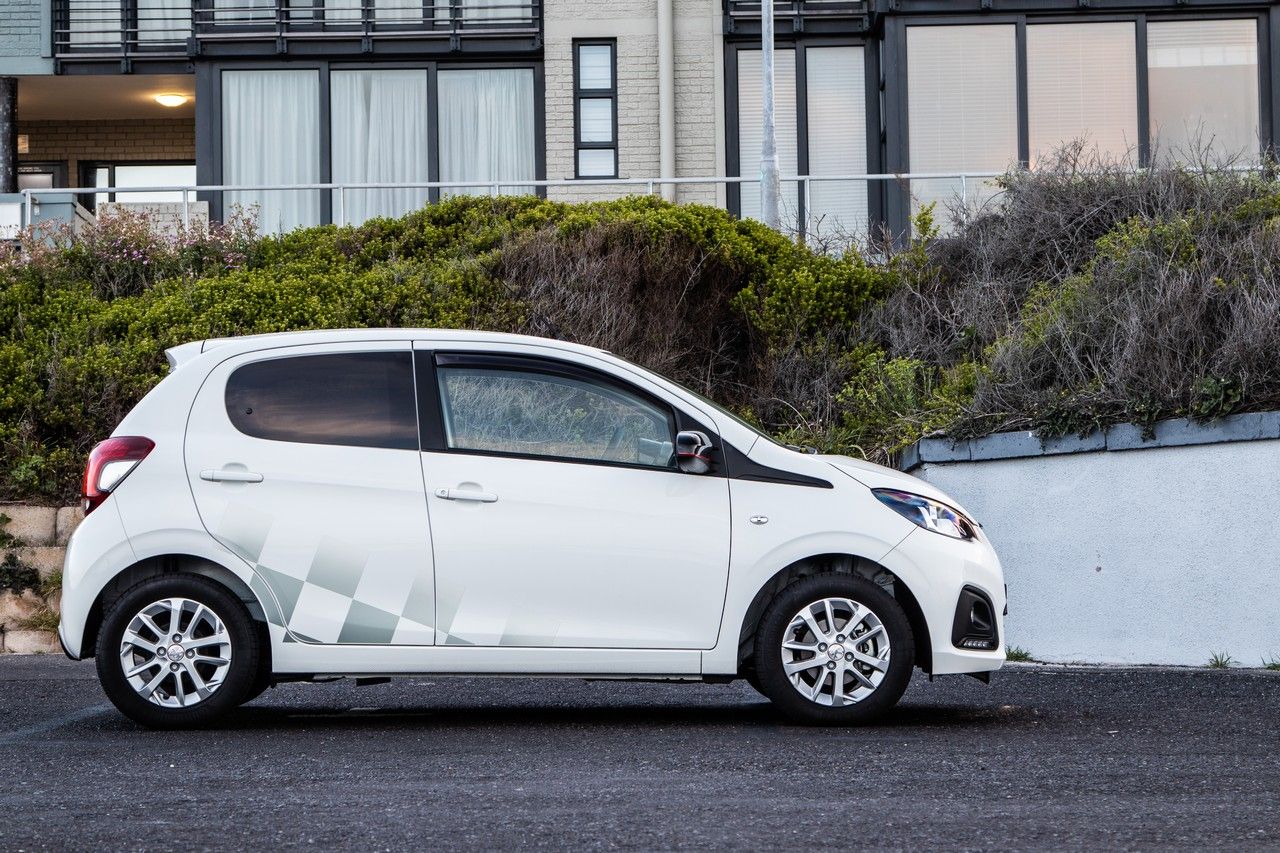
The Peugeot is clearly aimed for childless singletons or couples; it features rear doors, but rear legroom is negligible.
Under the bonnet, we find the tried-and-tested 1.0-litre naturally-aspirated 3-cylinder motor. It produces a fair 53 kW and 93 Nm, which may not sound like much, but in a small car with a low kerb weight (Peugeot claims 840 kg), you don't really need a larger-capacity engine. We've sampled this engine in the Toyota Aygo previously and we noted that it offered sufficient grunt, but we needed to rev that engine out quite often. That action has 2 downsides: firstly, the engine note can get quite loud (irksomely so), at high revolutions, and secondly, the fuel consumption suffers.
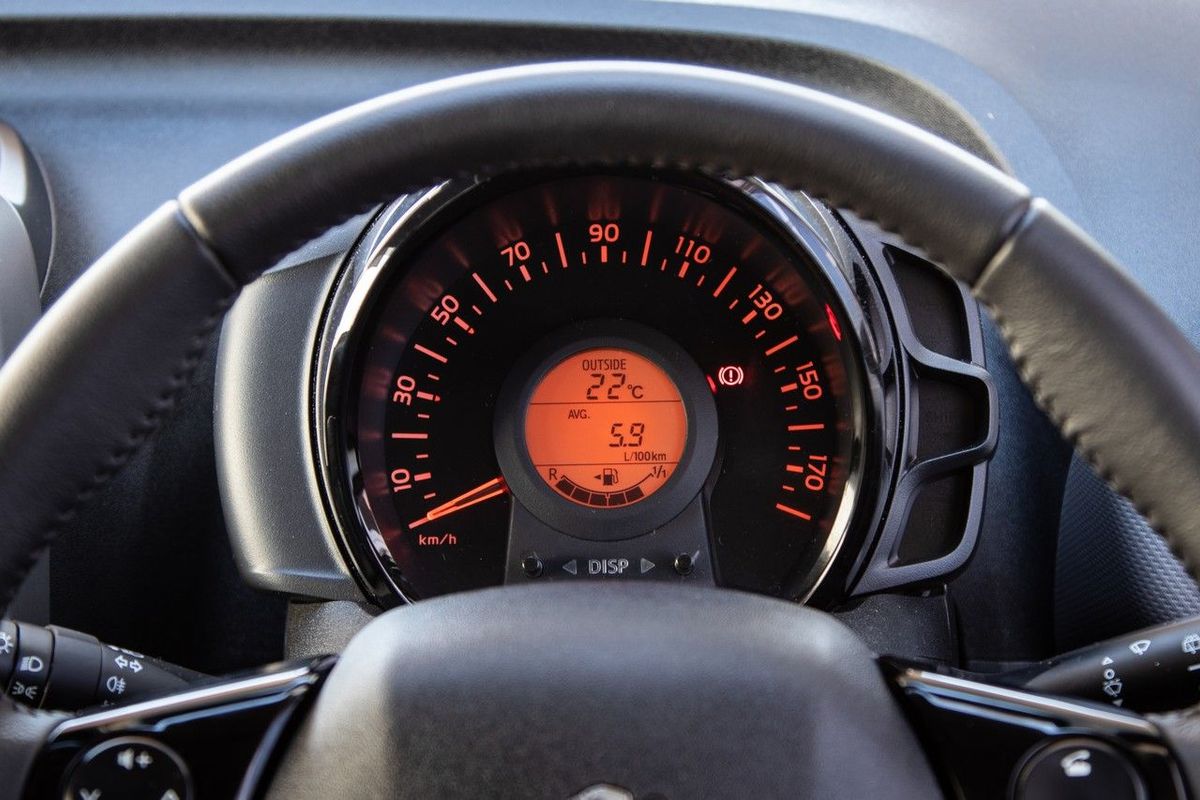
Speaking of which, fuel economy is one of the best things about this compact Peugeot. While the claim of 4.3 L/100 km is a bit far-fetched, we regularly saw indicated figures of under 6 L/100 km, which we think is more than fair. At best, we spotted a 5.3 on the trip computer, but after some hurried urban driving, that climbed to 5.9. The 108 also falls under the CO2 tax bracket, which helps to keep its new list price just under R180k.
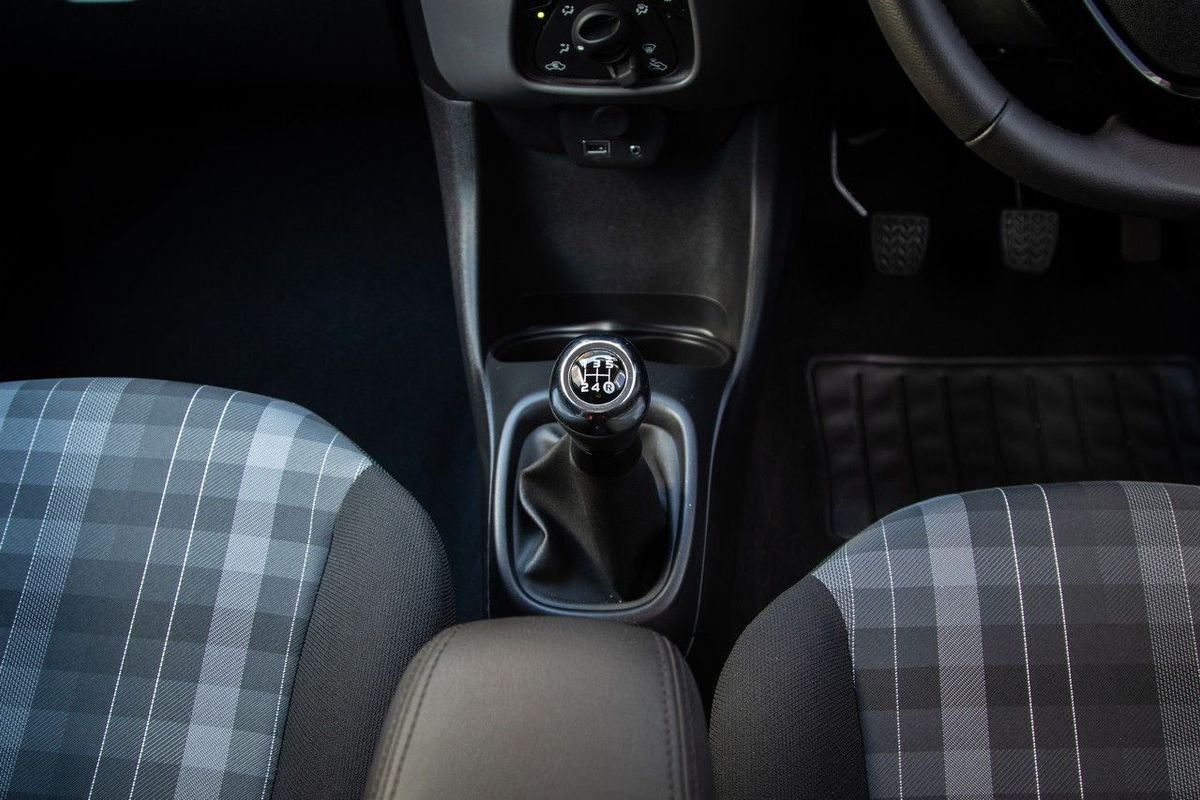
With a 5-speed manual gearbox and a light clutch action, the French newcomer is simple to operate. The gearbox/clutch action is not the most direct or refined, which is a mild frustration, but we're prepared to cut the 1.0 Active some slack because most of its rivals exhibit the same traits. With 93 Nm and not much weight to move around, the tiny hatchback is nimble and overtaking ability is reasonably eager. You'll find it tends to run out of puff once the kph hits 3 digits, but again, it's not a dealbreaker as the car's performance up to 100 kph is acceptable. Peugeot claims a 13-second 0 to 100 kph time, but note that this vehicle was tested at sea level and that the Peugeot will lose around 17% of its performance at Gauteng altitudes.
Ride and handling
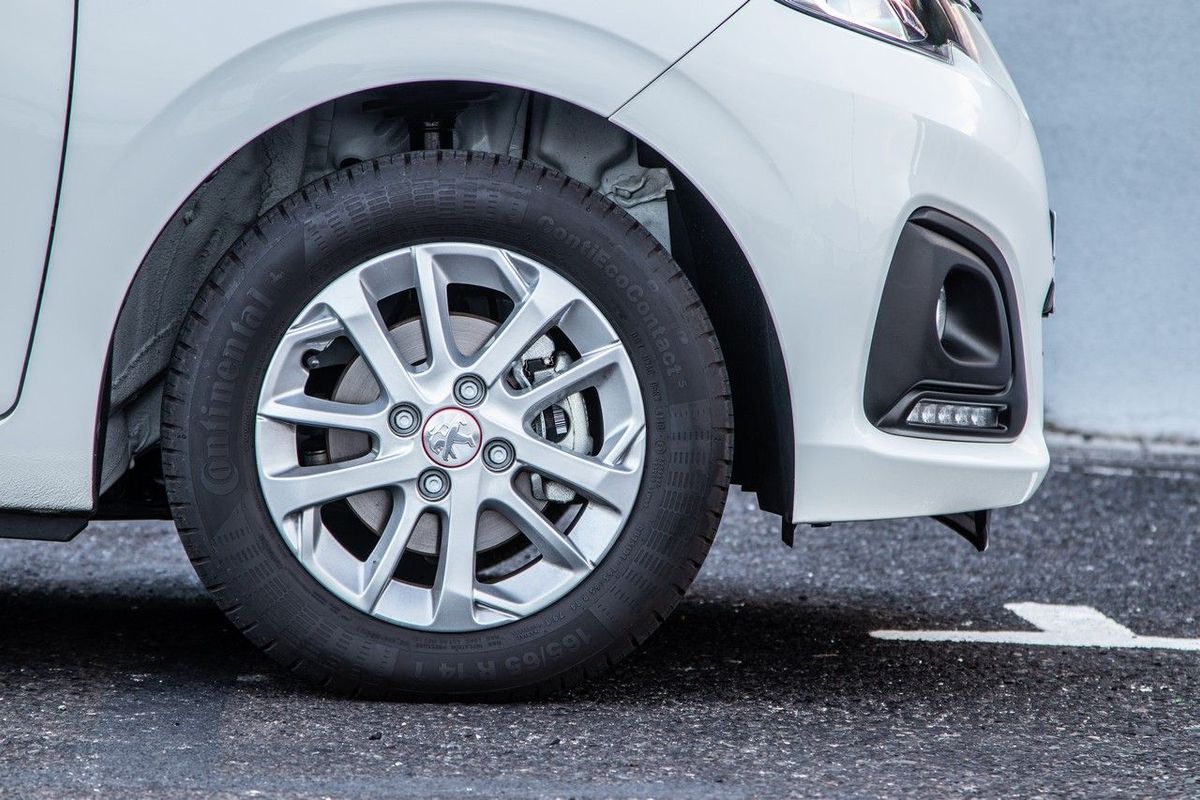
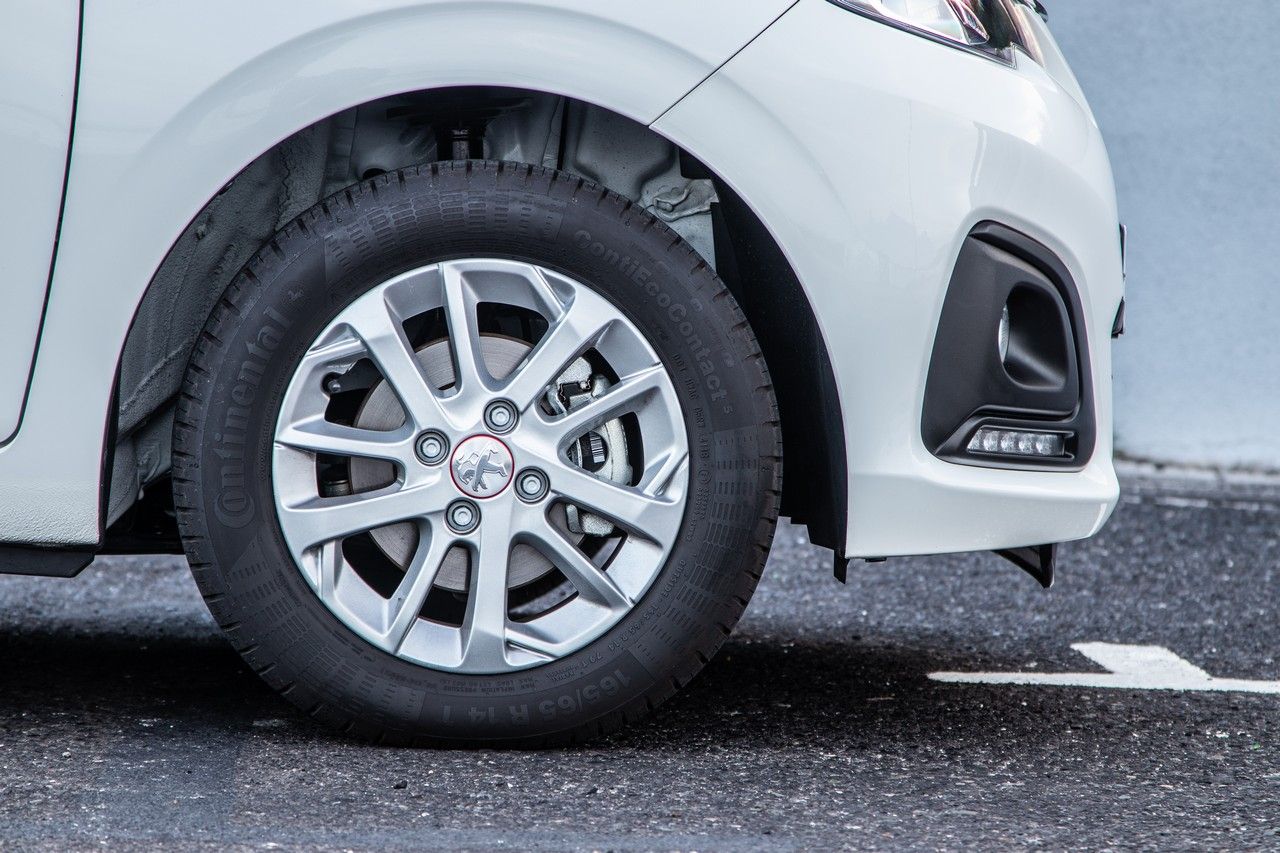
The 14-inch alloy wheels are shod with plump tyres, which helps the 108's suspension to better deal with road imperfections.
The 1.0 Active delivers an acceptable ride and handling balance; its softer suspension setup and 165/65 14-inch alloys soaked up most of the road imperfections we encountered during the 108's tenure in our fleet. Once you've settled at a moderate cruising speed, the Peugeot's engine note settles down appreciably and the steering action is always light and direct. The 108's compact size means it can take gaps in traffic that larger cars can't (or shouldn't!) and, thanks to generous rearward visibility, parallel parking is a cinch. What's more, in an age where mechanical steering has been replaced by electrically-assisted units that offer synthetic feel, it's great to wield a tiller that delivers such simple but "honest" feedback.
Practicality
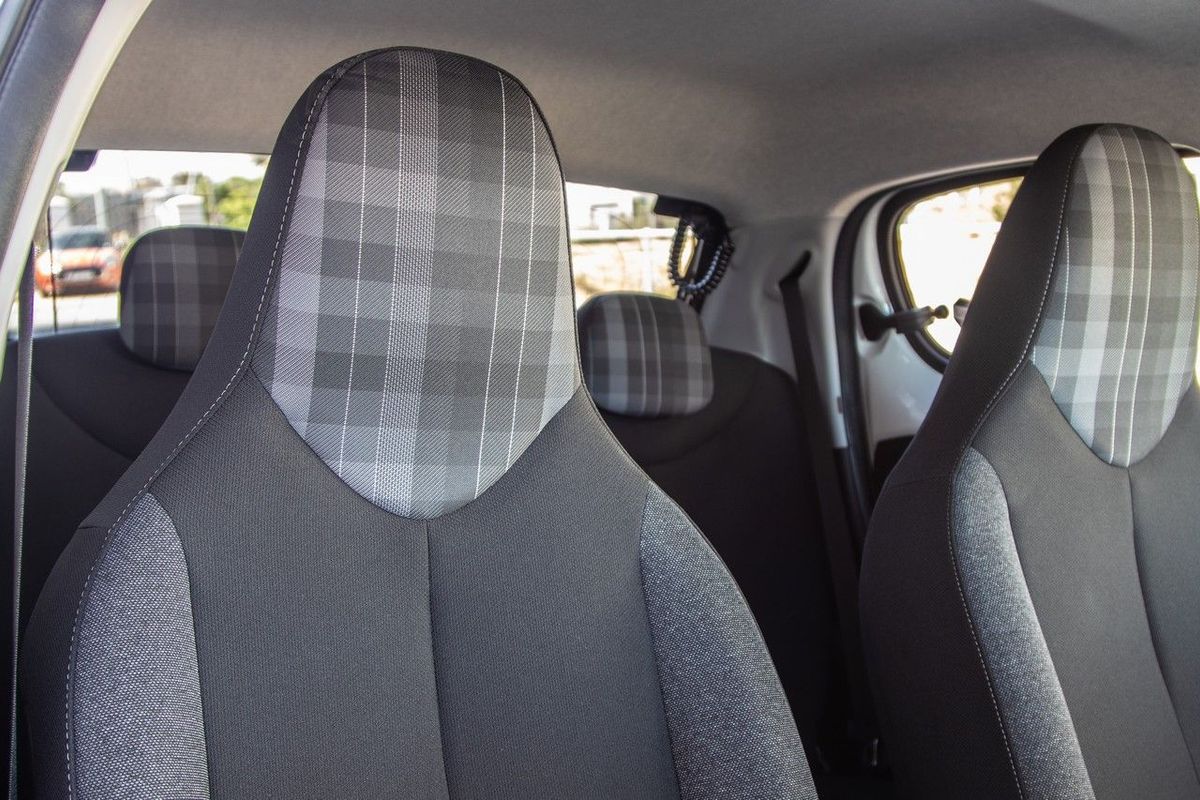
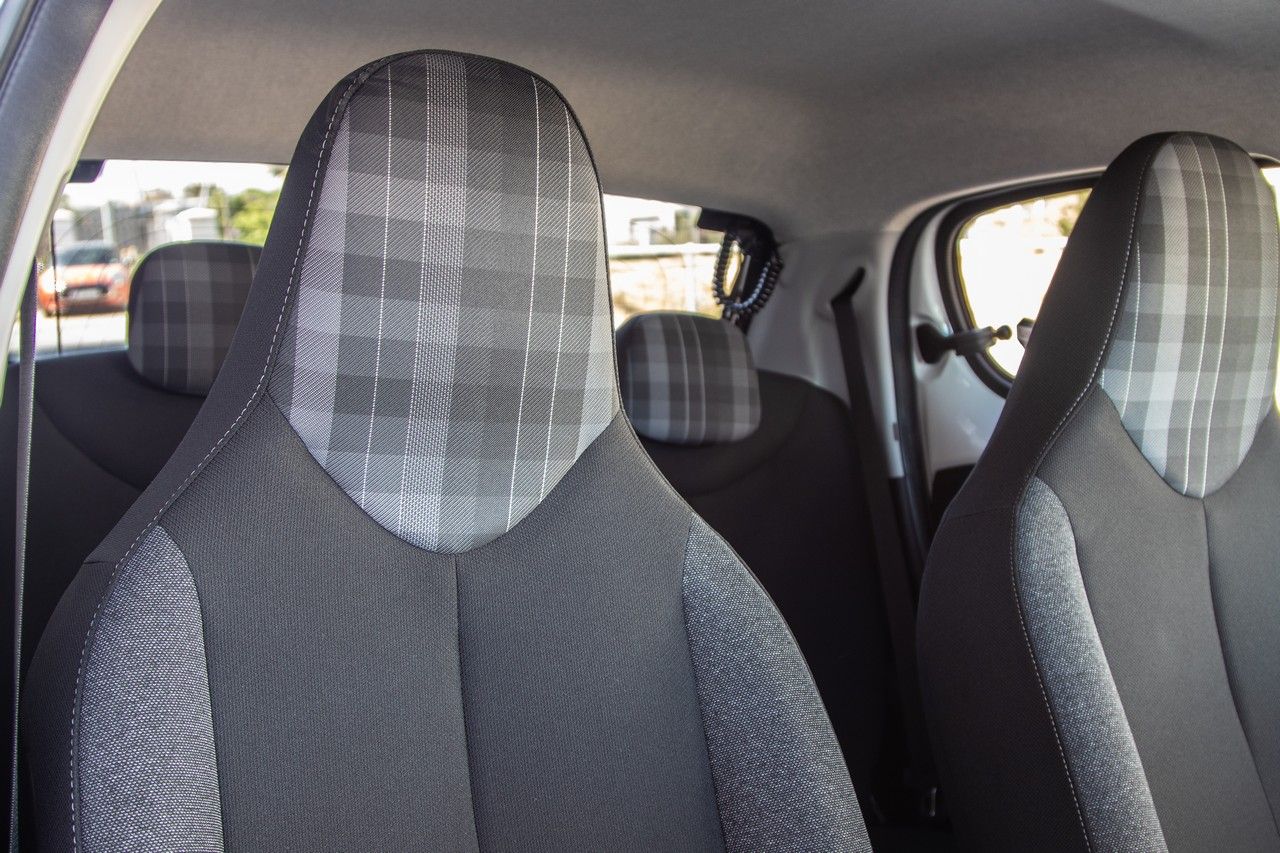
The seats are basic, comfortable and offer a bit of lateral support. The rear bench is firmer, but the lack of leg- and headroom will frustrate.
One of the drawbacks of the Peugeot 108 is its practicality and space – or lack thereof. While it is sold in a 5-door body style, the space in the back won't suit anyone other than small children. Granted, our testers are adult males, but even the sit-behind-yourself test couldn't be completed. The dinky load bay is also impractical for larger items and it has a rating of just 196 litres, making it useful for a laptop satchel and a shopping bag or 2, but not much else. If you need more space, then you can fold the rear bench down, giving you a total claimed loading capacity of 780 litres.
The Peugeot 108's rivals all boast larger luggage capacities, so this may turn out to be a dealbreaker if you're looking for a reasonably spacious budget car. Where the 1.0 Active does make up some ground, however, is in terms of its interior comfort features…
Interior comfort
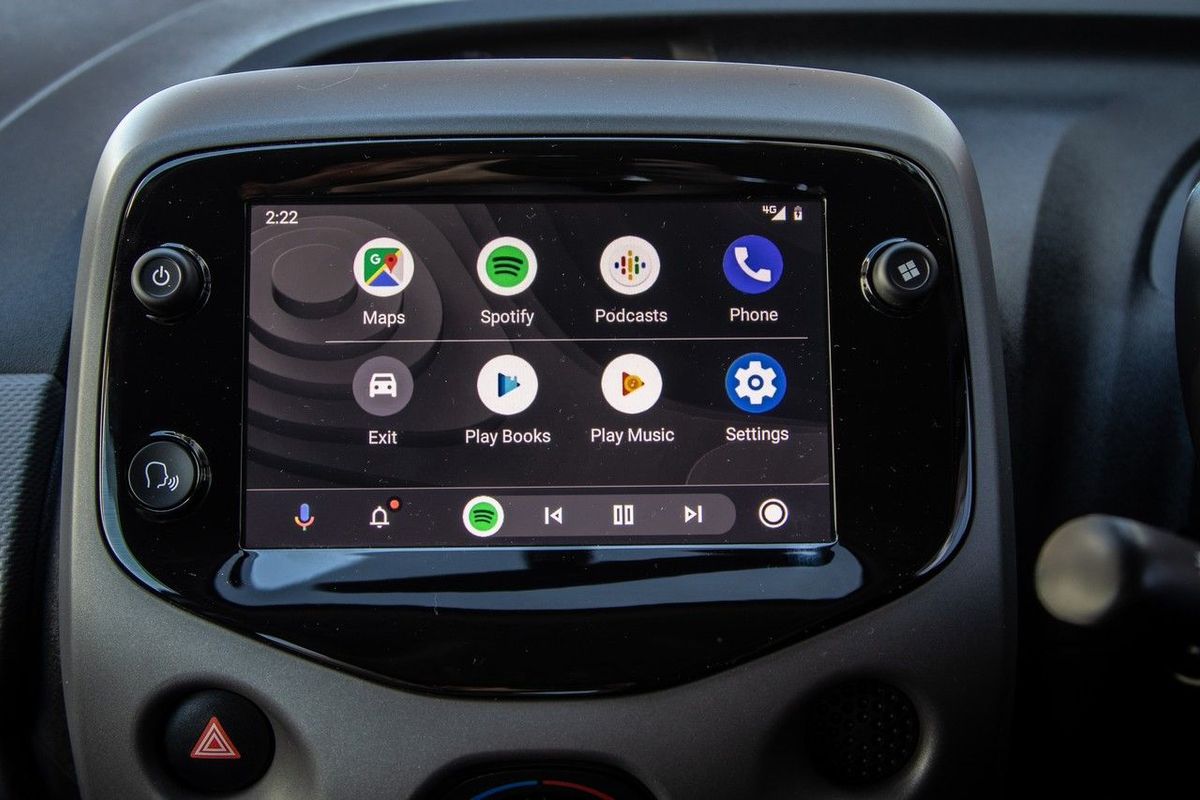
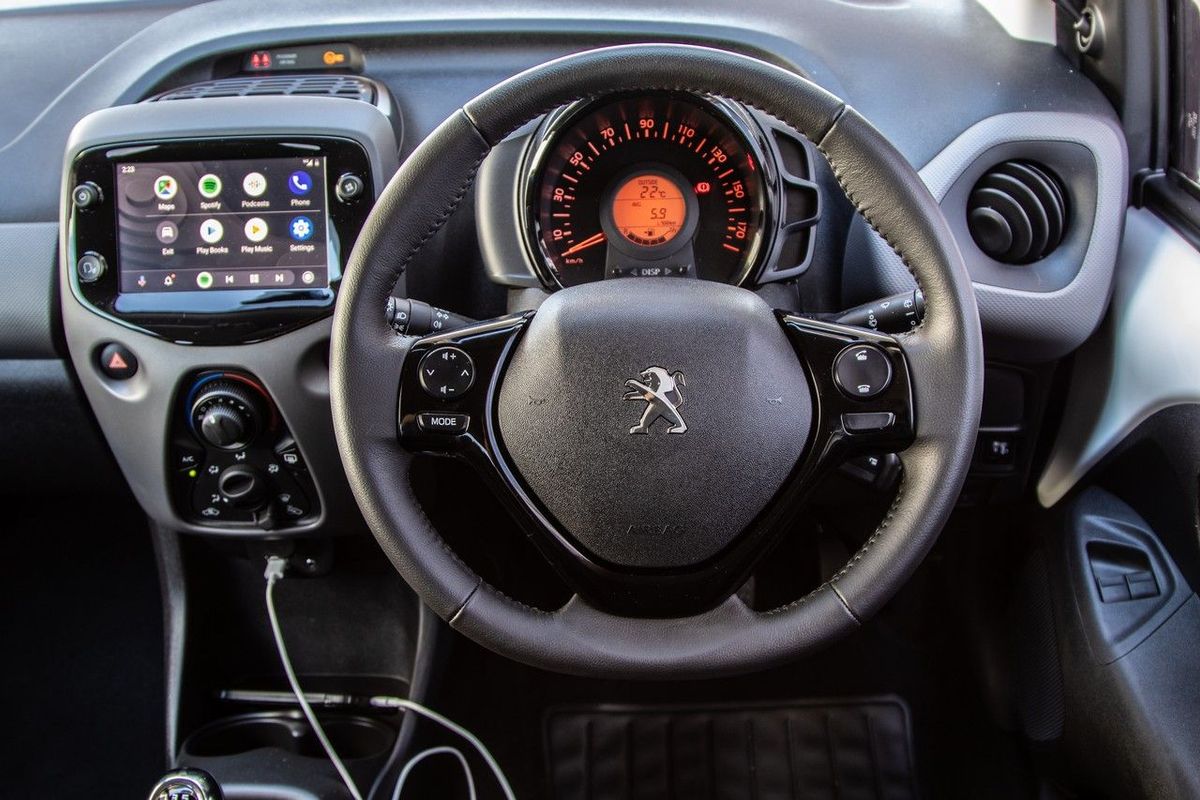
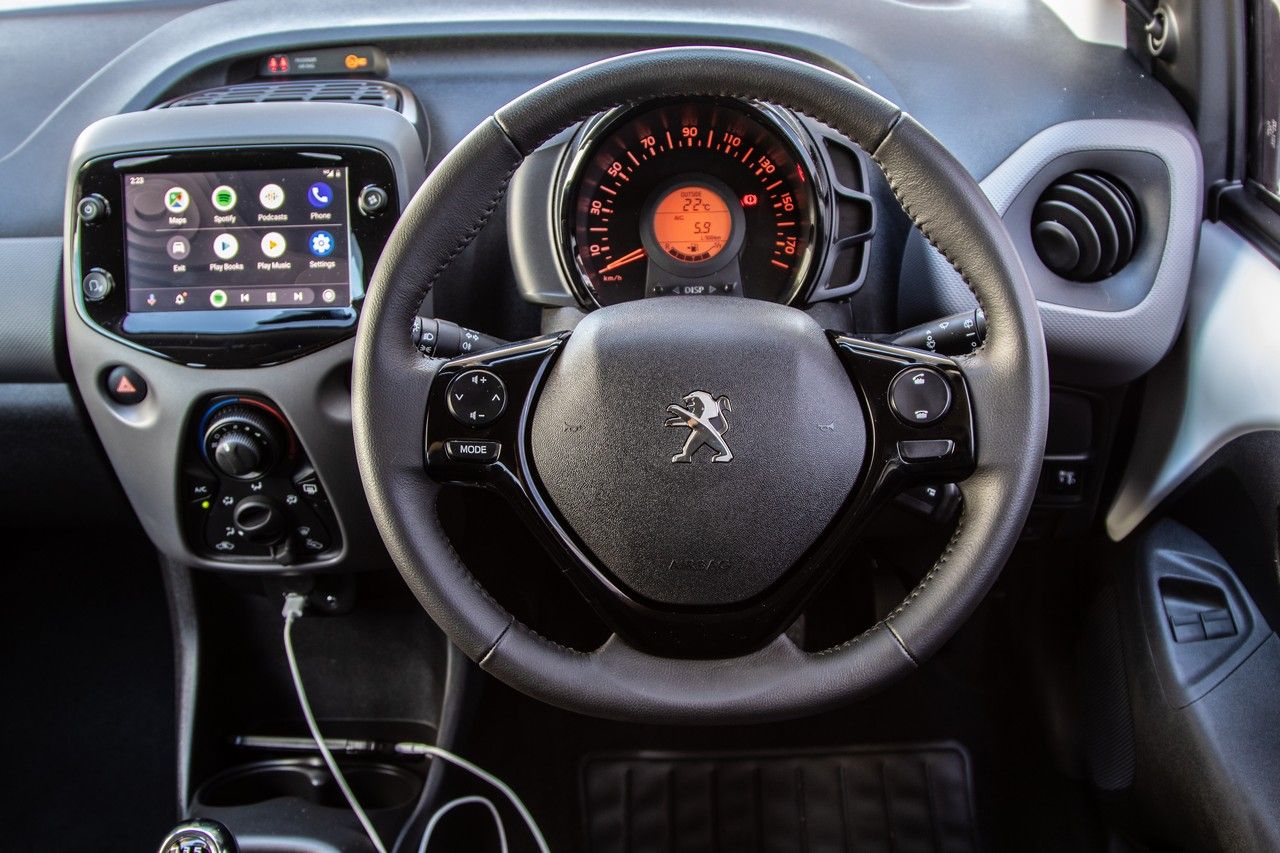
The Peugeot 108 cabin is simple. Note Android Auto on the main infotainment screen, with a mobile phone connected via USB cable.
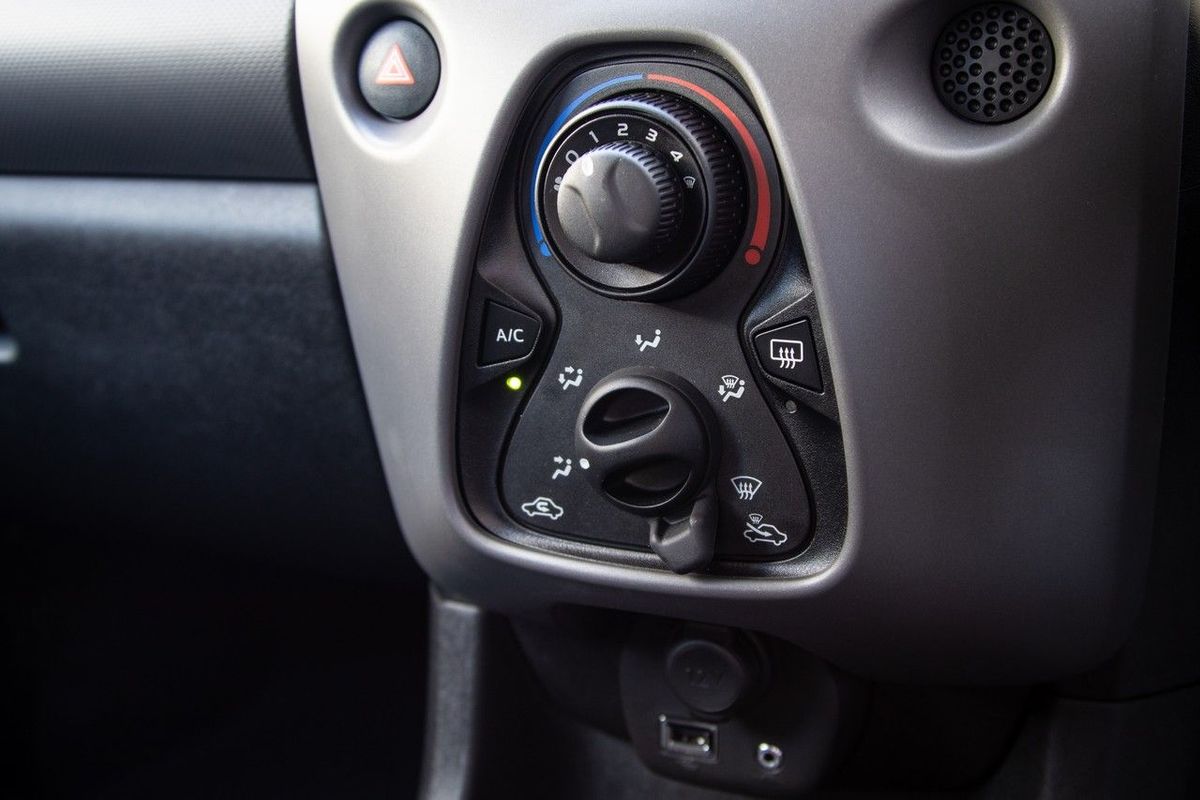
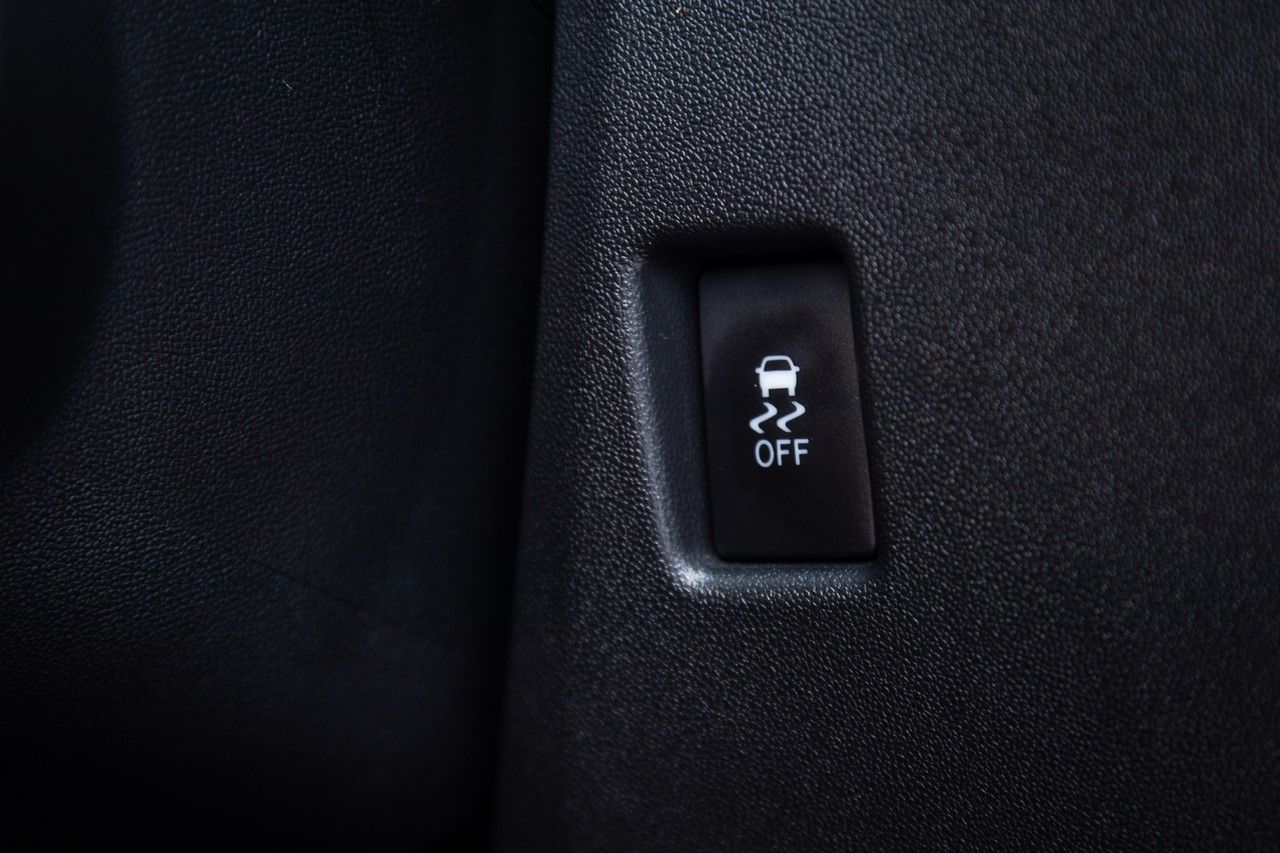
Interestingly, the Peugeot 108 comes to market with more standard spec than its Aygo cousin. Android Auto and Apple CarPlay compatibility is standard, which is impressive at this price point (some premium carmakers will charge you extra for that!). Other notable features include Bluetooth phone connectivity, height-adjustable multifunction steering wheel, a punchy air conditioner and trip computer. In terms of safety, the 1.0 Active comes fitted with 6 airbags, stability control, anti-lock brakes, hill start assist and ISOfix child-seat mounting points, which is great at this price point.
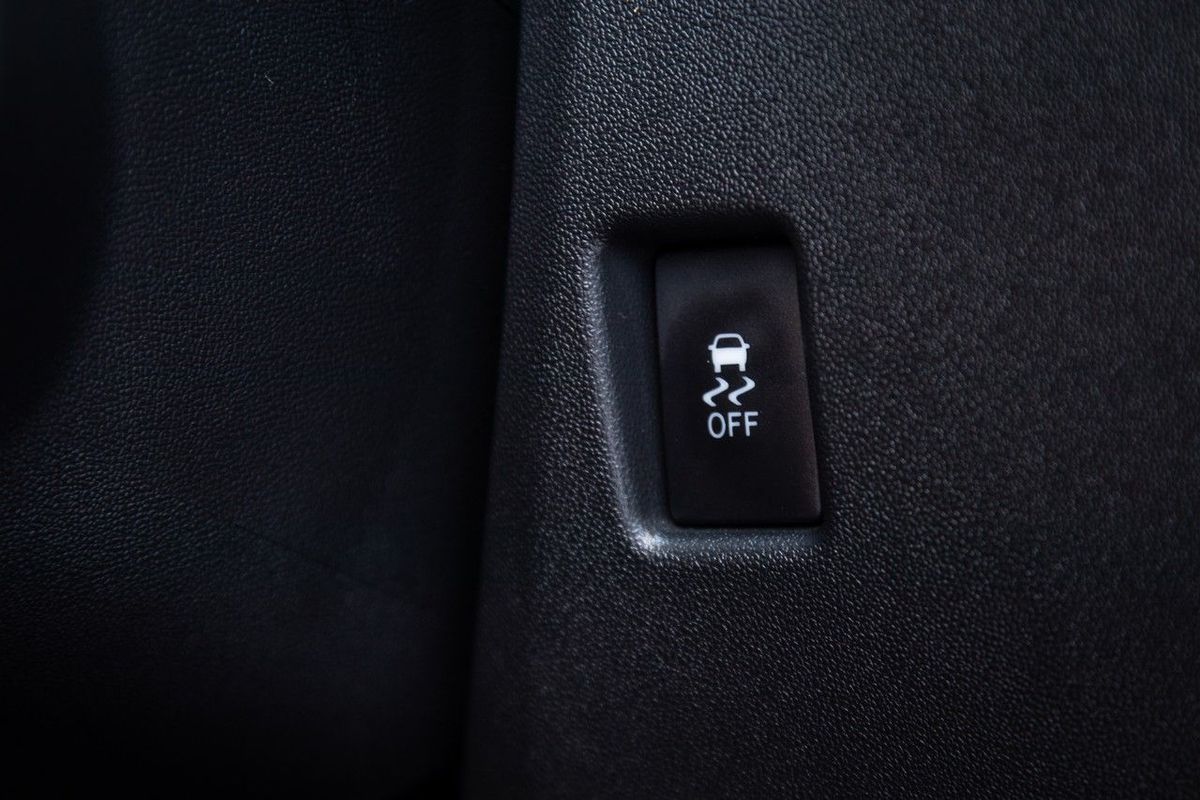
Stability control is a rare feature in the budget-car segment, it certainly engenders peace of mind in inexperienced drivers.
Pricing & Warranty
The 1.0 Active costs R179 900 and comes with a 5-year/100 000 km comprehensive warranty, a 5-year/ 100 000 km comprehensive service plan.
Verdict
The Peugeot 108 is a cheap-to-run city vehicle, but despite its 5-door body style, practicality is not its forte.
The Peugeot 108 is the first of many new models that Peugeot/Citroen will be re-/introducing in South Africa. While it is essentially a platform-sharing exercise with sister brand Citroen and Toyota, the 1.0 Active brings a bit more tech and safety features to the table. The lively engine suits the playful and compact nature of the car and any suspicions of it being underpowered will be allayed, especially if it's just one person in the car. There's also that excellent fuel consumption to keep in mind. Okay, so in terms of practicality, it is outgunned… Renault's Sandero offers much more passenger space and luggage capacity, for example, but that being said, the Peugeot's features and extensive after-sales package count for a lot.
While many (still) question the reliability of Peugeot, the 108 is mechanically similar to the Aygo and Toyotas are renowned for endurance and fuss-free ownership. The icing on the cake with the 108 is the Peugeot Pride back-up that underpins the product. The 1.0 Active comes standard with a 5-year/100 000 km warranty, a 5-year/100 000 km service plan, roadside assistance, 24-hour customer care contact centre, licence renewal reminder, as well as service plan and warranty expiry notifications. No other budget car in South Africa can match that level of after-sales back-up! If you don't need to cart many passengers or much cargo around, the Peugeot 108 offers a lot for its price. Plus, it should be cheap to own and run.
Another American start-up is attempting to disrupt the traditional bakkie business.
Unlike Rivian, you might not have heard of Neuron before, but it is also domiciled in Californian and on a mission to deliver a range of battery-powered commercial vehicles.
With Tesla due to also reveal its keenly anticipated bakkie later this month, the hype around battery-powered commercial vehicles is strong. Which is probably the reason behind Neuron wanting to get its product renderings out before Tesla reveals its new bakkie.
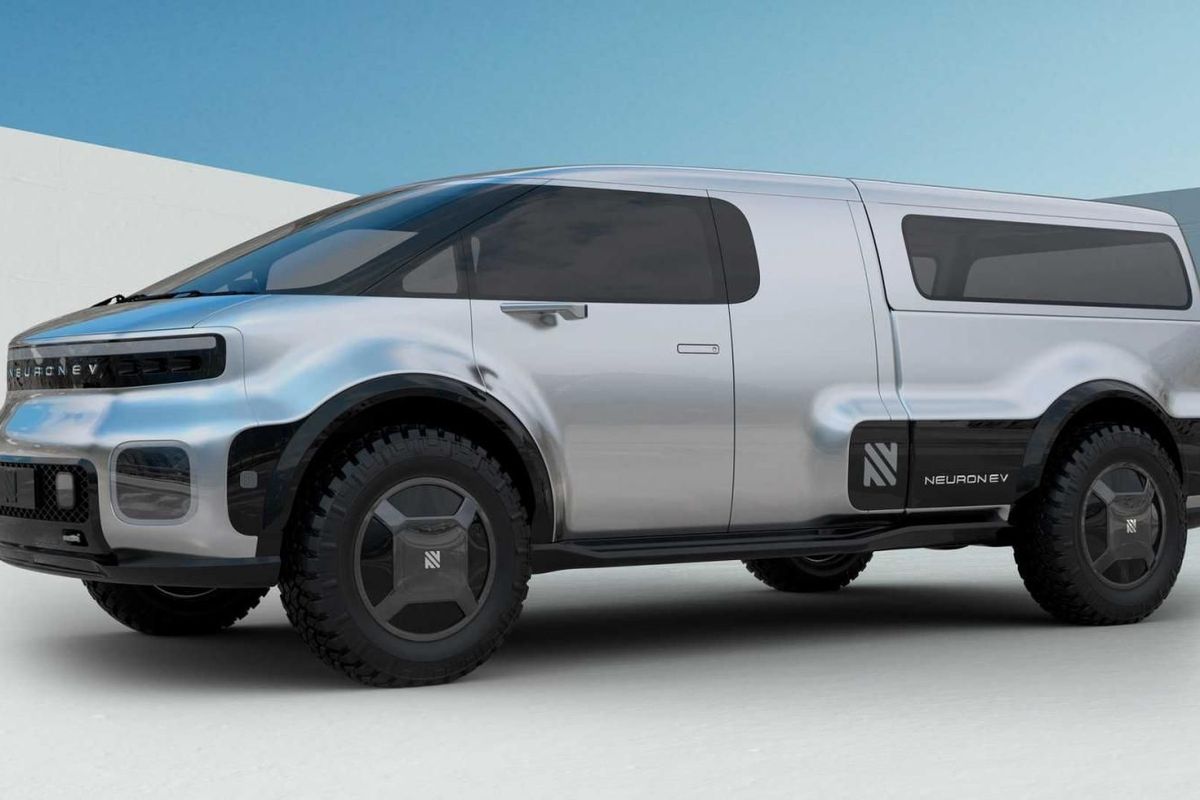
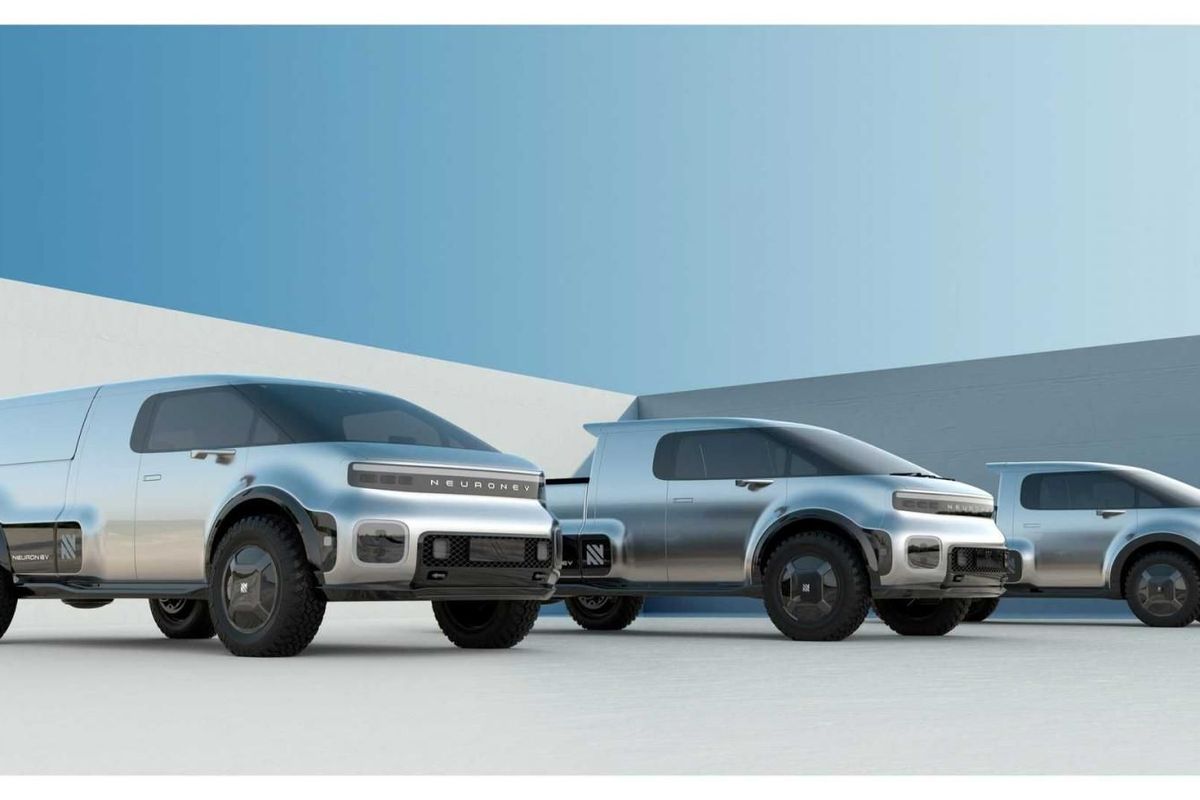
The most interesting of its recently previewed product concepts is the T/ONE, which is a large configurable bakkie platform.
Neuron says that its T/ONE will offer a huge variety of body styles and cargo stowage solutions. In the renderings which have been released, there are a cab-and-half, single-cab and an integrated canopy bakkie.
Although these bakkies will be battery-powered, Neuron isn’t divulging many technical details. One feature which has been described is a solar tray for the loadbed, which could generate additional power, on the move. Alternatively, this solar panel in the back could help charge the bakkie when it is parked, especially for farmers and commercial building crews, who often park their bakkies for long periods in direct sunlight.
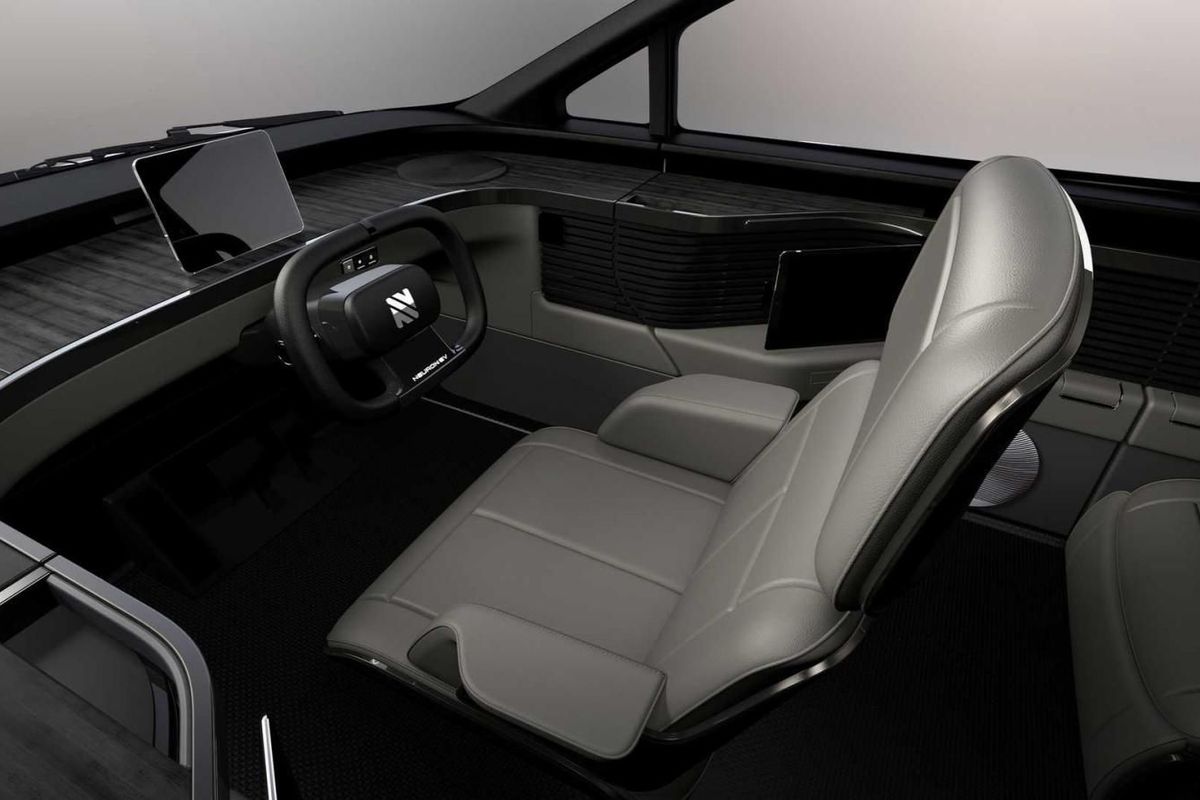
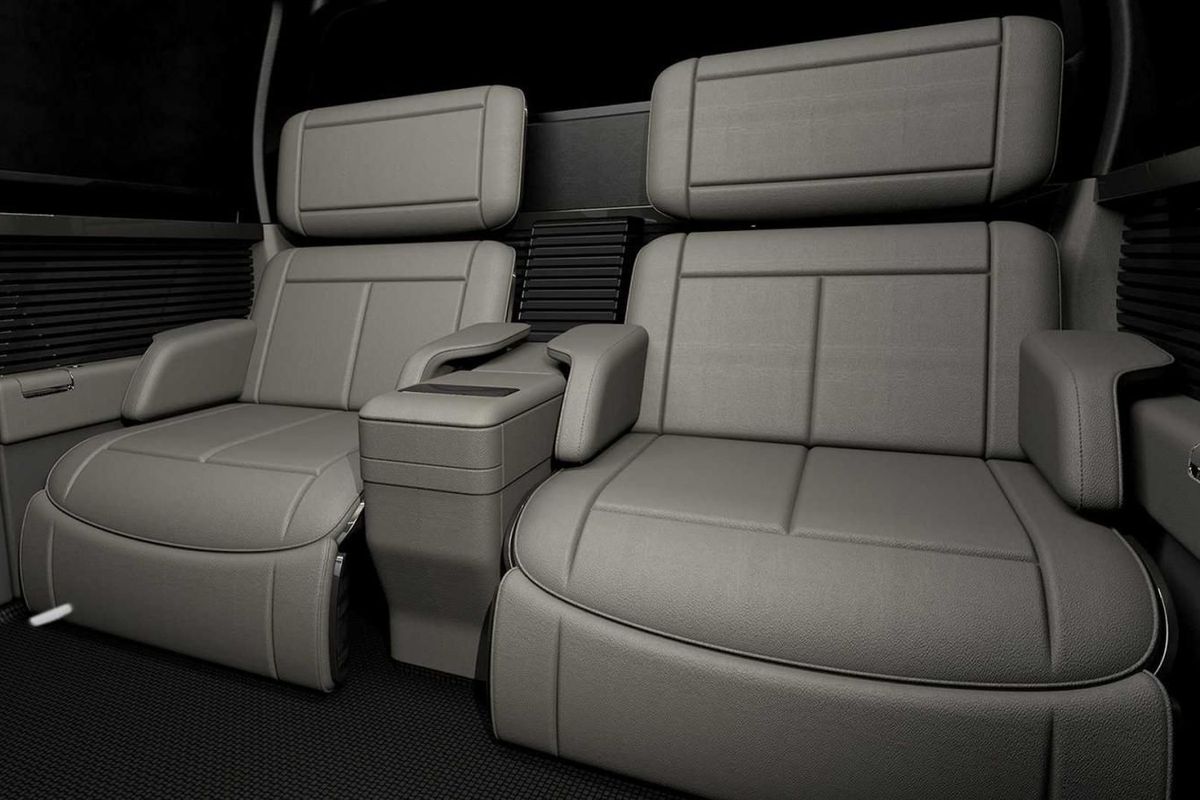
Where Neuron’s T/ONE is set to differ from both Rivian and Tesla’s forthcoming bakkies, is its driving position. In an ode to McLaren’s F1 supercar, the T/ONE features a central driving position – which will make the T/ONE cheaper to build and more flexible for delivery to a global marketplace.
Enhancing the T/ONE’s driving experience will be an array of wireless cameras, feeding a stream of visuals to the driver’s screen. This system should deliver a panoramic 360° view when parking or wanting to change lanes in traffic.
As with many modern vehicle cabin architectures, the Neuron T/ONE has touchscreen interfacing for all its traditional dial, button and knob functions.
Neuron has not committed to any delivery datelines for its T/ONE.