Nissan has announced several closures of its plants in Africa, Middle East and India as a result of the ongoing Covid-19 outbreak.
Nissan joins the list of growing plant closures relating to the Coronavirus outbreak across the world and as a result will be suspending production at its Renault-Nissan Alliance plant in Chennai, India, Giza, Egypt and Rosslyn in Pretoria, South Africa.
Operations at Nissan’s Rosslyn plant will cease until further notice from March 26 2020.
Nissan is also implementing a work-from-home strategy where possible in an effort to safeguard employees.
South African president, Cyril Ramaphosa, announced a full 21-day lockdown commencing midnight 26 March 2020 until 16 April 2020 in an effort to curb the spread of Covid-19.
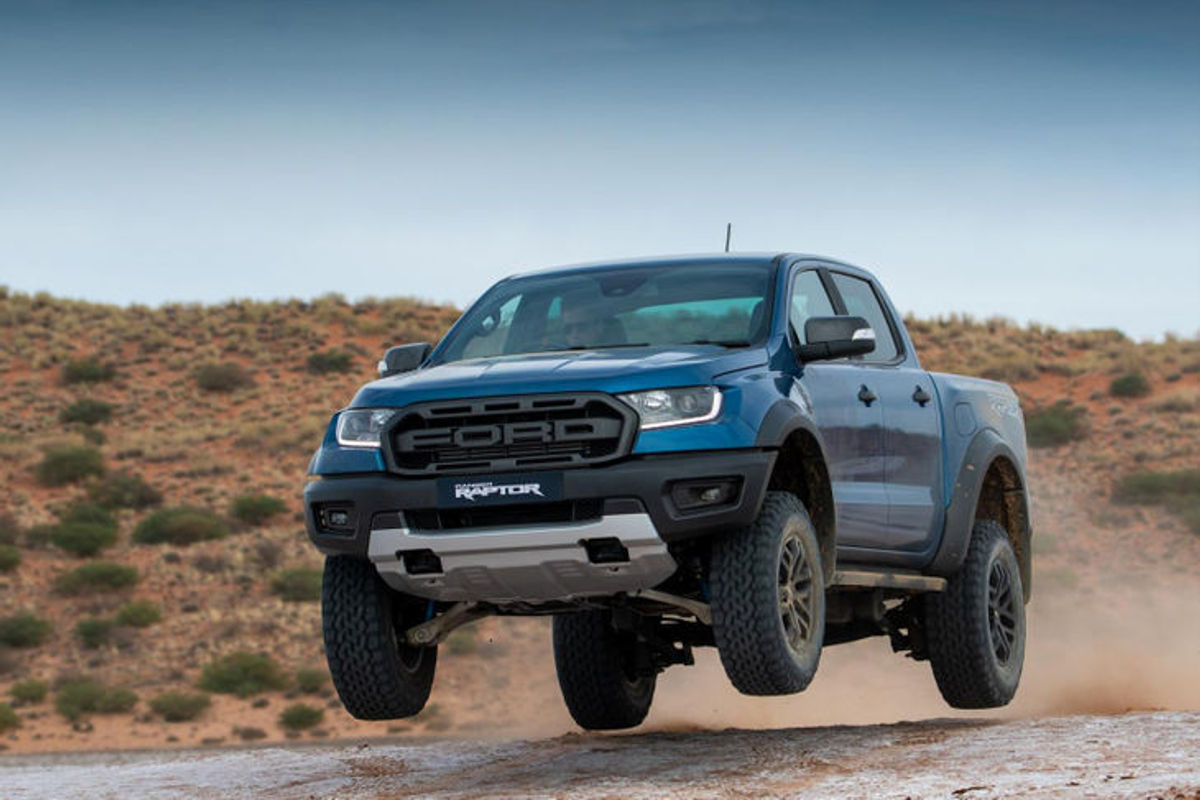
Ford has announced it will be temporarily suspending its production facilities around the world in light of COVID-19. What does this mean for South Africa?
Ford South Africa has a large presence, with 2 facilities. The first is the plant in Silverton, Pretoria, which focuses on Ranger, Raptor and Everest assembly for both local and export markets. The second is the engine assembly facility in Struandale, Port Elizabeth, which builds the engines for the aforementioned vehicles, as well as other models.
It's not just South Africa which is affected as Ford has facilities in India, Vietnam and Thailand. According to Ford, the last working day for South Africa will be on the 27th March 2020.
“The health and safety of our employees, dealers, customers, partners and communities is our highest priority,” said Mark Ovenden, president, International Markets Group. “We are continuing to act in real-time and taking added safety measures by temporarily halting production at our manufacturing sites in the international markets.” Ford has also requested its employees to work remotely.
Mercedes-AMG A45 S Takes on the Nurburgring w/video
The Mercedes-AMG A45 S has tackled the famed Nurburgring, and posted a respectable lap time. Watch the run!
There's something quite unbelievable about the Mercedes-AMG A45 S. Here's a compact hatchback delivering 310 kW and 500 Nm from a 2.0-litre turbocharged petrol motor, with power going to all 4 wheels via a dual-clutch transmission. Mercedes-AMG claims a 3.9 second sprint time for this little road-legal weapon, which is insane. Just 10 years ago, you'd have to be forking out millions for an exotic supercar to have this sort of performance. Now in 2020, this power is readily accessible, sort of, because it still costs R1 million.
Straight-line acceleration aside, the real test would be to see if the 4Matic all-wheel-drive system can actually put the power down when some corners are thrown into the mix. Can the electronic torque vectoring work some magic to deliver cornering exit speeds? The best place to test handling prowess is Germany's Nurburging, a monstrously-long ribbon of tarmac that winds through a forest. Watch the video and see what sort of time the Mercedes-AMG A45 S does. The lap time was conducted by German publication Sport Auto.
If you've already watched the video, the time of 7.48.80 is certainly brisk and when you compare that to other cars, you get an appreciation for what AMG has done to the little A-Class. Back in 2007, the 996 Porsche 911 GT3 RS ran around the Ring in 7.48 and the A45's time is 1 second slower than a Ferrari 599 GTB Fiorano, proving how far technology has progressed.
It's important to note the A45 S was running Pirelli P Zero Trofeo R rubber, plus, if you look carefully the gearbox went into limp mode briefly at the 7:59 minute mark, which resulted in a bit of lost time. The driver was Sport Auto's Tester Christian Gebhardt, who has considerable experience both in motorsport and Nurburgring test laps. The question is, if the gearbox hadn't had a glitch, how much faster could the Mercedes-AMG A45 S have gone?
The Audi A3 made its debut online, thanks to the cancellation of the 2020 Geneva Motor Show due to COVID-19 outbreak. Here's the expected arrival time of it in SA, plus some news regarding other body styles.
The new Audi A3 will be sold as a Sportback shape only, the 2-door body style being cancelled in favour of more practicality. As we mentioned in our first article, the premium hatch is bigger than before but retains the same wheelbase. Bumper-to-bumper the A3 Sportback measures 4.34 m, which is 30 mm longer than its predecessor. Petrol and diesel engines are available, with both manual and dual-clutch transmissions. Naturally, for the European market, there'll also be electrified powertrains too.
Naturally, petrolheads will be interested in what else is available, specifically the S and RS versions. Well, thanks to CarandDriver.com, there will be an Audi A3 sedan joining its Sportback sibling. It should be revealed before the end of 2020 and from what the source at Audi North America suggested, the new Audi A3 sedan will "look sportier and more aggressive than its predecessor, with a slightly more chiseled and angular attitude". The best news is that there will be a successor to the iconic RS3 too, complete with its monstrous 2.5-litre 5-cylinder motor. Rumours suggest power will climb from the current 294 kW and 480 Nm, to over 300 kW, going to all 4 wheels via the quattro setup. It'll need it too, considering its rival from AMG packs a considerable 310 kW and 500 Nm.
On the more sensible side of things, but still as performance-focused as ever, will be the 2021 Audi S3. It's also due for a reveal in the near future, and we expect it to retain the familiar quattro setup as well as the 2.0-litre turbocharged 4-cylinder motor. However, outputs will increase and if the leaked document showing 245 kW from the next-gen Volkswagen Golf 8 R is anything to go by, we'd be very surprised if its Ingolstadt-based rival offers anything less.
Audi A3 South African Arrival
The all-new 4th generation Audi A3 is expected to arrive in South Africa in 2021, with an Audi South Africa spokesperson saying it's currently planned for quarter 2 next year. Excitingly, the spokesperson also added the S3 will also plan to launch at that time.
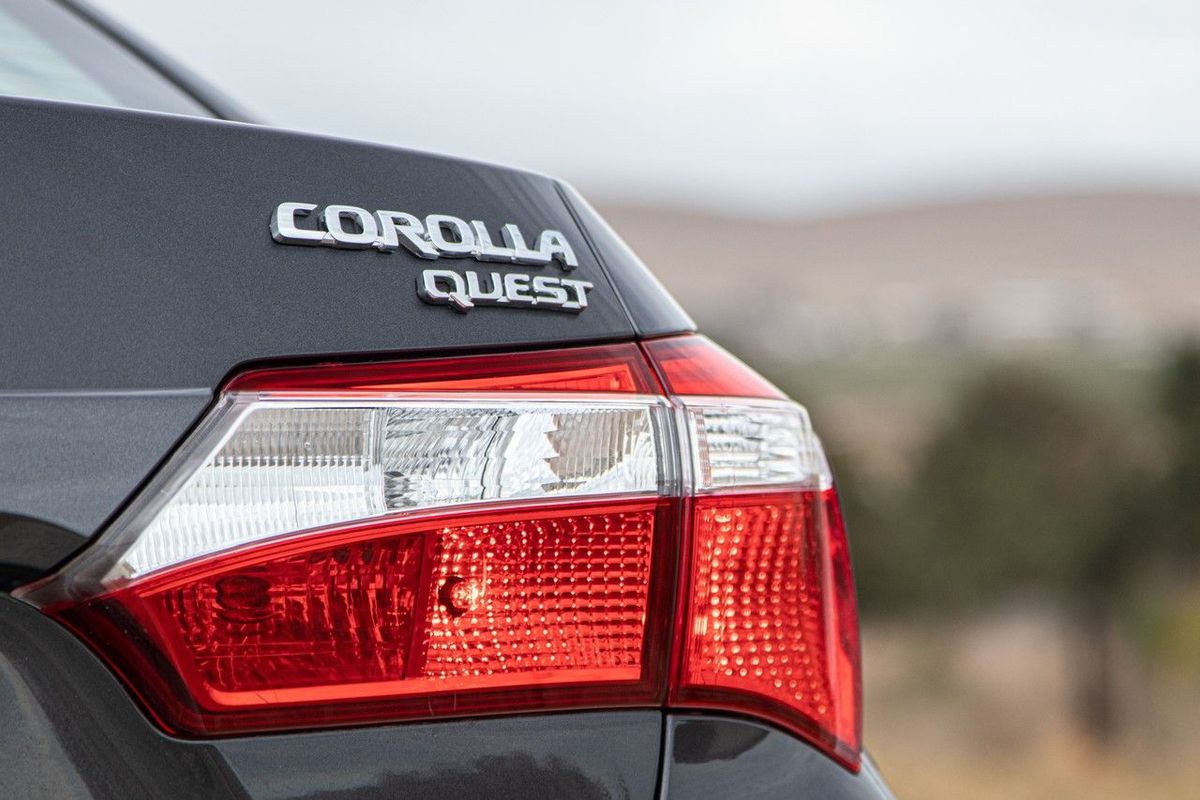
Toyota Corolla Quest 1.8 Exclusive Auto (2020) Review
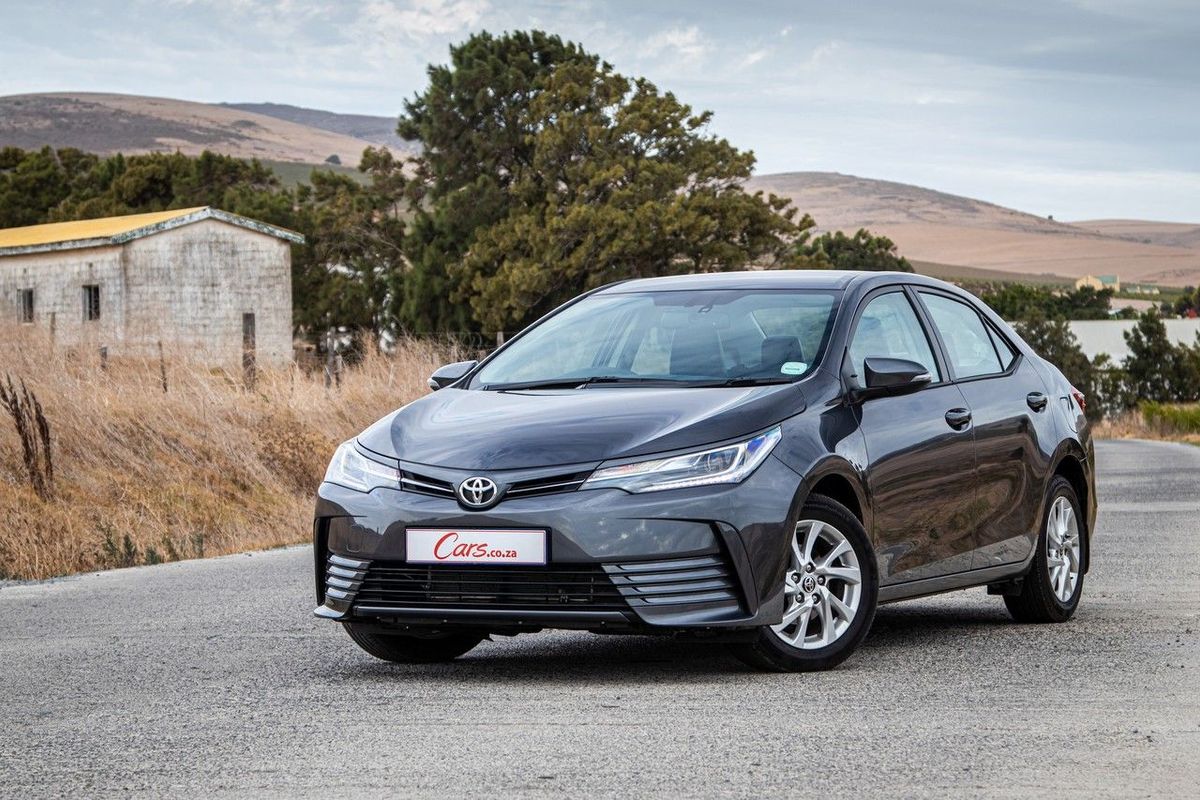
Passenger-vehicle market arch-rivals Toyota and Volkswagen continue to reap success from producing legacy models. The former recently introduced a new Corolla Quest to avail the previous-generation of its compact sedan to buyers looking for a reliable, value-for-money vehicle. We put the range-topping 1.8 Exclusive automatic derivative through its paces…
We Like: Engine performance, excellent ride quality, good build quality, value
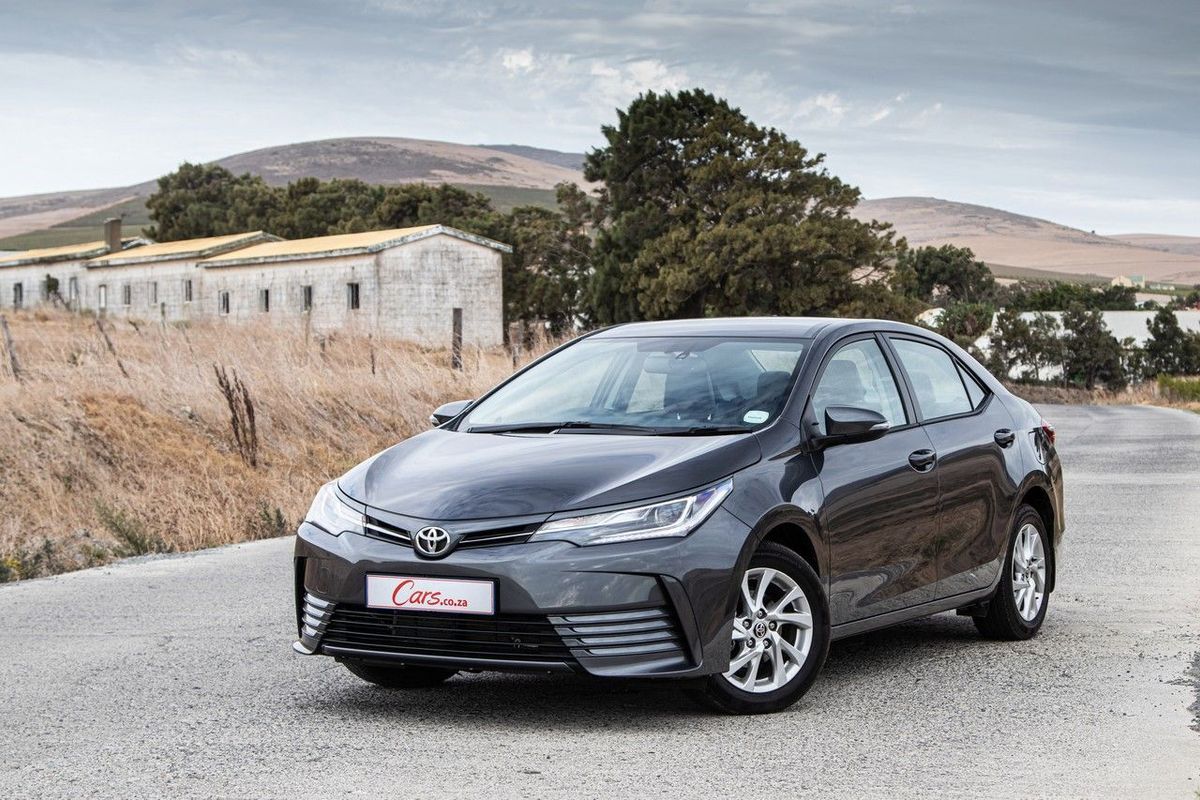
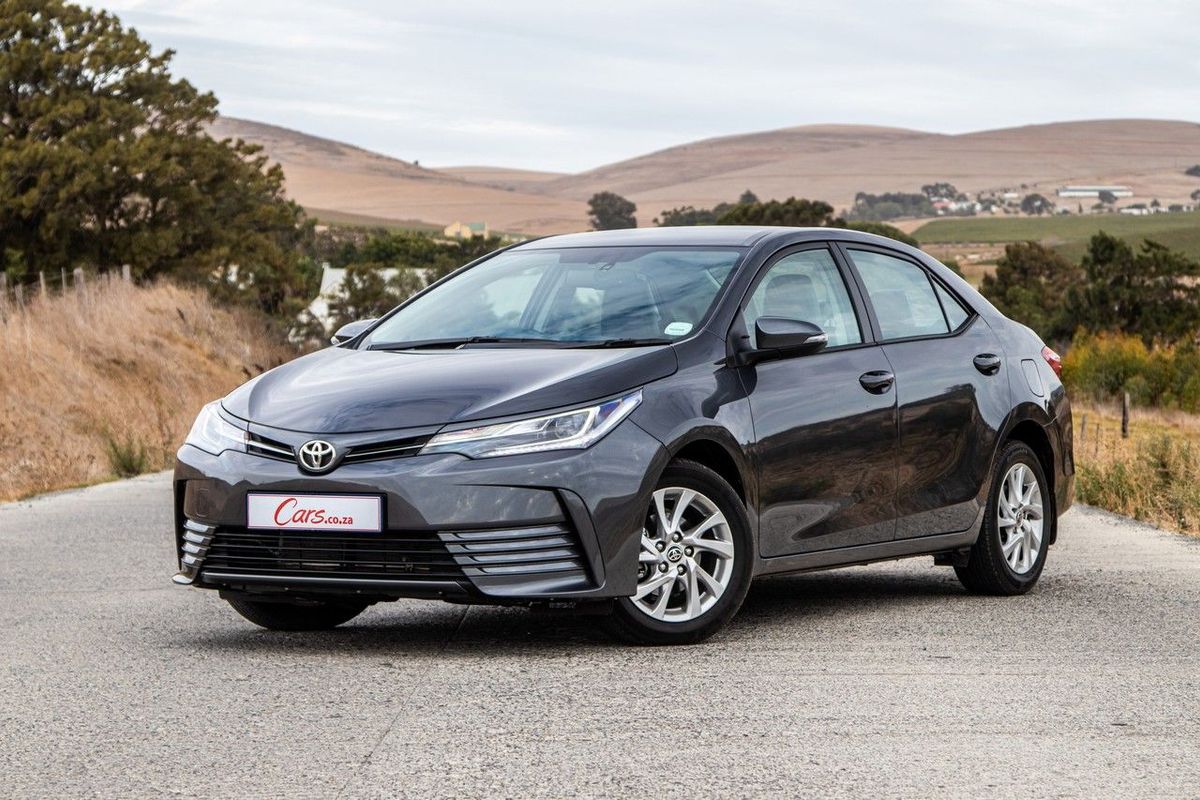
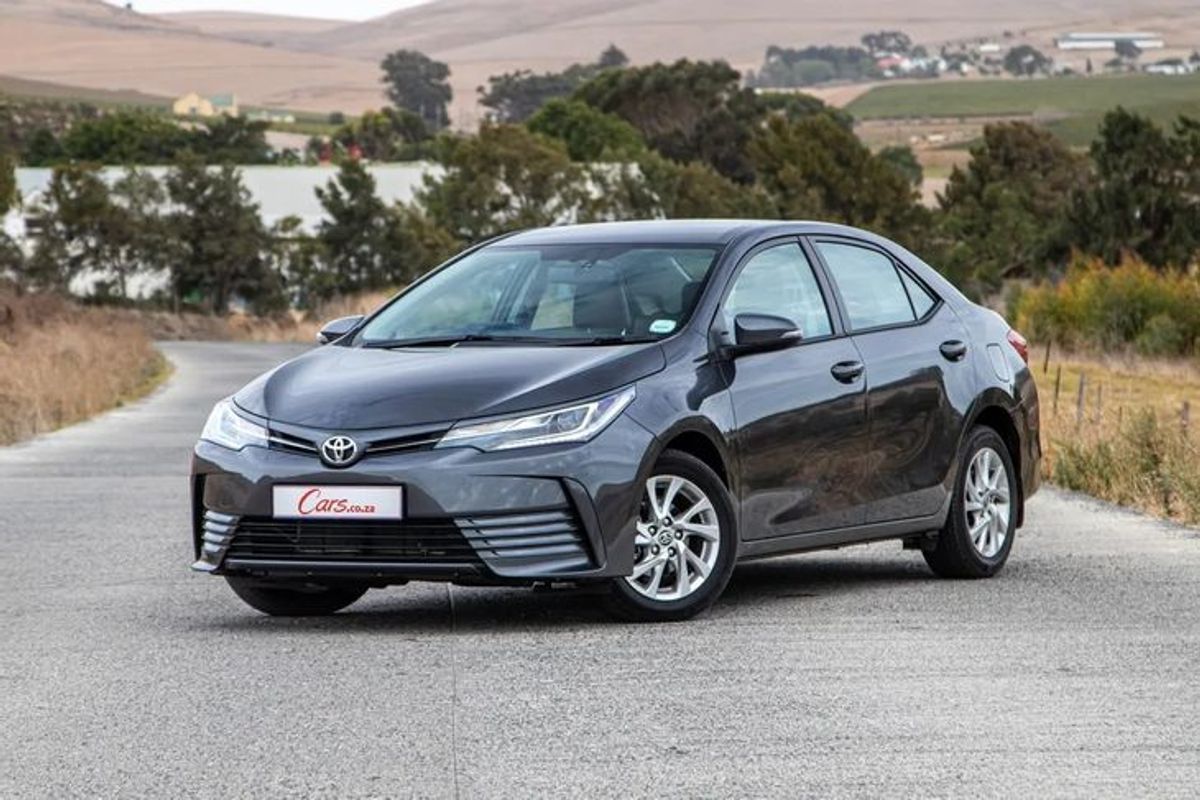
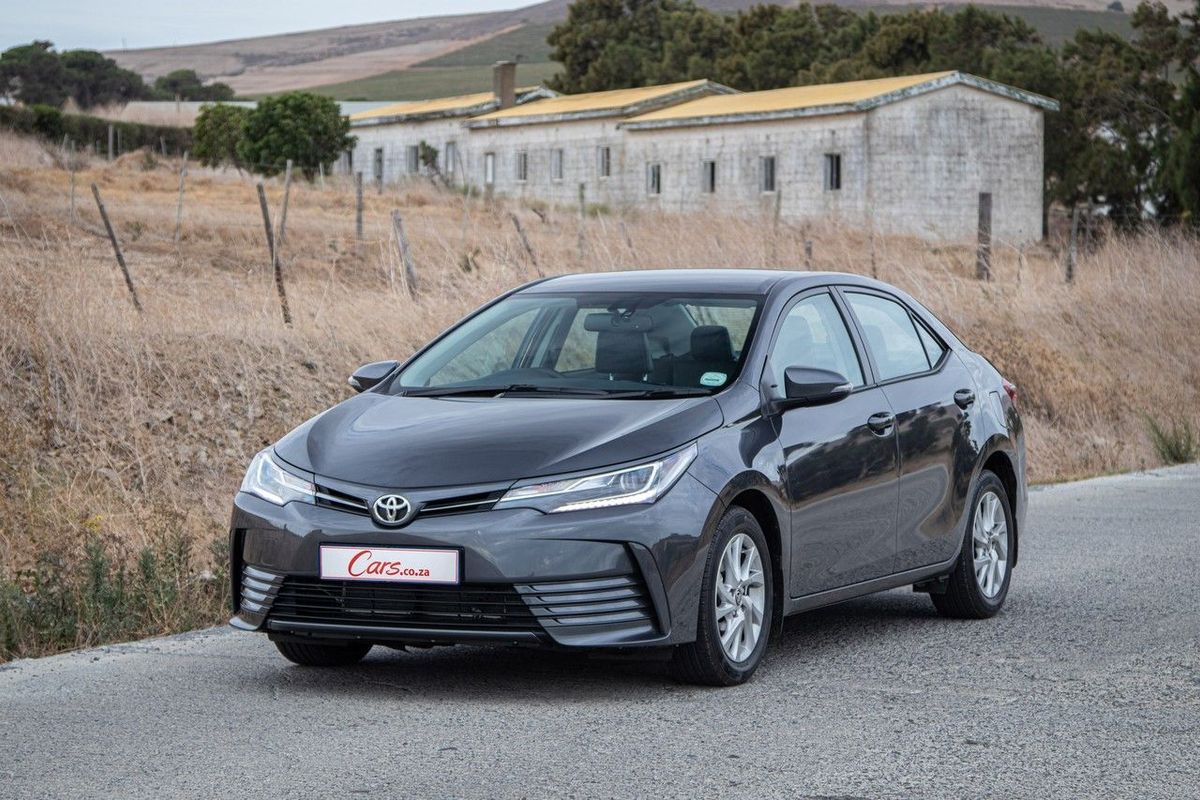
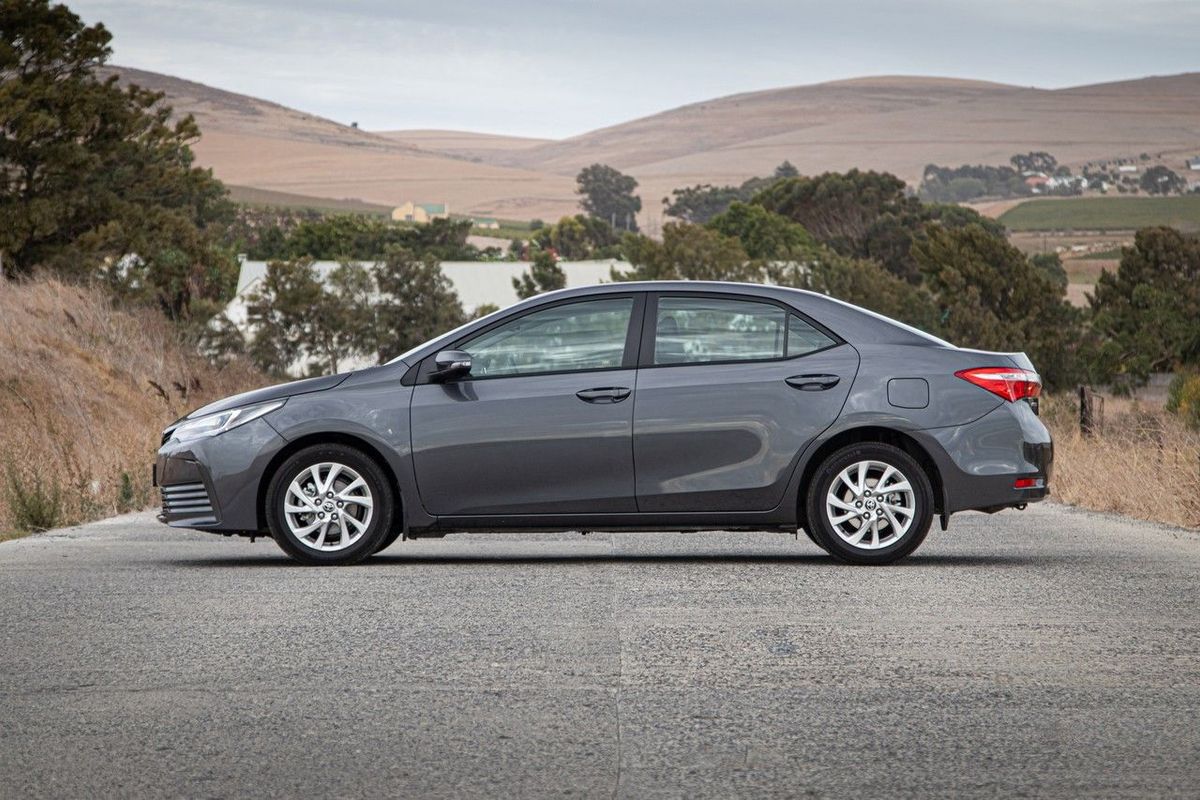
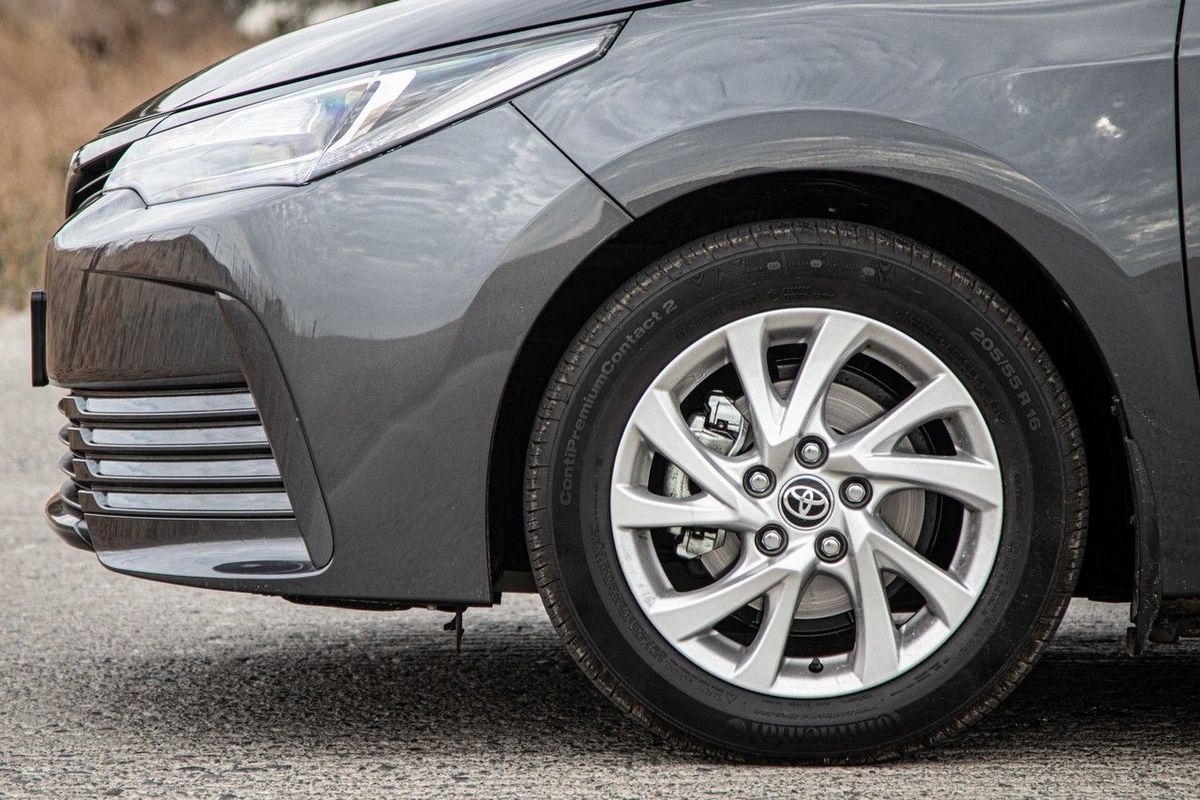
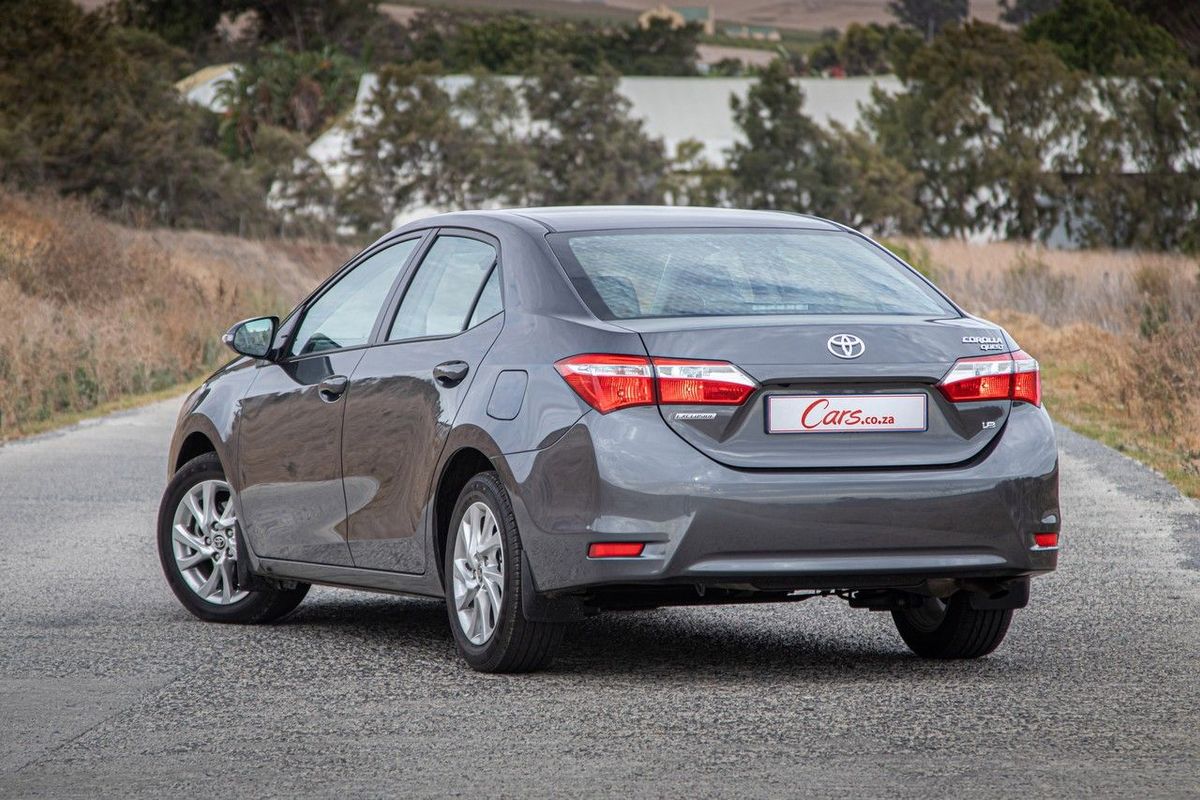
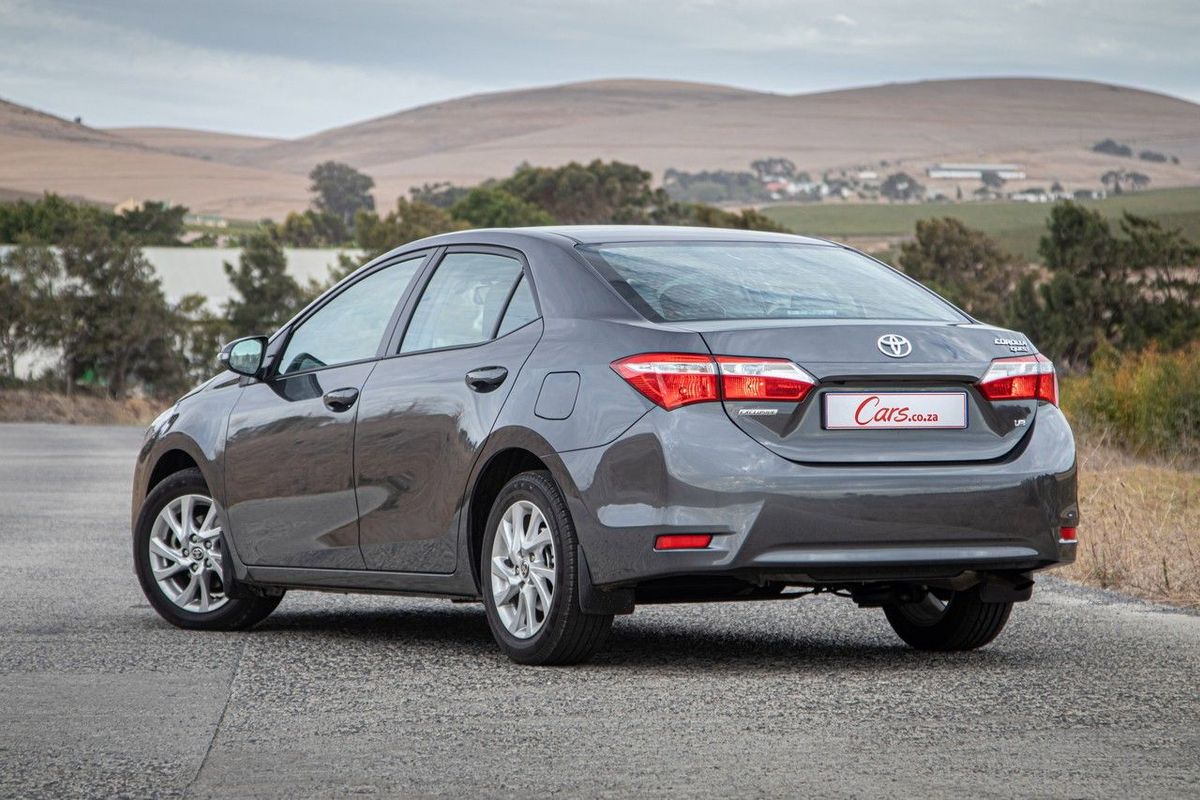
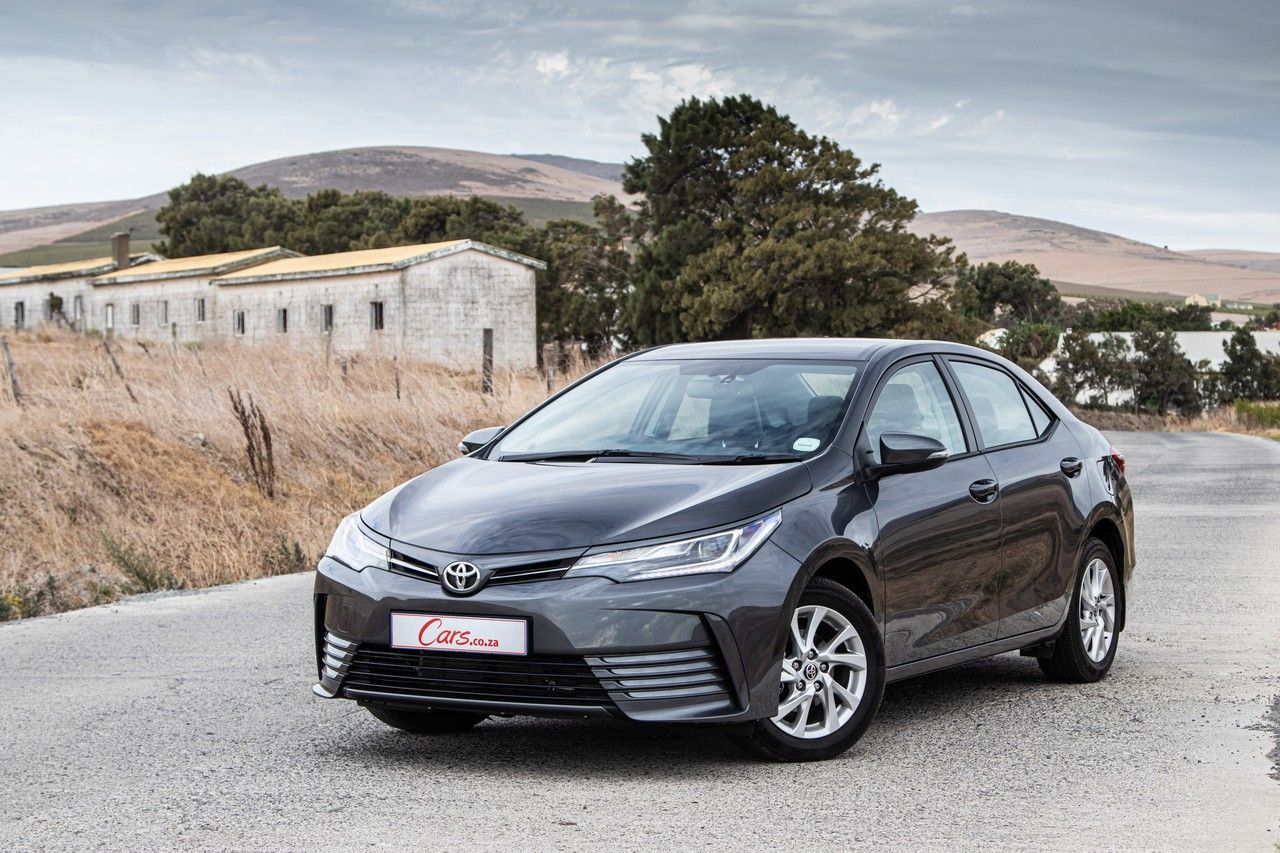
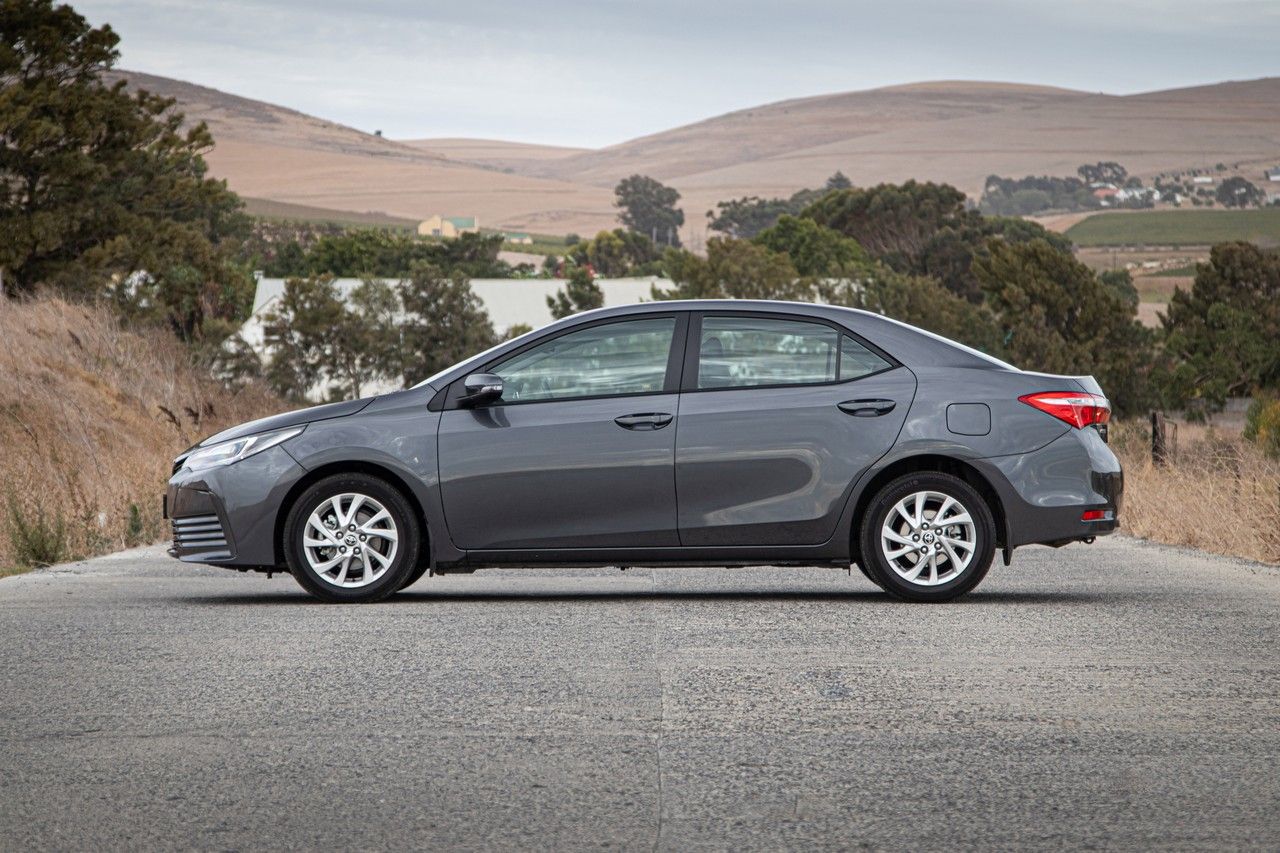
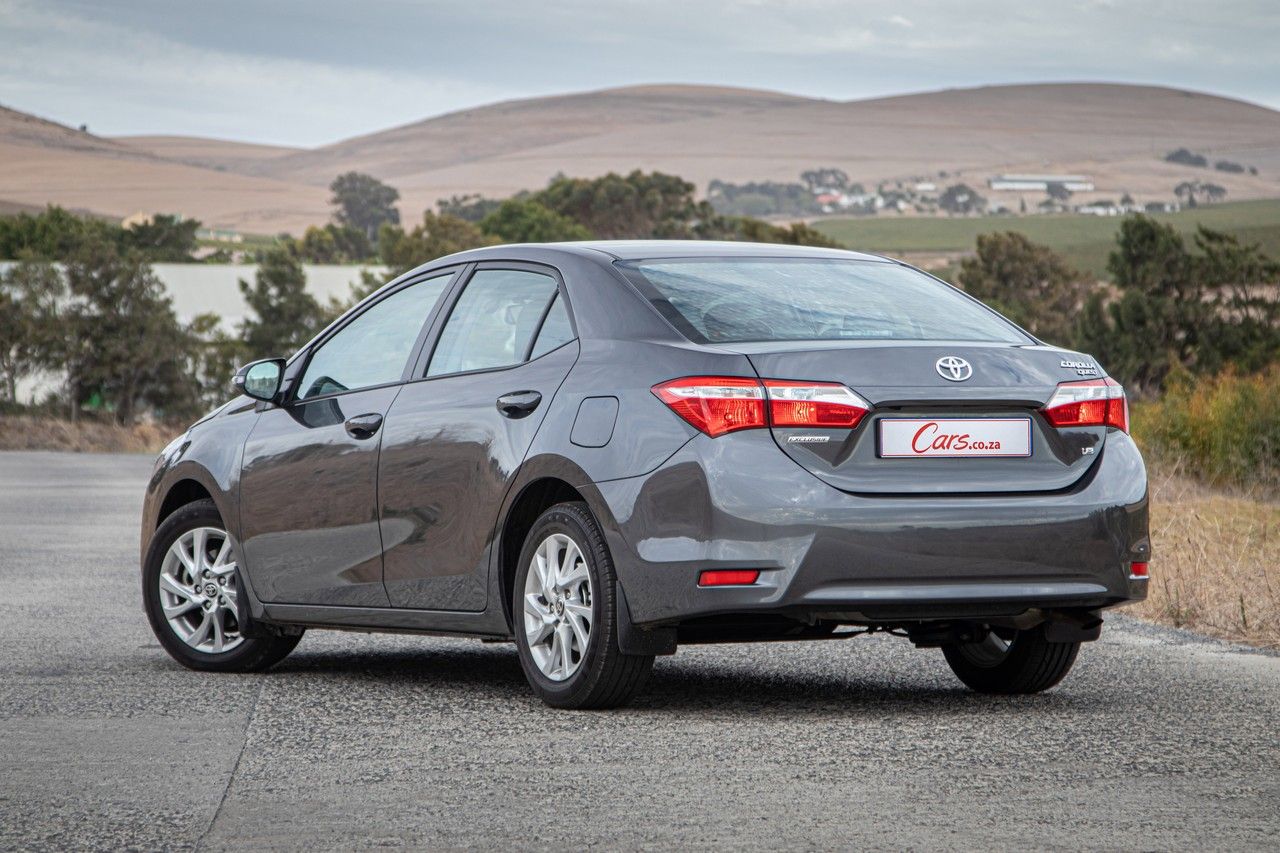
Stylish and purposeful, the Corolla Quest is certainly one of the better-looking sedans in its segment.
Those who have been following the new vehicle market for a while – even if just casually – will know that a model will either be replaced with an all-new, next-generation version or discontinued when it reaches the end of its lifecycle…
However, Toyota has a history of producing older-generation Corolla variants as value-proposition (or legacy) models; the model that most will remember is the Tazz, which was based on the E90-series Corolla that debuted in the late '80s, yet the plucky Tazz remained in production until 2006! Then, in 2014, Toyota launched the first Corolla Quest, a locally-built, more-affordable sedan based on the then outgoing 10th-generation Corolla. Toyota South Africa sold the 11th-generation Corolla and 1st-generation Corolla Quest in tandem and achieved great success; the Prospecton-based firm sold 137 000 Corollas and the latter accounted for almost 64 000 of those sales. That’s good business!
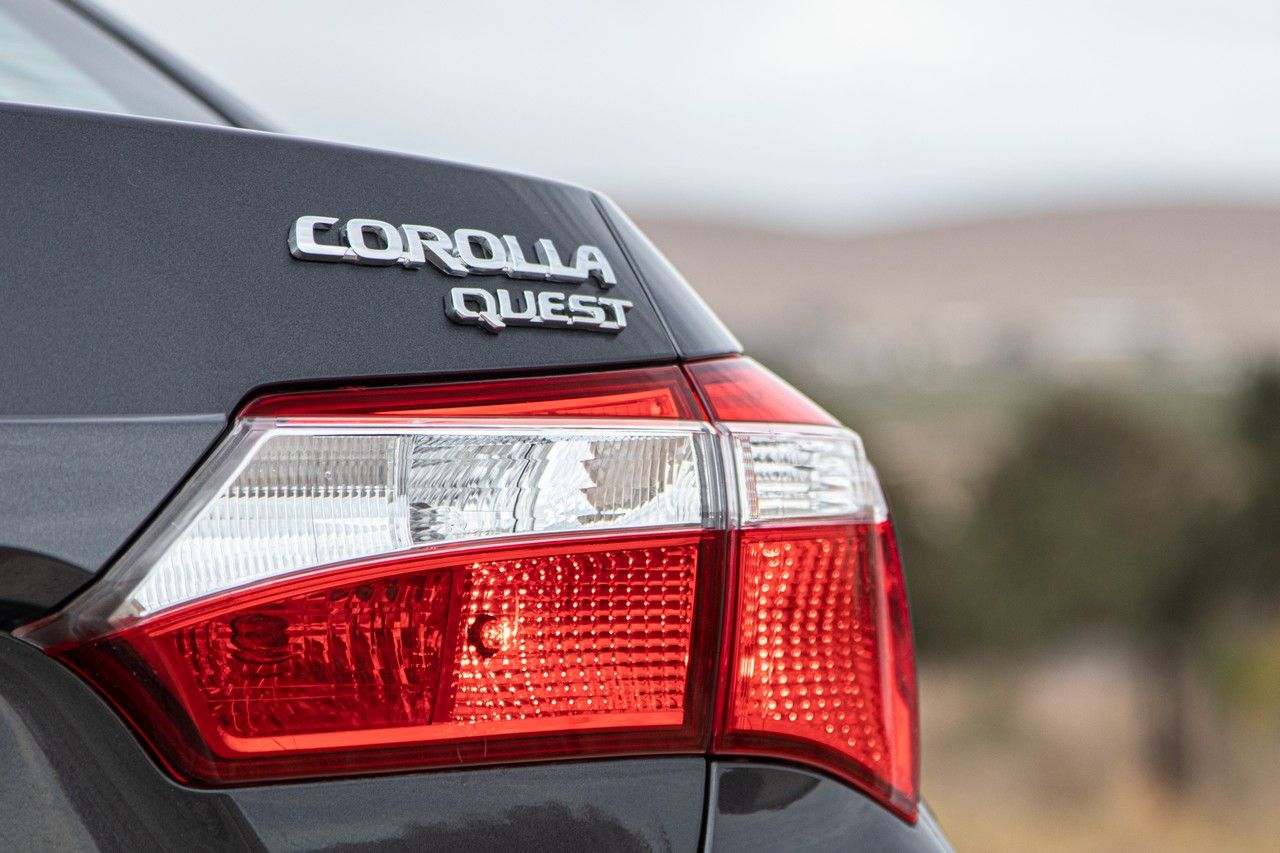
The outgoing 11th-generation sedan now forms the basis for the new Corolla Quest. The newcomer goes on sale this month (March 2020) and will soon be joined by the 12th-generation Corolla, for which we already have specs & prices.
Despite sedan models' declining sales numbers (and not just in the compact segment) due to the growing popularity crossovers and SUVs, the Corolla remains a notable success story on local soil. With the 2nd-generation Corolla Quest, Toyota aims to continue its domination of the compact sedan segment (it holds 70%-plus market share). On test here is the range-topping Corolla Quest 1.8 Executive automatic. Let’s see if it deserves your attention…
How it performs in terms of…
Performance and economy
More powerful and more refined, the new Corolla Quest represents a marked improvement over its predecessor.
For this latest iteration of the Corolla Quest, Toyota has done away with the previous model's 1.6-litre petrol engine and fitted the sedan with a naturally-aspirated 1.8-litre petrol engine, which offers peak outputs of 103 kW and 173 Nm, compared with the 90 kW and 154 Nm produced by its predecessor.
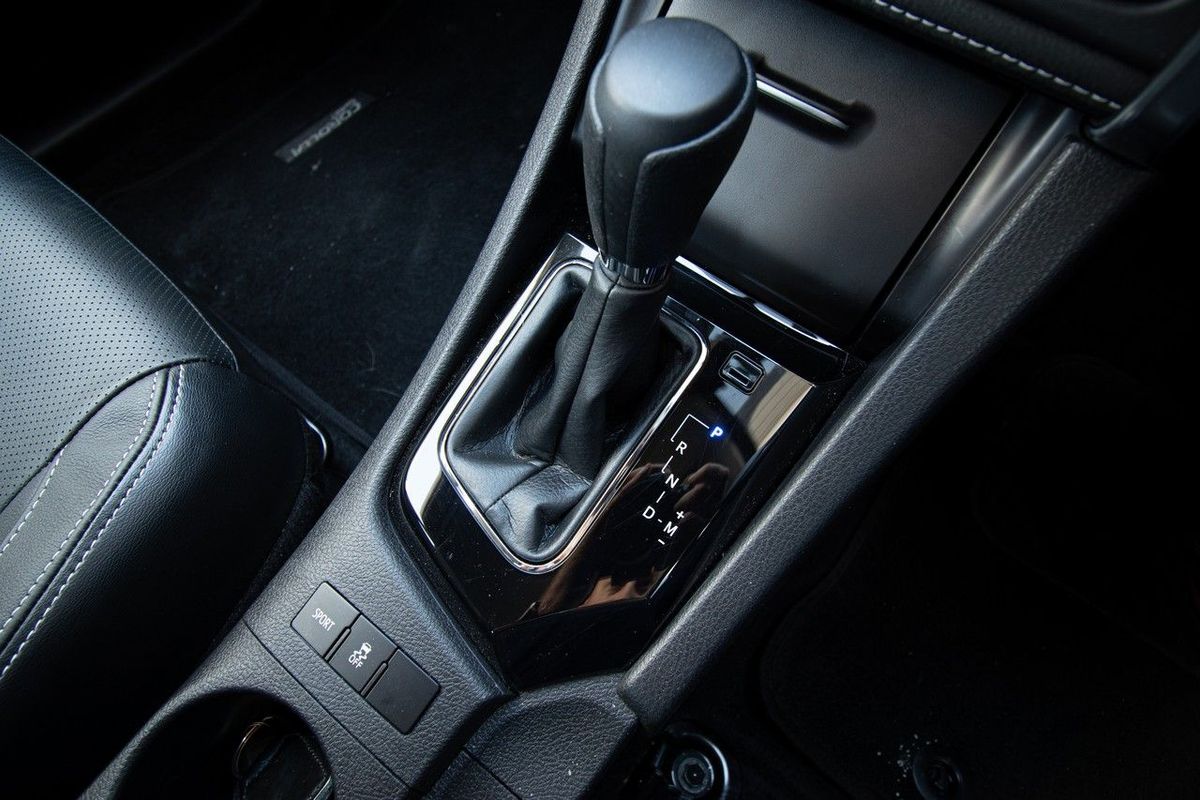
That additional torque, which is also produced earlier in the rev range compared with the previous 1.6, definitely makes its presence felt on the road; there’s noticeably more urgency in how the Corolla Quest reaches the national speed limit. The engine is paired with a continuously-variable automatic transmission (CVT), but before you jump on the CVT-bashing bandwagon: the transmission is actually well-matched to this engine. Engine noise and transmission drone only become mildly annoying when you drive the Corolla Quest hard, which is silly and, to be honest, unnecessary. That said, most buyers will find the Corolla Quest’s performance quite adequate on the daily commute.
Due to the lack of near-instantaneous punch that a turbocharged engine provides, the Corolla Quest accelerates in a more linear manner, therefore overtaking manoeuvres require some forethought. Strangely though, there’s a Sport button and while it does sharpen throttle response somewhat, that dreaded CVT drone becomes very invasive. We feel there is no benefit to having a Sport button in a sedan that prioritises comfort and efficiency over sportiness.
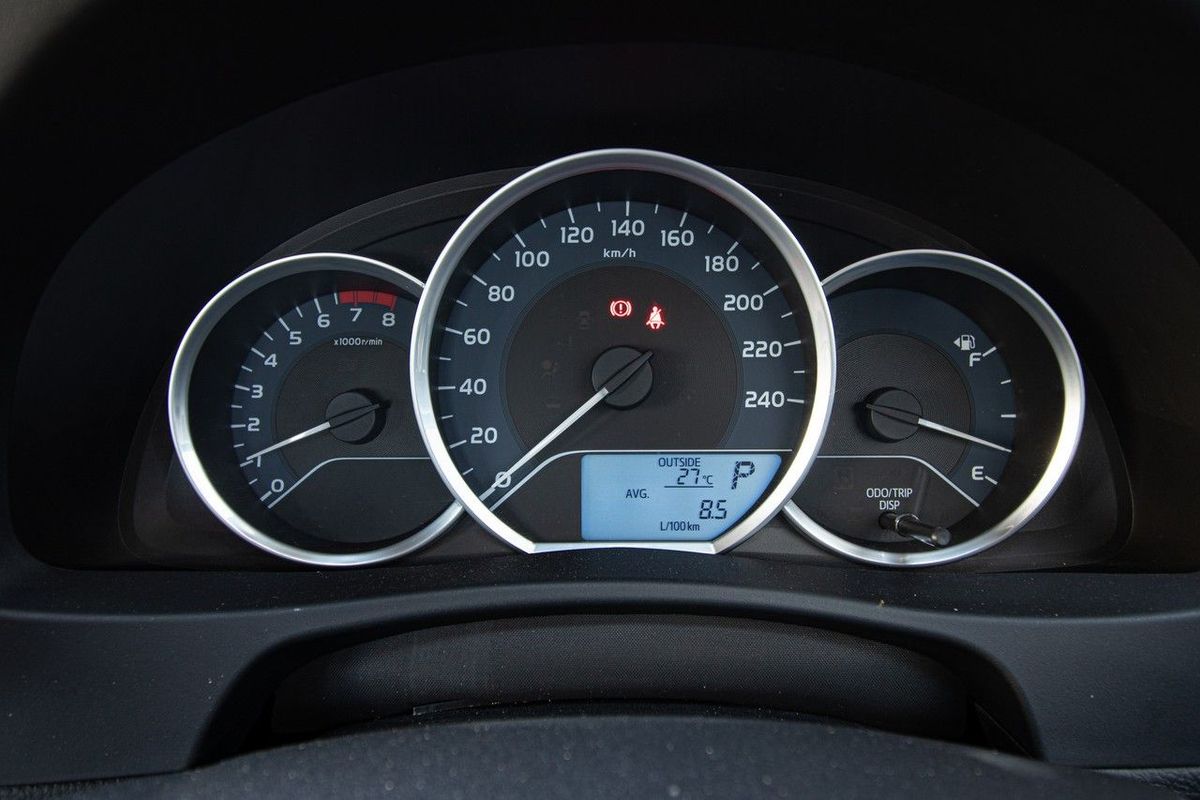
Toyota claims a combined fuel consumption figure of 6.3 L/100 km, but during its tenure in our fleet, we saw figures between 8- and 8.5 L/100 km. We do, however, concede that lower figures are achievable if you drive conservatively.
Ride and Handling
The Corolla Quest delivers a very premium ride at this price point.
To its credit, the Corolla Quest's ride quality belies its budget-oriented price point. In combination with a more powerful engine, the pliant – but not soggy – suspension is probably the trait that deserves the most praise in this package. Indeed, the Corolla Quest delivers a wonderfully comfortable ride courtesy of its proven front McPherson strut and rear torsion beam suspension setup, which was, of course, carried over from the 11th-generation Corolla.
Apart from its superb ride quality, the Corolla Quest has a nicely-weighted steering setup and it exhibits predictable and sure-footed handling ability. Although the made-to-a-cost Corolla Quest must surely have less sound insulation than the sedan on which it is based, road- and wind noise entering the cabin is impressively muted, which increases refinement and ultimately the quality of the driving experience.
Interior execution, features and practicality
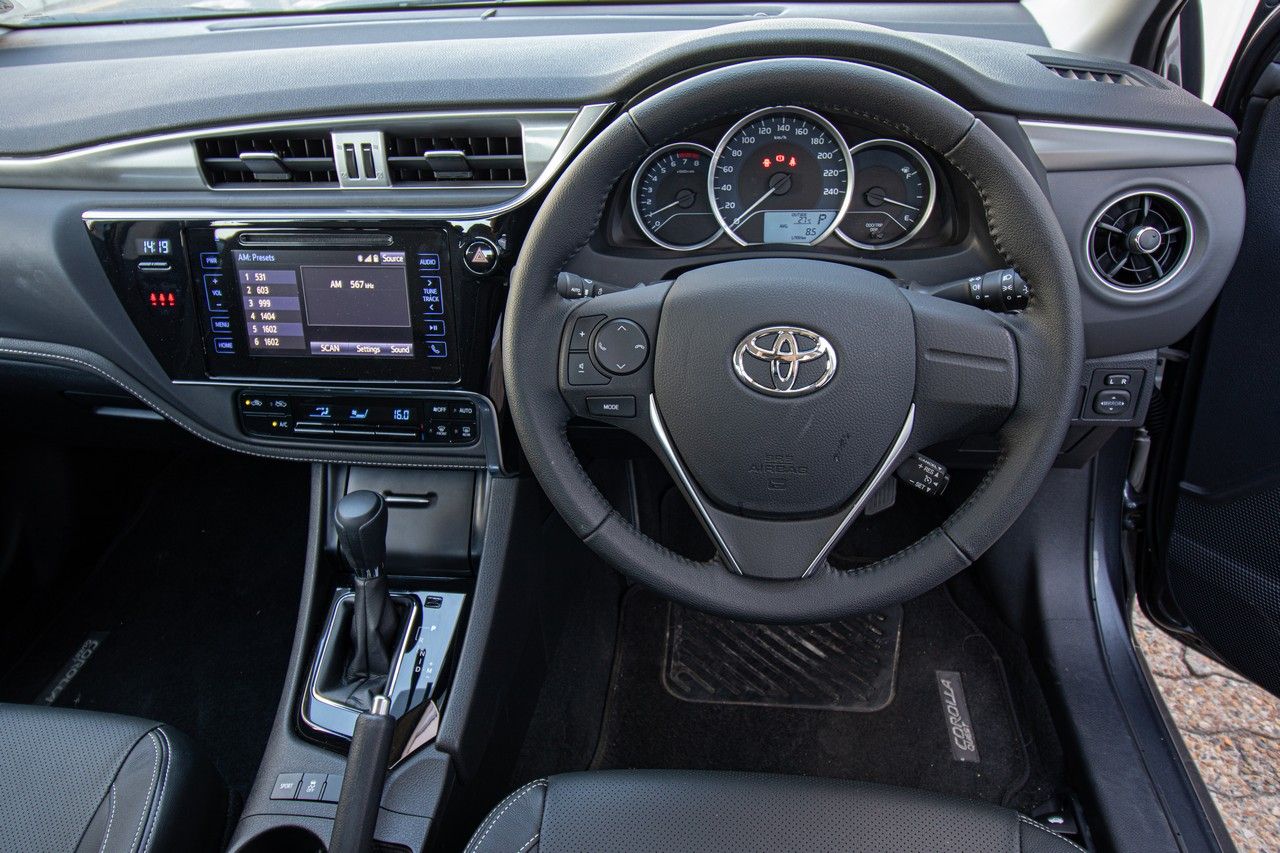
Interior build quality is very good as is the standard specification. It just needs Apple CarPlay and Android Auto!
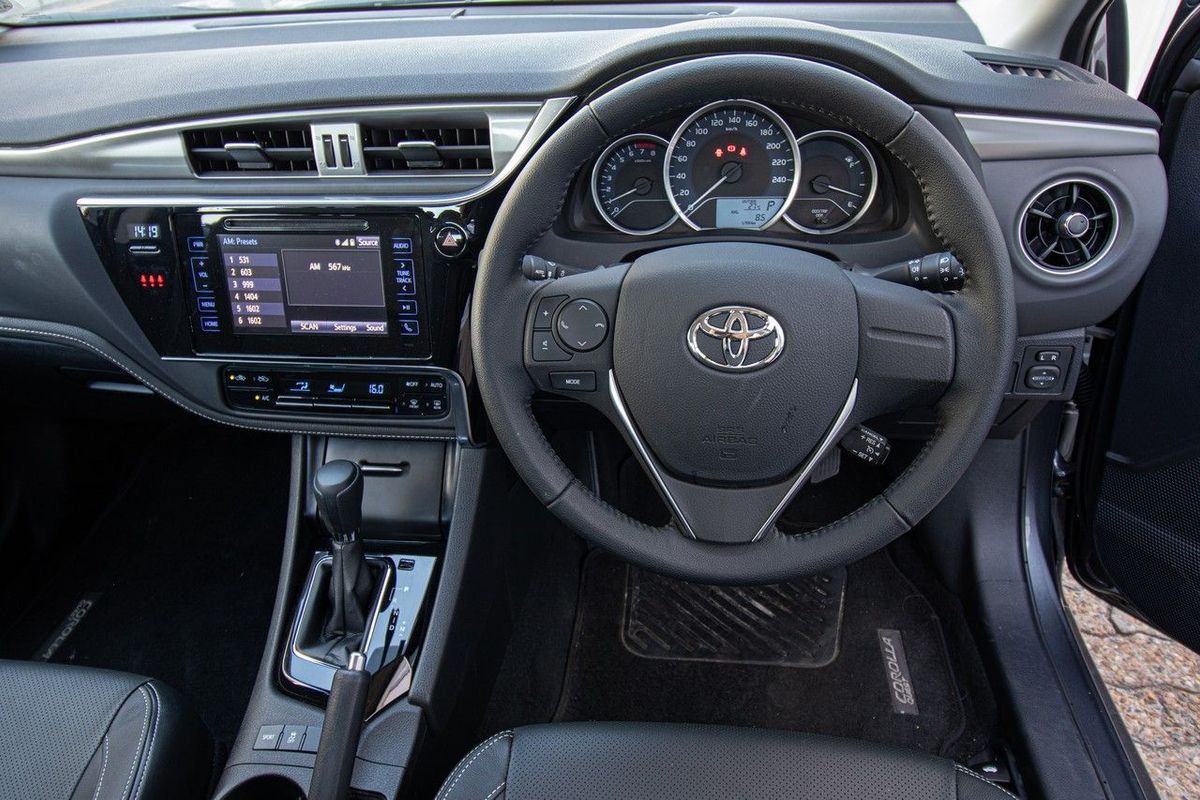
There’s much to like about the interior of this Corolla Quest. Yes, it may not be particularly exciting in terms of design, but it’s functional and importantly, perceived build quality is very good. The interior is solidly made and squeak free!
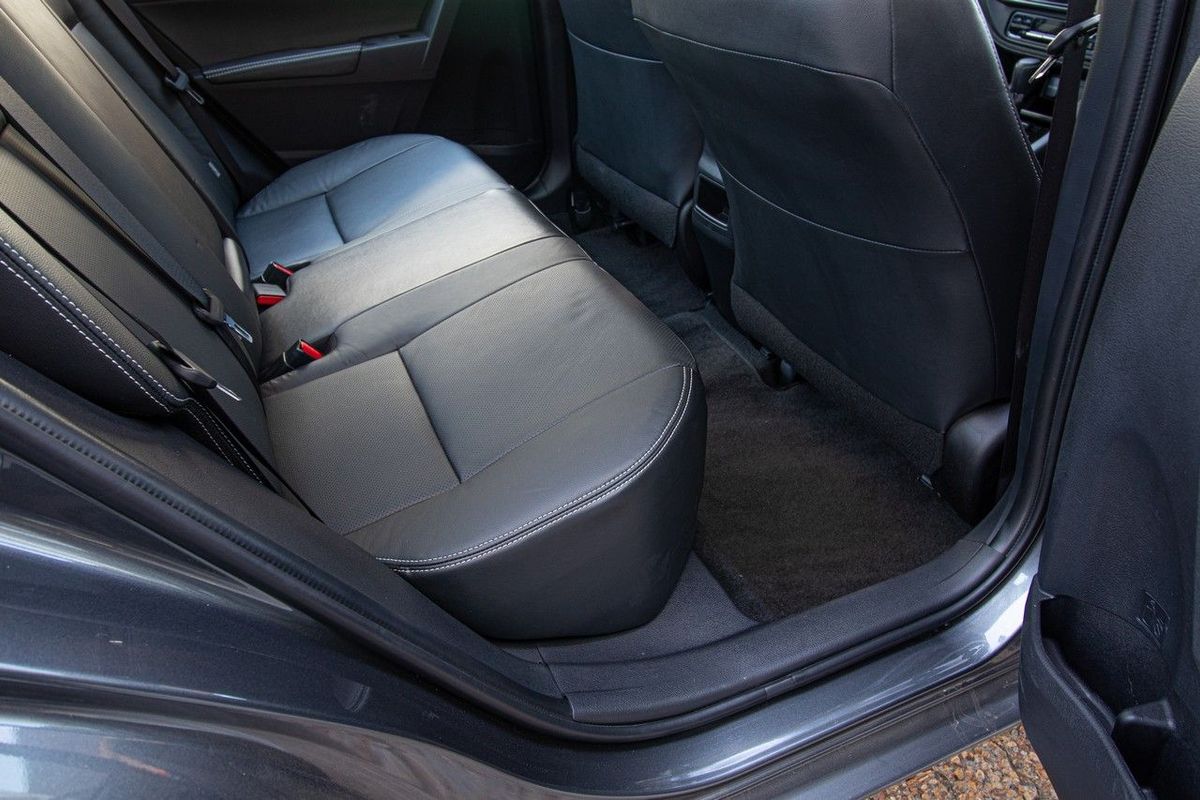
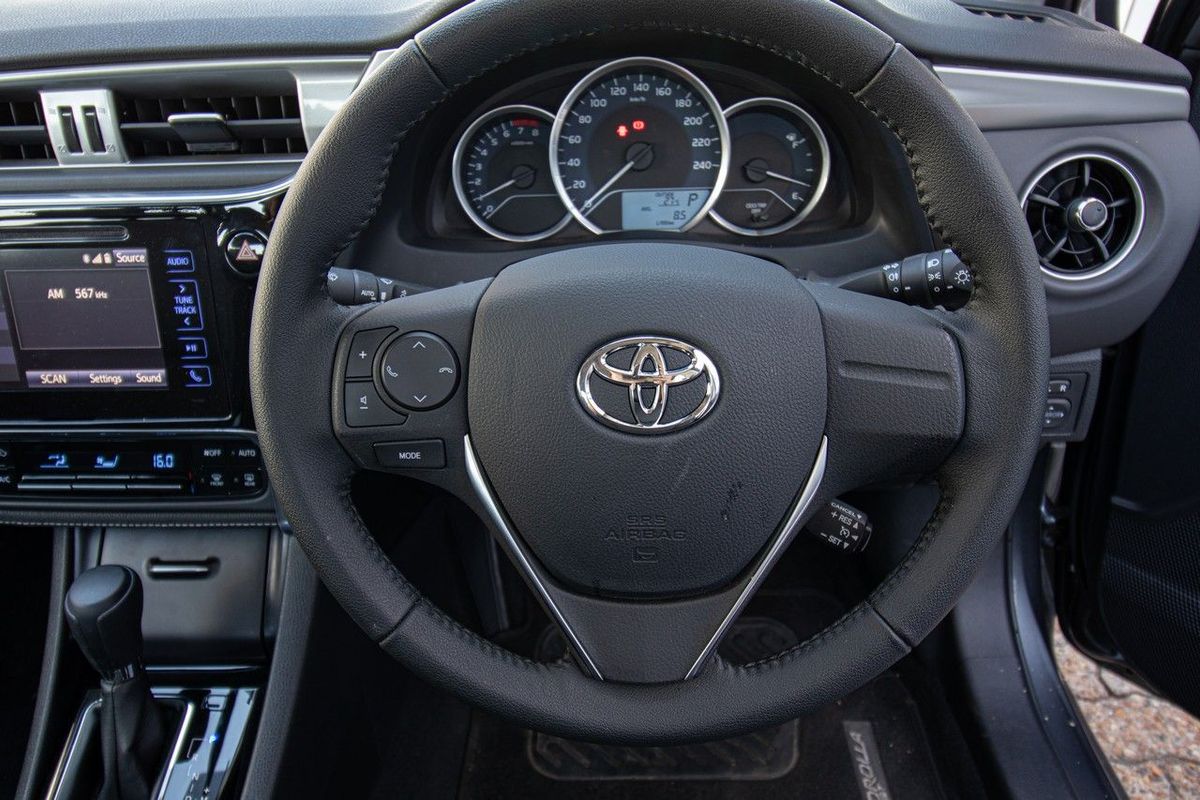
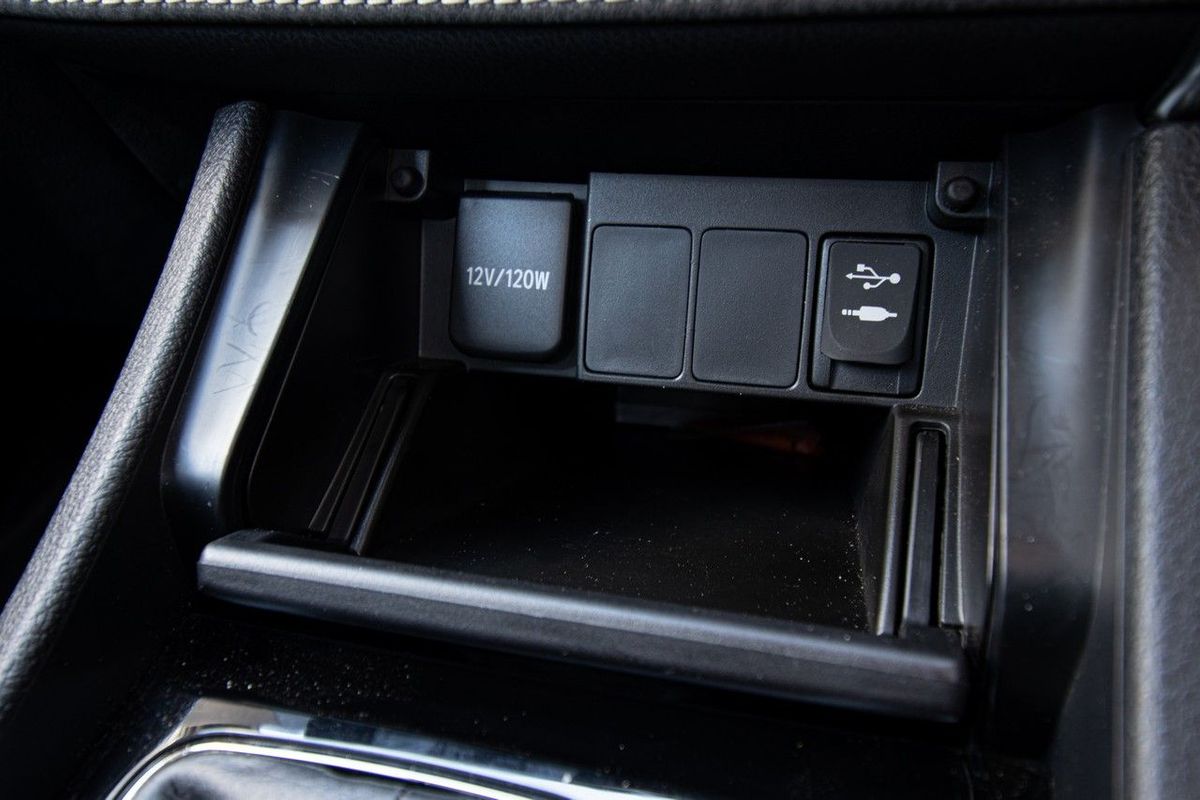
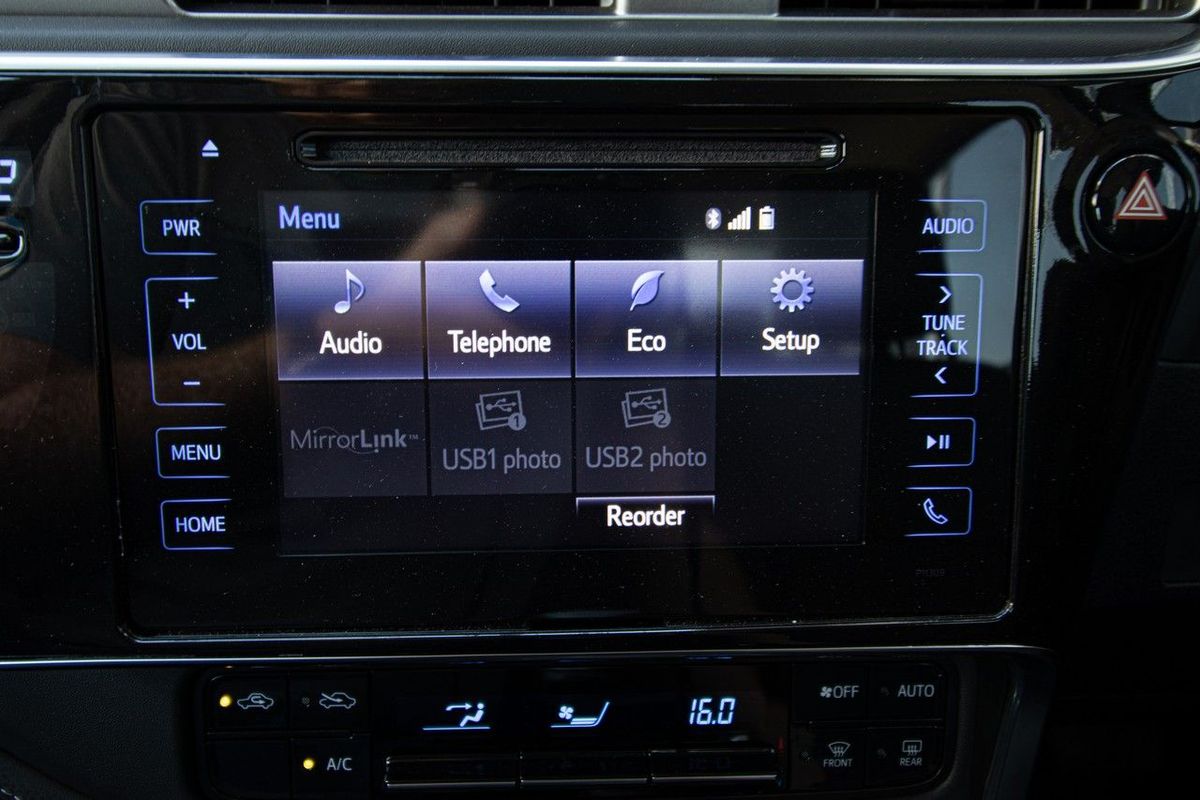
The leather seats, in particular, are comfortable by virtue of their shape and more-than-sufficient cushioning; the steering wheel has mounted audio and Bluetooth controls and is adjustable for rake as well as reach; the infotainment system is familiar (sourced from sister products such as the Hilux and Fortuner) and while it covers the basics, it lacks connectivity features such as Android Auto and Apple CarPaly. There is also a USB port for charging devices.
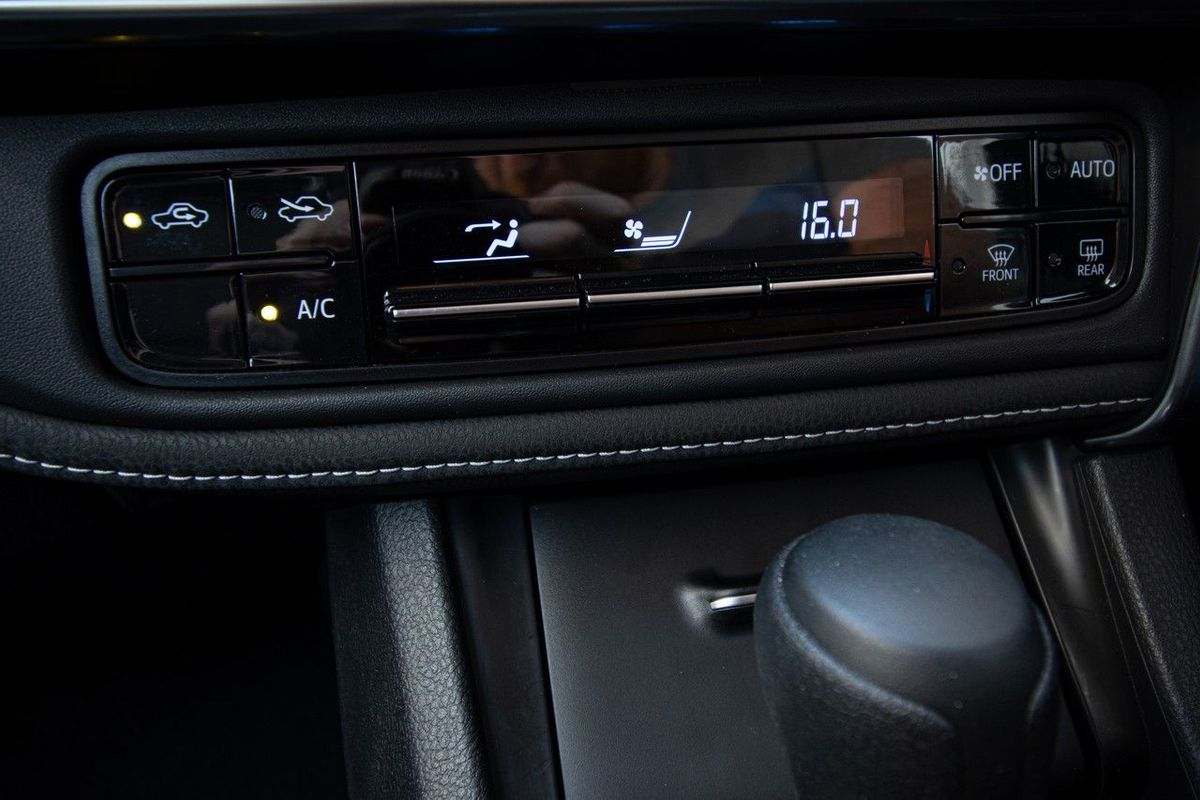
Other nice-to-have features in this top-spec derivative include rain-sensing wipers, keyless access and start, dual-zone climate control (automatic aircon), cruise control, rear park distance control with a reverse-view camera and electric windows. On the safety front, the Corolla Quest is fitted with 5 airbags, ABS with EBD, brake assist and electronic stability control.
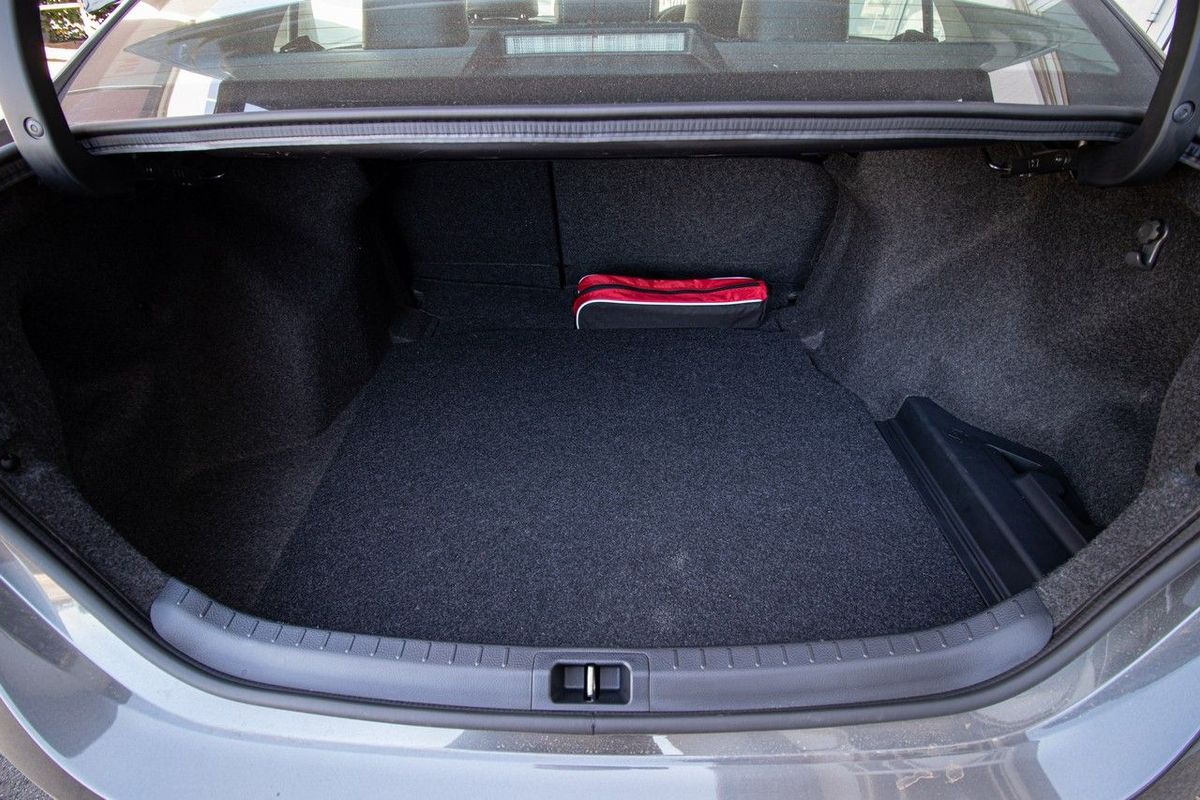
In terms of practicality, the Corolla Quest has a large boot with a substantial claimed capacity of 452 litres. Also, this range-topper has 60:40 split rear seats, which is great, because you can load longer items through into the cabin. Rear passenger legroom is more than adequate and there’s ample storage space in the door mouldings, centre bin, and ahead of the transmission lever. The 2 cupholders up front are handy for storing your coffee/s on the morning commute…
Price and warranty
The Toyota Corolla Quest 1.8 Exclusive automatic is priced from R317 700 and is sold with a 3-year/100 000 km warranty and a 3-services/45 000 km service plan.
The Corolla Quest is easy to recommend in this segment. It's a quality product that's definitely worth considering.
This 2nd-generation Corolla Quest is a great product overall; it’s easy to understand why it has been such a success story for Toyota South Africa: it exudes quality and value for money. Not only is this latest version more powerful than before but it’s also more refined and offers higher levels of comfort, while being well-equipped with convenience features. This engine and CVT combination will suit its intended target market well; it strikes a reasonable balance between performance and economy. However, while we feel that the lack of Apple CarPlay and Android Auto is somewhat disappointing, we don’t think it’s a deal-breaker in this segment. Hopefully, Toyota will institute updates later this year.
When stacked up against rivals such as the ageing and pricier Honda Ballade, Hyundai Accent, Volkswagen Polo sedan and less-premium Suzuki Ciaz, the Corolla Quest makes a very strong value case for itself – yes, it is a legacy model, but it is based on a product that was only recently superseded. It does not feel stripped out and basic – quite the opposite. With the imminent arrival of the all-new Corolla on local soil, we suspect that the Corolla and Corolla Quest tag team will continue to dominate the (admittedly shrinking) segment. Should you consider this Corolla Quest? You'd be silly not to… It's a shining example of a locally-produced product that outshines its imported rivals with aplomb.
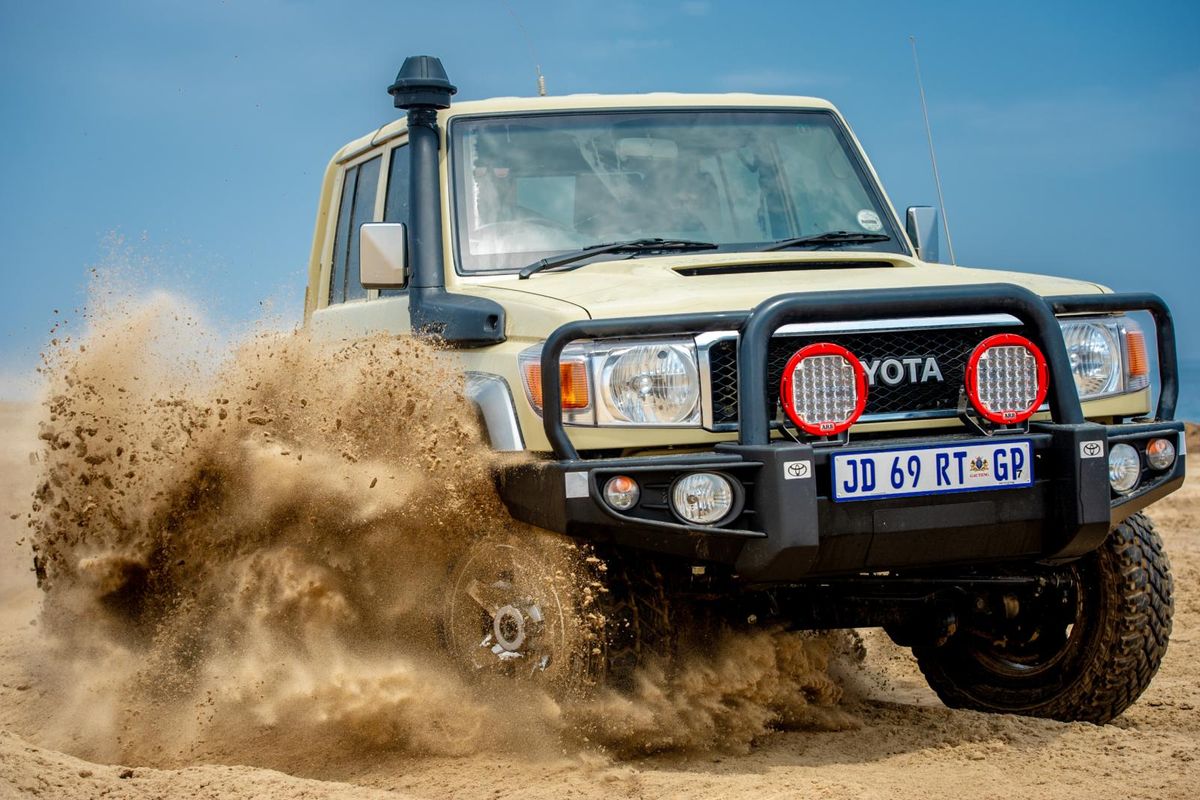
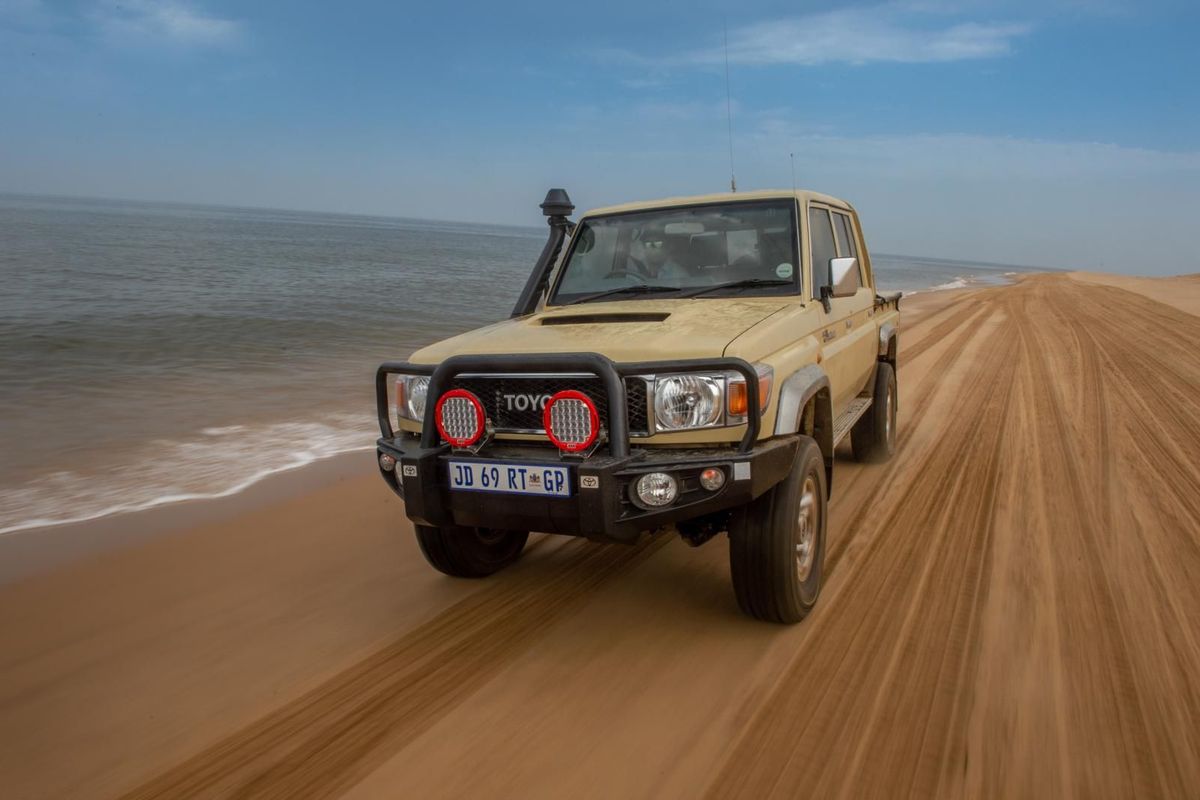
All 60 Toyota Land Cruiser Namib editions were sold by January 2020, and with the vehicle still in high demand, Toyota South Africa has commissioned a few more. Here's how much this unique and one-of-a-kind overlander costs, plus detailed specs.
The thing with limited-edition vehicles is demand quickly outstrips supply, especially if you know the vehicle on offer is one-of-a-kind and dripping with coolness. We're not talking unaffordable and unobtainable European exotica here either, but rather the humble and iconic Toyota Land Cruiser Namib edition. Toyota South Africa made just 60 of them back in the 3rd quarter of 2019 and by January 2020, all were gone. Rather than disappoint Toyota's incredibly loyal customers, the brand has made a few more, plus added a single-cab option.
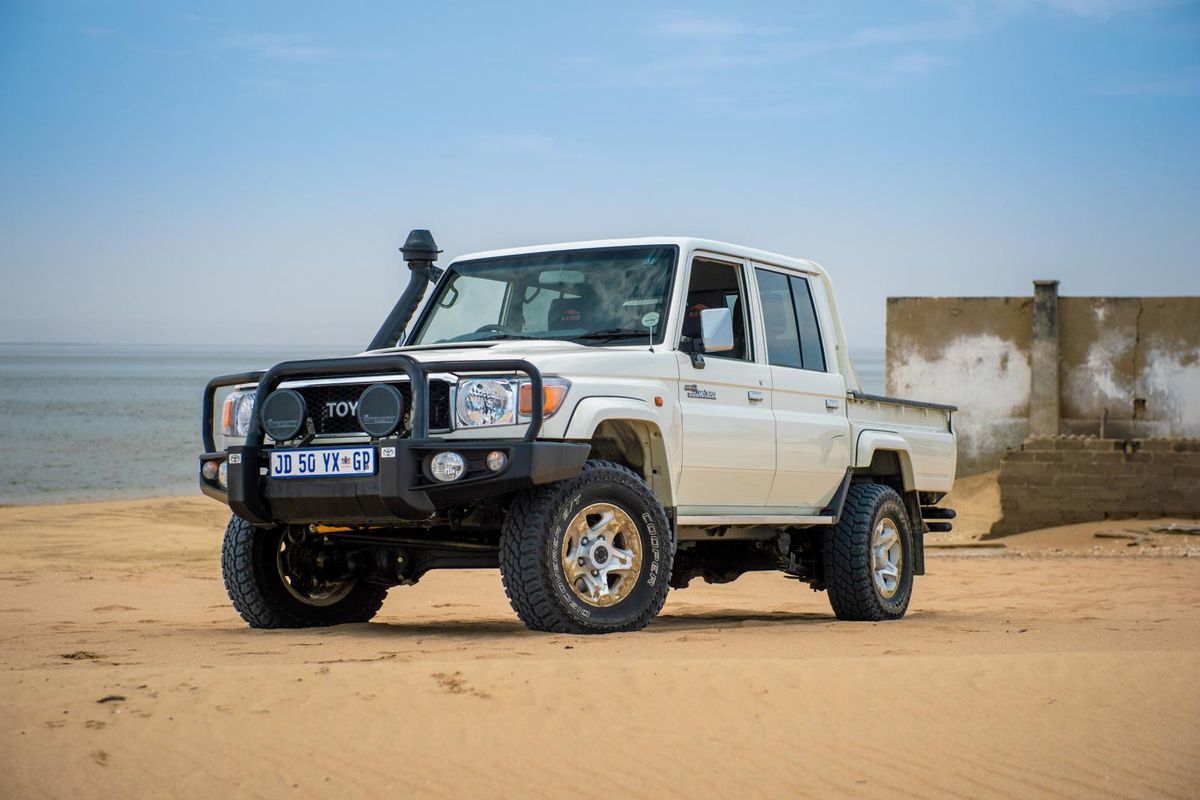
What exactly do you get in your single- and double-cab Land Cruiser Namib edition?
Toyota Land Cruiser Namib Features
Exterior:
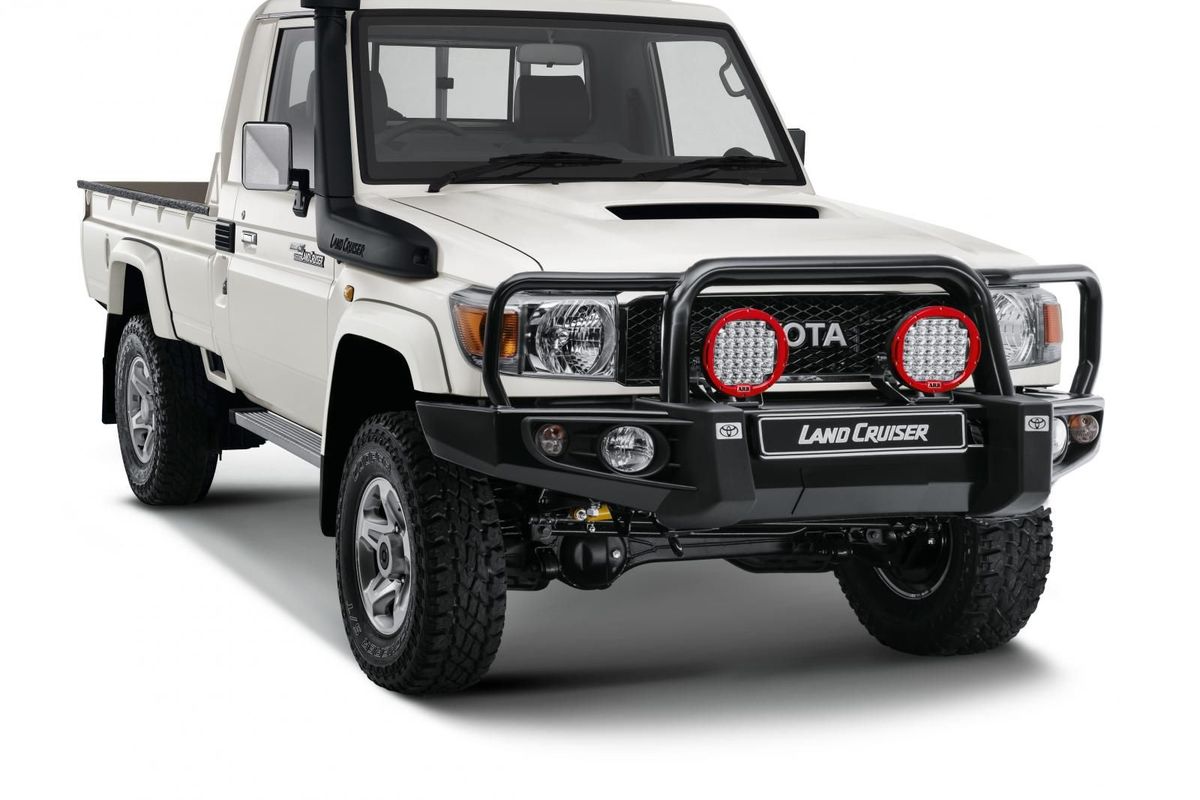
Front grille with robust mesh design and prominent Toyota lettering
?Stylised Namib badging on fenders and tailgate
Heavy-duty steel front bumper with integrated nudge-bar and headlight protectors
Large, high-intensity LED spotlights with protective covers
Tubular rear step with integrated towbar
Protective loadbin skin
Interior:
Glovebox with integrated cooling duct
Protective canvas seat covers with Namib insignia and anti-scuff panel
Roof-mounted console with LED lighting and storage binnacles
Technical:
Upgraded off-road suspension
265/75/R16 Cooper Discoverer S/T Maxx versions with white lettering
Exterior Colours:
The Namib edition is available in two colours; Ivory White and Sand Beige.
Standard Specification:
The Namib edition retains all of the standard Land Cruiser 79 D-Cab V8 specification, which includes a touchscreen audio system with built-in Navigation, Bluetooth, front power socket, power windows, tilt and telescopic steering column, remote central locking and an anti-theft system. The safety systems include driver and passenger airbags alongside an anti-lock braking system (ABS).
Powering the Toyota Land Cruiser Namib is the 4.5-litre turbodiesel engine, which produces a tidy 151 kW and 430 Nm, with consumption sitting at a claimed 11.3 L/100 km.
Toyota Land Cruiser Namib Price in South Africa (March 2020)
Toyota is offering its Land Cruiser Namib with a 3-year/100 000 km warranty. Customers can purchase optional service plans according to their needs. There will be a further 60 single-cab and 60 double-cab models (120 combined), over a 6-month period, with the arrival of the first units at dealerships in the very near future.
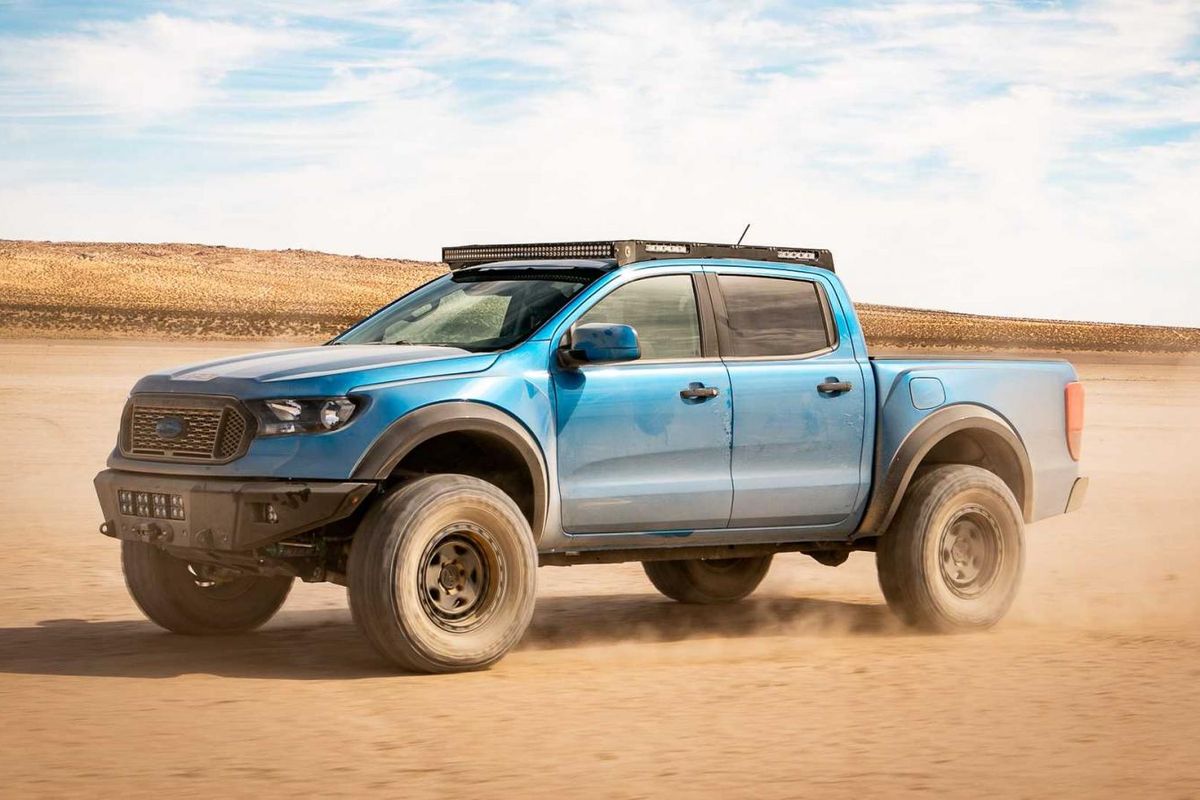
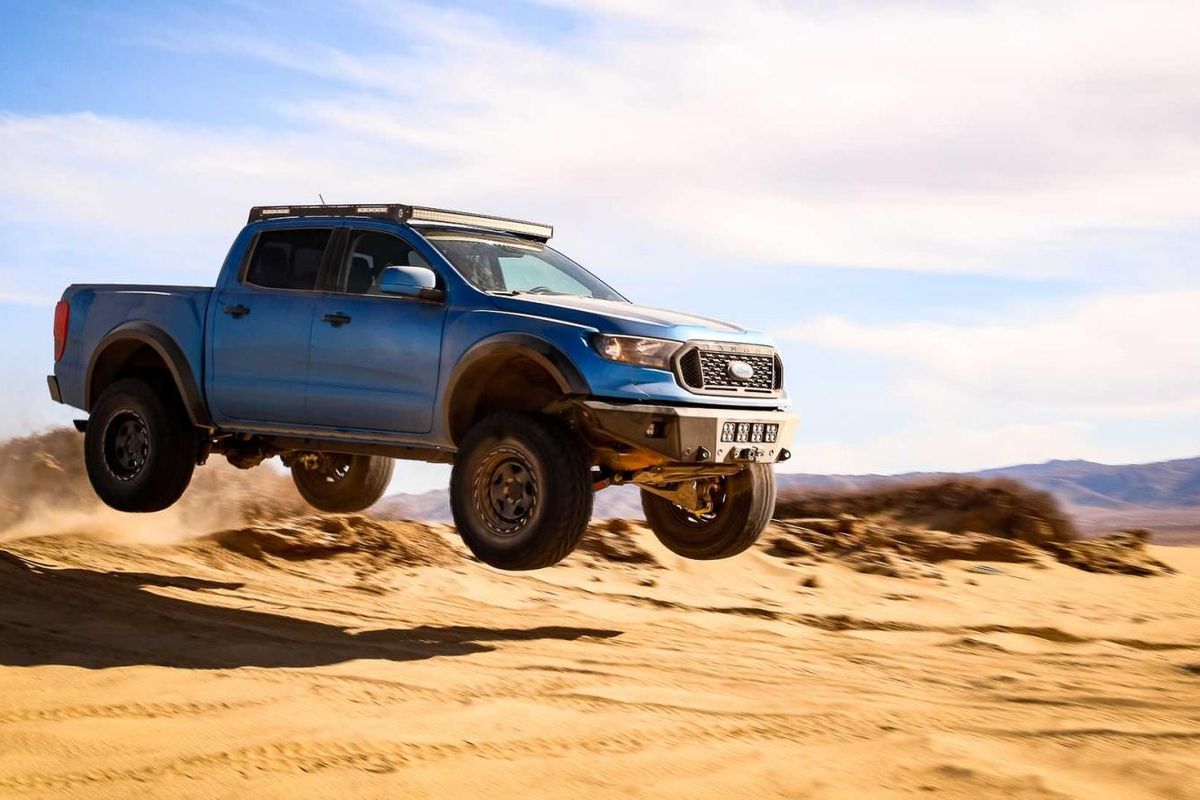
California tuning company adds more clearance for Ranger 4×4.
Ford’s Ranger Raptor is a spectacularly capable 4×4 double-cab, but there will always be those customers who desire even more.
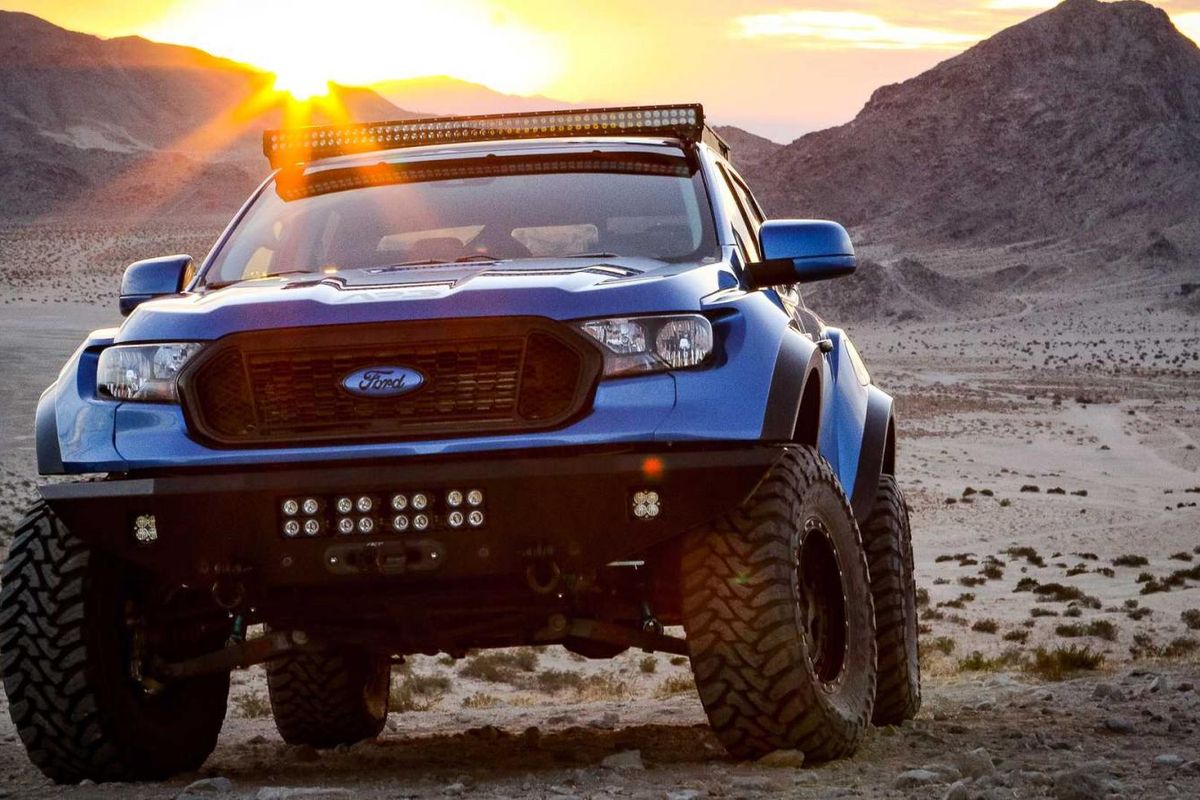
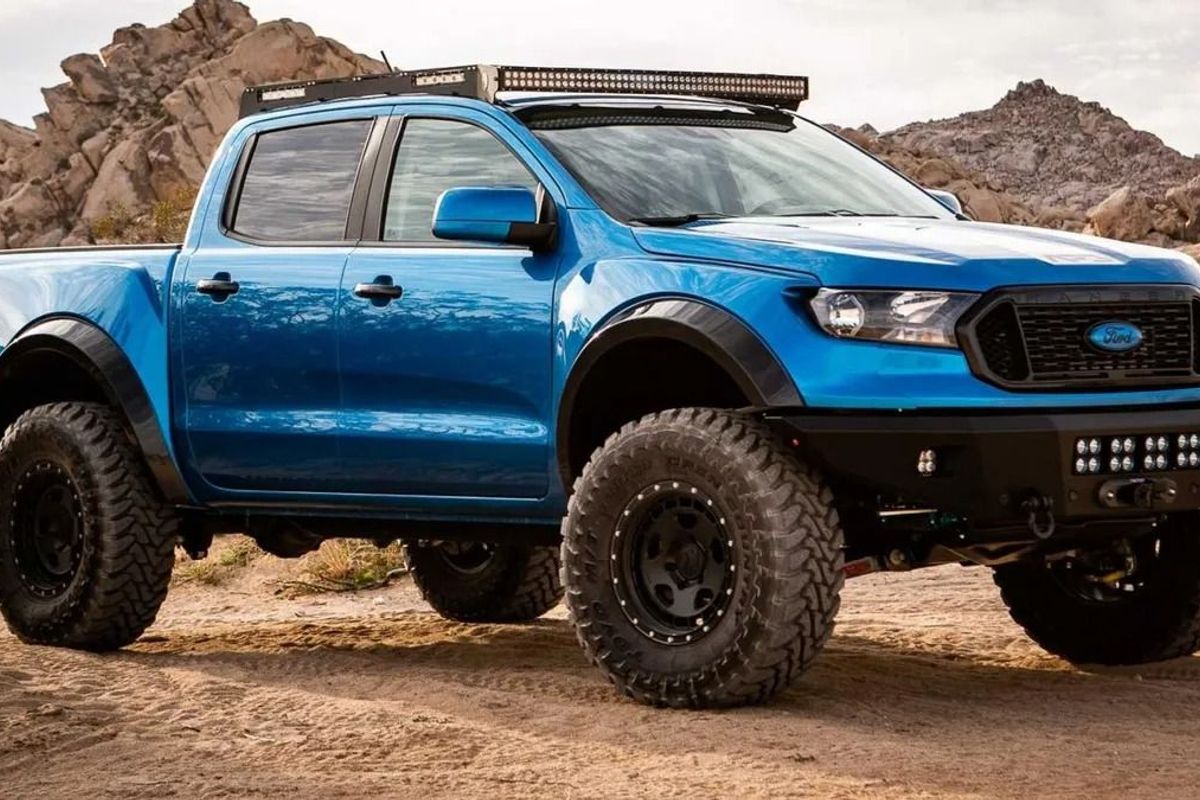
To answer the demand, California’s APG has produced a very tidy upgrade of Ford’s standard Ranger, to Raptor-rivalling specification.
APG’s aim was to increase wheel travel and terrain taming ability. To achieve this, meant altering the Ranger’s bodywork and the result is a double-cab bakkie with tremendous presence.
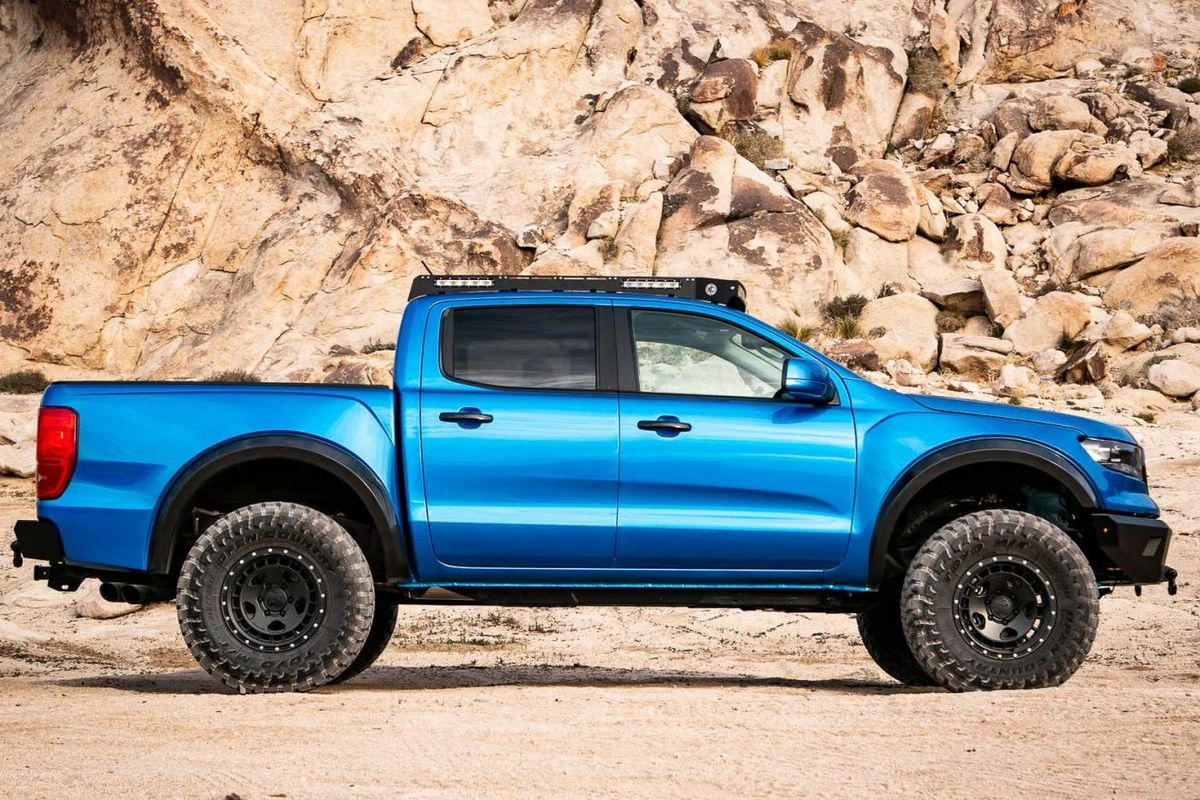
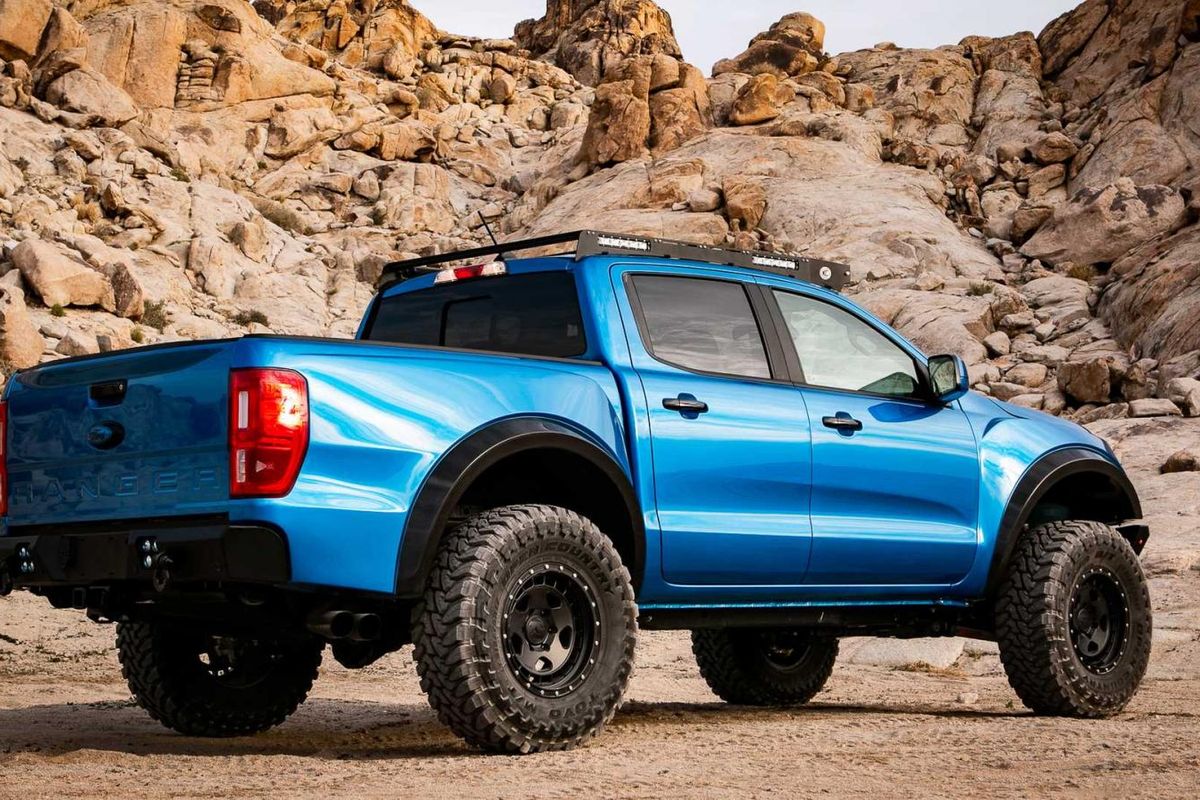
The factory Ranger Raptor is a wide bakkie, but this APG version adds an incredible 254 mm of width with its interpretation. Fabricated from carbon-fibre, the APG bodywork includes massively flared wheel arches.
Although the APG Ranger’s bodywork looks radical, it serves a purpose. To ensure there isn’t tyre rub on the inside of the wheel arches, during maximum suspension compression, APG had to reshape them.
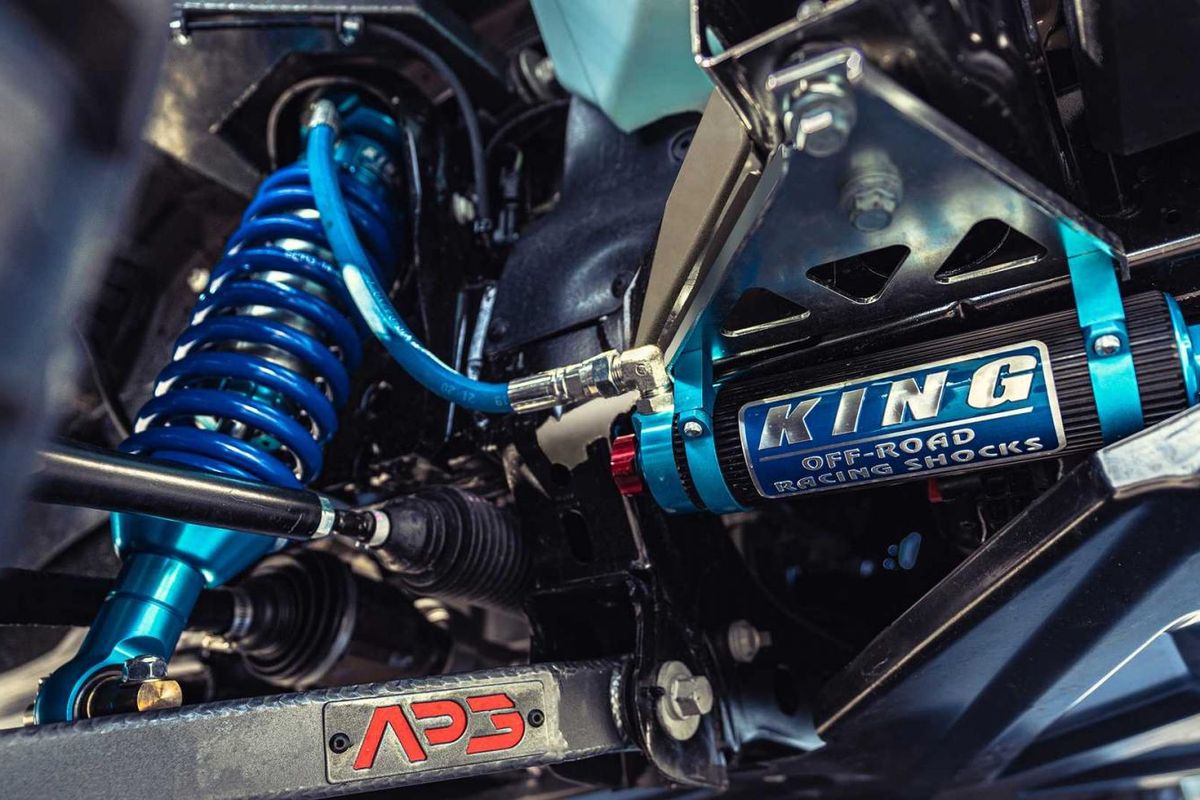
Beyond the new bumpers, a custom roof rack and additional LED illumination points, the APG Ranger’s most significant feature is its suspension upgrade.
APG’s long-travel suspension kit for Ranger includes new upper and lower control arms – all of which, are powder-coated. The tie rods and front axle CV shafts are also extended. In combination, these modifications deliver 318 mm of total ground clearance, compared to the factory Raptor’s 283 mm.
Pricing
The cost of upgrading your standard Ranger to an APG pseudo-Raptor is R260 000. If you are a skilled mechanic with an assortment of tools at home, APG’s will supply you all the parts for R190 000, and you can spend weekend-upon-weekend, assembling it all, yourself.
Thanks to the Crossley and Webb dealership in Cape Town, Ciro De Siena and our video team were afforded the opportunity to spend time with one of the rarest cars on earth, the Lexus LFA.
Only 500 of these were made and there are only three reported to be in South Africa, so this really was a unicorn encounter.
In this video, we spend a lot of time getting to know the car, while Ciro takes us through the history of it's development, takes you on a tour of the interior and the engine, and of course turns it on to hear what is surely one of the world's best-sounding cars ever made.
eBus could become an official thing, long live the T1 split window!
Hipsters who wish to channel those hippie motoring memories of yore will rejoice at VW’s latest product announcement.
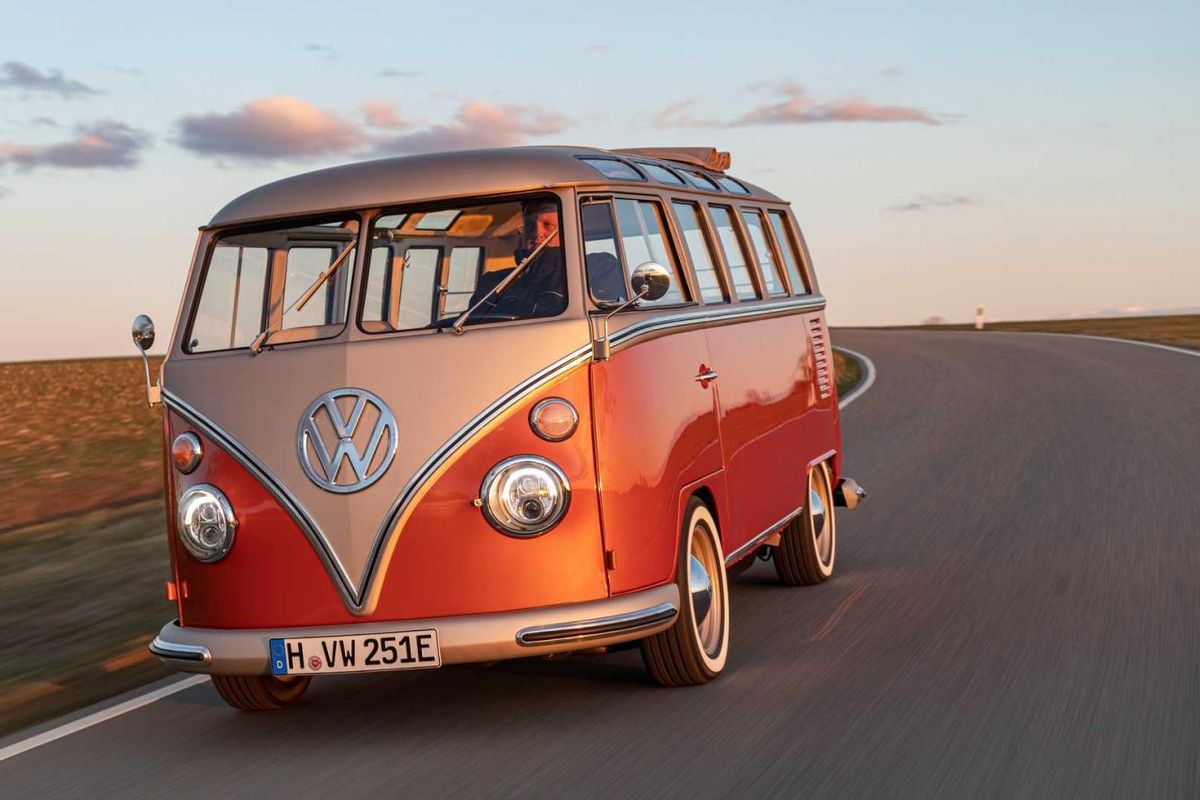
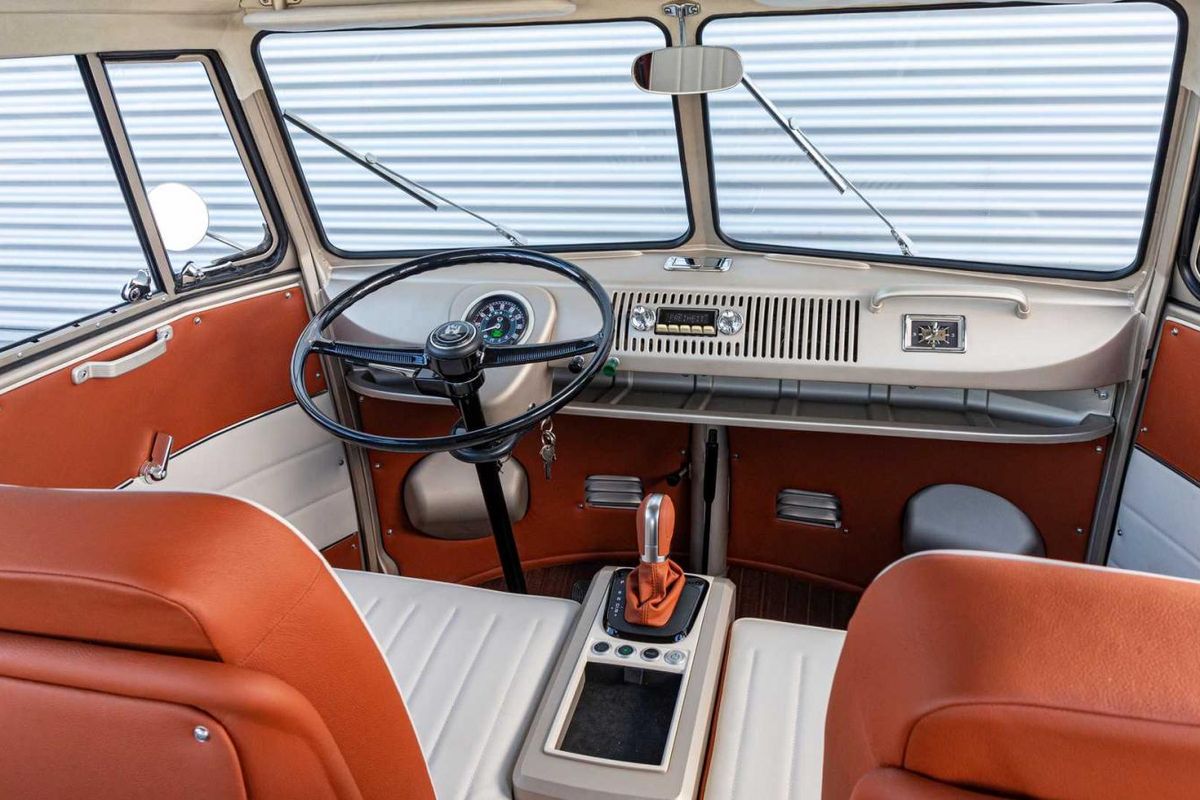
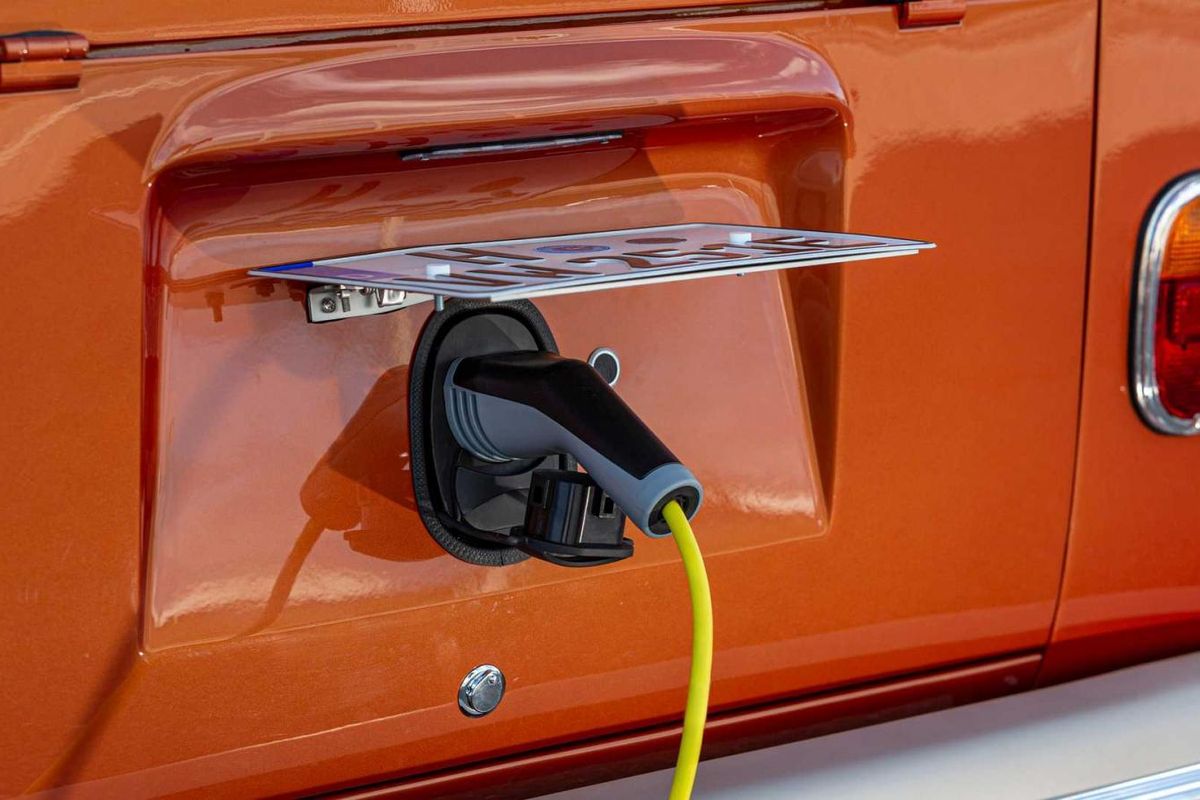
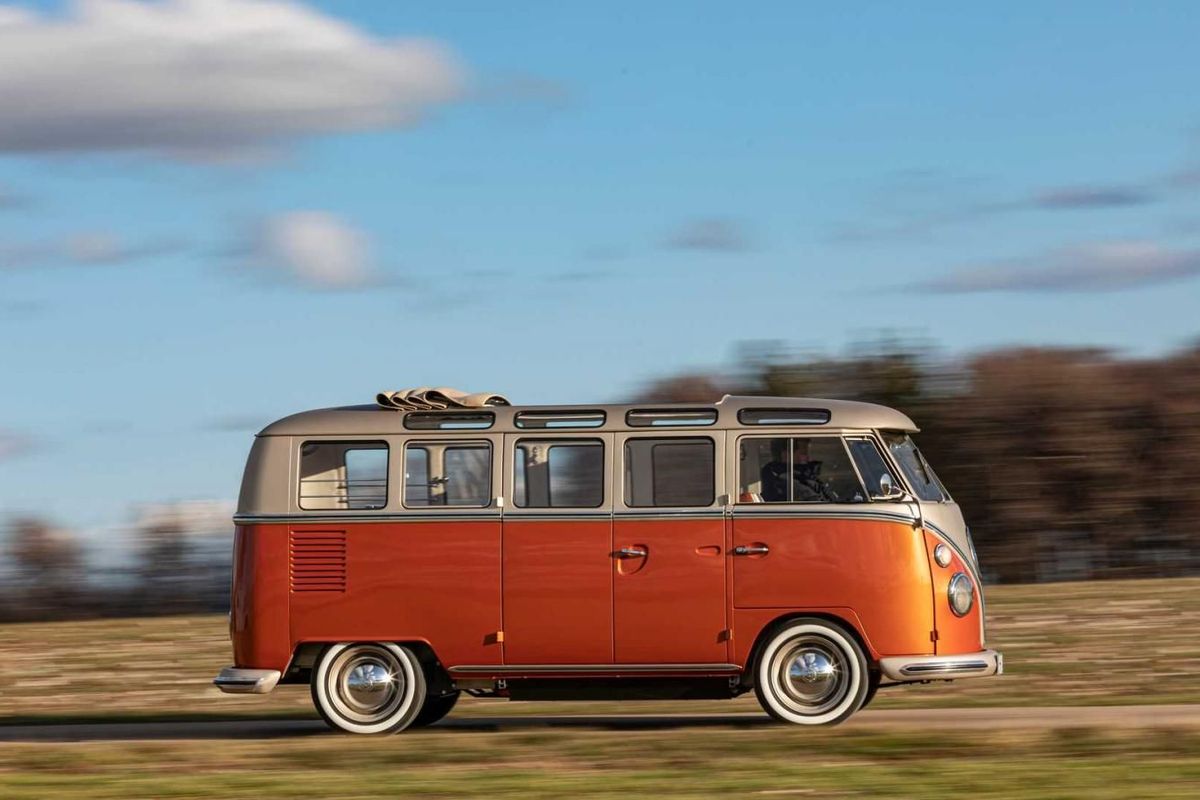
The e-Bulli concept might look like a VW T1 bus, but it features a wonderfully sophisticated powertrain, with zero emissions.
VW has built this e-Bulli concept as part of its drive to greater electrification. Partnering with eClassics, who specialise in converting older vehicles to modern battery drivetrains, the e-Bulli will hopefully become available commercially.
Powering the e-Bulli is a 45 kWh lithium-ion battery pack. This is effectively the lowest energy-density battery VW has designed, for its forthcoming range of ID platform vehicles.
The battery pack spins a 61 kW electric motor, with 212 Nm of torque That is nearly double the potency of VW’s original T1 air-cooled four-cylinder engine.
Aerodynamic realities and stability considerations have made VW limit the e-Bulli’s top speed to only 130 kph, which is still 25 kph more than an original T1 could manage.
Old-school bus underneath
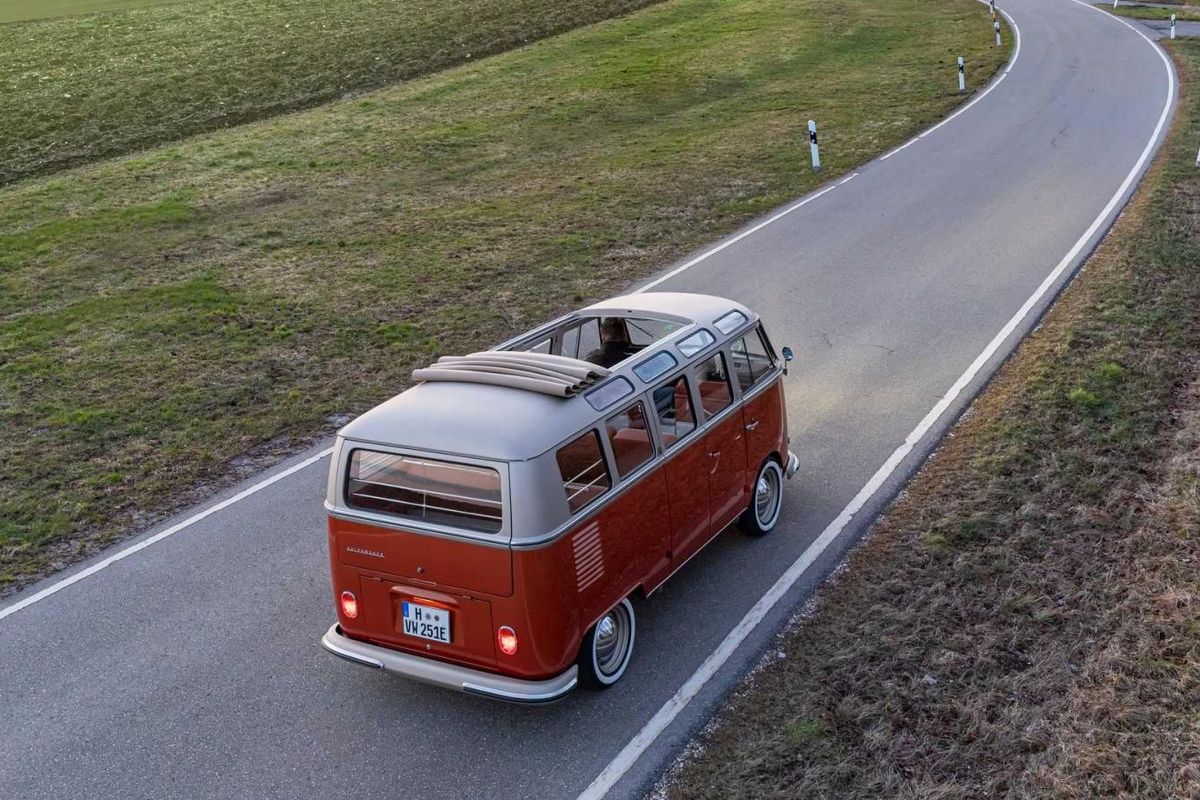
The T1 platform structure has not been altered, but VW and eClassics have added many component upgrades.
Instead of traditional drums, there are ventilated disc brakes at all four wheel corners. A multi-link front suspension, with adjustable coil-over dampers, allows e-Bulli to add more compression damping when required – better balancing this eBus when it is heavily laden.
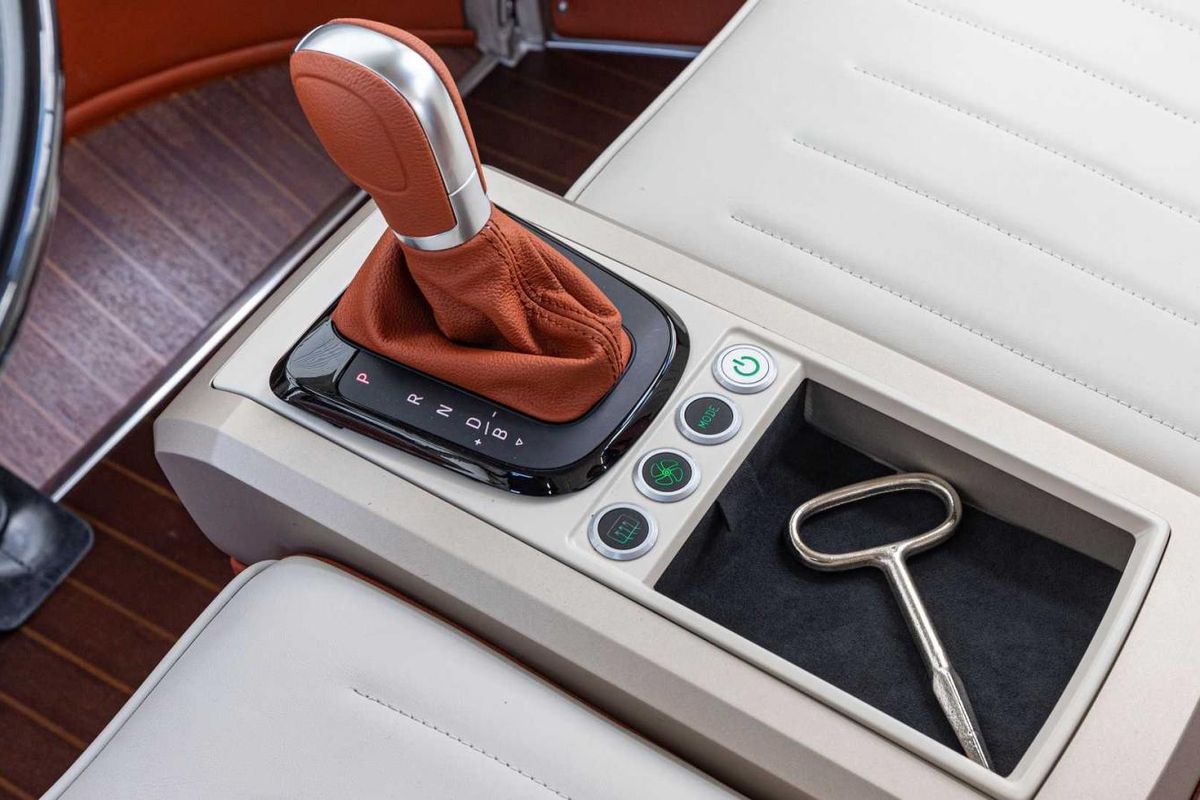
Beyond the new bits, VW and eClassics have managed to retain the retro feel, whilst adding daytime running lights and LED turn-signal indicators. Although the cabin might have the appearance of a fantastically 1960s design celebration, a Smartphone synching infotainment system has been integrated to the e-Bulli’s interior.
VW has built the e-Bulli as a proof of concept. The T1 is a very popular VW heritage vehicle with many still running in show condition. The vision is that owners could be willing to embrace the e-Bulli concept, which might trigger a viable upgrade option, from VW.
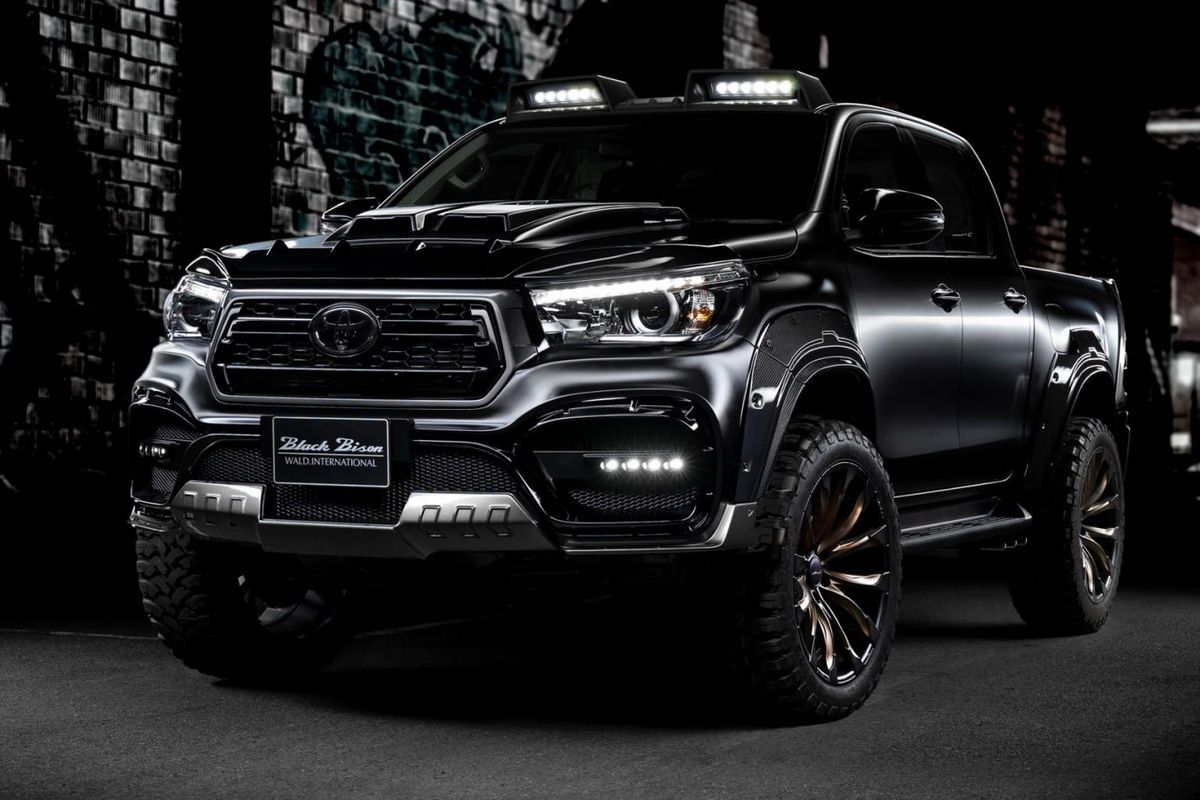
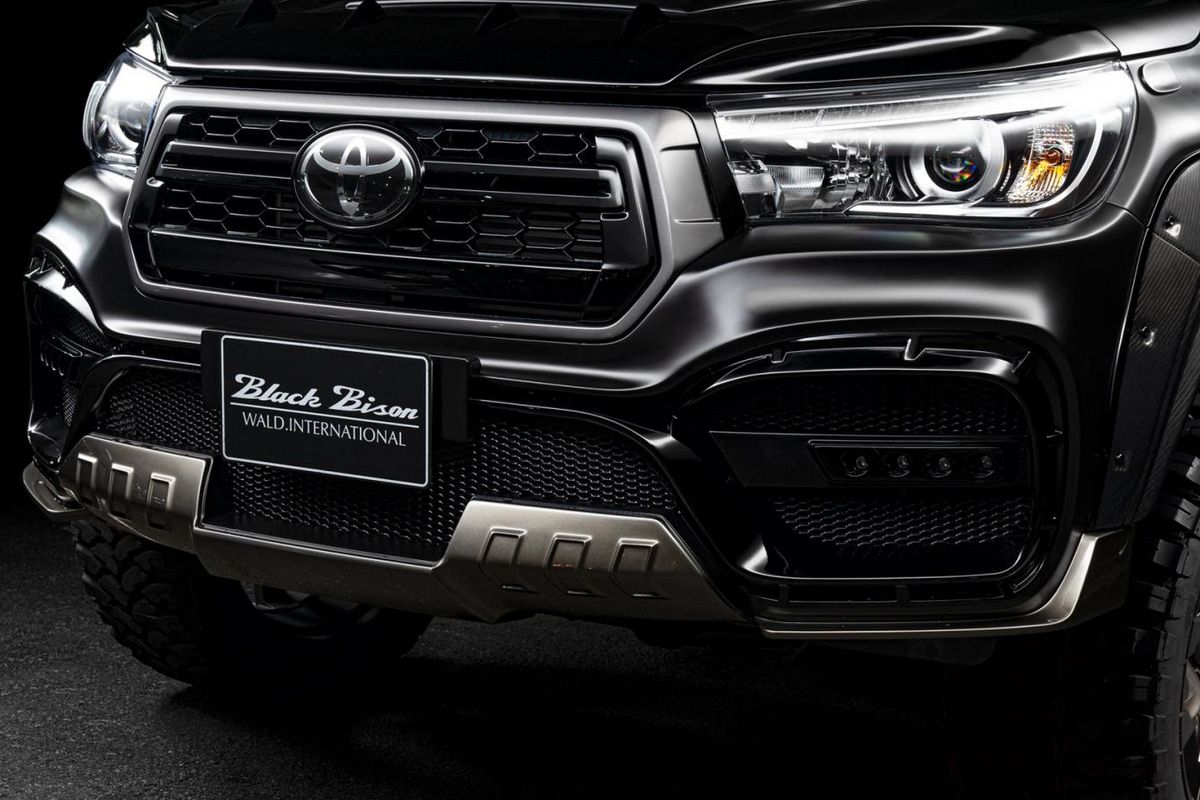
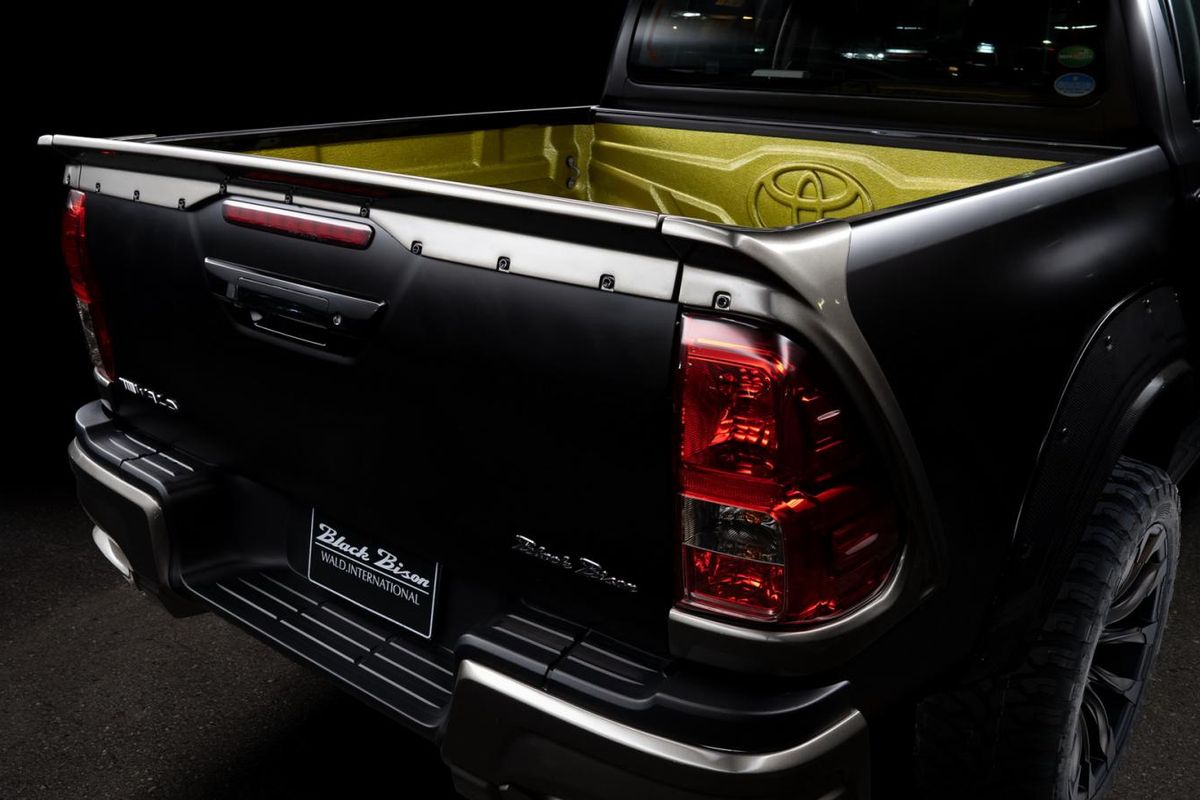
Japanese tuning company, Wald International, has taken the Toyota Hilux to the dark side with its Sports Line Black Bison Edition and we like it!
This is perhaps one of the most striking bakkie mod we have seen in a while.
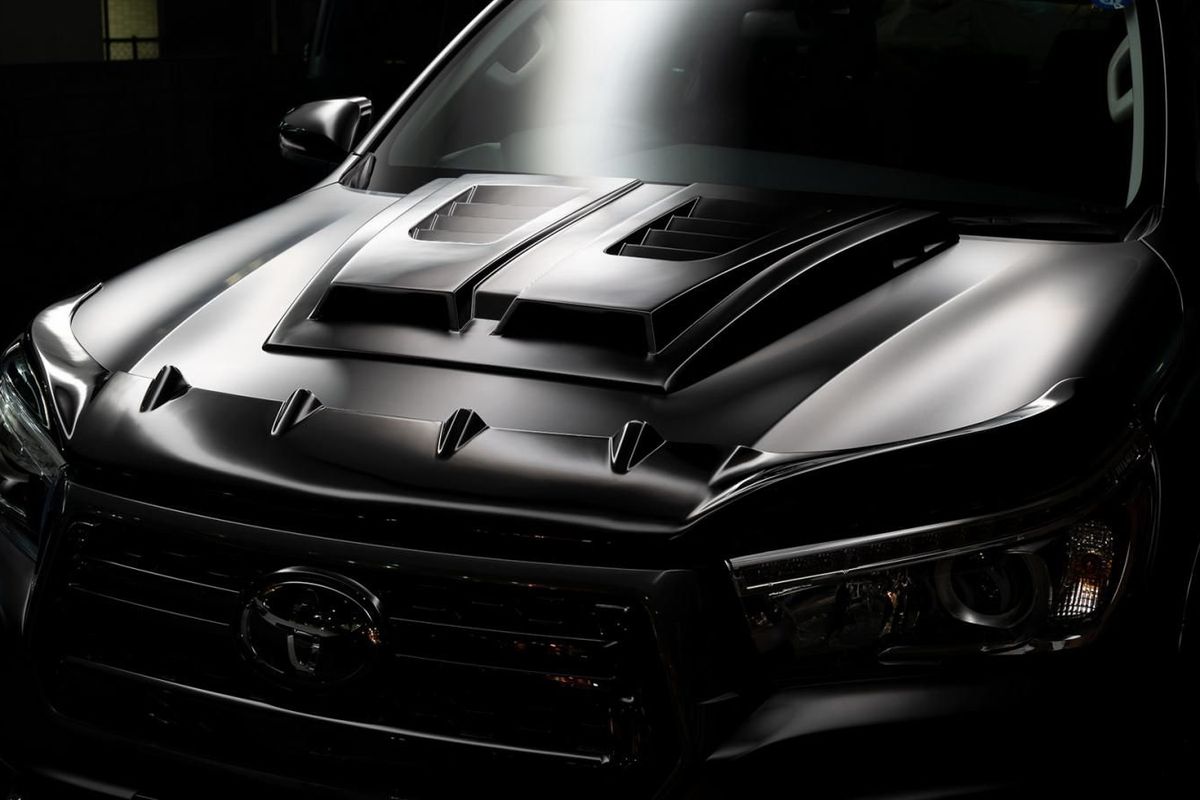
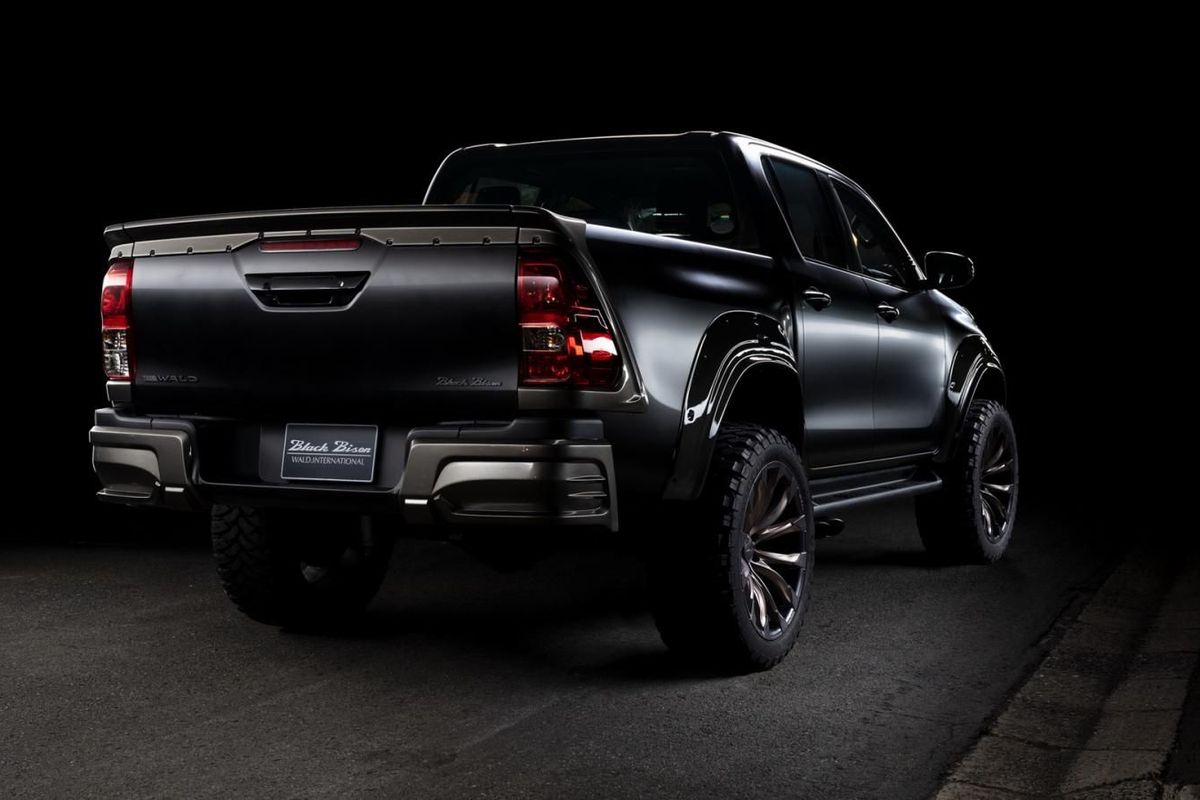
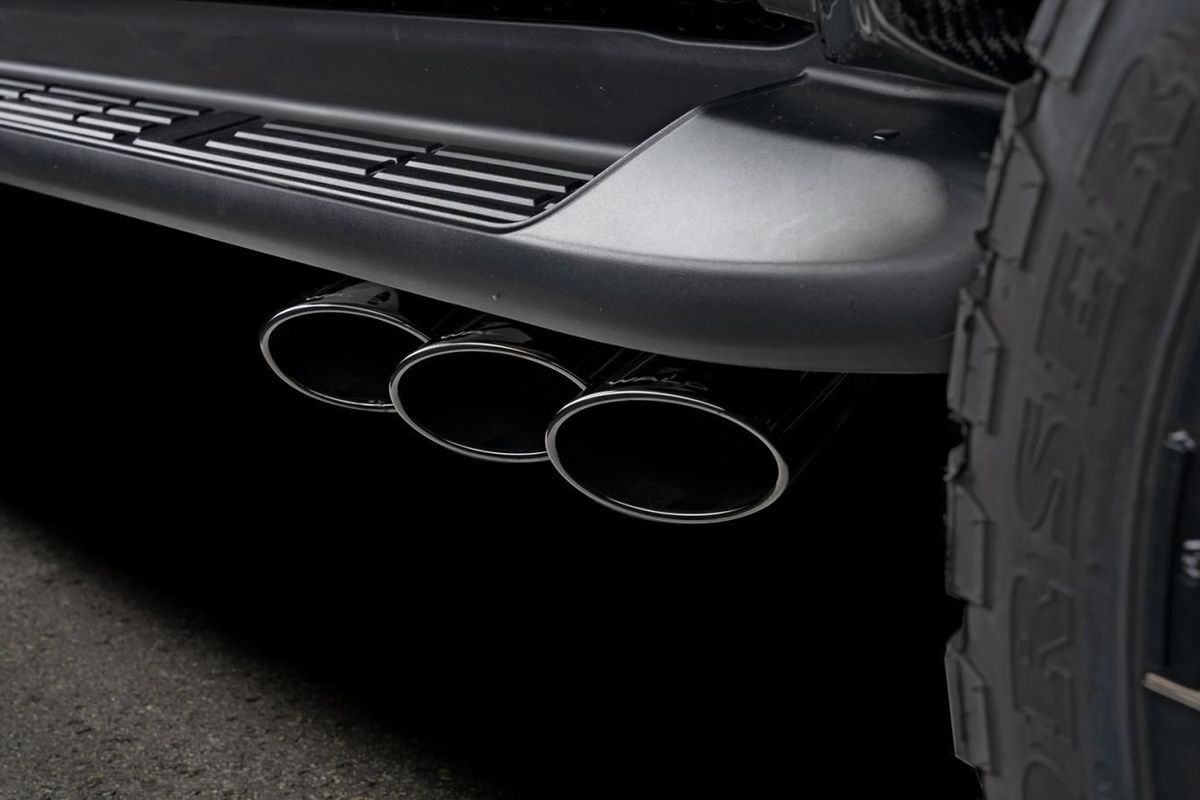
This special Hilux features modified front and rear bumpers, bug guard and a bonnet scoop cover, additional LED lights and a widebody kit that makes this Hilux some 55 mm wider. Also, large rugged. You will also notice the rear tailgate spoiler, rear spats and a tri-side-exhaust system finished in stainless steel. With the fender extensions, large 22-inch Jarret rims can be fitted and shod with chunky offroad tyres.
The modifications are purely cosmetic and Wald doesn’t appear to have fiddled with the Hilux’s 2.8-litre turbodiesel engine which offers 130 kW and 450 Nm.
Do you like the look of this Toyota Hilux Sports Line Black Bison Edition?