Citroen C5 Aircross 1.6T Shine (2019) Review
Citroen returned to South Africa in 2019… Could its most expensive model – the C5 Aircross – also be its best offering? It joins a very competitive family-car segment, in which buyers are looking for a mix of design appeal, practicality, value and a good balance between performance and economy. How well does the Citroen deliver on these expectations? Let’s find out!

We Like: Unique styling, performance, lots of standard features, practicality

We Don’t Like: Negative perceived brand perception, fuel consumption could be better

Fast Facts

  • Price: R509 900 (December 2019)  
  • Engine: 1.6-litre turbopetrol 
  • Power/Torque: 121 kW / 240 Nm
  • Transmission: 6 speed automatic
  • Fuel Consumption: 7.9 L/100 km
  • Load space: 520 to 1 630 litres

Own a Citroen? Tell us about your experience here

SERIOUS ABOUT BUYING?

Check out full specification details and finance estimates here.

Some Citroen dealers regularly offer specials: Have a look here

What is it? 


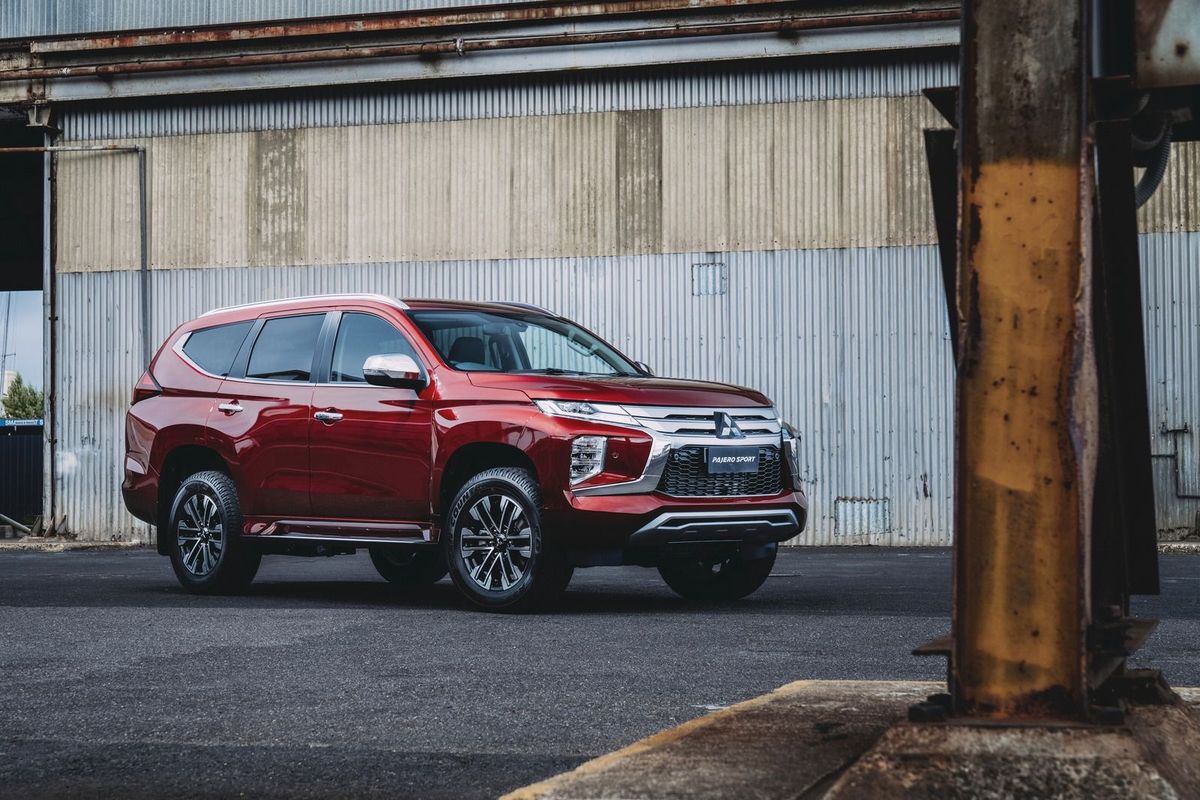
The Citroen C5 Aircross brings much-needed vibrancy to the family car segment – we like it!

After a 3-year absence, Citroen is looking to re-establish itself in the local market by focusing its efforts on 3 core products: the C3 compact hatchback, C3 Aircross crossover and this model: the C5 Aircross family SUV.

The market's obsession with all-things-SUV shows no signs of wavering, so the C5 Aircross is a very important offering in Citroen’s local lineup. Compared with most of its rivals, which includes products such as the Hyundai Tucson, Kia Sportage, Mazda CX-5, Toyota RAV4, Volkswagen Tiguan and so forth, the Citroen offers eye-catching styling and a measure of oddball appeal. Many curious onlookers gawked at the C5 Aircross during its tenure in our test fleet…

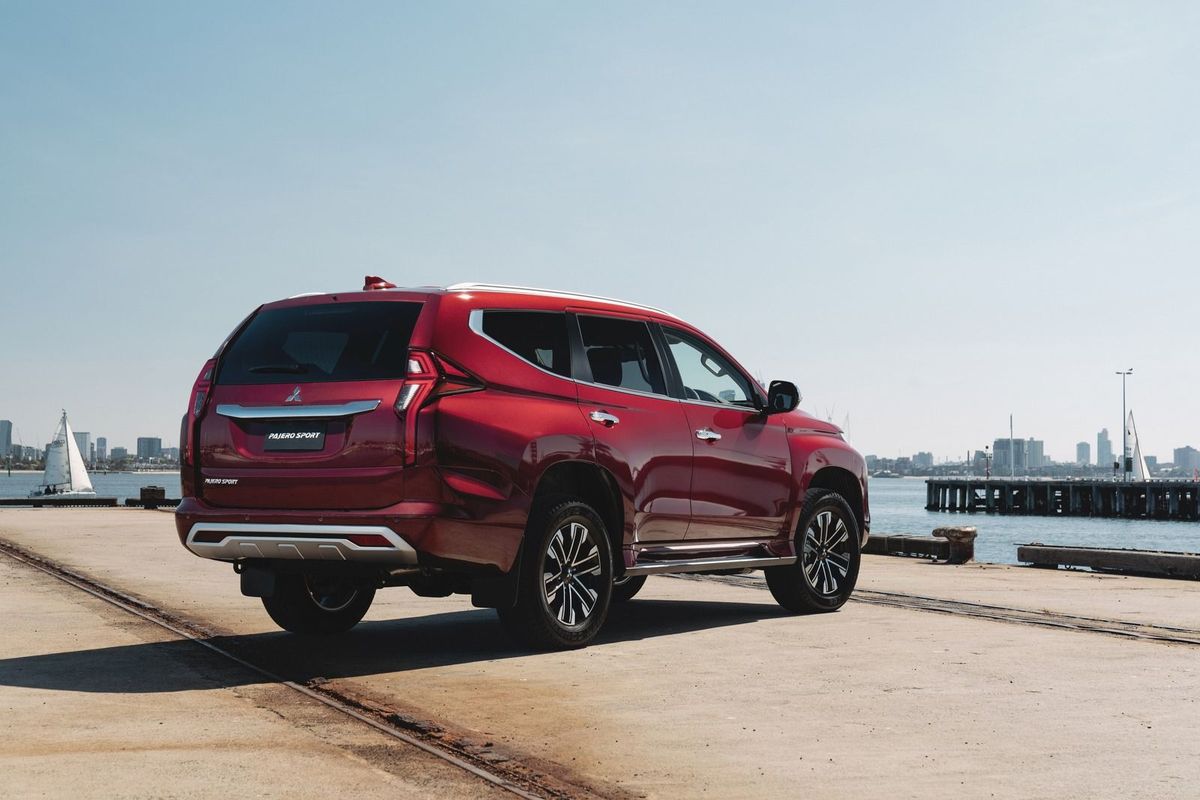
The C5 Aircross not only looks futuristic – its styling marks a refreshing change in a segment "plagued" by cookie-cutter-syndrome, that is to say, family cars like these tend to be conservatively-packaged and even a bit bland. The Citroen, by contrast, bucks the trend. We love how different this car looks (inside and out) and, like its cousin, the Peugeot 3008 (a finalist in the Family Car category #CarsAwards powered by WesBank), the newcomer is daring.

So, the C5 Aircross gets our thumbs up in terms of styling, but how good is it as an overall product and, more importantly, should it be on your family-car shopping list? Let’s take a closer look…  

How it performs in terms of…

Interior quality and features


The interior is modern and upmarket and comes well equipped with standard nice-to-have features that its rivals can't match.

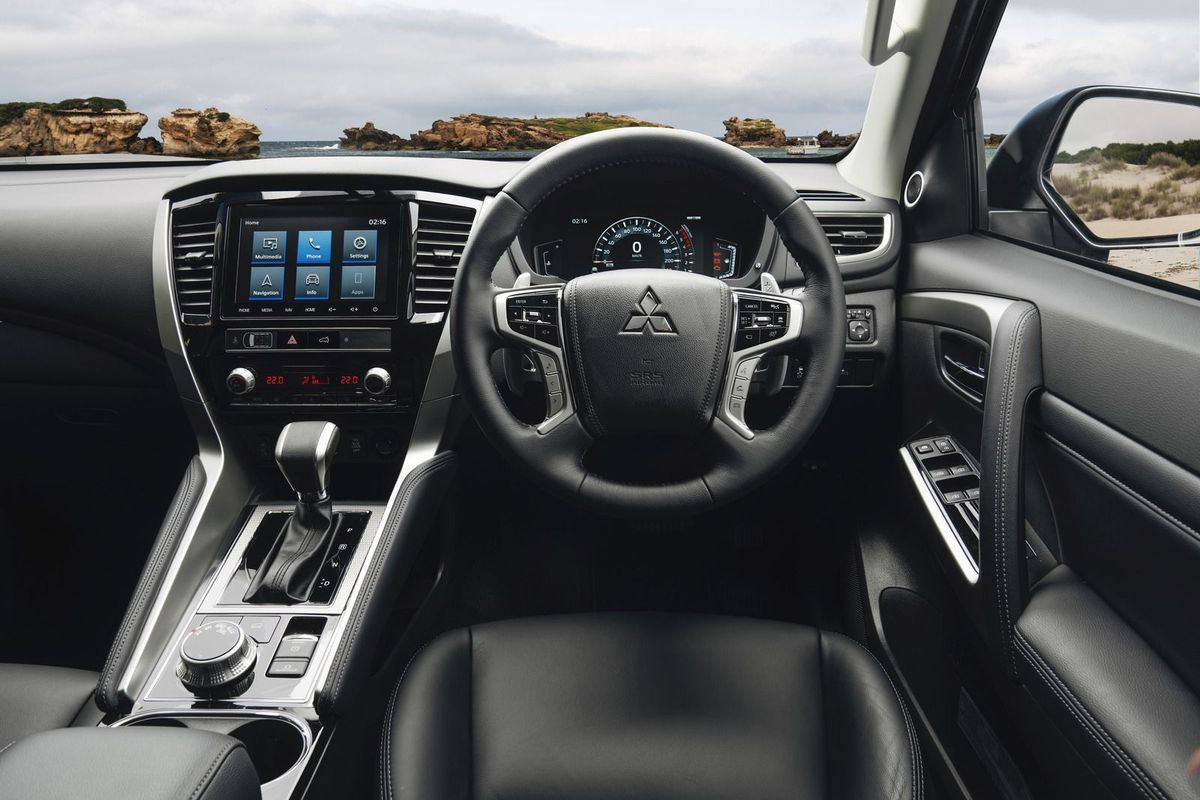
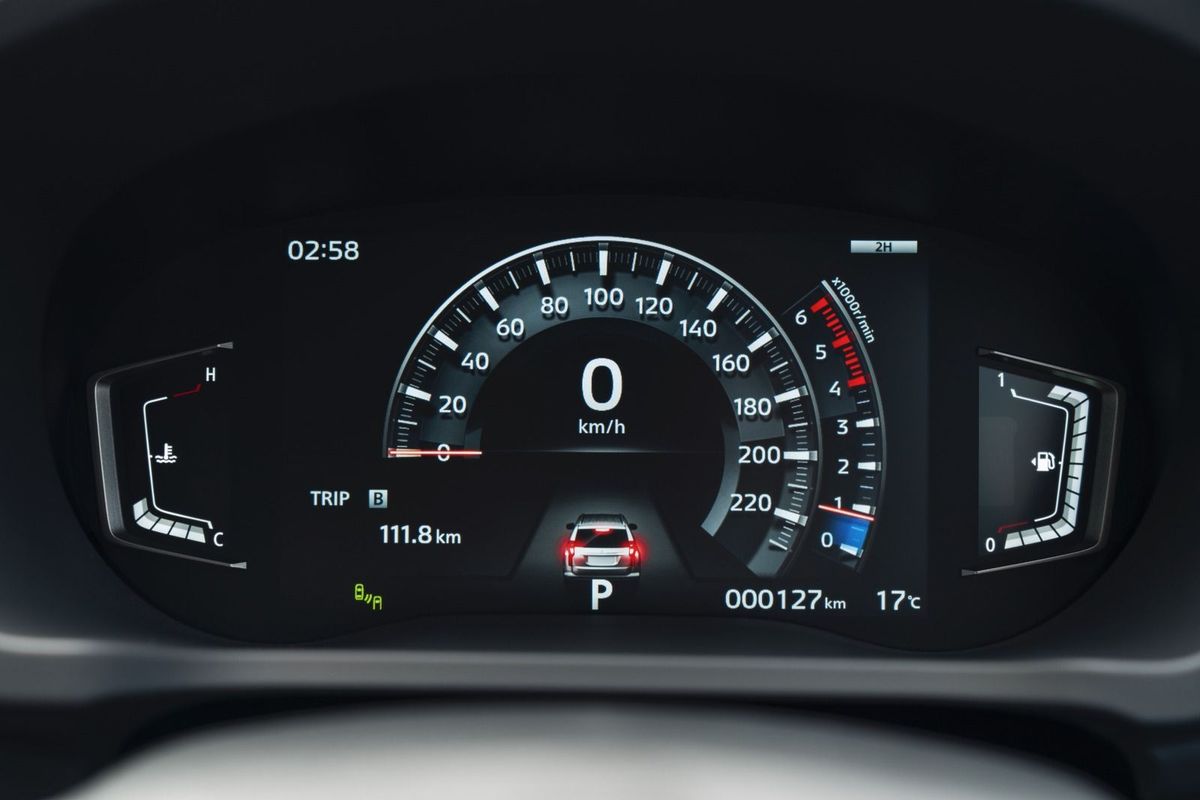
Much like its exterior design, the cabin of the C5 Aircross is a breath of fresh air. Perceived interior quality is very good and we like the look of the partial leather and cloth upholstery. It looks stylish and upmarket! It’s also worth noting that the seats themselves are comfortable and exude a sense of quality. The driver’s seat is electrically adjustable and when you cast your eyes forward and you’re met with a slick customisable 12.3-inch digital instrument cluster.

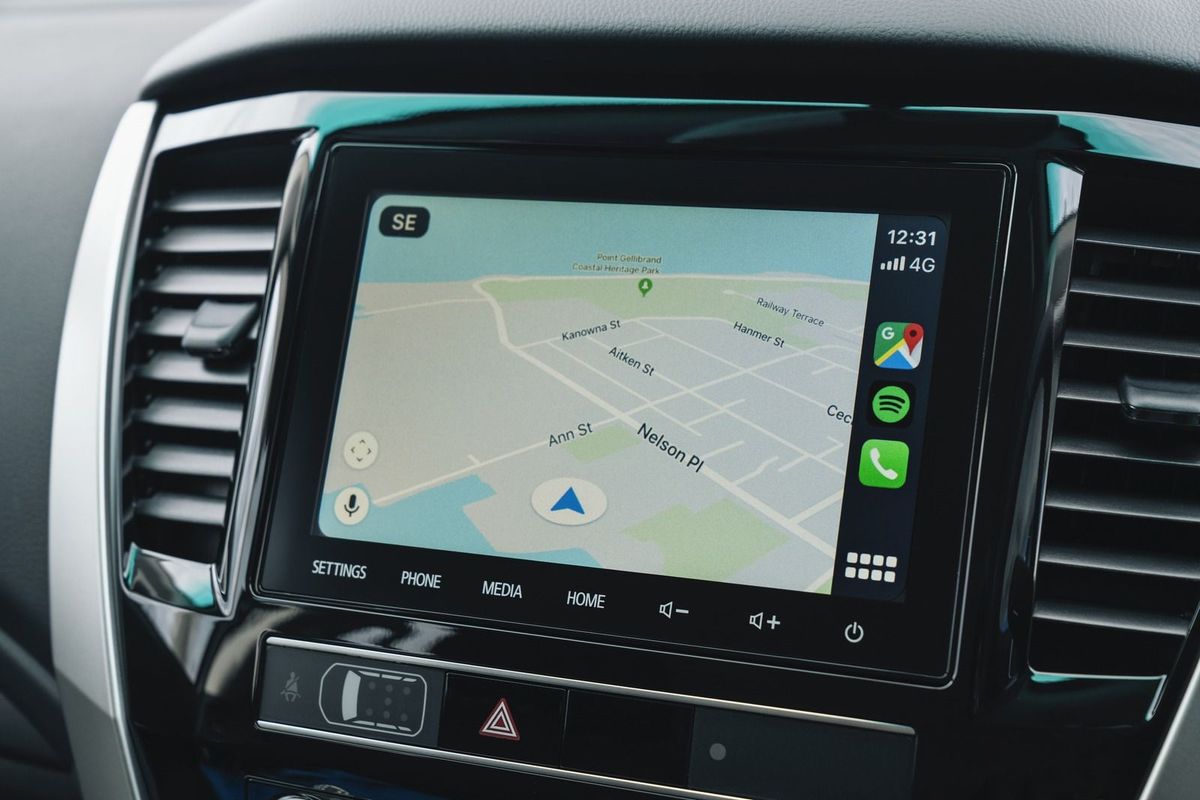
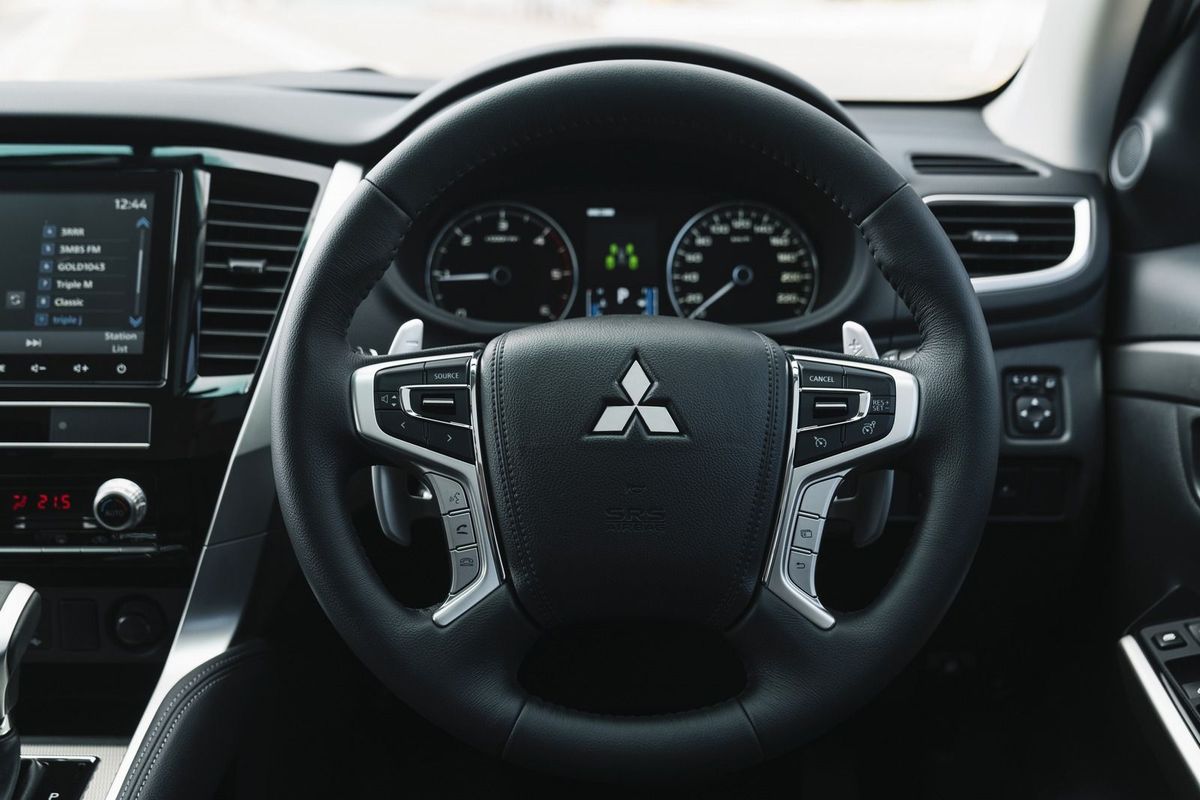
You can tailor the layout of the cluster's display by using the toggles on the leather-trimmed, multifunction steering wheel. The futuristic-looking instrument cluster is complemented by an 8-inch touchscreen infotainment system that offers Android Auto and Apple CarPlay compatibility. In terms of its interface, however, it's not the most intuitive system on the market (the layout and menus do require some familiarisation) and integrated satellite navigation isn’t included. 


We like the configurable digital instrument cluster as it lifts the interior ambience appreciably. 

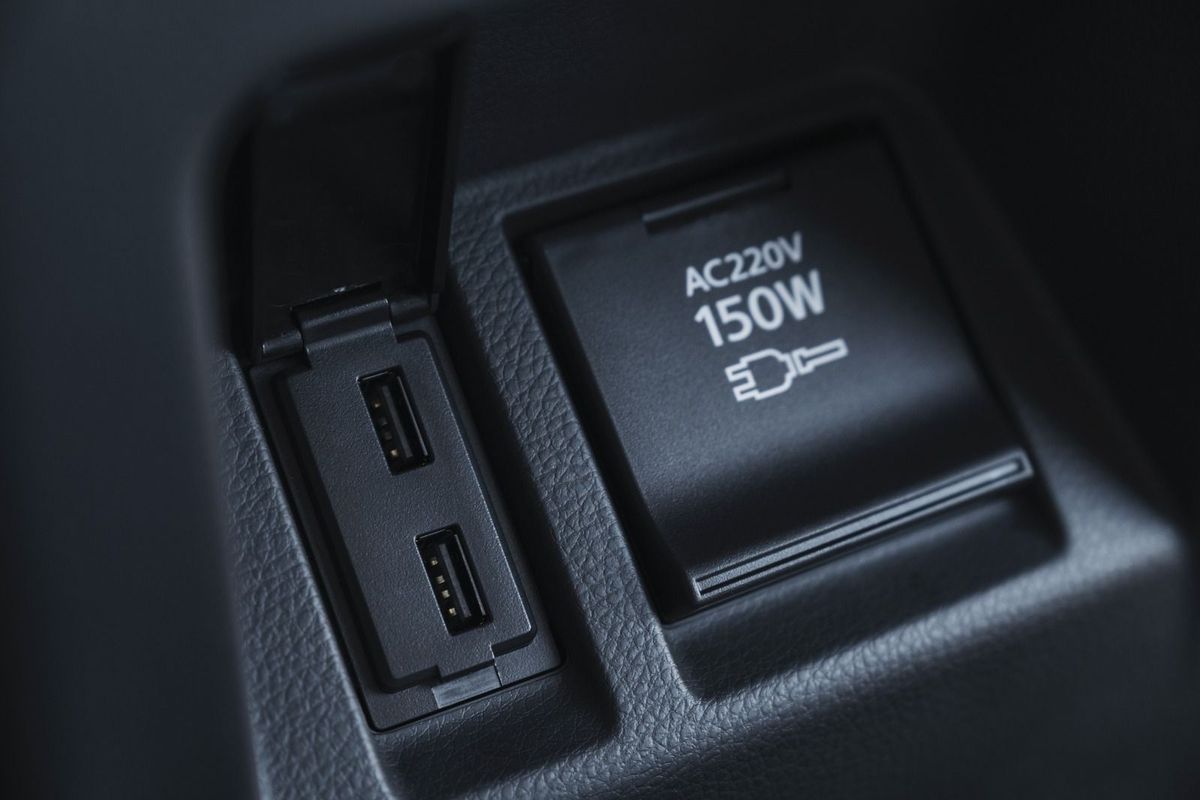
Moreover, in top-spec 1.6T Shine guise, the C5 Aircross is impressively-equipped with standard features… some of the key nice-to-haves include a panoramic sunroof, electric windows and side mirrors, cruise control, automatic air conditioning (climate control), front and rear USB ports and a wireless smartphone charging pad. 

Safety specification is also impressive and includes ABS with EBD and brake assist, electronic stability control with traction control, as well as 6 airbags. Park distance control (front and rear), a 180-degree reverse-view camera, lane departure warning and blind-spot monitoring systems are included too.

In terms of interior execution and features, the C5 Aircross is tough to beat at its price point. In fact, our reviewers believe the Citroen sports one of the best-looking interiors in this segment.    

Practicality


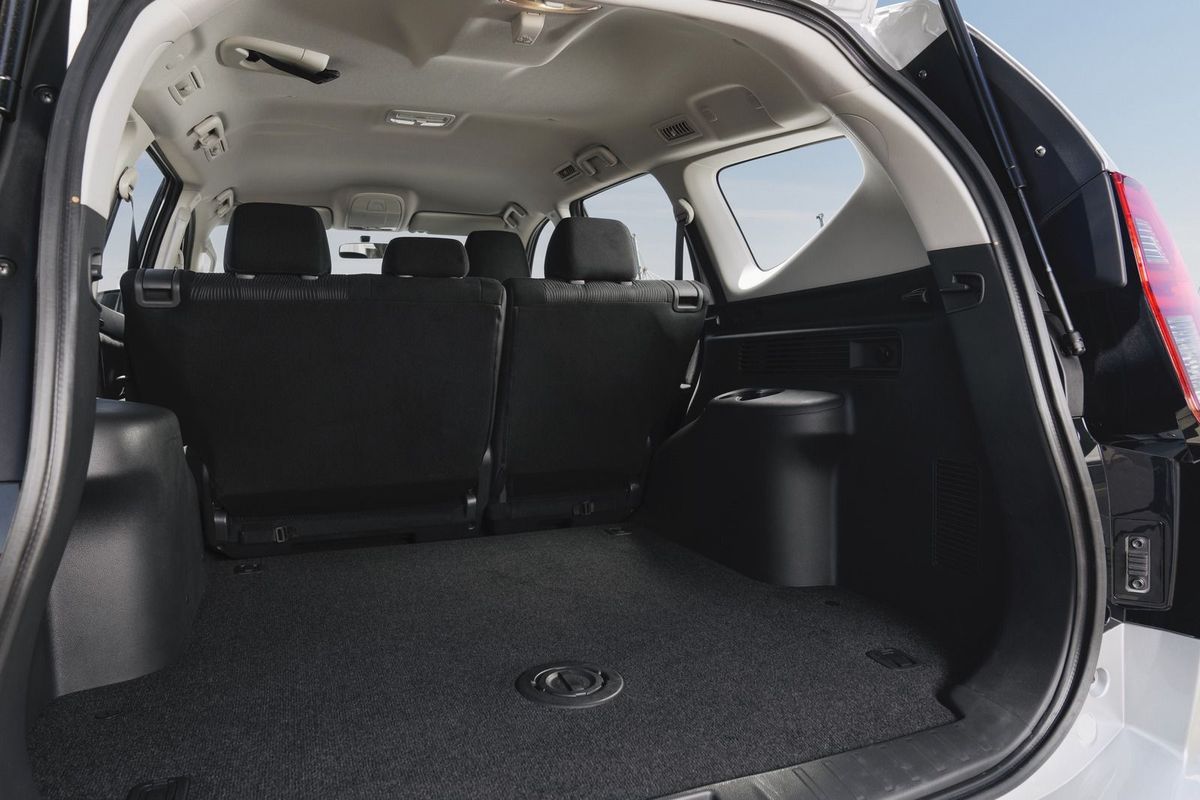
With a sliding rear bench and a capacious load bay, practicality is yet another strength of the C5 Aircross. 

Another area in which the Citroen C5 Aircross excels is practicality. Firstly, the plastic cladding with integral air pockets (the so-called Airbumps, first seen on the now discontinued C4 Cactus) helps to protect the bodywork from wayward trolleys, flailing doors from adjacent vehicles and myriad other minor impacts your car might sustain in your local shopping mall's parking lot. We think this feature looks pretty cool too…

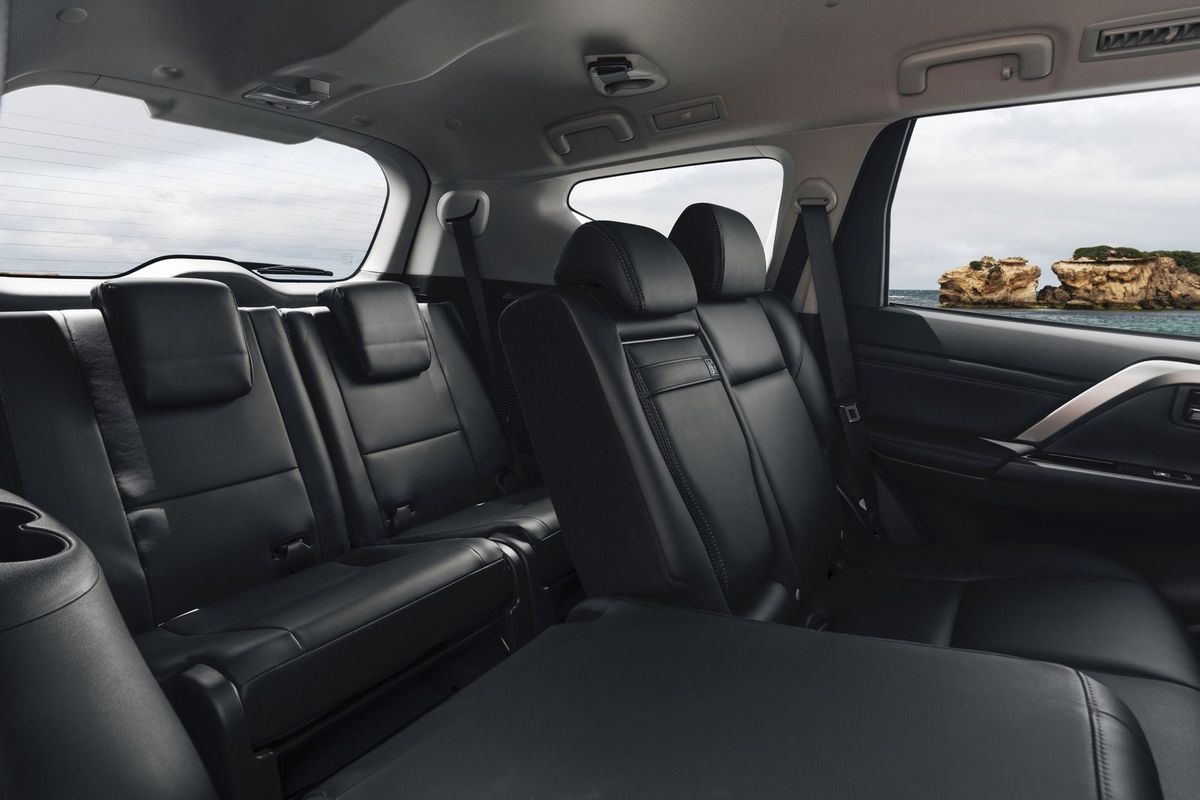
Rear passengers will be pleased with the generous legroom on offer. The aft bench comprises 3 reclinable seats and can slide forward by as much as 150 mm to increase the standard 520-litre load bay to offer 720 litres. With all 3 seats folded, the flat load floor can accommodate bulkier items (up to a claimed at 1 630 litres). The C5 Aircross is more spacious than many of its rivals and on par with the Tiguan, which is also claimed to have a 520-litre load bay capacity.  

It’s also worth noting that rear passengers have access to a USB port, while front passengers have access to 2 cupholders and a large central storage bin for oddments. In terms of practicality, the C5 Aircross is difficult to fault! 

Performance and economy


The C5 Aircross delivers punchy performance in a refined manner. It's a wonderful car to drive every day!

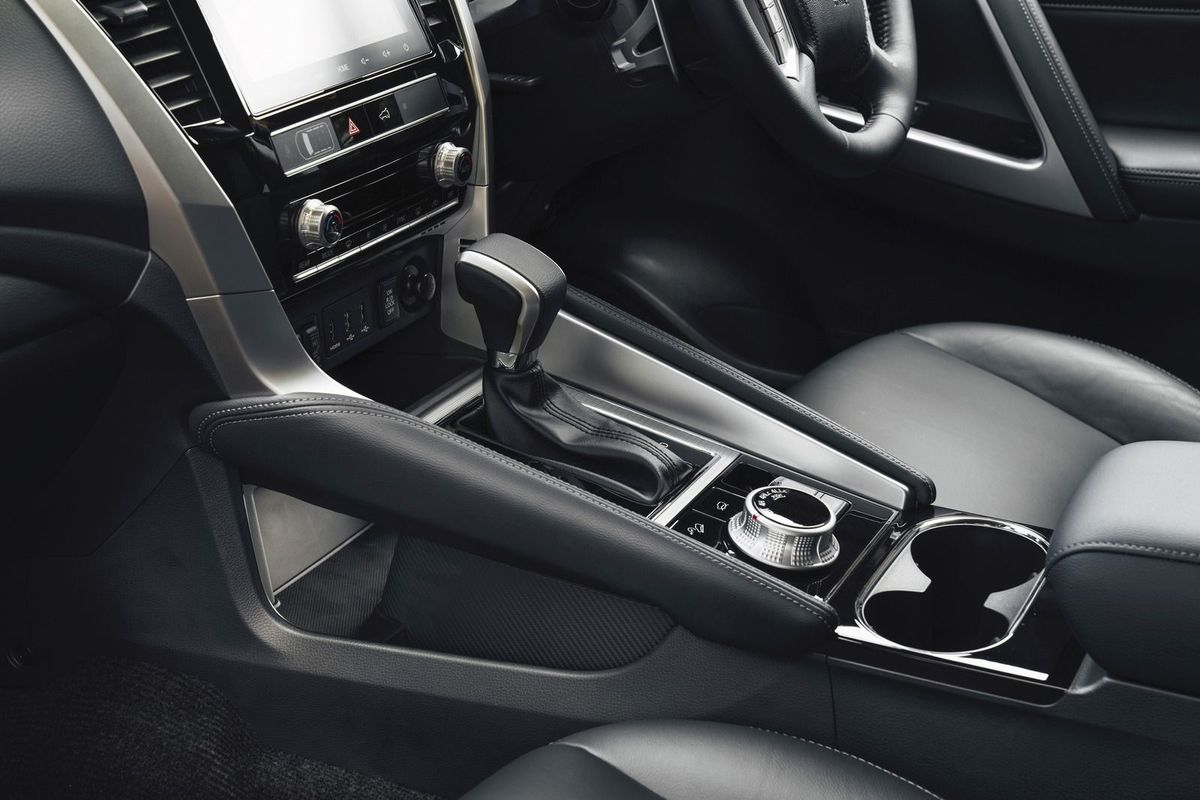
The C5 Aircross is powered by a 1.6-litre turbocharged engine that also features in mid-range Peugeot 3008 derivatives. With outputs of 121 kW and 240 Nm, the motor is perky and performs commendably in combination with the 6-speed automatic transmission. The transmission shifts smoothly (generally unobtrusively) and the shift paddles behind the steering wheel allow the driver to actuate 'changes manually (to get the most from the engine) when they need to. There’s also a Sport button, which causes the Citroen's 'box to delay upshifts, but we found the performance difference between Normal and Sport to be negligible – the C5 Aircross isn’t a really a performance-orientated SUV, anyway.

Nonetheless, the powertrain is quite responsive and should you want to up the tempo/get to your destination in a hurry, the C5 Aircross will be happy to oblige. It delivers its performance in a refined and sophisticated manner, more so than many of its rivals. It gets up to highway speed with little effort and we found it to be quite nippy in traffic too. Needless to say, it’s a great car to drive on a daily basis and in terms of performance, it’s more than adequate.

In terms of fuel consumption, the C5 Aircross is claimed to consume 7.9 L/100 km, but you are more likely to see returns of just over 9.0 L/100 km depending on your driving style.   

Ride and handling


Ride comfort is a major highlight of the C5 Aircross. 

Apart from offering head-turning styling and a pleasing level of on-road performance, the C5 Aircross is also remarkably comfortable to drive. In fact, it’s one of the things we liked most about this car. The ride is pliant/forgiving and for the most part, the C5 is completely unflustered, even when you drive over poorer road surfaces. The steering feel, however, is rather light (it could perhaps be a bit firmer), but direct. As a result, the Citroen is easy to manoeuvre in the city. 

Furthermore, minimal body roll is evident under brisk cornering – for a practically-packaged family car, the C5 Aircross feels confident and surefooted on its rubber. The cabin is pleasingly quiet/well-insulated from wind, road and mechanical noise. We'd go so far as to say one could be forgiven for thinking that you were driving a more expensive vehicle! The C5 Aircross has a premium ride quality – it’s definitely right up there with the best in this segment. 

Pricing and warranty 

The Citroen C5 Aircross 1.6T Shine is priced at R509 900 and is sold with a 5-year/100 000km warranty and a 5-year/100 000km service plan.

Buy a Citroen on Cars.co.za

As a way of comparison, the rivalling Volkswagen Tiguan 1.4TSI Comfortline R-Line, priced from R508 600, offers less power at 110 kW but has 250 Nm (10 Nm more than C5 Aircross). The C5 Aircross is packed with standard features, many of which are optional in the Tiguan and some of these include the panoramic sunroof, rear camera and keyless access.  The warranty period is also longer on the Citroen. 

Verdict


The C5 Aircross is easy to recommend but poor perceived public brand perception stands in the way of its success. 

Who said family cars have to be boring? Our entire test team liked the C5 Aircross 1.6T Shine and that says a lot about this new, still-unproven product. There really is much to like about this top-spec Citroen C5 Aircross – not only is it very competitively priced against its rivals, but its level of standard specification bolsters the product's value proposition considerably. It’s a comfortable, solid performer that offers the necessary level of practicality to make it a good family car. This is an appealing alternative to the mainstream, somewhat anodyne products on offer in this segment. If you're a buyer looking for something different that's also classy/upmarket, the C5 Aircross may suit you to a tee.

However, brand perception counts for a lot when final buying decisions are made and we feel that the prodigal son (Citroen) needs to prove itself in terms of after-sales care and support in order to truly win the hearts and minds of buyers, who are typically wary and unsure of left-field brands. Nonetheless, the C5 Aircross is easy to recommend on its merits and we think it’s a product worthy of consideration if you are in the market for a stylish and well-appointed family car.  

Related content:

Citroen C3 Aircross 1.2T Feel (2019) Review
Citroen Returns to South Africa

New Cars Coming to SA in 2020

Key Differences: 2019 Volkswagen Amarok Canyon

The Volkswagen Amarok Canyon is now on sale in South Africa. Here are the key differences between the Amarok Canyon and the standard Amarok.

The special edition Volkswagen Amarok Canyon has gone on sale. Powered by the same 3.0-litre turbodiesel V6 motor packing 165 kW and 550 Nm, it's capable of brisk performance with Volkswagen claiming 8.0 seconds to 100 kph. It also features overboost functionality, with 180 kW and 580 Nm on tap for just 10 seconds. Here are the key differences between the standard Amarok V6 and the Amarok Canyon V6.

The Colour

The most obvious difference is the Honey Orange metallic exterior paint, which is exclusive to the Amarok Canyon. 

The Design Details

The Volkswagen Amarok Canyon boasts matte black door handles, a black radiator grille, chrome-plated body-coloured exterior mirrs, black wheel arches, Canyon decals and unique 17-inch Aragua alloy wheels.

The Cabin Trim

Inside, the Volkswagen Amarok Canyon receives partial leather seats with Honey Orange coloured stitching, seatbelts with orange seams, a steering wheel wrapped in black with orange detailing and a black roof lining. There are also embroidered floor mats.

Standard specification is largely carried over from the standard Amarok V6 and includes things like Bi-Xenon headlights with LED daytime running lights, parking distance control (front and rear) with rear view camera, featuring rear and front parking sensors and a reverse camera, Radio Composition Media and App-Connect with voice control. Satellite navigation, an uprated audio system, heated seats are available as optional extras.

Summary

We're big fans of the Volkswagen Amarok with its potent V6 engine. Not only does it deliver stellar performance, but the way it drives is impressive for a body-on-frame double-cab bakkie. Interior fittings are of a good quality and standard specification at this price point is good. We also had the chance to drive the Amarok Canyon in some soft sand for these photos and the 4Motion all-wheel-drive system barely broke a sweat. The Volkswagen Amarok V6 is a finalist in the #CarsAwards – powered by WesBank.

Volkswagen Amarok Canyon Price in South Africa (December 2019)

Amarok Canyon 3.0 TDI V6 165kW 4Motion Auto          R799 000 

The Amarok Canyon comes standard with a 3 year/ 100 000km manufacturer warranty, 5 year/ 90 000km Genuine Automotion Service Plan and a 6-year anti-corrosion warranty. The service interval is 15 000km.

Further Reading

Volkswagen Amarok Boosted By ABT

Volkswagen Amarok on Steroids

Volkswagen Amarok Canyon (2019) Specs & Price

Best Leisure Double Cabs in SA – #CarsAwards Finalists

FCA and PSA Join Forces

Fiat Chrysler Automobiles (FCA) and Peugeot S.A (PSA) are merging to create the 4th largest OEM in volume terms. More detail below…

FCA and PSA have signed a Combination Agreement that will result in the automotive giants merging in an effort to be at the forefront of a “new era of sustainable mobility”. When complete, the new entity will be the 4th largest OEM by volume (8.7 million units) and the 3rd largest by revenue (€170 billion) with an expected operating profit of over €11 billion (6.6% profit margin). More so, estimated synergies are expected to be cash-flow positive in the first year. 

By combining financial strength and skills, the new entity will be able to provide innovative and sustainable mobility solutions while leveraging the efficiencies derived from larger volumes. The vehicle portfolio will be broad including mainstream passenger cars, luxury and premium vehicles, SUVs, Light Commercial Vehicles (LCVs) and trucks. More than two-thirds of the run-rate volume will be focused on 2 platforms with approximately 3 million units expected to be produced per year on each of the small and compact/medium-size platforms.   

Carlos Tavares, Chairman of the Managing Board of Groupe PSA, said: “Our merger is a huge opportunity to take a stronger position in the auto industry as we seek to master the transition to a world of clean, safe and sustainable mobility and to provide our customers with world-class products, technology and services. I have every confidence that with their immense talent and their collaborative mindset, our teams will succeed in delivering maximized performance with vigor and enthusiasm.”

Mike Manley, Chief Executive Officer of FCA, added: “This is a union of two companies with incredible brands and a skilled and dedicated workforce. Both have faced the toughest of times and have emerged as agile, smart, formidable competitors. Our people share a common trait – they see challenges as opportunities to be embraced and the path to making us better at what we do."

The merger is expected to be completed in 12-15 months, provided that several conditions are met. We will keep you updated as this story develops further.  


5 reasons to buy through Audi Pre-owned

Thinking about buying a Pre-owned Audi? There are compelling reasons why you should buy into the Audi Pre-owned Promise ­– all its vehicles undergo stringent quality checks before they reach the dealership floor and come with at least 1 year/25 000 km maintenance plan (or the balance of their existing plans), as well as the value-added services of Audi Assist.

SPONSORED ARTICLE

You can search for available models and body types across all Audi Pre-owned dealerships in South Africa by using the Audi Pre-owned locator. From the Audi A1 premium city car all the way through to the Audi Q7 SUV, you can sort the results according to price/year/mileage, engine (including fuel type, gearbox and drivetrain), body colour and location. Alternatively, you can use the Locate a Dealer function to find an Audi dealership near you that has Audi Pre-owned models available for purchase at their premises.


All used Audi’s undergo an 80-point check before they can be offered for sale by Audi Pre-owned.

Here are 5 reasons to buy through Audi Pre-owned:

1. The Audi Pre-owned Promise

Audi Pre-owned dealers pay careful attention to detail to ensure Audi Pre-owned vehicles meet the exact standards of Vorsprung. That’s the Audi Pre-owned Promise.

2. Audi Quality Check

No matter when, where and how the models were sourced by the dealership, all Audi Pre-owned vehicles must undergo comprehensive mechanical and quality checks before they’ll be allowed to be parked and offered for sale on the showroom floor. Where required, reconditioning work will be carried out on vehicles’ interior and exterior areas prior to purchase.

3. Audi Integrity Check

Audi undertakes rigorous integrity checks on all Audi Pre-owned vehicles to provide its customers with peace of mind. All Audi Pre-owned vehicles are thoroughly checked to ensure they are not listed as having been stolen, or are the subject of fraud or any outstanding finance. Legally, if a stolen vehicle is resold and then impounded by the police, its buyer is still liable to pay all the instalments on the vehicle they bought. The Audi Integrity Check ensures that this experience doesn’t occur for an Audi Pre-owned customer.


Want to keep your Pre-owned Audi for a long time? Audi Freeway Plan can now be extended up to 10 years or 300 000 km.

4. Audi Freeway Plan

Audi Freeway Plan is a comprehensive service and maintenance plan that covers services, wear and tear items and certain repairs to the vehicle. To maintain Audi’s high standards of quality, the Audi Freeway Plan gives a prospective owner the peace of mind that their vehicle will be serviced and maintained timeously and at no extra effort or cost to them.

Each Pre-owned vehicle is sold with an Audi Freeway Plan valid for at least 1 year/25 000 km or, in the case of the majority of models, the balance of their existing (5-year/100 000 km) Freeway Plans. To effect servicing, maintenance and repair work (under certain conditions), simply make an appointment with any franchised Audi dealership in South Africa. Optional extensions to the Audi Freeway Plan are also available.    

5. Audi Assist

Through Audi Assist, Audi South Africa and its dealer network pledge to provide owners with peace of mind motoring by providing the infrastructure to support a countrywide emergency service 24 hours-a-day, every day. Its number is 0860 434 838 and operates in South Africa, Swaziland, Lesotho, Namibia and Botswana.

The objective of the programme, which is offered in conjunction with the Audi Freeway Plan, is to ensure that fully equipped and trained Audi technicians are on call to provide owners with on-the-spot roadside assistance if they encounter difficulties with their vehicles (the primary focus is to get owners mobile in their own vehicles). Where a roadside repair cannot be effected and a vehicle needs to be towed to the nearest Audi dealer, you and the occupants of the vehicle will be transported to a place of safety in the dealer’s roadside assistance vehicle.

Roadside assistance (for mechanical and electrical breakdowns, flat tyres, flat batteries, fuel shortage, keys locked inside the vehicle), tow-ins and vehicle recovery are offered to Audi owners free of charge for the duration of the Audi Assist service.

Use the Audi Pre-owned locator to find your next Audi

Related content:

Audi Freeway Plan extendable up to 10 years/300 000 km

Audi dealer search

Suzuki confirms mild-hybrid powertrain

Power boost for Suzuki's turbocharged 1.4 BoosterJet motor

Suzuki is in the final stages of developing a new version of its popular 1.4-litre BoosterJet engine. Familiar to South African Swift Sport and Vitara owners, this 1.4-litre turbocharged petrol engine is the most sophisticated powertrain on offer from the Japanese brand.

At the 2020 Geneva Auto Show, scheduled for the second week of March, Suzuki has confirmed that it will reveal a production version of its new 1.4-litre BoosterJet mild hybrid. Like many other car companies, Suzuki is under pressure to reduce fleet CO2 levels for all the vehicles it sells. One of the ways of achieving these increasingly challenging targets is to add mild-hybridisation to existing internal combustion engines.

For the 1.4-litre BoosterJet application, Suzuki will add a 48V electrical architecture, which allows for superior hybridization, energy harvesting and distribution. Suzuki already has a 12V hybrid system on some of its petrol engines in vehicles such as Baleno, Ciaz, Ertiga, XL6, and the S-Cross.

Although final power specifications will only be confirmed next year, the engineering team has committed to a goal of reducing emissions by 20% on both the 1.4-litre turbocharged petrol engine. Fuel consumption is expected to improve by 15% and there should be added accelerative potency too, thanks to an integrated starter generator motor, which can release stored energy into the drivetrain.

Suzuki has alluded to a total system torque peak of 235 Nm, at 2000rpm, which is better than the current 1.4-litre BoosterJet engine’s 230 Nm, at 2500rpm. Thanks to compact packaging and the use of advanced materials, the 48V mild-hybrid system should add no more than 15kg to any of the Suzuki vehicles it is applied to.

Further Reading

Suzuki Swift Sport (2019) Review
Suzuki Swift goes Extreme

Suzuki Swift Sport (2019) Launch Review

Ferrari F40: Enzo’s Greatest – SentiMETAL Ep13

The visceral Ferrari F40 – built to mark the 40th anniversary of the Maranello-based supercar company – is undoubtedly the most revered supercar from the '80s. In 2018, Ferrari enthusiast Dawie Theron realised his dream of owning this special machine – one with an enviable racing pedigree, no less. This is the story of the Pretorian and his celebrated Prancing Horse.

The F40 is not only a car that defined the end of an era at Ferrari; it's undoubtedly one of the all-time great supercars. For petrolheads, supercars enter our collective consciousness because they're invariably the automotive machines that feature on the posters we affix to our bedroom walls during our formative years. The F40 is a fine example of such a car, but it has iconic status for a number of reasons. Ferrari aficionados know it's the last car produced under the guidance of Il Commendatore Enzo Ferrari (who died in 1988) and it was designed by none other than Leonardo Fioravanti, who also penned the Dino 206 GT, Daytona (365 GTB/4) and later, the 288 GTO.

For many of us, the F40 was (and still is) the most outlandish, raw and undiluted "racer built for the road". It's clinically sculpted exterior lines and stripped-out interior made it such a brutally purposeful machine in its heyday. Built to dominate whichever racing series it would be allowed to enter, the Ferrari demands your immediate attention.


The F40's name is engraved in the upright of its legendary spoiler.

If none of this makes you appreciate the car heralded as "Enzo’s swansong", the F40's drivetrain and performance surely will. The Ferrari's 2.9-litre V8 twin-turbocharged engine produces 352 kW and 577 Nm – remarkable and impressive numbers for 1987. With a kerb weight of only 1 100 kg, the F40 was claimed to have a 0-100 kph acceleration time of 4.1 seconds and an impressive top speed of 324 kph.

Ferrari clearly wanted to produce a memorable car to commemorate its 40th anniversary. Notable, and now iconic, design elements include NACA side air intakes and the 4 vertical ducts just below the uprights of the imposing rear wing on both sides of the car. Climb inside and the bonded composite tub is immediately obvious… and so too is the green glue that keeps part of it together. The bonded tub not only makes the car extremely light, but very strong.


The mid-mounted 2.9-litre V8 under the engine lid of the F40 is endowed with a pair of turbochargers.

An F40 unlike any other

This specific UK-based F40 has a fascinating history. Its owner, Dawie Theron, has been a Ferrari addict since he was in school and was often called “Dawie Ferrari” by his classmates. After decades of hard work, and plenty of encouragement from his wife, he finally bought this – his dream car – in 2018. He wanted to experience the car on home turf here in South Africa and imported it temporarily. Before it returned to the UK, he availed it for this shoot.

F40 ETA (as the car is called thanks to its number plate) was successfully raced, an honour that sets it apart from most F40s. Additionally, being one of the earlier cars, it also features the purer specification of “non-cat, non-adjust”. This means the exhaust manifold has no catalytic converter and the suspension is not adjustable as the later cars are. Today this specification F40 is one of the most collectable “modern” Enzo-era cars.

As Furlonger Specialist Cars explains, this particular F40 (car #83916) has a very rich history. A total of 1 337 units of the F40 were produced (some sources claim 1 315 and others 1 311), however, this car is 1 of only 30 F40 Competizione race cars converted by F40 specialists worldwide. It has British and international racing history and is also the most successful racing F40 in the UK.


Of ducts and vents… Every design element of the F40 serves a purpose in the high-performance machine…

It was delivered new to the racing driver, Vito Coco in Catania, on 22 January 1990 and subsequently retained in the Italian's personal museum (having done minimal mileage) before being imported into the UK by Maranello Concessionaires in January 1998. At this time, the multiple championship-winning race driver and internationally acclaimed proprietor of Italia Autosport, John Pogson, acquired car #83916 on behalf of a client. In 1999, 2000 and 2001 this F40 became the most successful racing F40 in the UK by winning the Maranello Championship, the Intermarque Championship and the Ferrari Porsche Challenge. 

A championship-winning car…

The driver of the F40 was John Pogson himself, with support from the Italia Autosport racing team. Unlike the other 29 F40 Competizione cars, all of which have been modified beyond the point where they can be taken back to original factory specification, a substantial number of car #83916's parts, including its front bonnet, rear lid, wheels, suspension components, seats and steering wheel, were removed and dry stored whilst the car was in Competizione form. 

Additionally, helicopter tape was used to protect all exposed carbon-kevlar surfaces. Car #83916 had a 57% “race entered to victory” ratio, having won 28 times from 49 races in its 3 seasons of racing. It won 8 pole positions and notched up no fewer than 32 fastest laps. It finished close to 90% of its races. In 2011, Italia Autosport, under the guidance and scrutiny of Pogson, re-commissioned the car back to original factory specification using the original, dry-stored parts. The engine and gearbox were fully rebuilt and it has covered very few kilometres since then. The car was subsequently entered in the Ferrari Owners Club's 2011 National Concourse at Heythrop, in which it won its class.

There is not a single angle on this car that doesn’t grab your attention. And when we lift the large engine lid and rest it on its support arm, we're treated to the full, inviting view of those wide rear tyres and the exposed drivetrain.The red bucket seats, cloth-trimmed dashboard and stripped out cabin illustrate the car’s pure intent as an unadulterated driver’s car – just the way Enzo intended. After all, Il Commendatore’s first love was always racing cars. The total lack of creature comforts didn’t deter Dawie from fully enjoying the driving experience the day he took delivery of the F40 in England. He and a friend packed their small weekend bags in car #83916 and headed straight for Italy!


There is little in the way of creature comforts in the F40… It has a steering wheel, gearknob, pedals and little else.

Specifications

Car: Ferrari F40 (1989)
Engine: 2.9-litre twin-turbocharged V8
Power: 352 kW at 7 000 rpm
Torque: 577 Nm @ 4 000 rpm
Gearbox: 5-speed manuala
Weight: 1 100 kg
Top speed: 324 kph
0-100 kph: 4.1 sec

You may also be interested in:

SentiMETAL Ep12: Ford Cortina XR6 Interceptor

SentiMETAL Ep11: Dodge Viper GTS:

SentiMETAL Ep10: Cape Town's Drug-Busting Hollywood Taxi

SentiMETAL Ep.9: Alfa Romeo GTV6 3.0

SentiMETAL Ep.8: Volkswagen Split-Window Crew Cab

SentiMETAL Ep.7: Ferrari Testarosa

SentiMETAL Ep.6: Mercedes-Benz 190 SL

SentiMETAL Ep.5: Opel Kadett Superboss

SentiMETAL Ep.4: BMW 333i

SentiMETAL Ep.3: Nissan Skyline GT-R "Hakosuka"

SentiMETAL Ep.2: Porsche 911 (930) Turbo "Widowmaker"

SentiMETAL Ep.1: Jaguar E-Type

Honda S2000 to get new parts

Honda S2000 to get 'official' upgrade kit in 2020

Honda has thrilled some of its most loyal followers with the S2000, but now it's announcing new accessories for the company's cult car. To celebrate 20 years since its debut, Honda’s will offer a range of new bits for the S2000, set to be revealed at the Tokyo auto show in January 2020.

All these new S2000 parts are official Honda specification upgrades and won’t affect the value of running cars – which are amongst the most revered of all Japanese sportscars, especially in South Africa.

Tallying the S2000 upgrade accessories are styling, suspension and infotainment bits. The roadster’s exterior is enhanced by a revised front bumper, whilst inside there is a better audio system, which should include contemporary device synching and streaming media features.

Perhaps the most interesting aspect of Honda’s S2000 upgrade kit, is the mention of a suspension modification. Although Honda is being coy about exact detail of the suspension improvements, which will only be officially detailed at the show car’s debut in a month, it should make the S2000 even more agile. With the automotive industry obsessing about autonomous driving and electrified drivetrains, why is Honda bothering to release an upgrade kit for a car which ceased production in 2009? The answer is that heritage helps a brand.

The S2000’s cult following is not incidental. It remains a revered technical achievement, with credible driving dynamics, even a decade after its ‘official’ retirement. Designed and engineered with the goal of highly responsive driving dynamics, the S2000 was light and offered incredibly linear mechanical interfaces. Its six-speed manual gearbox is still considered to be the finest of any type fitted to a road car and the 2-litre naturally-aspirated engine could out-rev most Ferraris.

Throughout its production timeline (1999-2009) the S2000 was never truly equalled. What could perhaps be considered a sign of respect from its rivals, is that no German automotive company ever attempted to produce a direct challenger, in terms of concept and specification, to the S2000.

For Honda there is a vested interest to keep its fleet of S2000s running in peak condition. By supplying owners with some contemporary component upgrades, Honda ensures that the S2000 remains a useable daily driver. And the more owners are wiling to spend time in them, the better their real world marketing value becomes. Hence the new suspension and infotainment upgrades, which should make the S2000 more comfortable and convenient to live with.

Further Reading

5 Driver’s Cars You Need to Drive

Six Modern Day Classics To Buy Right Now

Find a Honda S2000 for sale

Porsche Macan GTS: Price in South Africa

Porsche has revealed its Macan GTS now with more power and an updated PDK transmission. Details below…

We sampled the facelifted Porsche Macan earlier this year at its local launch and even though we only sampled the base Macan with its 180 kW / 370 Nm 2.0-litre, 4-cylinder turbopetrol engine, we came away suitably impressed by the Macan’s performance and overall packaging. 

That bodes well for derivatives higher up in the ranks and there’s little doubt that the Macan S and Macan Turbo have much to offer when it comes to performance. However, the Macan family has now grown with the reveal of the latest Macan GTS, which slots in nicely between the S and Turbo derivatives. 

The Macan GTS is powered by a twin-turbocharged 2.9-litre V6 petrol engine that’s tuned to deliver 280 kW and 520 Nm of torque which represents an increase of 15 kW and 20 Nm over the previous Macan. 

That’s not all, the Macan GTS is also equipped with a newly adapted PDK dual-clutch transmission and when combined with the optional Sport Chrono package, the Macan GTS is capable of accelerating from zero to 100 kph in 4.7 seconds and reach a top speed of 261 kph. Fuel consumption is claimed at 9.6 L/100km. 

For the Macan GTS, its Porsche Active Suspension Management (PASM) damping control system has been specifically to tuned and the chassis has been lowered by 15 mm. If you opt for the optional air suspension, the chassis can be lowered by a further 10 mm. The Macan GTS rides on 20-inch RS Spyder Design wheels and a sports exhaust system is standard. The interior features 8-way adjustable leather sports seats with side bolstering and Alcantara on the centre seat panels which are unique to the GTS as well as a multifunction sports steering wheel with sports paddles fitted as standard. A BOSE surround system and a smartphone tray with

inductive charging are standard too as is the new 10.9 inch PCM infotainment screen. 

Orders for the Porsche Macan GTS can now be made and pricing includes a 3-year/100 000km Driveplan and 2-year/unlimited warranty.  

Porsche Macan – Price in South Africa 

Porsche Macan – R869 000

Porsche Macan S – R1 110 000

Porsche Macan GTS – R1 349 000 

Porsche Macan Turbo – R1 614 000

Buy a Porsche Macan on Cars.co.za

Related Content

Porsche Macan (2019) Launch Review

New Cars Coming to SA in 2020

Mercedes CLA vs Mercedes A-Class Sedan Review

Mercedes-Benz has released two cars which, if they aren't parked side-by-side, you might struggle to tell the difference between them.

Luckily, Ashley Oldfield from Cars.co.za forced Ciro De Siena to make a video covering this exact topic.

And so, here we go, a detailed review of these two cars which have the same engine, same gearbox, same chassis and same interior. They do differ on price, with the CLA listed at R37 000 more than the A-Class Sedan.

If you can hang around for 8 minutes, Ciro will give you our opinion on which one you should buy. 

Related content

Mercedes-Benz CLA & A-Class Sedan (2019) Launch Review

Mercedes-AMG A35 Sedan Price in SA

Mercedes-AMG A45 S Price Announced for South Africa


Mini Cooper S Automatic (2019) Review
It’s been well over a year since the Mini Cooper range received a subtle, yet effective update, but just how competitive is the Mini Cooper S automatic in South Africa's premium hatchback segment? Let’s take a look!

We Like: Punchy engine, handling ability, boutique appeal

We Don’t Like: Pricey, not very spacious, interior showing its age

Fast Facts

  • Price: R473 380 (As of December 2019) 
  • Engine: 2.0-litre turbopetrol 
  • Power/Torque: 141 kW / 280 Nm
  • Transmission: 7-speed automatic 
  • Fuel Consumption: 5.4 L/100 km (claimed) 
  • Load space: 278 litres

Own a Mini? Tell us about your experience here

SERIOUS ABOUT BUYING?

What is it? 


The Cooper S is a niche product in the local market and has quirky design appeal matched with punchy performance. 

The Mini Cooper is well known for delivering a fun, go-kart-like driving experience, while also appealing to young (and young-at-heart) buyers with its funky design and packaging. The updated model offers much of the same as its 1st and 2nd-generation "New Mini" predecessors and the easiest way to recognise the facelifted 3rd-gen car is by spotting its thoughtful and striking Union-Jack tail lights or round daytime running lights. 
The Cooper’s styling and overall package offering, however, is not everyone’s cup of tea and it remains a niche product in the South African market. The S-flavoured Cooper is a bit more aggressively styled and looks to lure buyers looking for more performance punch. The Cooper S rivals products such as the Volkswagen Polo GTI and recently-introduced Audi A1 40TFSI. Is the Mini Cooper S fighting fit and will it suit your needs? Read on… 

How it performs in terms of…
Performance and economy


The central dual tailpipes allude to the Cooper S' performance intent and the Union Jack taillights are particularly striking. 

There’s much to like about the 141 kW/280 Nm 2.0-litre turbopetrol engine wedged under the Cooper S' stubby bonnet. It's a punchy, yet refined powerplant, which, in combination with its 7-speed dual-clutch transmission, offers commendable performance. Simply pin your right foot to the floor and after the turbo spools up/overcomes its initial lag, the Cooper S accelerates from a standstill with zeal; it's marvellously nippy in traffic.

The transmission does a fair job of shifting gears, but we suggest you consider the sports-auto transmission (for an extra R3 300), which includes steering-wheel-mounted shift paddles. With them, you can actuate snappy manual shifts and extract more enjoyment from the driving experience. It shouldn't even be an option in what is meant to be a fun, performance-oriented hatchback, should it? The paddles should be standard! 

Thanks to its keen acceleration, the Cooper S gets up to highway speed effortlessly and has no problems in executing quick overtaking manoeuvres. The rate of acceleration does taper off at the top end of the rev range, which reduces a bit of the fun when driving hard; by comparison, the engine in the Volkswagen Polo GTI and its cousin, the Audi A1 Sportback 40 TFSI, is happier to spin to its rev limit. 

In terms of fuel economy, however, the Mini could raise its game… The Oxford-based manufacturer claims an ambitious combined fuel consumption figure of 5.4 L/100 km, but during our evaluation (which admittedly included a fair chunk of spirited driving) the Cooper S indicated an average of 9.8 L/100 km. It's a performance-oriented derivative, certainly, but with a more measured driving approach, that average should be reduced somewhat. 

Ride and handling


The Cooper S shines in the handling department and it remains a fun car to drive on a daily basis. 

The Cooper S' sheer depth of dynamic handling ability is arguably its strongest selling point. It’s hugely entertaining to pilot through corners at speed and, thanks to its relatively wide footprint (tracks), it usually has oodles of traction at its disposal and provides reassuring and surefooted handling. It’s no surprise the Cooper S (with sports automatic transmission) is a finalist in the Fun Hatch category of the #CarsAwards, powered by WesBank

In terms of ride quality, the Cooper S' suspension is supple enough to be bearable on the daily commute (over roads of variable quality). Look, the Mini's ride is reasonably firm, to complement the car's sporty bent, but it’s only when traversing particularly nasty surfaces that suspension thuds translate to the cabin. It must also be mentioned that despite the Mini's low-profile tyres, road and wind noise is tolerable/relatively subdued.   

Interior quality and features


Perceived interior quality is good, but the interior is showing its compared to newer premium products on the market. 

Interior build quality has not been a strength of the Cooper package in the past, but to Mini's credit, the British manufacturer has made incremental gains per generation. Its interior design offers a lively, colourful and youthful appeal that other offerings in the premium hatchback segment can’t match. Good perceived quality and personality count for a lot, but it’s not a styling approach that will appeal to an older, more sophisticated clientele.  

The central and circular 6.5-inch infotainment system can be controlled by touch or by using the rotary controller, which does look old now when compared to newer products on the market. What's more, design of the steering wheel (including its controls) is also showing its age, in our opinion.

The excitable light ring around the infotainment system (or Visual Boost, as Mini calls it) never gets old though and it gives the cabin some colourful disco flair. This particular test unit was equipped with a basic infotainment system that offers Bluetooth and USB functionality. That said, you will have to spend more if you want features such as navigation and complete smartphone integration. 

Other useful standard features include cruise control, climate control airconditioning, keyless start and rear park distance control. Customisation remains a key selling point for Mini and you can go wild on optional features to tailor the Cooper S to your own personal taste. This will, however, increase the final price of the car significantly, so be aware when ticking off options…

Practicality

 
Adults will find the rear cabin to be cramped and rear load space could be better…

Practicality is not the Cooper S' strongest suit. From the driver’s seat, you will notice that the front cabin area is quite intimate and engaging, or small and cramped, depending on your point of view. The central armrest remains a divisive feature; it provides some relief for the driver's left arm when you're cruising, yet it has an annoying habit of getting in the way of your elbow when it’s in its raised position. There are bottle holders in the door mouldings, but, apart from the 2 front cupholders and a small central bin, space for oddments is quite limited.

Talking about limited space, rear legroom is a tight affair; adults will struggle to get comfortable on the aft bench. Space doesn’t improve in the load bay either: Mini claims a capacity of 278 litres, which is notably less than rivals such as the new Audi A1 (335 litres) and Volkswagen Polo GTI (305 litres), both of which are underpinned by the space-optimised MQB platform. Utility space does expand to a claimed 941 litres when the 60:40-split seatback is folded down.   

With the above in mind, it makes sense that the Mini Cooper S will be more suited to a young single person, childless couple or empty-nesters.  

Pricing and warranty 

The Mini Cooper S hatchback is priced from R473 380 and is sold with a 2-year/unlimited km warranty and a 5-year/100 000km maintenance plan. 

Buy a new or used Mini Cooper on Cars.co.za

Verdict


The Mini Cooper S has its appeal, but newer products offer more in terms of premium appeal and performance. 

If you are looking for a premium hatchback that offers punchy performance, fun handling ability and youthful (design) appeal, then perhaps the Cooper S is worth a closer look, but you must consider and think about a few factors first. It’s a niche product and has a few drawbacks, of which its lack of interior and luggage space are the principal ones. 

As it stands, the Cooper S is pricey and, if you are ticking off desirable options then the price will escalate above R500k and beyond very quickly. If you are okay with that, then you also need to consider looking at newer premium hatchbacks such as the Audi A1 and Mercedes-Benz A-Class, which are arguably more stylish and sophisticated than the ageing Mini Cooper S. Those rivals are also more spacious, practical and arguably more premium than the Mini.

From a performance perspective, the Mini Cooper S is somewhat outgunned by the similarly-priced Audi A1 40 TFSI Sportback, as well as the considerably-cheaper Volkswagen Polo GTI. Now that newer products have joined this segment, the Mini's no longer the default choice for driving enthusiasts, but the Cooper S still has its charm and if you are willing to accept its quirks, you’ll have tonnes of fun behind the wheel.

Related content:

Hardcore Mini JCW GP Coming to SA

5 Hot Hatches to Rock SA in 2020

Best Fun Hatch in SA – #CarsAwards Finalists