Volkswagen Amarok to the Rhino Rescue
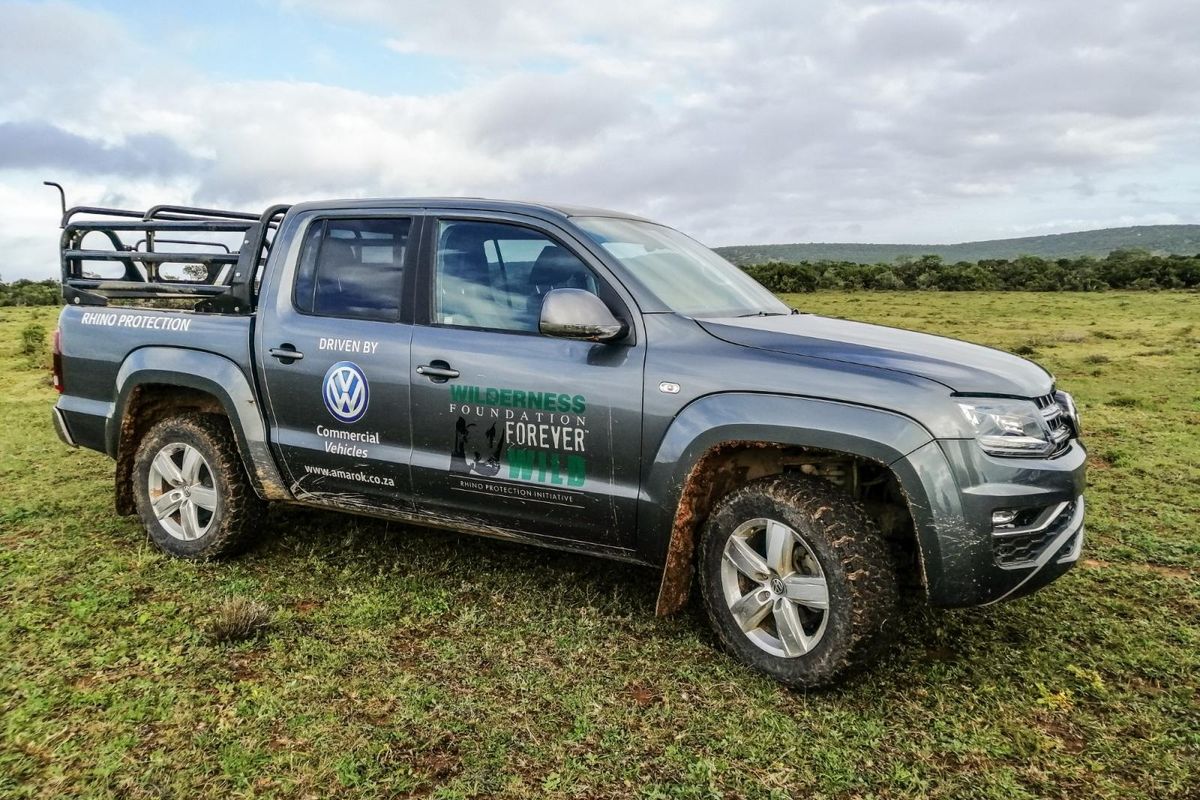
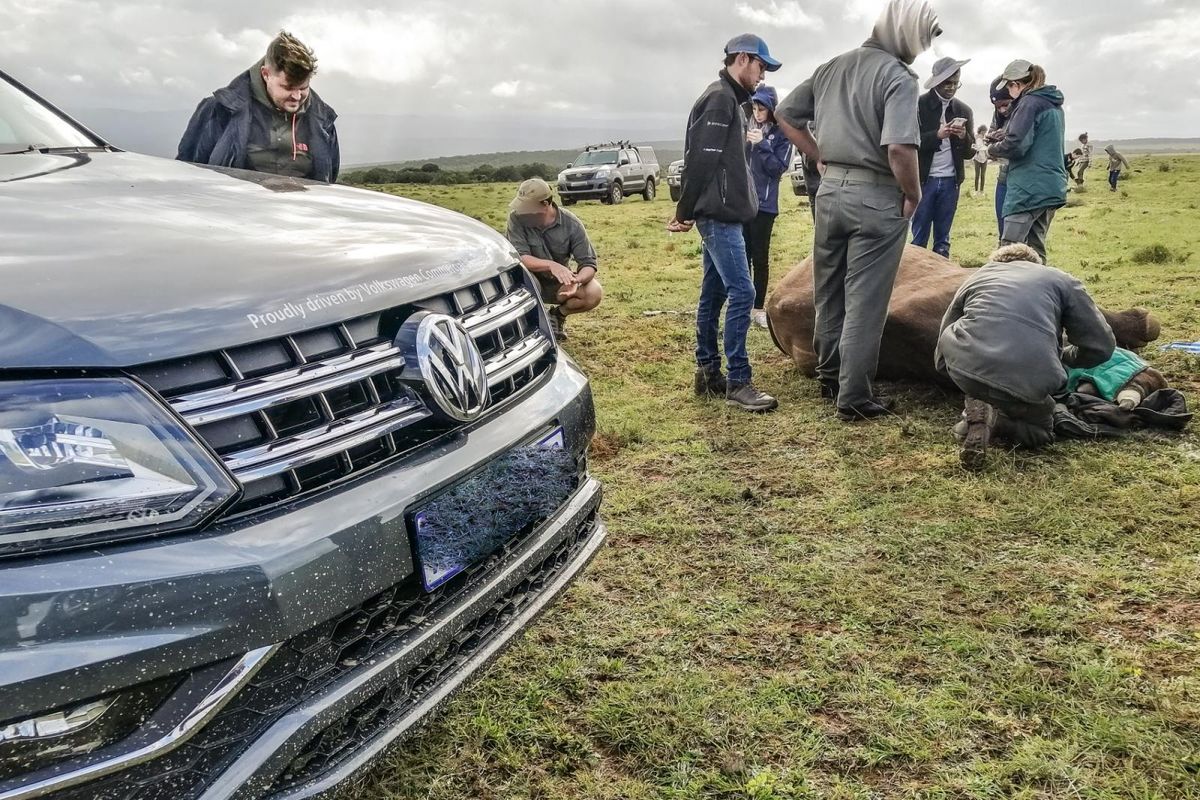
Rhino poaching is a major problem across South Africa (and Africa in general) and Volkswagen is backing initiatives to curb poaching in hot-spots around the country. Gero Lilleike recently spent a day with Volkswagen Commercial Vehicles and the Wilderness Foundation Africa to experience their anti-rhino poaching efforts and to learn (and share) more about the plight of this endangered species. Read on…

Many people are aware of the ongoing threat of poaching on wildlife populations, but at the same time, many people aren't. Poaching is widespread, whether it be poaching rhino, elephant, pangolin, gorilla or dolphins, to name just a handful, and phenomenal efforts are currently being actioned to curb poaching and save animal populations from being wiped off the face of the earth forever.

With the proliferation of frivolous information spewing into the public domain via social media on a daily basis, we are often so overwhelmed that inaction becomes the default because we feel that there is nothing we can do to help. We could never be more wrong…  As a result, we lose focus on issues that are critically important and deserving of ongoing public attention and rhino poaching is an issue that deserves your continuous attention and support. 

Rhino poaching statistics are horrific and while 2019 stats have yet to be released, a total of 7 720 rhino have been poached since 2010 and that number is constantly growing. Up to 3 rhinos are poached every single day. Just think about that for a second… 

These animals are senselessly killed for their horns (the horns are brutally hacked from the rhino’s head) which are then smuggled to markets in the East. It's believed that up to 90% of rhino horn ends up in Vietnam before being distributed to other markets such as China, where they are falsely used for ‘medicinal purposes’ or as a symbol of wealth.  

The Power of Partnerships 
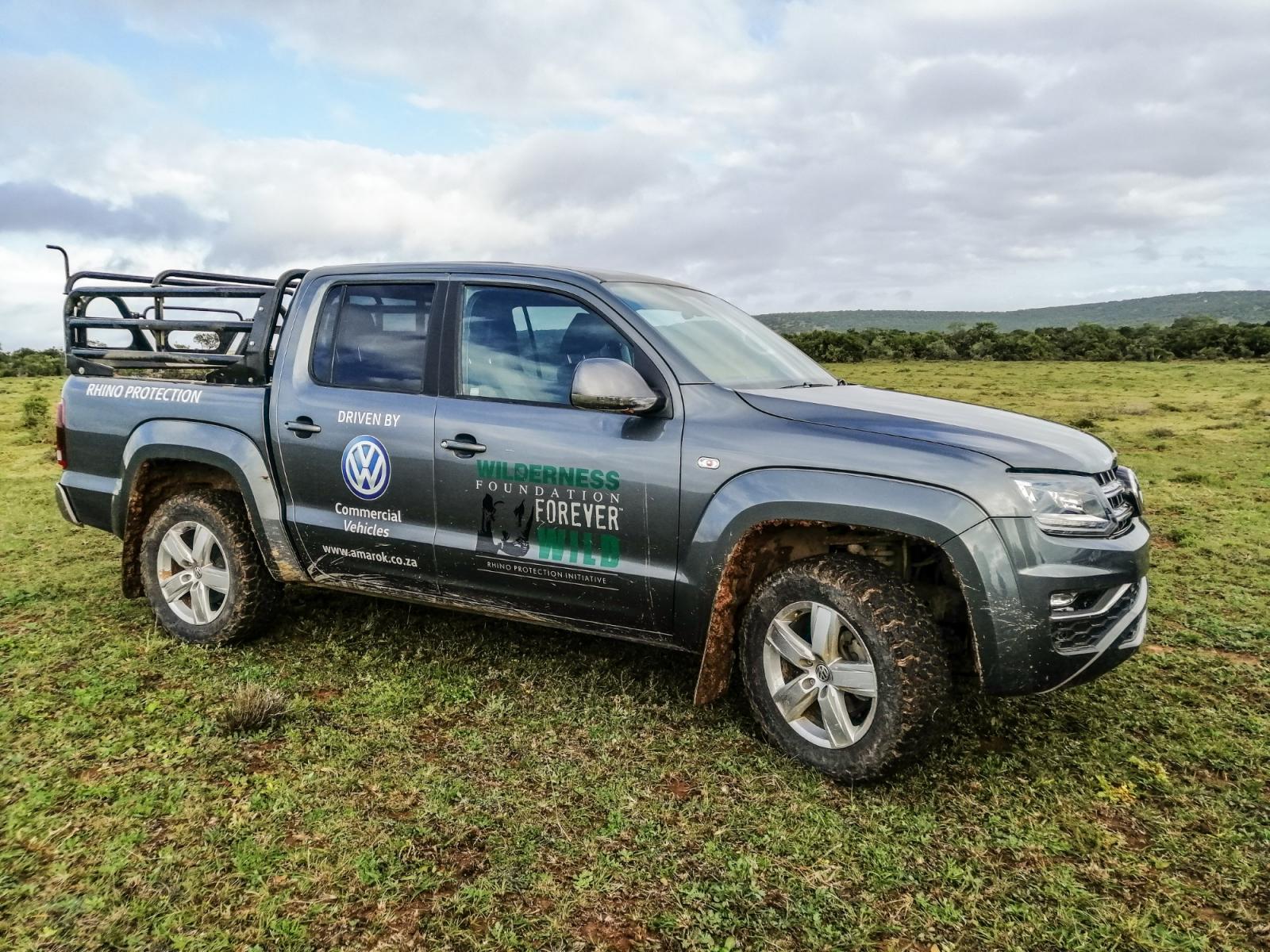

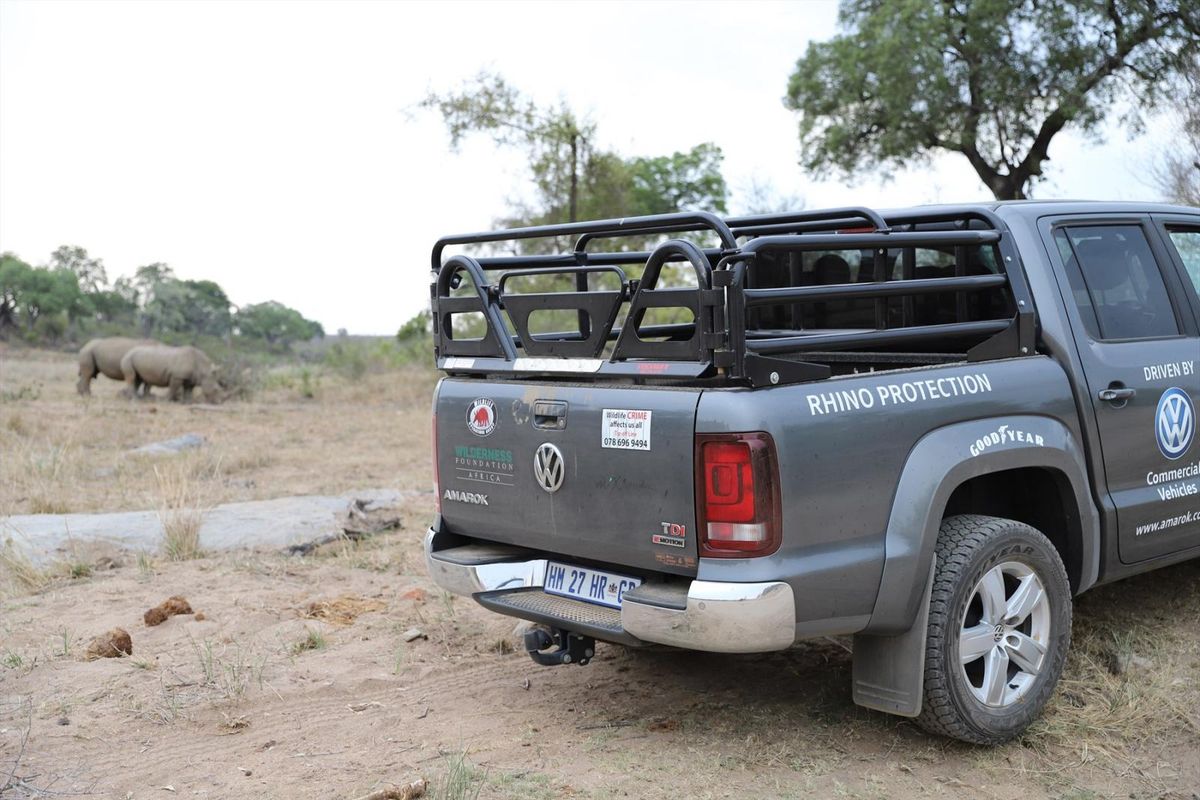
A fleet of 4×4 Amaroks provides on-the-ground support for anti-poaching efforts while also being suitably capable to tackle tough terrain. 

Rhino poaching and the rhino horn trade is complex and multi-faceted but Volkswagen Commercial Vehicles and the Wilderness Foundation Africa have formed a powerful partnership (since 2011) in an effort to tackle poaching with a progressive, hands-on approach. 

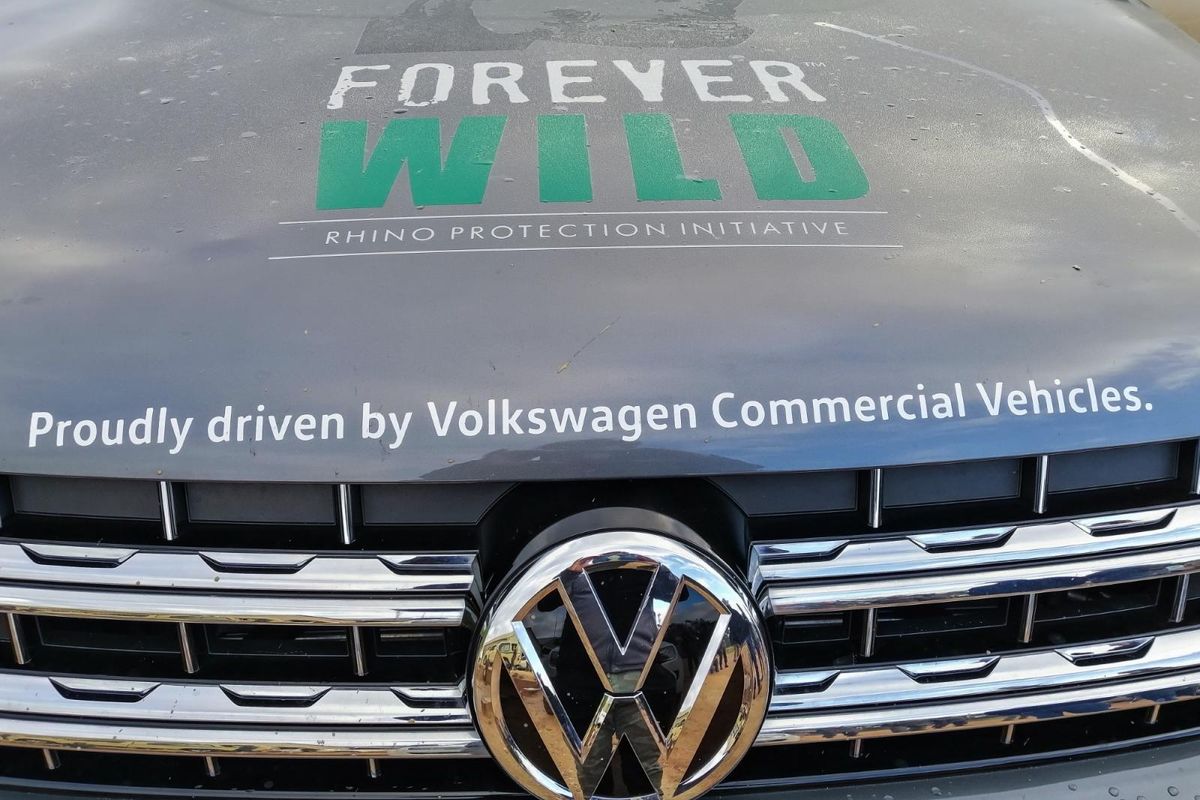
Under the Forever Wild Rhino initiative, the partnership is able to provide logistical and operational support for conservation and law enforcement responsible for rhino security and management while also driving public awareness and implementing a rhino horn demand reduction campaign in Vietnam itself. 

The Forever Wild Rhino initiative is also engaged in vital activities such as vehicle support, rhino rescue support, dog support, air support, intelligence gathering and specialist support, rhino syndicate investigations and DNA collection.

Volkswagen Commercial Vehicles is committed to a R2-million annual sponsorship which includes 6 Amarok bakkies that are being put to work in rhino poaching hot spots in areas such as Kwa-Zulu Natal, Mpumalanga, North West, Eastern Cape and Western Cape. More so, these Amaroks have already clocked well over 1-million kilometres in serving anti-poaching efforts across the country. 

Watch our video review of the Volkswagen Amarok 3.0 V6

Saving Rhinos – On The Ground
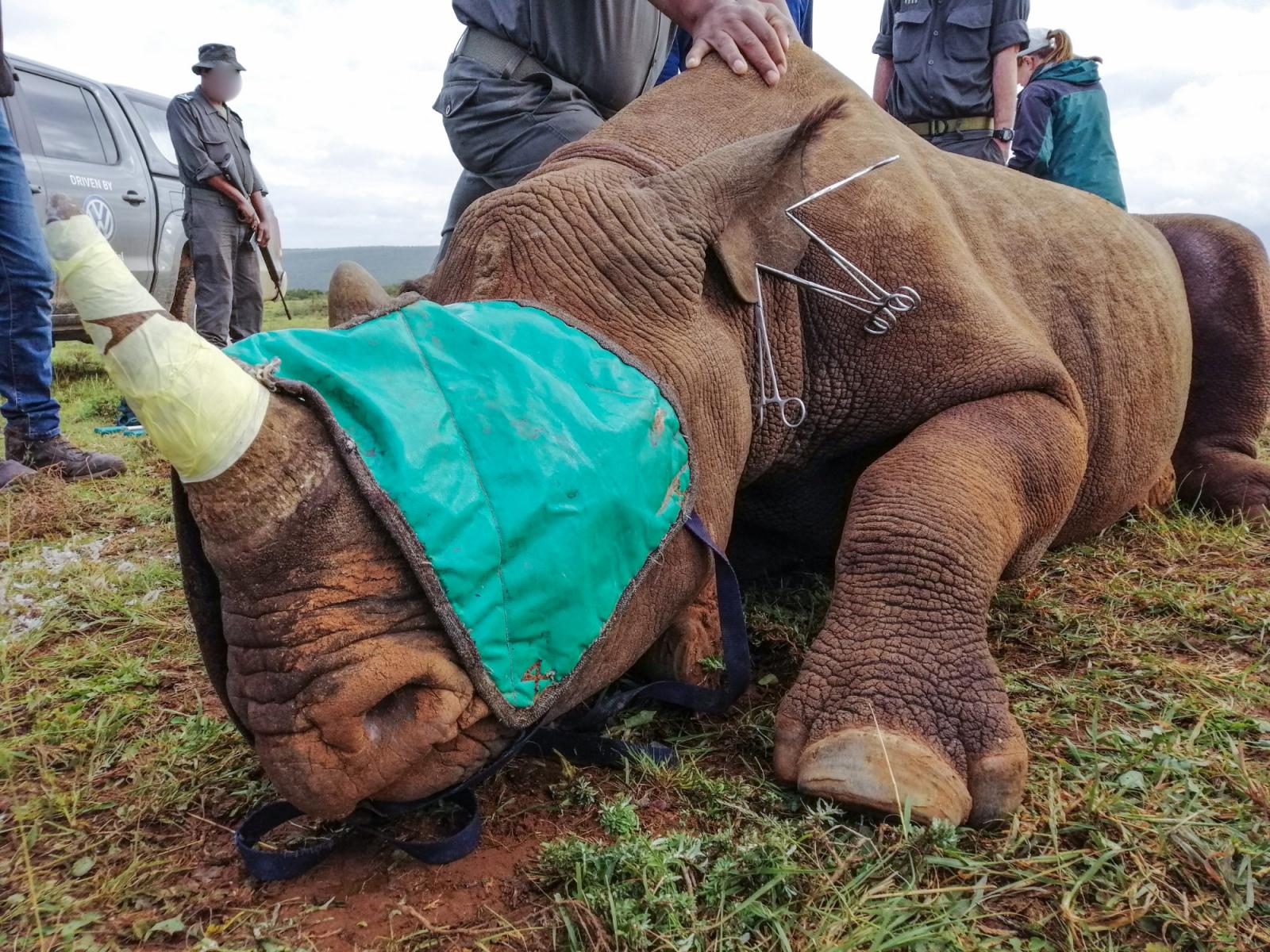

Rhino and general wildlife protection is a costly exercise to maintain and action from the public can go a long way to save endangered species. 

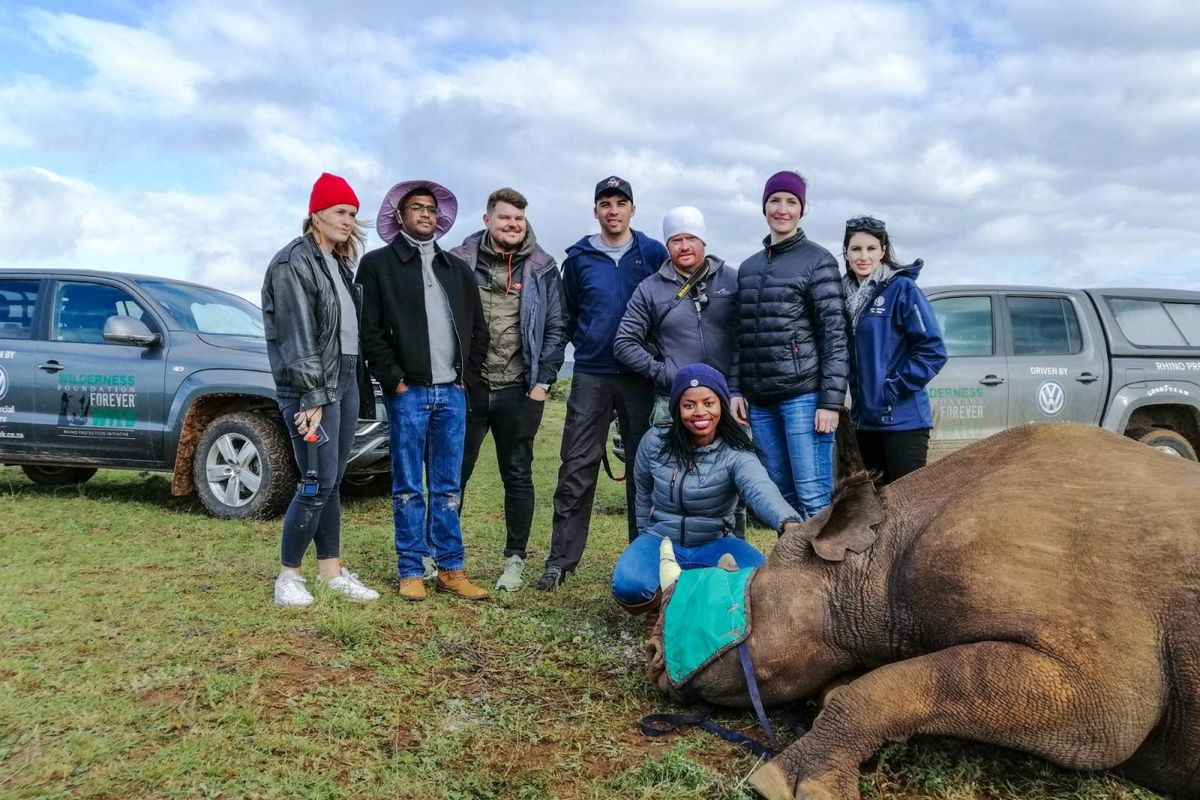
A small group of media representatives had the privilege of experiencing what happens behind the scenes of an anti-poaching operation. Excitement filled the cold winter air as the Wilderness Foundation rhino protection crew prepared for a long day of hard but important work in the bush. 

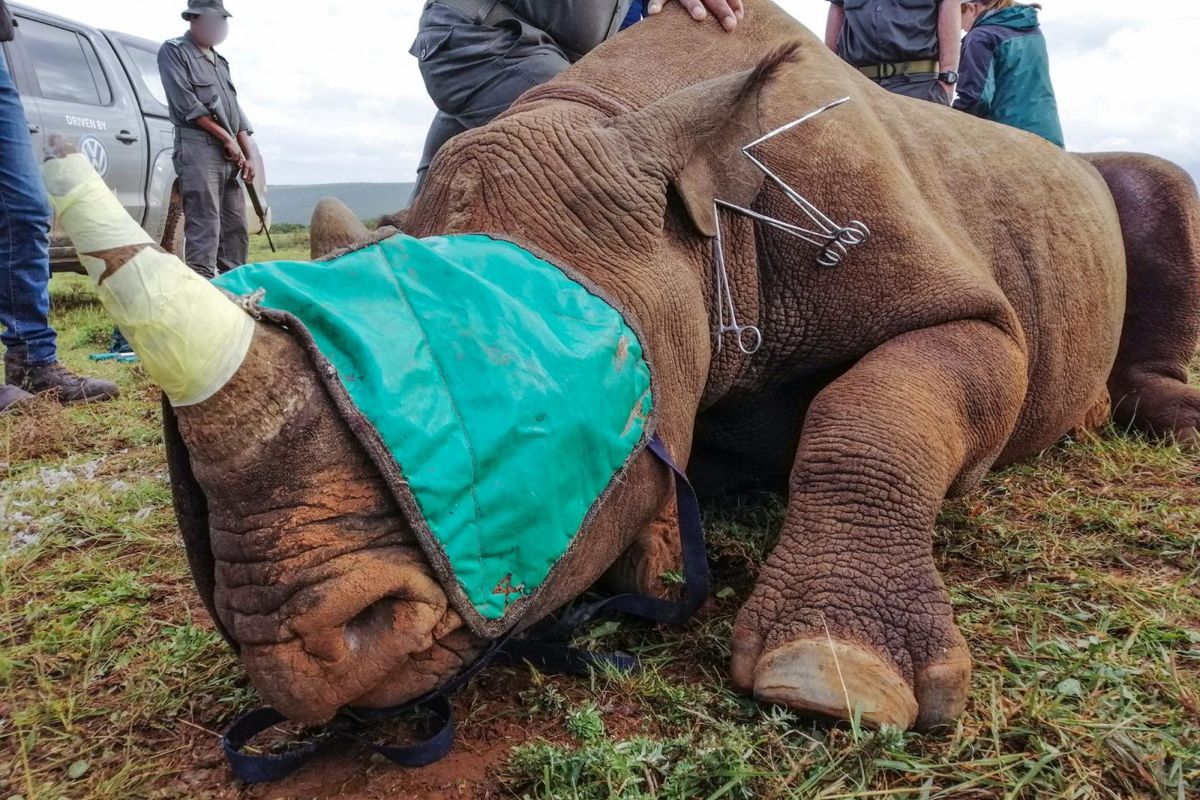
With the ground crew, Amaroks and a helicopter ready for action, the team set off into the bush in search for specific rhino individuals that would be sedated to undergo a series of procedures to assist officials in identifying and tracking them in the wild. 

The Amarok is the perfect vehicle for this particular application. The terrain can be both incredibly challenging and unpredictable and reliable and consistent 4×4 ability is therefore invaluable in conducting this kind of work. 

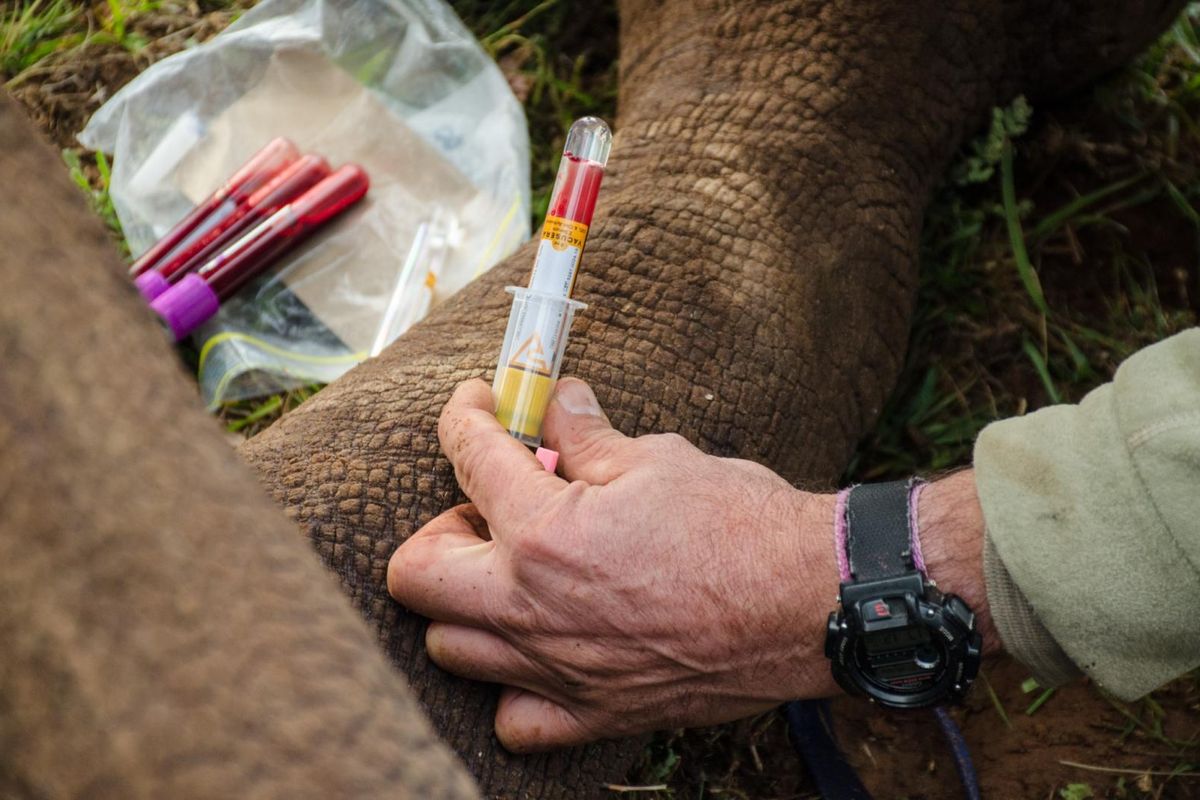
It wasn’t long before a young, 15-month-old rhino cow was successfully sedated from the helicopter and the Amaroks had to thunder through the bush at speed to get to the young rhino quickly. Once on the scene, the team got to work with methodical precision and care. DNA and blood samples were taken and the ears were notched for easy identification. A transmitter was also installed into the horn so that the rhino can be easily tracked and monitored.

With final measurements taken and work completed, the antidote was administered and the rhino soon awoke from its slumber, dazed and confused, before running back into the wild with a bit of a hangover. We soon tracked and sedated another rhino, this time a larger adult bull. The operation was a huge success! 
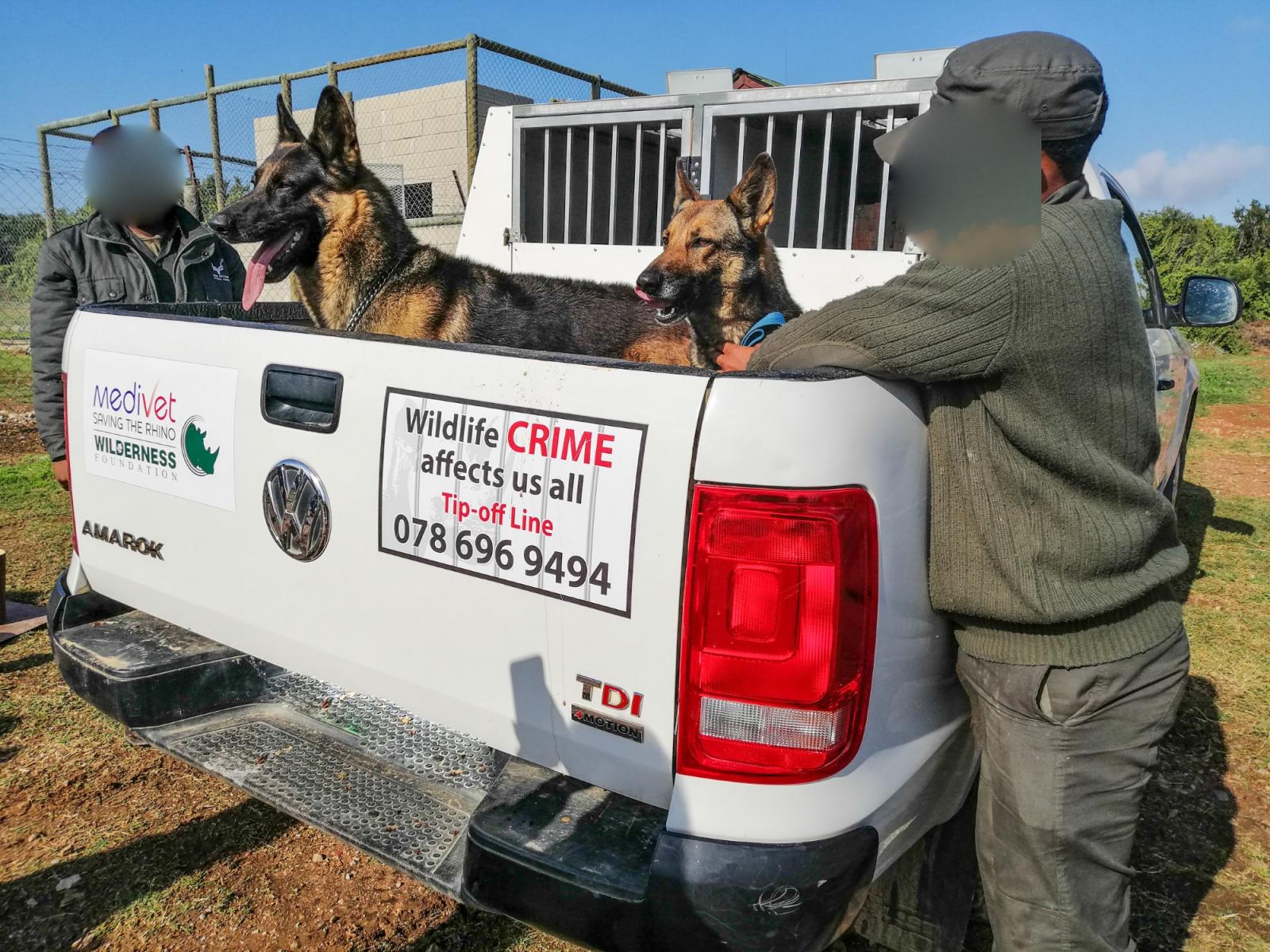

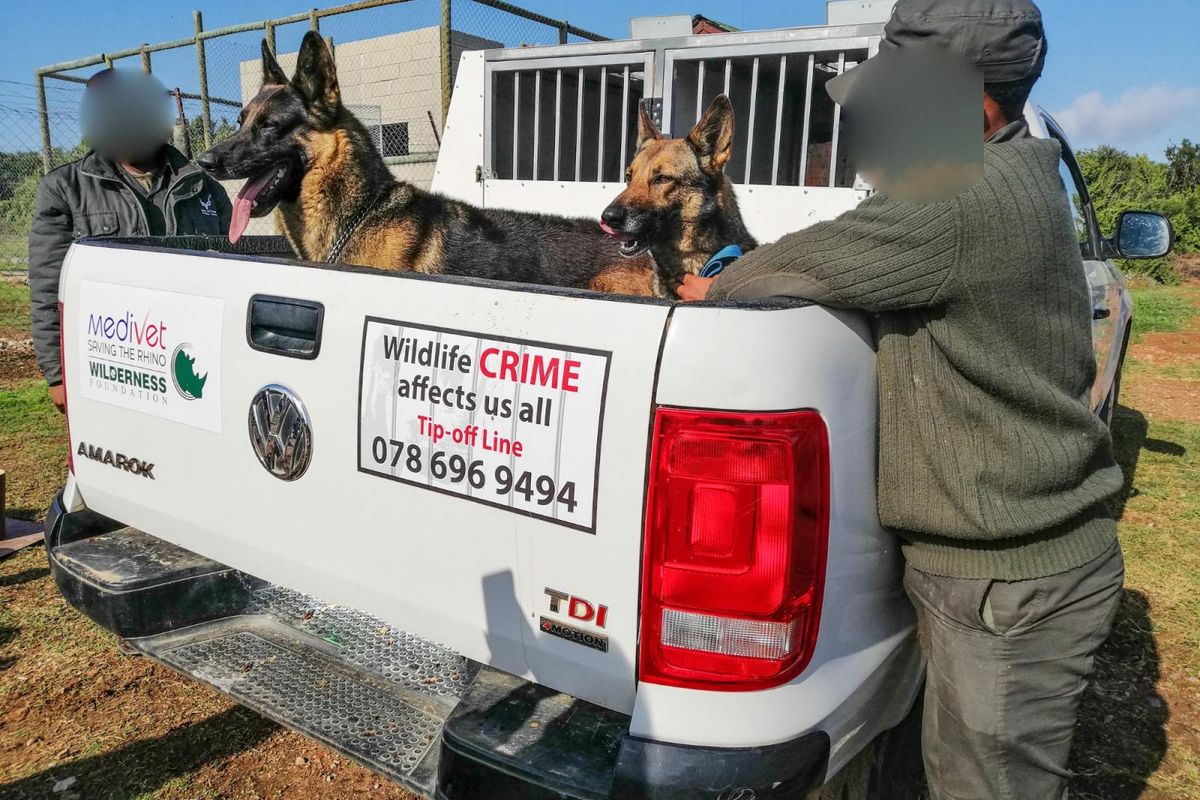
Highly-trained dogs are able to assist police and anti-poaching officials in apprehending poachers and assisting at rhino poaching crime scenes. 

Later in the day, we also met 2 very special dogs that form an integral part of the anti-poaching team. These cold-scent dogs are incredibly clever and highly-trained to assist in the prevention of rhino poaching but also to help police and anti-poaching officials at poaching crime scenes. 

Continuous rhino protection, as you can imagine, is incredibly expensive to maintain and any form or size of funding or donation goes a long way to ensure that the rhino poaching crisis does not lead to the extinction of these precious animals. 

If you wish to contribute towards protecting rhinos for future generations then head on over to the Wilderness Foundation Africa website to support this critically important initiative. The rhinos will thank you…

Buy a new or used Volkswagen Amarok on Cars.co.za

Related Content

Volkswagen Amarok 3.0 V6 TDI Highline Plus (2017) Review [with Video]

Volkswagen Amarok Boosted By ABT

Volkswagen Amarok on Steroids

 Cars.co.za Wins Spirit of Amarok Media Challenge 

Most Powerful Double-Cab Bakkies in SA
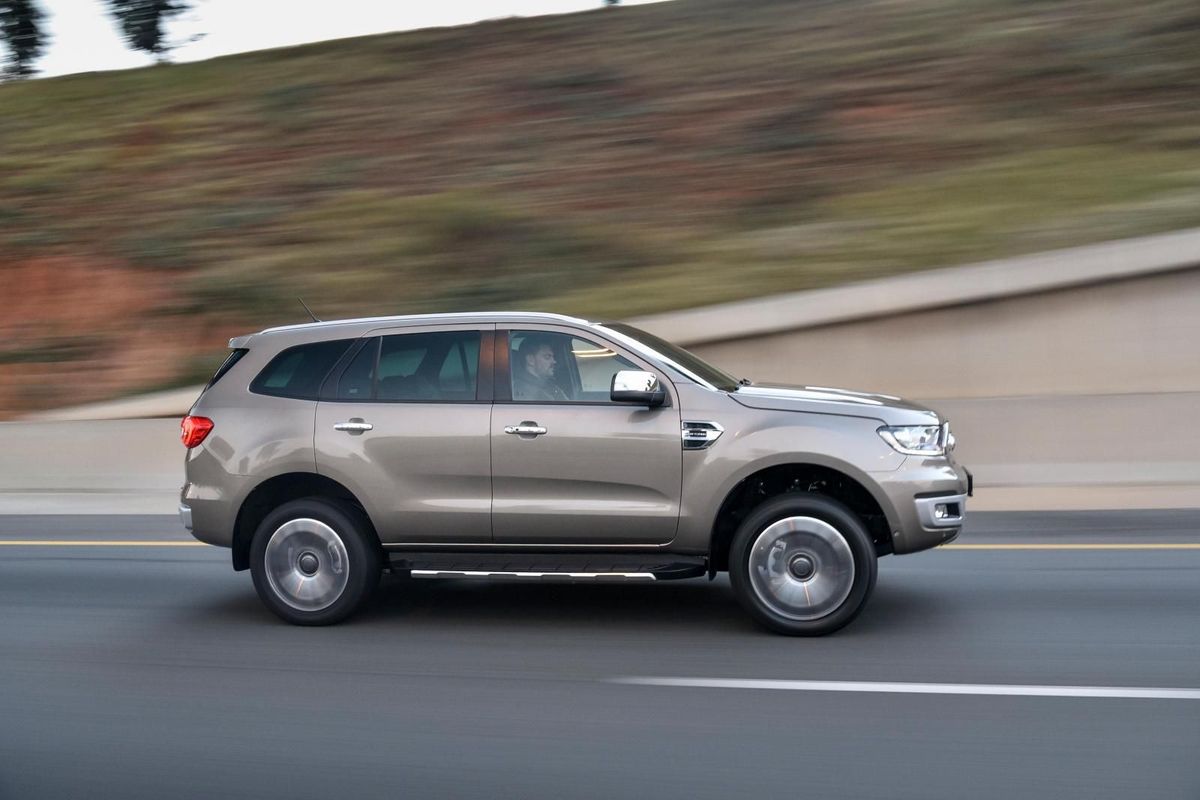


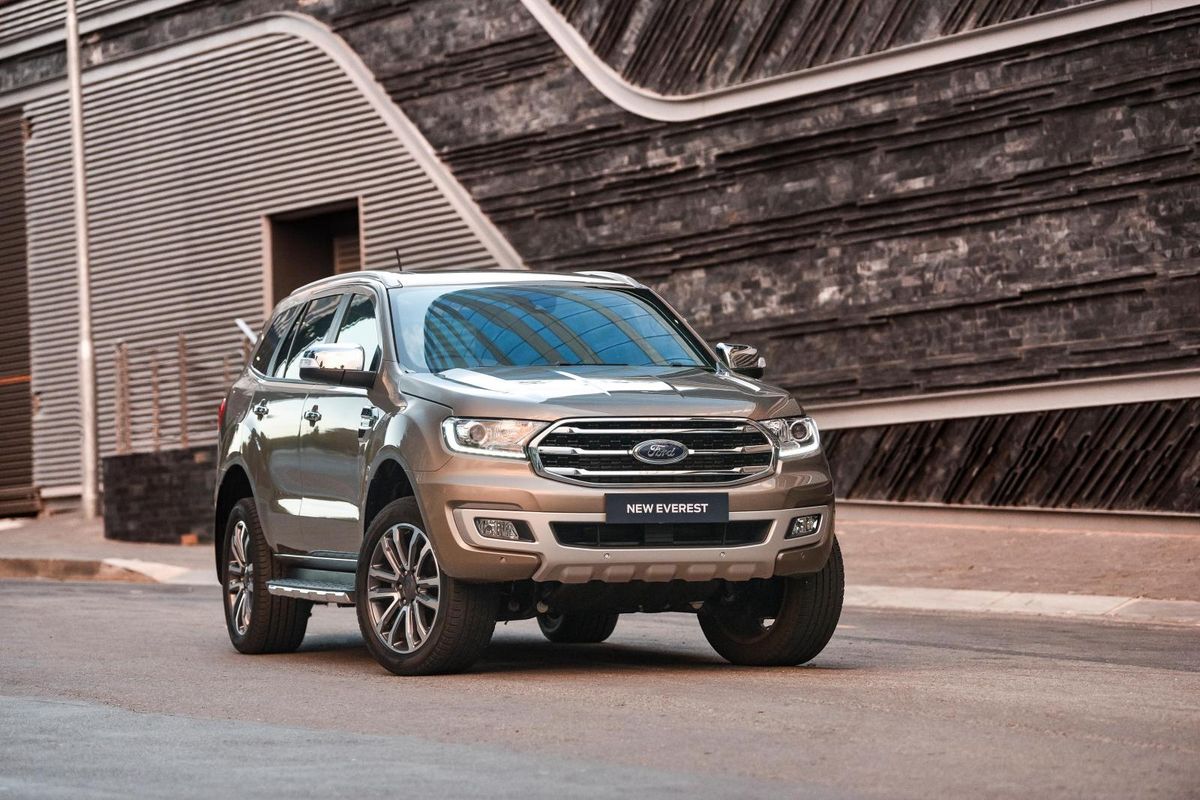
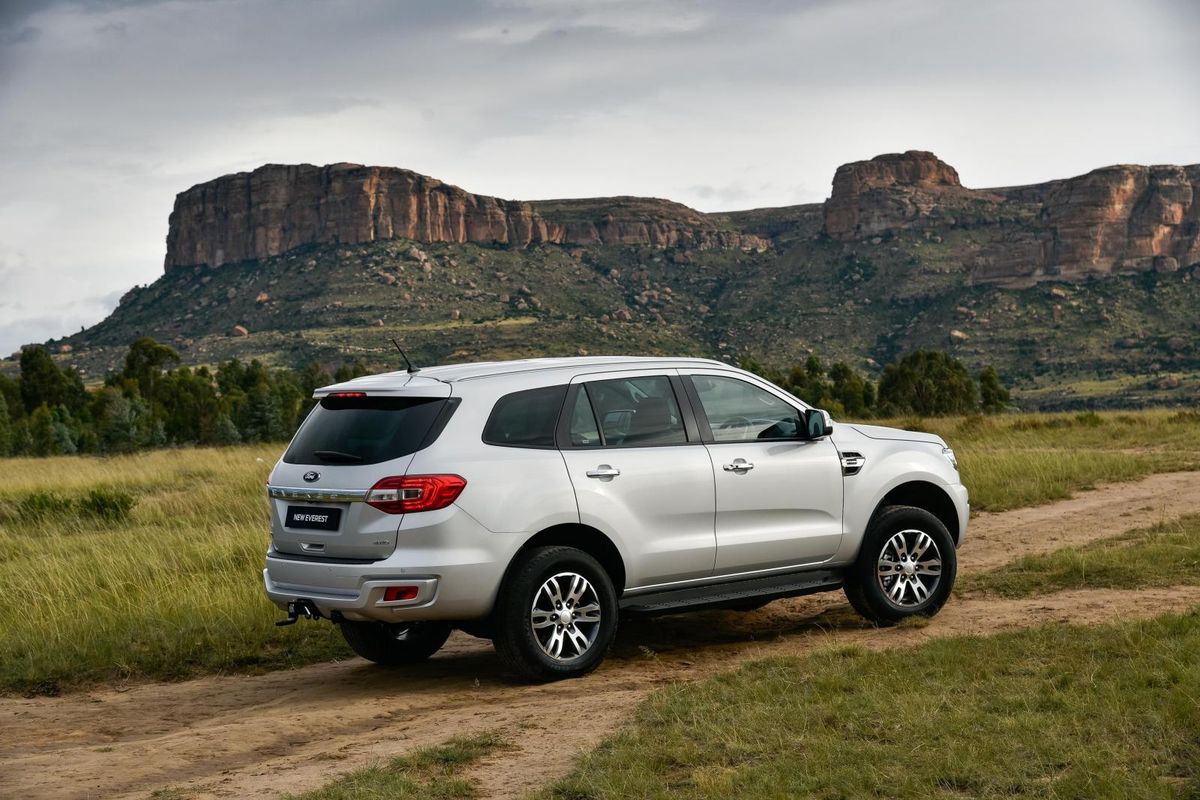
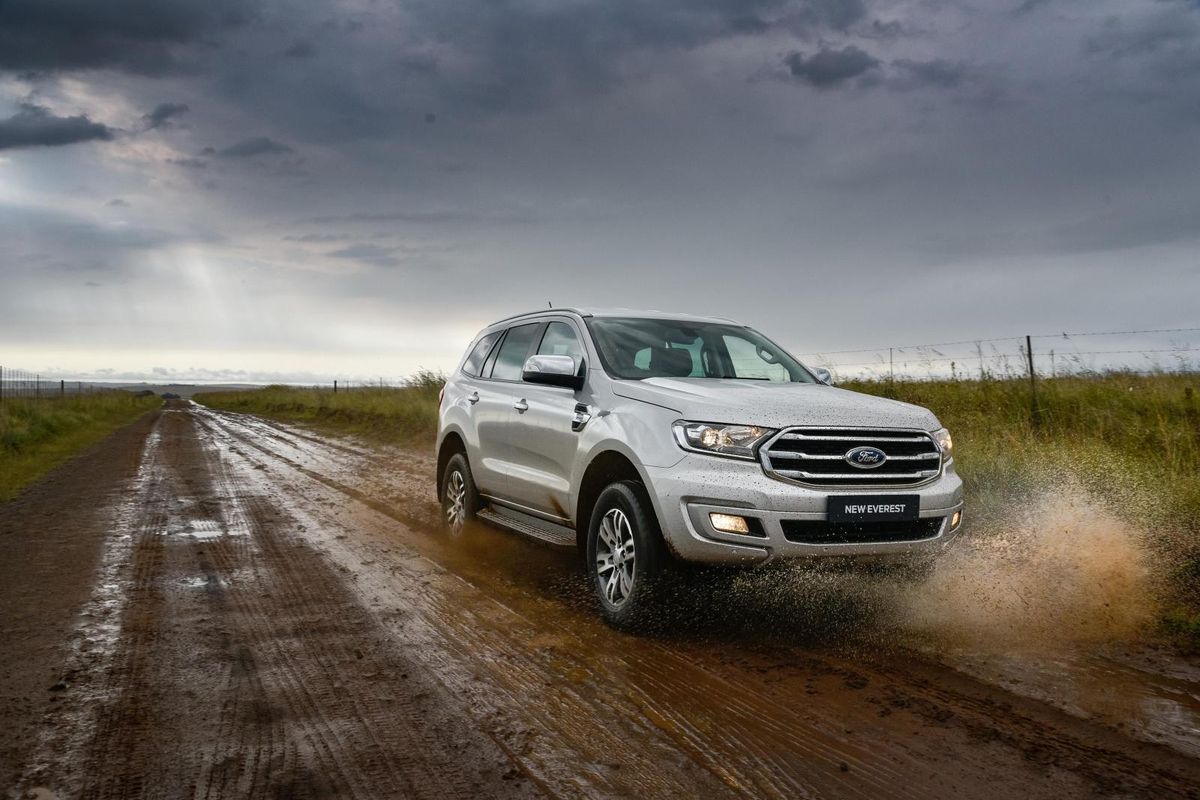
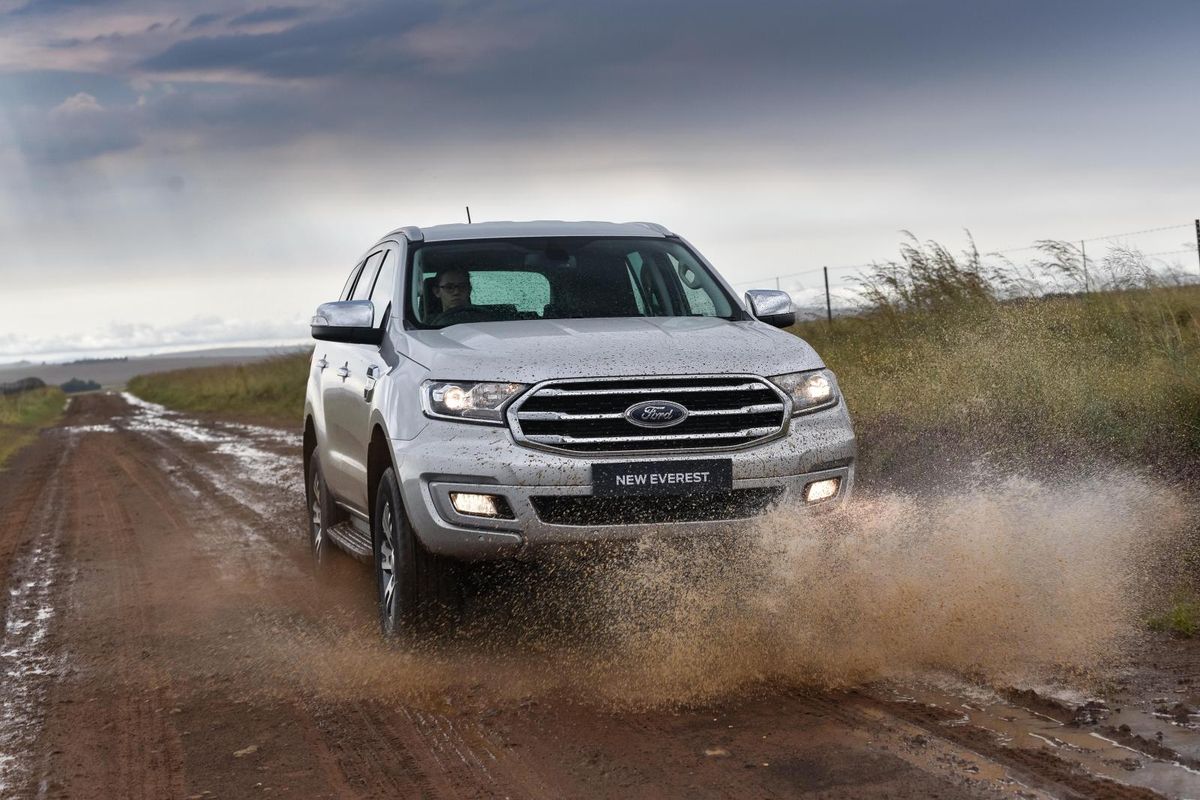
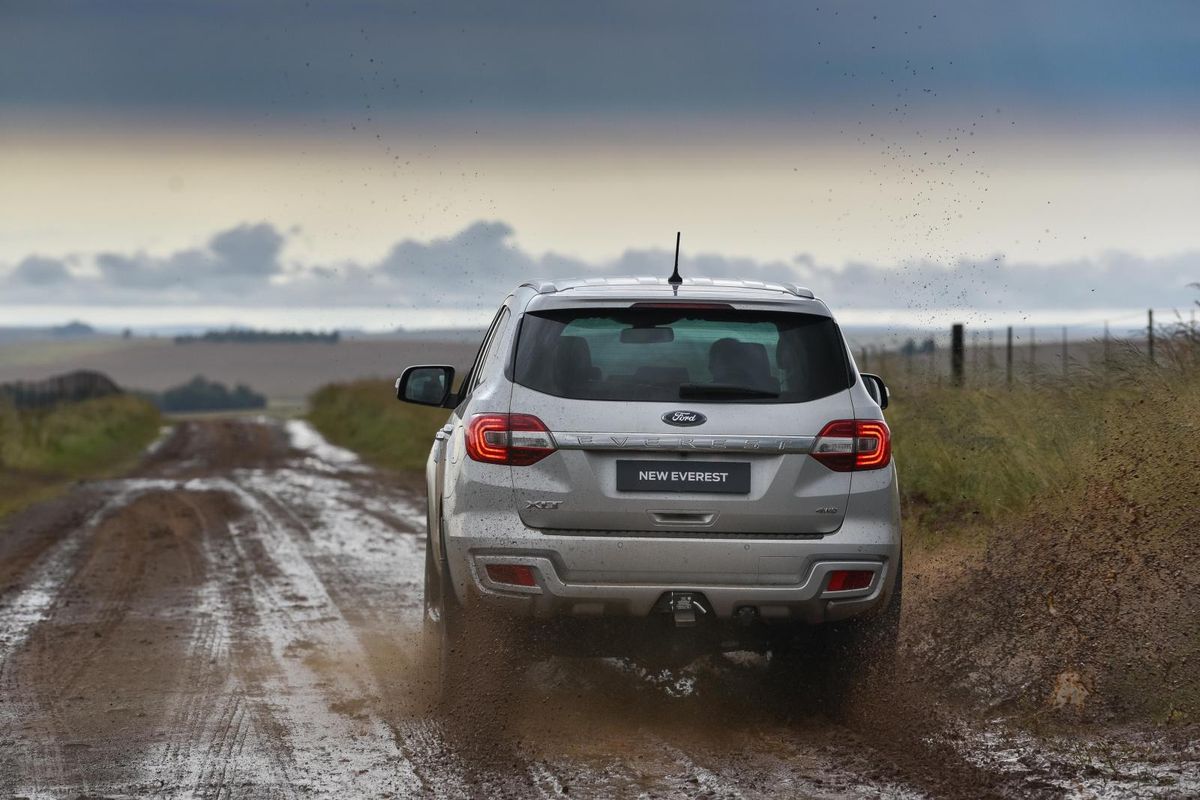
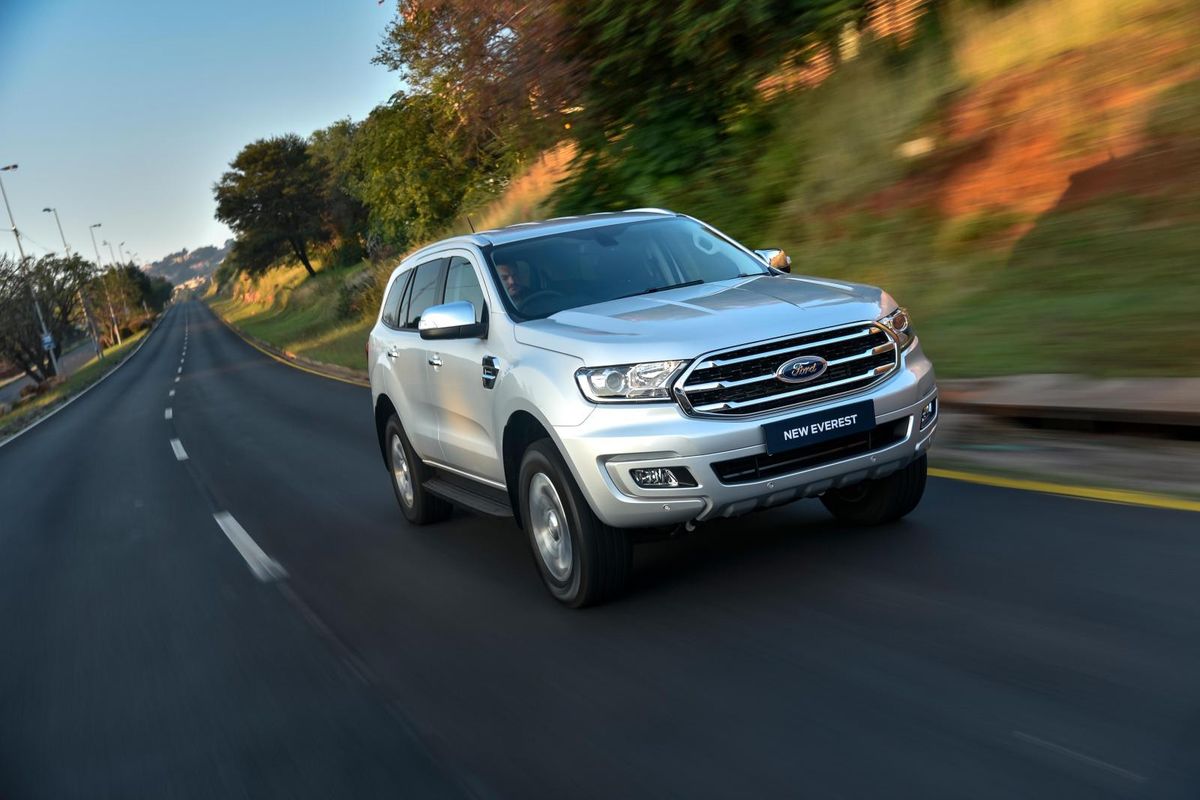
Ford Everest Facelift (2019) Launch Review

Following on from the recent update to the Ranger, Ford has introduced sweeping changes to its Adventure SUV – the Everest. We travelled to Northern Botswana to put the newcomer to the test in some harsh off-road conditions.

For Ford South Africa, this generation of Everest is a qualified success. It has garnered reasonable sales (although it admittedly hasn't eaten away much of the Toyota Fortuner’s market share) and allowed for local production for both local and export consumption. The economy benefits aside, the pre-facelift Everest offered a more versatile seating arrangement than the Fortuner, a number of additional features and a comfier ride quality. So now, with the introduction of this facelifted model, what has changed in order to improve the big bakkie-SUV?

Own a Ford? Tell us about your experience here

What’s new?


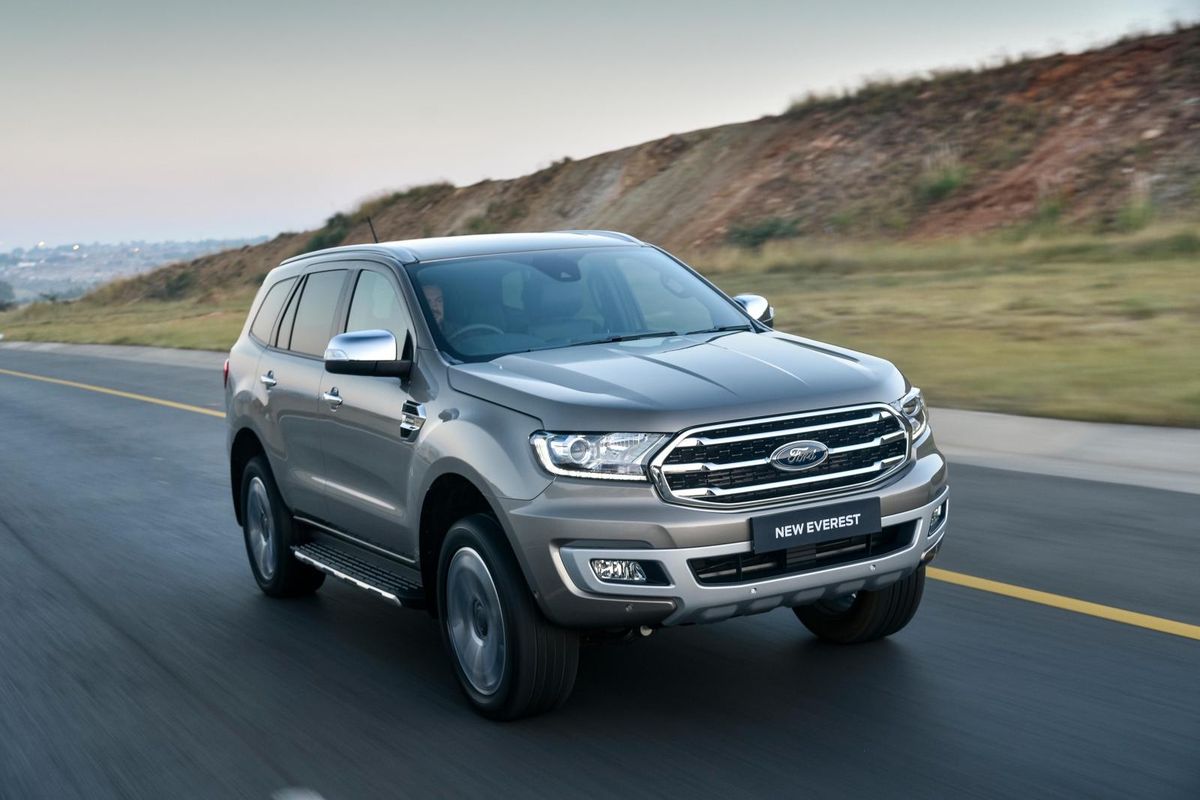
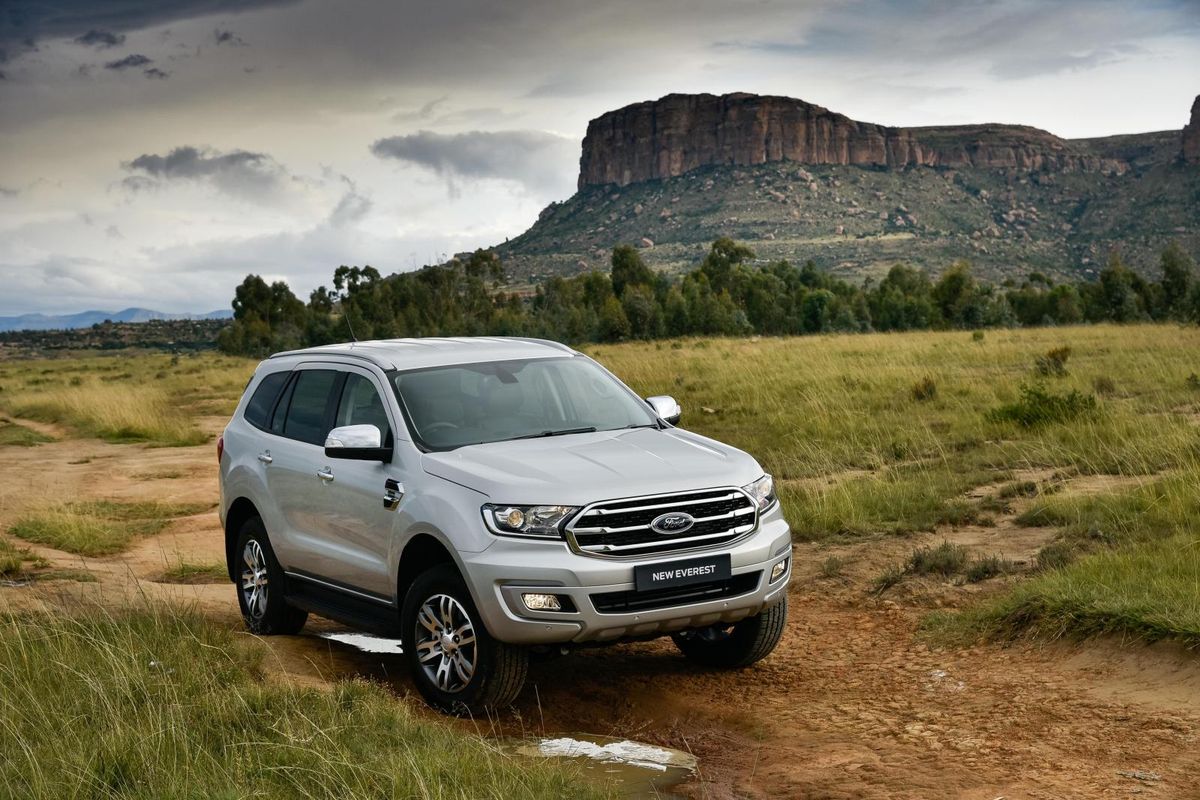
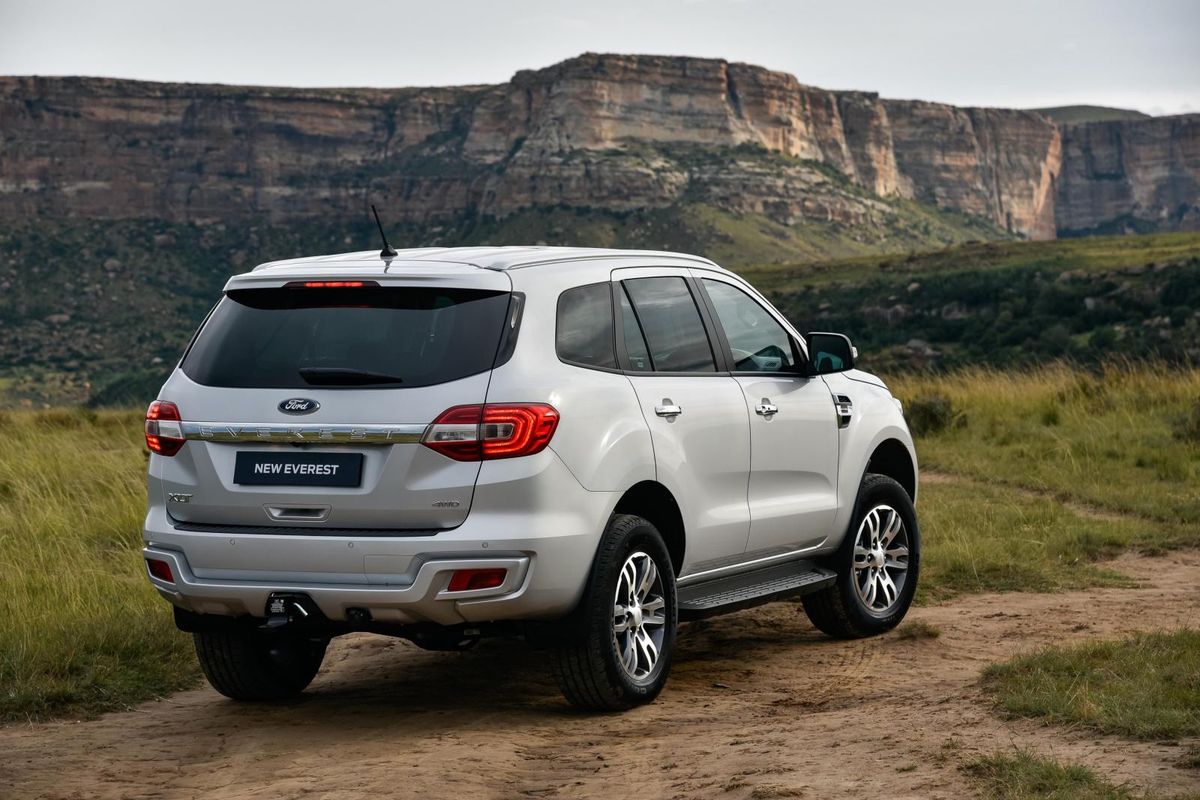
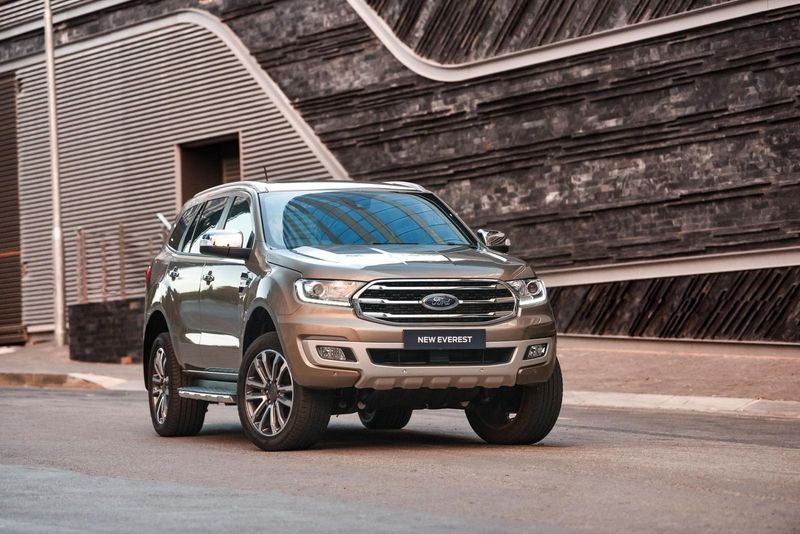
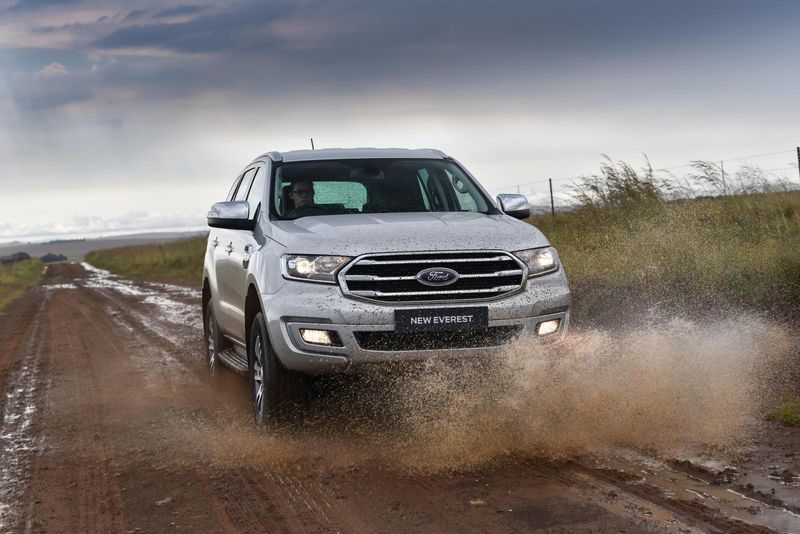
The changes occur under the skin, but there is a new front grille.

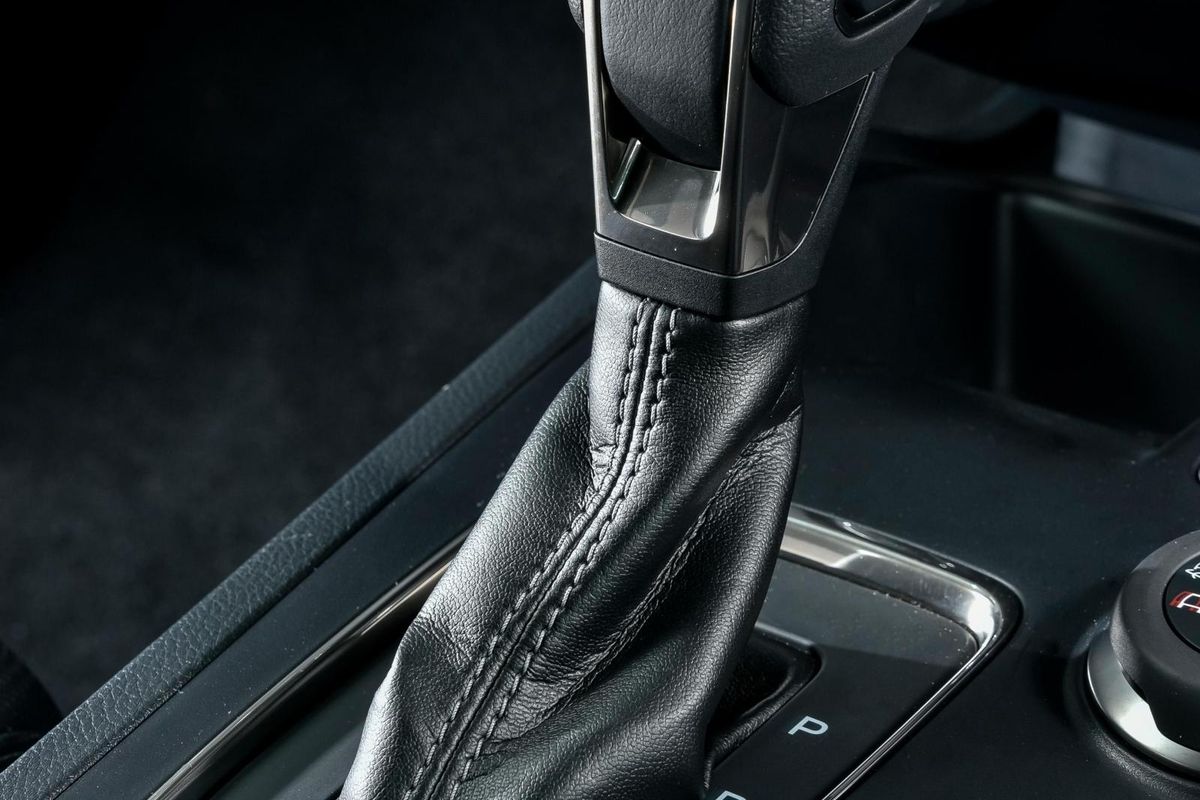
As far as facelifts go, the Everest goes through substantial changes underneath its expansive sheet metal. The new 2.0-litre bi-turbo and single-turbo engines are available in tandem with the 10-speed automatic transmission. If you’re a sceptic of engine downsizing and yearn for that old 3.2-litre 5-cylinder turbodiesel, Ford will still do you one, but only in the 2-wheel-drive version of the XLT derivative.

Read our review of the new Ranger, which also has the new engine and transmission.

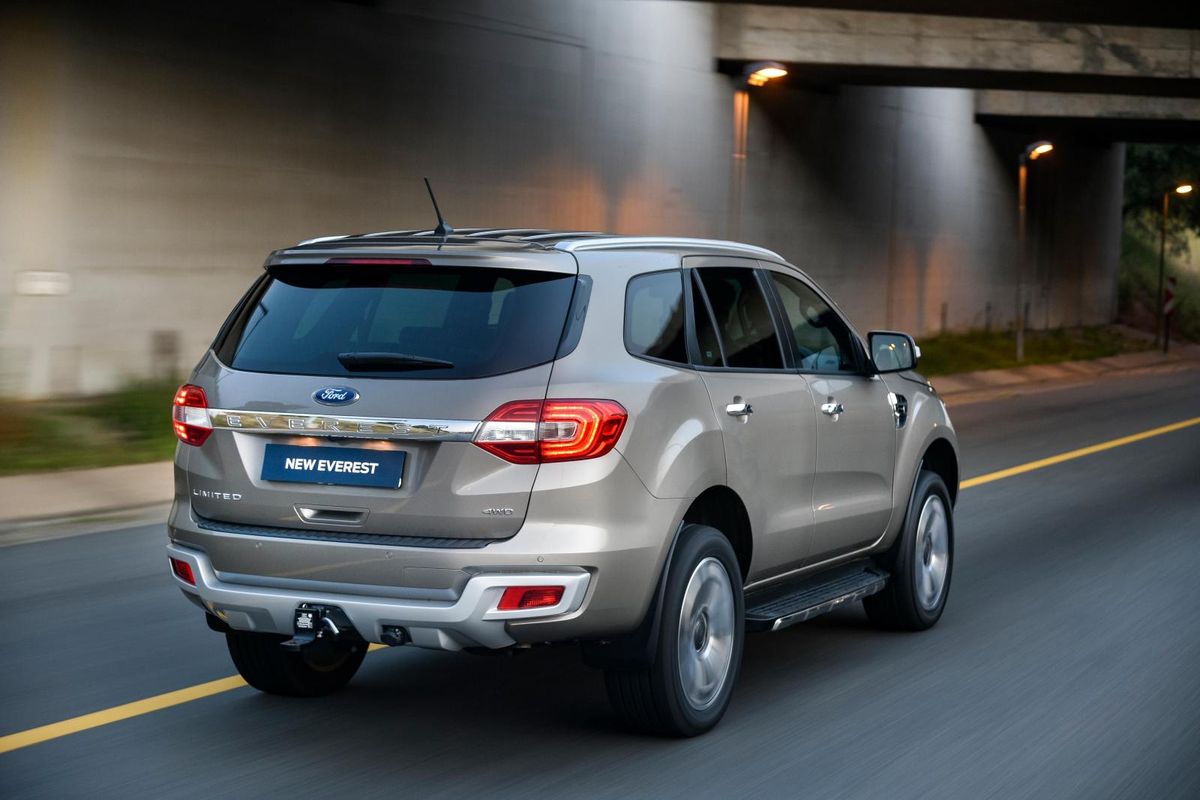
The range still consists of XLS, XLT (in 4WD and 2WD) and (top-spec) Limited derivatives. Spec improvements have been made in terms of safety specification and infotainment features. Meanwhile, a few mechanical changes have improved ride comfort and NVH levels, but more on that later…

Downsize and improve?


XLT model uses the bi-turbo engine for the 4×4 version and single-turbo motor for the 4×2 version.

To some prospective buyers, the new engines are likely to be the biggest hurdle to overcome when considering an Everest. The Fortuner offers a 2.8-litre turbodiesel and the Mitsubishi Pajero Sport and Isuzu MU-X both offer larger turbodiesel powerplants. Ford’s new 2.0-litre engine range offers more power and more torque than before, and thanks to the 10-speed ‘box can remain at peak torque for longer periods, because the gear ratios are spaced closer together. The 10-speed 'box is also surprisingly quick-shifting and smooth in the way it transitions between gears. 

In application, the bi-turbo-engined Everest we drove during the launch event feels more powerful and stronger than the 3.2-litre unit it has superseded. The older engine, in combination with its 6-speed transmission, felt quite restrained by virtue of its slow shifts and never felt like it was eager to accelerate. The new unit feels much more car-like in its power and torque delivery and smoothly accelerates with much less lag.

In this segment of the market, where many buyers are known to take their vehicles on isolated dirt roads, off-road tracks and expeditions, the reliability of a sophisticated powertrain setup might make certain buyers sceptical. That said, Ford claims to have thoroughly tested these new units extensively for use in our harsh conditions racking up in excess of 6-million kilometres of testing. These are engines built in Africa… for Africa.

Mechanical upgrades?


New suspension damping makes for a comfier ride that doesn't roll as much.

Of the bakkie-based SUV brigade, the Everest always felt the most comfortable (on- and off-road) to me, and also the biggest, with the most practical interior layout in its segment. In the pursuit of improvement, Ford has rerouted the front anti-roll bar more effectively, allowing its engineers to adjust the Everest's damper setup for a more comforting and bump-soaking ride. Driving on the road from Maun to the edge of the Magkadikadi is an adventure. Never has a dead straight tar road required so much action on the steering wheel. The potholes up here are incredible – in abundance and depth. The Everest Limited comes standard with 20-inch rims, but for this trip, they were all specced with the XLT model’s 18s (an option available to the customer too) and for good reason. The hard hits at speed came and went without incident, the Everest proving particularly good at keeping the knocks out of the cabin. It’s a refined, comfortable ride that sets the Everest up as a clear leader in this department.

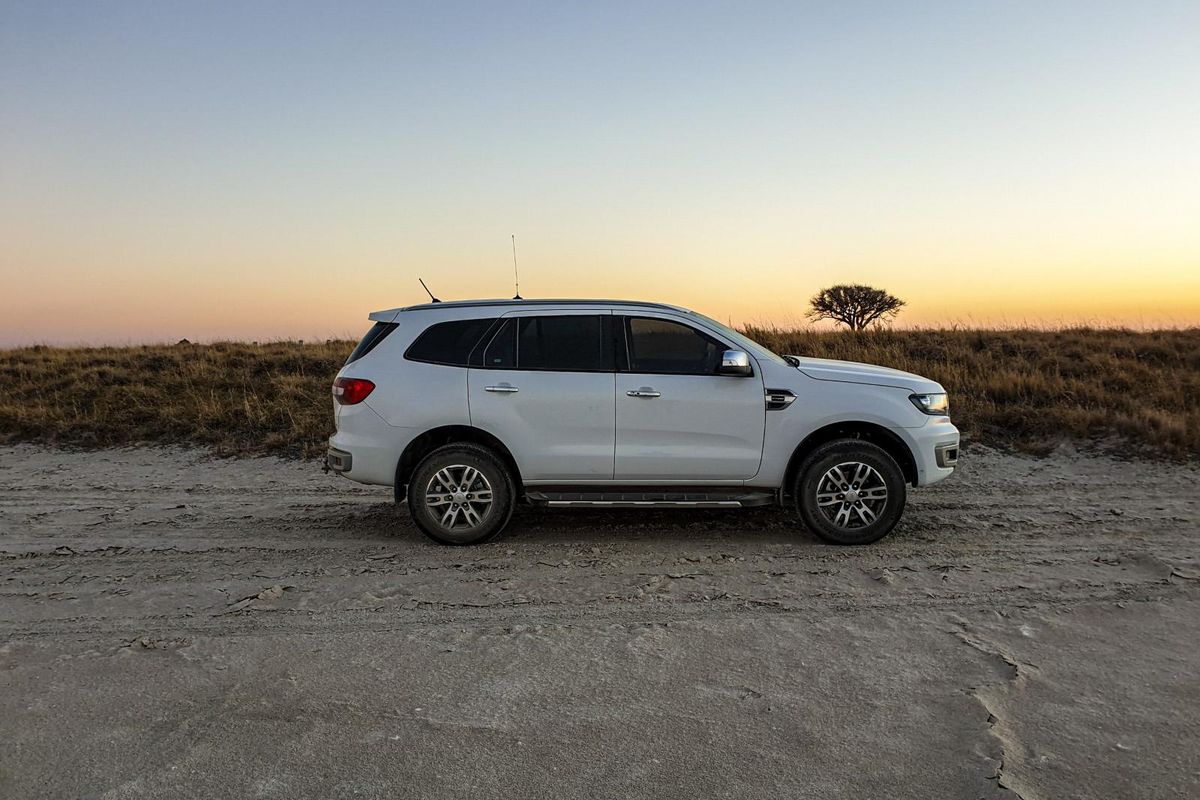
These improvements are doubly apparent on gravel roads. We must have covered about 300 km of gravel driving on our aforementioned route and then up to the town of Khwai on the Okavango, much of it harsh washboard gravel at that. Bakkie-based SUVs don’t fare particularly well on this sort of terrain. They often bounce across the bumps, crabbing and sliding and returning a real rickety ride for passengers. The Everest was absorbent and steady over the gravel, a vehicle you could do that sort of mileage off-road and get out without double vision and a slipped disc. 

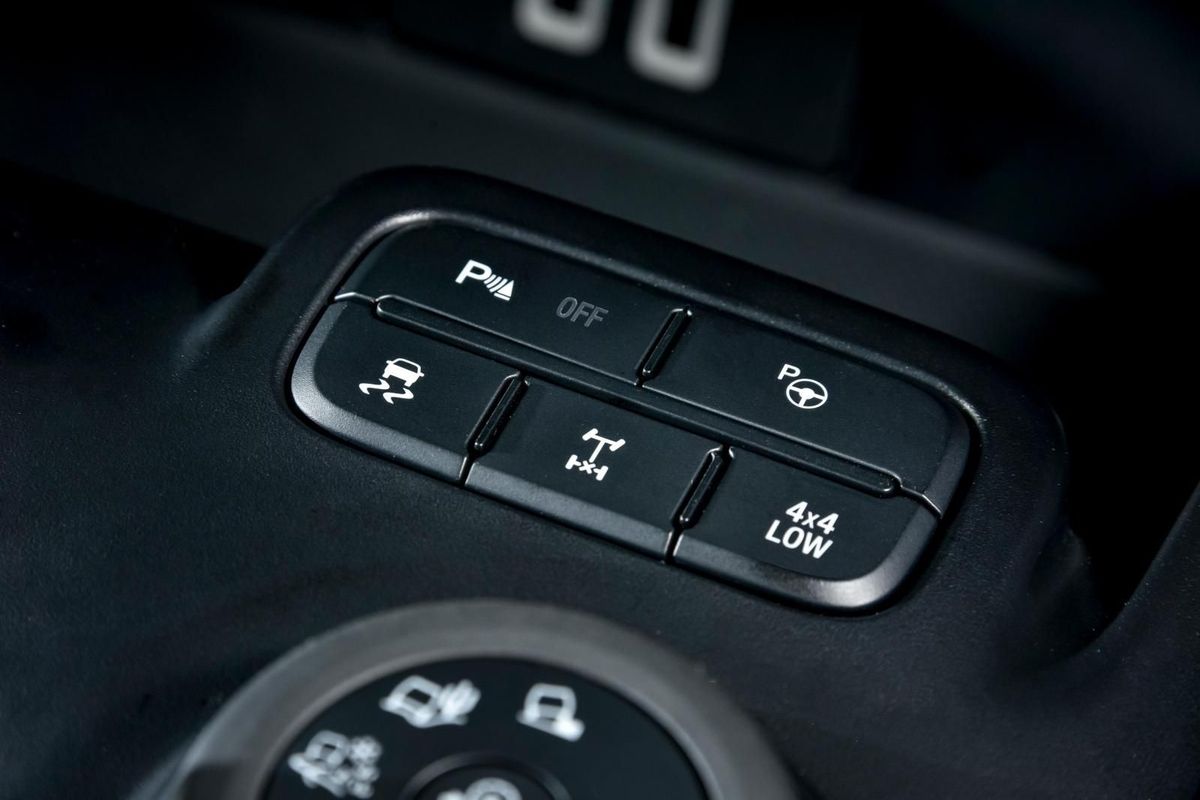
The Everest’s off-roading trump card is its terrain response system; a rotary dial next to the gear lever allows you to dial in the perfect setup for the conditions underfoot (or underwheel, if you want to be pedantic about it). The modes include rock/crawl, sand/mud and a normal mode for tarmac driving. There are also quick and easy to reach buttons to engage low range, diff-lock and traction control.

Interior spec levels


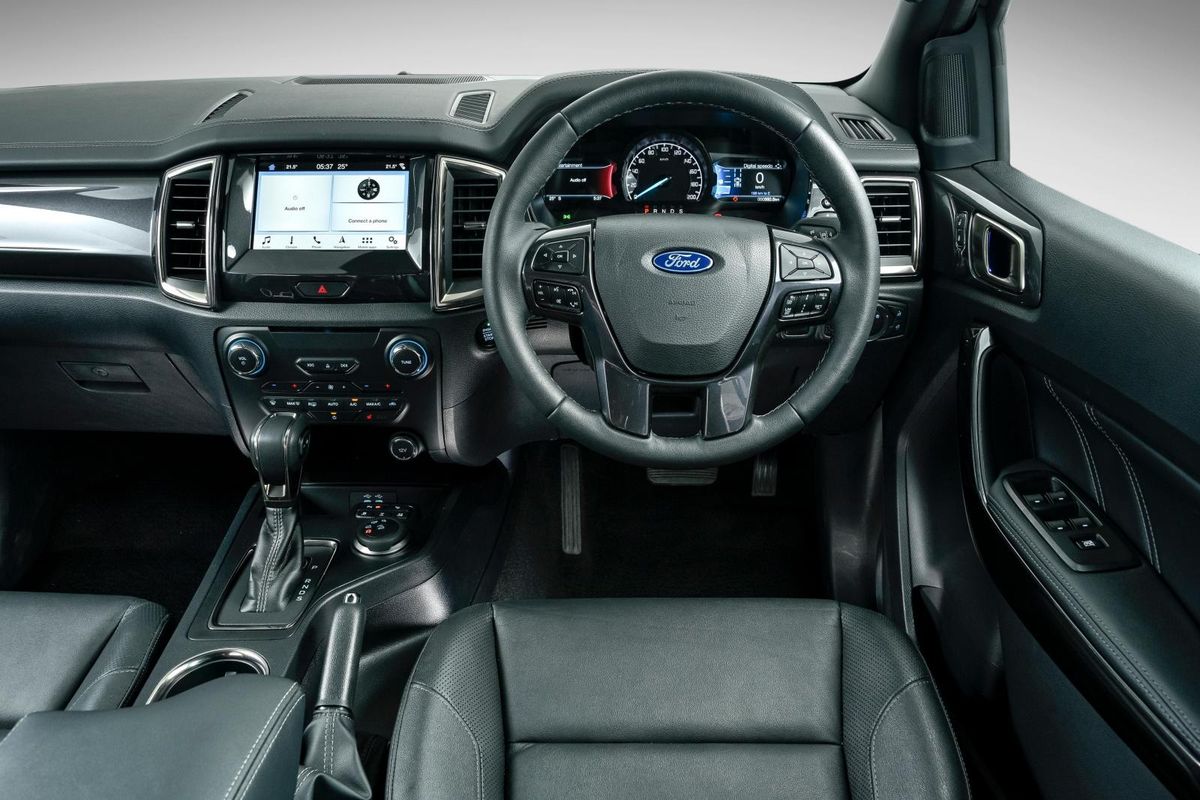
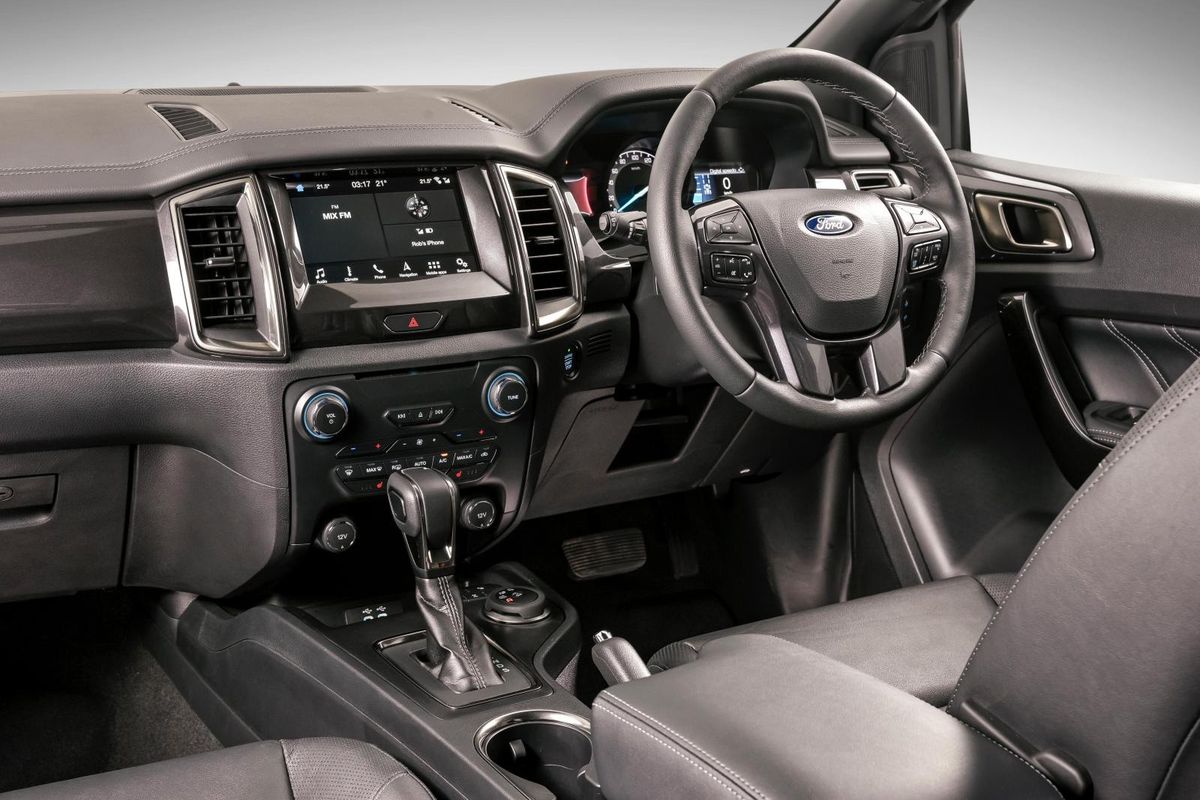
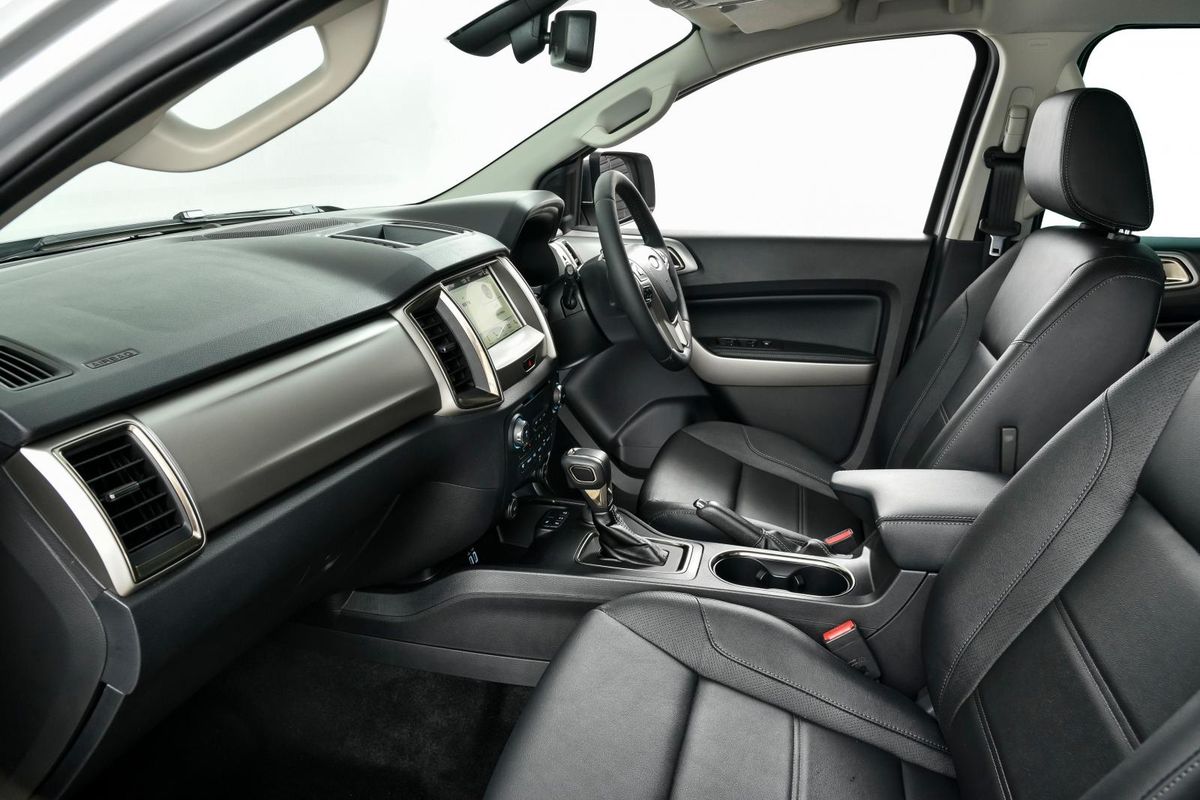
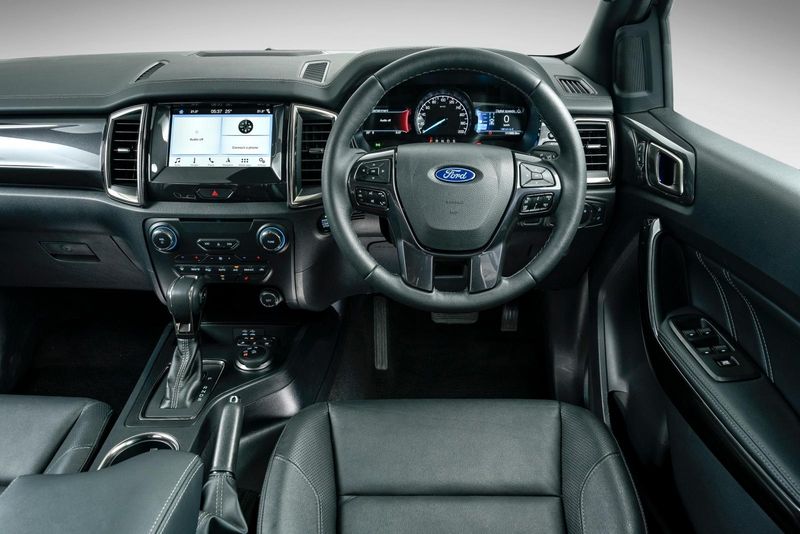
The Limited interior comes with all the bells and whistles.

The're little doubt the Everest's Sync3 infotainment system is the gold standard for this segment. It’s simple to use, with big, easy-to-press buttons, compatible with Android Auto and Apple Carplay and includes 4×4 Tracks4Africa maps that have all those secret game drive routes logged on them.

Meanwhile, there are 2 USB ports up front, room for your smartphone, keys and drinks, as well as a deep centre console. The door pockets are a little on the small side if you want to store anything bigger than a 500-mm bottle in them.


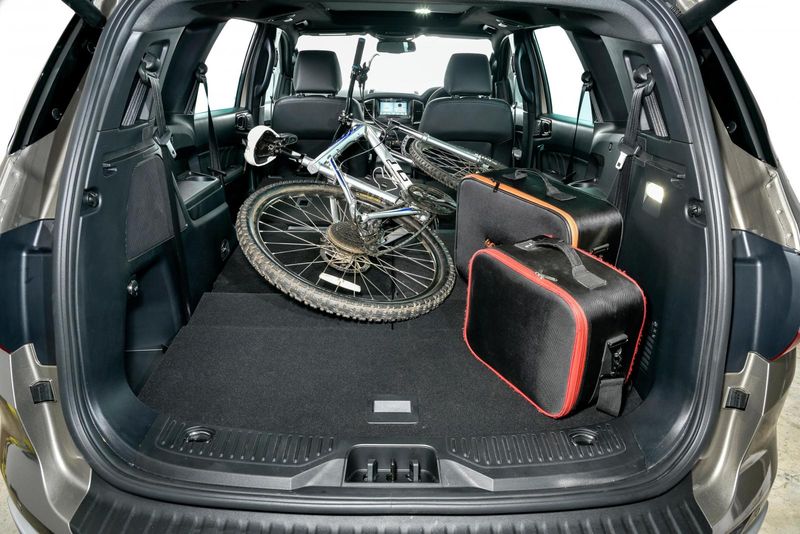
Everest remains the biggest and most practical bakkie-based SUV in its segment.

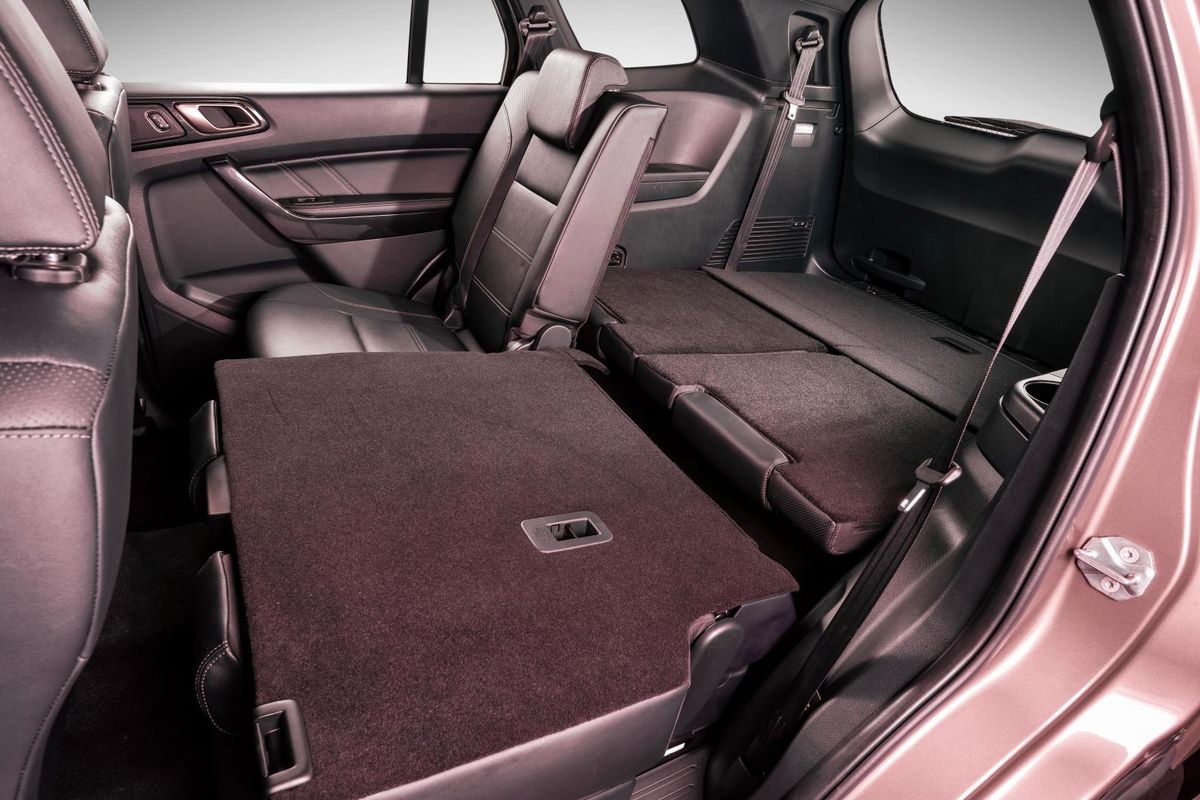
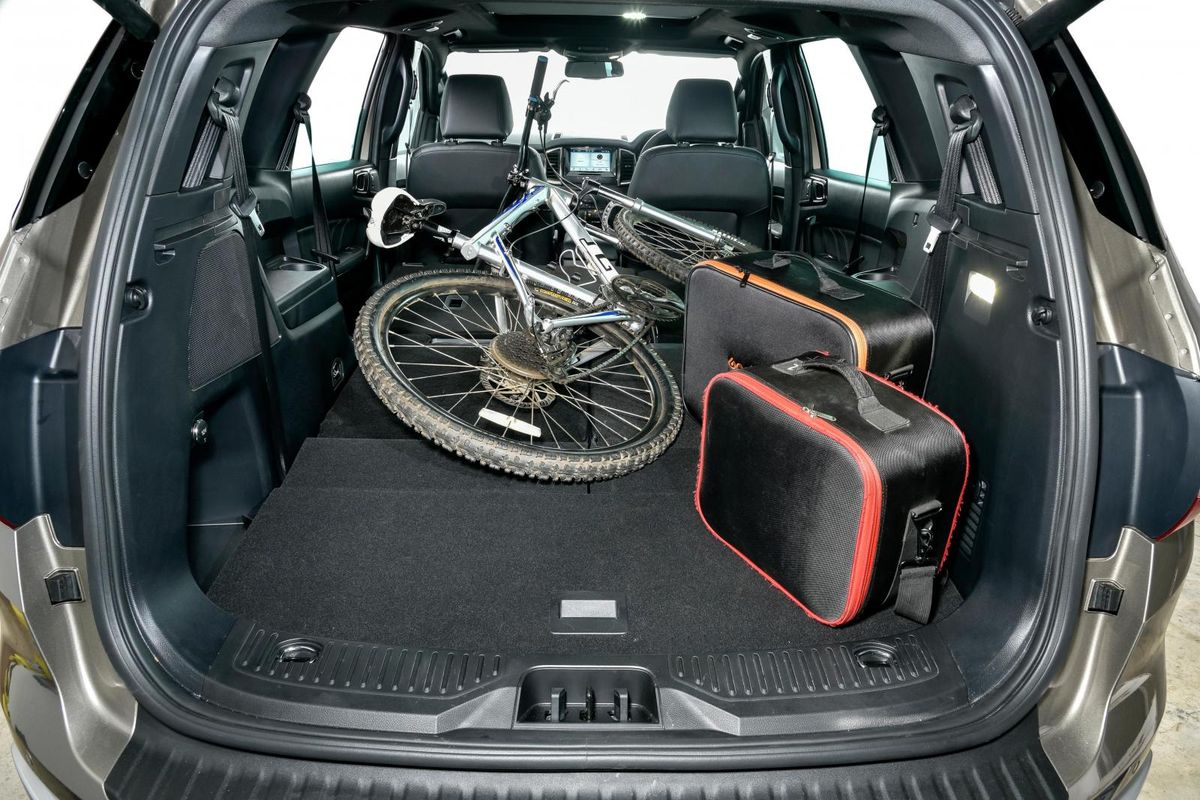
As a 7-seater, passenger comfort is undoubtedly important. The 2nd row of seats is mounted on rails, allowing the bench to slide fore and aft depending on the occupants' legroom requirements. The Limited spec derivative gets electrically foldable seats for the 3rd row while the XLT makes do with a manual lever. The occupant space available is just about the most you will find in a passenger vehicle this side of a million rand.

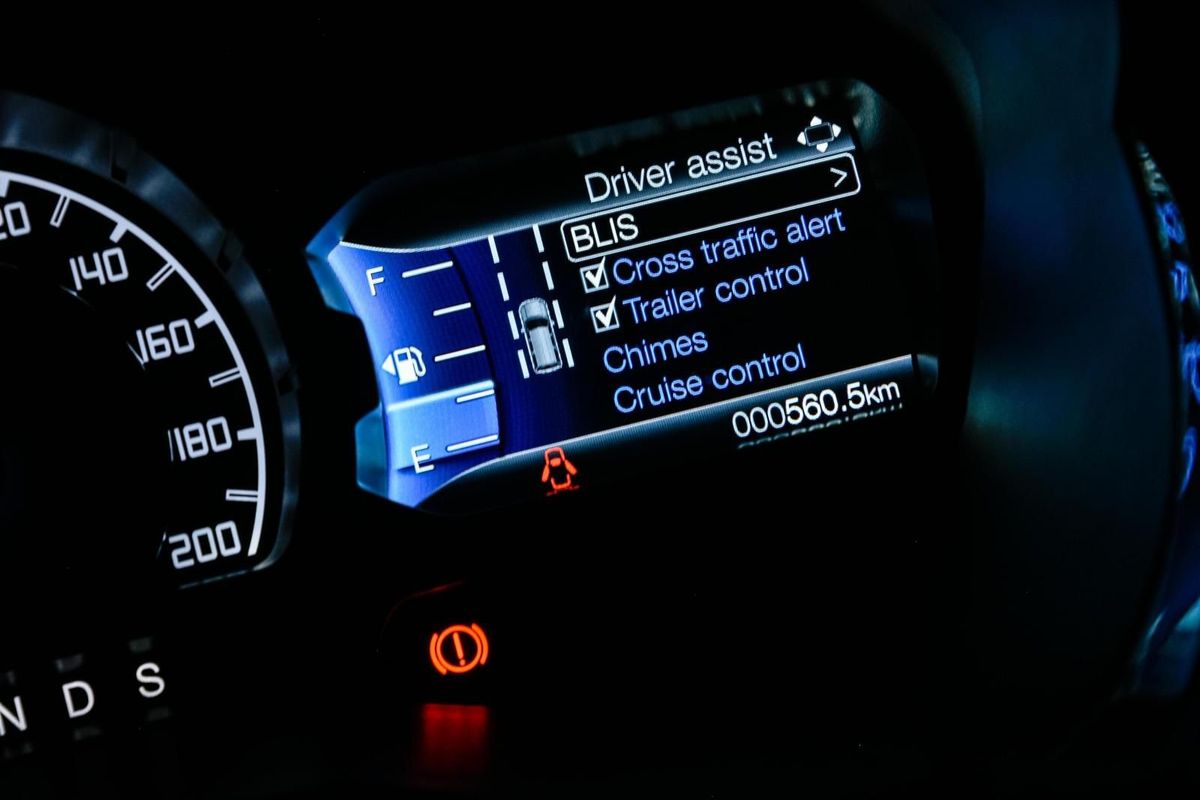
It bears mentioning that the Limited derivative cranks up the features on offer with adaptive cruise control, parallel park assistant, front parking sensors, lane-keeping aid and lane-departure warning, auto high-beam assist and blind-spot monitoring all included as standard. The XLT is still probably the sweet spot in the range in terms of value for money; it represents a good balance of compulsory- and nice-to-have features…

Anything else?

The smaller engines still imbue the Everest with a hefty tow rating of 700 kg for an unbraked trailer and 3 100 kg for a braked trailer (bi-turbo). You also get a towbar as standard on the Everest. A Thatcham alarm is also fitted to it in order to deal with recent safety concerns around Ford models.

Summary


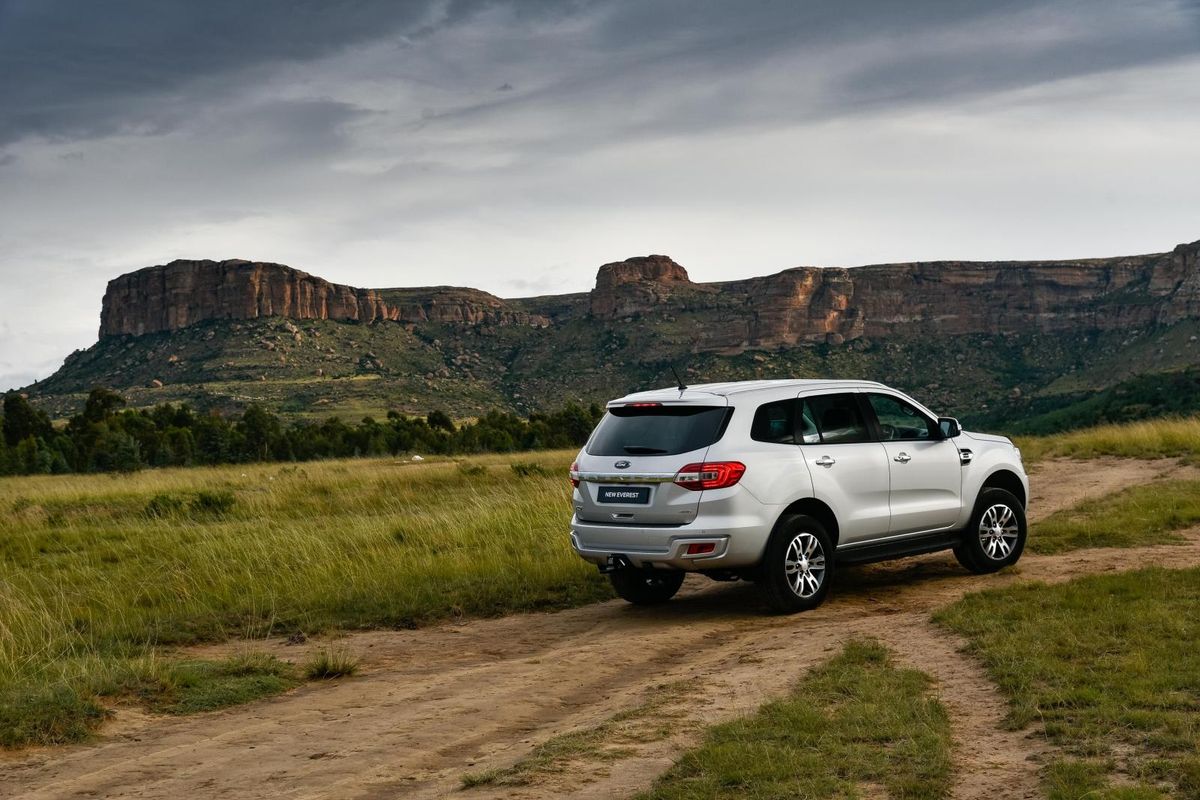
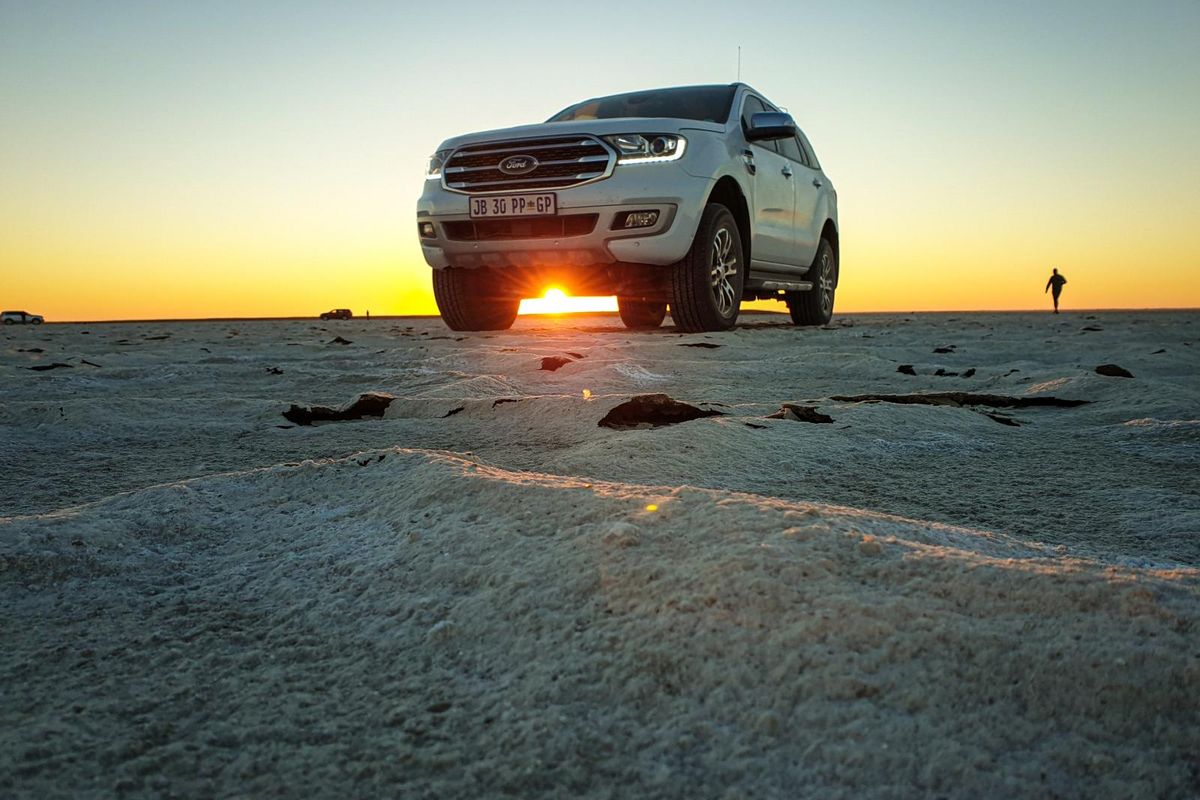
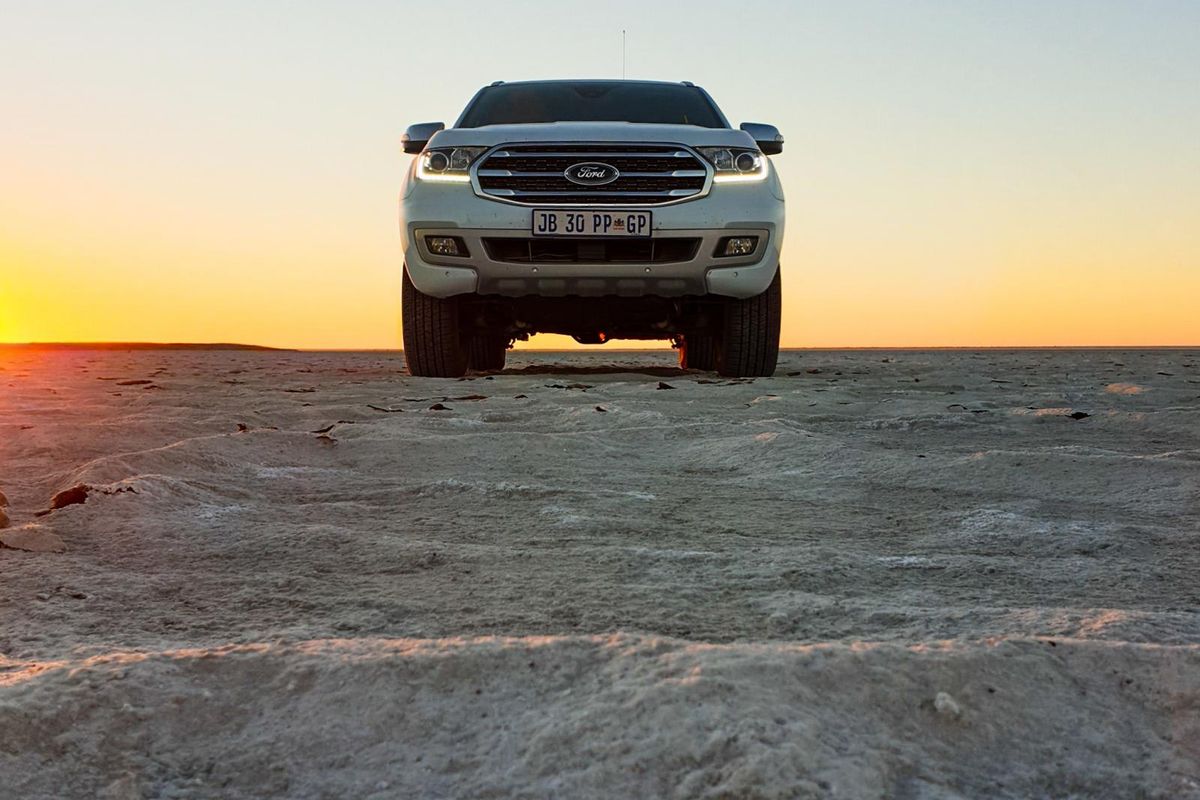
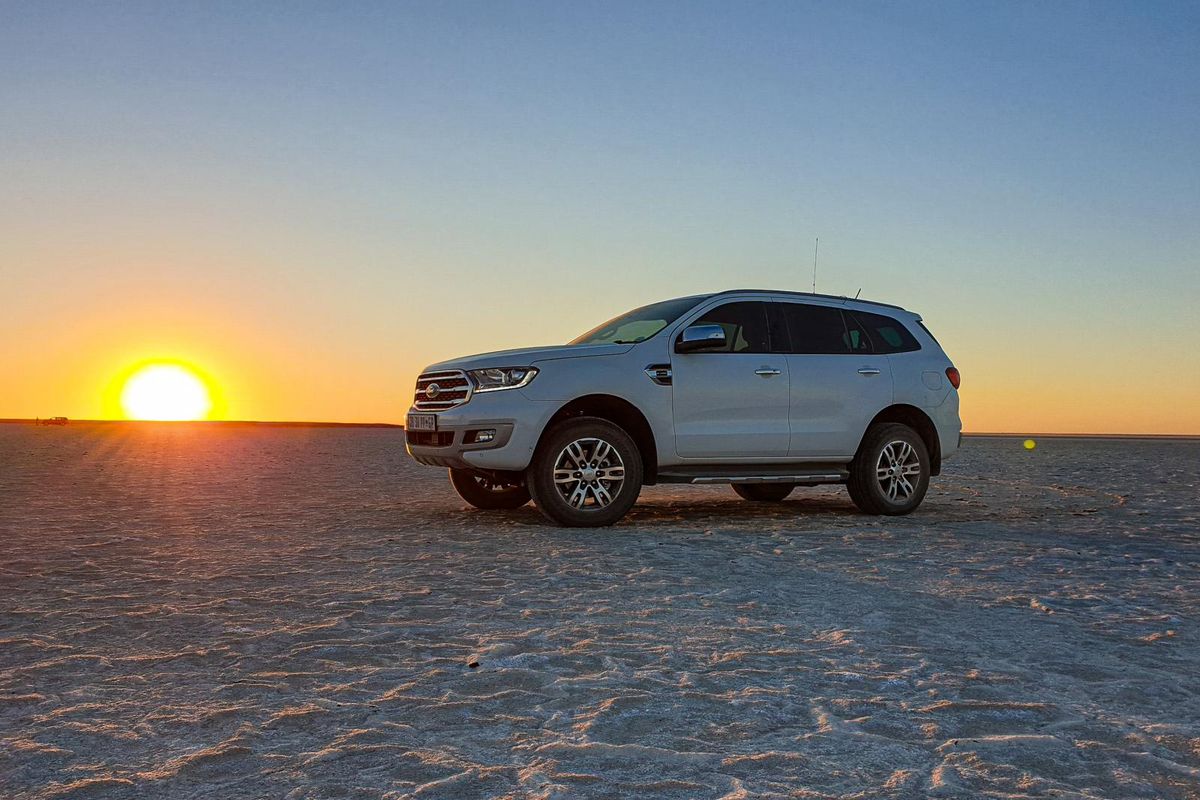
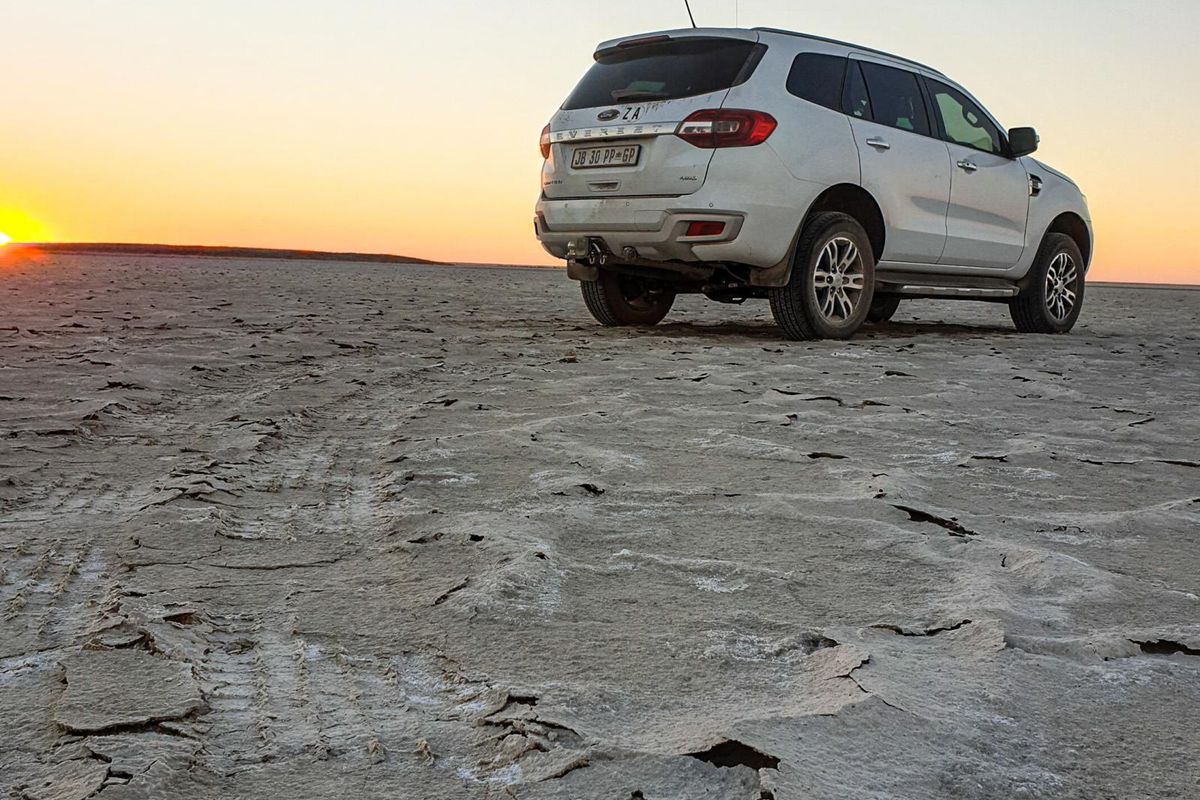
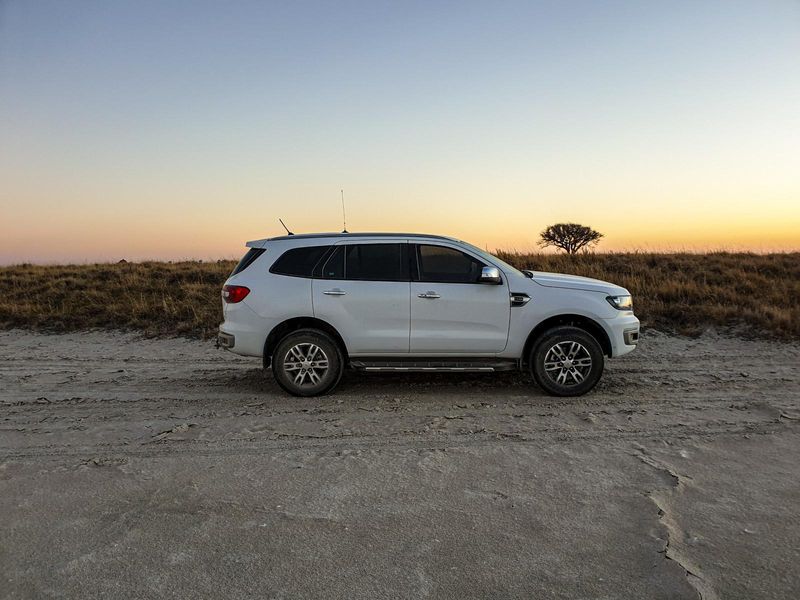
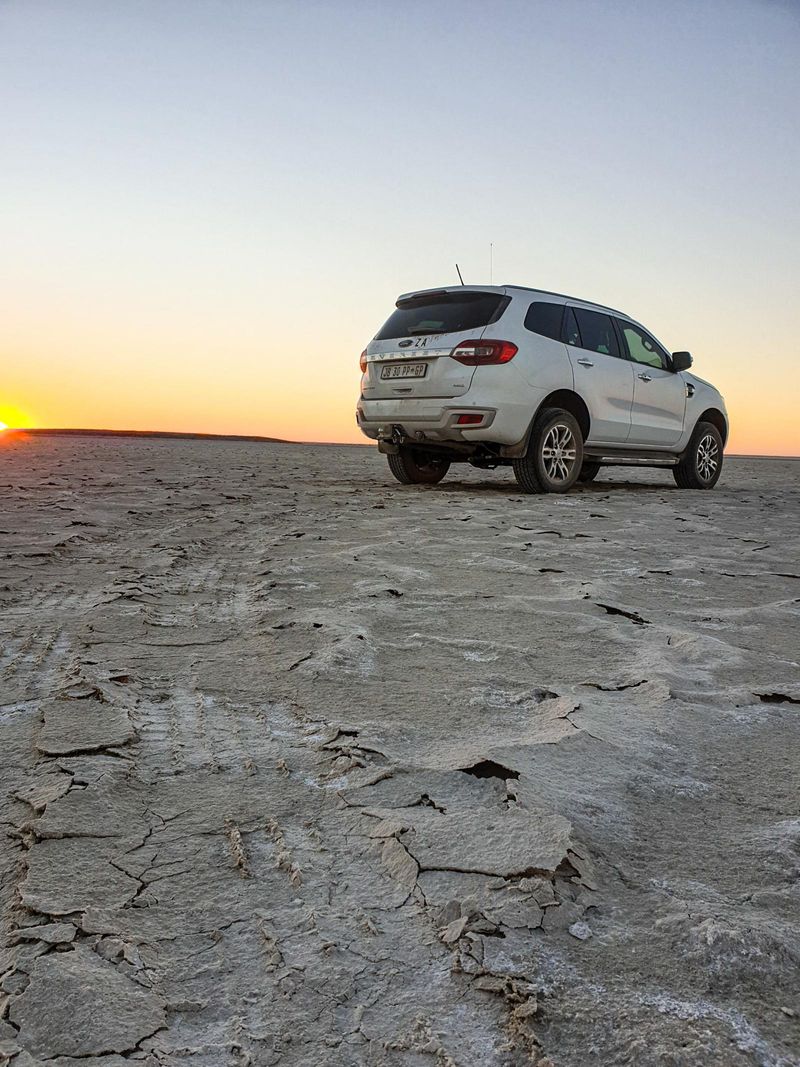
Parked on the Makgadikgadi salt pan, a trip Everest owners may embark on with confidence.

The facelifted Ford Everest brings widespread improvements to the vehicle; they really make a difference. Yes, the styling isn’t much of a departure from the original, but with the mechanical changes and specification updates, the Everest sets itself up as the segment leader in many areas. 

The engines are an improvement over the outgoing ones, offering smoother and less draggy acceleration with quicker and less perceptible gear shifts. It’s also more efficient thanks to the reduced capacity and well-considered transmission calibration. 

The small anti-roll bar change has had a knock-on effect that has improved to suspension’s ability to soak up bumps and reduce the number of shocks transferred to the passengers, making the Blue Oval's Adventure SUV a good long-distance gravel cruiser.

The Everest also avails the best level of modern tech, both within the cabin and in terms of safety equipment. Let’s hope this is the start of good things for Ford as the brand seems to be trying to improve its reputational damage after Kuga fire-gate and recent media reports on security risks.

Price and after-sales support

All Everest derivatives come standard with a 4-year/120 000km comprehensive warranty, 3-year/unlimited distance roadside assistance and 5-year/unlimited km corrosion warranty. A 6-year/90 000km service plan is included, with services required at 15 000-km intervals.

2.2 TDCi XLS 6AT 4×2 – R499 900
2.0 SiT XLT 10AT 4×2 – R584 900
2.0 BiT XLT 10AT 4×2 – R607 600
3.2 TDCi XLT 6AT 4×4 – R626 900
2.0 BiT XLT 10AT 4×4 – R669 500
2.0 BiT Limited 10AT 4×4 – R741 100

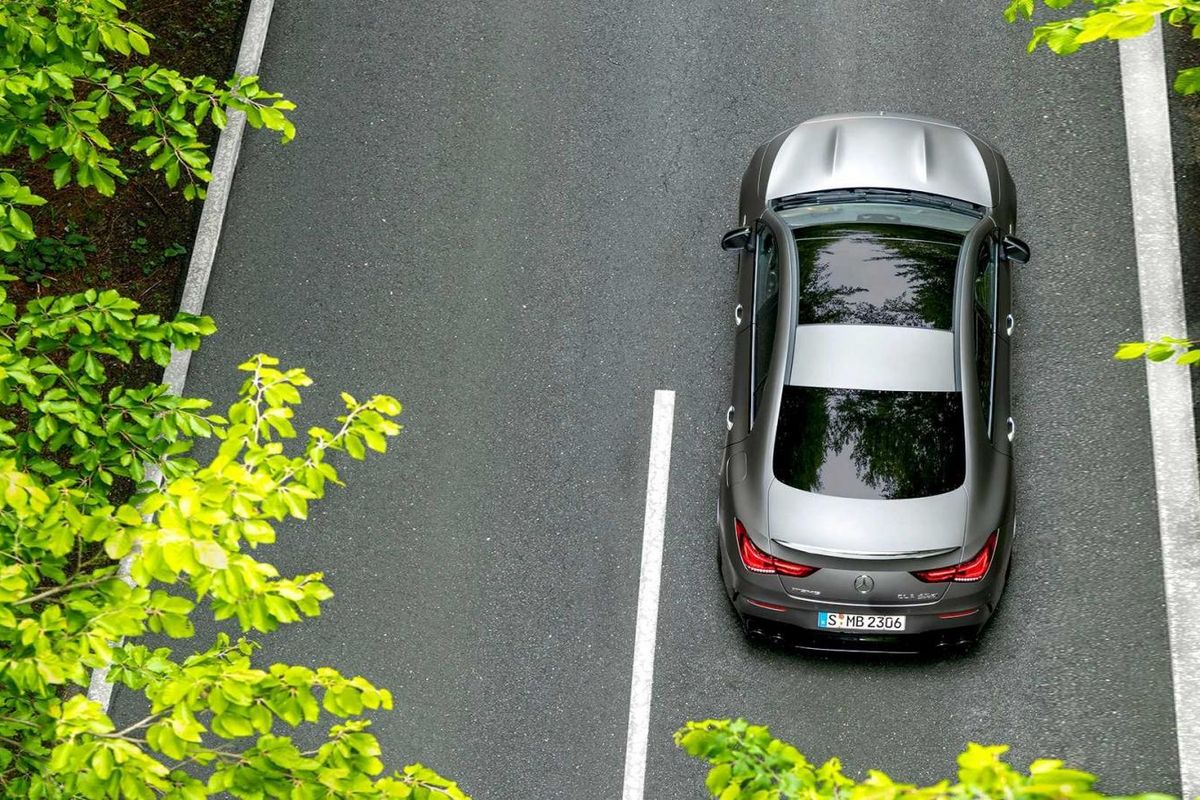
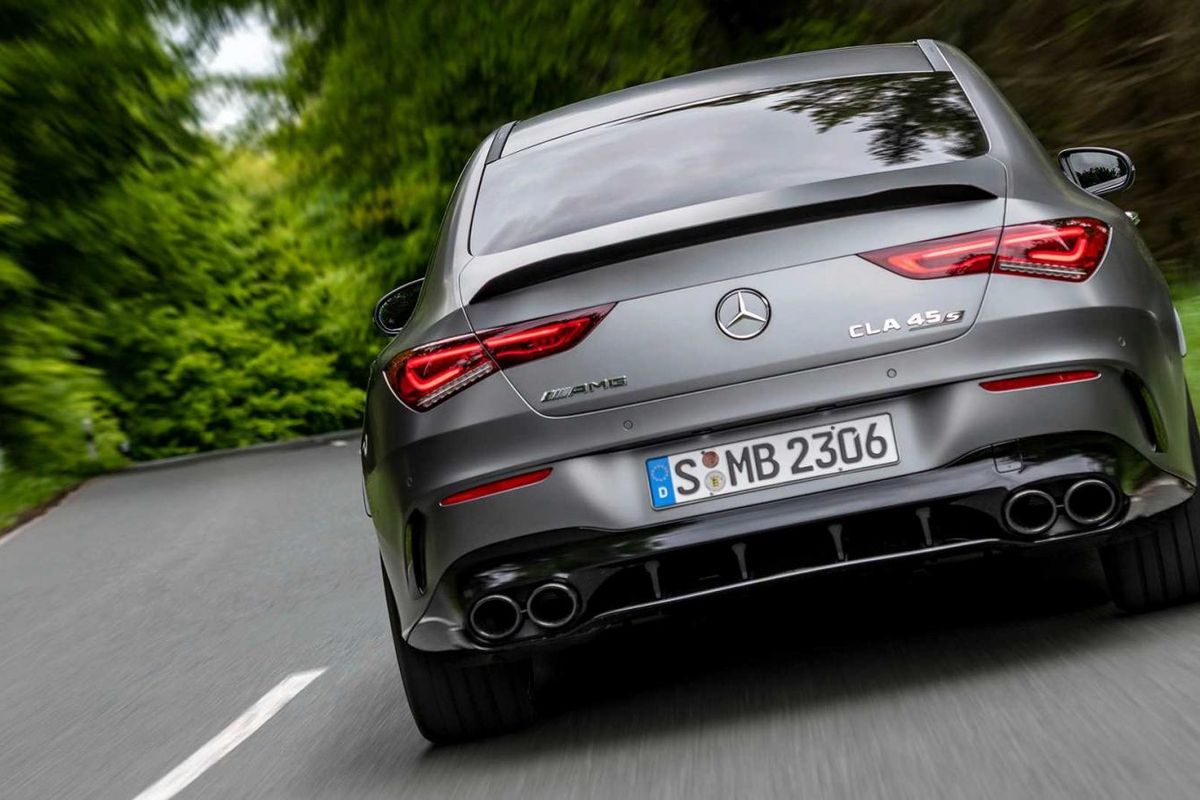
2020 Mercedes-AMG CLA 45 Goes Official

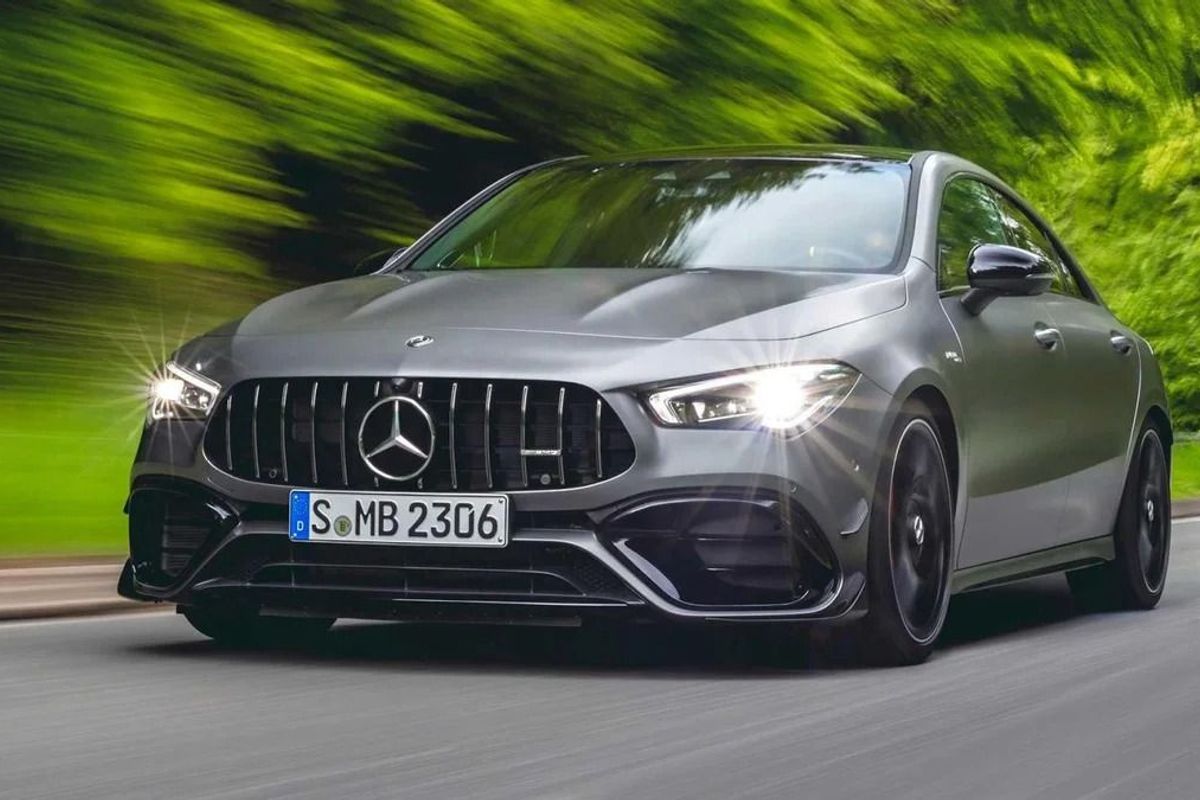
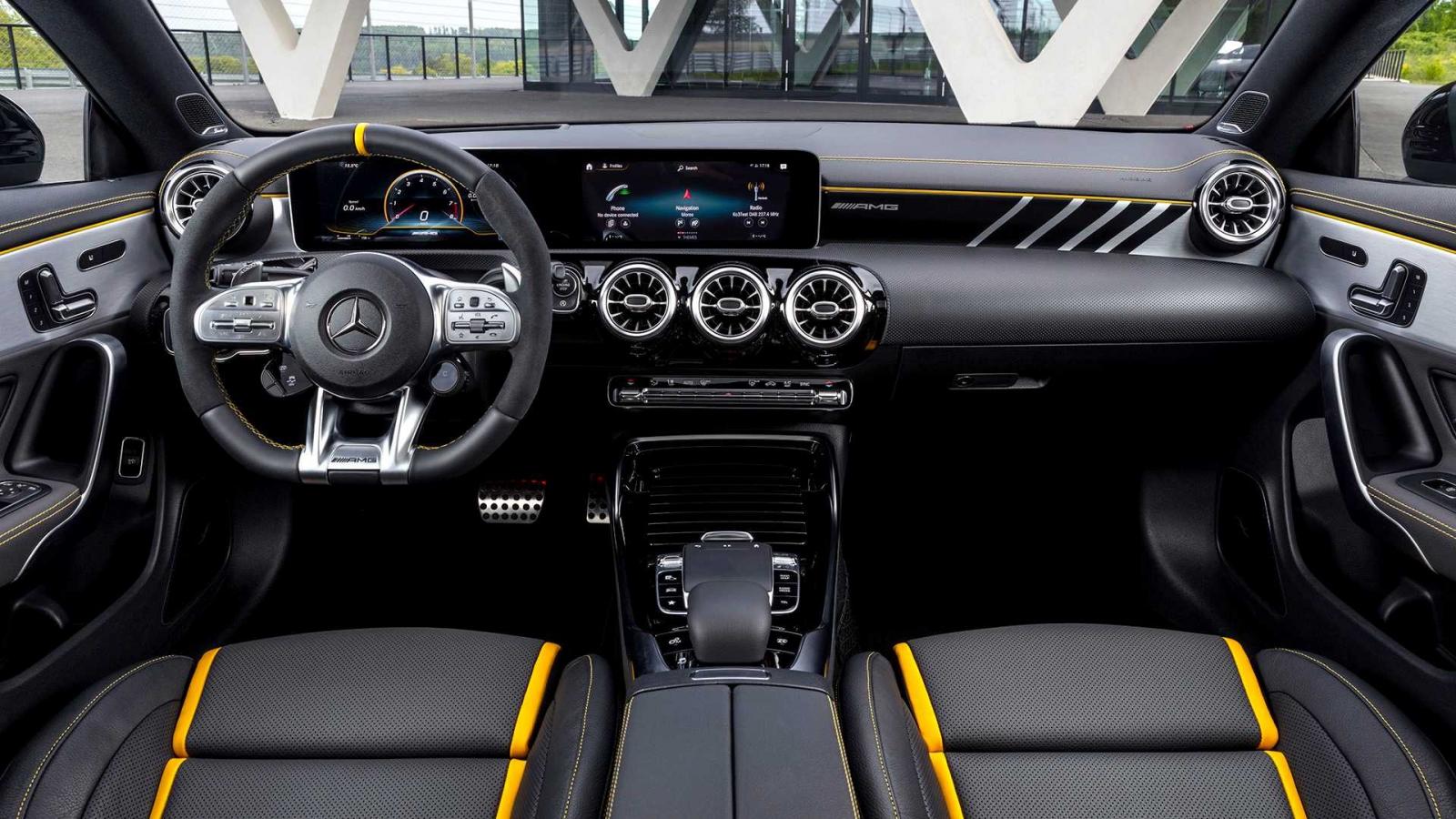
After a leak early in 2019, the Mercedes-AMG CLA45 has been officially revealed. Herewith the details.

The Mercedes-AMG CLA boasts the same 2.0-litre turbocharged motor as the one found in the all-new A45. The 2.0-litre turbocharged 4-cylinder is available in 2 states of tune, with the entry-level CLA 45 boasting 285 kW and 480 Nm, while the CLA 45 S packing 310 kW and 500 Nm. 

Power goes to all 4 corners via an 8-speed dual-clutch transmission, and performance is sensational. The standard CLA 45 is claimed to hit 100 kph in 4.1 seconds, while the S version is a shade faster at 4.0 seconds. Both cars have a limited top speed of 250 kph. Like the A45, the CLA 45 also boasts drift mode where the 4Matic+ disables power to the front axle. 

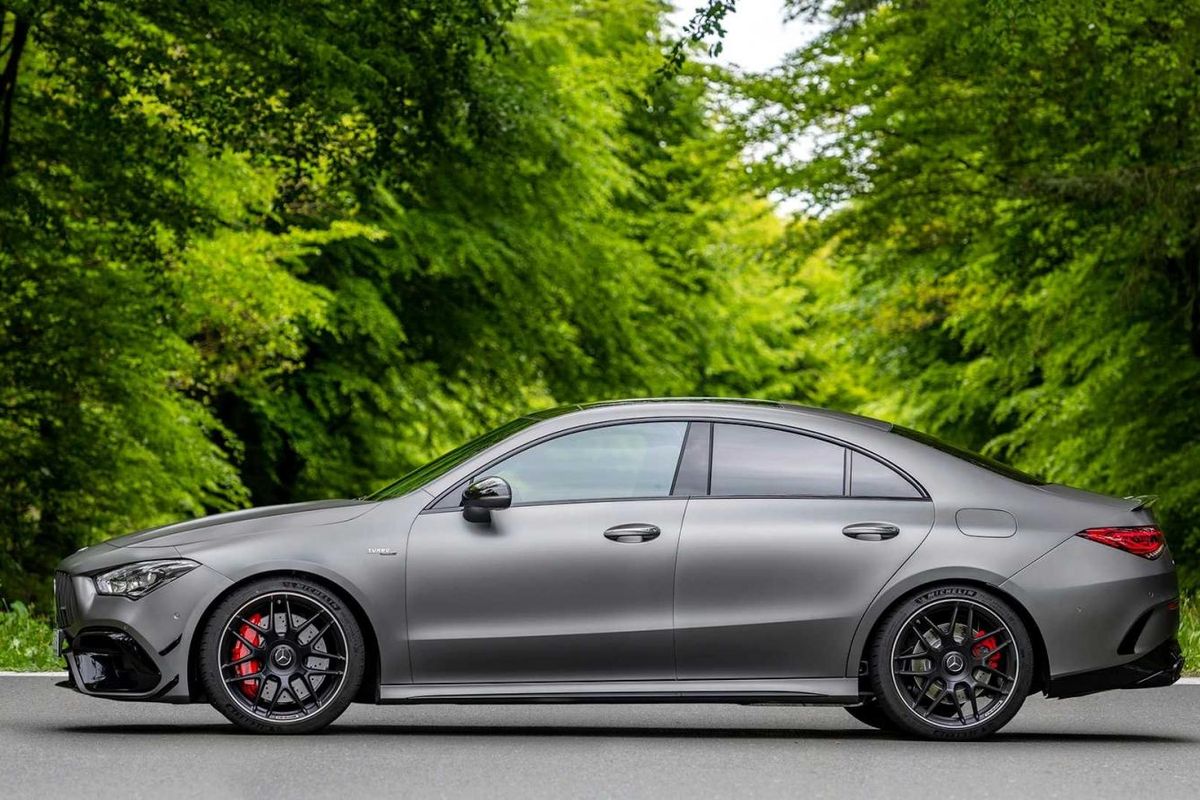
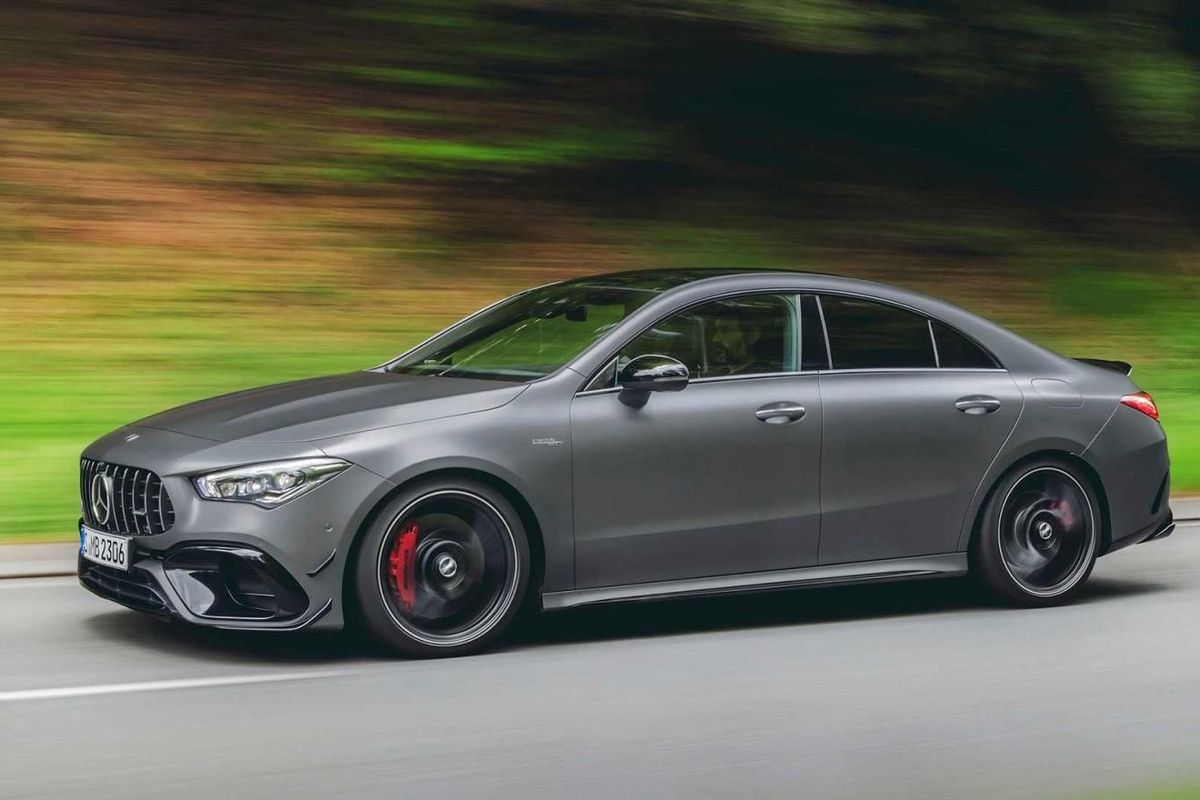
Visually, you'll be able to spot the CLA 45 with its bold Panamericana grille at the front and quad exhausts at the rear. Inside, the Mercedes-AMG CLA 45 features MBUX infotainment. Naturally, there will be plenty of options to choose from, such as the stunning matte grey paint you see here. The base CLA 45 rides on 18-inch alloys, while the CLA 45 S features 19-inch wheels.

Further Reading

Mercedes-AMG CLA 45 Revealed by Accident

Mercedes-AMG CLA 45 4Matic (2016) Review

Mercedes-Benz CLA (2019) International Launch Review

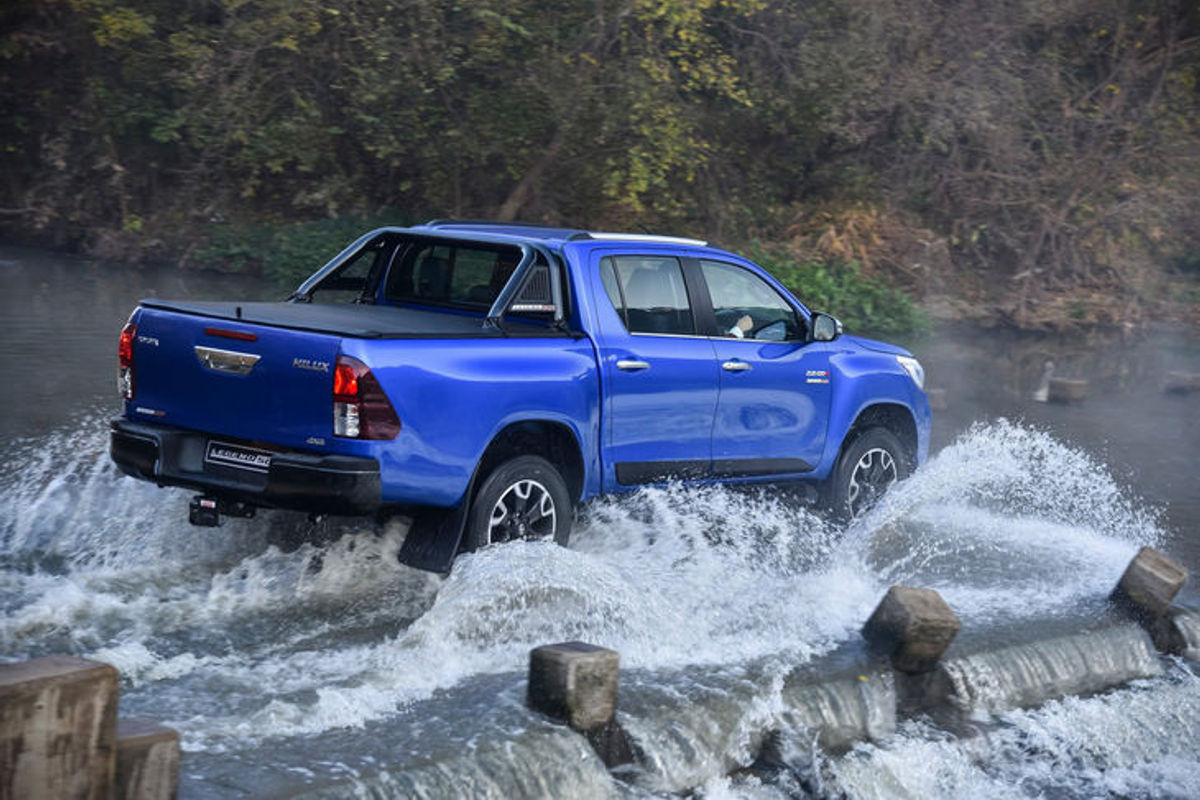
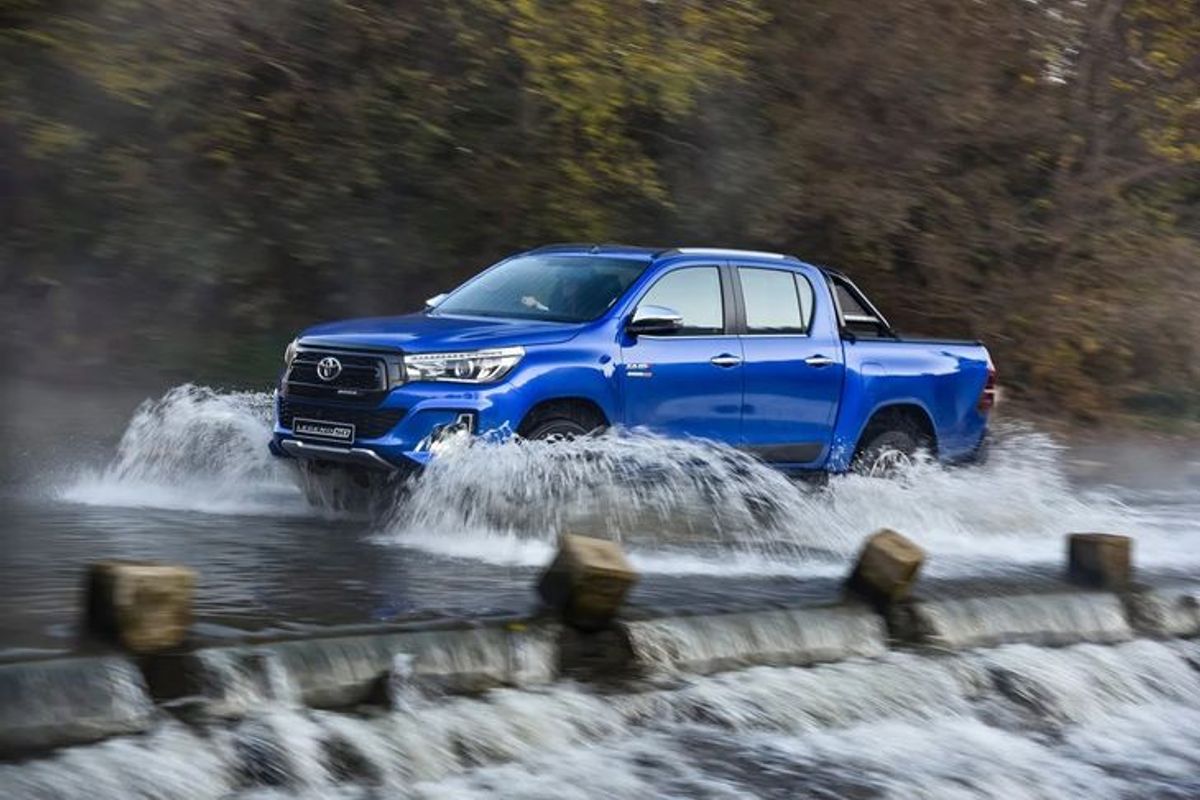
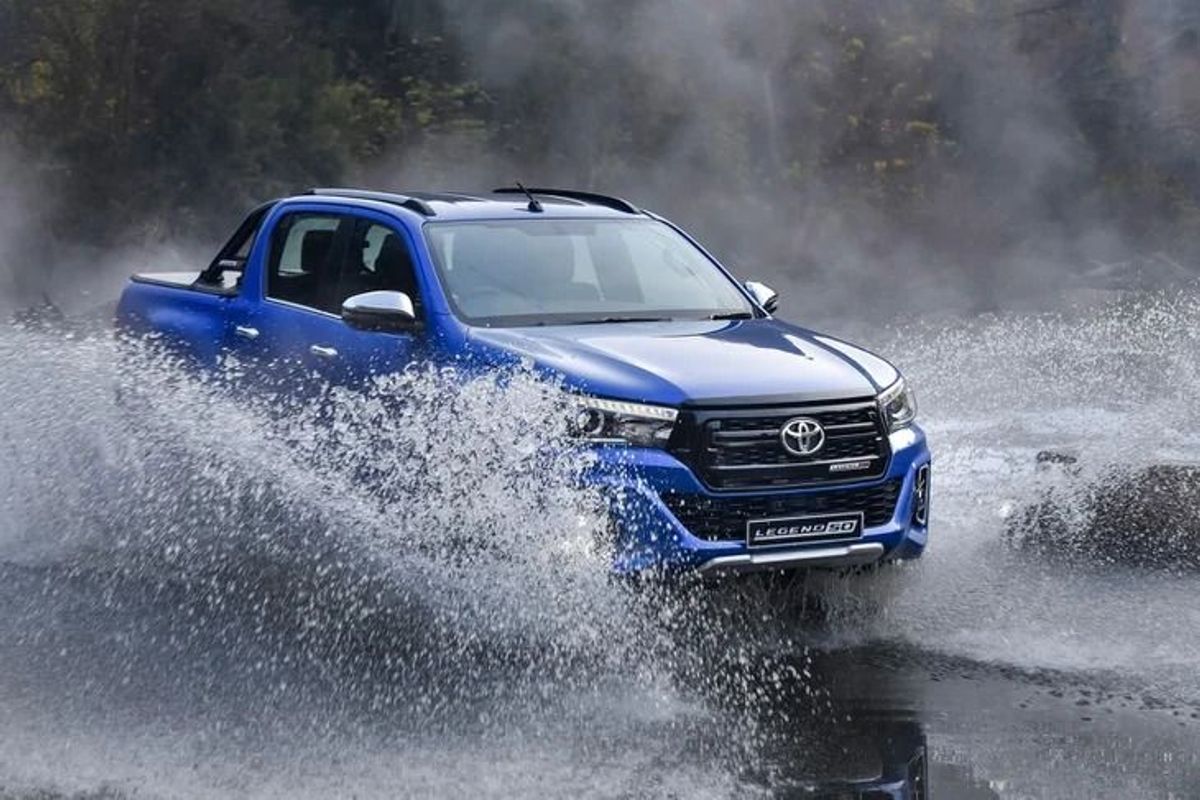
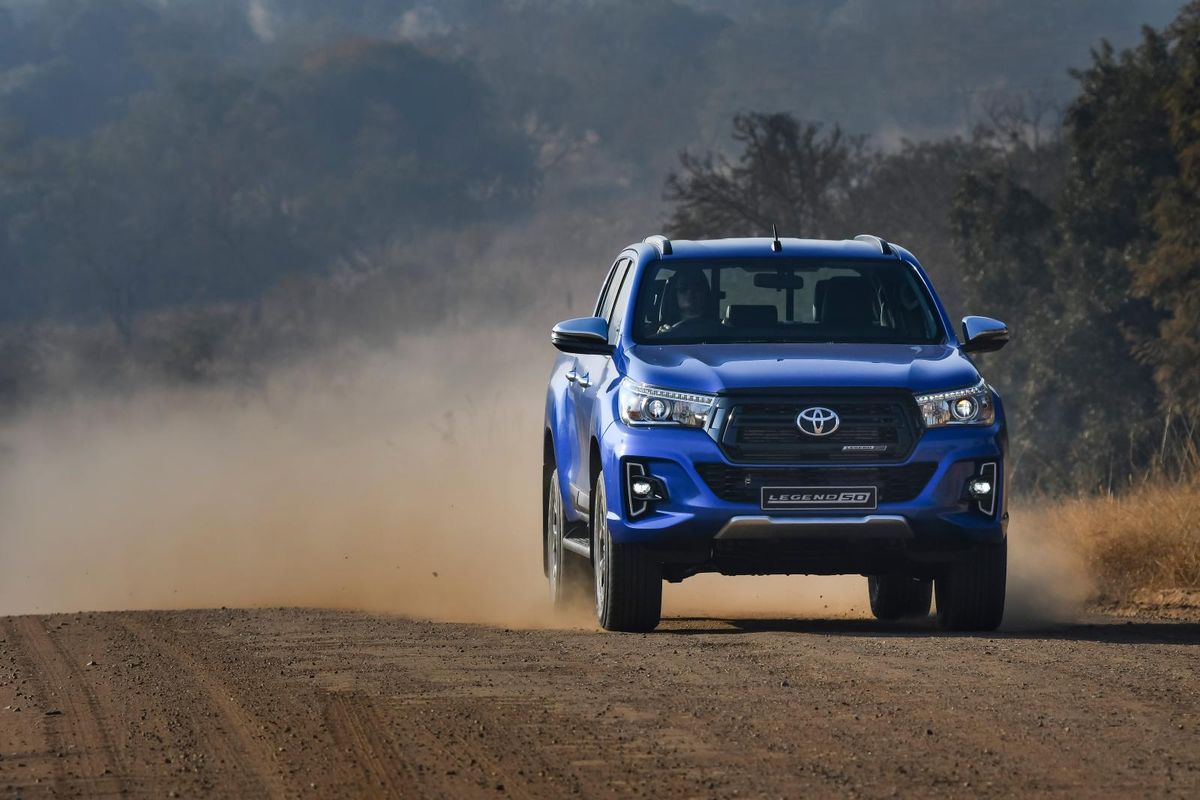
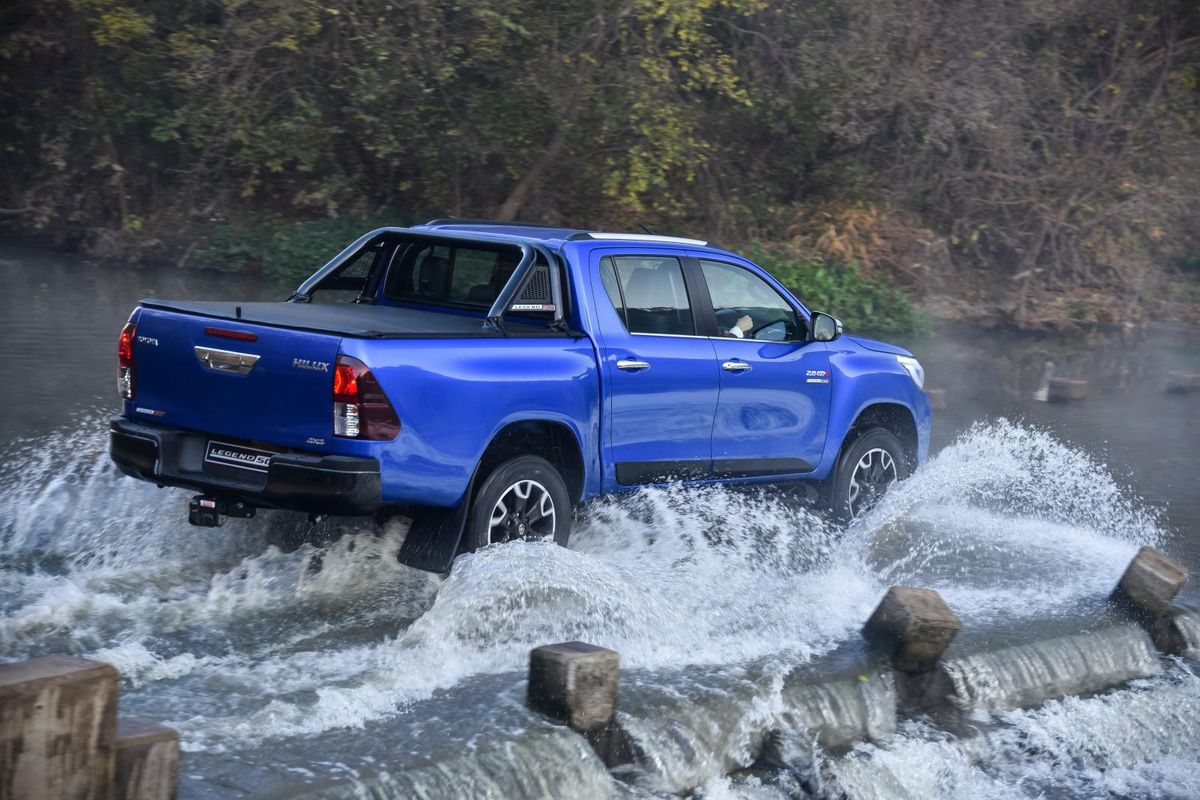
Toyota Hilux Legend 50 (2019) Specs & Price

Pricing and specification for the Toyota Hilux Legend 50 have appeared on Toyota South Africa's website. Take a look at the details below…

We have now driven the Legend 50, read our launch review here

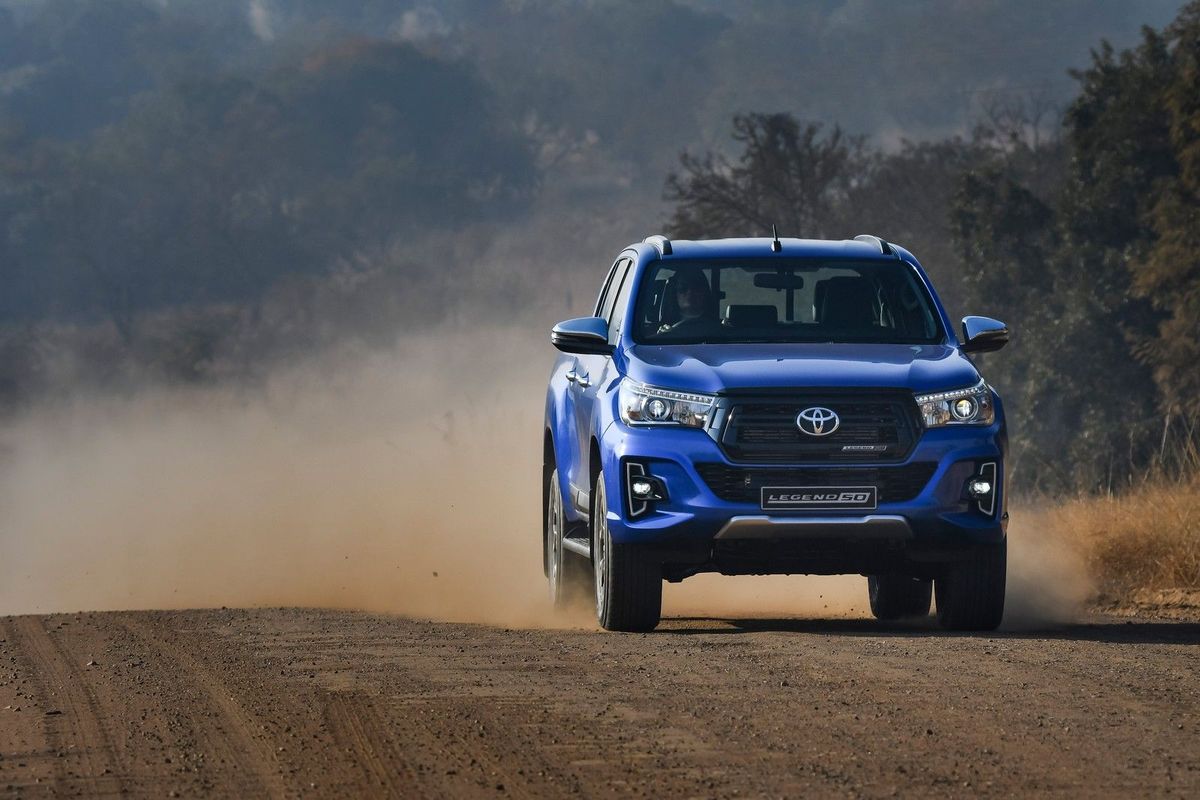
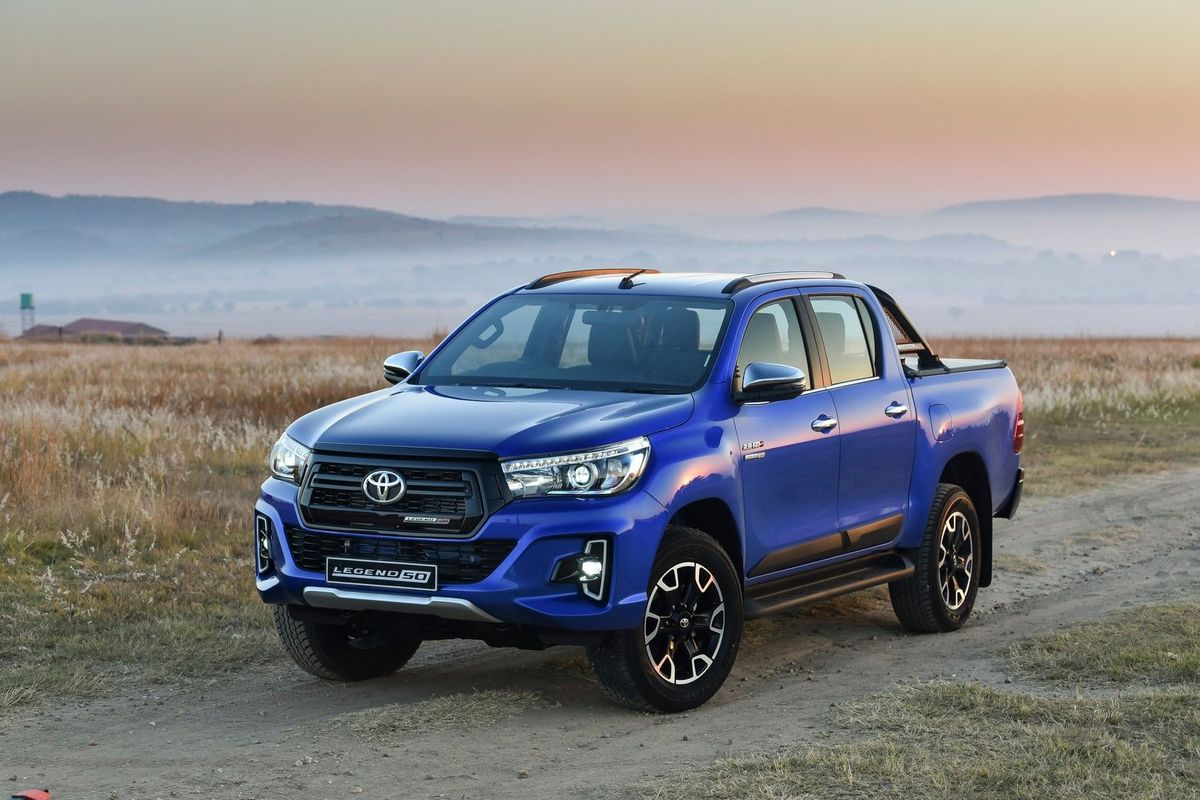
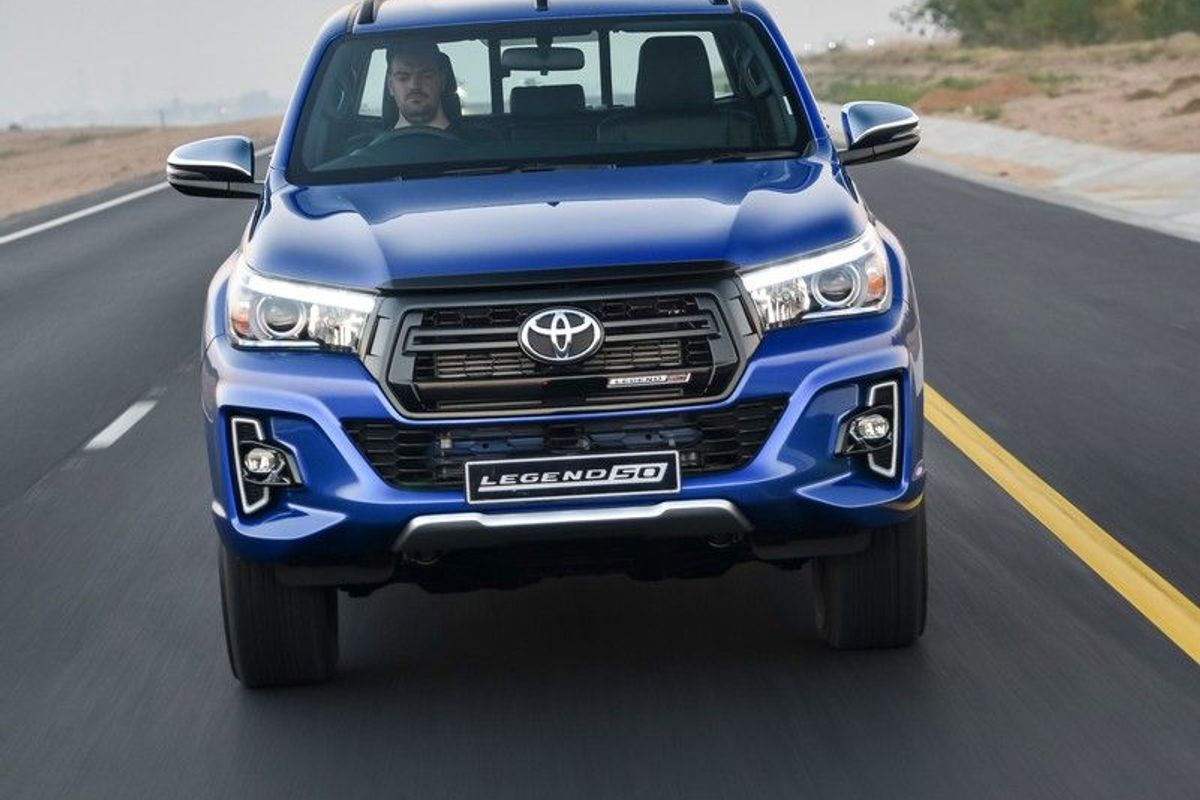
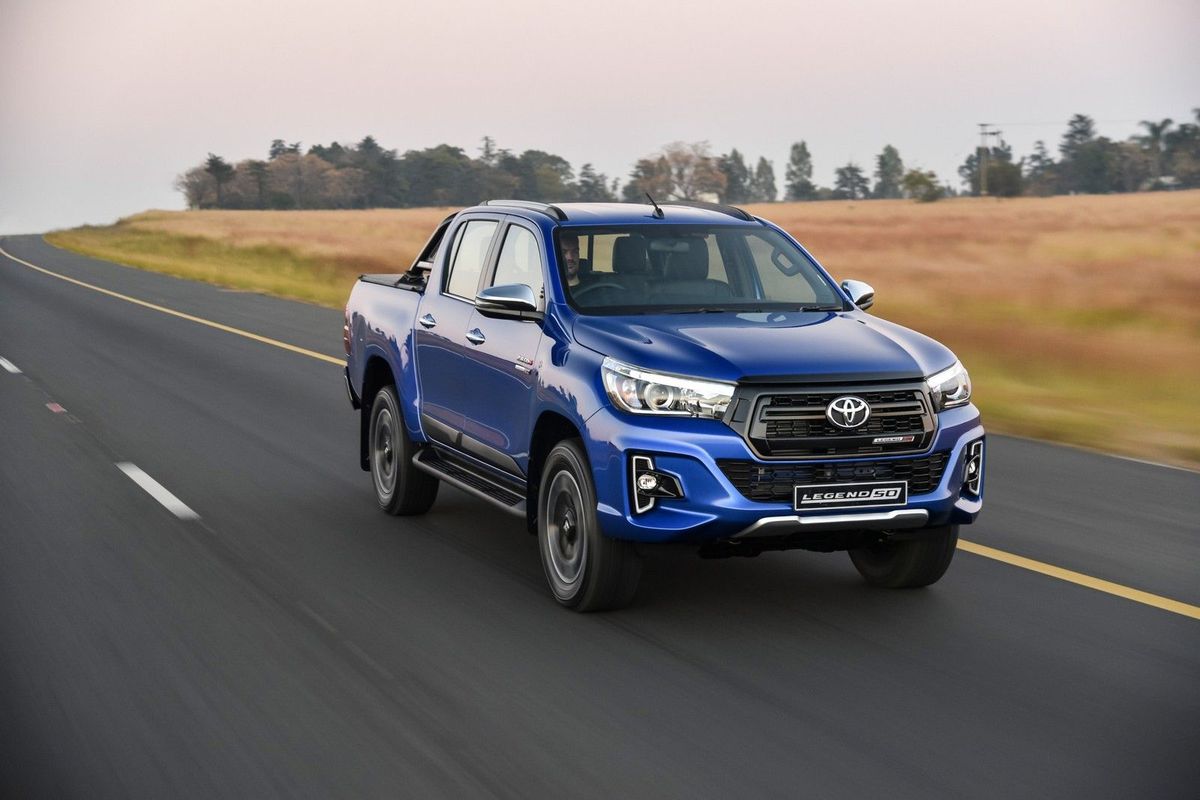
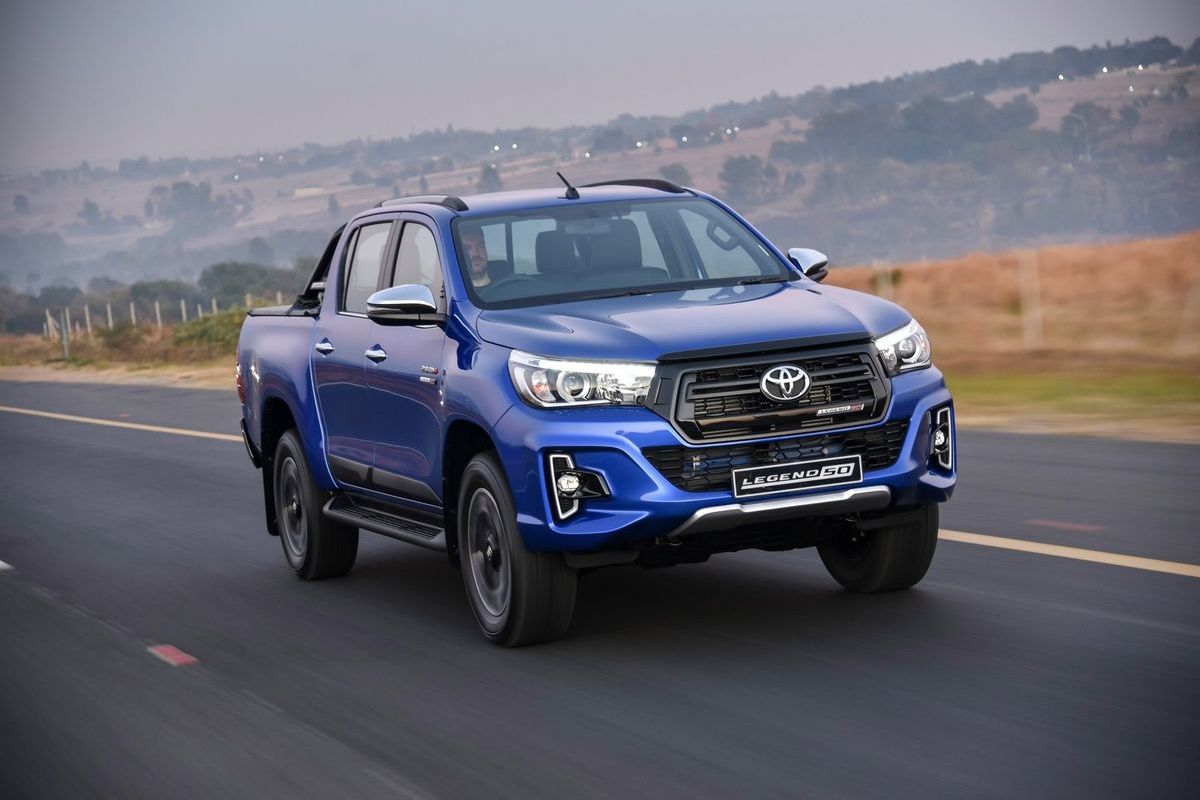
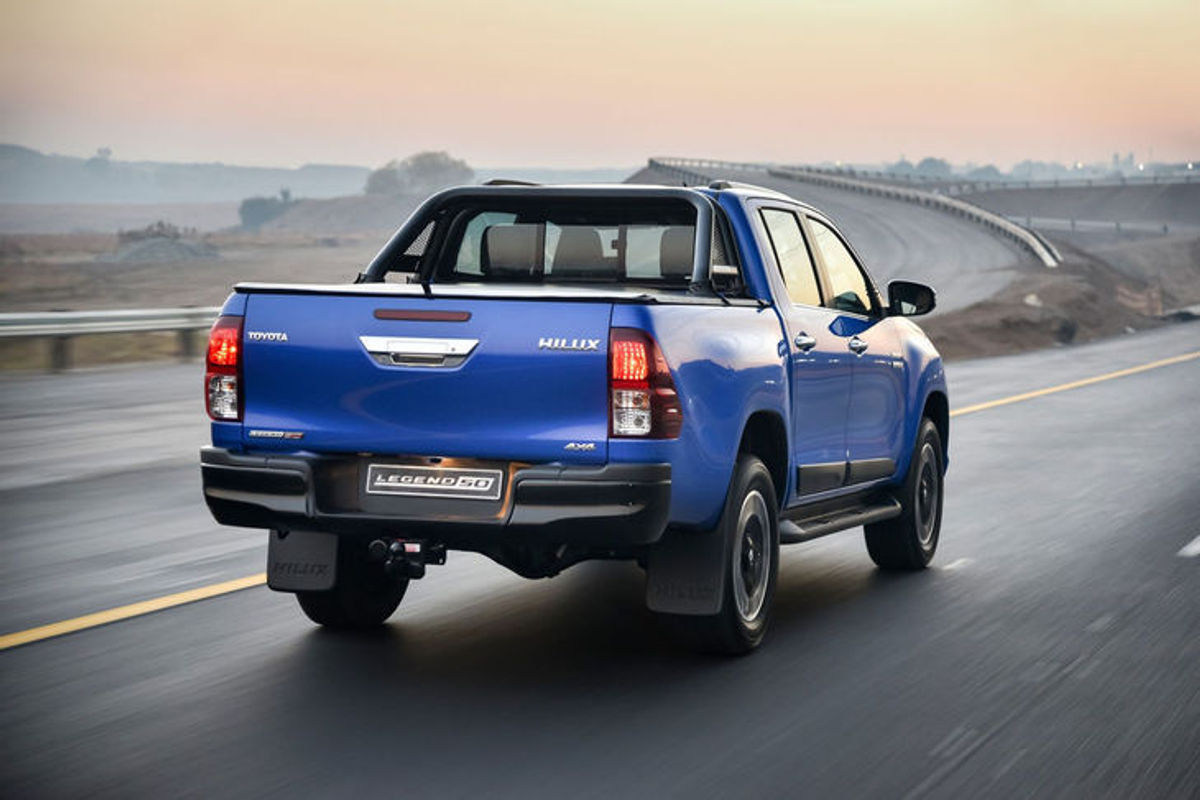
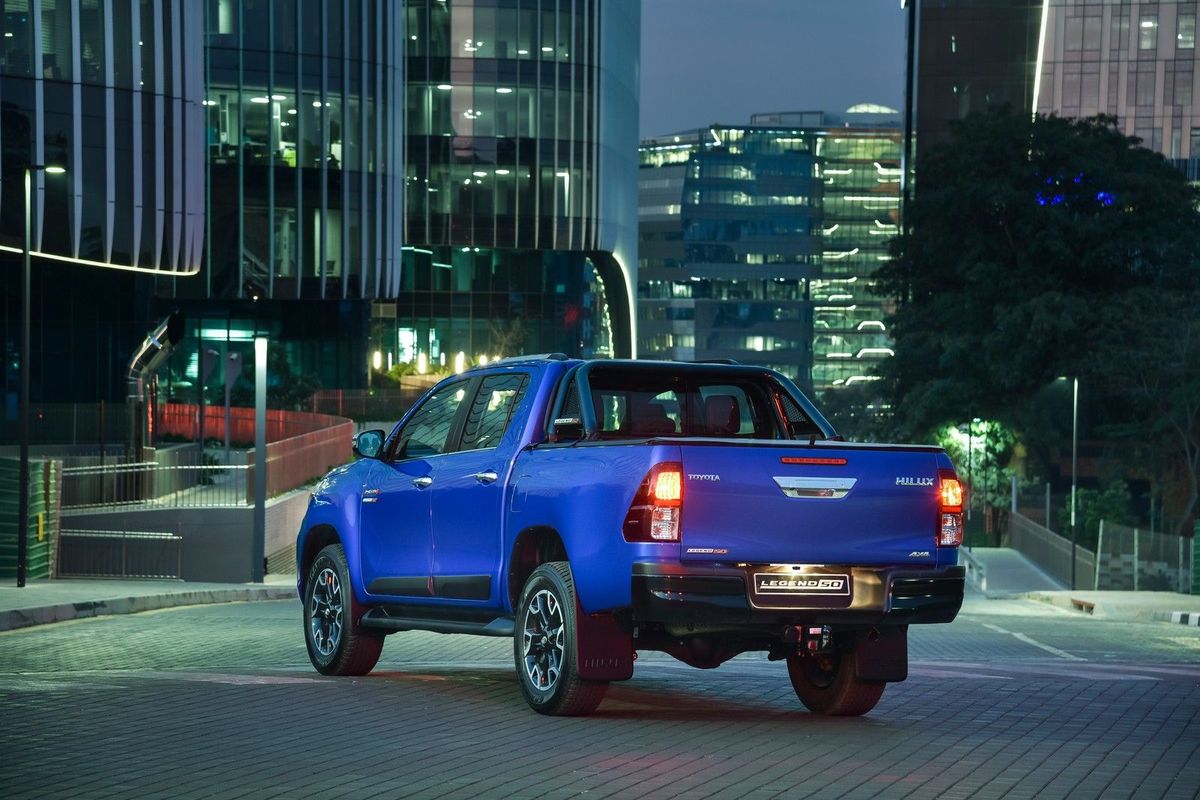
The eagerly anticipated Toyota Hilux Legend 50 is due to be released in South Africa in the first week of July 2019. Ahead of the vehicle's launch, Toyota's local website has provided all the details about the newcomer. From launch, Hilux Legend 50 specification is available across the range and you can opt for 3 body styles: single cab, xtra cab and double cab.

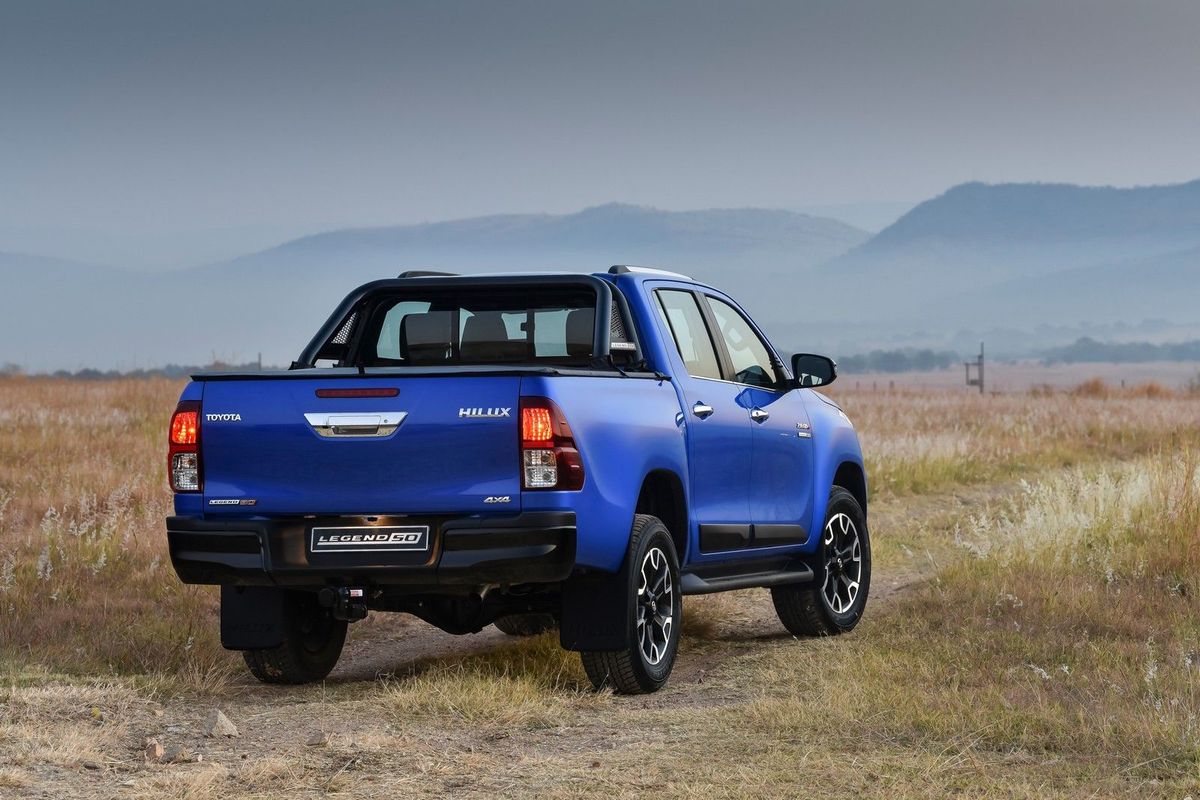
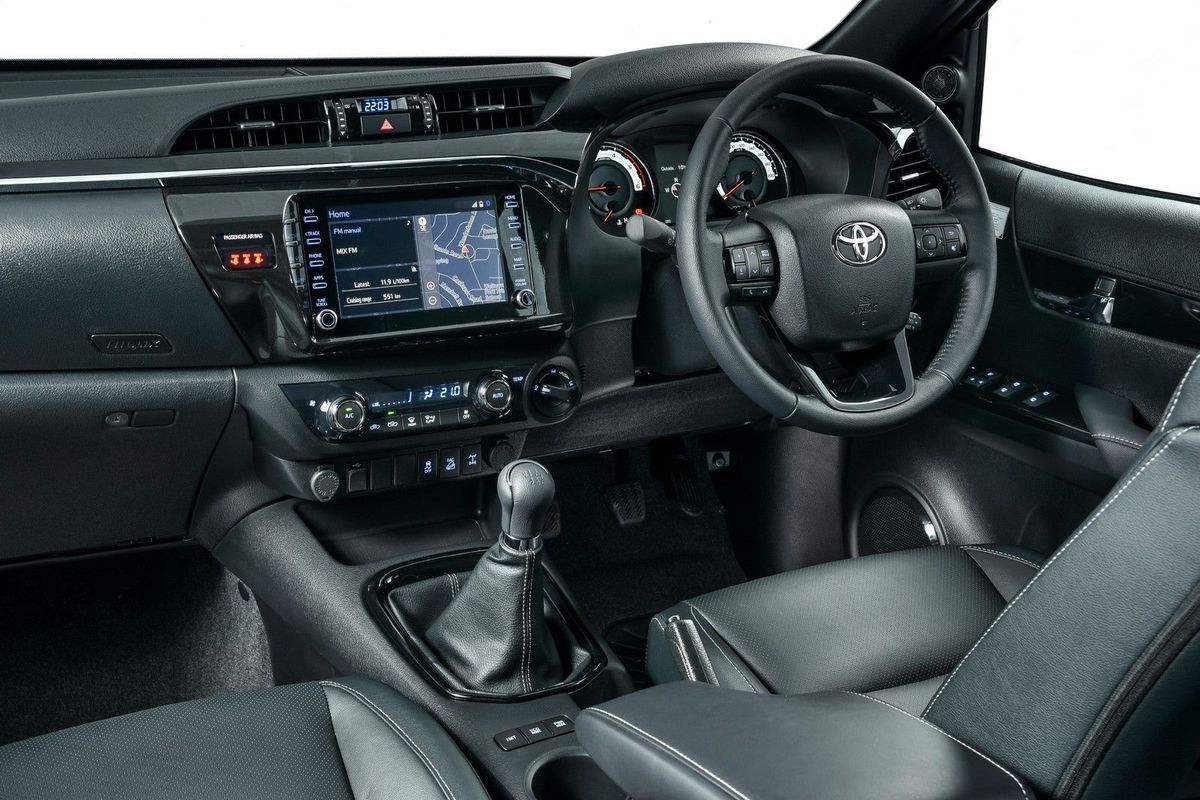
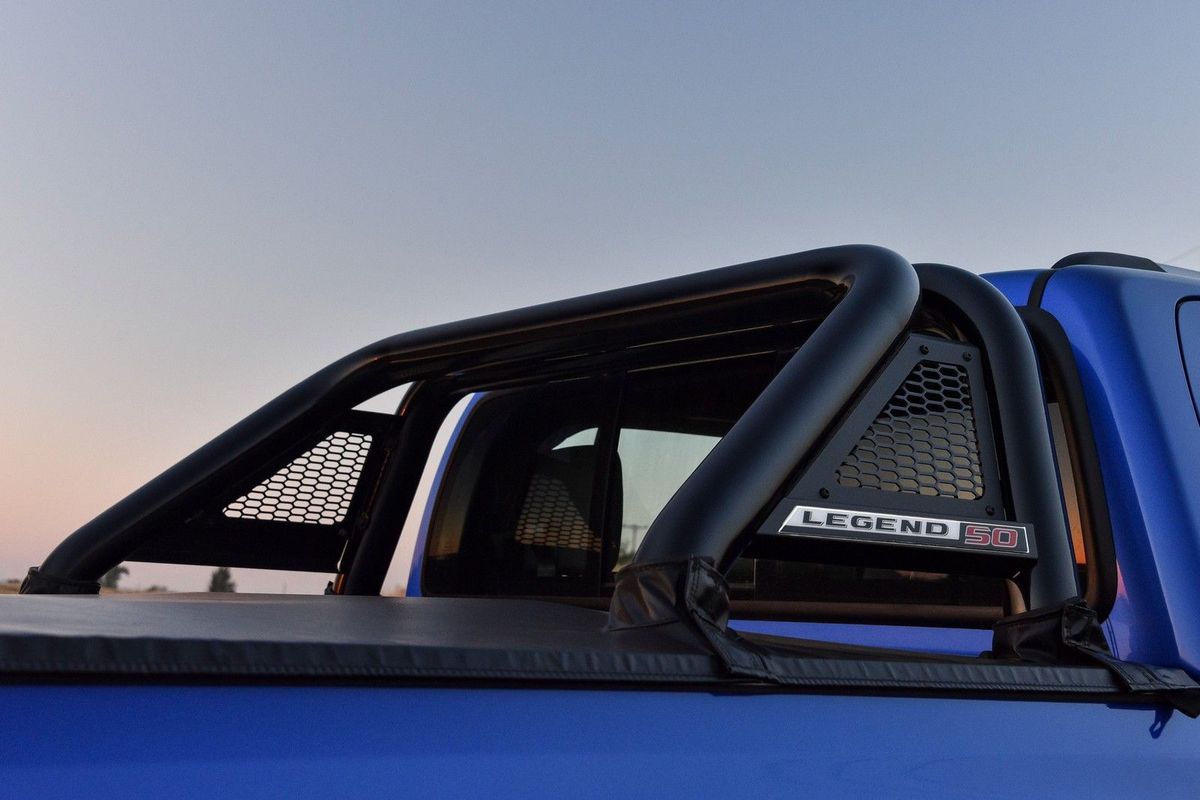
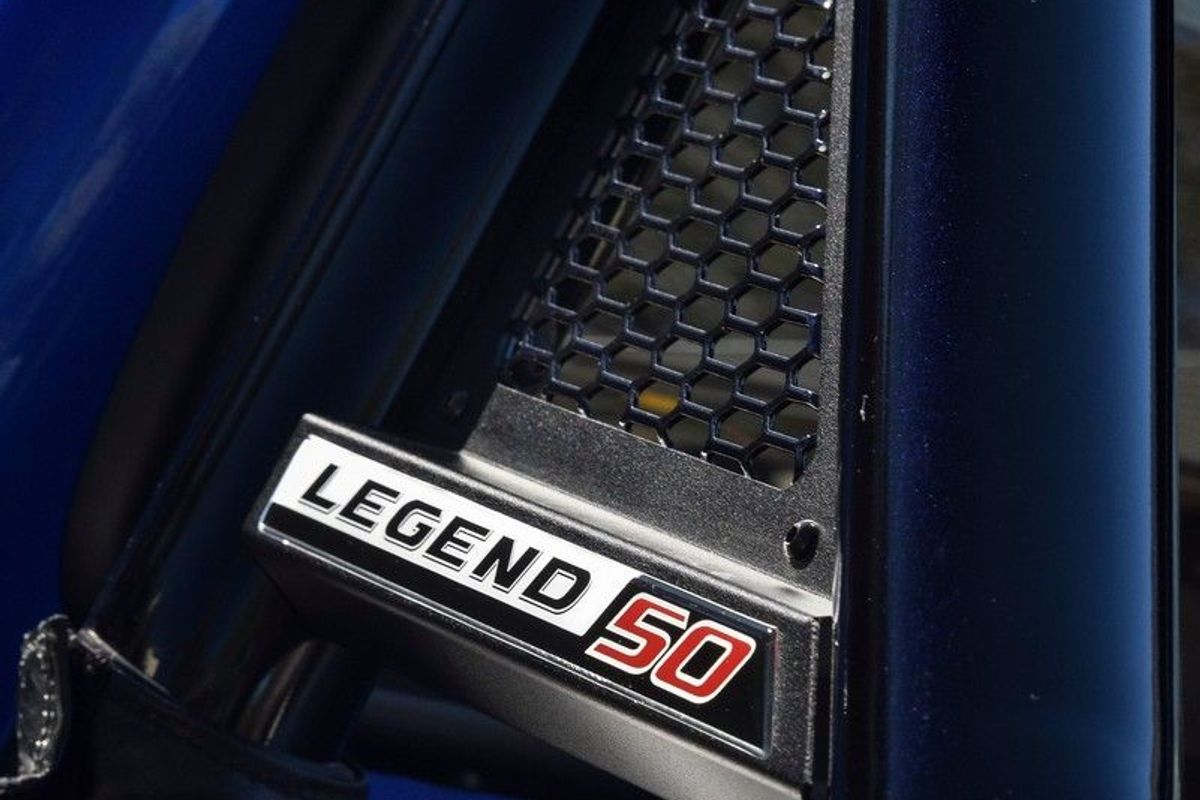
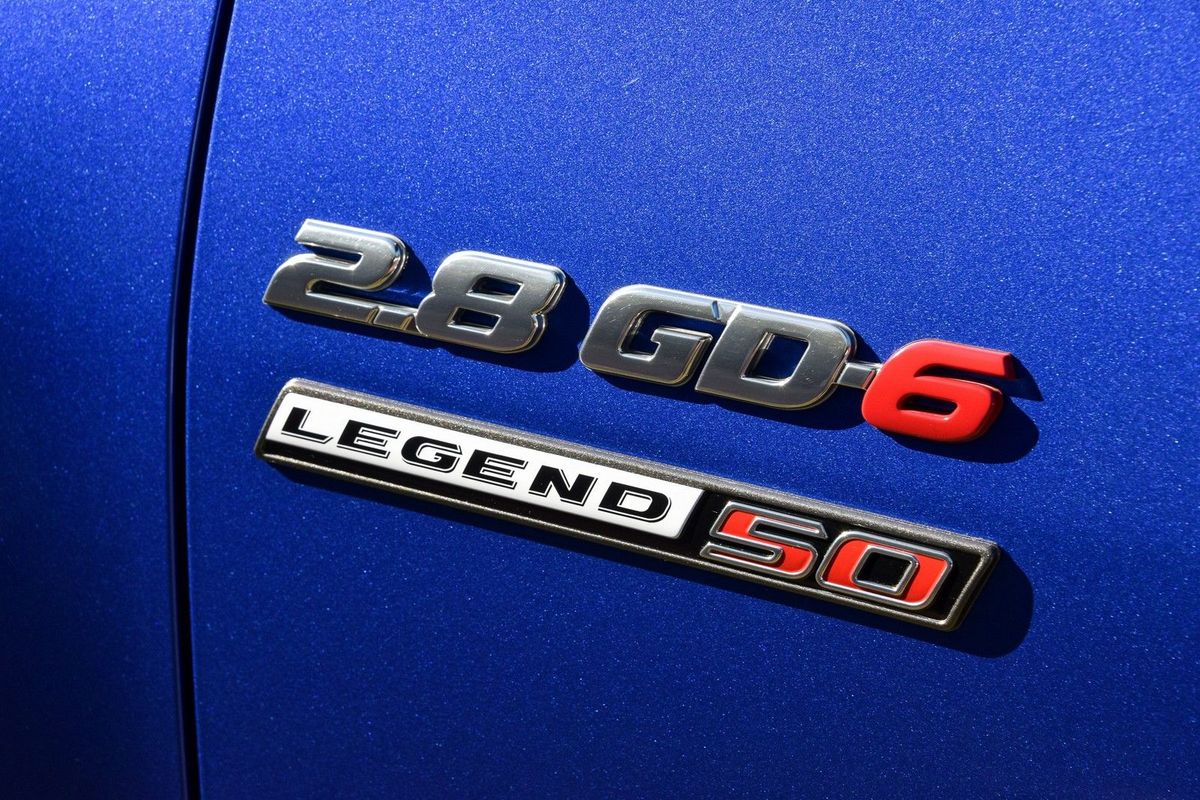
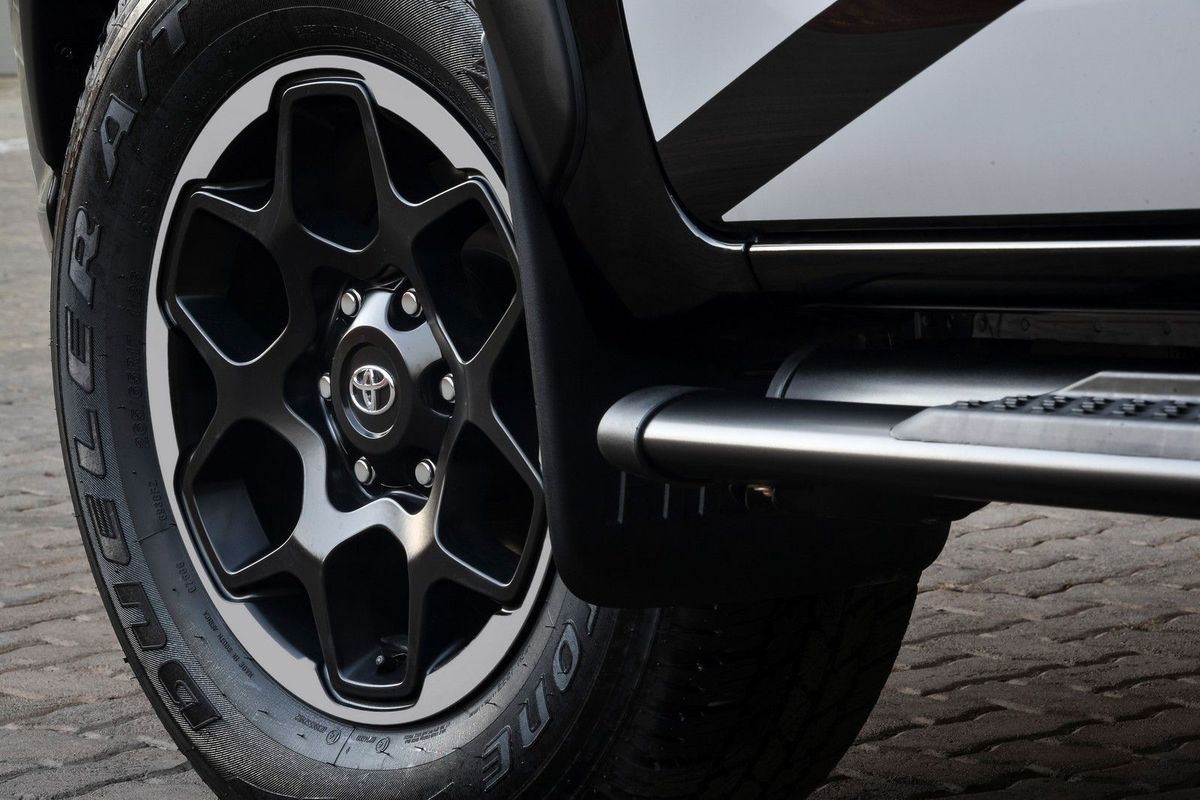
With over a million units sold over the past 50 years, the Toyota Legend 50 comes to market with a more aggressive grille, front bumper, new alloy wheel design, larger multimedia display, keyless entry, push-button start, black styling bar, side steps and Legend 50 badges galore. Additional features include LED-powered fog lights, headlights, daytime running lights and brake lights.

There are two engines to choose from. The popular choice will be the tried-and-tested 2.8-litre GD-6 which offers up 130 kW and 450 Nm. It's claimed to be pretty frugal, with consumption figures of 7.6 L/100 km and 8.5 L/100 km for the manual and automatic respectively. The second engine choice is the 4.0-litre V6 which is for the die-hard petrol fans. Offering up 175 kW and 376 Nm, this engine is said to consume 11.8 L/100 km. The manual-equipped Hilux features Intelligent Manual Transmission, which cleverly rev matches the engine to the transmission to ensure a smooth drive.

As always, the Toyota Hilux is supremely capable over the rough stuff and the 4×4 equipped models feature the range selector dial which allows you to conveniently switch between 2-wheel drive, 4-wheel drive and 4-wheel low range. There's also a differential lock on the rear axle. For additional peace of mind, there's downhill assist control and hill-start assist.

Customers will be able to choose from 8 colours and the vehicle comes with a 3-year / 100 000 km warranty and Toyota's 9 services plan. There is the option to extend your warranty and service plan too. We'll be driving the new Toyota Legend 50 in the first week of July 2019.

Toyota Hilux Legend 50 Price in South Africa (June 2019)

Toyota Hilux Legend 50 Single Cab:

Toyota Hilux 2.8 GD-6 Raised Body Legend 50 6-speed manual                            R472 000

Toyota Hilux 2.8 GD-6 Raised Body Legend 50 6-speed automatic                        R491 100

Toyota Hilux 2.8 GD-6 4×4 Legend 50 6-speed manual                                          R537 700

Toyota Hilux 2.8 GD-6 4×4 Legend 50 6-speed automatic                                      R557 700

Toyota Hilux Legend 50 Xtra Cab:

Toyota Hilux 2.8 GD-6 Raised Body Legend 50 6-speed manual                            R511 100

Toyota Hilux 2.8 GD-6 Raised Body Legend 50 6-speed automatic                        R530 200

Toyota Hilux 2.8 GD-6 4×4 Legend 50 6-speed manual                                          R578 800

Toyota Hilux 2.8 GD-6 4×4 Legend 50 6-speed automatic                                      R598 200

Toyota Hilux Legend 50 Double Cab:

Toyota Hilux 2.8 GD-6 Raised Body Legend 50 6-speed manual                            R579 100

Toyota Hilux 2.8 GD-6 Raised Body Legend 50 6-speed automatic                        R598 500

Toyota Hilux 2.8 GD-6 4×4 Legend 50 6-speed manual                                          R647 600

Toyota Hilux 2.8 GD-6 4×4 Legend 50 6-speed automatic                                      R668 800

Toyota Hilux 4.0 V6 4×4 Legend 50 6-speed automatic                                          R712 100

Further Reading

Toyota SA Confirms Hilux GR Sport (Price Update)

Toyota Hilux vs Ford Ranger (2019) Comparative Test

Toyota Hilux Legend 50 for SA

Significant Safety Upgrades for Toyota Hilux

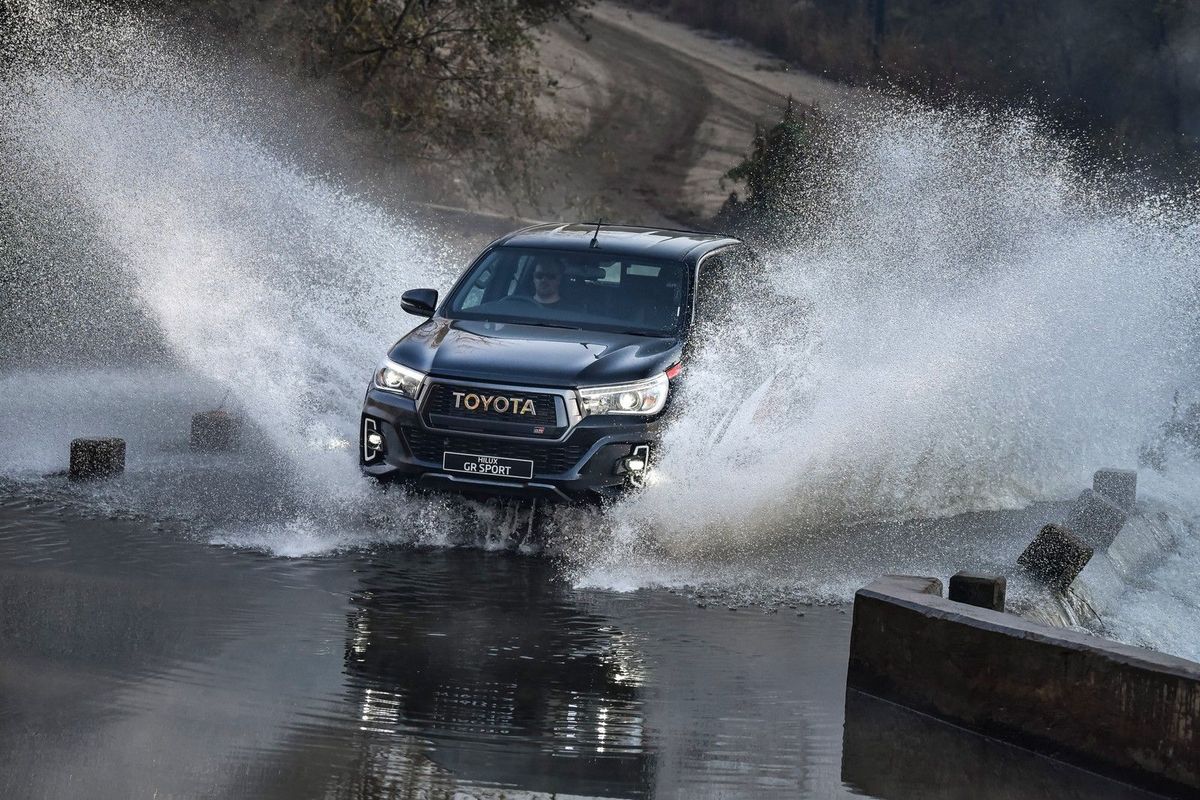
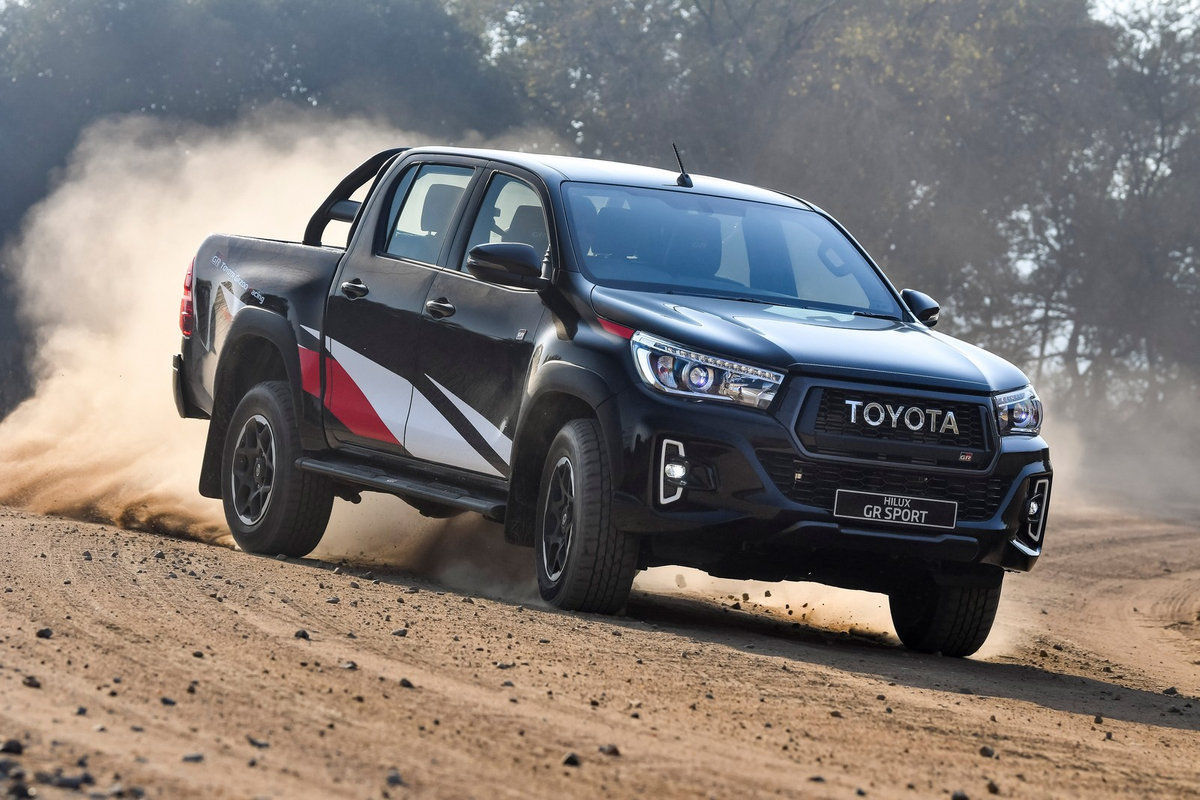
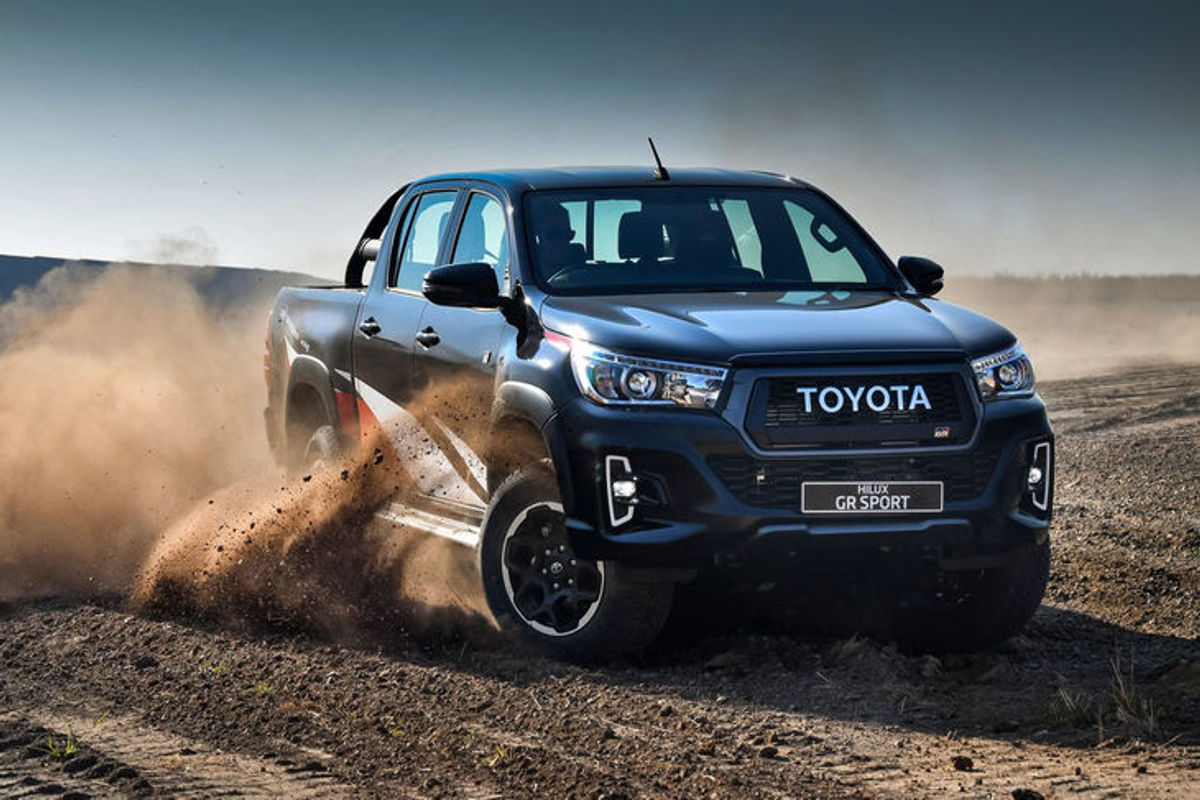
Toyota Hilux GR Sport (2019) Specs & Price

With Ford garnering a lot of attention thanks to the arrival of the new Ranger, Toyota is eager to focus the public's attention on its top-selling Hilux! To that end, Toyota has introduced a limited-edition GR Sport and a brace of Legend 50 derivatives.

The Hilux is a household name in South Africa and it’s not surprising when you look at the market dominance the Hilux has fostered over the years; Toyota's bakkie range has been the best-selling vehicle in South Africa for countless consecutive months. Its lineage spans 8 generations since its local introduction in 1969 (production began in 1968), the Hilux is still praised for its reliability, robust offroad ability and excellent value retention in the used car market. Today, the Hilux is built at Toyota's Prospecton plant in Durban for the local market as well as for export.

Recently, the Hilux excelled on the international stage when the South African-built Gazoo Racing Hilux, driven by Nasser Al Attiyah and Mathieu Baumel, secured Toyota’s first Dakar win in gruelling conditions. Days later, Toyota scooped the coveted Brand of the Year title at the #CarsAwards powered by WesBank. And, of course, the Hilux is celebrating its 50th year in the South African market, which sets the scene for the Legend 50.

Only 600 units of the GR Sport

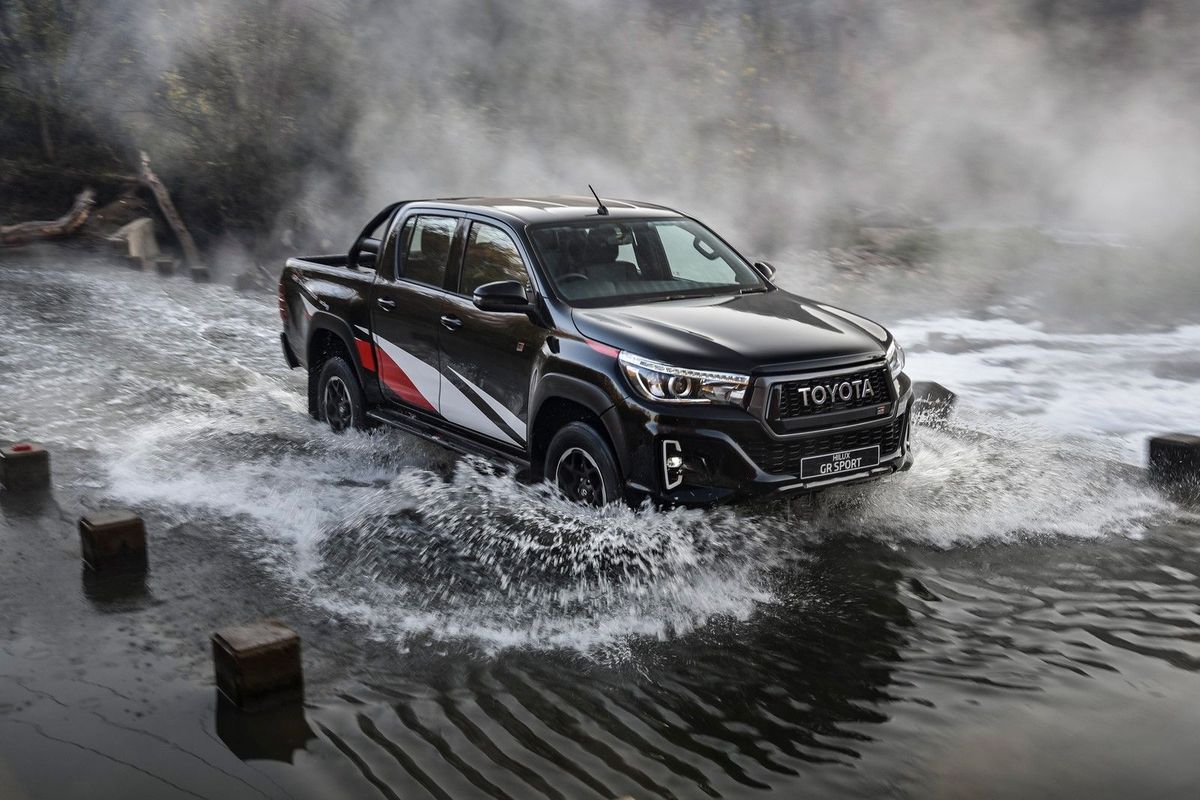
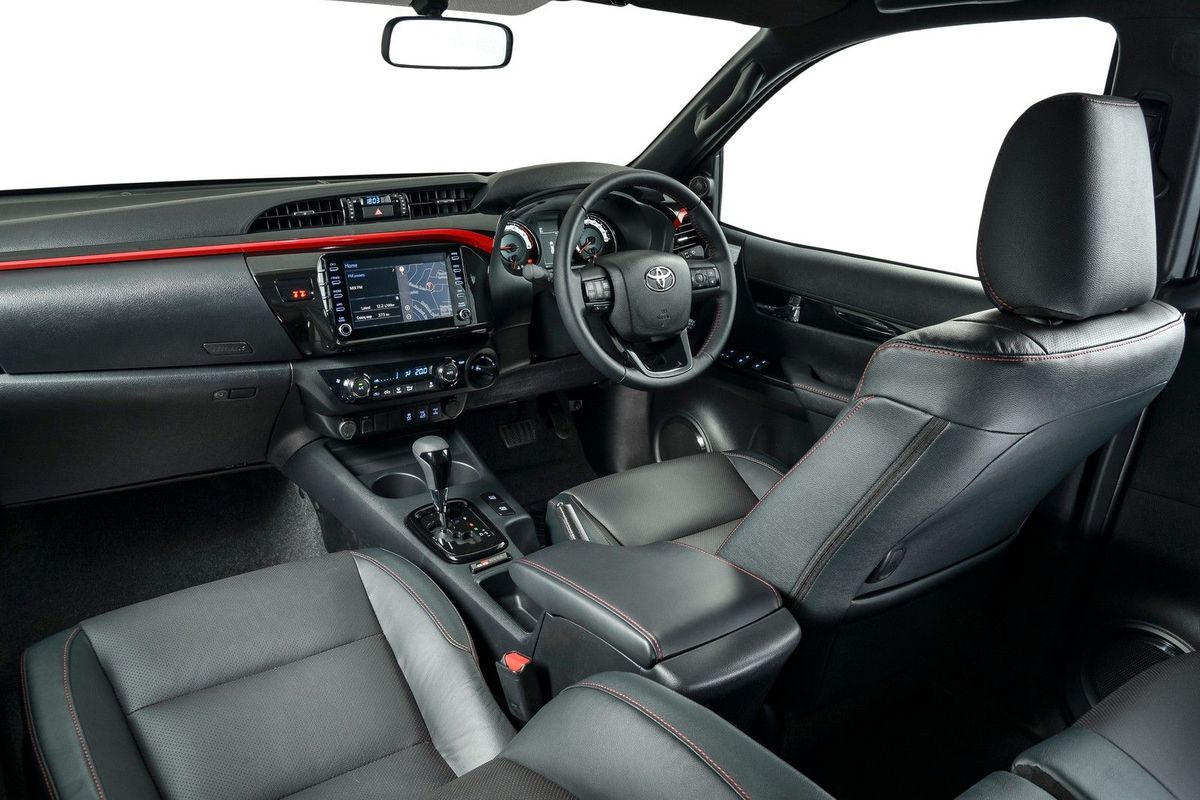
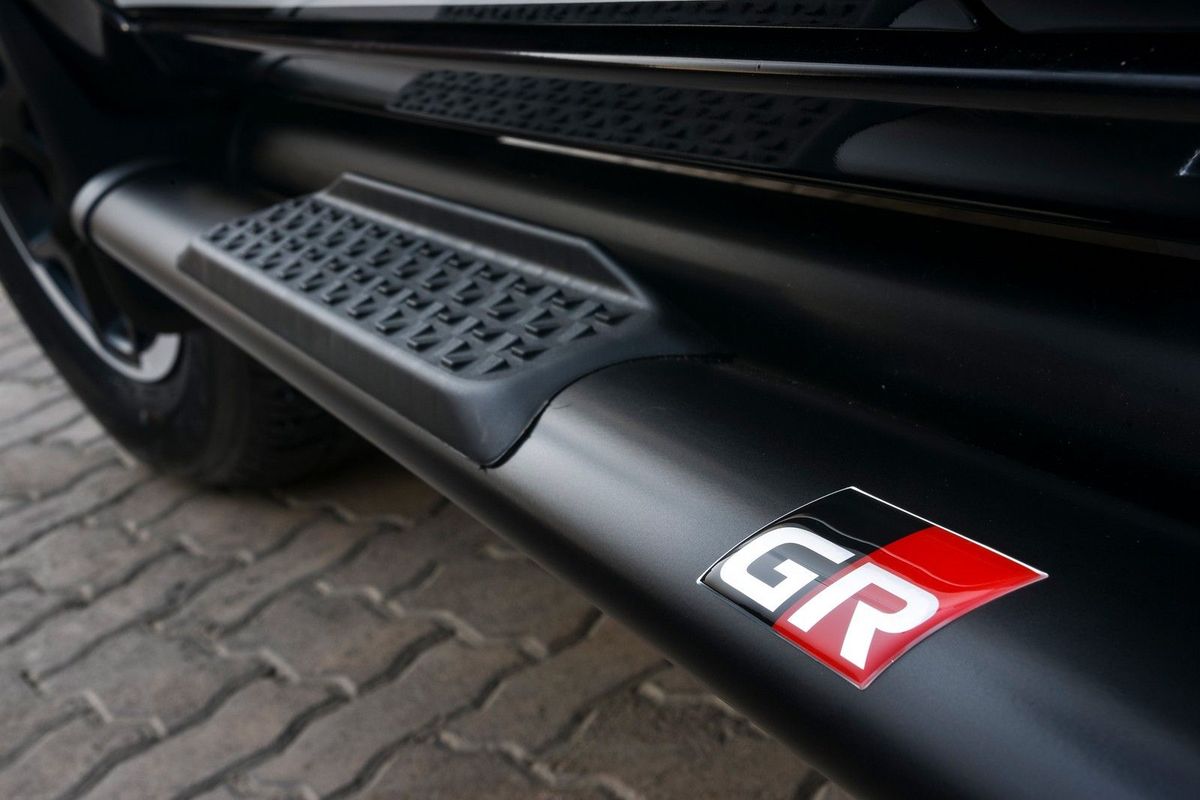
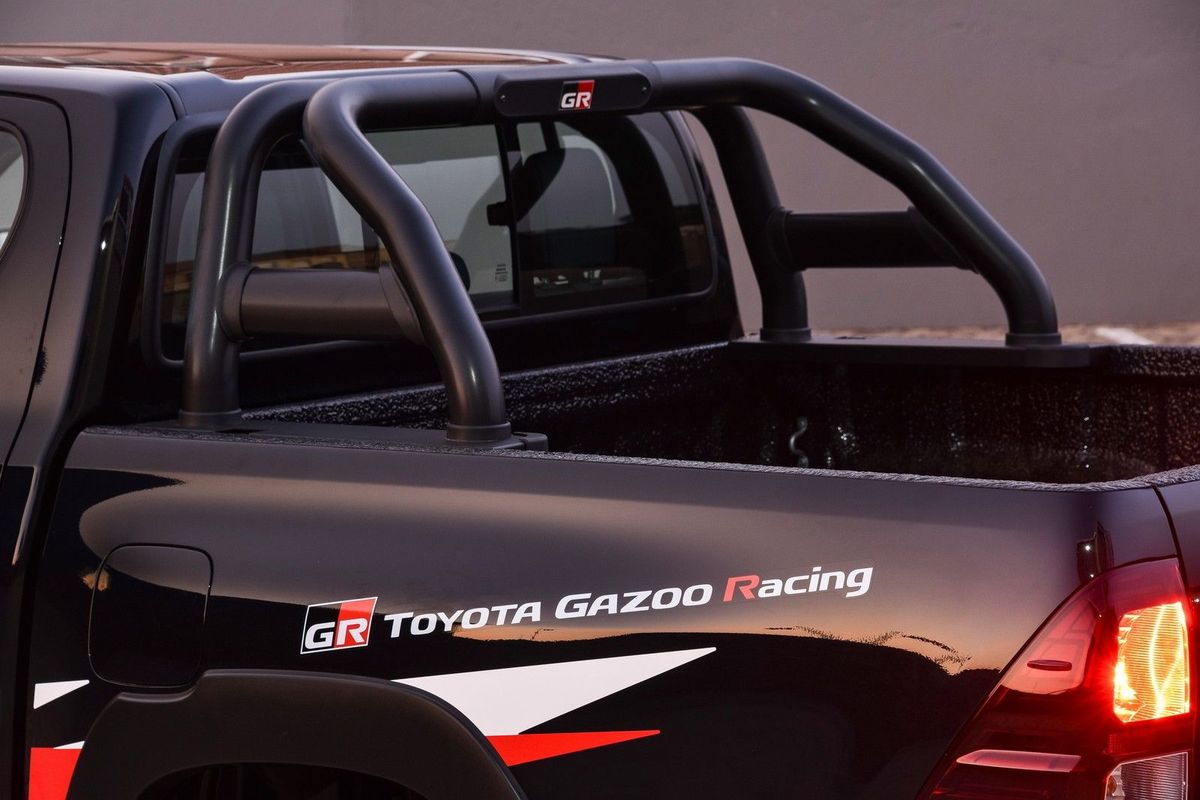
The first special Hilux that consumers can look forward to is called the GR Sport. The limited-edition GR Sport features numerous upgrades, including Gazoo Racing stickers, a bold new-look grille, a 2-tone paint finish and GR Sport 17-inch alloys shod with 265/65 all-terrain tyres. It is available in a range of colours including Glacier White, Arizona Red or Attitude Black, the last of which matches the Gazoo Racing livery.

While the GR Sport's 2.8 GD-6 4×4 Automatic powertrain is unchanged, its suspension has been tuned for performance. The spring rates at the front have been increased with revised damping, which imbues the Hilux GR Sport with a sportier ride, that apparently doesn't affect the ride comfort. The rear suspension has been left untouched.

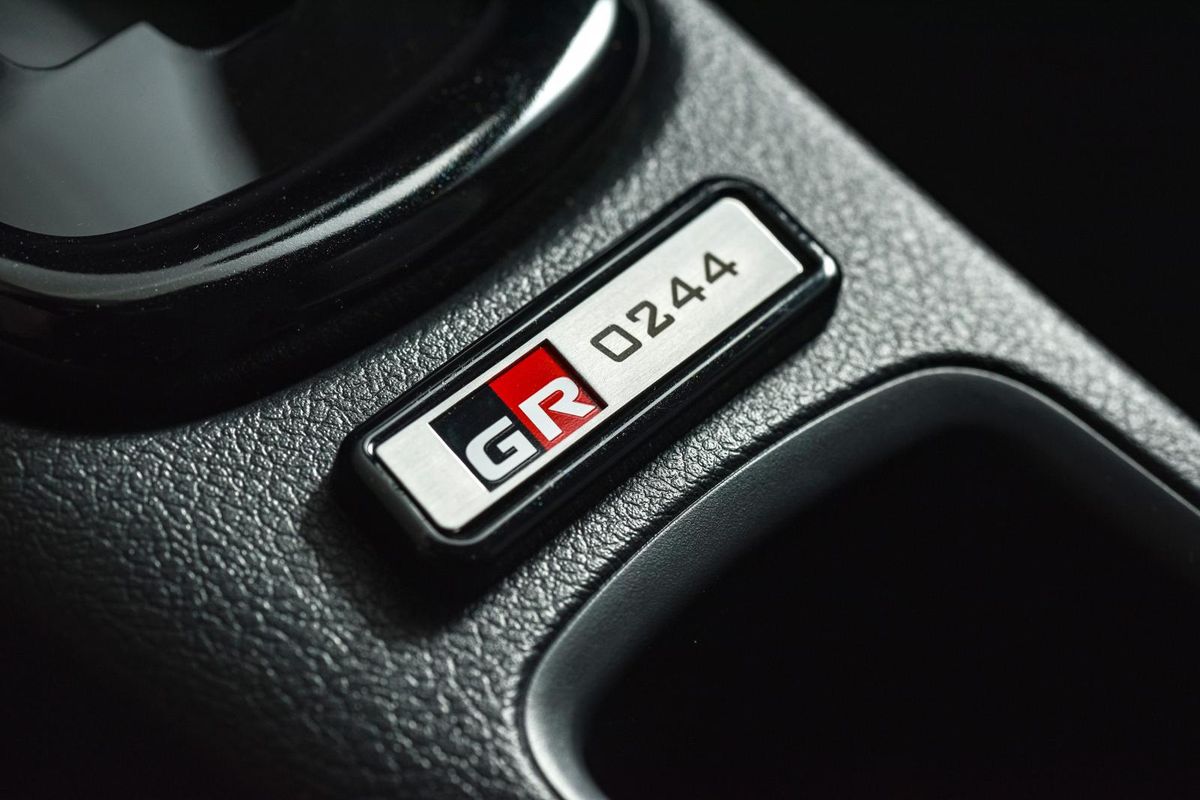
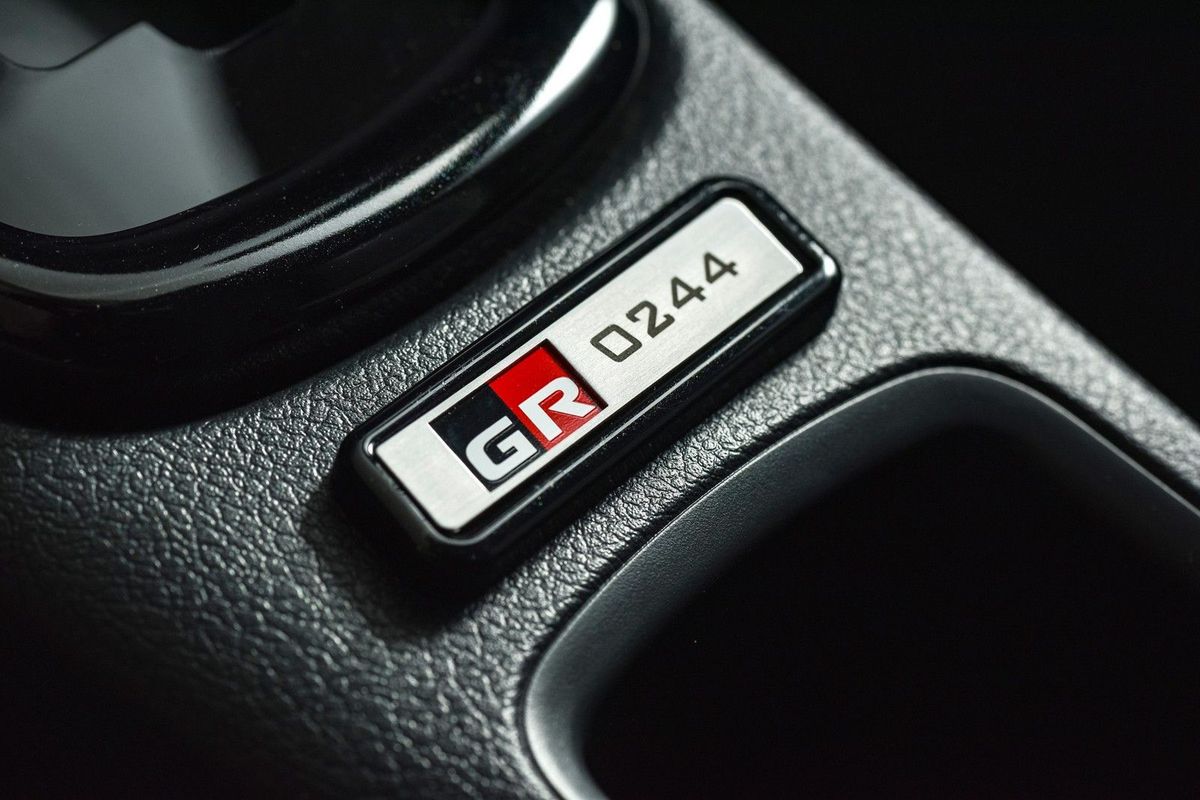
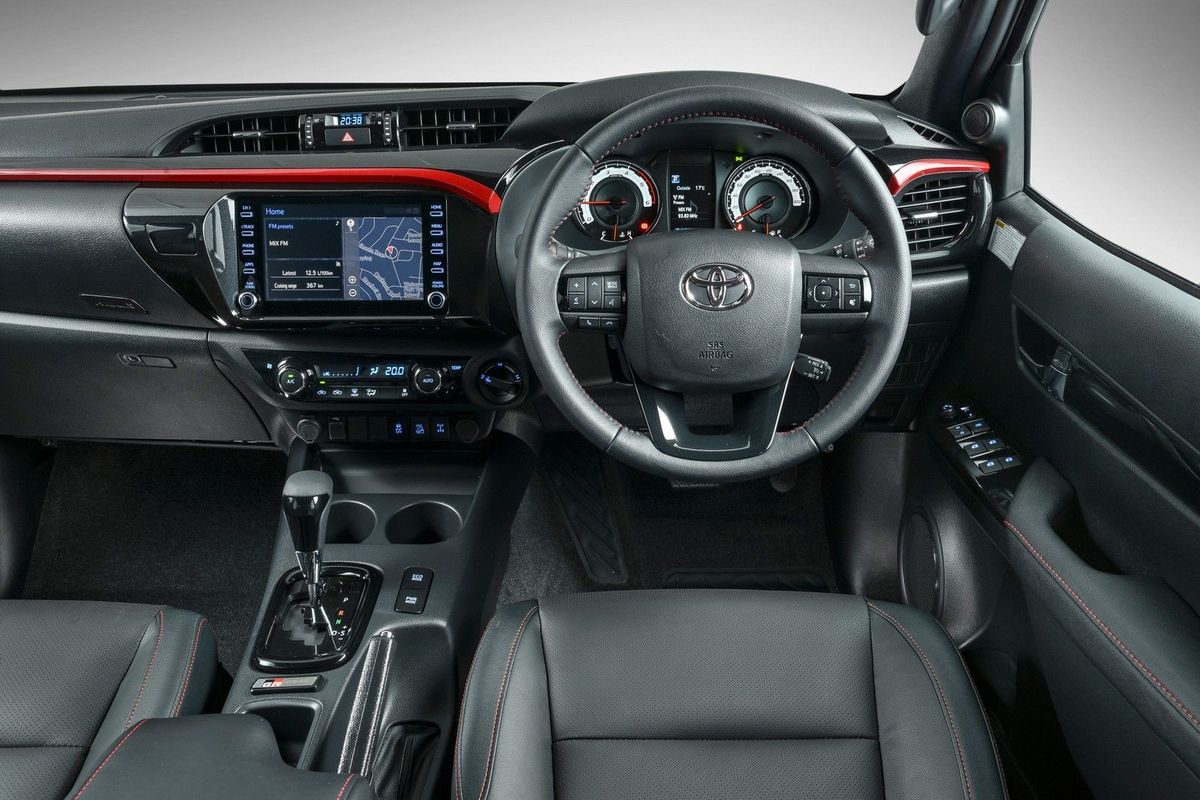
Inside there are multiple reassurances that you are in a GR Sport model. The GR logo is displayed across the headrests, carpets and the start button. Each model also gets a special serial number badge on display in the cabin.

The infotainment system features an 8-inch touchscreen system, now with knobs included for volume adjustment.

There'll be just 600 units allocated to South African customers, although it appears all have already been accounted for.

Meanwhile, as the 50th anniversary of the Hilux in South Africa is a major milestone, the Prospecton-based manufacturer will celebrate the occasion by introducing a special edition Hilux Legend 50, which will effectively substitute the current Raider versions for the duration of its production run.

Read about the Legend 50 model here

Toyota Hilux GR Sport Price in South Africa (June 2019)

Toyota South Africa confirmed to Cars.co.za that the new Hilux GR will retail for R707 400.

Further Reading:

Toyota Hilux (2018) Specs & Price

Toyota Hilux Range Updated in SA
Toyota Hilux Dakar (2018) Video Review

Best Leisure Double Cab Bakkies in SA: #CarsAwards Finalists

BMW M850i with AC Schnitzer Parts Coming to Goodwood

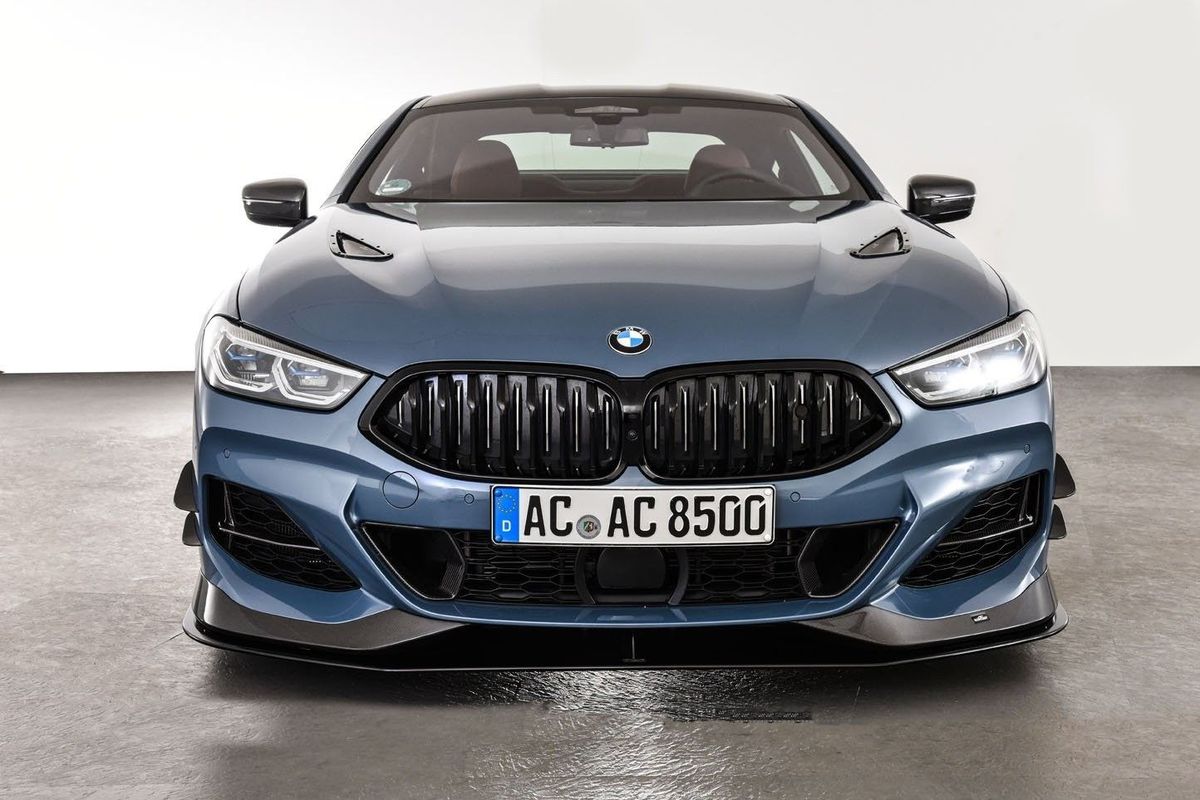
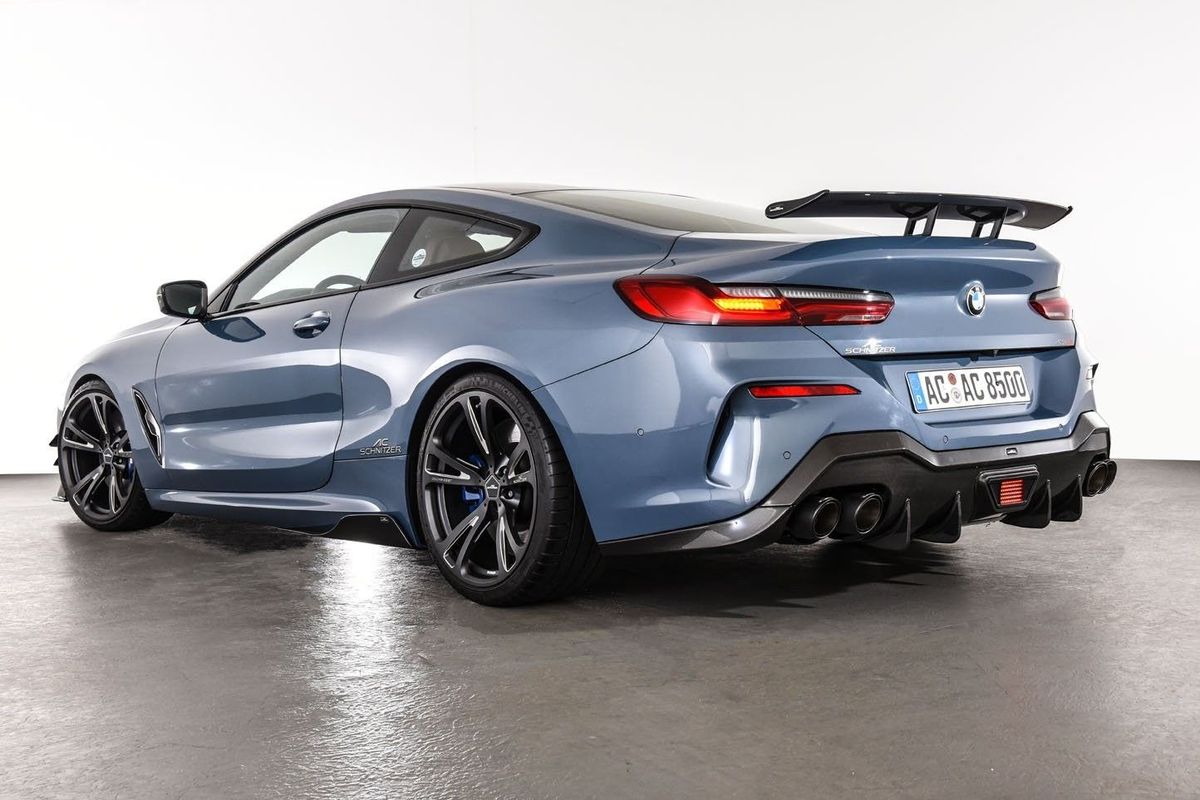
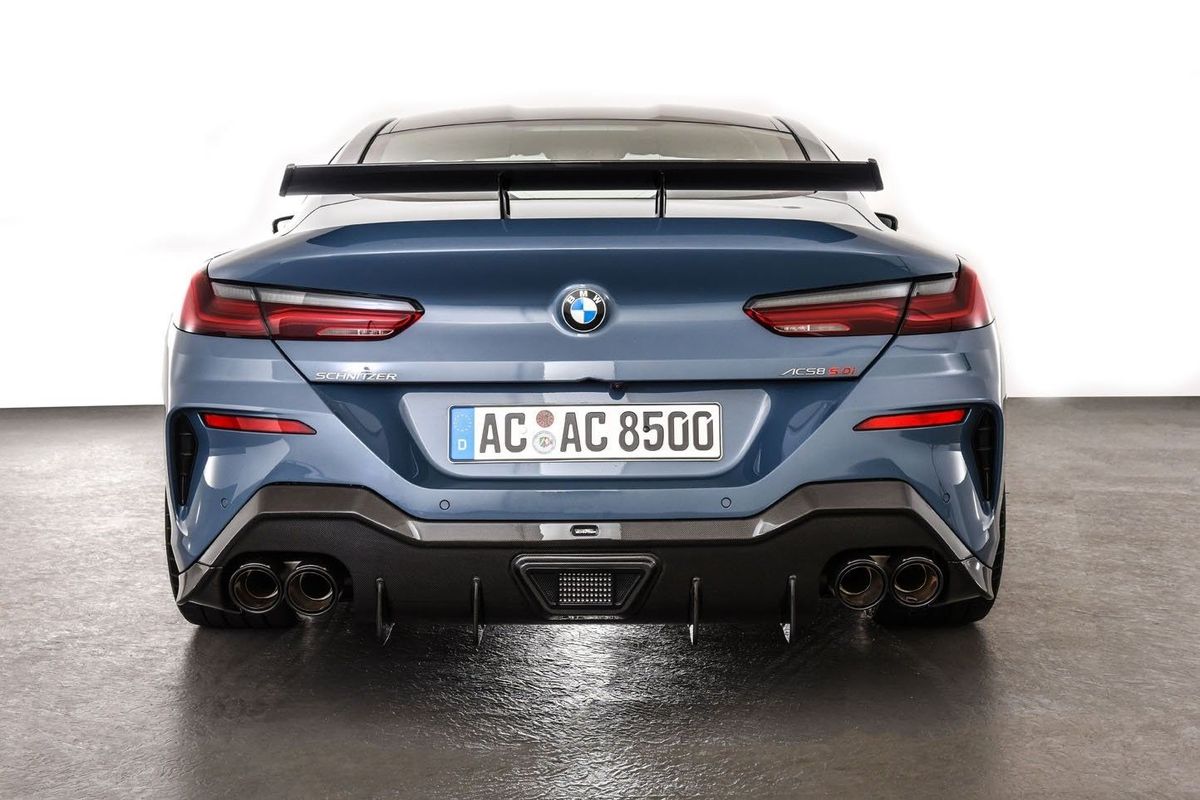
BMW tuner AC Schnitzer has modified the 8 Series coupe and will be showing it off at the 2019 Goodwood Festival of Speed.

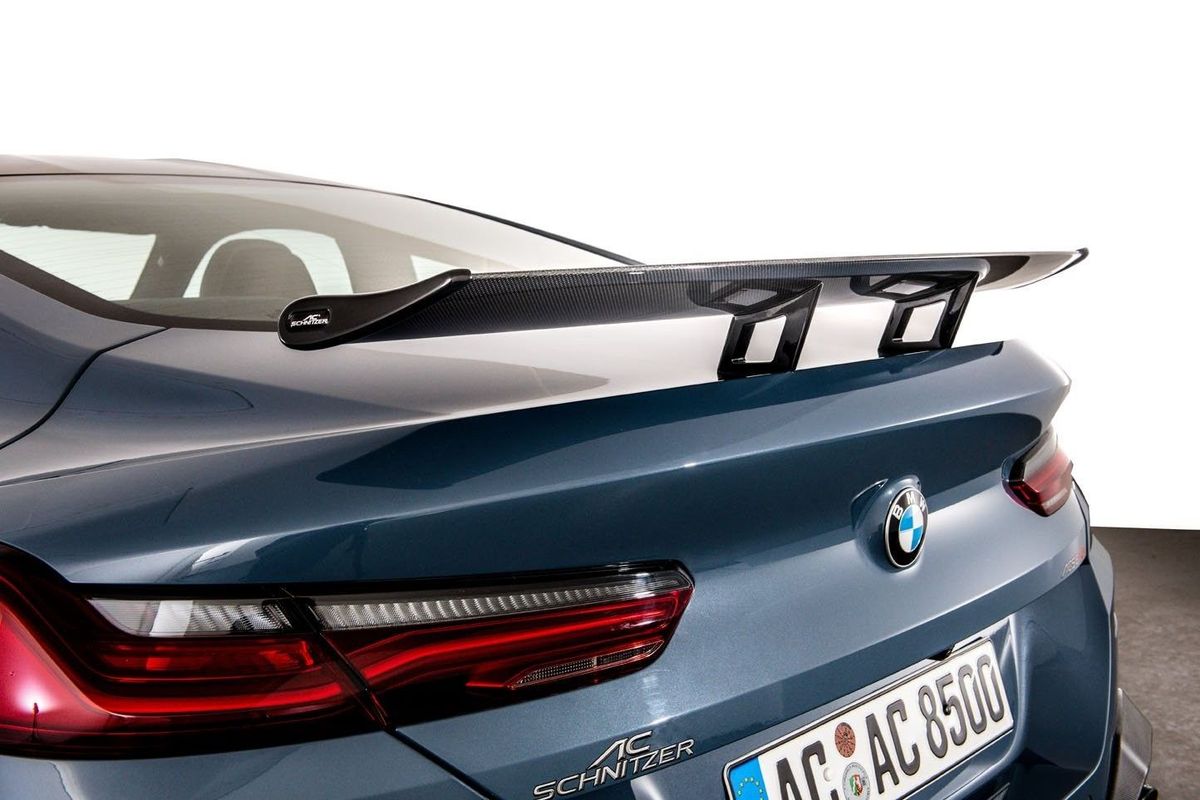
The modified M850i xDrive you see here showcases 2 examples of AC Schnitzer's work. First up is the new homologated carbon fibre rear spoiler for additional downforce and grip, the second is the stainless steel sports exhaust, which you can hear at the bottom of this article.

However, AC Schnitzer isn't just about looks and noise and the tuner claims there's a performance upgrade thrown into the mix too. AC Schnitzer offers additional performance for both the 840d and the M850i. The diesel-powered model sees power jump from 235 kW to 280 kW, while its petrol-powered sibling sees massive gains with 390 kW stock becoming 456 kW, which interestingly is very close to the flagship BMW M8.

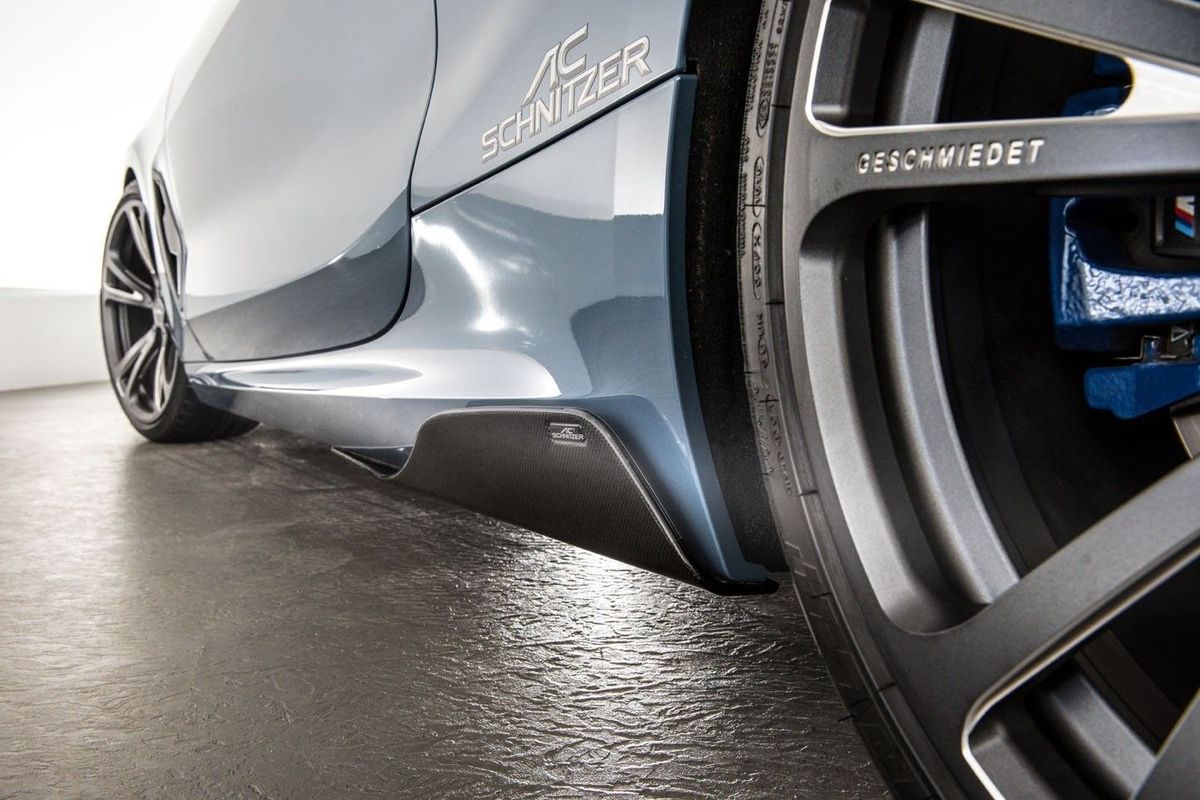
AC Schnitzer also offers a lowering kit for the 8-Series, some 20-inch custom wheels plus crazy levels of carbon fibre-based aero elements. 

Further Reading

BMW 8 Series Gran Coupe Revealed

BMW M Performance Treatment Applied to 8 GC, 3 Touring and X1

BMW M8 Gets M Performance Parts Treatment

BMW 8 Series Convertible (2019) Specs & Price

BMW M8 Revealed in 4 Flavours

Listen to the AC Schnitzer M850i


Opel Astra Receives Mild Facelift

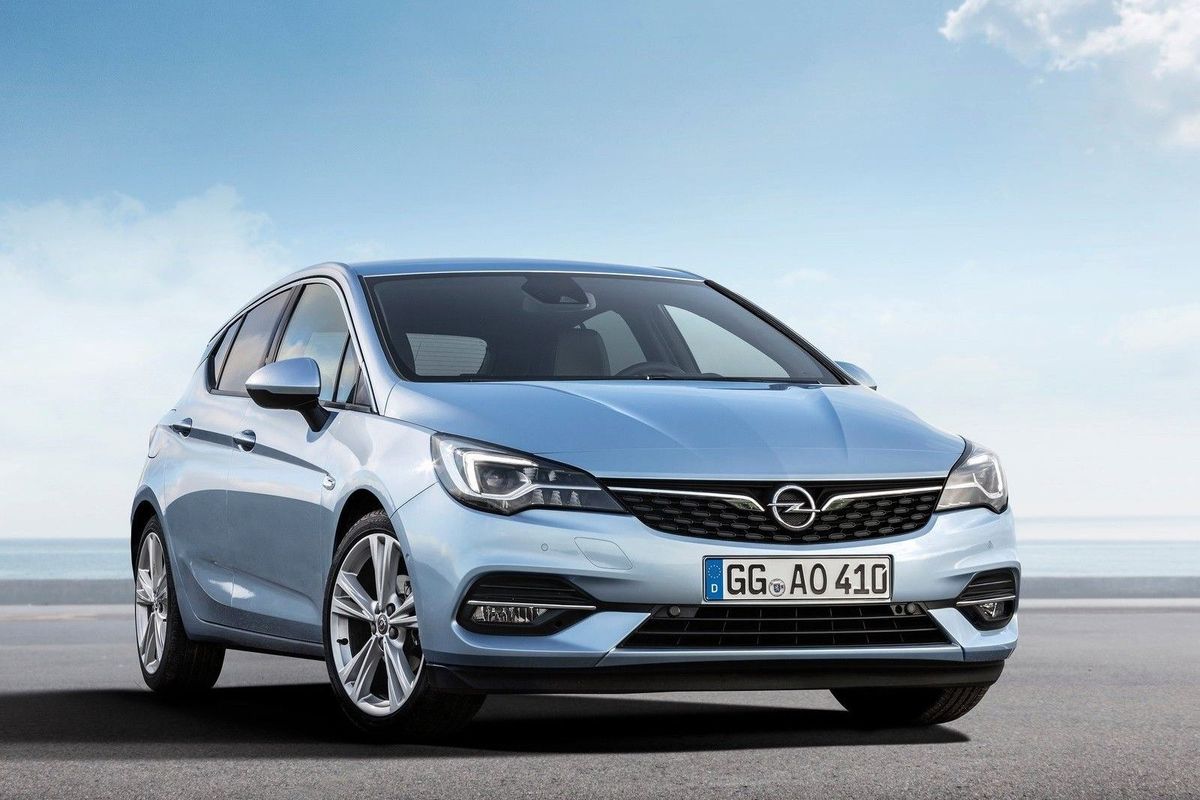
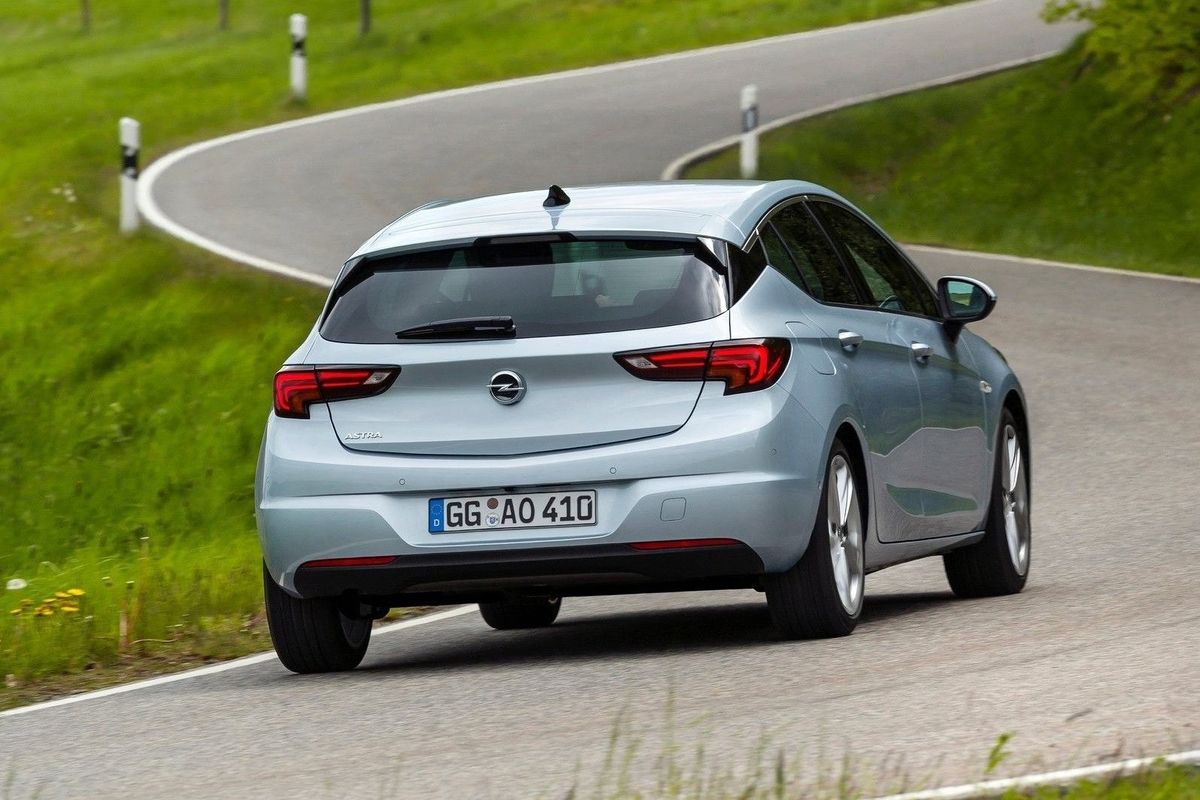
Opel has given the Astra hatchback the mildest of facelifts. Here's what has changed.

When it comes to facelifts and updates, this 2020 Opel Astra has to be one of the lightest, with the majority of changes not visible to the naked eye. Thanks the PSA Group who now own Opel, the Astra now features engines from Peugeot and there are some improvements in the aerodynamics. 

Opel is claiming that the small adjustments in the wind tunnel have led to the Astra boasting the lowest drag coefficient in its segment. Other changes include the chassis being tweaked for a bit more dynamic engagement, while new shock absorbers are said to increase comfort. For those wanting a performance slant, the optional sports chassis has stiffer dampers, more direct steering and a Watts link at the rear axle.

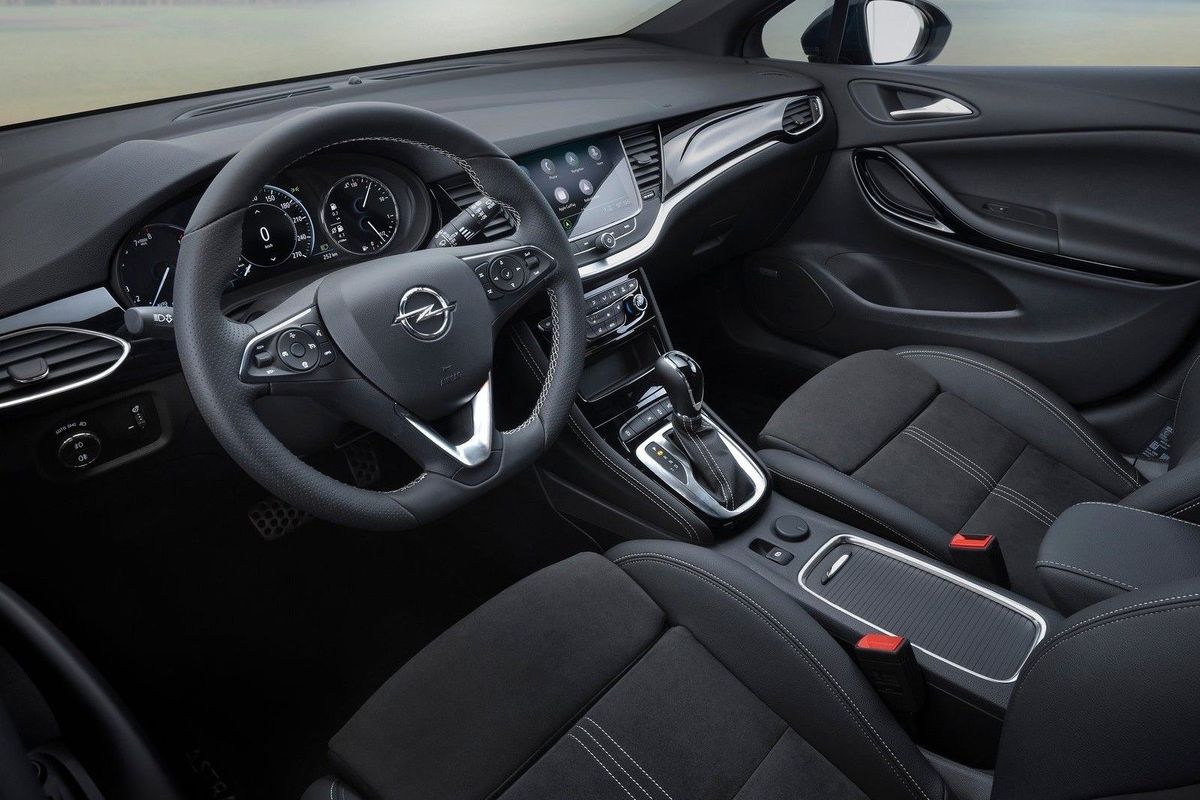
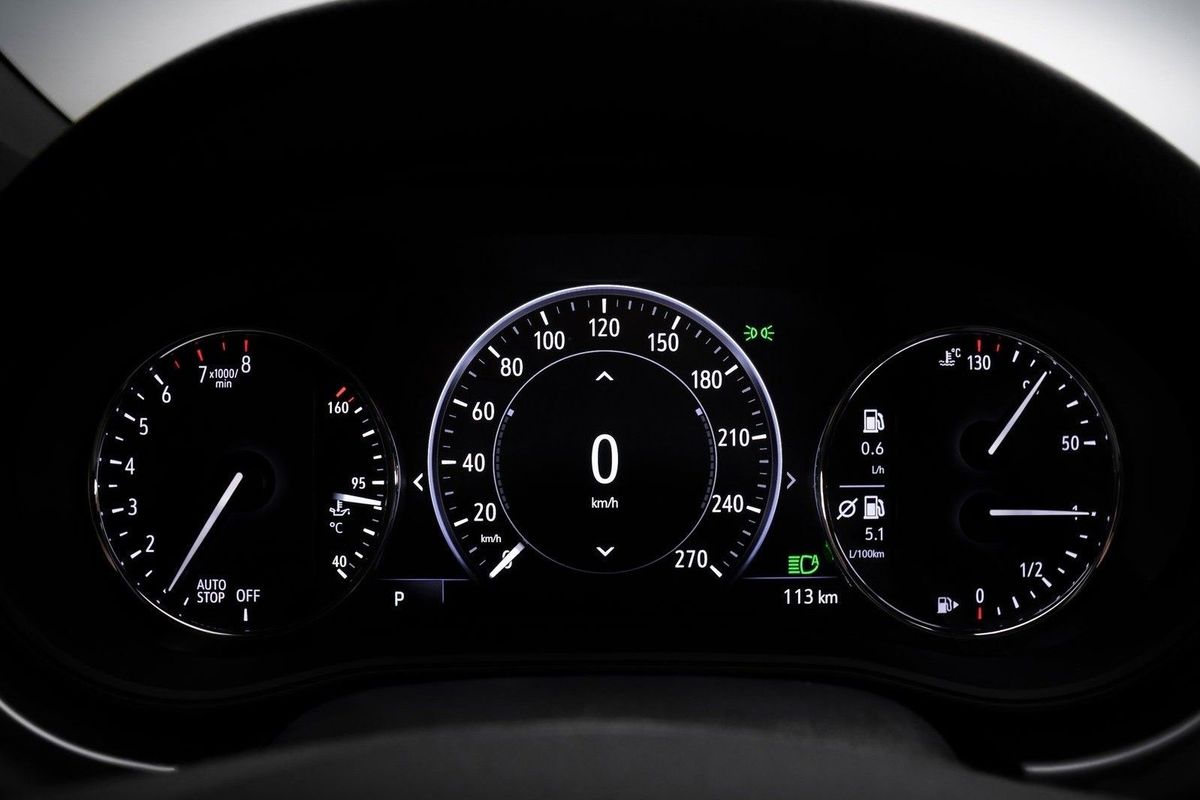
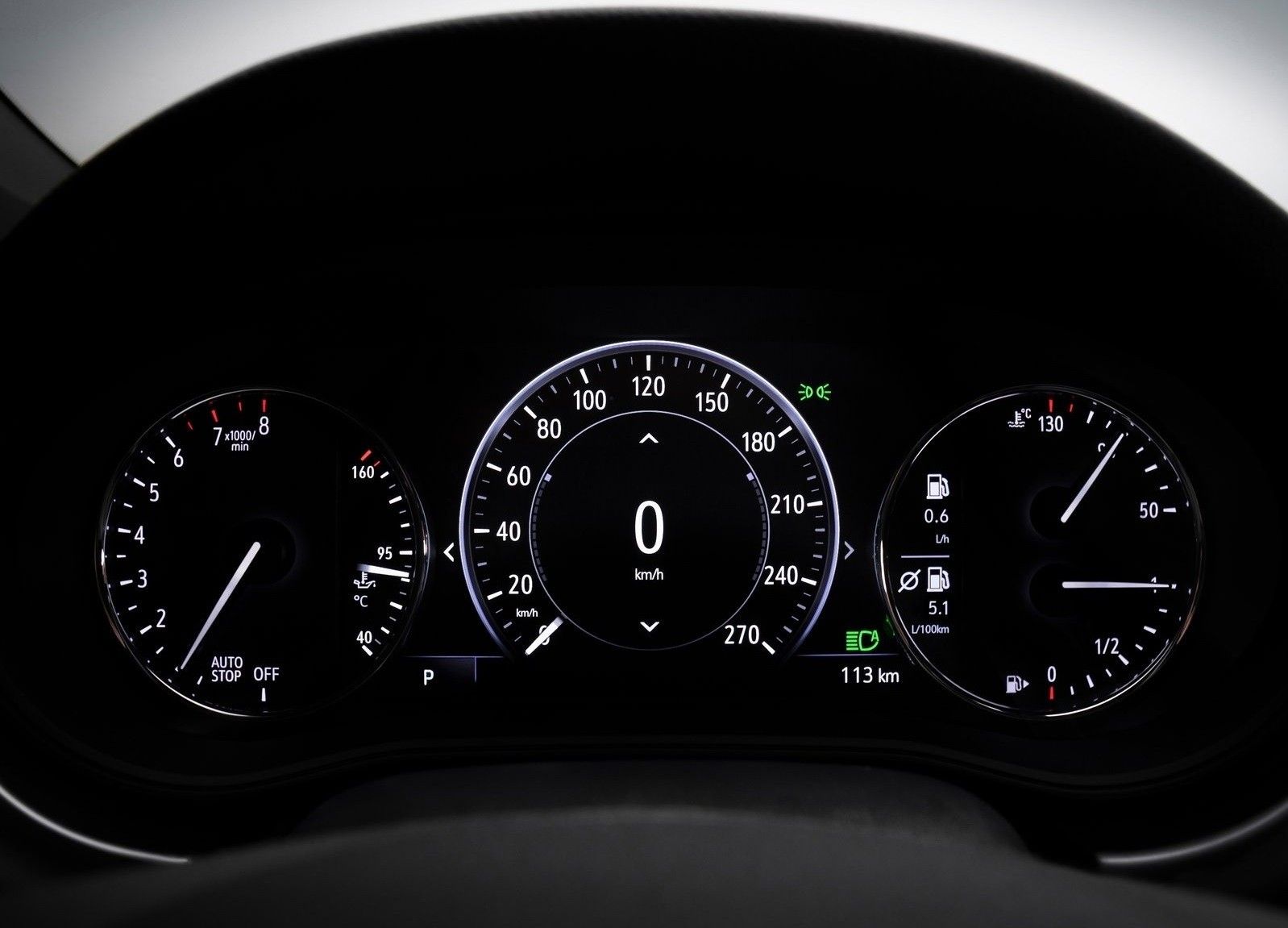
There are new front and rear cameras as well a digital speedometer and an update to the infotainment system as well as introducing an optional BOSE audio system. 

As for the engines, there are 1.2 and 1.4 3-cylinder motors with outputs ranging from 81 kW / 195 Nm and 107 kW / 236 Nm. There's the option of a 6-speed manual gearbox, while the top-spec 1.4 comes exclusively with a new 7-speed CVT. For those who fancy a diesel engine, the PSA 1.5-litre 3-cylinder diesel motor is also available with 77 kW / 260 Nm and 90 kW / 300 Nm. The top-spec diesel model is available with a new 9-speed auto.

Further Reading

Opel Astra (2019) Specs & Price

Opel Astra 1.6T Sport OPC-Line (2019) Review

Next-gen Opel Corsa leaked

6th-Generation Opel Corsa Fully Revealed

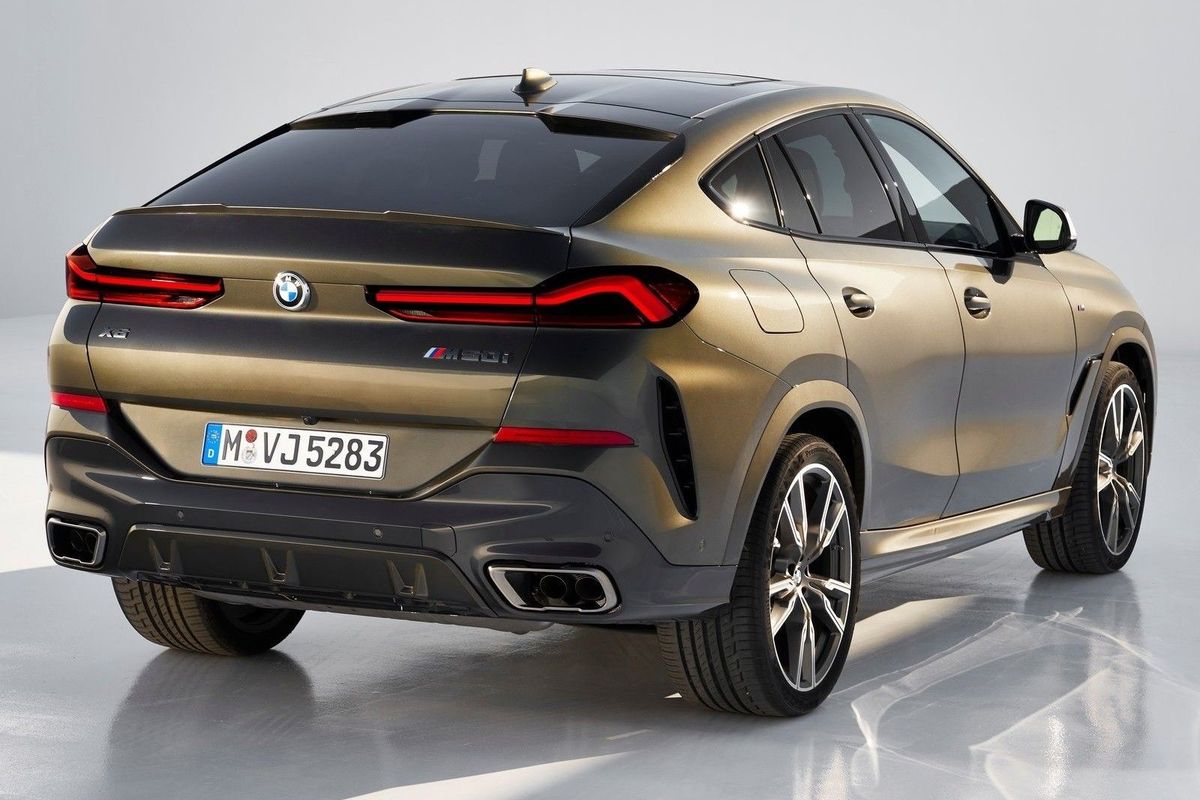
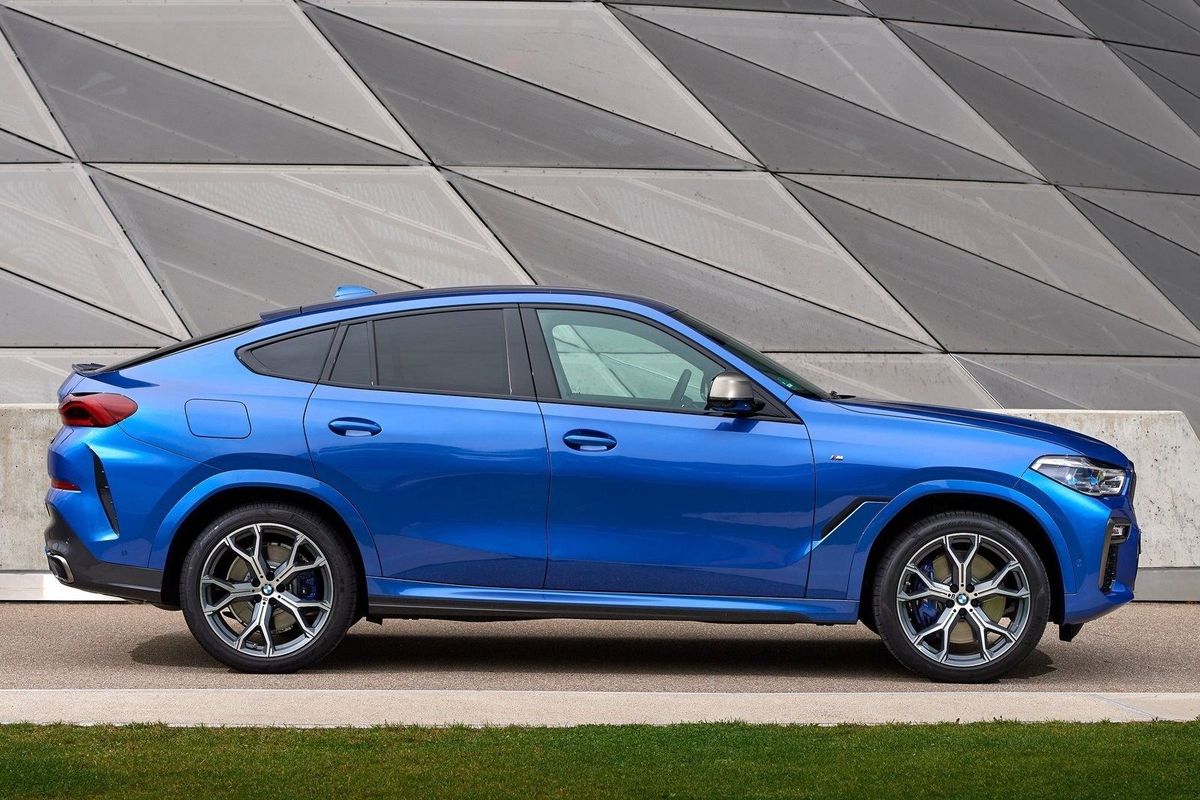
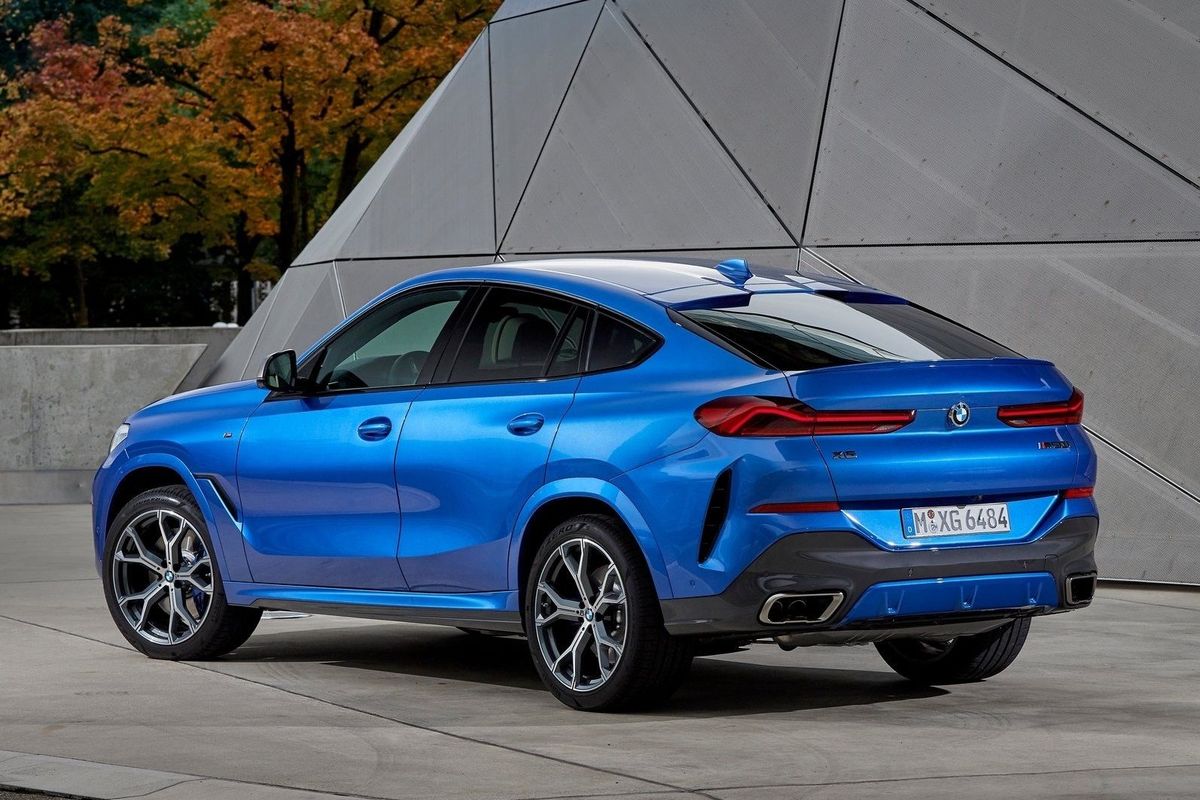
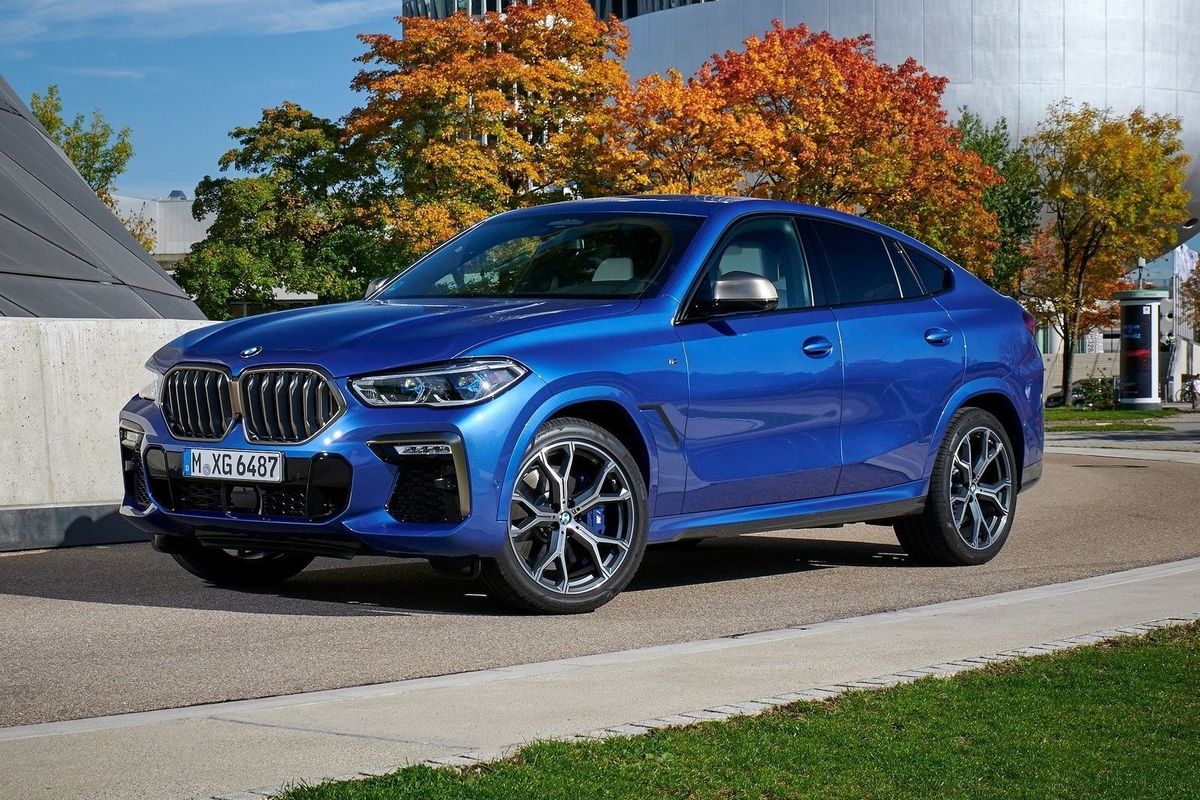
All-New BMW X6 Confirmed for SA

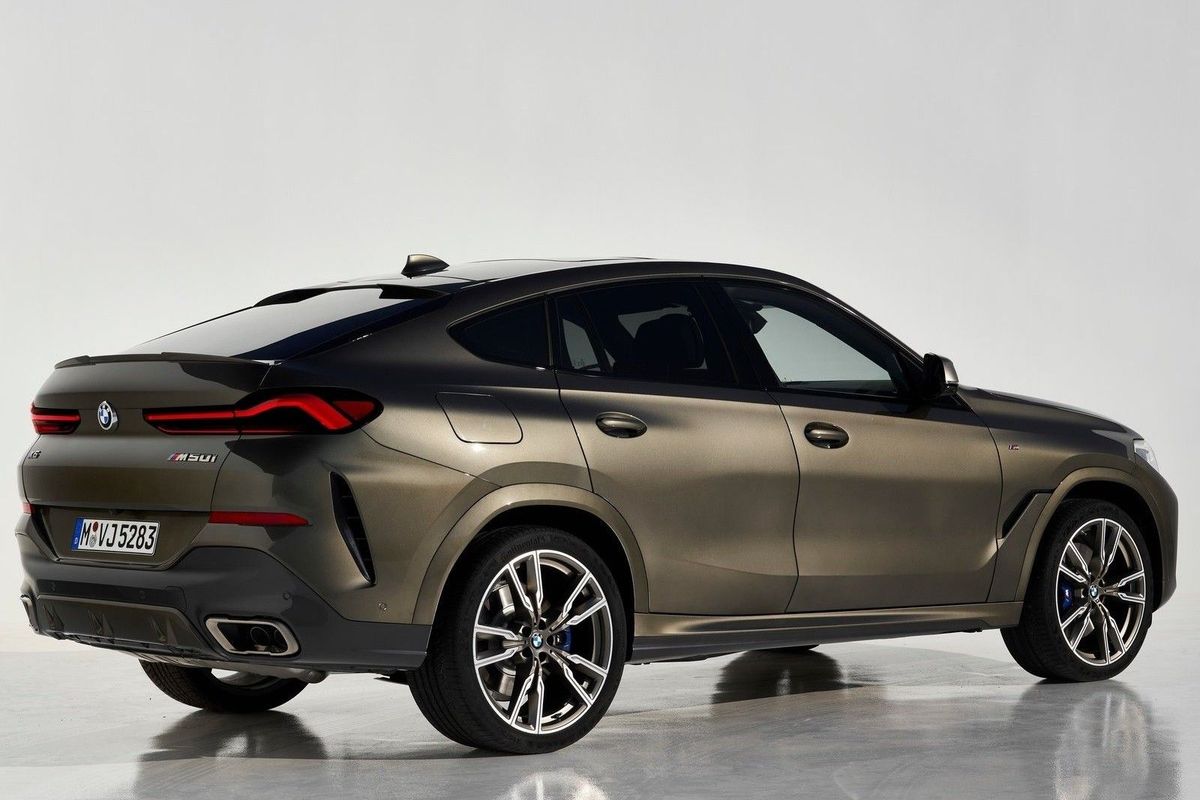
BMW has revealed its third generation X6 Sports Activity Coupe (SAC) and it will arrive in South Africa in November 2019. See further details below…

This is the new BMW X6 that will take the fight to its rivals which include the Mercedes-Benz GLE Coupe, Audi Q8 and Porsche Cayenne Coupe. Perhaps the most striking part of the new X6’s styling is its kidney grille, which for the first time, can be optionally illuminated. Yes, you read that correctly, the grille actually lights up. This should not come as a surprise though, as the oversize grilles seen on the X7 and 7-Series have been a source of debate in recent times and this latest feature will undoubtedly fuel the flames and get people talking about the brand. BMW says that the grille can be turned on and off by opening and closing the car or it can be manually activated/deactivated. 

In terms of dimensions, the X6 stands some 26 mm longer than before (4 935 mm), 15 mm wider (2 004 mm), 6 mm lower (1 696 mm) and with an extended wheelbase of 42 mm (2 975 mm). The X6 rides on 19-inch light alloy wheels as standard and wheel sizes ranging from 20 to 22-inches will be offered as an option. Adaptive LED BMW Laserlight headlights are also optional.

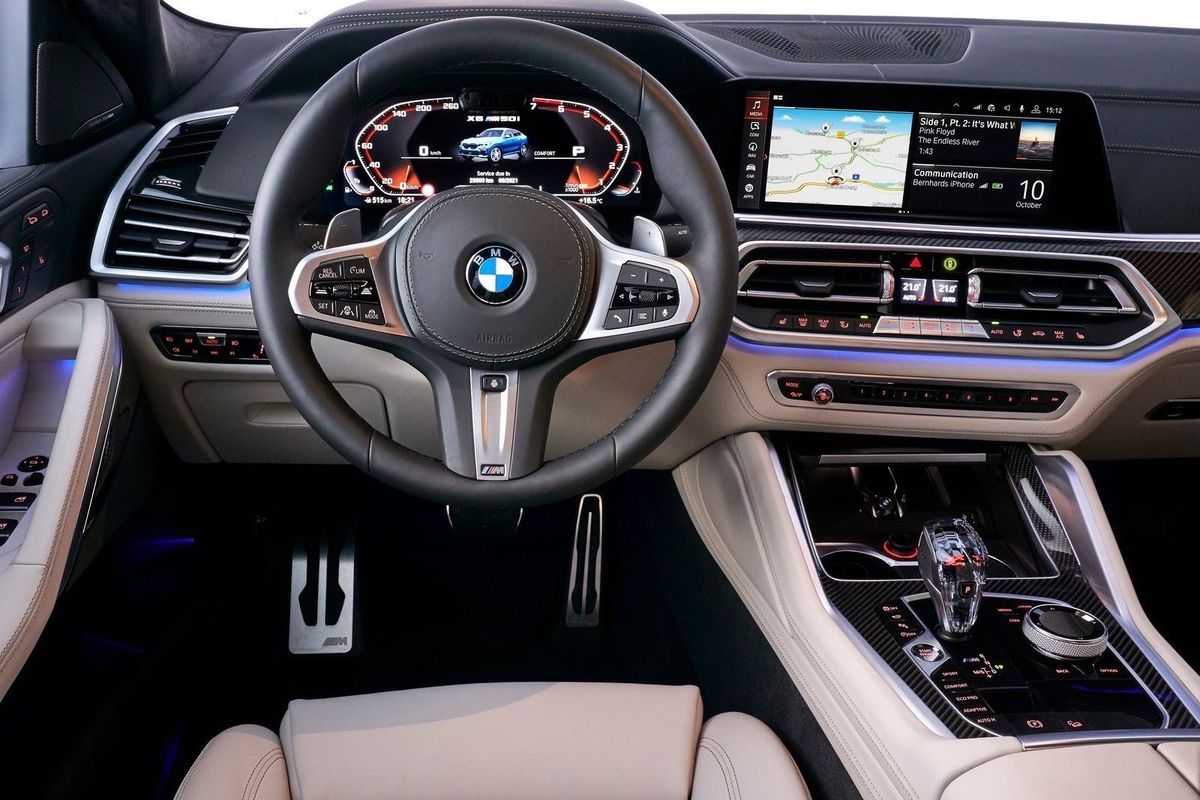
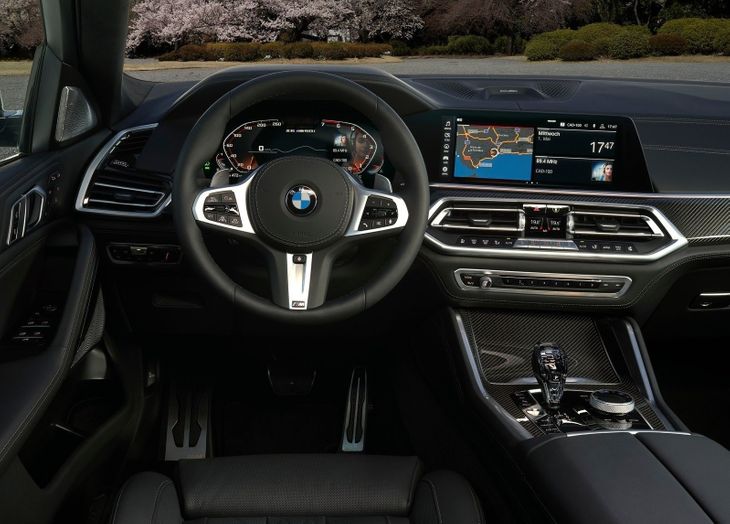
On the inside, the interior has been overhauled and redesigned and is upholstered in Vernasca leather upholstery as standard. The BMW Live Cockpit Professional combines a 12.3-inch hi-res instrument cluster and a 12.3-inch control display. This cabin looks familiar and shares many elements with its X5 and X7 siblings.

Standard driver assistance features include cruise control with braking function, collision and pedestrian warning with city braking function. Active cruise control will be optionally available as well as the Driving Assistant Professional package which includes features such as steering and lane control assistant, traffic jam assistant, lane keeping assistant, evasion assistant, rear collision warning, road priority warning, wrong-way driving warning, cross traffic warning, lane change warning, emergency stop assistant and reversing assistant.  

In terms of engine choices, BMW South Africa confirmed that we'll be getting the X6 M50i and X6 M50d from launch. The 50i is a 4.4-litre V8 turbocharged petrol motor with 390 kW and 750 Nm, while the diesel-powered M50d packs 294 kW and 760 Nm. Power goes to an xDrive all-wheel-drive setup via an 8-speed automatic gearbox. BMW claims the petrol-powered X6 will hit 100 kph in 4.3 seconds, with the M50d doing the same sprint in a claimed 5.2 seconds.

As for the launch? Well, you can expect the new BMW X6 to touch down in South Africa in November 2019.

Further Reading

BMW X5 M/X6 M Black Fire Edition Headed for SA

BMW X5 xDrive30d xLine (2019) Review

BMW adds mighty M50i engine to X5 and X7

BMW X5 (2018) Launch Review

BMW X7 (2019) Launch Review

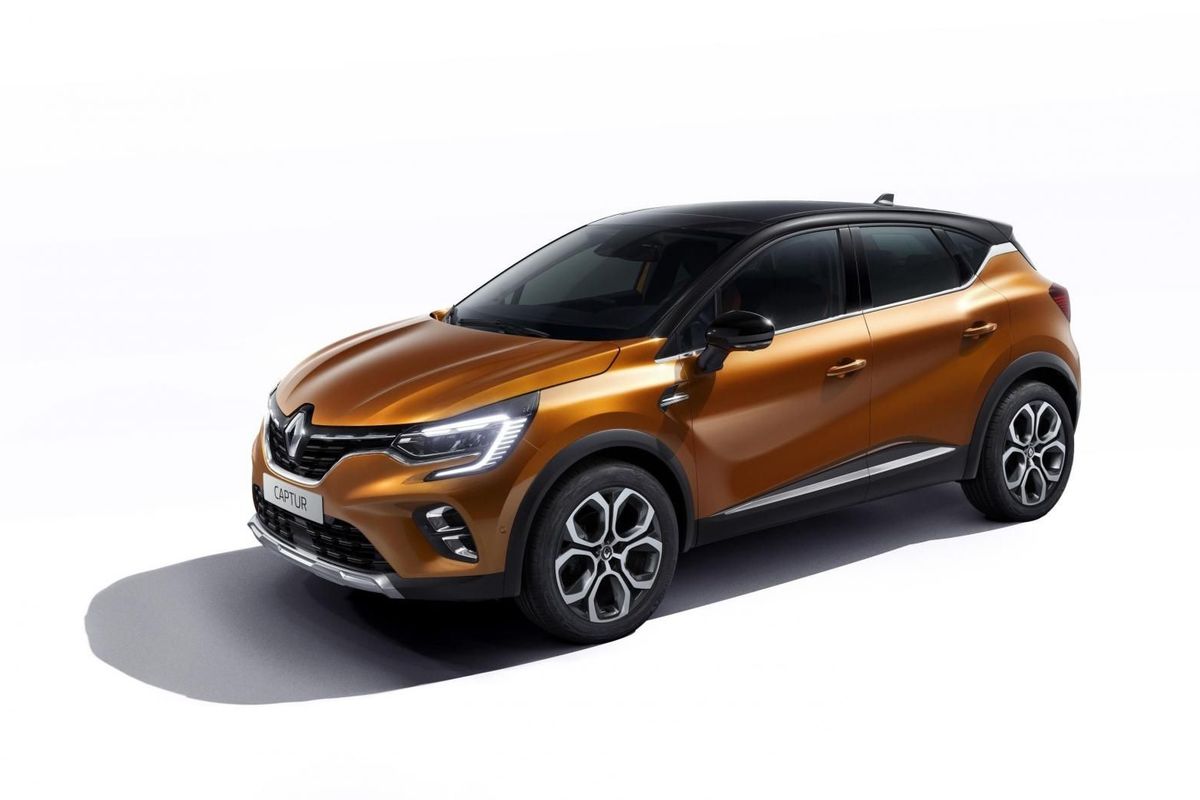
All-New Renault Captur Unveiled

Renault has announced the arrival of an all-new Captur and it's confirmed for a South African market introduction.

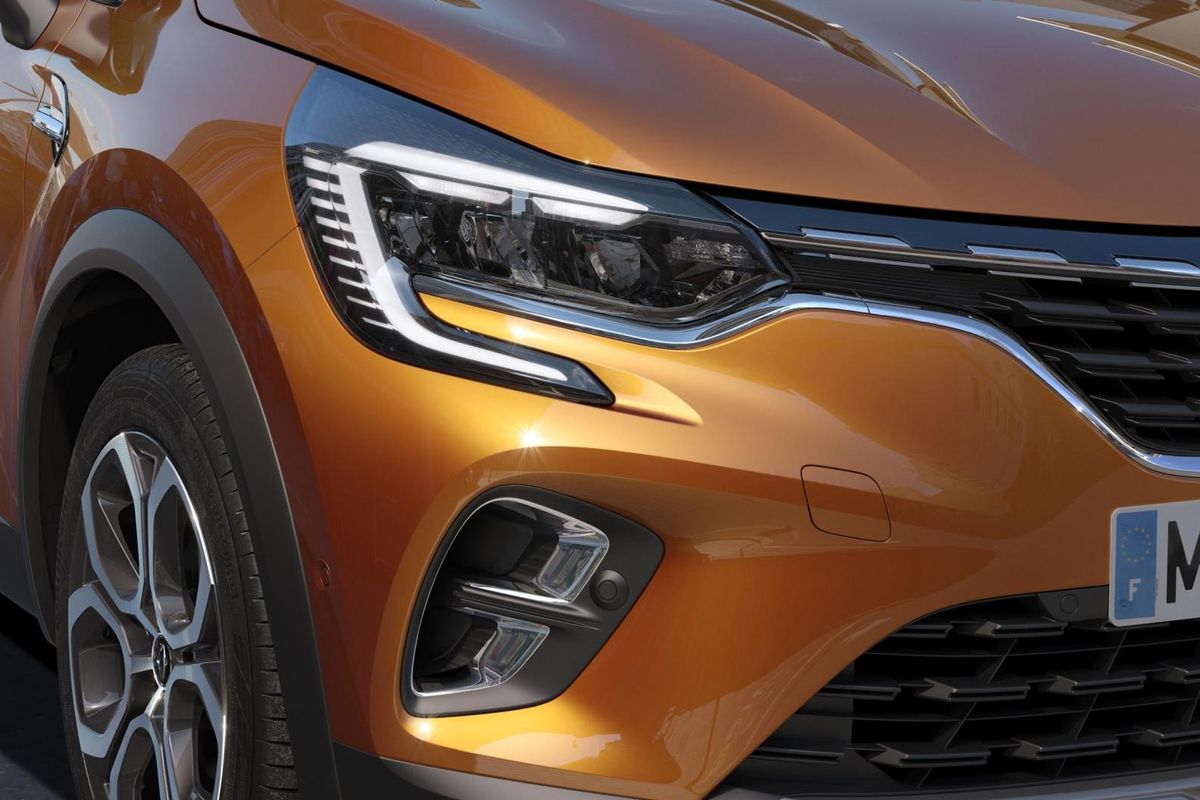
With over 1.2 million units sold globally since its launch back in 2013, the Renault Captur has proven immensely popular. The all-new Renault Captur is underpinned by the new CMF-B platform, shared with the all-new Renault Clio, itself due for market introduction in SA in 2020. The main benefit of this CMF-B platform is it makes provision for electrification. 

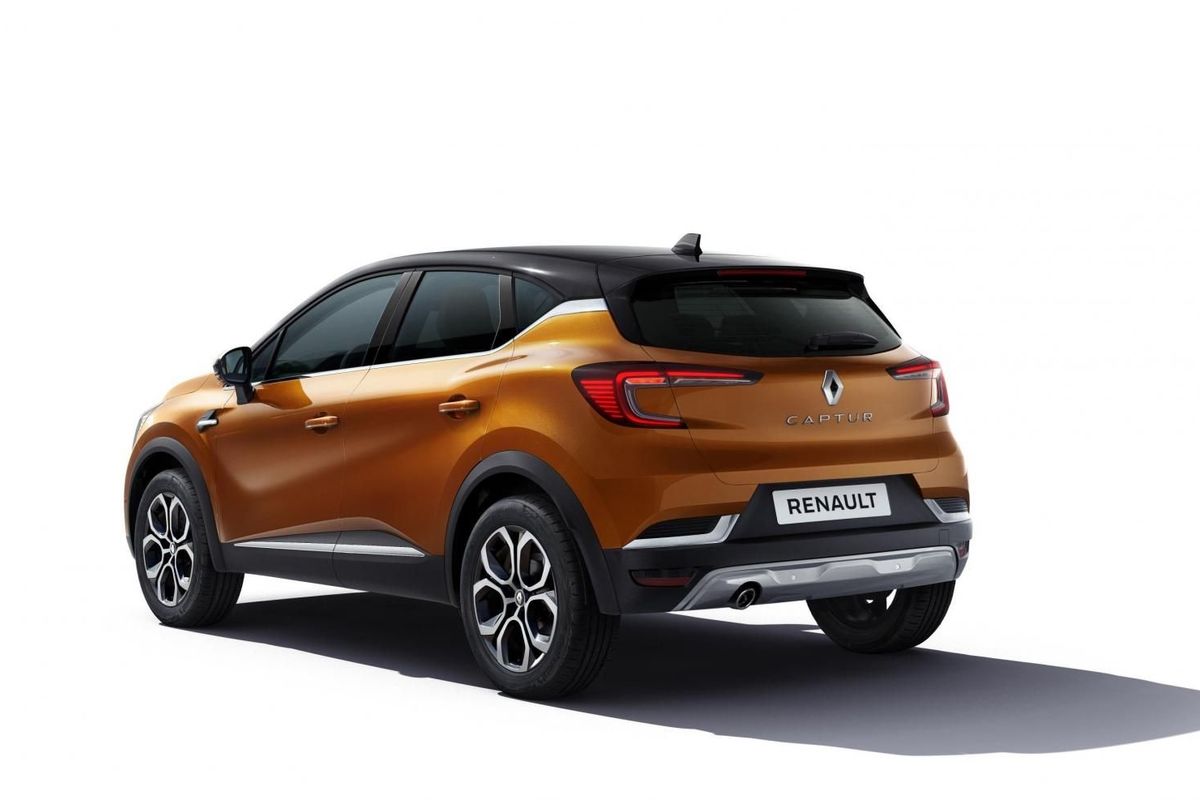
Speaking of, Renault is ambitious with its electricifcation strategy. There will be 12 electric models in its range and this new Captur will be the first recipient of the all-new E-Tech plug-in hybrid engine. As for this new Captur, it's 110 mm longer and boasts a higher waistline in comparison to the outgoing model. Inside, the legroom has been extended by 17 mm and boot space has grown by 81 litres. It also features front and rear protection skid plates, chunky cladding and wheel arch extensions, giving it some visual SUV credentials.

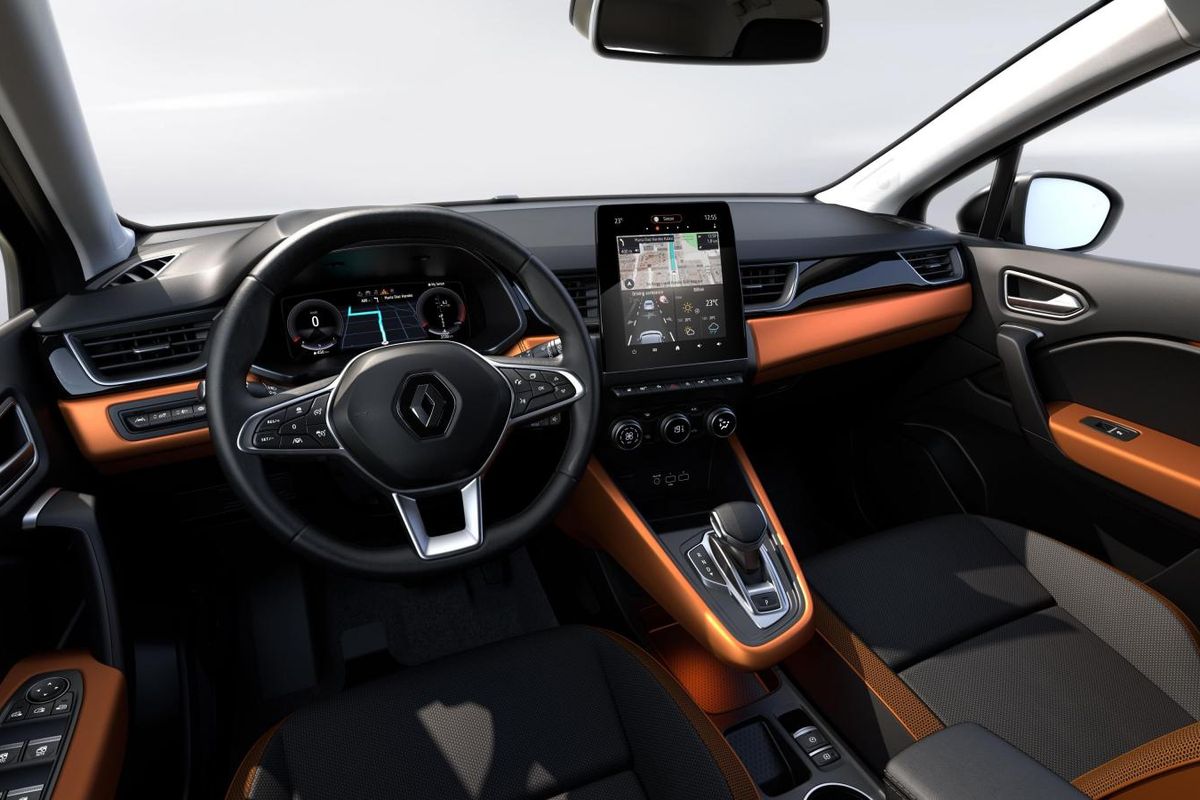
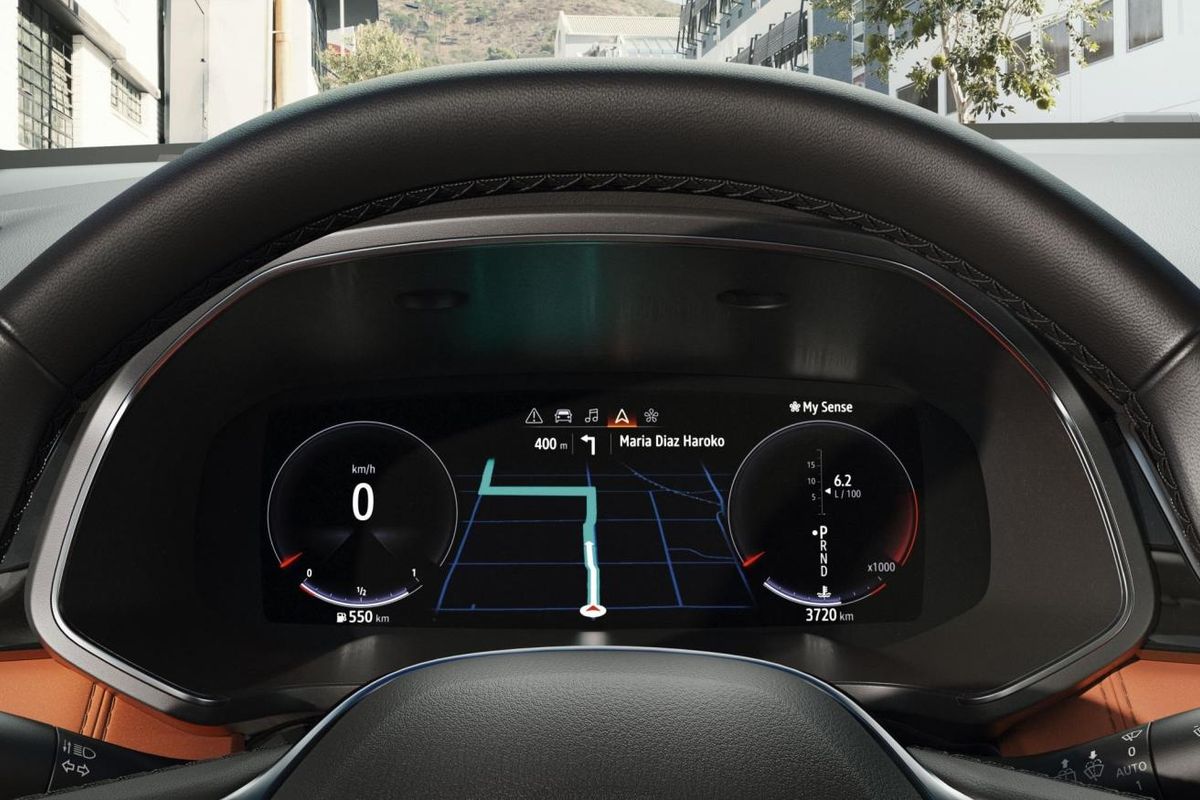
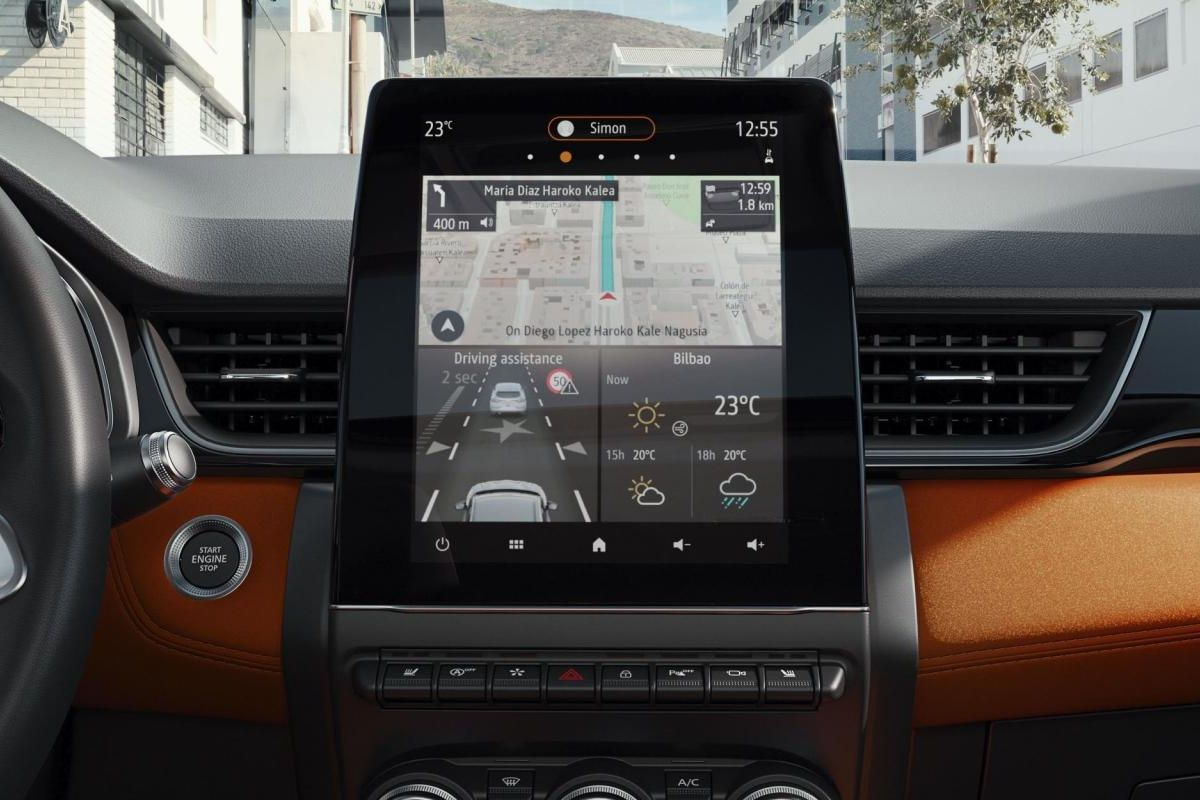
The cabin focuses on space and connectivity. The Smart Cockpit layout is based on the Clio and there's a choice of infotainment screen sizes. Renault's Easy Link multimedia system adds Apple CarPlay and Android Auto to the mix. Standard levels of tech appear generous with LED headlights across the range, the option of a sunroof, BOSE premium audio system and a whole host of safety features like 360-degree camera, active emergency braking with cyclist and pedestrian detection to name but a few.

Under the bonnet are a selection of petrol and diesel engines, but the motor that has us interested the most is the E-Tech Plug-in. Combining a compact 1.6 petrol motor with an electric assist, the Captur can drive up to 45 km at speeds of up to 135 kph. The vehicle also features Mode 2 and Mode 3 compactible plugs for charging.

As for the rest of the range, the Renault Captur features the new 1.0-litre 3-cylinder turbocharged petrol engine, which produces 73 kW and 160 Nm. There's also the option of a 1.3-litre turbocharged 4-cylinder motor with 95 kW and 240 Nm. This 1.3-litre motor is also available in a higher state of tune and can pack a 114 kW and 270 Nm punch at the top of the petrol range. In terms of gearboxes, the Captur is available with a 6-speed manual and a new 7-speed dual clutch transmission. For those wanting diesel power, the 1.5-litre 4-cylinder motor is available in 2 states of tune. The first version has 70 kW and 240 Nm, and is mated to a 6-speed manual gearbox, while the second has 115 kW and 260 Nm, with the option of a 7-speed dual-clutch transmission.

When's it coming? We reached out to Renault South Africa who confirmed that this model is coming to our market in the 2nd half of 2020.

Further Reading

Renault Captur (2017) Launch Review

Renault Captur Sunset (2016) Review

Renault Clio 5 (2019) International Launch Review

New Renault Clio Revealed

9 Tips: Buying a Car on a Budget

South Africa is a wonderful place to live, but given forever increasing living costs, consumers have to budget more carefully than ever before. What should you keep in mind when buying a car in these cash-strapped times?  

What is a vehicle buyer to do in such a tough economic climate? A car is considered to be the 2nd biggest financial commitment (after buying a home), so it is safe to say that you need to put a huge amount of thought into it before taking the plunge. It’s no longer a case of “I just want a new car,” it’s more about what you can afford that meets your requirements.

The first thing a buyer needs to do is understand what exactly is involved in buying a car. Unfortunately, more often than not when it comes to a buying a car, customers are driven by emotions, but in these trying times, you will need to leave vanity and brand loyalty at the door and “put your rational, responsible adult pants on”.

1. What’s your budget?

Budget for more than just a car’s asking price. Don’t try to work it out in your head, use a calculator and write down all the costs so that you’ll know how much you can afford to spend upfront and every month thereafter… keep in mind on-the-road-costs (registration, licencing, ‘plates), how much you’re likely to spend on fuel given the distances you travel (use vehicles’ claimed consumption figures to calculate it), insurance premiums, maintenance costs (such as services (if not included) and tyres) and any unforeseen costs that you might incur.

All these costs will paint a clearer picture of the total cost of ownership which will help you make a more financially sound car buying decision. 

2. New or used?

Now that you have your budget in mind, you can decide whether a new or used car will be your best option. There are pros and cons to both so you need to do your homework first. The benefit of buying a new car is that you get the maximum extent of warranty and service/maintenance plan cover from a franchised dealer network and that your vehicle is (or should be) unblemished. However, even if you can secure trade-in assistance or a discount on a vehicle, new car prices are prohibitively expensive for some consumers. If you buy a used car, you are likely to make a significant saving because vehicles’ first buyers absorb the biggest knocks in value depreciation… However, a second-hand car purchase requires a prospective buyer to carefully check and consider a vehicle’s condition, including ownership- and after-sales histories, plus you may need to budget to bear maintenance and servicing costs sooner.  

3. Be practical

This is where you will need to keep your emotions in check. Buy with your head and not your heart. You might have your eye on a sexy 2-seater sportscar or an older premium brand product, but does it make practical sense, even if you can afford it? Write down what your requirements are, like notable off-road ability, additional seating capacity or sizeable luggage space, and leave the “nice-to-haves” (such as 4 USB ports and 8-inch touchscreen infotainment system) off the list. Planning to buy a car is not all that different to preparing for a shopping trip: make a definitive list of what you need, make sure you get those things before you spend extra money on anything else and shop around to ensure you get the best price.  

4. Keep an open mind

Perhaps you have owned a vehicle/s from Brand X only and, having had good ownership experiences with the car/s, are reluctant to change brands. Maybe you hold a steadfast belief that Brand Y is the most reliable manufacturer and you’re unwilling to consider a car made by any other brand. However, there are many manufacturers that offer great products at great deals with excellent warranties. You don’t have to compromise on safety or looks because if you do your homework, you will most certainly find a car that suits your image as well as your budget. A good barometer is the Cars.co.za Consumer Awards, which recognises the best vehicles in 13 respective categories, backed by credible consumer input from the Cars.co.za Consumer Satisfaction Survey, which incorporates brand feedback from thousands of owners of vehicles that are less than 5 years old. Click here to visit the #CarsAwards site

5. Research is key

You really cannot afford to make a bad decision when it comes to buying a car, no matter what your budget is. Do your homework… a lot of homework! Don’t just research the car you might want to buy, but also the different offers out there, such as Cars.co.za’s New Car Specials, visit a few dealerships, conduct test drives and ask about deals and upcoming promotions. Also do some research on how much you could possibly get for your current car (if you own one), shop around and negotiate the best deal before making a decision.

6. Insurance hustle

The cost of insurance on specific models can have a dramatic impact on your car-buying decision. There are many factors that influence insurance premiums, including the extent of accident coverage and excess payments, so be sure to inquire from several providers and check the fine print. Don’t take the first deal you’re offered, shop around and only settle on the one that makes the most sense to your budget and your needs. A little bit of hustling goes a long way when it comes to shopping for insurance. Click here to get an insurance quote.

7. Warranty and service planning

Some used cars are still under warranty and might have an active service or maintenance plan as well. If you are opting for a used car, try to purchase one with at least a meaty portion of the warranty and service/maintenance plan still active, every little bit you can save on servicing and maintenance is a bonus. If you are opting for a new car, make sure you have the budget to add a service plan if it does not come standard with the purchase price. Otherwise, if you’d like to purchase a warranty for your car, enquire here.

8. Financing your car

We’d all like to buy our cars with cash, but many of us cannot afford it, so we have to finance our vehicle purchases. Again, make sure that you shop around. Try and choose a short-term repayment plan with the lowest interest rate possible. Be wary of balloon payments, as they can make repayments seem small, but could leave you still owing quite a sizeable amount on your car by the end of your contract. Try to make as big a deposit as you can (ideally anything from 10% to 20% of the purchase price), as this will help lower your instalments.

Car finance – Tips to help you save.

9. Avoid optional extras

If you are buying a new car it might be tempting to add extras such as a sunroof, bigger wheels and a beefed-up audio system. However, you are unlikely to get your money back (even percentage wise) for them when the time comes to sell (or trade-in) your car. If anything, prudently specified extras will make your car more marketable for whichever retailer buys it from you, but that won’t make a much of a difference in terms of what they’ll offer you for your car. Extras push the initial purchase price up; they’re “nice to have”, not necessary, features.

There is a lot to consider when buying a car, but the most important tip of all is to do your research! Like the saying goes, “Knowledge is power” and Cars.co.za is the best to start your car buying journey. You won’t make a bad buying decision if you know what you are looking for and know how to get it. Happy shopping!

Related content

4 Simple Ways to Cut the Cost of Motoring

5 Ways to Ensure Car Loan Approval

Petrol Price: How SA compares with rest of world
How to Protect Your Credit Profile