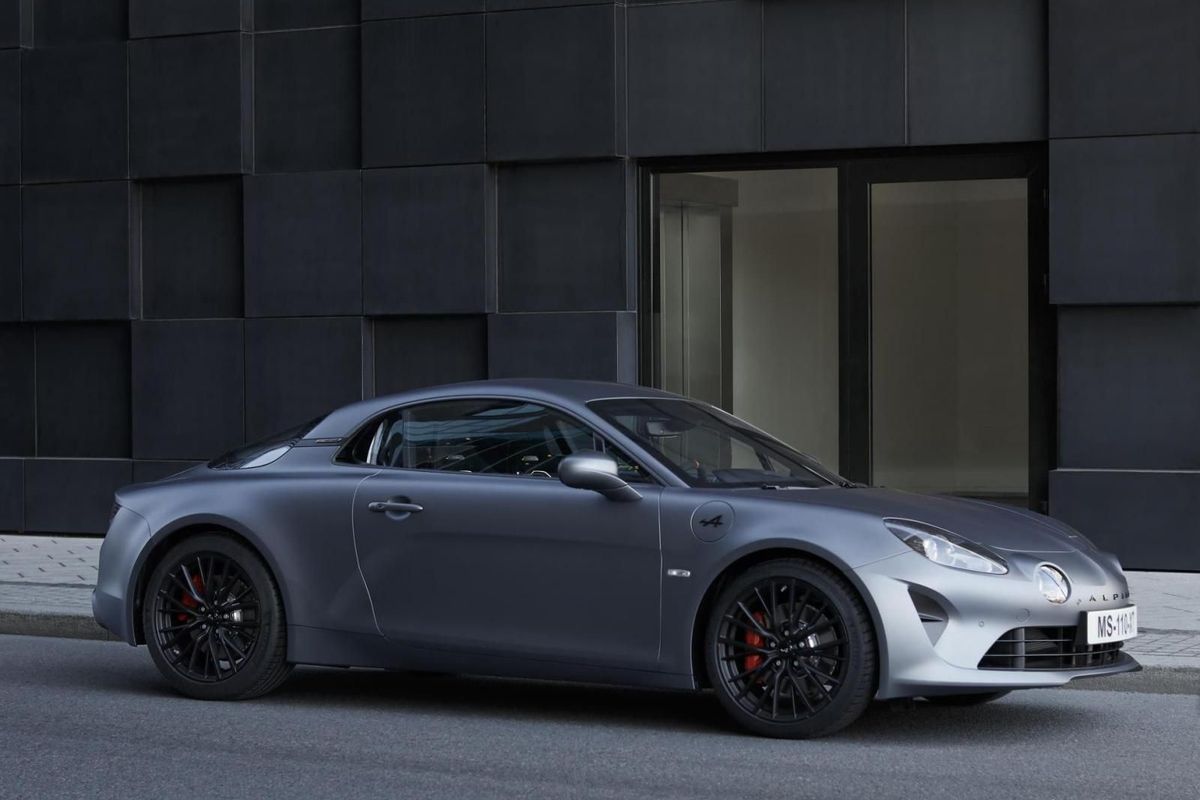
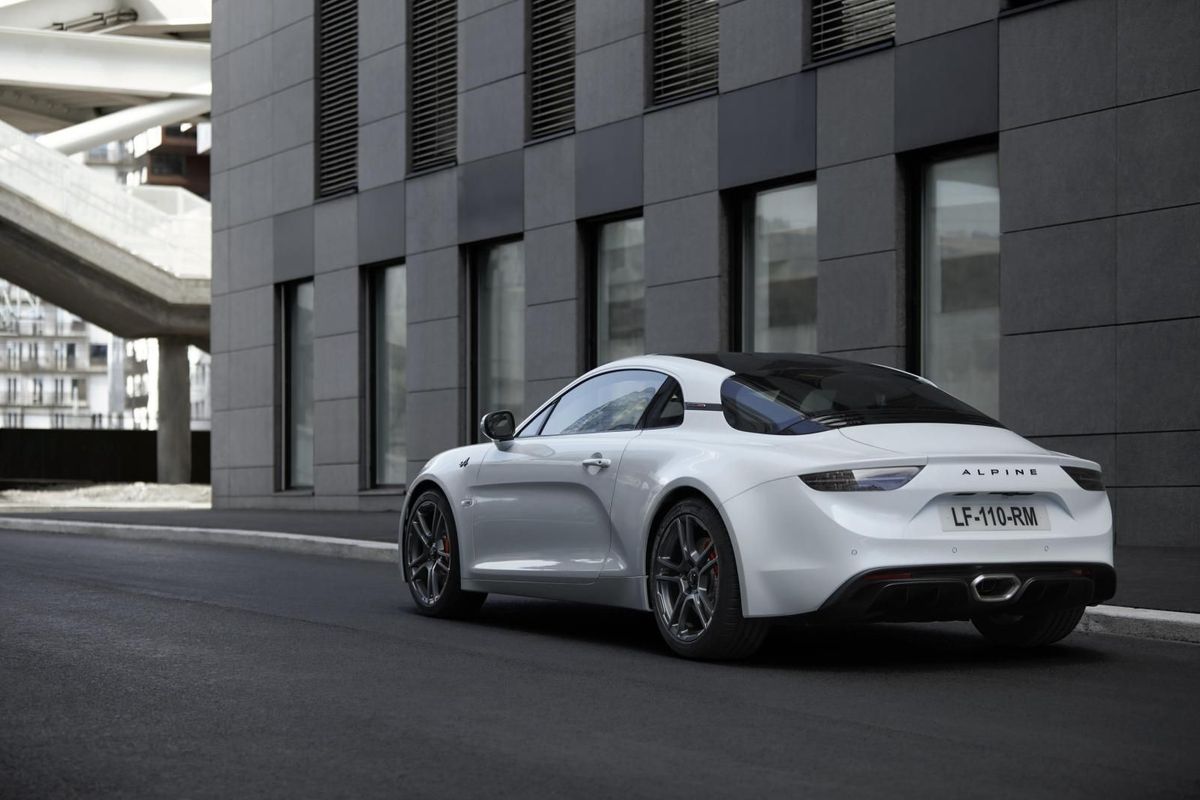
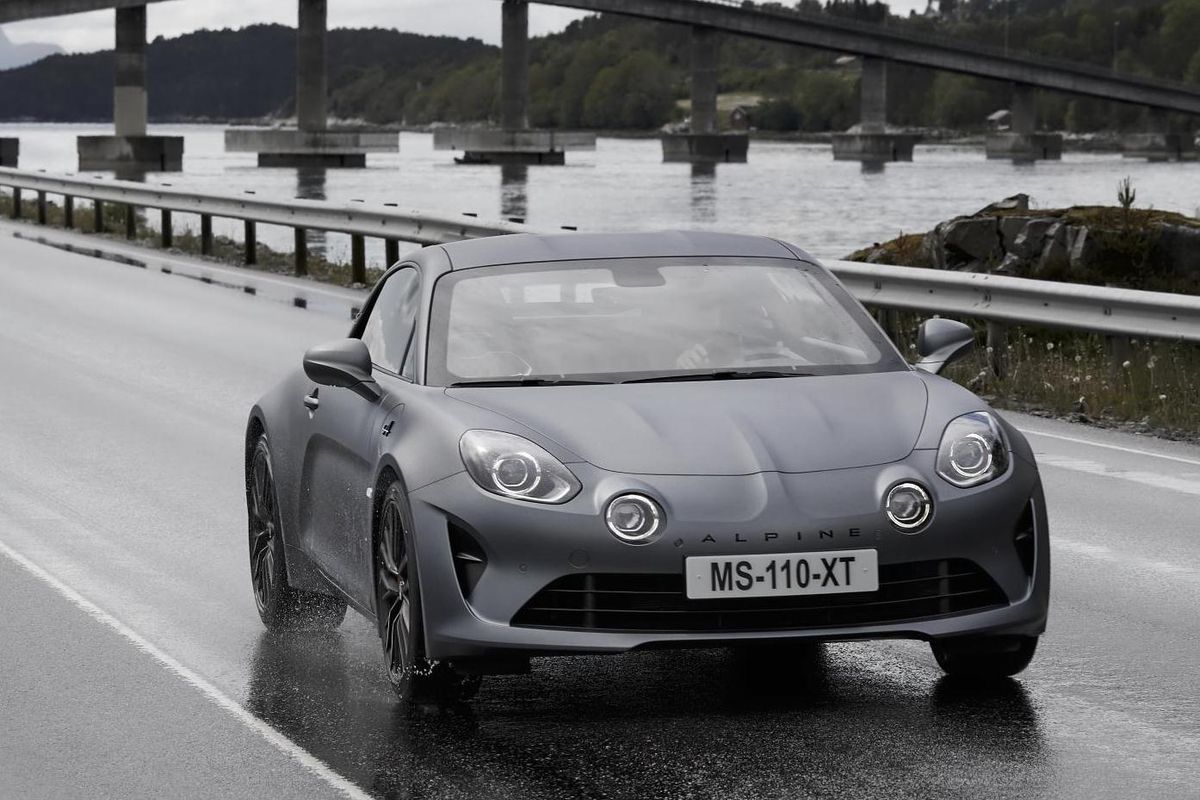
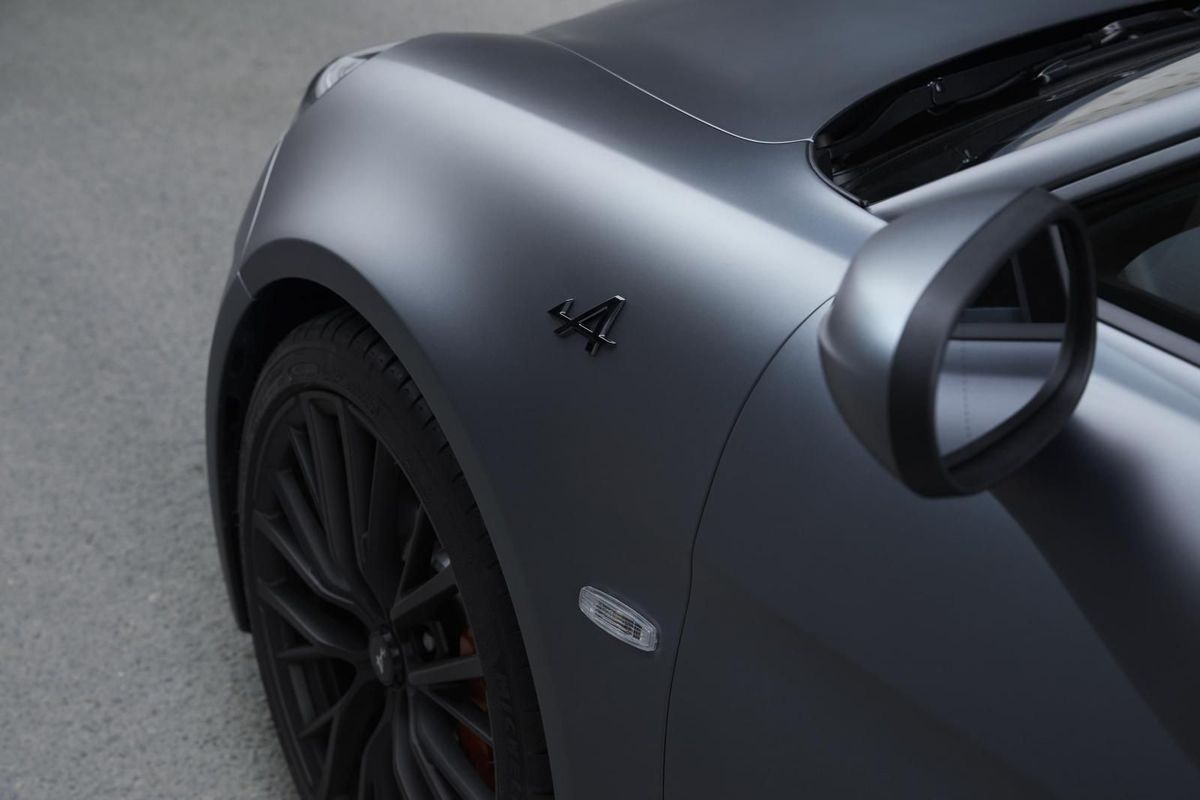
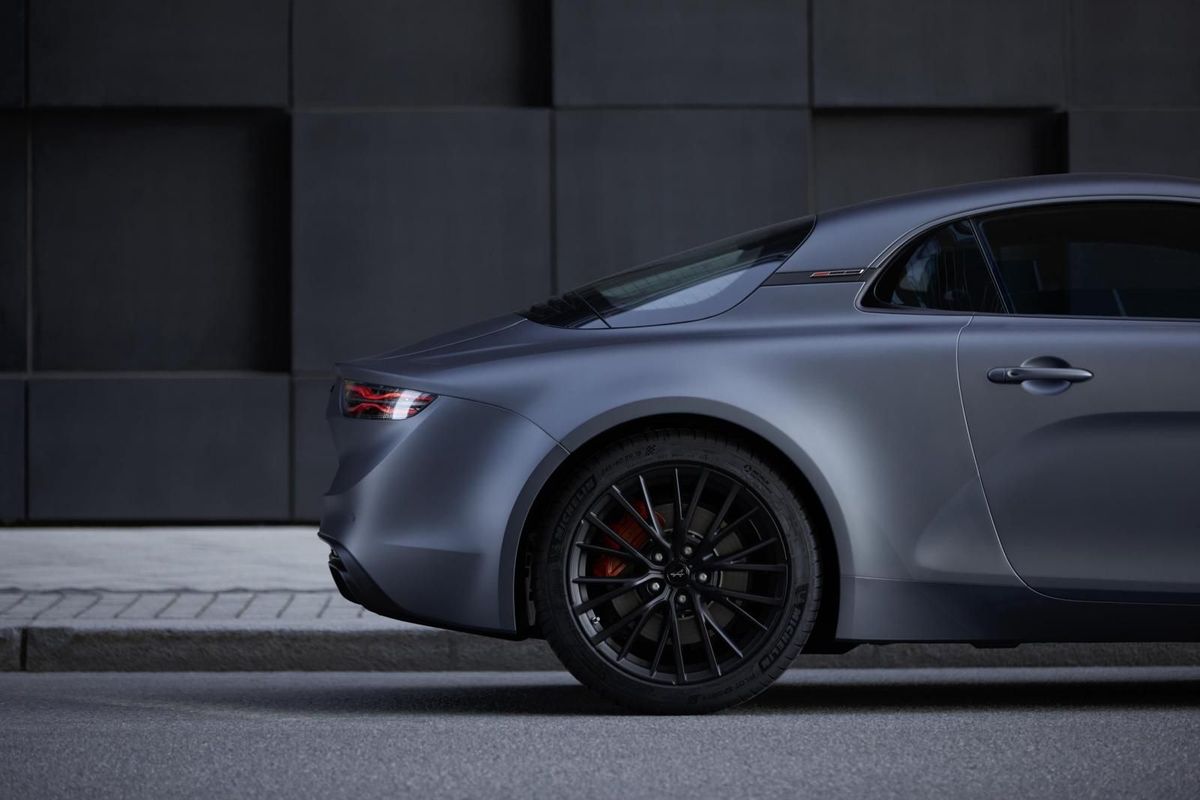
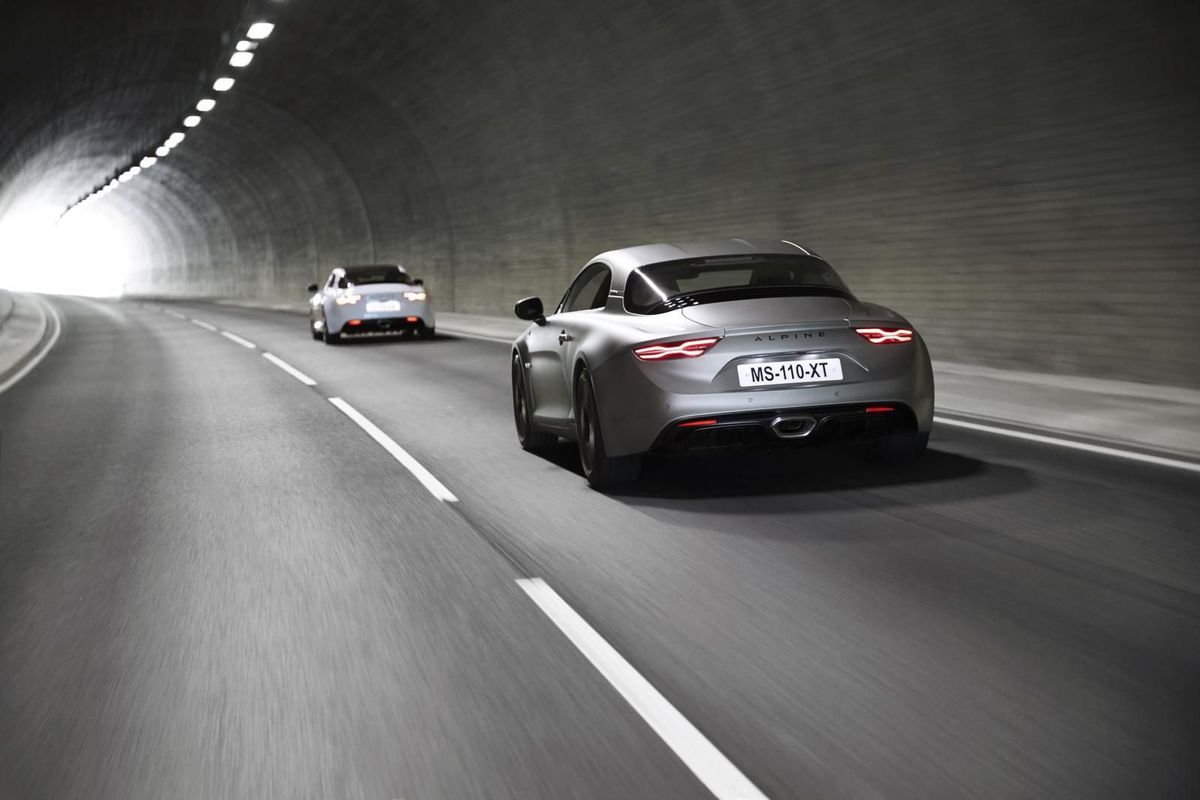
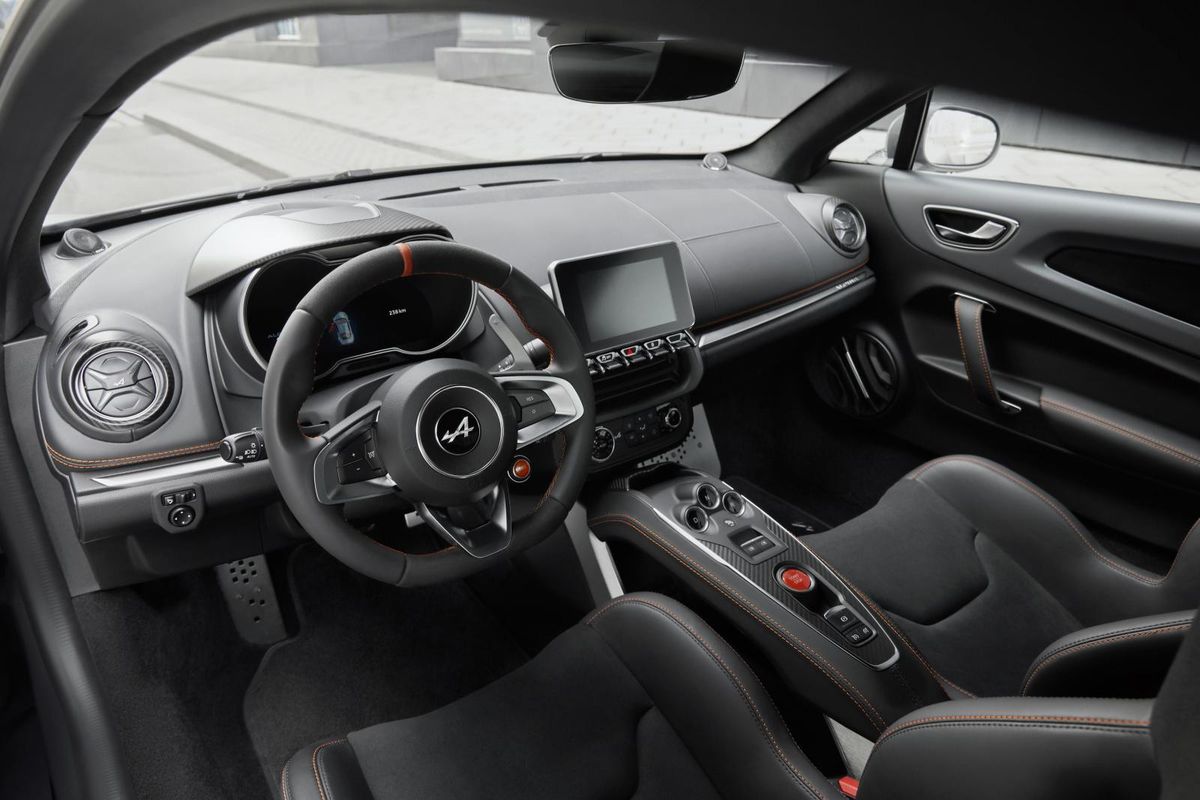
Renault reveals its latest version of the Alpine A110S – and it’s even lighter.
There aren’t many cars that can rival Porsche’s 718. If you want a mid-engined sportscar, you ordinarily have to pay supercar money for the privilege of having an engine between the axles, instead of on top of one of them.
Renault is finally giving Porsche what they have never had: a proper compact mid-engined rival to the 718 (Cayman). The car in question is the brand’s revival of its Alpine sub-brand and named A110. If you are a Renault follower, and aware of its classics, that naming convention will make complete sense.
The A110 is a mid-engined chassis unique to Alpine and powered by the same 1.8-litre turbocharged four-cylinder which sits up front in Renault’s highly regarded Megane hot hatches. It’s light and fast – and now Alpine has revealed the A110S, which is even lighter and faster.
Alpine engineers have added an assortment of technical upgrades to the A110 with this new ‘S’ derivative. At each wheel corner there are revised spring rates, hollow anti-roll bars and recalibrated dampers which create a median 75% stiffer suspension set-up. The A110S also rides 4 mm lower than Alpine’s factory specification A110.
Larger Brembo brakes, which are optional on the A110, come as standard fitment on the A110S and it also rolls a stickier compound of Michelin high-performance tyre. For those drivers confident in their abilities, the car’s electronic stability control can also be completely disabled…
The A110S is more powerful than a standard A110, with power boosted from 185- to 215 kW. That increase in engine output equates to 0-100 kph in 4.4 seconds.
Best of all is how light the A110S is. With a carbon-fibre roof, which saves 1.9 kg in weight, this mid-engined Renault sportscar registers a kerb mass of only 1 114 kg.
Availability in select markets is scheduled for the fourth quarter of this year, with indicative pricing of R1 250 000. Renault SA was originally excited about bringing Alpine models to SA, however hasn't been able to make a business case work for it with current exchange rate fluctuations.
Five Times Carmakers Over-customised Cars for Hobbies
Carmakers try their hardest to produce vehicles to suit customer's lifestyles. Sometimes they go above and beyond and cater for very specific hobbies. Here are 5 instances where manufacturers went overboard.
Cars come in all shapes and sizes, to suit various needs and roles. If you're wanting to carry 7 people plus luggage to the airport on a daily basis, then there's a shuttle bus for that. If you're a single person doing small distances to work and back, there's a compact car for you. If you need to tow things and go offroading, then guaranteed there's a large SUV or double-cab bakkie that will fulfil that need. What we're saying is that cars are engineered to suit people's lifestyle and generalisations are applied.
However, there are times where cars have been created or modified to suit very exact needs, or rather should we say built for a very specific demographic. Granted, some of these are one-offs and concepts, while others are priced beyond the realm of reason, but it's impressive and incredible to see what can be done.
Jamie Oliver's Land Rover Discovery Kitchen
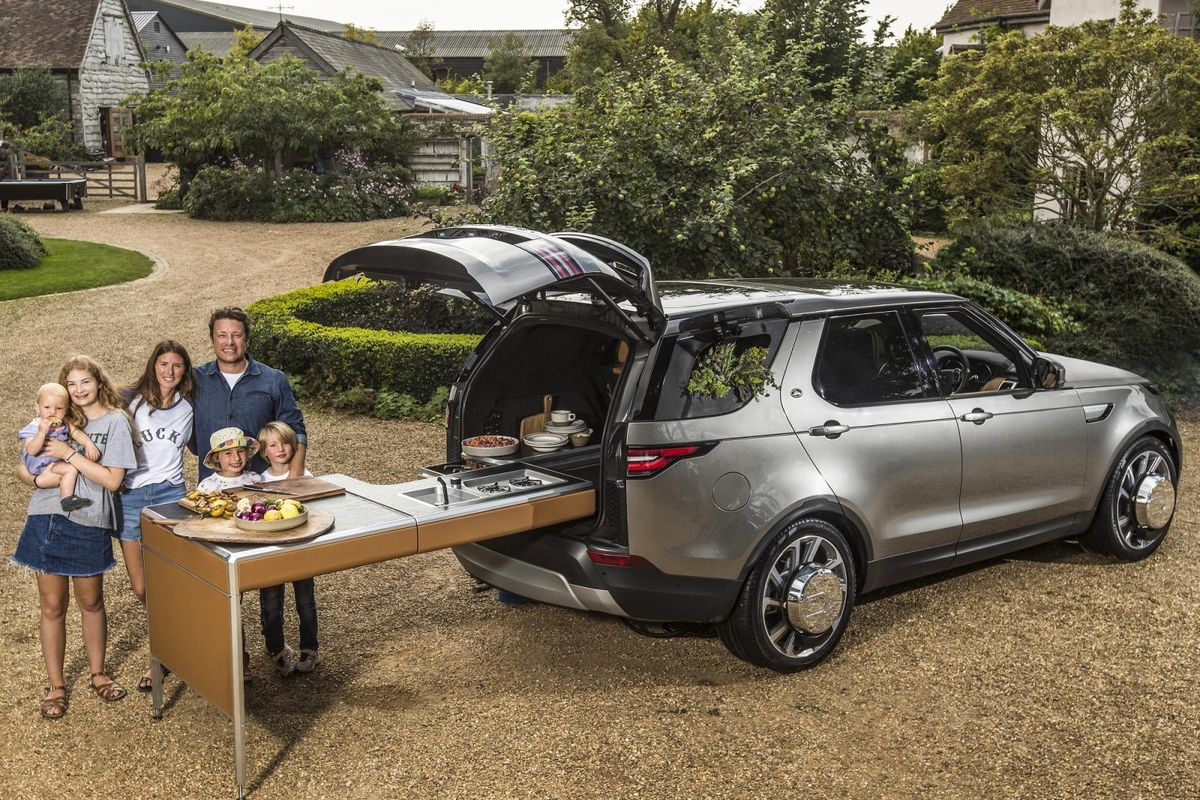
Chef Jamie Oliver teamed up with Land Rover to create a kitchen on wheels. Based on a current generation Land Rover Discovery 5, this unique creation features a pull-out preparation table, toaster, slow-cooker, ice cream maker, olive oil dispenser and even a rotisserie skewer.
Skoda Karoq Velo
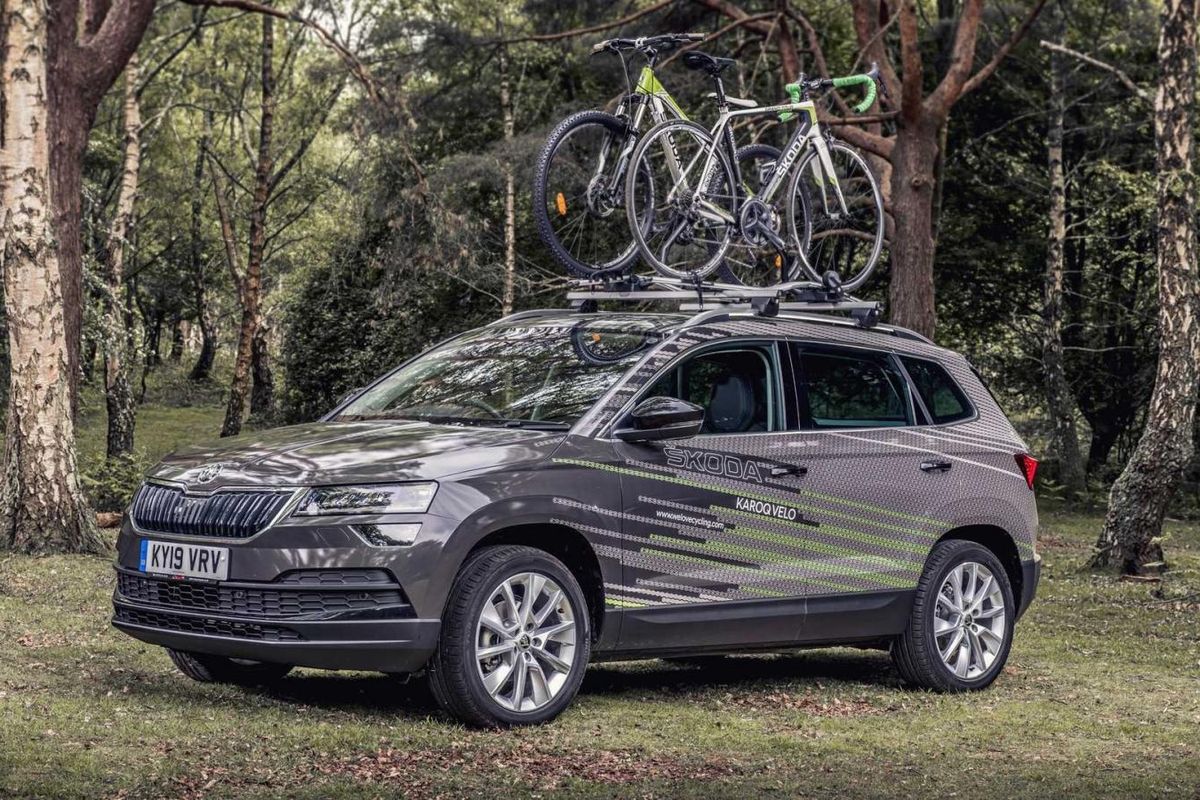
Skoda is a Czech vehicle brand owned by the Volkswagen Group and it has a record of supporting major cycling events and teams. It has made a cyclist's dream vehicle, based on the Karoq compact SUV. Inside, there's a toolbox, drinks cooler, high-pressure hose, washing machine and a work station to service your bike.
Range Rover by Holland & Holland
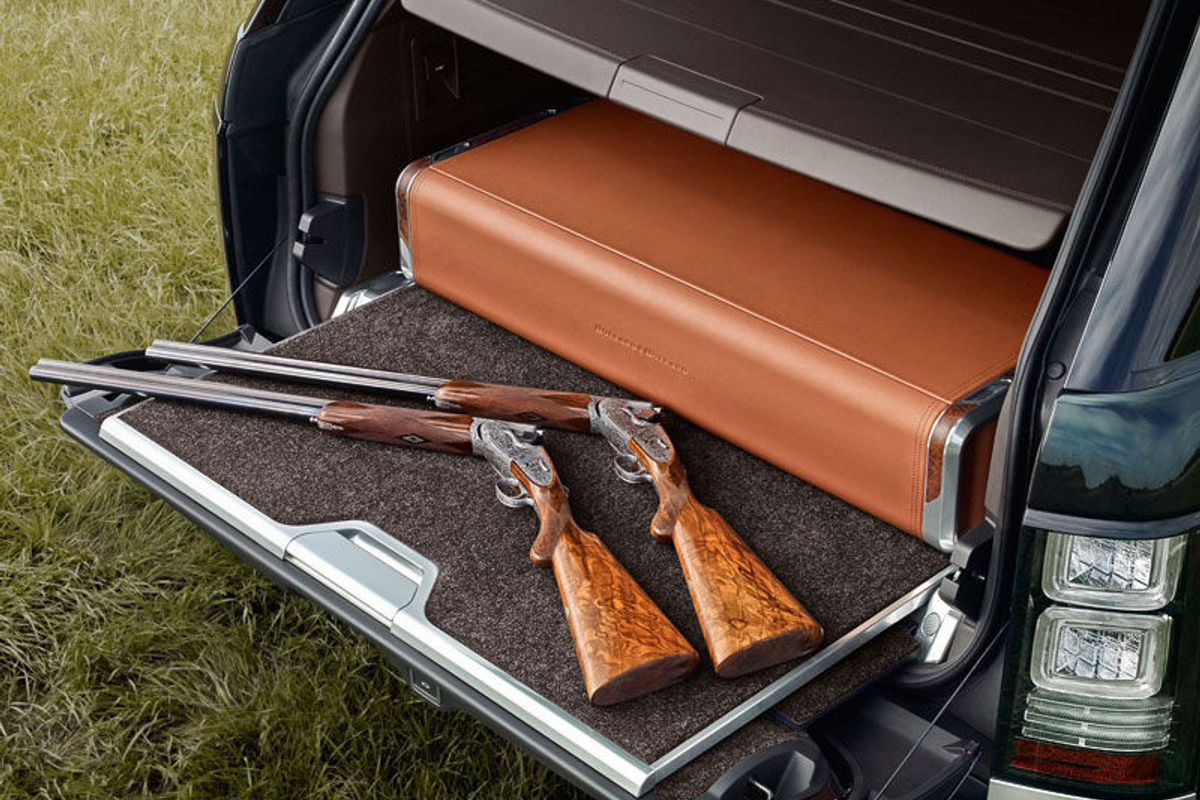
For those wanting the ultimate in luxury and comfort, even beyond what Range Rover can offer, look no further than Holland & Holland. The company has created a version of the Range Rover for hunters. Not only has the interior been overhauled and given a seriously luxury upgrade, but it also features gun racks and storage for hunting rifles.
Nissan X-Trail 4Dogs
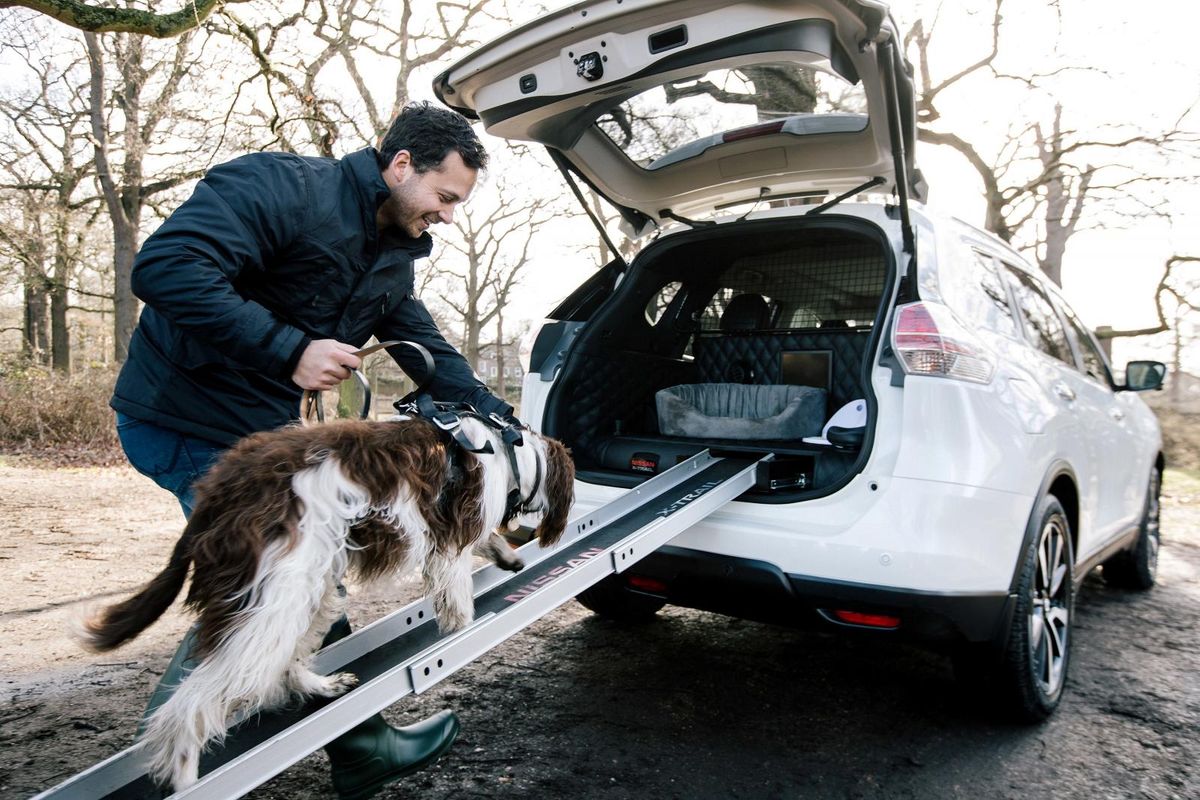
Just when you think you've seen it all, along comes a car for dog owners. Based on the Nissan X-Trail, the X-Trail 4Dogs edition features a modified boot area complete with access ramp, snack dispenser, 360-degree pull out shower, hairdryer, doggy bed, and clipping points for a safety harness. The boot is upholstered in premium wipe-clean leather so any stray dirt or pet hair can easily be cleaned or removed.
Bentley Bentayga Fly Fishing by Mulliner
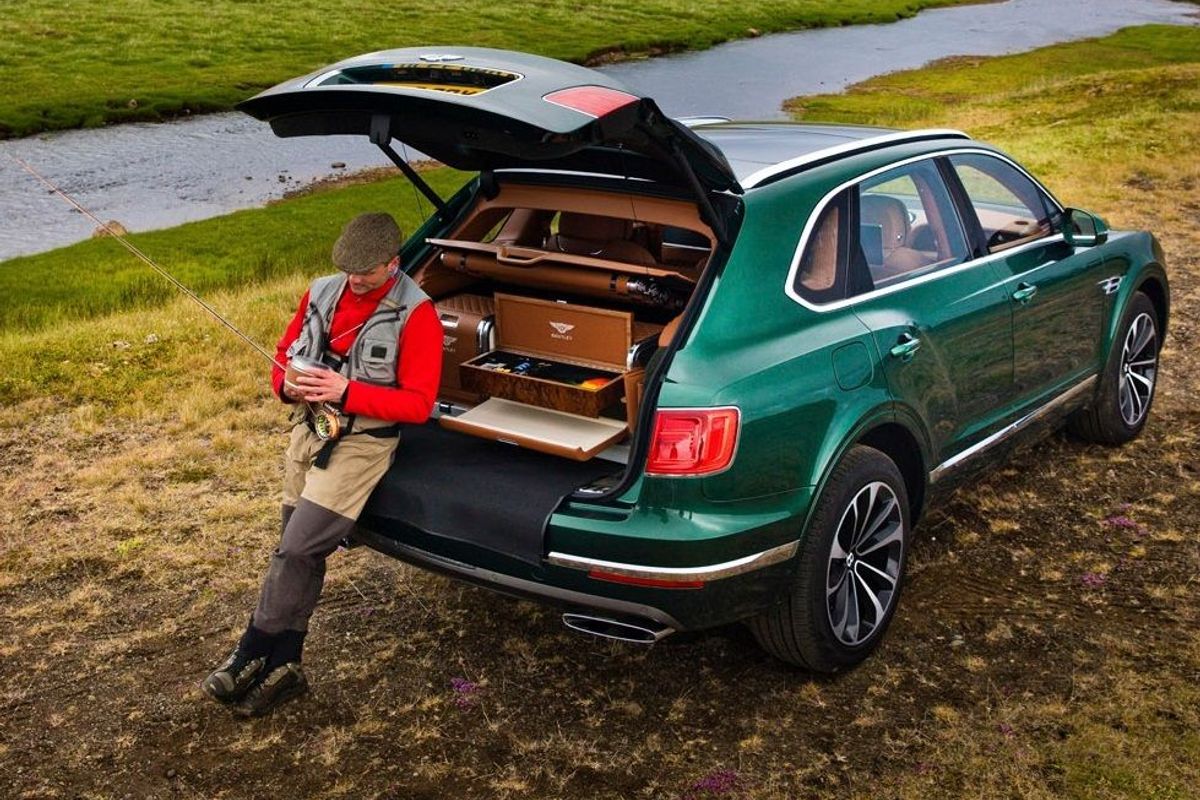
This is an interesting tie in, as we reckon that owners of Bentaygas are hardly likely to take their prized SUVs offroad. However, Bentley feels there's an opportunity to appeal to the fly-fishing community and turned to its coachbuilding arm, Mulliner. The Bentayga's boot has been modified into one gorgeously trimmed fly-tying workstation and storage area.
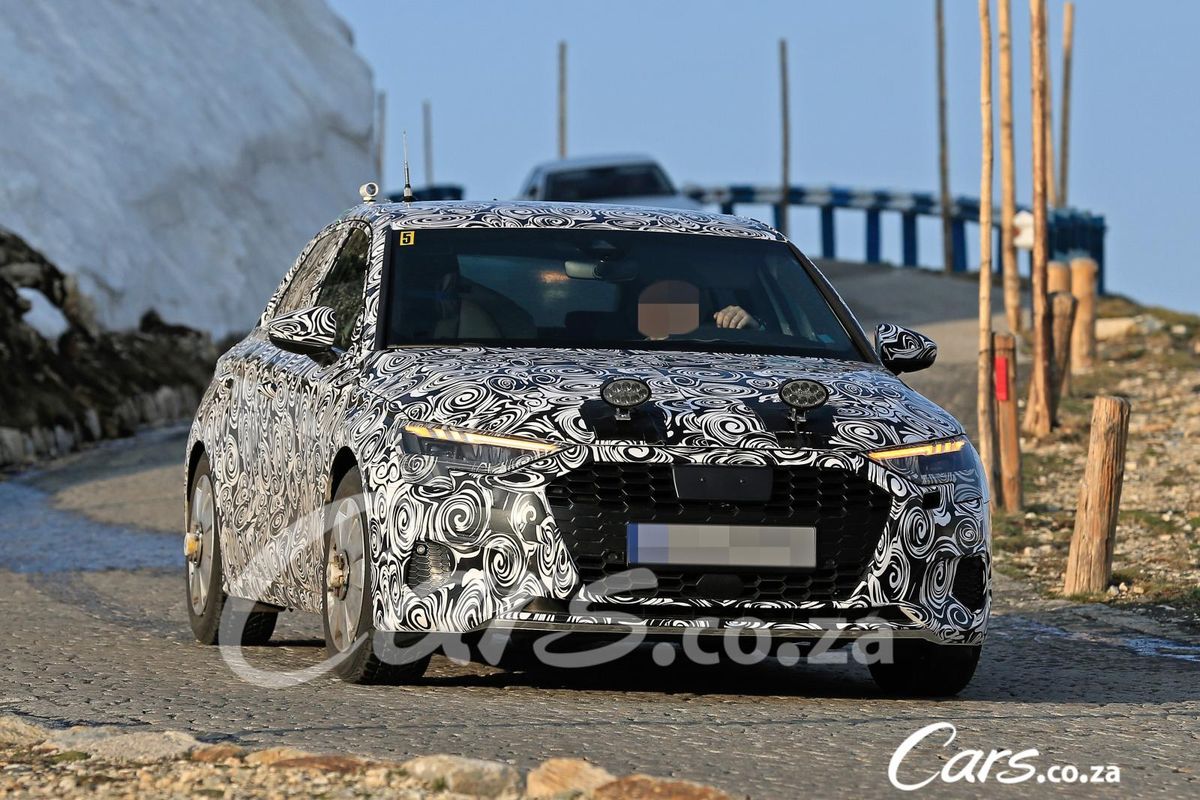
Spy Shots: Audi A3
The next-generation of Audi A3 has been spotted testing in the Alps.
Picture credit: S. Baldauf/SB-Medien
What you see is the next-generation Audi A3, carefully camouflaged. Our spy photographers tell us that the A3 prototypes were in the Alps mountain range undergoing brake testing on the technical and twisty sections of road. Anyone who has driven extensively in a mountainous are knows how much the brakes get worked when you're trying to keep the car in control on a downhill.
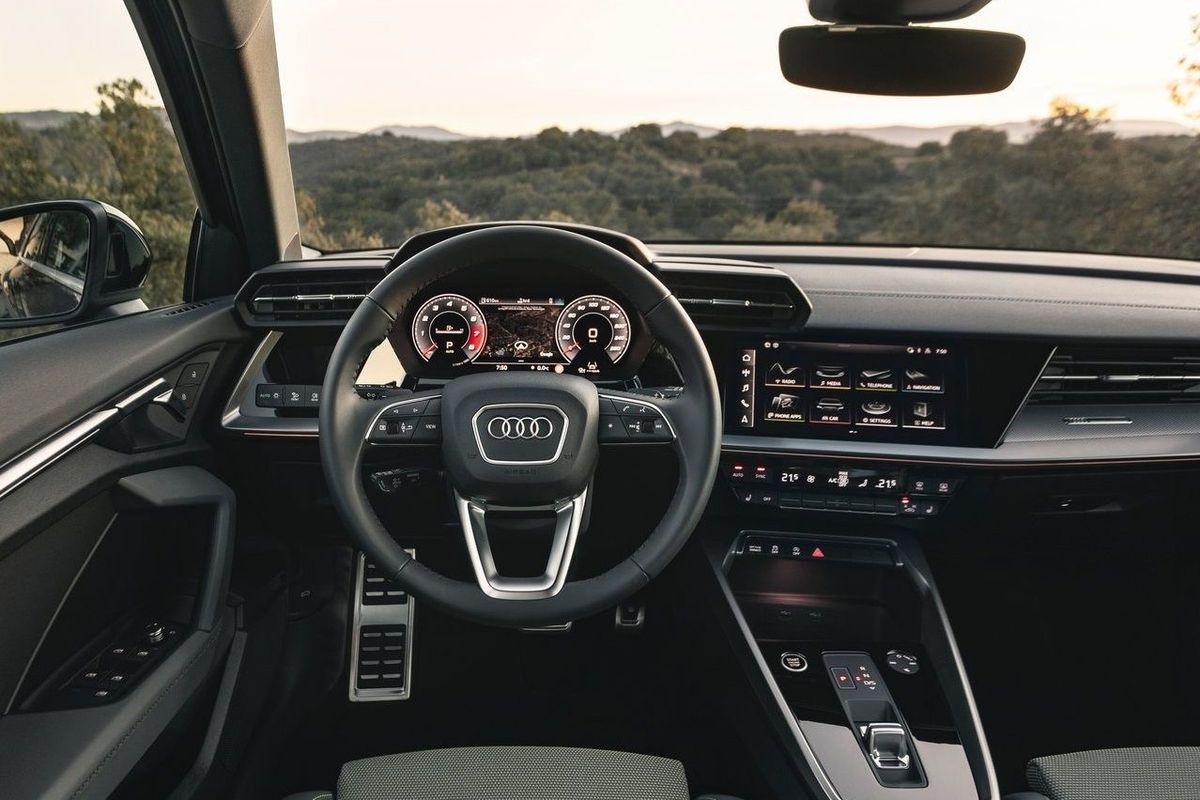
In terms of engines, we think the range will receive revised and enhanced versions of the current powertrains as well as the inevitable plug-in hybrid / e-tron. There should also be an S3 and an RS3, but the performance variants are at least 18 months away. When it comes to interiors, we think the new Audi A3 will adopt the latest cabins seen in the A1 and Q8. That means a new-look infotainment software, which we've experienced in the aforementioned cars.
We're still some way away from seeing a production-ready Audi A3, but we expect a reveal before the end of 2019.
The CitiGolf is a bona fide icon of South African motoring – close to 377 000 units of the legacy Golf Mk1 units were produced in Volkswagen South Africa's Uitenhage plant. Here are 5 of the most influential versions ever made…
With a heritage that spans 25 years, the CitiGolf is somewhat of a phenomenon here in South Africa. In 1984, the original Golf Mk1 (the successor to the Beetle) was superseded by the Mk2 (also known as the "Jumbo Golf"), which boasted bigger dimensions and a plethora of improvements. But, because the Golf had moved upmarket, it was no longer as affordable and this left a chasm in Volkswagen South Africa’s entry-level portfolio.
While the company did consider introducing the Polo to the local market, the local subsidiary of the Wolfsburg-based brand ultimately decided to continue its Golf 1 production line (which had been amortised) and repackage the Mk1 as an affordable car for students and first-time buyers. And so the CitiGolf concept was born. During its tenure, the CitiGolf was available in various states of tune and colour options, and Volkswagen sold more than 1 200 units a month – every month – for a quarter of a century. Think about that for a moment… While there were a number of stand-out derivatives produced over the years, including Sonic, Deco, Designa, Citi.com and Ritz, the following 5 CitiGolfs stand out as the most influential.
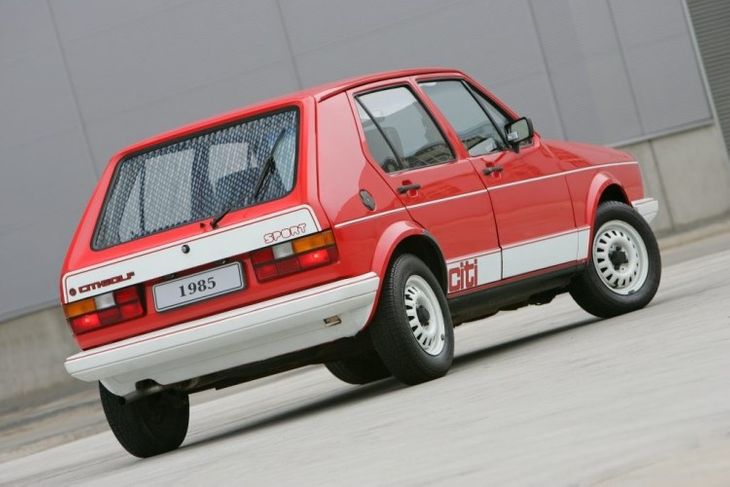
5. CitiGolf Sport 1985-1989
With a colour scheme inspired by Dutch artist Piet Mondrian, the "Eighties" CitiGolf was available in the choice of three bright primary hues: blue, yellow and red, while other colours (such as silver, black and pink) were introduced at a later stage. Powered by 1.3-litre carb-fed 4-cylinder, these versions sold appreciably well owing to their economic engines, affordability and bright, endearing colour-ways. The line-up lacked an out-and-out performance model for a few years, but that changed when the CitiGolf Sport was introduced to the market. Responsible for kick-starting a lineage of performance-focused CitiGolfs, the Sport was initially powered by a 64 kW 1.6-litre (also with a carburettor), but was later upgraded to a 70 kW 1.8-litre motor mated with a short-ratio 5-speed manual gearbox — it was pretty rapid for the time (capable of a sub-11 sec 0-100 kph dash).
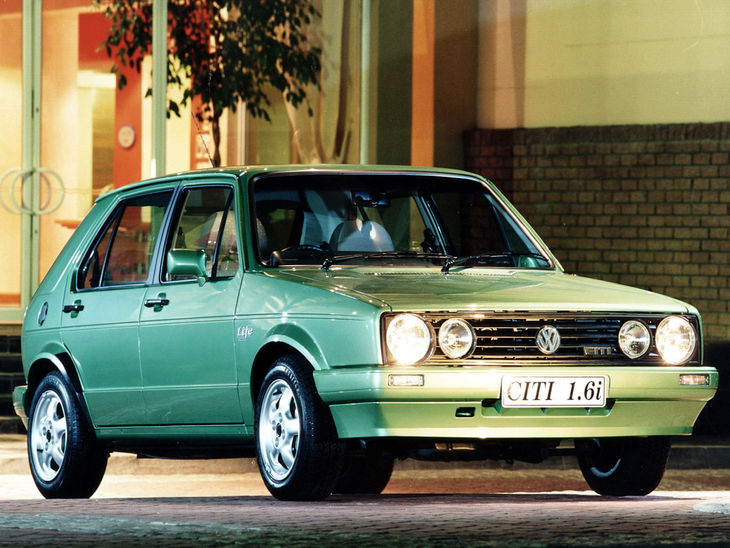
4. Citi Life 1999-2003
After the CTi (see below) was discontinued in the mid-Nineties, it wasn’t until the Citi Life was introduced in 1999, that a veritable performance-orientated derivative was again available to the public. In terms of DNA, it followed very much a similar recipe to that of the CTi with blacked-out tailgate- and B-pillar foiling, a rear spoiler, colour coding, mudguards and 15-inch alloy wheels. It truly looked part.
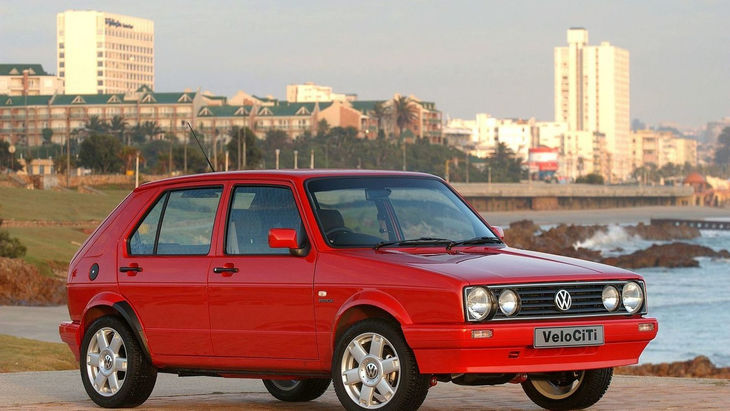
Engine-wise, it received a fuel-injected 1.6-litre 4 cylinder — it was a nippy little lump that produced 74 kW and 140 Nm of torque. It also benefitted from upgraded brakes and new exhaust system, all of which yielded a fairly impressive 10 sec 0-100 kph sprint time. The Citi Life underwent a mid-life facelift in 2003 when Volkswagen SA introduced a string of changes to freshen up both the Citi’s exterior and interior design cues. To give a few examples: it was rebranded with updated "Life" fender logos and a "Citi 1.6i" gel sticker on the tailgate, received new front windows, relocated wing mirrors, a rear-screen wiper, and repositioned indicators (on the front fenders), while its interior sported a completely new dashboard (see VeloCiti).
3. VeloCiti 2005-2009
The VeloCiti heralded a new dawn for the CitiGolf concept in South Africa. Its sporty facade, new badging philosophy and trendy, metallic colour options found favour with the younger generation and stimulated yet another resurgence in sales in the entry-level segment. It sported the brand’s recent facelift, which implemented several changes to the exterior and interior, most notable of which was the completely re-designed dashboard (something it borrowed from the Skoda Fabia). It was available in 2 states of tune: a 62 kW 1.4-litre and 74 kW 1.6-litre, both controlled by MP9 management systems and accessed via a short-ratio 5-speed ‘FFZ’ transmission. 2006 heralded another facelift with such changes as newly remodelled tail-lamp clusters with circular insets (to go with Volkswagen’s new design language) and a new front bumper with lower apron grille.
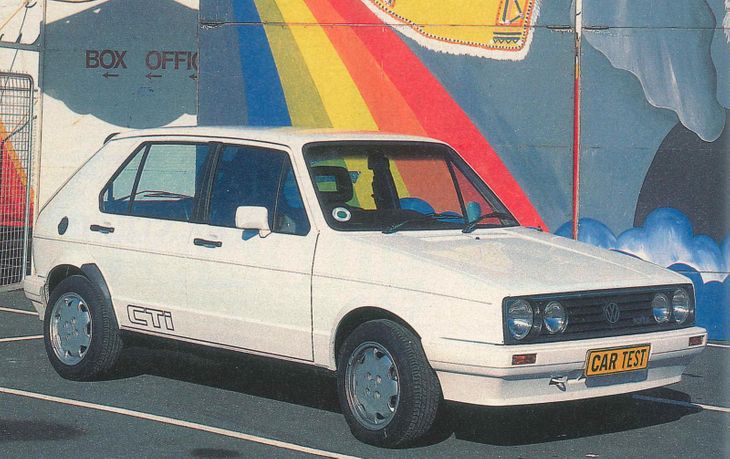
2. CitiGolf CTi 1990-1995
*Image courtesy of Car Magazine.
Considered by many local Volkswagen aficionados as the best CitiGolf of all, the CTi quickly gained cult status owing to its GTI-derived DNA and sportiness. As such the CTi received myriad enhancements to differentiate itself from its lesser siblings such as a rear spoiler, blacked-out tailgate foiling, CTi decals on the lower rear doors, 15-inch alloy wheels and colour-coded wing mirrors. The interior too benefited from semi-leather/tartan cloth seats, sporty instrumentation binnacles and a trio of VDO ancillary gauges to monitor oil pressure, amp voltage and fuel pressure gauges. It all looked very authentic; very GTi. Its biggest drawcard was undoubtedly the K-Jetronic-fuel-injected 1.8-litre 8-valve motor that pumped out 82 kW and 153 Nm of torque. It was a screamer and – at the time – the fastest CitiGolf ever produced with a top speed of 180 kph. It's a collector’s piece!
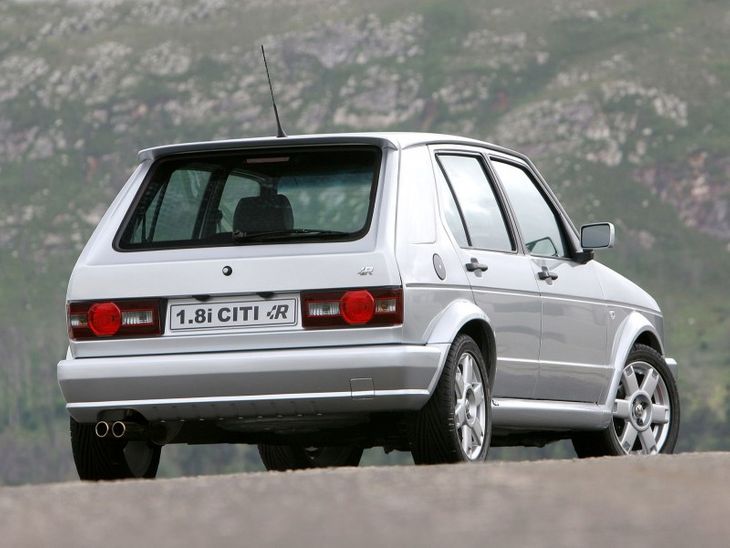
1. CitiGolf 1.8i R-Line 2006 (Limited Edition)
Fettled by Volkswagen South Africa's motorsport division, the Citi R-Line was a reincarnation of the original Mk 1 GTi and CTi. Like the GTi and CTi that came before it, the R-Line also befitted from a 1.8-litre 8-valve engine — albeit with radically tweaked internals such as a smoothed-out cylinder head, a re-profiled 272-degree camshaft and chip-tuned ECU. With maximum outputs of 90 kW and 162 Nm, the 900 kg Citi R-Line was no slouch in a straight line – Volkswagen South Africa a claimed the R-Line had a 0-100 kph sprint time of 8.5 seconds.
Furthermore, it looked the part, with an aggressive body kit, pin-striped grille, limited-edition alloy wheels and R-Line badges rounding off the visual treatment. As to how many were ever produced, nobody quite knows… There was, however, a limited run of standard Citi 1.8i units, boasting identical performance figures but far more demure packaging, that followed shortly after the launch of the R-Line.
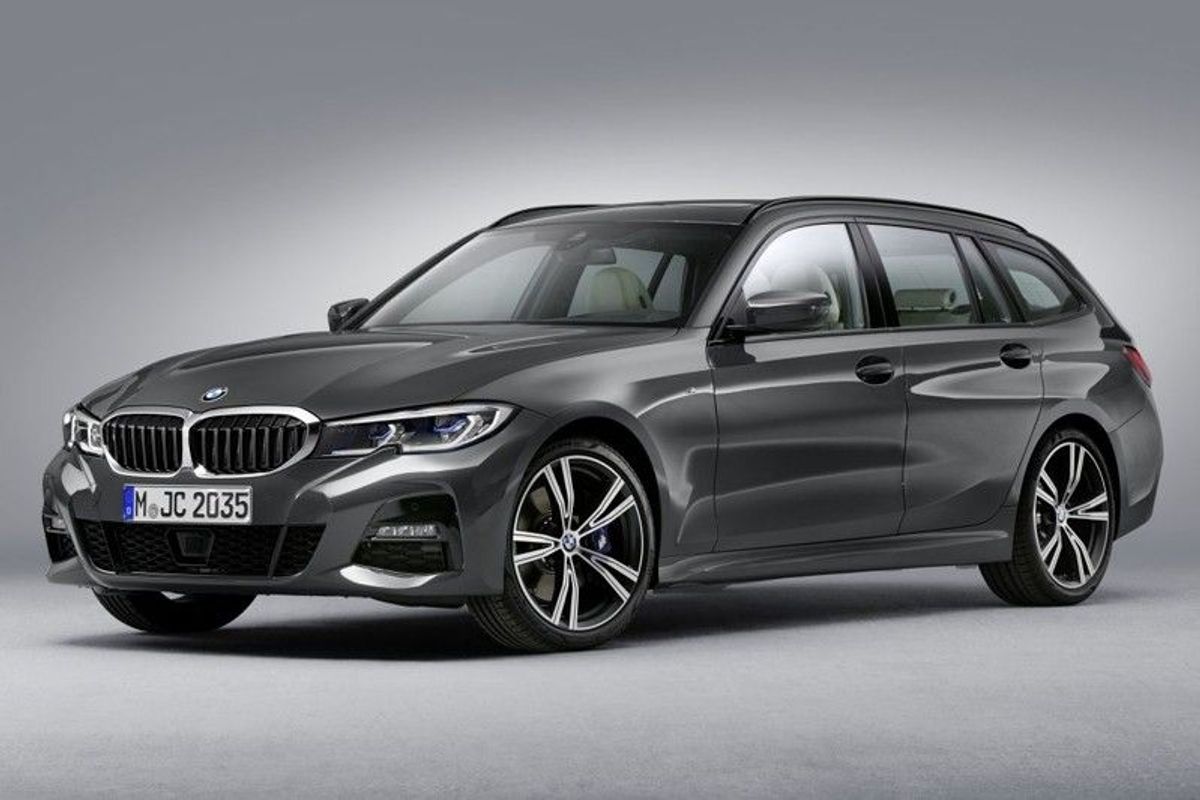
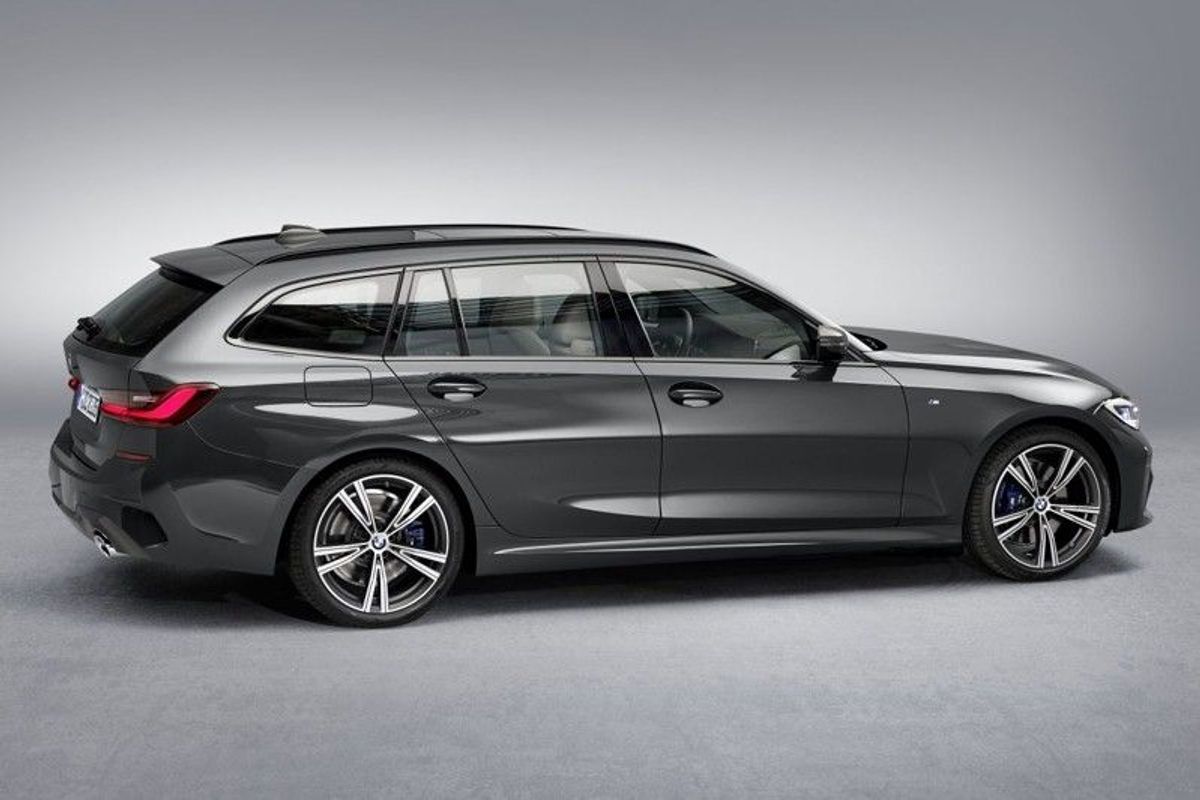
Latest long-roof 3 Series could be BMW’s most attractive station wagon, yet.
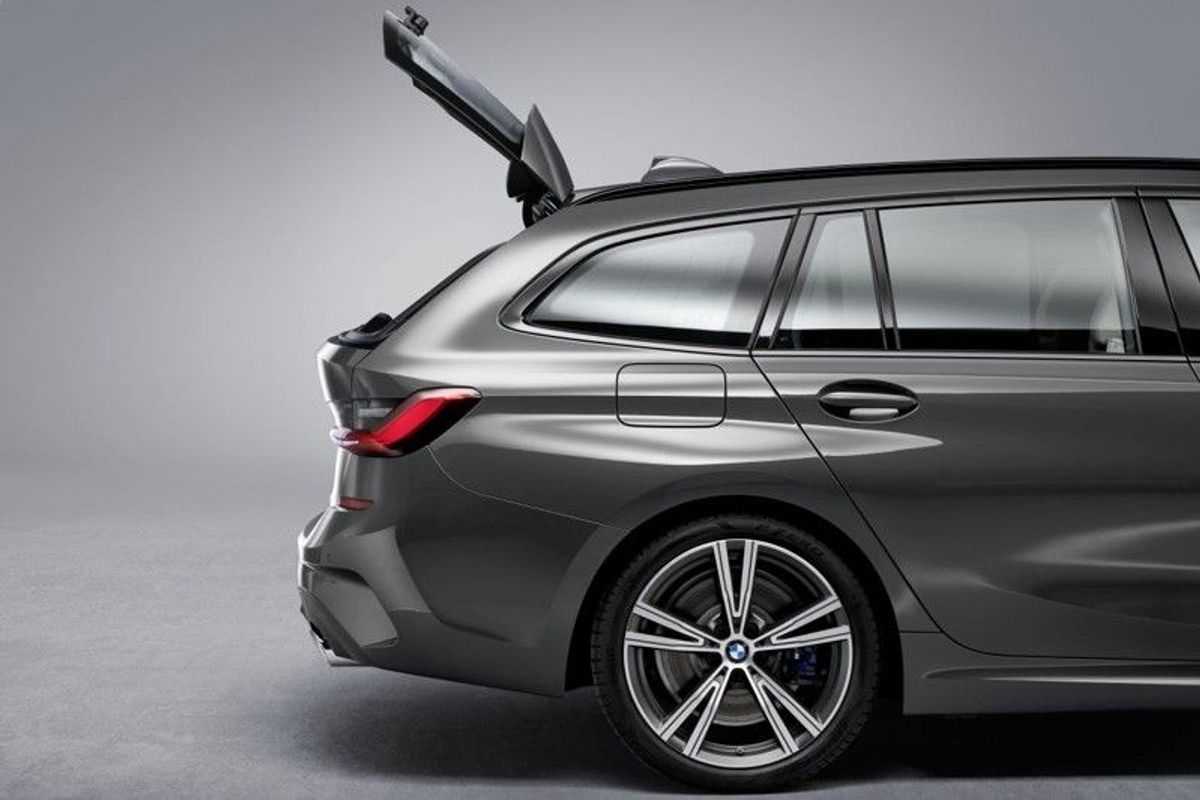
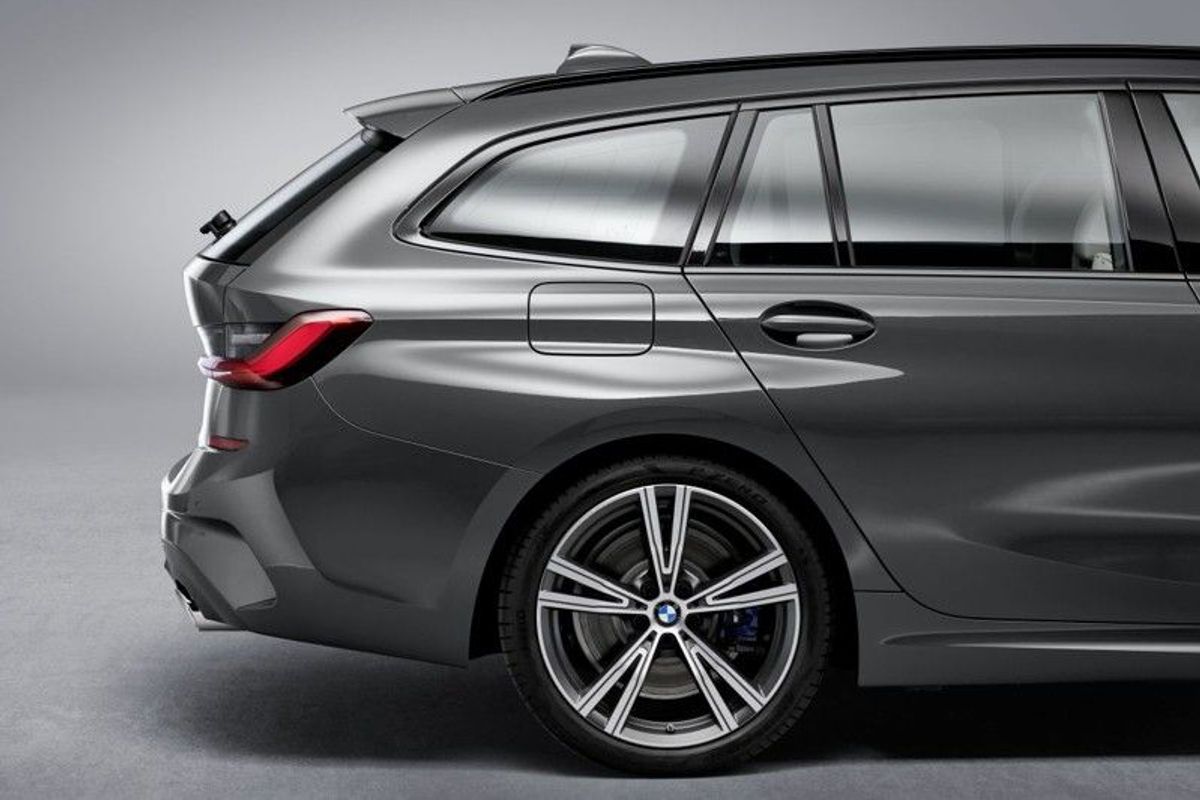
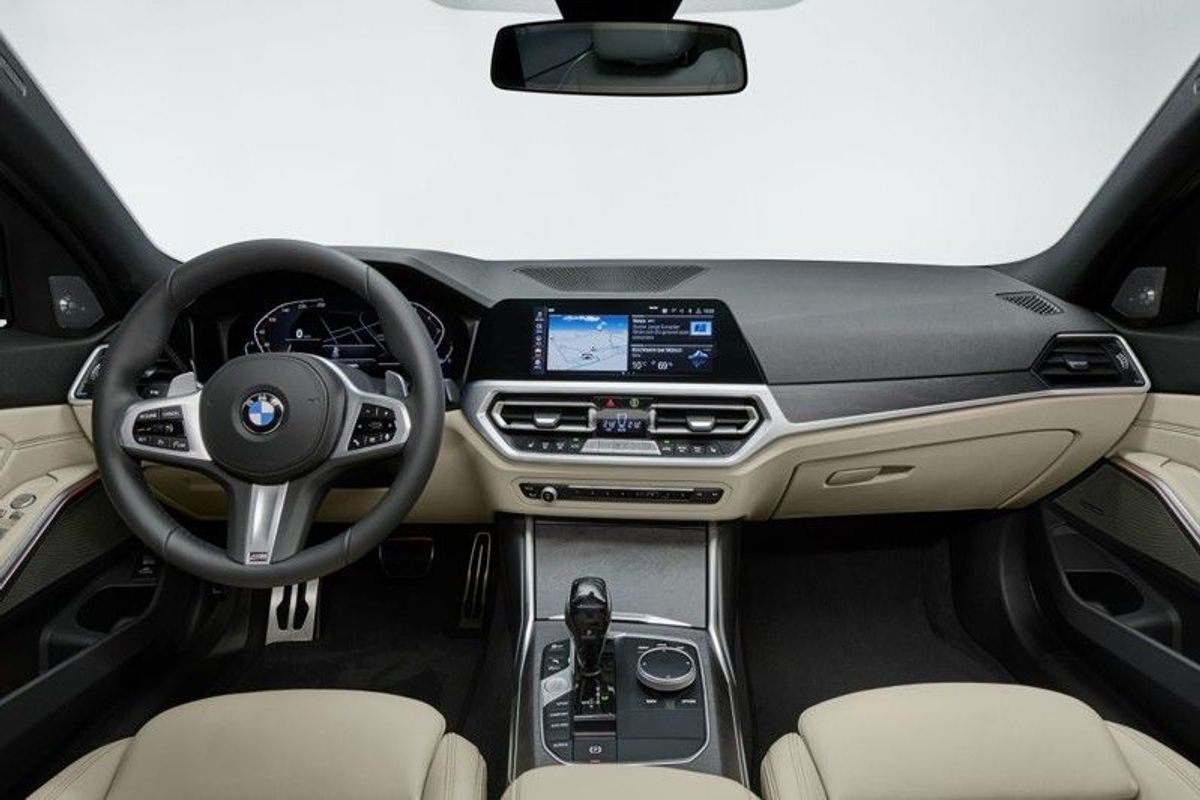
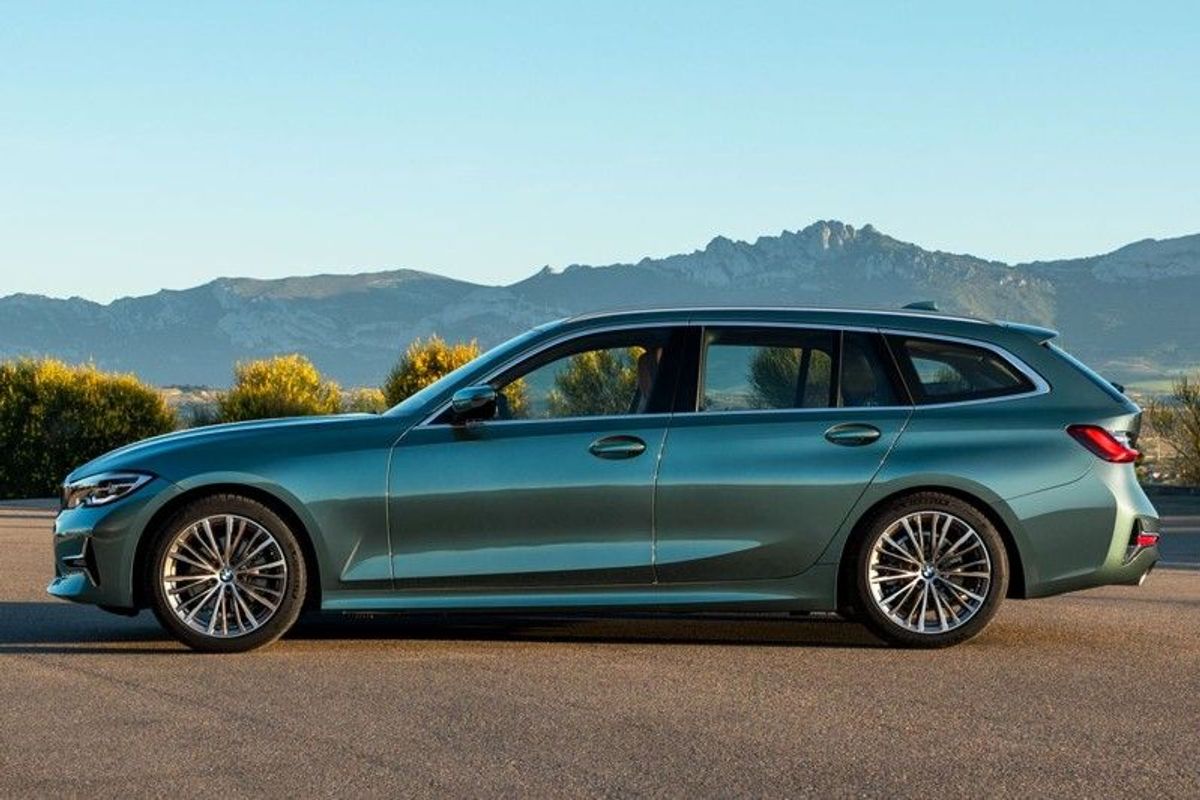
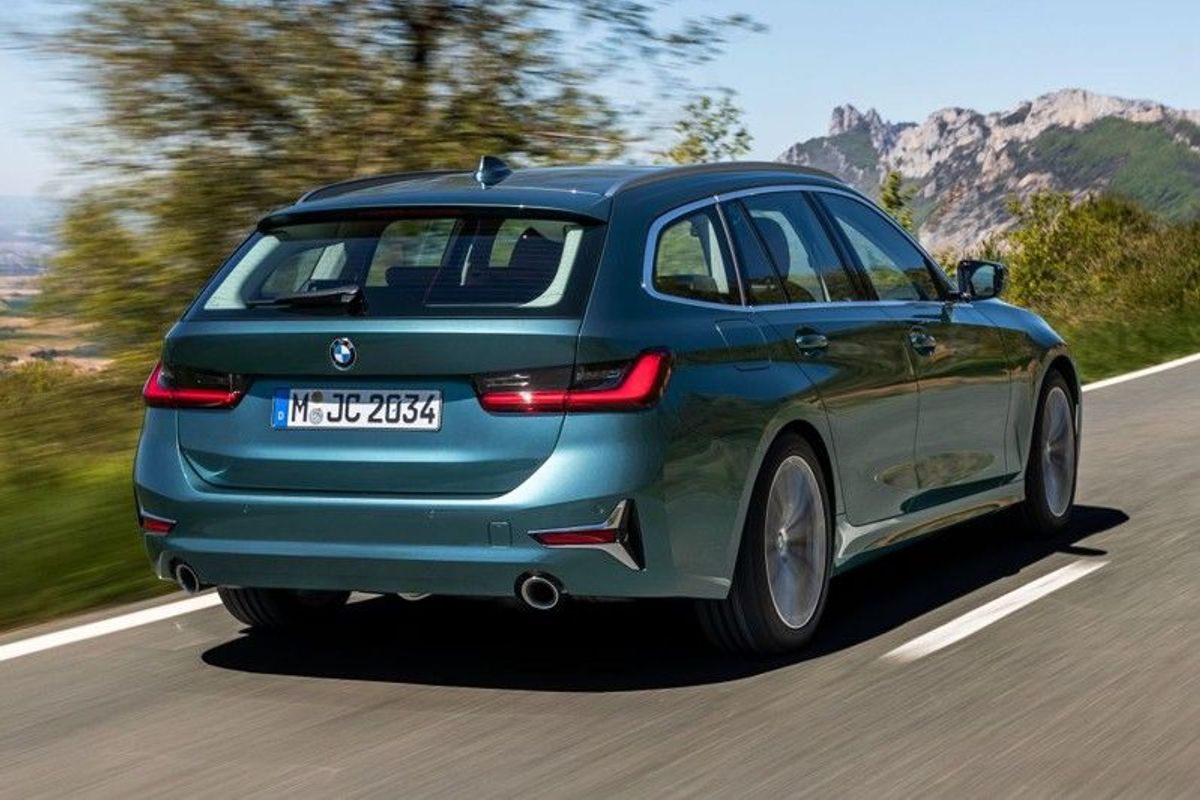
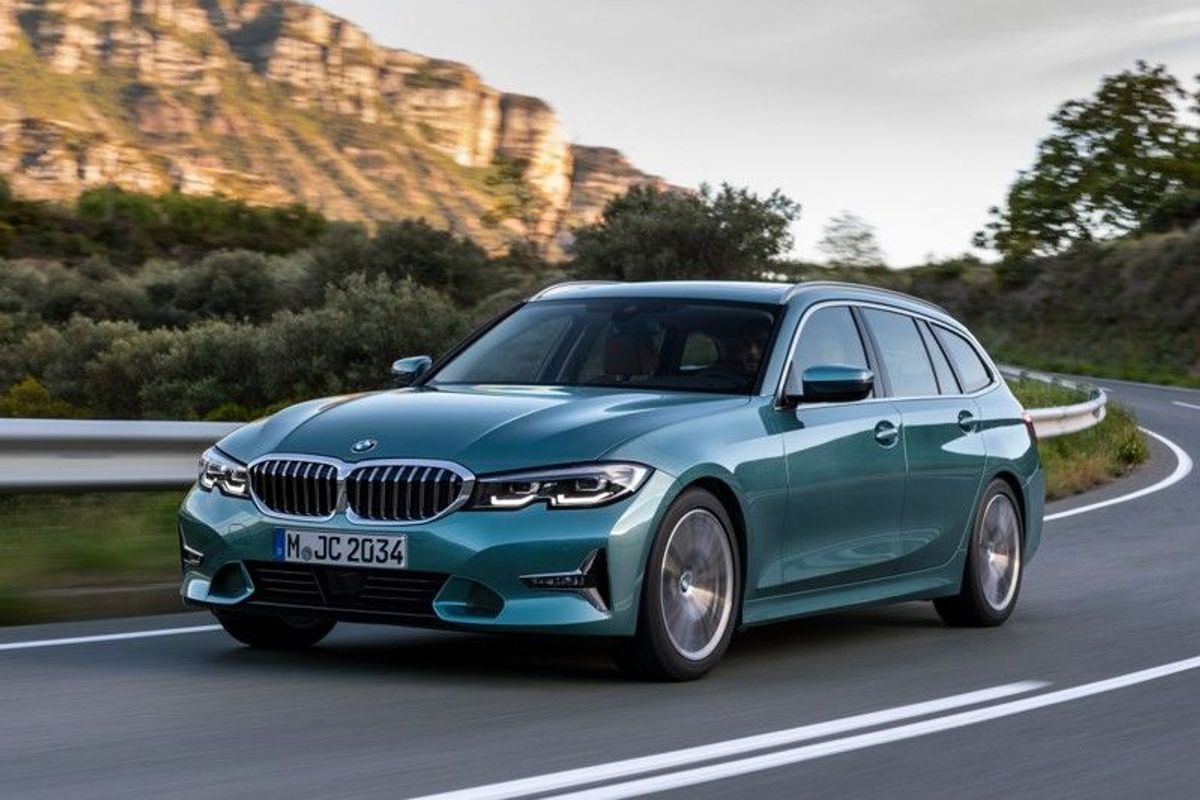
BMW has revealed its bigger and better sixth-generation 3 Series Touring – which you still won’t be able to buy from your local South African dealer.
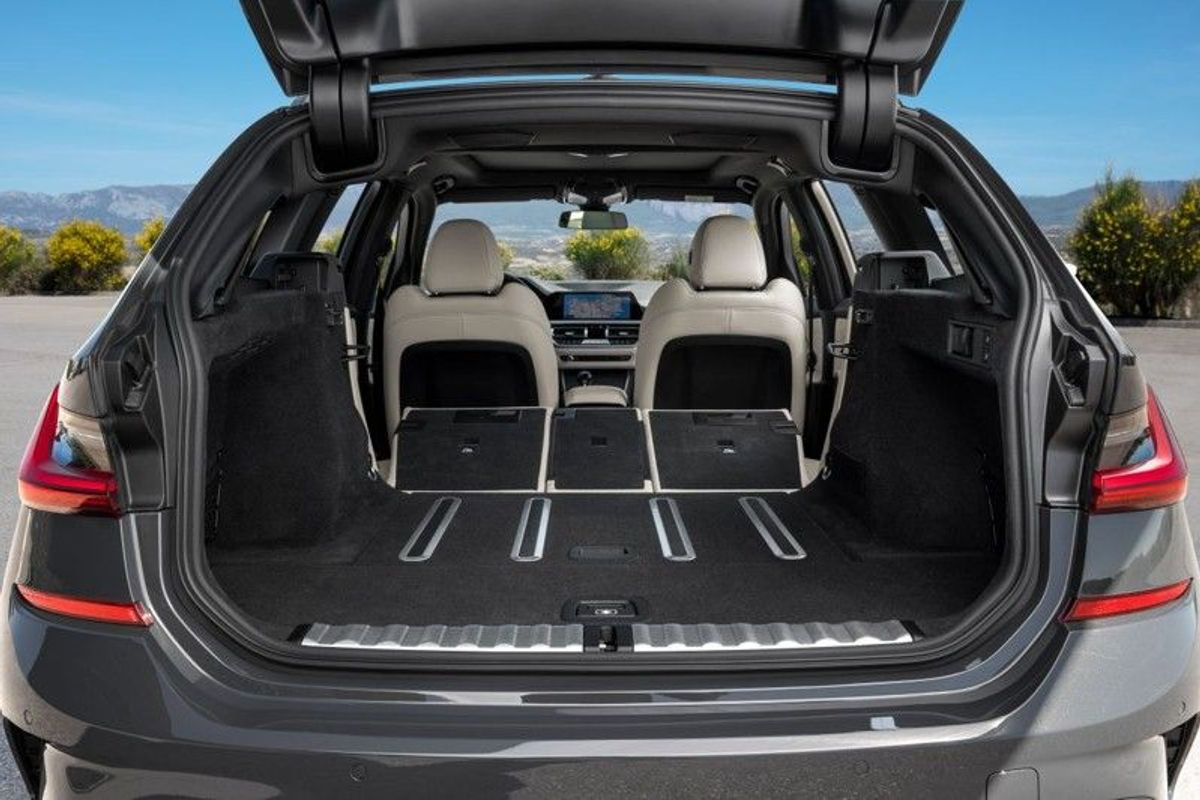
The new 3 Series Touring is 76 mm longer bumper-to-bumper, 16 mm broader across and 8 mm taller than the previous generation BMW compact station wagon. What those dimensions yield in terms of usable cabin architecture, is 1% more utility space, with total luggage capacity now rated at 500-litres.
Crucially, the load area has a 112 m larger overall aperture, with a lower lip, to ensure easier manoeuvring of items in and out of the rear of a new 3 Series Touring.
BMW’s engineers have also standardised an electric fifth-door and powered 40/20/40 rear seat split function. Further improving convenience, of those who just love loading things into cars, is the ability to open the fifth door's window only, for loading lighter shopping, instead of having to open the entire tailgate.
Mechanically the 3 Series Touring shadows all the new features available in its sedan sibling. Overall weight distribution is at parity, with an equal 50/50 split between the axles. There’s a 41 mm longer wheelbase too, balanced by a wider track, to improve both handling stability and cornering agility.
Engine options are similar to what you’ll find in the latest 3 Series sedan, with two turbocharged four-cylinder powerplants. The 330i is powered by a 2-litre petrol, boosting 190 kW and 400 Nm, whilst 320d compresses diesel for peak outputs of 140 kW and 400 Nm.
Those who desire the most responsive possible driving experience from their 3 Series Touring can specify an M Sport package, which lowers the ride height by 10 mm and adds adaptive M suspension, which includes electronically-controlled dampers.
A car with terrifically balanced proportions and admirably practicality, the BMW 3 Series Touring will not be available to South African buyers. This is a shame.
Alfa Romeo tops at Concorso d’Eleganza Villa d’Este again (gallery)
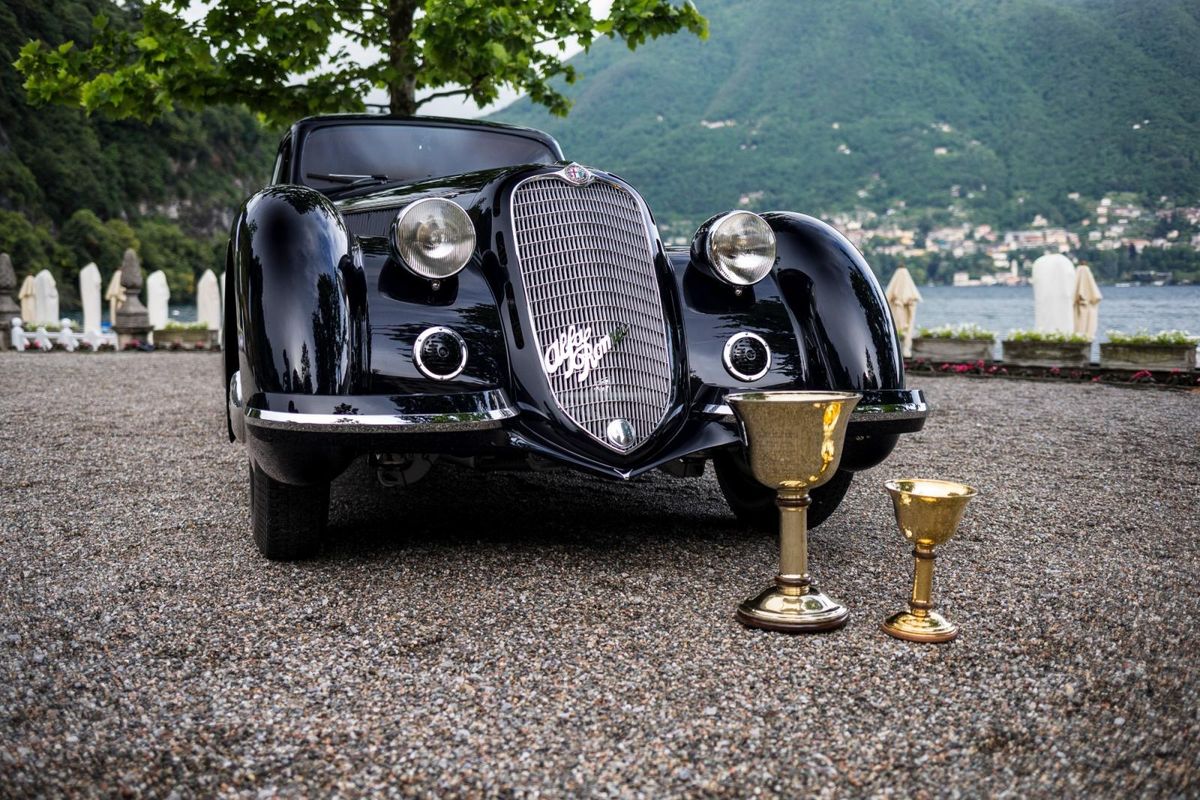
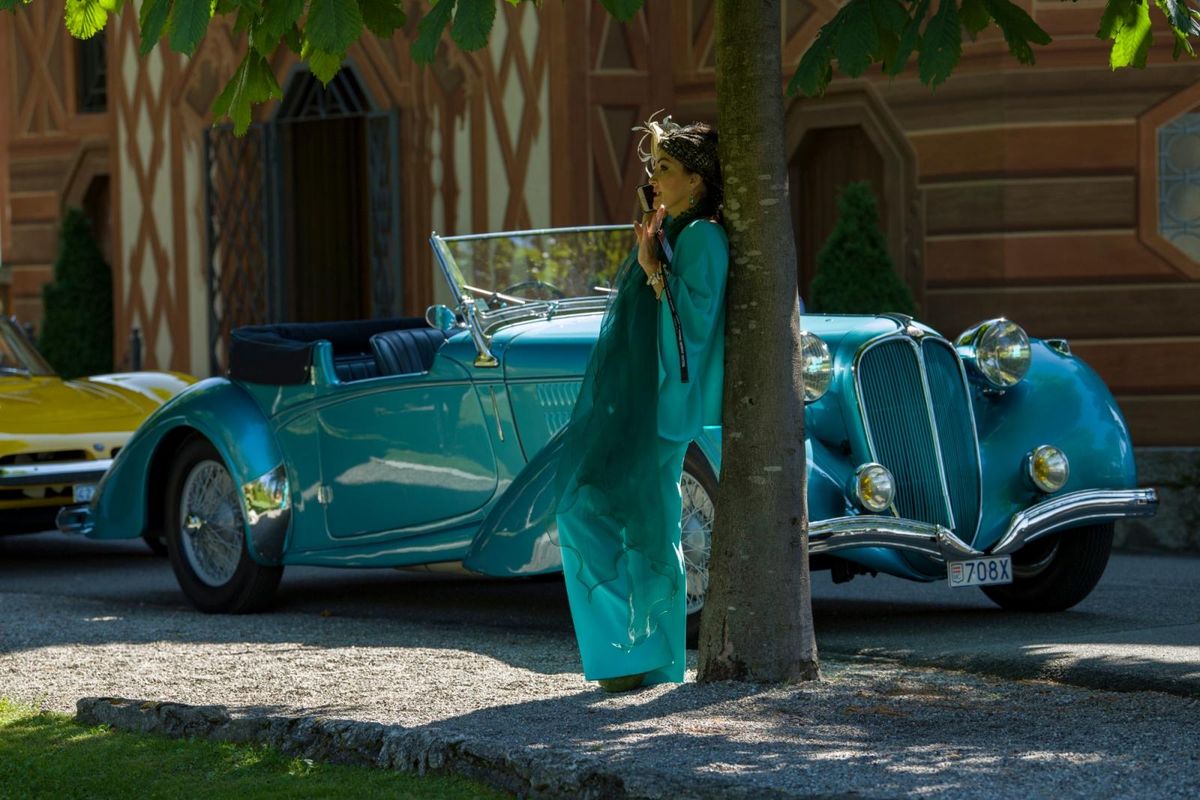
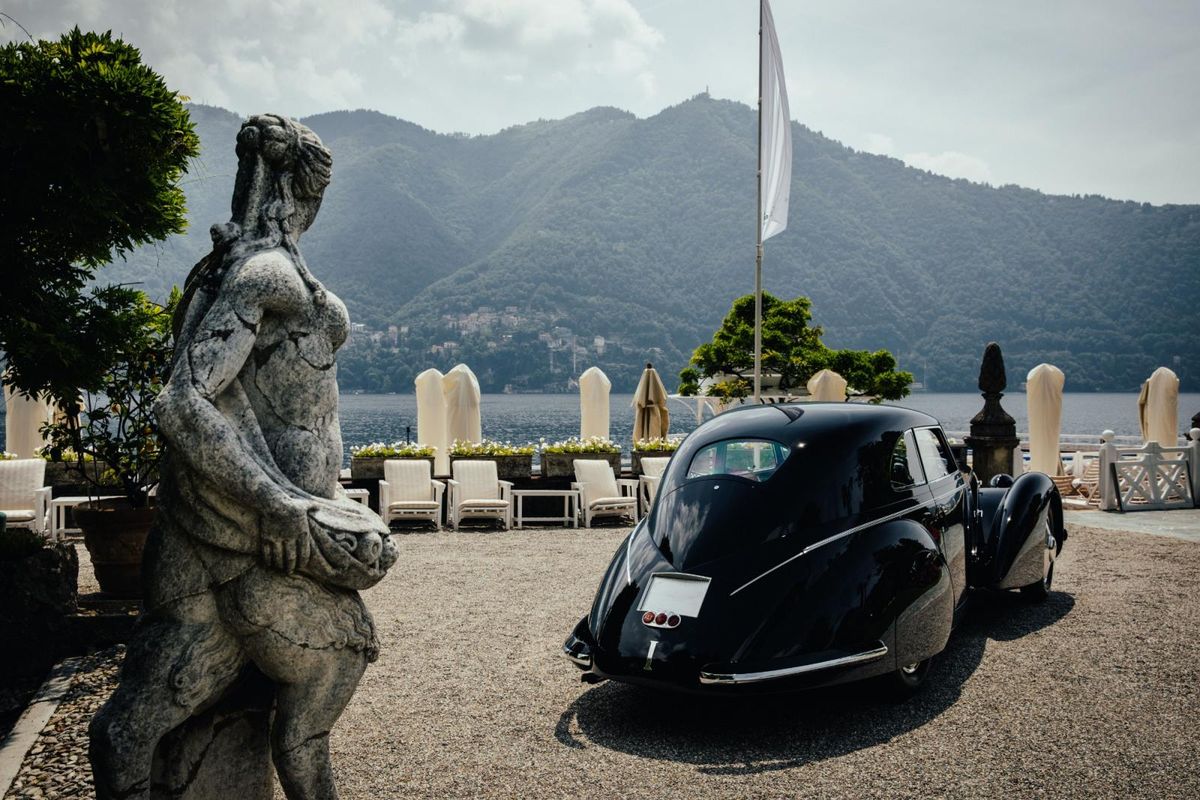
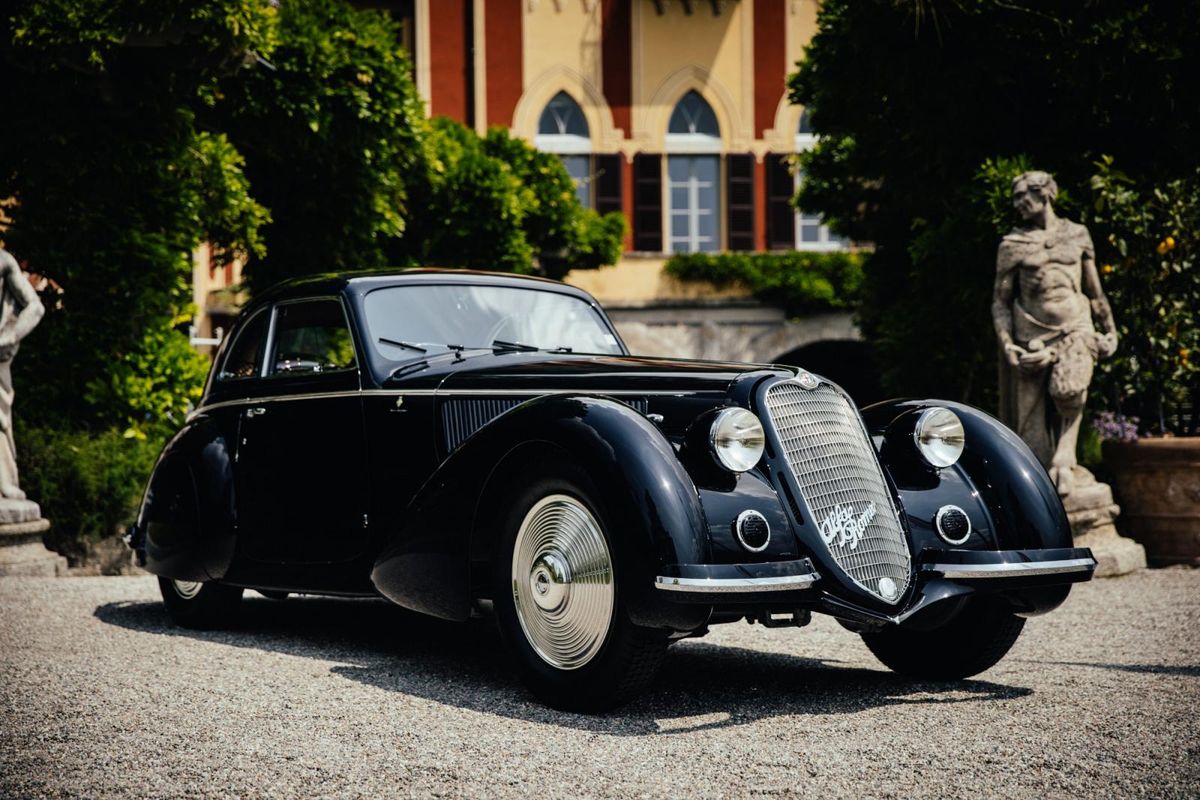
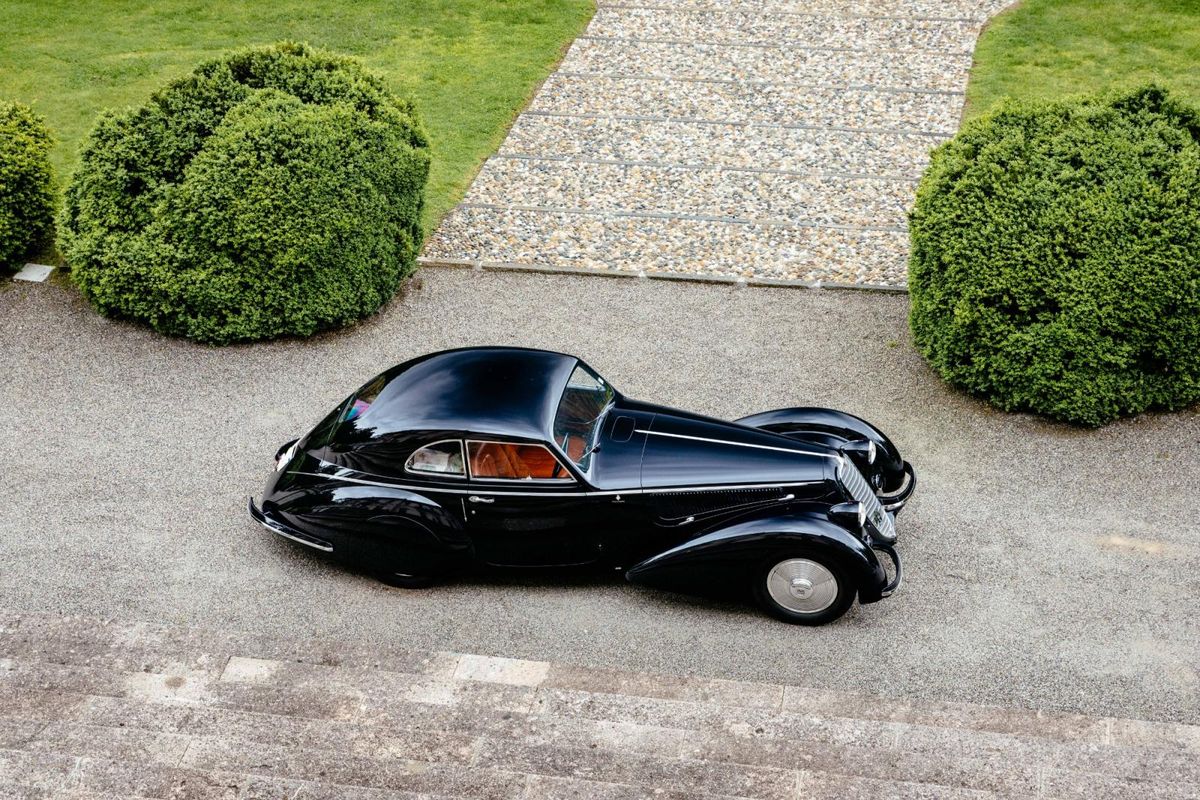
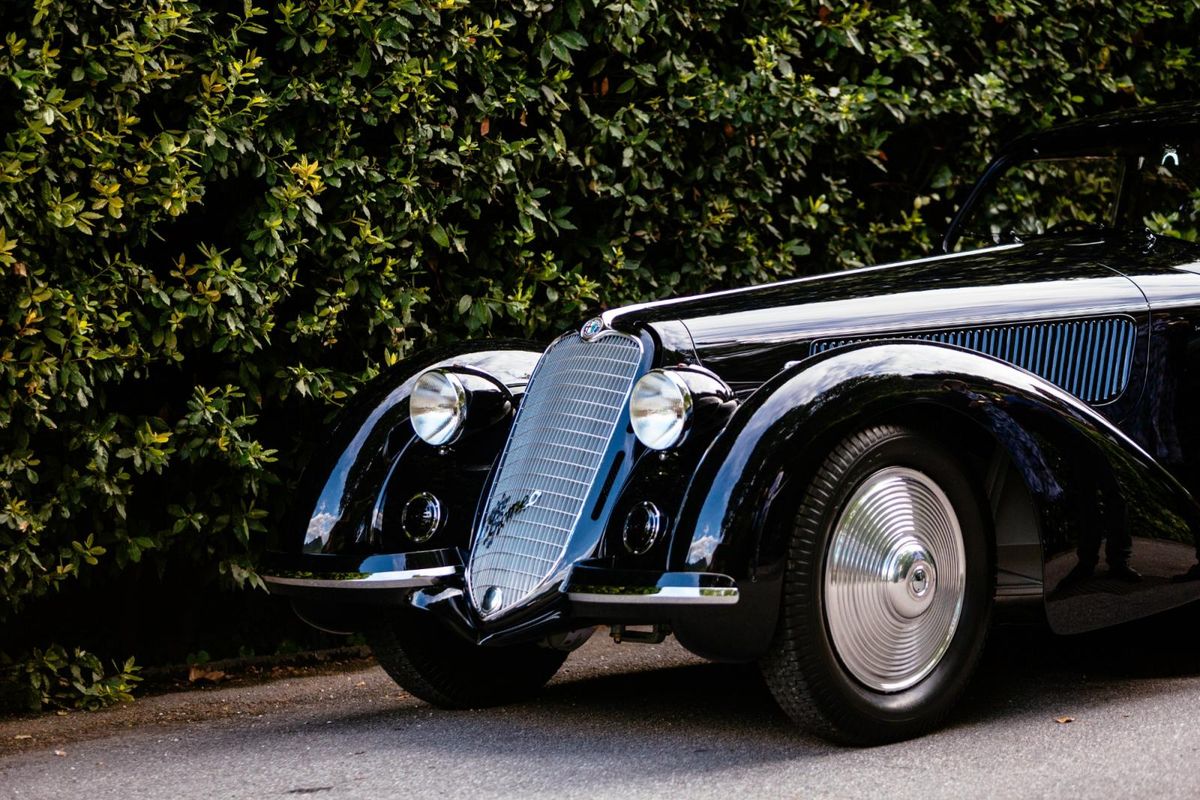
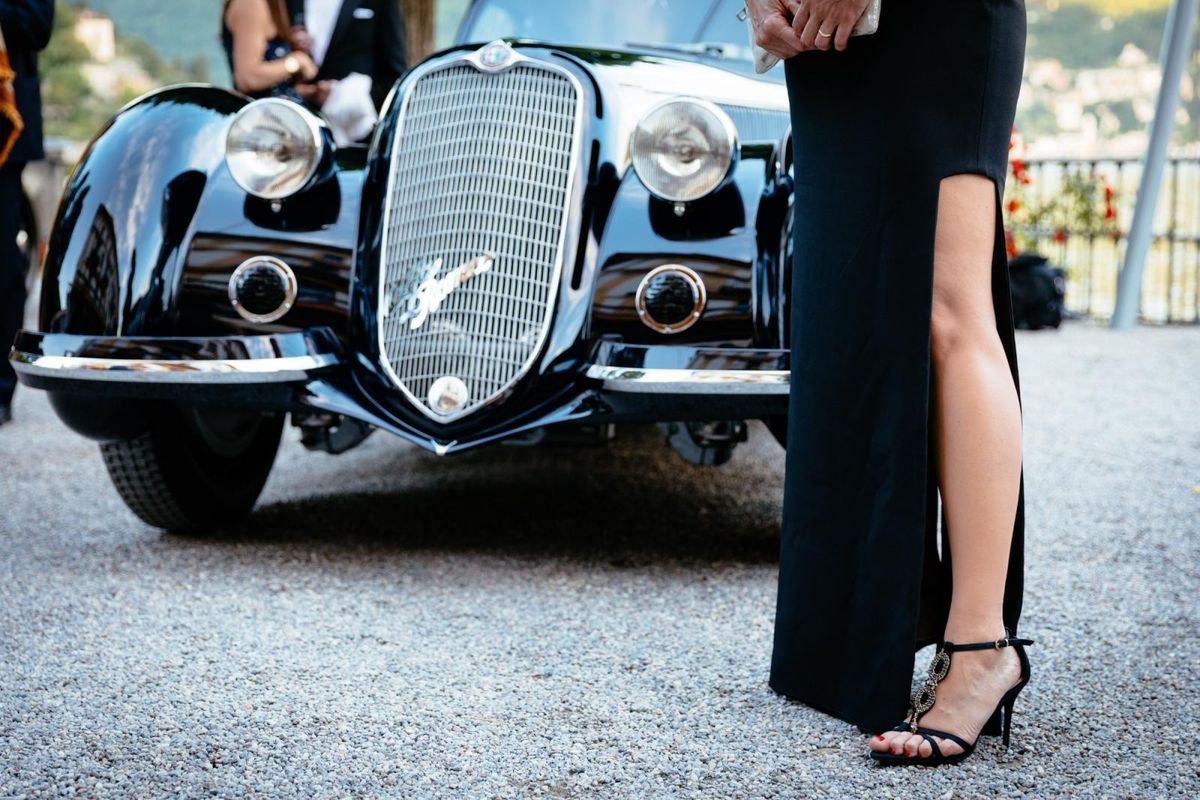
Following success in several other high-profile events, the Alfa Romeo 8C 2900B that emerged victorious at the recent Concorso Eleganza Villa d'Este could be the world's most celebrated car.
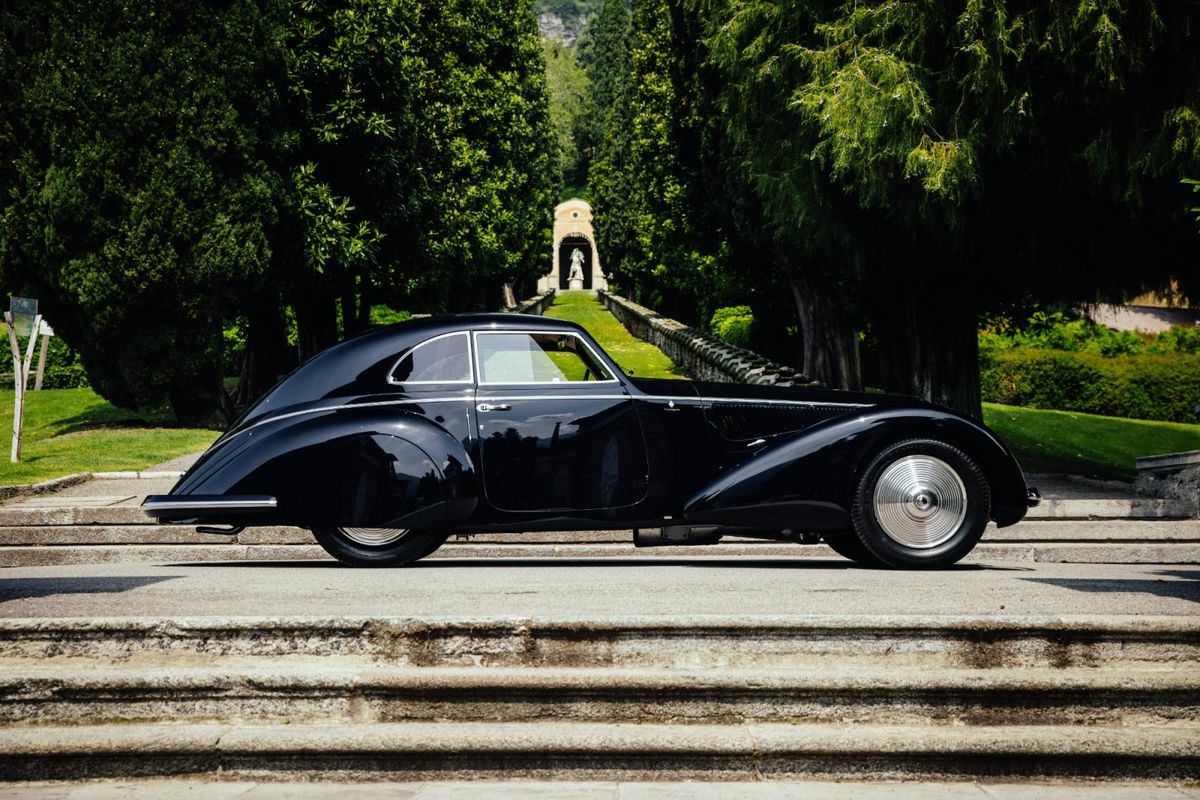
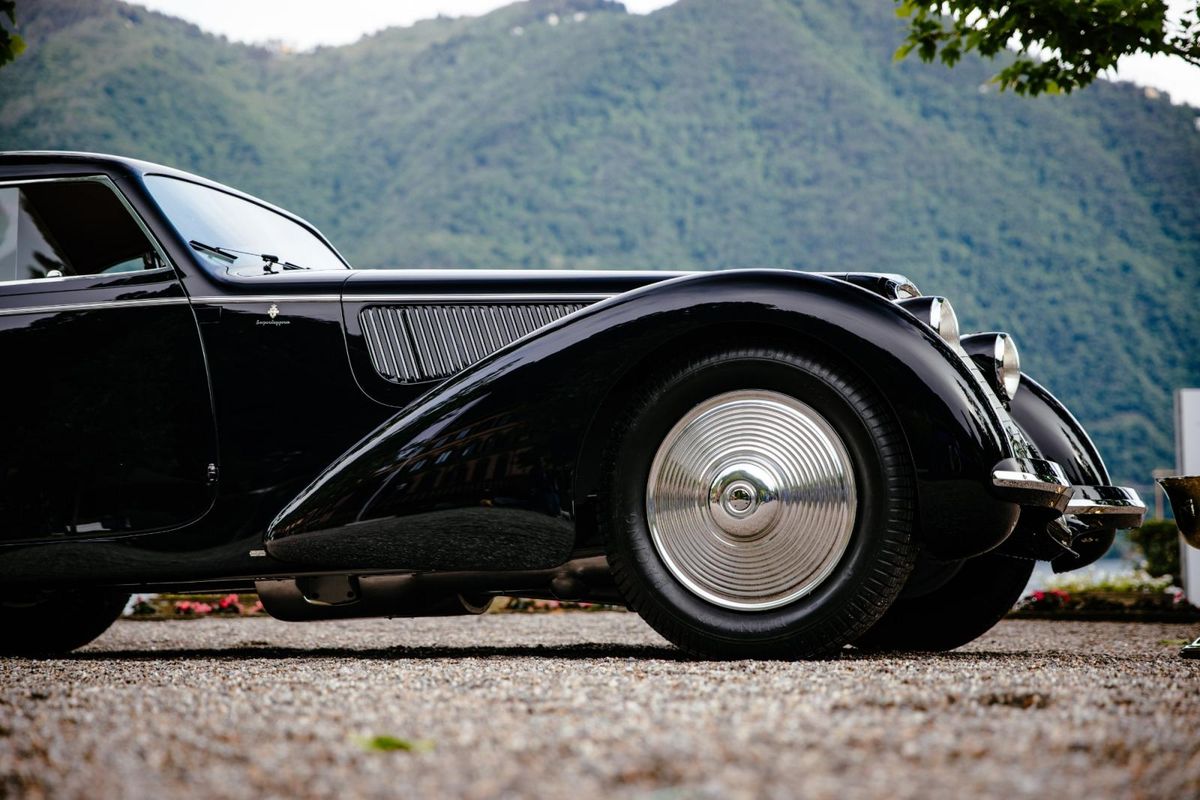
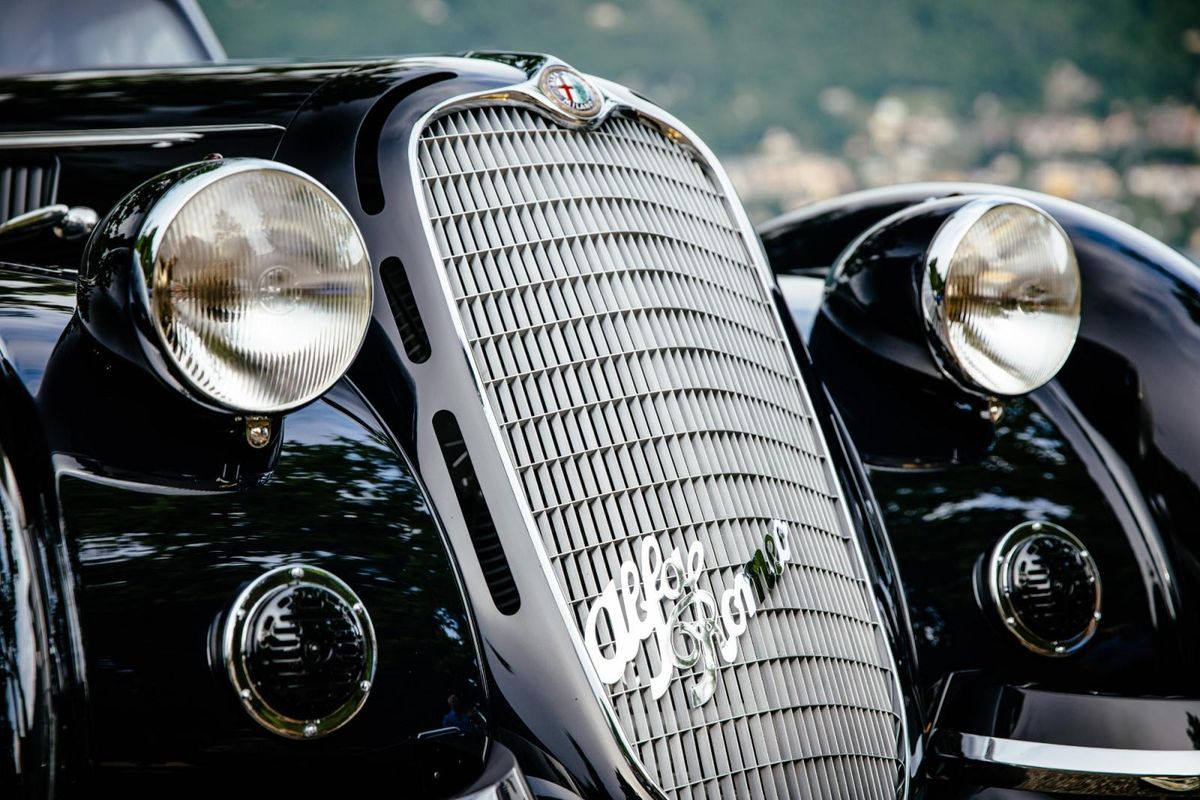
Could David Sydorick's 1937 Alfa Romeo 8C 2900B be the most exquisite car in the world? Not only did it win the Trofeo BMW Group for "Best of Show" at this year's prestigious Concorso d'Eleganza Villa d'Este in Italy, but also the audience-voted Coppa d'Oro. But that's not all… It also won "Best of Show" at last year's Pebble Beach Concours d'Elegance and "Best of the Best" at the Peninsula Classics in Paris in February. It's a truly magnificant machine that after all of these awards must be just about priceless.
It's not the owner's first win at Villa d'Este. Sydorick already won the title of “Best of Show” with another Alfa Romeo from his collection in 2015. “I have won a lot of prizes with my automobiles, but this vehicle really fulfils all my desires. The Best of Show here at Villa d’Este is like receiving a knighthood,” were the words of a delighted Sydorick at the award ceremony.
This 8C 2900B is one of only 30 vehicles built in this series and sold by Alfa Romeo between 1937 and 1940. The chassis of the immensely successful racing cars provided the platform and an inline all-alloy 8-cylinder engine provided the power. The advanced engine (for the time) featured 2 overhead camshafts and twin-supercharging to deliver 180hp (around 134kW). Independent suspension and a rear-mounted gearbox were additional advanced features. This particular car is the first of just five vehicles with a long wheelbase and is clothed in stunning Superleggera coachwork by Carrozzeria Touring.
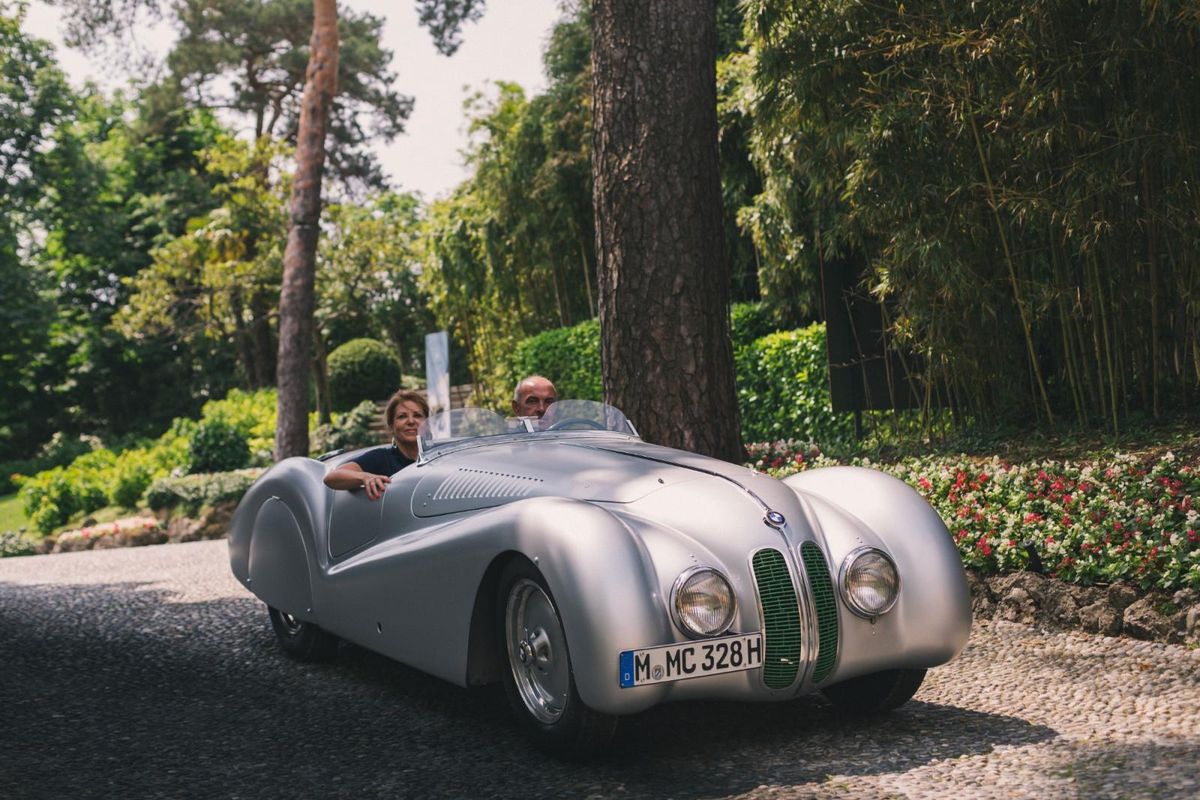
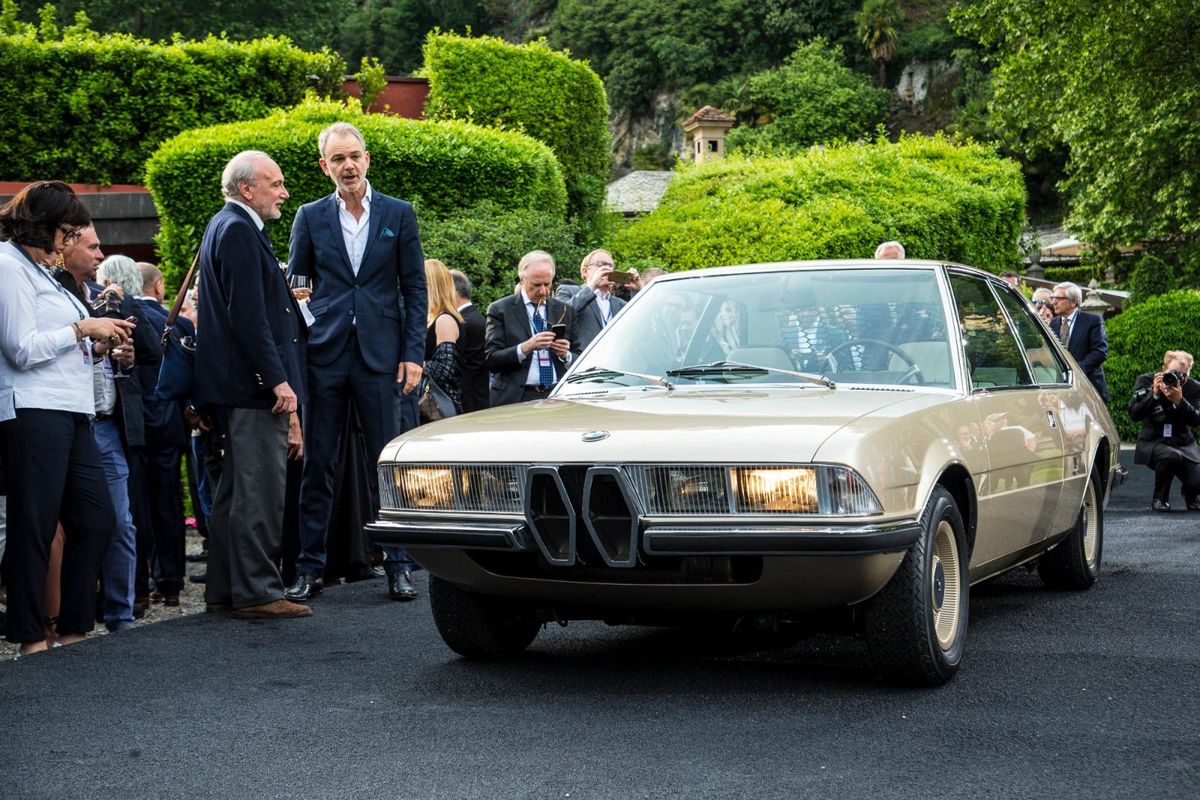
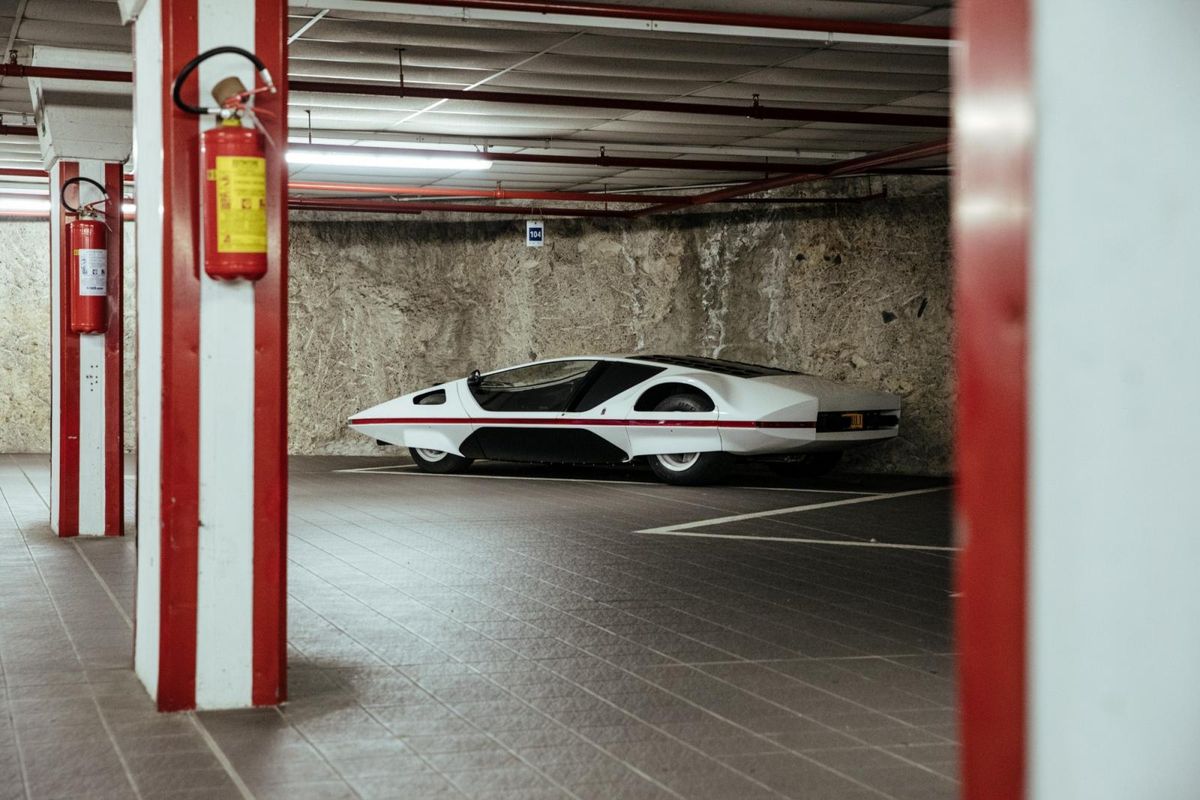
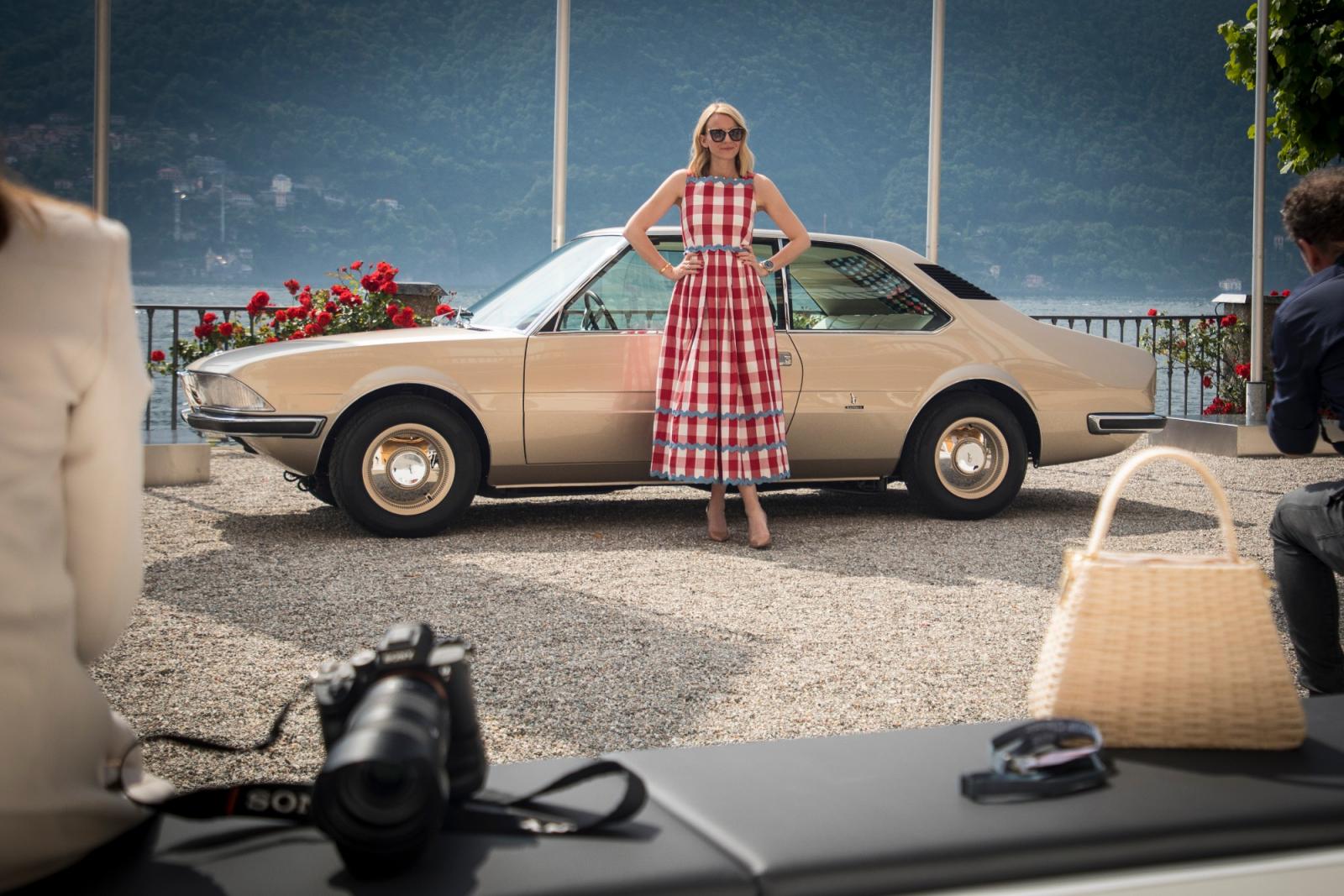
BMW unveiled its Garmisch concept car at Villa d'Este, a stunning remake of the original concept that went missing in 1970.
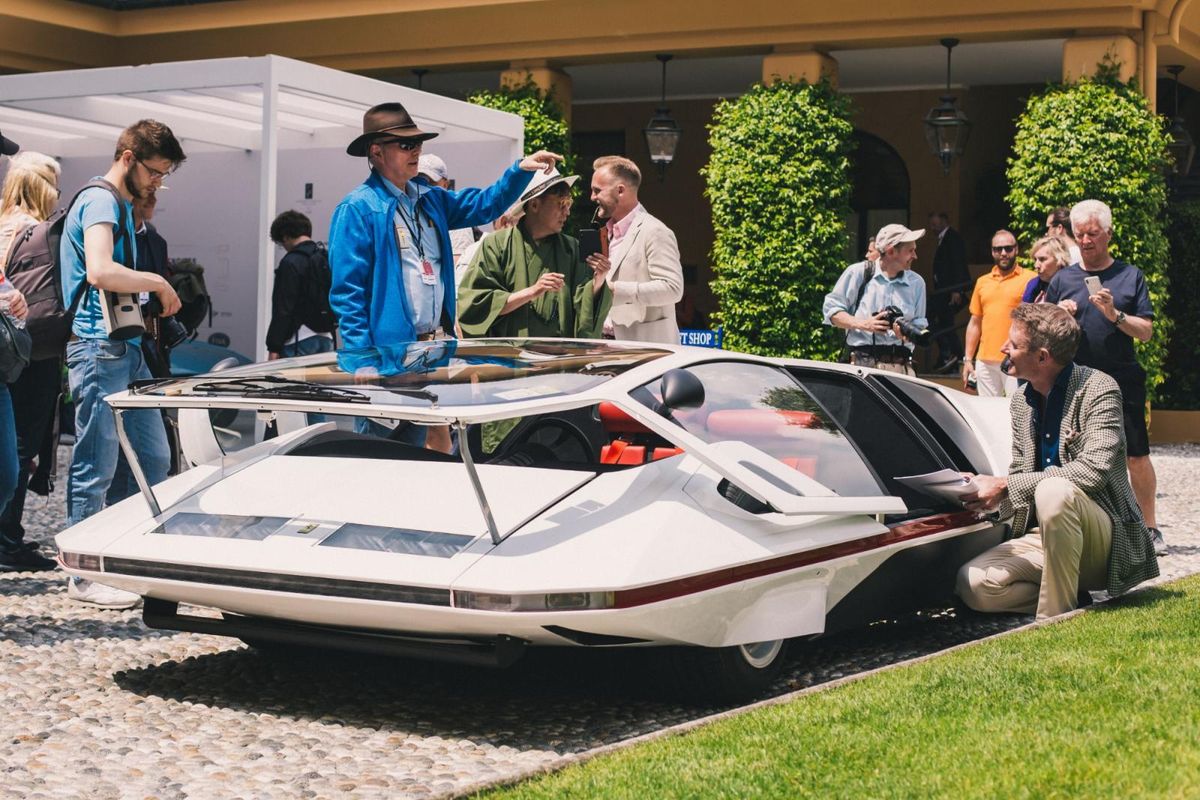
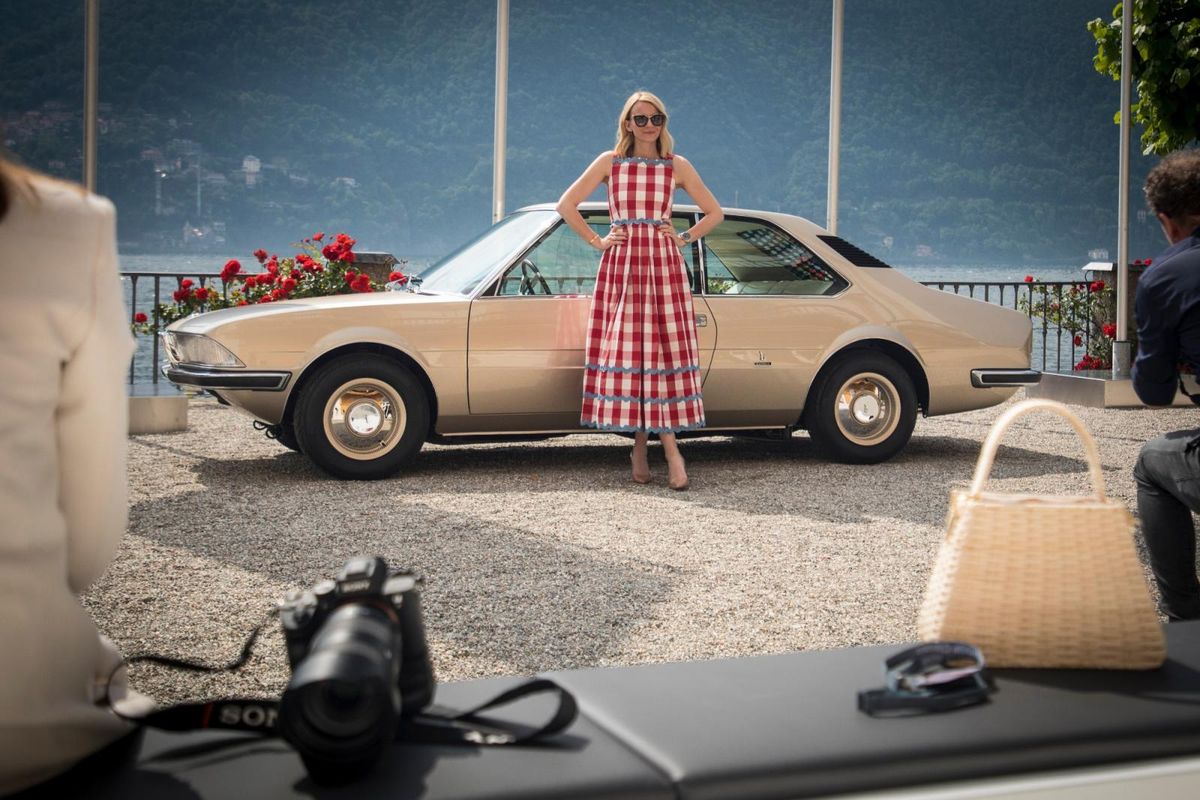
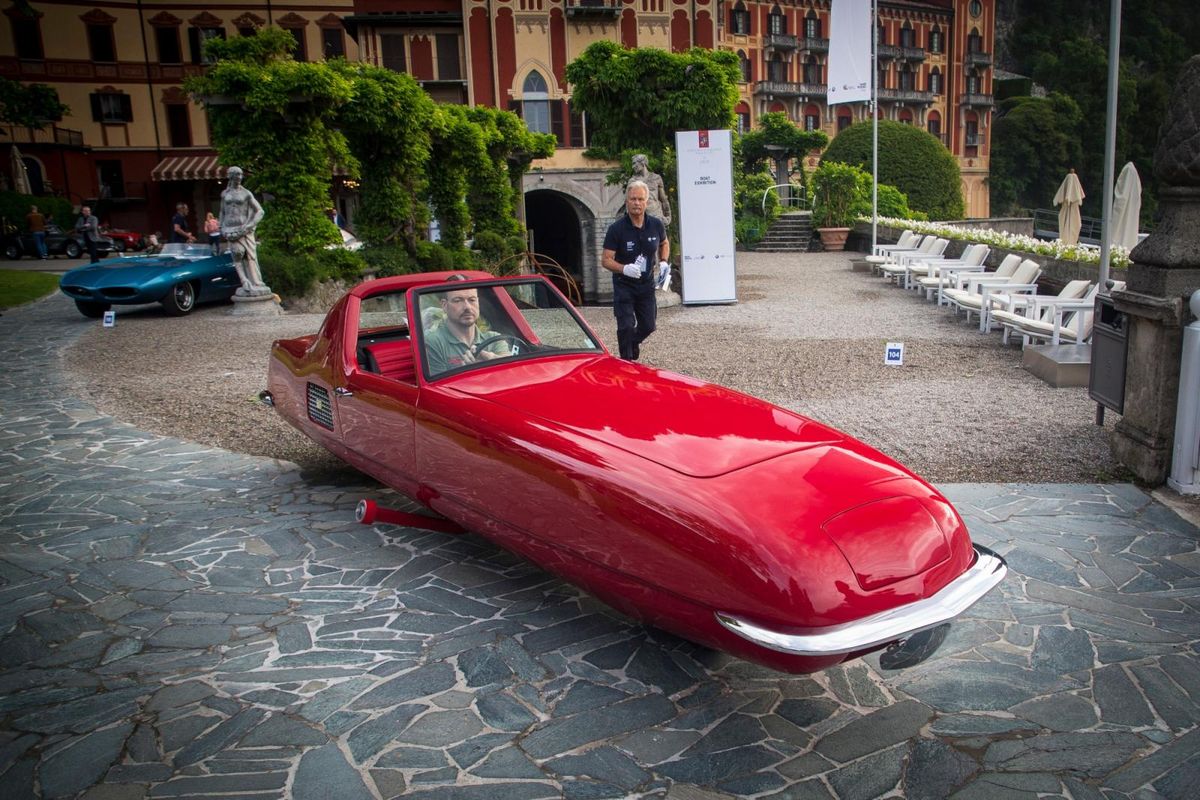
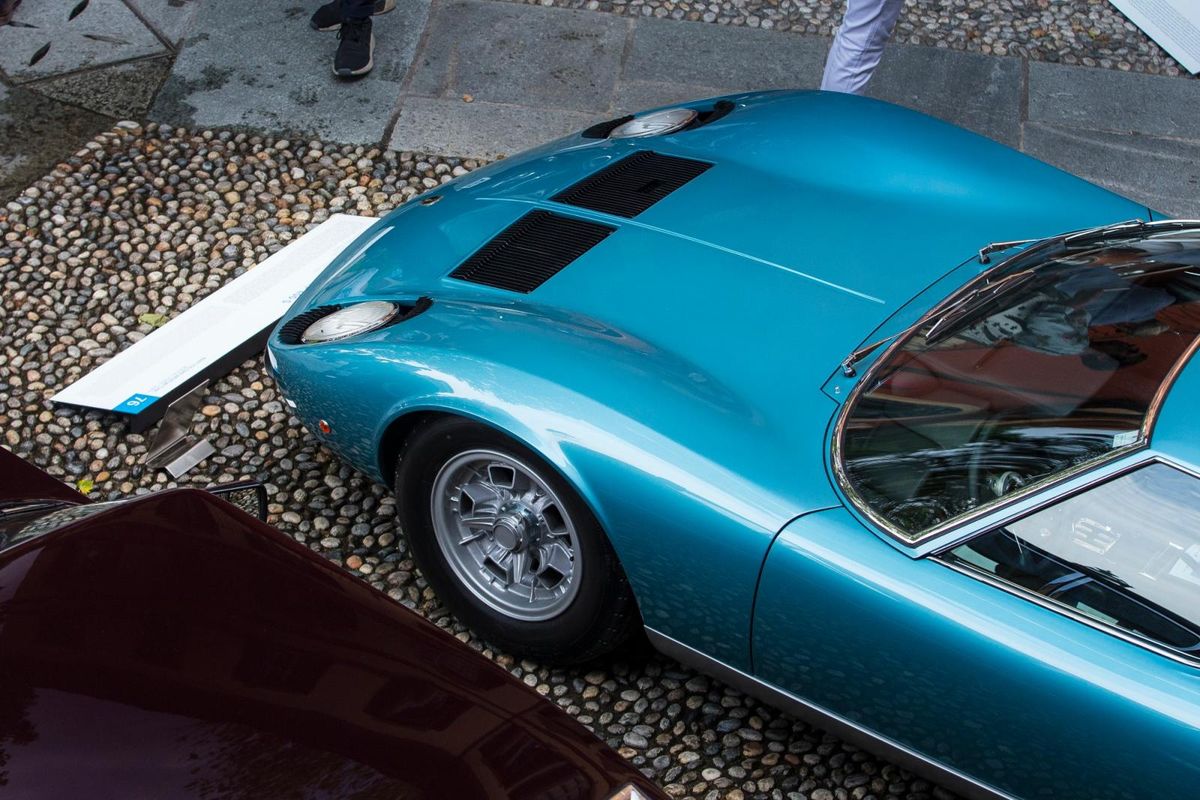
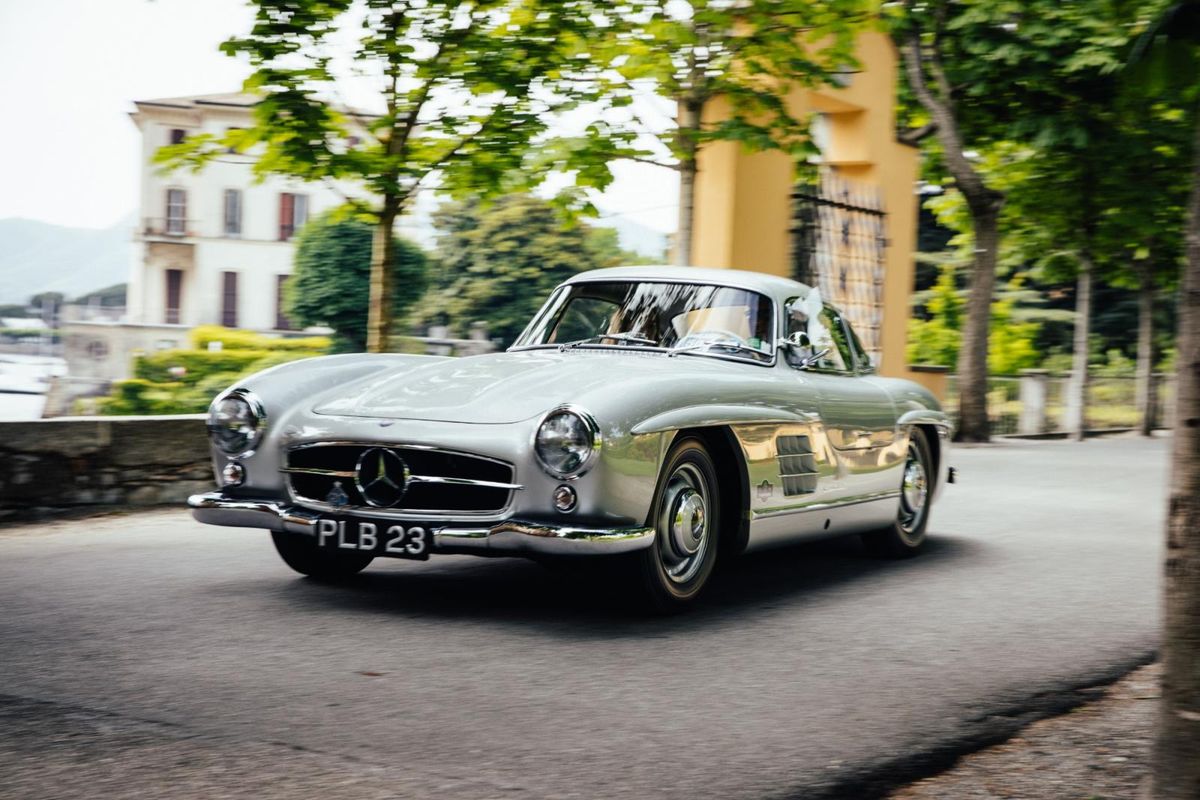
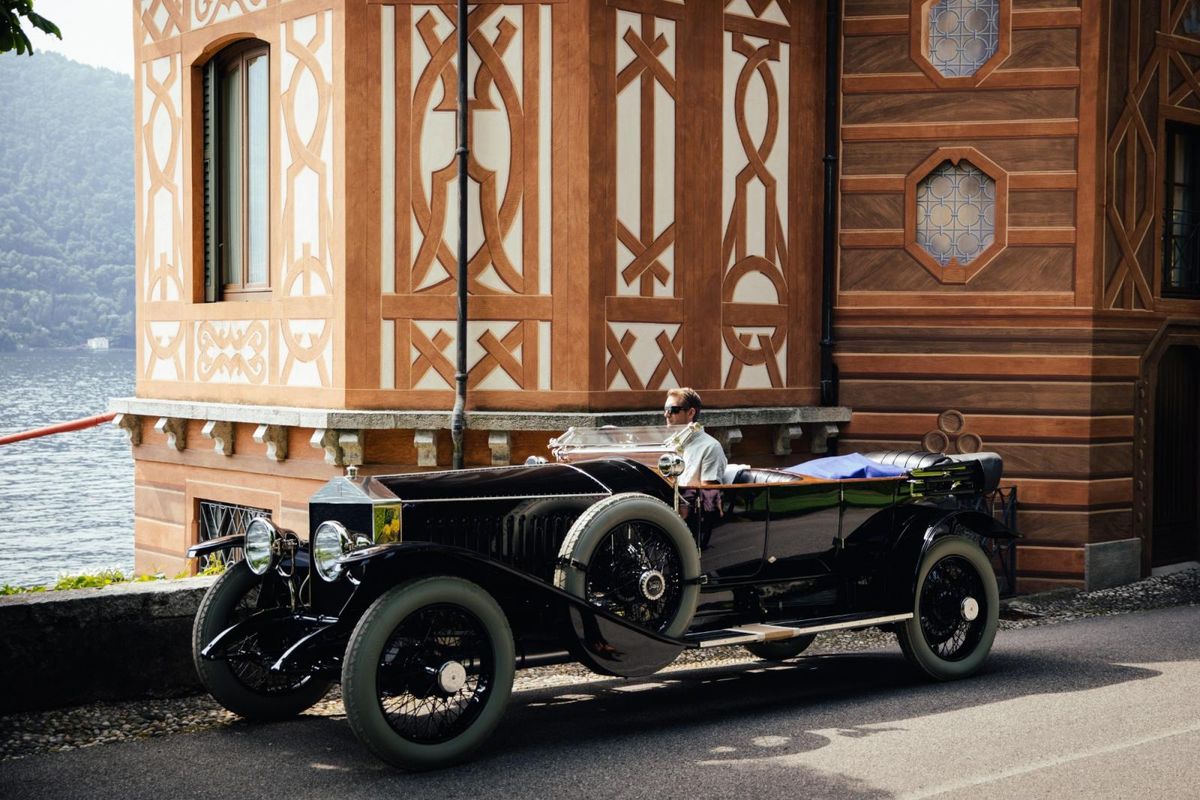
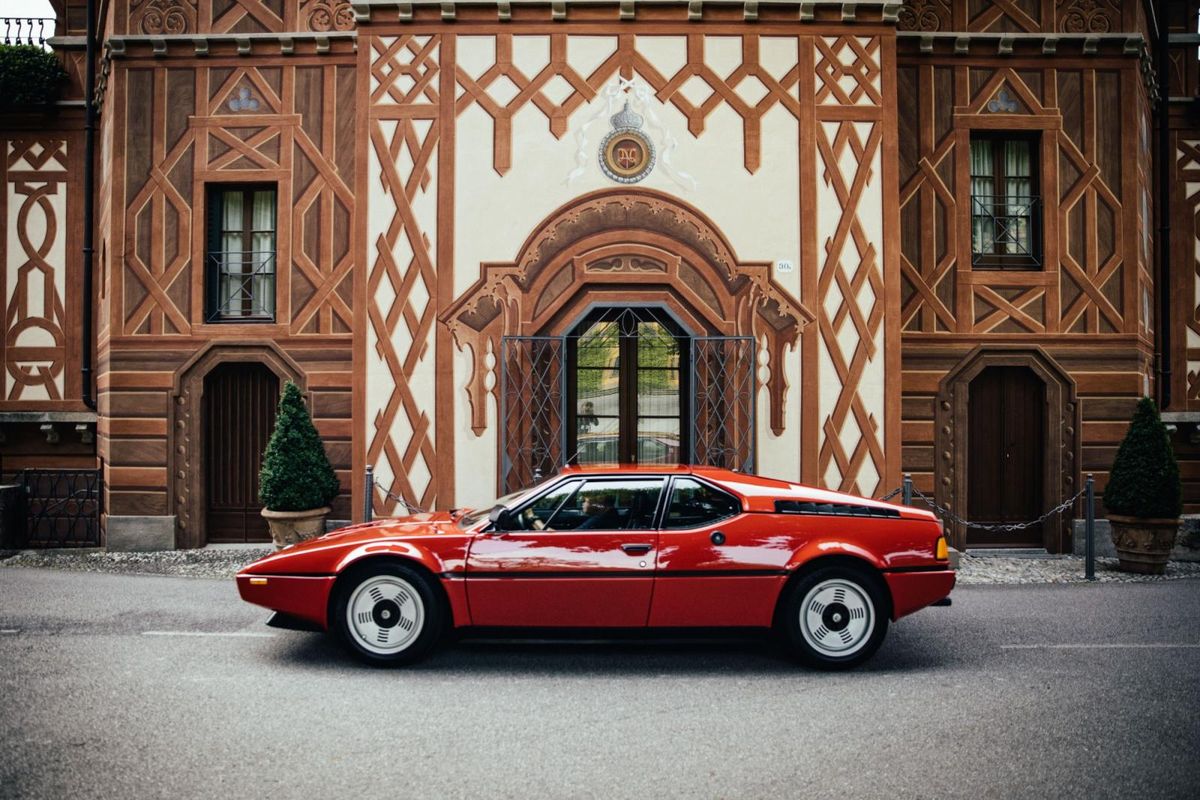
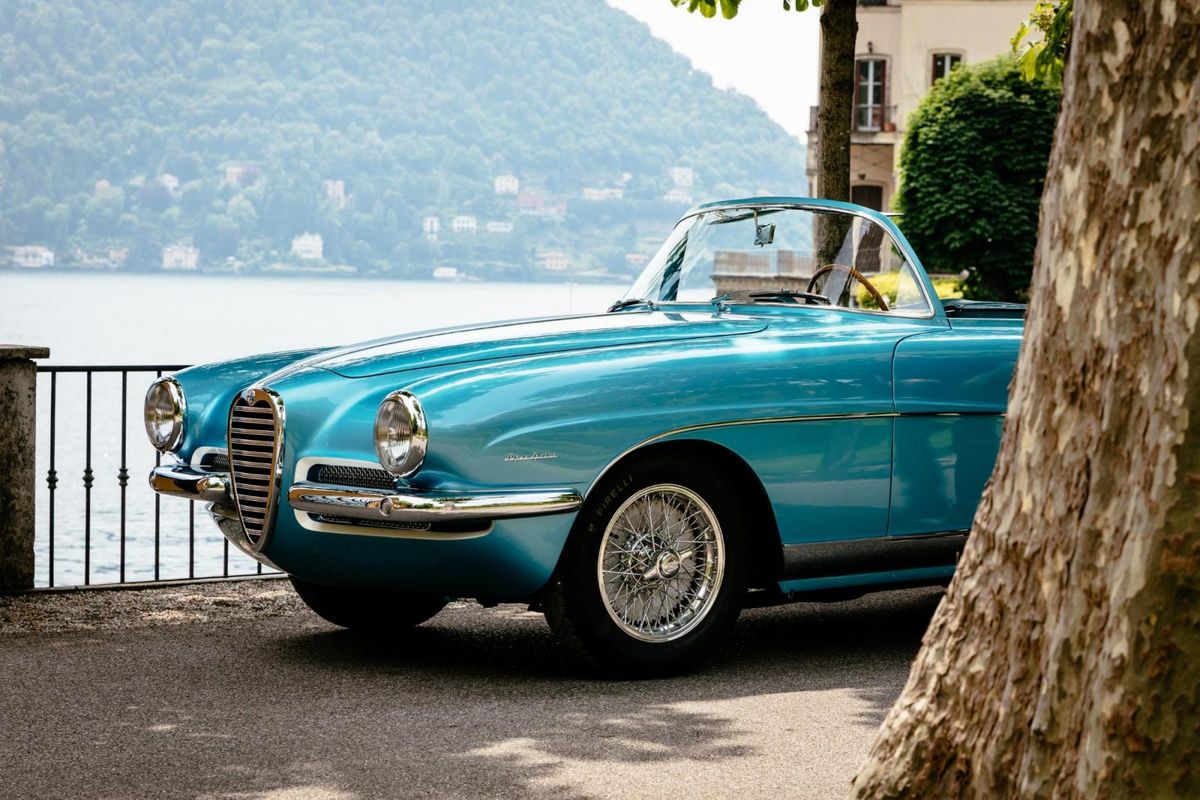
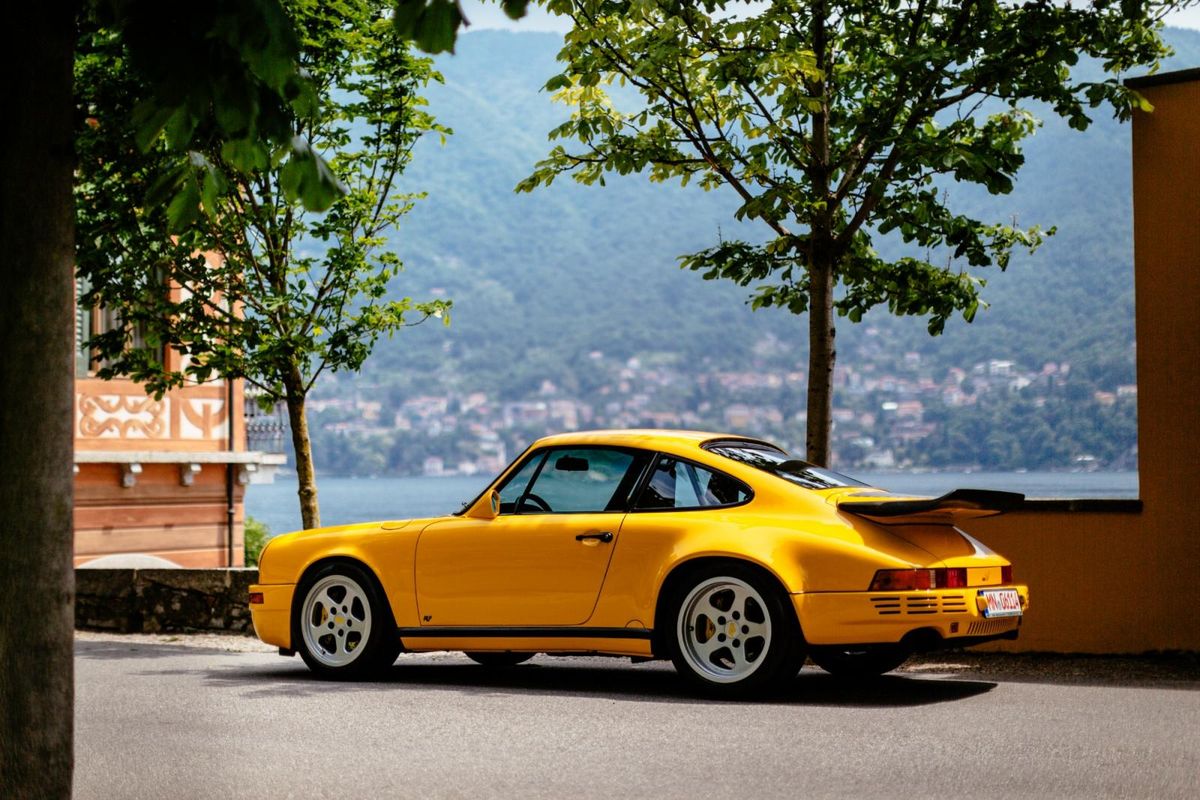
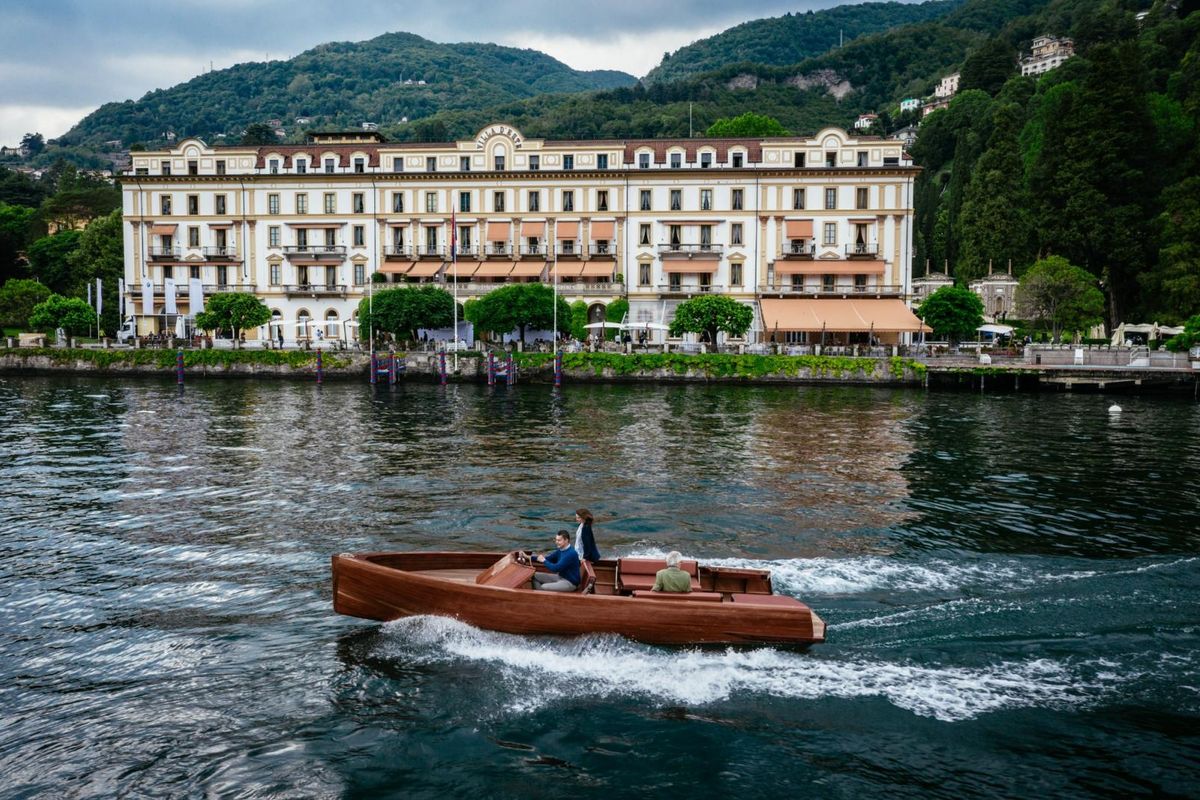
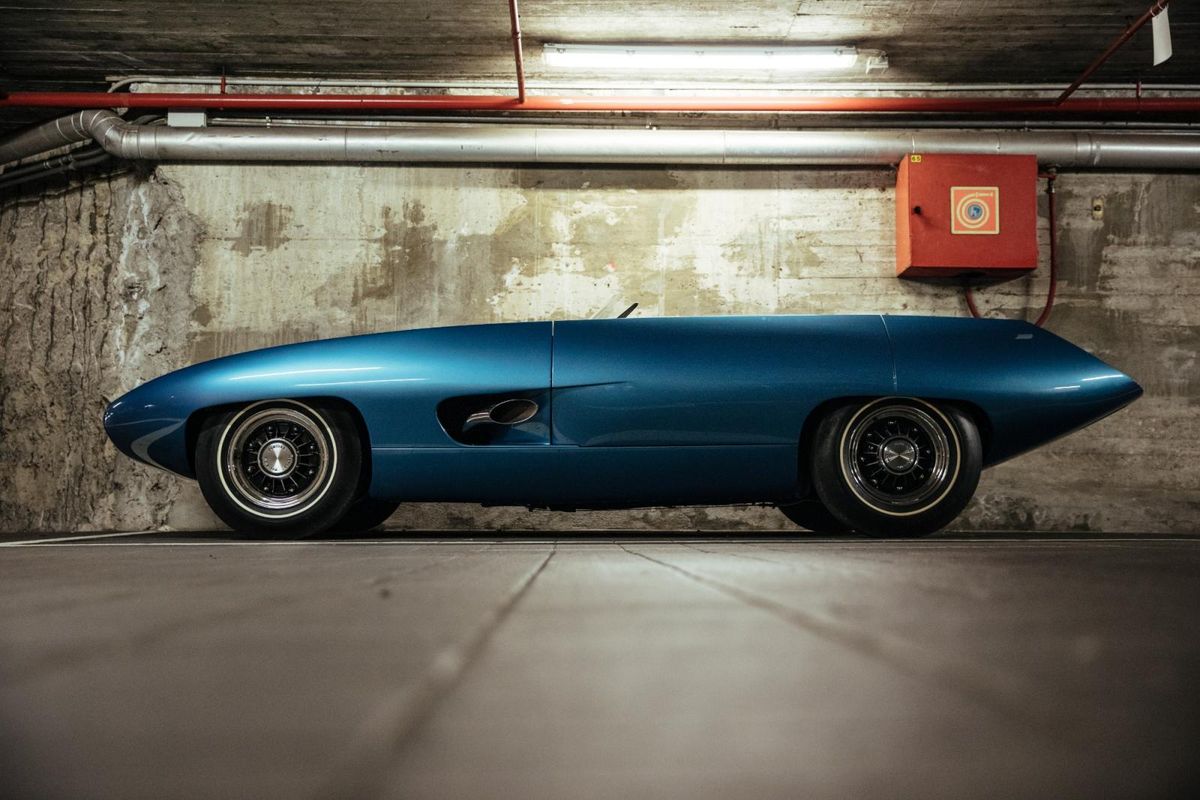
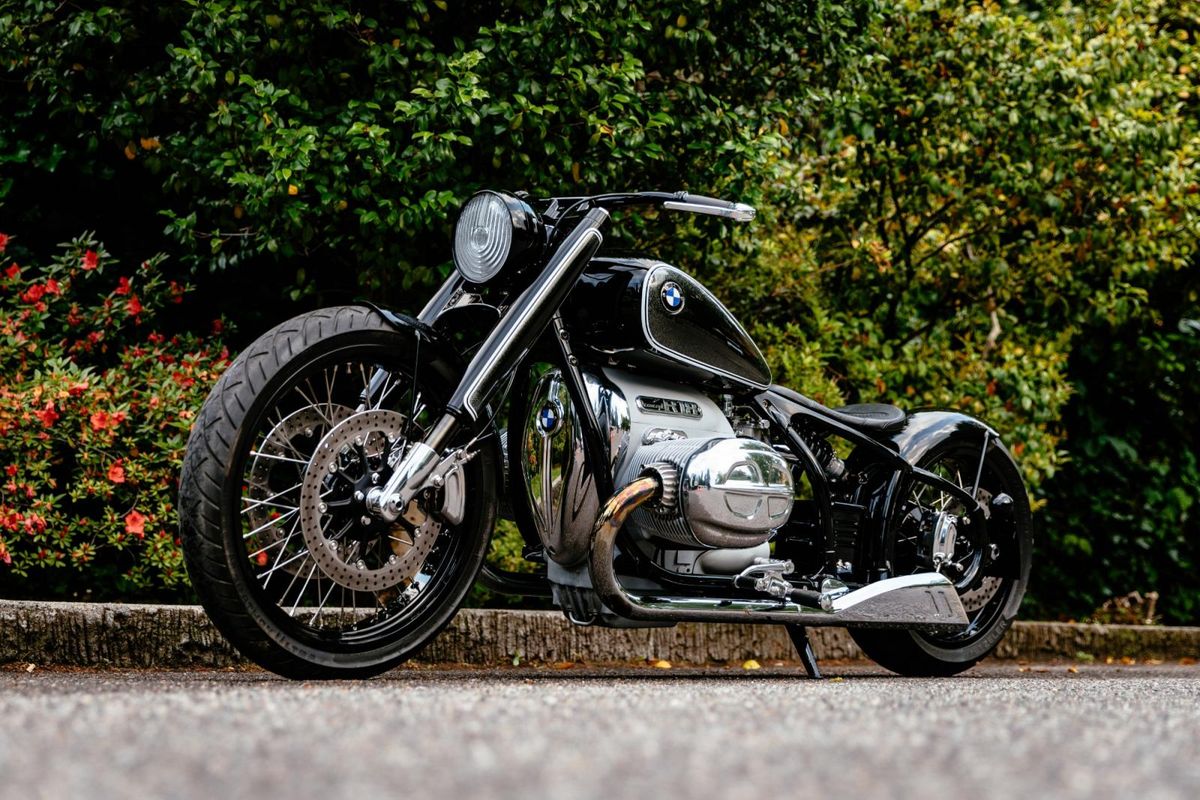
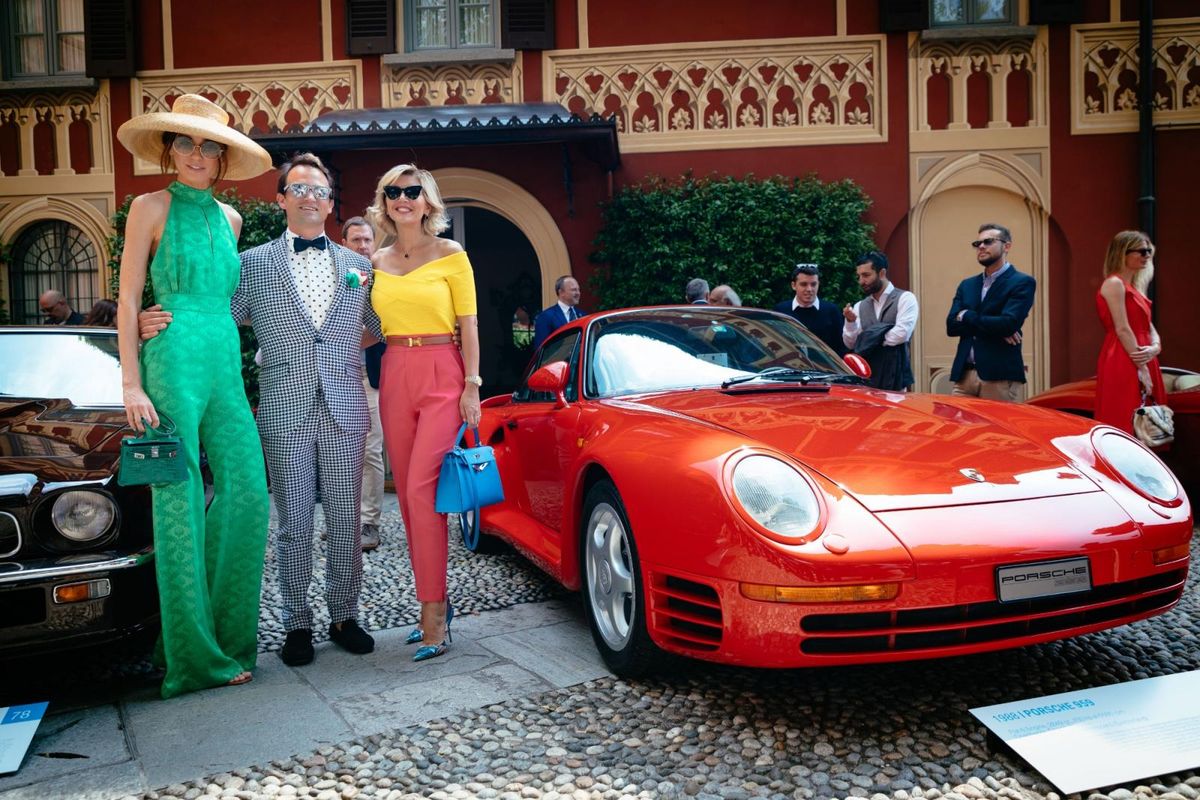
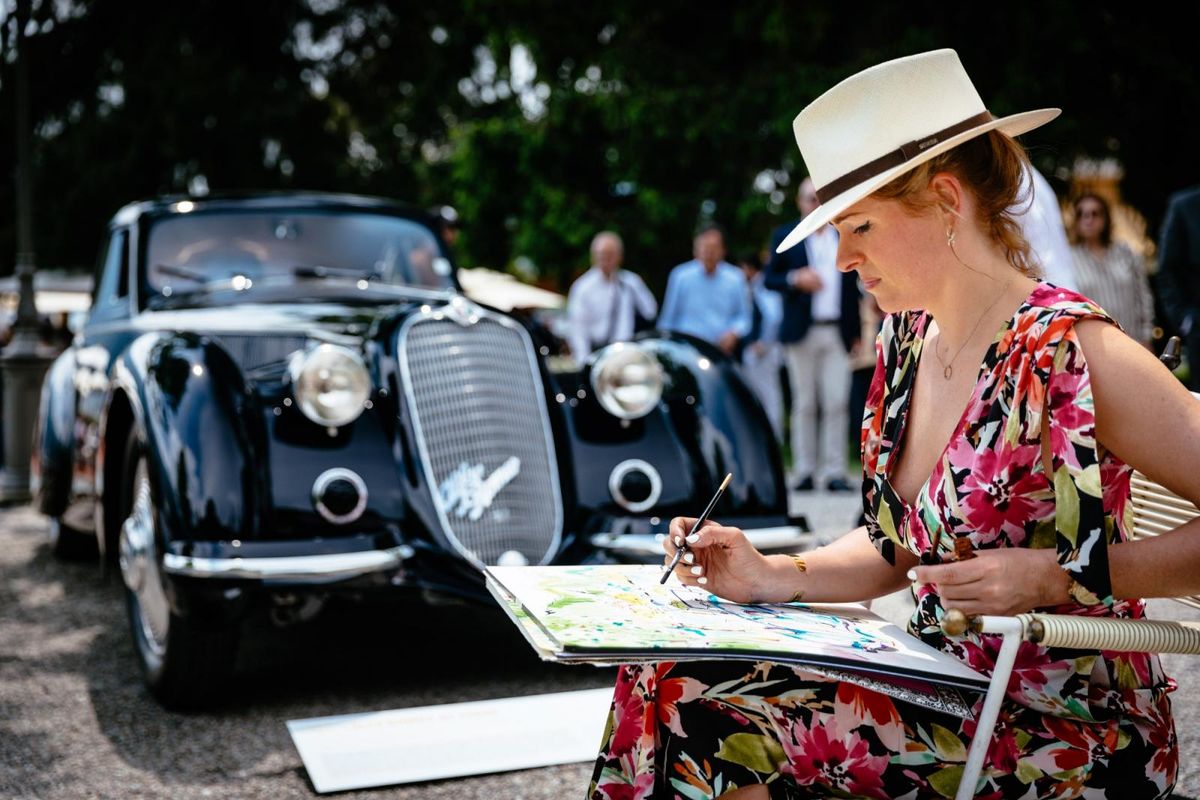
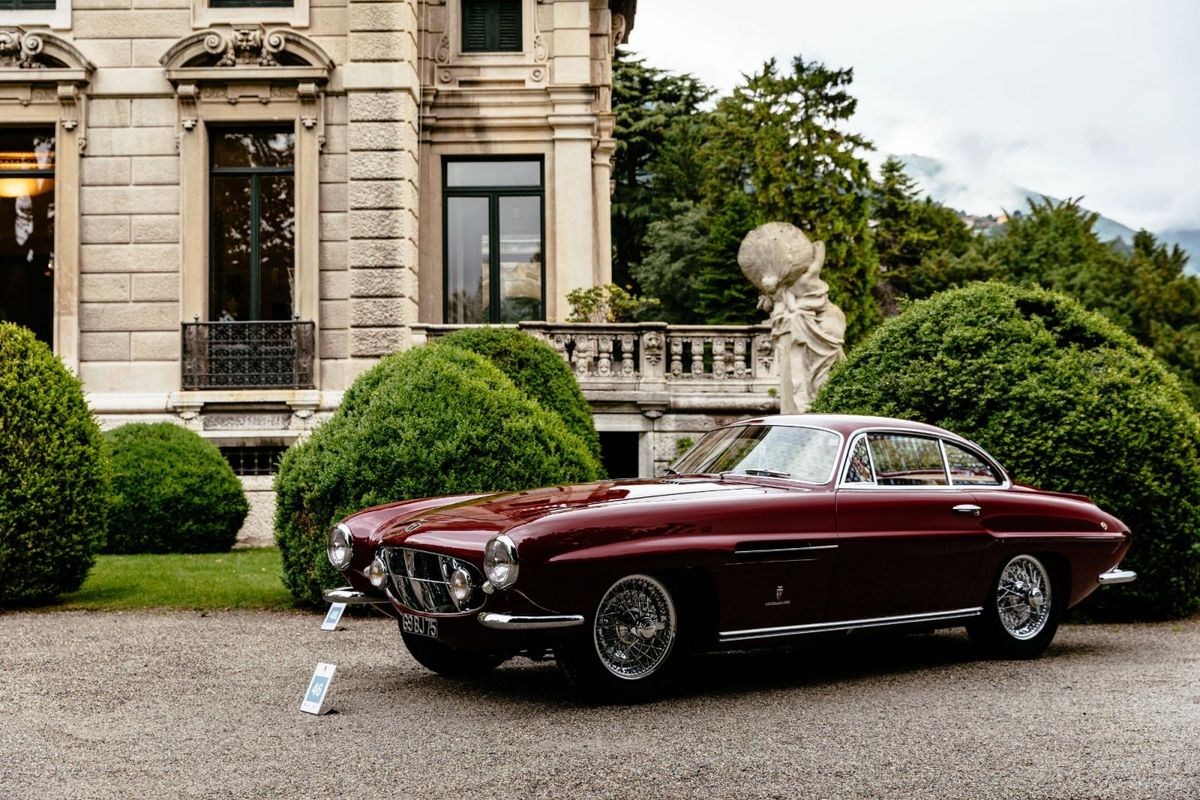
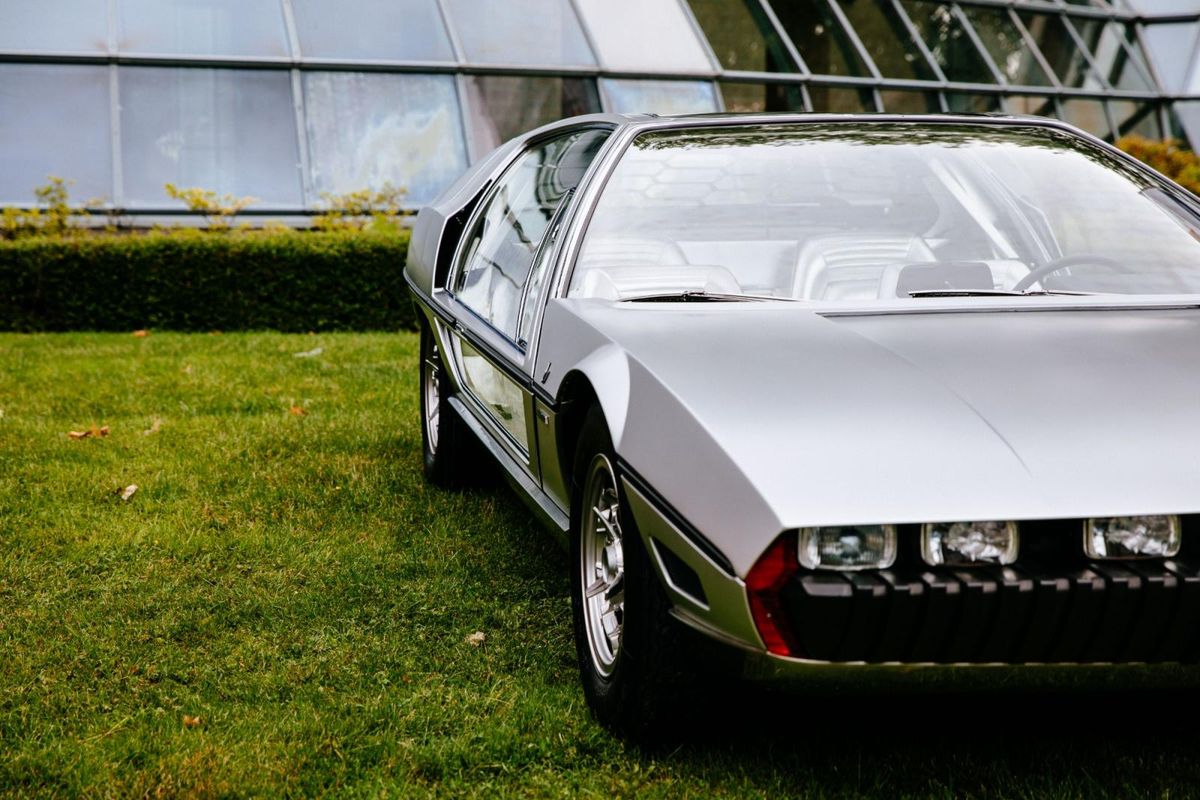
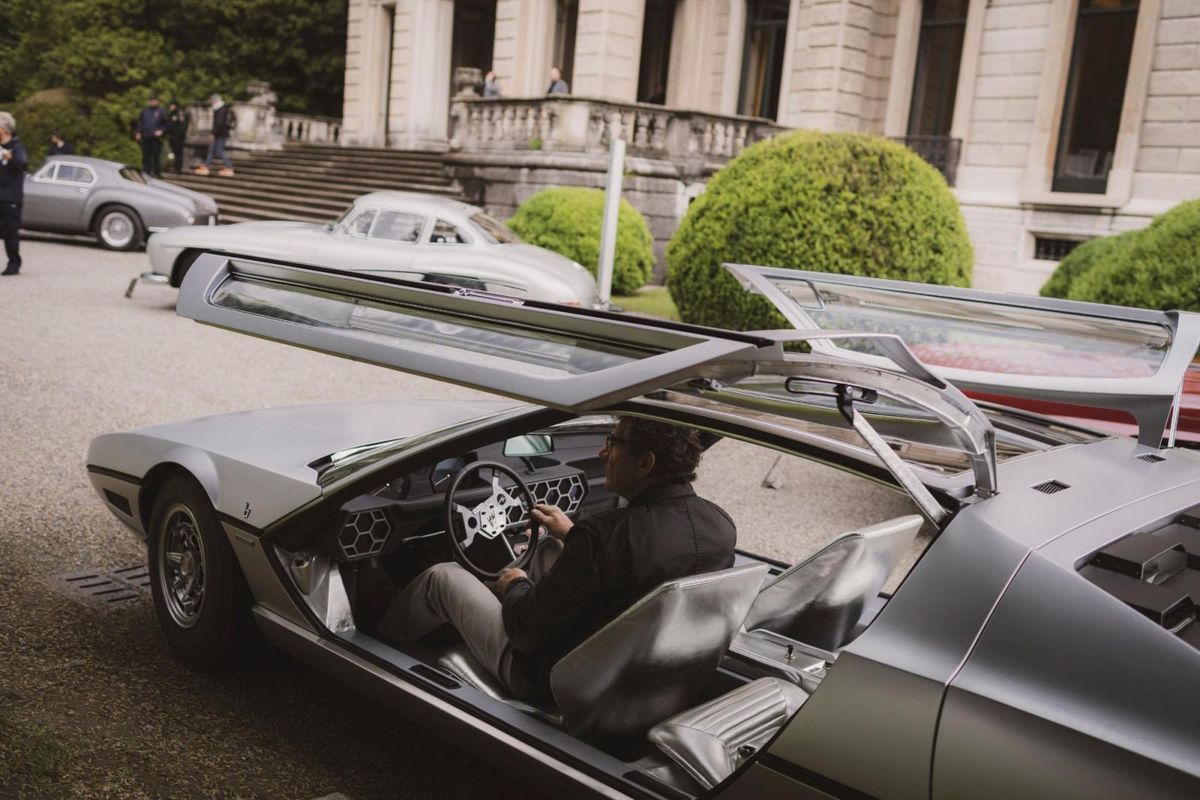
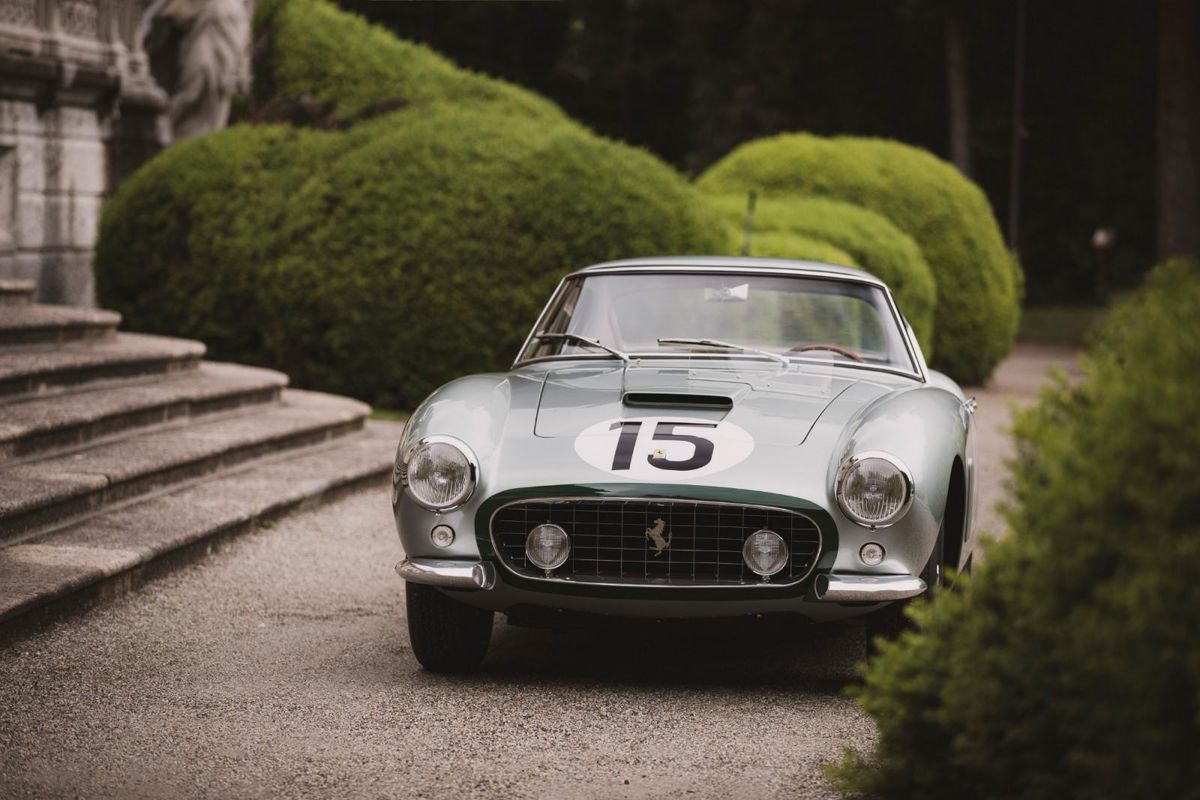
The glamorous Concorso Eleganza Villa d'Este, which takes place annually on the banks of Lake Como in Italy, celebrates 50 of the world's most stunning cars every year, and this year the variety was jaw-dropping. BMW (a co-sponsor of the event) even recreated one of its historic concept cars, the Marcello Gandini-penned "Garmisch", a striking prototype sedan that went missing in 1970, for special display against the backdrop of the historic Villa d'Este.
Full list of winners
Trofeo BMW Group – Best of Show by the Jury
Alfa Romeo 8C 2900B, Berlinetta, Touring, 1937, David Sydorick (US)
CLASS A: GOODBYE ROARING TWENTIES: THE BIRTH OF THE CONCORSO
Class Winner
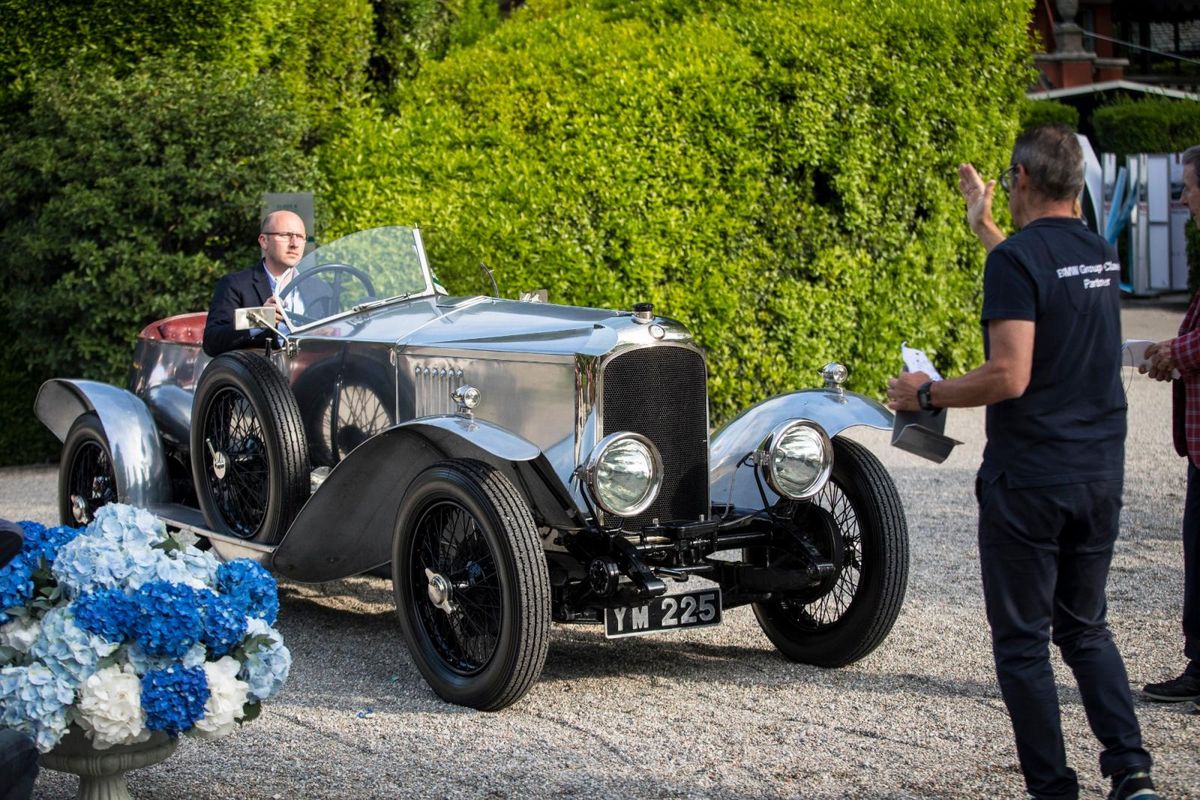
Vauxhall 30 / 98 Type OE, Boattail Tourer, Vauxhall, 1925, Peter Goodwin (US)
Mention of Honour
Lancia Lambda Serie VIII, Four-Seater Torpedo, Lancia, 1928, Anthony MacLean (CH)
CLASS B: FAST FORWARD: A QUARTER CENTURY OF PROGRESS
Class Winner
Alfa Romeo 8C 2900B, Berlinetta, Touring, 1937, David Sydorick (US)
Volkswagen has announced a diesel engine for its T-Cross compact SUV, but it's not for SA.
When we drove the Volkswagen T-Cross at its international launch, powertrain options ranged from petrol and diesel. With the vehicle due to land in South Africa in September 2019 we can confirm, thanks to a quick chat from someone in the Volkswagen SA communications office, that our market will only be getting petrol engines. These range from a turbocharged, 3-cylinder 1.0-litre petrol engine with 85 kW and 200 Nm of torque to a range-topping 1.5-litre turbopetrol engine with 110 kW. There's talk of a 70 kW version appearing later too.
However, the European market will be getting a new diesel-powered derivative along with the aforementioned petrol units. Packing 70 kW and 250 Nm from a 1.6-litre turbocharged diesel 4-cylinder engine, the oil-burning T-Cross is claimed to consume 5.3 L/100 km. In terms of acceleration, it'll hit 100 kph in 11.9 seconds for the manual-gearbox equipped T-Cross and 12.5 seconds for the 7-speed DSG derivative.
VW SA has only released indicative pricing and the good news is the T-Cross will be available from under R300 000.
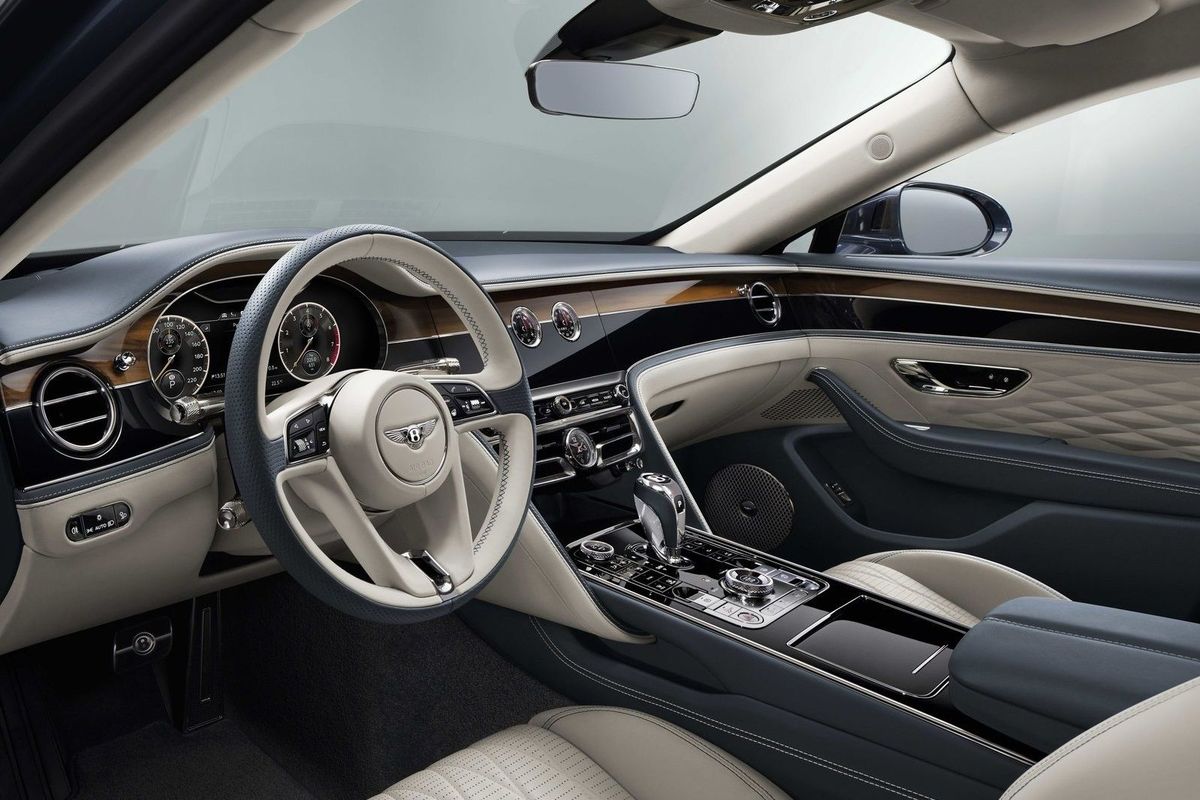
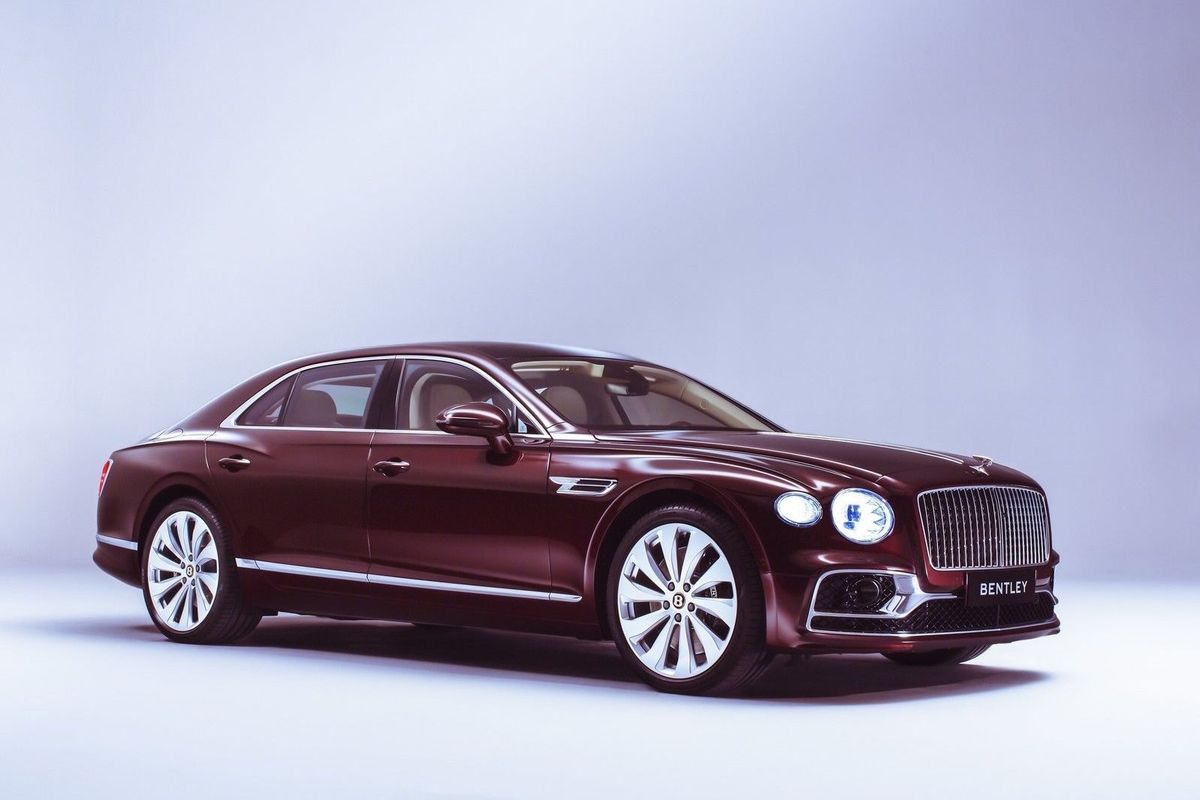
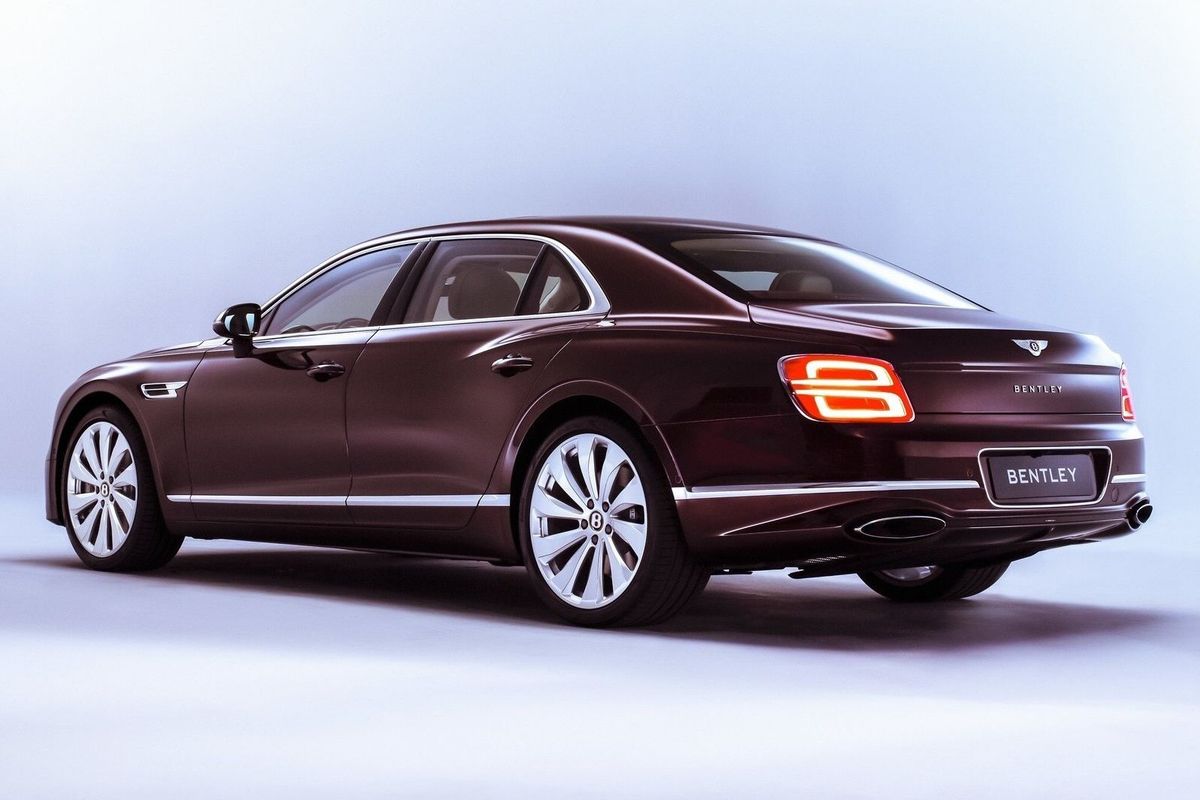
Luxury British carmaker Bentley has announced a new version of its Flying Spur sedan. Check it out.
The Bentley Flying Spur has been replaced by an all-new version. "As with the launch of the Continental GT, the new Flying Spur is a ground-up development that pushes the boundaries of both technology and craftsmanship to deliver segment-defining levels of performance and refinement," comments Adrian Hallmark, Chairman and Chief Executive of Bentley Motors.
Not only is it luxurious, but Bentley is claiming massive levels of technology. There's an all-new aluminium composite chassis, as well as 48V electronic architecture. The vehicle also features electronic all-wheel steering for the first time on a Bentley, coupled with active all-wheel drive and new three-chamber air springs. The vehicle rides on new 22-inch alloy wheels and is physically longer, with the wheelbase lengthened by 130 mm.
Under the bonnet of the new Bentley Flying Spur is a revised version of the mighty 6.0-litre twin-turbocharged W12 motor pushing out 467 kW and 900 Nm. Power goes to all 4 wheels via an 8-speed dual-clutch transmission. Despite its large size, it's not slow at all, with a claimed 0-100 kph of 3.8 seconds and a top speed of 333 kph. There's an assortment of semi-autonomous safety tech thrown in, with Traffic Assist, City Assist and Blind Spot Warning.
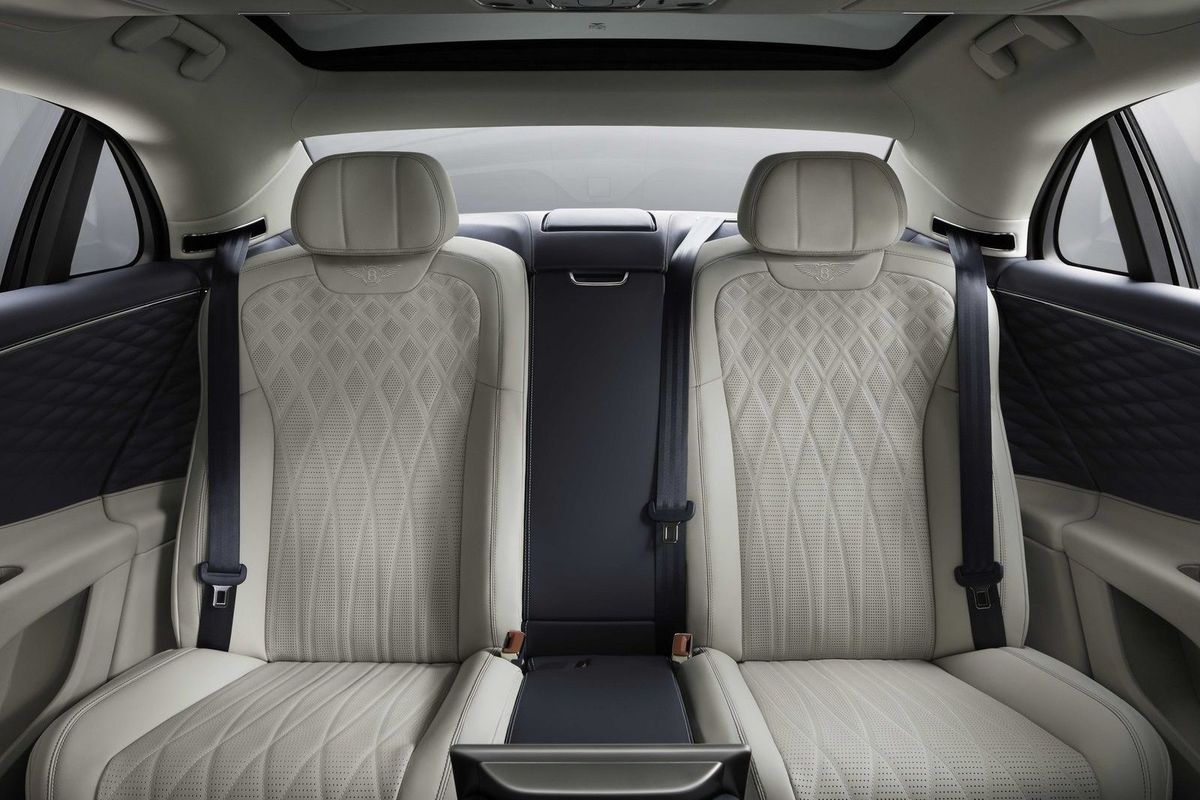
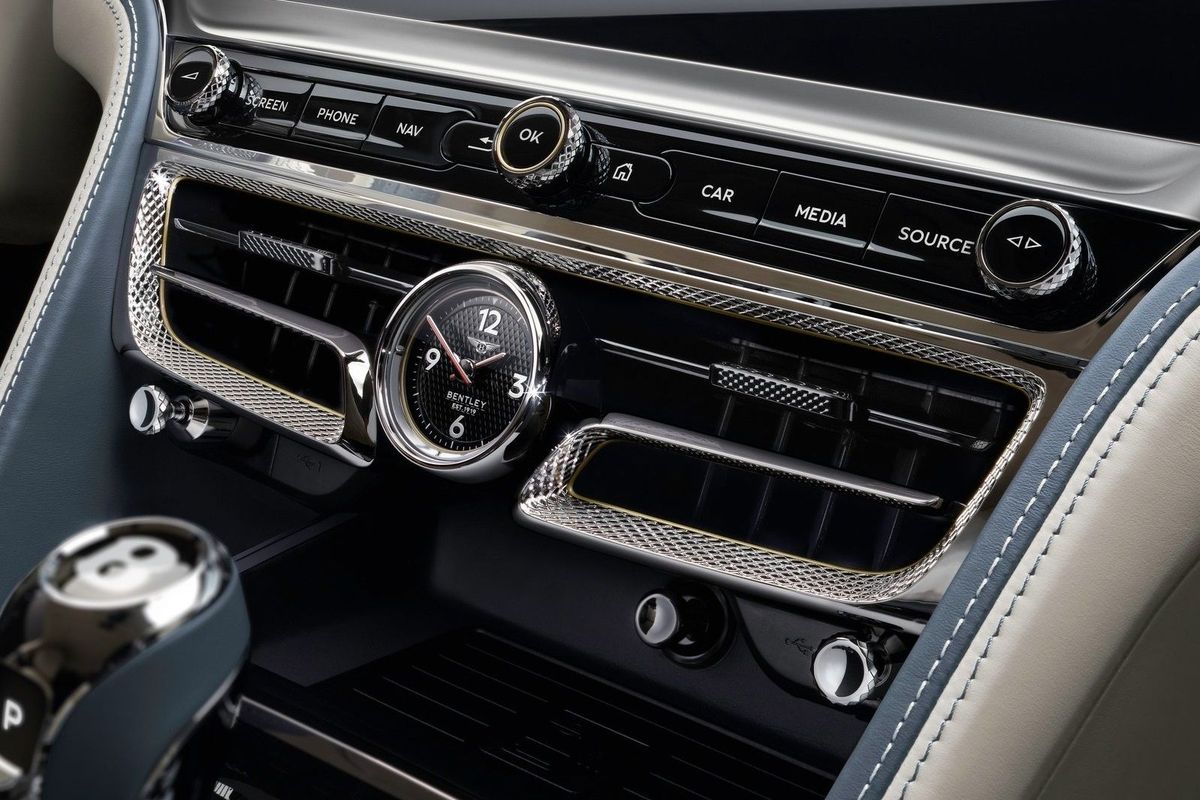
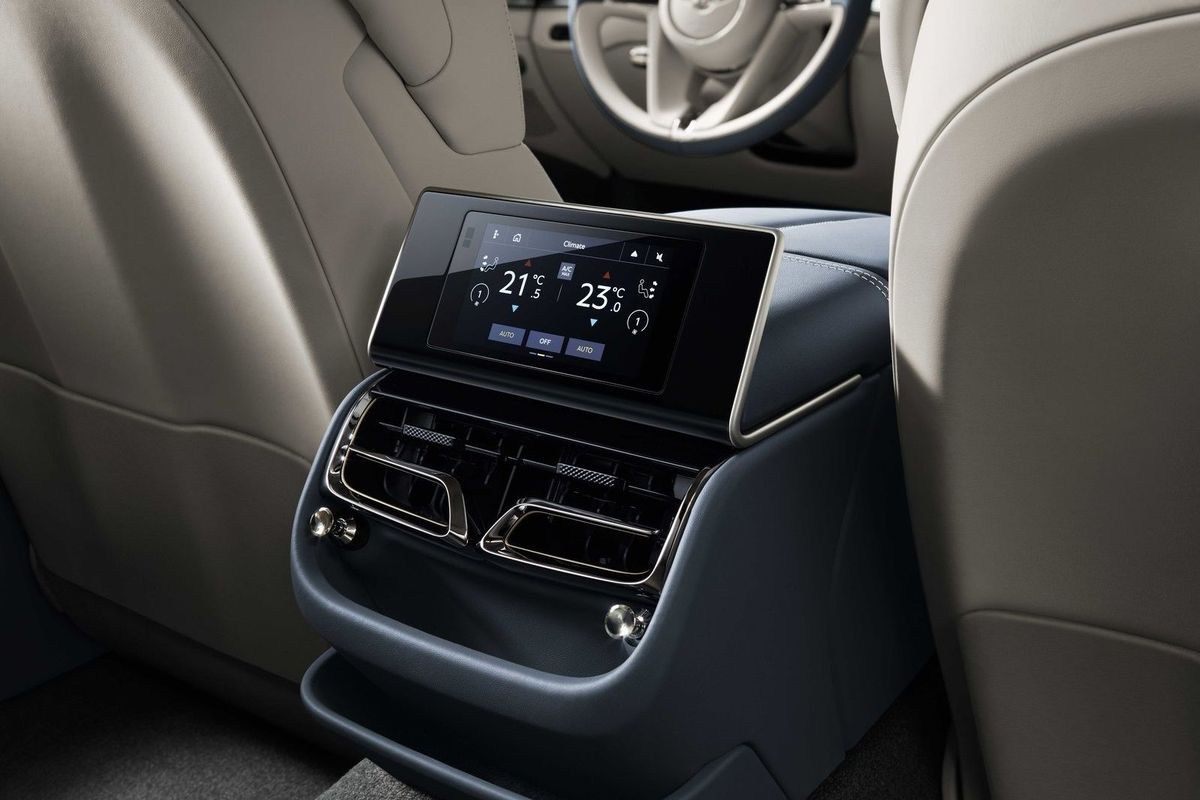
Being a Bentley, customers can go all out when it comes to customisation. Bentley offers a full coachbuilding experience called Mulliner, which uses only the finest materials for the interior. Speaking of the interior, Bentley's new Flying Spur offers 2 individual seats in the rear. The infotainment system screen neatly rotates out of sight and offers a minimalistic experience.
Customers deliveries of the new Bentley Flying Spur will start in 2020.
Bentley Flying Spur Launch Video
Renault Koleos Receives Updates for SA
Renault South Africa has given its Koleos flagship SUV some additional features. Here are the details, as well as pricing.
The Renault Koleos is a spacious SUV built on the same platform as the Nissan X-Trail. There's just the one powertrain available, a 2.5-litre naturally-aspirated 4-cylinder mated to a CVT. There are 2 levels of trim, with the option of 4×4 in the flagship model.
For 2019, the Koleos Dynamique versions have received 2 convenience enhancements in the form of a hands-free power tailgate and an electronic parking brake. The tailgate allows customers to remotely open the boot by placing your foot under the rear bumper, as long as the remote key is in your pocket. The electronic parking brake automatically engages when the vehicle is switched off and gradually released in the same manner as a hill start assist.
The Renault Koleos comes standard with a 5-year/150 000km mechanical warranty; plus a 5-year/ 90 000km service plan and a 6-year anti-corrosion warranty, with service intervals at 15 000km. Options are metallic paint (R2 522) and electric adjustable leather seats for the Expression model (R12 000).
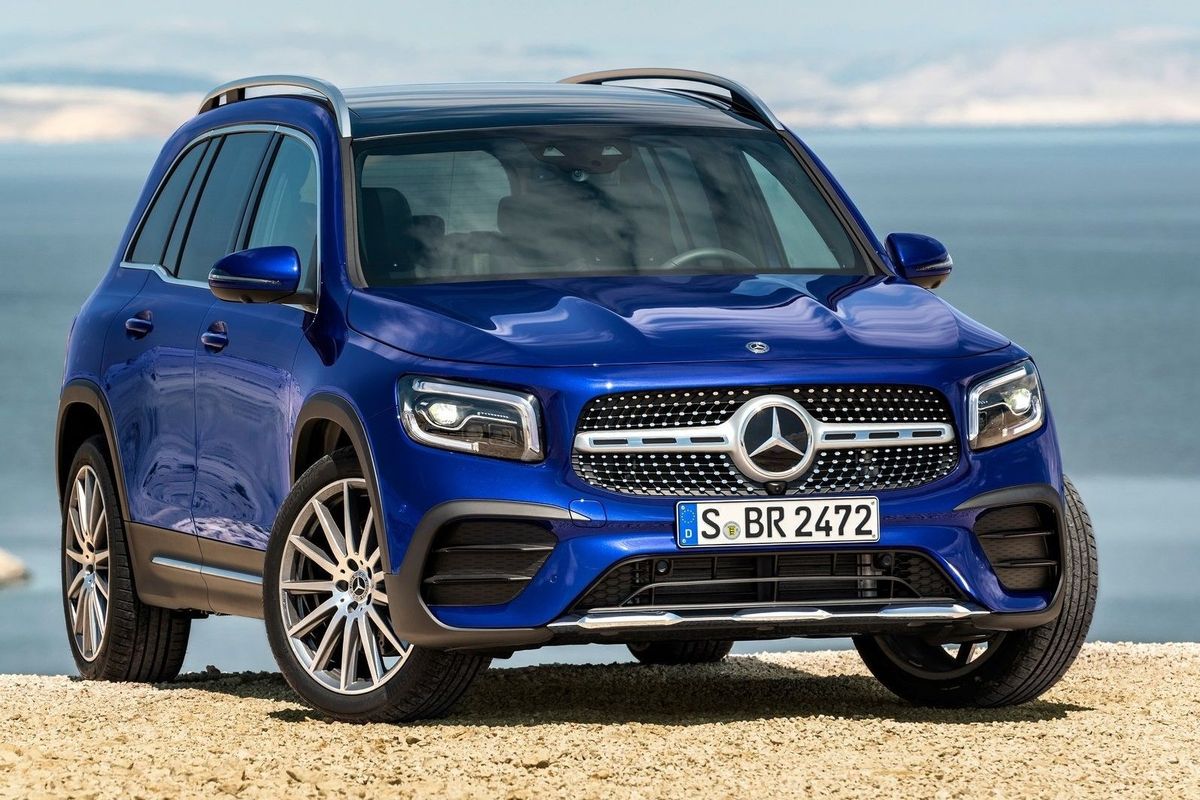
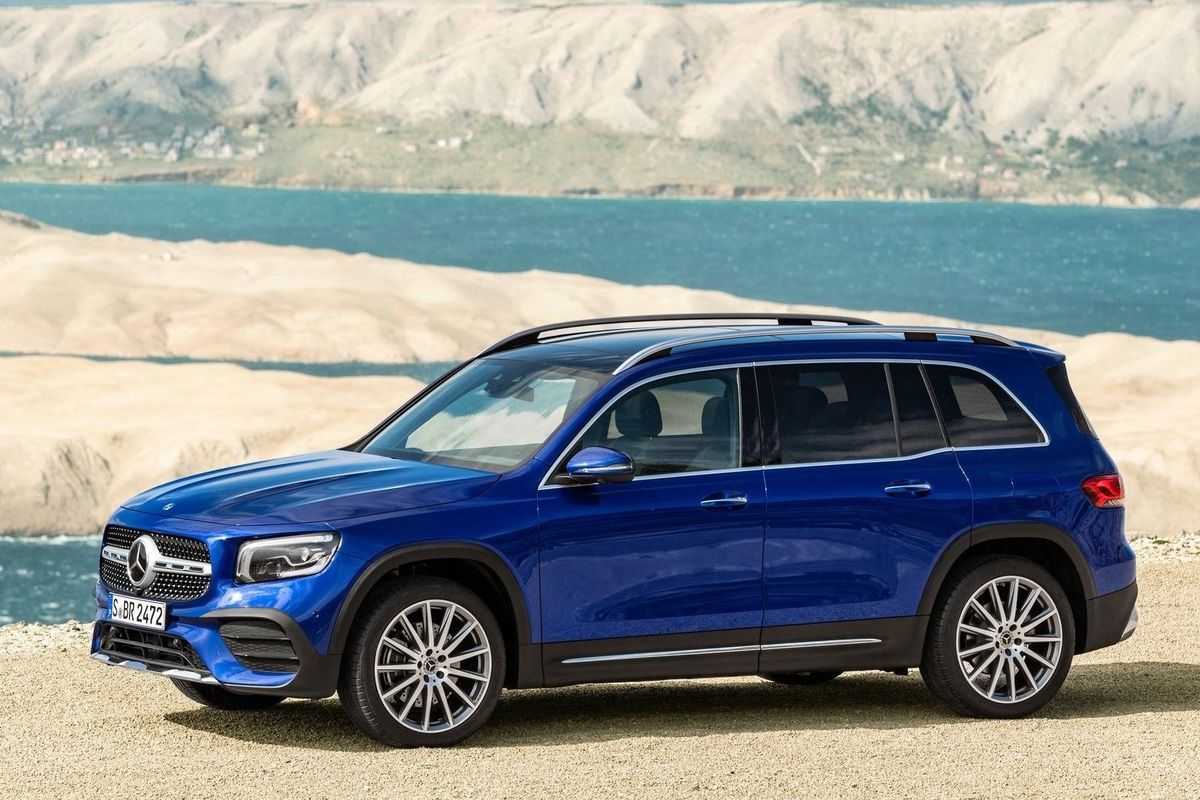
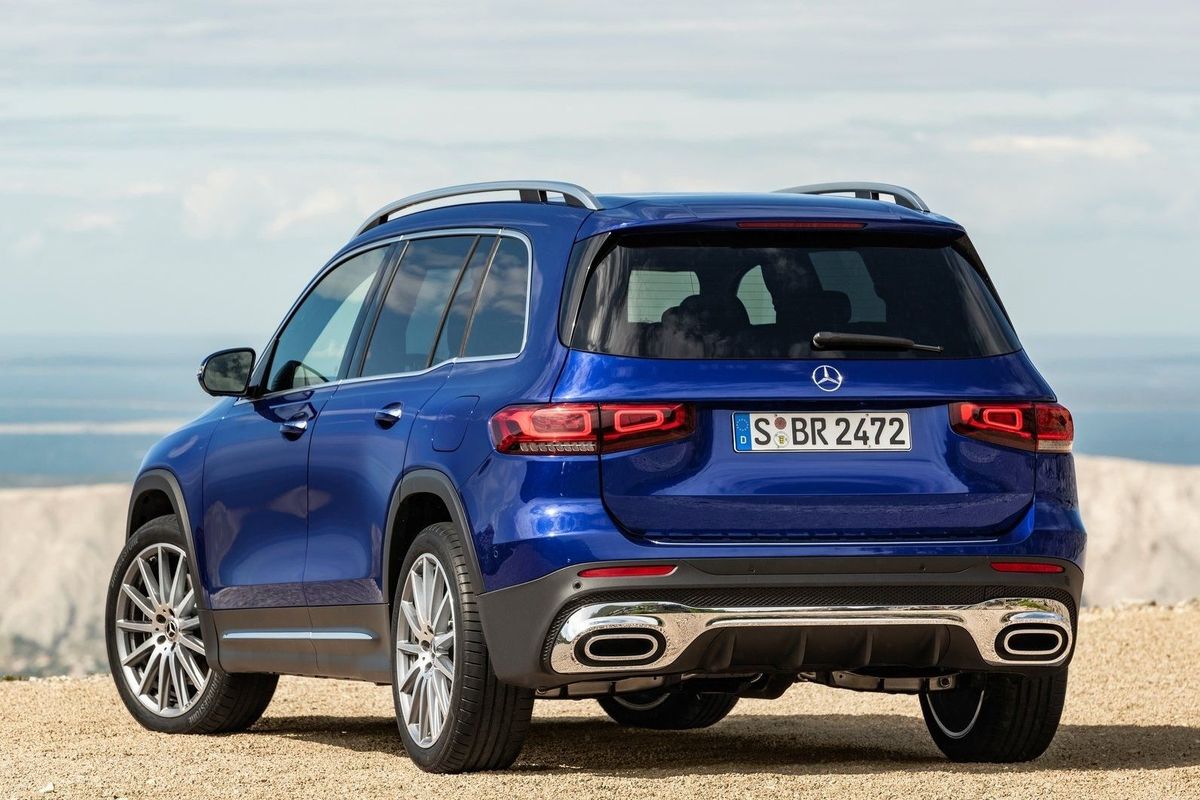
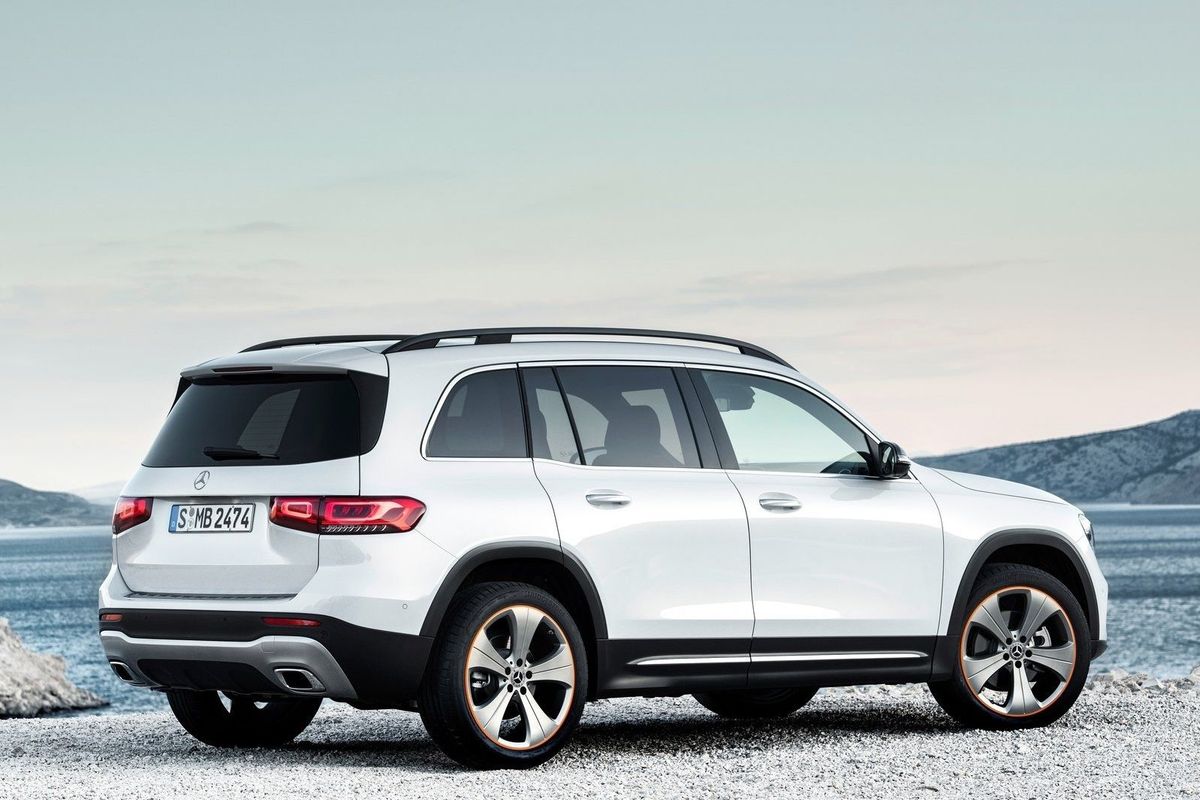
Mercedes-Benz has revealed the production version of its GLB SUV, which slots between the GLA and GLC. Here's what it's all about.
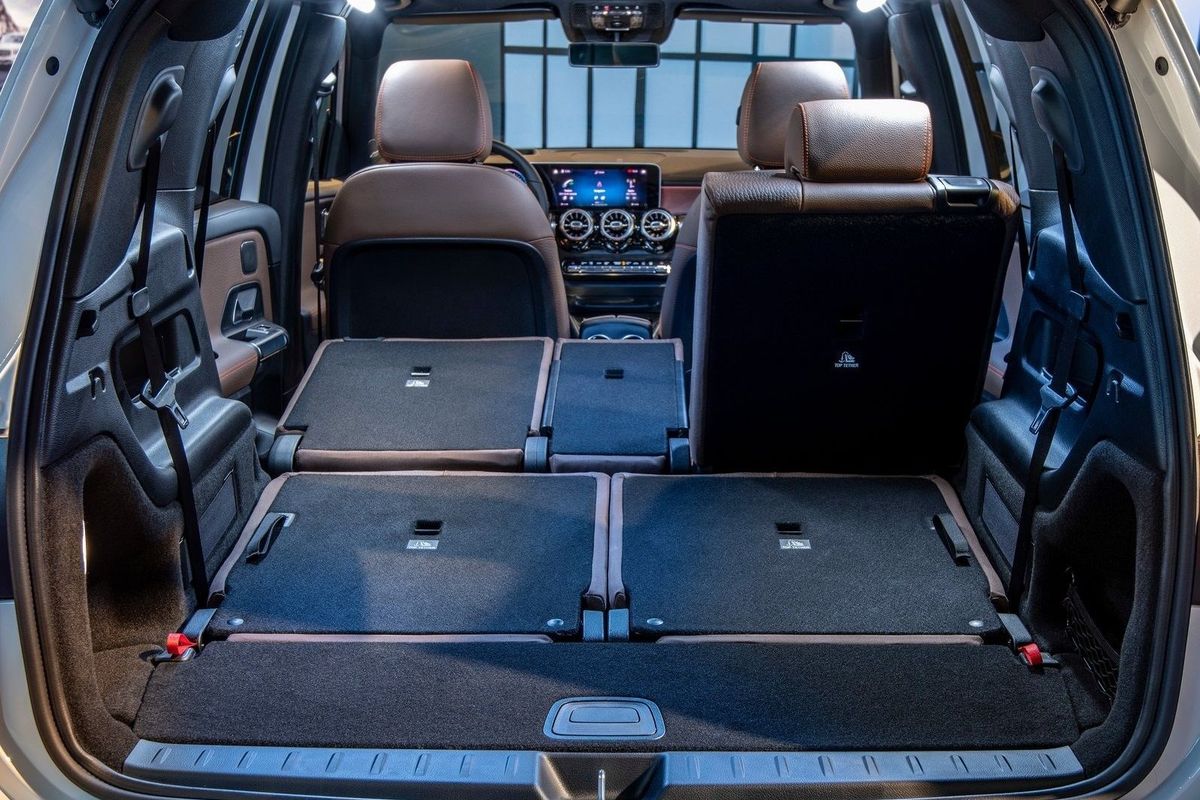
The Mercedes-Benz GLB was previewed by an outrageous offroad-biased concept, but as is the case, the production version was substantially toned down. With a length, width and height of 4634, 1834 and1658 millimetres respectively, the GLB is also available with an optional third row of seats. In terms of dimensions, it boasts a wheelbase a little longer than the new B-Class, giving you some idea of the practicality angle that Mercedes-Benz is going for. Mercedes-Benz is claiming class-leading headroom and a boot carrying capacity of up to 1755 litres with all the seats folded down.
Under the bonnet will be a selection of petrol and diesel 4-cylinder engines. Kicking off the range will be the GLB 200 with the 1.3-litre turbocharged petrol 4-cylinder with 120 kW and 250 Nm, while the GLB 250 4Matic features a 2.0-litre turbocharged petrol engine producing 165 kW and 350 Nm. For the diesel fans, there's the GLB 200 d and GLB 220d with the same 2.0-litre turbodiesel engine, but in 2 states of tune. In lower spec, it offers up 110 kW and 320 Nm, while the more potent version produces 140 kW and 400 Nm.
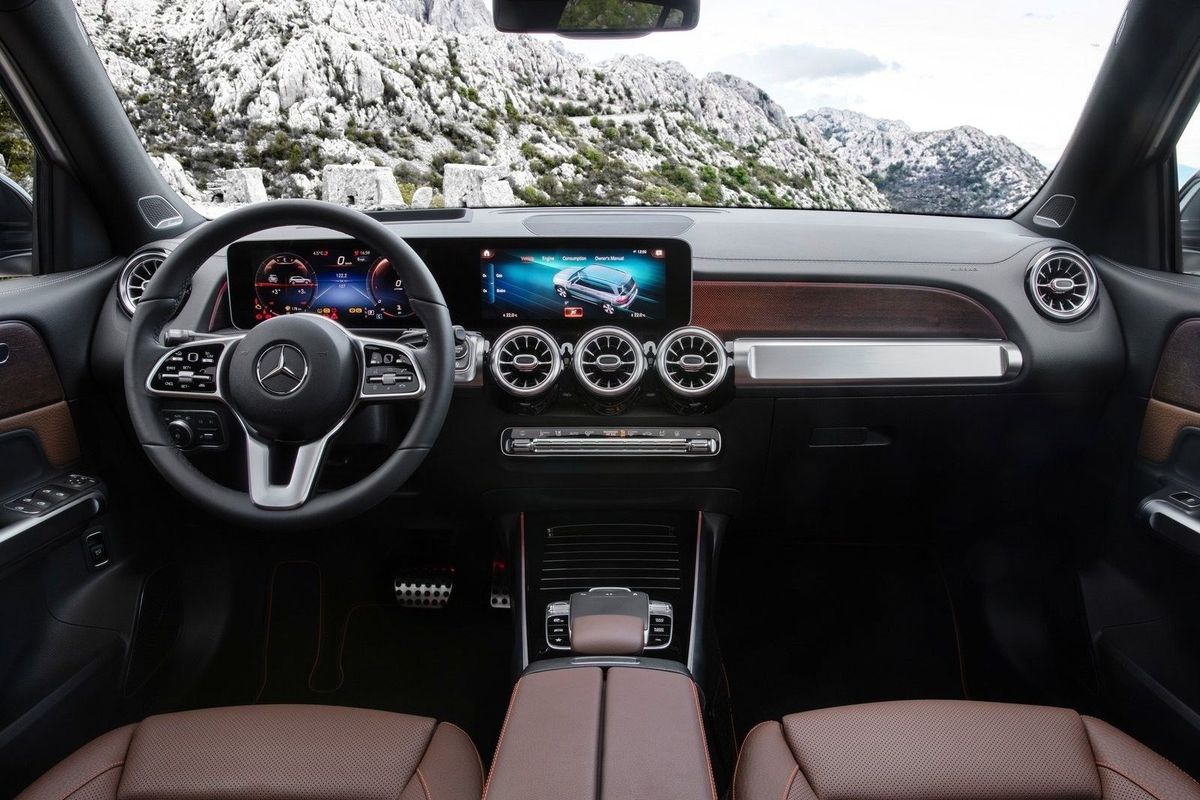
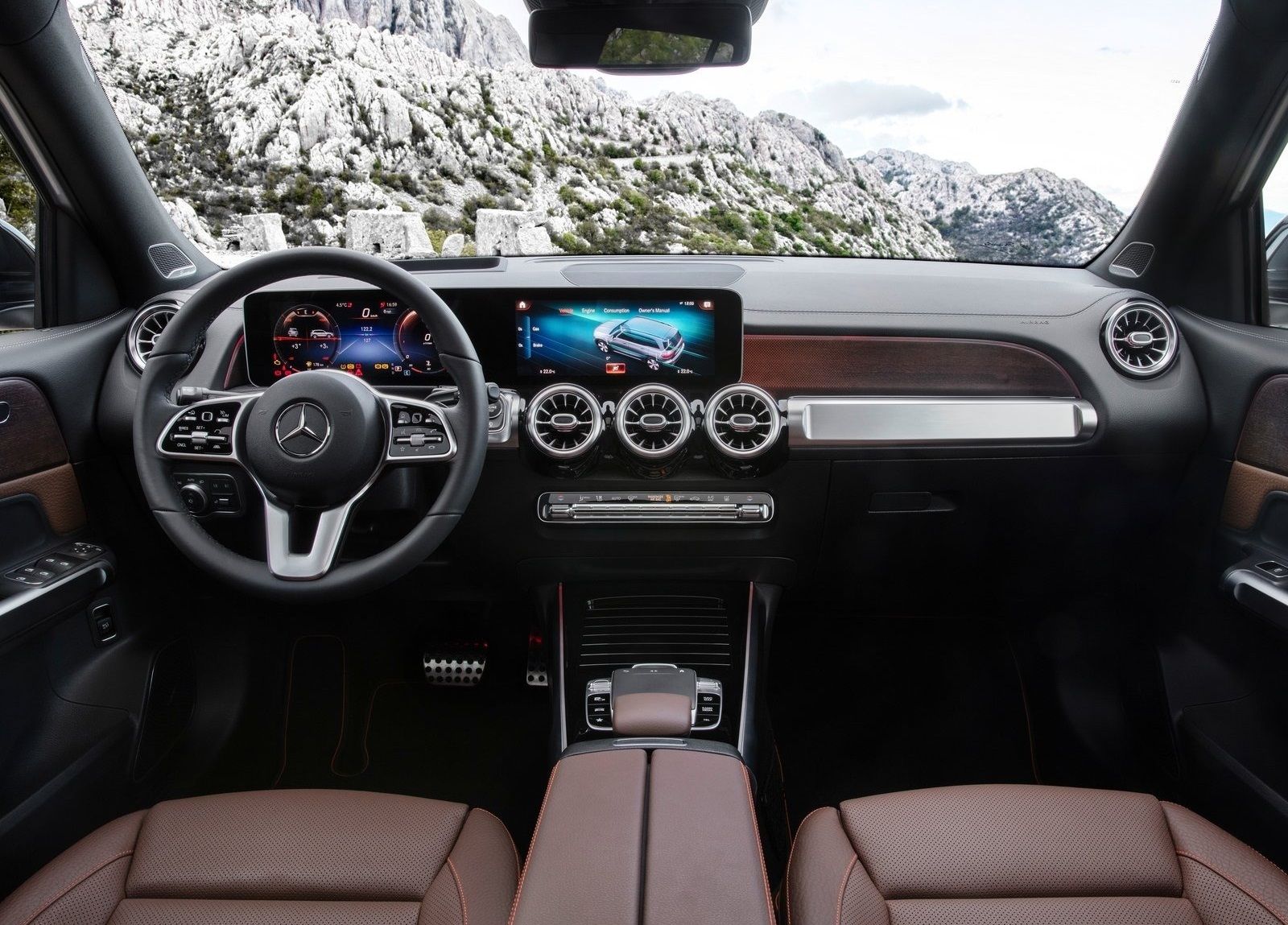
Inside, the Mercedes-Benz GLB boasts the latest Mercedes-Benz infotainment system. Its called MBUX and we've had experience with this system in a few of the latest Mercedes-Benz products.
The Mercedes-Benz GLB will be assembled at the Aguascalientes (Mexico) plant and, for the Chinese market, in Beijing, and it should be going on sale globally towards the end of 2019.