The BMW M4 Video We Never Published – Flashback Friday (2014)
We've dug through the archives and for a few reasons, this BMW M4 film never made it past our cutting room floor. Until now.
When Ciro De Siena started making videos for Cars.co.za back in 2014, this was the fifth video we ever made. For reasons that are very boring and mostly forgotten, we never published this video.
Recently, Ciro was reminded of it, and after a few conversations with the team, we decided that it was time for this video to go public. We ask of you, don't judge us for the quality of the visuals – we like to think we've improved a lot since then! But we really hope you enjoy this trip down memory lane with us.
A design icon is ending. Audi’s new CEO Bram Schot has confirmed that the current third-generation TT will be the last, with Ingolstadt’s engineers not having produced a replacement for the compact sportscar.
Audi wowed the market when it debuted the Peter Schreyer designed TT back in 1998, but since the third-generation version was introduced in 2014, sales have stalled. Schot says that Audi’s priority has become electrification and the current TT is beyond the company’s immediate strategic goals.
The German premium brand is planning to reveal a flood of new battery-powered products in the next few years, with a promise to have 20 full electric-vehicles in its portfolio by 2025. As such a turbocharged two-door sportscar is not product priority.
Fans of the TT might be disappointed, especially those who still regard the original car as an all-time symbol of Audi’s brand resurgence in the 1990s. That disappointment might be cured if Audi’s product planners apply the same formula they did when considering the original TT.
Audi says it will replace the TT with an equally emotive battery-powered vehicle, but whether it will be a two-door coupe, is uncertain.
Much like the first TT was made possible by VW’s increasingly sophisticated and adaptable Golf platform; the TT replacement’s configuration will depend greatly on Audi reinterpretation of VW’s new MEB vehicle architecture. One possibility that a battery-powered TT might offer, is the switch to rear-wheel drive, in addition to Audi’s signature all-wheel-drive systems.
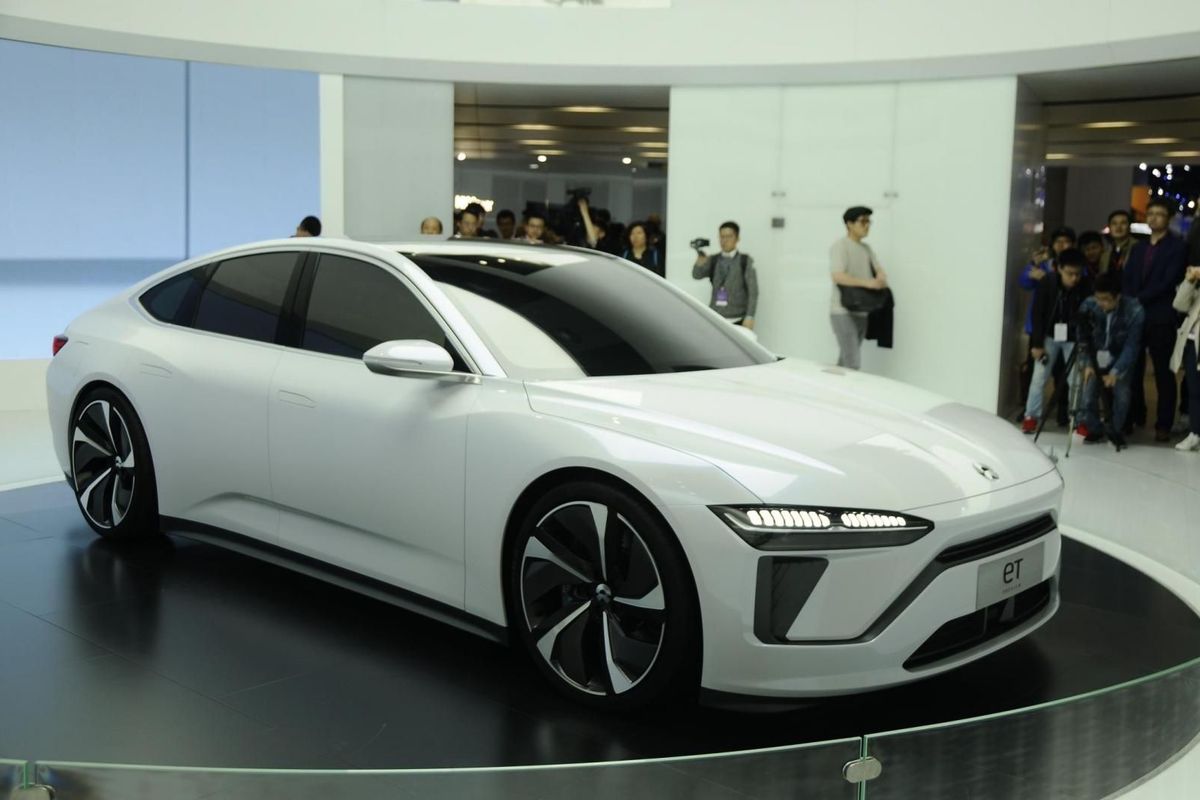
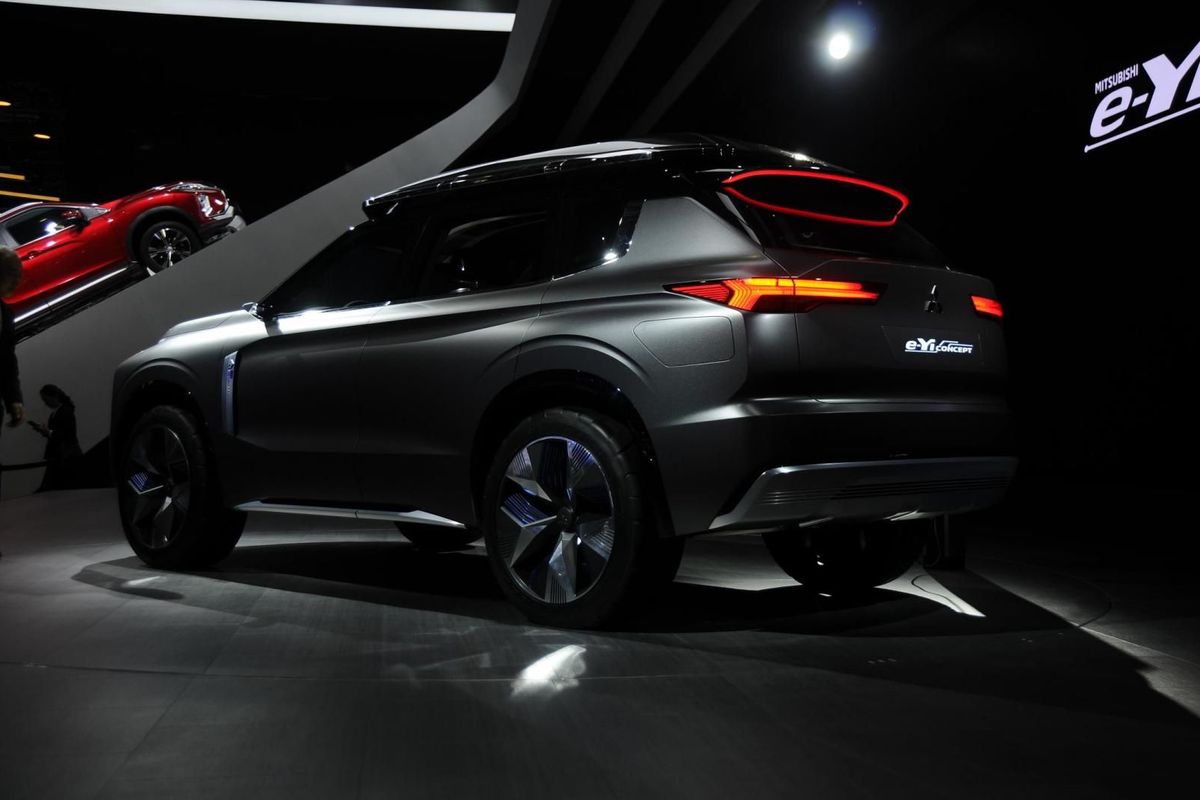
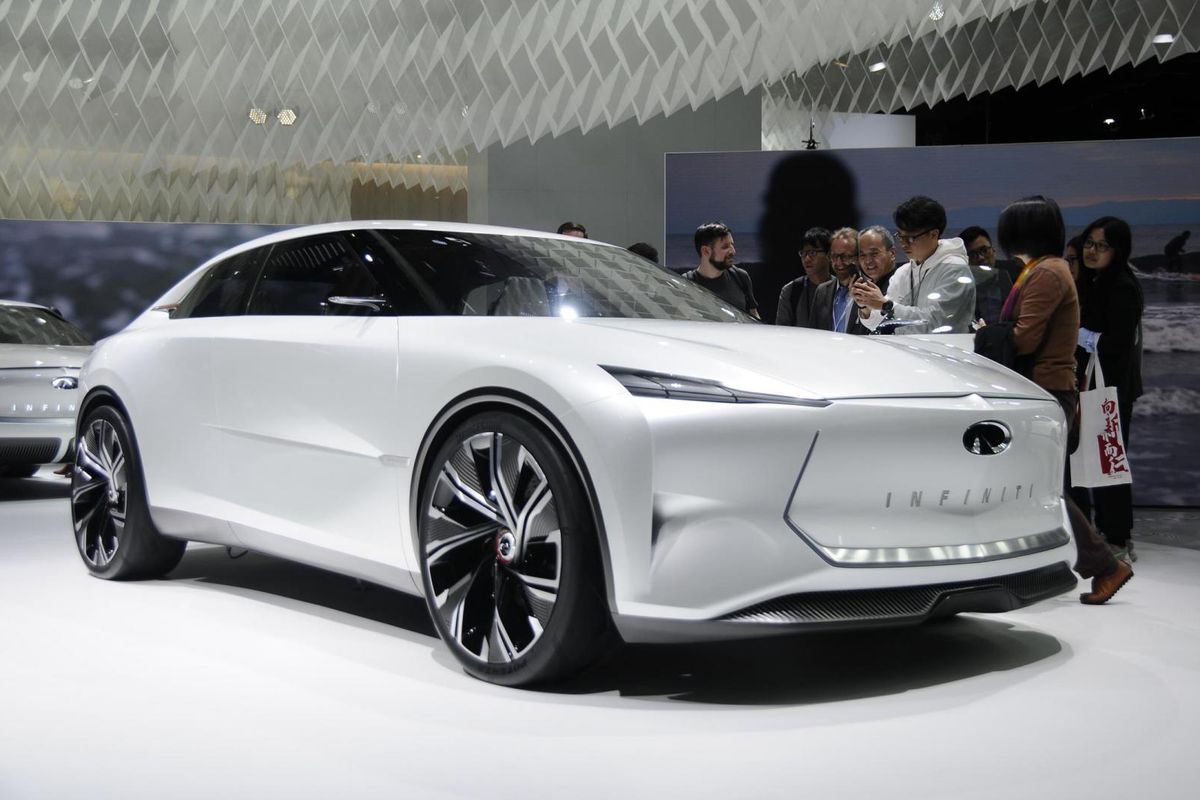
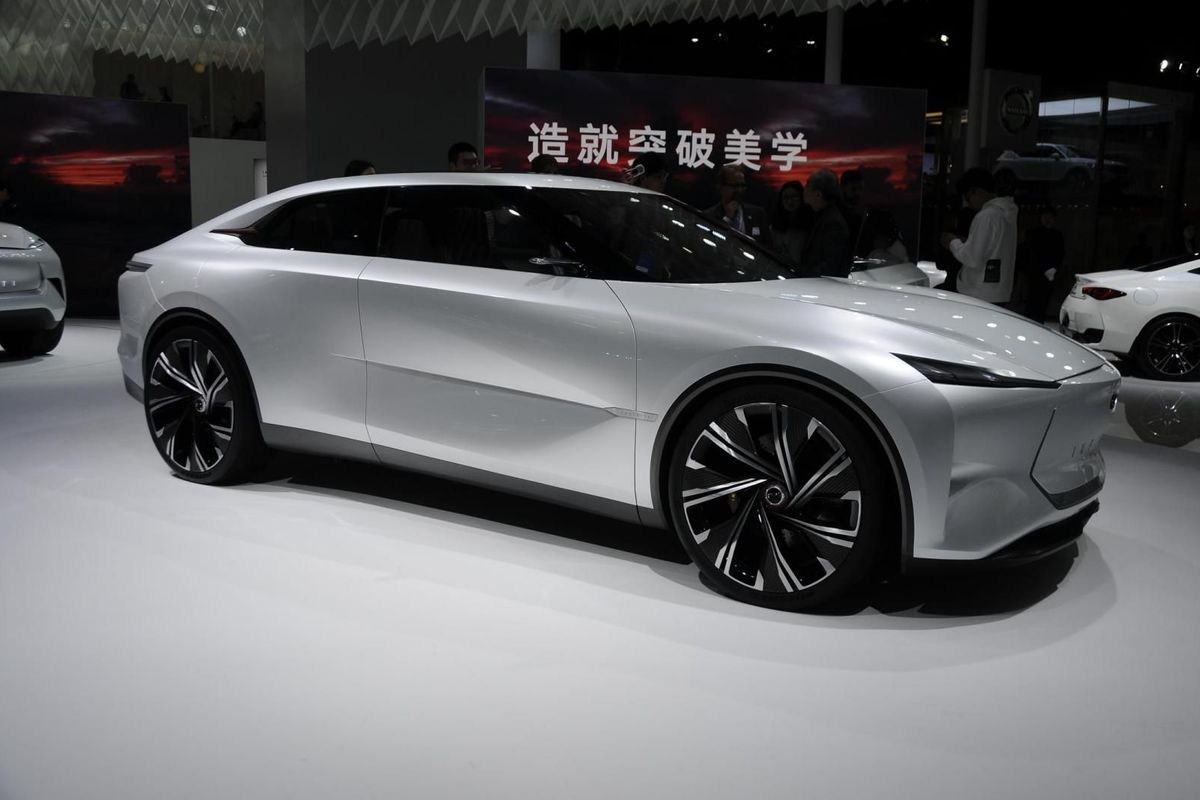
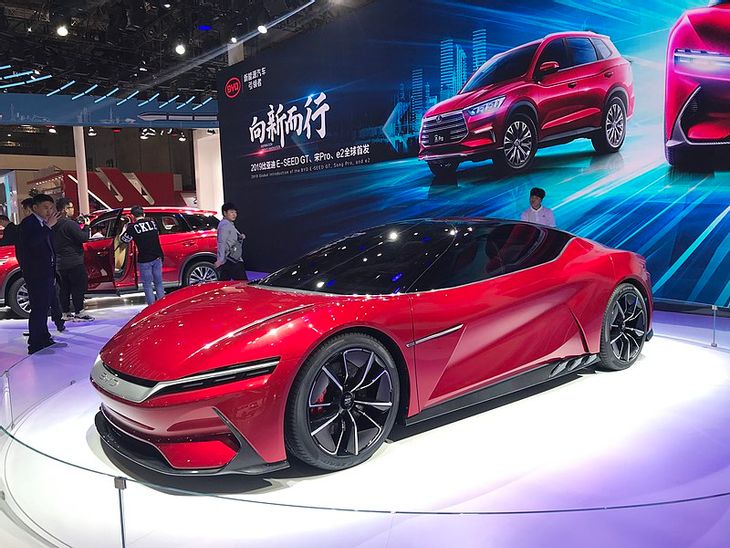
China takes the lead on desirable electric cars, hopefully pulling the rest of the world out of a design slump.
Visiting a Chinese car manufacturer in 2008 offered indisputable evidence of a fledgeling industry with only sporadic implementation of global best practices. Not only were several European models being blatantly copied, most were also built using poisonously cheap plastics, wafer-gauge steels and questionable assembly processes. A visual metaphor that stuck was witnessing a production line worker swinging wildly from the open hatch of a body-in-white Daewoo Matiz, sorry Chery QQ, as he physically bent it into something vaguely closable. That this was even necessary given the already chasmal shutlines was telling. It was no surprise then that most of China’s car production at the time was simply ineligible for export markets.
By tempting design talent eastwards, we will see more innovative designs coming from China.
The saving grace was a rampant and booming home market that gobbled up almost every vehicle made, regardless of quality, safety or style. Even then though, the potential for world domination was patently obvious. In the decade that followed, the importance placed on – and budgets allocated towards – in-house design and R&D departments grew exponentially.
With upwards of 480 manufacturers, many of them EV-only, China is now unquestionably an automotive powerhouse. And it’s still on a meteoric growth curve, able to buy in technical excellence (or entire brands; e.g. MG Rover, Volvo and Lotus) and lure many of the world’s best designers to supplement its own fast-improving home-grown talent. Names such as former Audi design chief Wolfgang Egger, Jaguar rock star Wayne Burgess, Volvo stalwart Peter Horbury, Ferrari’s JuanMa Lopez and ex-Porsche man Hakan Saracoglu are just a few who’ve been tempted to Go East.
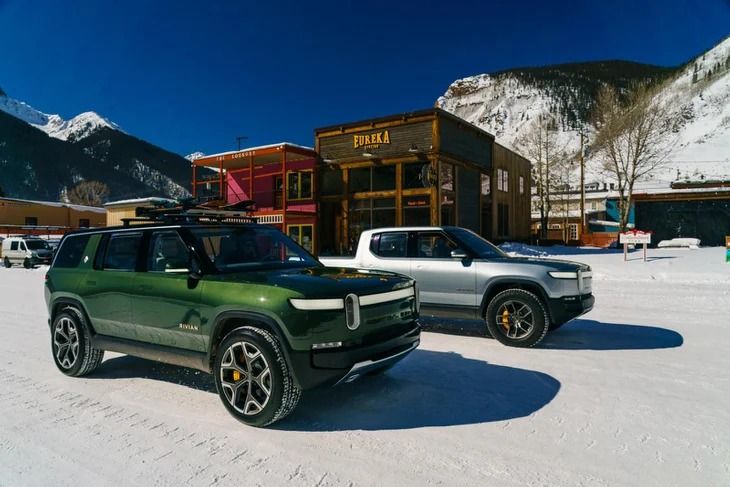
Ford has just invested $500 million into Rivian to develop EV pickups and SUVs.
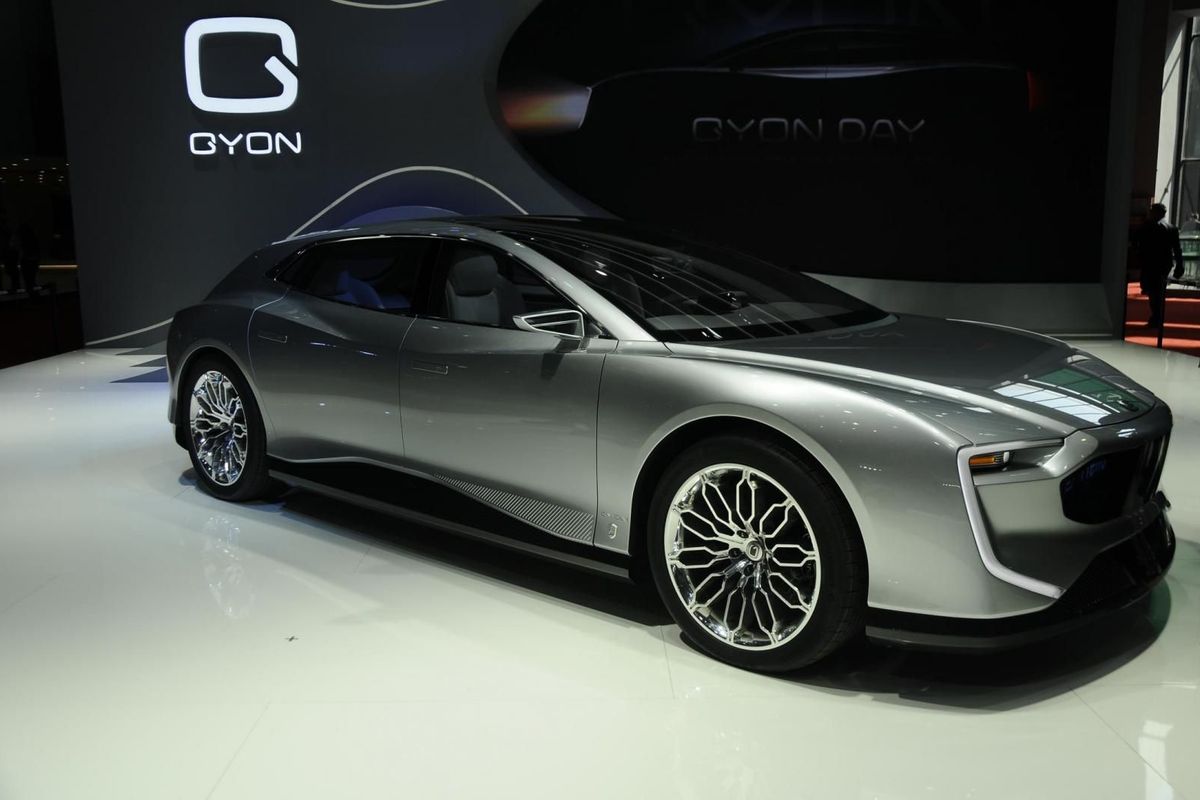
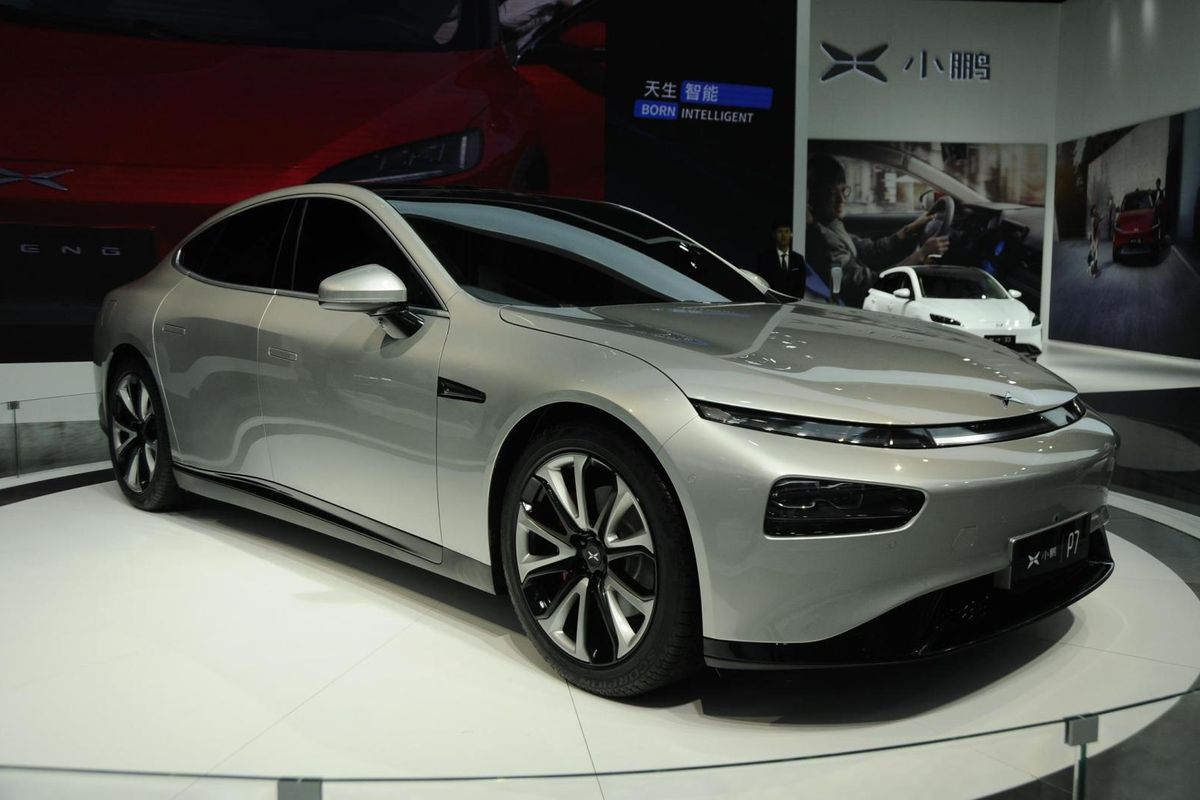
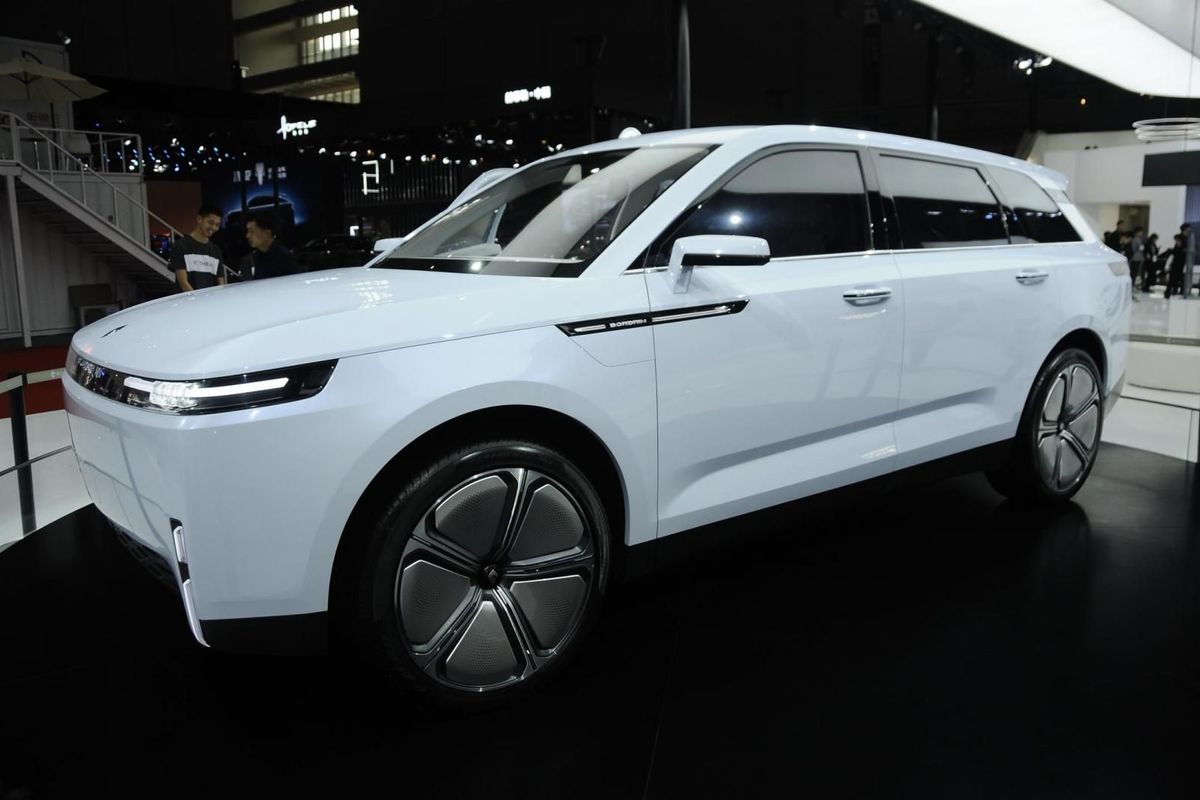
The result is that, even for the casual observer, the 2019 edition of Auto Shanghai was a real eye-opener; to hardened industry players it was a wake-up call akin to a crack on the forehead with a plug-in charge cable. The dazzling array of credible, relevant and often highly original models displayed makes it now impossible to continue discounting China’s premier car show as a collection of shoddy copy cars and hideously proportioned concepts.
So while the odd blatant copy still exists they’re now lost in a sea of far more original takes on today’s global trends, sensibly garnished with subtle hat tips to current design champs Volvo, EV kings Tesla and lava-hot newcomers Rivian.
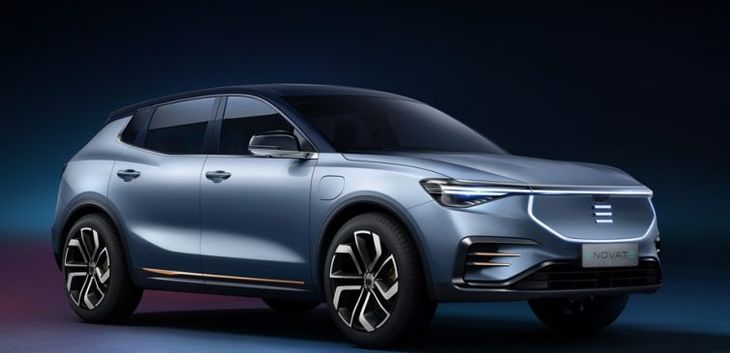
There was no shortage of bodystyle variety either: urban runabouts, SUVs, sedans and sports cars were all represented, the overwhelming majority bearing the grille-less nose giveaway of battery power.
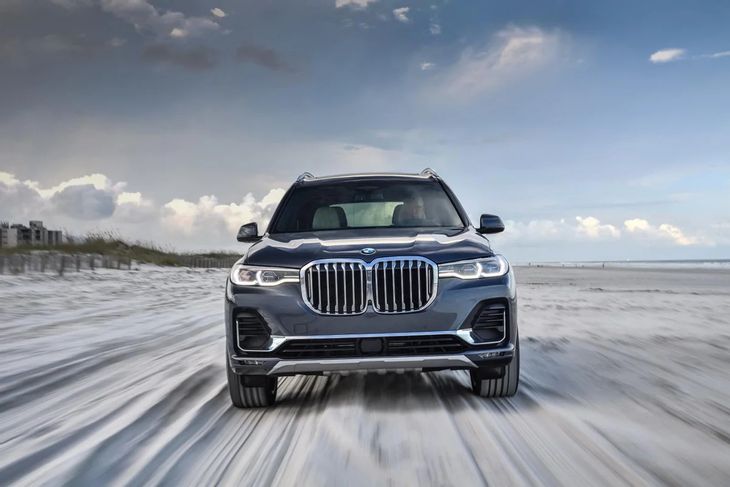
Electric cars will hopefully be the end of ridiculously big grilles.
Say what you will about the demise of the internal combustion engine, the packaging freedom associated with electric drive is dragging car design out of a creative rut – perfectly illustrated by the premium German brands’ predictable swelling-of-the-grilles one-upmanship. Mercifully, the era of gaping catfish-mouthed front ends is nearly over.
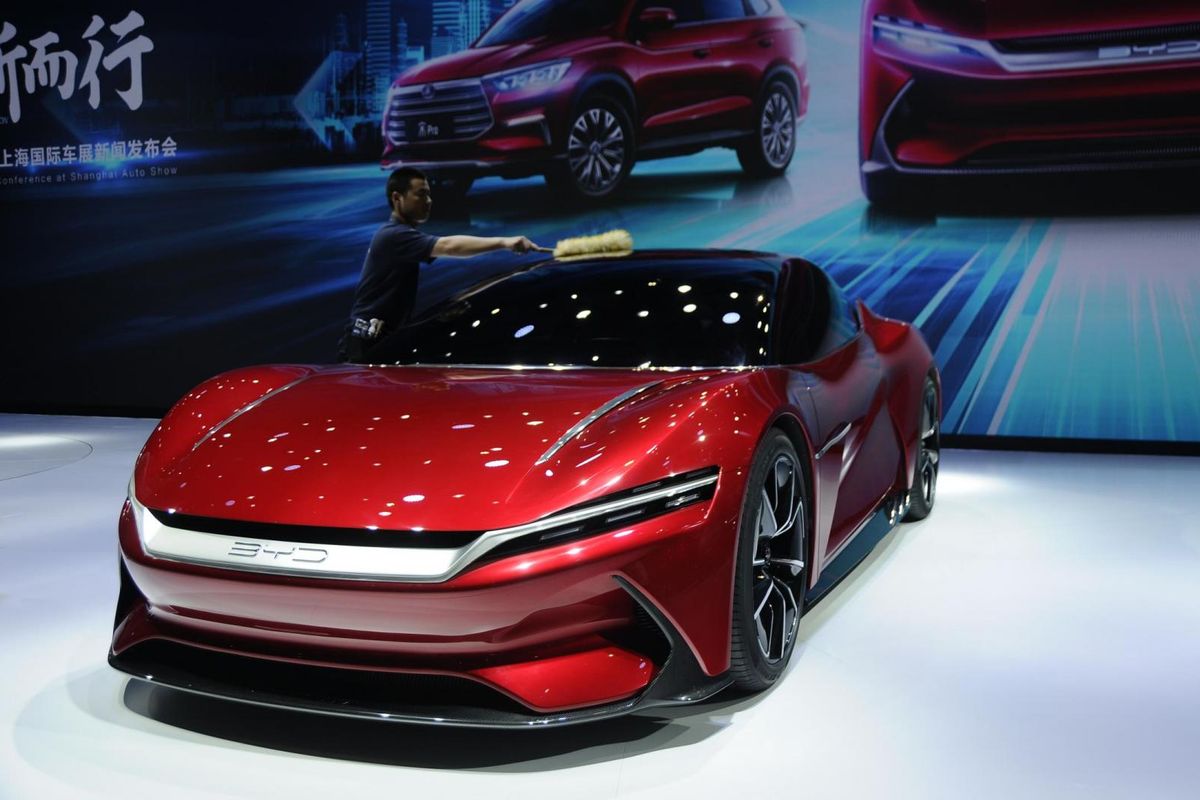
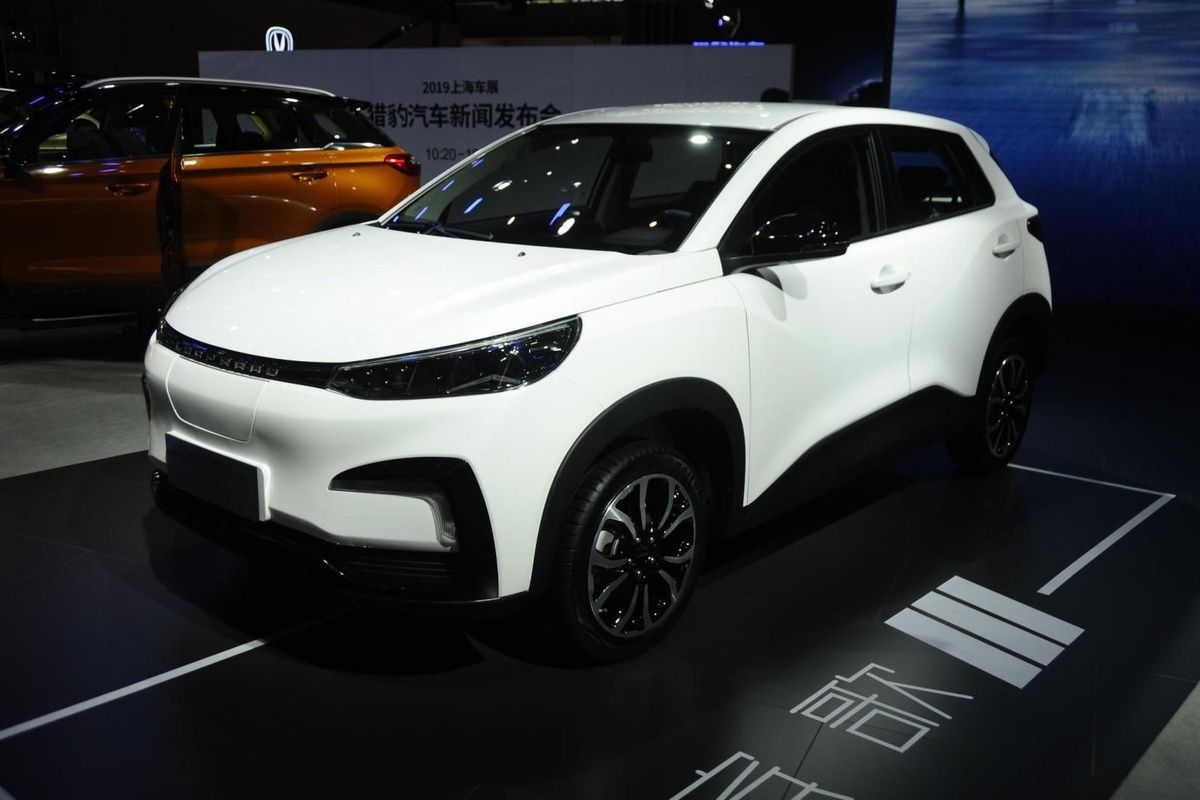
The BYD e-SEED shows how design oriented the EV layout can be.
So, with world-class design and engineering in place, the only area left to conquer is brand cachet. And it’s here where the Chinese need to get a little savvy because it’s simply impossible to take a car seriously when it’s called a GYON (Grow Your Own Niche) Matchless, a Leading Ideal One, a BYD (Build Your Dream) e-SEED, a Leapmotor C-More, or a Leopaard Mattu (yes, with two As). Don’t forget Bodrin, Aiways, Xpeng, Hozon and old-favourite Hongqi either.
Questionable spelling and bizarre lost-in-translation brand names aside, Auto Shanghai 2019 proves that Chinese cars are ready to trade on desire over value. Are you ready to daydream in Mandarin?
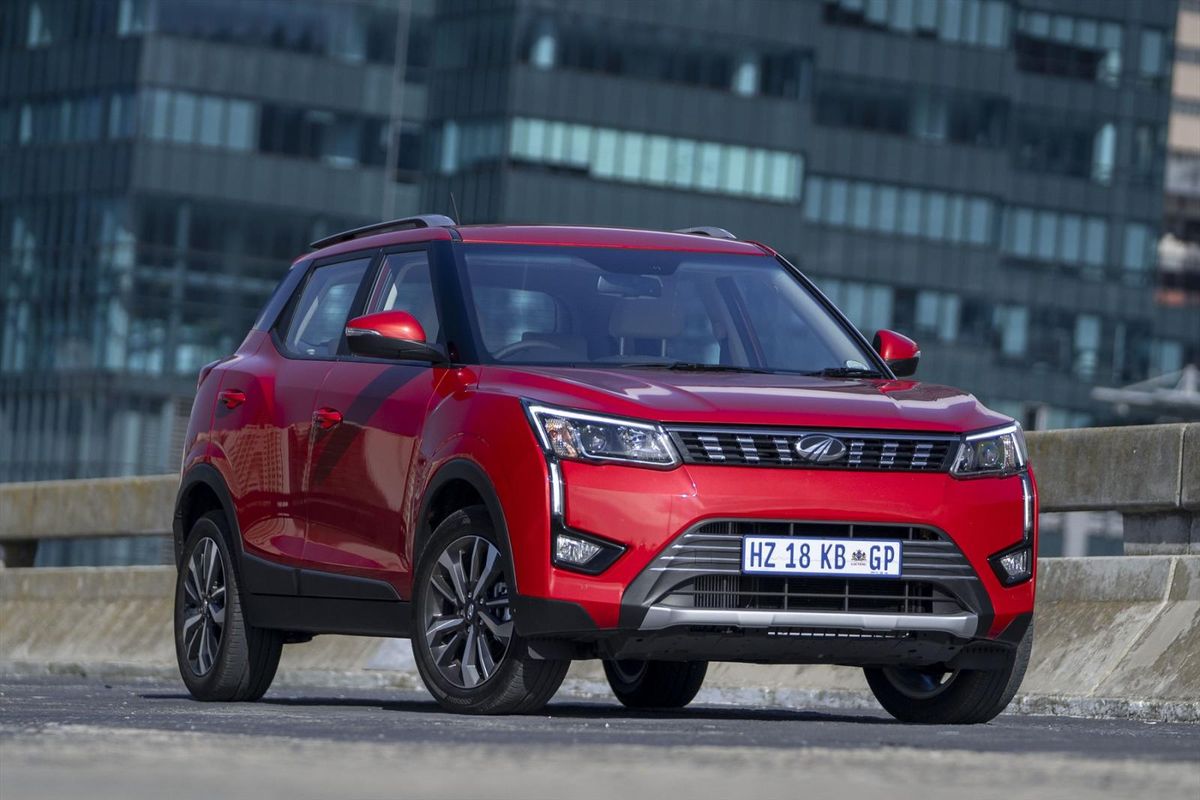
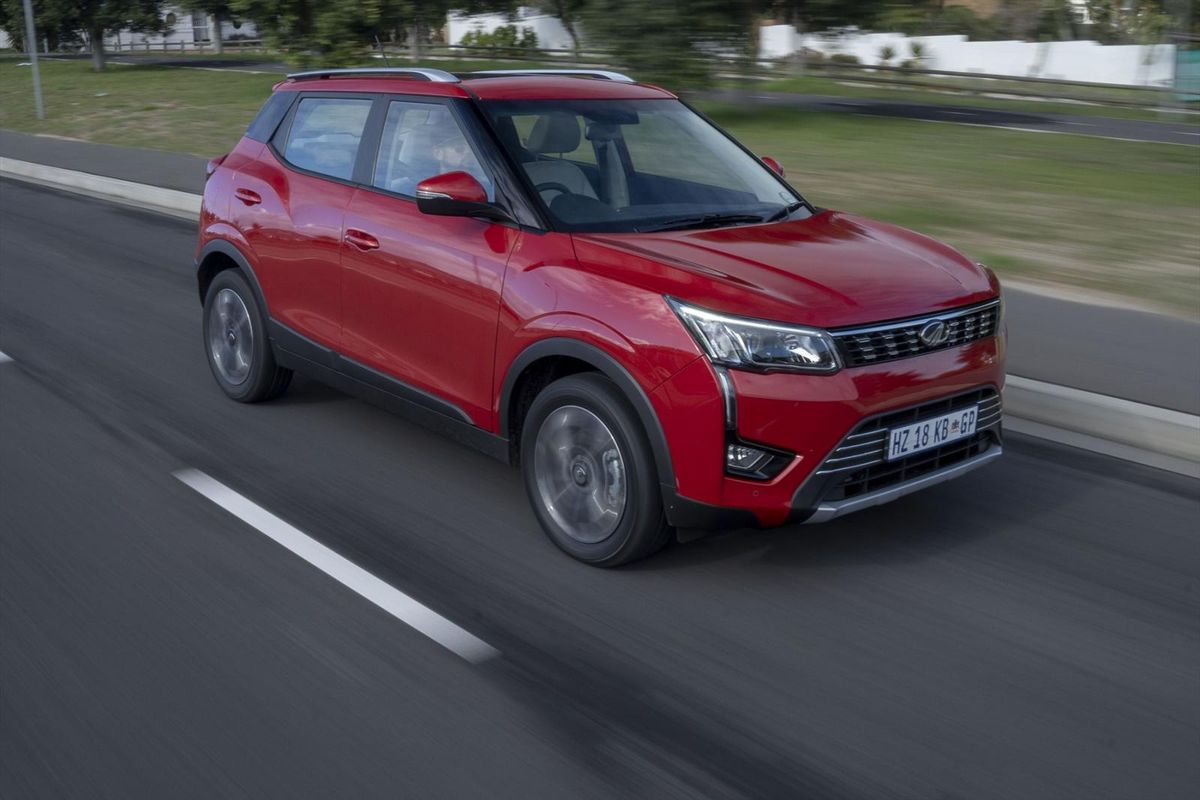
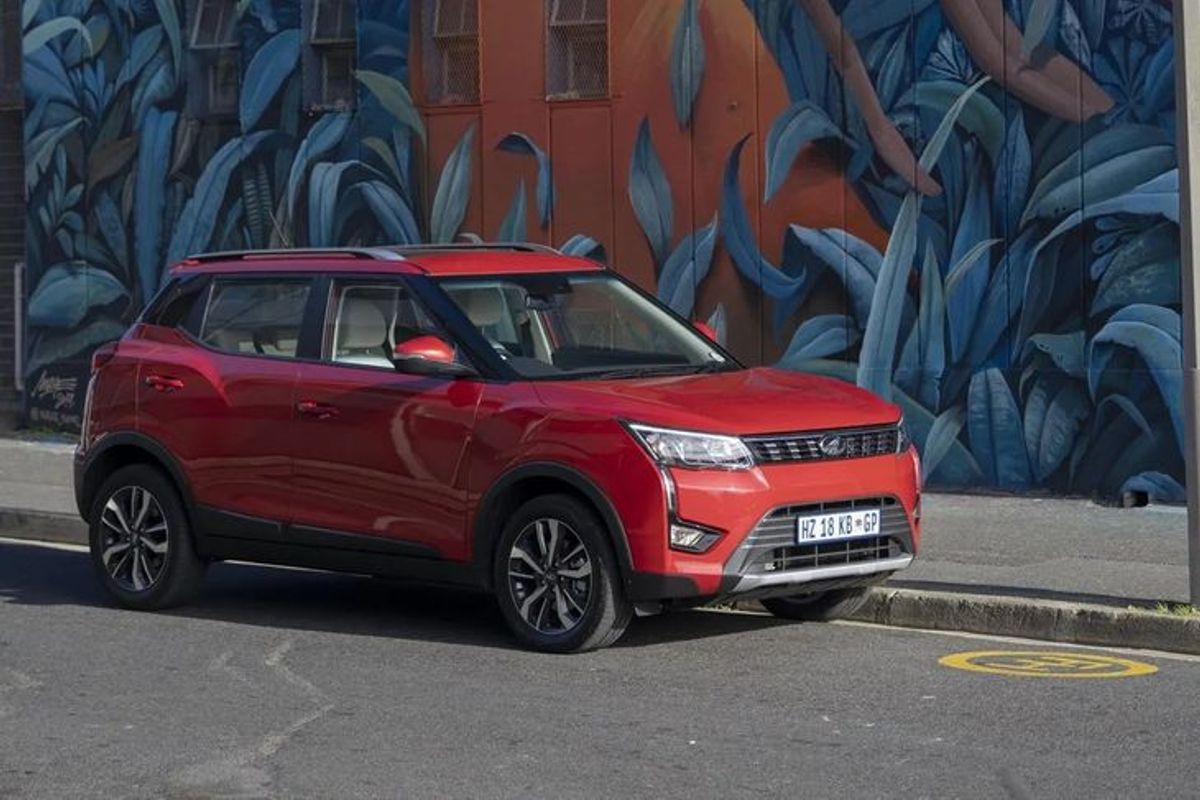
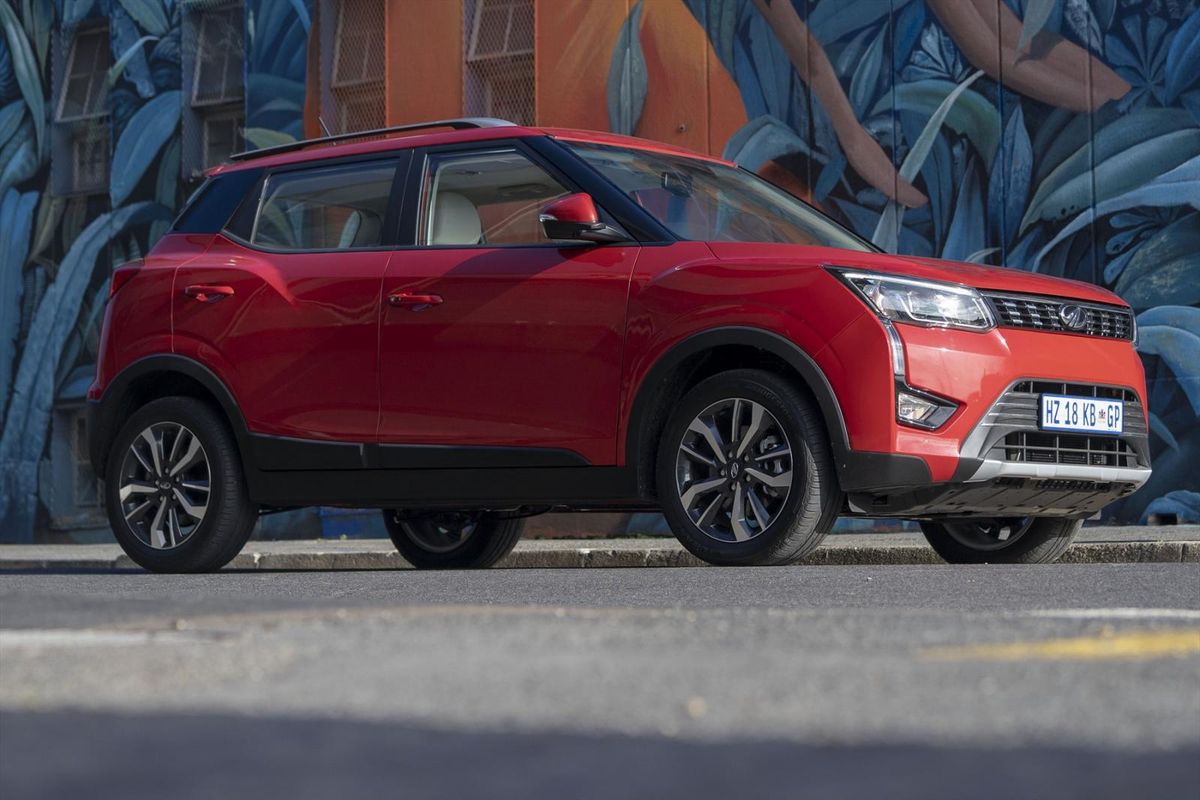
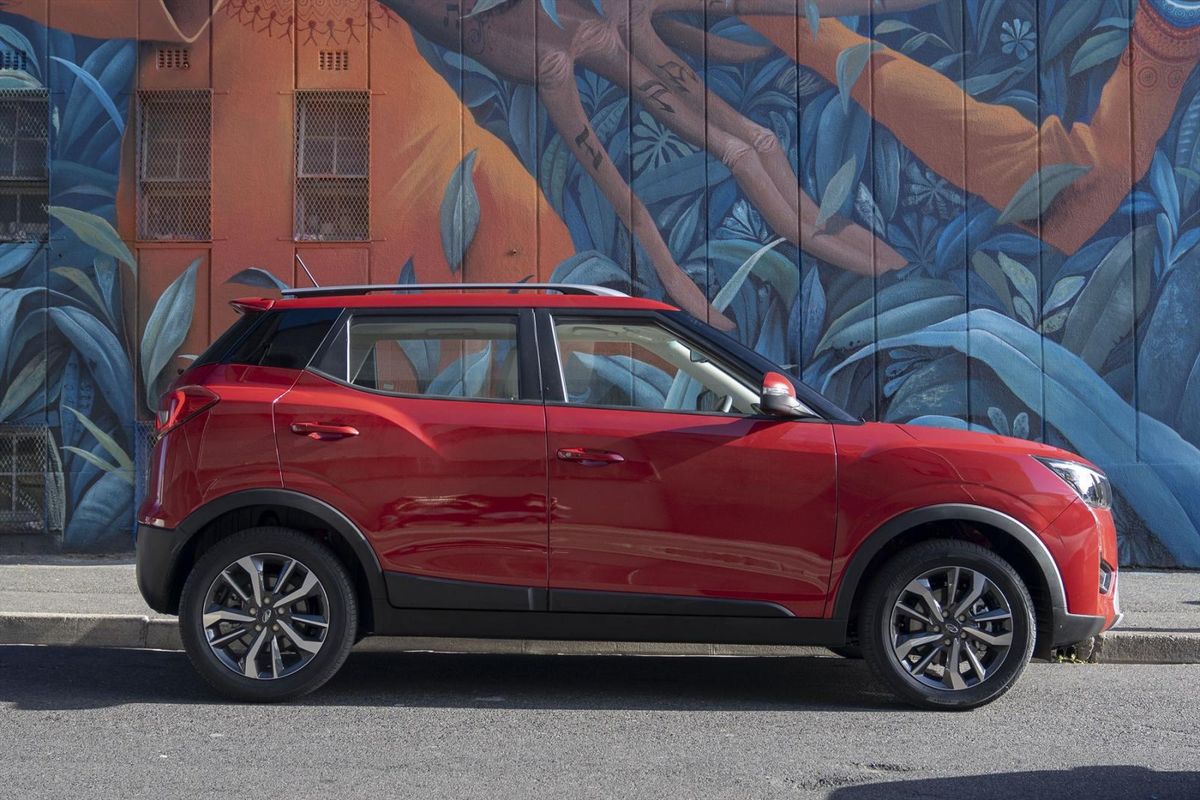
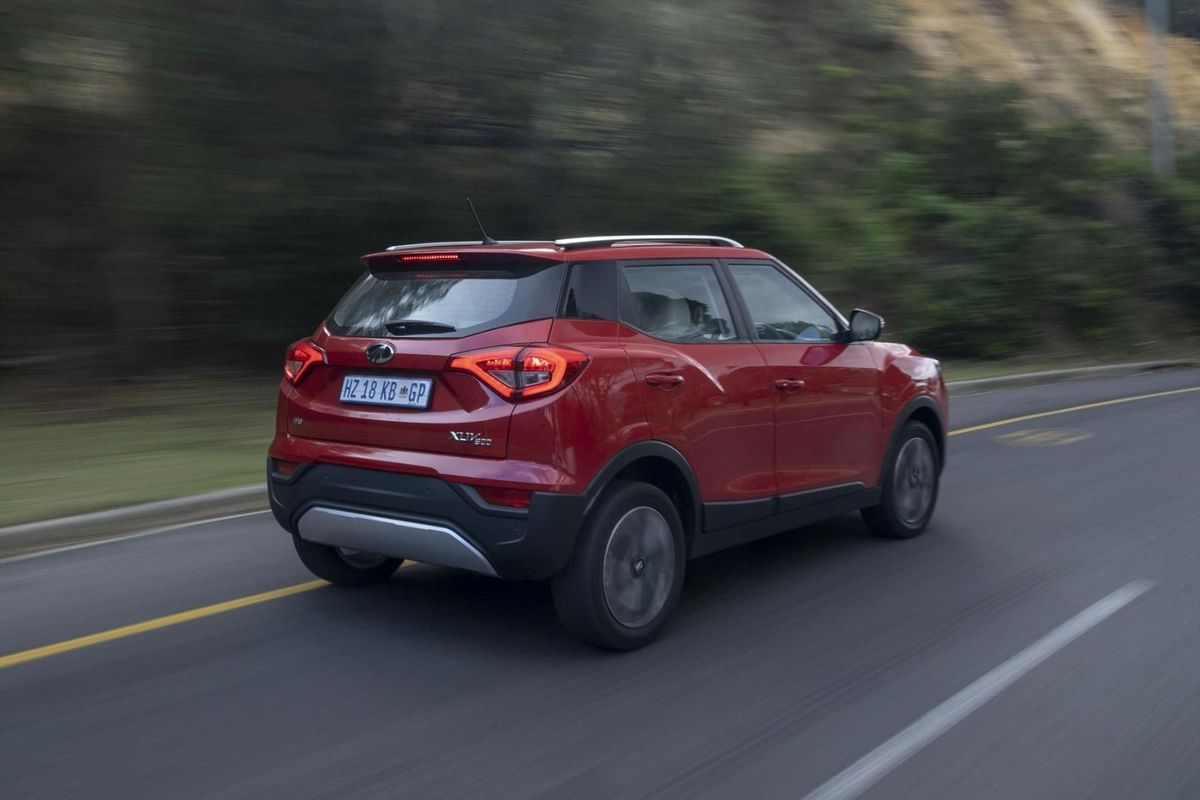
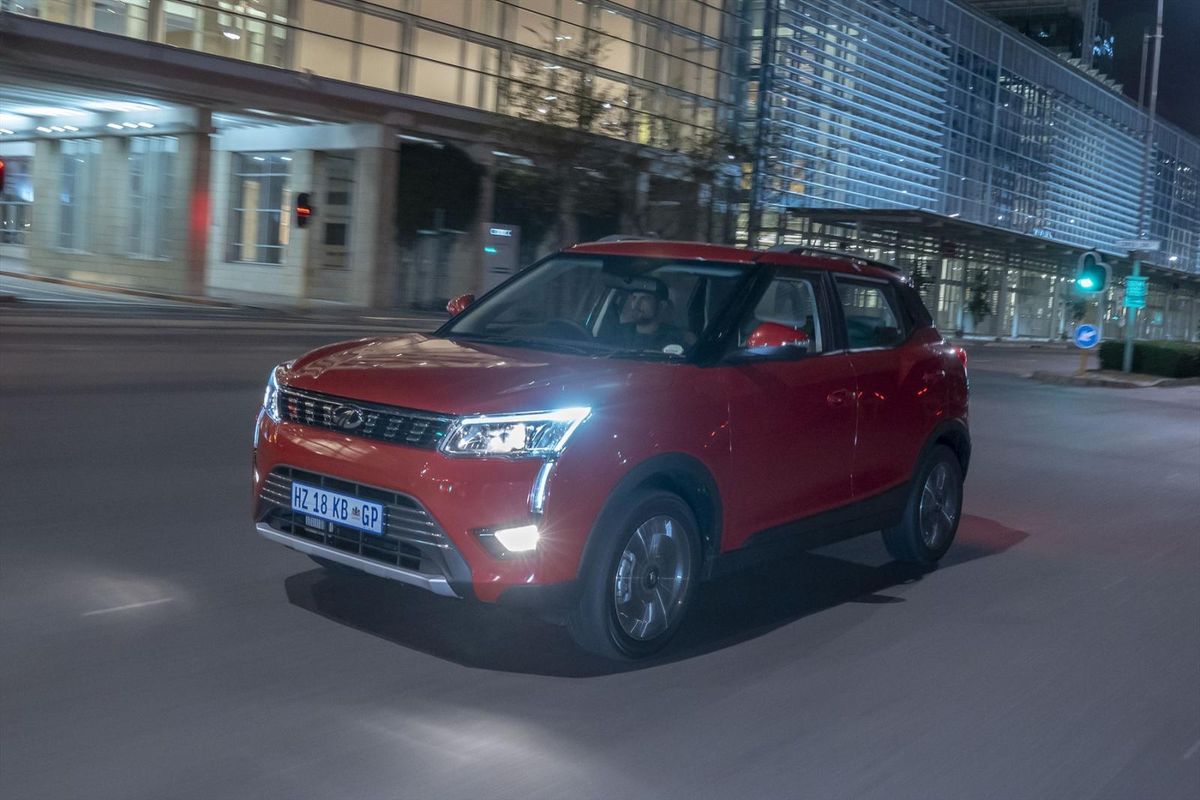
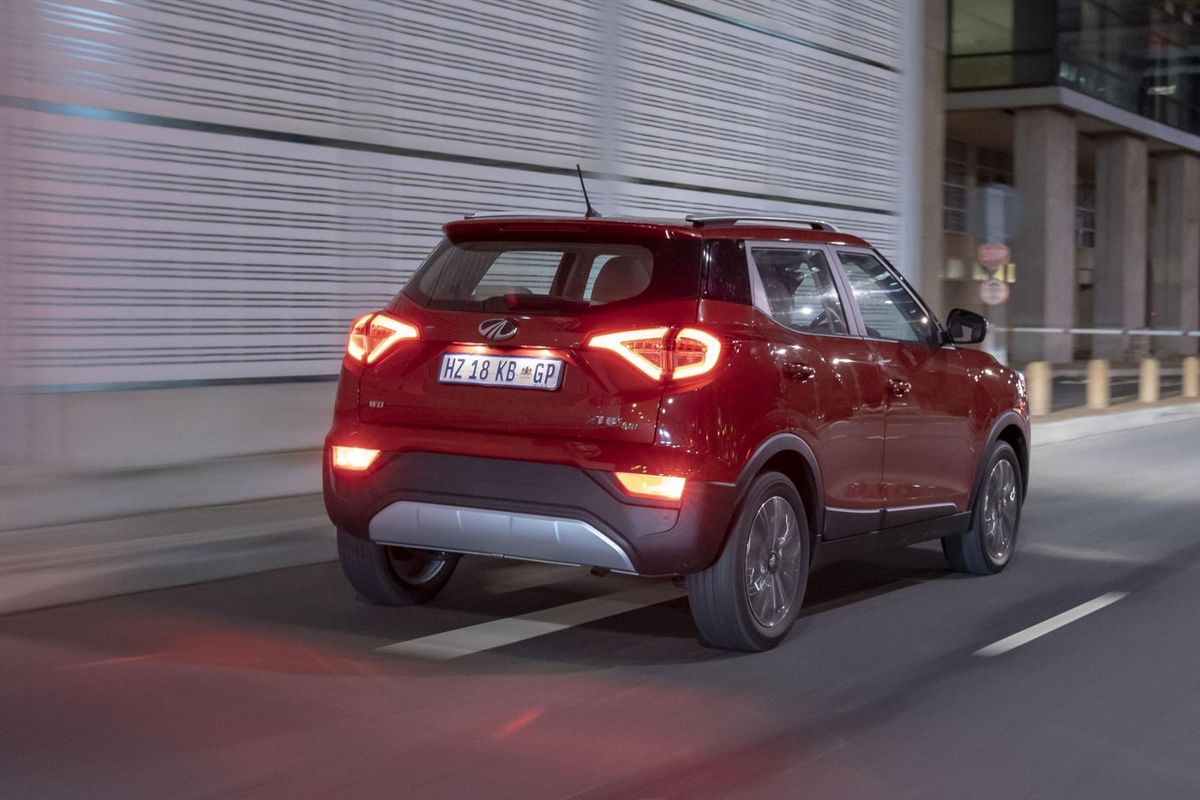
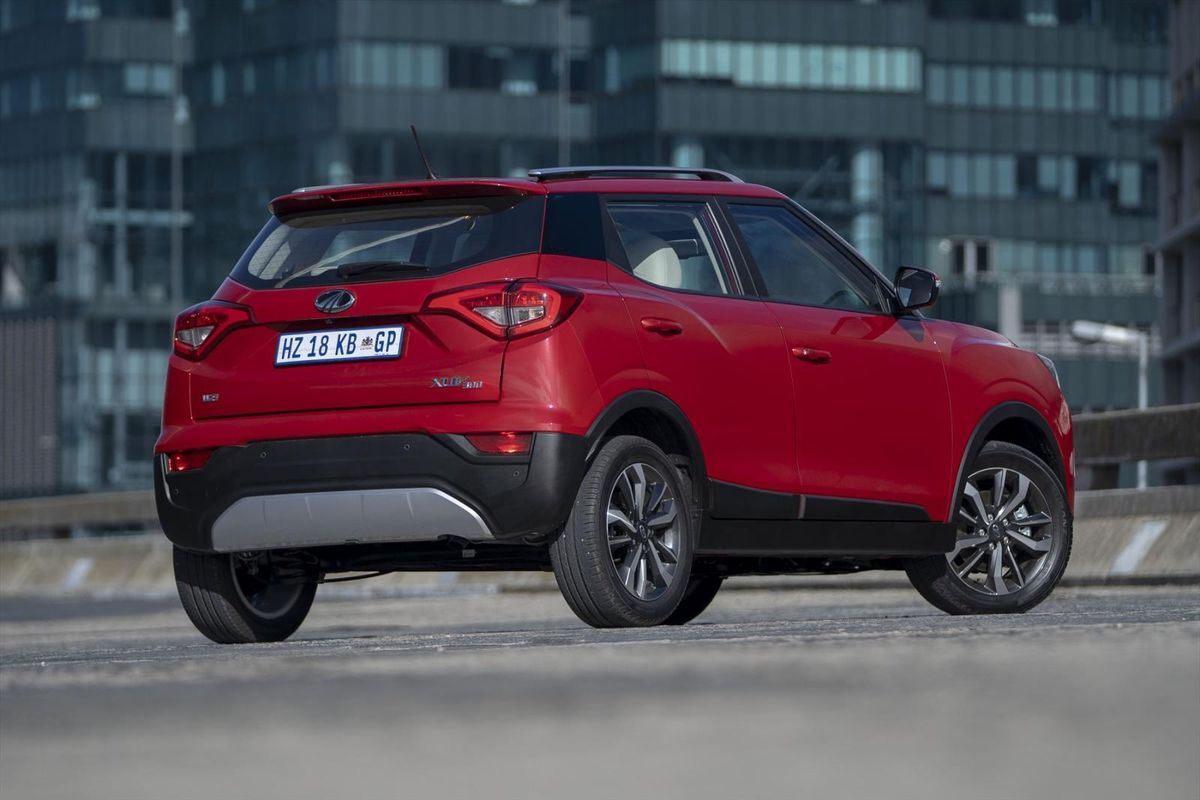
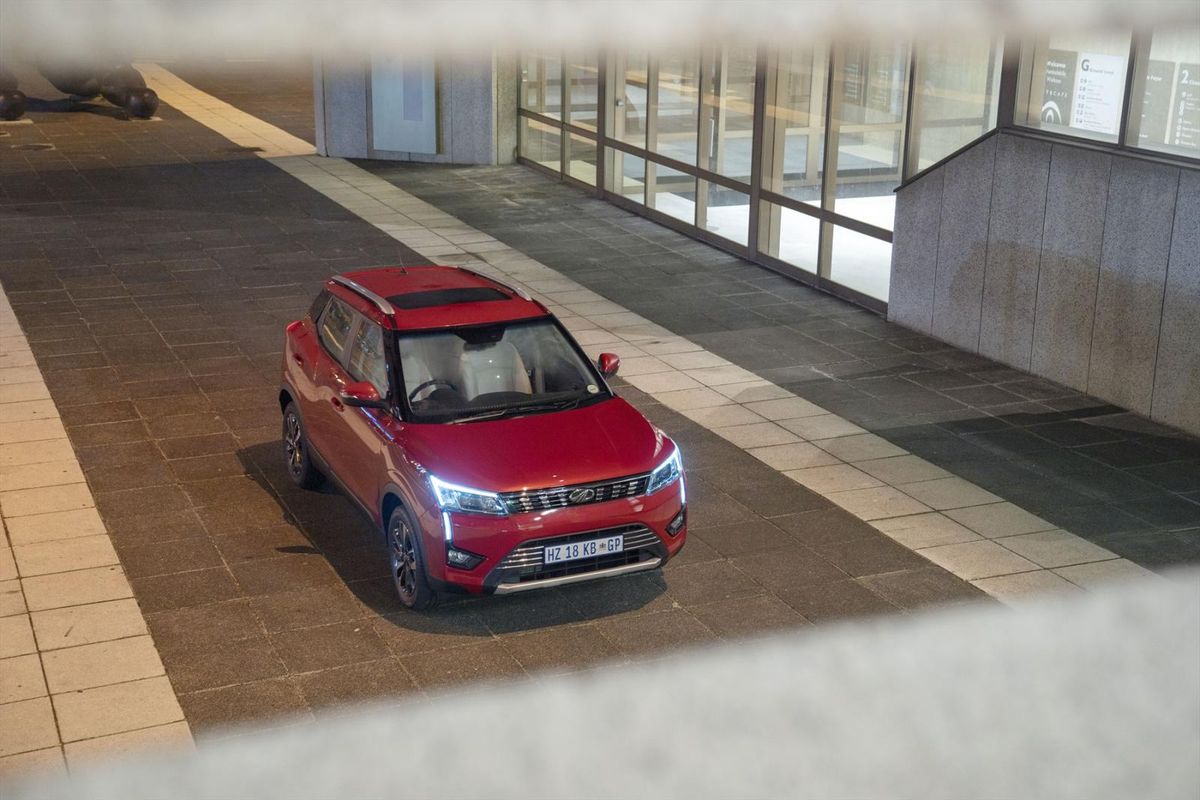
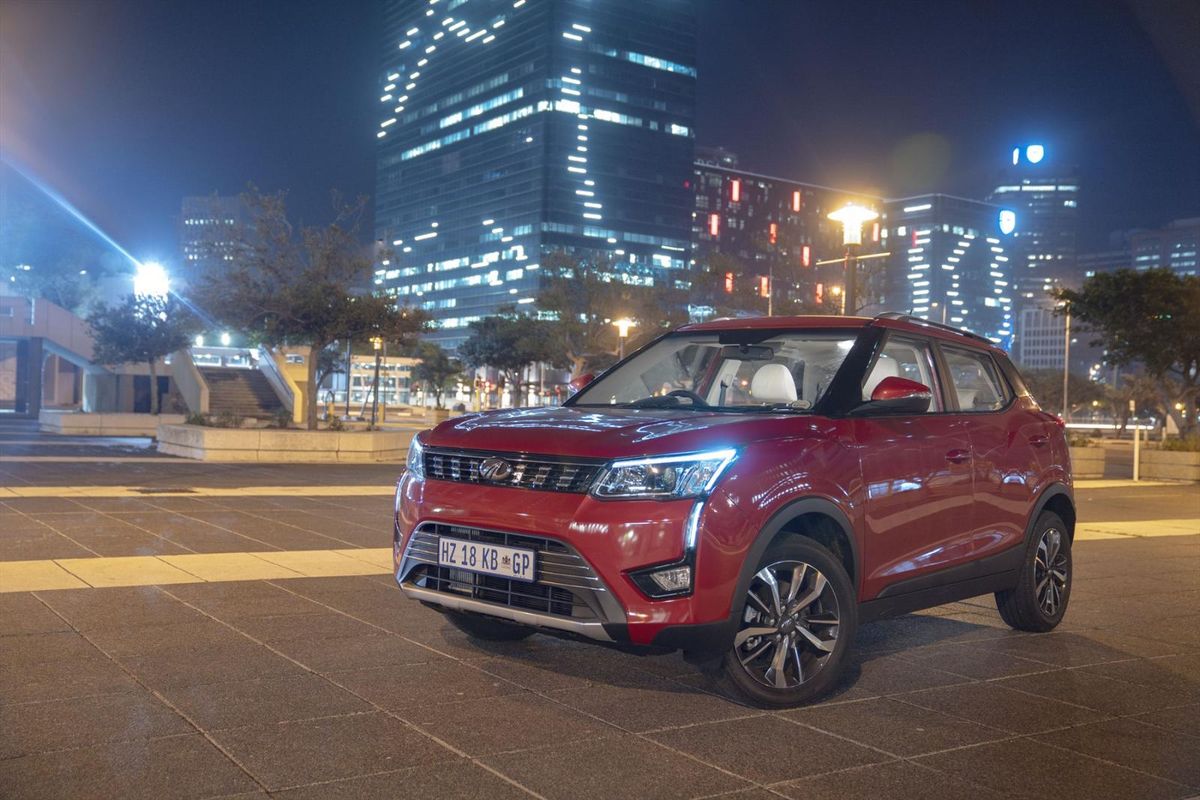
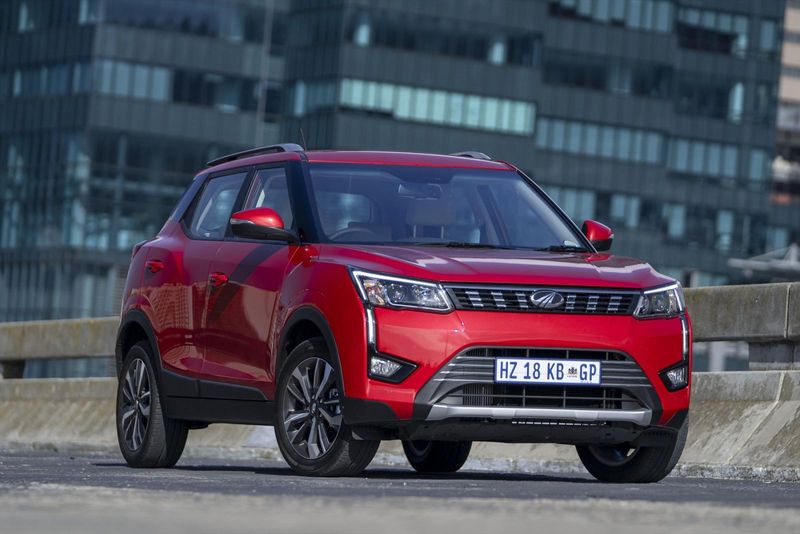
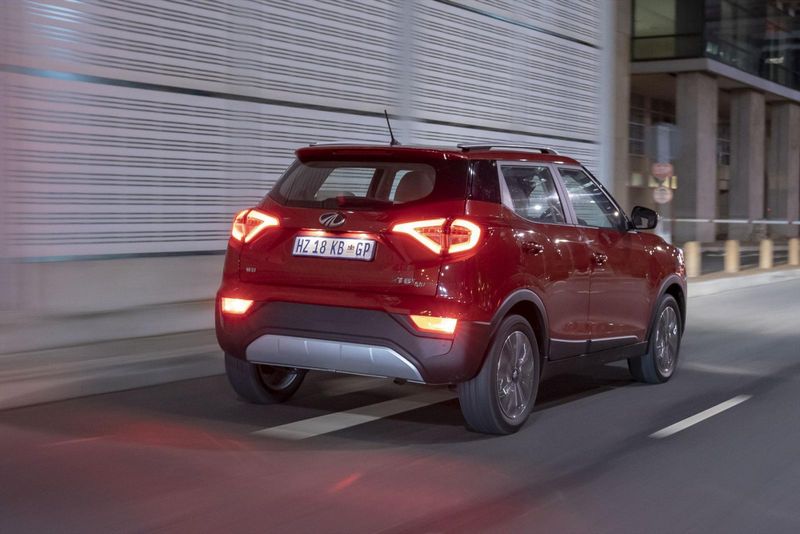
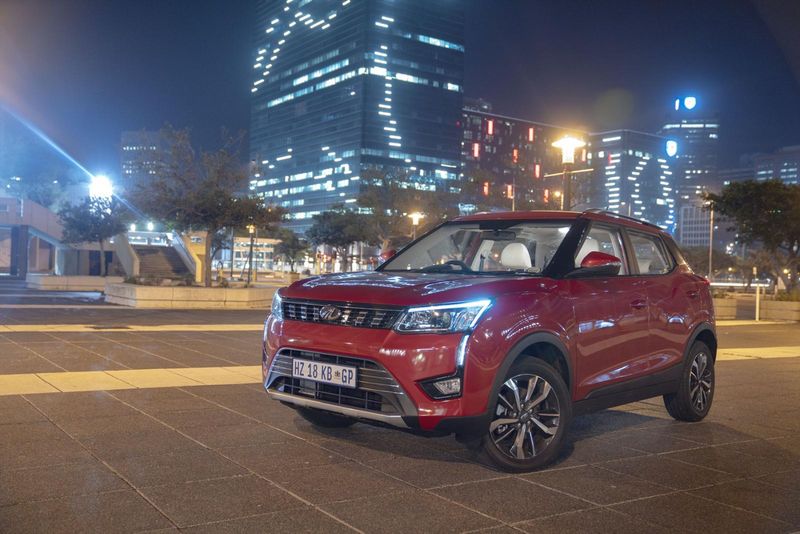
Mahindra continues to develop and bring products to South Africa, which the Indian manufacturer affectionately calls "its 2nd home", at a rapid rate. The XUV300 is the latest new model to arrive and it's set to take on a throng of established players in the compact family segment. We drove it around the Cape to get a feel for the newcomer.
What is it?
The XUV300 is aimed squarely at the burgeoning compact family-car segment. Recent sales statistics suggest it's the only passenger-car segment that's registering notable growth in South Africa’s declining new-vehicle market, Mahindra says. The firm's newcomer will go head-to-head with the Ford Ecosport, Renault Captur, Nissan Qashqai, Hyundai Creta, Suzuki Vitara and upcoming Volkswagen T-Cross, just to name just a few.
The XUV300 range incorporates 2 engines and 2 different specs (W6 and W8). For the moment, all derivatives come with a 6-speed manual ‘box. It’s a vehicle that has done extremely well in Mahindra’s home market and in order to ready it for South African conditions, the XUV300 underwent stress testing at local vehicle testing facility Gerotek. Let’s see how it stacks up after a couple of hundred km around the Western Cape.
Mahindra only made the top-spec 1.5-litre turbodiesel W8 available to us to drive on launch day, but it proved to be quite refined, fuel-efficient and adequately punchy. Both the turbodiesel and (1.2-litre) turbopetrol are newly developed for the XUV300 and match up well against the competition. The turbodiesel produces peak outputs of 86 kW and 300 Nm of torque, while the turbopetrol weighs in with 81 kW and 200 Nm of torque.
The turbodiesel unit offers up excellent power and torque numbers.
The turbodiesel is responsive, not overly noisy and well-matched to its 6-speed manual 'box. There aren’t many manufacturers that offer a diesel model at this price in the segment and the Mahindra motor meets – and even exceeds – the segment standard. It also proved quite fuel-efficient over the 250-km trip. We didn't drive with efficiency in mind, yet the test unit returned 6.5 L/100 km, so even lower consumption is achievable.
Having said that, we look forward to testing the turbopetrol unit as it appears to be the fuel of choice in the segment for the foreseeable future.
Is it nice inside?
There are a fair few differences between the W6- and W8-spec WUV300 derivatives, to see a full list of specifications, click here.
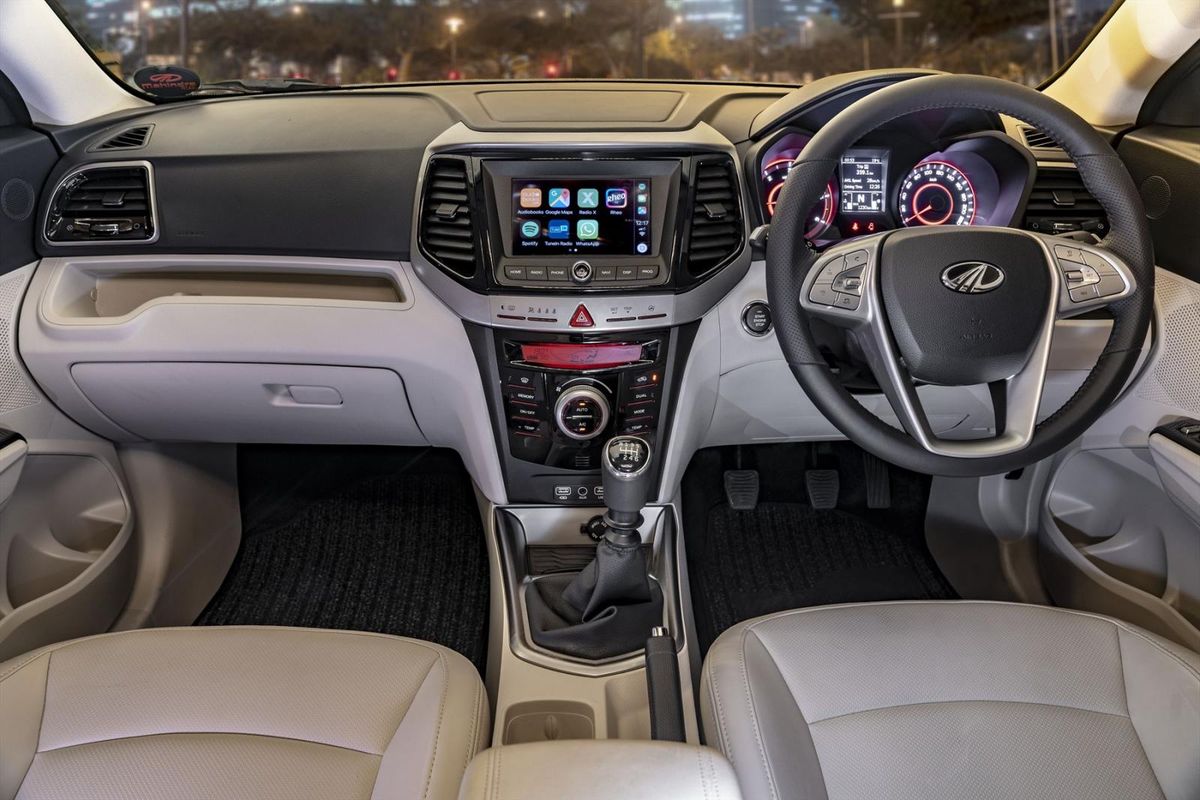
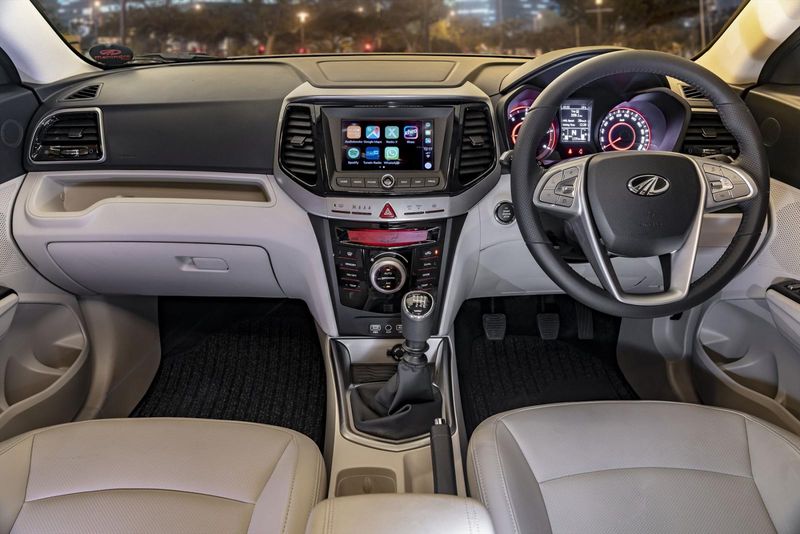
The 7-inch touchscreen infotainment system is standard across the range and is intuitive to operate. Navigation is built in, but W8 versions further feature Android Auto and Apple Carplay compatibility. What's more, the interface comes replete with a Bluesense app that can connect with your Smartwatch/phone, track your driving patterns and score you on a set of eco metrics.
The 'Oreo' interior is well-appointed in the W8 version.
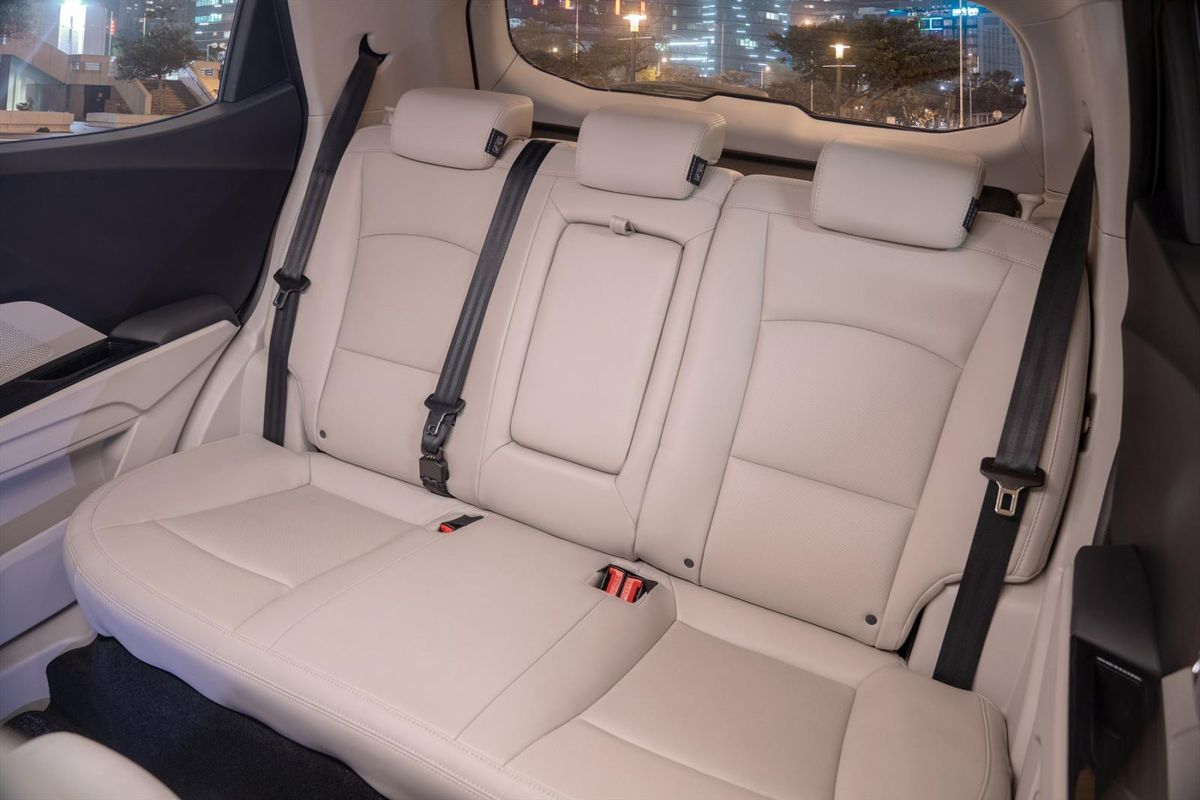
The W8’s seats are trimmed in less-than-practical white leather, with no other colour options available as yet, but in their defence, they're quite comfortable and supportive. The dashboard has the colour scheme of an Oreo cookie: with a black top, white insides and then black carpeting on the floor. It seems quite well put together with the materials being a mix of soft- and hard-touch plastics (those bits that aren’t leather, at least).
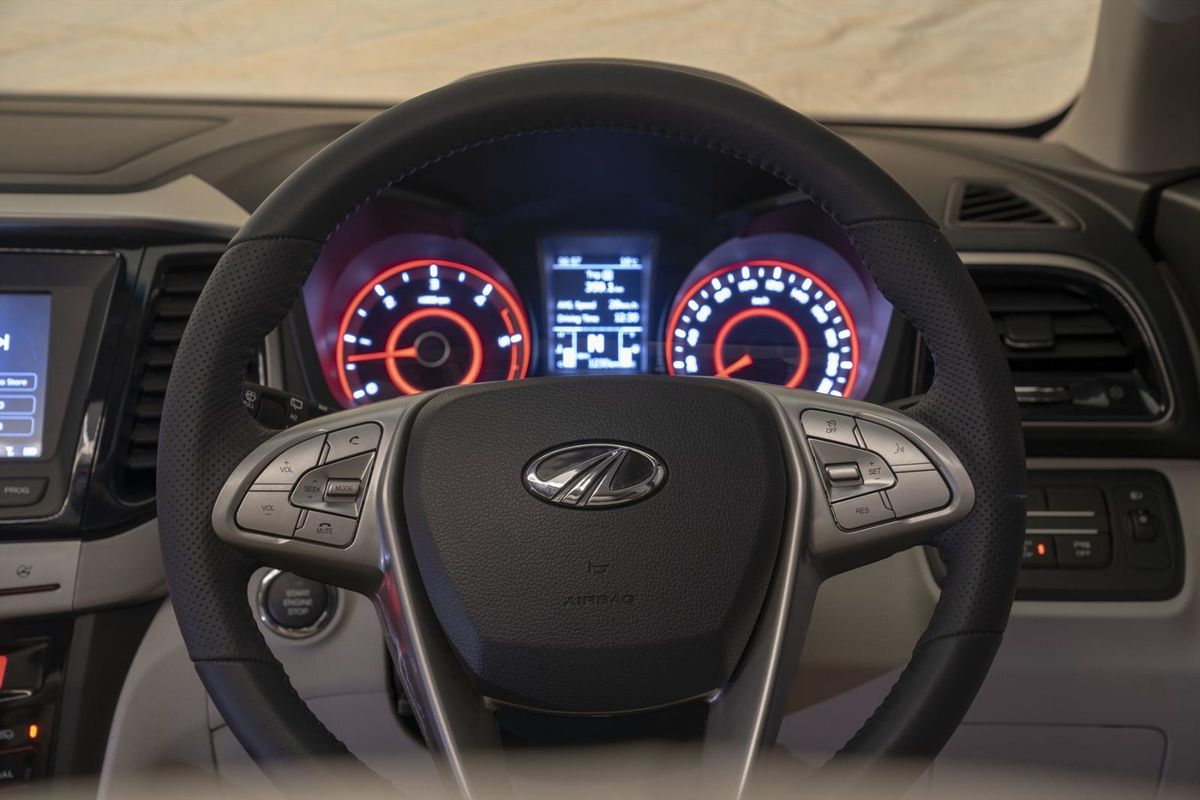
There are a few ergonomic quirks within the cabin, however. The centre console gets in the way of your elbow when shifting (especially for taller drivers) and the steering column is not adjustable for reach, only rake (up and down).
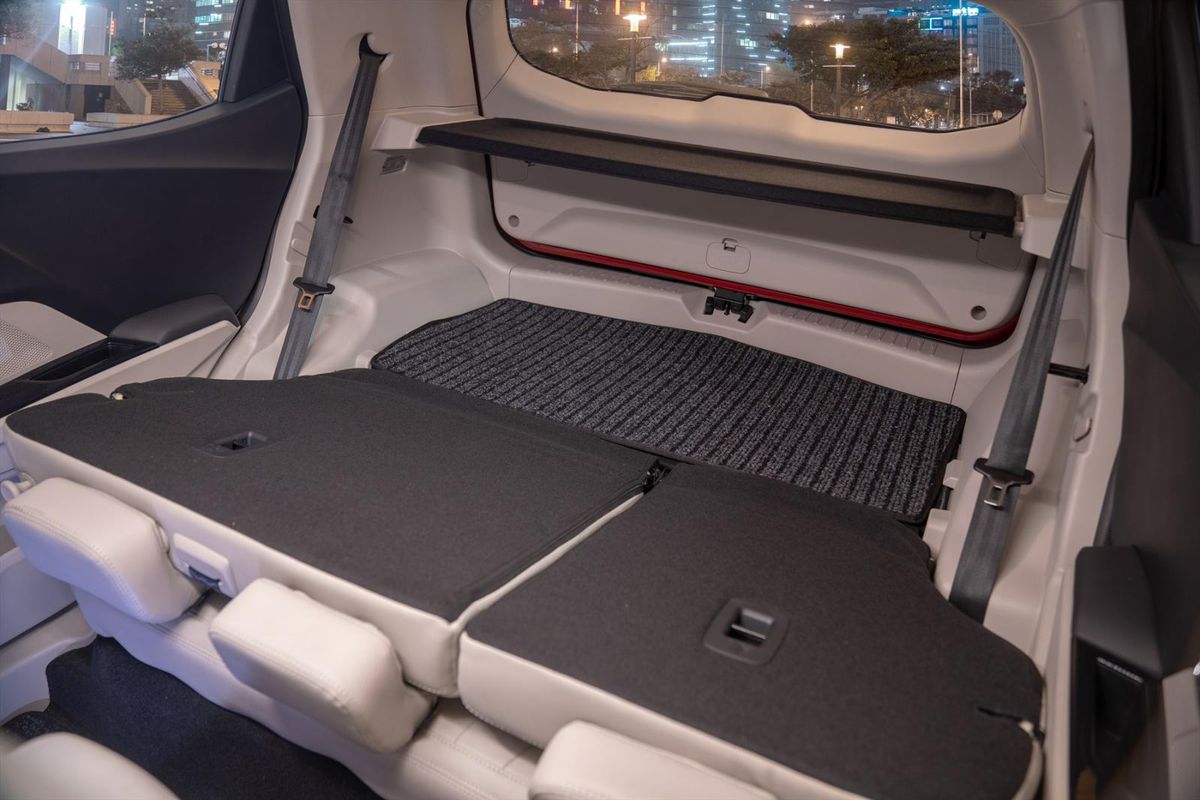
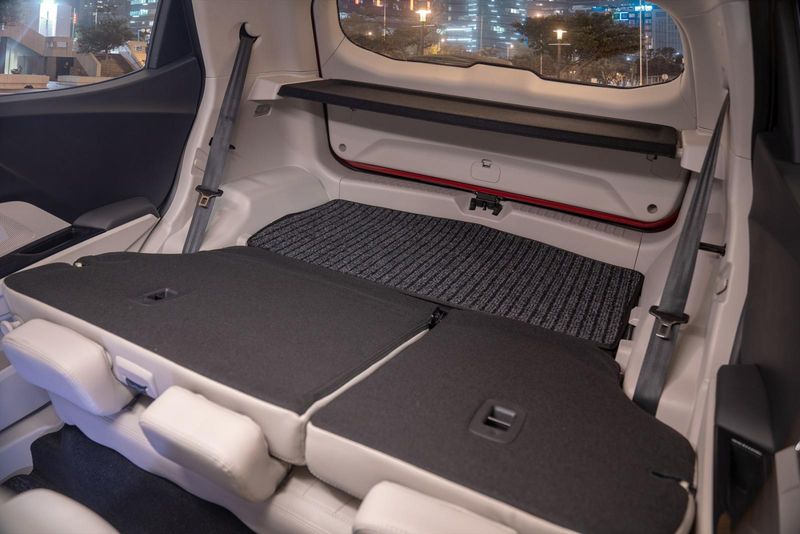
In terms of rear passenger space, legroom isn’t bad and headroom only becomes an issue to people who are taller than 6ft (183 cm). The load bay is on the small side (249 litres), but when you fold the rear setback flat, 600 litres of utility space becomes available.
The load bay is a bit on the small side at just 249 litres.
The safety spec on W8 derivatives is well up to scratch and features traction control, 7 airbags, ABS, EBD and ISOfix anchors in the rear. The W6 derivatives drop 5 airbags and traction control, which is disappointing in a compact family car, but that's how the car comes specced from India.
What's it like to drive?
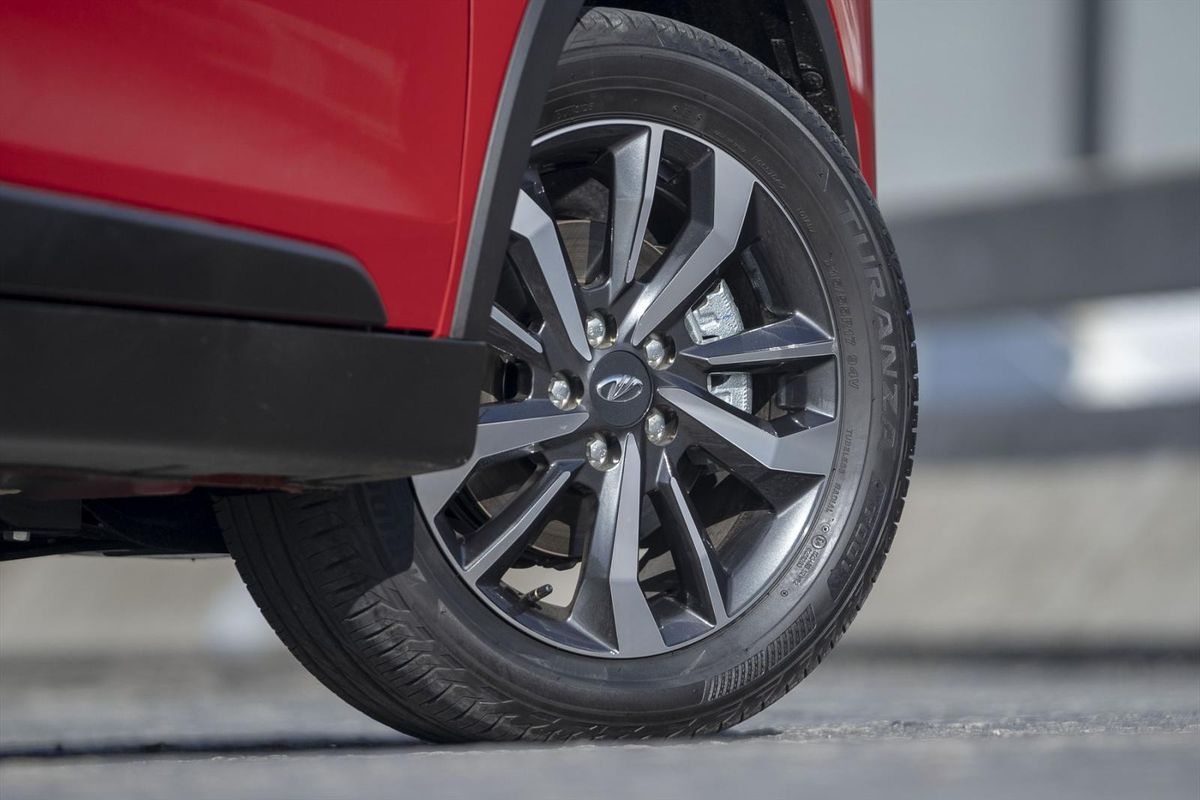
In terms of its ride quality, the XUV300 is certainly the best product Mahindra has released to date, at least in South Africa. The suspension is set up for optimal on-road comfort, which is a higher priority in this segment. That said, it’s not soggy and settles down nicely after bumps and jolts.
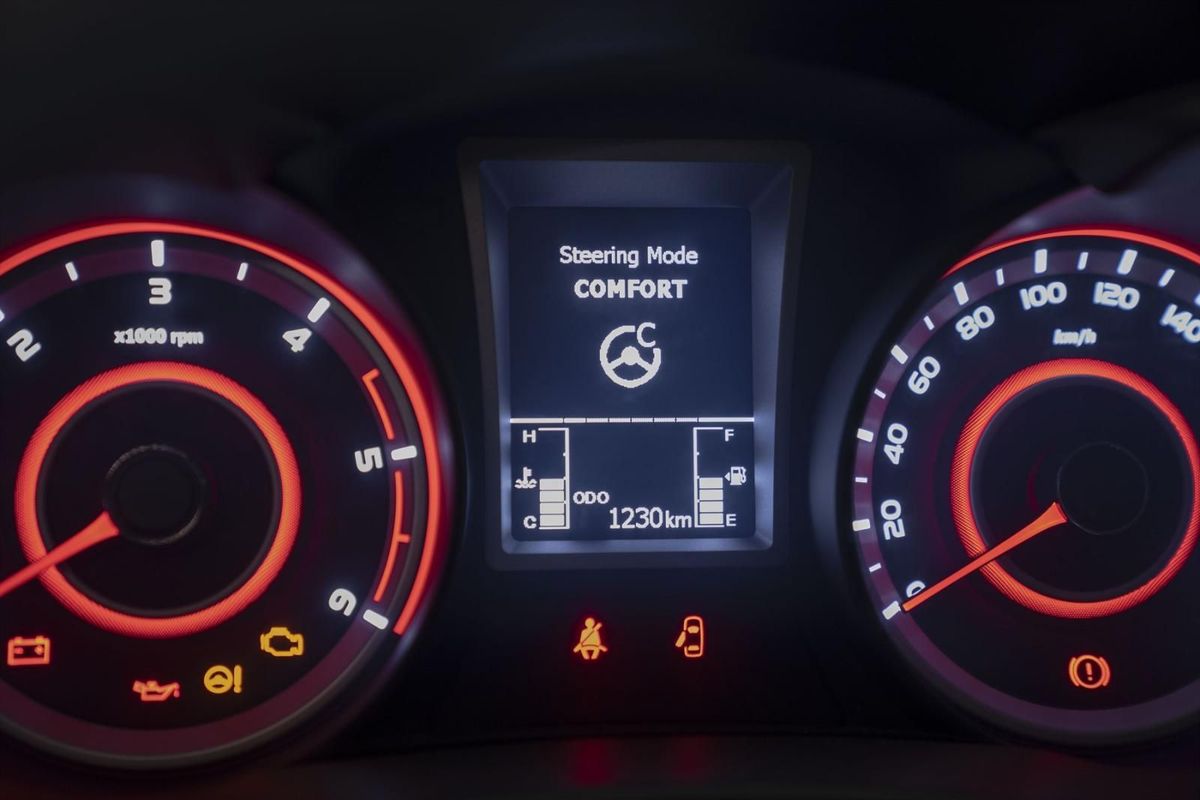
The steering comes with changeable settings that adjust the ease with which you turn the steering wheel. They range from Comfort to Sport, with Normal in between. The weight adds up the further you lean towards Sport, but it never becomes overly heavy or unnatural in feel.
Overall, the driving experience is pretty good. The XUV300 doesn’t handle like a performance SUV, but for its particular target market, the Indian compact family car does the job well. Having sent it over the 50 or so twists of the Franschhoek Pass, it came out the other side with ease.
The manual-only option may perturb some buyers as the increase of autos in the segment is noticeable. Currently, Mahindra doesn’t have an auto available for the XUV300, but the firm is apparently working on one for the South African market.
Summary
The XUV300 is keenly-priced in a very busy segment.
With new vehicle prices climbing at an alarming rate at the moment, an increasing number of new-car buyers are likely to look to alternate brands' products for better-value-for-money propositions. The Mahindra XUV300 may very likely to be one of the vehicles that will benefit from this trend.
The range's keen asking prices are a major attraction: the top-spec (W8 turbodiesel) version we drove costs R324 999. In terms of features, it hits all the marks: infotainment system is up to date, safety equipment is respectable and the engine power and refinement are just about class-leading.
Mahindra's newcomer asks a lot of questions of its rivals. Let’s see how buyers respond to this: the best product to come out of Mahindra to date.
Mitsubishi Triton 2.4DI-D DC 4×4 Auto (2019) Review
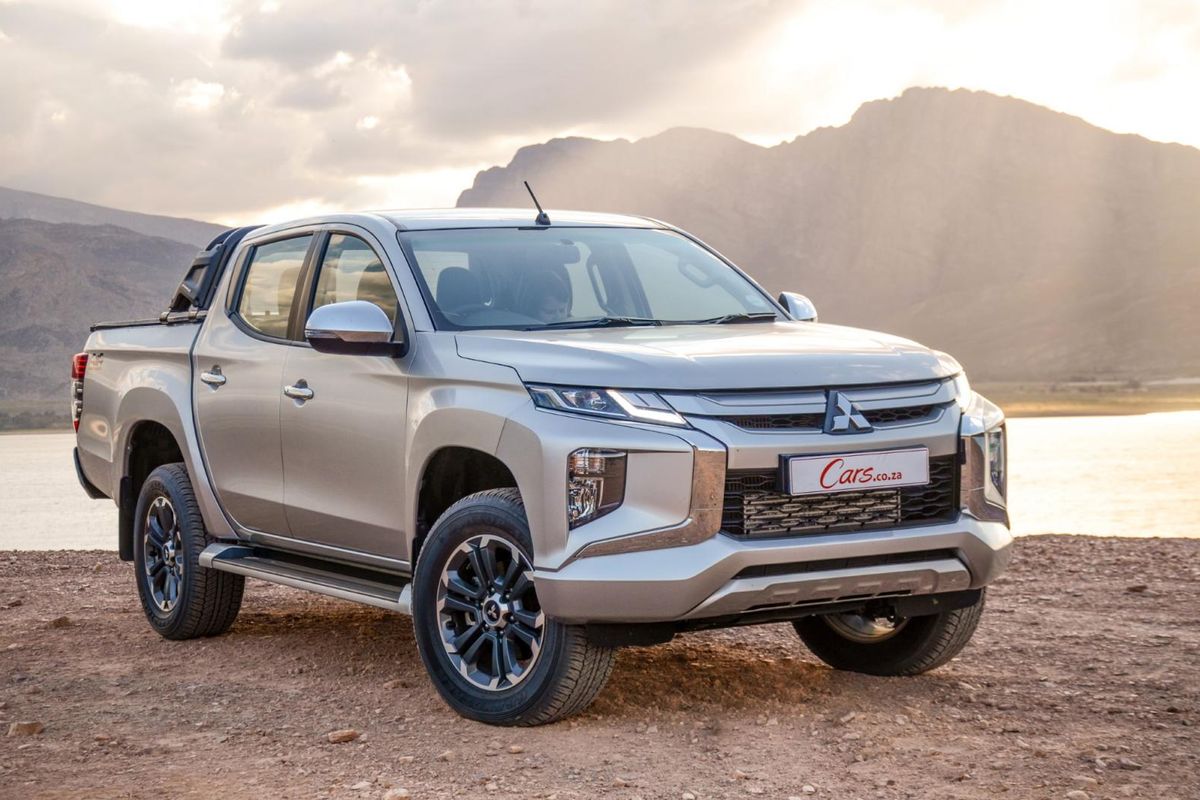
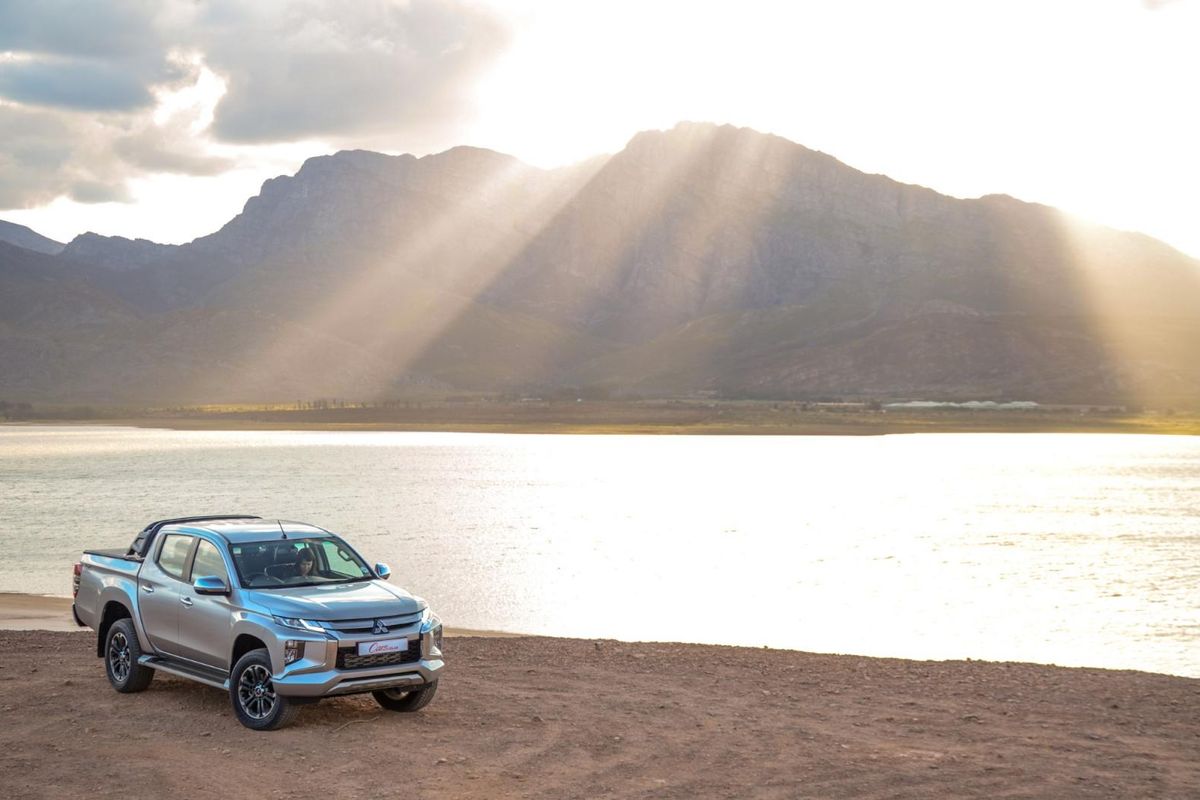
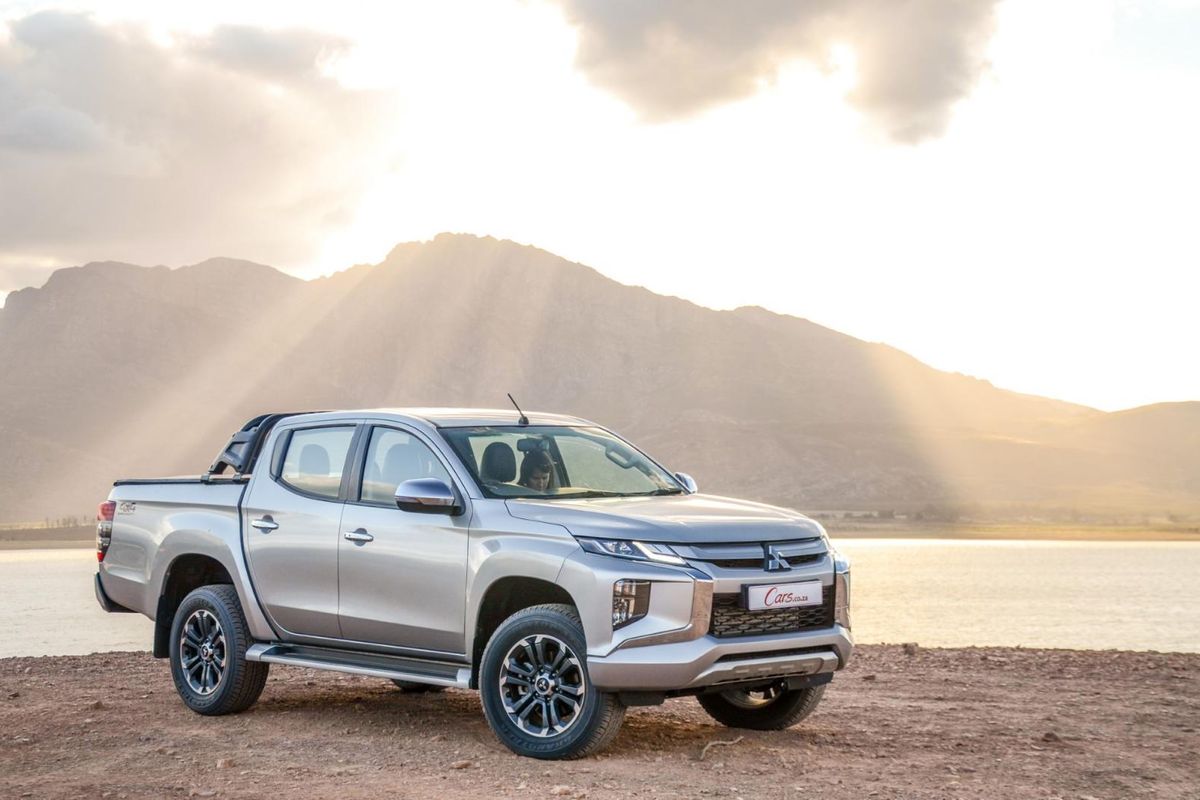
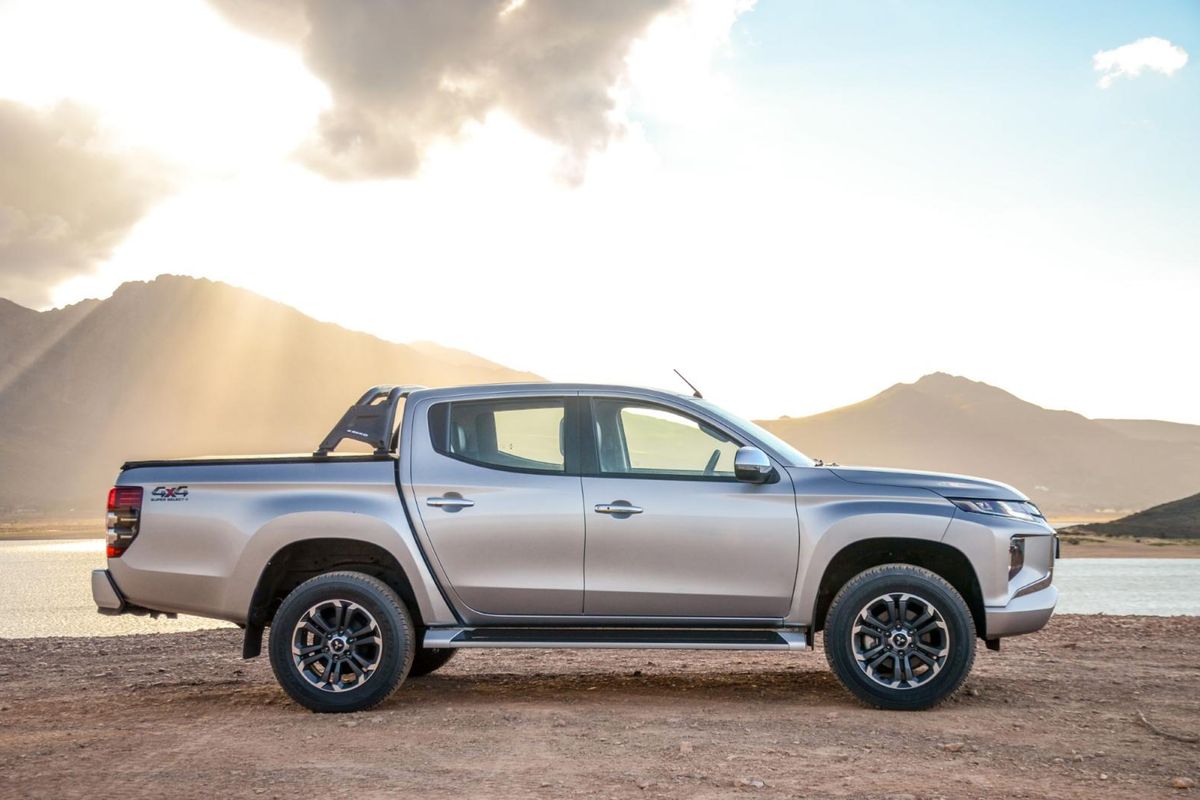
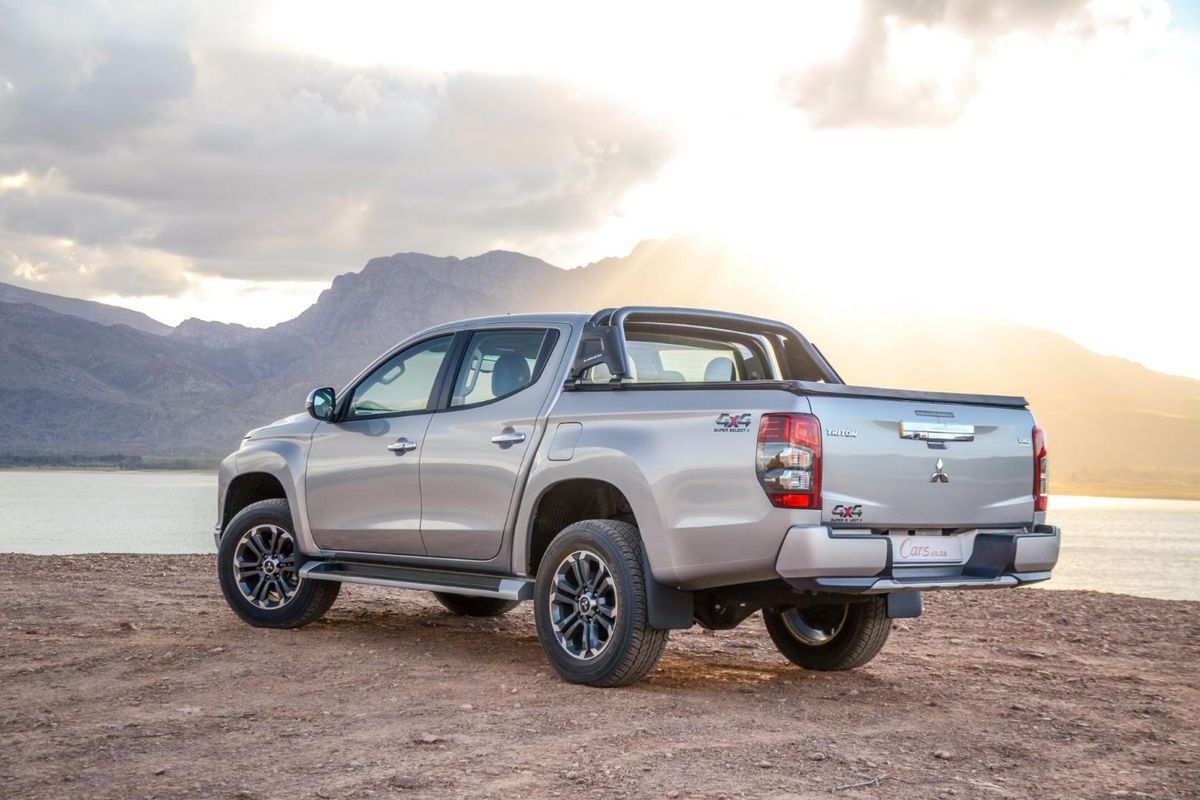
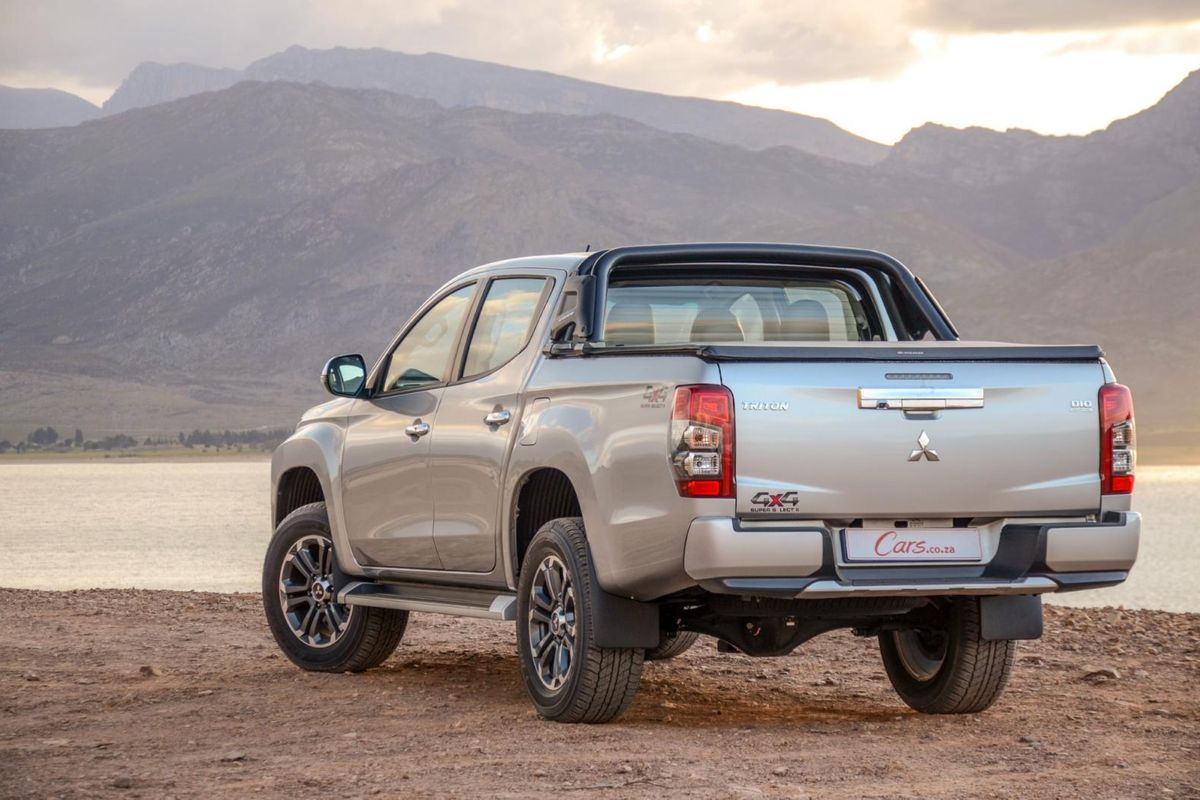
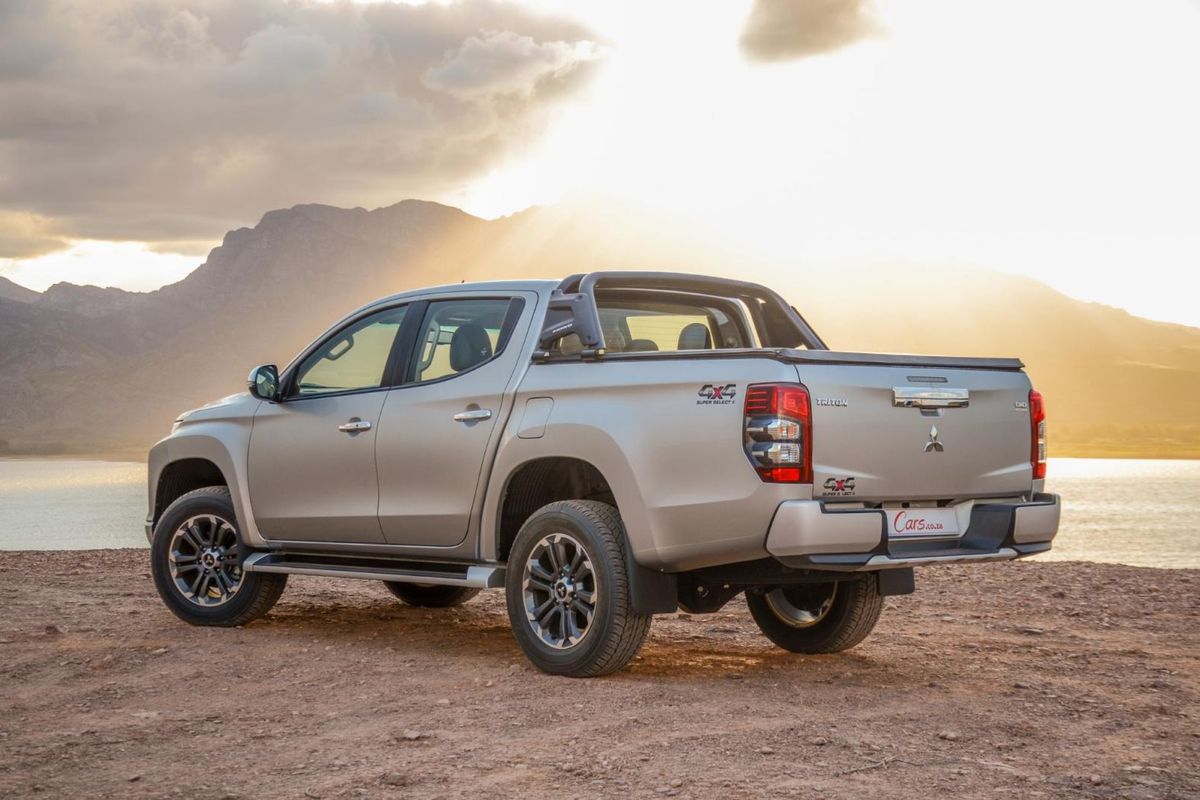
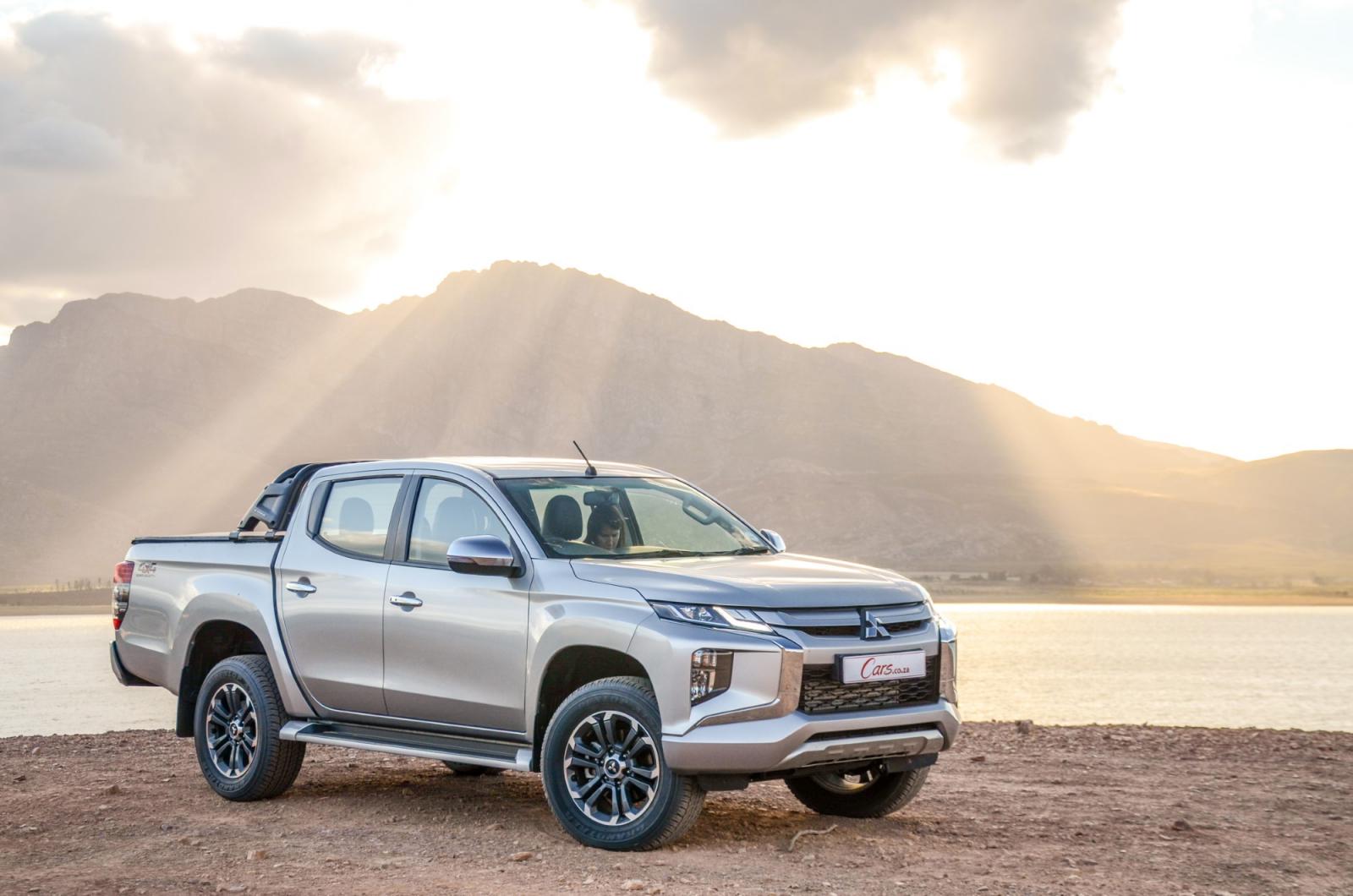
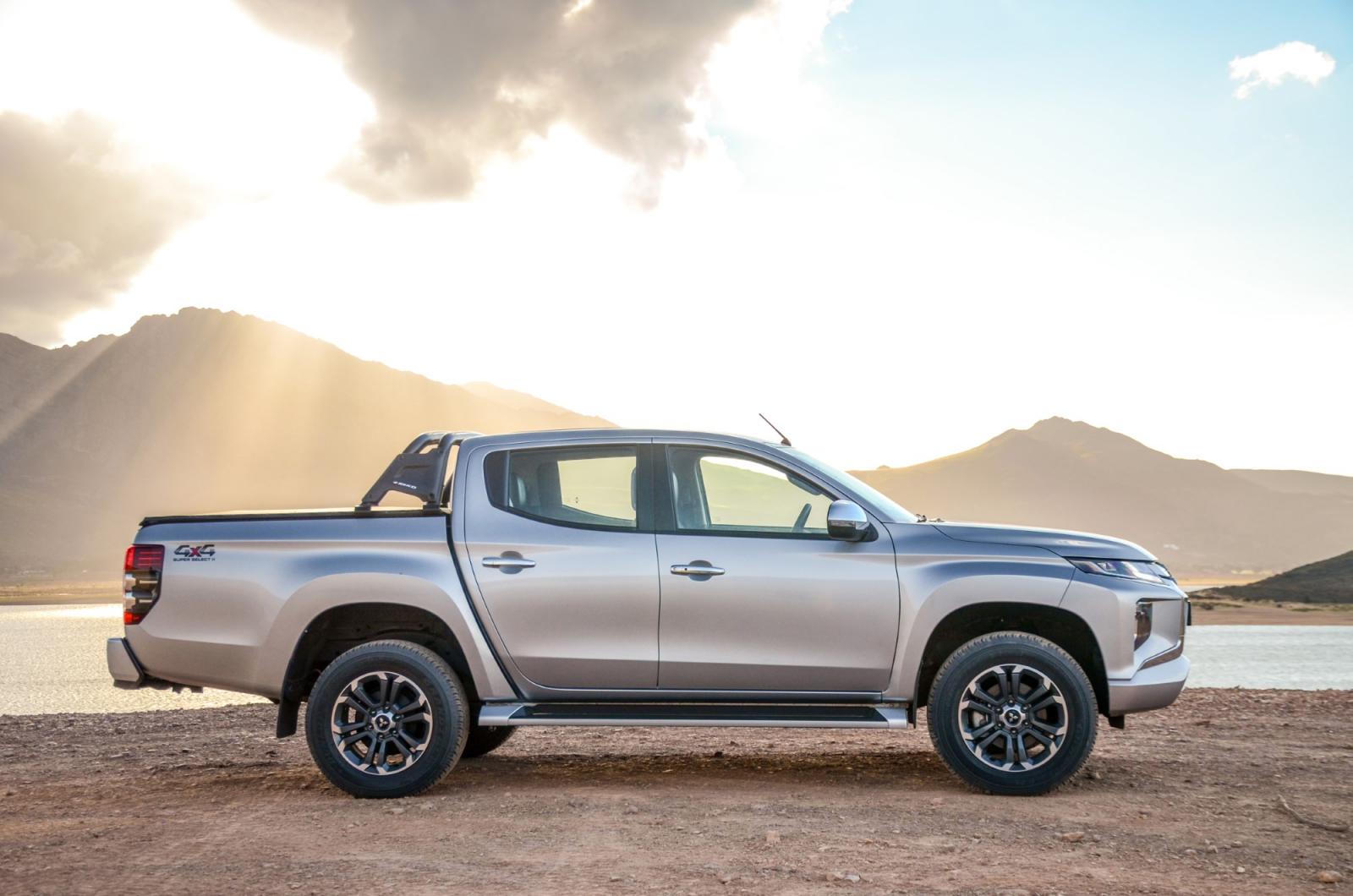
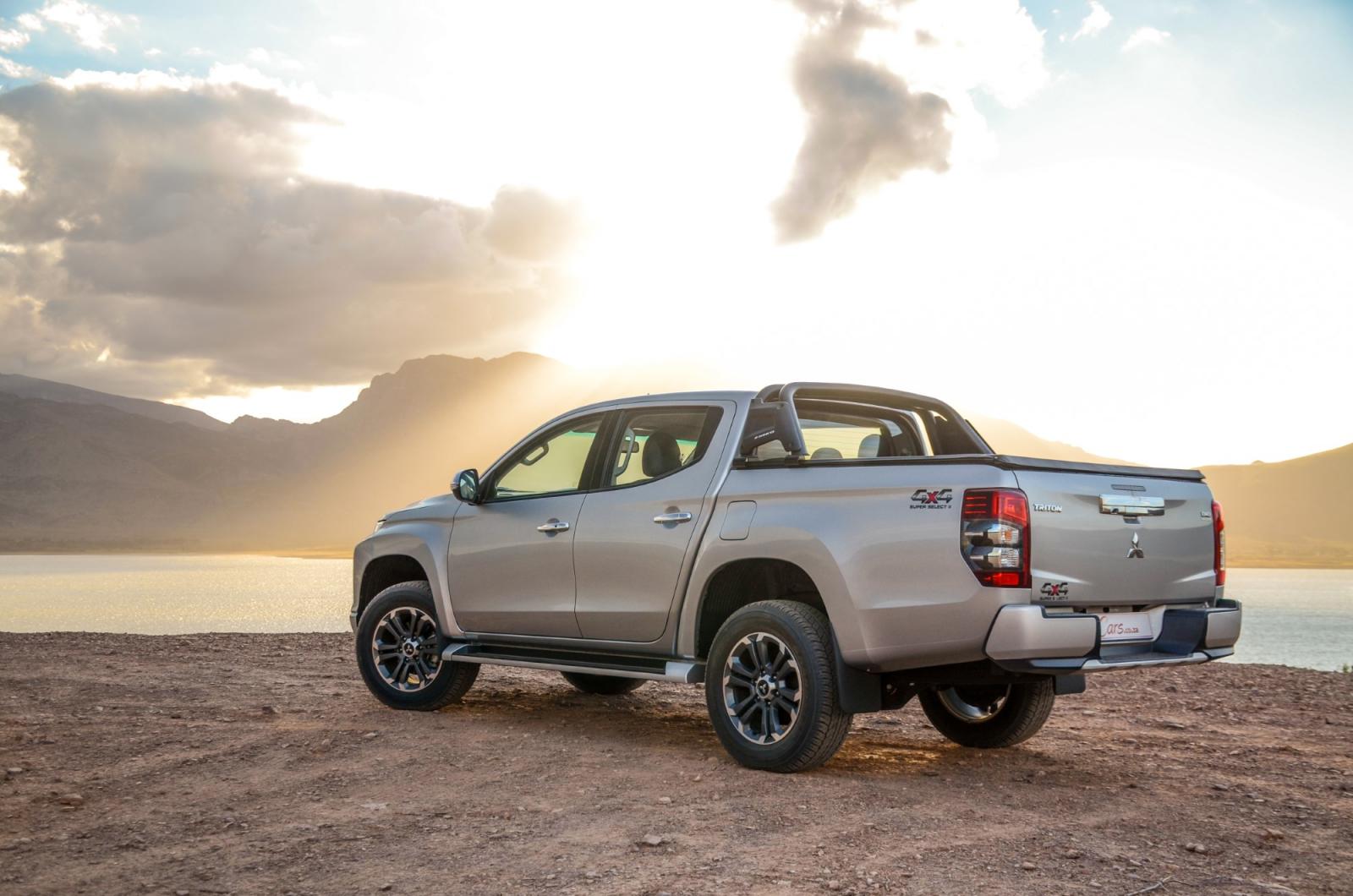
The facelifted version of Mitsubishi’s Triton double-cab bakkie has arrived in South Africa with bolder styling and a handful of new features, including a 6-speed automatic transmission. It certainly looks the part, but how does it perform? And, should you consider the new-look Triton over its rivals? Let’s take a closer look…
We Like: Handsome styling, willing performance, good ride quality, fuel consumption and off-road ability
We Don’t Like: Interior styling/finishes could be better, dated cabin look
Check out full specification details and finance estimates here.
Some Mitsubishi dealers regularly offer specials: Have a look here.
Where does it fit in?
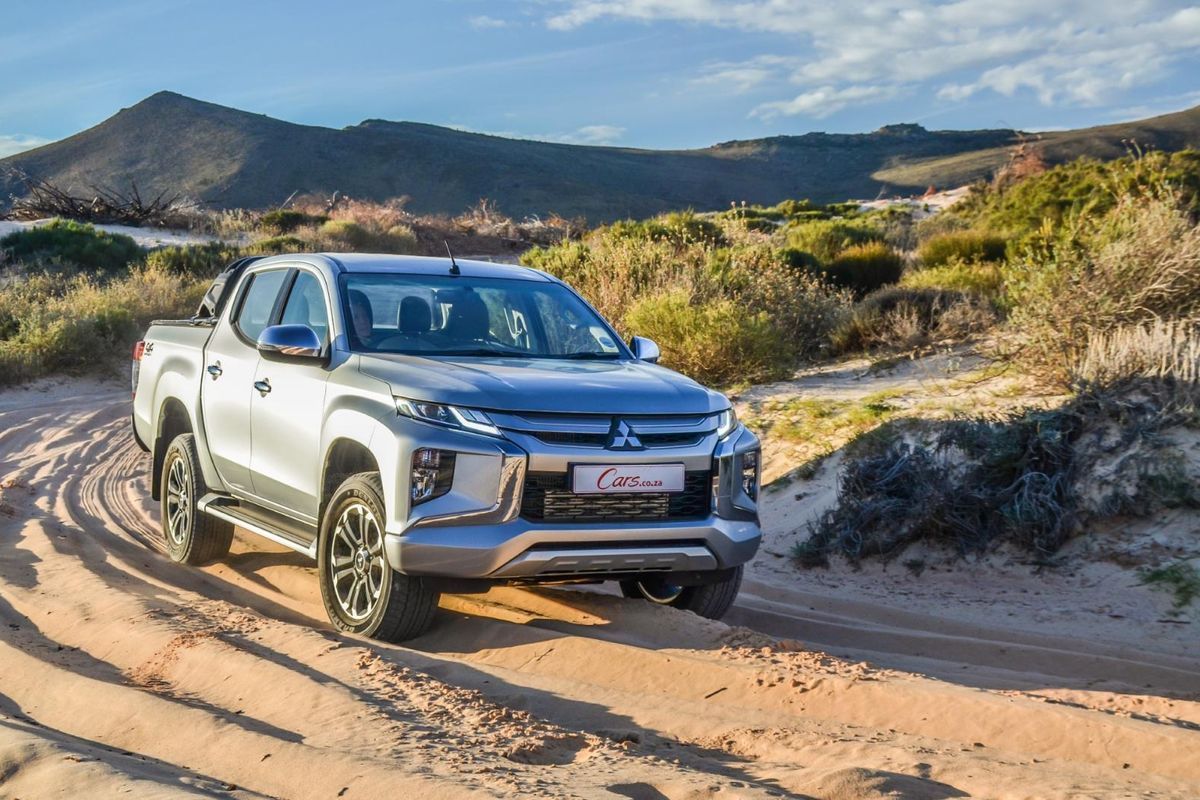
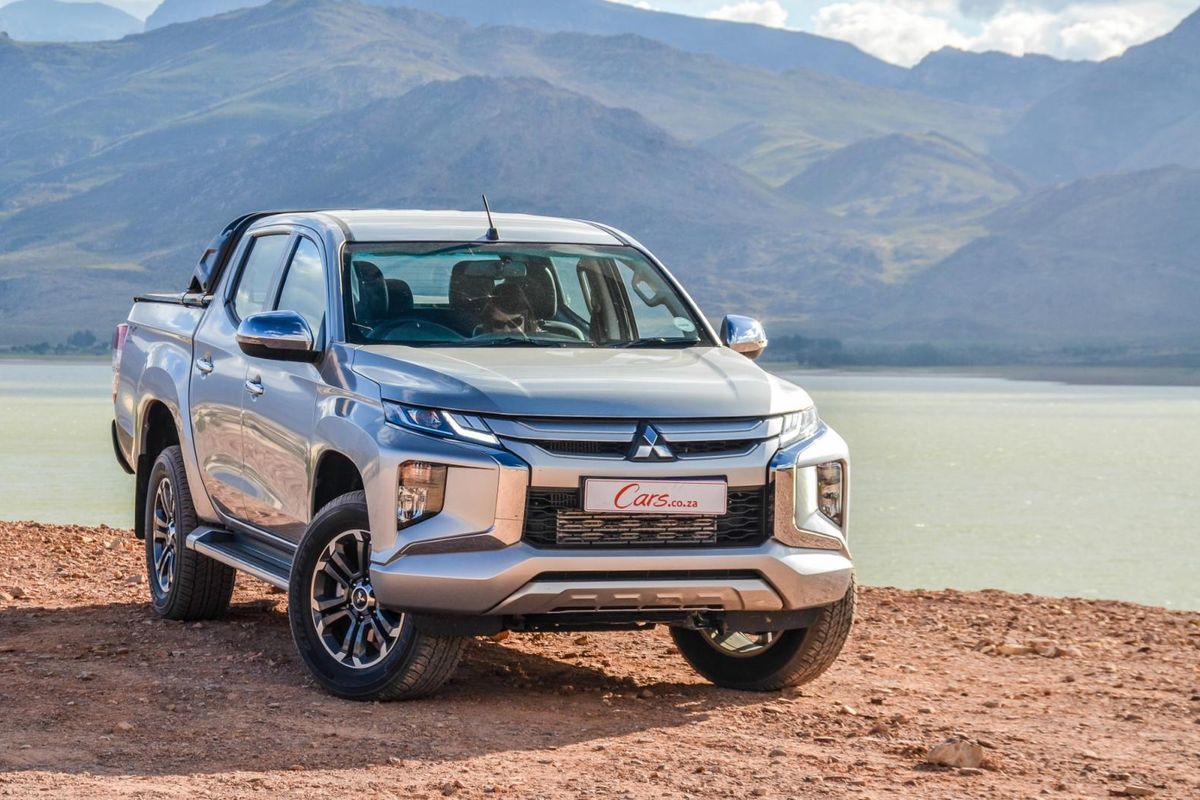
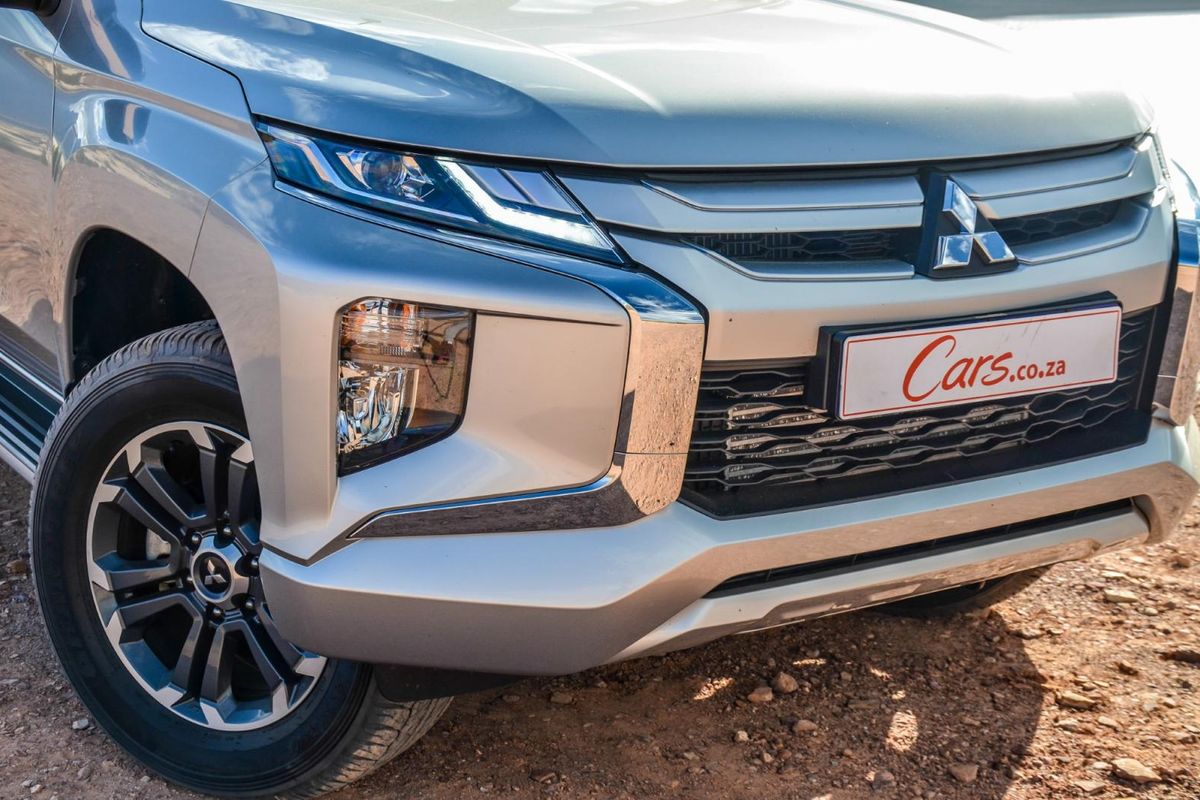
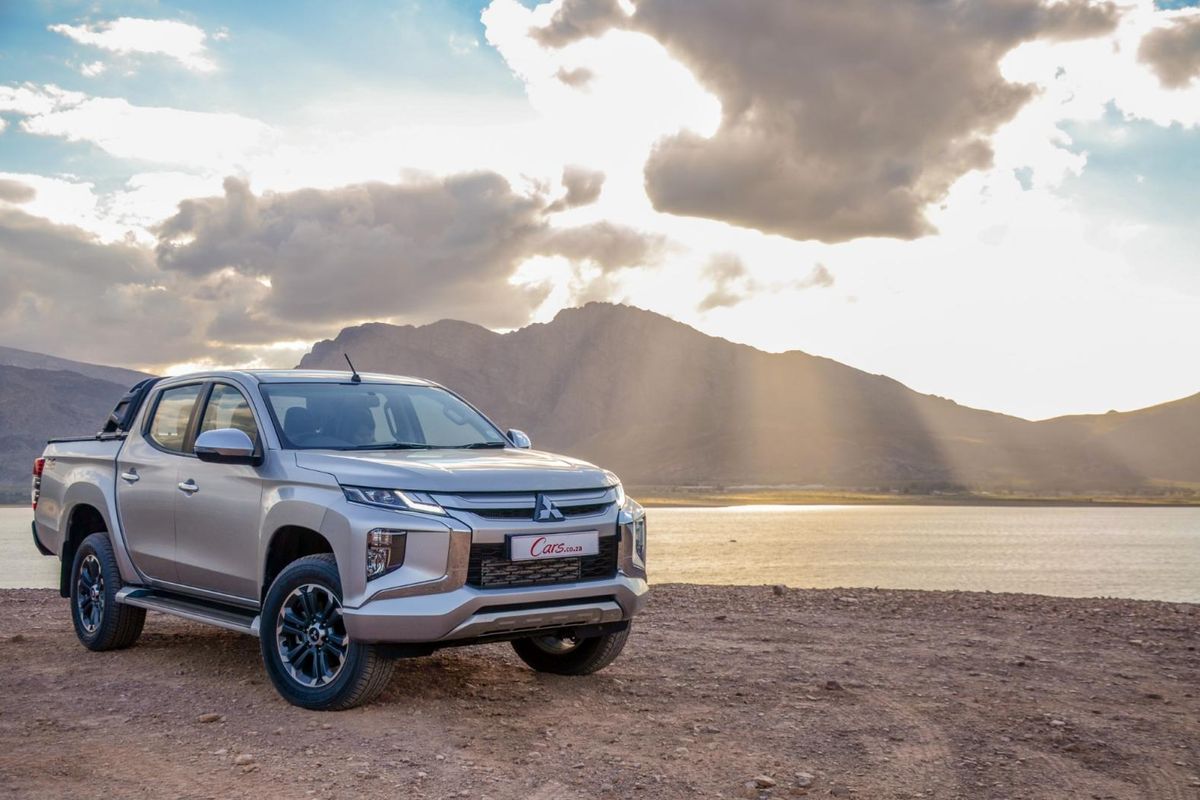
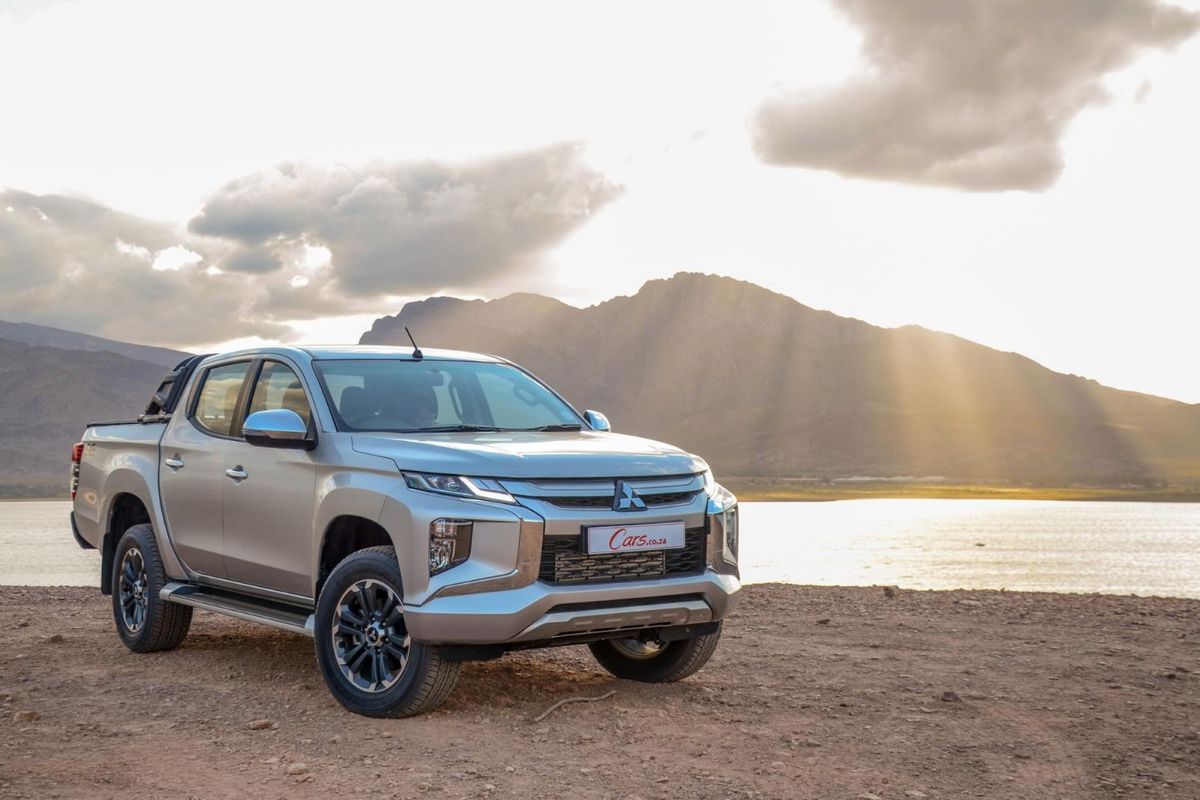
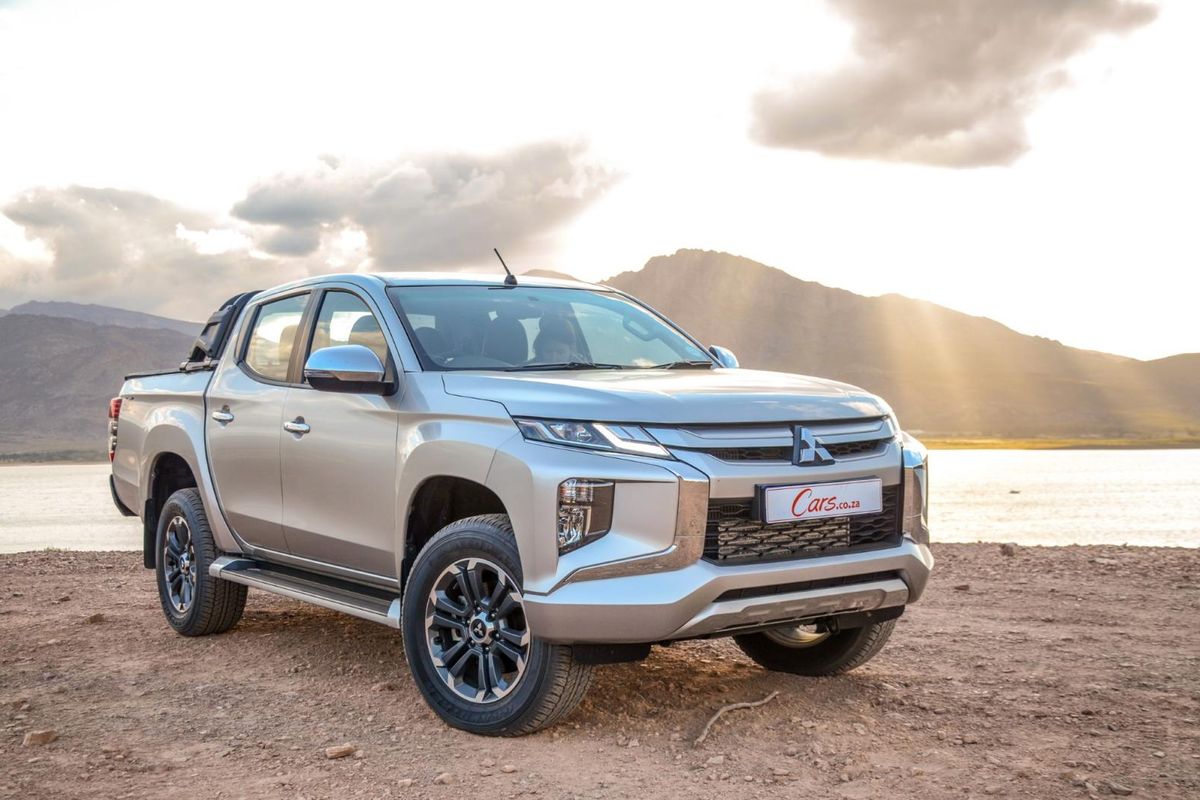
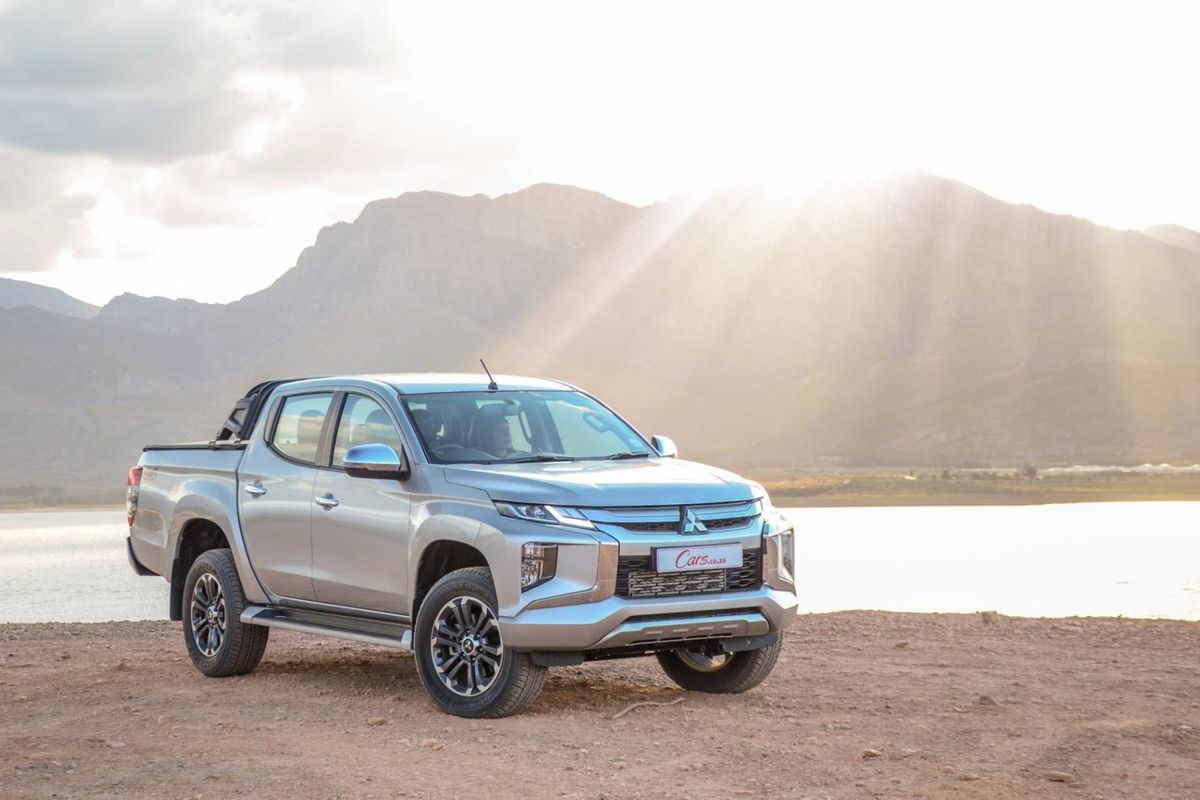
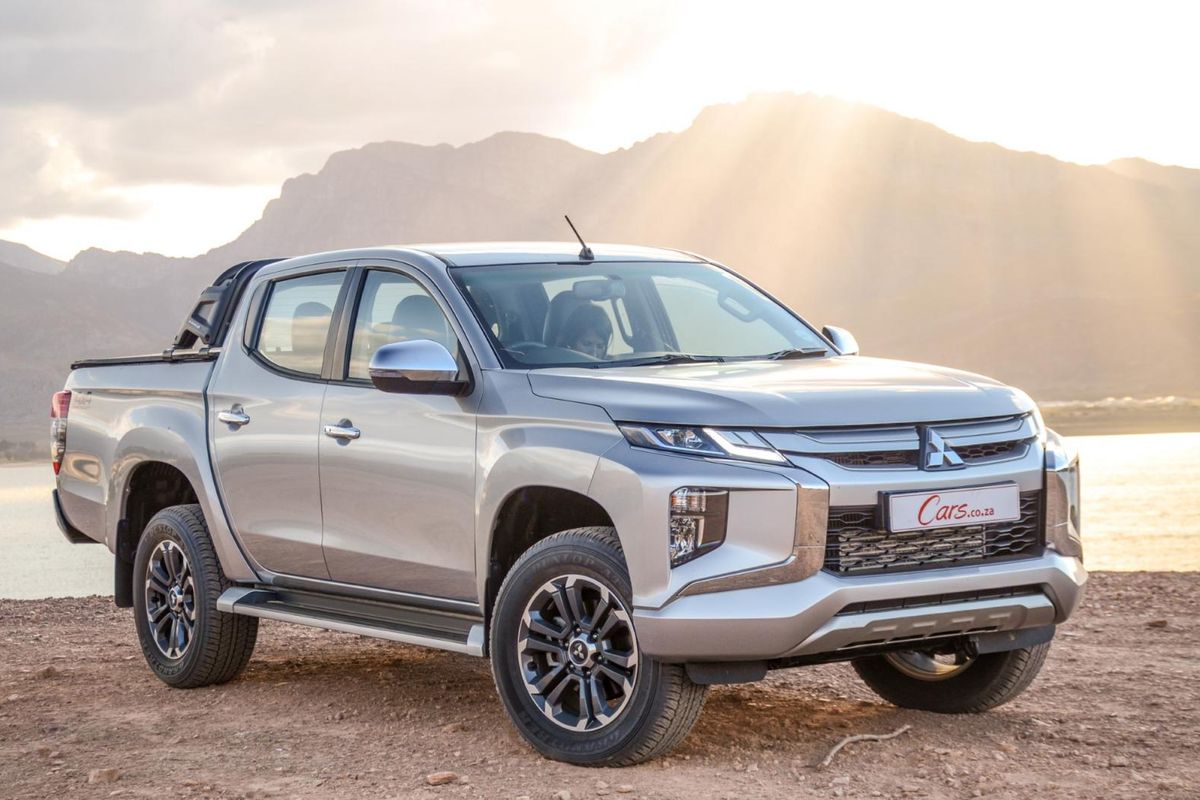
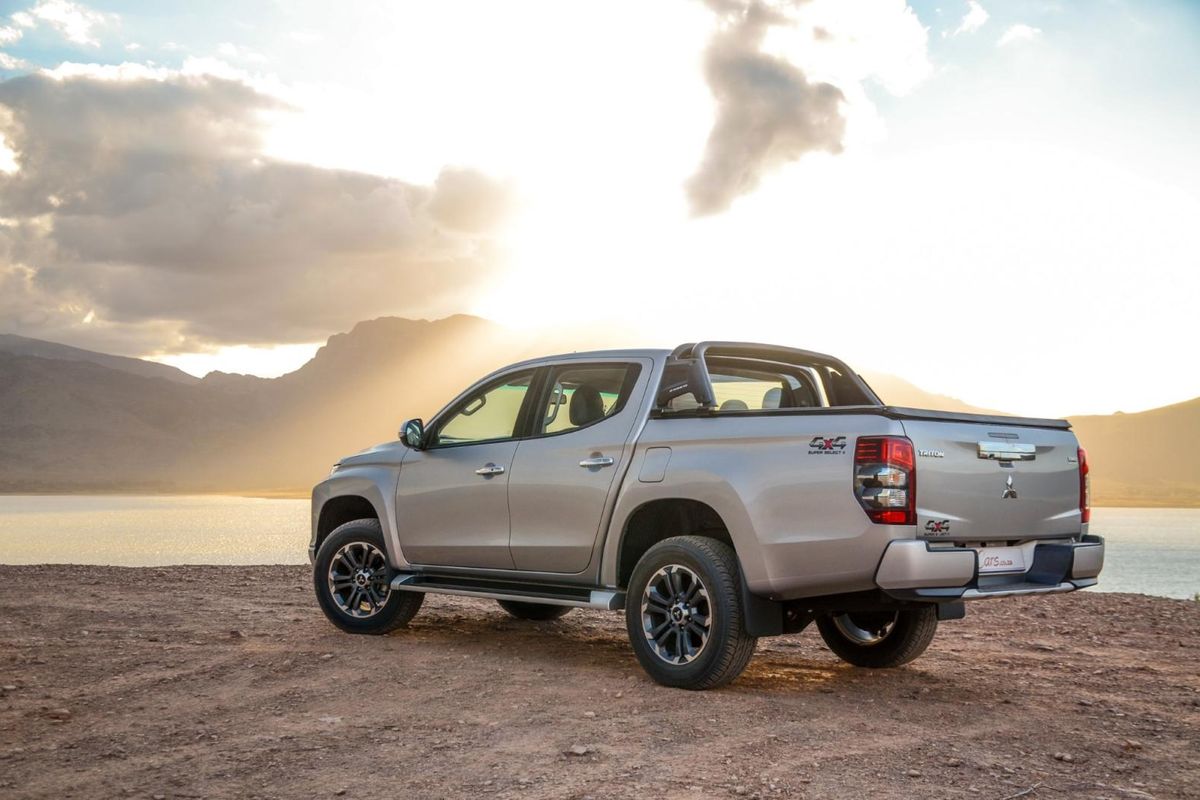
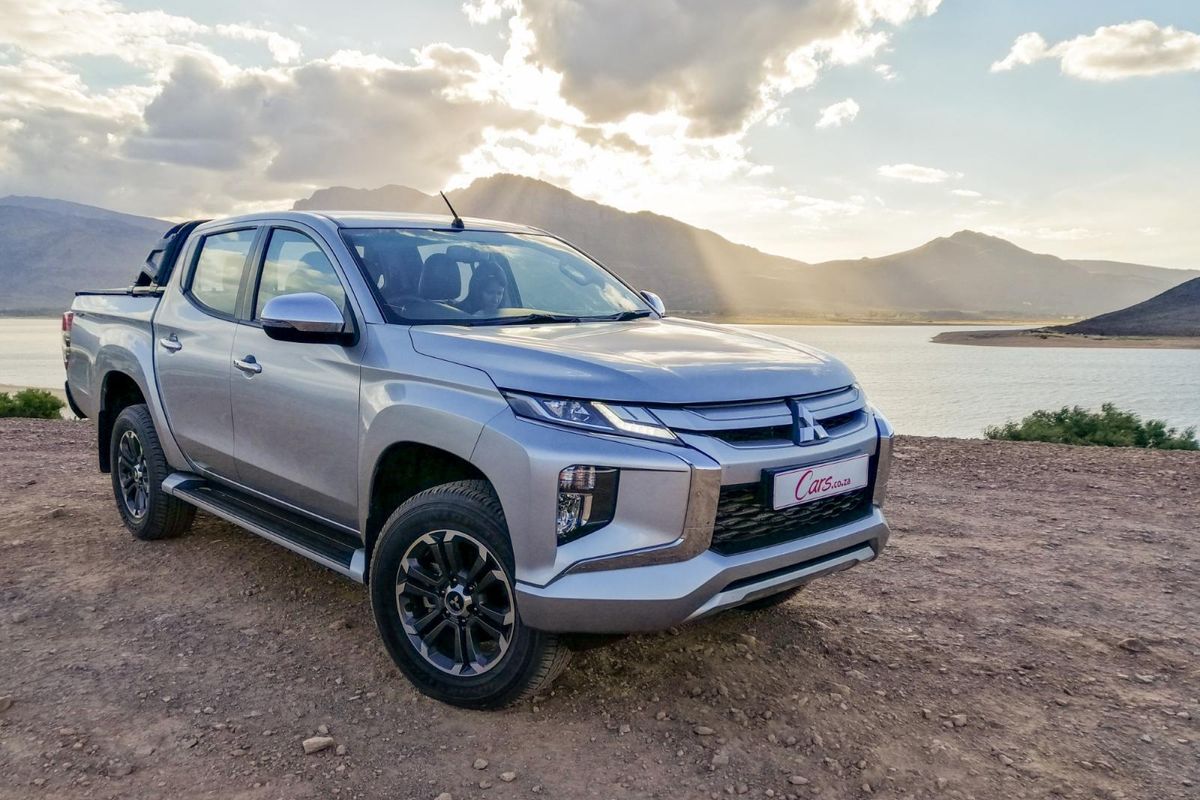
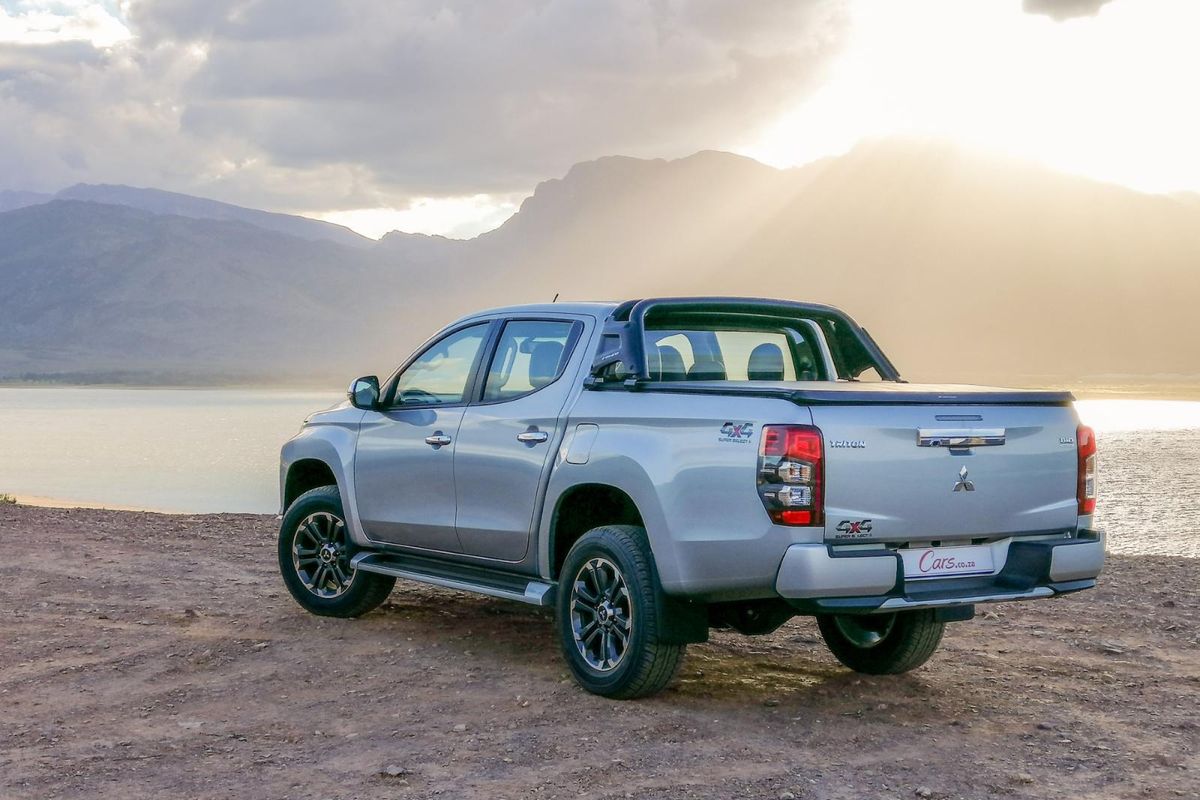
The Triton looks better than ever with its new "Dynamic Shield" front-end.
This generation of the Mitsubishi Triton arrived rather late to our market (in 2017) and while sales have been steady, the Japanese bakkie should fare better considering that it’s a worthy and capable value offering that competes in a market where buyers tend to be loyal to established brands.
Now, the gloves appear to have come off – Mitsubishi has introduced a facelifted Triton, which is arguably one of the best-looking double cabs on sale in South Africa. While it’s futuristic "Dynamic Shield" styling boosts the Triton’s kerb appeal considerably, we were particularly keen to sample the newcomer's 6-speed automatic transmission. Does this latest Triton make a stronger case for itself and, moreover, should you reconsider it?
How does it fare in terms of…
Engine performance and fuel economy?
Performance is good overall and the new 6-speed automatic transmission is well-matched to the engine.
For this facelift, Mitsubishi has stuck with its tried-and-tested 2.4-litre turbodiesel engine (that offers 133 kW and 430 Nm of torque) in the Triton. While those peak outputs are generally lower than those of its rivals, the 4-cylinder engine offers ample pulling power, even it’s not quite as punchy as some of its larger-engined rivals. It’s relatively refined, but its engine note does become more audibly strained/noisier at higher revs.
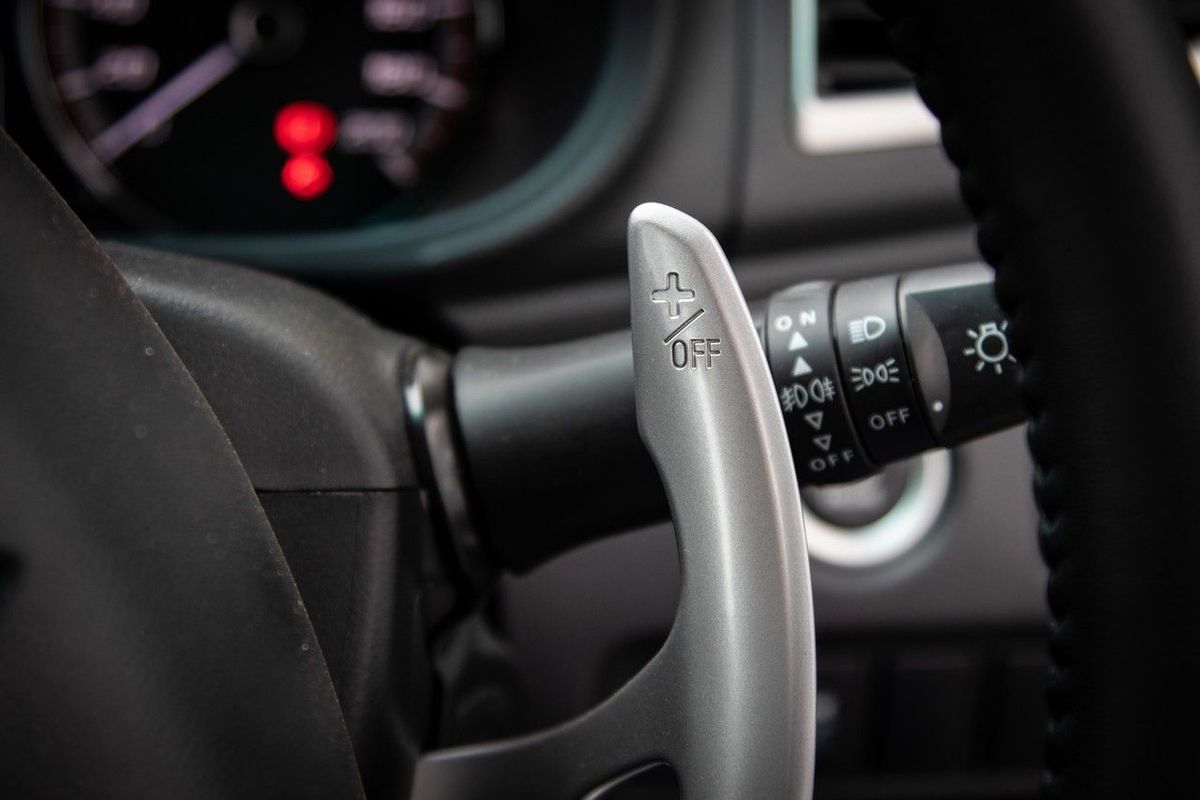
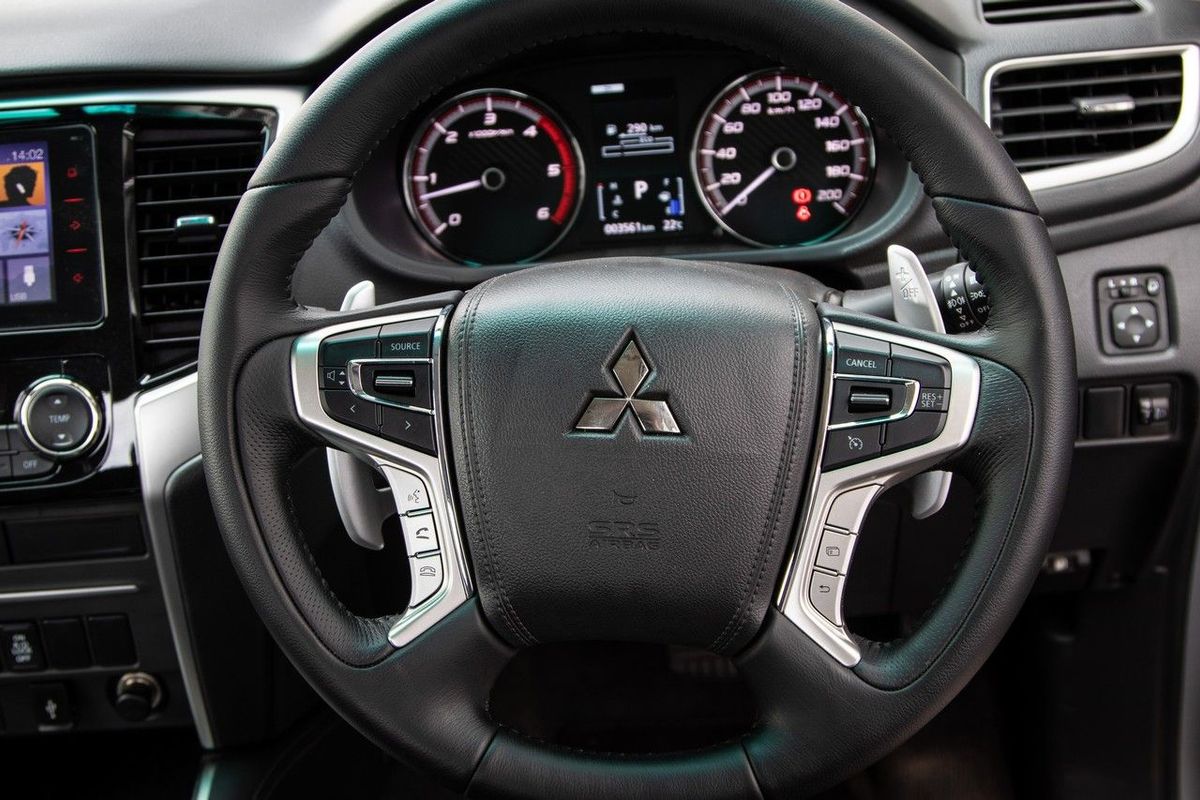
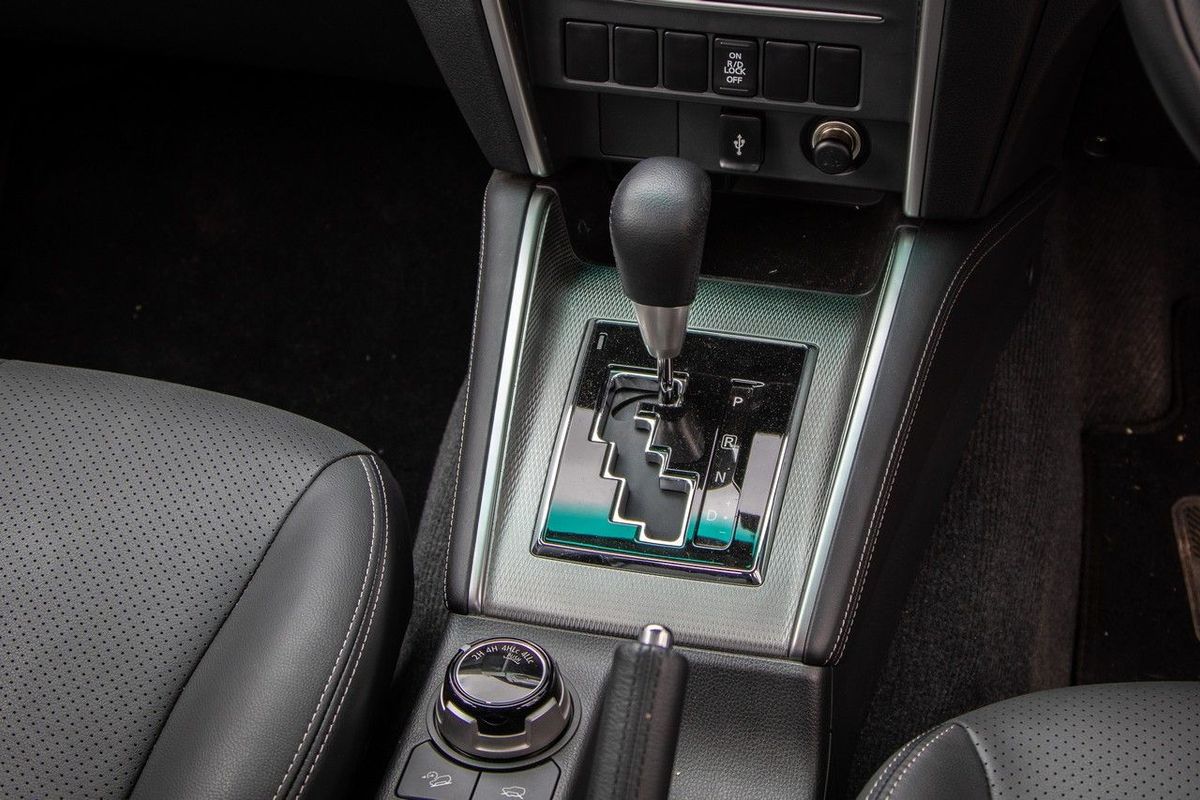
The new 6-speed automatic transmission, which supersedes the 5-speed self-shifter in the pre-facelift Triton, is perhaps the most pleasant update. It’s well-matched to the engine and operates smoothly and, by-and-large, unobtrusively. We found the transmission's performance quite satisfactory; there really was little need to make manual shifts via the paddle shifters. They're useful for snappy downshifts or when you are offroad, however.
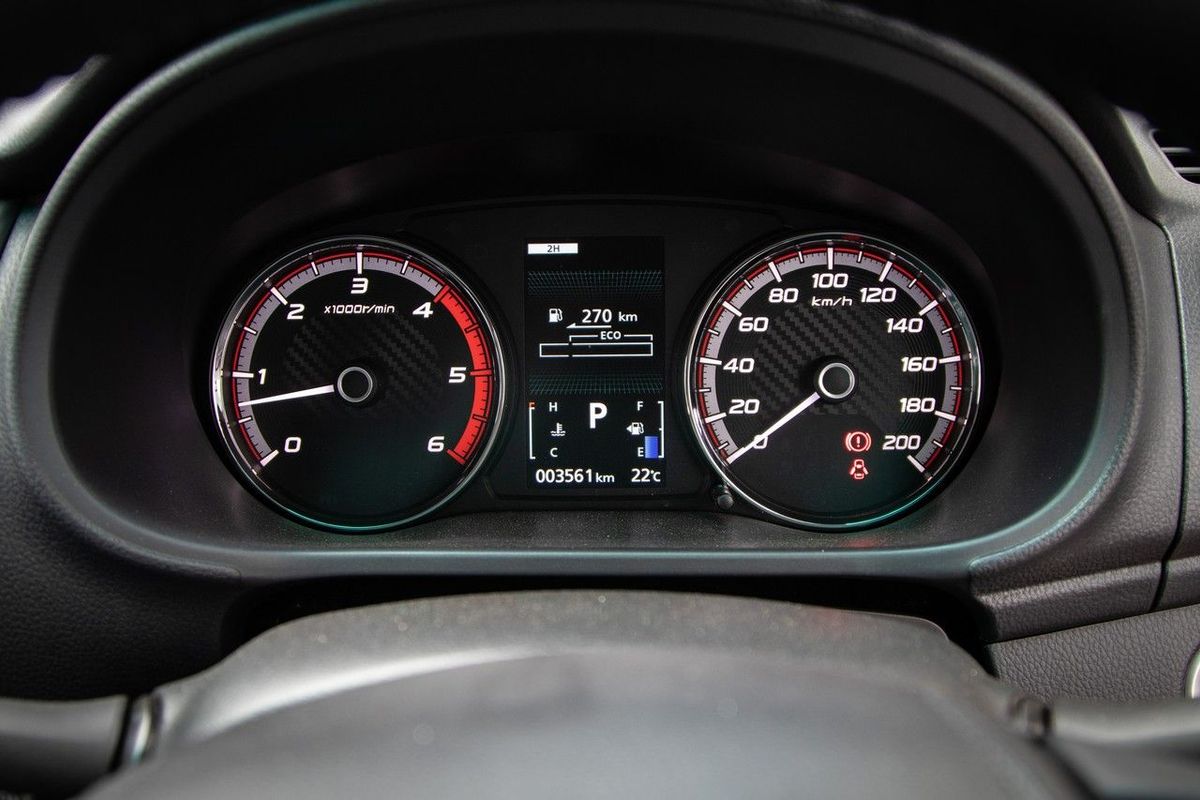
With an extra gear in the mix (and apart from improving the Triton’s on-road refinement), the transmission has enhanced the bakkie's efficiency. Mitsubishi claims a fuel consumption figure of 8.3 L/100km and we were mightily impressed to see figures of around 8.6 L/100km during our test.
Ride and handling?
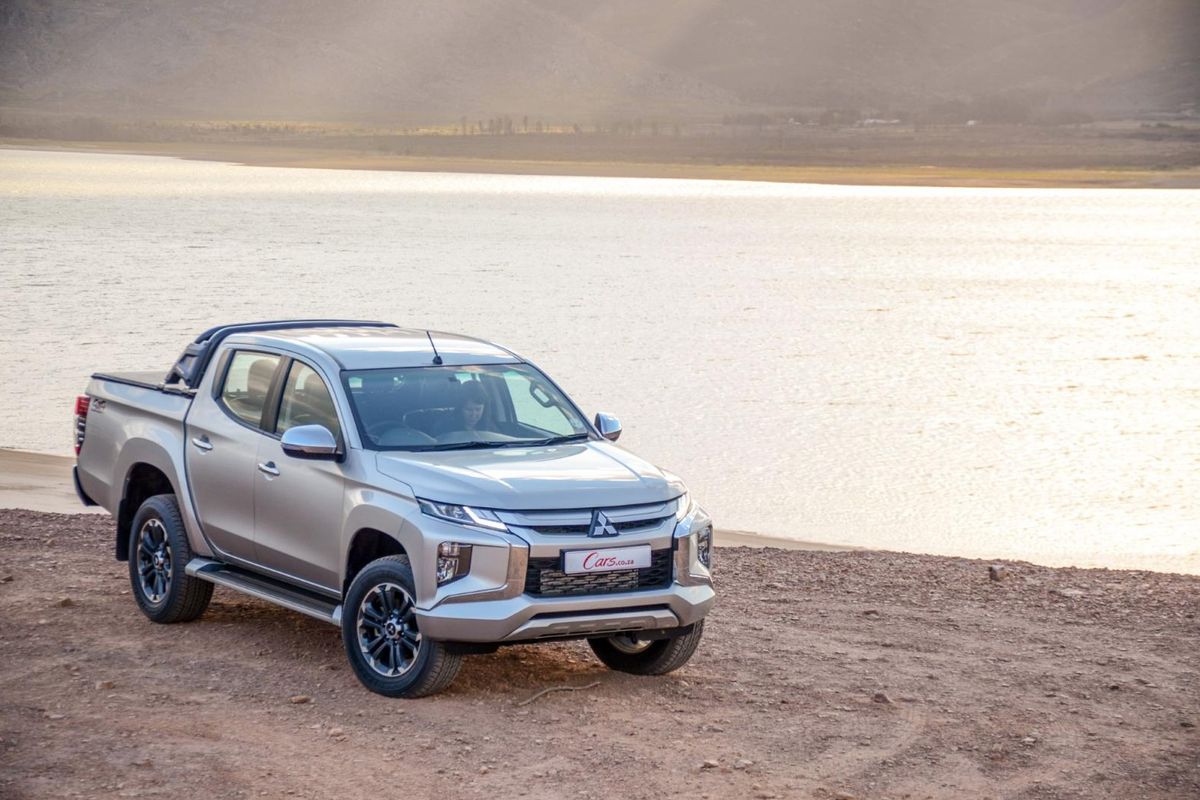
The Triton offers a comfortable and forgiving ride on tar and in the dirt.
We took the Triton on a fishing excursion in the Western Cape, during which we had the opportunity to test it on tar and on gravel. A composed ride quality is something the Triton has always been renowned for and buyers will be happy to know that it still rides comfortably on various surfaces. It's smooth on the highway and only on really poor surfaces does the Triton become a bit jittery, but for the most part, it’s composed and well-sprung.
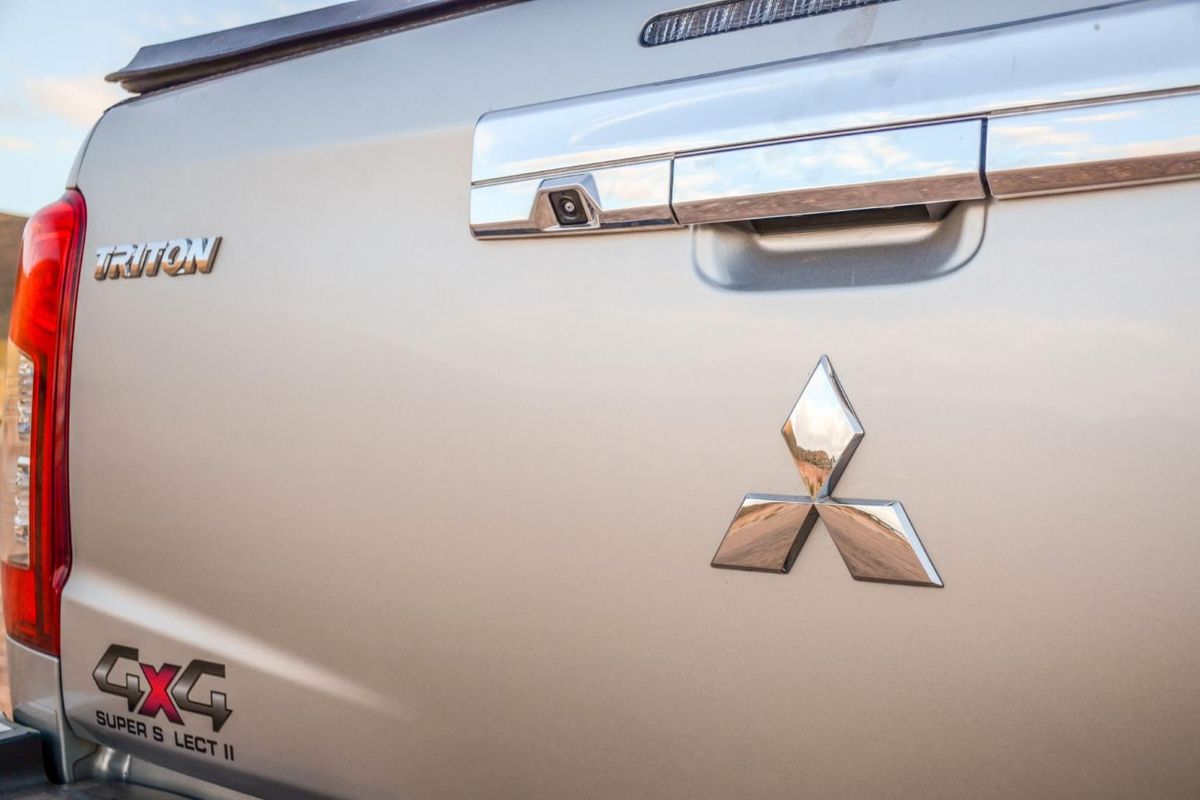
The steering wheel is relatively light in feel, which makes close-quarter turning easier, but like most double-cab bakkies, the size of the vehicle can be overwhelming in places such as confined parking lots. Thankfully, a reverse-view camera is fitted to assist in manoeuvring the Triton safely.
Off-road performance?
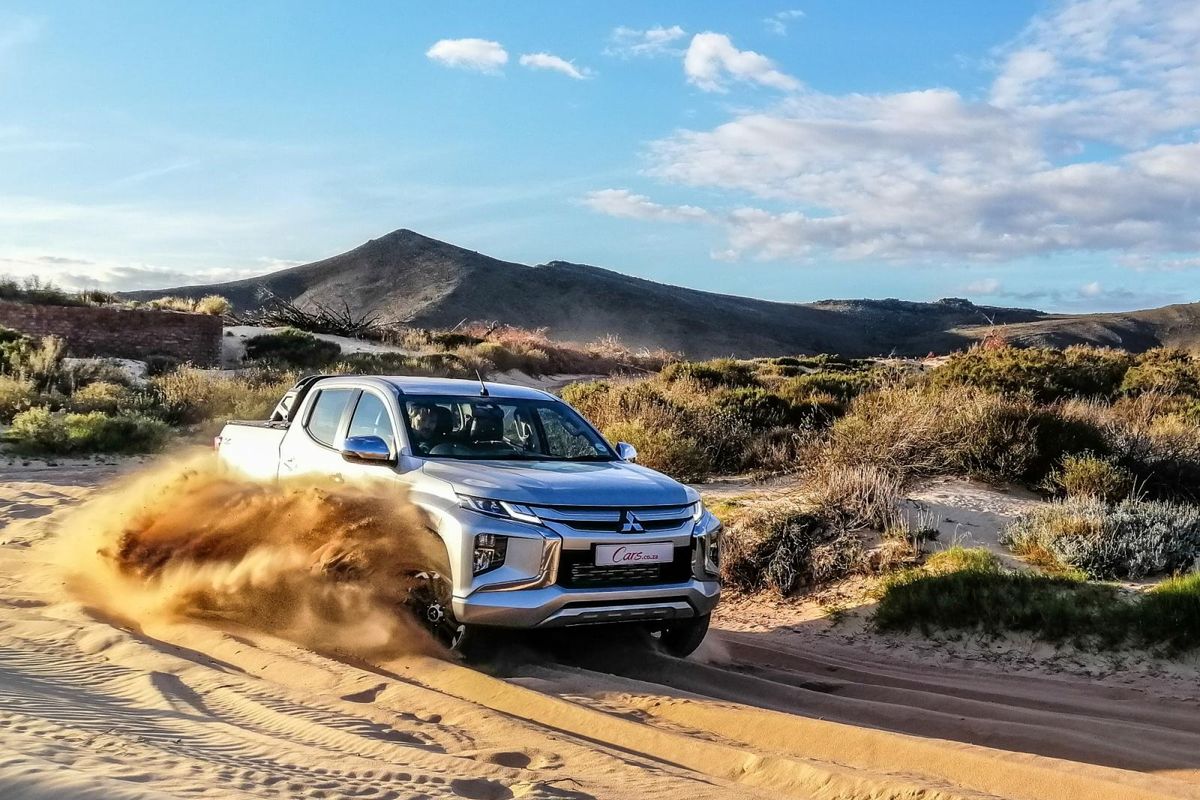
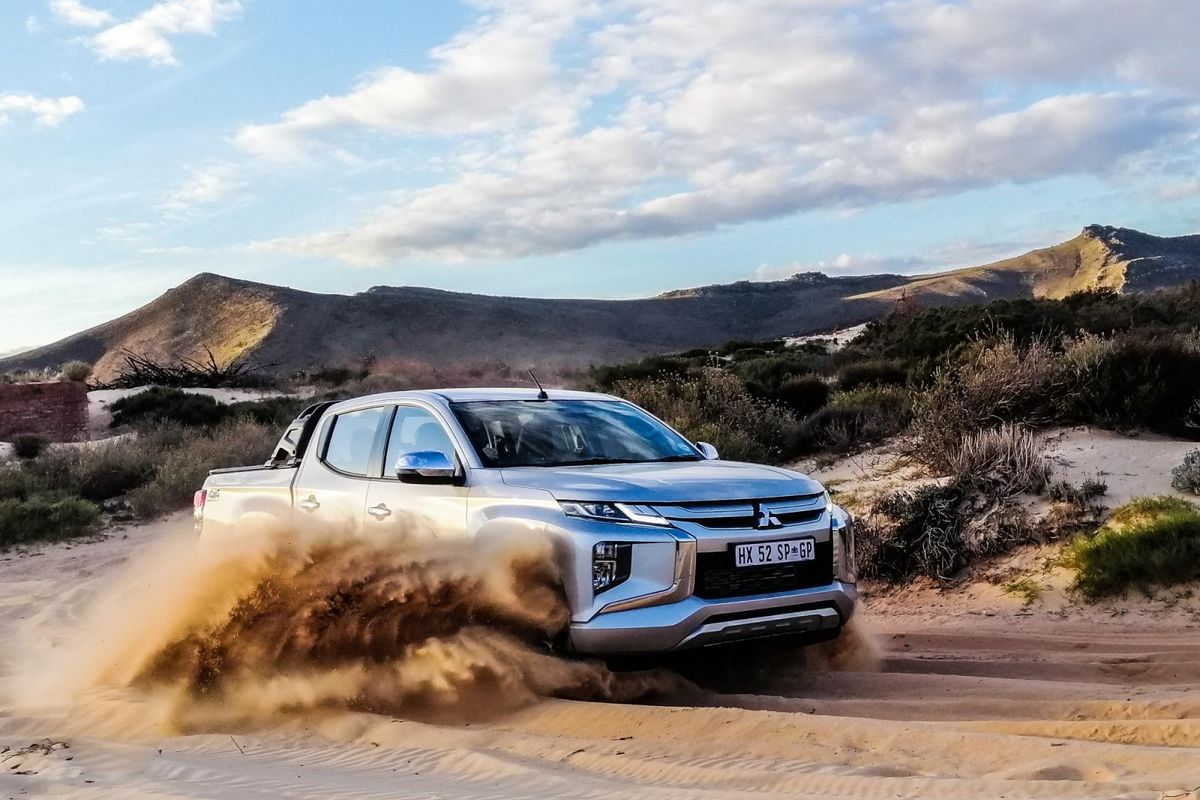
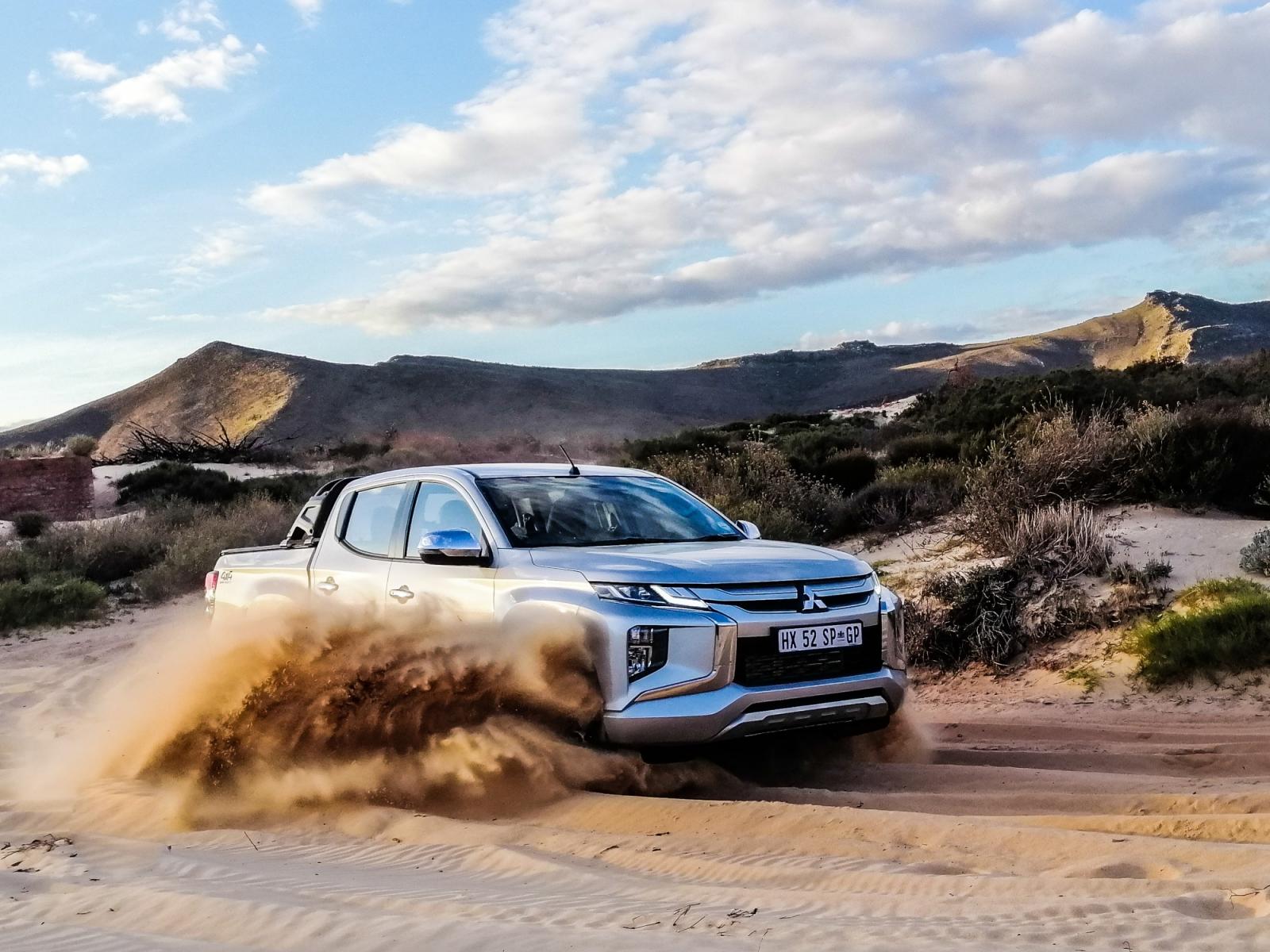
This latest Triton is hugely capable and has much to offer in terms of off-road ability.
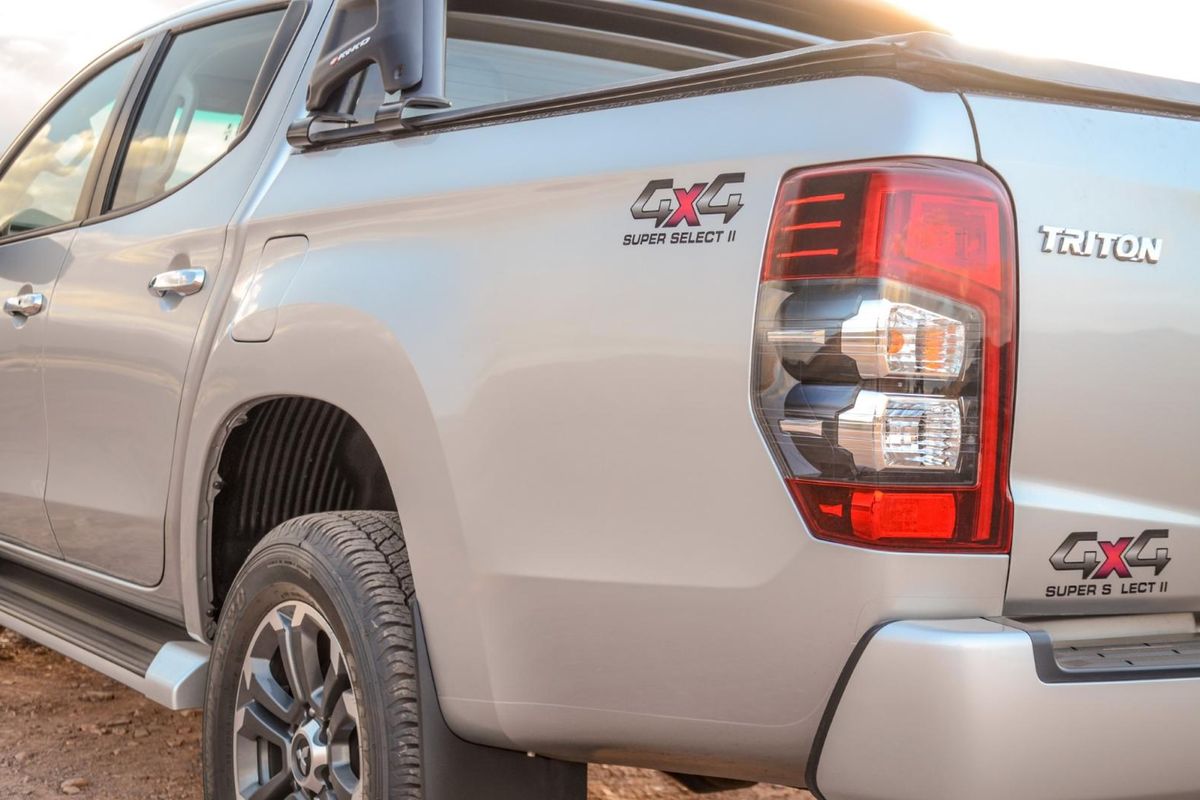
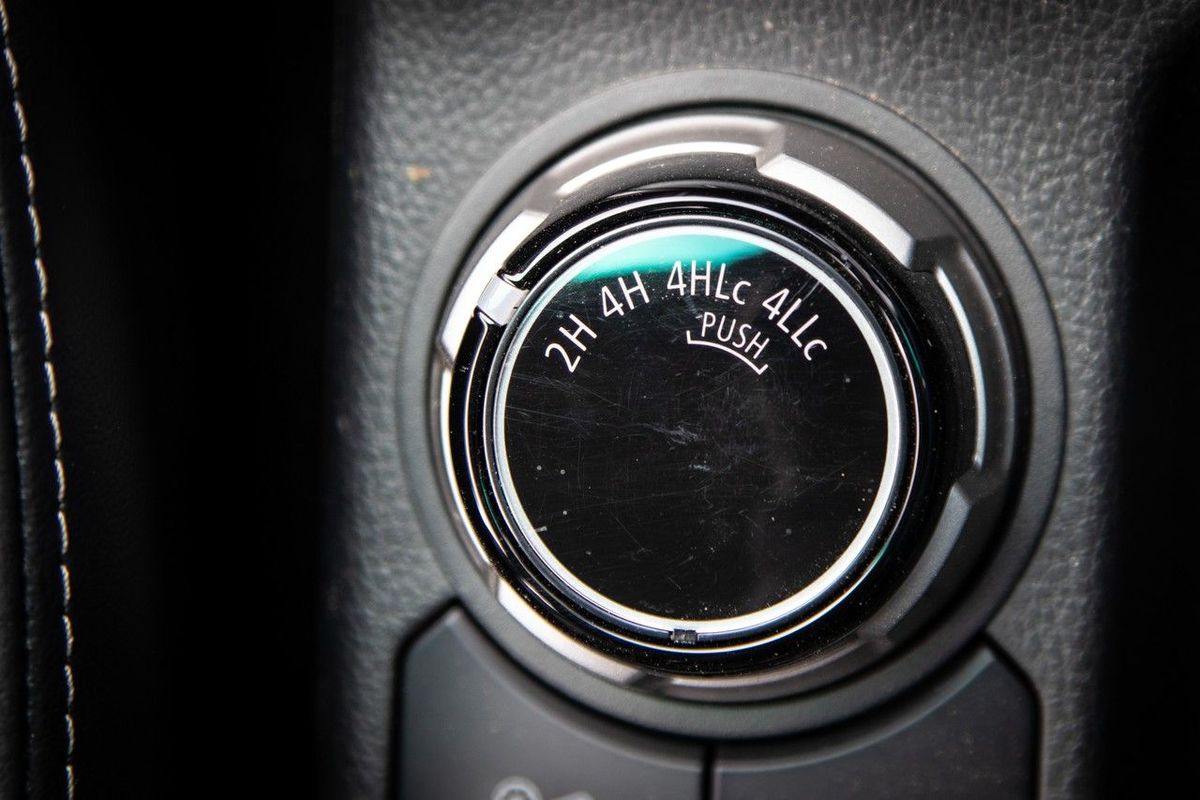
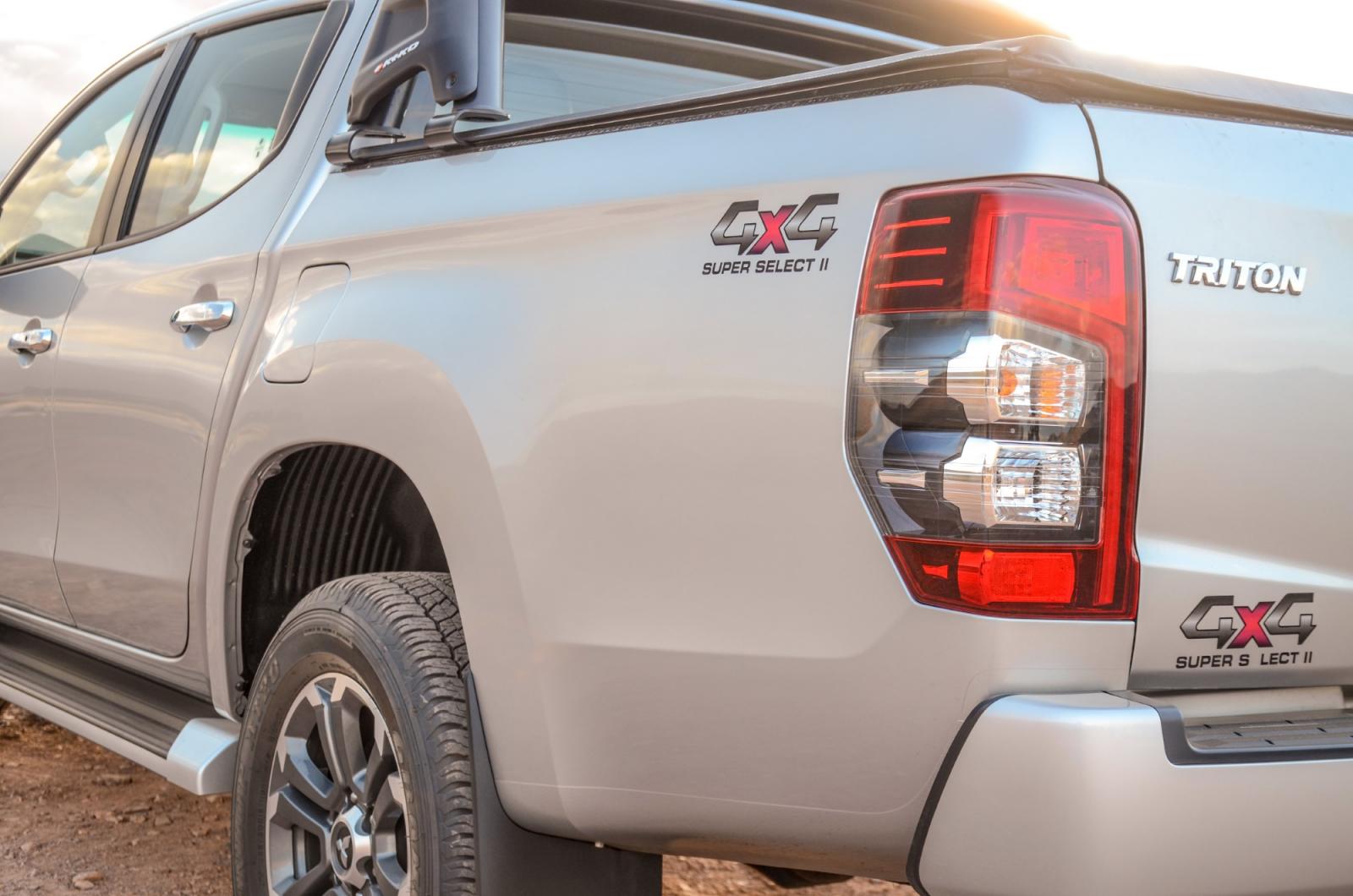
The Triton remains a capable off-roader thanks to, inter alia, its effective Super Select II 4×4 system, which offers a handful of off-road modes (Gravel, Mud/Snow, Sand and Rock) that can be selected via a rotary dial in the Mitsubishi's centre console. Low range with a locked centre differential and a separate rear differential lock ensure maximum capability in more difficult 4×4 driving situations.
We did some spirited sand driving in the Triton and, thanks to its good ground clearance (220 mm), the bakkie felt surefooted in the rough stuff. Mitsubishi has also included hill descent control, which automatically manages the vehicle's speed on downhills, thereby allowing the driver to leave the brake pedal alone and focus their attention on steering the bakkie. In terms of towing, the Triton has a maximum capacity of 3 100 kg (braked).
Interior execution and features?
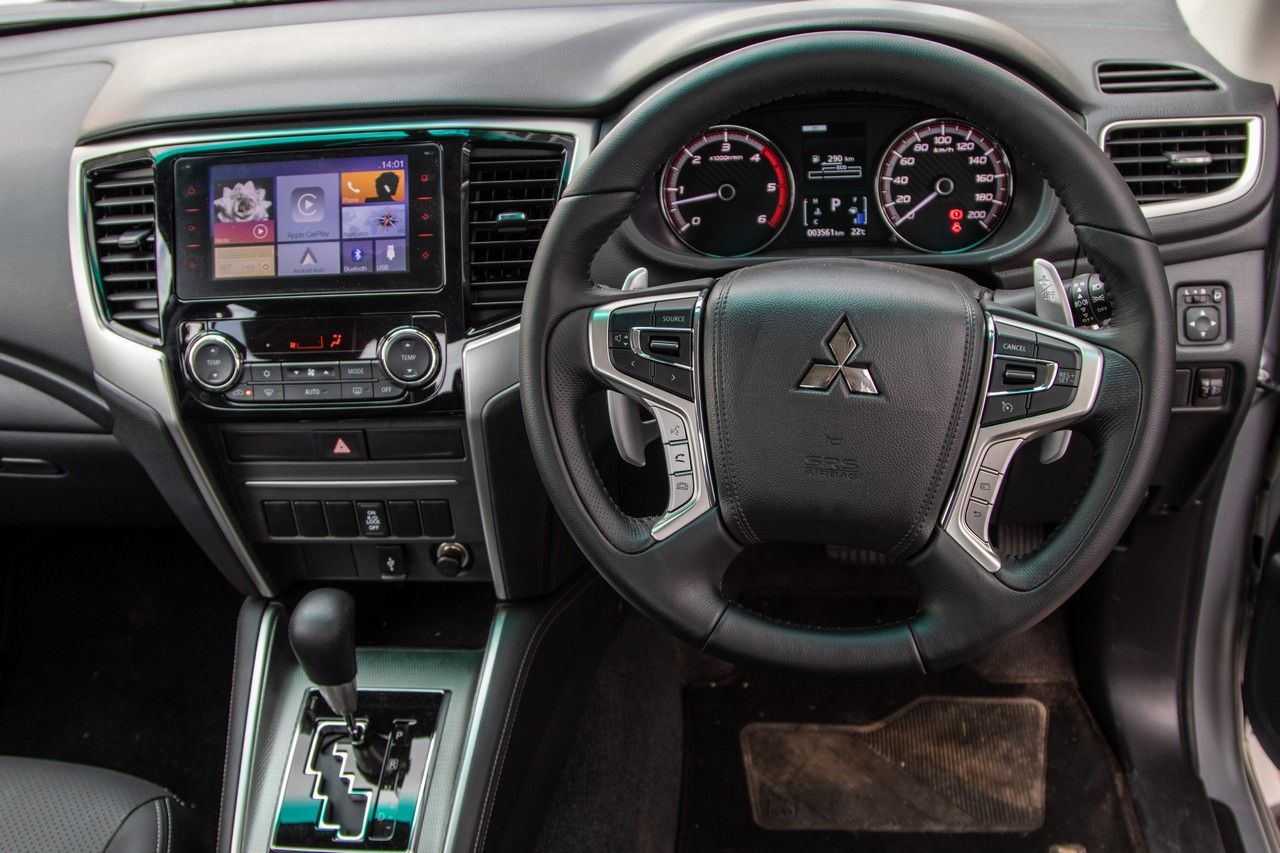
While perhaps not as stylish as some of its rivals, the Triton's interior is reasonably well-equipped with standard features.
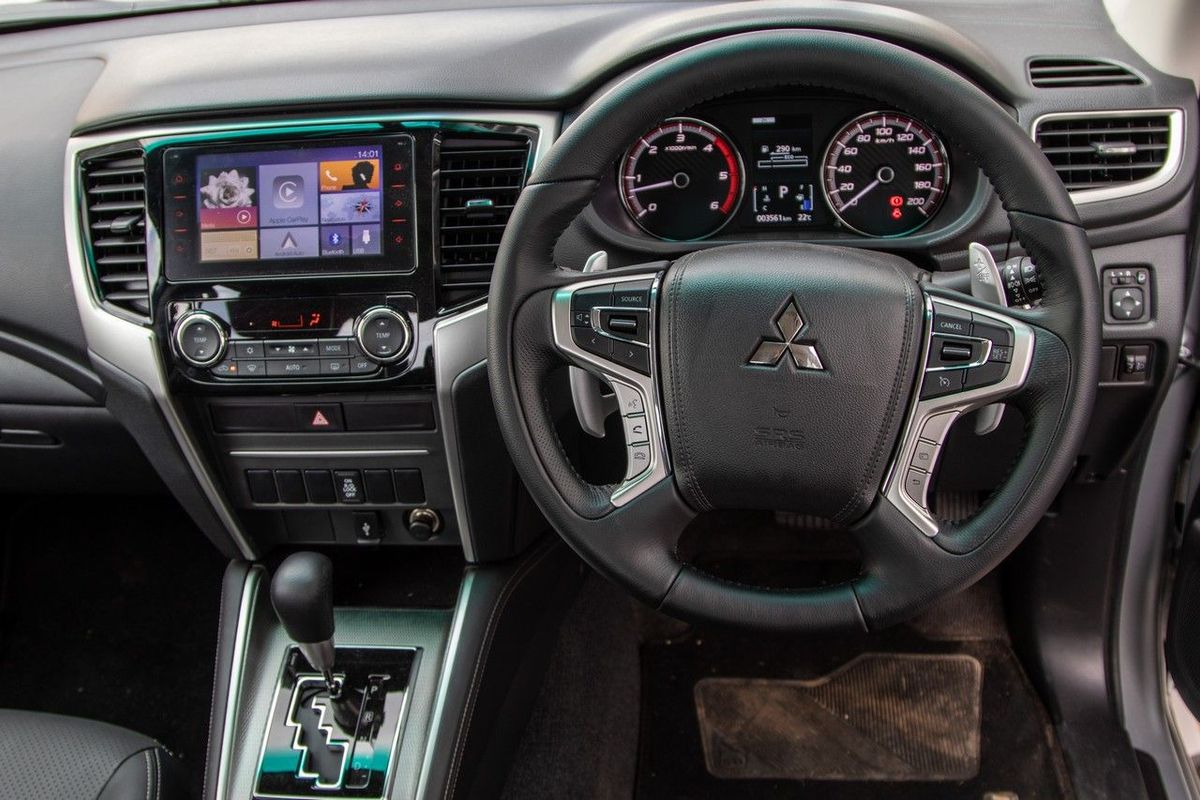
Overall, the Triton's cabin has a good perceived build quality, but the interior layout, in contrast with the bold exterior design, lacks some visual appeal. Harder plastics dominate (in keeping with the Triton’s workhorse credentials), but the cabin still offers reasonable comfort and convenience.
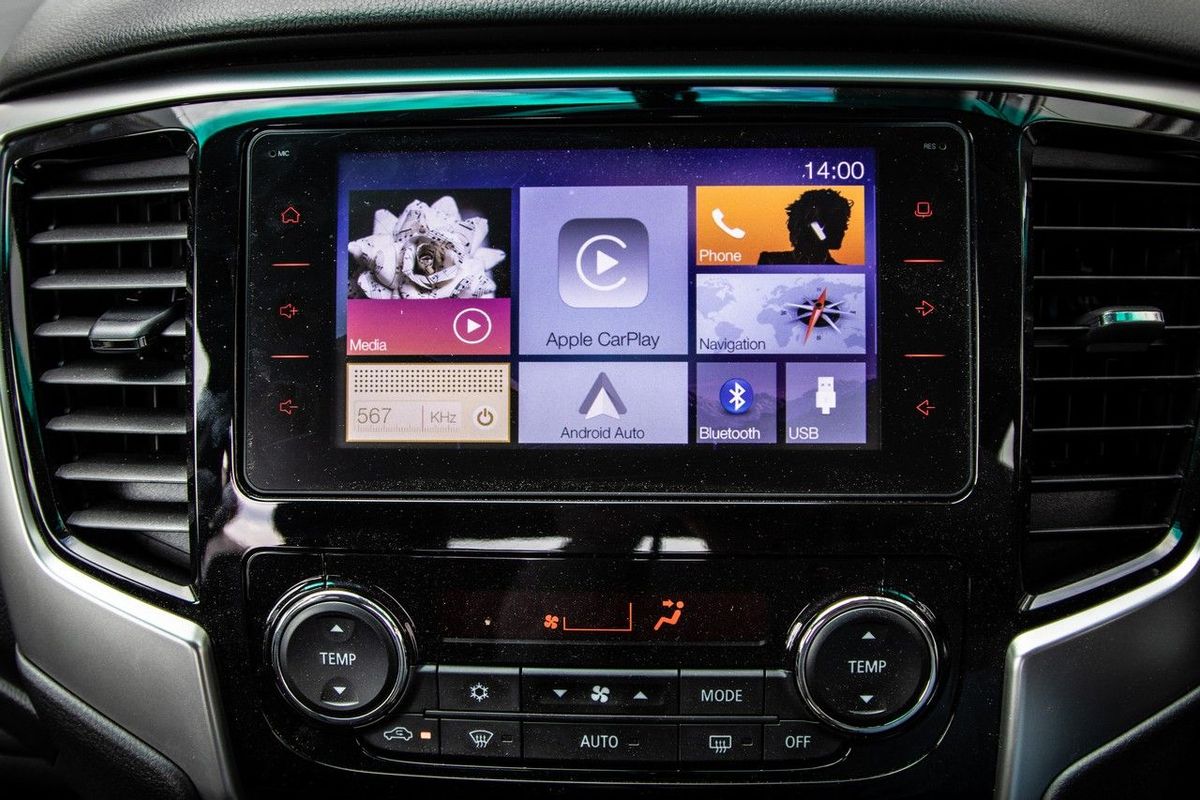
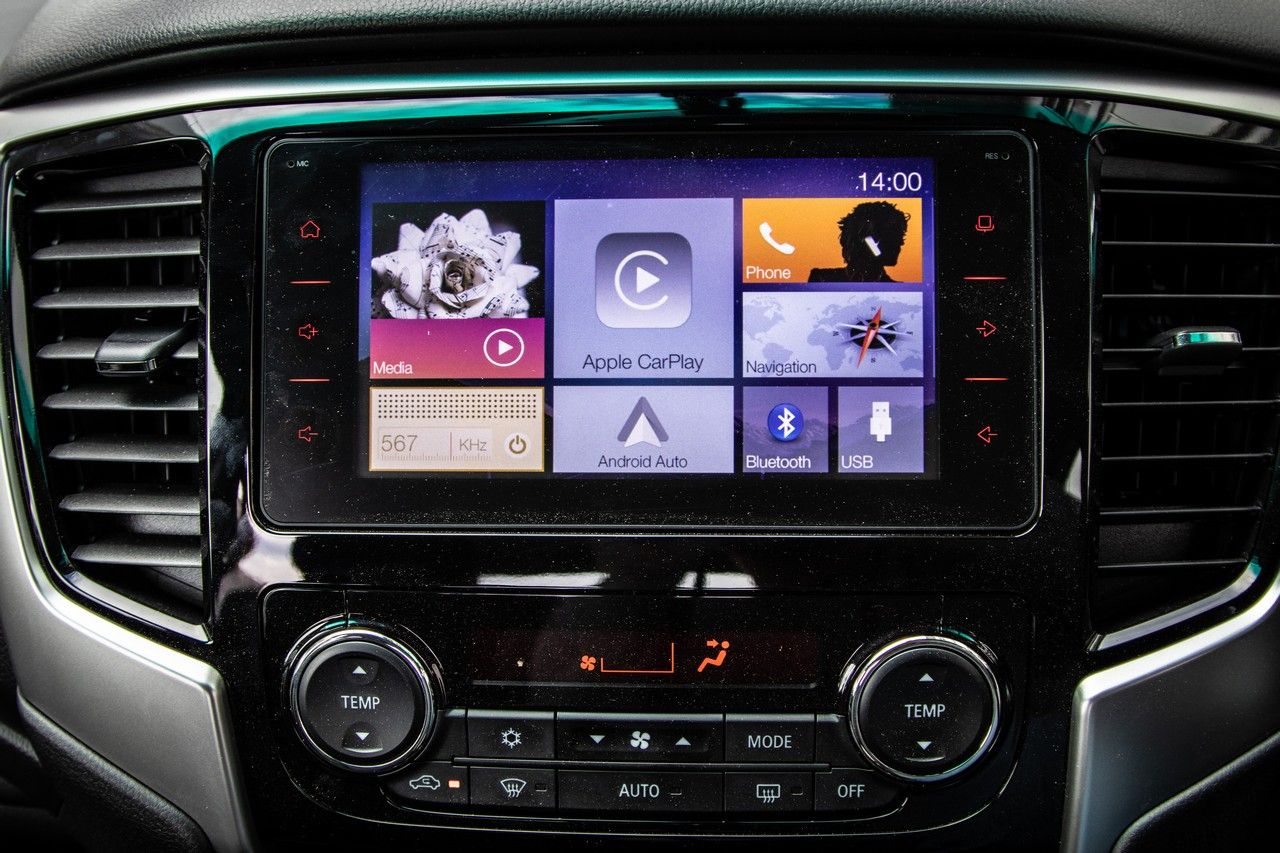
The integral infotainment system in the fascia and its surrounding control layout look dated compared with other systems on the bakkie market, but the former still provides useful functionality such as Bluetooth with voice control and Apple CarPlay/Android Auto compatibility. Other notable interior features include cruise control, dual-zone climate control, electric folding side mirrors and a rake/reach-adjustable multifunction steering wheel.
The full-colour touchscreen infotainment system features Apple CarPlay/Android Auto compatibility and satellite navigation.
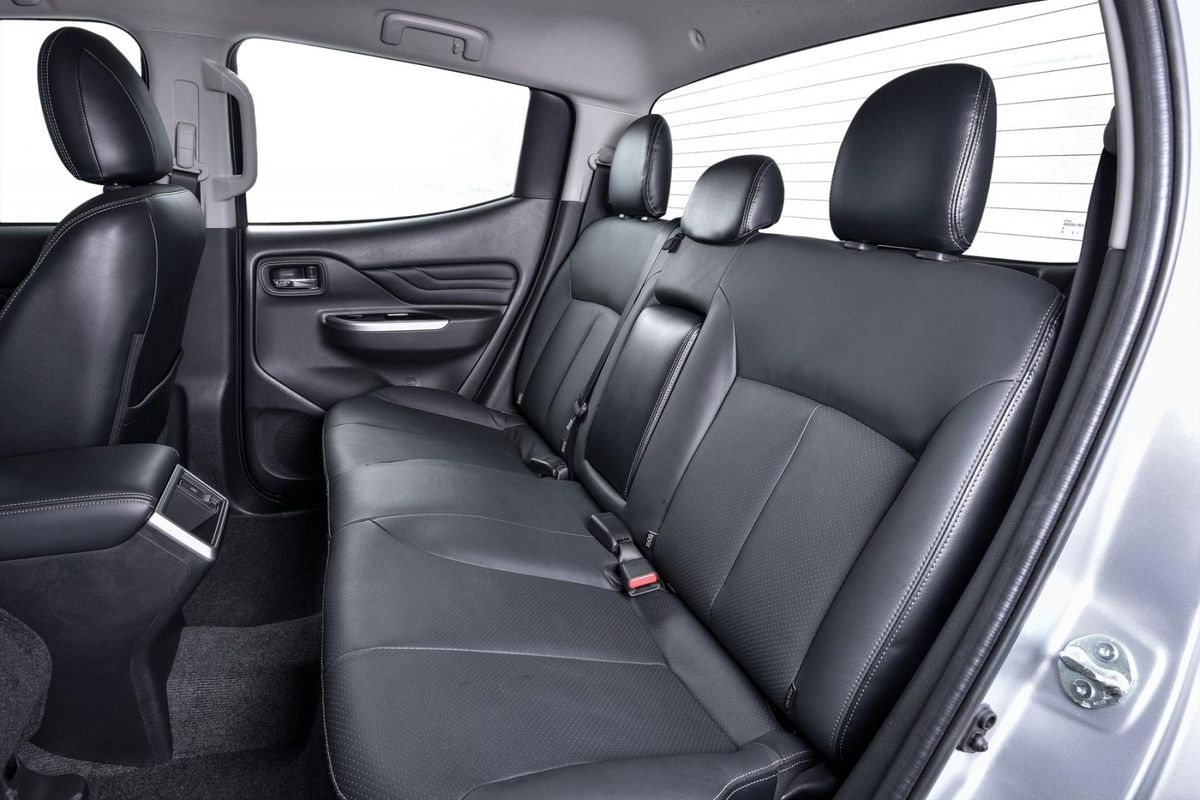
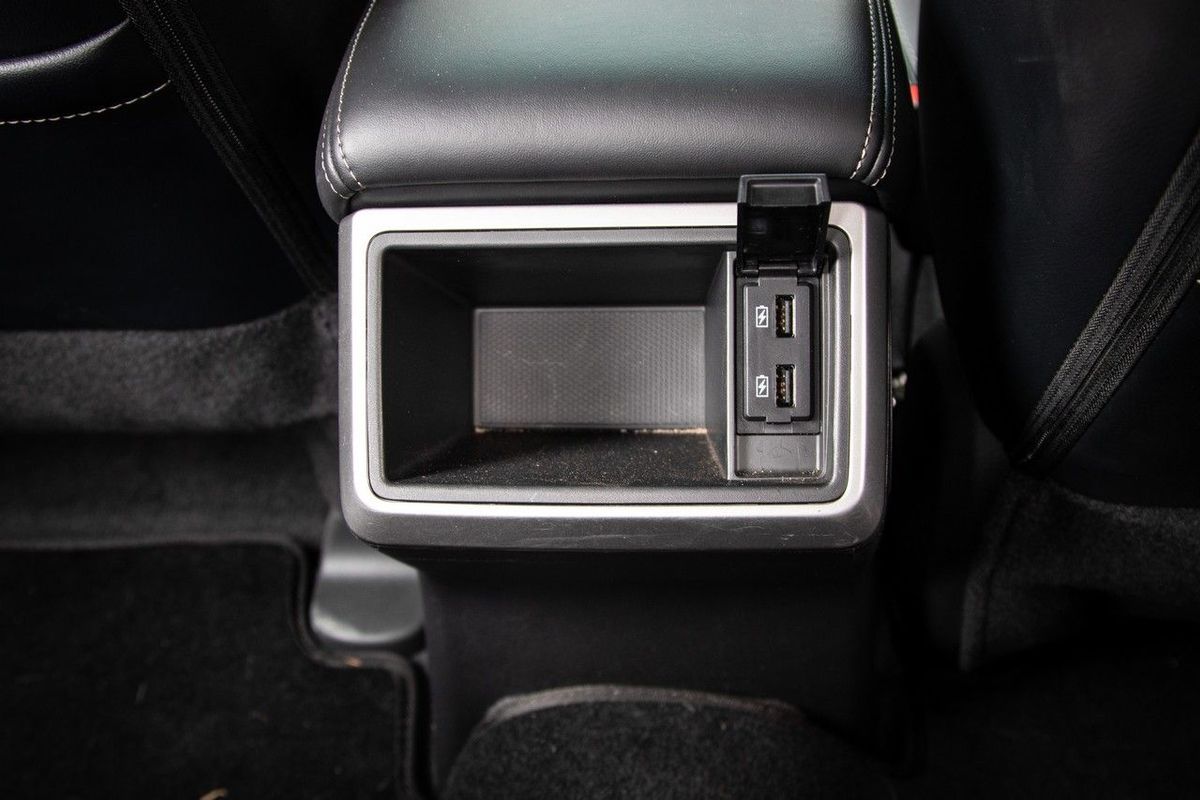
The driver’s seat is also electrically adjustable for added convenience. Meanwhile, the space for those seated in the back is average (in terms of available legroom, taller passengers might struggle), but the centre armrest does provide 2 cupholders. In terms of safety, a total of 7 airbags are standard as is ABS with EBD, brake assist, active stability and traction control and hill start assist. ISOFIX child seat anchors are also fitted.
Price and warranty
The Mitsubishi Triton 2.4 DI-D 4×4 automatic is priced from R589 995 and is sold with a 3-year/100 000 km warranty and a 5-year/90 000 km service plan.
Verdict
For a double-cab bakkie under R600k, the Triton 4×4 automatic represents good value for money.
This latest-spec Triton is by far the best-looking version of the (if not a) Japanese bakkie that has ever been sold in the South African new vehicle market. If you are looking to buy a head-turning double cab, then this is certainly worthy of your attention. Its interior styling doesn’t quite match its flashy exterior, but the Triton comes equipped with a reasonable number of features and offers good levels of comfort and convenience.
The newcomer offers willing, if not stellar, performance, in combination with commendable fuel efficiency and an excellent ride quality. As before, the Triton strikes a good balance between being a comfortable adventure lifestyle vehicle and serving as a capable workhorse when it's called to do so.
With high-end derivatives of the Toyota Hilux, Ford Ranger, Volkswagen Amarok, Mercedes X-Class, Nissan Navara etc. priced far north of R600k, the Triton is a tough-as-nails offering that represents good value at its price point. In its latest guise, it deserves to fare better against its rivals.
The Ford Ranger was recently facelifted and a new 2.0-litre turbodiesel engine is now on offer with 132 kW and 420 Nm and comes mated with a new 10-speed automatic transmission. Armed with a comprehensive list of standard features, the latest Ranger makes a strong case for itself with a price tag of R570 200.
The Toyota Hilux is a popular choice albeit with a higher asking price than the Triton (R637 500). The Hilux's 2.8-litre turbodiesel engine offers similar outputs of 130 kW and 450 Nm of torque and comes mated with a 6-speed automatic transmission.
In 4×4 LX automatic guise, the Isuzu D-Max costs R627 900 and its 3.0-litre turbodiesel produces 130 kW and 380 Nm of torque. The Isuzu is not as refined as the Triton, nor does it match its ride quality, but the D-Max is a reliable and tough workhorse that can double as a lifestyle vehicle.
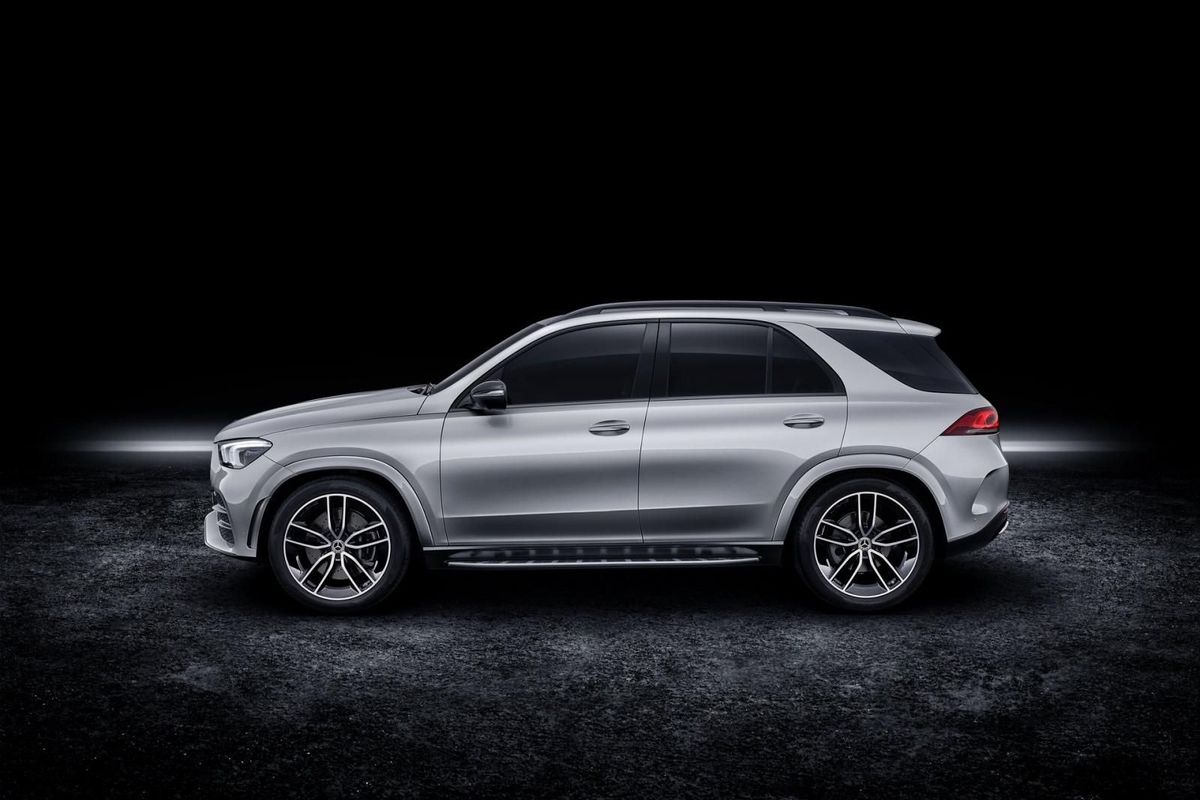
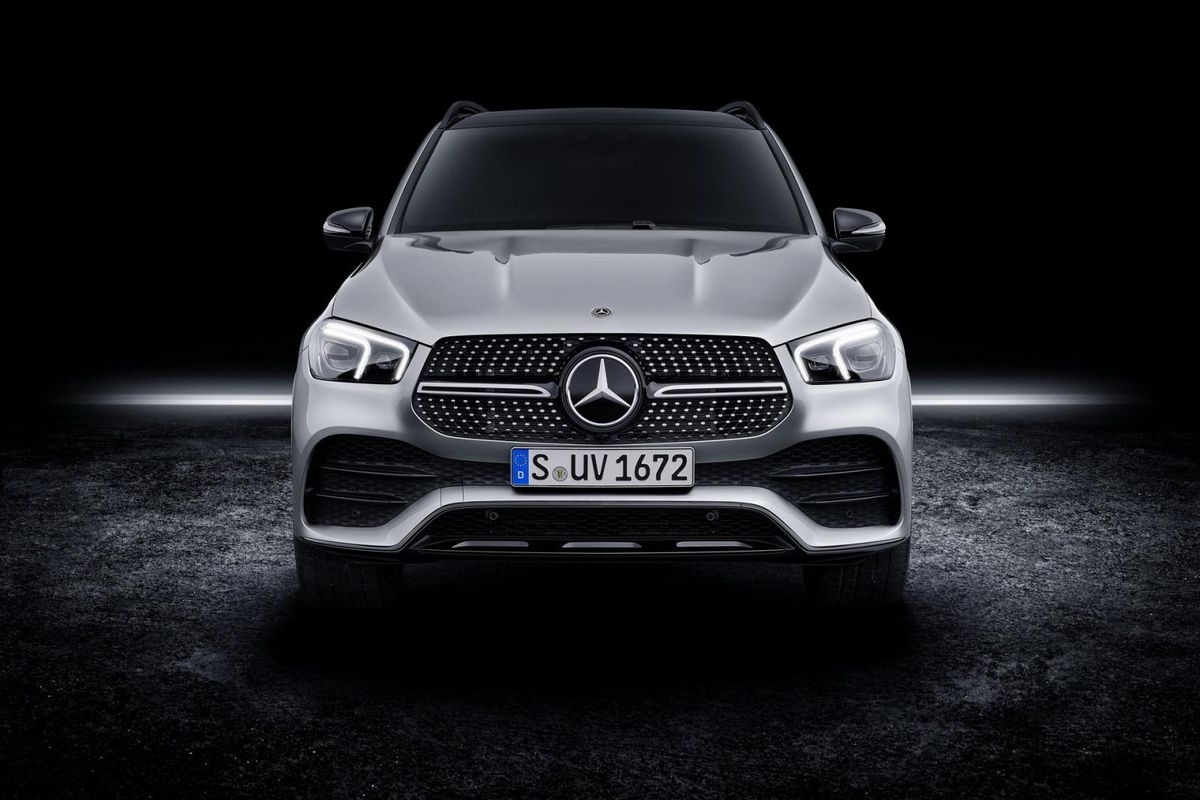
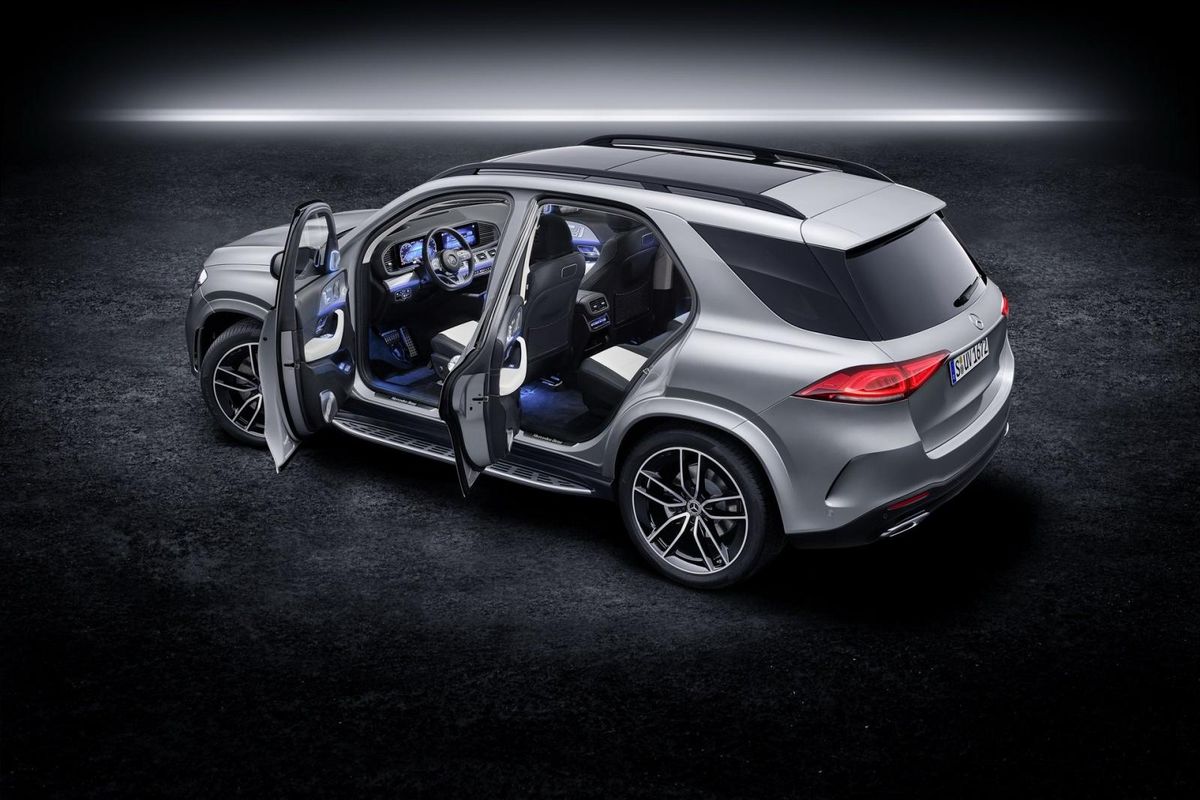
Mercedes-Benz has announced the specification of its most powerful non-AMG SUV.
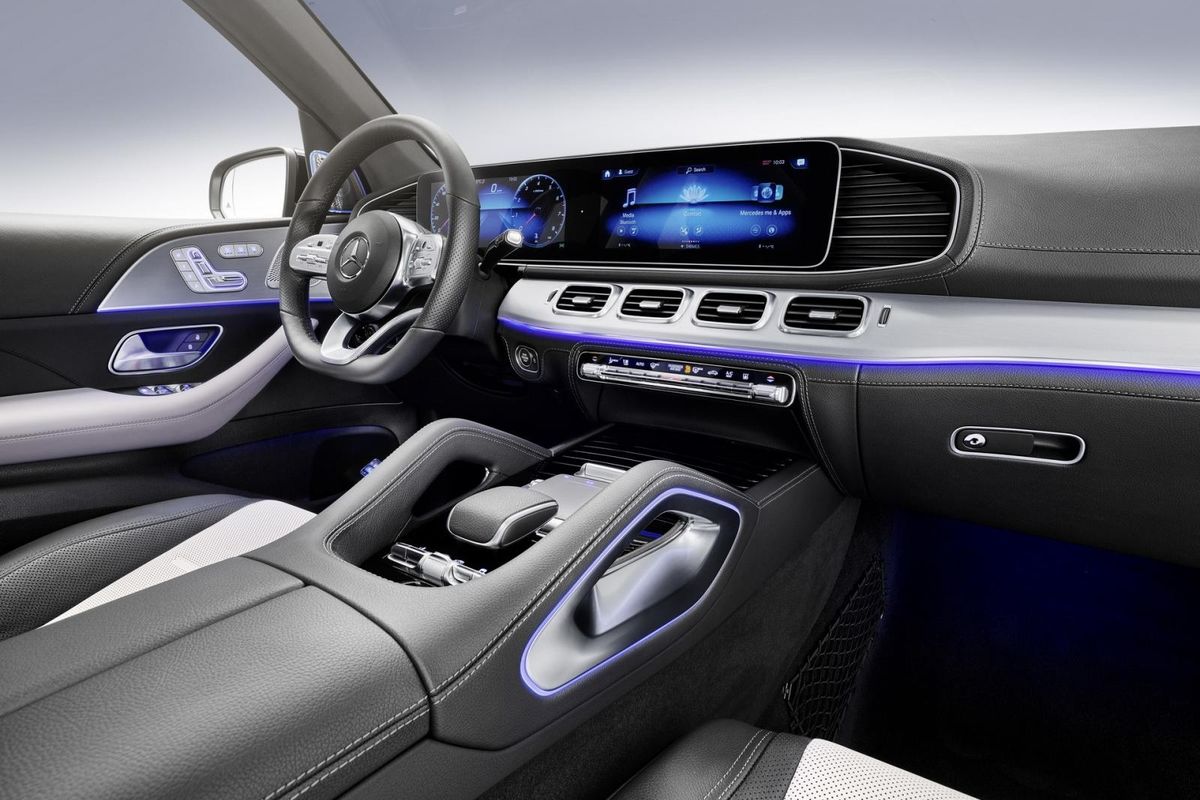
The GLE580 version of Mercedes-Benz’s fourth-generation large SUV will feature the company’s renowned 4-litre twin-turbocharged V8 engine, augmented with mild-hybridization.
Like many Mercedes-Benz products revealed since the beginning of this year, the GLE580 is wired with a 48V electrical architecture to optimise the efficiency gains possible with its integrated starter motor/generator.
The GLE580’s twin-turbocharged V8 boost a peak power output of 360 kW and 700 Nm of torque. Impressive as those numbers are, the total system output, when charged by the onboard batteries, adds another 16 kW and 250 Nm for short bursts of acceleration. That makes the GLE580 theoretically more potent, in terms of pure power output than a standard AMG GT – which claims 350 kW.
Beyond the notable overtaking acceleration offered by GLE580’s powertrain, it is also cleverly efficient. There is very little mechanical drag on the engine, with many secondary functions (air-conditioning and water pump operation) powered by energy harvested and stored in a 0.9kWh battery. The GLE580’s drivetrain also has an ability to allow high-speed mechanical decoupling of the V8 engine, allowing the large SUV to cruise on drivetrain momentum when road gradient and speeds are adequate.
Mercedes-Benz has confirmed that its GLE580 will go on sale in the United States by the fourth quarter of 2019, with a global rollout to other markets thereafter.
BMW South Africa confirmed that it will be launching a petrol engine for the X5 and X7 SUV range. The German carmaker also confirmed pricing for the 2 SUVs when they touchdown in October 2019.
As you read this, the only engines available for the X5 and soon-to-be-launched X7 are a brace of diesels. While both the 30d and M50d powerplants are impressive in their own right, petrol fans can claim to be left out. However, BMW SA has announced the arrival of an M50i petrol engine, which will be made available for both the X5 and X7 later this year.
The BMW M50i engine is a twin-turbocharged 4.4-litre V8, which produces a stonking 390 kW and 750 Nm. Despite their large size, both the X5 M50i and X7 M50i are brisk off-the-line performers with claims of 4.3 and 4.7 seconds respectively. Both vehicles feature BMW's intelligent xDrive all-wheel drive, 8-speed Steptronic sports transmission and M sports differential. In terms of economy, the X5 M50i is said to consume 10.7 L/100 km, while its bigger X7 sibling is a touch thirstier at 11.1 L/100 km
We'll have final specification and details when the vehicles arrive late in 2019.
BMW X5 M50i and X7 M50i Price in South Africa
BMW X5 M50i R1 511 689.50 (Pricing includes CO2 tax of R 18,089,50 and 15% VAT).
BMW X7 M50i R1 871 542.50 (Pricing includes CO2 tax of R 18,342.50 and 15% VAT).
BMW South Africa has confirmed the 3 Series sedan range will be expanding with more engines. Here's what you need to know.
The BMW 3 Series is the Munich-based manufacturer's bread-and-butter sedan model and when it launched in South Africa in early 2019, the range was a tad limited. There was just a 320d and a 330i, which covers the basics, but there's always been a diverse portfolio of engines to choose from.
Now, BMW SA has confirmed that the 3 Series range will receive 3 new engines. The 320i, 330d and all-new M340i will be reaching showrooms before the end of 2019. For the petrolheads, the BMW M340i xDrive represents the fastest and most dynamic 3 Series you can buy before the all-new M3/M4 are revealed. With a turbocharged 6-cylinder engine churning out 285 kW and 500 Nm, this M340i can accelerate to 100 kph in a claimed 4.4 seconds thanks to all-wheel drive. An M Sport differential should make it entertaining to drive.
Joining the M340i is the entry-level 320i featuring a 2.0-litre turbocharged 4-cylinder petrol engine with 135 kW and 300 Nm. The flagship diesel offering is also coming to South Africa. With 195 kW and 580 Nm, this will be the most powerful oil-burner in the portfolio. The 320i is said to consume 5.9 L/100 km, with its 330d sibling being more frugal at 5.2 L/100 km.
There will be some additions to the colours and trim, with the full arsenal of BMW Individual catalogue being made available to customers who wish to personalise their vehicles. Pricing for the new additions to the BMW 3 Series range will be made available closer to the launch, which we estimate to be around September 2019.
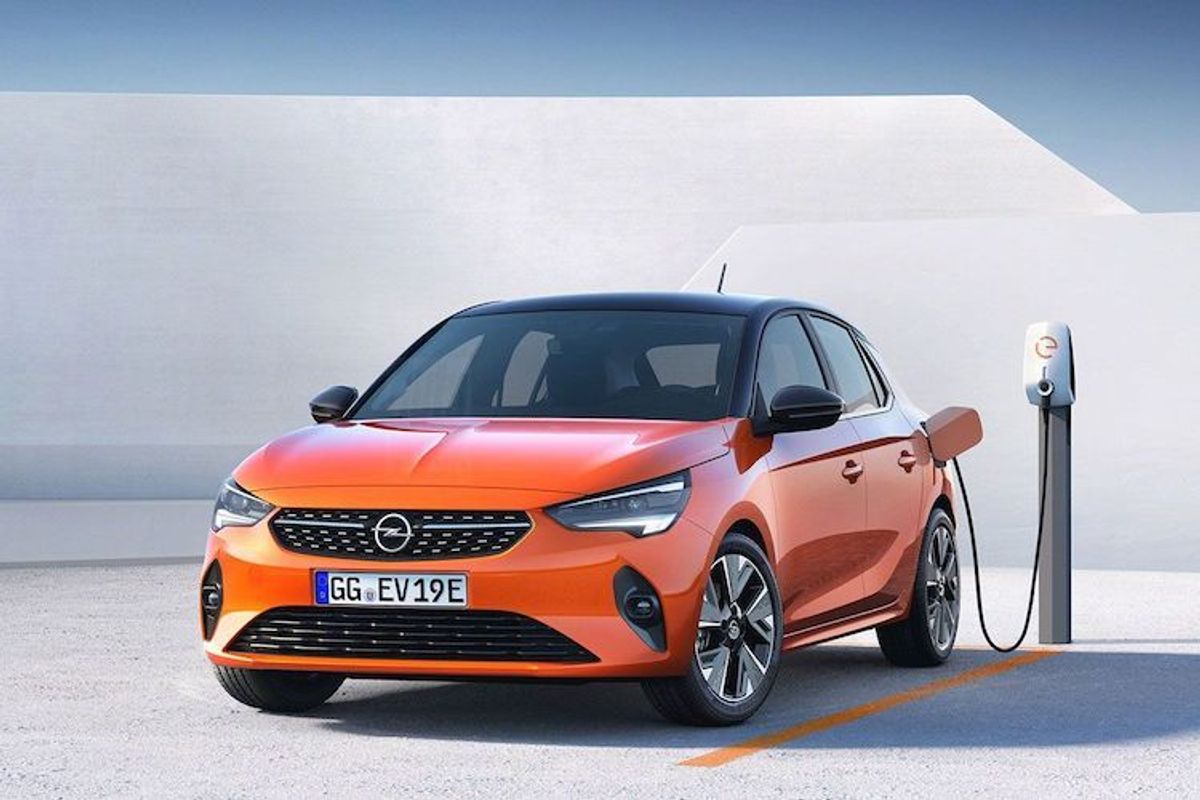
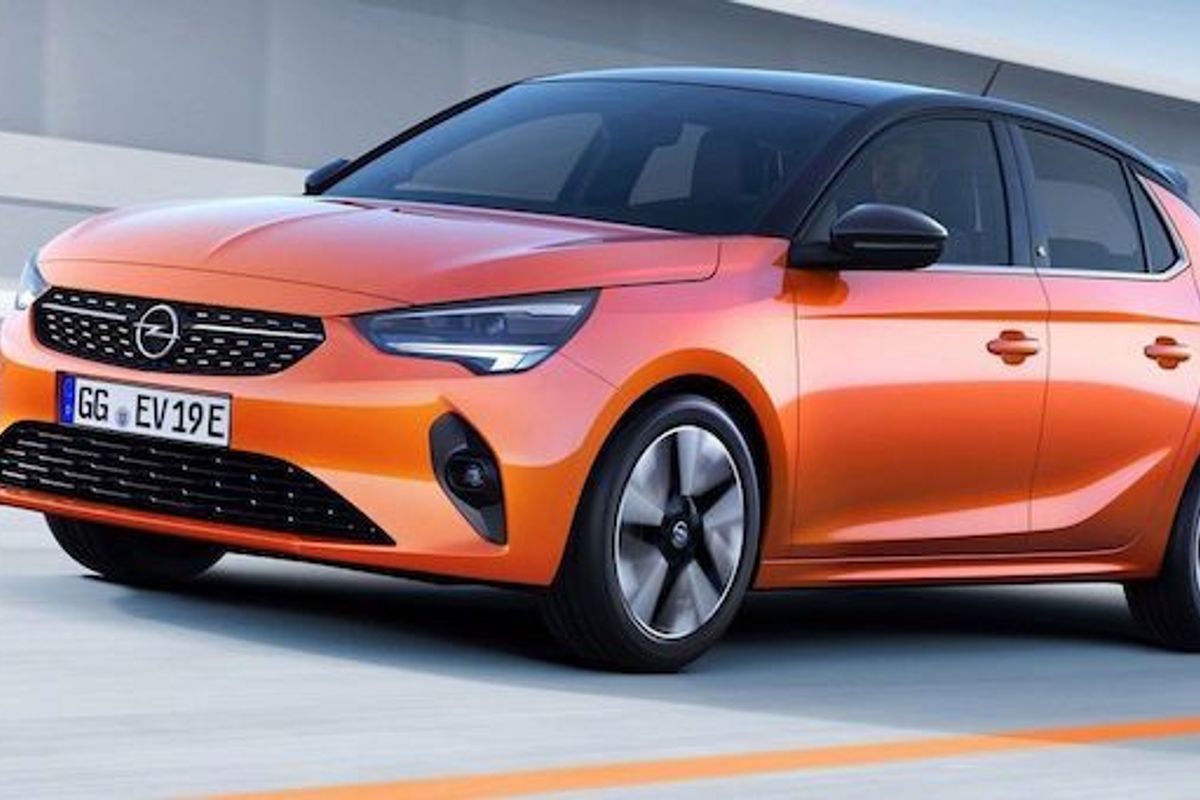
Photos of the next-generation Opel Corsa have appeared online, ahead of the new model's reveal later this year.
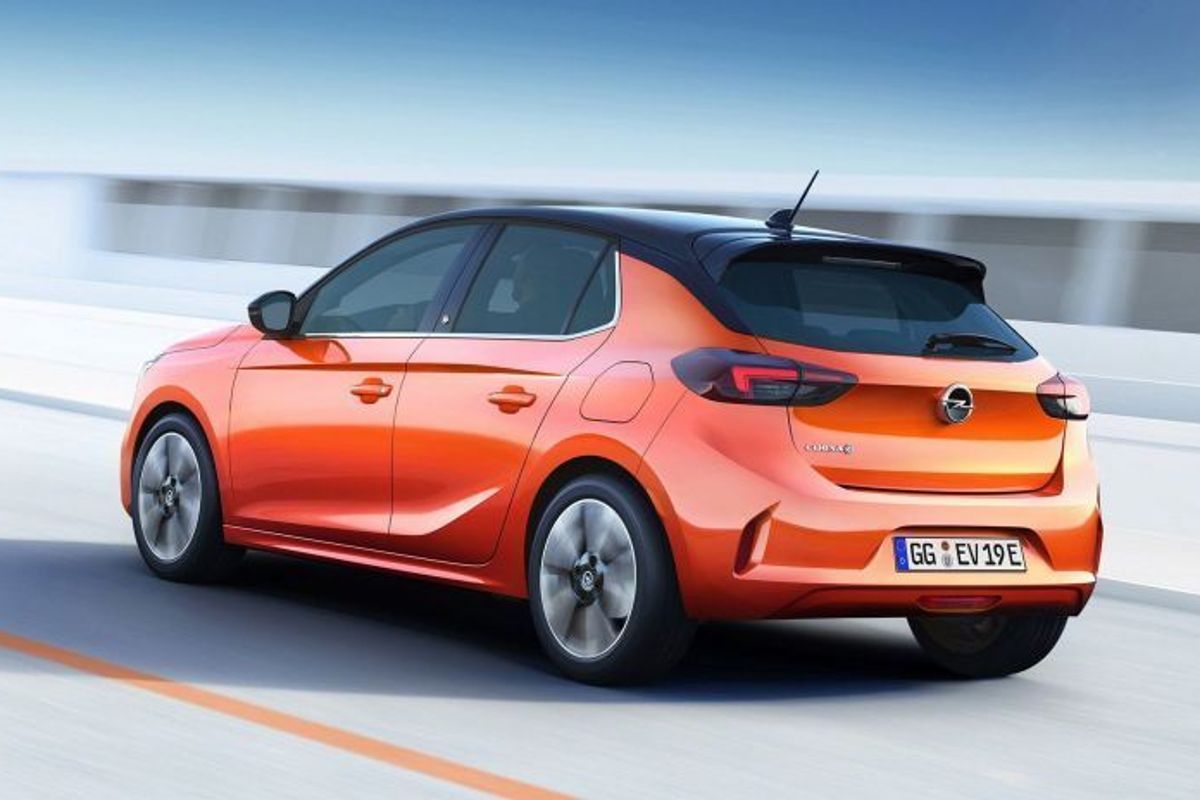
The photos were apparently posted by accident and subsequently loaded onto a forum. What you see here is the result of the PSA Group (Peugeot, Citroen, DS, Opel) working together on a shared project. This vehicle is the electric version, which shares a platform with other PSA products. This platform, dubbed CMP, forms the backbone of the new Peugeot 208 and Citroen DS3 Crossback. According to the forum, the Corsa has expanded in size and is 40 mm longer, 18 mm wider and it features a boot capacity of 309 litres.
While not much is known, the next-generation Opel Corsa has gone on a diet with some suggesting as much as 100 kg has been shed which bodes well for performance and efficiency. But let's just talk about the looks. How fresh and modern does this new Corsa look? Keen-eyed spotters will notice the smart Intellilux LED headlights which make their debut in the Corsa.
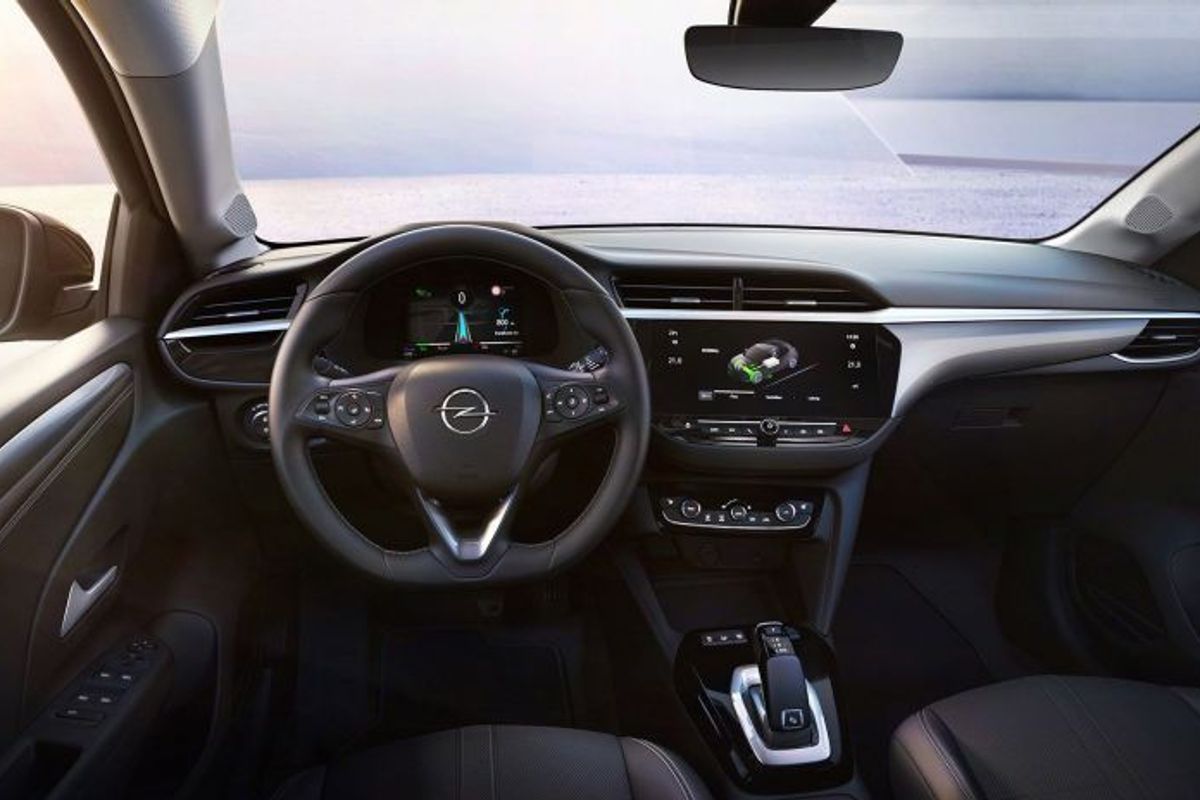
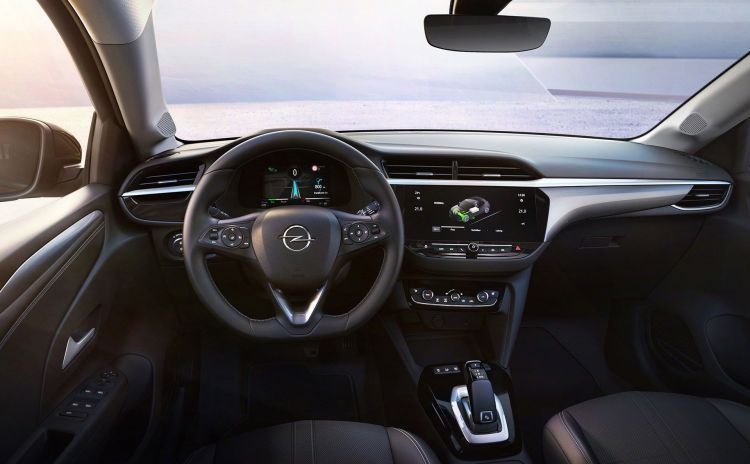
The cabin is a big step up too, with plenty of digital goodness. There's a digital dashboard and a digital infotainment system, and the gear selector looks suspiciously like its out of the Peugeot parts bin, but that's okay, as its a great unit. In terms of engines, we expect the powertrains from the PSA Group to make an appearance here, with the 1.2-litre turbocharged 3-cylinder motor being offered. This is a great engine and we've sampled it in many Peugeot products. There's also going to be an electric model, which is what you see here and that'll feature 100 kW from a 50 kWh battery pack. If the Peugeot e-208 is anything to go by, expect over 300 km of range.
We'll have more details on the new Opel Corsa soon and we expect it to arrive in South Africa in 2020.
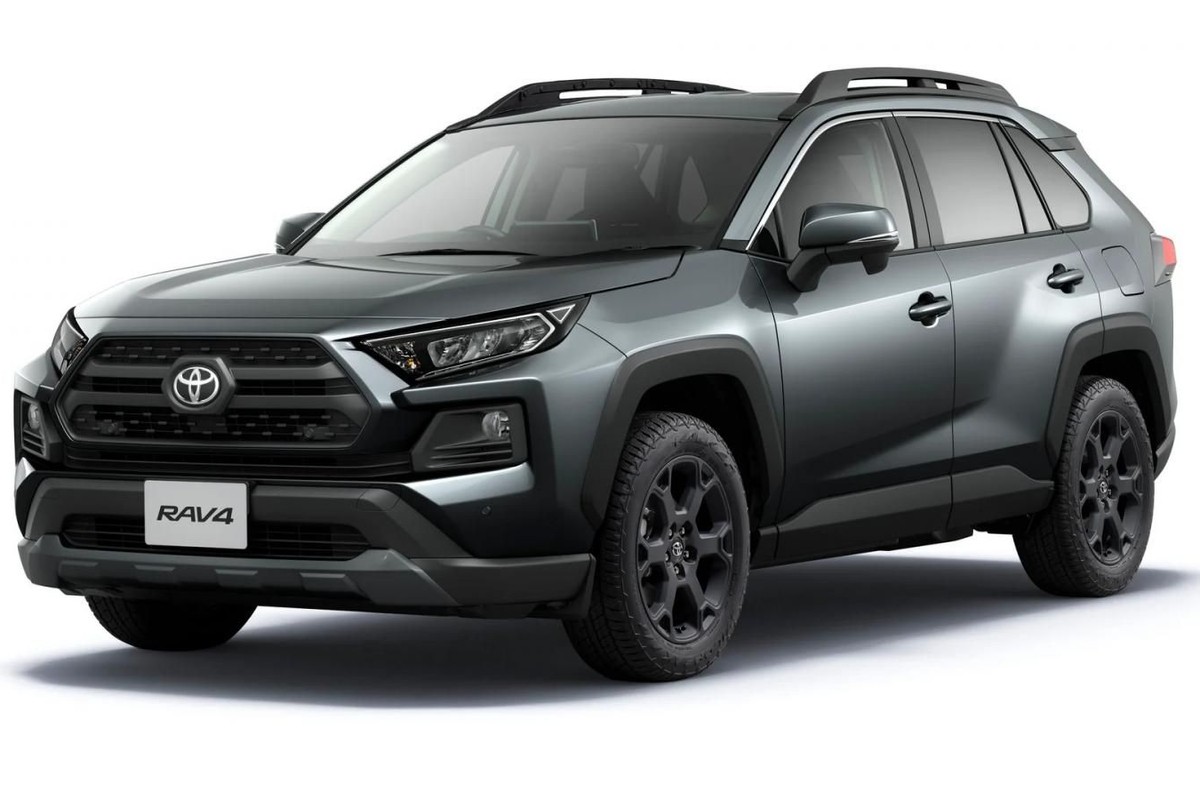
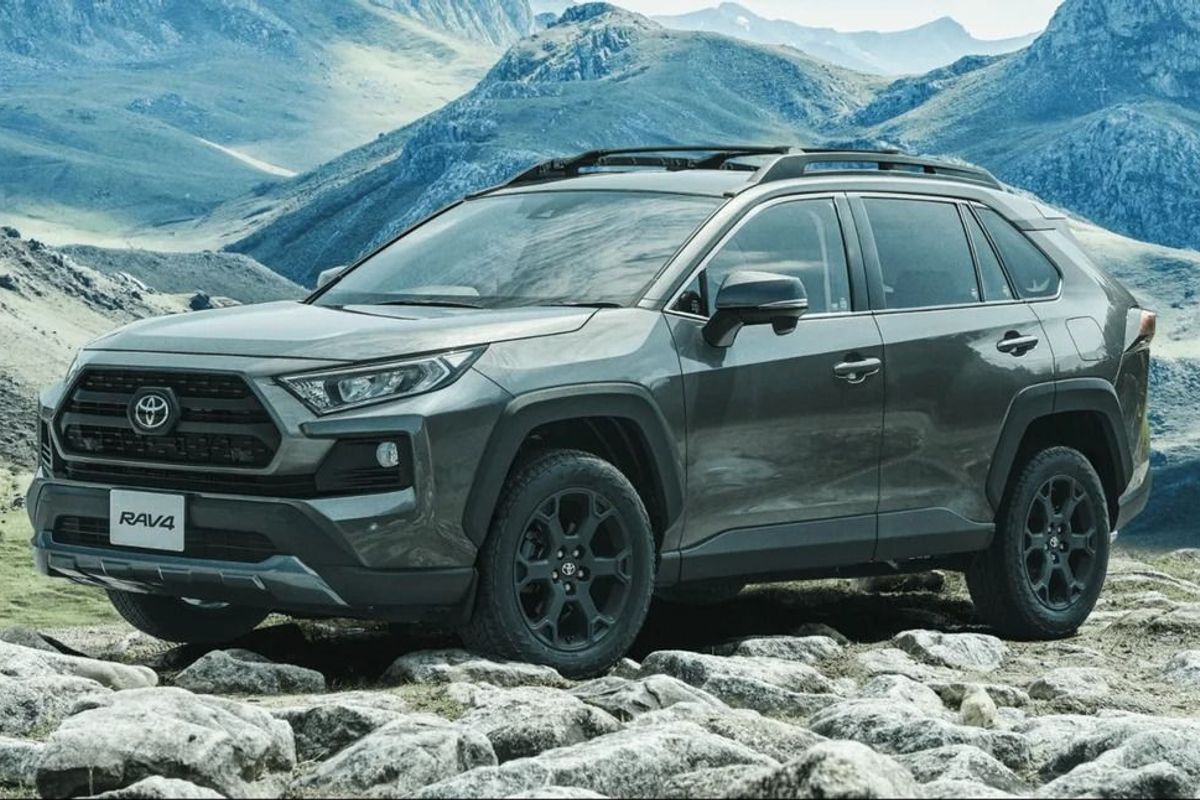
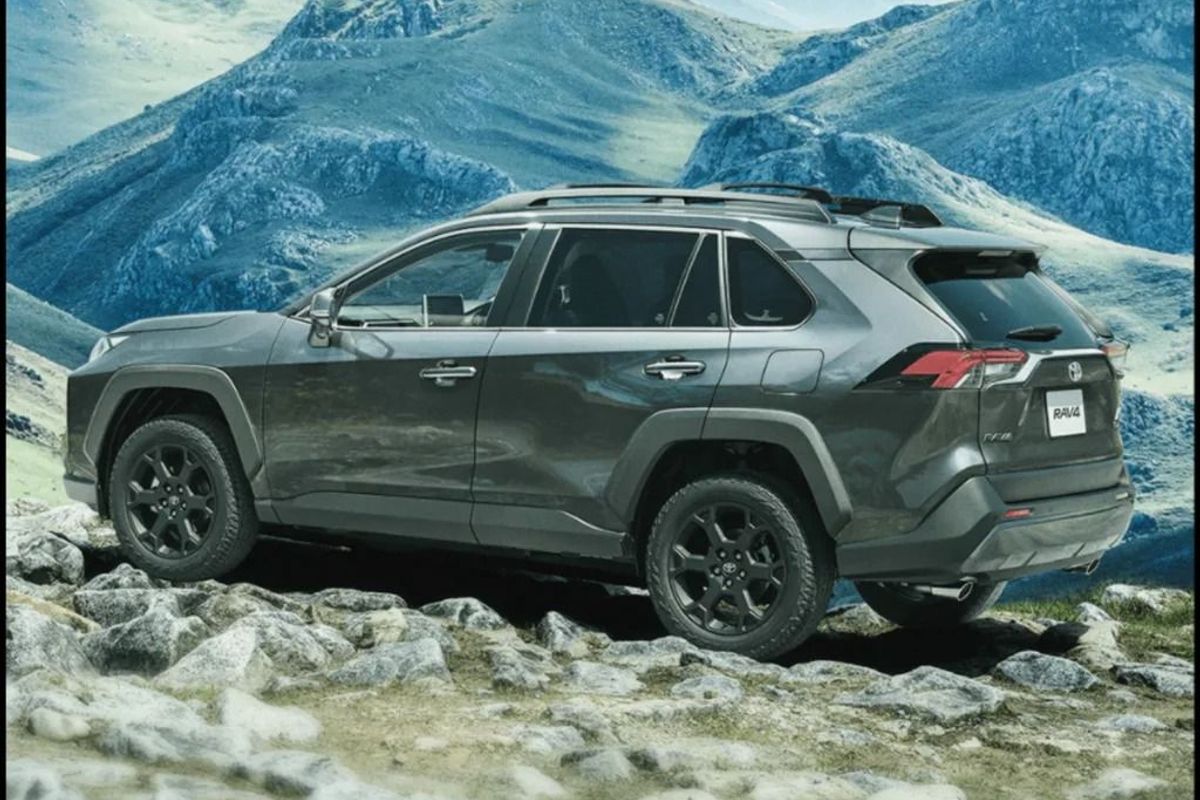
The radically-styled new-generation Toyota RAV4 has landed in SA and we have revelled in the chance to get to know it thoroughly. Will the sharper looks polarise the popular family car's target audience or will its all-round package continue to bring it tremendous sales success?
We like: Overall refinement, masses of space, bold styling, brand reputation, gravel competence.
We don't like: Sluggish petrol engine, lack of a turbodiesel option, no Apple CarPlay/Android Auto compatibility.
Some Toyota dealers regularly offer specials: Have look here.
Where does it fit in?
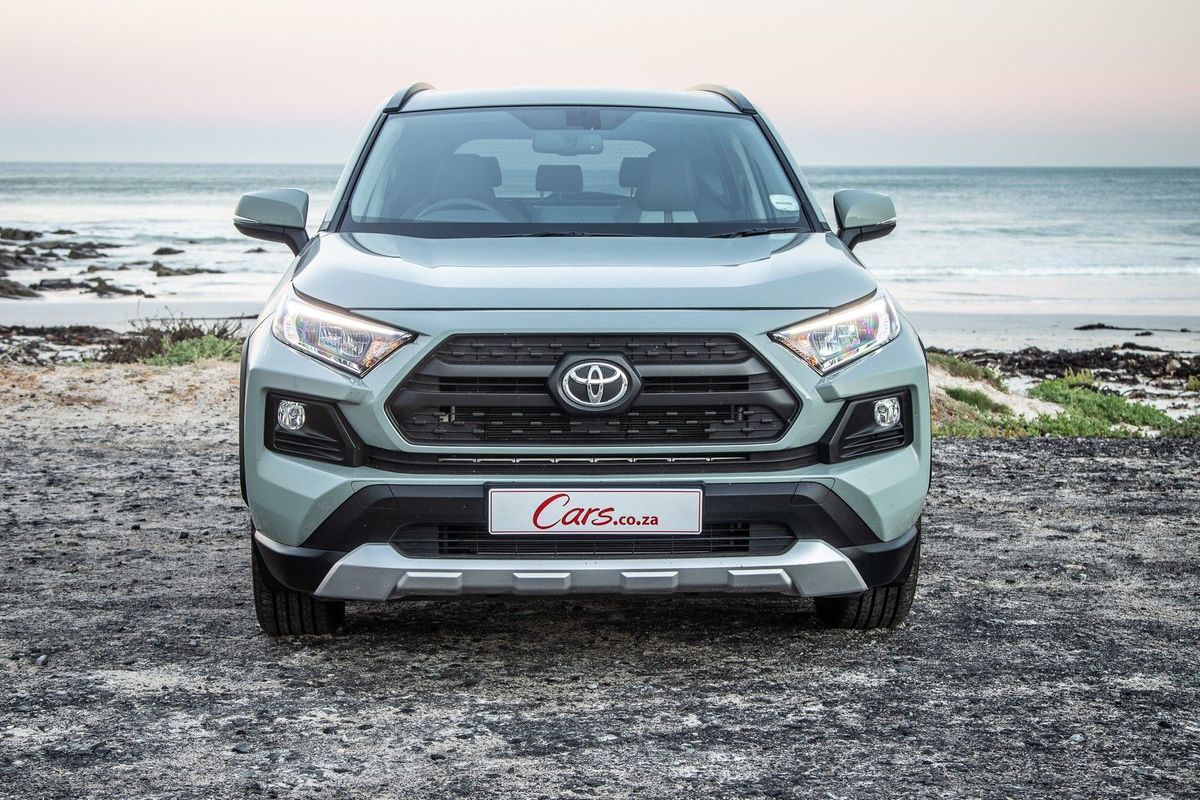
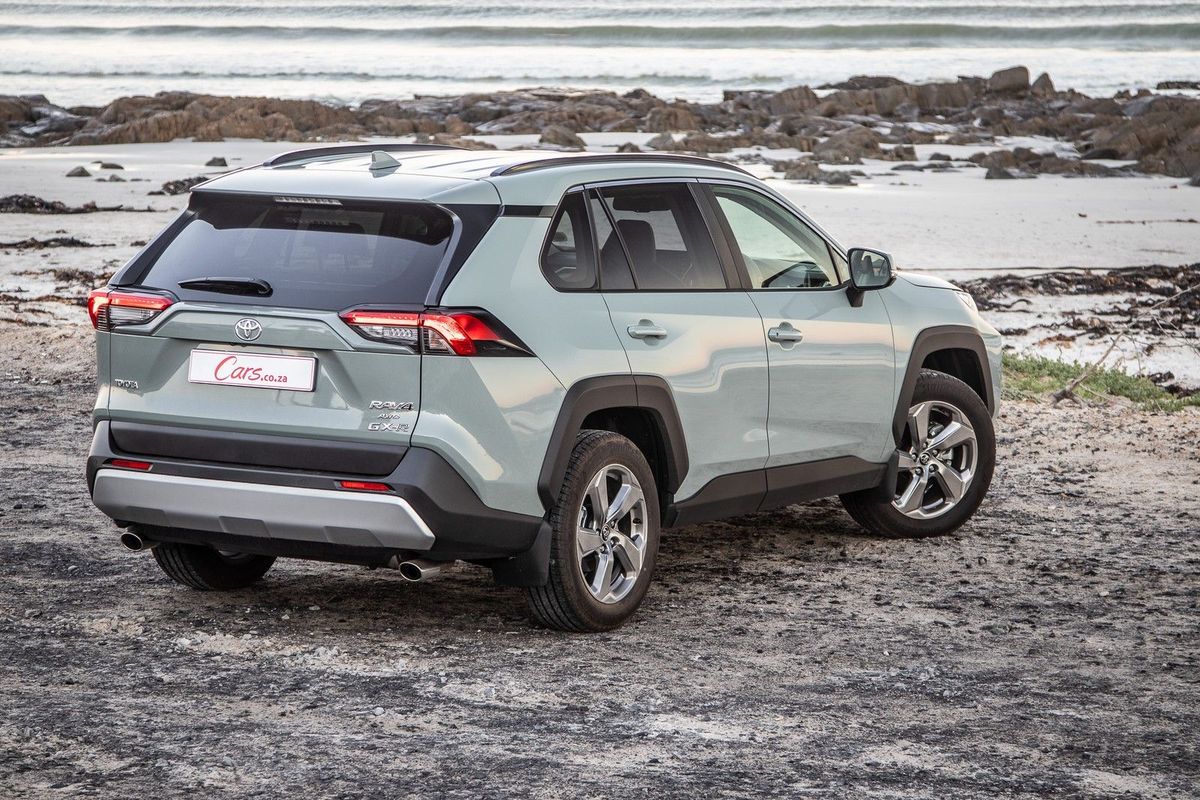
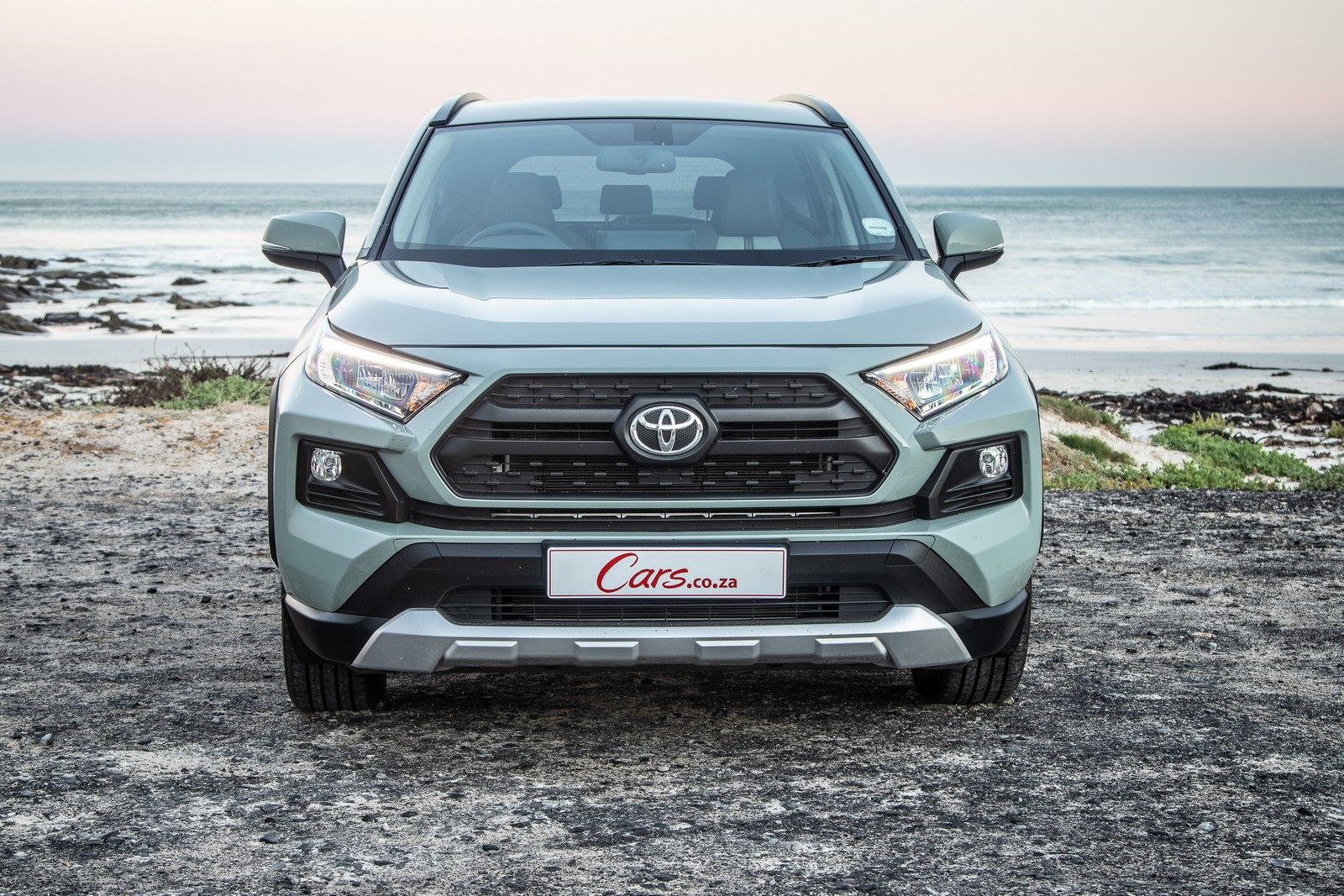
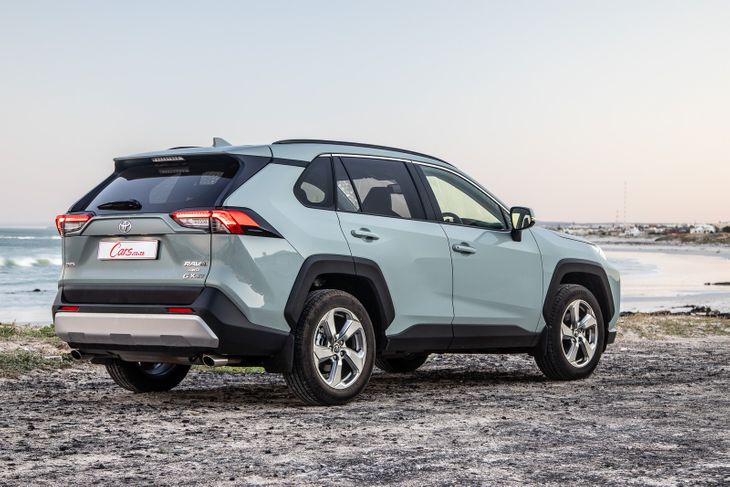
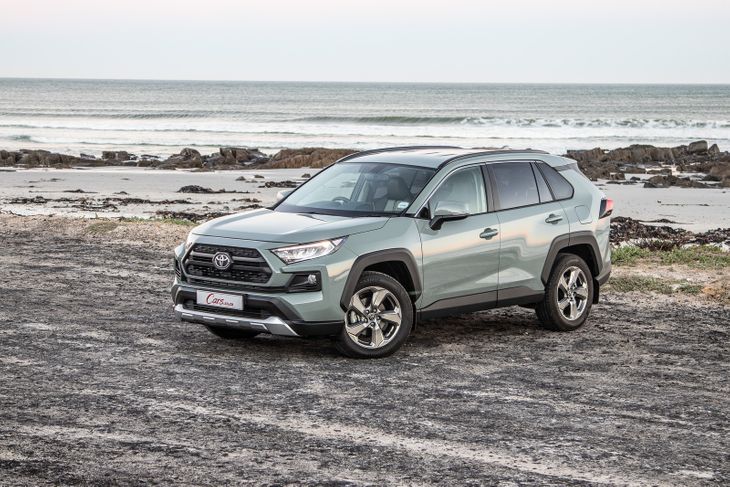
The RAV4 gets a bold new look, which we really like. The Urban Khaki finish adds to the presence
For those who don't know, the Toyota RAV4 is one of the most popular family cars in the world. Since the first RAV4 model was launched back in 1994, the Japanese family car has enjoyed massive success both internationally and here in South Africa. In 2018, 427 170 RAV4 units found homes in the USA alone, which is an indication of its incredible popularity.
Now in its 5th generation, the all-new RAV4 (codenamed XA50) broke cover at the 2018 New York Auto Show. The styling was inspired by the FT-AC concept and from the first glance, we were blown away by this eye-catching SUV. It's even better-looking in the metal and when it arrived at our office resplendent in its Urban Khaki exterior finish, we were reminded of Toyota's newfound conviction to bring visually-striking new vehicles to market. Like the Prius, C-HR and Corolla Hatchback, the RAV4 is based on Toyota's New Global Architecture (TNGA) platform, which bodes well for the newcomer.
The South African line-up for the new Toyota RAV4 is interesting: there's no turbocharging or diesel power to be seen. There are 5 derivatives to choose from, with 2 engines and 2 trim levels. There's a solitary manual gearbox option (on the entry-level 2.0 GX) and the GX-R derivative, which we review here, features some offroad-focused bodywork.
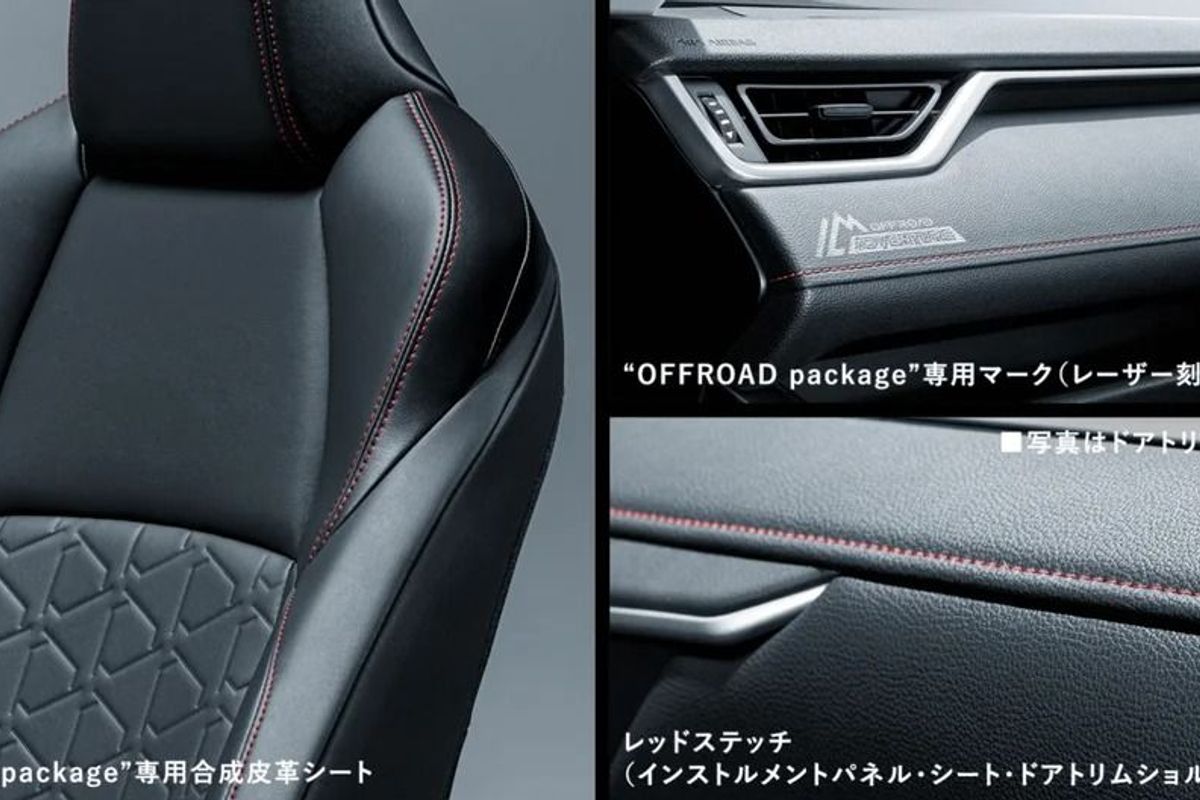
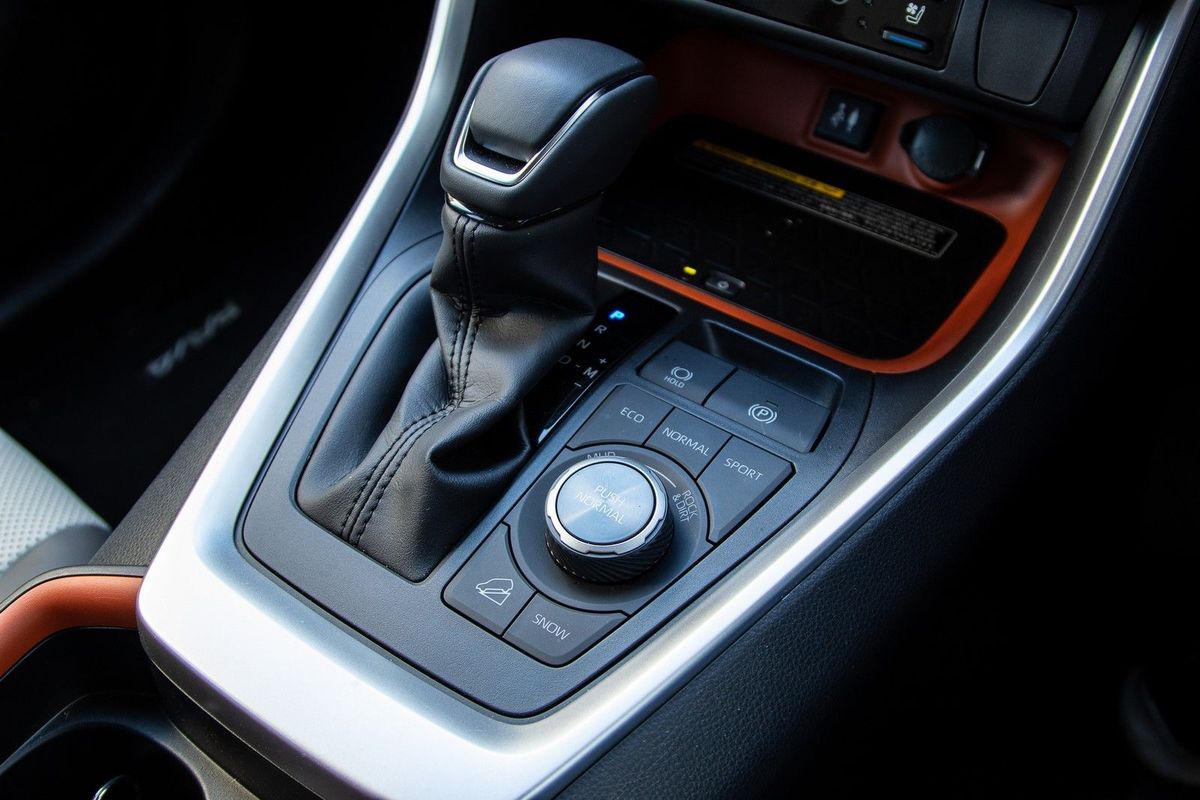
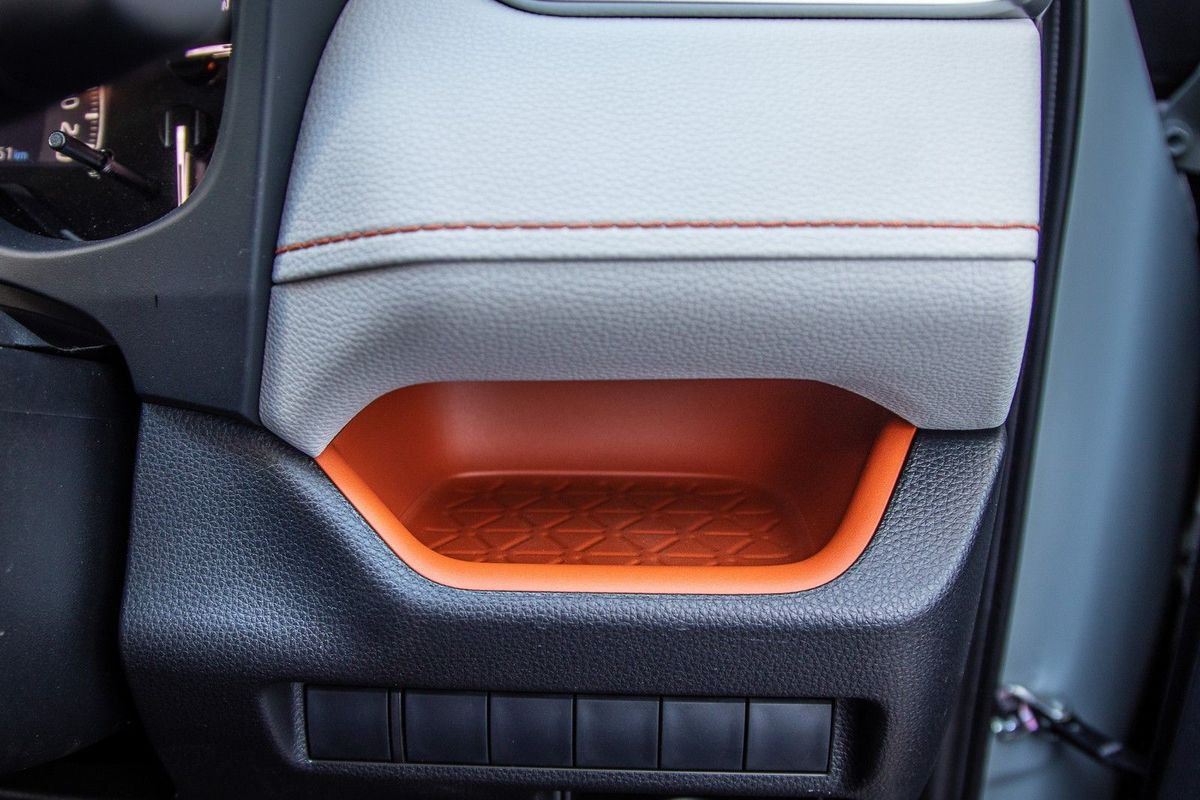
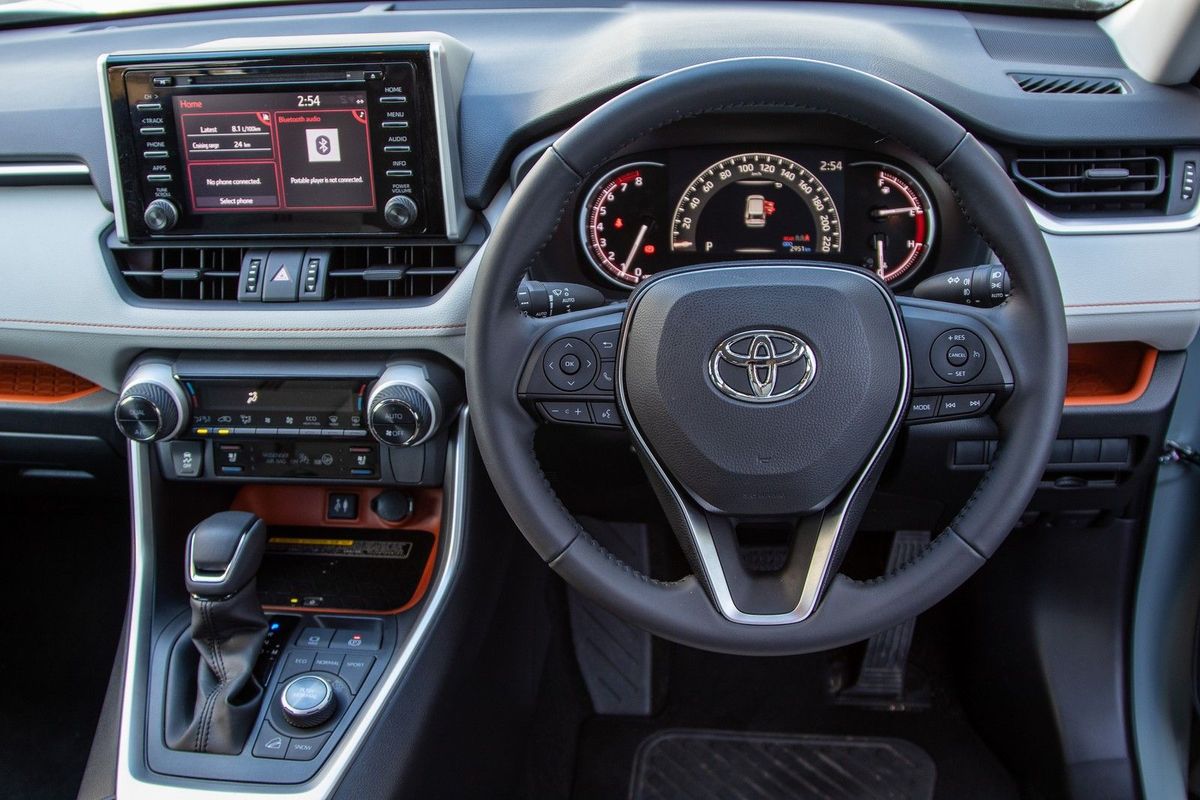
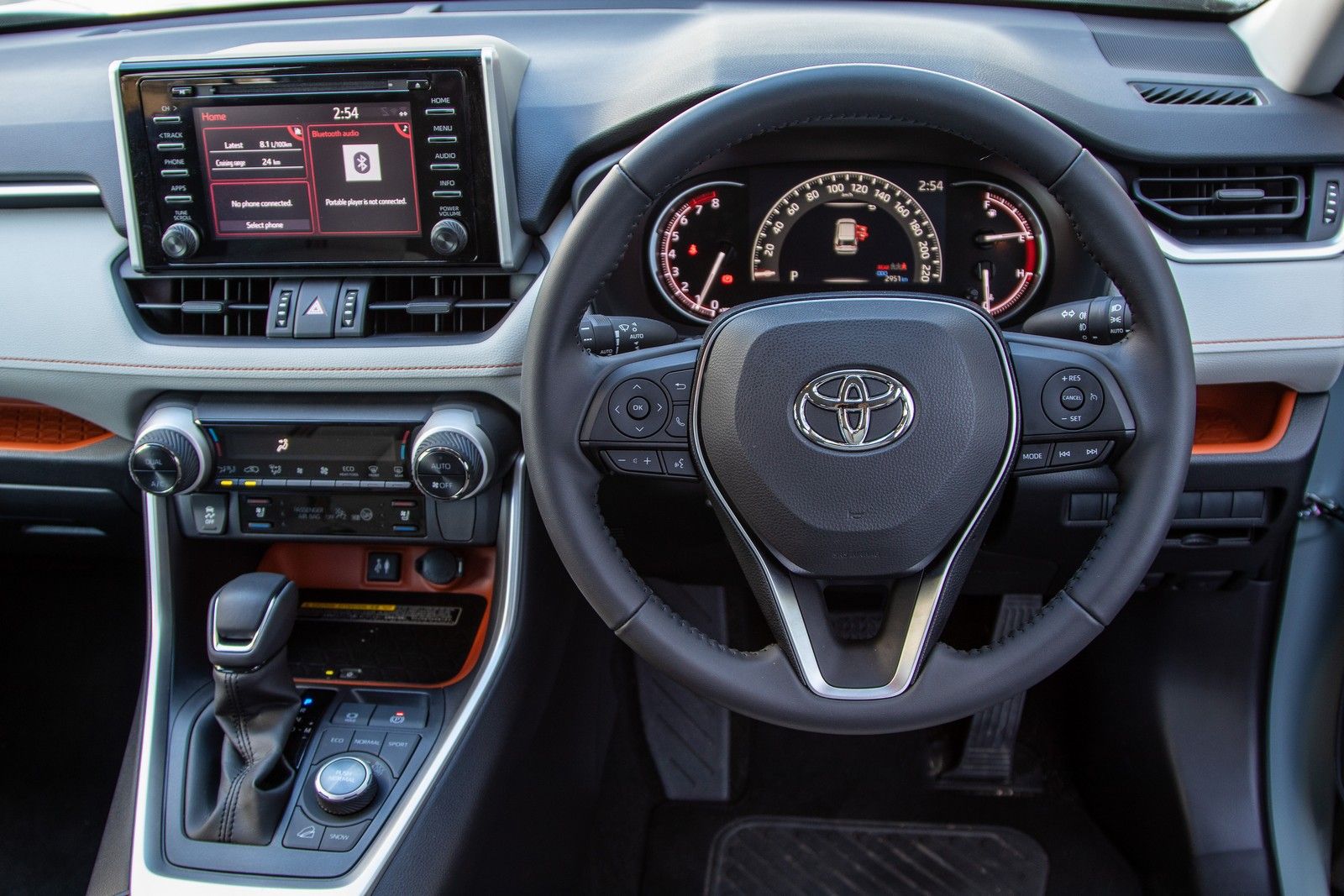
The orange interior accents in the GX-R give the new RAV4 a fresh dose of personality.
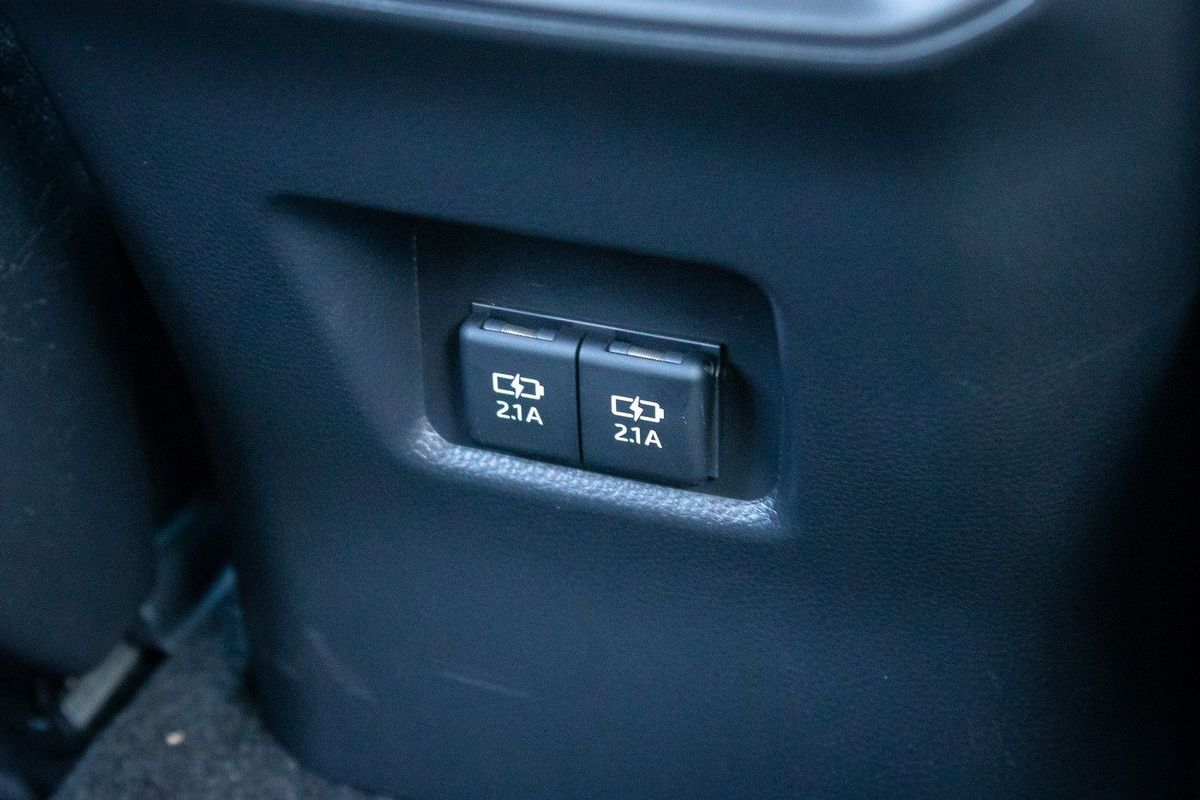
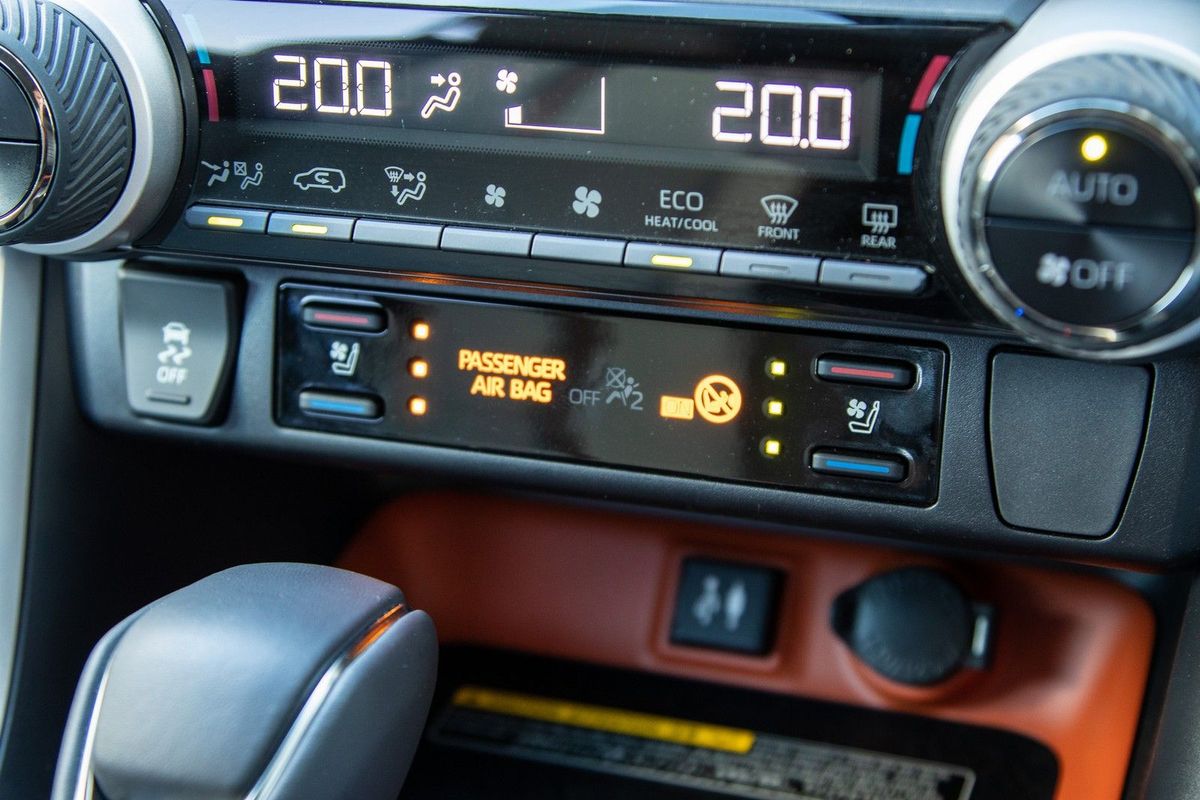
When a vehicle's list price crosses the half-million Rand threshold, one expects a high level of specification as standard. The GX trim is not at the top level offered in the RAV4 range, but we're impressed to find luxury items such as heated and cooled partial leather seats, a wireless charging pad for your smartphone, 3x USB ports, a reverse-view camera, LED daytime running lights, LED headlights, automatic wipers and cruise control to name a but a few features. The next trim up adds things like heated side mirrors with blind spot indicator, adaptive cruise control, as well as a powered tailgate.
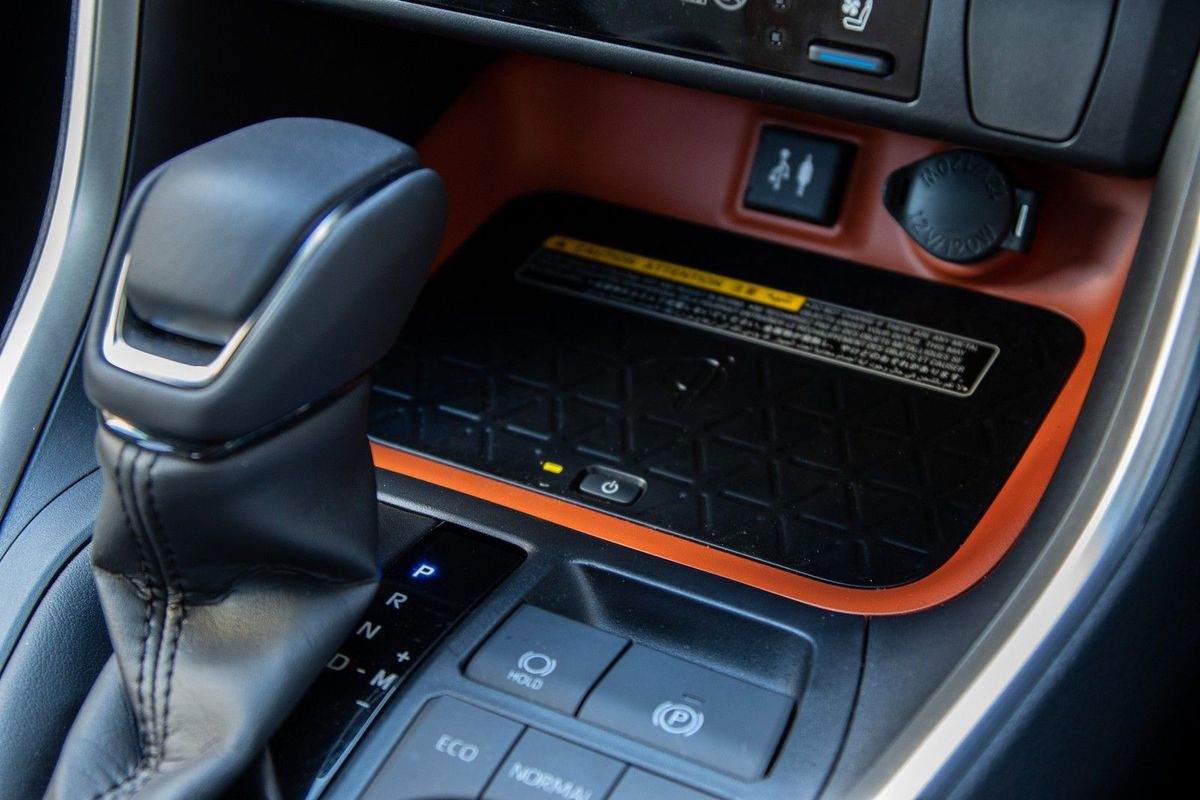
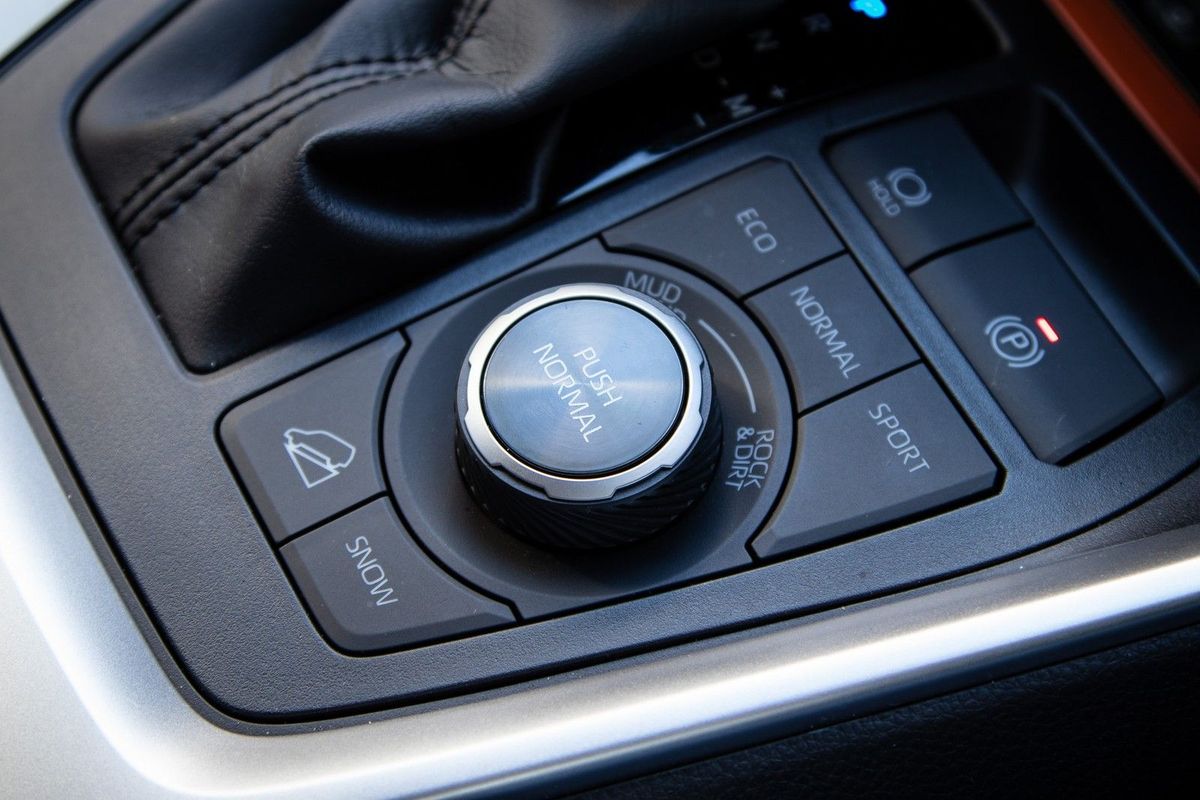
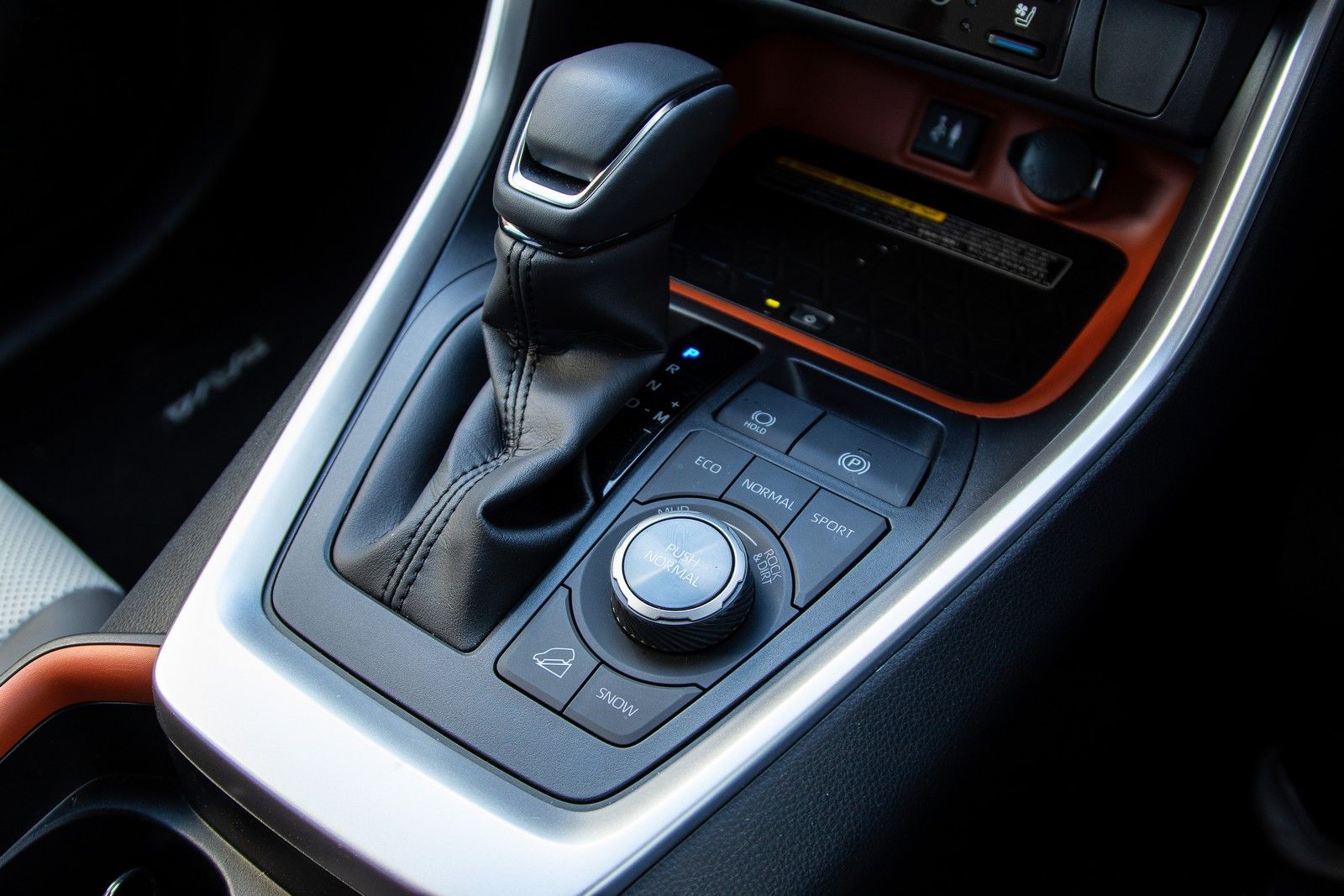
Off-road modes give it additional capability. Note the wireless charging pad, which also keeps your smartphone out of sight.
Good space utilisation is a hallmark of the TNGA platform. Most family cars either offer marginal rear legroom and a large load bay – or the inverse, but in the new RAV4 and you can have the best of both (provided the driver is not unnaturally tall). The luggage capacity is rated at 698 litres, which is decent considering there's a full-size spare under the boot board.
There's a core focus on practicality and there are plenty of cupholders and storage compartments. The second row of seats can fold down in a 60/40 fashion, enabling larger items such as mountain bikes. In fact, the RAV4 is one of the few vehicles to swallow a 29er mountain bike without the front wheel needed to be taken off.
Performance & Efficiency?
No turbodiesel or turbopetrol engines are available in this generation of Toyota RAV4.
As we've already mentioned, there are only 4-cylinder naturally-aspirated engines in this range. The 2.0 AWD GX-R has peak outputs of 127 kW and 203 Nm, with power going to all 4 wheels via a continuously variable (automatic) transmission. We suspected the middling torque output might be an issue if you are transporting a full complement of passengers and their luggage, and our suspicions were confirmed when we drove the vehicle up a particularly-steep mountain pass. While the GX-R doesn't actually struggle to climb, the engine has to work hard and the hum from the CVT rises considerably.
There's an upshot to this workmanlike power delivery, however. The 2.0-litre motor is commendably fuel efficient. Toyota claims the GX-R will, on average, consume 6.7 L/100 km and towards the end of the RAV4's tenure in our test fleet, we saw (a still impressive) 7.5 L/100 km on its trip computer. Even though naturally-aspirated engines tend to be revved harder to keep (typically chunkier than hatchbacks) SUVs at a canter, but to the detriment of fuel economy, the RAV4 has a kerb weight of just around 1 600 kg and its CVT is calibrated for efficiency; it keeps engine revs low whenever possible.
Ride & Handling?
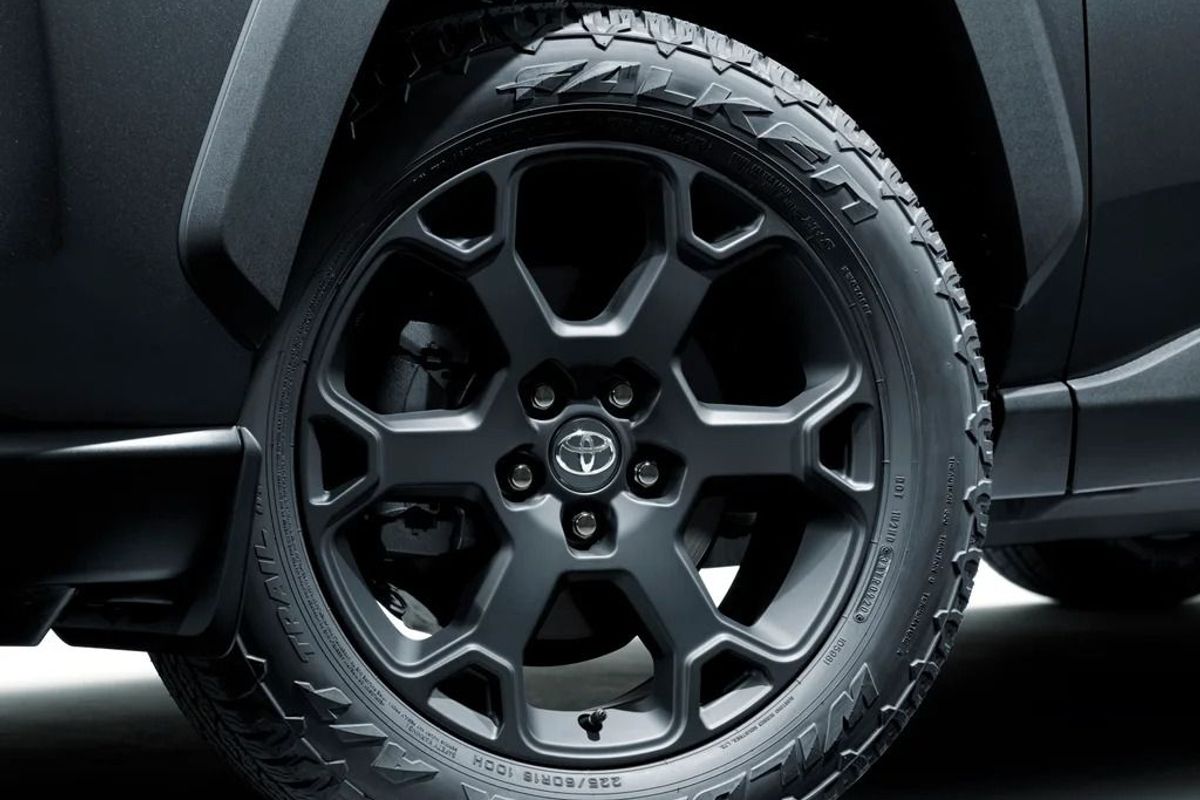
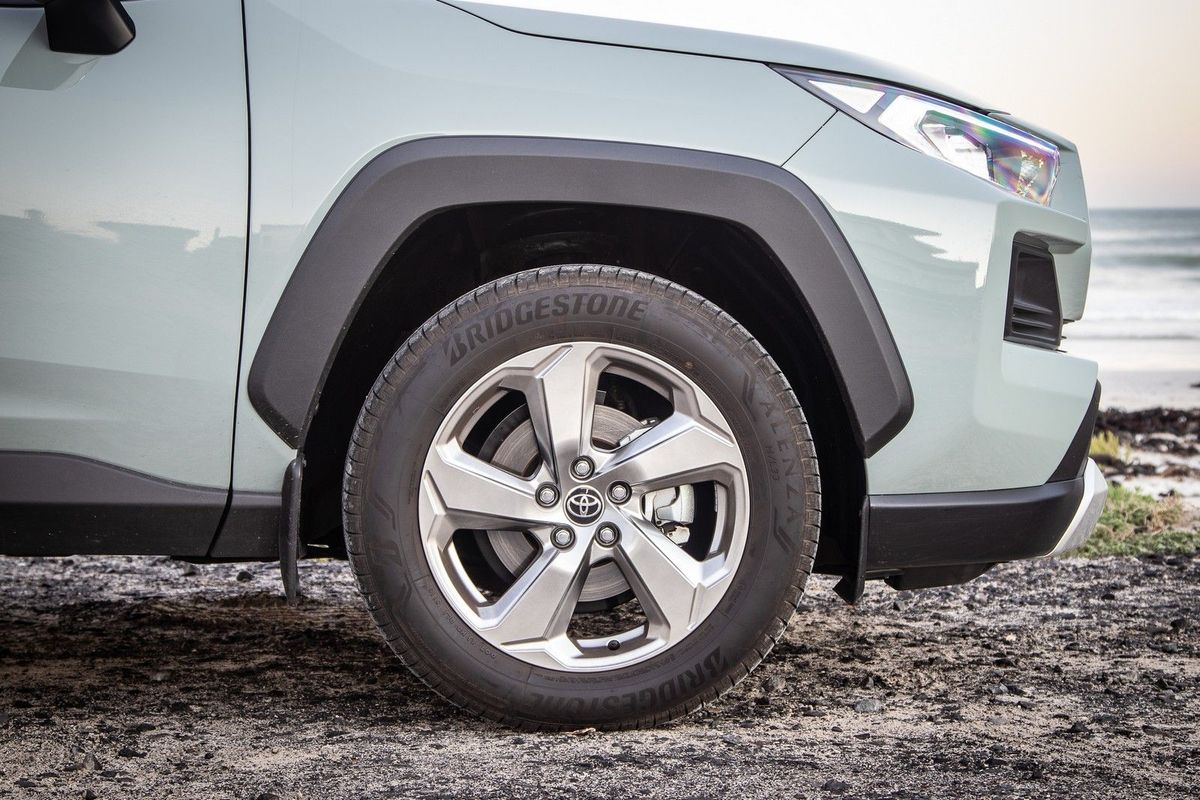
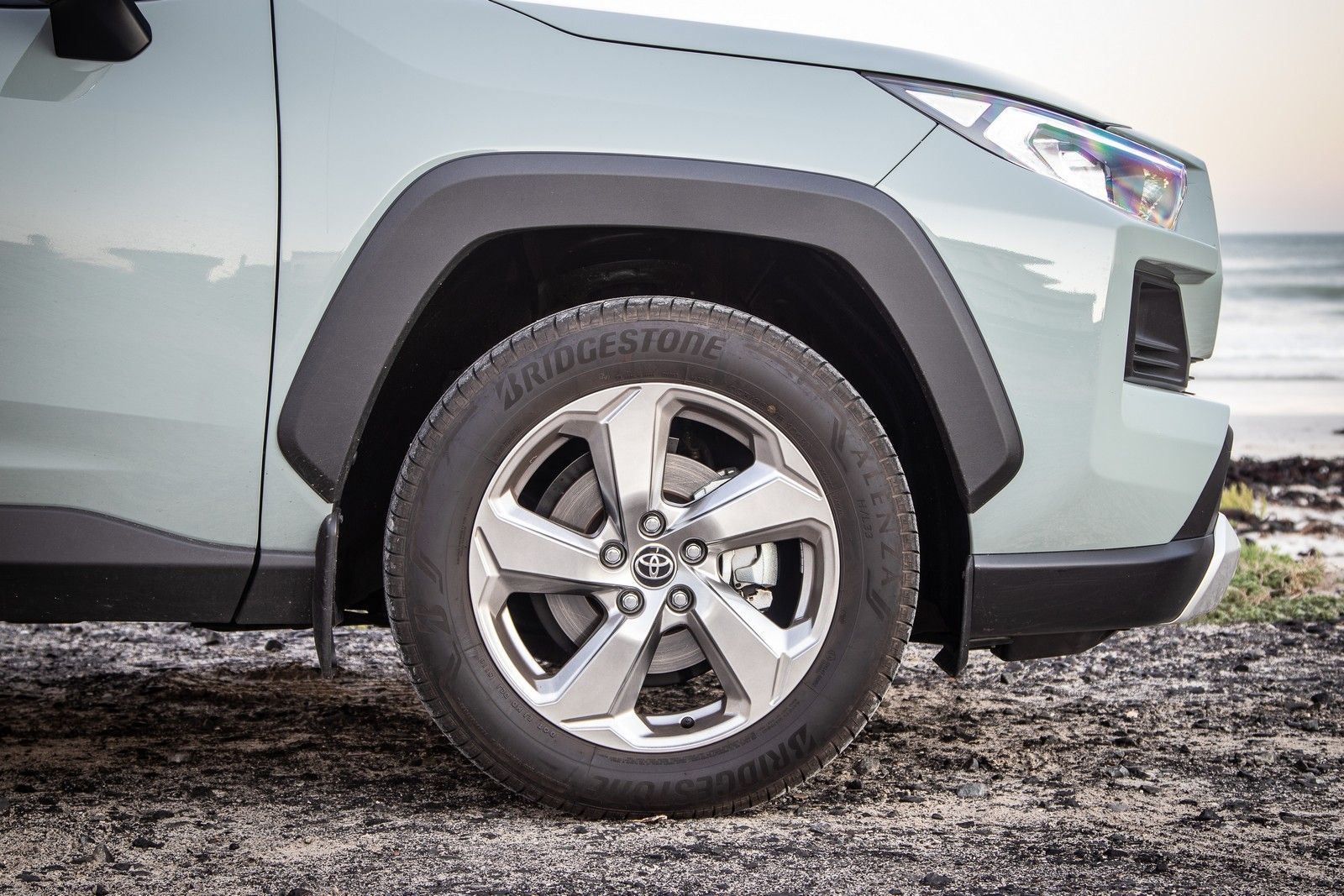
18-inch alloys wrapped in 225/60 rubber contribute to the decent ride quality
Another strong trait of the TNGA platform is its ride/handling balance. We've been impressed by the C-HR's on-road refinement and the new Corolla Hatchback's agility; they underline what this modular architecture is capable of and the new RAV4 is no exception – it rides with a maturity that thrusts it towards the top of its segment. There's a core focus on ride comfort (the GX-R's 18-inch alloy wheels are wrapped in thick 225/60 rubber) and on-road refinement (quietness). The steering has a relaxed feel to it, but there's sufficient directness to give you some feedback, which is par for the segment.
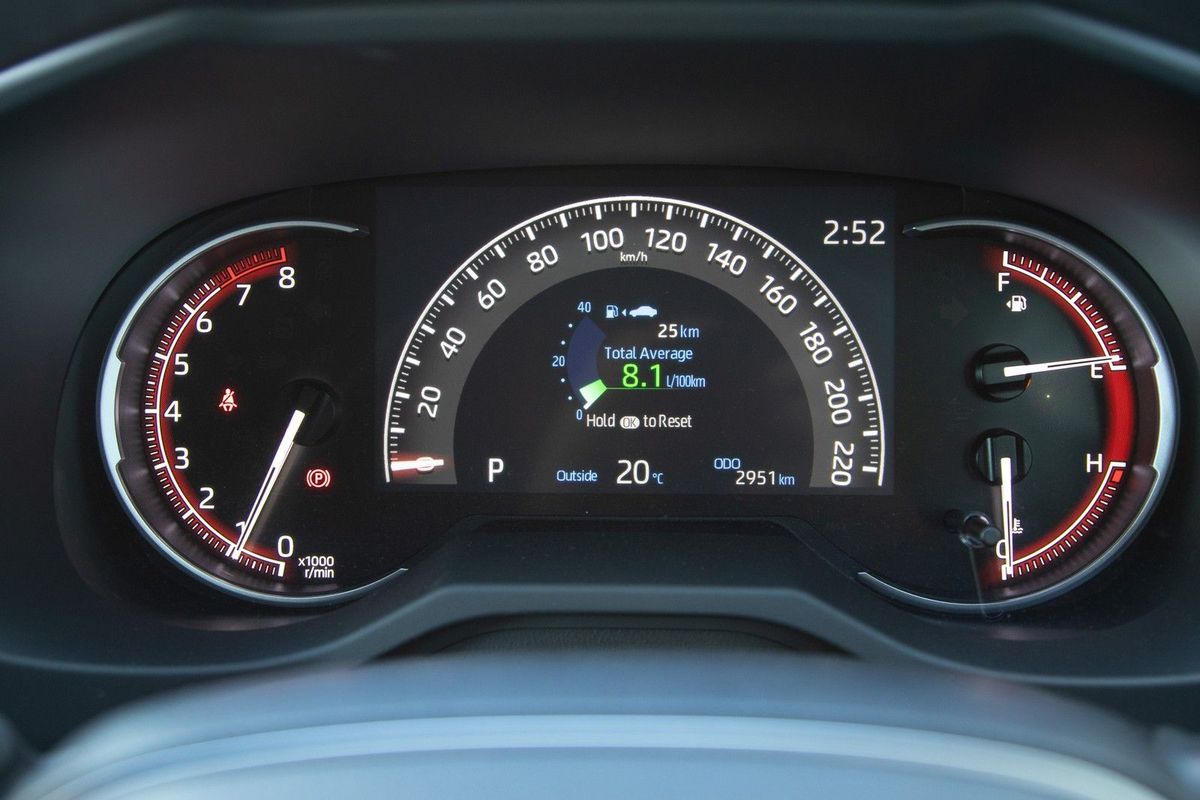
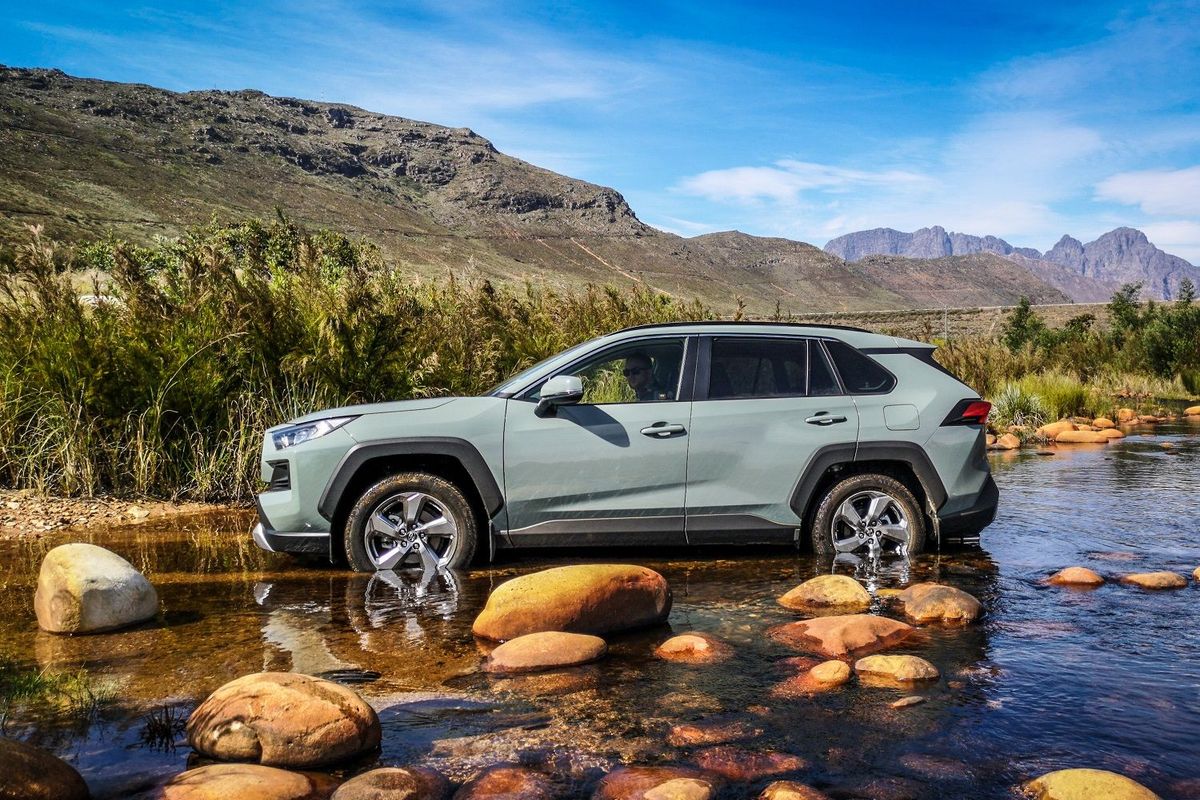
Given this derivative's appearance, you'd think some mild offroading would be possible and you'd be correct. There's 195 mm of ground clearance and the GX-R's mechanical all-wheel drive features dynamic torque vectoring with various off-road modes available (there's even a graphic on the instrument cluster showing what each wheel was doing).
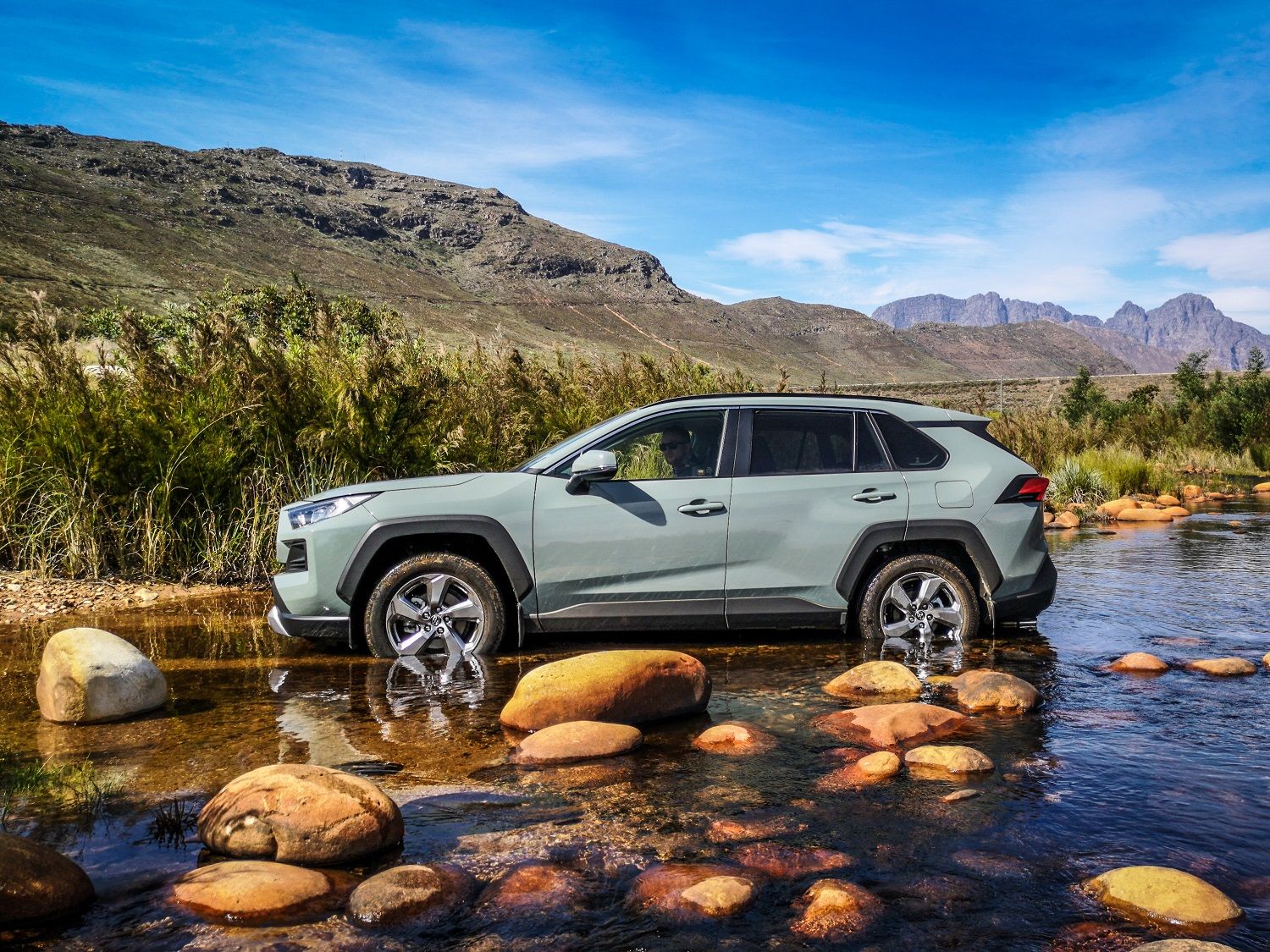
During the evaluation, we did a shallow water crossing and climbed a dirt road riddled with holes with the RAV4 and it emerged unscathed at the end. The rough road would best be crossed by something with a diff lock, but somehow the Toyota scrambled through the course. We wouldn't recommend doing this on a regular basis, but it's reassuring to know the GX-R is reasonably handy off the beaten track. The all-wheel-drive system offers excellent stability on gravel.
While it's not marketed as an offroad vehicle, the all-wheel-drive RAV4 was impressive on gravel and even completed a river crossing.
Pricing and warranty
The Toyota RAV4 range kicks off with the 2.0 GX derivative, the price of which begins at R416 400. This version is the 2.0 AWD GX-R, which retails for R508 100, while the top-of-the-range 2.5 AWD VX comes in at R577 900. A 3-year/100 000 km warranty and a 6-year/90 000 km service plan are standard across the range.
Verdict
The new RAV4 has already won many fans over and outsold the Fortuner in April 2019.
When we first shared images and info about the new Toyota RAV4, not all of our users were convinced by the newcomer's outlandish (by RAV4 standards) looks. Comments such as "it looks like a Jeep" were bandied about and while social media commentary is to be taken with a hefty pinch of salt, the underlying sentiment was valid. Most South African consumers are conservative by default: vehicles that are extreme, too "out of the comfort zone" and quirky are at risk of selling poorly.
However, our fears of the RAV4 not carrying on where its previous generation left off were totally unfounded as customers looked beyond the product at face value and explored its other talents. The result? As many as 839 units of the RAV4 were sold in April 2019, which is 23 more than the entrenched-in-SA Fortuner could muster. It's not surprising: the look-at-me styling grew on us during the RAV4's tenure and we found its build quality, practicality and refinement deeply impressive.
Should you buy one? The lack of a torquey turbodiesel option or another form of forced induction dents the aspirations of those who wish to tow and if you do need to tow trailers regularly, then we suggest you fork out a bit more for a diesel-powered entry-level 2.4 GD-6 Fortuner, which is similarly priced. No need to tow (and not all people do)? Good, because then you'll be satisfied with the levels of comfort, space and refinement in the new RAV4. Granted, the engine is not the most enthusiastic – you'll encounter some mildly unpleasant noise when the GX-R ascends a steep hill while fully loaded.
If you have a relaxed driving style, however, you'll be hard-pressed to find a gentler cruising experience in the family car segment. The new RAV4 is one of those vehicles in which you can effortlessly cover hundreds of kilometres and emerge from the cabin feeling reasonably fresh. There aren't many drawbacks to the package, but we would have liked more connectivity options. Overseas models come with fancy JBL sound systems, Apple CarPlay/Android Auto compatibility and Amazon Alexa, but perhaps the inclusion of such a high-end setup would have driven up the range's asking prices too far.
All in all, the new RAV4 feels thoroughly fresh and represents a big leap forward for Toyota's popular family car offering. With rugged styling, a well-thought-out cabin and ample space, it's virtually guaranteed to remain a popular choice.