Best Compact Family Cars in SA: #CarsAwards Finalists
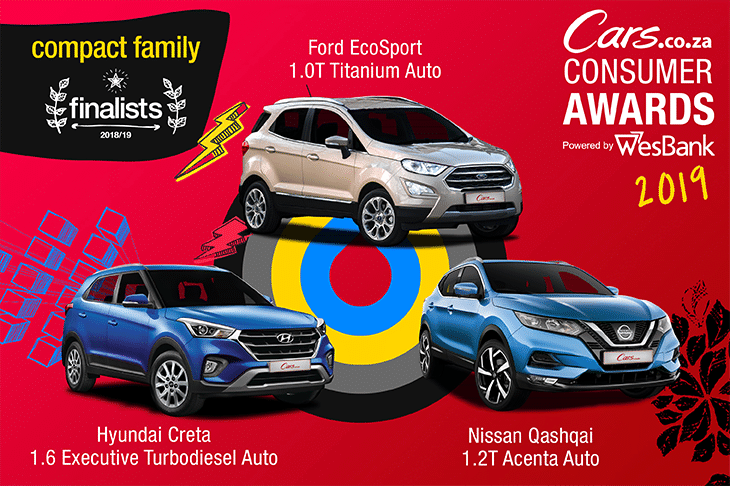
Meet the finalists in the Compact Family Car category of the 2018/19 Cars.co.za Consumer Awards – powered by WesBank!
Now in its 4th year, the #CarsAwards was conceived to be South Africa's definitive automotive awards programme and is backed, for the 3rd year running, by the country's leading supplier of vehicle finance, WesBank.
The Compact Family Car category is guided by both eligibility factors and Pillars of Success. Eligibility factors include a listed price between R300 000 and R400 000 at the time of semi-finalist voting (September 1, 2018), including the cost of all necessary optional extras. Necessary features include ABS, electronic stability control (ESC), 4 airbags (minimum), split rear seats, service plan and air-conditioning.
Pillars of Success for this category include engine flexibility, fuel economy, space and practicality, design and quality appeal, comfort and safety.
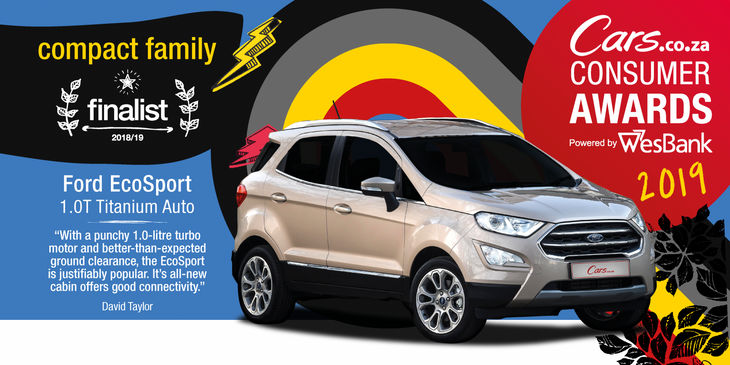
The Ford EcoSport has been revised for 2018. In fact, it boasts no fewer than 2 300 new parts. There’s a new look both inside and out, a revised infotainment system and a slightly bigger luggage bay. With punchy 3-cylinder turbo engines, the new-look EcoSport is pleasant to drive and offers decent value for money.
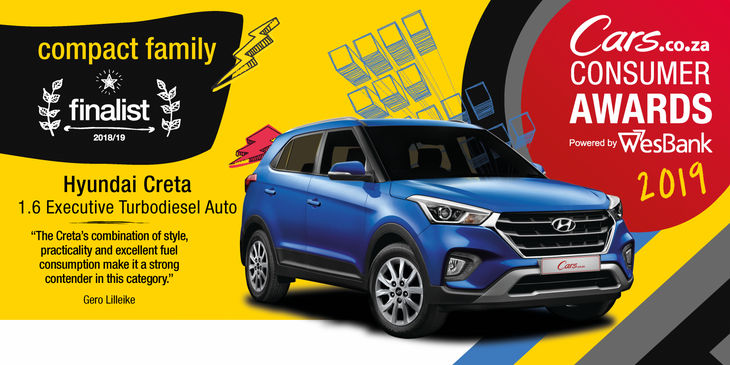
Hyundai recently launched its facelifted Creta after only about a year and a half on the local market. The 1.6CRDi Executive auto was a finalist in the 2017/18 programme, and the update modernises the Hyundai’s external appearance and some interior features. It is one of the most spacious and practical compact family cars on the market, which explains why it’s a top-seller in its segment.
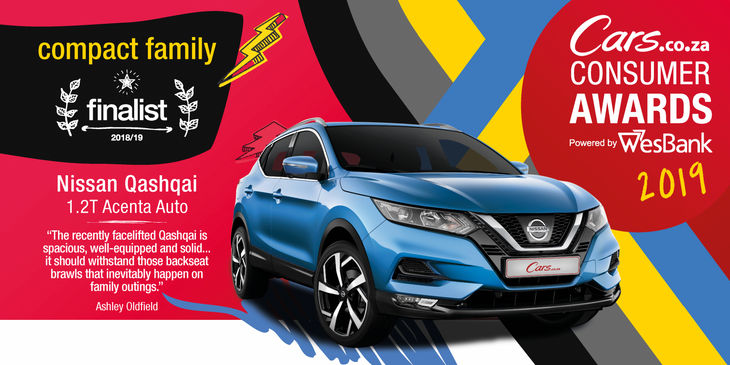
The popular Qashqai was facelifted in early 2018 and the update brings Nissan’s compact crossover right back in contention for a #CarsAwards category victory, thanks to numerous changes, both inside and out.
Finalists: 2018/19 Cars.co.za Consumer Awards – powered by WesBank
It’s#CarsAwards week and the winners of the 2018/19 Cars.co.za Consumer Awards – powered by WesBank will be announced at a prestigious gala event to be held in Johannesburg on Thursday, 24 January 2019.
The finalists (3 in each of the 13 respective categories) were selected out of 65 vehicles (semi-finalists) that Cars.co.za’s extended editorial team agreed were the best derivatives available in the South African new passenger vehicle market on 1 September 2018.
Now in its 4th year, the #CarsAwards was conceived to be South Africa’s definitive automotive awards programme and is backed, for the 3rd year running by the country’s leading supplier of vehicle finance, WesBank. To determine the finalists, the extended editorial team trimmed the number of candidates per category from 5 to 3 by evaluating them against predetermined pillars of success.
How to watch the #CarsAwards
We will be streaming the #CarsAwards event live on the Cars.co.za YouTube channel from 7:30 PM, so make sure you subscribe! You can also follow us on Twitter and Instagram to get running updates on the night as well as pictures and videos from the red carpet. You can engage with us across all our social media channels using the hashtag #CarsAwards.
Volkswagen steals the march
No fewer than 18 vehicle brands are represented in the list of finalists, with Volkswagen leading the nominations with 7 derivatives, followed by BMW and Ford (4 apiece), and Audi, Mercedes-Benz and Volvo (3 apiece). Significantly, Porsche and Isuzu make their first appearances in the final stage of the #CarsAwards programme, while Honda and Range Rover return to the list of 39 after failing to make the last round in 2017/18.
Because candidates were selected from the entire new passenger vehicle market, instead of only models launched during the past 12 months, it’s unsurprising that there are as many as 17 returning finalists from last year’s programme (including 7 of the eventual category winners). However, only the particular derivatives of the Audi A5 Sportback and Q5, Toyota Fortuner, Volkswagen Amarok and Volvo S90 are unchanged.
The next phase of the programme will take place on 1 and 2 November 2018, when all the vehicles that are listed as finalists will be judged back-to-back (against the rivals in their categories) during a 2-day test session at Gerotek. The judging panel is diverse: it includes the experienced motoring journalists of the Cars.co.za extended editorial team, as well as 14 respected and influential guest judges, with a broad base of expertise.
The importance of after-sales service
However, the findings of the 20 judges will only count for half of the finalists’ total scores – the remaining 50% will be based on rankings that the respective vehicles’ brands achieved in the Cars.co.za Ownership Satisfaction Survey, which is conducted in partnership with leading data specialists Lightstone Consumer. The data incorporates feedback from thousands of vehicle owners, based on their experiences of their own vehicles, which are less than five years old and serviced through franchised outlets.
In other words, the experiences and perceptions of South African vehicle owners have a significant impact on which 13 category winners will be announced early next year, and, importantly, their feedback will completely determine the 2018/19 Brand of the Year, won for the past two years by Suzuki.
To participate in the Cars.co.za Ownership Satisfaction Survey or access more information about the programme (including categories, judges and finalists) visit http://www.carsawards.co.za
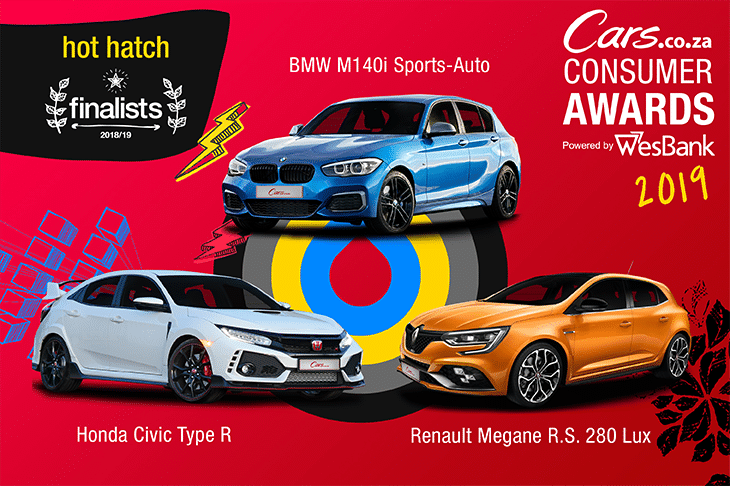
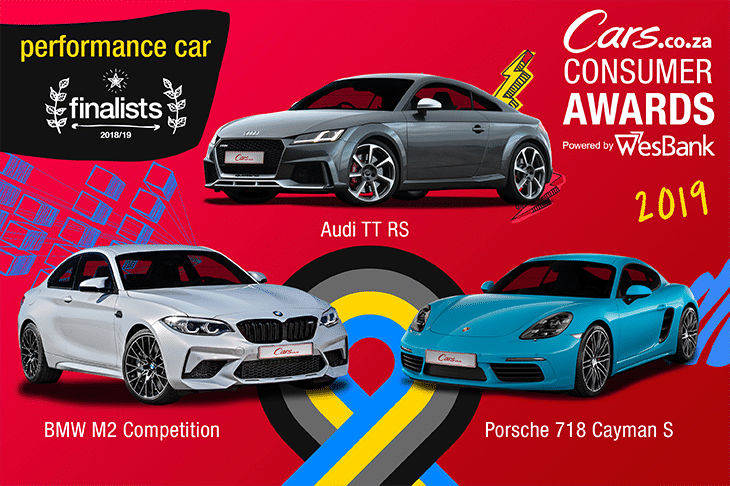
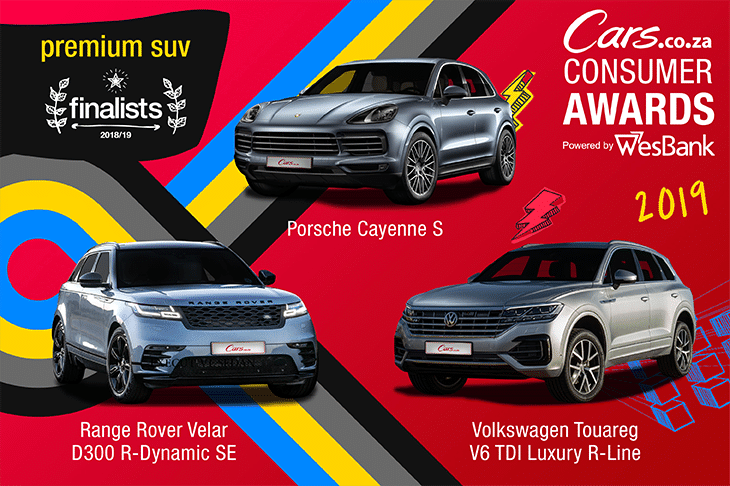
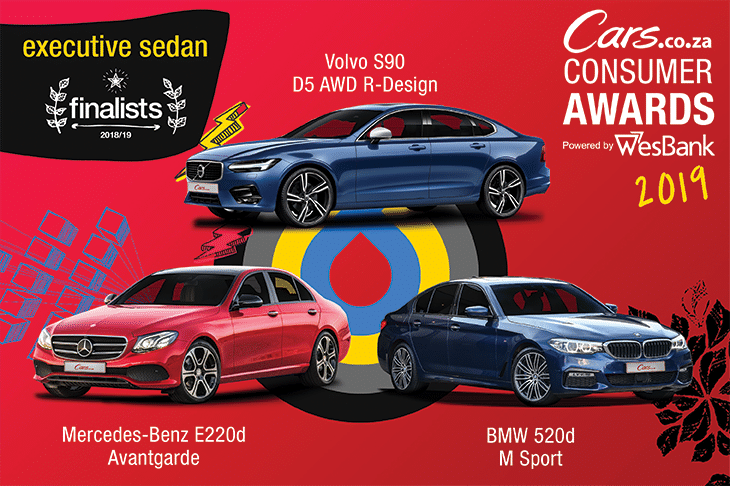
The 2018/19 #CarsAwards finalists in their respective categories are:
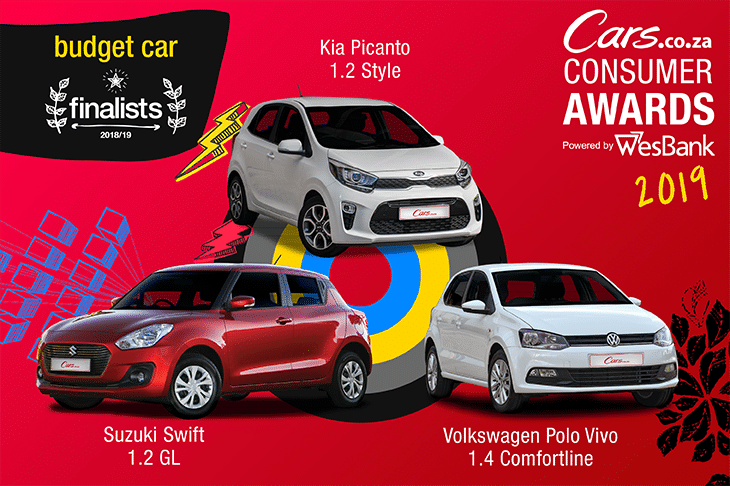
Budget Car (under R200 000)
Buying an affordable car should not necessitate compromises in terms of safety, technology and quality. The winner of this category represents as much good car as possible for the asking price. Value is very important, as are low running costs and all such “common sense” considerations. The price cap for this category is R200 000 (on 1 September 2018) and, as always, we’ve placed an emphasis on safety equipment: dual front airbags and ABS are required features in this category.
In this extremely competitive category, we’re looking for a balanced offering that is excellent across the board. Cars in this segment must appeal to a very wide audience – from the young professional or -family buying up from an entry-level car, to pensioners buying down from something larger and expensive. The winner of this award must truly reflect what is best about modern automotive design and engineering, but present it in a concentrated, reasonably affordable form.
We’re looking for the ultimate recreational vehicle to transport a family and their holiday and lifestyle gear in comfort to almost any destination, on- or off-road. Off-road ability is emphasised, in combination with practicality, comfort and long-distance cruising.
With household budgets stretched to breaking point, the reasonably affordable contemporary family car has to wear many hats – from compact traffic-dodger to school-run taxi and even weekend getaway machine. Practicality and spaciousness are important considerations, but so are safety, technology, fuel efficiency and a modicum of lifestyle flexibility.
The typical family car fulfils a wide variety of duties and needs to be a practical, safe all-rounder. The winner of this category should be ideal not only for the morning school run, but also school-holiday trips to distant locations. In judging this category, we’ve placed particular emphasis on interior flexibility, comfort and safety.
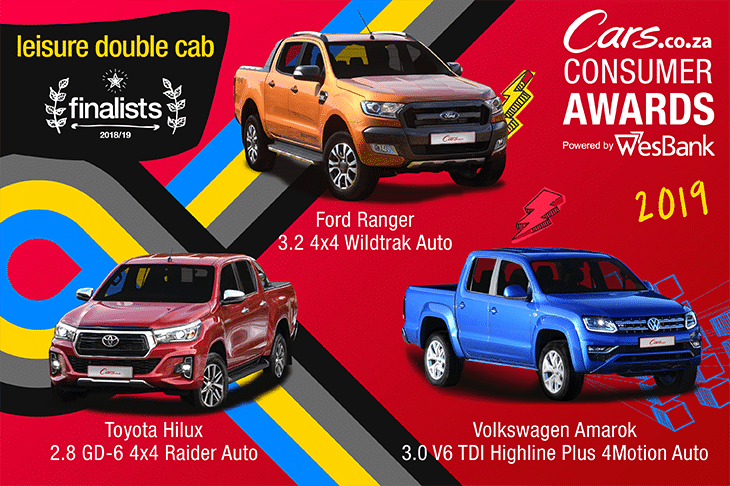
In this immensely popular and fiercely contested category of the market, the search is on for the ultimate all-rounder. A leisure double-cab is required to be as many as 5 different vehicles (depending on which task it is required to perform): a luxurious tourer, hardcore off-roader, capable carry-all, family do-all and lifestyle activity machine. This type of bakkie can no longer afford to be too utilitarian and rough around the edges; it’s expected to be a highly sophisticated offering.
In this category, you will find the type of cars that (realistic) dreams are made off. We’re looking for an aspirational vehicle that will appeal to the image-conscious driver who places a priority on performance, dynamics, technology and design. The target customers have achieved success and want a car that isn’t only a personal reward, but the automotive embodiment of their achievements.
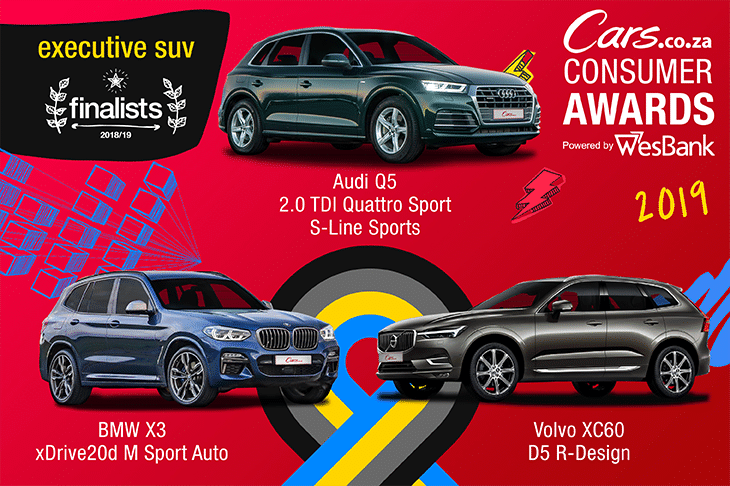
An Executive SUV is increasingly regarded as the status symbol to have, therefore most premium brands now offer road-biased SUVs that combine prestige and practicality in a package that is characterised by superior refinement. Drivetrain performance and refined road manners are priorities, as is a cabin that features upmarket materials and the most up-to-date technology. The semi-finalists are:
This category replaces the previous “Premium Hatchback” segment. Buyers of traditional upmarket hatchbacks are increasingly also considering fashionable crossovers, so it only makes sense to group them together into 1 category. Stylish and sophisticated, yet practical enough for most motoring needs, these are the cars for upwardly mobile go-getters. The winner in this category must not only offer outstanding quality, refinement, performance and the latest technologies, but also broadcast a message of success and ambition.
With very few compact fun cars currently available in South Africa, our focus falls on the traditional hot hatch, which offers sportscar-humbling performance, while retaining an admirable measure of practicality. In this new category, we’re looking for a total package that is not outlandishly priced. This is one for the petrolheads – a car that must leave die-hard enthusiasts smiling after every drive, in the way it looks, handles, sounds and, yes, performs.
While supercars and other “exotics” are mere fantasies for most, there are cars priced below the magical R1-million mark that offer near-supercar thrills and performance. In this category, we are not only looking for sizzling performance, but also driver engagement, whether driven on track or road.
Luxurious SUVs may appeal for irrational and emotional reasons such as kerb appeal and status, but at their core, they are some of the most sophisticated and capable vehicles on the market. Blending spaciousness with high-tech off-road equipment, powerful engines, as well as luxuriously trimmed cabins, the prestige-badged premium SUV we are looking for in this category should be tailor-made for image- and practicality-obsessed buyers.
These technological masterpieces represent an enviable blend of first-class luxury and comfort, and business-class technology and dynamic appeal. Prestige is usually a given in this segment, but we’re also looking for significant technological advancement, yet without compromising the level of comfort and quiet style that these sedans are renowned for.
Best Business Class Cars in SA: #CarsAwards Finalists
Meet the finalists in the Business Class category of the 2018/19 Cars.co.za Consumer Awards – powered by WesBank!
Now in its 4th year, the #CarsAwards was conceived to be South Africa's definitive automotive awards programme and is backed, for the 3rd year running, by the country's leading supplier of vehicle finance, WesBank.
The Business Class category is guided by both eligibility factors and Pillars of Success. Eligibility factors include a listed price between R600 000 and R800 000 at the time of semi-finalist voting (September 1, 2018), 6 airbags and Electronic Stability Control (ESC). The fitment of required optional extras must collectively not push the price over R800 000.
Pillars of Success for this category include powertrain technology, luxury, brand strength, design and quality appeal, driving dynamics and technology.
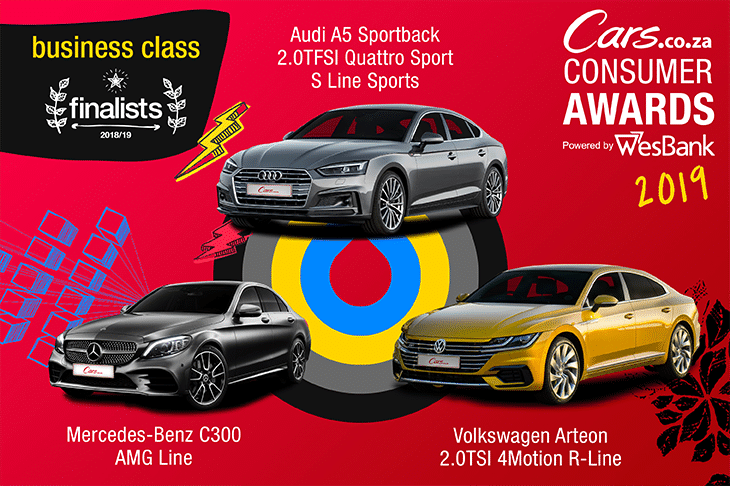
Compared with its highly-regarded A4 sedan sibling, the A5 Sportback offers notably more style and individuality. The Audi’s strengths are impressive build quality, refinement and a punchy 2.0-litre turbocharged engine.
A top-seller in South Africa and with a World Car of the Year title already under its belt, the Mercedes-Benz C-Class continues to be a comfortable front-runner in the business class segment. However, the Stuttgart-based firm extensively facelifted the C-Class in mid-2018, which introduced new engines, safety features and tech.
The head-turning Volkswagen Arteon is the successor to the svelte CC. It looks like no other contemporary Volkswagen and is, in essence, a fashion-forward reimagining of the conservative Passat.
Best Executive Sedans in SA: #CarsAwards Finalists
Meet the finalists in the Executive Sedan category of the 2018/19 Cars.co.za Consumer Awards – powered by WesBank!
Now in its 4th year, the #CarsAwards was conceived to be South Africa's definitive automotive awards programme and is backed, for the 3rd year running, by the country's leading supplier of vehicle finance, WesBank.
The Executive Sedan category is guided by both eligibility factors and Pillars of Success. Eligibility factors include a listed price between R800 000 and R1 000 000 at the time of semi-finalist voting (September 1, 2018) to ensure a healthy measure of prestige. Pillars of Success for this category include powertrain technology, brand strength, design and quality appeal, driving dynamics, technology and comfort.
From a global perspective, the BMW 5 Series is a pivotal car for the Bavarian-based brand, not only in terms of volumes but profitability. After the 7 Series won the First Class category in 2016/17, we predicted the 5 would be just as good and, based on its pricing and specification, it is clearly a frontrunner in the Executive Sedan class.
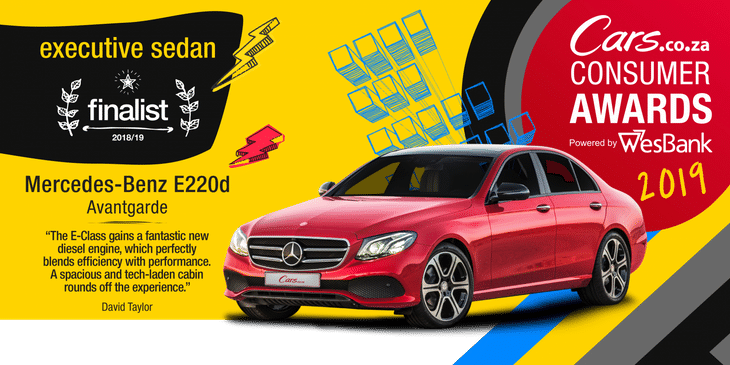
The Mercedes-Benz E-Class is purported to be the most accomplished executive sedan on the market and is a powerhouse in terms of technological features. Merc has extensively upgraded the interior capabilities of the E-Class to adapt to the modern business person’s everyday life and the E-Class remains a strong contender in this segment.
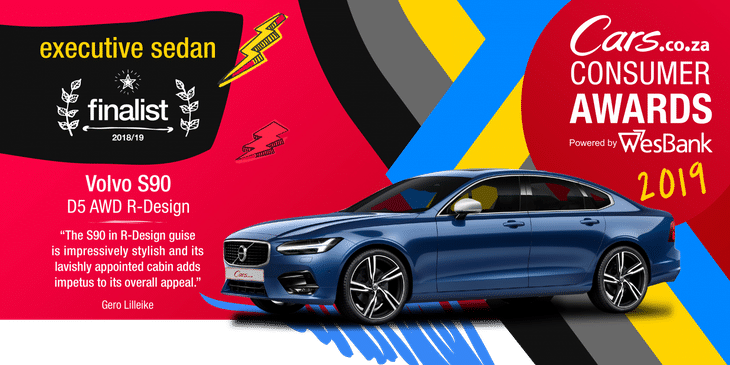
The underappreciated S90 shares a platform with its multiple #CarsAwards-winning XC90 sibling, so can it pull off a similar coup in its segment? The S90 brings luxury, refinement, credible performance and semi-autonomous capability to the table, making it a worthy contender in this category.
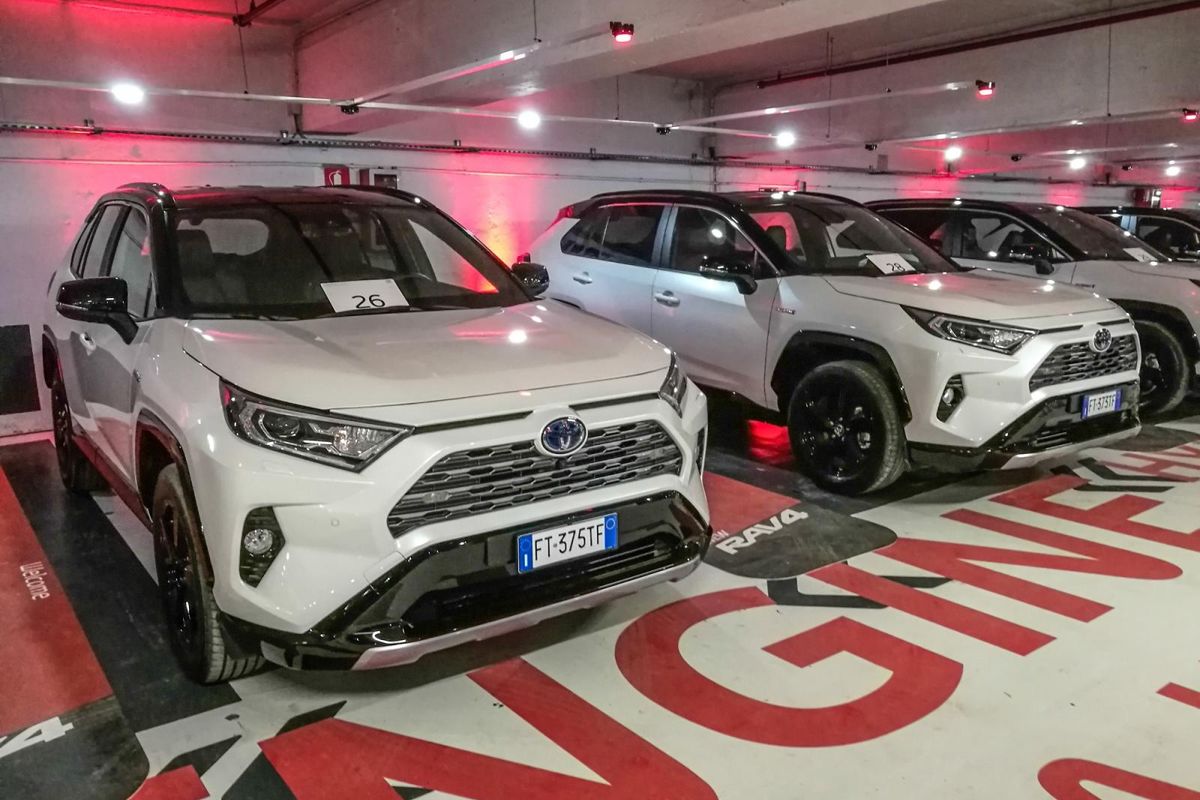
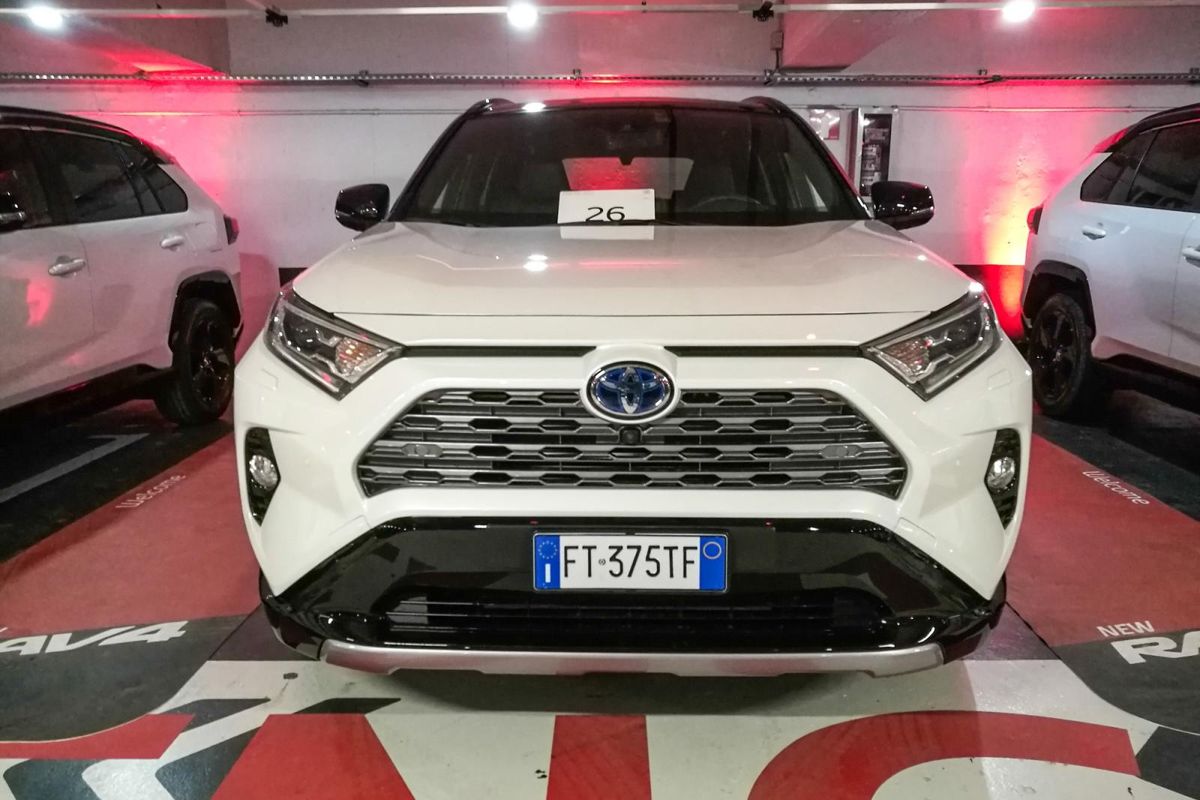
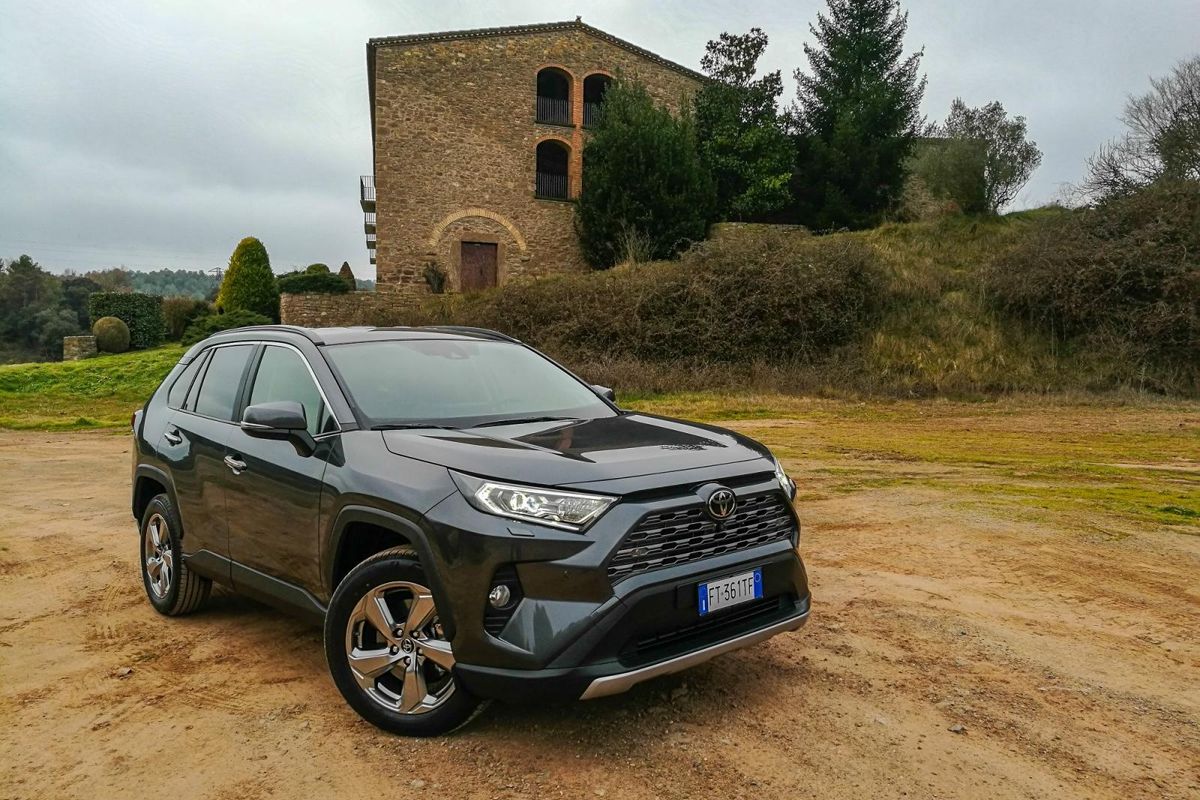
The 5th-generation RAV4, which is due to arrive in South Africa in March 2019, was launched in Barcelona last week. Boasting an eye-catching new exterior design, the latest RAV4 is primed to cement Toyota's success in the local family car segment. Gero Lilleike travelled to Spain to take the new RAV4 for a drive; herewith his feedback…
If I’m honest, the outgoing RAV4 didn't quite do it for me. It was just too… well, ordinary-looking. Nonetheless, the RAV4 has done very well for itself in its 25-year existence – it’s practical, offers reasonably good performance and like most Toyotas, it's very reliable.
It’s for those very reasons that the RAV4 has been so formidable in its segment and it keeps buyers coming back, time and time again. Given the rampant popularity of family cars, it’s no surprise that the RAV4 is a key volume model for Toyota with a 14% market share year-to-date 2018. And, with more than 9-million units sold since its introduction in 1994, the RAV4's one of the most successful SUV nameplates in the world.
Now, at 38 000 ft, somewhere above the Mediterranean Sea, I am happy to report that the latest RAV4 has more of an edge and after driving it, my opinion of Toyota's family car has changed, for the better.
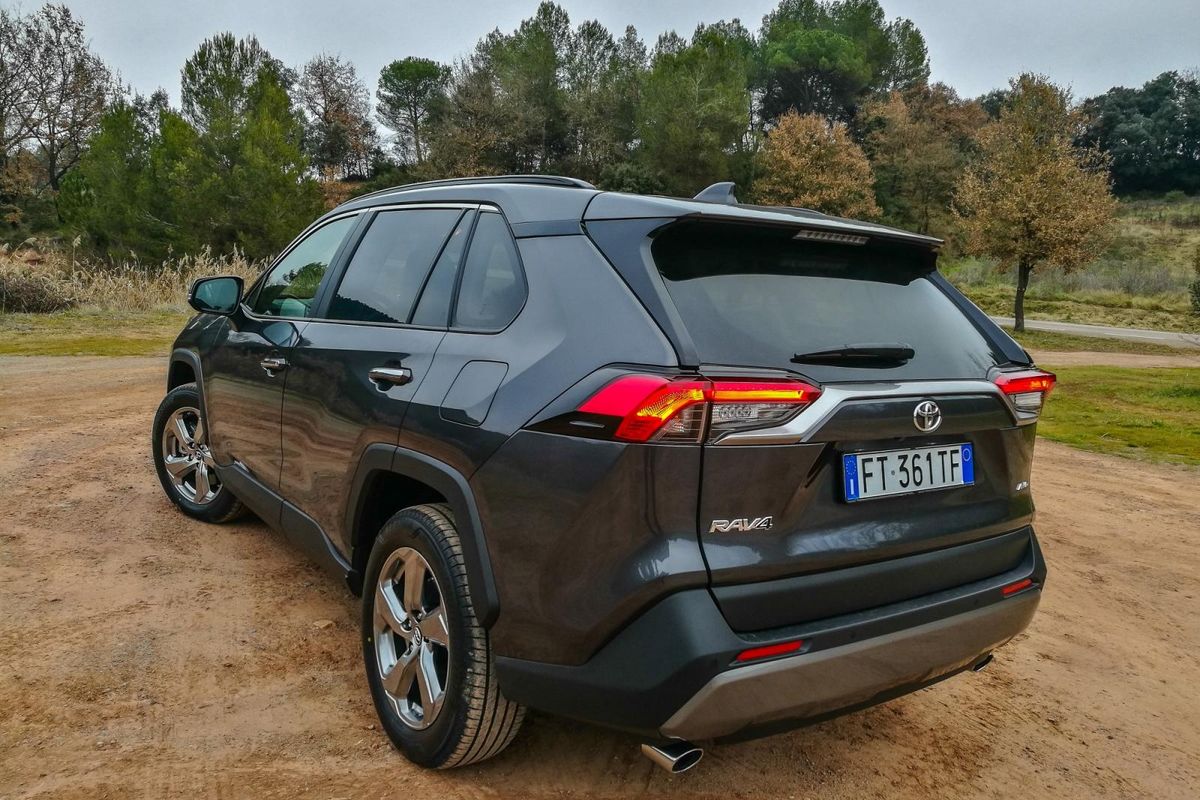
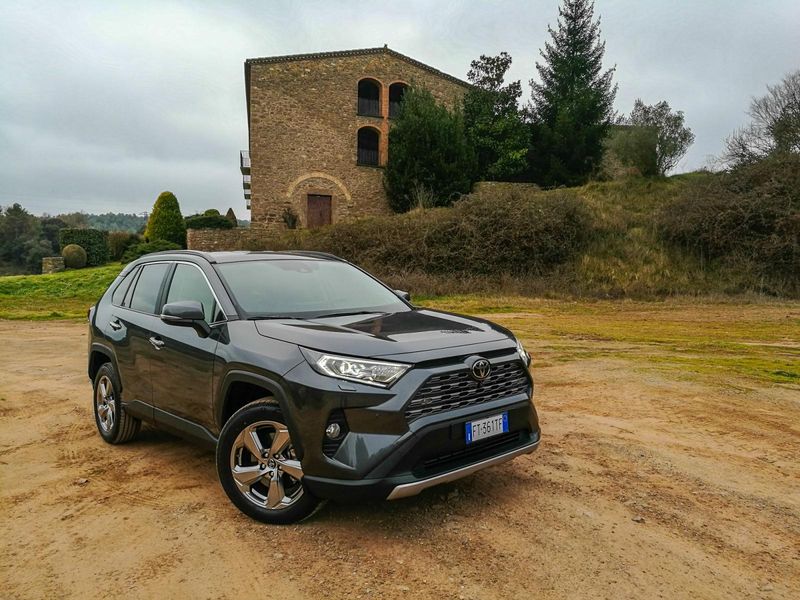
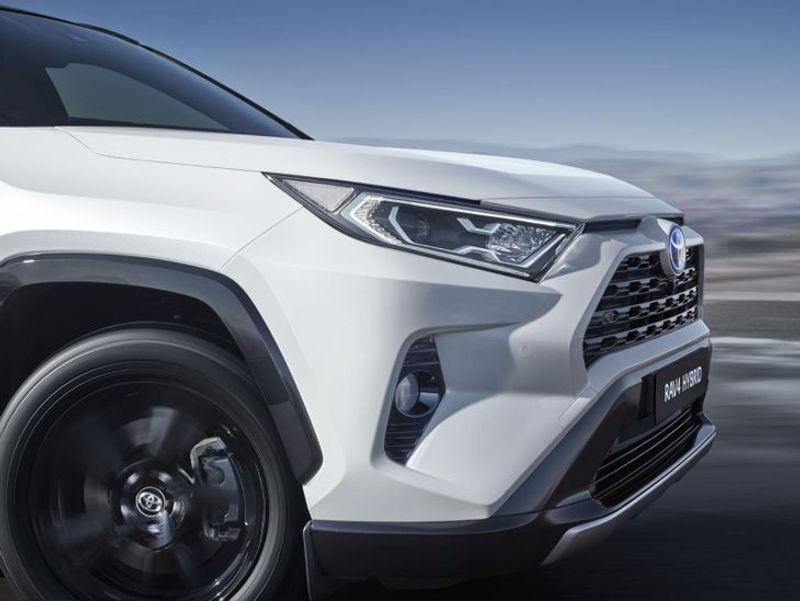
The RAV4 needed a drastic styling makeover and with this new RAV4, Toyota has steered away from its generally conservative styling approach and endowed the 5th-generation car with a striking polygonal design theme that makes it look bolder and far more expressive than ever before.
While its styling is, yes, polarising, we think Toyota deserves some praise for giving the new RAV4 a more exciting and attention-grabbing design that will make it stand out against its rivals in this segment.
Only 2 petrol engines will make it to SA while no diesel engines will be offered. The RAV4 Hybrid is not destined for SA, yet…
Firstly, no turbodiesel engines will be offered for the new RAV4 and while the new RAV4 Hybrid plays a key role in other markets around the world, it hasn’t been earmarked for South Africa at this point in time. Hybrids just don't seem to do good business in South Africa, at least not yet…
With the new RAV4 expected to launch in South Africa in March 2019, South African buyers will instead have the choice between 2 higher output, naturally aspirated petrol engines, 3 transmissions and 3 trim grades including the entry-level GX, the more rugged GX-R Adventure derivative and the range-topping VX grade. Both front-wheel drive and all-wheel drive formats will be offered, bringing the total derivative count to 5.
The RAV4 GX is powered by a 2.0-litre petrol engine with 127 kW and 207 Nm and will be offered with either a 6-speed manual transmission or CVT in front-wheel-drive guise.
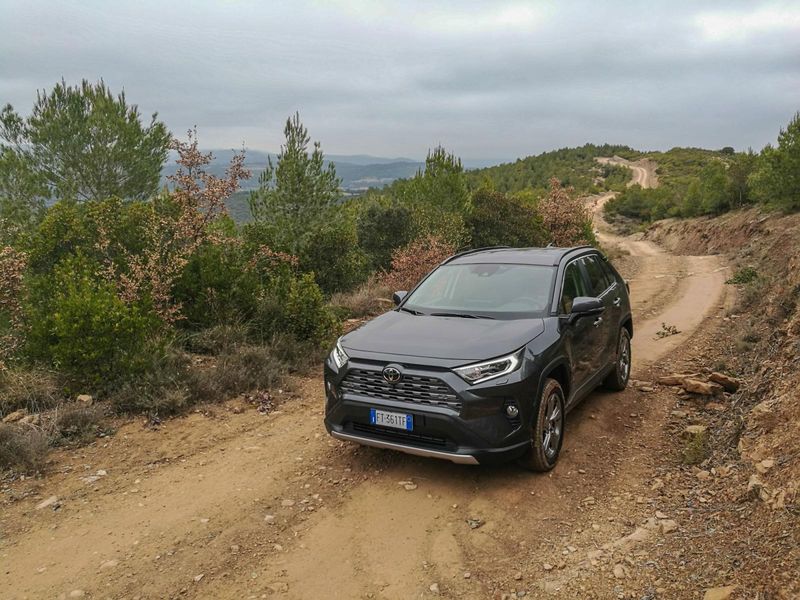
The all-wheel-drive RAV4 GX-R Adventure derivative, which we drove in Spain, is also mated with a CVT, but is distinguished by pronounced skid plates and wheel arch cladding and a larger, protruding grille which makes it look more rugged to suit its ambitions as an outdoor lifestyle offering.
The 2.0-litre engine will also come to market in the luxury-focused VX trim grade also with a CVT and in front-wheel-drive guise, while the range will be headlined by the all-wheel drive, 2.5-litre VX with 152 kW and 250 Nm, but equipped with an improved 8-speed automatic transmission.
What's the interior like?
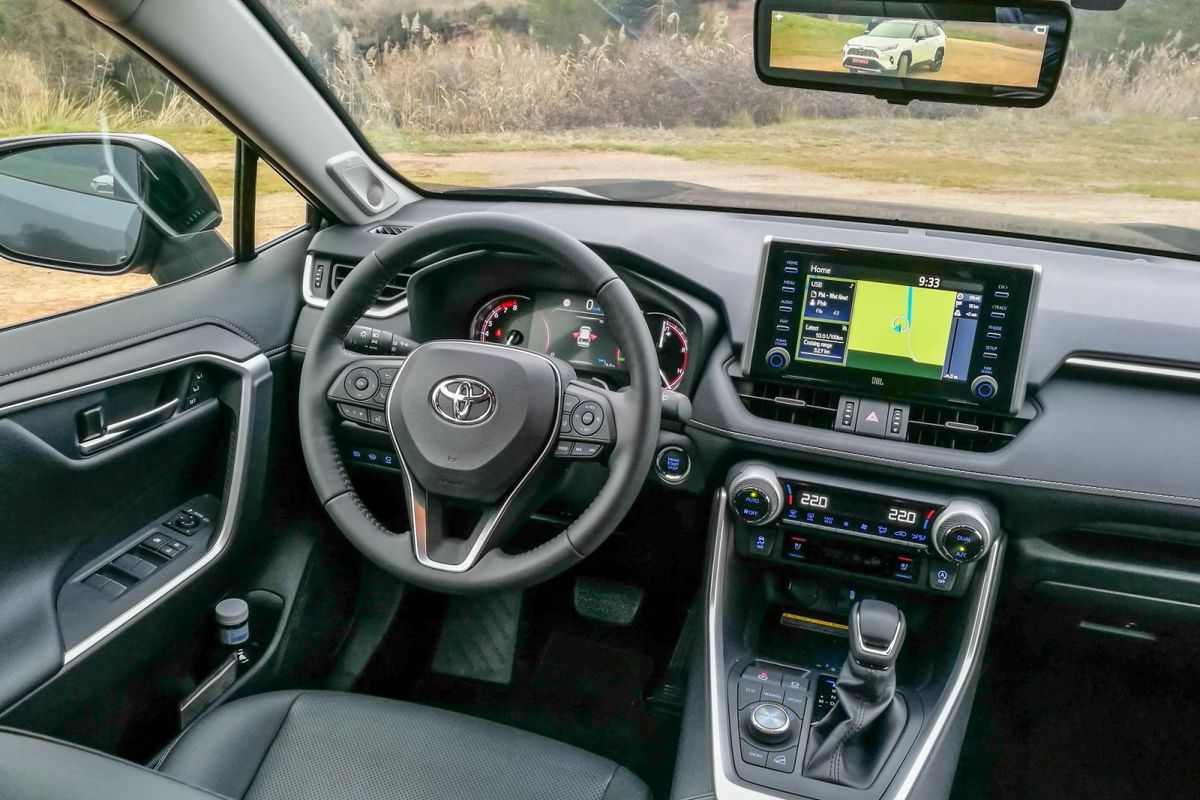
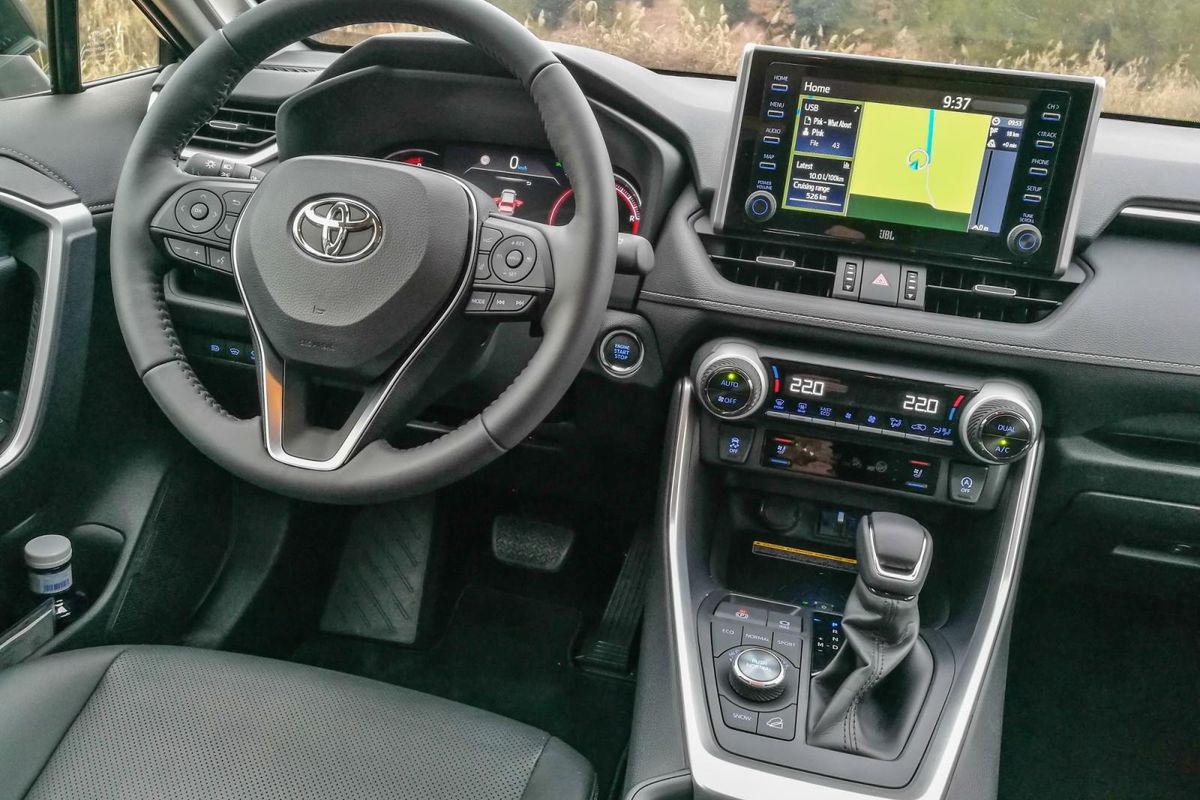
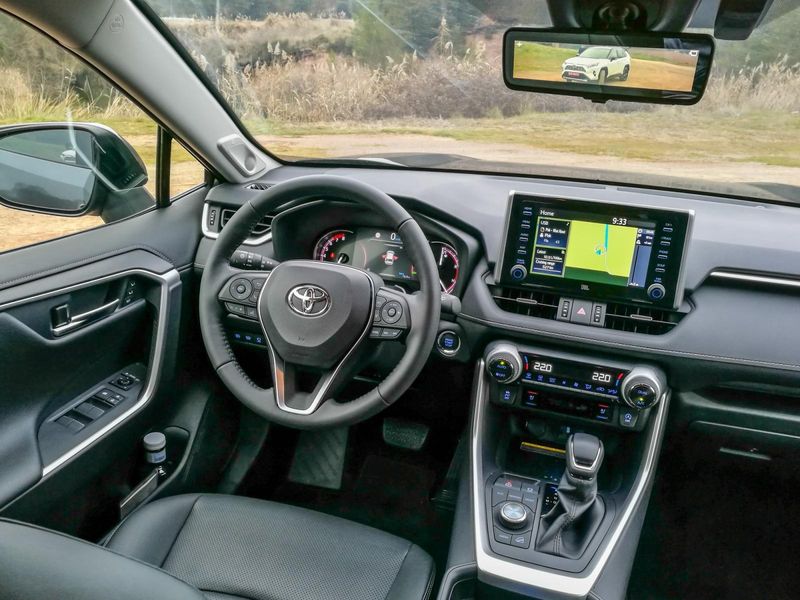
The interior is robust with a premium look and feel. Note the new digital rear-view camera.
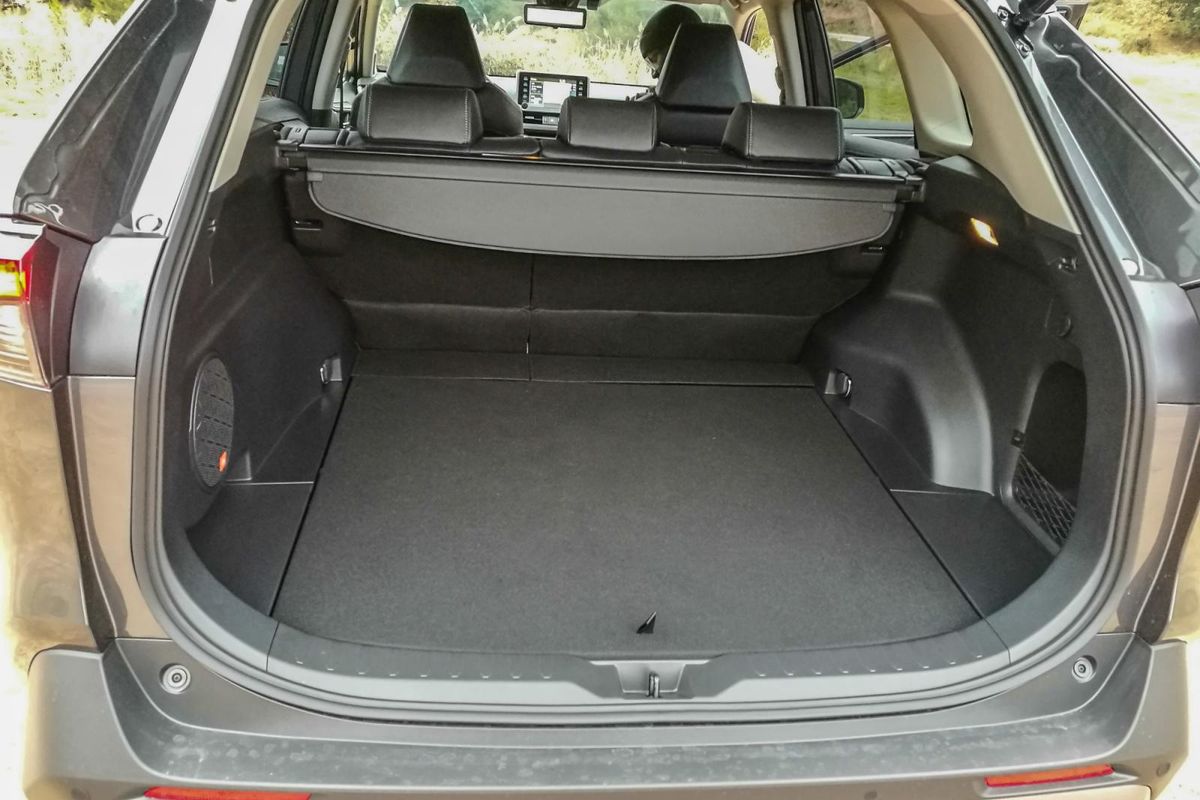
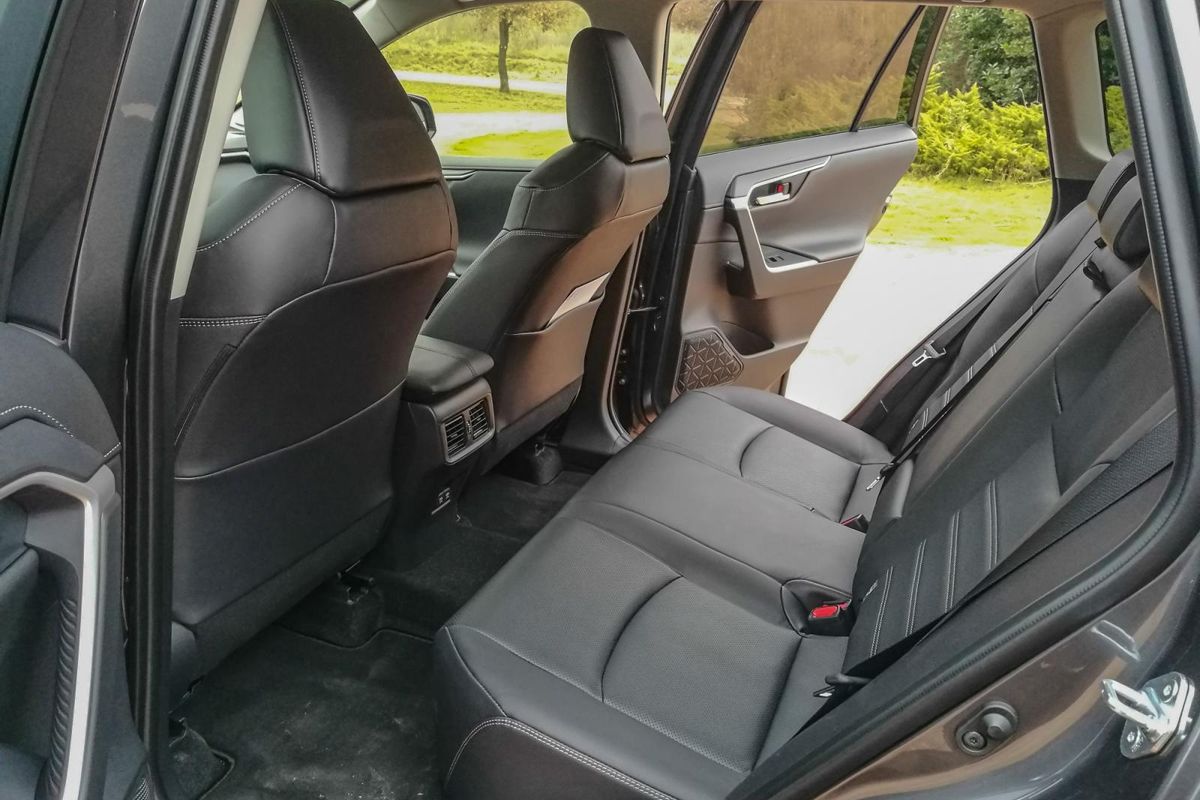
At 2 690 mm, the RAV4's wheelbase has been extended by 30 mm, which has had a positive impact on cabin space. We were pleasantly surprised by the truly generous legroom afforded to rear passengers and the load bay (492 litres, 572 litres in the VX) should prove very useful for families.
Interior build quality is good with a premium look and feel and the GX-R derivative we sampled featured plush leather upholstery and soft-touch surfaces on the dashboard. It's definitely a comfortable place to be.
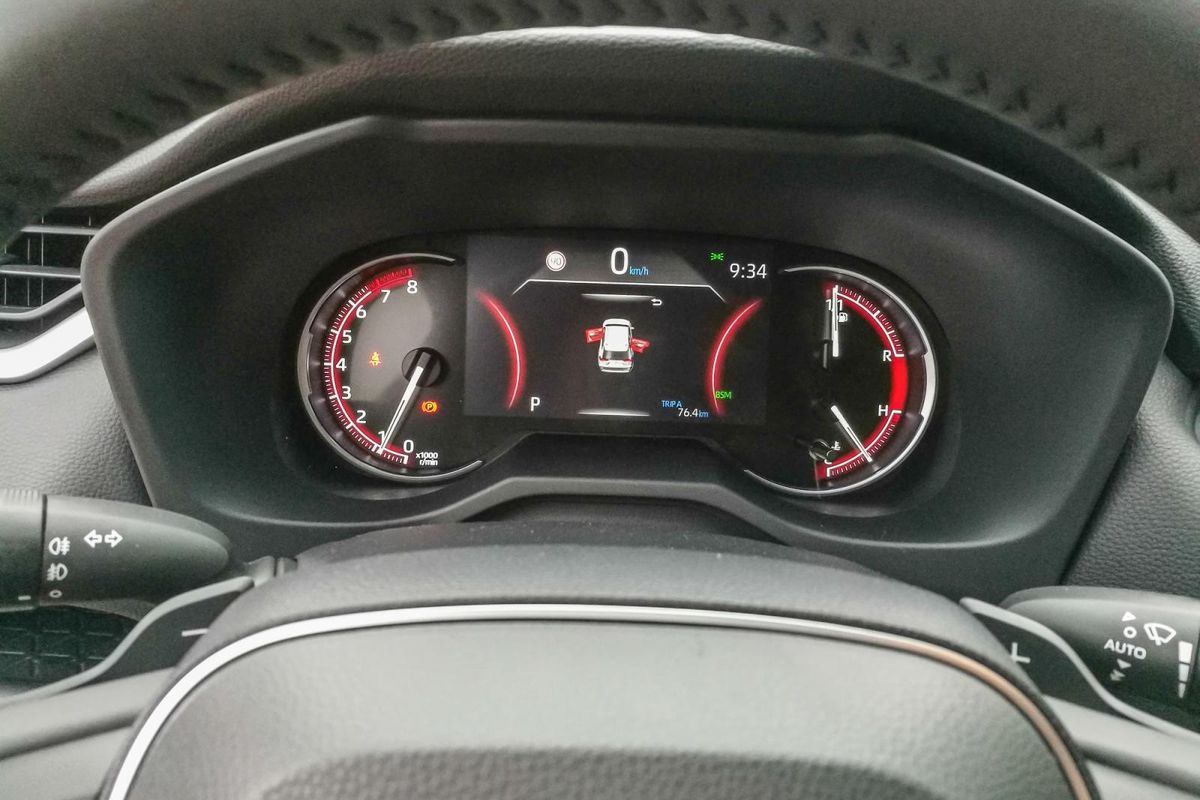
A nifty feature is the new digital rear-view mirror, which can project an adjustable reverse-view camera feed that enhances rearward visibility but this feature has not been confirmed for the SA market. The larger instrument cluster display is also more attractive than before and it lifts the interior ambience substantially.
In contrast with cars that we drove (pictured here), South African-spec RAV4s will receive an in-house 7-inch infotainment system, but it won’t feature navigation. Apple CarPlay and Android Auto won't feature initially either, but will likely be introduced at a later stage. A wireless charging pad is offered on the GX-R Adventure grade and up, plus the RAV4 can be equipped with up to 5 USB ports (3 front, 2 rear), which is a boon.
What's the RAV4 like to drive?
The new RAV4 2.0 GX-R performs well overall and should serve well as a family car.
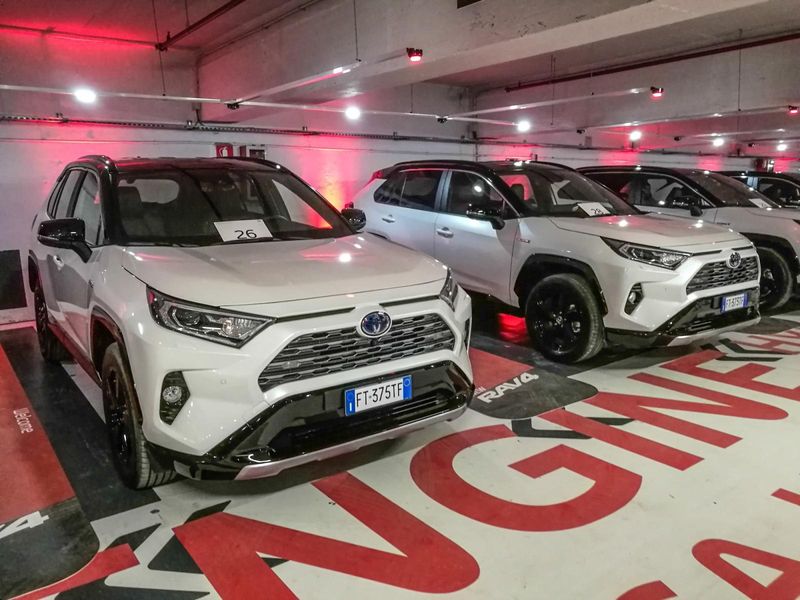
In a basement below the streets of Barcelona, 40 new RAV4s lay in wait. While most were hybrids, four 2.0-litre all-wheel-drive GX-R Adventure derivatives were allocated to the SA media. Preset routes navigated us through the bustling city and into the Spanish countryside.
We found the 127 kW/207 Nm 2.0-litre RAV4's performance to be adequate rather than exceptional. It didn’t feel underpowered, but we were at sea level, which means some gusto will be lost at altitude. With that said, more torque would give this RAV4's motor a bit more bite.
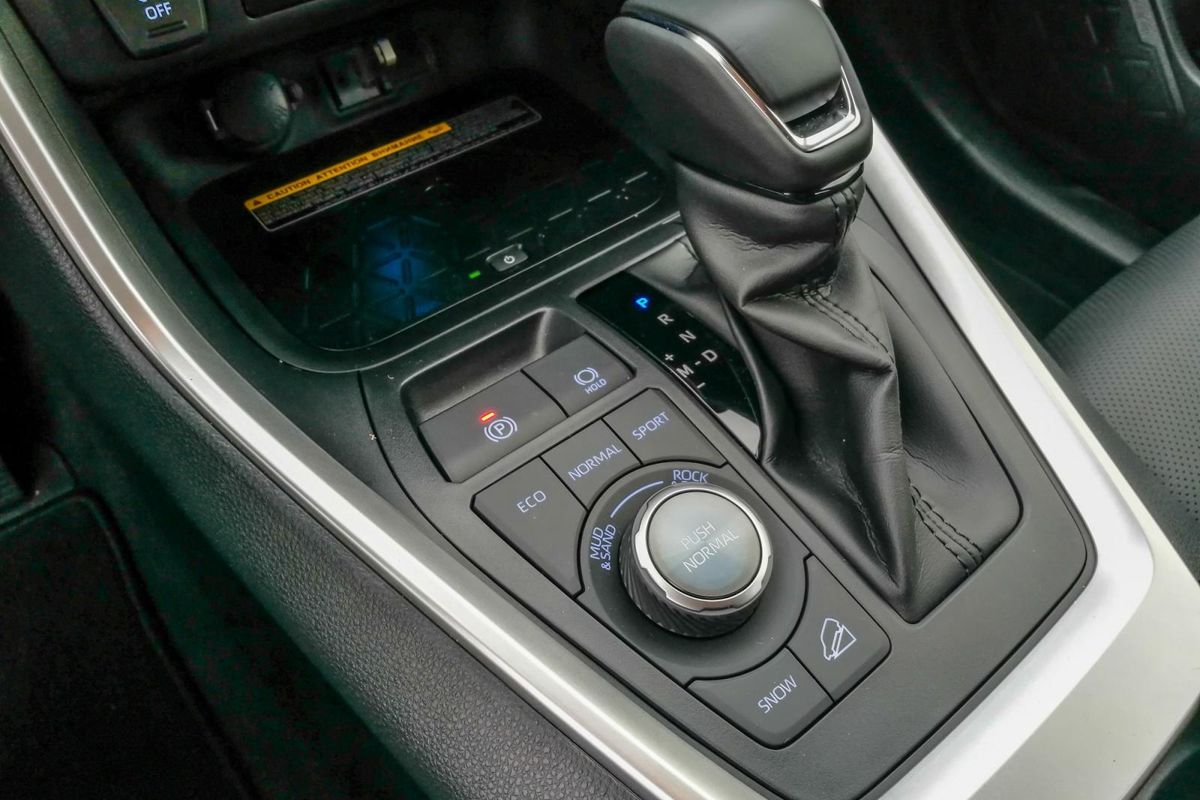
Although the RAV4 gets up to speed at a fair pace, we found the CVT to be a tad lazy and moany under a firmer right foot, but the powertrain's hum was never so intrusive that it became annoying. Responsiveness improves in manual mode and by using the steering-mounted paddles; the CVT is more easily exploitable to suit your driving situation. There are also 3 drive modes including Eco, Normal and Sport.
The RAV4's ride quality is more refined than before – we were mightily impressed with its road manners. The body structure is some 57% stiffer and because the new RAV4 is wider by 10 mm, it hugs the road with reassurance and handles cornering with more confidence and poise. The Toyota's ride is buttery smooth and combined with a well-weighted steering feel, it should be a pleasure to drive daily and even more so on longer journeys.
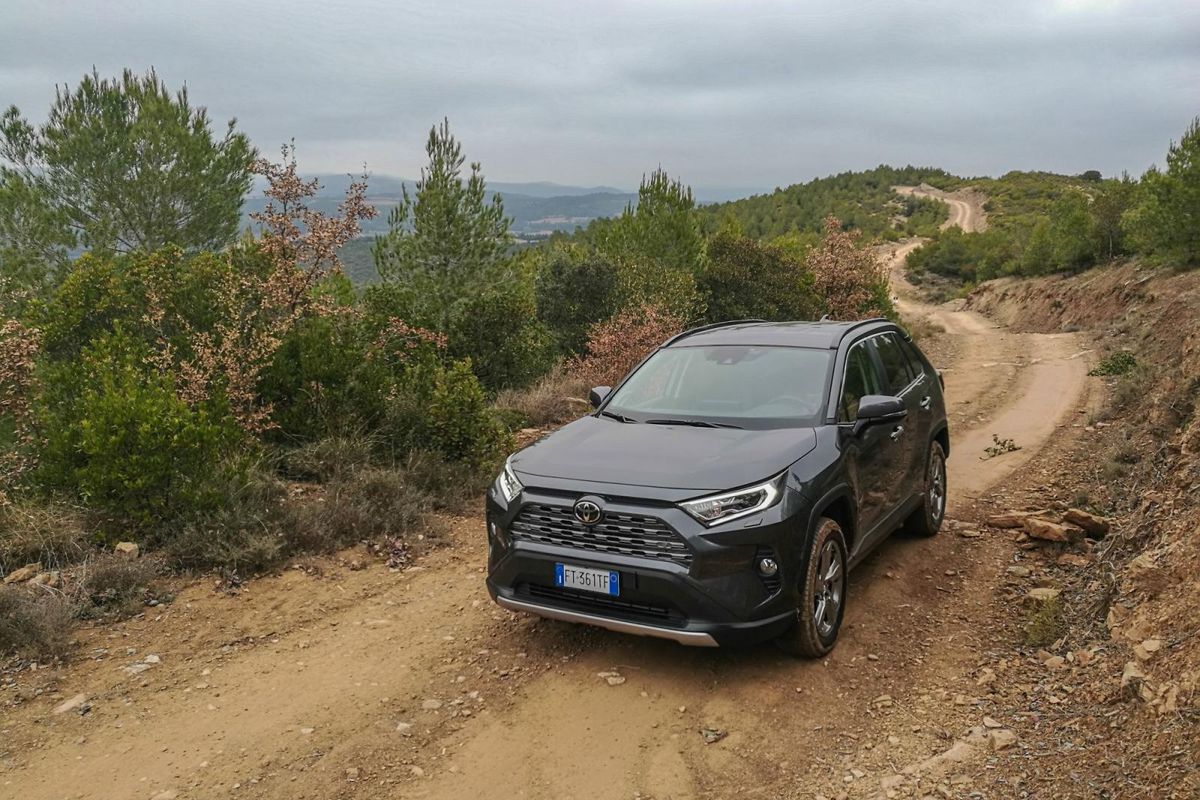
The new RAV4 can tackle a rugged mountain track with ease thanks to a new all-wheel-drive system.
We also took the RAV4 GX-R Adventure on a mild 4×4 track where the new mechanical all-wheel-drive system, which now features a dynamic torque vectoring system with Rear Driveline Disconnect for the first time, was put to the test. The twin couplings on the rear axle allow for torque distribution between the left and right rear wheels, which enhances traction performance in a variety of conditions. A graphic display in the instrument cluster also shows you exactly where and how much torque is being apportioned to each of the wheels, which is a nice touch.
The RAV4 hardly broke a sweat on the rugged mountain road, but we look forward to putting the new RAV4 to the challenge of tougher conditions in South Africa. The driver can also select an appropriate mode to suit the conditions by using the dial on the centre console… Driving modes include Mud & Sand, Rock & Dirt and Snow.
In terms of safety, the RAV4 is equipped with no fewer than 7 airbags, ABS with EBD, Brake Assist, Vehicle Stability Control, Hill Ascent Control and Trailer Sway Control. The GX-R Adventure adds Downhill Assist Control. The top-spec VX derivatives will also be equipped with features such as Lane Departure Alert, Blind Spot Monitor, Cross Traffic Alert and Adaptive Cruise Control.
Final thoughts
The new RAV4 is an impressive offering and should be well received when it arrives in March 2019.
Overall, our first impressions of the new RAV4 are very positive. We like the more purposeful exterior styling and the spacious and well-equipped interior will undoubtedly serve its target market well. Furthermore, the RAV4’s ride quality is excellent. Performance of the 2.0-litre petrol engine should suffice, but we fear that those living on the Highveld may find it to be marginally underwhelming. The RAV4 2.5 VX AWD will likely offer better performance, but we will only be able to drive the flagship derivative upon its local launch in March 2019.
Toyota expects the RAV4 2.0 GX CVT and GX-R Adventure to be the volume sellers in our market and while pricing has yet to be confirmed, a Toyota representative has assured us that the pricing structure will be competitive. If that is indeed the case, buyers looking for a competent family vehicle may want to delay their prospective family car purchases until the new RAV4 arrives. It may very well be worth the wait…
Best Premium Compact in SA – #CarsAwards Finalists
Meet the finalists in the Premium Compact category of the 2018/19 Cars.co.za Consumer Awards – powered by WesBank!
Now in its 4th year, the #CarsAwards was conceived to be South Africa's definitive automotive awards programme and is backed, for the 3rd year running, by the country's leading supplier of vehicle finance, WesBank.
The Premium Compact category is guided by both eligibility factors and Pillars of Success. Eligibility factors include a listed price that must exceed R450 000 but not R600 000 at the time of semi-finalist voting (September 1, 2018), it must offer a hatchback body shape (crossovers included) and eligible vehicles must be equipped with Electronic Stability Control and dual, front and curtain airbags (if optional, must not exceed price threshold).
Pillars of Success include powertrain technology, practicality, brand strength, design and quality appeal, ride/handling, safety and finally in-car entertainment and connectivity.
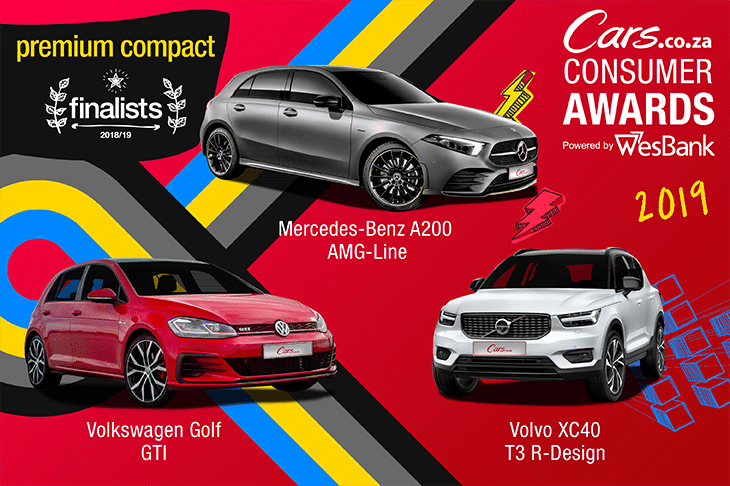
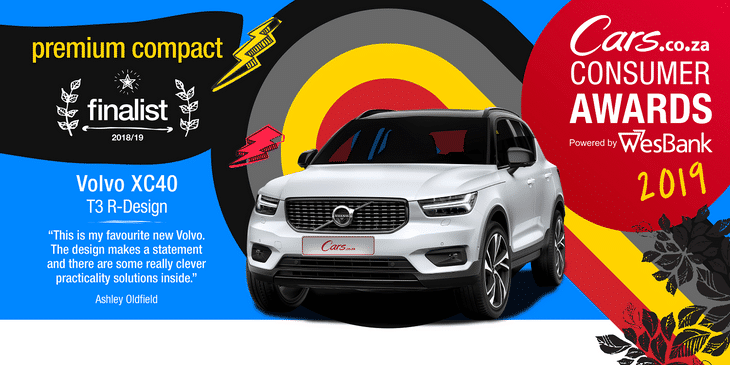
There’s no touching Volvo’s SUVs right now. They’re consistently winning awards left, right and centre and on the back of the XC90’s triple win, we now have the baby XC40 in the mix. Can it replicate its bigger brother’s successes?
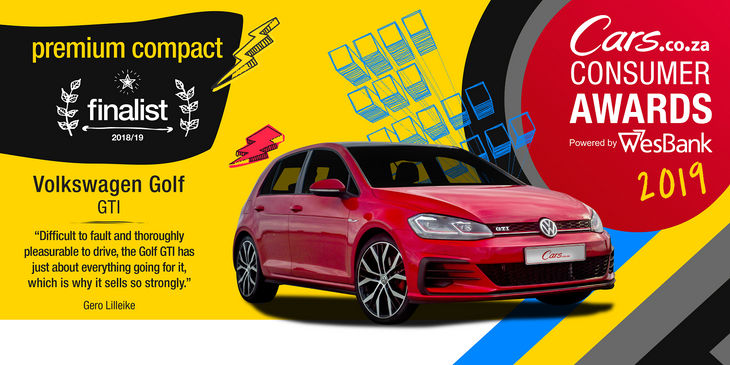
Although the Volkswagen badge may not be perceived to be at the same level as the likes of BMW, Audi and Mercedes-Benz, the GTI moniker drips with enough desirability to make this Golf derivative a very strong seller in the South African market. Its appeal goes beyond performance credentials, though. The Golf GTI is also packed with standard features and is put together every bit as well as the best in this class.
The old A-Class, which marked the transition of Benz's compact offering from an MPV-ish shopping cart to a desirable premium hatchback, was not without fault. The ride was harsh and some of the cabin materials weren’t of the quality you’d expect from the three-pointed star. The new version claims to have addressed the ride quality issues and the cabin is one of the most advanced we’ve ever seen.
One of the world's hottest performance SUVs has finally landed in South Africa and we can bring you pricing. This is the Alfa Romeo Stelvio QV and here's how much it costs.
The Alfa Romeo Stelvio was launched in South Africa back in November 2017. Powered by 2.0-litre turbocharged petrol engines driving all four wheels, the Stelvio was impressive, but not without fault. What the petrolheads were craving was the QV derivative.
Much like the much-lauded Alfa Romeo Giulia QV, the Stelvio QV comes to market with a Ferrari-derived 2.9-litre twin-turbocharged petrol V6 engine. However, in this application, 375 kW and 600 Nm goes to all 4 wheels via an 8-speed ZF automatic gearbox. In its most aggressive setting, the gearbox can change cogs in just 150 milliseconds.
Despite a weight penalty over its sedan sibling, the super SUV can sprint to 100 kph in just 3.8 seconds and run to a top speed of 283 kph. It's not just a straight line specialist either and held the Nurburgring record for SUVs for some time, before being dethroned by the V8-powered Mercedes-AMG GLC 63 S.
We don't have final details on SA-spec Stelvio QVs, but the chassis features adaptive suspension, rear-biased all-wheel drive as well as active torque vectoring. The Alfa Romeo Stelvio QV rides on 20-inch alloy wheels, xenon headlights with LED DRLs, a leather dashboard, leather and Alcantara seats, carbon fibre interior and a comprehensive infotainment system with Apple CarPlay and Android Auto. In terms of rivals, the Alfa Romeo Stelvio QV will be going up against the aforementioned Mercedes-AMG GLC 63 S, Audi SQ5 and forthcoming BMW X3 M.
Alfa Romeo Stelvio QV Price in South Africa
The Alfa Romeo Stelvio QV comes with a 6-year / 100 000km maintenance plan.
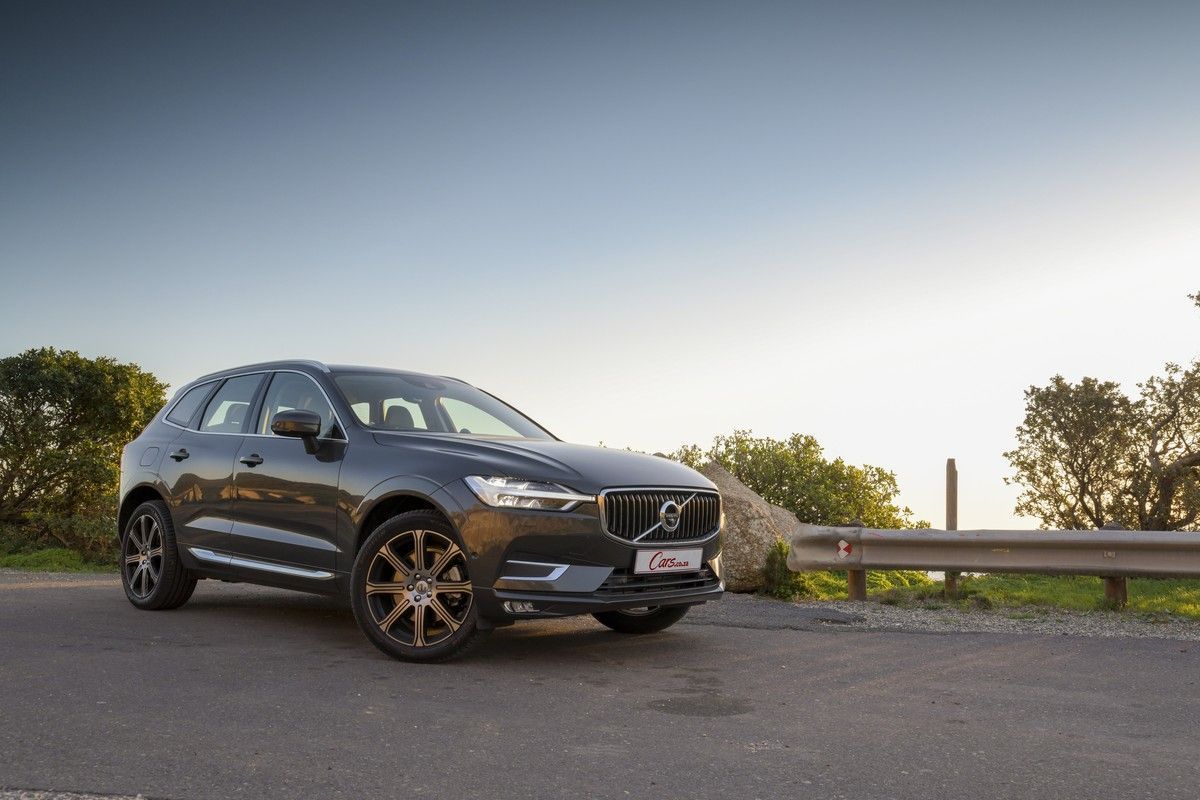
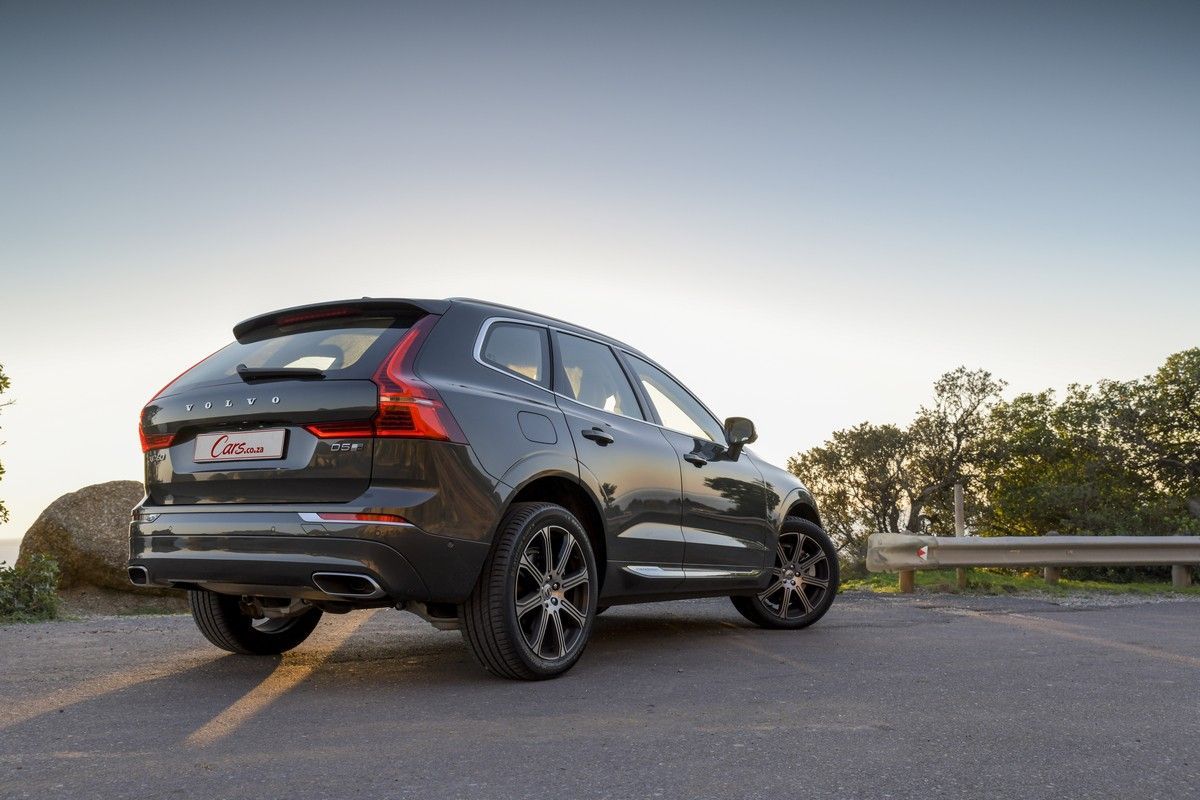
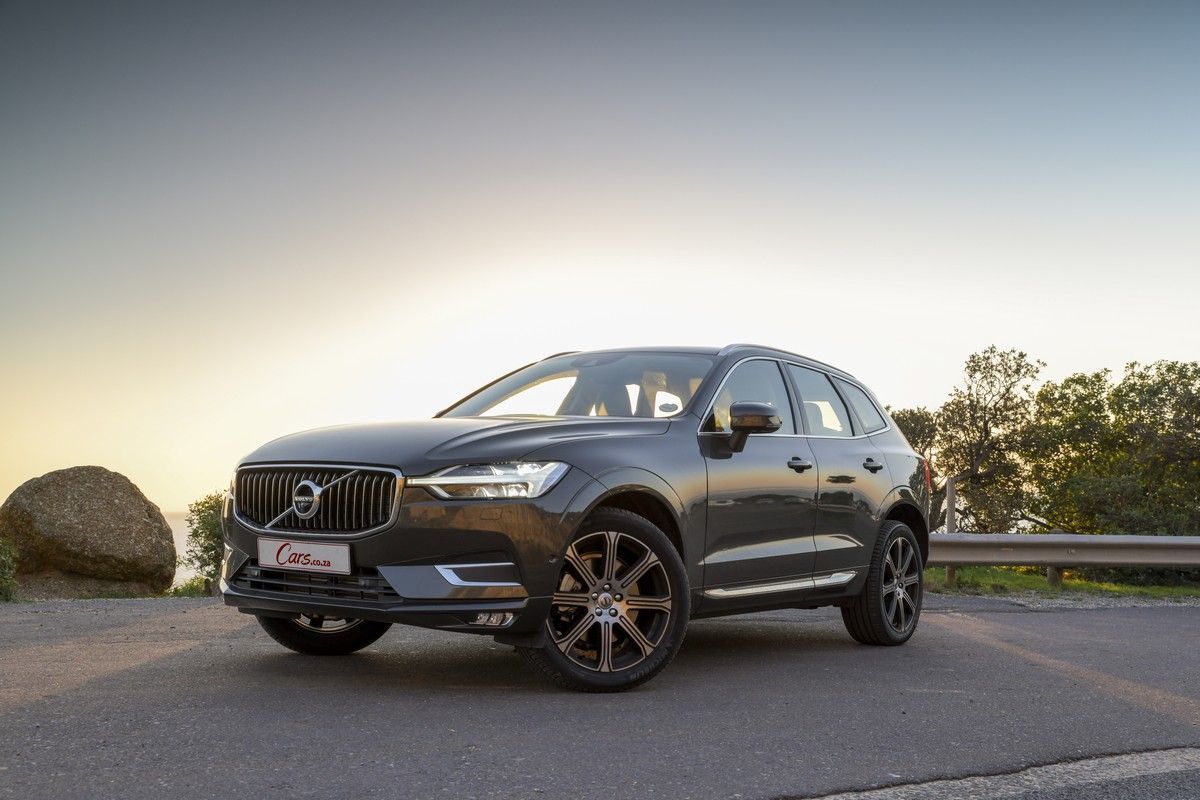
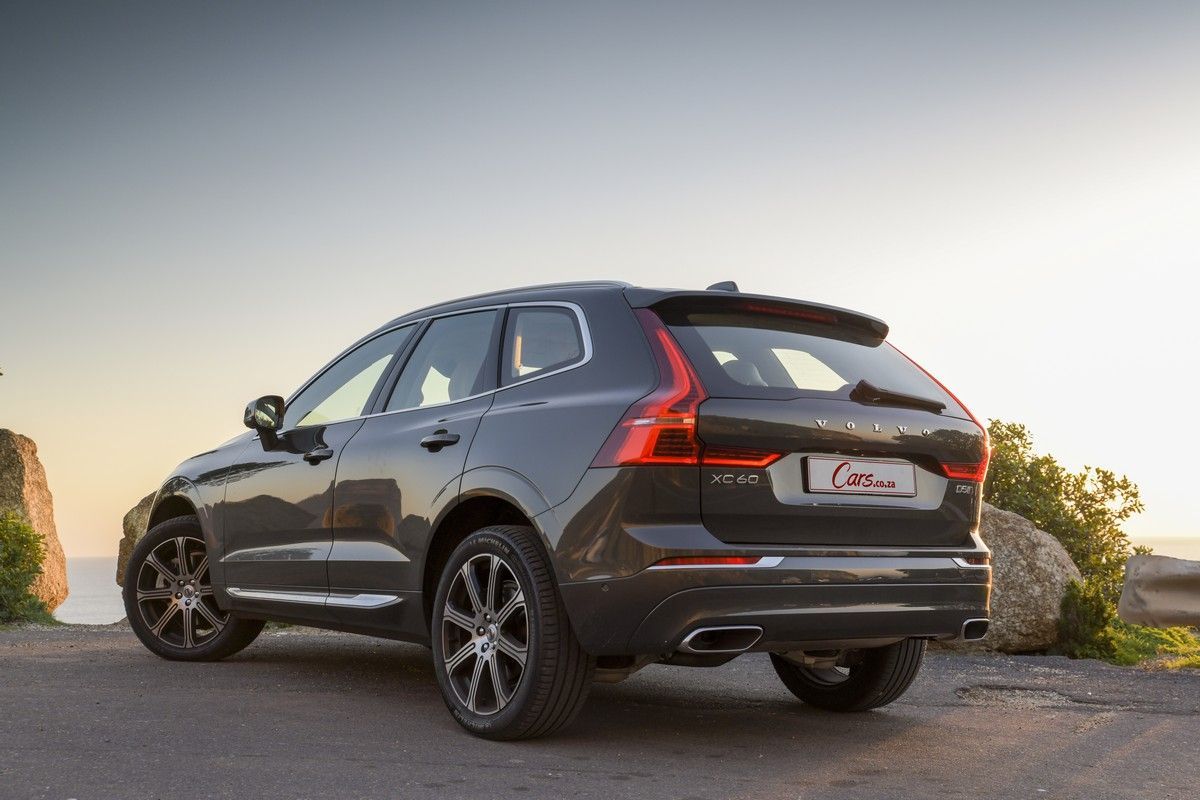
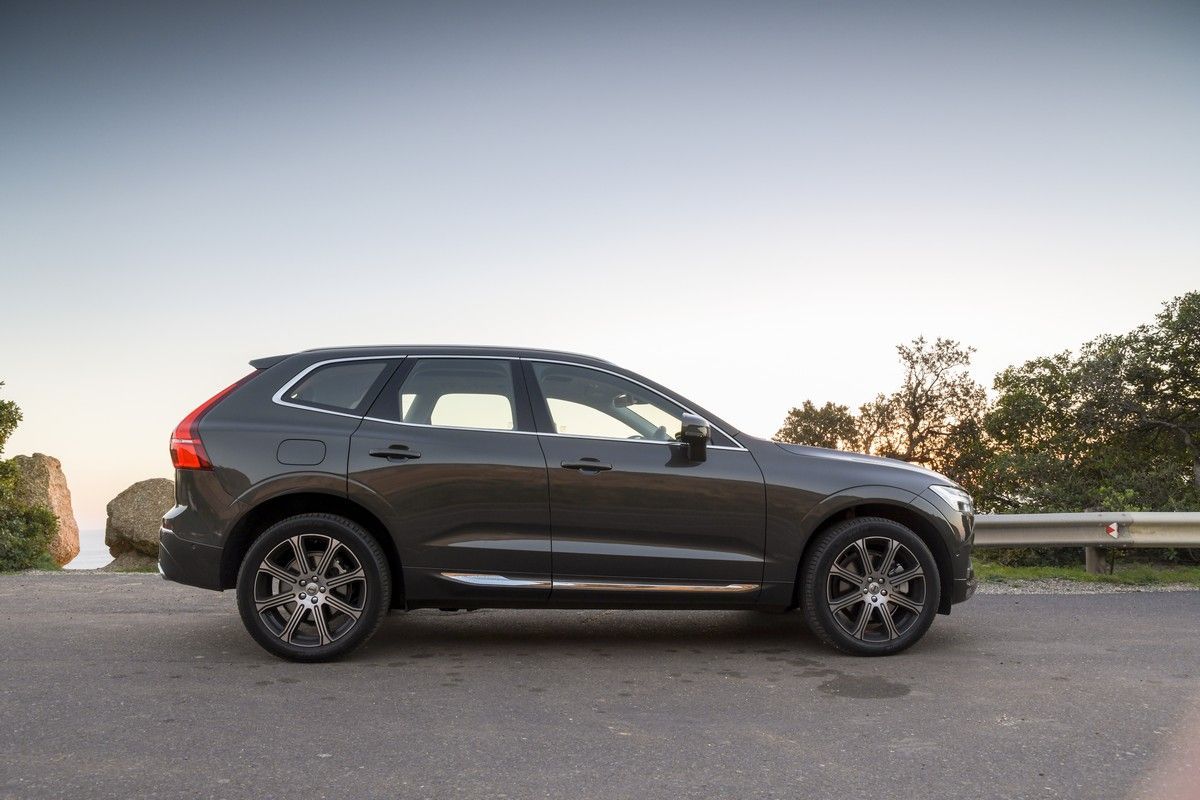
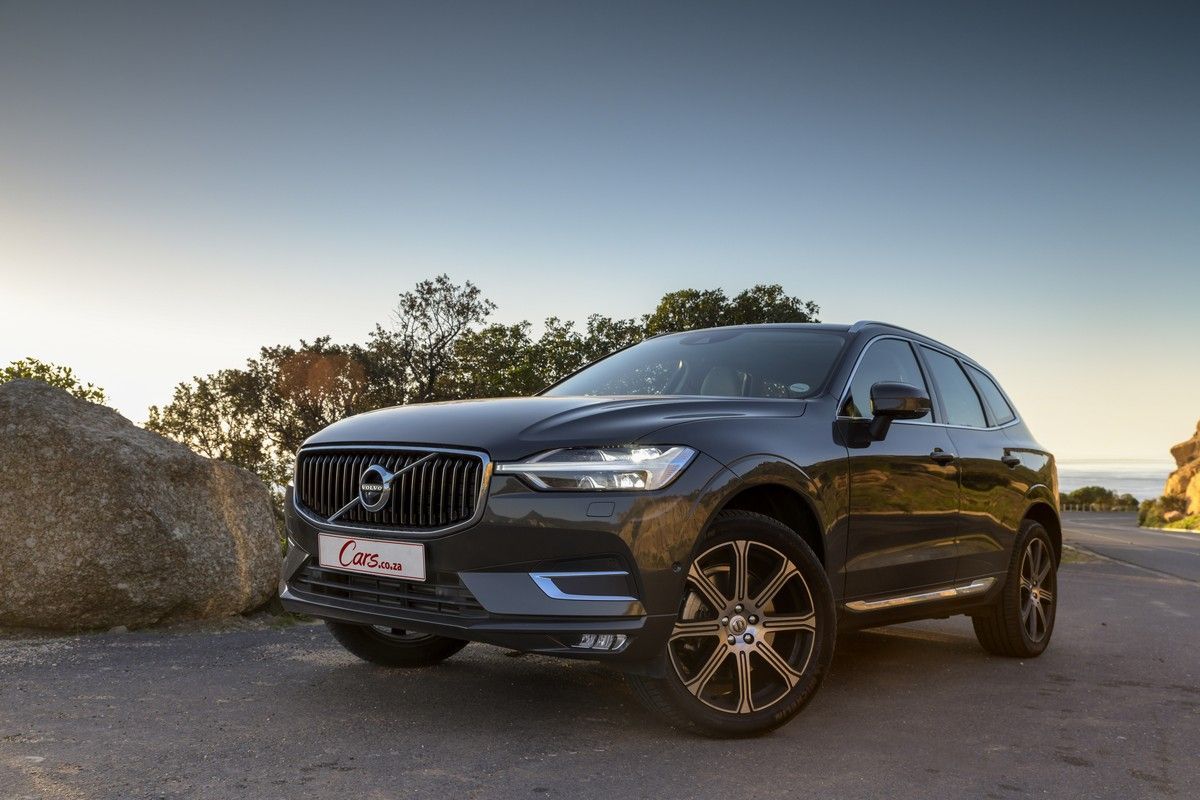
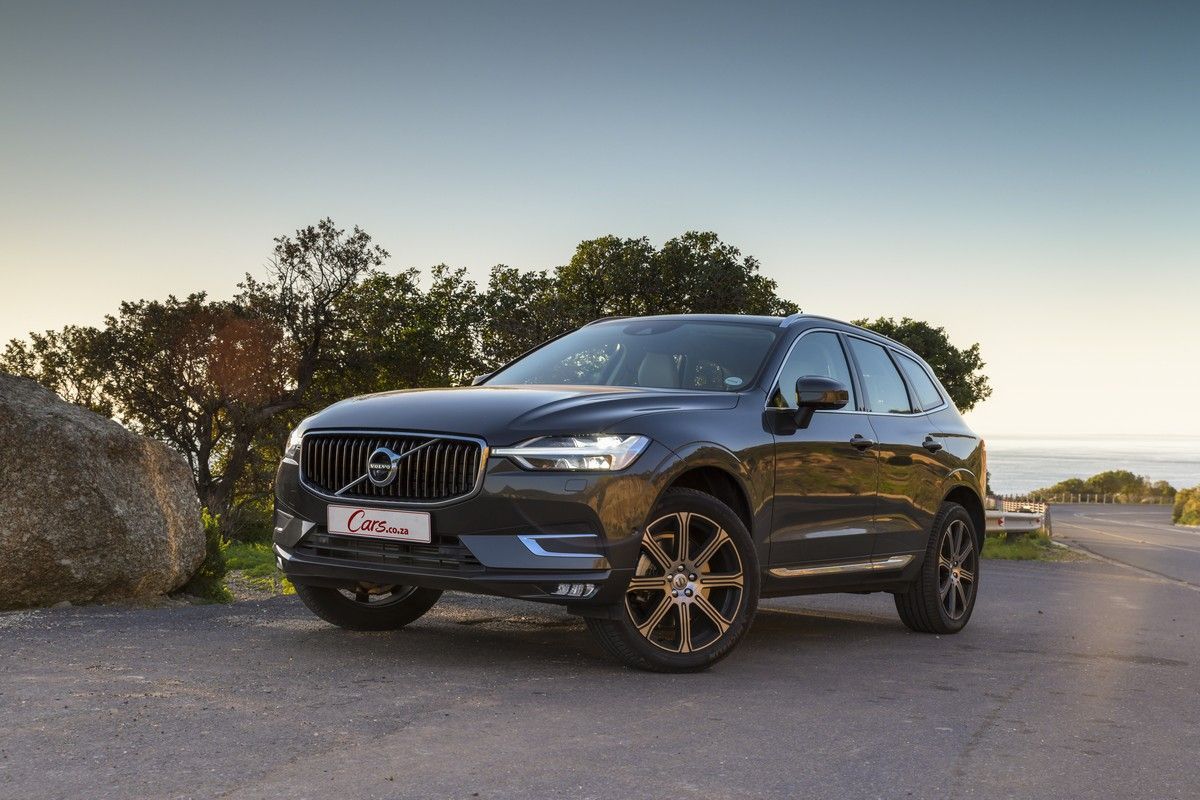
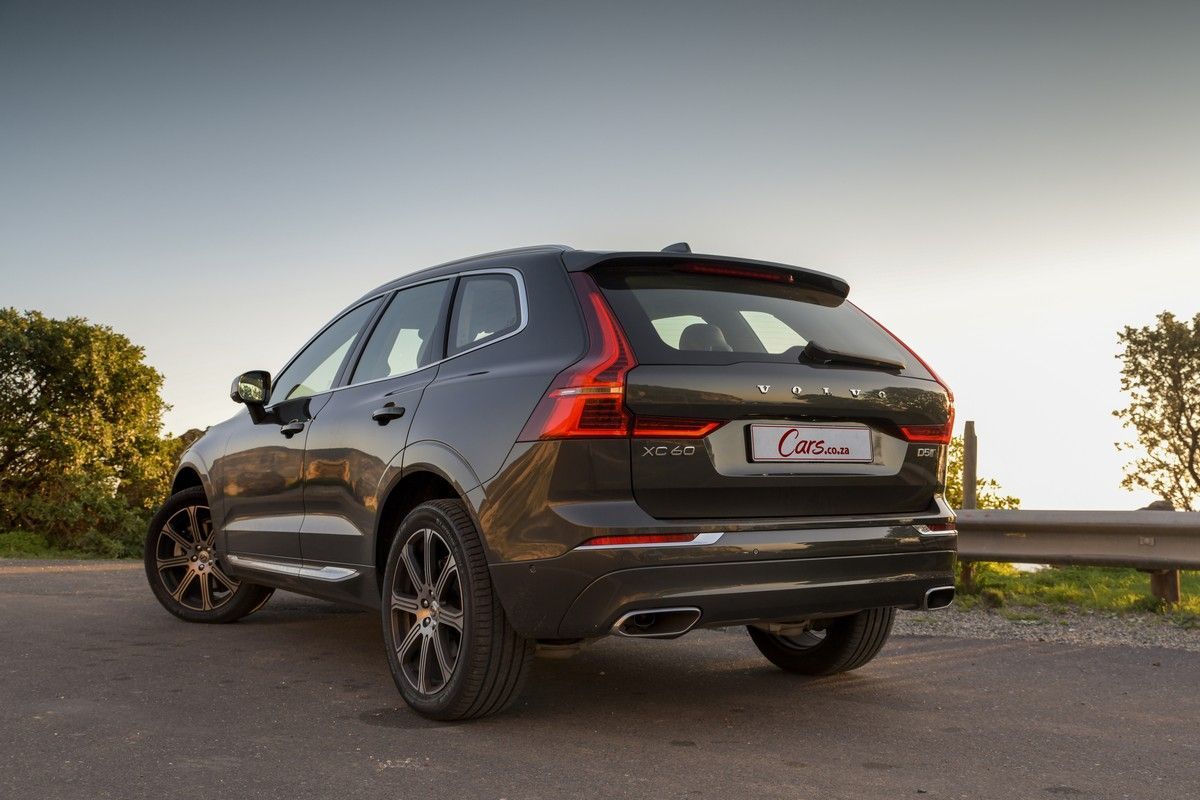
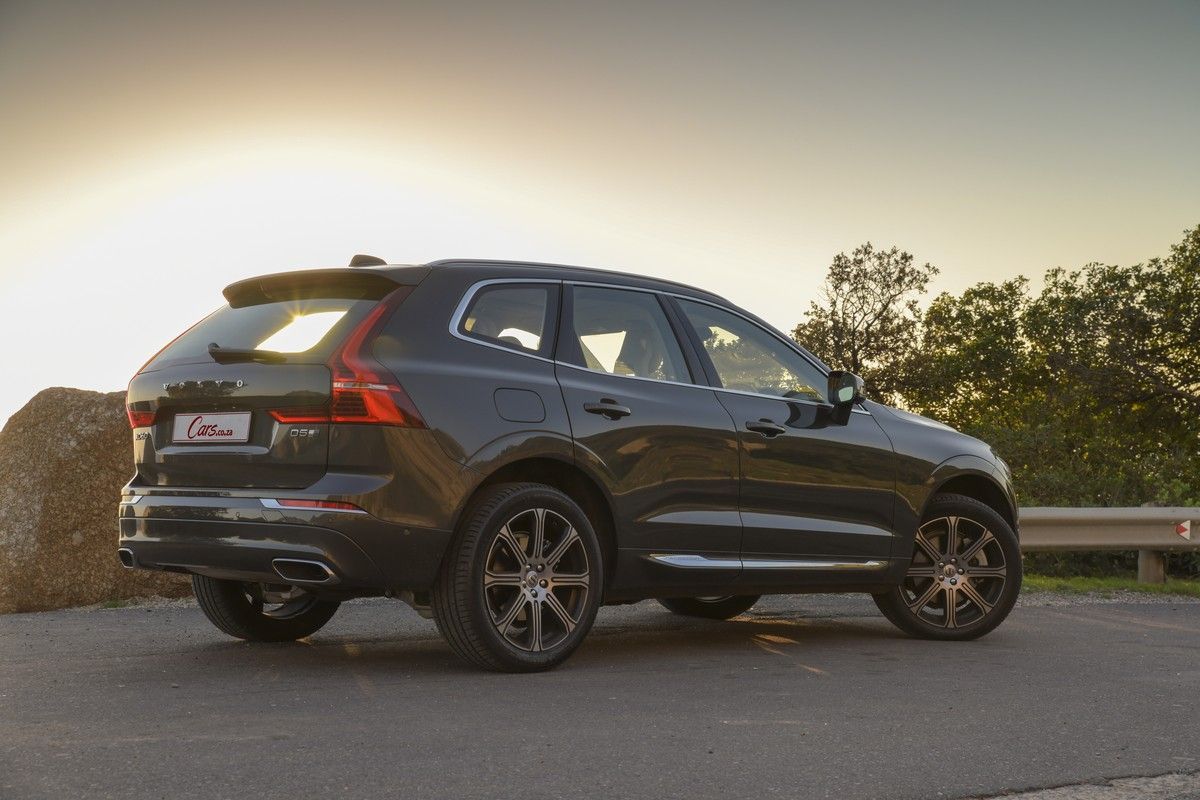
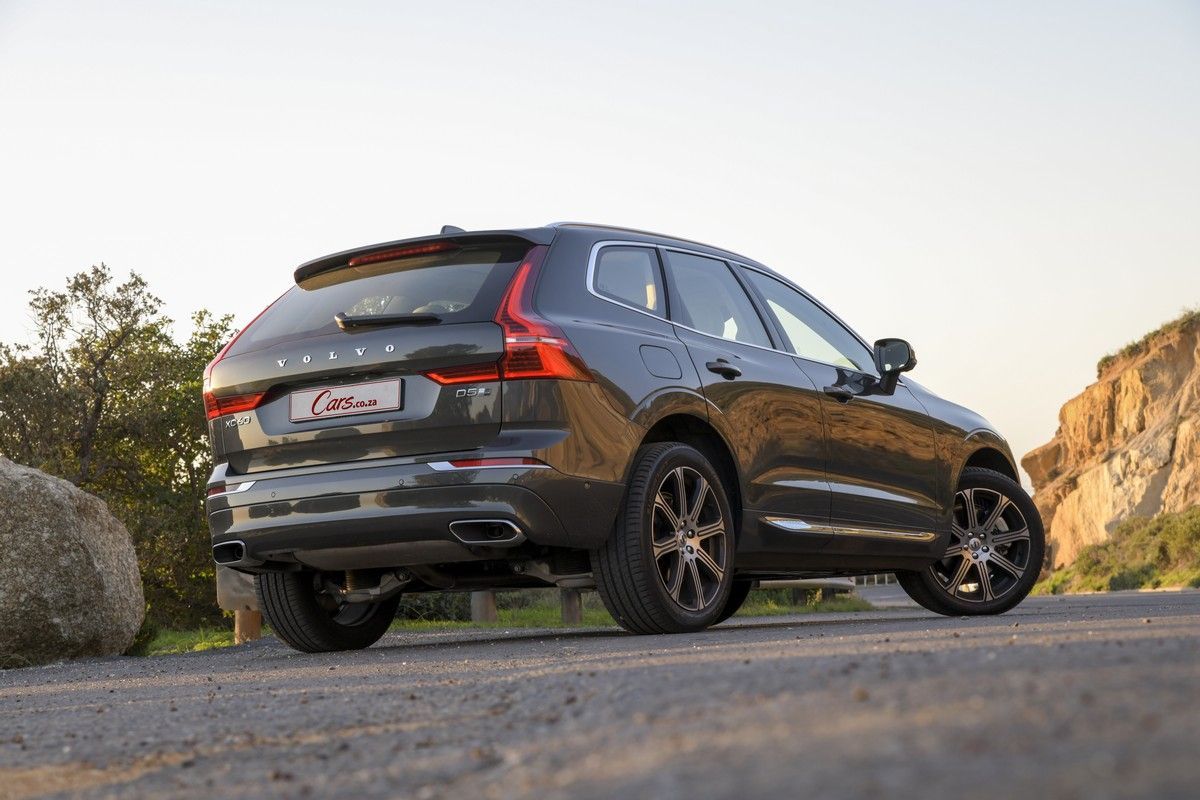
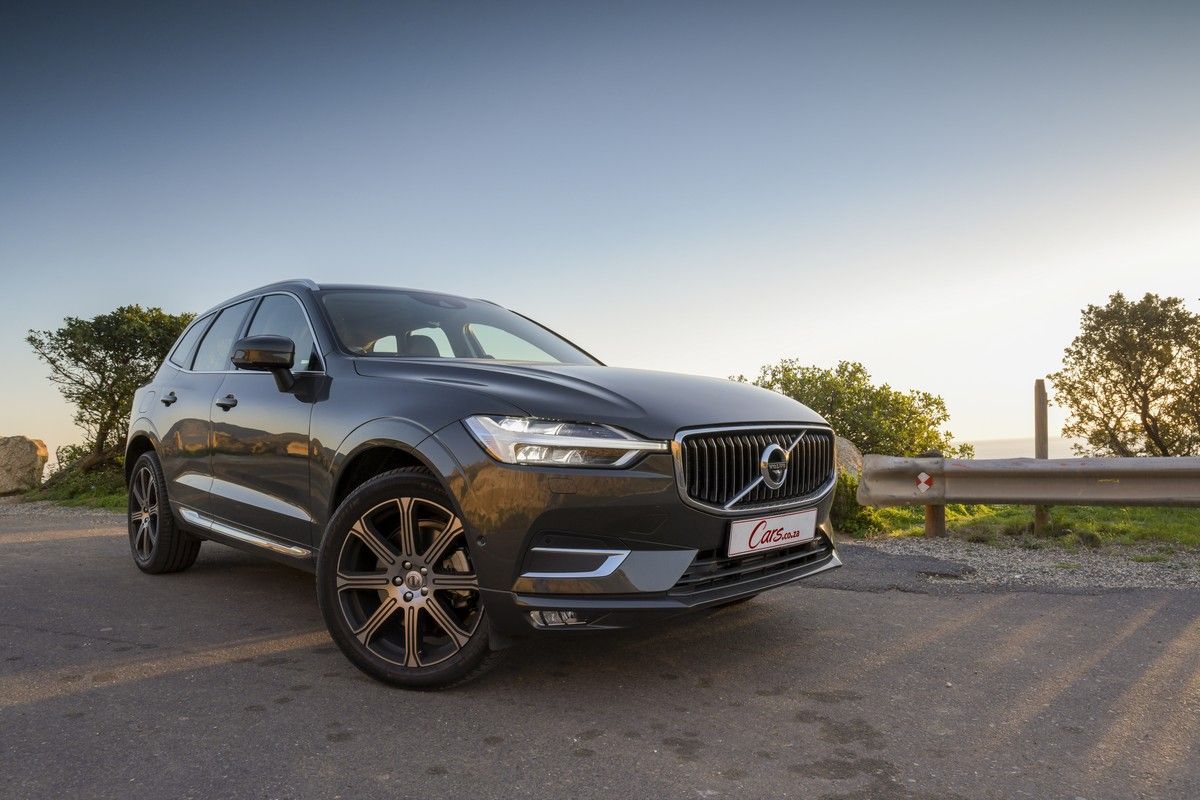
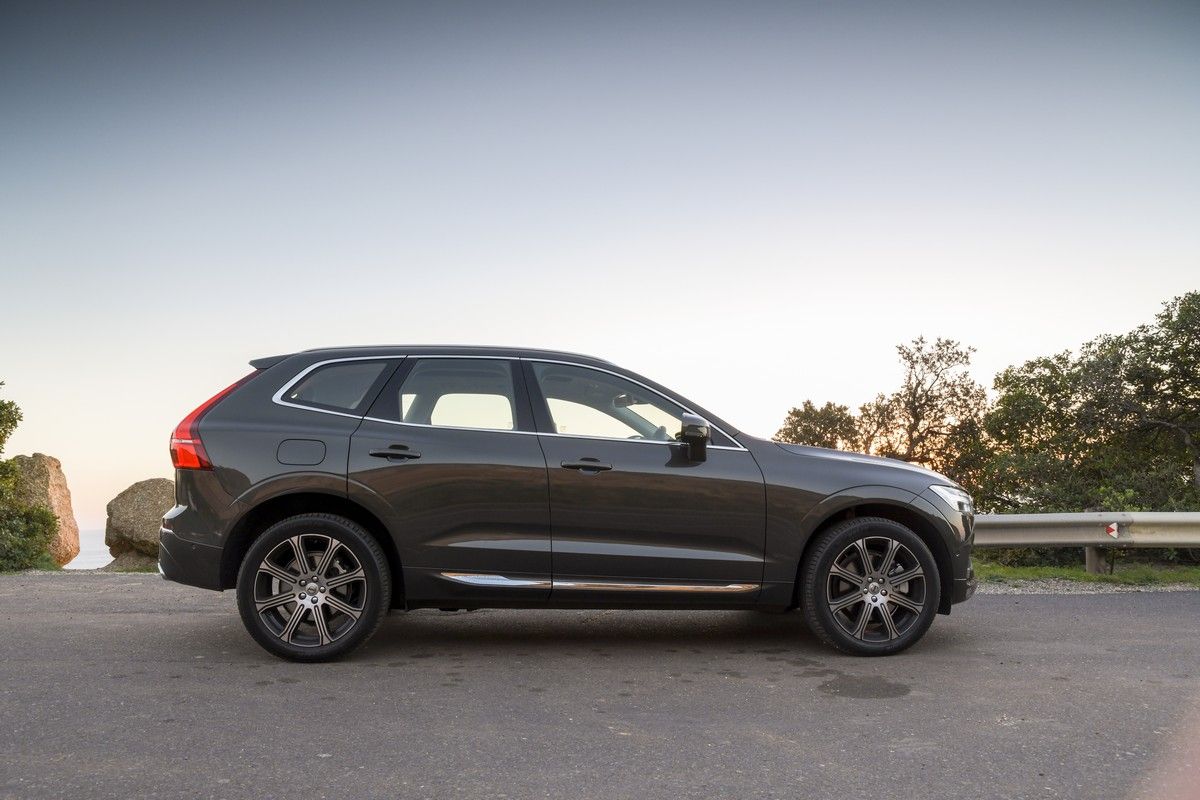
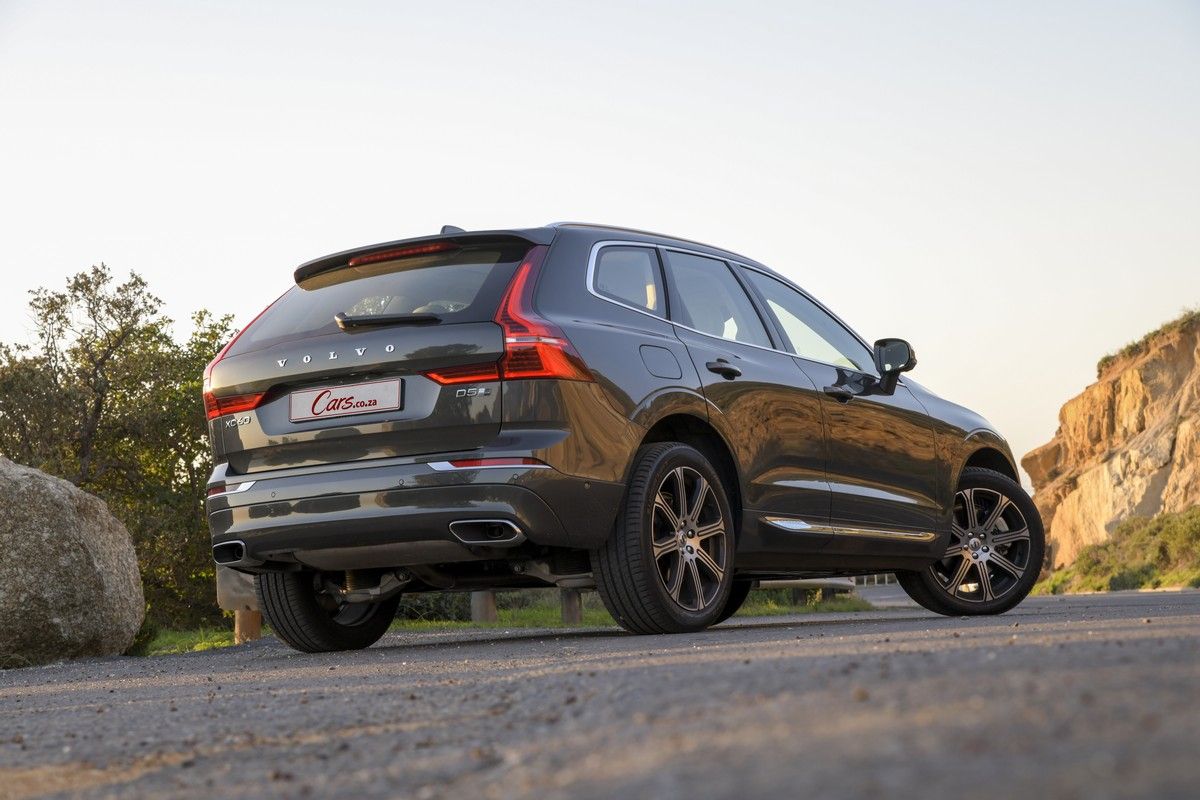
The Volvo XC60 is the 2018 World Car of the Year and a finalist in the Executive SUV category of the 2018/19 #CarsAwards. Could the middle-of-the-range D5 AWD Inscription be the sweet spot in the acclaimed Swede's line-up?
We like: Beautiful styling, balanced packaging and a serene driving experience
We don’t like: Not that entertaining to drive, some intrusive safety features
Blending the best parts of the XC40 and XC90, the new XC60 is a stylish family SUV.
Spun off the Volvo’s modular SPA (Volvo Scalable Platform), the XC60 is the middle child of the company’s XC SUV family. It looks to bridge the ground between the petite, boutique XC40 and the larger, more functional XC90, which is a multiple Cars.co.za Consumer Awards – powered by WesBank winner. Pegged squarely at such executive SUV staples such as the Audi Q5, BMW X3, Jaguar F-Pace and Mercedes-Benz GLC, the award-winning XC60 prioritises design, luxury and comfort over sportiness. Does the D5 AWD Inscription succeed in showcasing the range's best traits?
What’s good about it?
Those looks
In recent years, Volvo has developed a knack for churning out some seriously shapely cars; even going as far as transforming the (previously humdrum) S90 sedan and V90 estate into some of the most stylish members of their segments. Being the middle child of the XC range, the XC90 incorporates visual traits of its XC40 and XC90 siblings. The smaller car’s cute boxiness is coloured with a bit of the XC90’s elongated stance and softer lines. Factor in those bold, Thor’s Hammer LED driving lights, and it’s a combination that lends the XC60 a graceful, but still masculine, air.
As the current holder of World Car of the Year, the XC60 delivers in every department.
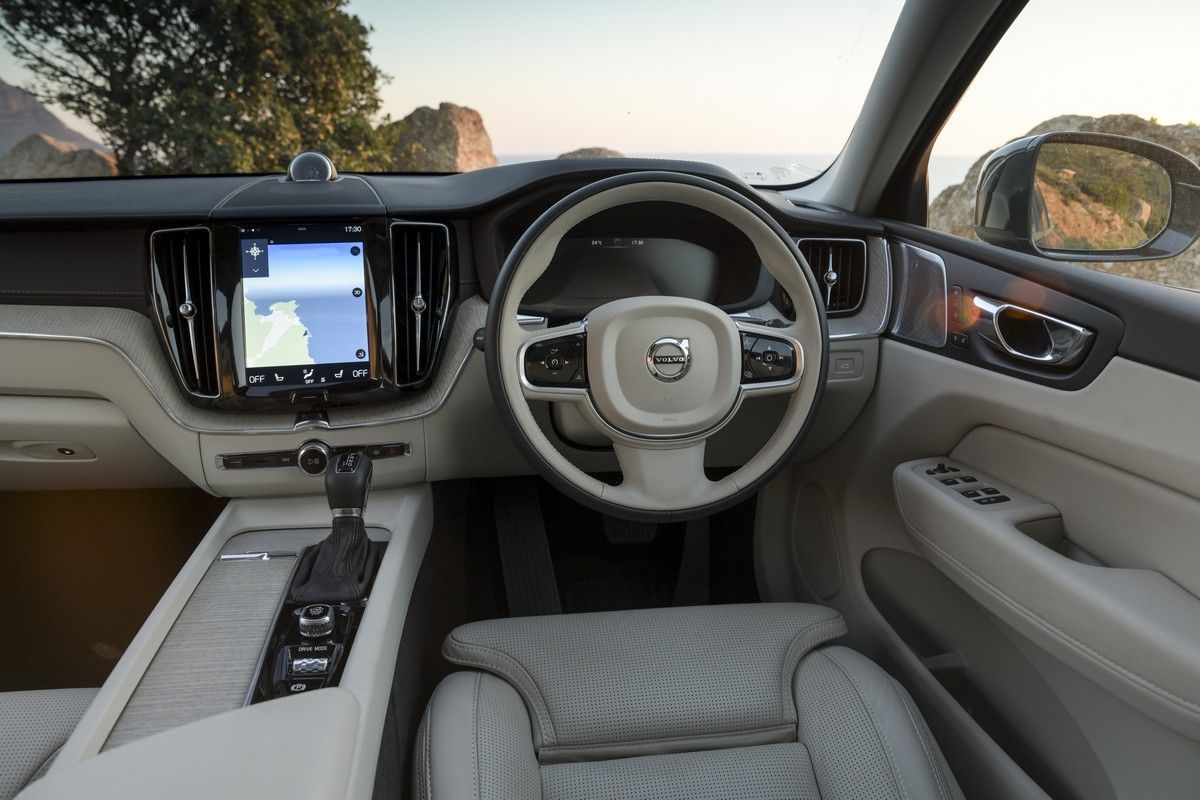
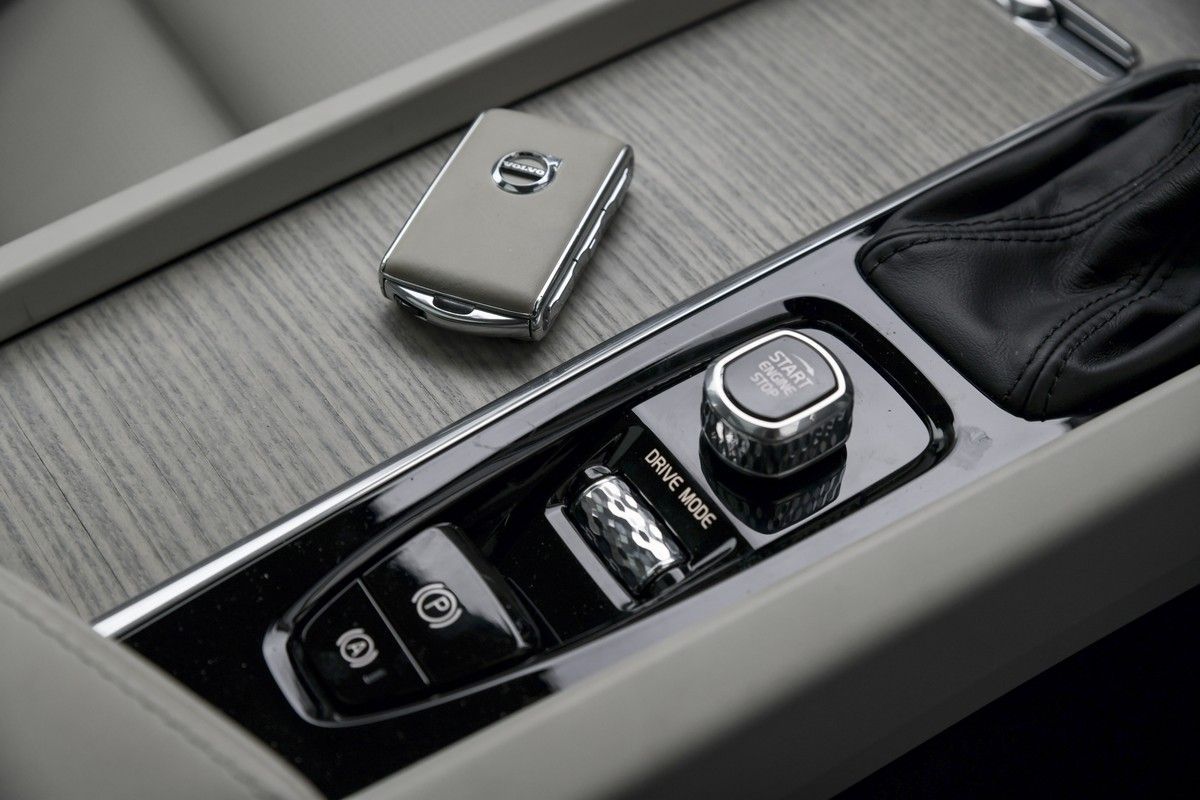
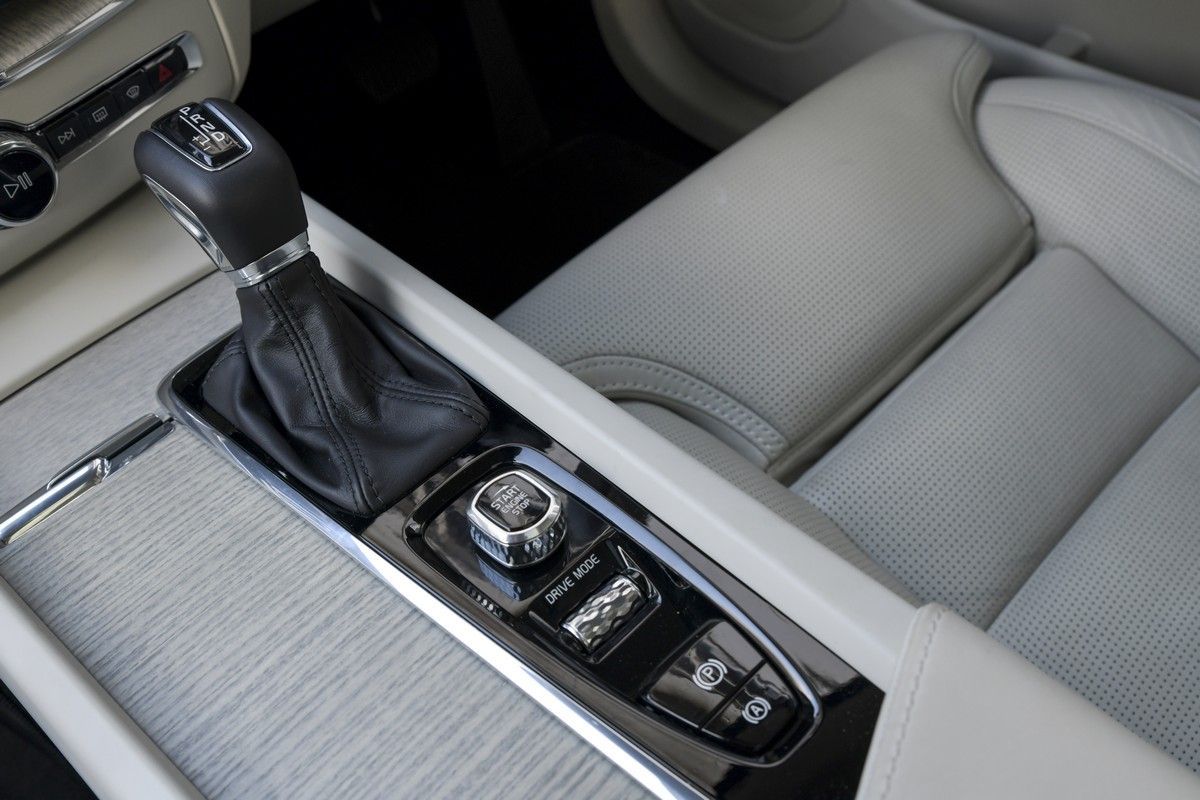
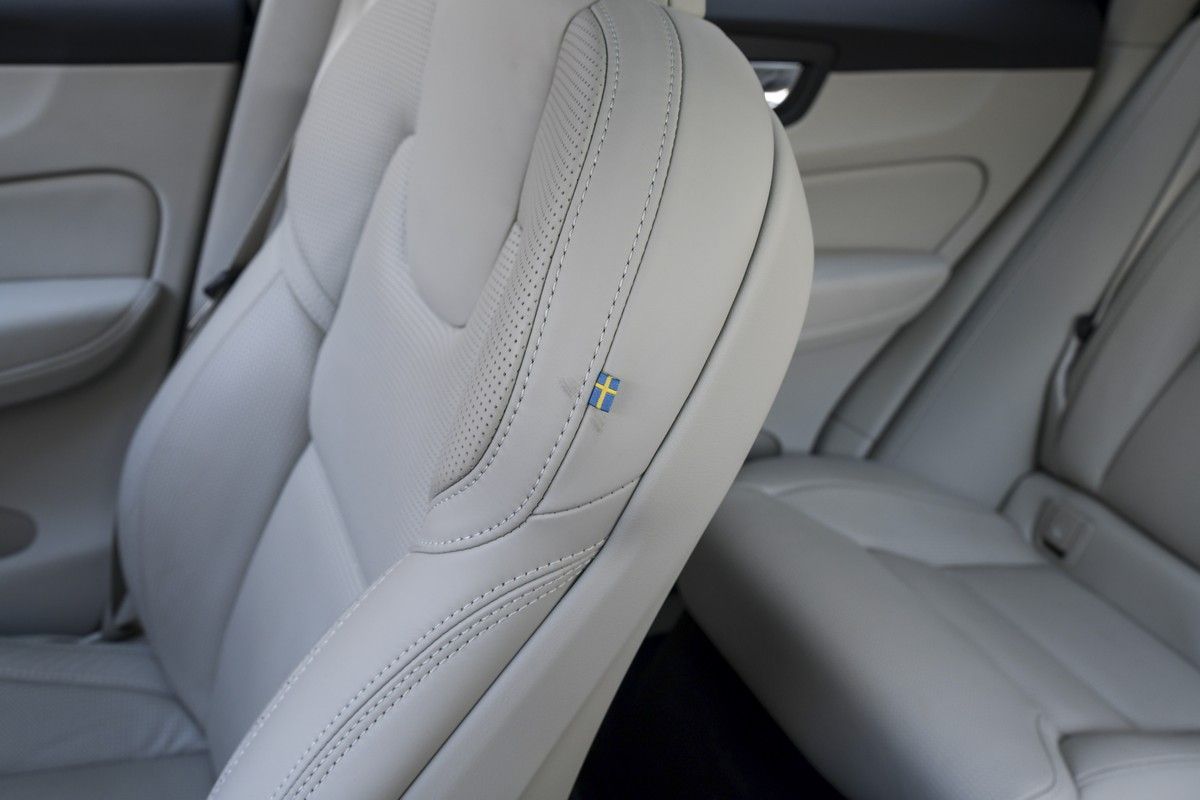
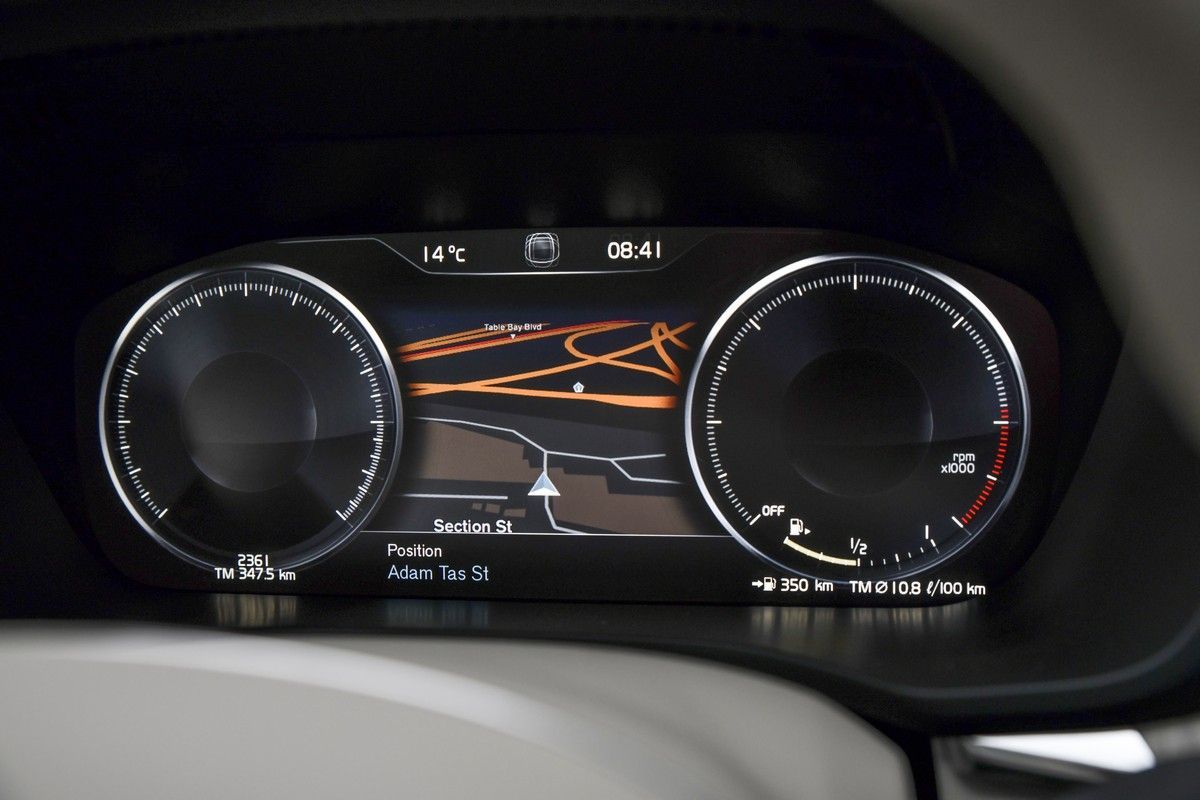
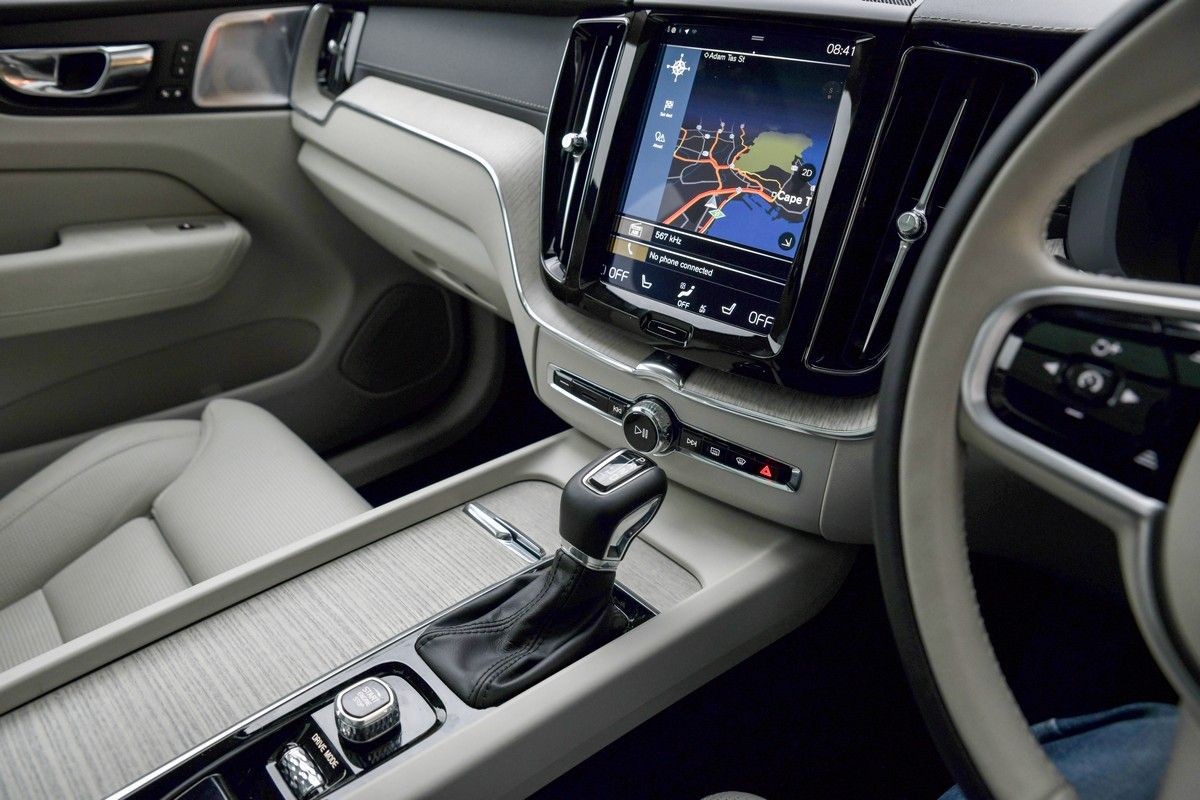
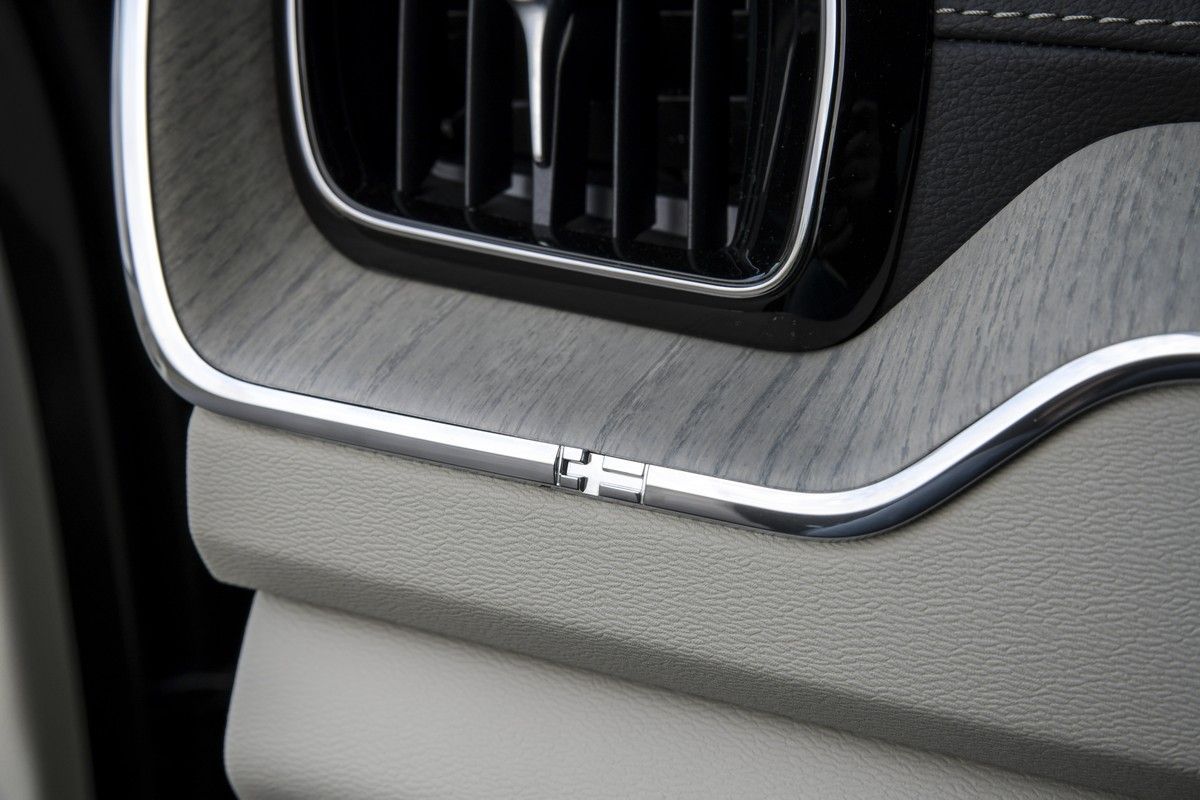
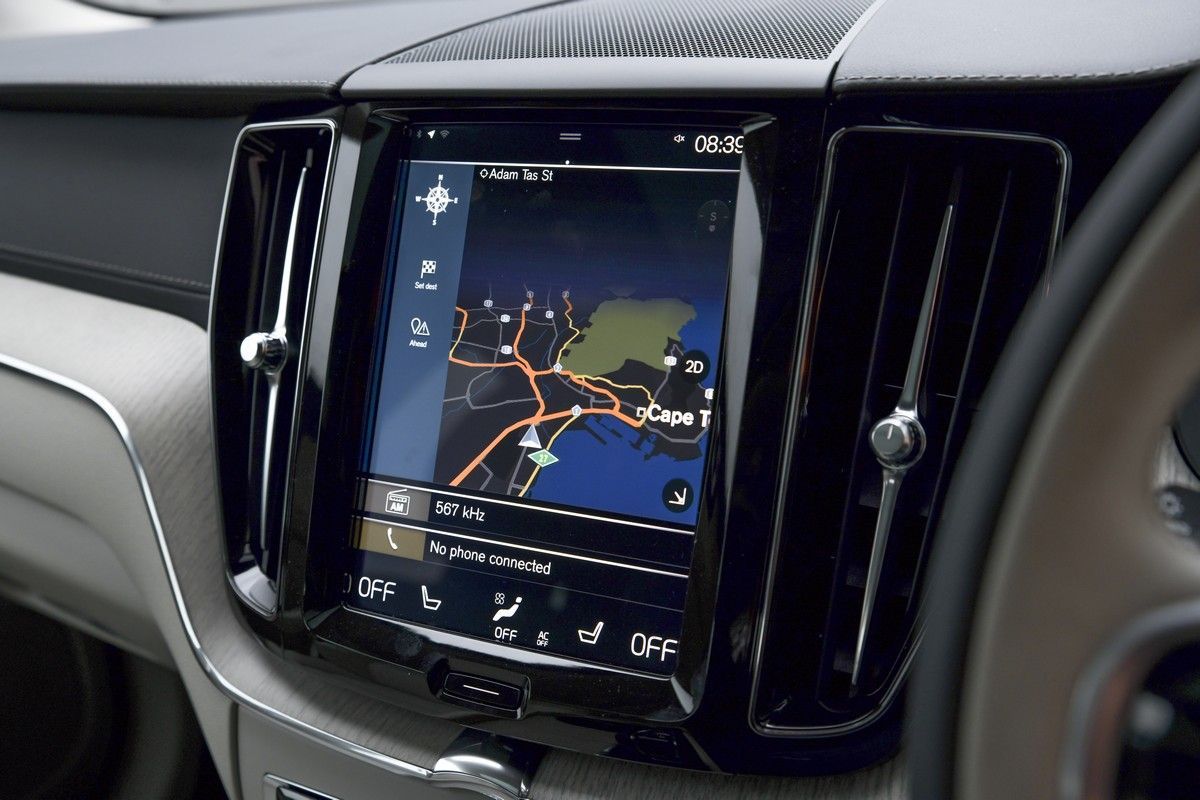
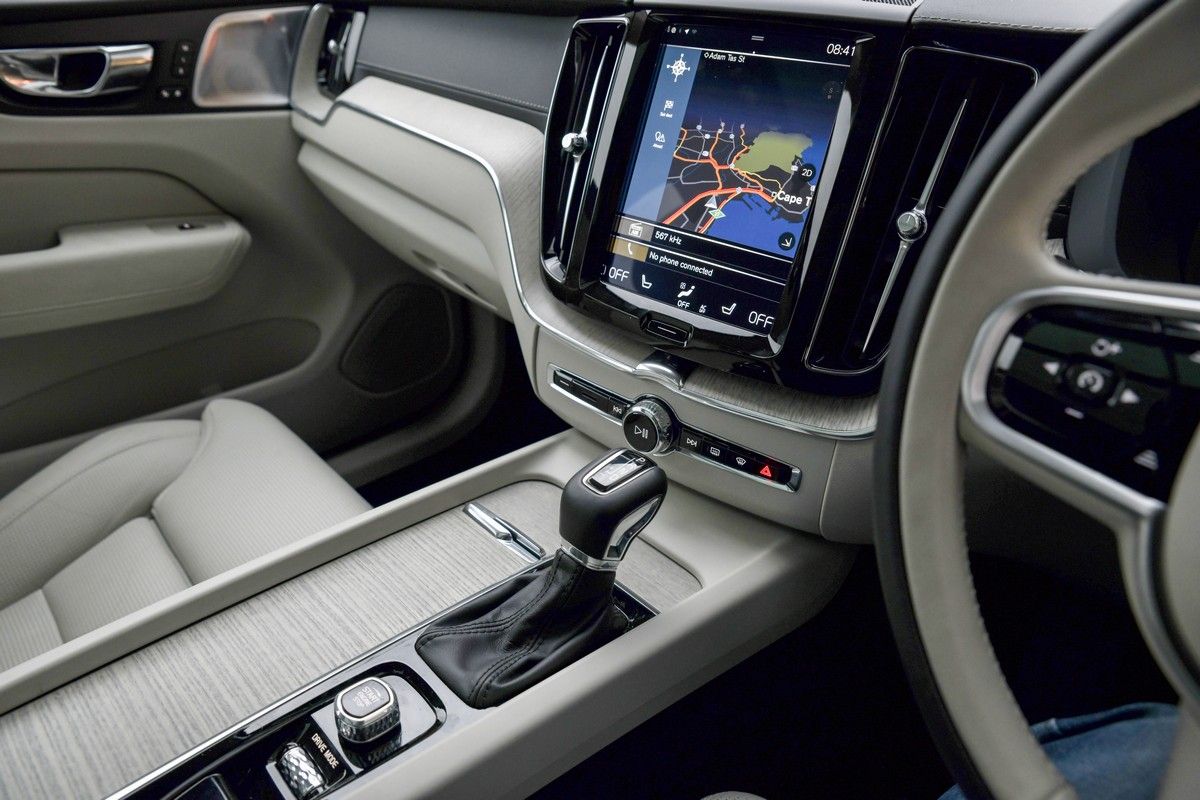
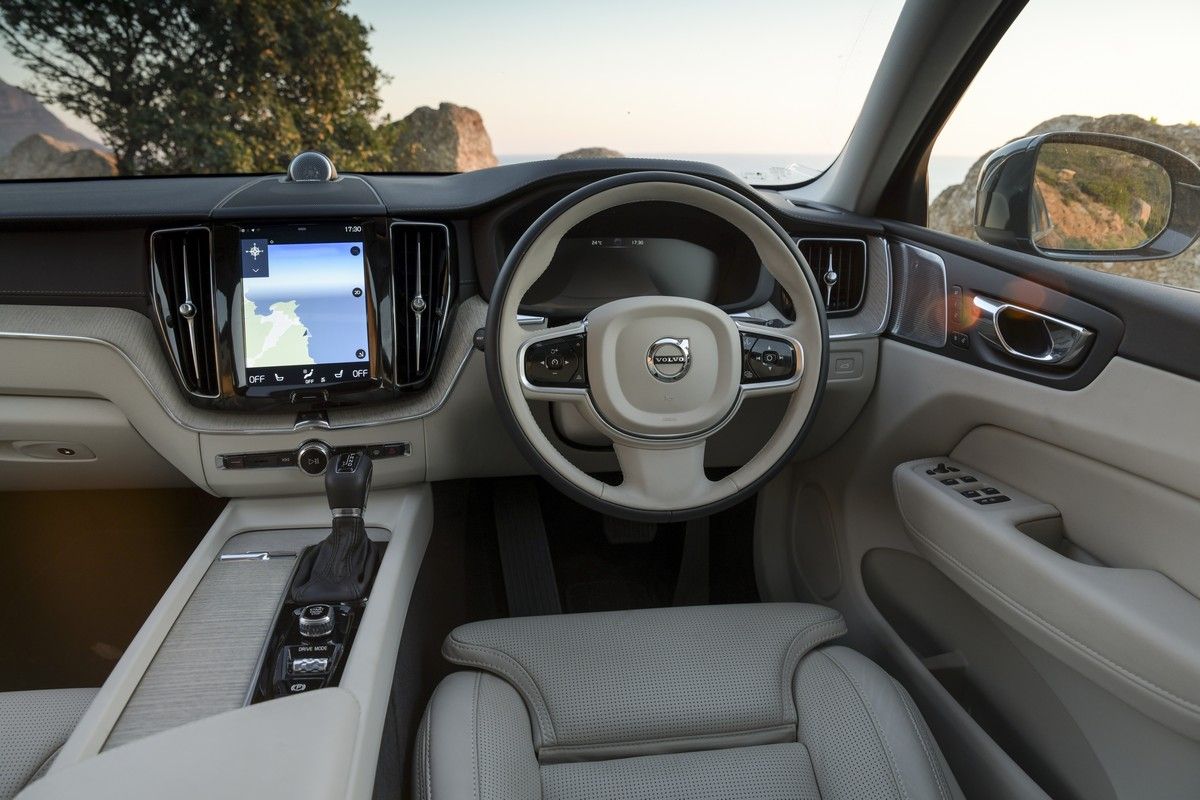
It’s a similar story inside, where the function-loaded Sensus touchscreen infotainment system ensures those minimalist lines aren’t sullied with myriad buttons. With plenty of stitched leather, model-specific "driftwood" inlays and padded trim panels, along with chrome accents (replete with a delightful Swedish flag detail etched in the serpentine fascia trim), the quality of fit and finish feels on par with most of its German rivals, but while this unit’s light cabin trim bolsters the impression of spaciousness, it’s more likely to wear and discolour than the darker hues on offer.
Perfectly proportioned
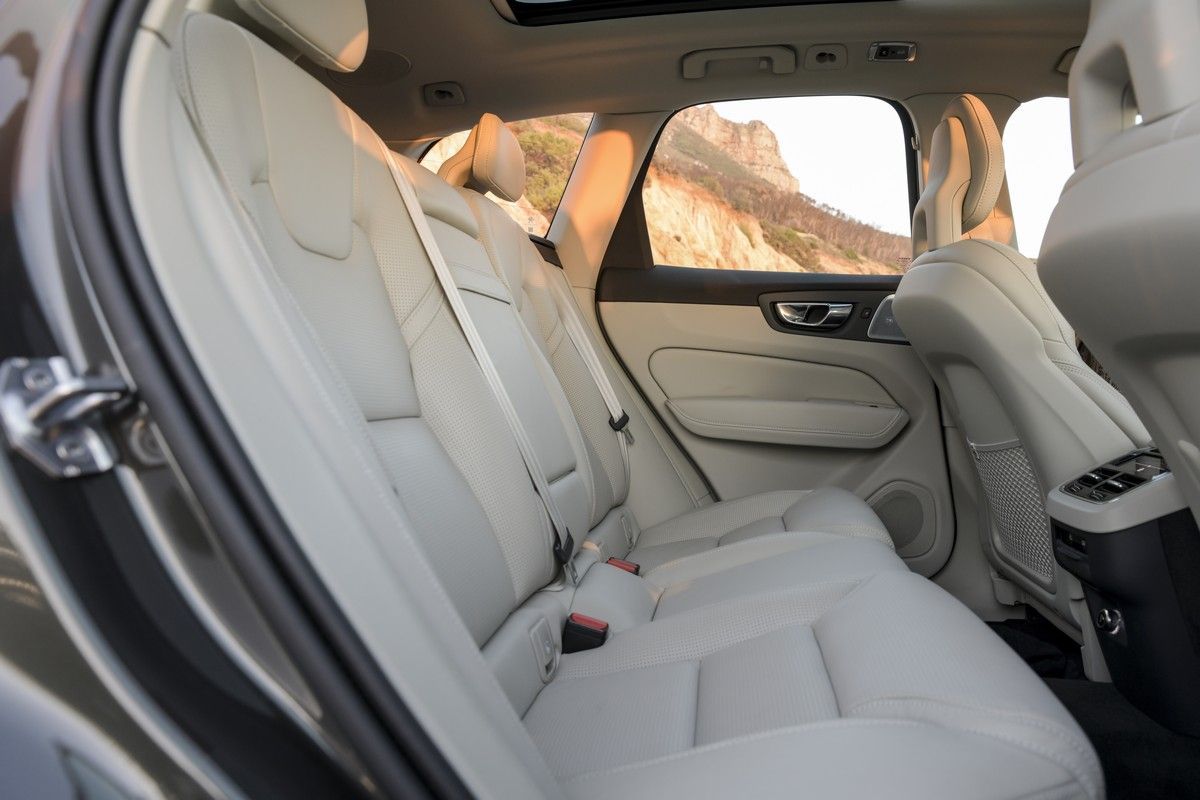
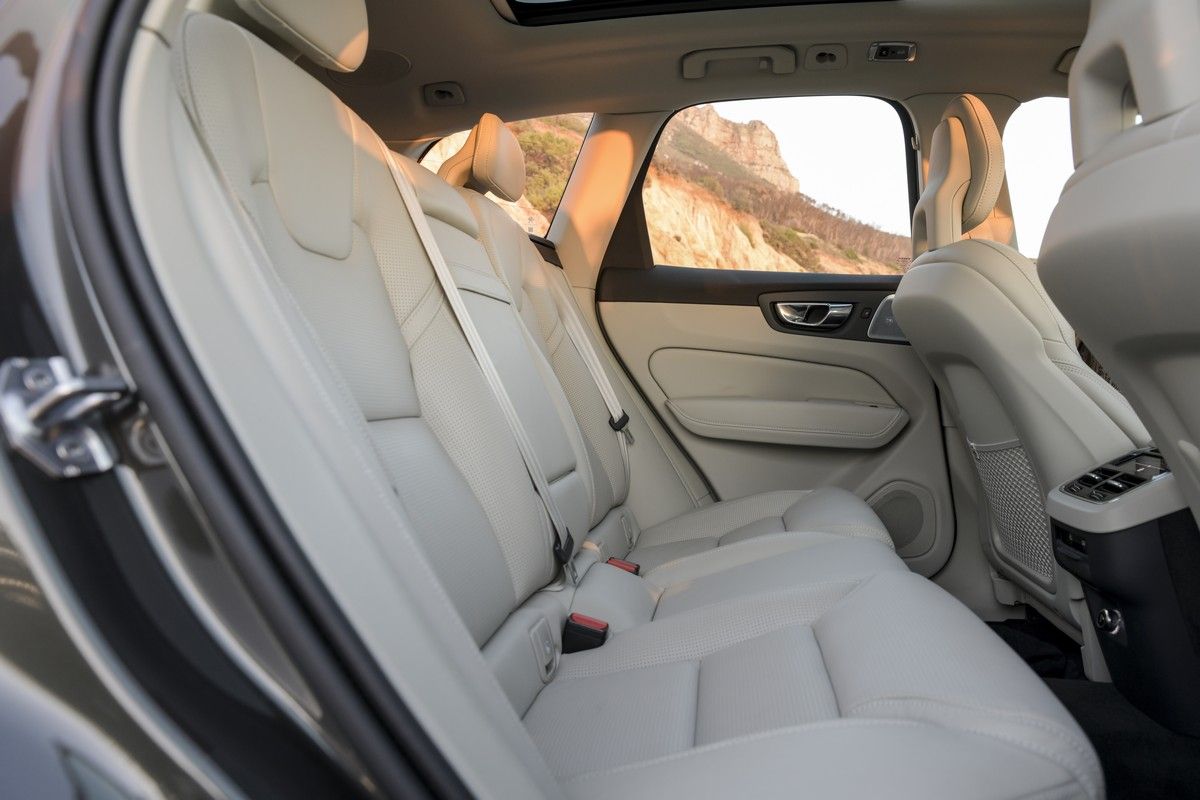
The mid-tier XC model’s 2 865 mm wheelbase is marginally shorter (around 20 mm) than that of the XC90, but there’s an impressive amount of rear-passenger legroom, plentiful shoulder room and a luggage bay that, although smaller than that of the BMW X3, still serves up a claimed 505 litres and a whopping 1 432 litres with the rear seatback folded flat – a task made all that much easier by the inclusion of one-touch release buttons in the load bay. Given the amount of space on offer, it could be argued that Volvo missed a trick by not providing a 3rd row of seats, but that omission is unlikely to be a deal-breaker for most. There are also some thoughtful little touches that lend a touch of polish to the XC60’s overall packaging, such as siting the aft passengers’ air vents midway up the B pillar, aiming cool air at their faces rather than refrigerating their knees.
Serene at every speed
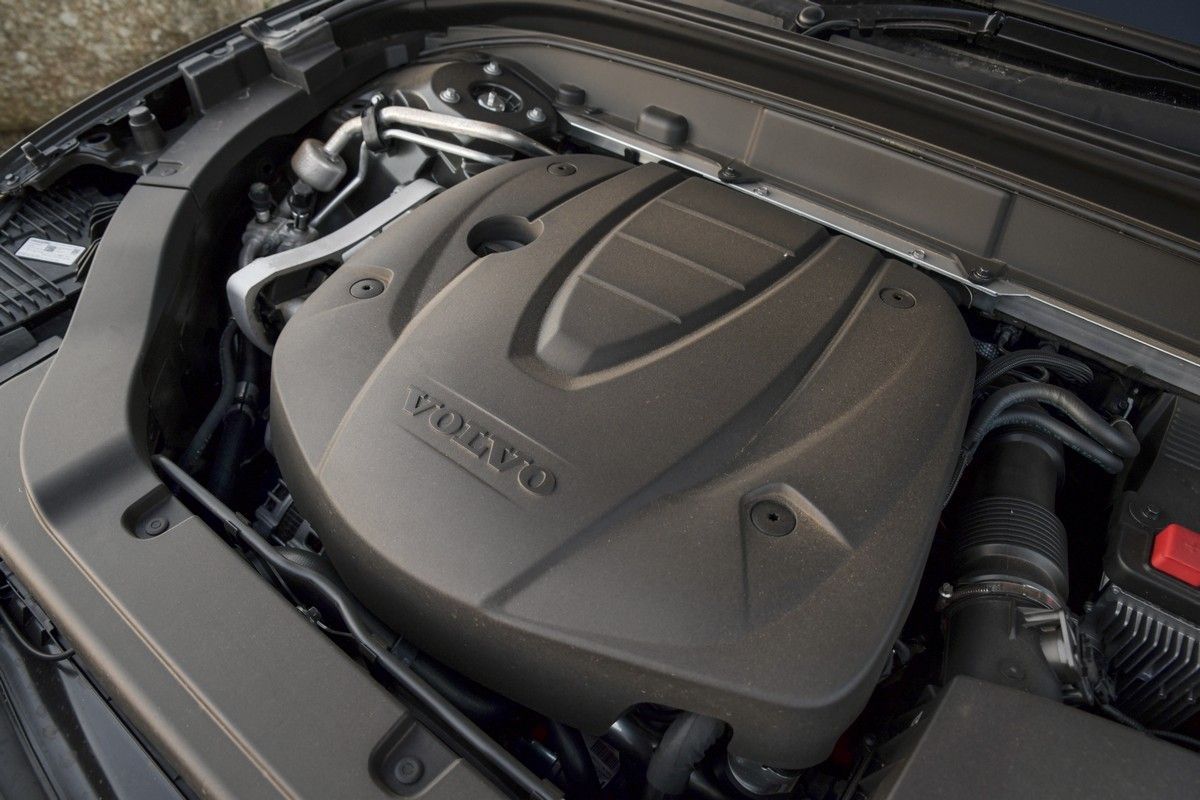
From its sense of spaciousness and simple design, not to mention incredibly comfortable front seats, designed with input from osteopaths, no less, the XC60 serves up a restful motoring experience. Even the grumble of the 2.0-litre turbodiesel and the road noise normally generated by large-tyred SUVs struggle to penetrate the well-insulated cabin.
The Sensus touch infotainment system makes for an uncluttered and peaceful cabin.
Ironically, it’s the fluidity of this particular powertrain compared with that of the 2.0-litre T6 turbopetrol derivative that really impresses. While there are inherent concessions to mechanical refinement to any 4-cylinder turbodiesel, they don’t present themselves strongly in the XC60 and the lack of vibration through the pedals and steering is just one less burden on the senses.
But that’s not where the turbodiesel's virtues end. Although the T6 offers ample outputs (235 kW/400 Nm), we've found that the petrol-powered derivative is hamstrung by an engine that feels strained when pushed, plus its transmission's shift pattern can seem indecisive in mixed driving conditions. By contrast, the D5’s plentiful low-end torque – a healthy 480 Nm from just 1 750 rpm – seems to have remedied the latter shortcoming. The 8-speed automatic transmission plays along nicely with the diesel motor, allowing it to serve up the goods in a smoother, more considered fashion. It’s not sluggish, though. In-gear acceleration feels pleasantly brisk and accelerating from standstill to 100 kph takes 7.2 seconds.
Fuel consumption is similarly respectable, with the D5 serving up 7.7 L/100 km. The test unit’s air-damped suspension (an extra cost option, for about R27 000) furthers the impression of restfulness, ironing out bumps with little of the post-impact jitter that sometimes affects similar setups.
Safety aplenty
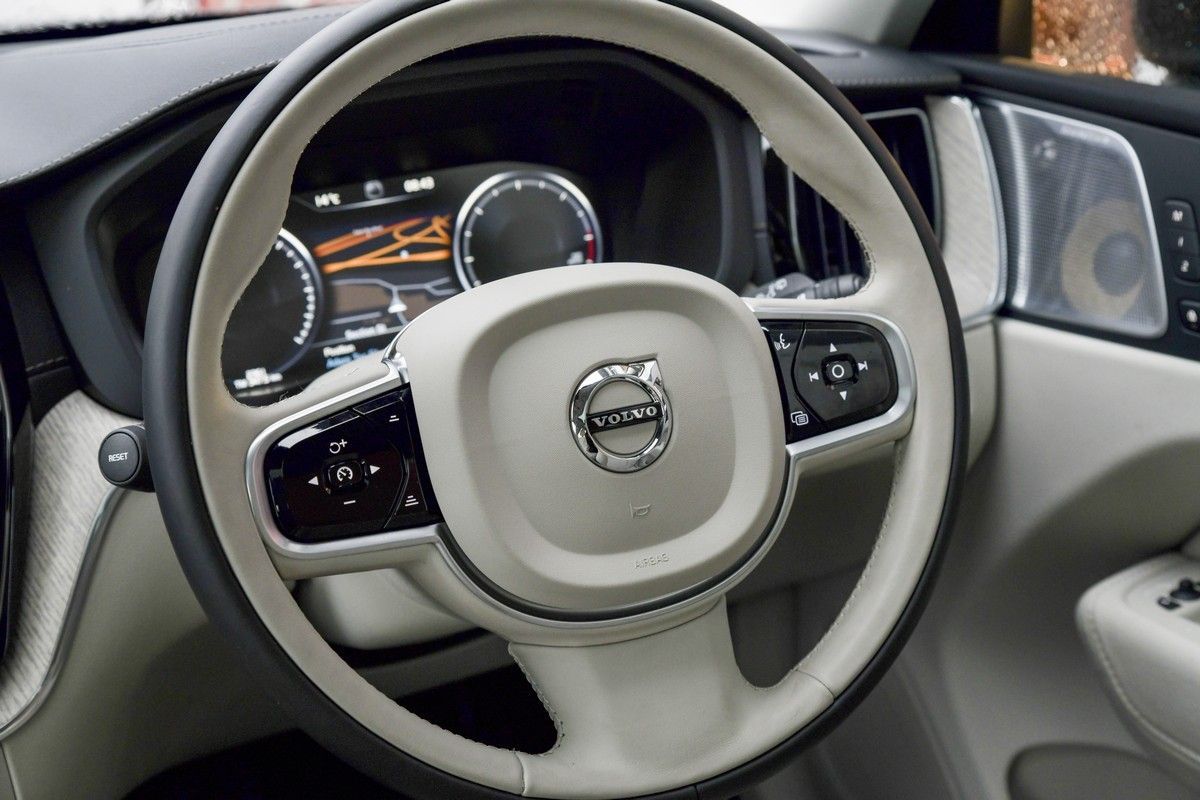
Volvo's interiors are well-appointed and lavishly adorned in leather.
Like most Volvos, the XC60 bristles with innovative safety features and effortlessly breasts the 5-star EuroNCAP mark. The specification includes, inter alia: ABS with EBD and brake assist, adaptive headlamps, driver drowsiness monitor, traffic sign recognition, lane keeping assist, rearview camera, and run-off-road mitigation and protection, which uses steering and brake assistance to pull the car back onto the road. When speccing the XC60 it’s also worth considering that such safety features as a head-up display and Pilot Assist are part of a Driver support pack (R25 750).
What could be improved?
It’s not lively…
One of the XC60’s greatest virtues also has the potential to become one of its few shortcomings. With that serene nature comes steering that’s light but largely devoid of feel and a softly-configured suspension, which, even in its sportiest preset, concedes to body roll under brisk cornering. And, while there is plenty of grip, courtesy of the Volvo's all-wheel drivetrain, the D5 Inscription's nose tends to push wide when hustled into bends. Some may argue that such driving antics defeat the point of a car as safe and relaxing as the XC60, but it’s also fair to say that the Swede's German rivals, such as the BMW X3 and Mercedes-Benz GLC, are both capable of balancing refinement and driver engagement.
Safety systems are irksome
Rear passengers are afforded plenty of legroom, plus air vents in the centre island, as well as on the B-pillars.
While the XC60’s myriad safety features are a reassuring boon, especially for families, some of the electronic nannies are rather intrusive. In this case, it’s City Safety, the sensor-assisted braking and collision mitigation system, that’s the culprit. It plays things a little too safe and shows a tendency to pick up cars parked normally along the road as potential hazards, setting off red lights in the head-up display, a series of aural alarms and engaging the brakes. If anything, it makes the otherwise relaxed XC60 (and its startled driver) feel rather tense. The semi-autonomous driving system is also a bit nervous and is often flummoxed by fading or complexity of the road markings upon which it relies.
Pricing and Warranty
The D5 AWD Inscription retails for R804 150 and comes with a maintenance plan and warranty, both spanning 5 years/100 000 km. Services are every 12 months, or 20 000 km.
Verdict
Not only does the XC60's ability to serve up the best of both the XC40 and XC90 make this car the pick of Volvo’s SUV litter, but the D5 engine and transmission are well calibrated and the Inscription specification is both suitably luxurious and eminently tasteful. The Volvo's surfeit refinement and sops to occupant comfort may see it lose out to its rivals in terms of driving engagement, but the Swedish offering's competitively priced, calming to drive and oh-so-stylish. Whereas some of its rivals seem a bit clinical (the Q5) or long in the tooth (the GLC), the XC60 is "the finished product".
Watch Juliet McGuire's video review of the D5 AWD Inscription:
Alternatives (click on the names for specification details)
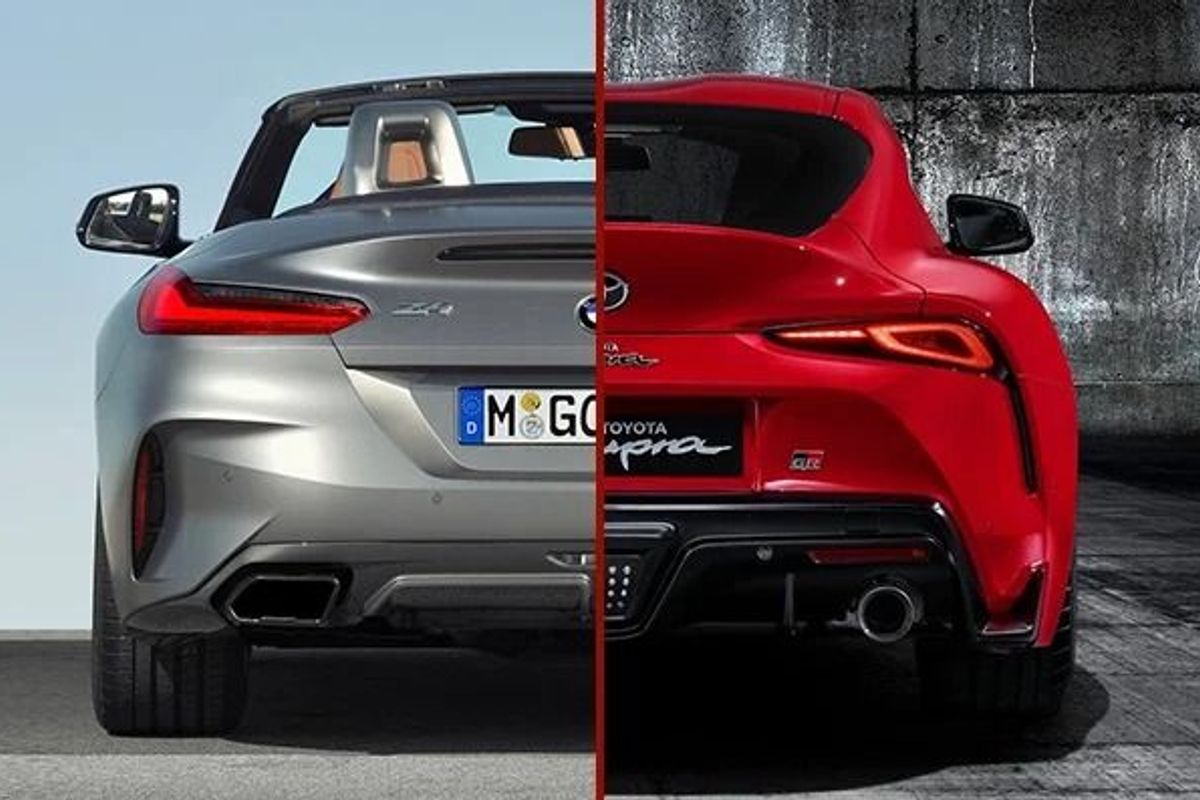
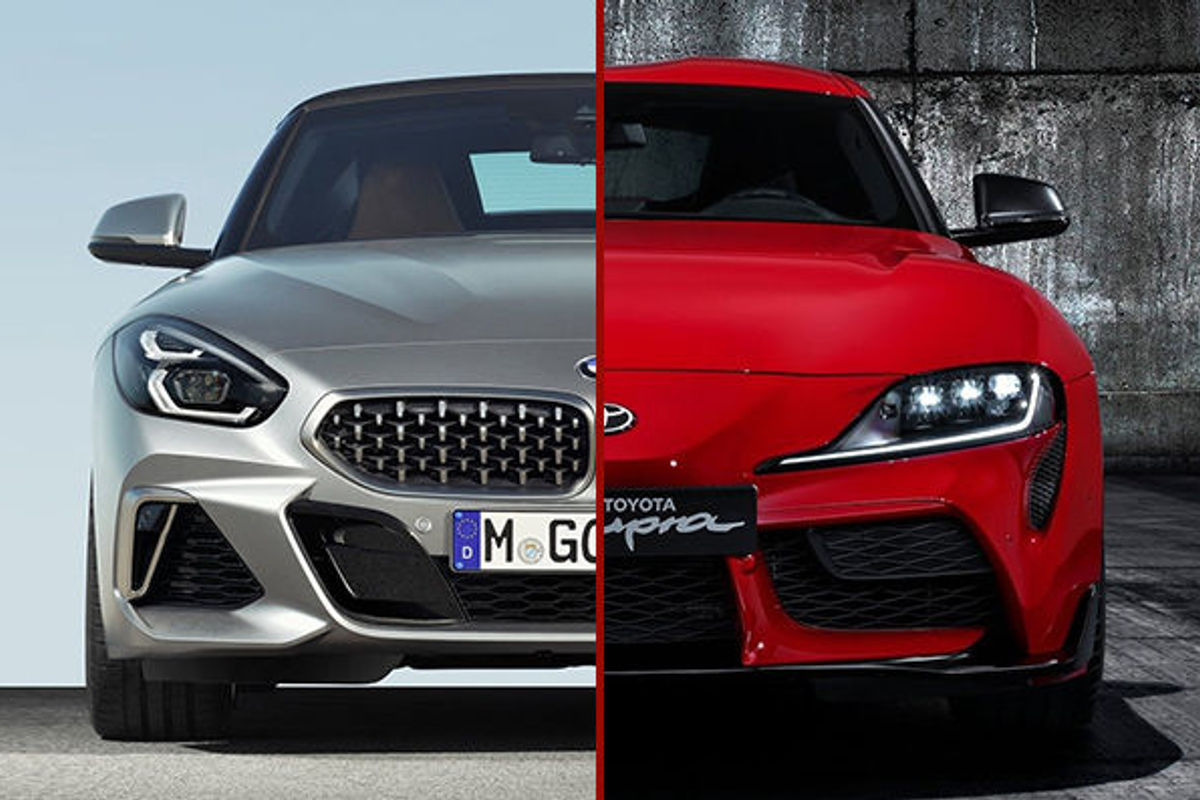
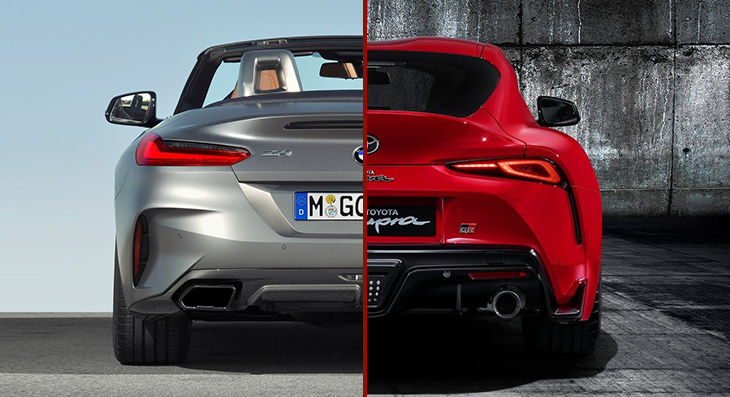
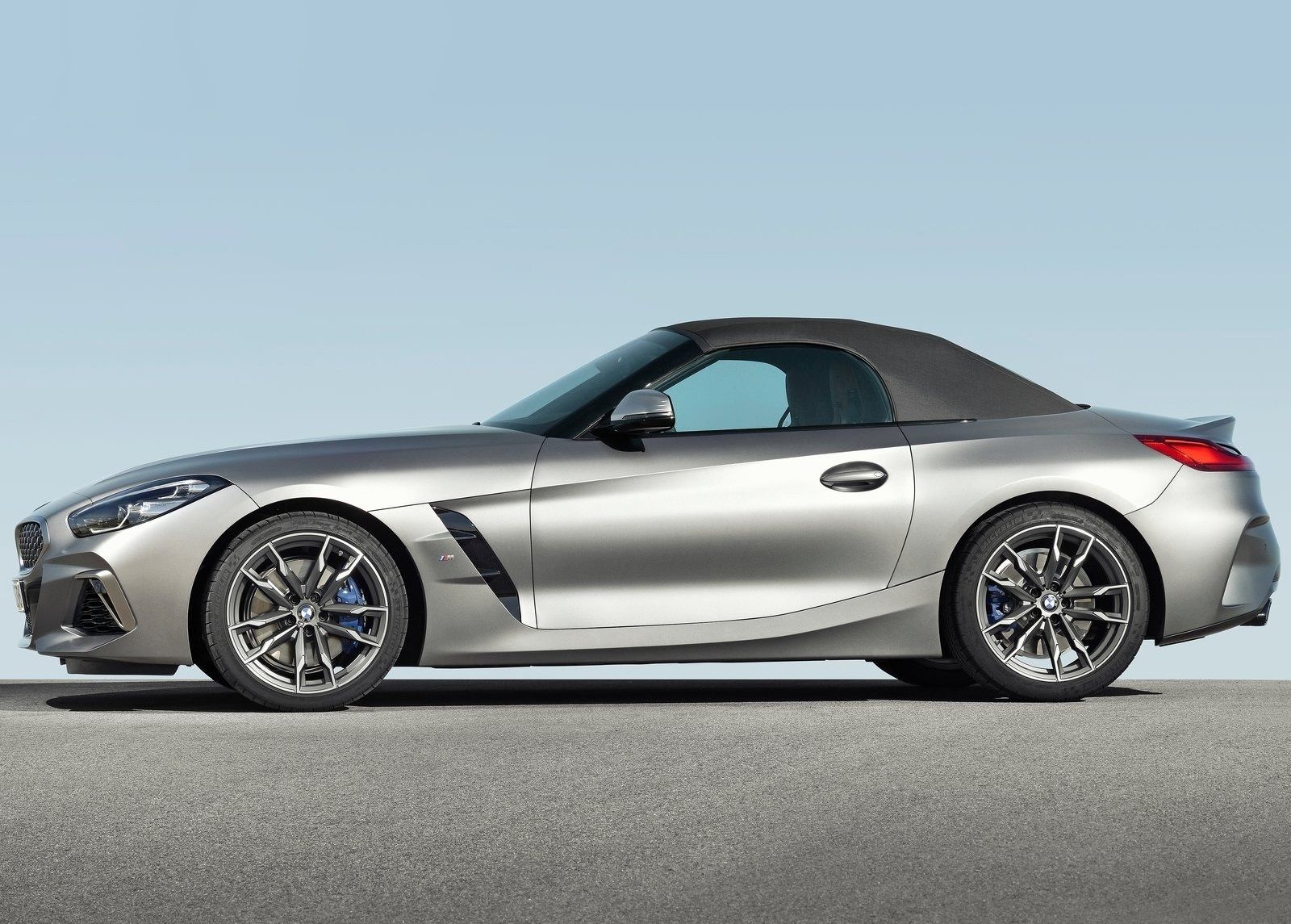
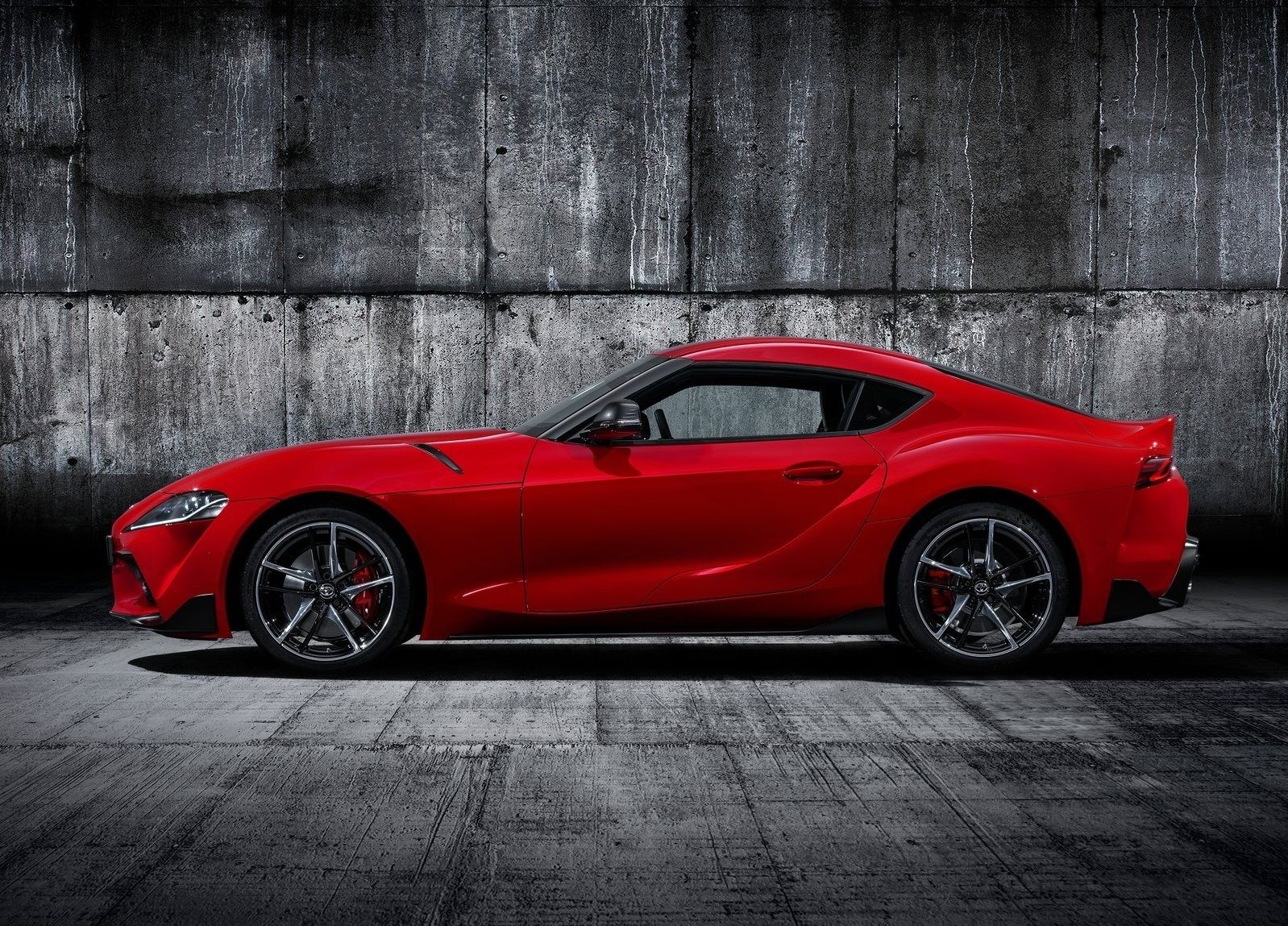
This week's headlines have been dominated by the launch of the new Toyota Supra. Cynics have been quick to label the eagerly-anticipated newcomer a Toyota-badged BMW Z4, but how closely are the Supra and Bimmer related?
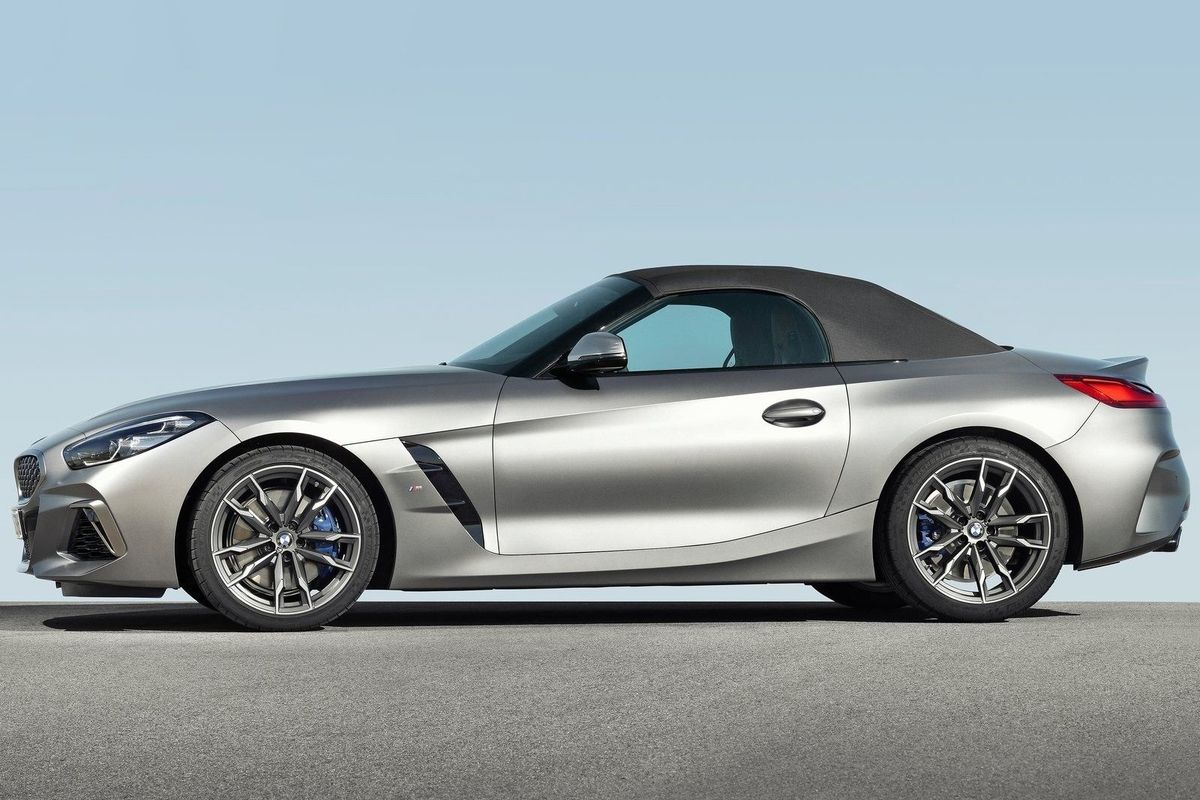
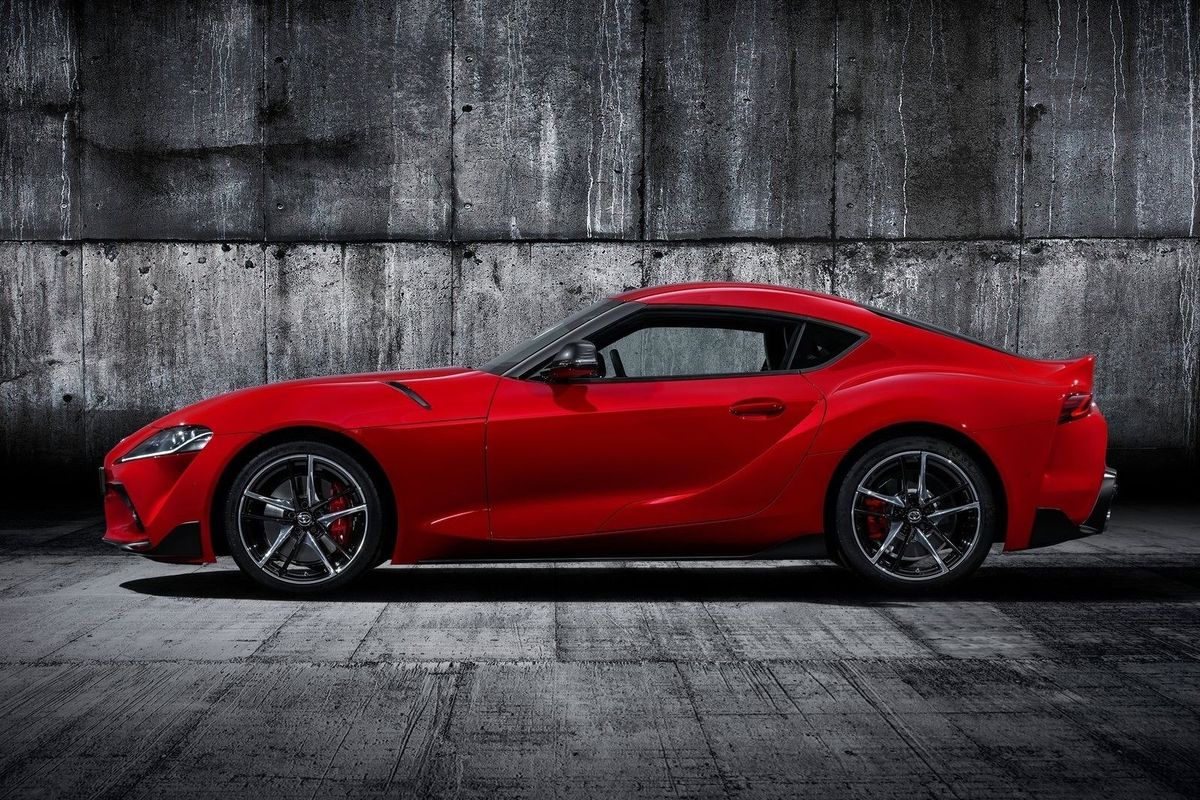
The 2020 Supra is the result of a collaborative effort between Toyota and BMW. A few months ago, the Munich-based released its new Z4 and the Supra's based on its platform, but while there are mechanical similarities, the two cars are quite different in execution. What's more, the Supra has bespoke suspension and traction control tuning, to offer a markedly different driving experience. Also, when you compare body styles, the Z4 is strictly a roadster, while the Supra is a coupe, which means the latter will have better torsional rigidity and should hold the edge in terms of handling.
However, when you look under the respective cars' sheetmetal, it becomes a challenge to differentiate between them. For example, the BMW and Toyota share the same engine, albeit in different states of tune. The engine – the B58 3.0-litre turbocharged straight 6 – is made by the German firm. In Z4 M40i application, it produces 250 kW and 500 Nm, while in the Supra it has the same power output and fractionally less torque (495 Nm).
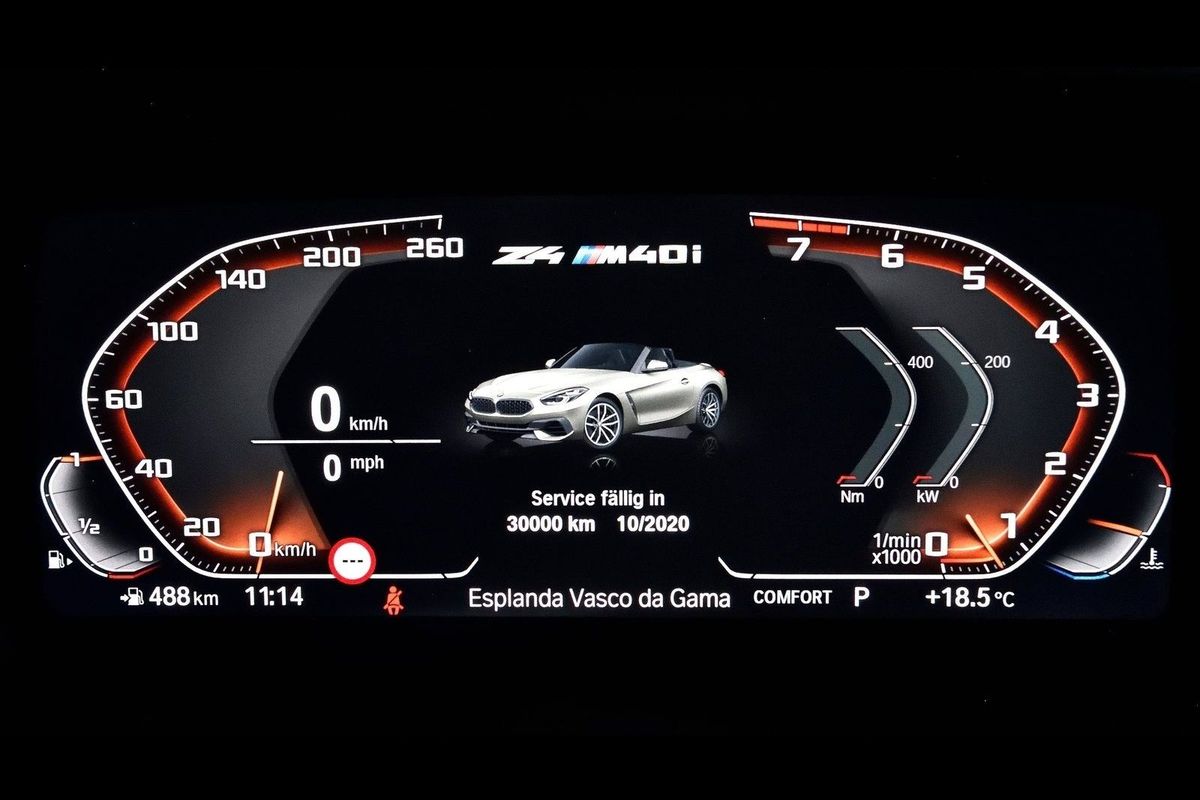
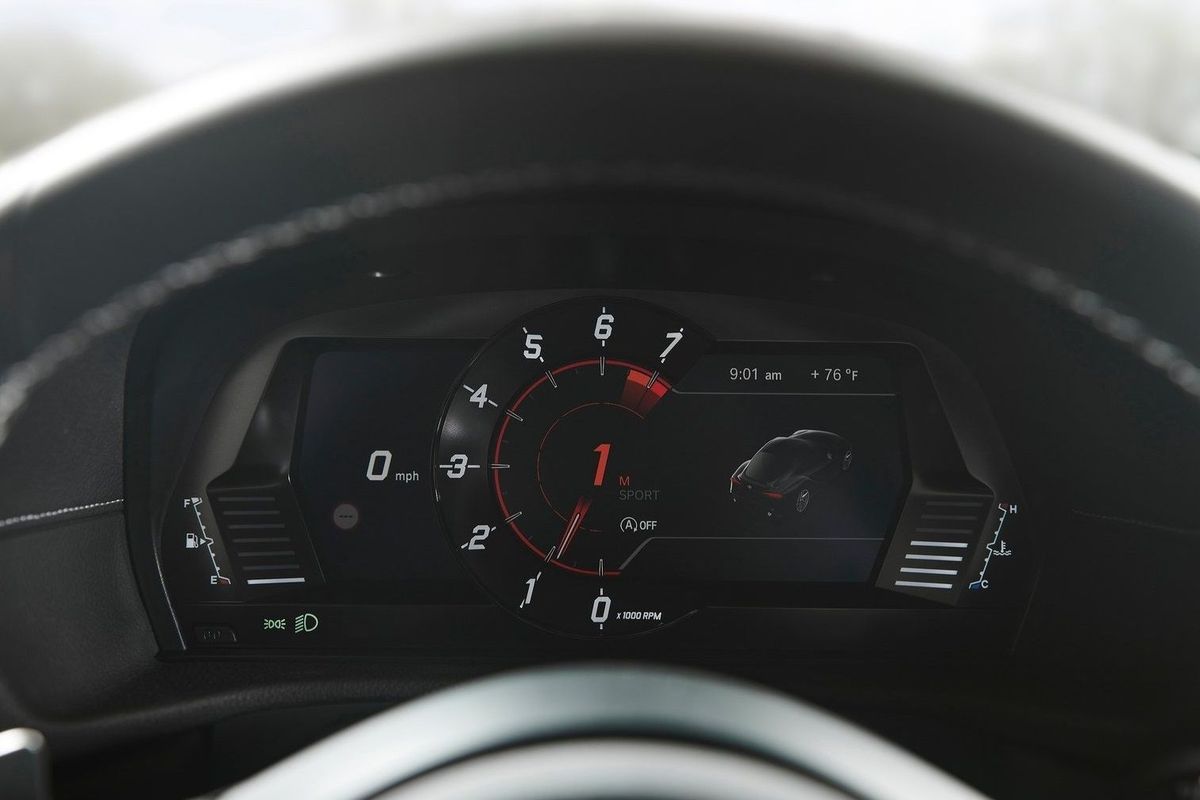
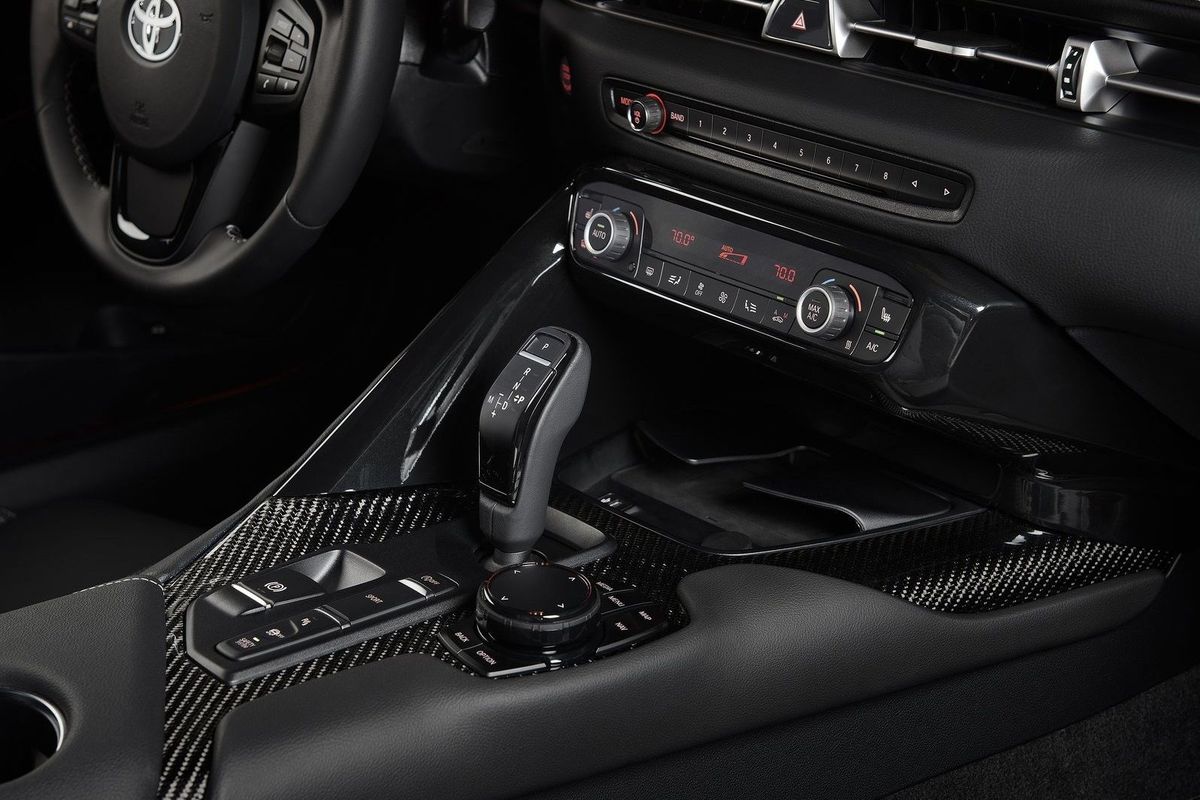
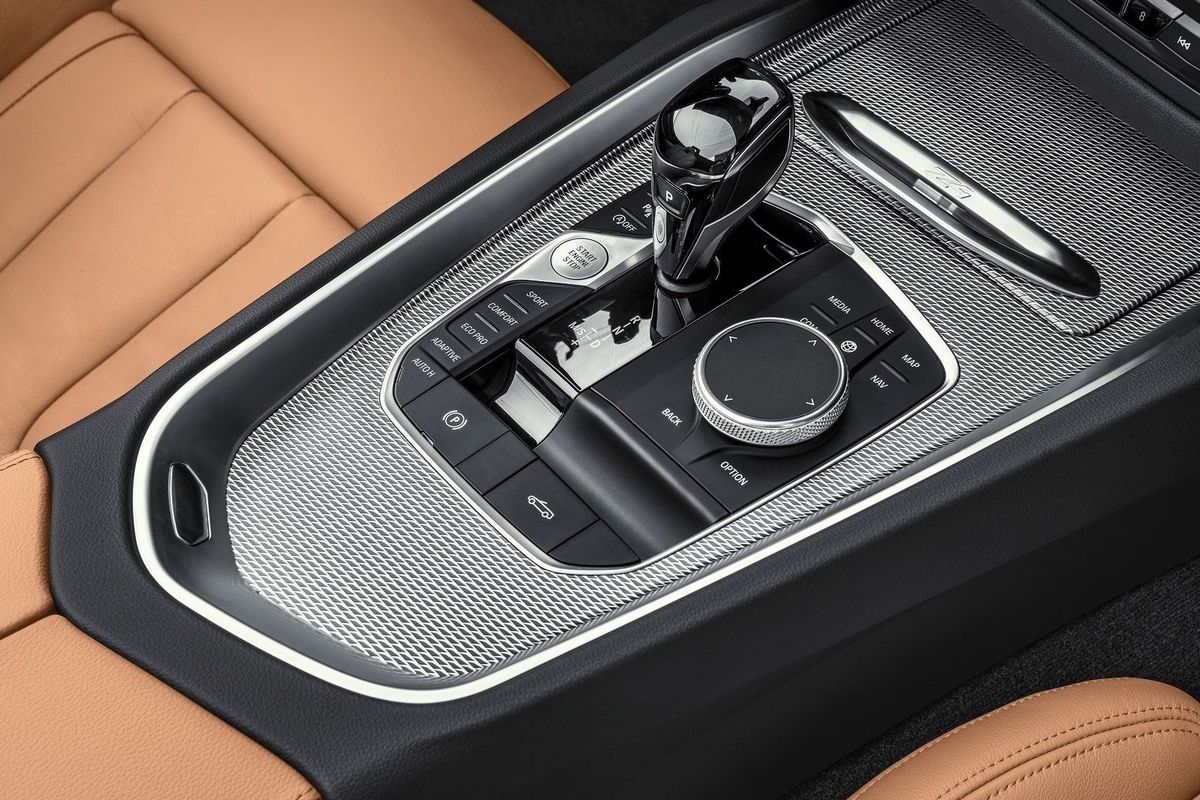
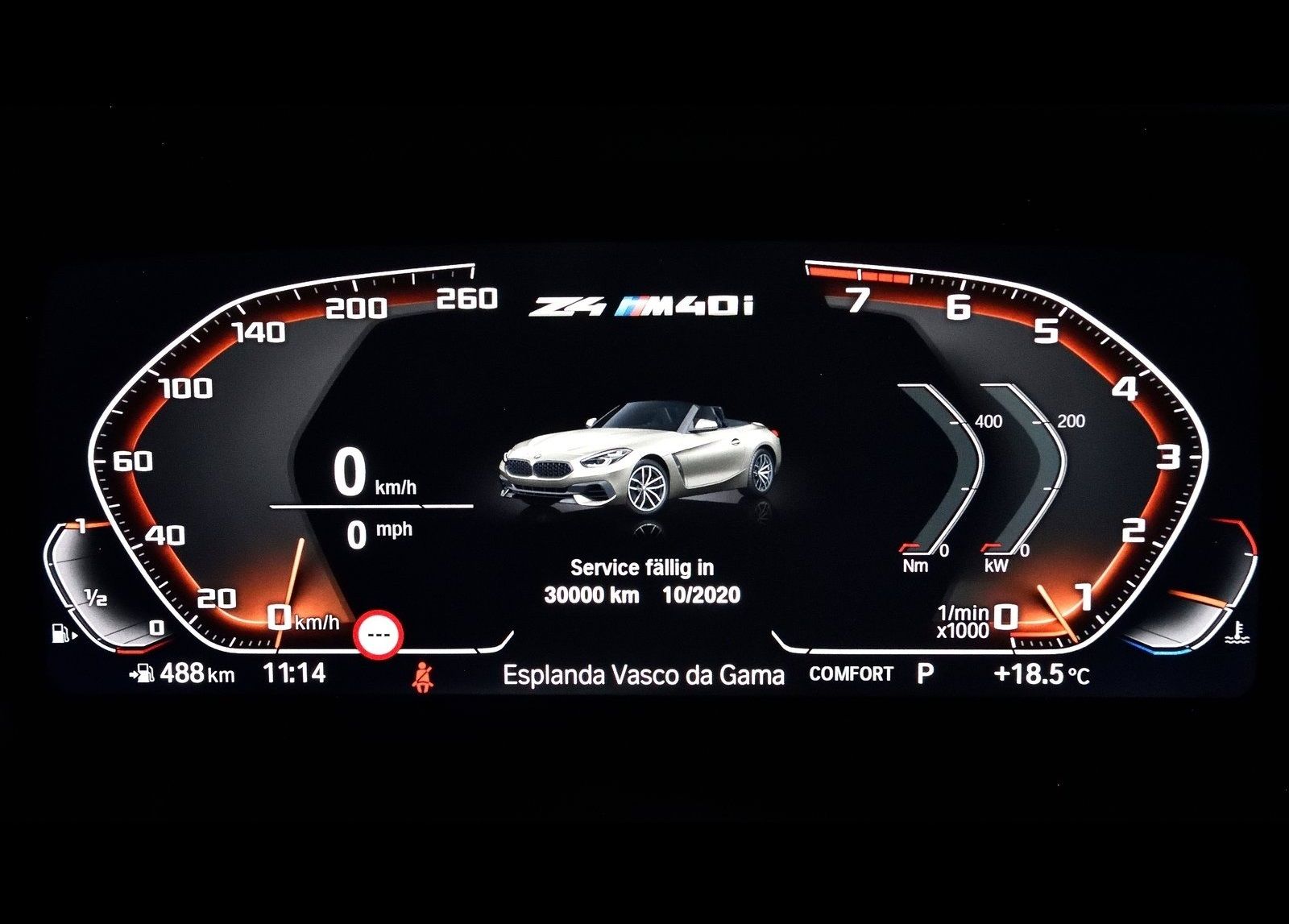
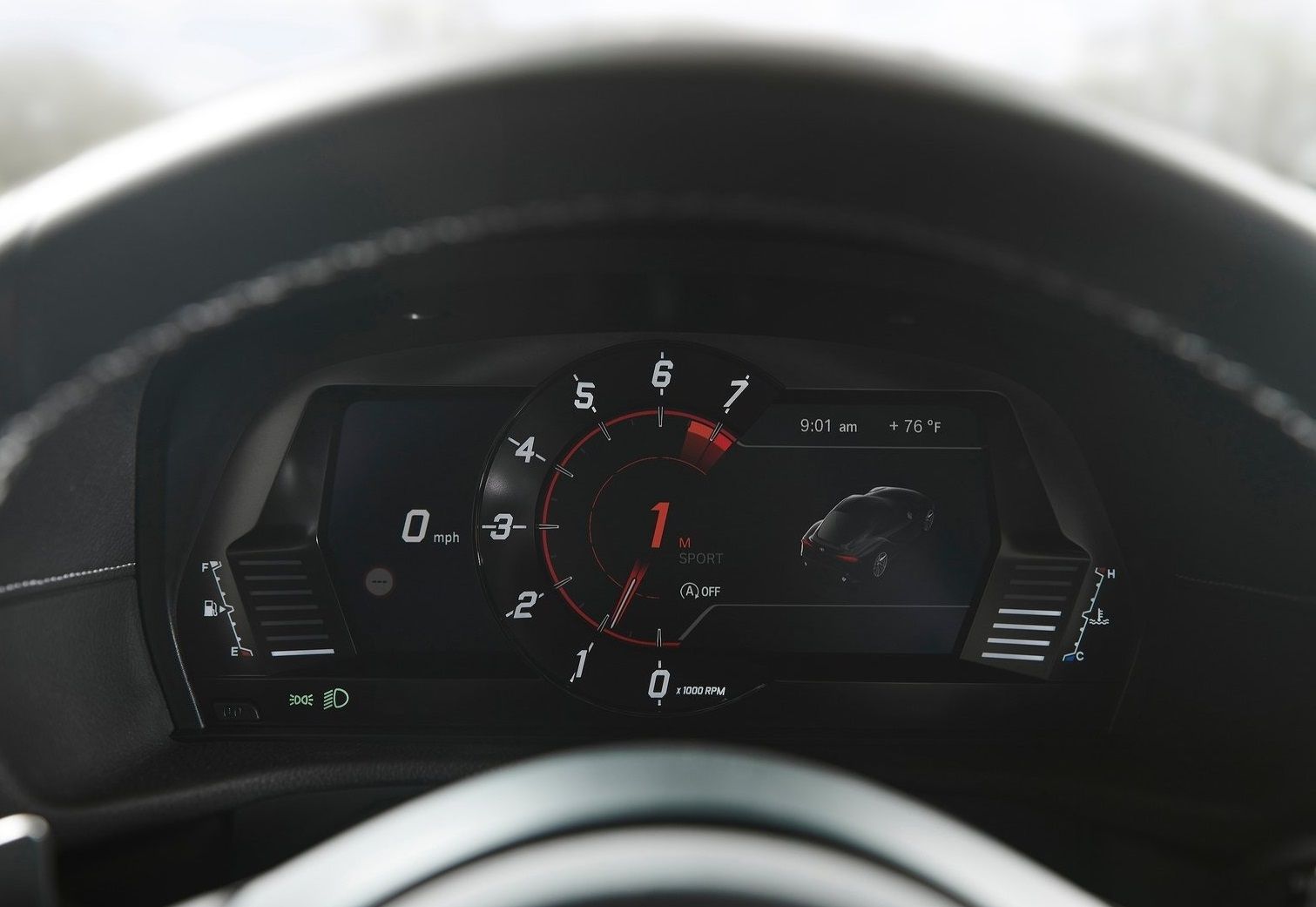
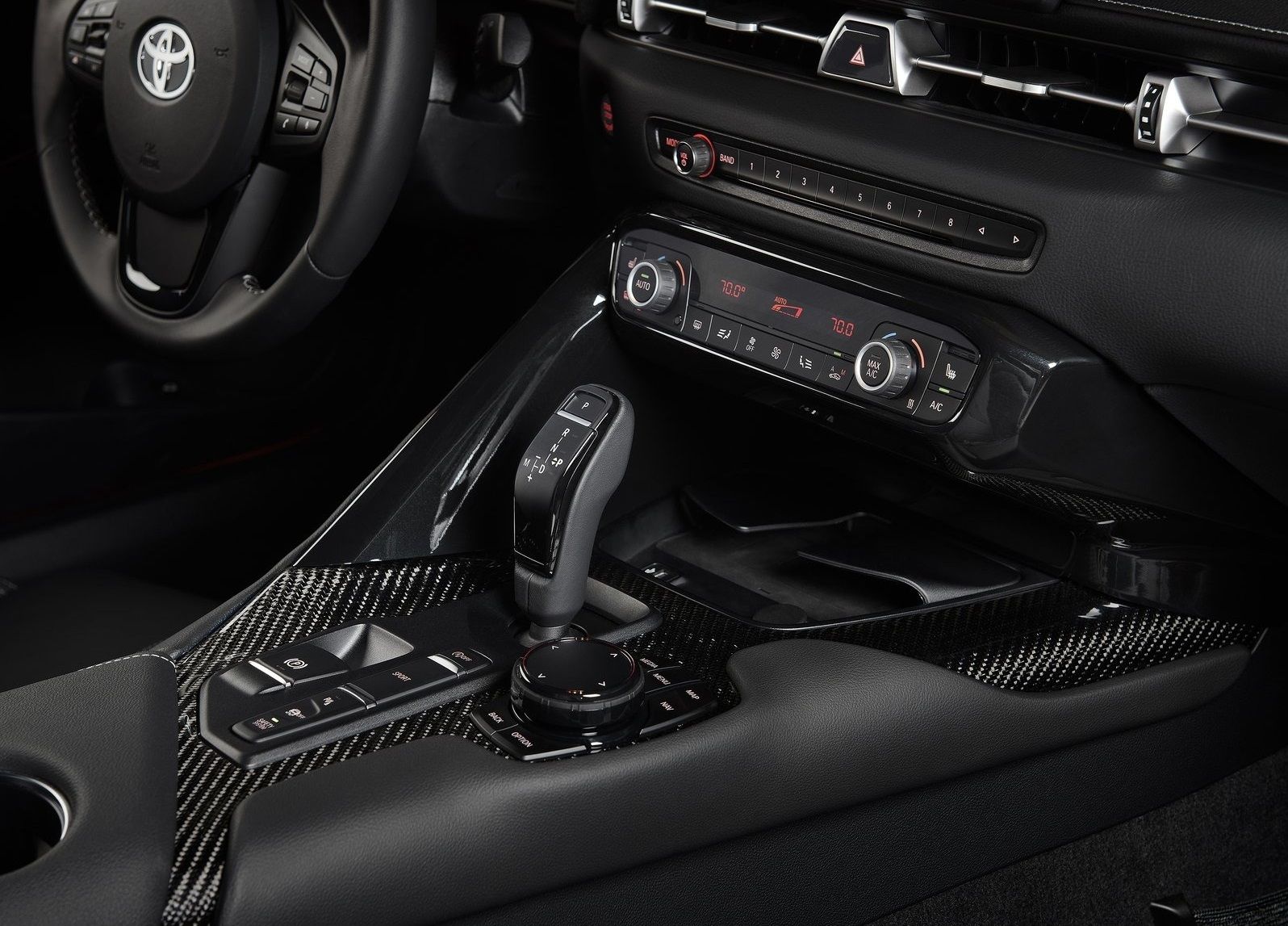
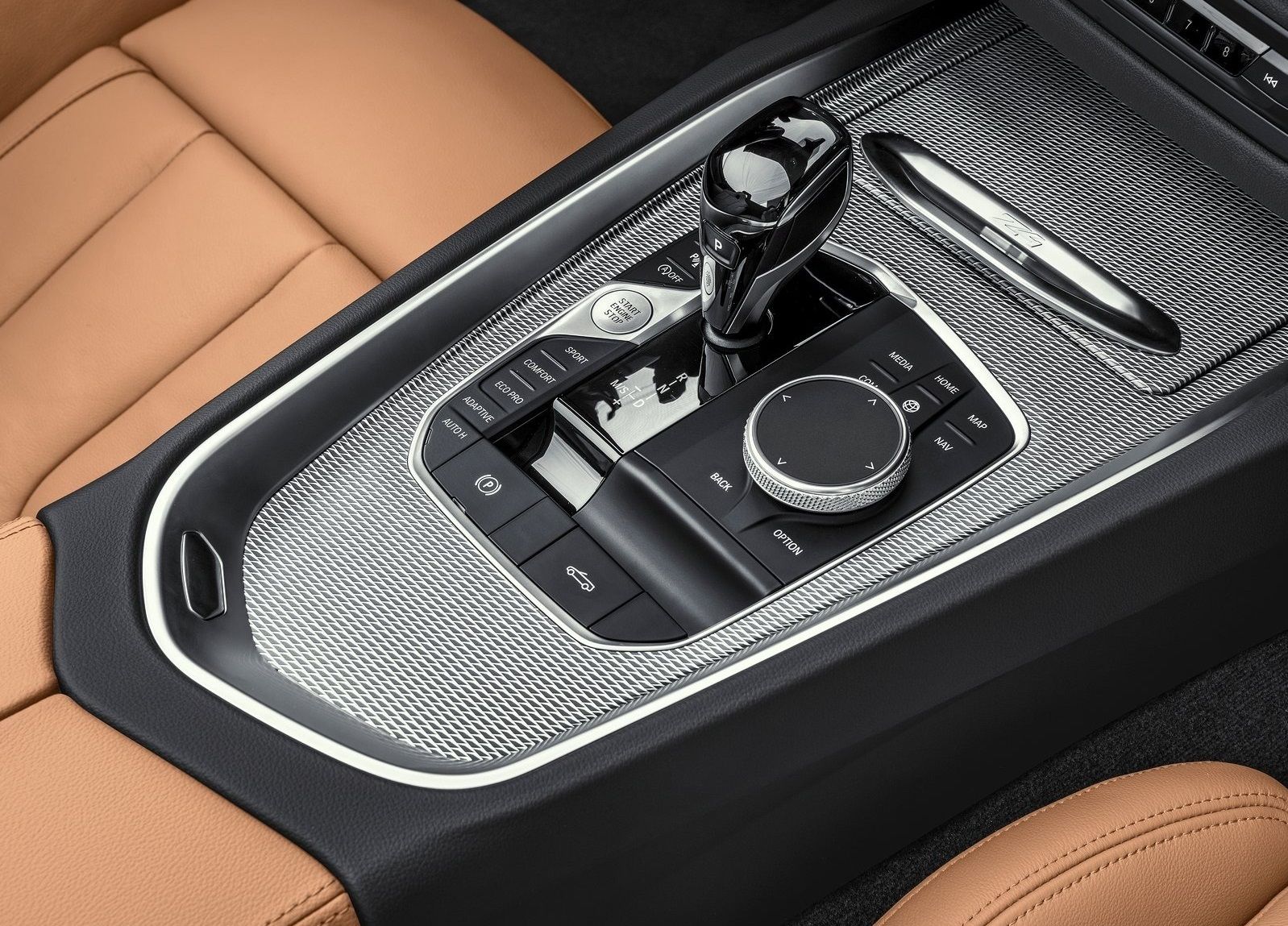
When you compare the Z4 and Supra's interiors and their respective switchgear, it is obvious that there are more than a few overlaps. That being said, the BMW Z4 M40i has a nicer looking dashboard cluster in our opinion, while Toyota has its own version of a digital gauge cluster.
It's interesting that the Supra's transmission lever looks remarkably like the one found in the latest Mini products. The font and icons applied to the switchgear are typical of contemporary BMW models and the rotary selector knob for the Toyota's infotainment unit is quite obviously based on BMW's iDrive controller. The whole thing package appears to be more BMW than Toyota, if not clearly from the outside, definitely on the inside.
The BMW Z4 M40i's cabin has taken a big leap forward in terms of perceived quality and premium look.
Summary
When we heard that BMW and Toyota were collaborating on the new Supra, we were concerned that this was going to be another case of Toyota (GT) 86 and Subaru BRZ – two products that are so similar in execution (and in terms of the driving experiences they offer) that, to this day, it's difficult to understand why both need to exist. The hope with the Supra/Z4 collaboration is that the Japanese and German cars each have a unique character and, having one as a coupe and the other as a roadster, will hopefully go some way to ensure that their target markets don't overlap.
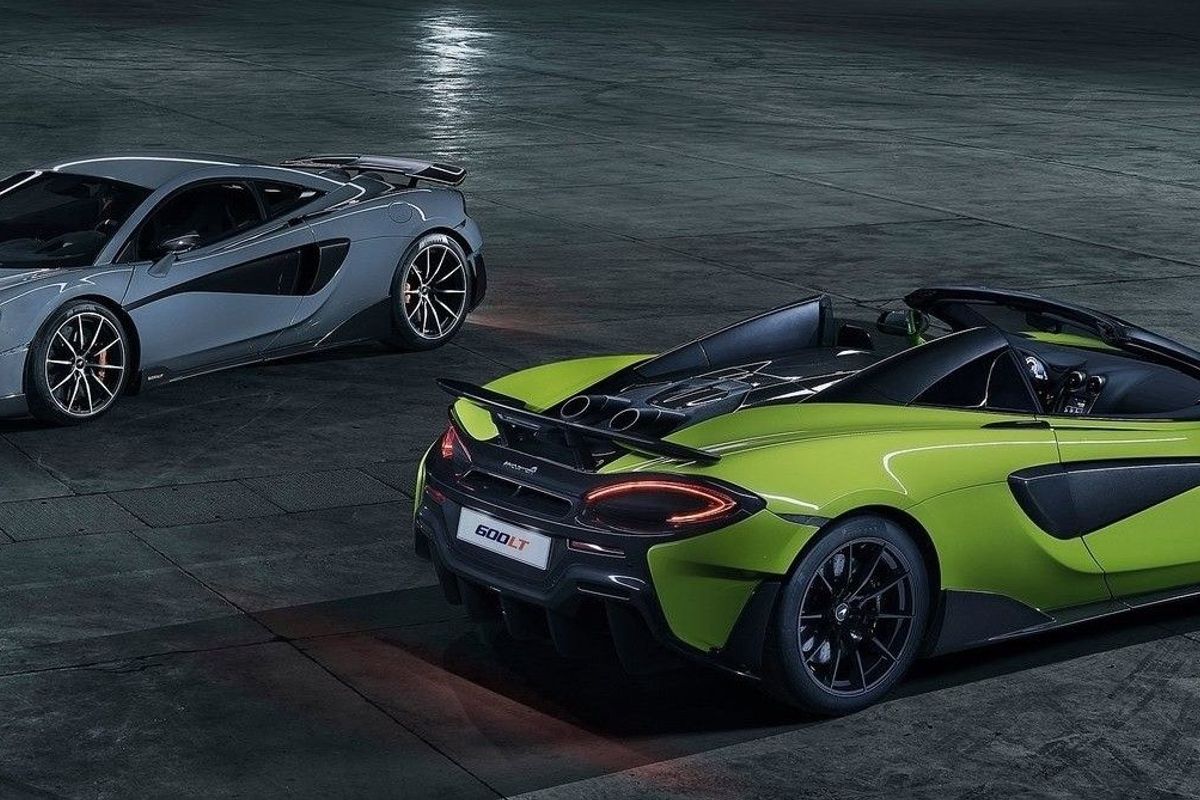
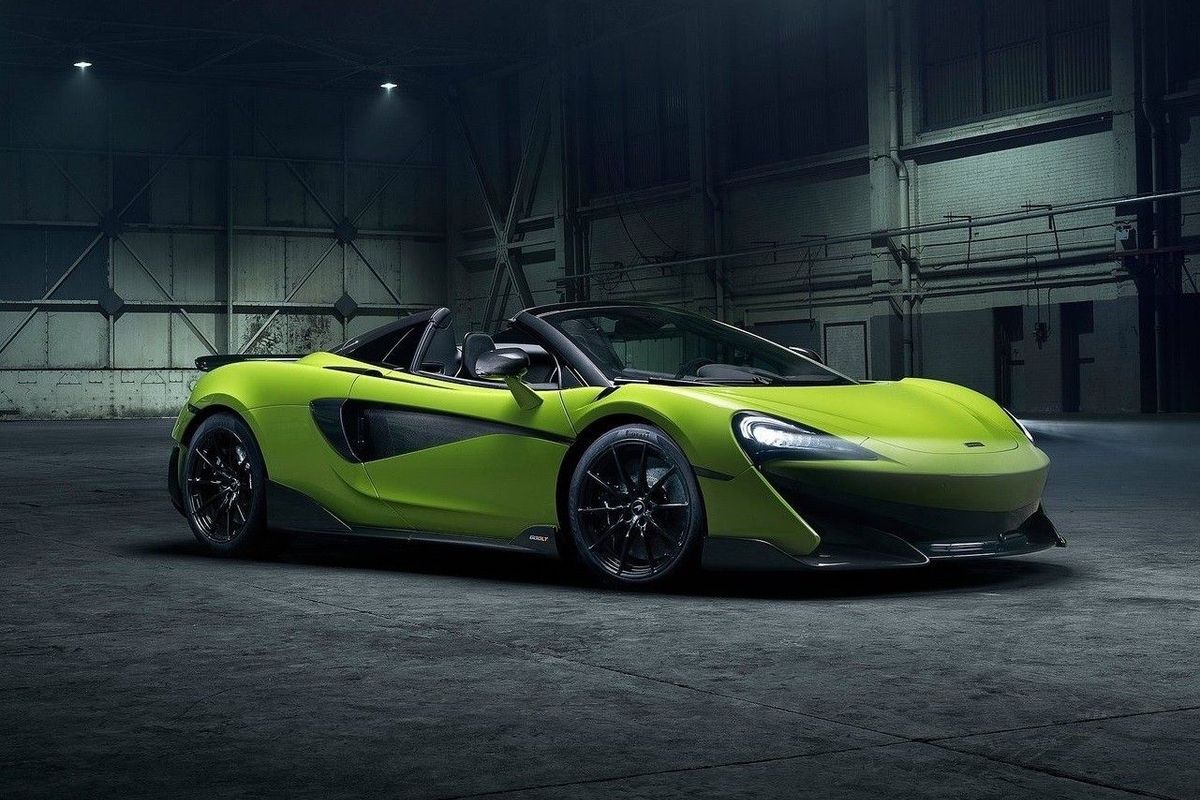
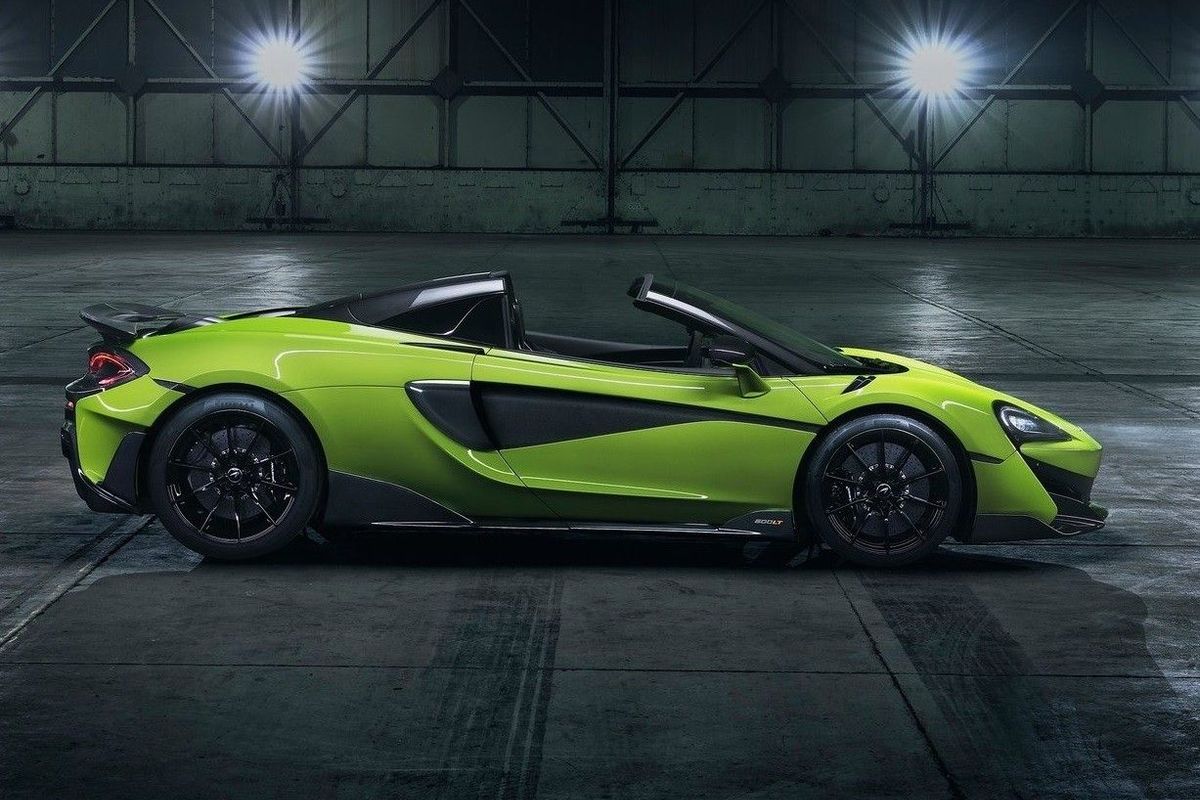
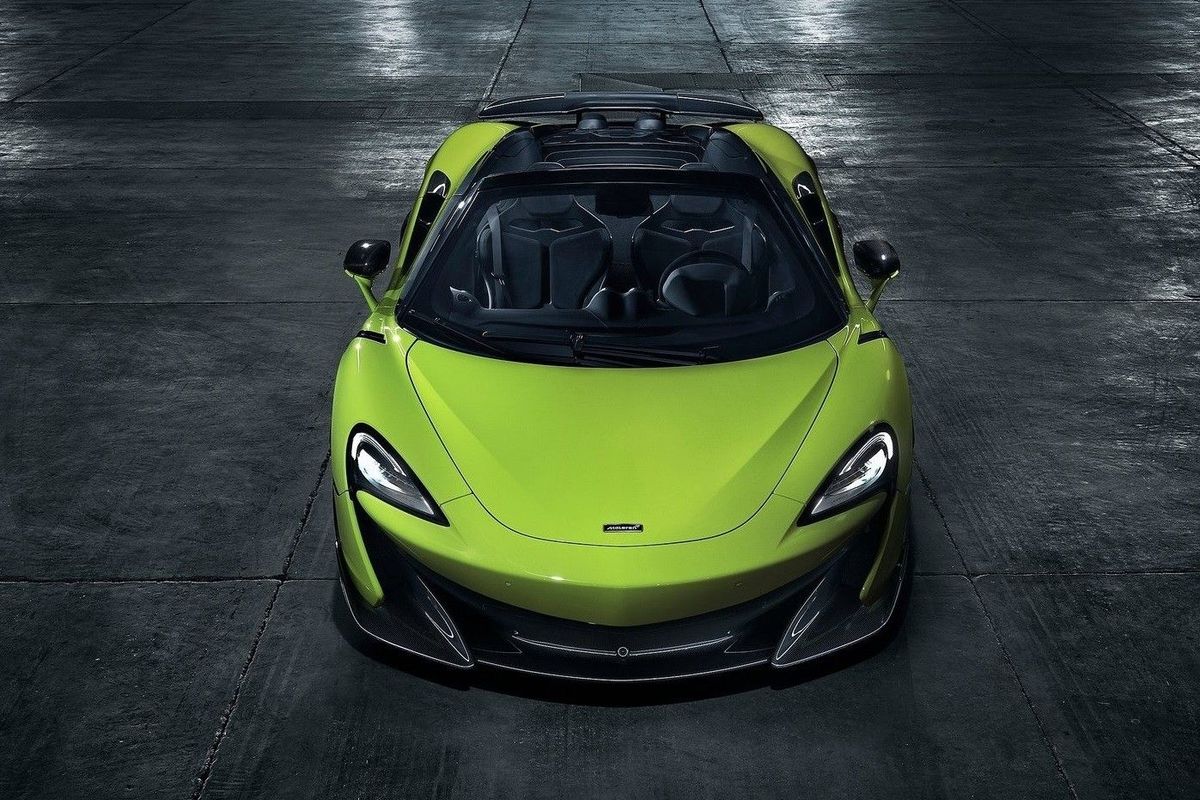
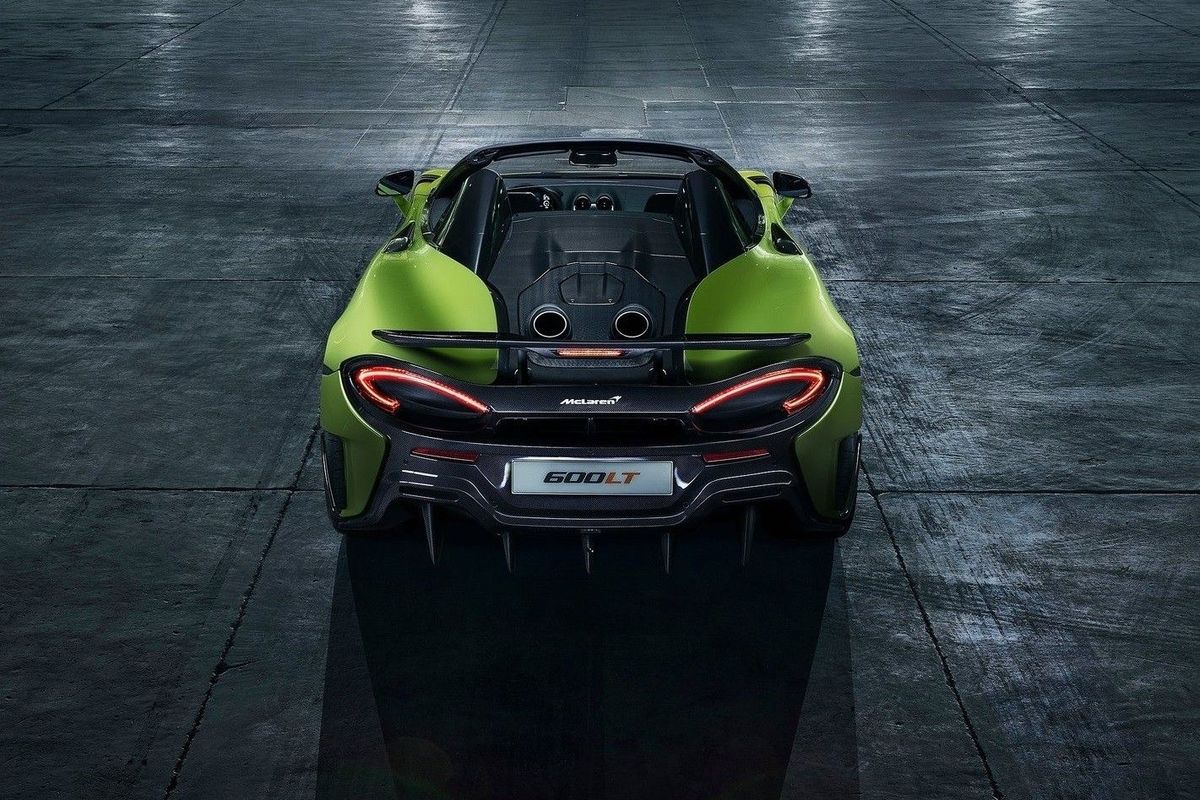
McLaren has dropped the top of its 600LT supercar and created the McLaren 600LT Spider. The newcomer is the 3rd new model in McLaren's £1.2bn Track25 business strategy and the 5th car to carry the Longtail name
McLaren Automotive has announced the arrival of the 600LT Spider and it's the 5th car to carry the Longtail name. The McLaren Longtail program focuses on increased power, reduced weight, optimised aerodynamics, track-focused dynamics and limited availability. Speaking of availability, McLaren says build slots scheduled around other Sports and Super Series models will be available and the car will be hand-assembled at the McLaren Production Centre in Woking, Surrey, England.
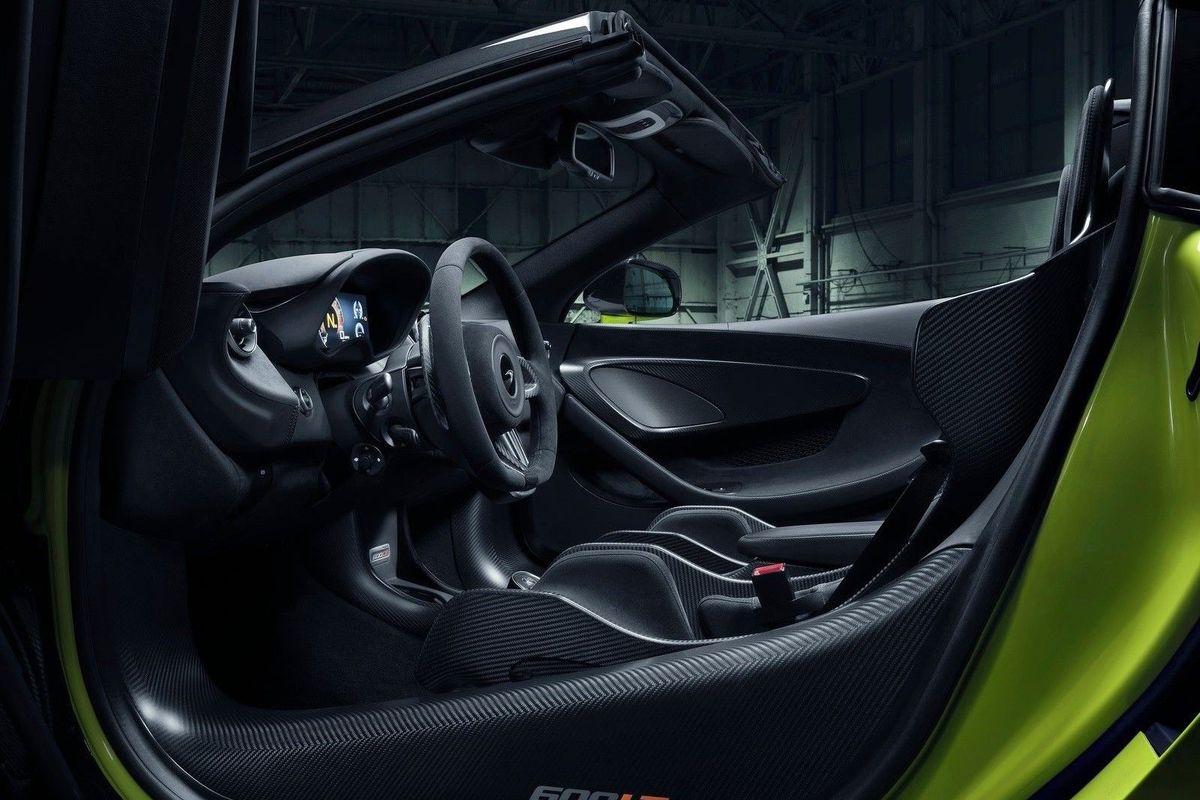
The 600LT has been on a strict diet and the McLaren engineers managed to shave 100 kg off in comparison to the 570S Spider. Thanks to its strong carbon fibre MonoCell II chassis, the Spider has the same rigidity as its coupe sibling and is just 50 kg heavier. The roof setup is a 3-piece powered retractable hardtop and can be lowered or raised at speeds of up to 40 kph.
The McLaren 600LT Spider is powered by a 3.8-litre twin-turbocharged V8 engine, producing 441 kW and 620 Nm, giving it enough shove to reach 100 kph in a claimed 2.9 seconds. 0-200 kph is dispatched in 8.4 seconds, making this one really quick convertible. Maximum speed comes in at 324 kph. Customers will be able to customise their 600 LT Spiders with a ton of options, including further weight-saving tricks like removing the audio and climate control systems. Seats from the McLaren Senna are also available.
A McLaren dealer in Cape Town estimated that the first 600LT Spiders will be arriving in July 2019.