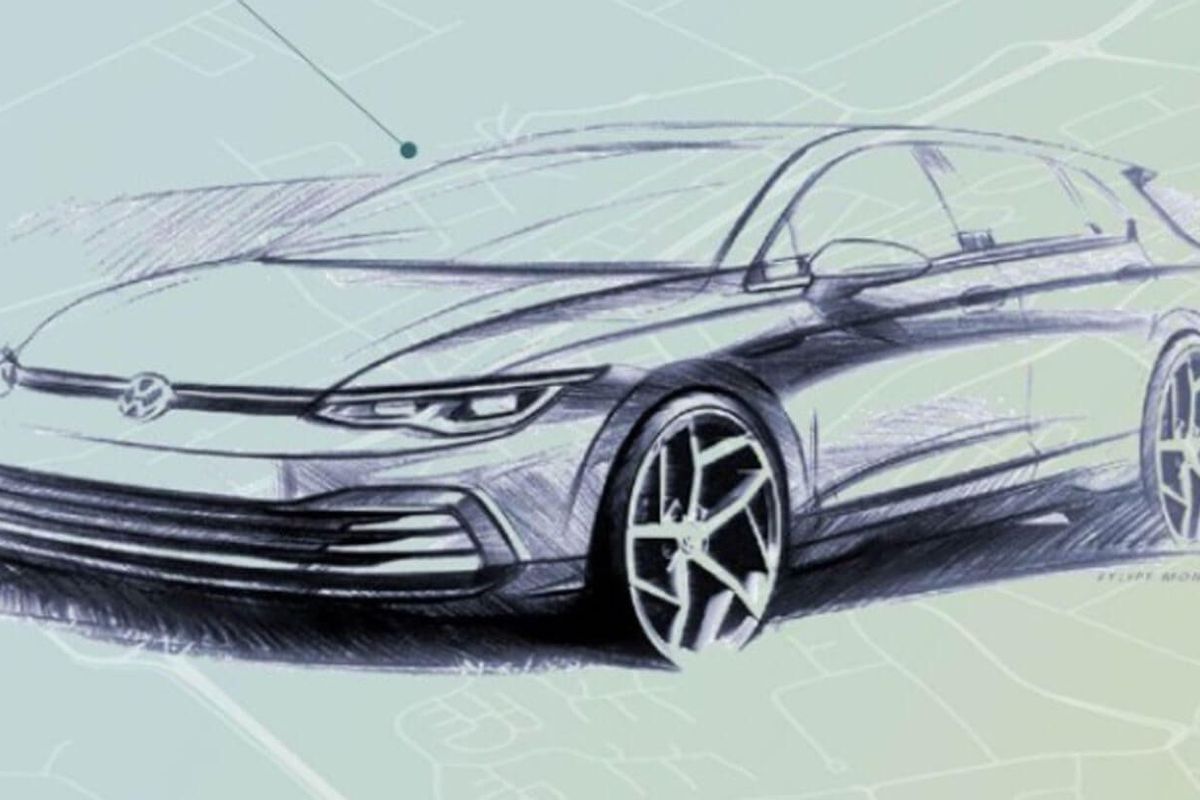
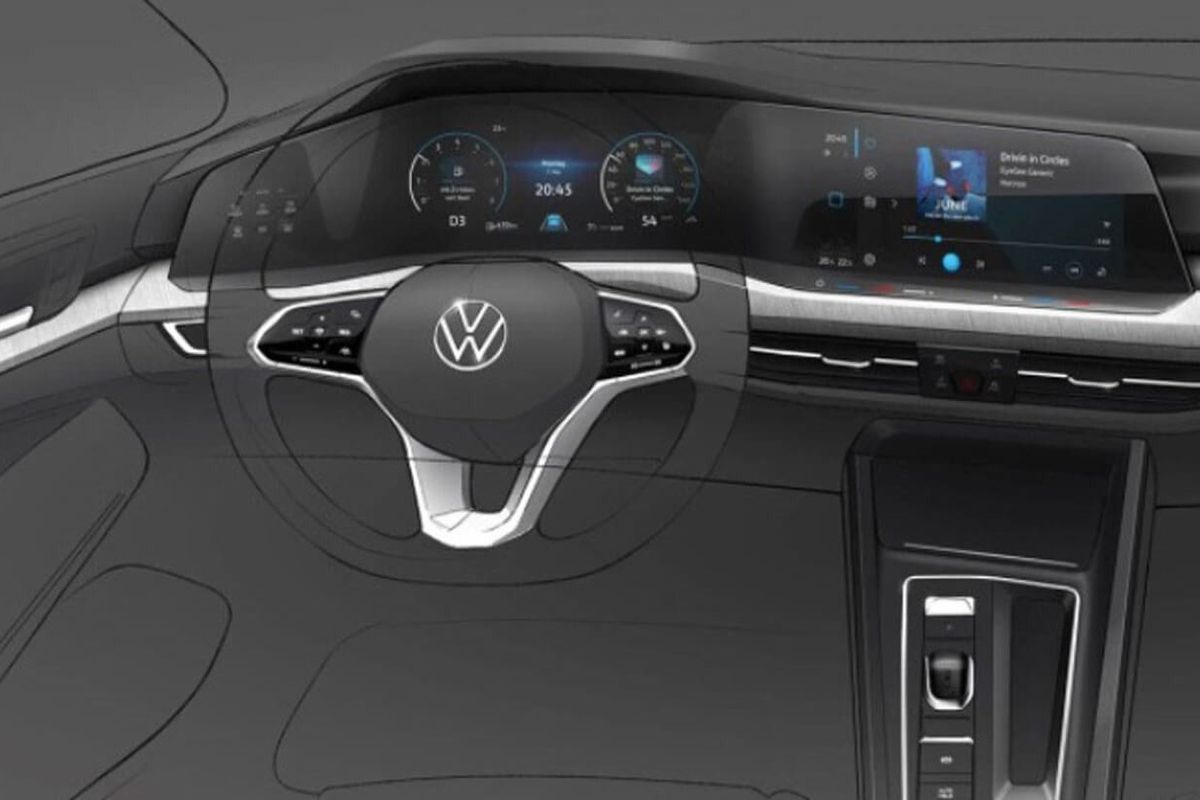
Ahead of the Volkswagen Golf 8 launch in October 2019, the Wolfsburg-based manufacturer has released 2 teaser sketches.
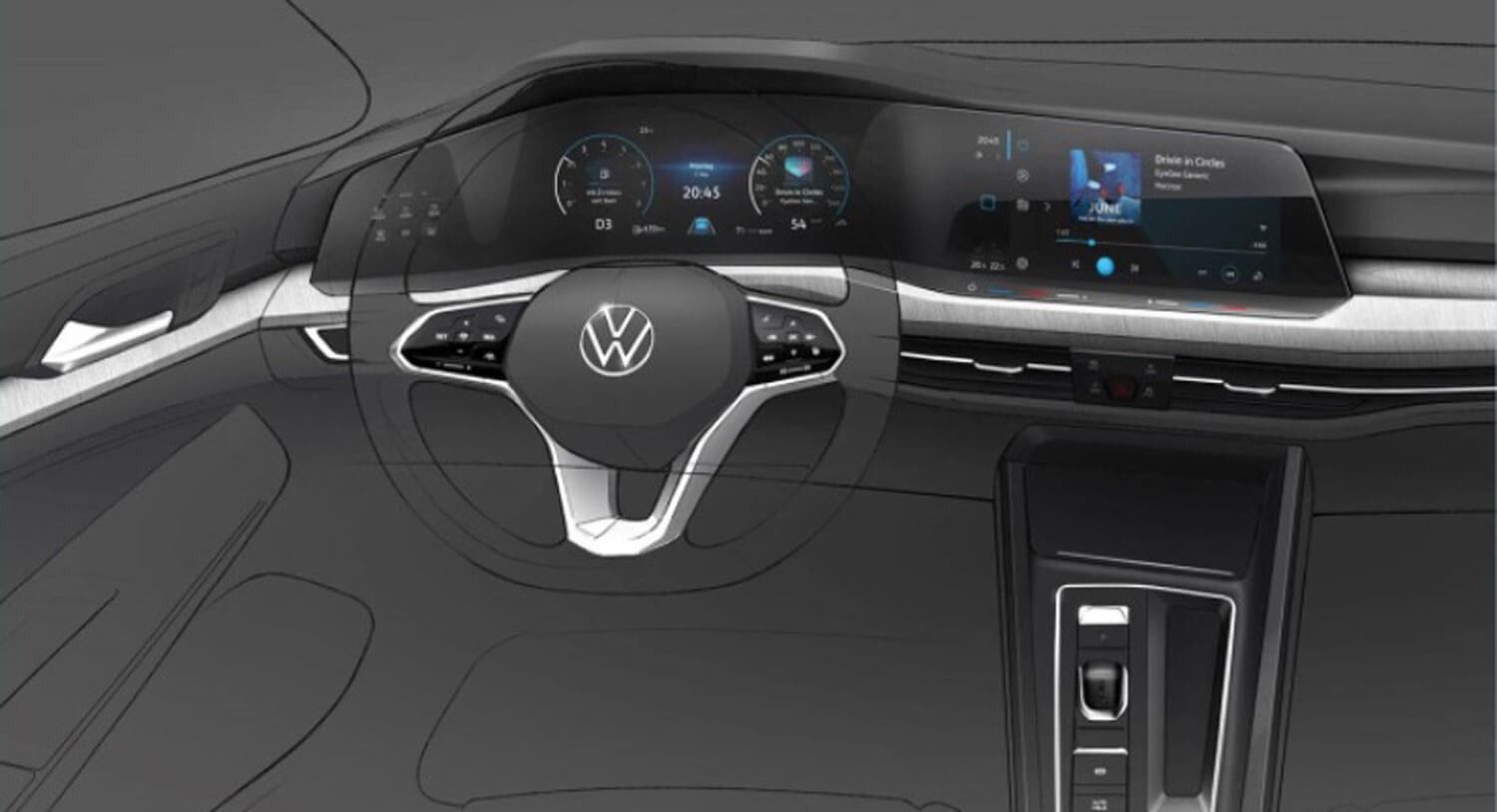
Volkswagen has released 2 sketches of its forthcoming Golf 8 compact hatchback during its annual shareholder meetings. Interestingly, one of the sketches was of the cabin and it represents a radical new look for the Golf. From what we can see, the layout is completely new and features a digital dashboard merged with the central infotainment setup. There seem to be fewer buttons than before and keen-eyed spotters will notice the new steering wheel as well as the lack of a gear selector.
As for the exterior sketch, it's nothing too radical and we've seen elements of what's here in some of our spy shots. Volkswagen has said the new Golf 8 will be unveiled in October 2019. Don't expect too much in terms of new engines, as the majority of powertrains are likely to be carried over, but seeing as the VW Group is dipping its toe into 48-volt mild hybrid tech, you can bet you'll see it in a Golf.
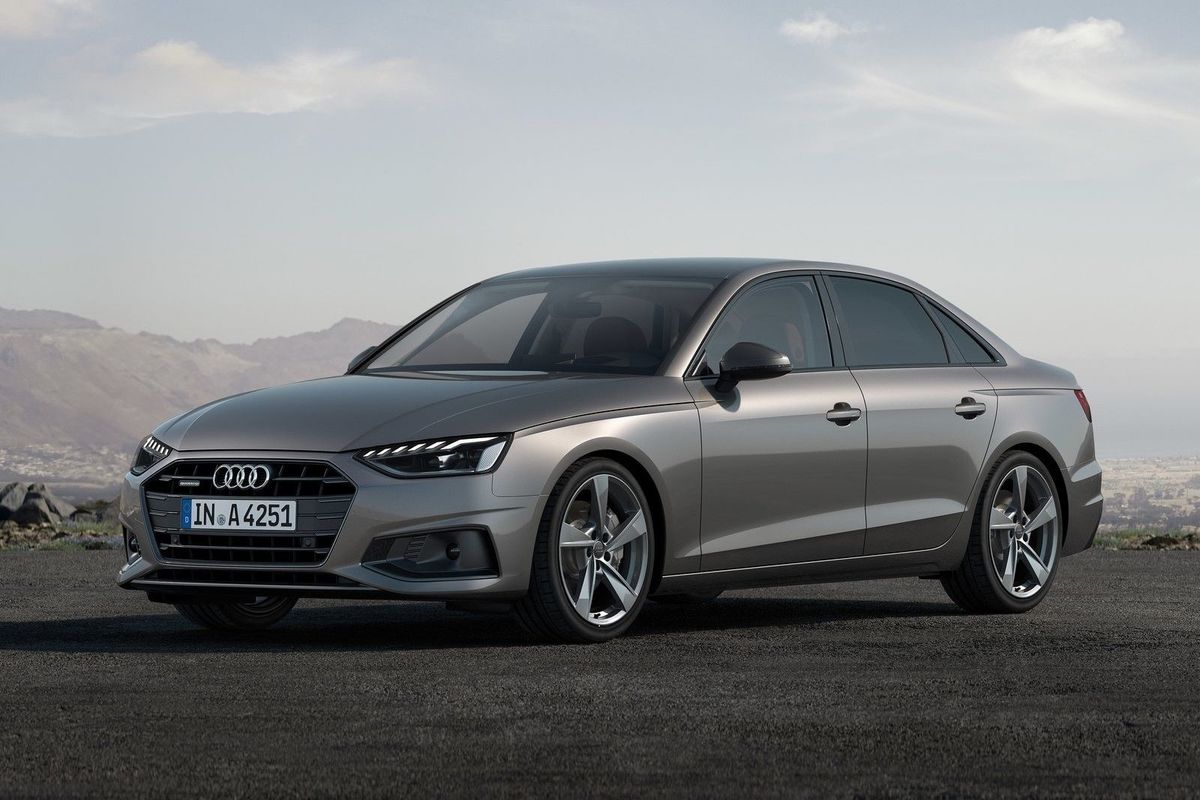
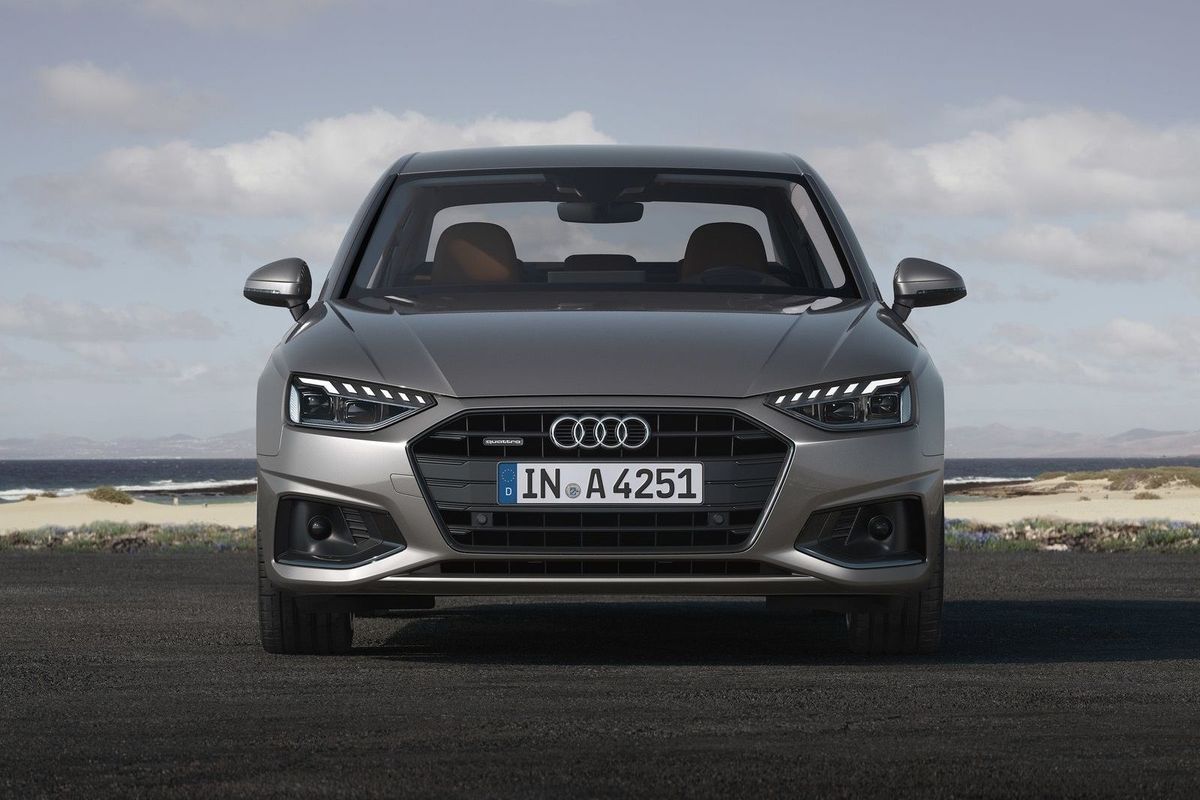
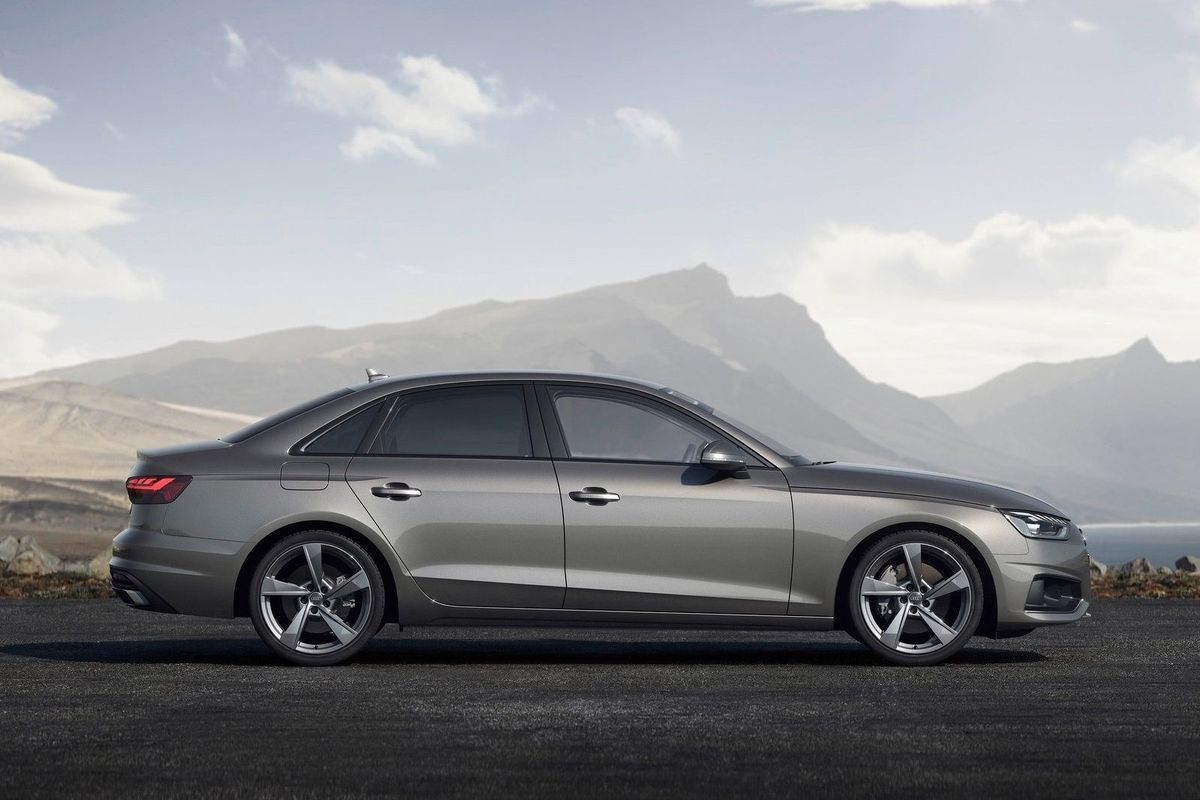
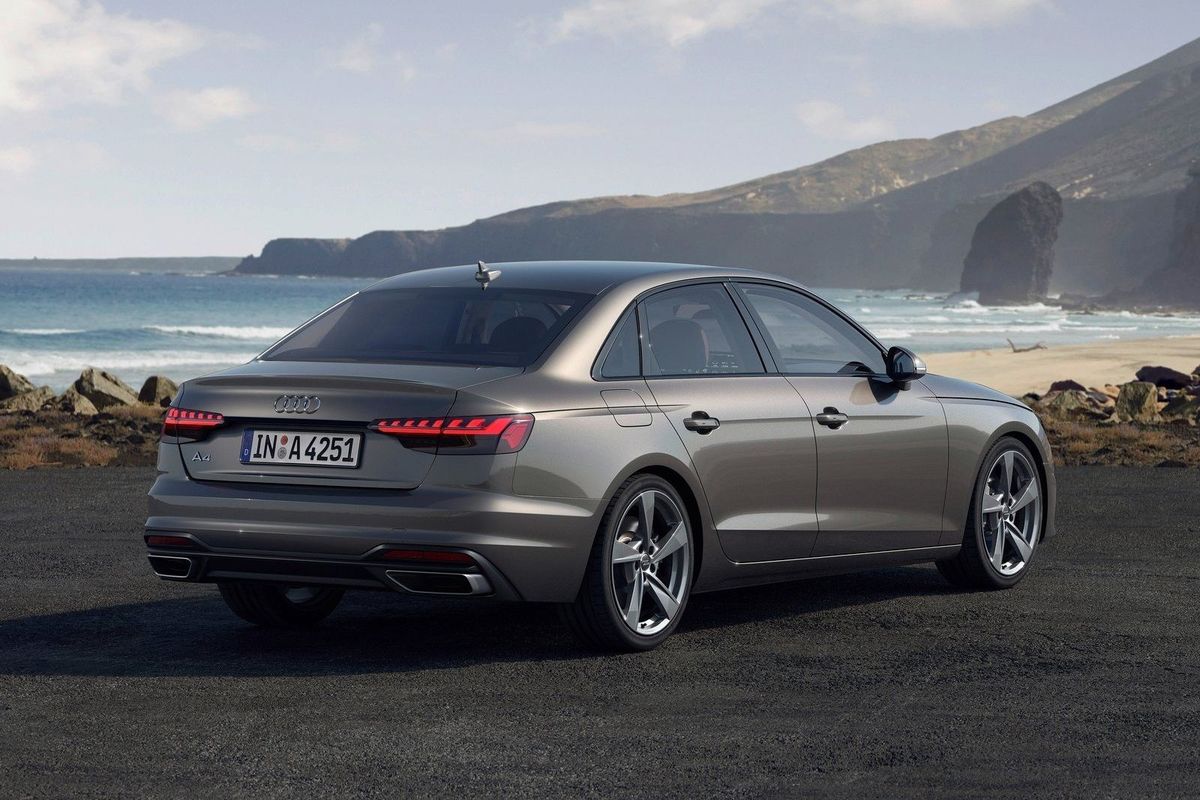
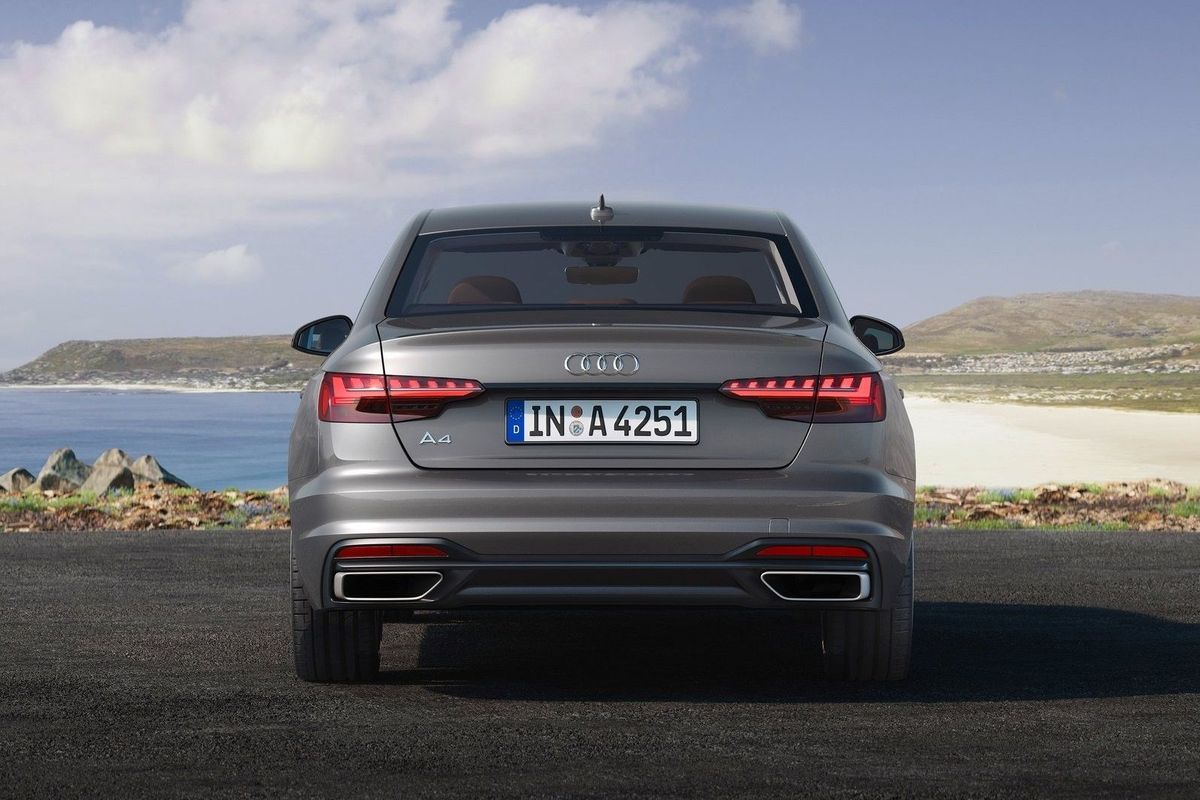
Audi has released official images and details of its facelifted A4 range and the Ingolstadt-based manufacturer plans to introduce its business class sedan into the local market during the 1st quarter of 2020.
The Audi A4 sedan has received an update for 2020. Due in South Africa in the 1st quarter of 2020, the newcomer has been given an overhaul both inside and out.
Its exterior is integrated into the brand's new design language; the large MMI touch display offers the kind of operating experience customers will be familiar with from their smartphone. Many engine options now come with mild-hybrid systems (MHEV) – efficiency and comfort benefit from this broad-based electrification. This also applies to the Audi S4 TDI, with a V6 TDI under the hood for the first time, a 48-volt main electrical system and an electrically powered compressor (EPC), which lends its beefy acceleration even more spontaneity.
In terms of changes, the newcomer has been given a dynamic and sophisticated new look. The grille has been revised and there are now sharp-looking headlights and taillights. The equipment line concept is equally new: basic, advanced and S line are now available and customers can choose from 12 paint colours.
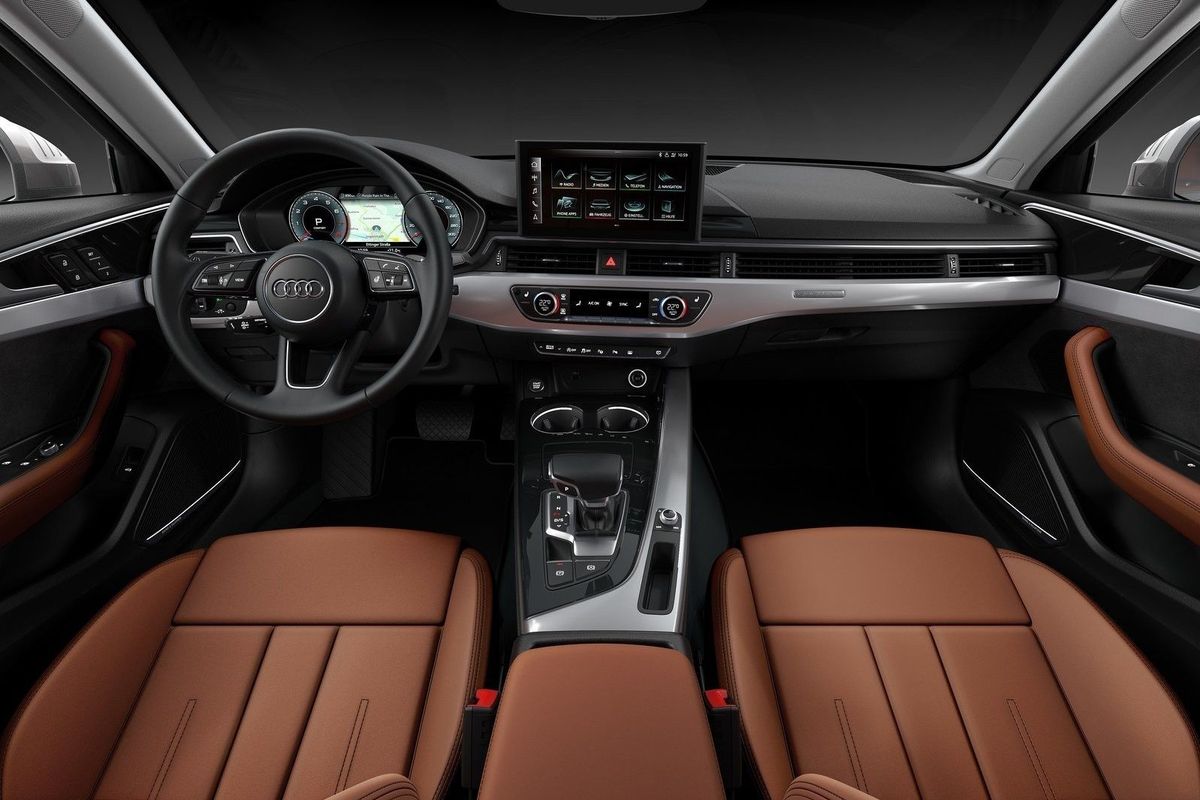
Inside, there's the new MMI infotainment system we first sampled in the Q8 and A1. It offers smartphone-like functionality and the new look is fresh and modern. There's also app connectivity and those with Android phones and lock/unlock and start the vehicle. The A4 models are available with a host of modern driver assist systems. The optional systems are bundled into the "Tour", "City" and "Park" packages. "Tour" package provides adaptive cruise control including Stop&Go function for automatic distance control. In conjunction with the predictive efficiency assist, it can brake and accelerate the A4.
The new Audi A4 will come with no fewer than 6 turbocharged engines at sales launch in Europe. With outputs ranging from 110 kW to 255 kW from the A4 35 TFSI up to the S4 TDI. All engines comply with the latest Euro emissions rating. New for the Audi A4 will be 3 models with a mild-hybrid system (MHEV) based on 12V, which reduces fuel consumption while improving comfort. In everyday use, Audi claims the MHEV system reduces fuel consumption by up to 0.3 litres per 100 kilometers. The new Audi A4 will be available with a choice of a manual transmission, 7-speed S tronic or 8-speed tiptronic as well as front-wheel or quattro drive.
Audi South Africa confirmed that its updated A4 sedan will be coming to our market in the first quarter of 2020.
JCW badge now worth a 25% power boost on Mini Countryman and Clubman.
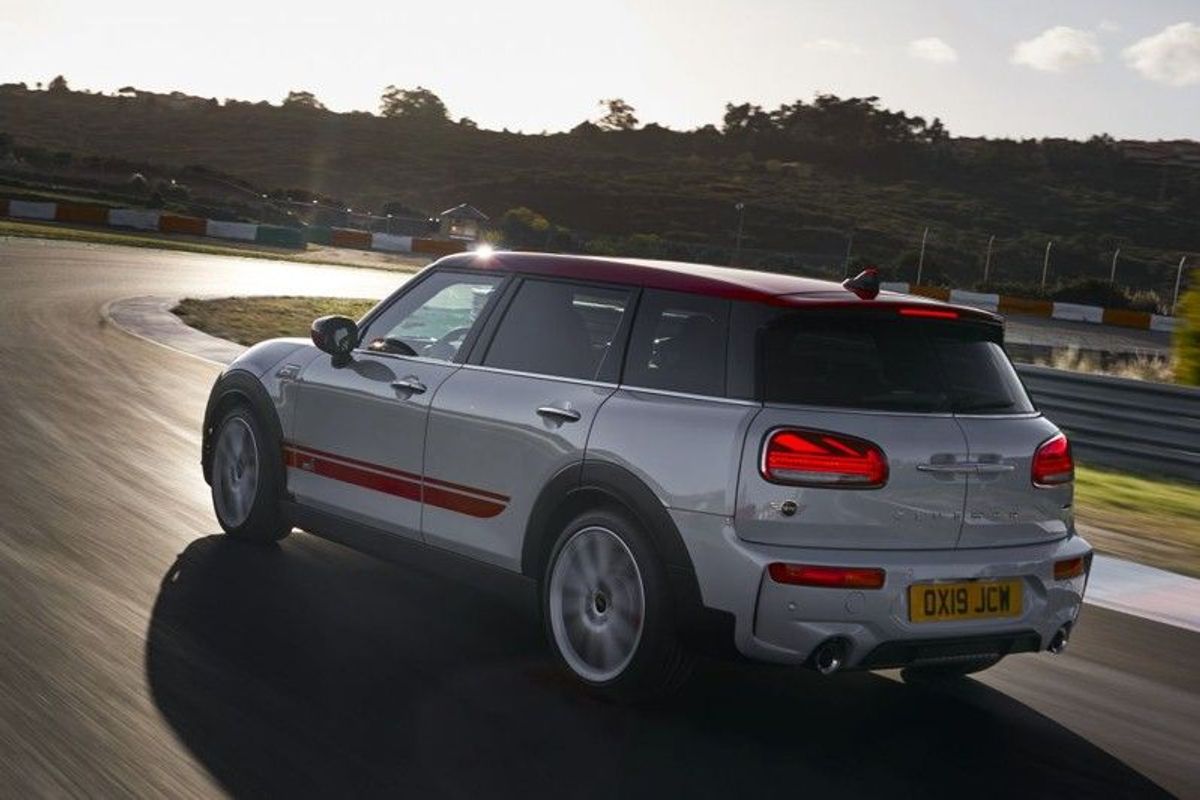
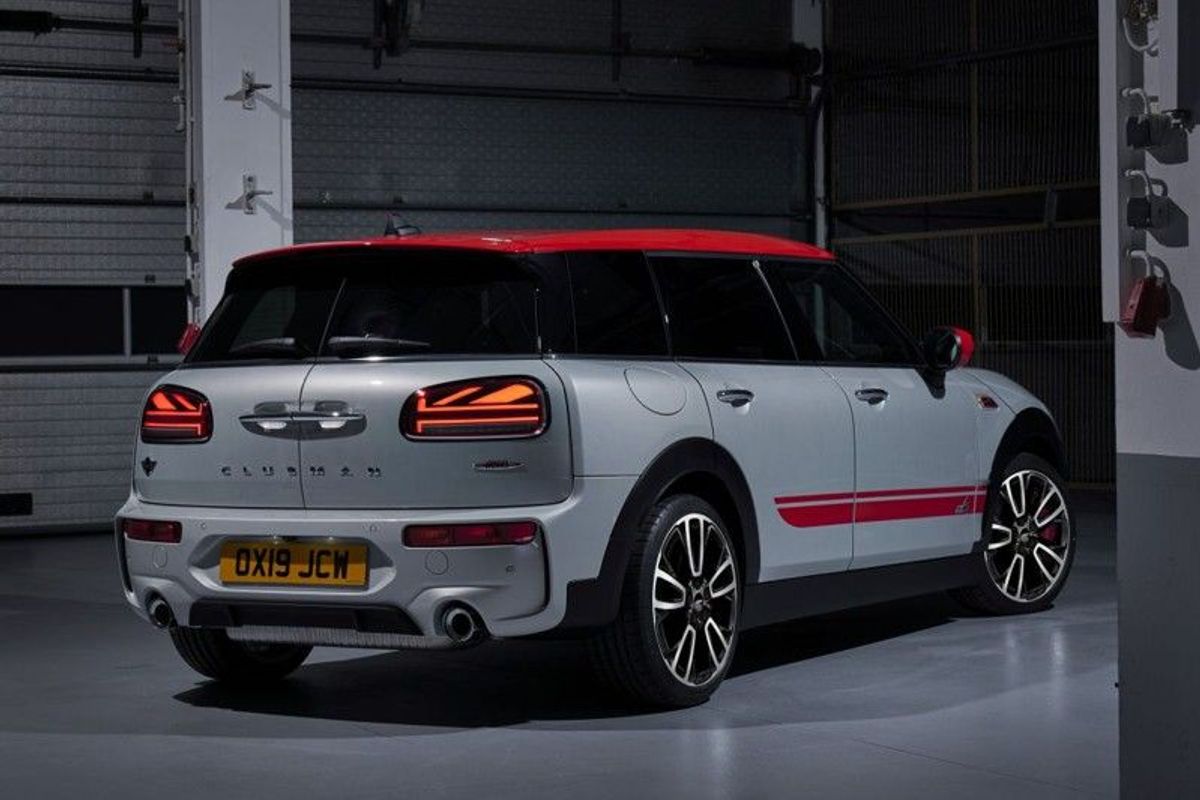
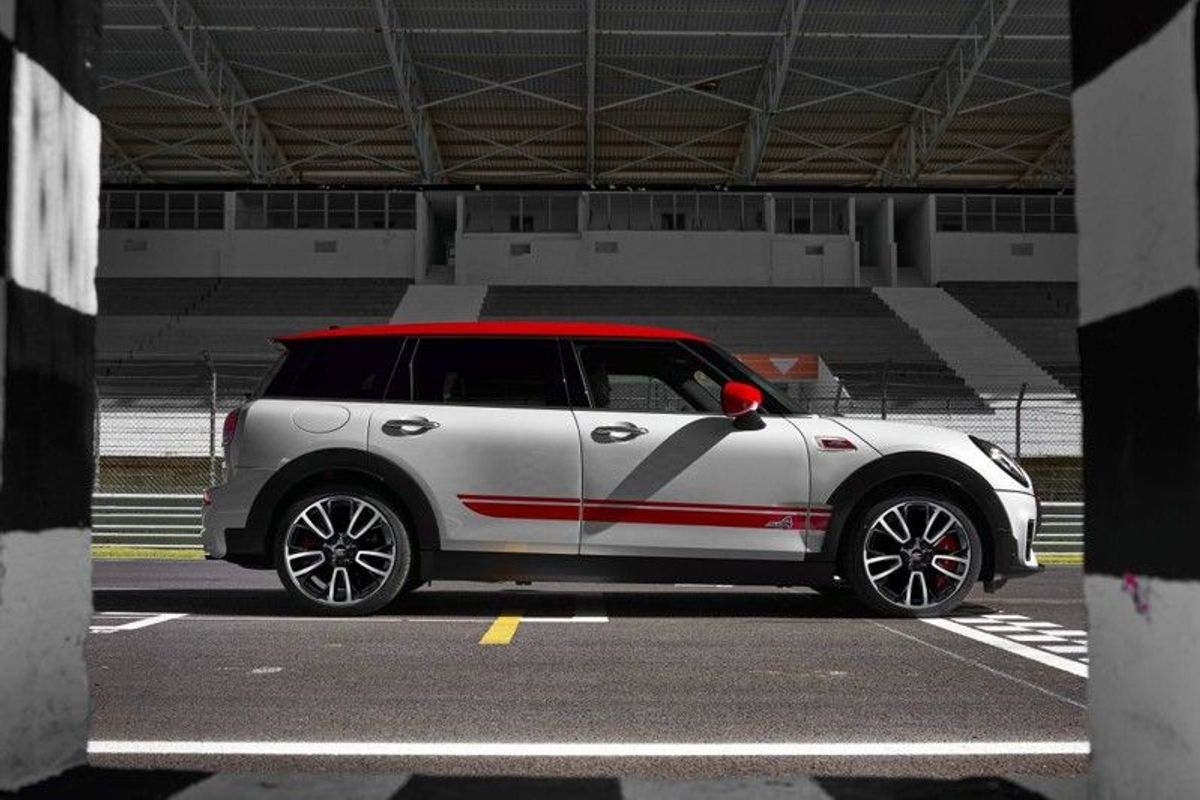
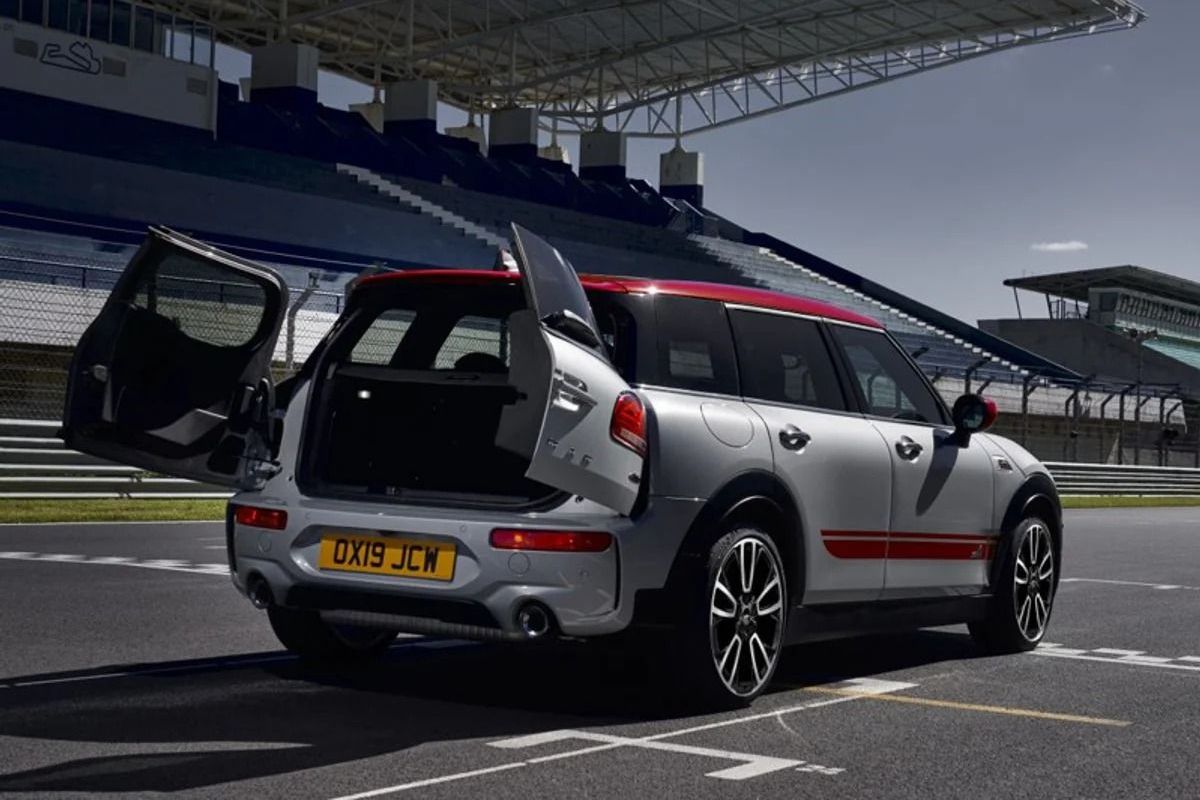
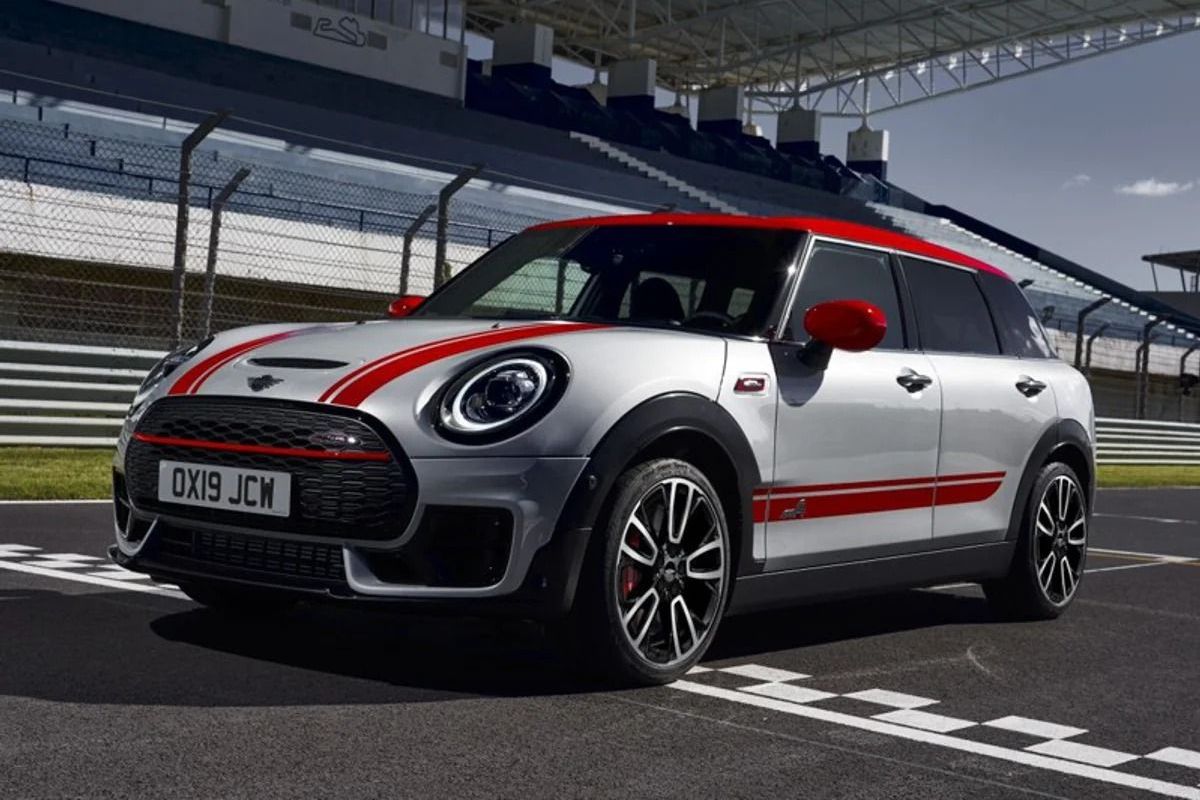
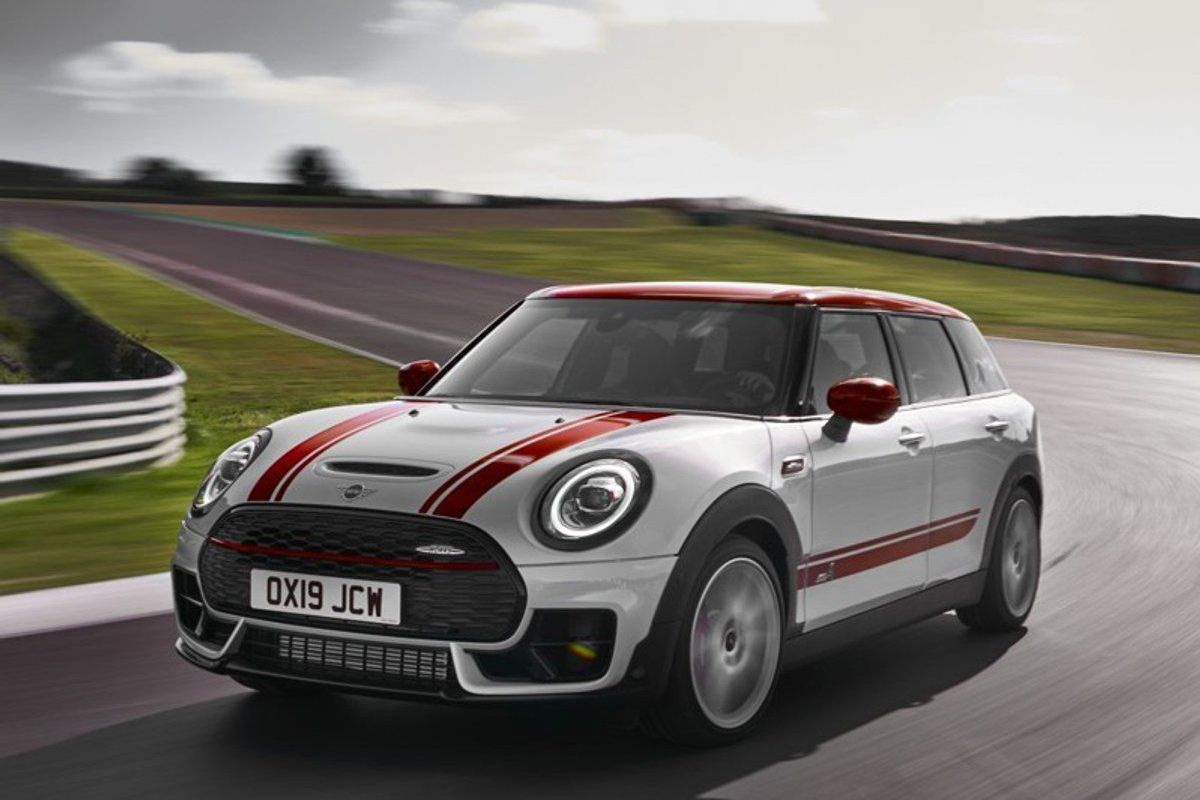
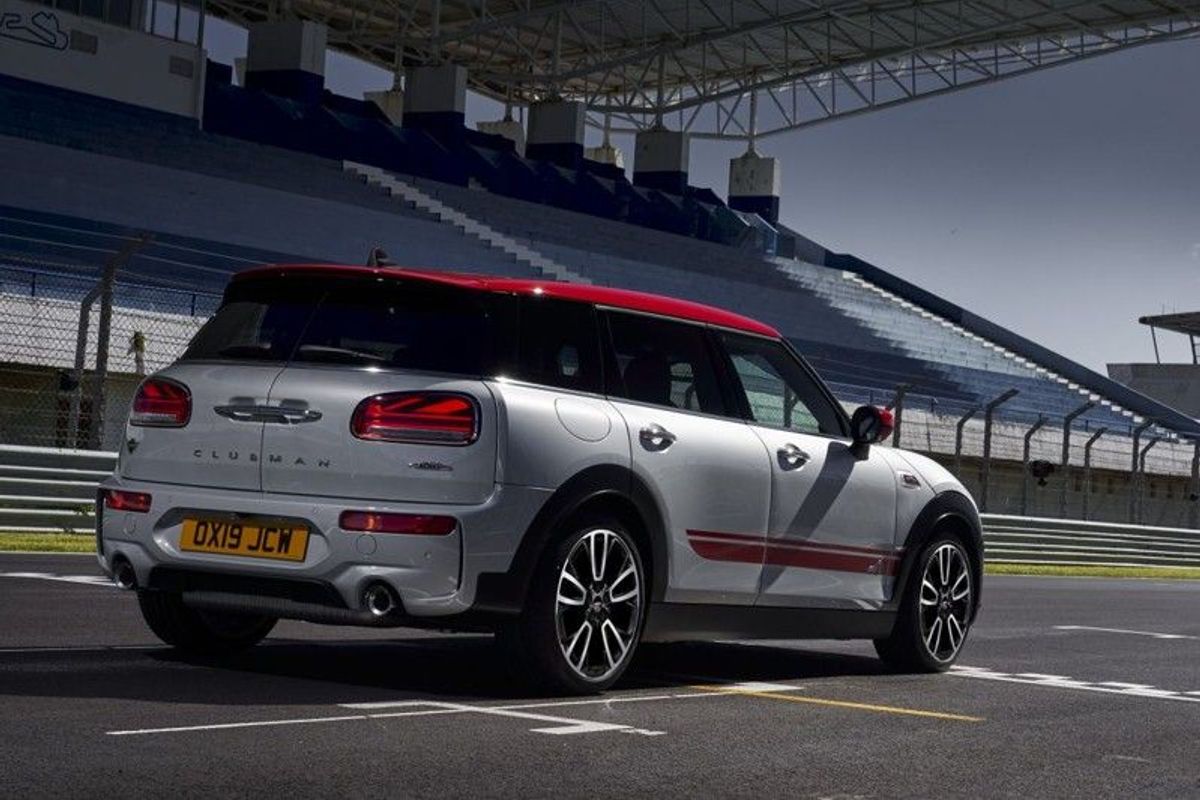
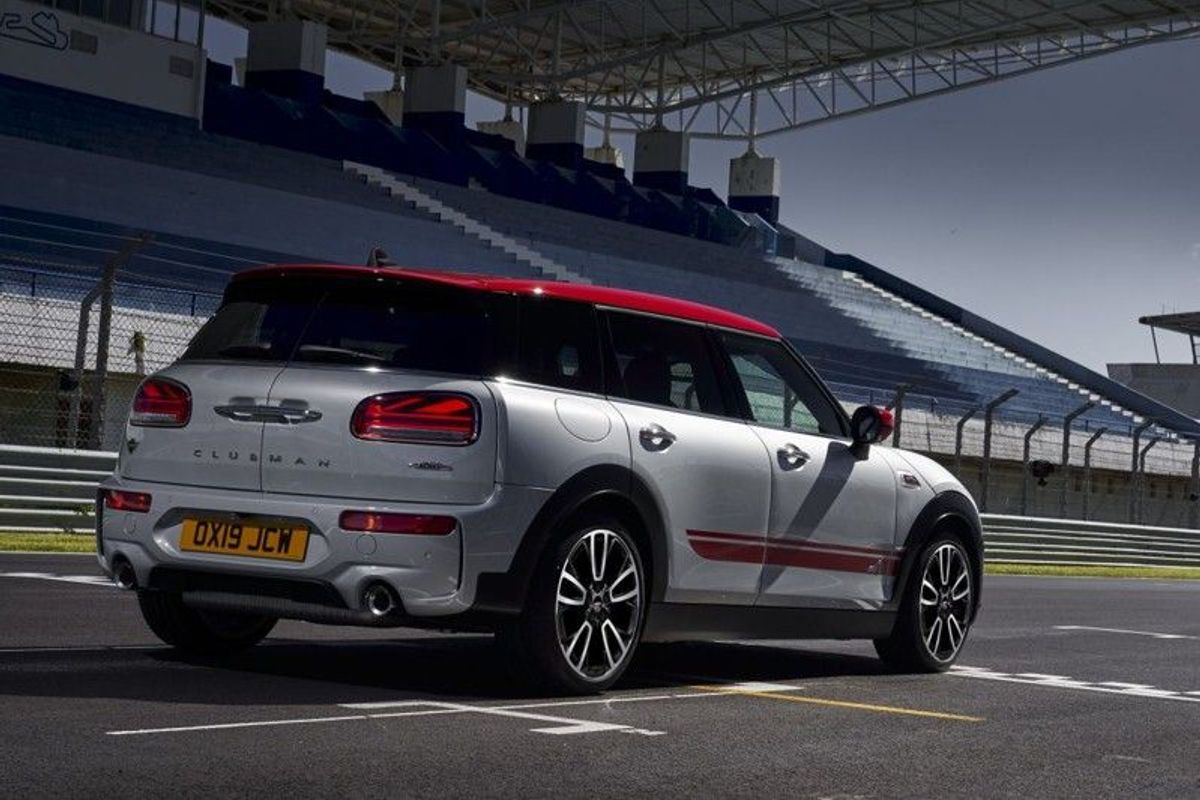
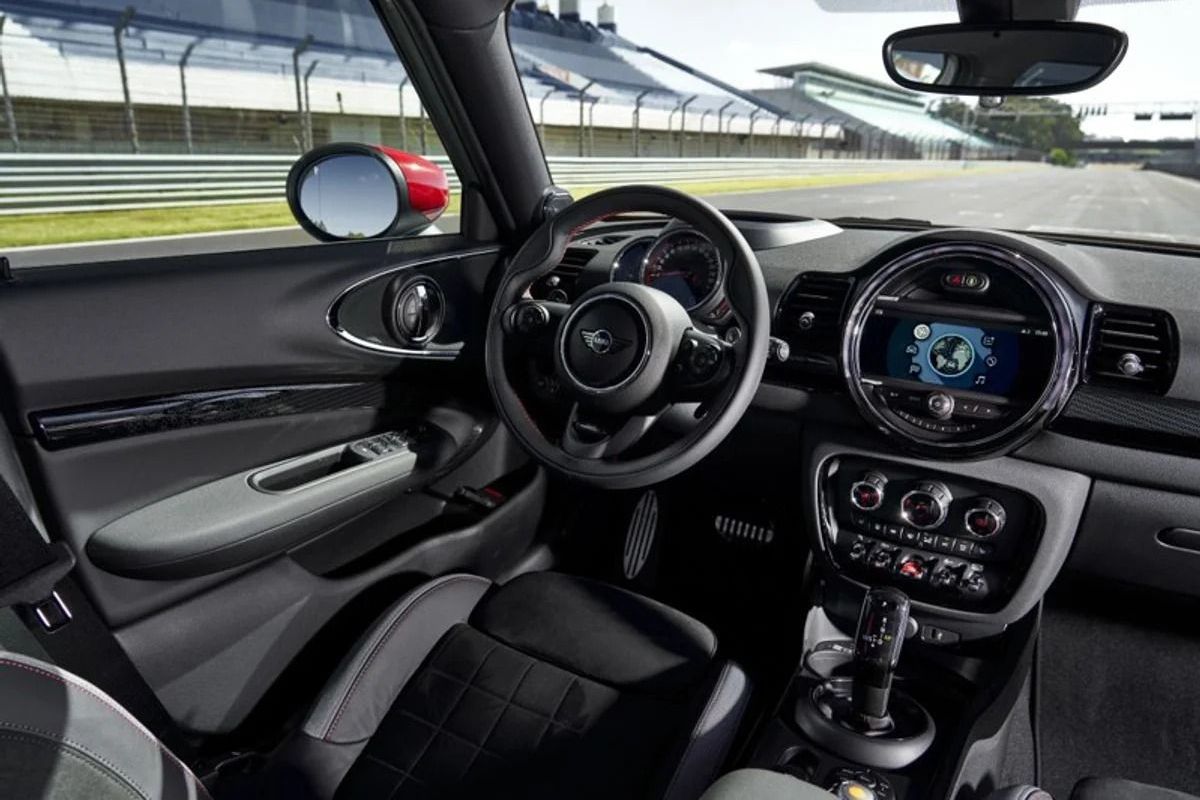
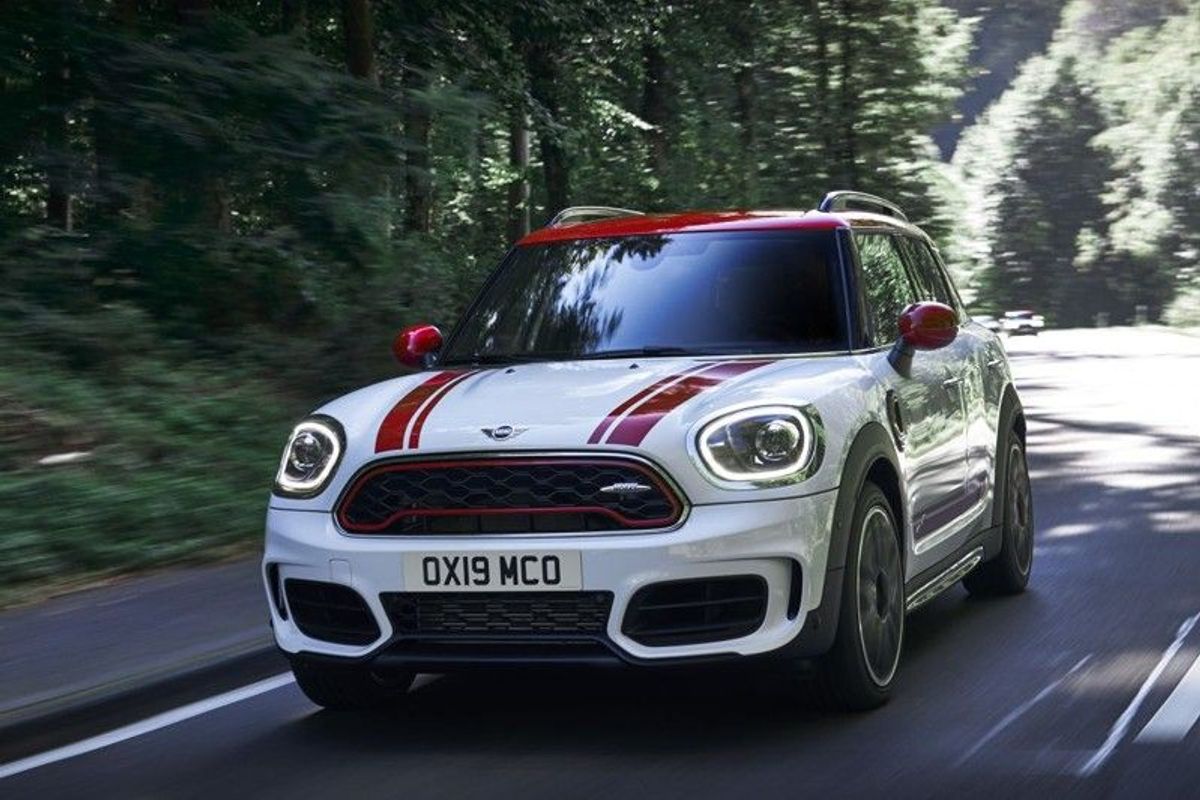
Mini has revealed its latest John Cooper Works (JCW) five-door wagons, with more power than ever before. The iconic JCW badging now confirms very compelling 2-litre turbocharged power for both the Mini Clubman and Countryman, boosting a significant performance advantage over the previous derivatives of each.
Credited as the most powerful Minis yet, these new 2-litre JCWs are good for 225 kW and 450 Nm. Those engine output numbers signify healthy gains of 55kW and 100Nm over the previous JCW Countryman and Clubman. As before, the drivetrain is an eight-speed automatic transmission distributing torque to all four wheels.
With the substantial increases in engine output, come commensurate improvements in performance. The slightly lighter JCW Clubman runs a 0-100kph time of 4.9 seconds (1.4 sec quicker than before), whist the gravel travel friendly JCW Countryman competes that same benchmark in 5.1 seconds (1.5 sec swifter).
Balancing the all this additional performance are larger brakes (now featuring four-piston rear callipers) and a mechanically locking front differential, to aid traction when accelerating out of tight radius corners.
Styling upgrades to distinguish the latest iteration of JCWs from their less potent Mini siblings include redesign front and rear bumpers, a pseudo aft diffuser and large 95mm diameter exhaust ends. As with other Minis, the JCWs have Matric LED headlights and the Union Jack illumination patterns LED taillights.
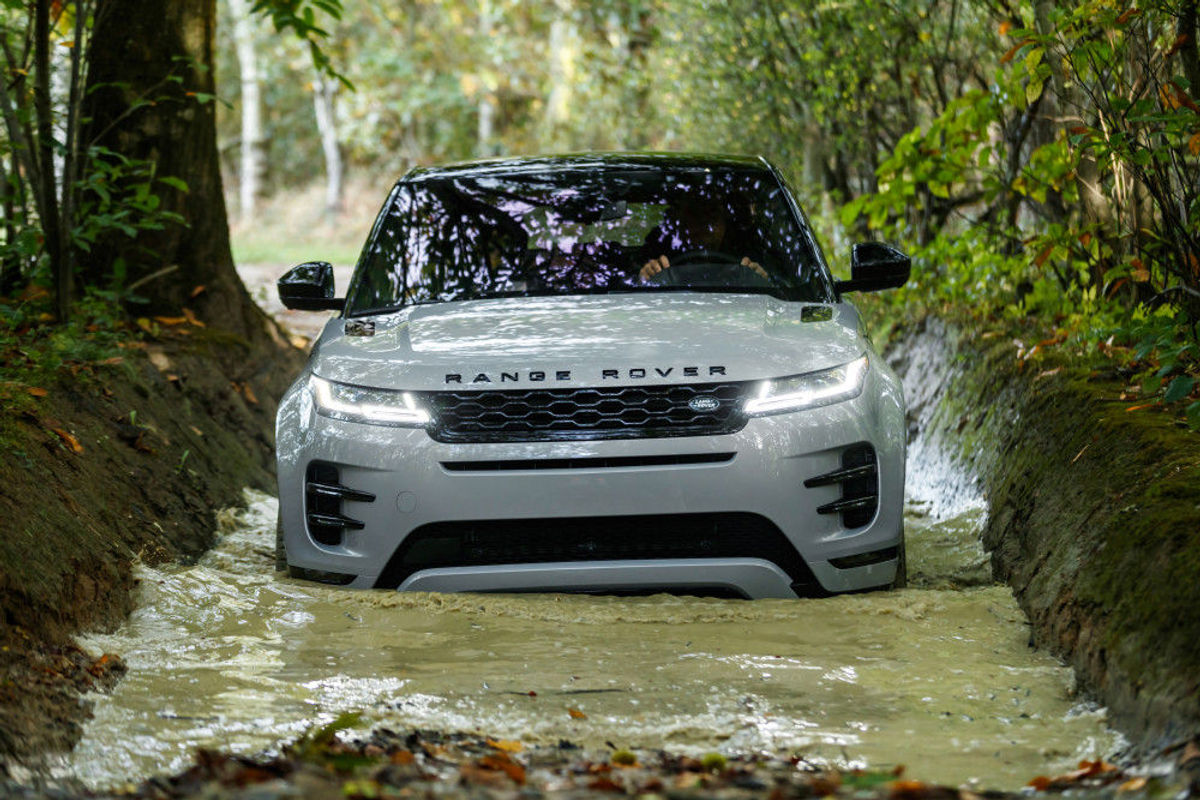
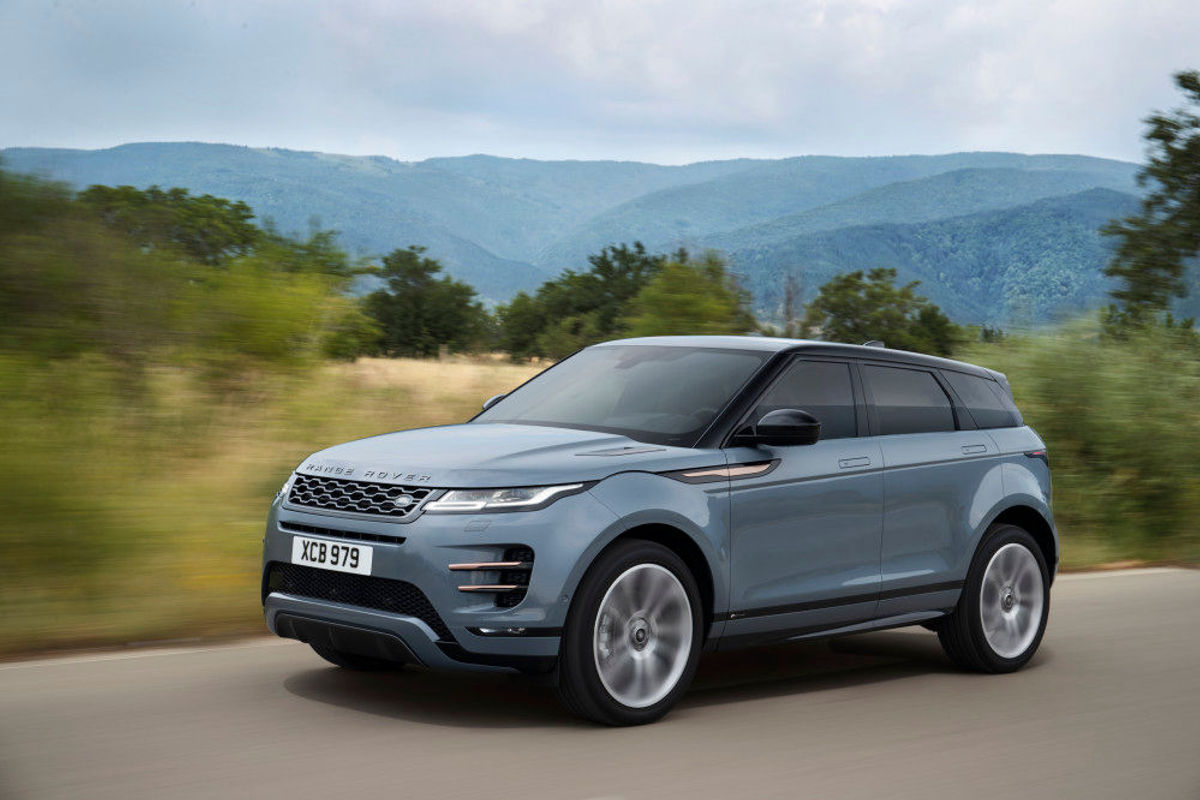
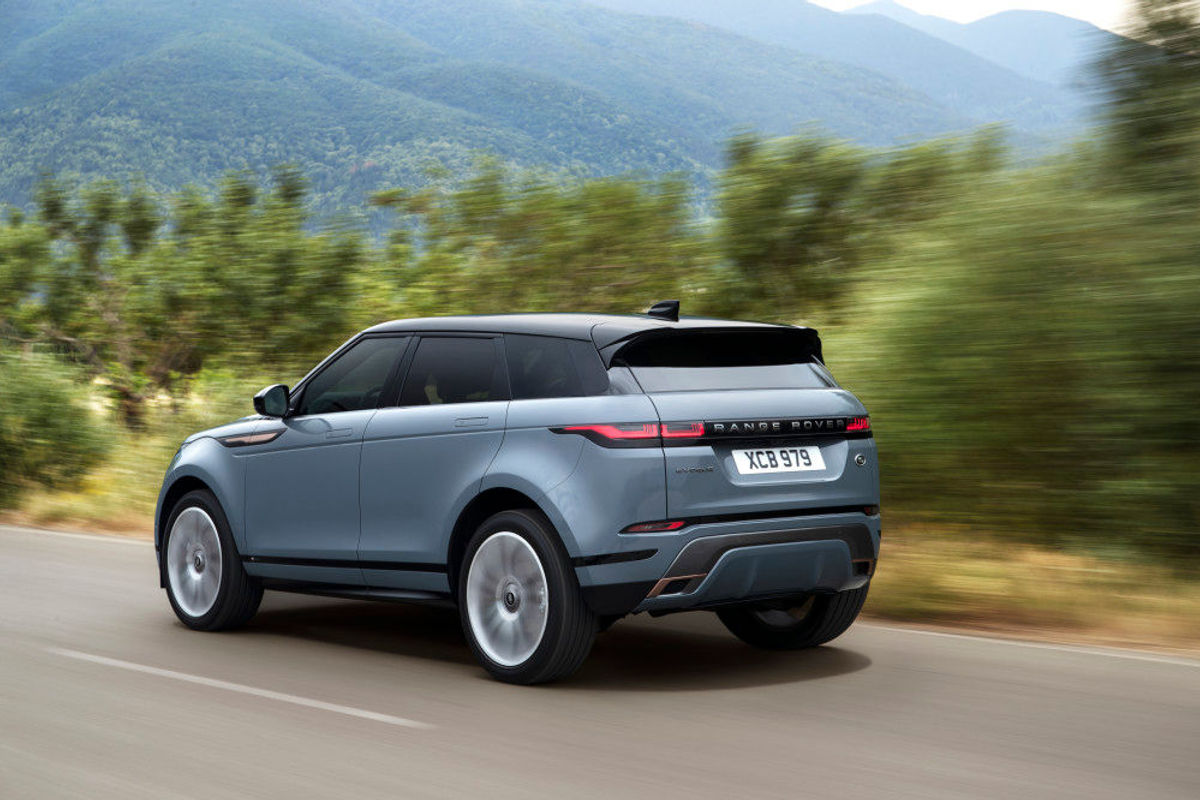
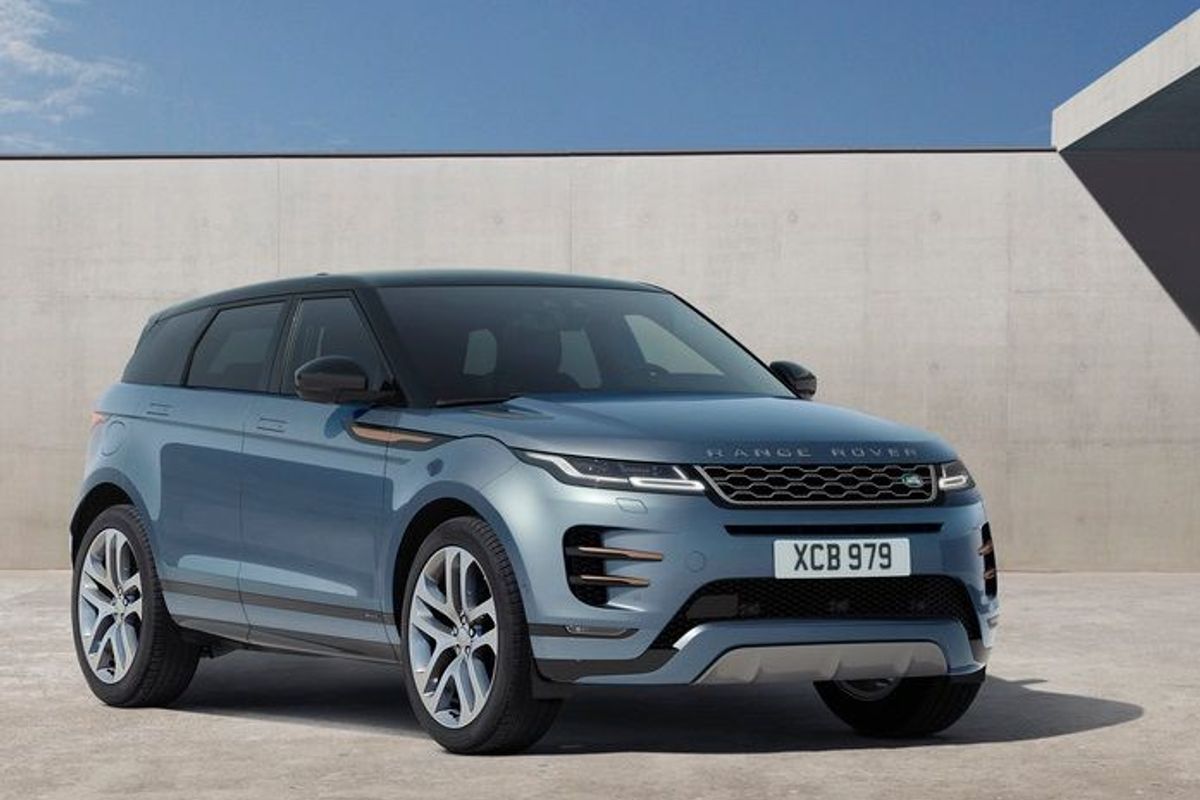
The all-new Range Rover Evoque is set to land in SA in April this year. We have full pricing for the new model, which will be launched with 2 engine choices.
The Evoque was the car that really got Range Rover's numbers ticking over as its design and affordability (for a Range Rover) appealed to a market that didn't have all that much choice in the medium SUV segment.
A range of Ingenium engines will power the new Evoque and from launch, the South African market will receive 2 engines initially. The P250 2.0-litre turbopetrol engine with 183 kW and 365 Nm of torque will be available as well as the D180 2.0-litre turbodiesel engine with 132 kW and 430 Nm of torque.
The range-topping P300 2.0-litre turbopetrol engine with 221 kW and 400 Nm will arrive later in 2019. All Evoque derivatives will be equipped with a ZF 9-speed automatic transmission and will feature all-wheel drive.
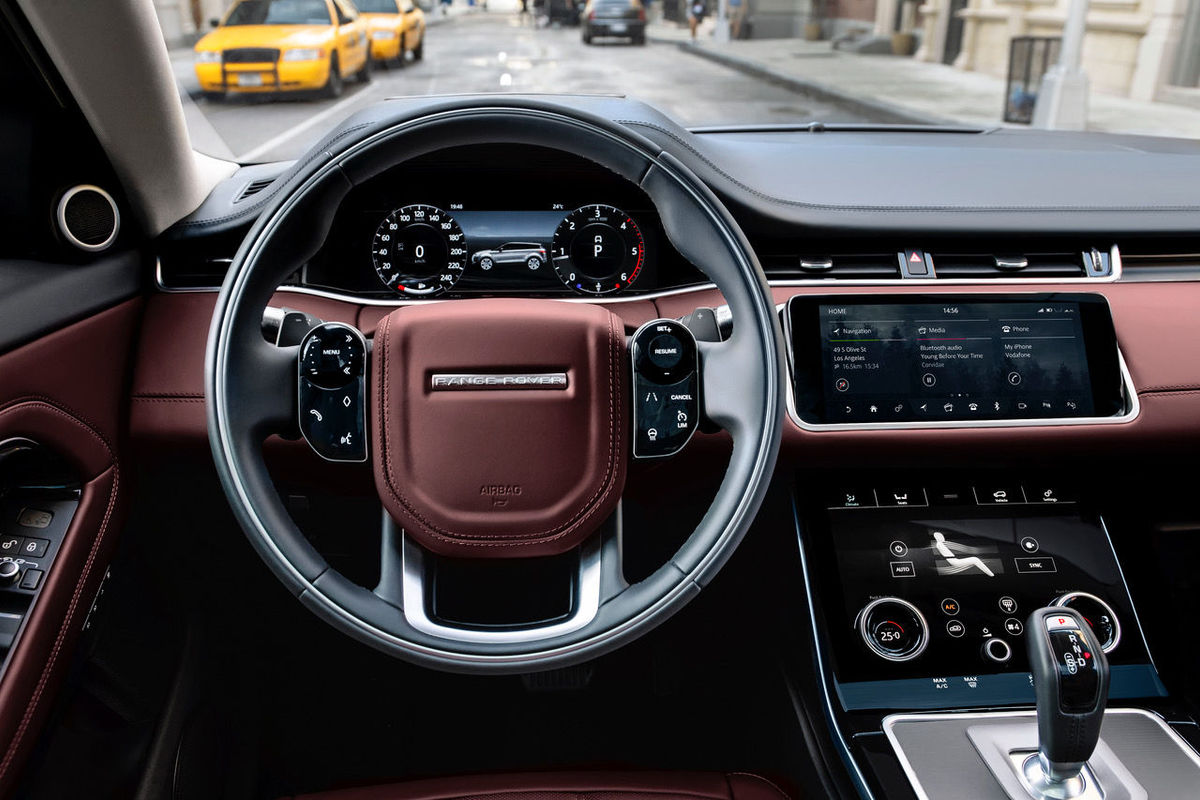
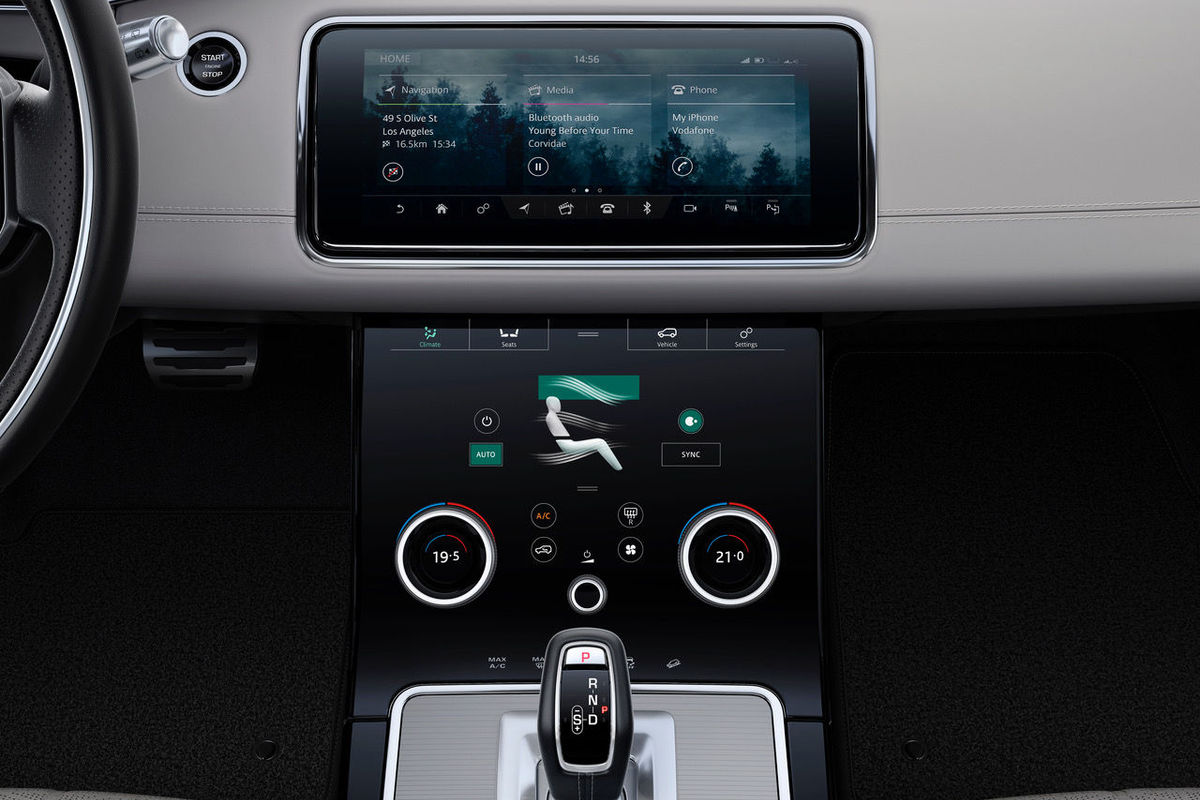
Inside, rear passenger space has been improved and the boot is 10% larger than before. The interior has taken inspiration from the Velar with the 2 touchscreen setup for infotainment and climate control settings.
For more information on the new features of the Evoque, along with its interesting HD rear-view mirror, click here.
Judging by the introductory pricing and stature as a stylish SUV rather than a practical one, likely rivals are the BMW X4, Merc GLC Coupe and the soon-to-be-announced Audi Q4.
Range Rover Evoque – Price for SA
Range Rover Evoque 5 Door 2.0 D 132kW D180 – R734 300
Range Rover Evoque 5 Door 2.0 D 132kW D180 S – R784 300
Range Rover Evoque 5 Door 2.0 D 132kW D180 SE – R843 800
Range Rover Evoque 5 Door 2.0 D 132kW D180 R-Dynamic S – R813 000
Range Rover Evoque 5 Door 2.0 D 132kW D180 R-Dynamic SE – R872 500
Range Rover Evoque 5 Door 2.0 D 132kW D180 R-Dynamic HSE – R920 200
Range Rover Evoque 5 Door 2.0 D 132kW D180 First Edition – R945 900
Range Rover Evoque 5 Door 2.0 P 183kW P250 – R776 300
Range Rover Evoque 5 Door 2.0 P 183kW P250 S – R826 300
Range Rover Evoque 5 Door 2.0 P 183kW P250 SE – R885 800
Range Rover Evoque 5 Door 2.0 P 183kW P250 R-Dynamic S – R855 000
Range Rover Evoque 5 Door 2.0 P 183kW P250 R-Dynamic SE – R914 500
Range Rover Evoque 5 Door 2.0 P 183kW P250 R-Dynamic HSE – R962 300
Range Rover Evoque 5 Door 2.0 P 183kW P250 First Edition – R987 900
Has the 3 Series ‘lost its soul’? It’s a fair question.
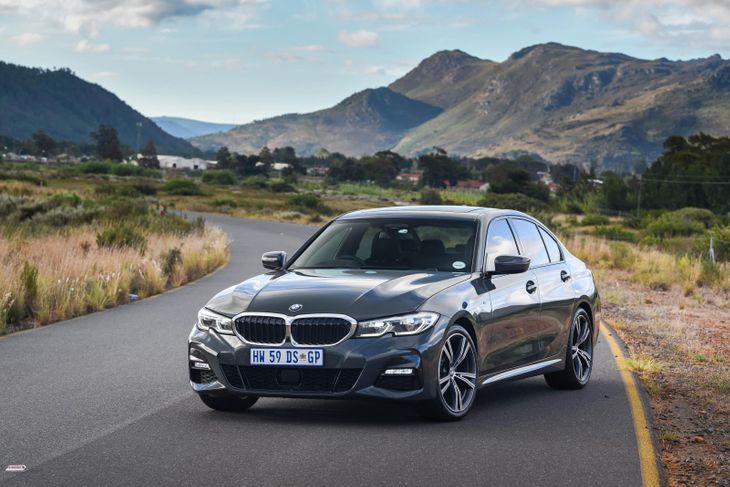
The G20-generation BMW 3 Series may set a benchmark by virtue of its all-round accomplishment, but its focus on smart packaging and cutting-edge connectivity suggests that, as far as the brand's business class sedan is concerned, genuine driver involvement will be reserved for M models and M-flavoured derivatives from now on.
I have an acquaintance who’s a devout disciple of personal electronic devices produced by a company that’s named after a fruit and based in Cupertino, California. From his preferred laptop, to favourite tablet, a “still best-in-business” smartphone and even a little square limpet that he plugs into his home AV system – they all bear their maker’s nibbled marque. He also has a media player, which he no longer uses, but stores in a drawer just to ensure his collection is almost complete… I anticipate a smartwatch might soon grace his wrist, provided he can find a specific use for one.
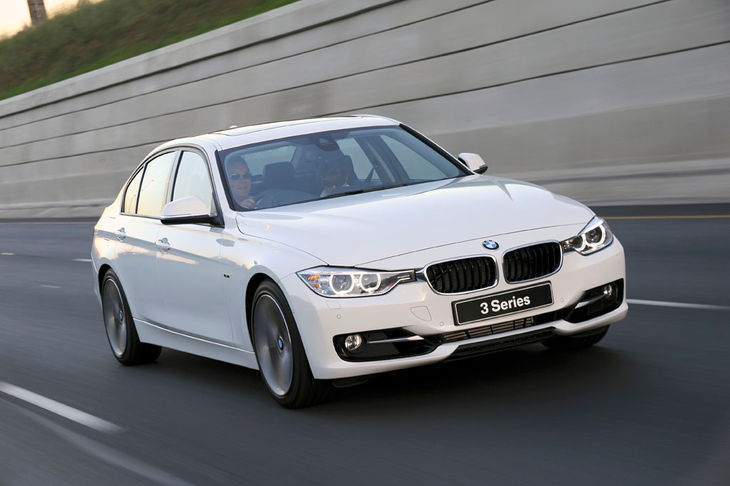
Launched in South Africa in March 2019, the G20-generation sedan is the most sophisticated and luxurious 3 Series to date.
That company used to be renowned for producing the finest desktop computers in the world – it was its only claim to fame. It still builds excellent keyboard-and-mouse-operated machines (so I'm told), but today, that side of the business is not what the firm’s best known for. Incidentally, around the same time that Messrs Jobs and Wozniak started building the company that would become the consumer cult it is now, BMW established itself as the builder of sporty luxury cars. Back then Audi made 1 world rally-inspired sportscar of note and Mercedes-Benz, having discontinued the 300 SEL 6.3, had a handful of large-engined SLs and SECs. For the most part, it left the AMG tuning firm in Affalterbach to its own, um, devices…
In SA, 3 Series is the bedrock of BMW
And although BMW certainly established its sporty reputation in the Seventies (even in South Africa, through the 530 MLE), I would humbly submit that it was the arrival of the second-generation (E30) 3 Series, which went into production at the Munich-based firm’s Rosslyn plant in 1983, that made the Blue and White Roundel a household name in South Africa. The unashamedly boxy, compact, rear-wheel-driven E30 was responsive, involving (in the wet, at its limit, perhaps excessively so), inspirational, as well as aspirational. It reached its zenith in the forms of the unique-to-SA 333i and 325iS homologation specials, which respectively has, and will be, featured by our SentiMETAL brand. Watch the 333i feature video.
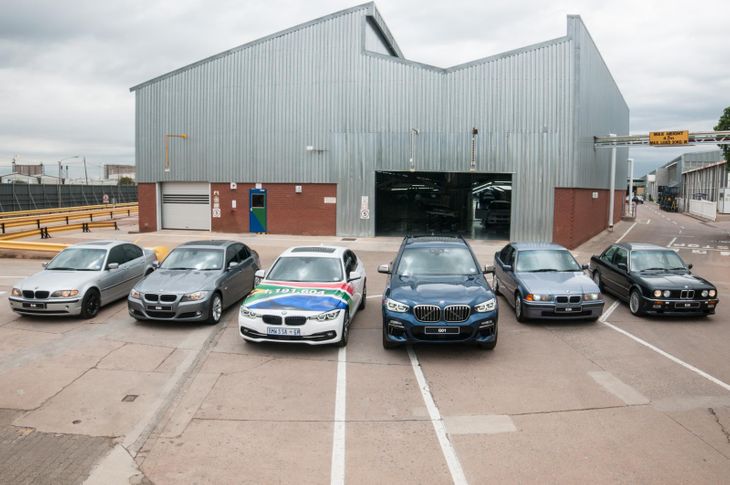
BMW now produces the current X3 range at its Rosslyn plant, but before that, the firm built 5 generations of the 3 Series in South Africa.
When BMW SA commenced local manufacture of the current generation X3 executive SUV last year, it brought to an end a 35-year run of building 3 Series models in Mzansi (5 generations rolled off the production line). And, in some ways, the latest G20 3 Series, which is based on BMW’s modular CLAR platform – as most medium to large Bimmers now are – finally extinguishes the spirit of the E30/“Gusheshe”/“Bhotsotso”. But why?
Evolution to a luxury car began a while ago…
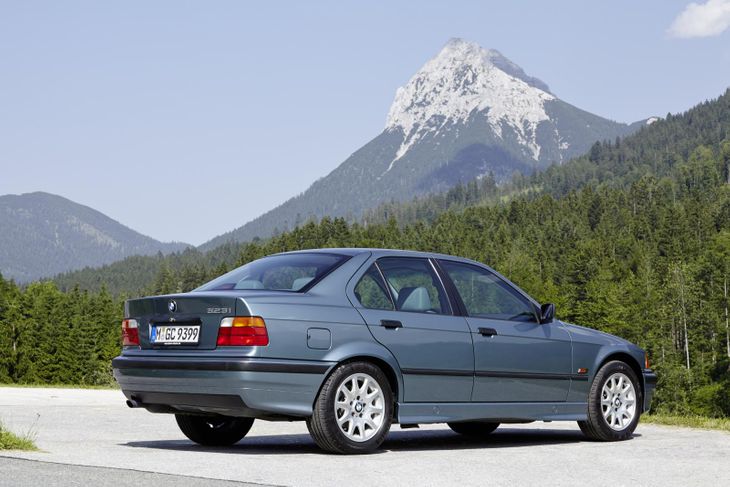
Well, that’s because with each generation, from the E36 (which arrived in South Africa in 1992) onwards, the 3 Series’ focus has shifted further away from dynamism and driver involvement in the pursuits of spaciousness, refinement, technology and luxury. Since the Nineties, BMW’s countrymen (Audi and Mercedes-Benz) and more recently, European (including British, for the time being anyway) and Japanese rivals have joined the melee in the compact executive sedan segment. And, as a consequence, seated in car manufacturer’s boardrooms across the globe, engineers, marketers and beancounters have knocked heads to devise and produce business-class cars that could be “all things to all men” (sic).
Although the 2nd-gen 3 Series was offered in 4-door guise, the model became a genuine compact executive sedan with the E90.
In the case of BMW’s 3 Series, this (well-intended) quest for all-round accomplishment has finally come to fruition with the G20-generation car. But if the brilliance of the Bavarian marque's business class sedan has made the 5 Series executive sedan look increasingly superfluous in recent times, those who sought distilled driver involvement have had to hold out for prohibitively expensive larger-engined derivatives/models in order to the savour that what made the 3 Series so loved in the first place (at least they could splurge on M Sport trim lines, for what that was worth).
“Well, there’s always the M3 (or M4) that you can place on a pedestal/lust after,” I hear you say, but the last one’s price started at R1.255 million!
Must lower-rung 3 Series derivatives be anodyne?
Wouldn't it be fair to say, in the case of the most recent iterations of the 3 Series, that the majority of entry-level to mid-range derivatives were bought by people who merely wanted the right to say "I drive a 3 Series?" I can't help but wonder whether those buyers, when they heard the uninspiring hums of their cars' "EfficientDynamic" 3- or 4-pot engines and twirled their cars' inert-feeling, over-assisted steering 'wheels, did they sigh wistfully, if only in their minds? Granted, the (E36) 316i, (E46) 318i and (E90) 320i weren’t particularly sparkling to drive either, but still.
The launch of a 3-cylinder turbopetrol 316i derivative in the F30 range made the 3 Series more accessible to a wider range of buyers.
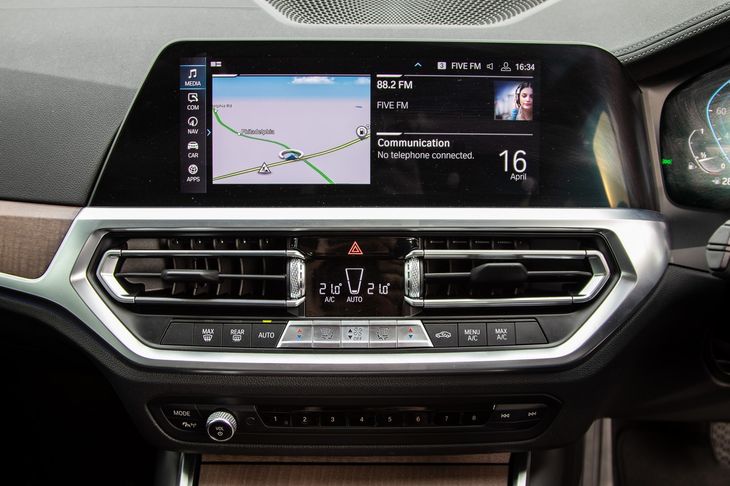
We’d already got an inkling of this with the previous-generation (F30) car, but it’s palpable that the latest 3 Series is a luxury car 1st, and a sporty one 2nd, perhaps 3rd. That’s not to say it doesn’t have a good powertrain, the 330i’s turbocharged 2.0-litre 4-cylinder motor produces a credible 190 kW and 400 Nm, it doesn’t sound very inspiring, but gets down the road with a brisk turn of speed (when prompted). It offers excellent on-road refinement courtesy of an acoustically-insulated cabin and hydraulic bump-stops that facilitate an absorbent ride quality. What's more, it offers a comfortable, well-made cabin and a plethora of electronic features with a tap-, swipe-, pinch- and gesture-sensitive interface. Read the review.
"Hey BMW" is always listening
The G20-generation 3 Series is surely a product that my acquaintance’s favourite electronic device-making company (yes, the one with the cult following) would be proud to be associated with. It’s a beautifully-hewn “smartphone on wheels” and yes, with features such as its BMW Personal Assistant, you can verbally interact with it while it surreptitiously learns your habits and, ostensibly, adapts to your everyday motoring needs.
With the HEA package, the G20 generation 3 Series' state-of-the-art electronic interface accepts iDrive, touch, gesture and voice commands.
However, I never thought I’d see the day that the thrust of a “New 3 Series” product pitch would be its technological prowess and integral refinement, with dynamism and driver involvement being almost an afterthought. From my experience of the 330i Sport Line, I can confidently declare that the G20 is still satisfying to drive, but it now feels incongruent, almost inappropriate, to wield it at an enthusiastic pace. Perhaps that’s the price to pay for all that refinement and sophistication; maybe I’m subconsciously worried “Hey BMW” will acclimate the cabin to make me “calm the hell down”.
Now, it's all about odd and even model names…
BMW used to be renowned for building driver’s cars, but, like its aforementioned Silicon Valley counterpart, it’s diversified its product range to cater for the myriad segments of the new vehicle market. That’s not necessarily only a good thing, though. For example, in 2013, the 3 Series Coupe was re-imagined as the 4 Series, because, these days, it’s all about odd and even numbers for the Munich-based brand. Apologies to BMW for this flagrant reduction of its product strategy, but the most expedient way to explain the firm's model-naming convention is: the odd-numbered ranges are buttoned up, smart and luxurious cars, while the even-numbered models are more emotionally-appealing, sporty and, I guess, “engaging”.
That means the 3 Series, as an odd-numbered range, has a default setting of "buttoned up, smart and luxurious"… unless it has an "M" in its name.
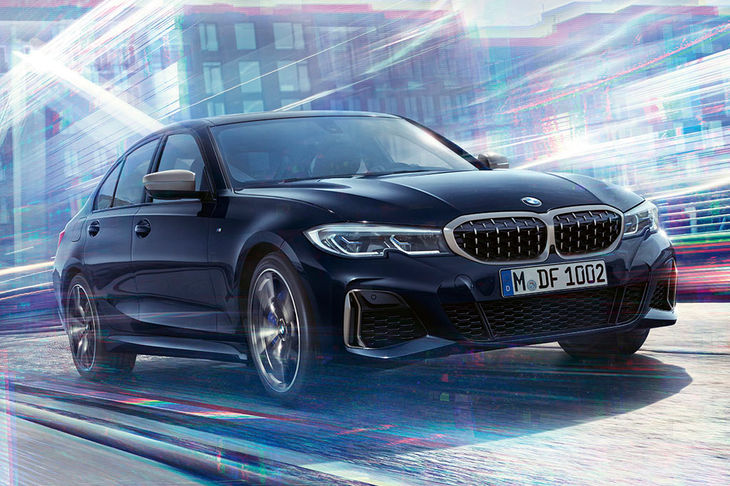
The eagerly awaited M340i xDrive will make its South African debut towards the latter end of 2019.
Ah, the once-exclusive M. Whereas solitary M models used to sit at the apogees of their respective ranges, BMW is now likely to sell many versions of those cars and SUVs. Just under them, you'll find M Division-fettled derivatives. In the case of the G20 3 Series, the M-flavoured derivative will be the M340i xDrive, a prototype of which Cars.co.za consumer experience manager Hannes Oosthuizen has sampled and, in his learned estimation, it will thrill aficionados when it reaches SA before year-end. Read about his experience of the M340i xDrive at an international media event here.
But what will that M340i xDrive cost when it arrives in South Africa? Surely close to R1 million, and that’s well beyond the aspirations of the overwhelming majority of would-be BMW buyers in our beloved Republic. It’s been reported that the upcoming 1 and 2 Series ranges will be underpinned by a front-wheel-drive platform, with all-wheel-drive reserved for the performance (read: M model and M-flavoured) versions. Now, that’s not to say they will definitely be anodyne, despite the worst efforts of the 2 Series Active Tourer, but they’re unlikely to be as spunky as the current crop of 1s and 2s. After the FWD 2 Series Gran Coupe debuts at the LA motor show later this year, we’ll have a better idea…
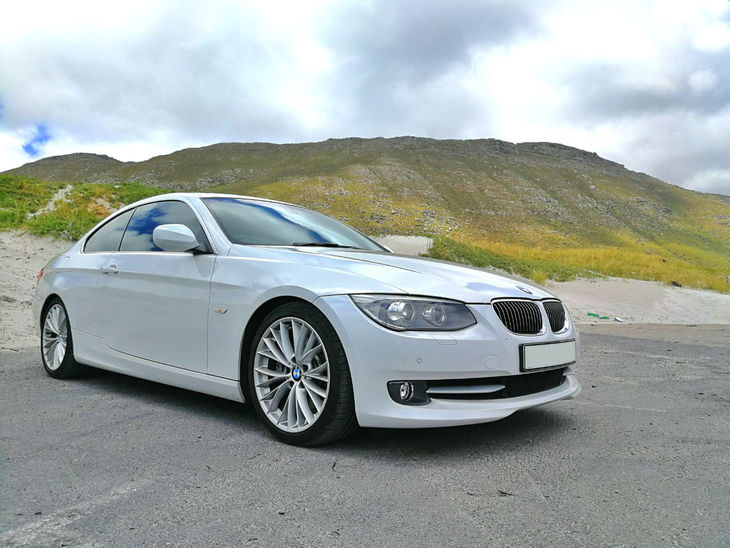
Is the last 3 Series Coupe, replete with hydraulically assisted steering and N55 3.0-litre turbopetrol engine, set to be a future classic?
So, where will BMW’s adoring fans be able to find genuine driver’s cars that they can realistically hope to own in future? Sadly, the used car market. I’m on the 3rd used BMW I’ve had the pleasure and privilege of owning and, to just reiterate, the G20-generation 3 Series is an excellent product.
BMW should be "the new BMW"
Be that as it may, in BMW's quest to build the ultimate business class sedan, the Munich-based firm has buried the driver involvement/sportiness that used to be so integral to the 3 Series so deeply under the G20-generation car's swathes of sound deadening, sophisticated electronics and a finessed suspension that you’ll have to rob a bank/win the lottery/inherit a stack of capital just to get your hands on an evocative one.
And that’s a pity. When I recently read an online opinion piece that suggested “Mazda could be the new BMW for petrolheads”, my first thought was “Good for Mazda”. As for the next thought, well, that one was tinged with sadness. Why can't BMW be… "the new BMW"?
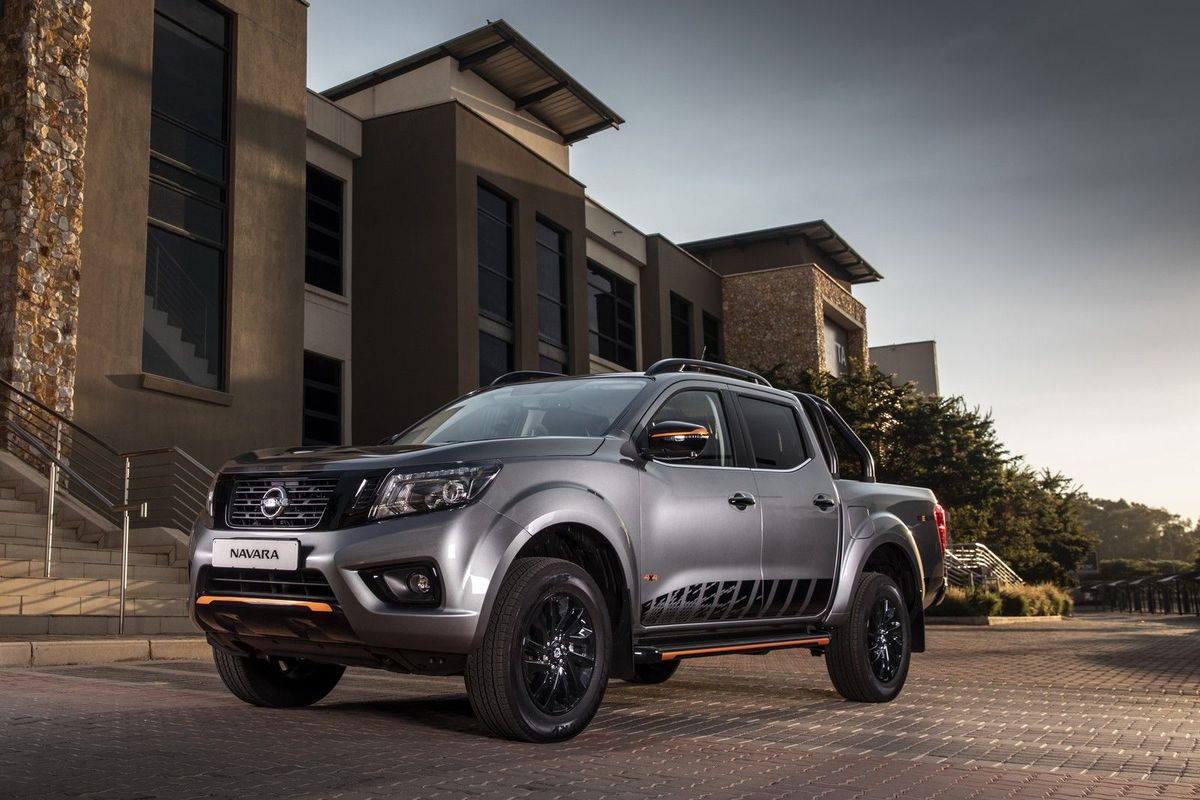
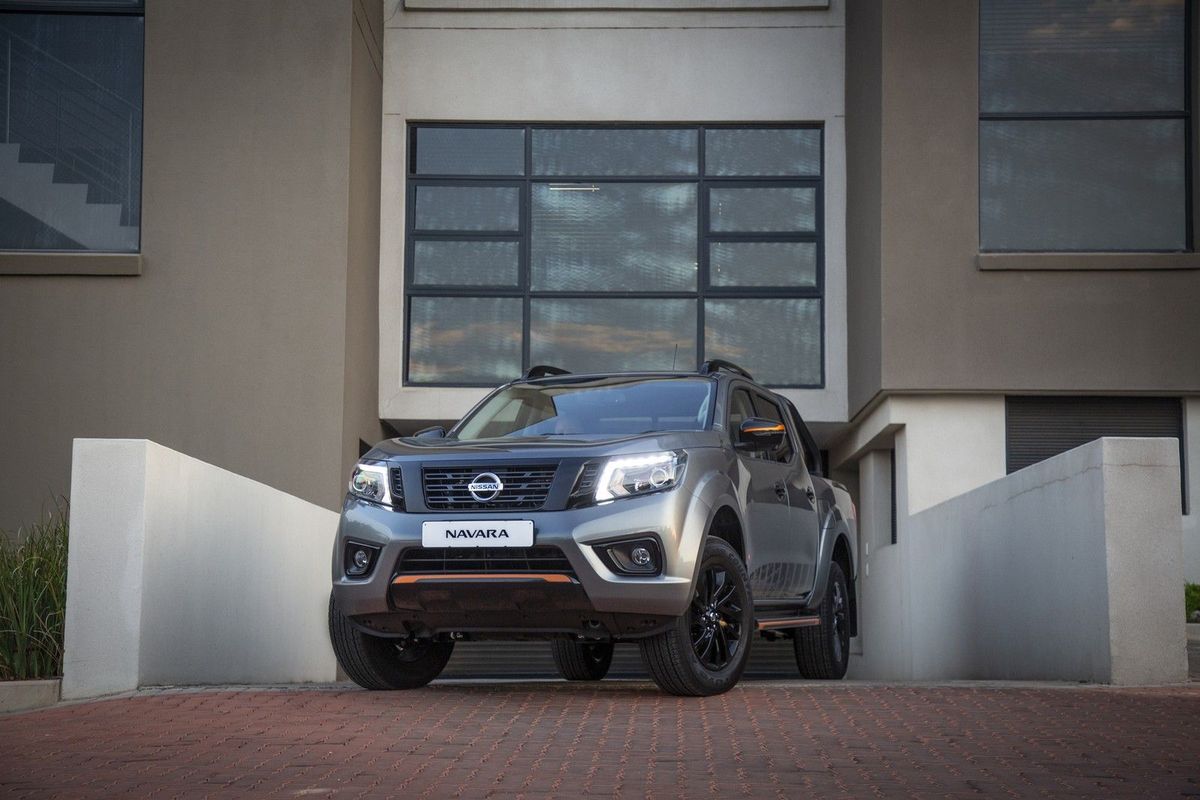
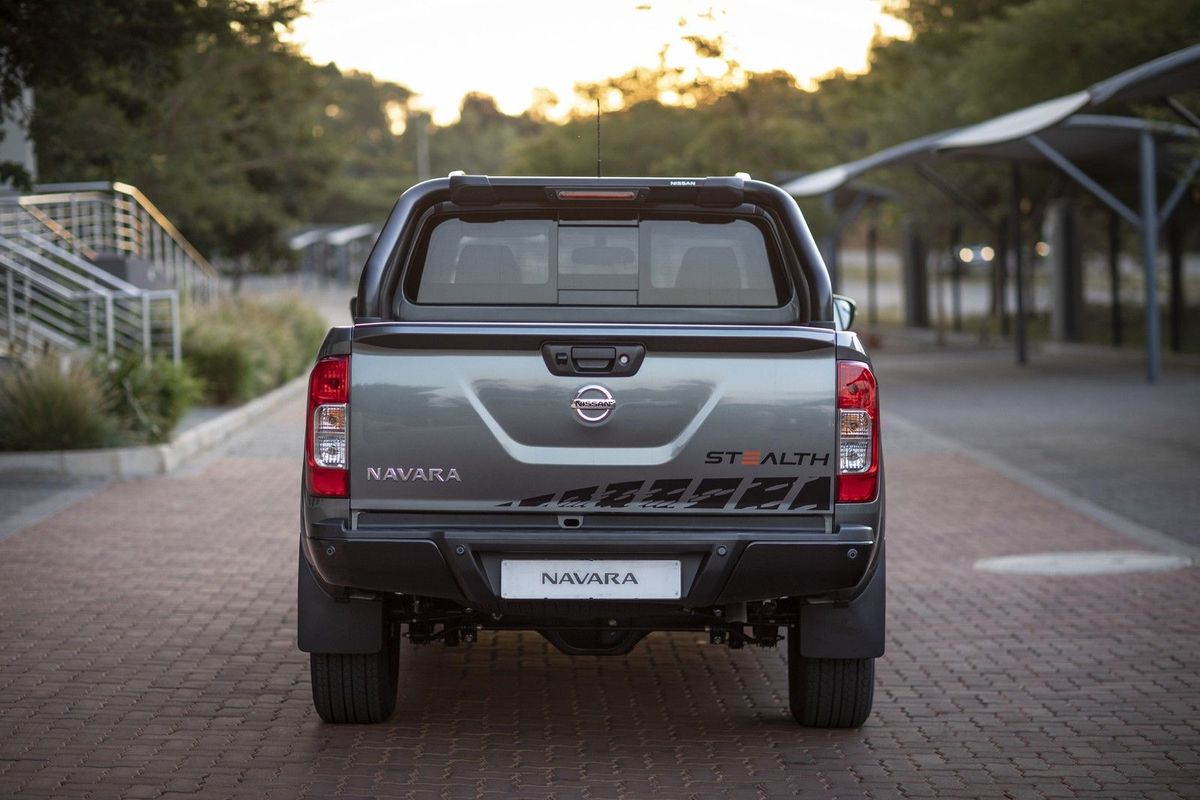
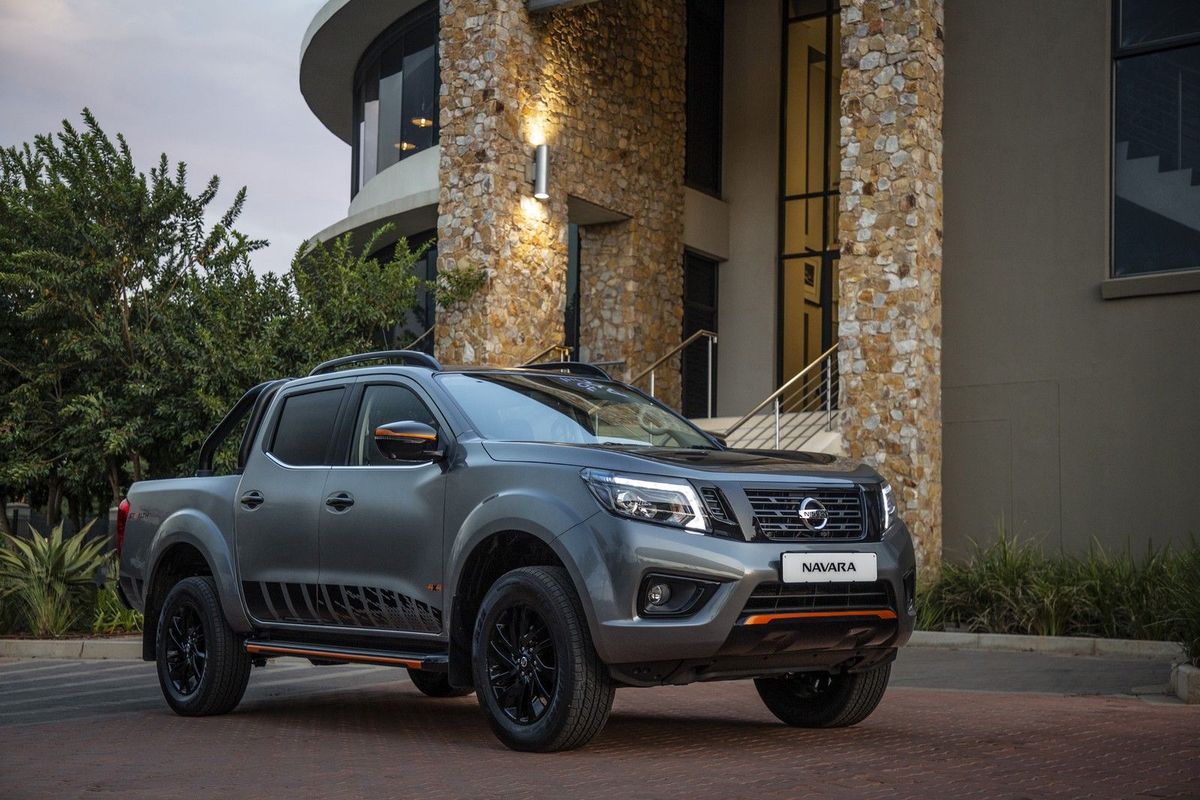
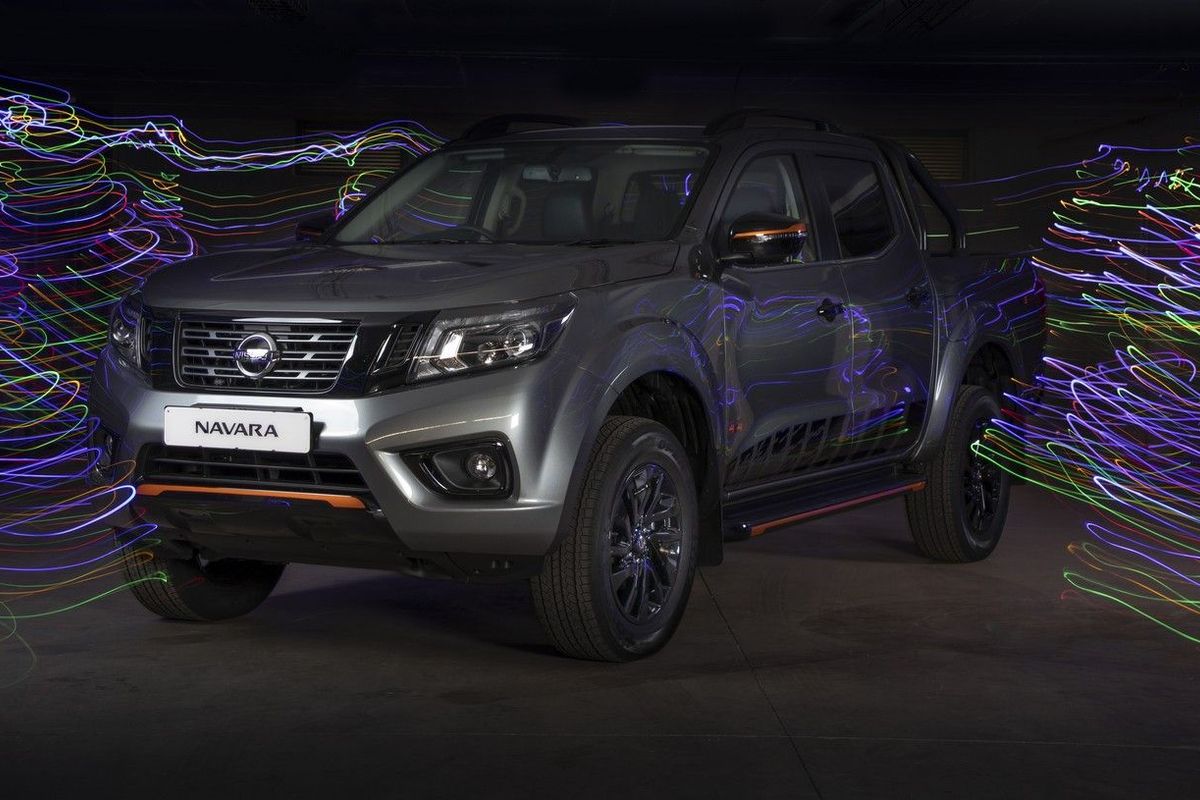
Nissan has added a styling pack for its Navara that aims to add more appeal to the leisure double cab.
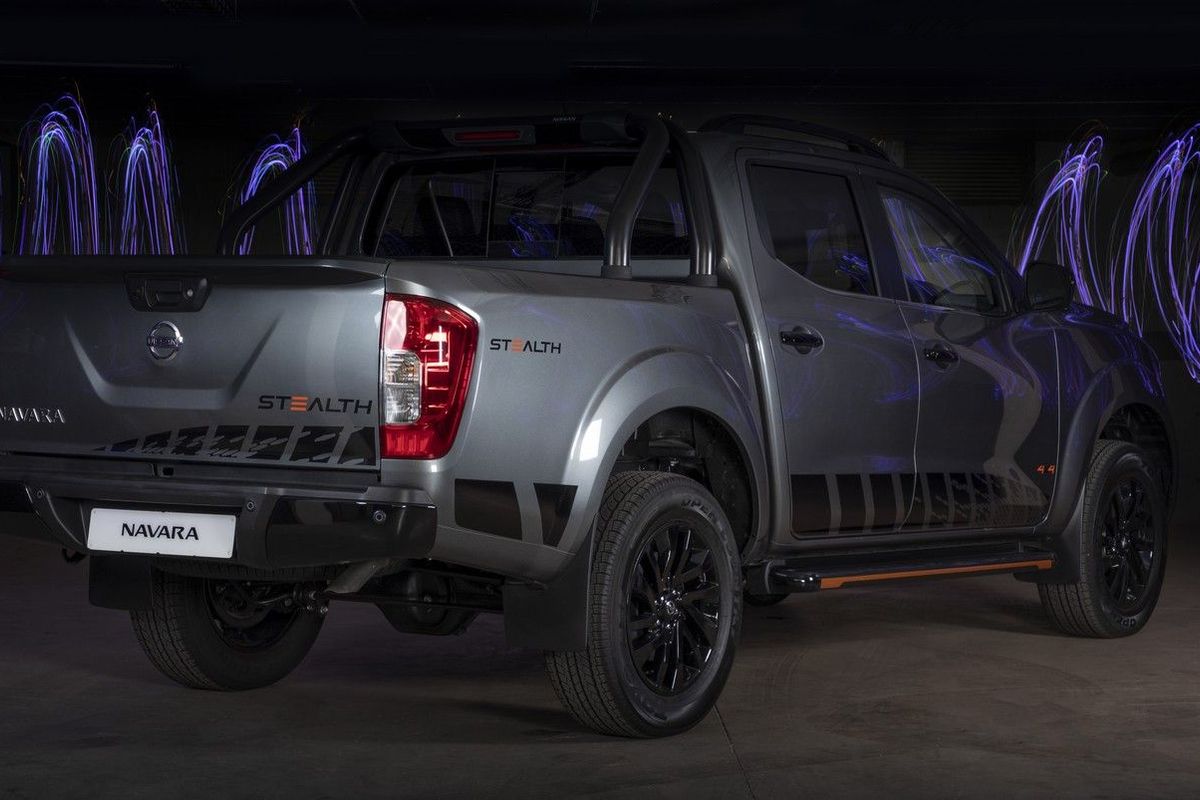
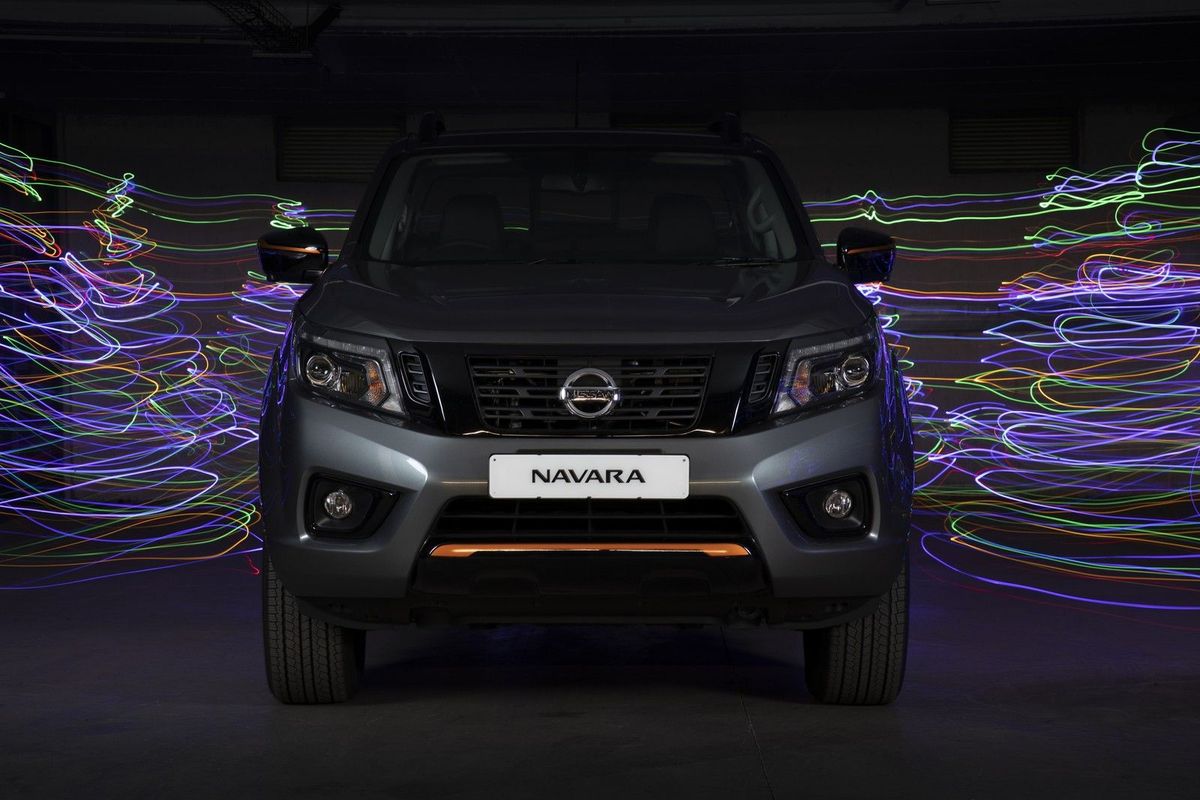
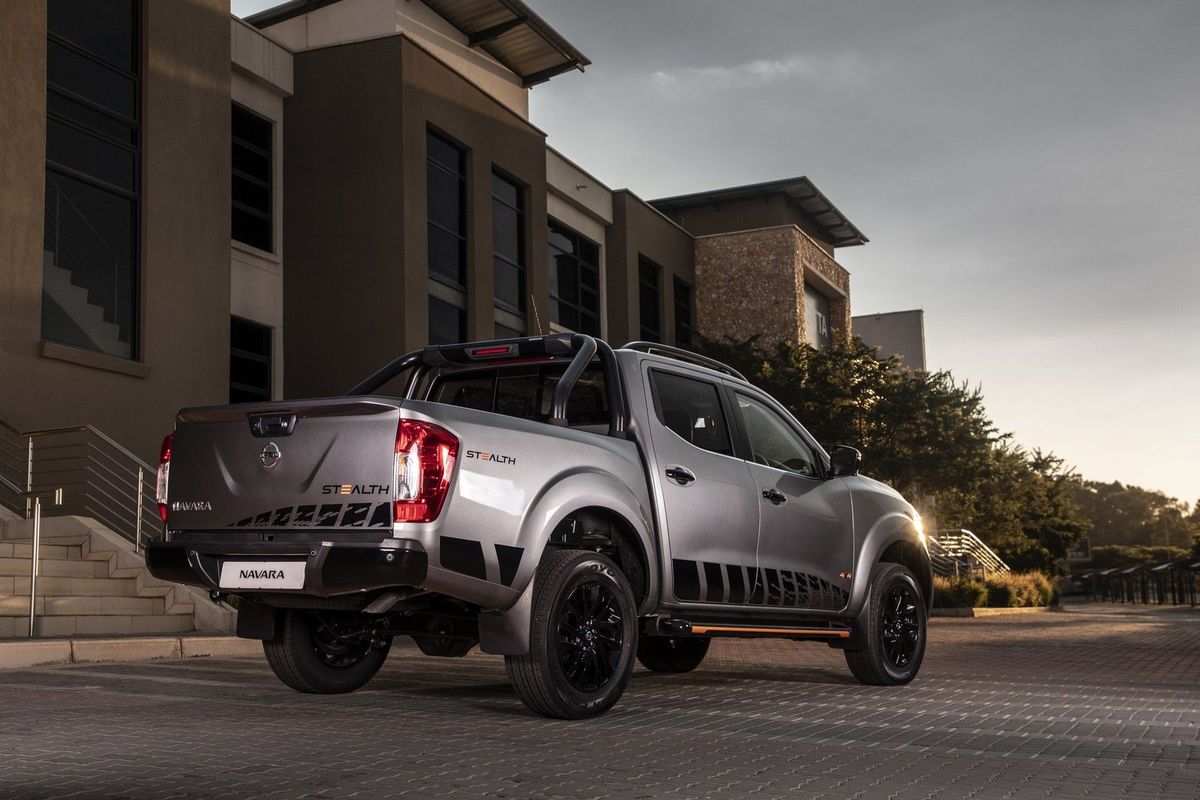
The new Nissan Navara hasn't quite set the sales charts alight since its introduction in 2017. The Stealth styling pack aims to make it more visible on the rad and hopefully entice a buyer looking for a bit of individuality in their bakkie.
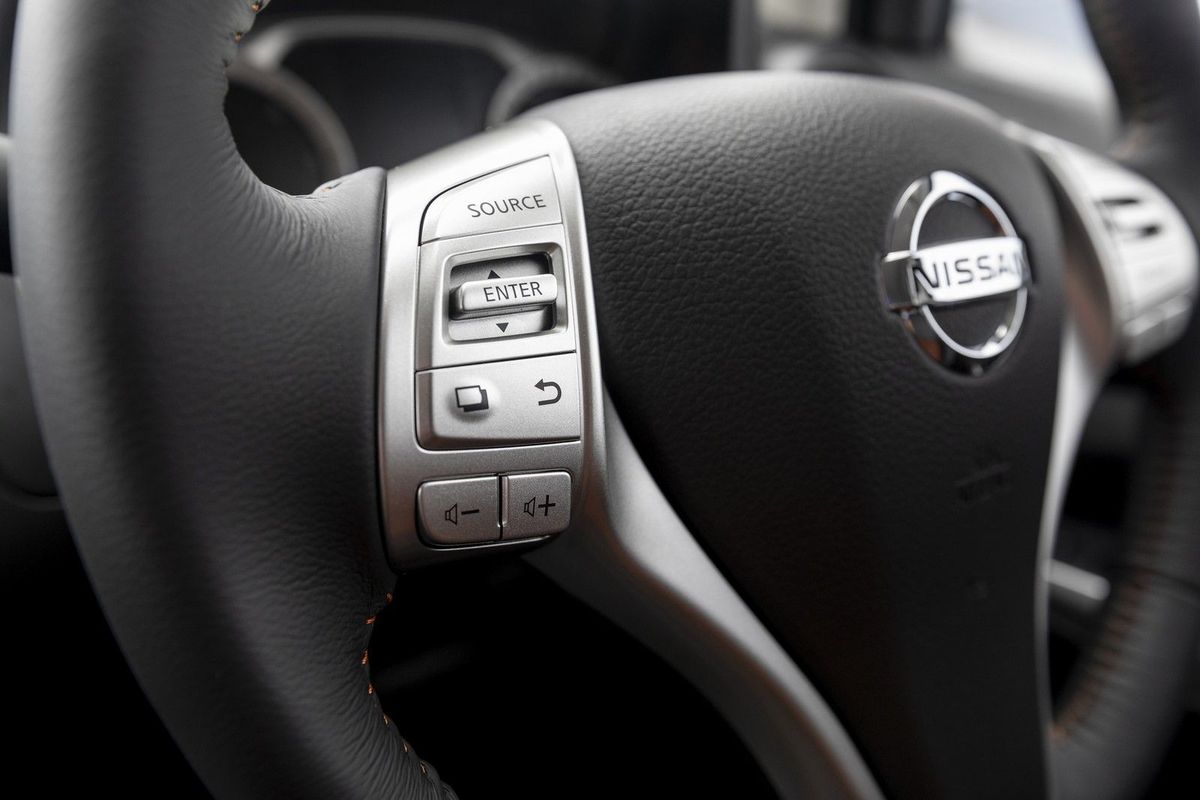
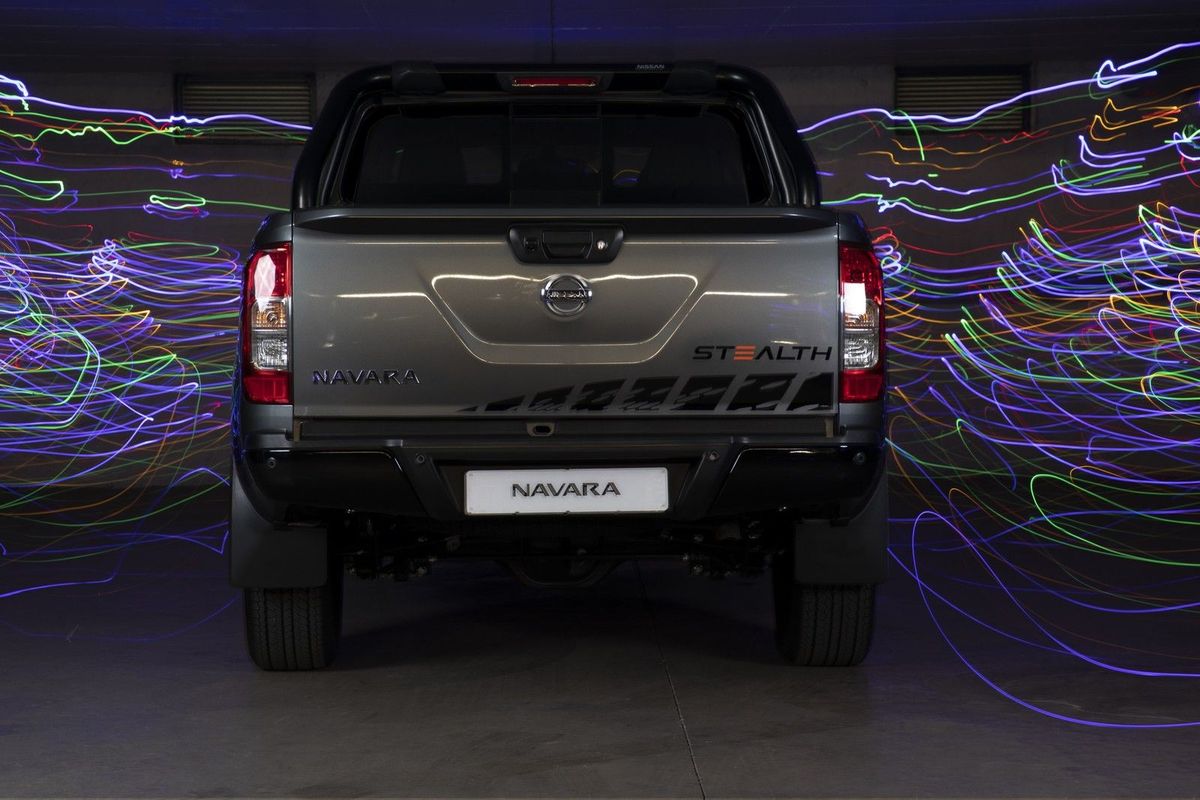
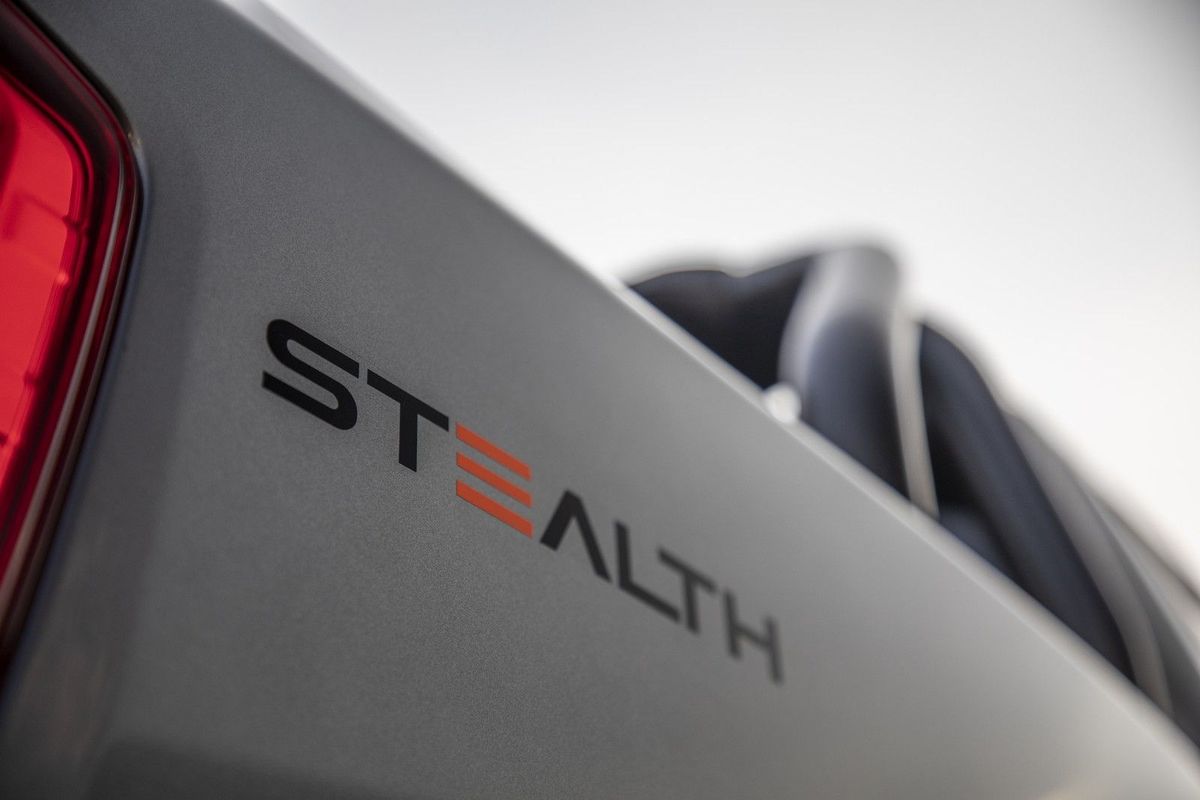
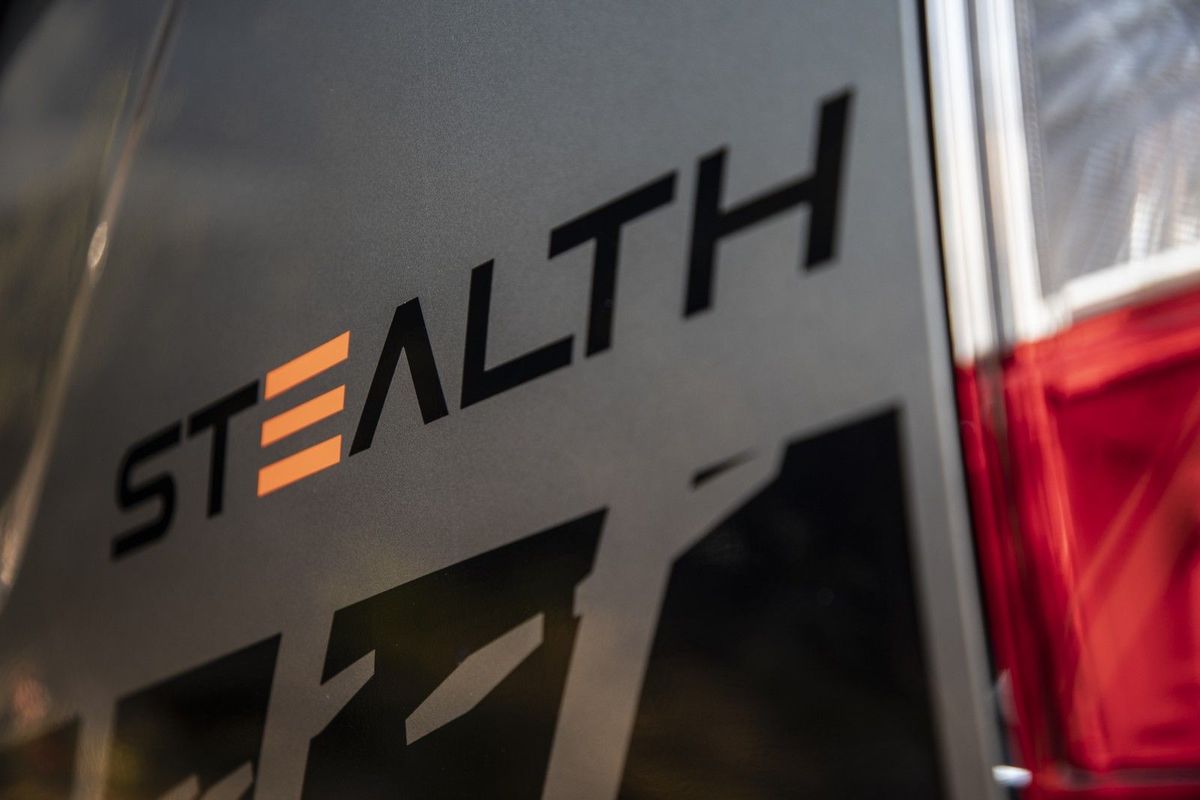
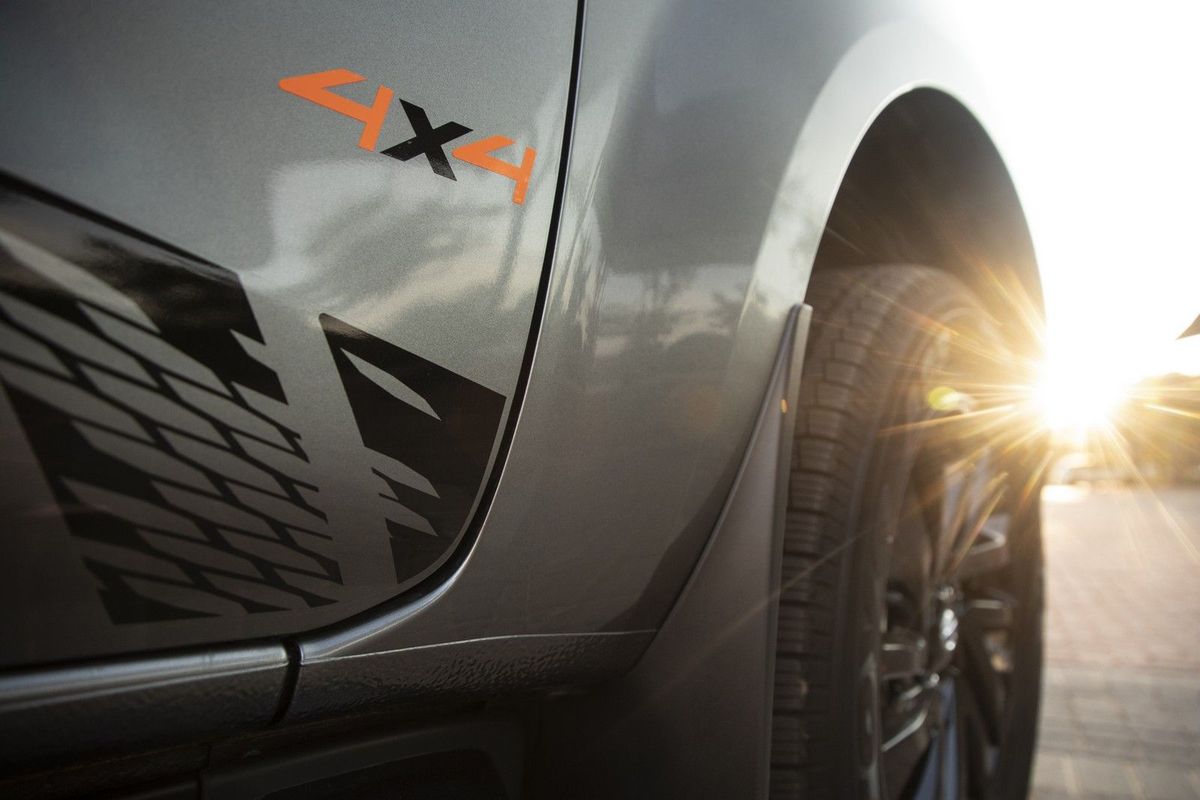
The Stealth starts off as an LE (Luxury Edition) Navara. On top of that Nissan adds silver and chrome detailing around the edges with orange accents for the grille, front bumper, side mirrors and side steps. Black wheels, roll bar and complete the Stealth look. Stealth deals and badging are then plastered above the skirts and on the tailgate.
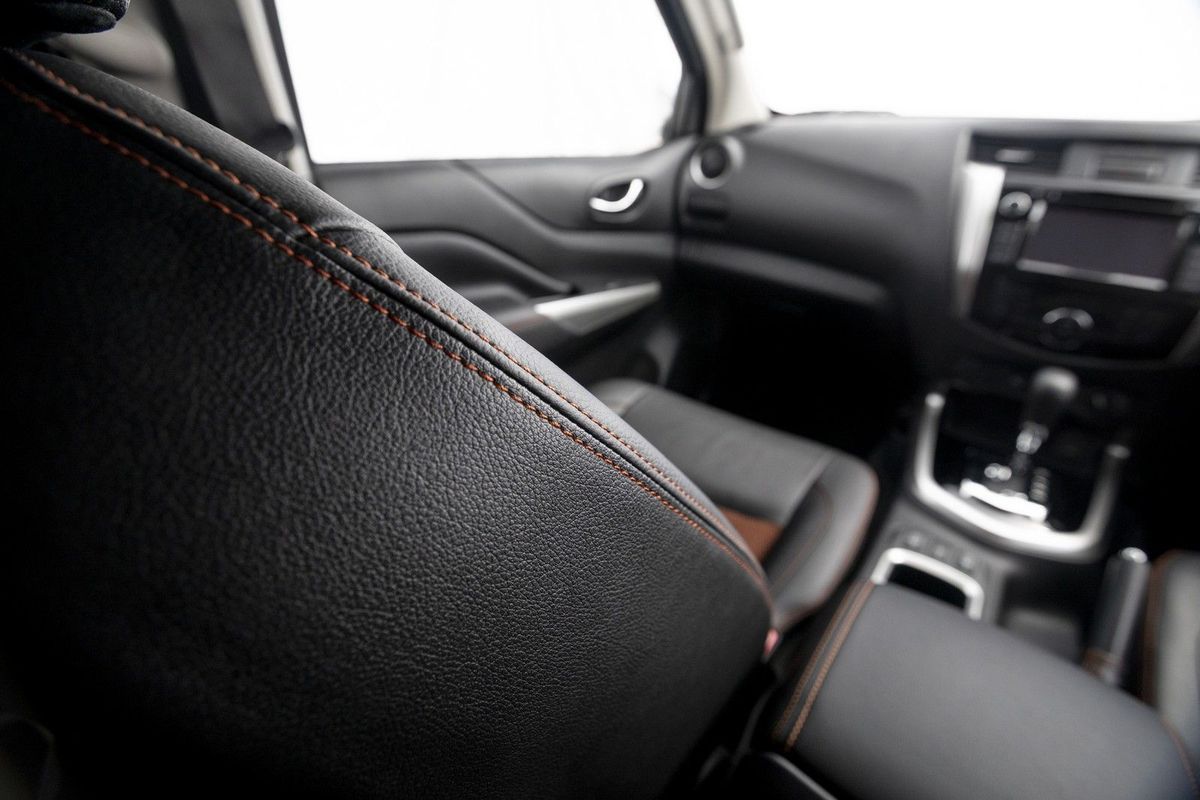
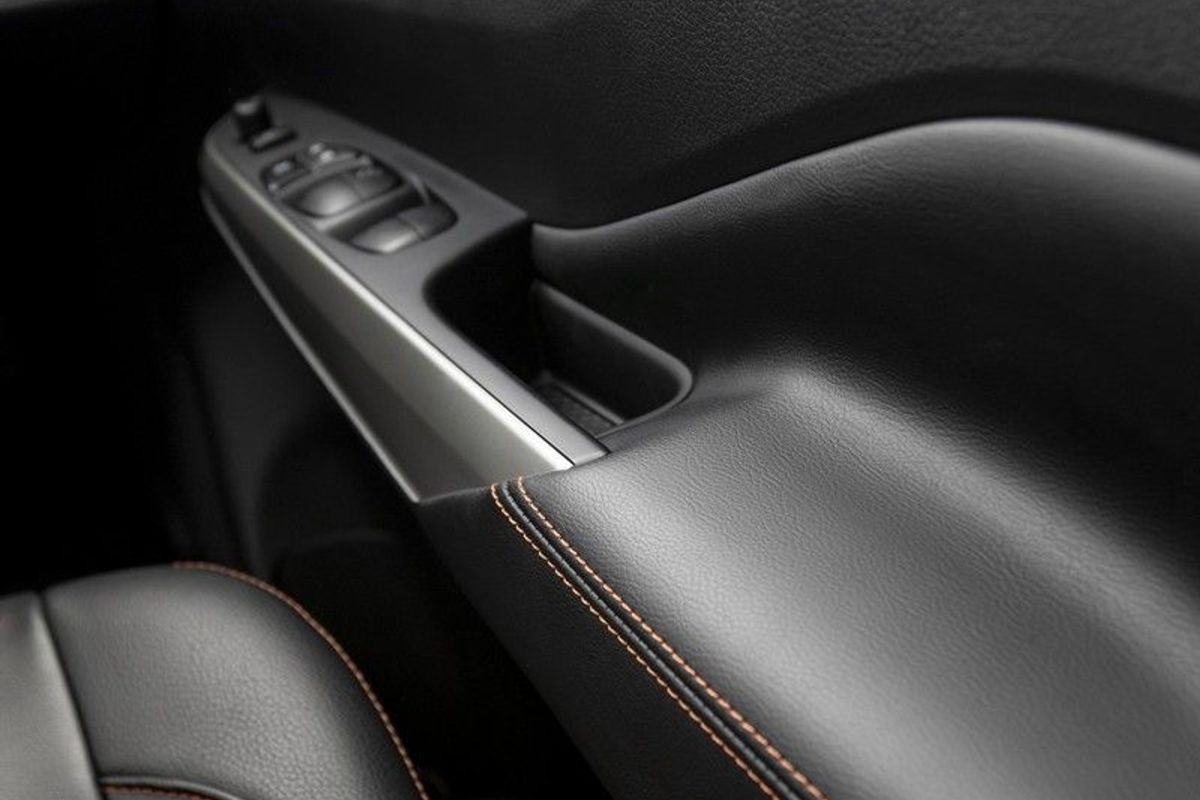
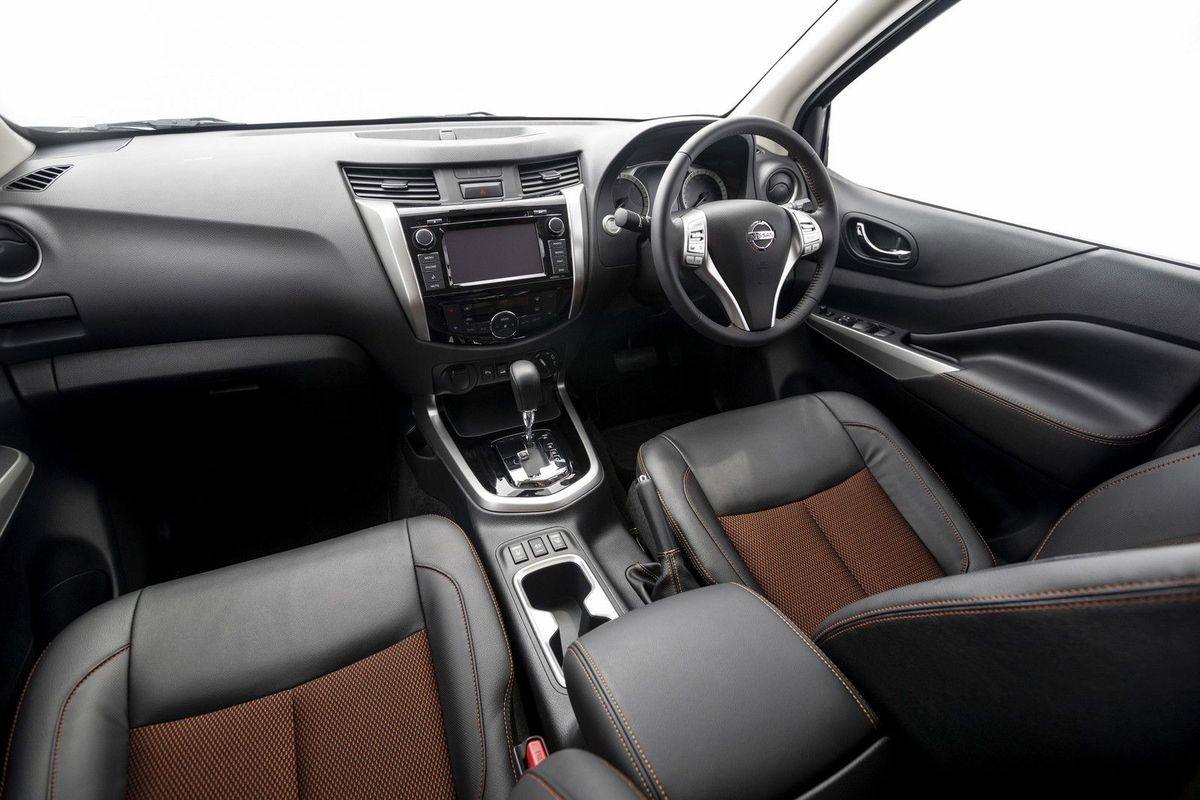
The interior also gets a remodel with similar 2-tone styling. Orange inserts are added to the leather seats teamed with orange stitching that is passed on to the steering wheel and door trimming.
The engine remains the same with the 2.3-litre turbodiesel doing duty under the bonnet. As a refresher, it produces 140 kW and 450 Nm of torque.
Pricing
The Stealth appears to command a R13 000 premium over the standard LE specification model.
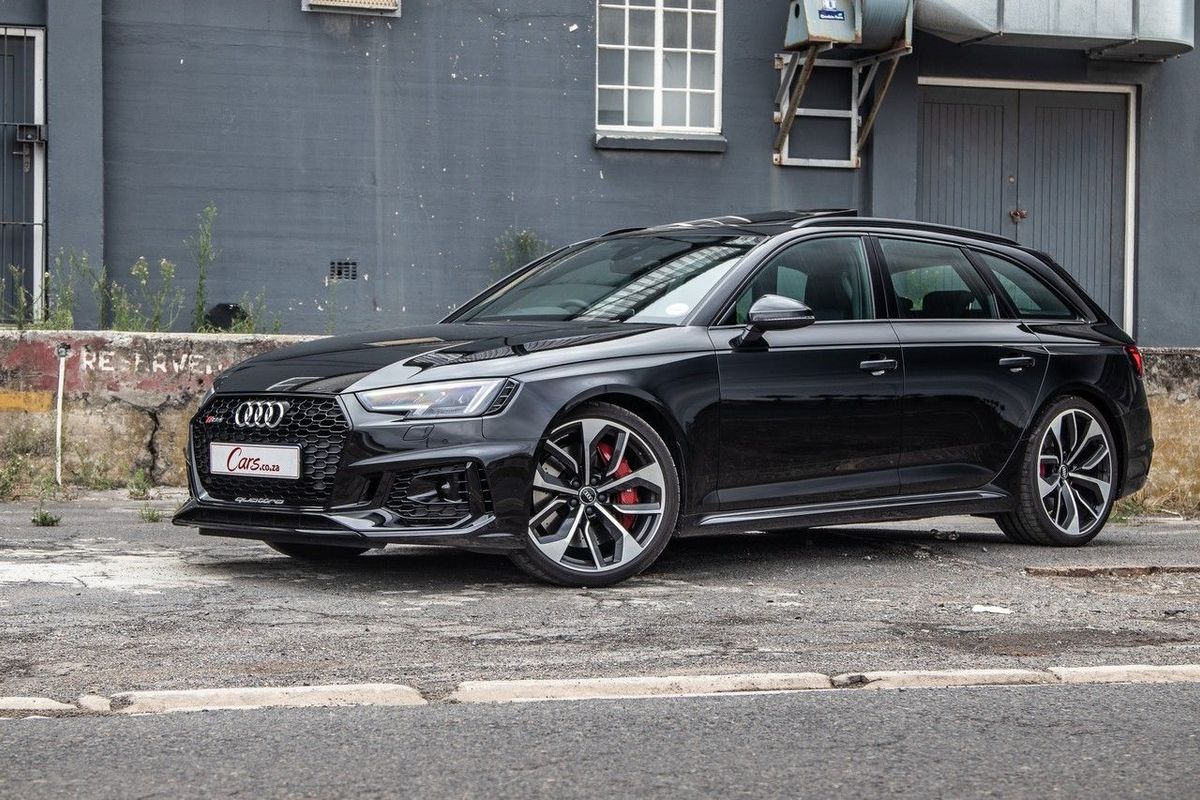
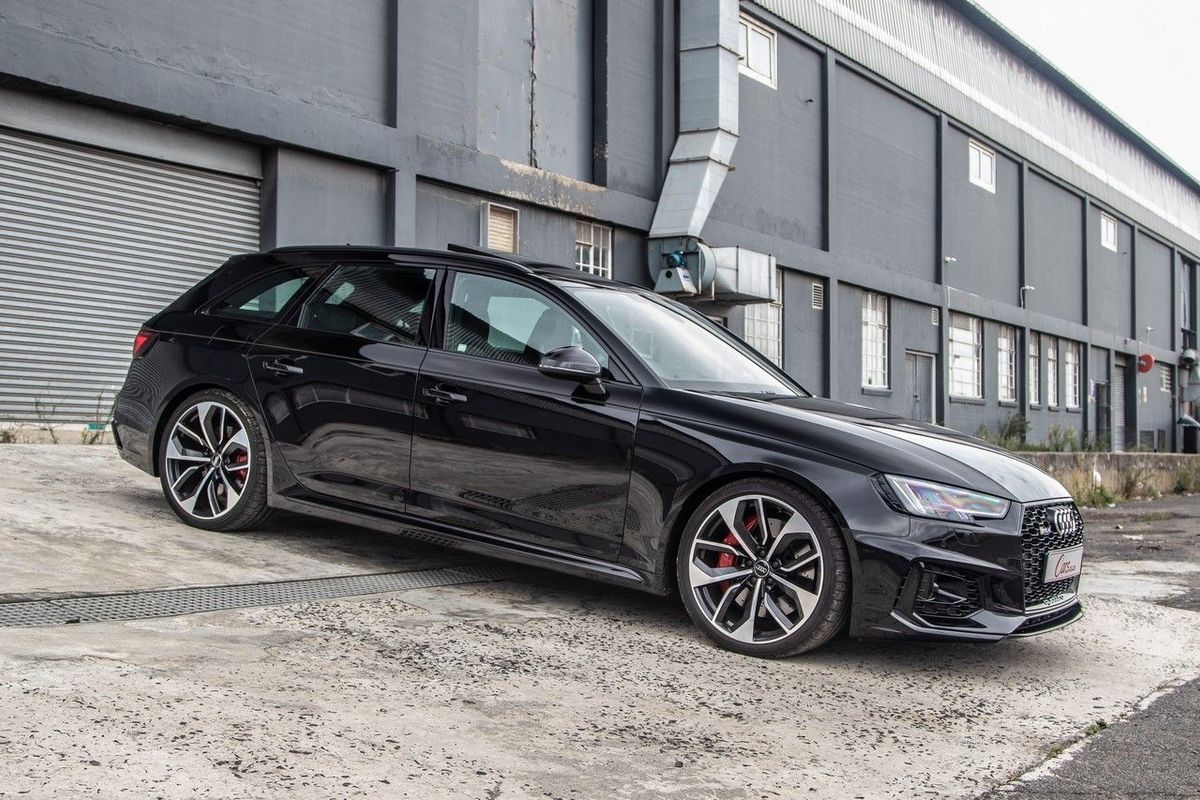
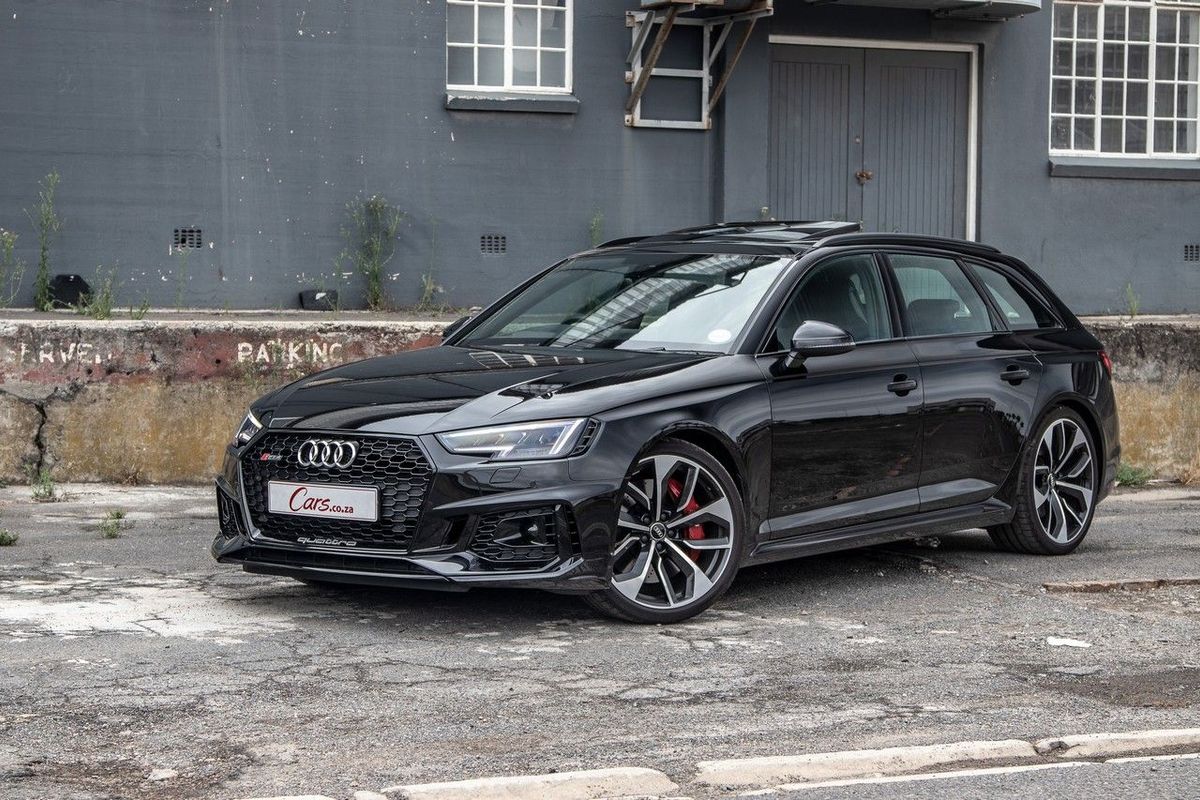
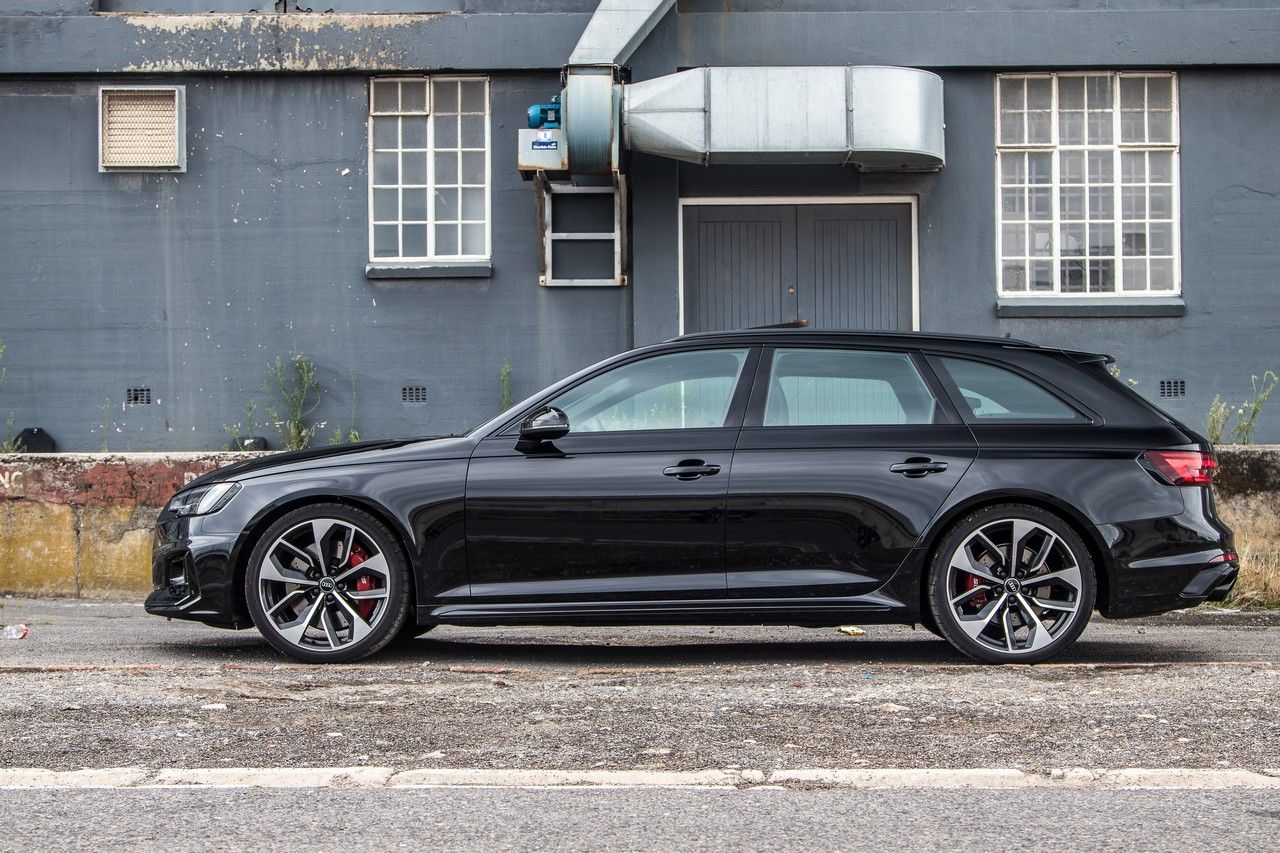
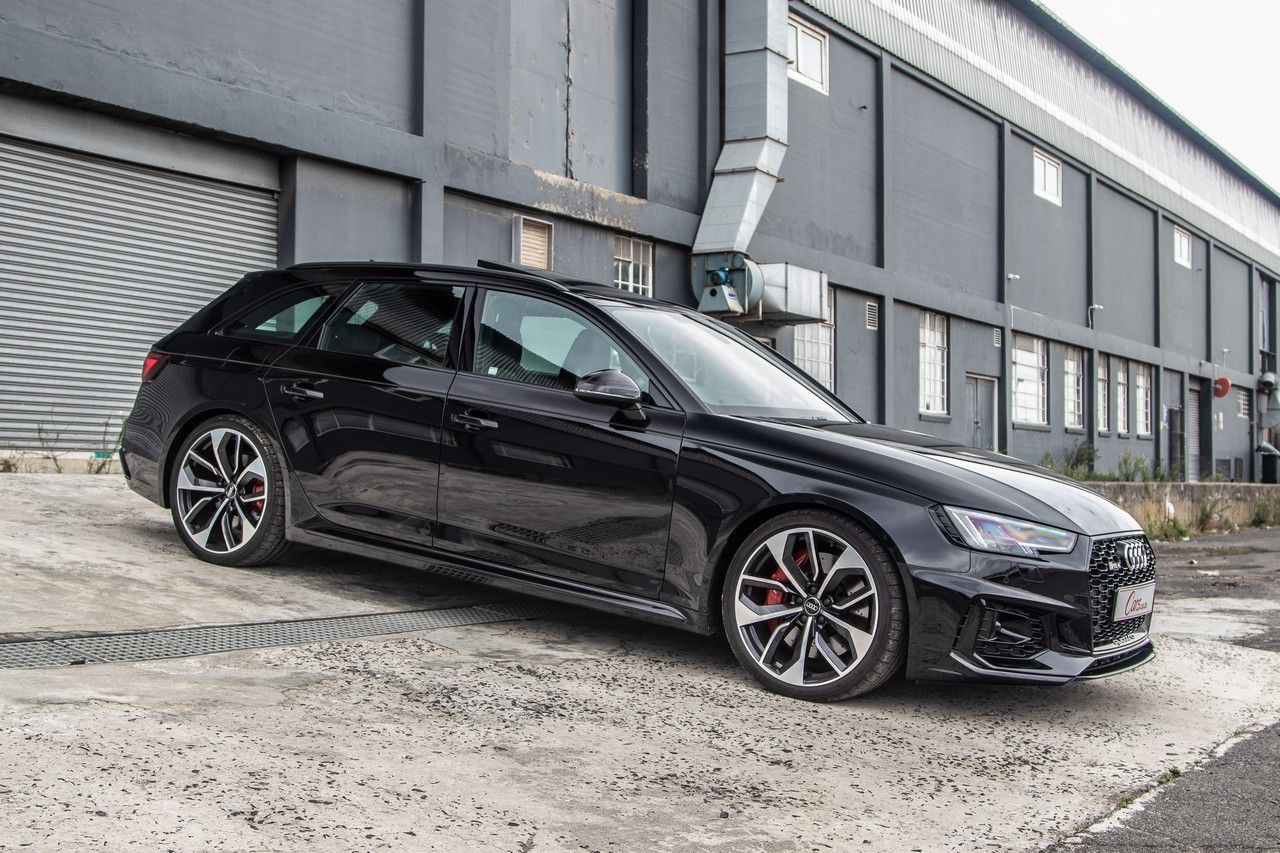
Station wagons may be a dying breed in South Africa, but Audi continues to chase down that path with the estate-only RS4 Avant. It has no direct competitors, but does that make it the automatic choice… or the black sheep?
We like: Wagon styling, performance, accessible performance, practicality
We don't like: Not much. Is its estate shape a poisoned chalice?
The last of a dying breed. The wagon, despite its immense visual appeal, does not sell particularly well in SA.
The RS4 has returned after a prolonged absence and again, it is only available in Avant guise. Not to worry though as the RS5 Sportback now fills the void for those who want a (subjectively) sexier shape. We reviewed that derivative recently; it utilises the same underpinnings as the RS4.
The sonorous, high-revving V8 that defined previous generations of the RS4 is no more: in its place is a smaller, lighter (by 30 kg), more powerful and torquier V6. Its capacity is reduced (from 4.2-litres to 2.9) and it gains a pair of turbochargers for improved performance and efficiency.
Compared with its predecessor, the 0-to-100 kph time drops by over half a second to just 4.1 seconds thanks to a mighty launch control system and a sports differential (optional) that can send up to 70% of the power to the rear wheels and up to 85% to the front, when required.
There's also a newer, fancy torque vectoring system that provides added turn-in via the machinations of the Audi's braking system.
The good
Menacing looks
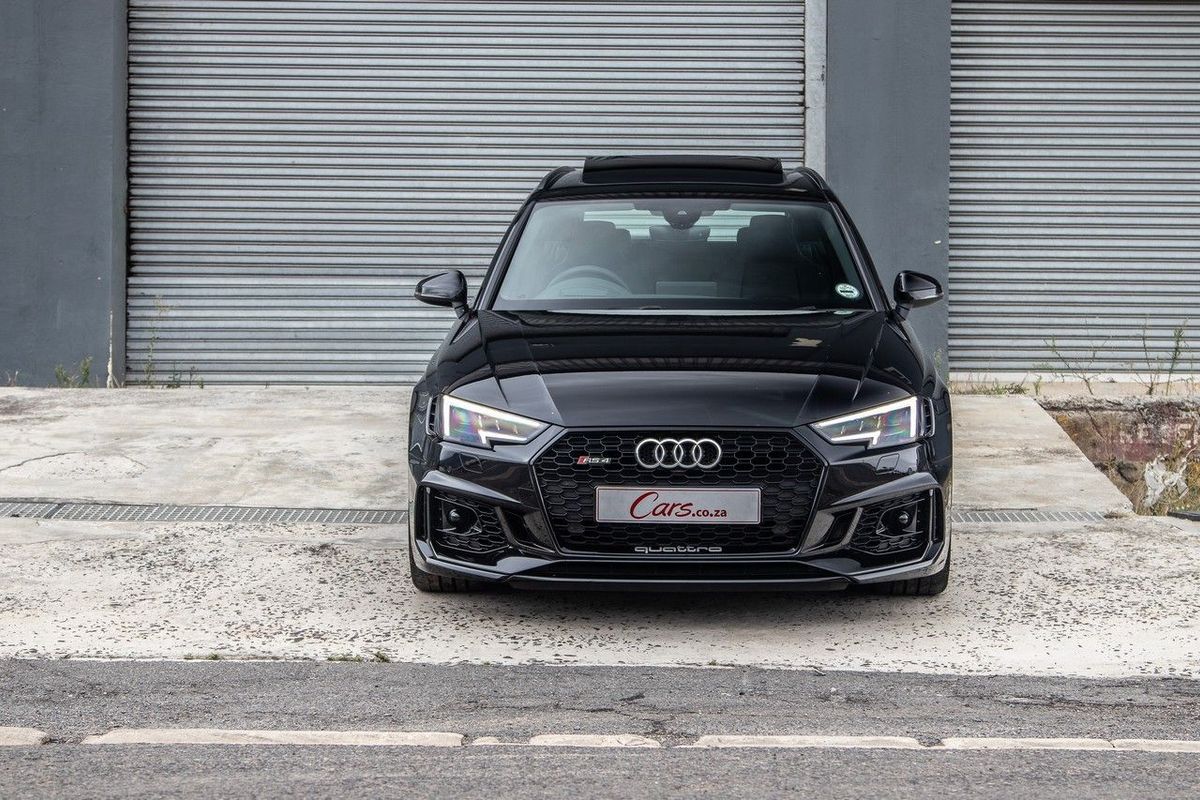
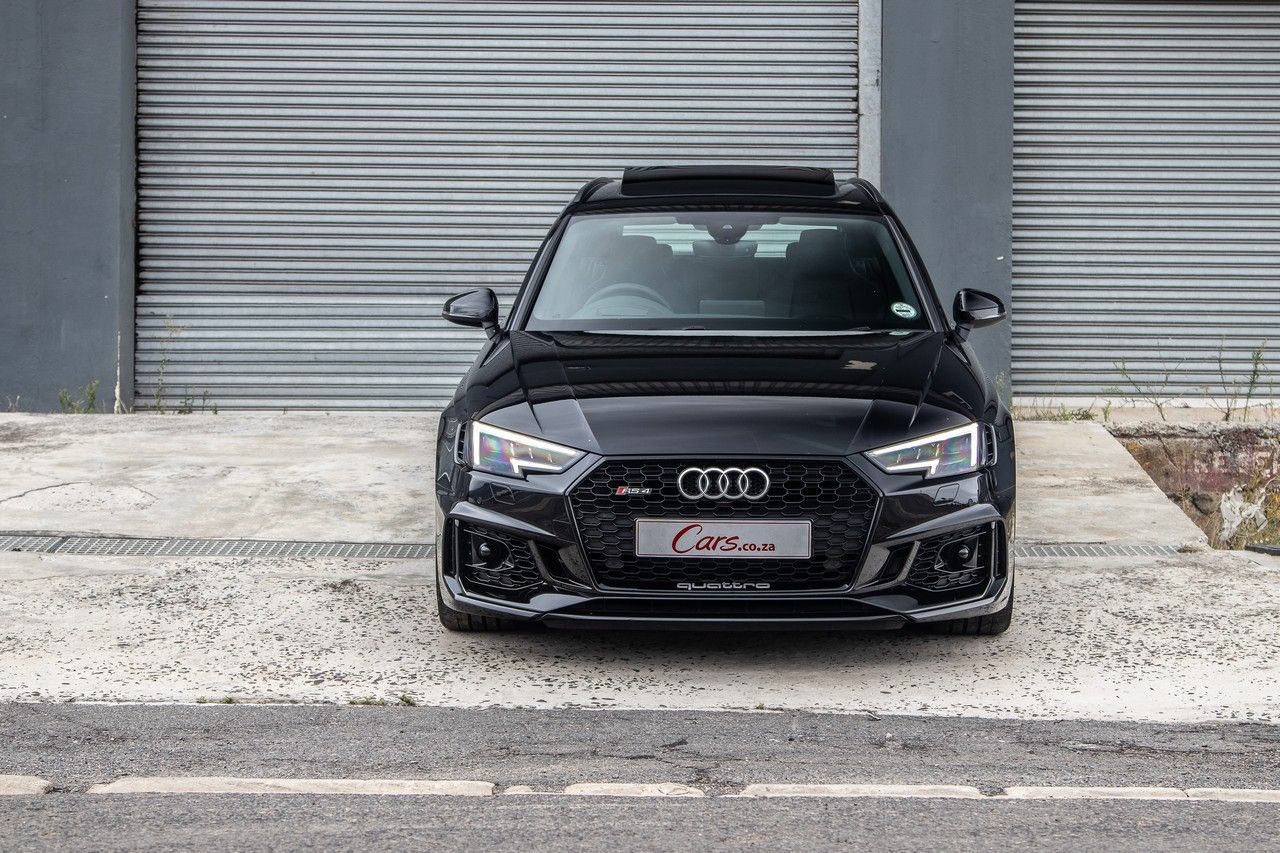
If you want something that people will notice, the RS4 ticks that box.
This car gets a lot of attention, more so than a normal sedan or coupe. Many people tend to appreciate a good-looking 'wagon, although (it seems) when it comes down to making purchasing decisions, they stick to ostensibly easier-to-resell standard designs. The performance 'wagon seems to attract a seasoned car enthusiast, not boy racers who are inclined to rev their cars' engines to high heaven in packed shopping-centre parking lots.
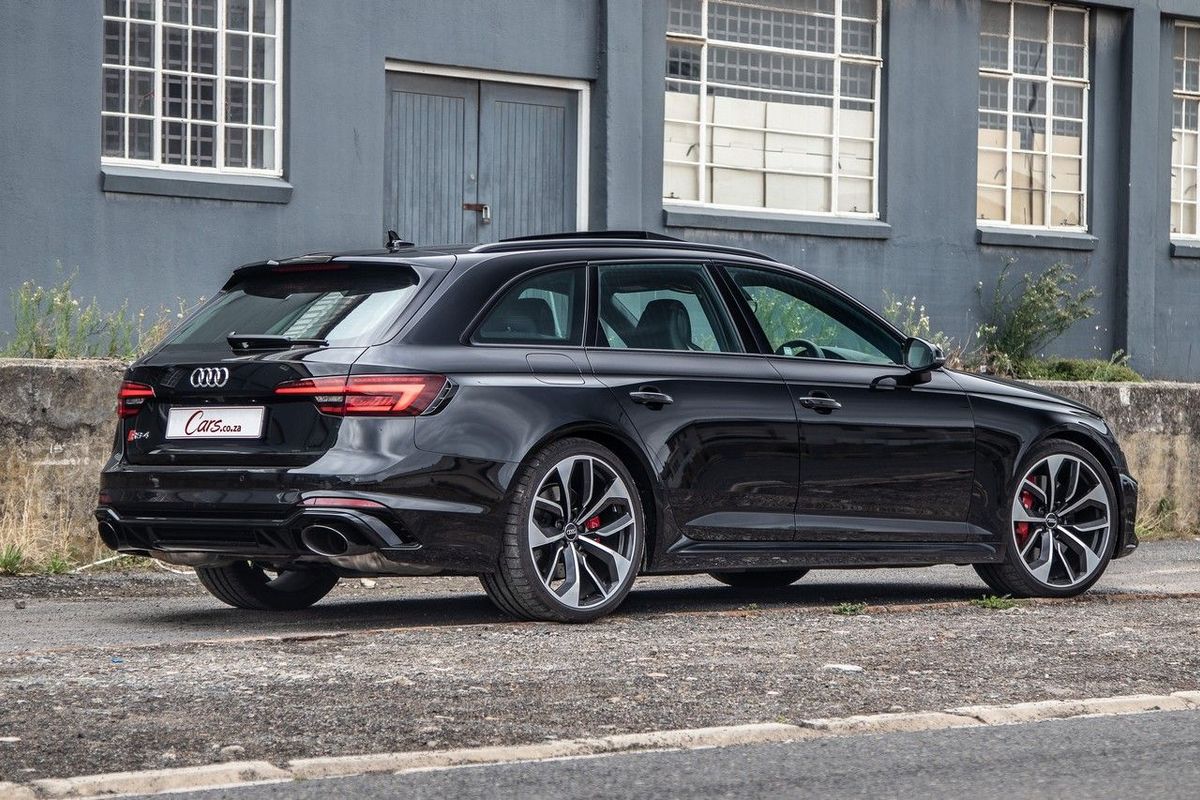
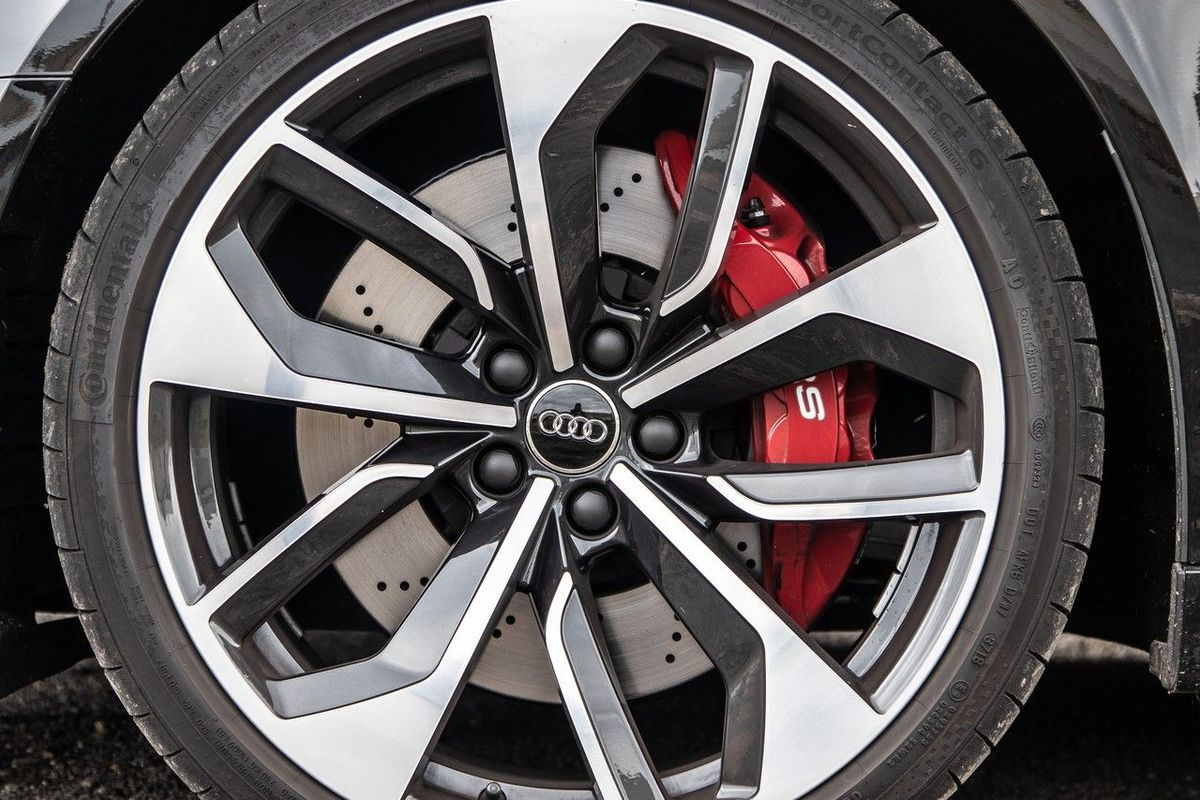
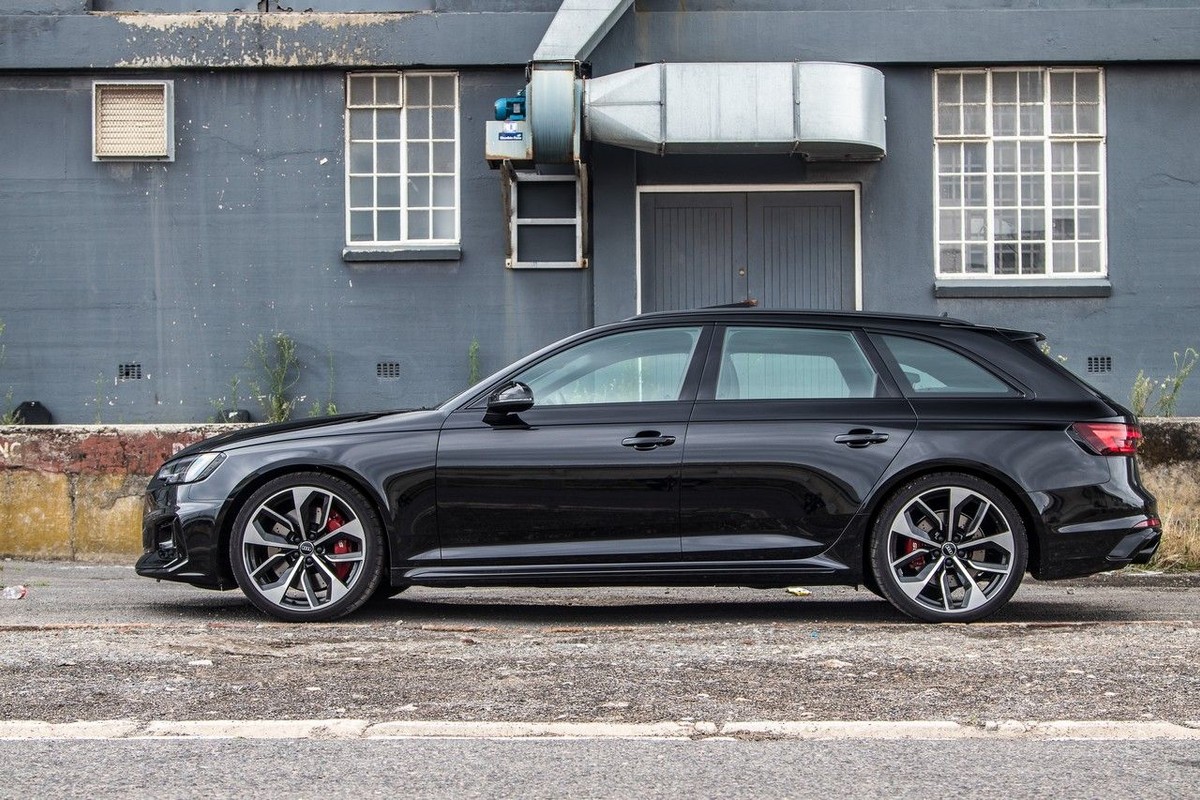
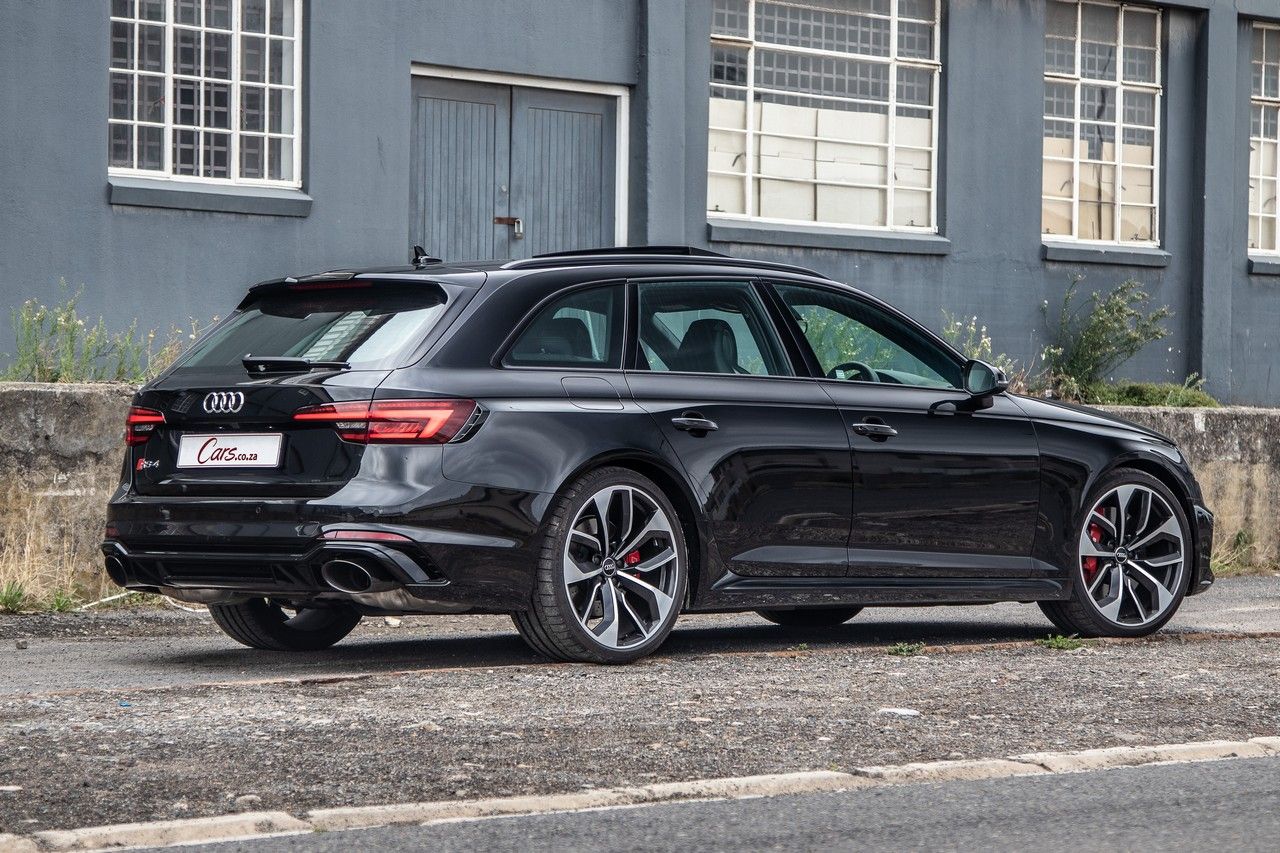
The Audi further sports defined, muscular wheel arches and a 30-mm drop (lowered ride height) that gives it natural stance and presence. Finished in Mythos Black with the gloss black styling package and blackened wheels, the RS4 wouldn't look out of place in Batman's cave.
It may be a little too "black-on-black-on-black" for some people's tastes, but the test unit kept getting compliments from onlookers, generating many thumbs up… and other real life-affirming emojis.
Undemanding and effortless
Audi has chosen not to chase BMW and Mercedes-AMG in the hunt for ultimate lap times – a quest that invariably leads to track-oriented (ergo compromised) cars. It seems Audi has found a sweetspot that blends ride comfort, performance and handling into a usable everyday package.
In Comfort mode, it's a capable everyday car that's not clunky, nor cumbersome on the daily commute and pleasant to stretch out on longer trips.
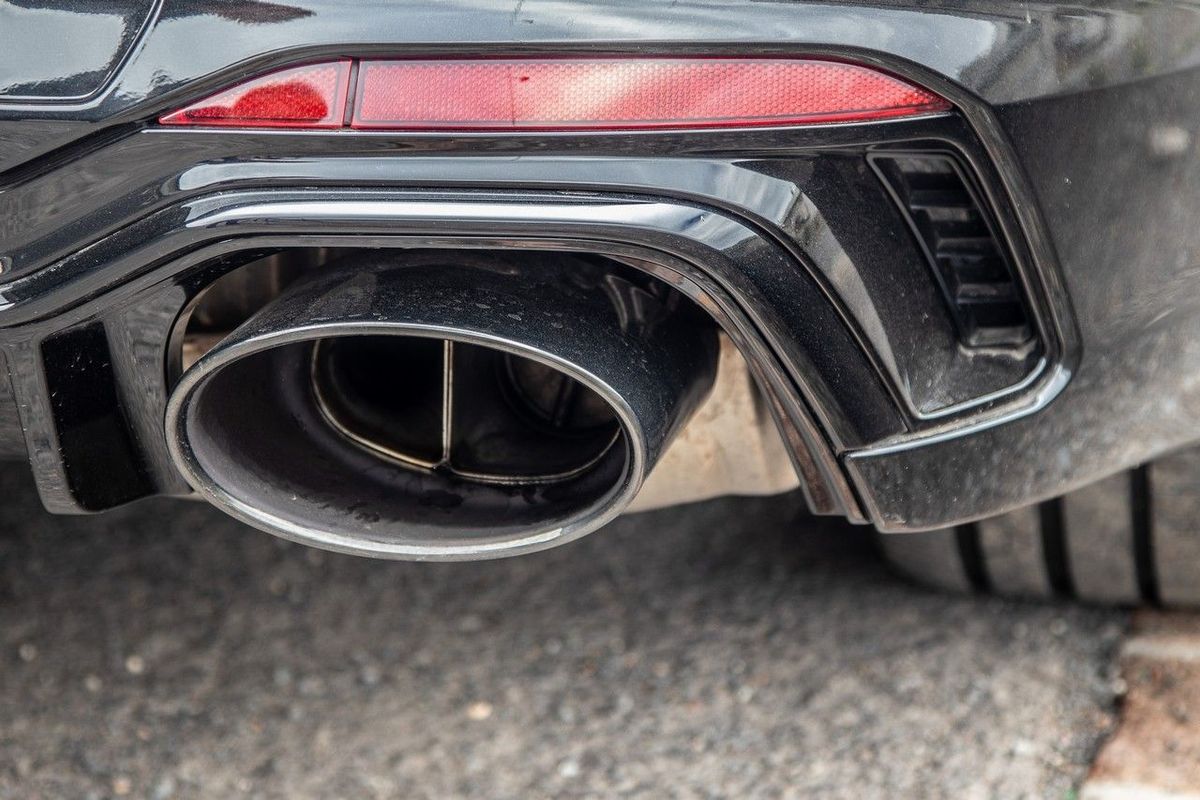
Lurking under all that (and just a click away) is the dynamic switch, which activates hair follicles on the back of your neck and initiates a noticeable upward adjustment of the exhaust volume. It doesn't growl like the V8, it's creamy and smooth with a burble off-throttle.
The RS4 forges its own path, remaining comfortable yet still rapid.
Of all the German performance cars in its rarefied segment, this has to be the easiest to get into and drive fast straight away. It's not daunting and the Quattro system always has your back, providing enough grip that you can safely push the limits of your (and your Audi's) capabilities.
The RS4's natural limit is well beyond the speeds that are safely attainable on a public road, so you should never run out of traction. The steering weighs up the more lock you add and although the Audi's tiller feels a bit unnatural, it's precise and easily adjustable. There's some give in the suspension, which means you have to pause for a second during quick direction changes for it to settle down… before you harass the RS4's throttle some more! Let's not forget, this is a 'wagon – not an outright sportscar – so it can be forgiven, even commended, for having a lenient ride quality.
Functional, classy and practical interior
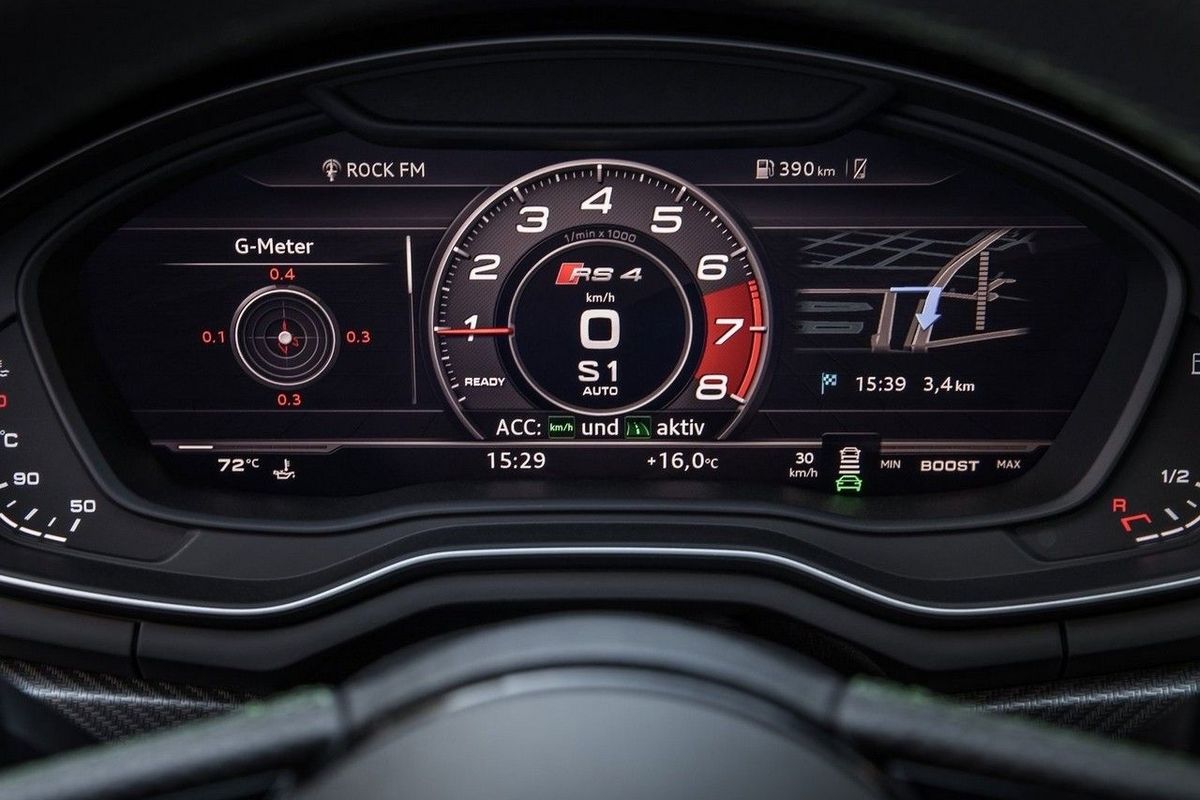
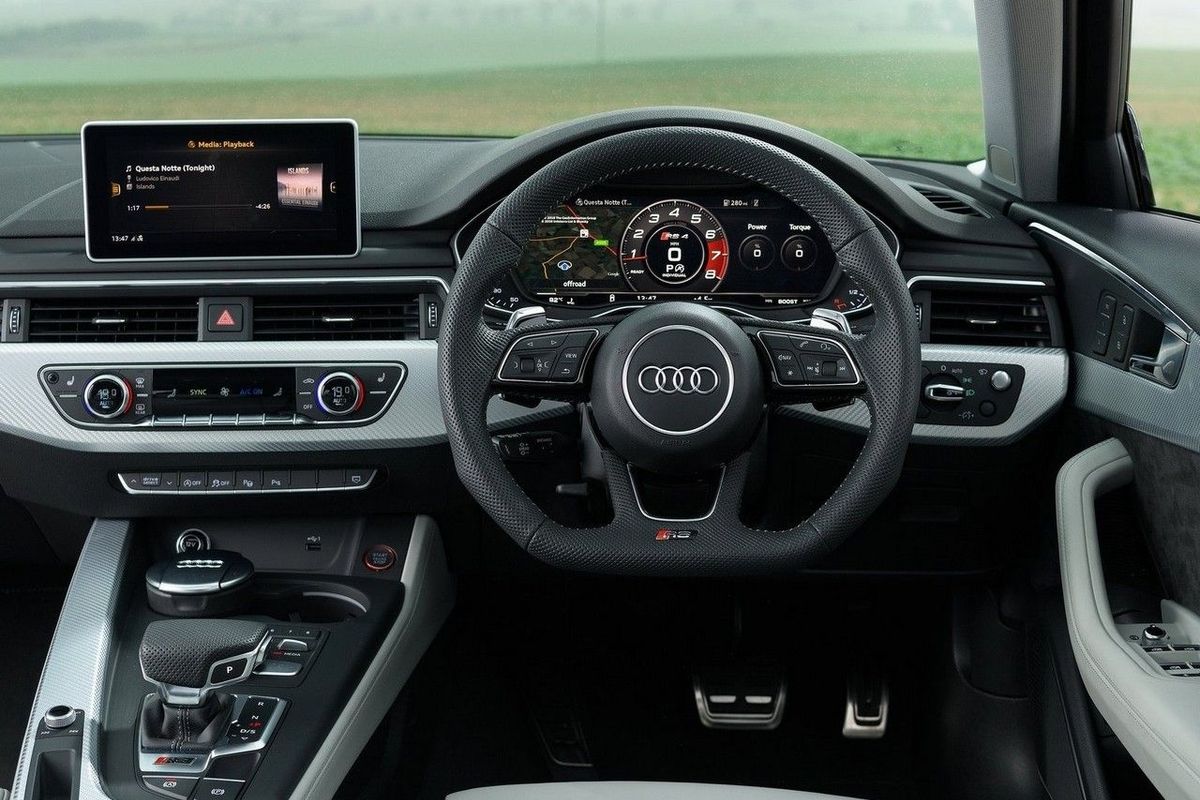
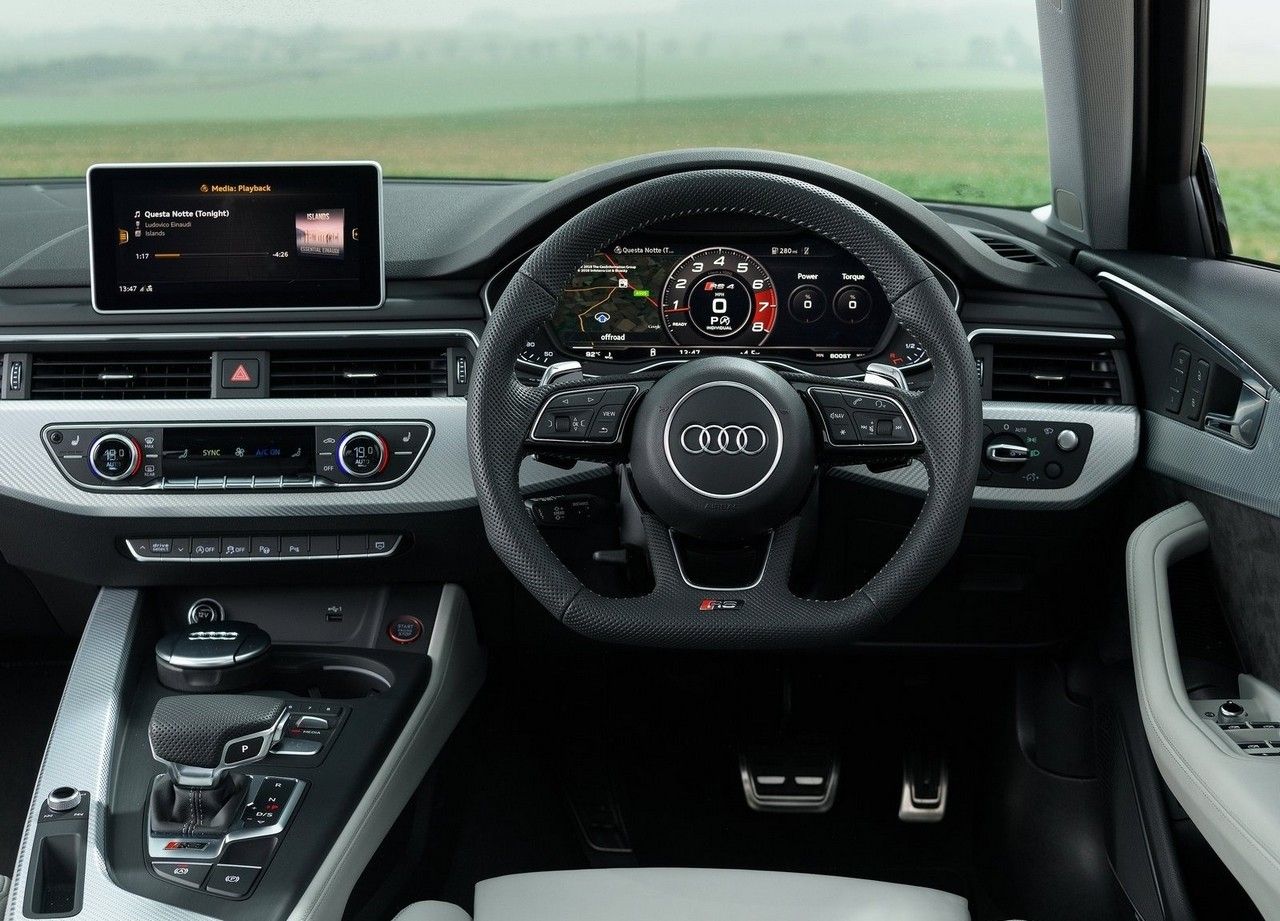
It's now an older-spec Audi interior, but it remains classy, well-built and stylish.
Audi continues to lead the pack in terms of interior appeal and build quality. The choice of materials are plush and the cabin exudes modernity and class. It's simple too; there are not a billion different colours around the instrument cluster or incandescent pink mood lighting options either.
The interior design feels homogeneous and familiar and seems to improve with every generation. The only gripe is that the drive select button sits way on the other side of the cabin and being a scroll system, you aren't always certain what mode is next, meaning you scroll through all the modes a few times before getting to the one you wanted in the first place.
Then there's the load bay, and what's not to love about a 'wagon's capacious back end? It's spacious, with a low sill, which makes it easy to load up luggage, bicycles and/or dogs. Some may find the carpeting a little too nice for a muddy family outing, but a few rubber mats would sort that out.
The not so good
Image-sensitive
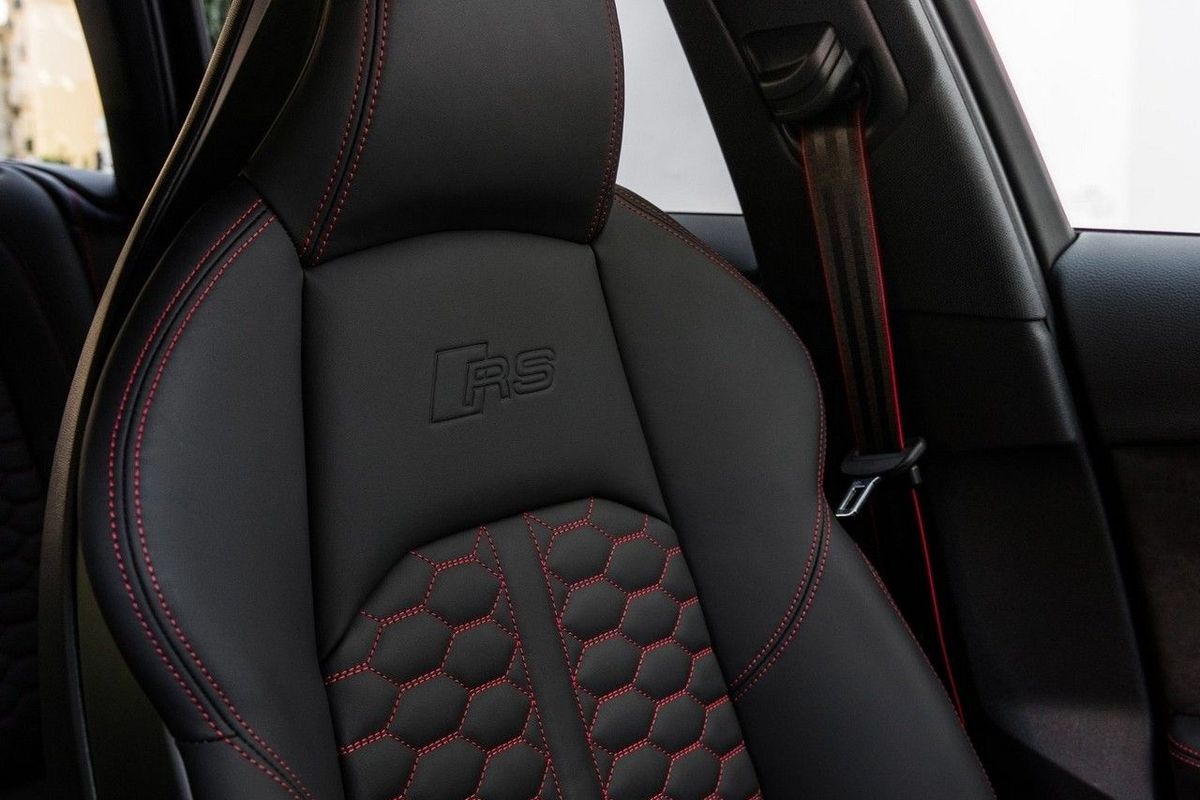
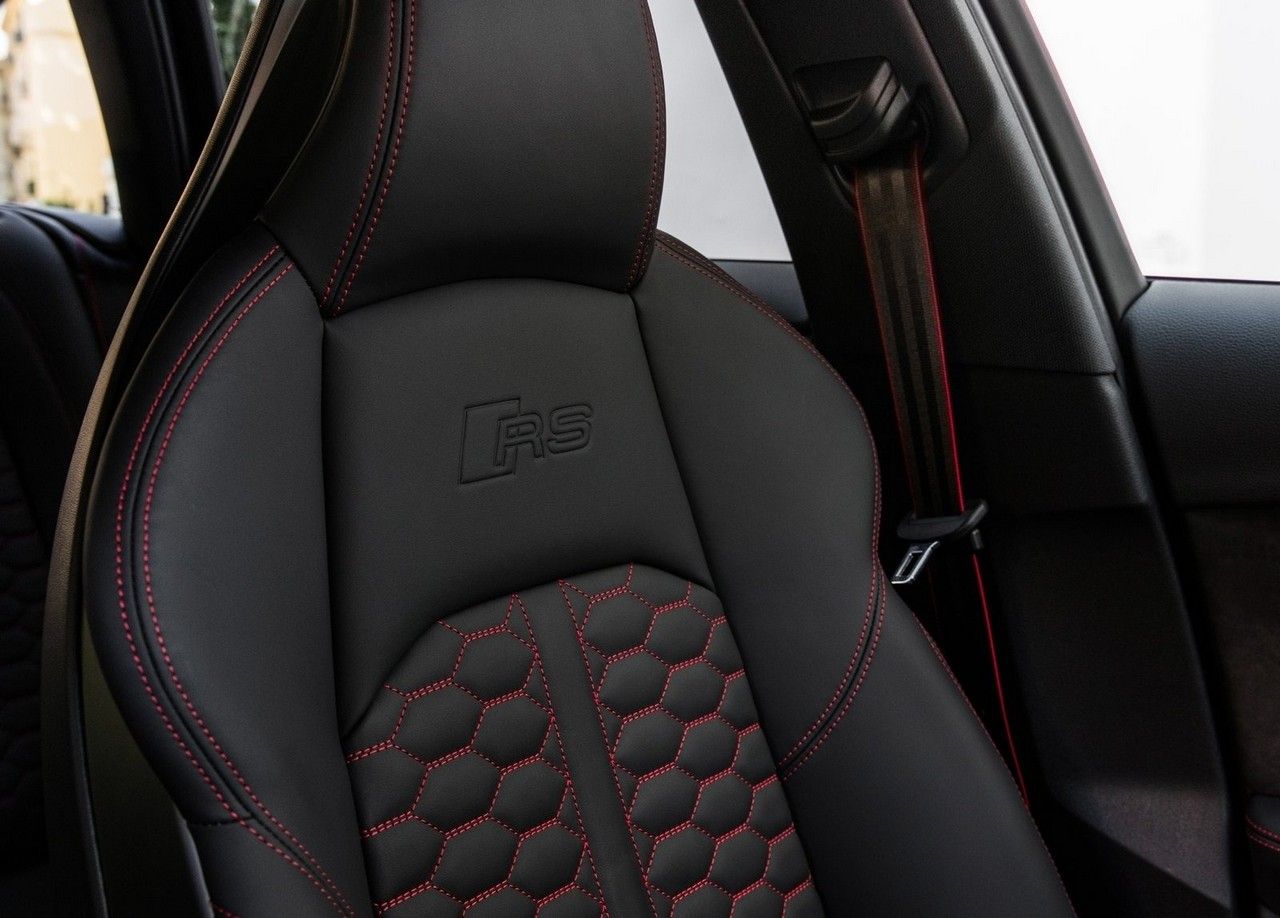
Comfortable bucket seats are available with optional heating.
Through no fault of its own, the RS4 falls into a dead spot in the market. We don’t buy wagons anymore simply because if we want something with a lot of space, we buy SUVs "because they can go off-road too". That’s just something the Avant can’t match. In Europe, where every destination can be accessed 99% of the way on a tar road, the Avant makes a lot more sense, but with our larger dirt road network, higher ground clearance wins.
I suspect because of this, Mercedes-Benz and BMW have both dropped wagons from their local lineups and the RS5 Coupe will sell in greater numbers than the RS4 Avant. One thing is for sure, you’ll certainly stand out as an individual in an RS4 Avant in SA…
Verdict
Mythos Black may not be for everyone, but it attracted a lot of attention.
Usually, when we review an Audi RS product, we would look at the long line of options and complain, however, even with R150k worth of options fitted to this RS4 Avant (R1 359 057 as tested) it’s still less expensive than a Mercedes-AMG C63 S and an Alfa Romeo Giulia Quadrifoglio. BMW’s M3 is no longer available as we wait for the new model to be introduced in the near future.
That leaves the RS4 Avant in a unique position, it’s the only one of its kind left. It hasn’t followed the crowd in trying to push on-the-limit handling and benchmark lap times and as a result, it's comfortable and composed over most surfaces. It’s fast enough to get your adrenal glands pumping, but it’s not going to bite you the second you lose concentration. Isn't that exactly how powerful family cars are supposed to behave?
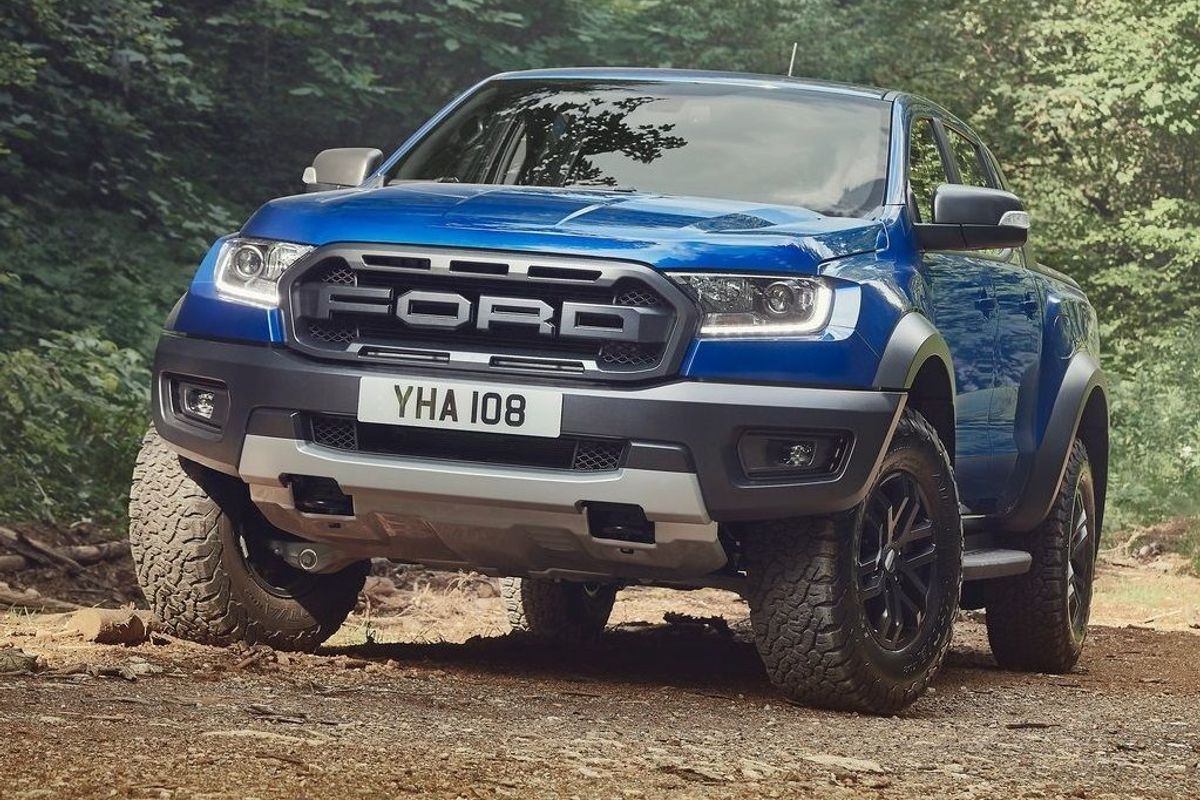
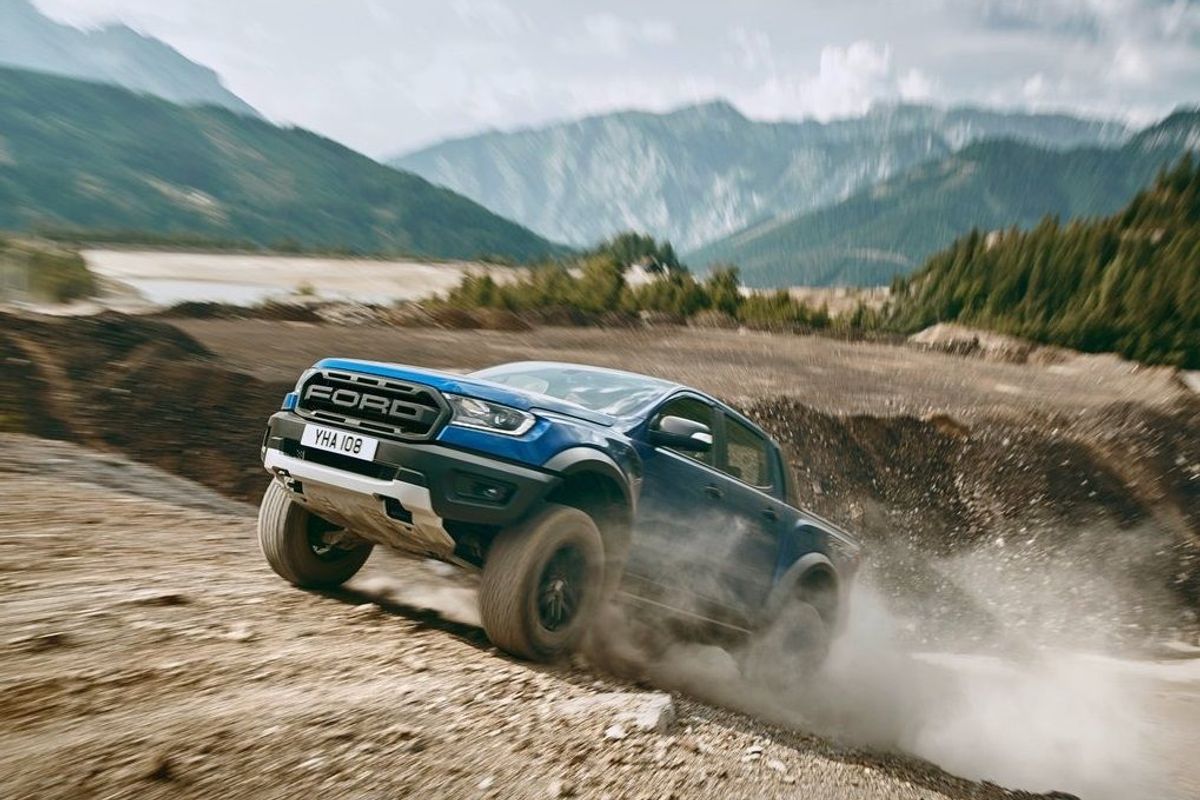
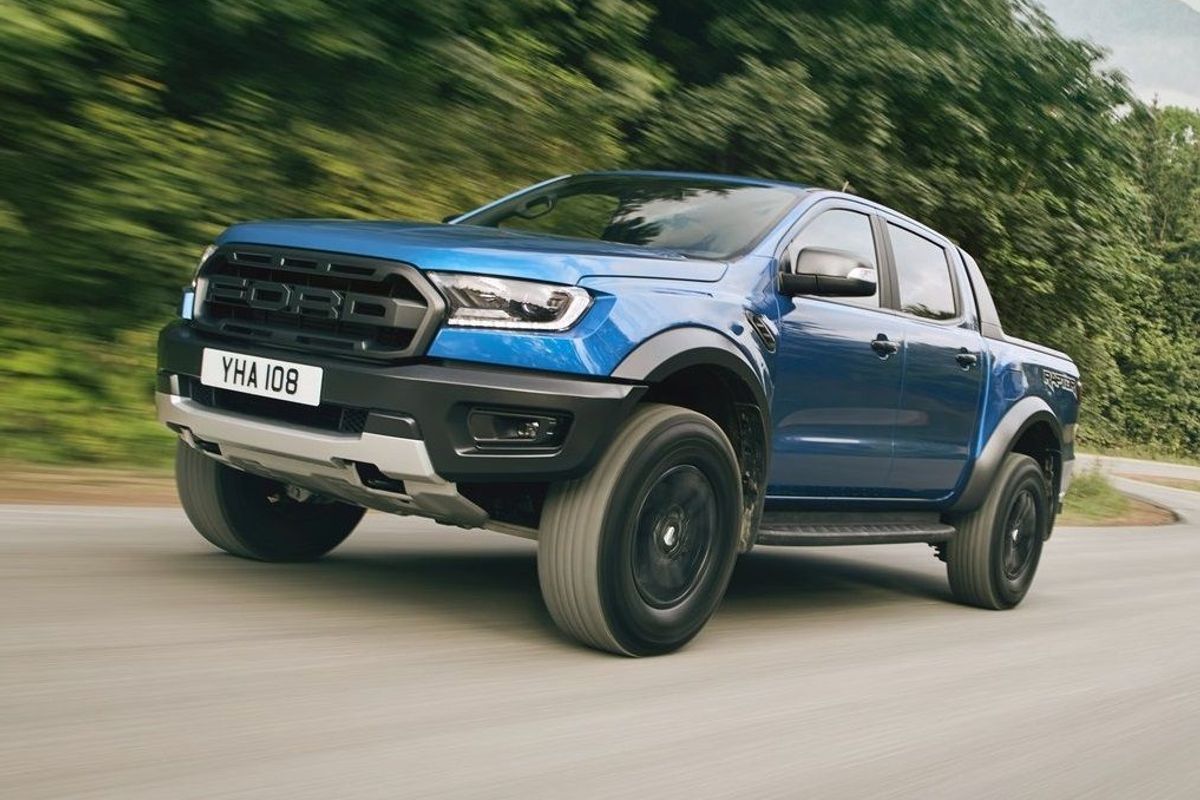
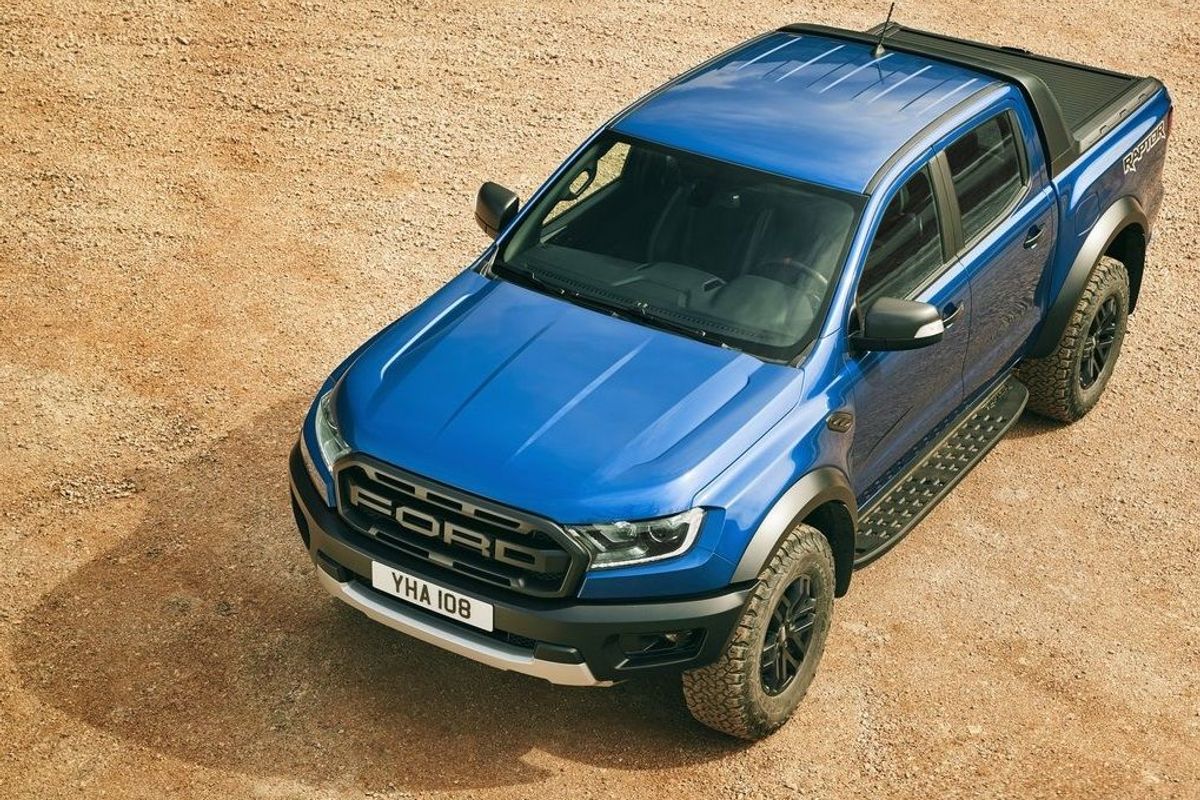
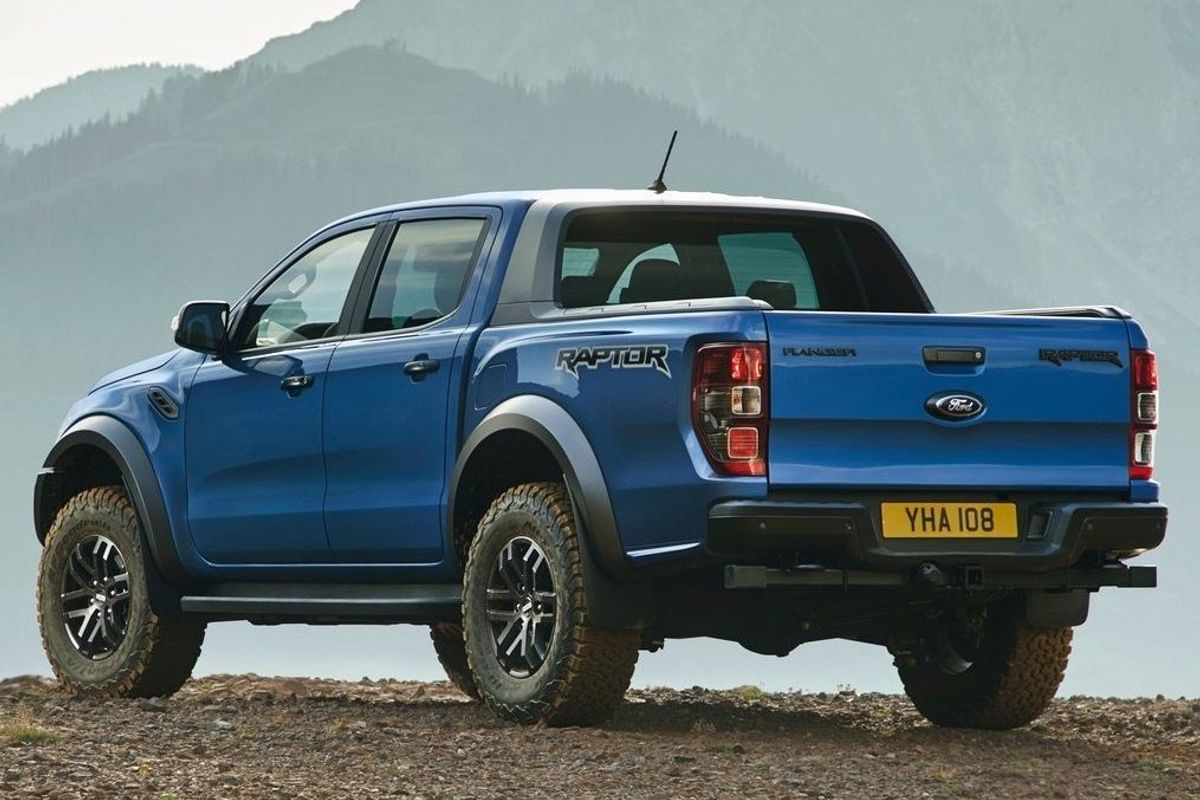
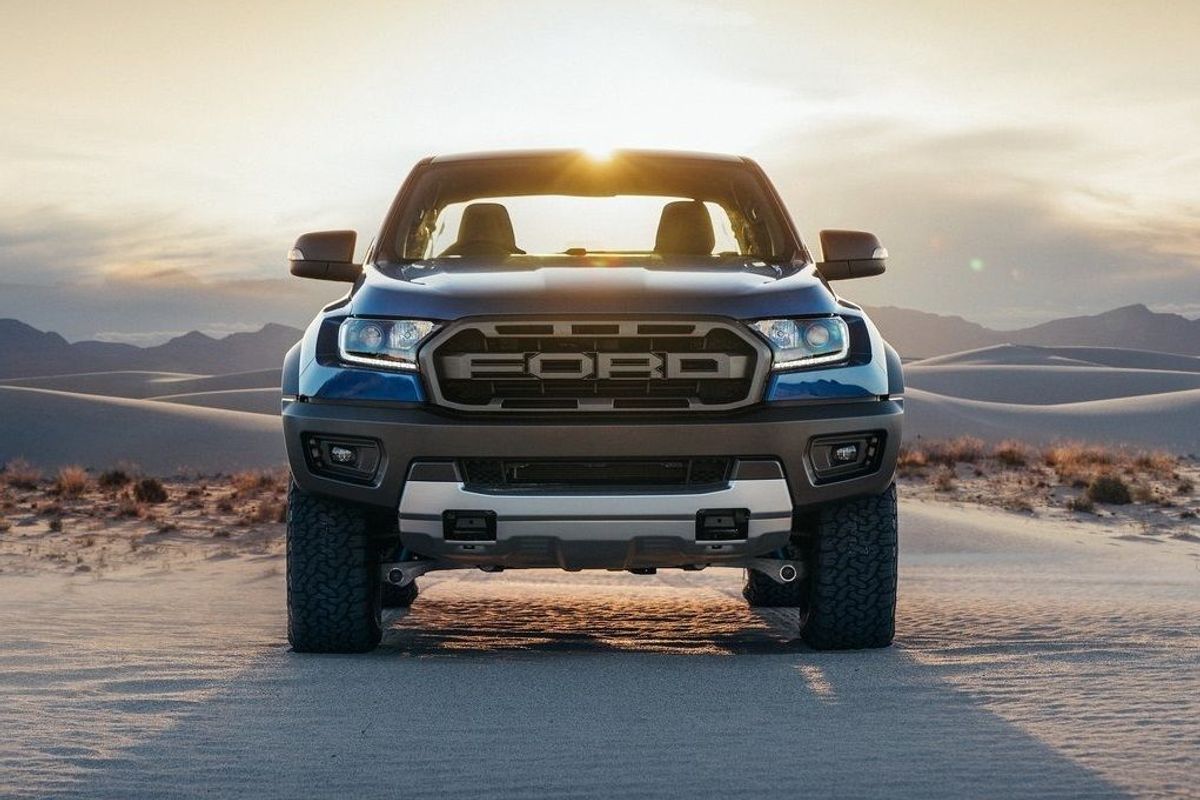
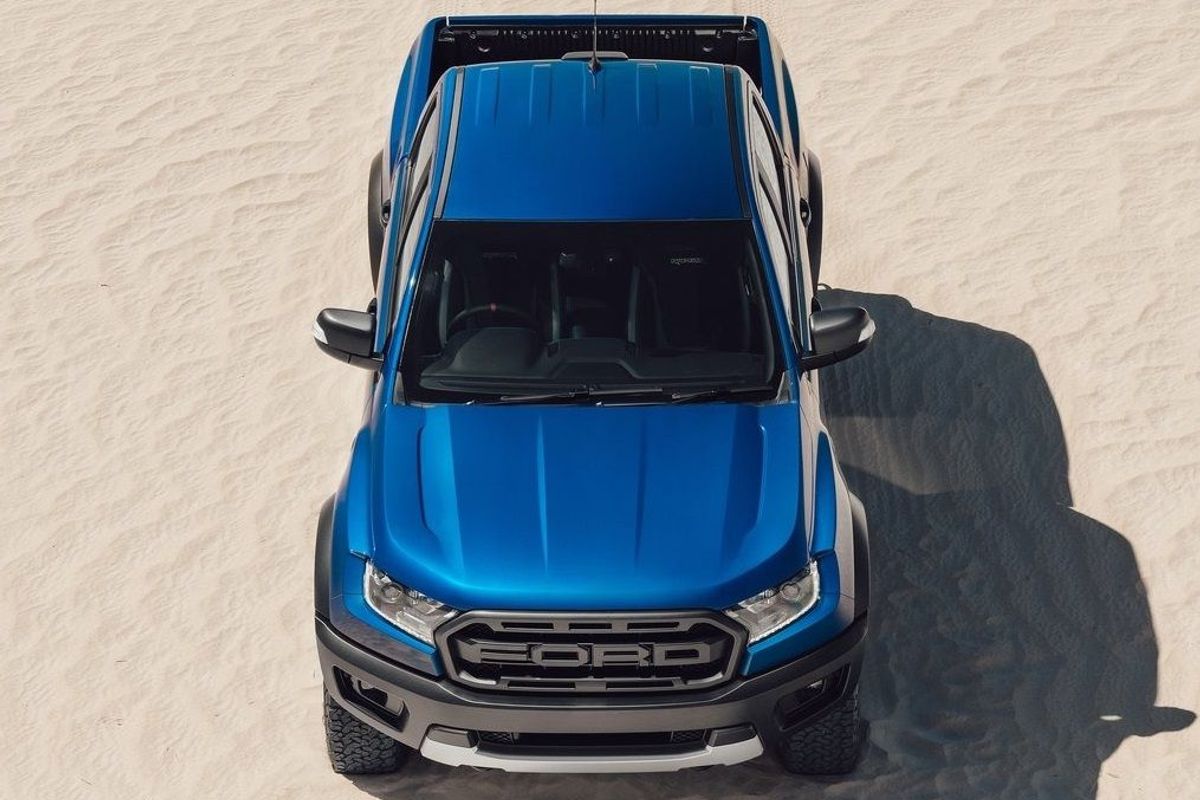
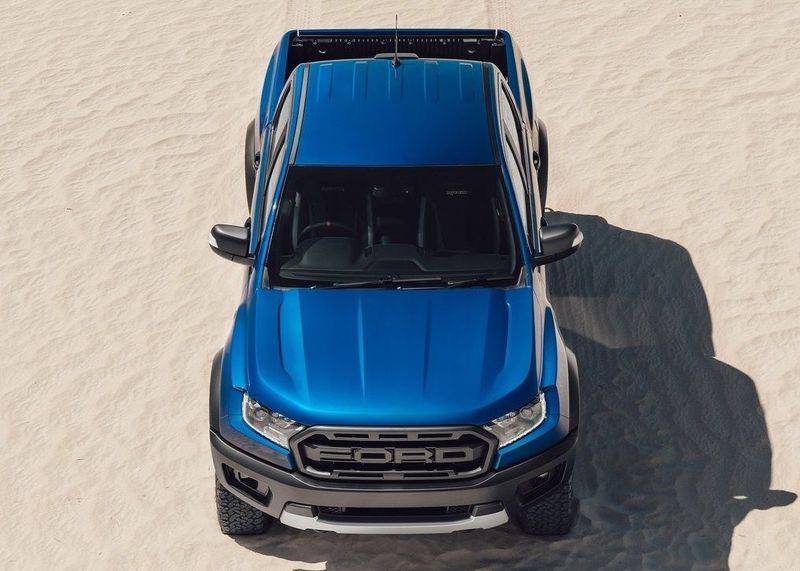
Following the recent introduction of the thoroughly-revised Ford Ranger in South Africa, the high-performance Ranger Raptor is being unleashed on local soil this week. See specification and pricing details below…
The Ford Ranger is one of South Africa’s most popular bakkies and in terms of sales, it trades blows with the formidable Toyota Hilux. Although both models sell strongly month-to-month, Ford is currently on a double-cab bakkie offensive and recently welcomed an updated Ranger to market that should boost sales and further entrench the Ranger in the hearts and minds of local bakkie buyers. The latest Ranger should also attract new clientele and may even convert some hardened Hilux fanatics too.
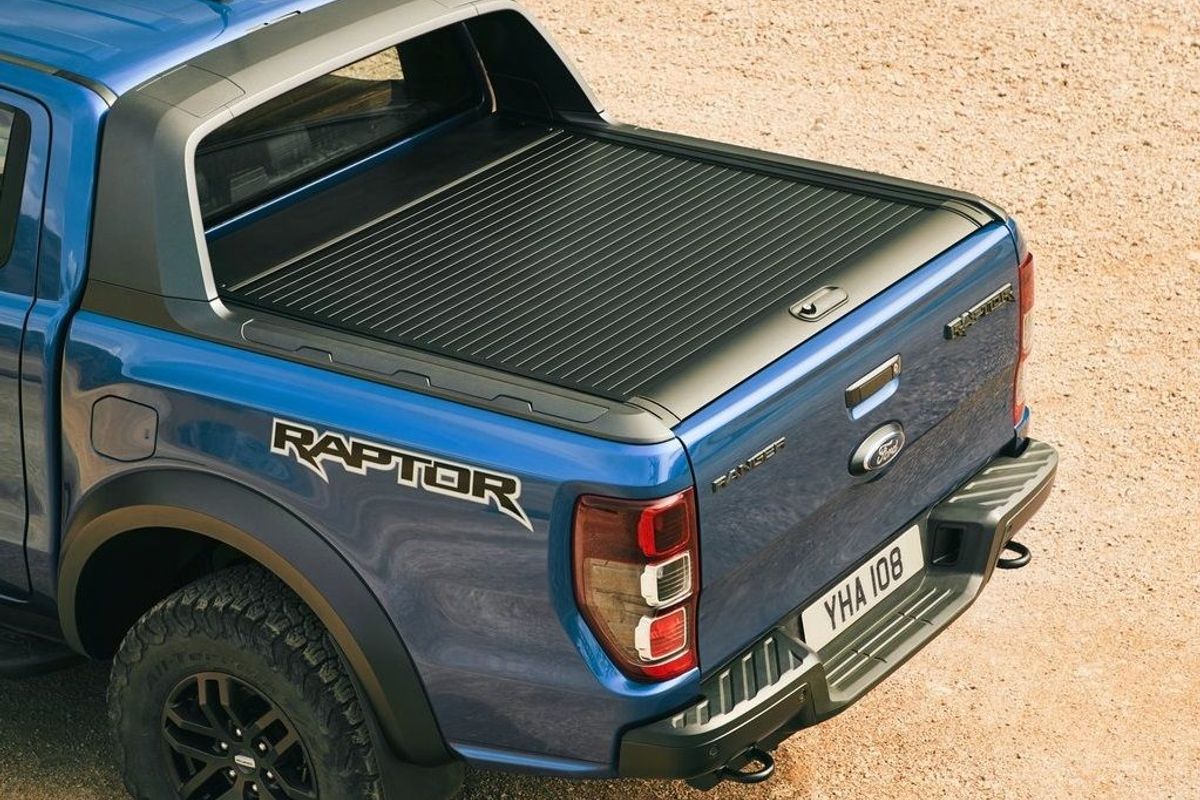
However, Ford has another trump card up its sleeve and it’s called the Ranger Raptor! You’ve heard about it, you’ve read about it and we hope you have watched Ciro De Siena setting the Ranger Raptor loose in the Australian Outback. Now, the new Ranger Raptor has arrived in South Africa!
Powerful stance
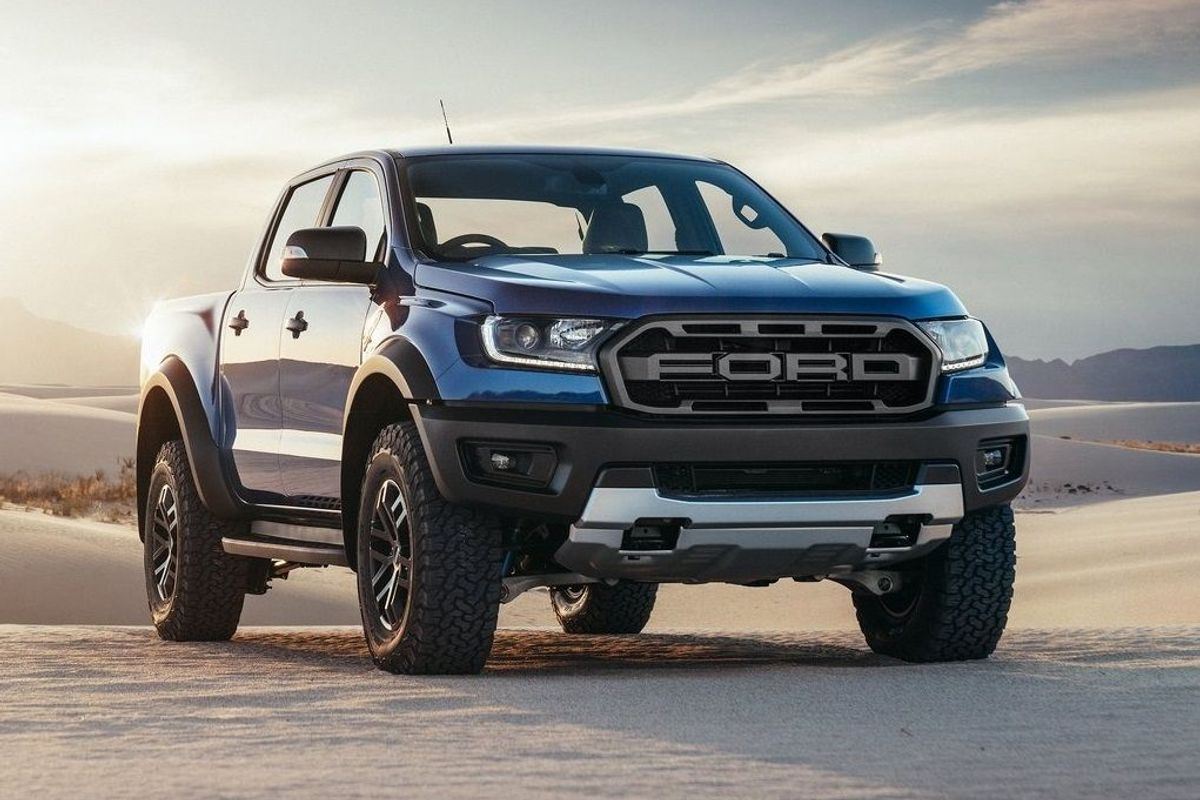
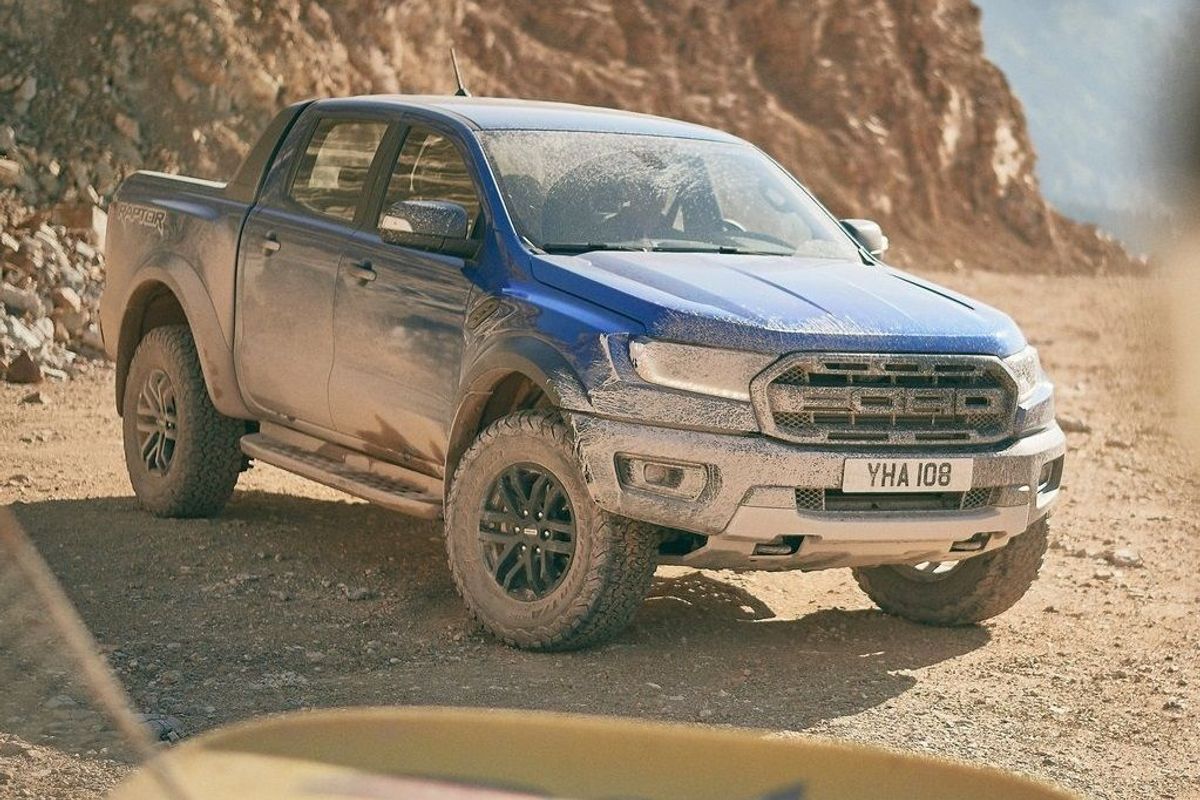
Ford has invested nearly R3-billion in its Silverton plant to produce the Ranger Raptor. It’s squarely aimed at customers looking for notable offroad performance and muscular, macho styling that’s sure to strike fear into every Hilux on the road.
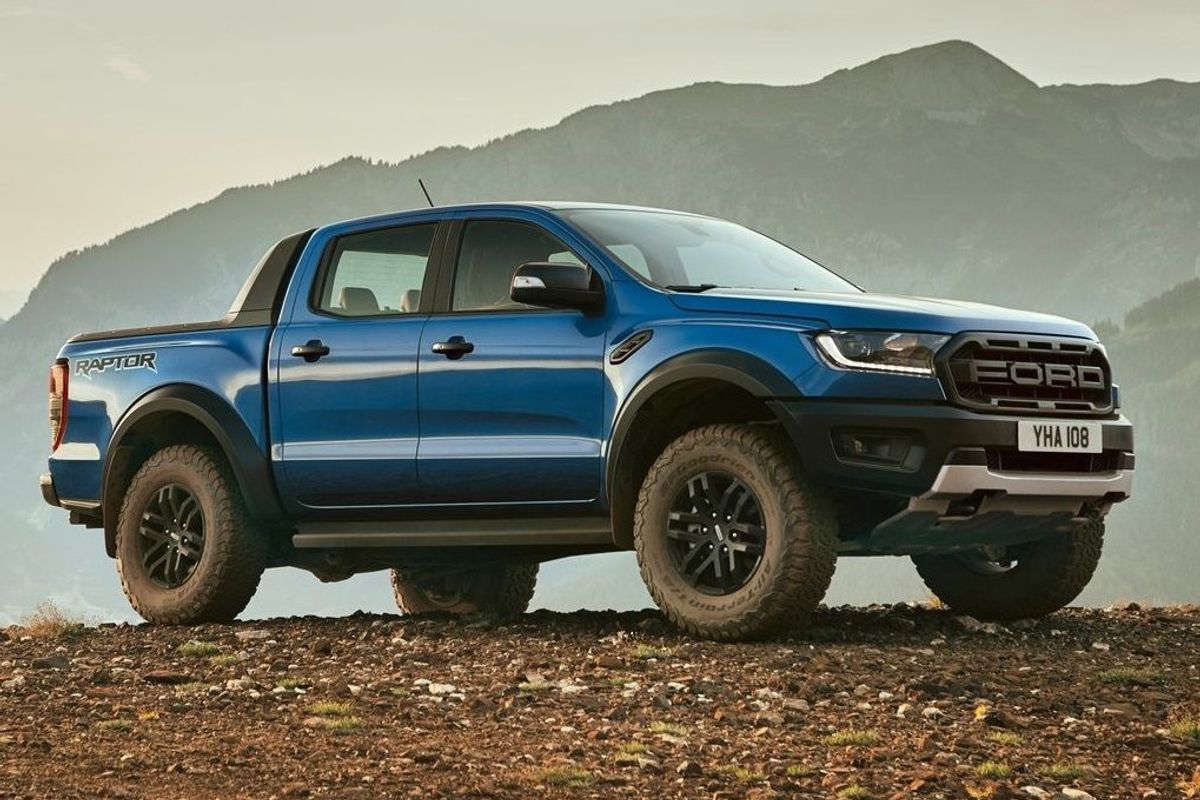
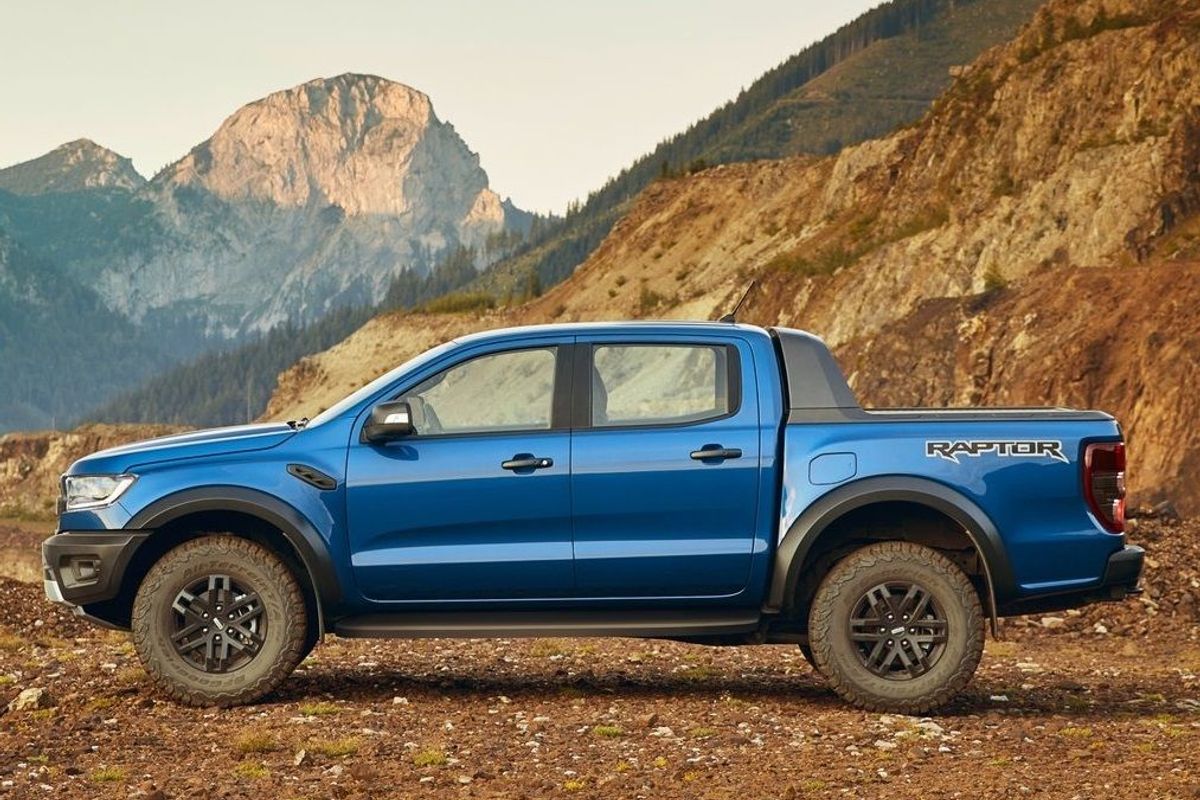
The Raptor’s body is noticeably wider than a standard Ranger (168 mm wider in fact) and with the tracks some 150 mm wider, it stands 50mm taller, which adds to its road presence.
The Ranger Raptor features a long-travel suspension with Fox-developed dampers that are designed to take a beating offroad while fat and chunky 17-inch wheels shod with BF Goodrich all-terrain tyres give the Raptor a purposeful look.
Engine and interior features
The Ranger Raptor's increased width improves stability but it also improves its visual appeal.
A new 2.0-litre bi-turbodiesel engine with 157 kW and 500 Nm does service under the bonnet of the Ranger Raptor and it comes mated with a new 10-speed automatic transmission, both of which are now also available for the standard Ranger.
Many people question the performance of this smaller powerplant but we recently tested this engine and transmission combination on the latest Ranger Wildtrak and not only does it offer sufficient grunt, but the transmission is very responsive. It’s also more refined and efficient than the larger 3.2-litre turbodiesel engine which is still offered on the Ranger.
The Raptor’s Terrain Management System (TMS) offers various settings including Baja mode, which allows you to experience the full capability of the Raptor.
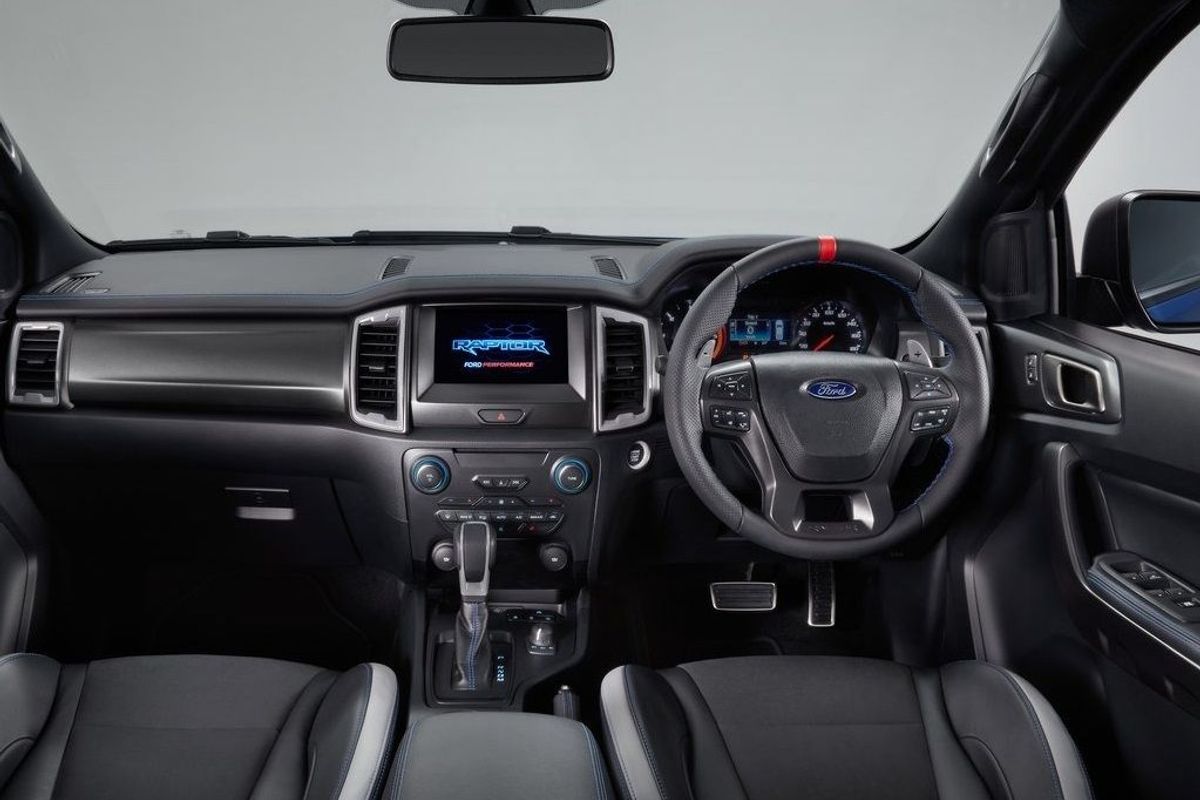
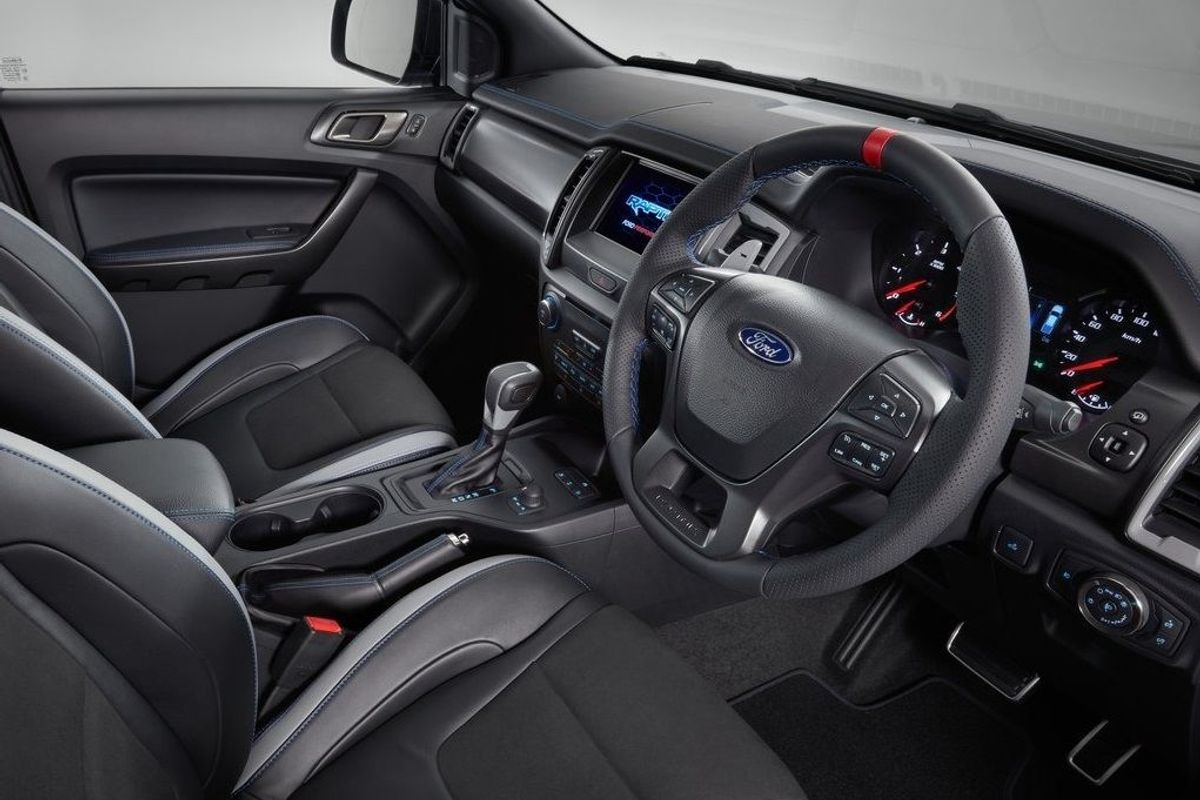
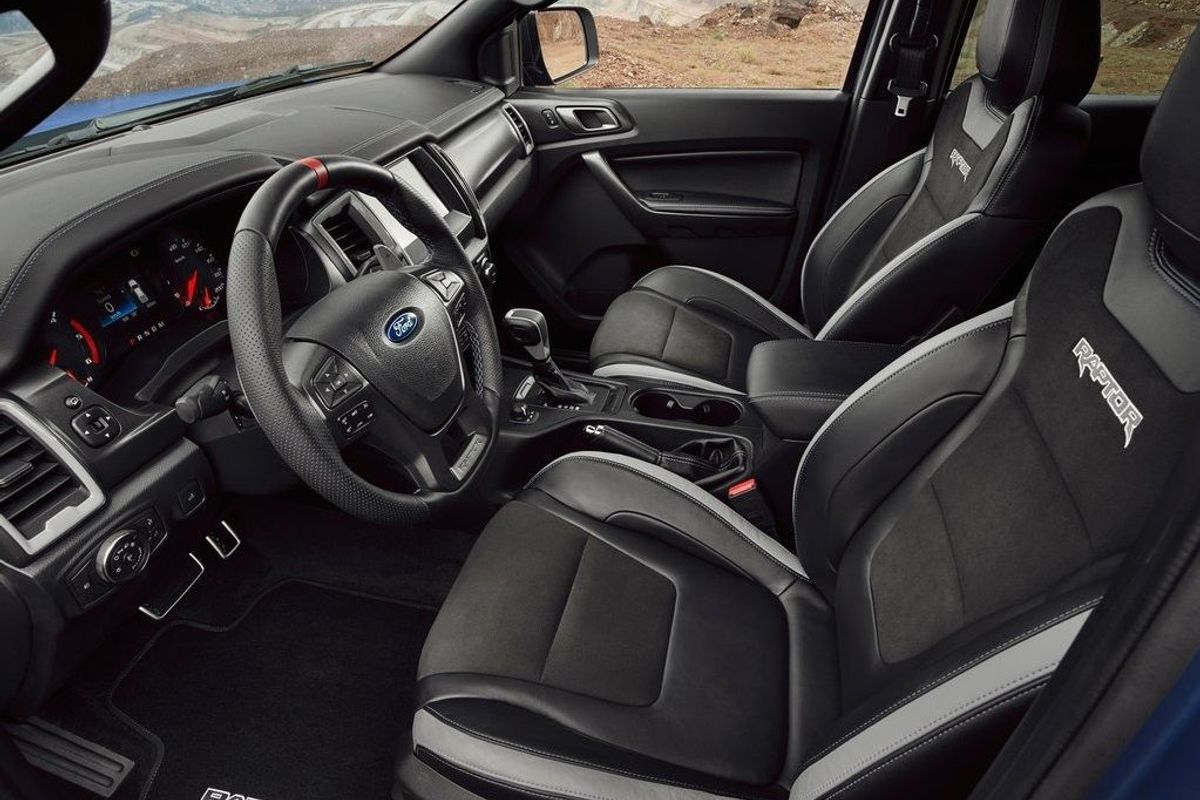
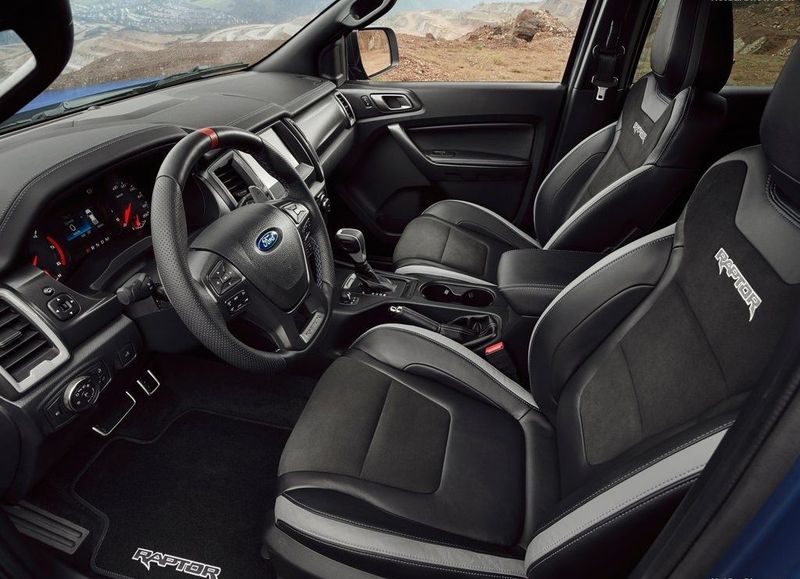
The interior features Raptor-specific details such as the sportier seats, steering wheel and floor mats.
In terms of features, the Ranger Raptor’s interior will also have a few sporty details including the obligatory Raptor logos, Raptor sports seats wrapped in leather and a sports steering wheel with paddle-shifters. A comprehensive SYNC3 infotainment system will keep driver and passengers connected and entertained and features include integrated navigation as well as Apple CarPlay and Android Auto.
In terms of safety, the Ranger Raptor is equipped with 7 airbags, ABS with EBD, Electronic Stability Control with traction control, hill start assist, hill descent control, adaptive load control, trailer sway control and rollover mitigation.
Look out for our launch review for the new Ford Ranger Raptor this week!
Ford Ranger Raptor Price in South Africa
Ford Ranger Raptor – R786 400
The vehicle comes standard with a 4-year /120 000 km comprehensive warranty, 5-year/unlimited km corrosion warranty, 3 years of roadside assistance, 6-year/90 000 km service plan with intervals every 15 000 km.
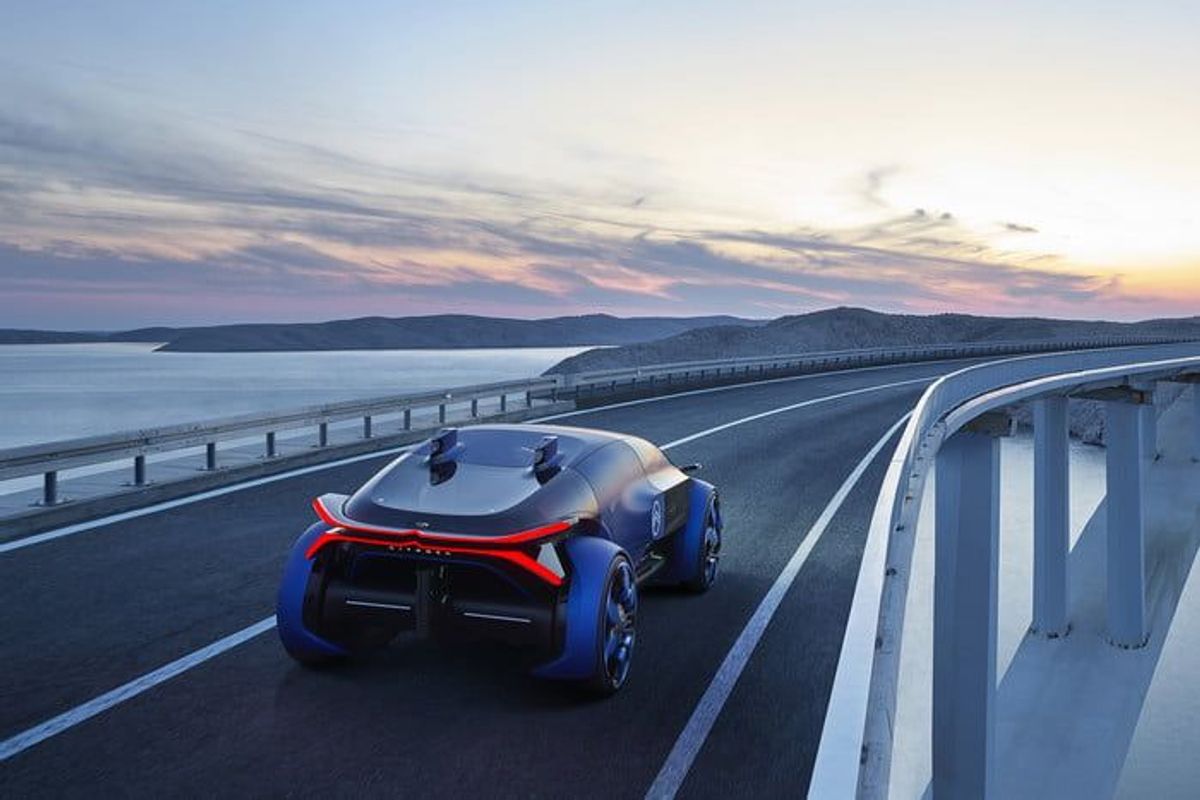
Quirkiest French brand celebrates a century with 19_19.
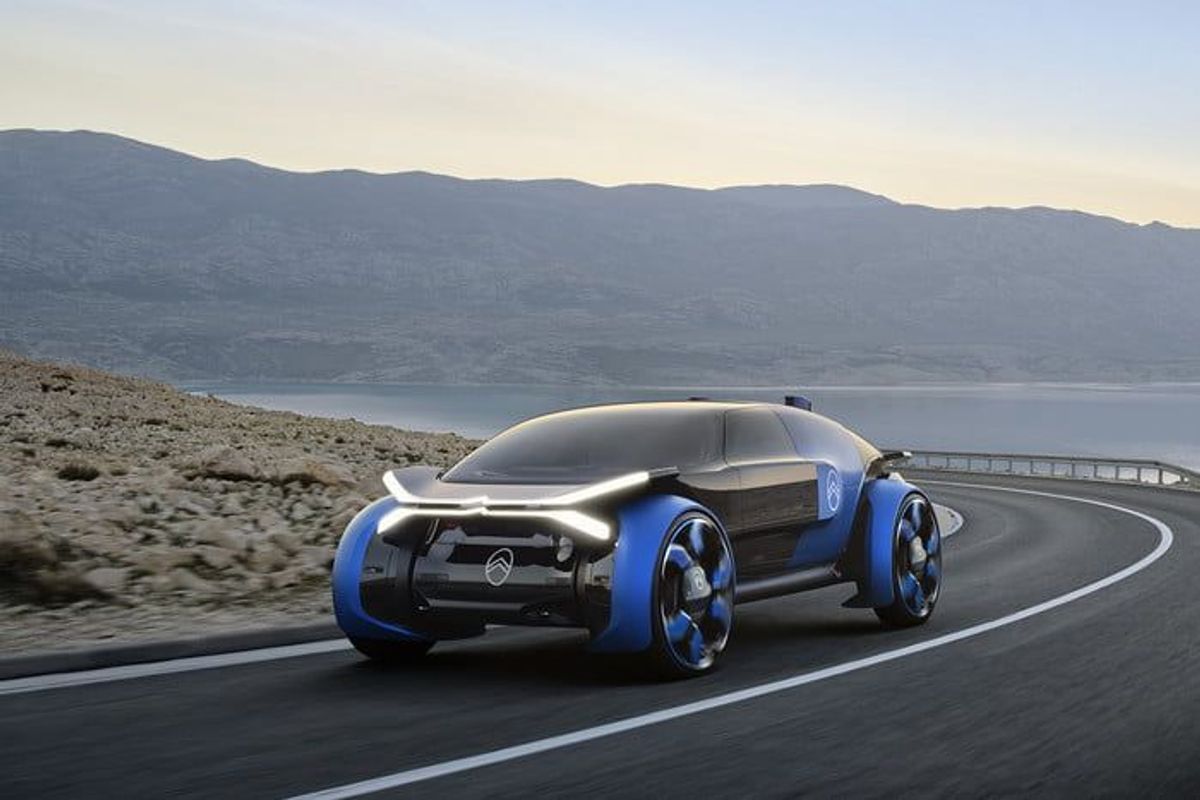
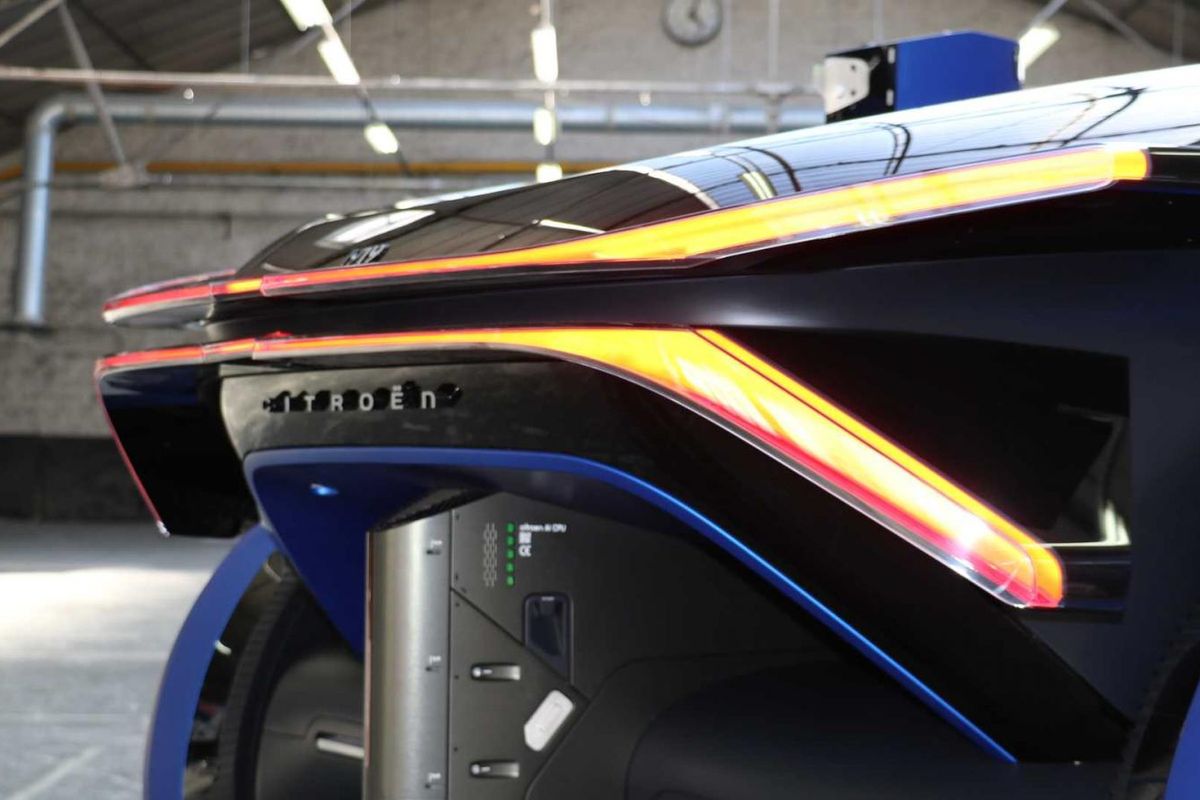
Citroën has built some of the most iconic cars in history and the French company’s concepts also happen to be amongst the most outlandish imaginable.
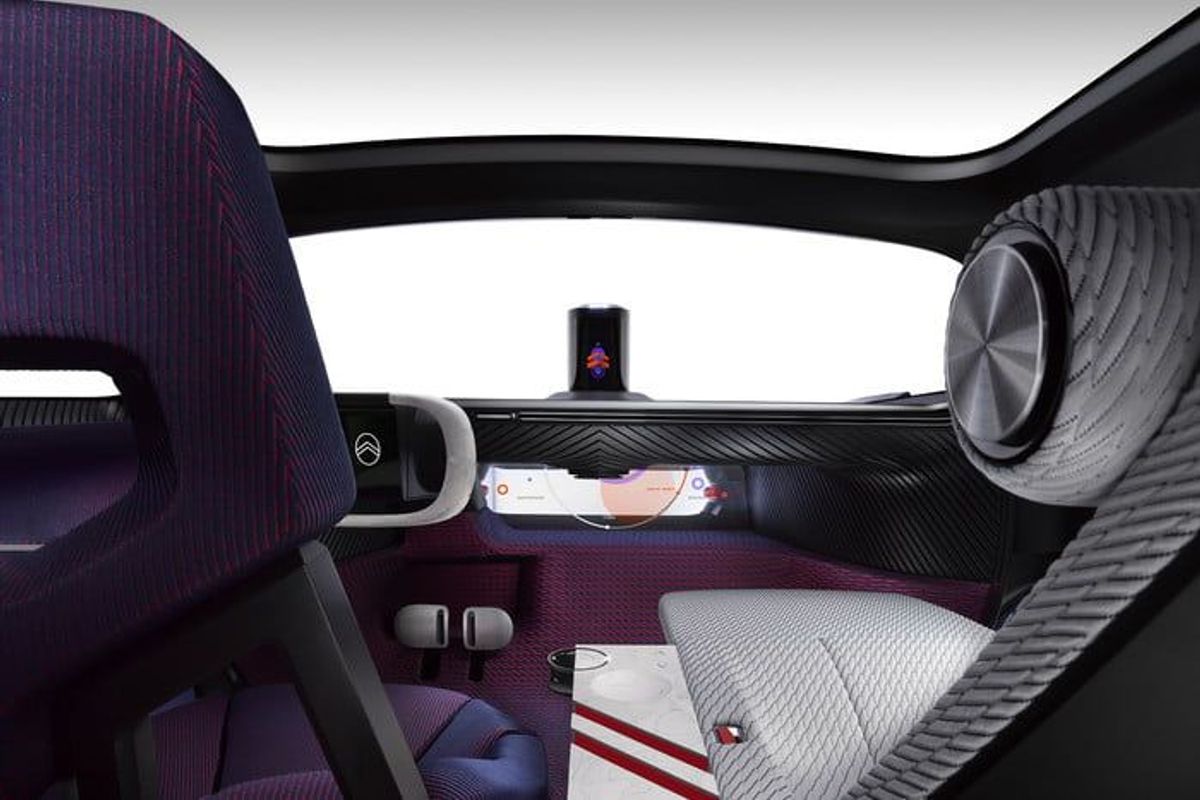
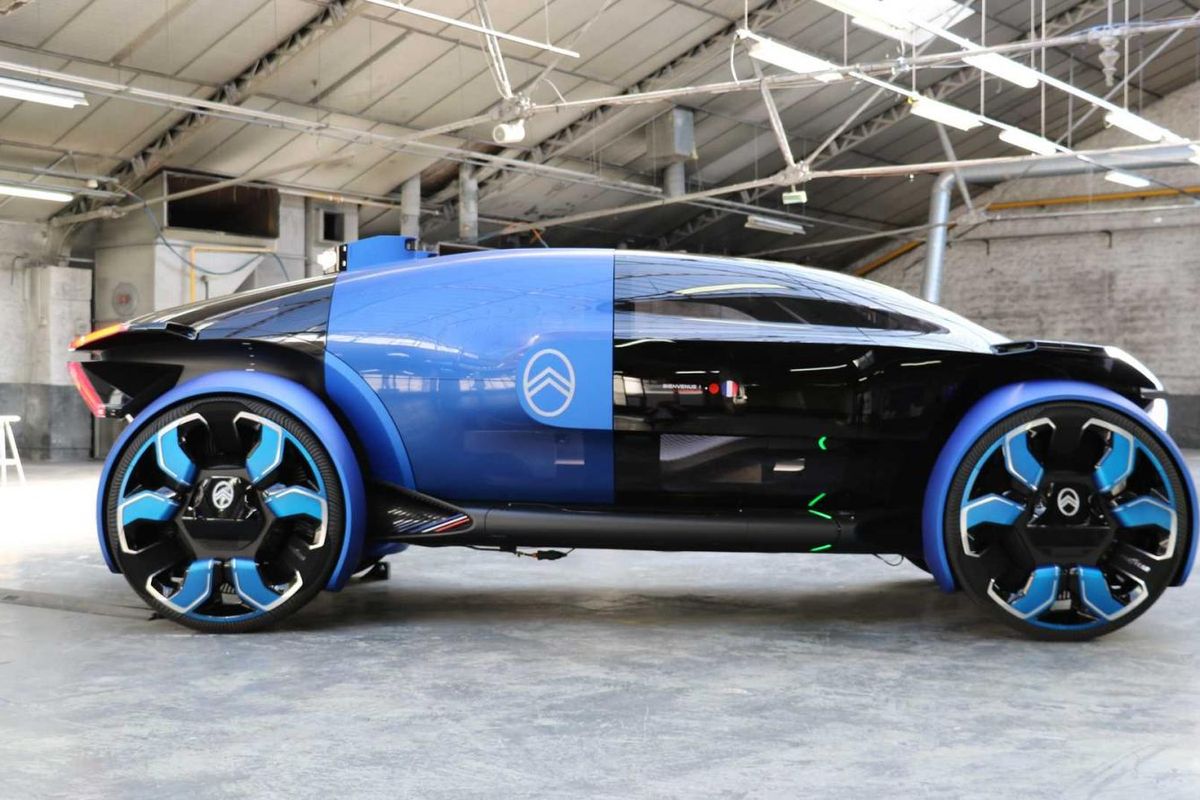
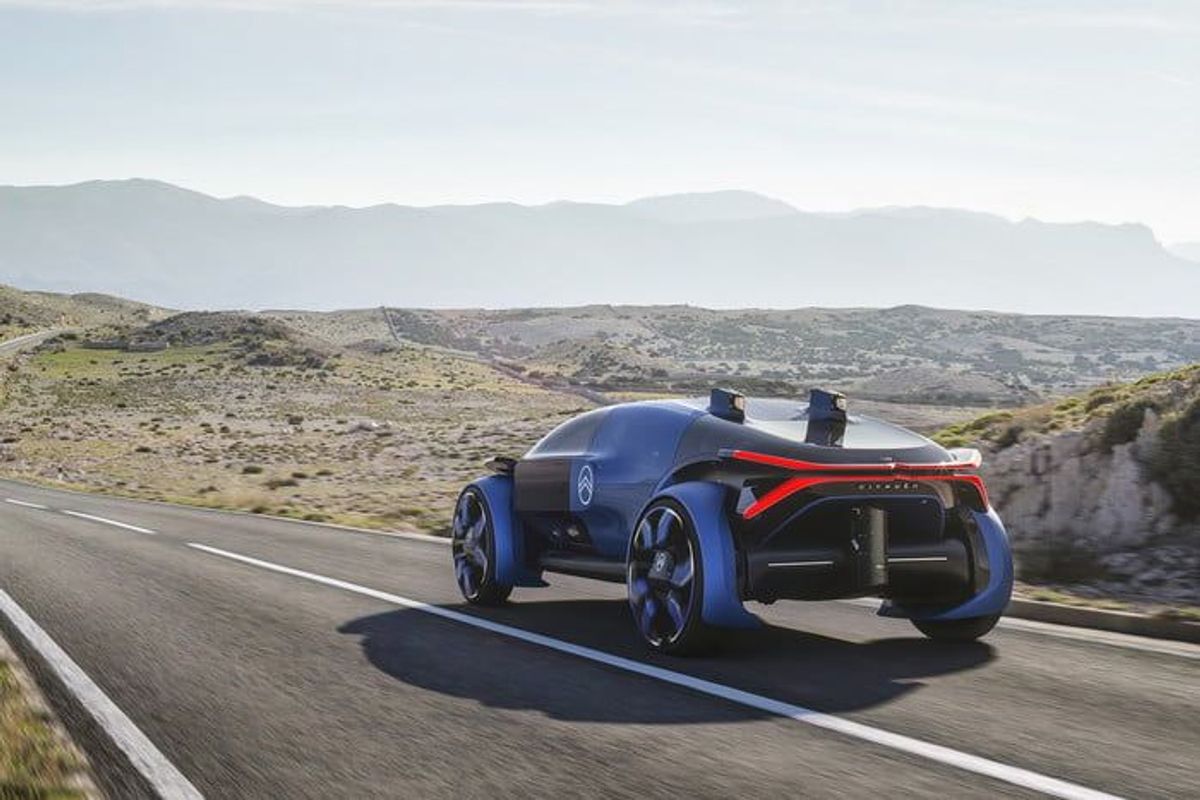
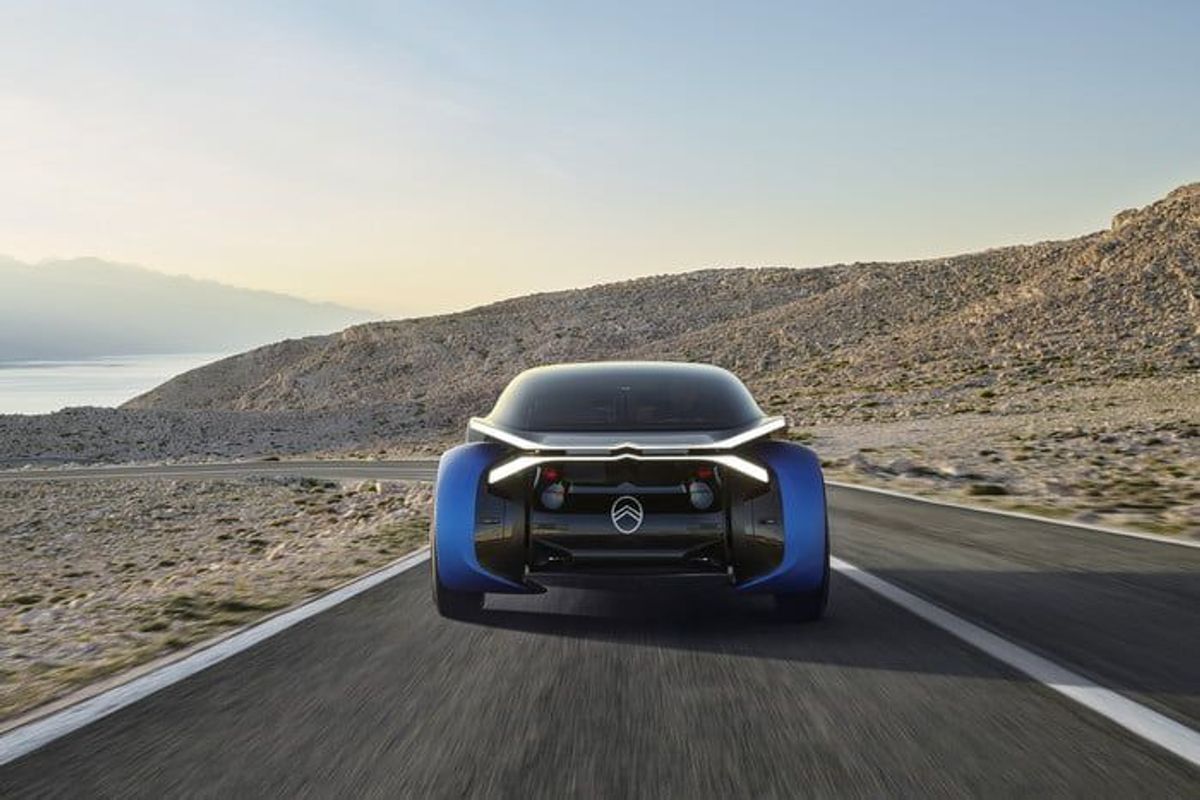
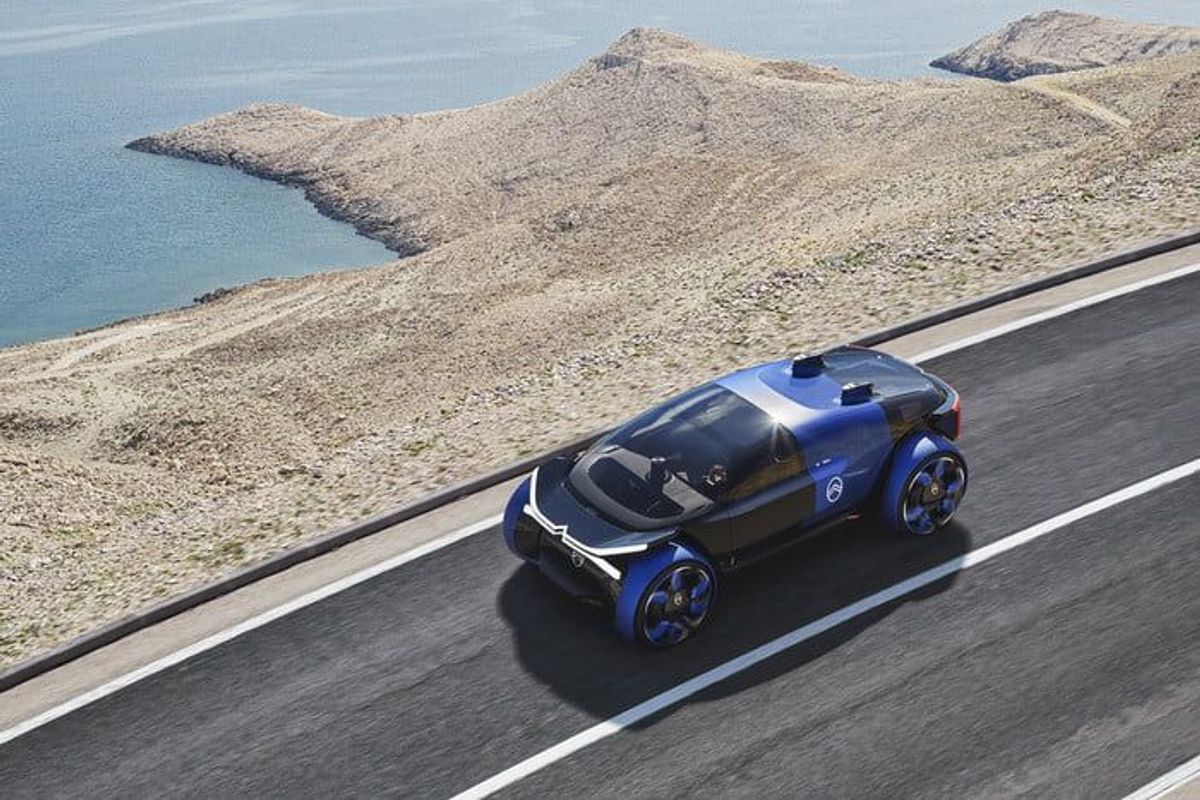
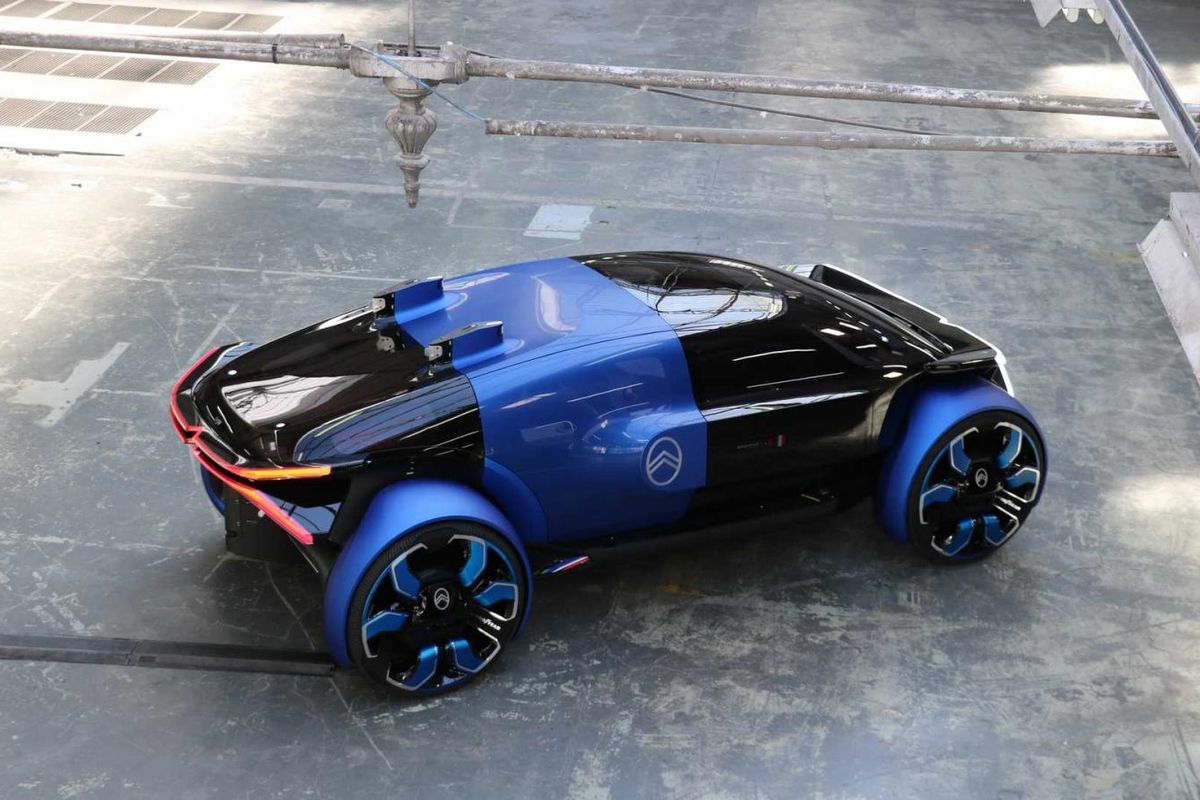
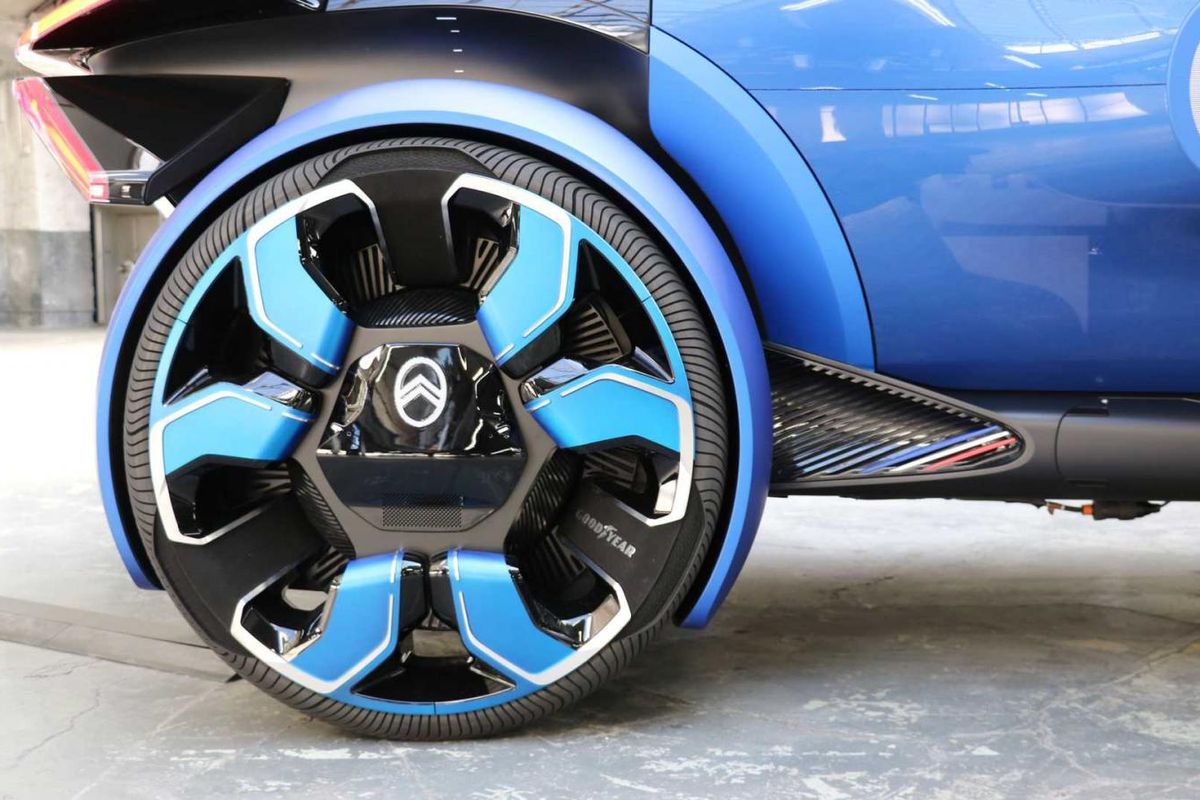
The latest Citroën concept vehicle is called the 19_19 and it is a future vision of what luxury long-distance automotive travel could become.
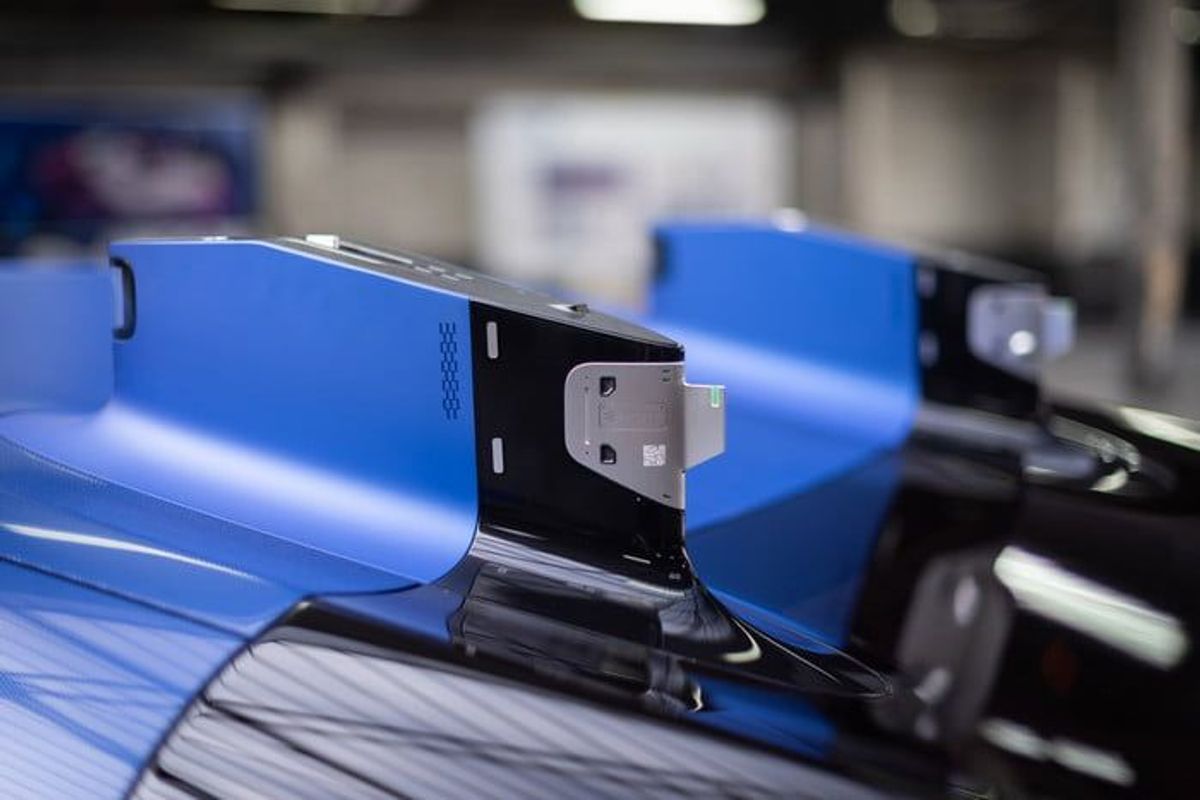
Built as a centenary celebration of Citroën, the 19_19’s exterior design is inspired by aviation, with an incredibly aerodynamic body and small winglets both front and rear. The vehicle measures 4.66 m in length, 2.24 m across and 1.66 m high. If you consider those measurements, the proportions are more like that of a miniature business jet, than a conventional automobile.
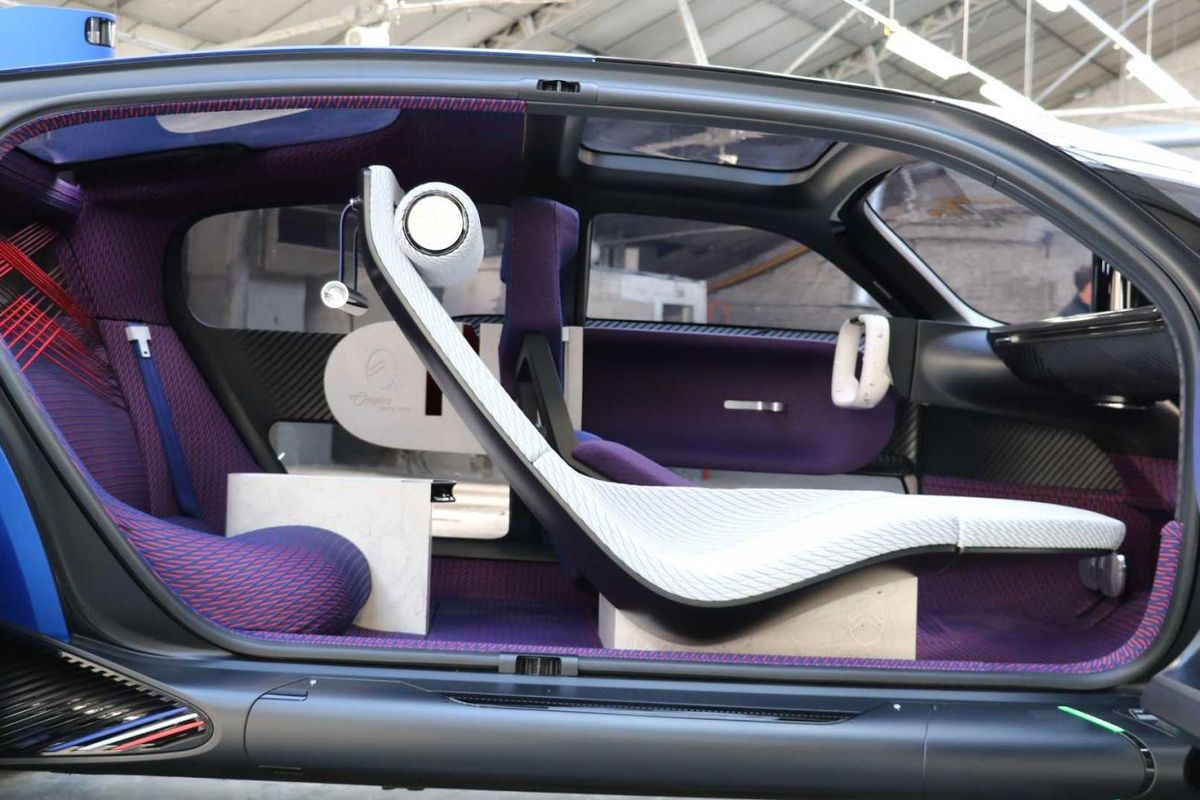
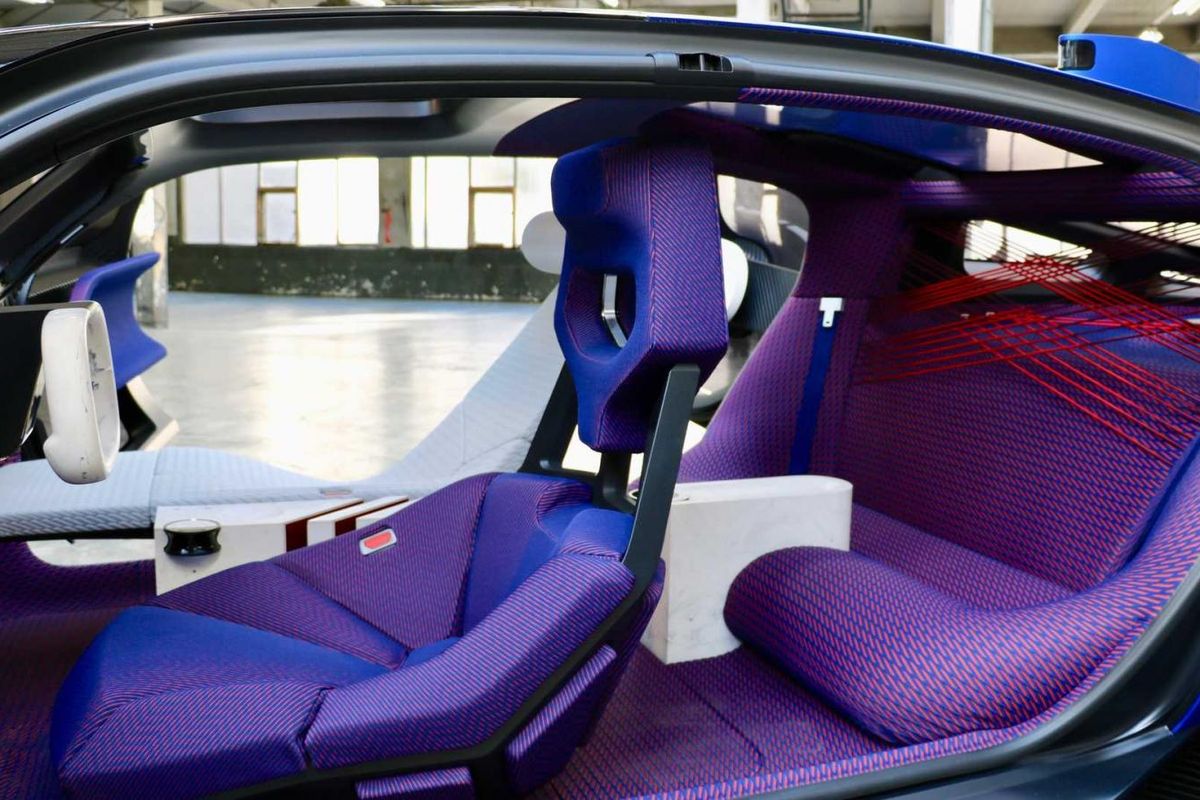
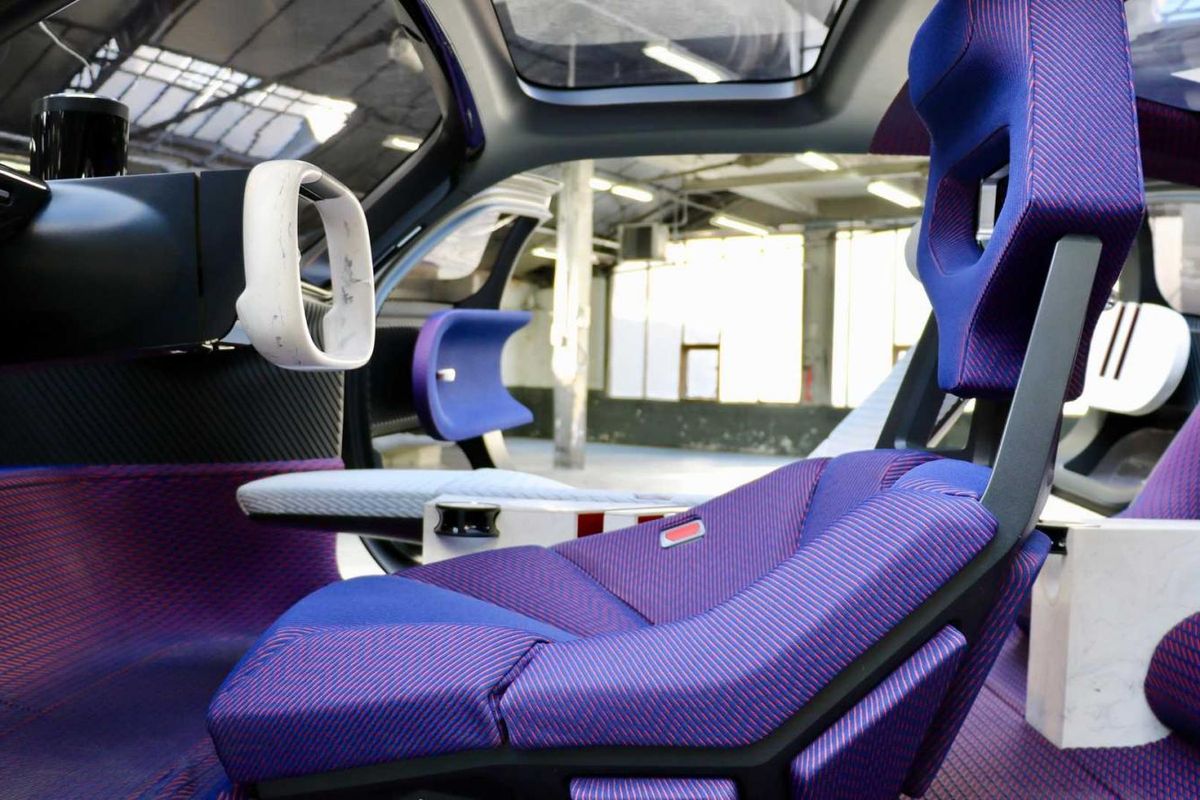
Where Citroën’s designers have applied themselves with notable discipline, is the cabin, which despite its compact dimensions, promises to offer occupants unrivalled comfort. The front passenger benefits from an adjustable lounge seat, which can be configured to sit upright, cradle or fold nearly flat, depending on the passenger’s mood – much like the seat operation on an international business class flight.
In the back, Citroën has a deeply recessed and expertly padded bench seat, split by a centre console. Although there is a retractable steering wheel, Citroën says that the 19_19 features fully autonomous driving capability (they don’t mention how this has been achieved), to allow the driver/host to pay attention to passengers.
Powering this radical Citroën concept car is a 100 kWh battery drive system, comprising dual electric motors which produce 340 kW and 800 Nm. Those outputs are enough to power 19_19 from 0-100 kph in 5 seconds and guarantee a top speed of 200 kph. Citroën claims the 19_19 will be good for 800 km of range and recharge to 600 km of endurance in approximately 20 minutes, using a quick-charging interface.
Set for its public debut at the VivaTech show in Paris, the 19_19 is another outlandish Citroën concept car which will never transition into production, but it does showcase the horizon that designers are imagining will become real, in future.
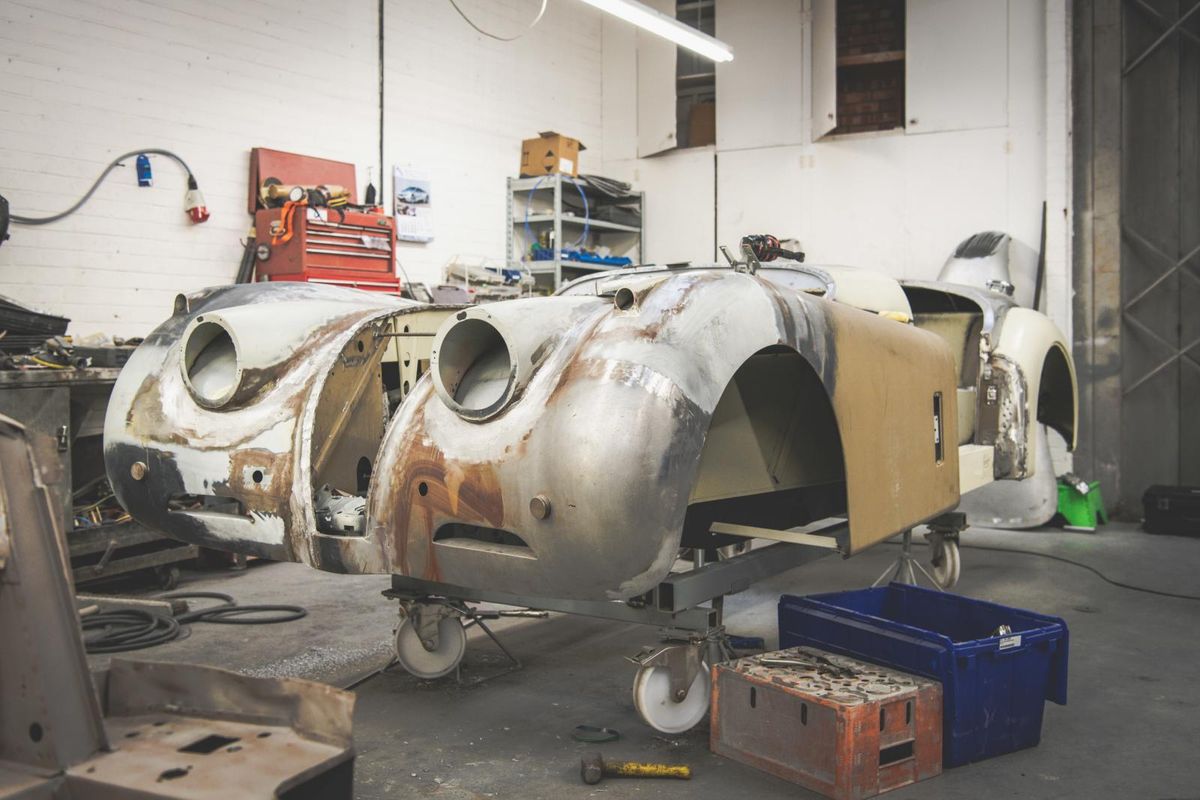
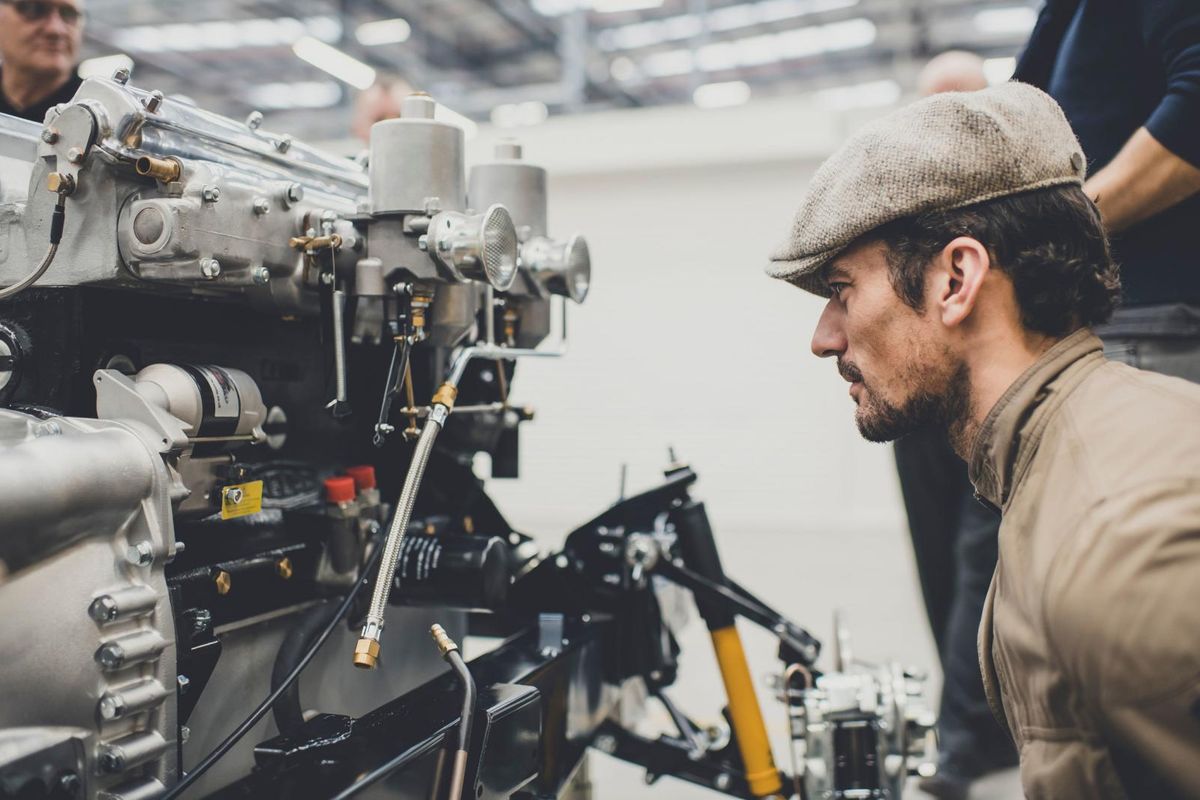
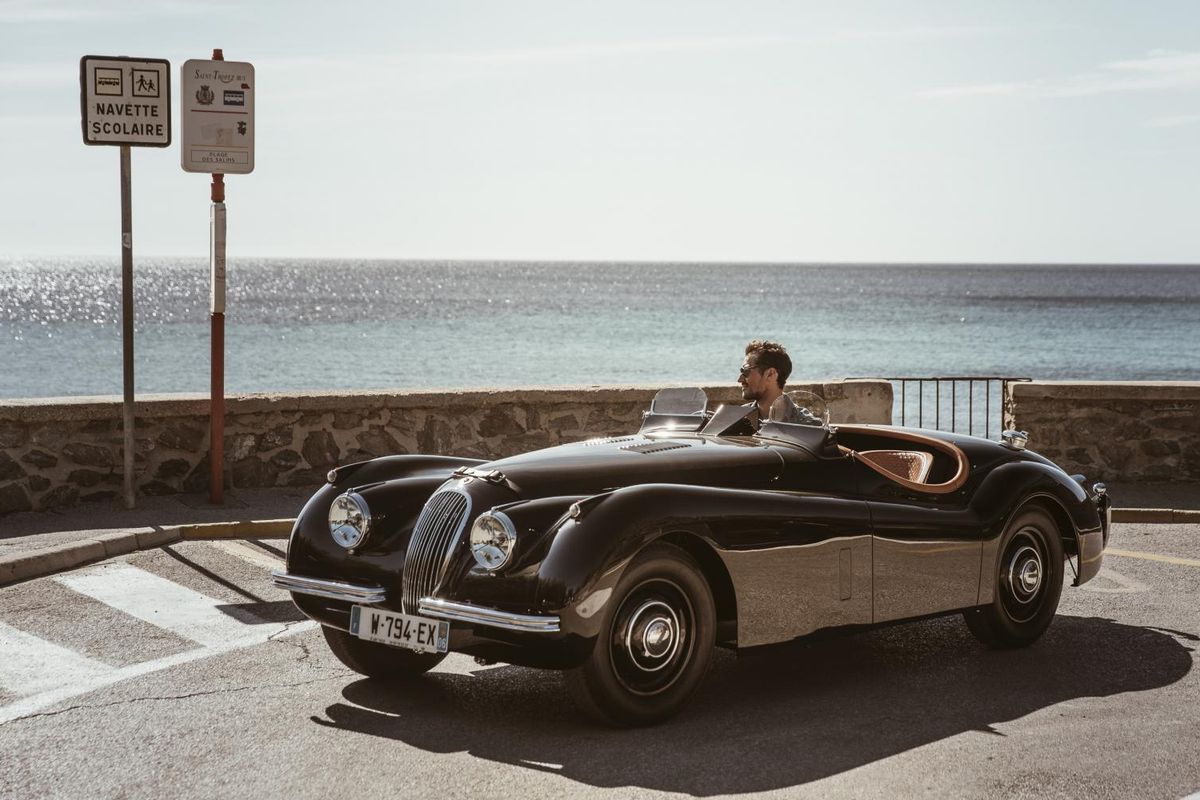
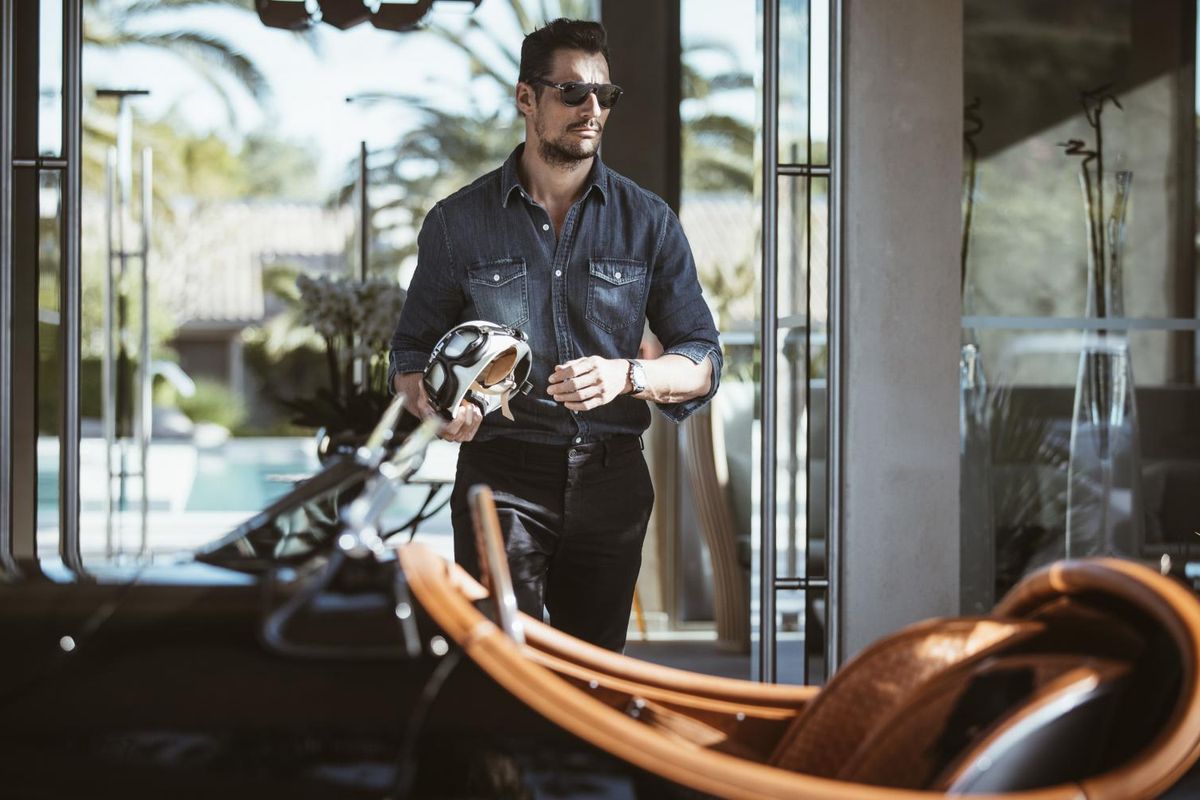
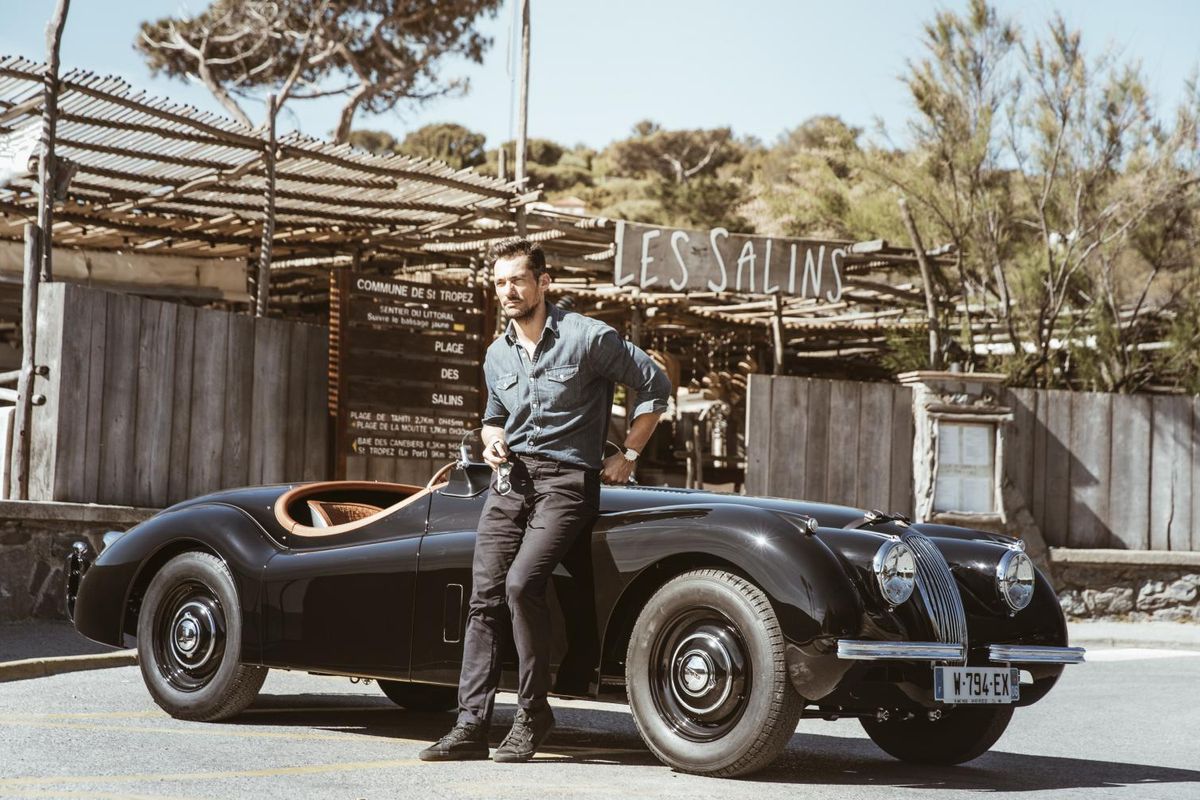
Working with British male model and classic car enthusiast David Gandy, Jaguar Classic has spent 2 700 hours restoring a stunning example of one of its most iconic cars, the XK120.
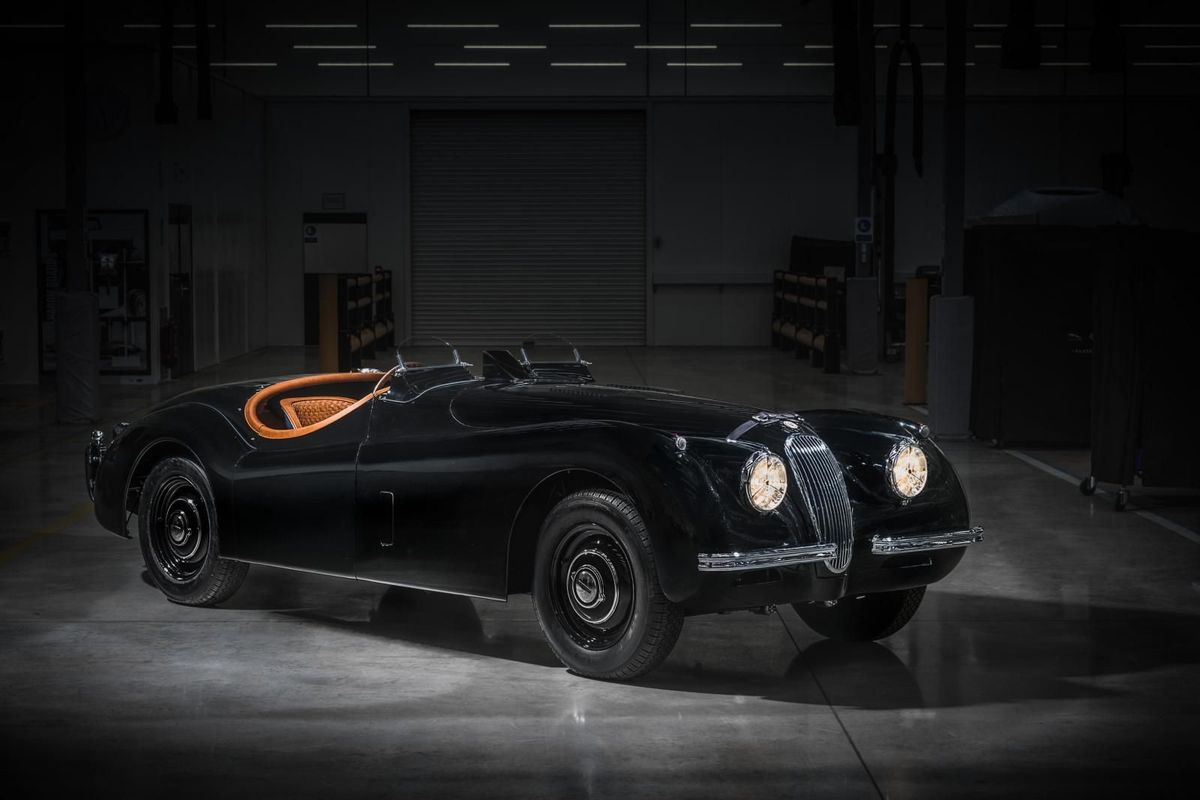
Using a 1954 XK120 that was found neglected underneath a bush in Califorinia, the restoration project was a perfect example of how an owner could work with Jaguar Classic to create an end product that is both "classic", but at the same time better in tune with the owner's specific requirements. The owner in question with this project was none other than British male model David Gandy, who now has fulfilled a life-long ambition by completing the restoration of this 65-year-old XK120.
Jaguar Classic worked with Gandy on every phase of the restoration – Gandy wanted a car inspired by the famous XK120 Lightweight model, but with some modern upgrades to make it "ready to race" in classic car motorsport events. The end product was finally revealed in Saint Tropez last week, the culmination of 2 700 hours of work.
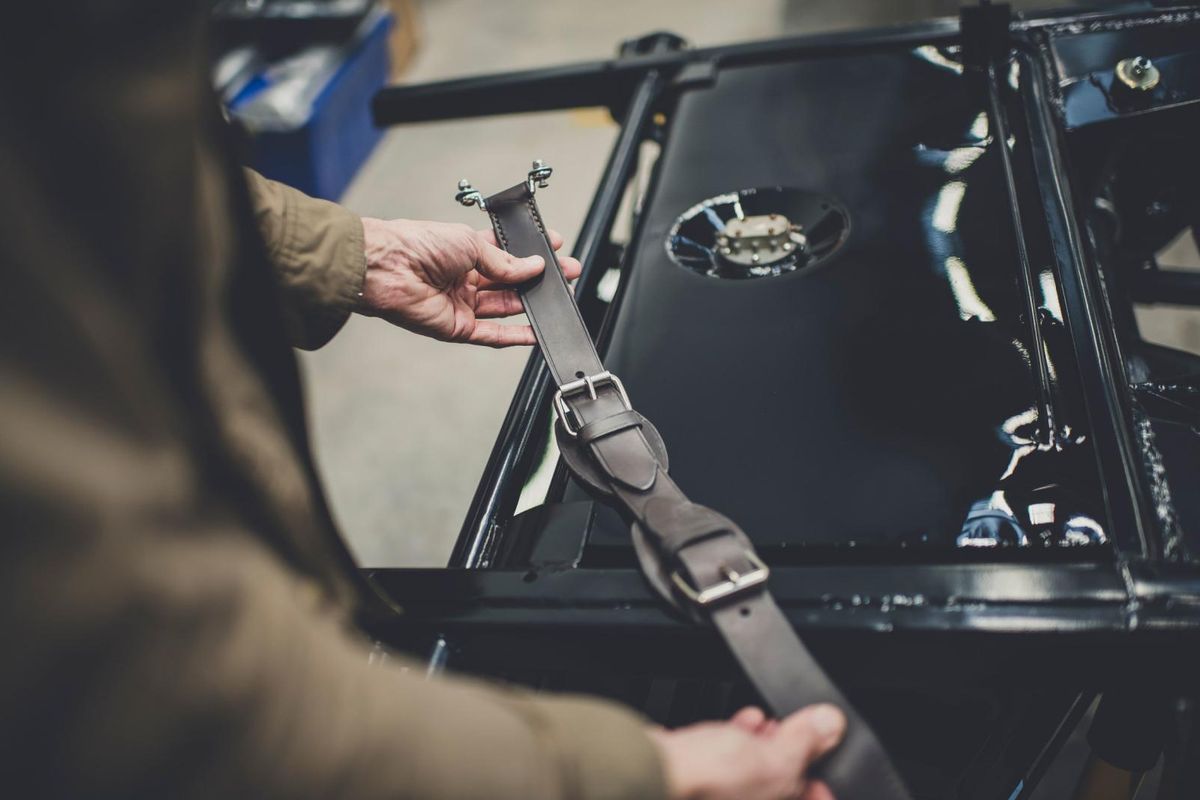
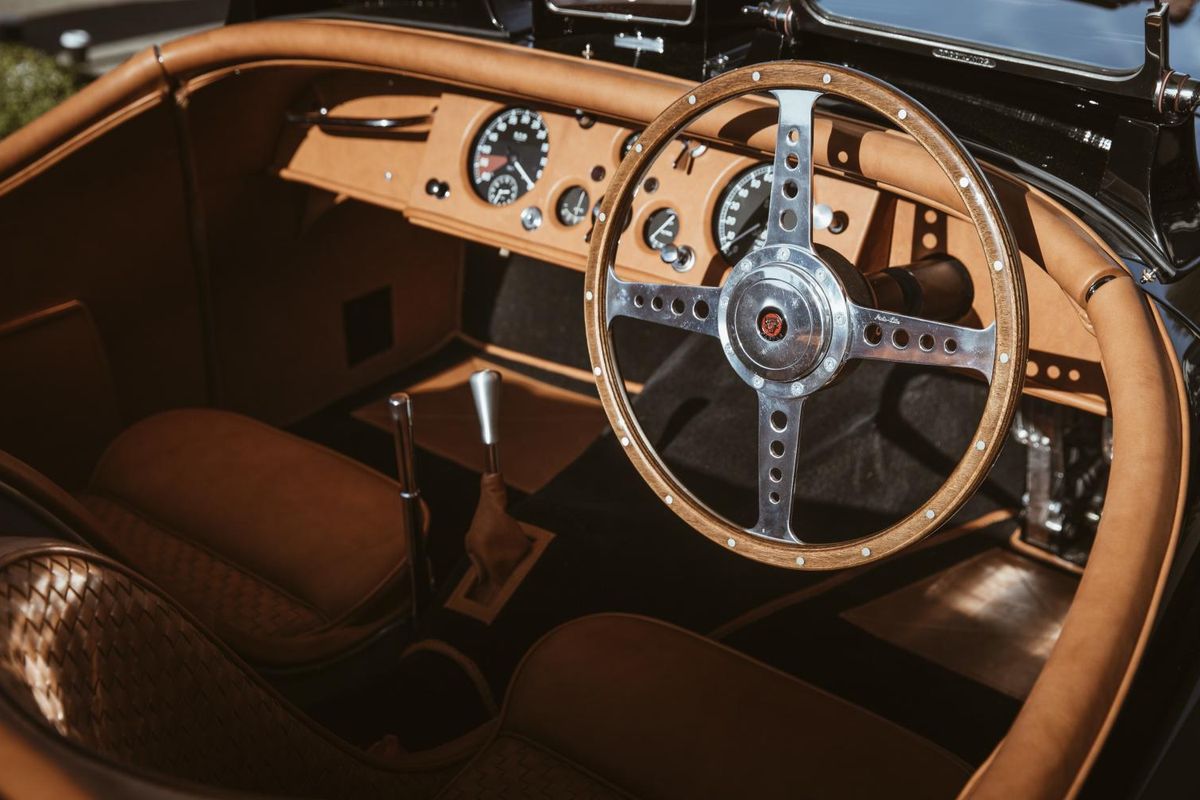
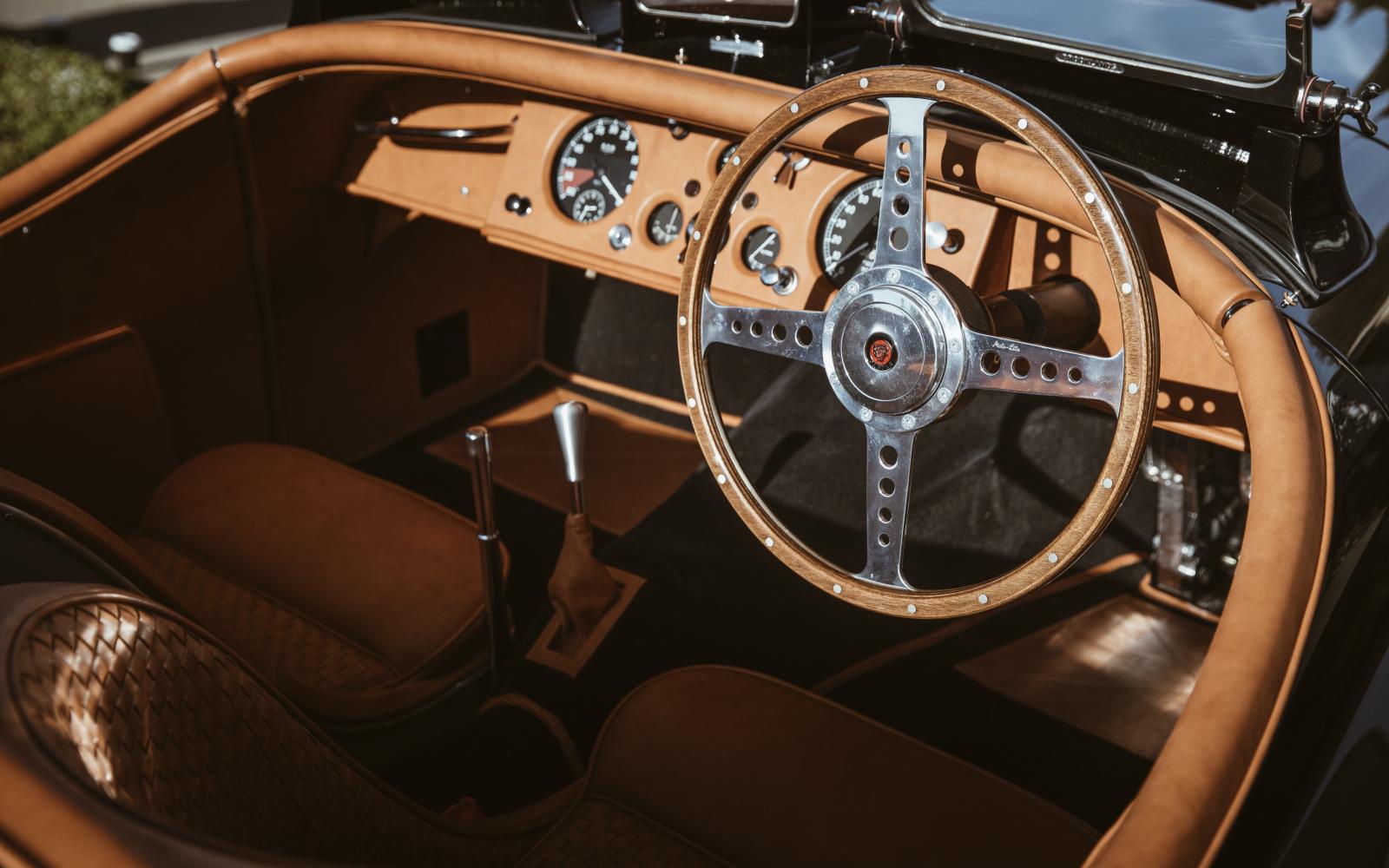
A bespoke driver's seat and 15-inch steering wheel are some of the unique features in this XK120.
“Having driven a Jaguar XK120 at Mille Miglia in 2013 and 2014, I knew that I wanted to own one of these incredibly special cars. Completing the restoration has been an extraordinary experience and now being out here and finally seeing it complete against the backdrop of St Tropez is pretty amazing,” Gandy said.
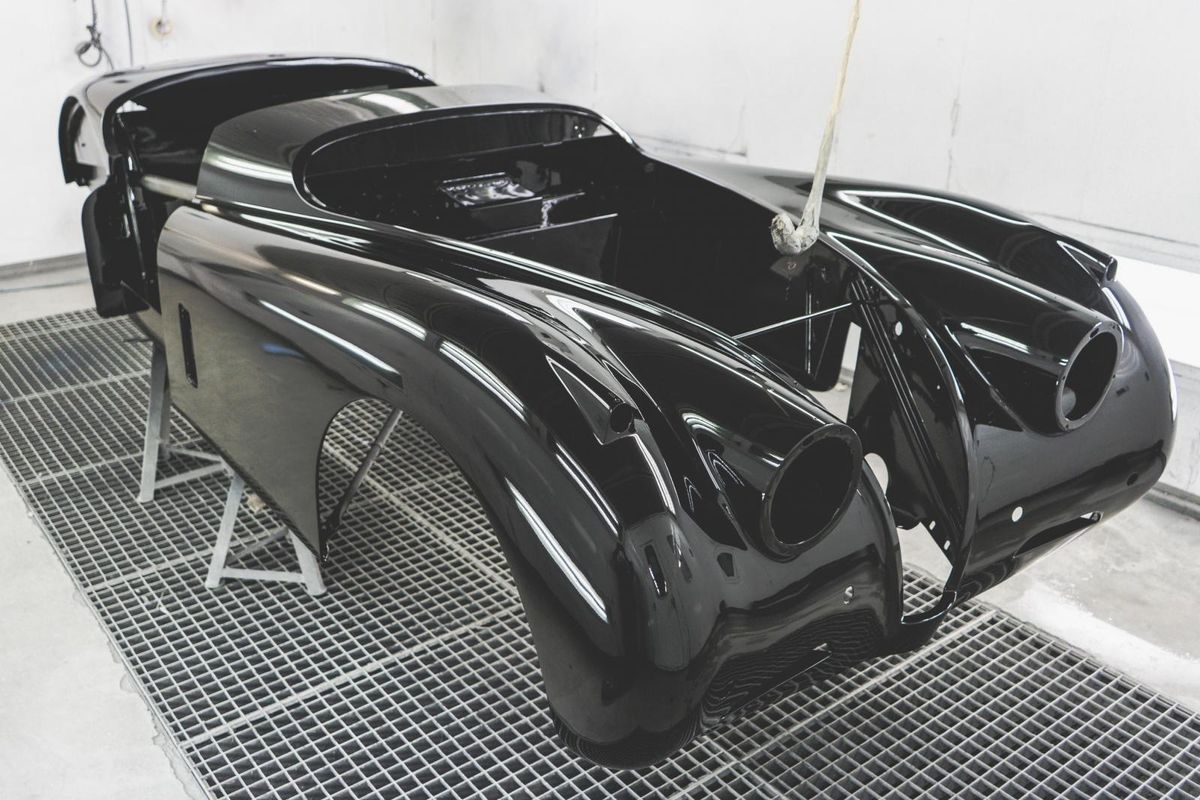
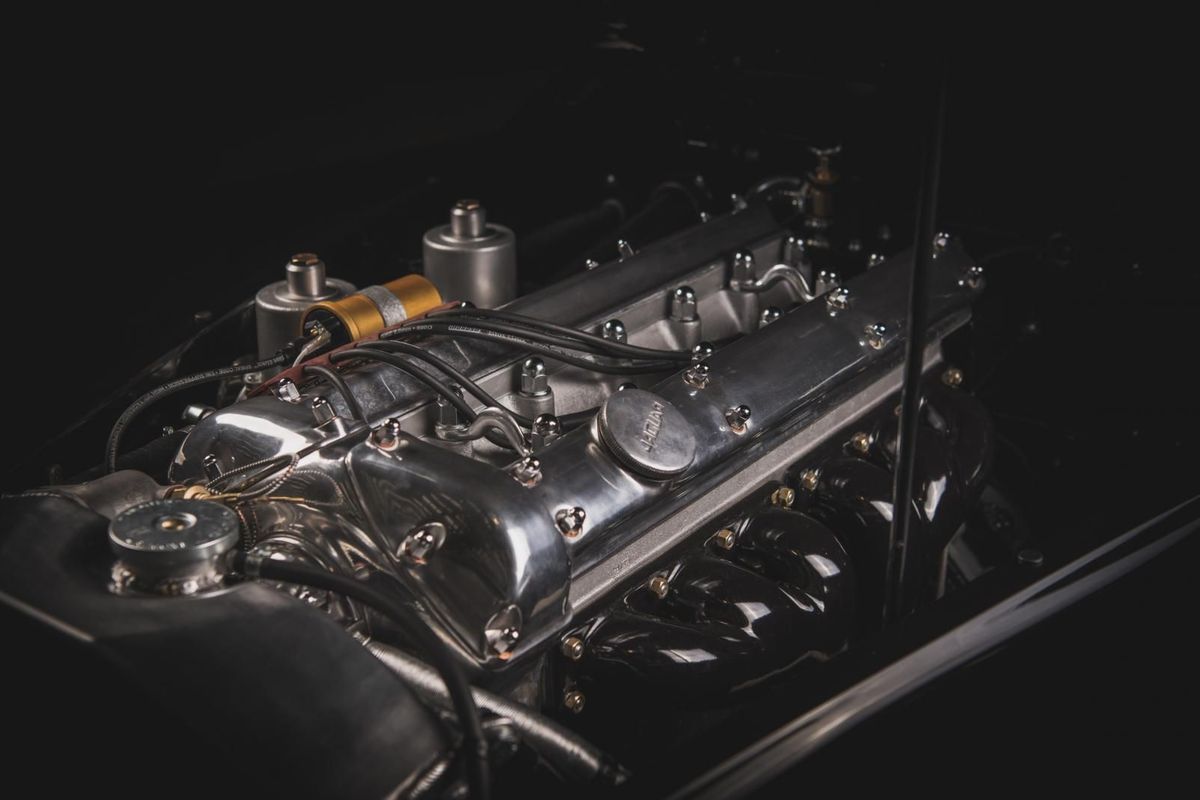
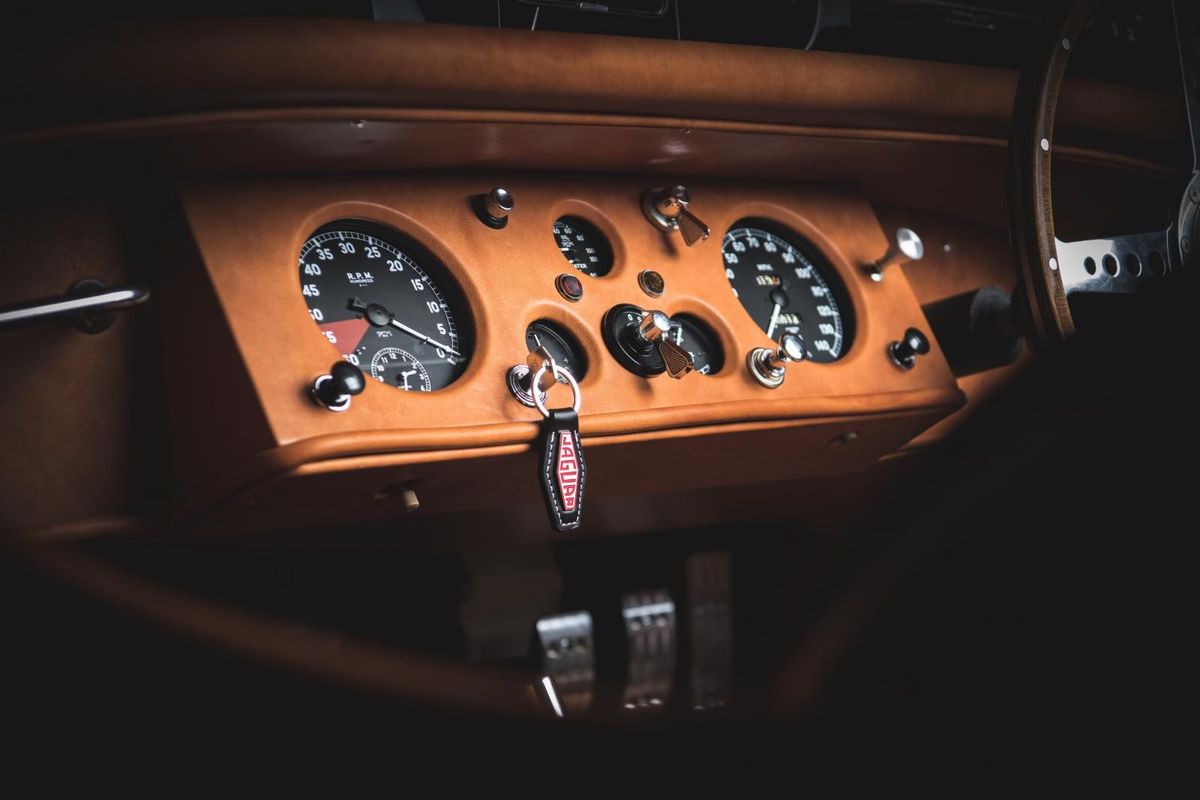
The car is finished in a striking black exterior finish (4 coats of paint) and has an Aged Saddle tan leather interior with a driver's seat featuring a bespoke lattice design to accommodate Gandy's 1.8mm frame. Under the skin, the XK120 features an upgraded engine and braking system.