Renault Megane RS 280 Lux (2018) Quick Review
RenaultSport (RS) versions of the Megane have arrived and we couldn't wait to give the Lux derivative a full review. The RS division promises enough firepower, but not at the expense of practicality. How does the newcomer fare?

We like: Performance, handling, RS Monitor, exhaust note, responsive transmission, specification

We don't like: Rear legroom

Fast Facts

  • Price: R549 900 (Dec 2018)
  • Engine: 1.8-litre 4-cylinder turbocharged petrol
  • Gearbox: 6-speed electronic dual clutch
  • Fuel economy: 7 L/100 km (claimed)
  • Power/Torque: 205 kW/390 Nm

Own a Renault? Tell us about your experience here

SERIOUS ABOUT BUYING?

Where does it fit in?
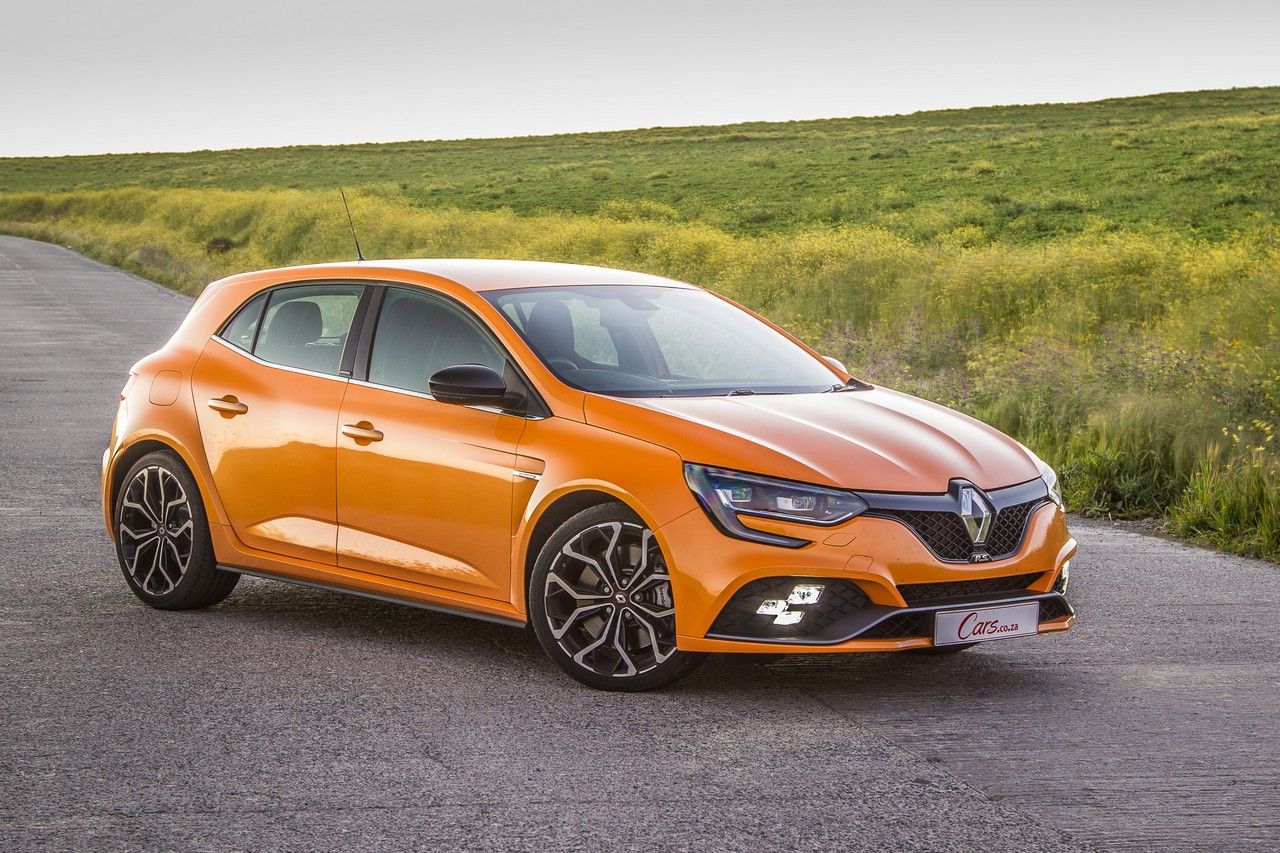

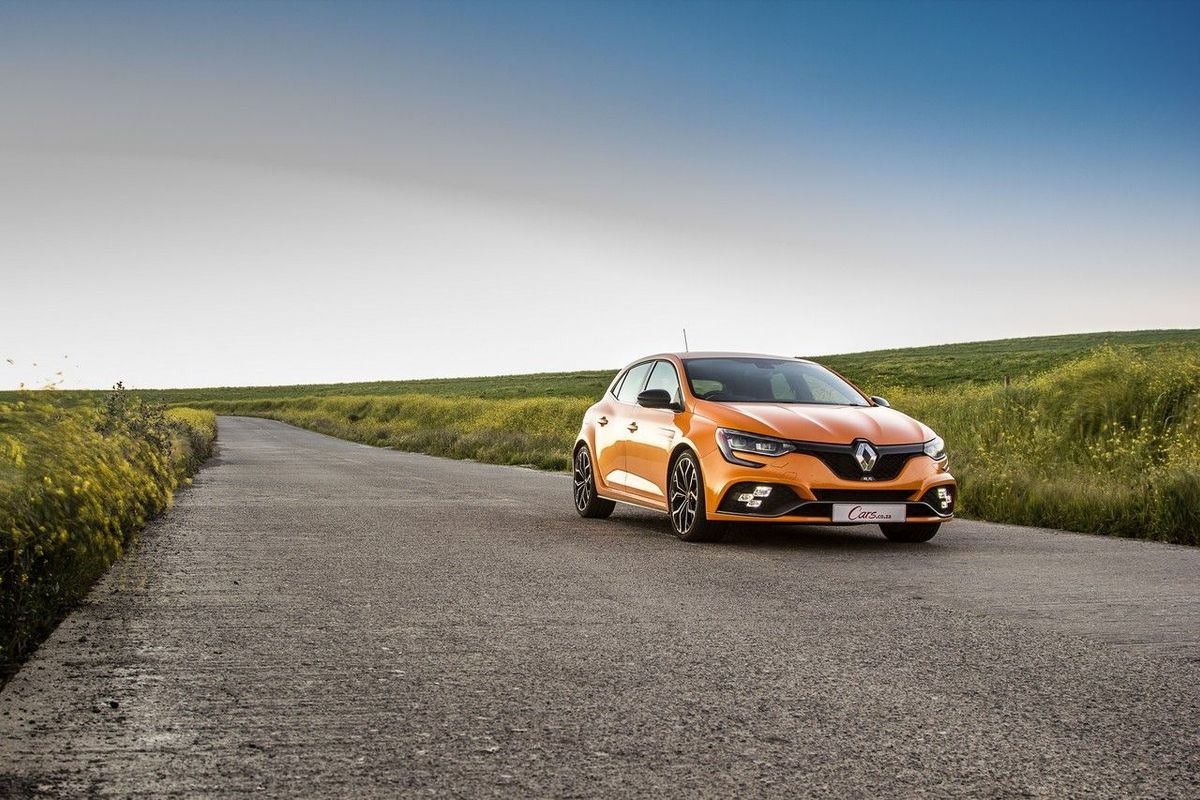
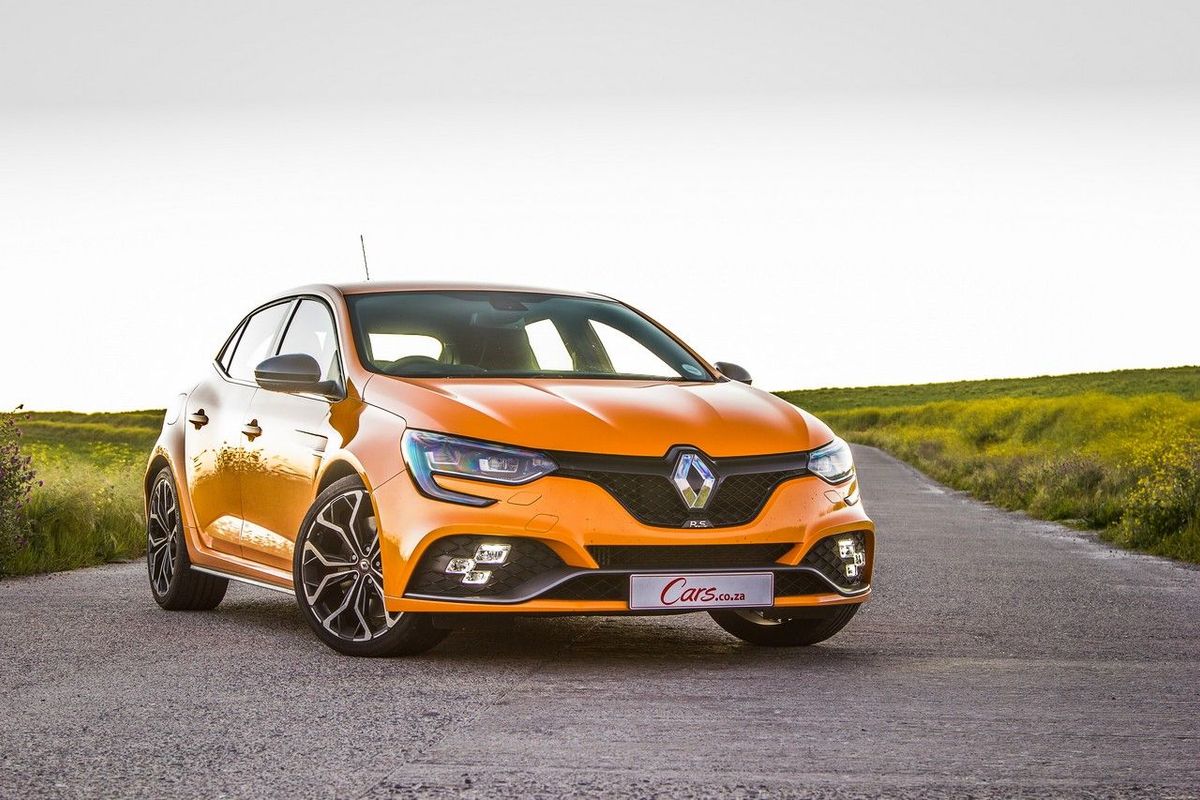
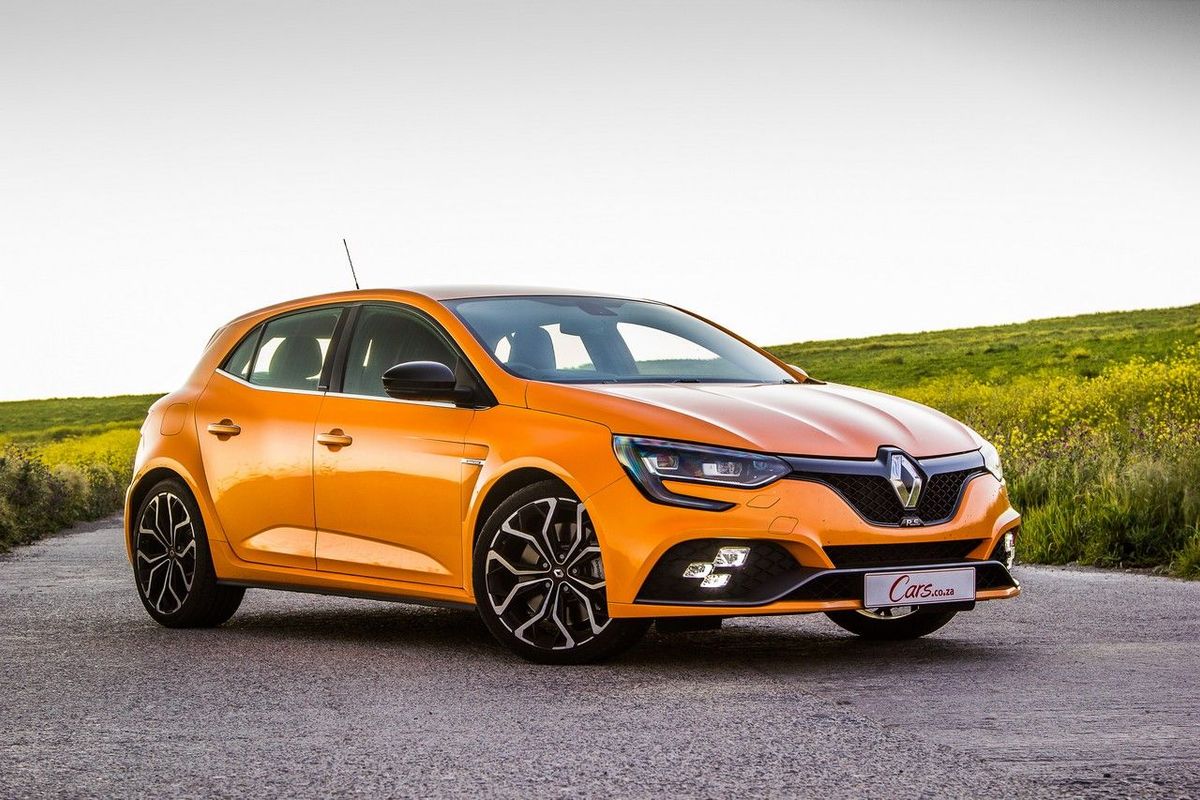
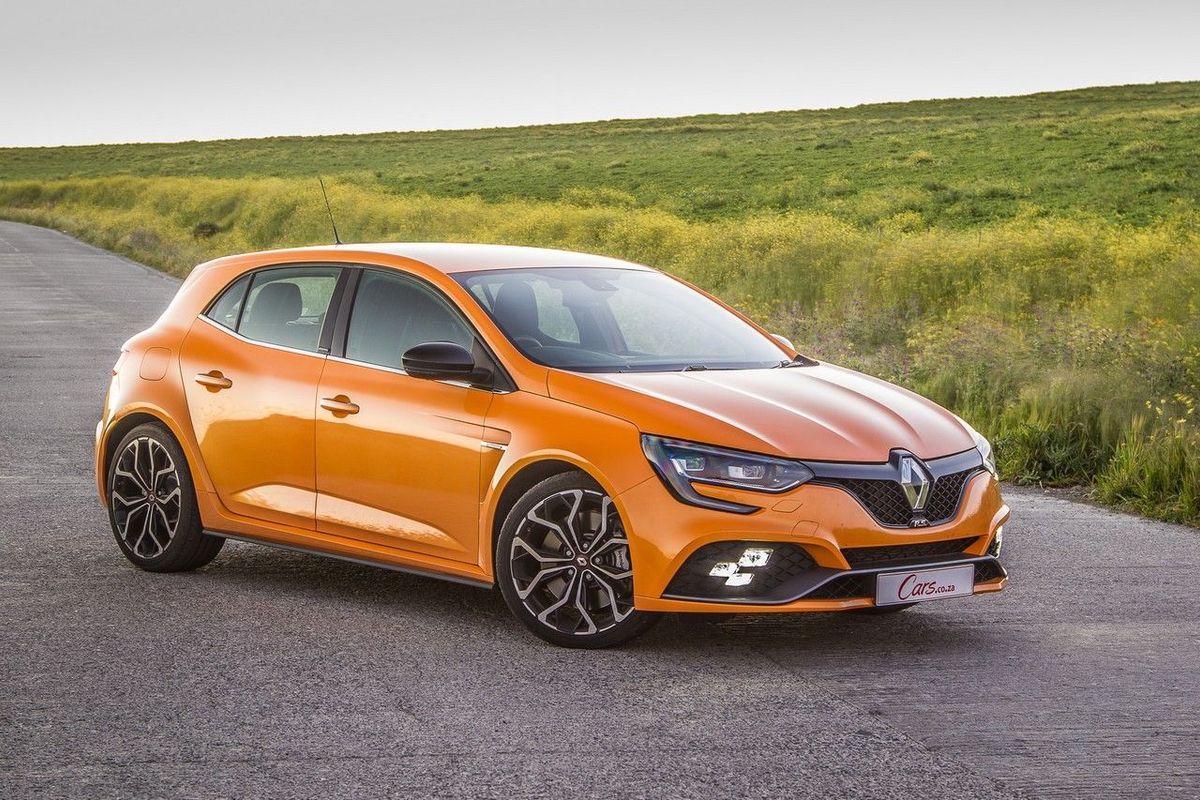
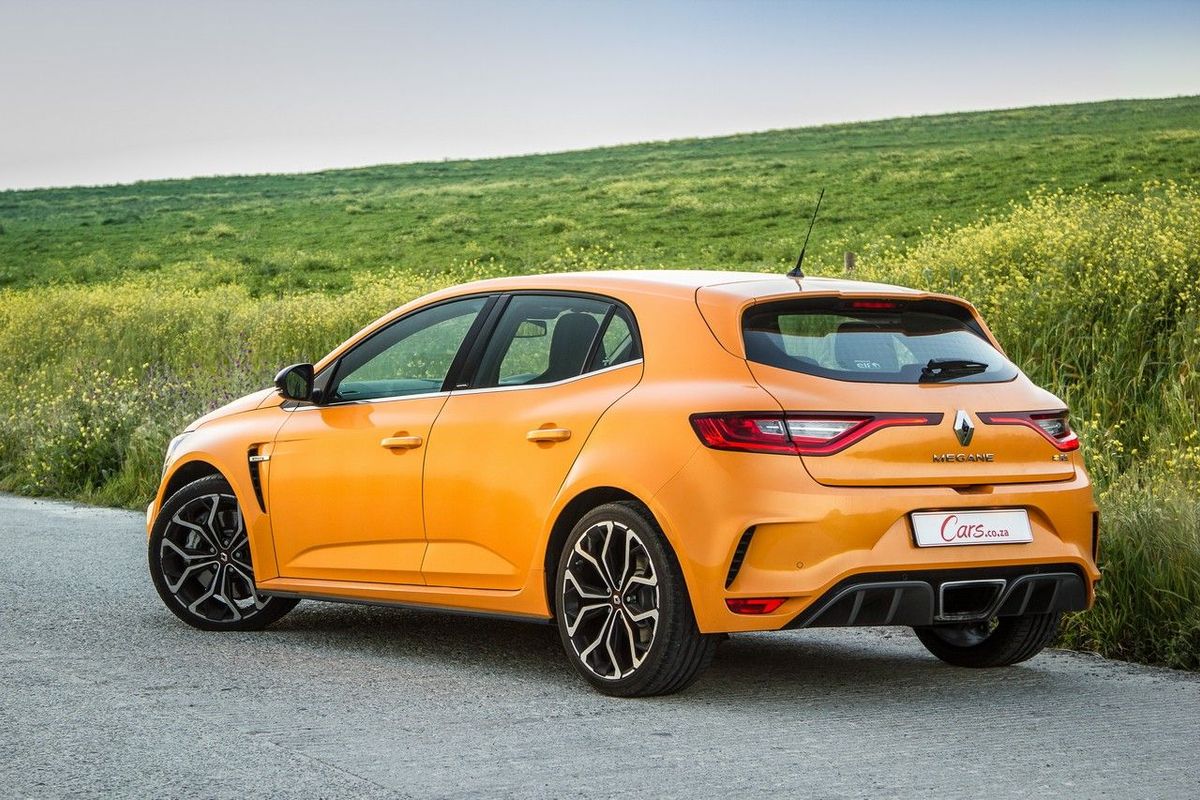
The Renault Megane RS 280 certainly looks the part

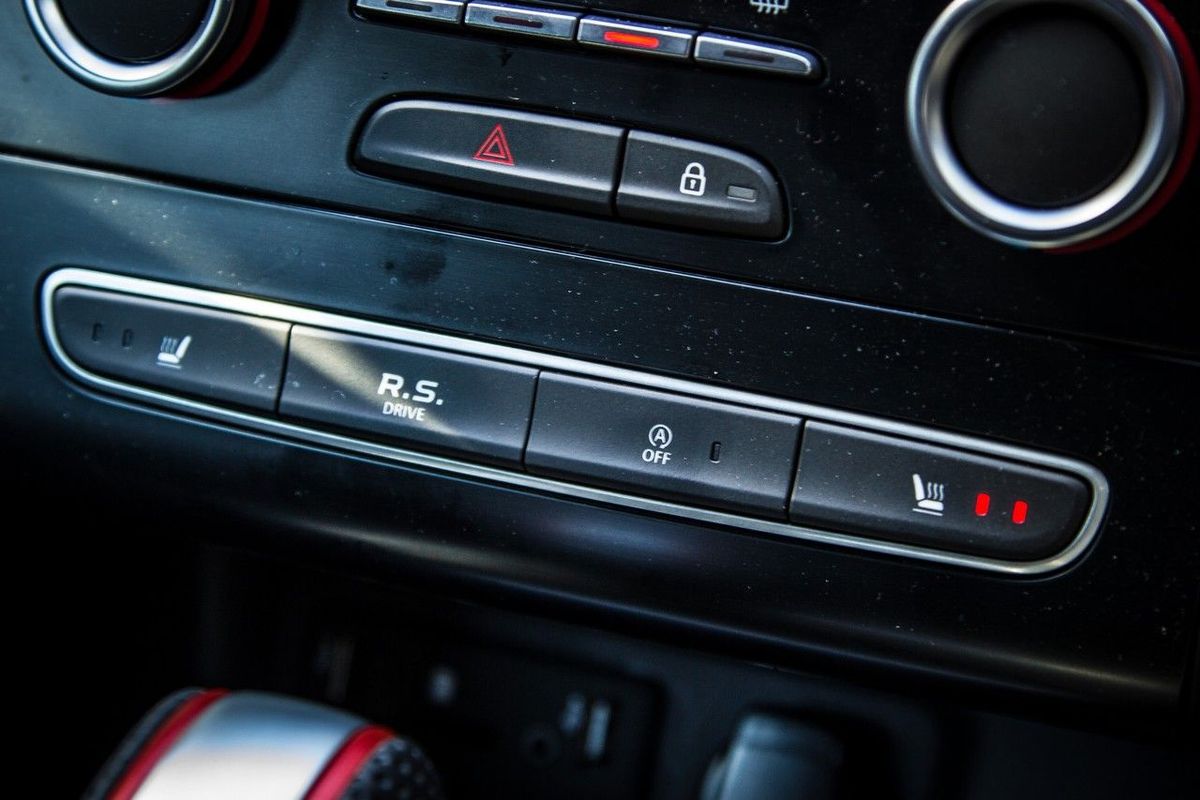
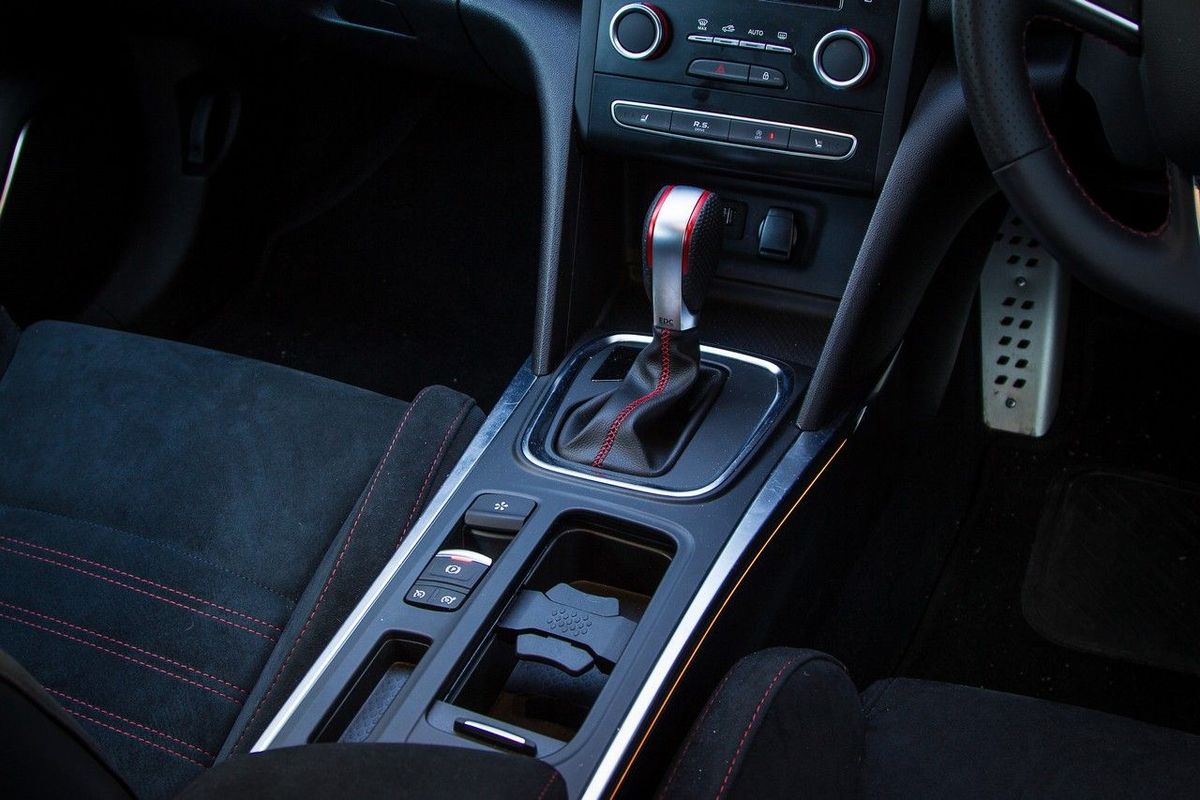
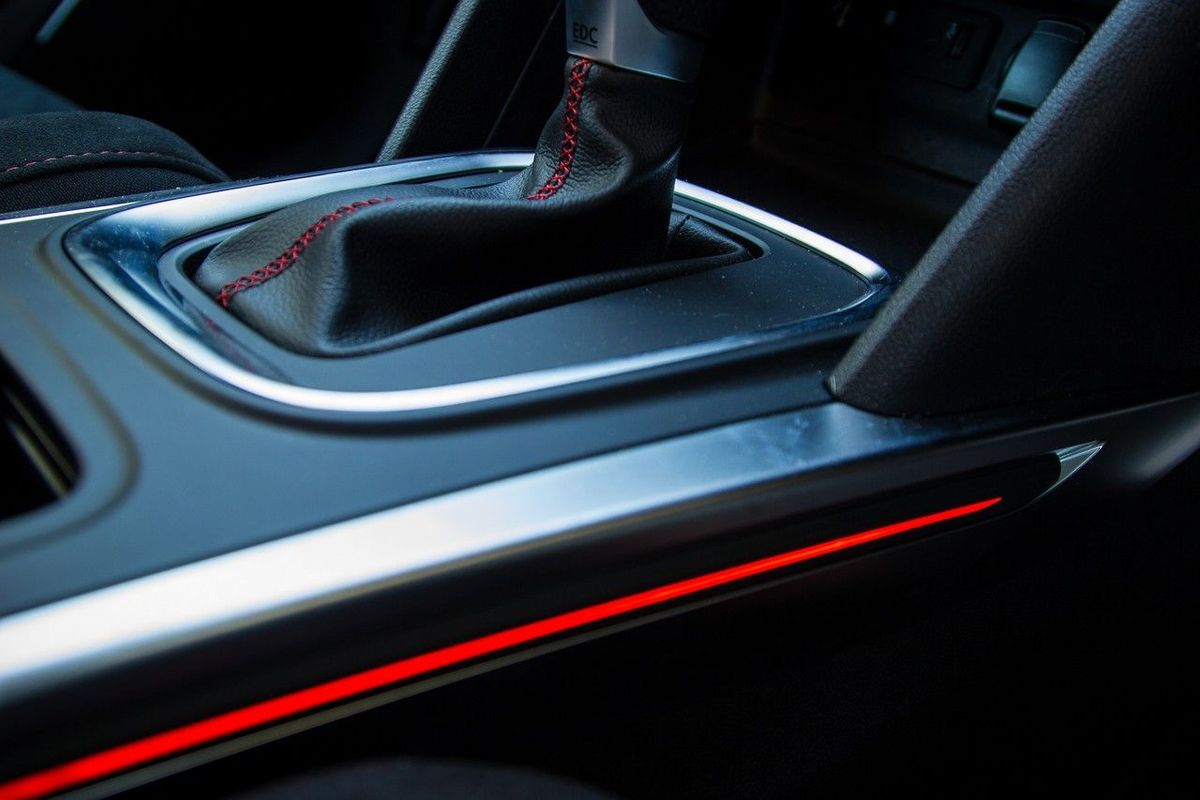
The latest iteration of Megane RS has undergone some serious work. There's a new 1.8-litre engine which is both lighter and physically smaller than the outgoing 2.0-litre. This new mill also produces more power and torque, and for the first time, you're able to choose from either a manual gearbox or a dual-clutch gearbox. The best part? There's no price difference between the hardcore Cup and the comfort-focused Lux. Renault SA offers the Cup with a manual gearbox, while the Lux makes do with the EDC 'box. It's interesting to note that the manual-equipped Megane RS Cup goes the analogue route with a manual handbrake, while the Megane RS Lux features an electronic parking brake.

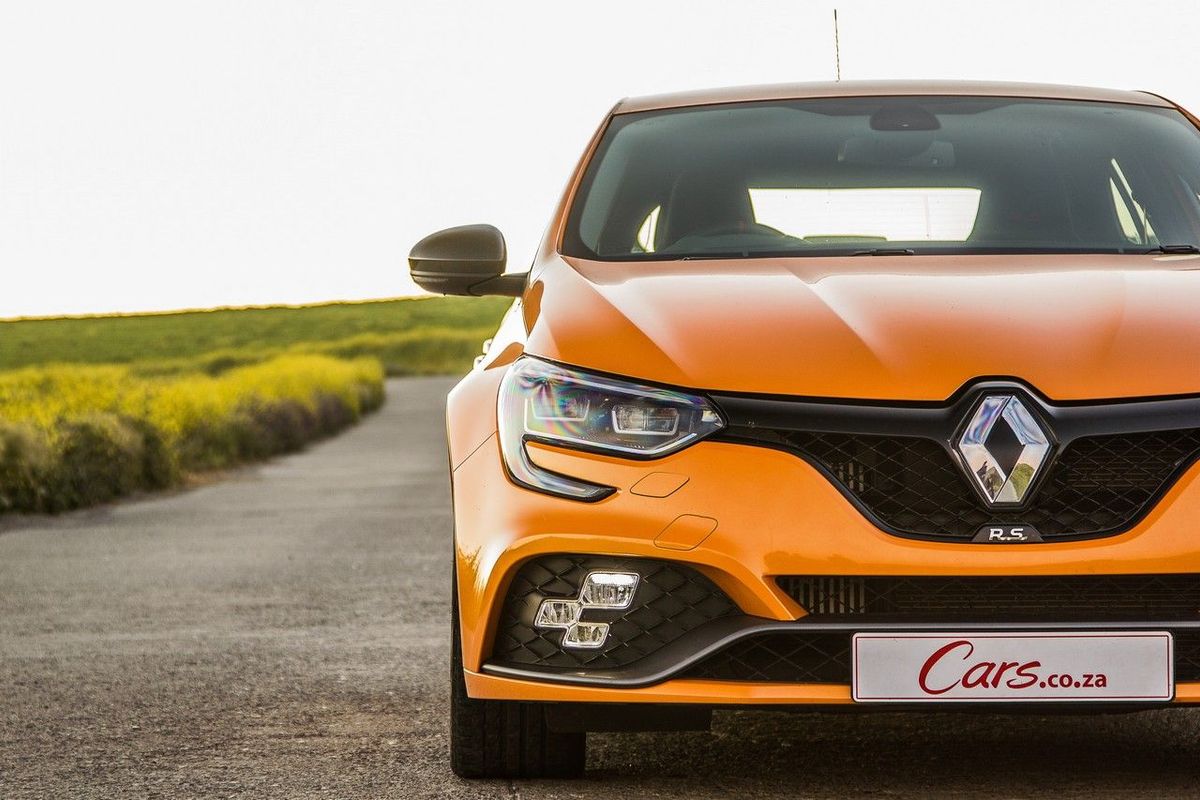
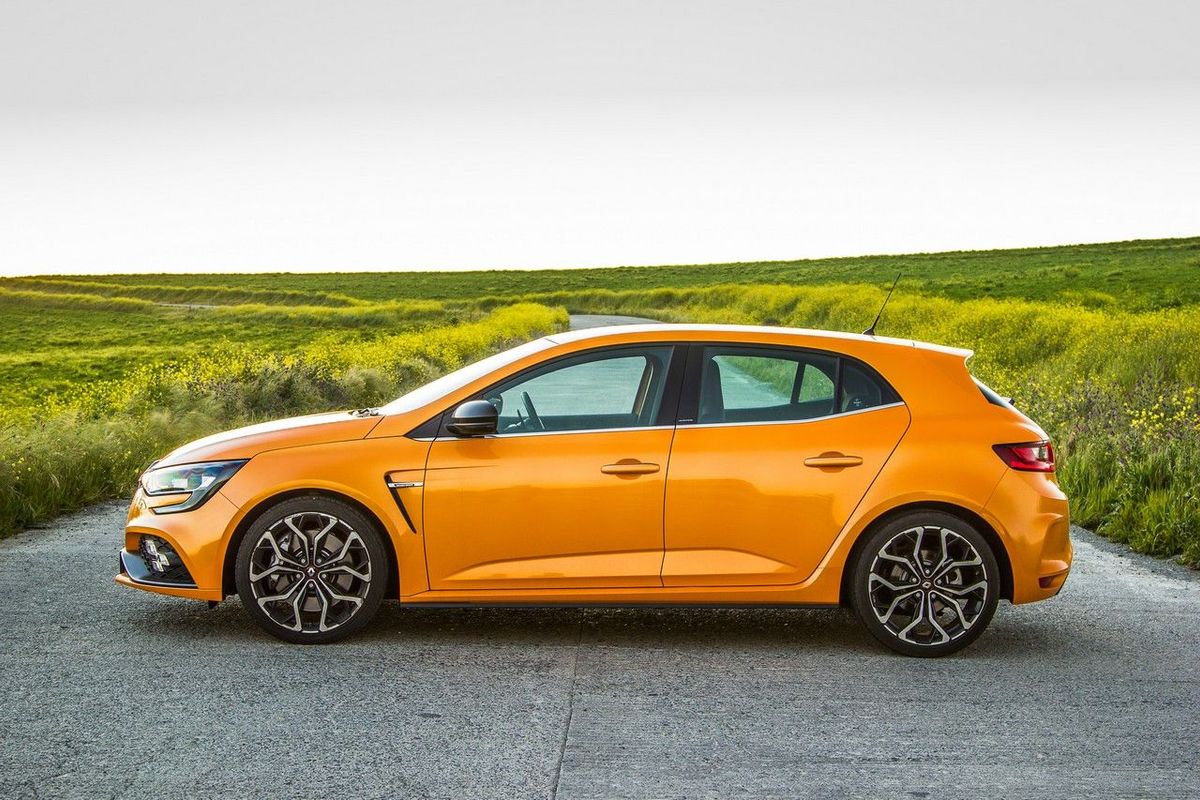
We think the Lux will be the more popular of the two derivatives, thanks to its softer ride and ease of use automatic transmission. It's just as well, then, that its the "softer" RS derivative that we're testing here. Before we get stuck into the details, first impressions count for so much and visually, the new Renault Megane RS280 Lux delivers on-road presence in spades. The vibrant yellow paint sells the package as a whole, but it's the details, such as the big central exhaust, numerous vents and aerodynamic aids, and our favourite, the RS logo-shaped daytime running LEDs/fog lamps that have us salivating. The Megane RS is a vehicle that will be quite an impressive sight in other road users' rearview mirrors.
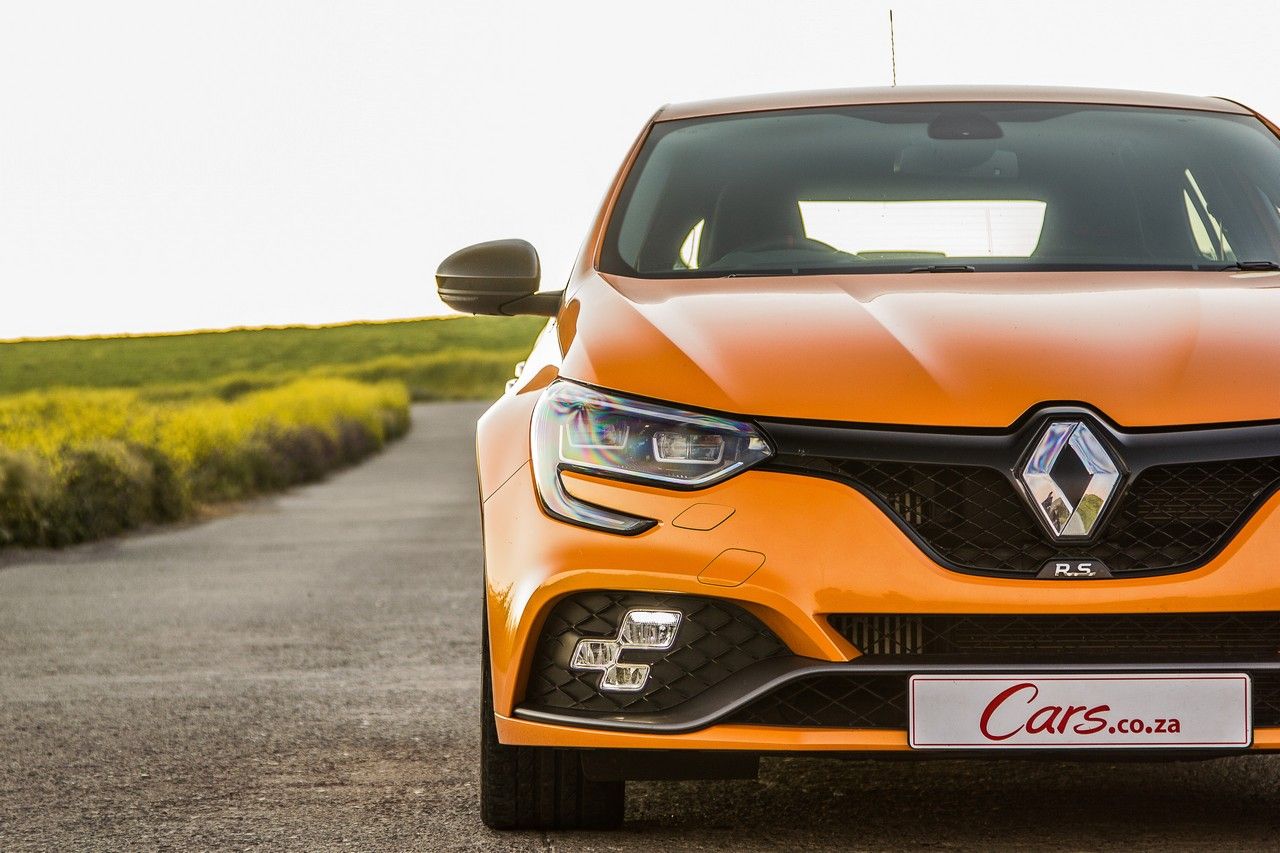

The flared wheel arches, vivid paint finish and RS logo fog lights are imposing

The good stuff

Performance

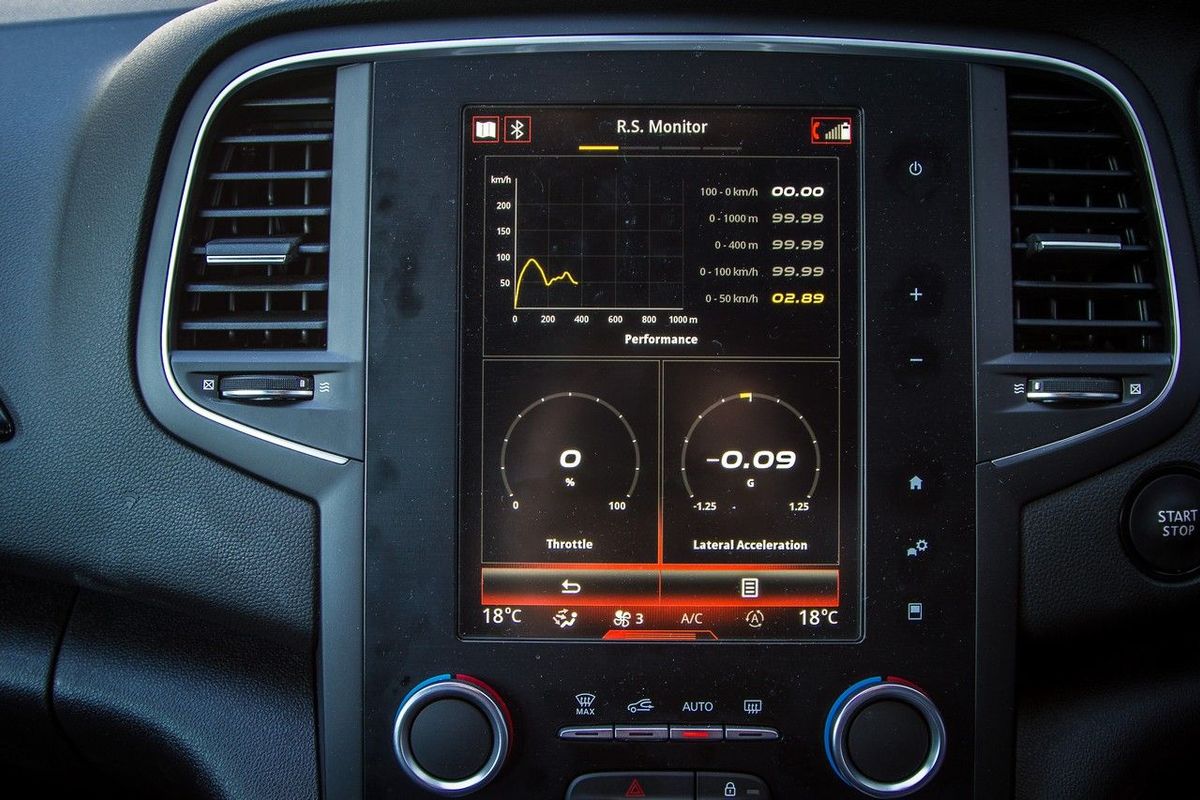
The new 1.8-litre engine (shared with the new Alpine sportscar) is a masterpiece. Usually, downsizing has negative implications, but there's more power and torque which is appreciated in a performance hatchback. Renault claims a 5.8 second sprint time to 100 kph and thanks to the RS monitor (see below) and launch control, we were able to time our test runs and came very close to matching the factory time. With a sweet 6.15 seconds to 100 kph on the display and the confidence knowing you're comfortably ahead of both the Volkswagen Golf GTI and Ford Focus ST in acceleration prowess, the Renault Megane RS 280 ticks the box marked 'straight-line antics'. 

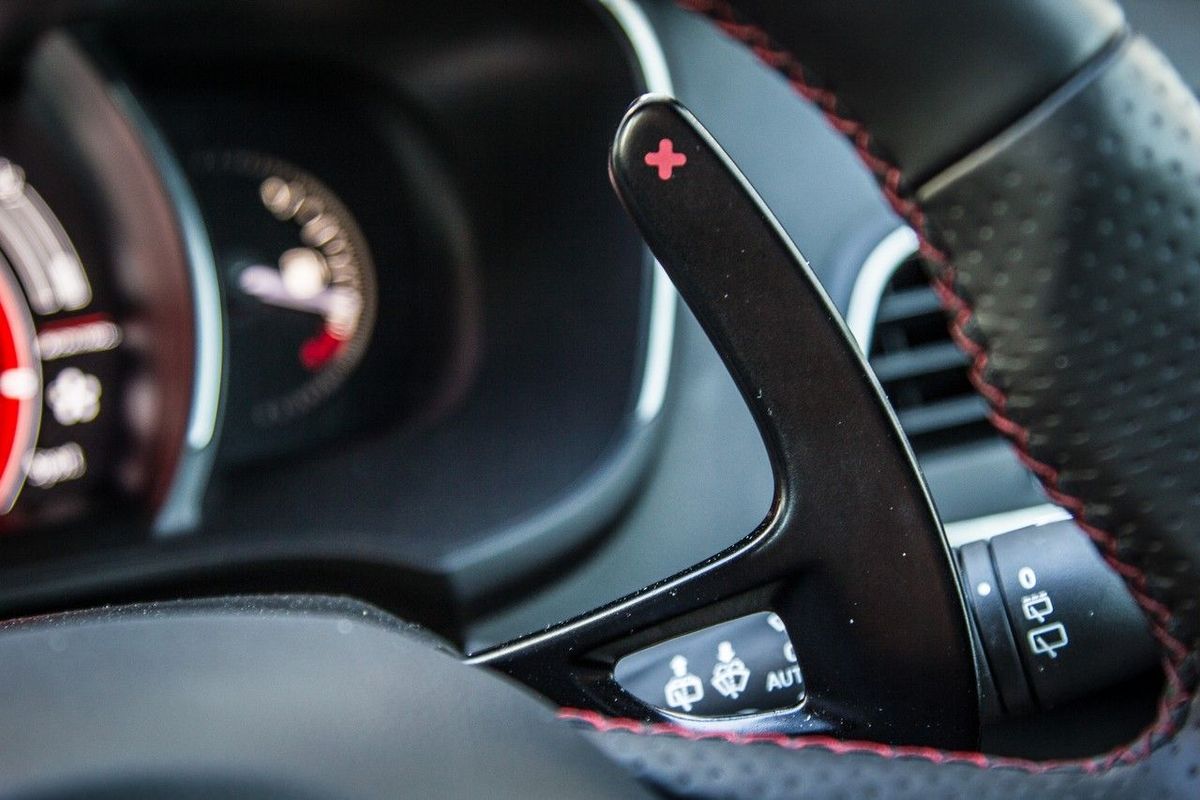
Engage the RS mode and in Sport and Race modes, the exhaust opens up and each gearshift is accompanied by a terrific bang that scares other road users. We're pretty sure that pulling off a gunshot gearshift like this next to a traffic officer would result in a routine stop, but we don't care. Hot hatches are supposed to be about theatrics, entertainment without sacrificing day-to-day comfort. Annoyingly, there's some artificial drone coming through the speakers in the sportier modes. We're happy to report that this EDC gearbox is better than that of the one found in the Clio 4 RS. Sure, the paddle positioning isn't perfect as it is mounted to the column and not the wheel, but there's more than enough feedback and tactile feel to satisfy.
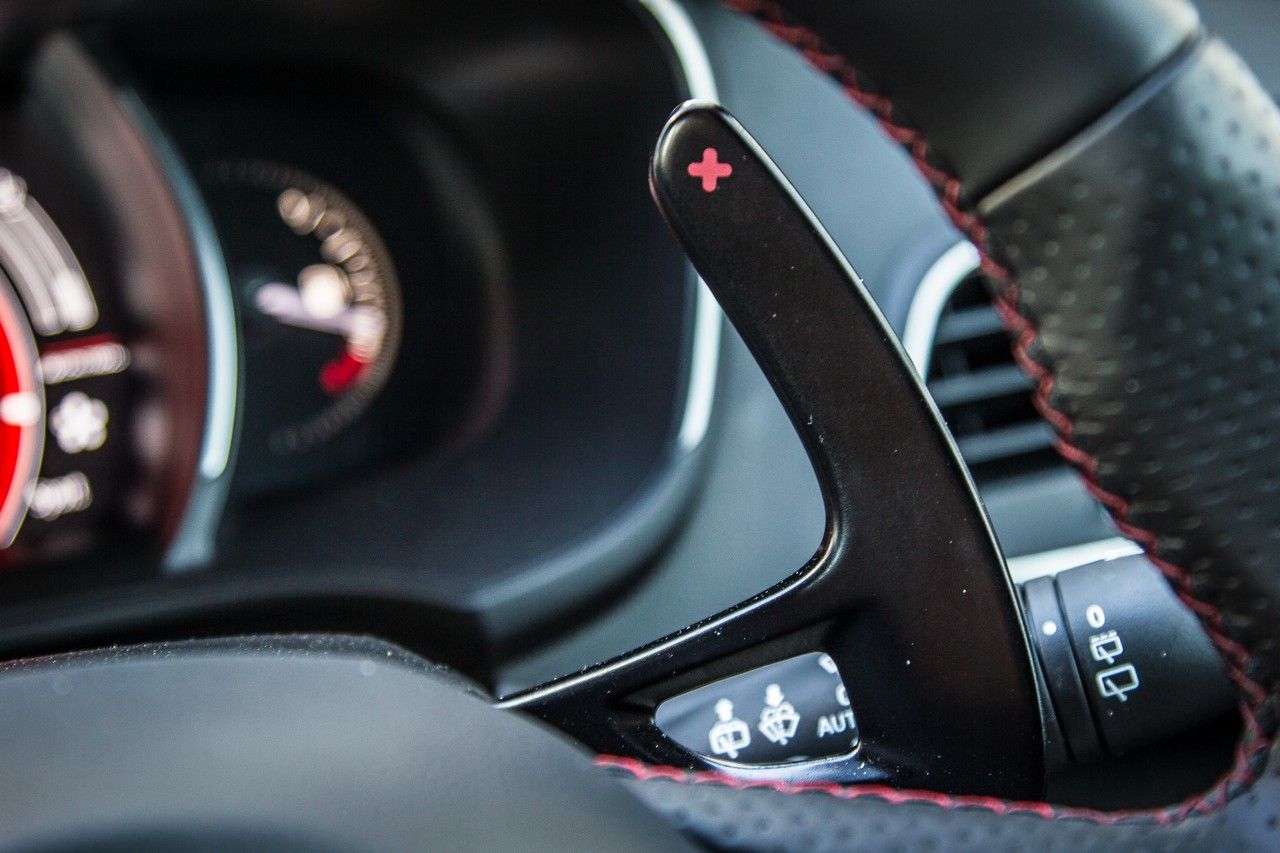

The gearshift paddles are nice to use, but unfortunately are mounted to the column, as opposed to the wheel

Handling

The key changes in the handling stakes is the addition of 4-wheel steer and hydraulic suspension bump stops, which Renault best describes as a 'damper within a damper.' This softer Lux derivative makes do with an electronic torque vectoring system in comparison to the more track-focused Cup, which has a full-fat mechanical slip differential. As clever as the former system is, it just doesn't offer the sort of track carving ability, you'd have to drive the Cup derivative if you're obsessed with precision driving. A past fault of previous Megane RS models was the hard ride quality, even in the Lux derivative. This new model softens things up and even with the optional 19-inch alloys, the ride is never crashingly firm.
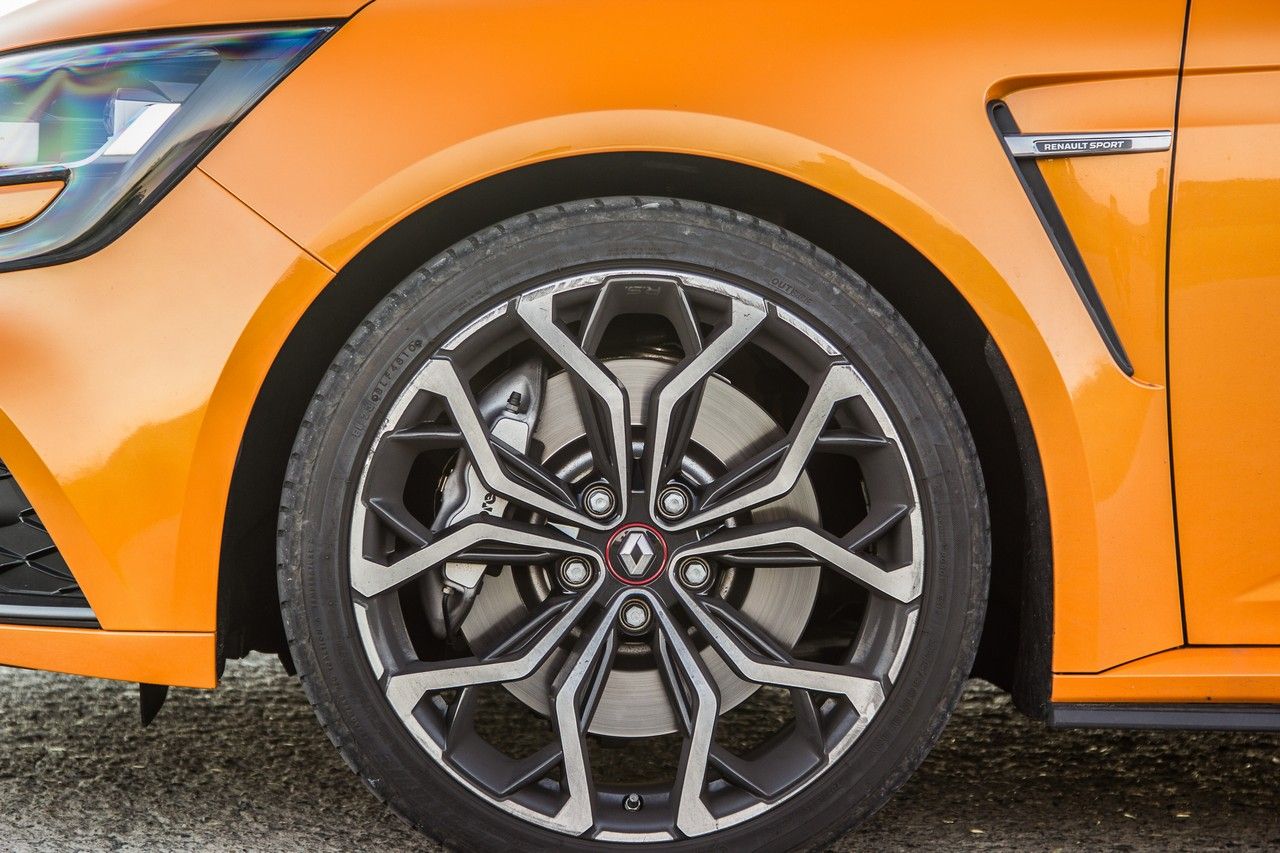

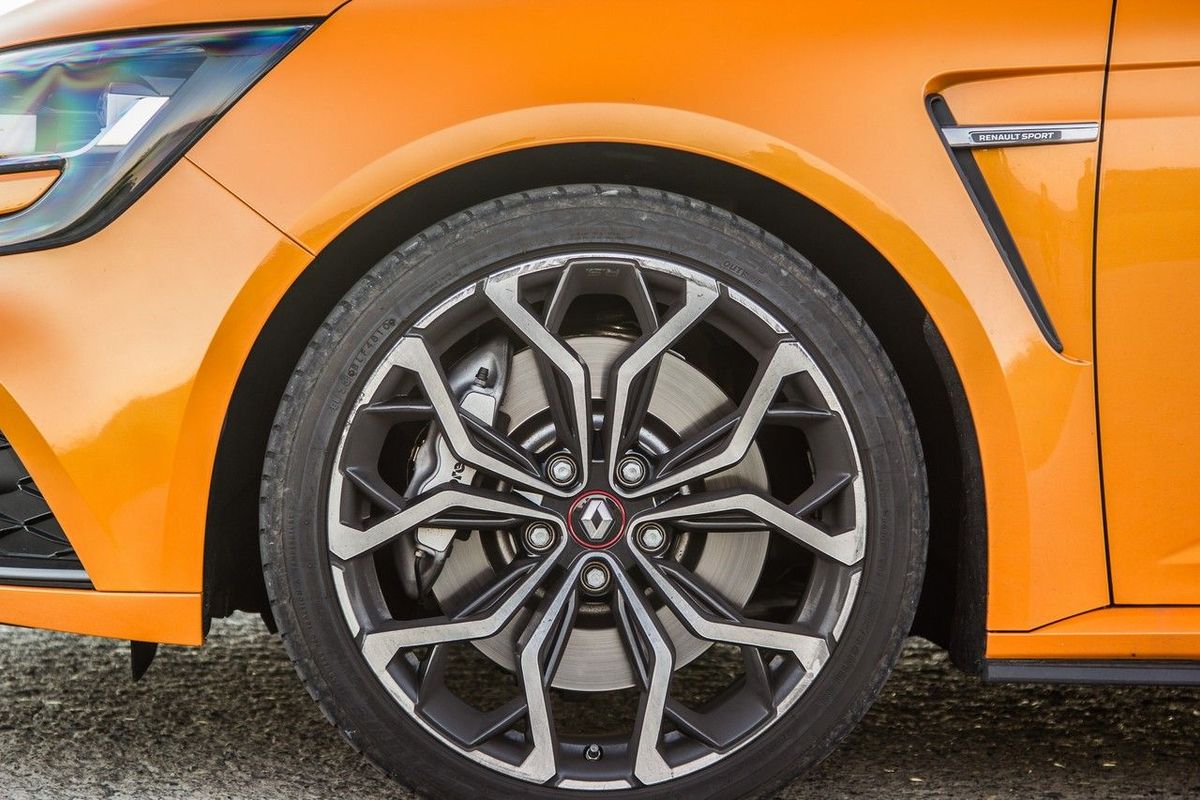
These are the optional 19-inch alloy wheels (which come standard with the Cup model). Note the big Brembo brakes and brake vent

We will admit that the 4-wheel steering setup (4Control) caught us off guard many times. You'd fly into a corner only to find you had turned in too early, thanks to the back wheels working their angles. Get it the cornering right and the Megane rotates beautifully, and you can even provoke it into some completely manageable tail action, which sounds a lot like it bends the laws of physics for a front-wheel-drive hatchback. It's clever tech though and it works at low speeds by turning the rear wheels in the opposite direction to the front wheels. Once you're over 60 kph (or 100 kph in Race mode), all 4 wheels turn in the same direction.

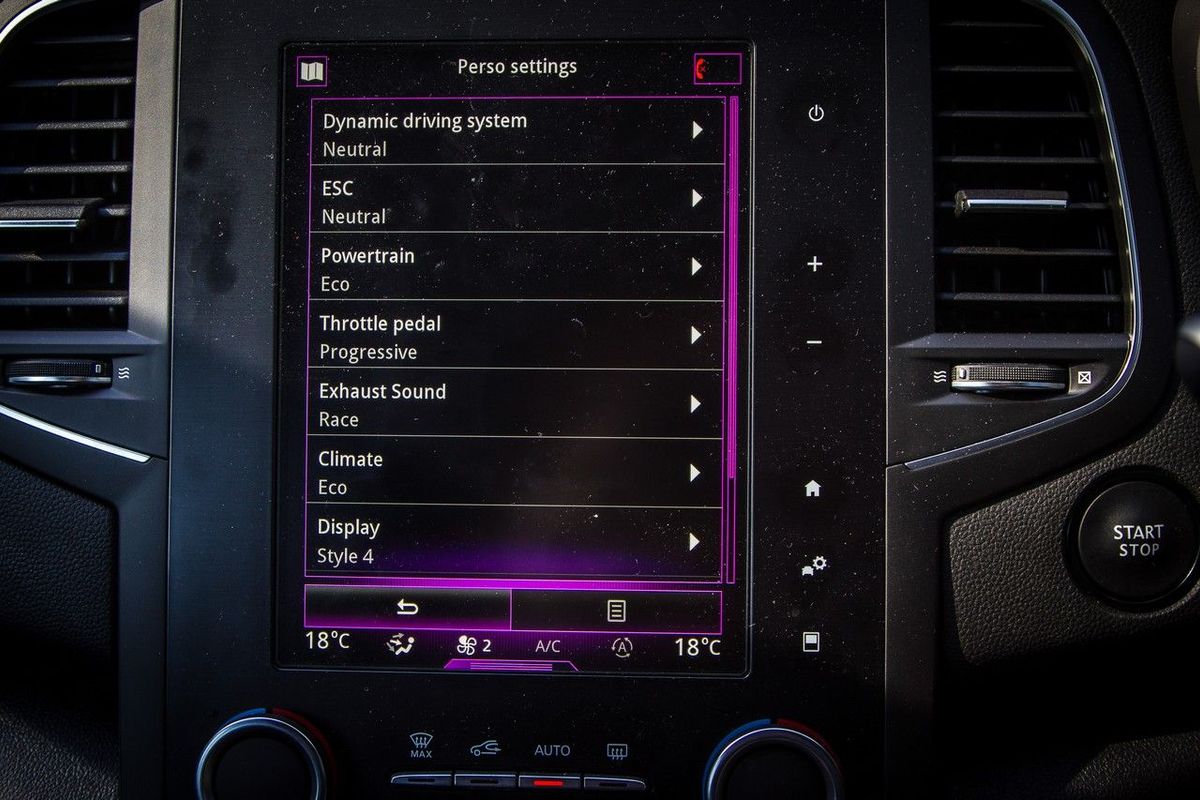
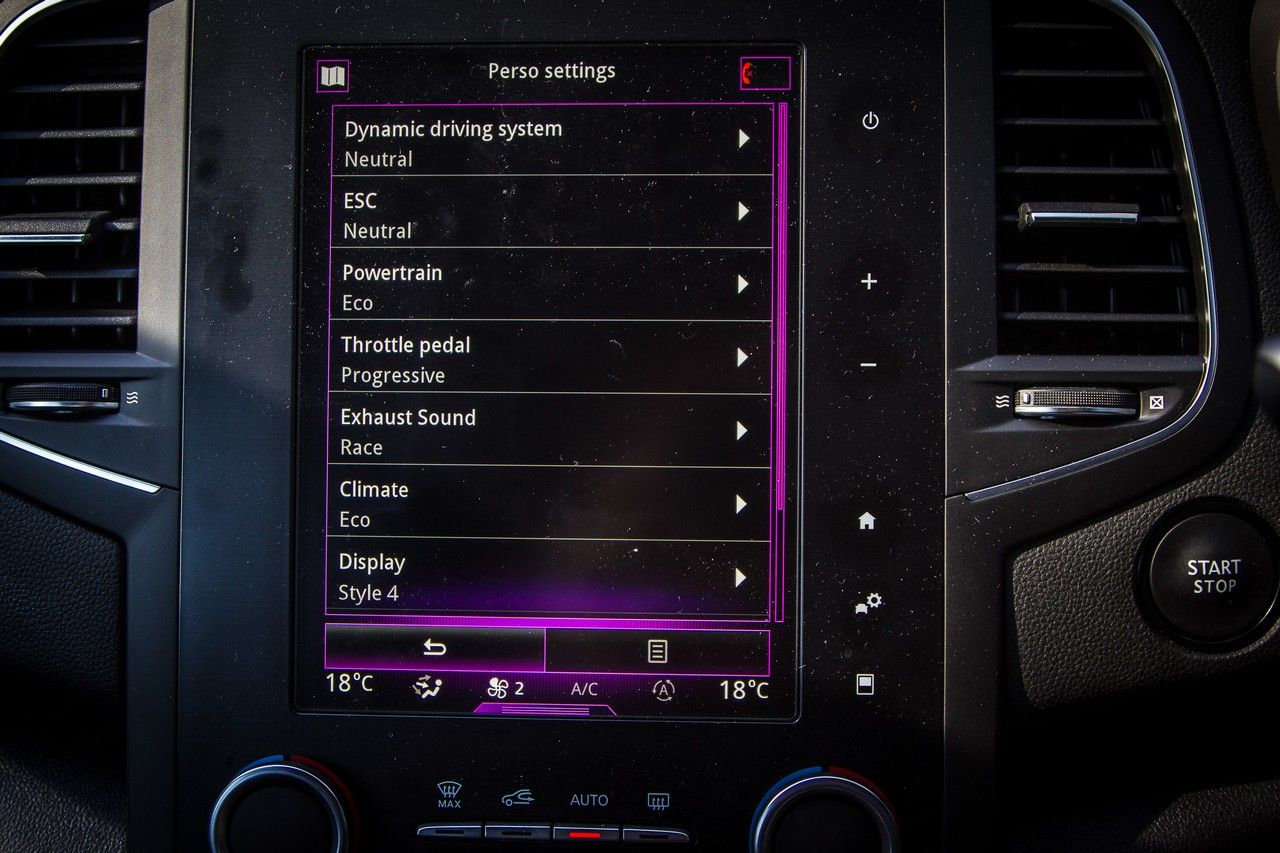
What's particularly interesting is that if you dig into the different driving modes like Perso, you can actually adjust the 4Control behaviour and powertrain responsiveness, and much more.
The steering setup is not quite as precise as the previous-generation Trophy, but we're happy to let this slide as this the comfort-focused model after all. That being said, it delivers credible feedback, is accurate and is quick to respond. Also, you won't need much lock to turn, irrespective of the tightness of the corner. With all that pace, you're going to need some serious stopping power and it's in abundance thanks to big 355 mm Brembo anchors. There's not much pedal travel and you can stand on them hard, bringing the Megane RS 280 to a prompt stop. When you deploy full anchors and call upon ABS, the hazard lights come on automatically.

RS Monitor
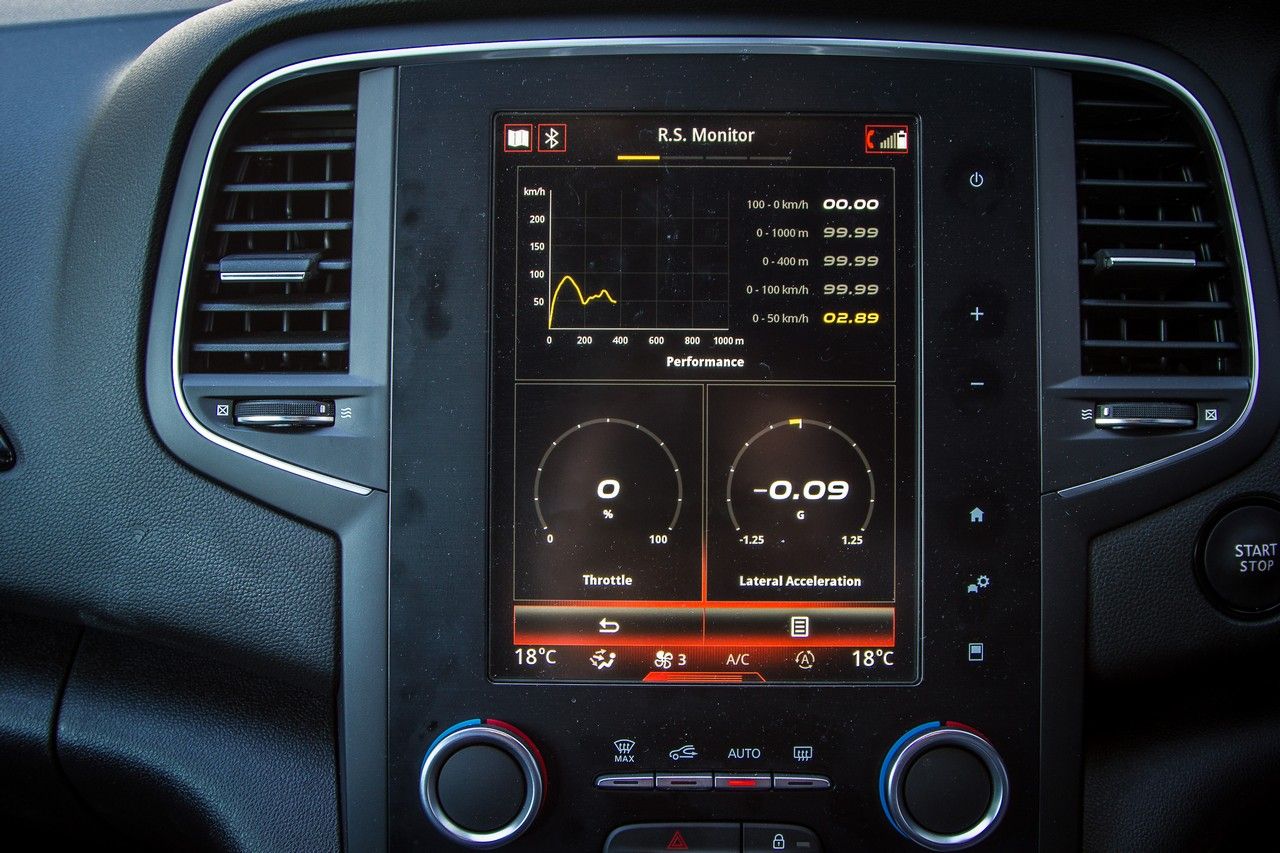

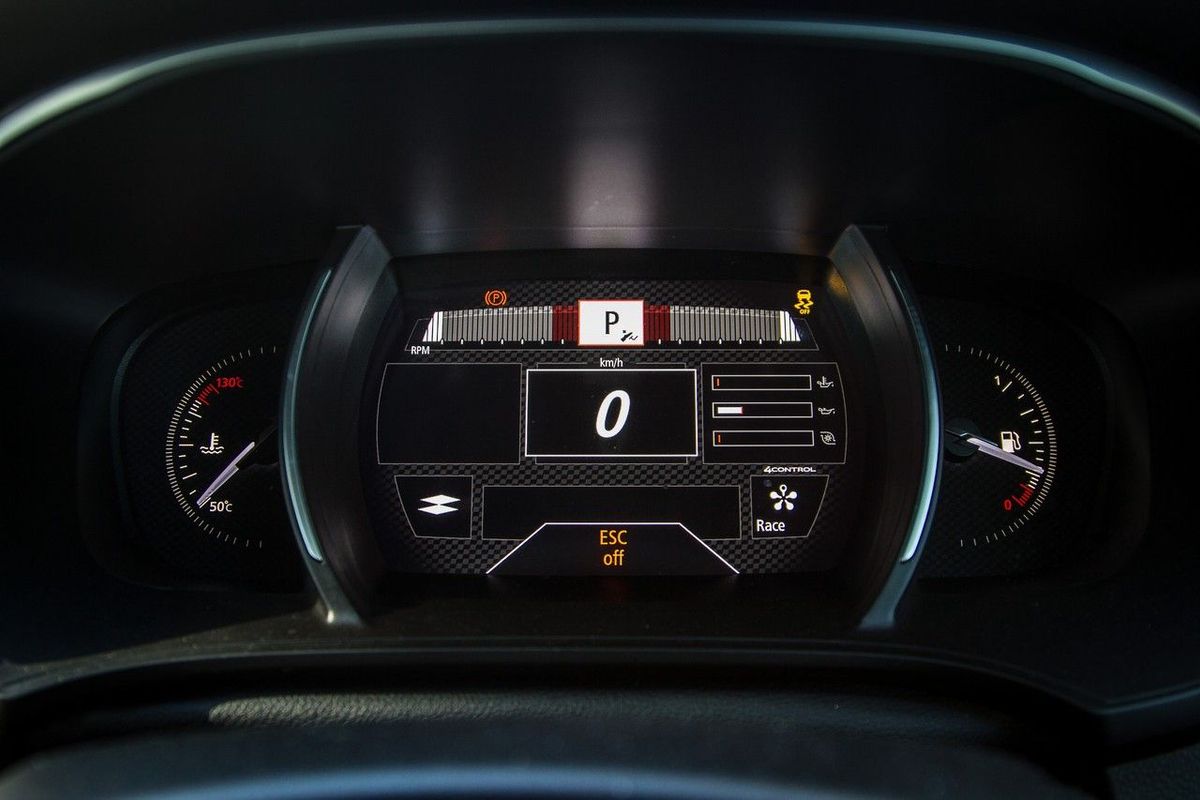
The second generation RS Monitor takes telemetry and performance data to the next level

We loved the previous version of the RS Monitor in the 275 Finale and Clio RS. However, Renault has taken it up a notch with this new-look performance system.  It's essentially a telemetry system and features things like a lap timer, with memory function; performance data (acceleration times, g-force), data for the main engine functions, including oil temperature and brakes plus real-time engine performance data (torque, power etc). If you into raw data and consider yourself a driving nerd, the new generation RS Monitor will be right up your alley.

Standard features

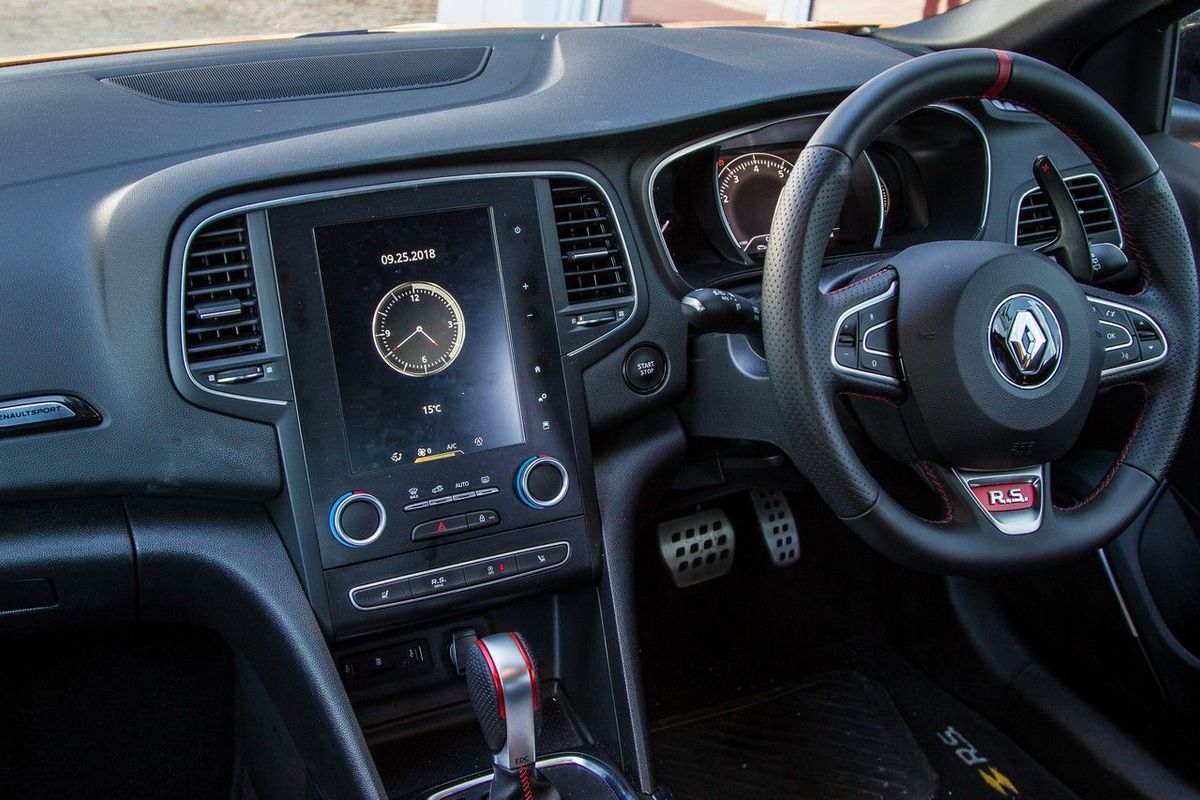
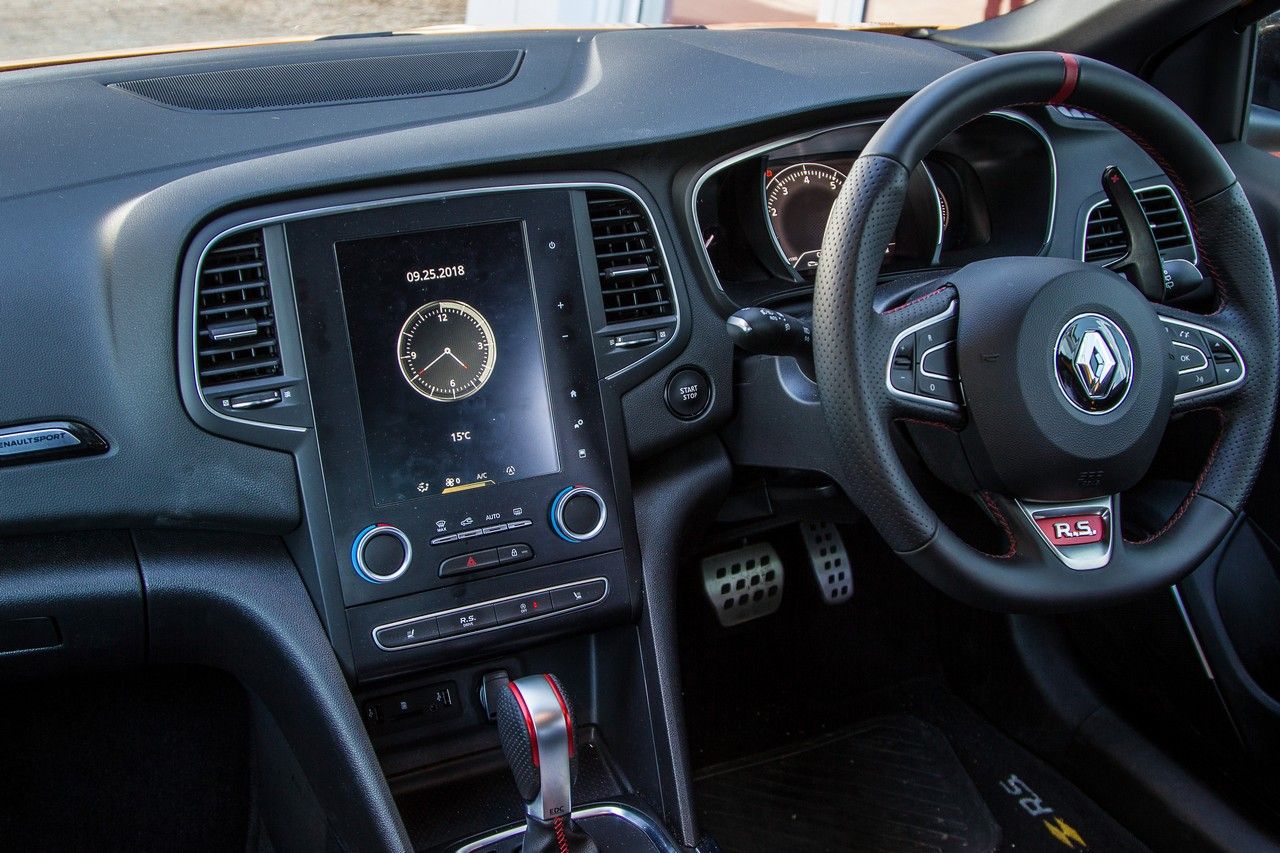
The list of standard features at this price point is incredible. In fact, the only options are the RS-specific metallic paint and 19-inch alloy wheels. There's tyre pressure monitoring system, rear parking sensors, cruise control / speed limiter, rain and light sensors, heated front seats and a comprehensive infotainment setup. This includes satellite navigation, Bluetooth connectivity, USB/Aux inputs and Android Auto/Apple CarPlay.
The not so good

Rear legroom

Despite the move to a 4-door practical shape, the rear passenger area is not the most generous. If you're a tall adult, you're going to battle with legroom and headroom, and it feels a bit tight in the back. The boot, however, makes up for things and is almost up there with the segment-leading Honda Civic Type R in terms of space. 

Pricing and Warranty

The Renault Megane RS 280 is available in 2 flavours: Lux EDC and Cup manual. Both cost exactly the same amount at R549 900. The Renault Megane will be sold as standard with a 5-year/150 000 km mechanical warranty, a 5-year/150 000 km service plan (with service intervals at 15 000 km intervals on the core range and 10 000 km on R.S. models) and a 6-year anti-corrosion warranty.

Verdict
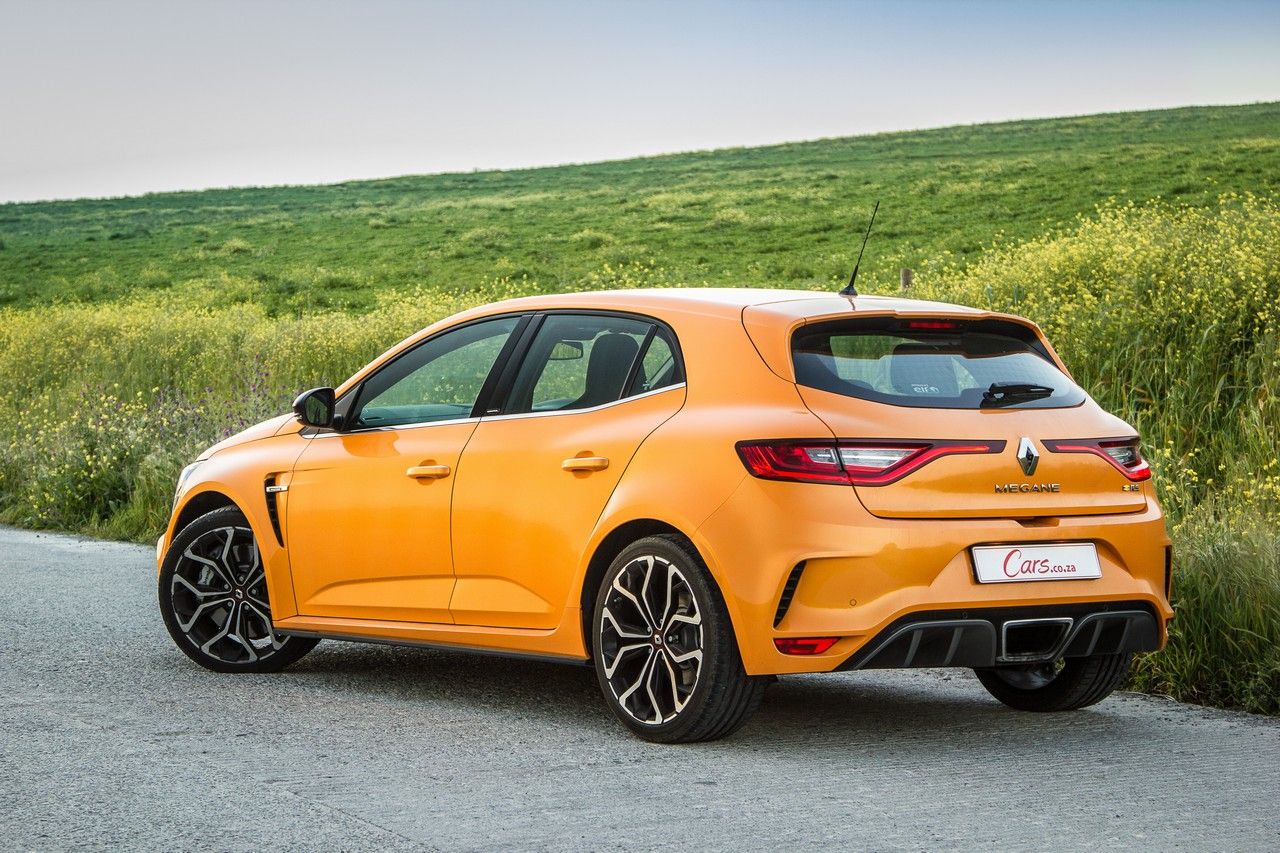

The Renault Megane RS 280 Lux: Fun, without too much compromise. Want some more craziness? Wait for the Trophy?

The Renault Megane RS is one of those cars that has to set the benchmark for dynamism – if not in its segment, then certainly at its price point; each successive model is expected to pull off a repeat performance. Can this 4th-generation Megane RS satisfy hot hatchback purists? "Effortlessly so", is the short answer. Which is a relief because, with the switch from Clio 3 RS to Clio 4 RS, Renault's hot supermini lost some driver engagement in the pursuit of user-friendliness. Many feared the Megane RS would suffer the same fate. The last Megane RS275 Finale was a majestic driving tool, which was compromised owing to manual-only 2-door hatchback packaging. Megane 4 RS addresses these compromises, and much more.

Yes, the addition of a 5-door body style has made the RS a practical proposition, which hadn't been the case since the 2nd generation RS 225. Practicality and day-to-day driveability are but 2 reasons why the Volkswagen Golf GTI is rampantly successful in the compact hot hatch segment and while we all dream of setting front-wheel drive lap records on race circuits, the cruel reality is that these cars will often be required to patiently creep through gridlocked traffic with the kids buckled up on the rear seats. The Megane RS280 Lux's automatic is certainly a boon in that regard and besides, the availability of numerous driving modes means you can easily switch from Commute mode to full-on GTI hunter at the touch of a button. And, when you're not pressing on, this derivative of Megane RS is not only quite socially acceptable, but its overall refinement is quite satisfactory.

Driving enthusiasts and RenaultSport traditionalists will bemoan the "dynamic softening" of the Megane RS 280 Lux, but they can look to the more-focused Cup version, which we've yet to drive, and for those who want the ultimate Megane RS, the Trophy derivative, which has even more power and is specifically engineered to attack lap times, will be coming in the 3rd quarter of 2019. As an opening salvo for the 4th generation of the Megane RenaultSport in the South African market, the Lux offers sufficient driving thrills complemented by a host of talents that broaden its appeal.
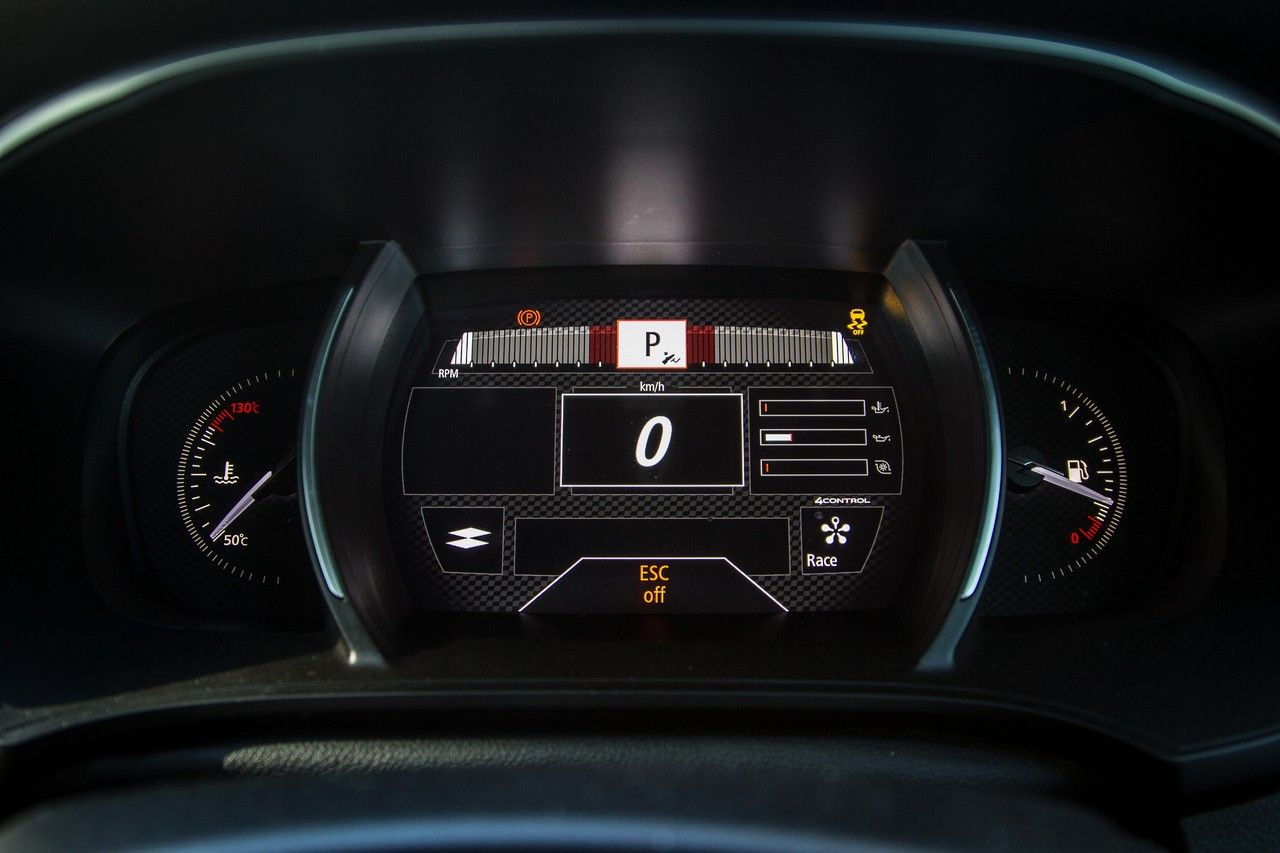
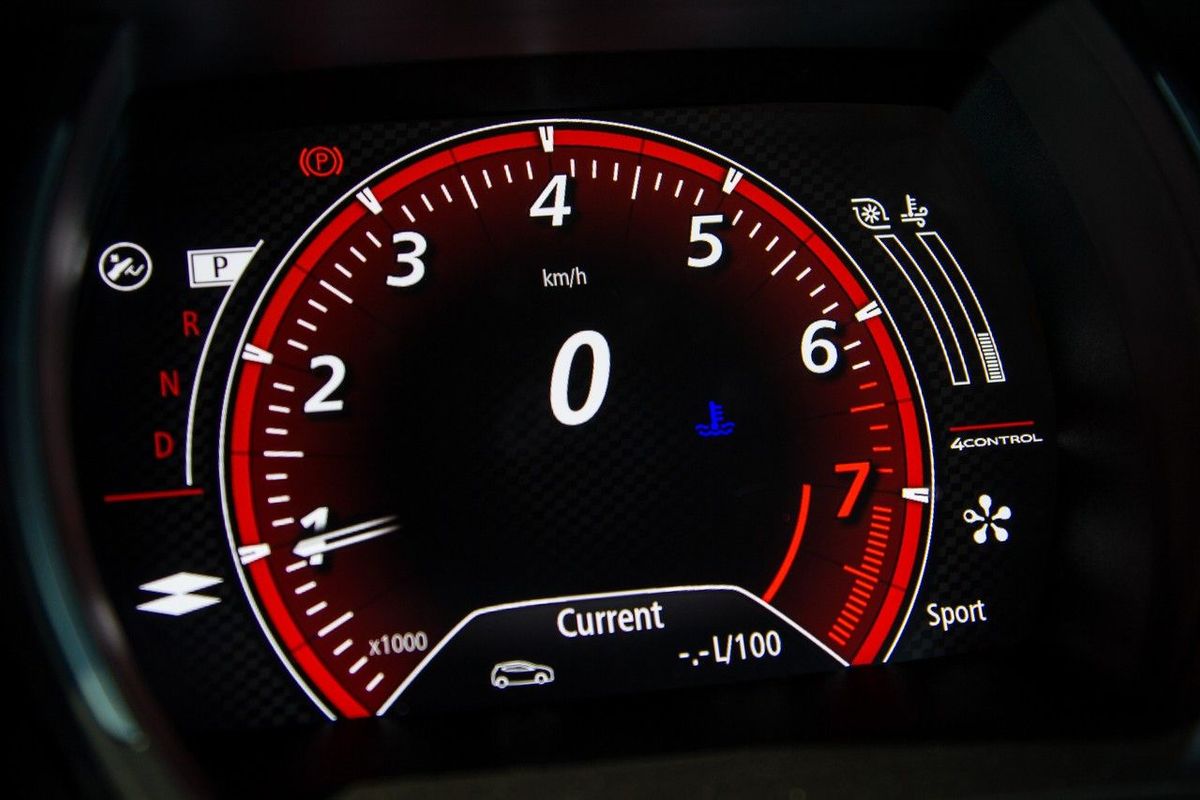
The part analogue / part digital dashboard is crisp and clear, and offers different themes. This readout is in Race mode

Alternatives (click on the names for specification details)

Volkswagen Golf GTI

The segment's bestseller is priced in a similar bracket to that of the Megane, but substantially down in power and performance by comparison. It also lacks driving thrills and doesn't feel quite as special as its iconic nameplate suggests. Still the most complete offering, though.

Ford Focus ST

Although its production was recently discontinued because of the imminent arrival of a new generation Focus, the ST's 2.0-litre turbo is closer in terms of outputs and performance to the Megane RS than the Golf GTI. As an overall package, it's pretty impressive if you consider that it's R50k cheaper than the Renault. How appealing is a car that will soon be obsolete, however?

Honda Civic Type R

It currently holds the Nurburgring record for front-wheel-drive hatchbacks. While some may not like its outrageous styling, we believe its appropriate and besides, it's more practical than you'd expect. Its 2.0-litre engine produces 228 kW and 400 Nm, making it a little bit more powerful than the RS.

BMW M140i

The turbocharged 3.0-litre 6-cylinder BMW brings something extra to this party by having rear-wheel drive. It is getting a bit long in the tooth and is due to be replaced by an all-new BMW 1 Series in the near future.

Looking for a new/used Megane to buy?

Find one on Cars.co.za today by clicking here
Related content

New Renault Megane (2018) Specs & Price

Renault Megane RS: 5 Rivals To Beat

Renault Megane RS Trophy Ups the Ante

New Renault Megane RS Lux: Does the new 4-wheel steering really work?

BMW M340i xDrive (2019) International Prototype Drive

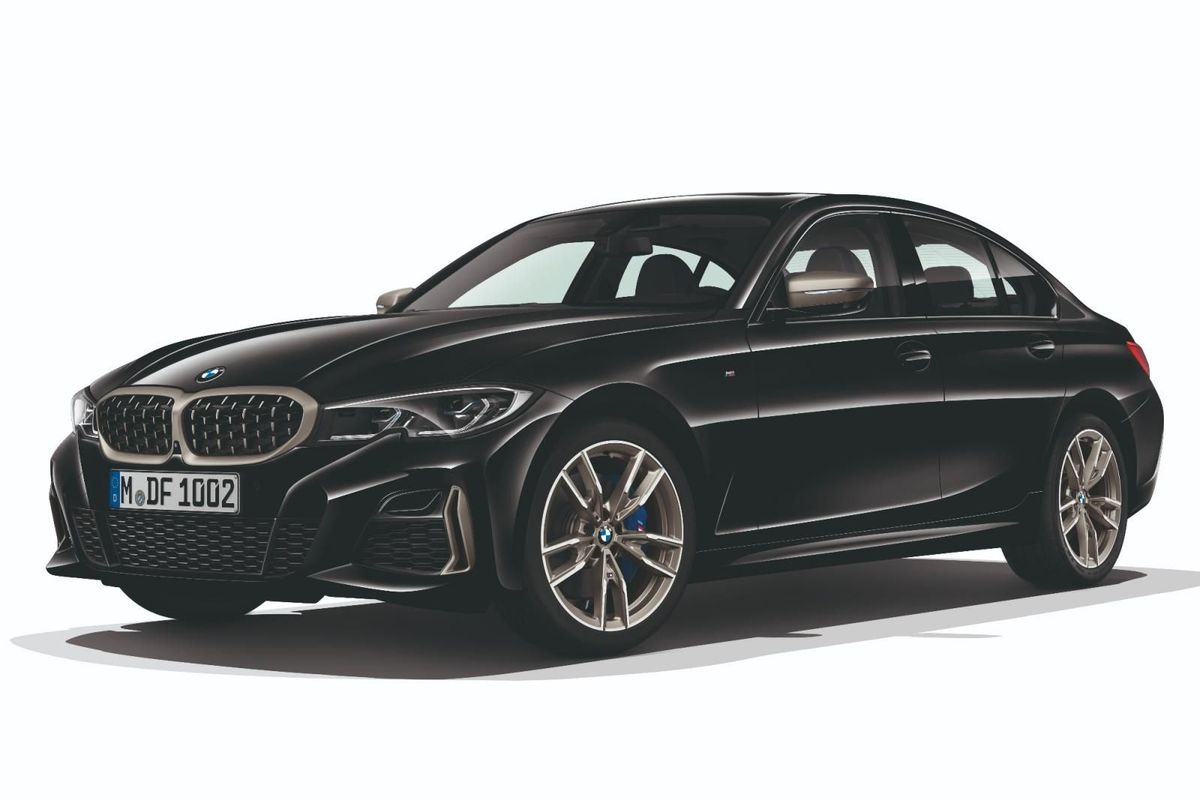
The M340i xDrive will slot into the new BMW 3 Series line-up between the top of the 4-cylinder cars and the next M3. Featuring far more than just casual input from the brand's M Division, as well as the only 6-cylinder engine in the new G20 range, it's the one that will get driving enthusiasts salivating. Is it as good as BMW claims it is?

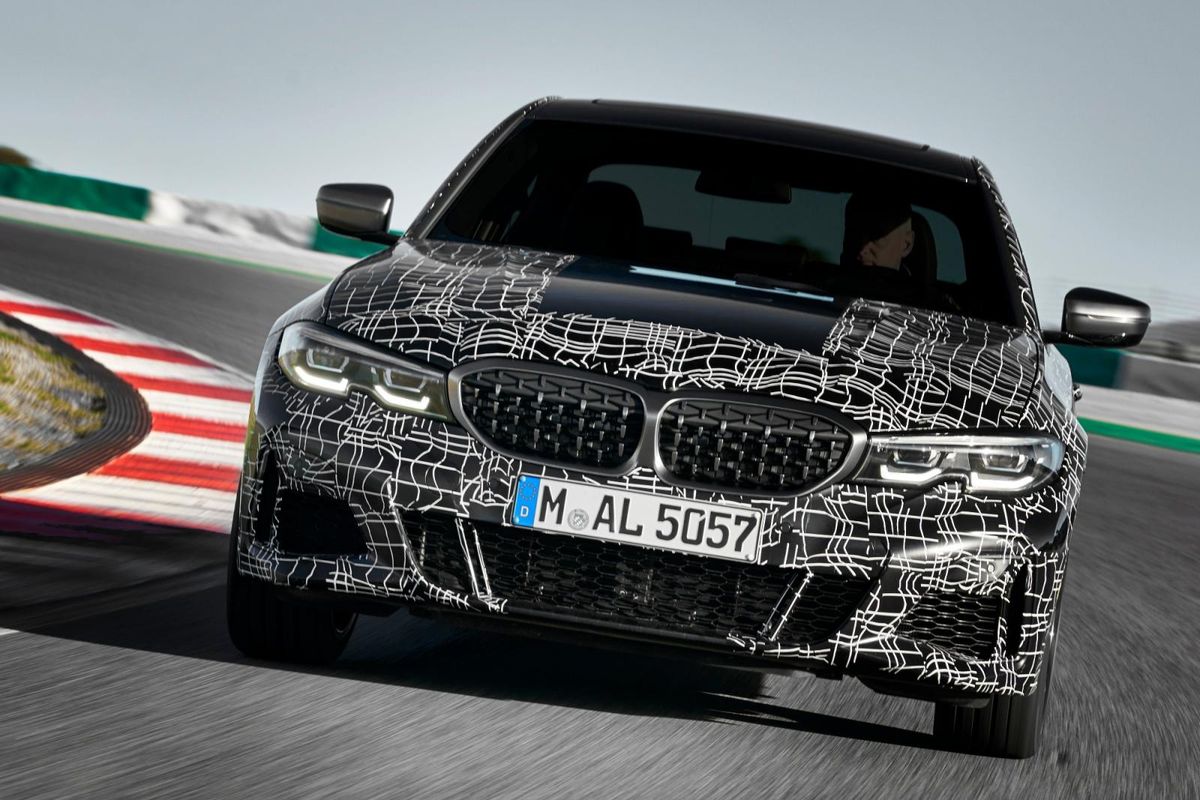
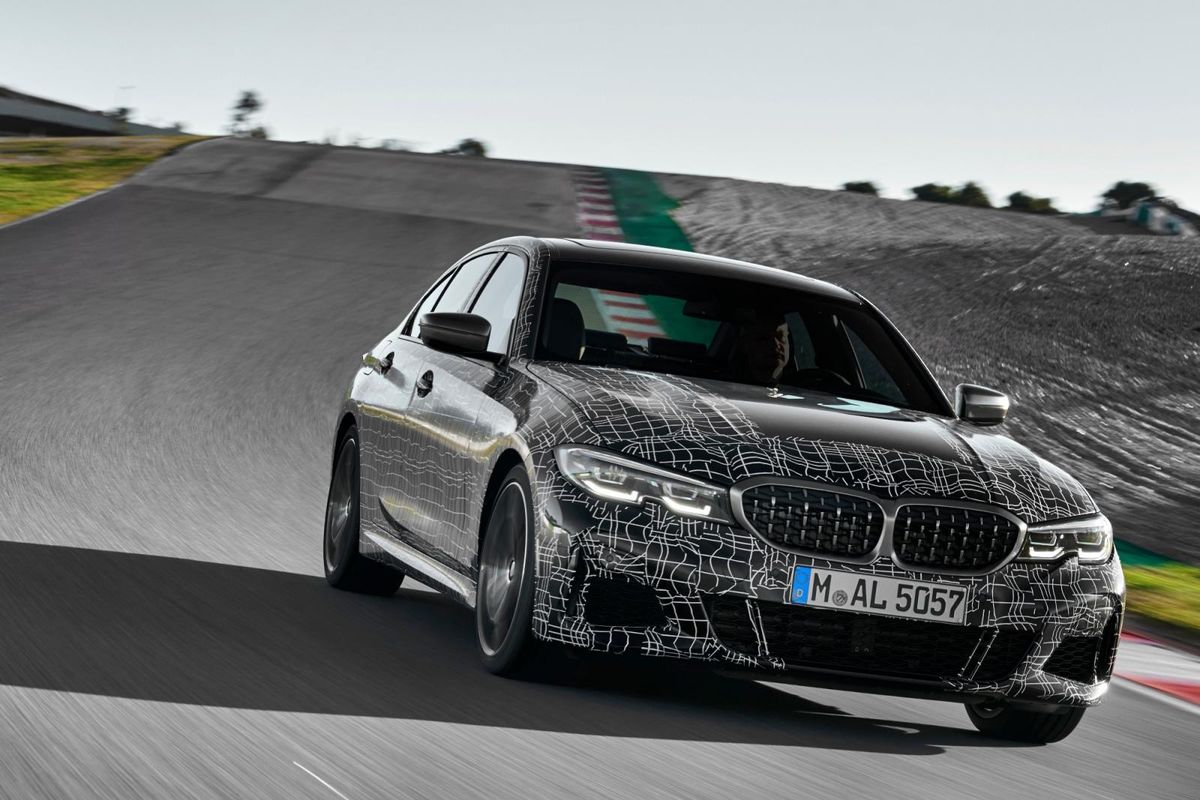
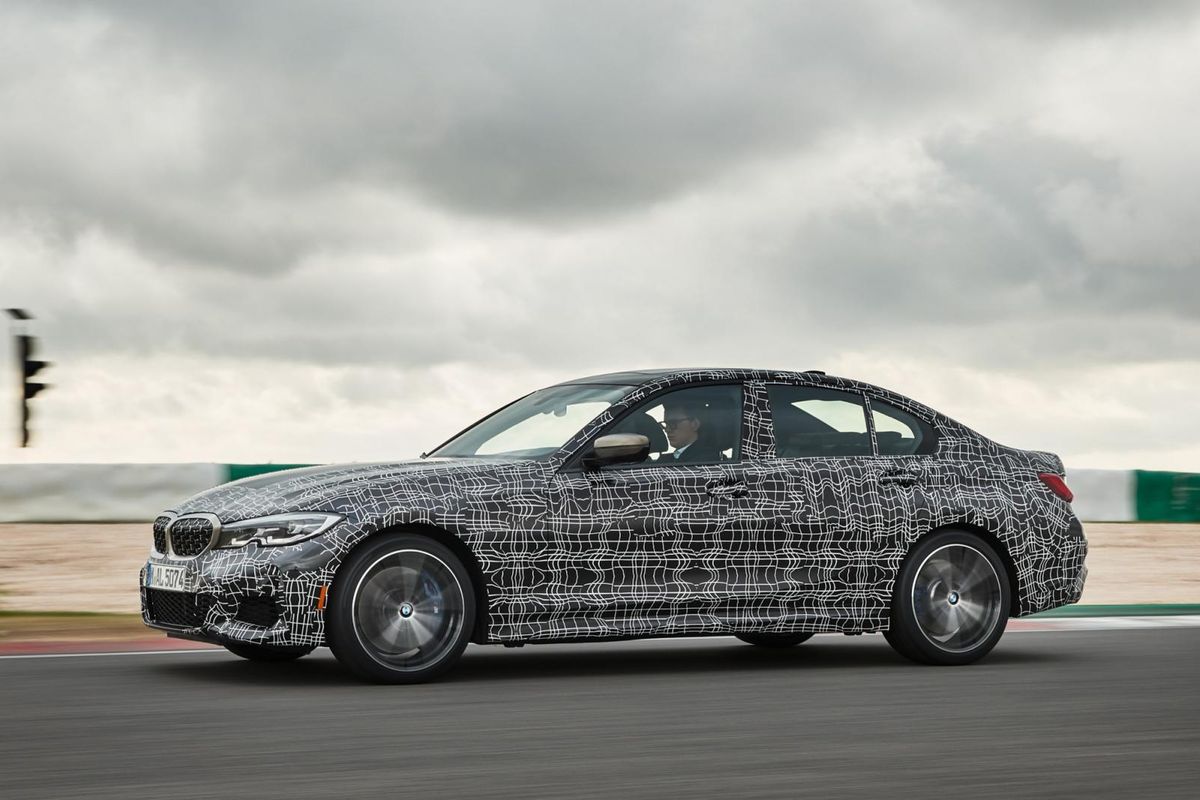
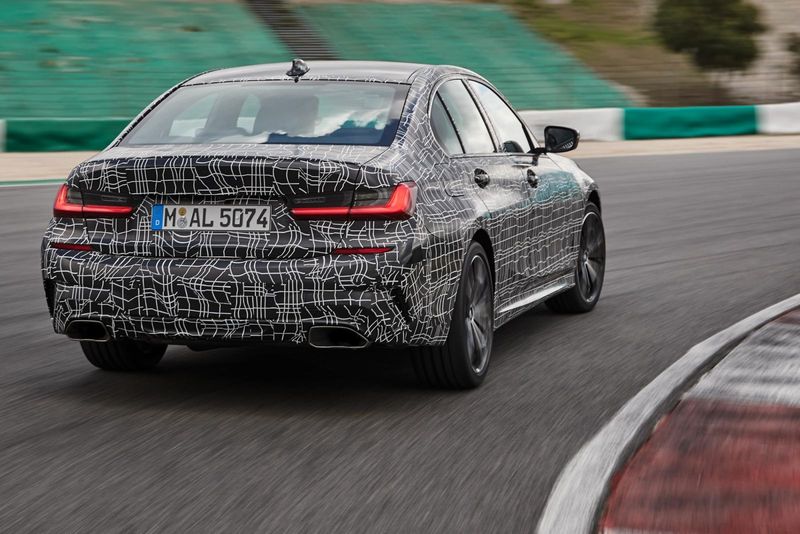
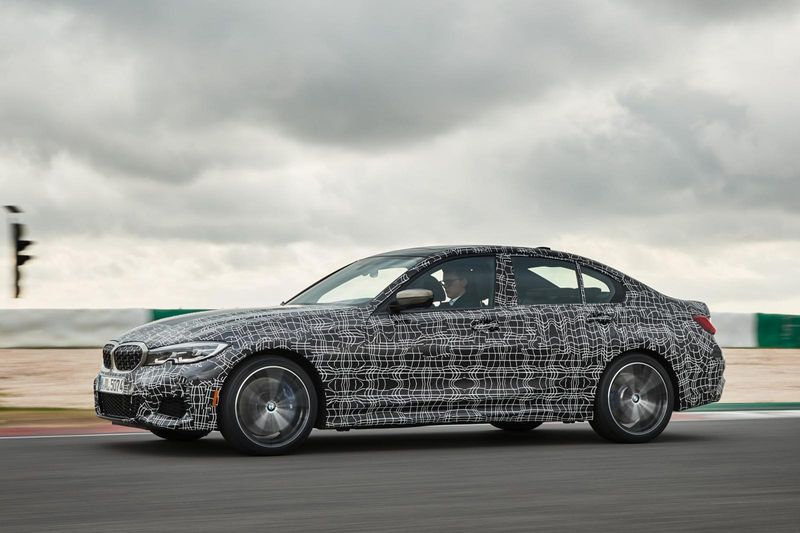
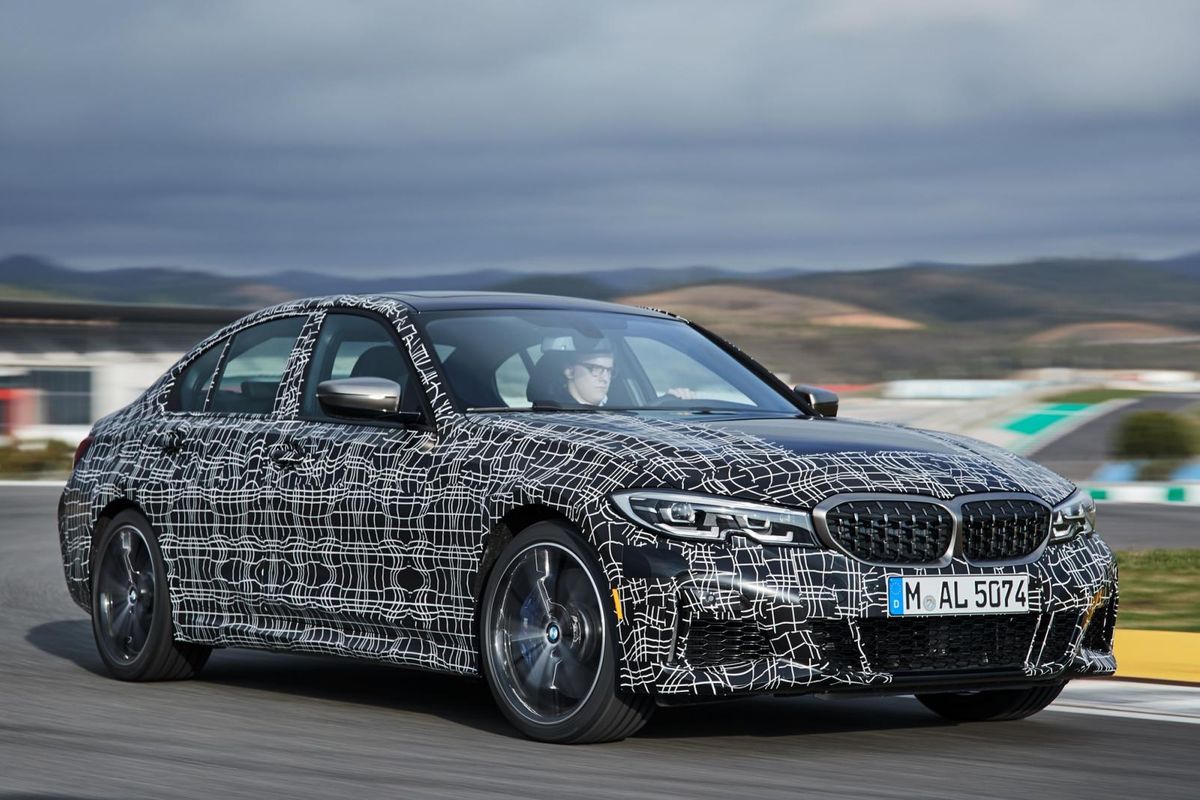
Well, that question can't be answered completely… yet. You see, the car we were asked to fling around the challenging Portimao circuit in Portugal was but a prototype. Driving a car on a track is a different story to the road and we will have to wait a while before the latter's going to happen. Also, we were not allowed to completely switch out the stability control system. Nevertheless, trying to follow an "enthusiastically" driven manual M2 Competition, piloted by none other than the Head of BMW Driving Dynamics, Dutchman Jos van As, was an illuminating – and fun – experience. 

It's not an M… but it might be all the M you'll ever need


Sharp responses, strong brakes and linear, strong power make the M340i xDrive both easy and fun to drive fast.

The M340i xDrive is the first M Performance 3 Series variant, ever. Think of it as a bridge between your "mainstream" 3 Series cars, and the full-fat M3/M4. As you may have noticed in my G20 first drive report earlier this week, the new car is a very solid base to work from when creating a performance-oriented car. The tracks are wider, the centre of gravity lower and the suspension mounting points stiffer. For the M340i BMW has not held back when it comes to dishing out its best tech – the M340i xDrive gets M Sport suspension (adaptive damping remains an option), variable sports steering and M Sport brake system as standard. Also included, you'll be happy to hear, is the M Sport differential, 18-inch M light alloy wheels (19-inchers are optional) on mixed tyres and… xDrive all-wheel drive.

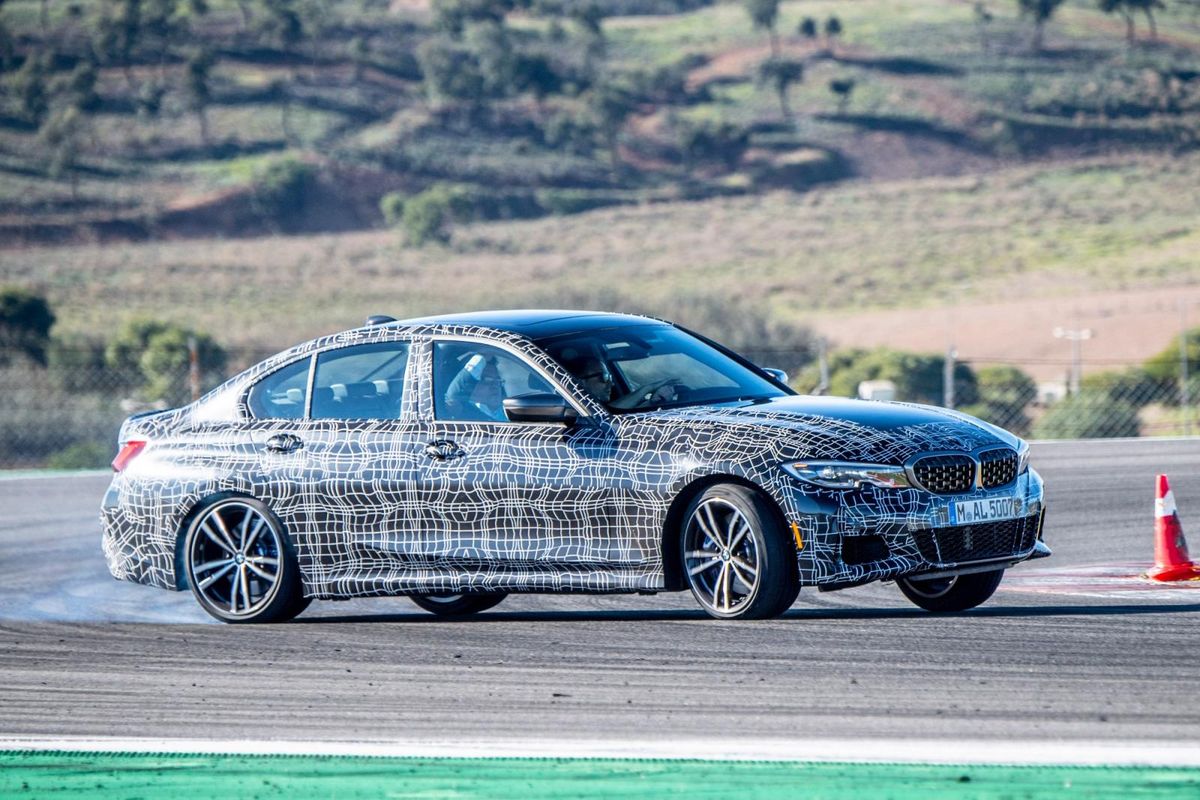
The latter item is of particular interest, seeing as it's the first xDrive 3 Series that will reach South Africa (curiously, only America will get a rear-wheel-drive version of the car). But don't stress… BMW's M Division has proven that it knows how to counter the effects (weight etc.) of the additional hardware on the front axle by clever tuning. So, in most instances the xDrive system will prioritise rear-wheel drive anyway, only shifting power to the front once traction limits are reached at the rear. It can move up to half of the power to the front axle, BMW claims. Theoretically, and when driven with vigour, the M340i should respond to vicious throttle application out of a corner by letting the rear tyres light up for the briefest of moments (accompanied by a slight slide allowed in Sport and Sport+) before power goes to the front to help pull the car through the corner. 


Wider tracks, longer wheelbase, stiffer suspension mounting points and a lower centre of gravity – all good things for a performance car.

Indeed. Driven in its sportiest mode (but without deactivating the stability systems completely), I dive into one of Portimao's frightening corners at the exact moment that Van As in the M2 Competition gets it completely sideways in front me. I back off the throttle momentarily and then hit the gas as I regain my focus. The back-end of the M340i xDrive let's go for a glorious moment or two, which allows me to steer (admittedly very briefly) on the throttle before the Bimmer pulls straight and slingshots out of the corner with a mighty burst of acceleration.

This is a very, very fast car – one that makes even relatively hamfisted driving look good, or at least more skilled than they are. I don't usually say this kind of thing, but I am very keen to drive the M340i xDrive without the electronic nanny peering over my shoulder.

Surprisingly for a track experience, we get to do a fair number of laps, and while Van As said we were going to have a relaxed warm-up and slow cool-down, he was pretty much tail out on every corner right from lap one. Portimao is an extremely difficult track with a particularly tough, long final corner that requires a fair amount of confidence. The extra fast laps were necessary, in the end, to allow me to focus more on the car and less on avoiding the kitty litter (the track's gravel run-off areas, for those unfamiliar with racing jargon). The M340i xDrive possesses great body control and steering accuracy, and when driven in the appropriate mode (we cycled through them), it is deliciously sensitive to throttle inputs. Maybe I would like a little more feel through the steering, but it's hard to say based on a single track experience (tyre pressures etc. also have an impact).


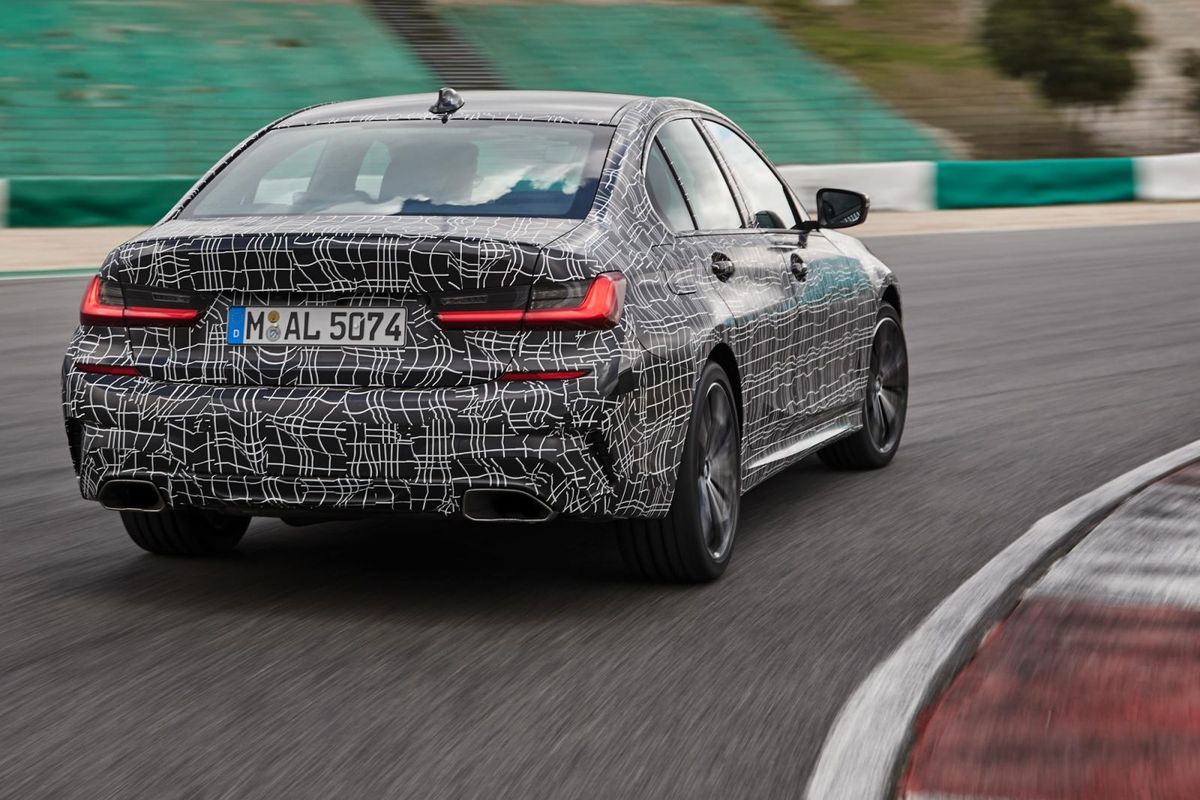
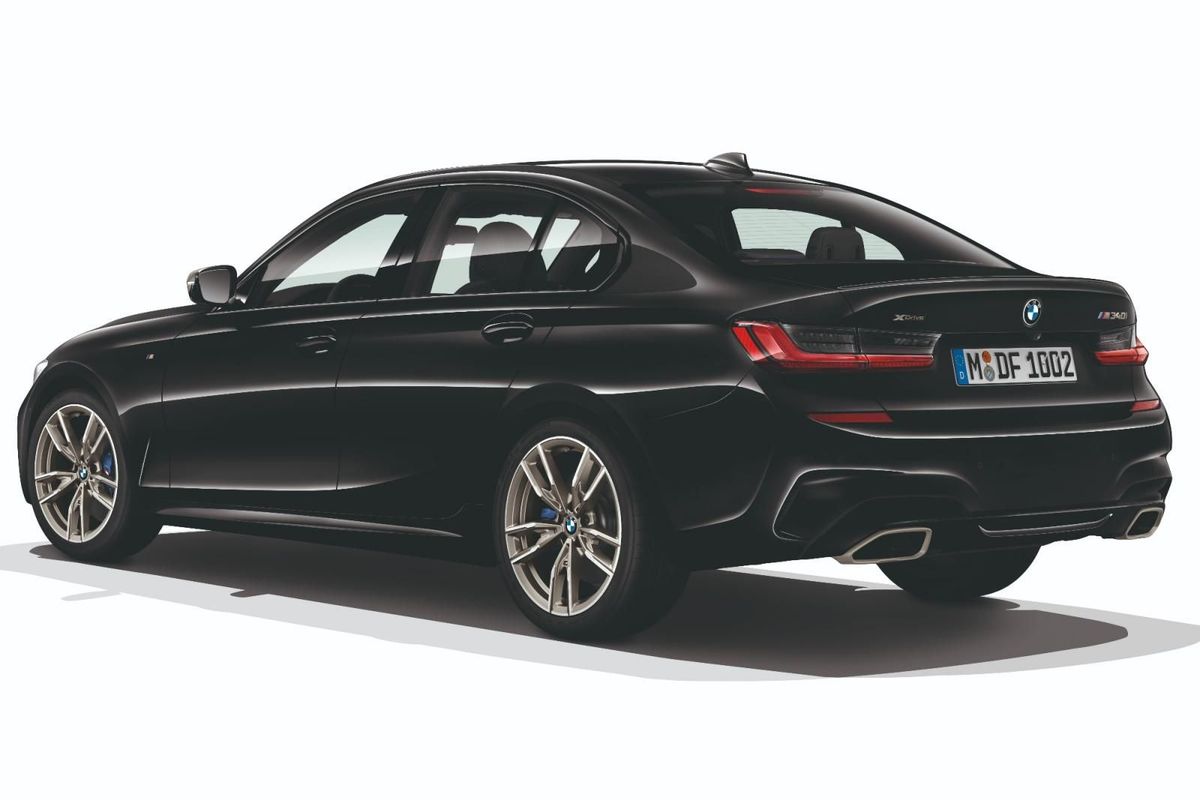
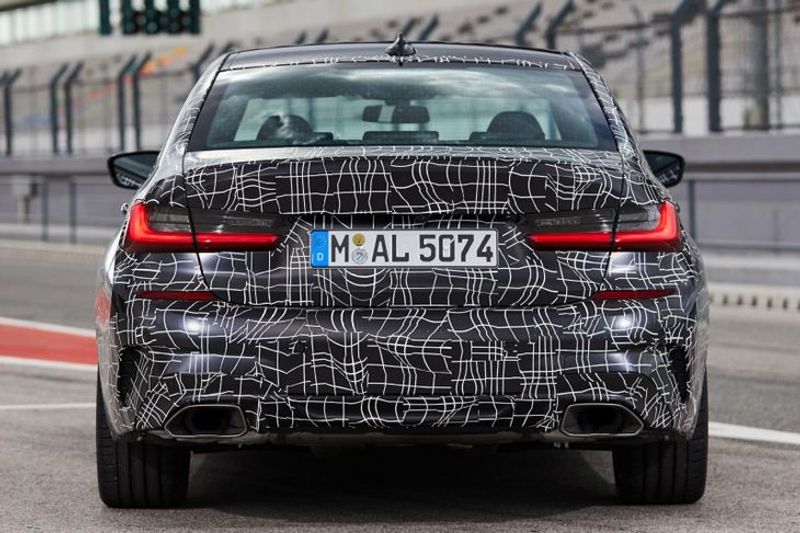
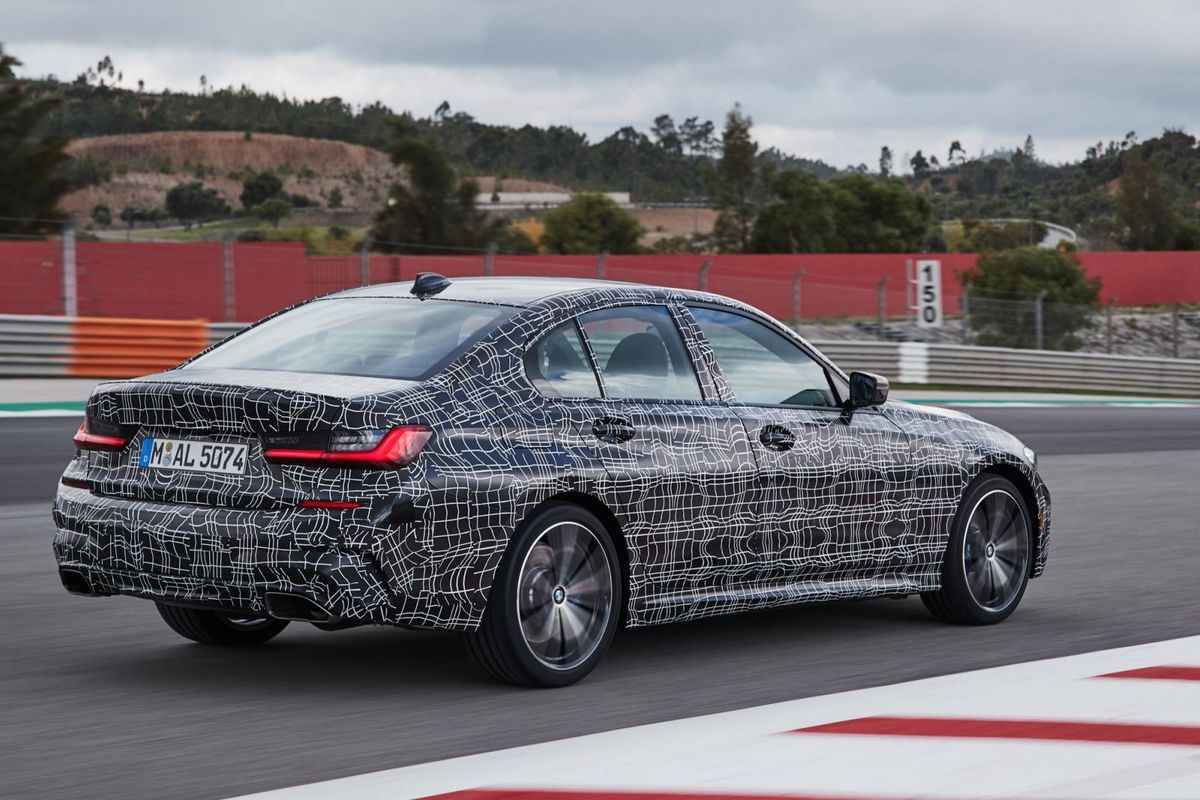
Note the change in rear-bumper finish (as well as much larger exhaust outlets) of the M340i xDrive.

As the number of laps piled up, so did my confidence, and sooner rather than later I was far bolder with my right foot in that last corner, revelling in the excellent high-speed stability and grip. It's also worth pointing out that the brakes, having worked hard during all the test drives, didn't once leave me in doubt of their sustained stopping power; the pedal remained consistent in feel throughout. Four-piston fixed calliper brakes with 348-mm discs are fitted at the front, with floating calliper brakes and 345-mm discs employed at the rear.

It's got the power


Fans of fast 3 Series variants won't be disappointed, the M340i xDrive is likely to dynamically trounce its rivals.

The significantly reworked 6-cylinder engine under the bonnet pumps out peak outputs of 275 kW and 500 Nm of torque, which is 35 kW and 50 Nm more power and torque than the most powerful engine in the previous-gen 3 Series (the 340i) produced. Consequently, the G20-spec M340i xDrive is significantly faster than the previous flagship (F30-generation) 3 Series, with a 0-100 kph time of 4.4 sec. The transmission is the familiar 8-speed sports automatic, with shorter ratios for the lower gears to improve acceleration. There's also a Launch Control function (untested by us), and of course, shift paddles on the steering wheel – speaking of which, I wish the wheel looked a little racier to reflect the personality of the car.

And the sound? In reality, it is quite muted even with the M Sport exhaust unit. BMW says it becomes more vocal in Sport and Sport+, but the aural soundtrack is never quite as "intensively perceptible" as the maker claims. Still, it's there when you focus on it from behind the wheel, and when standing next to the track the pops and bangs that seem to constitute an "exciting" sounding car these days are certainly present and loud.

What's the story for South Africa?


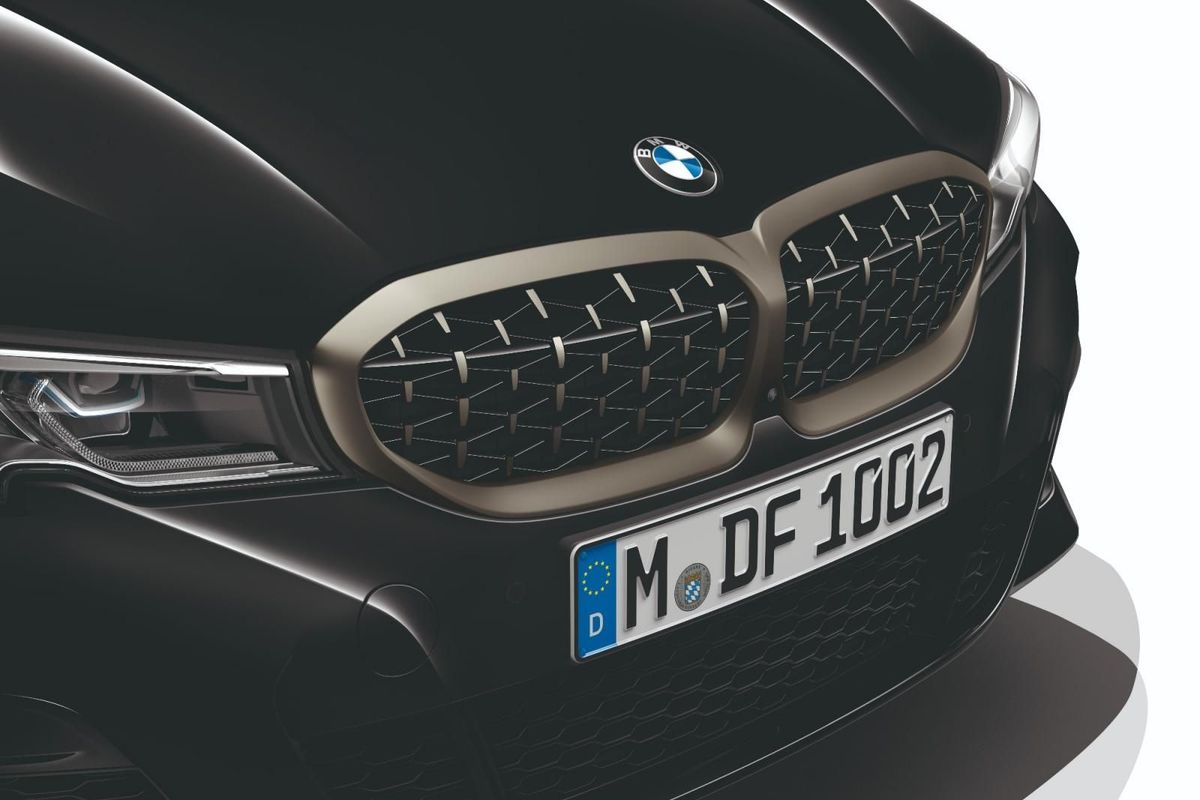
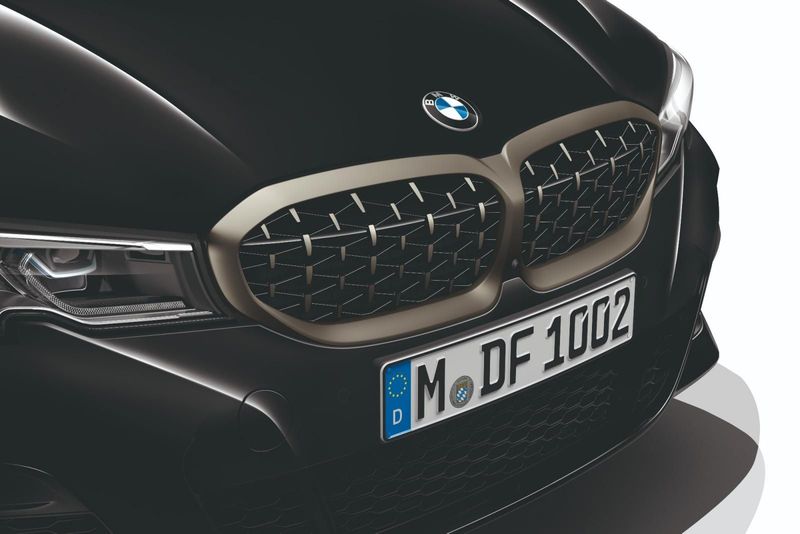
A mesh kidney grille finish and Cerium Grey trim accents differentiate the M340i from "lesser" G20s.

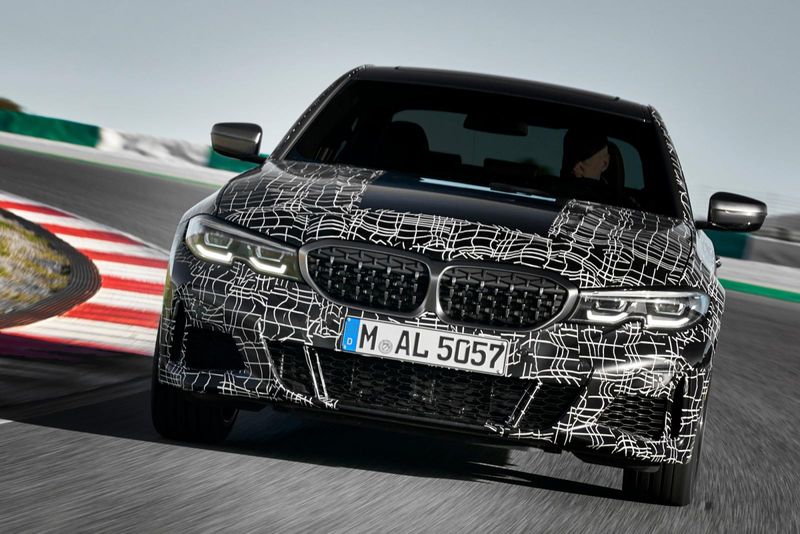
The prototypes we drove in Portugal were all camouflaged, so it's hard to say what the M340i xDrive's specific design features look like compared with the standard cars, but BMW has already released images of its newcomer without the camo. The design of the front-end is significantly more aggressive to aid cooling and aerodynamics and I do believe this is the first time that I've seen such a particularly strong mesh finish to BMW's trademark kidney grille. Instead of the gloss black or satin silver that is typically used for accenting on "special" cars, the M340i uses a trim colour called Cerium Grey metallic – it's used liberally for the exterior mirror caps, kidney grille, tailpipe trims and model lettering, among other places. Replete with its M Sport suspension, the M340i xDrive sits lower down than its siblings – it most definitely looks pretty fast, even standing still.

Though official pricing hasn't been released yet, we expect this car to be positioned around the R950 000 mark, perhaps even slightly higher. That would pitch it straight at the Mercedes-AMG C43 when it arrives in the third quarter of 2019. Based on our track experience, combined with the drives of the regular 330i M Sport, it is pretty clear that (as far as dynamics go, anyway) the M340i xDrive will be very, very hard to beat.

Related content:

BMW 3 Series (2019) International Launch Review (w/video)

New BMW 3 Series (2018) Price in SA

BMW Steers Digital Car Revolution [w/Video]

The new BMW M340i: Your budget-friendly M3

Interested in buying a new / used BMW 3 Series?

Find one today on Cars.co.za by clicking here

5 Ways To Be a Better Driver This Summer

Be a better driver, for your sake and for those around you. Here are 5 ways to improve your driving during the holiday period…

Let's be honest, South Africans are terrible drivers. Not a day goes by without seeing a taxi blatantly stopping in the middle of the road, or someone chatting away on a cell phone while driving, or someone speeding across a red robot, or someone smashing a beer behind the wheel. The list of common daily driving offences goes on forever. The reality is that driving in South Africa is extremely dangerous and thousands of people die unnecessarily on South African roads every year. With the holiday season upon us, poor driving and an increase in accidents are likely.

Although there are many reasons for accidents occurring on our roads, more often than not, people are to blame. People and their wayward actions cause accidents and that's no accident. Speeding, drunk driving, lack of respect for the rules of the road or other road users and negligence are common causes of accidents in South Africa. All is not lost, the power lies with you and there is much you can do to become a better driver. With the holiday season upon us, we have compiled 5 simple ways to become a better driver and make the roads safer for yourself and those around you.

Five ways to become a better driver

1. Take an Advanced Driving Course

Advanced driving courses aren't just about track time and setting fast laps. Knowing how to handle your car in slippery conditions, the correct way to hold the steering wheel and what to do in a panic situation are all key outcomes of a good advanced driving course. Having the skills to deal with difficult situations that may arise will stand you in good stead should something ever arise requiring drastic action.

2. Avoid Distractions

When you get the behind the wheel to drive, focus on driving only. Eating, drinking, texting, changing music and controlling your kids in the backseat, amongst other things, are all distractions that can cost you your life and the lives of others. Make sure that you create a distraction-free environment before driving. Hook your phone up to the in-car Bluetooth so it doesn't distract you, if you don't have one rather pull off the road, please. Don't text and drive, if you get a message rather let a passenger deal with it or wait until your next stop. Read this to find out how to avoid distracted driving.

3. Be Patient

Being a patient driver can go a long way in ensuring your safety and the safety of others. Traffic congestion is a reality on South African roads and the sooner you accept it and adopt a patient approach to driving, the better driver you will be. Impatient drivers tend to make irrational decisions with potentially fatal consequences. Rather relax and enjoy the drive. Patience, after all, is a virtue.

4. Obey the Rules of the Road

You're not a hero, so don't try to be one. By obeying the rules of the road you ensure your safety and the safety of those around you. Always drive within the speed limit and maintain a safe following distance from the car ahead of you and remember to ALWAYS BUCKLE UP! Get back to basics and whatever you do, don't drink and drive, save that beer for when you get home.

5. Be a Courteous Driver

Don't deliberately hold other road users up, the more courteous you are on the road the less upset other drivers are and that decreases the chances of a road-rage breakout. Being cautious and alert while driving will make you a better driver. Always keep your eyes moving, check your mirrors often and be on the lookout for obstacles on the road. Adjust your speed according to the flow of traffic and always be aware of changing traffic situations up ahead.

Bonus Tip: Take your time

You're on holiday, so take your time to get you and your family to your destination safely. There's no rush! Plan ahead and rest often when driving long distances. Most of all, enjoy the journey!

Related Content

Holiday Driving Tips

Car Maintenance Checks to Perform on Your Car

Tyre Maintenance Tips

10 Ways To Save Fuel


BMW SA to restore local icon – 530 MLE

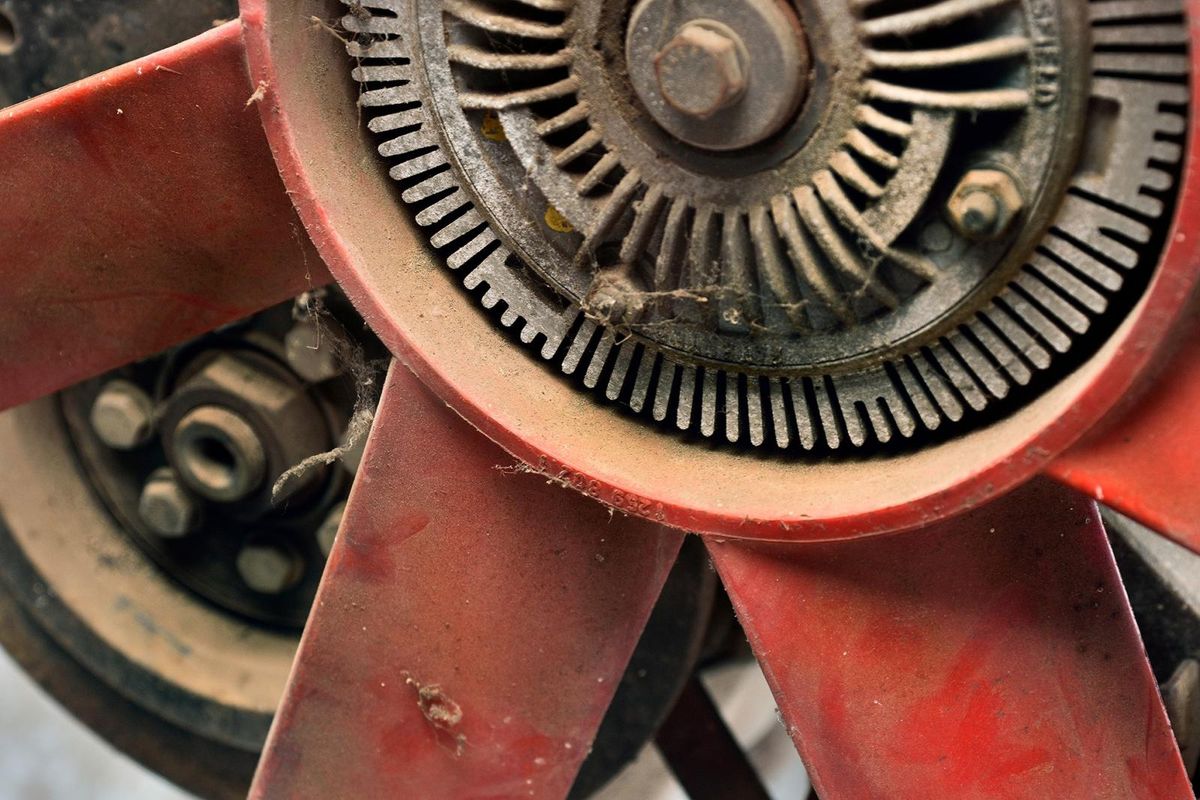
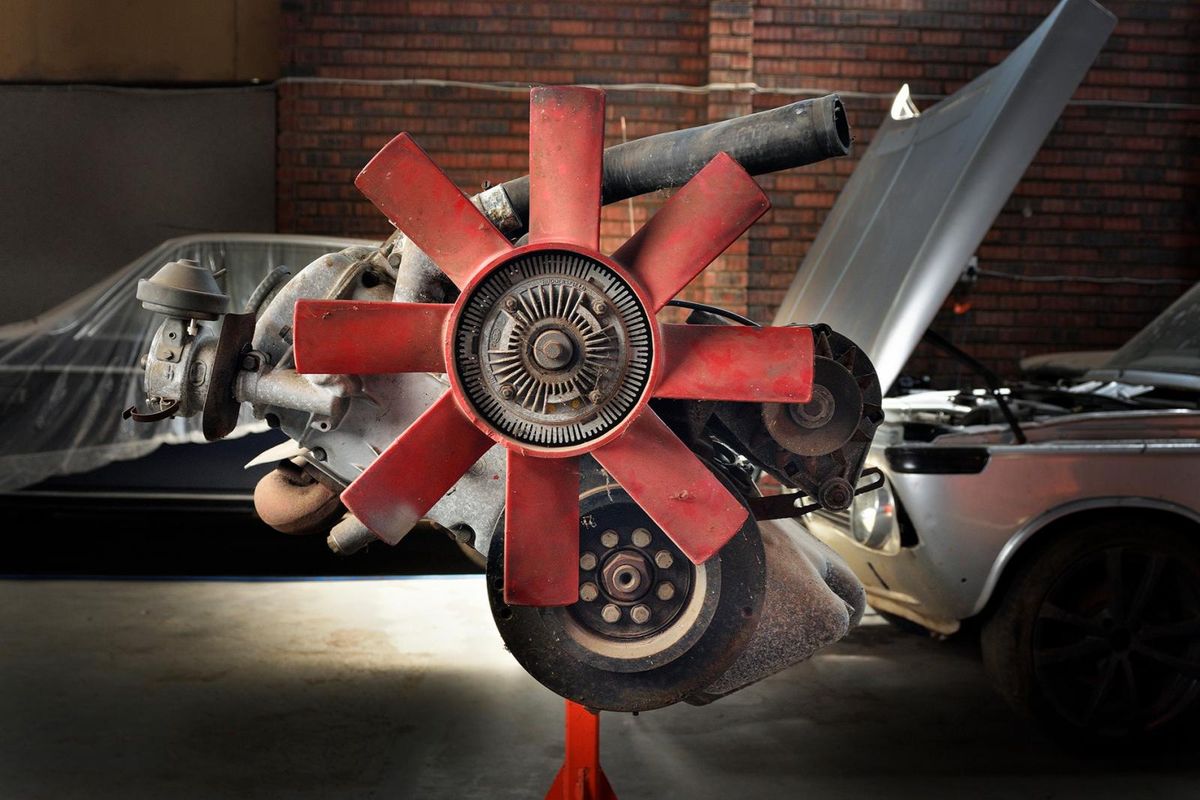
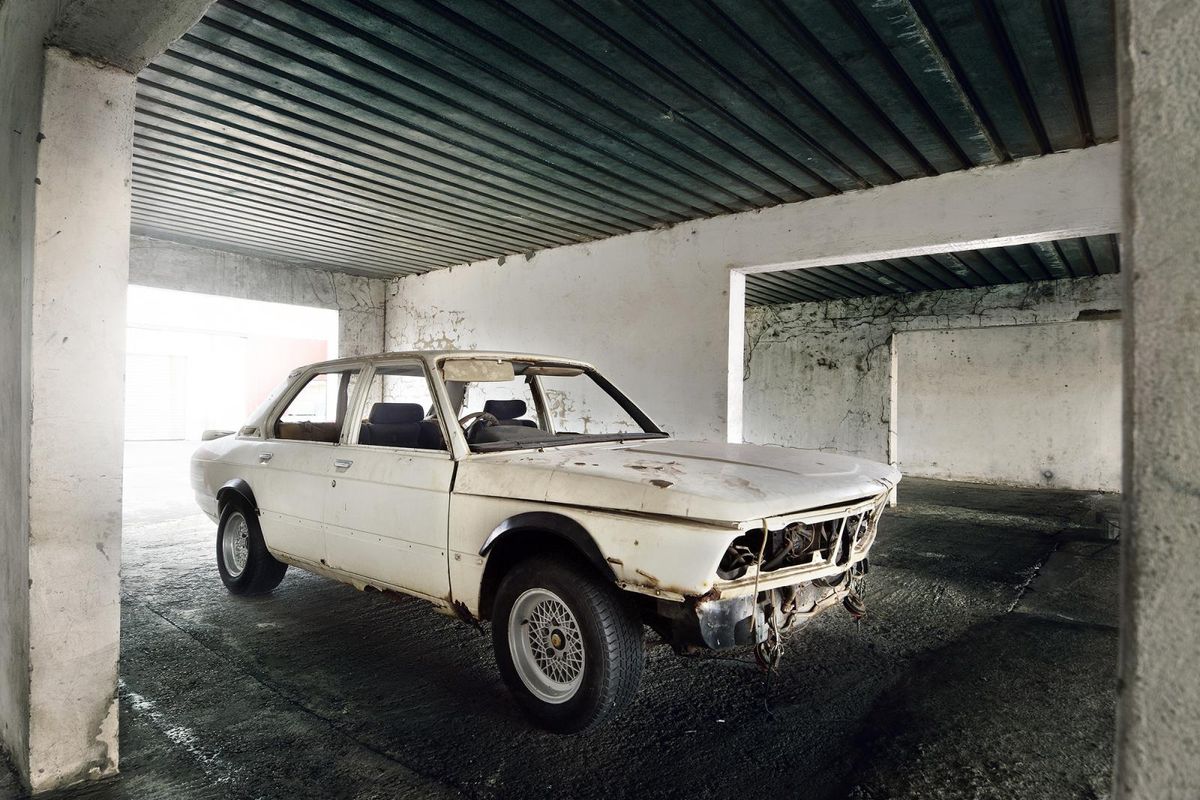
BMW South Africa has a rich history of local motorsport-derived specials, with the 333i and 325iS being the most well-known. Almost forgotten is the 530 MLE, a car that deserves far greater recognition. Now BMW SA has unearthed car number 100, and it's due for a full restoration.

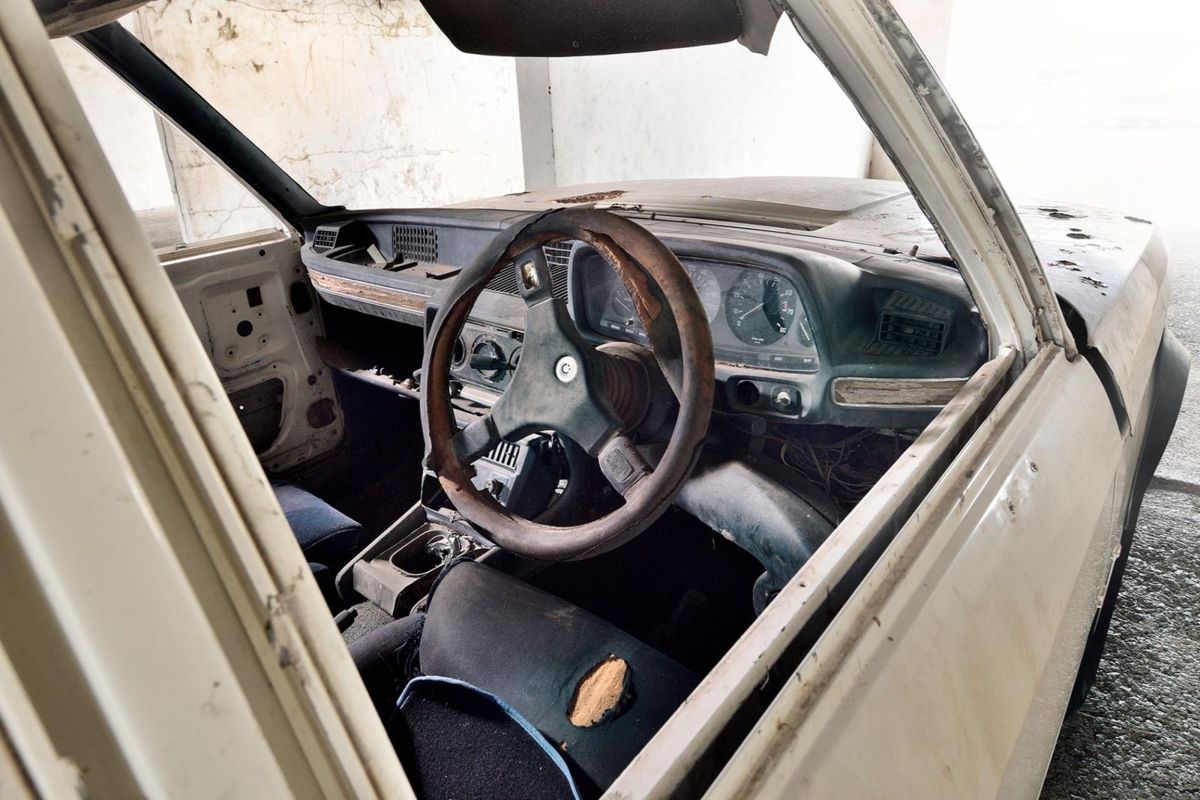
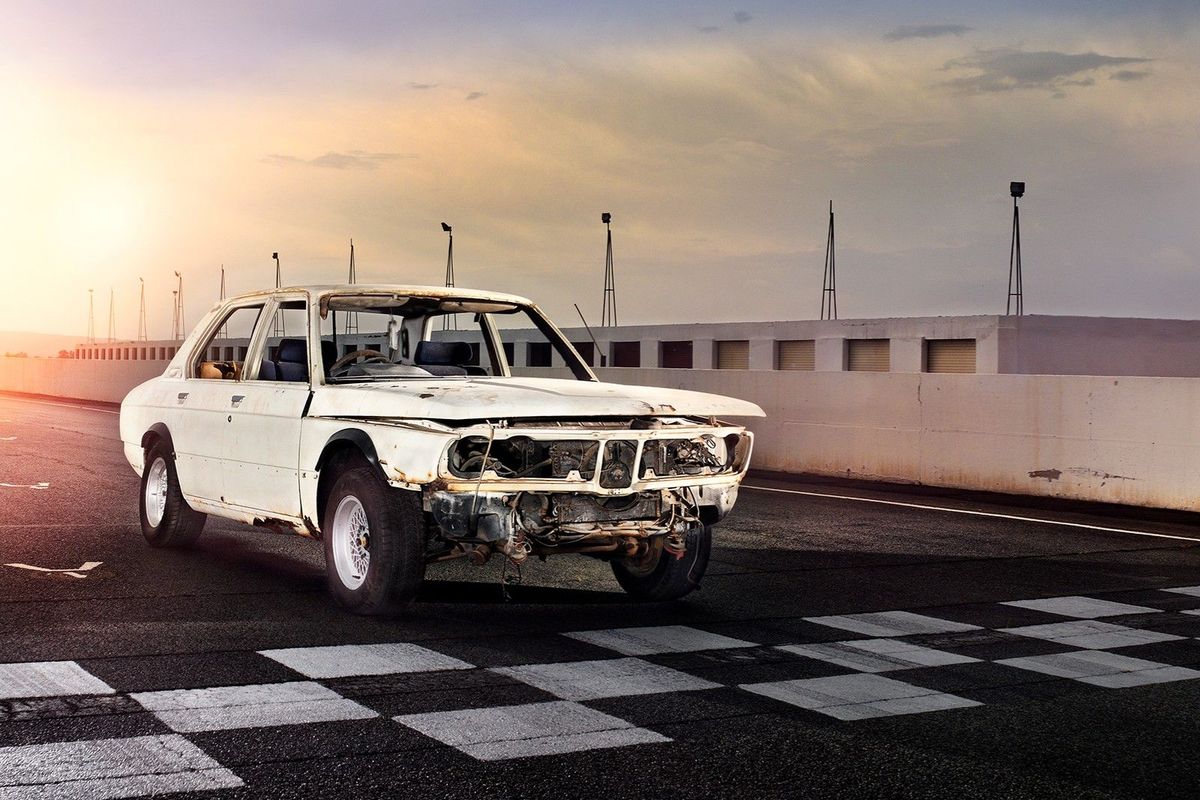
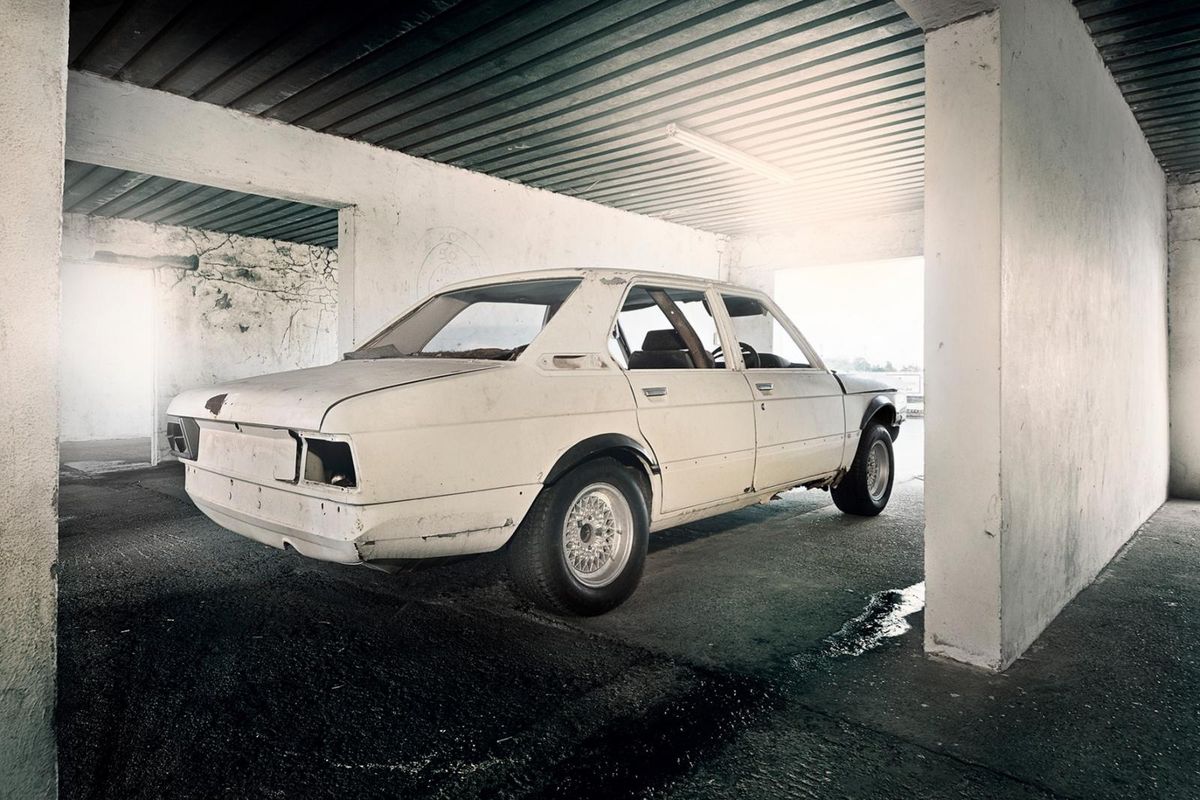
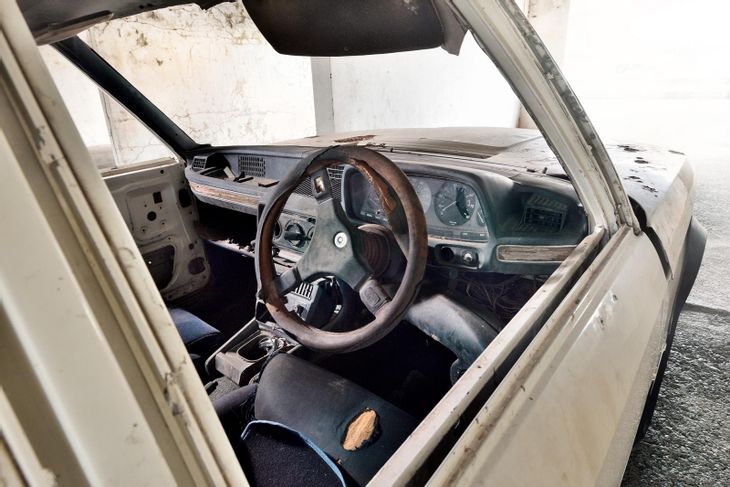
Having already restored examples of the 325iS and 333i – read our classic drive article here – BMW appears to have found a real needle in a haystack somewhere with the acquisition of an ultra-rare example of the legendary, and unique-to-SA, 530 MLE. Looking in a pretty sorry state at present, the iconic car will now be subjected to a full rebuild under the watchful eye of Luis Malhou of Custom Restorations.

Like many of BMW's local specials, the 530 MLE was born from motorsport. BMW SA wanted to go racing in the mid-70s but didn't have a suitable machine. Using the first-generation 5 Series (E12) as a base, they called upon the expertise of famous racer and Head of BMW Motorsport, Jochen Neerpasch. The end result were two 530 MLE cars ready to race in the Modified Production Series in South Africa, which it dominated by winning 3 championships on a trot. 

> Also check out Gifts for Petrolheads in our SentiMETAL online store

But that's only half of the story. As per usual, a certain number of cars (100, to be precise) had to be sold to the public to gain entry to the track series. So, that's how the production 530 MLE was born, a limited edition "homologation" model for South Africa and increasingly regarded as a forerunner to BMW Germany's own M5. 110 units of the Type 1 530 MLE were produced in 1976, and 117 versions of the Type 2 rolled off the production line at BMW's Rosslyn plant in 1977. Not many survive…

The 6 cylinder engine was a factory tweaked version of the same motor found in the 3.0L, boasting power/torque figures of 147kW, 277Nm, a 208kph top speed and a 0-100kph sprint time of 9.3 seconds. 

The restoration project


It looks very tragic right now, but BMW SA's resources and attention will see this MLE restored to near factory fresh.

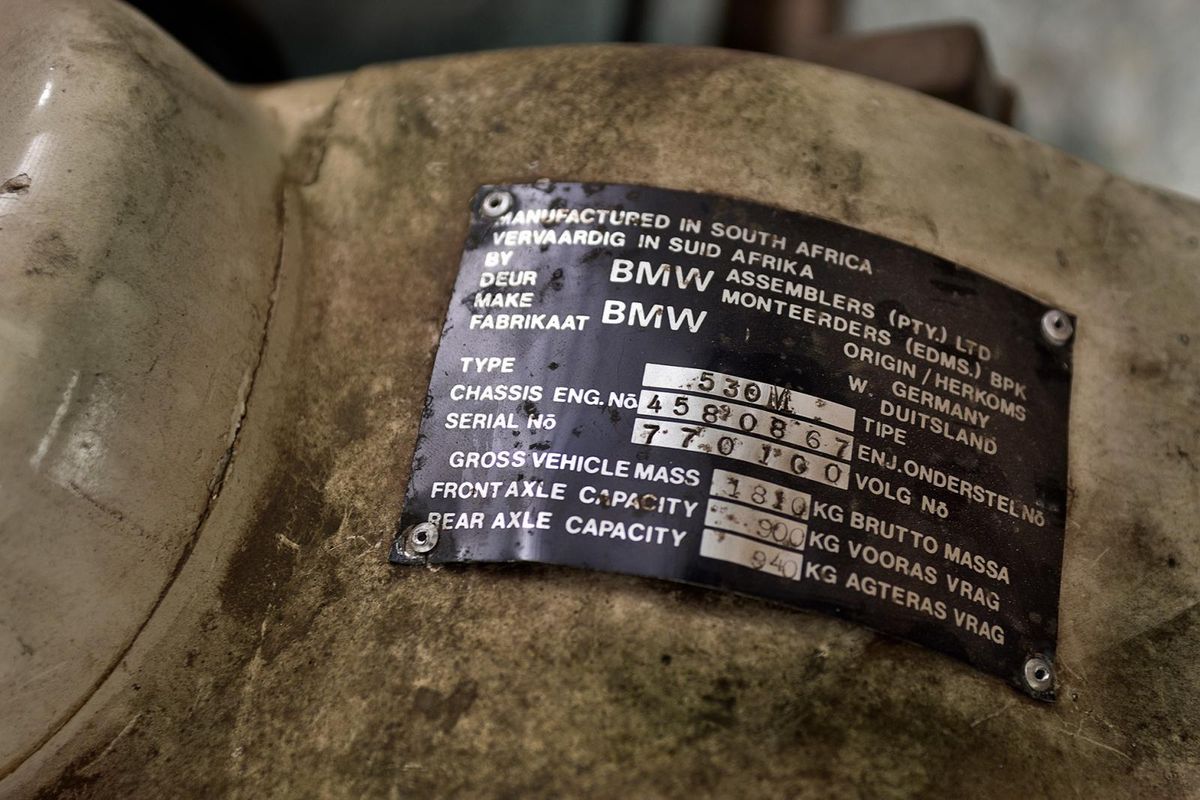
After years of searching, BMW SA recently found one of the only BMW 530 MLEs known to have survived, and it's quite a special one at that. Car number 100 comes with a strong pedigree – it was owned by race driver and the racing 530 MLE’s team manager Peter Kaye-Eddie, and its engine and chassis numbers are a matching set.

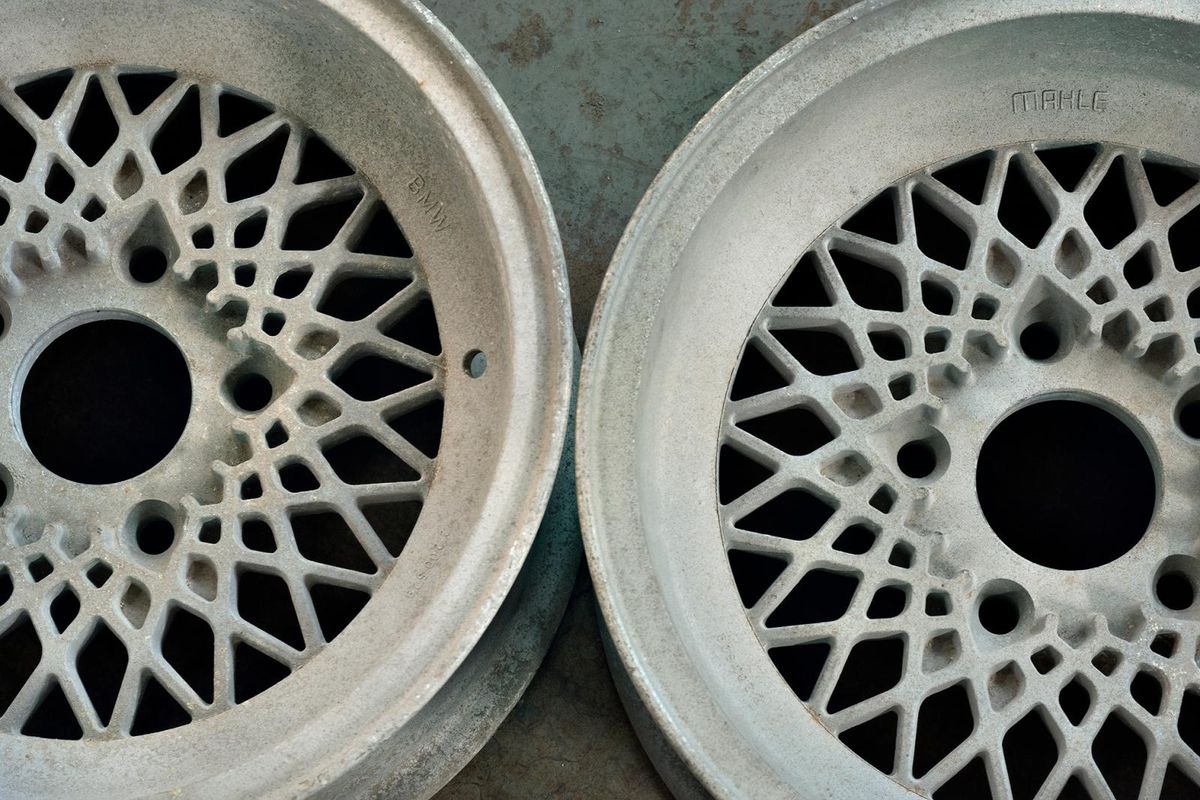
Now, what is likely to be a lengthy restoration process will start with input from employees who assembled the original vehicles. Unique in the world, the Rosslyn-produced vehicles saw weight-reduction measures that included bodywork and pedals drilled by hand, manual windows with no air conditioning, and Mahle wheels.

You can follow #BMW530MLE on social media to see the progress of the restoration.

You may also be interested in

6 Highly collectable SA specials

Celebrating the BMW M3's evolutions (with video)

Stunning classic Bimmers at BMW 100 Festival

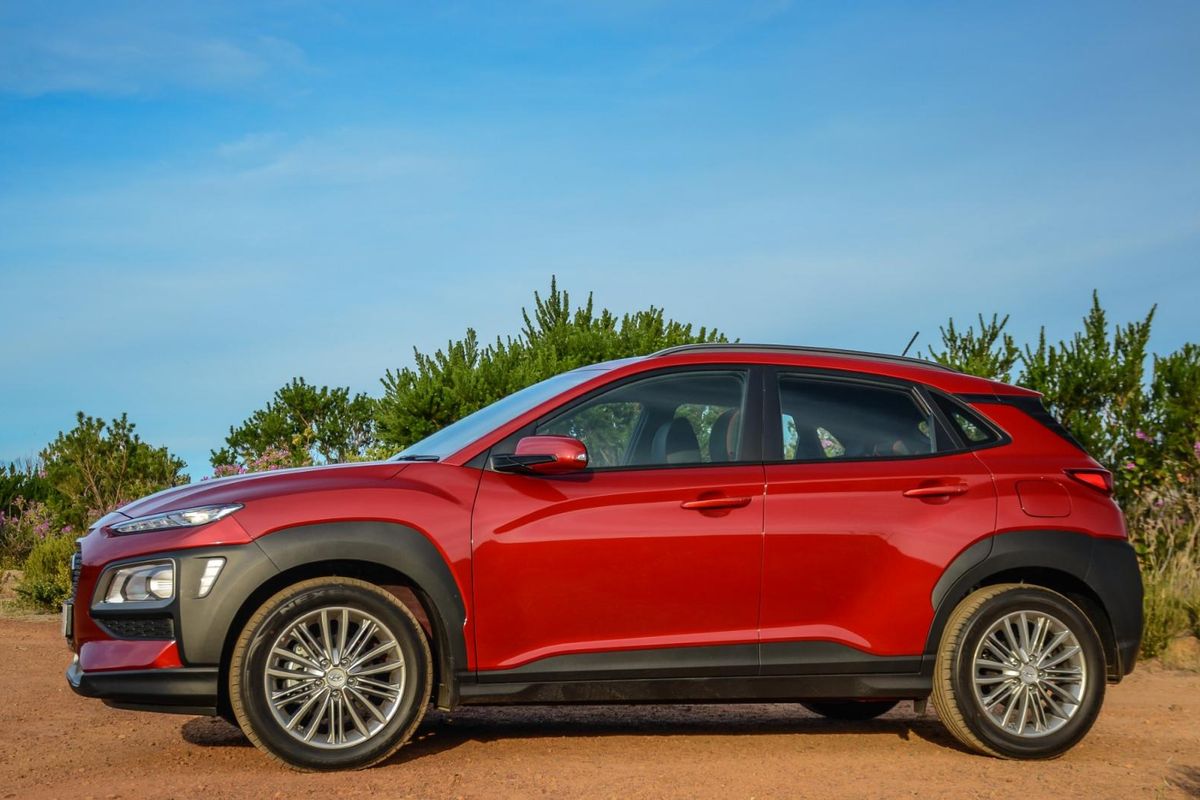
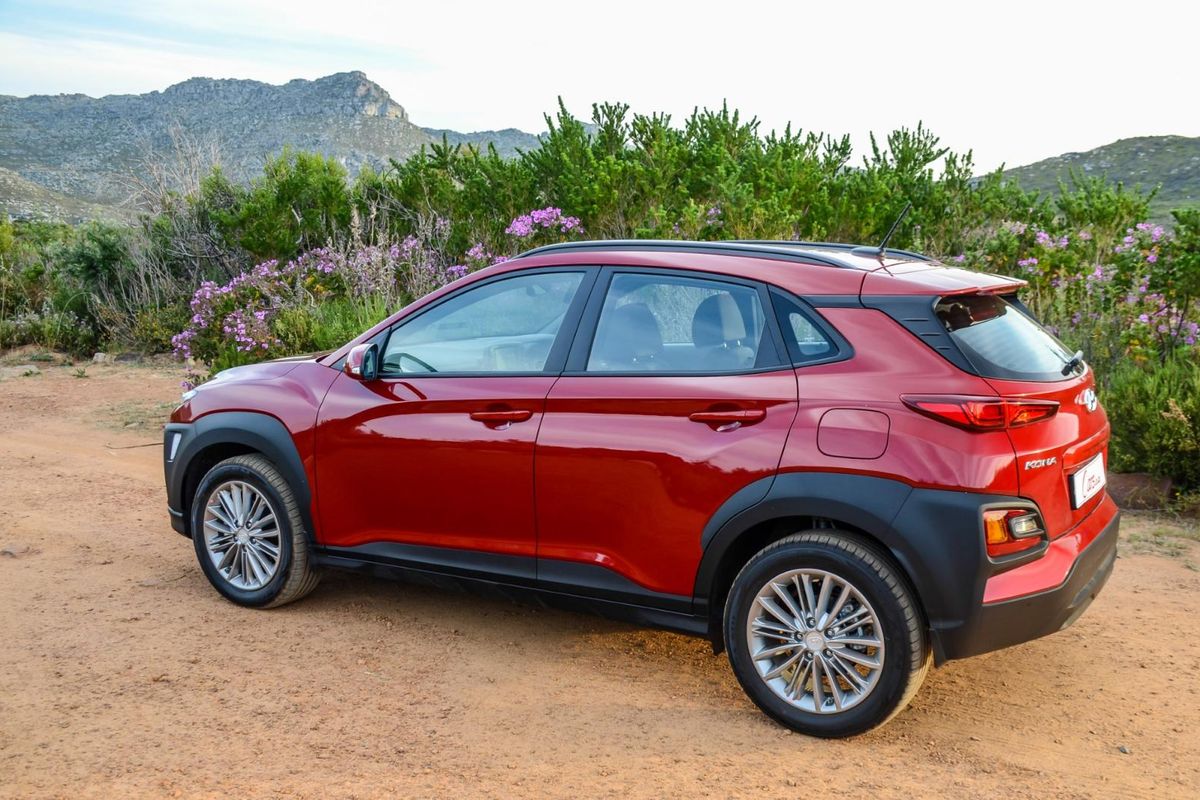
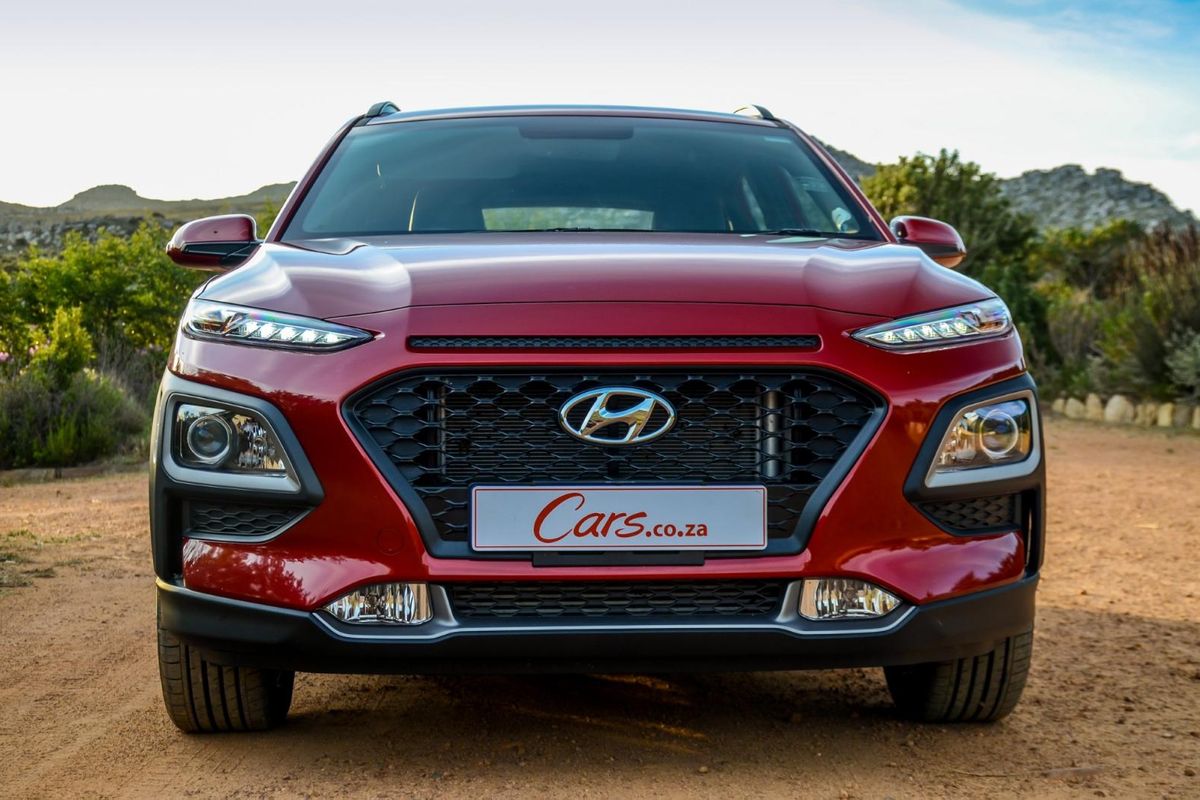
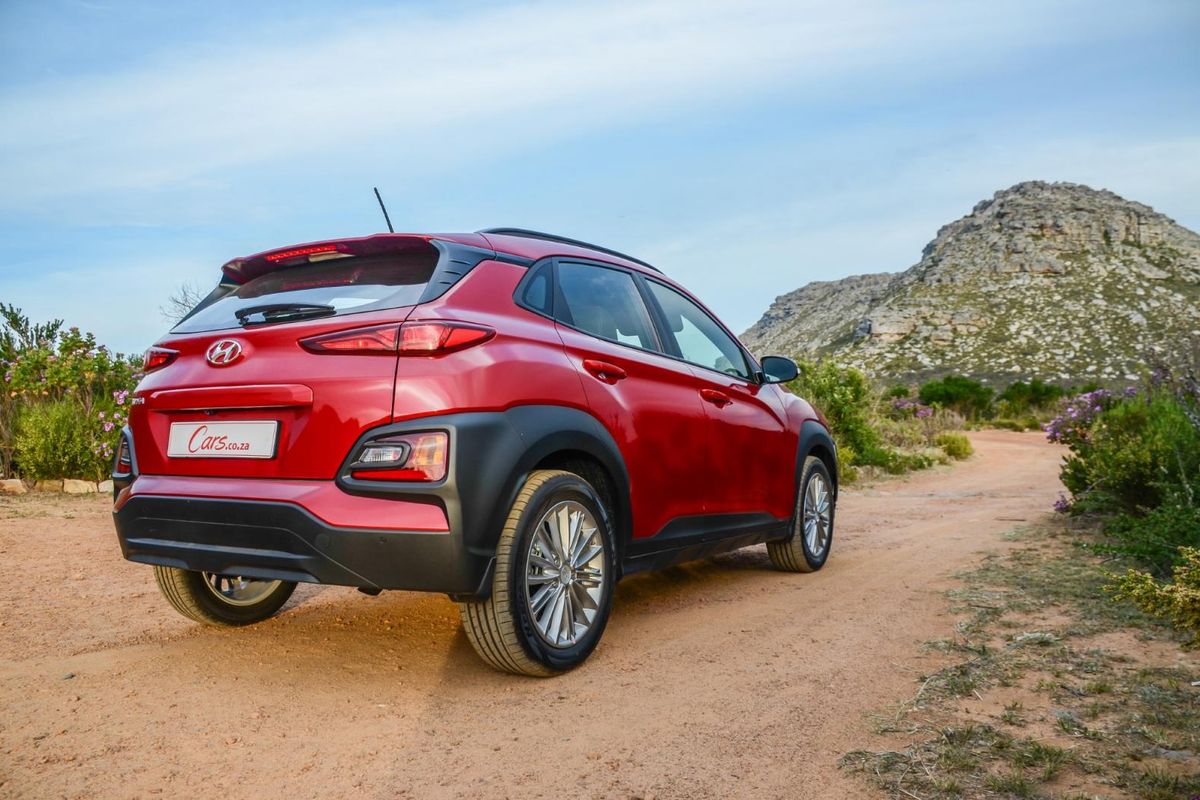
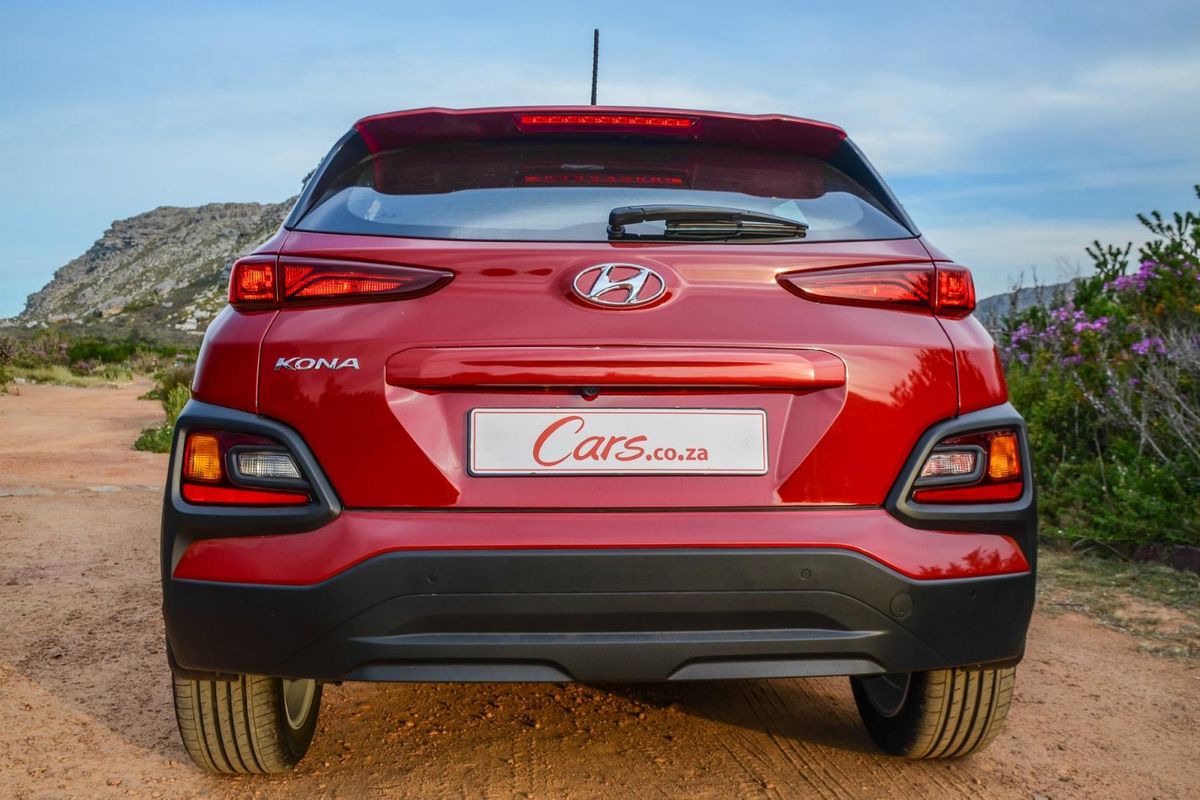
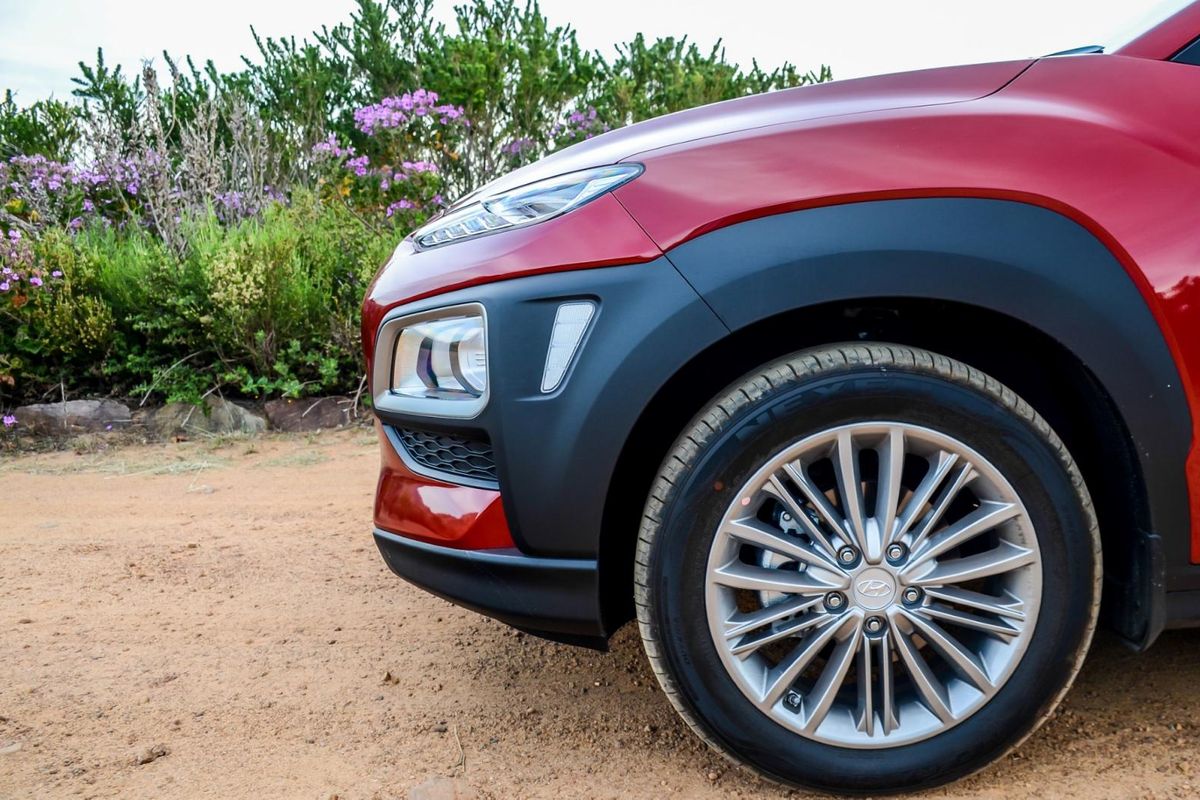
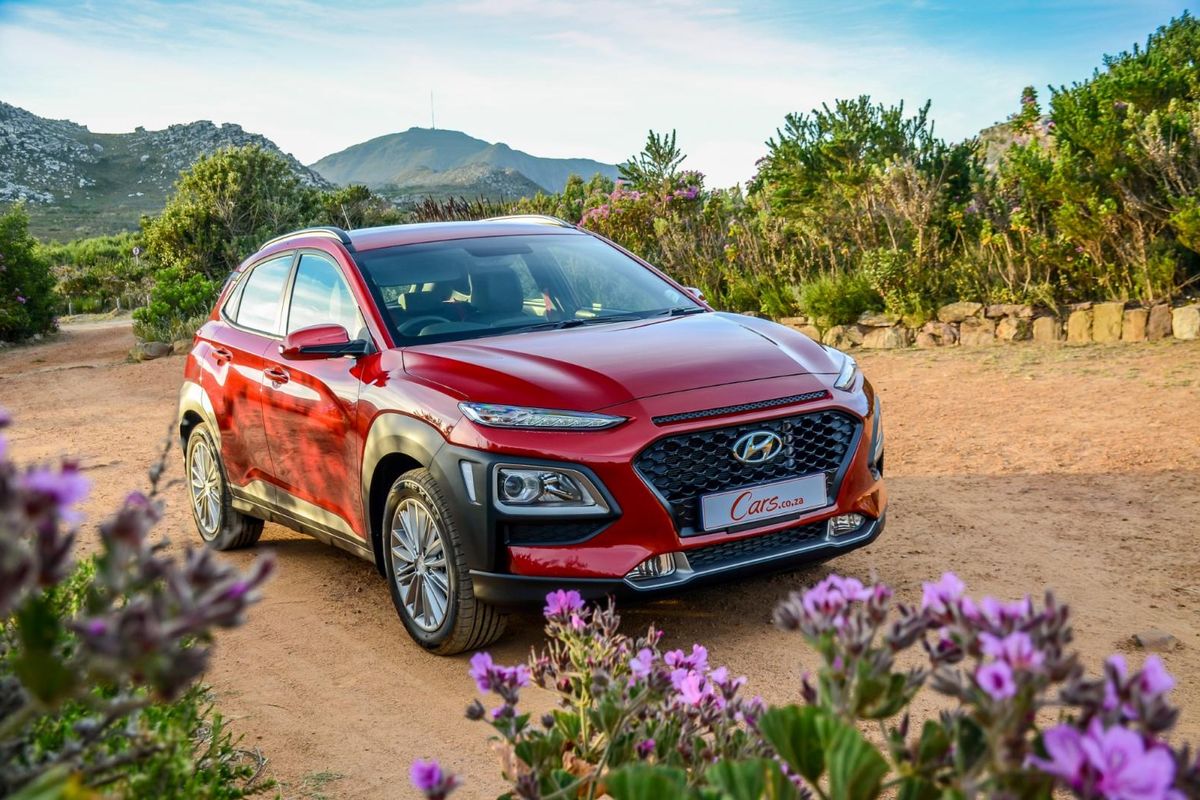
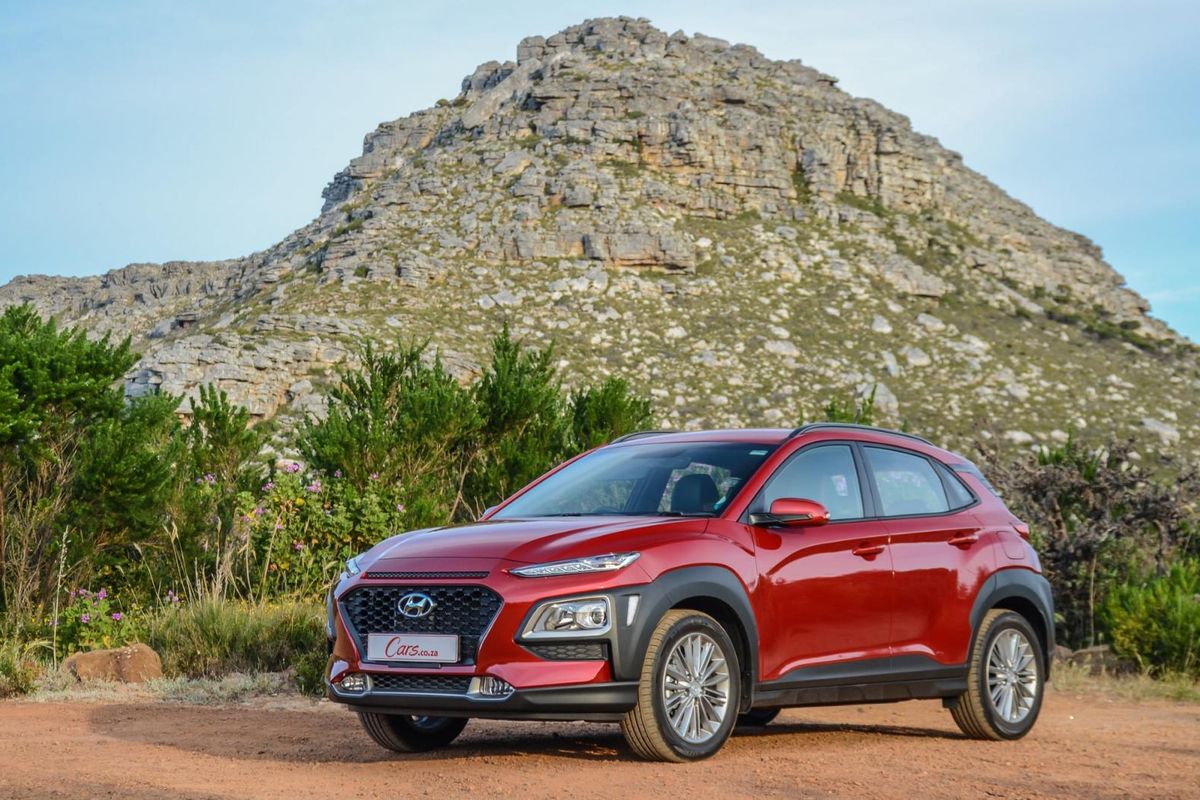
Hyundai Kona 1.0T Executive (2018) Review

Endowed with dashing looks and generous standard spec, the new Hyundai Kona enters a crowded compact family car/crossover segment with a different set of talents to its popular Creta and Tucson siblings. Can it forge its own path among a horde of established rivals? We recently put the 1.0T Executive to the test to find some answers.

We Like: Bold styling, performance, ride and handling, standard features

We Don’t Like: Rear legroom could be better, a bit pricey

Fast Facts

Price: R379 900 (December 2018)
Engine: Turbocharged 1.0-litre 3-cylinder petrol
Power/Torque: 88 kW/172 Nm
Transmission: 6-speed manual
Fuel Economy: 6.8 L/100 km

SERIOUS ABOUT BUYING?

Check out full specification and finance estimates here!

Hyundai dealerships regularly offer specials, take a look at new car specials here!

What is it?


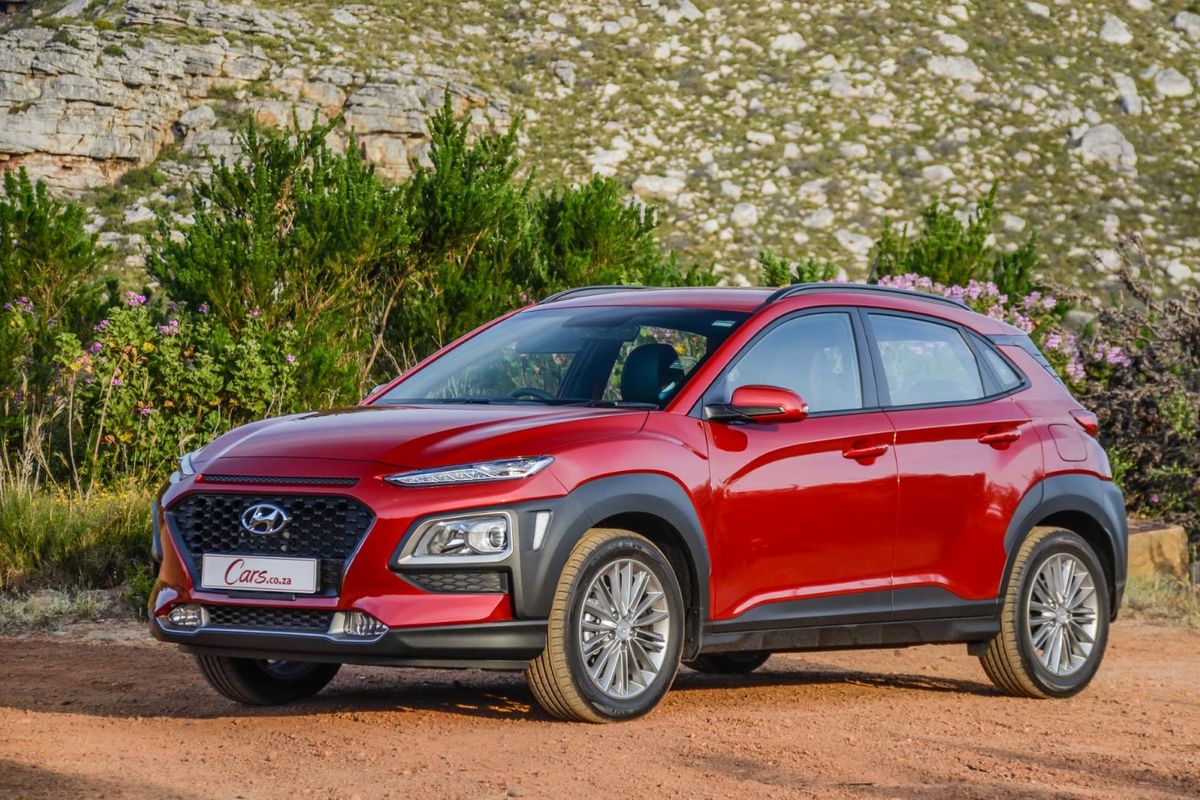
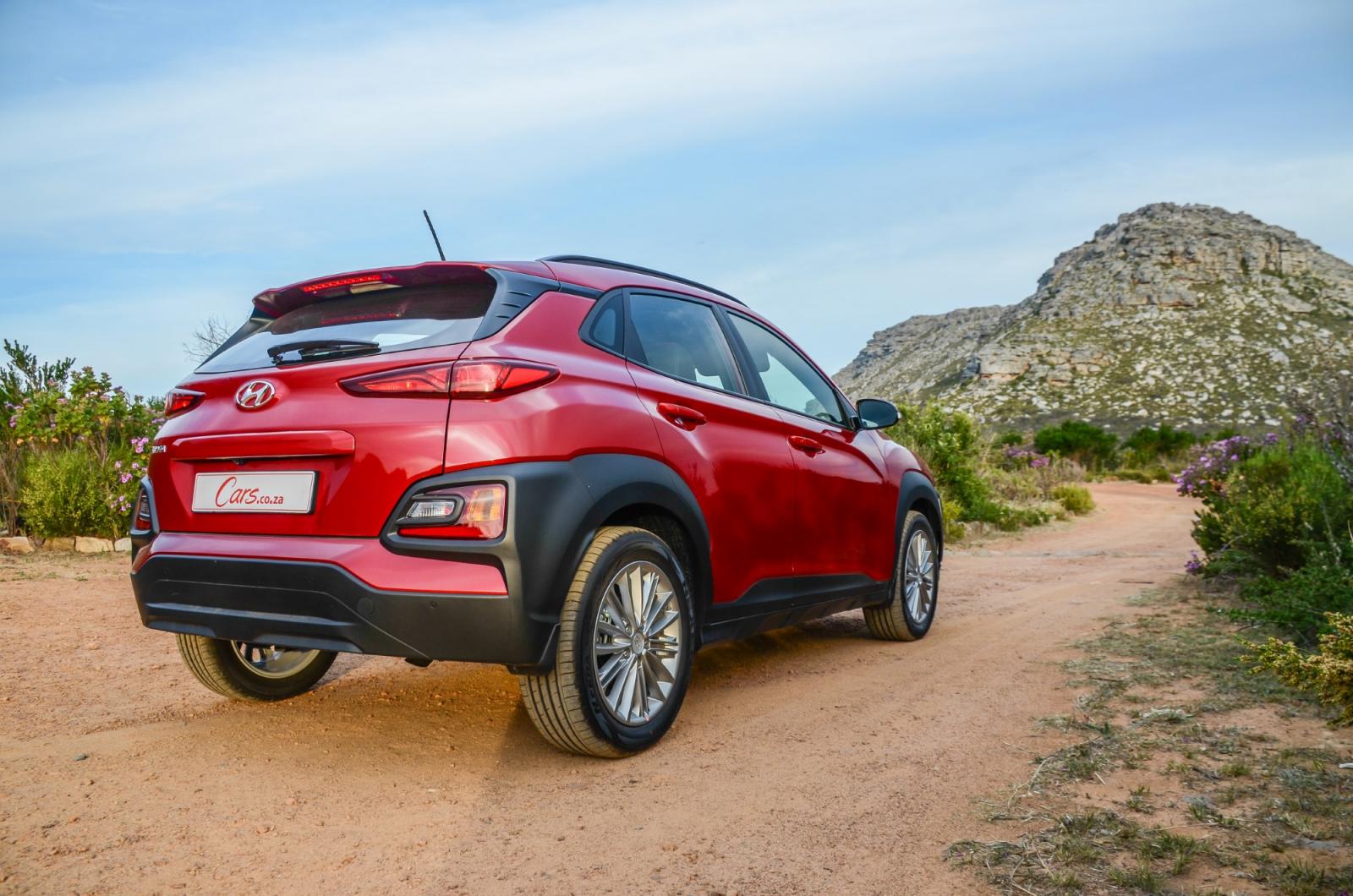
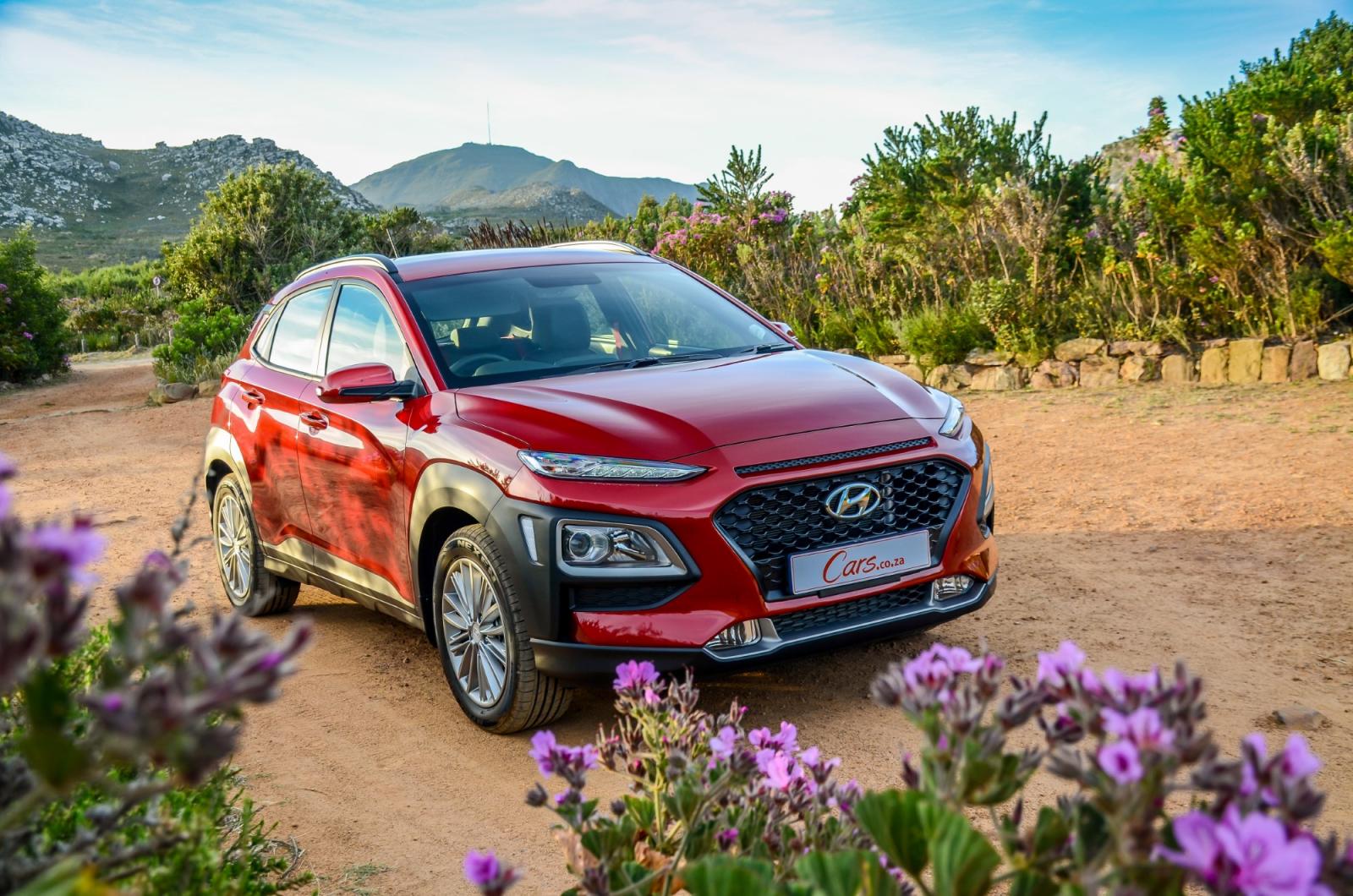
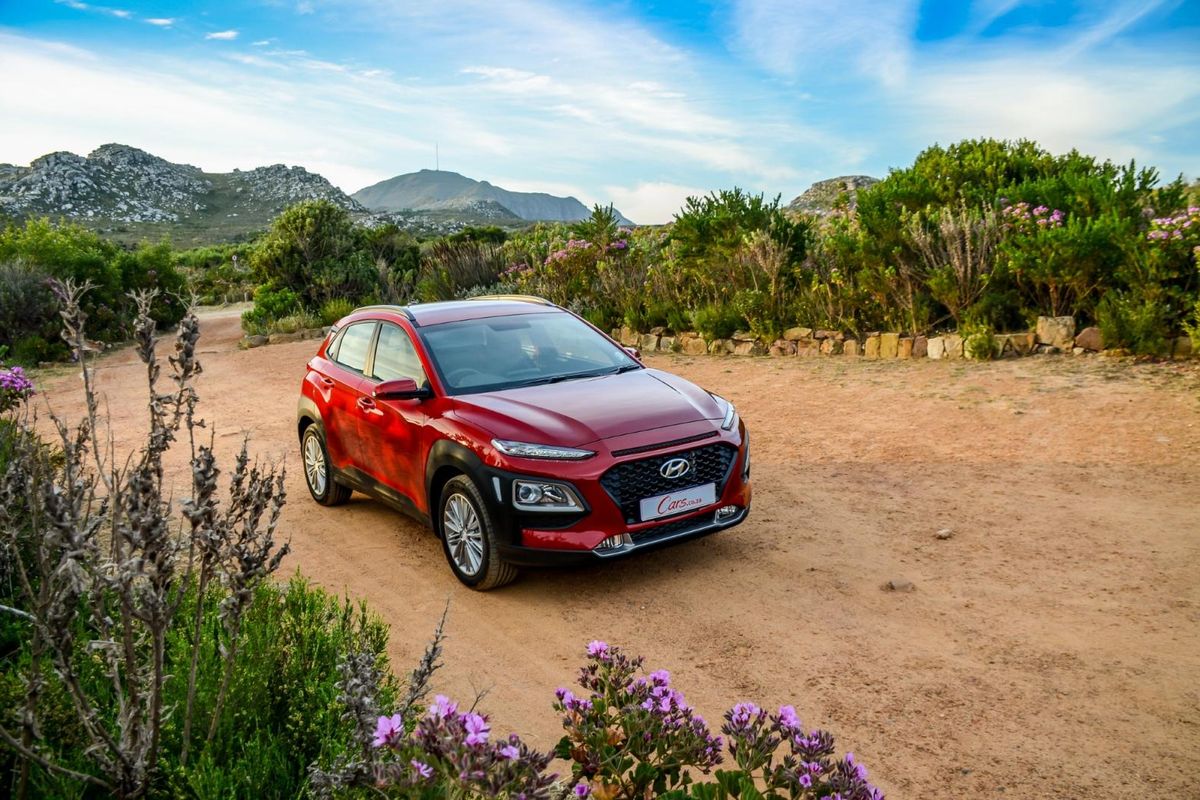
Armed with quirky styling and a perky turbocharged engine, the Kona 1.0T Executive has much to offer. 

Who says a compact family car with a Hyundai badge on its nose has to favour practicality and value for money over standout style and sheer cool factor? Enter the Kona, a new compact crossover that sits snugly between the popular and practical Creta and the larger Tucson family car.

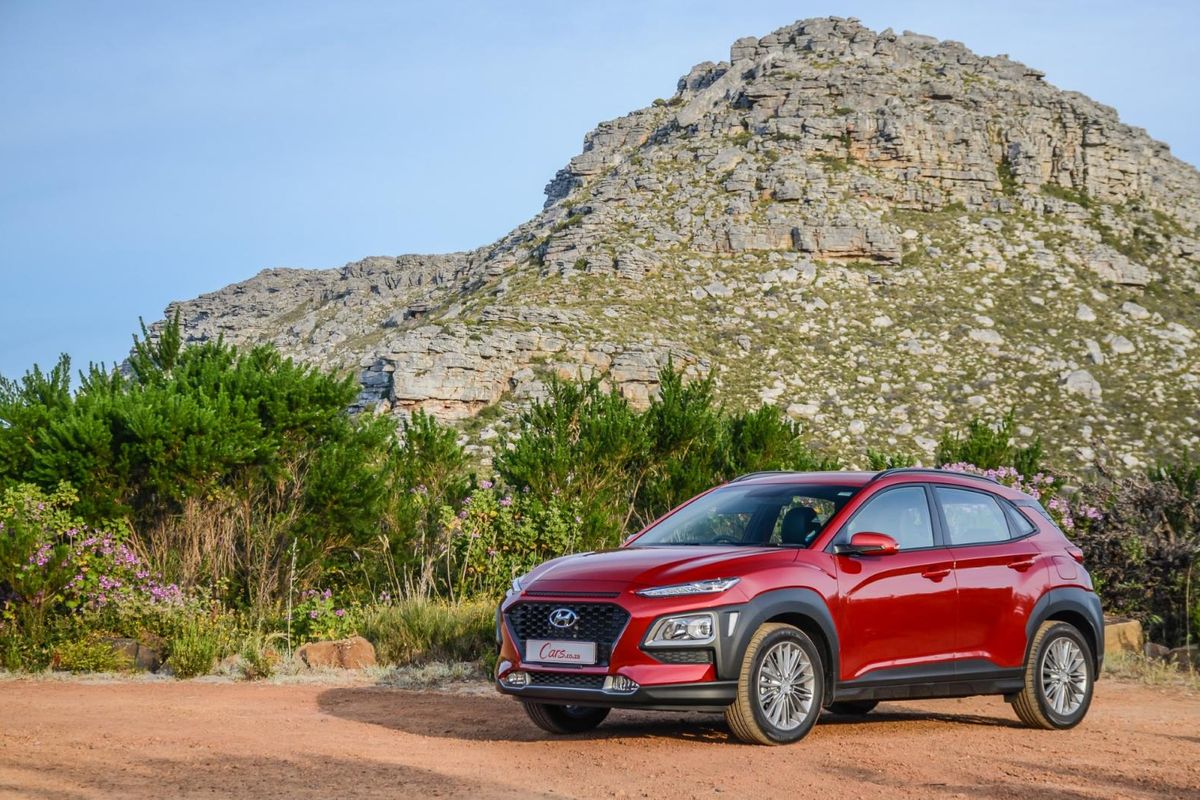
It’s not as spacious, nor as practical as its siblings, but it makes up for that with kerb appeal. Just look at it! Its quirky design will attract more youthful buyers who are in the market for a stylish urban runabout, which is not to say the Kona is not big enough for a couple to load up their luggage and head out of town on weekends. It’s a "busy" design, but in a segment where it’s easy to get lost in the crowd, the Kona stands out. While some of our testers found the Kona a bit awkward-looking, it has a distinct personality and that has to be appreciated. Decide for yourself if you like it…

The derivative on test here is the Kona 1.0T Executive manual in Pulse Red. Let’s see how it performs…

How does it fare in terms of…

Performance?


The Kona offers up decent performance in both city and highway driving situations.

The Kona is the first Hyundai model in South Africa to feature a turbocharged 1.0-litre 3-cylinder petrol engine and despite our initial reservations about this downsized motor, its performance was pleasantly surprising. The powerplant delivers peak outputs of 88 kW and 172 Nm of torque, which compares favourably with similarly-sized engines. Propulsion is directed to the front wheels via a 6-speed manual transmission.

This 3-pot is punchy enough for the Kona to keep up with urban traffic with ease. It's not tinny-sounding, more refined than we expected and the minimal intrusion of engine noise in the cabin leads us to proclaim this one of the better 3-cylinder turbo engines we've sampled of late.

The manual 'box shifts positively and directly, plus the gear ratios are well-spaced. The Kona also coped well in highway conditions with good tractability, even in 6th gear. Maximum punch can be achieved by gearing down, but the motor’s sweet spot is fortunately never far away.

In terms of fuel consumption, Hyundai claims that Kona owners should see average returns of 6.8 L/100 km (or thereabouts), but based on our experience (of course, it all depends on your driving style) you are likely to see returns figures closer to 8.5 L/100 km.  

Ride and handling?


The Kona feels agile and nimble through the bends and its ride quality is comfortable and forgiving. 

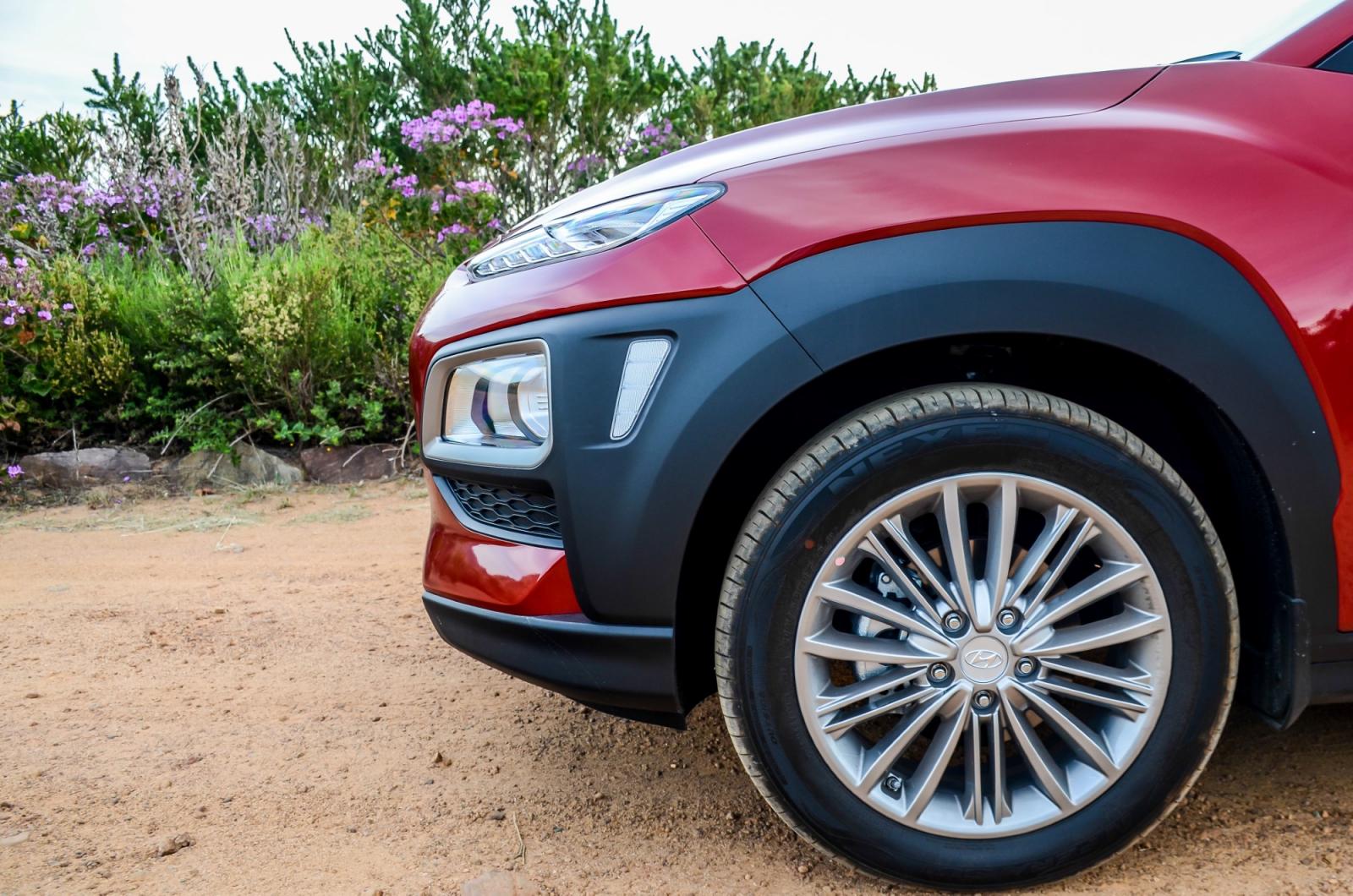
This particular Hyundai has an element of dynamism to it, believe it or not. The steering is slightly firmer than the norm for a product from the Seoul-based manufacturer, which gives the Kona driver a greater sense of driving engagement. Feedback is good and not only can the newcomer be whipped into a corner with confidence, but it also feels sprightly and light on its, um, 17-wheels and tyres. It’s nimble and enjoyable to drive.

Apart from marginal wind noise entering the cabin at highway speeds, the on-road refinement is good; the suspension does a commendable job of soaking up road imperfections and, as we found, remains well-composed on gravel too. It’s slightly more firmly-sprung than the Creta, but the ride quality is by no means skittish or bouncy. For its class, the Kona offers an admirable blend of ride comfort and handling. 

Standard features?


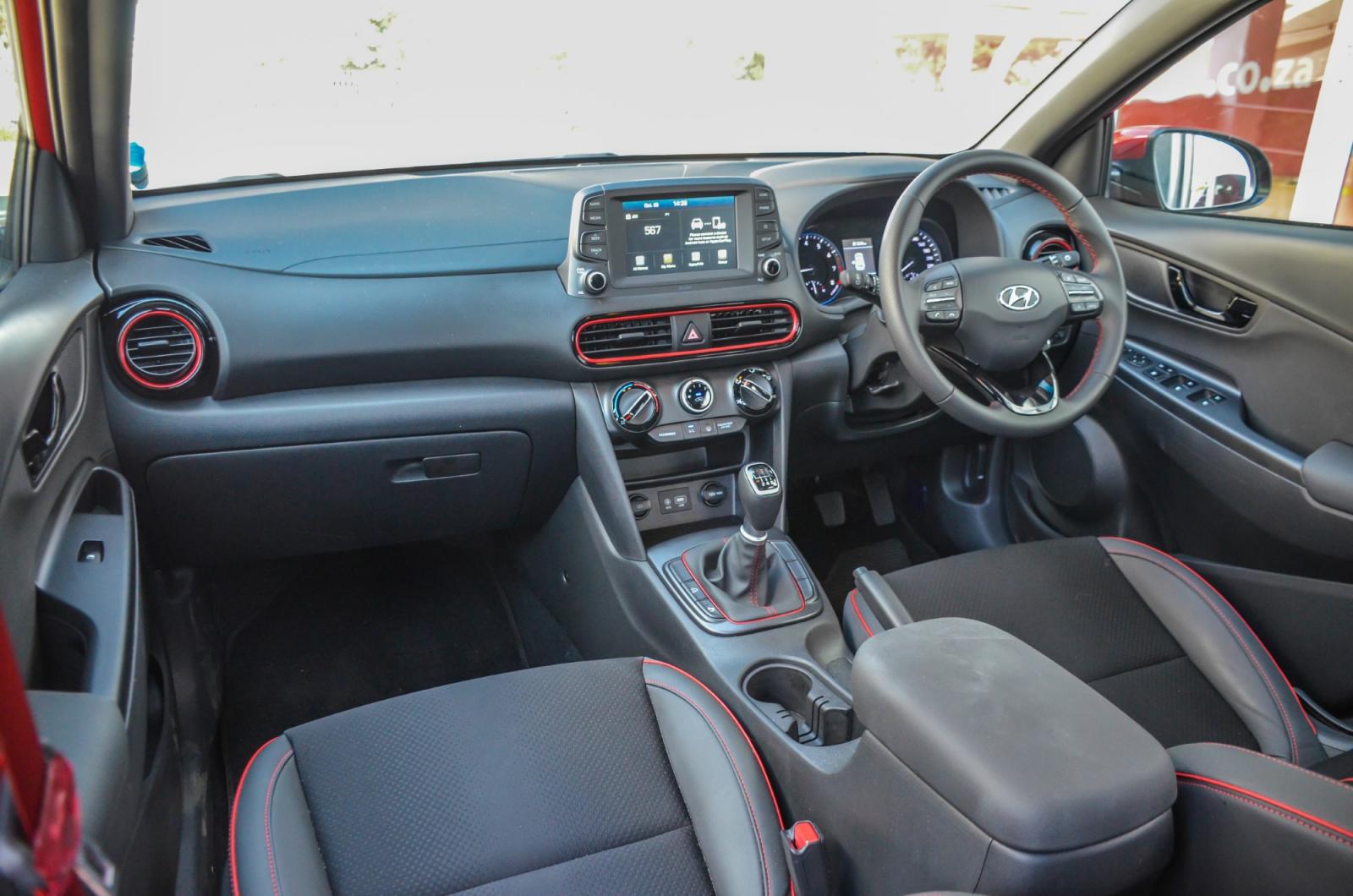
The interior is neatly designed and comes with a host of useful features as standard. 

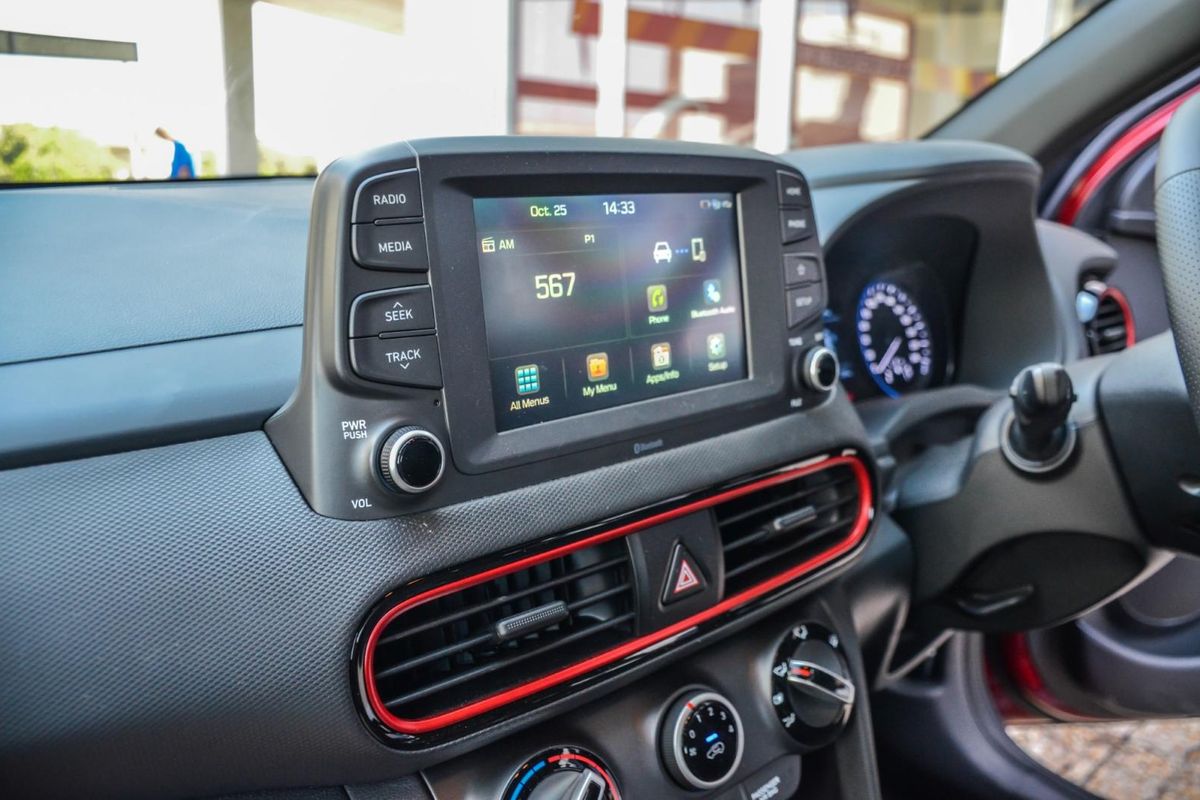
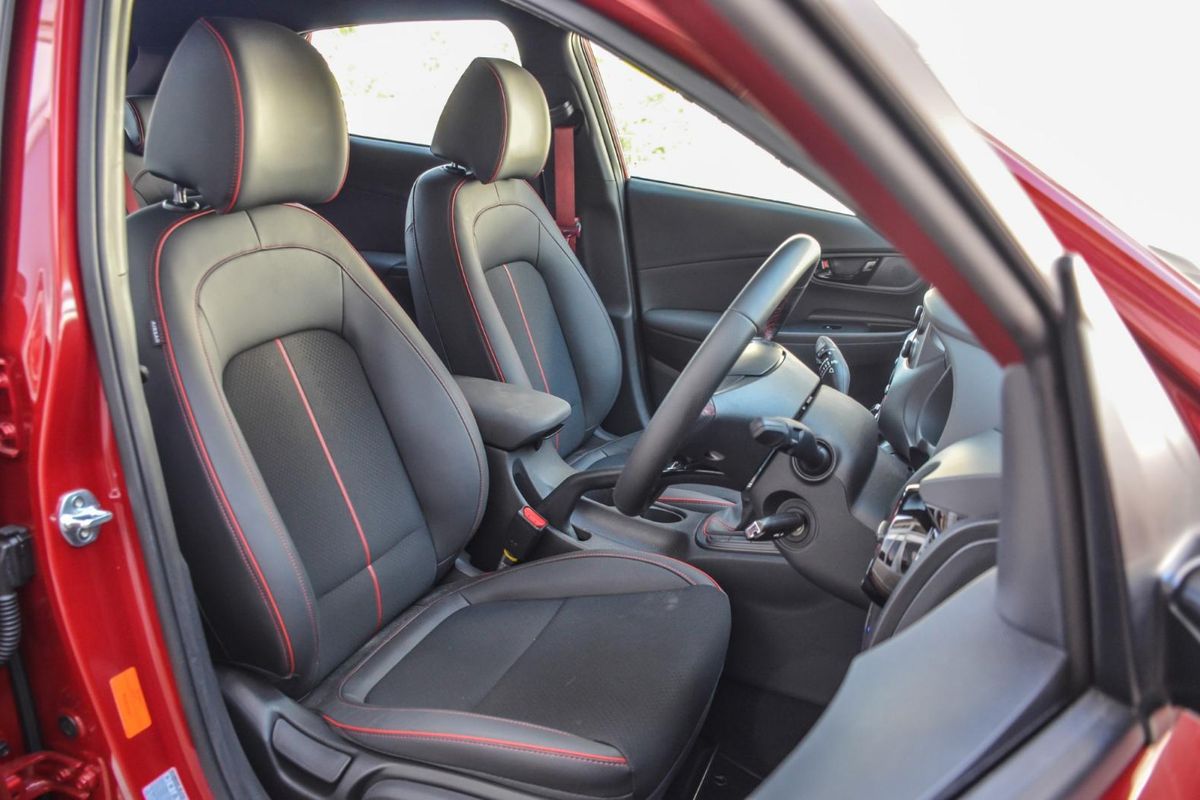
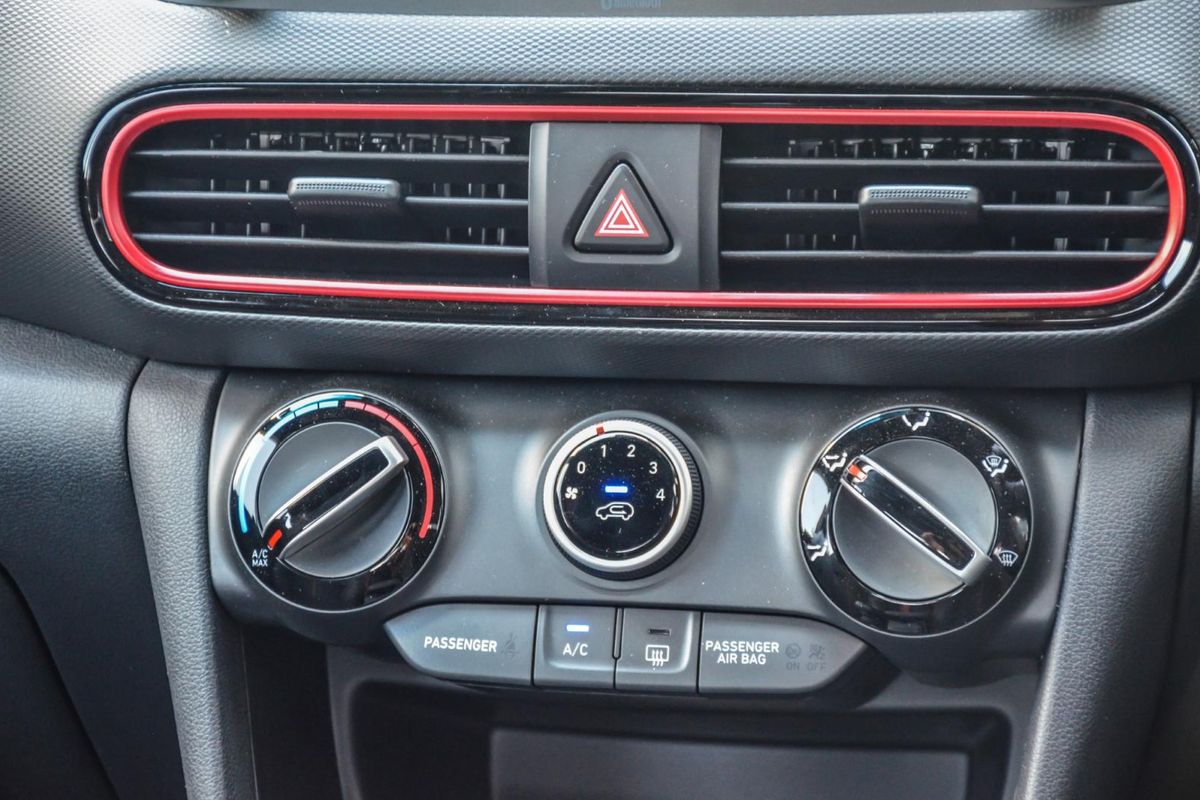
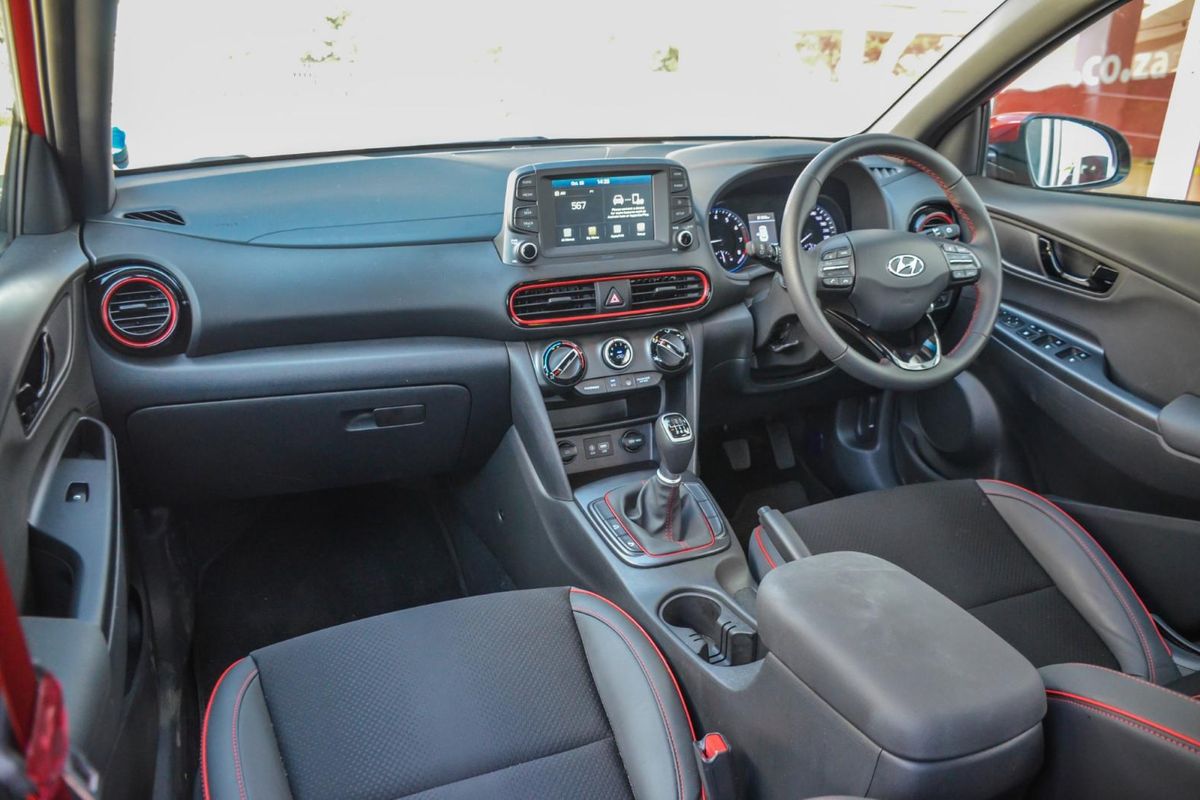
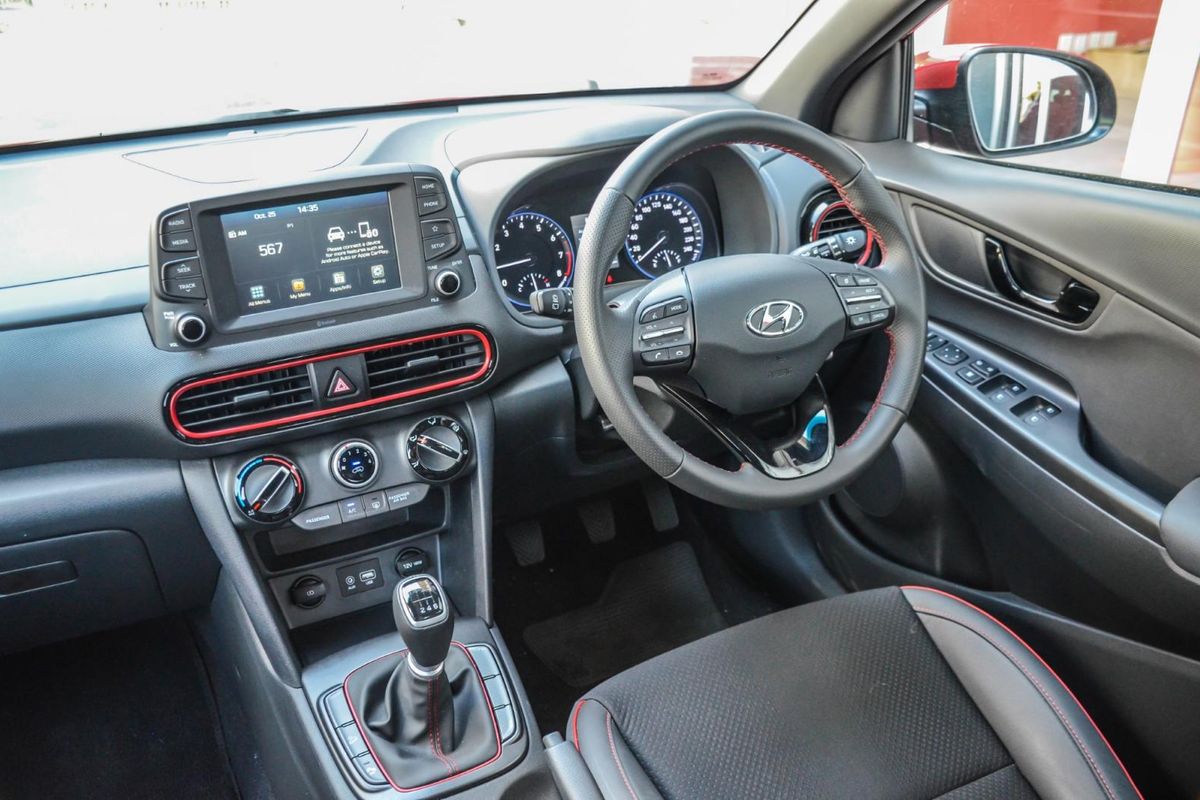
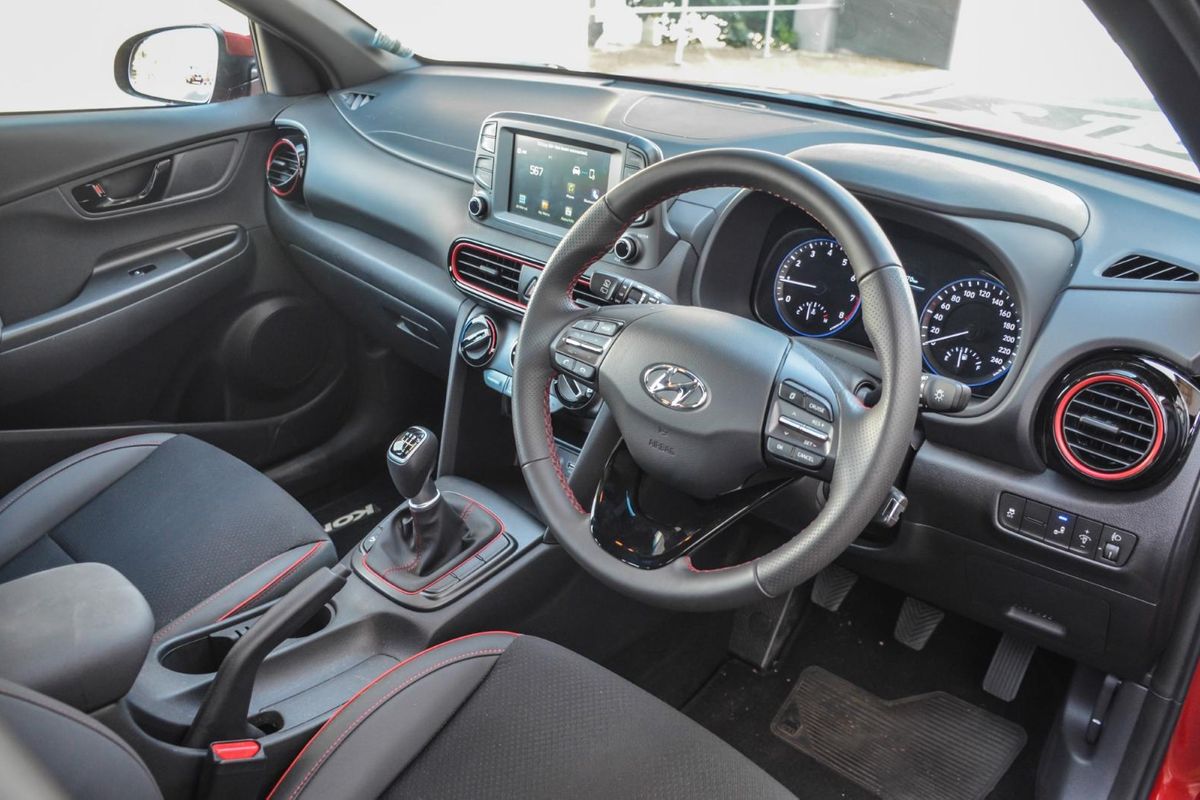
Although perceived interior quality is good, dark and hard plastic trim dominates, which makes the interior durable, but a bit sombre. Red air vent-  and gear lever boot surrounds (and similarly-coloured piping on the seats) break the monotony and add some verve to an otherwise dark cabin.

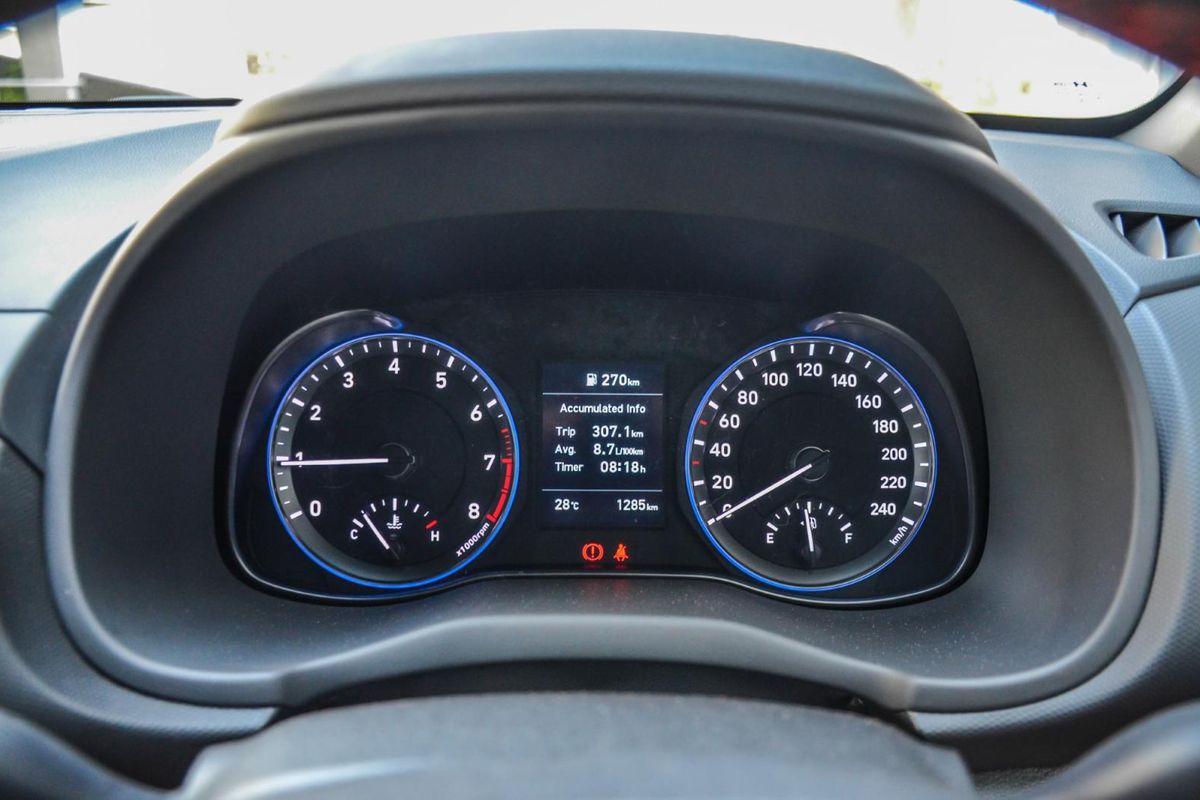
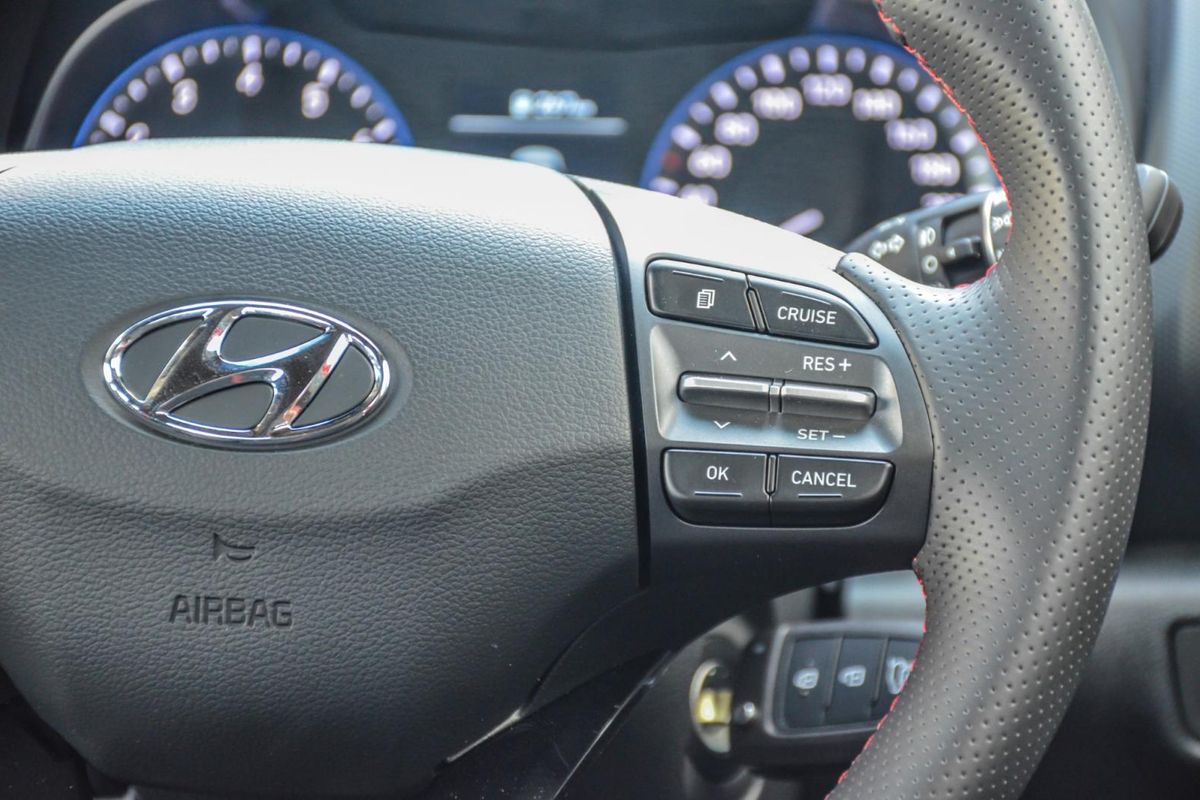
The seats (finished in artificial leather and cloth) are suitably comfortable; the fronts are manually adjustable, including height (for the driver). The rake-and-reach adjustable multifunction steering, meanwhile, has toggles for the audio system, Bluetooth, cruise control and multi-info display.


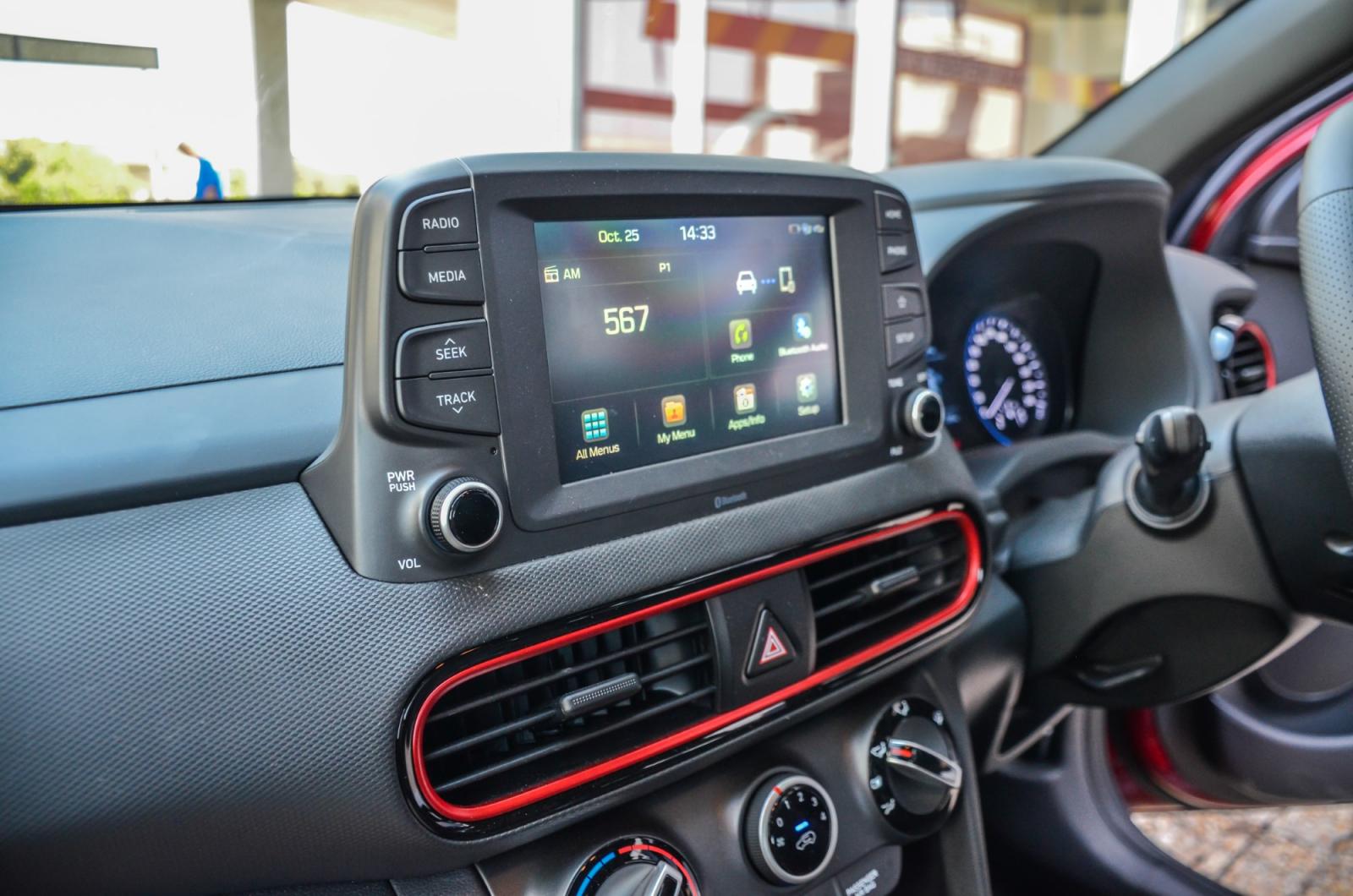
The 7-inch touchscreen infotainment system is easy to use and is both Apple CarPlay and Android Auto compatible. 

A neat 7-inch touchscreen infotainment system stands proud of the fascia and not only is it easy to use, but features Apple CarPlay and Android Auto compatibility. Satellite navigation, however, is an extra-cost option (contact your local dealer for a quote). Rear park distance control and a reverse-view camera is standard fare, as are electric windows, air conditioning, and electrically folding mirrors.

In terms of safety features, the Kona comes well-equipped with 6 airbags, ABS with EBD, Brake Assist and importantly, Electronic Stability Control (ESC). ISOfix child seat mounts on the outer rear seats are also standard.   

Practicality?


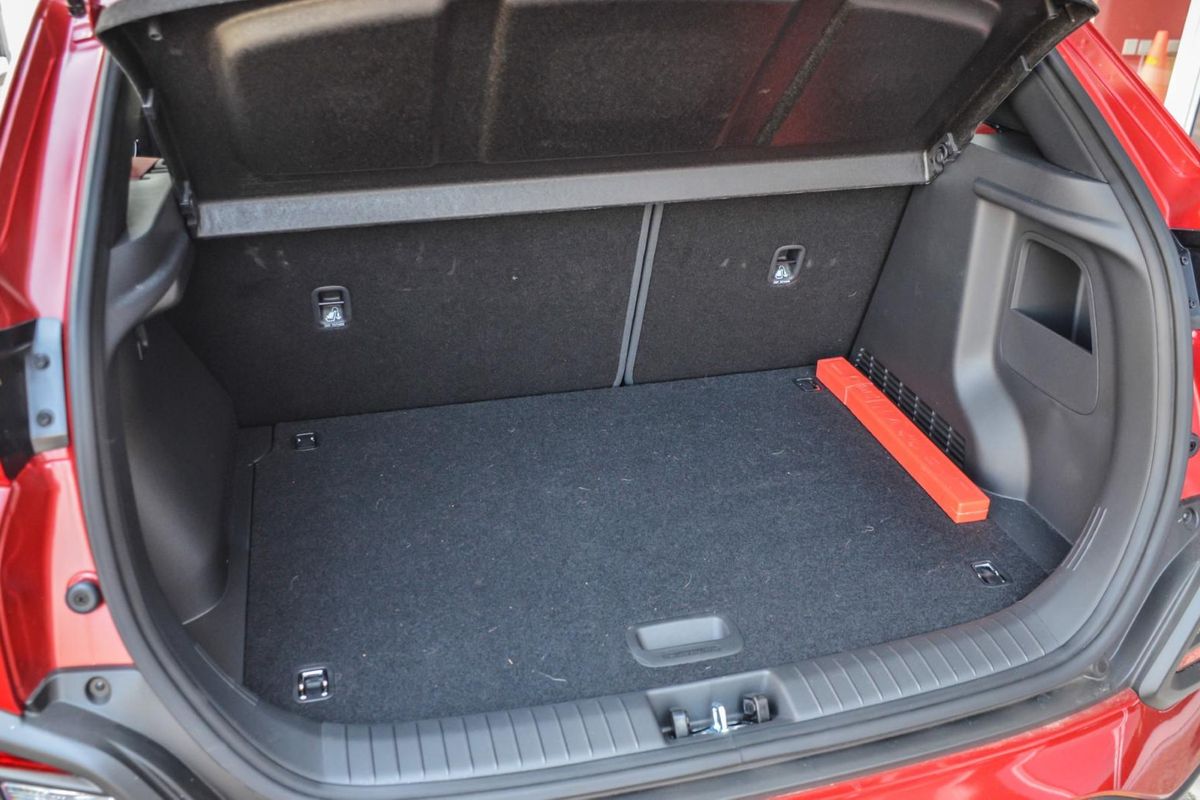
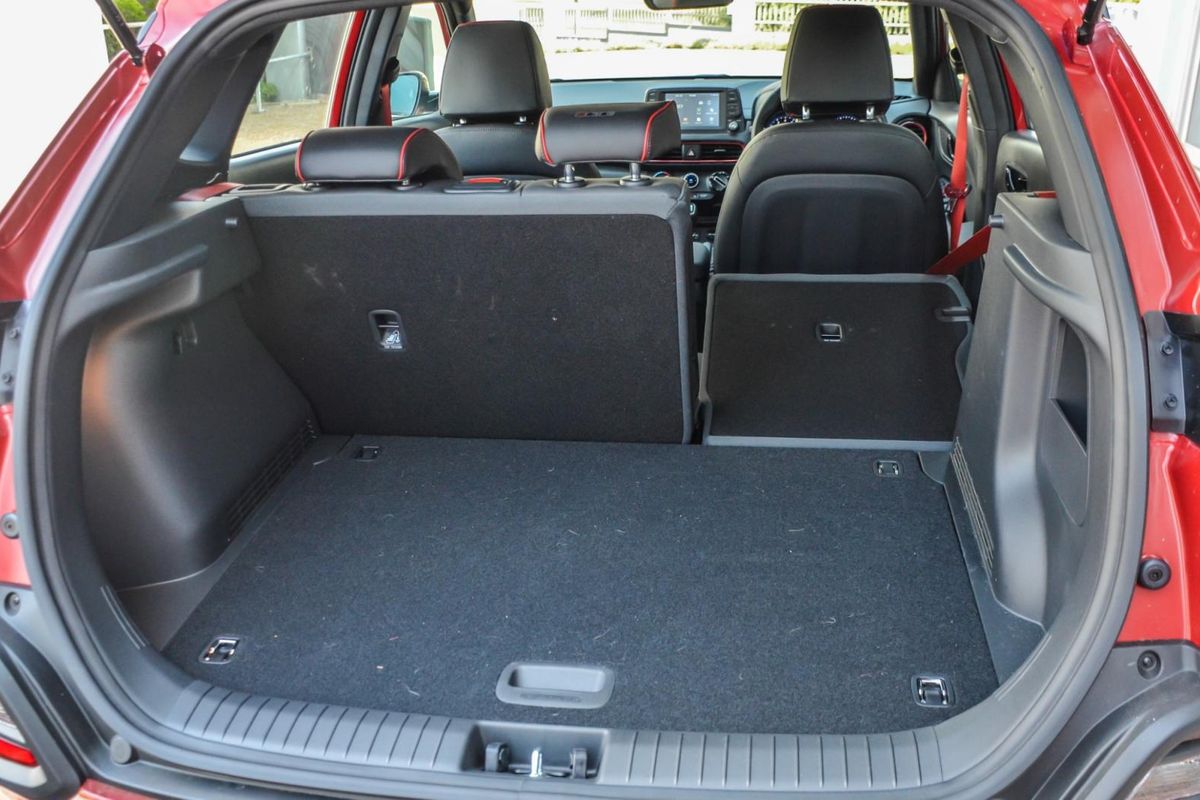
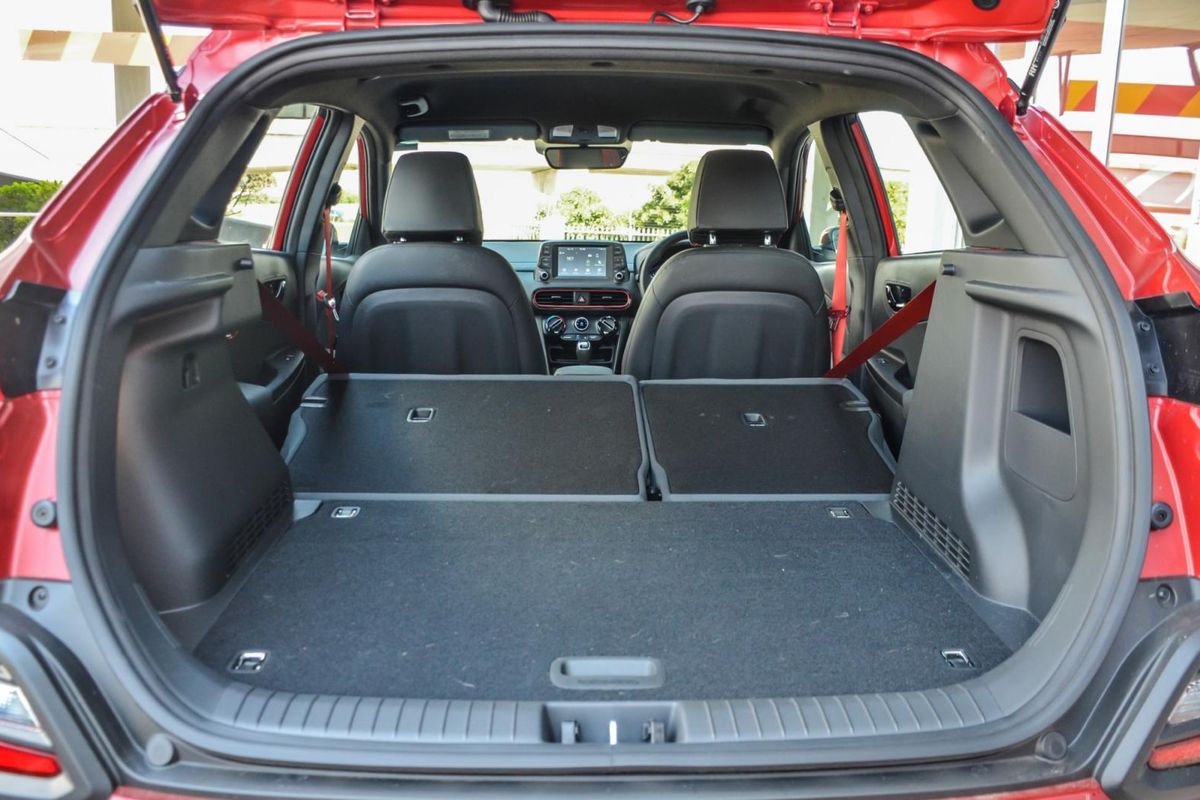
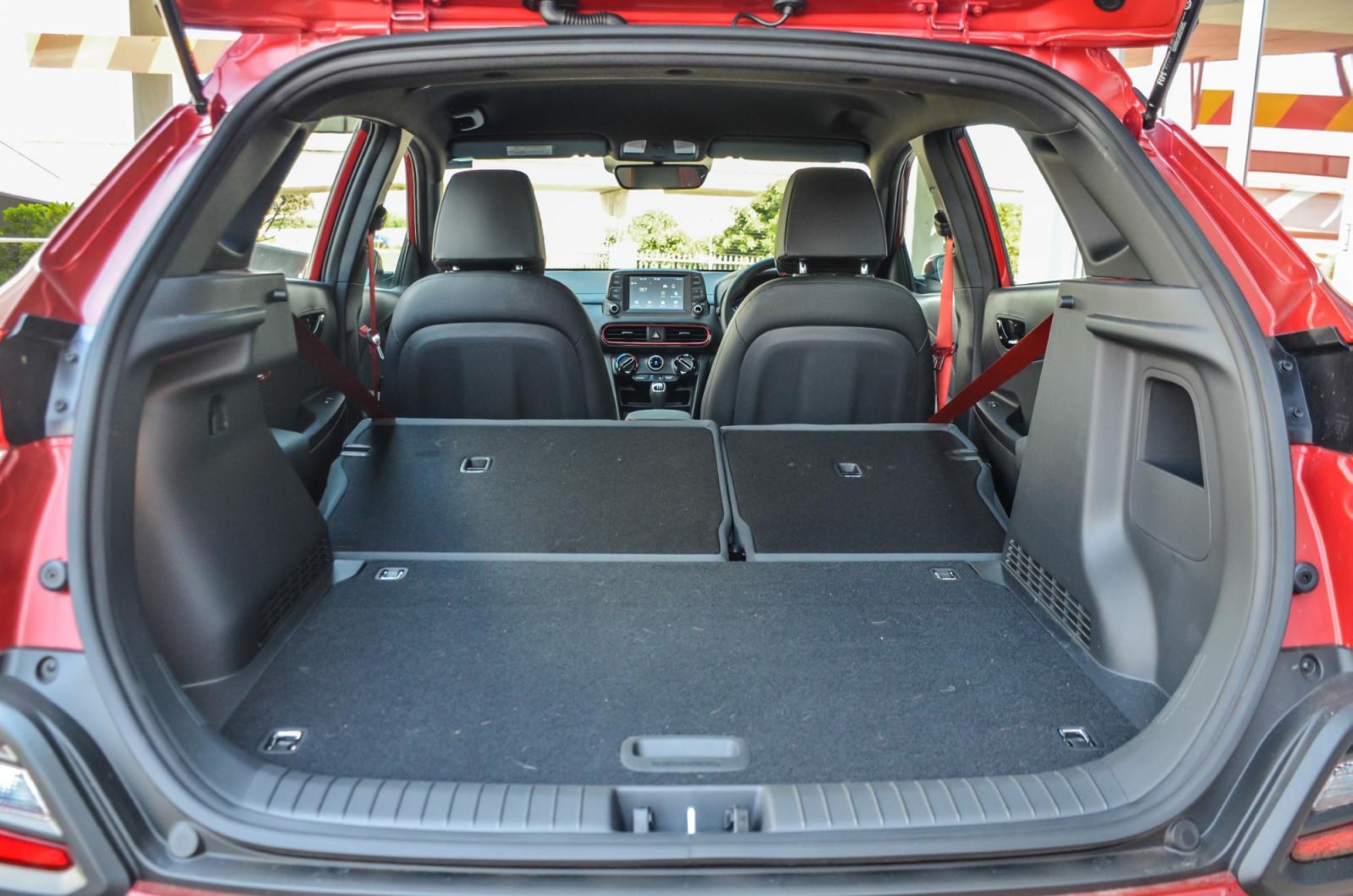
The load bay offers decent space which increases substantially with the rear seats folded flat. 

While the Kona may not be as spacious as the Creta, it still offers a reasonable amount of space to store luggage. The load bay is said to offer 361 litres of capacity, which is larger than that of the Ford EcoSport and Mazda CX-3, for example.

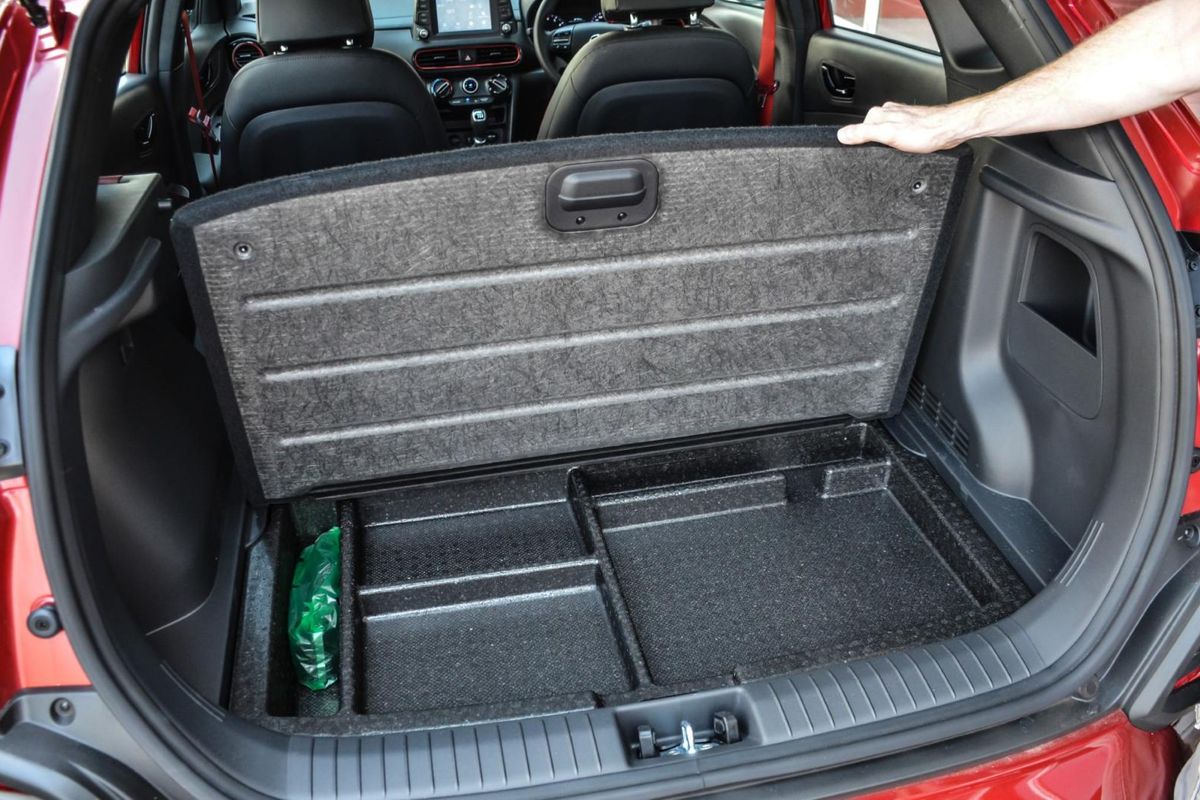
The rear seatback splits 60:40 and can be folded down to create a flat floor, which aids the loading and transportation of unusually long or bulky objects. Additional storage space for smaller items can be found under the load bay floor, which is ideal to keep valuable items out of sight.

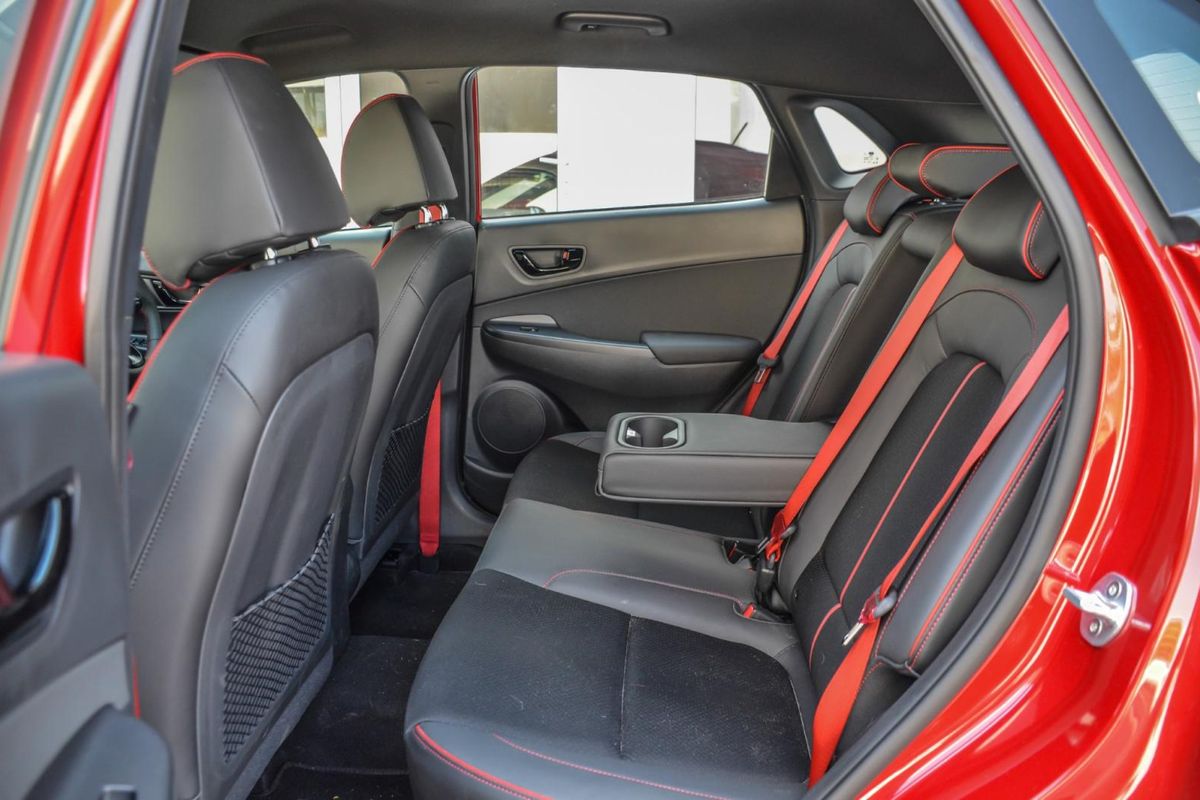
Taller rear passengers may find legroom a bit of a squeeze, but children and average-sized adults should be comfortably accommodated. A central armrest with 2 cupholders, bottle holders in the door mouldings and storage nets (on the plastic front seatbacks) provide extra storage space.

Up front, there are 2 cupholders, a small centre bin (to store oddments) and a dedicated smartphone storage space ahead of the gear lever, where a USB and auxiliary audio ports, a fast charging port and 12V socket are availed. Additional storage is provided in the glovebox and door mouldings. 

Pricing and warranty

The Hyundai Kona 1.0T Executive is priced at R379 900 (December 2018) and is sold with a 5-year/150 000 km vehicle warranty, 7-year/200 000 km drivetrain warranty and a 5-year/90 000 km service plan.

Buy a new or used Hyundai Kona on Cars.co.za

Verdict


The Kona is stylish, well equipped and it satisfying to drive, well, if you can afford it. 

The Kona is perhaps the oddball in Hyundai’s crossover/SUV line-up and whereas traditional family car buyers will either turn to the Creta or the larger Tucson to fulfil their transportation needs, the Kona will appeal to a more discerning buyer who's looking for something refreshing that makes much more of a style statement. Yes, it’s not the most spacious crossover, but it’s not too compromised either – a young family might find the Kona to be the perfect fit. It may also suit a young couple looking for a stylish urban runabout that offers more space than an average hatchback.

The Kona 1.0T Executive is well-equipped with features and its performance is more than adequate for running errands around town, or the daily commute, while still being capable enough to cope with average gravel roads. In terms of pricing, the Kona is on the pricey end of the scale (if you match it up with cars such as the Ford EcoSport, Opel Crossland X and Renault Captur) but none of those is as stylish as the Hyundai.  

What's more, the Kona makes a strong case for itself with a comprehensive warranty and a fair service plan. We think it’s definitely worth considering if you are in the market for a crossover with a bit of flair… there aren't that many of them!

Alternatives (click on the names for specification details)

Ford EcoSport 1.0T Titanium

The top-spec Ford EcoSport represents good value at its price point of R334 500. Its load bay is not as big as the Kona’s, but its turbocharged 1.0-litre engine offers similar outputs of 92 kW an 170 Nm of torque. The EcoSport is also well-equipped with standard features.

Opel Crossland X 1.2T Cosmo

The Crossland X is not only more spacious than the Kona, but its turbocharged 1.2-litre petrol engine (81 kW/205 Nm) is punchier. It too is generously equipped with standard features and is priced at R370 867. The Crossland X’s styling is not as flamboyant as the Kona's, however.

Mazda CX-3 Individual auto

If style matters to you, then the Mazda CX-3 is a good bet. It has a bigger, more powerful naturally-aspirated 2.0-litre engine that offers 115 kW and 206 Nm of torque with the convenience of an automatic transmission. Standard specification is good too and it is similarly priced to the Kona at R389 400. Its load bay, however, is comparatively tiny, at 264 litres.

Related Content  

Hyundai Kona (2018) Launch Review

Hyundai to Reintroduce Atos in 2019

Hyundai Santa Fe (2018) Launch Review

Hyundai Creta 1.6D Executive (2018) Video Review

Hyundai Creta 1.6D Executive (2018) Quick Review

2018/19 Cars.co.za Consumer Awards – powered by WesBank; Finalists

BMW 3 Series (2019) International Launch Review (w/video)

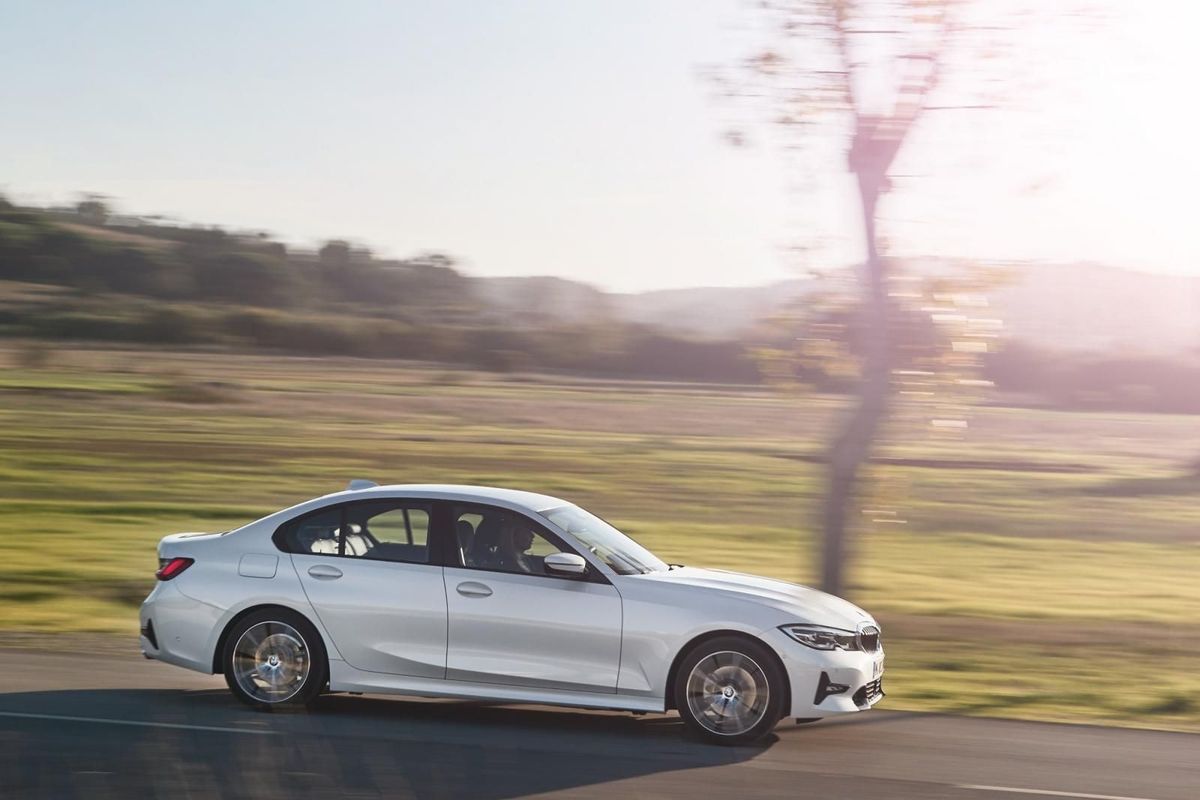
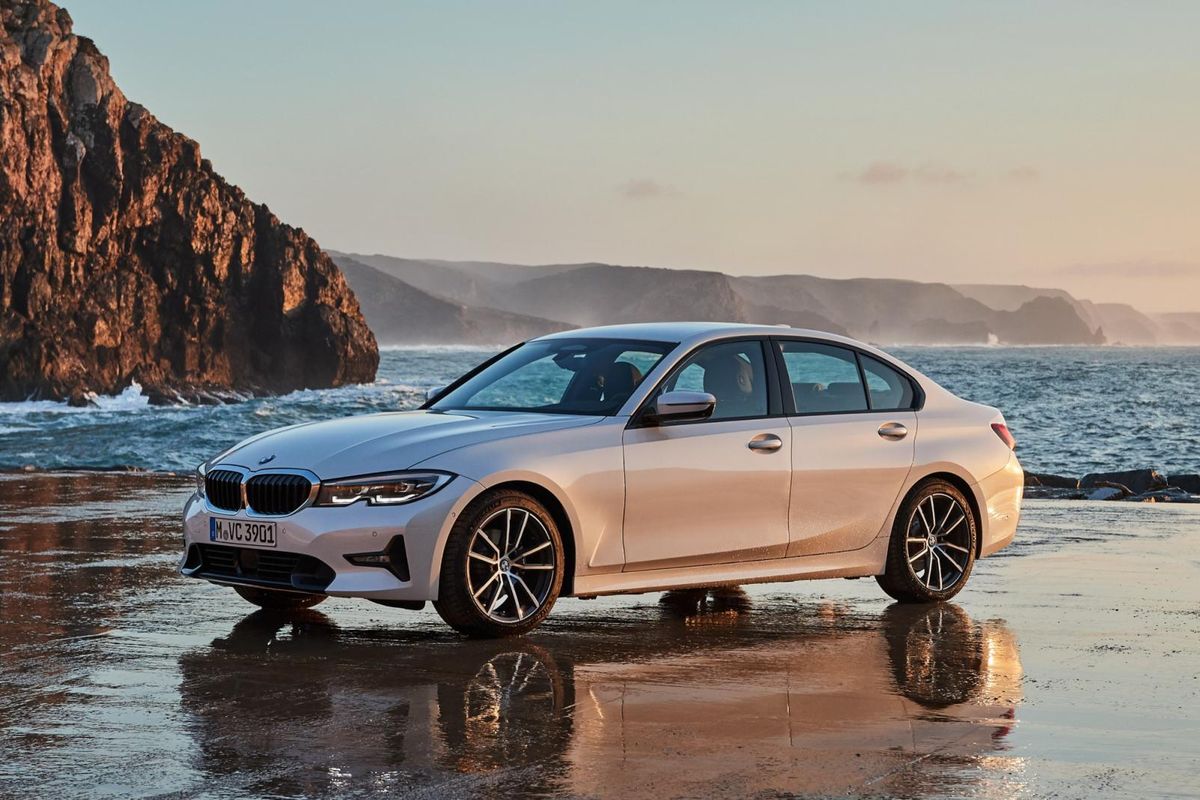
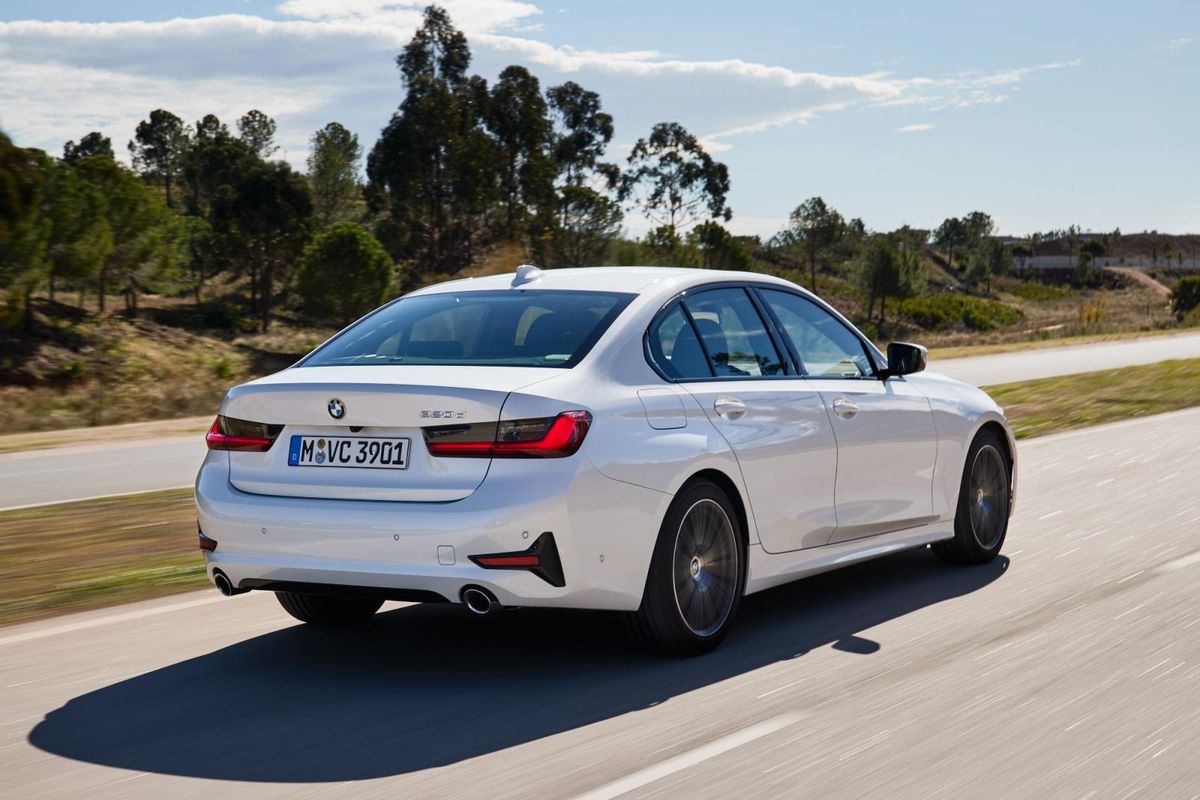
Contrary to popular belief, the sports sedan is not dead. In fact, BMW says its 3 Series will remain the most important car in its lineup for the foreseeable future. This was the bold message from the Munich-based manufacturer, which rolled out the 7th-generation of its "3er" business class sedan in Portugal. How can the Bavarian marque be so confident? Ah… well, that's because the new 3 Series significantly shifts the goalposts in this cut-throat segment.

South Africans love the BMW 3 Series. Though we missed out on the first-generation (E21) car, it's a love affair that started with the E30 and is rooted in performance, motorsport success and, in general, a more youthful appeal than what its main rivals from Audi and Mercedes-Benz have ever been able to offer. This golden thread of dynamism and performance is something BMW is acutely aware of, and while the latest G20-generation car offers more on-board and autonomous tech than any of its current rivals, it is clear that when it came to defining the product direction of the new 3 Series, BMW wanted to ensure that the new car again put clean air between itself and its rivals in terms of its driving experience.

> ALSO READ: New BMW 3 Series pricing released for South Africa

So, fret not… while the new 3 Series can reverse itself out of trouble, drive autonomously for longer distances than its siblings and even exchange pleasantries with you after a tough day at the office, BMW promises that the G20 remains a blast to drive. And that's why I find myself on the stunning, near-empty Algarve roads around Porches in Portugal; I need to figure out whether it's all just hot air…

Challenge 1: Best-in-class dynamics


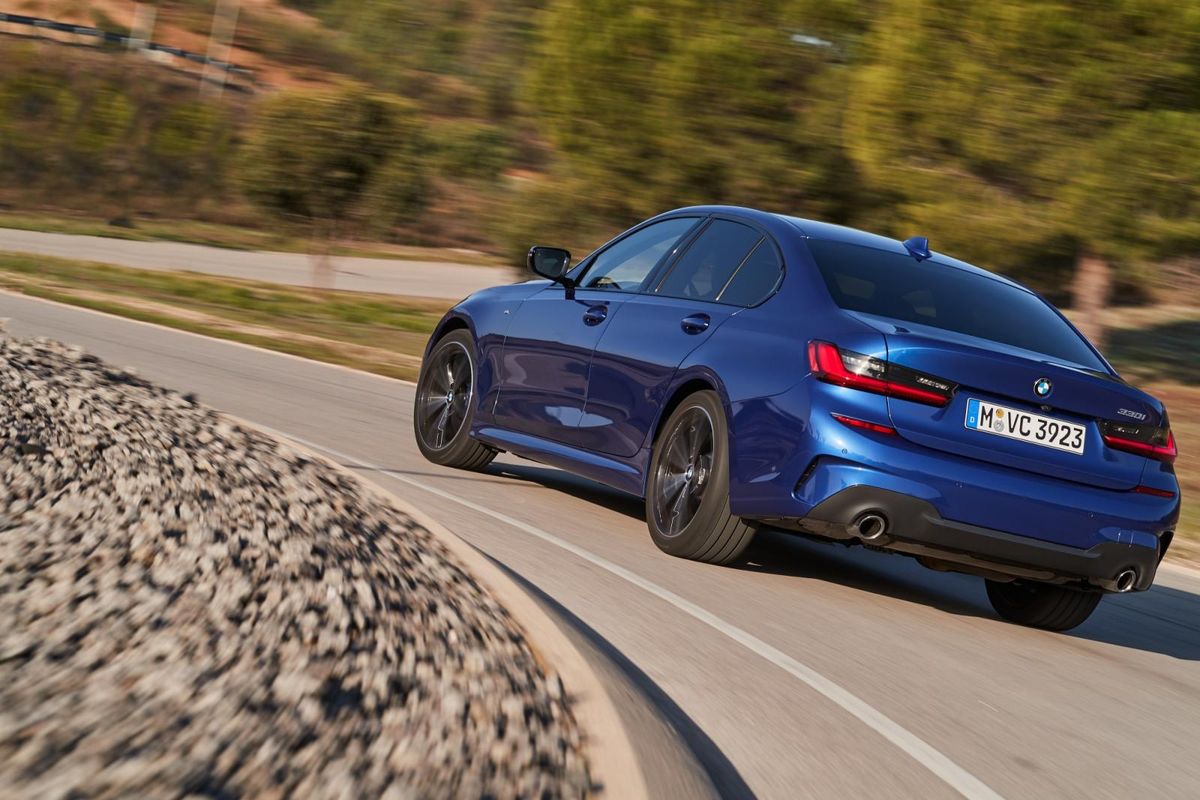
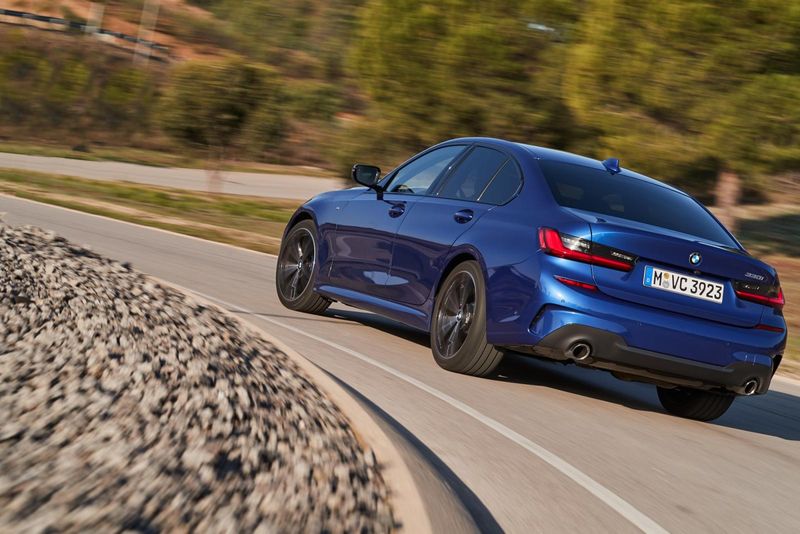
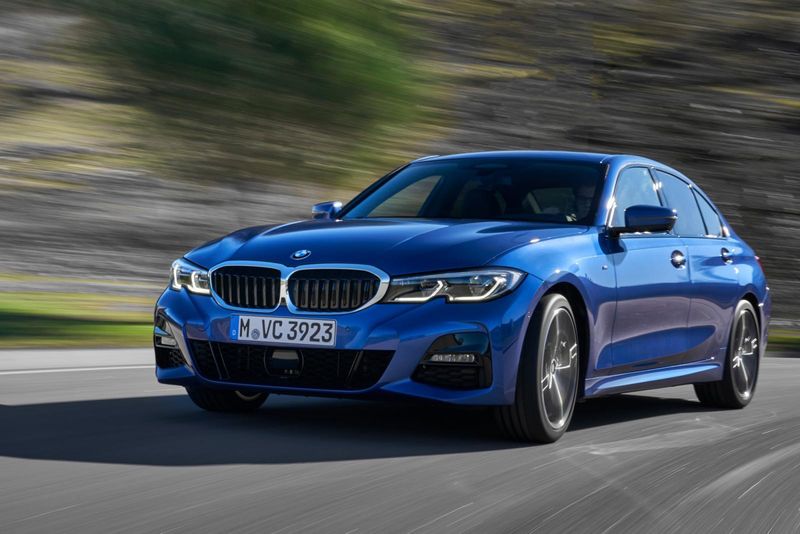
This 330i M-Sport proved fun to drive on the near-empty Portuguese roads. Excellent body control, yet refined on rough surfaces.

Whereas it could be forgiven for focusing on technology, luxury and build quality (as its rivals do), BMW prioritised dynamism for the G20 and set lofty road-holding and on-road refinement targets from the outset, which significantly impacted decisions around the car's footprint. Consequently, it has grown in some key areas: the front and rear tracks are wider (by 43 mm and 21 mm) and the wheelbase longer (by 41 mm).

Of course, the Munich-based marque has made some savings too: the kerb weight is lower (by up to 55 kg) and so is the car's centre of gravity. The structure, meanwhile, is up to 50% stiffer than before (and the previous car was far from flimsy in that regard). Finally, it's worth pointing out that BMW has again achieved the desired 50/50 front to rear weight distribution. All of this sounds like a great base to work from, doesn't it?

But that's not all. There are essentially 3 distinct suspension set-ups available and, given the sportier pretensions of the newcomer, the standard comfort-oriented suspension should still deliver very crisp handling. The cars we drove in Portugal were equipped with the firmer, lower M-Sport set-up, but for those who want even more dynamic verve, adaptive damping will be optionally available (R11 400*).

Whether the latter will be necessary is difficult to say at this point, seeing as the standard, passive dampers are impressive in their own right. They feature hydraulic bump-stops and theoretically should allow for increased stiffness towards the end of their stroke. The pièce-de-résistance for the driving enthusiasts – those who like to let their Ultimate Driving Machines' rear-ends hang out, for example – is the optional electronically controlled limited-slip differential, which will be available on some of the pricier derivatives. According to our info, the latter will cost R19 500* in South Africa.


Precise steering and nice, thick-rimmed wheel make the 3 Series a pleasure to pilot.

BMW wheeled out the 2 derivatives that will be available in South Africa in March 2019: the 320d and 330i. I jump into the 320d first. Its 2.0-litre 4-cylinder turbodiesel engine has the same outputs as before (140 kW/400 Nm), but efficiency has been improved to meet new (and much tougher) emissions legislation. It's no slouch, either… coupled with an 8-speed automatic transmission it can get to 100 kph from a standstill in only 6.8 sec.

But I take it easy on my first run on the unfamiliar (and very curvy) Algarve roads. First impressions are good… the steering feels very precise and responsive and the car's body stays reassuringly flat under cornering. I'm also impressed by the refinement.

BMW says it went to great lengths to reduce interior noise levels in the G20; all 3 Series derivatives, for example, are fitted with special "acoustic" windscreens that minimise wind noise intrusion. You can even order similar-spec front side windows. I'm not sure whether my test unit had these optional windows, but I can vouch that the newcomer's cabin is comparatively, very quiet, even when the road surface deteriorates.


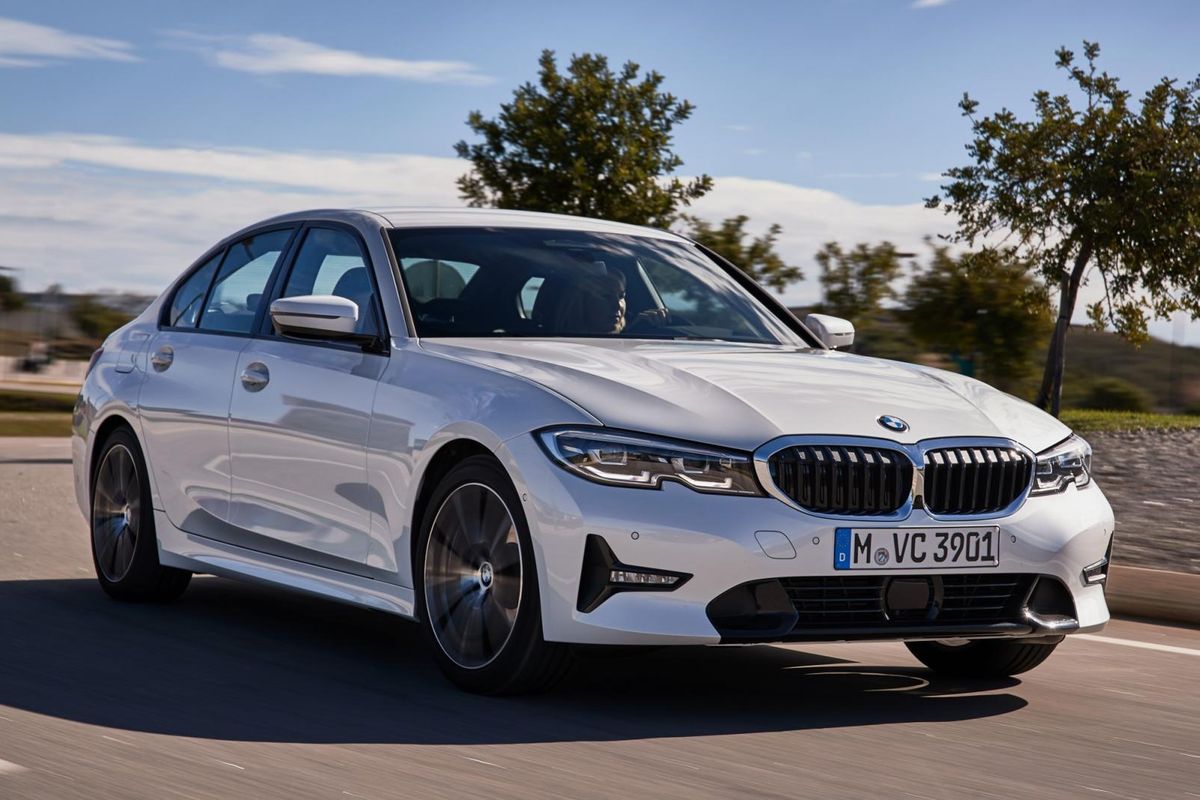
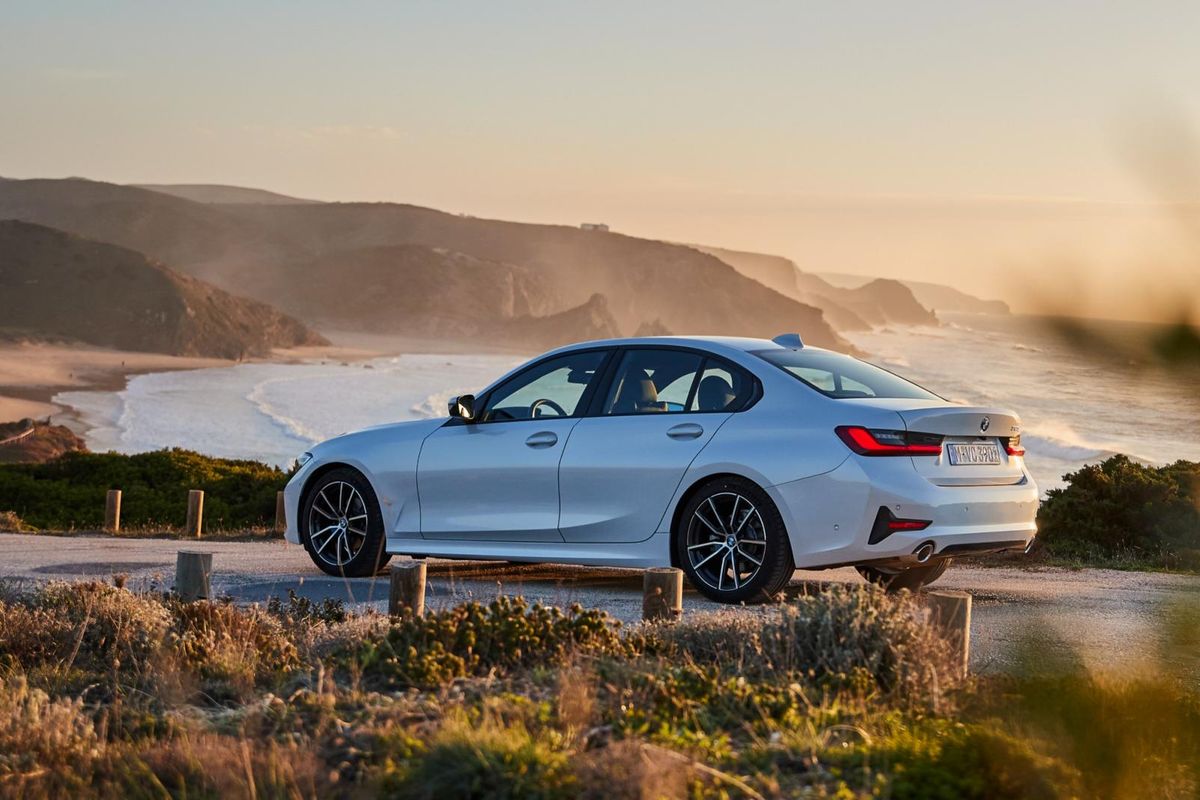
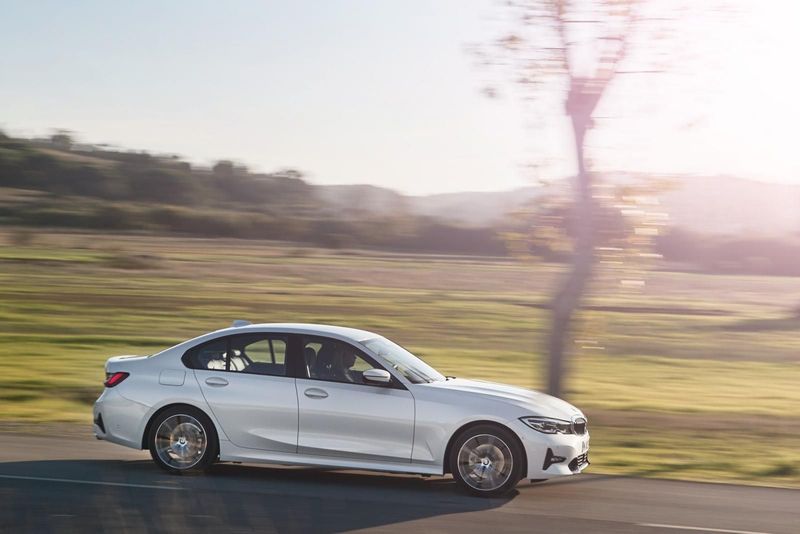
M-Sport package adds bigger wheels and a lower ride height. As was the case with the F30, the 3 Series looks best in this garb.

The 330i M-Sport is next. The 2.0-litre 4-cylinder turbopetrol produces slightly more power than its predecessor (190 kW/400 Nm) and is claimed to sprint from 0 to 100 kph in only 5.8 seconds. On my second run, I am relieved to find the roads that hug the Algarve quieter than when I sampled the 320d. That, combined with greater familiarity, allows me to drive the 330i significantly harder than its sibling.

And, the 330i responds beautifully to driver inputs. To me, the hallmarks of a great driver's car are responsiveness and control harmonisation. The latter is rarely achieved… I want a similar weighting/feel to the major controls (steering, brakes, throttle) and the new 3 Series seems to get very close to achieving this feat. Later, I ask the Driving Dynamics Project Manager Albert Maier why the steering in the 330i had more feel than in the 320d, thinking that there must be a spec difference. He suggests that it is down to tyres… And perhaps I just pushed a lot harder on the 2nd run… 

At the time that this launch review goes live, there is nothing in this segment that can match the G20 3 Series for its ability to not only to be superbly agile in the corners, resist body roll and yet offer a satisfactory level of suppleness during everyday driving. Oh… and while purists will continue to lament the lack of a 6-cylinder engine underneath the 330i's bonnet, considerable acoustic tuning does give it a nice, throaty sound. 

Challenge 2: More "evocative" design


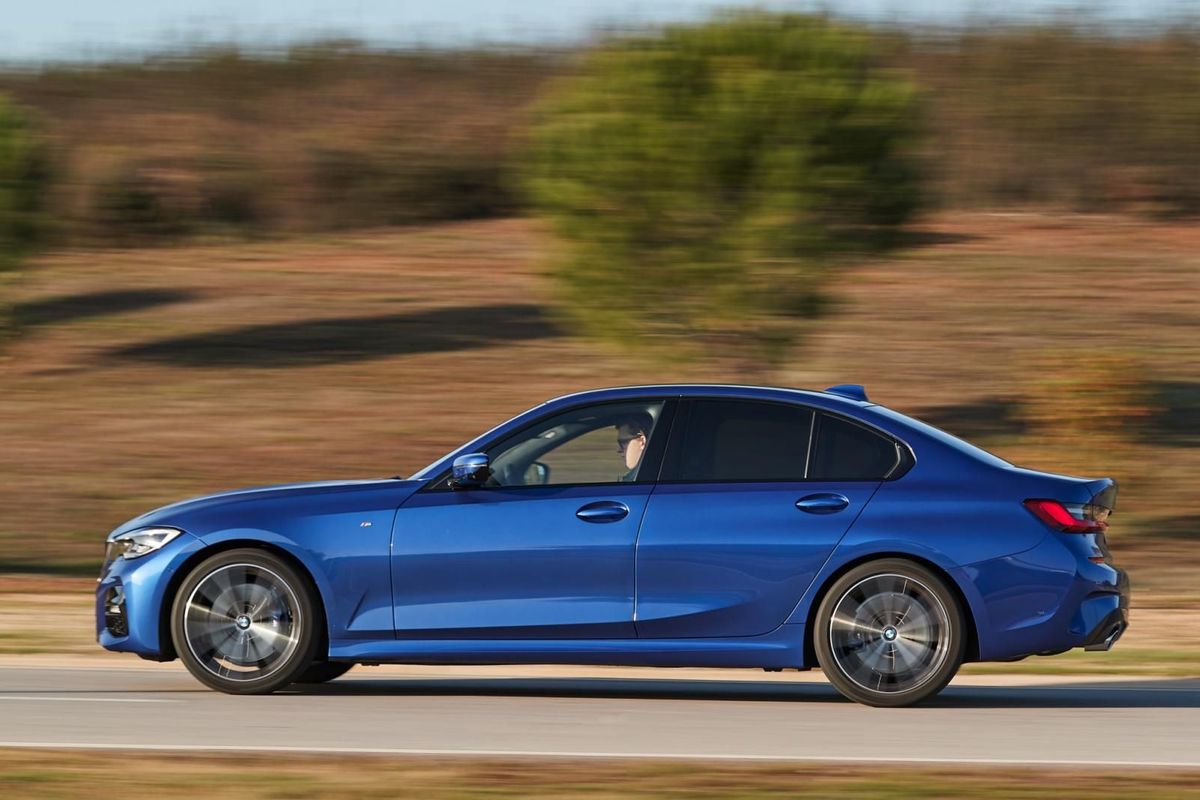
With its long nose and rear-set cabin, the 3 Series retains the sporty persona of its predecessors. But the beauty is in the details.

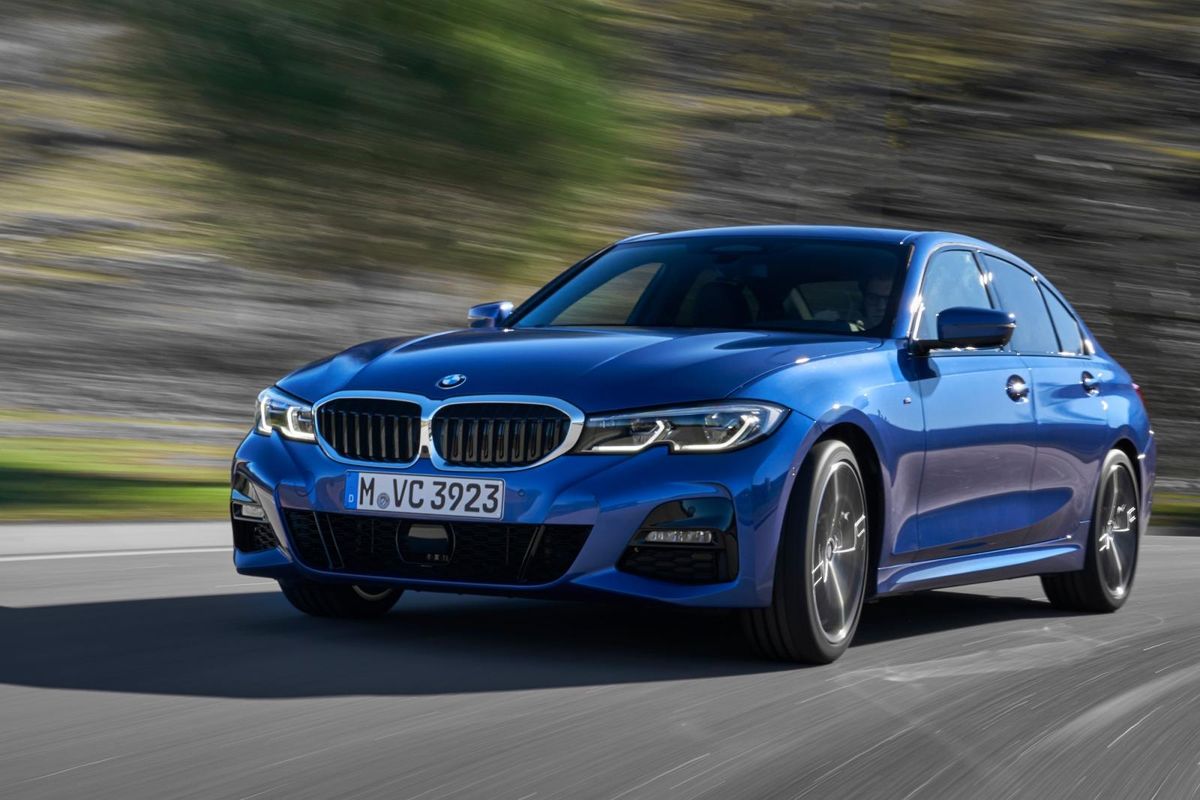
Much as I imagine Porsche's designers will tell you at the birth of every new generation of 911, designing a new 3 Series is a major challenge. There is a lot of heritage that is valuable, yet there is also a lot of pressure to make more decisive steps than before. Design being a very subjective thing, I'm going to leave it up to you to decide (as you will, anyway) whether you like the look of the new 3 Series or not. I must caution you, however, that you may change your mind when you see it in the metal.


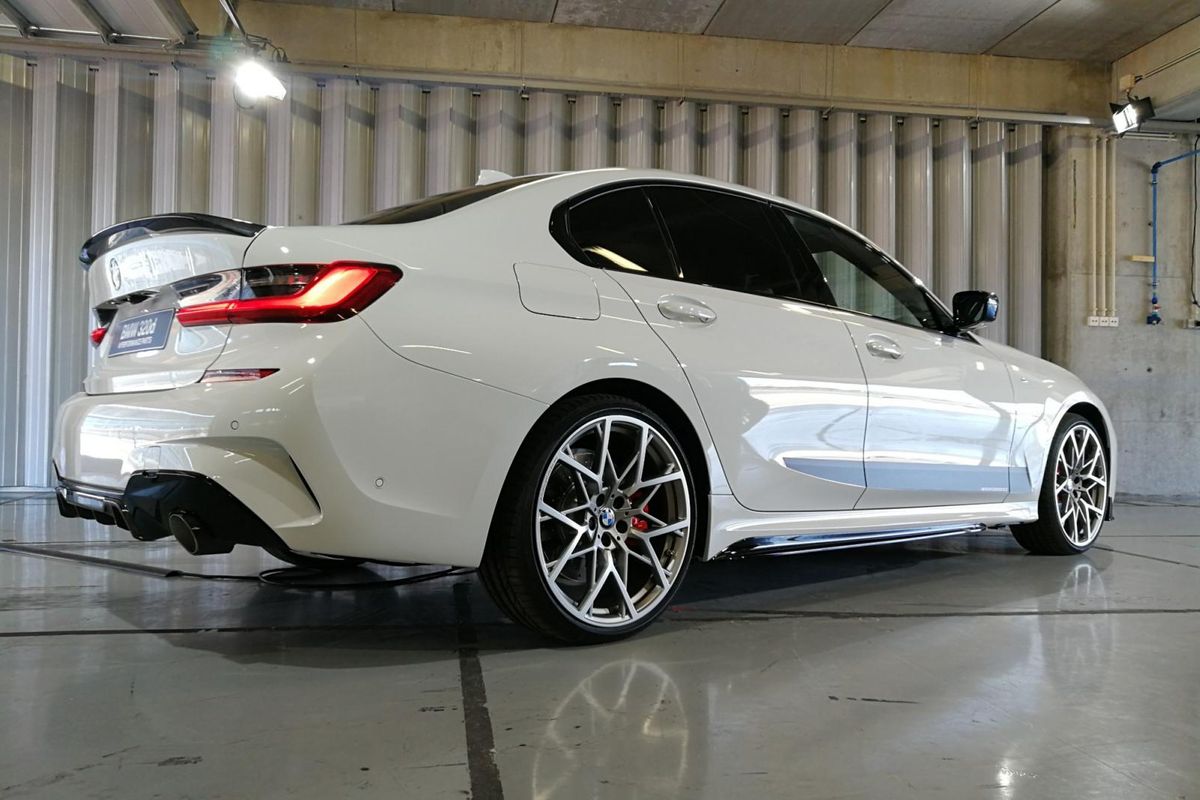
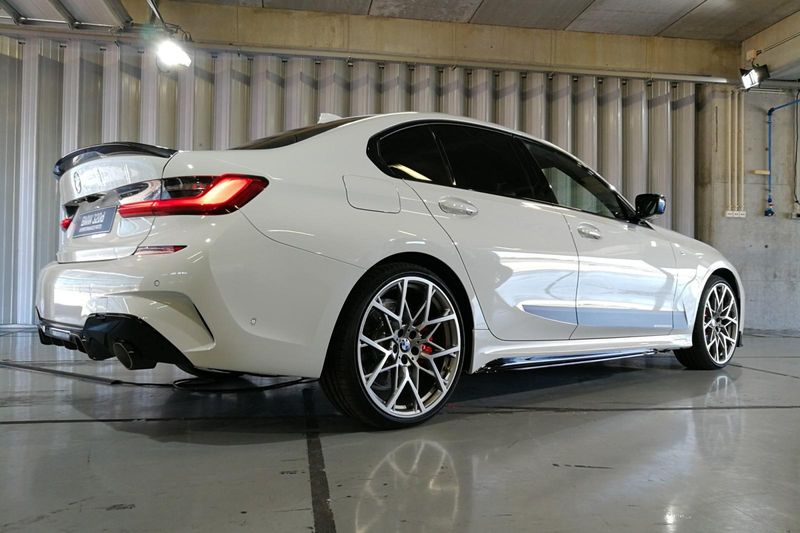
Believe it or not… this is a 320d. It's kitted out with M Performance Parts and set our Instagram account on fire.

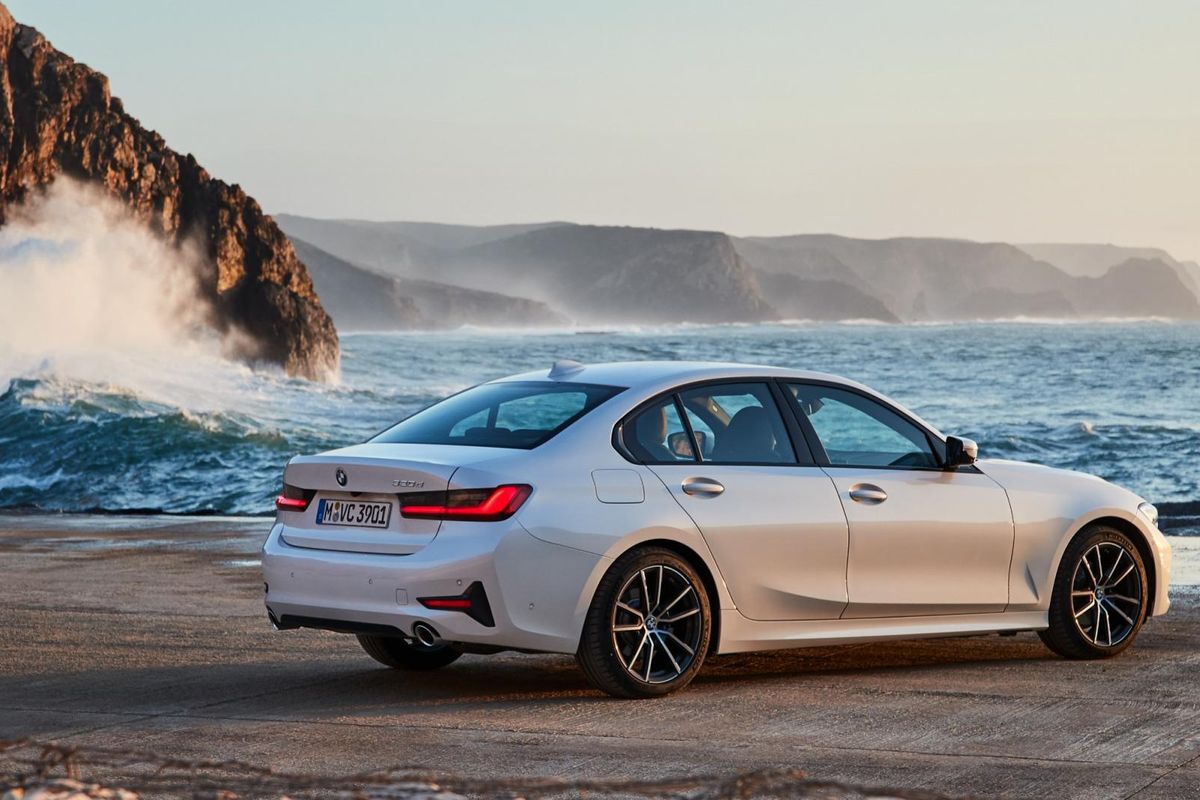
The G20 retains the sporty, low-slung and cab-to-the-rear stance of its predecessors and although there's nothing particularly radical about its overall appearance, BMW has instituted a significant number of detail changes – and those aesthetic elements come to your attention when you put in the time and effort to find and study them. The 3er is also a lot more aerodynamically efficient than before (Cd figure of 0.23, as opposed to 0.26).

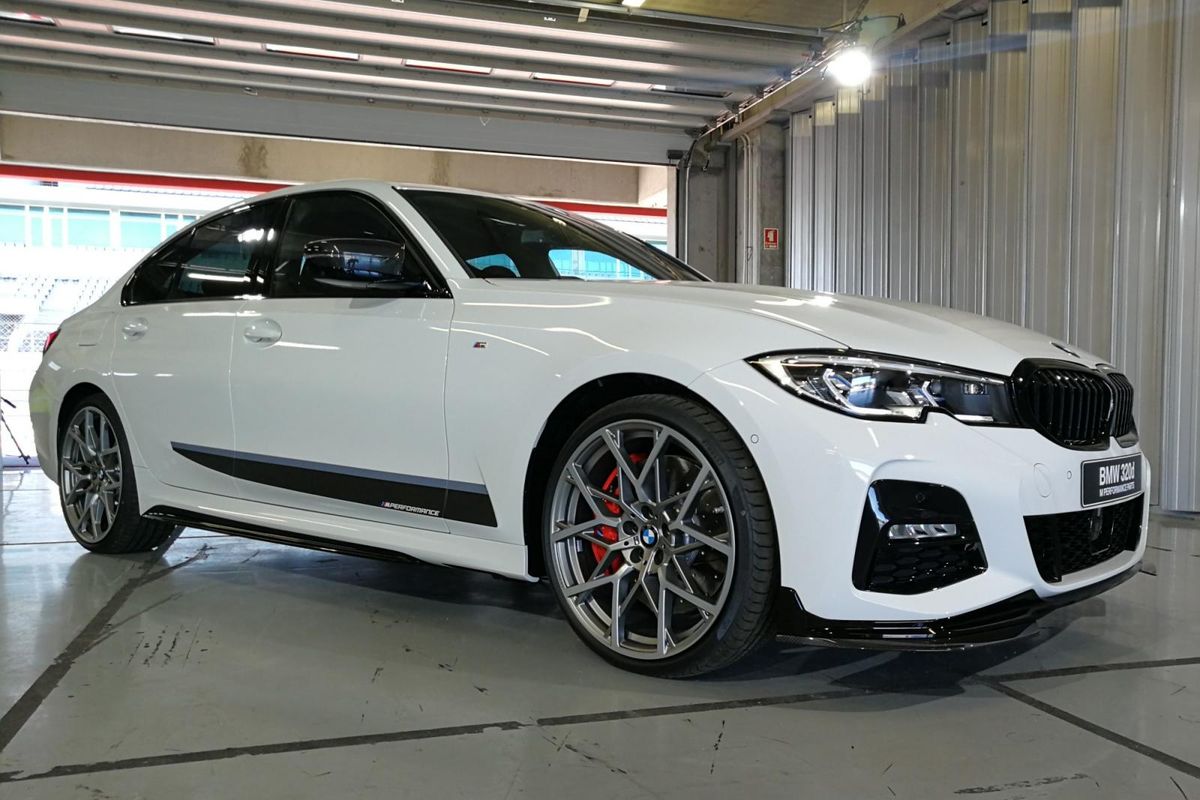
The surfaces are cleaner, the lines more defined and nods to the past clever. The L-shaped taillamps are particularly attractive, and I do love the nod to the E46 headlamps, though the treatment is far more angular on the G20. Of course, much of a modern car's facial persona is defined by the design of its headlamps and their interior detailing. The LED signature of the new 3 is fierce, which I like. Furthermore, the M-Sport package ups the drama and if you specify items from the M Performance Parts catalogue, you can transform an otherwise demure 320d into a serious head-turner.


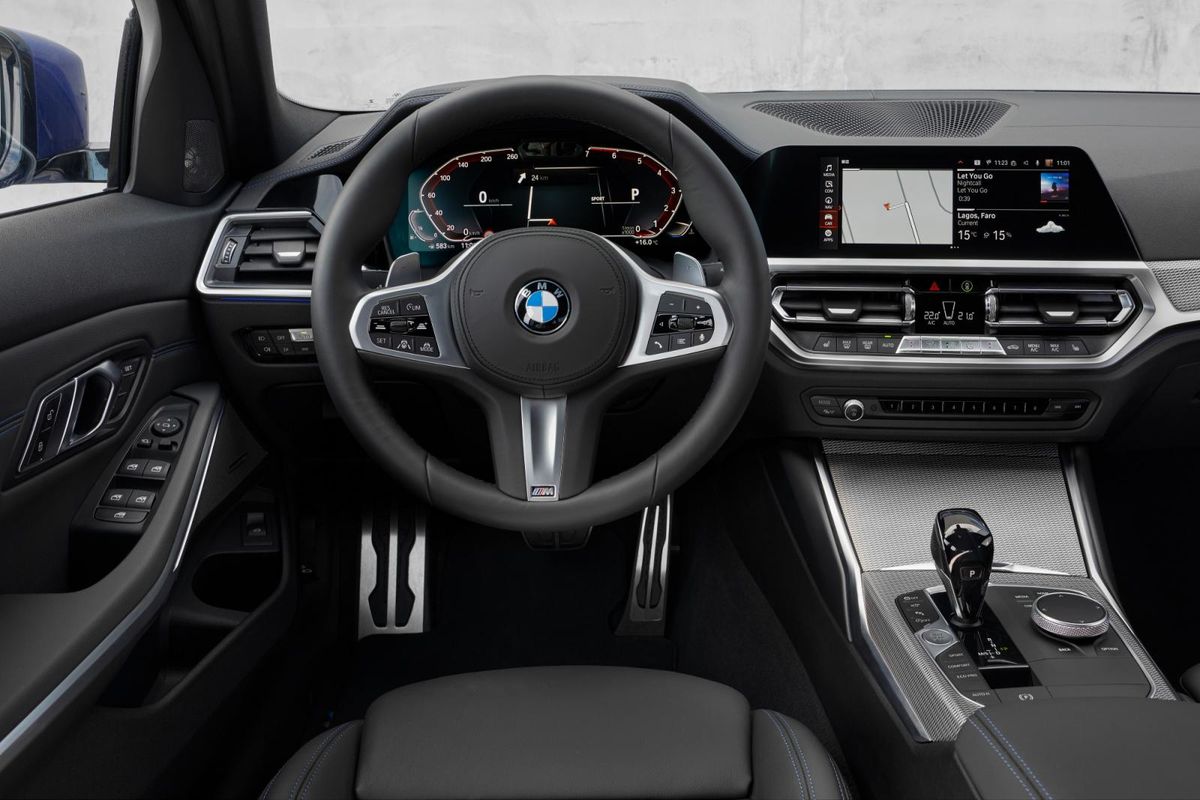
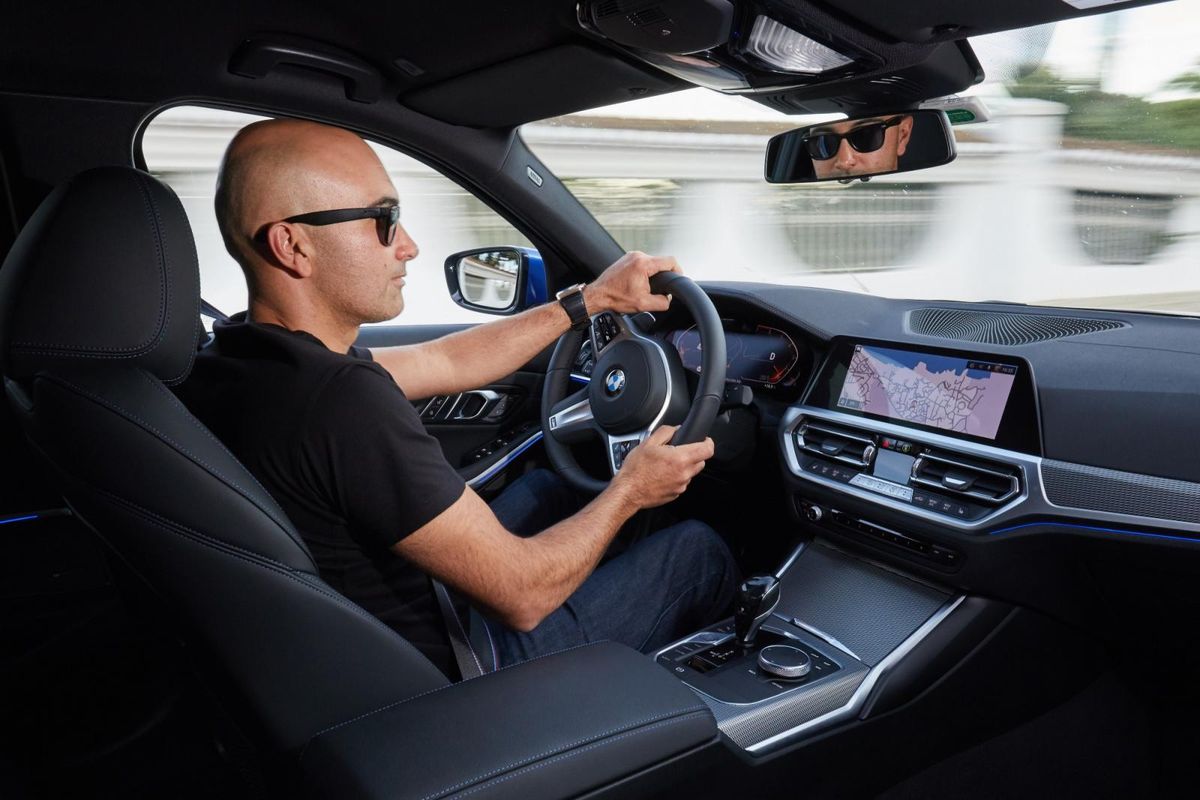
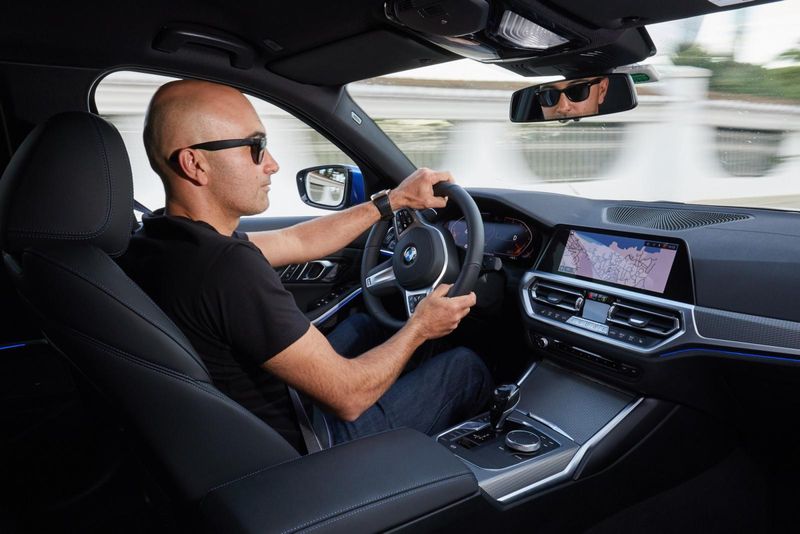
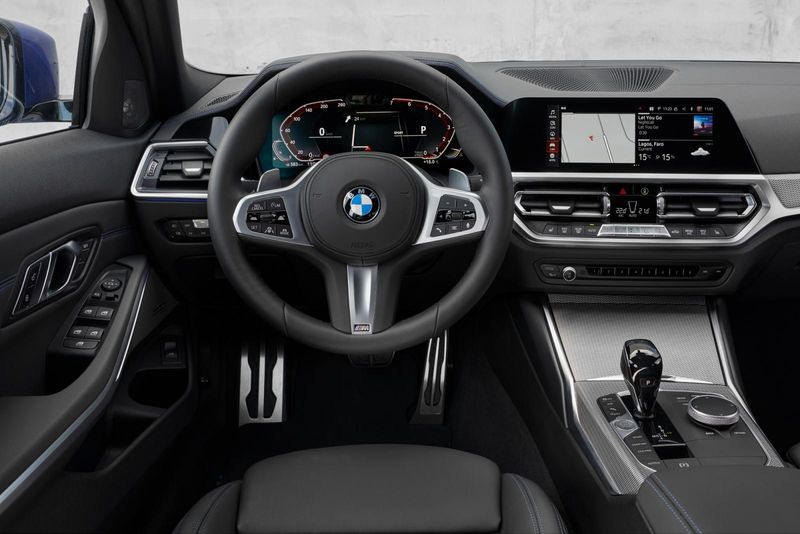
Clean, crisp and very modern… the new 3 Series cabin may not look that different at first glance, but it is a big step forward.

Compared with the 3 Series' exterior packaging, its interior has taken a more significant step forward, though it may not initially appear that way. The "outlines" of almost everything will be familiar to BMW owners, but in terms of detailing and surfacing the G20 has moved forward appreciably. I spoke to the leader of the interior design team during a lunch break, and he mentioned that BMW wanted to achieve a "double generational step" for the cabin. Much of that will come down the tech (see the next point lower down), but in terms of design, he says, this has been achieved by cleaning up the surfaces and even cutting back on the number of different types of materials used, to avoid clashes and unwanted contrasts. A particular favourite of mine is the knurled finish of the ventilation outlet controls. They were inspired, I'm told, by one of the buildings at BMW HQ in Munich. 

It's a thoroughly modern cabin, in the way it looks and functions, and when I consider the average age of the representatives that BMW made available for the launch in Portugal, it's easy to see why. It was created by a young team. 

Challenge 3: Groundbreaking tech


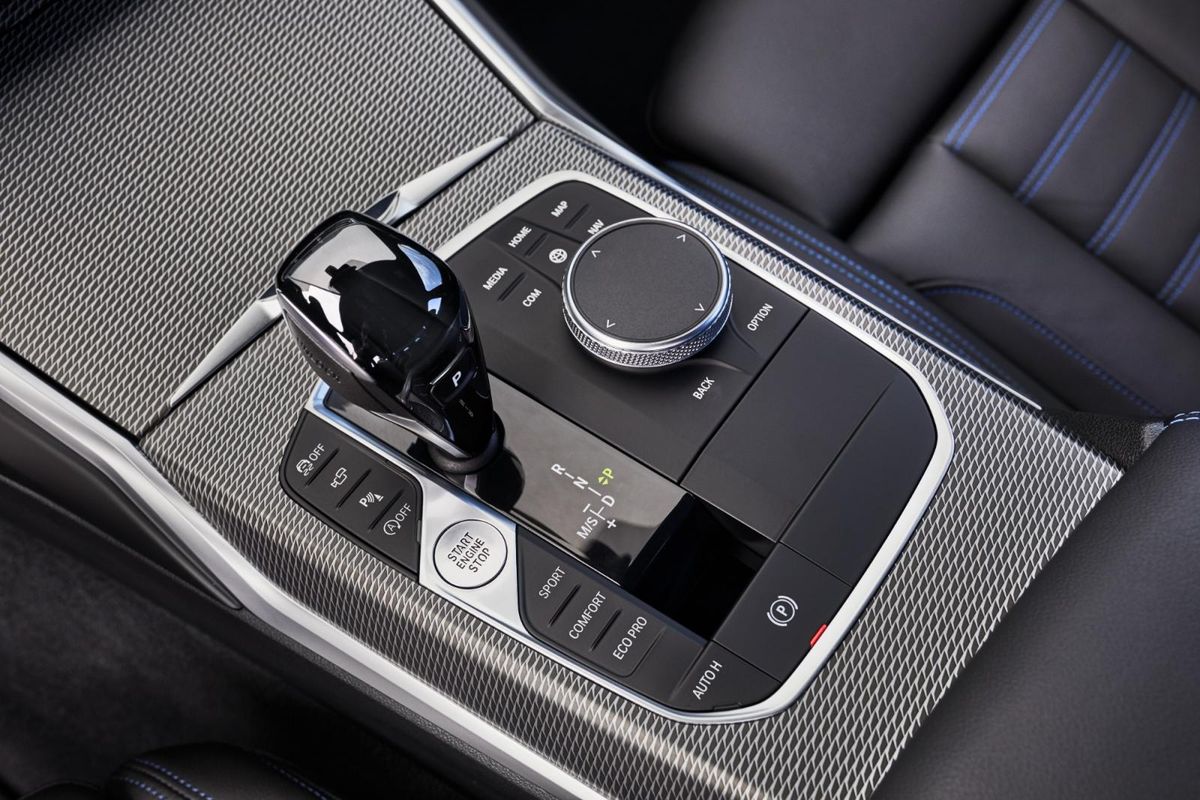
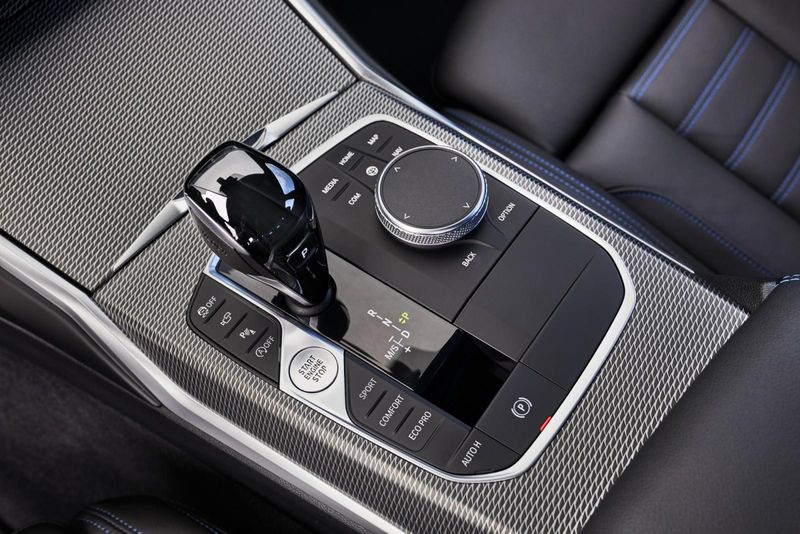
Neatly clustered on the transmission tunnel – BMW's latest iDrive controller has become a very familiar and easy to use item.

There's no space here to go into detail on all the various comfort, safety and connectivity systems offered by the new 3 Series, but there are definite highlights that I'd like to point out. The first is the new BMW Personal Assistant system: essentially a digital "co-driver" you can interact with. As standard, you call your Assistant's attention by saying "Hey BMW", but you can also rename him/her. And what can your assistant help you with?

Well, the list is already long, and courtesy of remote updates, will continue to expand. The system also learns your habits and favourites, so can respond with the appropriate context. So, whether you need to find an Italian restaurant nearby, or want to know what the remaining range is, or the weather forecast, for that matter, the Assistant can provide you with that information. You can also call up certain functions through conversation.

If you say "Hey BMW, I'm tired", the Assistant will activate a music/lighting/air-conditioning routine to make you feel more energised. But perhaps most importantly, the Assistant knows how all the functions in the car work, and given that there are so many, it's cool having "someone" in the car who can explain how High Beam Assist works, for example. And does it all work? Well, I think it's one of those things that will get better (and more useful) with familiarisation, and the "assistant" did misunderstand me a few times, so perhaps the jury remains out on this one.


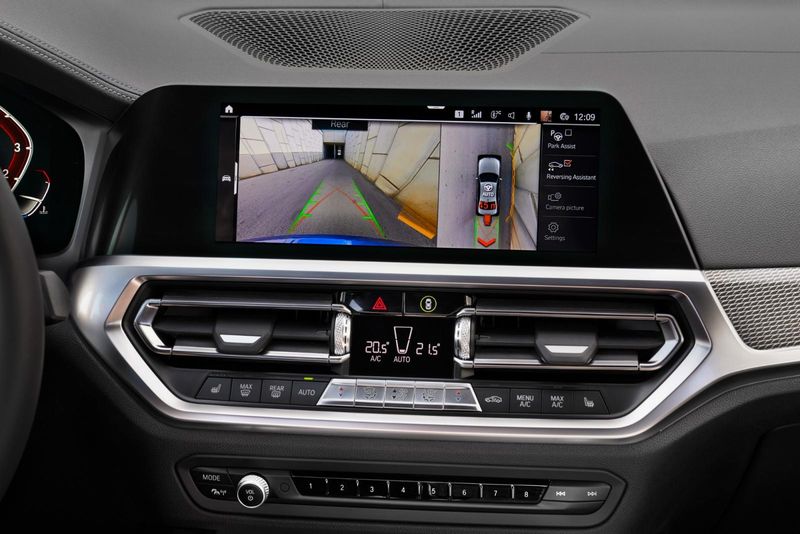
Find yourself in a tight spot? Don't worry, the new 3 Series can reverse out of trouble (almost) all by itself.

The 3 Series can be fitted with a raft of monitoring equipment, including radar, cameras and ultrasonic sensors. It therefore comes as no surprise that it offers such impressive autonomous ability. In markets where it is allowed (such as the USA and China), the 3 Series will drive its occupants at speeds of below 60 kph for much bigger distances than before, simply because it is far more aware of its surroundings.

I particularly enjoyed the ease-of-use of BMW's latest Active Cruise Control. I hit only one button on the steering wheel to indicate that I'm ready to go "virtually hands-off" and appropriate following distances, lane assist and speed settings (among others) were automatically selected. No fuss. 

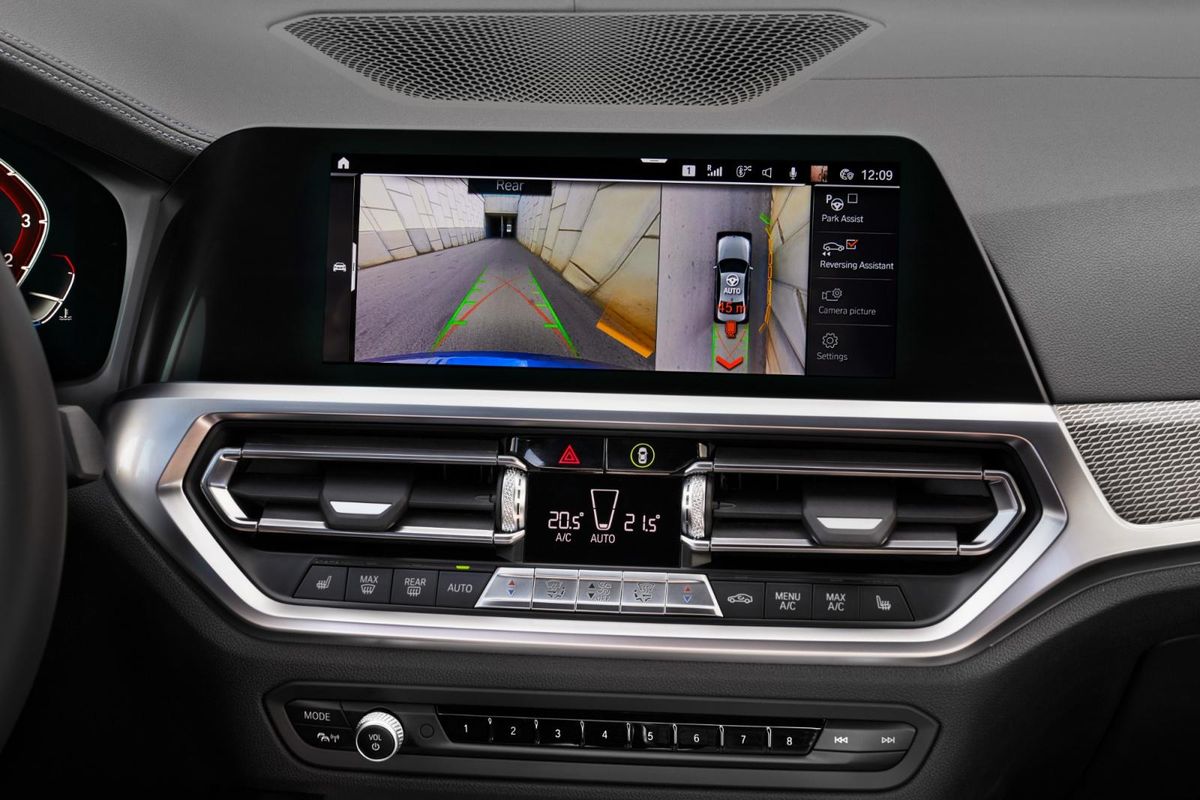
BMW has also been able to add some other interesting features, including a Reverse Assistant. How many times have you driven into a narrow, confined space with limited visibility, only to find that you can't continue and have to reverse? Well, activate this new system and the 3 Series will reverse you out trouble automatically (you only have to apply inputs to the accelerator and brake pedals). 

In terms of connectivity and digitization, BMW has not been conservative in the least. The screens in the new 3 Series are every bit as large and sophisticated as those in the 7 Series, though ultimately lack the customisation that is offered by, for example, Audi. Voice control and (the more controversial) gesture control are part of the package, too. Interestingly, Apple CarPlay will be available but BMW hasn't quite cracked a deal with Google yet for Android Auto. Another cool feature (ironically for Android 8.0 and higher, NFC-enabled Samsung Galaxy phones, not iPhones) is the ability to open the car with your mobile device. 

As ever, many features are optional extras, and I urge interested buyers to head for BMW's online configurator to spec the 3 Series of their hearts' desires to get a clear idea of just how much "all that wonderful" will cost.

Summary


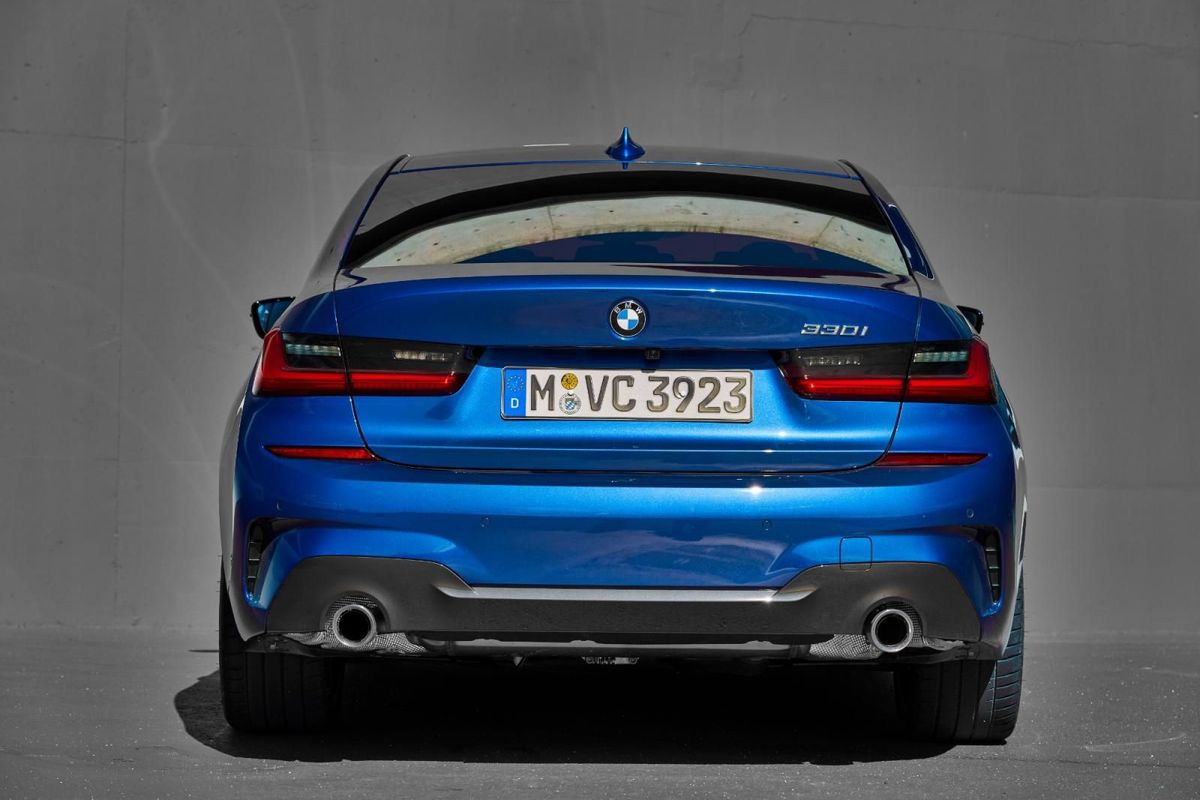
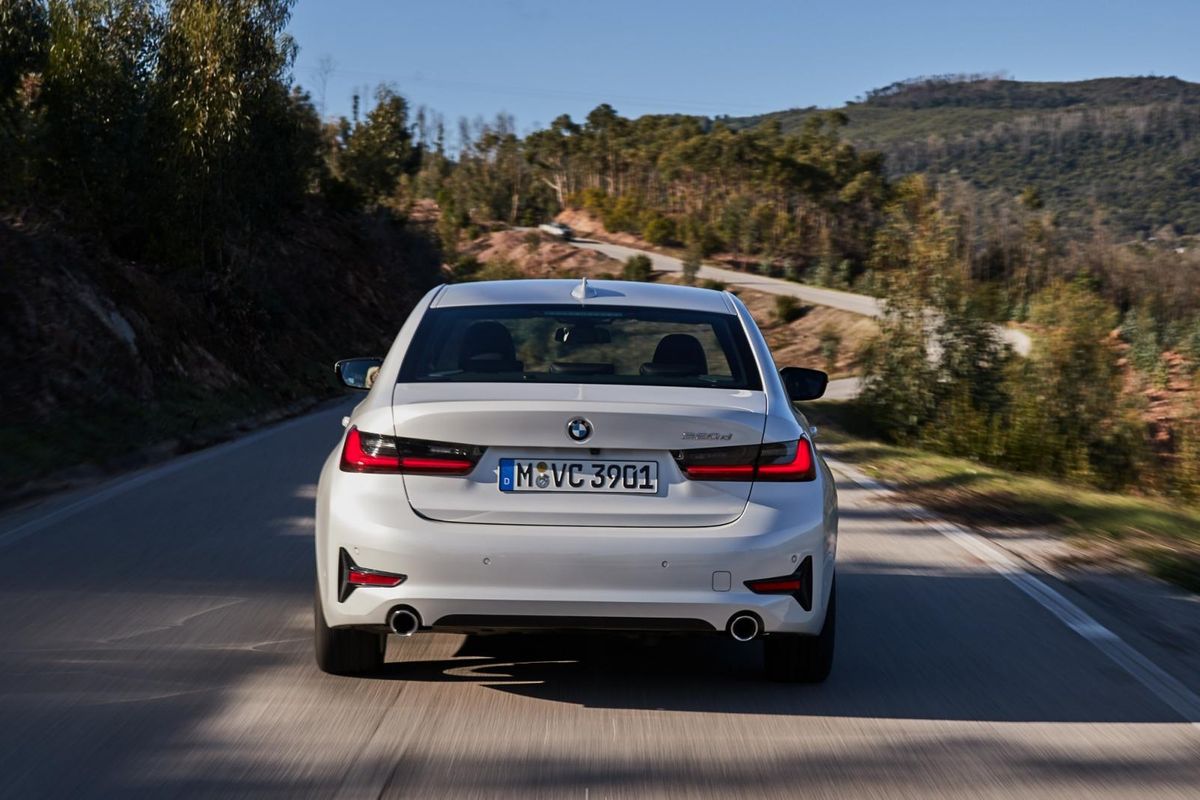
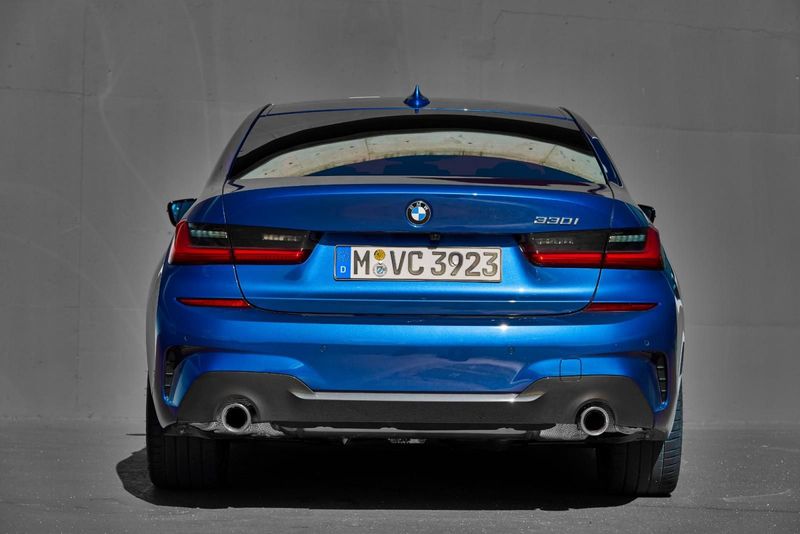
The end… twin tailpipes will be standard on all new 3 Series models.

To say that BMW's new 3 Series has shot to the top of its class is to damn it with faint praise – after all, the current Mercedes-Benz C-Class may still be an attractive, recently facelifted car, but at its core, it is old. And the latest Audi A4 (itself due for a facelift in SA soon), has not quite received the welcome its maker may have hoped for. Alfa Romeo's Giulia is a painfully slow seller locally, as is the Lexus IS. Infiniti has disappeared and local consumers must still get their heads around paying premium-badge money for a Volkswagen (Arteon). So… the opposition is not at its strongest.

Even so, and within that context, the G20 represents a much bolder generational step than to what we've become accustomed from BMW, especially as far as the evolution of the 3 Series is concerned. Remote updates will ensure that it can stay in the tech game in the coming years and design-wise it certainly looks the part, inside and out, right now. These are areas where its rivals may find it easiest to catch up, but when it comes to the overall driving experience, the challenge to match the new 3 Series will be much harder. Once more, the BMW 3 Series stands apart as the most dynamic, sporting car in its class. But this talent no longer comes at the cost of refinement… or ride quality… or anything else I can think of. 

New BMW 3 Series – price in SA

320d Steptronic auto – R649 253
320d Sport automatic – R652 253
330i Steptronic auto – R652 416
330i Sport auto – R655 416

Prices include BMW SA's 5-year/100 000 km maintenance plan.

Looking for a new / used BMW 3 Series to buy?

Find one today on Cars.co.za by clicking here

Aston Martin launches EV conversion programme for classics

While the desirability and values of classic cars continue to climb there are future legislative changes that may make it difficult for owners to enjoy their treasured machines in years to come. Aston Martin, however, has already found a solution…

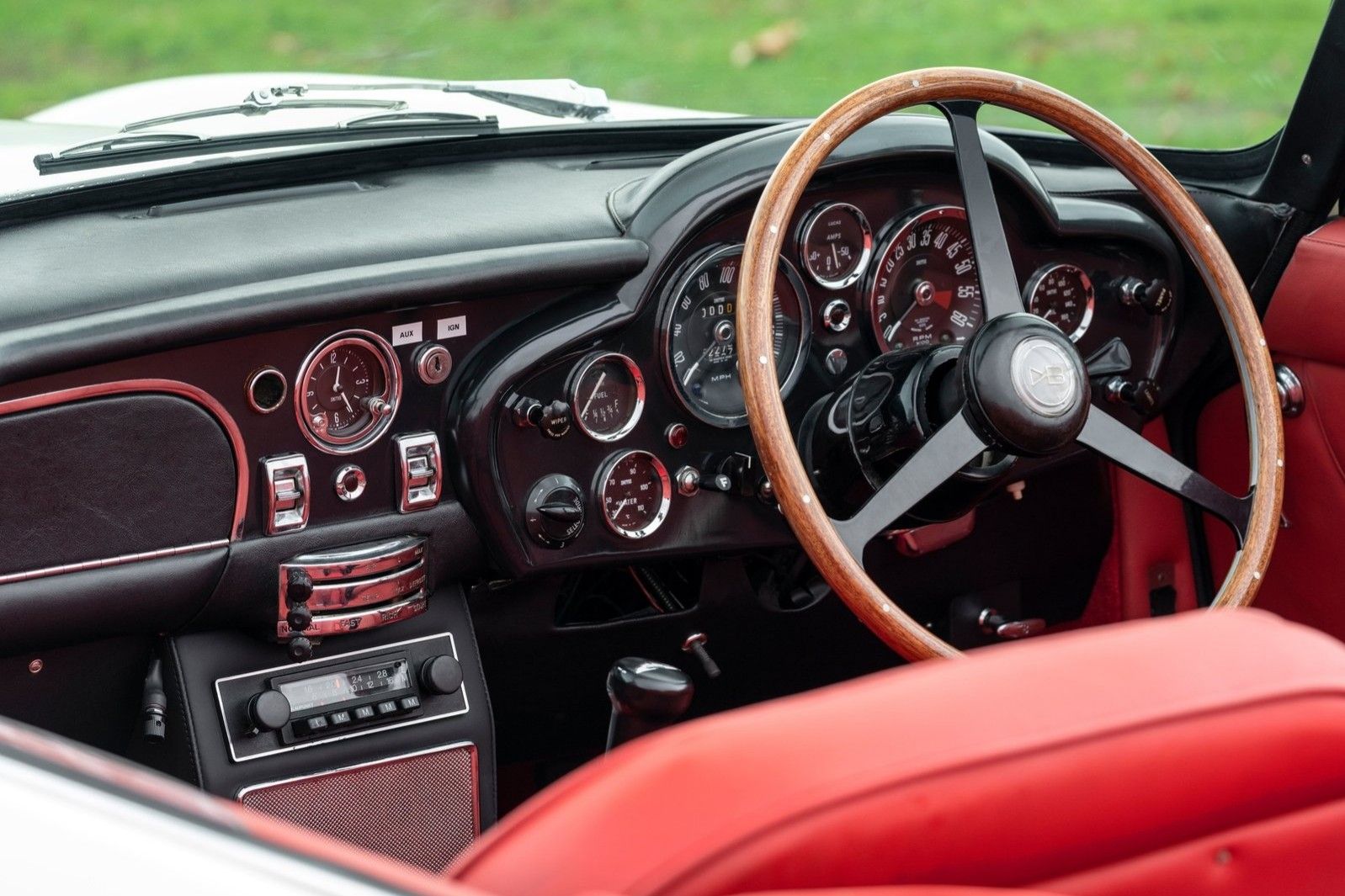
The beautiful Aston Martin DB6 MkII Volante shown in the accompanying images may look like it's just rolled out of a showroom in 1970, but underneath it's pretty high-tech. This is the first product of Aston Martin's new Heritage EV project, which aims to make it possible for owners of these magnificent old cars to enjoy them out on the road for years to come, no matter what emissions-based legislation gets passed.


No sign in the cabin that this DB6 is an EV. 

Using the so-called EV "cassette" powertrain developed for its Rapide E and future Lagondas, Aston Martin engineers simply remove (and preserve) the original internal-combustion engine and slot the cassette onto the original engine and gearbox mountings. Power management is operated via a dedicated screen, "discreetly" hidden in the cabin. This allows owners to "future-proof" their investments, and the original drivetrain can always be reinstated when required. 

Customer EV conversions by Aston Martin are expected to commence in 2019.

You may also be interested in

How manufacturers have weaponised sentimentality

SentiMETAL Ep7: Ferrari Testarossa (Video)

SentiMETAL Ep6: Mercedes-Benz 190SL (Video)

Concours SA: Mega Photo Gallery

Looking for a new / used Aston Martin to buy?

Find one on Cars.co.za today by clicking here
Porsche Macan (2019) International Launch Review

Do small changes to Porsches always yield big results? We drive the new Macan in Mallorca, Spain to find out.

Platform engineering and Porsche are strange bedfellows. For decades, the brand’s iconic 2-door sportscars selfishly commanded the substantial technical talents at Porsche headquarters. However, the brand’s decision to add SUVs to its product portfolio necessitated shared platforms with Volkswagen (VW) and Audi, which proved brilliantly profitable, but also problematic. There’s nothing even remotely like a 911 within Audi or VW’s online car configurator, but what’s the difference between a radically overequipped Audi Q5 and a Porsche Macan?


The Macan and the Audi Q5 may sit on the same chassis, but Porsche dials in small changes to make it feel different.

I spent a few days on the Balearic Island to find out if Porsche’s latest shared-platform SUV product incorporates enough of the Zuffenhausen-based brand's distinctive DNA. Launched in 2014, the Macan has been tremendously successful for Porsche, providing both performance family car and gravel traveller all in one for those customers who live in the most crowded of cities – with parking limits that will cramp Cayennes.

The late-2018 Macan product upgrade is partly a digitisation of the SUV’s cabin, but also features some deeper mechanical engineering improvements. It’s the kind of detail you’d easily miss, but also the calibre of componentry that makes Porsche platform-shared vehicles so different from their Audi and Volkswagen counterparts. A great shared structure is one thing, but the dynamic contact points – suspension, steering, brakes – are what combine to deliver the differentiated Porsche driving experience.

Like a 2/3rds Cayenne

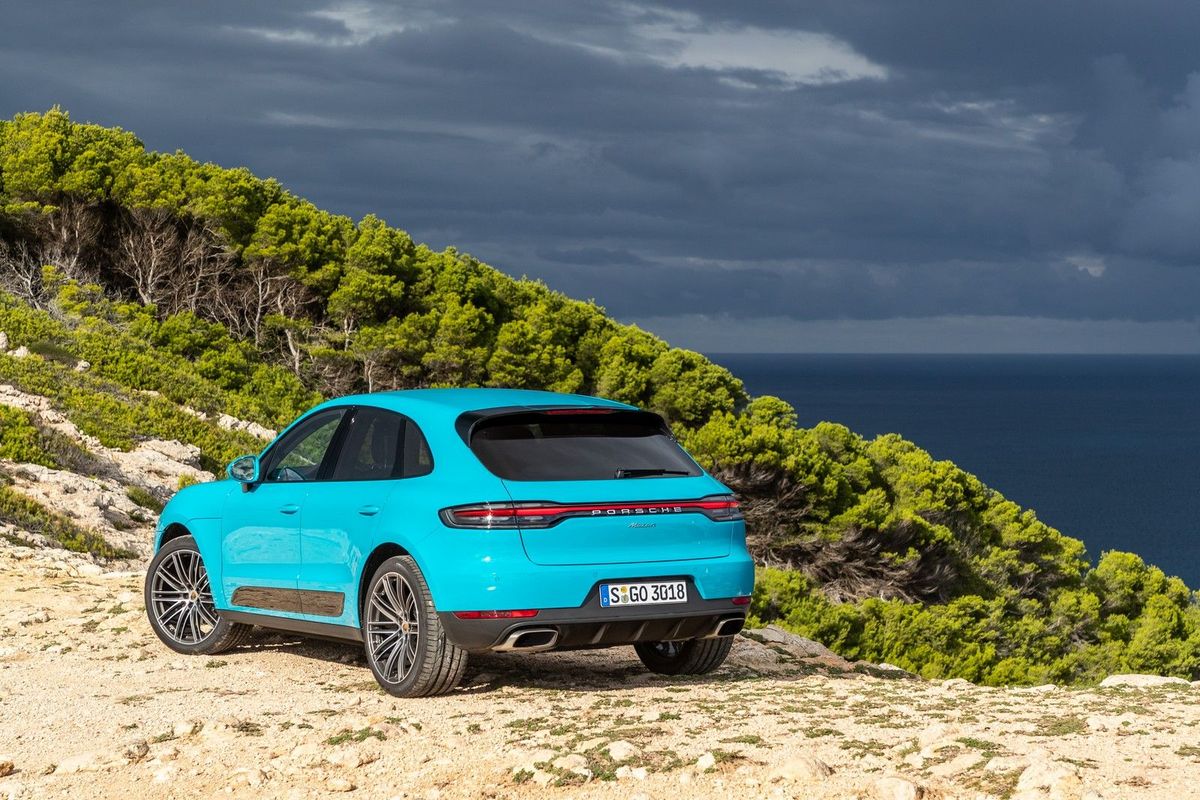
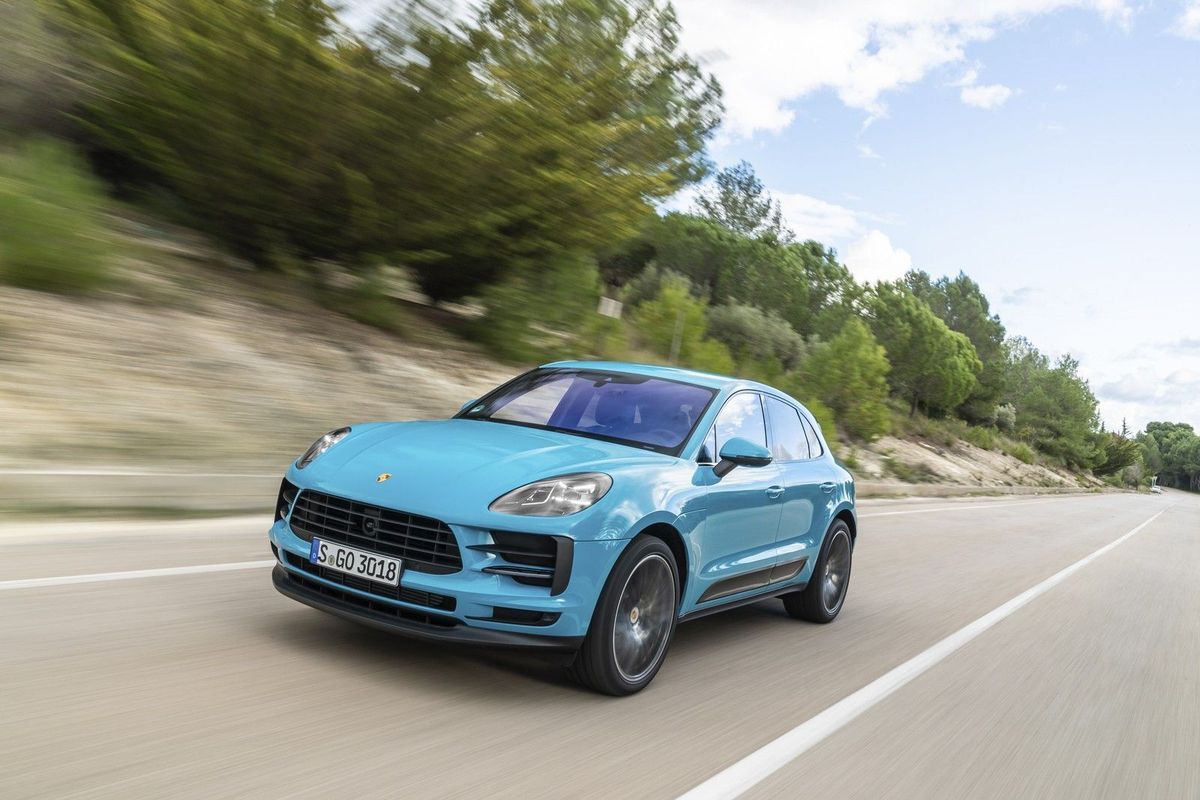
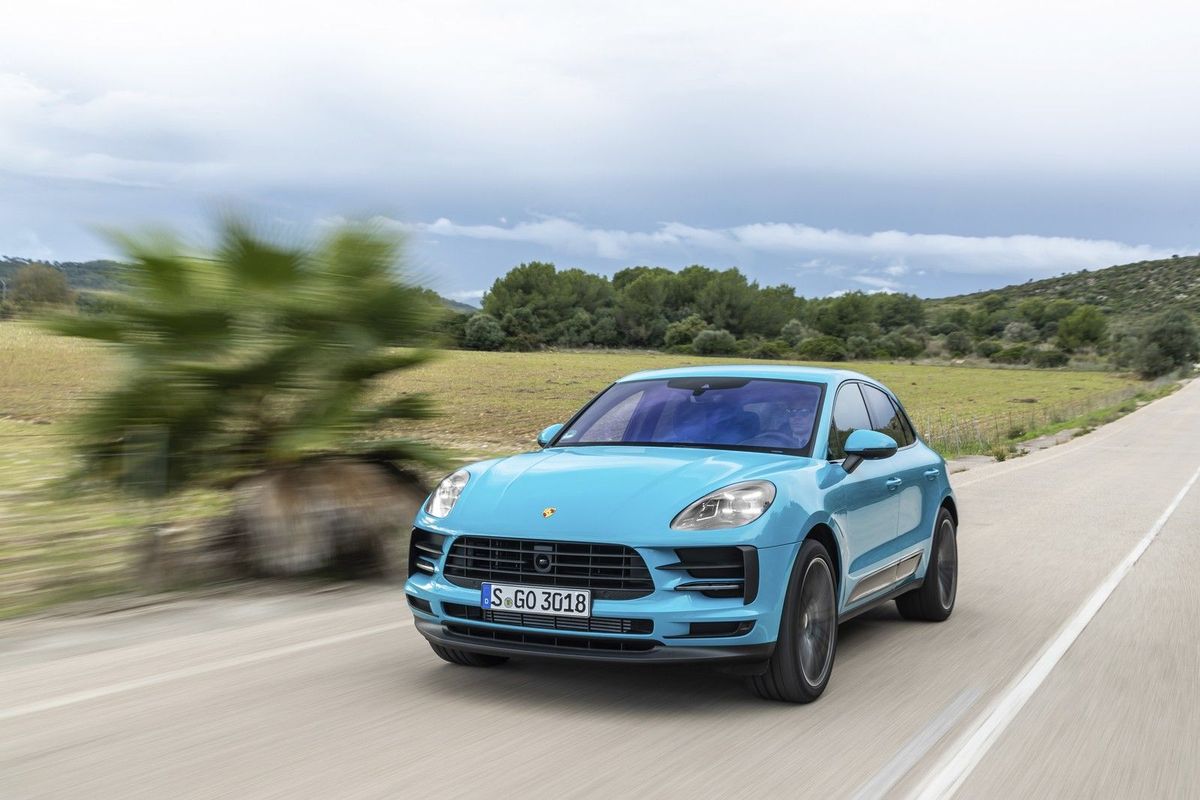
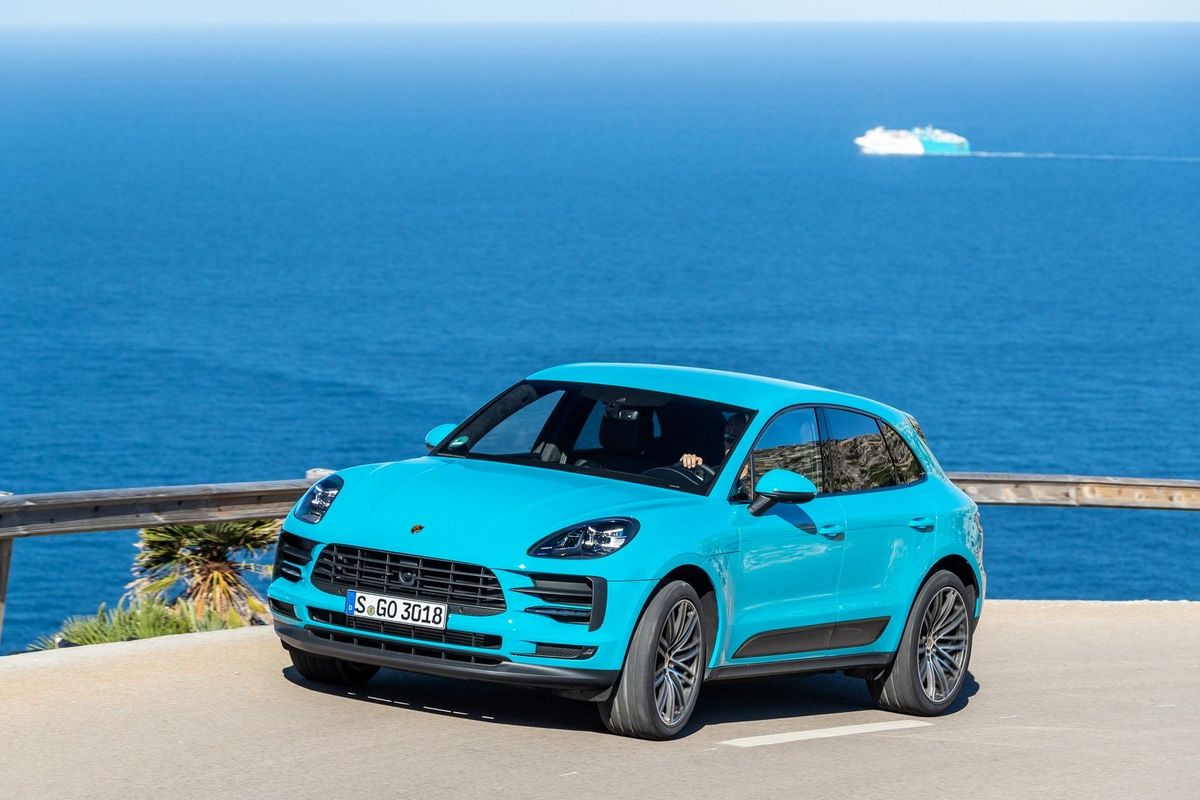
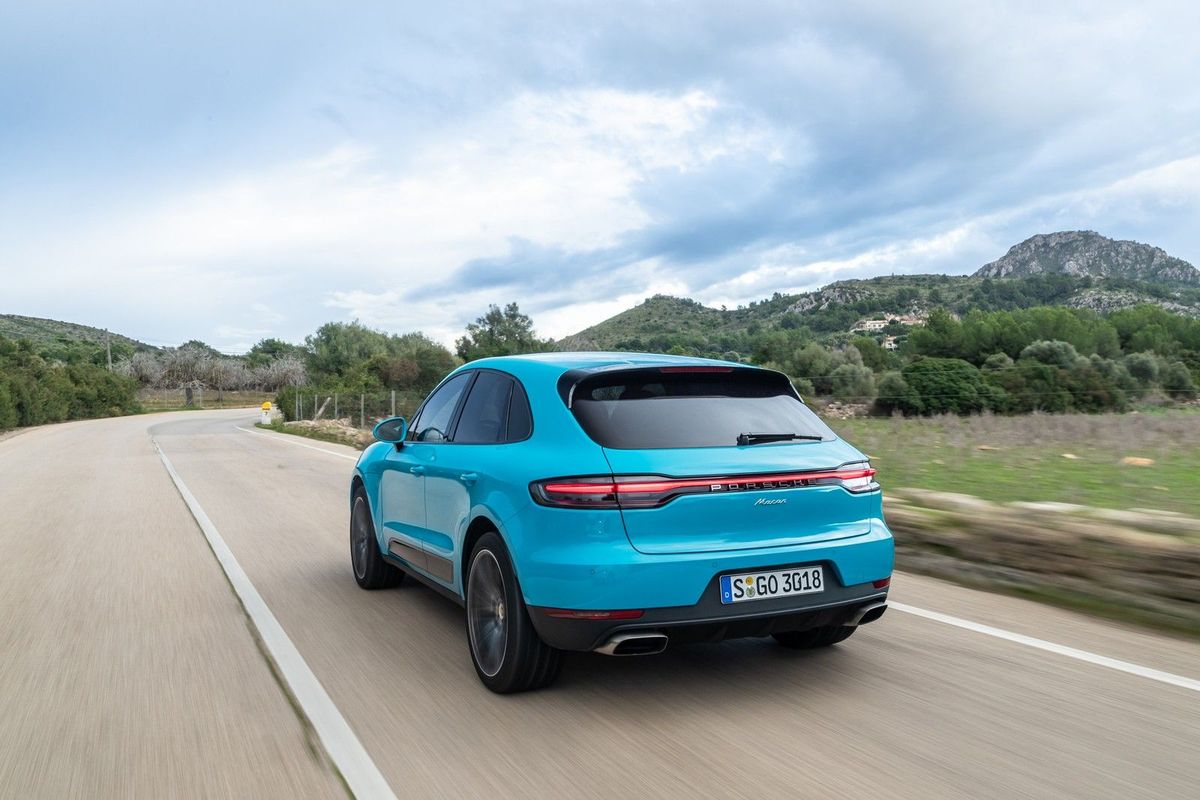
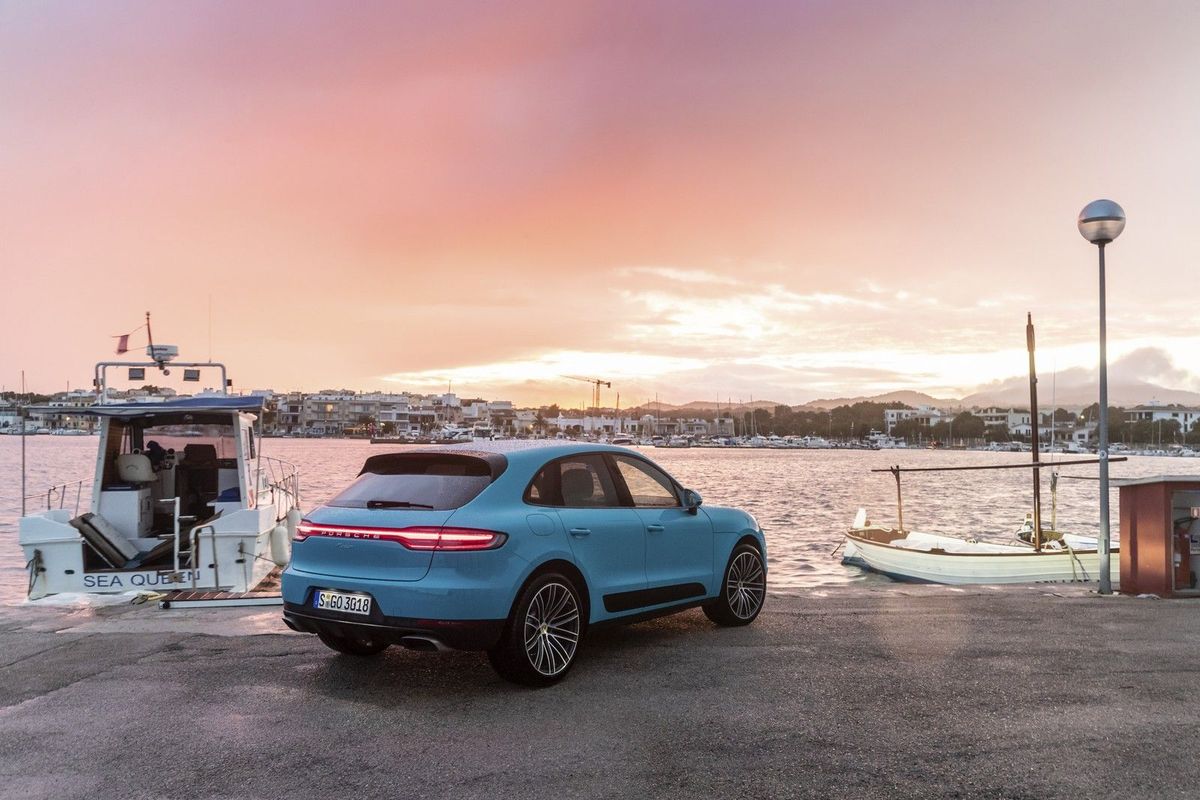
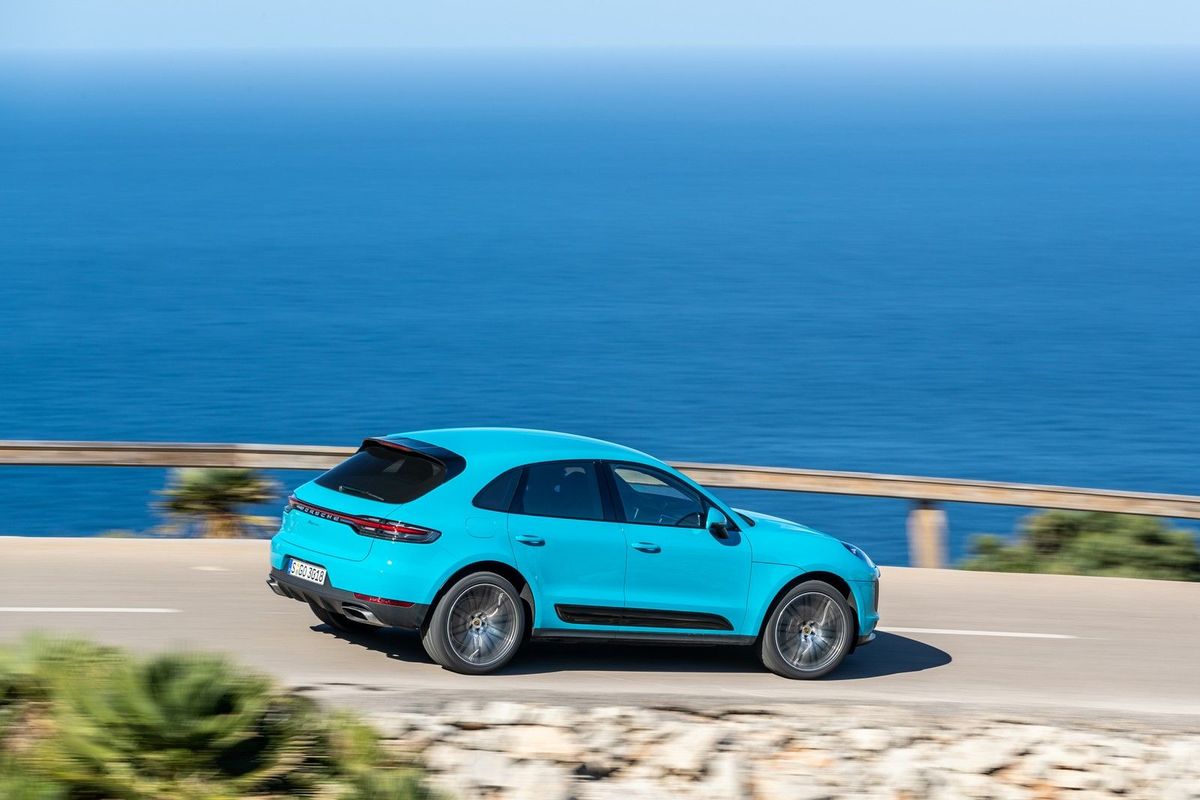
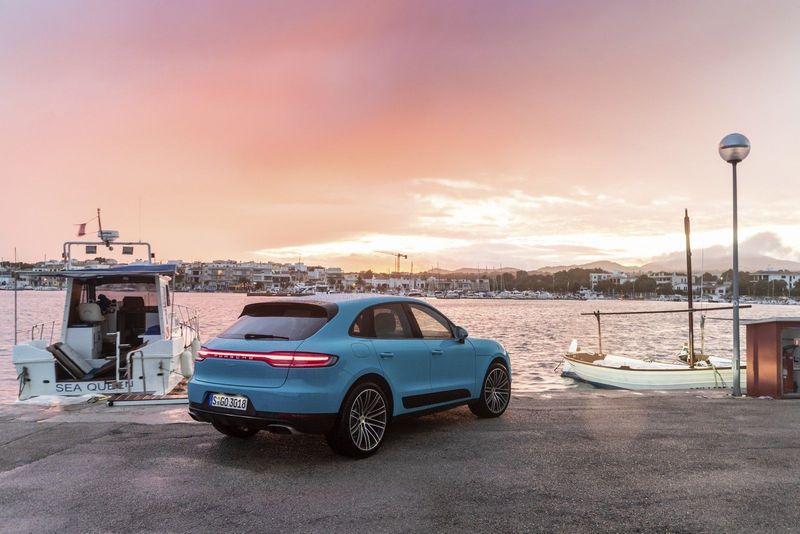
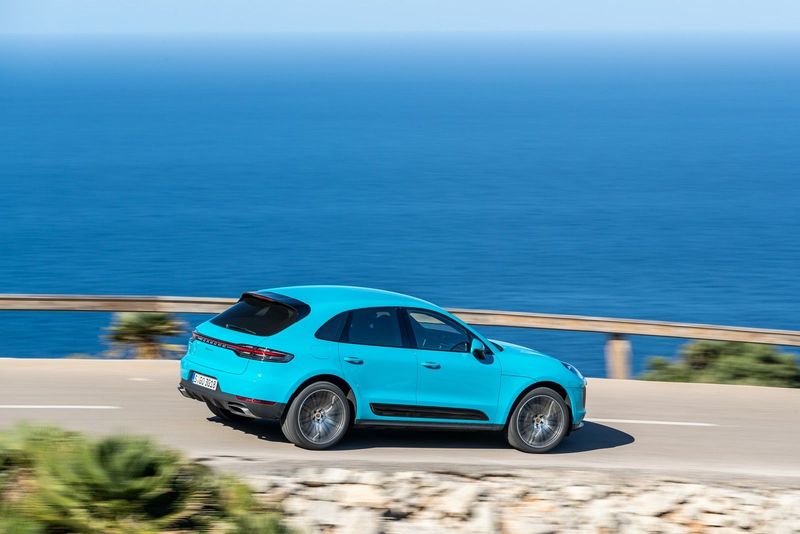
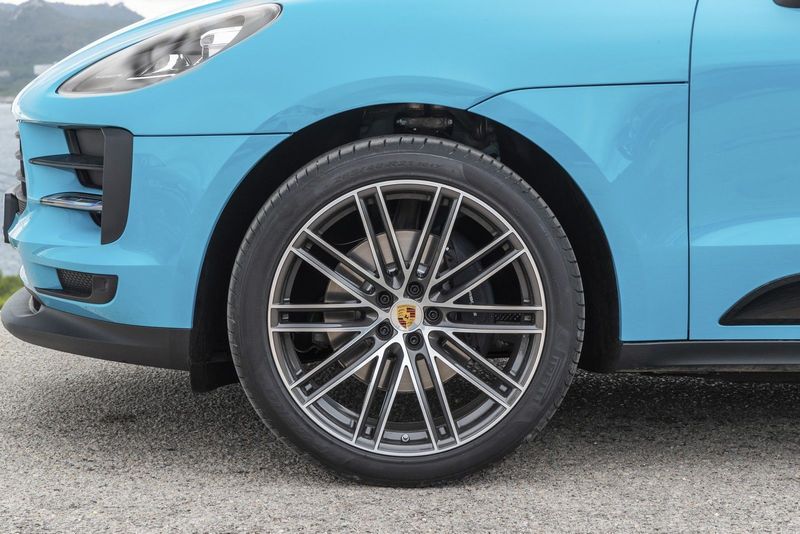
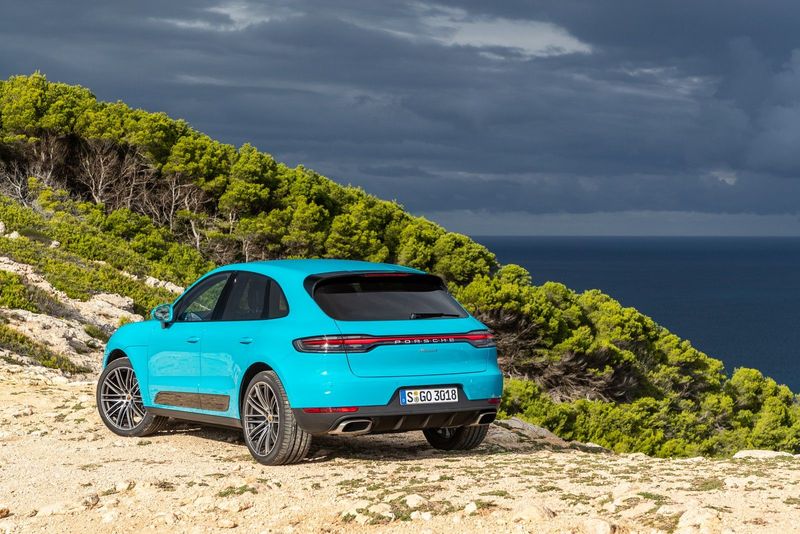
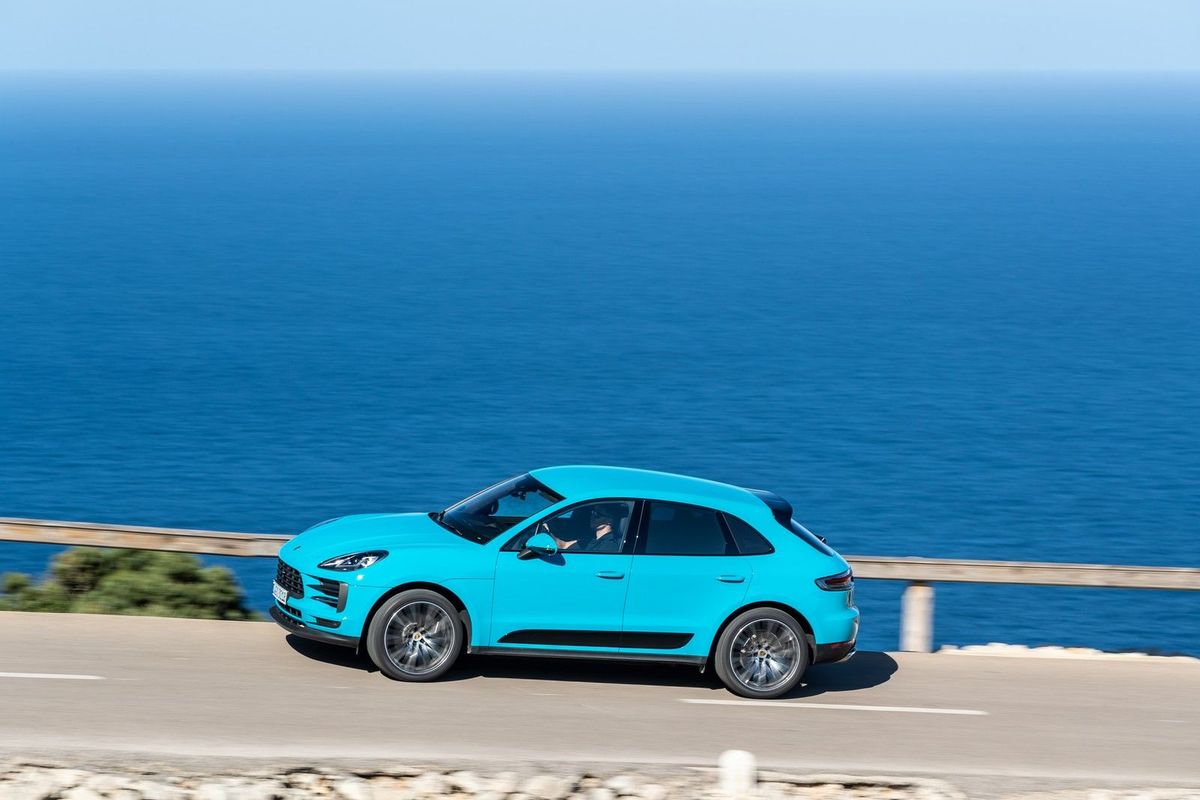
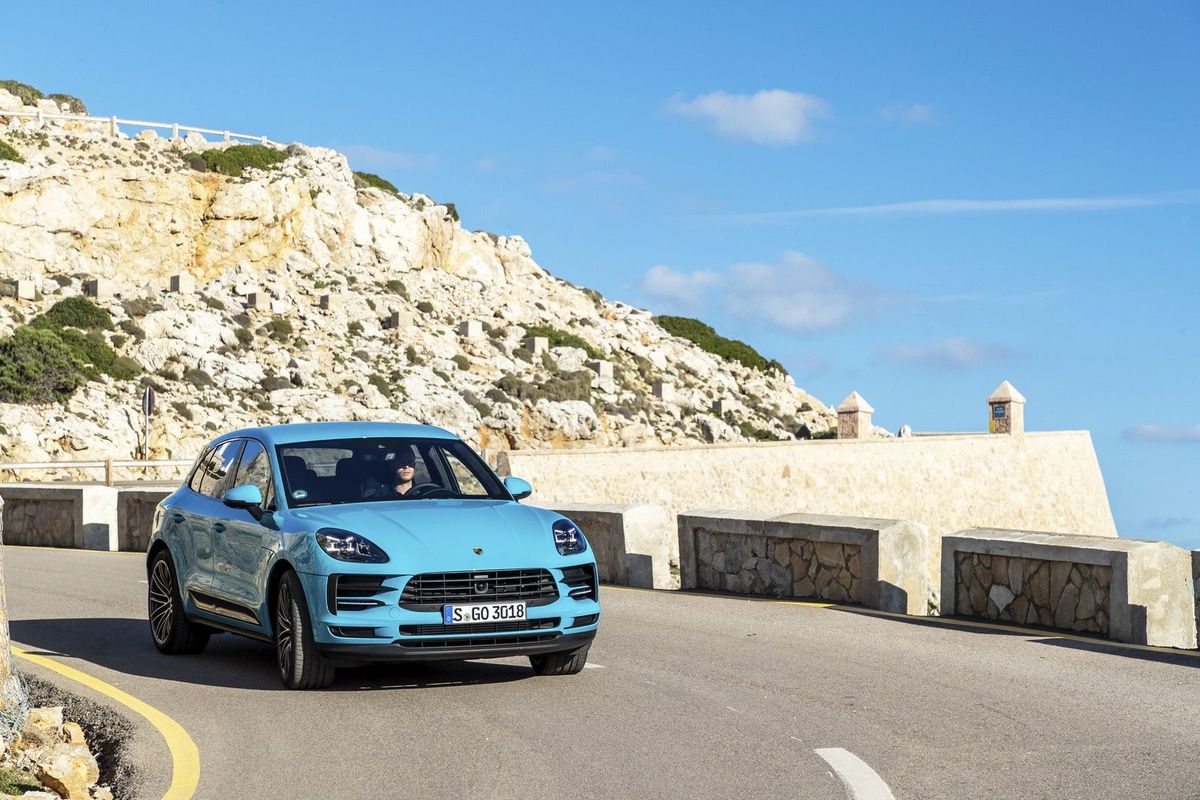
Styling changes mostly entail interpretations of the Cayenne’s 4-point LED headlights and horizontal strip tailgate lighting. There are 4 new colours and 5 switchblade options, to allow for greater customer car individualisation. I’m not one to obsess about colour palette merits, but a hue that you should strongly consider is Miami Blue. On the Macan’s tighter dimensions and more balanced proportions, this vivid disco azure hue just works.

Blue against more blue, a similar colour has been used on Porsches before, any guesses which one?

If you are one of those Weissach-obsessed Porschephiles, the Miami Blue colour scheme might trigger a vague familiarity within your Porsche subconscious… Think about it for a bit. A bit more. No? Still struggling to draw the similarity? Porsche’s legendary 993 Carrera RS featured a colour code called Riviera Blue and if you are in the ridiculously privileged position to own one of those air-cooled road racing classics, and require a new family SUV to colour match, then a Miami Blue Macan will do quite nicely.

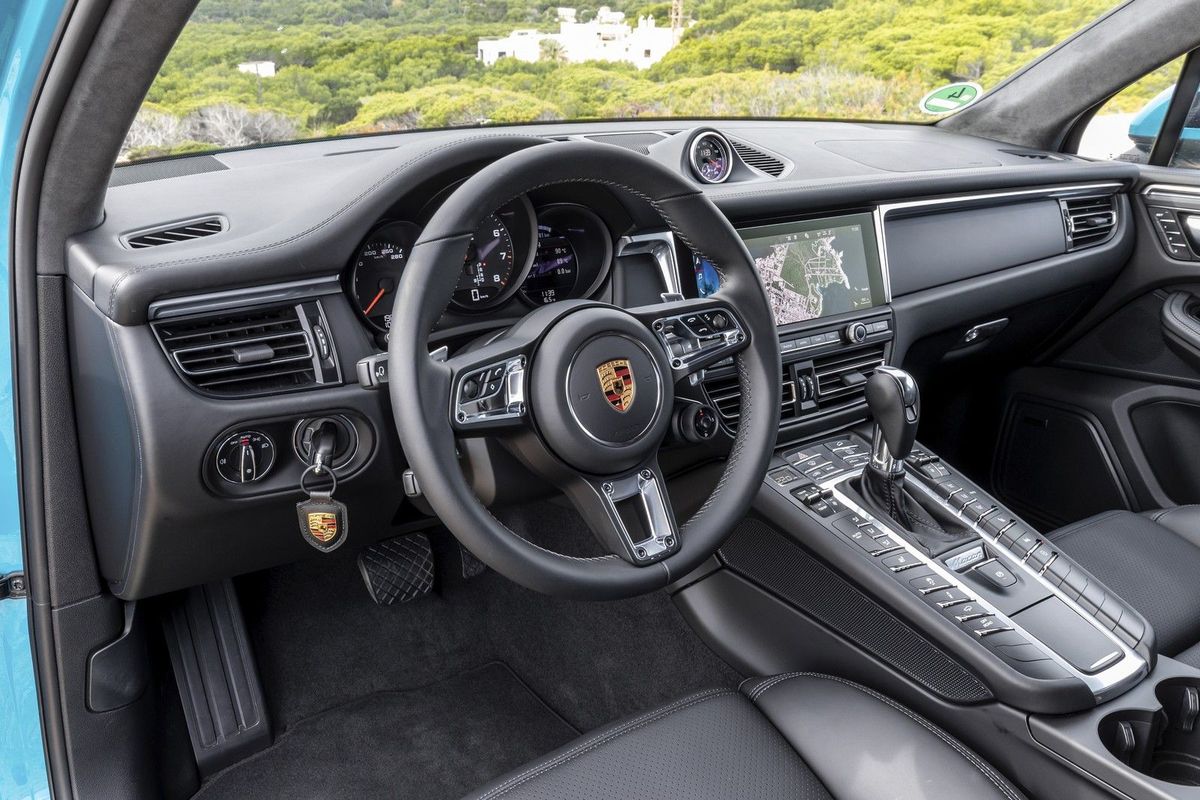
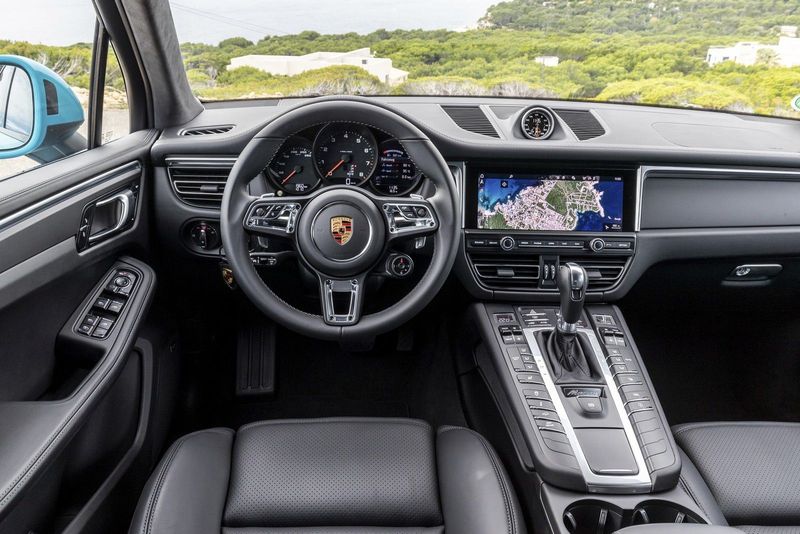
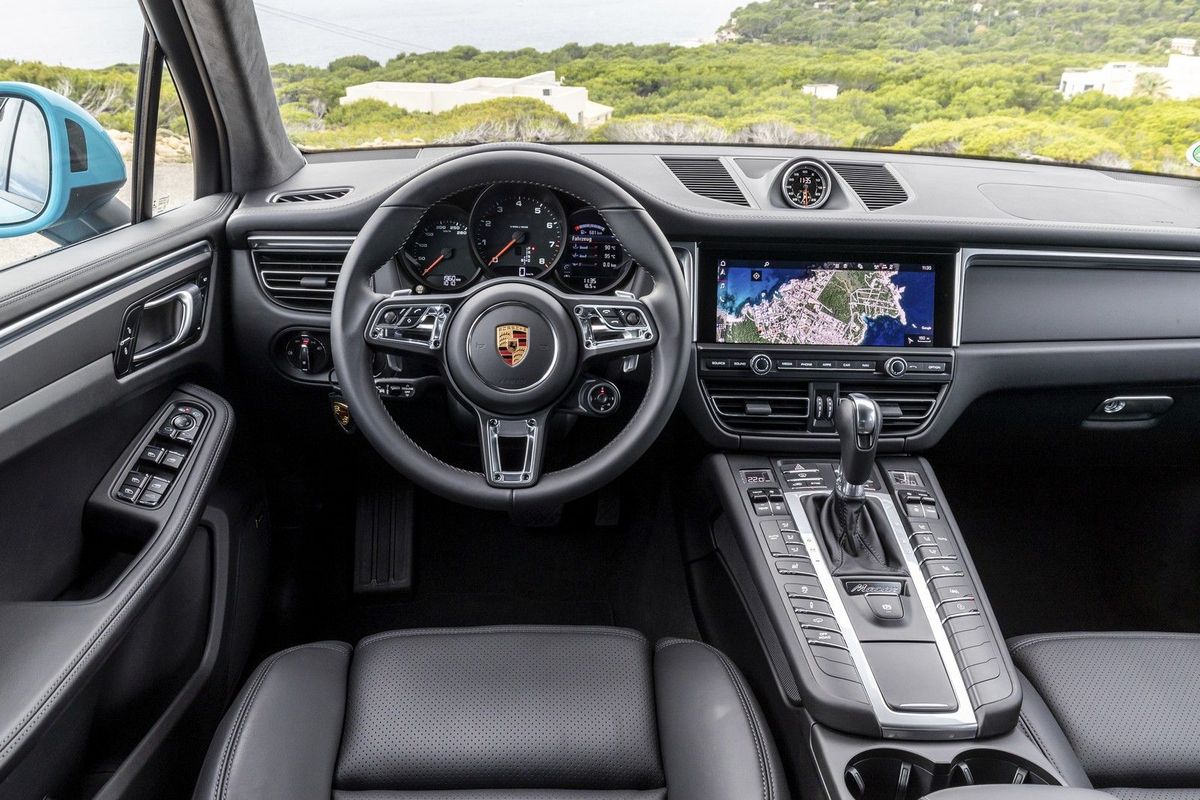
I mentioned digitisation and Porsche’s heavily committed to making the new Macan partner your smartphone. The infotainment screen has grown from 7.2- to 10.9-inches, features touch functionality and a wealth of apps managed via Porsche Connect. It’s the kind of thing that has become a must-have in a world where smartphones have embedded their presence in every possible aspect of our lives. The improved digitation will prove greatly useful as a convenience and life-admiration tool for most customers, but I take comfort in the fact that Porsche remains a brand that hasn’t been lulled into the foolishness of attempting to replace all cabin functions with touchscreen menu functionality.
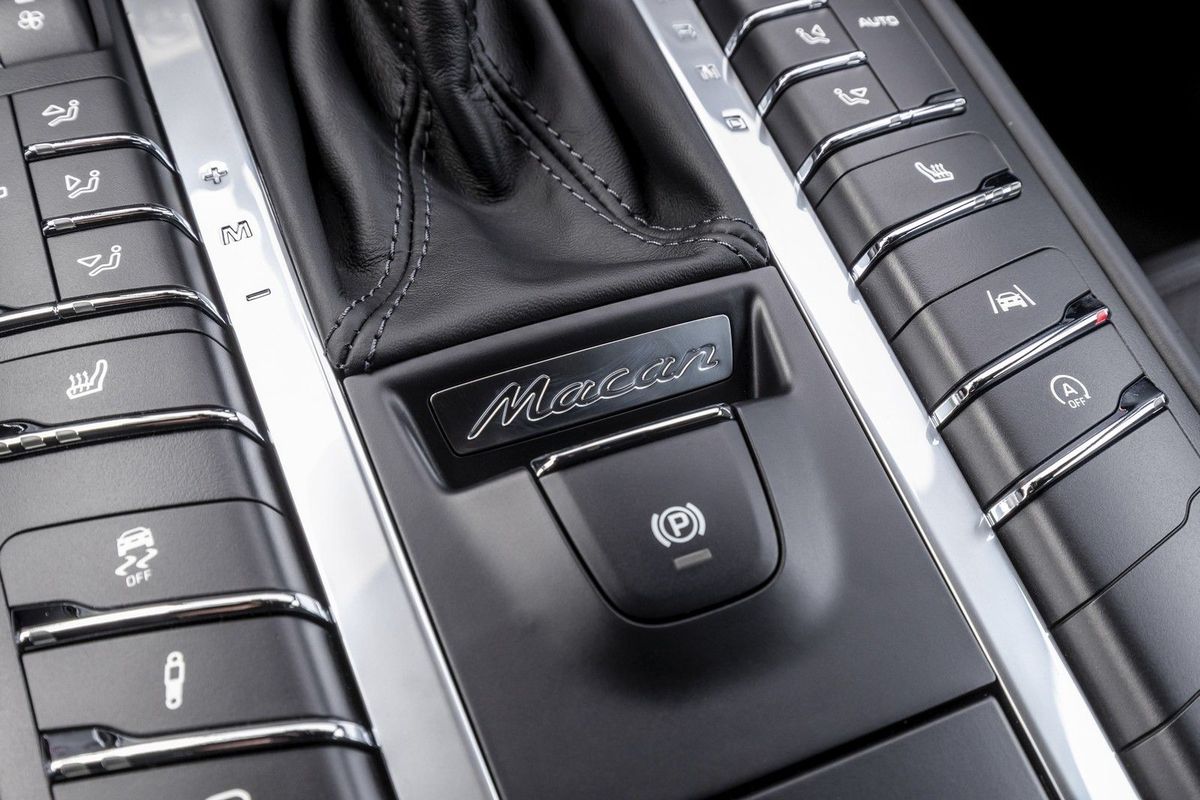
Aviation cockpit style plastic push buttons still frame the centre console and provide direct sources of input when you are focusing on the road and need to jab at adaptive damper settings or climate control functions. I can’t be bothered to flip through 2nd- and 3rd-level digital menu functions to control cabin temperature or make simple adjustments and my hope is that Porsche may long continue its tradition of having "analogue" override controls for most of its cabin functions. That said, there’s voice control for mastering most communication and infotainment.
Small, but considered improvements


Porsche still maintains an analogue approach to setting changes. Buttons anyone?

Mechanically, not much has changed. The engines remain similar in configuration, with software upgrades and some improved boost geometry. The Macan’s 2.0-litre is good for 185 kW and 370 Nm, while the Macan S features the 3.0-litre V6, with peak outputs of 260 kW and 480 Nm. As with all Porsches, they do feel a touch livelier than those official dynamometer figures suggest.

Both engines engage Macan’s all-wheel-drive configuration through Porsche’s renowned 7-speed PDK transmission, and if you require the utmost throttle response urgency, there’s an optional Sport Chrono package, which trims a few 10ths off the benchmark acceleration times.


Narrower front tyres at the front and optional air suspension setup make the Macan nimble and plush.

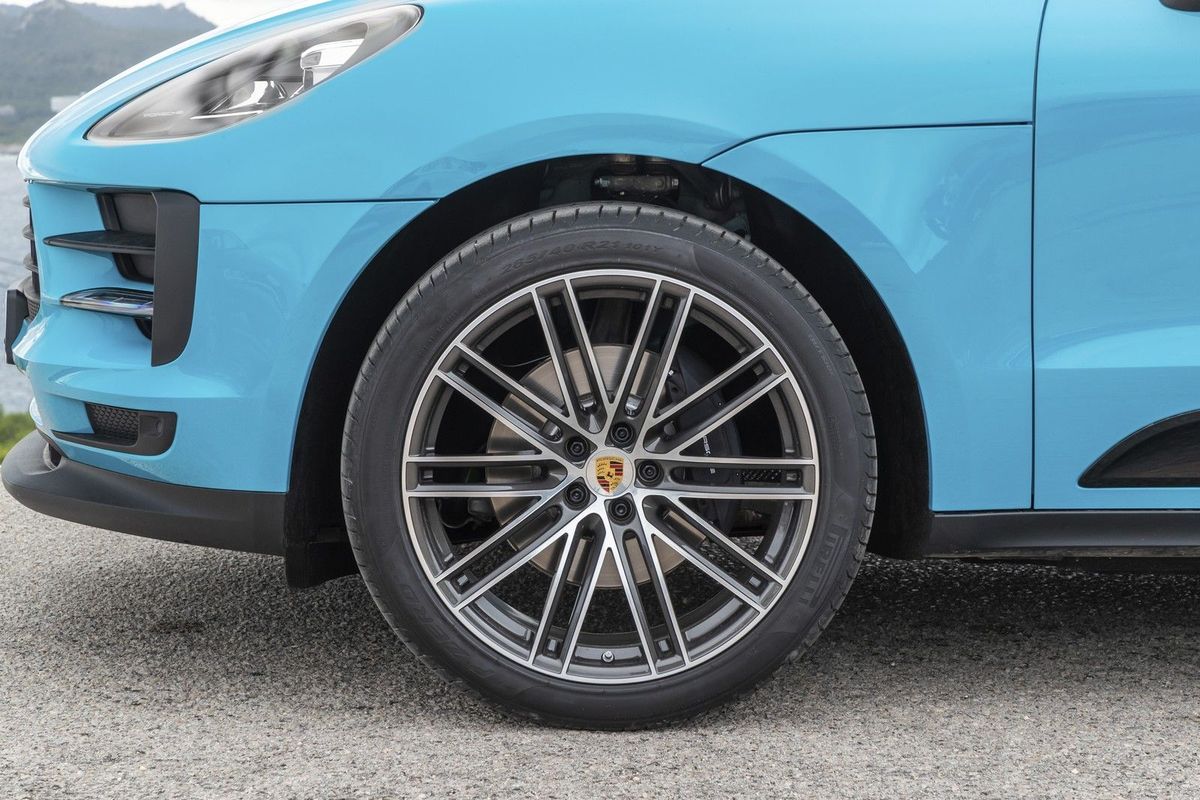
Similar to Porsche’s 3rd-generation Cayenne, the Macan now rolls on asymmetric tyres, which are narrowed on the front axle than the rear, thereby improving turn-in nimbleness by a fraction. There’s optional torque vectoring too and if you invest in the brilliantly adaptable air-suspension system, expect the very best combination of ride quality and weight-transfer mitigation under severe braking and high-load cornering. The Macan’s most sophisticated suspension arrangement has been redesigned to feature an improved hydraulic circuit in the twin-chamber air system, all of which produces quicker reactions to peak load inputs.  

An excellent example of Porsche’s dedicated component evolution is the transition from steel to aluminium front axle springs, which of course reduces the Macan's kerb weight. Tiny details, but combined, they compound to deliver that discerning Porsche driving experience.

So, how well does it go?

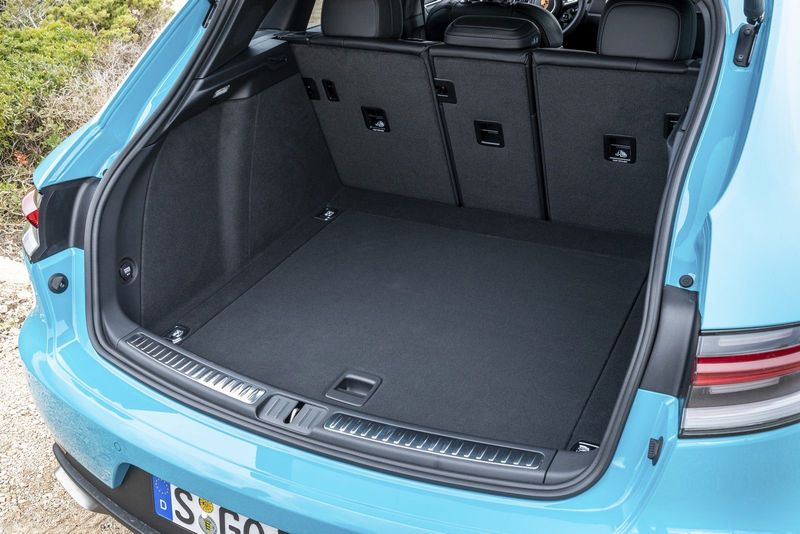
Mallorca’s mountain passes and country lanes are typical European technical driving fare: impossibly narrow and although excellently surfaced, littered with off-camber corners and absolutely no shoulder to provide a margin of error if you do get it wrong. It’s probably not the ideal place I’d want to drive a large SUV in a hurry, but also a choice environment to learn how the Macan manages to be a 5-seater Porsche with 500-litres of luggage space and 182 mm of ground clearance, which can be driven with confidence on these unforgiving roads.


Mallorca has some extremely narrow roads – not ideal for an SUV – but the 182 mm of ride height provides a commanding view.

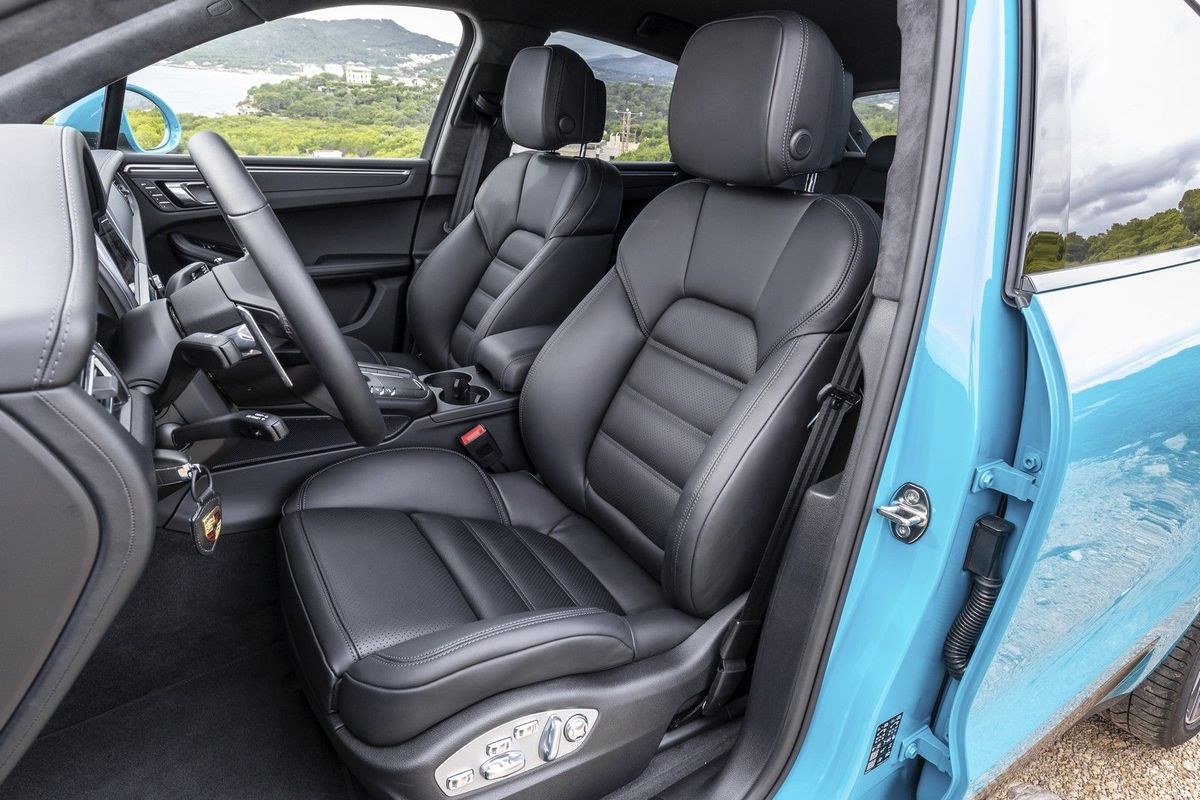
Having said that, there’s absolutely no anxiety in being tasked with driving the Macan (and its S sibling) with urgency on challenging roads. Porsches have always featured near-perfect driving cabin ergonomics, and despite its SUV ride height and more commanding field of view, the pedal spacing, steering and seat adjustment allow for a terrific driving position which is uncannily more akin to a GT car than gravel traveller.

Between the Macan and Macan S, the most obvious difference is the V6’s surging urge. With Sport Plus the throttle and gearshift calibration is sufficiently aggressive to yield a 0-100 kph time of 5.1 sec, with Porsche’s 4-cylinder Macan trailing that by 1.4 seconds. There’s a 27 kph difference in top speed too, with the Macan S peaking at 254 kph and its sibling reaching maximum velocity a 227 kph.

The great mitigating factor between these two Macan derivatives is weight distribution and the general excellence of Porsche’s latest generation PDK, which is so alert and intuitive in its shifting that the 4-cylinder engine rarely falls into any lag. The 2.0-litre Macan is also 70 kg lighter than its V6-engined sibling and crucially most of that weight advantage has been shaved-off above the front axle, which means the 4-cylinder car stands on its nose less during aggressive braking and turns in with a touch more crispness. 


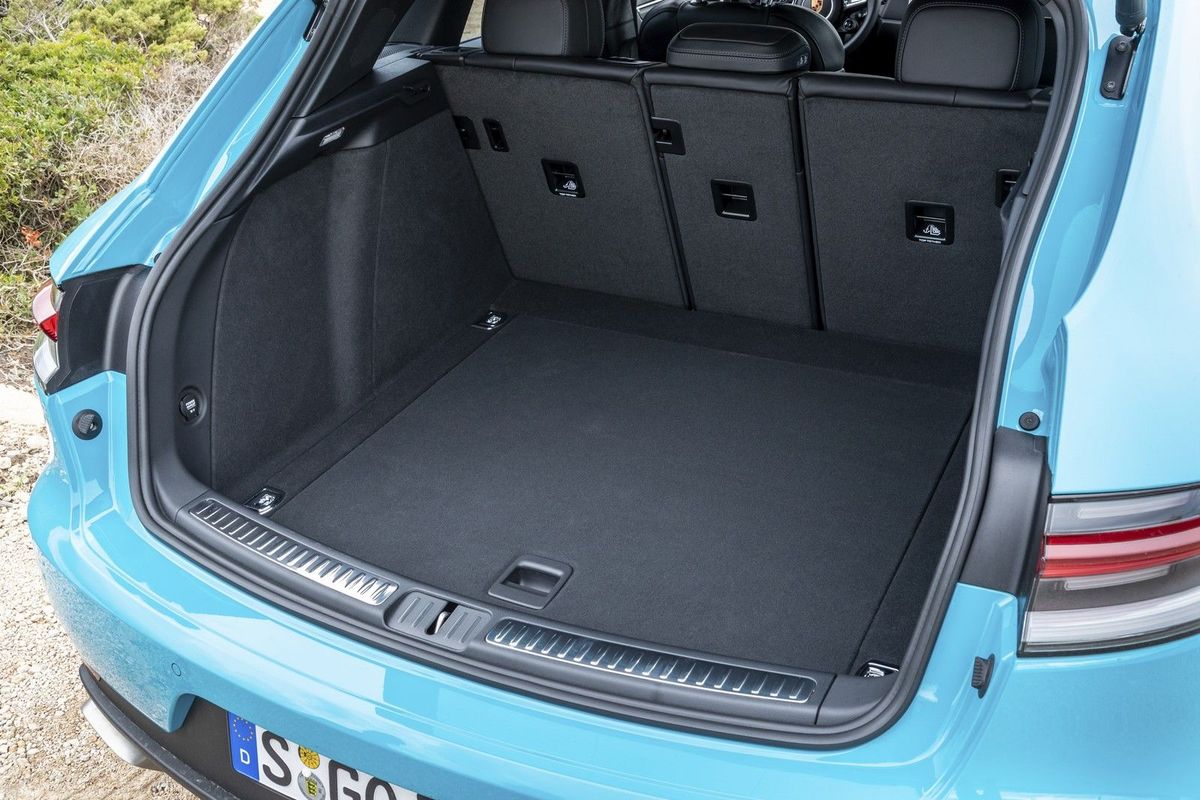
500 litres of luggage space that can get to 100 kph in 5.1 seconds with the Macan S.

In their class, these new Macans retain their fabled driving prowess, but they’ll appeal to very different customers. Those who want zero-panic overtaking urge will find a compelling performance SUV solution in Macan S, but I regard the 2,0-litre Macan one of the best downsize-engined vehicles I’ve ever driven. It’s spread of dynamics – throttle response, steering response, braking – are a touch more accessible most of the time.

Two features of the new Macan illustrate Porsche’s ability to blend tradition with convention. There’s an off-road app, which allows you to trace a segment of off-road driving and share it on social media. Not really my kind of thing, but it's a novel feature all the same. Then there’s an optional GT-specific steering wheel, borrowed from the 911, which at 360 mm is a touch smaller in diameter than a standard Macan tiller and works that much quicker through the hands when you are managing more than a rotation of lock on fabulously challenging roads.

The Macan might share its platform with other vehicles in the Volkswagen Group, but it’s the garnish of Porsche-specific components that endows this refreshed executive SUV with that valuable Zuffenhausen driving DNA.

Pricing

The Porsche Macan lands in SA during the first quarter of 2019.

Porsche Macan – R845 000

Porsche Macan S – TBC

Related content

Facelifted Porsche Macan (2019) Revealed

Jaguar E-Pace (2018) Video Review

BMW X3 xDrive30d (2018) Video Review

New Kia Rio Automatic in SA

Kia now offers a 6-speed automatic transmission for the Rio hatchback, which was previously fitted with a 4-speed automatic transmission. See pricing and specification below…

Buyers considering the Kia Rio hatchback may be happy to know that a 6-speed automatic transmission is now offered across the LX, EX and top-spec Tec trim grades. According to Kia, the new transmission improves performance and contributes towards a smoother driving experience.

This new transmission is mated to a naturally-aspirated 1.4-litre petrol engine with 74 kW and 135 Nm of torque. Acceleration from zero to 100 kph has improved from 13.2 seconds to 12.9 seconds while top speed has gone up from 166 to 175 kph.

Standard features on the mid-spec Rio LX derivative includes air-conditioning, electric windows, electric side mirrors, central locking with an alarm and immobiliser, a radio system with RDS as well as MP3, auxiliary and USB connectivity, 6 speakers, steering wheel-mounted remote audio controls, a rear USB charging port, rake and reach adjustable steering, automatic headlight control, front fog lights, LED Daytime Running Lights and 15-inch alloy wheels.  

The mid-high spec Rio EX adds projector headlights, LED tail lights and a 7-inch touchscreen infotainment system with Apple CarPlay and Android Auto. A rear park assist system and rear view camera is also included.

If you opt for the top-spec Rio Tec, you will get additional niceties such as 17-inch alloy wheels, rain-sensing wipers, cruise control, electrochromatic rear-view mirror, alloy pedals and leather upholstery.

Kia Rio – Price in SA

Rio 1.2 LS 5-speed Manual – R230 995

Rio 1.4 LX 6-speed Manual – R247 995

Rio 1.4 LX 6-speed Automatic – R264 995

Rio 1.4 EX 6-speed Manual – R261 995

Rio 1.4 EX 6-speed Automatic – R278 995

Rio 1.4 TEC 6-speed Manual – R288 995

Rio 1.4 TEC 6-speed Automatic – R305 995

The Kia Rio is sold with a 5-year/unlimited km warranty, 2-year/30 000 km service plan for Rio 1.2 and a 4-year/60 000 km service plan for the Rio 1.4. A 5-year/unlimited km Roadside Assistance is also standard.

Buy a new or used Kia Rio on Cars.co.za

Related Content

Kia Rio 1.4 Tec (2015) Review

Kia Rio 1.4 Tec (2017) Review [with Video]

Kia Stinger Review: Sideways in Kia's rear-wheel-drive Saloon

Kia Sportage Facelift (2018) Launch Review

Audi R8 (2019) International Launch Review

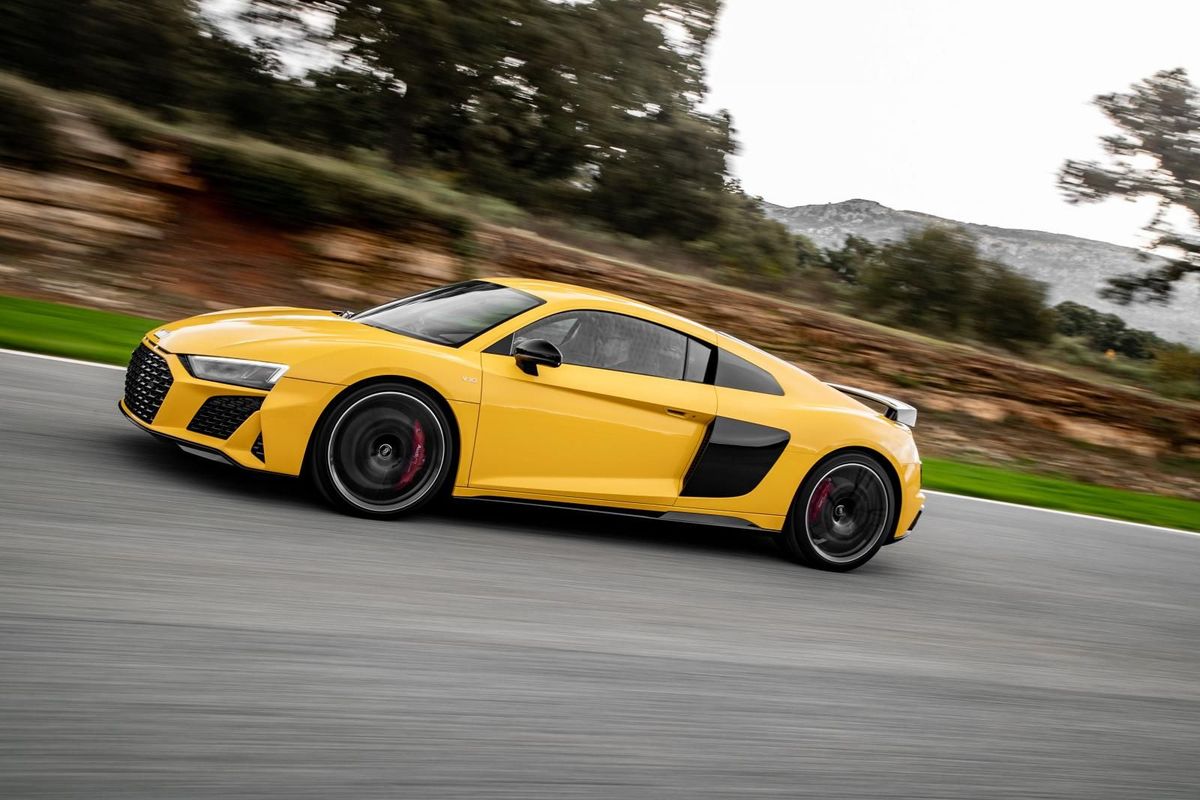
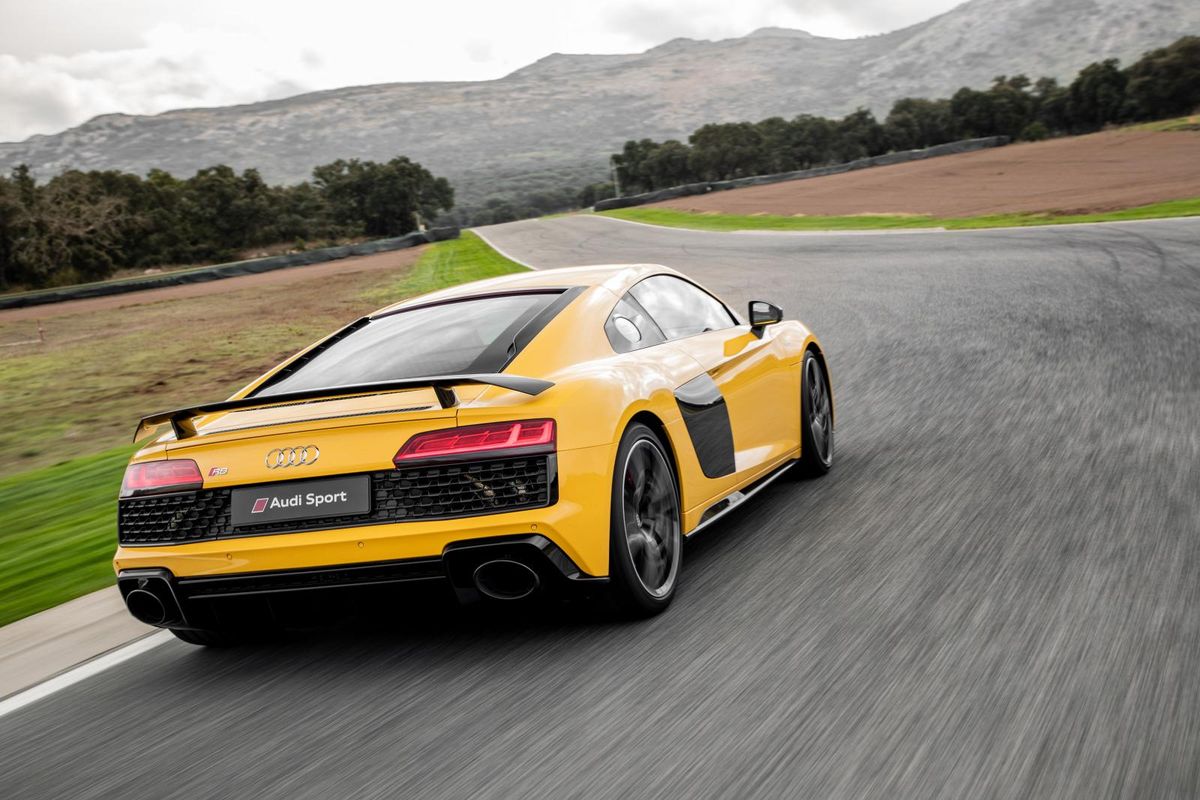
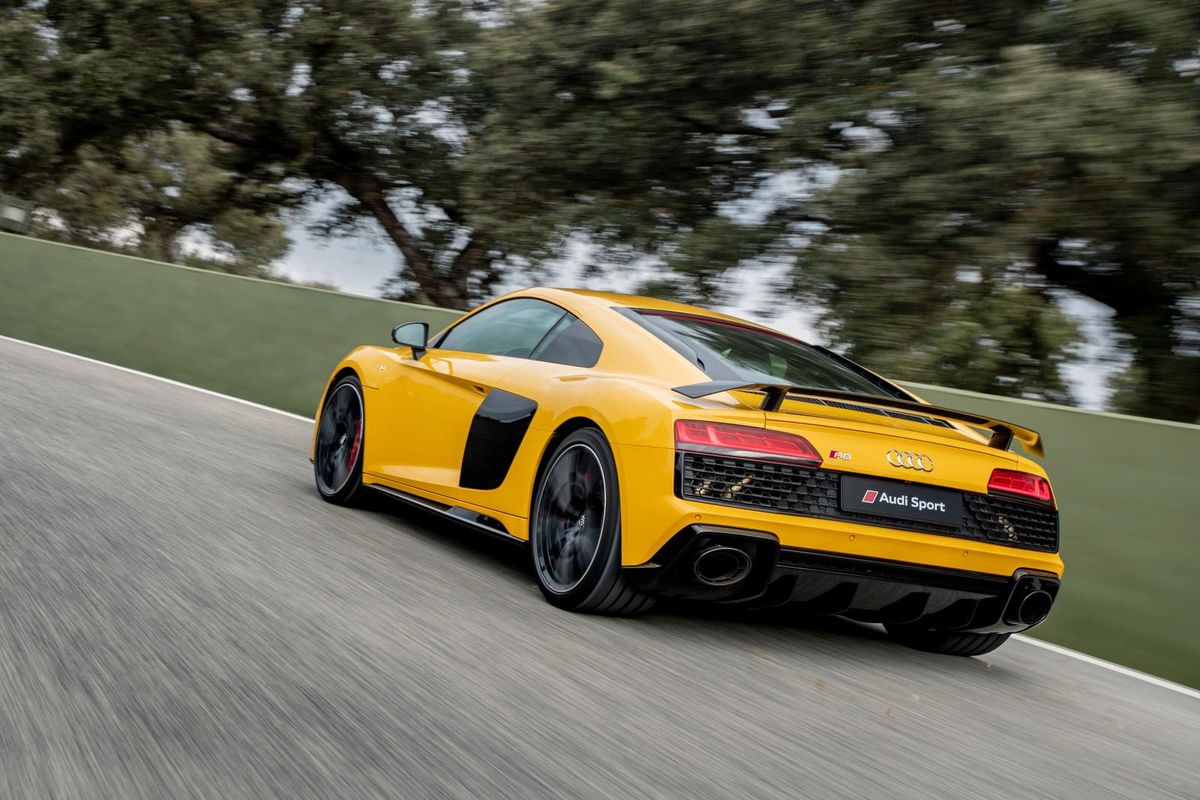
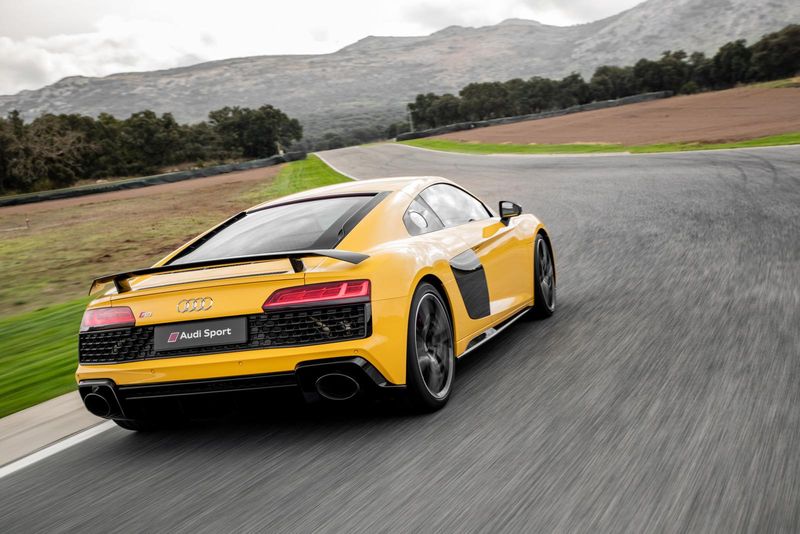
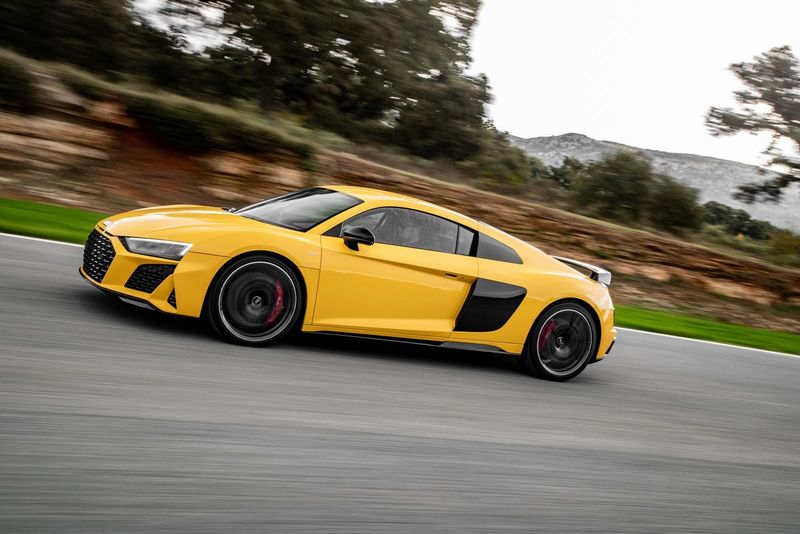
The Audi R8 has received a subtle makeover for 2019. There's a sharper new look, a bit more power, a few technical updates and cabin tweaks. We had a brief – yet intense – taste of the newcomer at a rain-soaked Ascari Circuit. 

Audi's naturally-aspirated and free-revving "everyday supercar" is much loved by the Cars.co.za team. Unlike some hardcore supercars, it rewards driving enthusiasts generously, yet flatters and indulges inexperienced drivers in equal measures. Even in the most congested traffic jams, the R8 sits is happy to potter around in its most docile setting… while it waits for the road to clear. Of course, being a supercar means it has to deliver thrills and dynamics worthy of its hefty price tag. It does this with ease and we could happily make that sonorous V10 sing up to its redline every day. 

What's new for 2019?


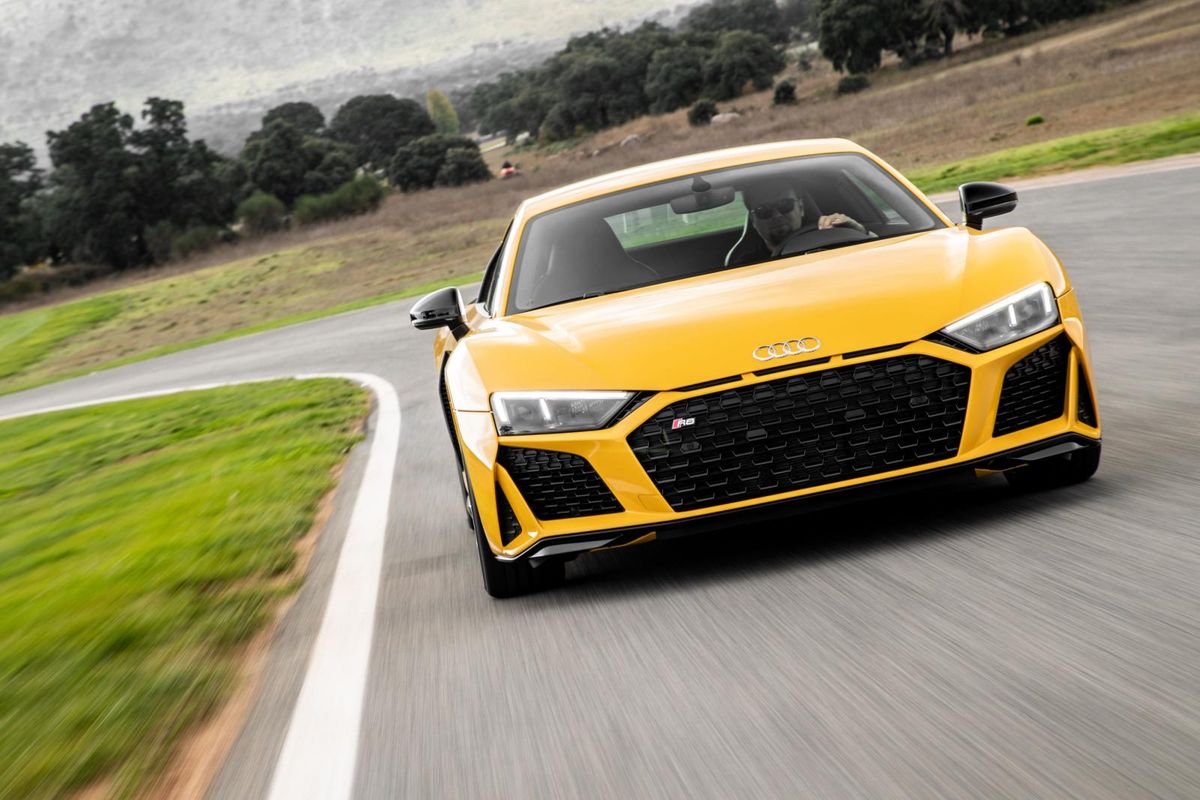
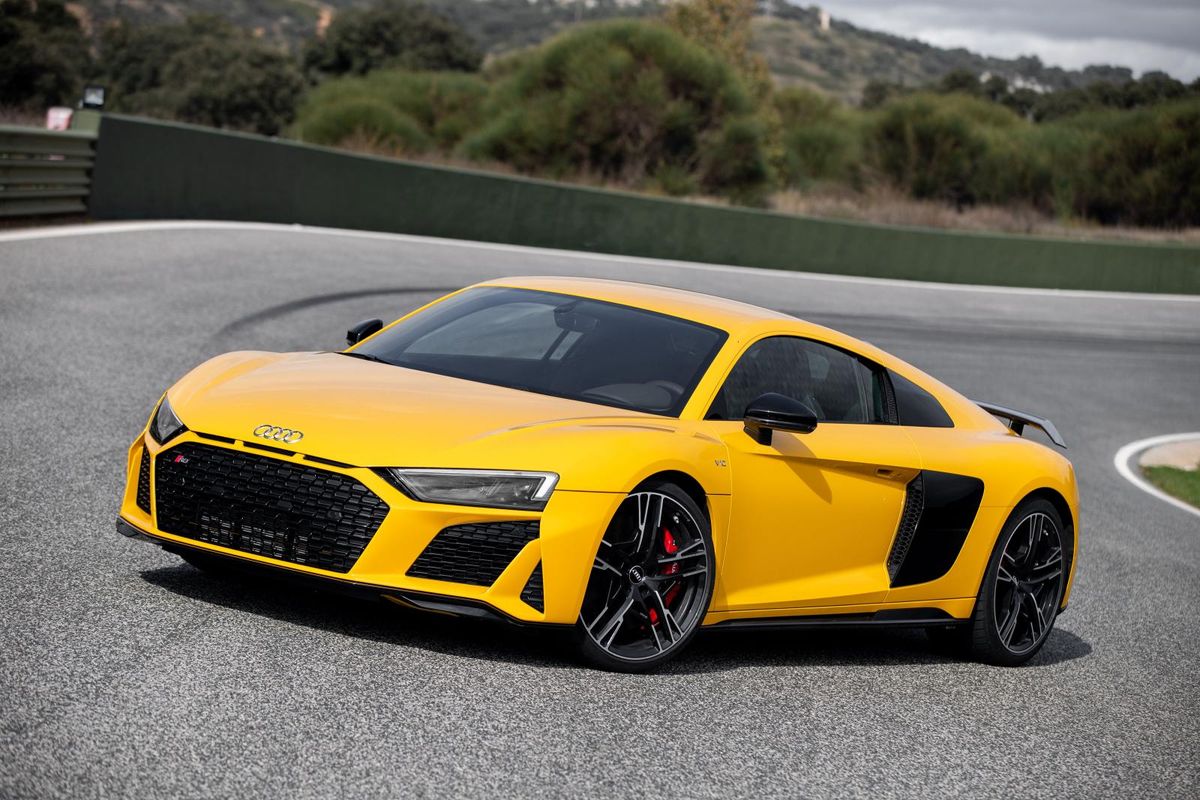
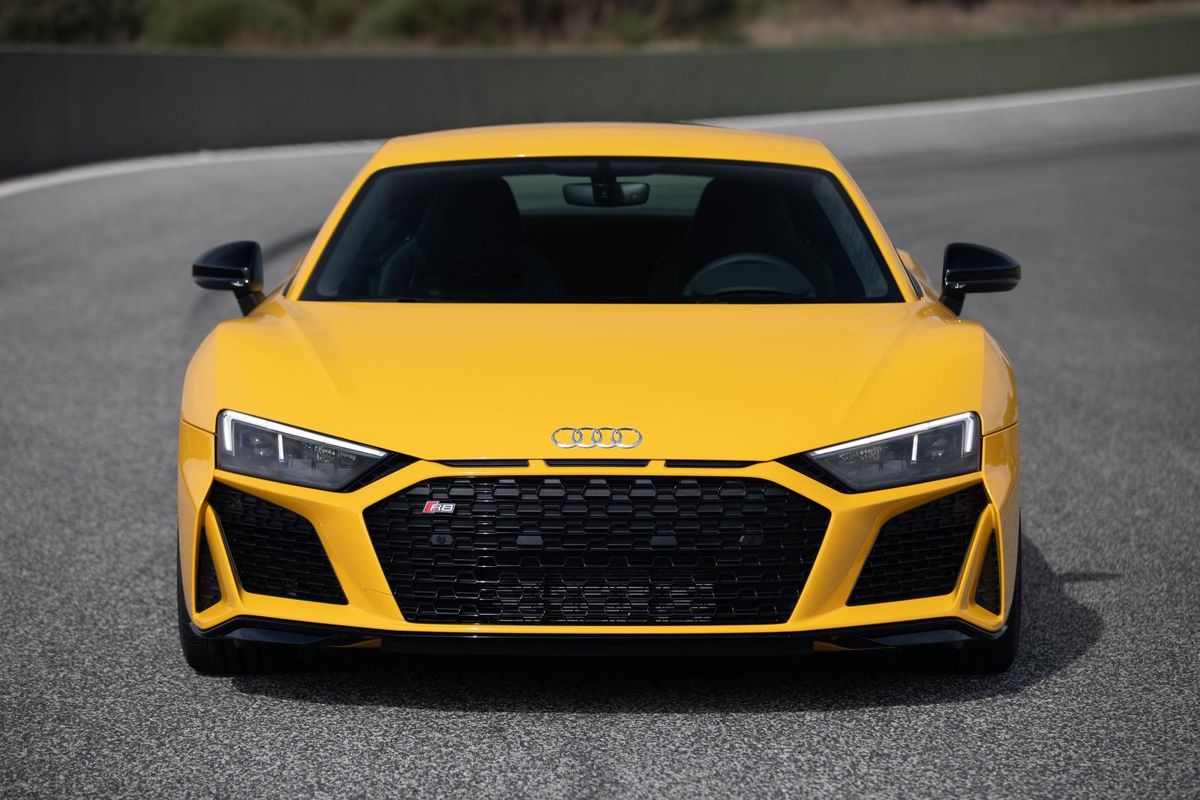
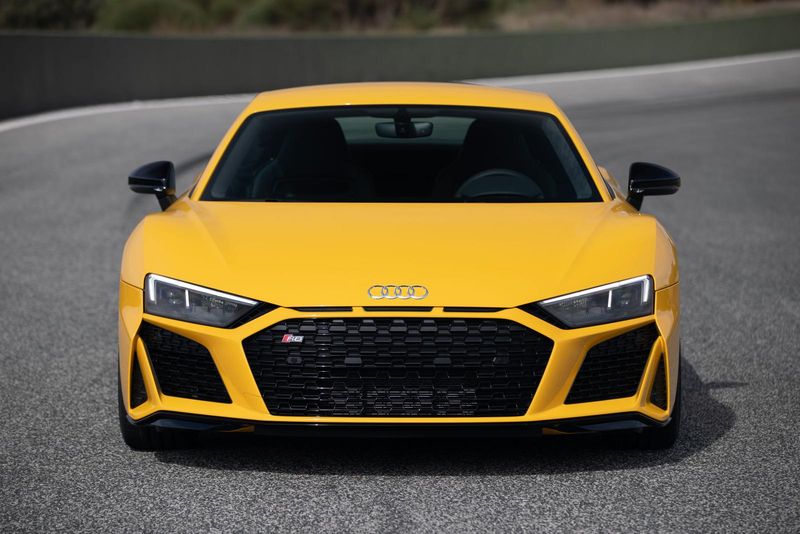
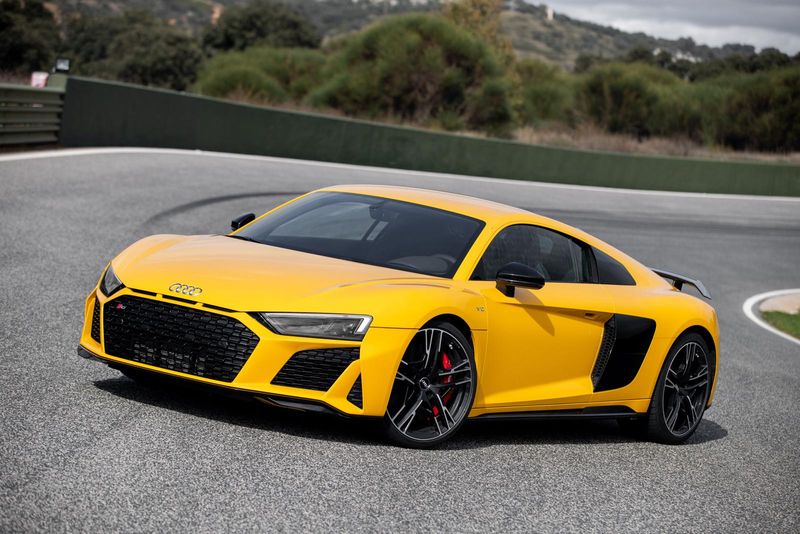
The 2019 Audi R8 has some subtle changes on the front. Note the 3 slots which are a tribute to the Group B Quattro rally car

The changes are subtle. On the outside, you'll notice sharper-looking sheet metal with aesthetic detail revisions to the front and rear. There are enlarged oval exhausts and 3 slots on the bonnet, which are a tribute to the 1984 Sport Quattro Group B rally car. Don't fret too much about this "tribute", the new Audi A1 has them too. However, the critical changes lie under the skin, where Audi Sport has stiffened its supercar's suspension and installed an anti-roll bar (made of carbon) at the front. The latter is much lighter than the unit on the pre-facelift version, which was made out of steel. There are also tweaks to the steering and for the first time, variable ratio Dynamic Steering is available, although it is an option.
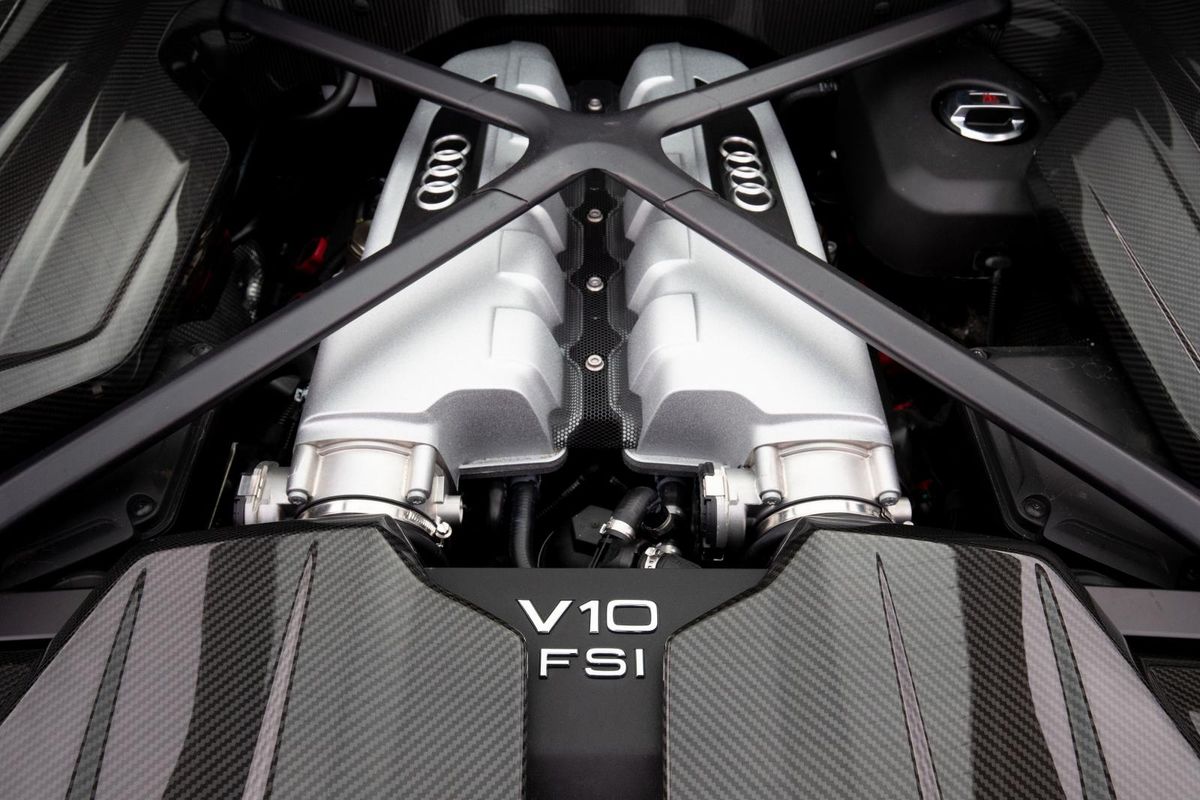
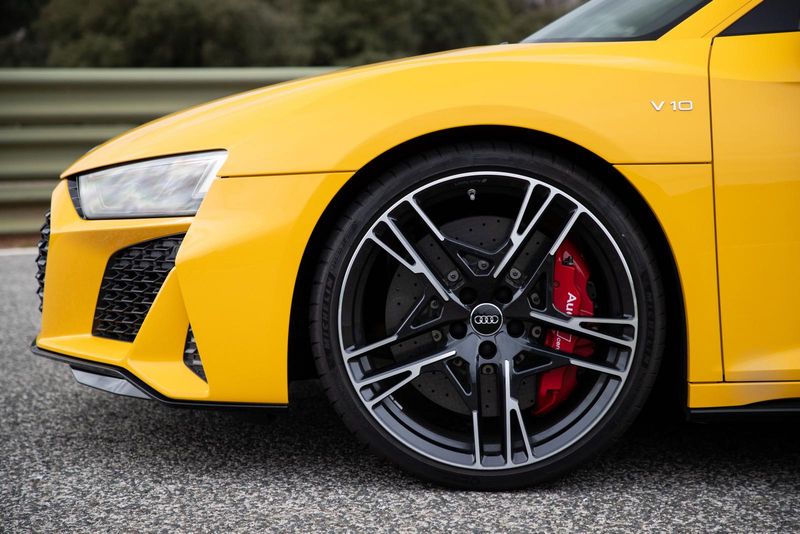
In terms of power, the 5.2-litre naturally aspirated V10 engine is retained and there are increases in power and torque on both versions. The SA market will only get the Performance version (previously called Plus), which produces a thumping 456 kW and 580 Nm, but SA-spec cars will be slightly detuned to 449 kW and 560 Nm. Power goes to an all-wheel-drive quattro setup via a 7-speed dual-clutch transmission and the new R8 Performance is capable of blitzing from 0 to 100 kph in a claimed 3.1 seconds, going on to a top speed of 331 kph. The brakes are carried over unchanged and the Performance version comes equipped with carbon ceramic stoppers, which will work hard, given the R8's weight.

What's it like to drive?


A dry Ascari raceway. The Audi R8 grips and grips, and the V10 loves to be revved hard.

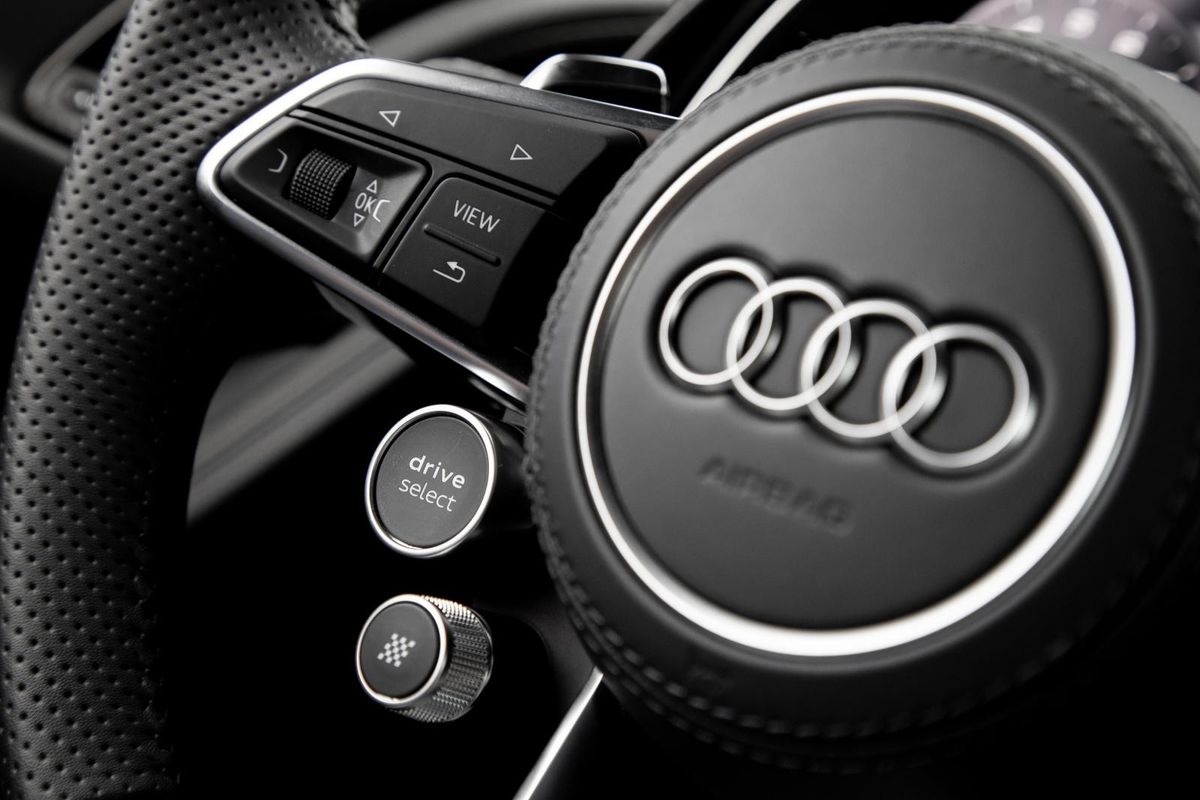
Firstly, a disclaimer. Our drive of the Audi R8 was on a drenched Ascari Race Circuit near the town on Ronda in Spain, as the entire Andalucia region was battered by an intense cold front. The task of evaluating Ingolstadt's latest transformed into an exercise in trying to keep a multi-million Rand supercar on the black stuff, which was made harder by massive pools of water on the circuit. Yep, first-class tickets on the aquaplane were in abundant supply. Nevertheless, we donned some helmets and set off. Stab that big red start button located on the steering wheel and the V10 barks to life. Activate Race Mode by pressing the checkered flag button just below the Drive Select button. This will put the Audi R8 into its most hardcore setting and the stability control will loosen its grip. Given the conditions, we manually re-engaged full ESC to deploy an additional safety net. 

To be honest, it's difficult to spot and analyse the dynamic changes between this version and its predecessor; we reckon it'll require some serious driving of both derivatives back to back for the updates to become apparent. However, the outgoing R8 was an exceptional crowdpleaser thanks mostly to its rollicking engine. We will rue the day when a raucous naturally-aspirated V10 is laid to rest in favour of greener, muted powerplants. 


The facelifted Audi R8 is a beautifully balanced driving machine that is simple and intuitive to pilot briskly

The Ascari Circuit has quite a technical layout, thanks mostly to major elevation changes. The R8 may boast a quattro setup, but it can (and will, in the wet) exhibit understeer if you barrel into a corner too quickly. Try to accelerate hard out of a corner and the rear-wheel-drive-biased quattro system will allow some tail wagging, which can be a little daunting for the uninitiated. One sector of the track had a rather large stream of rainwater running across it, which just so happened to coincide with the start of the braking zone. An aquaplane moment at 160 kph was enough to widen the eyes and flood the body with adrenaline, and we weren't the only victims on the day; many journos encountered similar heart-stopping situations.

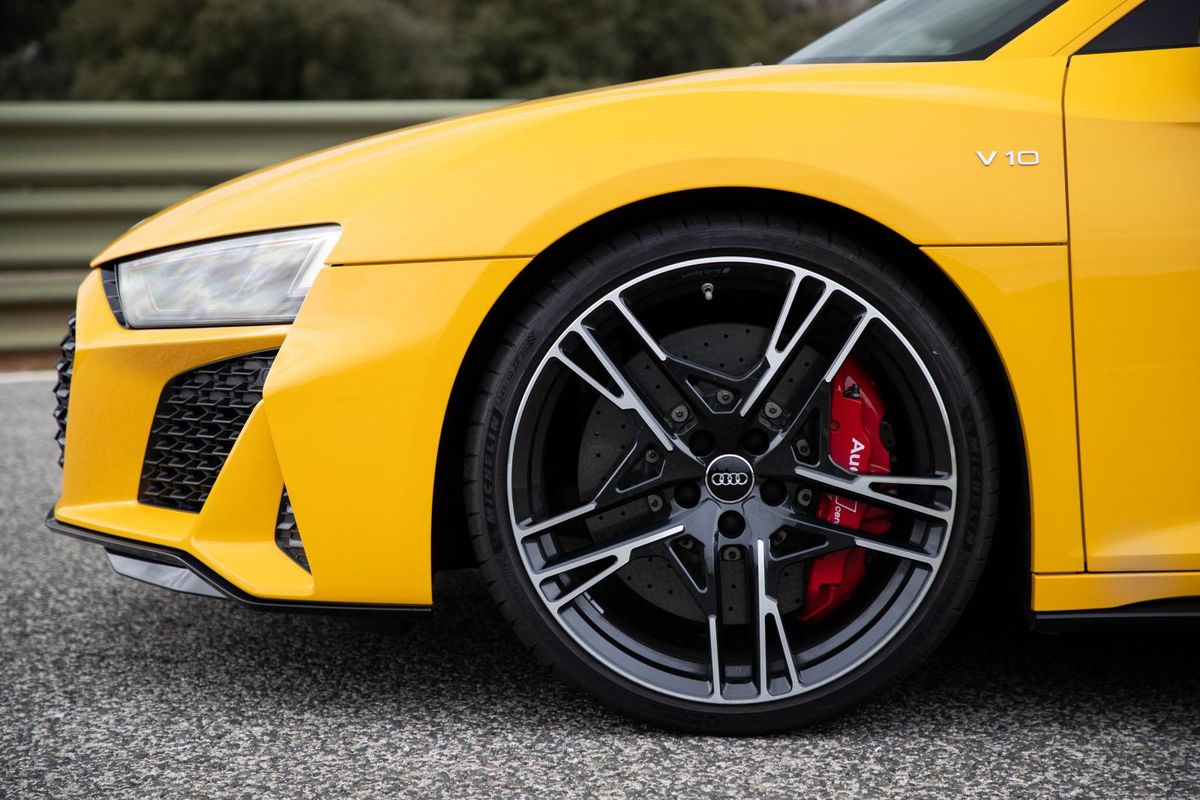
Thankfully the wet conditions and expertise of the Audi instructors on hand allowed us to experiment with the new handling setup over numerous laps. The first turn at Ascari is a majestic downhill leftward sweep and as you transition from brake to accelerator, the car steps out gracefully and feels entirely manageable. Who said quattro and all-wheel drive systems had to be boring and anti-fun? A second disclaimer here, sorry. Our test units rode on the optional 20-inch alloy wheels wrapped in optional trick Michelin rubber, which certainly will assist in the handling stakes. 

We do like the steering setup of the new Audi R8. It's not ultra direct like that of the McLaren 570, nor meaty like the AMG GT R's, but the tiller is responsive and accurate enough to make the car dart about with intent and purpose. We had the chance to sample the Dynamic steering too, which, according to Audi, "allows the driver to experience even more precise response characteristics." Could we feel a difference? After driving a standard car and then a Dynamic-equipped car back to back, there were some slight differences, but essentially the steering feels a little more precise at the expense of substance and feel. Should you tick that option? Given how good the standard steering setup is, we'd say no.


This Audi R8 features the optional 20-inch alloy wheels

Also worth a mention are the stupendously strong brakes. They're ceramic units, specifically fitted to the Performance version as the lower-end models use steel rotors. They work hard thanks to the weight of Ingolstadt's supercar. At just under 1 600 kg, the R8 is a heavy machine as it stands (we attribute that to the complex quattro system and massive V10 engine). In comparison, the dry weight of a McLaren 570S sits at 1 356 kg.

A driving summary, then? The facelifted Audi R8 is a beautifully balanced driving machine that is simple and intuitive to pilot briskly. With the sound of that magnificent V10 at full tilt right behind you, it's hard to not be emotionally drawn by what the Audi R8 has to offer.

The interior


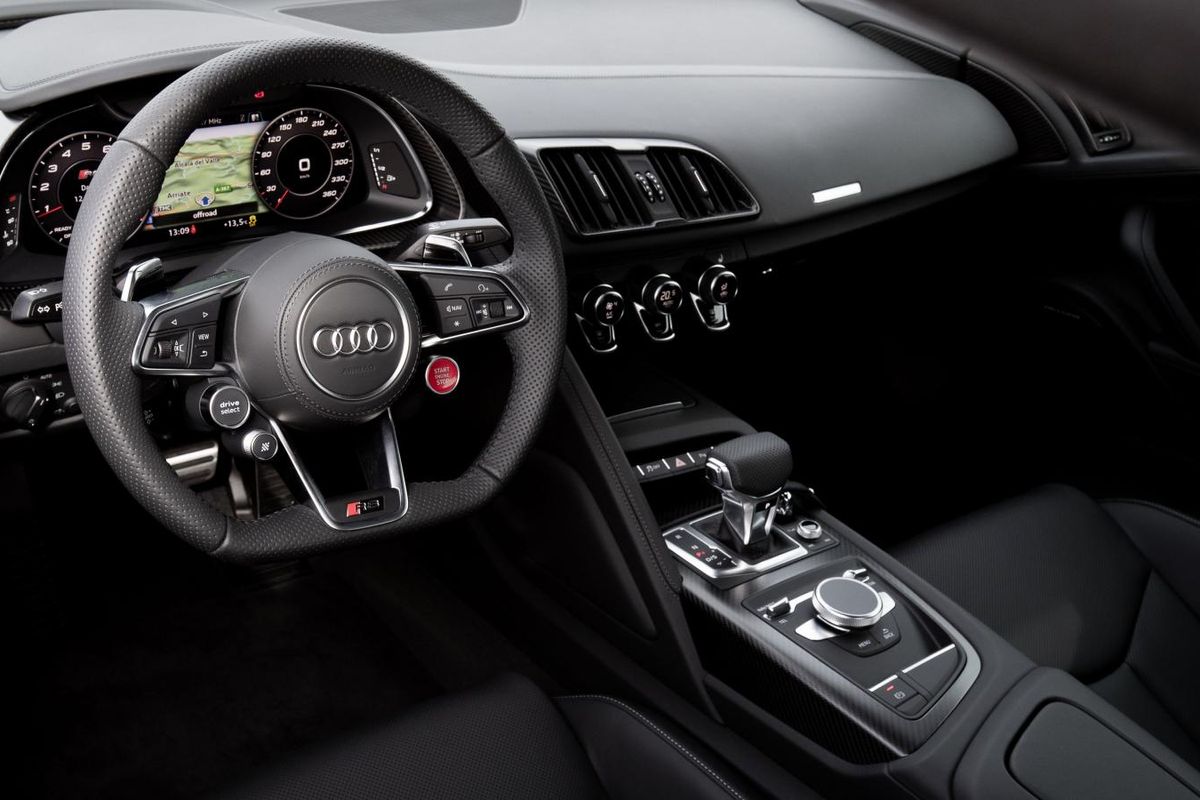
The Audi R8 cabin is an exercise in making the most of a confined space

The cabin of the Audi R8 is a textbook example of how to make the most of the limited available space. Supercars are generally cramped and awkward places to hang out, yet the supercar's cabin feels acceptable and just about spacious enough to convince a partner that the 2 of you can go away for a weekend in the R8, which can effortlessly perform a GT role, if need be. There's a front boot, which is good for 112 litres (or a duffel bag) and there's a surprising amount of space on the rear shelf. The rest of the cabin is wonderfully put together and oozes sophistication.

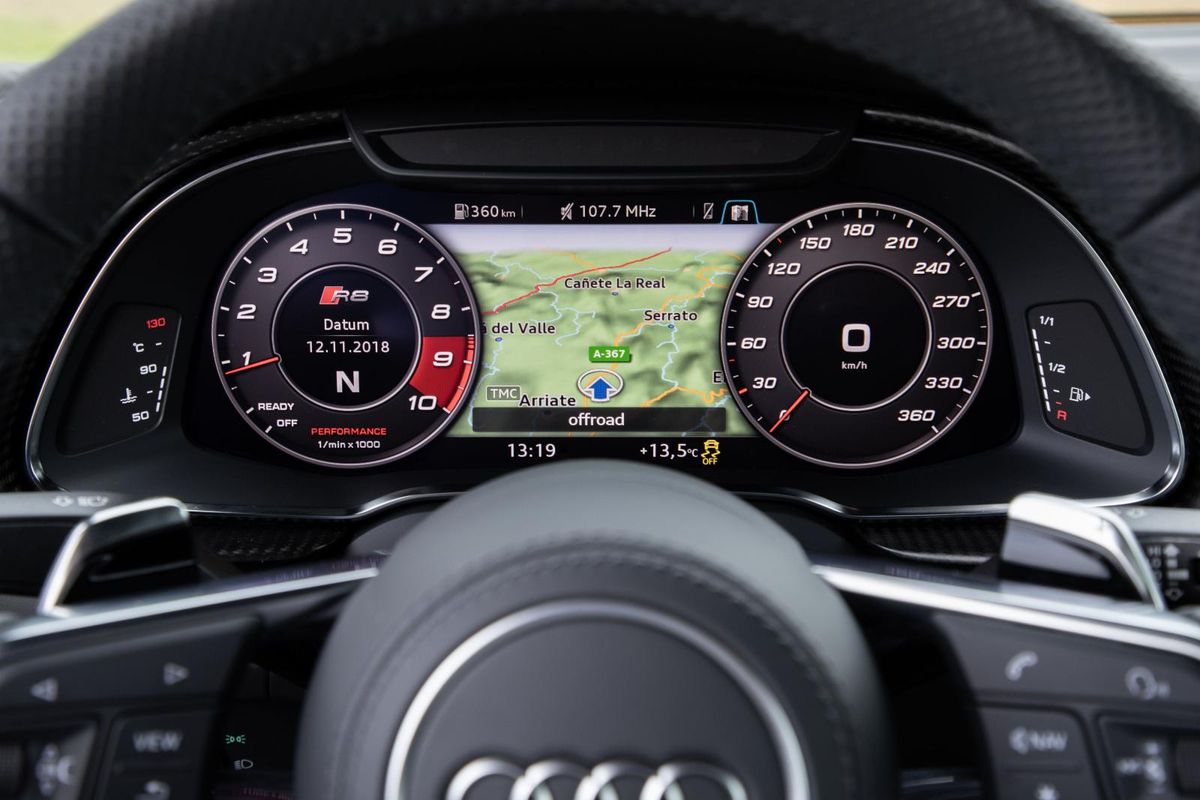
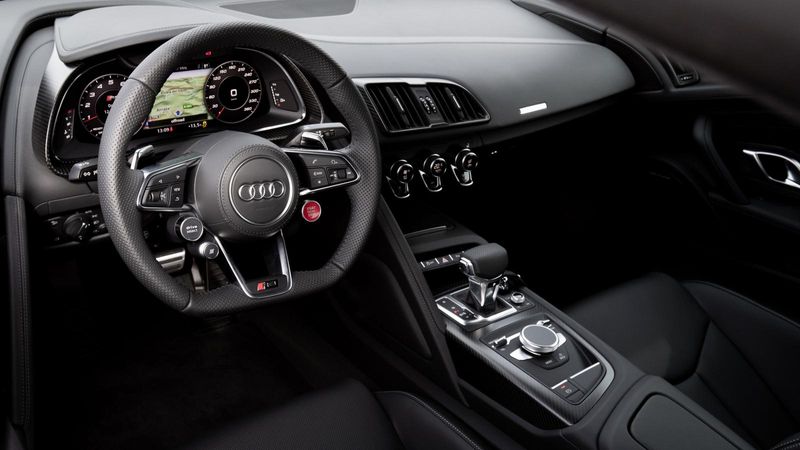
What's more, the quality and tactile feel of the materials used is class-leading, and the ergonomics are pure and simple. Audi Virtual Cockpit dominates the driver's eye line and it continues to be one of the finest digital infotainment systems in the supercar segment, if not the new vehicle market. Much like in the TT, there's a minimalist design to the Audi's cabin, with just the ventilation controls occupying the central dashboard. 


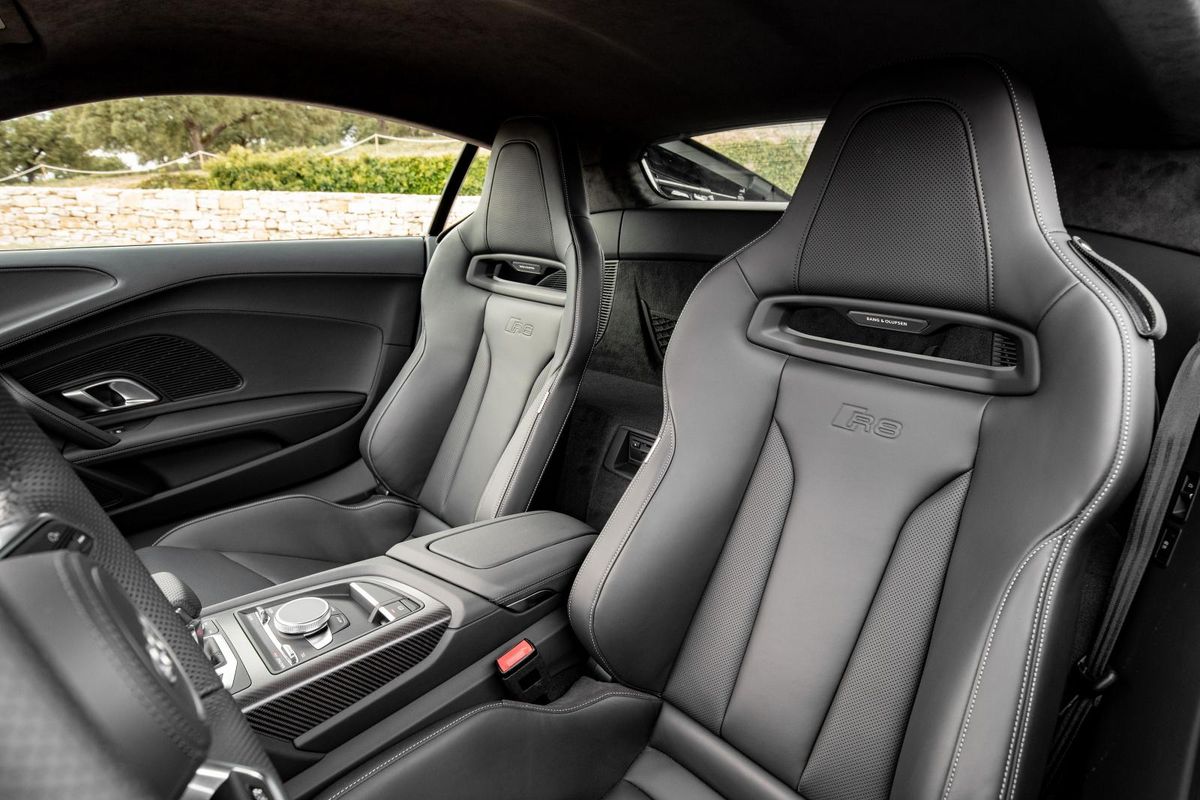
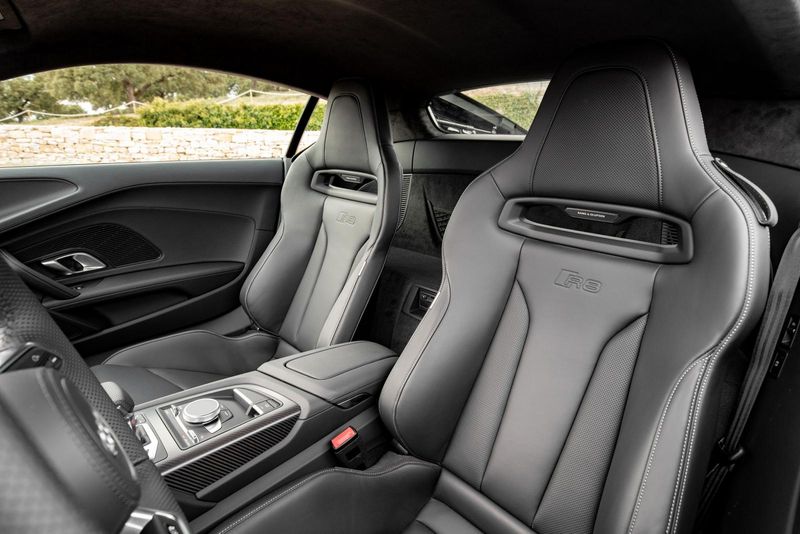
These Audi Sport seats are wonderfully supportive and comfortable

Verdict

The "everyday supercar" is a description that's often overused by motoring writers to describe certain products, but unfortunately, it's certainly the most appropriate description of the latest iteration of the Audi R8. While the fling we had with the newest iteration of the supercar was just that and we'd love to spend more time with the newcomer to get a real feel for it, our initial impressions are positive. Given the performance-or-nothing focus of the usual suspects in the supercar segment, the fact that the R8 is quite suitable for the daily commute makes it a terrific proposition.

However, when the road opens up and the traffic clears (or you decide to visit your local racetrack), the R8 is more than capable of delivering that "unbridled supercar" feeling – and in abundance. It's wonderfully easy to live with, effortless to drive fast and not horribly compromised and cramped. The cabin and associated quality is bespoke and reeks of futurism. Not only is the Audi great to look at and a symbol of 'I've made it', but it's just as majestic on a public road as it is on a race track. It could also double as a GT and easily be driven great distances at a time.

With that magnificent naturally-aspirated V10 engine seemingly on death row, we can't help but wonder how long the Audi R8 will be around. Audi Sport engineers have no doubt experimented with the 2.9-litre biturbo V6 and 2.5-litre 5-cylinder turbo motors, but they wouldn't invoke that full fat, red-blooded supercar feeling now, now would they? We suspect that the next-generation Audi R8 will feature some form of electrification, so it will be fast and economical. Will it have the same character or drivability? We doubt it, especially in terms of what makes the R8 special, so best you start looking at your investment options around the middle of 2019 when this facelifted R8 V10 comes to SA. You won't be disappointed.


This iteration of Audi R8 is a wonderful all-round performer and should be in SA around the middle of next year

Further Reading

Facelifted Audi R8 and R8 Spyder Announced

Audi R8 V10 Spyder (2017) Quick Review

Audi R8 V10 Plus (2016) Review

BMW i8 vs Audi R8 Spyder – The Strangest Sportscar Rivalry?