BMW X5 xDrive30d xLine (2019) Review
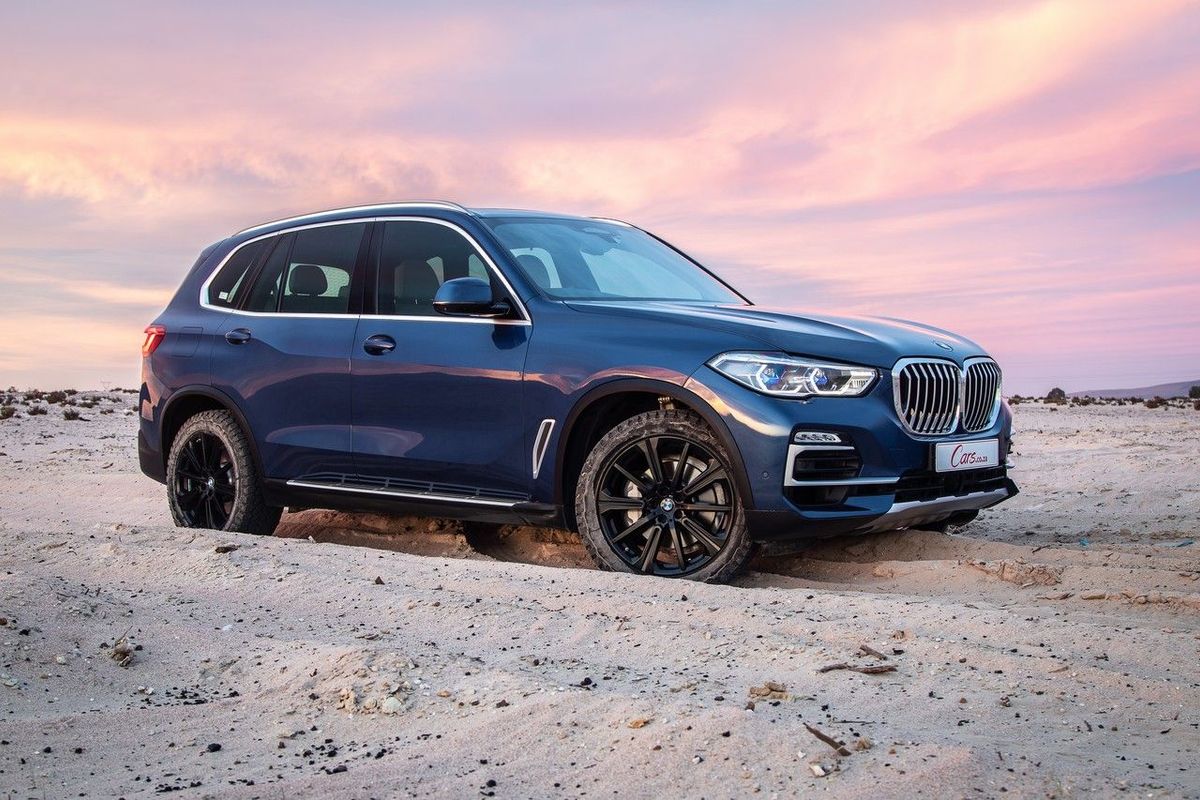
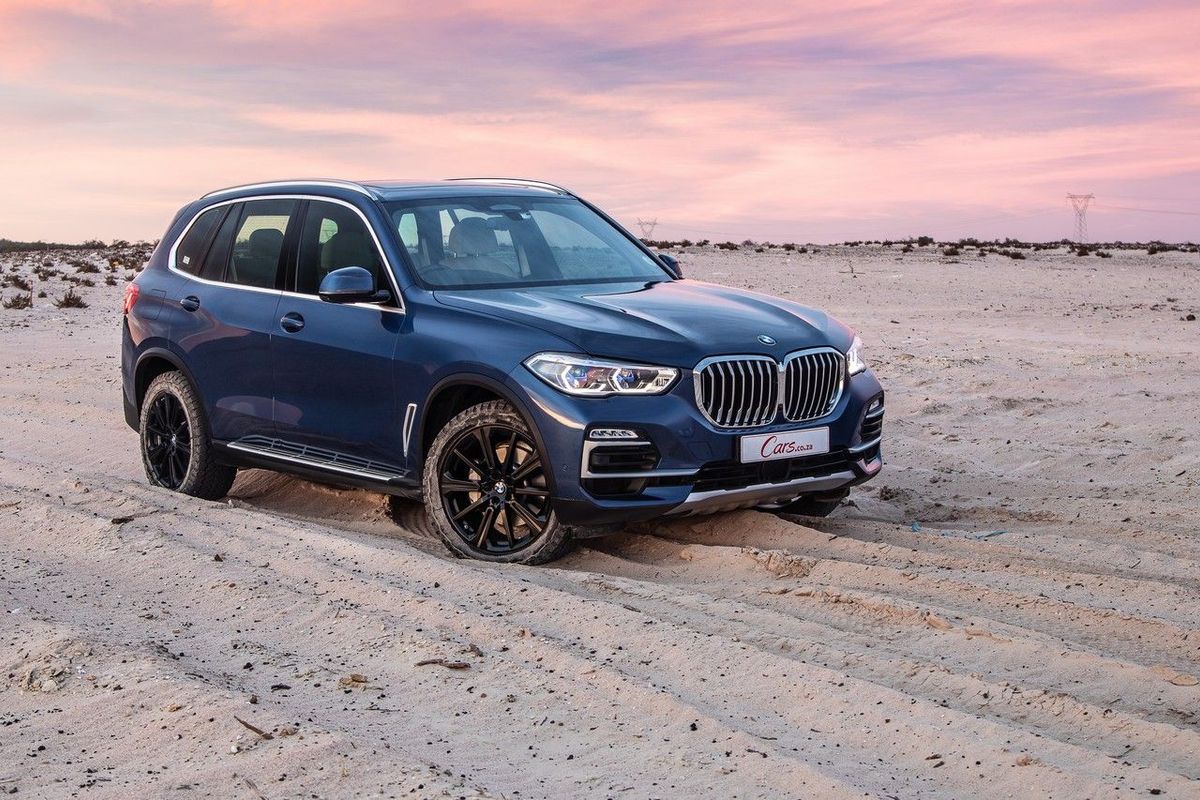
The 4th-generation X5 has grown in size, as well as sophistication. We get to grips with an xDrive30d derivative equipped with an off-road package, which BMW has now made available on its Premium SUV in South Africa.

We like: Ride comfort, off-road grip/traction (with off-road tyres), luxury, performance/efficiency balance, quiet cabin

We don't like: Some gimmicky features/ergonomics, cheap-feeling gearknob

Fast Facts

  • Price: R1 194 296 (May 2019, without options)
  • Engine: 3.0-litre 6-cylinder twin-turbodiesel
  • Gearbox: 8-speed automatic
  • Fuel economy: 7.0 L/100 km (claimed)
  • Power/Torque: 195 kW/620 Nm

Own a BMW? Tell us about your experience here. 

SERIOUS ABOUT BUYING?

Where does it fit in?


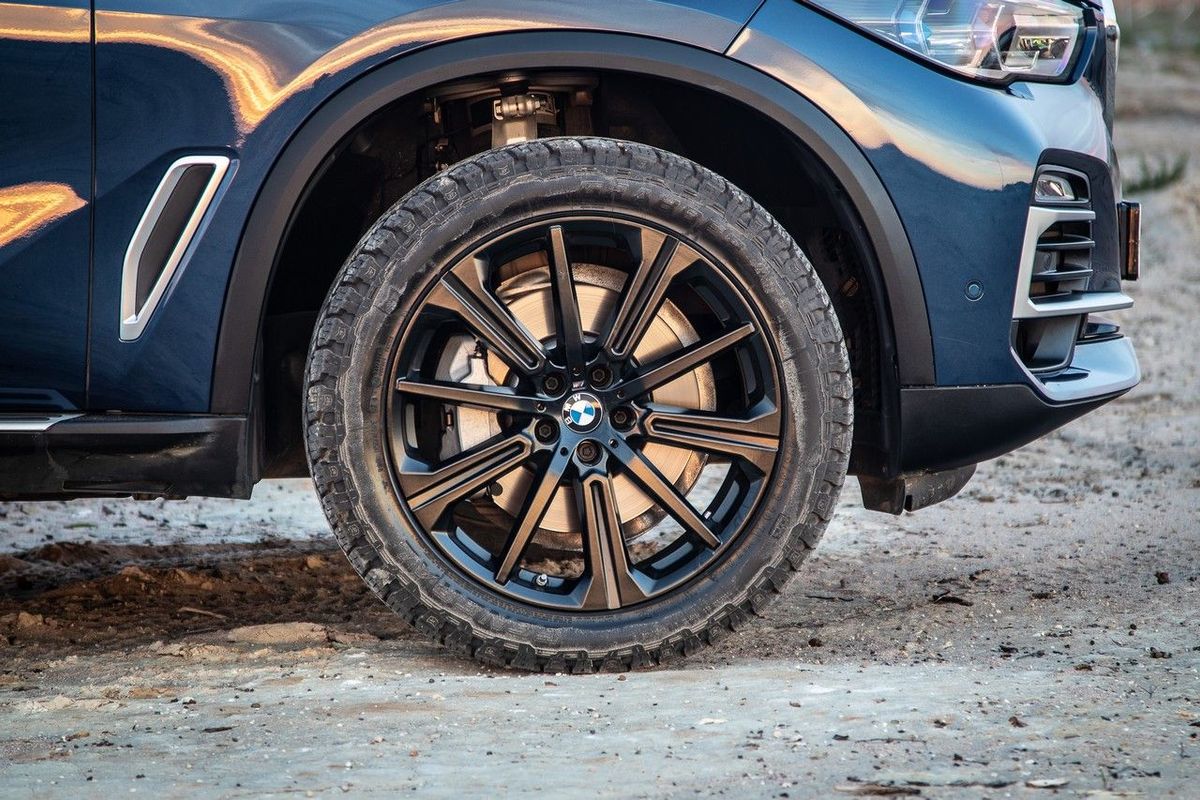
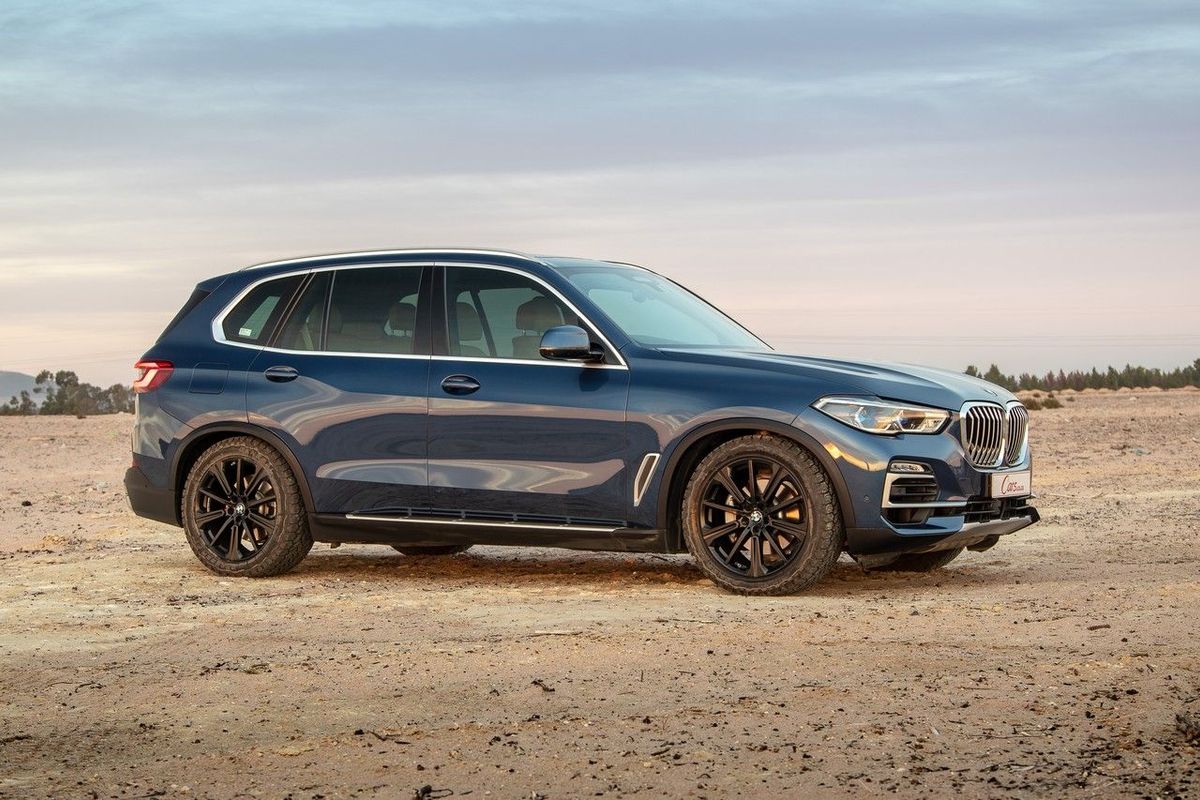
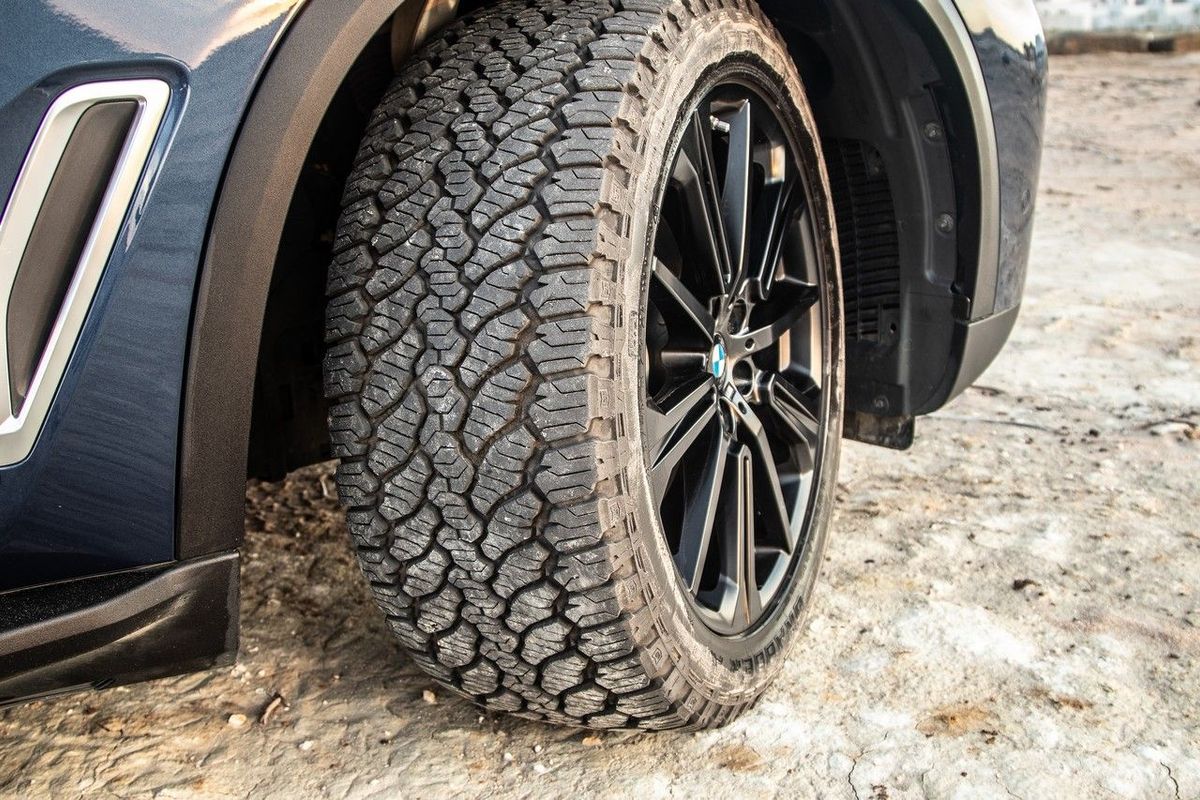
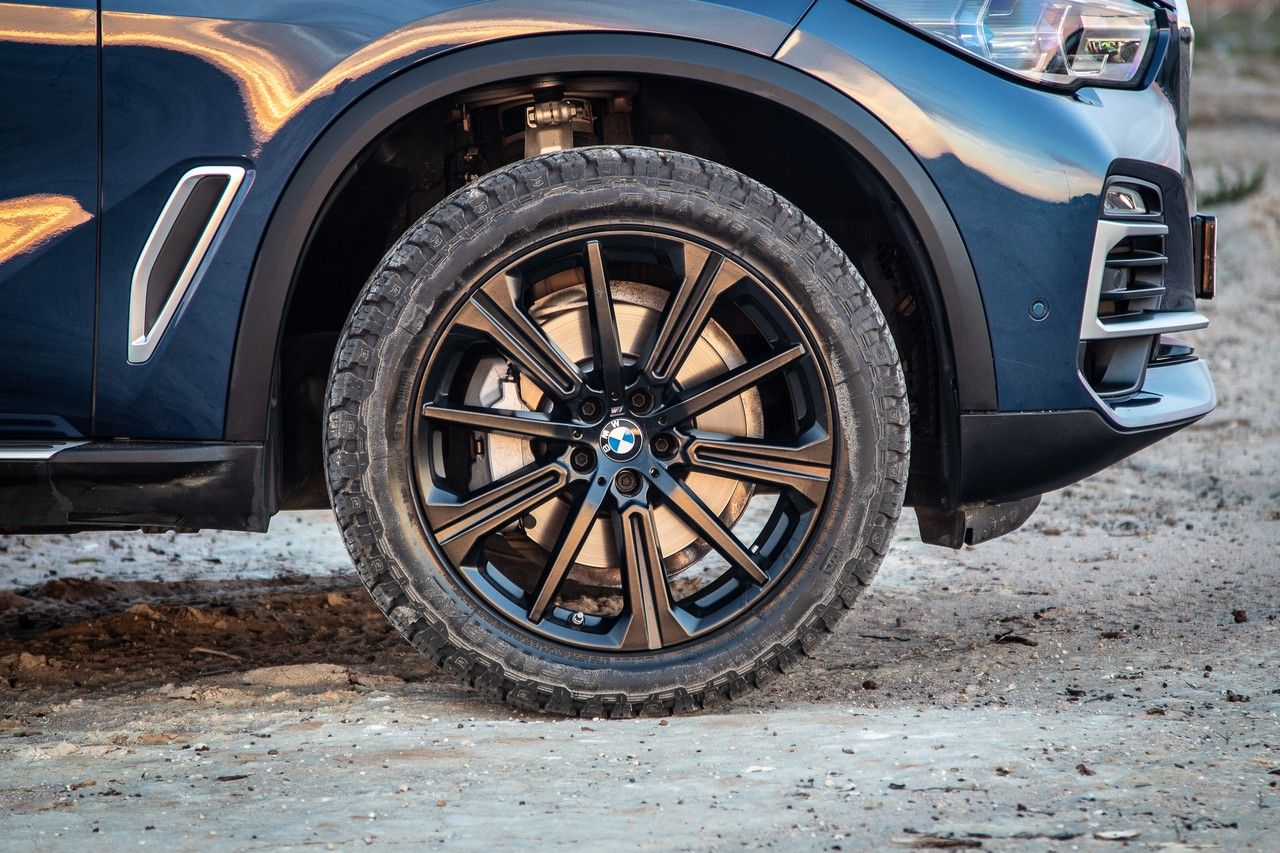
Our test unit featured 20-inch wheels wrapped in General Grabber rubber.

The X5 was the first X model that BMW produced. First launched in South Africa in 2001 and now in its 4th generation, the X5 has racked up more than 2.2 million worldwide sales for its manufacturer, making it one of BMW's most successful and important models. However, given the rampant rise in popularity of SUVs, the competition is also stiffer than ever before. Suffice to say BMW had to sharpen its pencils during the development of this new model… The result is an X5 that BMW says is more luxurious, more connected, more refined and more spacious than ever before. Also… for the first time in South Africa, it is now offered with an Off-Road package, as if to tick a final box in a list of talents that is already lengthy.

Is all that development (and enhancement) enough to propel this bigger, more high-tech X5 to the front of the Premium SUV segment once more? We evaluated the xDrive30d xLine derivative, fitted with the Off-Road package, to find out.

How does it fare in terms of…

Design & Packaging
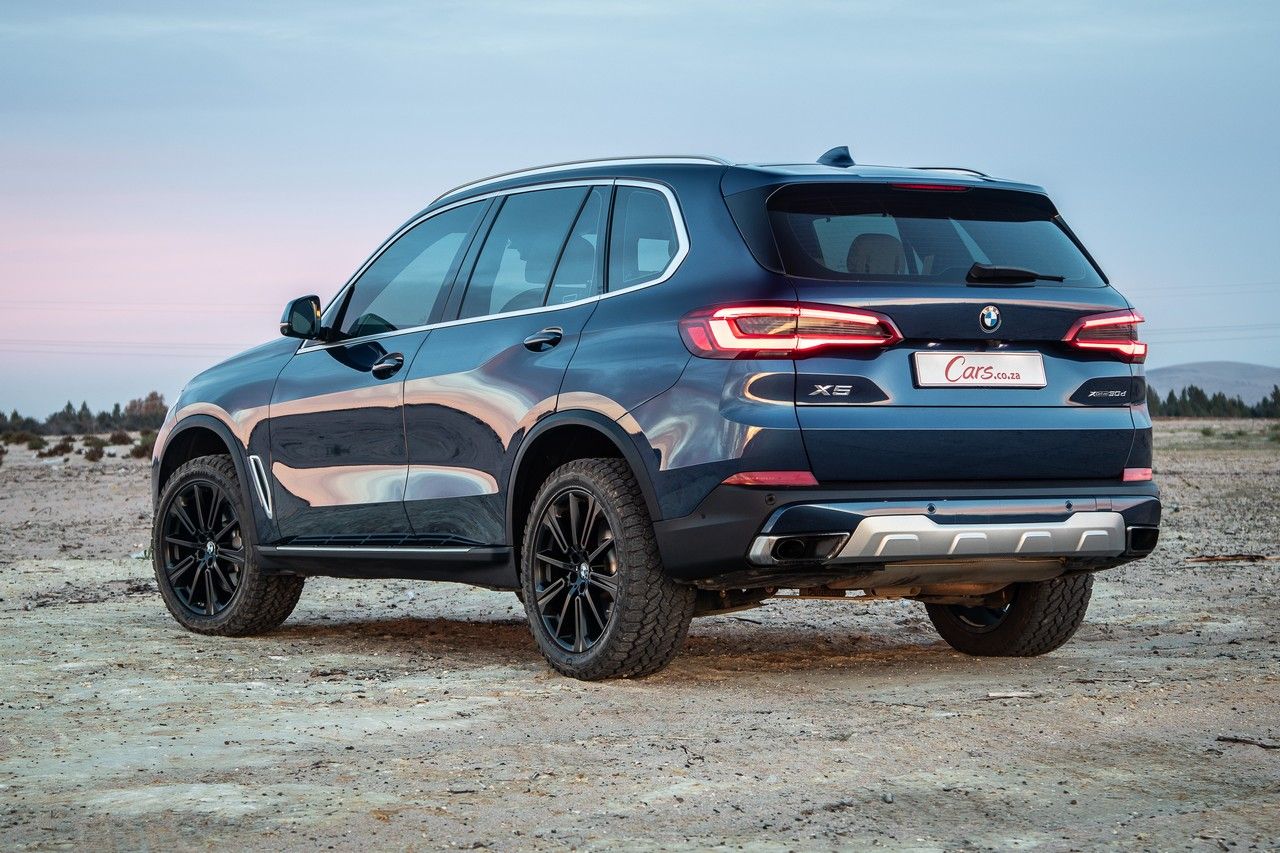

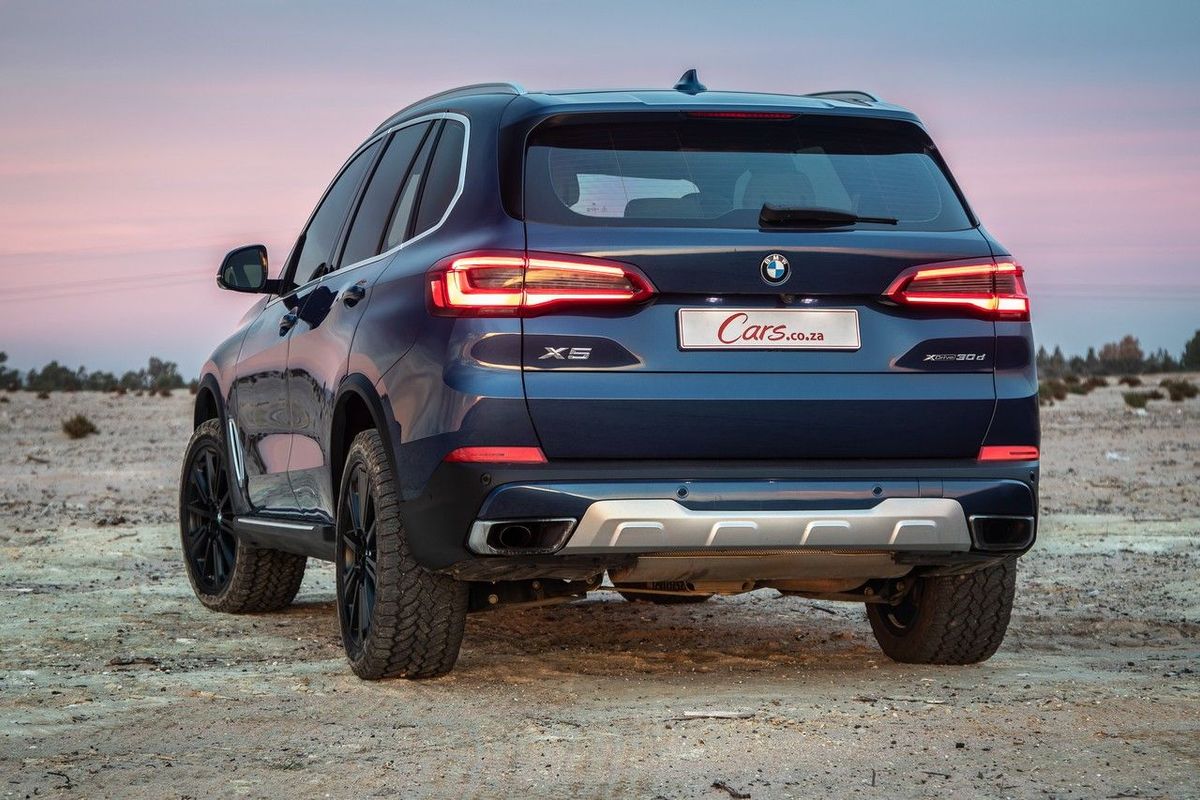
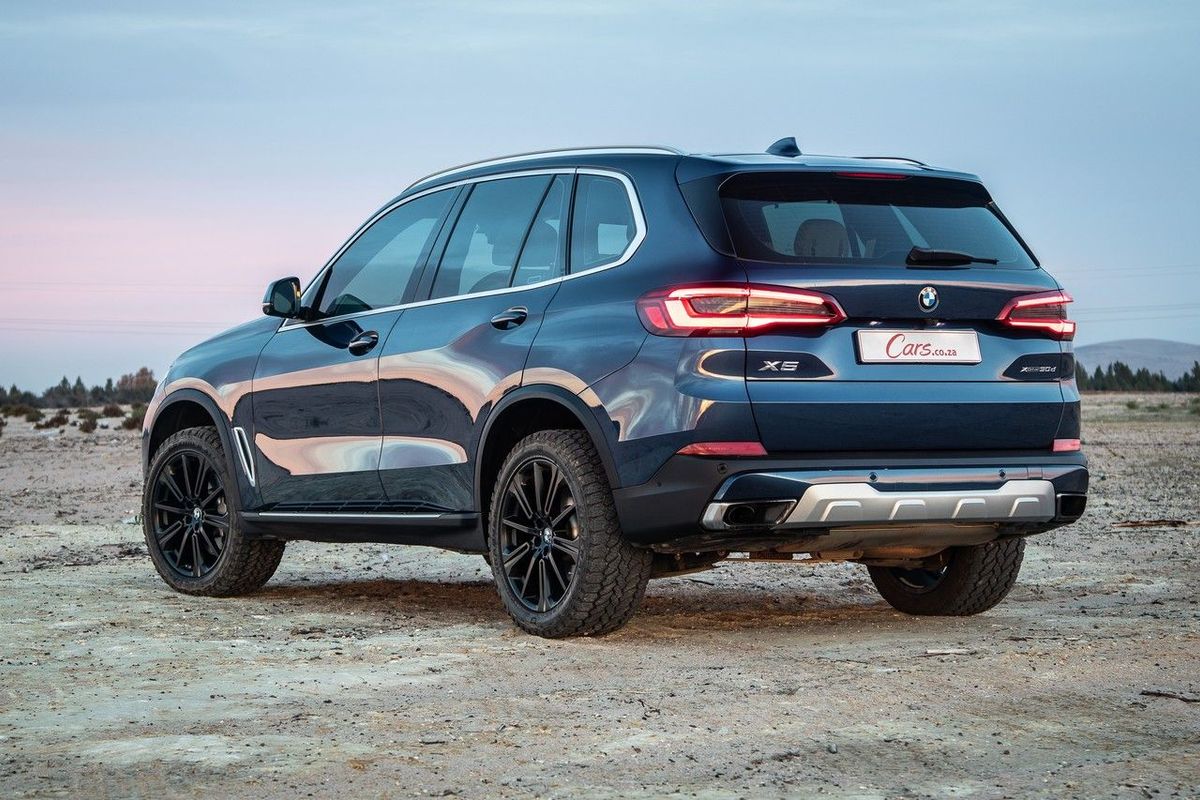
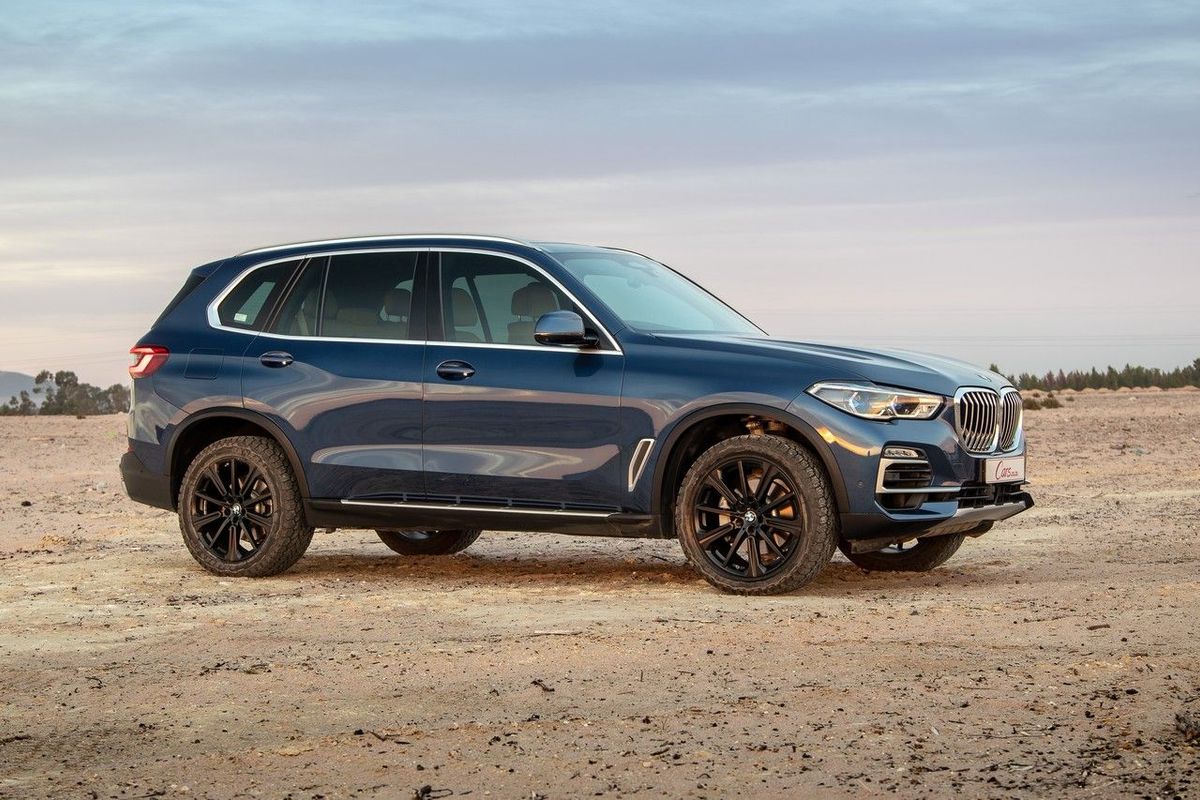
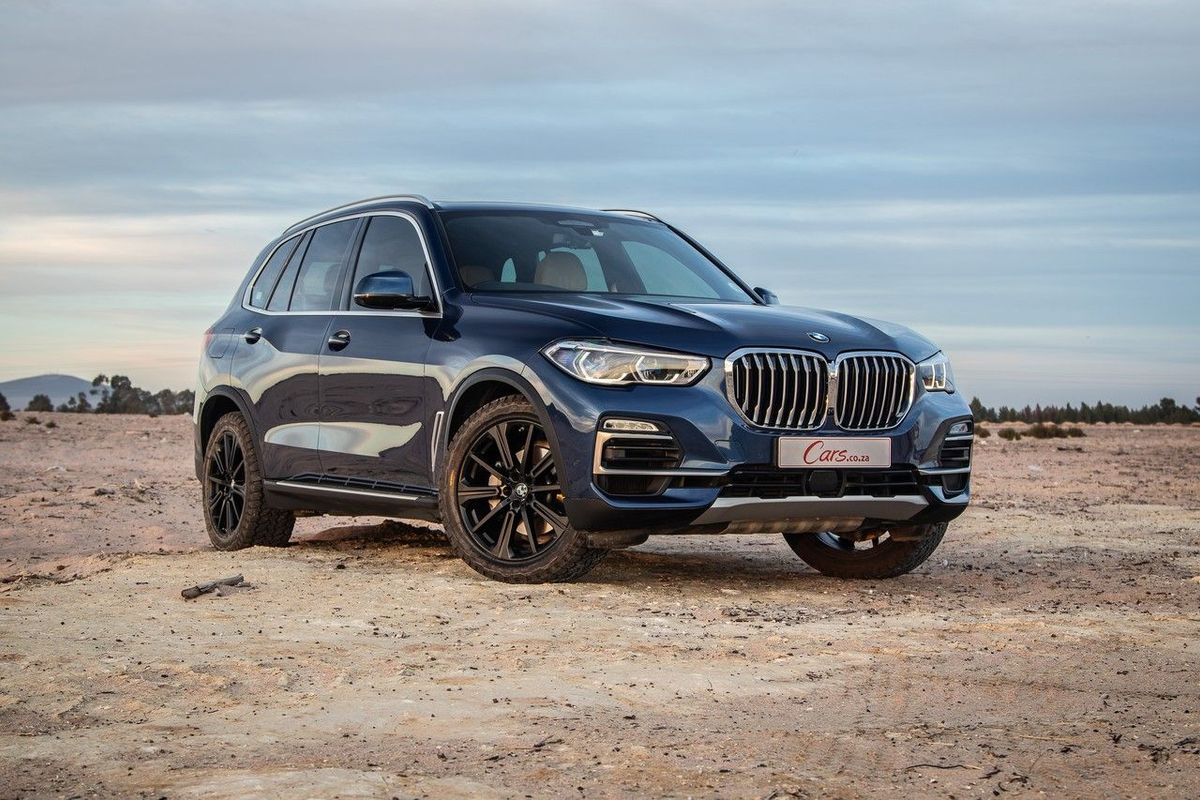
Longer, wider and taller than the vehicle it replaces, the 4th-generation X5 is an attractively styled Premium SUV.

BMW design is often controversial, either for adhering too strictly to the marque's design language, or for introducing something that splits opinion (such as the seemingly oversized new kidney grille treatment on the X7 and facelifted 7 Series). The latest X5, however, has received overwhelming praise for its styling and we can only agree – it is a nicely proportioned, muscular vehicle with just enough glitz to ramp up its kerb appeal. 

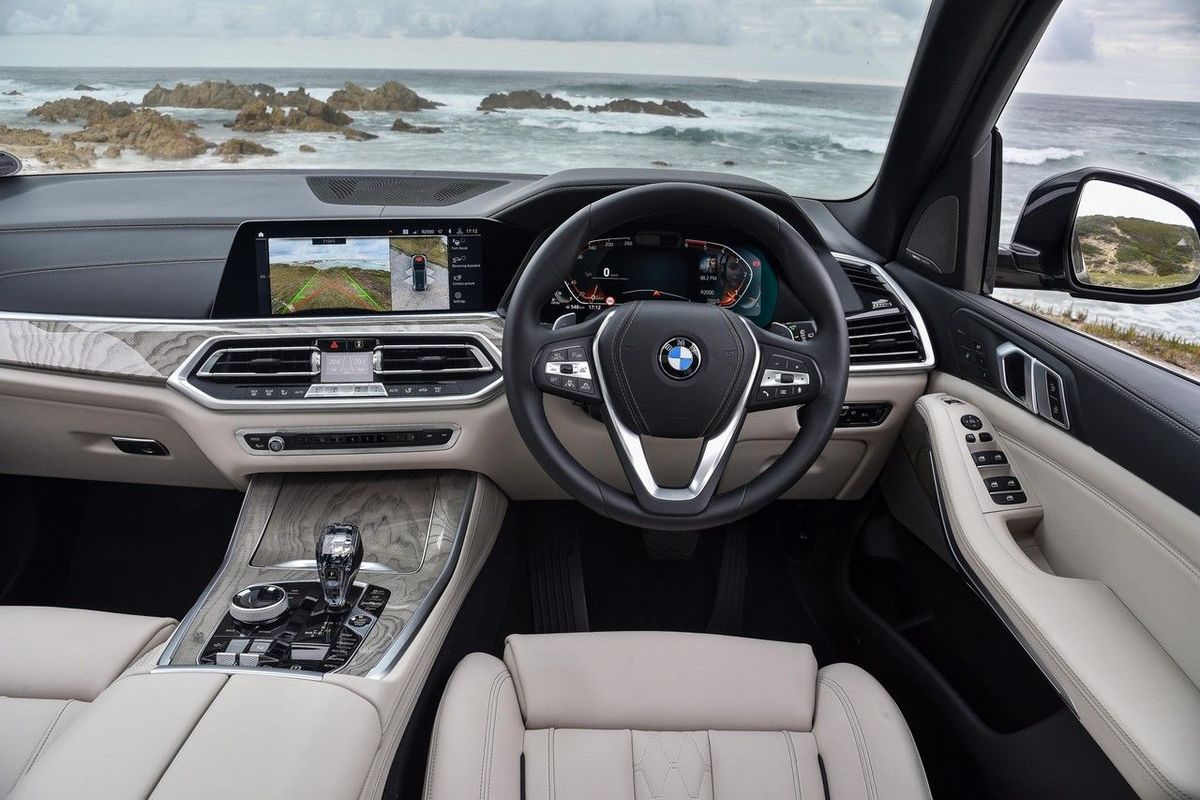
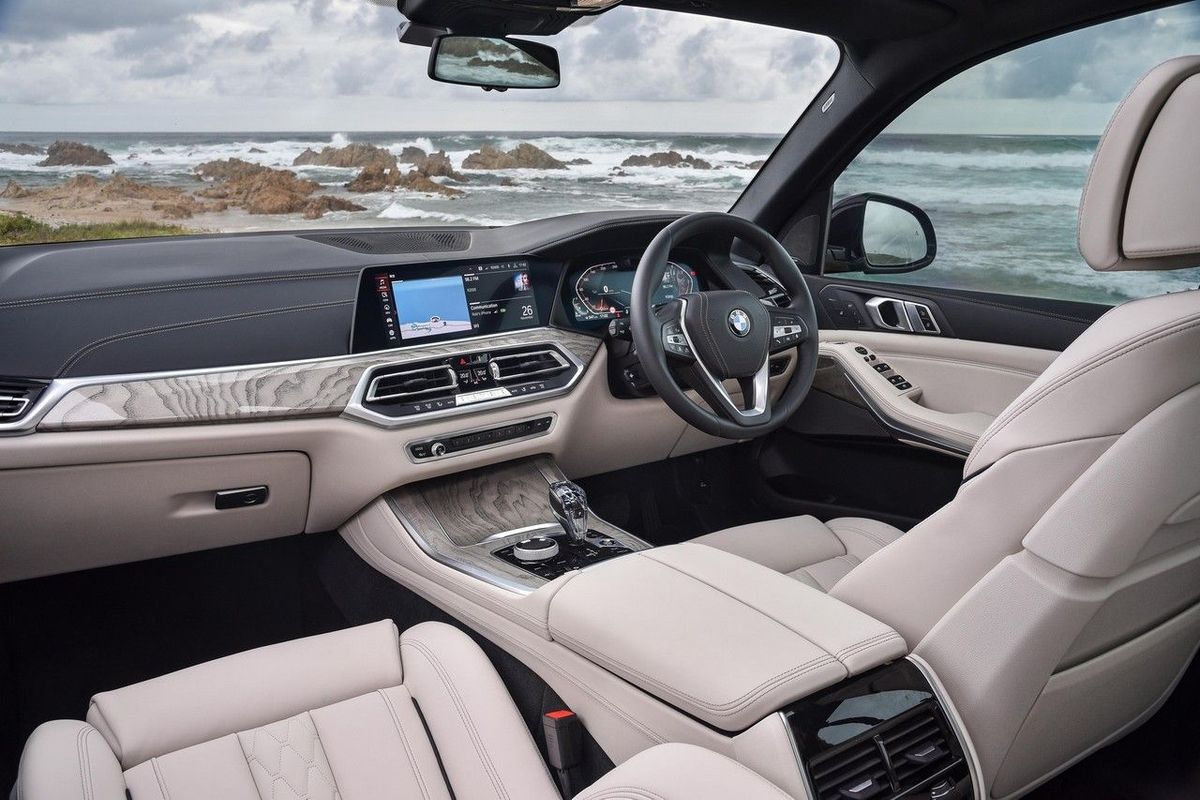
You'd think that with the introduction of the X7, the X5 wouldn't need to be enlarged, but the latest iteration is 36 mm longer, 66 mm wider and 19 mm higher than before. Importantly, its wheelbase has been stretched by 42 mm, and the benefit (extra cabin space) is immediately noticeable, particularly the width. When seated at the front there is a commanding view from the electrically adjustable (and heated) sport seats. A variety of trim options are available, and our test car featured high-gloss Ash Grain Silver Grey wood trim, which is… an acquired taste. We did, however, like the stitched leather dashboard very much and the optional Merino white leather might not be entirely practical, but it certainly is suitably opulent.
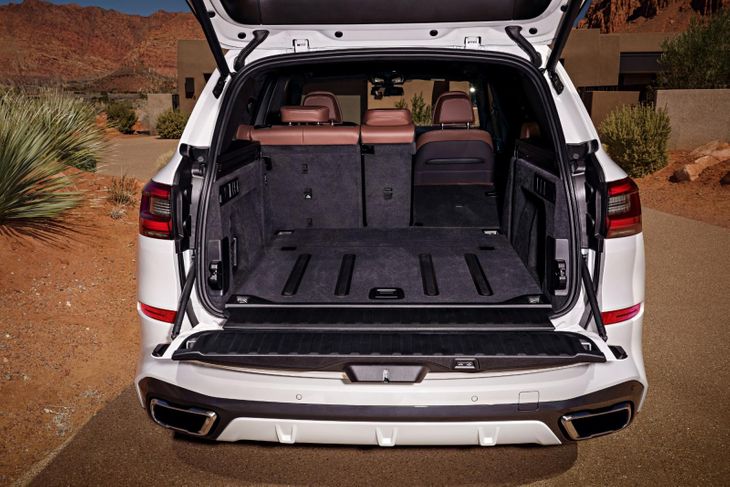

The convenient split tailgate and large boot endow the X5 with great long-distance family travel appeal.

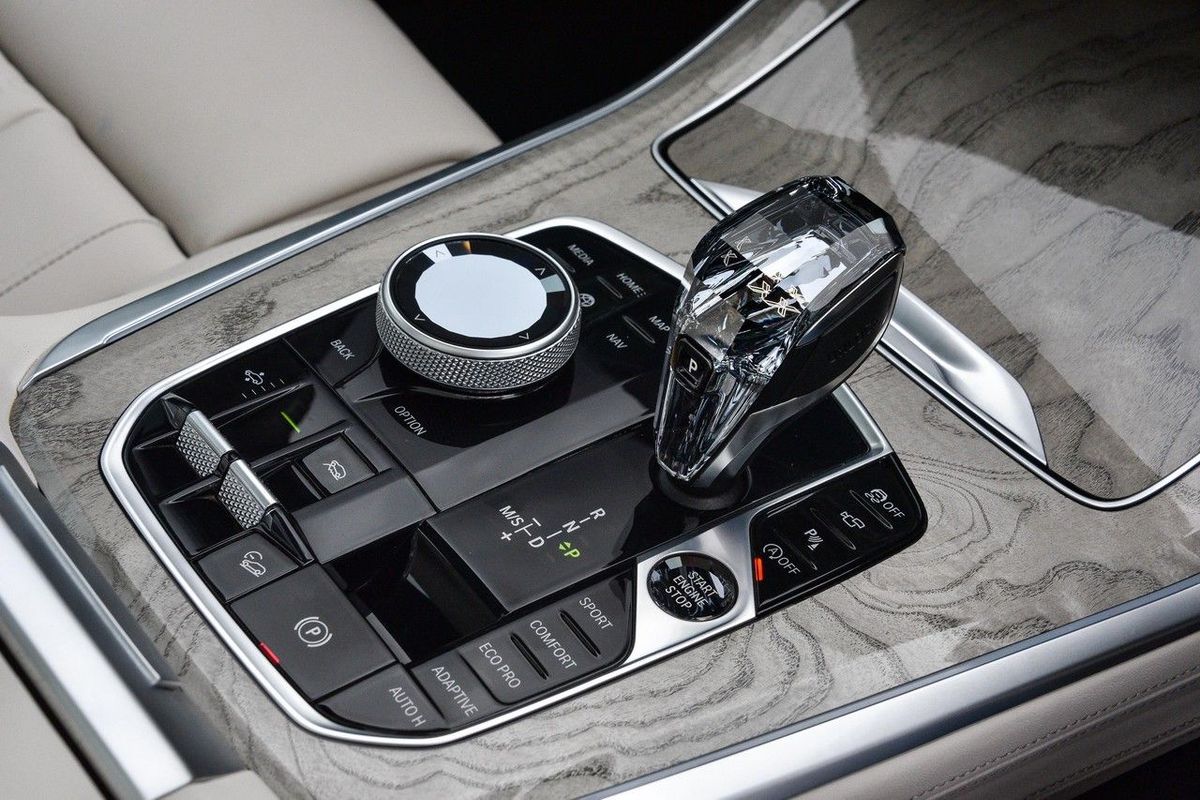
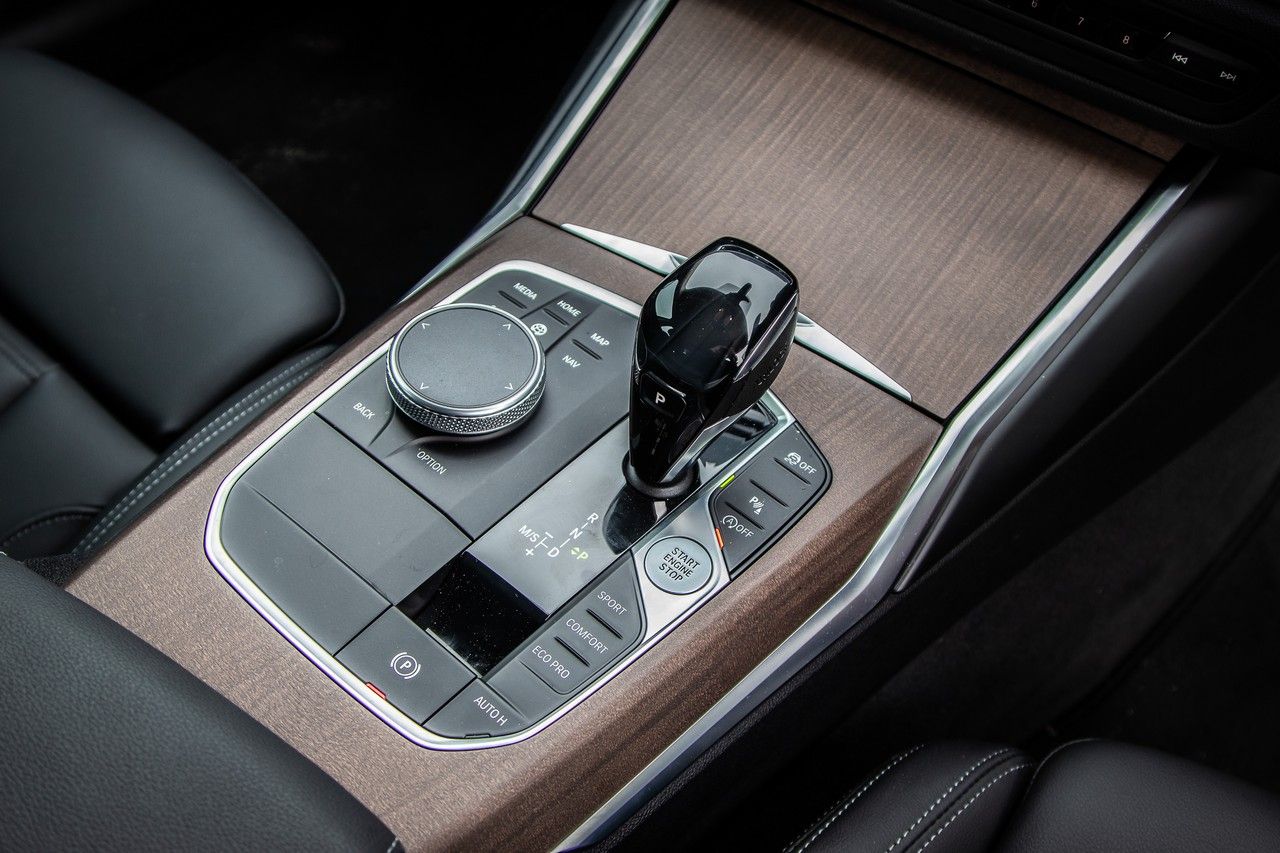
Also fitted to our test unit was the so-called CraftedClarity glass interior elements and, once more, we feel this is an option box that can be left unticked. Several testers mentioned that the glass gearknob just doesn't feel particularly substantial, and its plastic backing feels a trifle "cheap". Nevertheless, we appreciate these options are there because tastes differ. There certainly is little amiss with the quality of the rest of the cabin.

The load bay is accessed via a split tailgate, which can be opened hands-free if the X5 is specified with Comfort Access. When deployed, the lower part is particularly handy as a place to seat small children while cleaning their feet after outdoorsy (read: "muddy" or "sandy") activities. The luggage area is big (BMW claims a 650-litre capacity) and, to free up generous utility space, the 2nd row, which has a 40/20/40 split, can be folded forward.

BMW's Premium SUV is also available with 3rd-row seating (although not specified for this test vehicle), which is a R30 800* option. If fitted, a control panel in the load bay can be used to slide the 2nd-row seats forward for easier access to the 3rd row, in addition to raising/stowing it. 

Comfort & Features
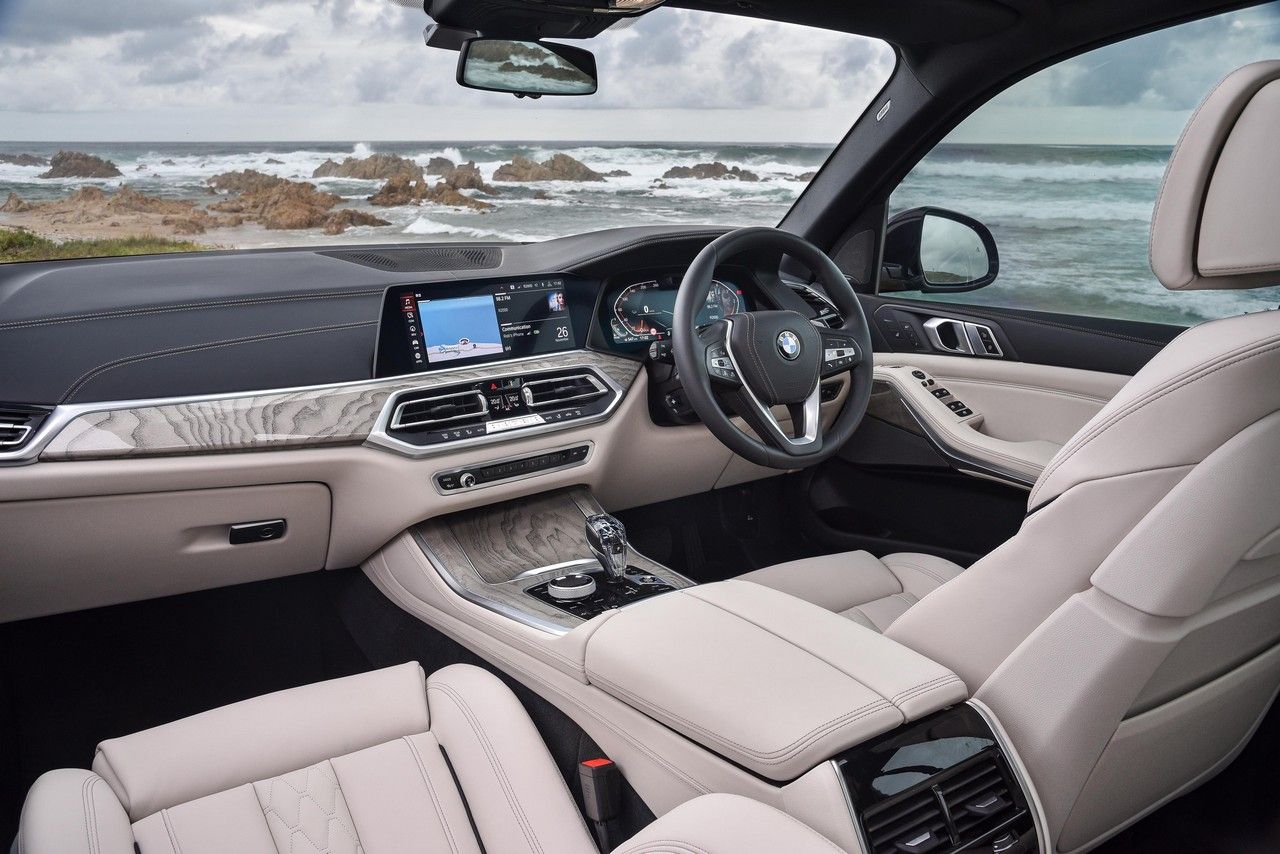

Spacious and affording the driver a commanding view, the X5 cabin can be tailored to the buyer's needs through a vast optional extras list.

You're unlikely to ever see a stock-standard X5 because there are simply so many options for buyers to choose from. Nonetheless, we'd rate the standard features list pretty comprehensive (in most respects). We'd recommend sticking to the smaller rim sizes (they start at 19 inches), as the lower-profile rubber on larger wheels is likely to reduce the ride comfort. The X5 is equipped with LED head- and taillamps, but having experienced the impressive BMW Laserlight with Adaptive LED Headlights (a R29 000* option) during long drives at night, we can highly recommend it.

Inside, the test unit was specced with the optional 4-zone climate control (R8 000*), although we found the relatively small temperature control buttons fiddly. While the standard seats already offer electrical adjustment, (budget permitting) you may want to add heating (R5 500*), massaging (R14 400*) and cooling (R9 800*) to them as well. You get "thermo" cupholders, which can chill or heat your drinks in situ, as standard. The roller sunblinds fitted to the rear doors of our test unit were also popular on those longer drives and, what's more, they're relatively affordable (R4 400*).
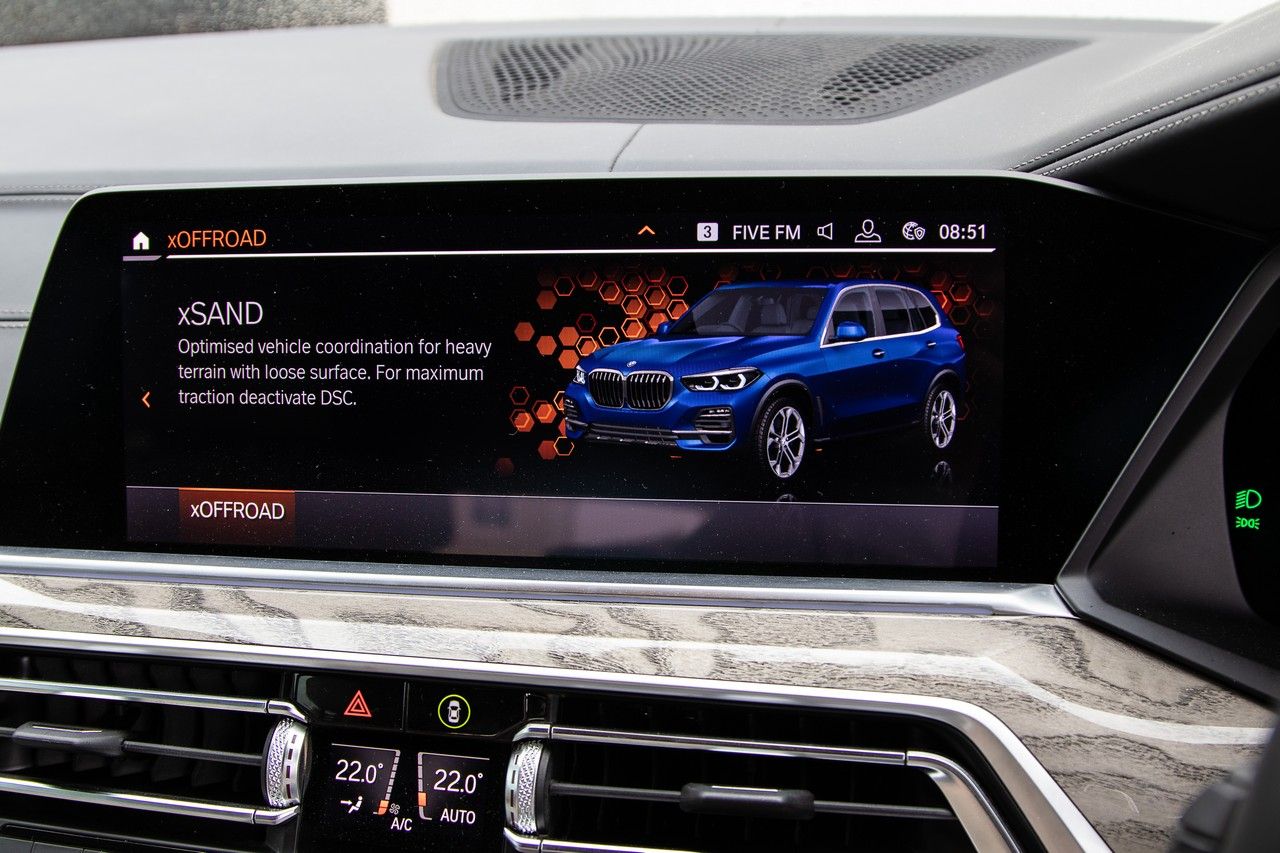

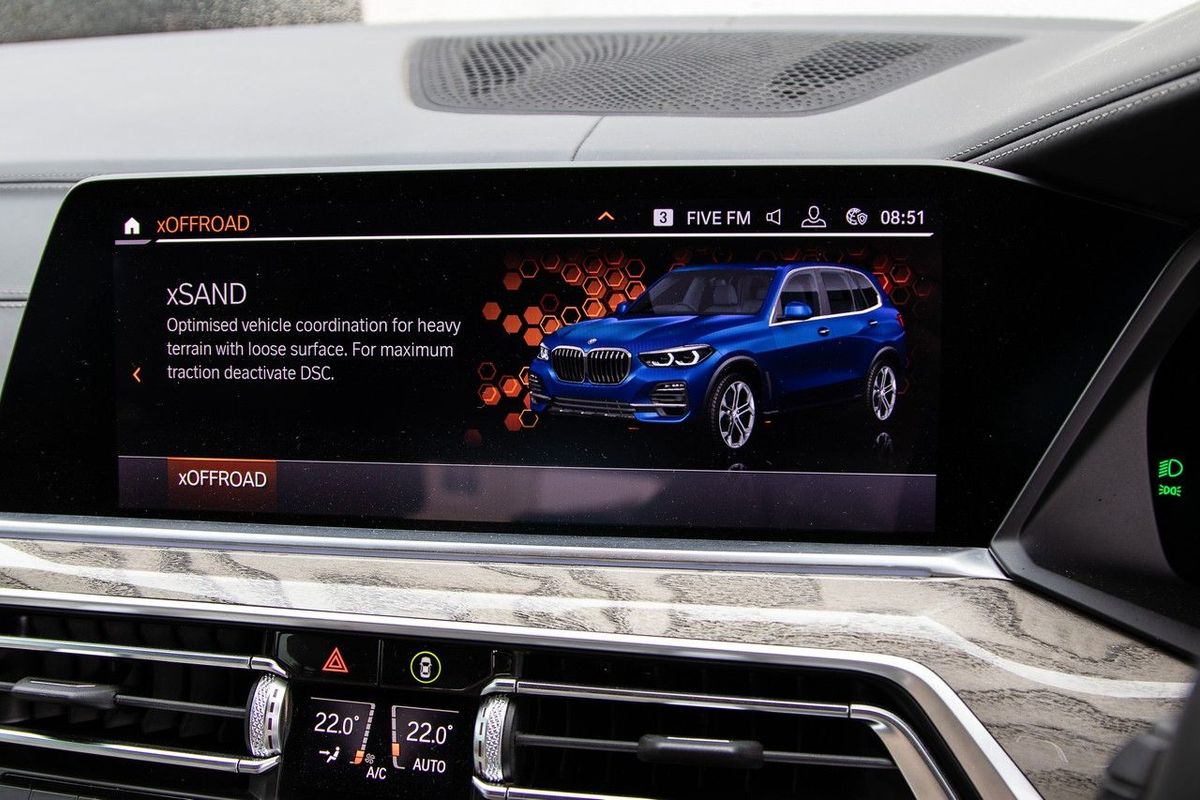
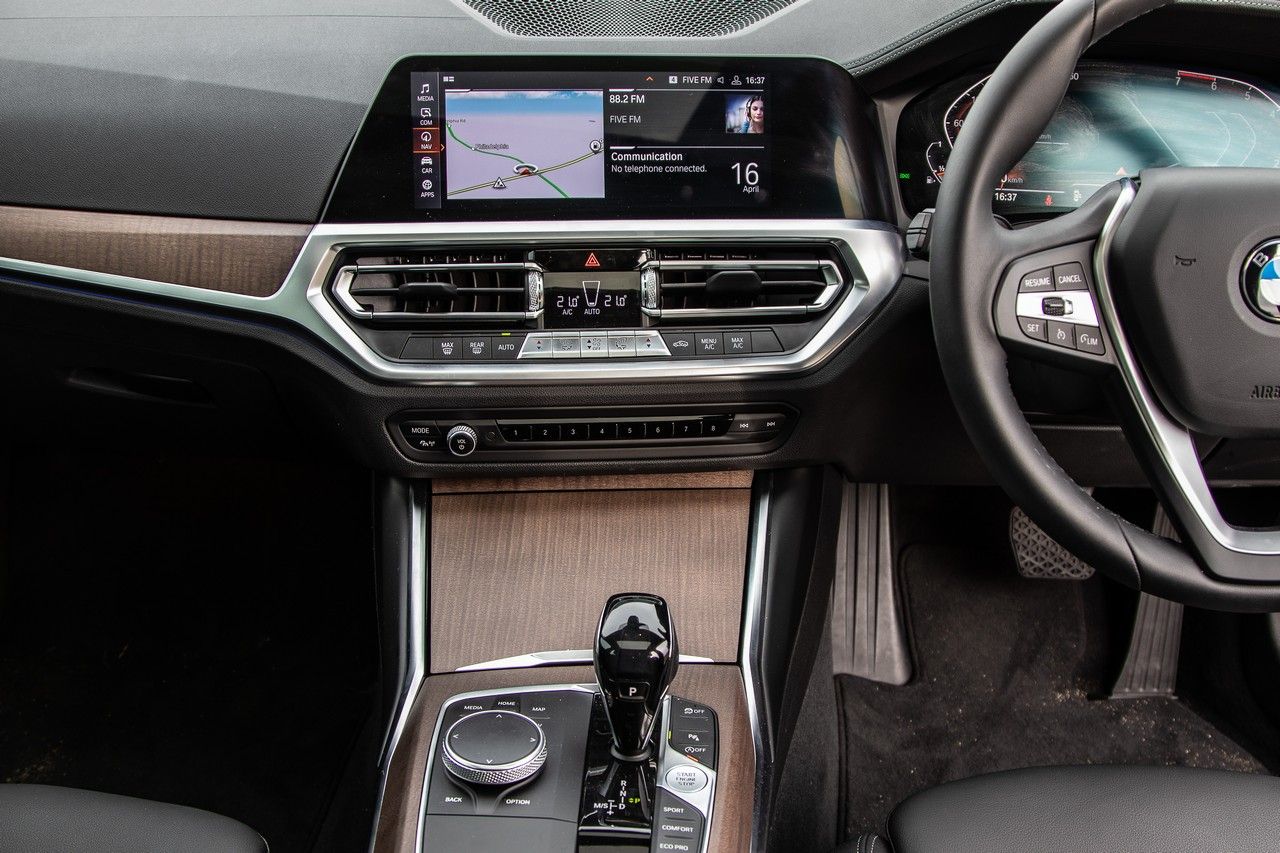
The Control Display screen offers crystal clear graphics and is also touch sensitive.

The X5 comes standard with BMW's Live Cockpit Professional system, which includes a 12.3-inch instrumentation screen, as well as a 12.3-inch Control Display. The graphics are crisp, modern and controlling the various features is no longer only done via the iDrive controller – you can access features through Gesture Control, Voice Control, the steering wheel, and the screen is also touch sensitive. As ever, with such staggering choice and so many features to play with, acclimatising to the ergonomics takes some time. A 20 Gb hard-drive-based multimedia system is standard, as are a pair of USB ports and Bluetooth/Wifi connectivity. Furthermore, a wireless charging pad is standard fitment.

The X5 is probably the most connected of the current crop of Premium SUVs on the South African new vehicle market (and there is a variety of digital services offered to customers at extra cost), but BMW has included the Connected Package Professional bundle as standard, which includes Remote Services, Concierge Services and Real Time Traffic info. Through its Open Mobility Cloud, the X5 can interface with the owner's own digital devices and it also offers Microsoft Office 365 with Skype for Business integration. A rear-seat entertainment system is offered for R38 400* extra.
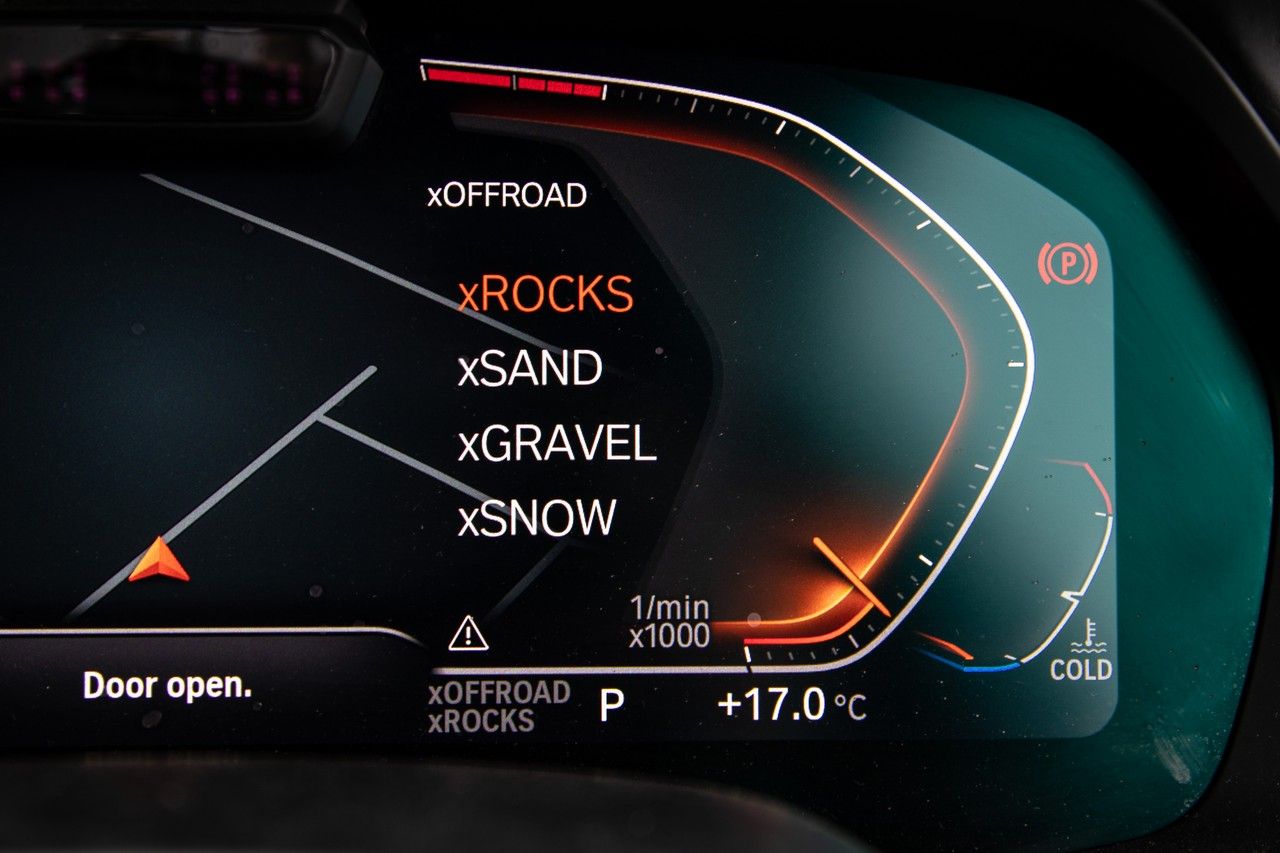

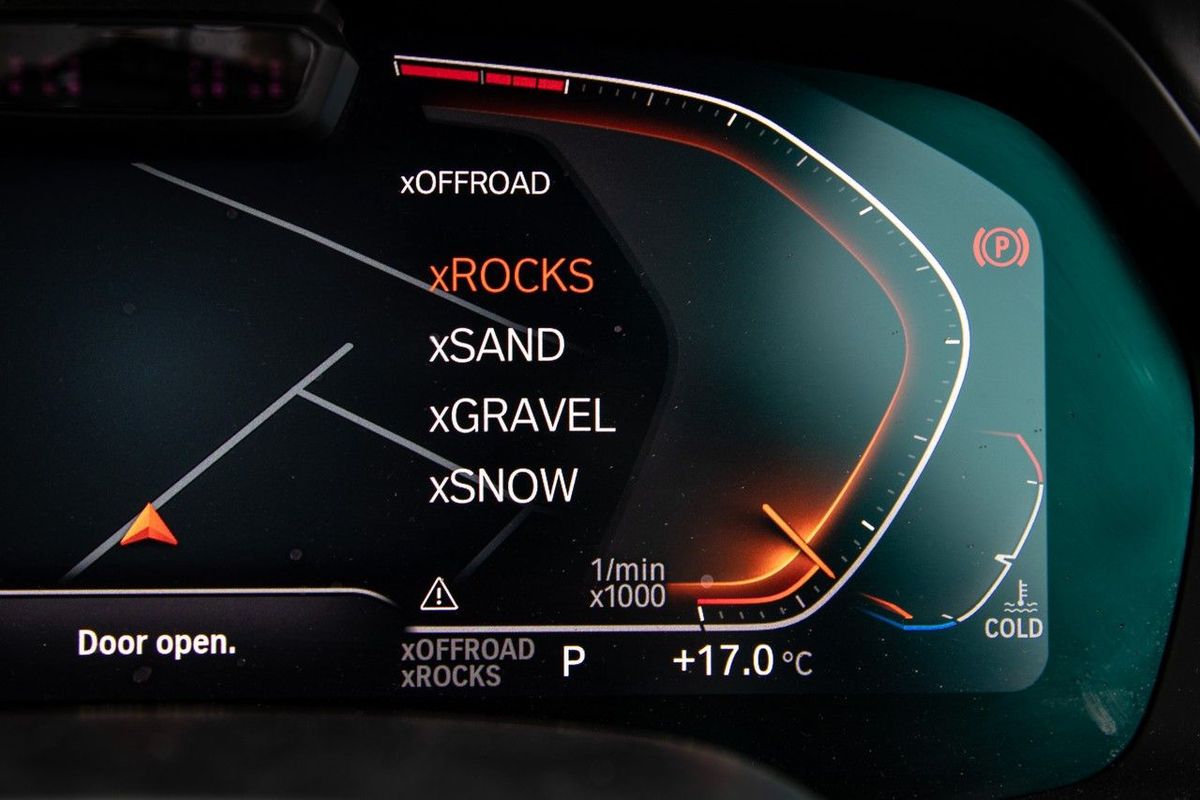
Pick the Off-Road option and you get special graphics on the instrument panel, showing which mode has been selected.

Included as standard is cruise control with a braking function, collision warning and pedestrian warning, but BMW additionally offers Active Cruise Control with a Stop and Go function (R11 600*), which is a boon on long-haul trips. Also available is Driving Assist (R15 800), which bundles a whole raft of warning and protection systems, including active side-collision protection and cross-traffic alerts. While park sensors front and rear are standard, you may want to consider adding the Parking Assist Plus system (R8 900*) to make the avoidance of kerbs when parking the BMW's task.

In summary, the standard car is more than comfortable enough, courtesy of a respectable standard-features list coupled with the vehicle's spaciousness, ride control and refinement. The standard noise-reducing acoustic windscreen undoubtedly contributes to the serenity in the cabin.

Performance & Efficiency
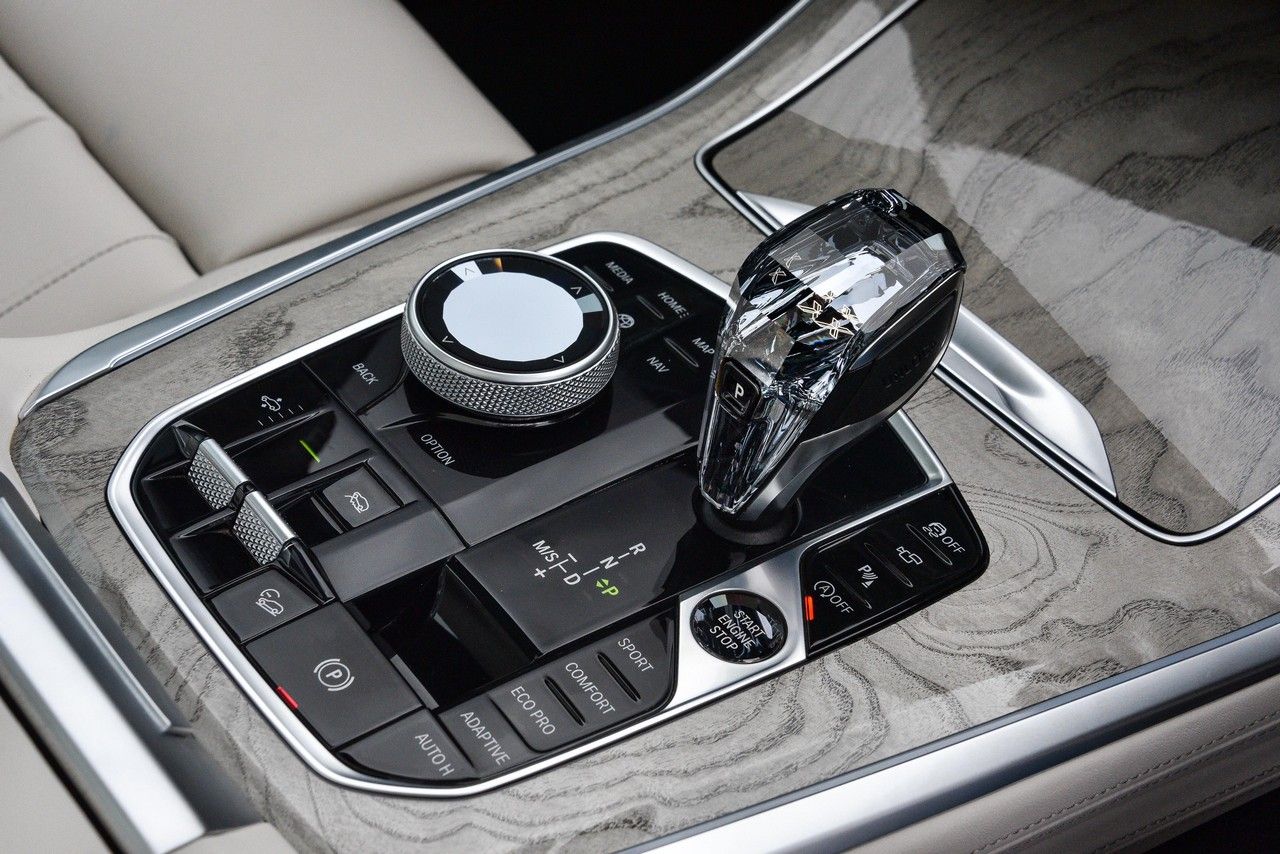

The CraftedClarity glass applications in the cabin received mixed feedback from the team.

The xDrive30d is powered by a twin-turbocharged 3.0-litre inline 6-cylinder diesel engine that delivers a meaty 195 kW at 4 000 rpm and 620 Nm of torque from 2 000 to 2 500 rpm. Both of those outputs are higher than what is claimed from the X5's main rivals from Mercedes-Benz and Range Rover. Mated with the beautifully slick and responsive ZF 8-speed automatic, the xDrive30d is claimed to accelerate from 0 to 100 kph in a swift 6.5 seconds – again, it's a figure that comfortably bests those of its rivals, and reinforces the X5's positioning as one of the most dynamic Premium SUVs. If you were ever in any doubt about its sporty pretensions, you should take note of the standard gear-shift paddles behind the 'wheel!

We took the X5 on 2 long road trips during its evaluation period; on both occasions, it was loaded to its full capacity with people and their holiday detritus. It's worth pointing out that even when the Eco Pro driving mode was selected, the vehicle remained suitably responsive when the driver pushed their right foot down on the throttle to overtake slower vehicles. An average combined cycle consumption figure of around 7 L/100km is claimed for this model, but we achieved a real-world 7.6, which is very impressive for such a large, performance-oriented vehicle.

And then there's the refinement – this is a very smooth, quiet powerplant that delivers its significant punch in a real iron-fist-in-velvet-glove manner. 

Ride & Handling
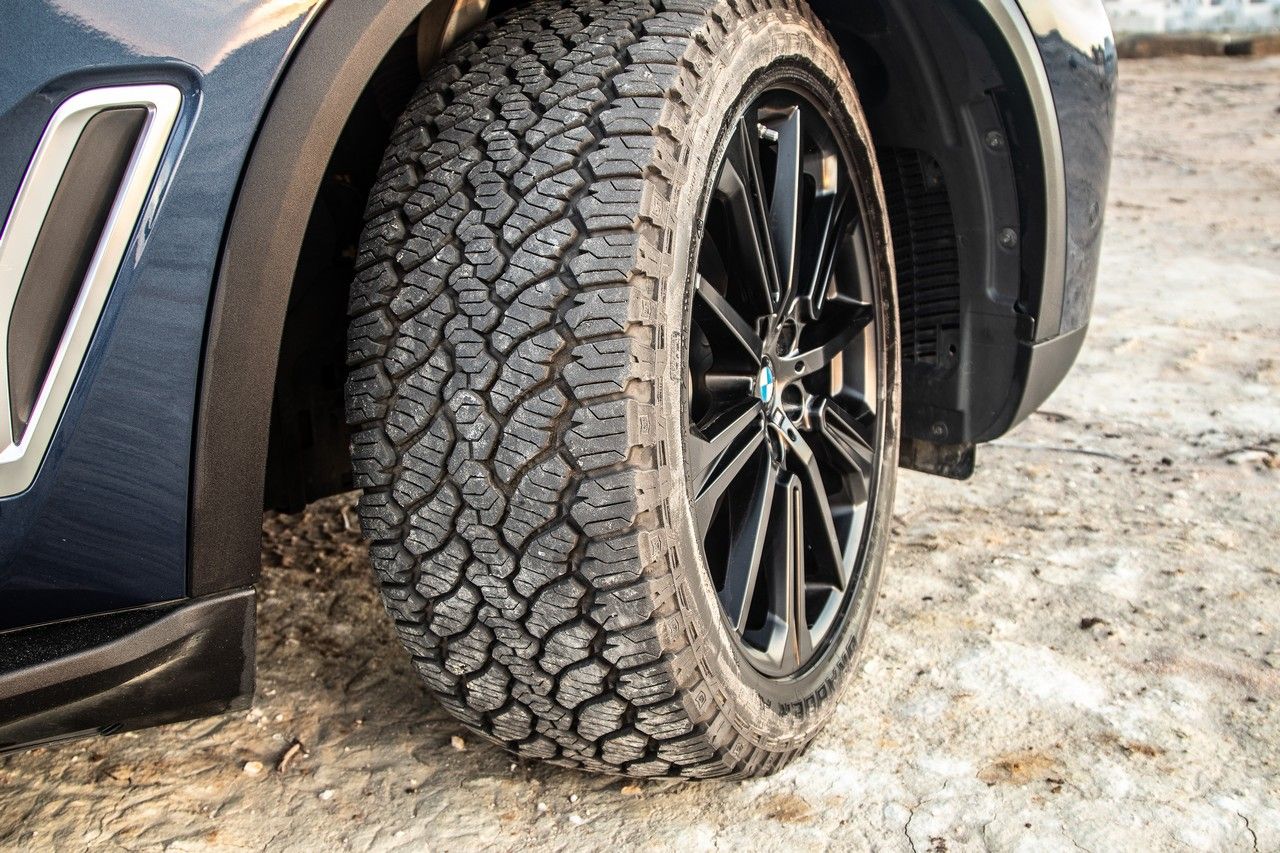

The optional off-road package, combined with the General Grabber tyres, imbued the X5 with very impressive off-road ability.

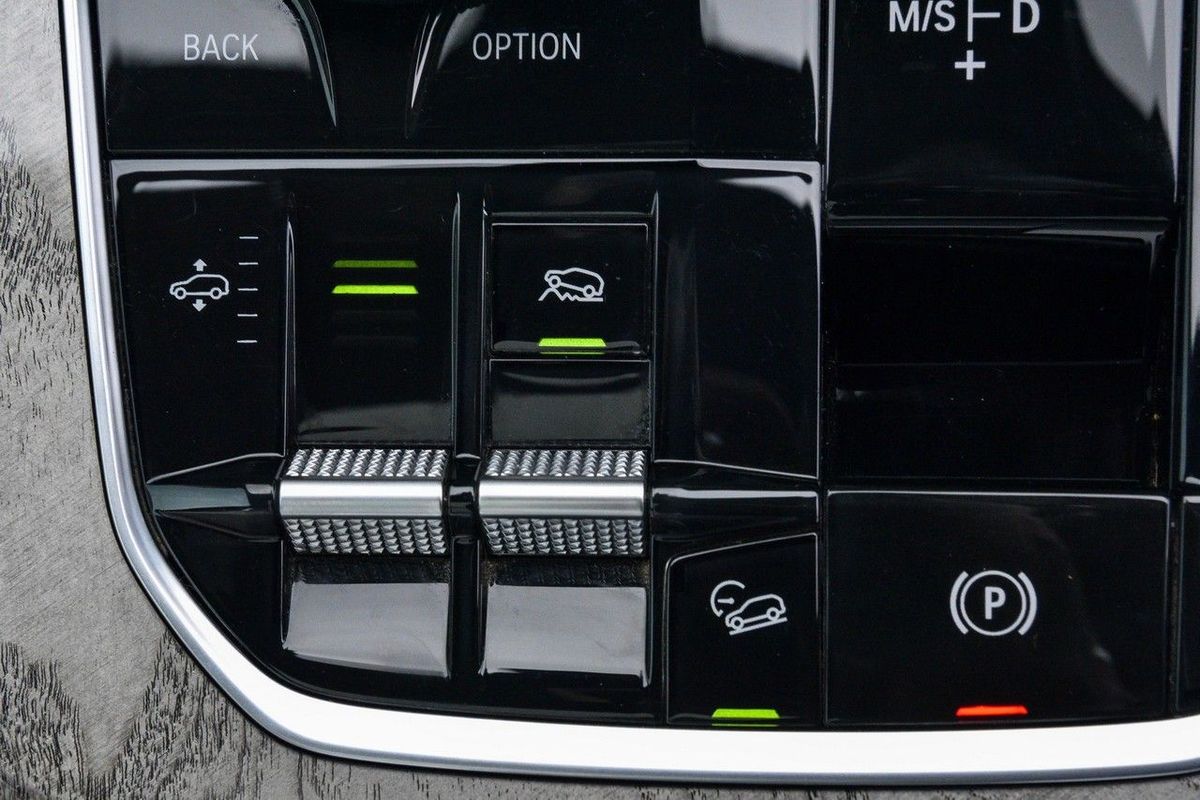
Our test unit came fitted with a number of options that ultimately make this report quite specific. The Off-Road package costs R30 500* and isn't merely a styling exercise, even if the rugged under-guard elements are quite obvious. You also get an extra button on the centre console to control the different driving modes, special graphics on the instrument panel and, in the case of this vehicle, grippy-looking General Grabber tyres. 

If you opt for the Off-Road package you also have to select the adaptive 2-axle air suspension (a R25 100* option) that features self-levelling. At speed, it will lower the vehicle by about 20 mm, and in off-road conditions, can raise the ride height by around 40 mm. Tyre pressure monitoring is standard, as is the fitment of the electrically controlled rear differential lock. BMW says the latest xDrive all-wheel-drive system can shift power between the axles faster and, when needed, the sum total of the torque can be directed to the rear axle exclusively.
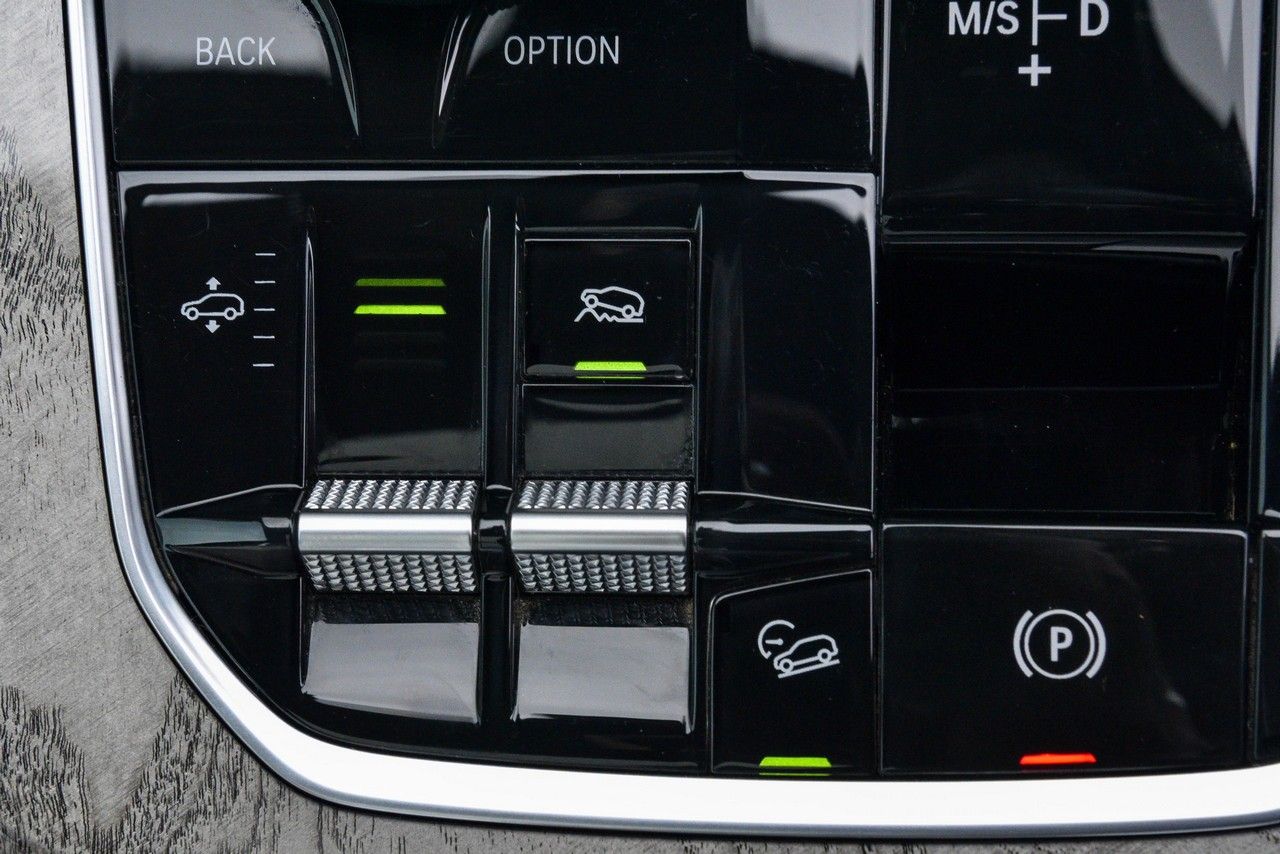

Simple switches allow the driver to toggle through the different off-road settings, and to raise/lower the ride height.

On the open road, we noted a slight vibration from those Grabbers (but only at lower speeds), while the X5's cabin remained a hushed environment at the country's legal speed limit. Even when shod with off-road-optimised tyres, the X5 is sporty and pleasant to steer with precision and excellent body control (although it does not offer much in the way of feel). When we headed off the tar onto gravel roads, the X5 was a revelation: it gripped and retained traction in a way we've not experienced with any X5 before; it massively boosted driver confidence in typically low-grip conditions. 

In trickier off-road conditions (not that many owners will venture there), this X5 might surprise off-road traditionalists. The added ground clearance,  grippy tyres and effectiveness of the sand, gravel, rock and snow modes give this supposed road-biased SUV notable capability on the rough stuff.  

Pricing and warranty

The list price for a standard X5 xDrive30d xLine is R1 194 296 (*when this review was first published in May 2019), but our test unit came fitted with R300 000-worth of options, which bumped the price up to around R1.5 million. A 2-year/unlimited km warranty is included, as is a 5-year/100 000 km maintenance plan. We played around with the BMW configurator (find it here), and managed to specify an X5 with most of the features we deem necessary, for a total cost of around R1 250 000, an indication that the standard car is already pretty comprehensively specified. 

Verdict
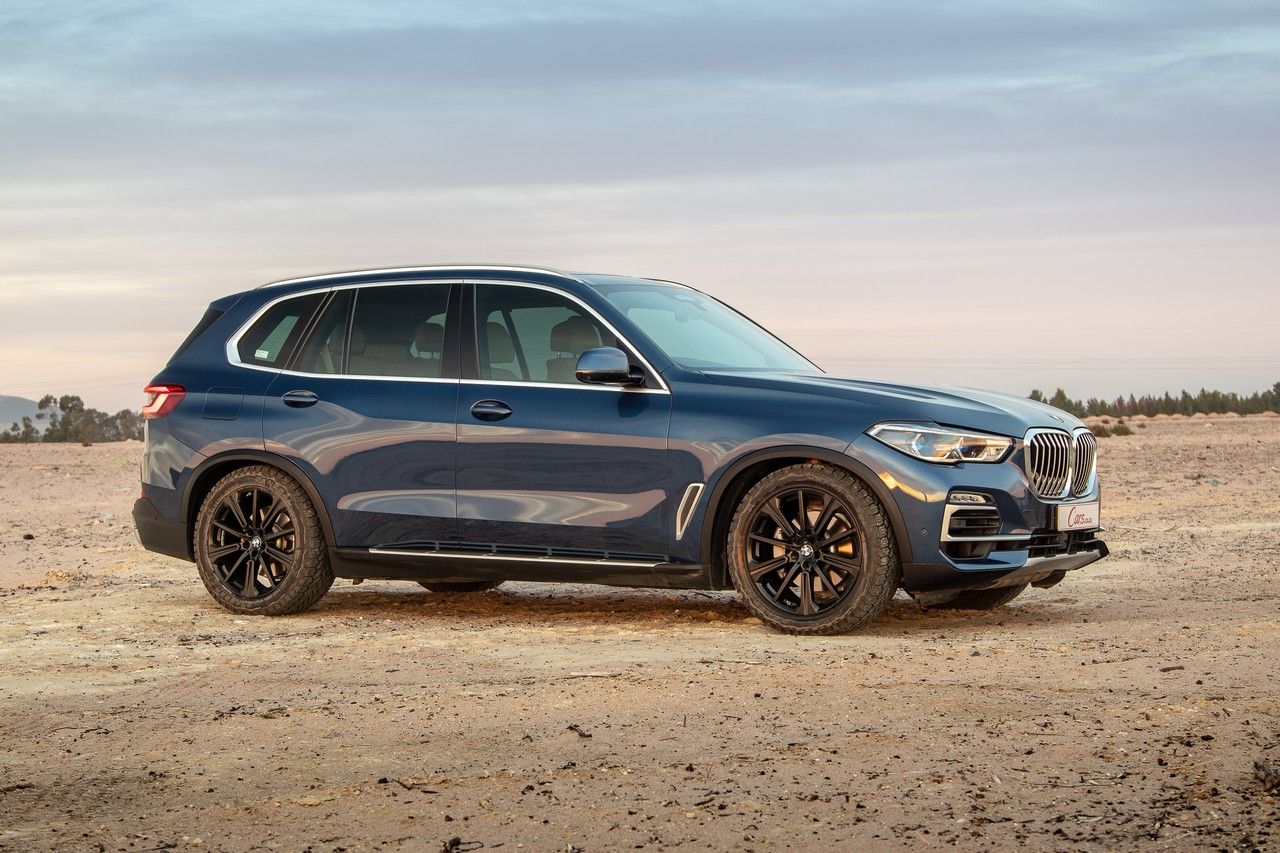

Once more, the X5 is a serious player in its segment and a strong candidate for Cars.co.za Consumer Awards glory next year.

The new BMW X5 offers a staggering breadth of ability, with only a few gimmicky interior "party pieces" detracting from a product that is very hard to fault. The xDrive30d's engine is refined, frugal and punchy, the ride quality strikes a great compromise between comfort and agility (even on off-road tyres), and inside, there is not only more occupant space, but also greater connectivity and, if appropriately specced, class. 

While it remains to be seen how many SA buyers will opt for the Off-Road package fitted to this vehicle, it did highlight the X5's off-road capability – especially on poor gravel. Buyers that previously disregarded the X5 for being too biased towards on-road performance can now consider the BMW.

Overall, we now rate the BMW X5 as one of the front-runners in this tough segment. And, given the stellar performance of its powertrain, the xDrive30d is the pick of the range.

Looking to buy a new / used BMW X5?

Find one on Cars.co.za by clicking here
I want to replace my Audi A3 with a bigger vehicle. What should I buy?

Steven from Cape Town wants to know which (larger) car he should buy to replace his Audi A3. His budget is R250k.

Here is his query:

"I am looking to trade in my Audi A3 and buy a larger car. I am not a 'big flashy car' kind of person –  I want a well-maintained, economical and safe vehicle that I can use to transport my family.

My criteria:

  • New or used.

    • If new, with a maintenance plan to take care of any mechanical concerns.

    • If used, I would like a car that is known to be reliable, doesn't cost the earth to service and maintain and, should a major breakdown occur, it won't bankrupt me to get (the car) back on the road.

  • I need space to lug the family around (only me, my wife and dog for now, but probably a child in about 2 years from now).

  • I do woodwork, I'm sporty (store things in my car) and we travel up country a few times a year.

  • Price: R250 000 (roughly) and below.

  • Key requirements:

    • Low fuel consumption

    • Low maintenance costs

    • Good reliability (the car itself and the reputation of its brand)

    • Sufficient safety features

    • Creature comforts (Bluetooth, cruise control, etc.) are far more important to me than performance."

David Taylor's response:

Hi Steven. You are spoilt for choice. I've dug through the stock listed on Cars.co.za and found some intriguing options.

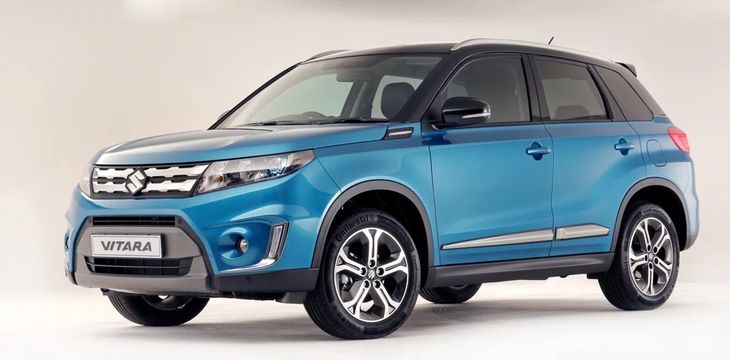
Given your criteria, my first suggestion would be something like a Suzuki Vitara 1.6 GL+. It’s a worthy former #CarsAwards winner in the compact family car category, boasts excellent cabin space and the brand is maturing nicely in our market. In fact, the Japanese brand has an enviable reputation for delivering good after-sales support to its clients. At a shade under R250k, you can bag a 1.6 GL+ with 16 000 km on the clock.

However, if you want something with a bit more punch and lower fuel consumption, then I’d look to the Renault Duster. It’s about the same size as the Vitara, but the 1.5-litre turbodiesel motor is exceptionally frugal. It has plenty of standard features, a decently-sized load bay and the 4WD version is capable. Be warned, the Renault ownership experience can be hit and miss. We’d suggest looking at the dual-clutch (auto) derivative.

https://www.cars.co.za/usedcars/Suzuki/Vitara/

Hannes Oosthuizen’s options:

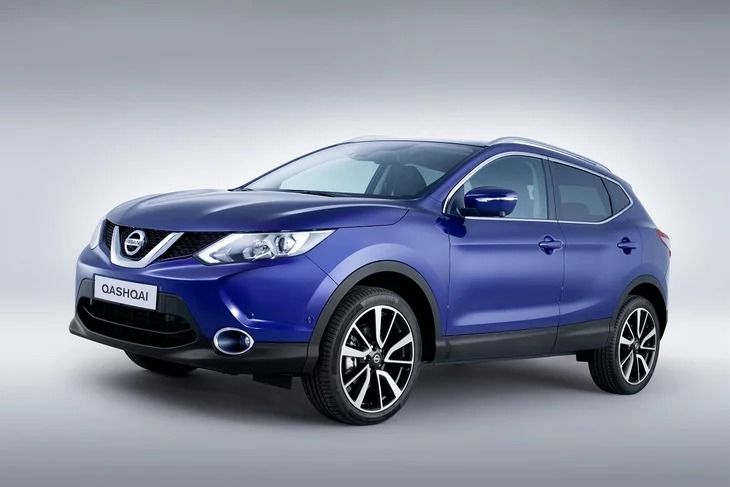
For me, low mileage means below 50 000 km, and I’ve only looked at cars younger than 2017, so given your criteria, I would suggest something like a Nissan Qashqai 1.2T Acenta (with the CVT automatic 'box, which will make long trips more relaxing). Oh, and Nissan offers a really long 6-year warranty, which further boosts its appeal. You may even be able to pick up the larger X-Trail 2.5 at around R250 000, but that 2.5-litre engine may prove too thirsty. Finally, I’d suggest you also look at the Mitsubishi ASX, which is an underrated offering that appears to be bulletproof.

https://www.cars.co.za/usedcars/Nissan/Qashqai/

Gero Lilleike’s choices:

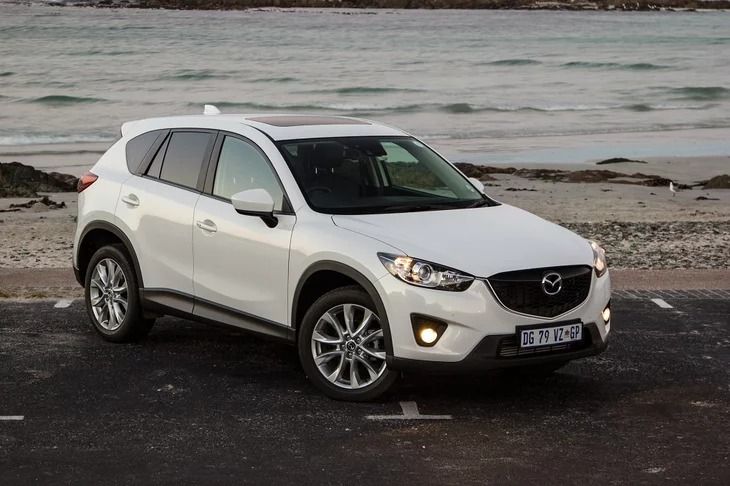
Consider a used Mazda CX-5 2.0 Auto (2015-16), Volkswagen Tiguan 1.4 TSI (2015) or Honda CR-V 2.0 auto (2015). There are numerous examples on offer on Cars.co.za that come in below your R250 000 price cap and the majority of them have relatively low mileage. These choices offer the necessary space and reliability and you may even be able to put some money in your back pocket to save for your upcoming baby.

A slightly left-field option to consider is a low-mileage 2018 Haval H6 1.5T City, which comes well specced with standard features and is selling at attractive prices on the used market. While the Haval offers good value, it might lack the brand appeal required in this particular case, but it’s still worth considering because it represents a lot of car for your money and its more spacious than most cars priced around it.

https://www.cars.co.za/usedcars/Mazda/CX-5/

Not sure what car to buy?

Got a query for our 'experts' to argue about? Fill in this form and you could feature in the next instalment of 'What Should I Buy?'

Upcoming BMW M8 Gets New Tech

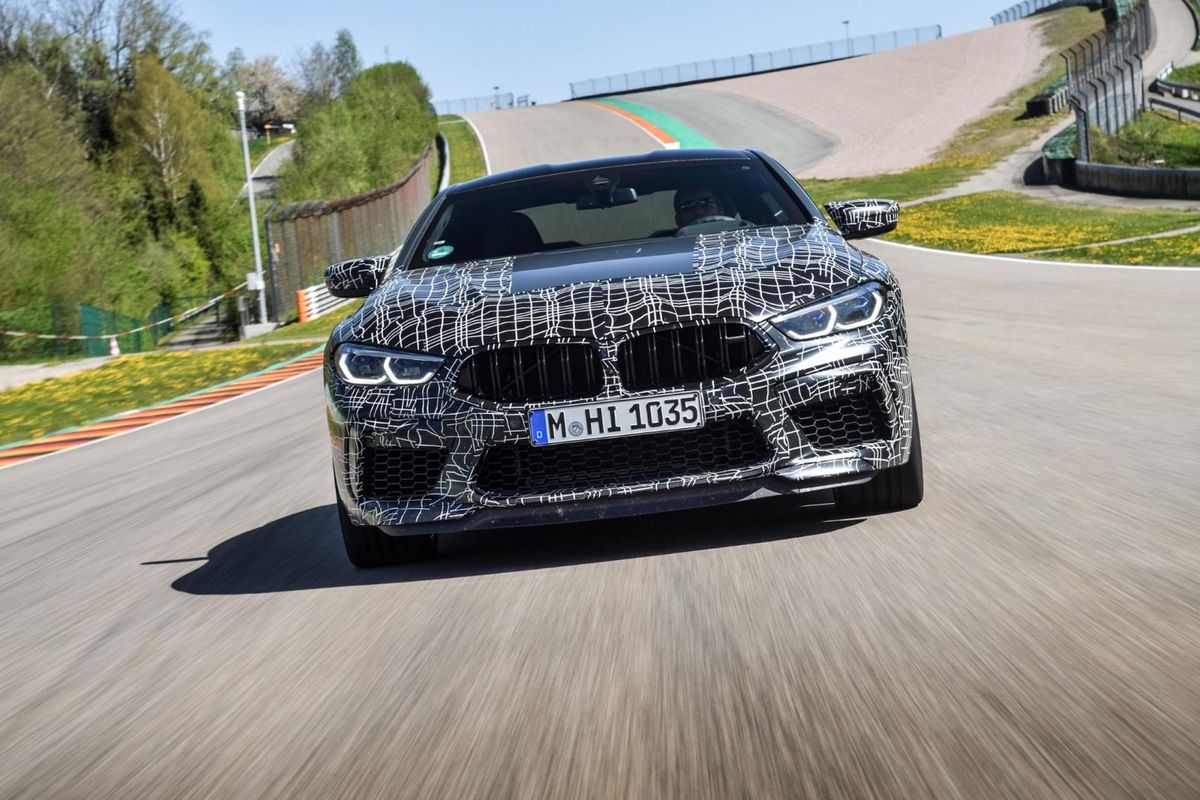
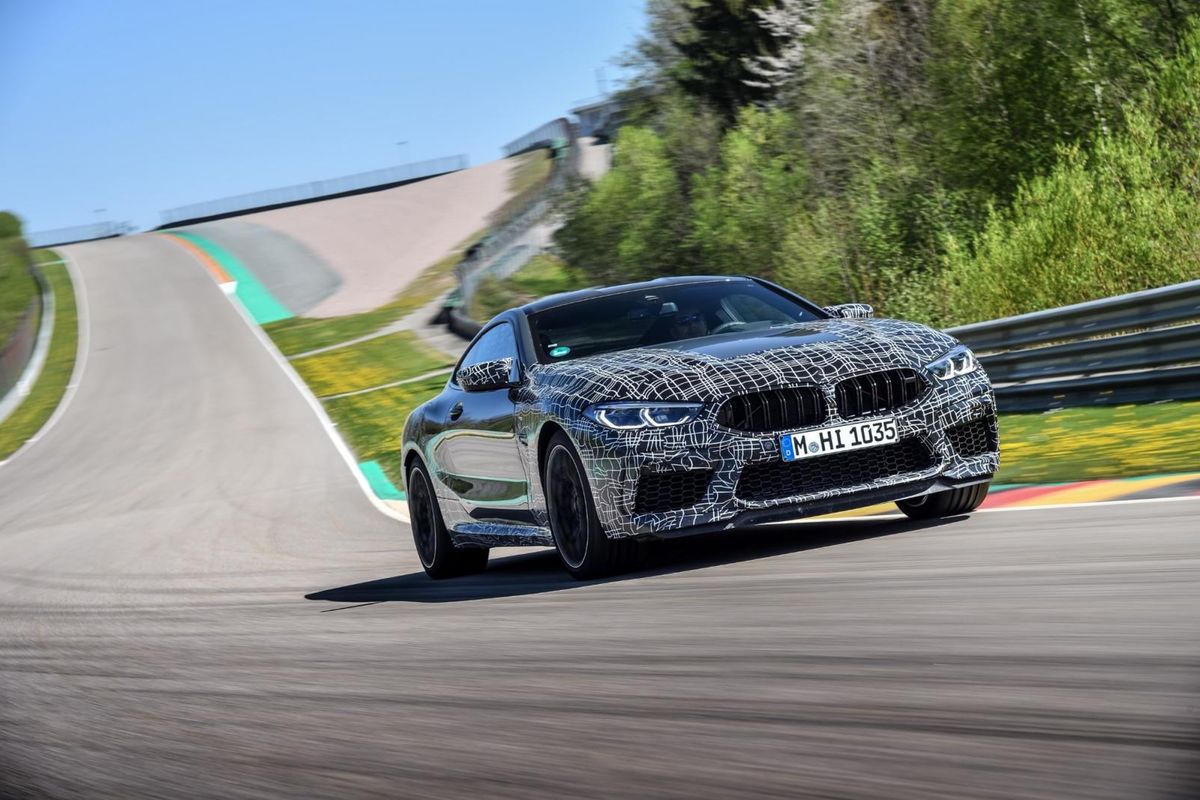
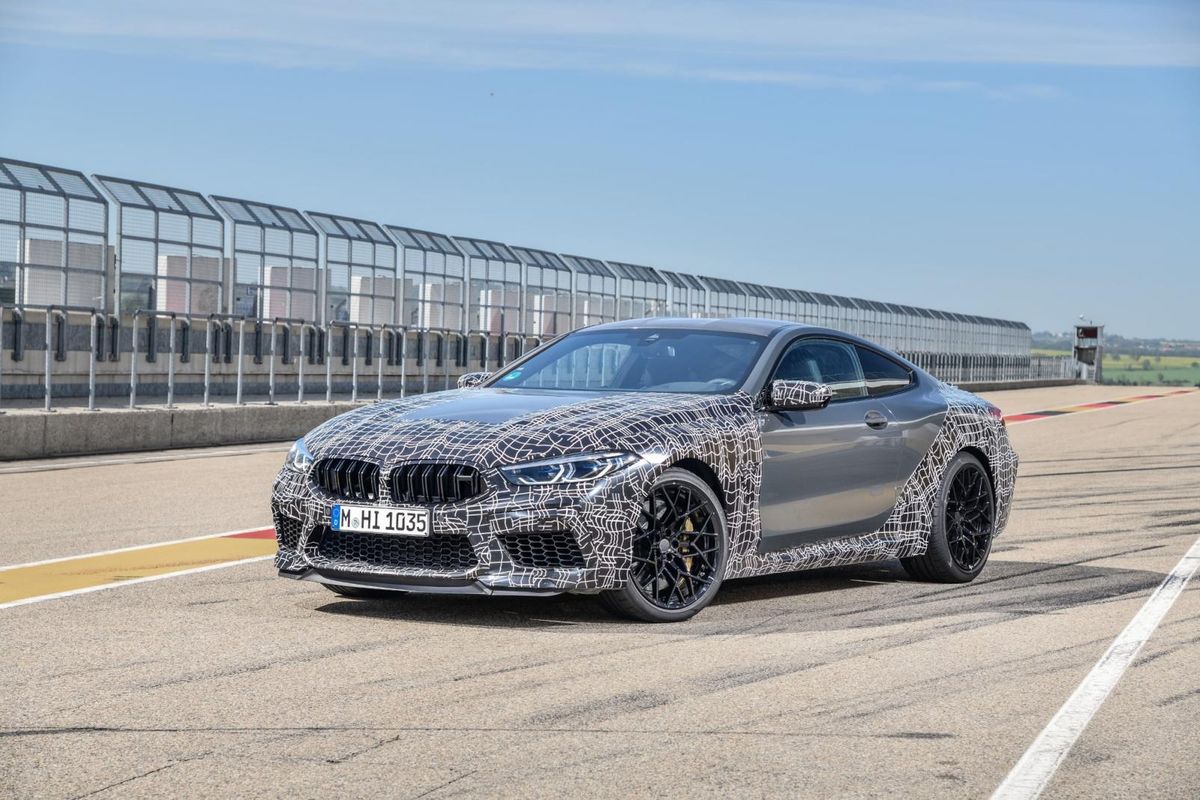
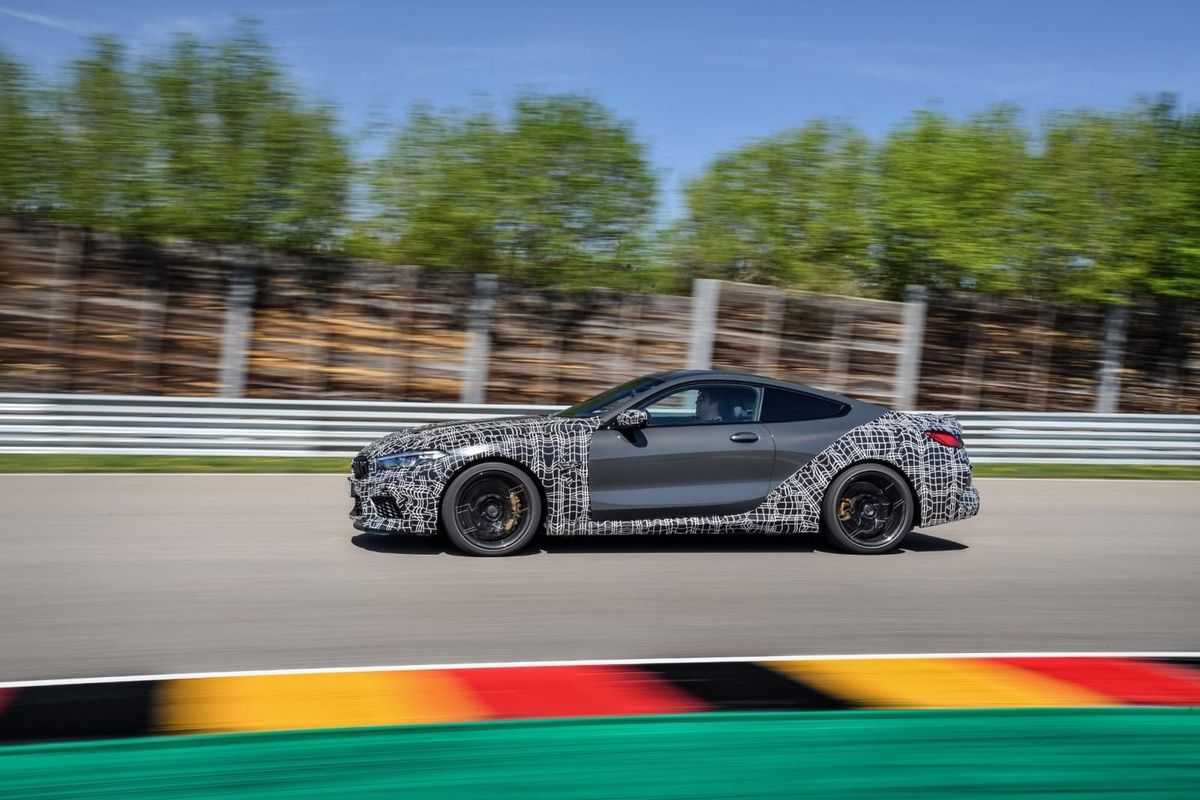
BMW has divulged details regarding the technology to be offered in the forthcoming M8 Coupe and Convertible. It looks tantalising…

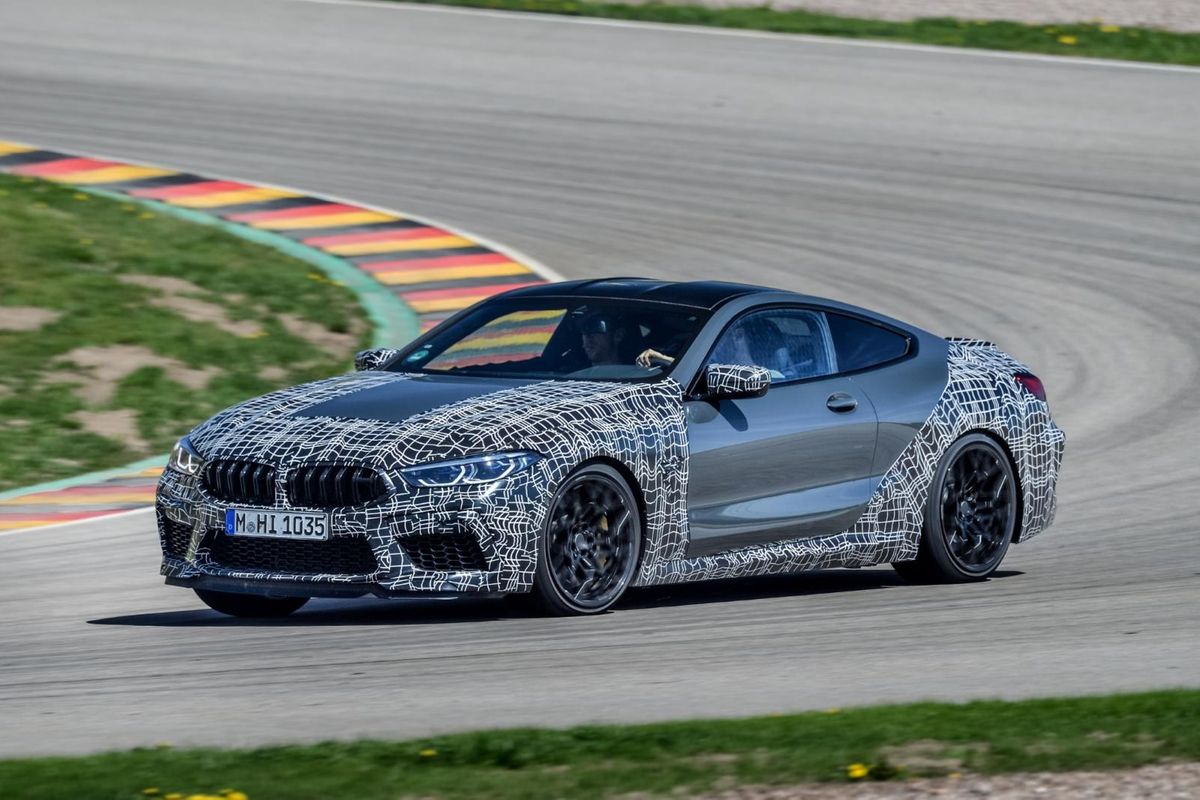
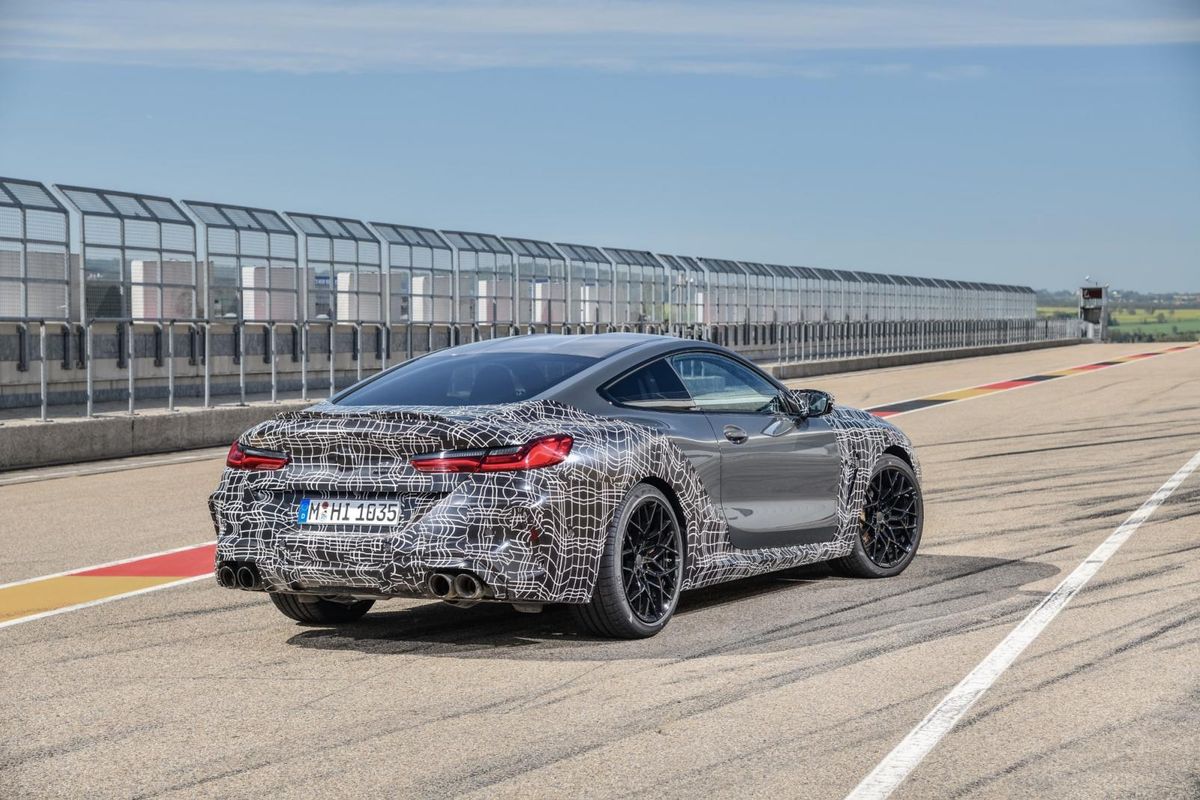
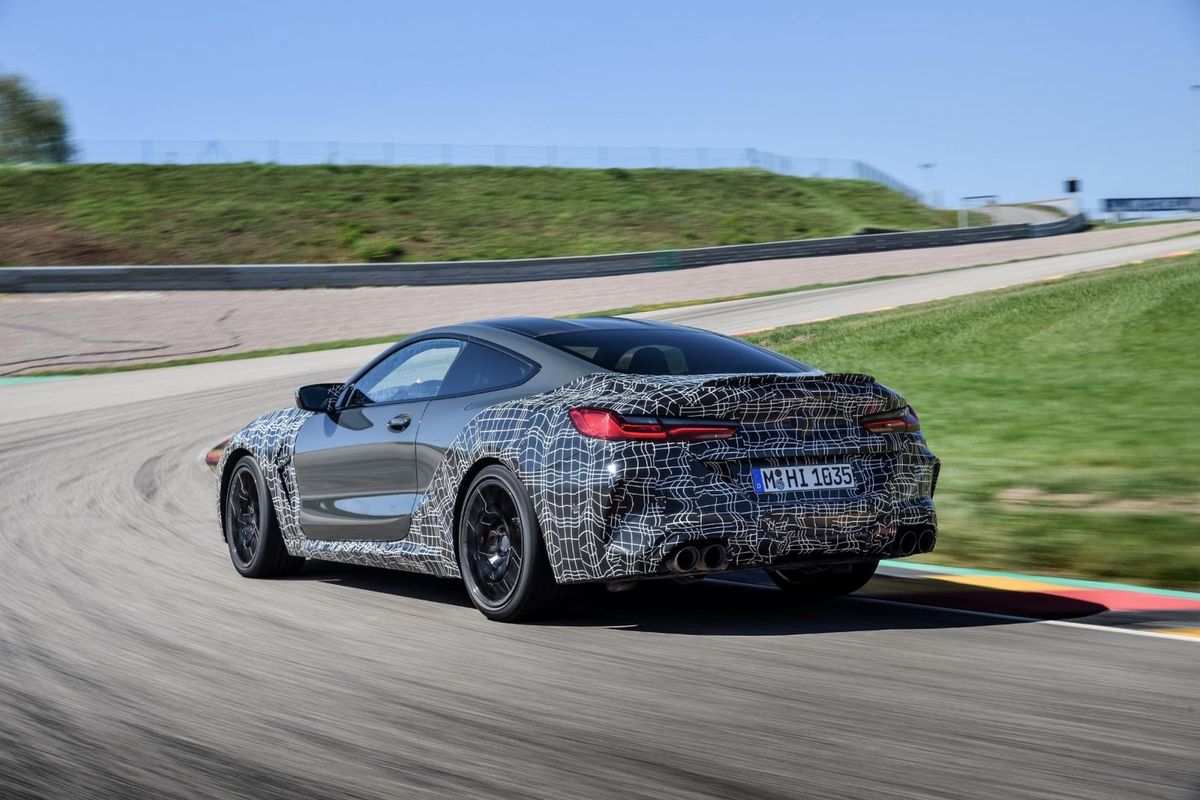
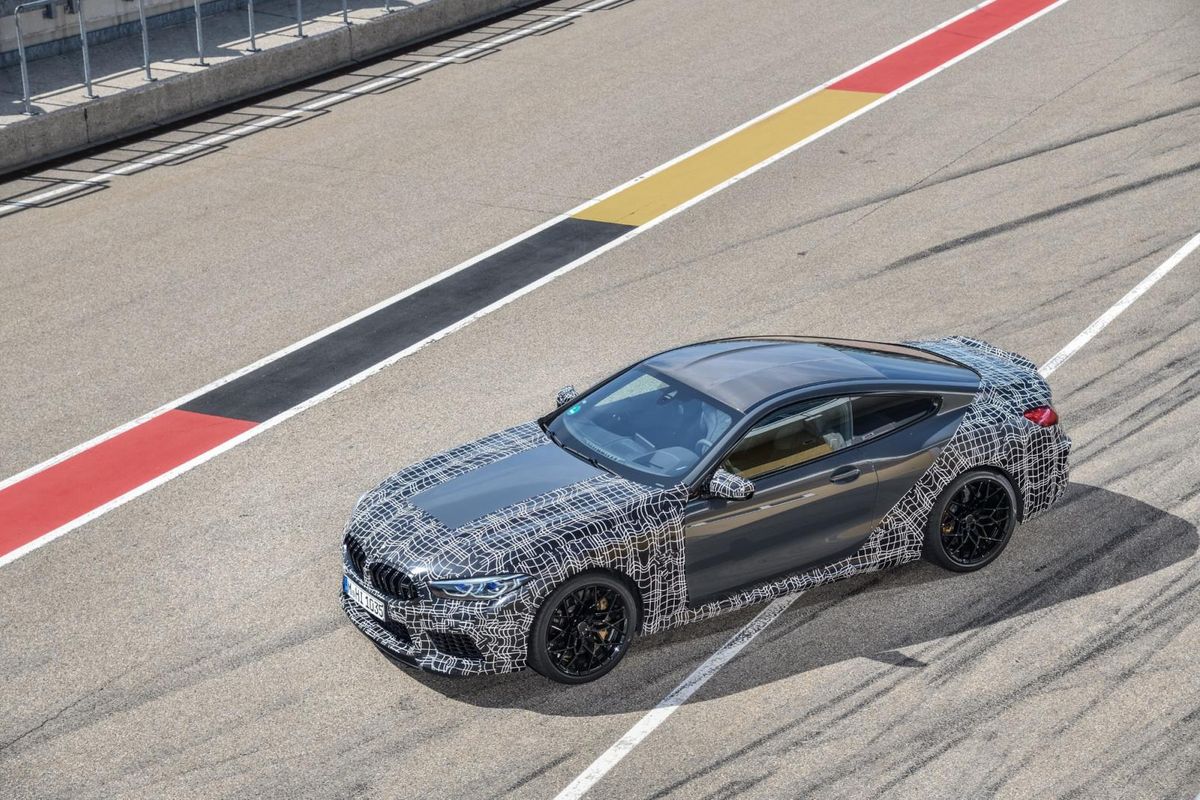
The M8, the pinnacle of the 8 Series range, is currently in development and it will come to market in both Coupe and Convertible guises as well as in Competition flavours for those who want more of an edge in terms of styling and performance.

While we wait for boffs at BMW M to work their magic, the Munich-based firm has dropped a few technological details pertaining to the M8.

Performance control at your fingertips


Adaptive braking will be offered on the forthcoming M8 for the first time, along with a host of new tech. 

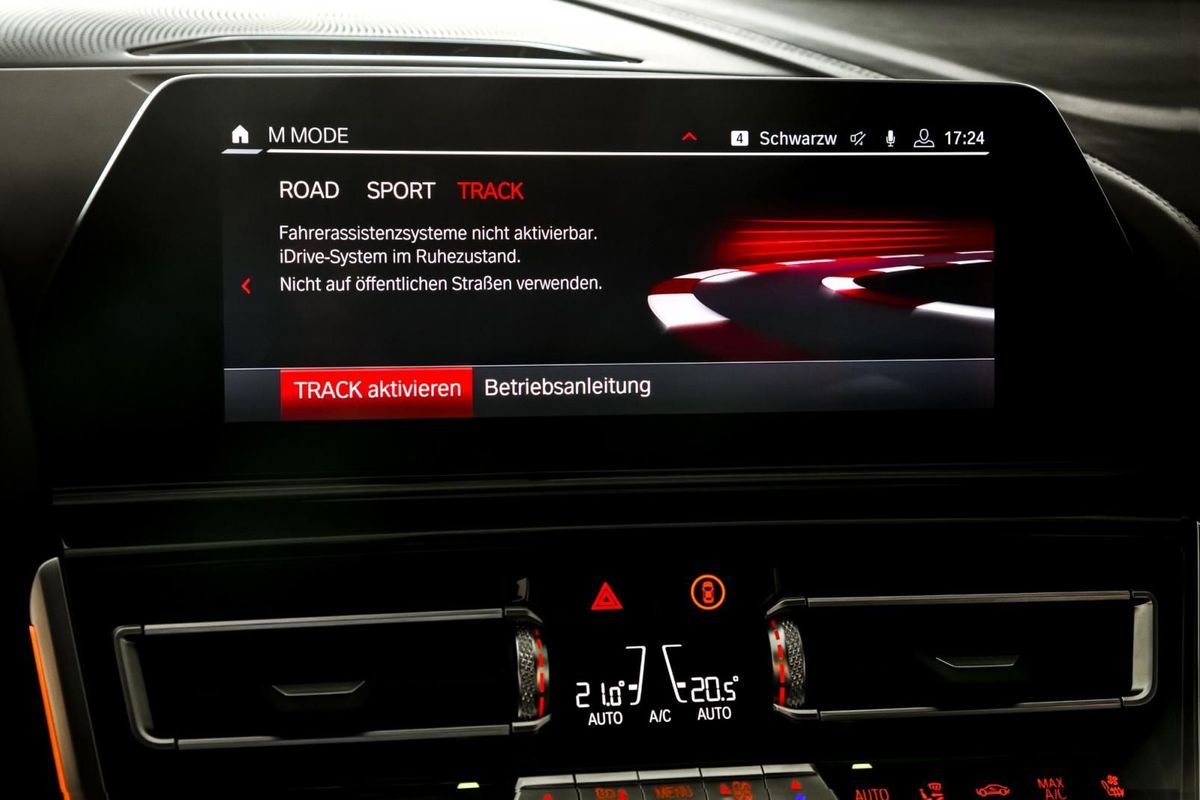
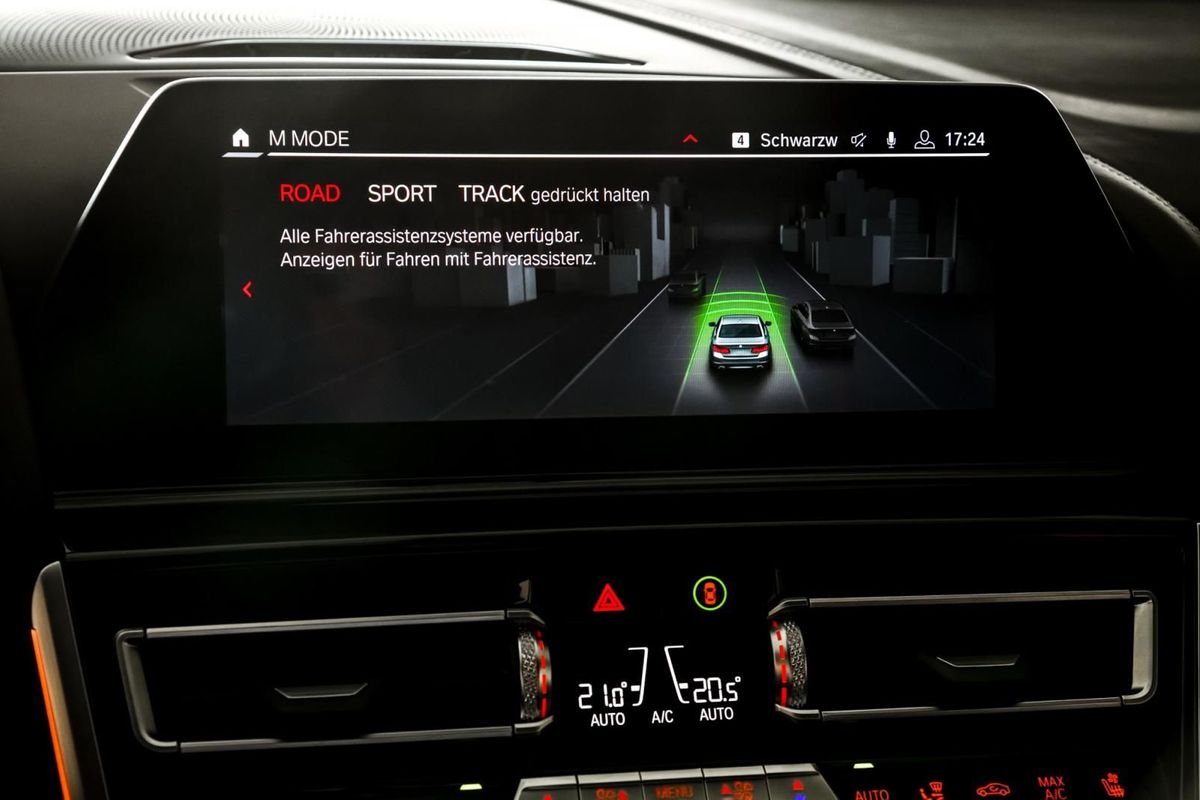
BMW will introduce a new display and control system that drivers would typically use to configure the vehicles powertrain, chassis and driving assistance systems. Vehicle settings are accessed via a new Setup button while the displays and driver assistance systems can be configured with a new M Mode, both of which add more scope for adjustment and higher levels of control.

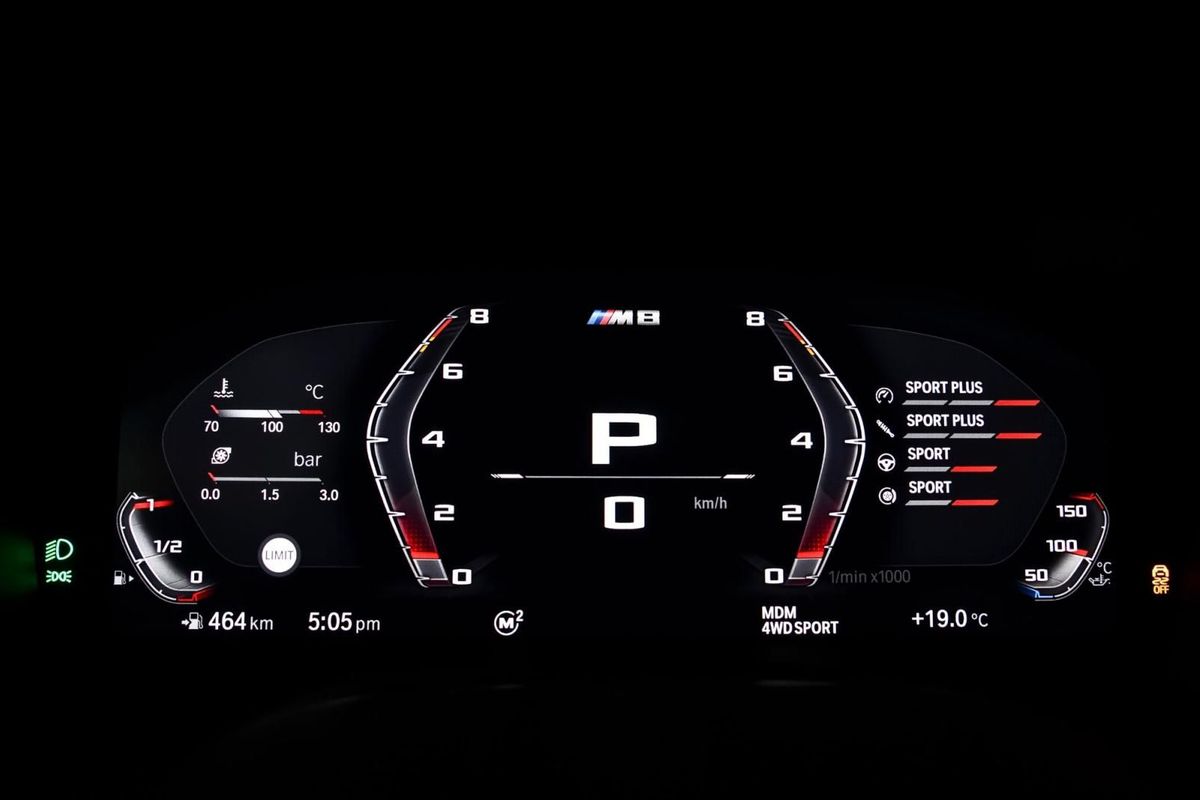
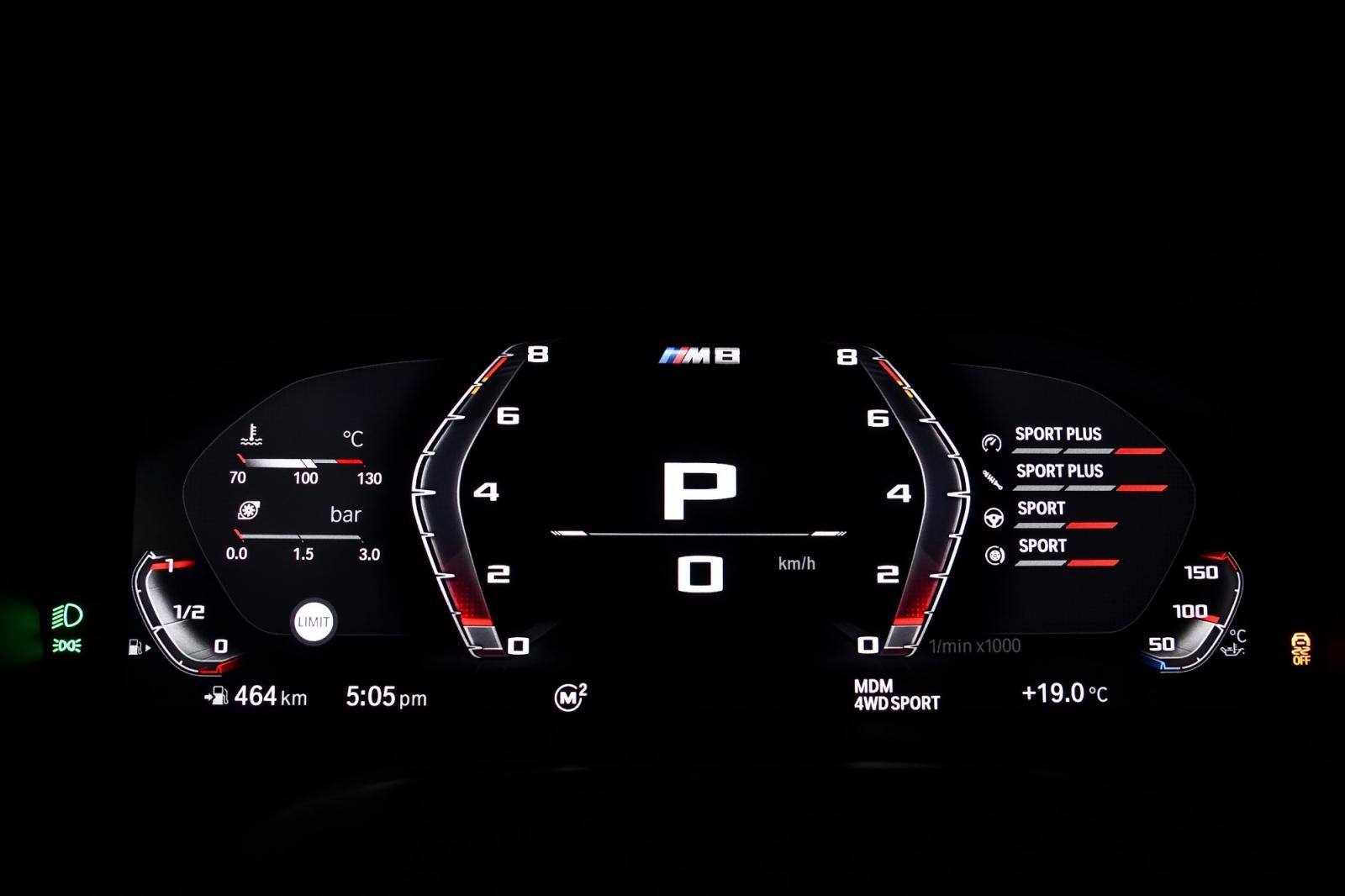
Most notably, however, apart from being able to independently adjust settings for the engine, suspension, steering and torque vectoring (in M models with xDrive all-wheel drive), the M8 Coupe and Convertible will now also allow the driver to adjust the braking system as required using the new Setup button.

The settings for each parameter are as follows:

Engine: Efficient, Sport, Sport Plus

Chassis: Comfort, Sport, Sport Plus

Steering: Comfort, Sport

Braking: Comfort, Sport

XDrive AWD: 4WD, 4WD Sport, 2WD

In addition, 2 different setups/combinations can be permanently stored with other settings (engine sound, gearshift setting etc.) and these can be quickly accessed and enabled by pressing the 2 M buttons on the steering wheel.

In the case of the new adaptive braking feature which will appear for the first time in the M8, it will be geared to suit the driving situation by offering varying pedal feel when in Comfort or in Sport brake mode. In Comfort, braking pressure is more gradual while Sport sharpens the brakes for more instantaneous braking.

A compact braking module now includes brake activation, brake booster and brake control which has reduced overall weight by about 2 kg and features a vacuum-free booster to improve efficiency. The M8 will be offered with standard M compound brakes or M carbon-ceramic brakes.

Lastly, the new M Mode button will allow the driver to alter the responses of the driver assistance systems and screens appearing in the all-digital instrument cluster and head-up display unit. The Driver can activate modes such as Road and Sport while the M8 Competition variants will also offer a Track setting. This function will alter the way in which the driver experiences the M8 depending on the driving situation by providing suitable visual and functional information to the driver. The technologies mentioned above are also expected to filter into future M models.

The new BMW M8 will be revealed in June 2019 and we suspect that a twin-turbo 4.4-litre V8 engine, the same that powers the M5, will be under the bonnet with at least  441 kW and 800 Nm on tap. We can’t wait for this beast to break cover!

We will keep you updated as more details become available.

Buy a new or used BMW on Cars.co.za

Related Content

Rendering: BMW M8

BMW M8 Gran Coupe Concept Shown in Geneva [w/Video]

BMW M850i xDrive Coupe (2019) Launch Review

BMW 8 Series Convertible Revealed

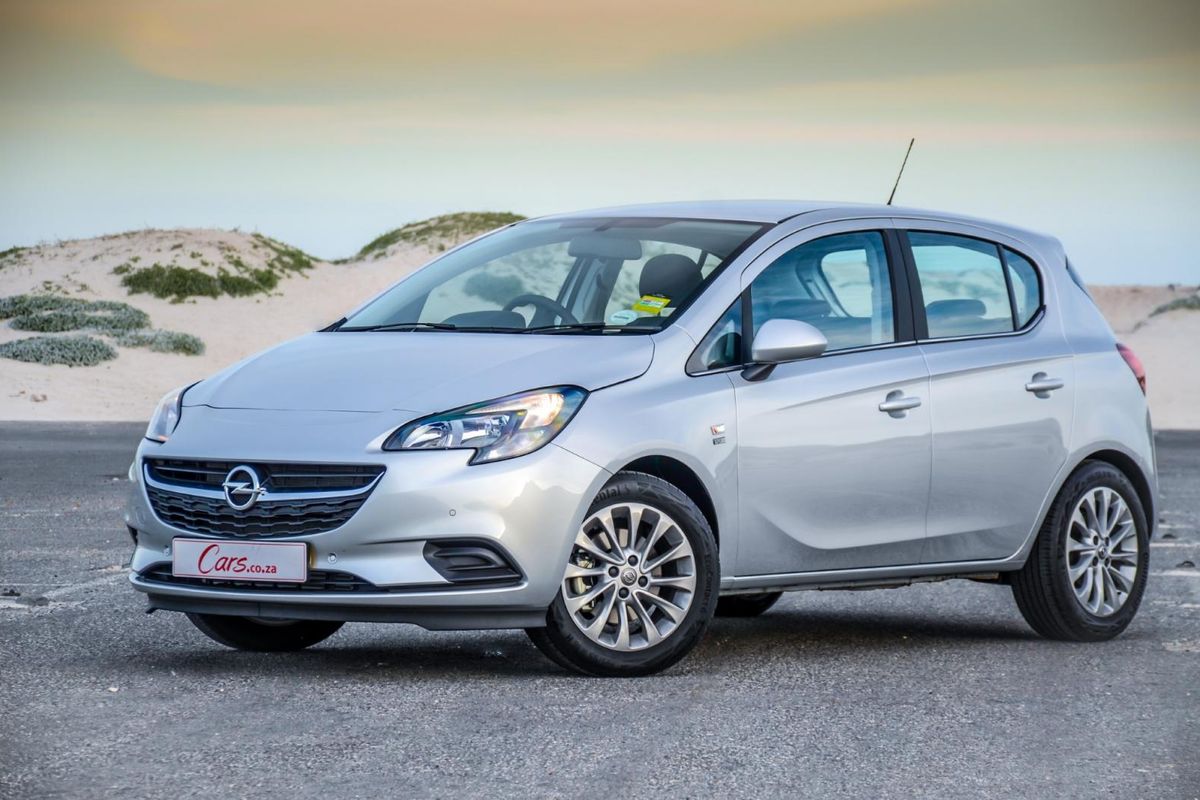
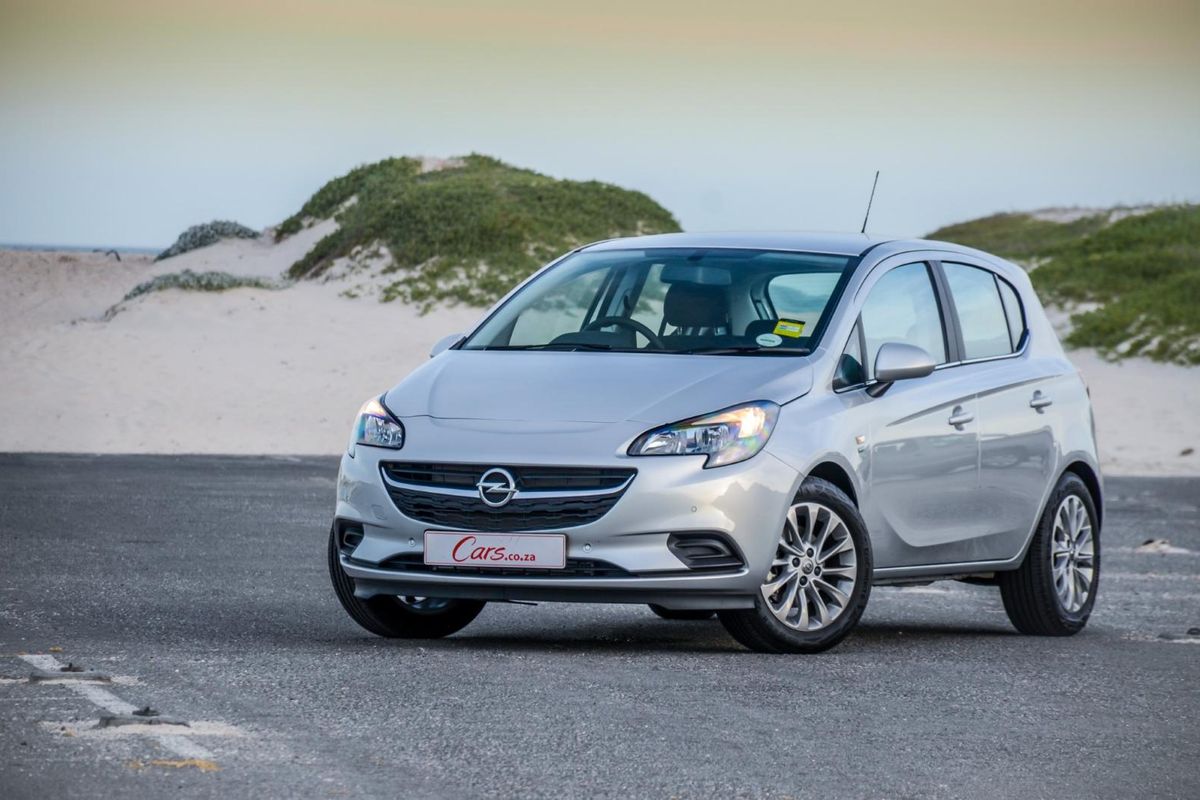
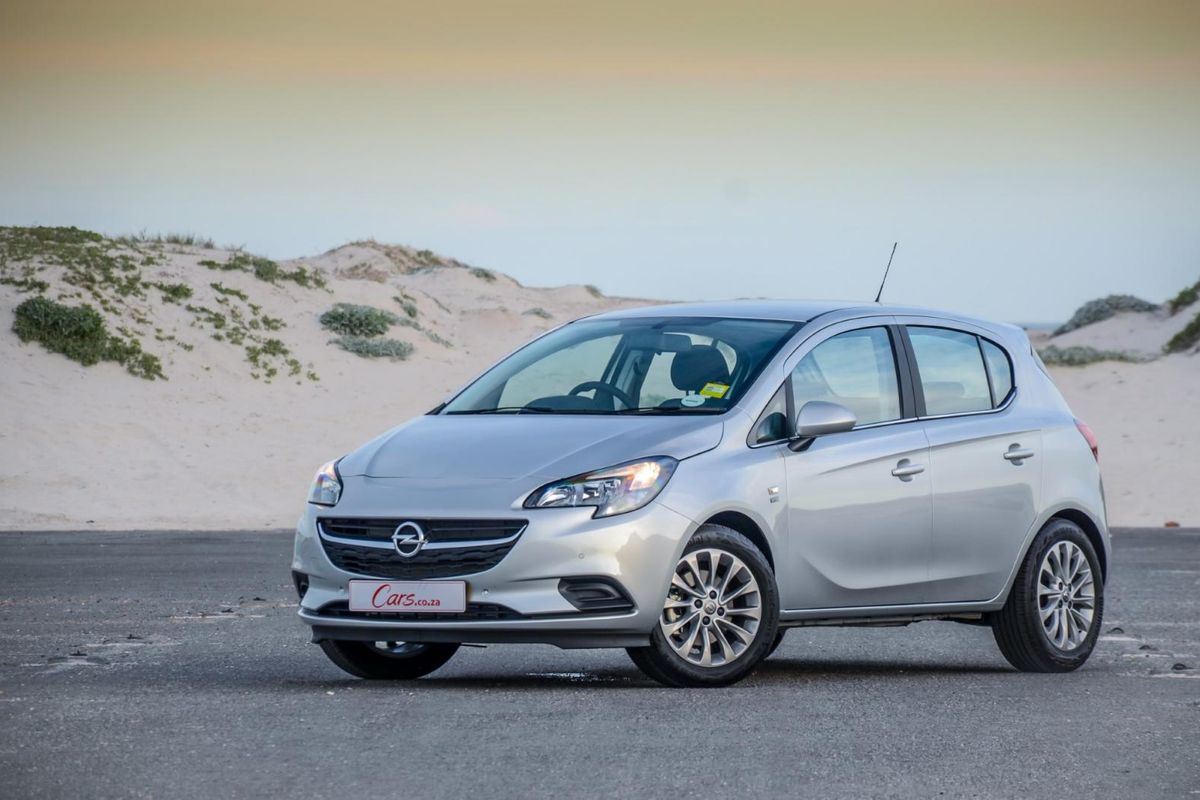
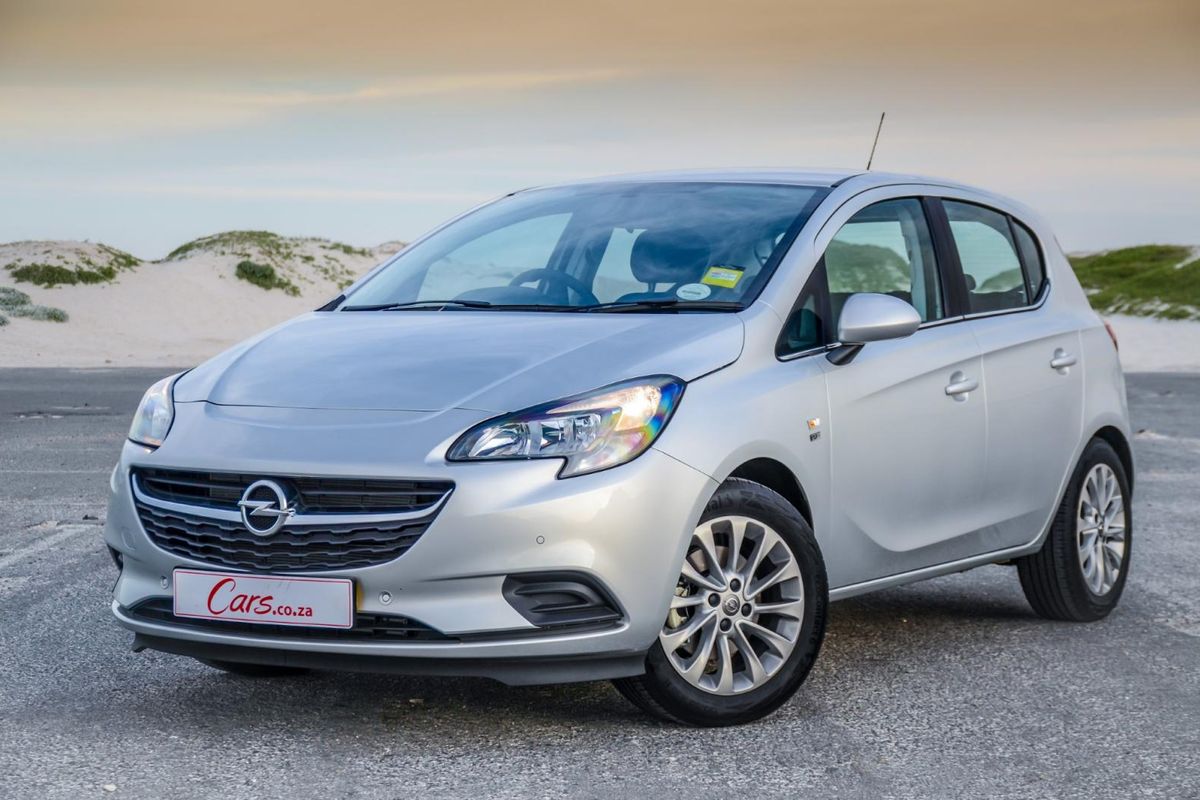
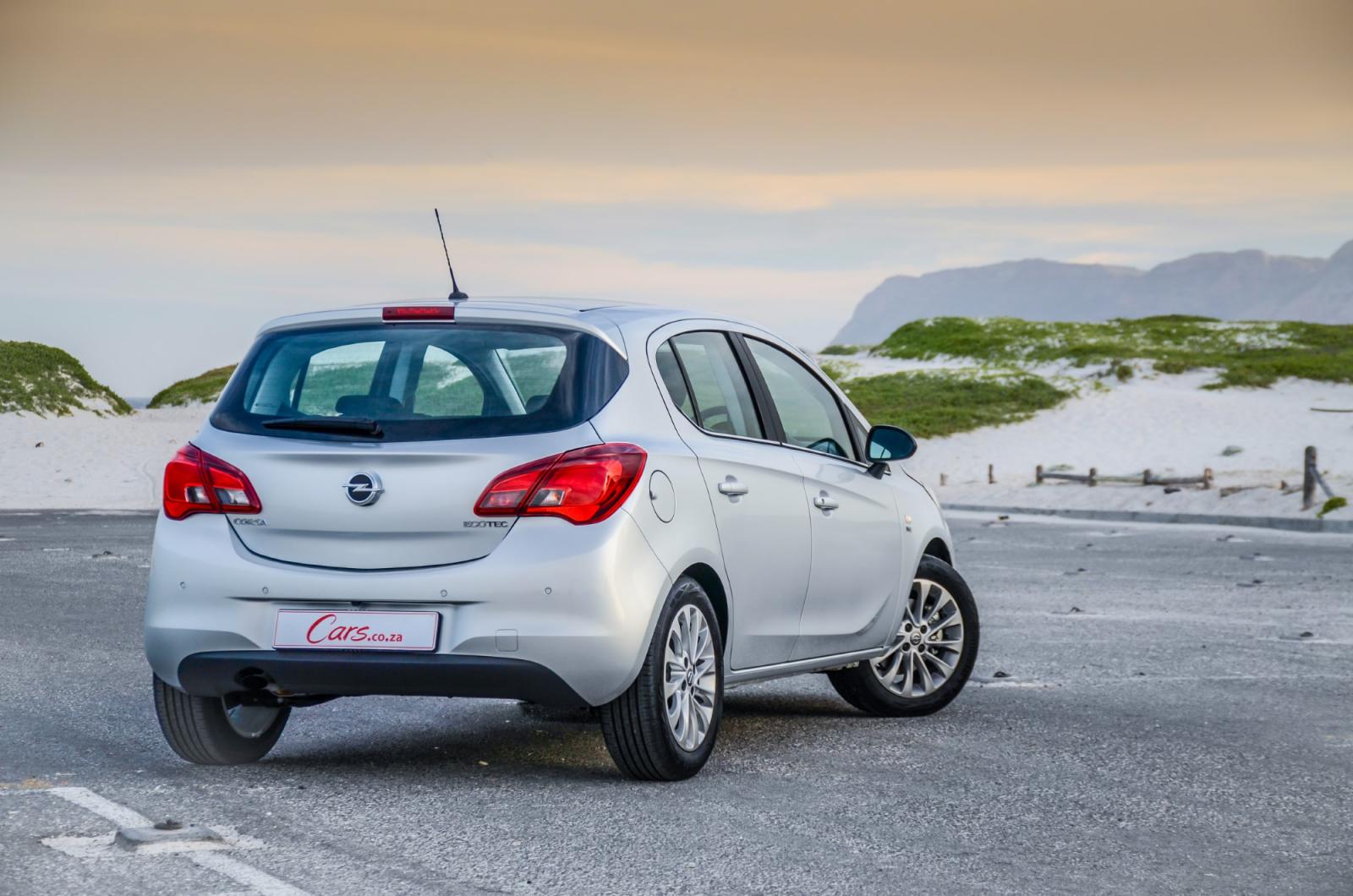
Opel Corsa 120Y Special Edition (2019) Review

While we eagerly await the international reveal of an all-new Opel Corsa, the Rüsselsheim-based manufacturer has introduced the Corsa 120Y Special Edition to South Africa in celebration of 120 years in the car business. With the current Corsa now in the twilight of its model life, is the "120Y" still worthy of your consideration? Let’s find out…

We like: Good engine, punchy performance, ride and handling

We don’t like: Ageing cabin design, limited load space, not much "special" about this "special edition"

Fast Facts

Price: R259 900
Engine: 1.0-litre, 3-cylinder turbopetrol
Power/Torque: 66 kW/170 Nm
Gearbox: 6-speed manual
Fuel Economy: 4.6 L/100 km

Own an Opel? Tell us about your experience here. 

SERIOUS ABOUT BUYING?

Check out full specification details and finance estimates here.

Some Opel dealers regularly offer specials: Have a look here.

What is it?


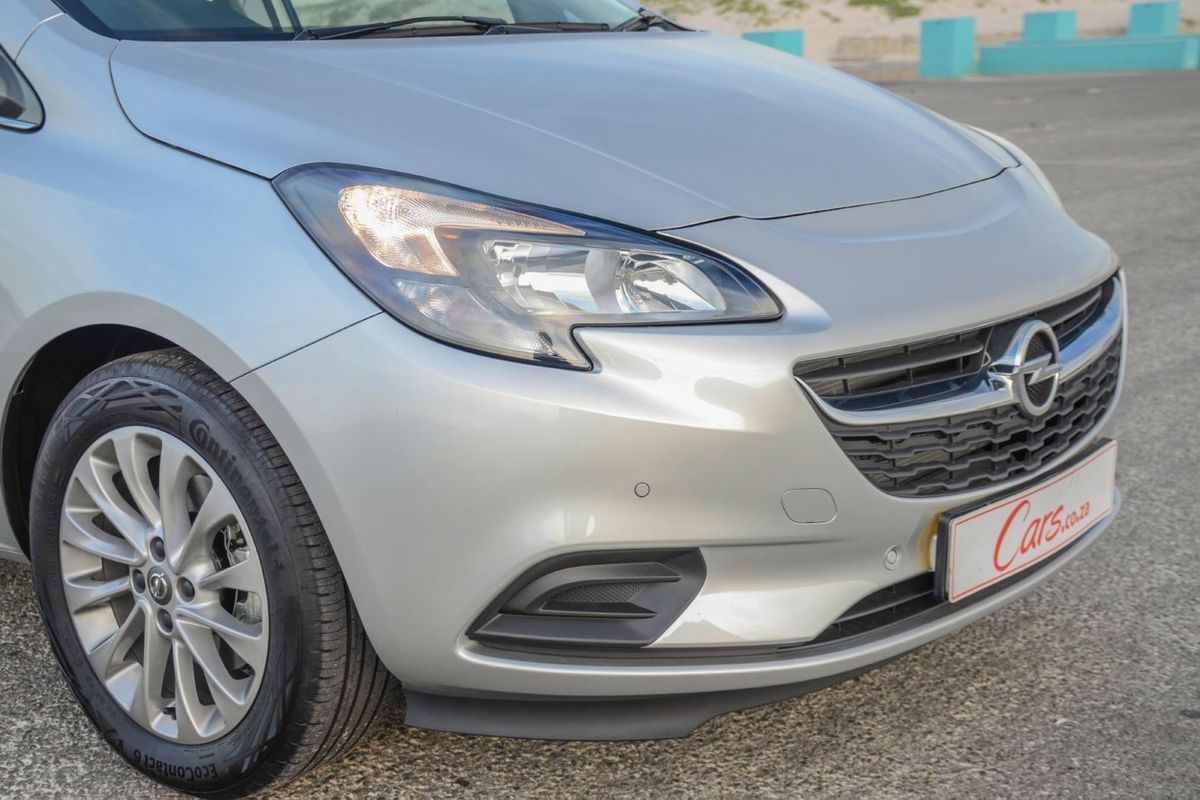
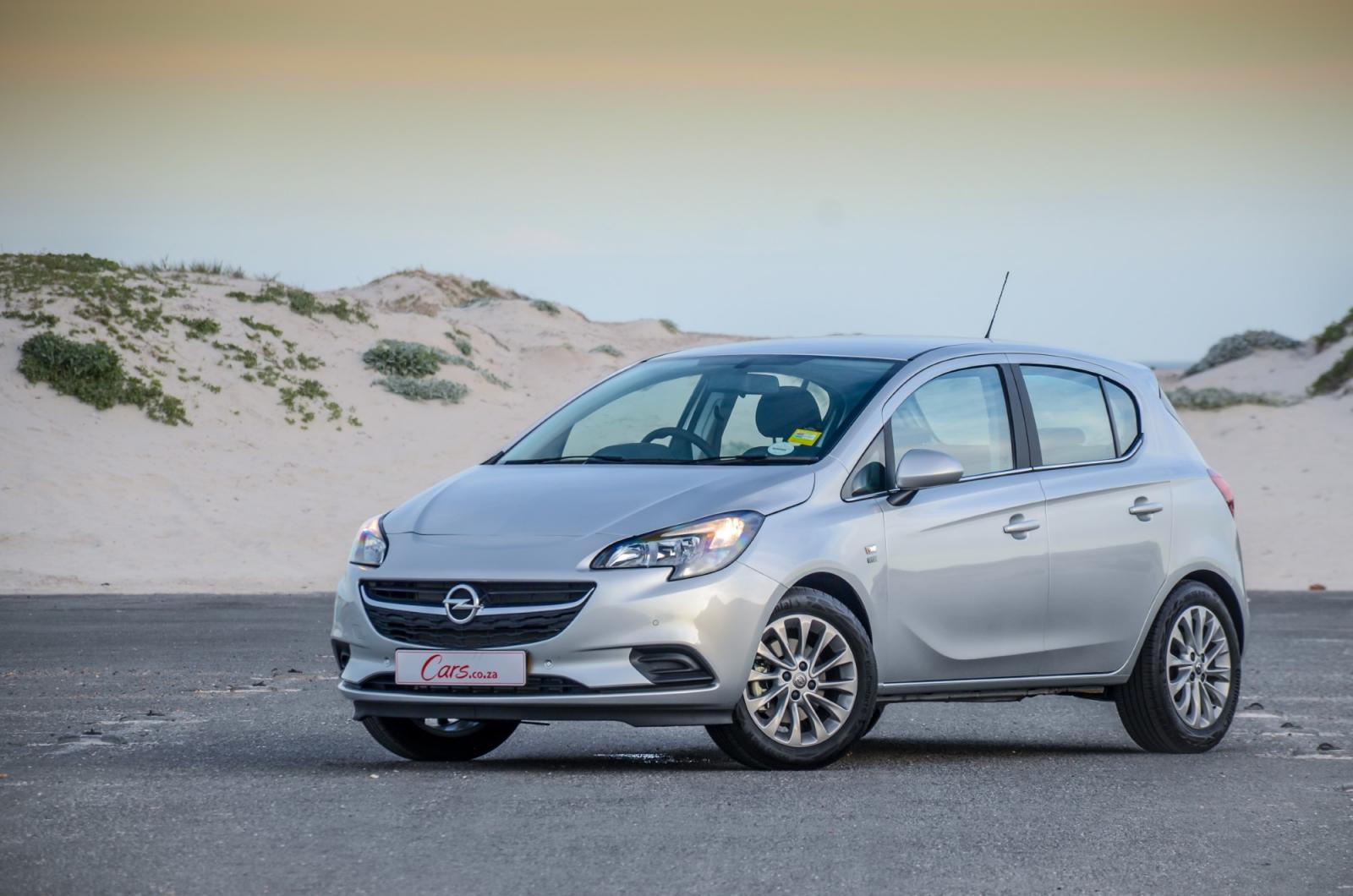
From a visual point of view, the Corsa 120Y special edition is hardly different from the standard Corsa 1.0T Enjoy.

The current generation Corsa has been around since 2014 and this special-edition Corsa derivative is based on the 2016/17 #CarsAwards Compact Hatchback category winner: the Opel Corsa 1.0T Enjoy, which, by all accounts, is still a competent contender in the compact hatchback segment.  

However, Opel's compact hatchback is ageing. Now that rival brands Ford and Volkswagen have welcomed the all-new Fiesta and Polo to market with success, much will be expected of the all-new Corsa (essentially a cousin to the new Peugeot 208) upon its European reveal later this year. 

Nonetheless, a model range often represents the best value for money (as a new vehicle purchase) when its manufacturer beefs up the package as part of a sales stimulus during the runout-phase of the product's lifecycle. Is the 1.0T Enjoy 120Y Special Edition a good example of this? Read on.

What makes it special?  


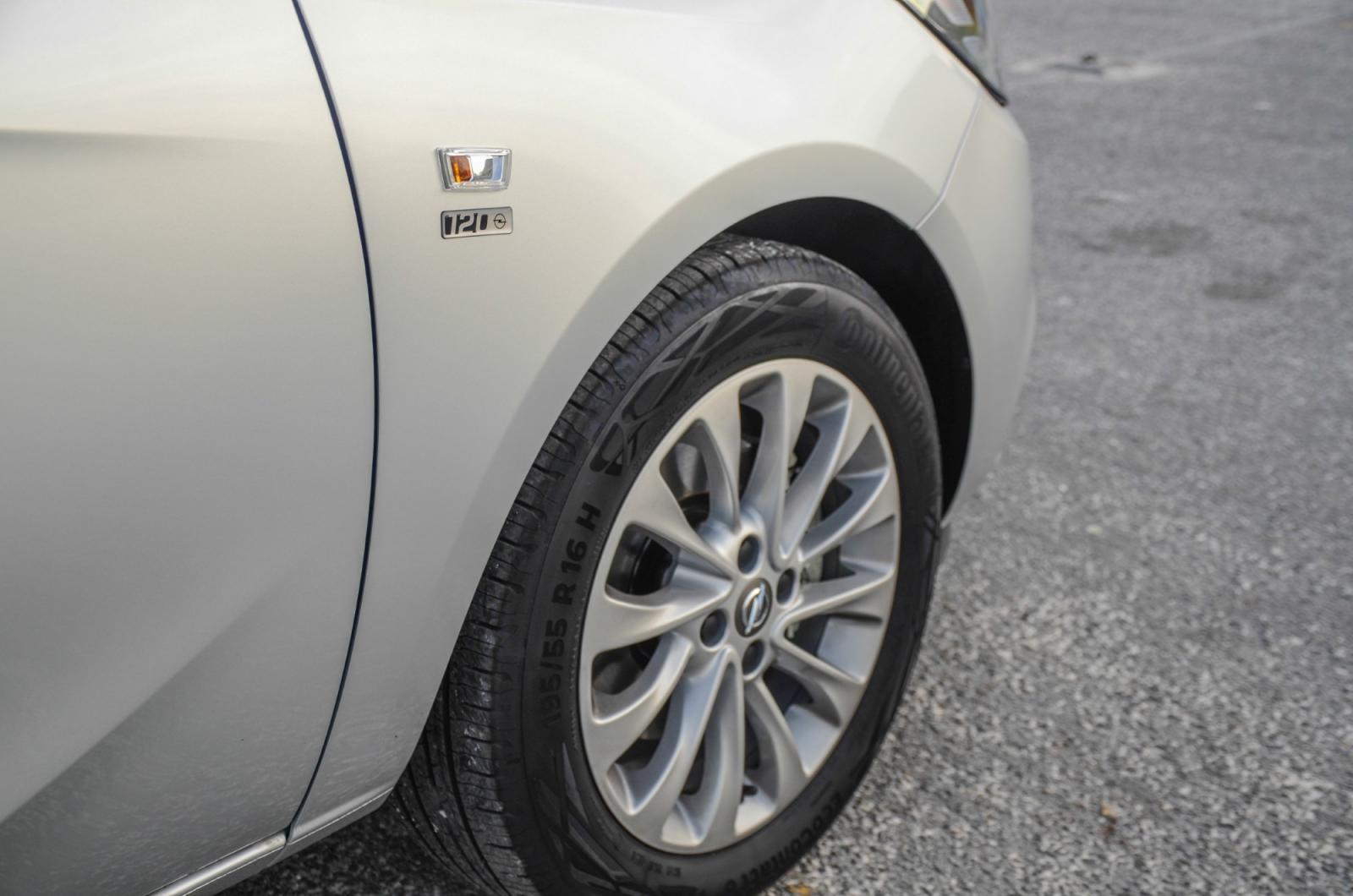
A 120 badge is one of few signifiers seen on this Corsa special edition…

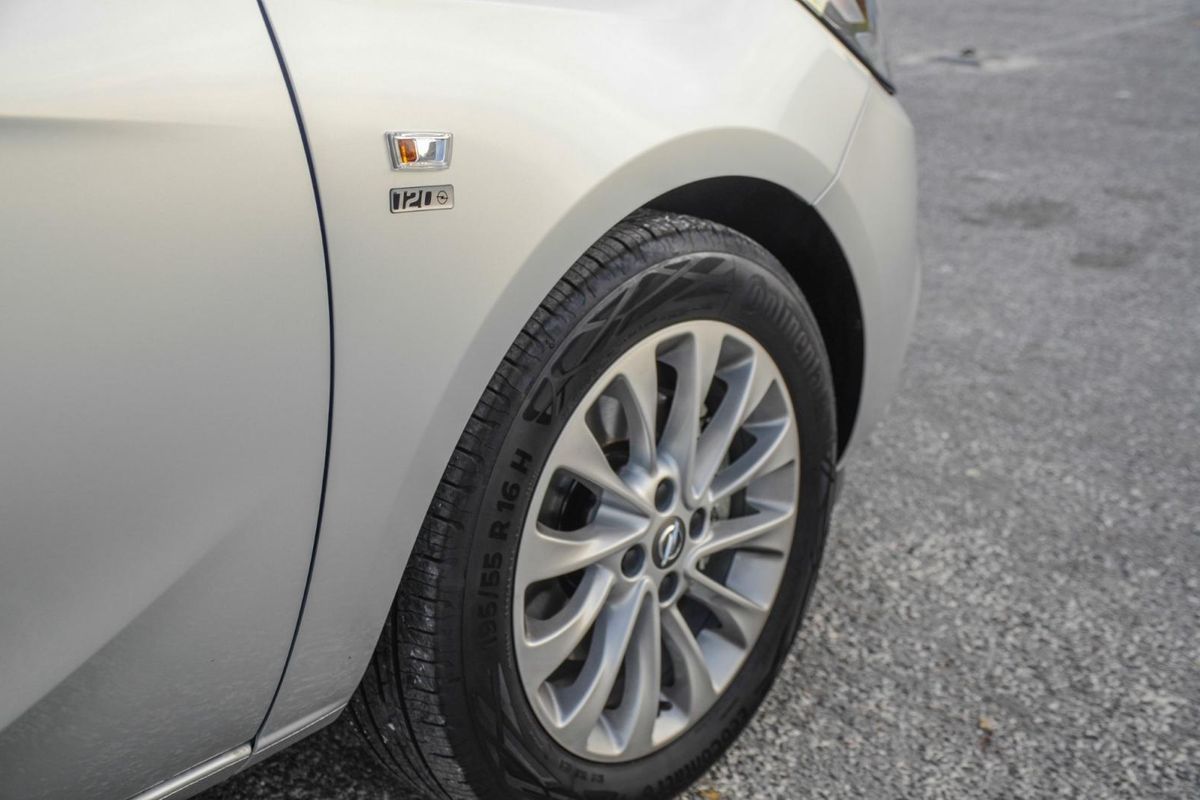
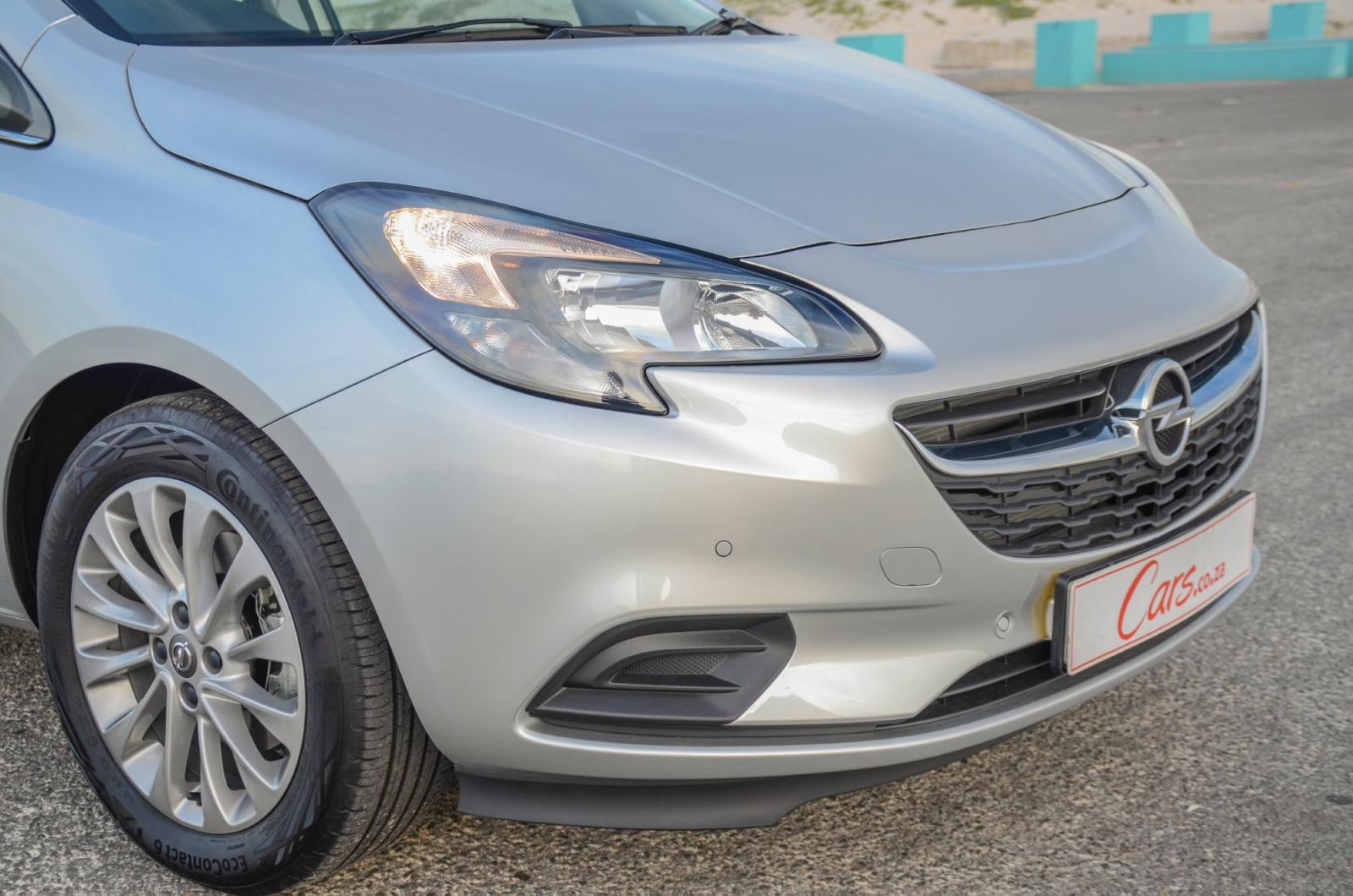
Truth be told, not much. For the most part, this Corsa looks near-identical to the 1.0T Enjoy. Its exterior is adorned with 16-inch gunmetal alloy wheels and "120Y" badges are located below the indicators on the front fenders. If you're not paying close attention, you may miss those details. 

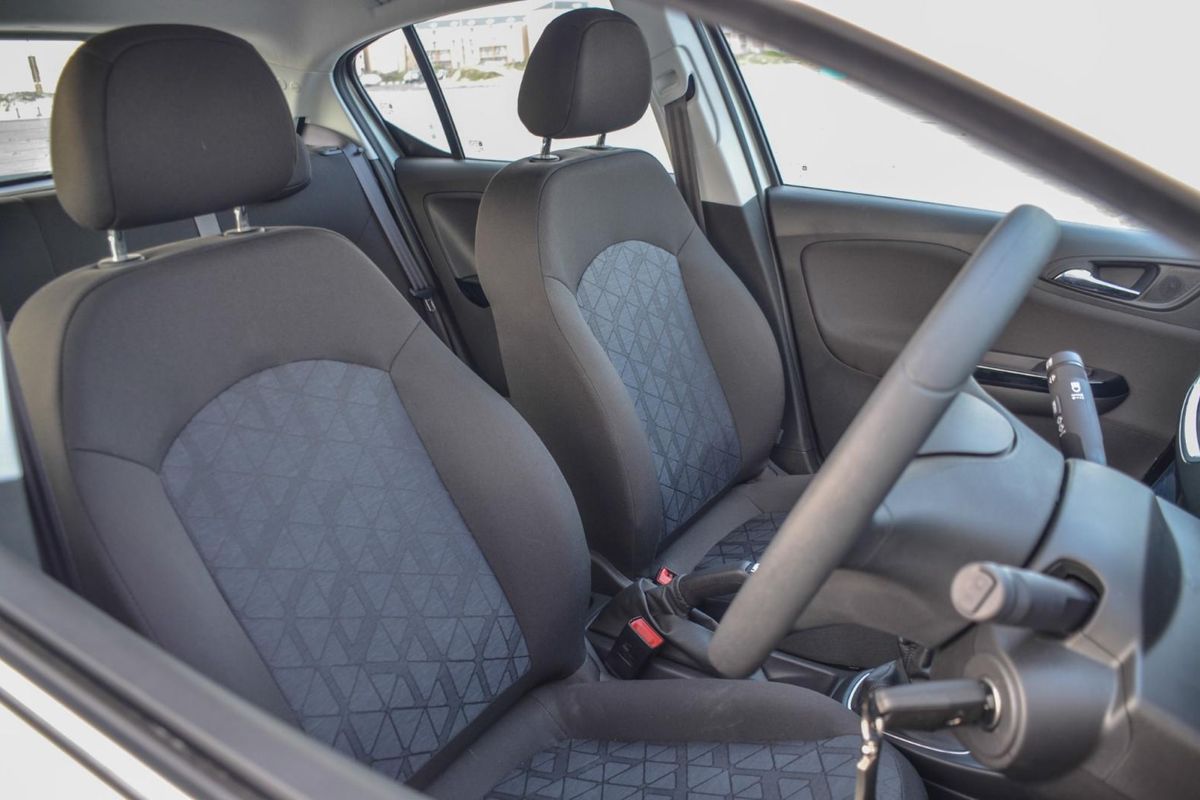
The interior benefits from "Allure" cloth trim, 120Y-embroidered floor mats and Opel sill plates, while the most useful additions, specification-wise, are front and rear park distance control sensors coupled with a reverse-view camera, which make it easier to park the Corsa in confined spaces.

How does it fair in terms of…

Performance, handling and efficiency?


Despite its age, the Corsa still delivers punchy performance and agile handling. 

Sadly there are no power upgrades for this 120Y Special Edition and so the newcomer makes do with a familiar 3-cylinder, 1.0-litre turbopetrol engine that develops 66 kW and 170 Nm of torque and is mated with a 6-speed manual transmission that drives the front wheels.

While those numbers are unremarkable, this Corsa delivers perky performance and thanks to its relatively low kerb weight of 1 220 kg, it feels sprightly on its rubber and gets along at an acceptable pace. Thanks to a well calibrated 6-speed box, mid-range acceleration is strong. Provided you keep the engine on the boil and in the right gear, the Corsa can easily overtake traffic and sits comfortably at the national highway limit.  

What's more, it’s nimble and well-planted when you hustle it through corners. The steering is direct and reasonably communicative and you get the sense that the Corsa wants to be driven with a bit more zeal – with familiarisation, it can be quite punchy and fun to drive, which we like.

Opel claims an attractive average fuel consumption figure of 4.6 L/100 km, but we were a bit disappointed to see returns of between 7.7 and 8.1 L/100 km during our test period. It's not the first small-capacity turbo engine to sip more fuel than we expected it would, we hasten to add… 

Interior execution and practicality?


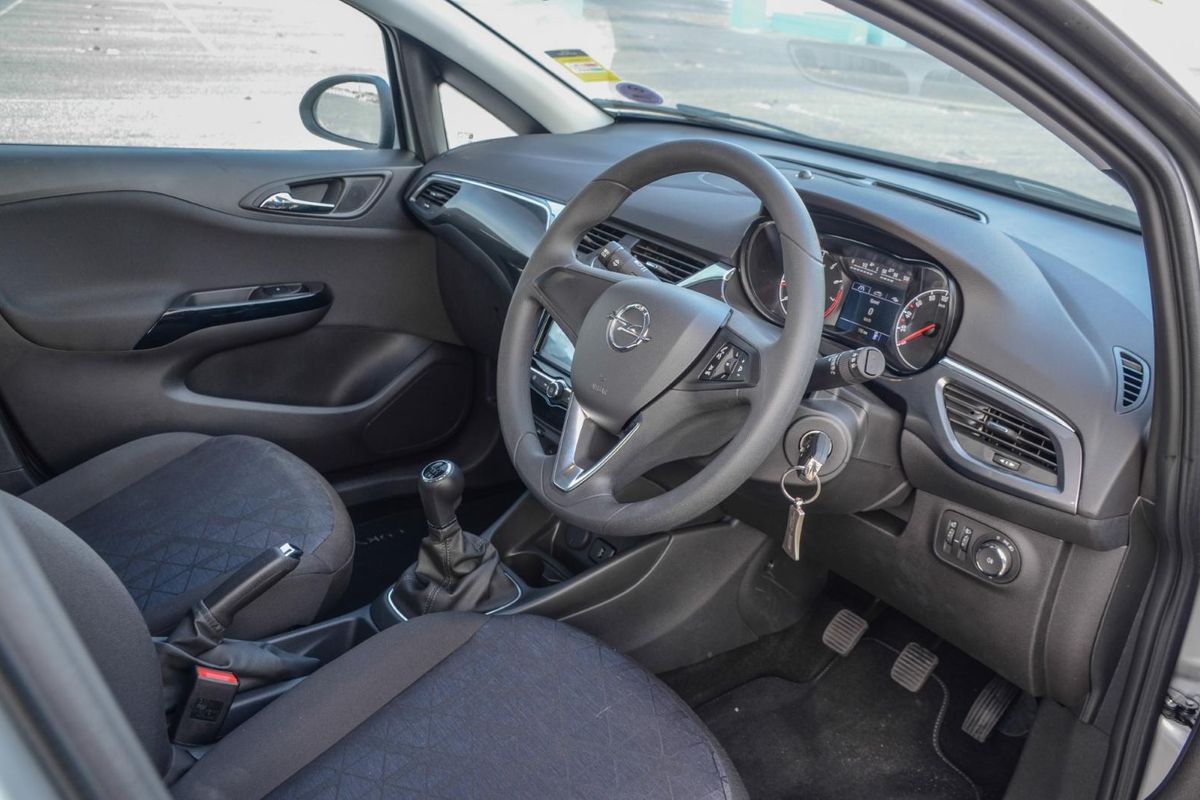
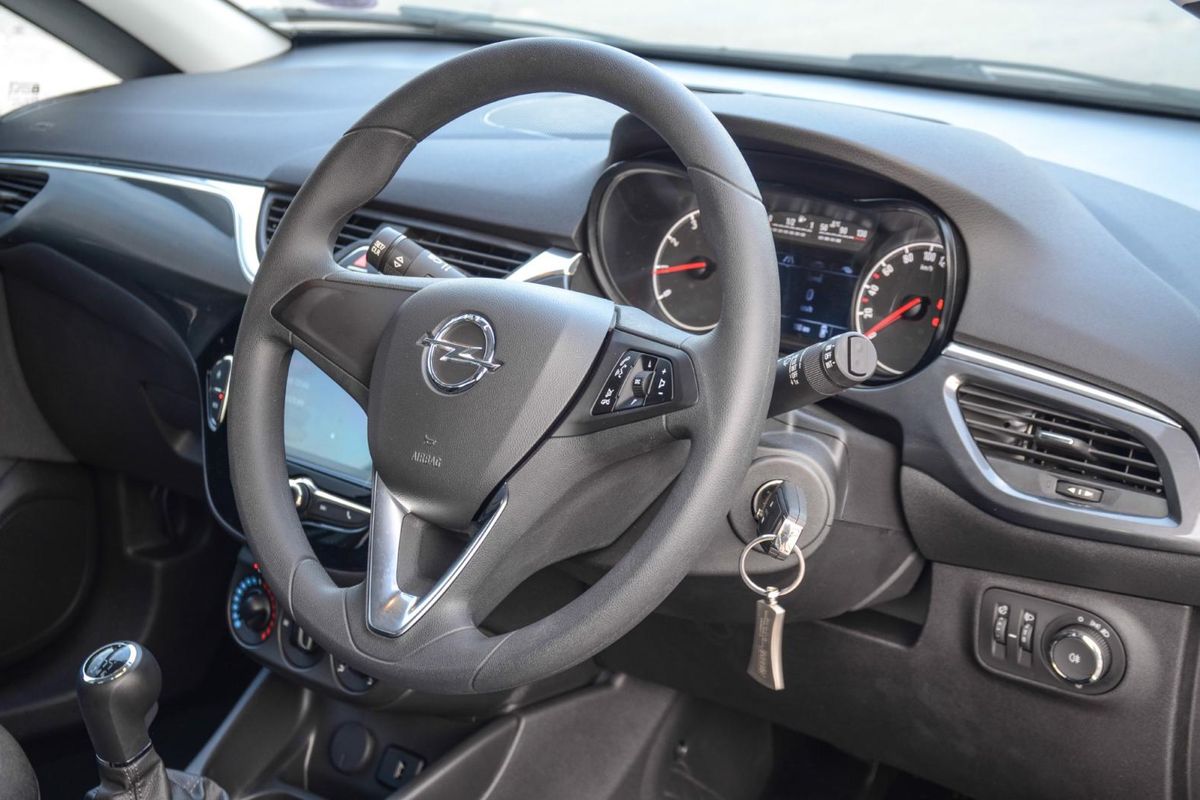
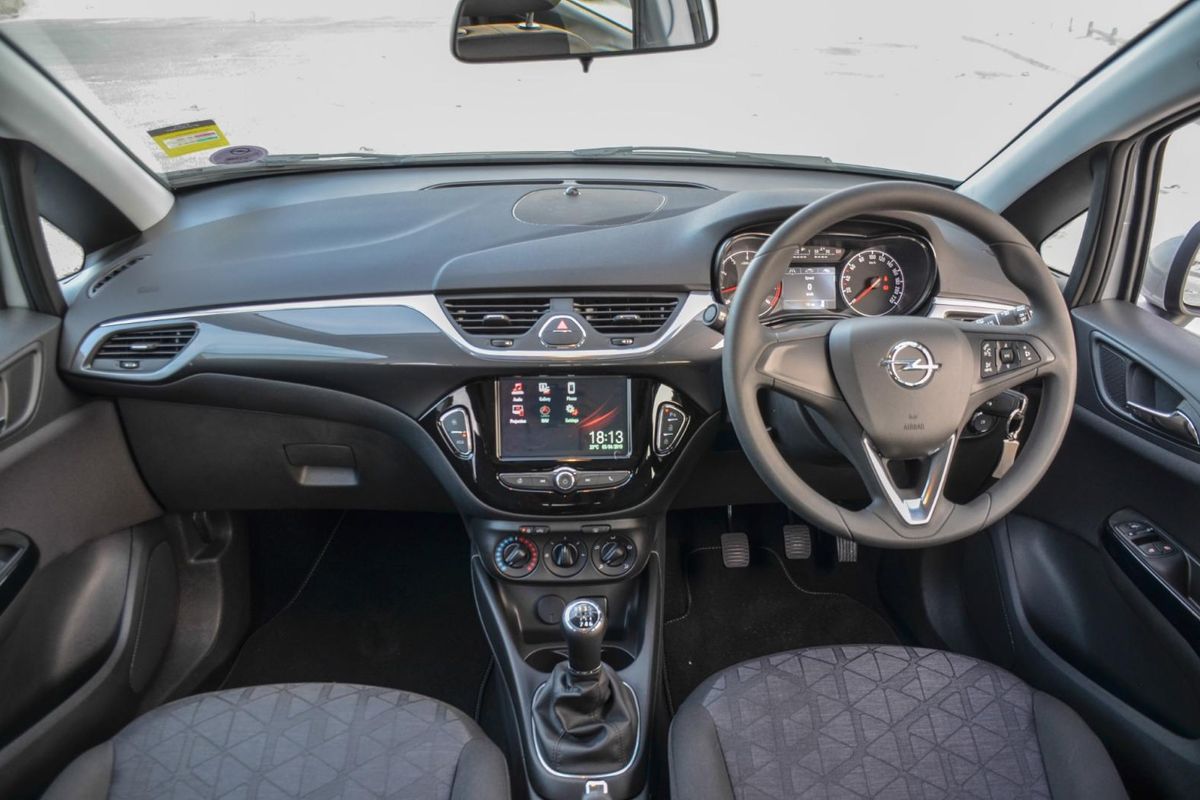
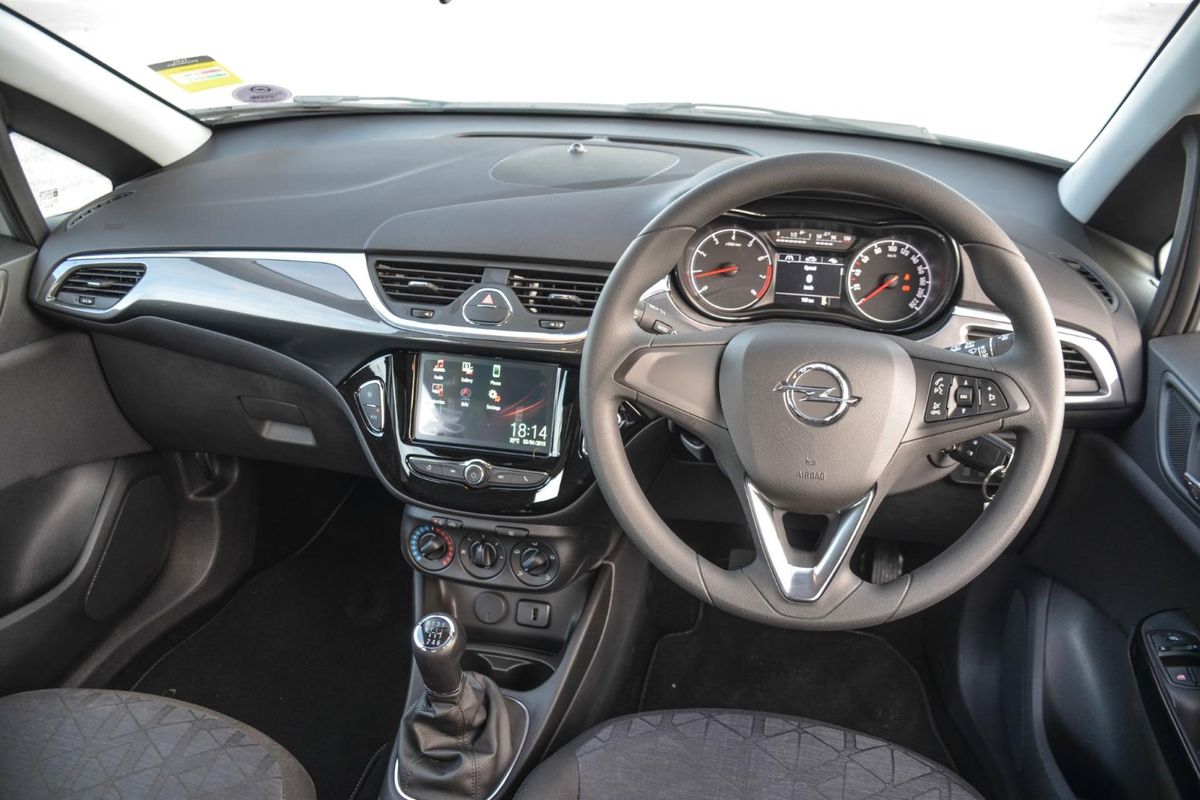
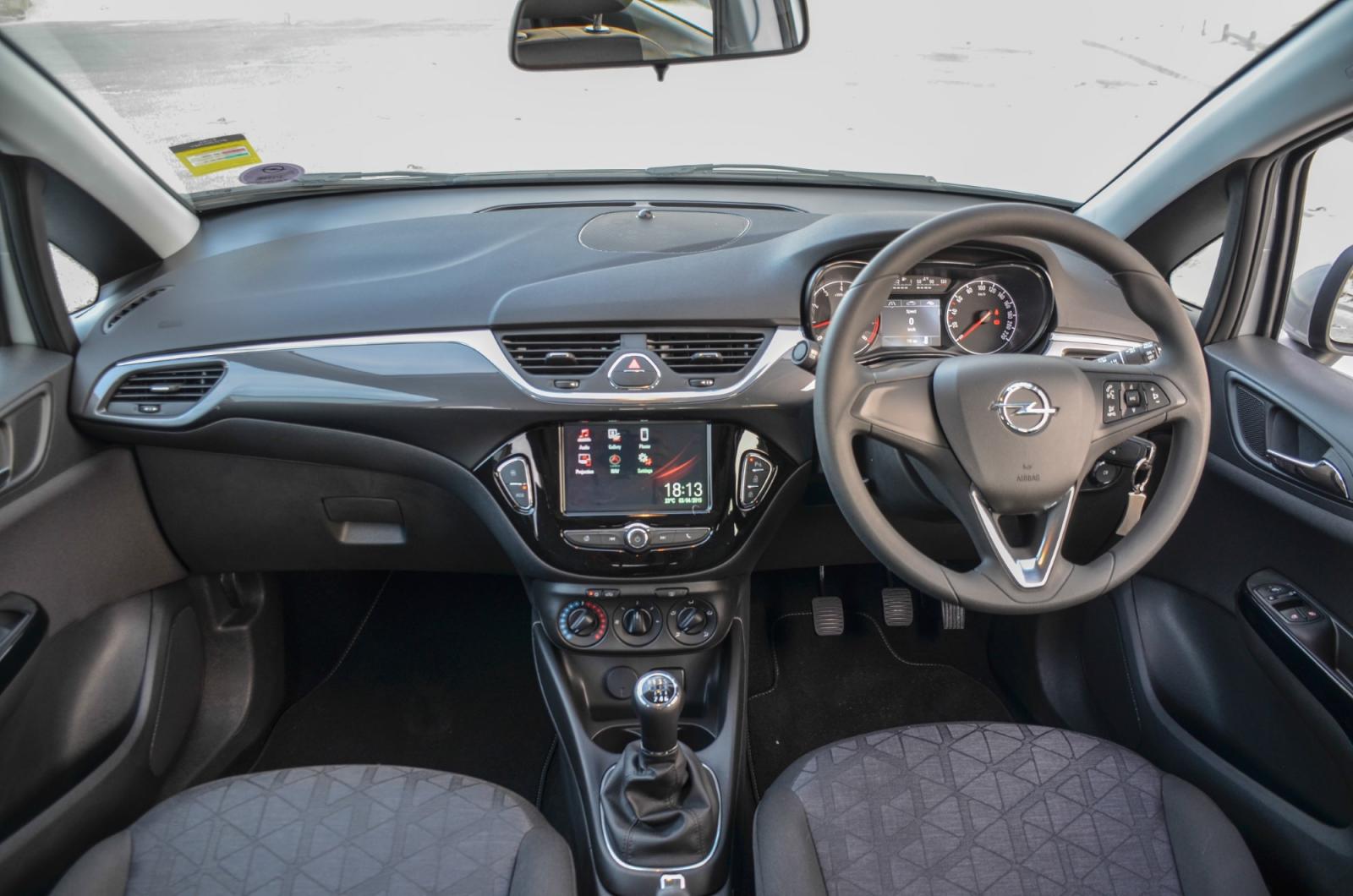
The Corsa 120Y's cabin is basic, but it does offer Apple CarPlay and Android Auto compatibility. 

The Corsa’s cabin design is starting to show its age. Perceived build quality is average to good (of course, depending on your expectations) and while the piano gloss surfaces arguably give the cabin a more upmarket look, they do attract grubby marks and will require regular wipe-downs.

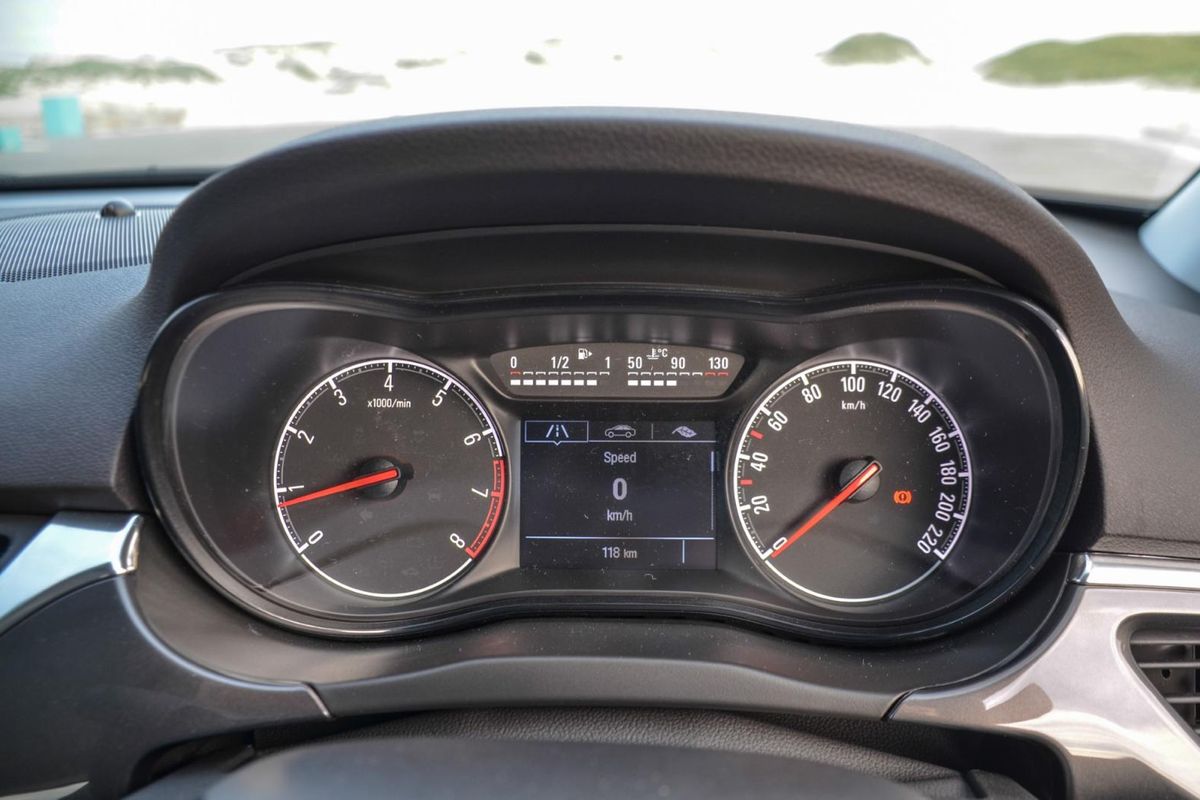
By contemporary standards, the ventilation and temperature console looks very humdrum. Also, the 7-inch infotainment system is placed a bit too low for our liking and can be distracting to use because you constantly have to take your eyes off the road to glance down, which is not ideal. Plus points are the multifunction steering wheel, Bluetooth connectivity, Apple Carplay and Android Auto compatibility and a single USB socket. 


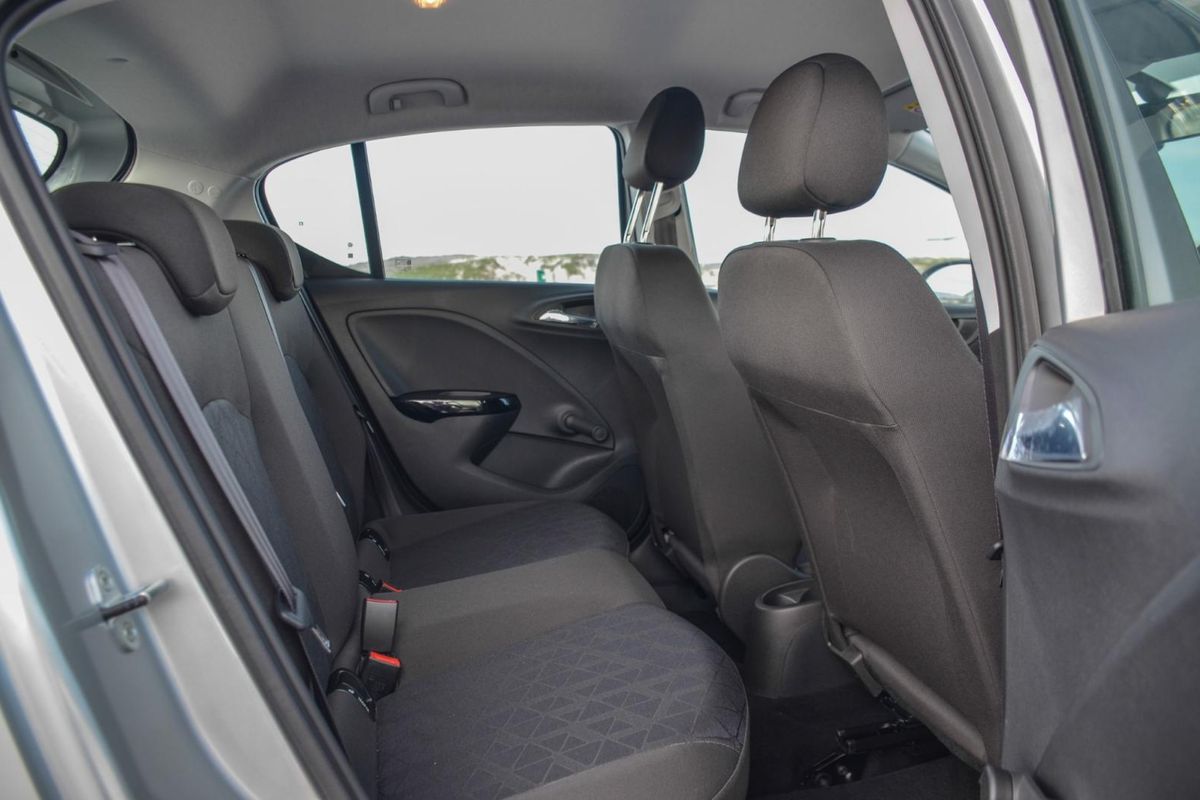
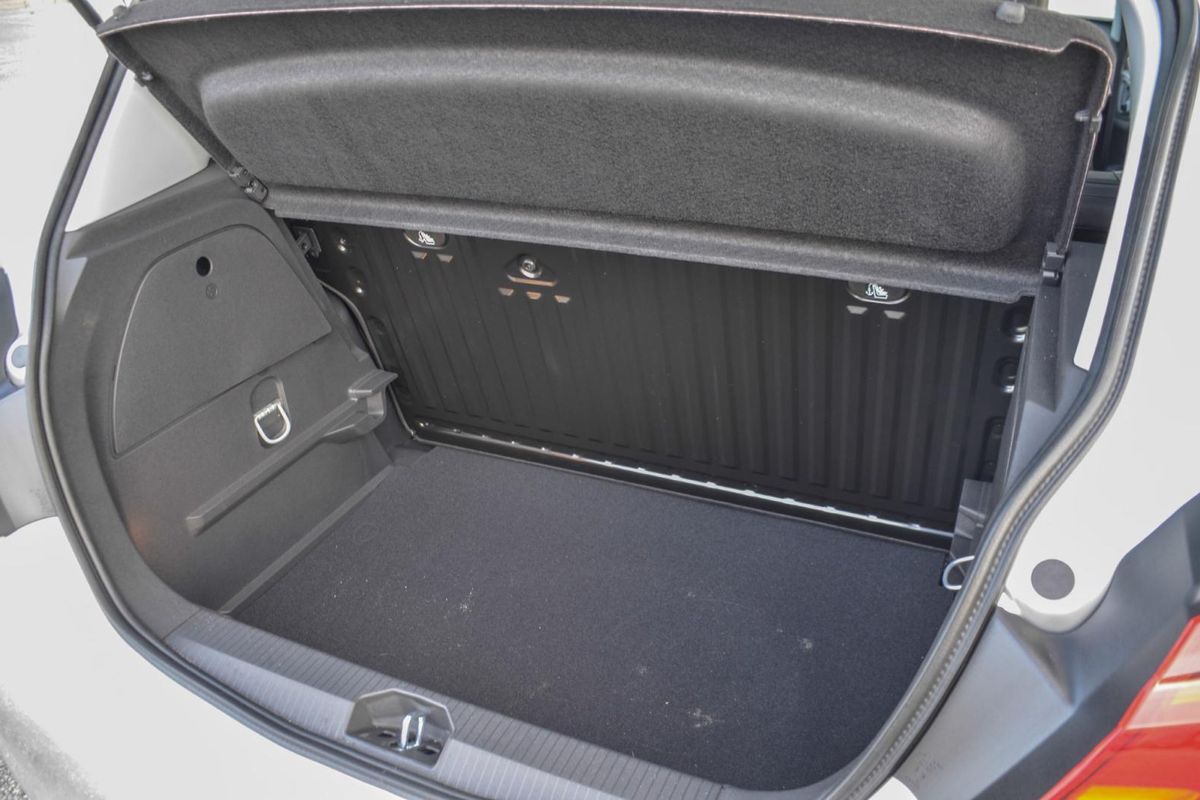
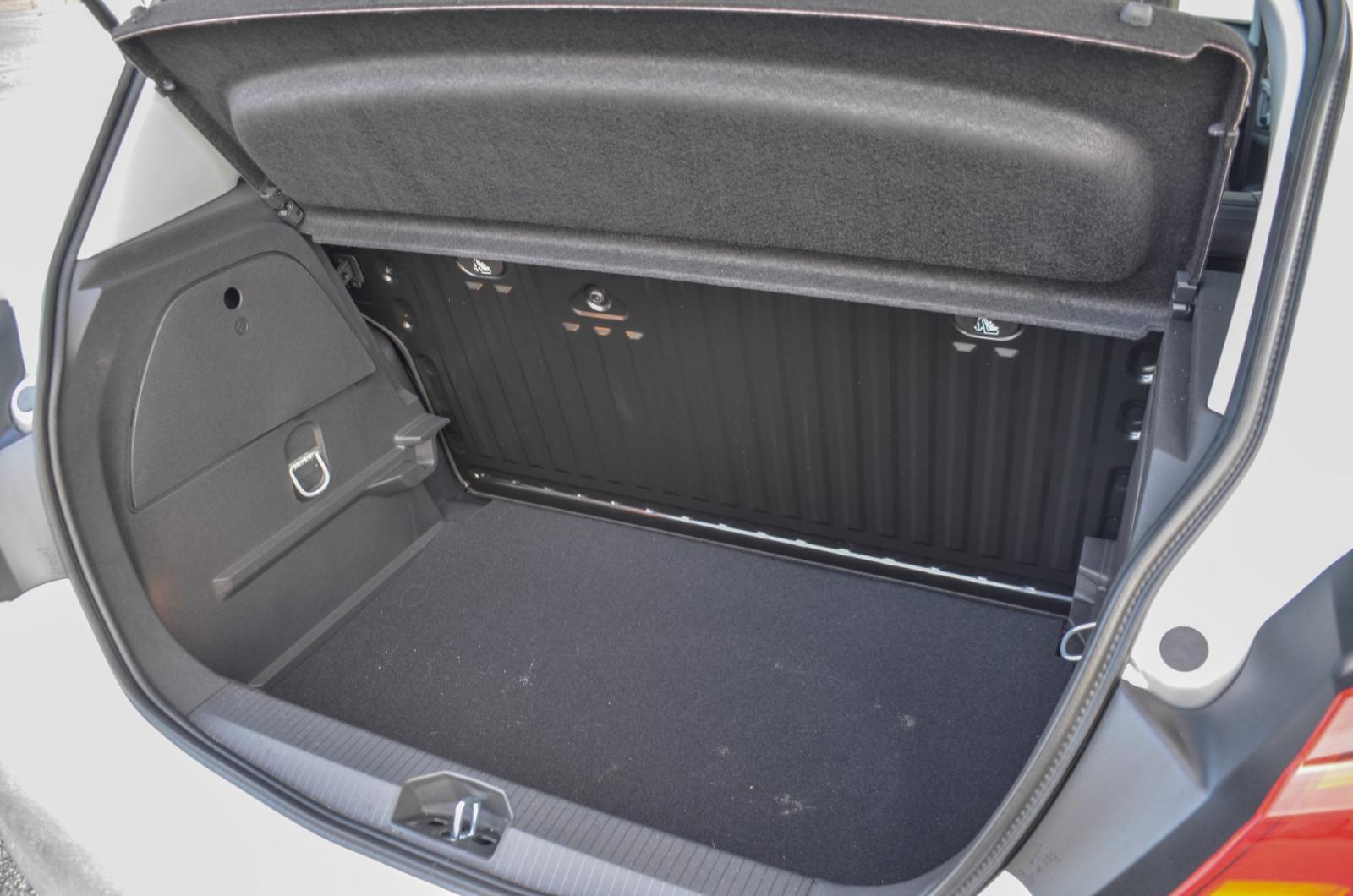
The Corsa performs poorly in terms of overall practicality with a smallish load bay and a single-piece rear bench.   

Average-sized rear passengers will find marginal comfort on the rear bench, while taller passengers are likely to run out of leg and headroom. The Corsa’s load bay is on the smallish side (265 litres), which doesn’t compare favourably with the Polo (350 litres) or Fiesta (303 litres). The back of the rear bench has an exposed steel finish that may attract unsightly scuffs and/or scratches over time and the seatback doesn’t split either (it used to), which means it folds down in a single piece to free up 1 120 litres of utility space. A pronounced seat lip will also hamper loading certain items.

Pricing and warranty

The Opel Corsa 120Y Special Edition is priced at R259 900 and is sold with a 3-year/120 000 km warranty and 3-year/60 000km service plan.

Verdict


With newer and better-equipped rivals on offer, the Corsa 120Y is currently outgunned in the compact hatchback segment. 

This special edition Corsa wasn’t as special as we’d hoped it would be and we think Opel could have done a bit more in the way of features and styling to make it a more compelling proposition for buyers.  

Nonetheless, the Opel still offers good performance and handling ability despite its advancing years. Its leading rivals may be a few steps ahead in terms of styling, interior execution (design and, in some aspects, equipment), spaciousness and practicality, but the Corsa is comparatively well-priced and -specced compared with newer rivals, which makes it worthy of consideration if you're not shopping for a mid-spec compact hatch.

However, we do feel that the case for the Corsa 120Y Special Edition just isn’t quite strong enough, especially when other older offerings such as the Renault Clio and even the Mazda2 offer more value in terms of features for about the same money. The game appears to have moved too far and perhaps the new Corsa will turn the tables in Opel’s favour when it arrives in South Africa in the not-too-distant future. Let's wait and see.

Don’t agree with our verdict? Share your thoughts with us in the comments below…

Looking to buy a new/used Opel Corsa?

Find one on Cars.co.za by clicking here.

Alternatives (Click on the names for specification details)

Volkswagen Polo 1.0TSI Comfortline

For roughly R21 000 more, you can step into the new Polo Comfortline which is more spacious and offers better performance from its 70 kW/175 Nm  1.0-litre turbopetrol engine. It is similarly specced but front and rear PDC and rear camera are optional (as are many other features). Cabin execution is bang up-to-date too. The Polo Comfortline is priced from R281 100.

Ford Fiesta 1.0T Trend

The Ford Fiesta is a solid alternative and offers noteworthy performance 74 kW and 170 Nm of torque from its 1.0-litre turbopetrol engine. In Trend specification, it offers similar features to the Corsa 120Y (minus front PDC and rear camera) but the interior build quality is superior and Ford’s SYNC3 infotainment system is very good. The Fiesta 1.0T Trend is priced from R273 700.

Renault Clio 66 kW Turbo Dynamique

For exactly the same money (R259 900), you can step into the Renault Clio Dynamique which offers 66 kW and 140 Nm from its 0.9-litre turbopetrol engine. It might not match the Corsa’s performance, but the Clio makes up for the shortfall by offering a whack more value with features such as a longer warranty (5-years/150 000km), navigation, electric mirrors, automatic LED headlights with LED daytime running lights, cruise control, keyless entry and partial cloth/leather upholstery.

Related Content

Spy Shots: New Opel Corsa

Opel Introduces Limited-Edition Corsa 120 Years

Opel Corsa GSi (2019) Specs & Price

Opel Corsa 1.4 Turbo Sport (2018) Quick Review

Opel Corsa 1.0T Enjoy (2015) Review


Jaguar F-Pace SVR (2019) Launch Review

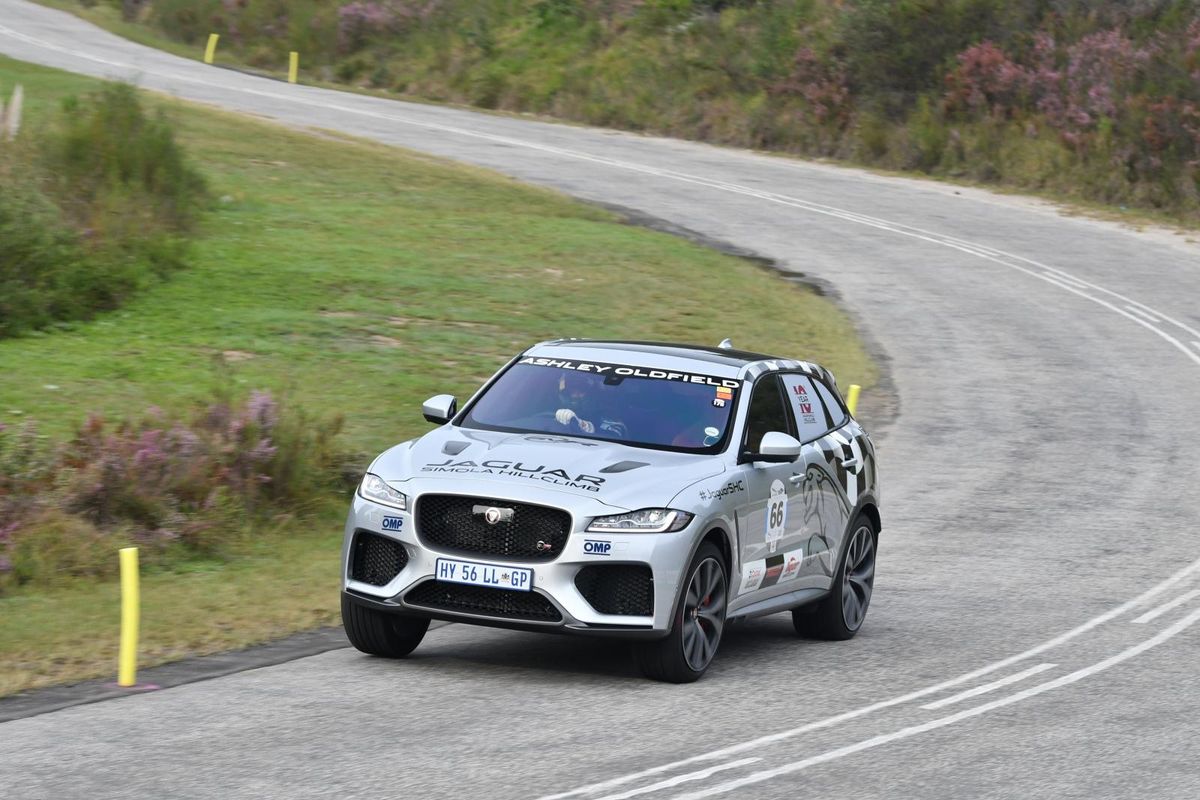
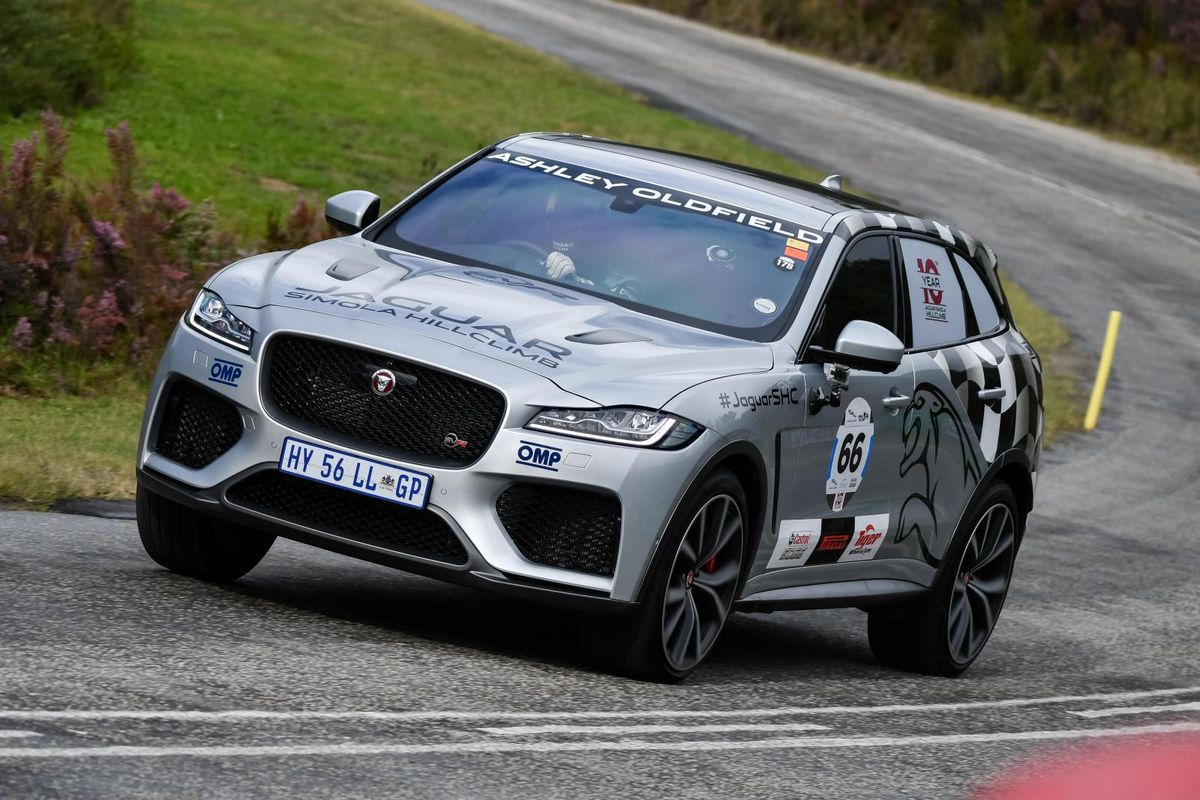
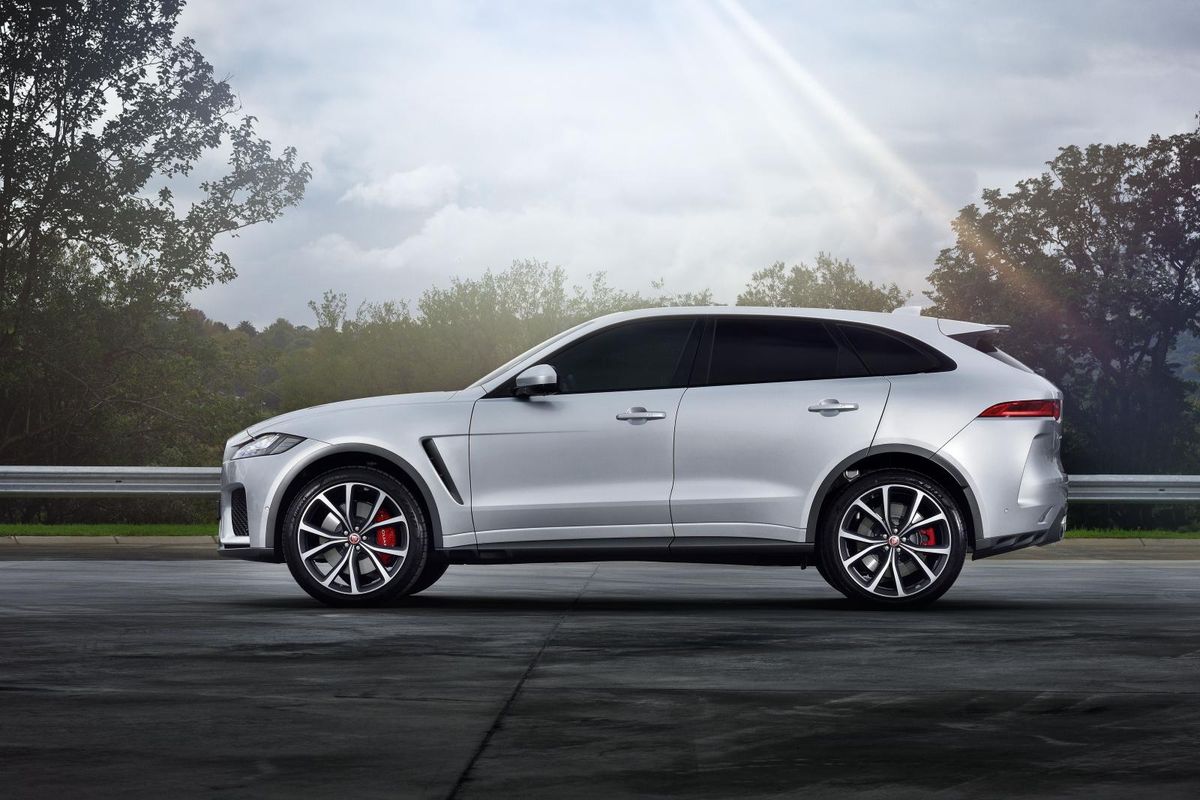
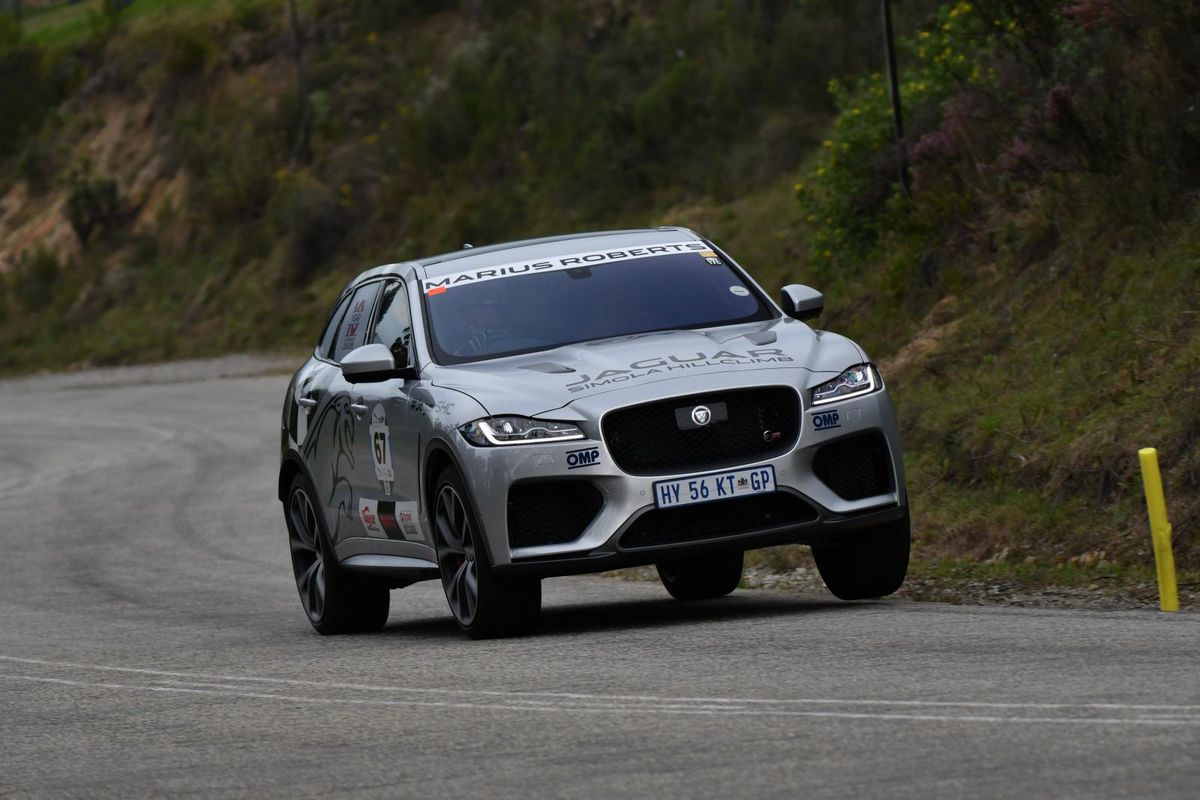
Jaguar has joined the super SUV fray in the South African new vehicle market with a high-powered and nothing short of unrelenting, F-Pace SVR. We put it through its paces throughout the weekend at the 2019 Jaguar Simola Hillclimb.

What is it?

Super SUVs are becoming increasingly popular. They offer the space and practicality of family cars, but then when the mood takes you, you can launch them from a set of lights with sportscar-like ferocity. Many marques have recently gone down the road of developing performance-oriented executive SUVs: BMW has the X3 M and X4 M, Mercedes-AMG makes the GLC63 S and Alfa Romeo the Stelvio Quadrifoglio – to name just 3.

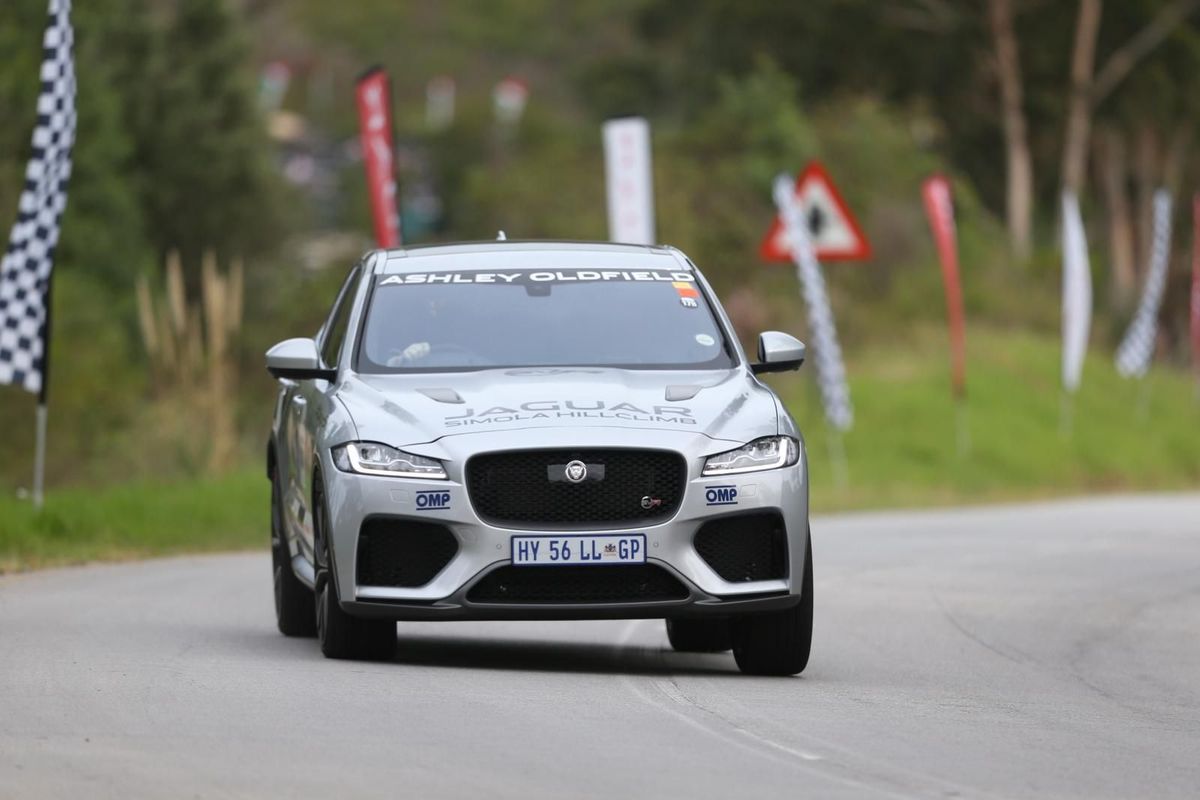
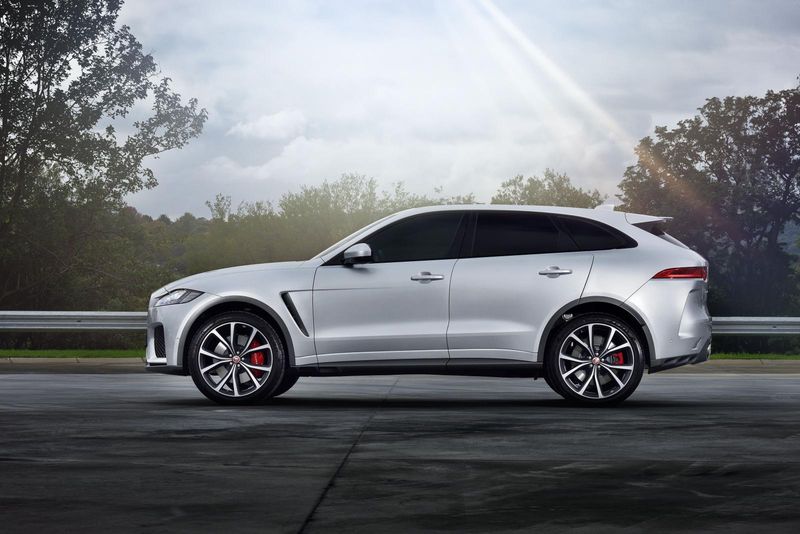
To create the SVR, an F-Pace is sent to Jaguar Land Rover's Special Vehicle Operations and fitted with a 5.0-litre supercharged V8 producing 405 kW and 680 Nm. Lightweight 21- or 22-inch alloy wheels are fitted and inside them lurk larger diameter brakes for improved stopping power.


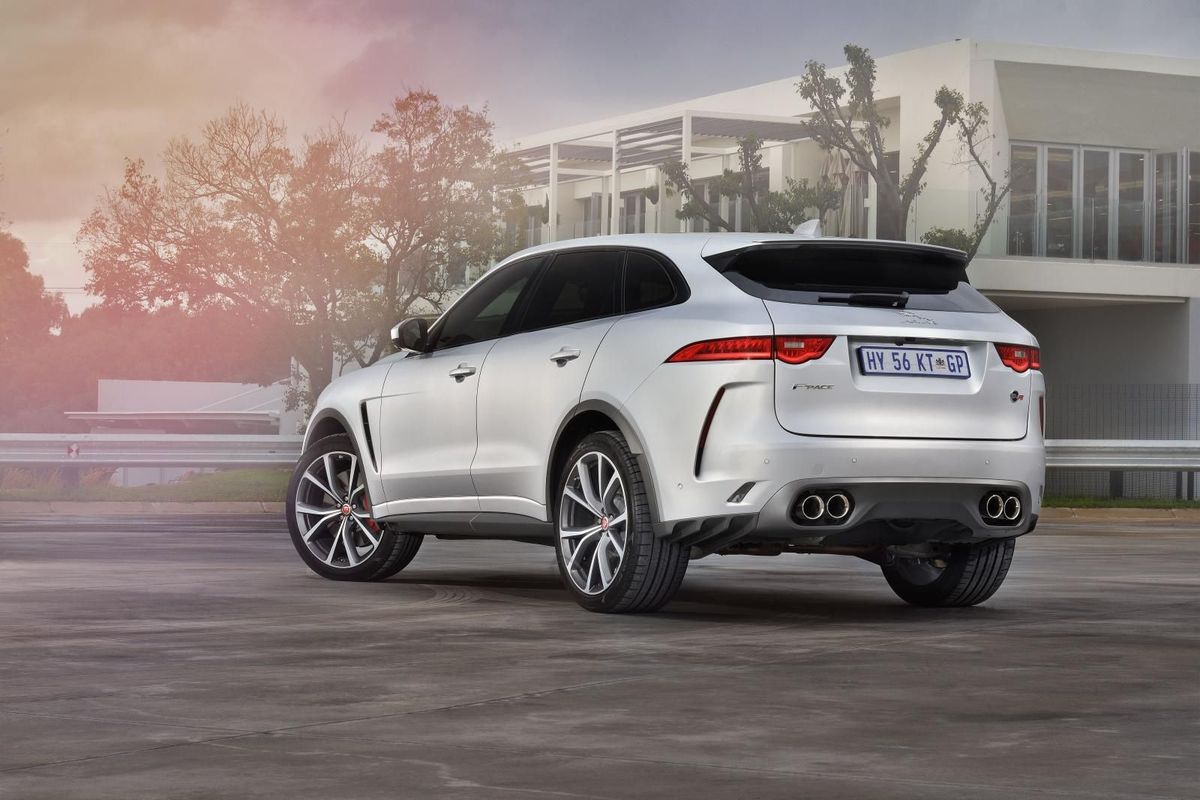
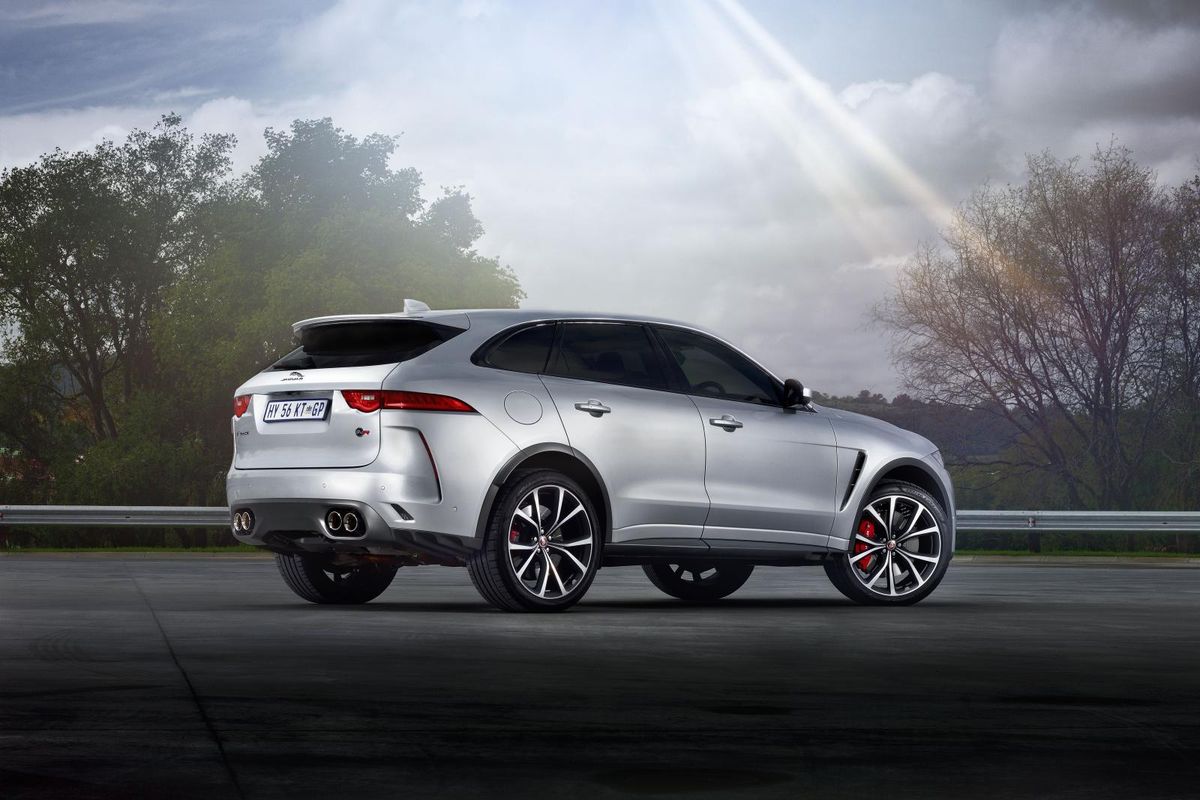
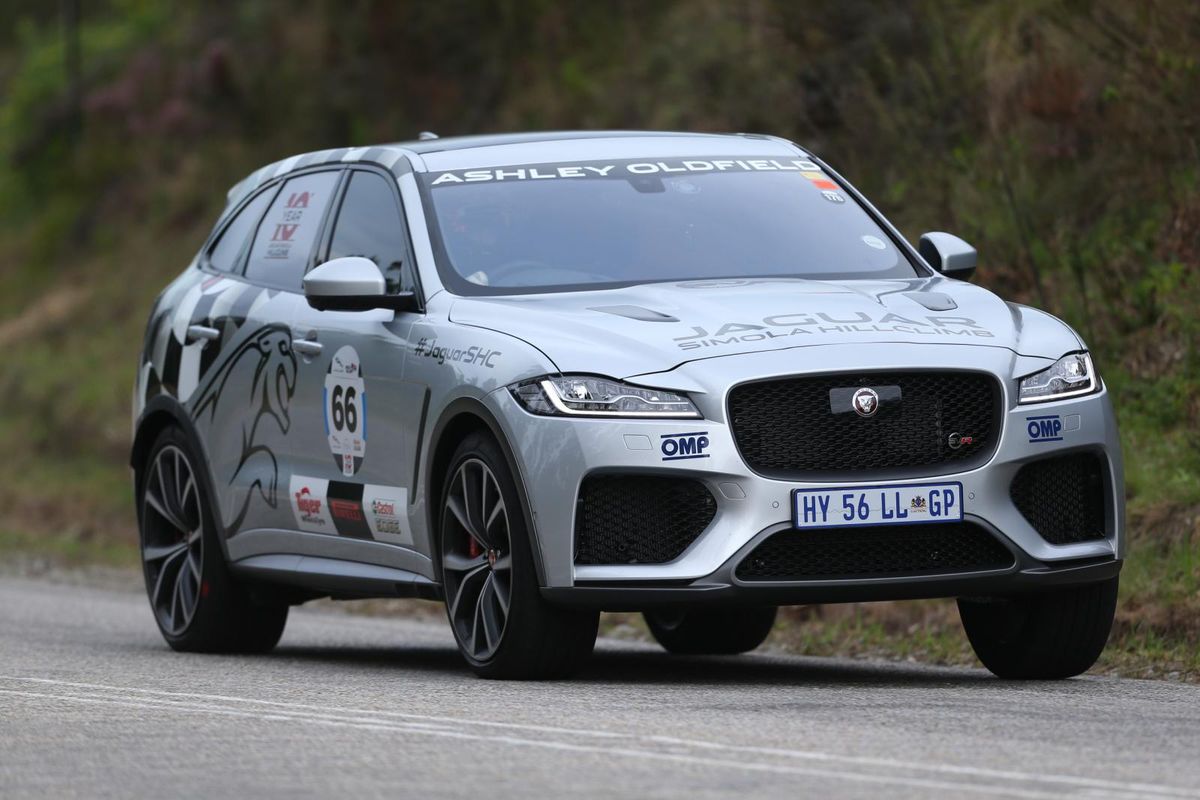
Not overly adorned with wings and spoilers, but just enough presence.

The suspension is tweaked as well: the damping setup is 30% stiffer at the front (ostensibly to accommodate the larger, heavier motor) and 10% stiffer at the rear. Larger intakes at the front help create a low pressure around the wheel arches, reducing lift and improving engine cooling. What's more, Jaguar has designed a new rear spoiler and bumper to aid both the aero and, of course, kerb appeal of the muscular F-Pace SVR.

Finally, the Dynamic driving mode is tuned to deliver more responsive gearshifts, sharper throttle responses and appreciably faster steering.

Own a Jaguar? Tell us about your experience here. 

It sounds wild…

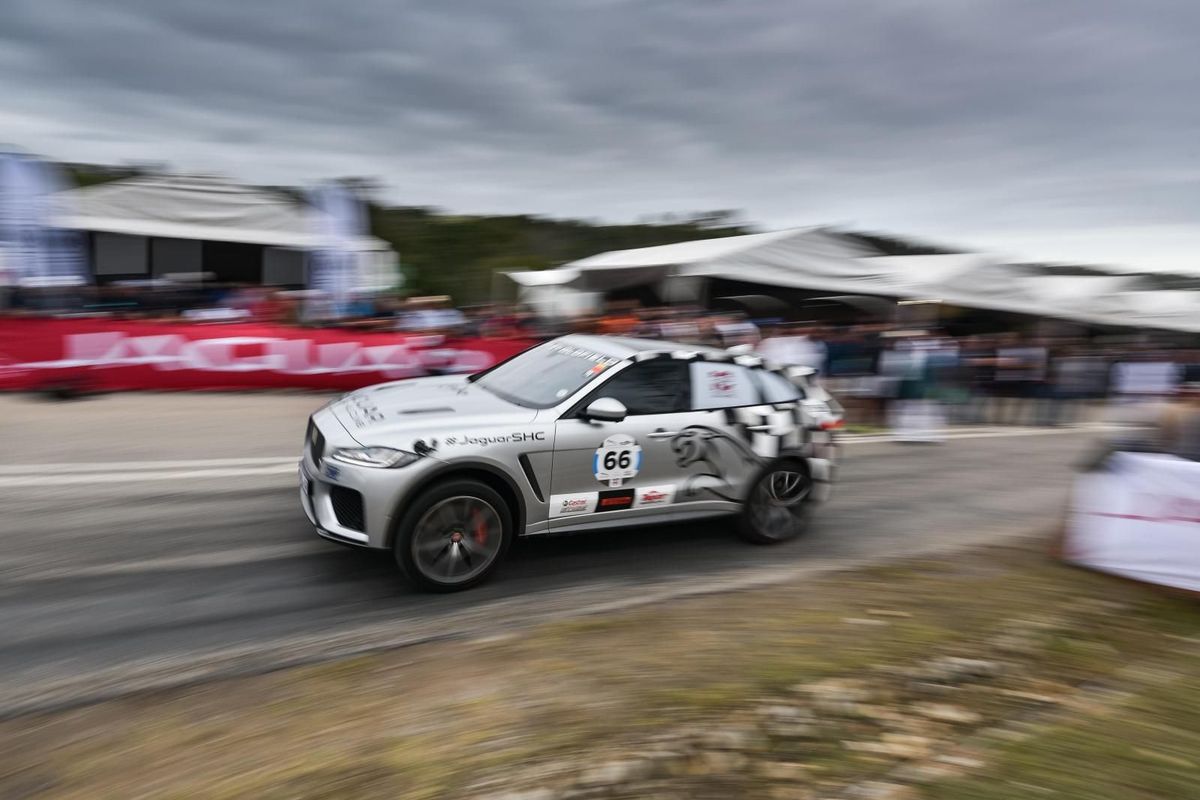
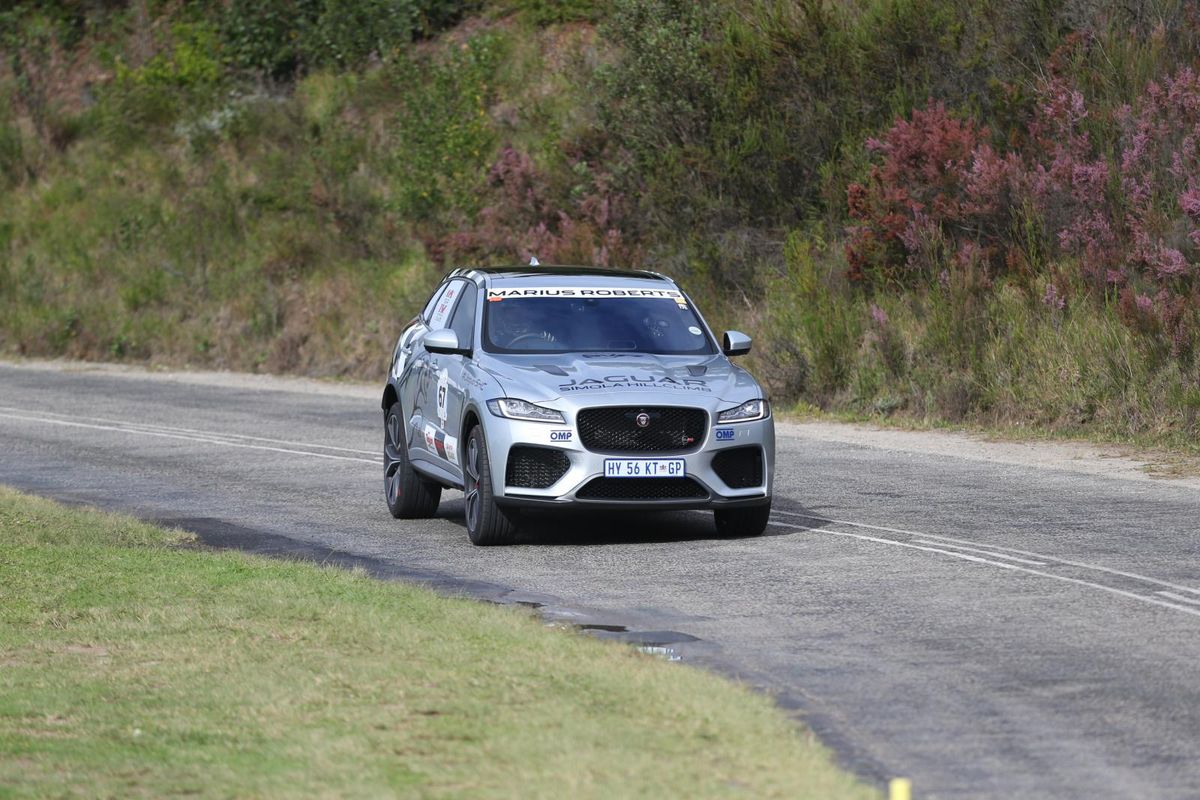
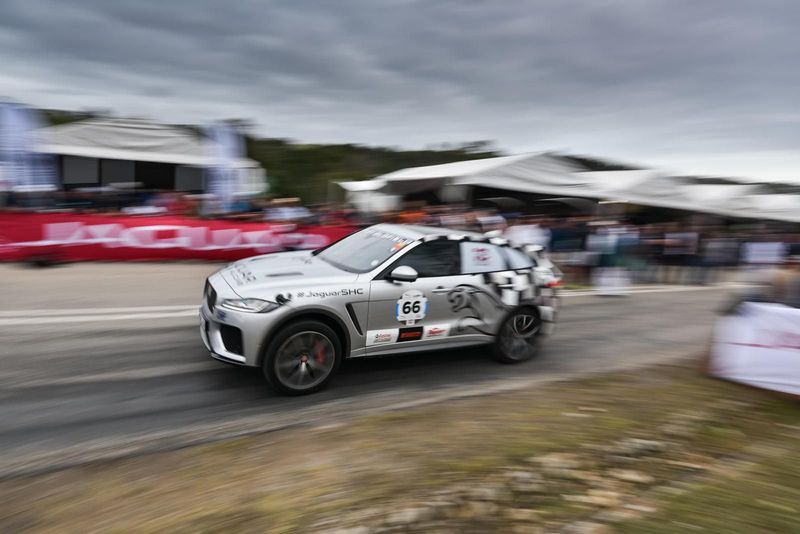
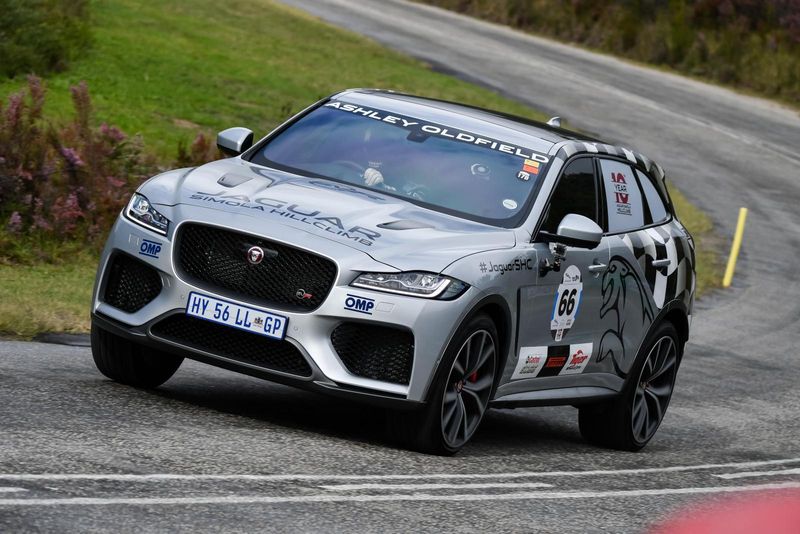
The F-Pace SVR that was allocated to me so that I may cane it up the hill as fast as I could bore the number 66, but it may have been fitting to add another 6 considering the brutal noise it emits, even when it's idling. Just a slight prod of the throttle sets off barks and spits from the quad tailpipes. It doesn’t sound synthetic either, unlike some of its German rivals that have been engineered to produce a bunch of off-throttle pops and bangs. There’s a slight shudder to the car as you squash the throttle; it feels as if the V8 up front is hell-bent on flexing its muscles against the mountings.


0-100 kph in 4.3 seconds without a launch control system.

Zero to 100 kph takes just 4.3 seconds and that's blistering, considering that there is no launch control to help you execute near-perfect pull-aways. To get to near that number you have to let the Jag's powertrain strain against its brakes and then let it fly. The SVR's AWD system takes care of any wheelspin and on anything but stone-cold tyres, there is no tyre scrabbling to speak of. I must have done around 25 launches (2 per run up the hill) and each one felt identical to the last.

The faster-shifting transmission is very noticeable. You have to be a bit predictive with the first 2 gears if you’re shifting with the paddles as the motor will rev up maniacally until it hits the 'limiter, which, of course, hampers acceleration. Leave it in S (Sport) auto and it will shift on its own correctly. It’s keen to go down a gear as well; its eagerness to kick down especially quickly is one of the reasons it's such a responsive machine.

How does it handle?

When faced with a time attack like Knysna’s Hillclimb, there’s a lot of time to dial in the perfect setup and driving style. I was initially worried about the height and weight of the F-Pace SVR (it’s a 2.1-tonne car), because I’d only piloted sportscars and sedans up the hill before. It took me a couple of runs to find my feet, but I quickly learned the correct technique for driving an F-Pace SVR. It responds well to being thrown into corners… hard.


The F-Pace SVR responds to strong inputs and an aggressive driving style.

Pitch it into bends with a swift jolt of the 'wheel and then wait for the weight to shift around a bit and the suspension to settle. Once that’s done, you can start burying the throttle again. It’s so impressive that there’s no real sliding – understeer is minimised to an unnoticeable amount. The torque vectoring system helps to dive the front end in, using the brakes to help rotate the car into the apex. I experienced a little bit of corner exit oversteer when the surface was slippery, but with the all-wheel-drive system, there was no need to lift (or even countersteer) – it felt entirely under control.

Jaguar built the SVR to be a super SUV, but the firm hasn't turned up the wick to the extent that its newcomer is near-unusable on the road. There are ways to make it faster for events such as the Hillclimb, but then for the other 99% of the time (when you’re on public roads), it would be horribly stiff and uncomfortable. The F-Pace SVR still retains usability within city limits and although it's noticeably firmer over bumps, it’s not jarringly harsh.

Is it nice inside?


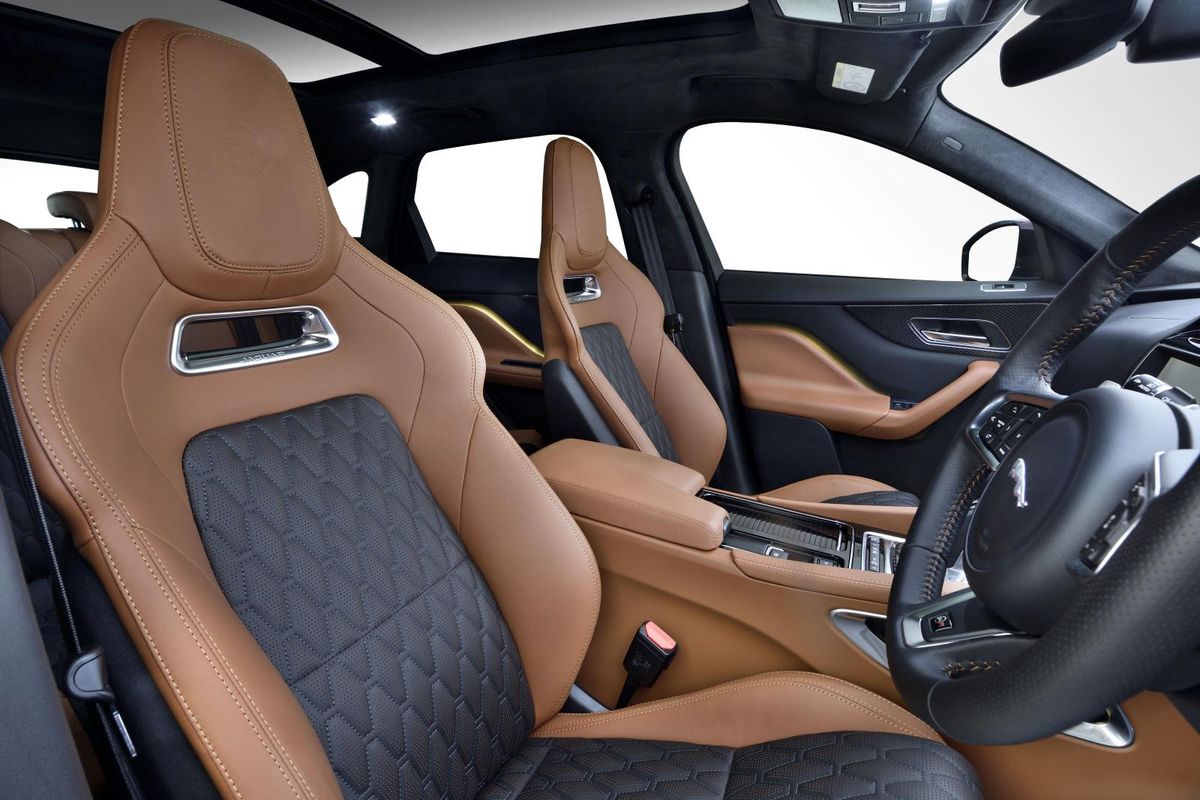
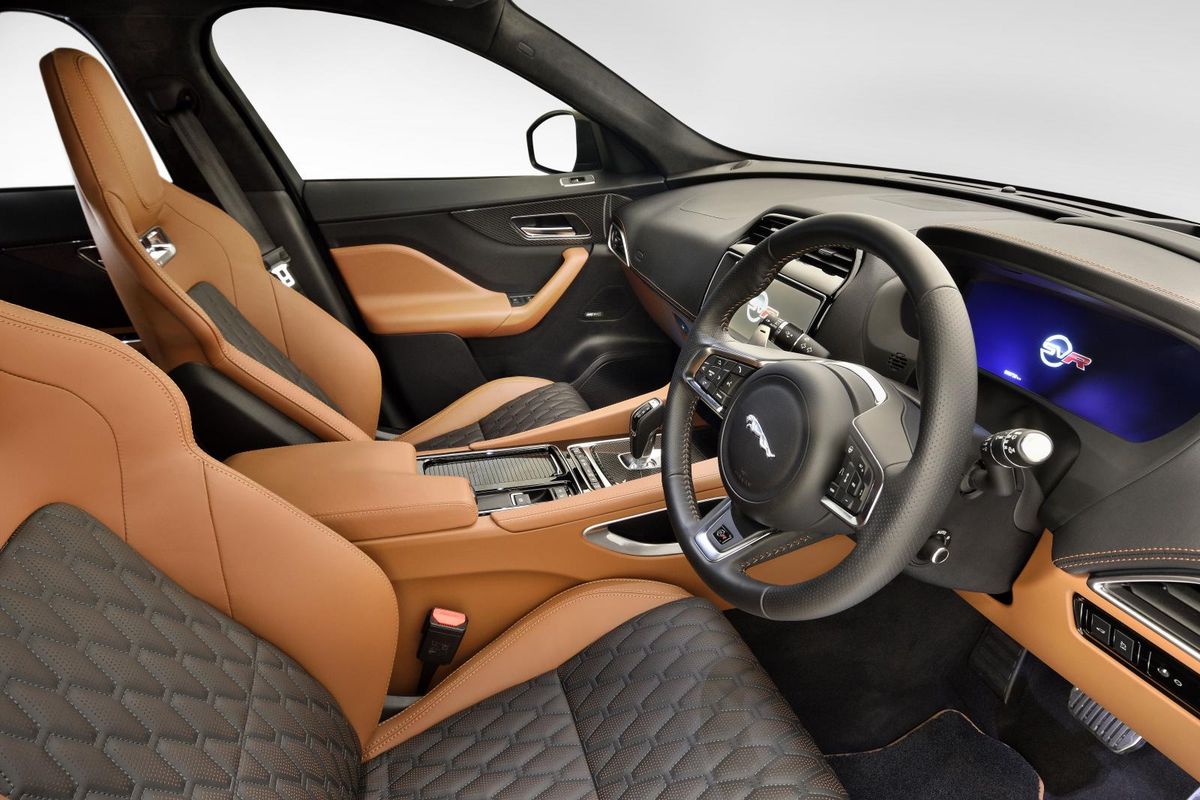
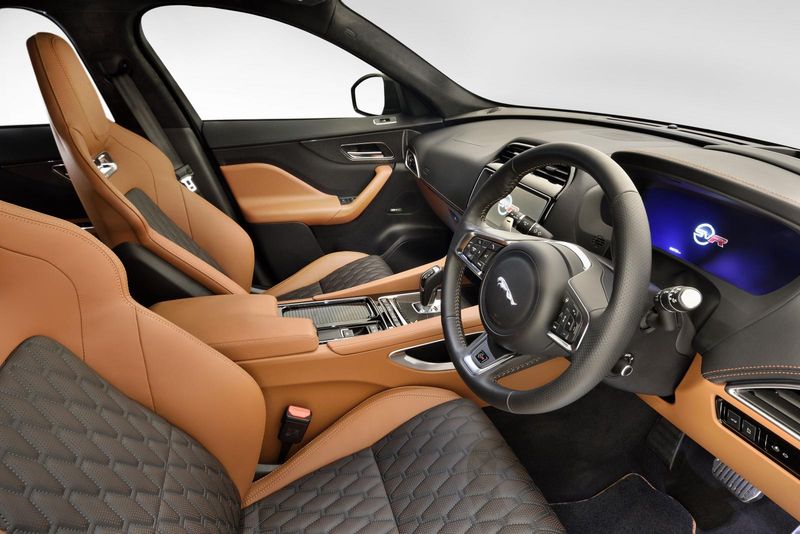
Beautiful and comfortable sports seats and an aluminium pedal box are new additions.

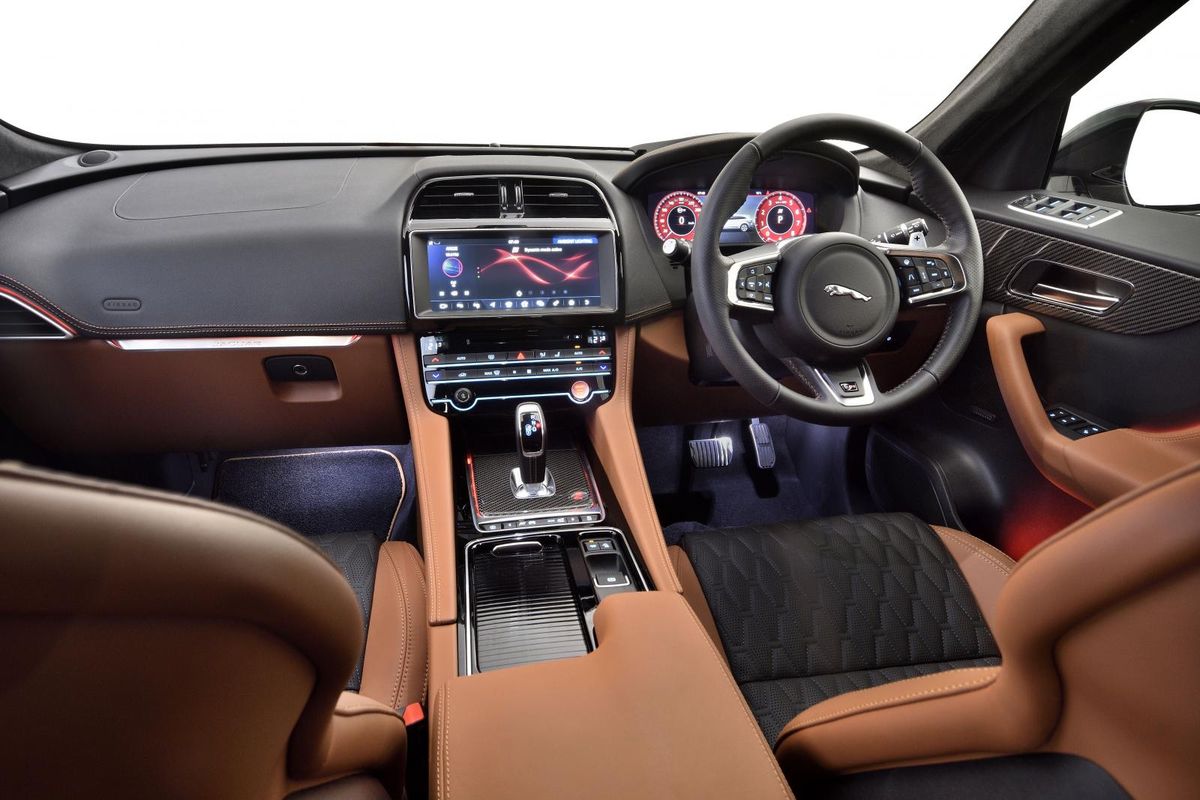
The front sports seats are certainly exquisite, with lovely attention to detail on the stitching and an embossed SVR logo. It also comes in a Lozenge orange and anthracite black trim combination, which endows it with a distinctive sense of style. There are multiple SVR badges and carbon weaved plastic strewn around the cabin to remind you (and of course, your passengers) that you're seated in the belly of a beast…

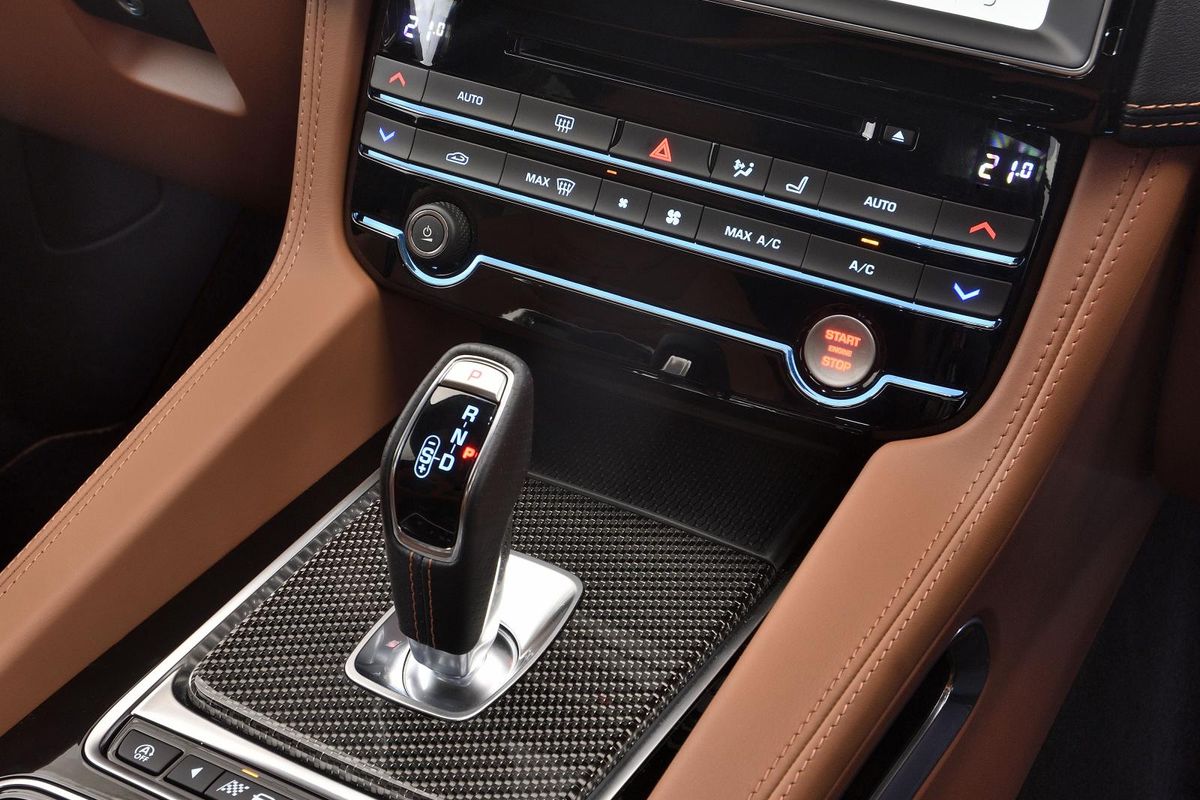
The F-Pace doesn’t yet feature the fancy dual touchscreens or Apple Carplay/Android Auto compatibility of the latest Range Rovers. The system still pairs easily with your Smartphone and offers a multitude of options and adjustments to lighting, displays, and data on economy and performance.

In terms of general occupant comfort, 4-zone climate control is standard fitment and Jaguar affords F-Pace SVR passengers enough USB ports to keep all devices charged, although a wireless charging pad would've been a nice addition (it will undoubtedly be available further down the line).

Summary


Very impressive to see just how close a Super SUV can get to a purebred sportscar.

Suffice to say the F-Pace SVR has more than enough visual and visceral appeal to get onlookers excited as it thunders by. Its performance cache is incredible and for an SUV, it handles beyond belief. The times it set at the Hillclimb were not too far off the F-Type SVR, which is a thoroughbred sportscar. It remains practical too, with the same interior and load bay as a regular F-Pace, and it softens up enough around town to be used daily.

Then there’s the price. In just about every article written about a Jaguar product that's been published in the last few years, local motoring scribes have lamented that due to the exchange rate, a Jaguar’s an expensive choice (Cars.co.za included). But, even though it's still very expensive at R1 499 400, its some R100k cheaper than the nearest of those aforementioned rivals… and I don’t think you’re getting any less car for the money.

Related content:

2019 Jaguar Simola Hillclimb: Winners & Losers

Mercedes-AMG GLC 63 S (2018) Launch Review

Alfa Romeo Stelvio Quadrifoglio (2019) International Launch Review

Power Boost for Subaru STI Sportwagon

More power for Subaru’s STI wagon.

Subaru’s station wagons are renowned for being excellent all-weather family cars, but what if you desire a touch more styling presence and driver involvement?

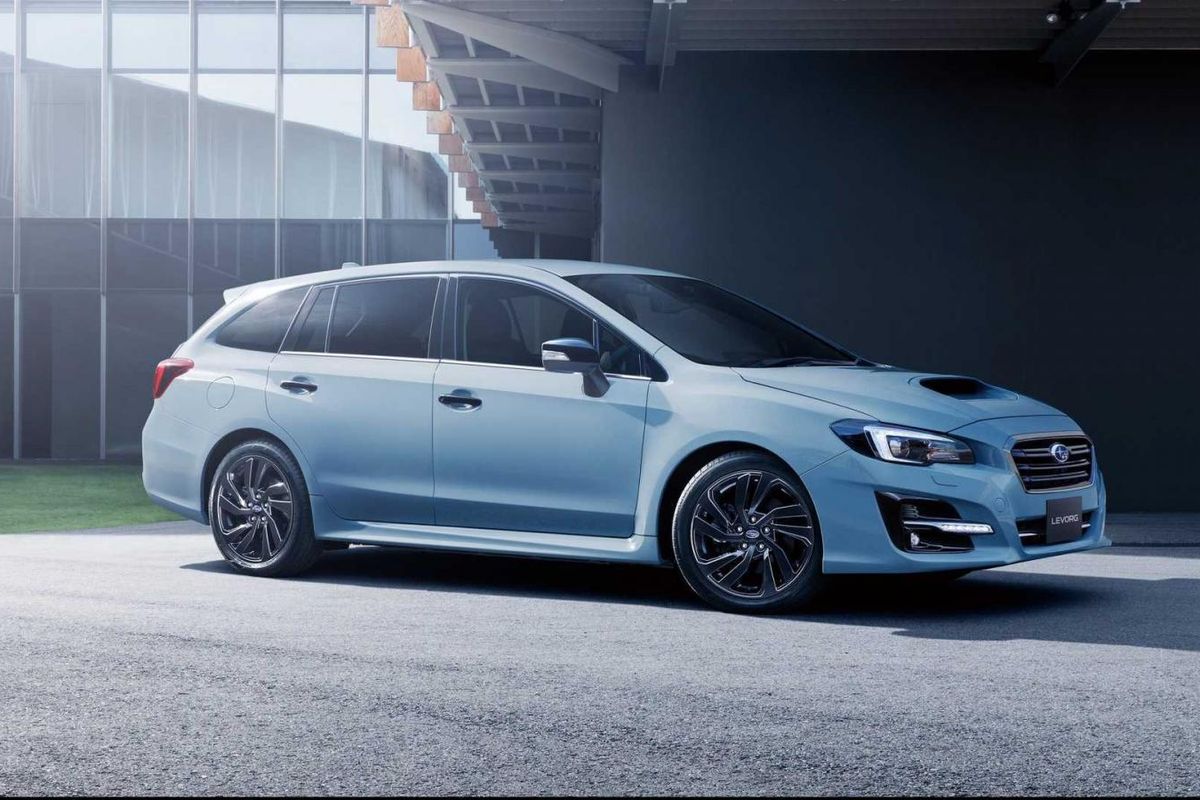
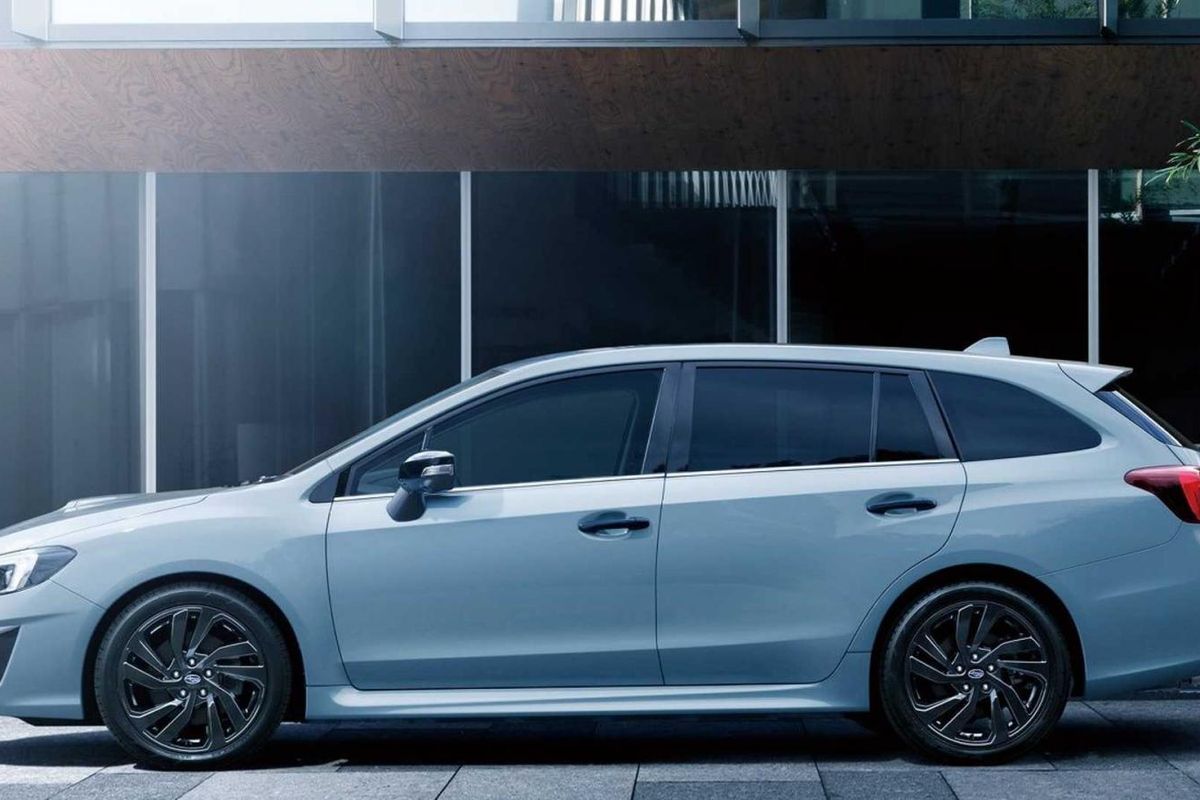
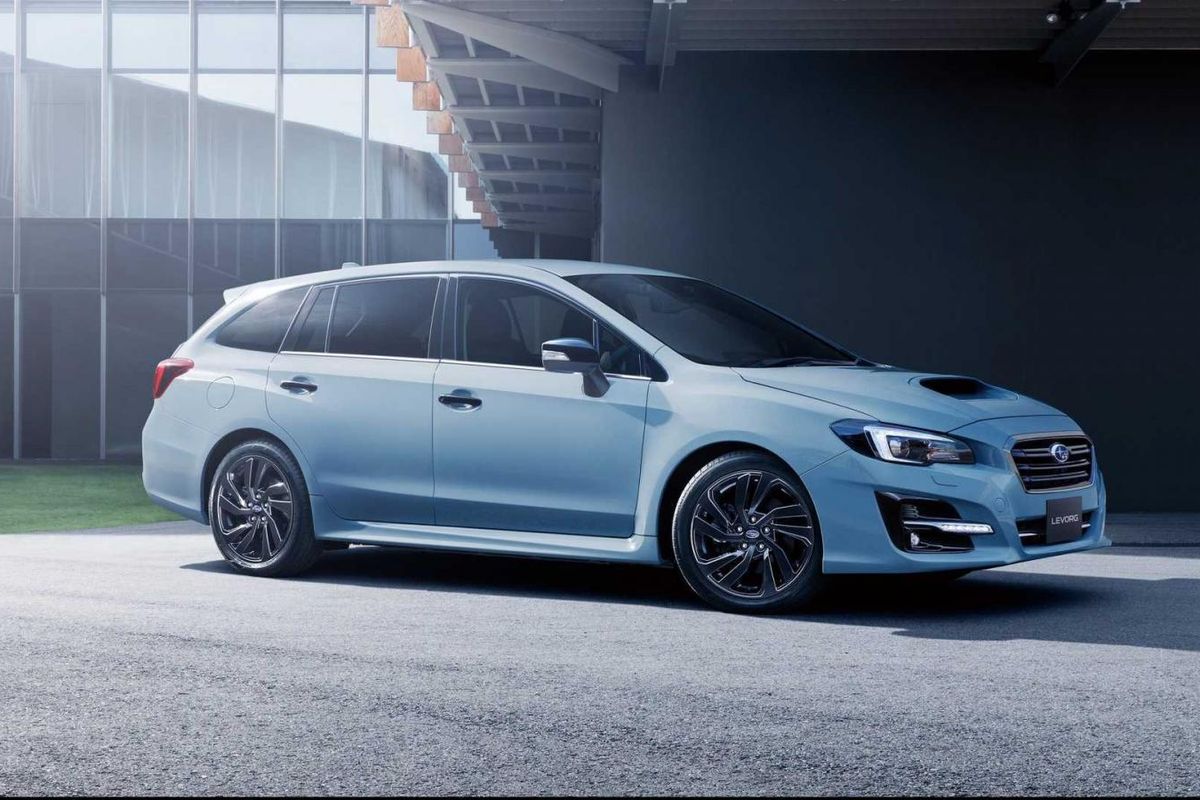
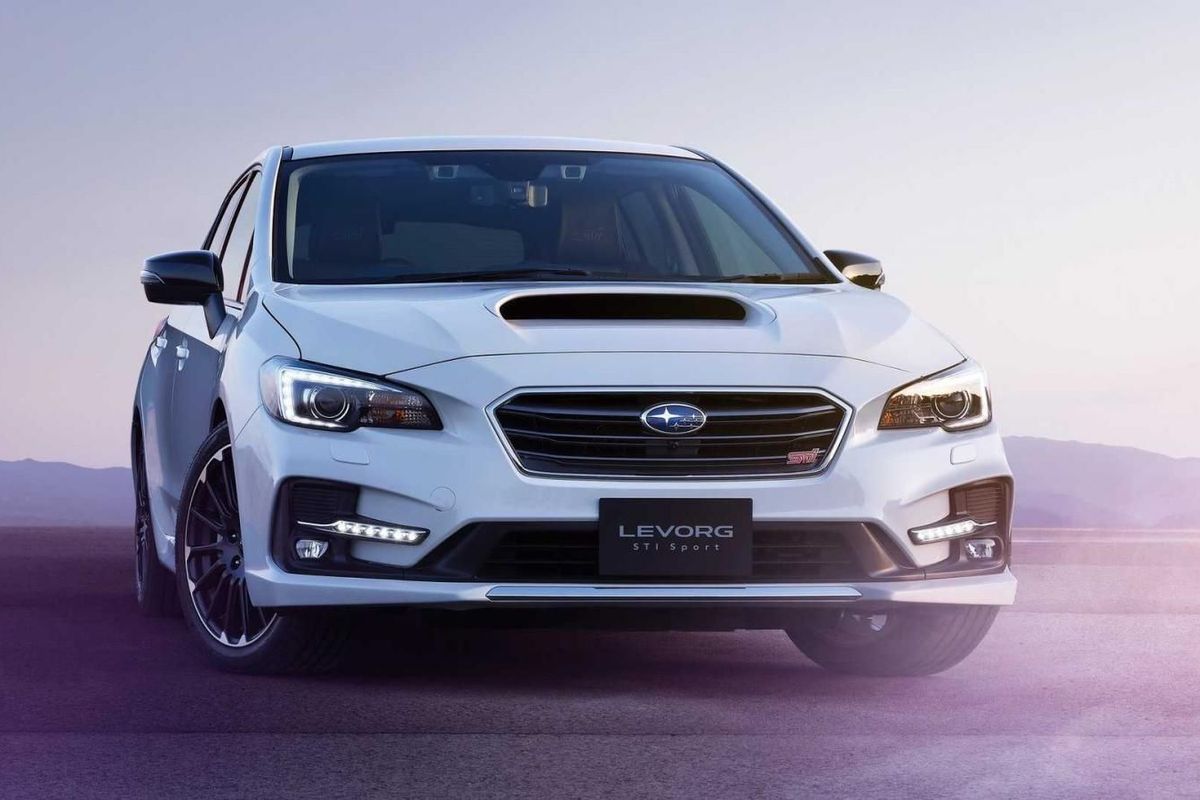
The Japanese all-wheel drive automotive specialist has released images and details of its latest high-performance station wagon called the Levorg STI Sport Black Selection. Distinguishing the STI Sport Black Selection from other Levorgs are its darkened 18-inch wheels and matching black mirror caps.

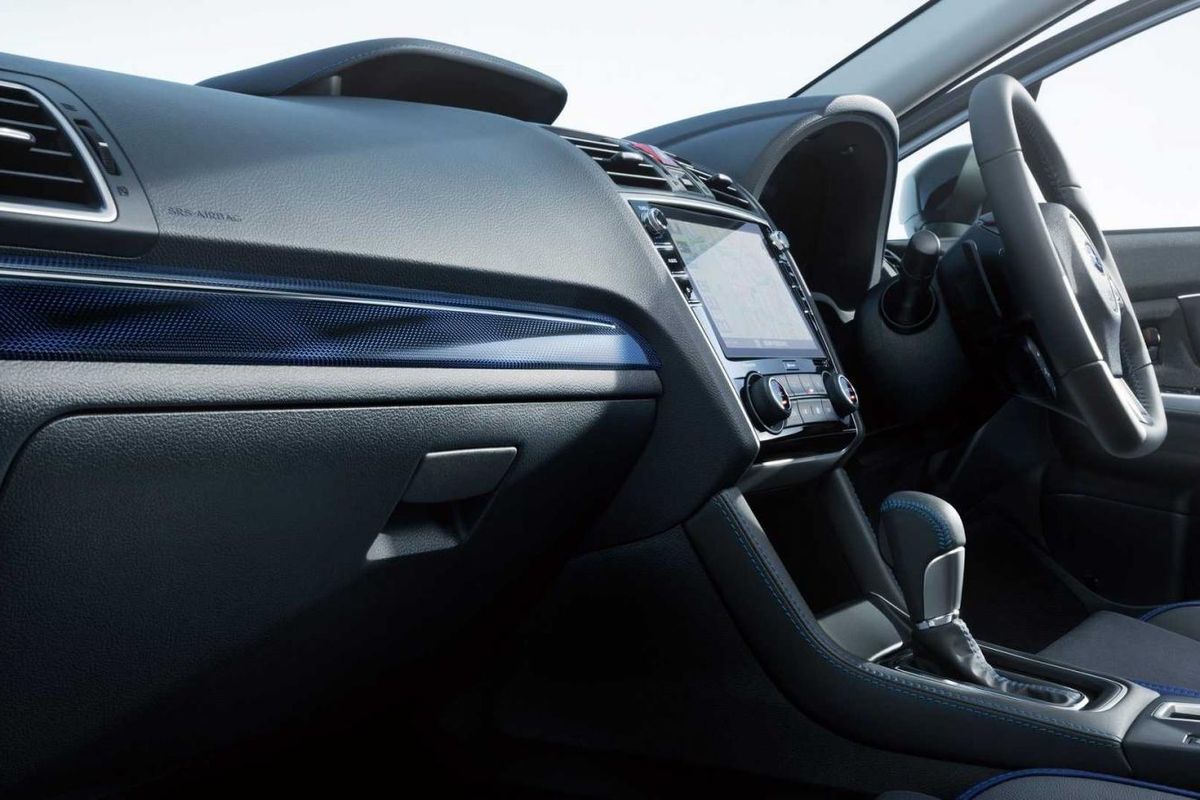
Inside there are body-contoured seats from Recaro for the front passenger and driver, with the latter benefitting from an eight-way powered range of adjustment. Blue contrast stitching and pseudo-carbon dashboard inlays meet additional bits of Alcantara and leather trim, to give these Levorg STI Sport Black Selection models a differentiated cabin environment.

Although the Levorg STI Sport Black Selection’s marketing impetus hinges on driving dynamics, Subaru is debuting an upgraded high-beam assist system on these special edition station wagons, which operates from 30 kph, instead of 40 kph. That might not sound like a substantial difference but in the world of illumination safety features, even marginal gains can help to avoid a collision.

Powering the Levorg STI Sport Black Selection are a choice of two engines. For those more bothered with appearance than performance, there is a 1.6-litre turbo which boosts 125 kW and 250 Nm. The 2-litre version is a lot more interesting, powering up to 220 kW and 400 Nm, which are keener numbers than the 197 kW and 350 Nm available in the standard Levorg STI Sport.

Unfortunately, the only gearbox option for either of the engines is a CVT. The Levorg STI Sport Black Selection is also currently limited to distribution in Subaru’s domestic market only. 

Related content

Subaru-powered Speedhunters Beetle – Launch Control Ep3

10 Performance Car Flops You’ve Probably Already Forgotten

Do you suffer from anti-stationwagonism?

Hyundai plans i20 N: Will it Look Like This?

The i30 N compact hot hatchback may not be destined for South Africa, but what if Hyundai chose to produce an N version of the smaller, top-selling i20? Internet reports suggest the i20 is ripe for an N conversion, which would put it squarely in a match-up with the feisty Fiesta ST, punchy Clio RS and esteemed Volkswagen Polo GTI. Here's what it could look like.

Render credit: Duwyne Aspeling. Photo credit: S. Baldauf/SB-Medien

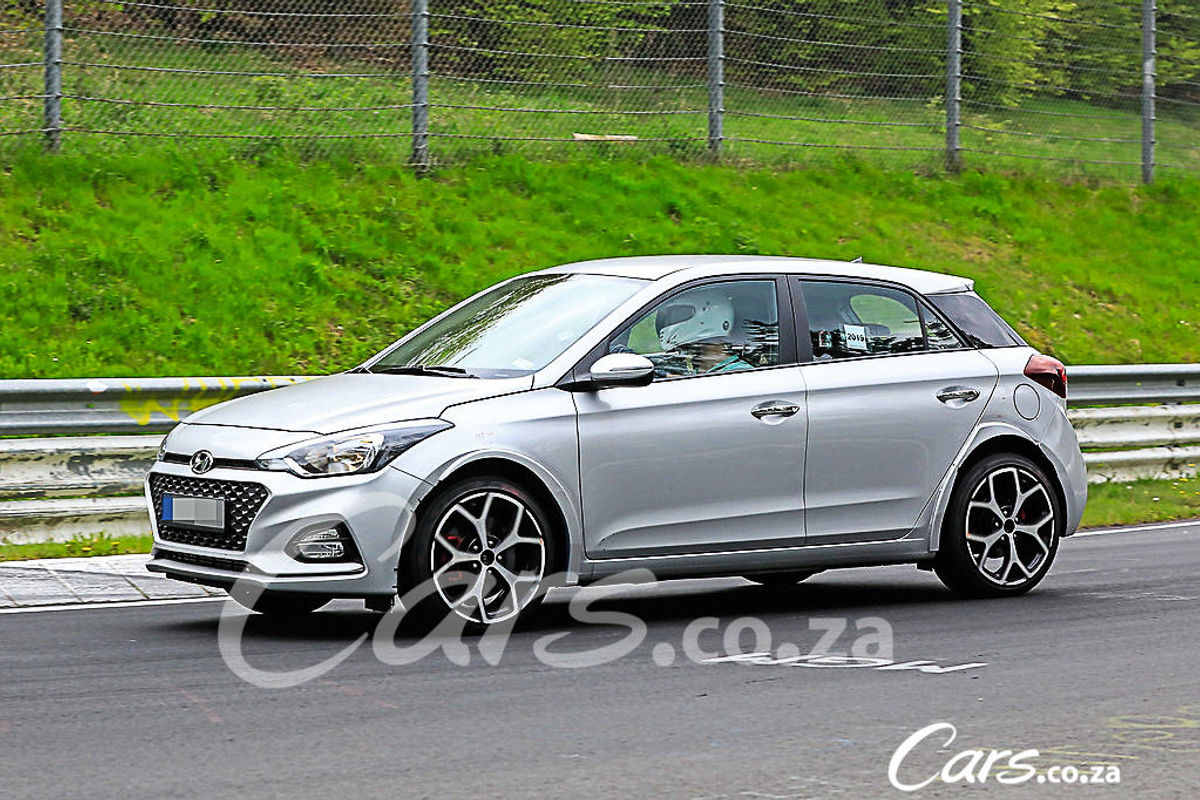
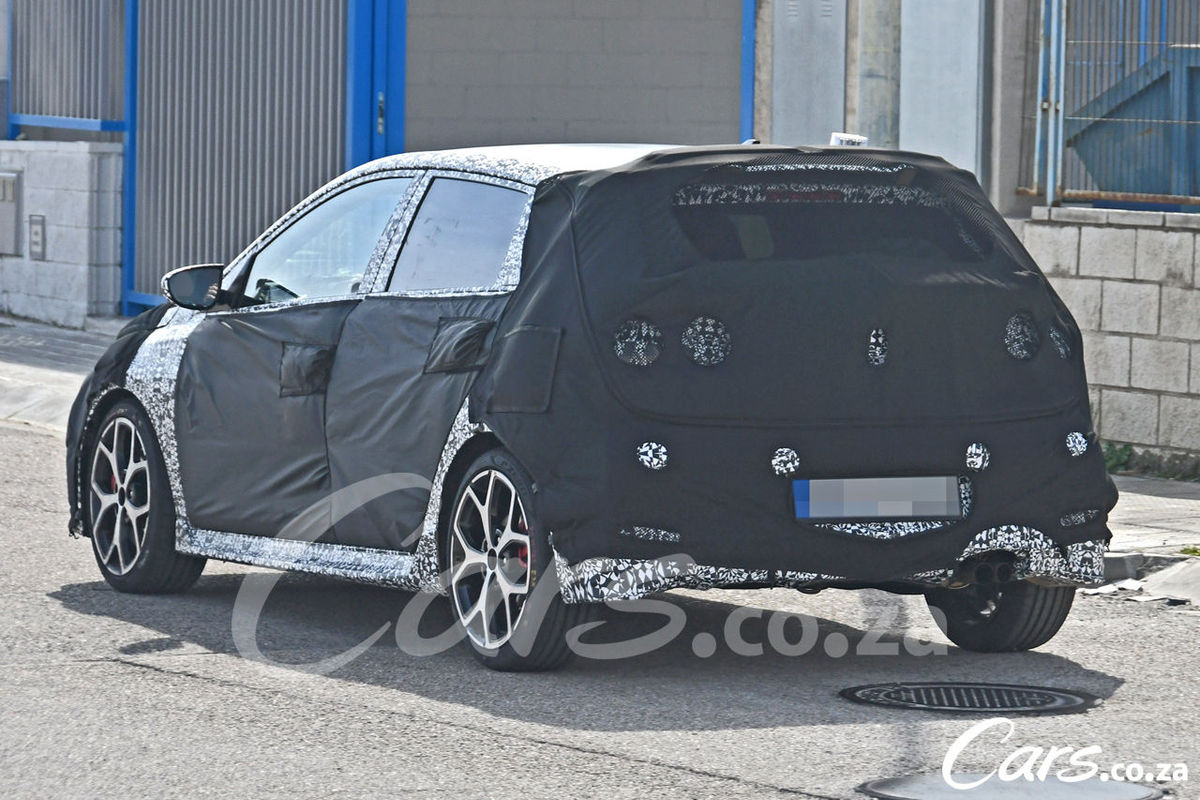
Update: The first Hyundai i20 N test mule has been spotted! While it doesn't look too out of the ordinary, we understand that this is a chassis/powertrain testing prototype, so the really interesting bits won't be visible to the naked eye. Our spy photographers confirmed that it was running high-performance Pirelli tyres and inside it featured a 6-speed manual gearbox as well as a strutbar in the boot to firm up the handling.

It's widely known Hyundai is looking to expand its portfolio of N models… Following its introduction in a number of major markets, the i30 N has received critical acclaim as a rival to hot hatches such as the Volkswagen Golf GTI, Ford Focus and Megane RenaultSport and, Hyundai's evidently keen to build on its success. As part of the N Division's broader marketing activities, the i30 N has participated in touring-car championships and, in 2017, the Korean marque entered the 24 Hours of Nurburgring with a pair of i30 N units that were essentially stripped-down road-legal cars.

But don't forget the i30 N's otherwise practical and sensible little brother also has a motorsport heritage… Hyundai has campaigned the i20 WRC in the World Rally Championship since 2014 and if Toyota can see it fit to produce the Yaris GRMN (a low-volume road car inspired by the Japanese firm’s WRC exploits and engineered on the fabled Nurburgring), who's to say that the N Division wouldn't target the i20 for further development?

What we're getting at is that the Korean manufacturer's performance division, under the stewardship of former BMW M boss Albert Biermann, has the expertise (and a well-stocked parts bin) to transform the i20 from a demure compact hatchback to a potent pocket rocket. Given the quality of the competition, it'll need to be involving to drive, provide heaps of entertainment (at a variety of speeds) and a comprehensive array of features.

After all, Hyundai has many of the elements required to make a rip-snorting pint-sized performance car in its arsenal… In terms of powertrain, there's the 1.6-litre direct injection turbopetrol motor that powers the Veloster Turbo, Elantra Sport and Tucson, which is mated with a quick-shifting dual-clutch transmission. We'd guess the Gamma T-GDI and its 'box could well form the heart of the i20 N. Granted, there would have to be revisions to package's mapping to ensure a performance-orientated power delivery and responsiveness –  it'd need to push out around 150 kW and 300 Nm. Ideally, enthusiasts will be after a slick-shifting manual gearbox, but if Hyundai could make a dual-clutch transmission available, that would be a bonus.

Critically, the i20 N would need to offer variable driving modes, perhaps in conjunction with adaptive damping, to offer a balance between hardcore handling and daily-driver appeal. We've seen how customisable the i30 N setup is; the hot hatch offers a plethora of settings for the e-differential, engine map, exhaust, suspension, steering and ESC, and we'd expect some of them to make their way into an i20 N. As the likelihood of South Africa ever getting the i30 N seems increasingly remote, we'd certainly put our hands up and ask for the smaller and more affordable baby brother…

Hyundai will be pushing its N brand hard in future. Current forecasts suggest that an i20 N will see the light of day in 2020.

* The above image is an artist's impression of what an i20 N might look like.

Further reading:

Hyundai i30 N (2018) International Launch Review

New Hyundai Veloster and Veloster N Shown

Hyundai Finally Showcases GTI-Rival [with Video]

Hyundai i20 1.2 Fluid (2018) Review

Hyundai i20 1.4 Active (2018) Launch Review

Hyundai i20 1.4 Sport (2016) Review

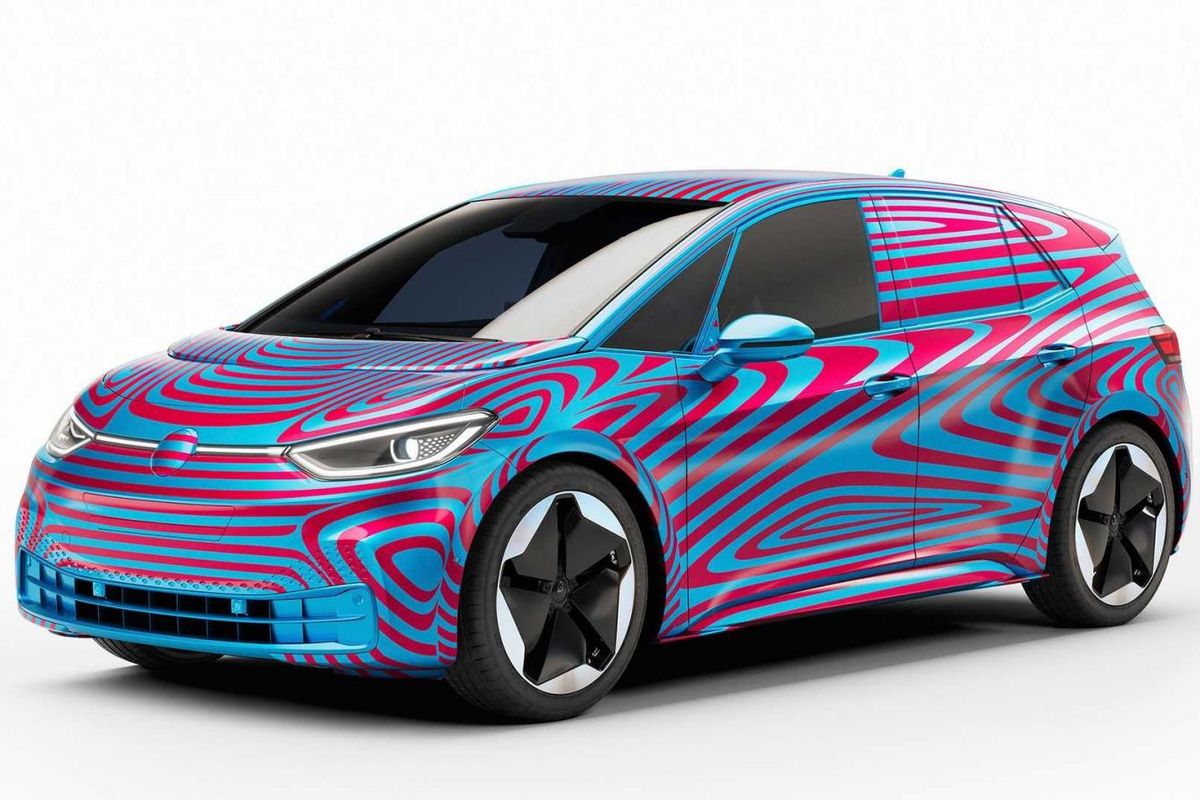
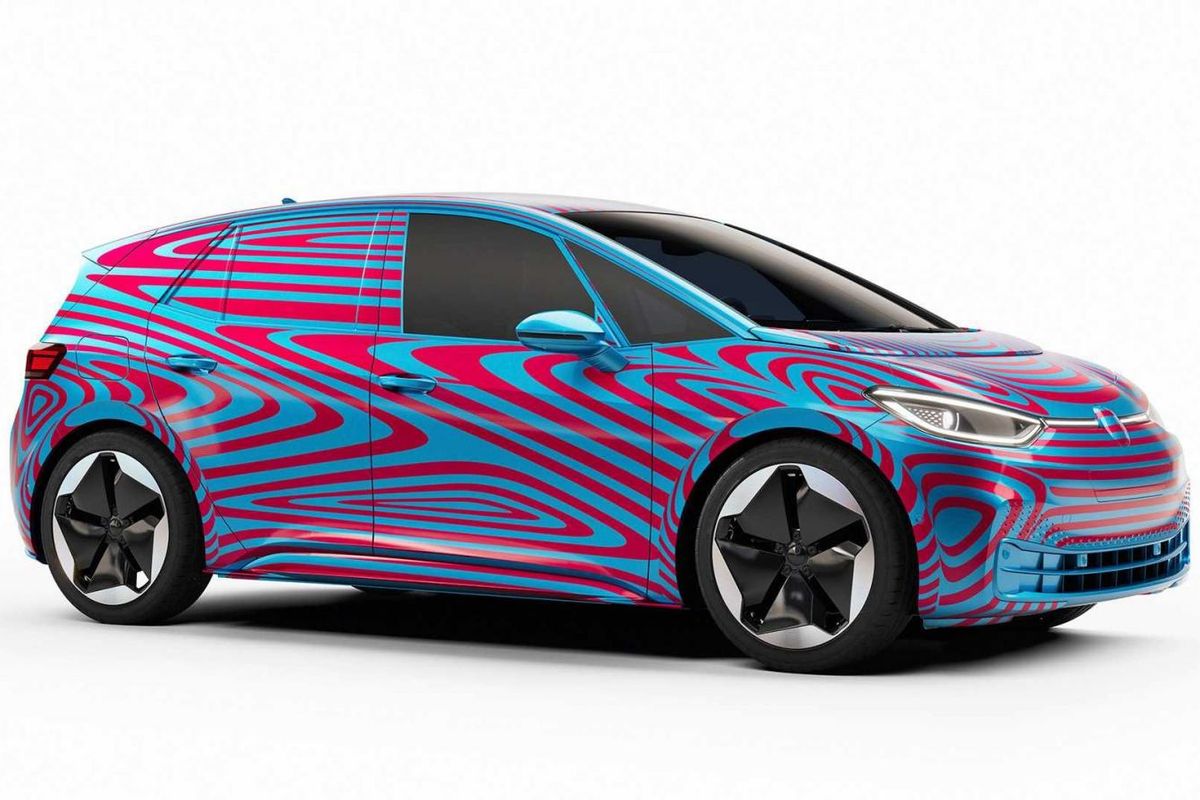
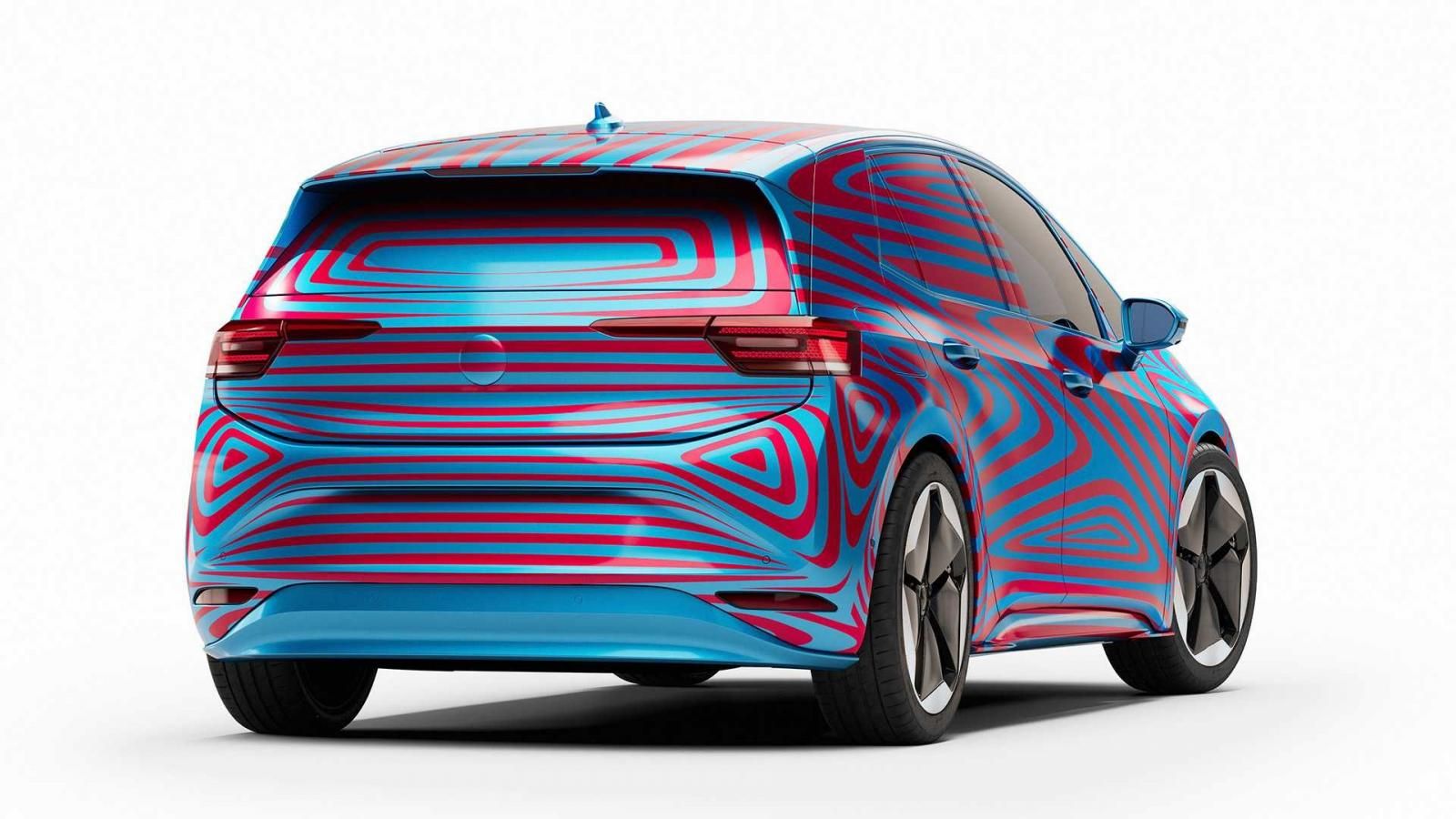
Volkswagen ID.3 Range Confirmed (w/video)

Volkswagen is inching closer to the reveal and launch of its new all-electric ID.3 hatchback and the range options have now been confirmed. Pre-booking has also opened for select European countries.

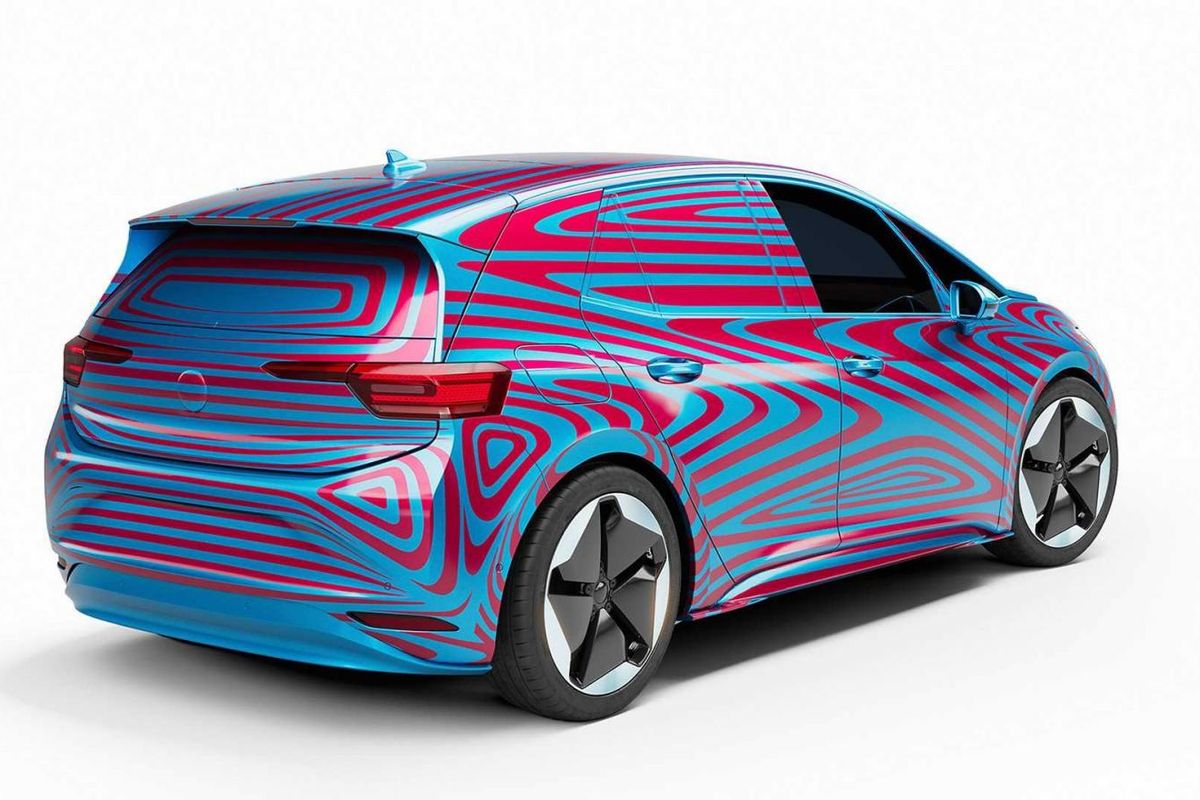
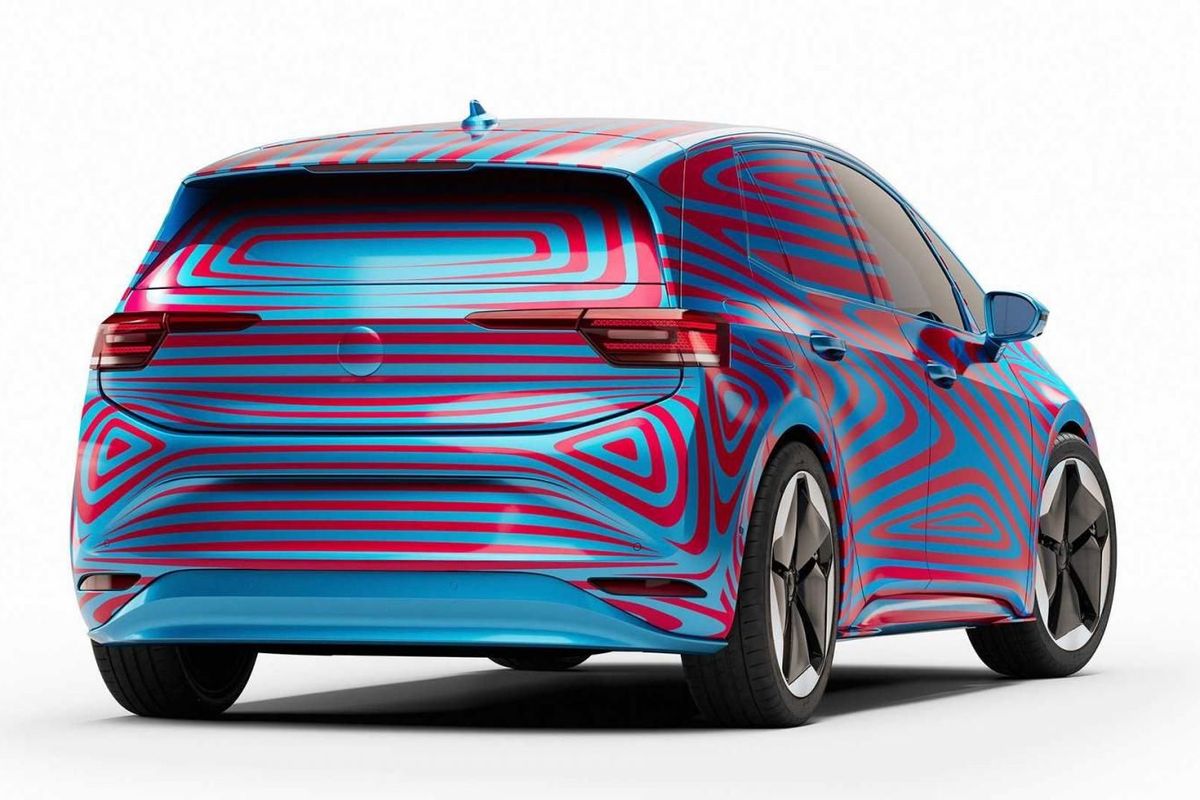
The ID.3 (previously known as ID.) will be the first compact all-electric car in the ID. family which will also include other electric models such as the ID.Crozz, ID.Vizzion and ID.Roomzz.

The ID.3, which denotes the compact segment and the third major chapter of significant importance in the history of Volkswagen (following Beetle and Golf), is expected to be fully revealed later this year at the Frankfurt Motor Show in September before going on sale in 2020.

Production is expected to start towards the end of 2019 with 100 000 units expected annually.

The ID.3 will be built on an all-new MEB (Modular Electric Matrix) platform and will be similarly-sized to a Golf. It’s an important model for Volkswagen as it intends to make electric mobility more accessible. Electric cars are generally very expensive and Volkswagen wants the ID.3 hatchback to be more affordable for more people worldwide. The ID.3 is expected to be similarly priced to a Golf diesel which currently retails for R529 200 in South Africa. Think of it as the electric car for the masses…

Electric Range Confirmed


The ID.3 hatchback will offer range between 330 and 550 km. 

While official details will be revealed at the Frankfurt Motor Show later this year, you can expect a rear-mounted 150 kW electric motor to power the ID.3. There will also be 3 range options to choose from including 330 km (25 kWh), 420 km (58 kWh) and 550 km (77 kWh) according to the WLTP standard. The ID.3 will also offer rapid charging with at least 125 kW DC charging capability.

Volkswagen has opened pre-booking for the ID.3 (29 European markets) and will be offering an ID.3 1st Special Edition which will be limited to 30 000 units and will be fitted with high-performance equipment including the medium size battery with 420 km range.

The ID.3 hatchback was in South Africa earlier this year conducting testing but it’s not yet clear if or when it will arrive in South Africa. We will keep you updated as soon as more information becomes available.


Buy a new or used Volkswagen on Cars.co.za

Related Content

Volkswagen tests new ID electric car in SA

ID Crozz II Concept expands Volkswagen's electric plans

Volkswagen Resurrects Beach Buggy

Motoring tech of the future – CES 2018

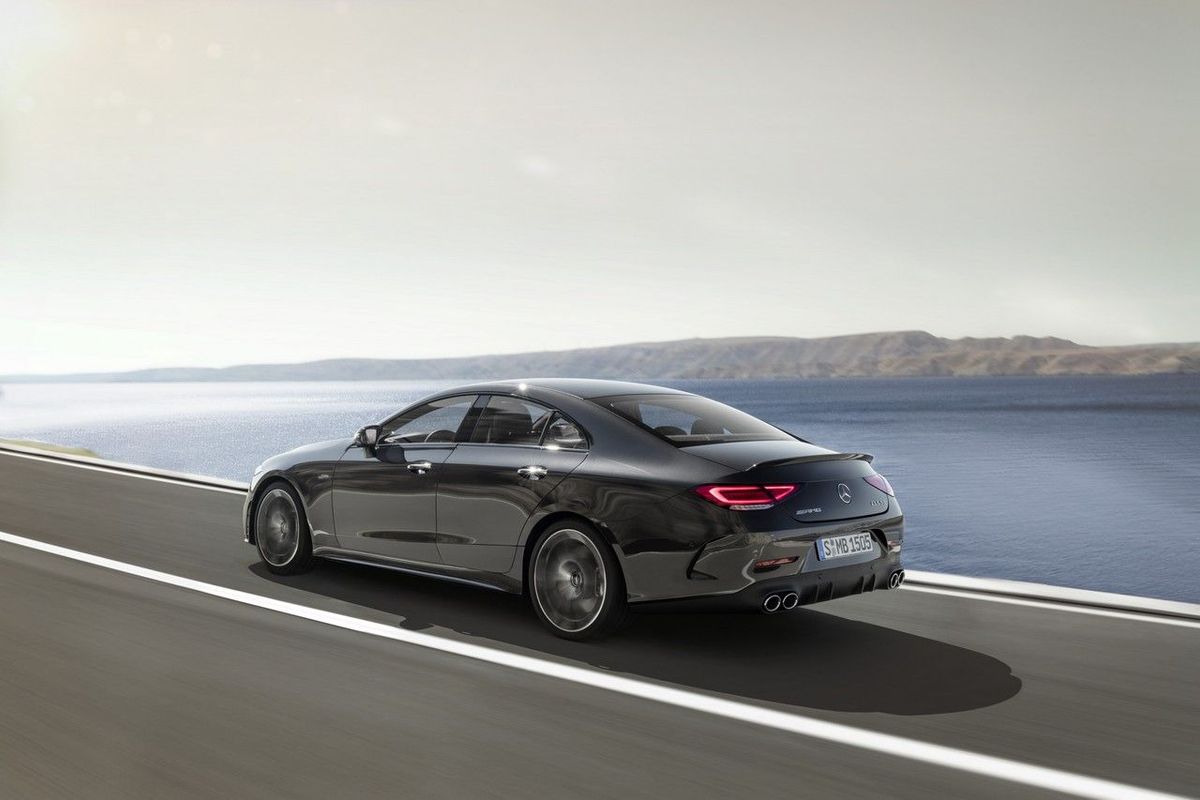
Mercedes-AMG CLS 53 (2019) Launch Review

Mercedes-Benz has launched its new CLS executive "4-door coupe" in South Africa in CLS 400d and fiery Mercedes-AMG CLS 53 guises. This week, we put the latter through its paces on the Kyalami Racing Circuit in Gauteng.   

The Mercedes-Benz CLS is one of those interesting-looking cars that's "neither sedan nor coupe". It blends genres and, for its sins, is endowed with head-turning looks. Boasting underpinnings from the E-Class, it's claimed to offer a balance between sportiness and luxury. At the local launch, however, Mercedes-Benz SA wanted us to focus primarily on the sportiness factor and chose to showcase the vehicle at the Kyalami Race Circuit. 

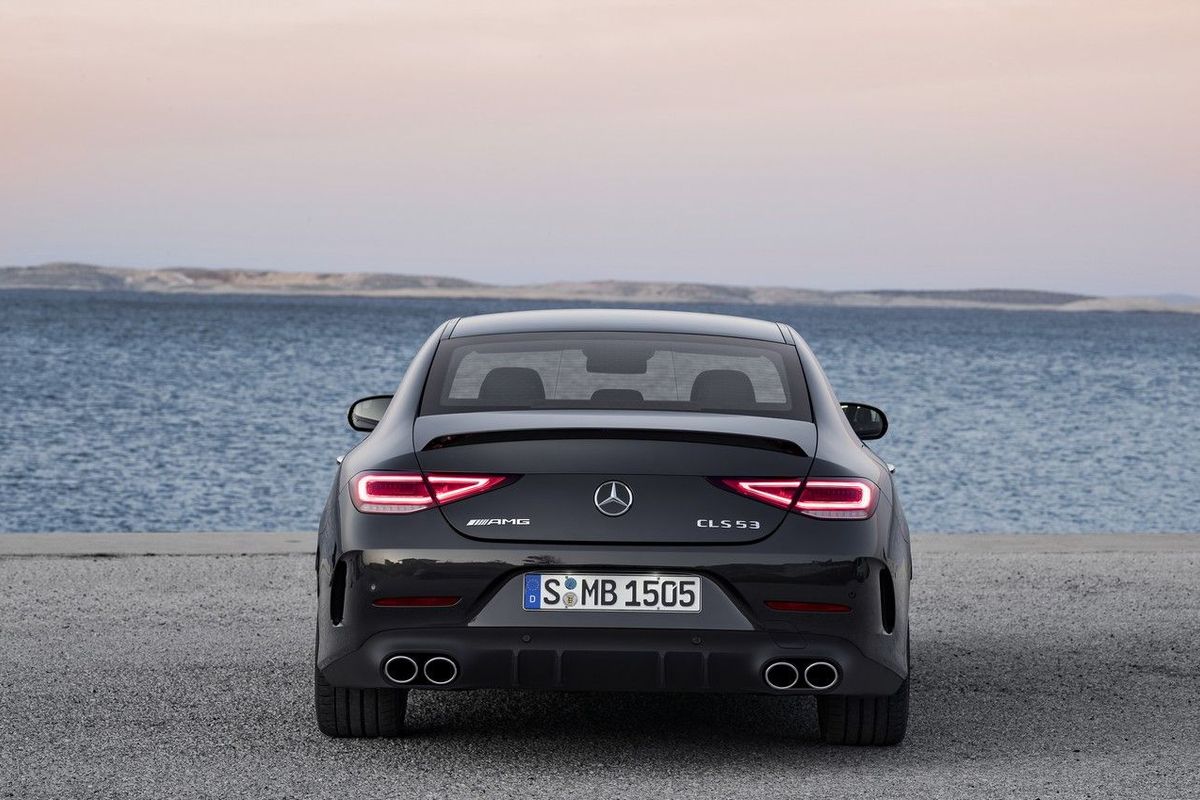
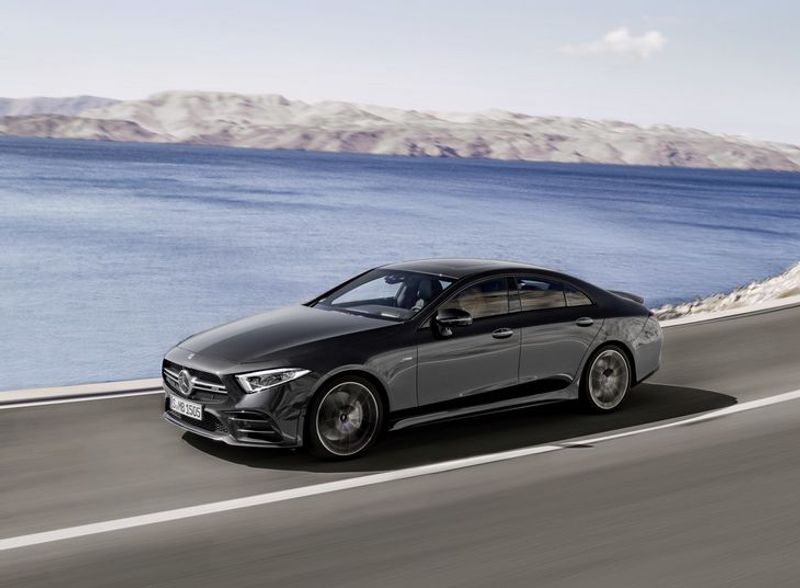
The 3rd-generation CLS' flagship derivative, the Mercedes-AMG CLS 53, is one muscular "4-door coupe"! It adopts the new-look headlights and taillights of its CLA sibling, which are used to differentiate the standard Mercedes-Benz sedans from their svelter coupe-like siblings. There's also an Edition 1 package available, replete with orange copper detailing, thin striping around the wheels and some decals, plus interior tweaks. 

Own a Mercedes-Benz? Tell us about your experience here. 

53 Engine? 


With 320 kW and 520 Nm the CLS 53 is a brisk performer, impressive considering its size

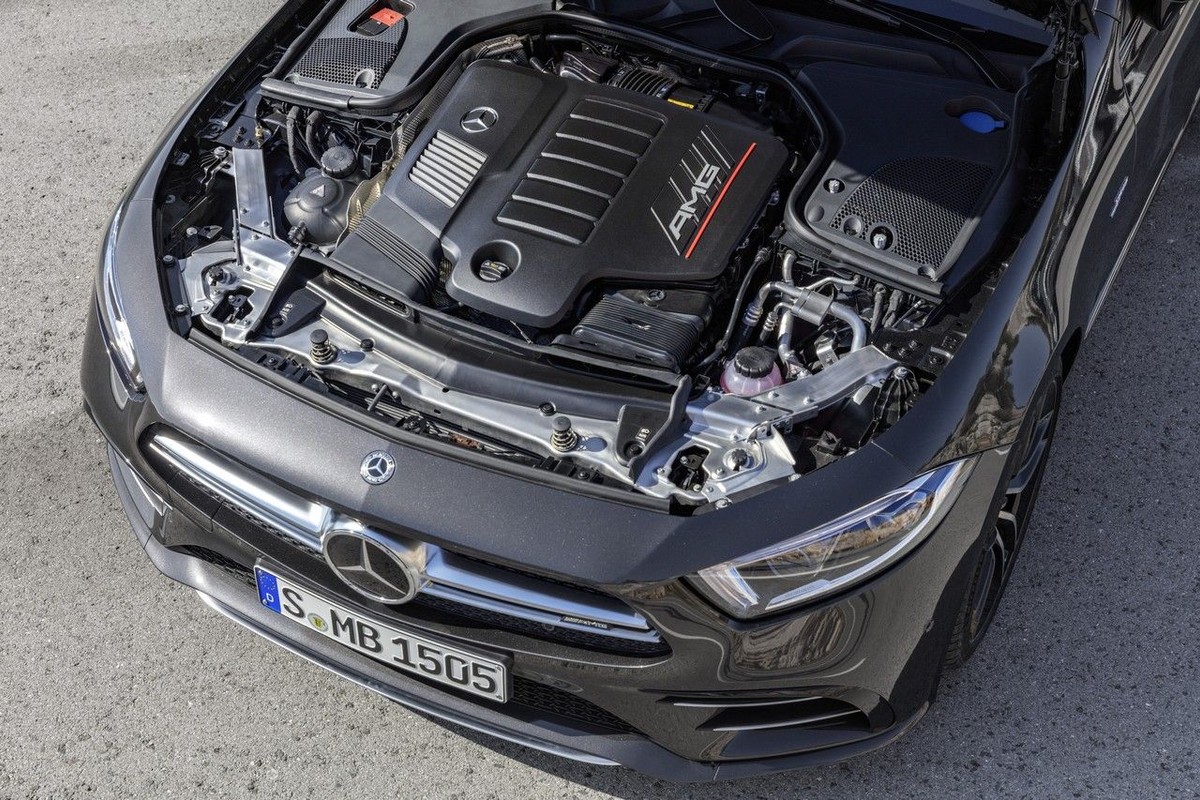
Okay, so 53 is a new number in the AMG family. Sitting neatly between 43 and 63, the 53 name represents a new generation of AMG powertrain. For the first time in recent history, Mercedes-Benz has gone the straight-6 cylinder route, as opposed to its much better-known V6 and V8 configurations. What's more, this new engine is supplemented by electrification. The numbers make for interesting reading: the new M256 is a 3.0-litre twin-turbocharged inline 6-cylinder motor that delivers peak outputs of 320 kW and 520 Nm.

This is where the latest advances in electrification come in. There's a starter generator located between the engine and transmission, which delivers 16 kW and 250 Nm. There is also an eBooster, an auxiliary compressor that builds up high boost before the large exhaust-driven turbocharger kicks in. This setup has effectively eliminated turbo lag and provides a particularly esponsive engine, which is very eager in the appropriate driving modes.

The performance claims are credible: 0-100 kph is said to take 4.5 seconds and it'll run to a limited top speed of 250 kph. Tick the Driver's Package and you'll reach 270 kph. Mated with this new engine is a 9-speed twin-clutch transmission, in combination with a 4Matic+ all-wheel-drive setup. 

Ride and drive

Our ride and drive experience afforded us a chance to evaluate the CLS 53's straight-line grunt and dynamic prowess on track. The Dynamic Select drive programmes allow you to effortlessly switch between the Comfort day-to-day mode and the more performance-biased Sport and Sport+. We went straight to the latter, for obvious reasons. Does the CLS 53 deliver in the performance stakes, despite it not being a V8-powered 63? 

Oh yes – and how! The new i6 engine delivers a soulful and deep roar upon full acceleration, interrupted only by the software-induced gearshift bangs. It sounds meaty right from the get-go too, and never seems to lose its urgency even when the motor is rapidly approaching its red line.

Make the best of that active exhaust and enjoy the glorious soundtrack! The electric motor and petrol engine work well together; it's virtually impossible to feel the interaction between the two. Once the revs climb sufficiently and the exhaust turbocharger comes on song, the electric-effect dissipates. It's remarkably smooth – the interchange is so seamless, which is incredible when you consider how much is going on in the powertrain.

Incredibly, the Mercedes-AMG CLS 53 is capable of hitting 100 kph from a standstill in under 5 seconds, despite no launch control or Race mode. It's not pull-your-face-off quick, which is to be expected given the vehicle's dimensions and weight, but despite this, it's deceptively lithe when it carves up corners. We had the chance to fling the vehicle around the Kyalami circuit, which is notorious for its elevation changes and fast corners. 


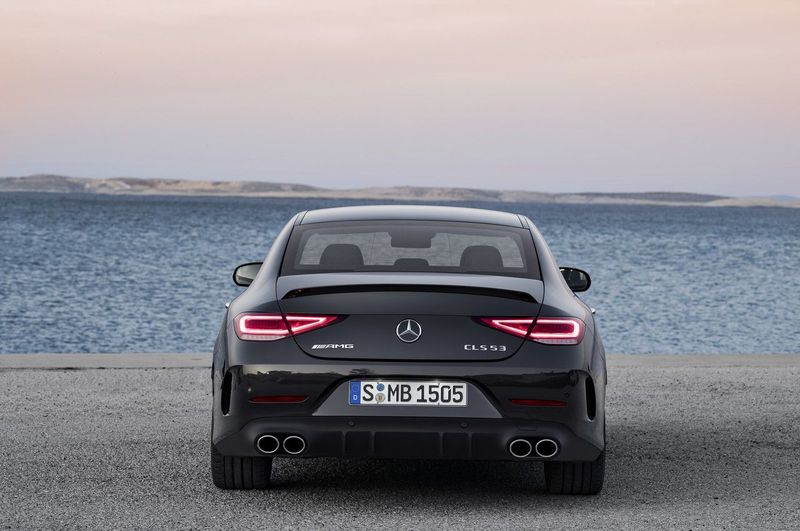
The rear of the Mercedes-AMG CLS 53. Note the quad exhaust setup.

For a car tipping the scales at a touch under 2 tonnes (its official kerb weight is 1 980 kg), cornering prowess is surprisingly good. We think the secret here is the new 4Matic+ all-wheel-drive system, which, in conjunction with a well-sorted chassis, instils a sure-footed feeling. The CLS 53 is primarily driven by its rear wheels, with the front axle coming into play when a loss of traction is detected. Granted, the laws of physics still apply and the brakes needed to be cooled after some spirited laps. The steering is worth a mention too: it's particularly direct and there's generous feedback.
Sadly we had no chance to drive the vehicle on a public road. The racetrack surface is naturally exceptionally smooth with hardly any bumps, so an accurate assessment of the newcomer's ride quality will have to wait until we get the vehicle on test. 

Mercedes-Benz CLS prices in South Africa (May 2019)

CLS 400d 4Matic – R1 194 834
Mercedes-AMG CLS 53 4Matic+ – R1 502 100
Mercedes-AMG CLS 53 Edition 1 4Matic+ – R1 706 900

Summary


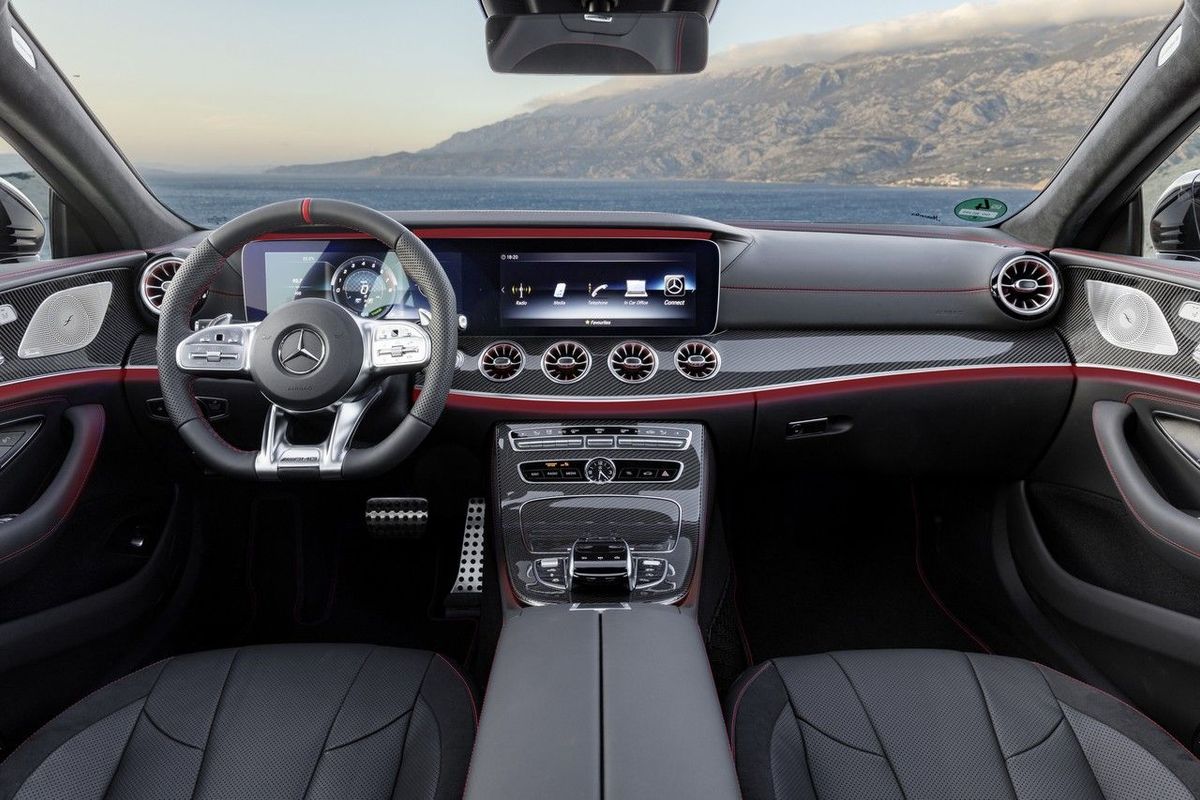
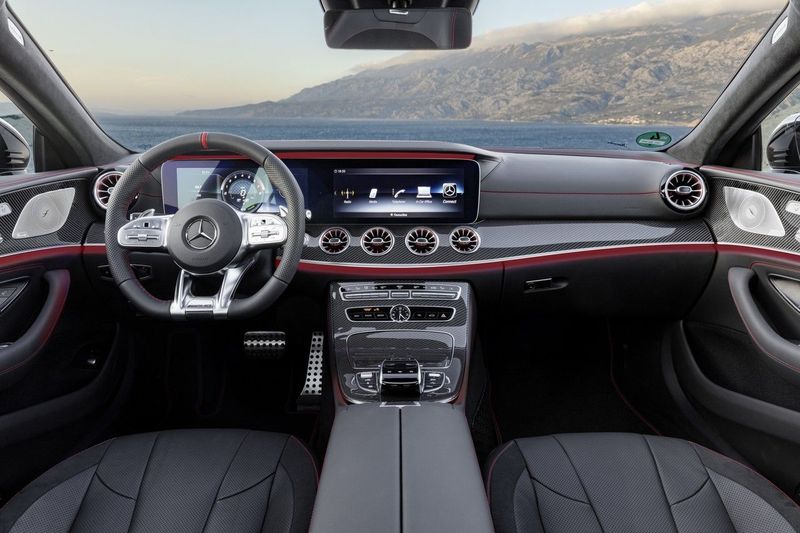
The cabin of the Mercedes-AMG CLS 53 is a spectacular place to be thanks to extensive use of carbon fibre and leather.

While the overwhelming majority of AMG adoration is reserved for 63-badged models, there will be (and should be) more than enough love for these "AMG lite" versions. In comparison with its 4.0-litre V8-engined siblings, the CLS 53 offers 90% of the performance with the bonus of a bit more on-road comfort. While we didn't have a chance to drive it on a public road, we suspect that the newcomer will offer a sedate, refined ride quality.
Inside, it boasts all the latest luxury appointments and convenience features. The extended infotainment screen, which stretches across almost the entire width of the dashboard, is optional and, to be perfectly honest, it really suits the car. The AMG also adopts the latest iteration of Mercedes-Benz sports steering wheel (adorned with tiny touchpads) and there are the aesthetically pleasing turbine-style climate control vents on the fascia. 
It appears that there won't be a V8-powered CLS any time soon, but given the performance of the new 53 engine and our past experience with the previous generation CLS 63 S, we think this package is a lot more manageable – it certainly offers a superior blend of performance and luxury.
Further reading:

Mercedes-AMG CLS 53 (2018) Launch Review

All-New Mercedes-Benz CLS Breaks Cover

Mercedes-Benz CLS 63 AMG S (2014) Review

Drag Race: Mercedes A45 AMG vs CLS 63 AMG S

BMW 330i Sport Line (2019) Review

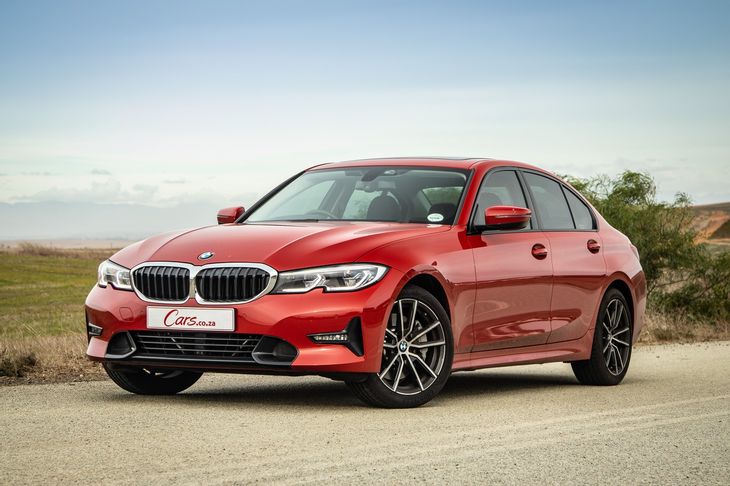
The 330i is the entry-level petrol-fed derivative of the recently-launched G20-generation 3 Series (at least until a 320i will join the range near the end of 2019). We review a specced-up Sport Line version to find out if BMW’s new business class sedan has returned to the pinnacle of its segment.

We like: An accomplished all-rounder, superb refinement/handling balance

We don’t like: Reasonably equipped, but unsurprisingly, a nice one “will cost ya”.

Fast Facts

  • Price: R676 016 (May 2019, without options)
  • Engine: 2.0-litre inline-4 turbopetrol
  • Gearbox: 8-speed automatic
  • Fuel economy: 6.4 L/100 km (claimed)
  • Power/Torque: 190 kW/400 Nm

Own a BMW? Tell us about your experience here. 

SERIOUS ABOUT BUYING?

Check out full specification details and finance estimates here.

Some dealers regularly offer specials: Have look here.


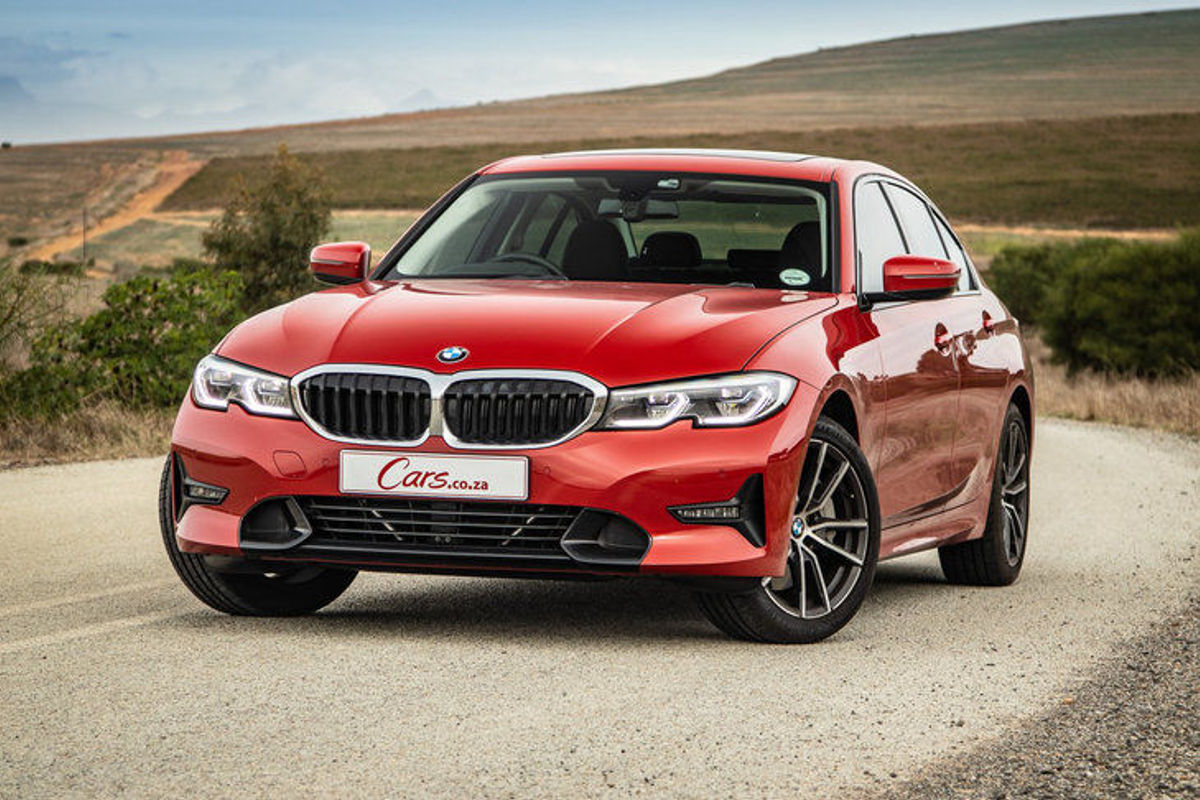
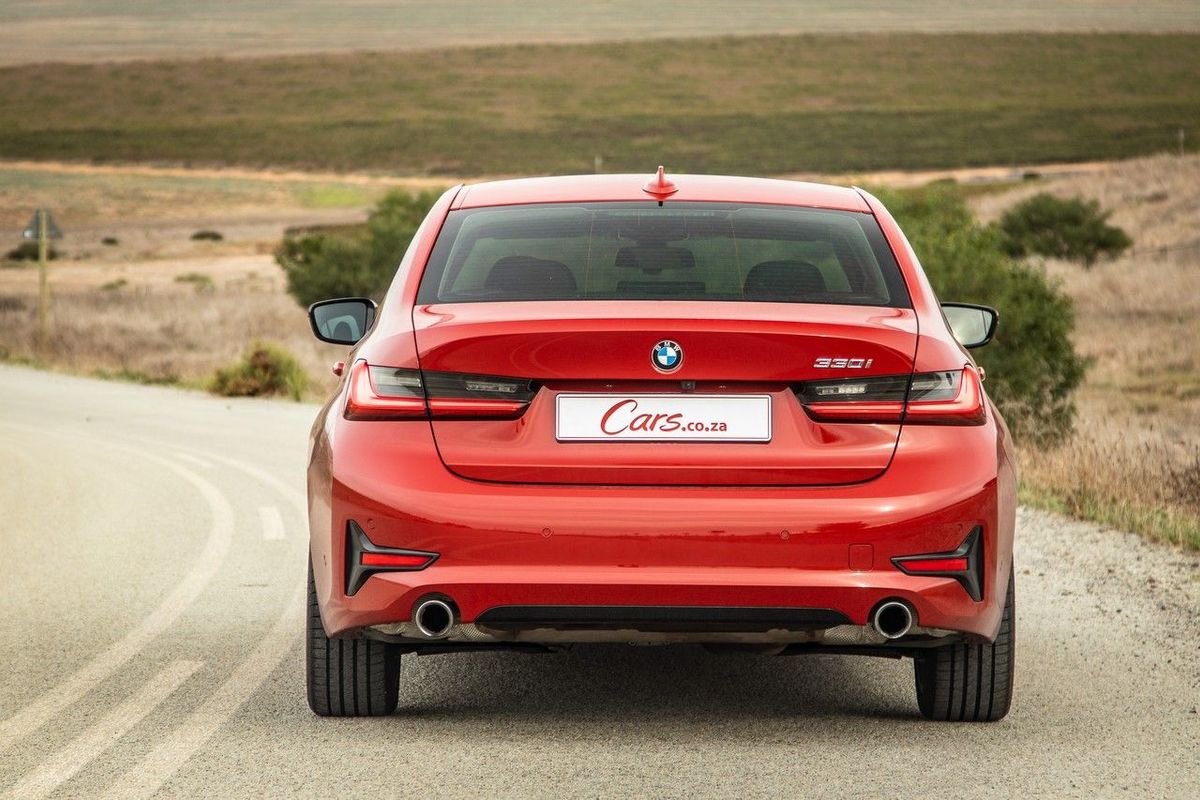
The ostentatiousness of the refreshed 7-Series grille lessens the impact of the 3 Series' "huge nostrils", but they're distinctive!

Where does it fit in?
Much has already been written about the G20-generation BMW 3 Series. In case you didn’t know, its wheelbase is longer than that of its (F30) predecessor (by 41 mm), its front and rear tracks are wider (by 43 mm and 21 mm respectively), kerb weight is lower (as is its centre of gravity), the structure is 50% stiffer than before, but the desired 50/50 front-to-rear weight distribution has been preserved.
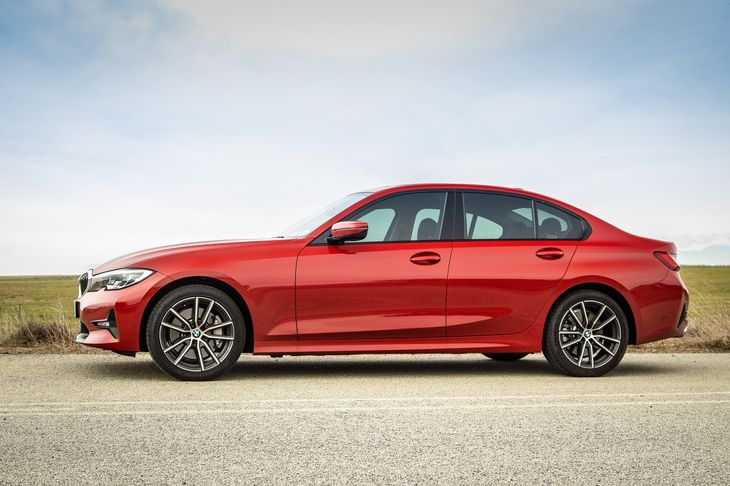
Whereas BMW offered the previous generation with Modern, Luxury and Sport trim lines, the G20 comes to market (initially, at least) with a choice of Sport Line or M Sport packages, the former of which was specified for this Melbourne Red Metallic test unit. As part of its introductory product rollout, the Munich-based brand offers a Launch Edition with a R8 600* saving over a standard Sport Line, with (otherwise extra-cost) anthracite roof lining and a glass sunroof added to the package. However, as the stock 330i Sport Line is listed on our site, we’ll review this car as such.


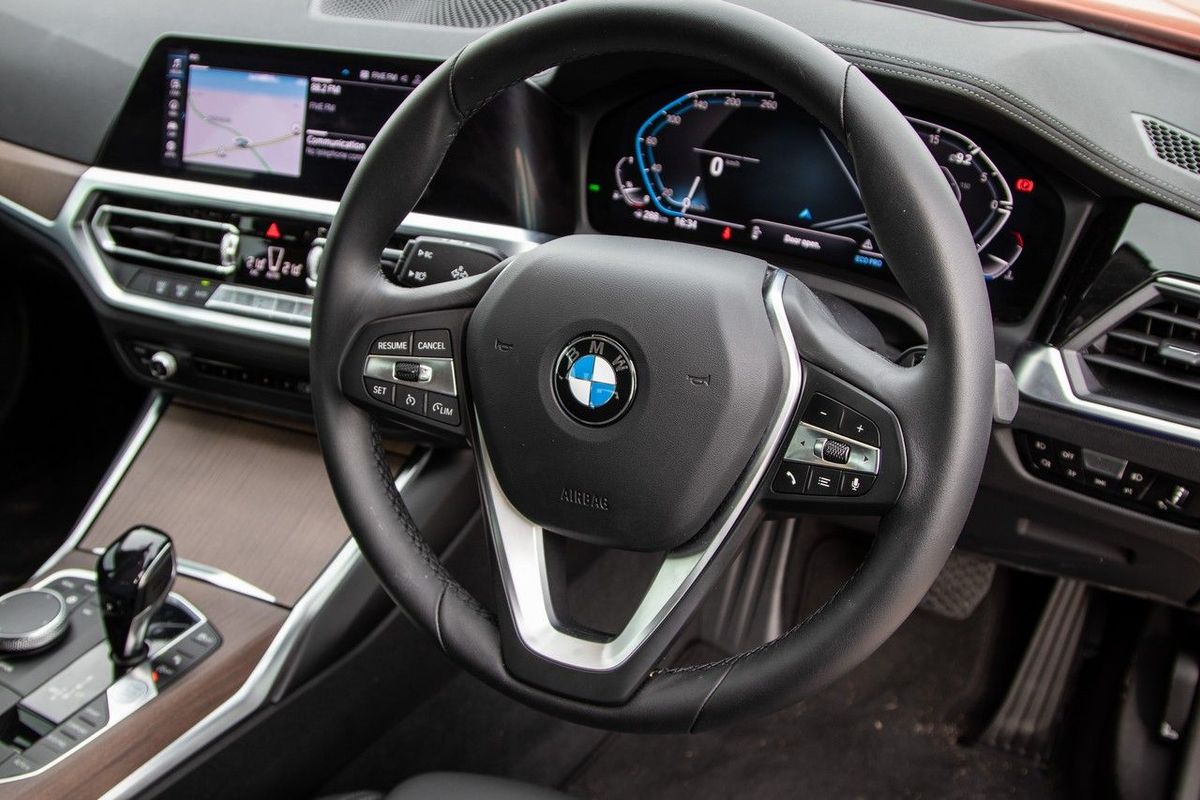
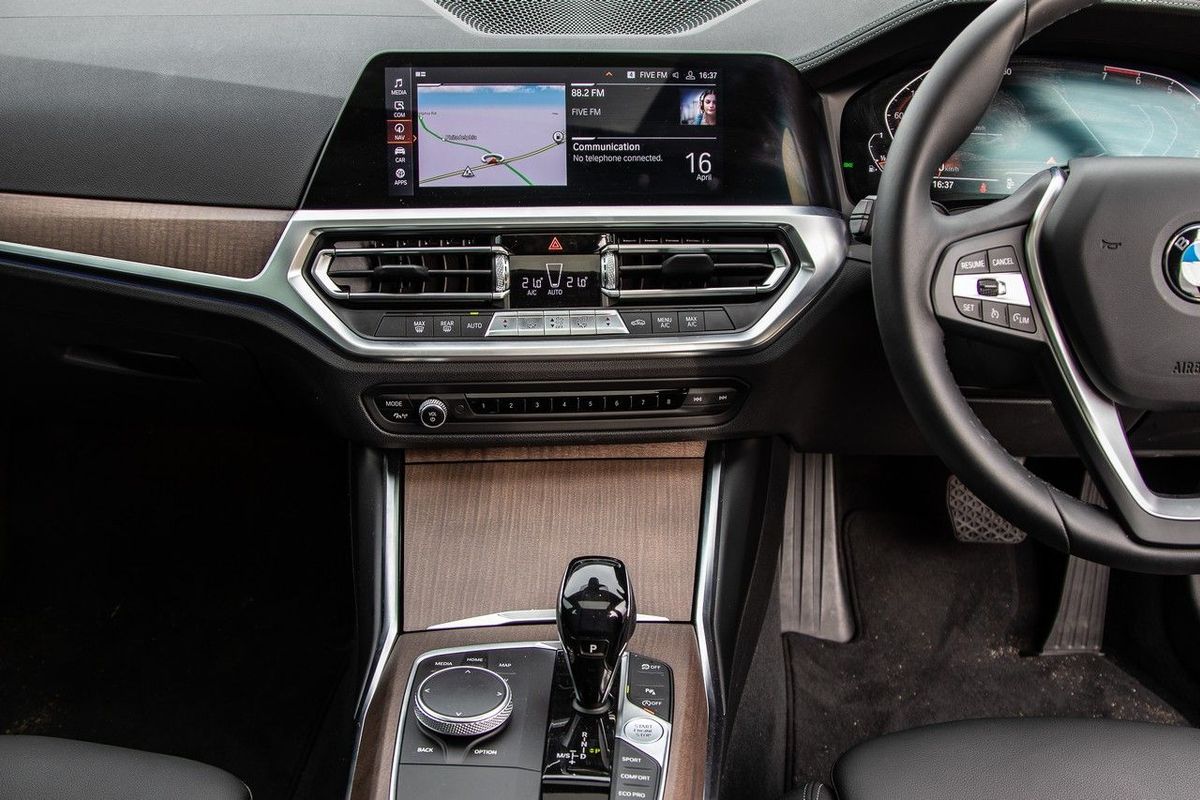
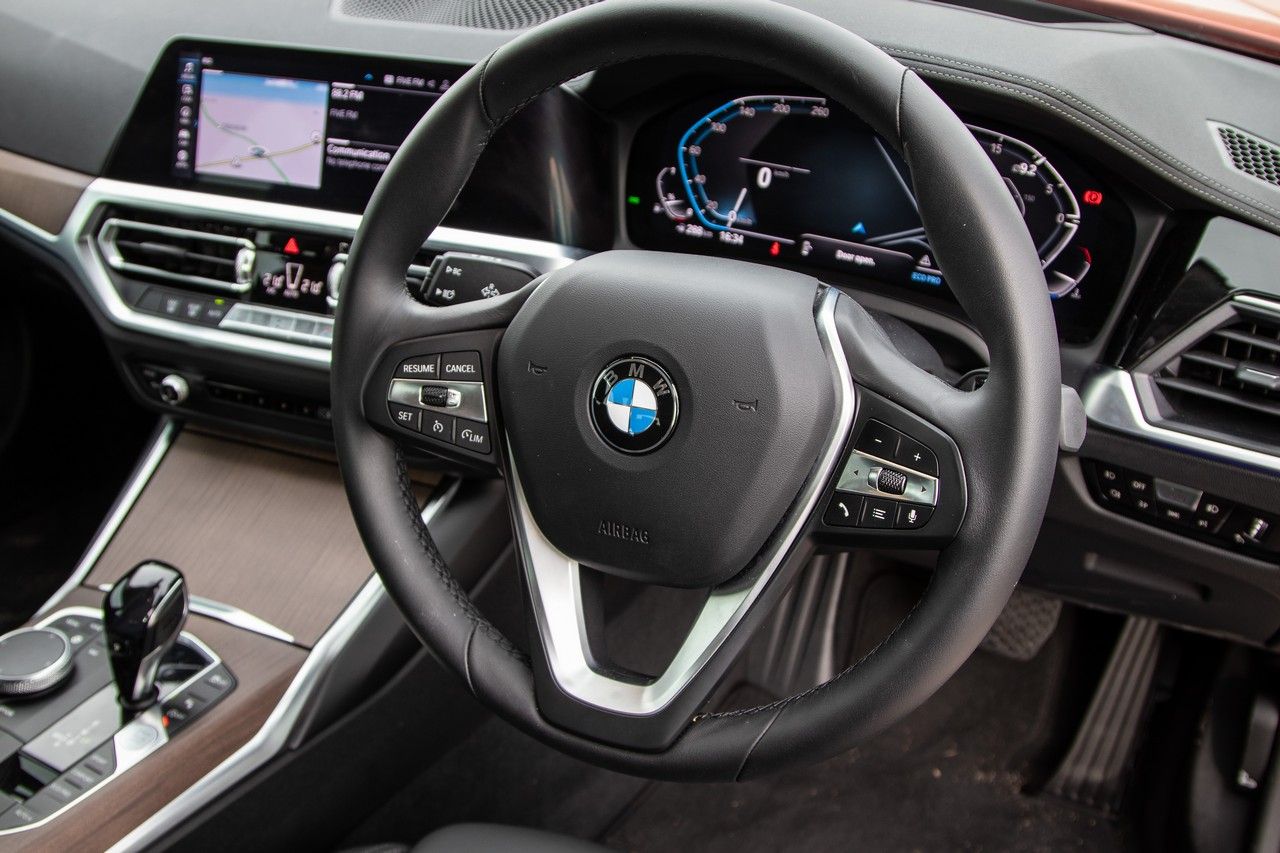
Drivers are greeted by the expansive double-screen electronic interface of the Live Cockpit Professional-equipped test unit.

How does it fare in terms of…

Kerb appeal?

Few of us have actually seen a previous-generation 3 Series unadorned by one of those previously-mentioned trim packages on local roads and we expect the same will ring true for this generation of BMW’s business class sedan ­­– most buyers will either opt for Sport Line (R23 600*) or M Sport (R47 400*) executions. Although testers agreed that the “post-box red” paint finish of the test unit arguably flattens out some of the finer detailing of the G20 3 Series’ exterior styling, the black high gloss side-glass trim and bumper inserts (especially in the elaborate air intake in the front valance) contrast tastefully with the vivid paintwork and especially the smoky LED tail-lamps. There's a saying that if a car looks good in a (so-called) “flat” body colour, it’s bound to look really impressive with a metallic finish… That may be particularly applicable in the case of the 330i.

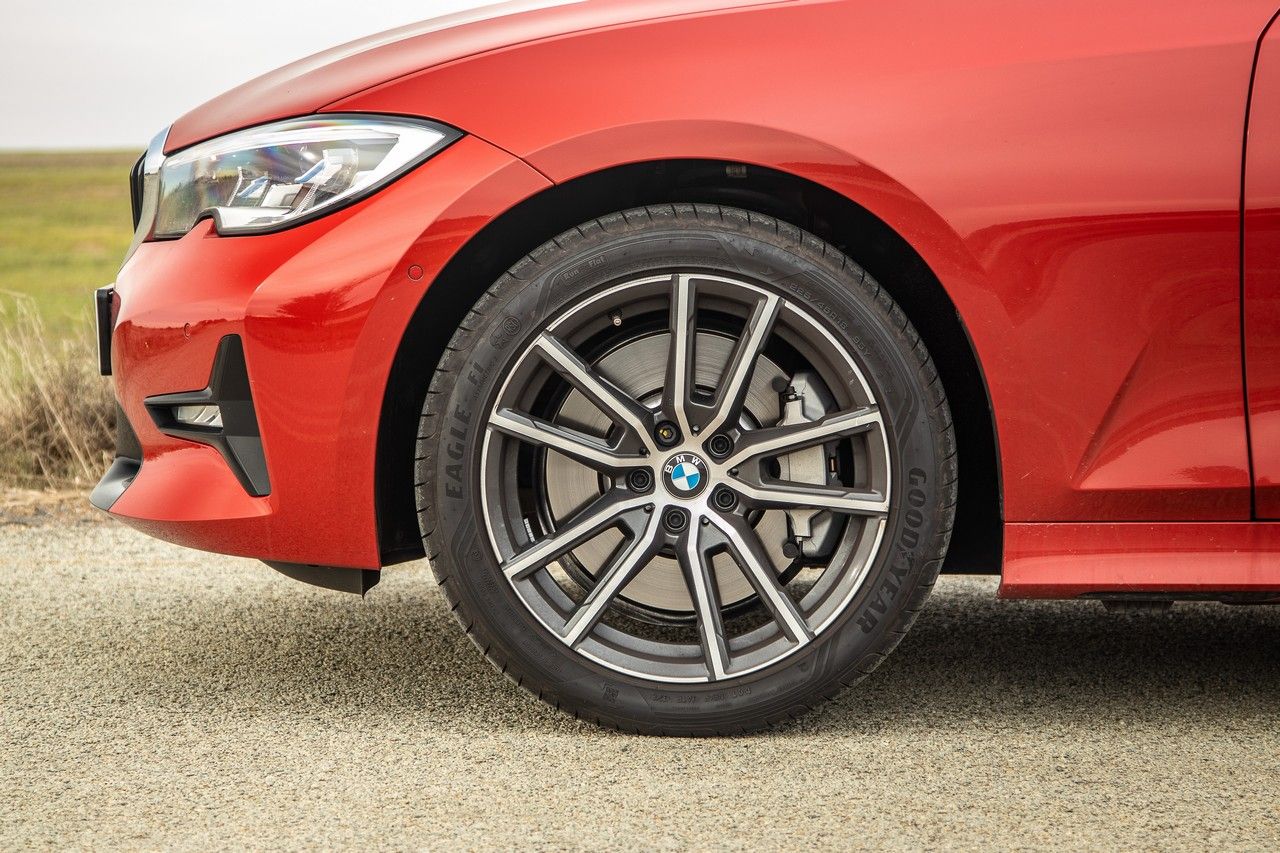
The long-nose, cab-back, stubby-tail GT-like proportions of the 3 Series is further enhanced by handsome 18-inch V-spoke wheels (R13 500*) and BMW Laserlight headlamps (R15 000*), the latter of which do not only provide an astonishing level of illumination (in our experience), but provide the 330i with a striking frontal appearance by virtue of those reimagined Angel Eyes/Corona Rings. As for the Sport Line execution, the package effectively serves the combined role of the F30’s Luxury and Modern trims… it’s subtly sporty, to cater for those with mature, sophisticated tastes.


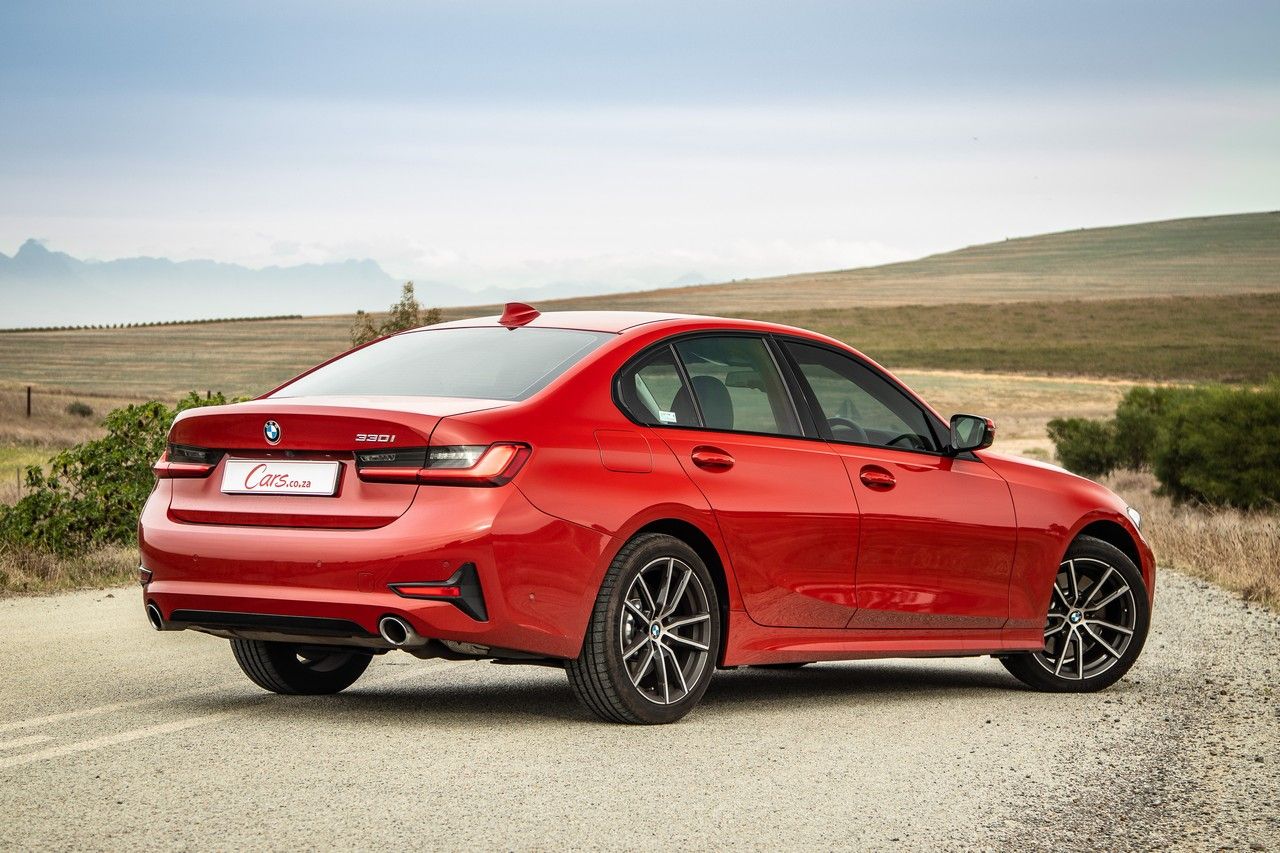
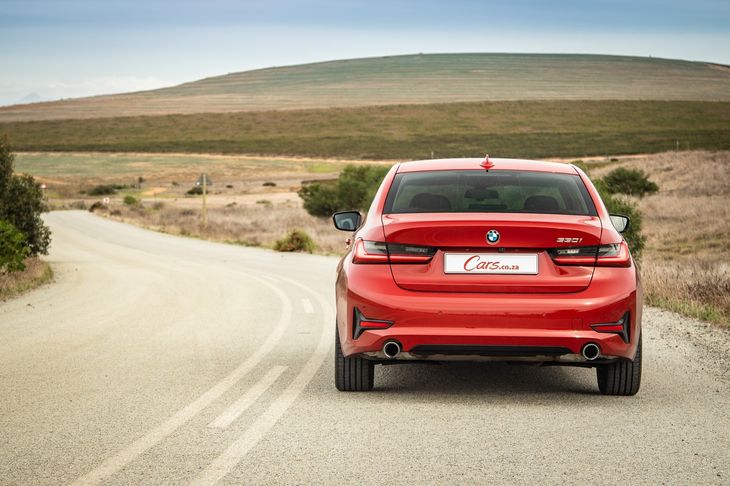
The G20-generation's rear-end styling represents, in many people's opinion, the most elegant posterior ever seen on a 3 Series.

Cabin comfort & technology?

The 3 Series’ predecessor lagged behind the opposition in terms of its cabin execution, which was sufficiently smart, but largely uninspiring. To be fair, in business class sedans, manufacturers want to carry over the best bits of their executive- and 1st-class offerings but without making the final products prohibitively expensive; it often shows in the diminished quality of the finishes. Although the general quality of plastics in the newcomer’s interior is good, as opposed to stellar, BMW deserves considerable credit for producing a cabin that feels instantly upmarket, sophisticated (by virtue of the smartly-rendered digital displays), mercifully decluttered and, most importantly, the major touch points in the interior feel solid and weighty.


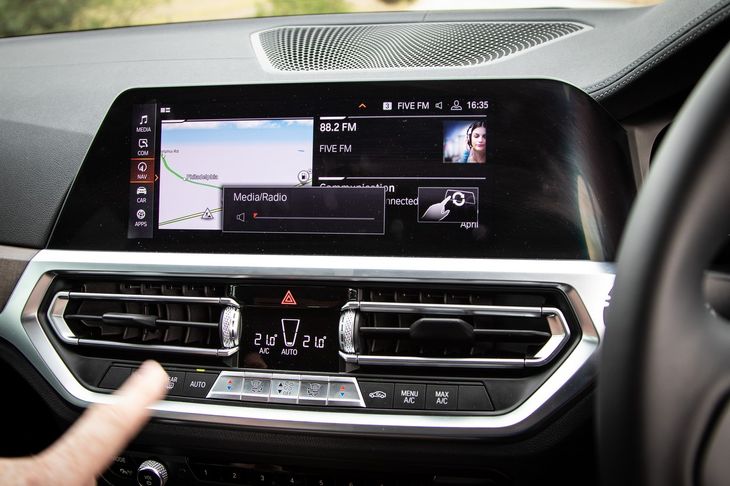
Carried over virtually unchanged from its installation in the 5 Series, Gesture Control allows settings to be changed by hand movements.

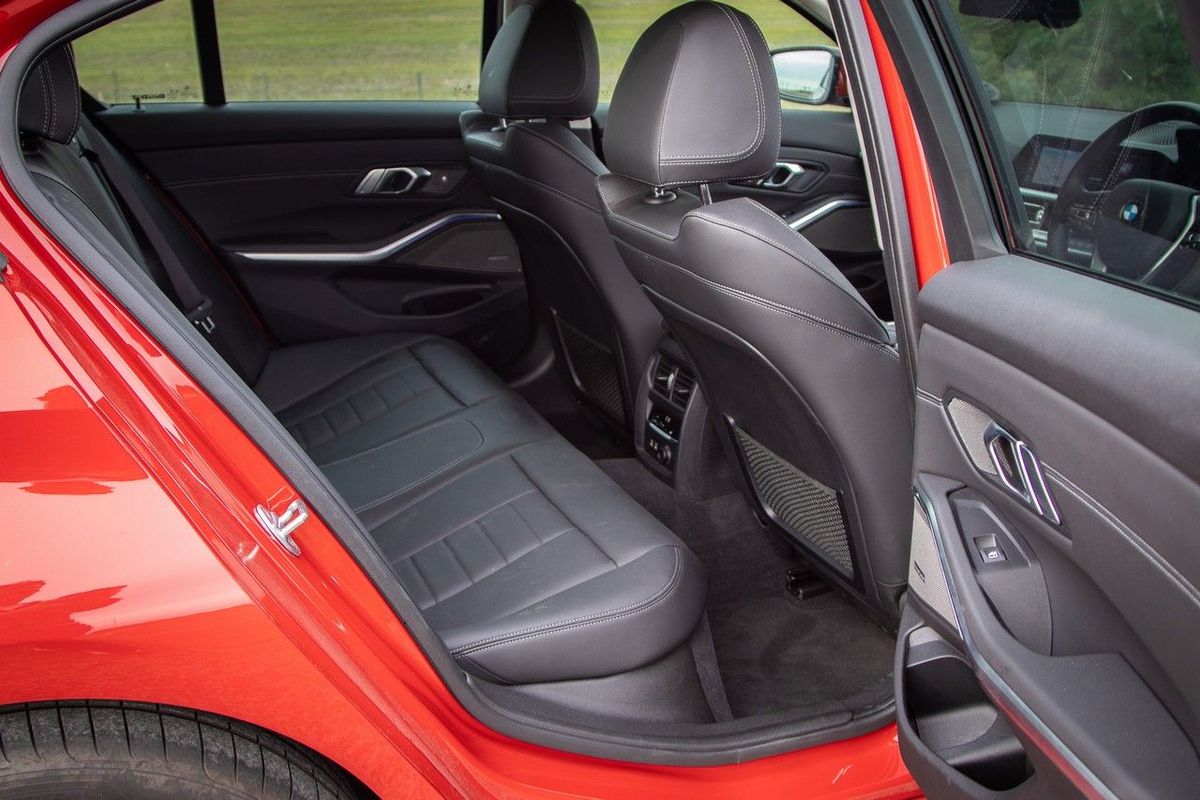
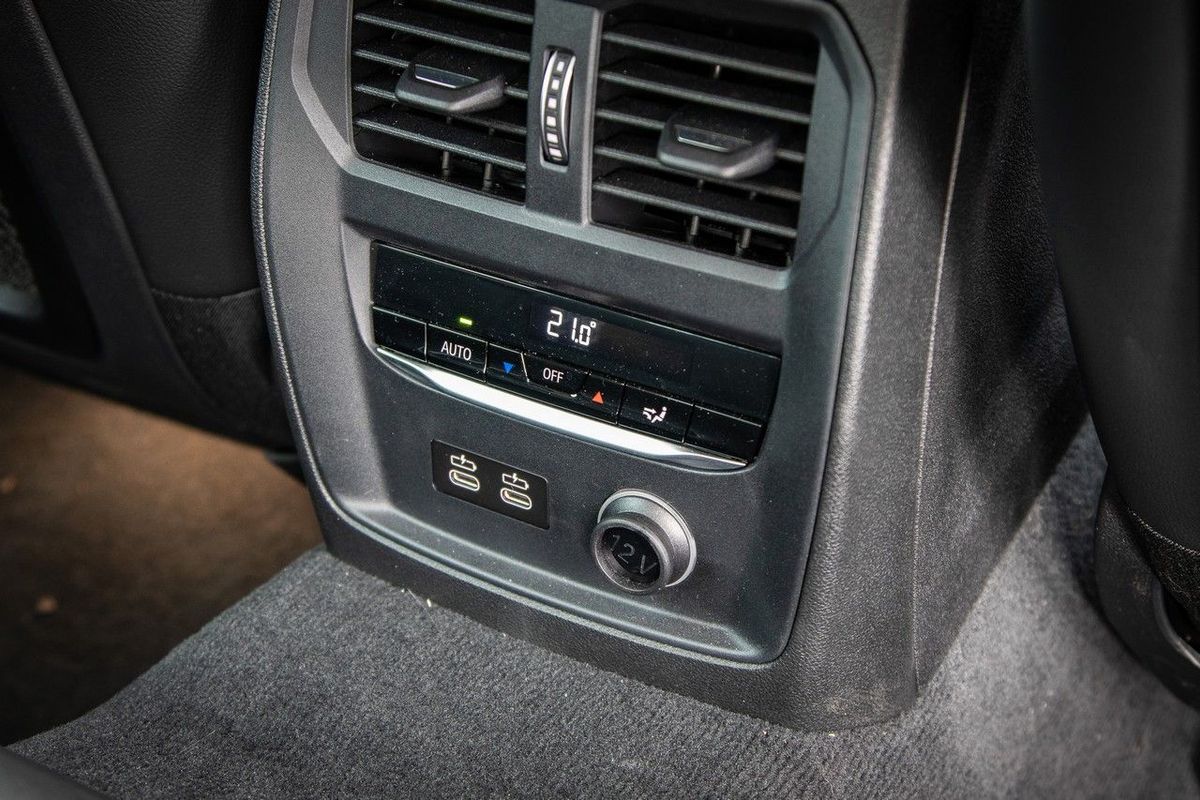
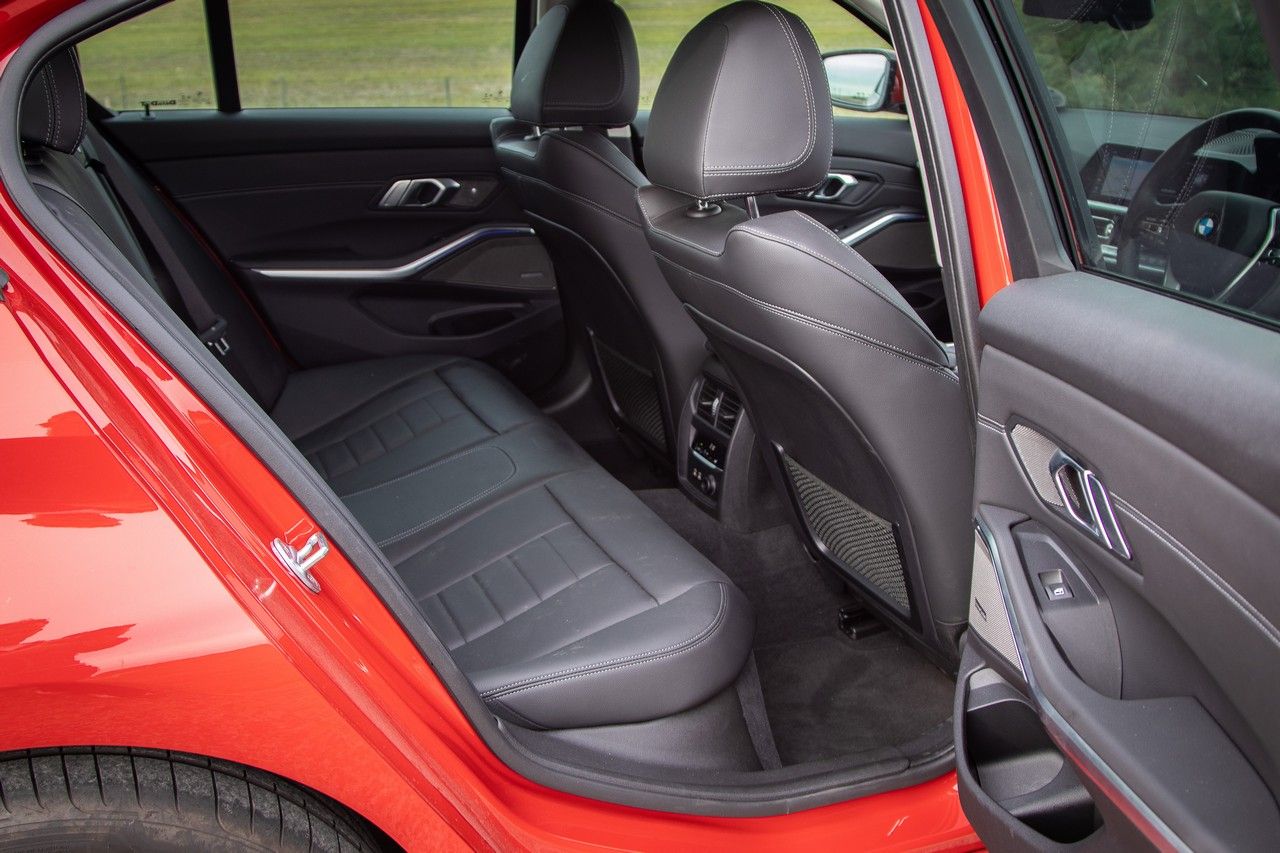
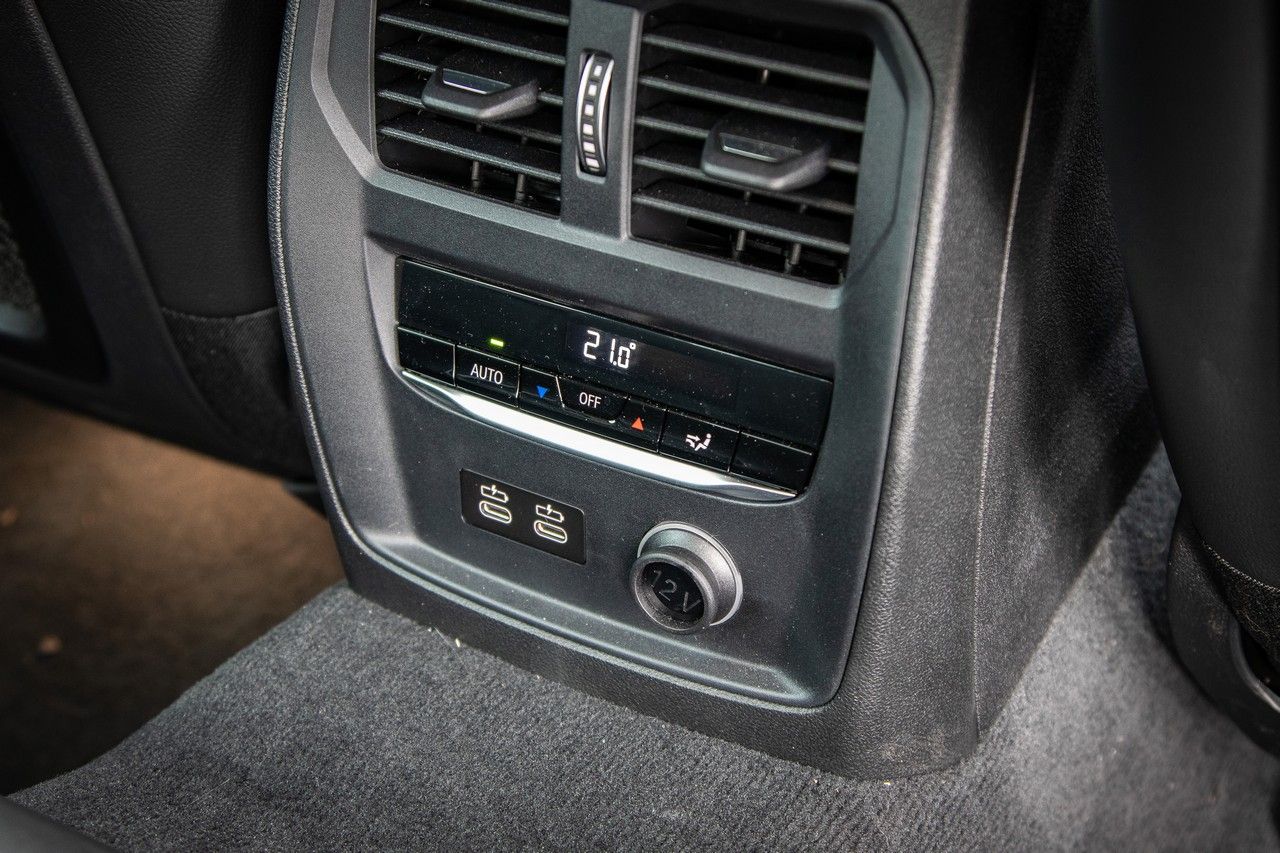
In terms of trims and highlights, there seems to be just enough in the way of metallic inserts, a hint of tactile stitching on the Sensatec-trimmed dashboard and the knurled texture of the climate control wheels, audio volume and iDrive controller knobs is a delight to touch. Also, the idea of combining the “Vernasca” Black leather upholstery (R18 200*) with dark brown open-pore (read: "unvarnished") wood trim might seem incongruous to some, but it lightens the otherwise sombre colour scheme tastefully. What's more, the cabin feels more spacious than in any preceding 3 Series;  rear passengers are afforded reasonable head and legroom, a separate climate control console, a 12V charging point, plus a pair of USB-C sockets.

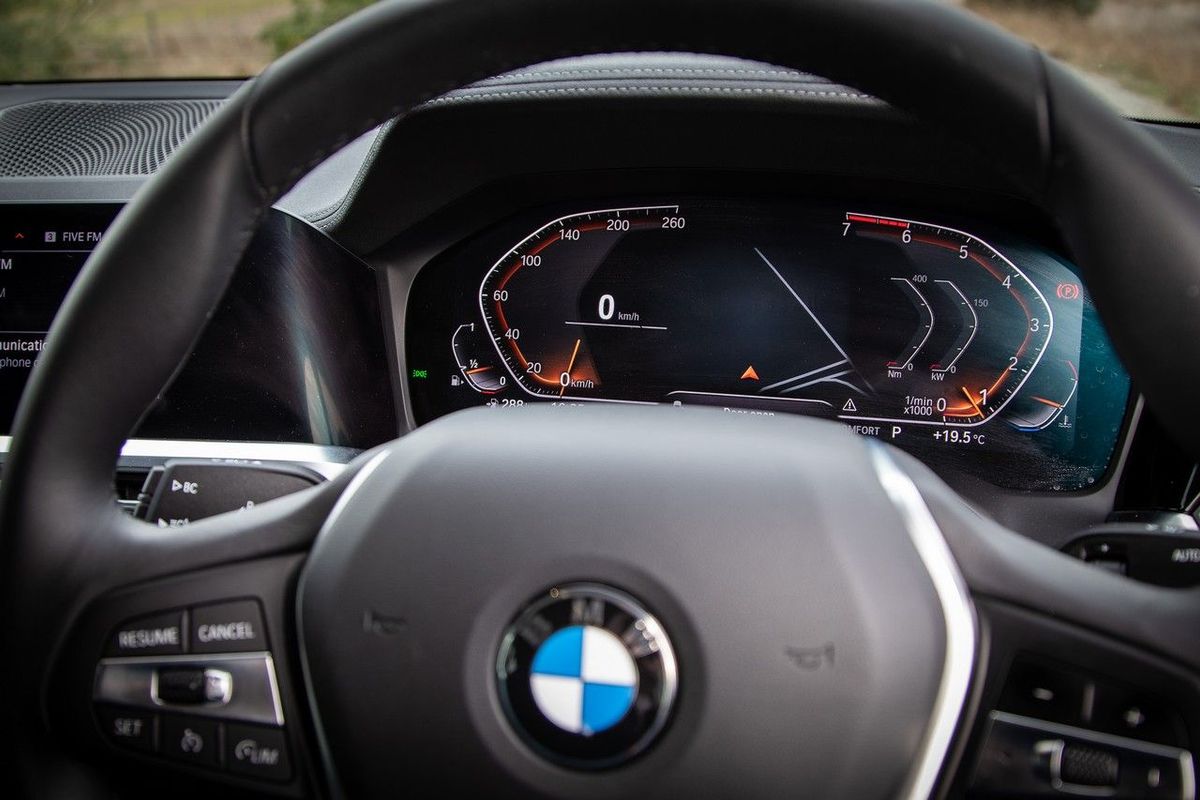
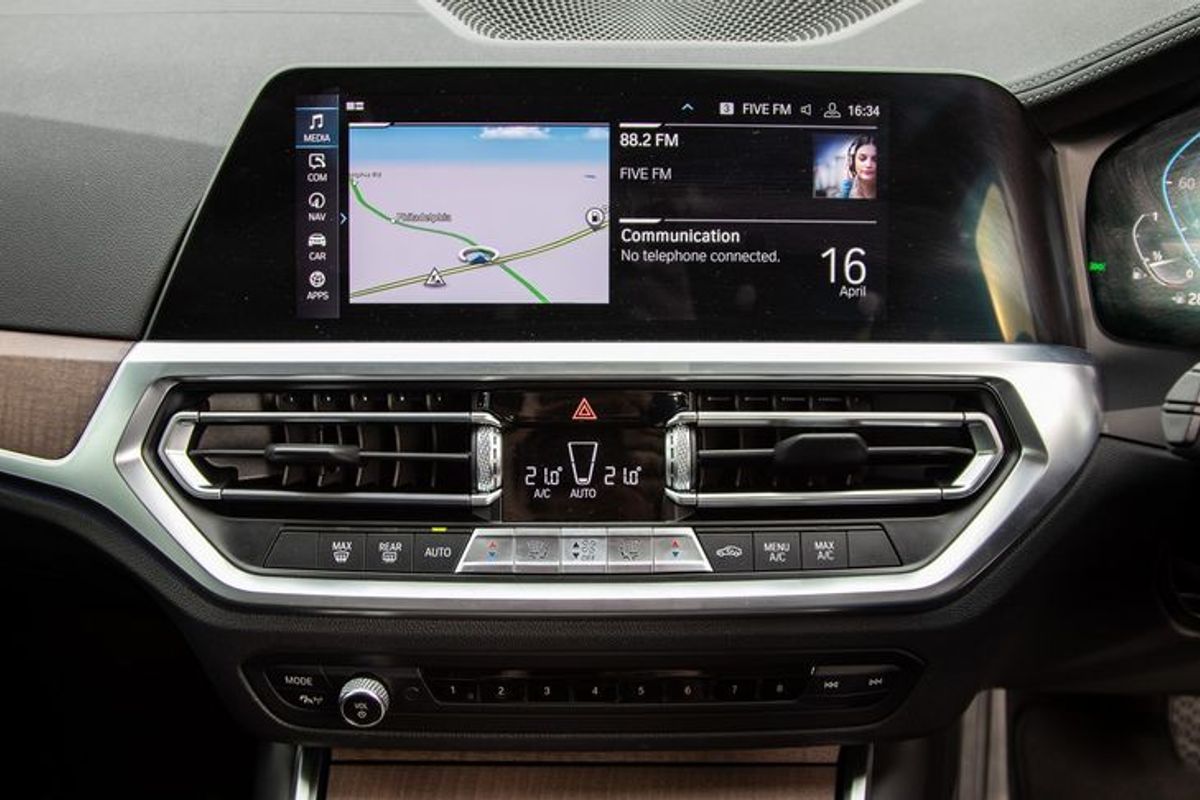
In what is sure to prove a popular (albeit R54 000*) option, the HEA Package includes BMW Live Cockpit Professional (a 12.3-inch touchscreen display, which is bigger than the standard 8.8-inch unit, and a fully digital 12.3-inch instrument cluster), Gesture Control, Connected Package Professional (which includes Remote Services, Concierge Services, Real Time Traffic Information and Apple CarPlay), a Harman Kardon surround sound system, a wireless charging pad and a head-up display. BMW continues to not offer Android Auto in its cars, with no solution available on the horizon either.


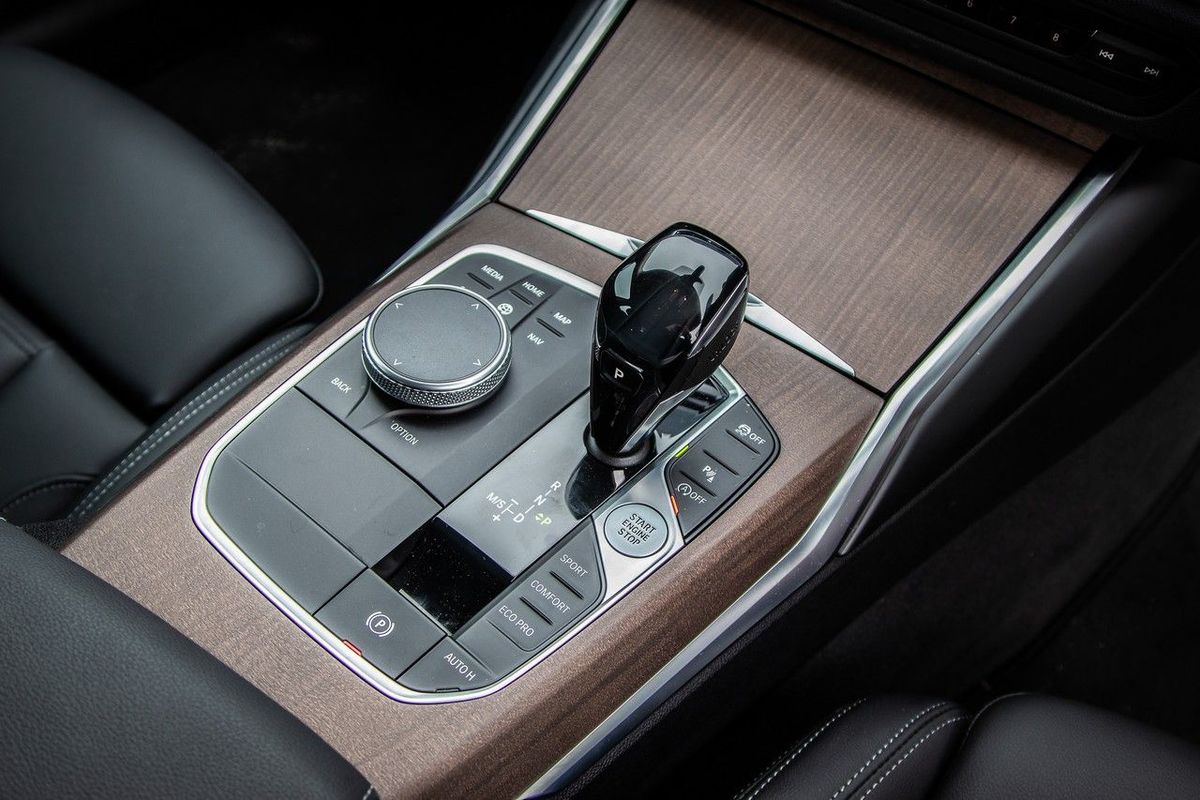
The layout of the centre console is paired back; BMW went to great lengths to make the buttons resemble subtle indentations. 

Familiarisation with the 3 Series’ myriad onboard functions can be a little overwhelming to begin with – simply because, in this case, the system accepts touch, gesture, voice and iDrive controller inputs, which means it’s easy to toggle a setting to your preference, once you’ve decided which of your faculties to employ. Suffice to say a tech crash course on a short test drive is a small price to pay for the ability to make high-function, as well as the most analogue, inputs to the system… It accommodates a variety of users, from technophiles to old-school “prodders" and "twiddlers”.

As for the BMW’s much-publicised Intelligent Personal Assistant (IPA) voice interface, which is said to be capable of learning your particular preferences and tailoring the 3 Series’ onboard settings to suit, “Hey BMW” seems handy as long as “she” understands exactly what you’re asking “her” to do. But when CarPlay is active, Apple’s personal interface, Siri, is happy to answer your questions too, so on one occasion, a tester asked “Hey BMW” to “navigate to the airport”, which the IPA just couldn’t fathom, so he gave Siri the same task, and “she” set up the route immediately. Hmm, it would seem that perfect co-existence between car makers’ onboard and smartphones’ live interfaces still lies somewhere in the future…


Rear passenger comfort is better than expected; headroom and kneeroom are acceptable, unless you have to sit behind a beanpole.

Ride & handling balance?

All of which brings us to the driving experience, a perennial highlight of 3 Series ownership… 

Let’s start with the on-road refinement: the G20-generation 3 Series sedan has very impressive acoustic insulation; at cruising speeds, the cabin is well damped from sources of mechanical, wind and road noise. Plus, by virtue of its innovative hydraulic bump-stops, the 330i Sport Line soaks up large bumps with aplomb, especially at higher speeds. Suffice to say, the newcomer is the “model” of a medium-sized luxury car, even if short, sharp road imperfections (such as freeway seams and cat’s eyes, for example) still make their presence felt at times. This 330i’s 18-inch wheels and tyres were not the most uncompromising options on the price list, but we’d still suggest it’s quite okay to forego optional adaptive damping.

For all that refinement, the 3 Series still offers direct and crisp (if a trifle light) steering, sure-footed handling and commendable body control. The biggest compliment that we can pay the test unit was that, although it doesn’t really engender spirited driving the way some of its predecessors used to, it was not averse to producing brisk turn of speed whatsoever; the manner in which it changes direction with measured predictability inspires confidence. Its demeanour suits a middle-of-the-range derivative. In terms of braking ability, apart from being a little grabby right at the point of grinding to a halt (at an intersection or traffic light, for example), the 330i Sport line provides effective, balanced stopping power in most situations.


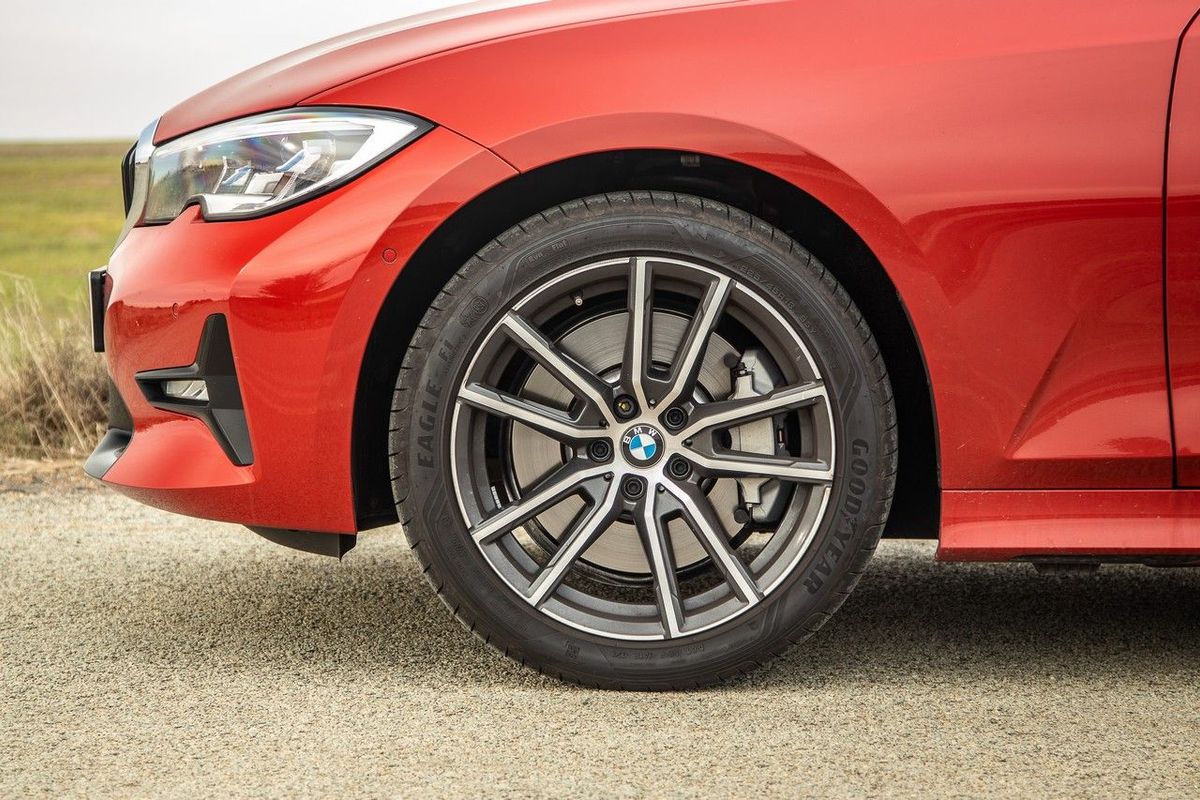
Could a standard suspension, in combination with 18-spoke wheels, be the best compromise between looks and ride comfort?

Performance and efficiency?  

With peak outputs of 190 kW and 400 Nm (the latter produced between 1 550 and 4 400 r/min), BMW’s latest 2.0-litre turbopetrol 4-pot delivers more than sufficient poke, even if its soundtrack is less than remarkable (and “audibly-enhanced” in Sport mode, which some purists hate). Like many of its forced-induction, direct-injection peers, it thrives in its low-to-mid rev range and sounds a bit strained at peak rpm.

It is smartly calibrated with its slick-shifting 8-speed automatic transmission however, which operates unobtrusively in the background to make the utmost of the engine’s performance characteristics – one tester remarked that the auto ‘box did sometimes seem unsure of which ratio it should select when ambling at lower speeds, but other testers were quite satisfied with it. With a claimed average consumption of 6.4 L/100 km, we feel the 330i Sport Line offers very good economy given its spirited performance potential, depending, of course, how much of the latter you call upon.


One nice-to-have standard feature is a climate control console for rear passengers, along with almost obligatory charging points…

Value for money?      

When comparing this derivative with its direct rivals from Audi, Jaguar, Lexus, Mercedes-Benz and Volkswagen (all of which feature sporty trim packages, apart from the Lexus), the 330i Sport Line undercuts all of its competitors with the exception of the Audi, which is due for a facelift soon.

But there is a caveat: apart from Sport Line trim paraphernalia (including a festooned key fob), the usual plethora of safety systems, LED headlights, front sports seats and sporty steering wheel, 3-zone climate control, PDC front and rear, plus folding rear seats, many of this 330i’s most impressive features cost extra… Full leather trim, the digital dash, a reverse-view camera (let alone a surround-view setup), the wireless charging pad (surely a must-have in luxury cars these days), high-beam assist and comfort access are all optional. To be fair, many of those are optional in most of the BMW’s opposition too, but having just a smattering of those mentioned features as "stock" would have improved the Bimmer's value proposition.

Price and after-sales support

While the 330i Sport Line is listed at R676 016 (May 2019*), the evaluation unit had a recommended (by BMW) retail price of R815 215.51 (including CO2 tax, optional extras included). A 5-year/100 000 km maintenance plan and 2-year/unlimited mileage warranty are standard


While the 330i is currently the entry-level derivative, common sense suggests its 320i smaller brother will be the more popular. 

Verdict

Yes, BMW’s new 3 Series is, once more, the benchmark business class sedan in the South African new vehicle market, but its re-emergence at the top of its segment is not the result of a decisive advantage in any one particular facet of its package. Its winning hand is its overall accomplishment.

The G20-generation sedan’s kerb appeal is sophisticated, with just enough athleticism to appease traditionalists, but it’s not a knockout. It looks fresher than the opposition, but given its newness, that’s to be expected.

Its interior is well-made and laced with technology. Some of the gizmos are a bit novel, but the electronic interface does move the game along. Is it as solid and substantial as the Audi A4’s cockpit? It depends on who you ask, but perhaps not.

In terms of on-road refinement (acoustically and the absorption of road undulations), the 3 Series really impresses, because it also offers well- balanced handling, fast and crisp steering, plus virtually effortless performance from its willing powertrain. Is it as darty to drive and inherently playful as the Alfa Romeo Giulia, though? And what about its so-so secondary ride quality (the ability to ride out small, sharp bumps), would that preclude it from being a better long-haul cruiser than the updated Mercedes-Benz C-Class? It just might.

Those questions are largely rhetorical (and, at best, moot) because the 330i Sport Line demonstrates that in all those respective areas where it may be only as competent its various rivals, it comfortably outstrips them in other facets. It’s all about the weight of merit; even though BMW’s business class sedan has only once won its category in the Cars.co.za Consumer Awards ­– powered by WesBank (in 2018, with its 420d Gran Coupe Sport Line Sports Auto sibling), it’s always been a frontrunner. When the 2020 edition of the #Carsawards kicks in, it almost certainly will be again.


Despite the pronounced nose- and truncated boot sections, the 3 Series offers 480 litres' worth of luggage space…  

Looking to buy a new/used BMW 3 Series?

Find one on Cars.co.za by clicking here.

Alternatives (click on the names for specification details):

Audi A4 40TFSI sport S line sports

The underappreciated A4 is overdue for an update, but scores strongly in terms of understatement and interior build quality. It arguably has the longest list of optional extras in this line-up, however.

Jaguar XE 25t R-Sport

Although it lives in the shadow of its 221 kW 30t brother, the 25t R-Sport is a satisfying driver’s car and a nonconformist choice. It’s already been updated overseas; the facelift will arrive in SA soon.

Lexus IS 300 EX

The IS was also recently updated but despite its (once regarded as outlandish) exterior styling, it is a pretty conservative choice in our market and a slow seller. Technology-wise it is not in the new 3 Series’ league.

Mercedes-Benz C300 AMG Line

Better specced as standard than the 330i Sport Line, but that reflects in its higher asking price. Image-wise it’s the best rival to the BMW as a refined luxury car, but it still lags dynamically.

Volkswagen Arteon 2.0TSI 4Motion R-Line

The recently crowned #CarsAwards champion in the business class category comes reasonably equipped and offers all-wheel-drive. Its cabin can’t match the 3 Series' sheer "wow factor", however. Will it hang on to its title in January 2021?