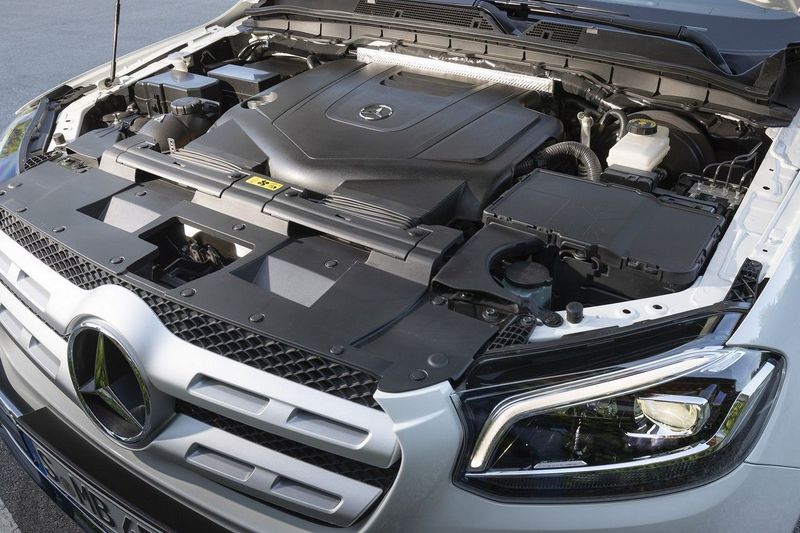
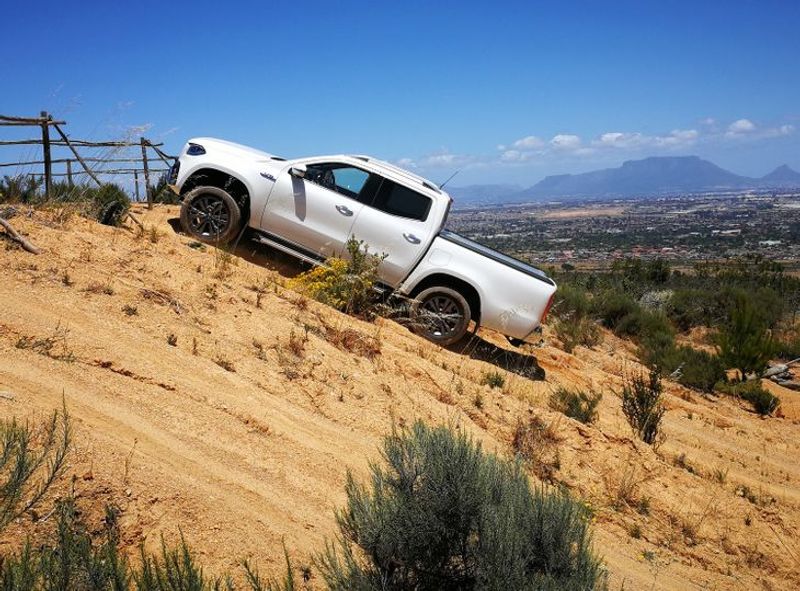
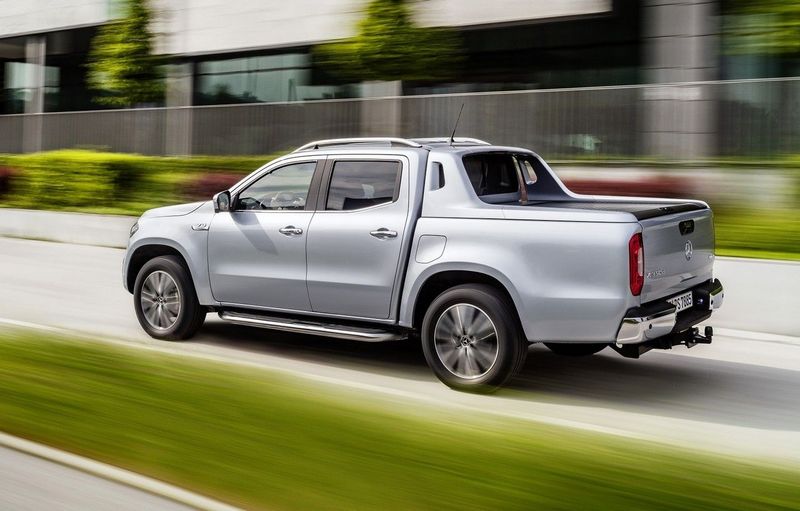
Volkswagen is offering a special edition Amarok Dark Label in South Africa. See details below…
The Amarok Dark Label features a locally-sourced MAXE matte black styling bar with ‘Amarok’ lettering while the door handles and side mirrors are finished in matte black. The front protection grille is also finished in matte black with dark chrome lacquered ledges. The look is further emphasised with dark-tinted rear windows and blacked-out B-pillars and black side sills. The taillights are smoked and ‘Dark Label’ decals are seen on the side of the vehicle. The Amarok Dark Label rides on new 18-inch Rawson alloy wheels.
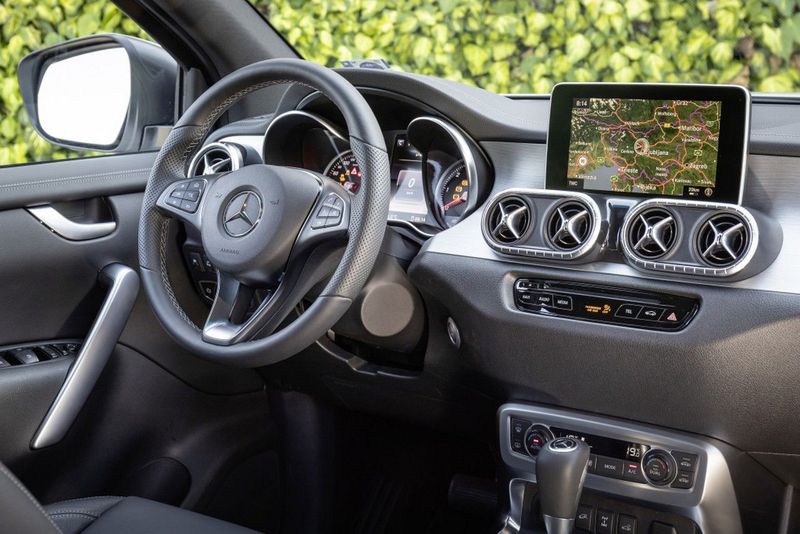
On the inside, the Amarok Dark Label features a black ‘Greenhouse’ headlining, Vienna leather seats and silk glance chrome air vent surrounds while the floor mats feature ‘Dark Label’ lettering.
Standard features include bi-xenon headlights with LED daytime running lights, front and rear park distance control, tyre pressure monitor, Composition Media infotainment system with app-connect and voice control, multifunction steering wheel and onboard computer.
Optional features for the Amarok Dark Label include seat heating, heavy duty suspension, rear view camera, climate control air-conditioning, Discover Media infotainment system and rubber flooring for the cab and passenger compartment.
The Amarok Dark Label Edition is powered by a 2.0-litre bi-turbodiesel engine with 132 kW and 420 Nm and is mated with an 8-speed automatic transmission directing power to all 4 wheels via a permanent 4Motion all-wheel-drive system. Fuel consumption is claimed at 8.5 L/100km.
Volkswagen Amarok Dark Label – Price in South Africa
Amarok Dark Label – R674 600
A 3-year/100 000km warranty, 5-year/90 000km service plan and 6-year anti-corrosion warranty is standard.
2018 is one of the most unstable years in automotive corporate history. What all the new CEOs mean for your favourite car brands.
If you are employed in a senior management position in the automotive industry, 2018 must rank as one of the most disruptive years on record. In an industry desperately strategising about its future powertrains (full or partially electric?), private car ownership (will we all subscribe instead of own?) and how to reconcile demands from the world’s two most influential markets (North America and China), it has been a most challenging year.
Car company CEOs are some of the most traditional and autocratic business people and tend to be notoriously rigid in their crisis management. Domination is preferred to collaboration and 2018 has tested alliances and cast doubt on the survivability of certain brands. Europe. The United States. Japan. All three key domiciles of the industry have seen major corporate disruption within their automotive brands.
As 2018 draws to a close, what really happened in the global automotive industry this year – and how does it impact your favourite brands' futures?
Tesla survived
No car company CEO has a greater cult of personality (and has courted quite as much controversy in a relatively short career) as Tesla's Elon Musk. The former Pretorian has managed to survive despite antagonising rival manufacturers and the U.S. Securities and Exchange Commission and yet customers continue to wait patiently for Tesla to deliver cars to them, which are months (even years) late on original commitment dates.
Musk’s survival has created immense pressure on established brands, however. Nearly every credible volume automotive manufacturer now has an electric vehicle of sorts in the pipeline for next year or 2020 – an urgency of strategy that would not have existed without Tesla’s presence.
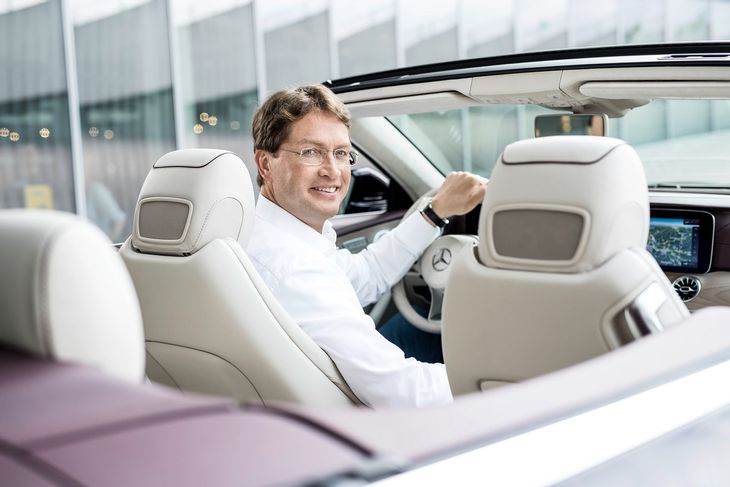
The world’s oldest car company, which also, unsurprisingly, commands the vastest R&D budget (a staggering R170 million per day), has undoubtedly felt the pressure of Tesla’s disruption. In an unprecedented step for a German car brand, especially one as conservative and immersed in its engineering legacy, Mercedes-Benz has appointed a non-technical CEO.
The new Swede in charge of Mercedes-Benz: Ola Källenius.
For decades, Germany’s all-conquering car industry has dominated by virtue of its technical excellence, a state of affairs believed to be the result of promoting engineers to the position of CEO, instead of business managers. In a rapidly changing world, where engineers' technical sensibilities are no longer considered sacrosanct after the US emission scandal, CEO succession planning in Stuttgart, Munich and Wolfsburg might look a little different in the decade to come.
Mercedes-Benz has replaced its iconic CEO Dieter Zetsche with a Swede, Ola Källenius. A company man since 1993, Källenius has impressive stints at AMG and as head of Mercedes R&D to his credit, but he remains a business and strategy realist, not somebody beholden to engineering loyalties and narrow technical paradigms.
It’s a daring appointment by the Three-pointed Star, and one which carries an unenviable burden of expectation for Källenius. Rupert Stadler’s term as Audi CEO ended in an arrest this year and he was among the first non-engineers to become a German car company CEO. Källenius will be under intense scrutiny as Mercedes-Benz attempts to reconcile its traditional status and prestige with a hugely diverse product portfolio.
Merger mania after Marchionne
One of the last great corporate mergers in recent memory was the audacious acquisition of Chrysler by Fiat. In a moment of desperation after the 2008 global credit crisis, the unfathomable happened: Fiat acquired an interest in Chrysler during 2009. By 2014, Italian industrial equity owned Chrysler outright.
Market analysts could hardly imagine a less likely corporate marriage than Italian compact car specialist, Fiat, and the brashest of American bakkie and V8-performance car brands, Chrysler.
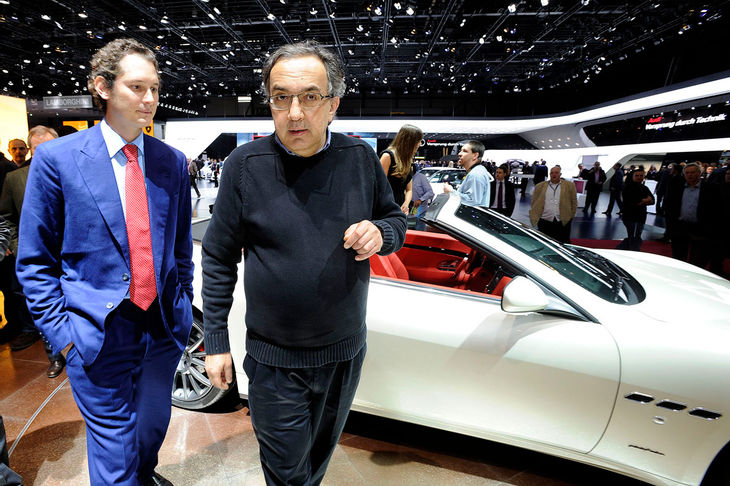
How will the Fiat-Chrysler brand fare after the untimely death of CEO Sergio Marchionne?
For the last few years, the organisation has stumbled upon occasional success, but most of its survival was due to Fiat CEO, Sergio Marchionne, applying ruthless (and necessary) cost- and efficiency management. After Marchionne’s untimely passing in July, after a routine medical procedure in Switzerland, Fiat and Chrysler are now both in a predicament. Fiat’s business anchors on patriotic domestic demand in Italy, a country perennially on the precipice of financial calamity, and Brazil, a country currently in the abyss of general calamity. Alfa Romeo has some new products, but negligible volume, and without a credible presence in either America or China, there is little prospect of any growth in Fiat or Alfa Romeo’s business future.
Chrysler’s Dodge bakkies do an excellent trade in America and with local production and strong demand, it’s a business that could effectively run itself independently of the Fiat-Chrysler empire. As a whole, Chrysler is woefully unprepared for an electric vehicle future (it doesn’t even have a mild hybrid in its portfolio), with Jeep being the only other division that could possibly be graded as a going concern.
Without Marchionne’s forceful and visionary leadership, both Fiat and Chrysler might struggle to trend towards the goal that Mercedes-Benz never achieved in its partnership with the American auto brand: successful integration and sustained profitability.
End of the Alliance
After Marchionne’s death midyear, many feared 2018 could not get any worse for the global automotive industry, but they were wrong. The chairman of Renault and Nissan’s Global Alliance, which also owns a 3rd of Mitsubishi, was purged from his position after Japanese authorities raised issues about his personal income declaration and misappropriation of company funds.
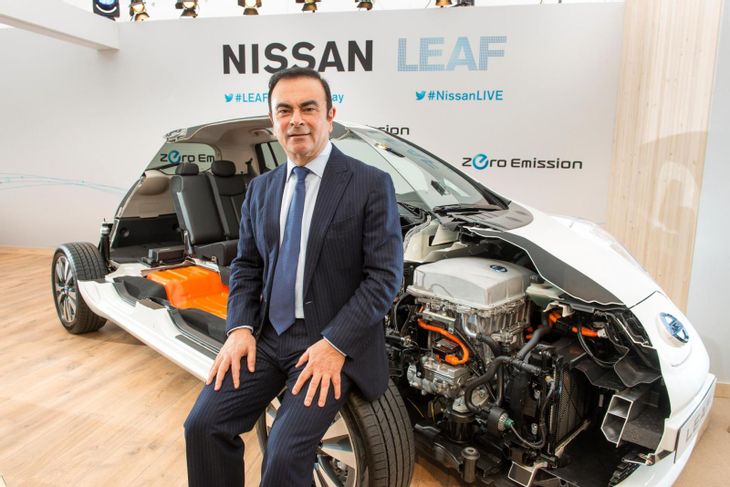
Carlos Ghosn is gone from the head of the Renault-Nissan Alliance. Will both brands remain in the alliance in 2019?
In the late 1990s, after the Asian financial crisis had weakened Japan’s nearly infallible automotive industry, Carlos Ghosn engineered a merger between Renault and Nissan. It was hailed a miracle and, after peaking at 10.6 million new vehicle sales last year, the Alliance has proved its worth. Unfortunately, Ghosn appears to have taken his status as saviour a step too far.
After his arrest, Ghosn has been removed as chairman of Nissan and Mitsubishi and is currently residing in a Tokyo detention facility. His misdemeanours are said to include abuse of Nissan’s corporate aviation assets for personal use, the purchase of a global property portfolio with company funds, used for his exclusive habitation, and having Nissan cover losses on Ghosn’s ill-judged private investments after the 2008 financial crisis.
Japanese corporate culture is deeply respectful, yet Nissan’s executives have been uncharacteristically virulent in their criticism of Ghosn after his arrest. There is a notion that this a golden opportunity to divorce Nissan from Renault, ending an alliance in which Japanese stakeholders felt their technology and American market presence were underappreciated… and that Nissan was merely a revenue source to support Renault, which features strong French government shareholding.
For Renault, the end of its partnership with Nissan could be deeply problematic. It has no American market presence, nor does it have a credible and profitable large bakkie or SUV product portfolio – both areas in which Nissan excels.
What will happen in 2019? It appears inconceivable that the Renault-Nissan Alliance will survive. Those brands that have not suffered (planned or abrupt) CEO and chairperson changes will be best placed to execute their strategies in the next 12 months.
Toyota and the Korean twins (Hyundai/Kia) appear very stable and should be set for a strong 2019.
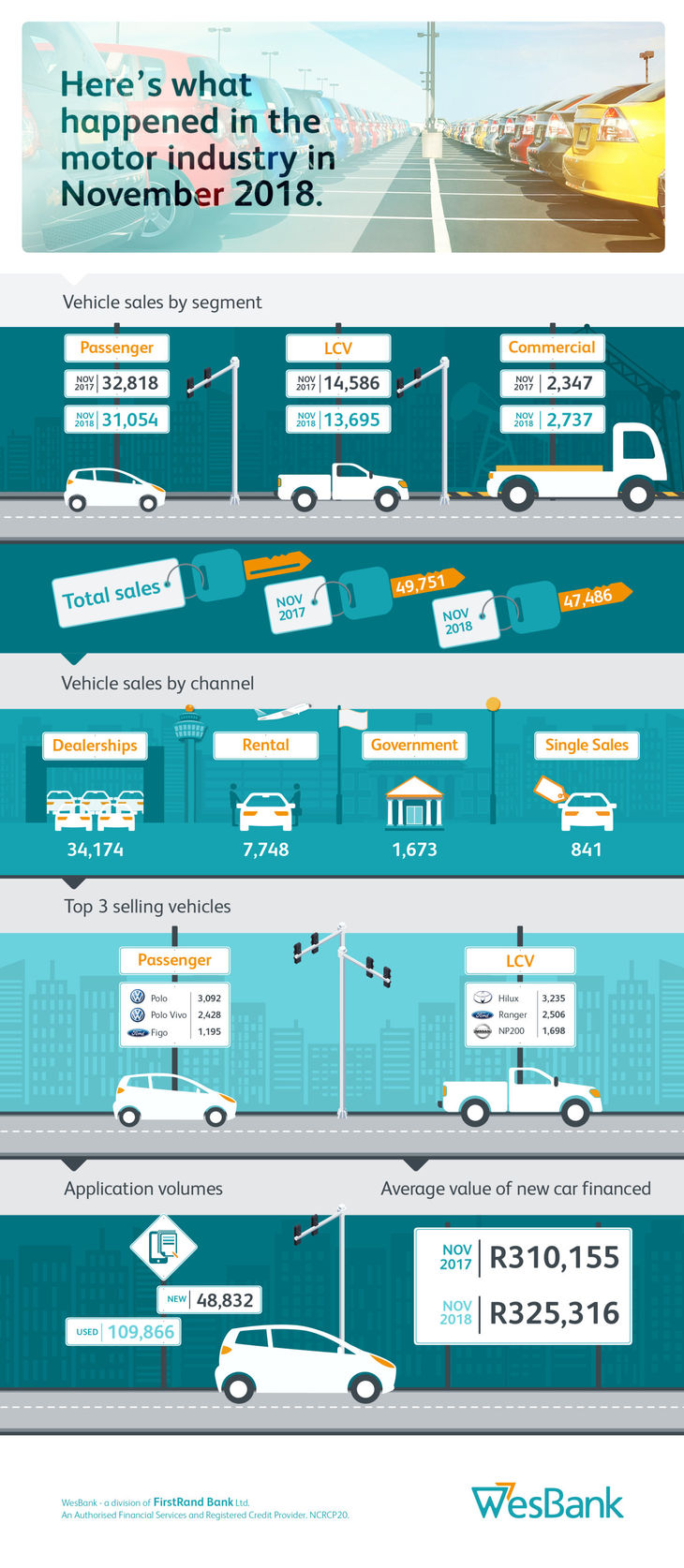
New car sales declined substantially across the board during the month of November 2018 while export sales returned modest growth. Take a look at the new car sales breakdown below…
It was yet another tough month for new car sales in South Africa with the new car market recording a decline of 4.6% which translates into a year-to-date decline of 0.9%.
Ghana Msibi, WesBank Executive Head of Sales and Marketing commented, ““While consumer confidence looks to be reasonably positive, the interest rate hike during the month would have impacted sales during November negatively. Further planned rate increases over the next 12 months will not bode well for new vehicle sales.”
Despite the numbers, WesBank commented that consumer demand for new cars remains high. “Considering WesBank application data, consumers are clearly keen to buy cars. However, a lot of that demand has shifted to the used car market (69% of all applications were for used cars), indicative of the stress in the new car market as well as the worsening household situation with regard to disposable income and general affordability.”
Consumers are also holding on to their vehicles for longer according to Wesbank, “While consumers have consistently financed their cars near the maximum period allowed for the past two years, the average period before the settlement of those contracts has increased by six months,” said Msibi.
New car sales summary: November 2018
Aggregate new car sales of 47 486 down by 4.6% (-2 265 units) compared with November 2017.
Passenger car sales of 31 054 down by 5.4% (-1 764 units) compared with November 2017.
Light Commercial Vehicle (LCV) sales of 13 695 down by 6.1% (-891 units) compared with November 2017.
Export sales of 34 352 up by 2.5% (+824 units) compared with November 2017.
The National Association of Automobile Manufacturers of South Africa (NAAMSA) predicts that the current difficult economic environment will persist for the medium term which is compounded by the recent interest rate hike and continued pressure on consumer disposable income. Exports are expected to grow further in 2019 and beyond.
WesBank advises that consumers save bonuses for deposits to save on interest charges as well as taking advantage of car specials in December 2018 before new car prices increase in January 2019. With fuel prices on the high, consumers can also benefit from purchasing fuel-efficient cars in an effort to reduce monthly fuel bills.
The Toyota C-HR is the edgy choice in the popular compact family car/crossover segment and the range is now headlined by the 1.2T Luxury derivative, which offers more comfort, convenience and safety features. Is it worth the additional outlay?
We Like: Styling, performance, added features, ride and handling
We Don’t Like: Compromised luggage bay, poor rearward visibility,
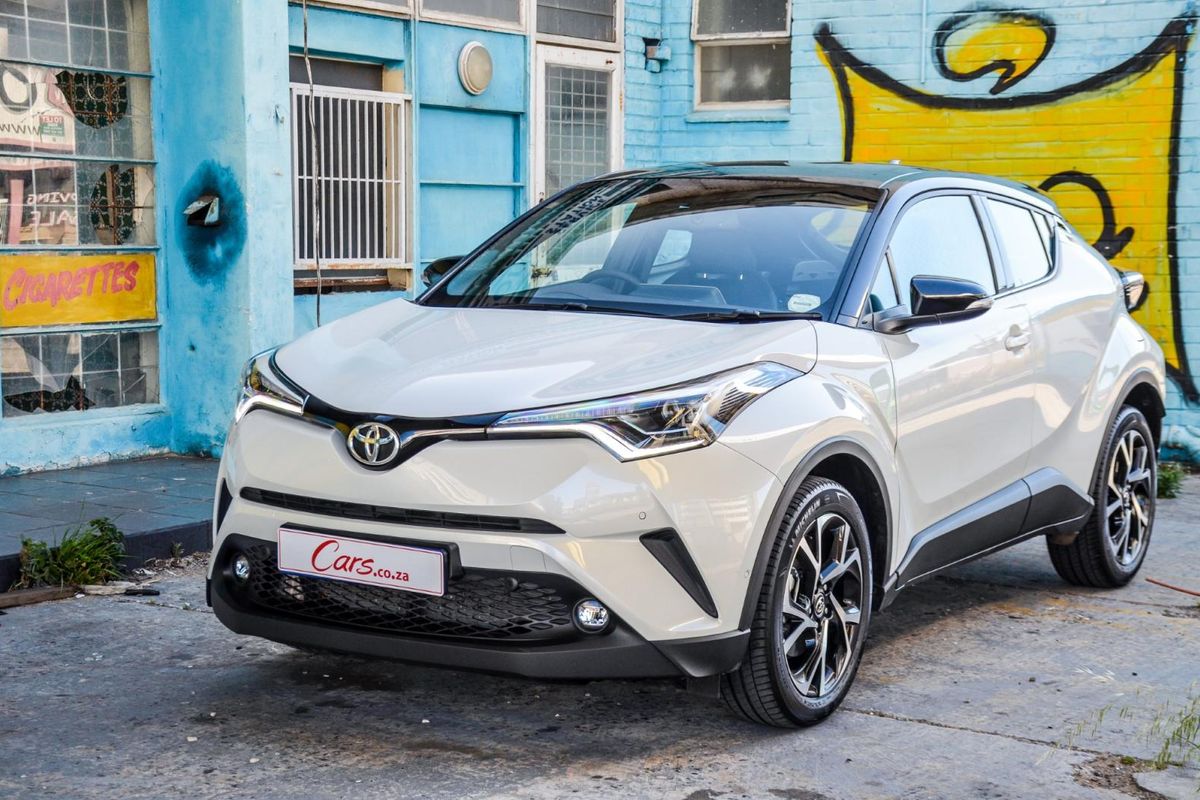
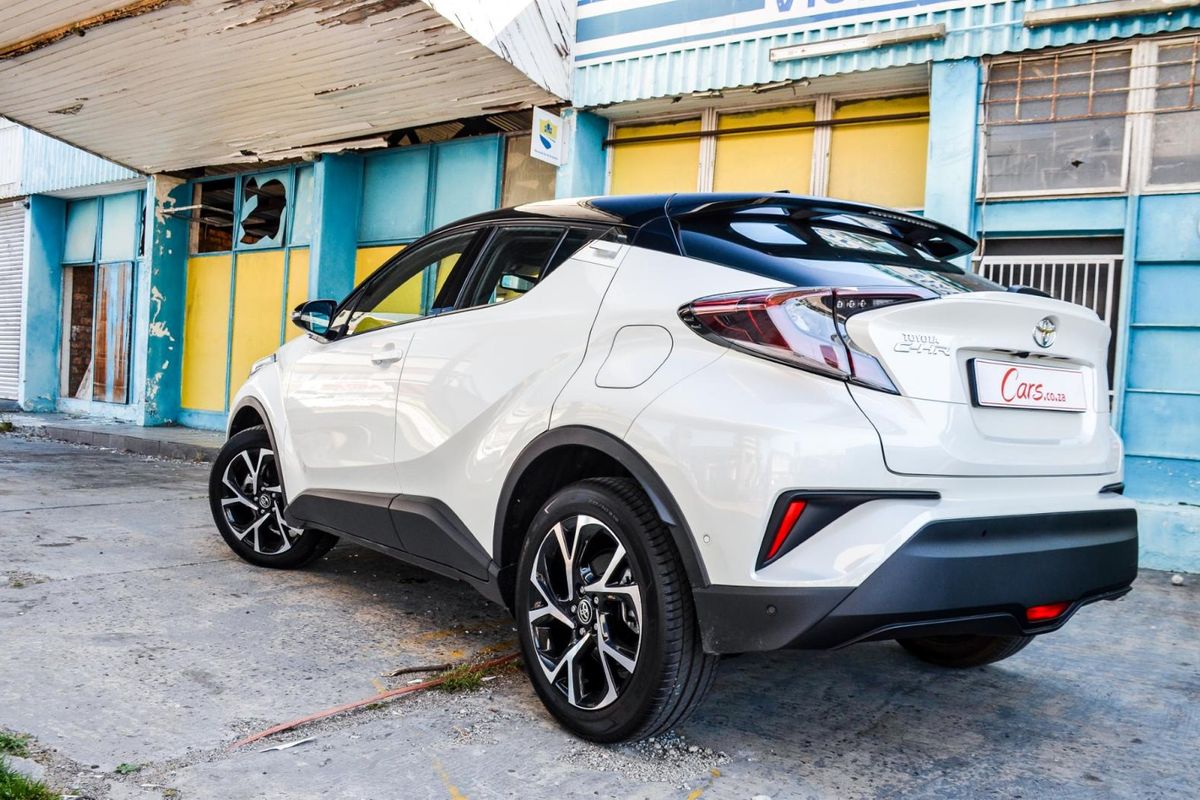
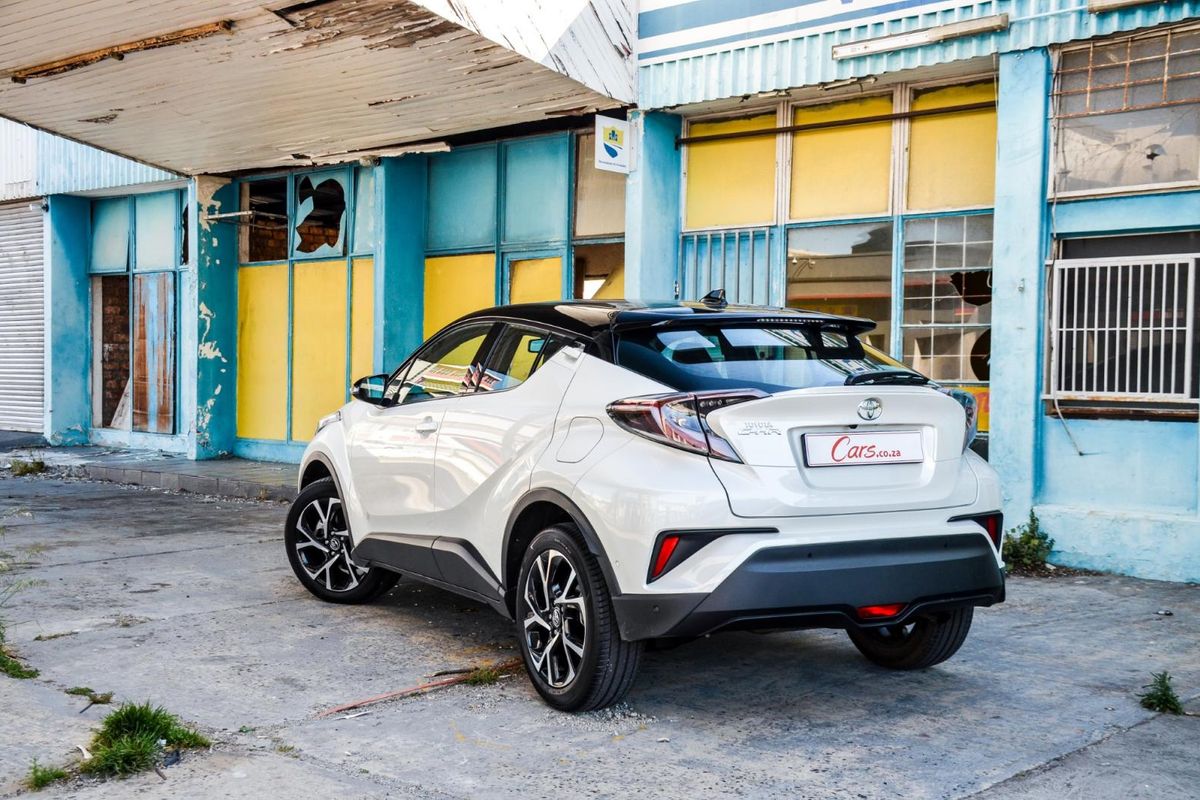
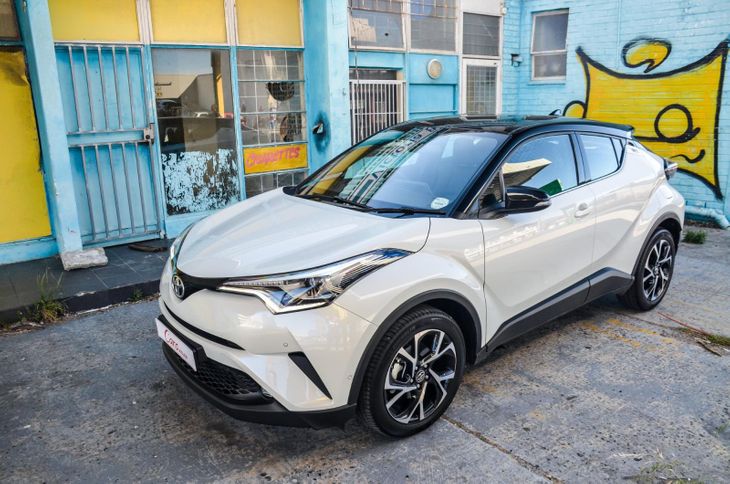
The C-HR's expressive design has made it a popular choice in the compact crossover segment.
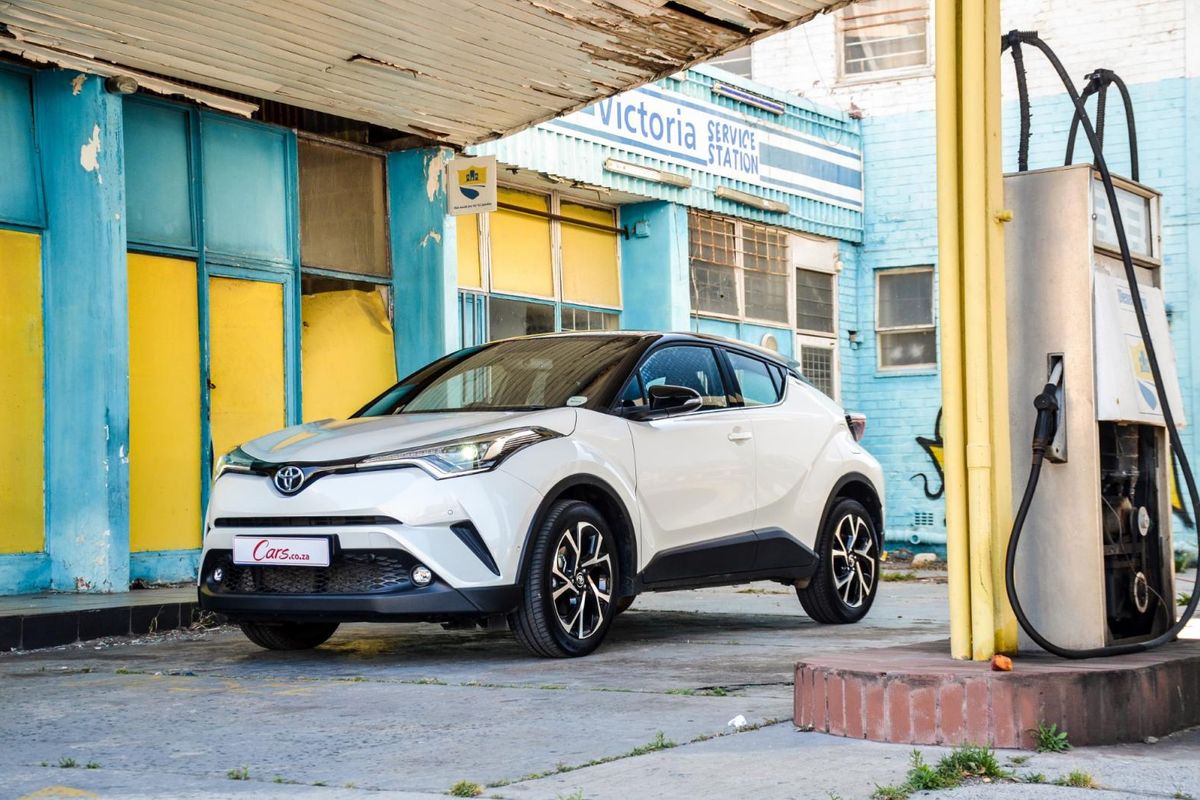
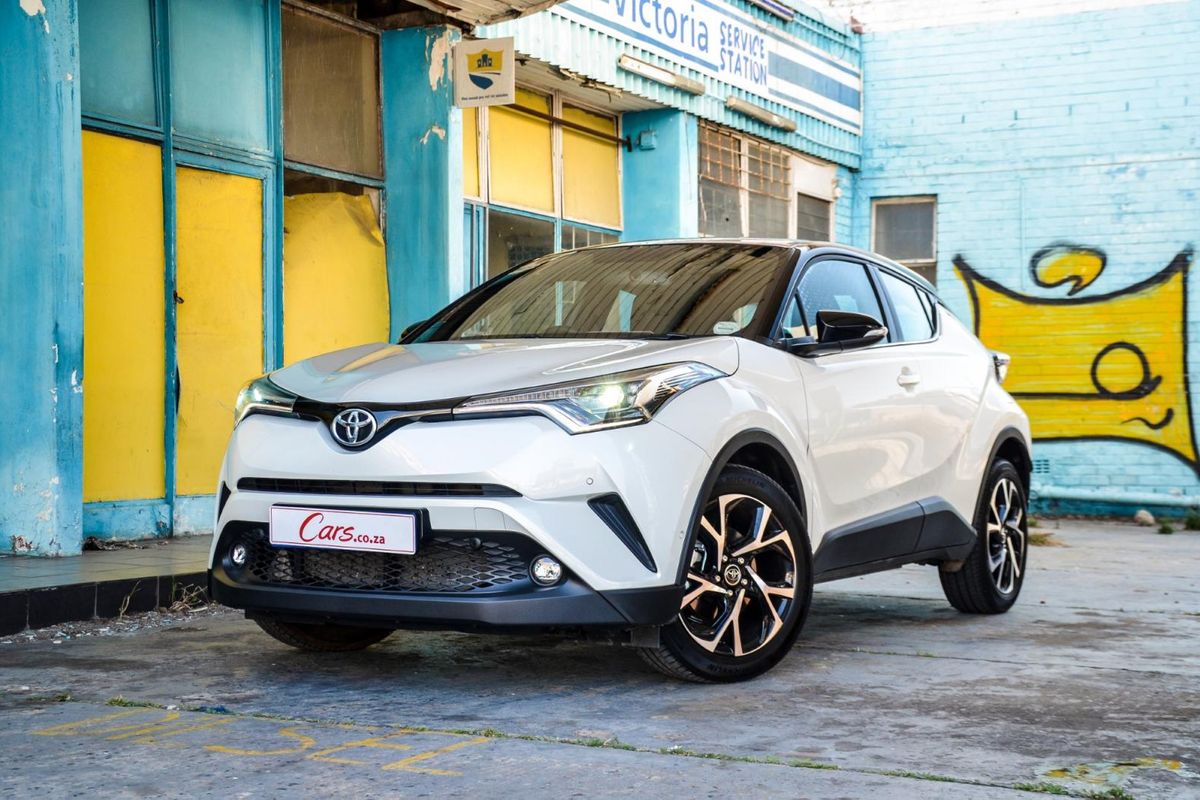
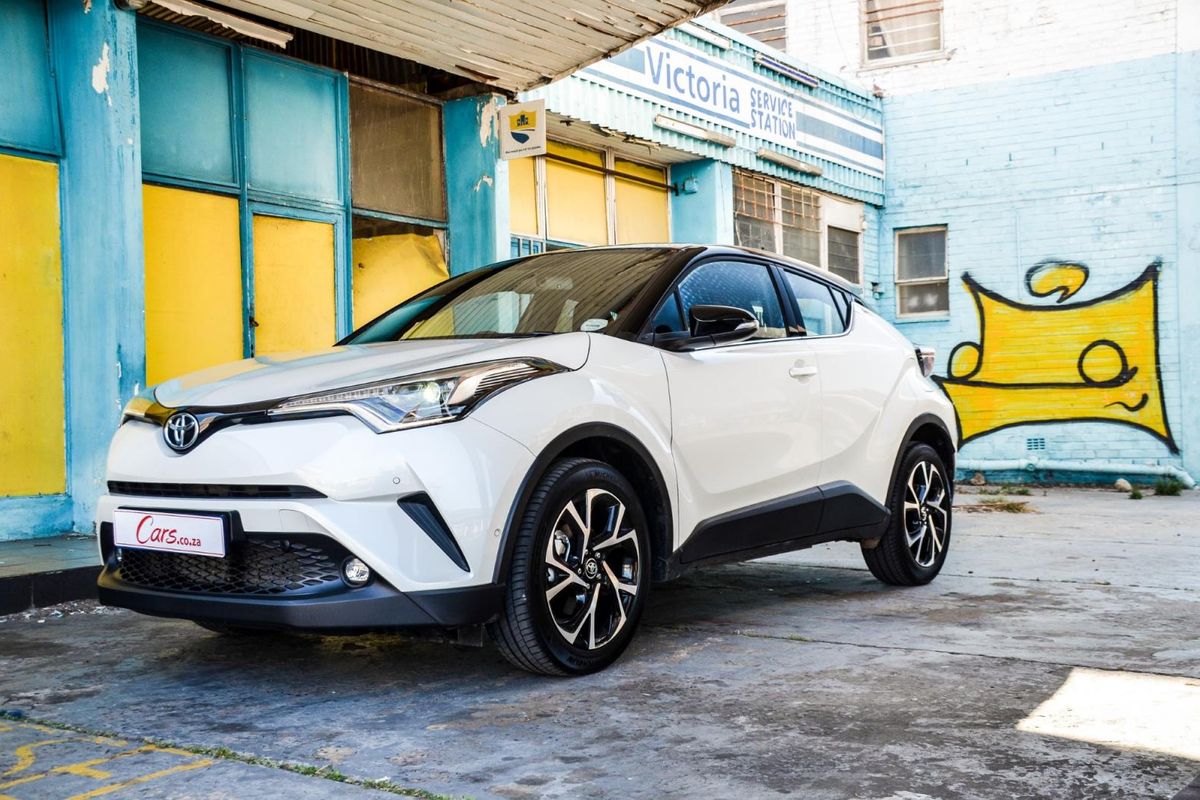
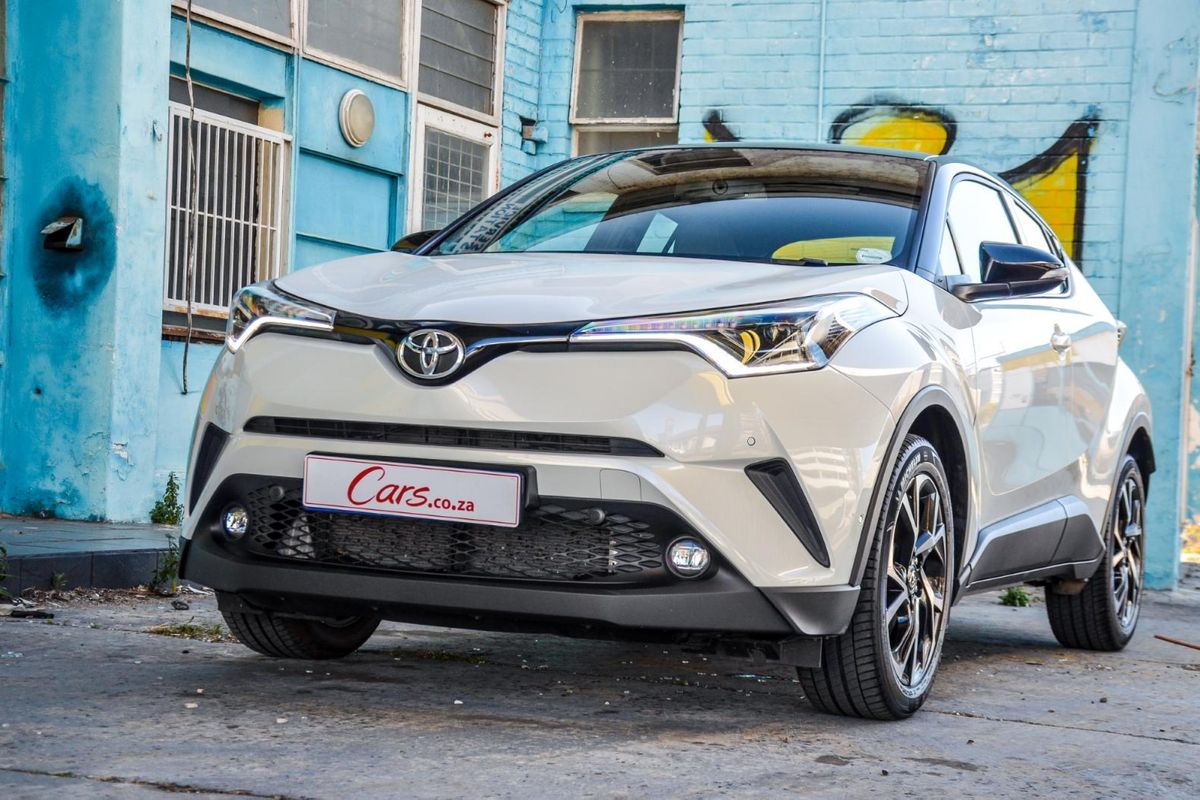
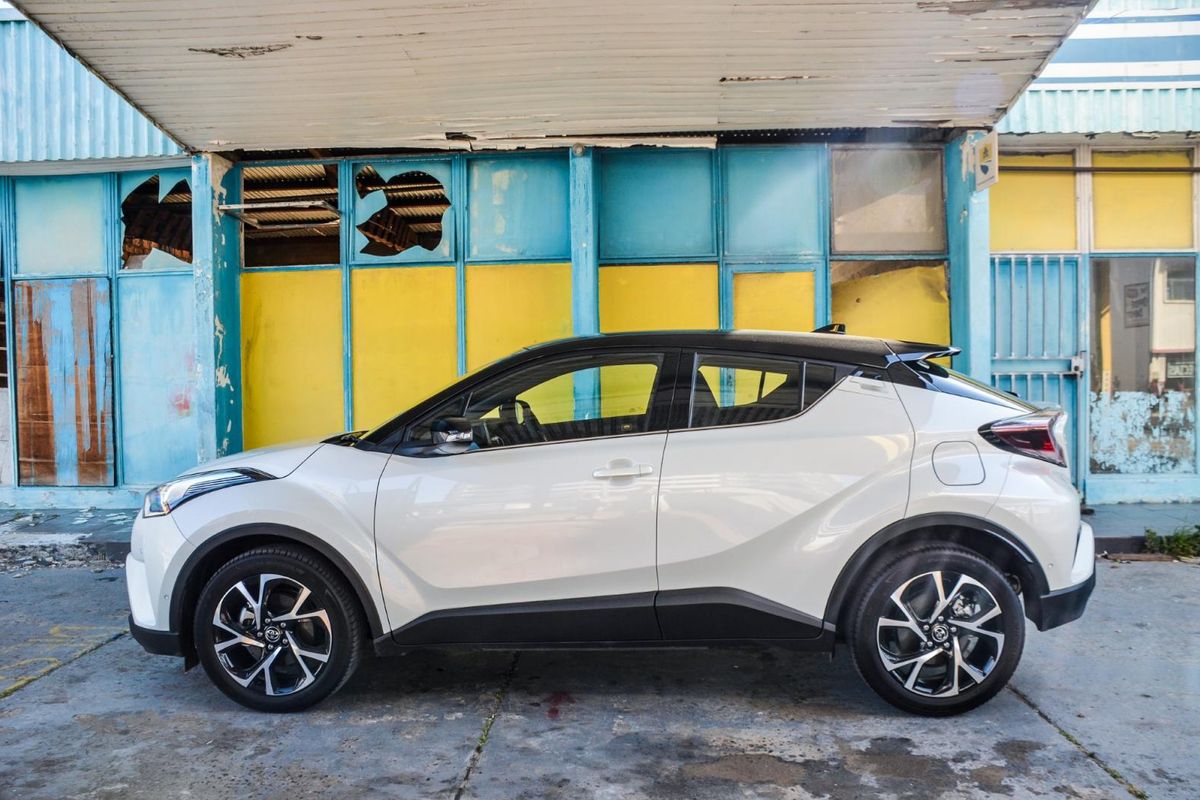
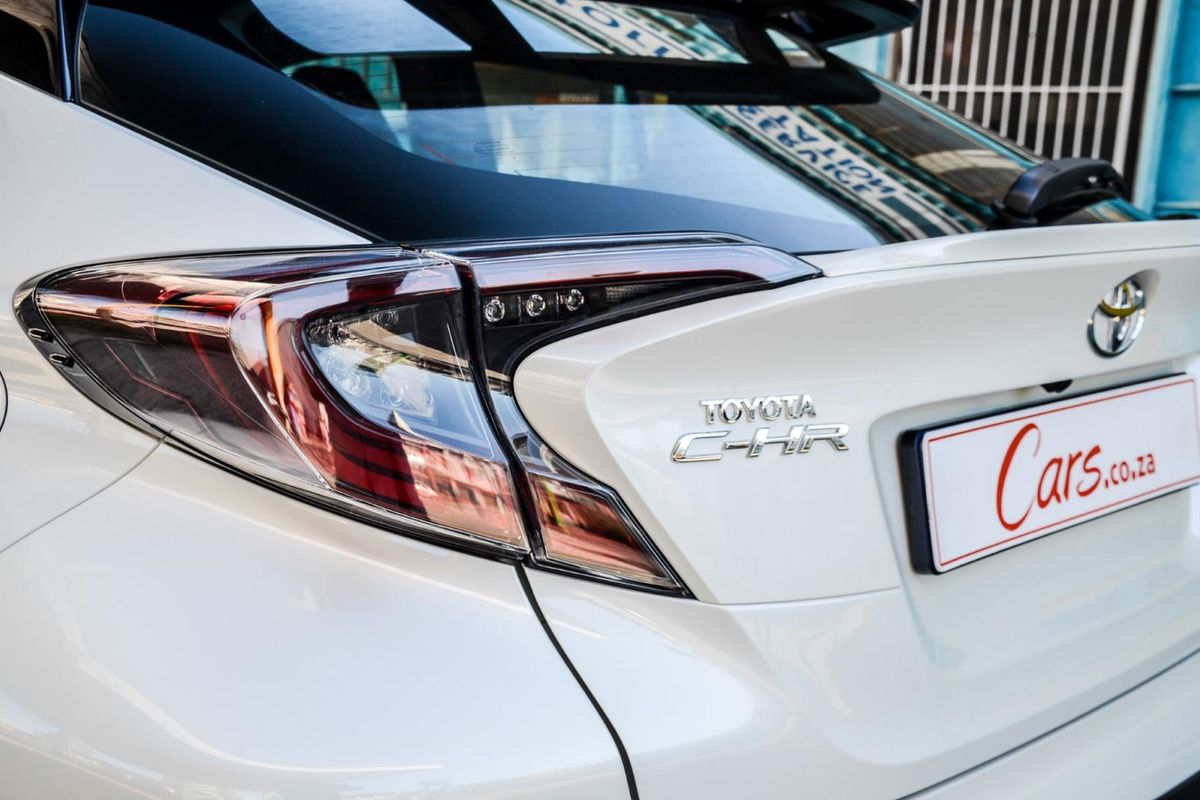
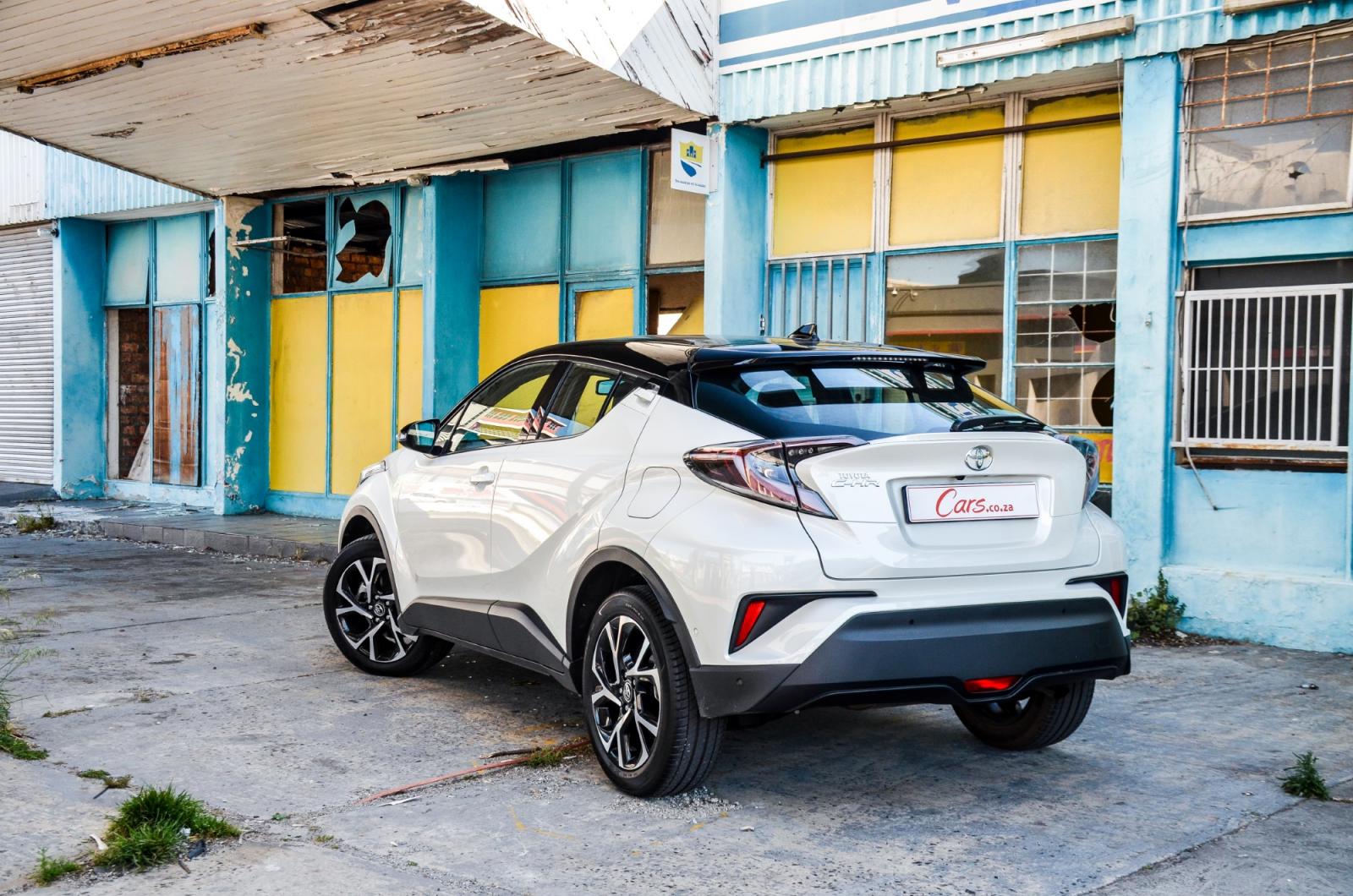
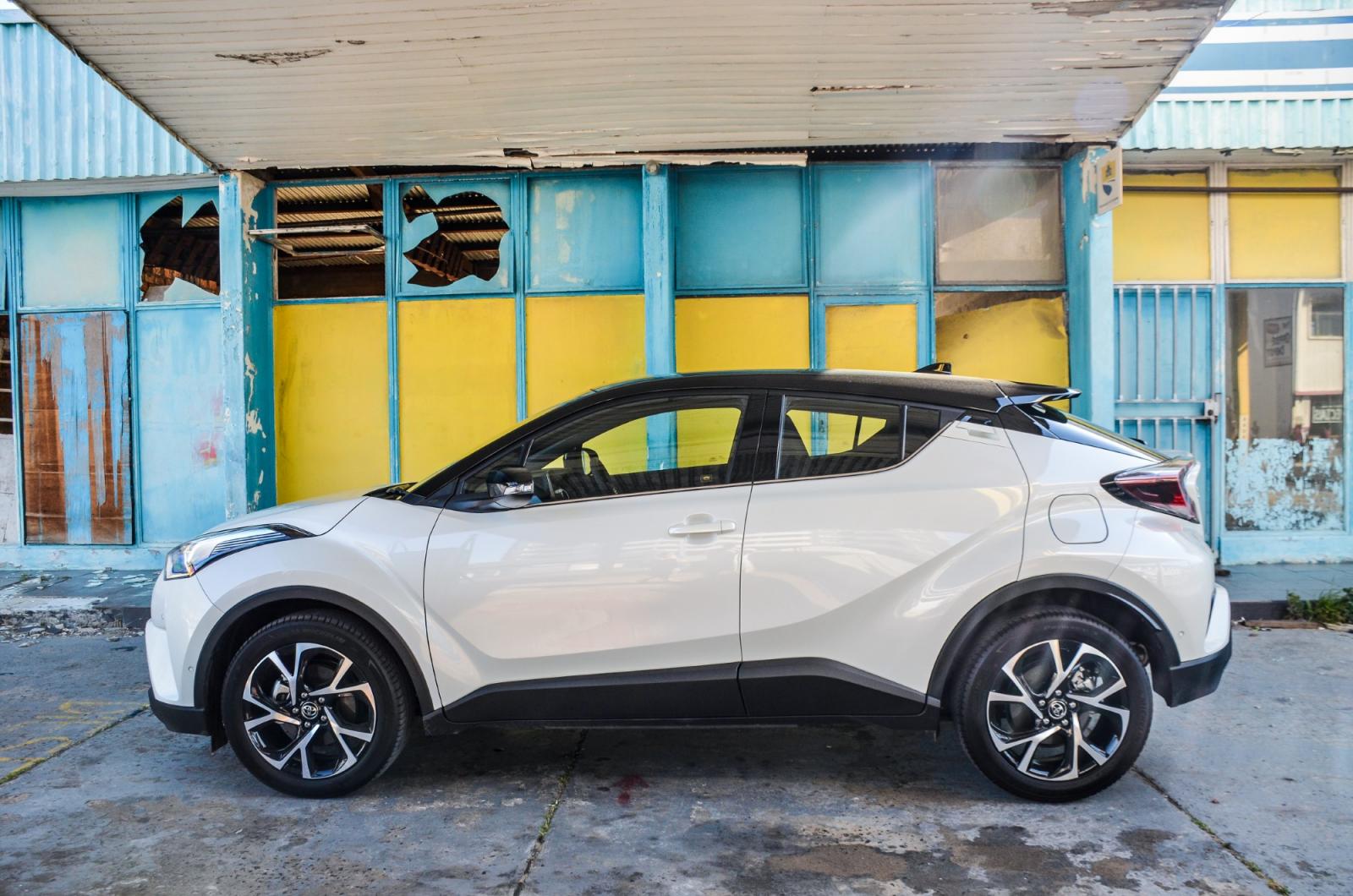
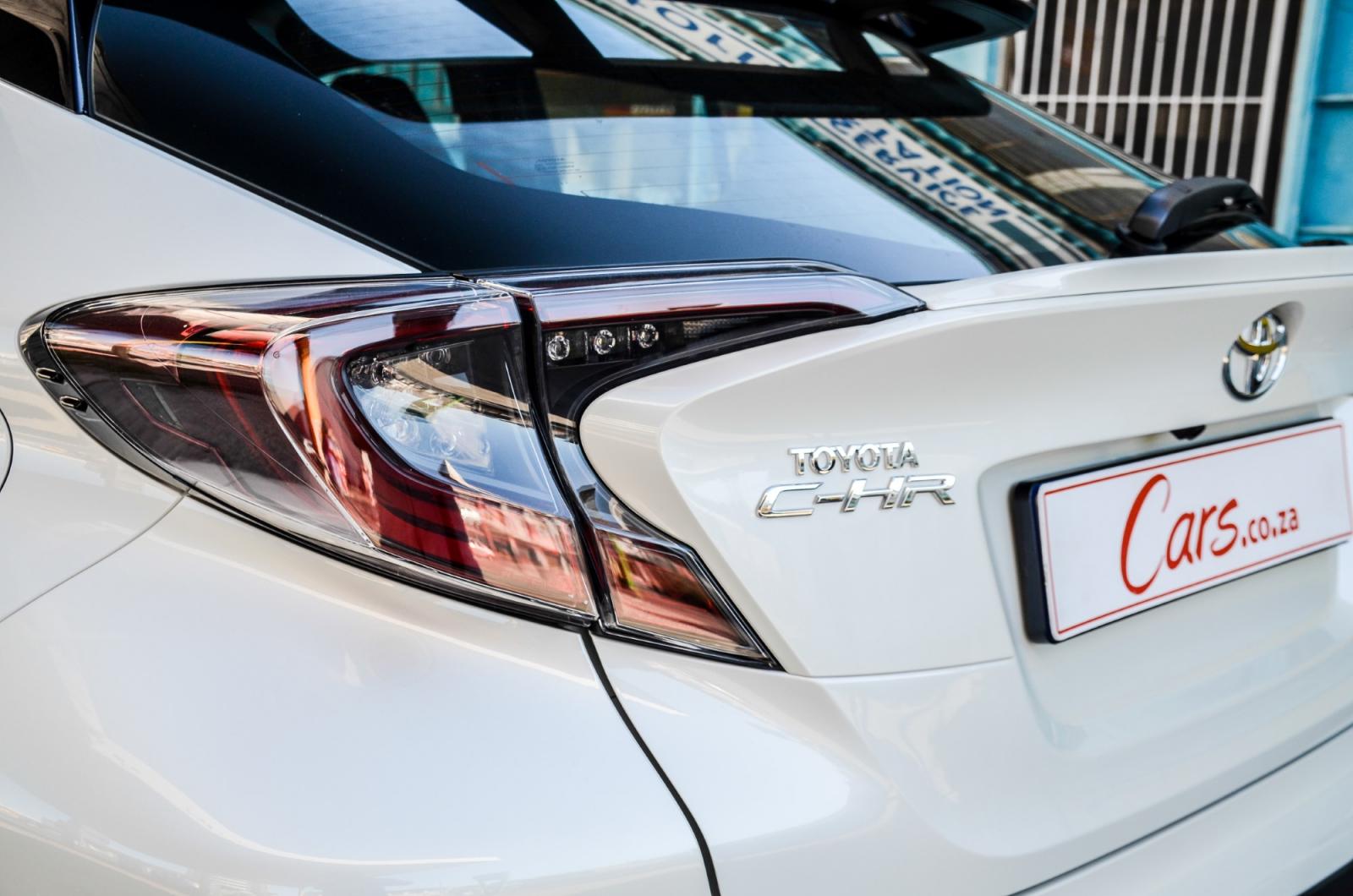
Built on Toyota's New Global Architecture, the C-HR is an edgy-looking compact family car/crossover that has proven popular in the local market since its launch in early 2017. The 1.2T Luxury derivative on test here is the latest addition to the range and is easily identified by its bi-tone colour scheme, including a black roof, roof pillars and black side-mirrors (a total of 5 body colours are available). It also comes fitted with LED headlights and LED fog lamps while riding on 18-inch alloy wheels.
We think the C-HR is one of the better-looking cars in this segment, which partly explains its popularity in our market. Let’s take a look at how it performs overall…
What’s good?
Perky performance
Perfectly suited to driving in the city, the C-HR offers ample performance, while the CVT takes the stress out of congested city traffic situations.
The C-HR might not be as fast as it looks, but it serves up more than enough shove to cope in city and highway driving scenarios. A plucky 1.2-litre turbopetrol engine delivers 85 kW and 185 Nm of torque with a continuously variable transmission (CVT) driving the front wheels.
While we still prefer the manual version of the C-HR (not offered in Luxury trim), the CVT provides added convenience, especially for driving in congested city traffic. It’s acceptably responsive to throttle inputs and delivers good performance overall even though it doesn't feel as perky as its "stick-shift" counterpart. The CVT can, however, be shifted into manual mode, which allows a driver to manipulate the transmission's "ratios" (steps) to make the most of the engine's performance characteristics.
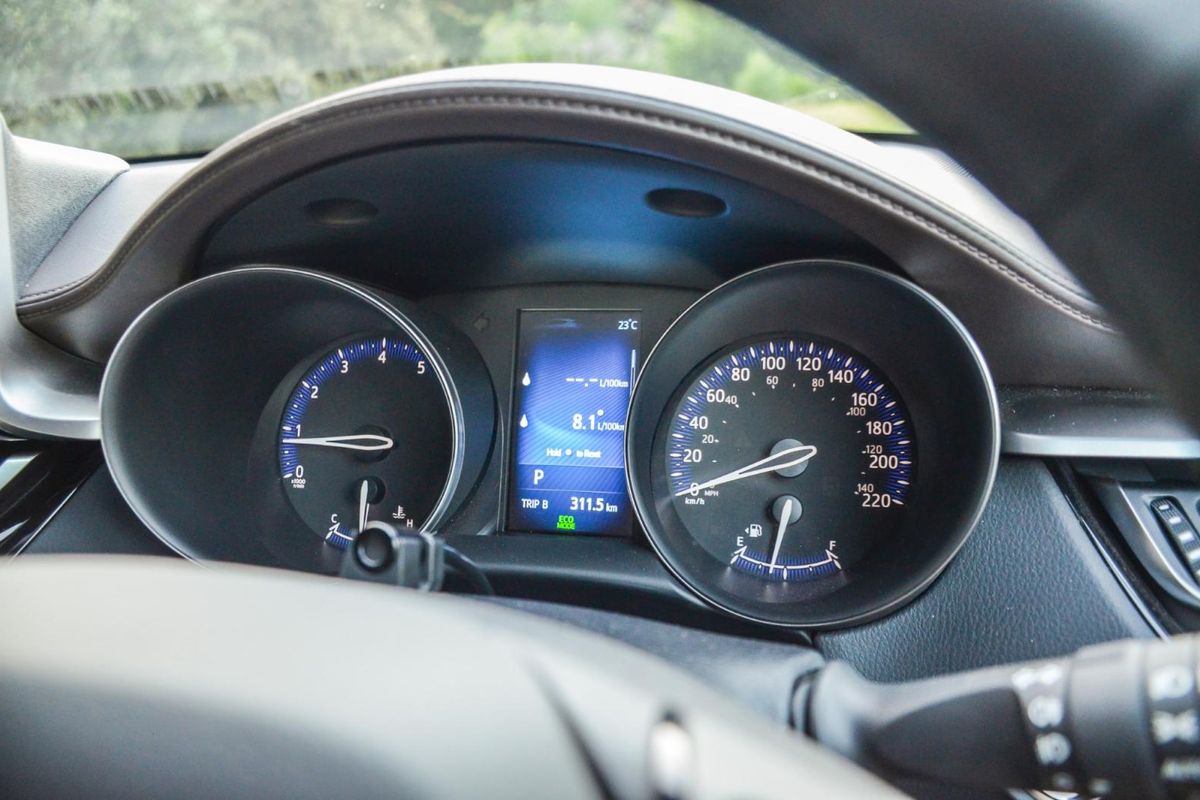
In terms of fuel consumption, Toyota claims 6.4 L/100 km but during our test period, the trip computer returned figures in the region of 8.0 L/100 km.
Good ride quality and handling
Surefooted handling and a comfortable ride qualitymake the C-HR an easy car to live with.
By crossover standards, the C-HR sits relatively low, has a wide track and feels well planted and agile when cornering. The steering is light, almost feathery, which is great for manoeuvring in the city, but it might be too light for those who prefer a firmer-feeling tiller. Nonetheless, the C-HR delivers a pleasing drive and its smooth and pliant ride quality further adds to the appeal: road imperfections are well-absorbed, without feeling crashy. Suffice to say the Toyota's a comfortable car to drive daily…
Comprehensive standard features
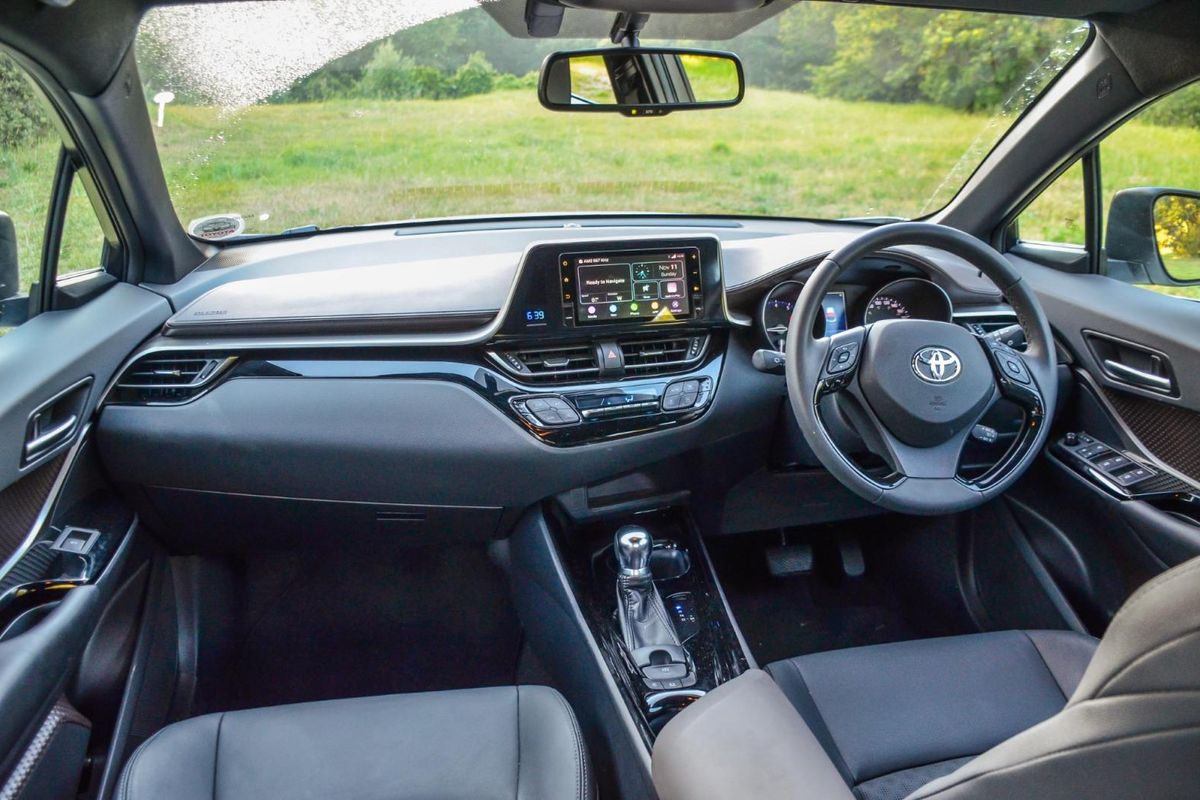
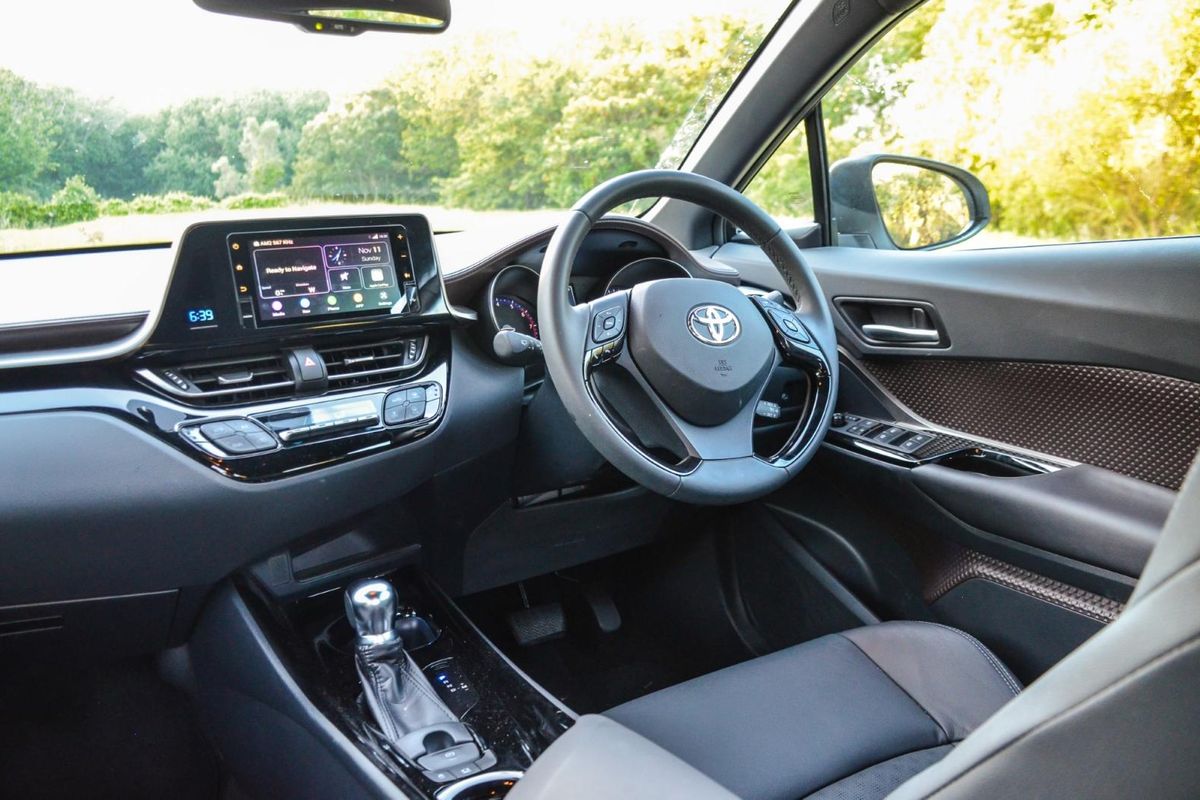
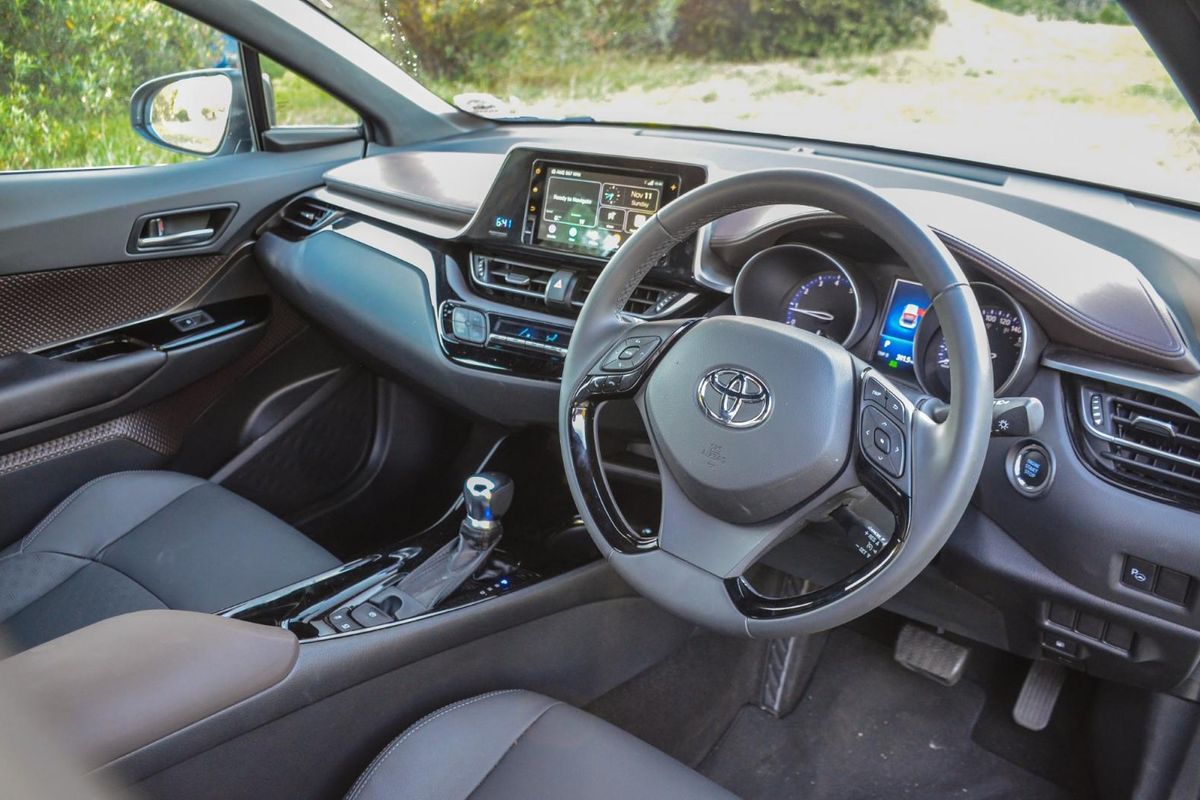
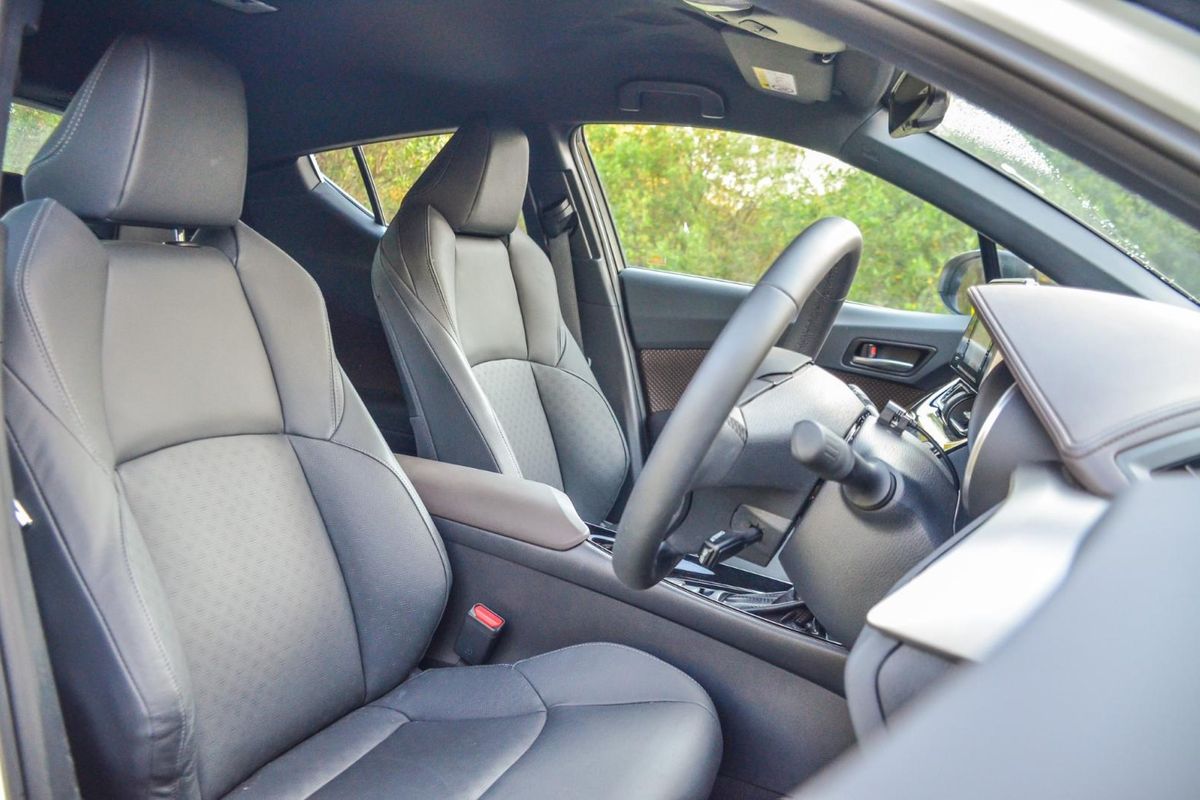
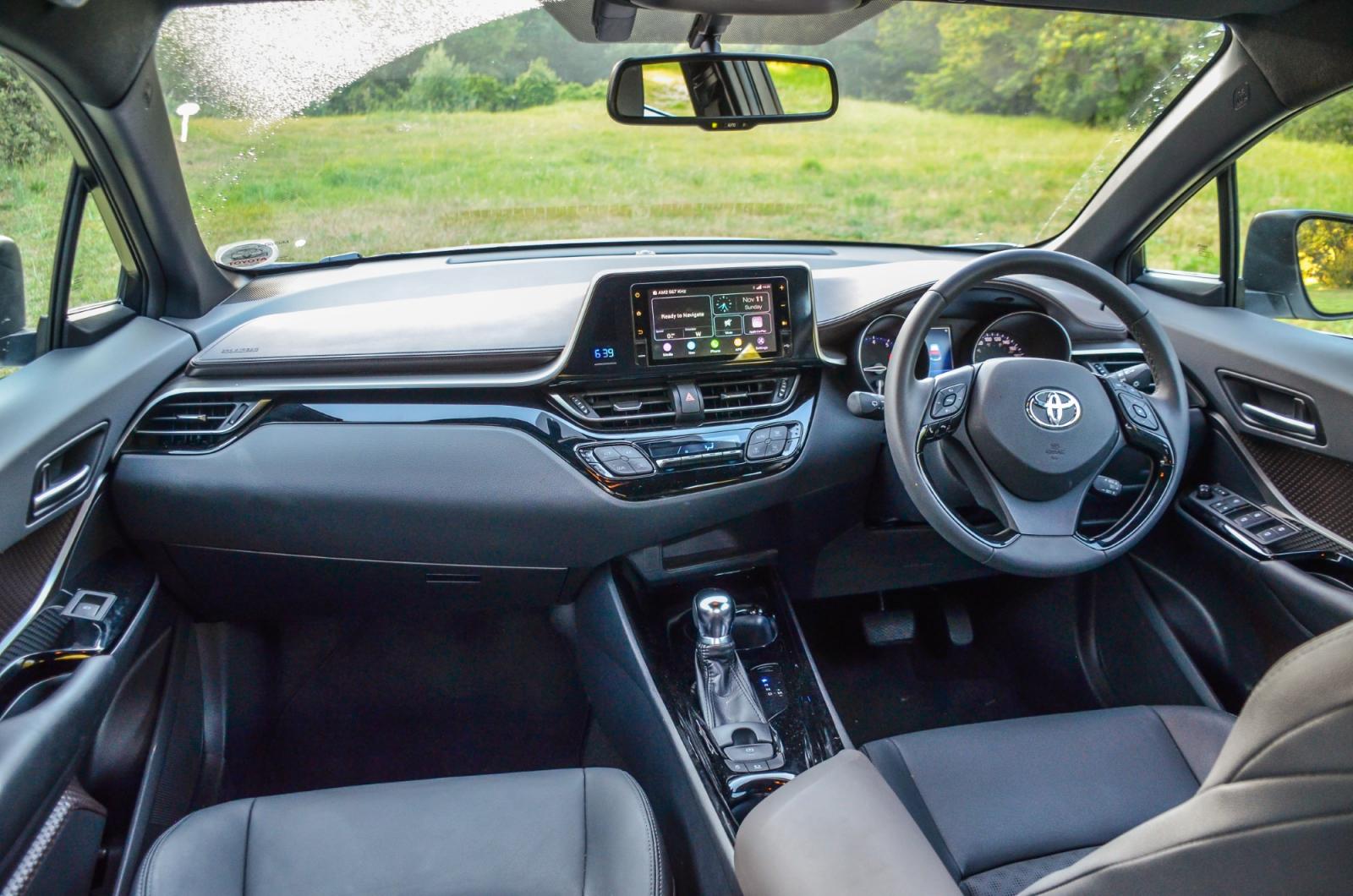
The cabin is smart and comfortable. Features such as front and rear PDC with a rearview camera are welcome additions in this derivative.
We like the classy, modern and minimalist cabin of the C-HR, but where this derivative shines is the standard features department. Buyers will be happy to know that front and rear park distance control with a reverse-view camera is standard, as is Intelligent Park Assist (IPA) which is a welcome addition to the features list.
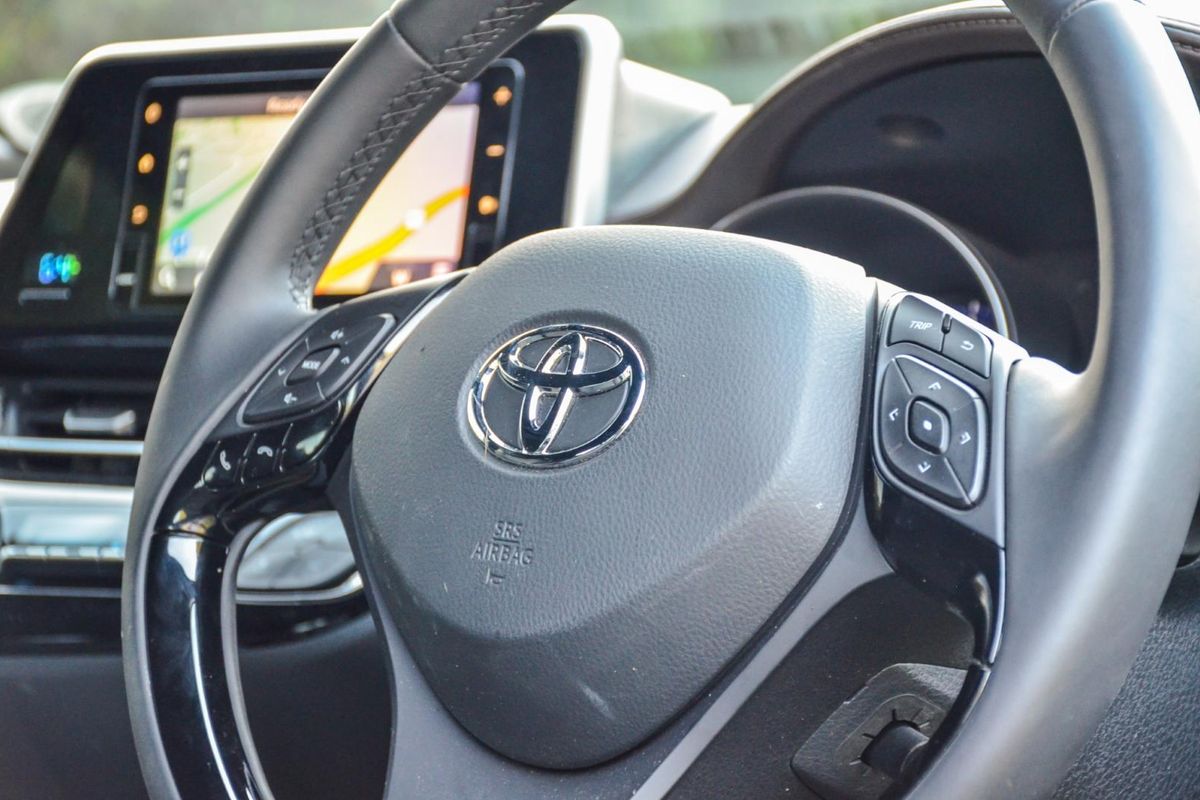
The leather seats are heated (at the front, for added comfort on those colder days) and the driver can adjust the lumbar support electronically. The steering wheel is adjustable for rake and reach with mounted controls for the audio, Bluetooth and multi-information display.
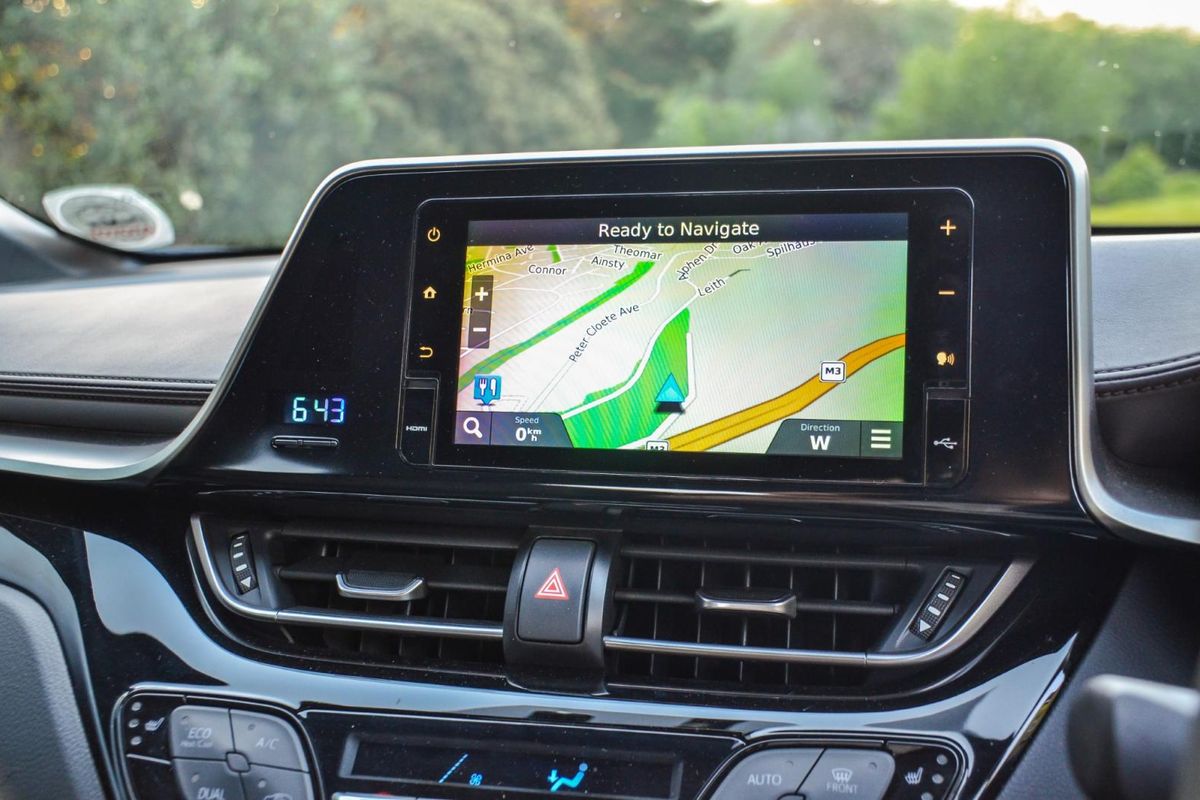
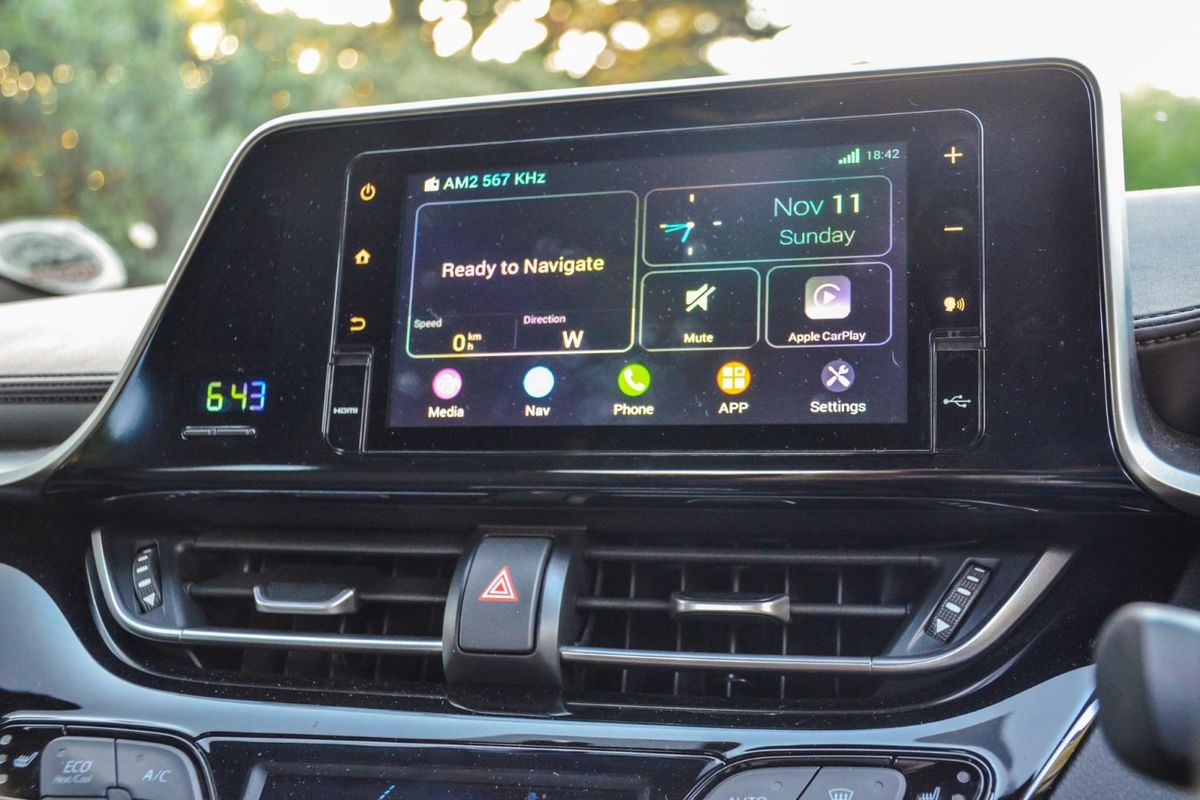
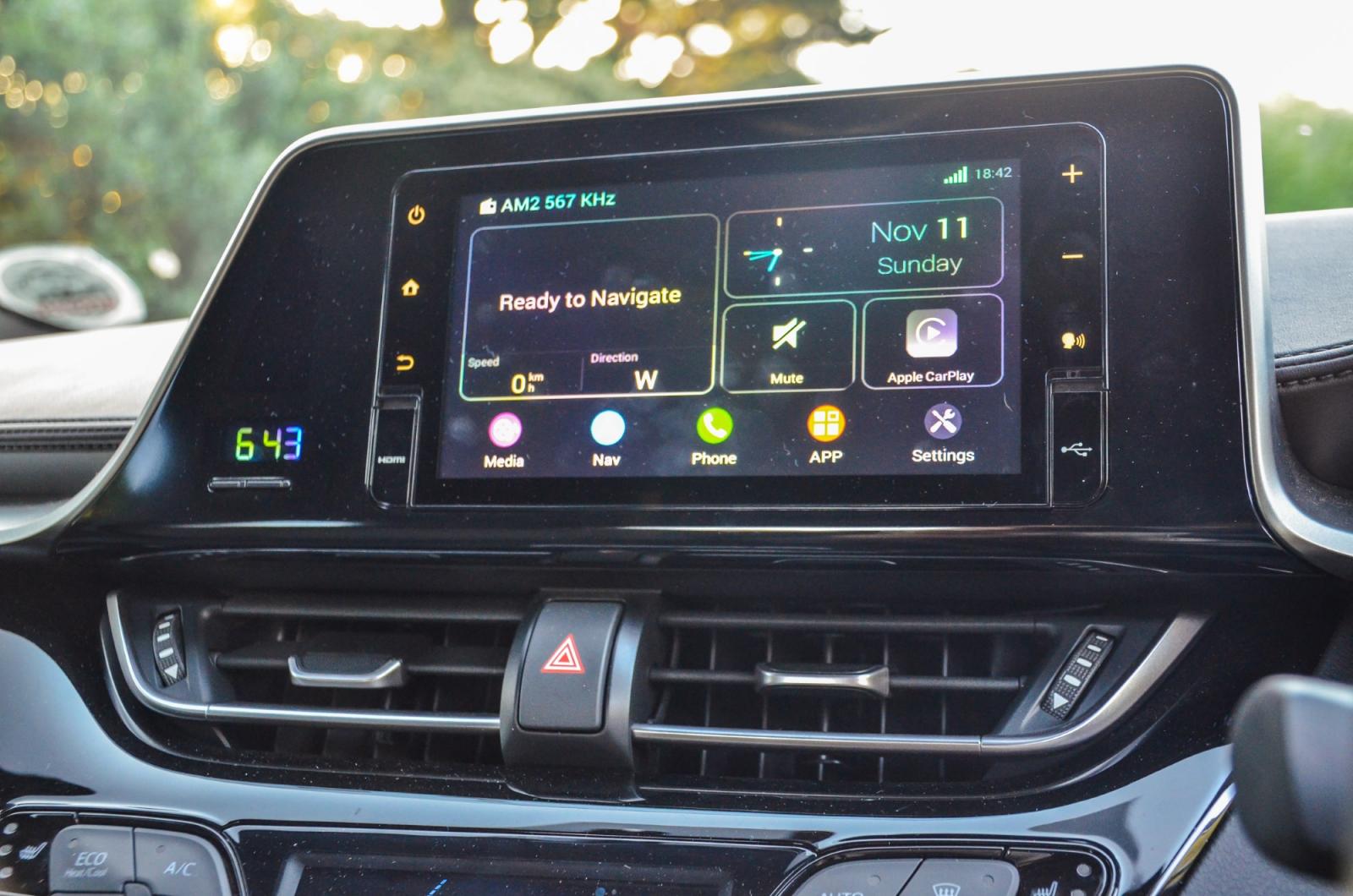
The infotainment system is easy to use and offers built-in navigation and is Apple CarPlay and Android Auto compatible.
The infotainment system offers navigation as well as being Apple CarPlay and Android Auto compatible. A USB port is also provided, but it’s positioned in an impractical position (on the edge of the touchscreen), which means that when you use a cable, it tends to dangle across the fascia, which isn’t ideal. Other notable features include keyless entry, push-button start, electric windows and side mirrors, cruise control and dual-zone climate control air conditioning.
Safety features have been beefed up too and this derivative boasts a total of 7 airbags as well as ABS with EBD, Vehicle Stability Control (VSC), Hill Assist Control (HAC) and Brake Assist (BA). ISOfix child seat mounts are also fitted.
What’s not so good?
Practicality's not the C-HR's strength
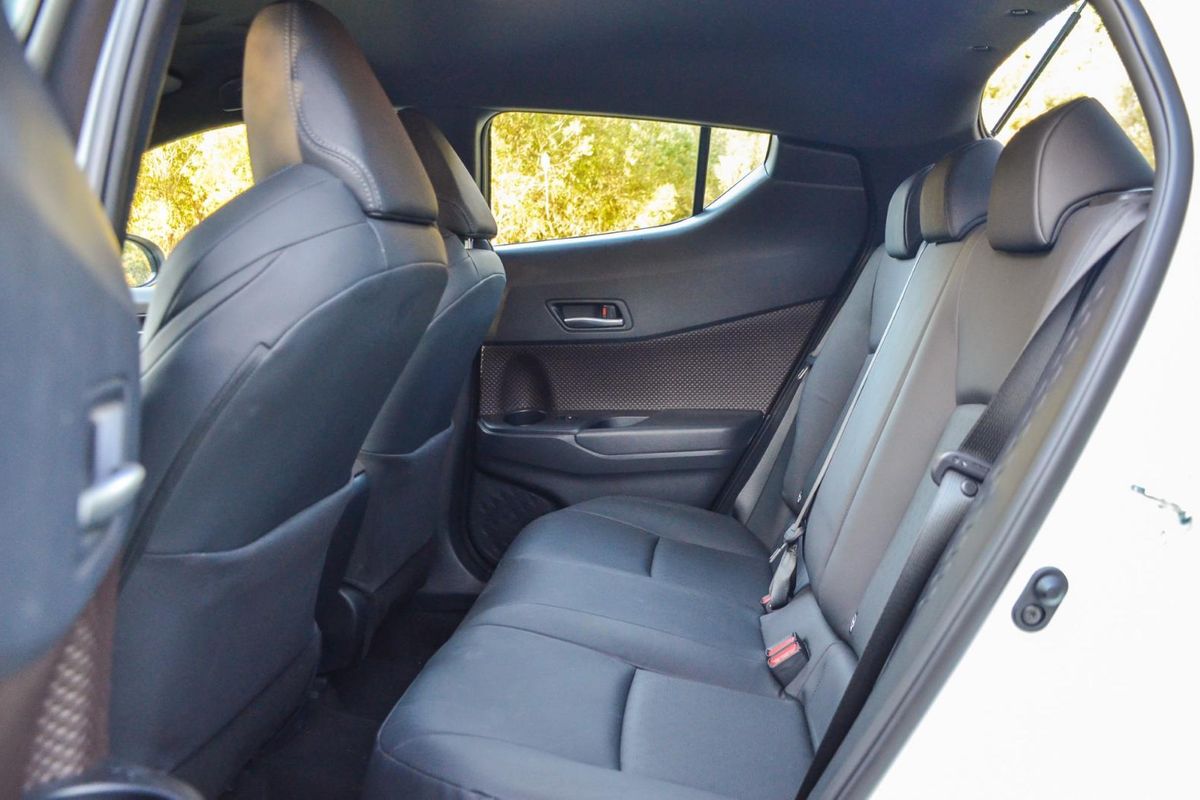
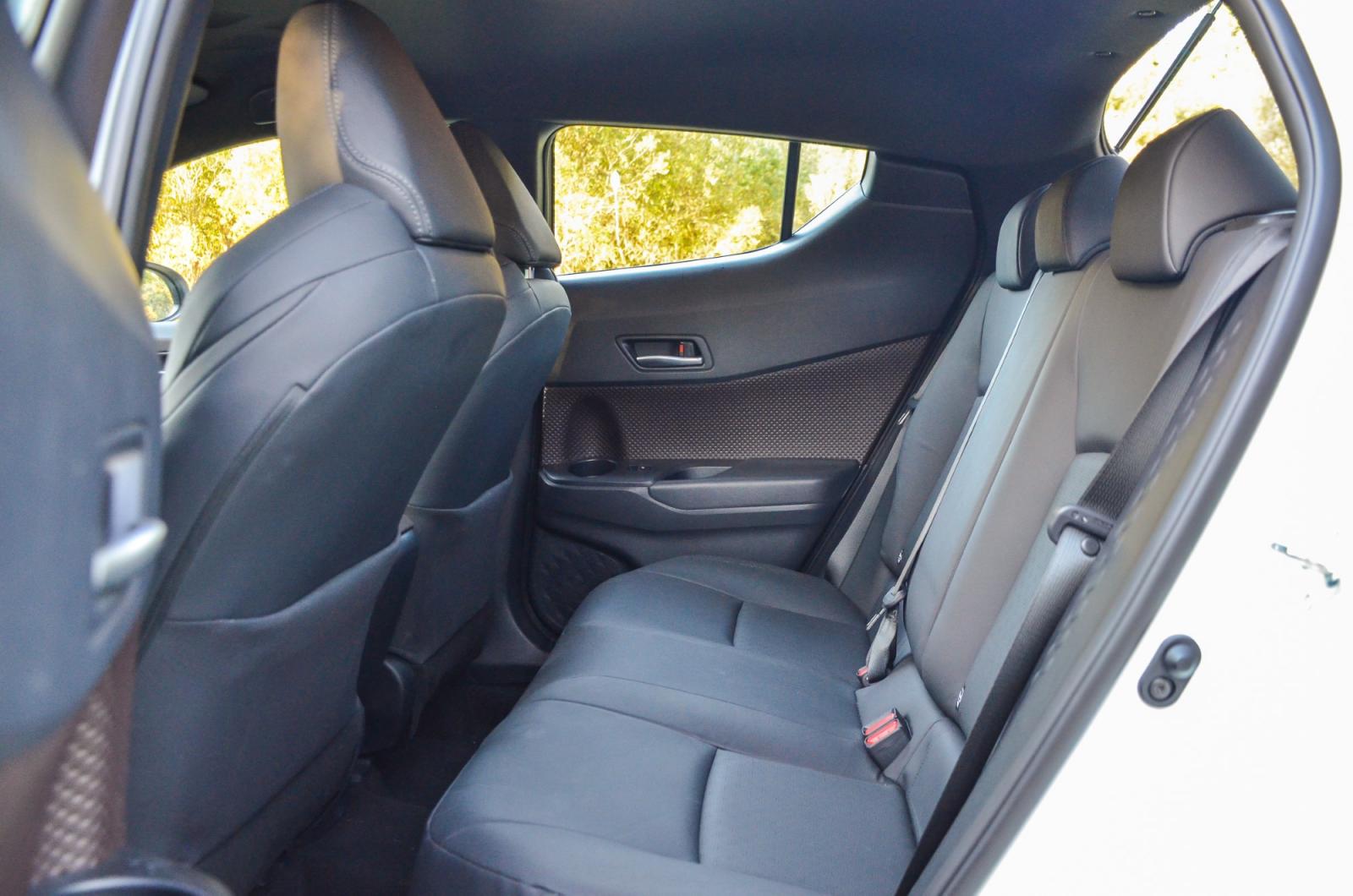
Taller rear passengers might find legroom to be a squeeze.
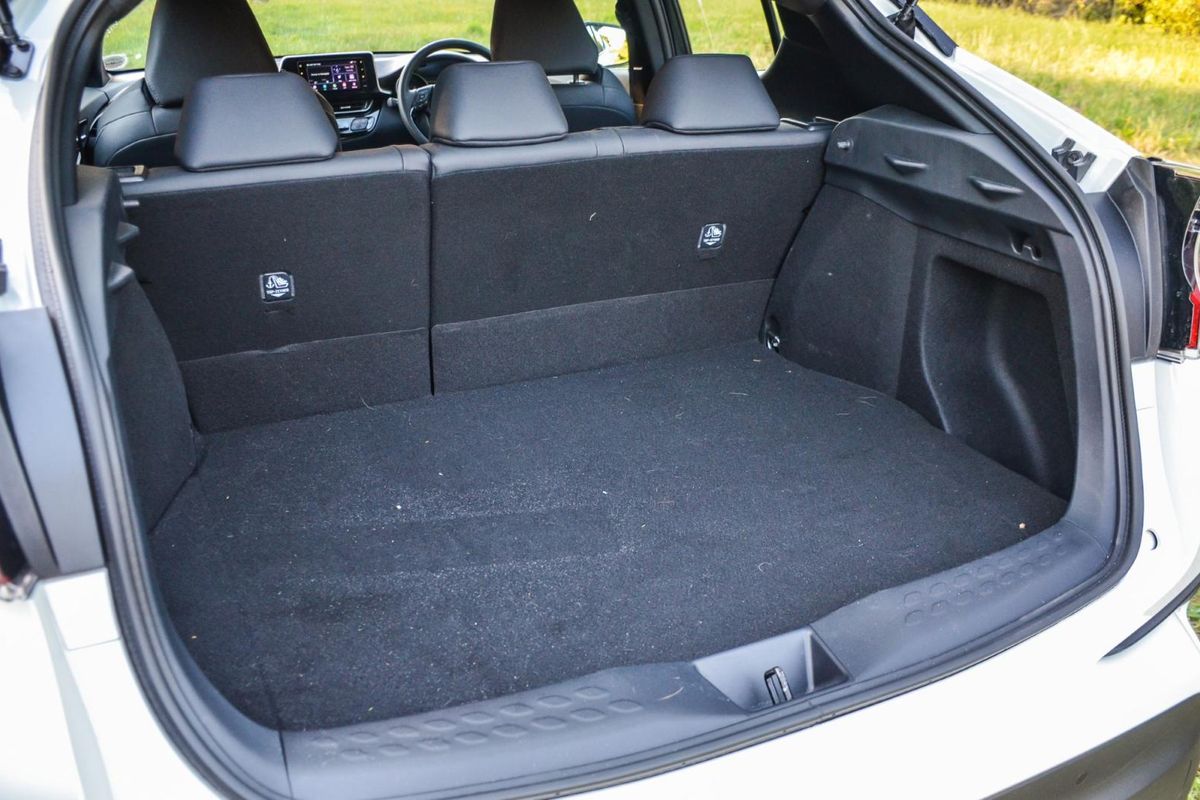
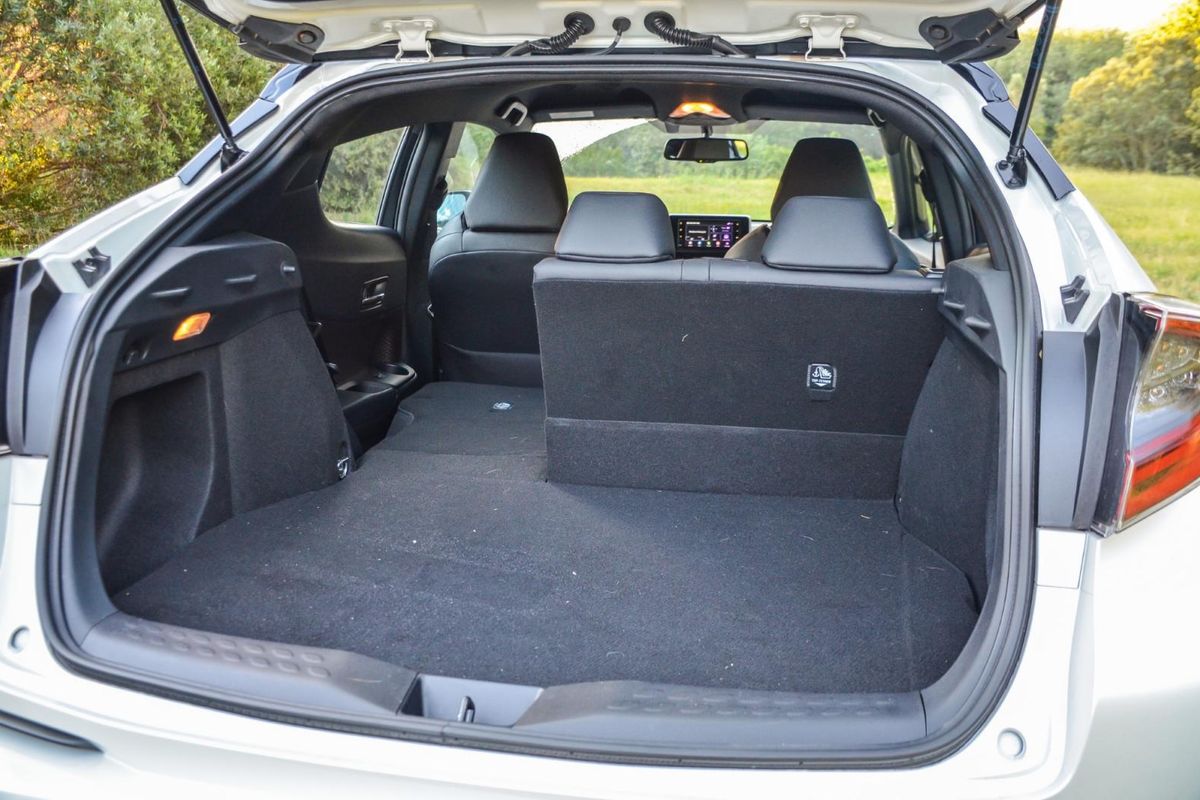
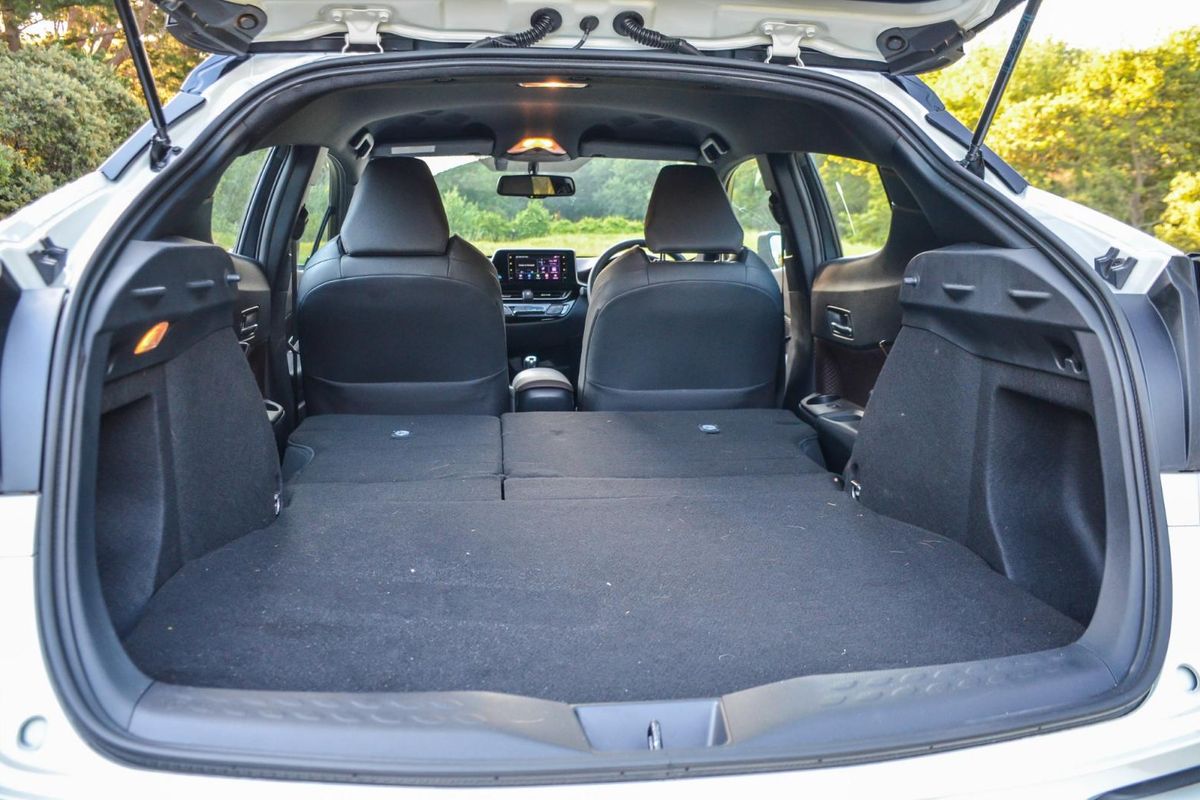
Due to its funky packaging, the C-HR’s luggage capacity is limited. The load bay is high up and not very deep so you will have to pack carefully to squeeze all your luggage in. You can, however, drop the 60:40 split rear seats to maximise loading space. As we discovered on previous tests, the C-HR is not really a sensible family car but it’s far more suited to childless couples who want to drive a stylish crossover with a bit more space than a conventional hatchback.
Rear passenger comfort is average, but legroom and headroom could be problematic for taller aft passengers. The large and expansive doors and C-pillars limits the rear passenger’s view out of the smaller rear windows and you could be forgiven for thinking that you are a trifle hemmed in while seated in the rear.
The large C-pillars and smaller rear windscreen also hamper the driver’s rearward visibility, they create unwanted blind spots, so you will have to check and check again before executing your lane changes.
Another small gripe is that the piano black interior trim attracts fingerprints and dust so it might be worthwhile keeping a cloth in the car to regularly wipe the fascia down.
Price and warranty
The Toyota C-HR 1.2T Luxury is priced from R426 300 and is sold with a 3-year/100 000 km warranty and a 6-service/90 000 km service plan.
Although this C-HR is packed with features, it's a pricey choice; there are more affordable (and practical!) products on offer in this segment.
This C-HR makes a strong case for itself by offering compelling styling and a raft of useful comfort and convenience features. However, these changes come at a cost and with a price tag of just below R430 000, the C-HR 1.2T Luxury is a pricey option in this segment, especially when one considers that there are more practical and spacious products on offer for less money. If your budget can’t stretch that far, then it’s best to consider more affordable options in the C-HR range such as the 1.2T Plus derivative priced at R369 200 or opt for something more practical in the form of the Honda HR-V.
Nonetheless, keen-eyed fashion conscious buyers will argue that none of the C-HR rivals looks quite as good as the 1.2T Luxury and, in a world where looks matter a lot, that counts for something. Toyota’s reputation for reliability and a widespread dealer network also needs to be factored into your decision.
Alternatives (Click on names to view specification details)
Hyundai’s new Kona brings some style and flair to the table and offers good outputs of 110 kW and 180 Nm of torque from its naturally aspirated 2.0-litre petrol engine, which is mated with a 6-speed automatic transmission. The Kona 2.0 Executive is priced at R399 900, while the Kona 1.0T manual (with 88 kW and 172 Nm) is priced at R379 900. The Kona is also backed with a comprehensive 5-year/150 000 km warranty, 7-year/200 000 km drivetrain warranty and 5-year/90 000 km service plan.
The Mazda CX-3 is a stylish choice in this segment and this derivative offers up 115 kW and 205 Nm of torque from its naturally aspirated 2.0-litre petrol engine (mated with a 6-speed automatic transmission). The range-topping CX-3 Individual Plus automatic is priced from R404 200 and has many of the features offered on the C-HR.
The HR-V is more spacious (and therefore, practical) than the C-HR and offers 105 kW and 172 Nm from its naturally aspirated 1.8-litre engine. It too is mated with a CVT, but it’s not particularly exciting to drive. In terms of pricing, like the C-HR 1.2T Luxury, the HR-V sits higher in the price range with a price tag of R419 900.
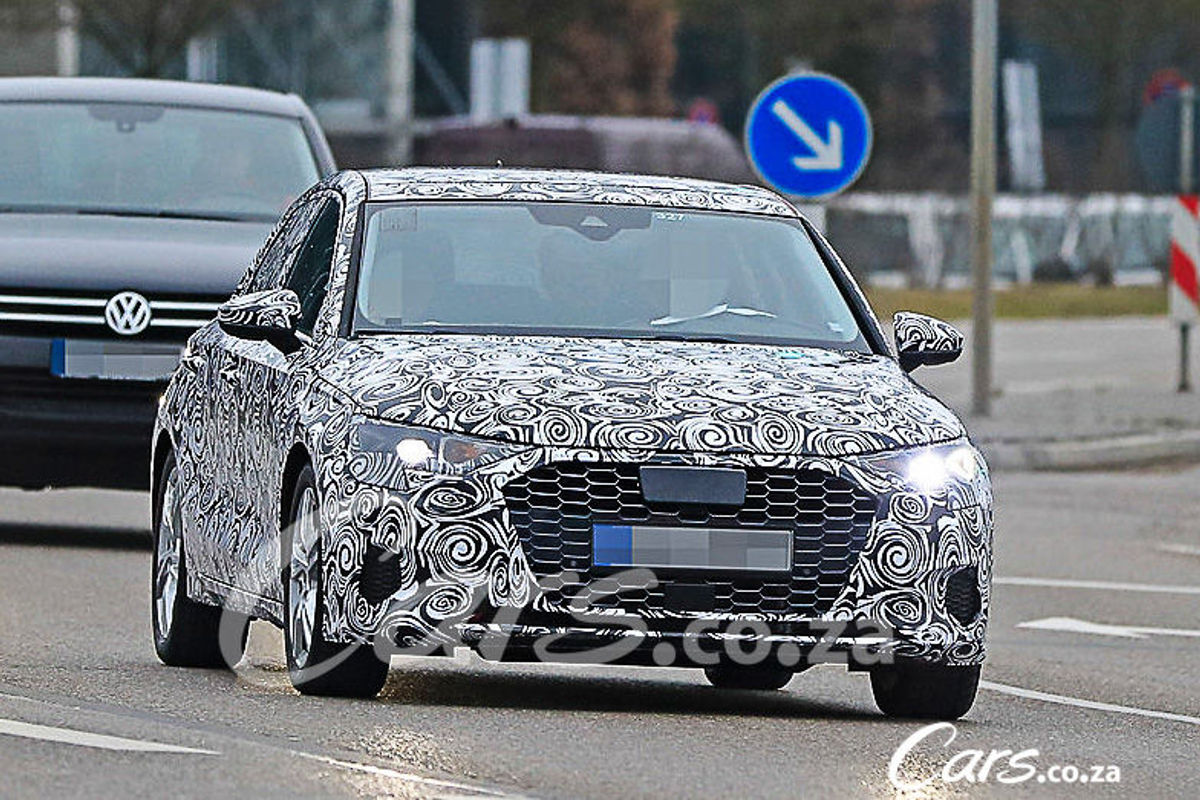
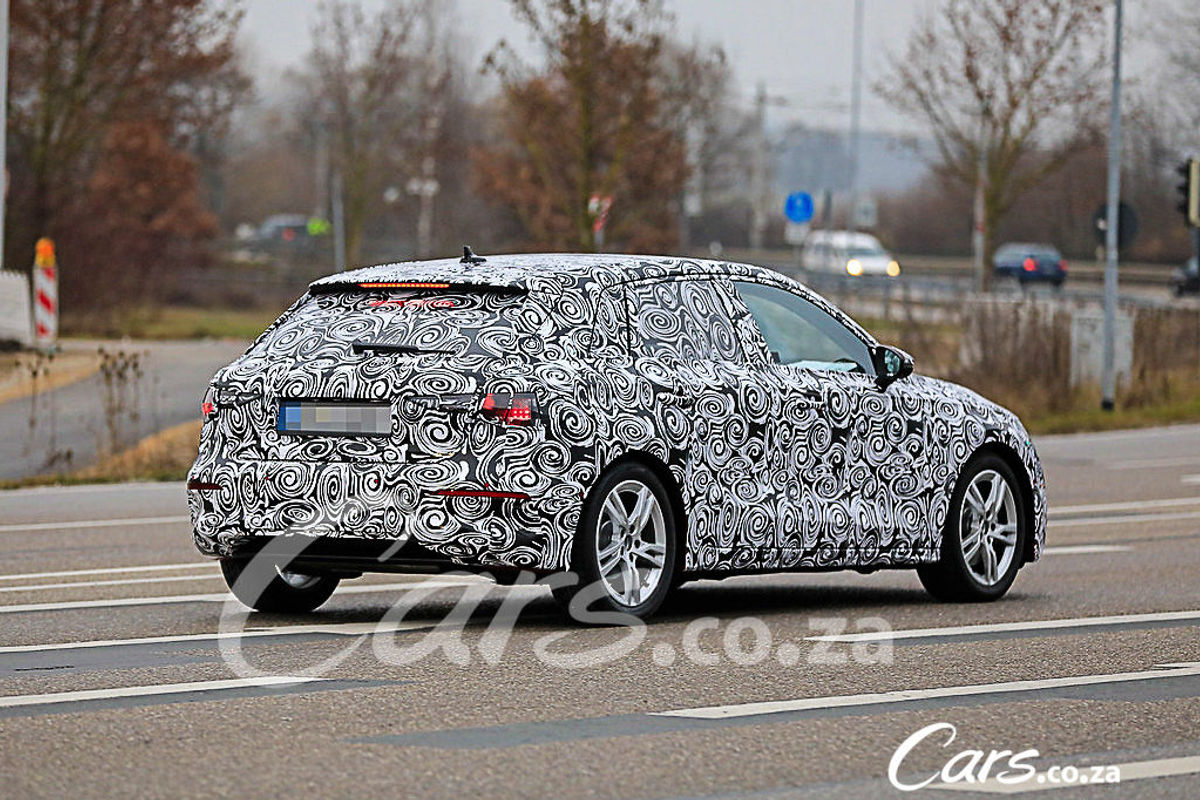
The popular Audi A3 premium compact hatchback is set to be replaced by an all-new model soon, which should be revealed during the course of 2019. The first prototypes have hit the road and here's what we know so far.
Picture credit: S. Baldauf/SB-Medien
The Audi A3 has been one of the Ingolstadt-based manufacturer's bread and butter models and for it to continue its sales success, the Ingolstadt-based manufacturer's unlikely to alter its premium hatchback's packaging too radically. Given the advancements from its rivals like the Mercedes-Benz A-Class, soon-to-be-released BMW 1 Series and the forthcoming Volkswagen Golf 8, it's critical the award-winning recipe remains true.
We expect the new A3 to share styling cues with its A1 and Q3 siblings and, if you look closely at the spy photographs, you can see some of those details. From first impressions, we can see the upcoming hatchback looks quite sporty. The new Audi A3 will share a platform with the forthcoming Volkswagen Golf 8 and while both use the current MQB platform, it will be extensively revised for both cars, presumably to facilitate electrification.
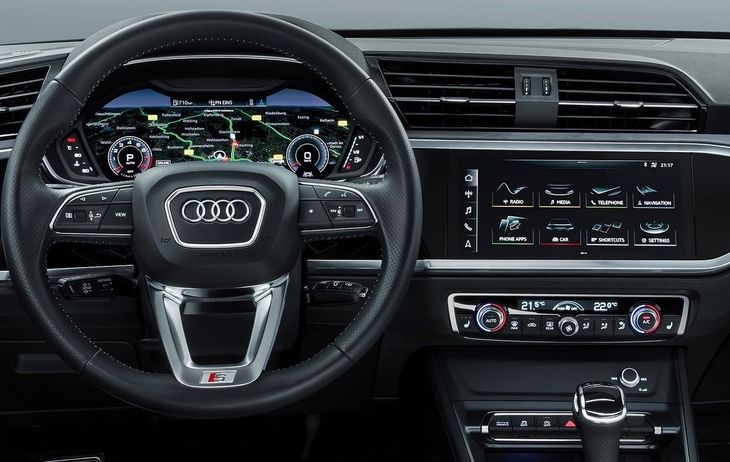
In terms of engines, we should see the current arsenal of VW Group powertrains making their way into the A3. Expect turbopetrol and turbodiesel engines, with some of the former featuring electrical assist. Given the brand's push into the standalone electric space, it's not unreasonable to expect an E-Tron badge slapped on the rump of an A3. Inside, we expect the new A3 will adopt the all-new infotainment system we first experienced in the A1 and Q3. It's a slick unit boasting superb graphics and functionality. Audi Virtual Cockpit is likely to be updated too.
This is the cabin of the current Audi Q3 and we expect the new Audi A3 to have a similar layout and design.
The current A3 is offered in 5-door hatchback and sedan body styles and we expect that will be the case for its successor. Rumours are rife that there will be a 5-door liftback coupe (think A5 Sportback) that will go up against the BMW 2 Series Gran Coupe and Mercedes-Benz A-Class sedan. There's no word on the S3 and RS3 models yet, but you can be sure that they will follow on about a year from the A3's launch.
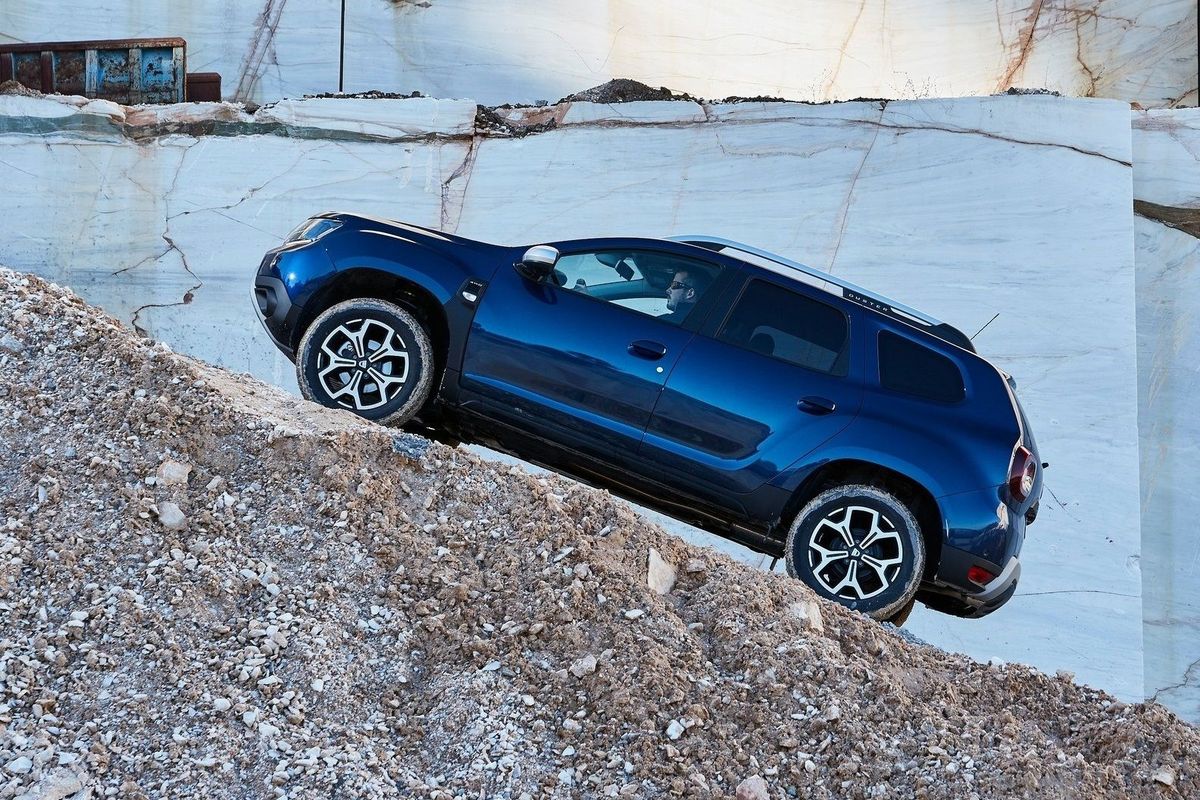
The new Renault Duster range has arrived in South Africa, but the flagship 4×4 derivative has not joined the line-up… yet. Here's what you can expect when it arrives in early 2019.
The new Renault Duster has been well received since it was launched in South Africa at the end of September 2018. However, the eagerly anticipated flagship 4×4 derivative will only be making landfall in 2019. We can bring you some details regarding its 4×4 credentials.
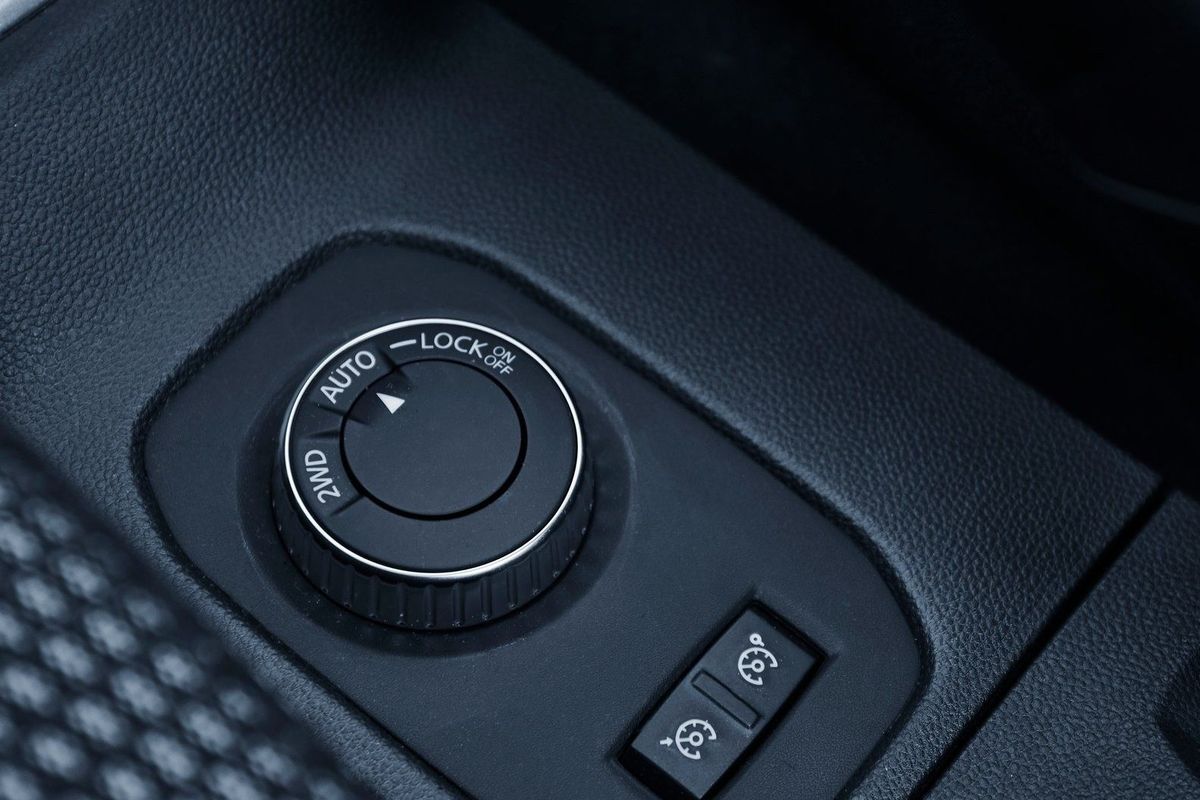
The Renault Duster 4×4 will be powered by a 1.5-litre turbodiesel engine that develops peak outputs of 80 kW and 250 Nm of torque. Power will go to all 4 wheels by default, with the vehicle deciding which axle requires power and torque. At the turn of a rotary dial located between the driver and passenger seats, you can choose between a pure 2-wheel drive mode, as well a 4-Wheel Drive Lock mode, which splits the torque equally between the front and back axles. There's no low-range transfer case, but we reckon the first gear ratio should be sufficient for mild off-road conditions.
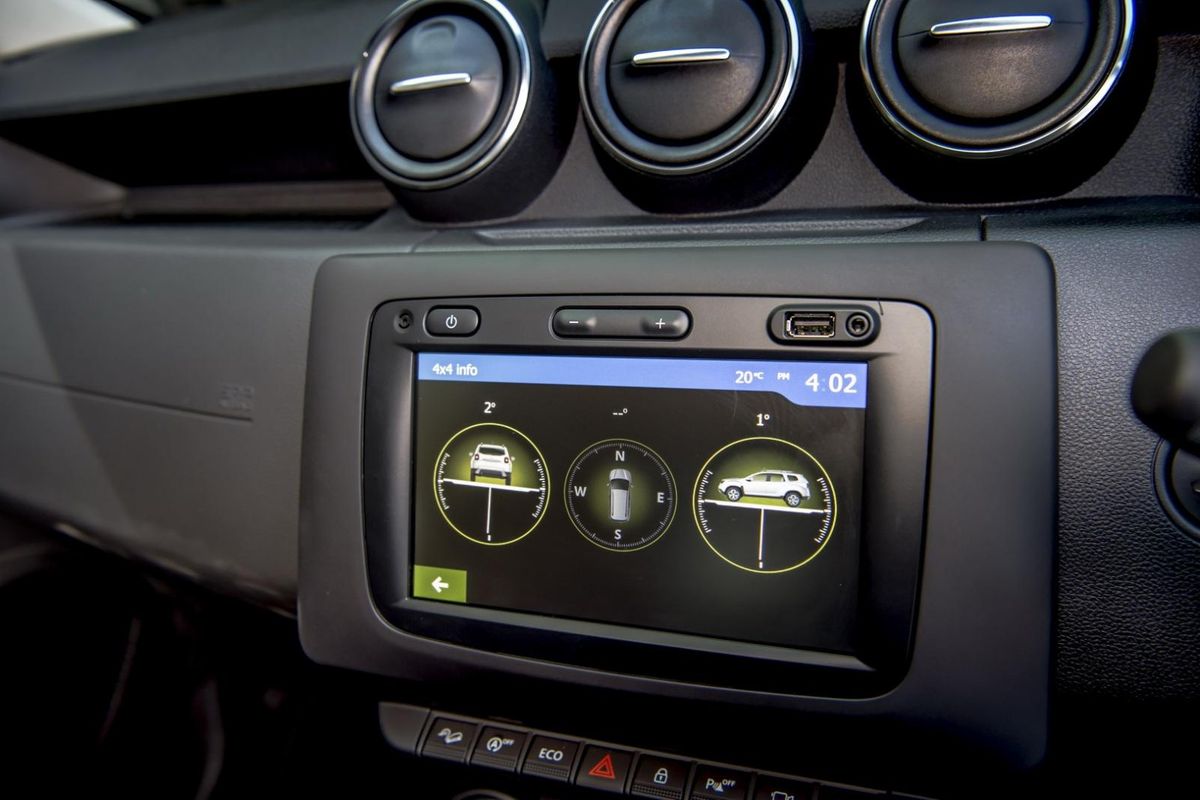
Furthermore, the top-of-range Duster will offer 210 mm of ground clearance, plus approach and departure angles of 30 and 33 degrees respectively. Renault has fitted the new Duster 4×4 with Hill Descent Control and Hill Start Assist. Inside the Duster 4×4's cabin, you will notice a 4×4 monitor which boasts a compass and vehicle angle data. Final specification and price will be announced at the vehicle's launch in 2019.
The Department of Energy has released fuel price adjustments which take effect on Wednesday, 5 December 2018. Fuel prices are coming down, see details below…
Motorists in South Africa will be pleased to know that fuel prices are falling sharply in December 2018 ahead of the busy holiday season.
The Department of Energy has announced that the price of petrol will fall by R1.84 per litre while the price of for a litre of diesel will fall by R1.45 (0.05% sulphur) and R1.47 (0.005% sulphur) respectively.
The fuel price reductions are a result of decreasing international petroleum prices and a firmer Rand/Dollar exchange rate during the month of November 2018.
The fuel price reductions are a relief to motorists who have endured numerous fuel price hikes throughout the year. However, the relief may be short-lived as general economic volatility could result in increases in the short to medium term.
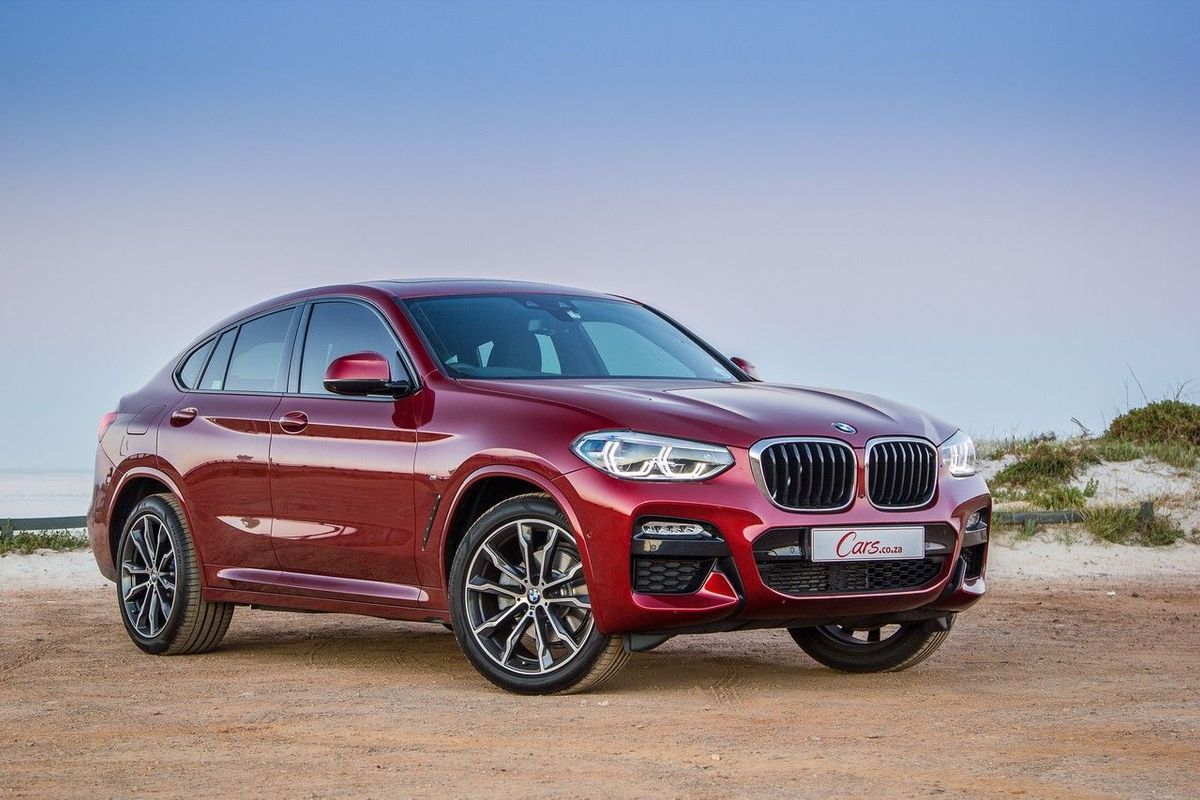
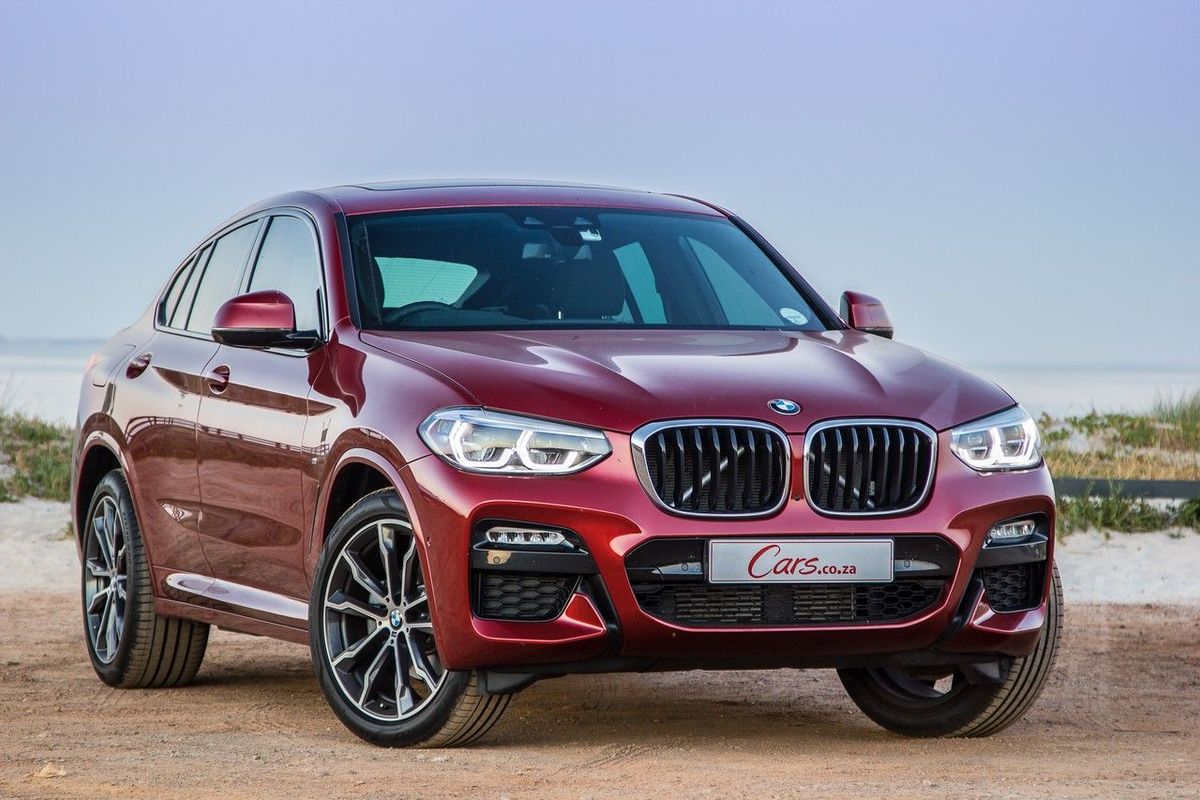
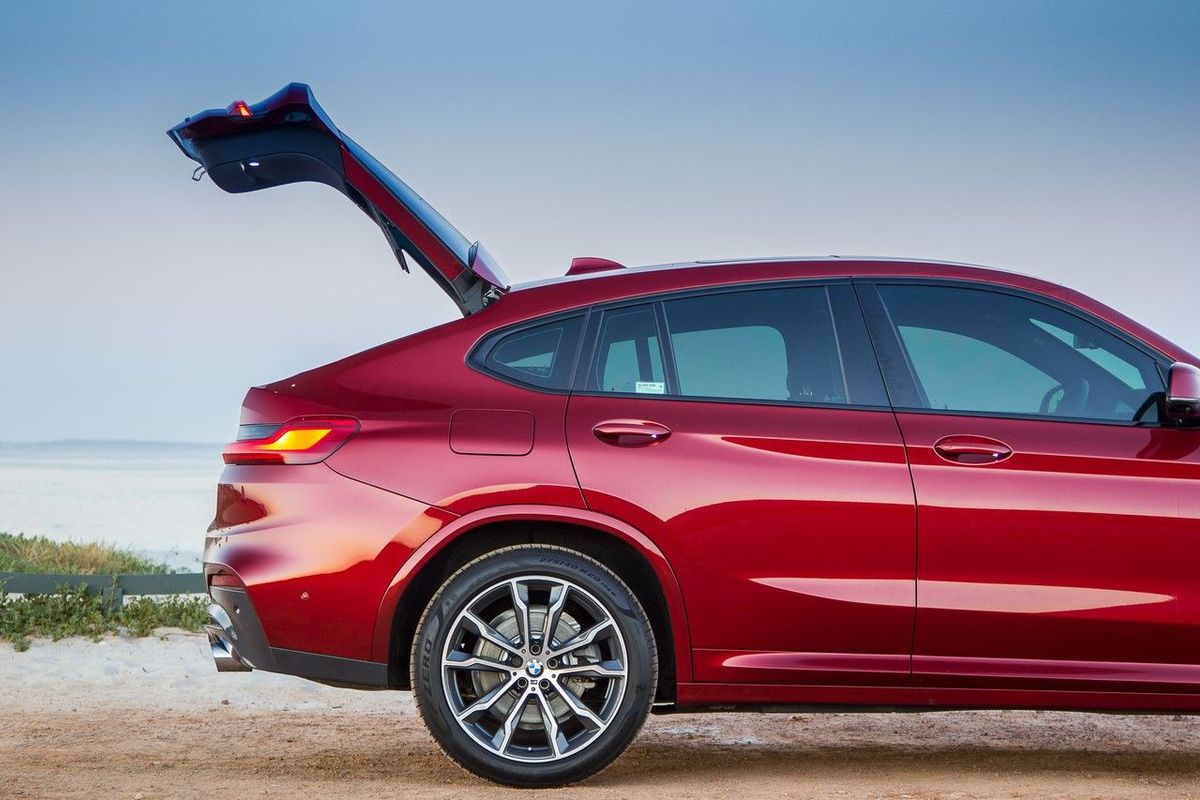
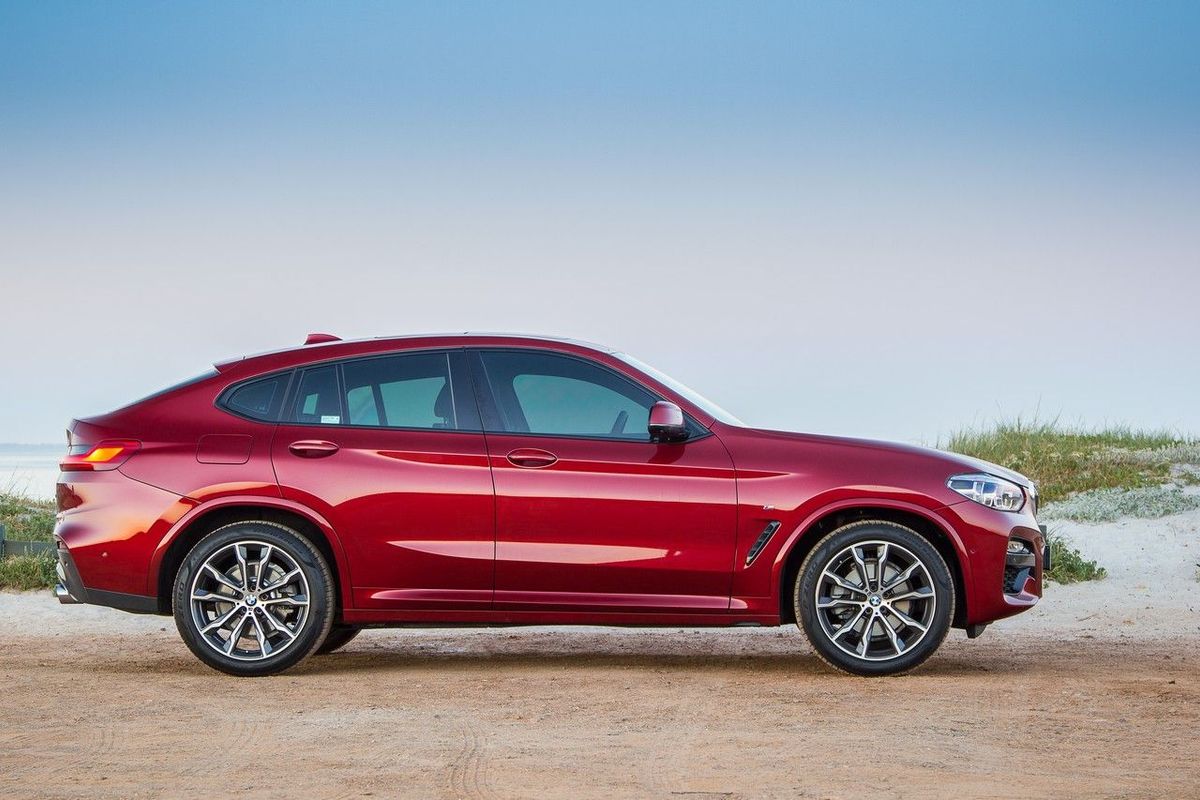
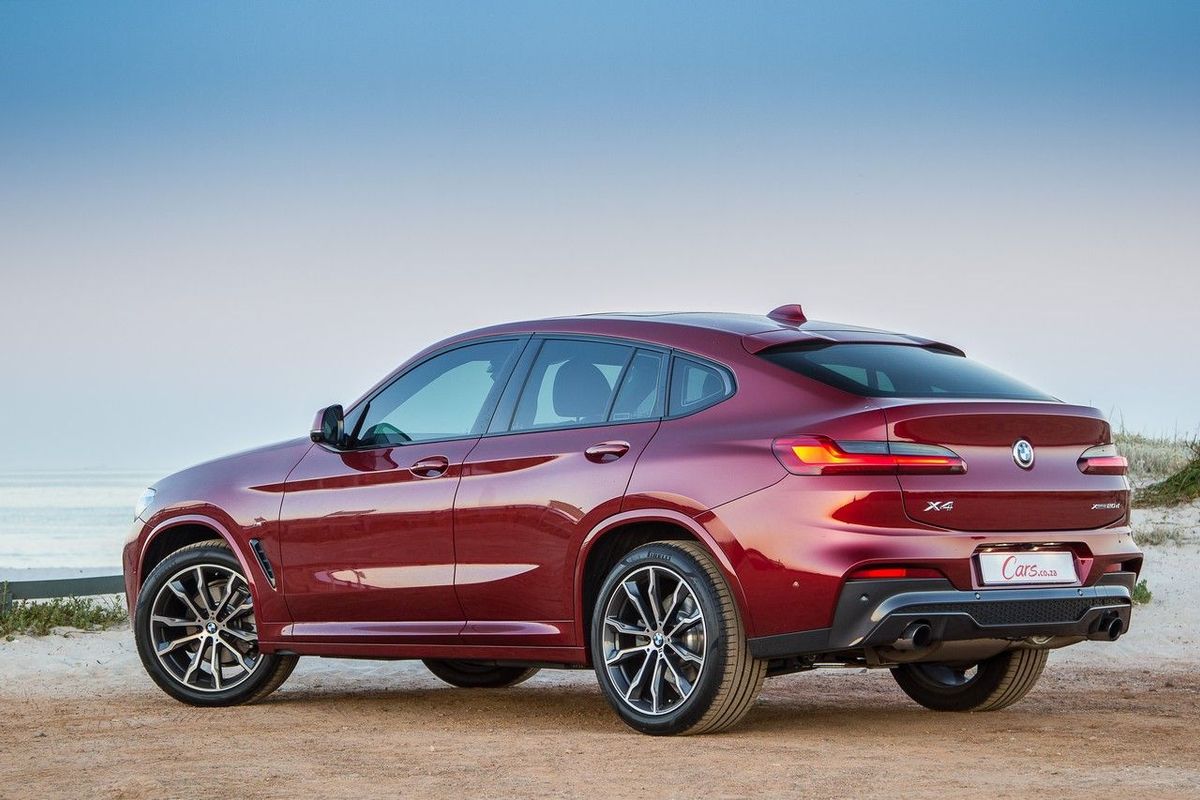
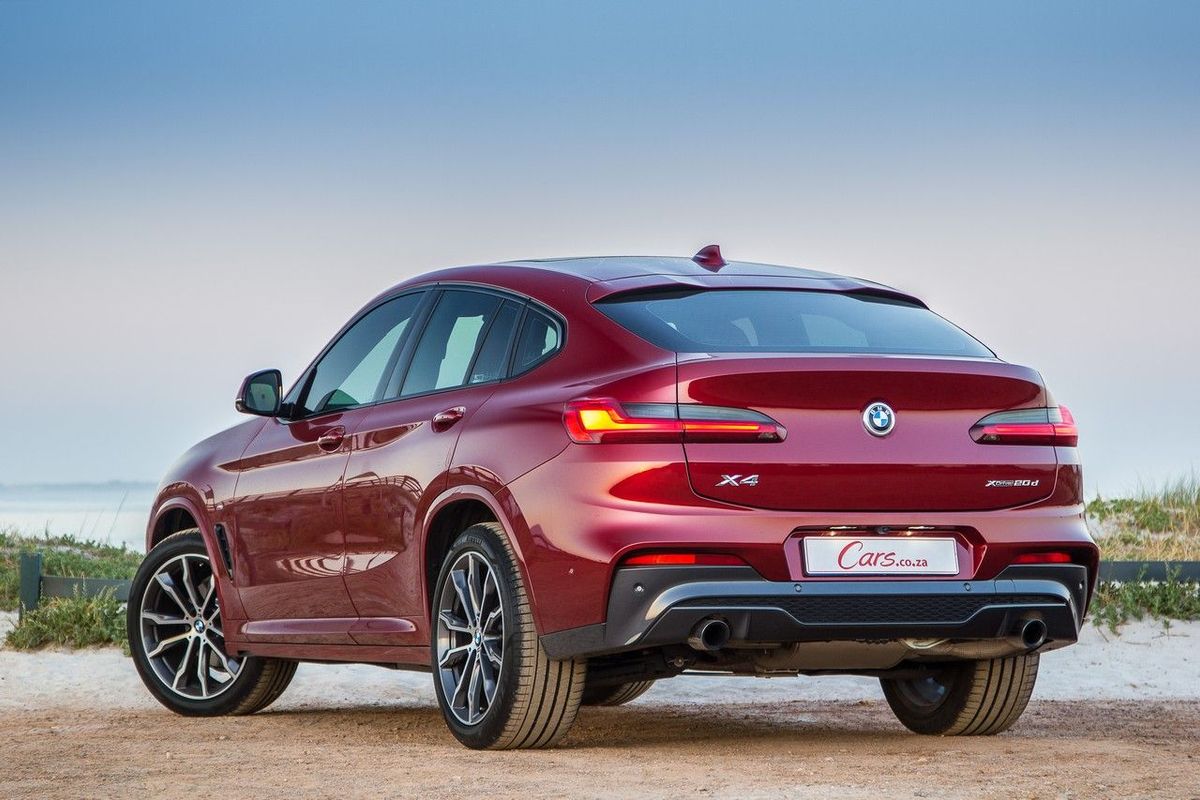
This time around, the X4 hopes to be more clearly distinguishable from its X3 sibling. It's set up to have an engaging, sportier character and we put an xDrive20d M Sport through its paces. Can the sloped-roofed SUV justify its price premium?
We like: Comfortable ride, good road holding, balance of performance and economy.
We don't like: Not distinctive enough to overcome practicality loss over X3. Rather expensive.
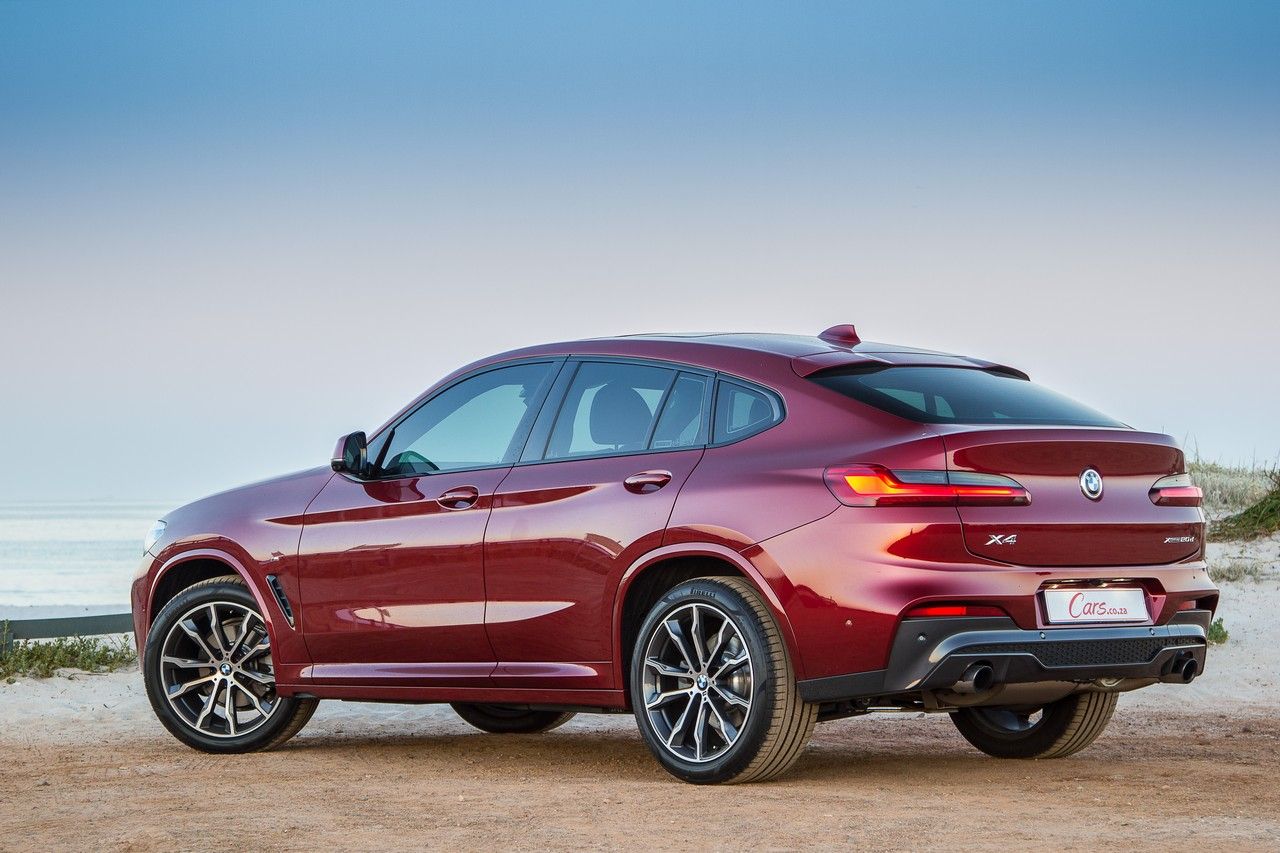
In a world where SUVs are the largest growing segment in the vehicle industry, trying to stand out from the competition is easier said than done. What manufacturers then did was blend coupe lines, sloping rooflines and sporty dynamics into its SUVs. The result is an SUV Coupes just like this BMW X4, which is a sloping roofed version of the locally-built BMW X3. It shares the space with common foe Mercedes-Benz, which offers the well worn GLC Coupe. Surprisingly, Audi has not followed suit in producing a coupe version of its Q5, but there are plenty of other rivals such as the Jaguar e-Pace, Porsche Macan… and the upcoming Range Rover Evoque will probably want a piece of the action too.
Raised ride heights and sloping roofs, the future we didn't ask for but were given anyway.
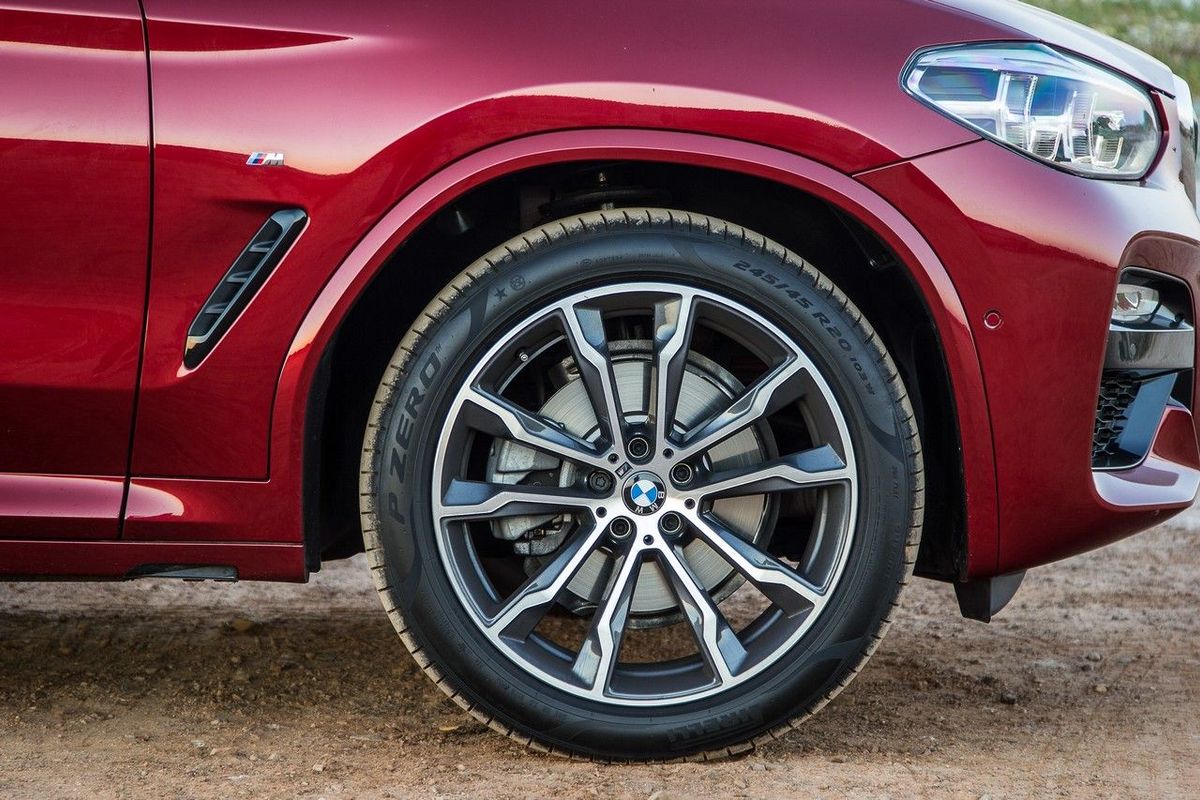
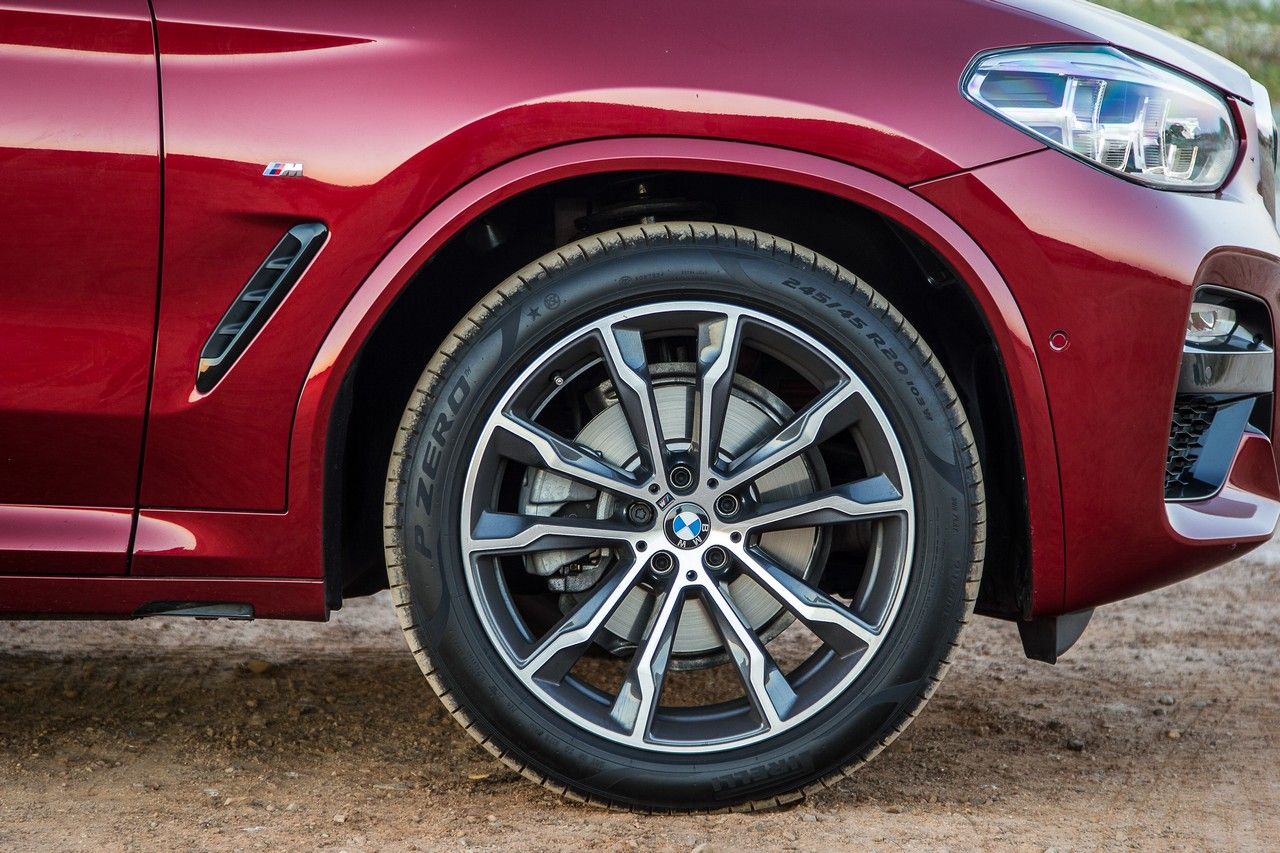
For this generation of X4, BMW has done more than just file the roof down a bit to give its X3 a coupe-like look. It has a lower ride height, M Sport suspension and variable sport steering as standard. Compared with the previous X4, the new model is longer, wider, has a wider track and a longer wheelbase. Some of the changes improve sportiness, others – such as the stretched wheelbase – improve rear passenger comfort.
The xDrive20d derivative actually comes in a little cheaper than its petrol-powered counterpart and offers better consumption and acceleration, so unless you absolutely must have a petrol, the 2.0-litre turbodiesel version is sort of a no-brainer (if the range-topping X4 M40i is out of budget).
The good stuff
Eye-opening handling
The X4 is underpinned by the X3 chassis and is standard with xDrive all-wheel-drive across the entire range. BMW isn't the first name you think of when it comes to AWD, most likely you'll think of Audi or even Subaru, but the Bavarian firm actually makes an extremely capable all-wheel-drive system for road use. Grip levels are tremendous, especially if you find yourself on a tricky, tight descent. There's far more adhesion than you'd ever expect partly due to the reduction in body roll. Through quick changes of direction, it doesn't bobble from side to side or take time to settle down. It's very well planted with a grippy front end that instils confidence when you want drive with enthusiasm – something that feels unnatural in an SUV.
The variable sport steering becomes weightier at speed and is precise to inputs, but many will find the excessive heft in Sport and Sport+ modes a bit too artificial in feel. Leave the X4 in its Comfort driving mode; it will do a perfectly good job.
There's plenty to like about the 2-litre diesel and 8-speed auto combination.
Drivetrain refinement
Many experienced BMW drivers will quietly admit to the brand's turbodiesel engines are, as a matter of fact, the respective picks of their litters (excluding M engine obviously). The motor employed in the X4 delivers 140 kW and 400 Nm of torque. The numbers are competitive with offerings in the segment, but when combined with the 8-speed automatic transmission, BMW's powertrain refinement shuffles to the front of the queue.
We are getting to the stage now where automatic 'boxes have zero drawbacks compared with their manual counterparts. It's hard to pick a fault with this engine-transmission pairing as the shifts are well spaced, keeping the 20d comfortably in its peak torque band of 1 750 and 2 500 rpm. It's quiet at idle and has a pleasing bassy, grunty sound when accelerating at full tilt. Paddle shifters are installed on the steering wheel but are superfluous in almost all driving conditions. Acceleration and overtaking prowess too are both perfectly acceptable for an SUV like this. BMW claims a 0-100 kph time of 8.0 seconds, but you'll get the most enjoyment out of a diesel if you utilise the wave of in-gear torque to overtake vehicles at freeway speeds.
Fuel consumption figures can be misleading, but the new WLTP test should provide buyers with more realistic expectations of what their vehicles will consume. On the older EU cycle, this engine was said to consume 5.6 L/100 km, which you're only likely to achieve on long journeys with minimal loads. Our readout after a few weeks was 7.2 L/100 km and the xDrive20d hauled a few passengers and their luggage for parts of the test.
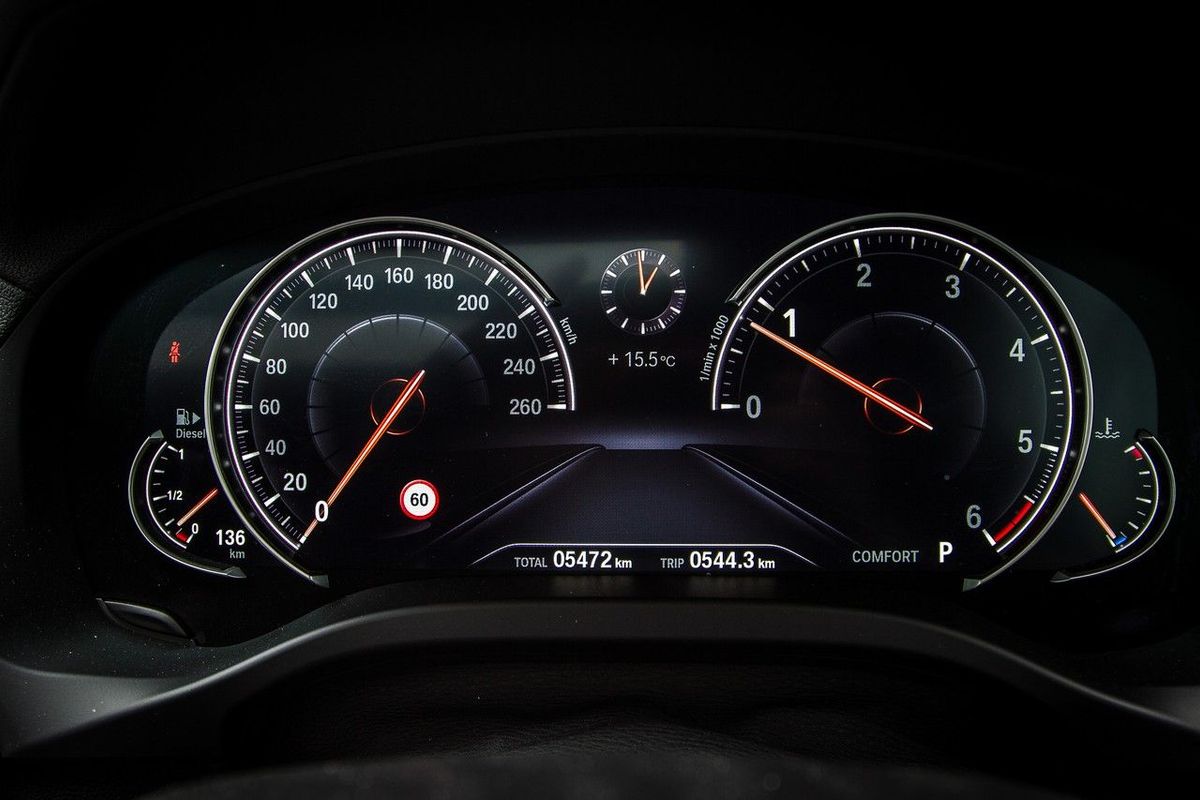
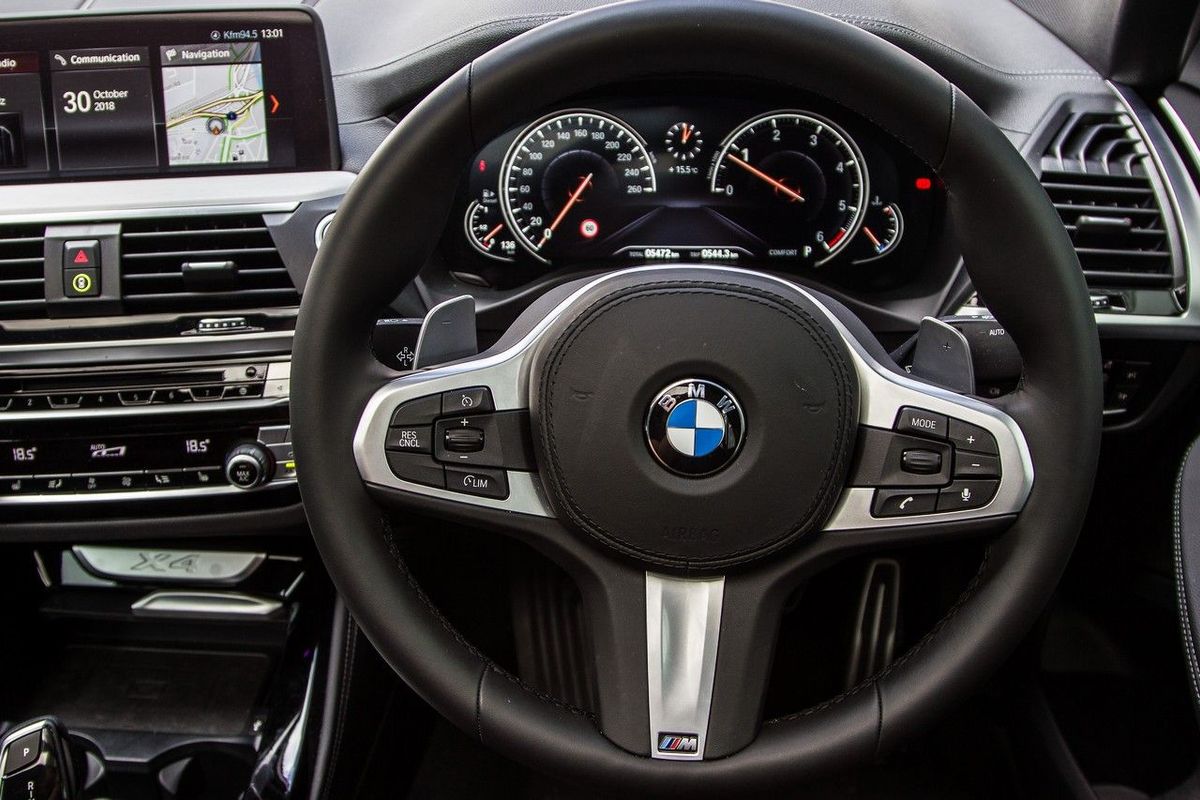
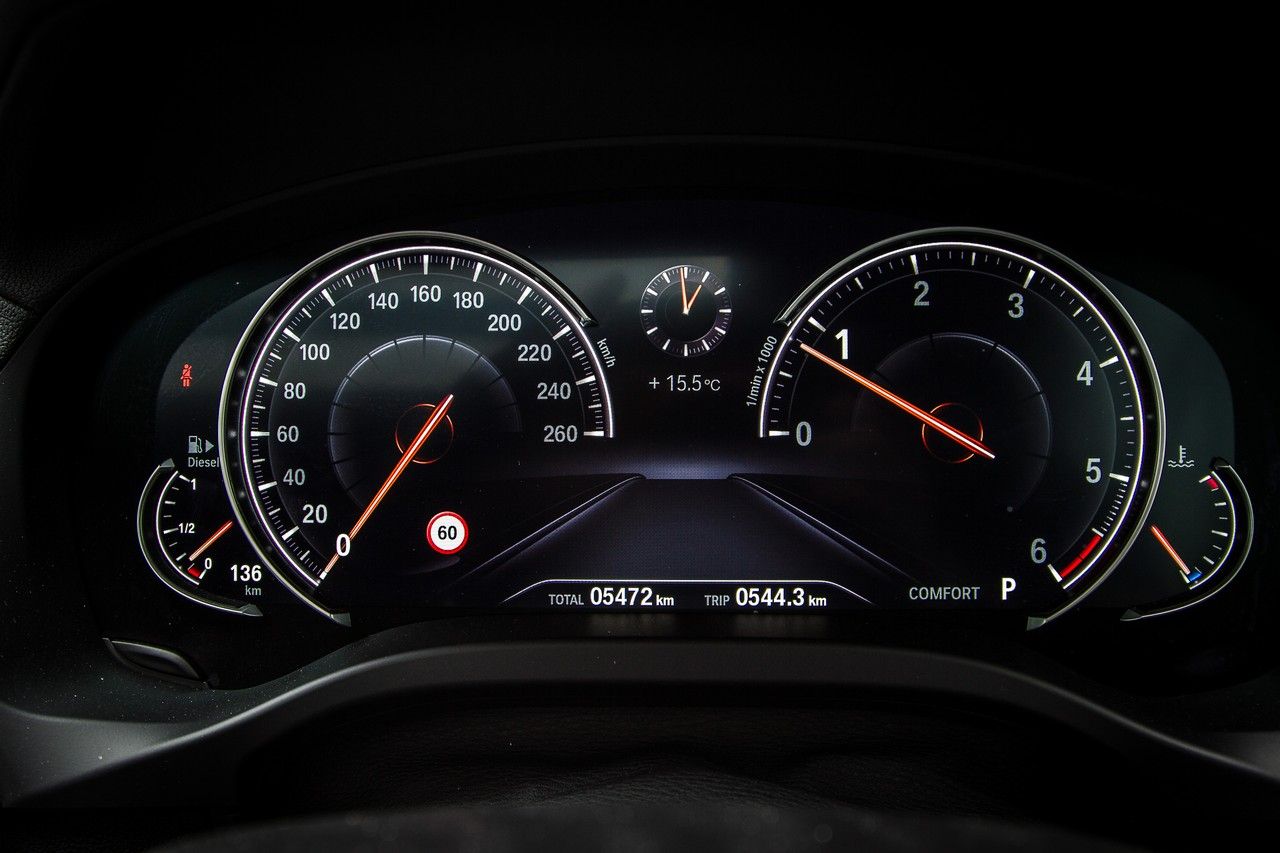
Part digital part analogue instrument cluster, BMW's way of slowly phasing out the old.
Interior build quality
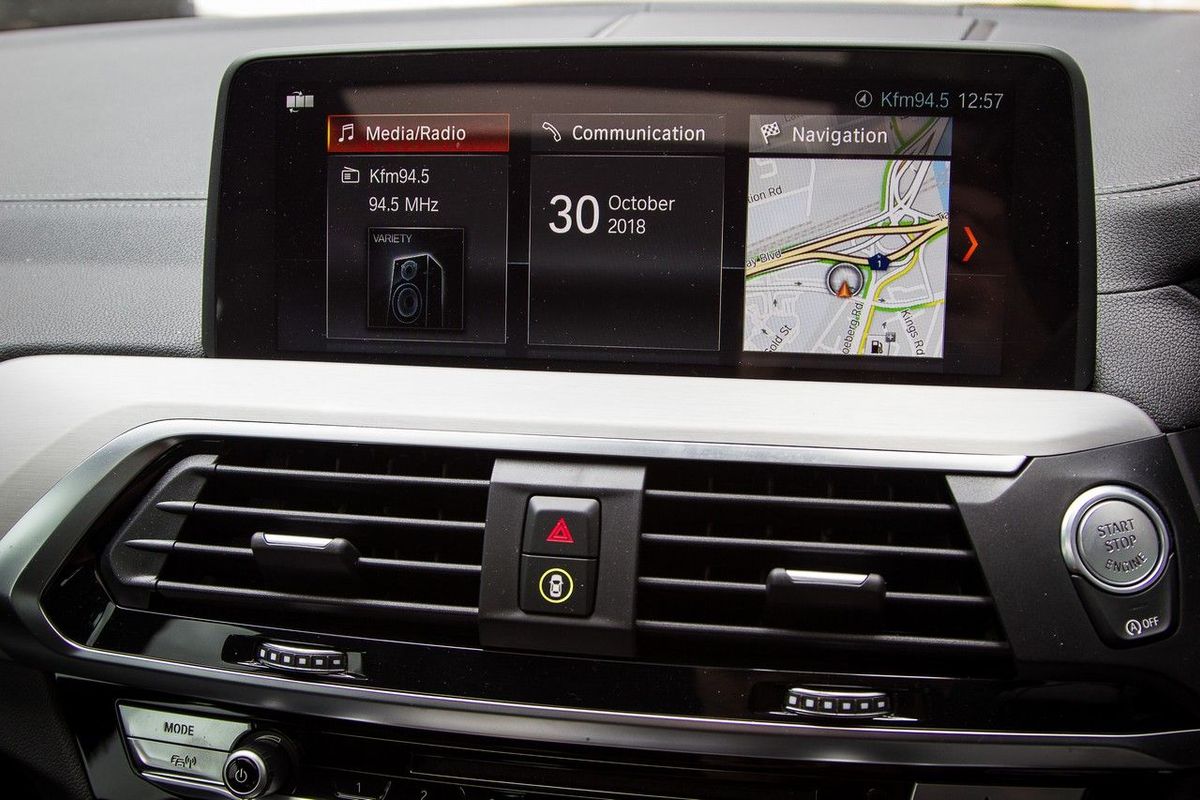
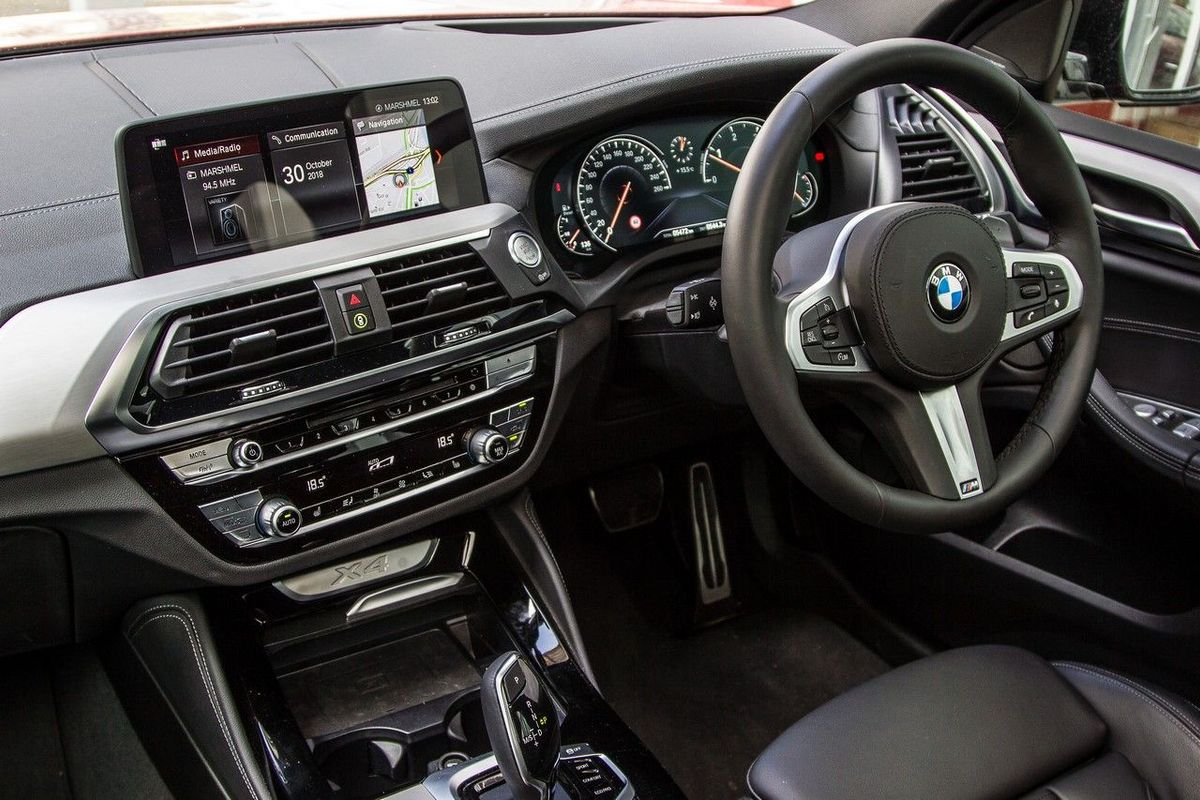
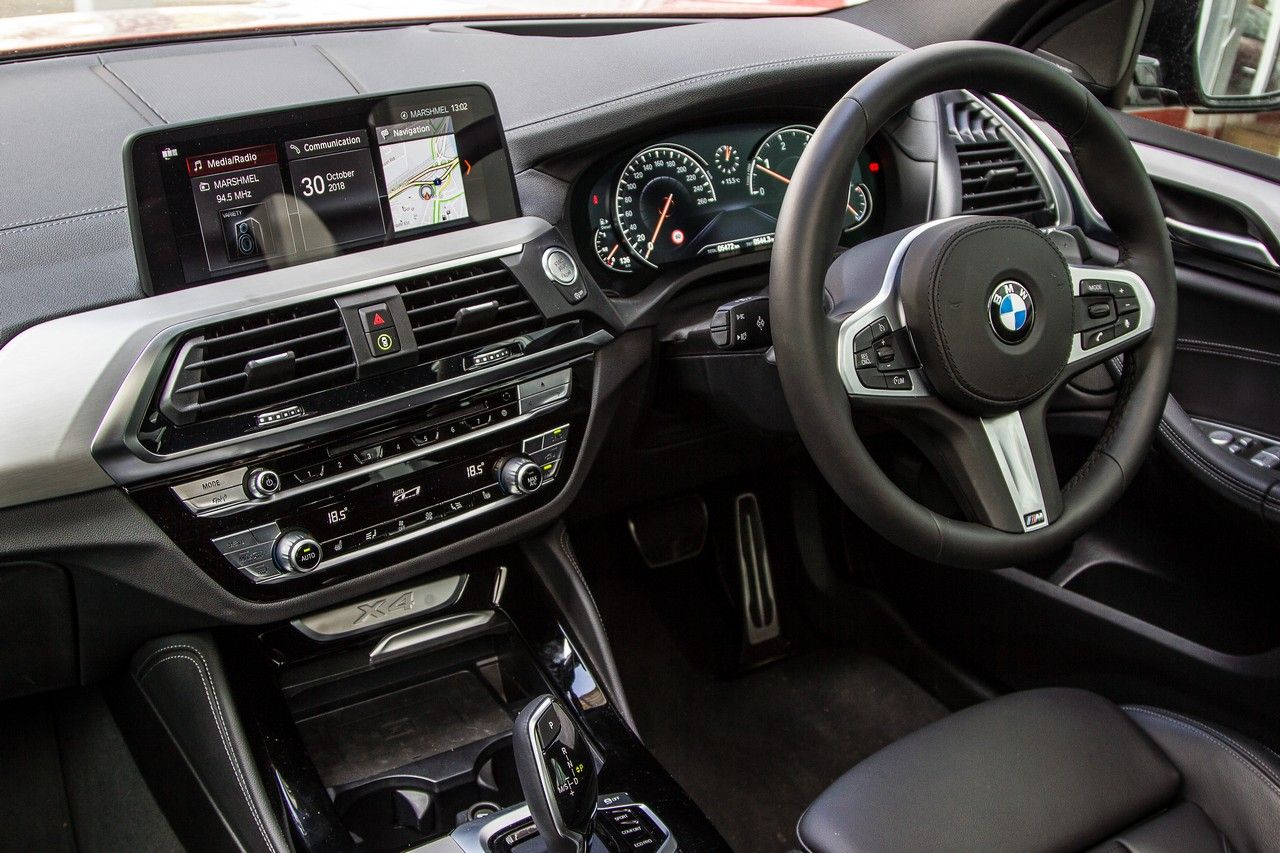
We have criticised BMW for not being exciting enough with its interior design over the last decade, but we can never complain about the way Bimmer cabins are put together. The X4's interior is very sturdy to the touch and pleasingly rattle and wobble free. It's a familiar place to sit, with a few digital updates to the instrument cluster and a resolution upgrade for the infotainment system. The infotainment system works both by touch and via the rotary iDrive knob. You can opt for Apple Carplay, but unlike most systems, it isn't Android Auto compatible in SA.
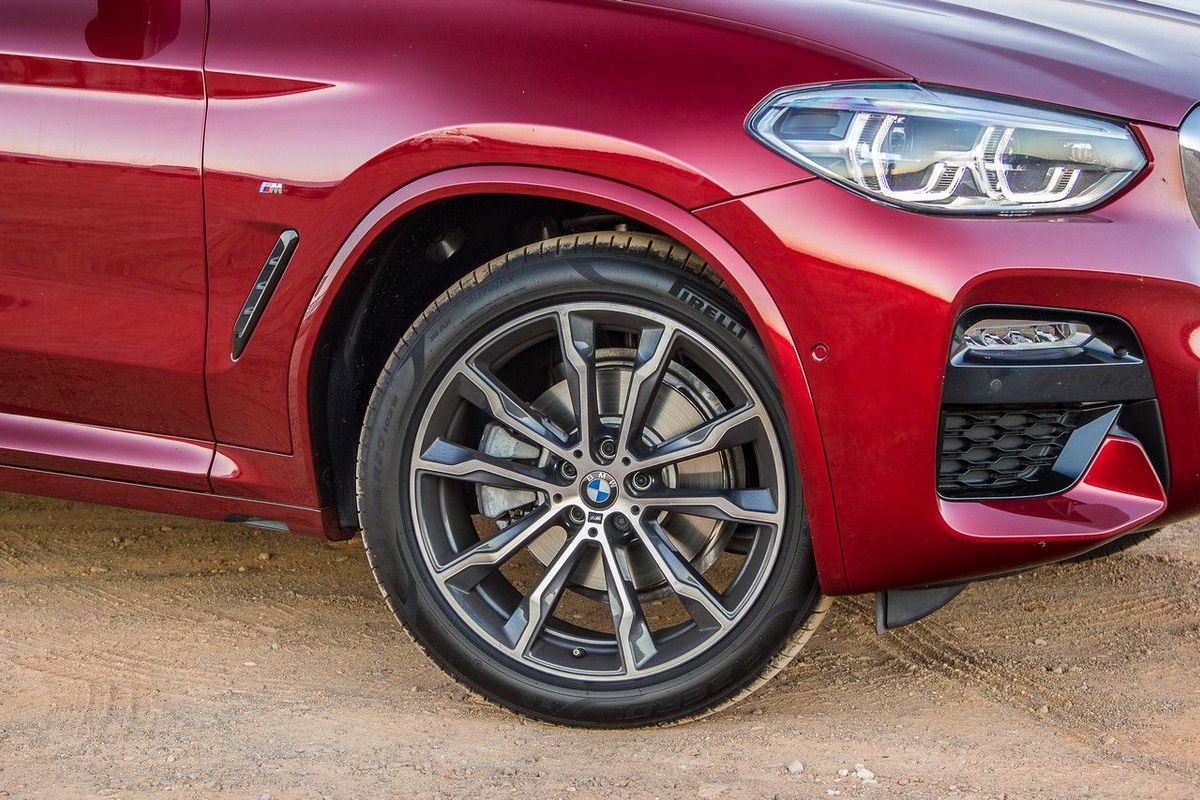
The M Sport seats and leather steering wheel are must-haves as the seats are far more supportive and comfortable than the standard seats. The thicker M Sport steering wheel gives you something more substantial to hold on to while driving and really lifts the premium feel for the driver.
The not so good
Practically flawed
Look, we've become very good at nitpicking… An X4 looks very much the same as an X3 does from the front and although there is a slight handling gain to be had from the X4's lowered ride height, it still doesn't warrant the extra money you have to fork out for an X4 (R130 000).
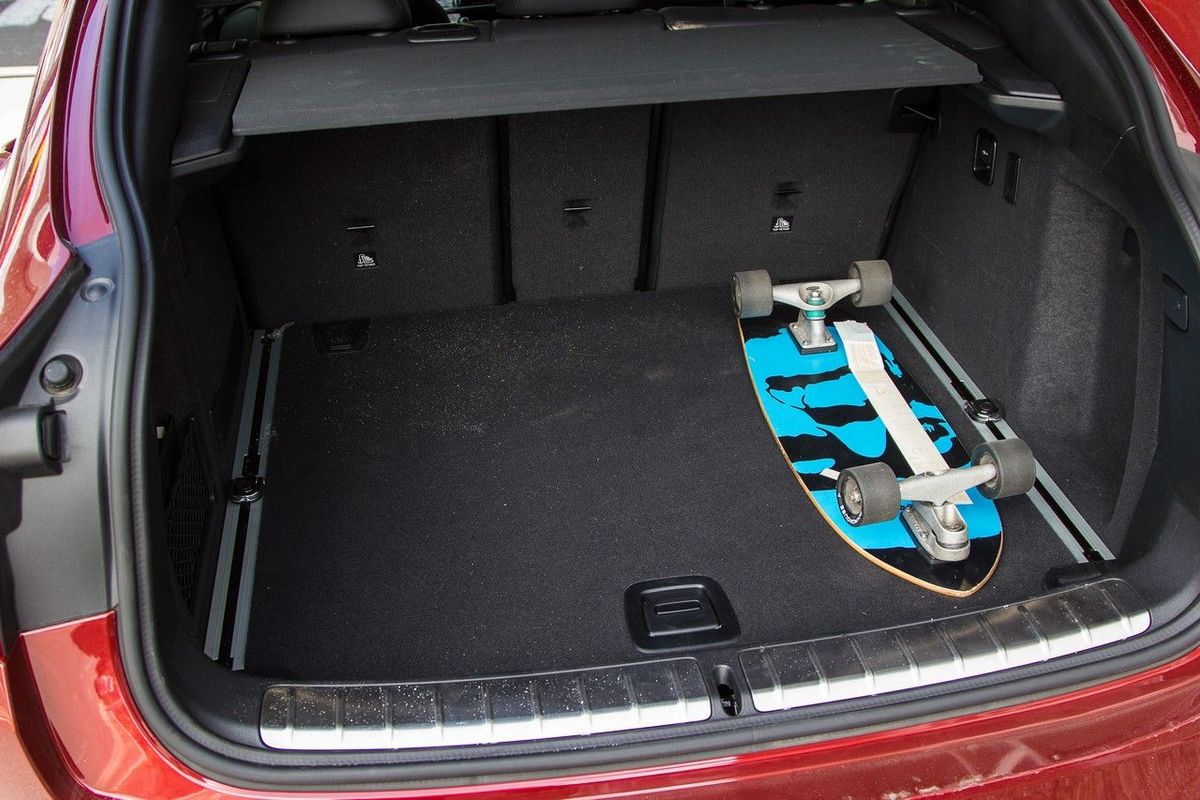
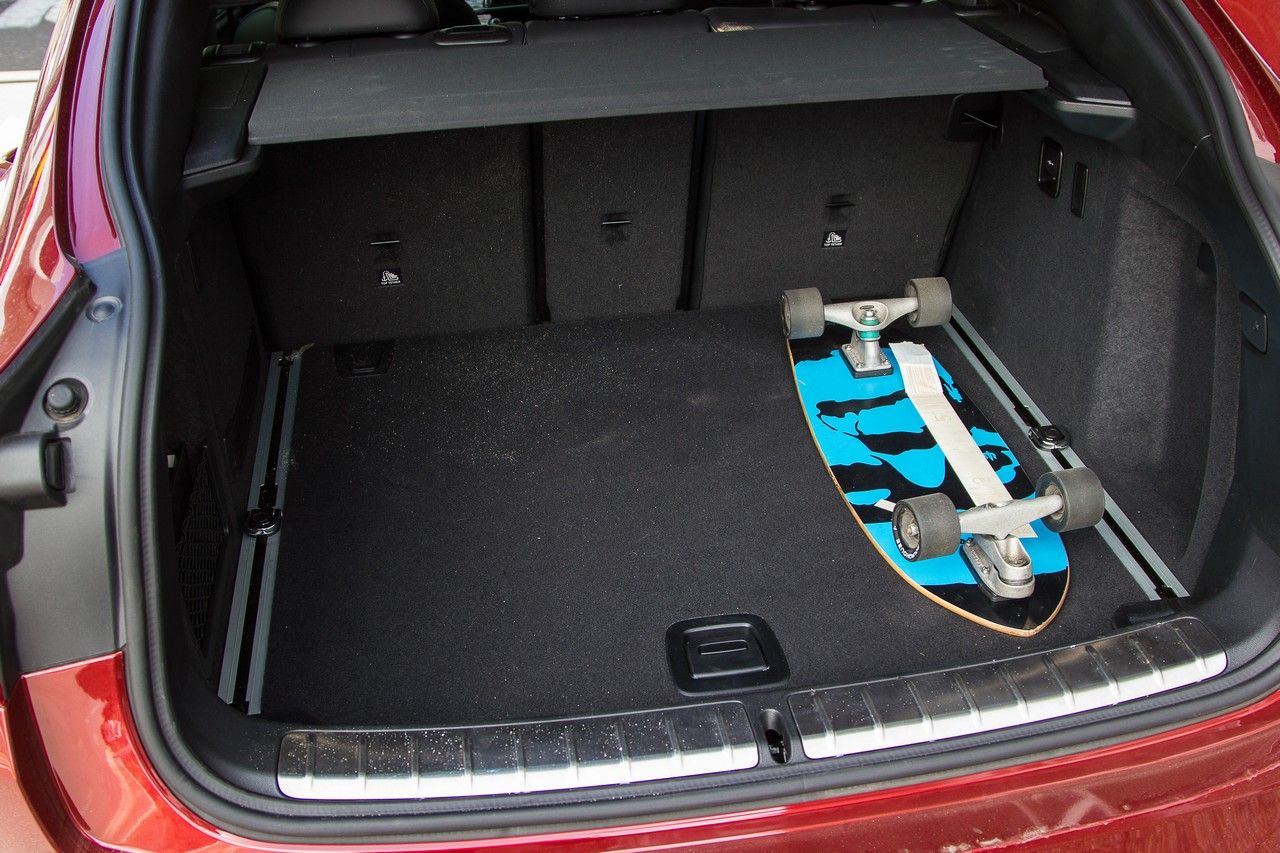
Length loading space is good, it's when you load upwards that the low roofline starts to get in the way.
You also have to be absolutely sure that you'll never need to use that lost packing space that the sloping roof forces you to forego. One day, it's going to come back to haunt you; that's Murphy's Law, isn't it? How much do you lose exactly? In the actual luggage area, not much. The X4 is said to hold 525 litres and claim for the X3 is 550 litres. Total loading space is where things change: the X4 has 1 430 litres, where the X3 has 1 600 litres (170 litres might be hard to imagine, but with a sloping roofline, it cuts a large chunk out of your ability to stack things above the parcel shelf).
Not outstanding
While aesthetic appreciation is entirely subjective, in a segment where the only real reason to choose a coupe SUV over a normal SUV is the looks, we have to at least address them. Does the X4 stand out enough in a crowded segment? Well, by looking at the rivals it arguably doesn't. The Macan has a Porsche badge on the front and looks quite unique, especially in the pastel colours Porsche has specced for the 2019 car. The e-Pace isn't a bad looker either and at the price of this X4, you can get a more powerful and higher specced e-Pace. It is a bit smaller, yes, but there's an F-Pace not too far above if space is an issue. The X4 isn't bad looking, it just seems a bit bland for something that sells itself on styling appeal.
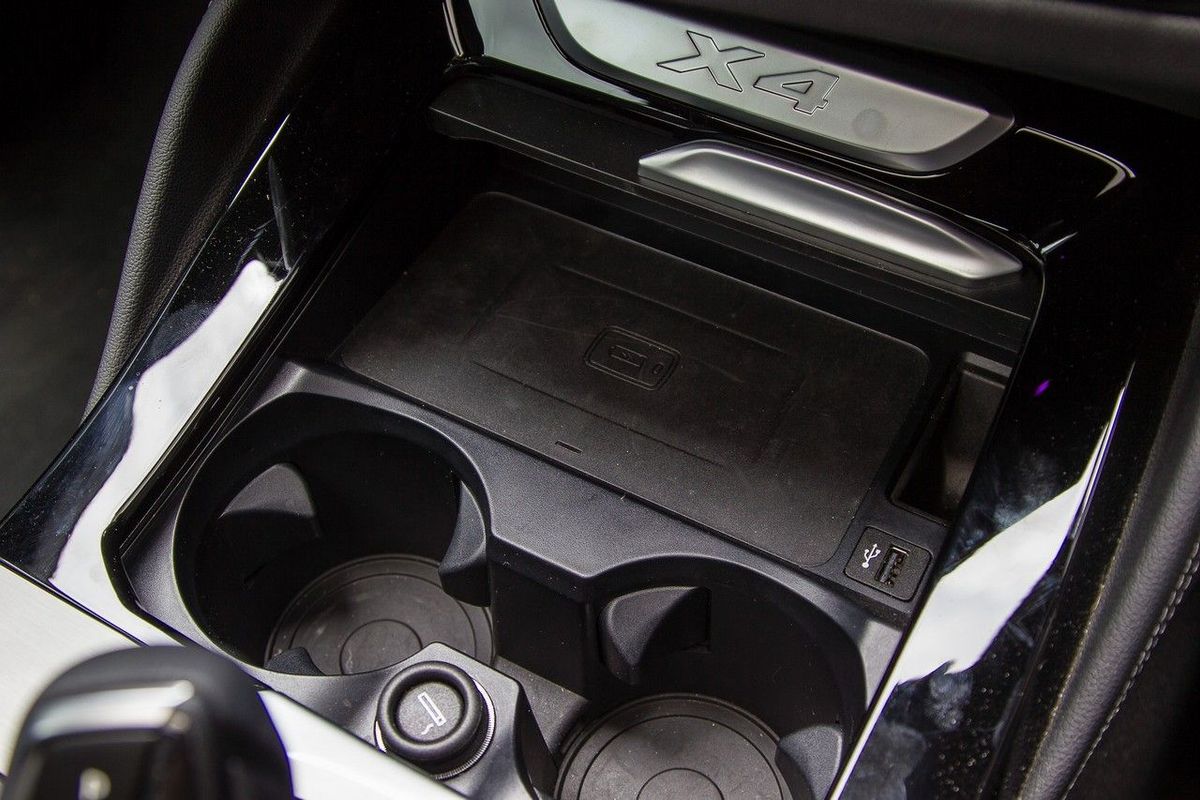
Wireless charging bay supports fast charging. M Sport steering will is a must-have.
Pricing and Warranty
A standard BMW X4 xDrive 20d M Sport starts at R891 442 before options. It is sold with a 2yr/unlimited km warranty and a 5yr/100 00 km maintenance plan.
Verdict
In terms of dynamic abilities, the BMW X4 is right up there in terms of handling and body control. The speed with which it settles after a quick change of direction is impressive and BMW's xDrive system provides an abundance of grip. The turbodiesel engine and gearbox are a perfect marriage of performance, economy and refinement. It's pretty hard to think of an offering out there that delivers everything as well as this X4.
With a coupe roofline, there's bound to be a loss of practicality and it's up to the buyer to decide whether the compromise is worthwhile. In effect, you pay BMW an extra R130 000 to take some of your packing space away. That price, R891 442 before ticking boxes beyond M Sport seems a little high, because you're getting mighty close to something like a VW Touareg. Alternatively, you save money and opt for a Volvo XC60 instead.
Alternatives (click on the names for specification details)
The Mercedes-Benz GLC Coupe is the direct rival but is now a few years older than the brand new X4. It has strong engines and a good looking body but lacks a little interior quality.
The e-Pace is a little smaller than the X4 but still delivers that dynamic SUV experience. It's quite heavy but overcomes its weight with powerful engines and a stiffly sprung chassis.
The new Macan will only arrive in SA during 2019, but it's sure to hit all the right marks in terms of dynamism. The most expensive rival and will only be petrol powered.
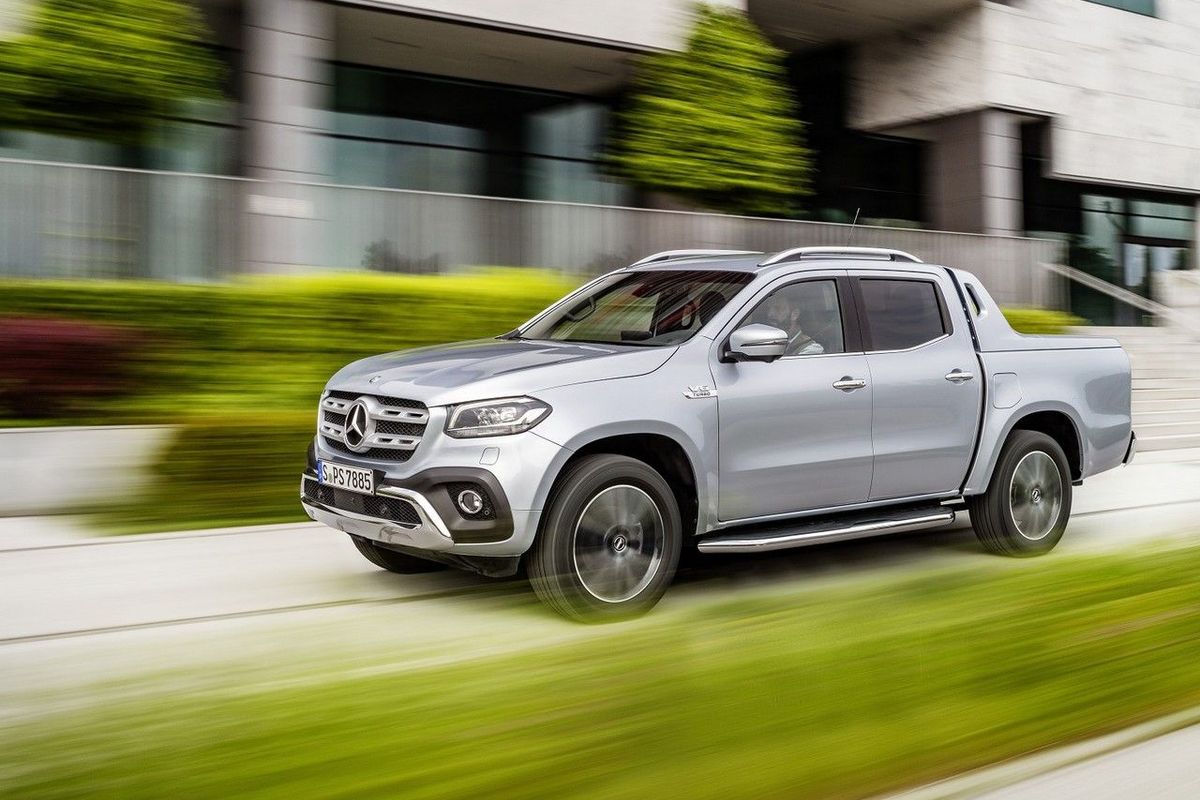
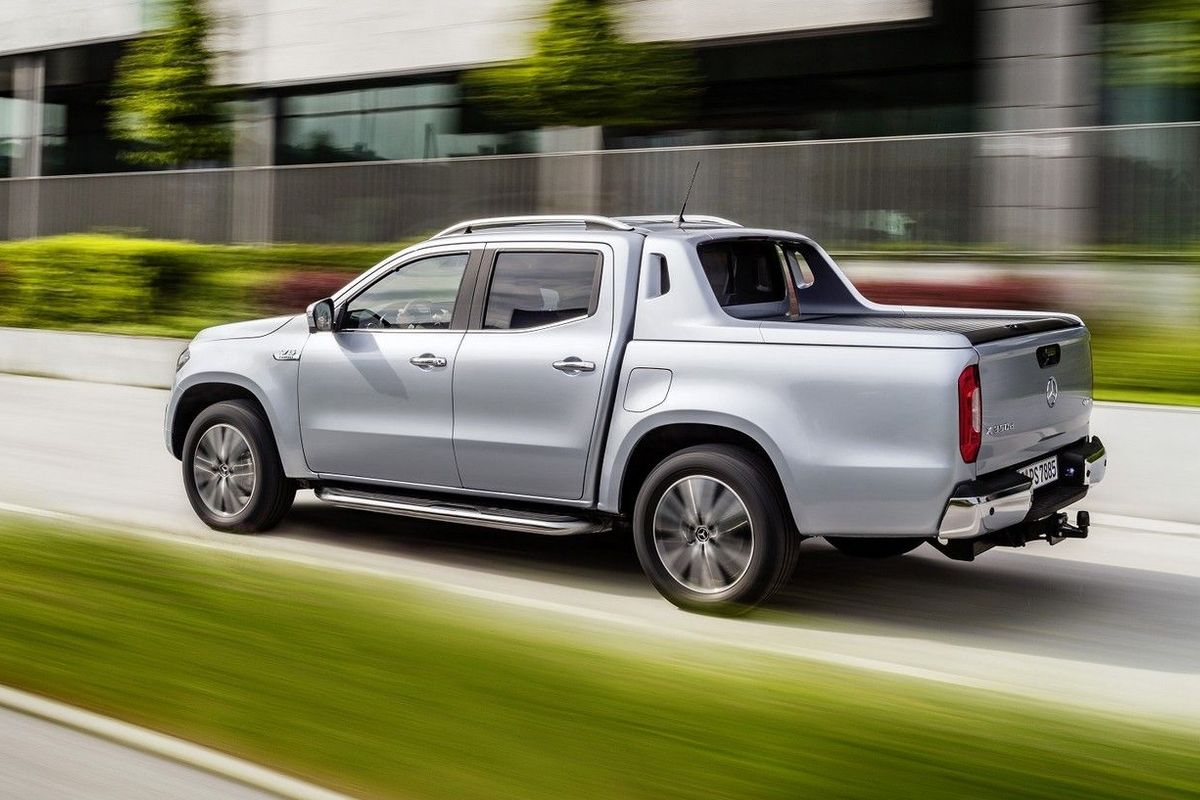
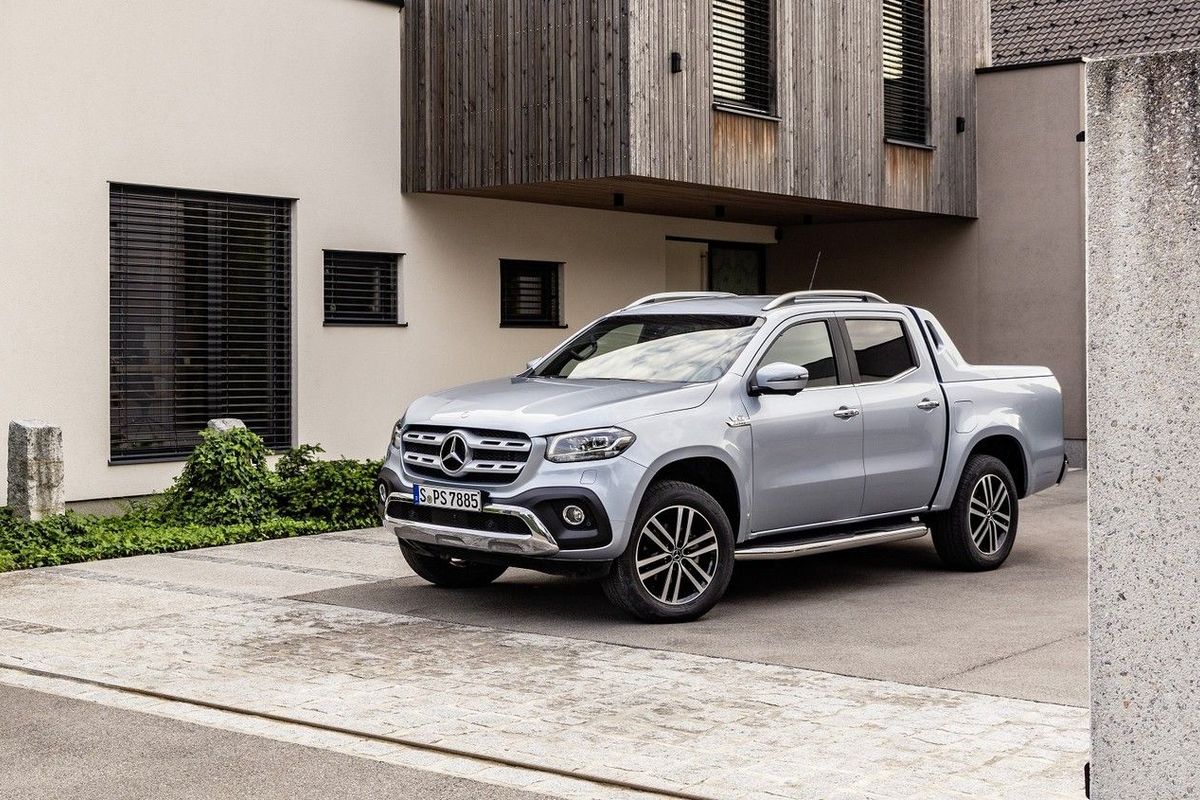
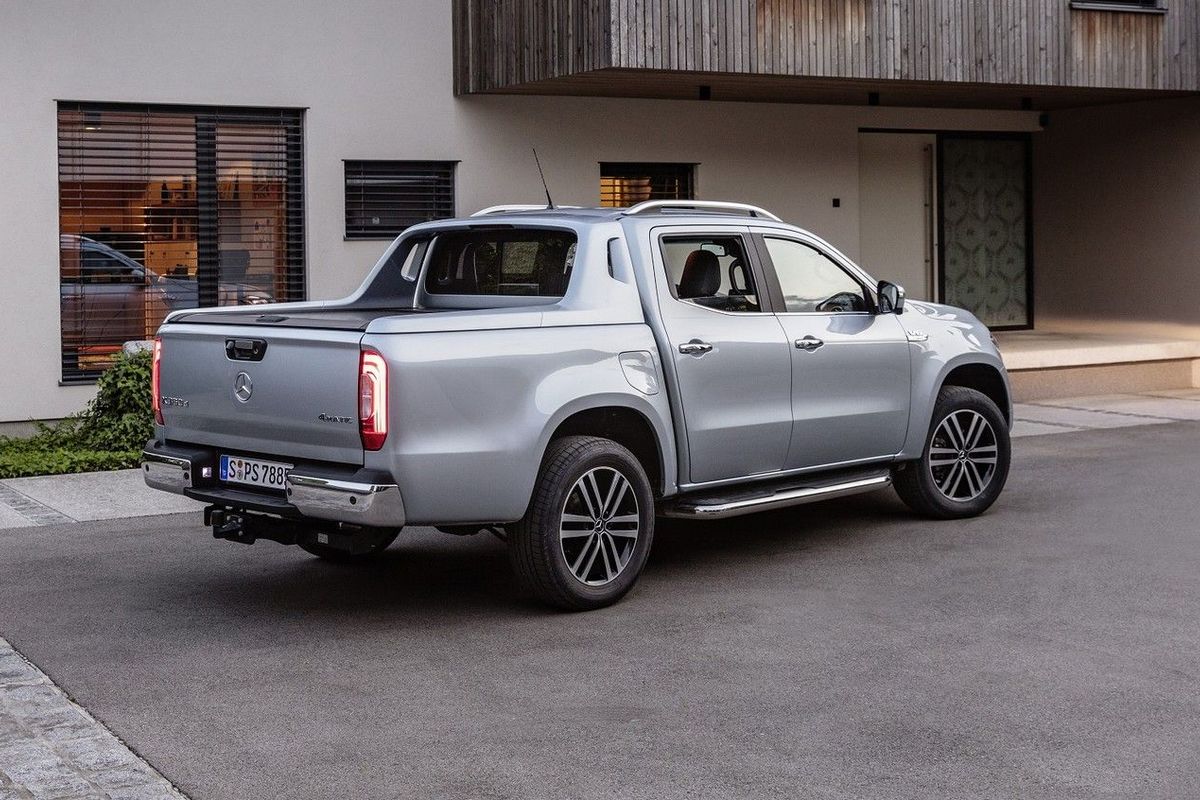
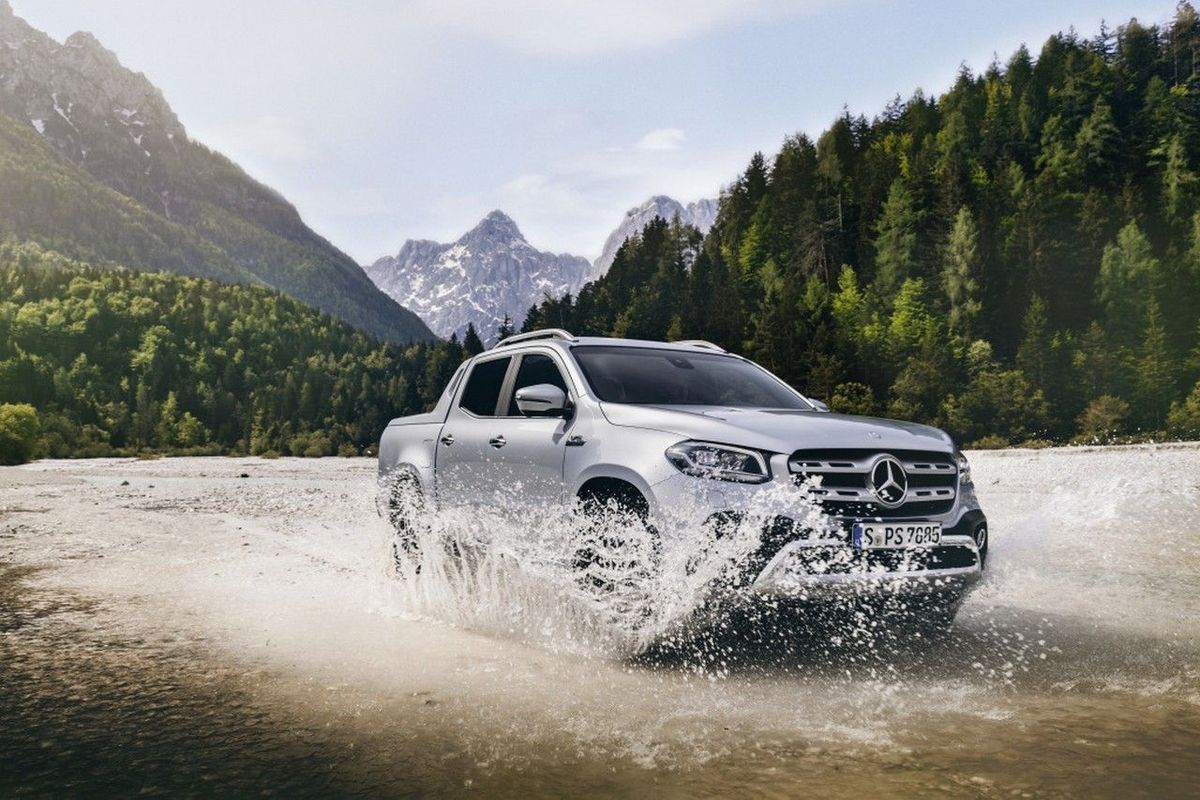
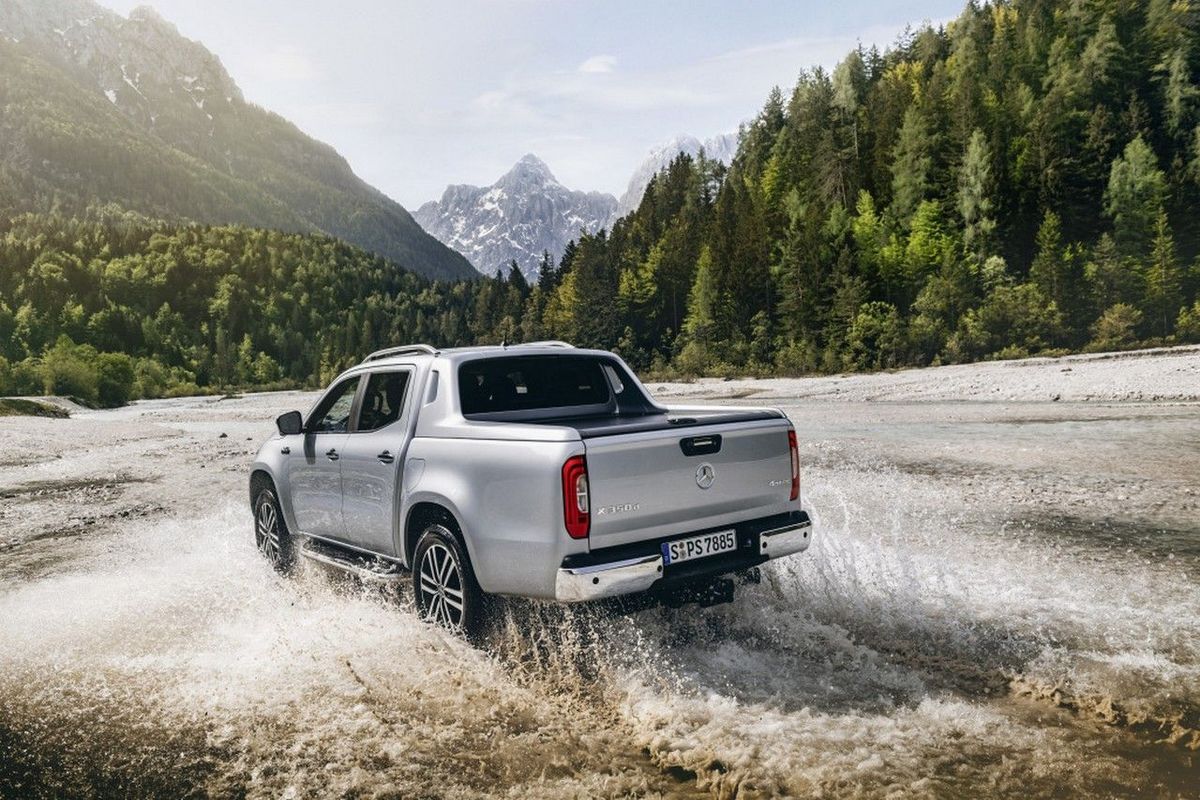
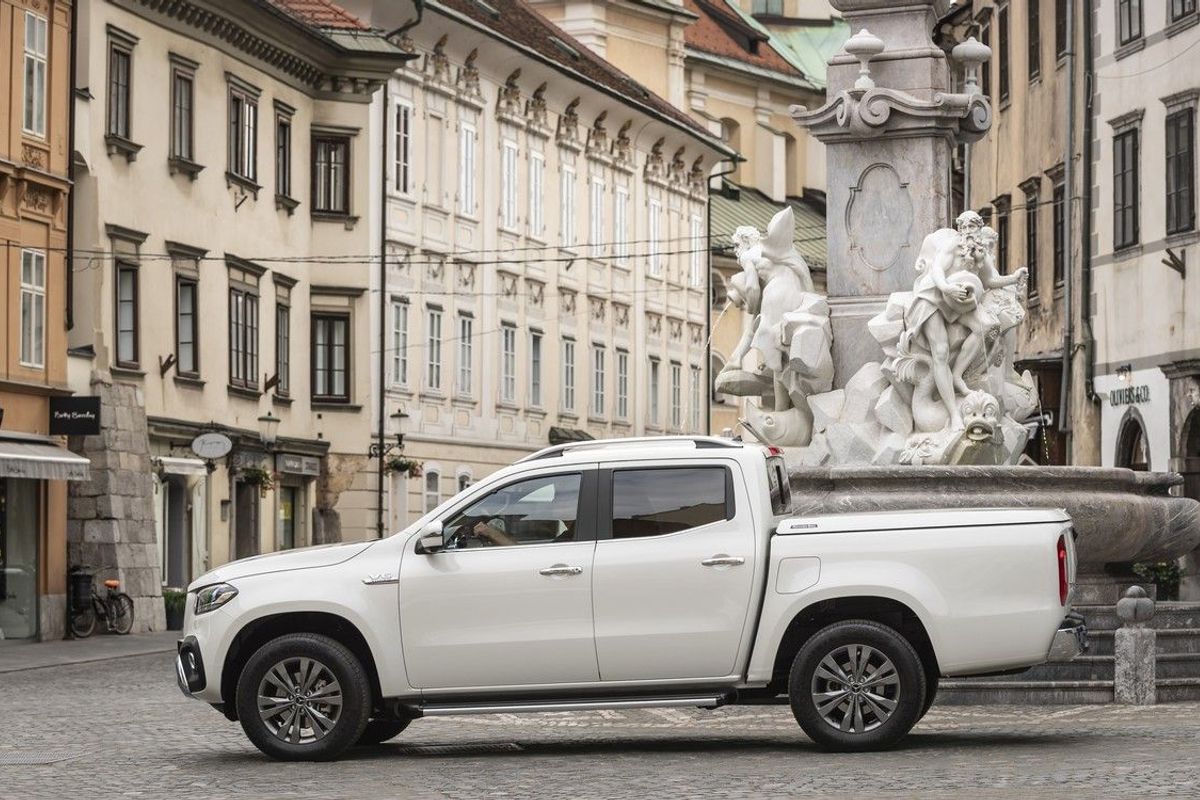
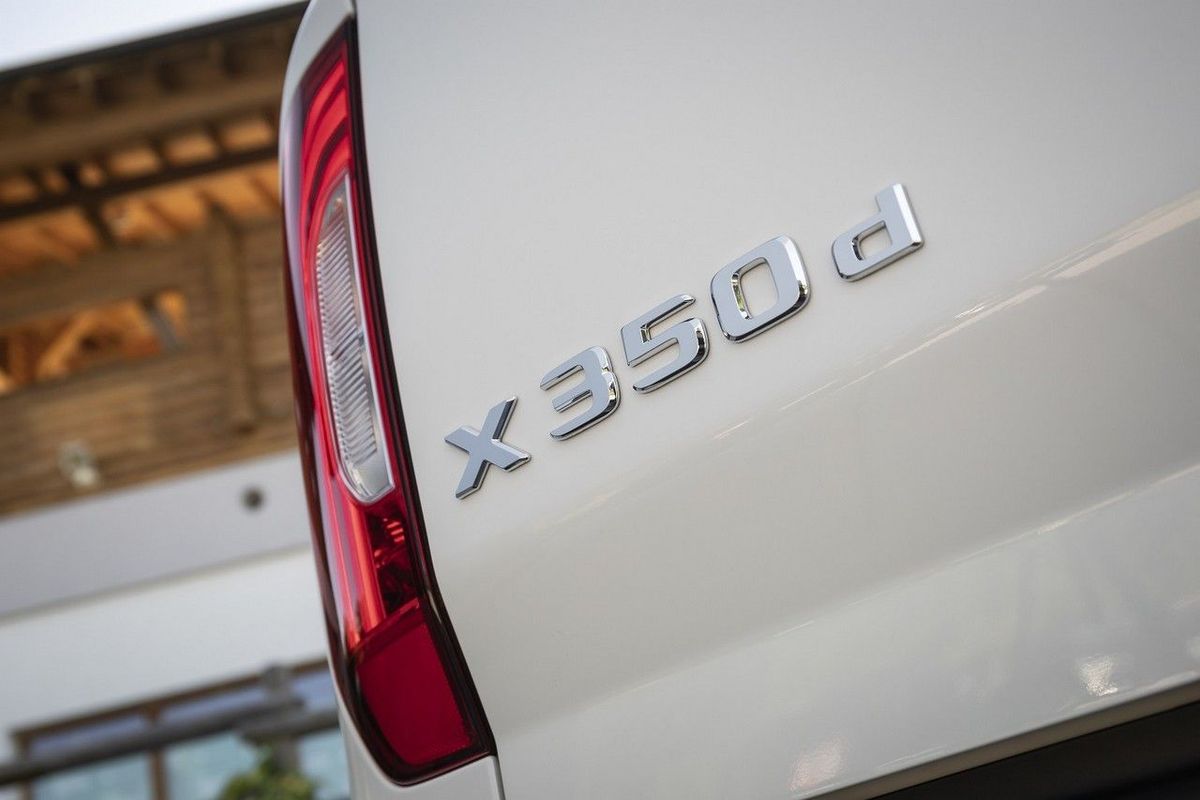
Mercedes-Benz has finally launched the eagerly-anticipated 3.0-litre V6 turbodiesel-engined flagship of the X-Class double-cab bakkie range on local soil. Could the Mercedes-Benz X350d 4Matic be the King of the Bakkies?
So far, sales of the controversial X-Class have failed to meet the pre-launch expectations of Mercedes-Benz (and, to be fair, many people). The Sindelfingen-based brand claims its double-cab is a game-changer, but many reviews of its 4-cylinder X250d derivatives have been lukewarm or guarded. But Mercedes is undeterred and has high hopes for its new flagship derivative armed with a brutish 3.0-litre V6 turbodiesel engine.
The Mercedes-Benz X350d 4Matic is available in 2 levels of trim; Progressive and Power. Both derivatives feature keyless go and Thermotronic air conditioning as standard. Progressive is the bottom of the V6 range and features 17-inch alloy wheels, leather-wrapped multifunction steering wheel, fabric seats (with the option of leather) and an 8-speaker audio system. Step up into the Power derivative and you get 18-inch alloy wheels, LED headlights, leather seats, of which the fronts are electrically adjustable and an uprated audio system with integrated satellite navigation.
That powertrain
190 kW and 550 Nm from a turbocharged V6 diesel makes the X350d the most powerful bakkie on sale in SA
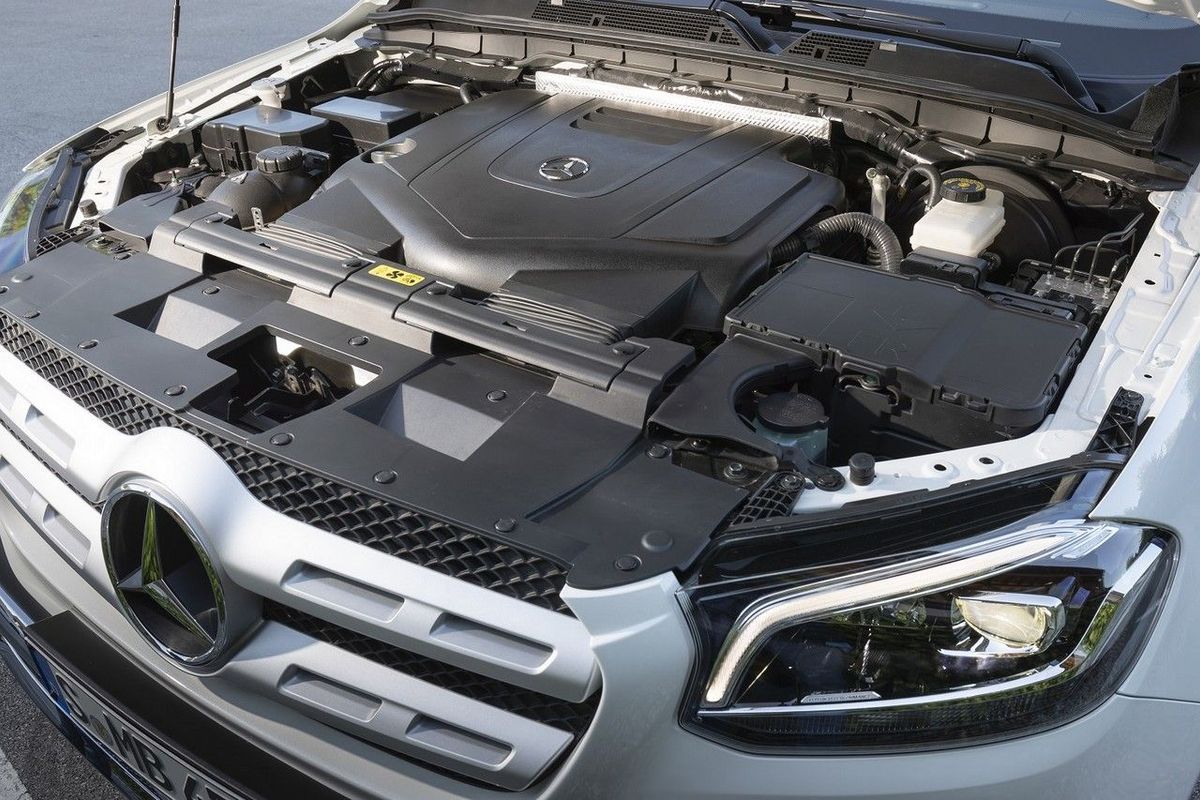
The X-Class might share its platform with the Nissan Navara, but the heart of the new Mercedes-Benz X350d is a Benz-sourced engine. For Benz, another brand's engine would not suffice in the flagship derivative of its double-cab range. Codenamed the OM642, the motor was forged in the furnaces of the Three-Pointed Star and has been in service since 2005 (it has been used in both commercial and passenger car applications).
The turbocharged 3.0-litre V6 develops 190 kW/550 Nm and power is distributed by a permanent 4-wheel drive system (4Matic) via a 7G-Tronic Plus automatic transmission. The 4Matic system offers 3 modes: 4MAT for on-road use, 4H for traction offroad and 4L (low-range) for tough off-road conditions. The engine comes on song from 1 400 rpm and then torque starts to drop off around the 3 200 rpm mark. Given all that shove, it's to be expected that the X350d is a spirited performer… Mercedes-Benz claims it'll hit 100 kph in 7.9 seconds and run on to a top speed of 205 kph.
Can it go off-road?
The X350d is capable when the going gets rough. Would you offroad a R1-million bakkie though?
Our launch route incorporated moderate off-road trails. With a ground clearance of 222 mm, wading depth of 600 mm, approach and departure angles of 29 and 24 degrees respectively, a centre differential and a differential lock on the rear axle, the X350d seems well set up for traversing the rough stuff with a fair degree of confidence. Mercedes-Benz says it can take on grade 5 off-road trails, which is a claim we'd like to verify at some stage. Nevertheless, our 4×4 testing put the differential lock to the test and we explored the limits of the wheel articulation. We also tested out the hill descent control and were able to coax the Benz up 30-degree inclines. In other words, we're more than satisfied that this bakkie can cope with tough courses. The front camera can be switched on during these manoeuvres, which adds critical visibility when you can't see the surface ahead of you!
What's it like to drive?
On-road manners are acceptable and the V6 makes overtaking effortless. This X-Class is fitted with an aftermarket sports bar.
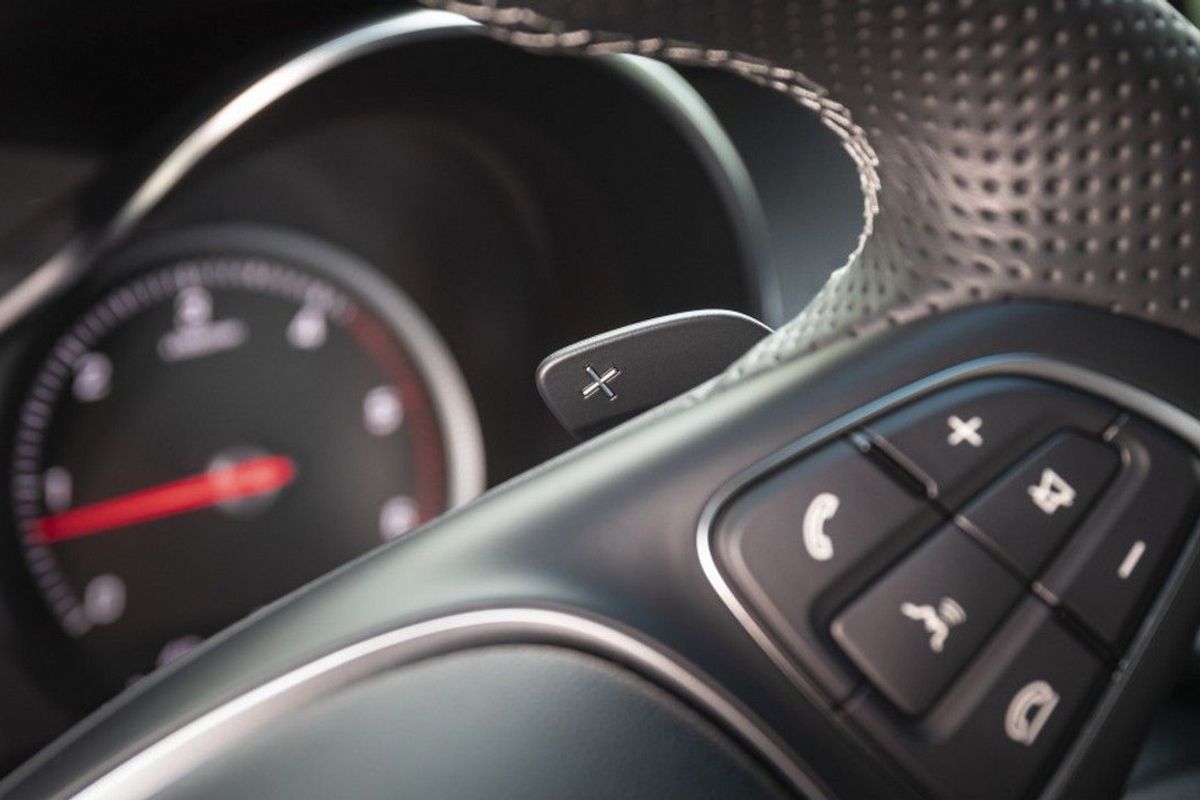
There's no doubt that the addition of a fire-breathing engine has made the X-Class double-cab bakkie a significantly more desirable product. The urge is impressive and when you make use of the many driving modes (Comfort, Sport, Eco, Offroad, Manual), you can explore the breadth of the German bakkie's on-road abilities. Manual is an interesting setup as you're solely responsible for shifting gears (by using the paddles located behind the steering wheel). When you're pressing on, there's even a soft rumble from the V6 and the in-gear urge is exceptional… for a bakkie!
However, there are still some glaring faults. The interior execution just lacks that knockout punch; it doesn't feel as if it can justify the Benz's million-rand pricetag. Yes, that's right, this bakkie, even in the lowest V6 spec, costs R914k before any options and I'm pretty sure you'd at least want to additionally spec leather seats. By comparison, a spec-laden Ford Ranger Wildtrak retails for R655 900. If you're looking for a direct rival, the flagship Volkswagen V6 Amarok Extreme comes in at R810 100. Is the Mercedes-Benz X-Class X350d worthy of a R100k premium? No chance.
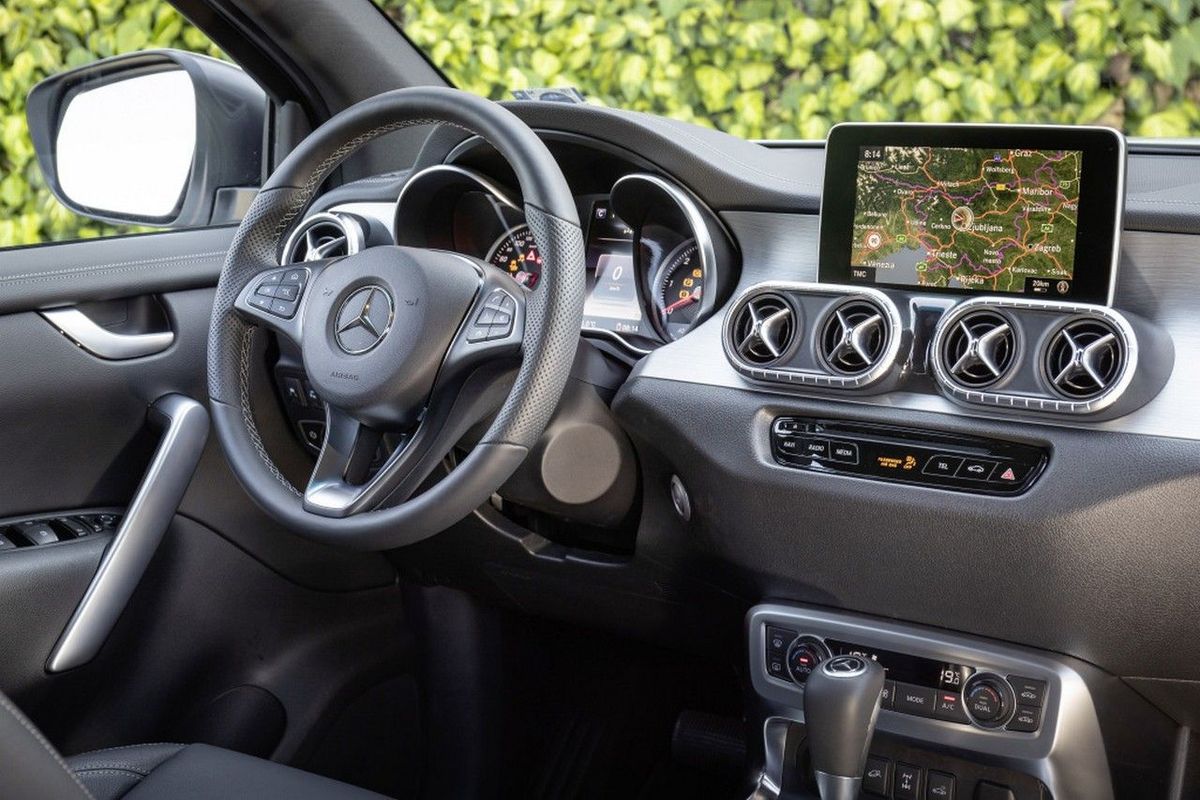
The cabin is basic and has most features, but it doesn't have enough storage pockets.
We had issues with the X250d's cabin ergonomics, which we hoped would be (at least partly) addressed in this derivative. The lack of in-cabin storage bins is frustrating and there's one cupholder. Rear legroom space is cramped and the bench is too upright for longer journeys. There's no reach adjustment for the steering wheel either. Annoyingly, the infotainment system seems at least 2 generations outdated compared with the latest Mercedes-Benz infotainment systems. We're not expecting MBUX, but the latest version of Comand would be nice (given the bakkie's price tag).
Overall insulation is fair; much of that typical bakkie unrefinement has been dialed out through with the application of sound-deadening material. The ride is not the smoothest though, despite the trick multilink rear suspension. Sadly, the X-Class feels jiggly and tends to fidget around town. Look, it's a lot better in terms of refinement as far as bakkies go, but it's still not class-leading for the body-on-frame brigade. The steering is pleasantly light and makes directing the big beast simple, but on some faster, winding roads, you'll likely want a setup with a bit more feel and directness.
Verdict
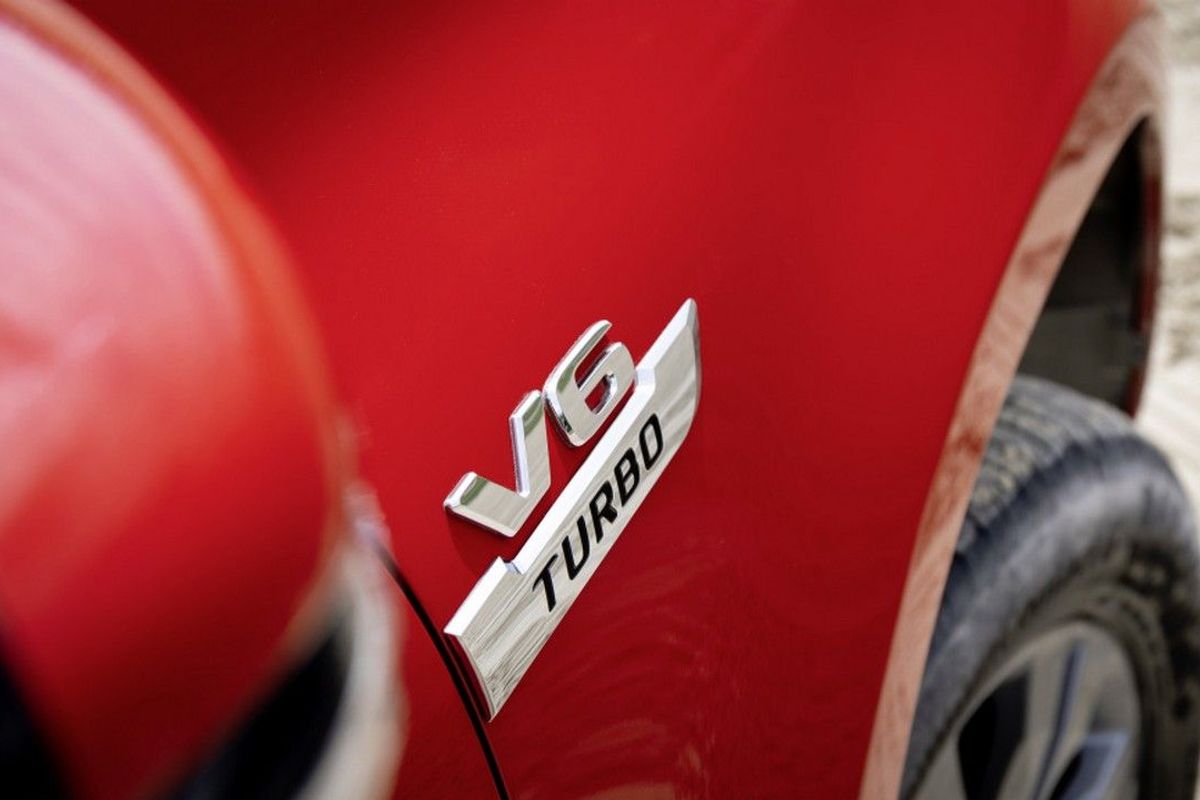
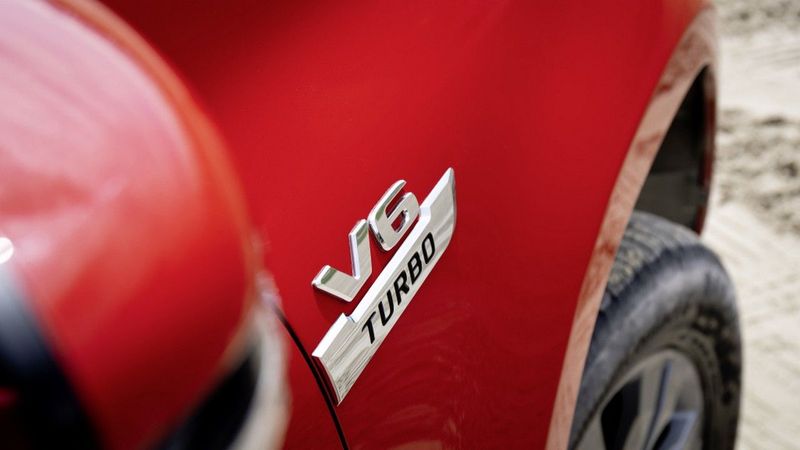
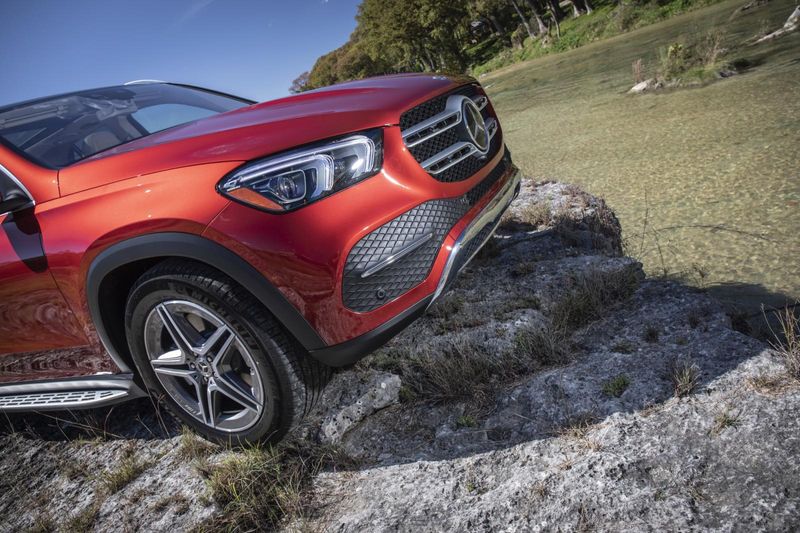
The V6 on the front flanks is a subtle hint at the awesome power within
The addition of a potent and willing V6 turbodiesel engine has definitely elevated the X-Class' appeal. Many critics might argue that this X350d is exactly what the X-Class should have been all along. It has a stonking engine and is capable of executing effortless open-road overtakes. It'll be great for towing too, and the flagship (much like its X250d siblings) has a 3.5-tonne braked tow rating, which will please outdoor adventurists.
However, at this price point, a great engine is simply not enough to justify that monstrous price tag, especially the drawbacks of the lesser derivatives haven't been addressed. The cabin doesn't offer enough glamour, or tech, at this price point and there are materials that look marginal in quality. In this price bracket, the bakkie's in dangerous territory as the lure of an SUV is strong. Mercedes-Benz GLC with all the trimmings, anyone?
Mercedes-Benz X350d Price in South Africa
Mercedes-Benz X350d Progressive R914 711
Mercedes-Benz X350d Power R983 711
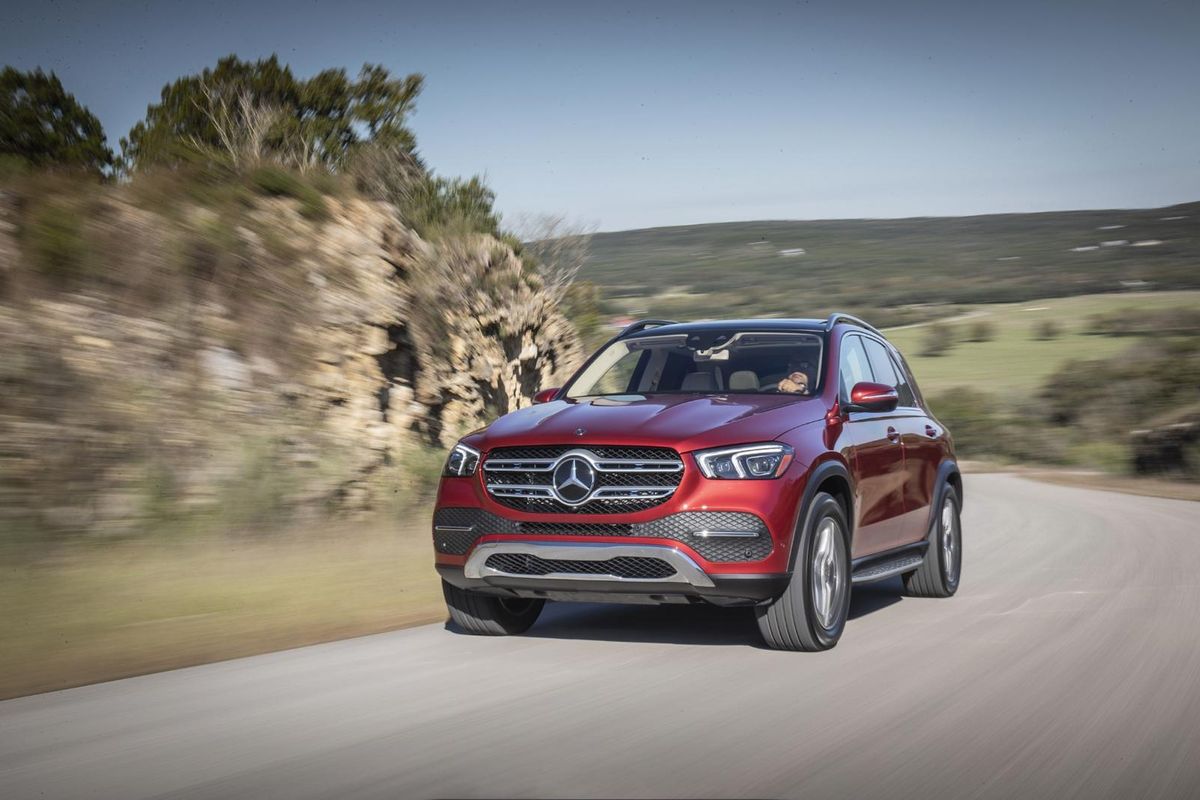
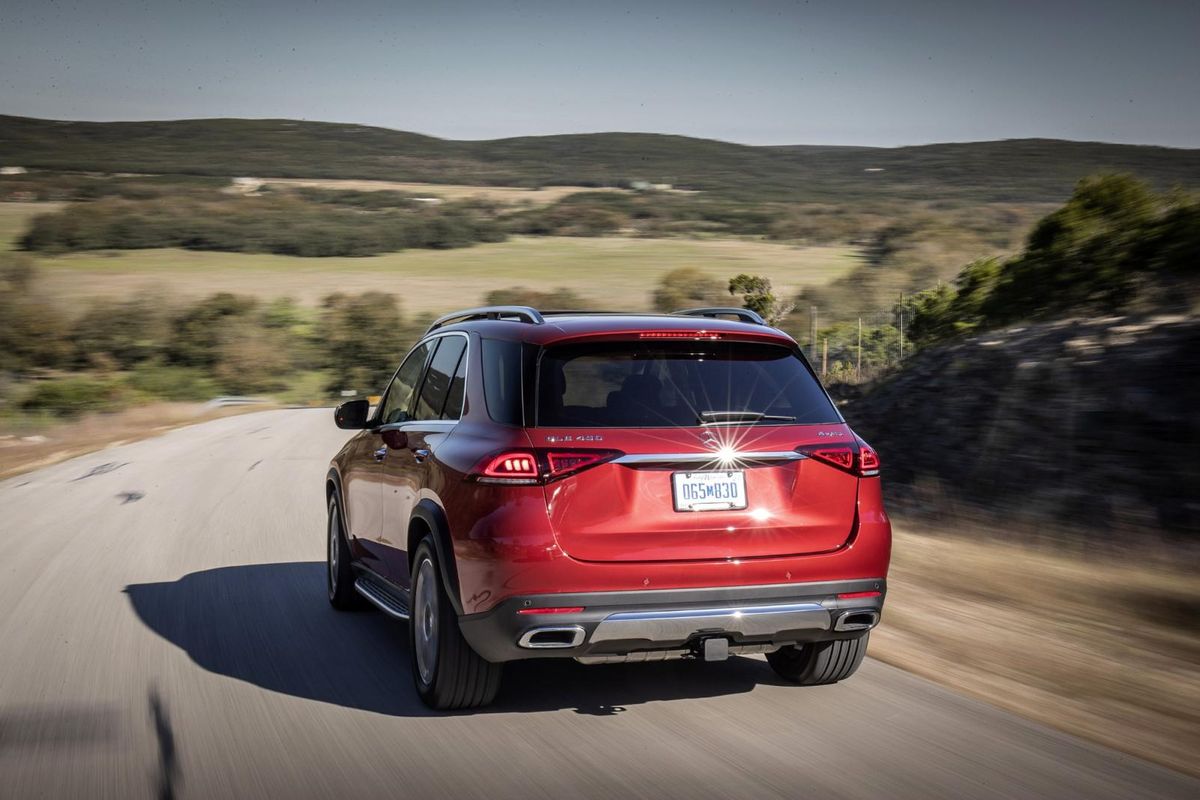
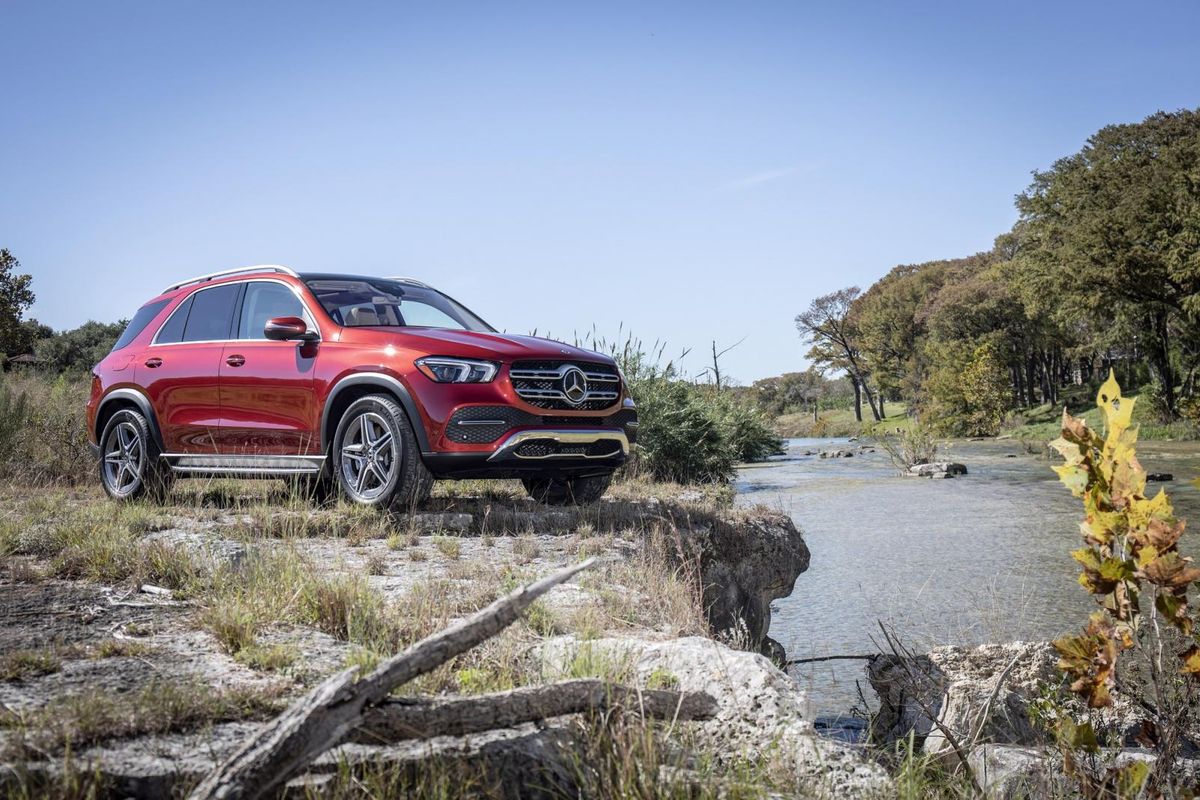
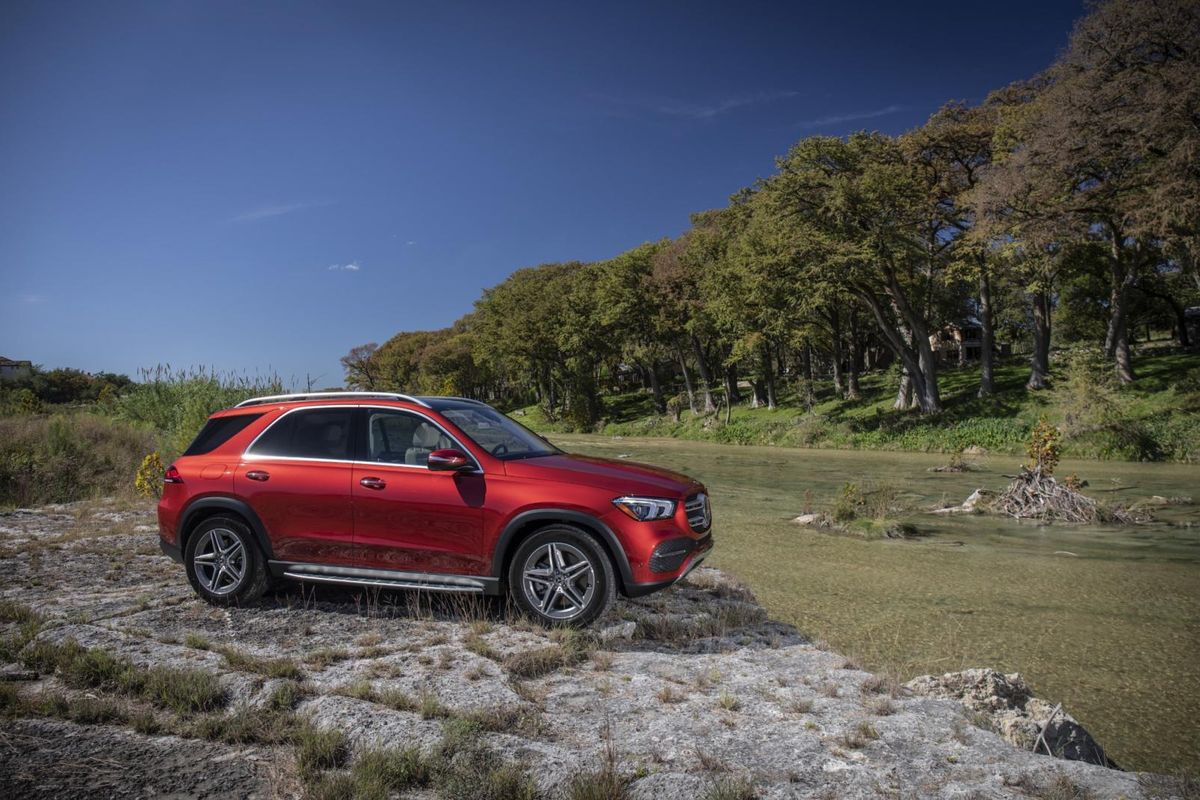
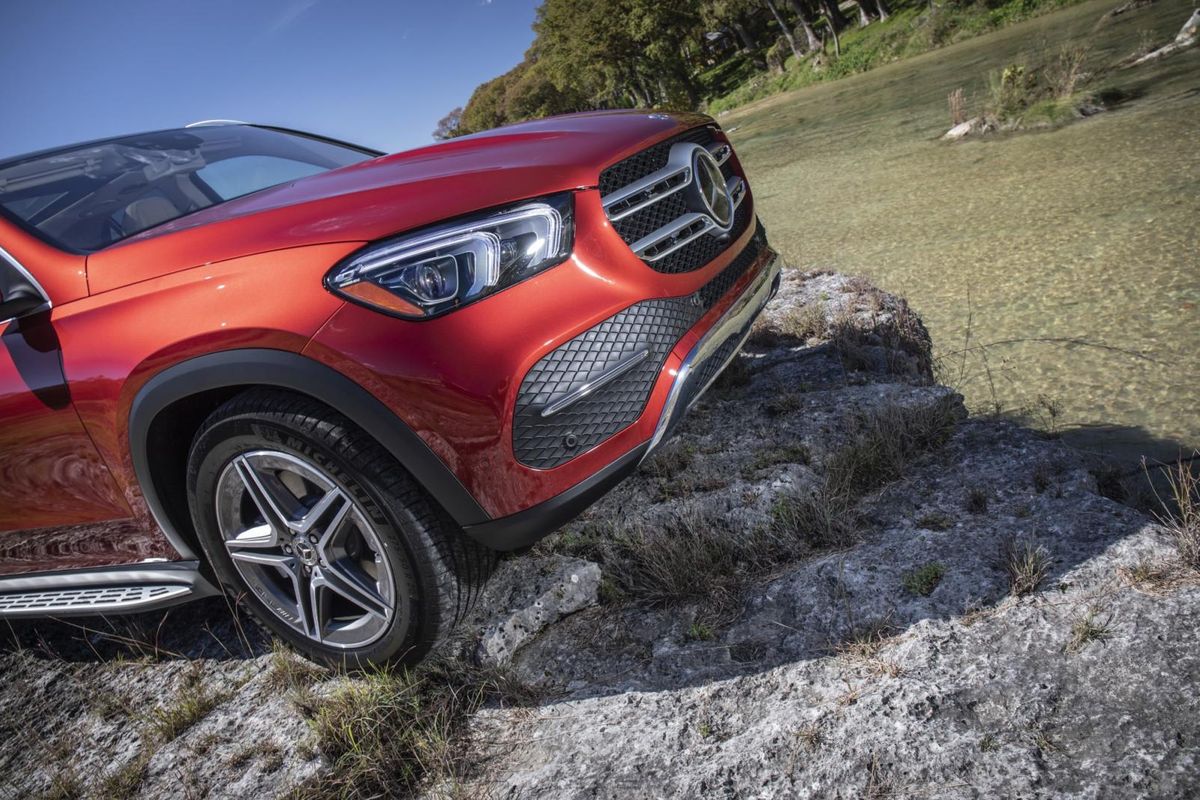
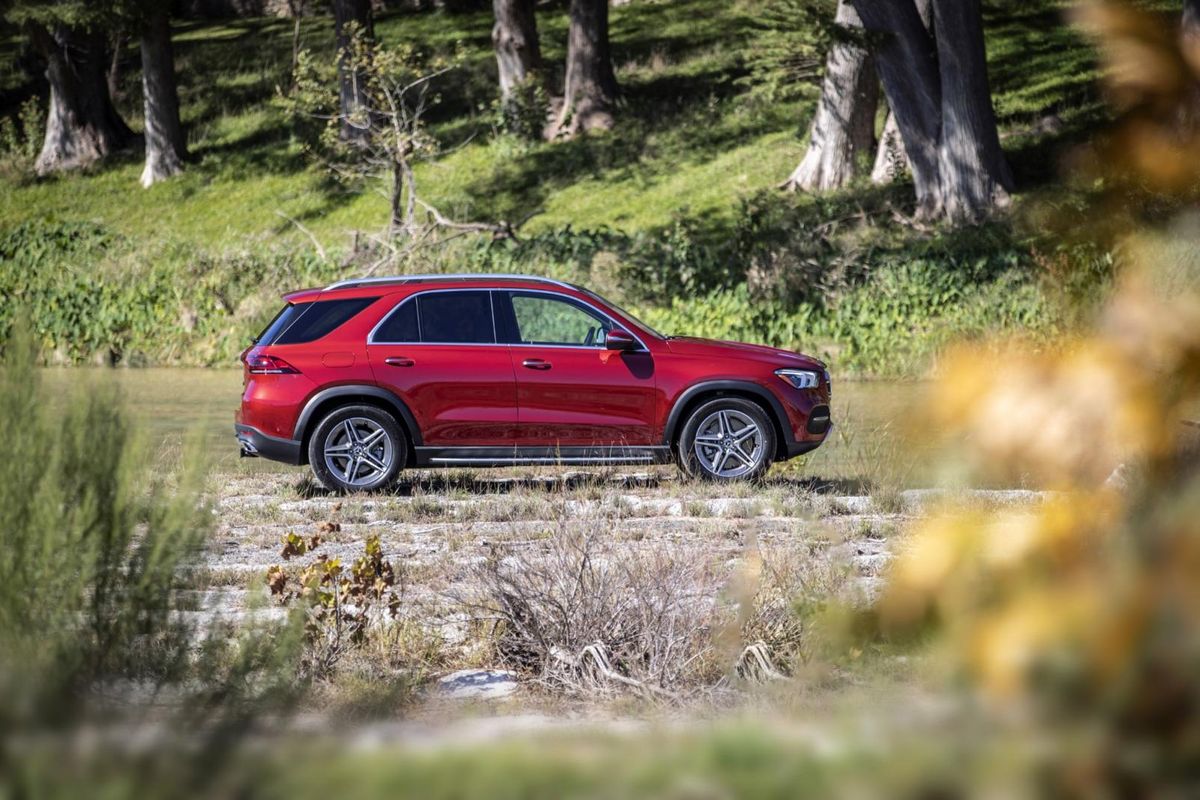
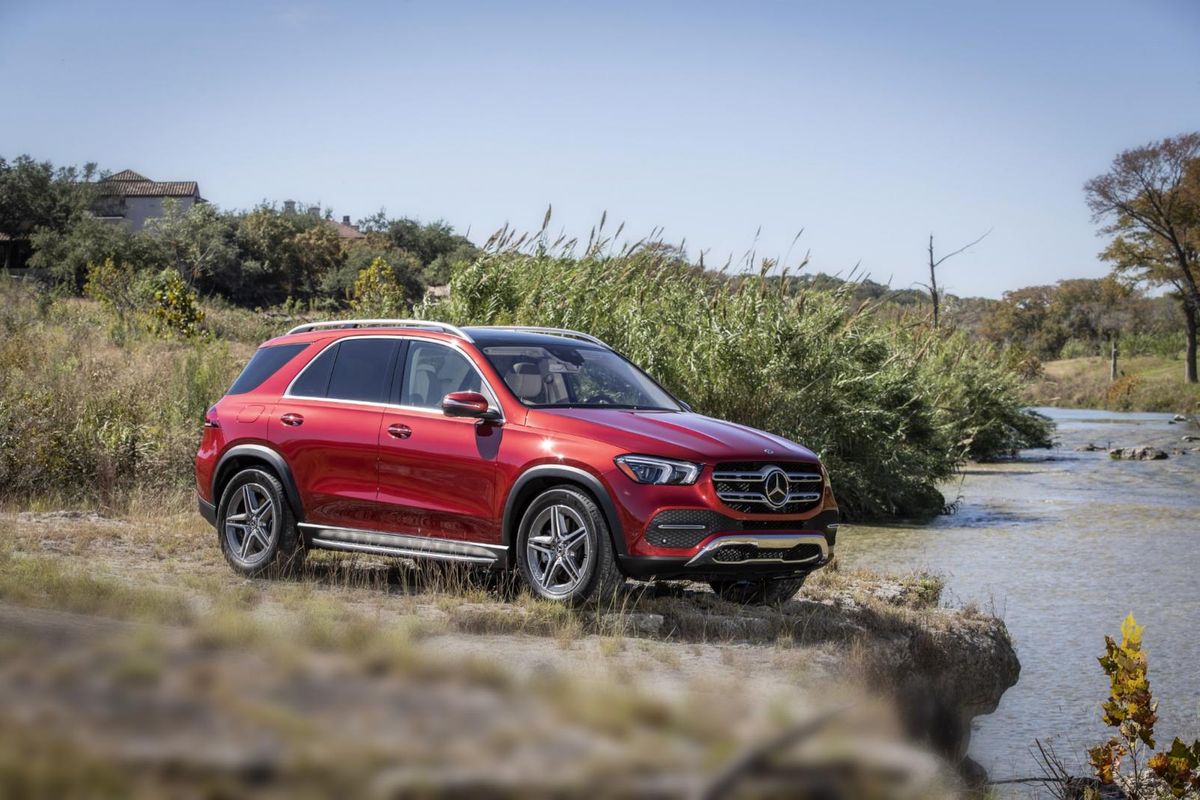
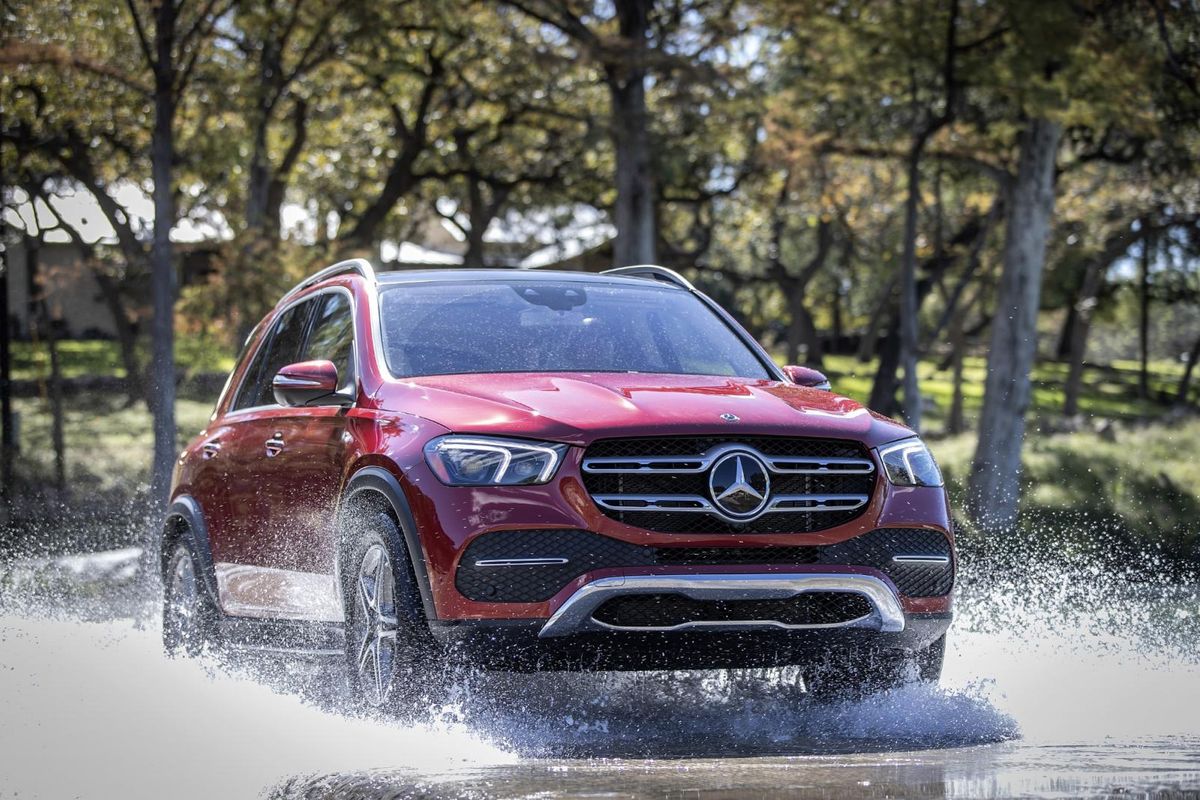
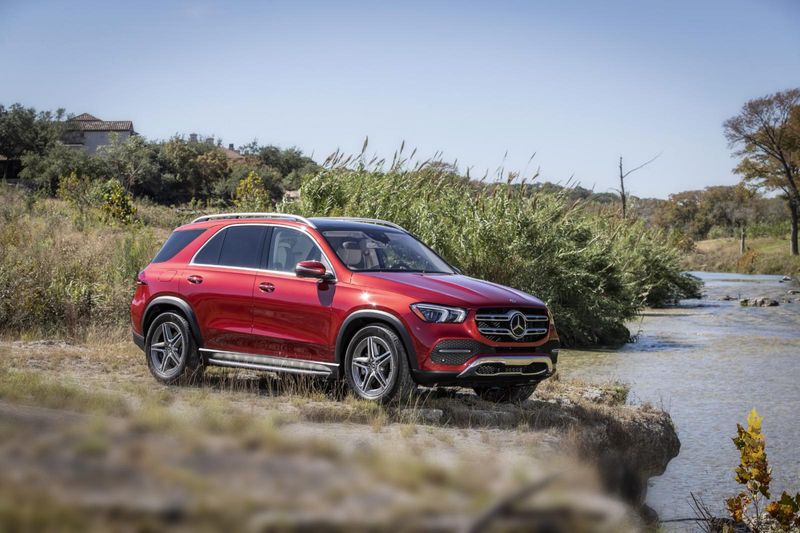
Mercedes-Benz GLE (2019) International Launch Review
Mercedes-Benz's 4th-generation premium SUV has grown in size and standing, with new engines and advanced new suspension technology that bolsters its overall abilities. Our international correspondent Greg Kable reports…
The Mercedes-Benz GLE has racked up over 2 million sales worldwide since it first when on sale badged as the ML in 1997. To suggest it has been a success is stating the obvious. However, the market this new model is entering is now a vastly different proposition to the one back then. Today, the premium brand SUV ranks have grown to include multiple offerings from a wide variety of car makers in many different sizes and configurations. To truly stand out and pique the interest of potential customers it takes something truly out of the ordinary.
What's new?
So what next for the best selling Mercedes-Benz SUV yet? In a bid to match the competition head-on, the fourth-generation model driven here has been developed anew from the ground up in an engineering program that also includes the second-generation GLE Coupe and third-generation GLS, both due to see sale in 2019.
This is just as well because the outgoing third-generation GLE was already showing its age next to newer rivals like the Audi Q7, BMW X5 and Range Rover Sport. The surprise is just how much technology Mercedes-Benz has thrown at it an attempt to elevate its appeal. There are features included on the new model that are not yet available on the flagship S-Class or any other Mercedes-Benz model for that matter. So, in this respect, the seven-seat SUV finds itself in the unusual position of playing a pioneering technical role.
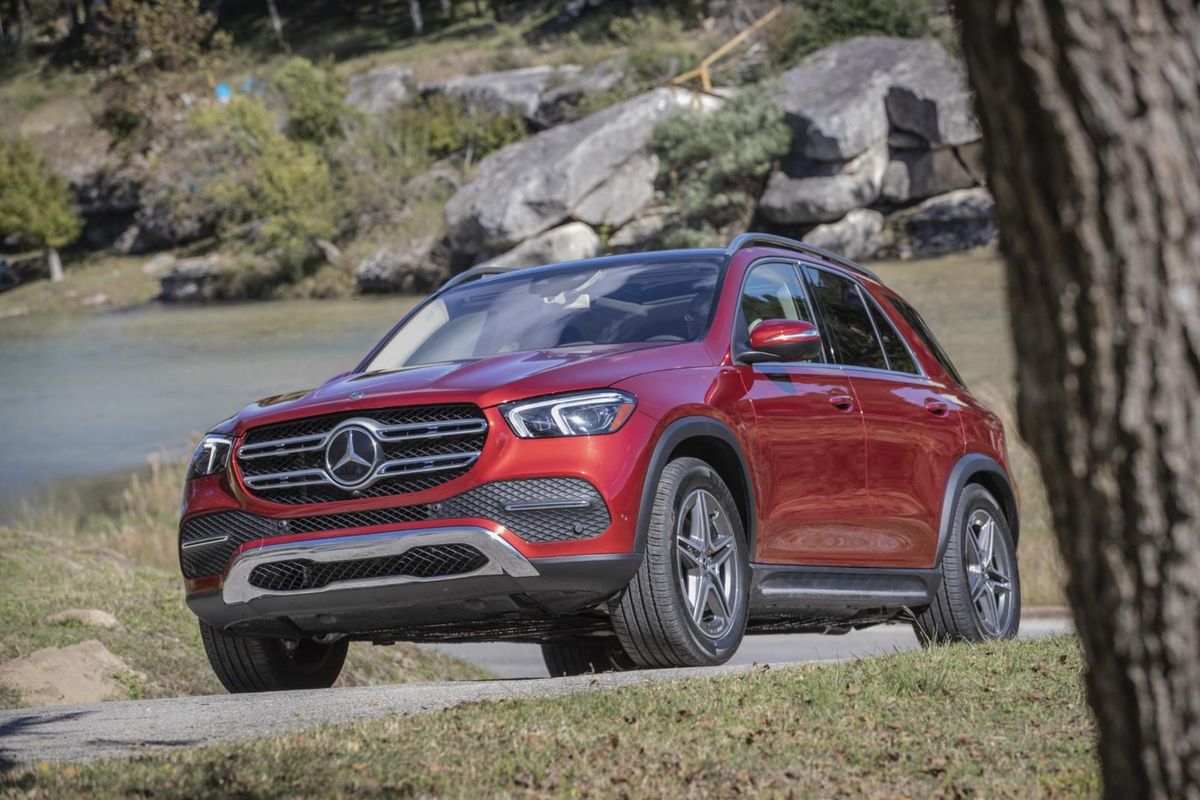
The new GLE has grown in every direction but has not picked up weight in the process.
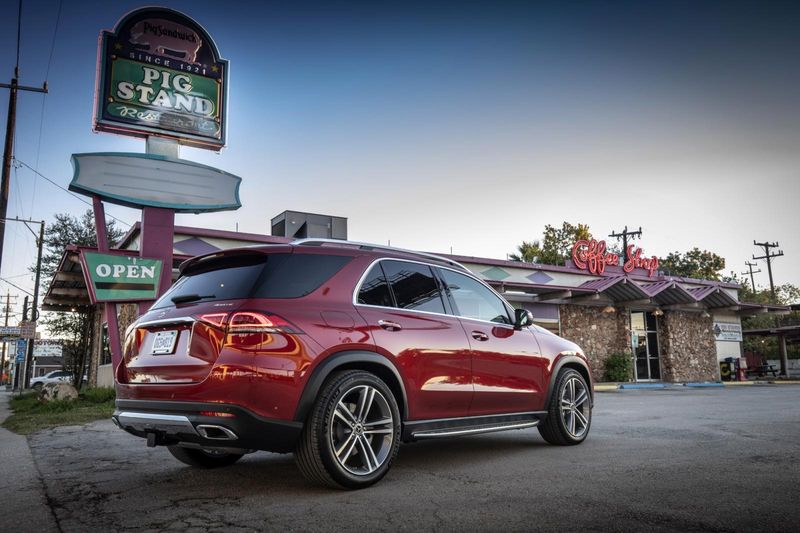
The most noticeable change when you see it up close is the decision to make it even larger again. Like all previous incarnations of the GLE launched since the first generation model rolled off Mercedes-Benz’s US production line 21 years ago, this new one has grown, putting on a considerable 105 mm in length at 4 924 mm. Crucially, some 80 mm of this is concentrated within the wheelbase, which now extends to 2 995 mm, providing it with a much larger footprint and with it the scope for improved interior packaging.
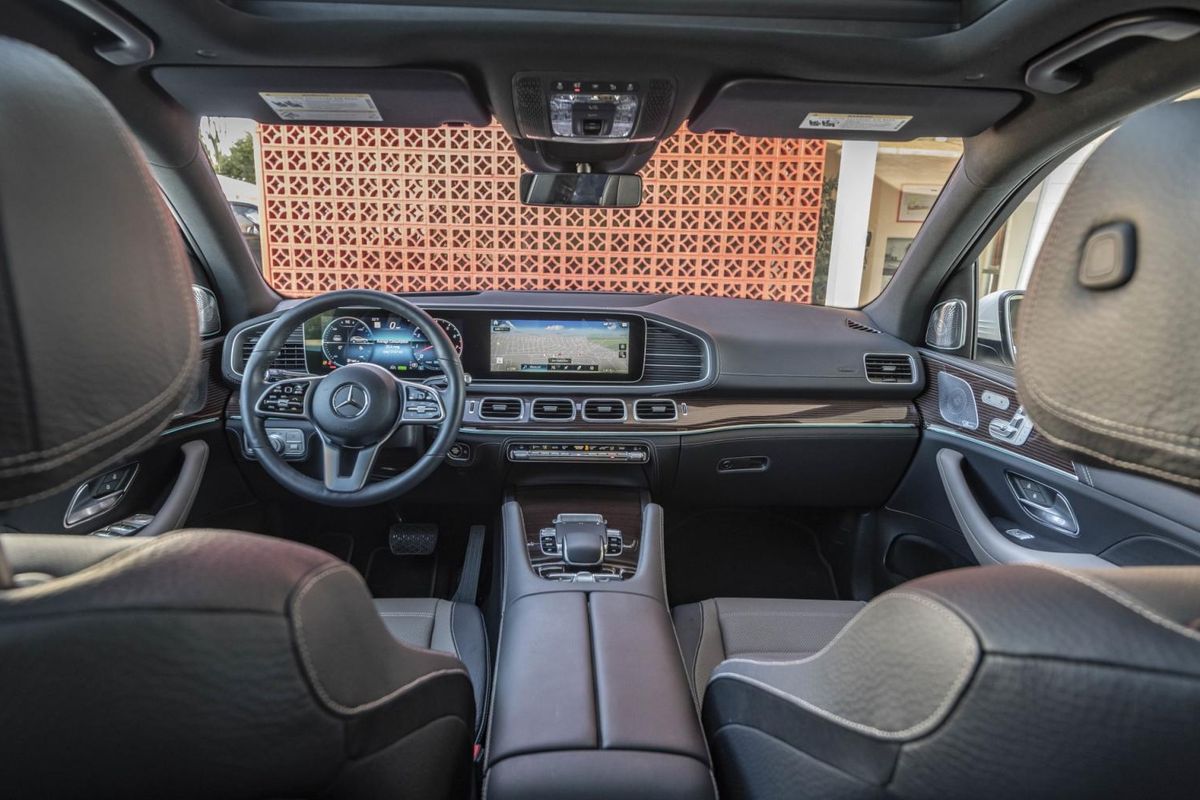
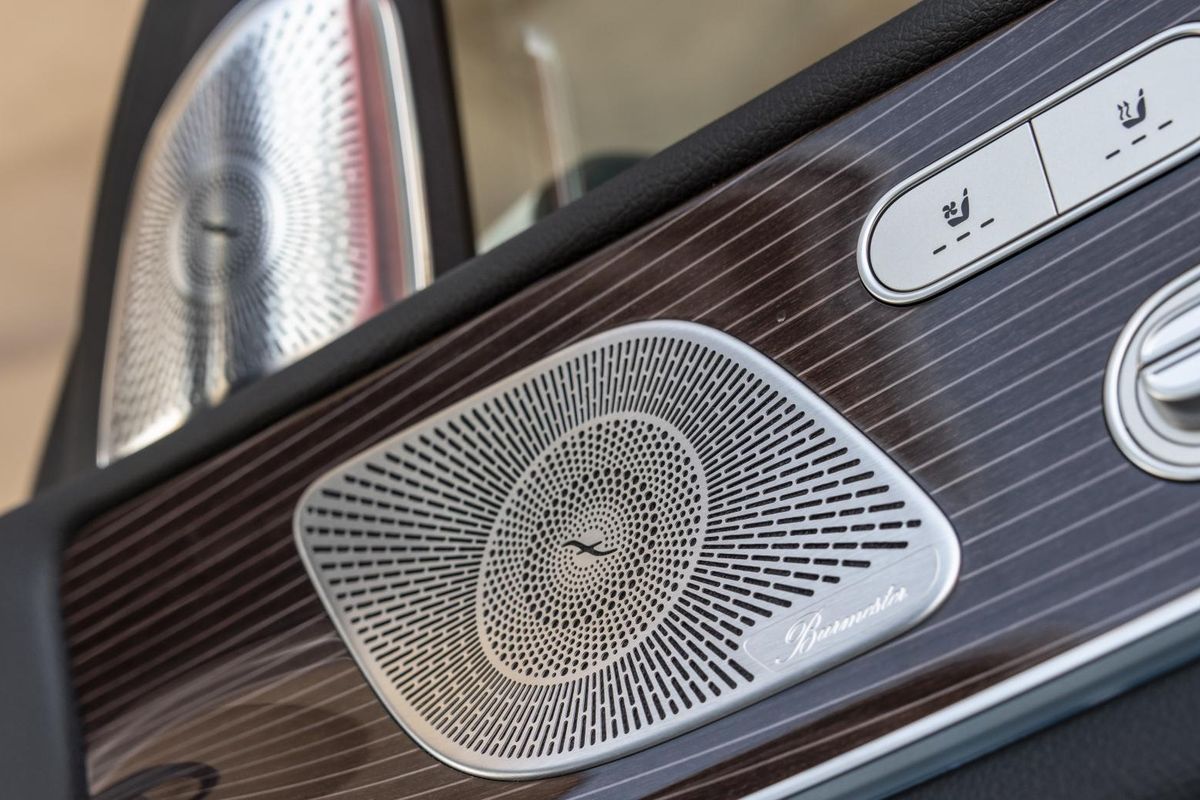
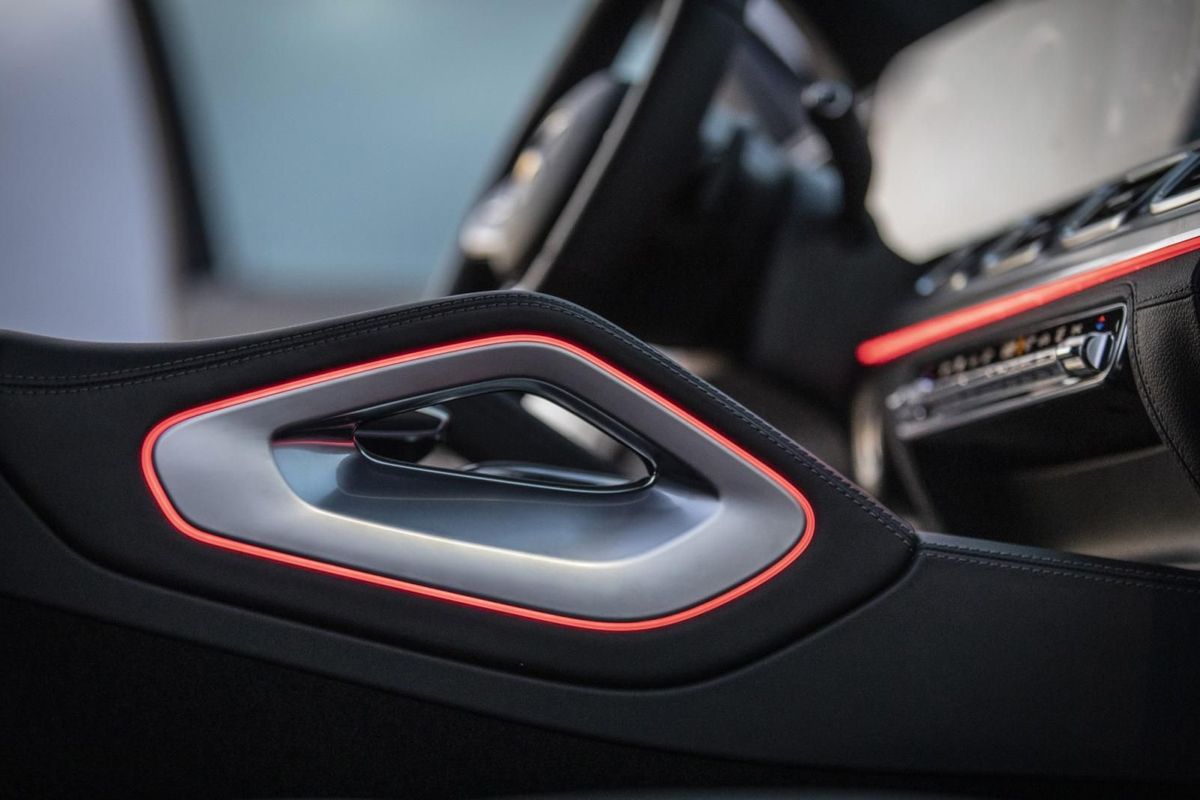
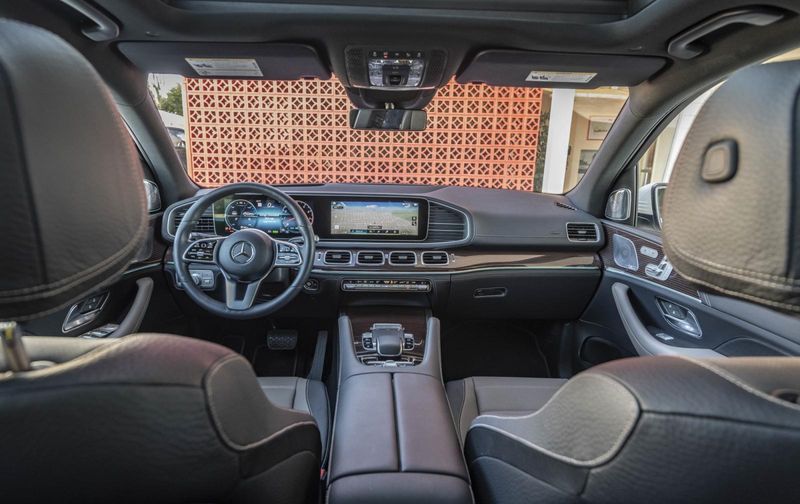
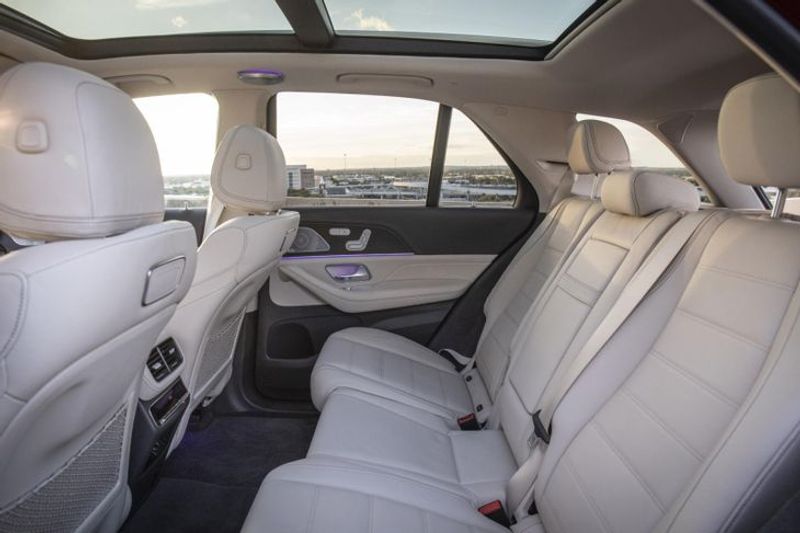
Climb up into the cabin through larger front door aperture and you’re immediately aware the new GLE is a far more luxurious offering than at any time in the past. To suggest it has been totally transformed, as Mercedes-Benz does, is probably going a little too far, but to its credit everything you see and touch has been reworked, including the front seats which are a good deal firmer and more body hugging than before. The materials used throughout, not least the optional wood and leather trims, are also of a perceptibly higher quality than in previous incarnations of the luxury SUV, giving it a distinctly more upmarket air before you’ve even thought about pressing the start button and setting off.
More new tech
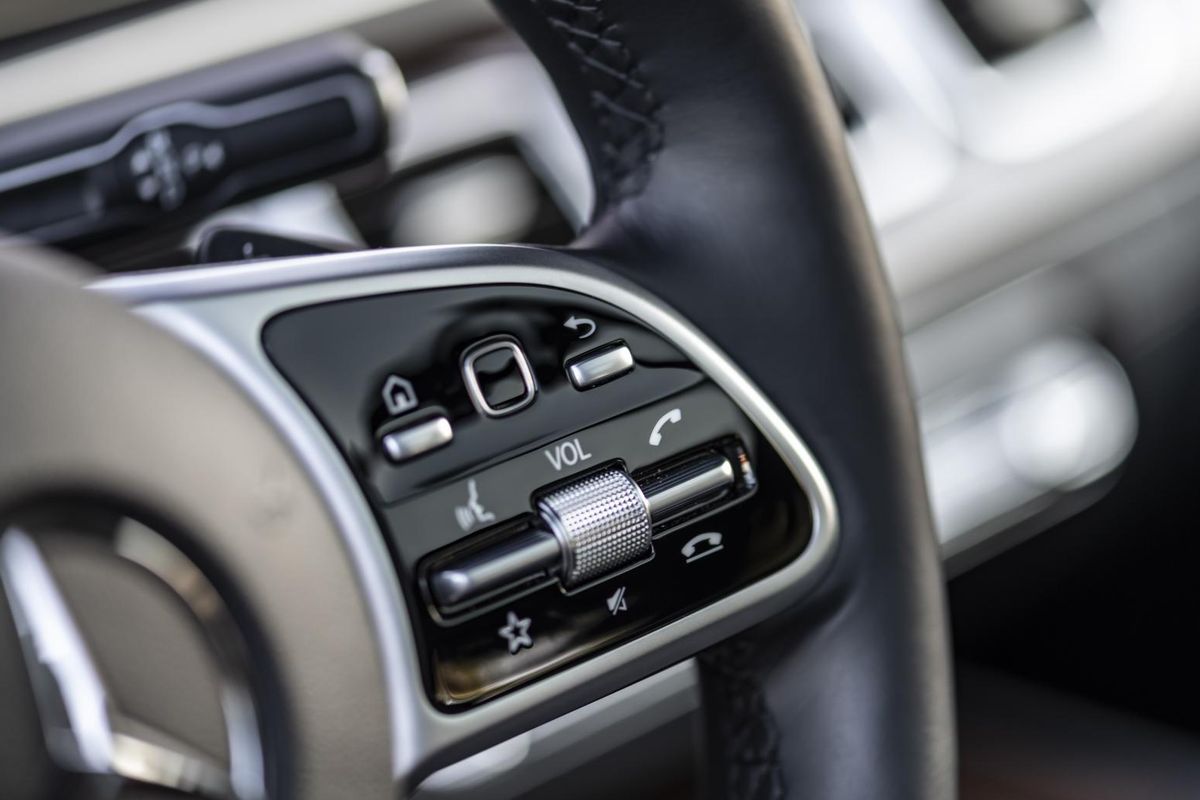
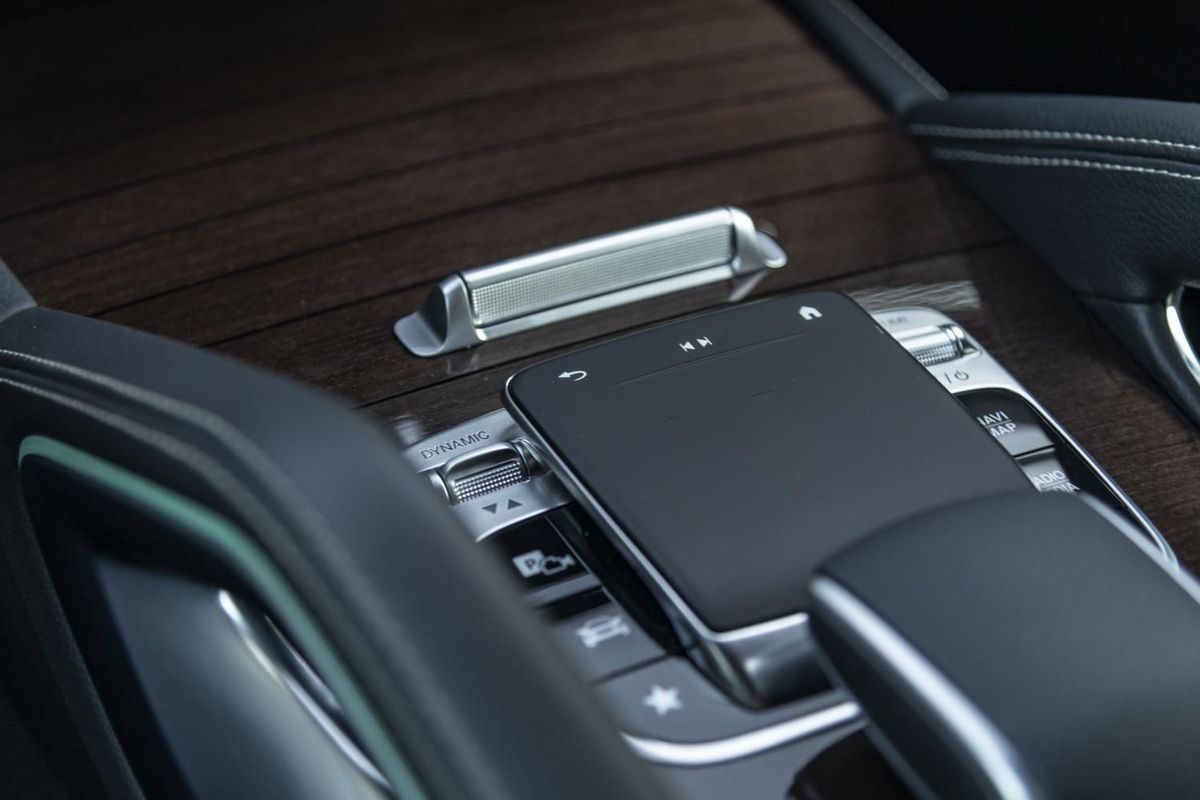
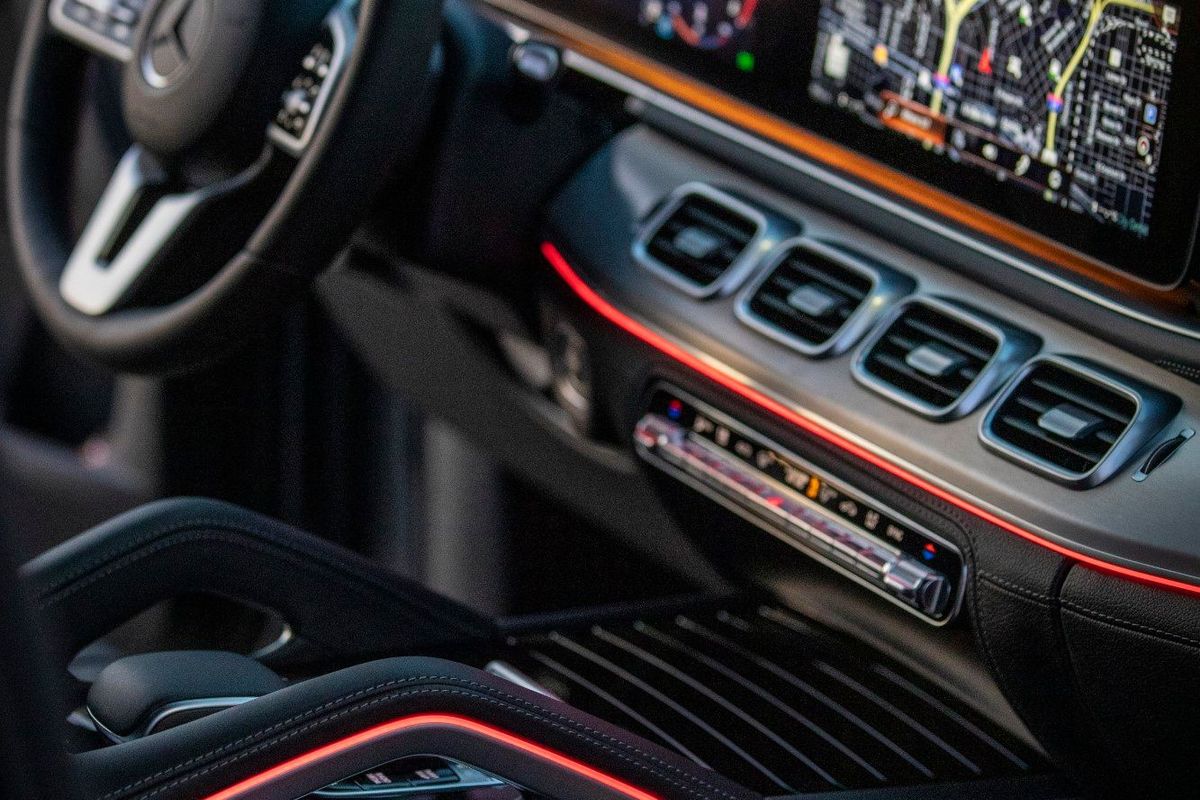
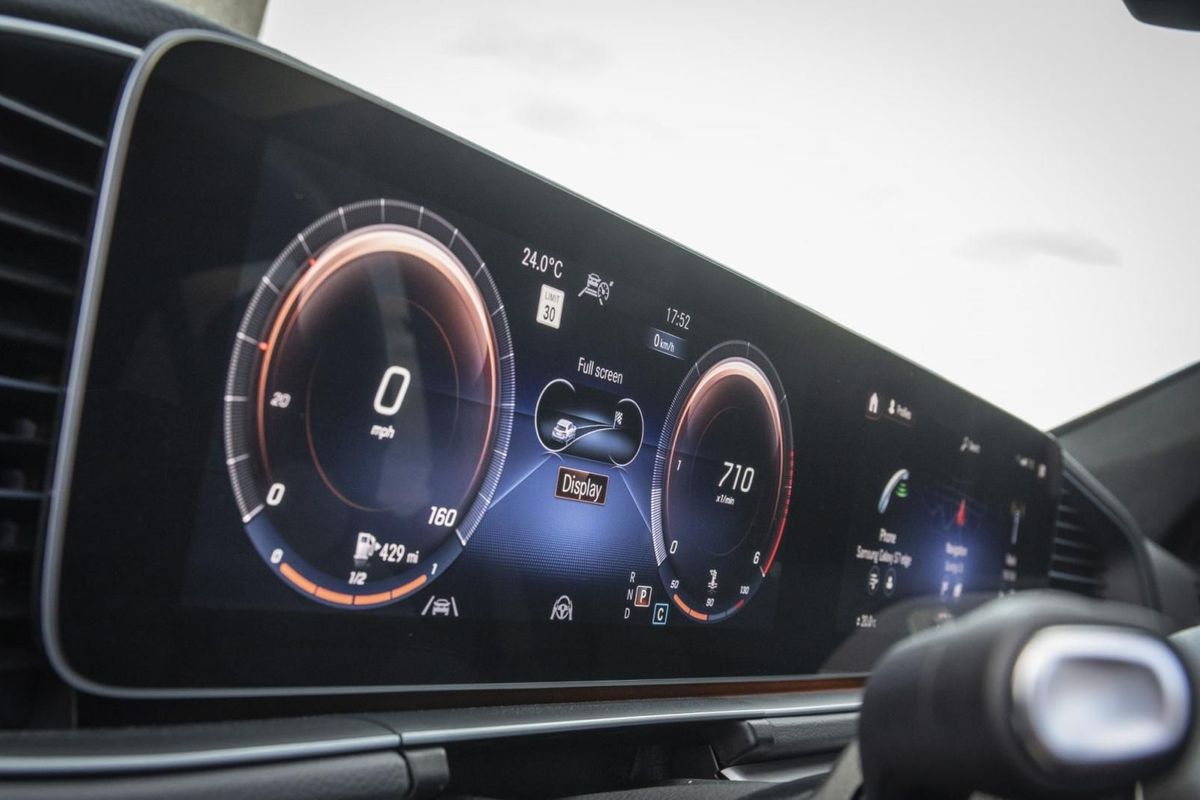
The multi-layered dashboard boasts its own individual design with signature rectangular air vents as opposed to the round vents used by other recent new Mercedes-Benz models. Ahead of the driver, its upper section houses a large hoodless digital panel with two 12.3-inch high definition displays for the instruments and infotainment features – the latter controlled by Mercedes-Benz's new MBUX operating system with touch screen, conversational speech and gesture control functions complimenting small touchpad controllers within the horizontal spokes of the steering wheel and a larger touchpad unit within the centre console.
The MBUX infotainment system is the centre-piece of the cabin.
New technology comes in the form of an optional head-up display unit boasting 720 x 240-pixel resolution across a screen area of 45 cm x 15 cm. Active Stop and Go assist, a driving function that permits semi-autonomous driving in traffic jams, is also among a wide range of driver assistant programs adopted the new model.
Cavernous cockpit
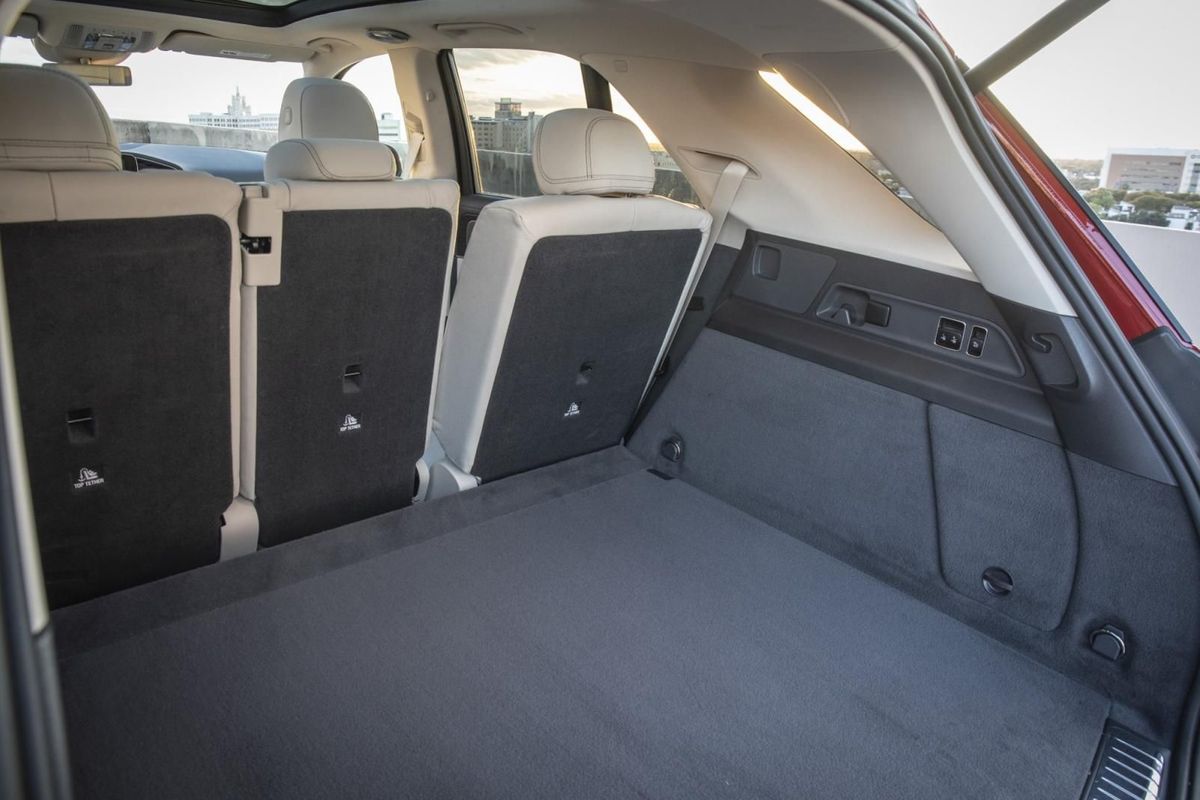
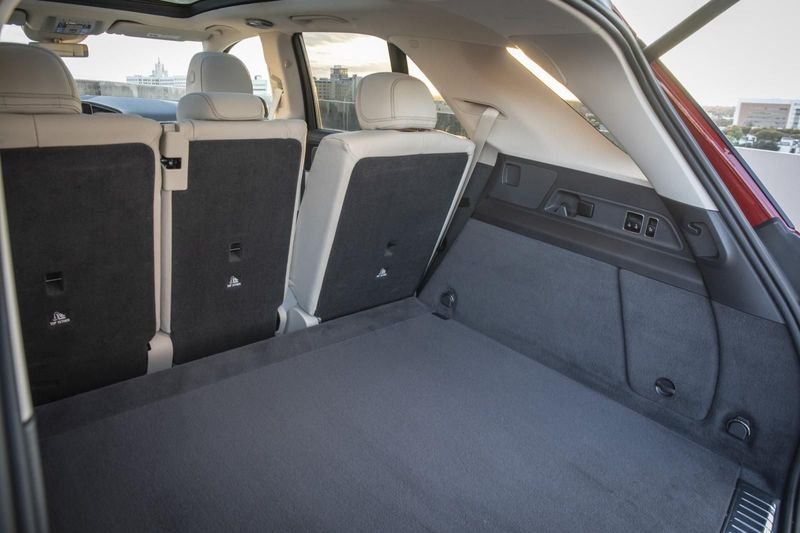
There is a distinct feeling of roominess up front with generous levels of head and elbow room combining with the commanding seating position and more upright A-pillars to create a pleasing driving environment. It’s in the rear, however, where the big increases in accommodation have taken place. That longer wheelbase has liberated an added 69 mm of rear legroom and, in combination with a longer rear overhang, also helps to increase the accommodation offered by the third seat row. Boot space has actually been reduced by 60-litres, though it remains competitive at 630-litres with the second-row seats, which now come with optional six-way electric adjustment, set all the way back. Slide them forward, however, and the capacity grows by 135-litre over the old GLE at 825-litres, growing to a copious 2 225-litres when they are folded away.
The rear seats of the GLE offer multiple-way electric adjustment.
The fourth-generation GLE is based on a brand new platform that is claimed to offer an impressive 20 per cent increase in rigidity over that of the old model. The so-called MHA (modular high architecture) structure adopts cast aluminium nodes for the front and rear suspension mountings as well as other changes in the material mix that not only help to increase its overall stiffness but also see it hit the scales at the same weight of the shorter and narrower version of the older MRA (modular rear architecture) platform used by the superceded third-generation GLE at 62 kg.
More developed air suspension
The new structure sits on a heavily reworked double wishbone front and multi-link rear suspension. Lower end models continue with standard steel springs and adaptive dampers, but they can be optioned with the three chamber height adjustable AirMatic air suspension that comes as standard on higher-end models at extra cost.
Upgraded air suspension works via the 48V electric system and the forward camera to 'set up' for the road ahead.
Buyers who opt for the GLE450 4Matic also get the choice of Mercedes-Benz's advanced E-Active suspension. A further development of the AirMatic system, it works in combination with a 48-volt electric architecture and stereo camera that is used to scan the road to provide individual adjustment of the air spring and damper acting on each wheel, allowing it to not only counteract body lean but also better control pitch and dive.
Engines
The initial engine line-up for the new GLE in the UK includes just two units, though others, including two six-cylinder diesels and a pair of AMG fettled petrol engines, are set to follow later in 2019. Right now, however, the line-up starts with a turbocharged 2.0-litre four-cylinder diesel with 180 kW and 500 Nm of torque in the GLE300d 4Matic and, for the time being at least, is topped by a turbocharged 2.9-litre six-cylinder petrol unit boasting 270 kW and the same 500 Nm in the GLE450 4Matic.
The latter engine, part of a new in-line family of petrol and diesel units, is equipped with Mercedes-Benz’s new EQ Boost function, comprising of a 48-volt integrated starter generator. Mounted within the forward section of the gearbox, it uses energy from a lithium-ion battery to provide an added 16 kW and generous 250 Nm of torque under acceleration in a mild hybrid process that is not only claimed to enhance performance but overall economy, too.
More legroom is available in the back seats thanks to a longer wheelbase.
The new petrol-electric drivetrain, also used in the CLS450 and S500, is tailor-made for the new GLE, providing prodigious shove when accelerating from low speeds and a solid turn of speed through the gears on a loaded throttle. It is also pleasingly hushed and well isolated from the cabin, giving the GLE450 4Matic agreeably calm and relatively quiet cruising qualities.
Slick shifter
For the most part, the GLE's standard automatic gearbox is every bit as silken smooth on upshifts it is during downshifts. The nine-speed unit, which comes with steering wheel mounted shift paddles as standard for manual shifting, is quick to respond to any given driving condition, picking off suitable ratios smartly at lower speeds around town and holding on to any given gear when pushed along at a higher pace on the open road.
The GLE450 4matic is also among the six- and eight-cylinder versions of the new Mercedes-Benz model to receive the latest version of Mercedes-Benz’s 4Matic four-wheel drive system with full variable apportioning of power to either the front or rear wheels. This not only helps improve traction on road but also extends the new SUV’s ability in off-road conditions.
The handling
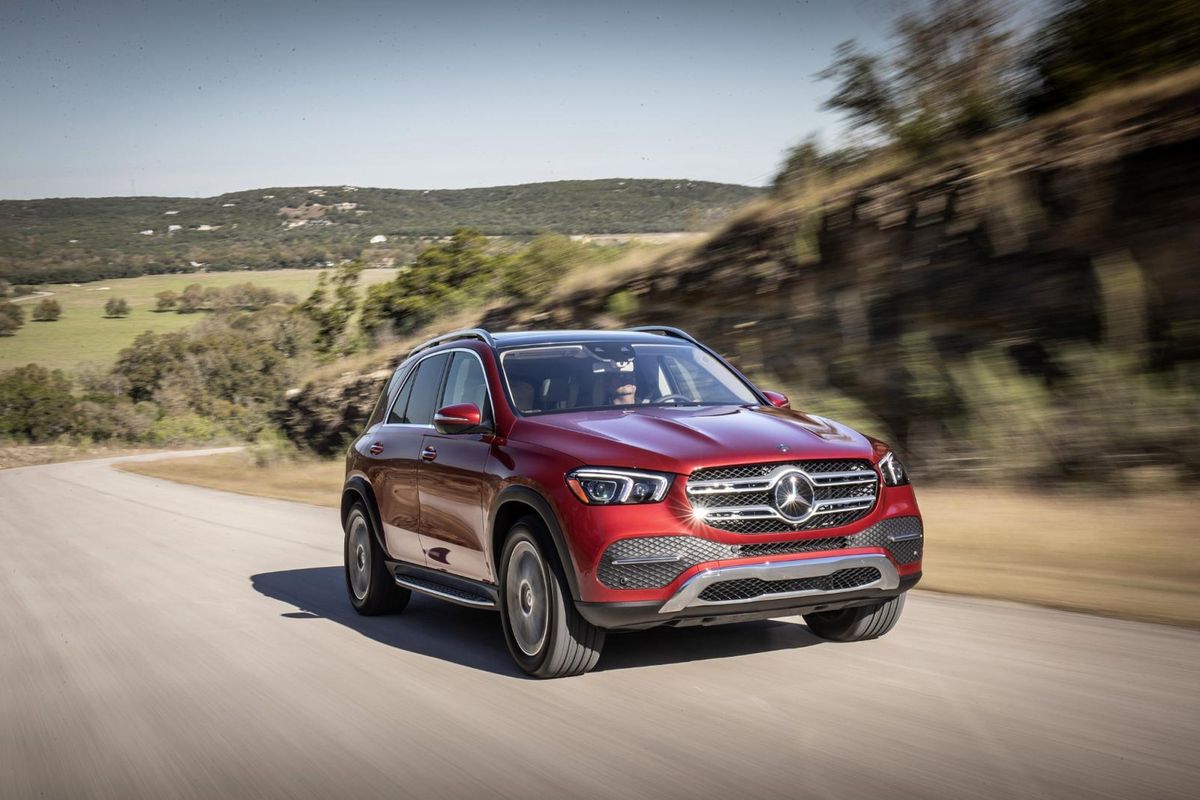
As good as the driveline and resulting performance are, however, the manner in which the GLE450 manages to mask its considerable size and weight with truly impressive handling traits while delivering a cossetting and pliant ride is arguably its crowning achievement.
The steering offers agreeable weighting and good directional responsiveness with a heightened sense of precision and greater feedback compared to the old model, even though it goes without the rear-wheel steer assistance of some more contemporary luxury SUV rivals. The adoption of a full variable four-wheel drive system also plays a significant role in lifting its handling prowess well above its predecessor, providing outstanding grip and superb levels of on-road traction no matter what the weather and road conditions throw at you.
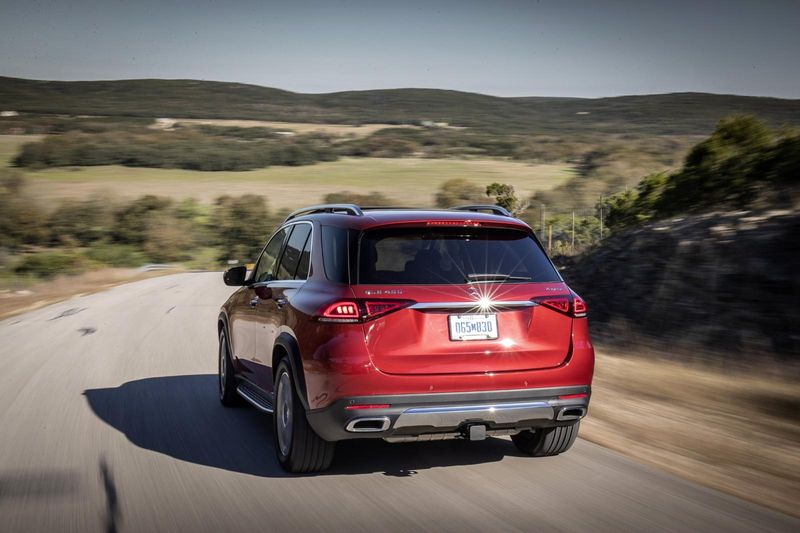
The body control of the GLE belies a car of this nature and size.
Where the new Mercedes-Benz really rises above the competition, though, is in the area of body control. With the optional E-Active suspension providing individual control of each spring and damper, the GLE450 remains remarkably flat and composed during brisk driving, even going so far as to negate the effects of pitch and dive during acceleration and braking through constant tweaking of the damping under acceleration and braking.
Still, that’s not the end of it by any means. For those willing to option it, there’s also a so-called curve inclination function as part of an extended list of driving modes. Activated through the infotainment monitor, it uses a stereo camera mounted within the windscreen to scan the road and alters the air springs to lean the GLE450 into corners. The amount of lean can be controlled within three different settings, with the most extreme providing sportscar levels of cornering speed and a level of purchase more akin to a well sorted sporting estate than a high riding luxury SUV. You can confidently place it and maintain a brisk pace over winding back roads without any untoward tyre squealing drama or premature interruption from the stability control system, which only actives when it really needs to rather than well prior to any given situation like that of old GLE.
Admittedly, it takes some while to become fully accustomed to the leaning effect, most notably upon turn-in which is a good deal sharper and more incisive than in the other driving modes, but with perseverance and the right road to exploit it you discover the GLE450 4Matic delivers incredibly fluid handling traits that ensure its trick suspension will no doubt find its way on to other Mercedes-Benz models in the not-to-distant future.
The new body control system will actually lean into corners in order to reduce body roll and improve handling.
The primary ride is also a real strong suit. Pockmarked sections of bitumen and undulations are dealt with in a wonderfully controlled manner at cruising speed out on the open road, while potholes and the like are nicely ironed out at lower speeds around town. Together with the wind-cheating effects brought on by a drag co-efficient of just 0.29 and the outstanding refinement of the engine, this makes the GLE450 4Matic an outstanding proposition for long distance driving – and with an 85-litre fuel tank, it promises a theoretical range of over 950 kilometres.
Summary
With the arrival of the new fourth-generation model, the GLE has taken on a clearly more up-market role in the Mercedes-Benz line-up, offering greater space, markedly higher levels of refinement and a range of standard features not even available in the German car maker's upper luxury models. In GLE450 4Matic guise, it is a compelling complete and highly accomplished SUV that, with the option of seven seats, makes for outstanding family transport, both on- and off-road. A comparison test with the Audi Q7 and newly introduced fourth-generation BMW X5 and Range Rover Sport is required to settle the question of just where it stands in the luxury SUV pecking order, but from what we've seen so far it appears to have the necessary appeal to uphold the sales success of its various predecessors.
Mercedes-Benz SA expects to have the new GLE on sale during the 2nd quarter of 2019.