New BMW X5 (2018) Specs & Price
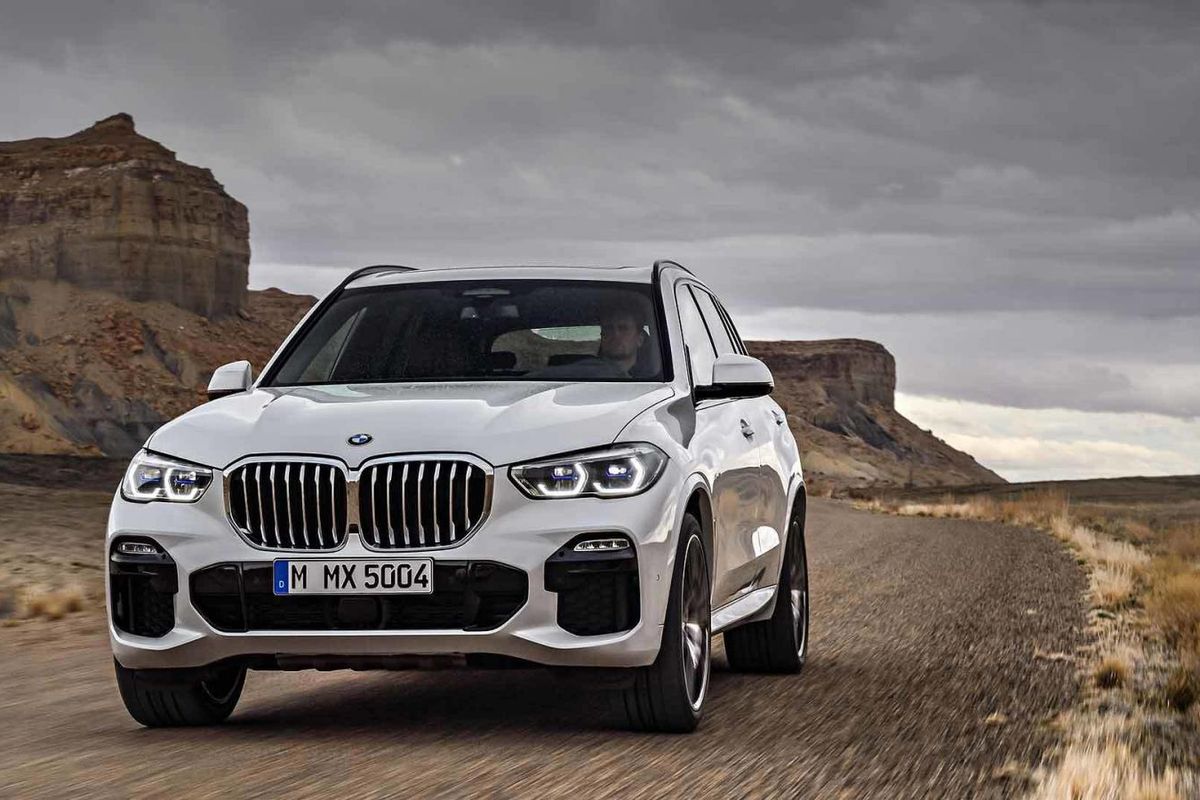
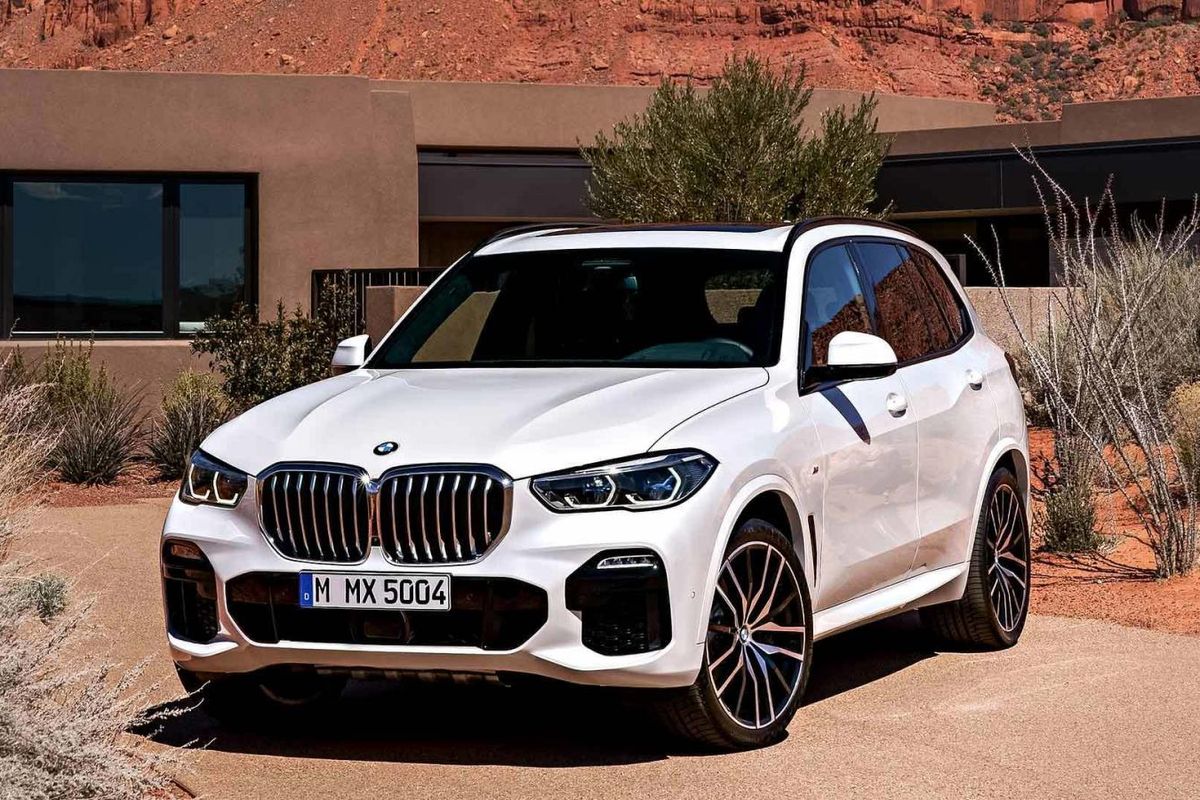
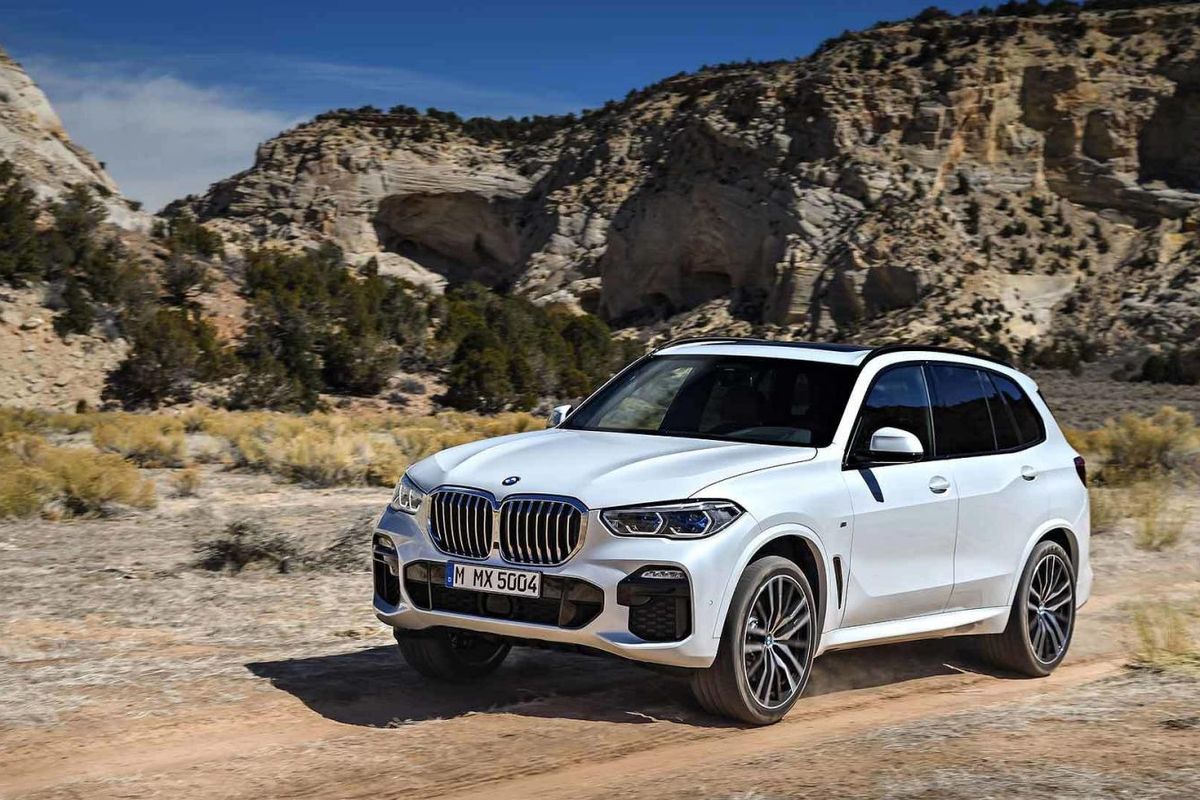
BMW's all-new 4th-generation X5 has launched in South Africa with a host of new technologies. Take a look at what you can expect from the new X5 below…

The X5, in BMW parlance, is a Sports Activity Vehicle (SAV) that has served the brand well for almost 20 years, racking up in excess of 2.2 million sales worldwide. Now, BMW has launched the next chapter in the X5’s success story with the introduction of the 4th-generation X5.

Engine power
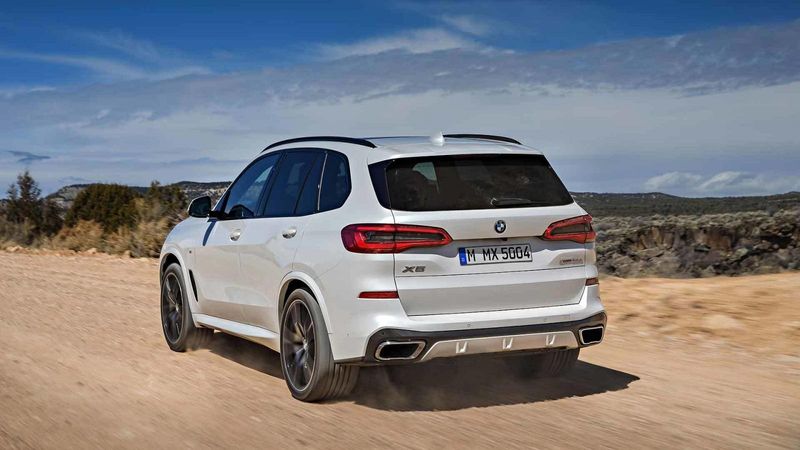

The initial X5 lineup in South Africa will comprise the X5 M50d and the X5 xDrive30d when it arrives in Q4 2018.

A spokesperson from BMW SA has confirmed that only the X5 xDrive30d and X5 M50d will be offered in South Africa. 

The base diesel engine offering (in the X5 xDrive30d) is a 6-cylinder, 3.0-litre turbodiesel engine with 195 kW and 620 Nm which will be capable of 6.5 seconds in the sprint from zero to 100 kph with a top speed of 230 kph. Fuel consumption is claimed at 7.0 L/100km. 

The mighty X5 M50d will be powered by a 6-cylinder, 3.0-litre quad-turbodiesel engine with no less than 294 kW and 760 Nm of torque on tap. The X5 M50d will achieve 0 to 100 kph in 5.2 seconds and reach a top speed of 250 kph. Fuel consumption is claimed at 7.2 L/100km for this derivative.  

All X5 derivatives will be paired with an 8-speed automatic transmission. A plug-in hybrid version and the high-performance X5 M can be expected at a later stage.
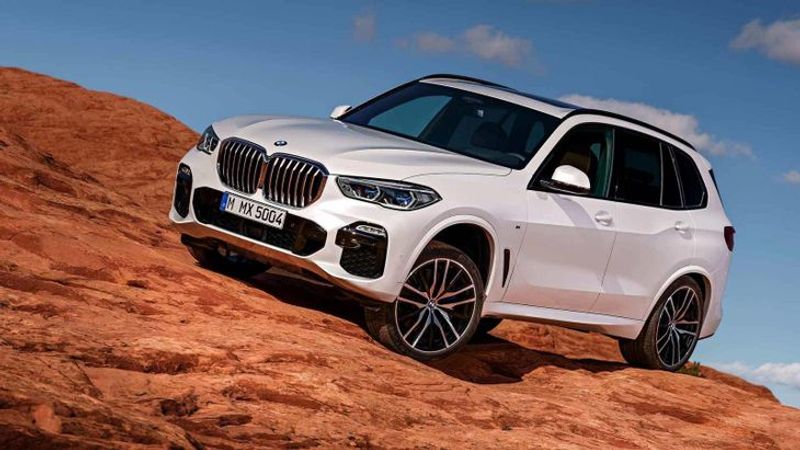

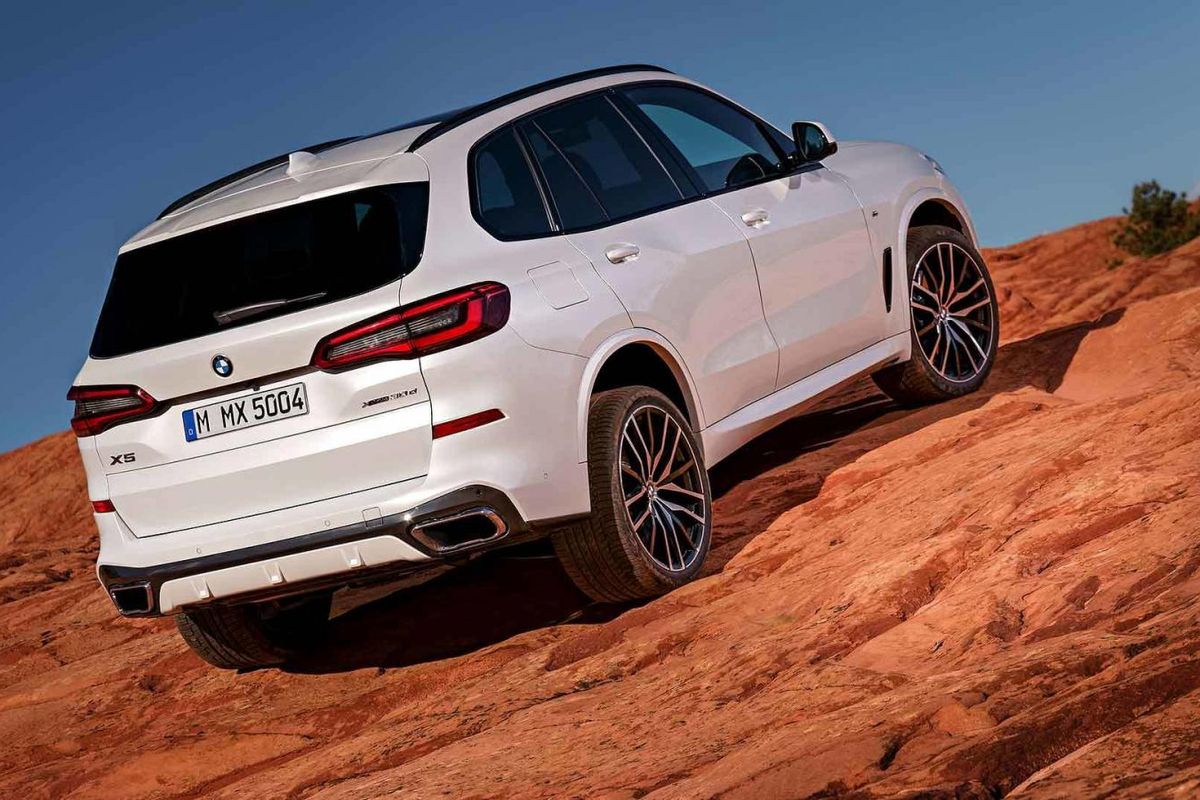
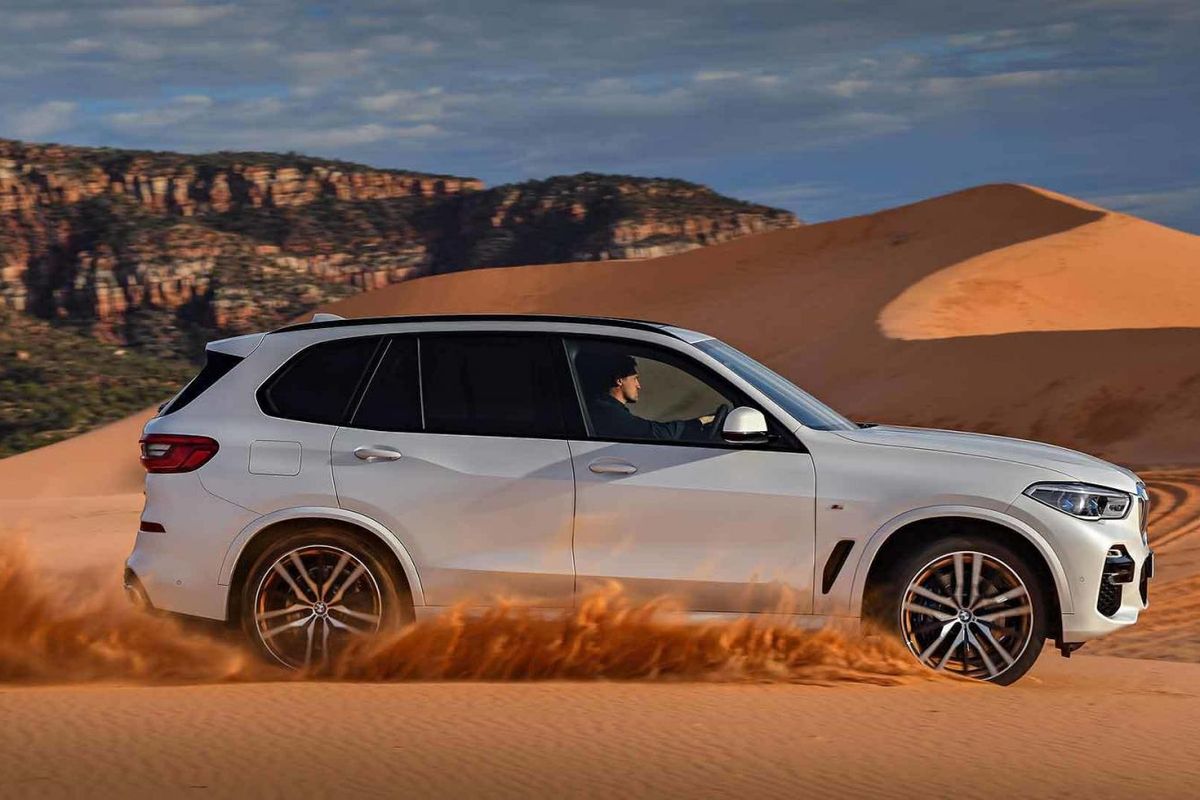
An Off-Road Package will be offered as an option for the first time, allowing the X5 to tackle sand, rock and snow. 

Power distribution is achieved in conjunction with BMW’s xDrive all-wheel drive system, which can split torque between the front and rear axles as needed, but further provide a rear-biased setup for a sportier driving experience.

Ride settings can be enhanced with the standard dynamic damper control system. Adaptive M Suspension Professional with active roll stabilisation and integral active steering will be offered as an option, as well as a 2-axle air suspension system for optimum ride comfort. An optional off-road package will also be offered on the X5 for the first time, which includes rugged underbody protection, 2-axle air suspension and an electronic rear differential lock to tackle surfaces such as sand, rock and snow.

Exterior design

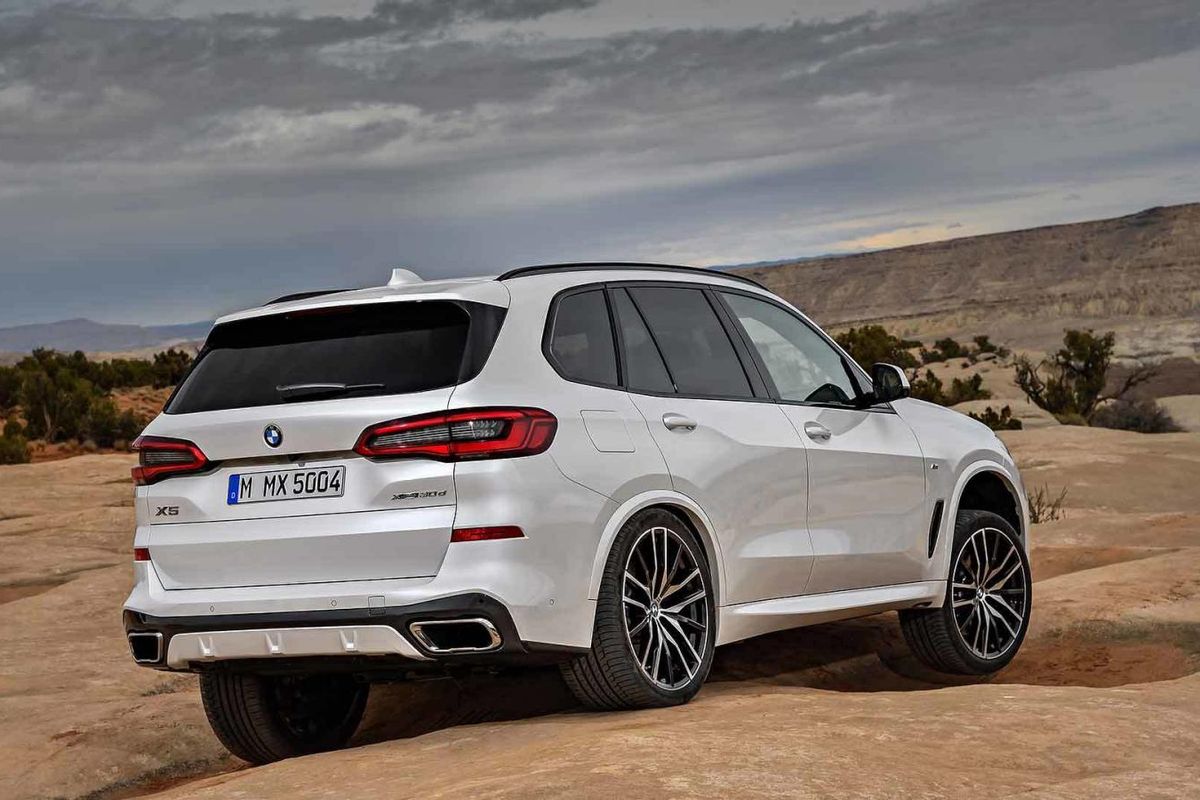
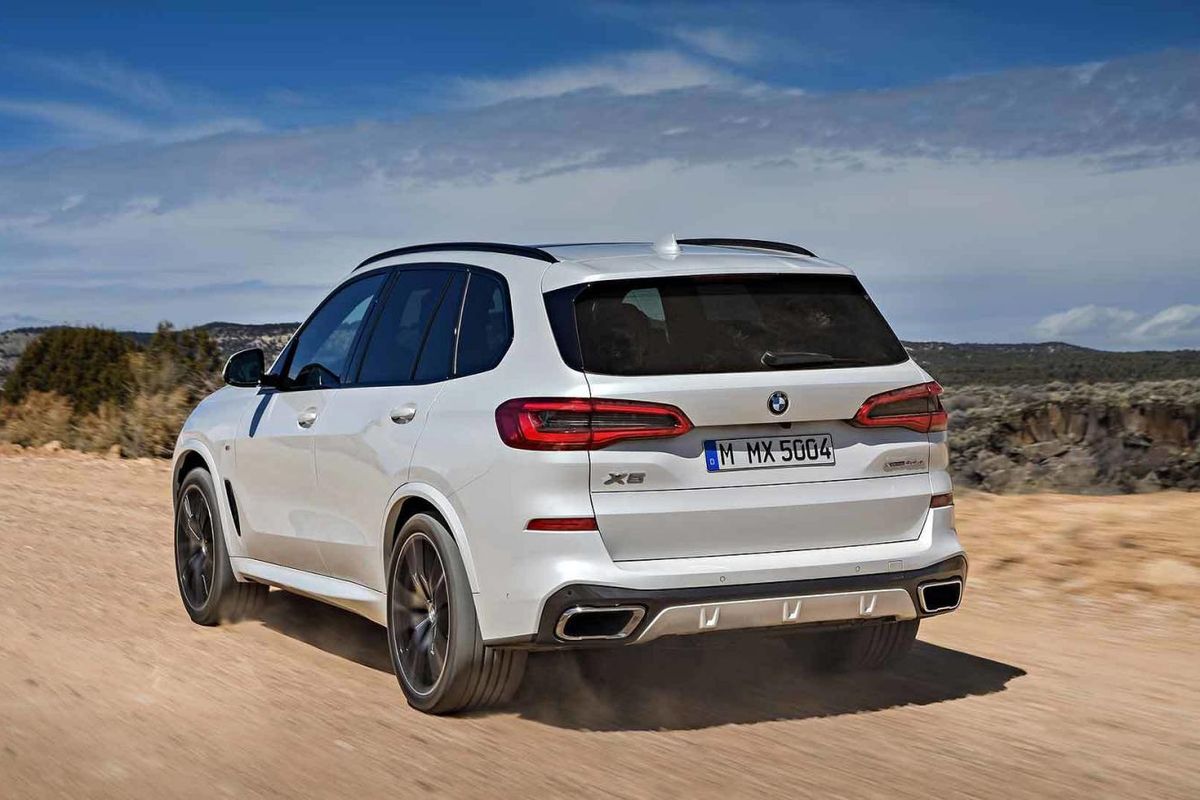
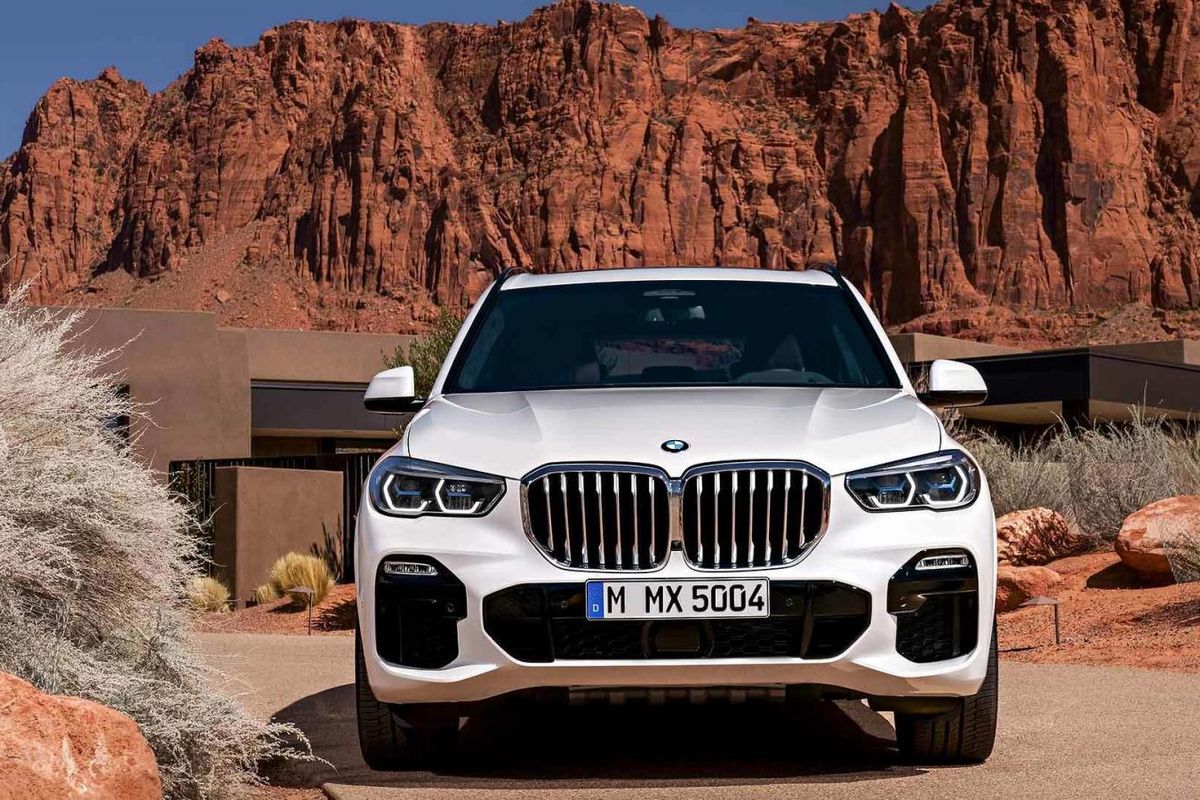
Built at BMW’s Plant in Spartanburg, South Carolina, the new X5, which will be offered in either xLine or M Sport trim, has grown in all directions and its front-end look is dominated by a large kidney grille and standard-fit adaptive LED headlights (BMW Laserlights will be offered as an extra-cost option). At the rear, LED tail lights are standard too. The new X5 xDrive30d rides on standard 19-inch light alloy wheels as standard, but up to 20-,21- and 22-inch options will be available as an option. The X5 M50d rides on 21-inch M light alloy wheels as standard with 22-inch wheels to be offered as an option.   

Interior design
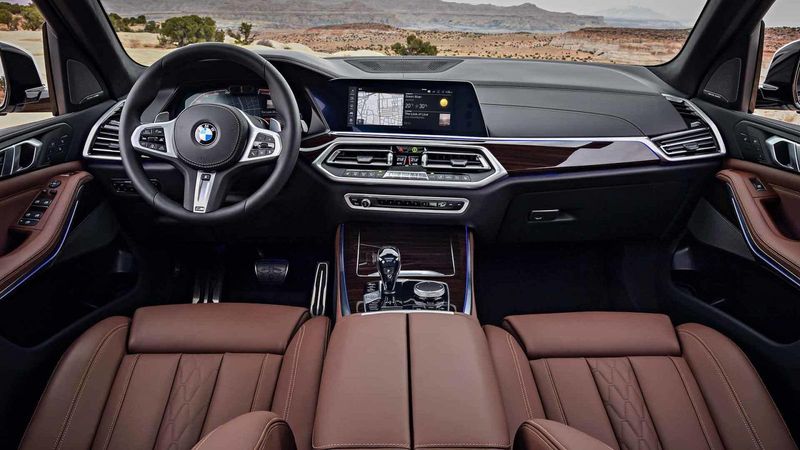

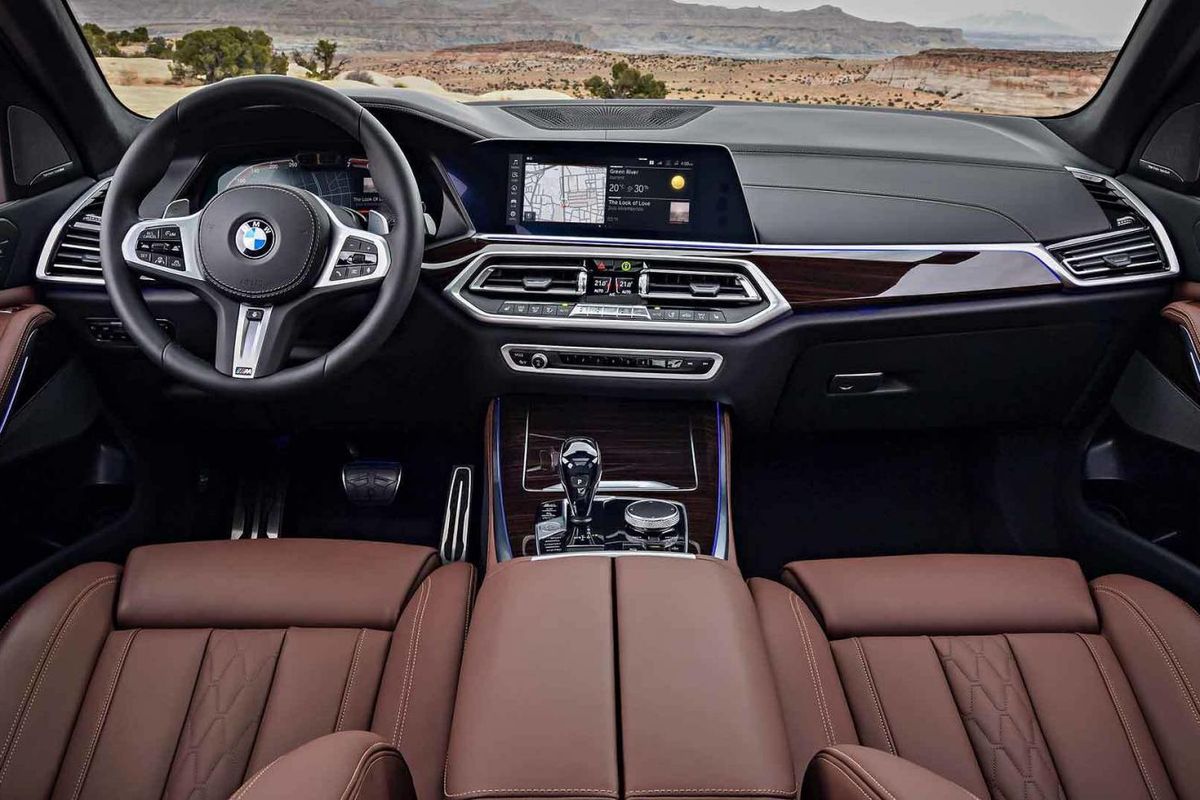
The X5's interior has been enhanced with two 12.3-inch screens. 

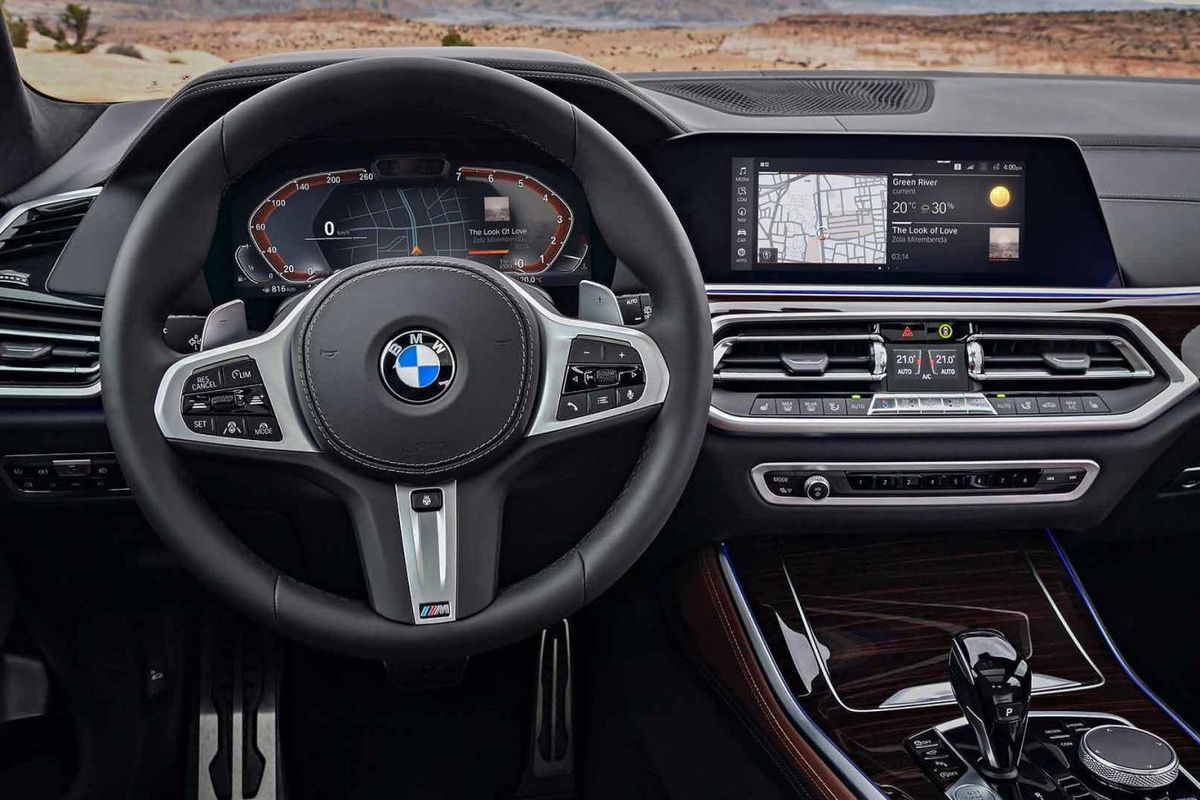
The major change inside the new X5 is the inclusion of two 12.3-inch screens known as BMW Live Cockpit Professional. The first serves as a digital instrument cluster, while the second screen houses the infotainment system and vehicle functions. Gesture control will also be standard. Rear passenger entertainment in the form of two 10.2-inch screens will be offered as an option.

Other notable standard features include cruise control with braking function, leather sports steering wheel with mounted controls and front and rear park distance control with a rearview camera. A third row of seats will also be offered as an option. 

The front sports seats are electrically adjustable and heated for added comfort and climate control air conditioning is standard. A larger panorama glass roof is also fitted to the X5 M50d to enhance outward visibility, while also letting more light into the cabin.

An interesting feature on the new X5 is a 2-section tailgate, which can be operated automatically and hands-free. Load space is claimed at 645 litres, expanding to 1 860 litres with the 40:20:40 split rear seats folded down.

Furthermore, the X5 M50d will feature additional equipment, some of which include M Sports Brakes with blue painted callipers, BMW Individual roof rails, 4-way climate control, adaptive LED headlights with high beam assist, head-up display, an M Sports steering wheel, M aerodynamic kit and anthracite roof lining inside the cabin. As can be expected, a wide range of optional features can be specified to personalise your new X5.   

Driver assist and safety features
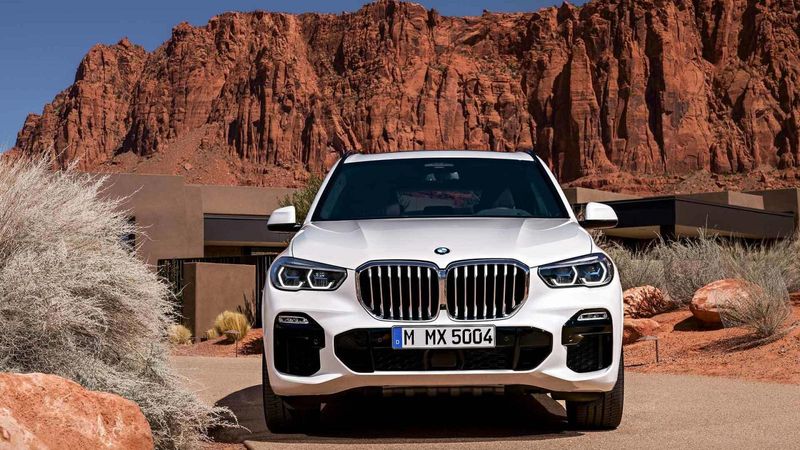

The new X5 is equipped with an array of driver assistance systems to improve safety. 

The new X5 is equipped with a variety of driver assist features to improve safety and these include the standard Active Driving Assistant with Blind Spot Detection, Lane Departure Warning, Rear Collision Warning, Frontal Collision Warning and Pedestrian Warning with City Collision Mitigation (which now also alerts the driver if cyclists are detected), Cross Traffic Alert (rear) and Speed Limit Information. Active Cruise Control with Stop & Go and Cross Traffic Alert will also be available.

An optional Driving Assistant Professional package will also be offered which will include Traffic Jam Assist, Lane Keeping Assistant and Automatic Lane Change Assistant. Furthermore, Parking Assistant Plus will take care of acceleration, braking and steering to manoeuvre into a parallel parking bay.

BMW X5 – Price in SA

BMW X5 xDrive30d – R1 194 296

BMW X5 M50d – R1 502 582

Watch the new X5 in action

Buy a new or used BMW X5 on Cars.co.za

Related Content

New BMW X5 (2018) International Launch Review

7 Rivals New BMW X5 Needs to Beat

2019 Mercedes-Benz GLE and 2019 BMW X5: What can we expect from these SUVs?

New Mercedes-Benz GLE Revealed
BMW X5 xDrive25d (2016) Review

BMW X5 M (2015) Review

2014 BMW X5 40d (2014) Review

Renault Duster 1.5 dCi Prestige EDC (2018) Review

Renault's 1st-generation Duster arrived in South Africa fairly late in its model life, but nevertheless won over several local car buyers with its high-value offering. Now, its replacement – the all-new Duster – has gone on sale, replete with more modern, refined looks and a similar price positioning – surely that's a recipe for continued success?

We like: Value for money, spaciousness, frugality, long warranty, on-board tech

We don't like: Wobbly driver's seat (on test unit), turbo-lag coupled with a hesitant transmission 

Fast Facts

  • Price: R334 900 (November 2018)
  • Engine: 1.5-litre 4-cylinder turbodiesel
  • Gearbox: 6-speed automatic
  • Fuel economy: 4.8 L/100 km (claimed)
  • Power/Torque: 80 kW/250 Nm

SERIOUS ABOUT BUYING?

Where does it fit in?


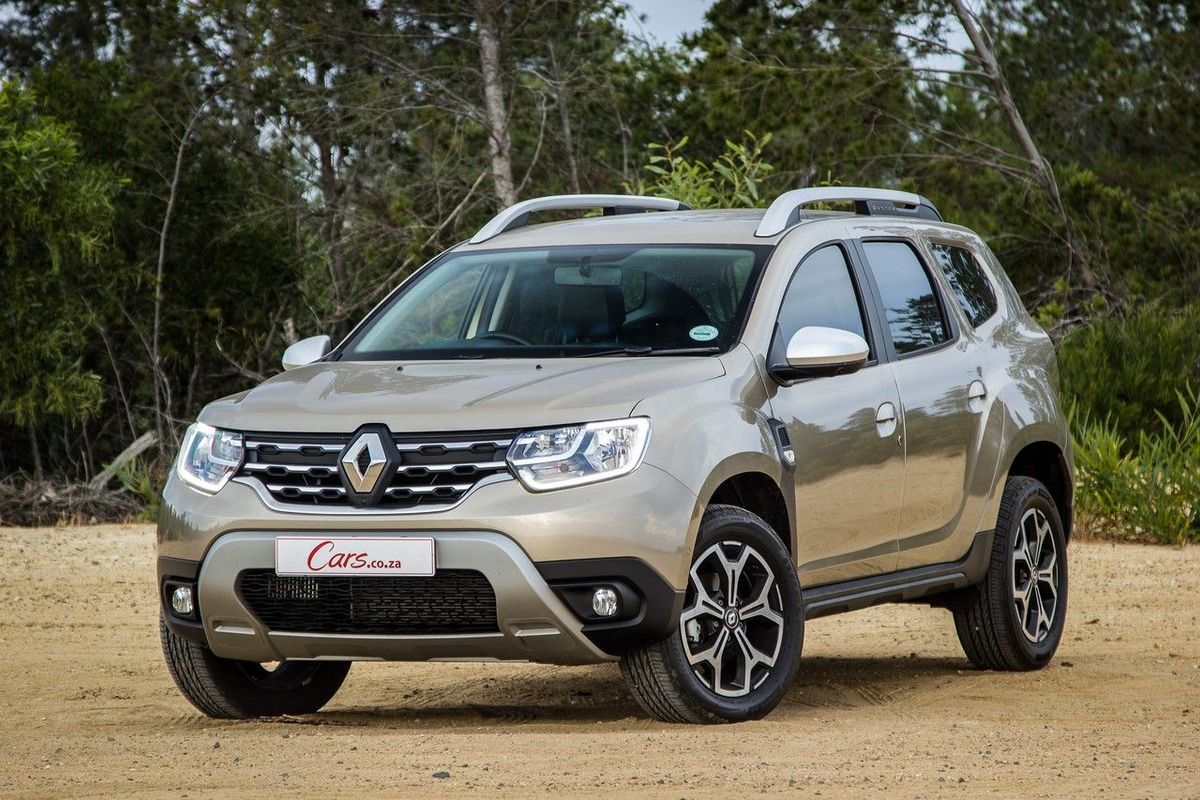
Still recognisable as a Duster, but significantly more upmarket in overall appearance.

The ever-expanding (yet still-quite-new) compact family car/crossover segment has become quite fragmented. On the one hand, there are traditional offerings such as Ford's EcoSport and the fast-selling Hyundai Creta, which are good examples of vehicles that find favour with families by virtue of a combination of all-round ability and a respectable cache of luxury features. On the other hand, there are more niche offerings such as the Mazda CX-3 and Toyota C-HR, which major in style and desirability. And then you have a vehicle such as the Renault Duster, a spacious, seemingly rugged do-all that has notched up thousands of sales in South Africa. The key to its success is simple – value for money.

With the 1st-generation Duster, this value for money was coupled with fit and finish that was somewhat "rough around the edges", but, at first glance, its successor appears to have taken a significant step forward, yet doesn't cost much more. Does that mean the Duster can compete even more effectively in this cut-throat segment? Is it now a viable alternative to those previously-mentioned and pricier offerings from Hyundai, Ford etc.?

What's good about it?

Improved ergonomics and cabin finish


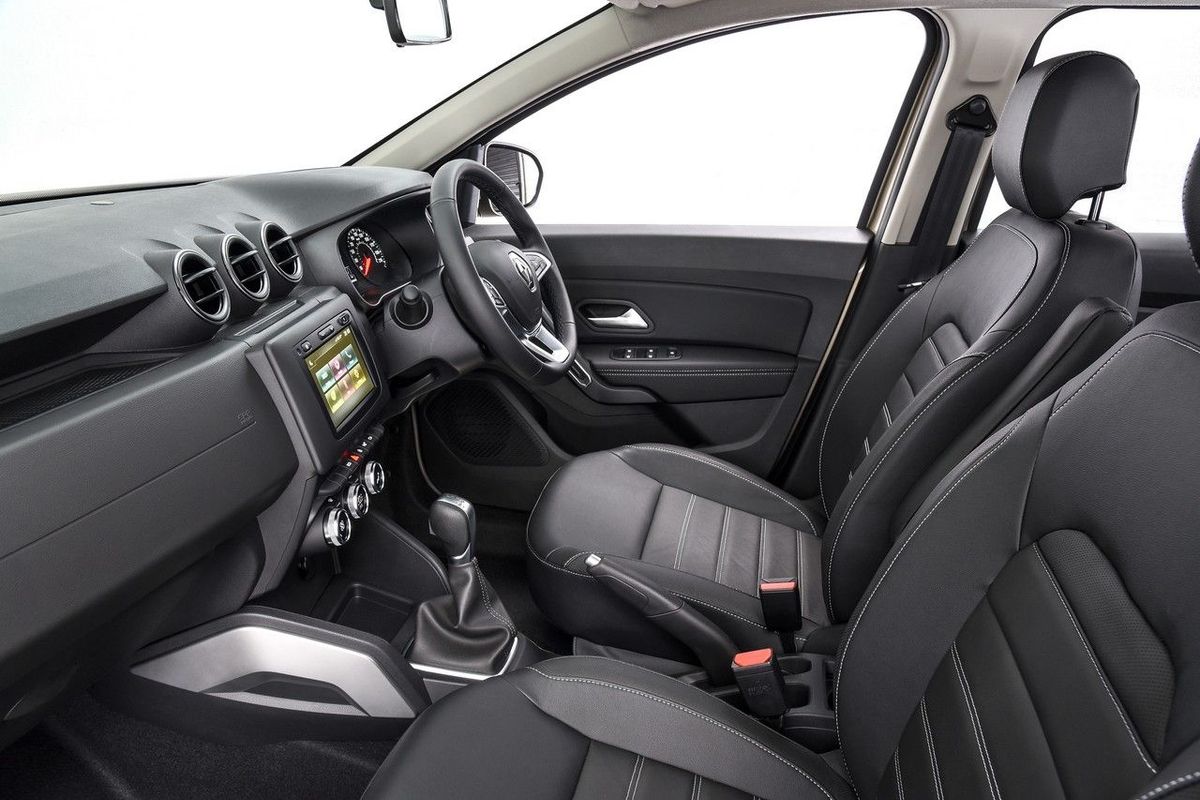
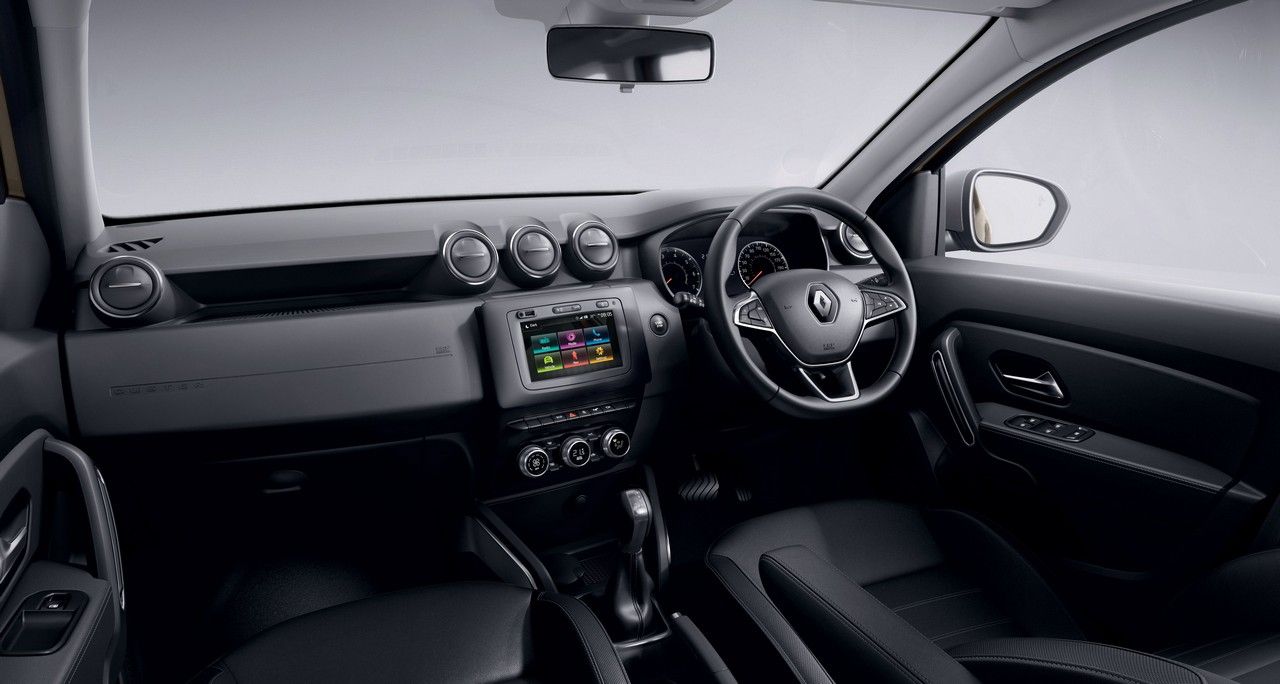
Now that looks neat, doesn't it? Optional leather upholstery could be a good investment. 

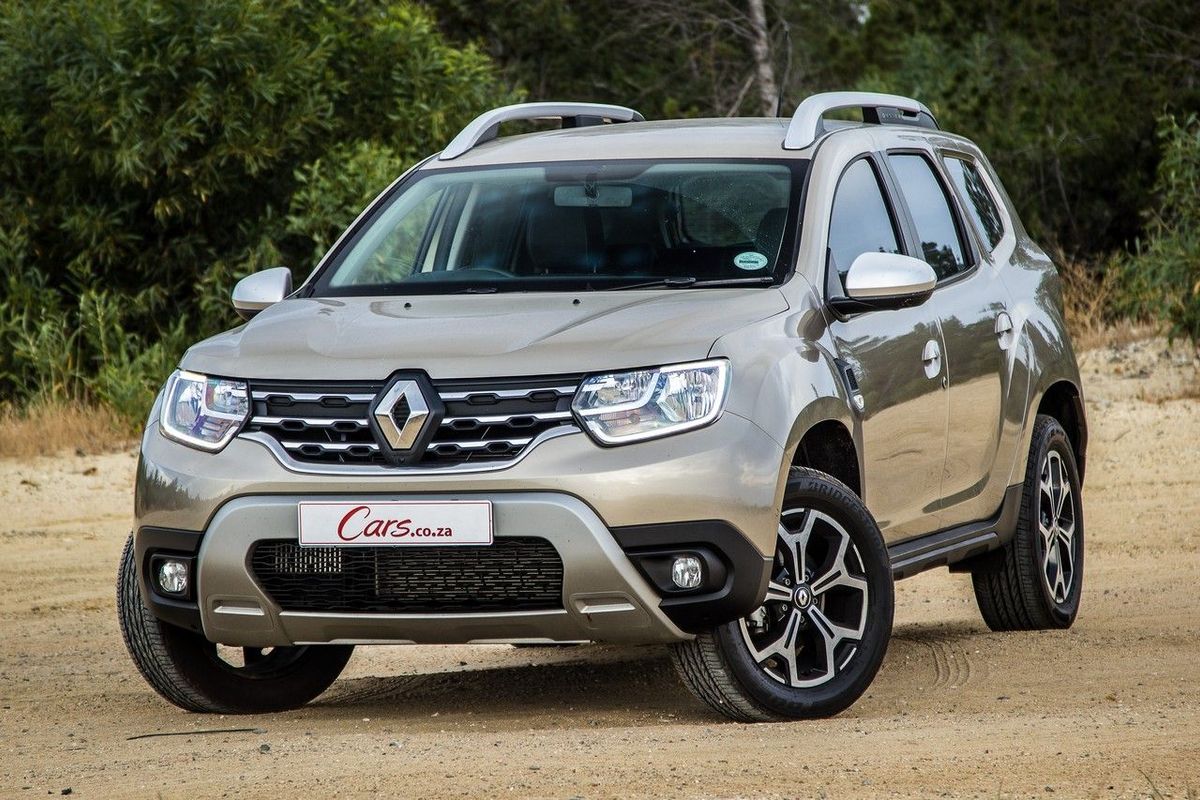
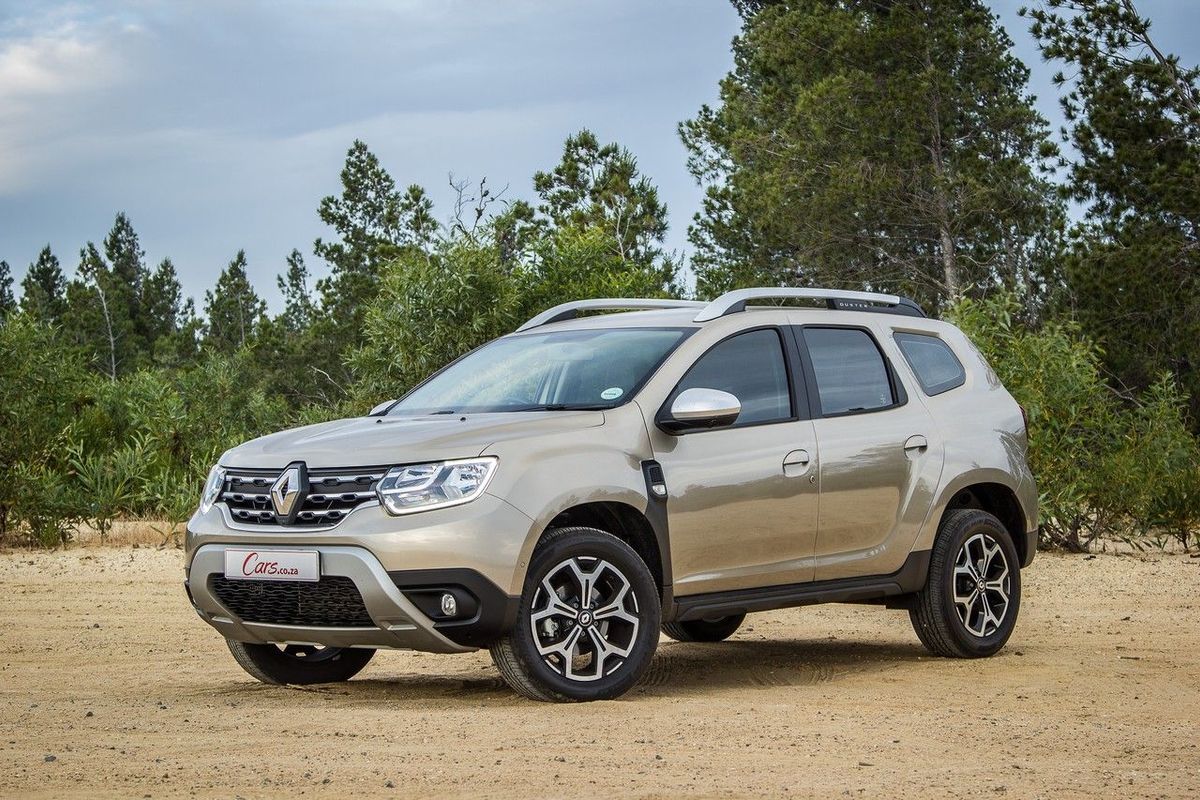
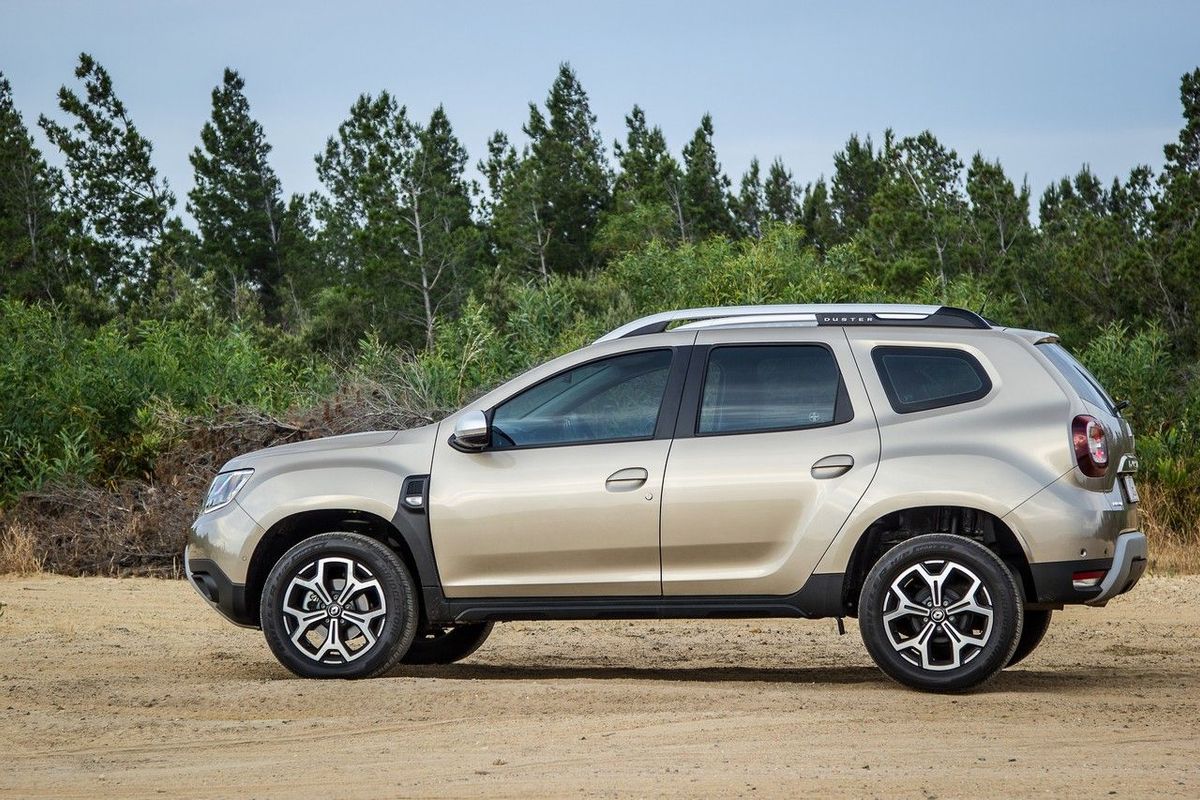
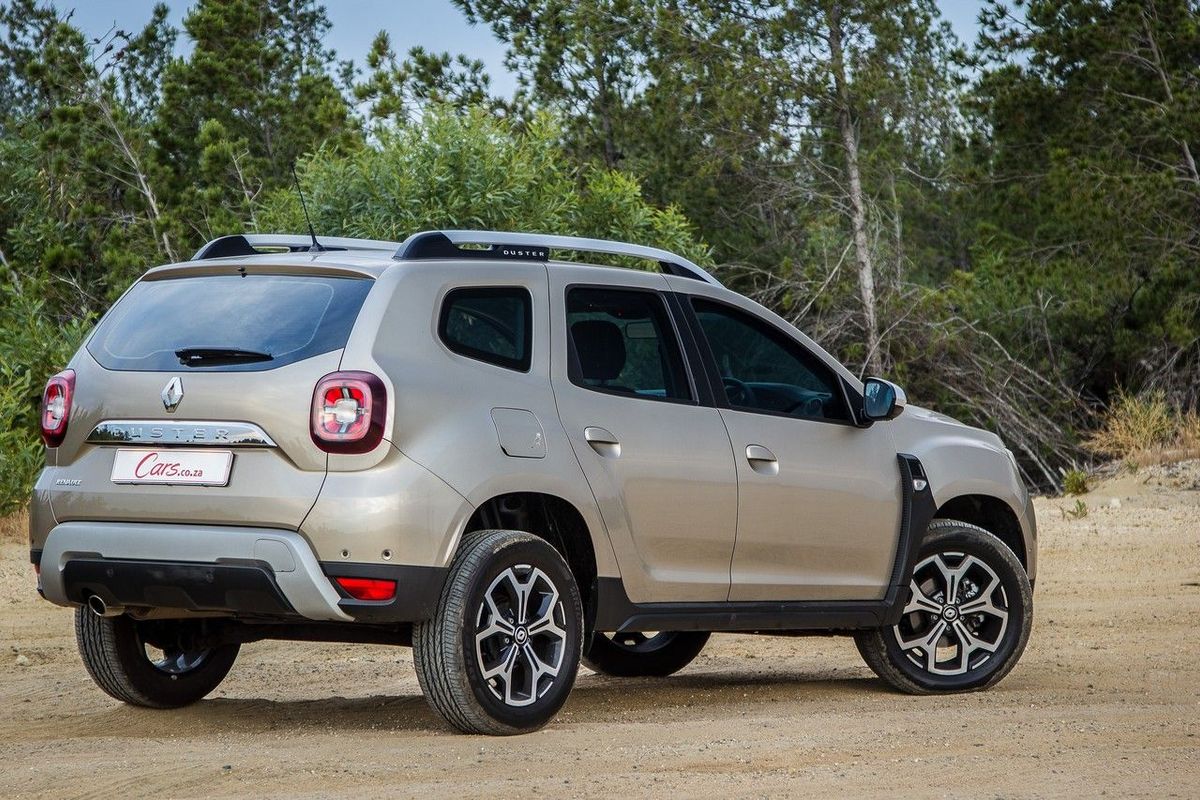
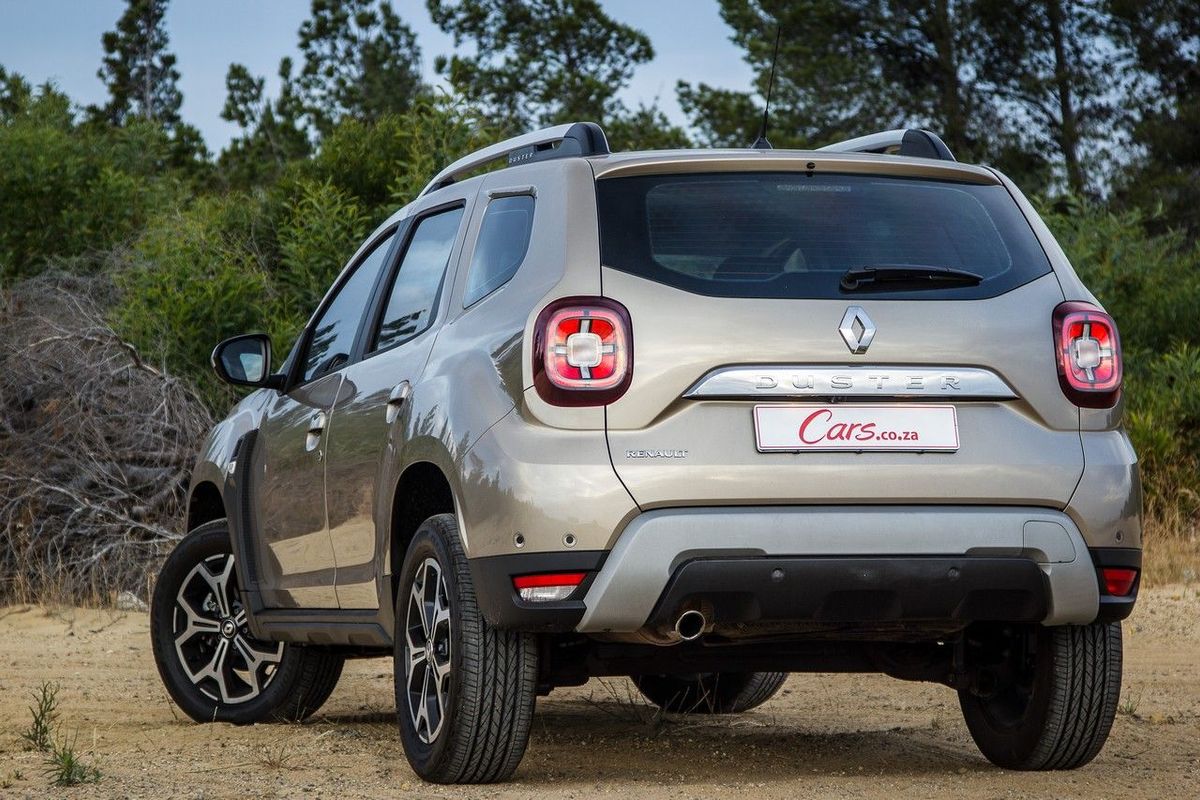
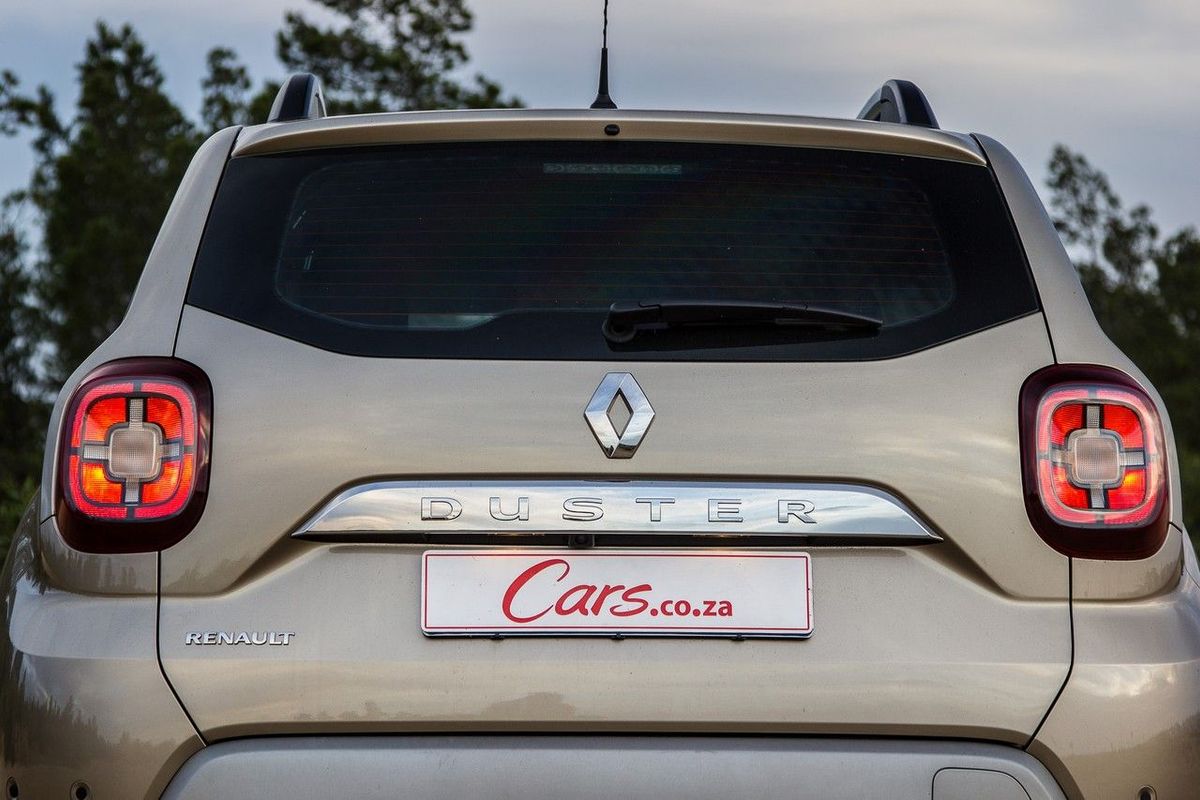
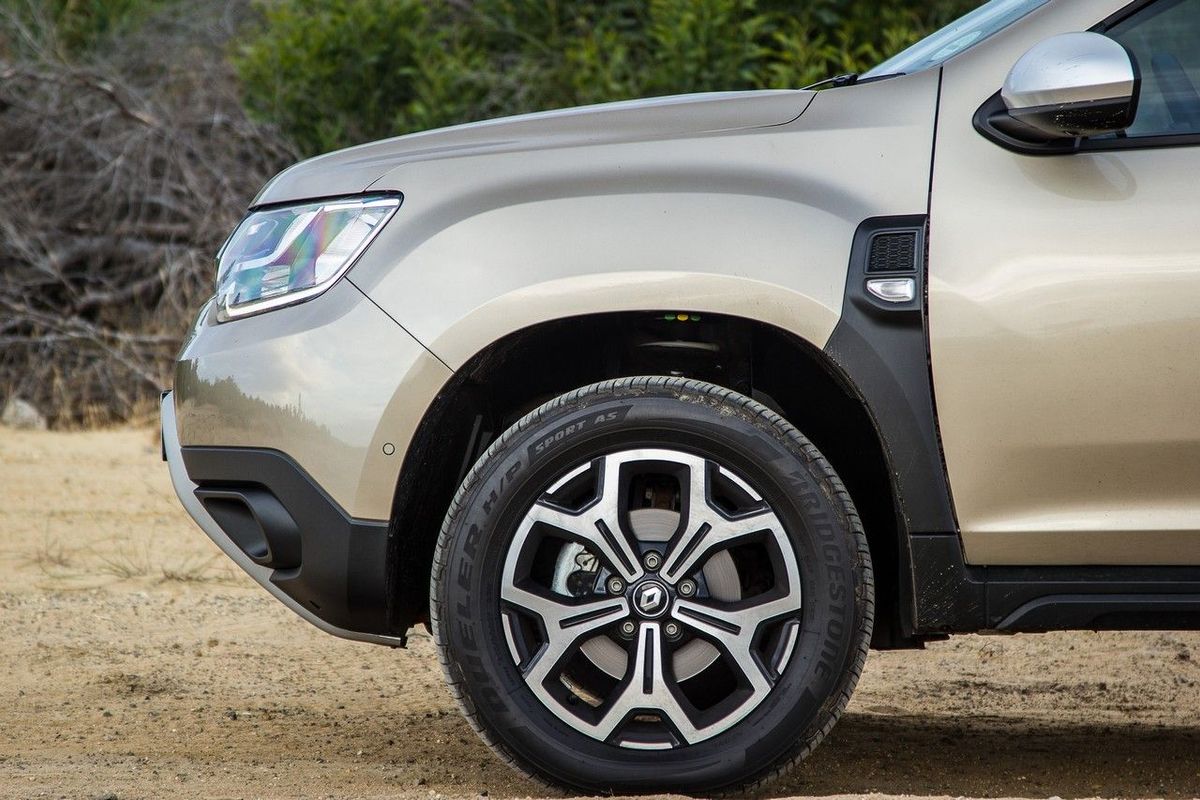
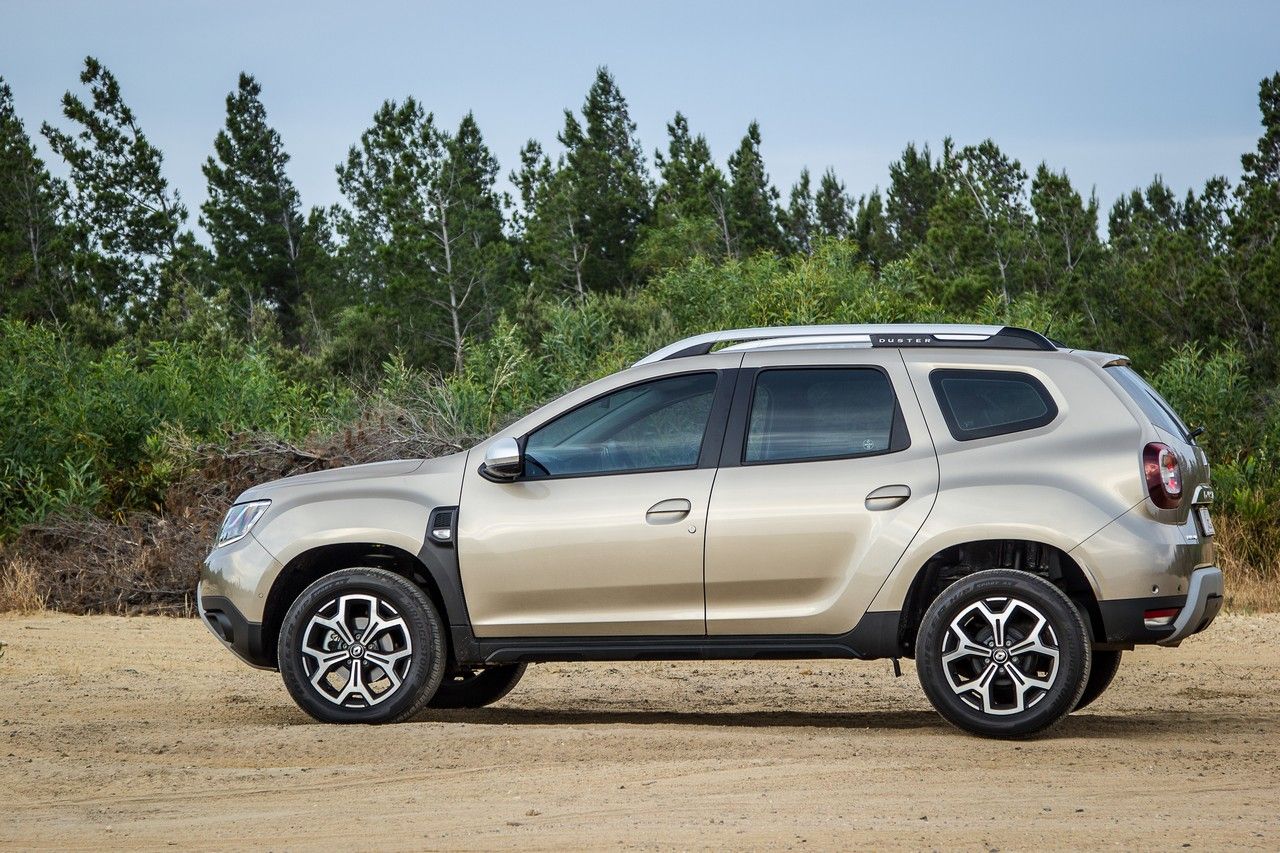
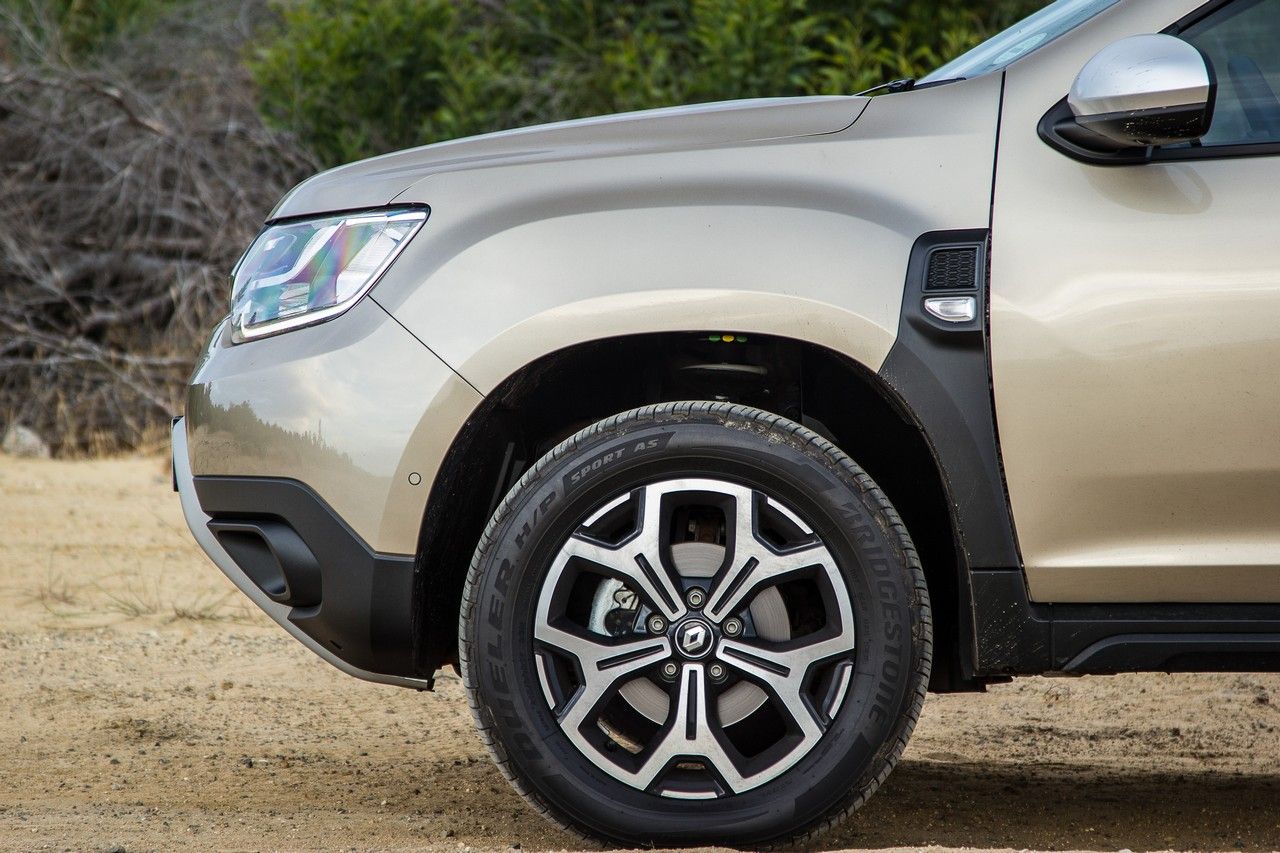
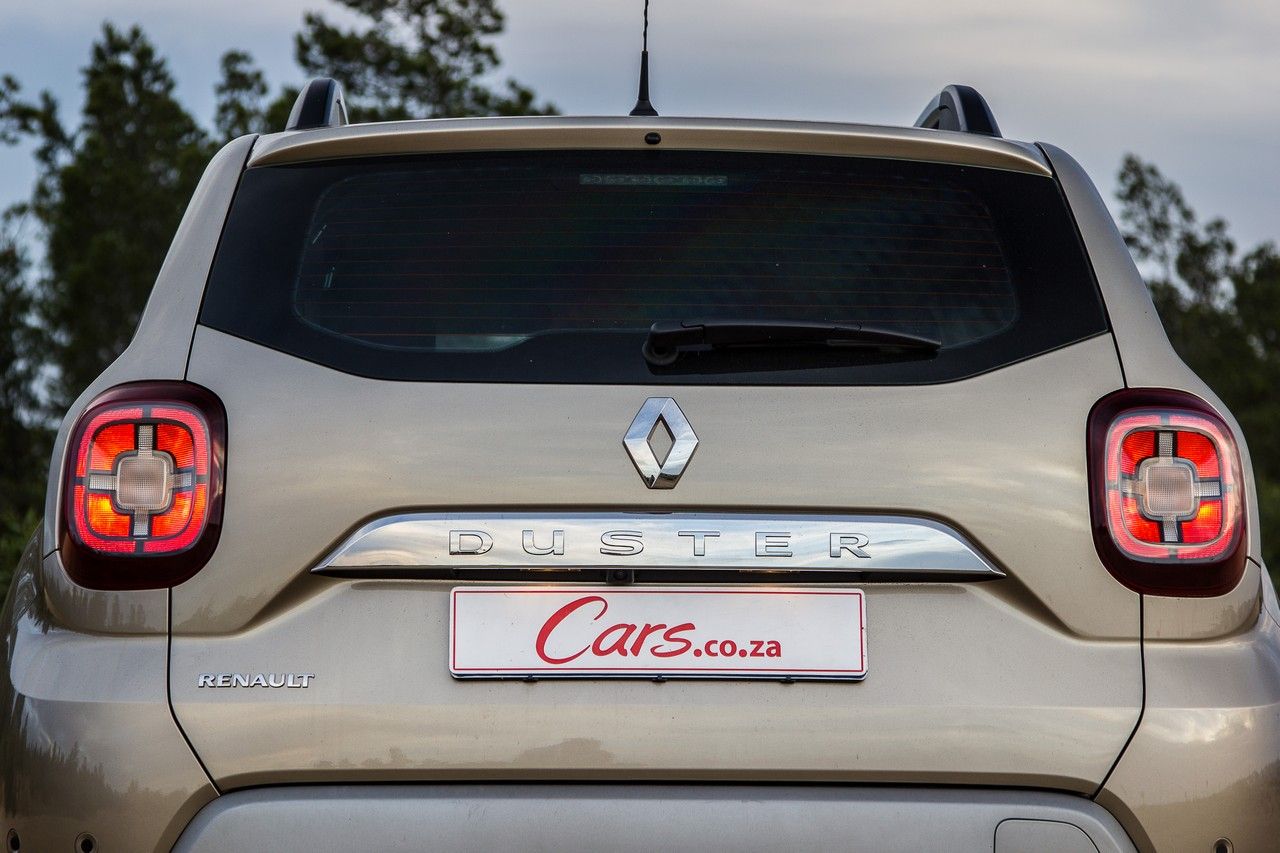
While the new Duster rides on the same platform as the outgoing car, you wouldn't say so by looking at it. All the sheetmetal is new, and it has a more confident, broad-shouldered stance than before. The exterior detailing is quite exceptional for such an affordable car – the 17-inch alloy wheels are expensive-looking, there are LED daytime running lights and satin silver accents on the skid plates, side mirrors and roof rails. At the rear, the light clusters look like they've been pinched from a Jeep Renegade. Overall, it's a car that looks considerably more expensive than it is. 

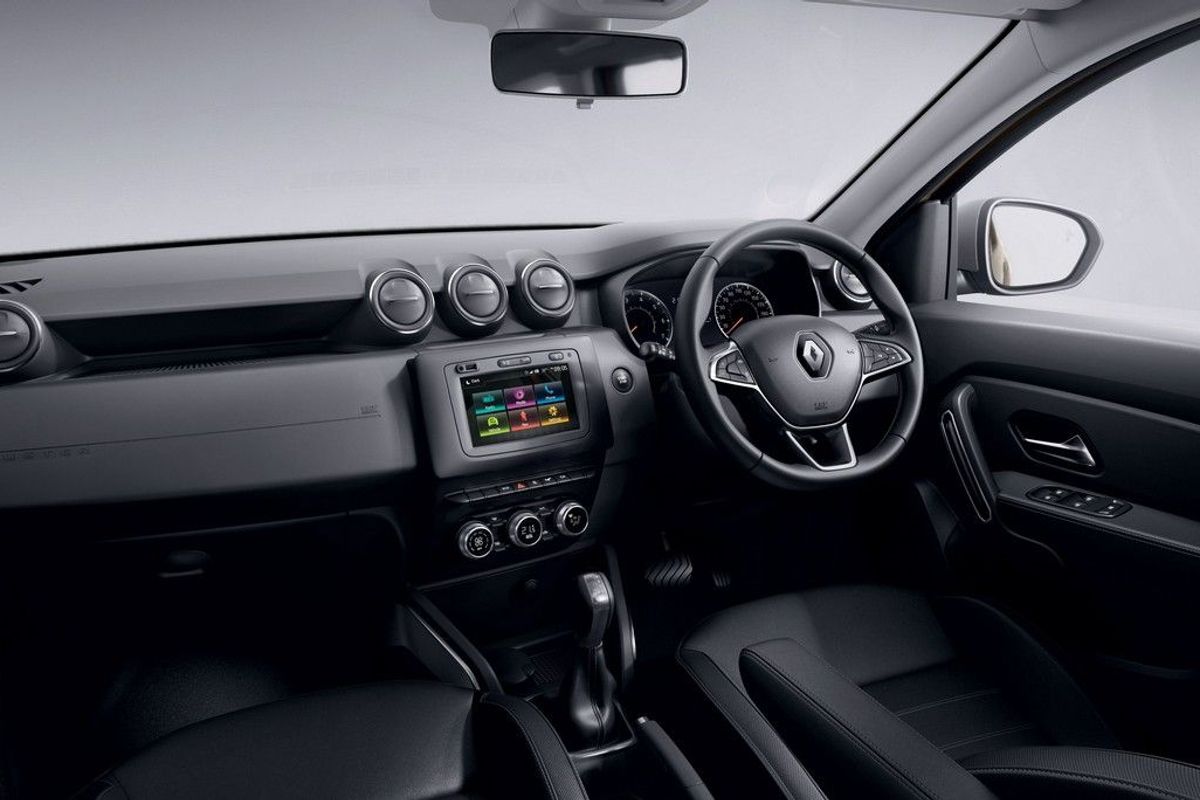
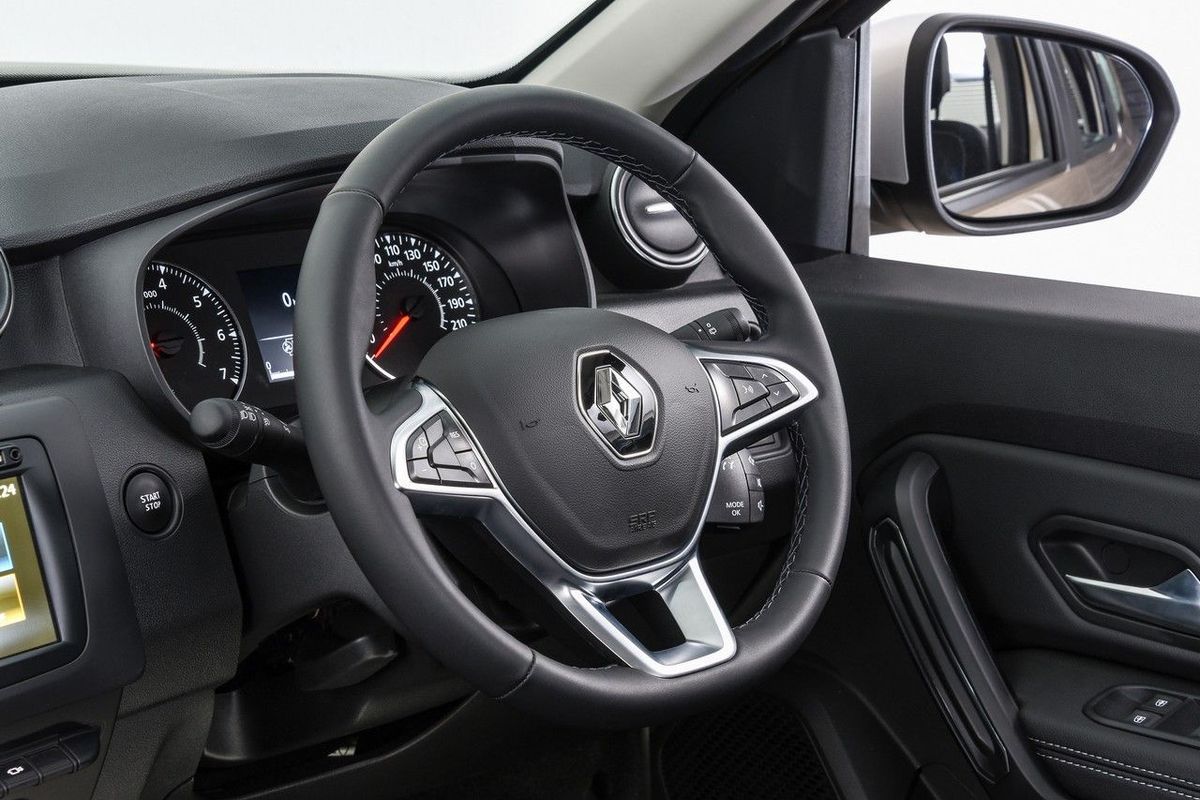
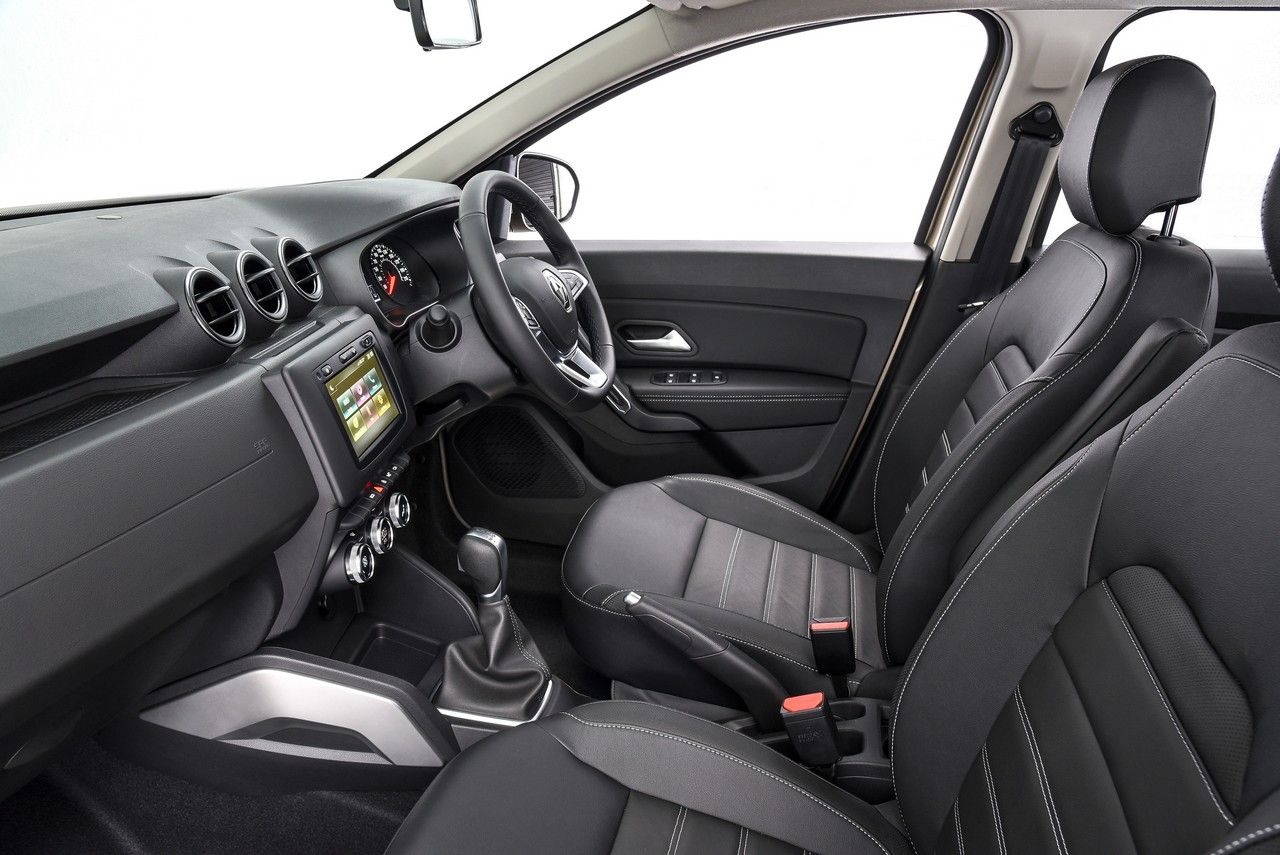
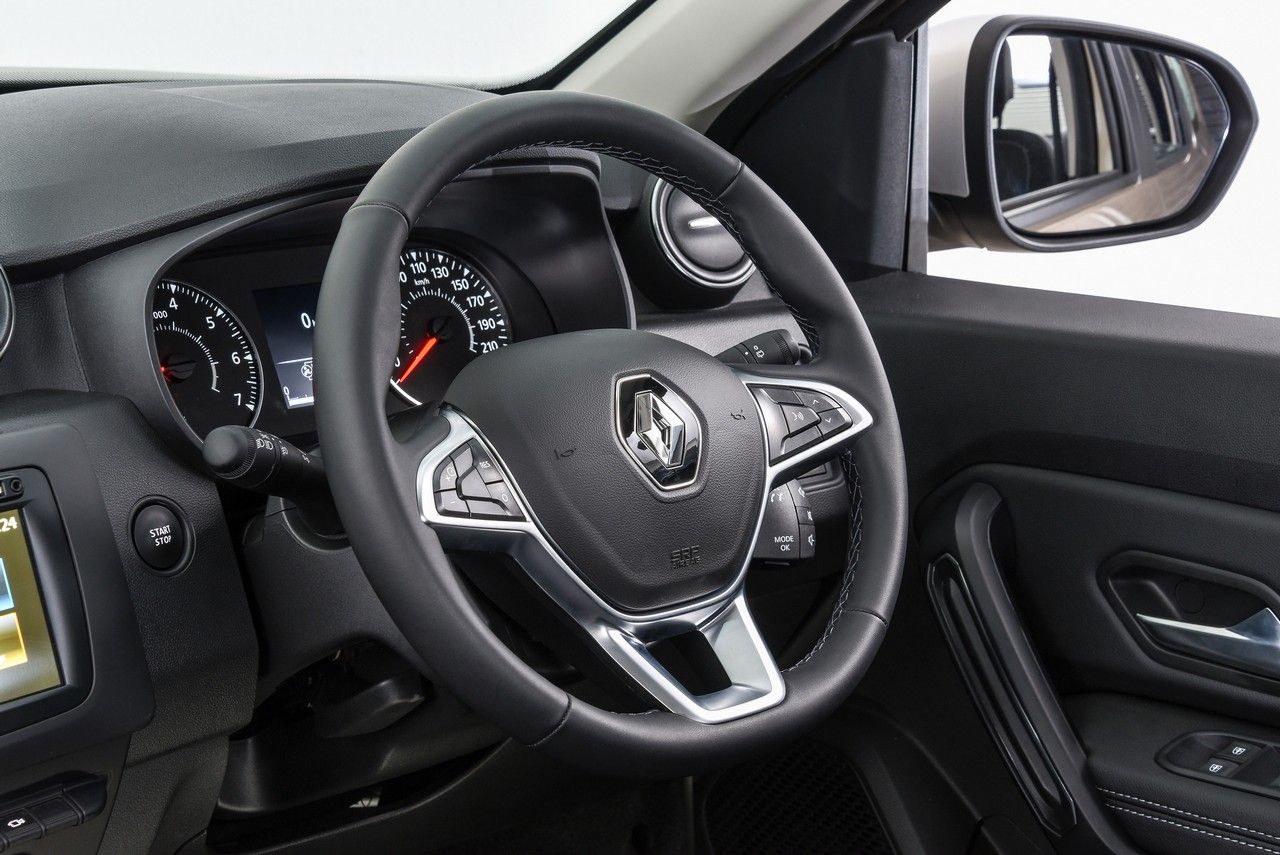
The biggest step forward, however, has happened inside. The previous car's touchscreen system was mounted too low on the fascia, and the rest of the controls appeared to be scattered randomly around the cabin. The new Duster's cabin looks almost Germanic by comparison… the touchscreen system, which will be Apple CarPlay and Android Auto compatible from next year (2019), is better positioned and the main controls lined up in a neat row underneath it. The ventilation system's rotary controls look like they've been taken out of nothing less than an Audi TT and even include digital displays. Finally, the steering wheel (now rake and reach adjustable) is a neat, leather-wrapped item that is nice to hold. 


There are various storage solutions dotted around the cabin and overall the Duster is a great fit for family holiday use.

Most of the cabin surfaces, however, remains of the hard-plastic variety, and we wish Renault had added more rubberised linings for the cabin's various storage spaces. The standard upholstery is cloth, but our test unit featured optional leather, which smartens up the cabin ambience. Our test unit's driver's seat tilted slightly when the pilot shifted their weight in situ, which didn't leave an impression of good build quality. The problem might have been limited to this particular car, however, so just be wary of it if you take the new Duster for a test drive… 

Practicality and spaciousness


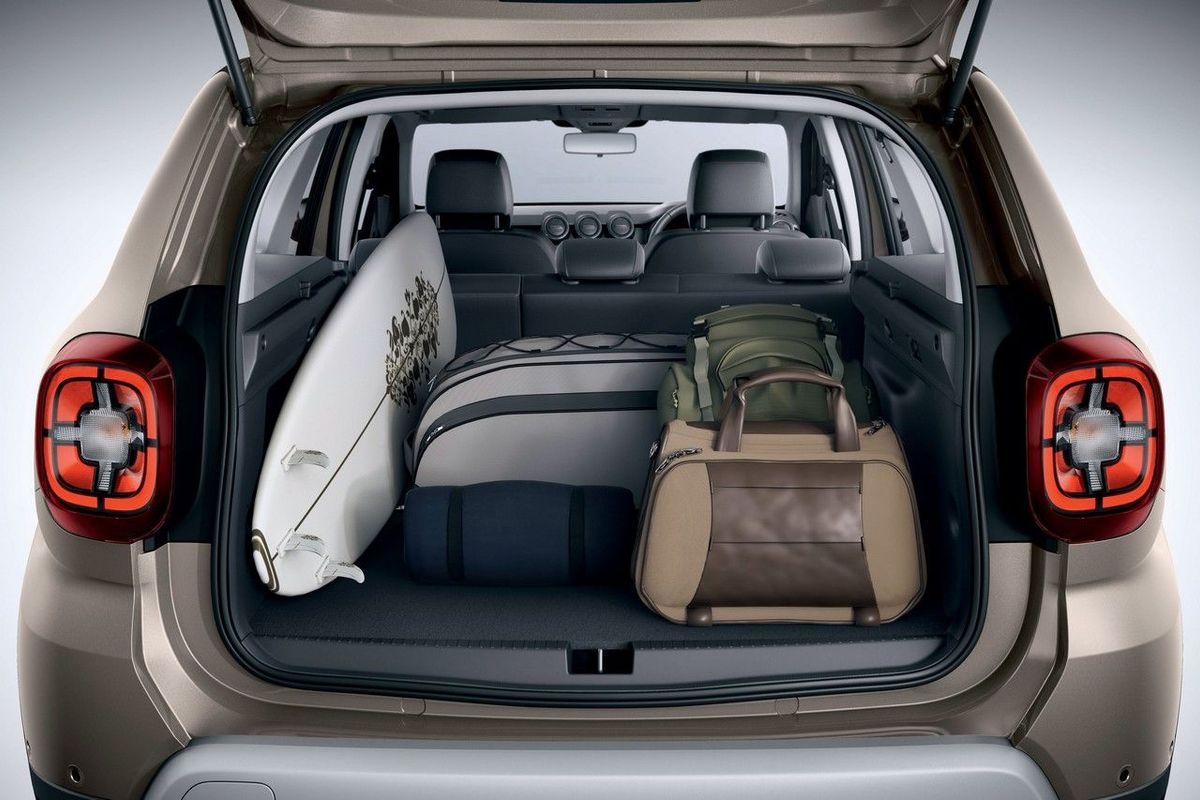
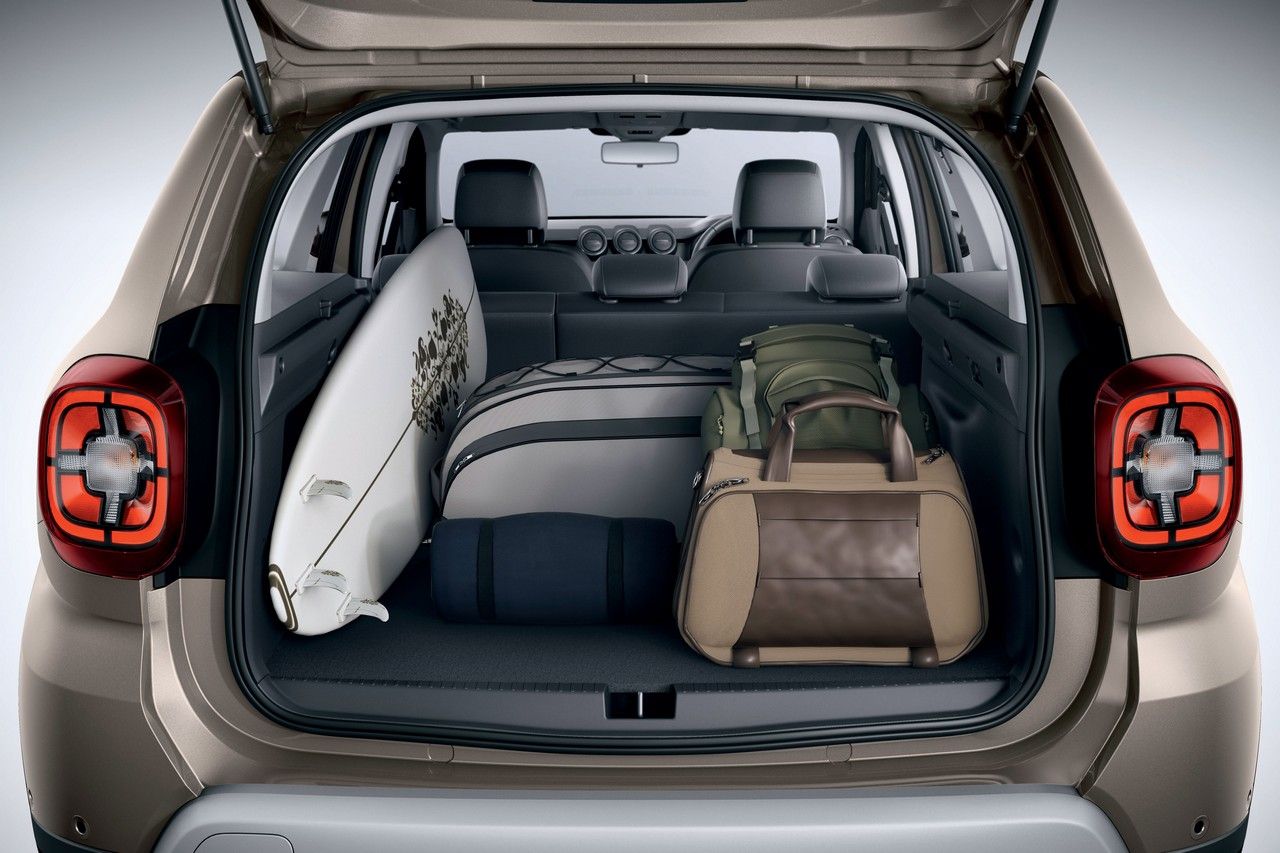
The large luggage bay is shaped to accept big items, and the rear seats fold down too. 

The new Duster rides on the same platform as its predecessor. It's not often that one hears of such a development, but according to Renault, the previous car's size and packaging was already spot-on (at least according to the feedback of owners, who only wanted greater refinement and a modernised fascia). Not having to engineer an all-new platform has undoubtedly also helped Renault to price this car so competitively. 

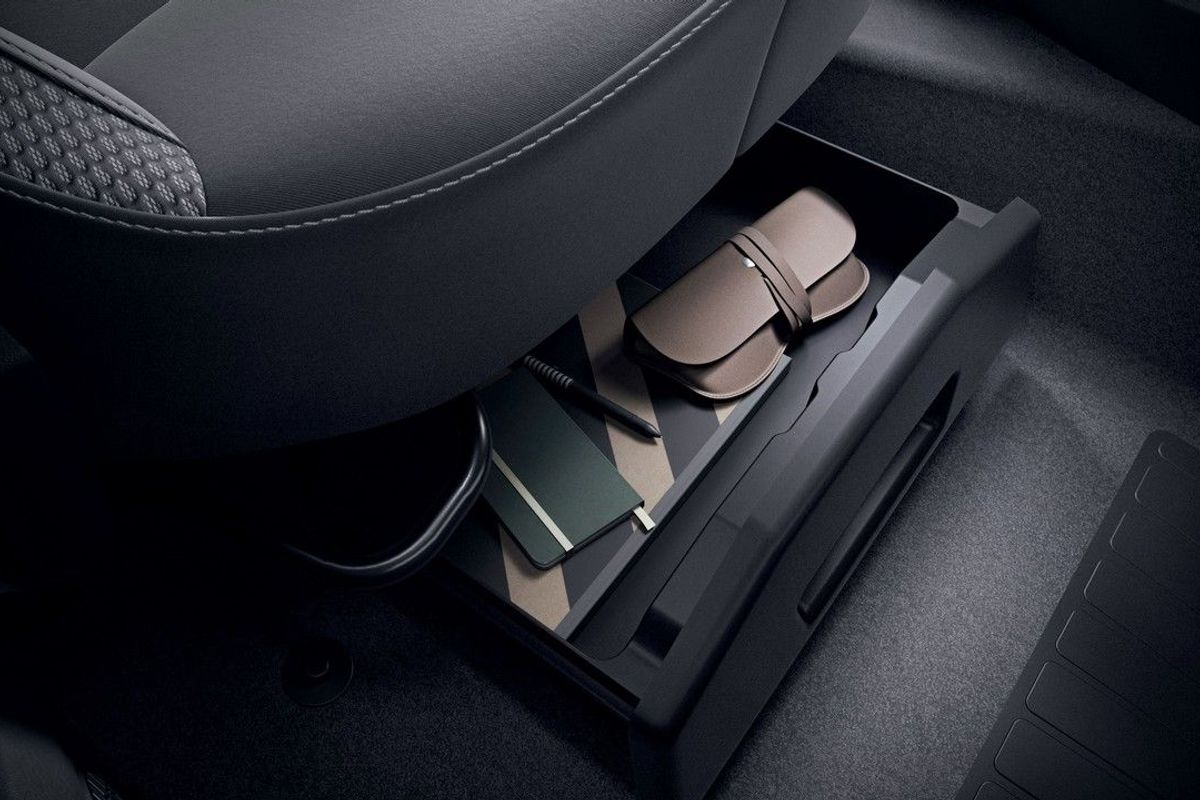
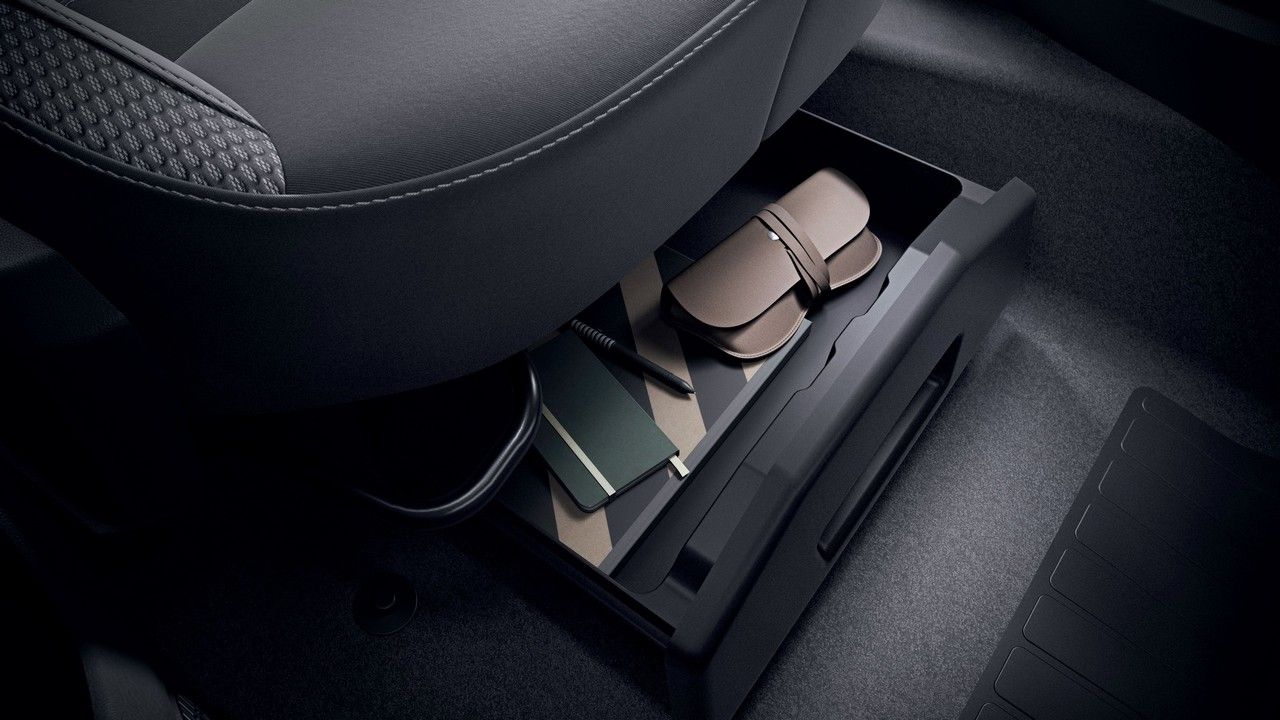
So, in terms of spaciousness, the news is much the same as before, which means it is good… very good. The load bay is capacious (478 litres) and of course, the rear seats can be folded down (in a 1/3-2/3 configuration). The spare wheel is underneath the vehicle's body. Rear passengers get slightly more legroom than before, and there are various storage spaces dotted in the cabin, including a tray underneath the front passenger seat. 

Frugality


A comprehensive trip computer is fitted and this variant also features keyless start. 

This Duster derivative is powered by the same, long-serving 1.5-litre turbodiesel engine as before, which is coupled with a 6-speed dual-clutch (automatic) transmission. It comes as no surprise, then, that the performance and overall feel from the drivetrain are much the same as before.

We'll dig into the Duster's performance later, but, for now, we'd like to comment on the fuel consumption. Given the financial pressure on consumers, low running costs are vitally important and, in that regard, the Duster excels. Renault claims a consumption figure of 4.8 L/100 km, and we achieved a real-world average of only around 5.6 L/100 km, which is exceptional. This should allow you to travel nearly 900 km on a single (50-litre) tank.

On-board tech and features


Neat, ergonomically efficient and nicely detailed cabin is a vast improvement on its predecessor.

This flagship Prestige-badged variant is loaded with a comprehensive line-up of features. That touchscreen system may not yet offer Apple CarPlay and Android Auto (to reiterate, that's coming in 2019), but it already offers satellite navigation and doubles as the display for the multi-camera exterior view system (front, rear and sides). You also get rear park assist, blind spot monitoring and cruise control, among other niceties. 

On the safety side, we would have liked to see more airbags (only driver and front passenger units are offered at present), but at least the Duster offers stability control. The latter feature remains notably absent from the fast-selling Hyundai Creta, for example.

What could be improved?

Engine/transmission lag


Neat 17-inch wheels and good attention to detailing on the exterior make the Duster look more expensive than it is.

As mentioned before, the 1.5-litre turbodiesel isn't the most modern unit around, but it's proven and efficient. Also, its fitment undoubtedly keeps overall vehicle cost down. The 6-speed dual-clutch transmission has been further refined and, as long as you're not in a hurry, it generally provides well-timed shifts. But for some buyers, and especially within the context of improvements to other parts of the Duster, the engine/transmission combo's laggy behaviour is frustrating. There's some turbo lag near the bottom of the rev range, and not much power at higher engine speeds, so the torque band is quite narrow. Couple this with a transmission that can be too hesitant and the Duster can feel flat-footed in certain instances. 

So, the Duster is not a vehicle to be hurried and is better suited to relaxed, efficient holiday touring than cut-and-thrust city driving. Mirroring the drivetrain's "relaxed" nature is the suspension set-up. There's plenty of roll in the corners, but the ride quality is supple on various surfaces (including gravel). It's a car for real-world family use, not mountain pass blitzes! Also keep in mind that a very usable 210 mm of ground clearance is on offer.

Pricing & Warranty

The flagship Duster 1.5 dCi Prestige EDC, as tested here, sells for R334 900. It comes backed with a 5-year/150 000 km warranty and a 3-year/45 000 km service plan. It requires servicing every 15 000 km or 12 months, whichever comes first.

Verdict


Rear lights look similar to those on Jeep Renegade. The Duster's overall look is far more modern and coherent.

Finding real, directly comparable rivals to the Renault Duster, particularly in diesel automatic form, is exceptionally tough – offerings from Hyundai and Ford are significantly more expensive. At roughly the Duster's price there is the Mahindra XUV500 for one, but it's a larger (7-seat) vehicle that might simply be too big for some buyers, and it's not as frugal. With diesel seemingly on the decline, it would appear that the only alternative for buyers would be to consider a petrol automatic offering, such Hyundai's popular Creta 1.6, which sells for around R30k more than this Duster. Then again, you could also consider the even cheaper (R317k) Duster Dynamique automatic…

Be that as it may, from whatever angle you look at the Duster, its value-for-money offering appears unrivalled. Coupled with that, the newcomer offers a significantly improved cabin that no longer looks low-rent, and from the outside, the Renault appears more expensive than it really is.

Practical, spacious and impressively fuel-efficient, the Duster appears to tick all the boxes for the modern family shopping on a tight budget and, if you looking for a sweetener, the long warranty adds considerable peace of mind.

Looking for a new / used Renault Duster to buy?

Find one on Cars.co.za today by clicking here

Related content:

Renault Duster (2018) Launch Review

Renault Duster (2018) Specs & Price

Ford Ecosport (2018) Video Review

Audi A1 (2019) International Launch Review

Audi's entry model has received a massive makeover… the newcomer comes to market brimming with new engines, updated tech, a smart infotainment system and more, all of which is wrapped in a stylish package. We headed to Spain to see if it's worthy of your hard-earned Rands.

The Audi A1 plays in the rarefied premium compact hatchback segment. BMW would argue its Mini products are rivals to the A1, which is fair, Mercedes-Benz can offer up Smart, but those funky cars have never really lit up the sales charts, Alfa Romeo's discontinued the Mito, Opel soldiers on with the Adam and the Fiat premium offshoot Abarth is decidedly a left-of-field choice. You could also argue that one of its rivals comes from within the VW family, in the form of the new, locally produced, MQB-based Polo. What we know so far is that the new A1 will again be priced in the premium bracket and, given the difference between it and the Polo (on which it is based), can Audi's newcomer offer that much more? Let's find out.


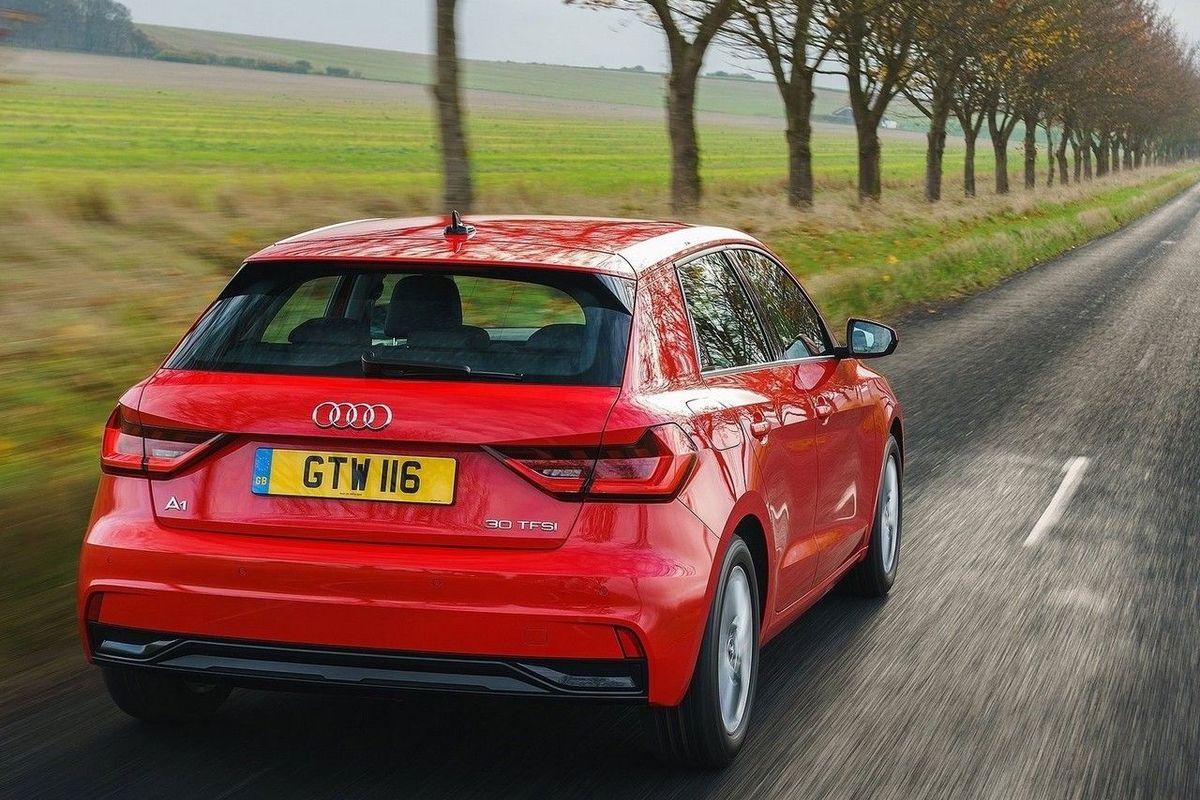
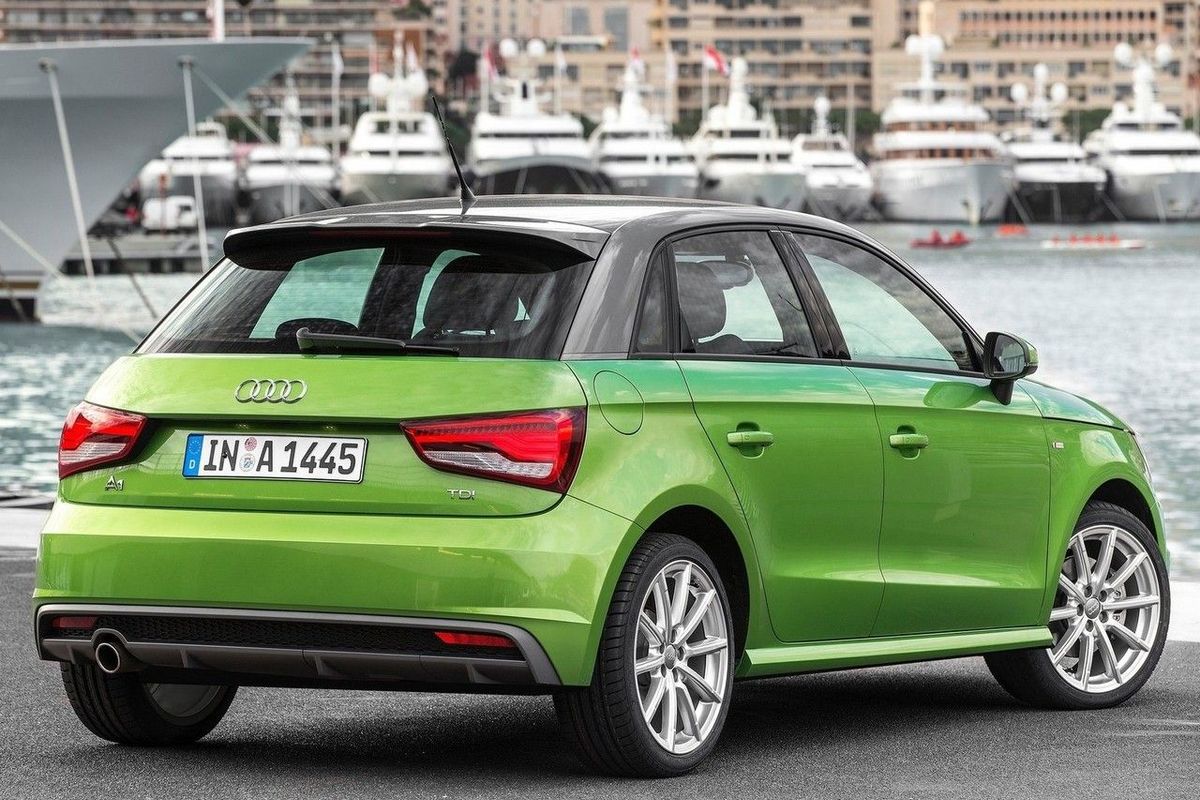
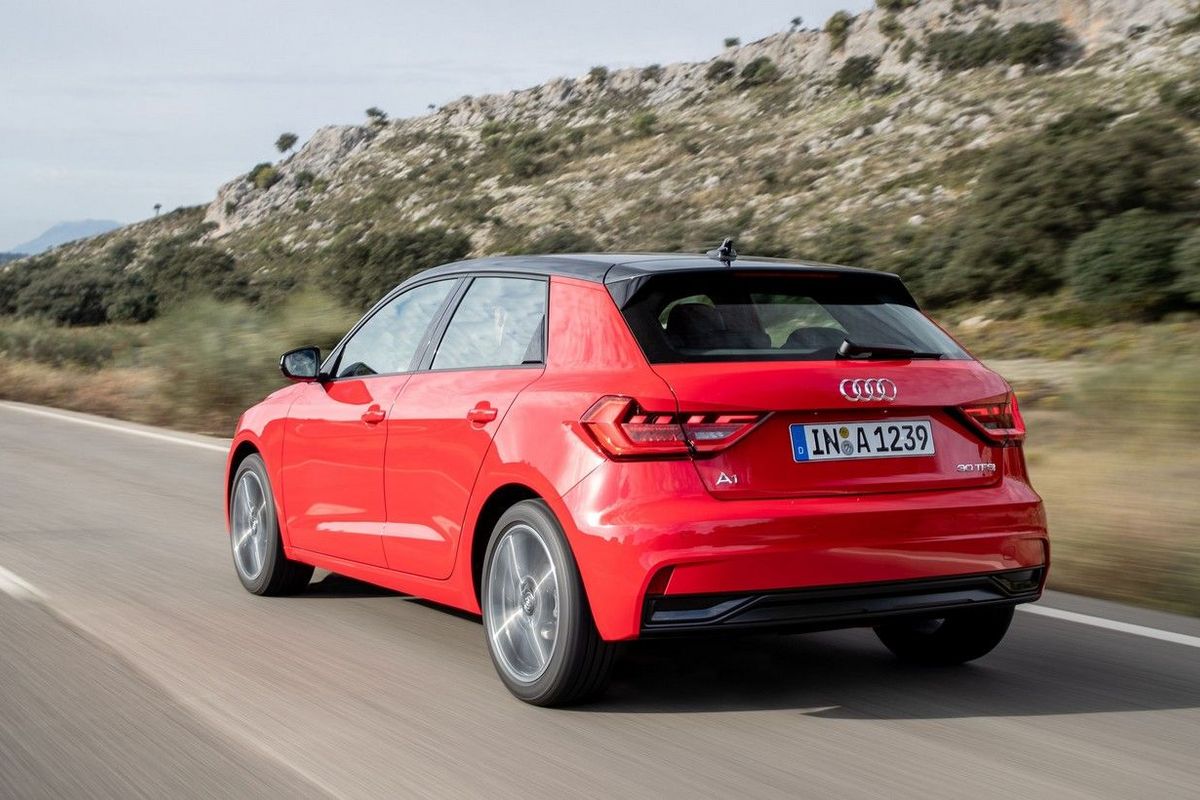
Based on the MQB platform, the new Audi A1 is bigger and more spacious than ever.

What's new?

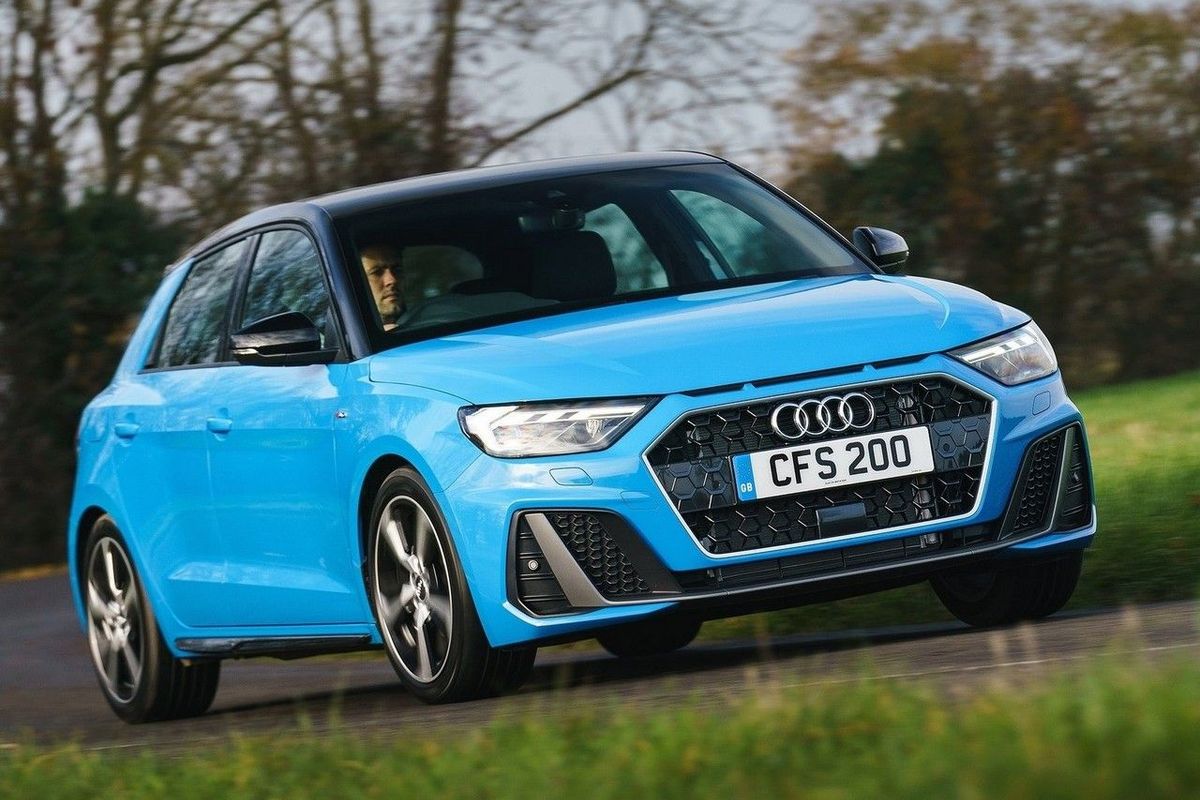
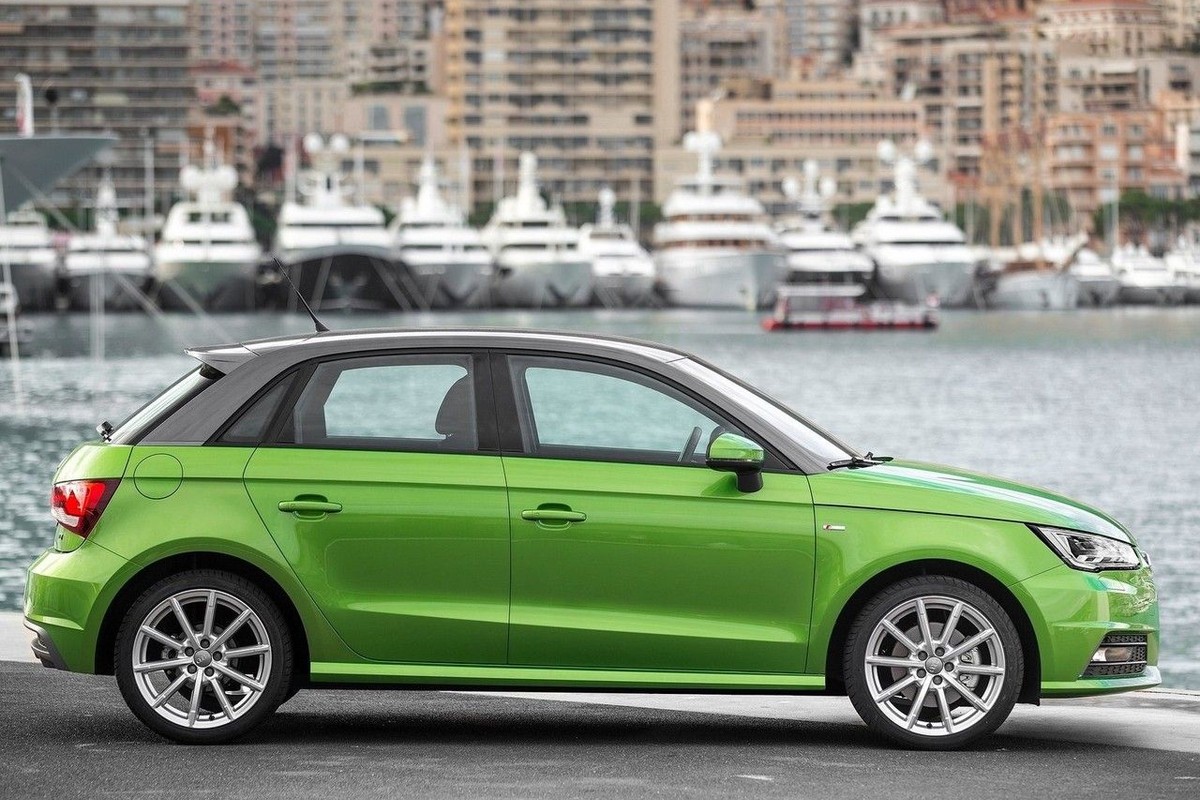
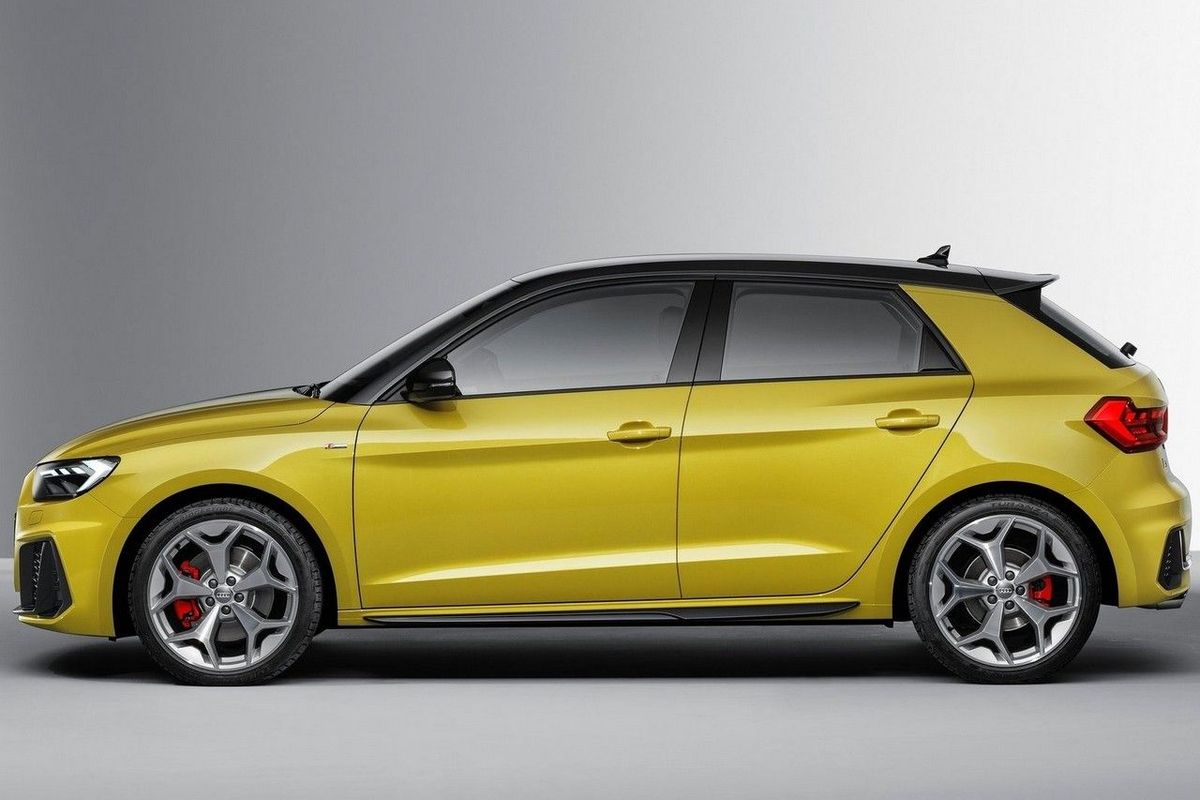
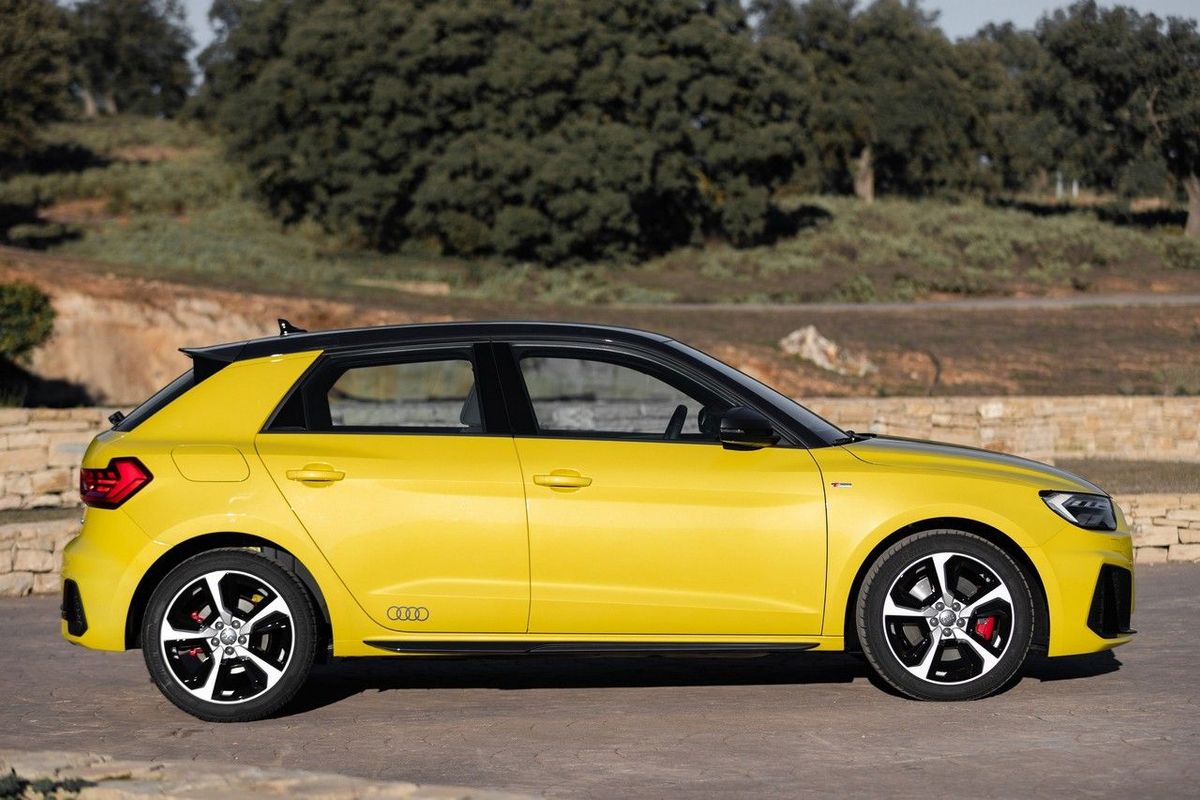
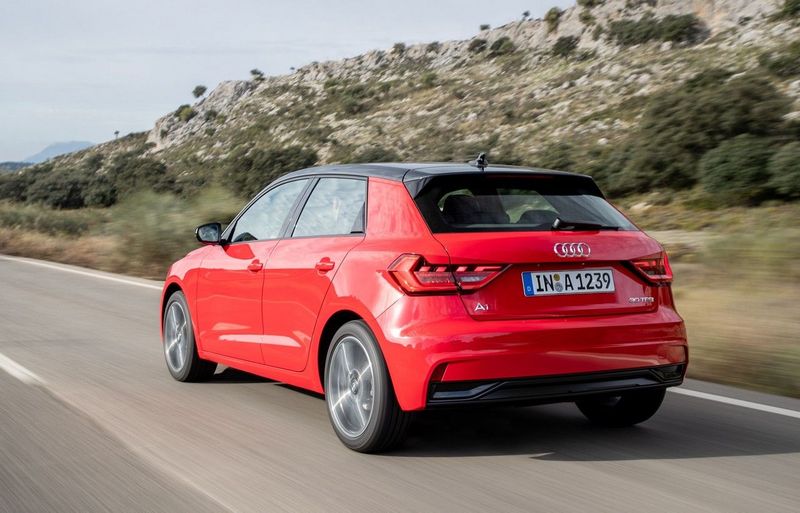
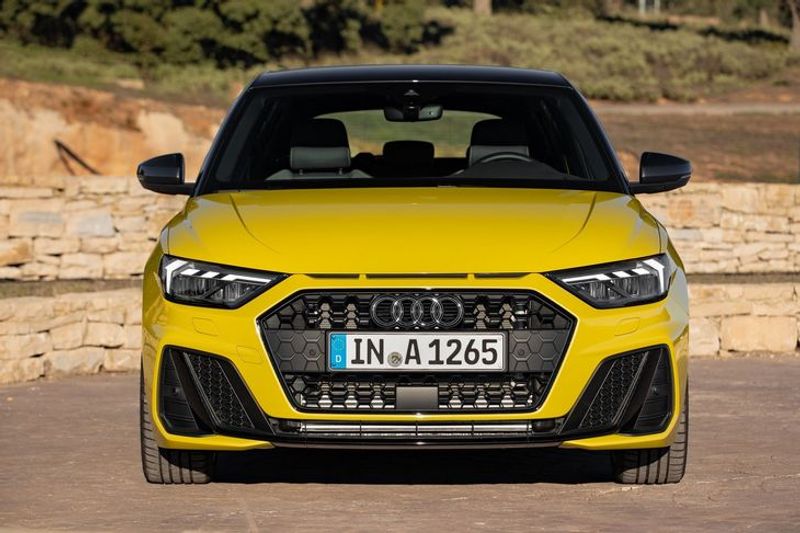
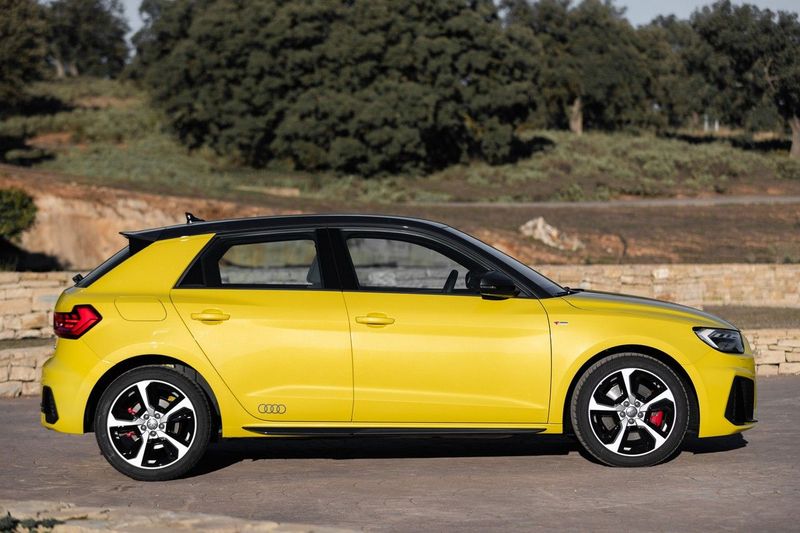
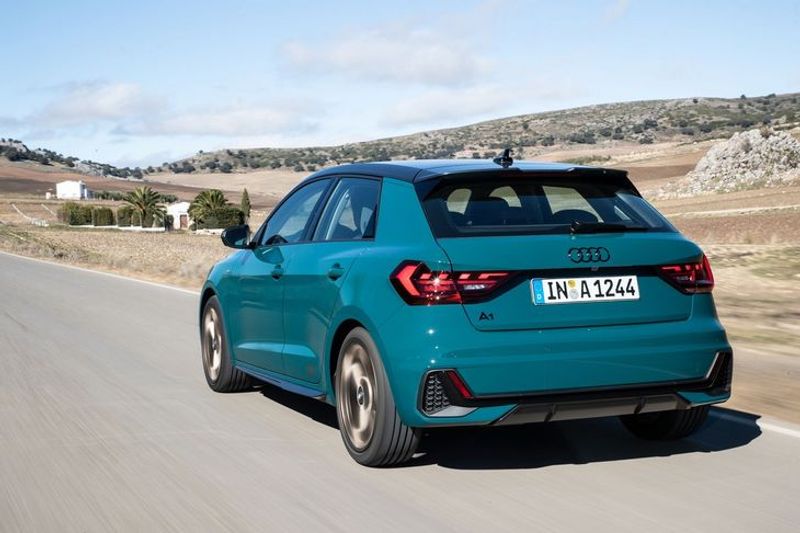
Firstly, just look at it! It's a car dripping in attitude and the combination of sporty design and vibrant colours endows this car with a radical personality. It's palpable that this car is the polar opposite of what Audi usually comes up with and it represents a marked departure from typically conservative (and, no to be too unkind, largely derivative) design formula. Audi offers no fewer than 10 exterior colours to choose from, as well as the option of going the 2-tone route. Some of the colours have funky names too, like Turbo Blue and Python Yellow. 

Secondly, the biggest change comes under the skin, where the new Audi A1 is underpinned by the MQB platform, which also forms the basis of the bigger A3, as well as several other products in the Volkswagen Group. The major benefit of going the MQB route is better packaging and more space.

Speaking of space, the new platform means the new Audi A1 is 56 mm longer, with a wheelbase that has been lengthened by no less than 94 mm. Width and height have both decreased by 6 mm and 13 mm respectively, but you'd be hardpressed to feel those changes. The luggage capacity is claimed to sit at 335 litres, which is 65 litres more than the outgoing model's. 

There is a selection of engines available, all of them will make their way to South Africa. Kicking off the range is the A1 25 TFSI packing 70 kW and 175 Nm. Next up is the A1 30 TFSI, featuring the same powerplant, but in a higher state of tune (it produces 85 kW and 200 Nm). Both of the 1.0-litre motors are 3-cylinder mills. The range-topping version is the 2.0-litre turbocharged motor producing 147 kW and 320 Nm in the A1 40 TFSI. Petrolheads will notice that this is the same 4-cylinder engine as used in the Volkswagen Polo GTI. There is also a 1.5-litre petrol motor with 110 kW and 250 Nm, which we'll be getting from launch and it comes with an A1 35 TFSI designation.

All the derivatives that are bound for the South African market will be front-wheel driven (there's no quattro version) and exclusively offered with S Tronic dual-clutch (automatic) transmissions.

Tech changes


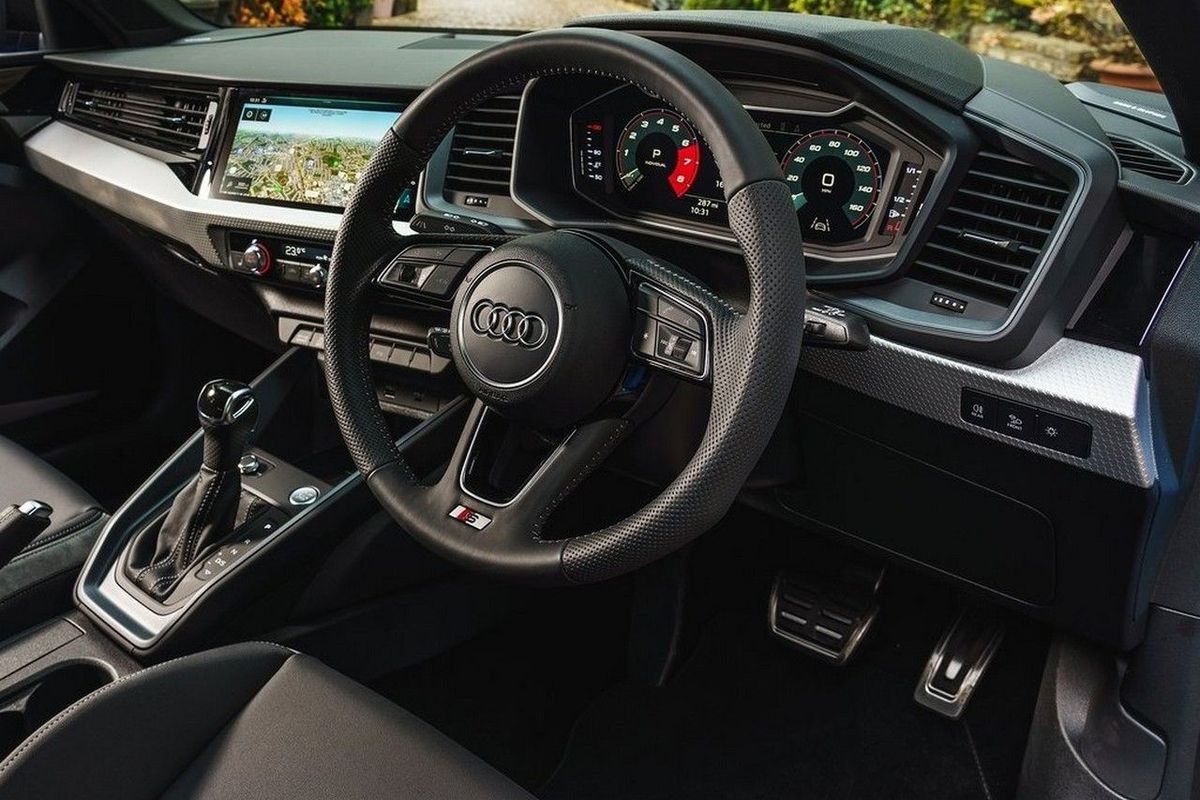
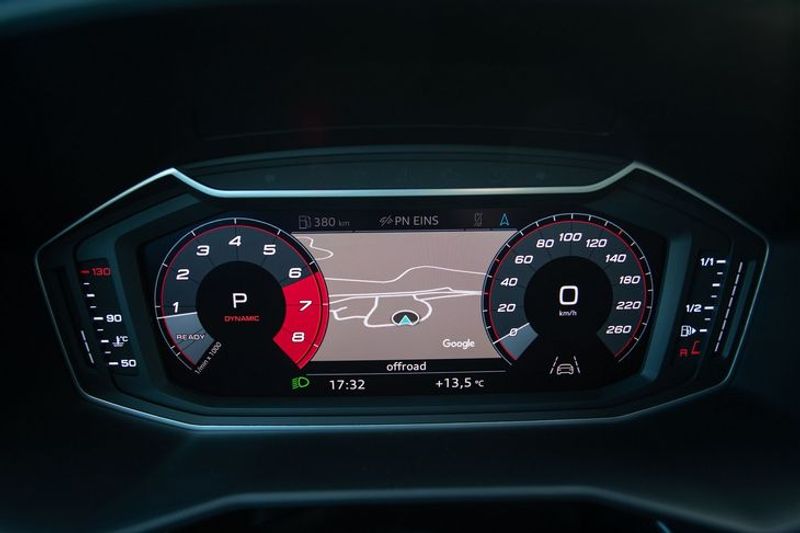
A version of Audi's Virtual Cockpit digital dashboard is available. Graphics are crisp and clear.

The new Audi A1 positively brims with many features pinched from the bigger models such as the A8. In terms of safety, the Audi A1 comes standard with lane-departure warning, a speed limiter and Audi Pre-sense at the front. You can optionally specify features such as adaptive cruise control with stop&go functionality as well as auto parking, to name but a few. 

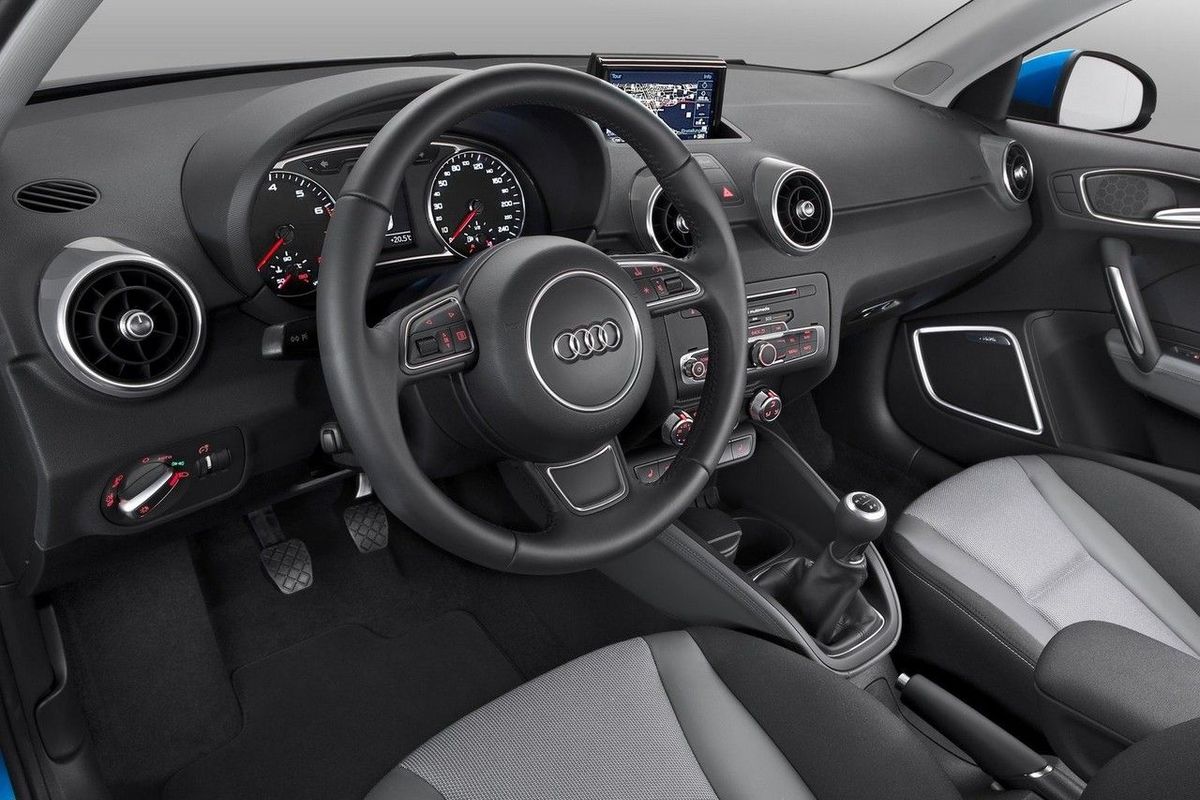
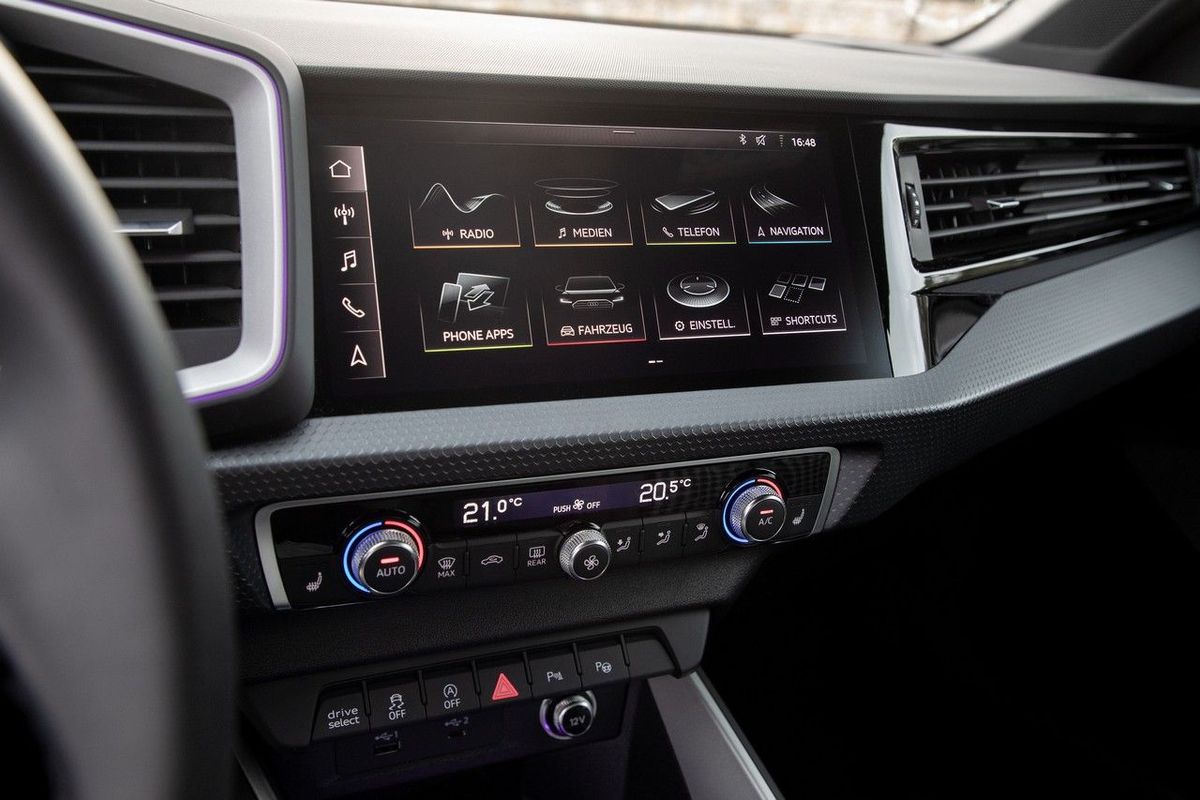
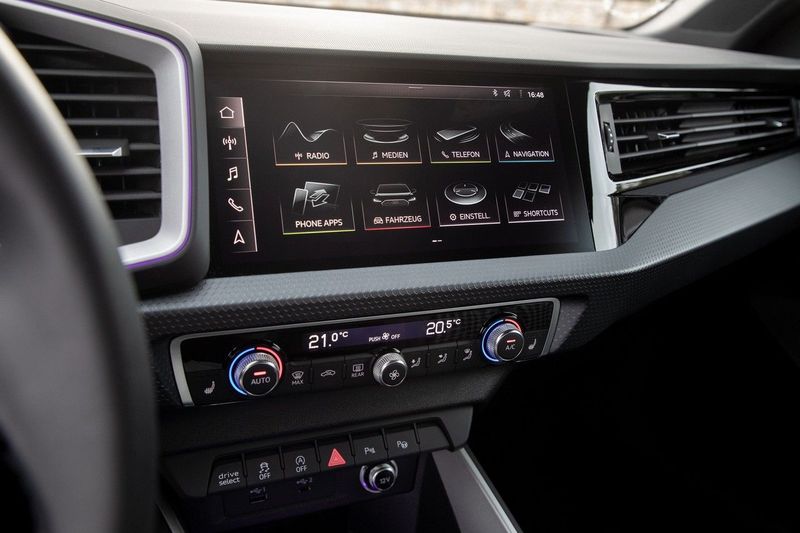
The first thing you'll notice when you step inside the new A1 is the completely overhauled cabin, which shows an impressive level of attention to detail. The infotainment screen is angled towards the driver, the air vent positioning forms part of the dashboard and there's the option of Audi Virtual Cockpit, which we think is a peerless infotainment system in this segment. 

Standard safety spec is impressive too, with numerous airbags, automatic emergency braking and lane-keeping assistance. At the time of writing, this latest generation A1 had not been tested by Euro NCAP, but seeing as it's very closely linked to the Volkswagen Polo (which scored reasonably well), we think the Audi A1 should be one of the safest cars in its class.


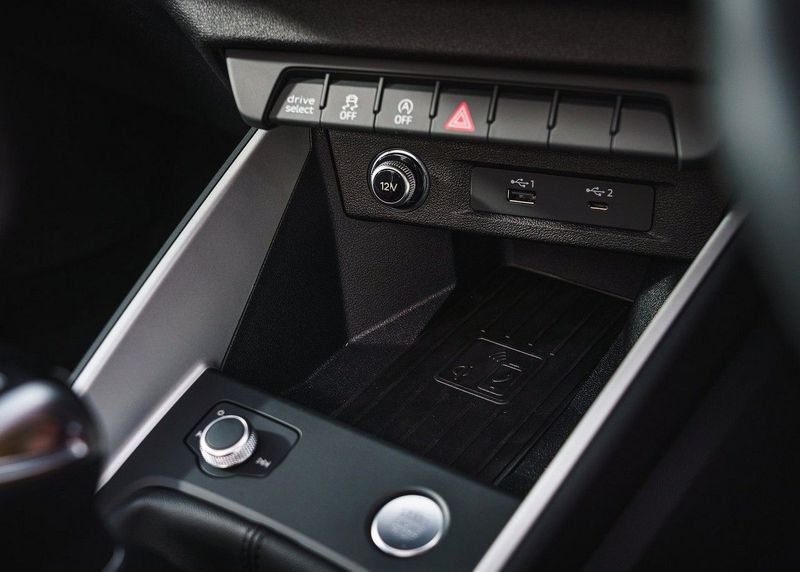
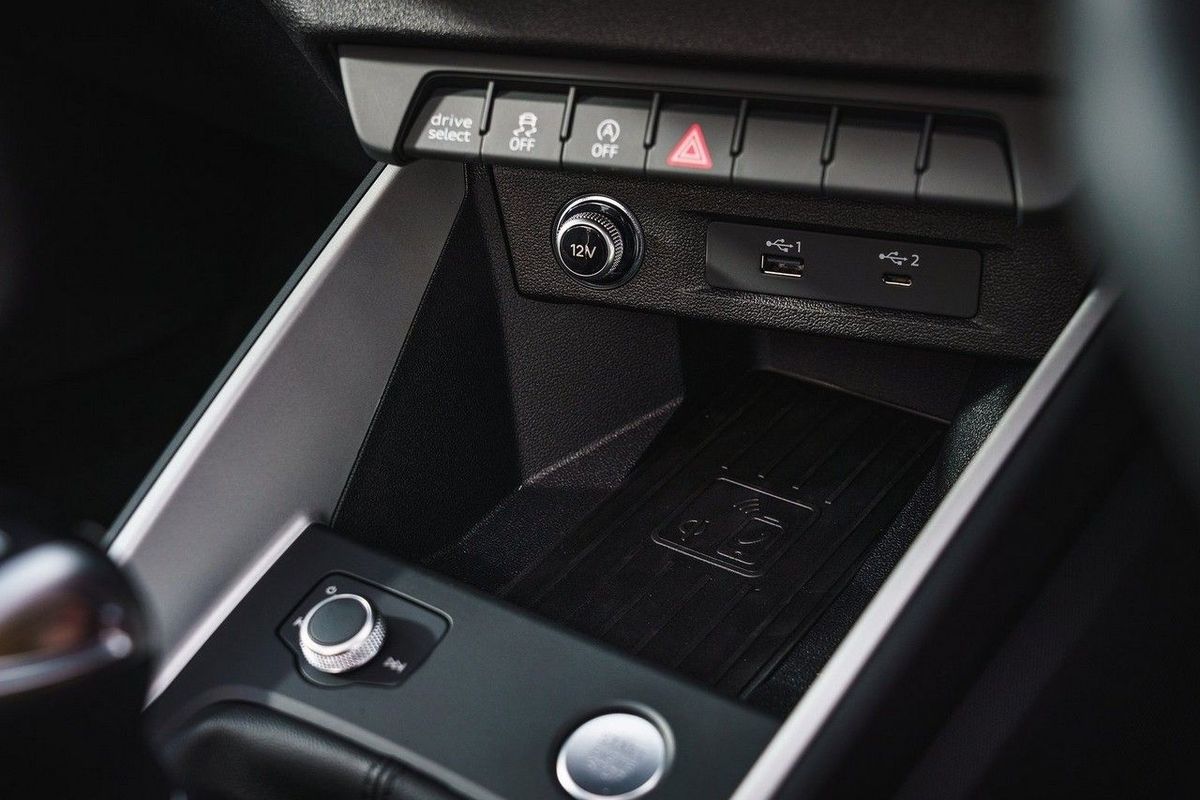
While final SA spec is not yet confirmed, our European test units featured push-button start, a wireless charging pad, 2x USB ports, heated seats and in-car 4G WiFi.

What's it like to drive? 

It would be a trifle unfair to simply label this A1 "a Polo in Audi clothing". While there is a considerable degree of mechanical overlap, the A1 feels more substantial and solid, undoubtedly due to the implementation of some additional NVH material, which gives the cabin a quieter ambience. The engine noise and associated vibrations have been snuffed out too; at idle, the newcomer gives you only the slightest hint that its engine is running… Let's not forget the luxurious cabin, with its extensive use of high-quality materials, either.

The first derivative we drove was the 2.0-litre turbocharged A1 40. Its 6-speed S Tronic transmission effortlessly flicked through the gears as we threaded our way on the rain-sodden roads of Malaga. We appreciated the powertrain's responsiveness and flexibility – the car didn't need to be in its sportiest setting to executive some brisk overtaking maneuvres.


SA will be getting Audi A1 with the only transmission option being the dual-clutch units

Audi claims this version can accelerate from 0 to 100 kph in 6.5 seconds, which gives it quite a performance slant. Seeing as it is front-wheel-driven, tremendous wheelspin ensues when you summon all 320 Nm in 1st gear. Its real strength lies in overtaking ability, however: a deft flick of the left (downshift) paddle puts the engine right in the sweet spot and when in Dynamic mode, a mild induction roar and softer-than-expected exhaust pops accompany each gear change. Despite having the ingredients to be a pocket premium hatchback, the flagship version doesn't quite deliver the thrills… suffice to say this derivative is more GT than GTI. 

There's no chance of an S1 version seeing the light in the immediate future either, according to Audi, which we find odd. The previous-generation S1 was hilariously good fun and despite the fact that its compact packaging ruled out the implementation of a dual-clutch transmission, the car's manual gearbox was more than up to the task. This new version of the A1 has the space for a bigger engine and we'd assume it'd be easy to fit a more powerful version of the celebrated EA888 motor… Watch this space!


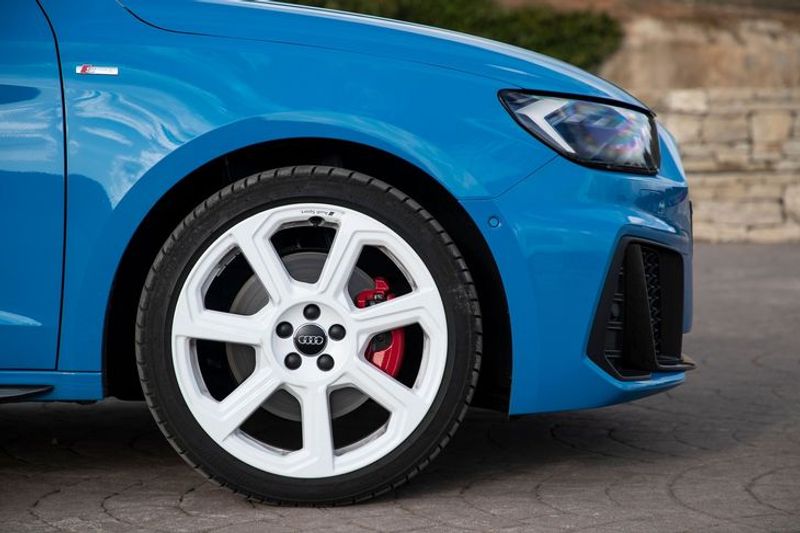
You can spec your Audi A1 with white alloy wheels, red brake callipers and a sporty kit. 

The 2nd derivative that we drove is likely to be the range's volume seller in South Africa. The 1.0-litre will be available in 2 states of tune so we jumped into the higher-powered 85 kW/200 Nm A1 30. It boasts a credible 9.5-second 0 to 100 kph sprint time. Admittedly, it was fitted with a manual gearbox, which we won't be getting in Mzansi, but we were able to ascertain that the engine shows some eagerness as you pile on the revs, accompanied by the smallest of hums from the 3-cylinder motor. It comes on song around the 2 000-rpm mark and does not let up until the rev counter's needle nudges 6 000 rpm. It's an entertaining-enough car to drive, which makes up for the underwhelming experience of the 2.0-litre version.

As for the newcomer's steering and handling characteristics, the A1's tiller has an action that is light around town, but with just enough weighting to give you some credible feedback when you want to traverse winding roads at an enthusiastic pace. It's reasonably tame to drive too and only when you're really pressing on, does the A1's front-end tend to push (in other words, exhibit signs of understeer). Granted, we drove in wet weather and conditions were decidedly slippery on our test route in the Andalucian region of Spain.


The new infotainment system takes all the learnings of the previous versions and improves on them dramatically. Class-leading? Yes!

In terms of ride quality, our test units were fitted with higher-sized alloy wheels (than standard) and the roads we drove on were not the smoothest, so it was tough to make a fair assessment of the A1's general ride quality. We will say, however, that on smoother sections of tarmac, when adorned with smaller wheels, the Audi A1 should ride relatively pliantly.

But is the A1 fun to drive? This was the question we kept asking ourselves; while Audi has dressed the A1 in a sporty garb, replete with vibrant paint and white wheels, "delivering driving thrills" is not the newcomer's forte. Look elsewhere if you're shopping for a pocket rocket…


The Audi A1 is bigger and better in every way, and it's coming to SA in 2019.

Verdict

Before we pass judgement on the new A1, we must make it clear that the units we drove were European-spec and, at the time of writing, there was no indication of the trim levels that would be offered in South Africa. We'd love to see liberally equipped Audi A1s on local showrooms, but given our exchange rate instability, we wouldn't be surprised to find that some (if not most) of the nice-to-have features will be omitted from the standard-spec list. The alternative would be a product that's significantly more expensive than its predecessor.

That being said, the A1 feels expensive. If you bought one, you'd get a bigger car that offers excellent fit and finish, a premium driving experience, punchy powertrains and a smart and intuitive infotainment system with a slick interface. We'd lean towards the top-spec derivative with the 1.0-litre engine, as it offers spritely city performance and reasonable economy. 

The bigger MQB platform has made the new Audi A1 bigger and the entire package is better for it. The new tech brings the A1 bang up to date (perhaps even to the forefront of its class) and the engines are decent. Our only gripe is the lack of driver engagement, even if it looks the part. Those 3 bonnet slats pay homage to the original Audi Quattro rally car; the newcomer can be kitted out with white wheels and made to look like a road-legal racer, and yet, in terms of the driving experience, the littlest Audi is no thrill ride. Does this matter though? Of course not, as the vast majority of A1 customers will be after image, refinement, comfort and connectivity. Just as well the new Audi A1 ticks those boxes with ease!

At this stage, pricing for the new A1 is not confirmed, but we can speculate on the starting price. The entry-level version of the outgoing model started at R304 500, but given the significant improvements incorporated in the new version, which will go on sale in South Africa in the 3rd quarter of 2019, we think the range will start in the region of R350 000.


We look forward to assessing the new Audi A1 on SA soil when it arrives next year.

Related Content:

Most Fuel Efficient Budget Cars in SA

Fastest Accelerating Cars under R500k in SA (2018)

Audi A1 1.8T FSI (2015) Review

Audi S1 (2015) Review

Want to buy an Audi A1?

Buy a new or used Audi A1 on Cars.co.za

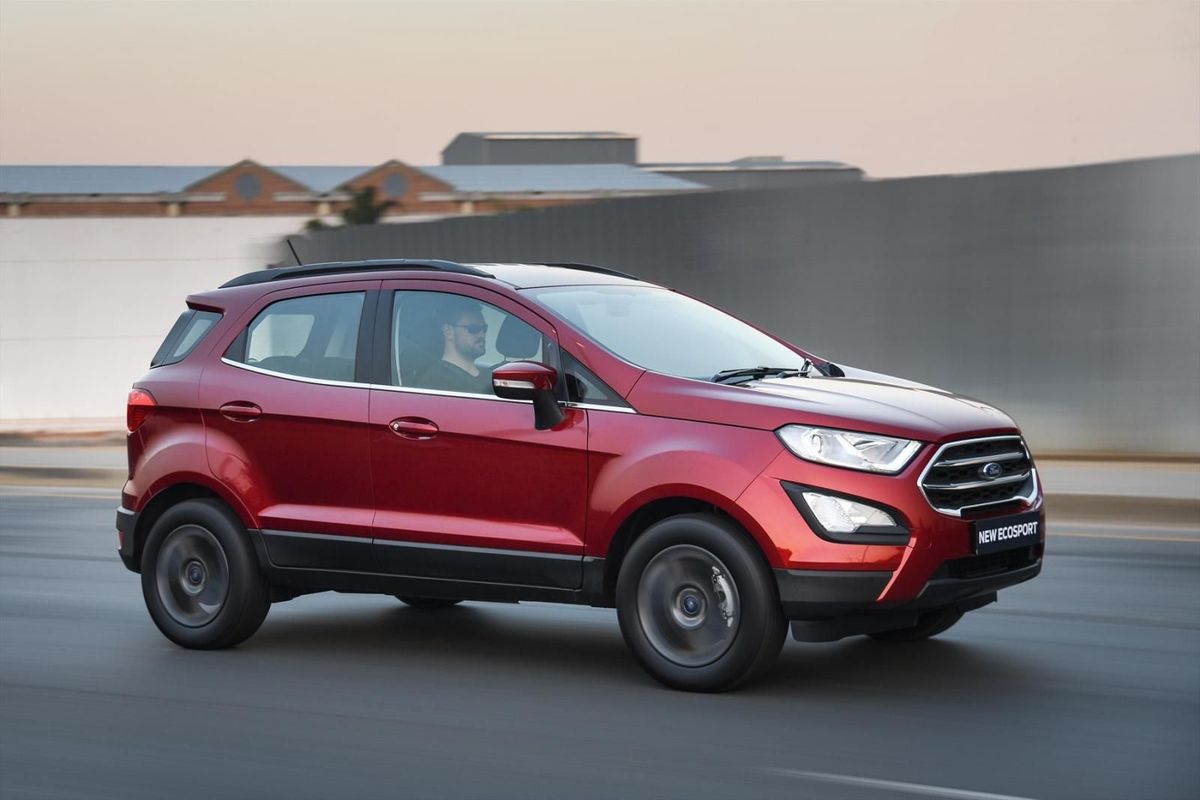
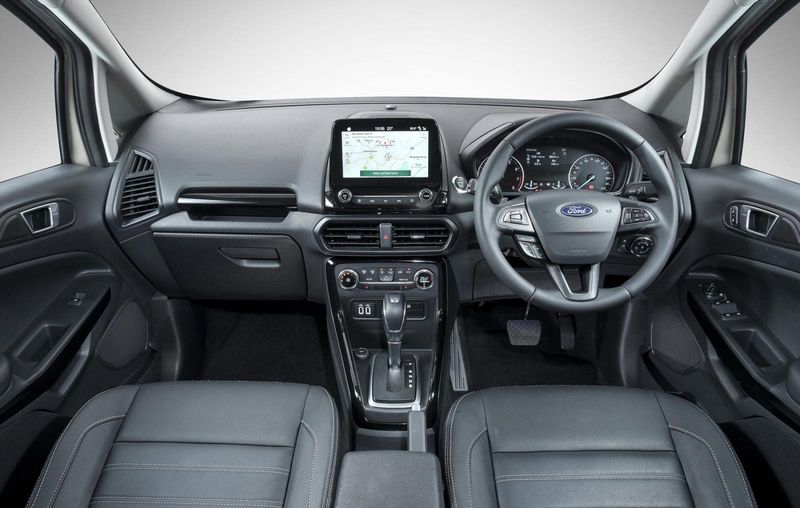
Update: Ford EcoSport (2018) Specs & Price

Ford's updated EcoSport compact family car arrived in South Africa earlier this year but Ford has now bolstered the lineup with the addition of a new entry-level 1.5-litre petrol Ambiente derivative. See specification and pricing details for the facelifted EcoSport below…

The EcoSport was first introduced in South Africa in 2013 and, despite the fact that the segment it has helped to establish is now far more competitive than 4 years ago (rivals include the Renault Captur, Suzuki Vitara and Hyundai Creta, to name a few), the Ford remains a bestseller with over 45 000 units sold since its introduction. 

If you think this facelift is a mere nip and tuck, you’re mistaken: Ford has thoroughly enhanced its baby SUV to capitalise on seemingly inexhaustible global demand for compact SUVs. In fact, this latest EcoSport features more than 2 300 new parts.

What’s changed?


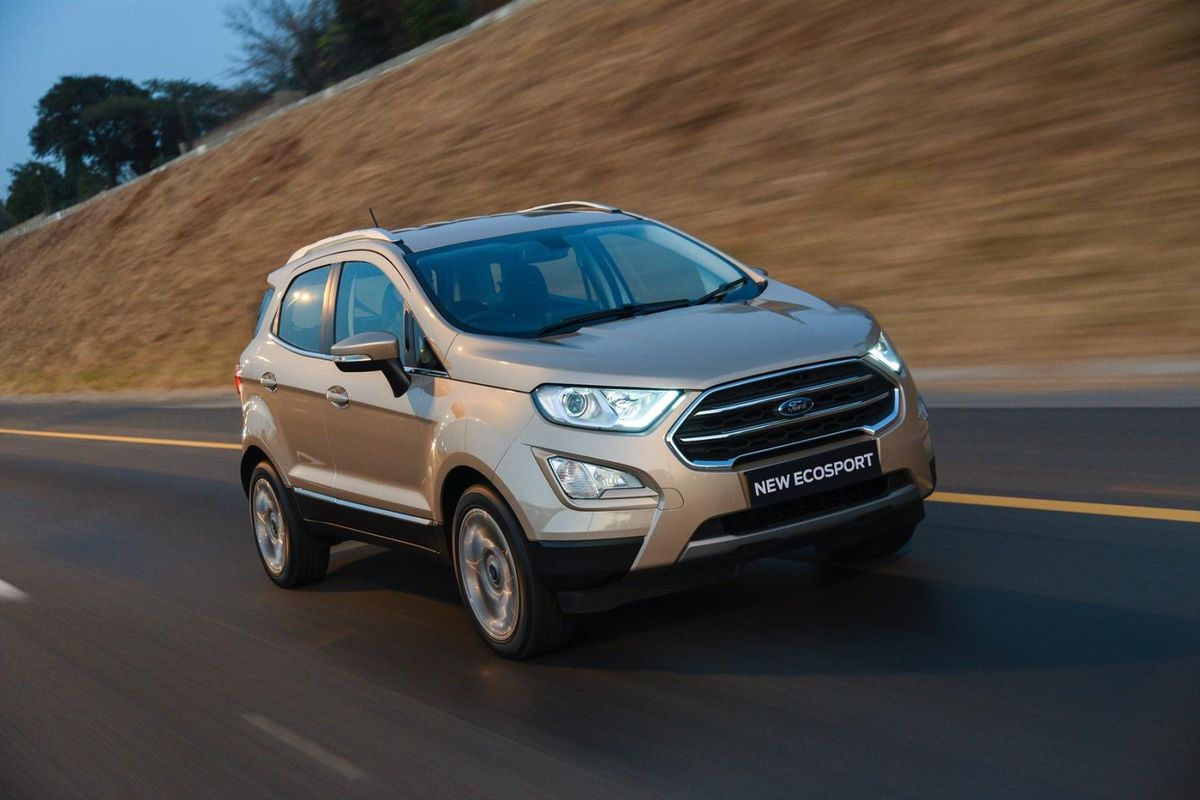
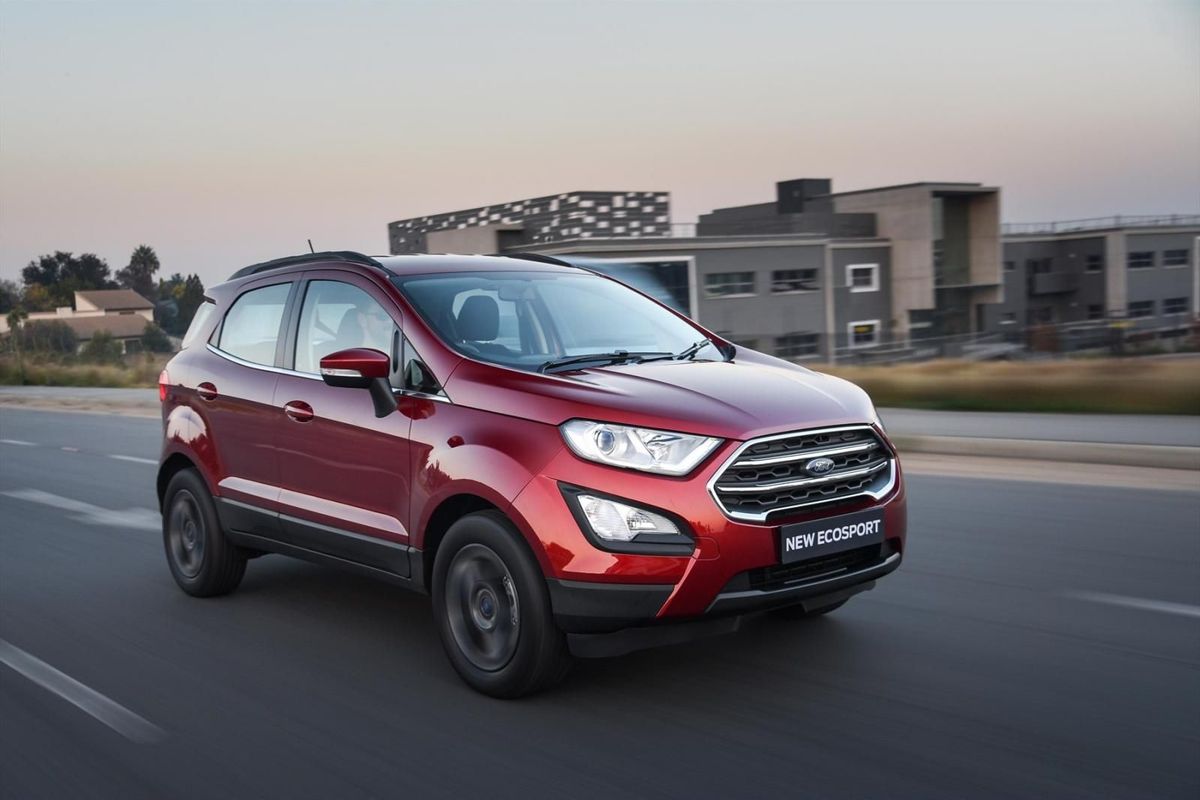
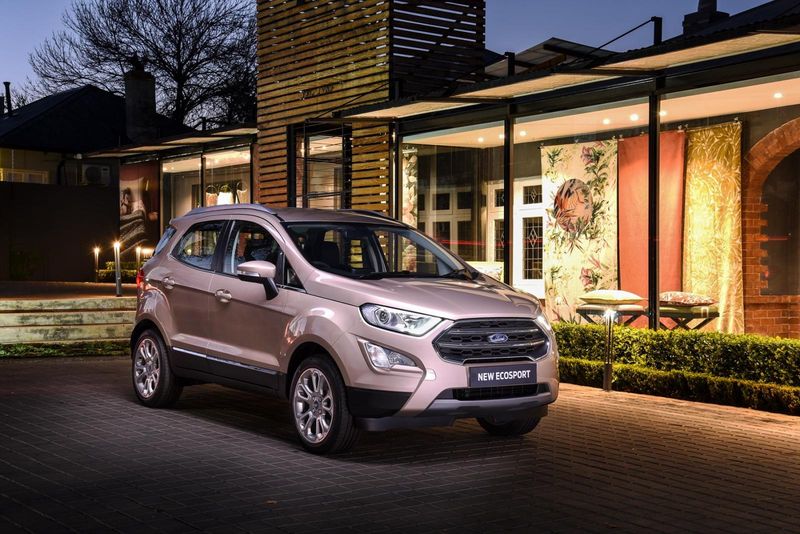
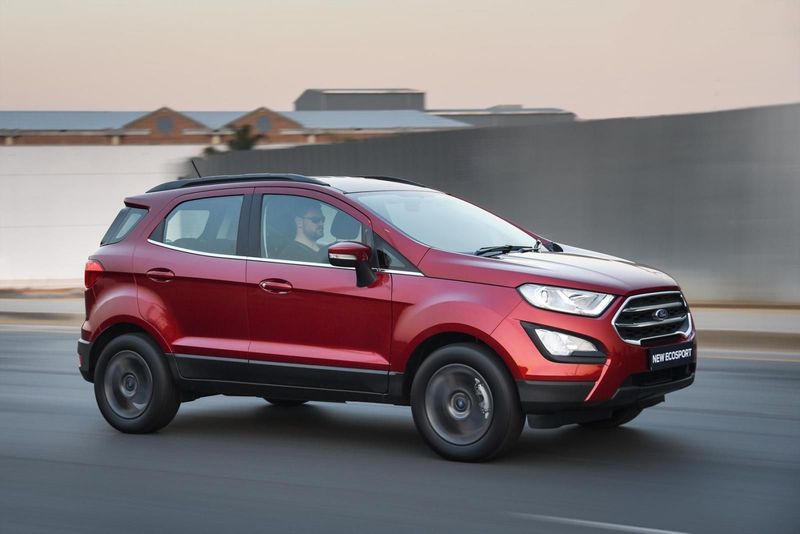
Although the EcoSport's styling has always been inoffensive, the more grown-up and overtly-SUV styling cues are welcome.

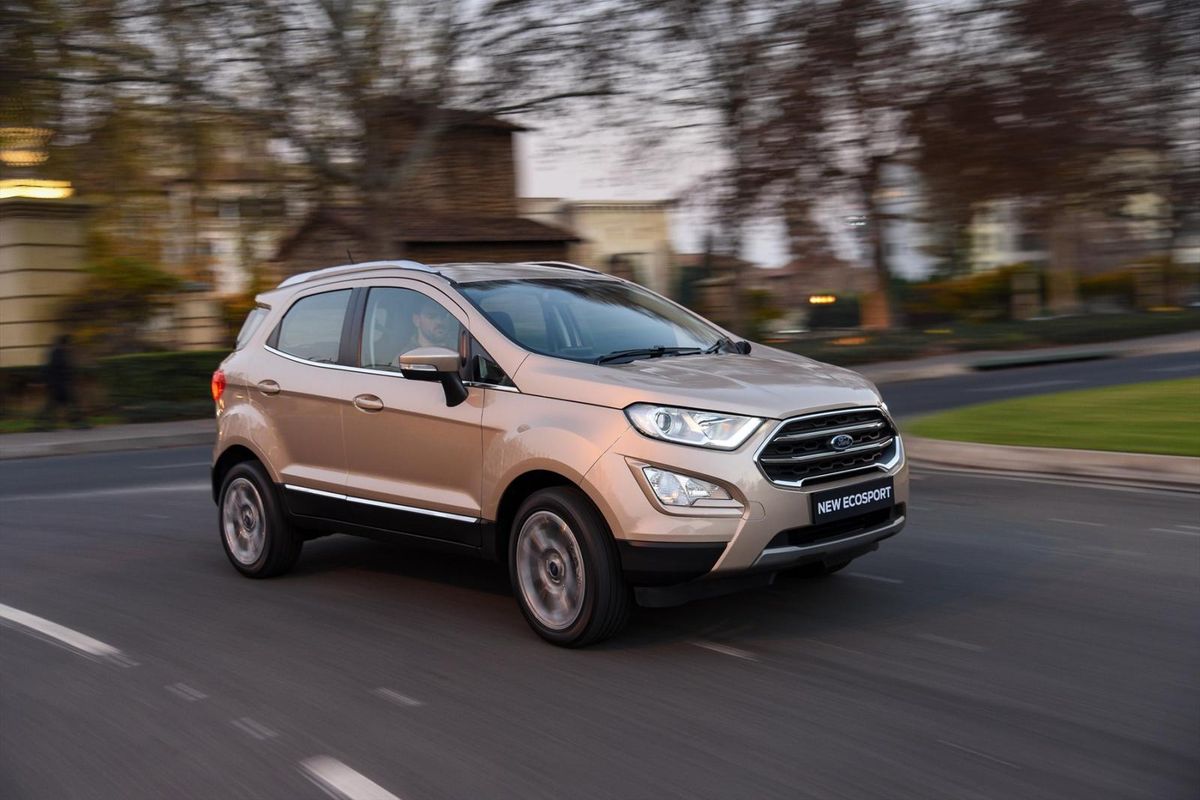
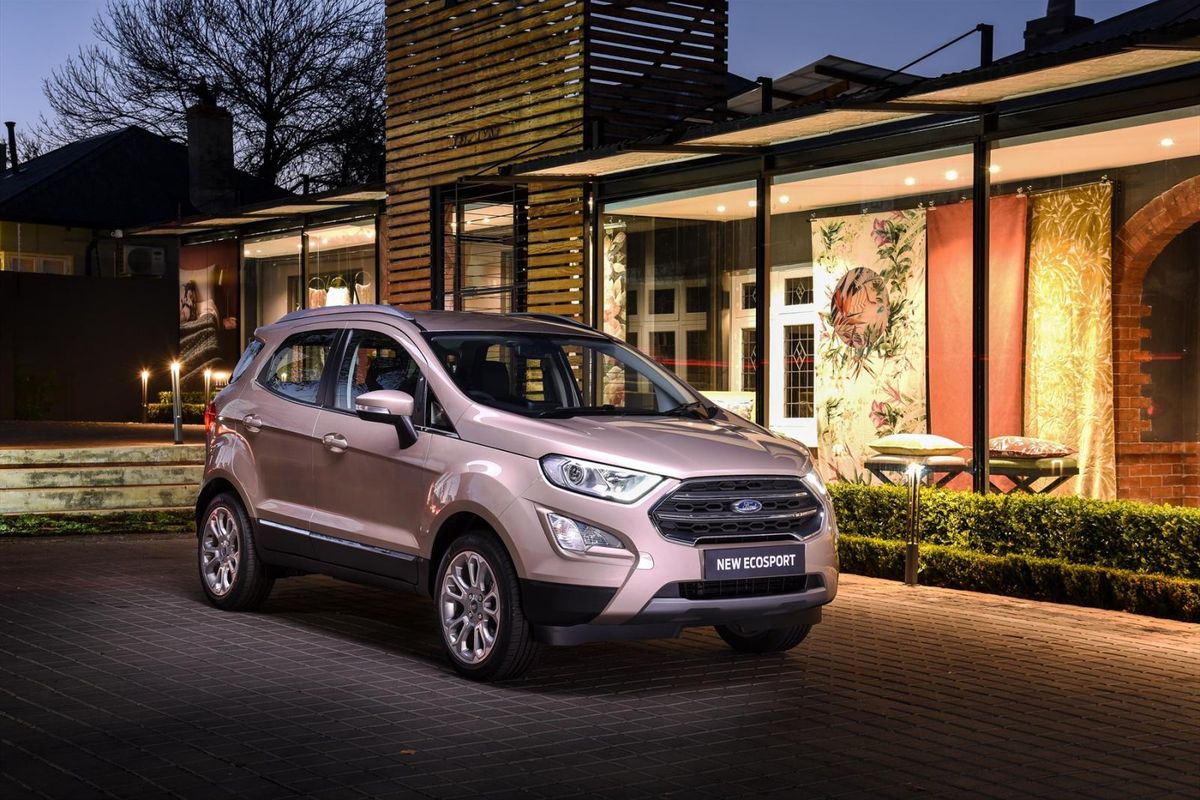
The first thing you may notice is that the latest iteration of the EcoSport features a new look; we think its exterior execution is bolder and more assertive than the previous iteration.

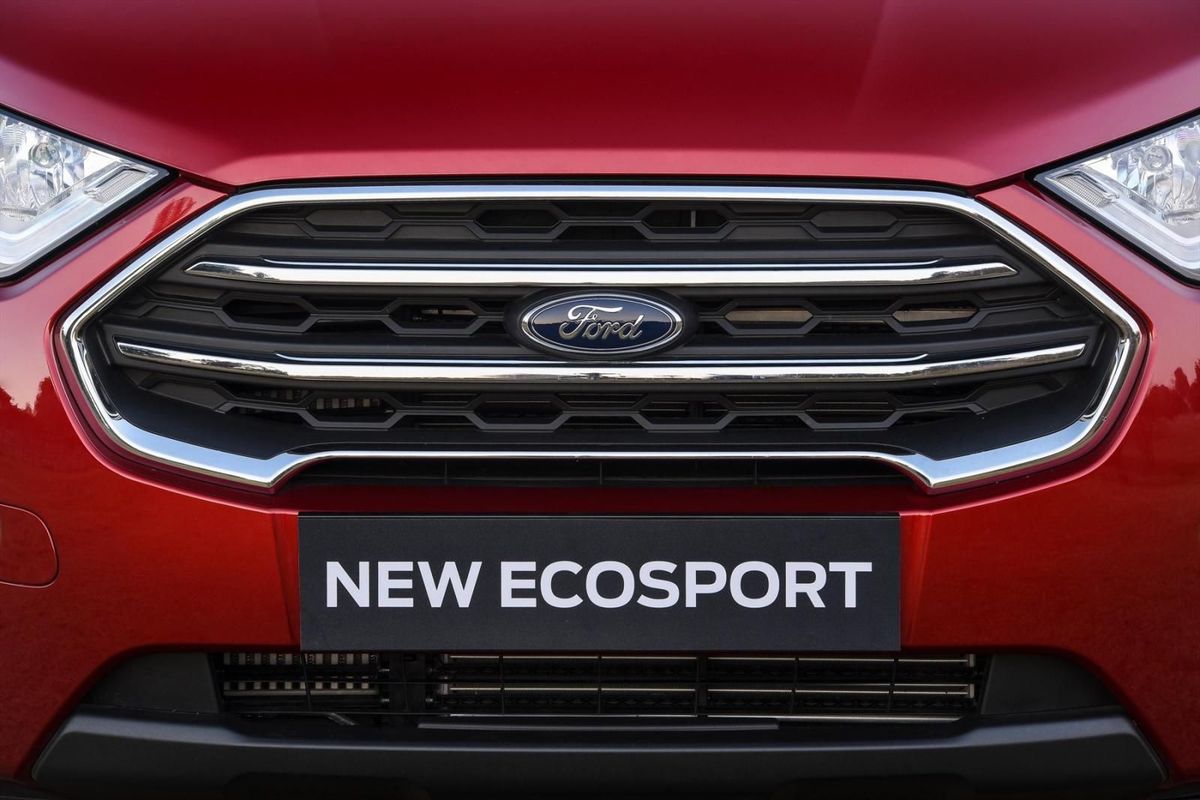
Ford has incorporated styling cues from its larger Kuga family SUV: the front-end is now dominated by a large trapezoidal grille and flanked by angular headlights with integrated LED daytime running lights. The rear features a revised bumper and tail light clusters.

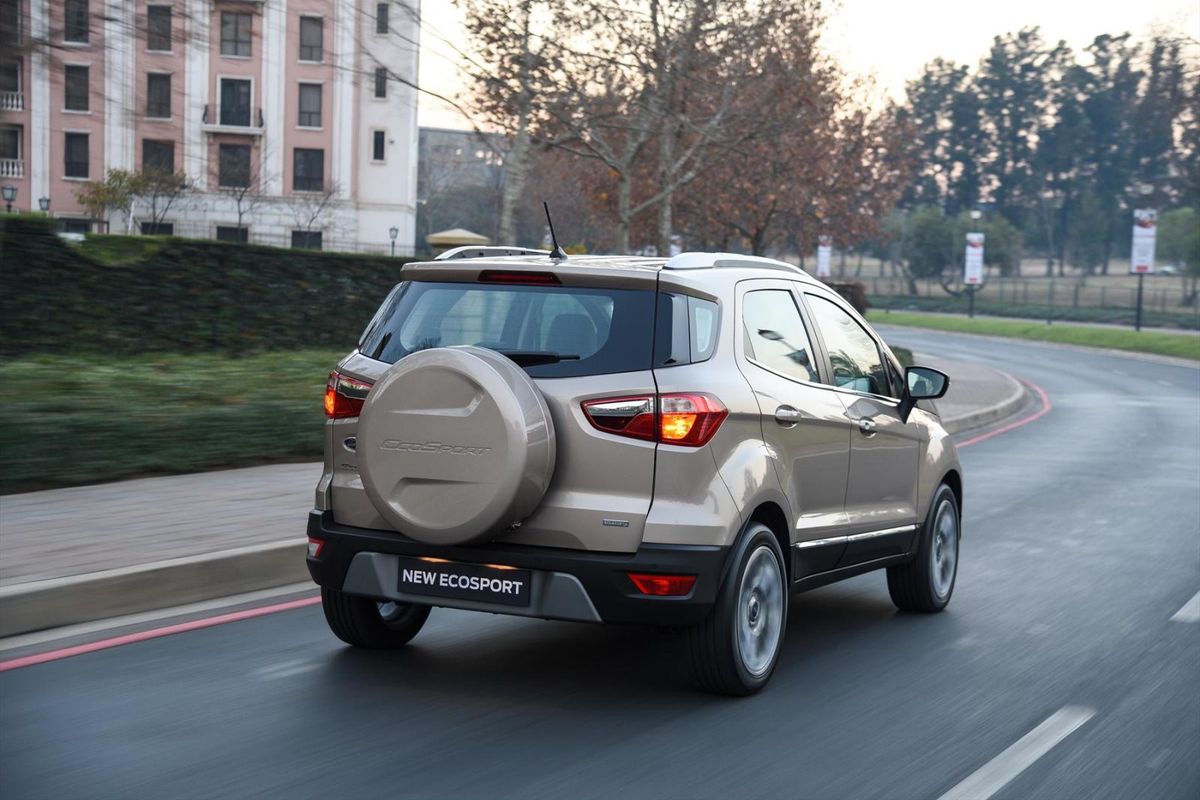
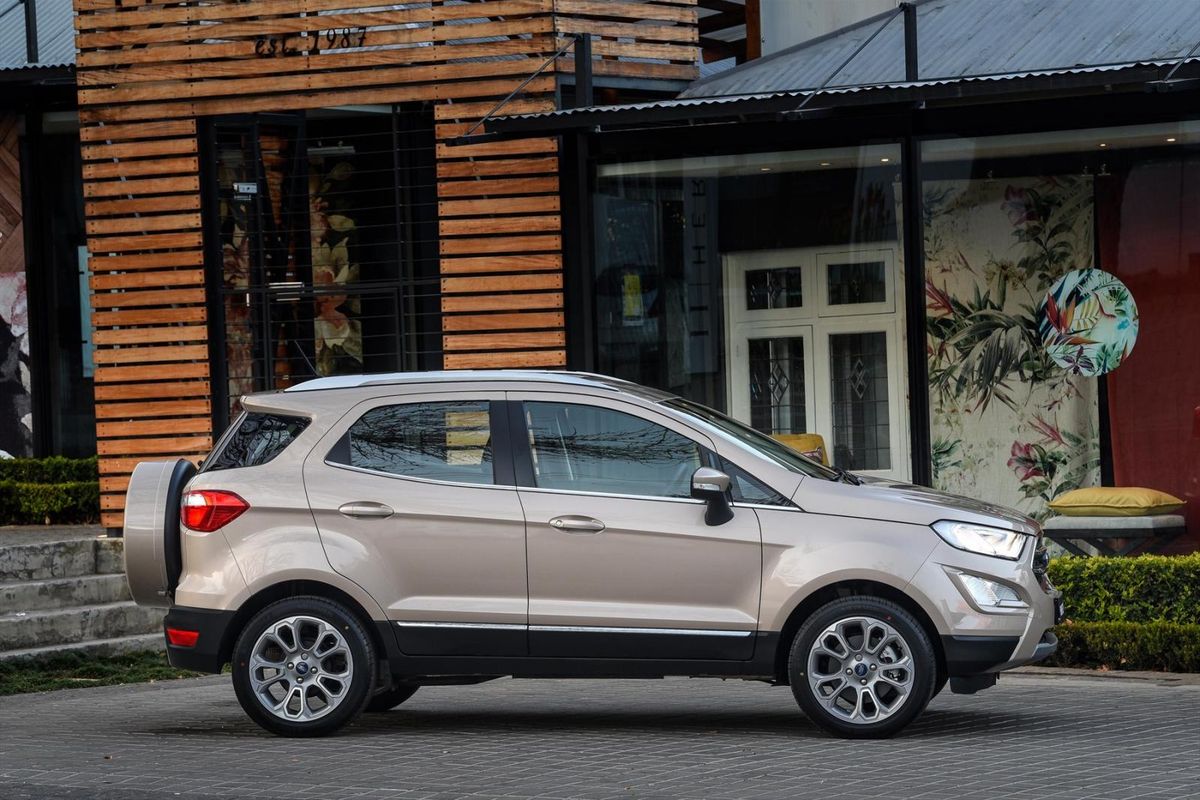
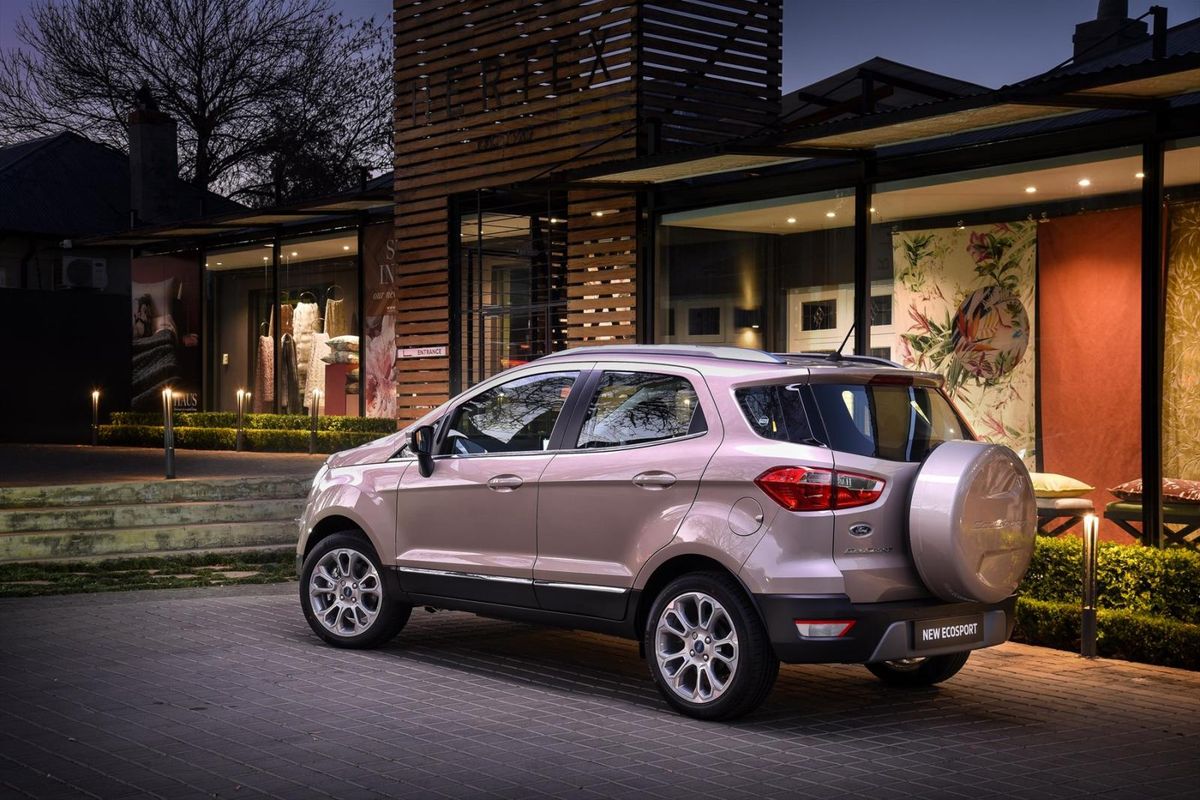
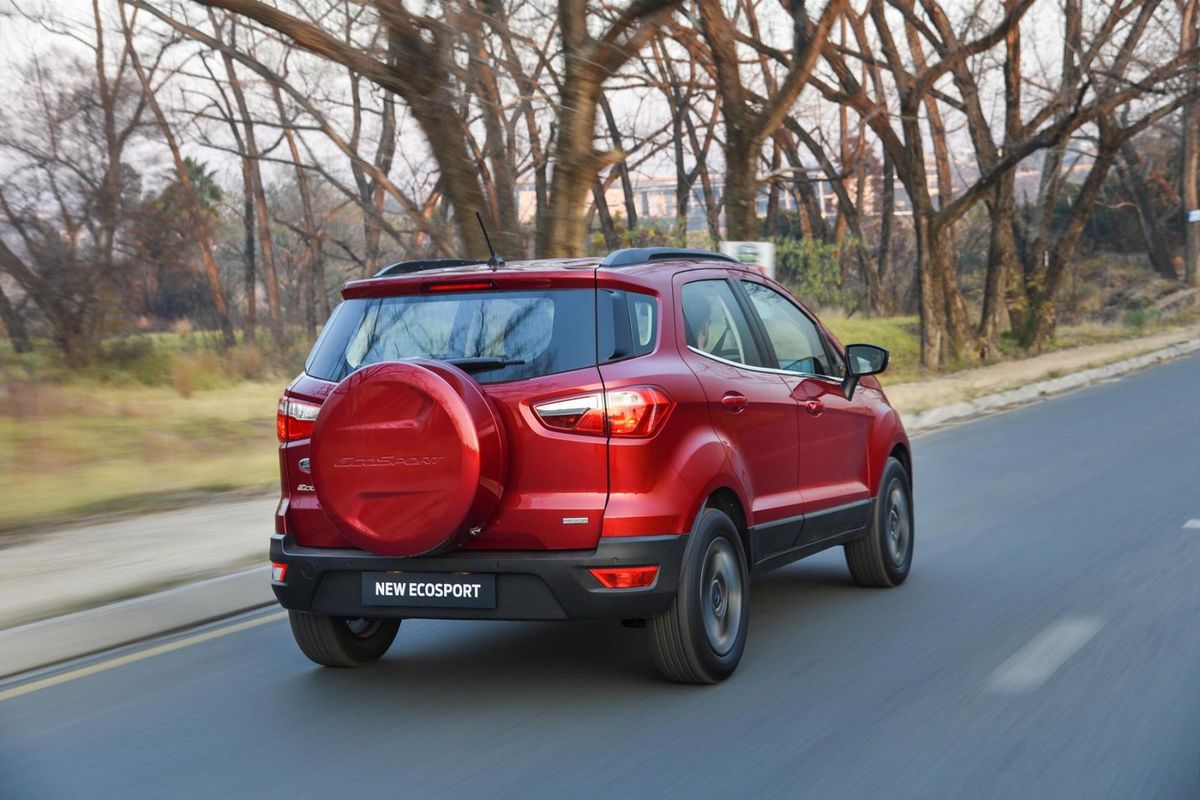
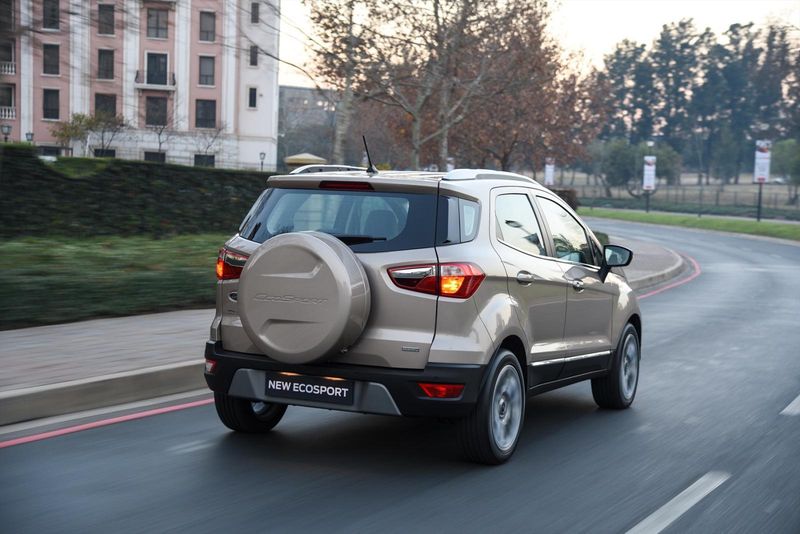
Buyers have the choice of 7 exterior colours across 3 trim levels including Ambiente, Trend and Titanium. Wheel designs include 5-spoke, 16-inch alloys finished in gunmetal grey on the Trend, while 17-inch alloys are fitted to Titanium derivatives. The entry-level Ambiente derivative wears 16-inch steel wheels with wheel covers. Note that the EcoSport also has a full-size spare wheel attached to the tailgate. 


Local versions of the EcoSport feature the characteristic spare-wheel-on-the-tailgate look.

Interior design

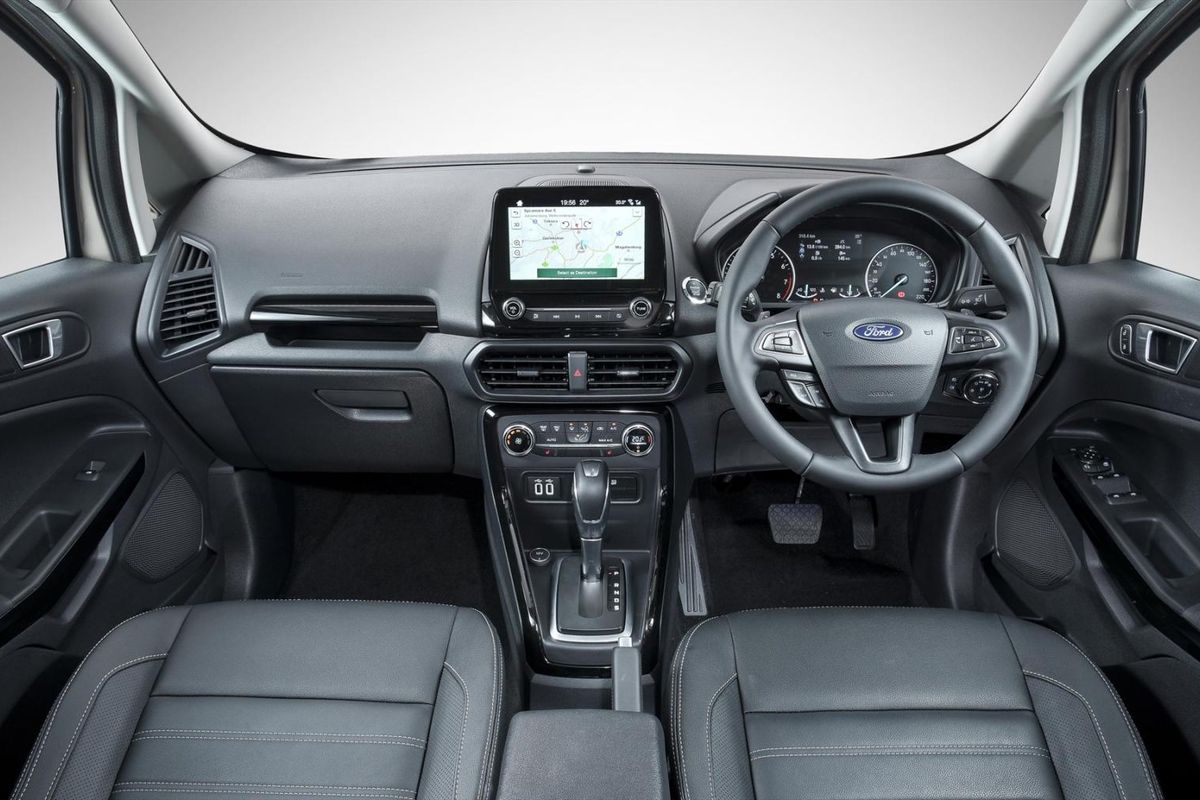
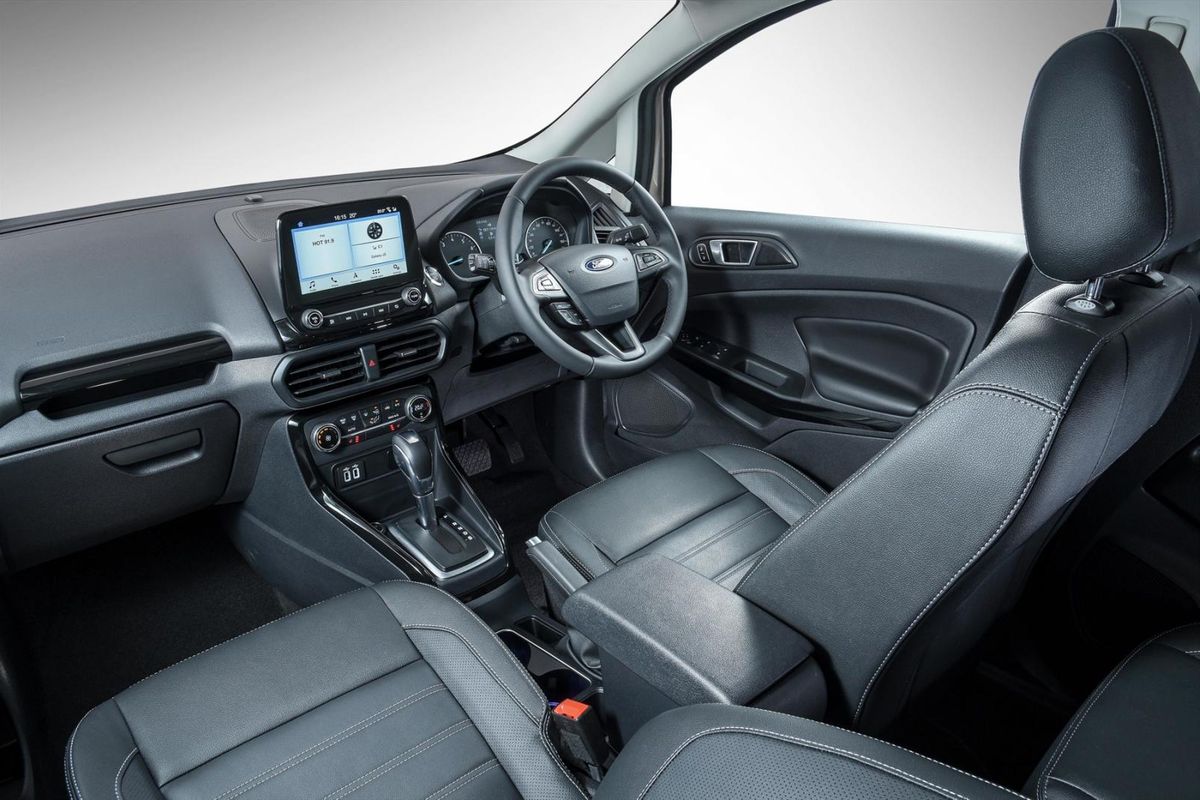
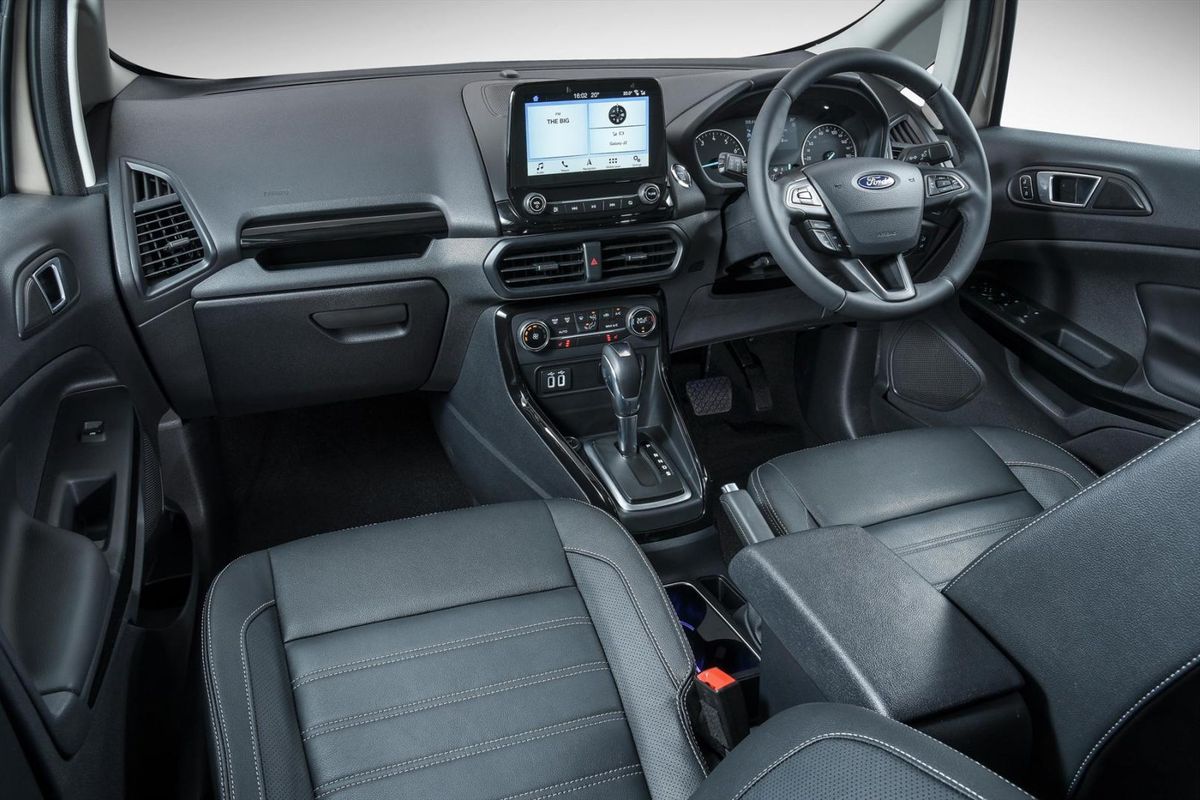
Ford has introduced major improvements to the EcoSport’s interior, which draws inspiration from the all-new Fiesta which was also recently launched in South Africa. The biggest revision is that the plastic-dominated, somewhat clumsy interior of the outgoing EcoSport has been replaced.

To put it plainly: the interior overhaul is a breath of fresh air for the EcoSport. The soft-touch dashboard and newly designed fascia (with far fewer buttons than before) contribute to a cleaner, neater look overall and comfort has been enhanced with newly designed seats which are wrapped in leather if you opt for the Titanium derivatives. 


Ford's top-selling compact family car now sports a much more modern interior, replete with a raft of connectivity features.

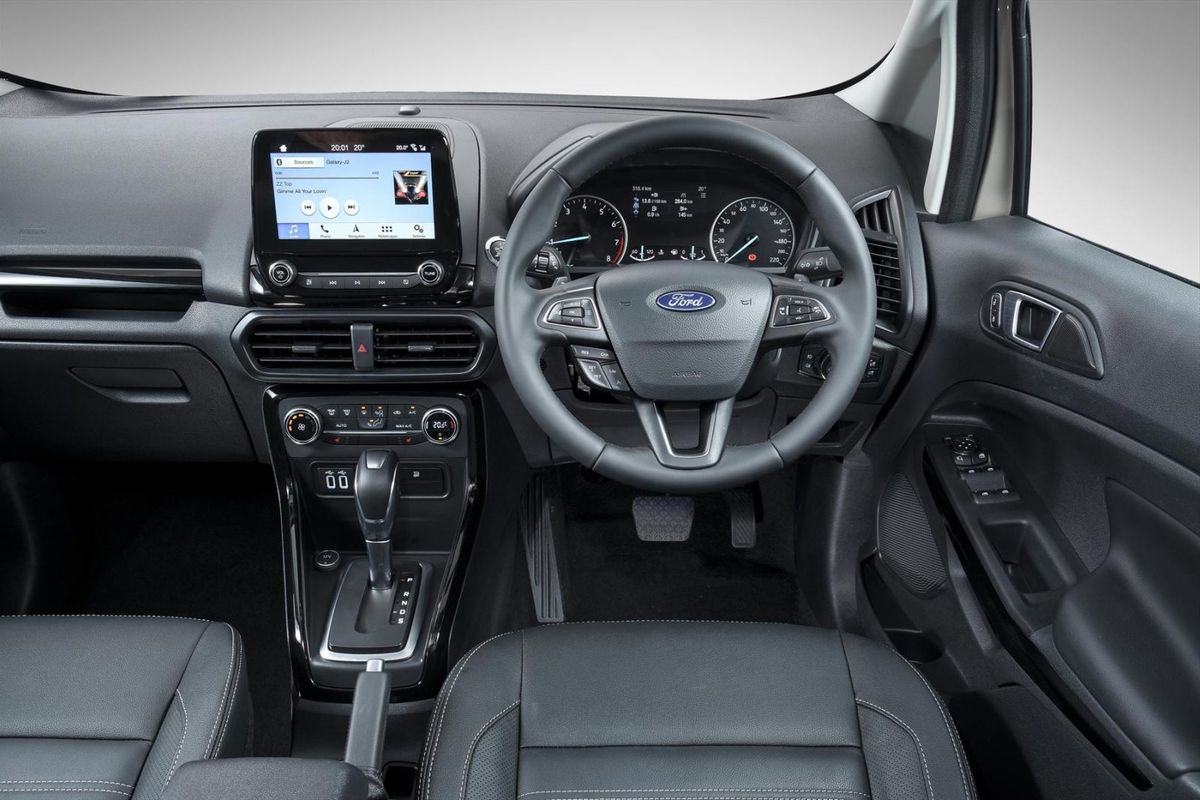
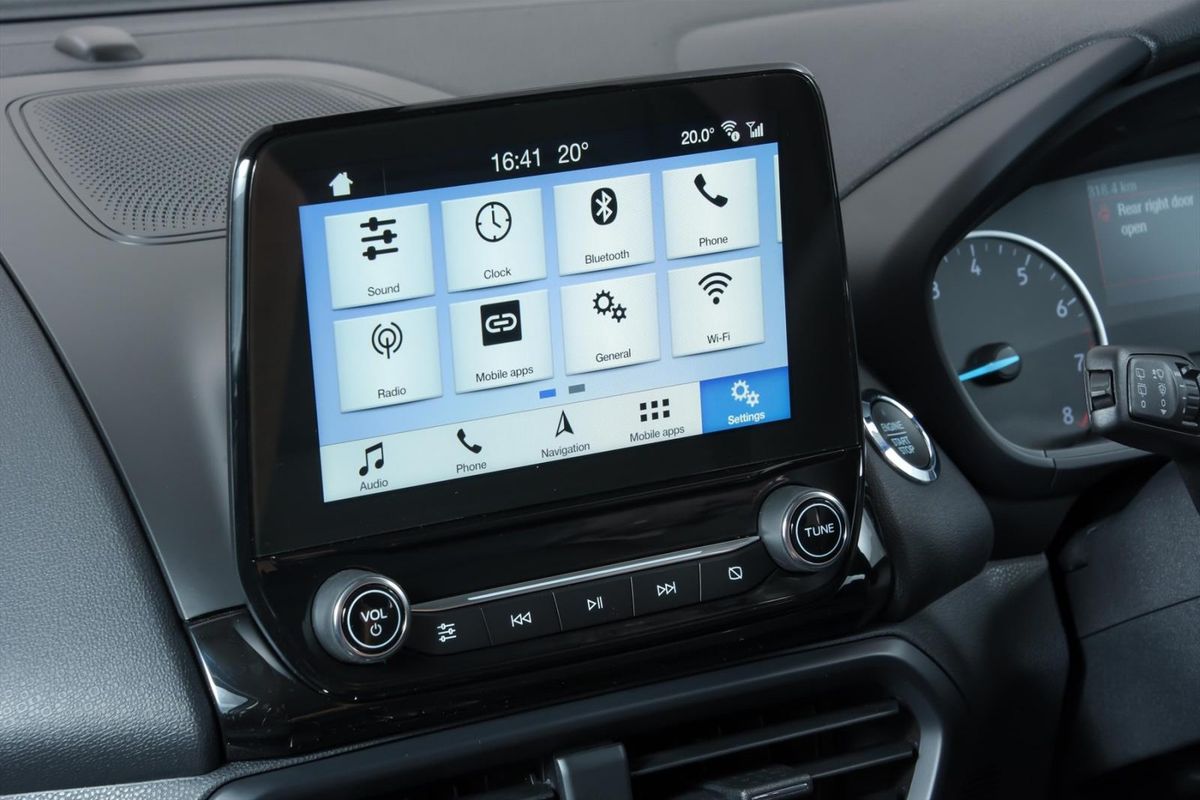
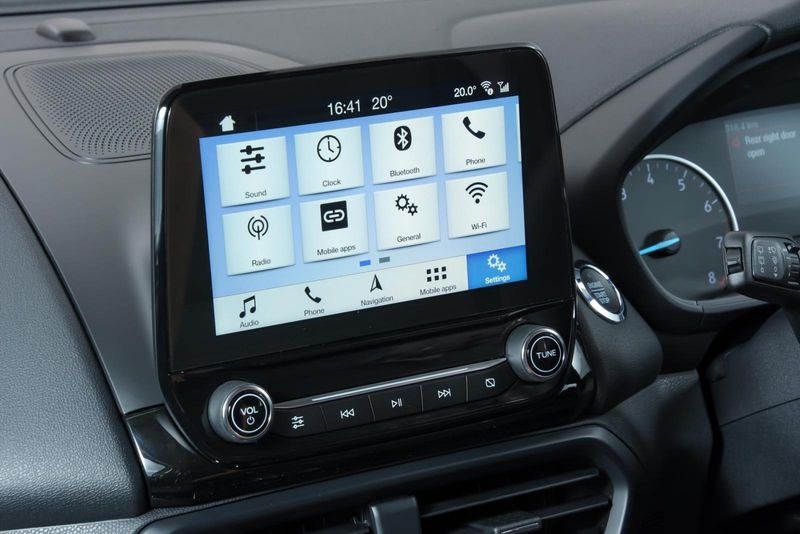
Perhaps the most significant improvement to the EcoSport’s interior is the inclusion of SYNC3 on Trend and Titanium (with navigation) derivatives, which is accessed via a new 8-inch colour touchscreen mounted on the dashboard (Titanium). A 6.5-inch touchscreen is offered on mid-grade Trend derivatives while a simpler 4.2-inch screen with first-generation SYNC will be offered on base models.

The SYNC3 system incorporates pinch and swipe functionality, much like a smartphone and is Bluetooth-enabled, while also being compatible with Apple CarPlay and Android Auto. Prospective buyers will be happy to know that 2 USB ports are provided.

Features such as cruise control and adjustable speed limiter are offered on Titanium derivatives and all EcoSport models now feature rear parking sensors. 

 
A new 8-inch touchscreen is a highlight and features SYNC3 with navigation, Bluetooth, voice control and Apple CarPlay and AndroidAuto functionality.
 

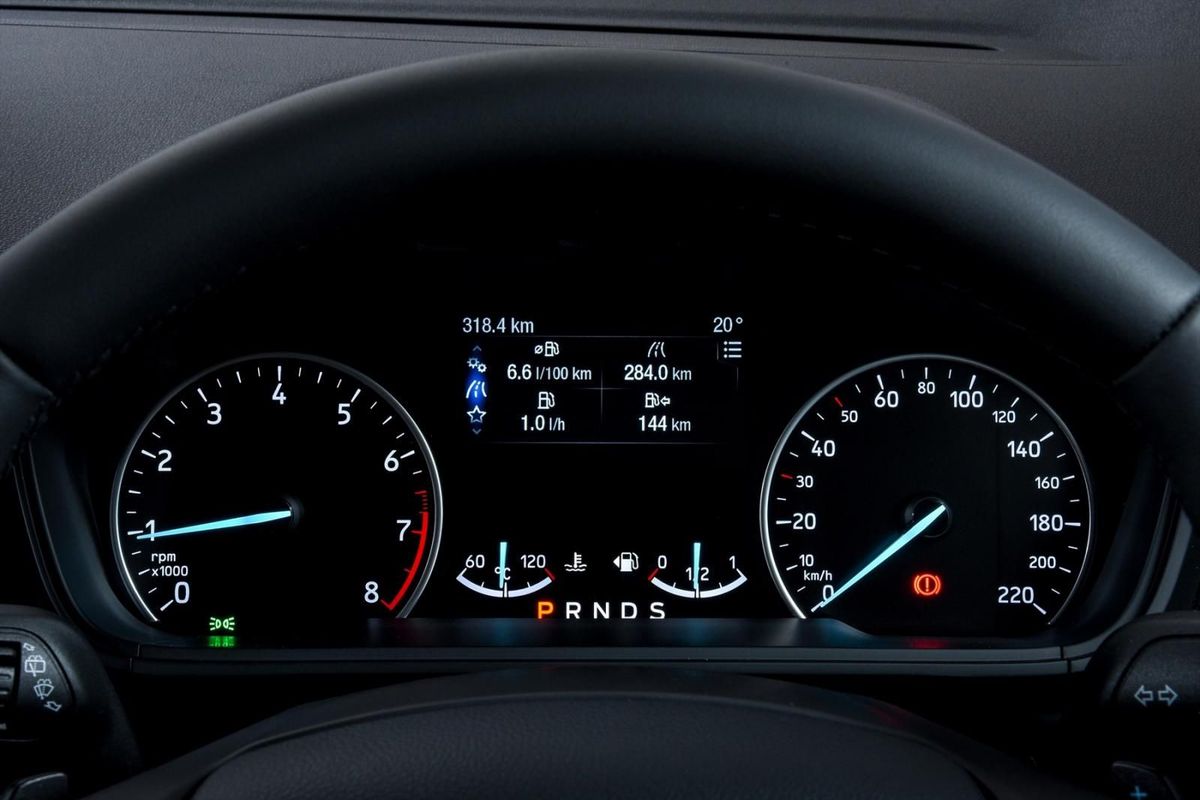
Other notable features include a new 4.2-inch instrument cluster (Titanium) and electrically-folding mirrors while active safety features have been beefed up with Electronic Stability Control with traction control, Roll Stability Control, Hill Launch Assist and tyre pressure monitoring. A total of 7 airbags are fitted as standard on Trend and Titanium derivatives while the Ambiente gets 6 airbags, sans a driver's knee airbag.

The luggage bay capacity has also improved with a height-adjustable floor that increases space to 334 litres. The floor is made from recycled material with honeycomb construction that can withstand weight up to 300 kg. With the 60/40 rear seats folded down, space increases to a useful 1 238 litres.

Engine choice


Ford's acclaimed 1.0-litre EcoBoost engine forms the backbone of the EcoSport range. A 1.5-litre turbodiesel is also in the mix.

A total of 3 engines power the EcoSport in South Africa. A new 3-cylinder, 1.5-litre petrol engine now serves as the entry point to the EcoSport range with 91 kW and 150 Nm of torque and comes mated with a 5-speed manual transmission.   A 3-cylinder 1.0-litre Ecoboost petrol engine with 92 kW/170 Nm of torque is also available with a fuel consumption claimed at 5.8 L/100 km. In Trend and Titanium trim, buyers can choose between a 6-speed manual or a 6-speed automatic transmission. 

There's also a 1.5-litre turbodiesel engine with peak outputs of 74 kW and 205 Nm on offer with a claimed fuel consumption figure of 4.6 L/100 km. This engine is offered in Ambiente trim and is mated to a 5-speed manual transmission. 

Watch our video review of the Ford EcoSport below!


Ford EcoSport – Price in SA

Ecosport 1.5 Ti-VCT Ambiente 5MT – R254 950

EcoSport 1.5 TDCi Ambiente 5MT – R267 500

EcoSport 1.0 EcoBoost Trend 6MT – R293 500

EcoSport 1.0 EcoBoost Trend 6AT – R306 900

EcoSport 1.0 EcoBoost Titanium 6MT – R334 500

EcoSport 1.0 EcoBoost Titanium 6AT – R346 900

All models come standard with a 4-year/120 000km warranty, 4-year/60 000km service plan, 3-year/unlimited distance roadside assistance and 5-year/unlimited km corrosion warranty.

Interested in buying a Ford Ecosport?

Find a used Ford EcoSport for sale here

Related Content

Ford EcoSport (2018) Launch Review

Ford EcoSport 1.0T Trend Auto (2018) Quick Review

Best Compact Family Cars in SA: #CarsAwards Finalists

Ford Figo (2018) Launch Review

Comparative Review: Ford Fiesta vs Volkswagen Polo (2018) [w/video]


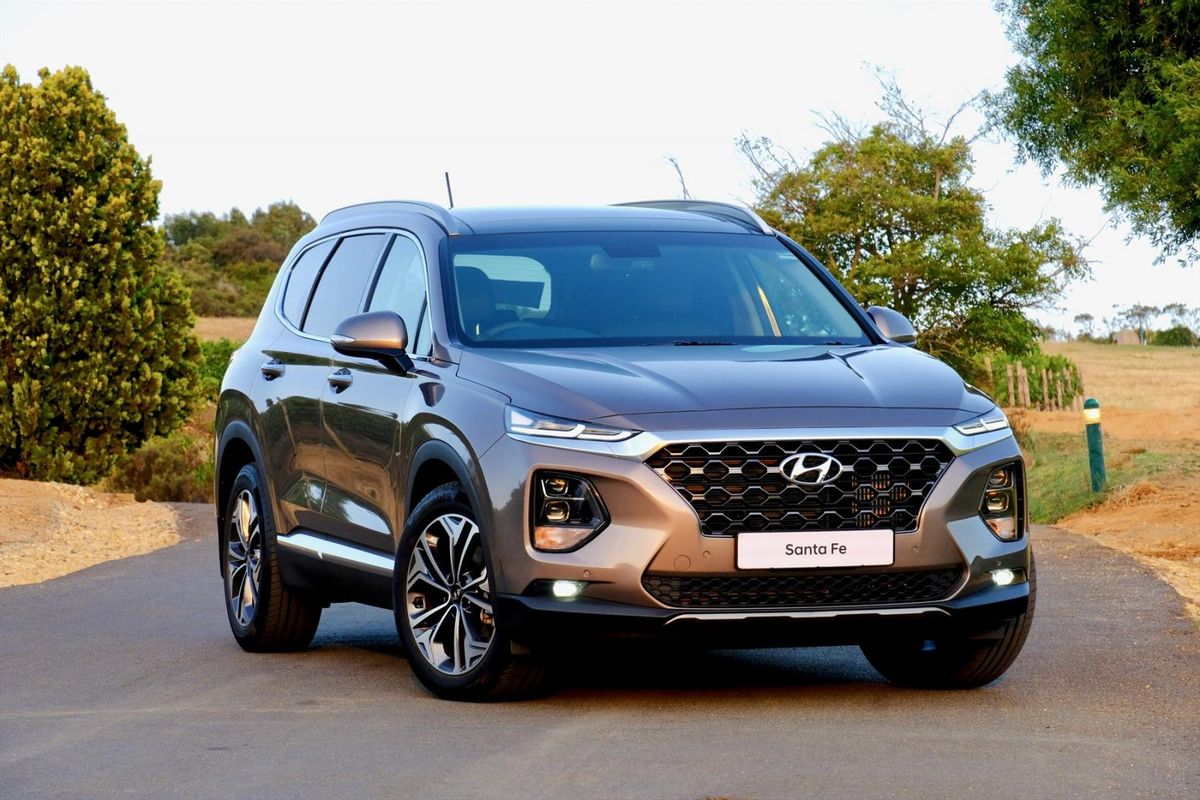
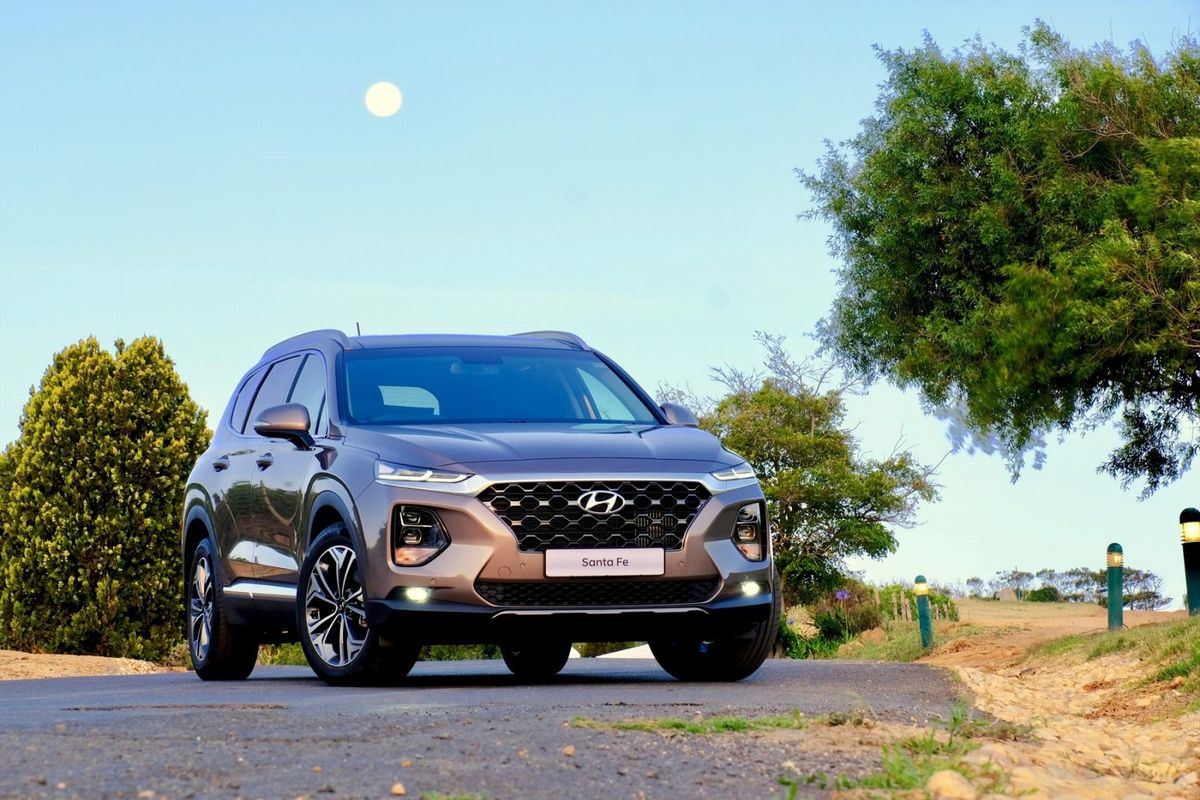
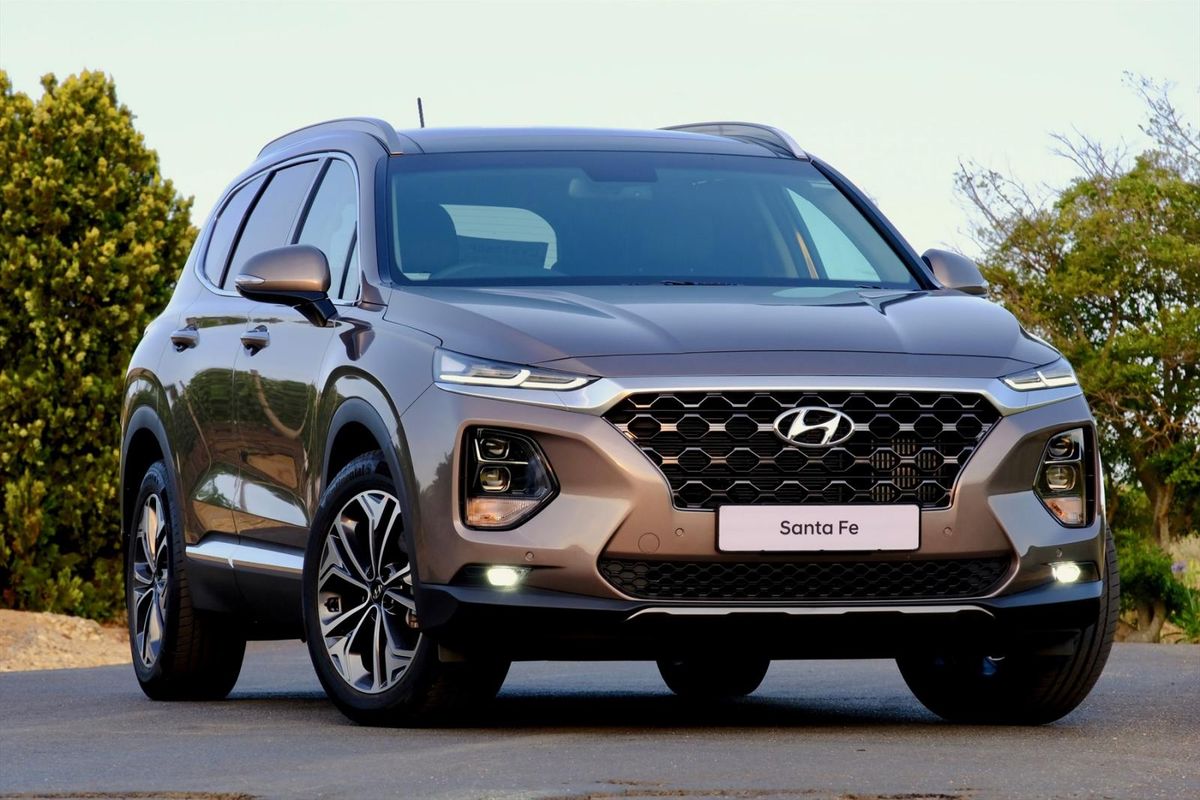
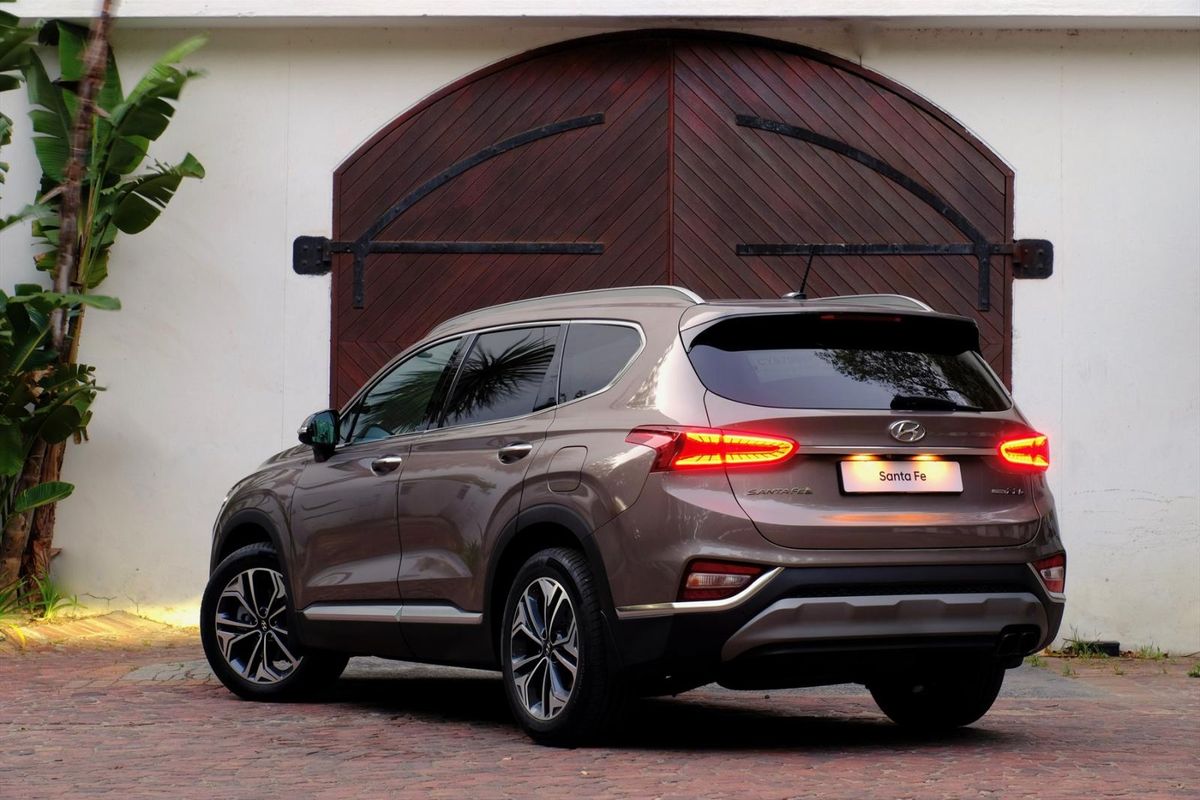
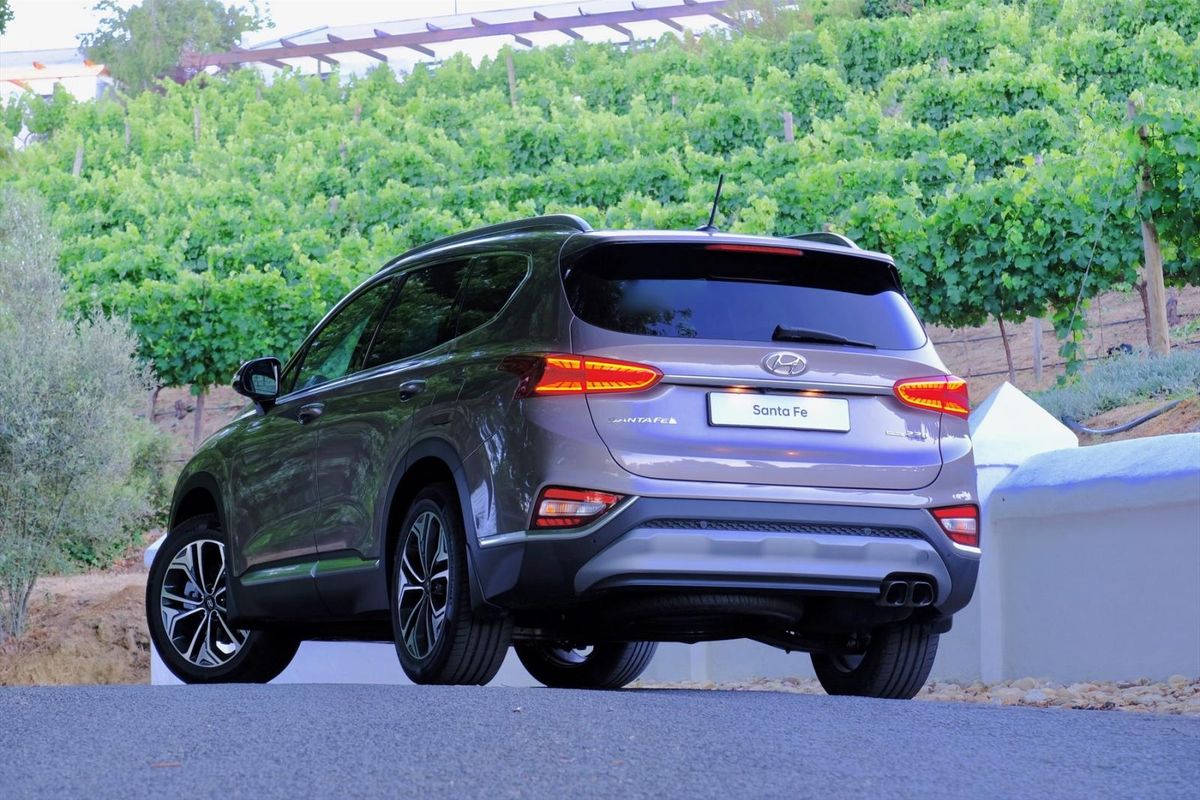
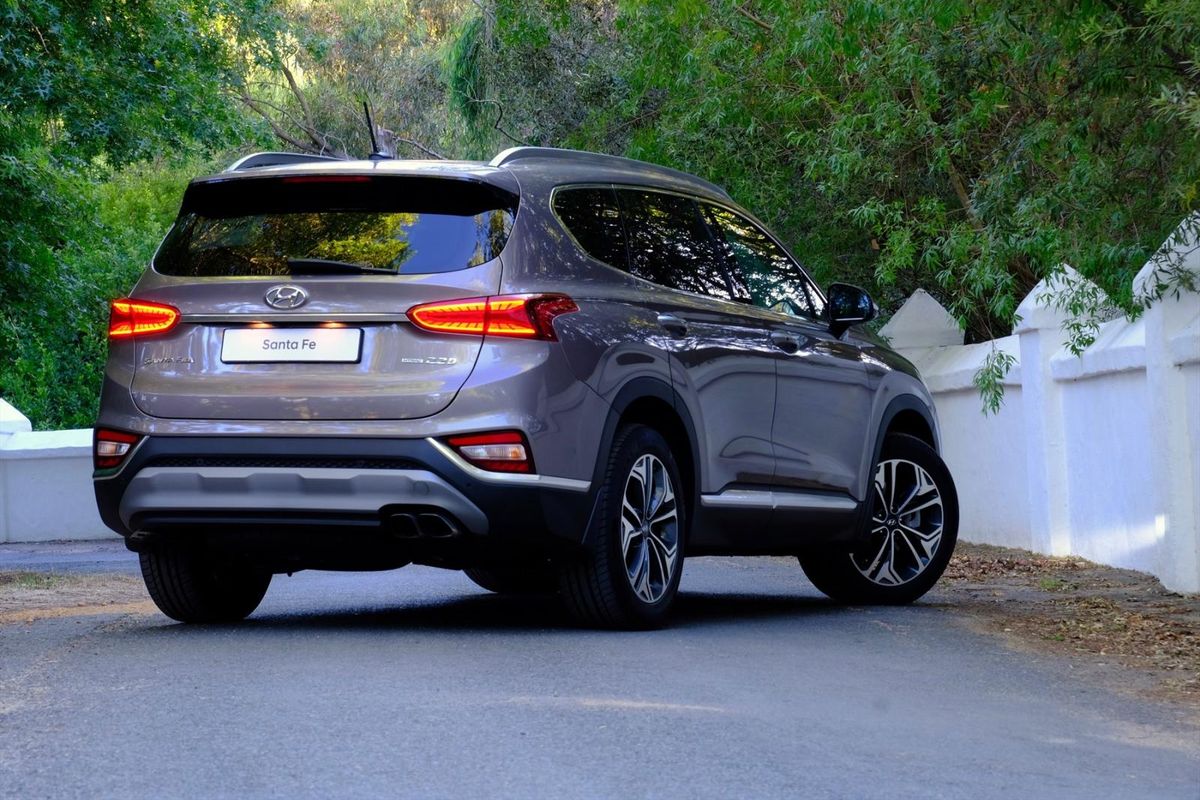
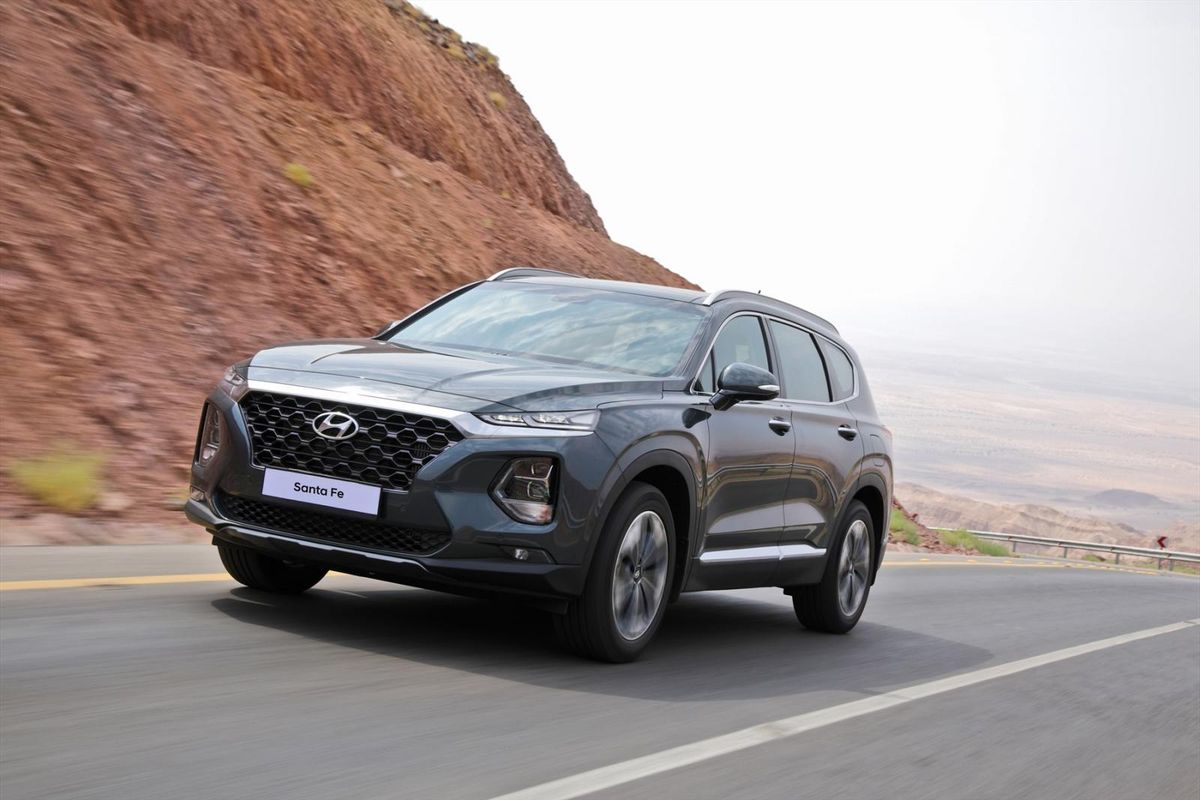
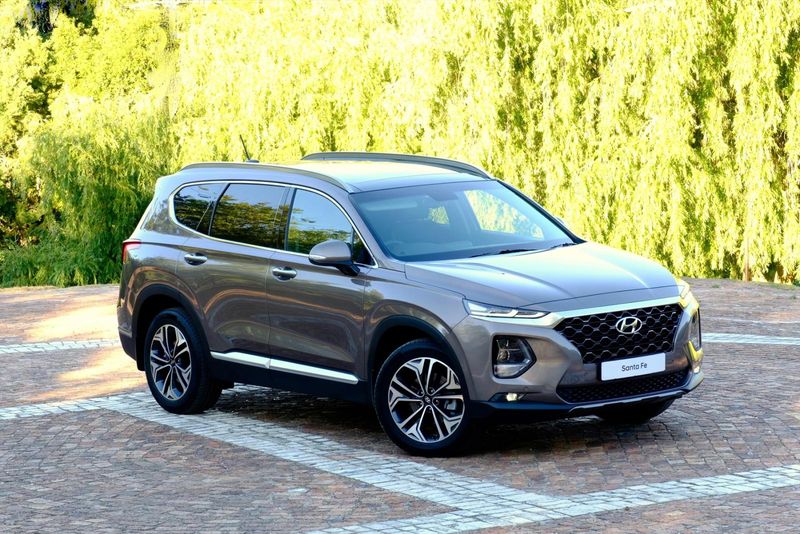
Hyundai Santa Fe (2018) Launch Review

Hyundai South Africa adds the final piece of its 4-pronged SUV arsenal with the new Santa Fe adventure SUV.

What’s new?

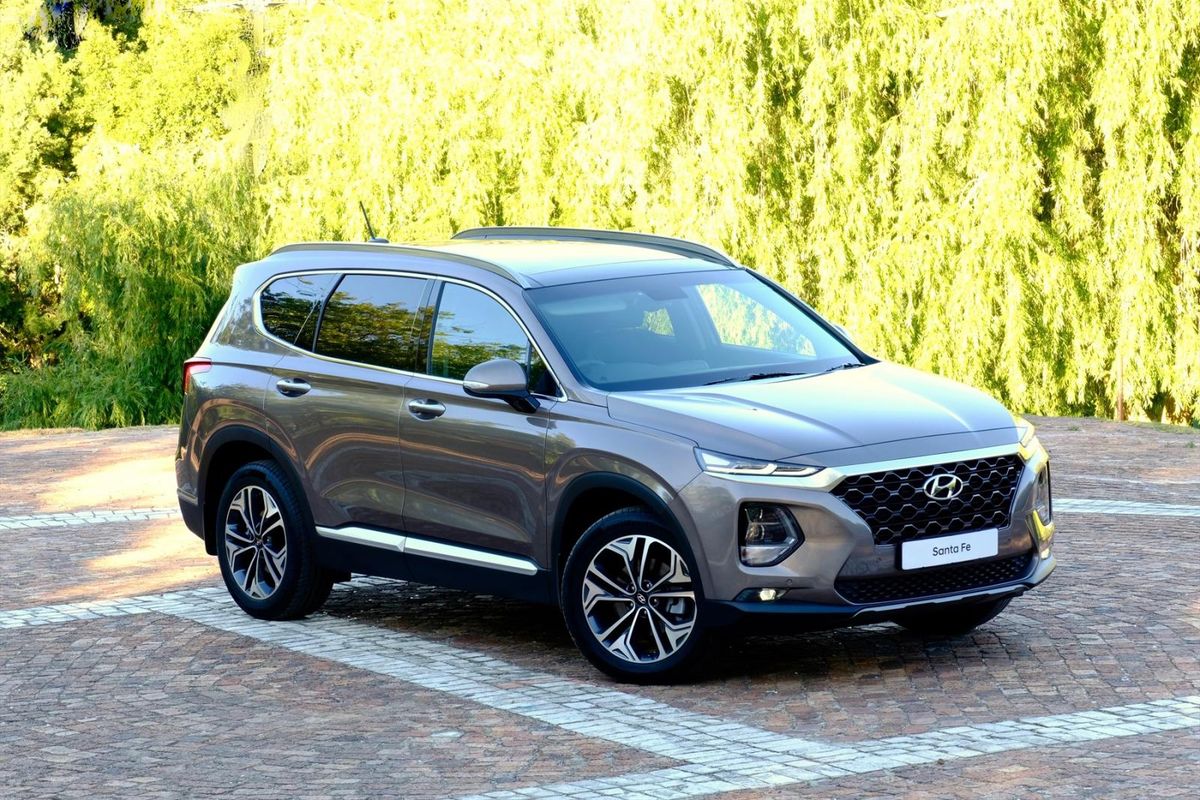
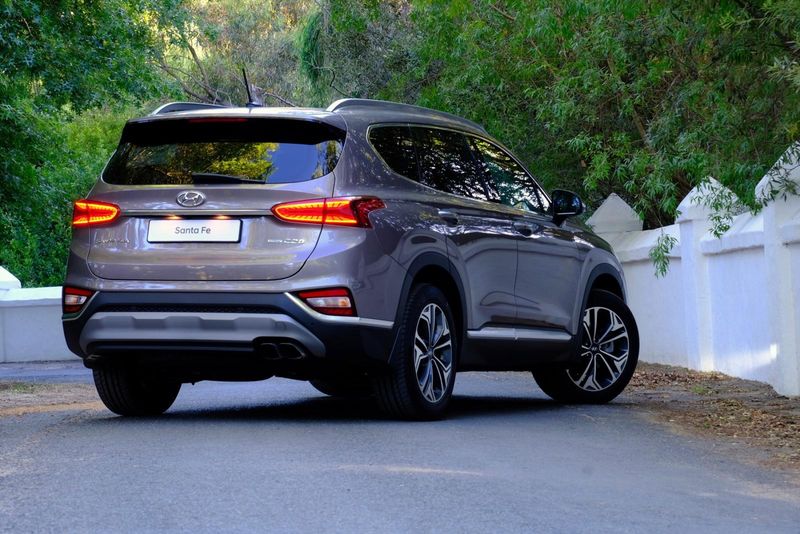
For 2018, the Hyundai Santa Fe is an all-new piece of kit, offering 7 seats and a more refined and family-friendly package. The exterior design is lightly chiselled to feel more modern and keep in touch with Hyundai’s new global styling cues. It’s longer and wider than before and the wheelbase has been extended (slightly) to offer more ride comfort and -stability. Rear-seat flexibility is improved, as is passenger comfort levels in all rows.  

There are more safety features as standard and you get a modern infotainment system up front. So the latest Santa Fe is on par with what you’d expect to see in a new adventure SUV model, but is it any good?

One engine


The old engine is mated to a new 8-speed gearbox.

The 2.2-litre turbodiesel engine is carried over from the previous generation with identical outputs of 142 kW and 440 Nm of torque. There is, however, a new transmission: the old 6-speed automatic has been replaced with a newly developed 8-speed version. The 2 extra forward gears work to provide better acceleration from standstill and under load, but also reduce the revs at freeway speed. The reduced revs are said to improve mechanical noise levels as well as reduce the Santa Fe's fuel consumption.

Thankfully, the new transmission does exactly what it says on the tin, and although we didn’t get to test it with a decent load on board, the Santa Fe accelerates up to speed well and is quite responsive to throttle inputs. At the freeway speed limit, the engine ticks over at under 2 000 rpm, so you can easily expect to beat the claimed fuel consumption figures on longer runs.

As for those consumption figures, it depends on whether you opt for a front-wheel-drive derivative or splurge on the top-spec Elite version, which is equipped with all-wheel-drive. The claimed fuel consumption for the former is 7.8 L/100 km and the latter, 8.2 L/100 km.

Clever practicality

In terms of interior design, Hyundai hasn’t always put practicality at the top of its priority list. The Tucson, for example, requires you to run around from "door to door" in order to drop the rear seats flat. Most contemporary SUVs have buttons in the luggage bay or on the top of the rear backrest (the Tucson, for example, has them on the outside of the bench and they're a pain to use if you’re constantly folding and lifting the back row.


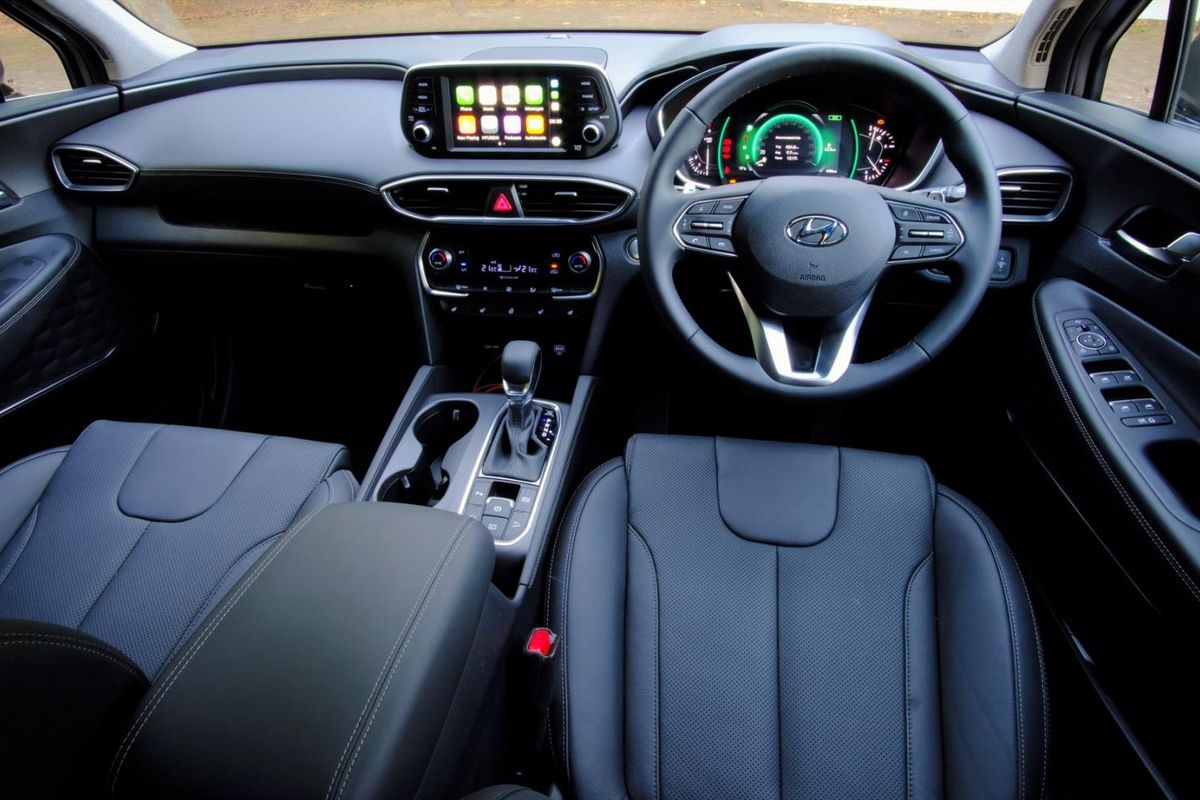
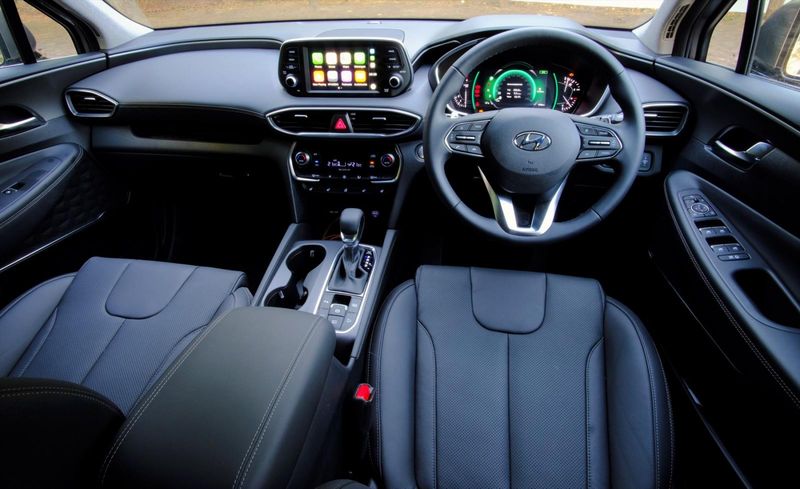
All versions get a 7-inch touchscreen infotainment system and the top-spec Elite gets a digital instrument cluster.

However, the designers behind the Santa Fe have been more thoughtful and installed a 1-touch button that electrically slides the 2nd row forward and folds it for you to make access to the 3rd row easier than ever. Luggage space, meanwhile, has been improved by 5 litres in 7-seater mode to 130 litres and 31 litres in 5-seater mode to 547 litres. With all the seats folded, there’s a commodious total loading space of 1 625 litres.

The biggest improvement, in terms of comfort, is the provision of more space for 3rd-row occupants. There is an extra 127 mm of legroom in the back and an extra 190 mm of headroom. Hyundai has also increased the length of the rear window so that the rear-most passengers can have a bit more of a view of the outside world… it will probably make them less prone to car-sickness too…

Feature packed

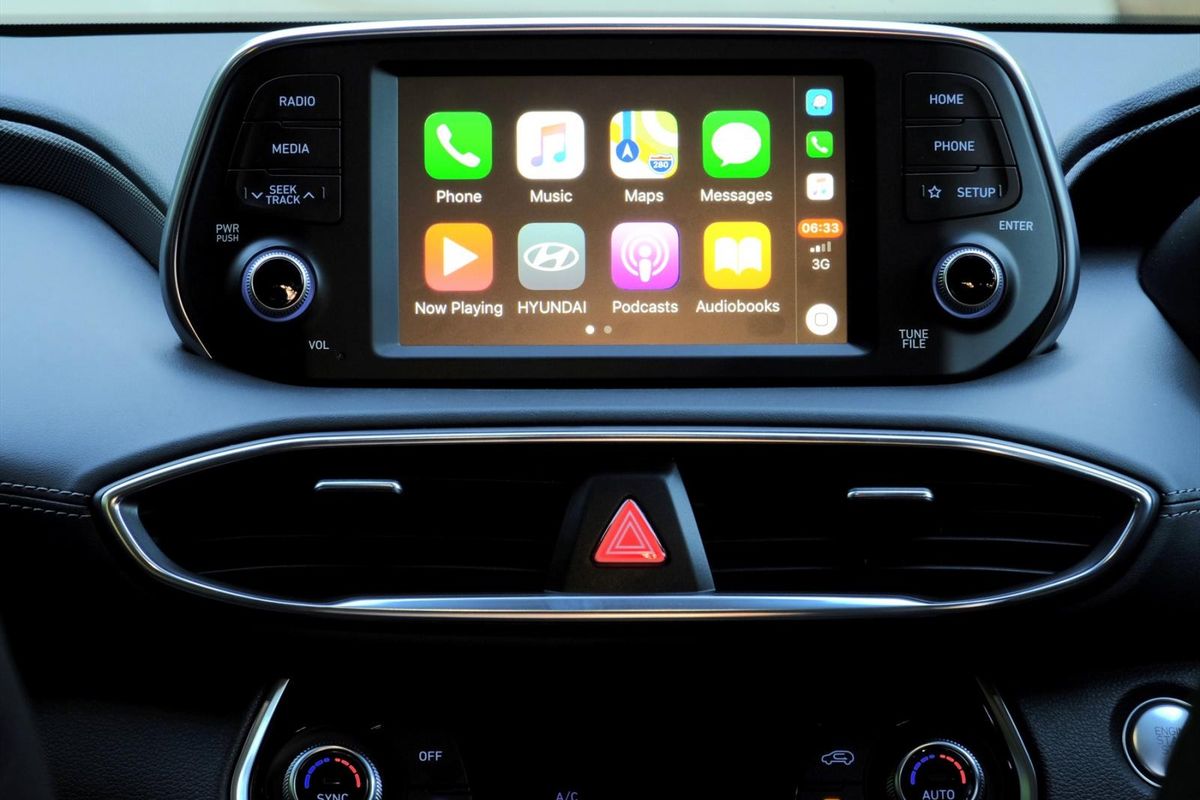
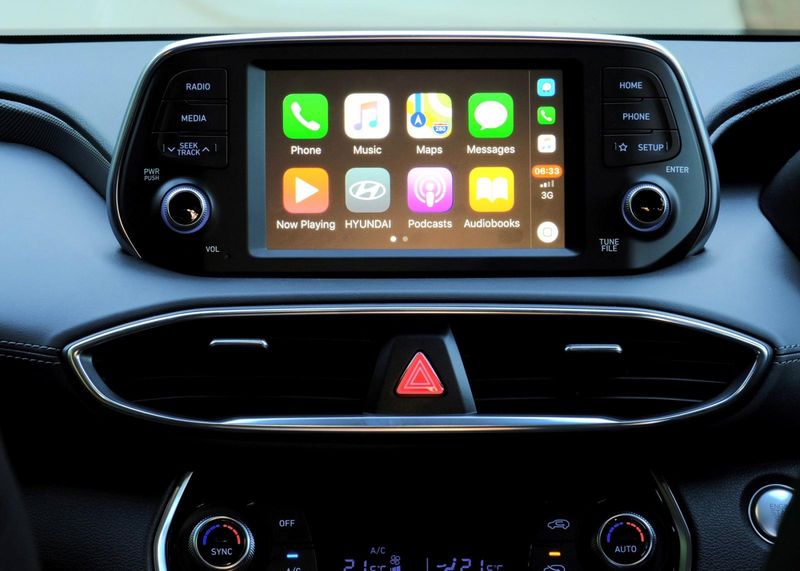
Sales of the previous-generation Santa Fe didn’t quite meet Hyundai SA's expectations, so this new model has been packed with additional standard features to present a better value propositions overall. All derivatives come with the 7-inch infotainment system that’s Android Auto- and Apple Carplay compatible. The system also doubles as your reverse-view camera and PDC monitor. The top-spec Elite gets front sensors too.

The entry-level premium derivative is a bit basic on the inside, aside from the upgraded infotainment system and leather trim. You do also get 2 rear USB ports as standard across the range, which is a nice touch.


Apple Carplay and Android Auto are supported on the new Santa Fe.

With the Premium and Elite derivatives, Hyundai SA cranks up the spec levels nicely and with it, of course, the price. Some of the nice-to-haves on those versions include electric seats, electric tailgate, LED lights and cross-traffic alert when reversing out of parking spots.

Along with the all-wheel-drive, the Elite derivative has a digital instrument cluster that changes colour as you toggle through the drive modes. It’s a very clear and easy to read cluster. There are also paddle shifters on this version, but I’ve never seen the necessity for them on a family SUV.

Safe

The Santa Fe scores 5-stars on Euro NCAP and Australian "NCAP" (ACAP), although we await the published results to see how well it does in each facet of the test. Stability control is standard across the range, as is hill-start assist. Premium and Elite derivatives get the Safe Exit system that stops passengers from opening the doors into traffic (remember the Hyundai TV advert during the Fifa World Cup? It's that feature).

Summary


A better looking and more comfortable 7-seater than the more common rivals.

That Santa Fe incorporates improvements across the board. The engine and transmission work well together and the ride comfort, noise and vibration levels are excellent. The cabin is neatly styled and feels upmarket and well-built. Modern features are installed and overall, the Hyundai offers excellent specification for a family that needs 7 seats. It’s not as off-road biased as many of the competitors such as the Fortuner, Everest and Discovery Sport, but if you only plan on tackling the odd dirt road, it’s more than capable and has respectable ground clearance for that purpose.

Pricing still remains a sore point for the Santa Fe as most buyers in this segment seem willing to forgo the ride comfort and practicality offered by a unibody design in favour of the additional off-road ability that bakkie-based products have. The Santa Fe’s fuel-efficient engine and refined 'box play into its favour, but we’ll have to see if buyers can be tempted out of their beloved Fortuners and Everests in favour of the big Korean SUV.

Pricing in South Africa

R2.2 Premium AT R599 900

R2.2 Executive AT R659 900

R2.2 Elite AT H Trac R749 900

Related content:

Kia Sorento (2018) Specs & Price

Kia Grand Sedona (2018) Launch Review

Comparative Review: Ford Everest 3.2 4×4 XLT vs Toyota Fortuner 2.8 GD-6 4×4 6At

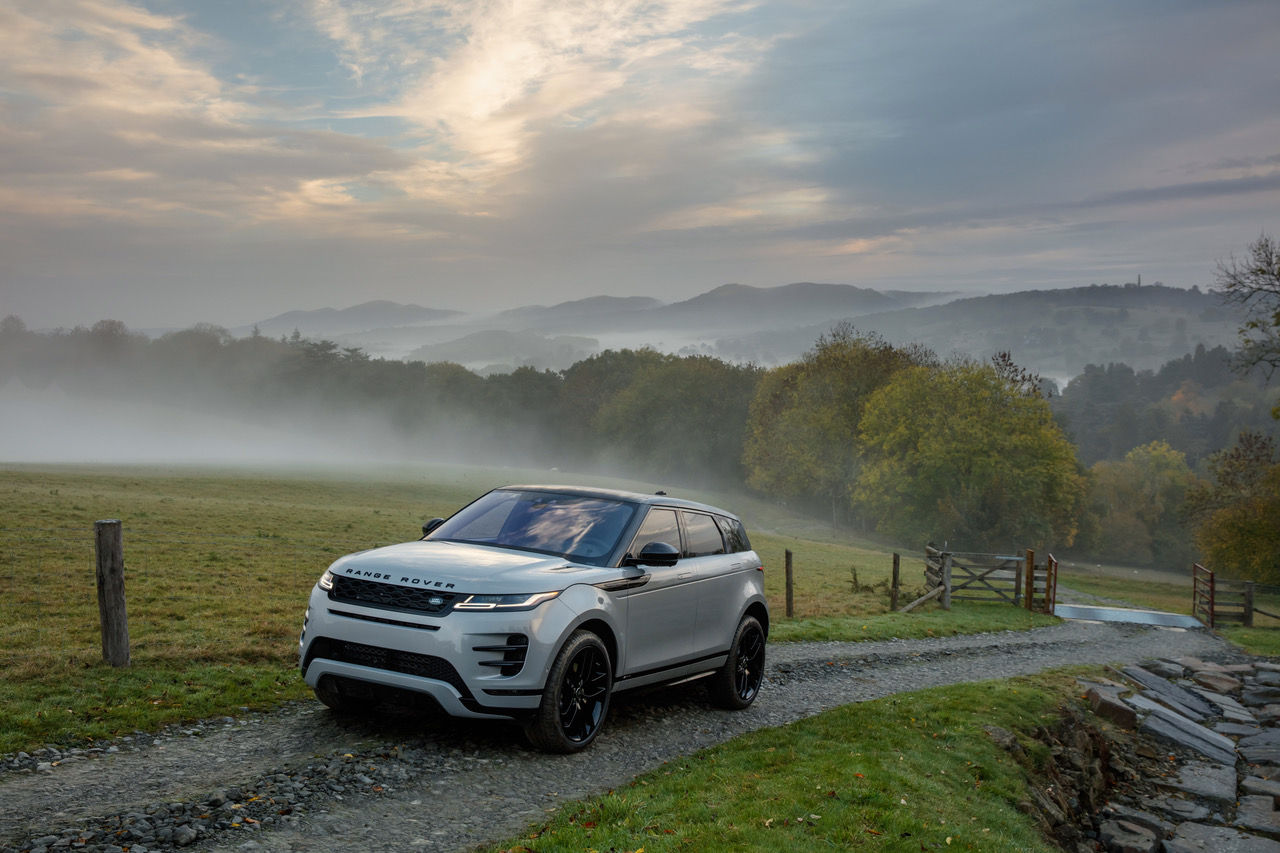
New Range Rover Evoque Revealed [w/video]
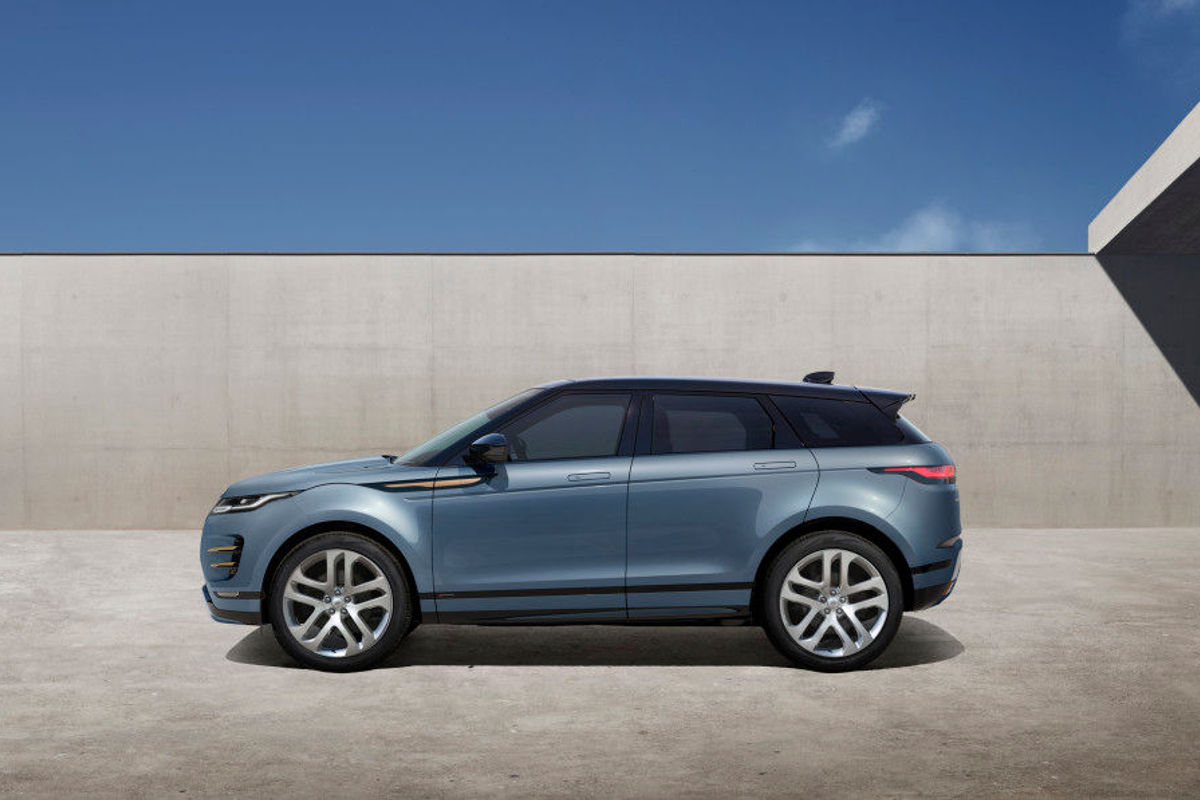
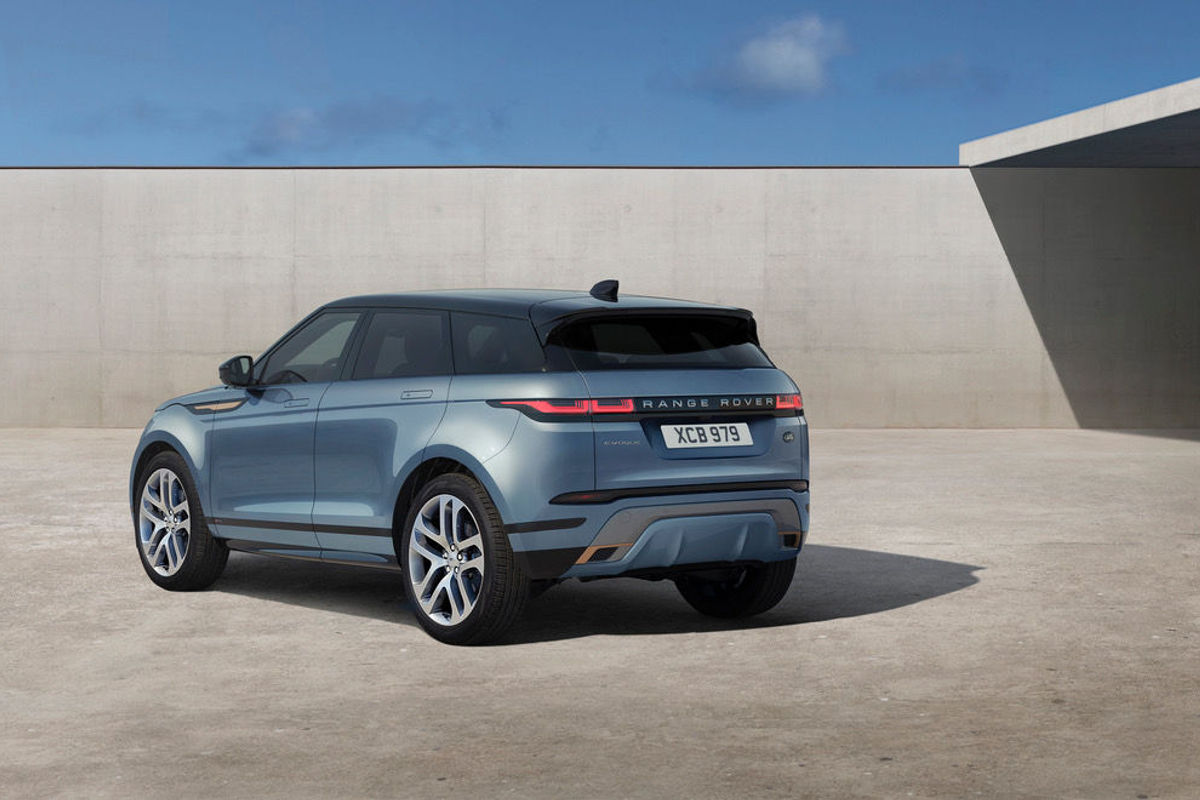
The second-generation Range Rover Evoque has been revealed in London, UK. Take a look at the key details below…
The current Range Rover Evoque arrived on local soil in 2011 and serves as the entry point to the Range Rover lineup. It has proven to be hugely popular in South Africa but also in markets around the world with sales amounting to over 772 000 units! The second-generation Evoque has now been officially revealed in London, UK and can be expected to reach South Africa in early 2019.
Gerry McGovern, Land Rover, Chief Design Officer, said: “When Range Rover Evoque made its debut back in 2010, it transformed the world of compact SUVs and the new model is set to continue that remarkable journey. This characterful vehicle combines refinement and fun to create that all-important emotional reaction that will turn heads and make people smile.”

Bigger and better


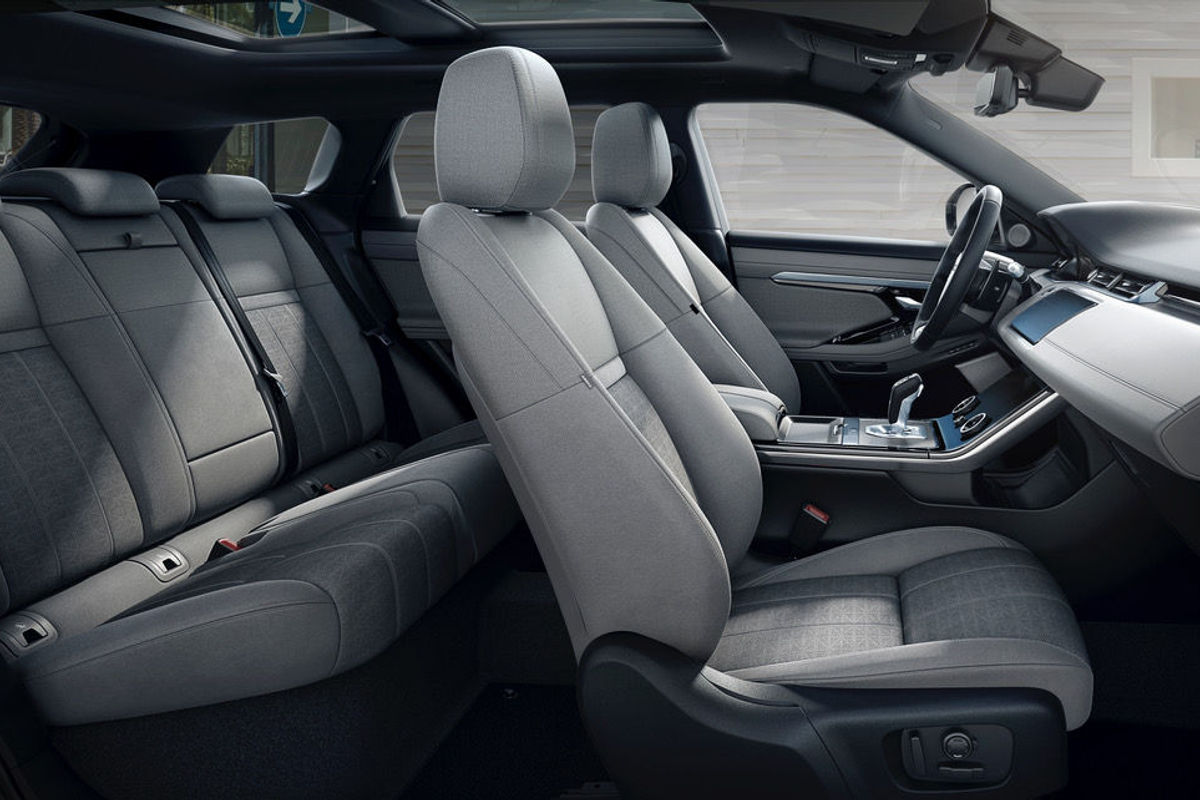
An extended wheelbase has resulted in improved interior space, especially for rear passengers and luggage. 

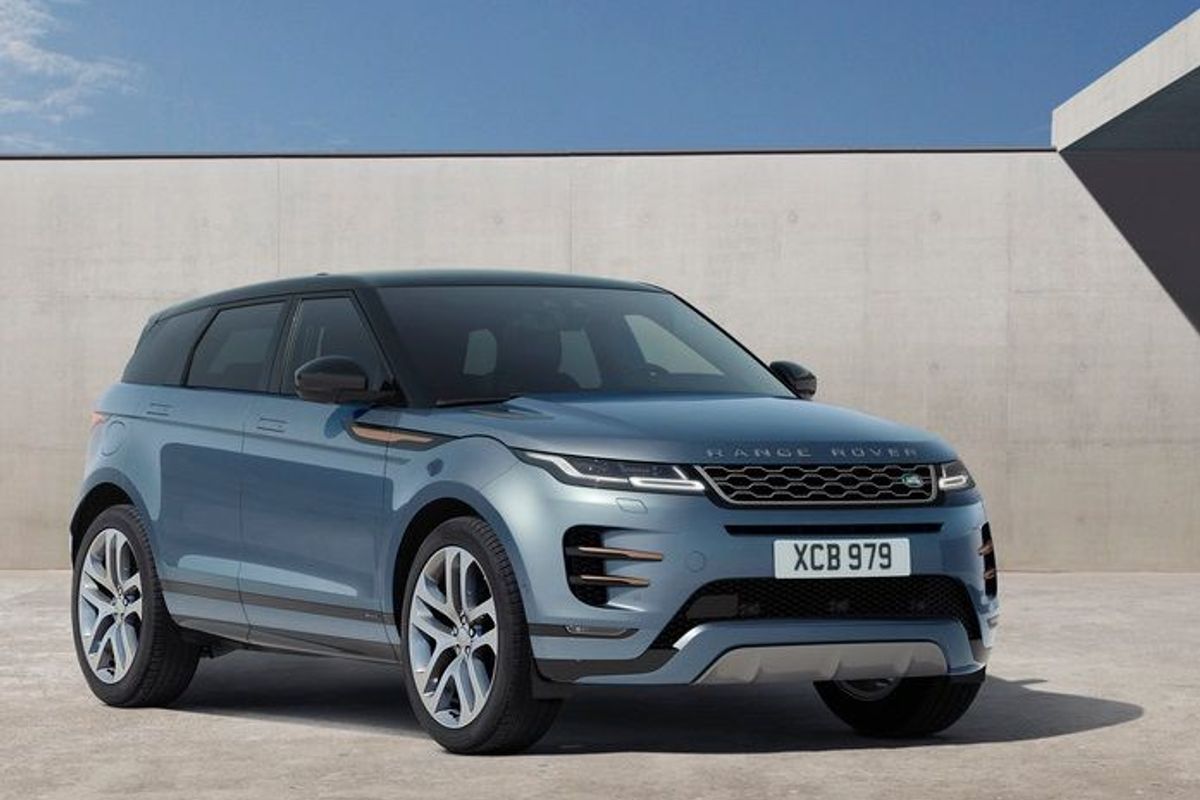
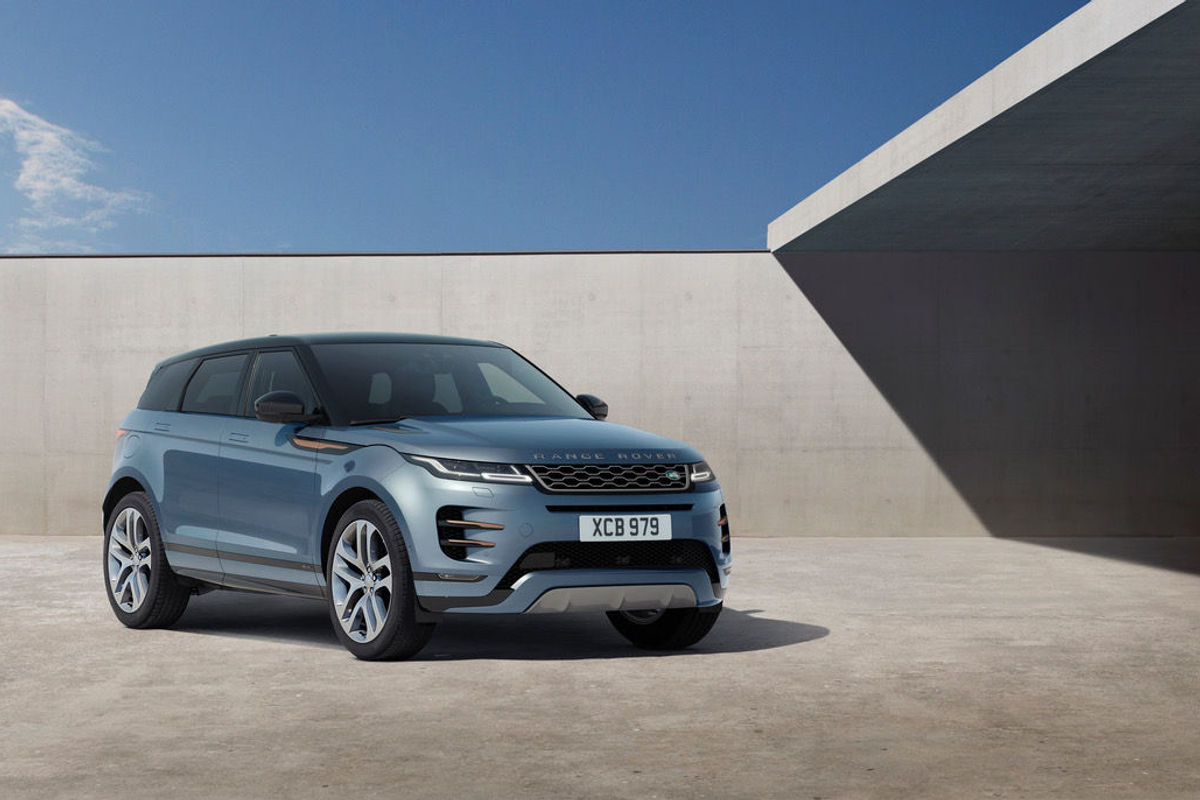
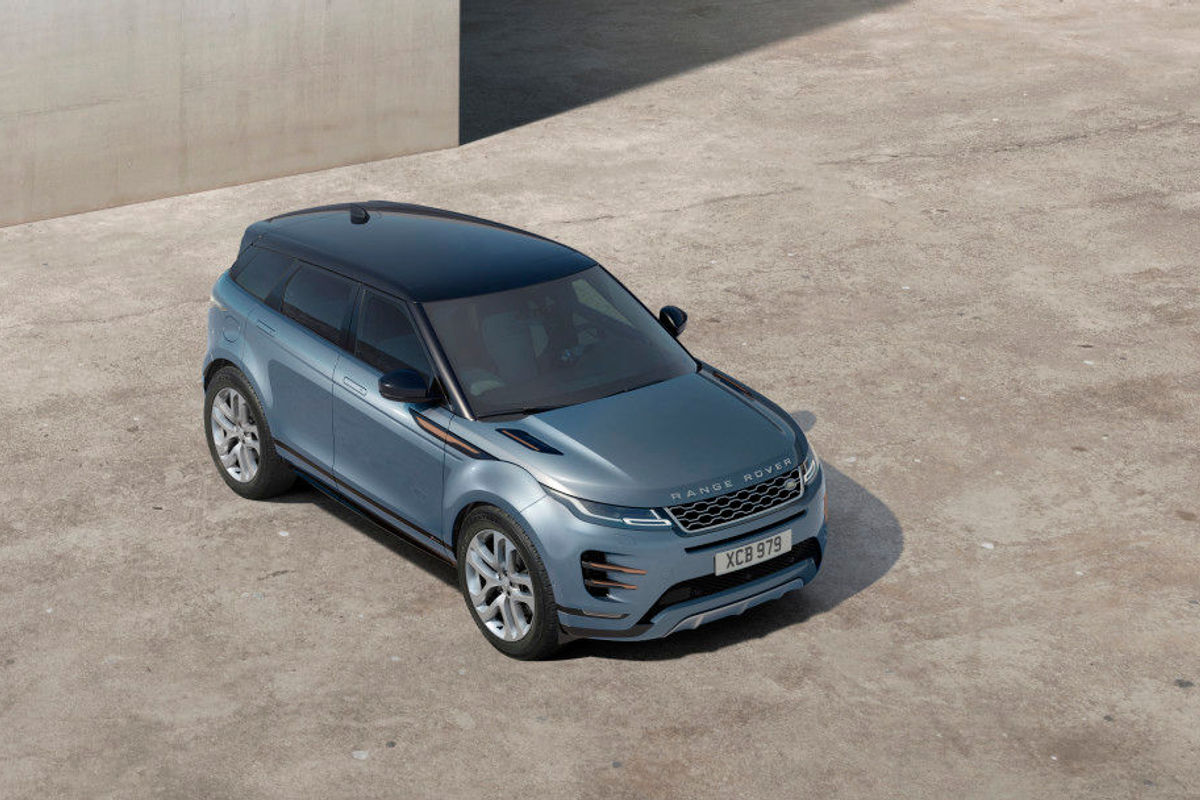
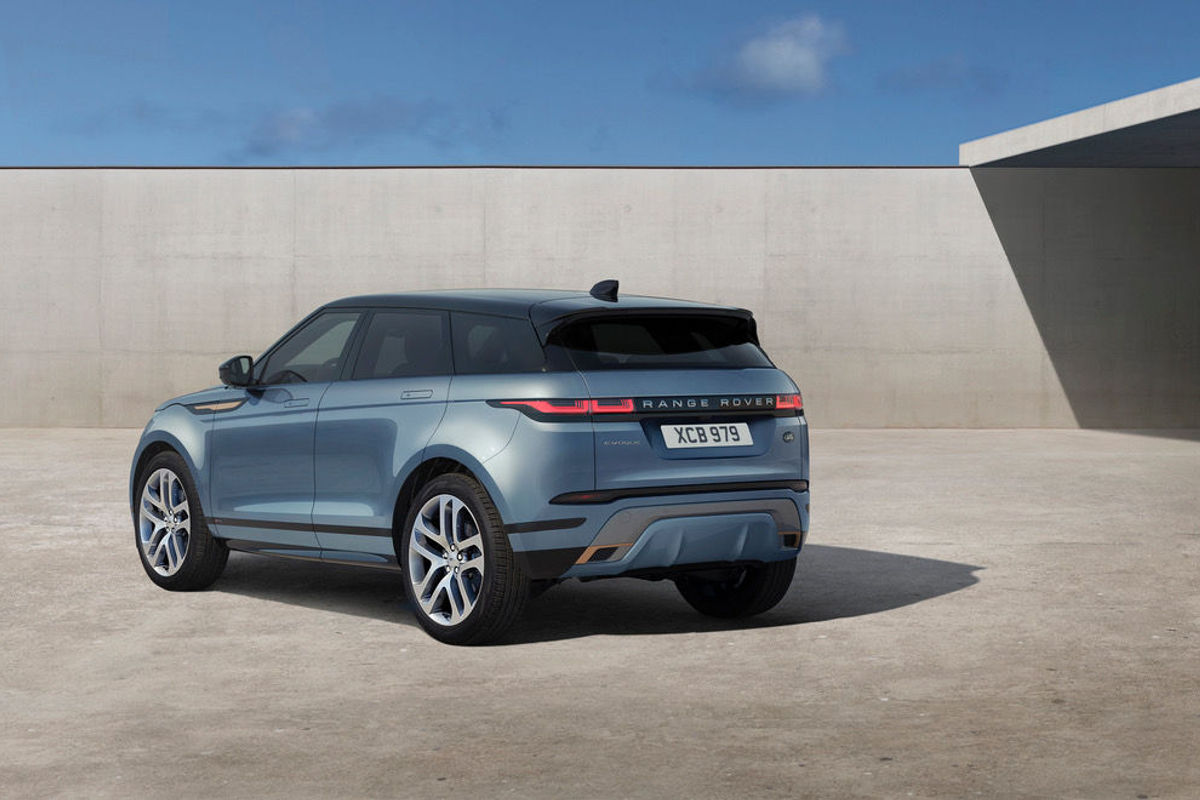
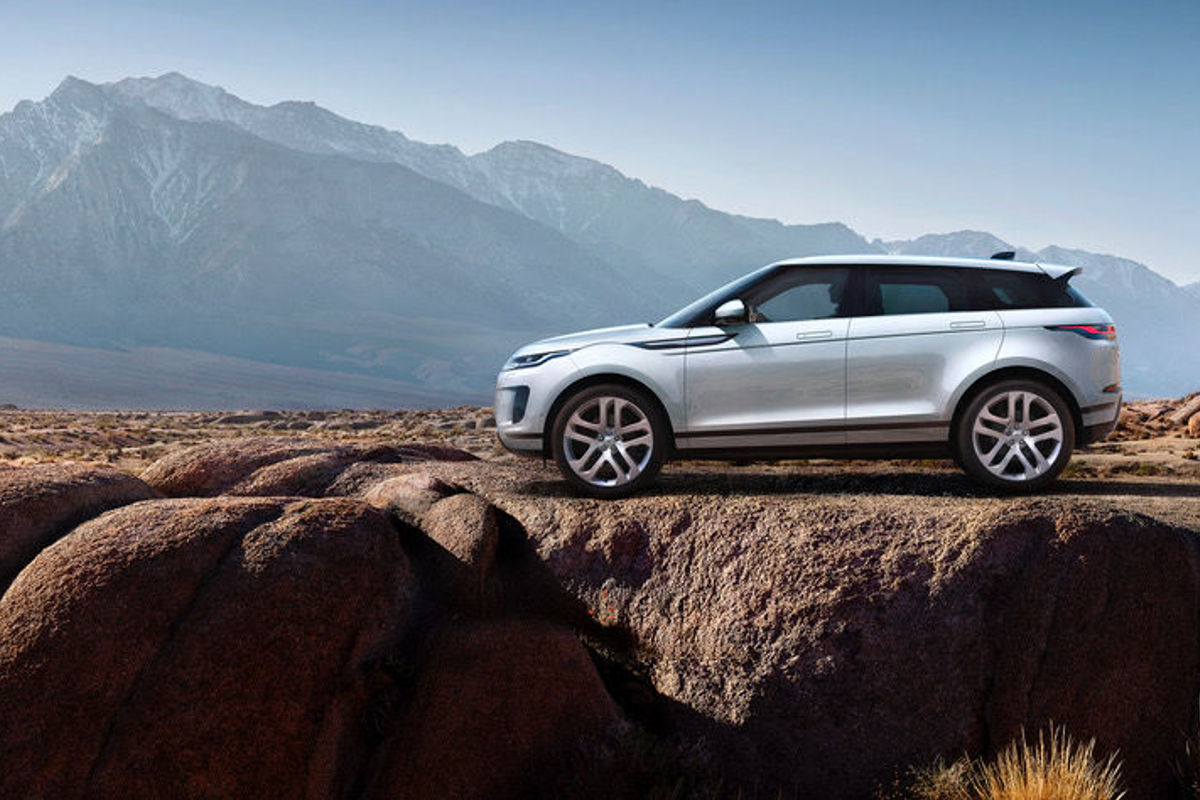
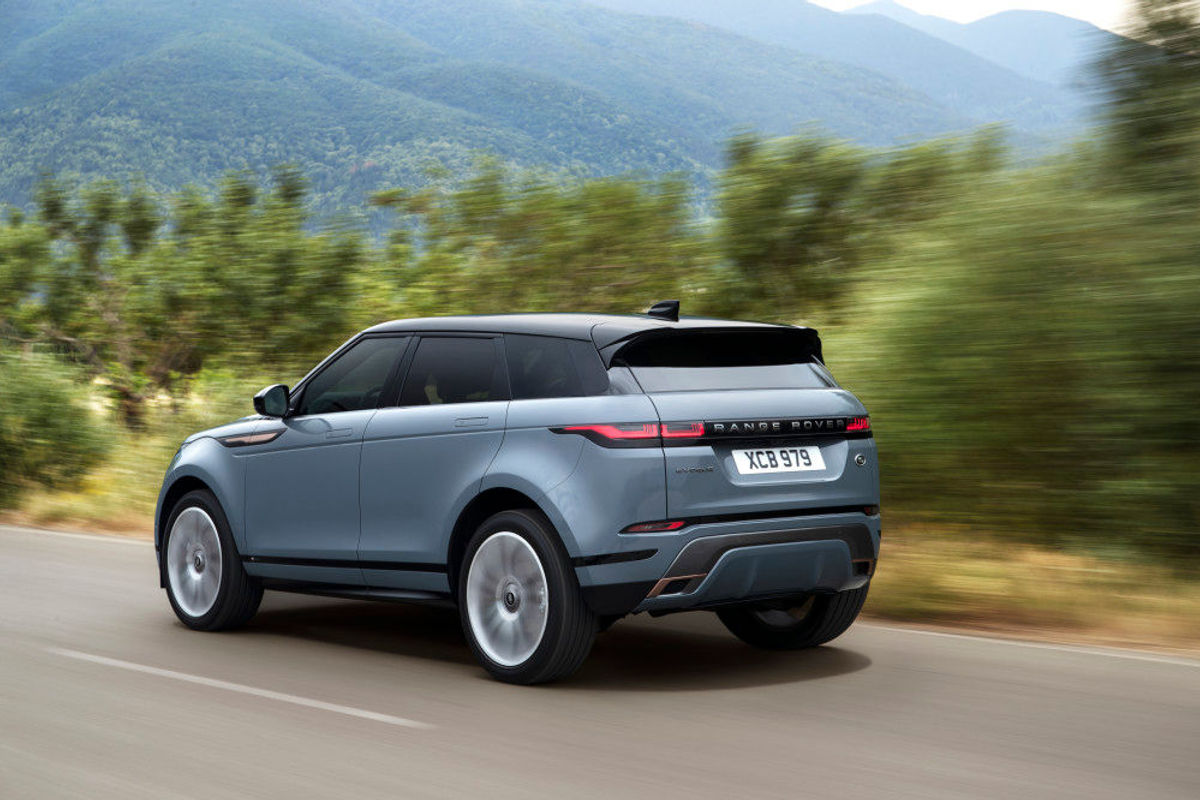
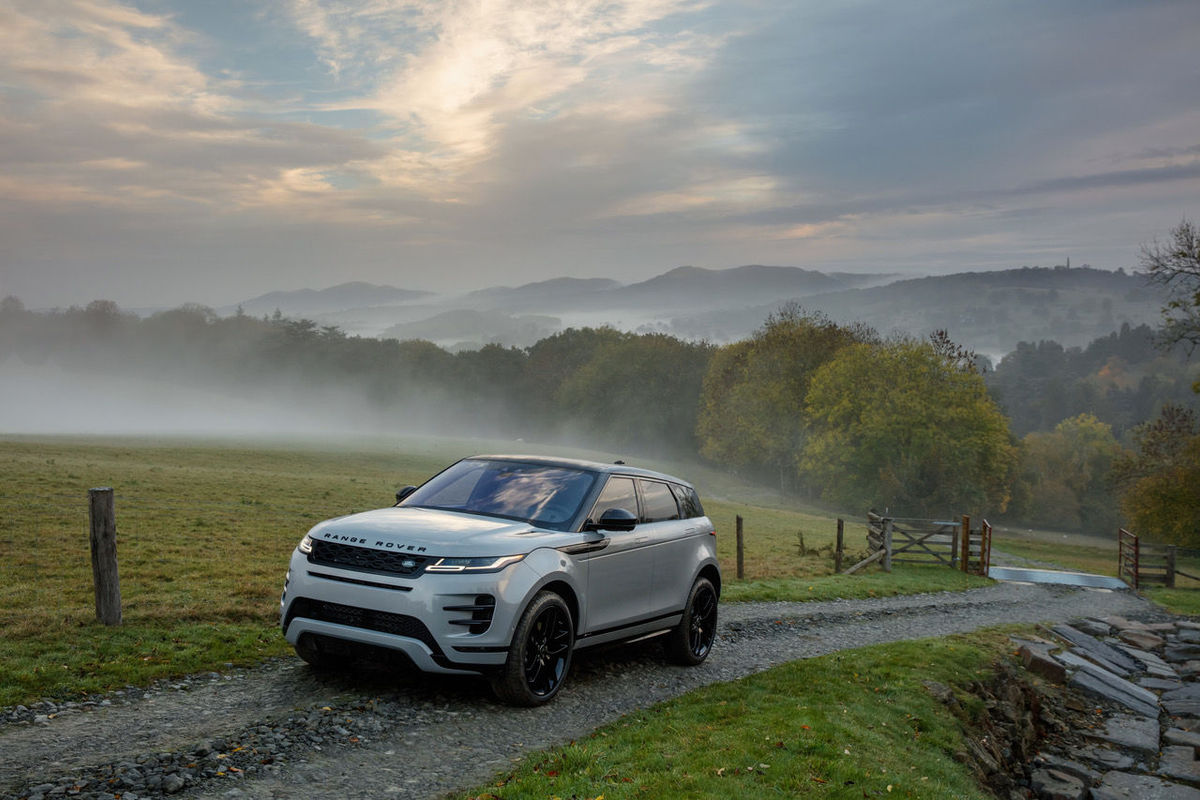
Built on Land Rover’s new mixed-material Premium Transverse Architecture (PTA), the new Evoque draws some styling inspiration from the larger Velar SUV while retaining its coupe-like silhouette with muscular wheel arches (which house 21-inch alloy wheels) and sloping roofline which has made it so desirable. It has now evolved to look classier and more refined.

Note the uniquely-stylish flush door handles first seen on the Velar and the slim Matrix-LED headlights and sweeping indicators which now define its front-end. A new rear light signature and black accent provide a sense of width at the rear. Two new colours are available including Seoul Pearl Silver and Nolita Grey.

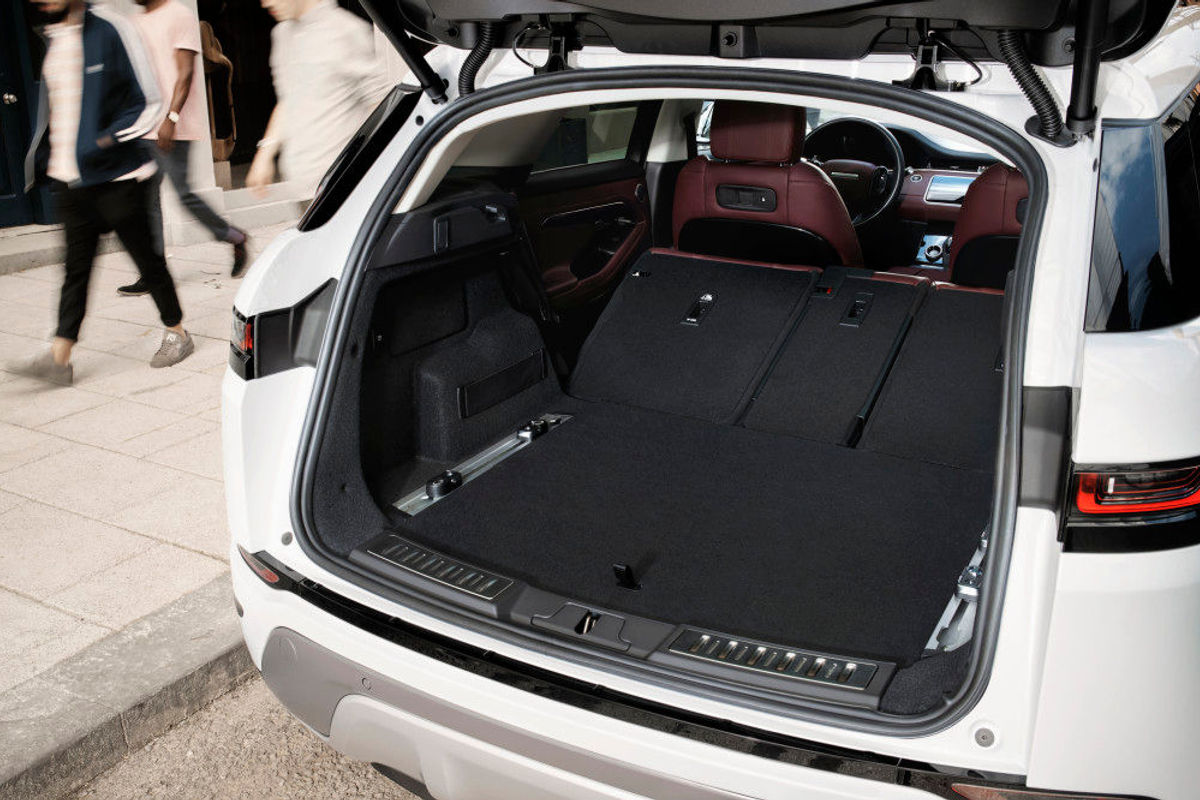
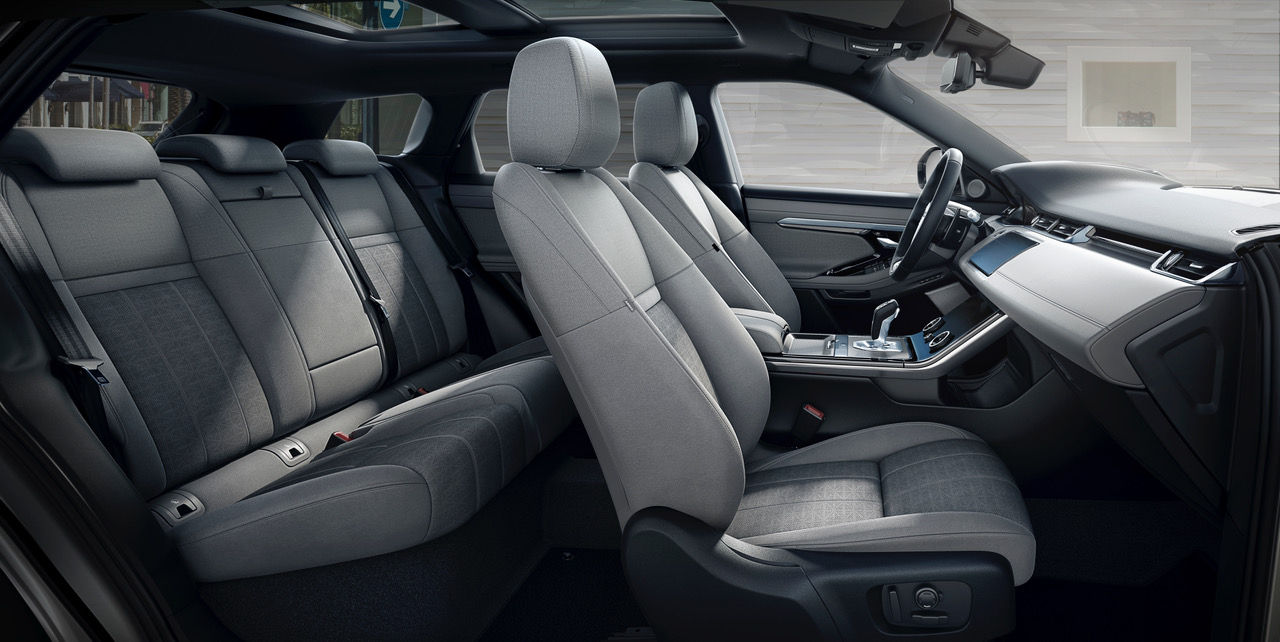
While the previous Evoque was criticised for lacking sufficient interior space, the new Evoque remedies the issue with the wheelbase being extended by 21 mm wheelbase which translates into 22mm improved knee and legroom for passengers as well as a larger load bay which is now 10% larger than before at 591 litres. The rear seats are split in a 40:20:40 configuration for added practicality.  


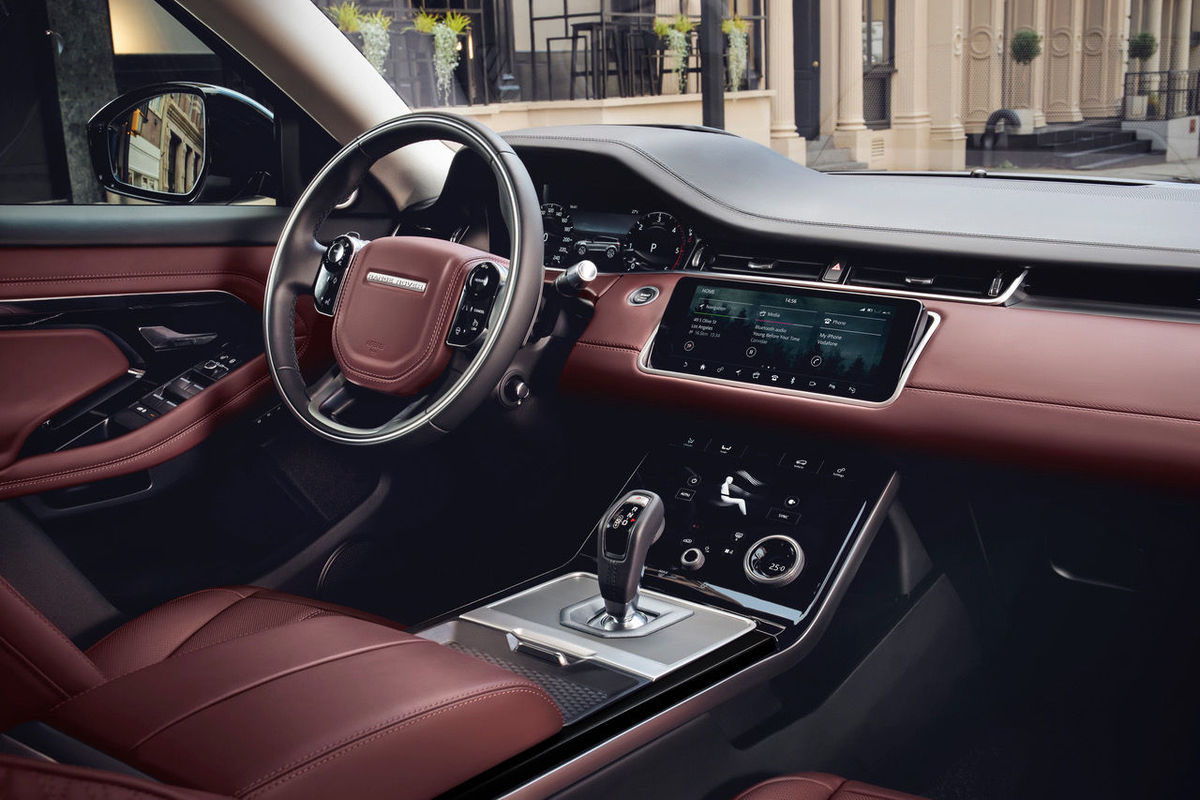
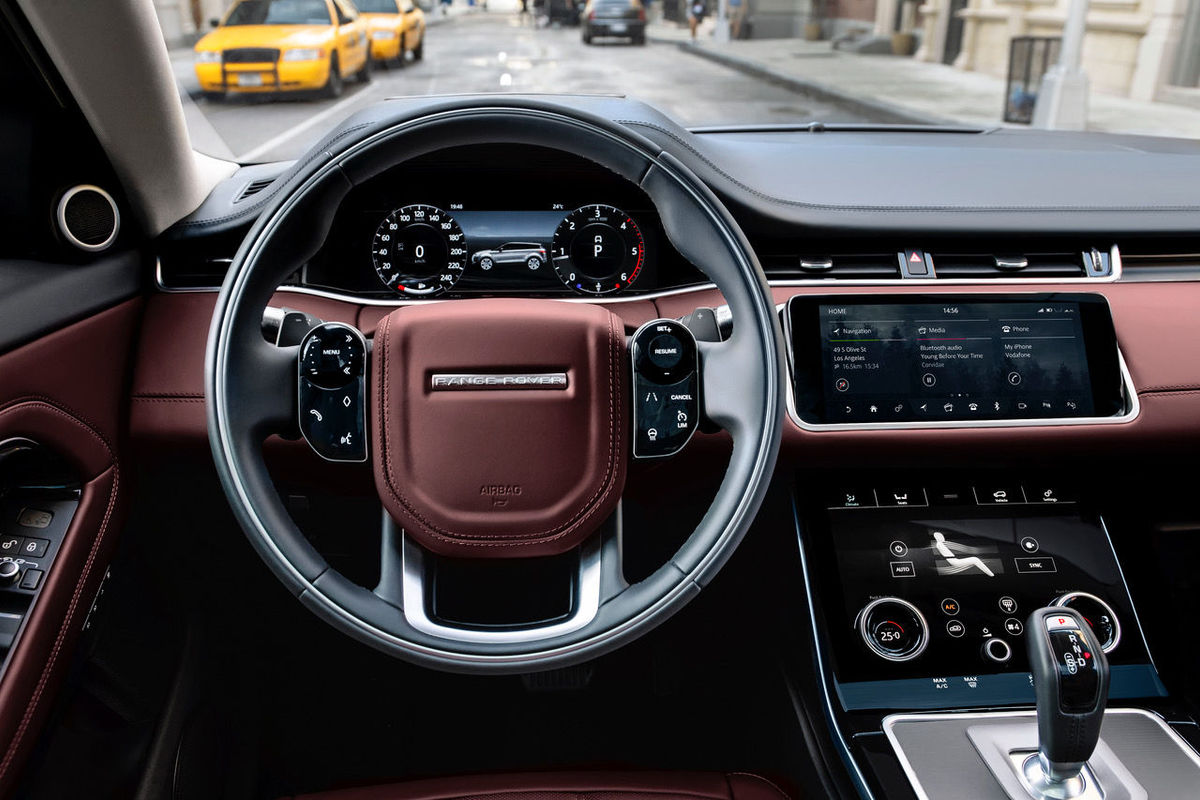
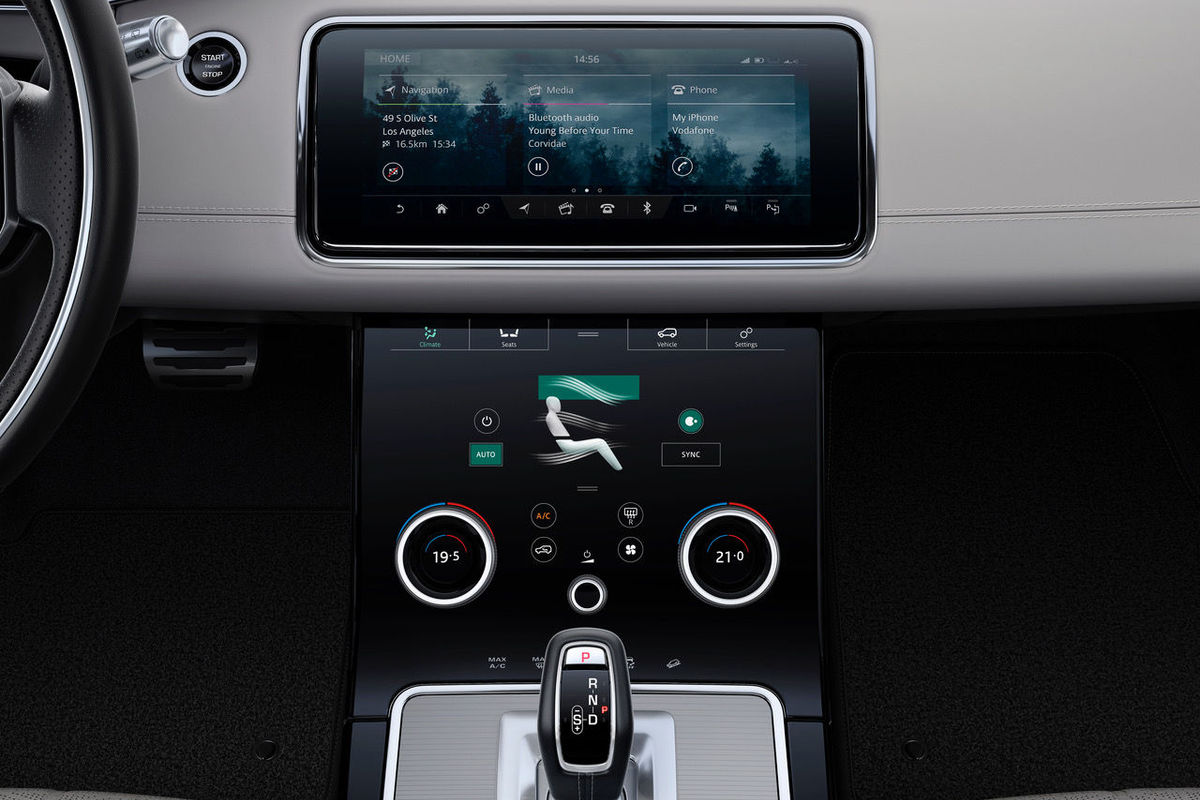
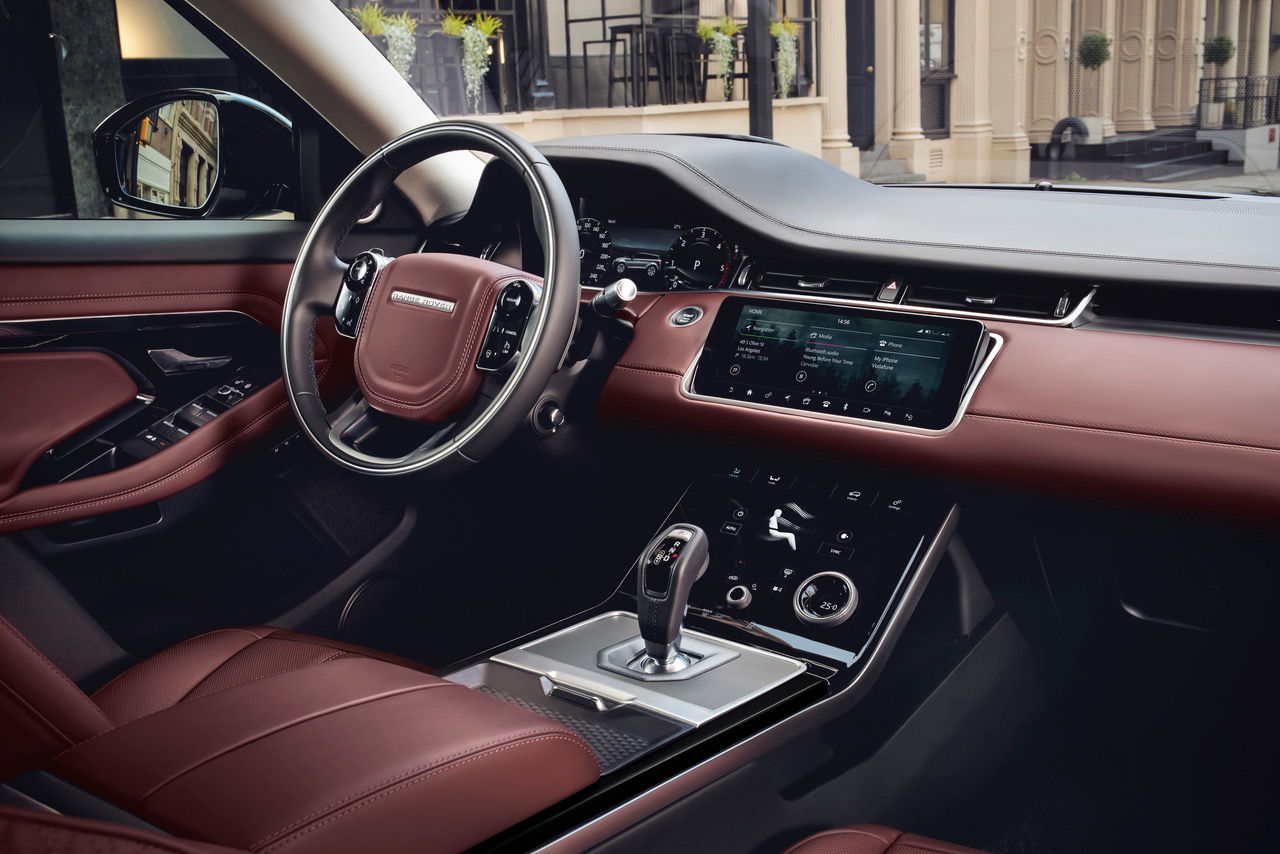
Dual touchscreens reduce the need for physical buttons and afford the interior a modern and sophisticated look. 

The interior features a 12-inch all-digital instrument cluster and the latest Touch Pro Duo infotainment system with two 10-inch touchscreens (Apple CarPlay compatible) that take care of infotainment and in-car functions.

Other nifty features include Click & Go rear seat tablet holders with charging capability, 6 USB ports and a WiFi hotspot for up to 8 devices. Smart Settings technology uses artificial intelligence to learn the driver’s behaviours and preferences over time for media, in-car temperature, seat and steering settings and frequently dialled numbers, and so forth. Up to 8 profiles can be registered.   
Two new interior combinations are on offer including Cloud and Deep Garnet. In addition to leather, new upholstery options include recycled materials such as Kvadrat wool blend and new Eucalyptus Melange textile which combines with Ultrafabric PU. More so, the seats can be had with unique details such as diamond perforation and Arctic Petrol micro-piping.
The new Evoque will be offered in S, SE, HSE and R-Dynamic trim lines. 

Unique tech features


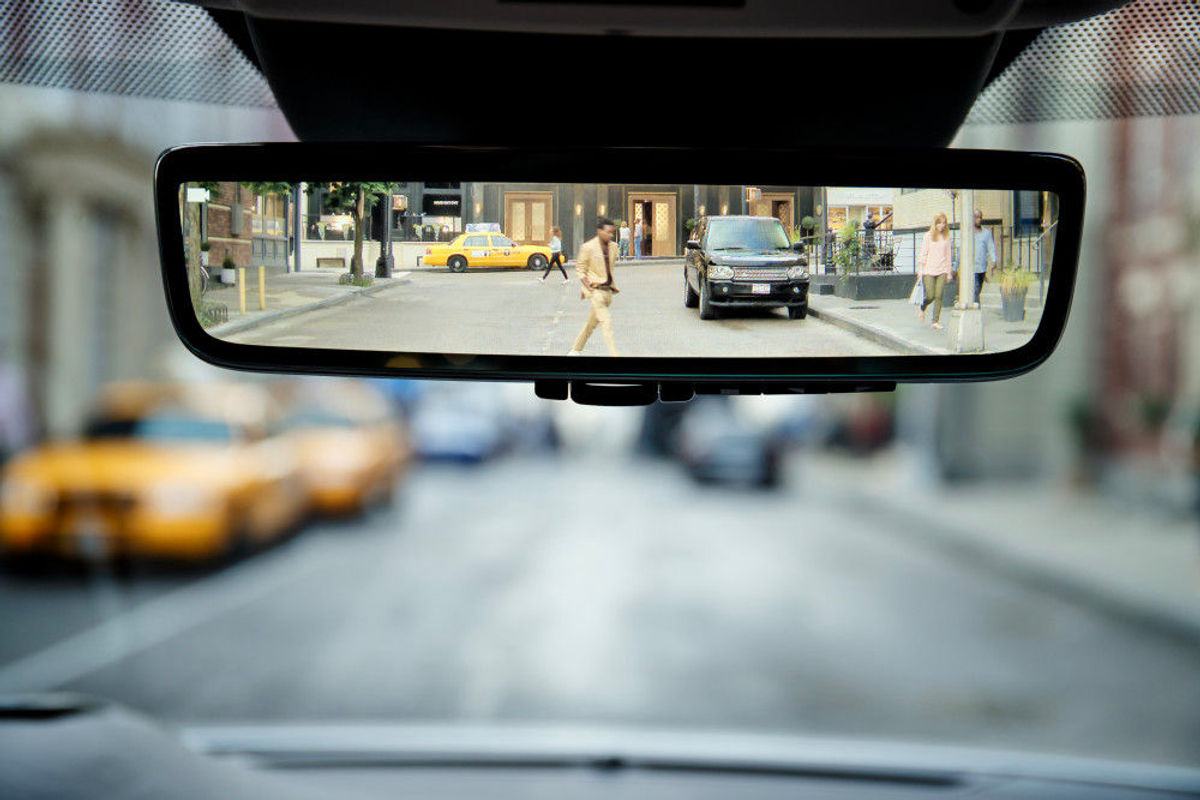
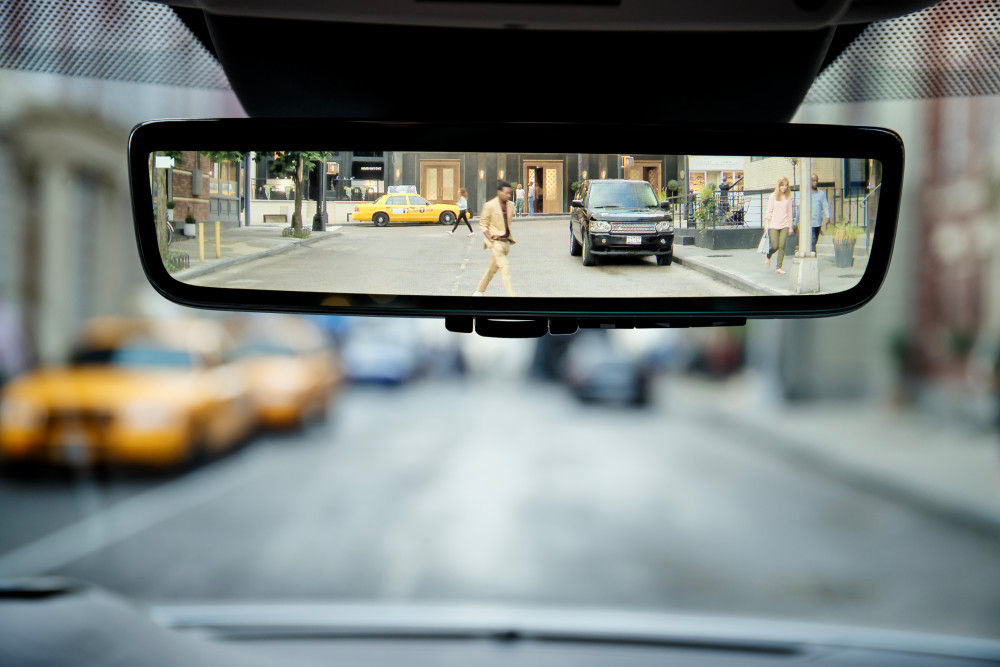
The rear-view mirror is also an HD video screen giving the driver a wider rear view of the surroundings.  

Unique features in the new Evoque include ClearSight Ground View which uses cameras in the grille and door mirrors to project a 180-degree image onto the central touchscreen to give the driver a view ahead and below the vehicle which is helpful in tight spaces or on tough terrain.

The new Evoque is also equipped with a smart rear-view mirror that transforms into an HD video screen at the touch of a button. The rear-facing camera displays a feed on the mirror, giving the driver a wider 50-degree view which also operates in low-light conditions.

By using the InControl Remote smartphone application, you can remain in contact with the Evoque wherever you are. You can locate your vehicle, check the fuel range, unlock the vehicle remotely or pre-heat/cool the cabin before your drive. More so, infotainment software updates and vehicle updates are done wirelessly which means you don’t have to visit a dealership!  

Engines and Capability


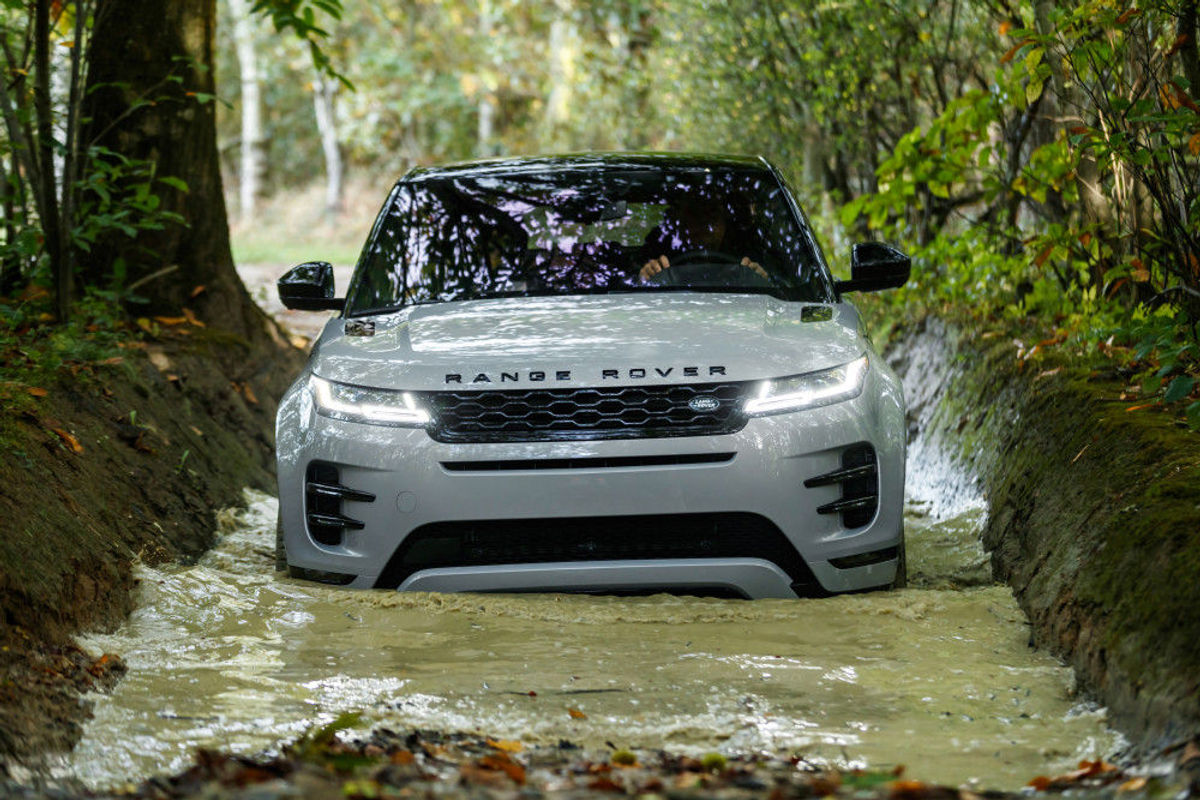
Terrain Response 2 in the new Evoque will take you wherever your heart desires…

In other markets, the Evoque will be offered with mild hybrid technology, but this is not the case in South Africa. A range of Ingenium engines will power the new Evoque and from launch, the South African market will receive 2 engines initially. The P250 2.0-litre turbopetrol engine with 183 kW and 365 Nm of torque will be available with a claimed fuel consumption figure of 7.4 L/100km.

The D180 2.0-litre turbodiesel engine with 132 kW and 430 Nm of torque is the more frugal option with a claimed fuel consumption figure of 5.8 L/100km.

The range-topping P300 2.0-litre turbopetrol engine with 221 kW and 400 Nm will arrive later in 2019 and will carry a claimed fuel consumption figure of 8.1 L/100km.  All Evoque derivatives will be equipped with a ZF 9-speed automatic transmission and will feature all-wheel drive. The 3-door and convertible versions are not on the cards. 

Equipped with Terrain Response 2, the new Evoque will be able to tackle various terrain with a ground clearance of 212 mm and a wading depth of 600 mm. The driver can choose between 4 terrain modes including Comfort, Sand, Grass-Gravel-Snow and Mud & Ruts. An Auto mode, however, will automatically select the appropriate mode and adjust torque delivery to suit the prevailing conditions. Features such as Hill Descent Control, Gradient Release Control and All-Terrain Progress Control will also be offered.

On-road comfort is ensured with an Integral Link rear suspension and a front MacPherson strut Hydrobush suspension. Furthermore, Adaptive Dynamics uses sensors and continuously variable suspension dampers to instantly monitor road conditions and will constantly adjust the dampers to deliver a smooth and composed ride at all times.

Driver assistance features include Adaptive Cruise Control with Steering Assist, Lane Keep Assist and Driver Condition Monitor.

A spokesperson from Land Rover South Africa has confirmed that the new Range Rover Evoque will launch in South Africa in early 2019. We will keep you informed as soon as local pricing becomes available.


Buy a new or used Range Rover Evoque on Cars.co.za

Related Content

Spy Shots: New Range Rover Evoque

Range Rover Evoque Convertible (2017) Off-Road Review

Range Rover Evoque Convertible (2017) Quick Review

Across Africa in the Range Rover Evoque and Land Rover Discovery (Video)

Range Rover Evoque SD4 (2014) Review

Range Rover Velar P380 R-Dynamic HSE (2017) Review

Range Rover Velar P380 HSE (2017) Video Review

Range Rover Velar: 5 Cool Features

2018/19 Cars.co.za Consumer Awards – powered by WesBank; Finalists


Hyundai to Reintroduce Atos in 2019

Hyundai South Africa will be bringing back the Atos nameplate in 2019 with an all-new model.

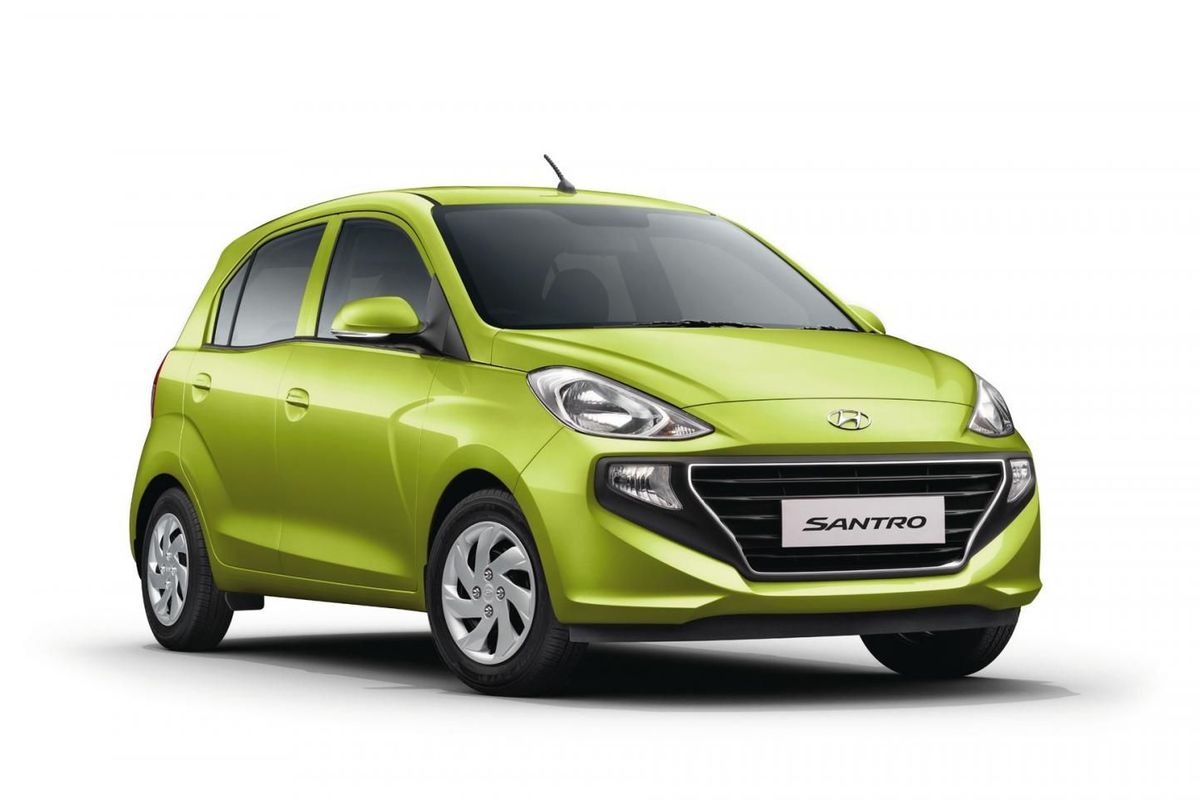
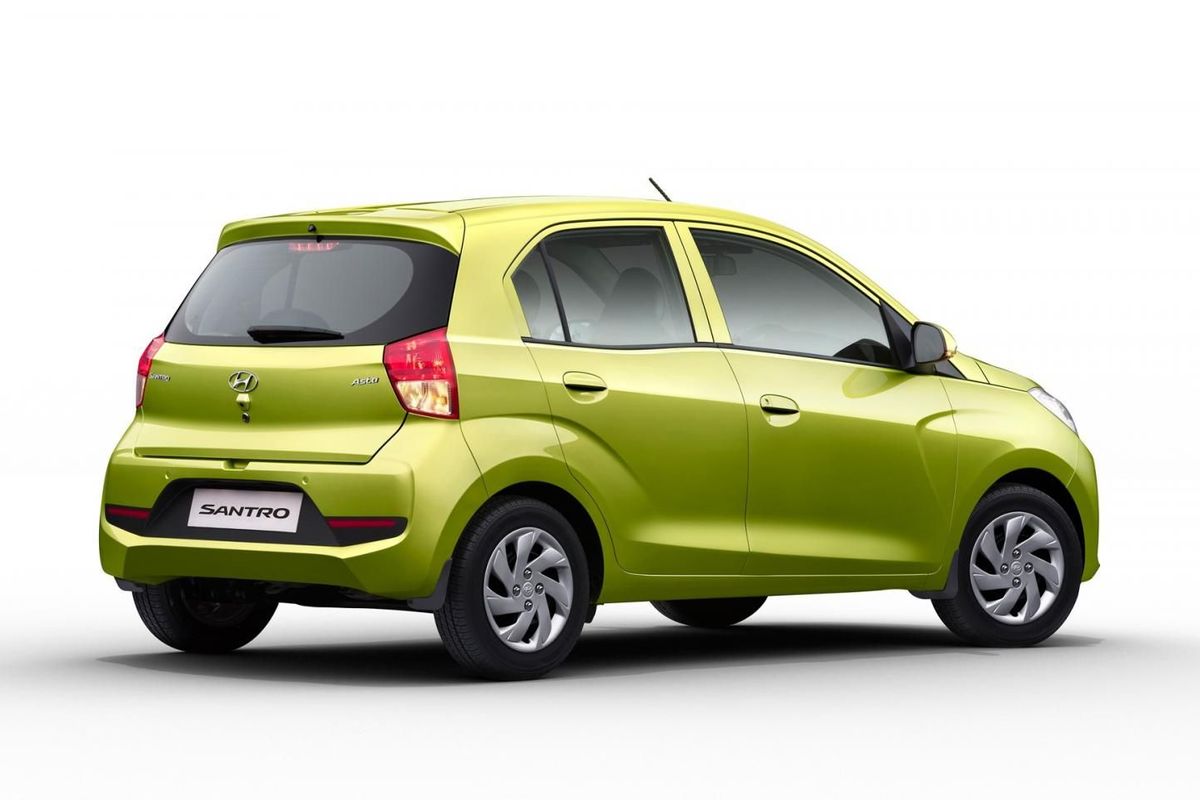
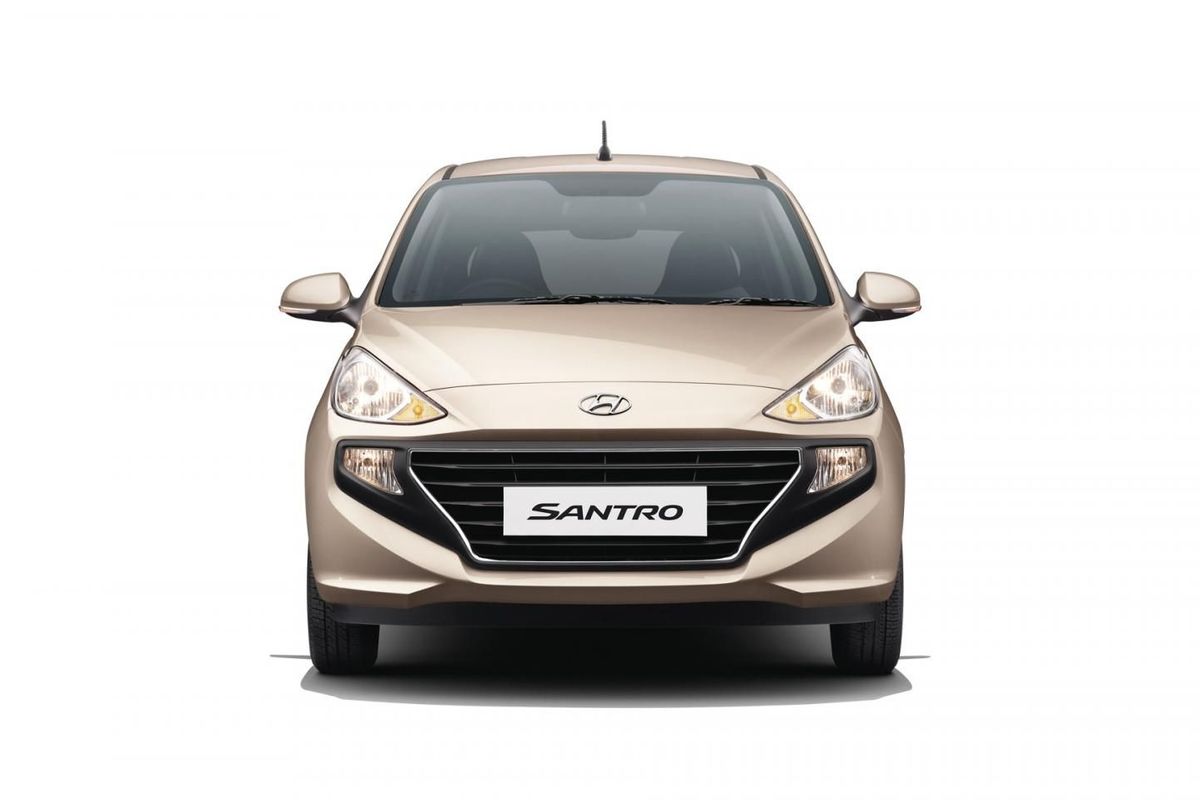
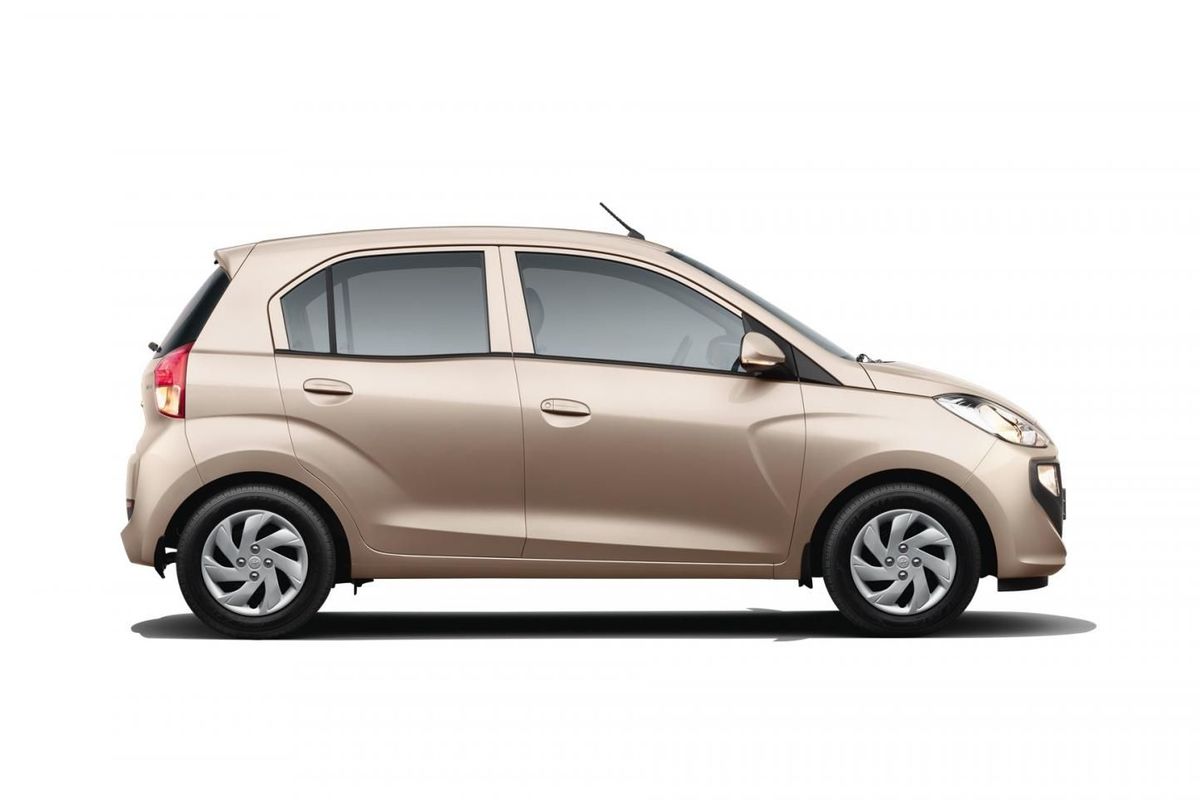
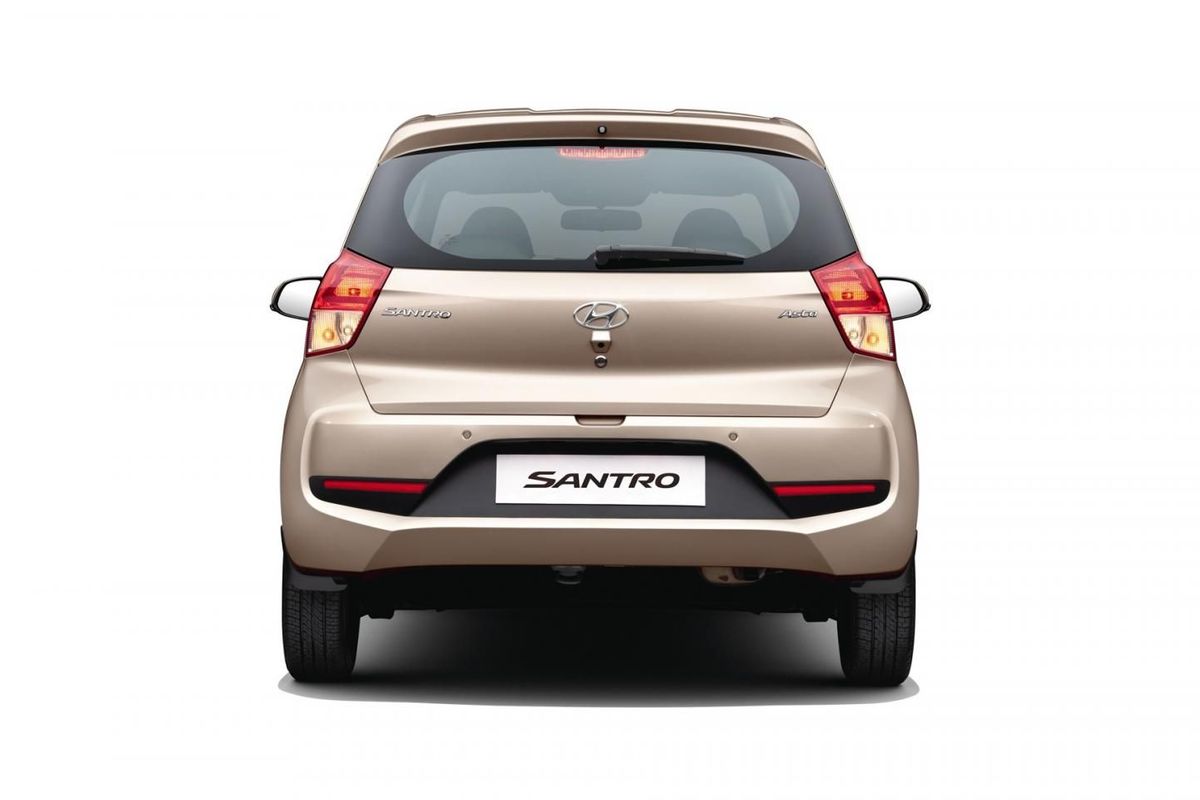
During the mid-to-late 2000s, the Hyundai Atos offered pretty good value in the A segment, 5-door hatchback market. As Hyundai streamlined its product offering, the Atos got the chop in favour of the i10 and Grand i10 models. In 2019, Hyundai plans to bring the Atos back to the South African to capitalise in the budget end of the market.

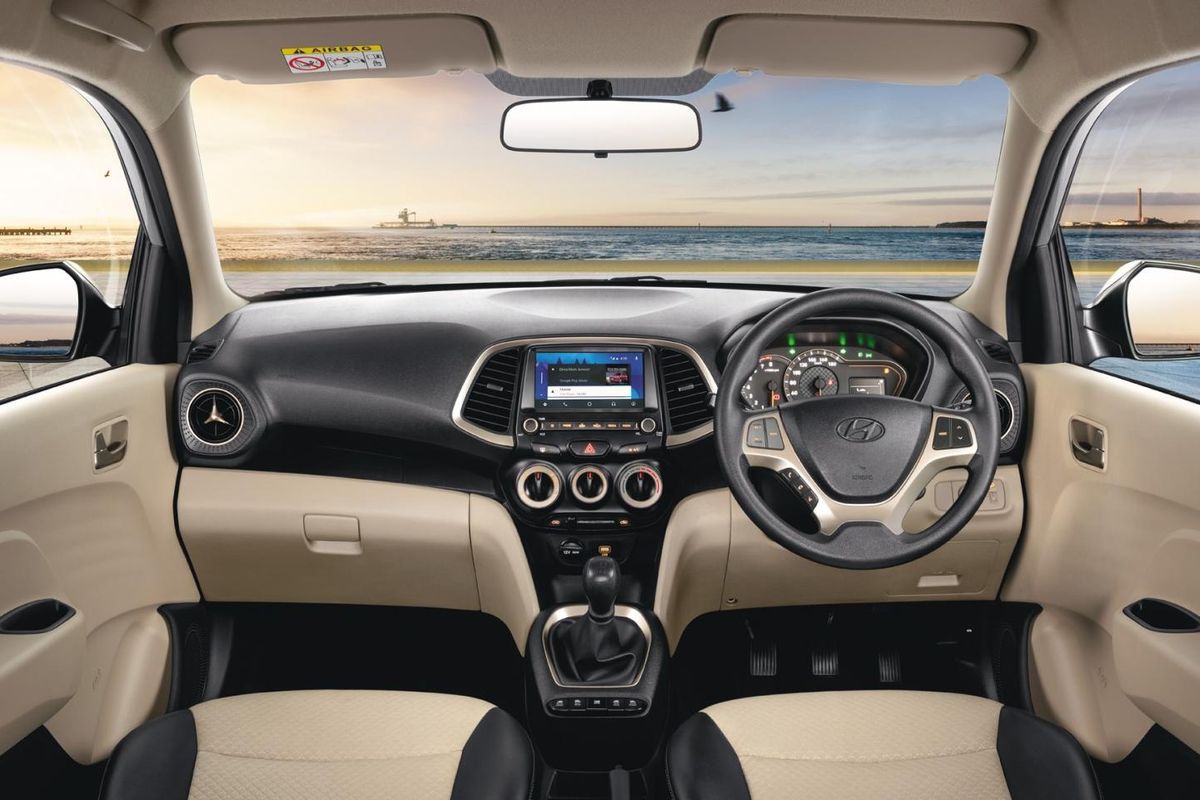
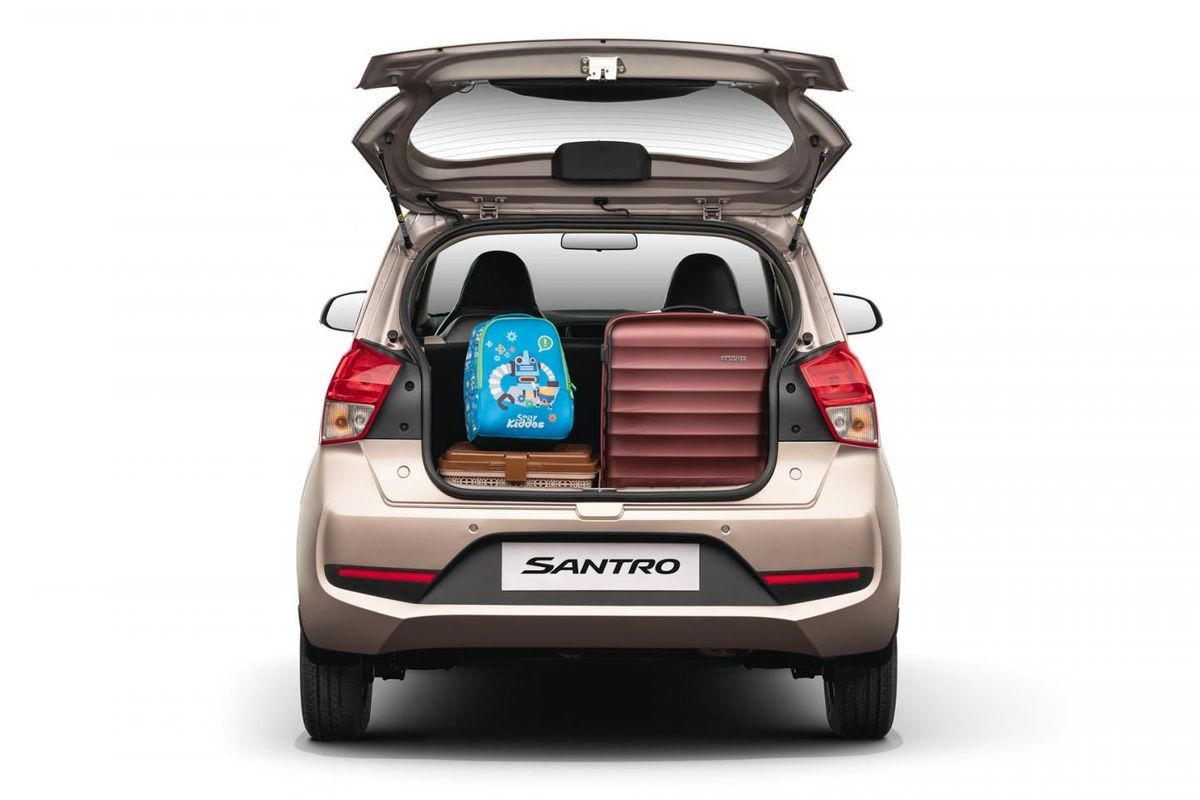
The 2019 Atos will be imported from India where it's sold as a Santro (that's why the pictured cars are named Santro). Hyundai SA plans to sneak the Atos in under the Grand i10 as a budget offering to compete with the likes of the Datsun Go, Suzuki Celerio and Renault Kwid that appear to be lapping up sales in a segment where buyers are purely looking for A to B, affordable transport.

The engine lineup for SA is not confirmed but initial reports suggest either a 1.0-litre or 1.1-litre naturally aspirated motor will be used. A 5-speed manual gearbox will be used either way and Hyundai also appears keen to try and sell an AMT gearbox similar to what Renault does with the Kwid. 

We don't know the exact specification that Hyundai will bring, but it's fair to suggest it will be quite similar to the Indian market's Santro. The model includes ABS, EBD and a driver airbag. There appears to be a touchscreen that is Android Auto and Apple Carplay capable with Bluetooth and a USB port. Some models have electric windows front and back and front fog lamps. 

Related content

Spy Shots: Hyundai Atos, i10 and facelifted i20

Datsun Go (2018) Launch Review

Renault Kwid 1.0 Dynamique Auto (2018) Quick Review

New-Look Suzuki Celerio (2018) Specs & Price

World RallyCross: 5 Reasons Why it’s the Best Motorsport

Earlier this year we had the opportunity to travel to Latvia to experience an European round of the FIA World RallyCross series. Very soon (24/25 November 2018, in fact), this fast-growing form of motorsport will make its 2nd visit to Killarney in Cape Town for the season finale. Here are 5 reasons why you should do your best to be there.

1. The action is relentless


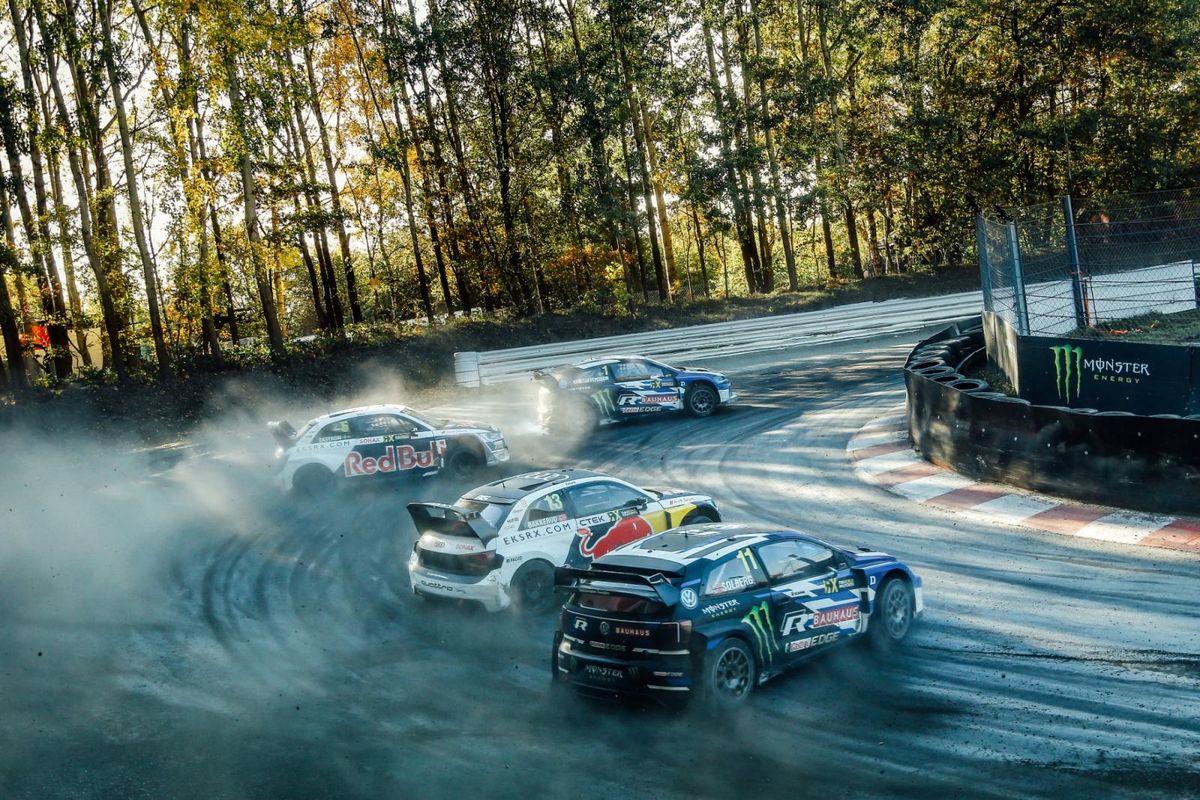
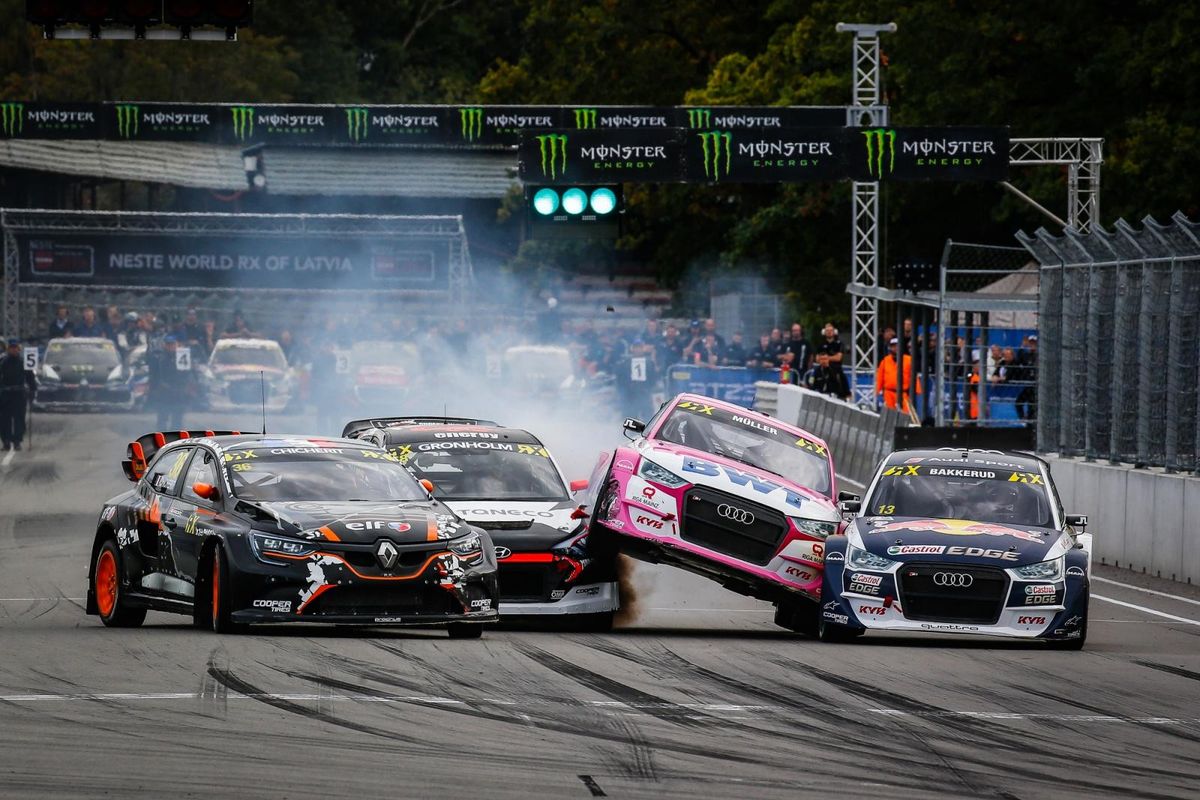
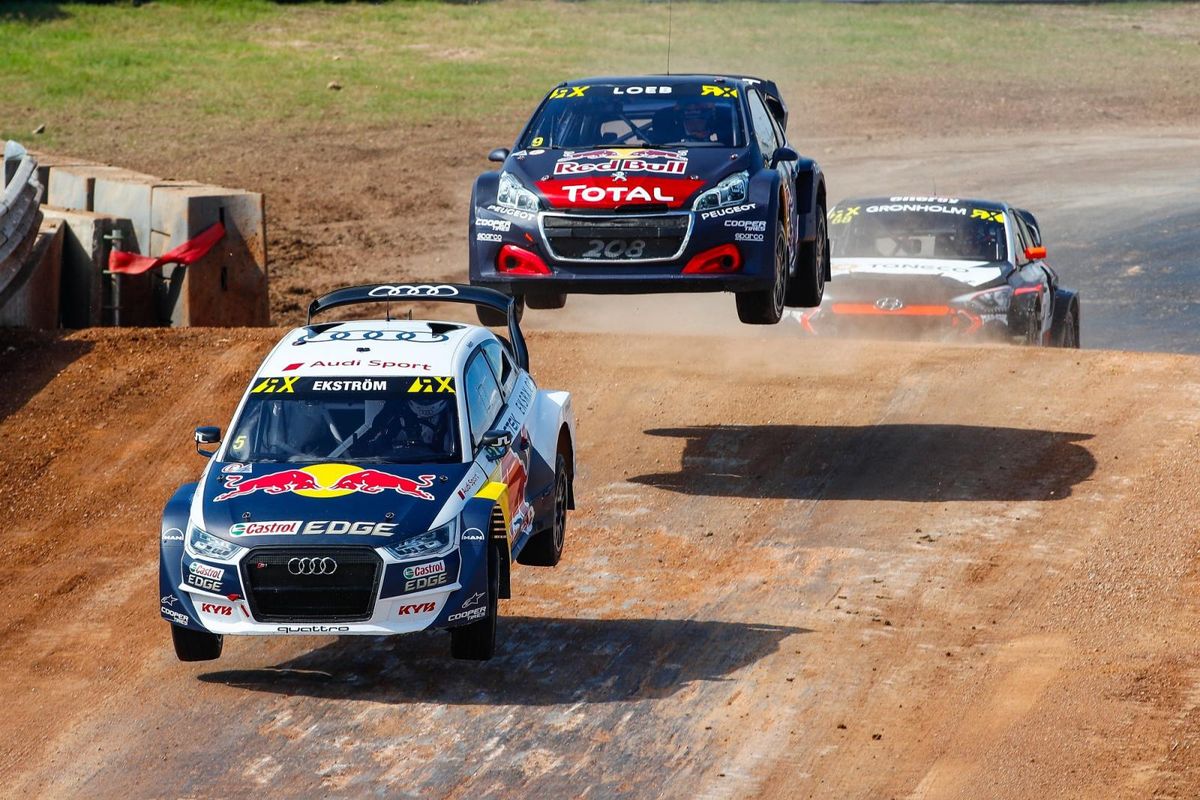
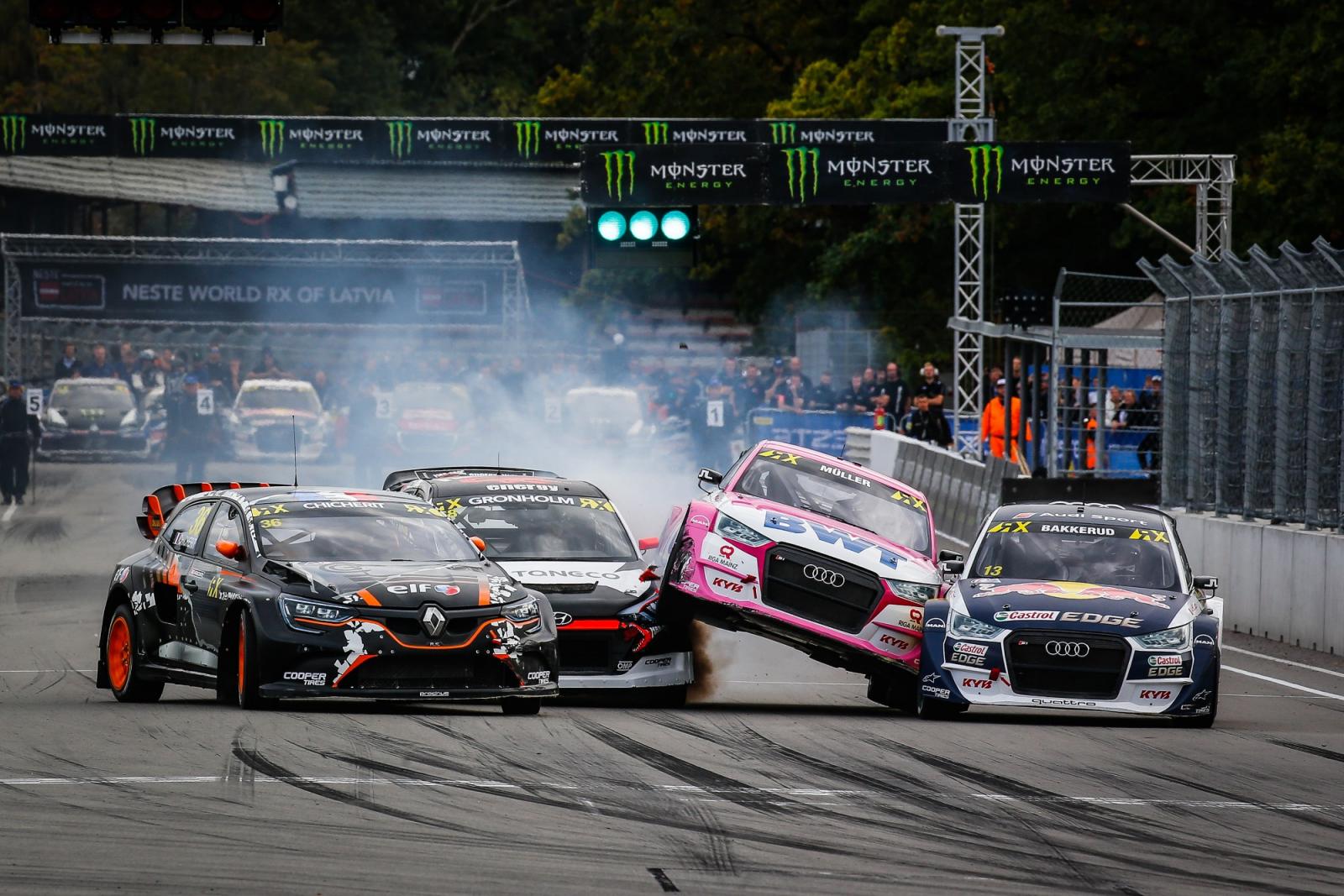
The first corner of every heat is almost guaranteed to lead to some "touching"… frowned upon in other series, but not FIA WorldRX.

It was interesting to note the reaction of Capetonians to WRX racing last year. From young kids to general motorsport fanatics, and a few obvious 1st-timers in between (my mom included), the general consensus was that motorsport as thrilling as this had not been seen on local soil for quite some time. And, best of all, the fiercest action was not restricted to the main (Supercar) events, but included the lower classes. In fact, the action was simply relentless and most of the time all 6 competing cars would pretty much be fighting for the same piece of dirt (or tarmac). 

DID YOU KNOW? 18 top-class drivers will battle it out in the Supercar category in Cape Town this year. See the Hyundai i20 and Renault Megane WRX cars in action for the first time on local soil.

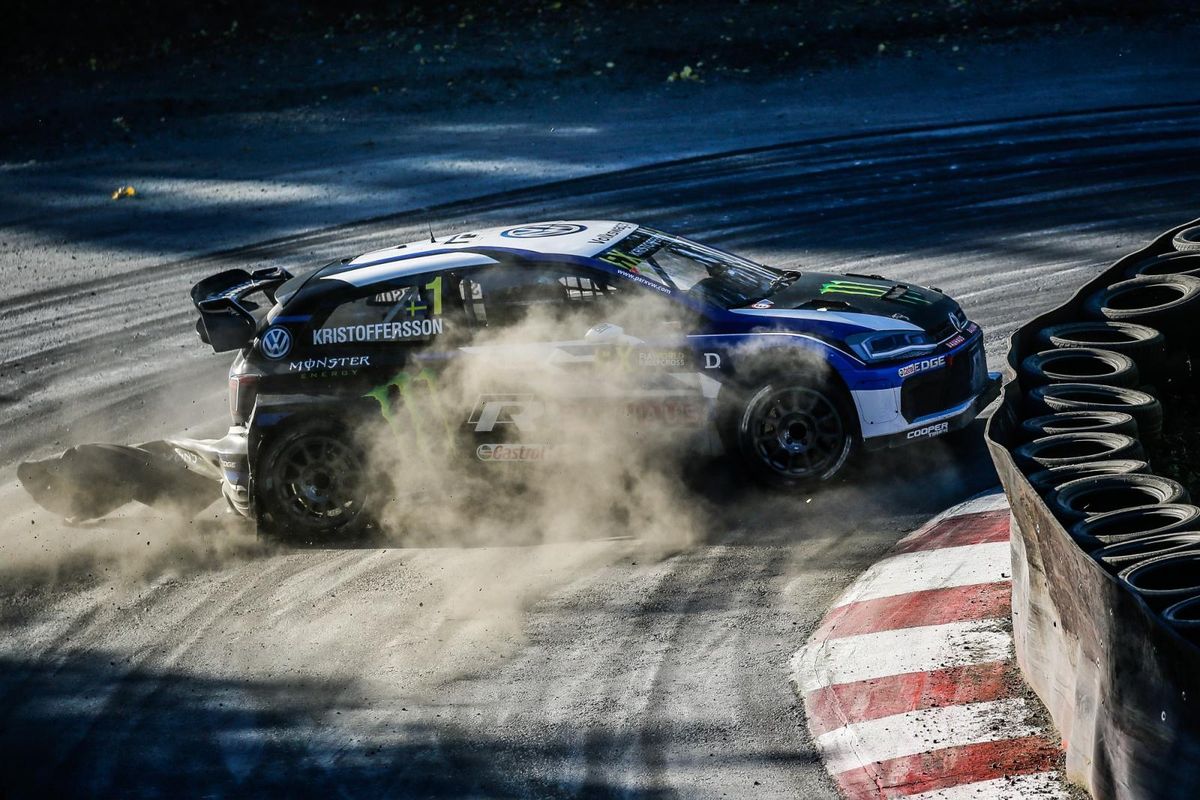
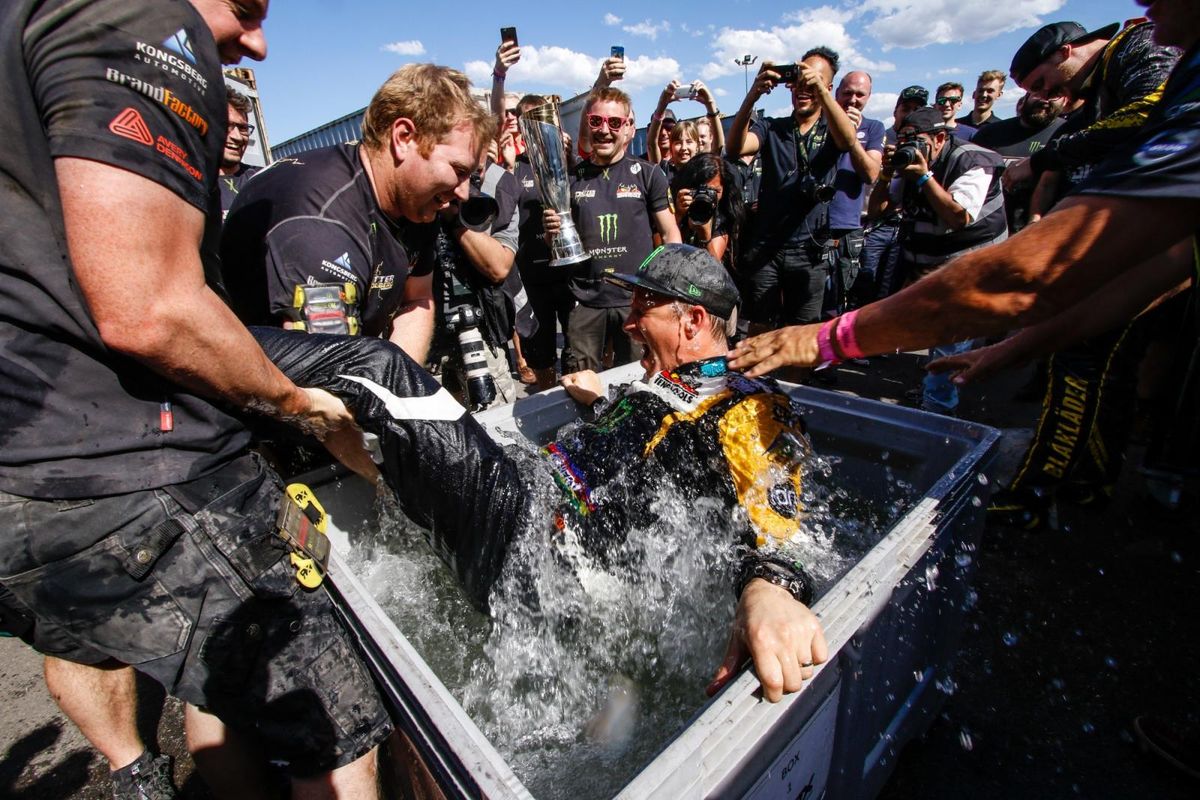
Notwithstanding the general camaraderie that exists behind the scenes between the drivers and teams, not an inch is given on the track; bits of bodywork are frequently left floundering. Last year, Ford's Ken Block finished his last race with most of his car actually strewn all around the circuit. , For years, motorsport fans have been begging for this type of cut-throat racing!

2. The cars are insanely fast


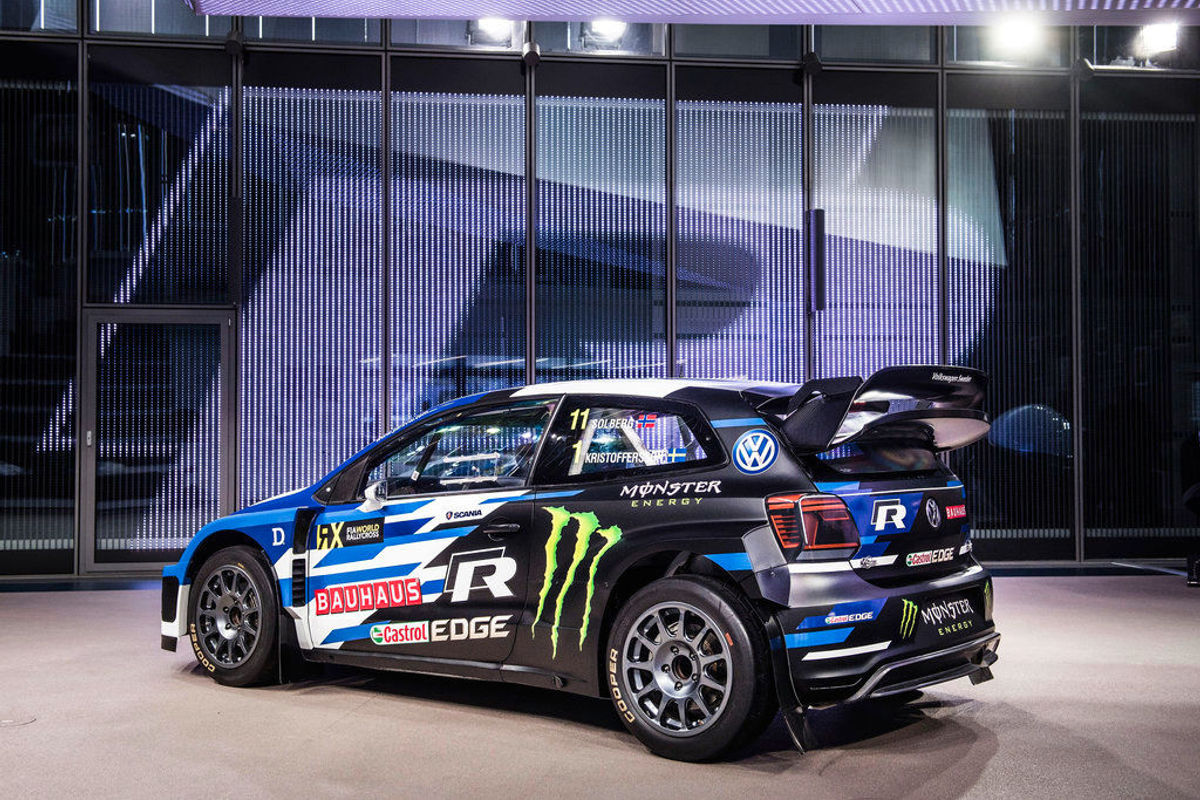
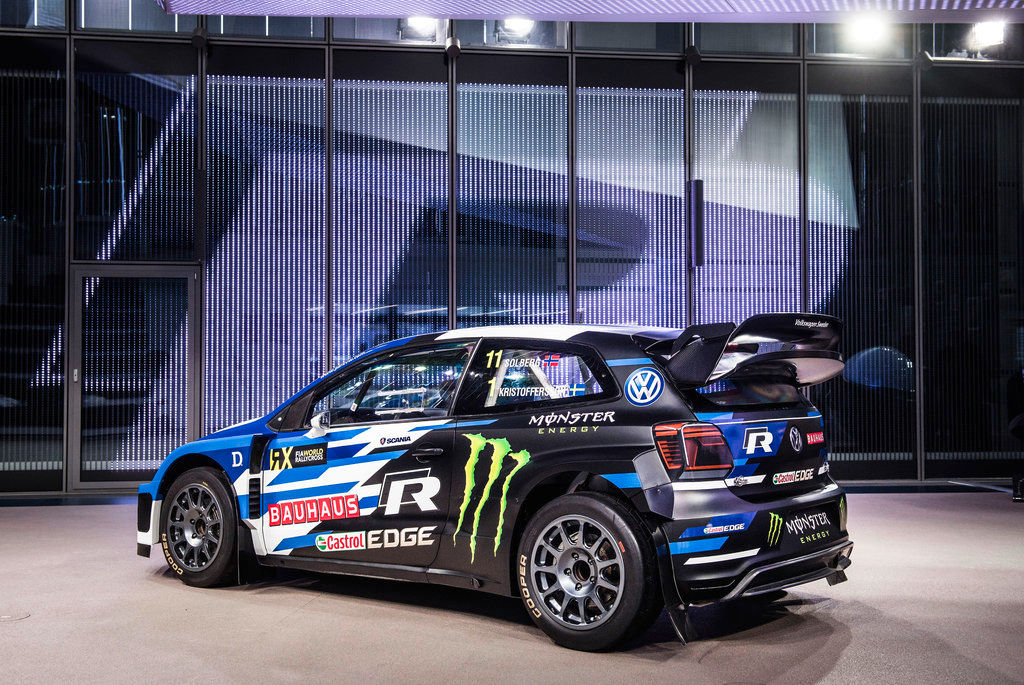
The championship-winning VW Polo R Supercar.

Before we get to the technical specifications, it's worth pointing out that the cars that compete in RallyCross are all recognisable. In the mix are Volkswagen Polos, Ford Fiestas, Peugeot 208s, Hyundai i20s and Renault Meganes. Of course, they're far from standard, but the fact that the spectators can identify with them makes it so much easier for them to become emotionally involved in the on-track rivalries.

DID YOU KNOW? A WRX car blasts from 0 to 100 kph faster than an F1 car. It takes only 1.9 sec!

But what makes a car competing in the top Supercar category so special? Well, the Polo R that has won the championship for the past 2 years is powered by a 419 kW turbocharged 2.0-litre engine and features four-wheel drive. It has stunning grip off the line, and can rocket to 100 kph faster than a modern F1 car (around 1.9 sec). It also makes a spectacular sound while doing so. Now, imagine 6 such machines storming into the first tight corner at the typical WorldRX track and you have some idea of the carnage that usually ensues. 

3. The fans matter


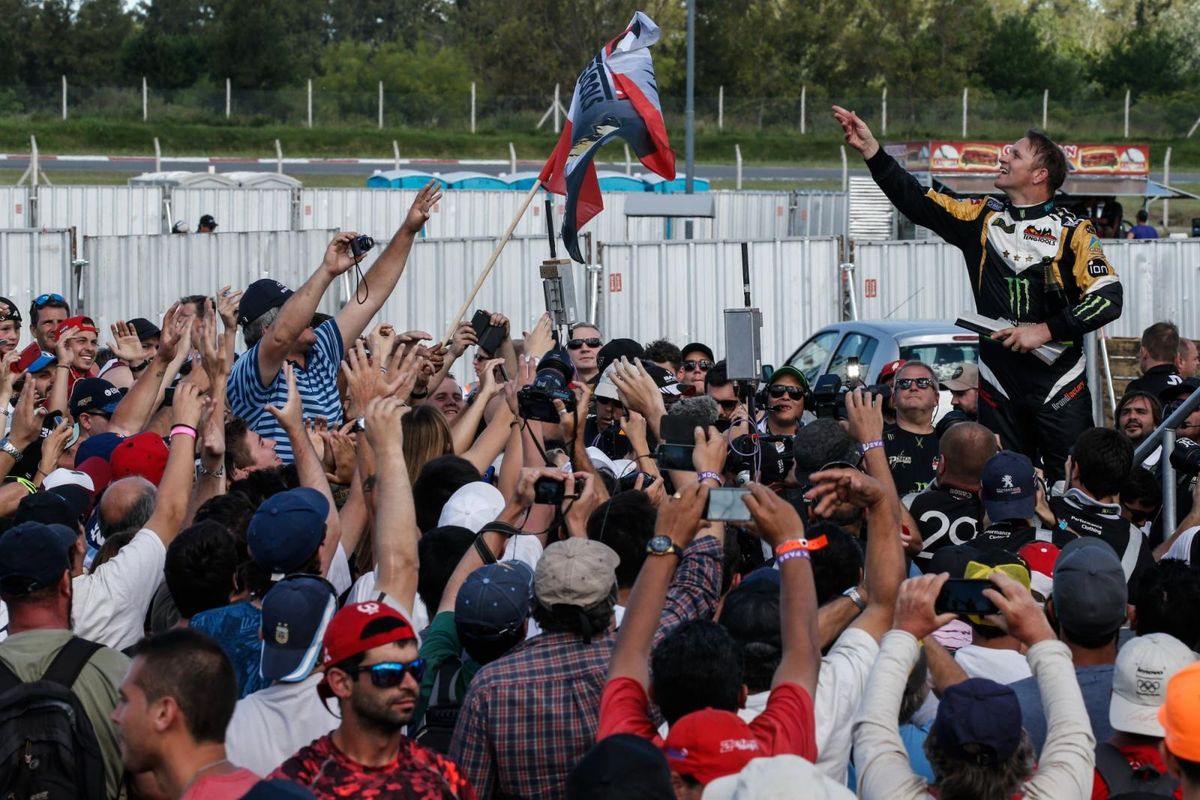
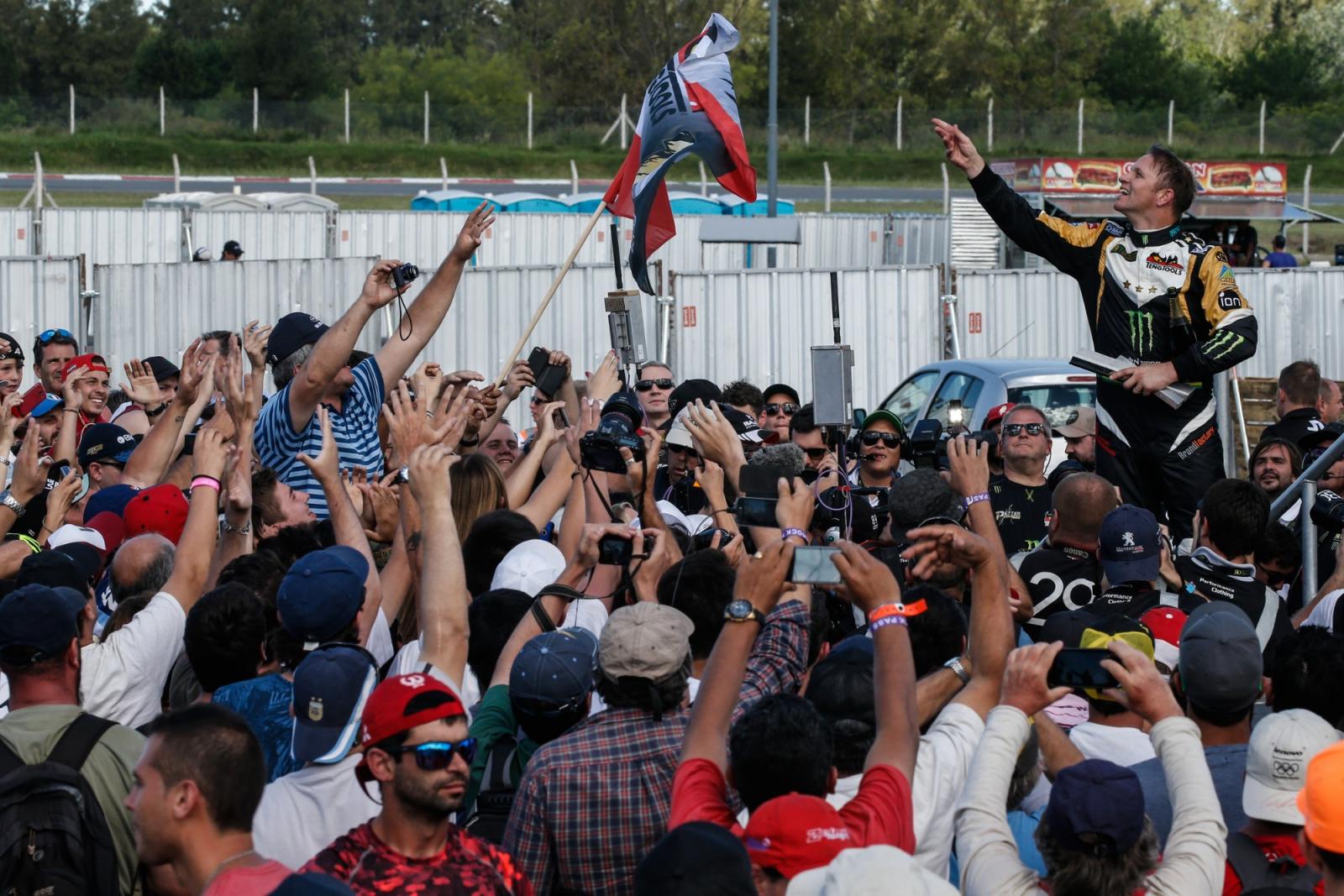
It's not often fans can get this close to their heroes, but FIA WorldRX does make this possible.

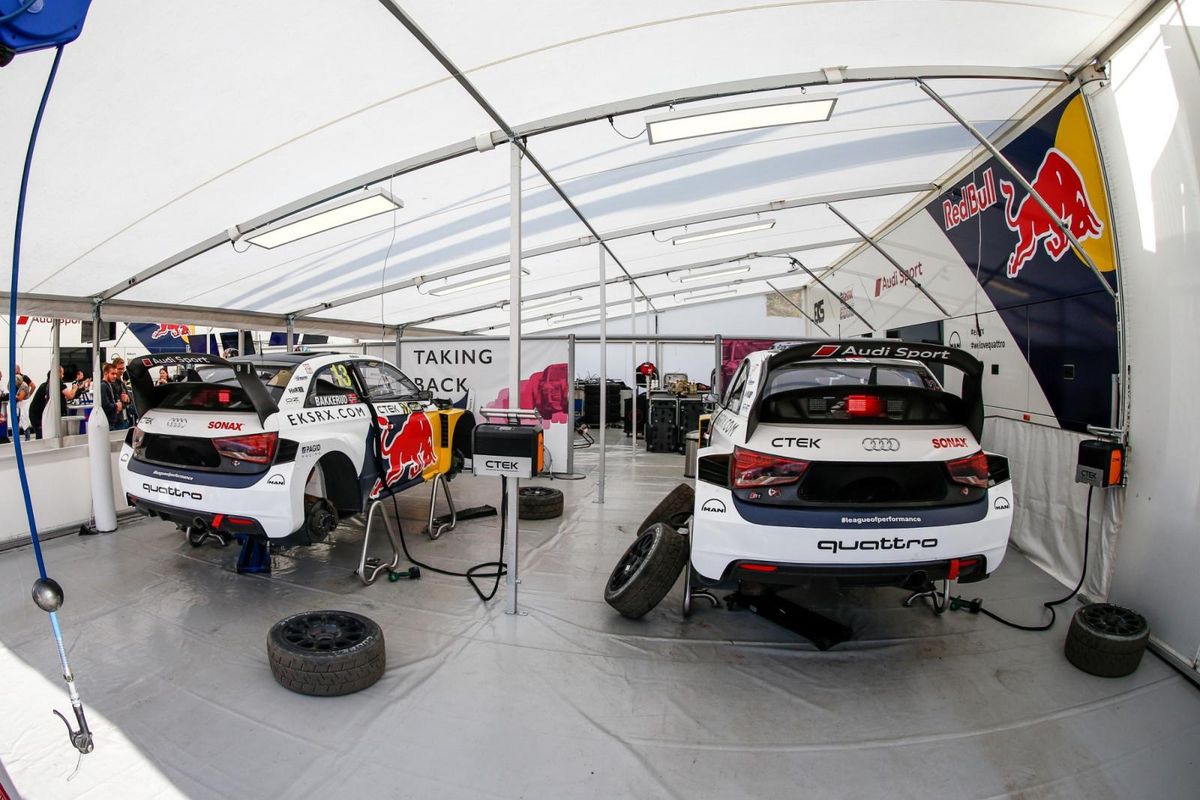
In many ways, World RallyCross appears to be a throwback to the glory days of motorsport, when fans could get really close to the drivers, peer into the pits and celebrate with them afterwards. Compared with, let's say F1, for example, the lack of airs and graces from the RallyCross's biggest stars (and some of them are pretty huge, see number 5 below) is startling. During the round in Latvia fans could walk between the pit garages, only being alerted of incoming or outgoing cars by marshalls with whistles. They could then see the cars being put onto the jacks and being worked on, while their superstar drivers mingle with guests in their team tents.

DID YOU KNOW? Live attendance of World RallyCross events has skyrocketed by 225% in the past 5 years.

I was a guest of the PSRX VW RallyCross team, which is owned by driver and WRC icon Petter Solberg and managed by his wife, Pernilla, who was also an ace rally driver. Throughout the weekend I was struck by how accessible these extremely busy people were to their supporters.

Petter's son, Oliver (16), who is an up-and-coming rally driver himself, was due for driving lessons from none other than 9-time WRC champ Sebastian Loeb in the following weeks, even though the Frenchman, who races for the Peugeot team, is one of the Solberg's fiercest rivals. There's a real sense of camaraderie in World RallyCross that I've not seen in any other form of modern motorsport, and most definitely not at this level.

Further to the main Supercar heats, there are supporting races that are equally thrilling, as well as numerous other displays, stunt events, stalls etc. 

4. The rules make the racing better


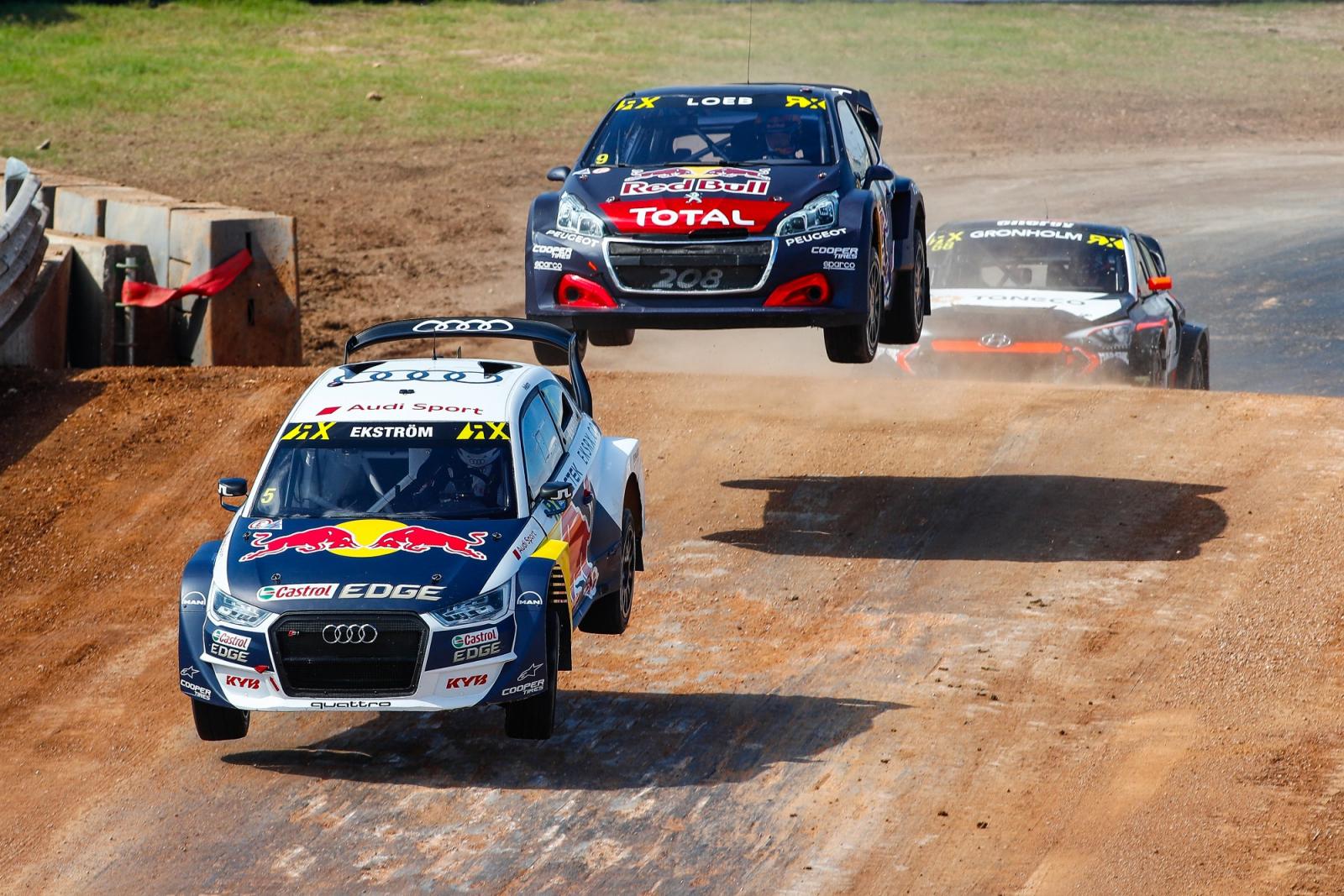
Every World RallyCross track features a jump or 2 because, you know, such things are fun.

Whereas other motorsport series frequently get bogged down in politics, rules and regulations, the FIA World RallyCross championship seems to put fun first. That's why every track has a jump, purely for the sake of the spectators' enjoyment. That's also why the races are shorter (6 laps) to ensure that the action remains intense right up to the final flag. Included in those 6 laps is the so-called "Joker lap": a slightly longer route that each contender has to take at some point – it adds a tactical element to the event that further boosts the action. 
5. There are some very big names


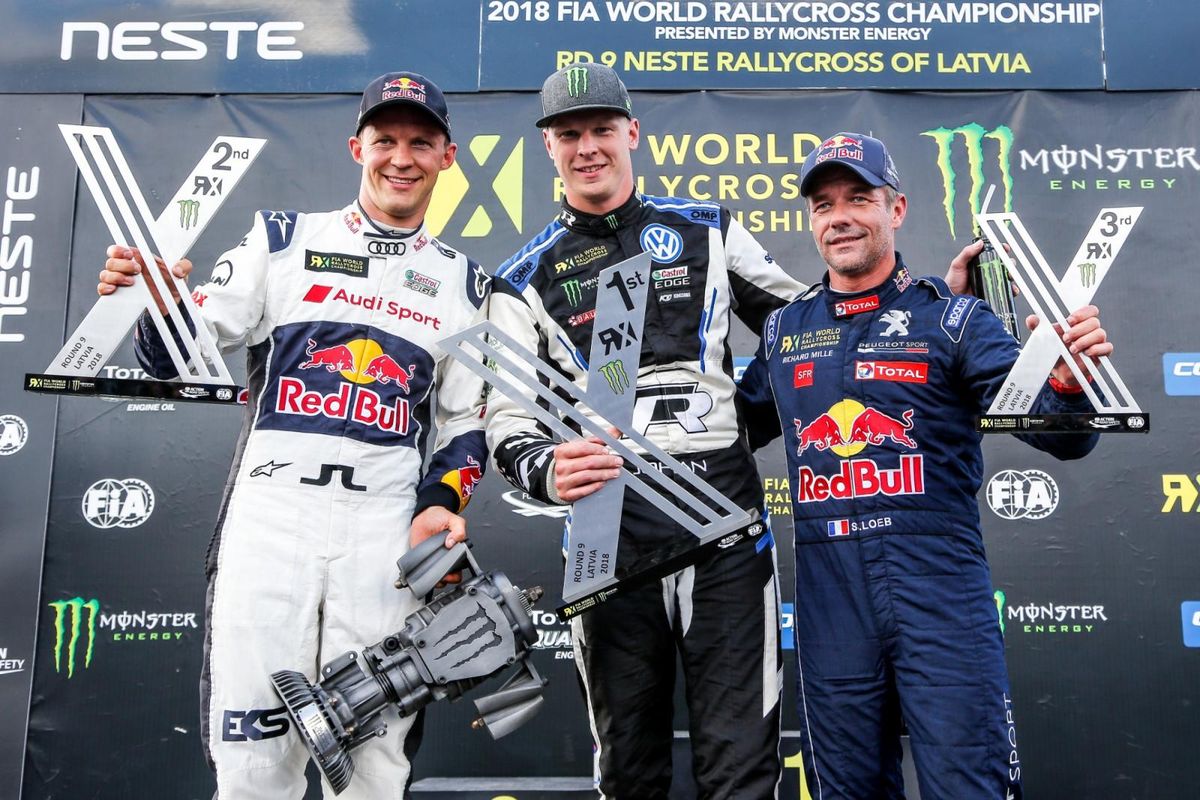
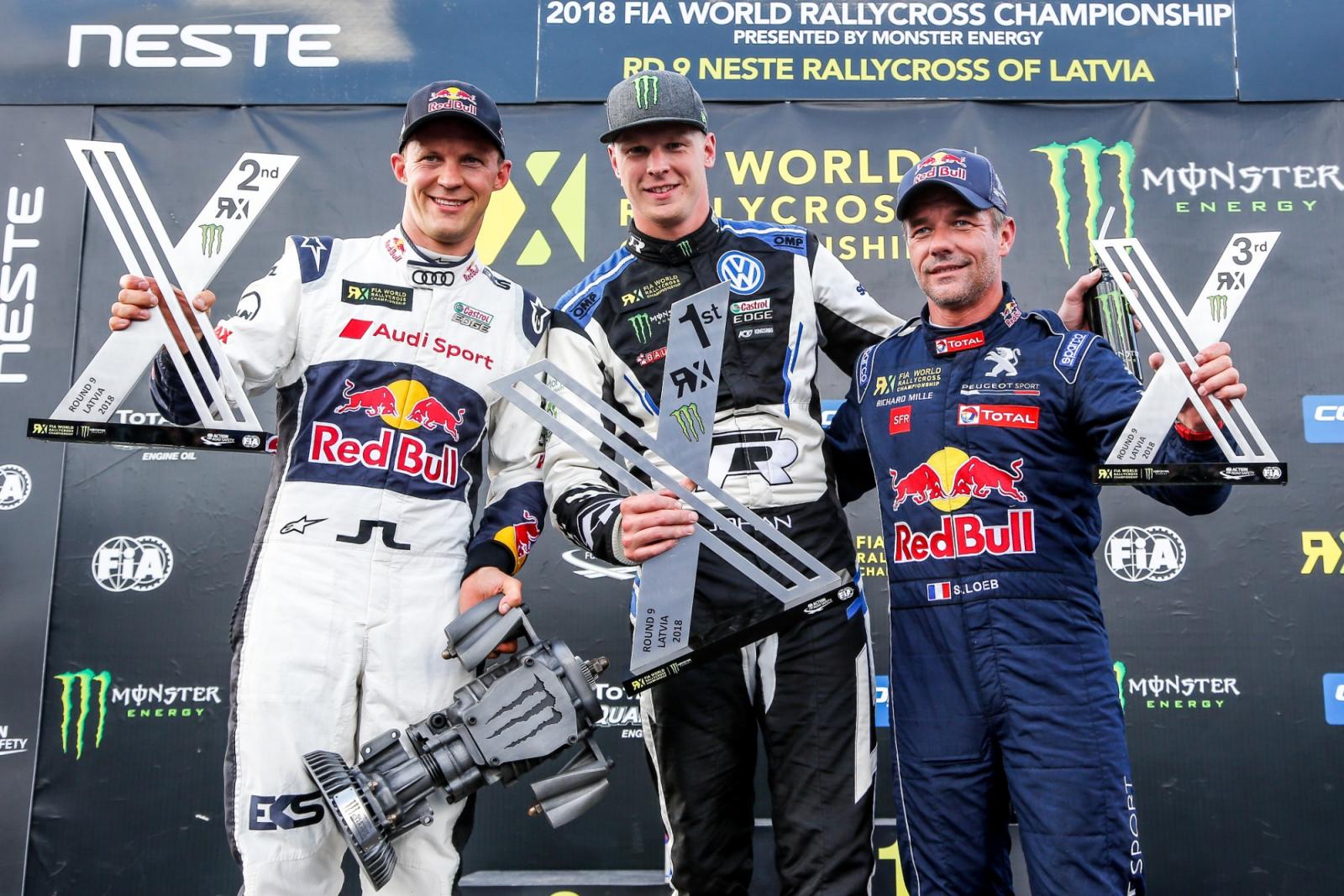
Three of the sport's biggest stars on the podium: Mattias Ekstrom (Audi), Johan Kristofferson (VW) and Sebastian Loeb (Peugeot).

Johan Kristofferson, who races for the Petter Solberg/VW team, has dominated proceedings during the 2017 and 2018 seasons (he's already been crowned this year's champion), which says a lot of his talent, given the closeness of the racing at all circuits.
Now factor in who the Swede is up against in the series and I don't think the world has really quite yet grasped what a talent the young Swede is. Besides his legendary team-mate (and boss) Petter Solberg, there is also Sebastian Loeb (the greatest rally driver of all time, in my opinion) to contend with. Audi's Mattias Ekstrom, the 2016 champion, is another strong contender. 

DID YOU KNOW? Since the series started in 2014, Petter Solberg has twice won the championship (in a Citroen), Mattias Ekstrom once, and Johan Kristofferson the past 2 years.

You can purchase tickets to the Cape Town round of the FIA World RallyCross here

Have a look at what went down in Cape Town last year in the video below, courtesy of the PSRX Volkswagen team:

You may also be interested in:

The Rise of World RallyCross

World RallyCross comes to Cape Town

World RallyCross in Cape Town – Everything you should know (2017)

Win all-access pass to prestigious #CarsAwards gala

You could be one 1 of 3 lucky people – and their partners ­– to attend the glamorous crowning event of the 2018/19 #CarsAwards in Johannesburg on 24 January 2019 (with travel, accommodation and all meals covered by Cars.co.za). All you have to do to enter the draw is complete the online Cars.co.za Consumer Satisfaction Survey.

Do you own a car that is less than 5 years old and regularly serviced through its manufacturer or importer’s franchised dealer network? By sharing feedback on the ownership experience of your vehicle, you can be one of thousands of South African motorists to have an impact on the outcome of the 2018/19 Cars.co.za Consumer Awards ­– powered by WesBank, What's more, you could be among the fortunate few to have the privilege of attending our marquee event in Johannesburg.

Conceived to be South Africa’s definitive automotive awards programme, the #CarsAwards has steadily grown in stature, reach and influence since the inaugural event in 2016. Apart from being supported by South Africa’s largest vehicle finance provider, #CarsAwards is an energetic, impactful opening number to the automotive industry and Johannesburg’s social calendar.

The event, during which the 13 best new vehicle derivatives (in their respective categories) and the overall Brand of the Year are announced, is attended by captains of industry, plus a host of celebrities, media personalities and influencers, who grace the red carpet of the glamorous ceremony, which includes live entertainment, complimentary drinks and gourmet catering.

This opportunity to be part of the 2018/19 #CarsAwards razzmatazz is simply too good to miss… The draw is open to any South African citizen, and if any (or all) of the selected winners reside outside Gauteng, they and their respective partners will be flown from Cape Town, Durban, Bloemfontein or Port Elizabeth to Johannesburg and back. While in Jozi, they will be accommodated in a hotel for a night, with all meals and transfers to and from the event (on the evening of 24 January 2019) included.

What are you waiting for? Complete the survey and enter the draw!

Related content:

Visit the #CarsAwards site

2018/19 Cars.co.za Consumer Awards – powered by WesBank; Finalists

2018/19 Cars.co.za Consumer Awards – powered by WesBank; Semi-Finalists

2018/19 Cars.co.za Consumer Awards – powered by WesBank; Finalists

Announcement: 2018/19 Cars.co.za Consumer Awards – Powered by WesBank

Mercedes-AMG GLC 63 S Breaks Ring Record [w/video]

The Mercedes-AMG GLC 63 S 4Matic+ is now the fastest SUV to lap the  Nürburgring Nordschleife in Germany. Sorry, Alfa Romeo…

The Alfa Romeo Stelvio Quadrifoglio was the SUV king at the ring but has now been dethroned by the Mercedes-AMG GLC 63 S.

The Stelvio Quadrifoglio achieved the record in 2017 with a time of 7:51.7, to become the fastest SUV to lap the famous Nürburgring Nordschleife.

The Mercedes-AMG GLC 63 S 4Matic+ has now claimed that title with a time of 7:49.4, driven by Mercedes-AMG Development Engineer, Markus Hofbauer, who smashed the record on his first attempt with a 4.0-litre V8 biturbo engine with 375 kW and 700 Nm under the bonnet. It’s capable of a zero to 100 kph sprint in just 3.8-seconds, which is phenomenal for an SUV weighing 1 850 kg.

Comparatively, the Stelvio Quadrifoglio is powered by a 2.9-litre bi-turbo V6 developing 375 kW and 600 Nm of torque and is capable of sprinting from zero to 100 kph in the same 3.8 seconds.

It’s unlikely that the record will stand for long as there are heavy-hitters in the wings such as the Lamborghini Urus, Porsche Cayenne Turbo and Jeep Grand Cherokee Trackhawk which are strong candidates to snatch the title from the Merc. Time will tell, but for now, the record stands…

Watch the record-breaking drive in the video below…


Buy a new or used Mercedes-Benz GLC on Cars.co.za

Related Content

Mercedes-AMG GLC 63 S (2018) Launch Review

Mercedes-Benz GLC 300 (2015) Review

Quick Drive: Mercedes-AMG GLC 43 Coupe 4Matic

Mercedes-Benz GLC 250d Coupe 4Matic (2017) Review