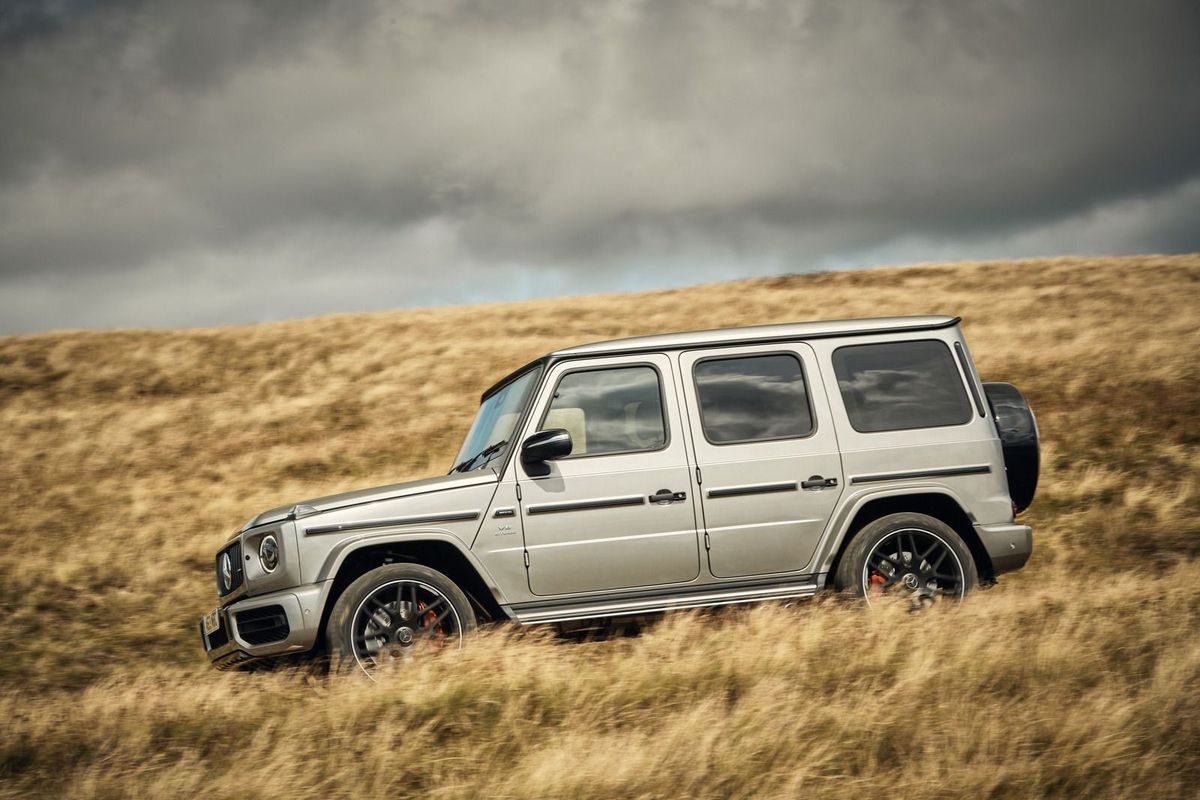
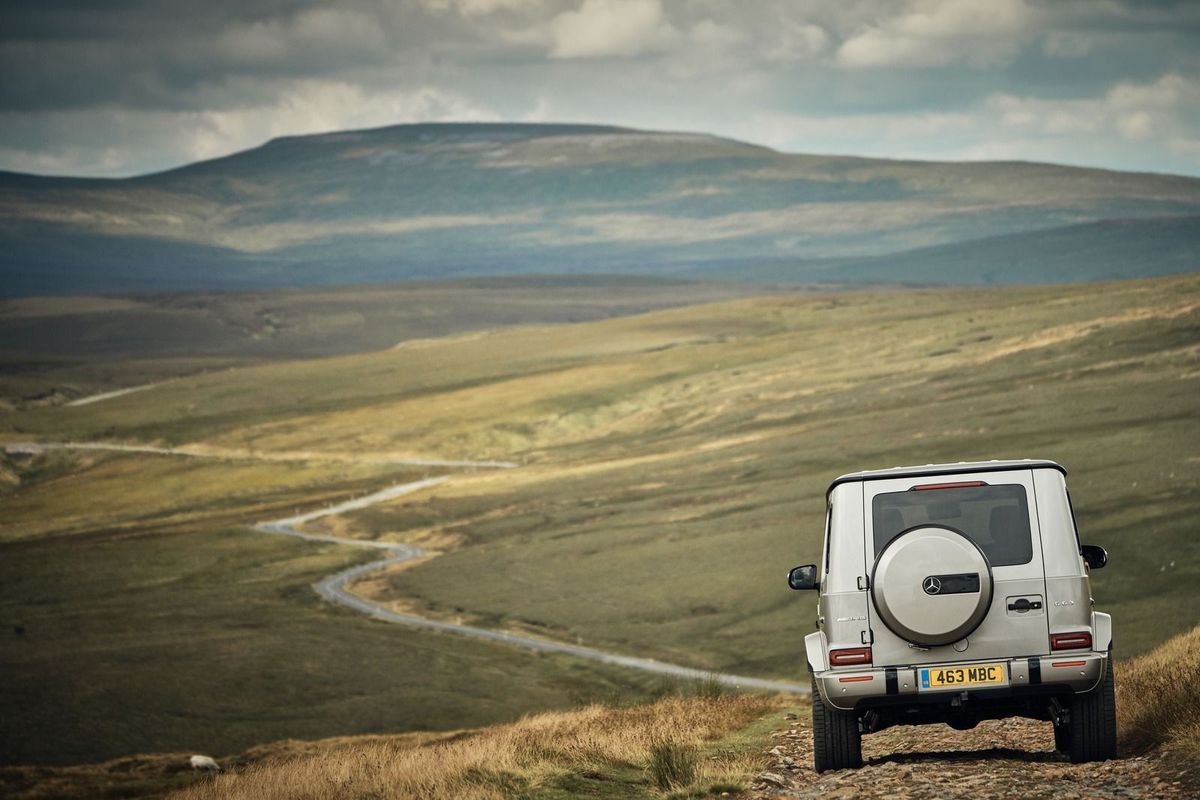
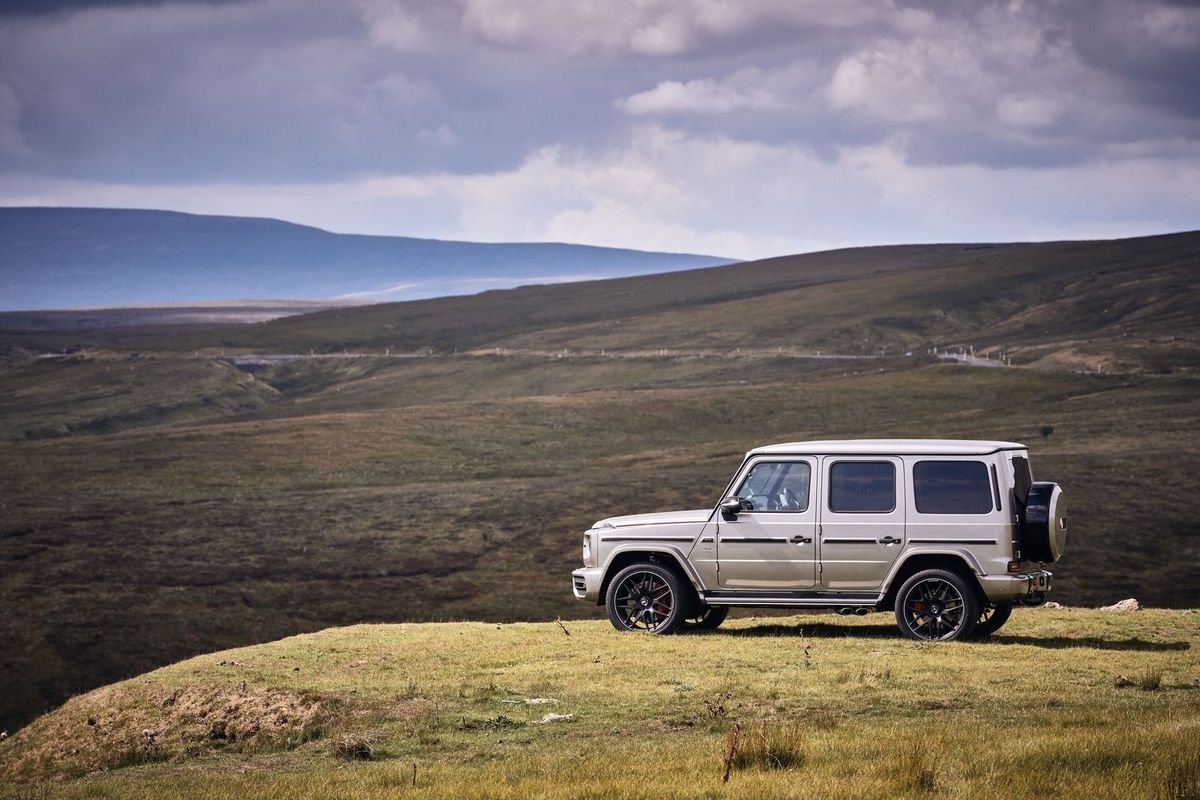
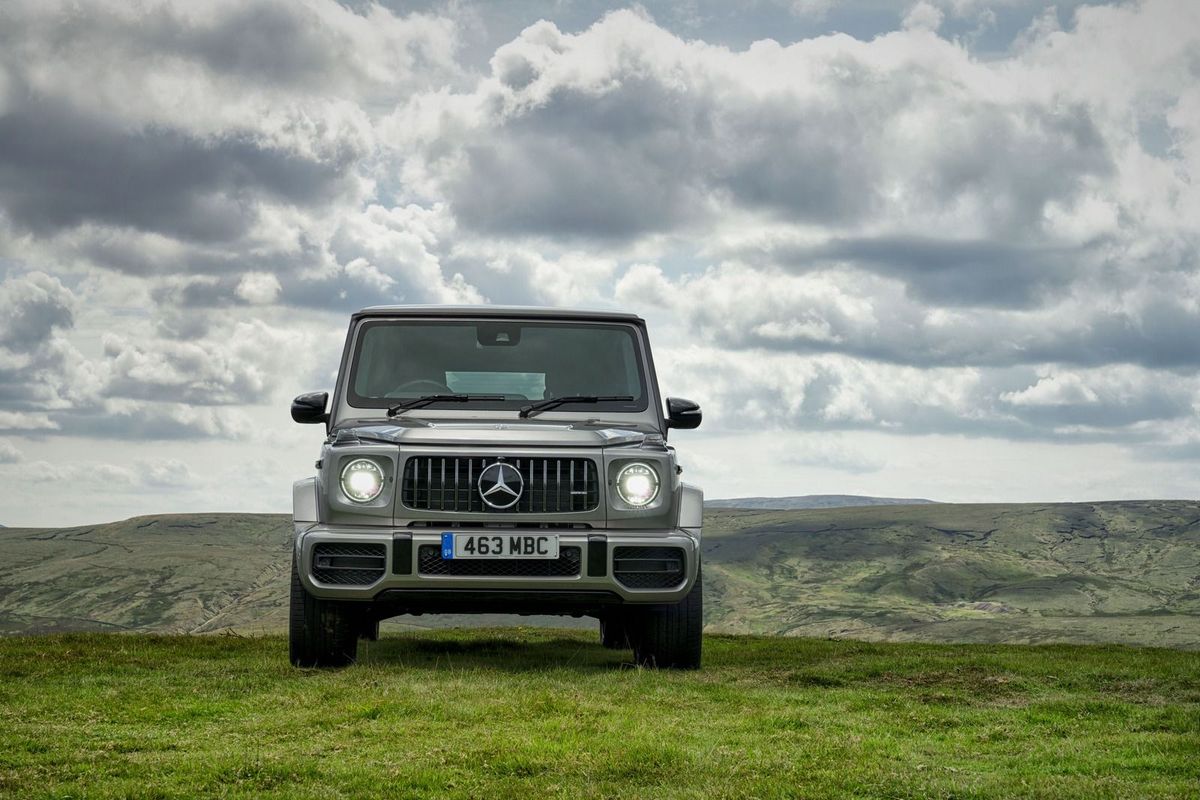
Datsun Go (2018) Launch Review
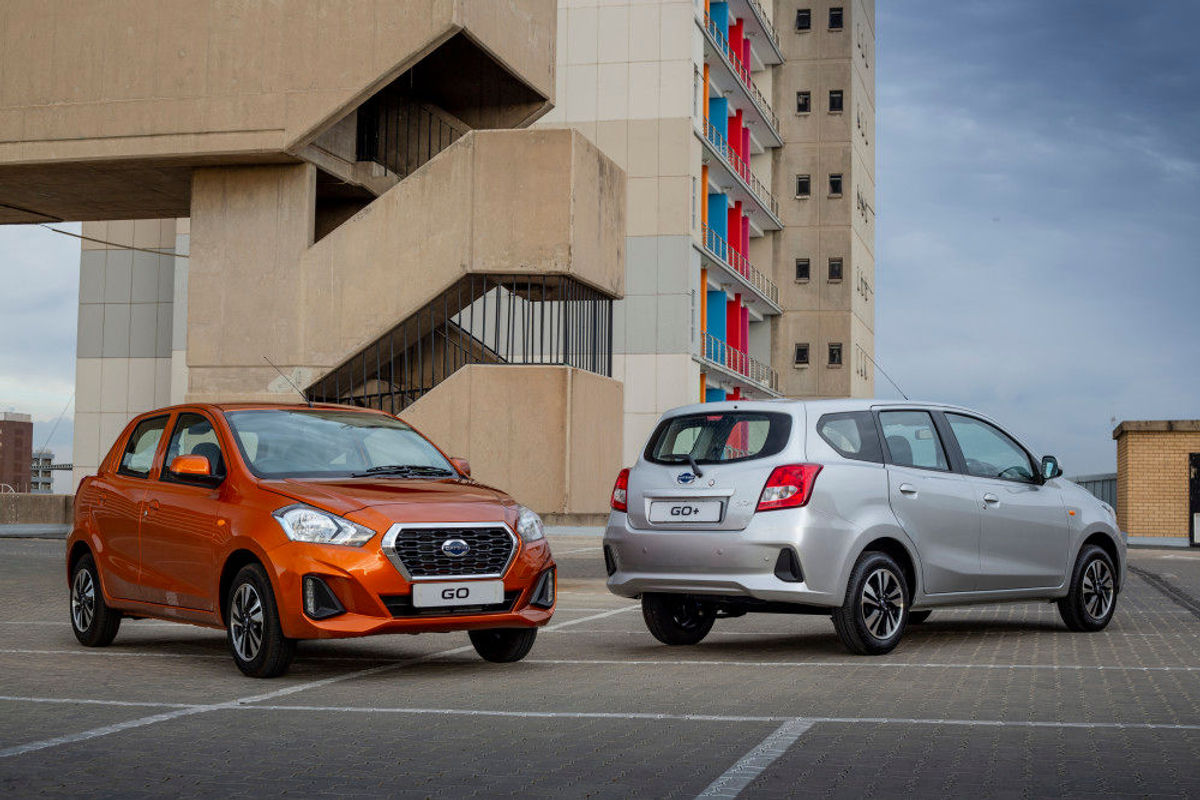
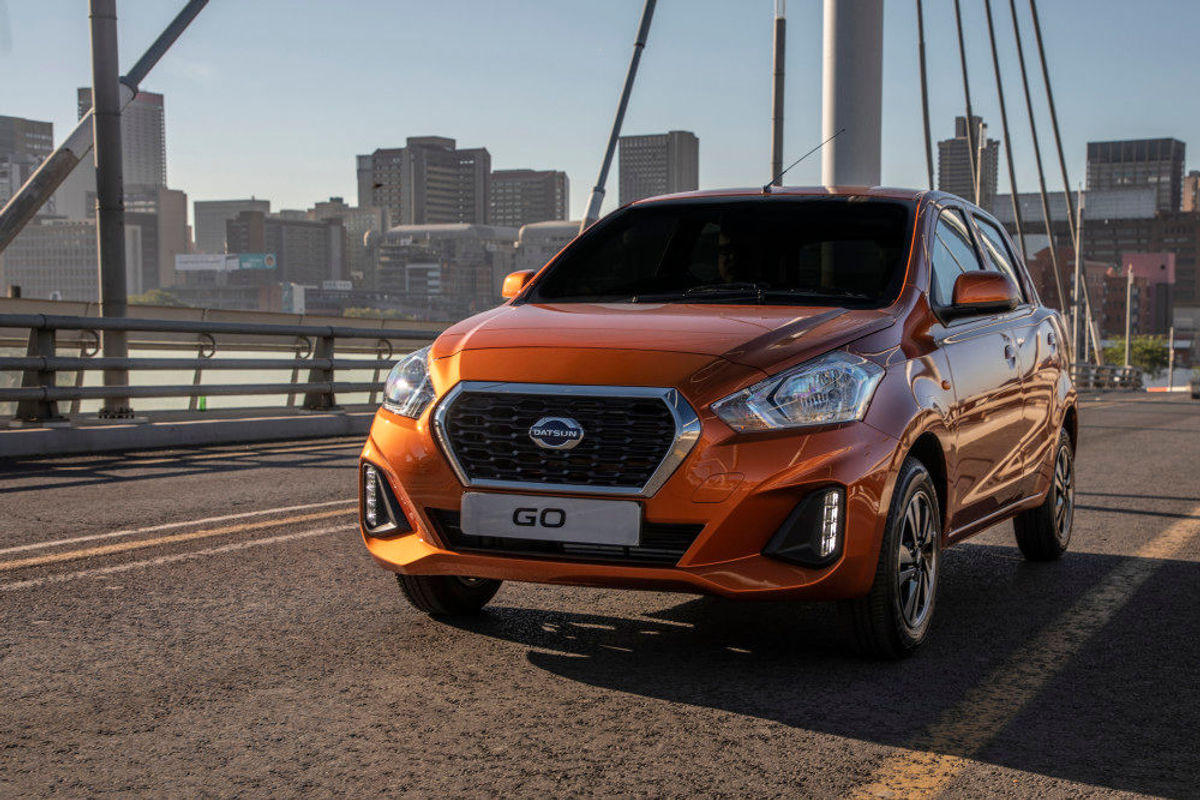
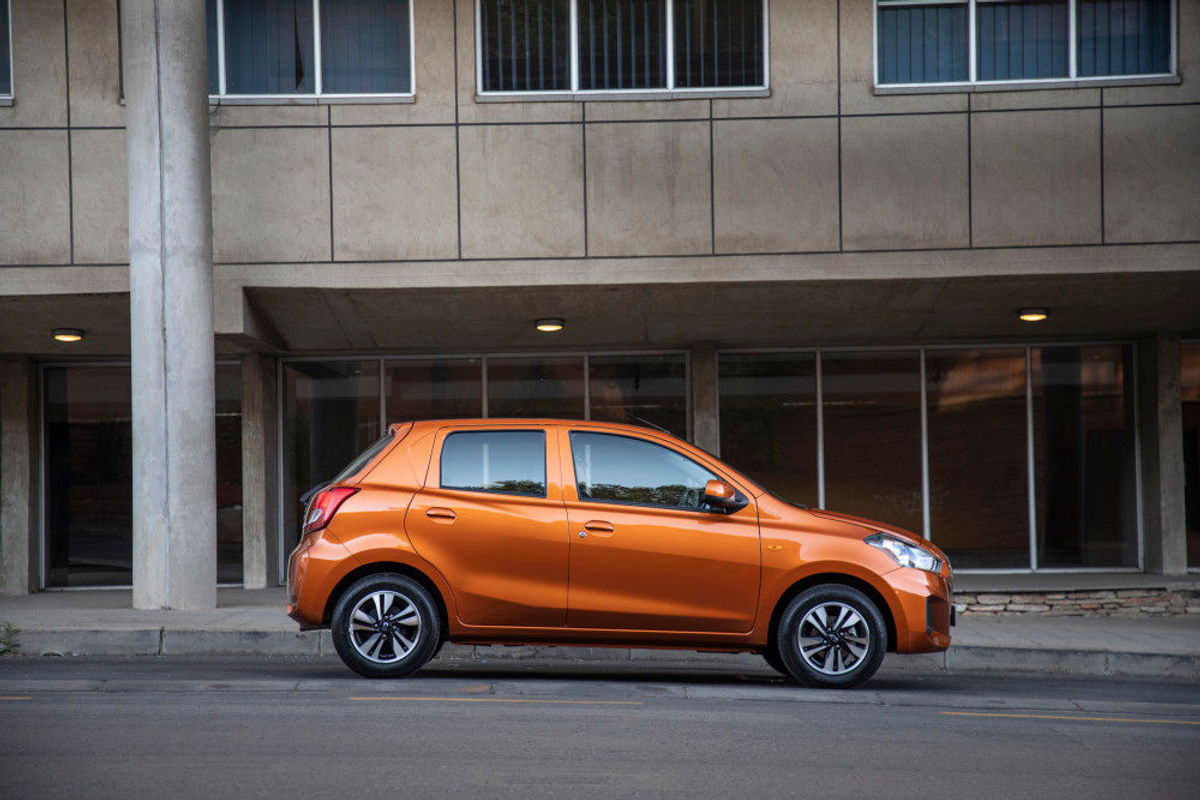
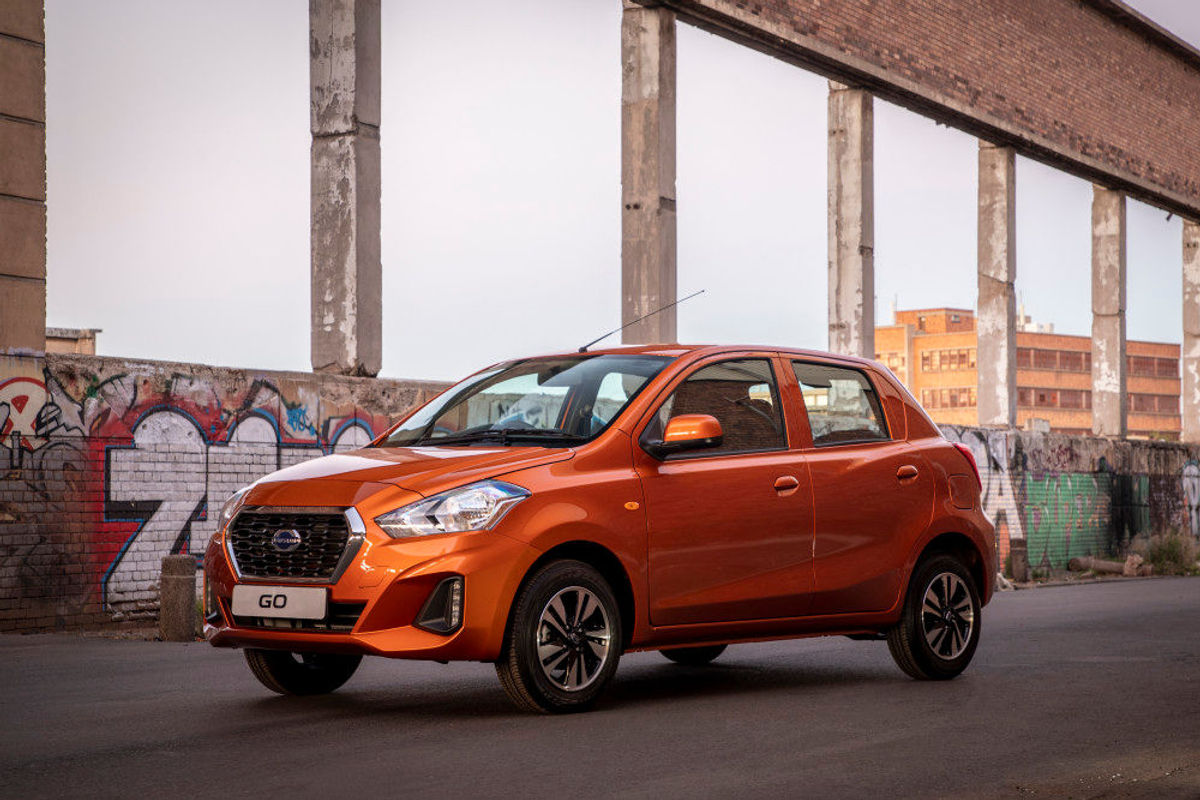
The Datsun Go has been updated and the revised version of the controversial budget car comes to market replete with substantial improvements, including a safety upgrade. We headed to Gauteng to drive the newcomer.

Back in 2013, the car world was surprised by news of the resurgence of the Datsun brand. Hopes were high that finally there would be a quality NEW vehicle that would suit budget-car buyers to a tee. Named Go, it offered pleasing levels of comfort, performance and specification on paper. However, there was a catch. The first iteration of Datsun Go was under-equipped in terms of safety, it featured no airbags or ABS. Later, a single airbag (for the driver) was added to the top-spec 1.2 Lux derivative, which was the sole offering on the market before the arrival of the facelift. 

Worse still was that the vehicle's body didn't appear to offer enough structural integrity to provide notable occupant protection in the event of an accident – which meant that even tripling the airbag count would have had little effect. The condemnation in the media (mainstream and social) was brutal after NCAP scored the Go zero. Our review of the Go was ambivalent; we thought it was okay to drive, but the safety issue was critical. 

Despite this, the Go has sold well in South Africa, which suggests that many customers are willing to sacrifice safety for the pleasure of owning a new vehicle (a phenomenon that ensured "continuation vehicles", such as the VW CitiGolf and Toyota Tazz, remained in local production long after they'd been replaced in their countries of origin; they sold well right up to the point they were discontinued). 

Besides, it's easy to understand why… the alternatives to new-car ownership are running inefficient or unreliable old cars or using public transport which is not without its risks and limitations. 

Enter this facelifted Datsun Go, with which the Japanese company hopes to surpass the average sales count of the preceding model (around 500 units a month). To date, almost 25 000 Datsun Go variants have found homes in South Africa.

What's new?
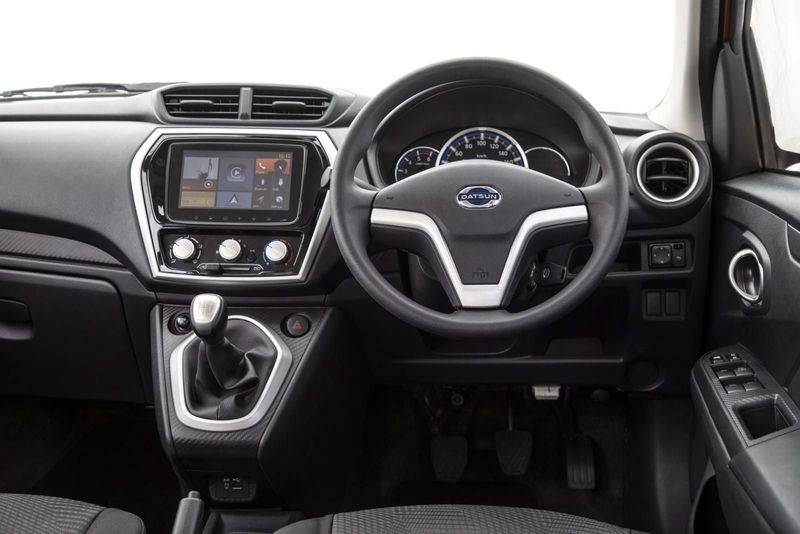

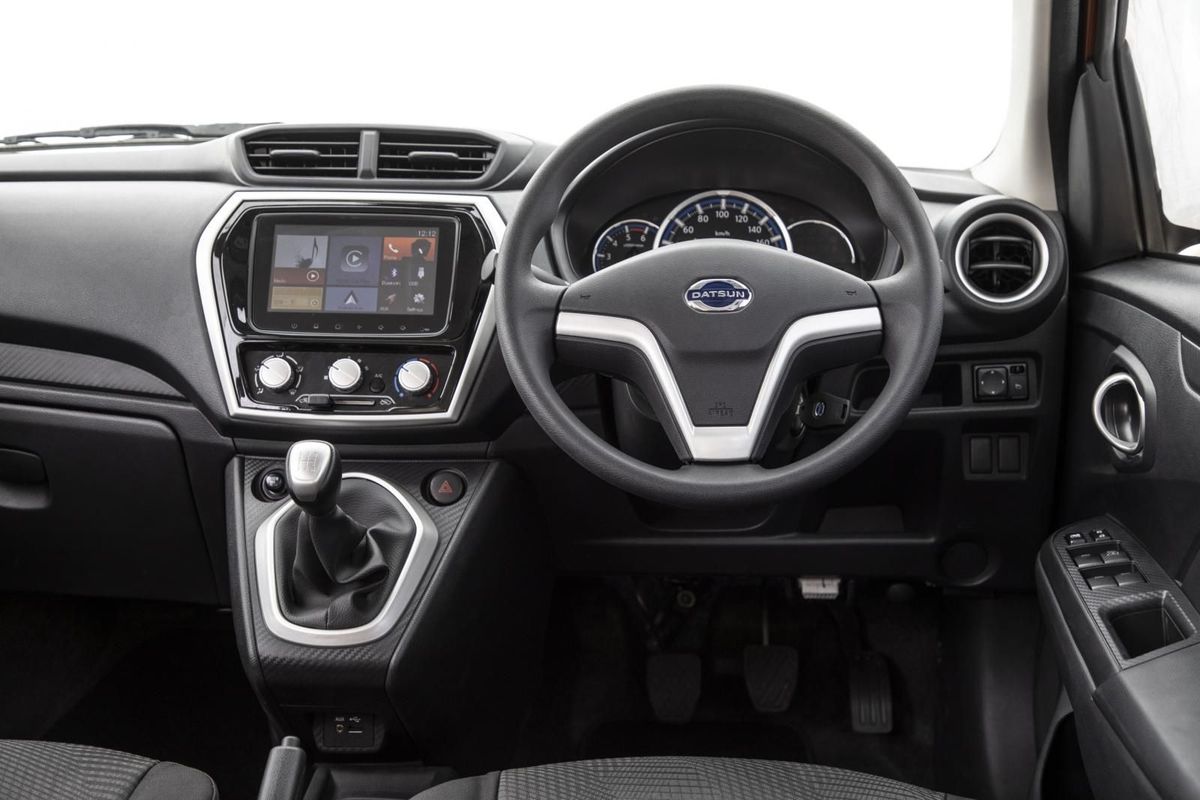
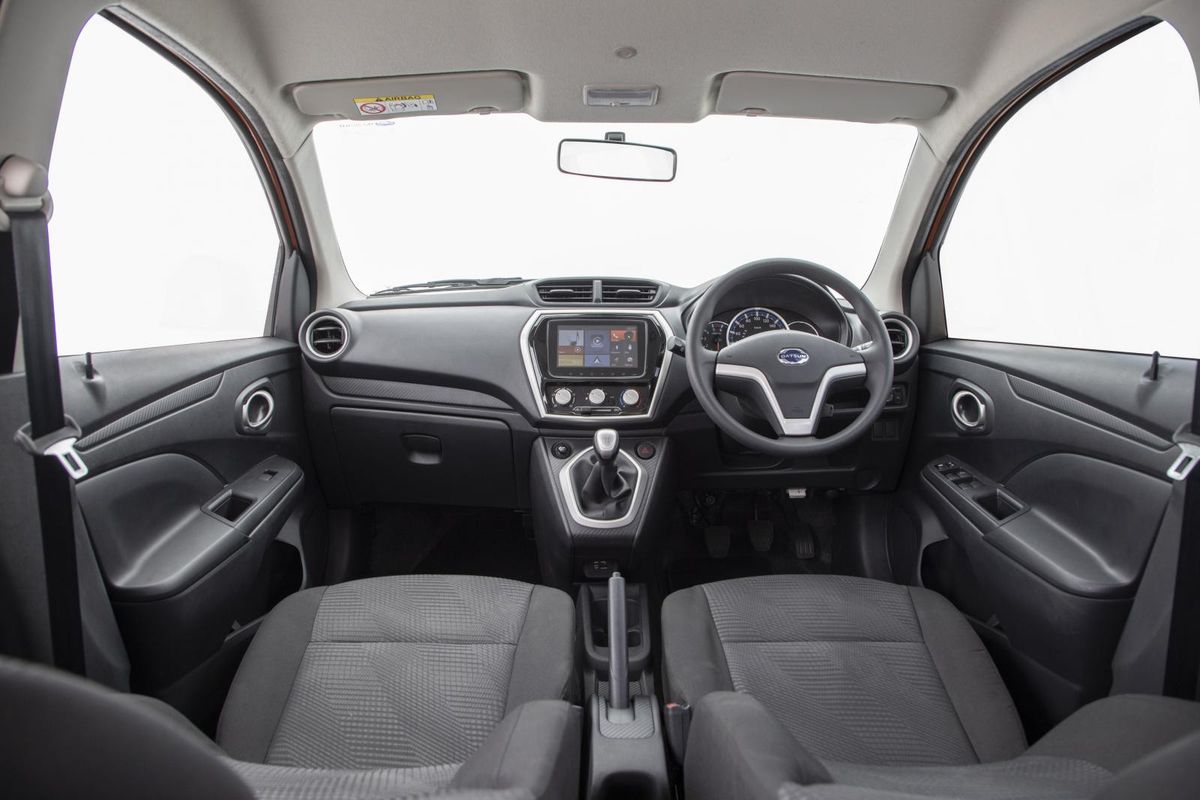
The Datsun Go's revised fascia features a far more modern infotainment system. The front bench also been replaced by 2 individual seats.

There has been a huge focus on the part of Datsun to improve the Go's cabin quality and ergonomics. The 1-piece bench seating arrangement at the front has made way for 2 individual seats and the resulting central space means a conventional handbrake has been fitted, doing away with the agricultural and ungainly "umbrella handle" handbrake, which used to protrude from the dashboard. 

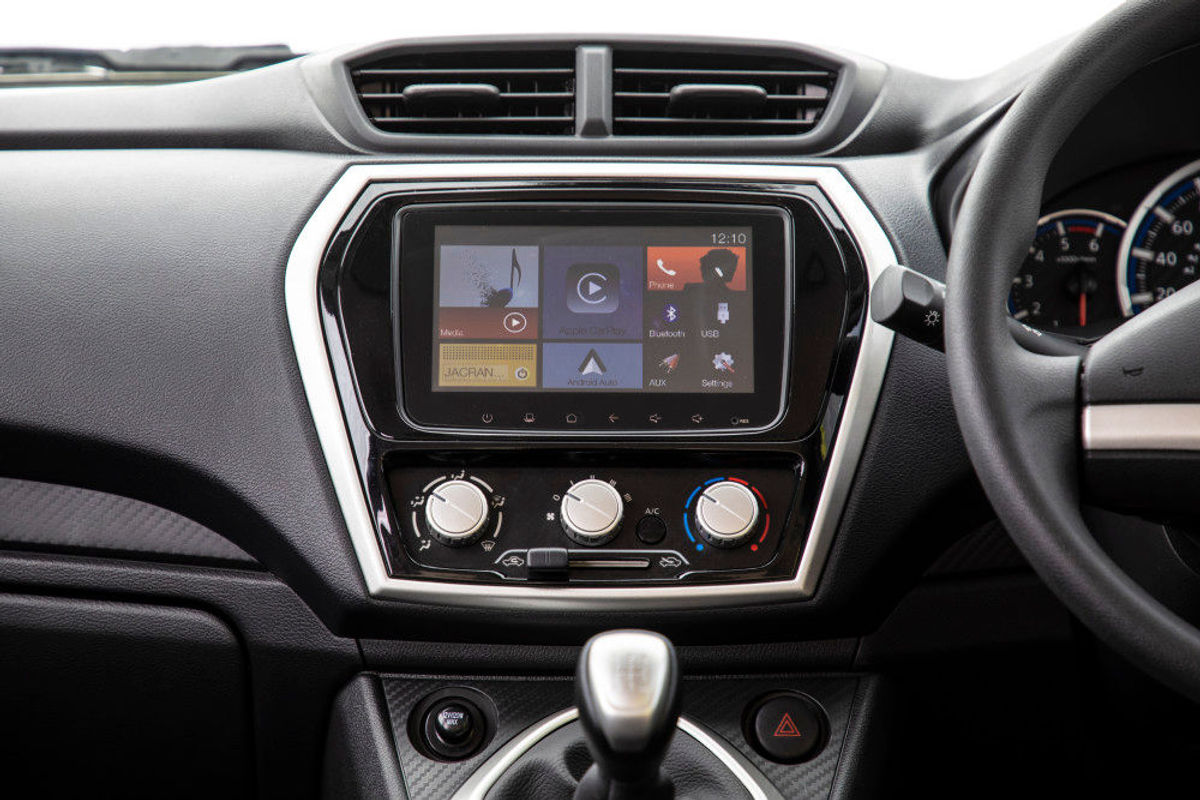
There's an all-new touchscreen infotainment system, which is more akin in layout and user experience to that of a smartphone than a "fancy car radio". We believe the Go's tech-savvy intended target market will lap that up. Also in the mix is Apple CarPlay and Android Auto, the latter we used extensively for its music streaming functionality on our test drive. Another nice feature added to the Go's spec is rear parking sensors. 

Want to get Android Auto in SA? Here's how

The powertrain has been carried over and it's a 1.2-litre 3-cylinder motor that produces a tidy 50 kW and 104 Nm. Those outputs may not sound like much (at all), but the Datsun Go is a lightweight vehicle and it doesn't need much in the way of engine pulling power to motivate it. Power goes to the front wheels via a 5-speed manual gearbox. Datsun claims an average fuel economy figure of 5.2 L/100 km.

The massive change, however, is the addition of significant safety features. The driver's airbag has been joined by a 2nd airbag for the front passenger and crucially, an anti-lock braking system (ABS) has been fitted. The addition of ABS will result in fewer collisions (and help inexperienced drivers, in particular). As for improvements to the Go's structural rigidity (especially around the passenger cell), we expect that Datsun will have to have made (or will still make) running upgrades in anticipation of further crash testing being conducted on the upgraded Go by organisations such as NCAP. The firm said that it will be looking at introducing stability control in 2019, but that will undoubtedly impact the list price.

Read all about the detailed changes here
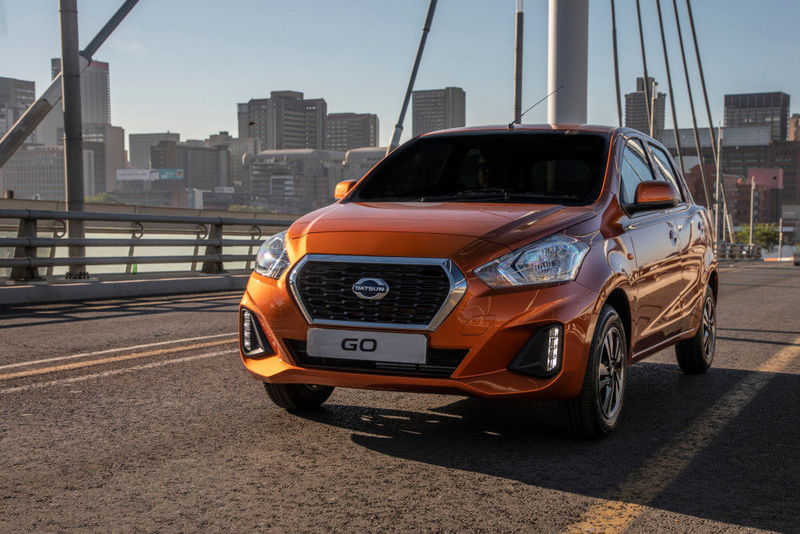

Top-spec models get alloy wheels and daytime running lights

How does it drive?

Our launch route was a combination of highway and urban driving, and we put the newcomer through its paces. However, when we recalled our impressions of the pre-facelift version, we realised that there's now a big jump between the two. The previous version of the Datsun Go suffered from severe body-roll during cornering and a combination of harsh road and engine noise was tough to bear. At 120 kph, we felt a bit vulnerable in the Go and the car didn't inspire confidence on congested highways. This newer version feels a bit more stable and offers a relaxed drive.

The great news is that the new Go feels more solidly assembled and -finished, in general. The gear action is light and smooth, and the 'box's shift quality slick (a good thing, as you'll be working the gears often!). At the altitude of Gauteng, you will need to work that little engine quite hard and almost every highway overtaking manoeuvre required a gear-change down into 4th. We feel that noise, vibration and harshness (NVH) suppression has been improved too. There are still a handful of rough edges, but at this price point, we can't criticise them that harshly.
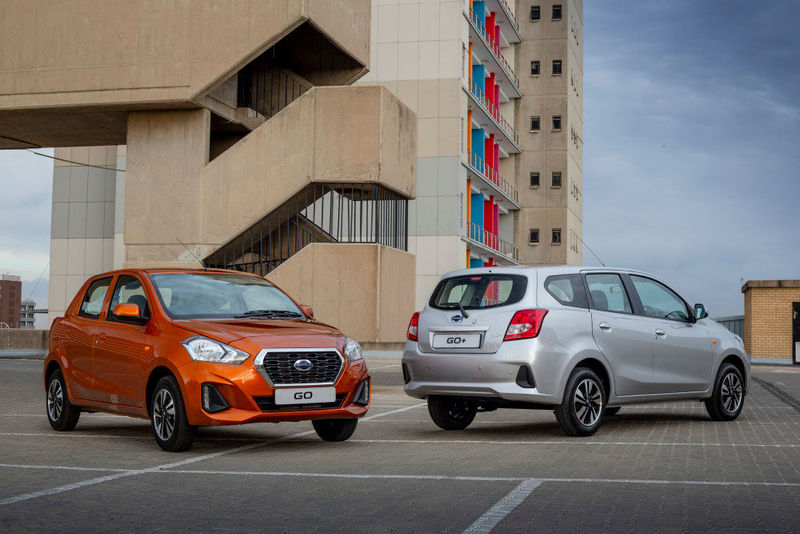

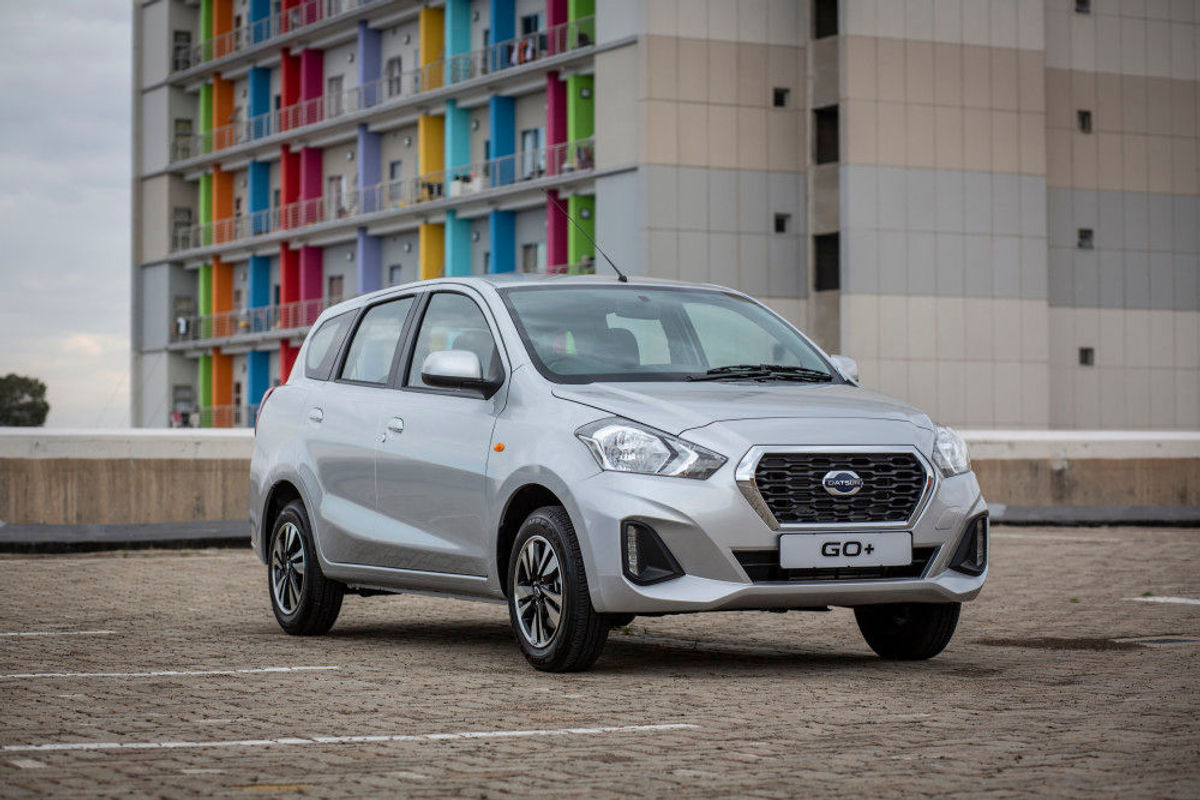
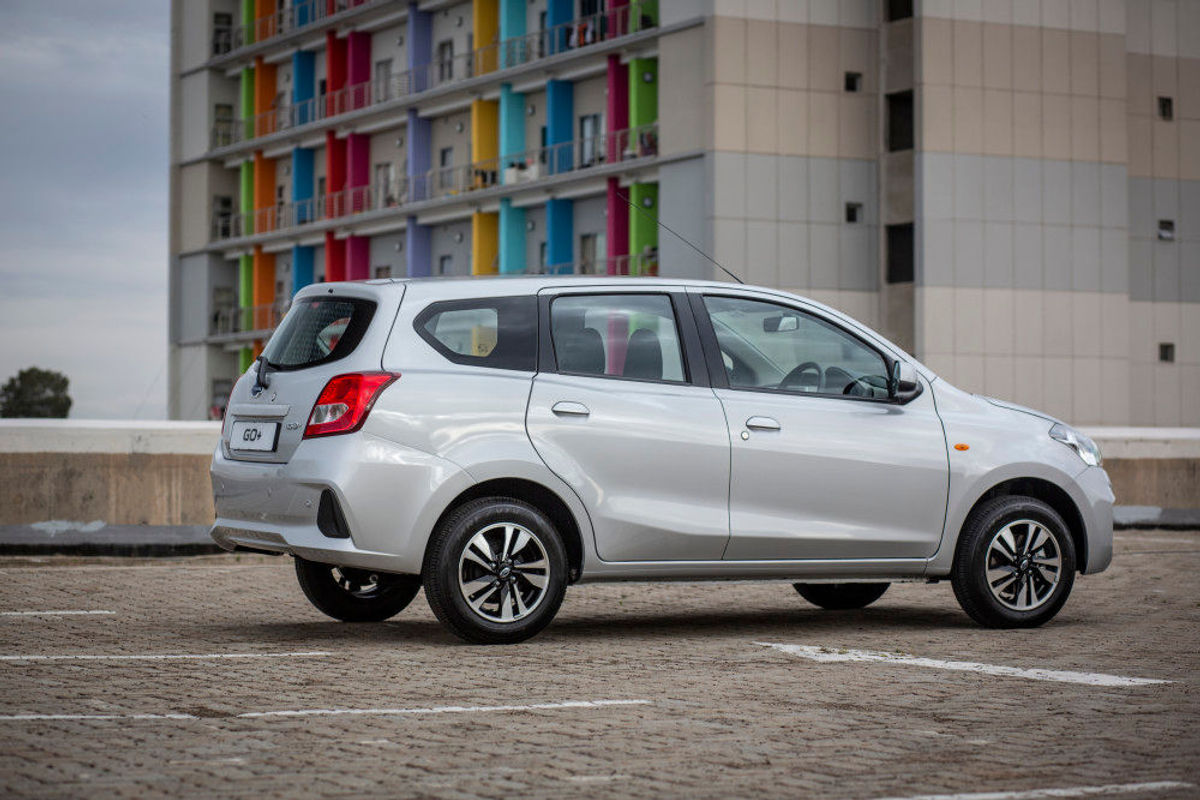
The Datsun Go is also available in a 7-seater and panel van configuration.

Verdict

Now that safety, the proverbial elephant in the room has addressed (at least to an extent), one can justifiably regard the Datsun Go as a strong all-round contender in the (exceedingly) price-sensitive budget car segment. The addition of ABS has huge (but, thankfully, positive) implications and this should further bolster sales. In terms of interior quality, the difference between the outgoing model and the newcomer is night and day; so much so that one could easily be fooled into thinking they were 2 almost unrelated vehicles. More convenience features such as the smart and modern infotainment system will also help draw customers in. So the new Datsun Go is starting to look like quite the budget bargain and, as those dreadful infomercials go, "but wait, there's more". Datsun Go customers will receive 1 year's insurance with their new car, sweetening the deal even further.

Datsun Go – Price in SA

Datsun GO Mid R144 500

Datsun GO Lux R165 500

Datsun GO+ 7-seater Mid R154 200

Datsun GO+ 7-seater Lux R175 900

Datsun GO+ Panel Van R155 200

The Datsun Go is sold with a 3-year/100 000 km warranty and an optional service plan.

Further reading:

5 Cheapest New Cars in South Africa (2018)

Datsun shows off new Crossover

Datsun GO+ Launches in SA

Datsun GO (2014) Review

Datsun Go-Cross Concept Revealed

Global NCAP and AA Crash Test Popular Cars in SA
Interested in buying a Datsun?

Find a new or used example on Cars.co.za

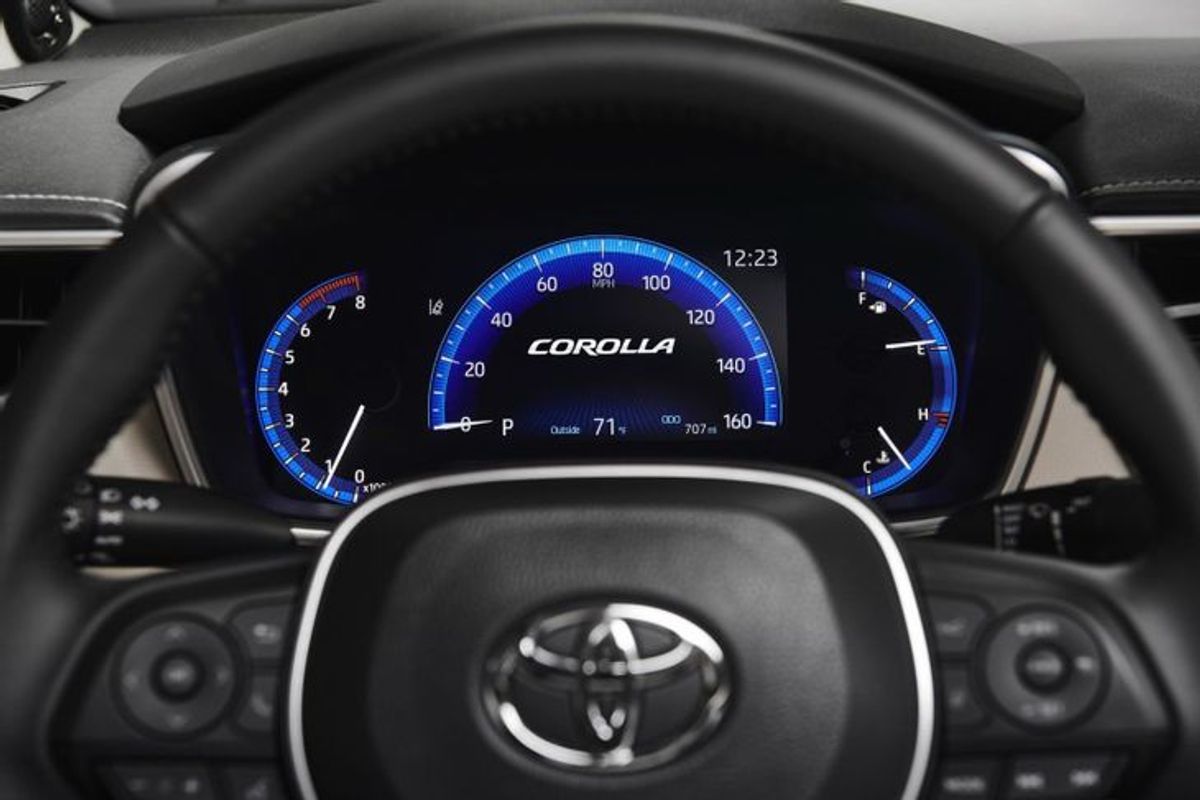
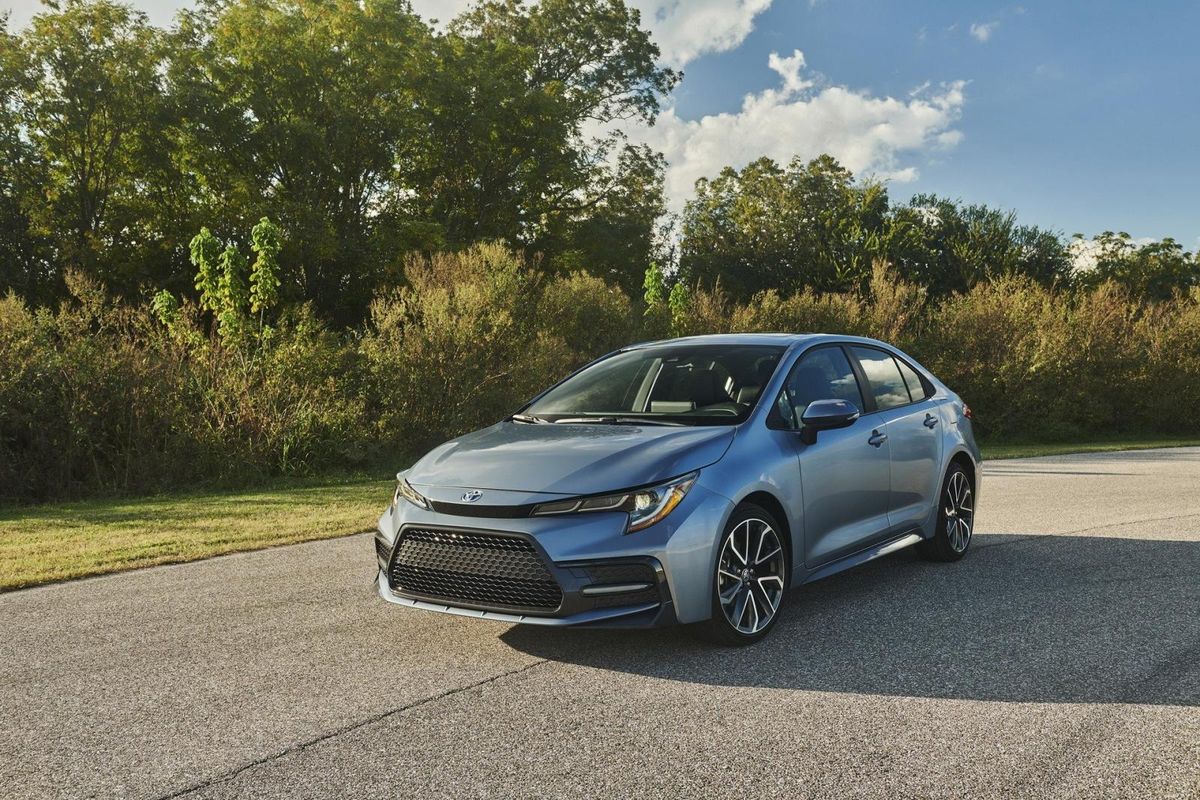
New Toyota Corolla Revealed

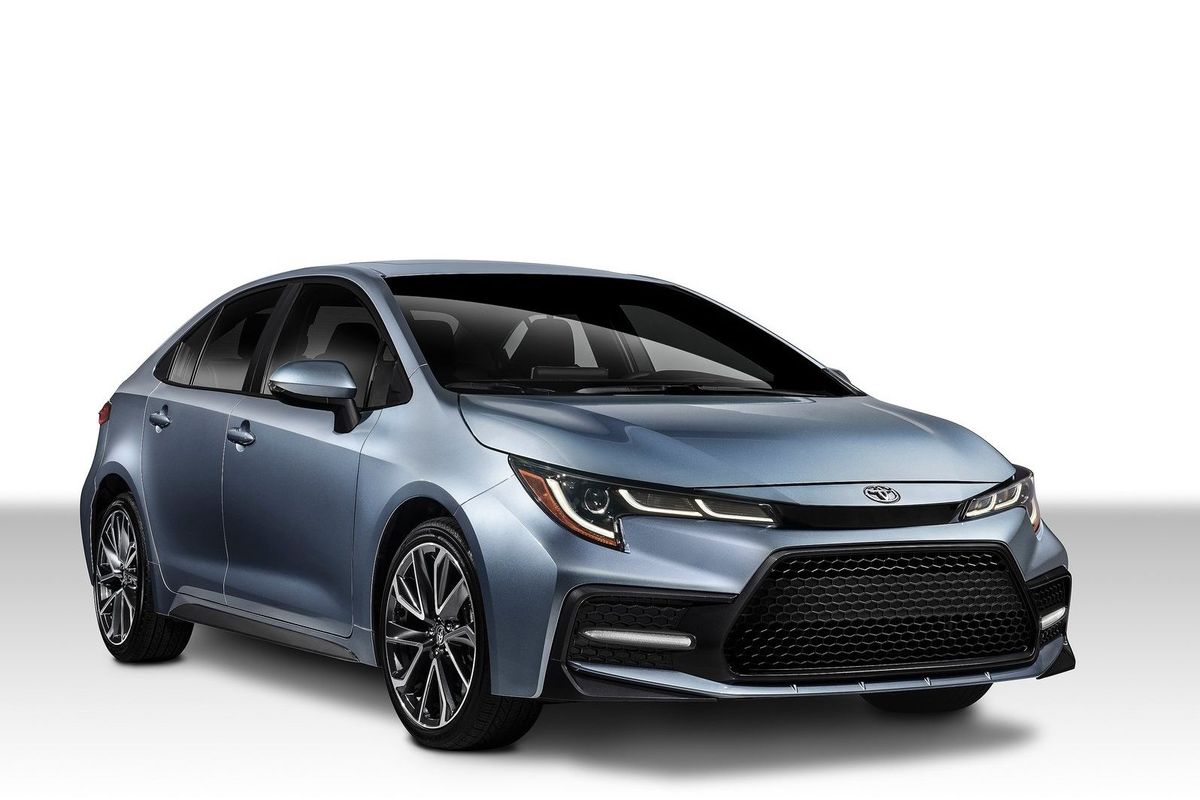
The new 12th-generation Toyota Corolla has been revealed at the Guangzhou International Auto Show in China. See details below…

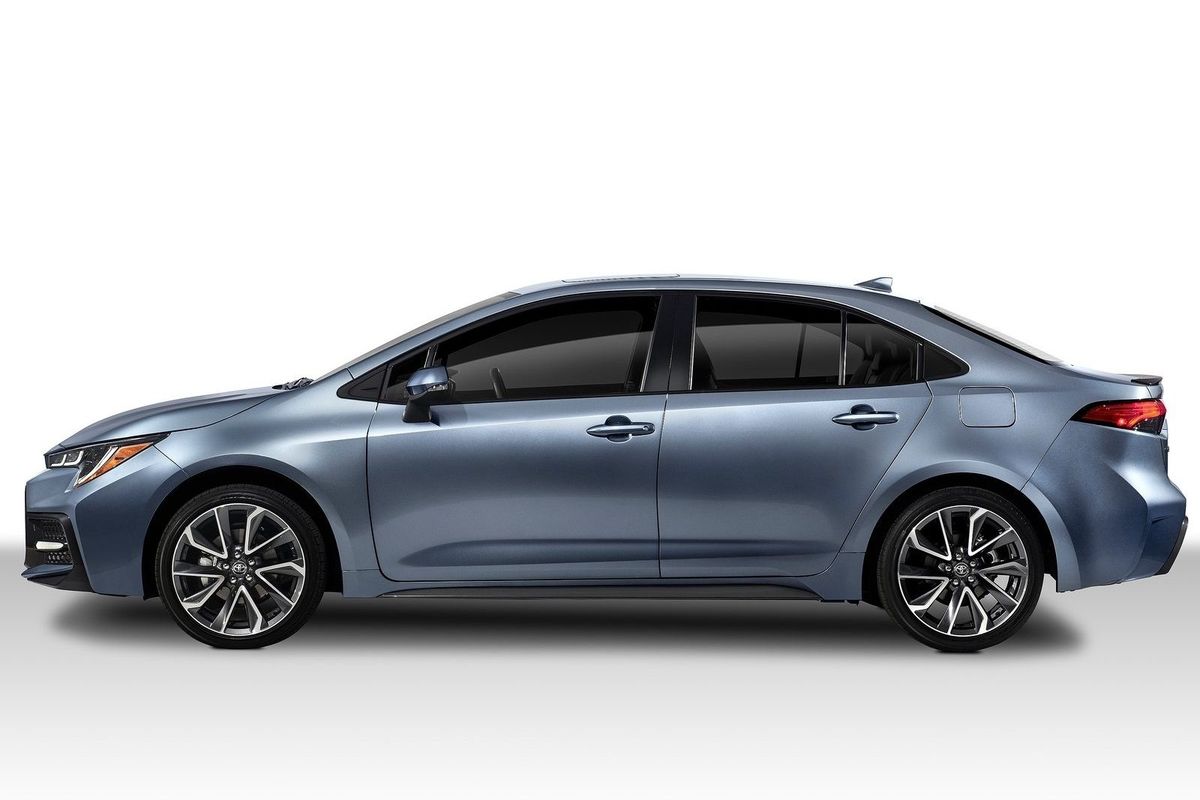
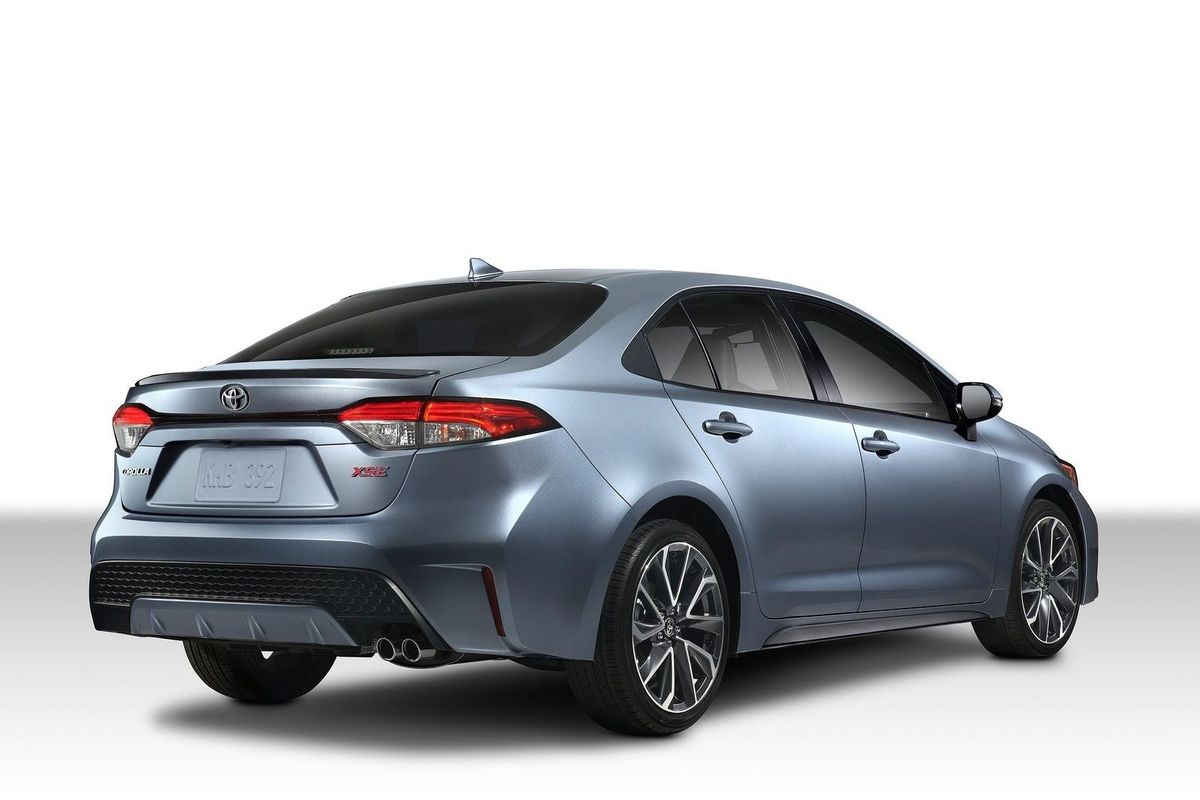
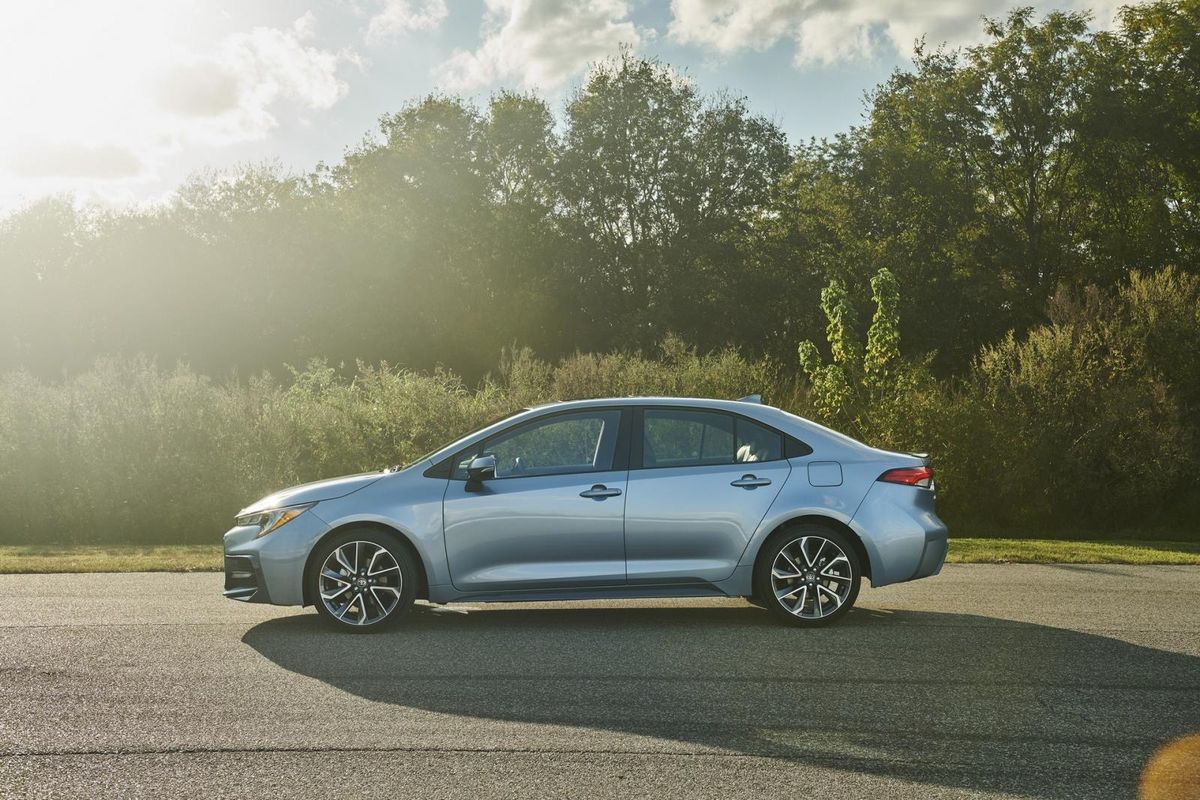
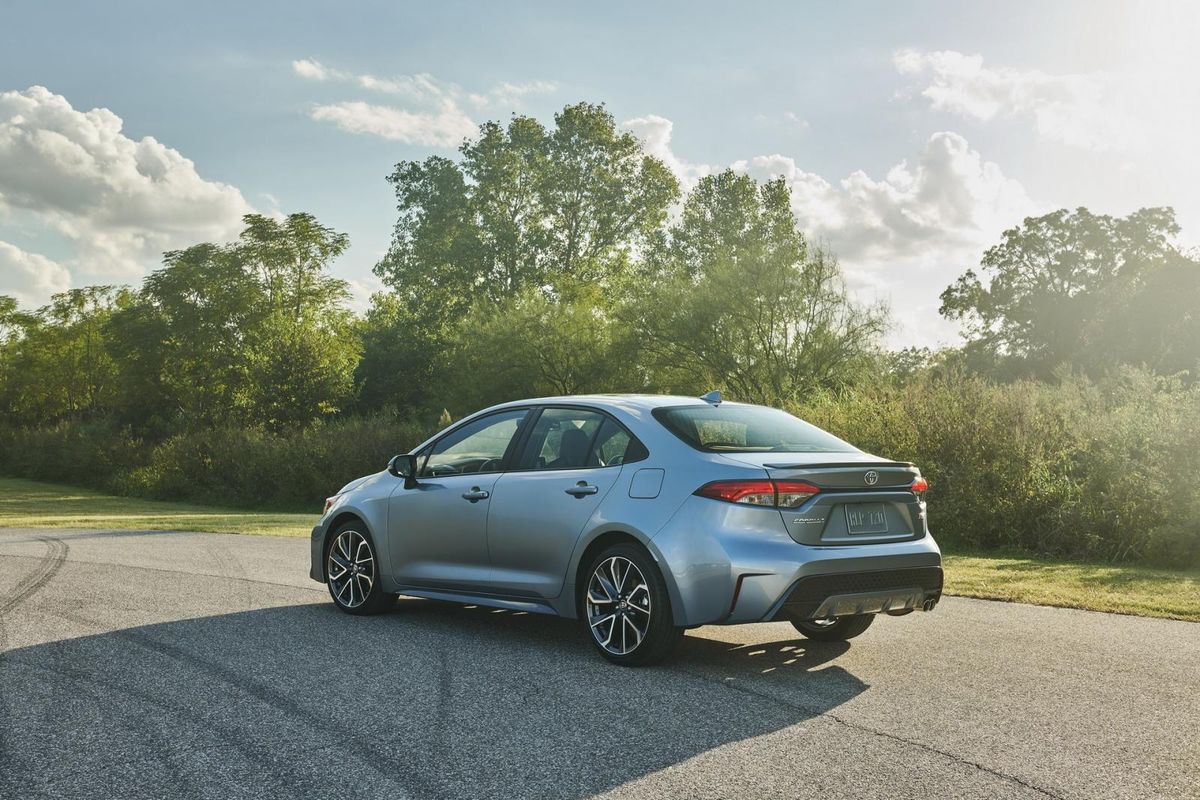
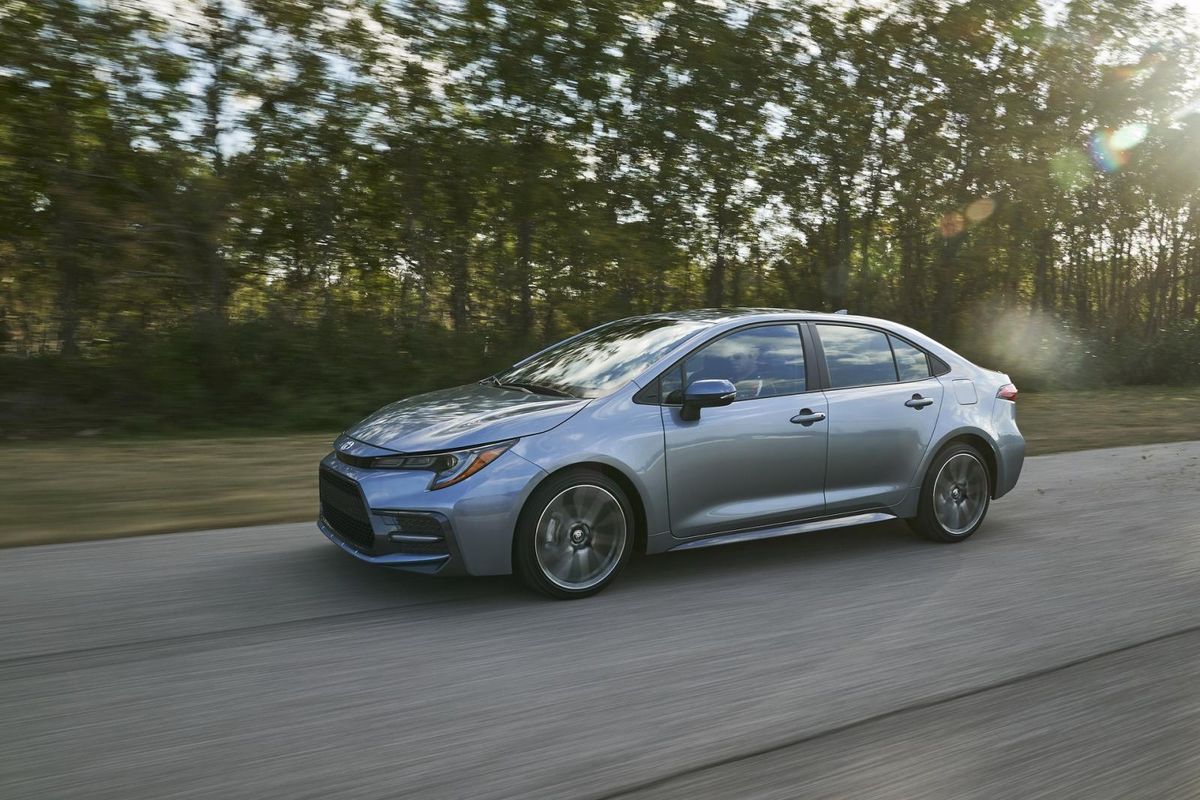
The new Toyota Corolla hatchback is eagerly anticipated in the SA market and we can't wait to get behind the wheel of this new stylish newcomer. However, for those who want a sedan version, you can now gaze upon the new Corolla sedan which has been officially revealed. 

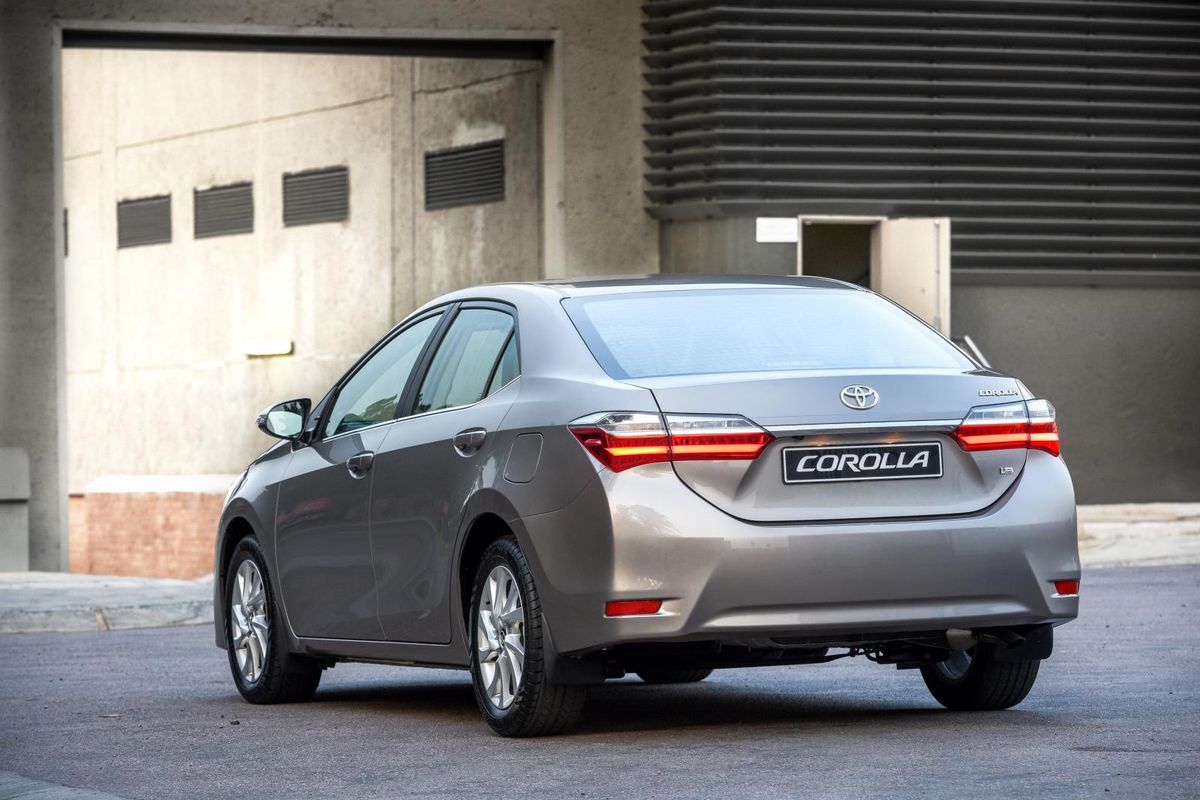
The new Corolla looks sharper and sportier and is built on the Toyota New Global Architecture (TNGA) platform which underpins the Corolla hatchback and touring versions as well as the Prius and stylish C-HR crossover. The new Corolla is 4 640 mm long, 1 780 mm wide and 1435 mm tall with the wheelbase remaining unchanged at 2 700 mm. The front and rear tracks are wider, while the front overhang has been shortened and the rear overhang extended, slightly. Ride comfort has been enhanced with a multi-link rear suspension that replaces the previous torsion beam setup. 


The new Corolla sedan shares styling cues with the Corolla hatchback which is due in SA next year. 

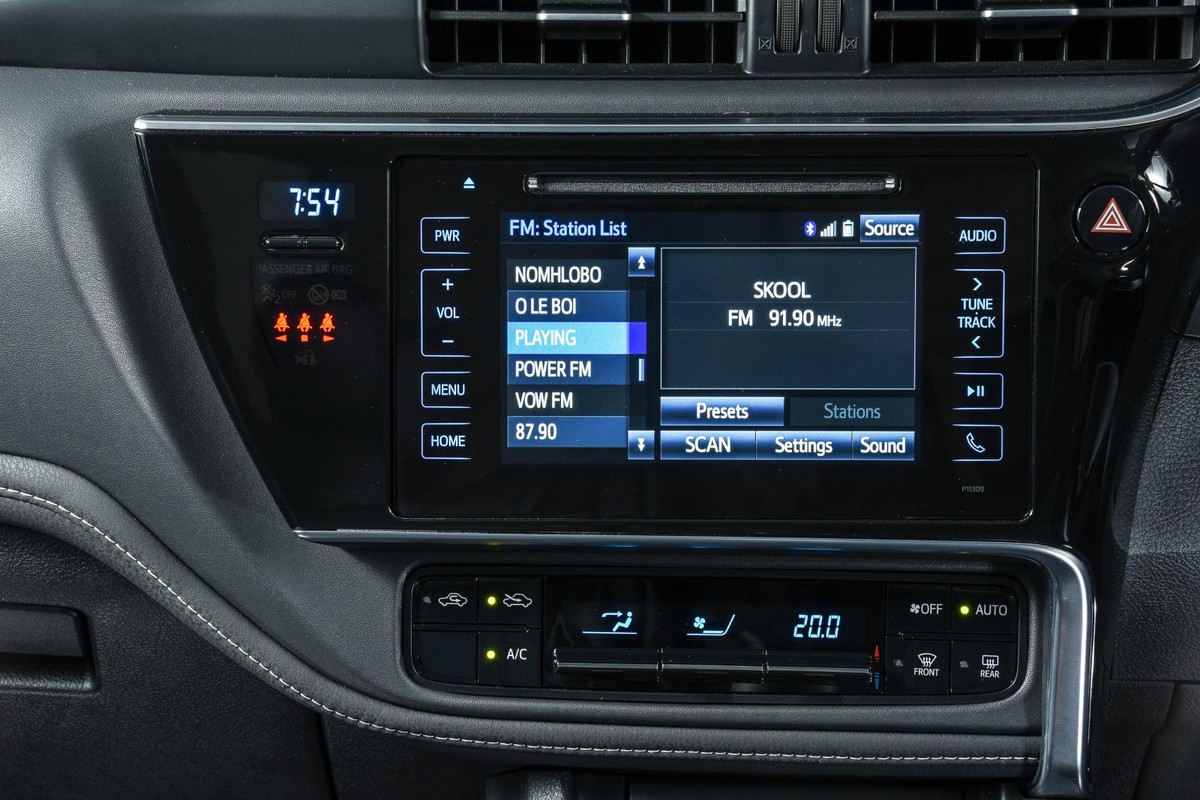
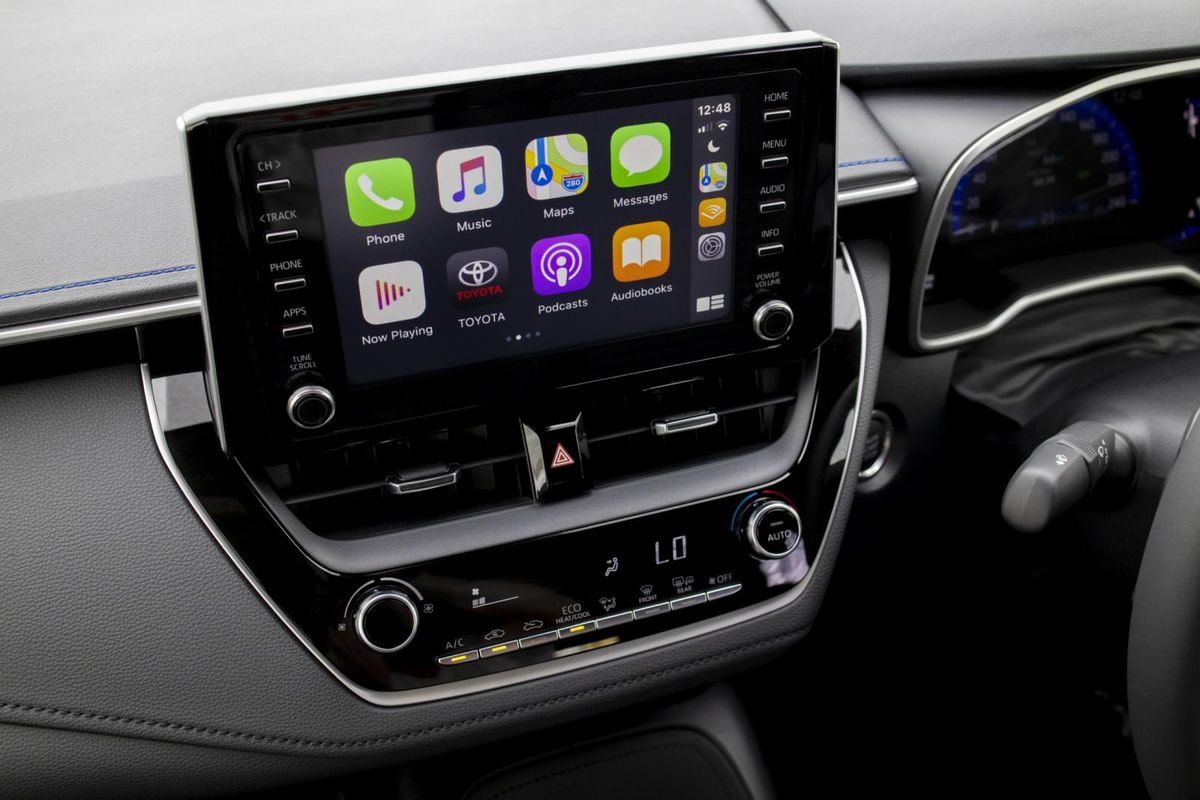
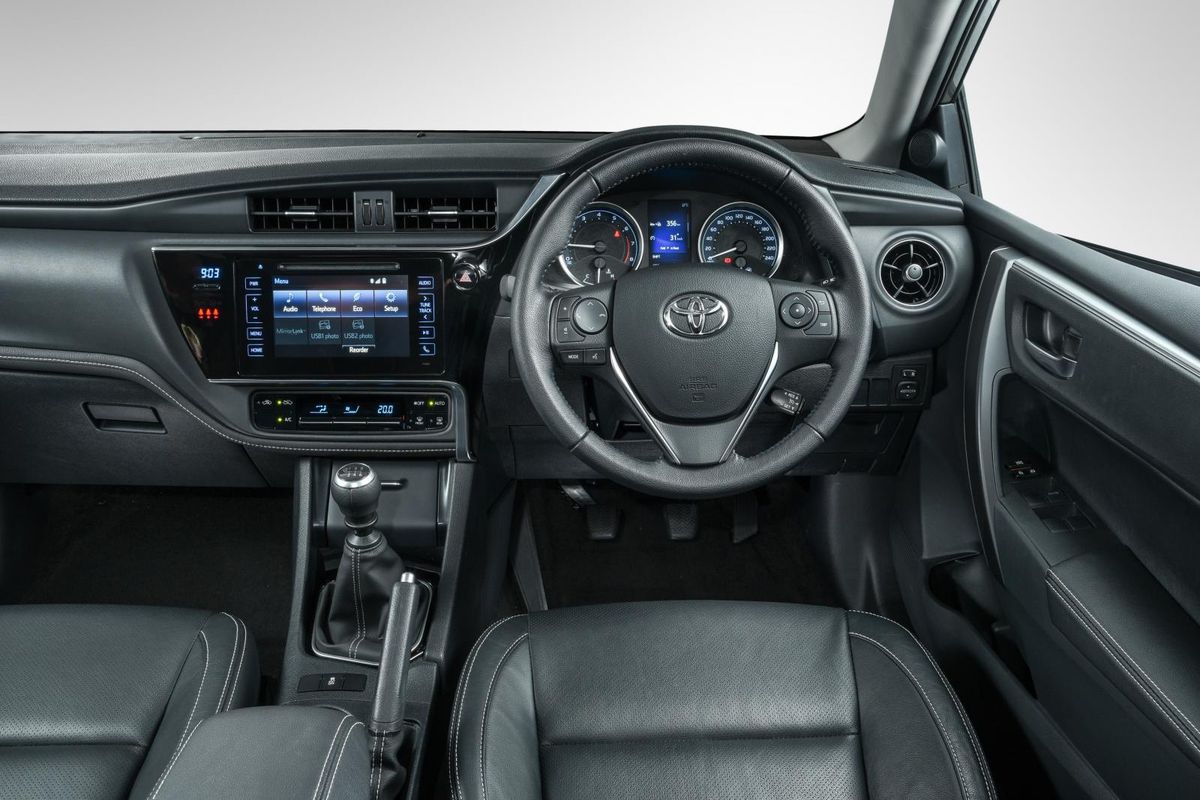
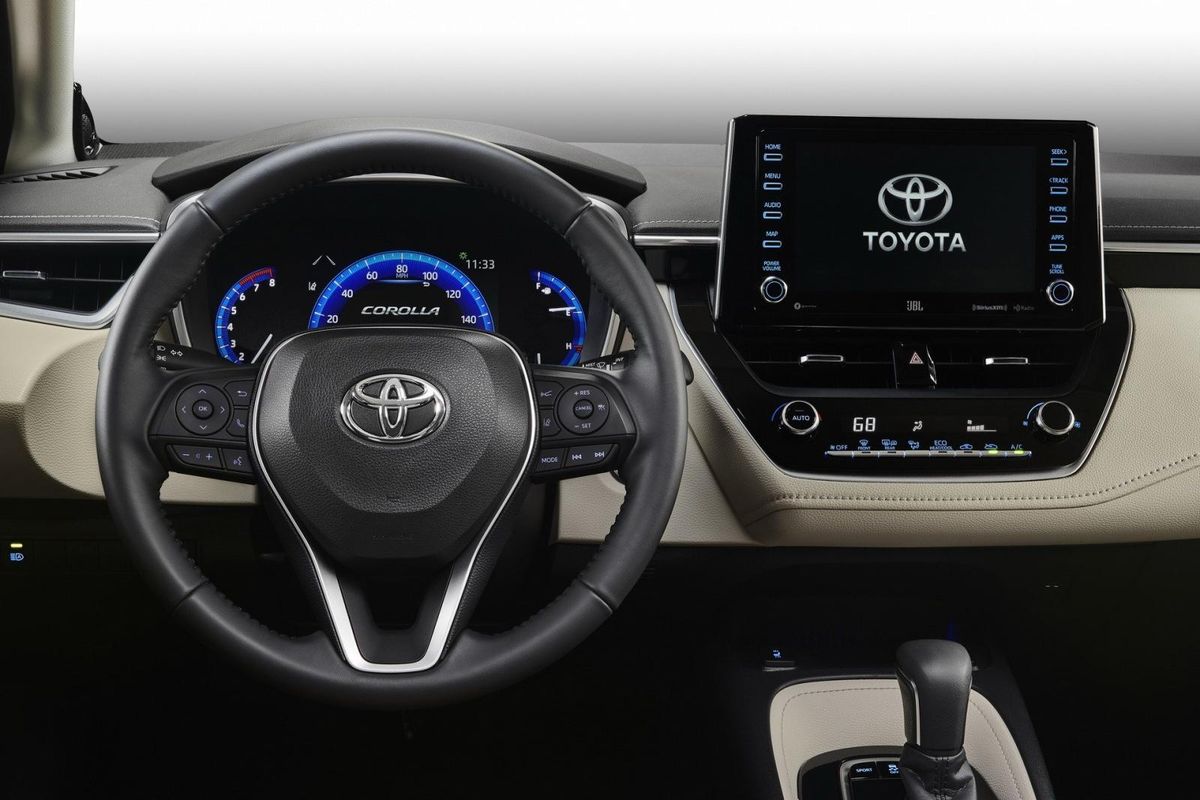
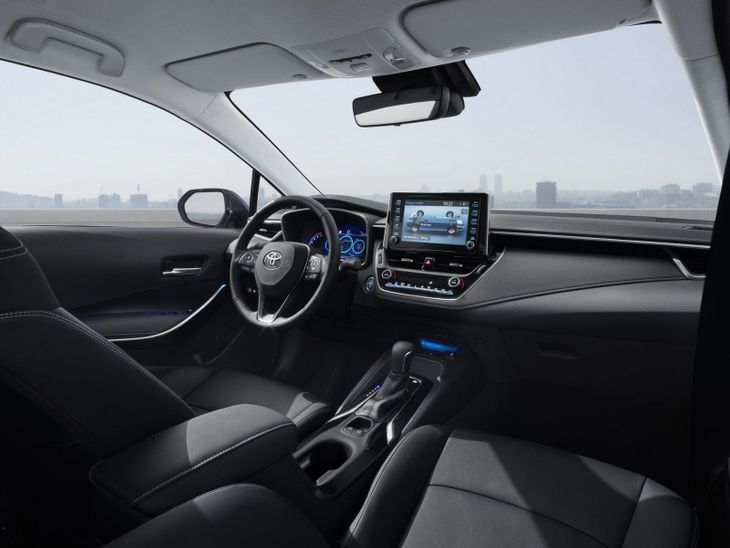
As for the interior, Toyota describes it as "sensuous minimalism" combining sportiness, elegance, comfort and durability. Top-spec derivatives will receive an 8-inch touchscreen infotainment system with Apple CarPlay/Android Auto functionality, while a 7-inch system will be offered on lesser derivatives. Overseas, an optional 800-watt JBL audio system will be offered.

In terms of engines, petrol and hybrid options are on the cards. A new 2.0-litre, naturally-aspirated 4-cylinder mill pushes out a reasonable 126 kW and 205 Nm, mated to either a 6-speed manual or a CVT. The familiar 1.8-litre petrol engine will be carried over but Toyota says it will offer more power at 106 kW and better efficiency. 

On the safety front, the latest driving assistance systems will be made available ranging from Lane Tracing Assist, Road Sign Assist, Pre-Collision System with Pedestrian Detection, Dynamic Radar Cruise Control, Lane Departure Alert and Blind Spot Monitoring, all of which fall under Toyota Safety Sense 2.0. A total of 8 airbags are standard. 

The new Corolla will be rolled out to markets around the world in the second half of 2019 and can be expected to reach South Africa in 2020. 

Further Reading

SEMA-Tuned Toyota Corolla Previews Potential Hot Hatch

Toyota Corolla Hatchback (2019) International Launch Review

Toyota Corolla Hatch (2019) in SA soon

Clash of 2019? New Toyota Corolla Hatch vs Volkswagen Golf


The Next BMW M4: What It Could Look Like

The 2nd iteration of the BMW M4, the standard-bearer of the next 4 Series (which will be based on the platform of the G30-generation 3 Series – unveiled at this year's Paris Show), is set to arrive in 2020. This is what we think it may look like and, in terms of the highly anticipated sportscar's specs, here's what we know so far…

Render credit: Wayne Batty

There is always a lot of hype around a new BMW 3 Series and in particular its accompanying M models, so we thought we'd have a go at designing our very own headlining M version of the famous nameplate's (yet to be unveiled) 4 Series sibling. Exact details are a little fuzzy, but the picture is starting to clear up as the deadline for the next M car draws ever closer. 

xDrive likely to feature

Purists will no doubt scoff at the idea of an all-wheel-drive M3/M4, but in all likelihood, the duo will sport an all-wheel-drive system with a variable electric differential. It seems that either or both will be rear-wheel-driven as well, but the details here are trickier to understand. The most likely scenario is that, like the M5, the next M3/M4 will have a 2WD mode that allows it to be purely rear-wheel-driven at the push of a button. The other possibility is that only the 6-speed manual derivative (or special-edition versions thereof) will be rear-driven and the autos purely xDrive.


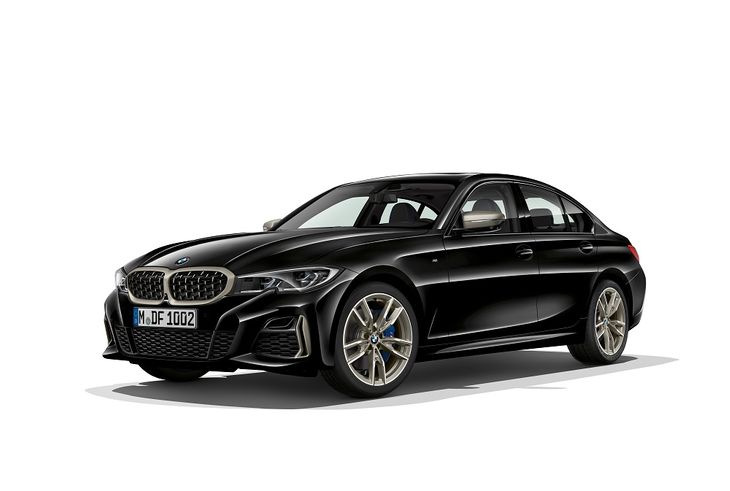
There's always the new M Performance models to think about if you don't want to go full M – this is the M340i.

More boost    

BMW will crank up the boost on its M3/M4 engine and, most importantly, it remains a straight-6 with multiple turbos. Peak power is said to be between 335 kW-370 kW making its starting point more powerful than the previous-generation Competition Package. BMW has to play it clever though, as new emissions regulations require the engine to be fitted with a particulate filter. It will have multiple features to improve fuel economy, such as coasting, a more intrusive start/stop system and a 48V electrical system, which will reduce the draw from ancillaries on the engine and, critically, spool up the turbos. Water injection will be used (as BMW did with the M4 GTS) in order to keep temperatures down in the combustion chamber. The further developed engine can also handle higher boost, so expect Competition and CS derivatives to push close to the 400 kW mark.

No more M-DCT


No more M-DCT without a 'Park' mode for the new gen M cars.

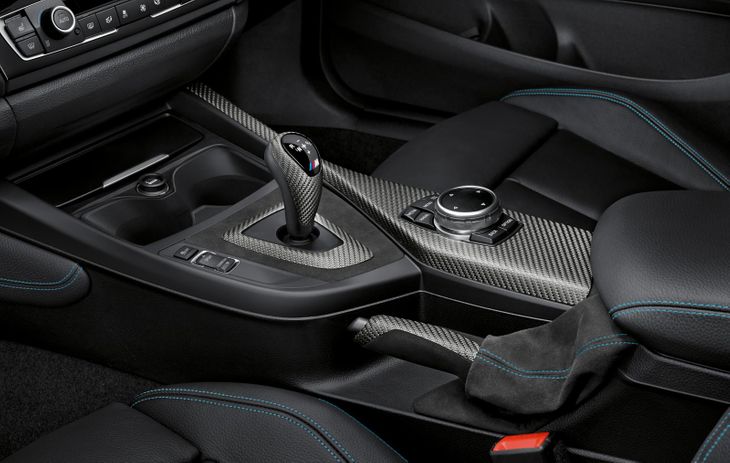
With the advancement of the responsiveness and efficiency of torque converter transmission, BMW has decided to drop the dual-clutch unit in favour of the 8-speed ZF sourced auto. Multiple modes will be available to improve shift speeds and ferocity of shifts. As mentioned above, it seems a 6-speed manual has survived and will be available for the new model. Whether it makes its way to SA we will only know closer to the launch.

Less wild, however

The character of the new M3/M4 will be toned down somewhat from the wild and sometimes lairy versions of the F80 and F82. The engineers want the new cars to be more balanced and confident at the limit with a more pliant ride quality. Adaptive damping will be further improved to dial in the chassis control and improve overall ride quality. Variable electric steering mode adjustment will be made to lend better feel and weight to the tiller.

As always, the engineers claim that the new models will be lighter than ever, so expect them to be a few kgs thinner than their predecessors, which will not only improve the cars' dynamism, but stopping power too. It all sounds quite promising then, doesn't it? Bring on 2020.  

Related content:

BMW 3 Series (2019) International Prototype Drive

The new BMW M340i: Your budget-friendly M3

Drag Race: Audi RS5 vs BMW M4 Competition Pack

Search for a used BMW M4 here

Fuel Price Relief for December 2018

Motorists (and the SA economy) can breathe a sigh of relief as fuel prices are predicted to fall sharply in December 2018 according to unaudited mid-month fuel price data released by the Central Energy Fund (CEF).

The news of potential drastic fuel price decreases is probably the best news South Africans have had all year. The latest fuel price prediction is driven by the accelerating decline of international oil prices as well as modest improvement in the Rand/Dollar exchange rate.

According to the data, the price of petrol could see a reduction of R1.54 per litre while the price of diesel could come down by 92 cents per litre.

The AA, however, warns that recently-introduced Slate Levy (which manages prices changes) could impact on the final outcome at the end of November 2018. Furthermore, oil cuts by Saudi Arabia could result in oil supply restrictions in 2019 which could drive prices higher, so it's best not to get too excited. 

Related Content

Fuel Price Breakdown: What do you pay for?

5 Ways to Beat the Fuel Price Hike

Most Fuel Efficient Budget Cars in SA
Most Fuel-Efficient Double-Cab Bakkies in SA

5 Fuel-Saving Car Features & How They Work

Most Fuel Efficient Budget Cars in SA
Most Fuel Efficient Diesel Cars in SA (2018)
Most Fuel Efficient Petrol Cars in SA (2018)
10 Ways To Save Fuel


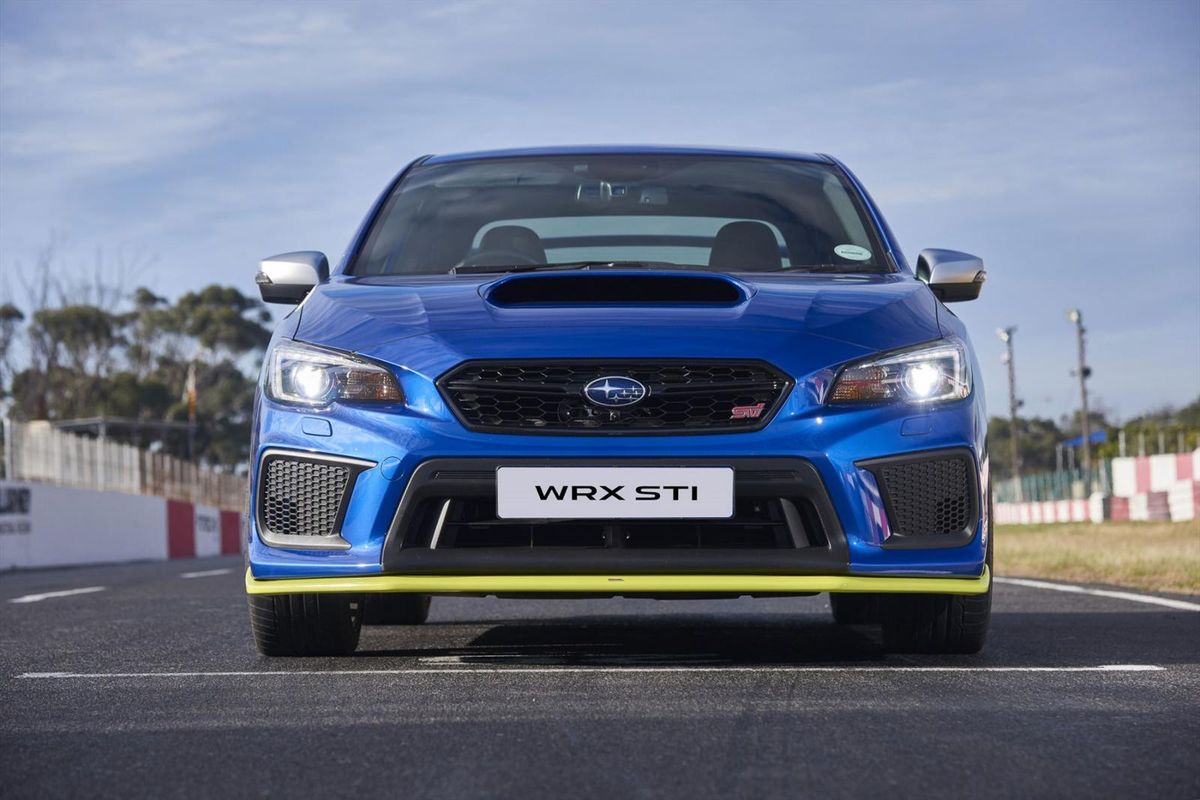
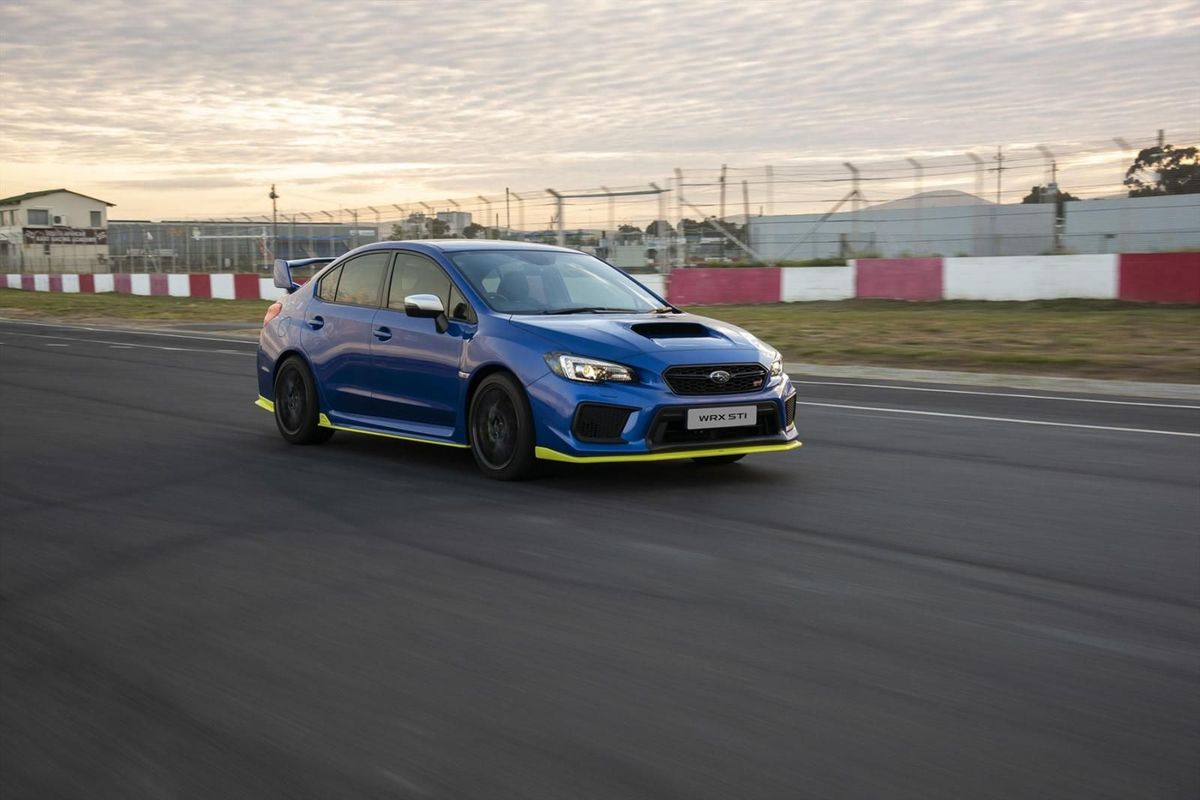
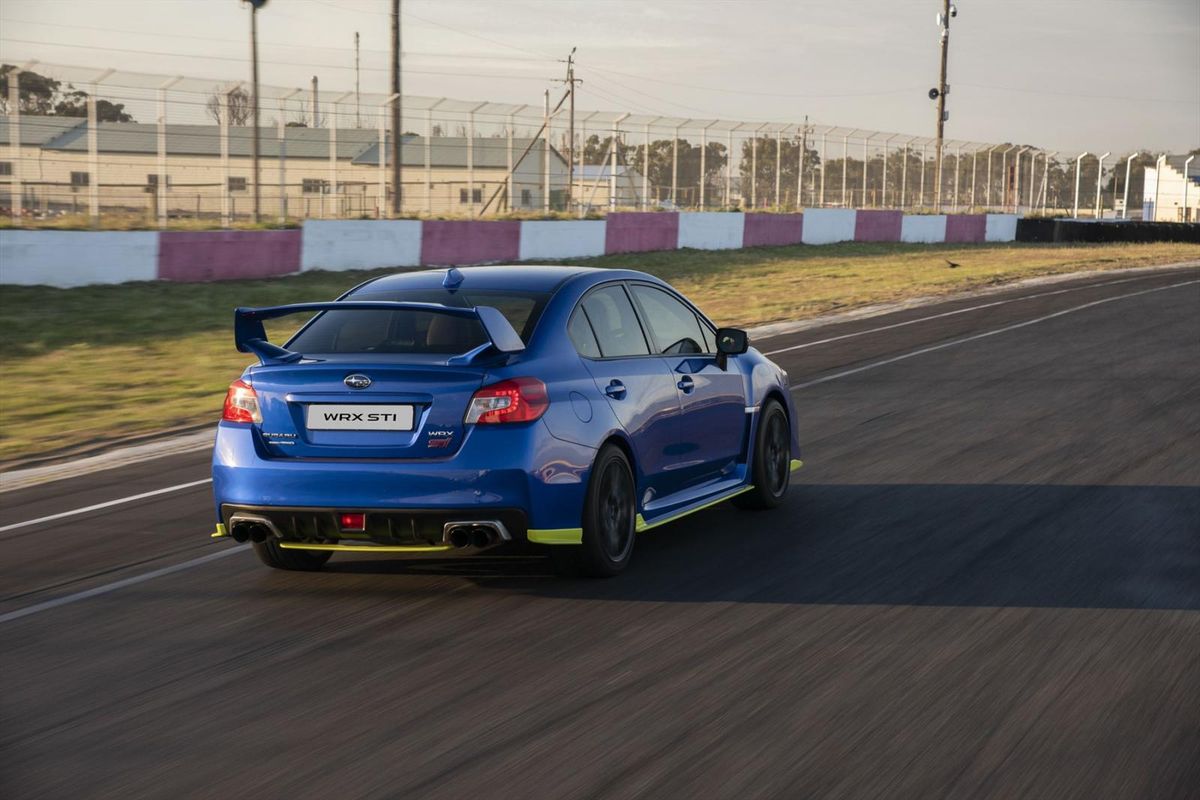
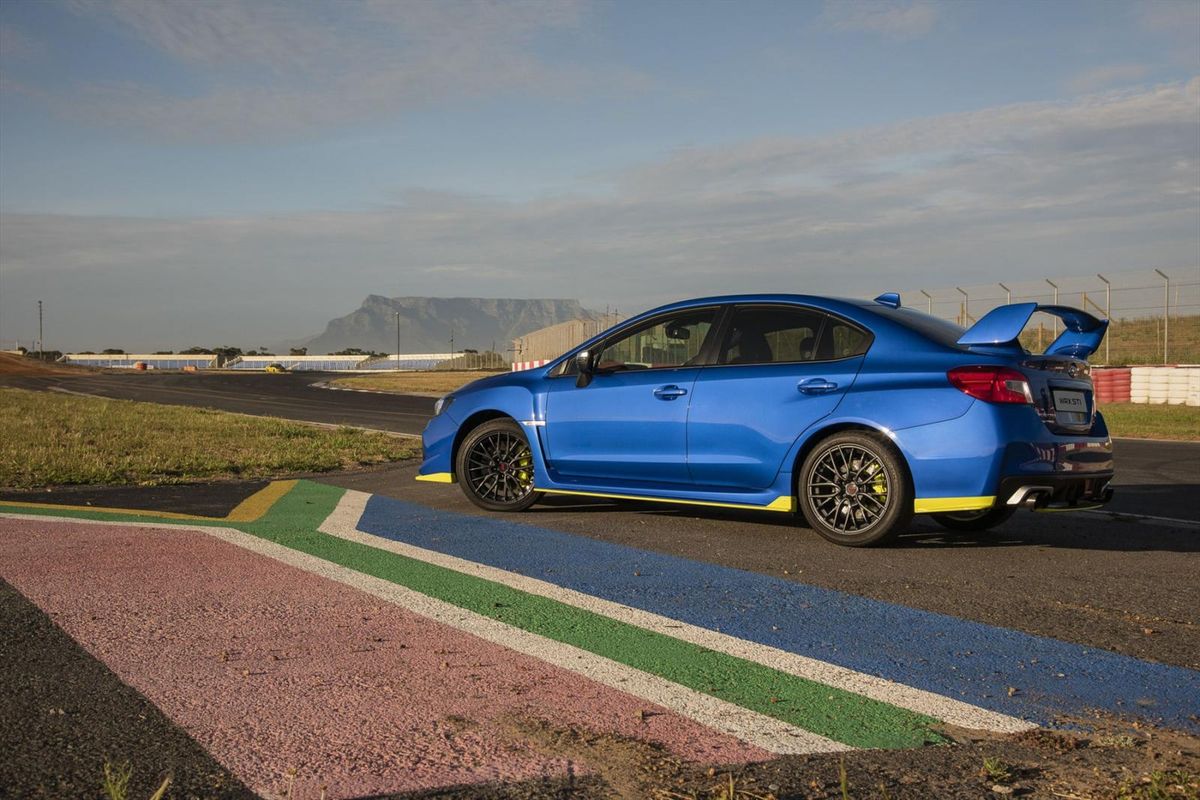
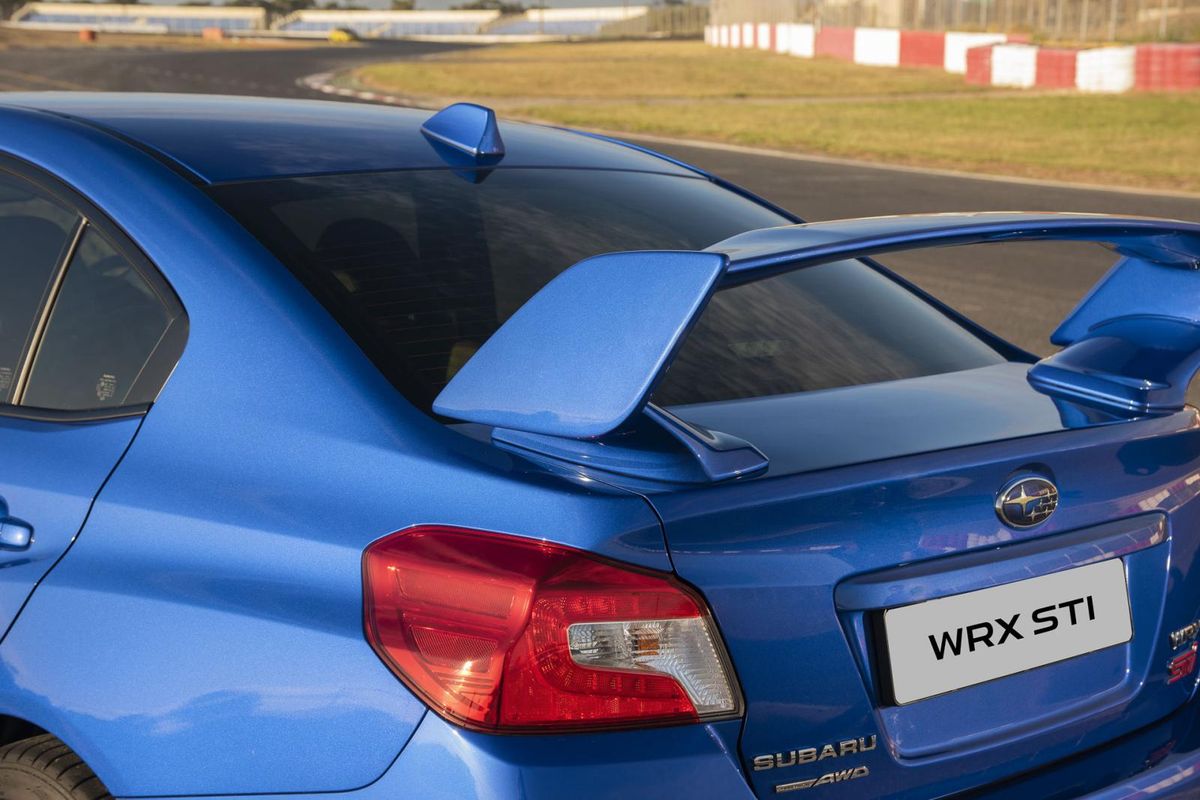
Subaru WRX STI Diamond Edition for SA

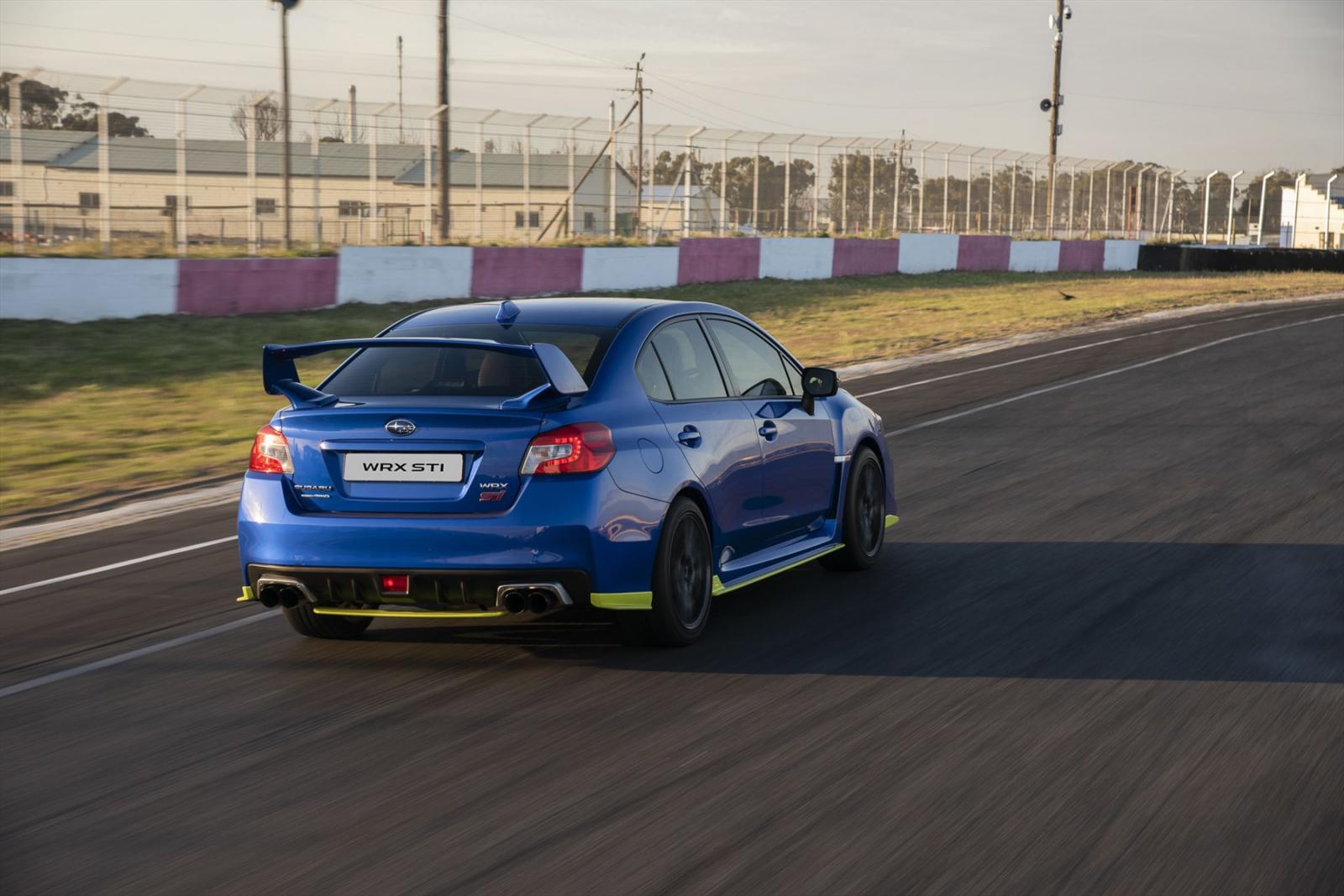
Subaru is offering a limited edition, SA-developed WRX STI Diamond Edition to customers and only 30 are up for grabs!

As a way of celebrating 30 years of the STI nameplate, Subaru is offering a limited edition WRX STi Diamond Edition which was locally developed by Subaru Southern Africa’s technical team, led by Technical Manager, Deon Van Heerden, making it exclusively available to the region with only 30 being produced.

The brief for the WRX STi Diamond Edition according to Van Heerden was simple, “We needed to get STI reborn and create a vehicle that was more powerful and something that would become a talking point for STi fans.” Development of this special edition started in January 2017 and took 18 months to develop.

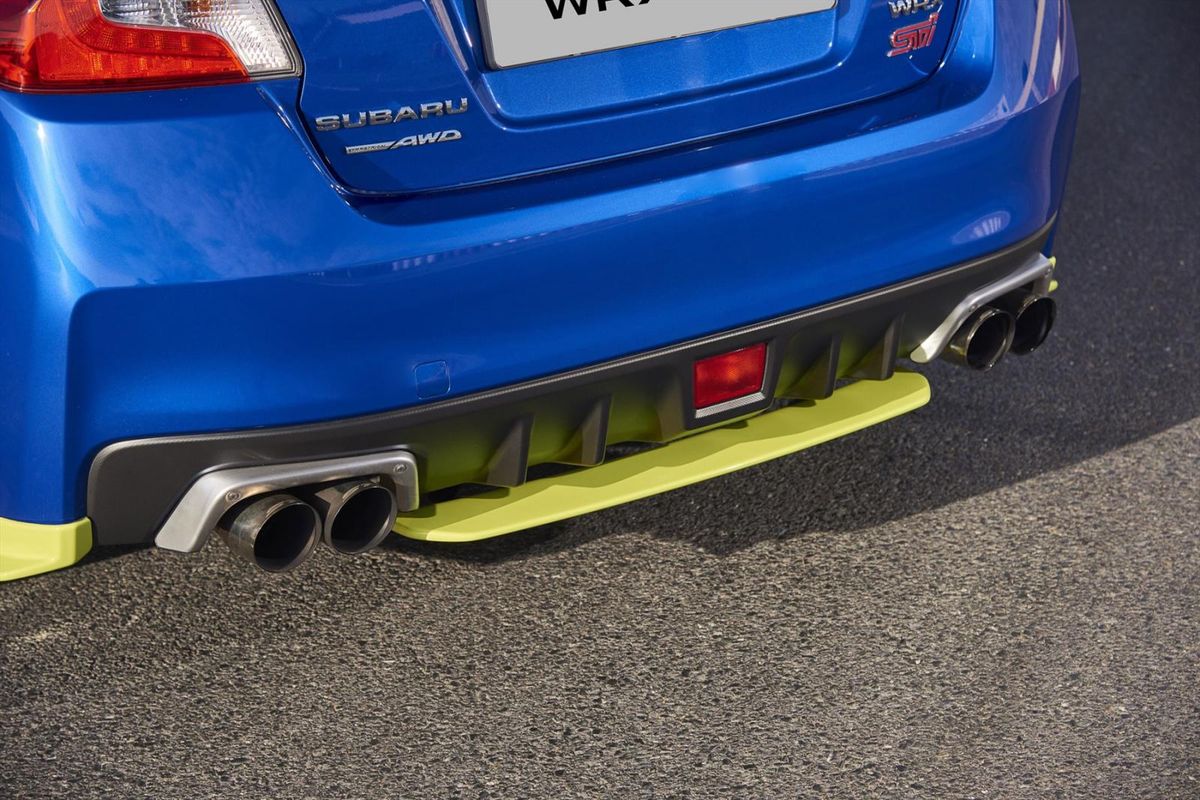
The WRX STi  Diamond Edition is powered by a fettled 2.5-litre, high-boost turbocharged Boxer engine that offers 260 kW @ 4 500 rpm and 464 Nm of torque at 4 000 rpm. The sprint from zero to 100 kph takes just 5.0 seconds, some 0.7 seconds faster than the standard WRX STI. The remapping of the Electronic Control Unit and the fitment of a performance exhaust system has contributed to improved performance. A 6-speed manual transmission is standard, driving all 4 corners with Subaru’s symmetrical all-wheel drive system.  

A new engine brace has been fitted for better stability and balance and the WRX Sti Diamond Edition is equipped with Brembo brakes.

A total of 7 airbags are fitted as well as ABS with EBD, active torque vectoring and vehicle stability control. Front and rear cameras, blind spot detection and rear cross traffic alert is also standard.

Design features


A lower body kit is fitted and special 19-inch alloys add to the presence of the WRX STi Diamond Edition.  

The WRX STi Diamond Edition rides 20mm lower than the standard WRX STi and the body kit, seen in a High Viz yellow further lowers the front-end by 10 mm. The spoiler vane gets a stainless steel STI badge unique to this limited edition model and high gloss black Diamond Edition badges appear on the sides of the rear wing. The WRX STi Diamond Edition rides on 19-inch lightweight and darkened aluminium Y-design alloy wheels.

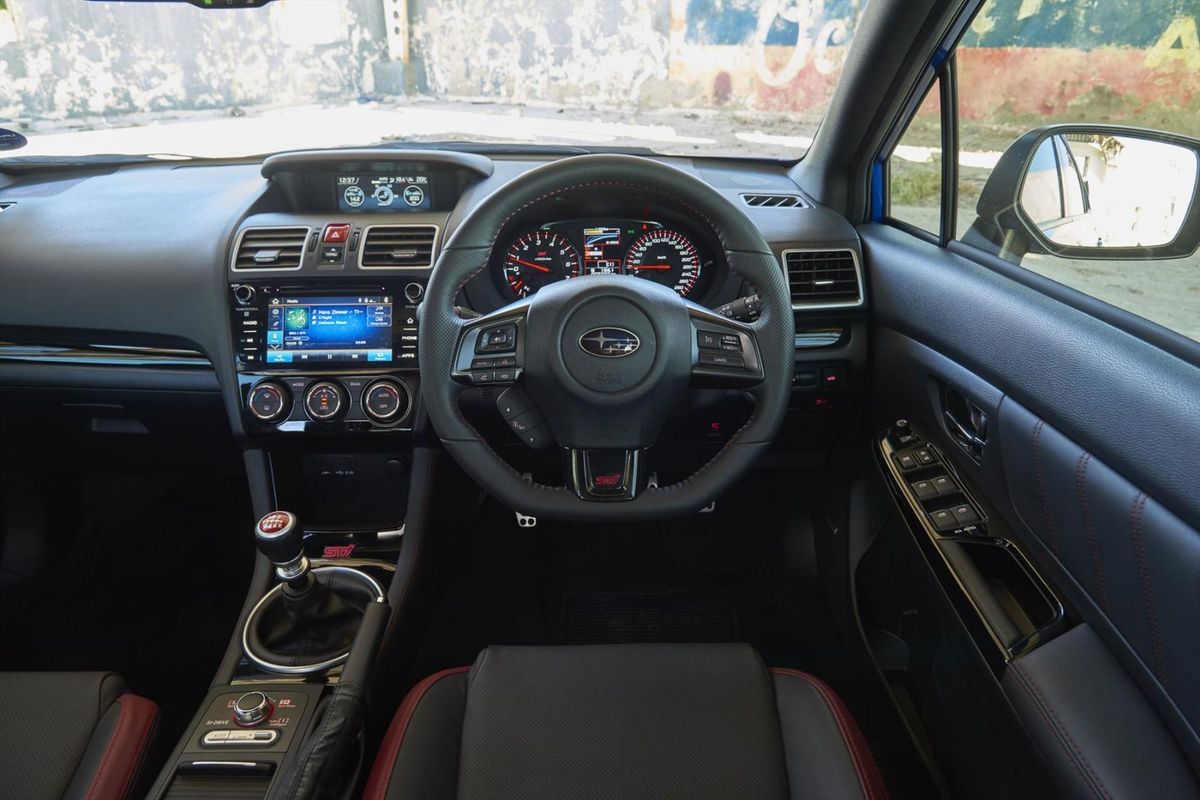
On the inside, Diamond Edition details seen on the dashboard inlays make it clear that this is no ordinary WRX STi with a numbered panel  also found on the driver’s side. A 7-speaker, 440 W Harmon Kardon sound system is fitted along with a 7.0-inch touchscreen infotainment system with Apple CarPlay and Android Auto functionality as well as Bluetooth.

Subaru WRX STi Diamond Edition – Price in SA

Subaru WRX STi Diamond Edition – R799 000

A 5-year/150 000 km warranty and 3-year/75 000 km maintenance plan is included.

Buy a new or used Subaru on Cars.co.za

Related Content

Subaru WRX ES Premium (2018) Quick Review

Updated Datsun Go (2018) Specs & Price

Datsun has launched a significantly reworked version of its Go budget car line-up in South Africa.  Take a look at specification and pricing below…

Since its return to South Africa in 2014, the reborn Datsun brand has done steady business, with nearly 20 000 units of its Go and Go+ sold locally. It's interesting to note that sales this year (up-to-and-including September), have already surpassed the marque's previous annual best performance. So, in the tough current economic climate, the cheap and cheerful Go (and its 7-seater Go+ sibling) have certainly found favour with local consumers.

From launch, however, the Go has often been criticised for its lack of safety features, particularly in a segment where it is likely to be purchased by relatively inexperienced buyers. Now, with the facelifted version, Datsun has addressed this concern as it tries to reposition the brand as slightly more aspirational and in tune with modern consumers' needs and desires.

Fresher styling inside and out


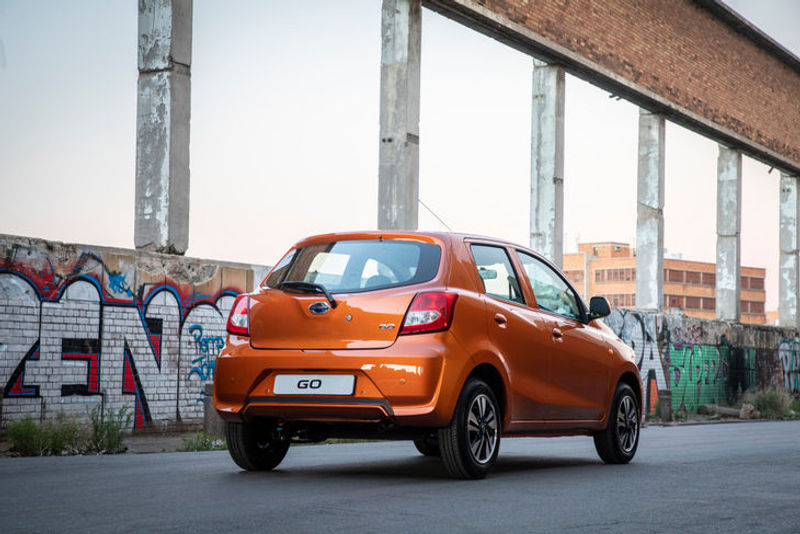
Crisper styling all-round, bigger wheels and fresh colours have injected new life into this budget offering.

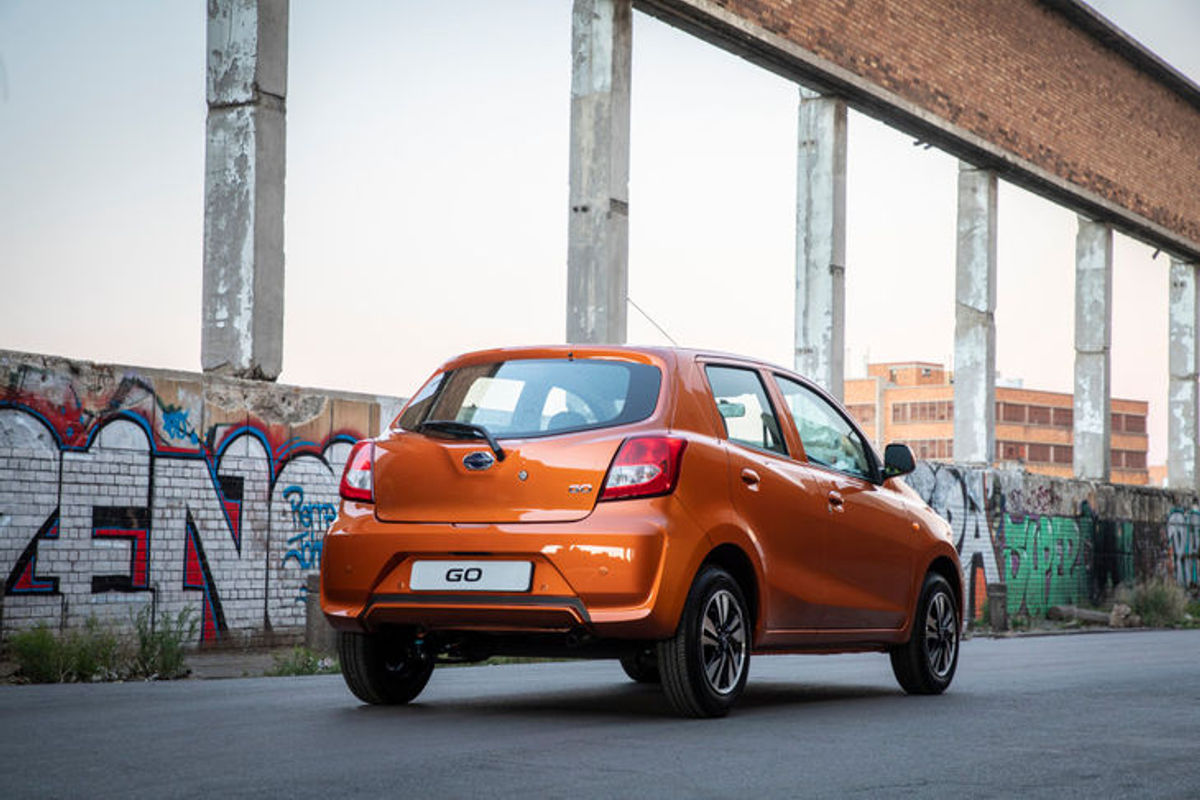
The Go's design revisions are both obvious and effective, giving the little hatch a far edgier and modern look. There are vertical LED daytime running lights on both Go variants, and the front and rear bumpers are more "chiselled" in their appearance. Wheel size has gone up to 14 inches on both variants, with the flagship Go also getting alloys.

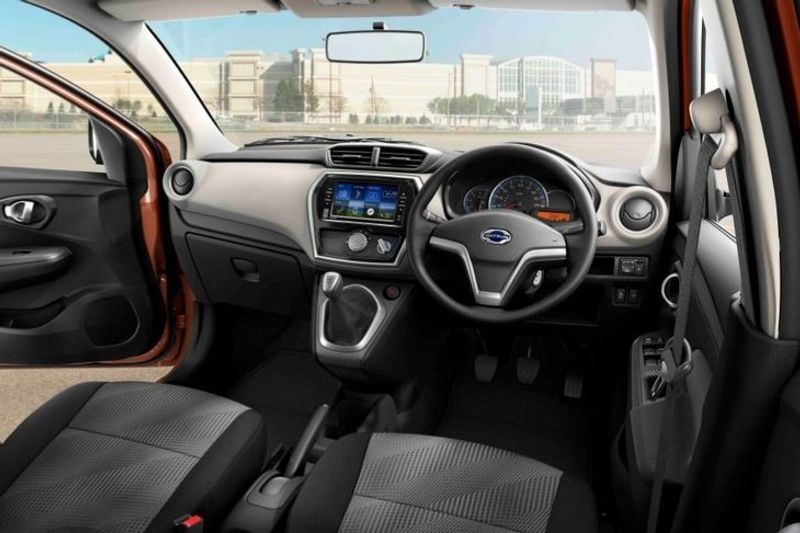
 The bigger changes are to be found inside, where Datsun has given the Go a far more upmarket-looking facia. Gone are the front bench seat and umbrella handbrake, for example, and there is a noticeable improvement in attention to detail, too.  

Extensive safety and infotainment features


Neater cabin features modern infotainment system and dual front airbags.

At launch, both models will be fitted with a classy 7-inch touchscreen infotainment system that even feature Android Auto/Apple CarPlay functionality. Once the launch promotional campaign has run its course, this system will still feature on the flagship model. The pricier Go variant also gets a rear window wash/wiper feature, and fitted to all models is a new tailgate lock – in the previous model the tailgate could only be opened from inside the car. Other standard safety features include coloured electric side mirrors, reverse parking sensors, intermittent wipers, central locking and an immobiliser. LUX grade derivatives are equipped with daytime running lights and body colour door handles.

On the safety side, consumers will be happy to hear that all models will now be sold with dual front airbags and ABS. It's also worth noting that the revised model further features upgraded rear safety belts as well as rear park sensors.

No engine change

Powering the Go is the same 1.2L 3-cylinder engine that develops 50kW and 104Nm of torque. Datsun claims a fuel consumption figure of 5.2L/100km. A CVT-equipped version is likely to join the currently all-manual line-up at a later date.

Datsun Go – Price in SA

Datsun GO Mid Spec – R144 500

Datsun GO Lux Spec – R165 500

Datsun GO+ 7-seater Mid – R154 200

Datsun GO+ 7-seater Lux – R175 900

Datsun GO+ Panel Van – R155 200

The Datsun Go is old with a 3-year/100 000 km warranty and an optional service plan. In addition, consumers will receive 1-year insurance with the purchase of a GO or GO+. 

ALSO READ: Seven new cars in SA for under R3 000 per month
Looking for a new / used Datsun Go to buy?

Find one on Cars.co.za today by clicking here

Building the Ford Ranger Raptor

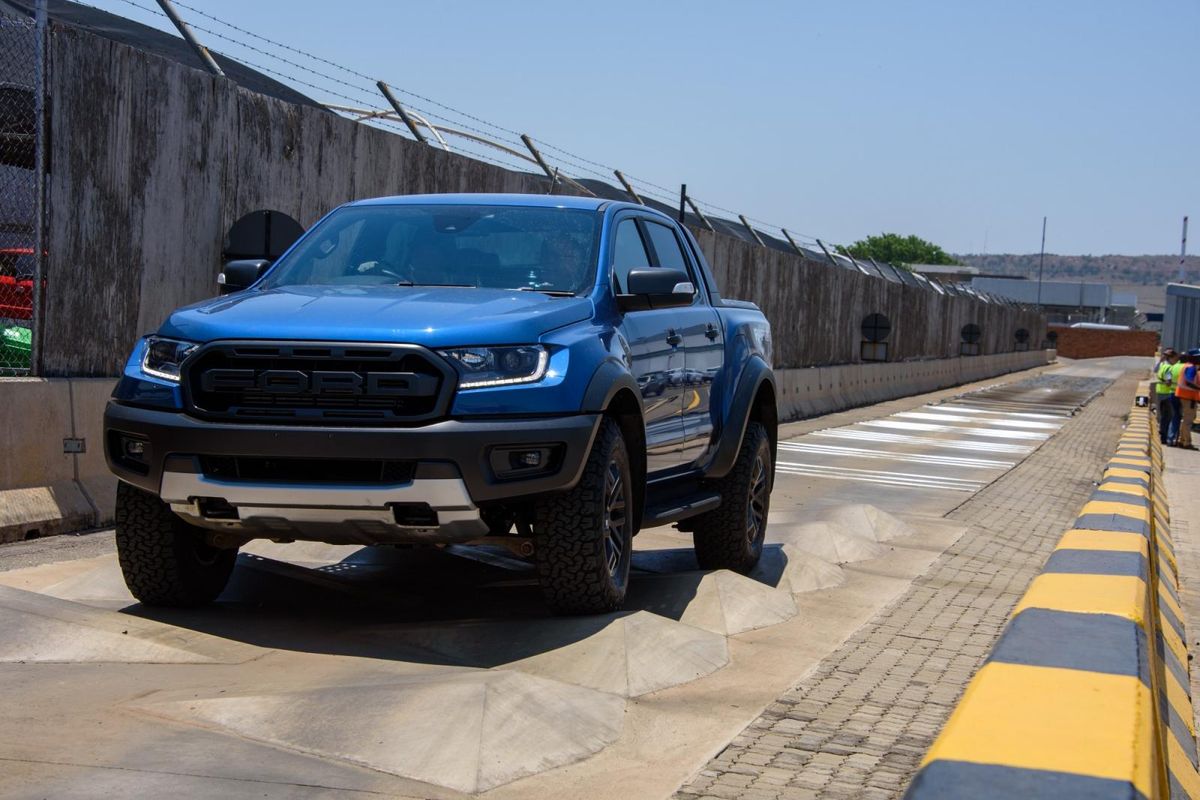
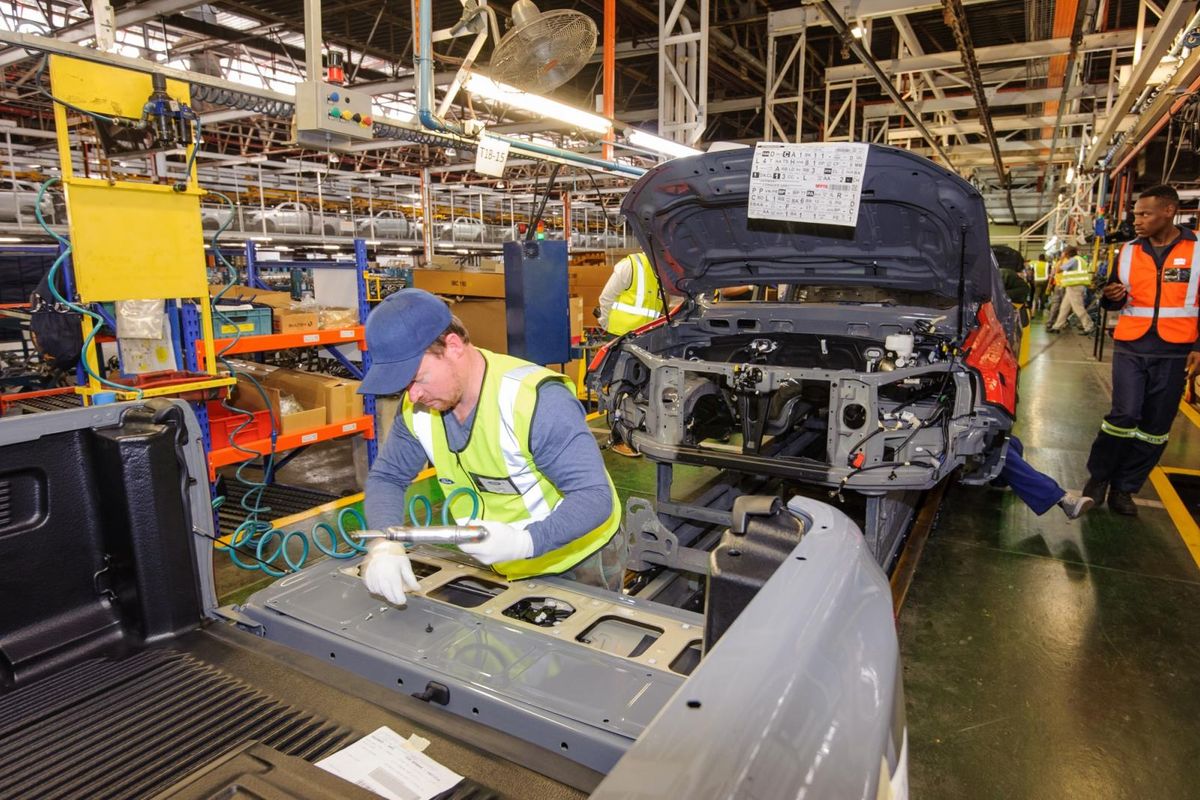
Ford South Africa is gearing up for expanded production in 2019 at its upgraded plant in Silverton, Pretoria and Cars.co.za Journalist, Gero Lilleike, headed to Silverton to help build the pre-production units of the Ranger Raptor which is due to launch locally in the first half of 2019.  

Ford South Africa’s plant in Silverton is where the popular Ranger bakkie and Everest SUV are built for local consumption and export markets, but it’s also where the highly-anticipated, high-performance Ranger Raptor bakkie will come to life in the not-too-distant future.

In an effort streamline production and accommodate the production of the Ranger Raptor, Ford has invested nearly R3-billion to expand and upgrade its Silverton plant, a process which has taken more than 18 months to complete. A wide range of upgrades and enhancements have been implemented at the plant, including the installation of 25 new robots in the Body Shop. A total of 115 fully automated robots are now responsible for handling and welding of components. Installed production capacity has increased and up to 168 000 vehicles are expected to roll off the production line in 2019.   

Ockert Berry, VP of Operations, Ford Middle East and Africa commented, “The Silverton Assembly Plant has been transformed to achieve our highest-ever installed capacity. This required a total rethink and re-engineering of many of our established production processes and operations throughout the plant to improve throughput, efficiencies and ergonomics to reach the projected production targets.”

“While gearing the plant up for the higher volumes was a key objective, this had to be managed alongside a significant increase in production complexity associated with the unique characteristics of the Ranger Raptor, the introduction of a new engine programme, and extensive product enhancements planned for the 2019 Ranger and Everest,” Berry states.

Building the Ranger Raptor


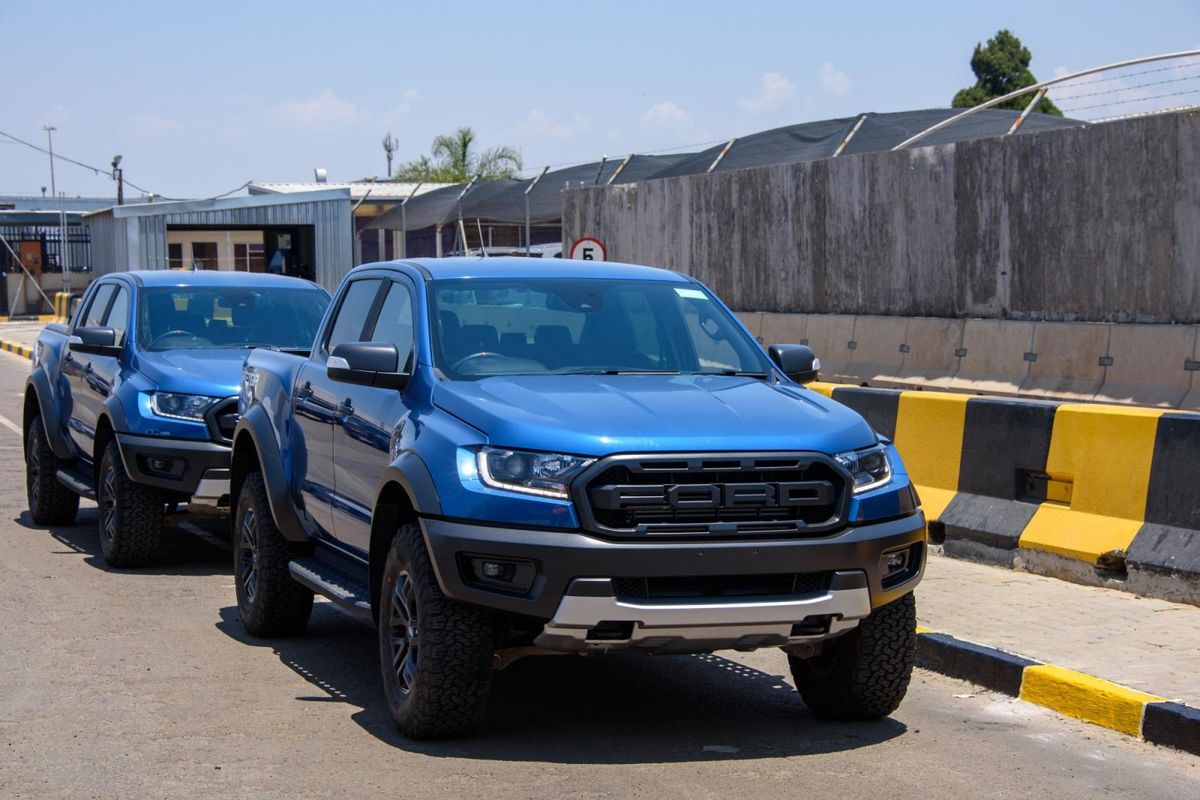
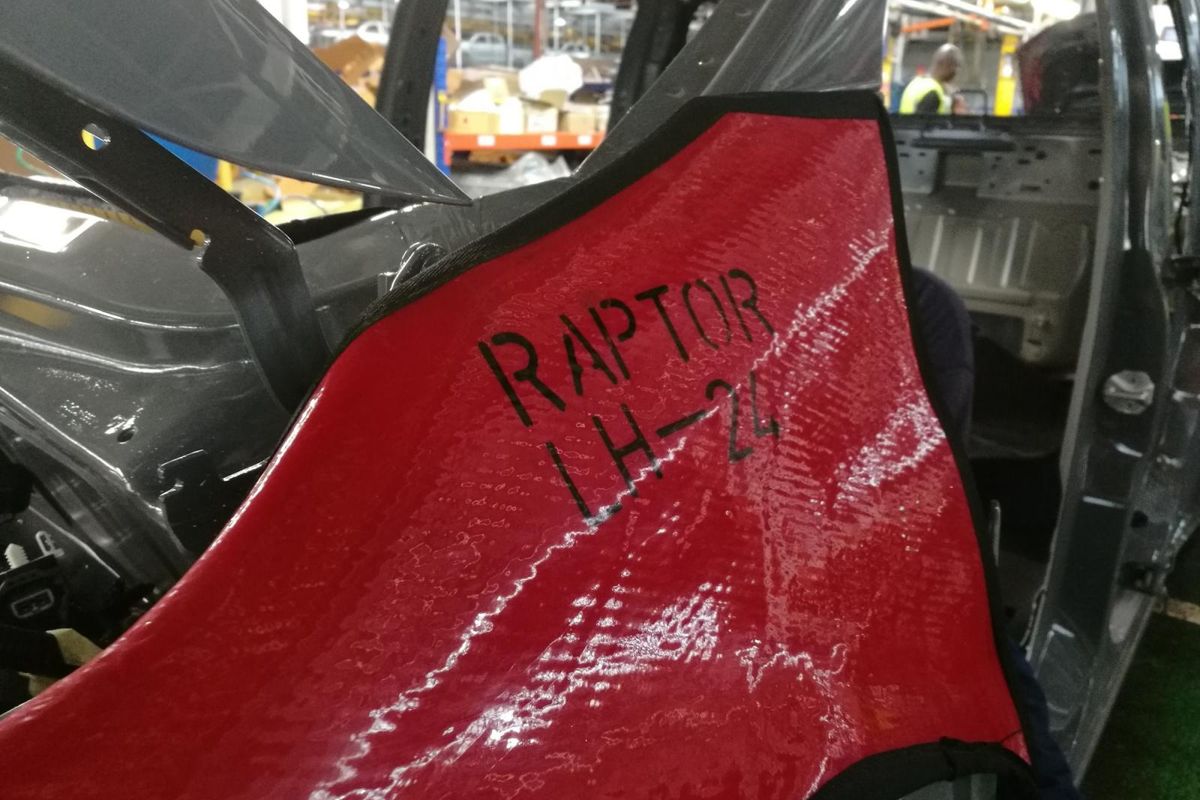
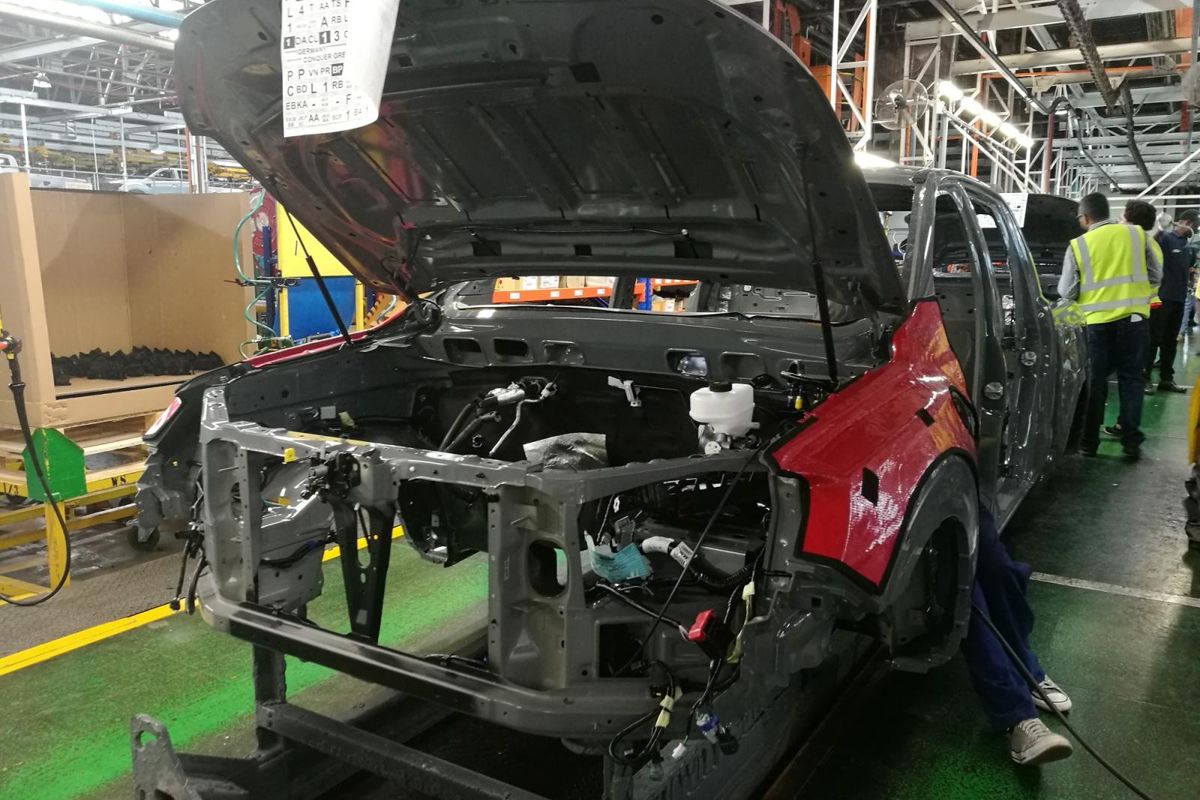
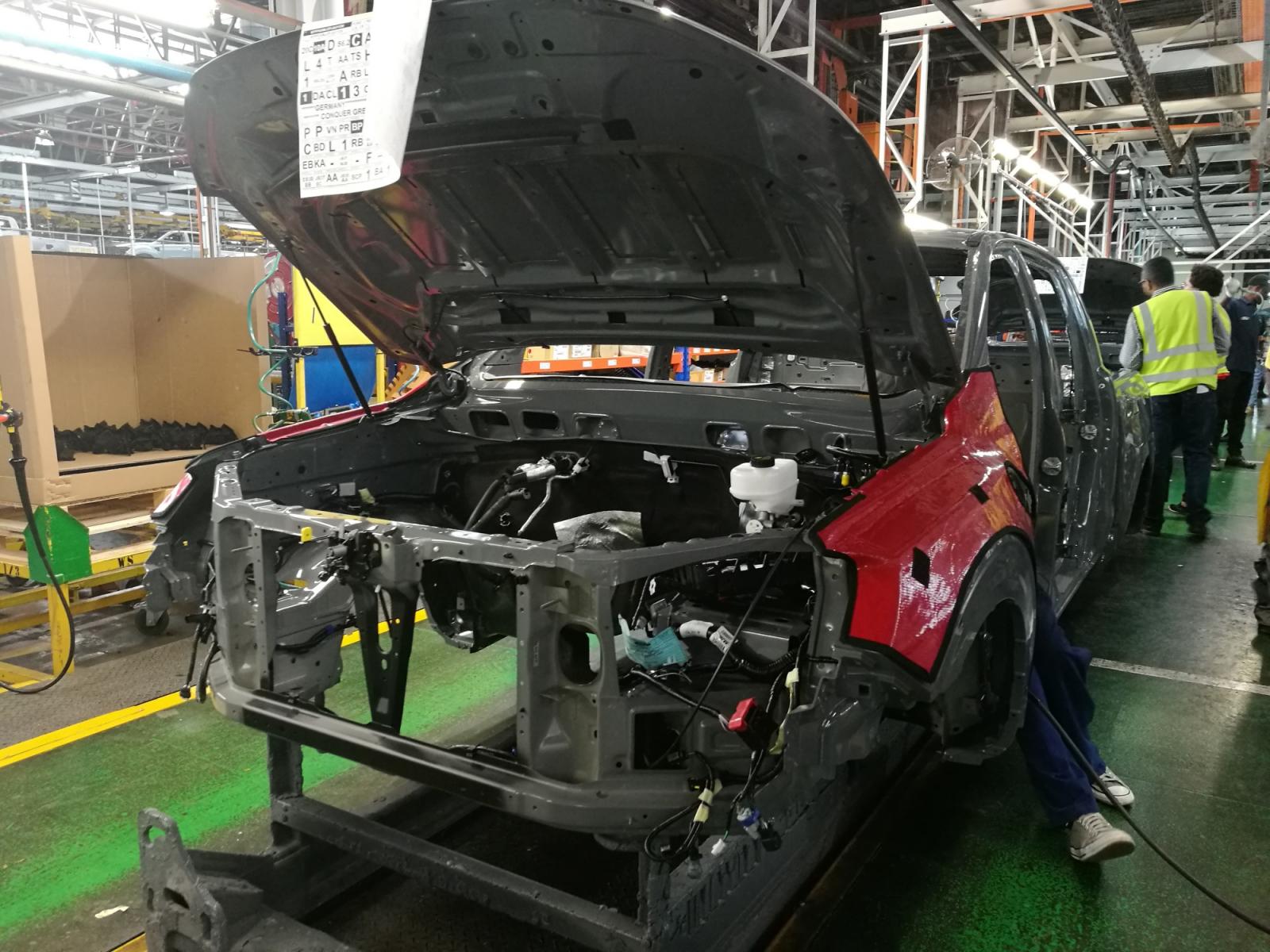
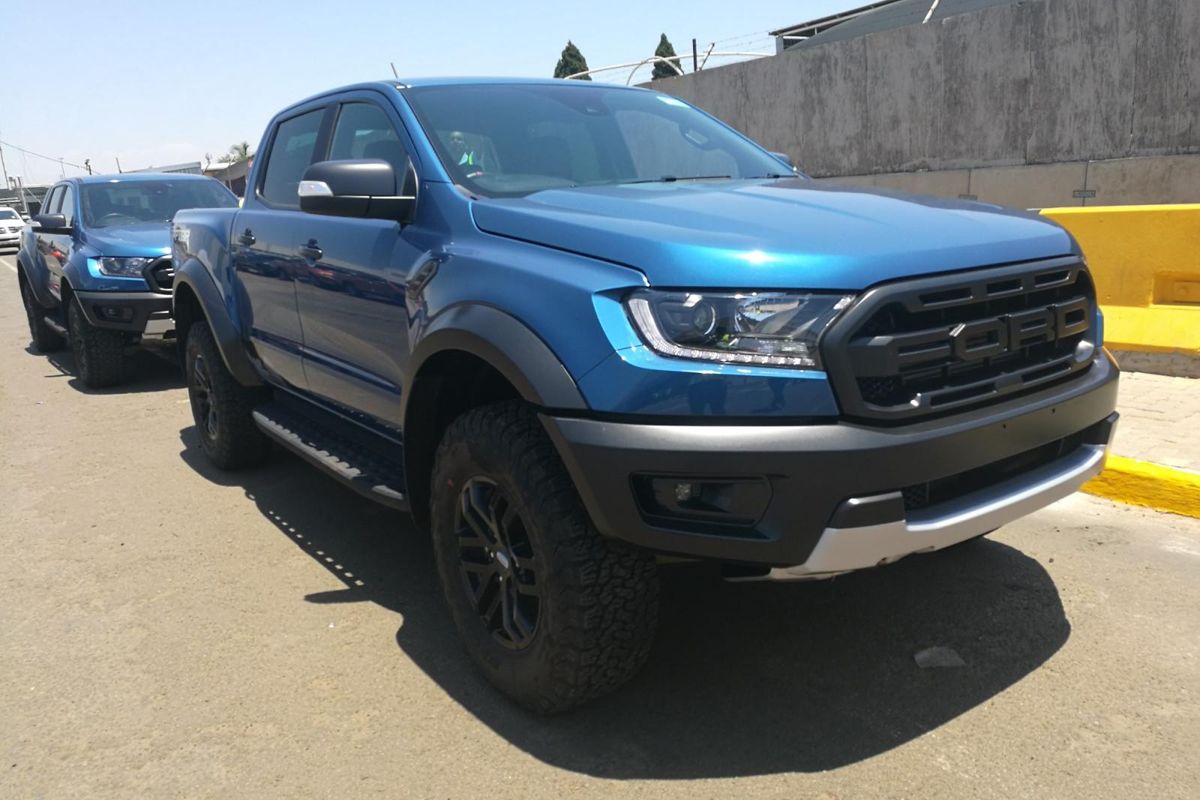
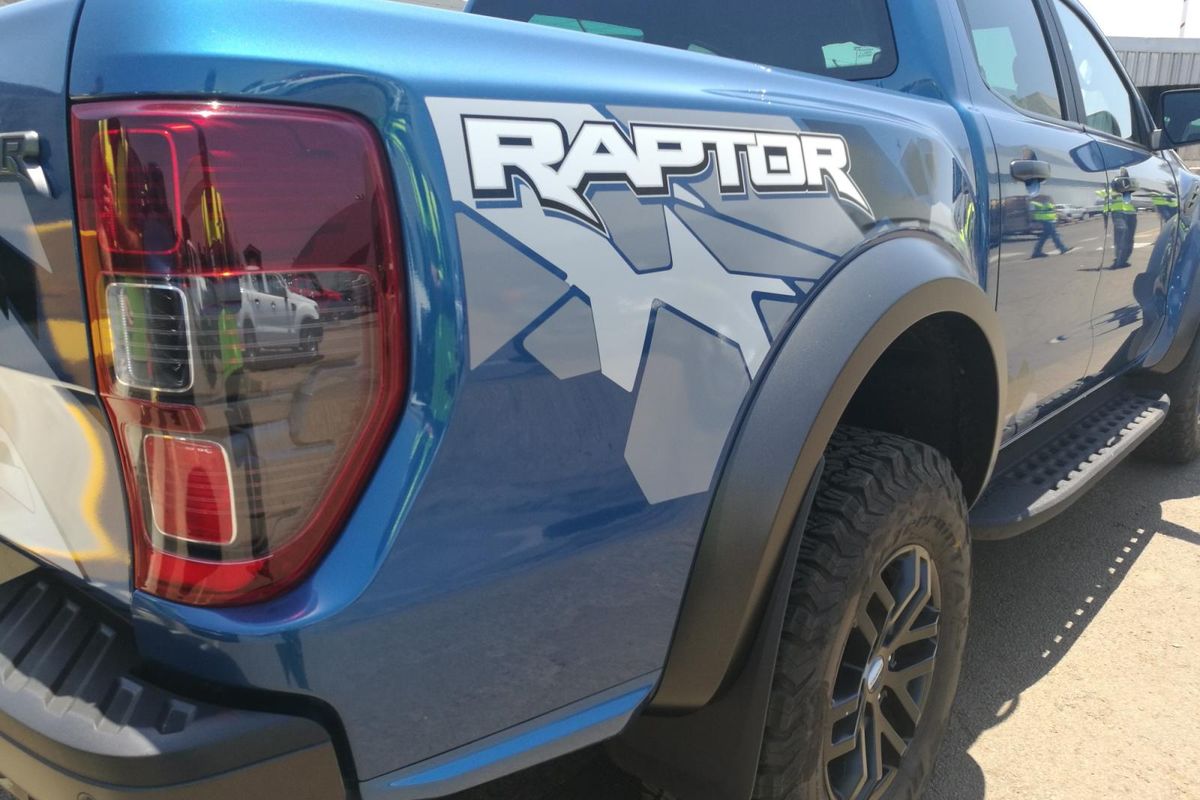
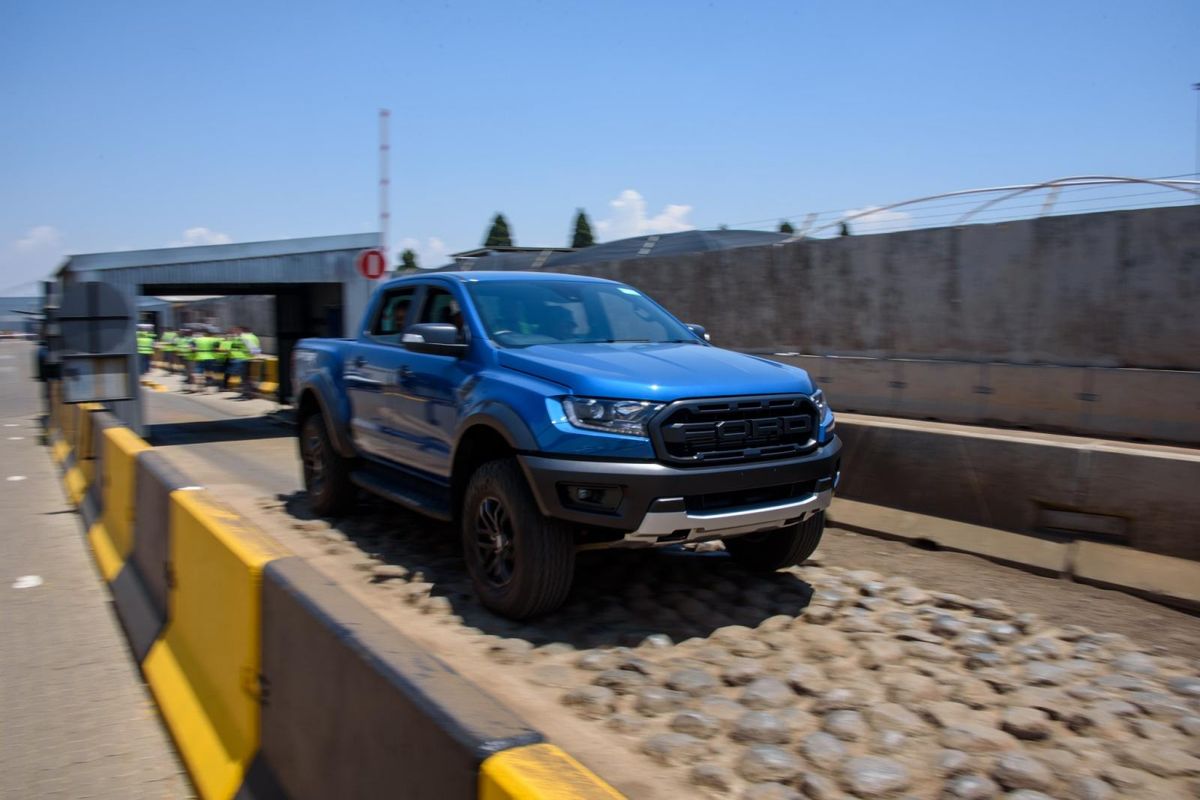
The Ranger Raptor has no less than 350 unique parts. These are the pre-production units being built…

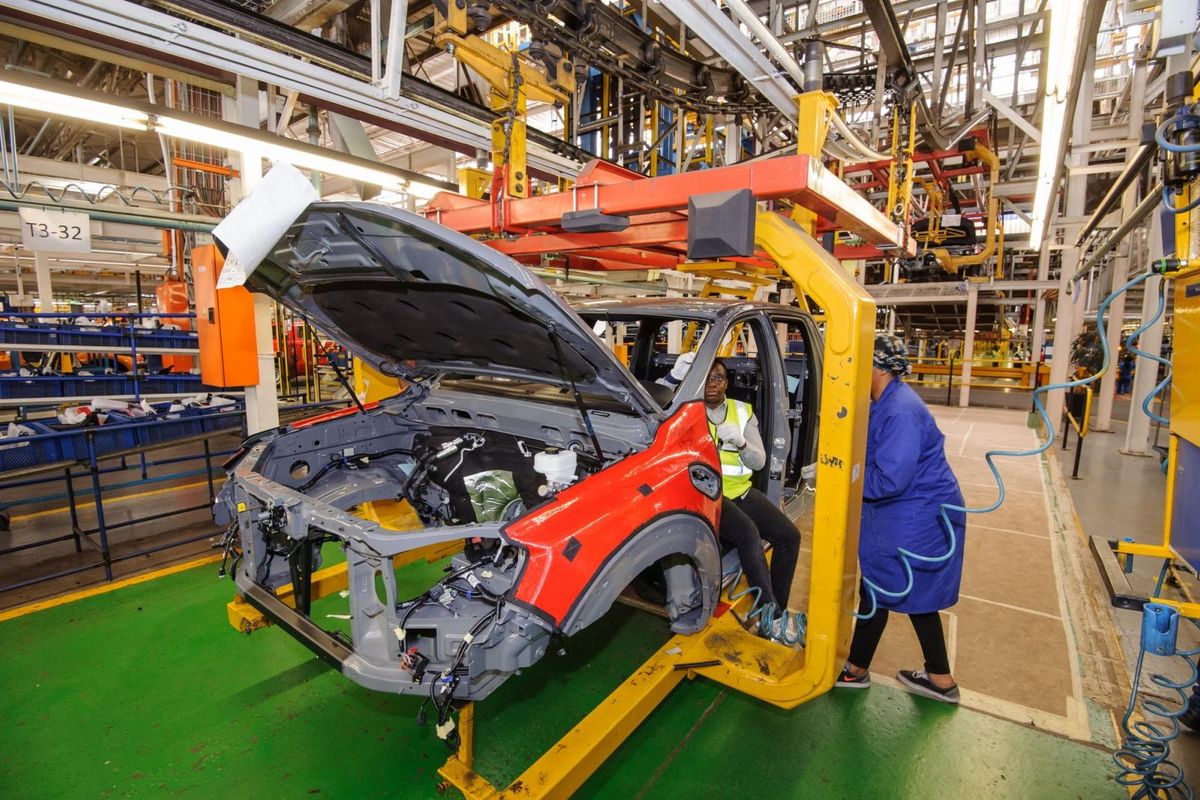
The forthcoming Ranger Raptor brings its own set of complications to the production line as the Ranger Raptor is vastly different to the standard Ranger model and the assembly line has therefore been re-engineered to accommodate both Ranger configurations.

“Accommodating the Ranger Raptor’s long-travel suspension, 150mm wider track, 168mm wider body and much bigger tyres required significant upgrades at numerous points along the assembly line,” Berry states. “There are around 350 parts that are unique to the Ranger Raptor, which adds a lot of complexity to the line.”

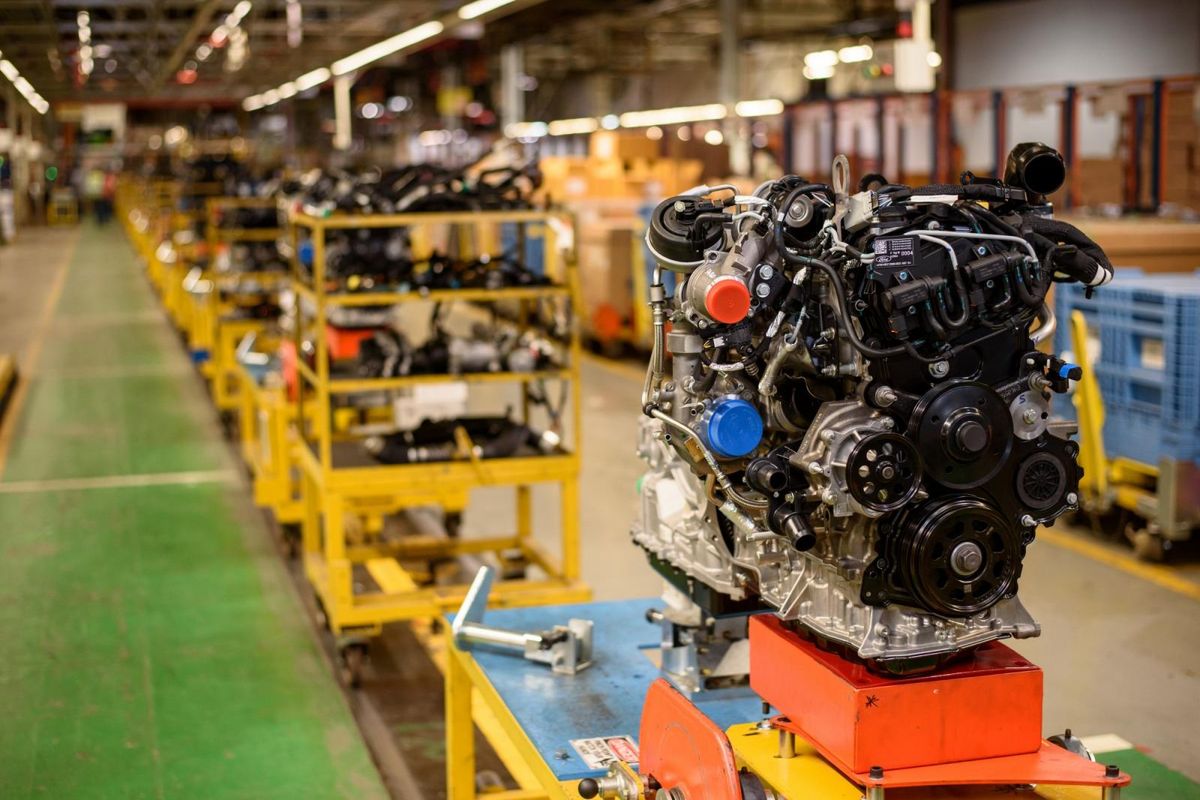
A new engine line has also been installed to accommodate the new 157 kW 2.0-litre bi-turbodiesel engine that will power the Ranger Raptor but which is also expected to be offered in selected Everest and Ranger derivatives in 2019 along with a new 10-speed automatic transmission.


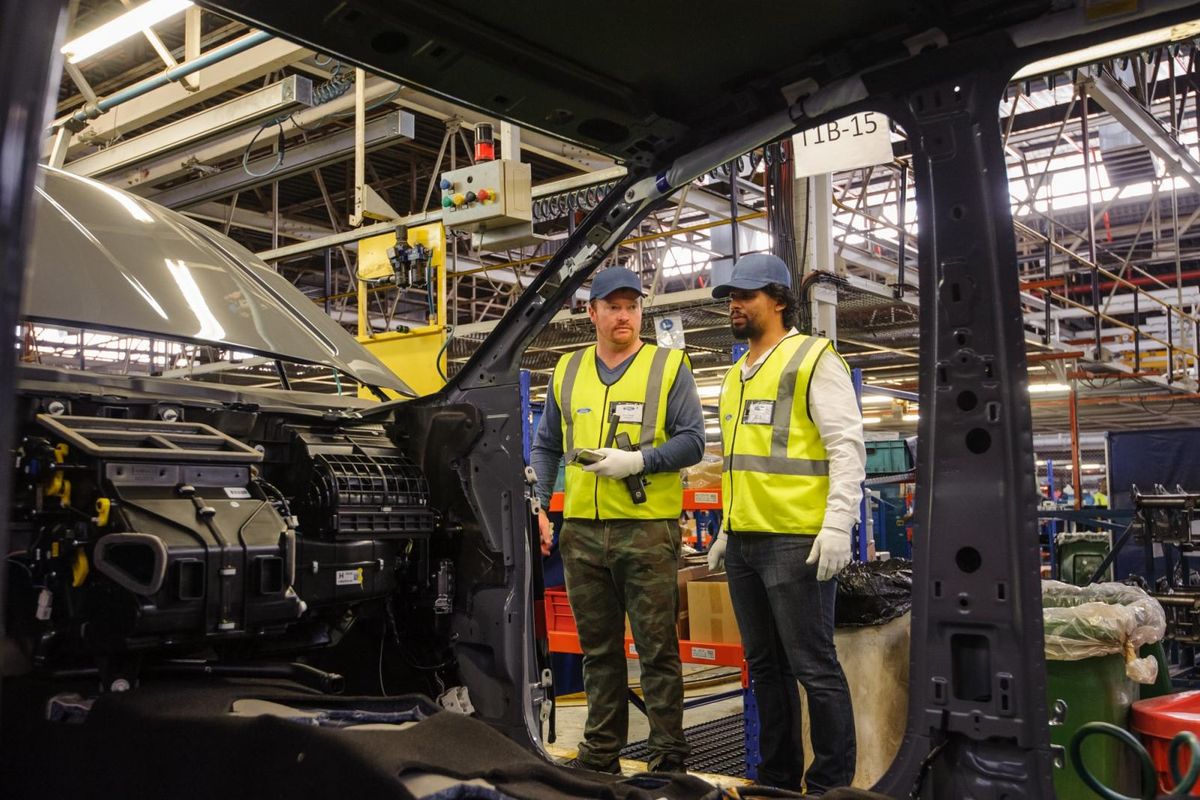
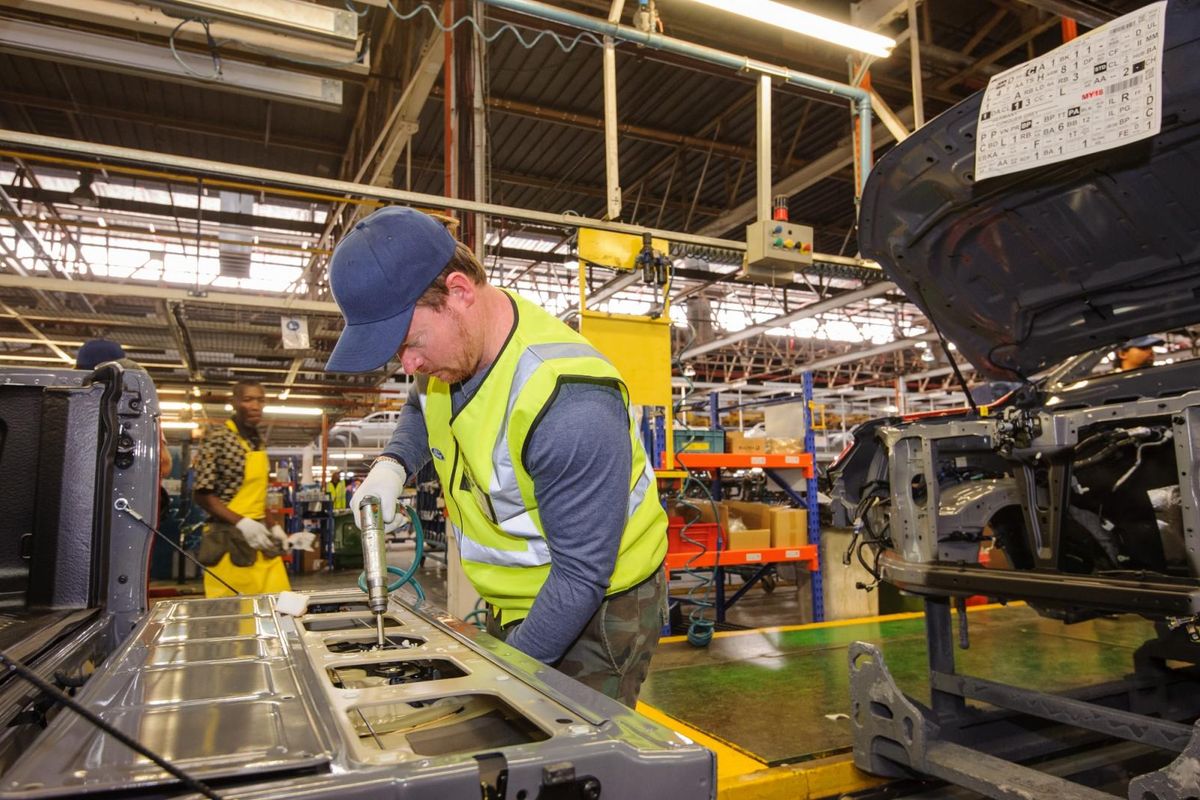
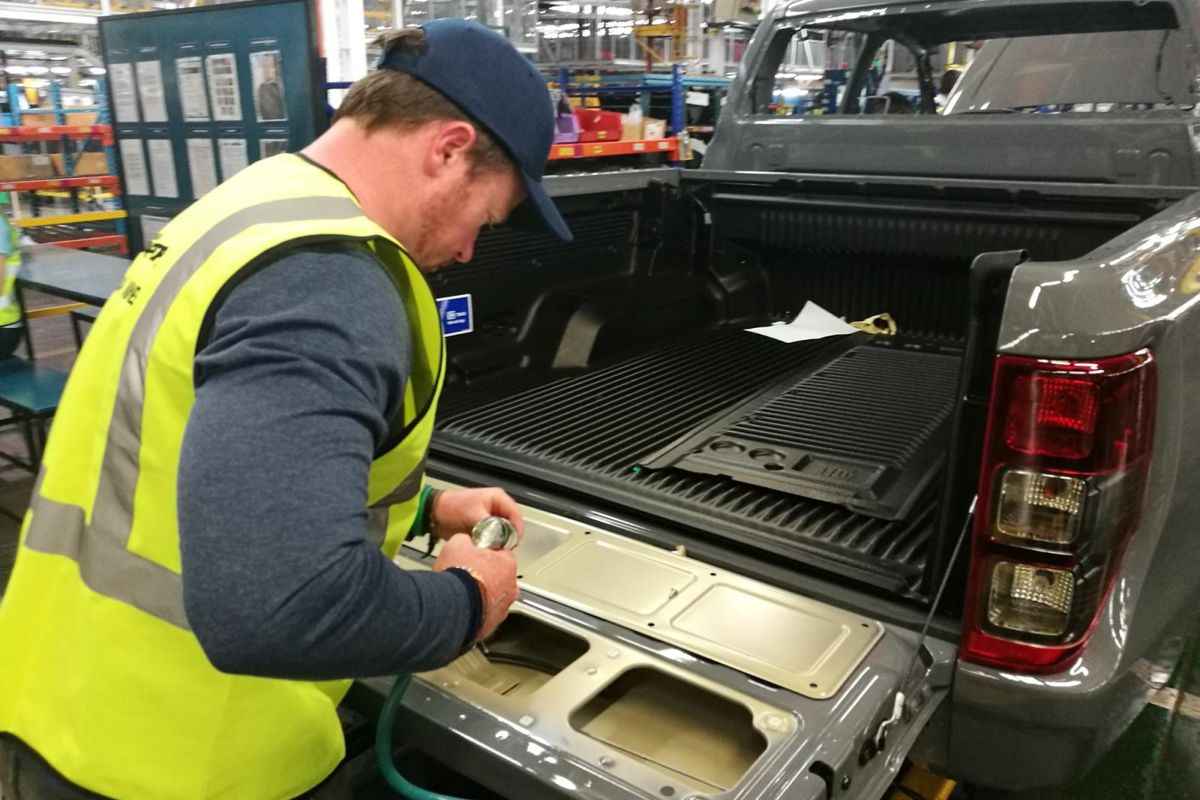
Gero Lilleike works on installing the tailgate mechanism on a Ranger Raptor pre-production unit. 

Seeing Silverton plant in full operation is a fascinating experience but Ford arranged a unique event that would place local media representatives on the production line to work on actual pre-production Ranger Raptor units.

The pre-production Ranger Raptor units are built to expose any production issues but they also undergo various quality and safety tests before full-scale production starts.  

Media representatives were split into groups and positioned at various stations on the production line under the watchful eye of trained professionals who would offer guidance and support but also to ensure that quality control was maintained.

Gero was positioned at the tailgate station with the task of installing the tailgate mechanism on various Ranger derivatives as well as the pre-production Ranger Raptor units. He was guided by a veteran of the trade, a friendly fellow by the name of Jacob, who has been employed at Silverton plant for 33 years. Jacob’s expertise proved to be invaluable in helping to get the mechanism installed in time without having to bring the entire production line to a grinding halt.  

While we look forward to testing the Ranger Raptor on local soil, Ciro De Siena did drive it with much enthusiasm in the Australian Outback earlier this year. If you have not yet seen the video, do yourself a favour and give it a watch below!

Buy a new or used Ford Ranger on Cars.co.za

Related Content

First Ford Ranger Raptor Built in SA
Ford Ranger Raptor (2019) International Launch Review

Ford Ranger Raptor: 7 Things You Need to Know

Ford Everest to be updated, now features Raptor engine


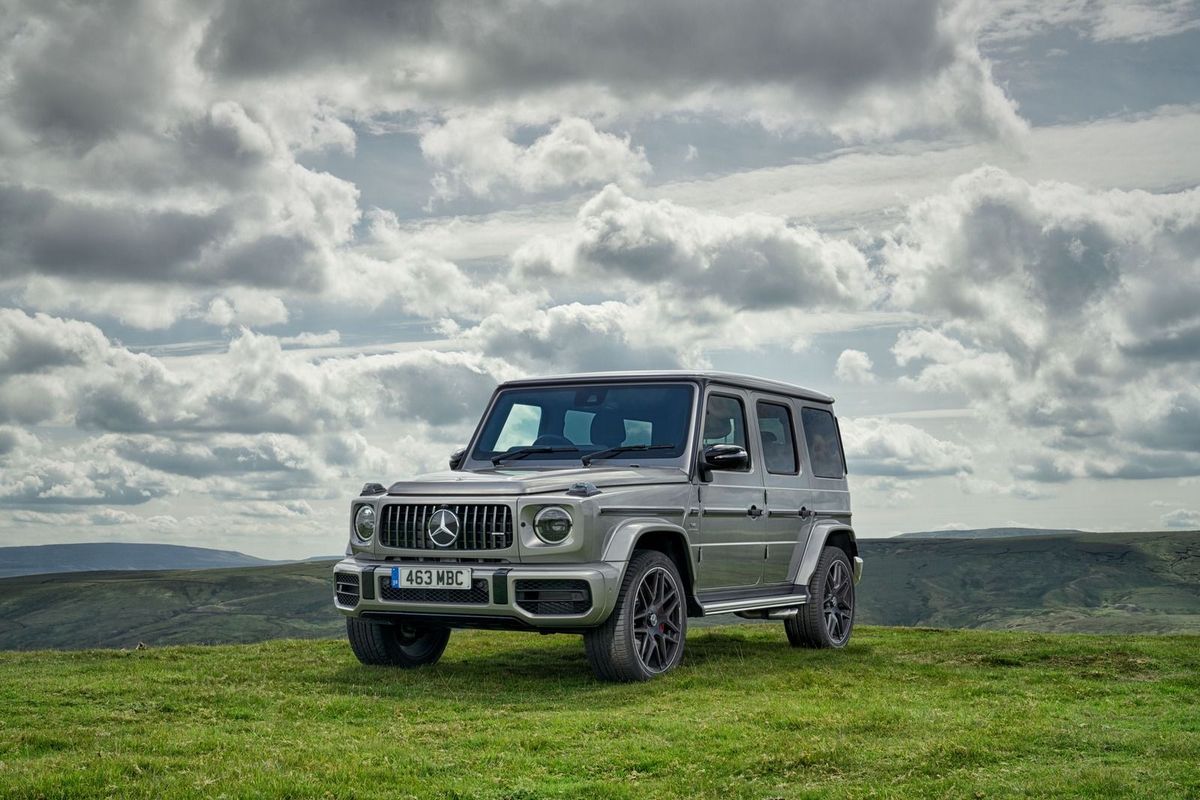
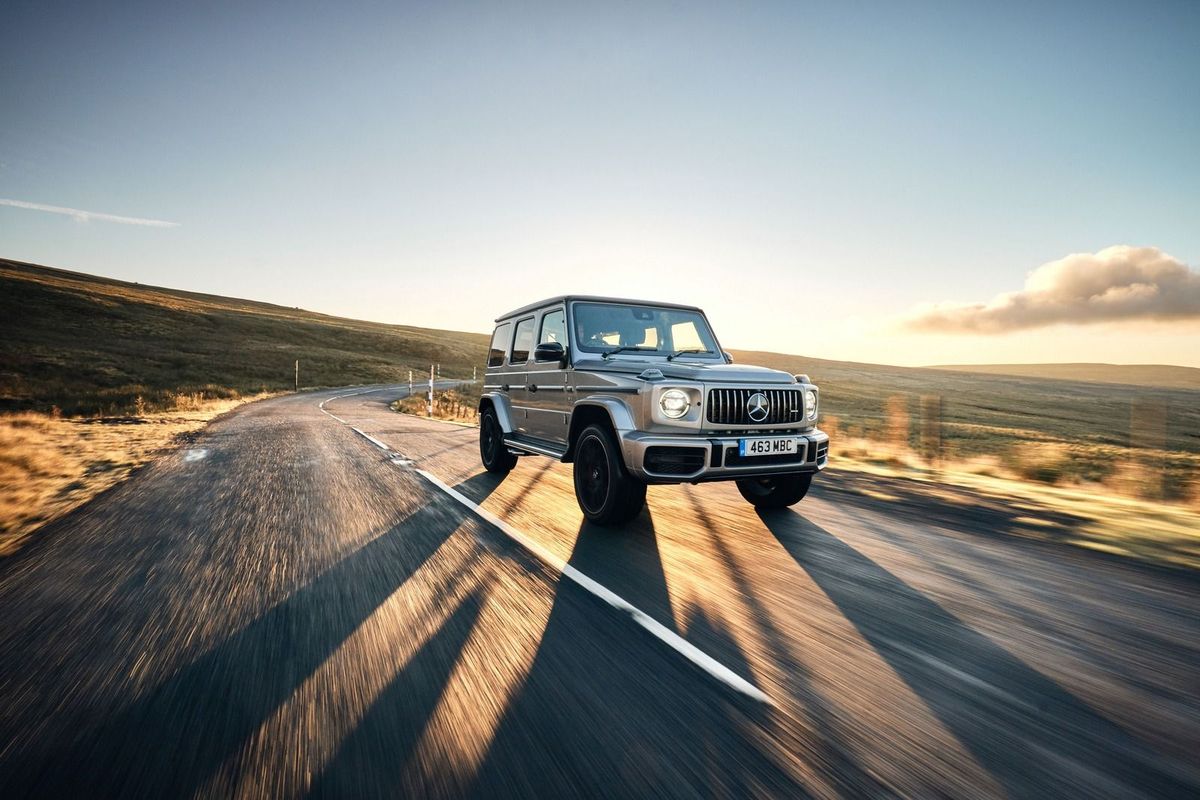
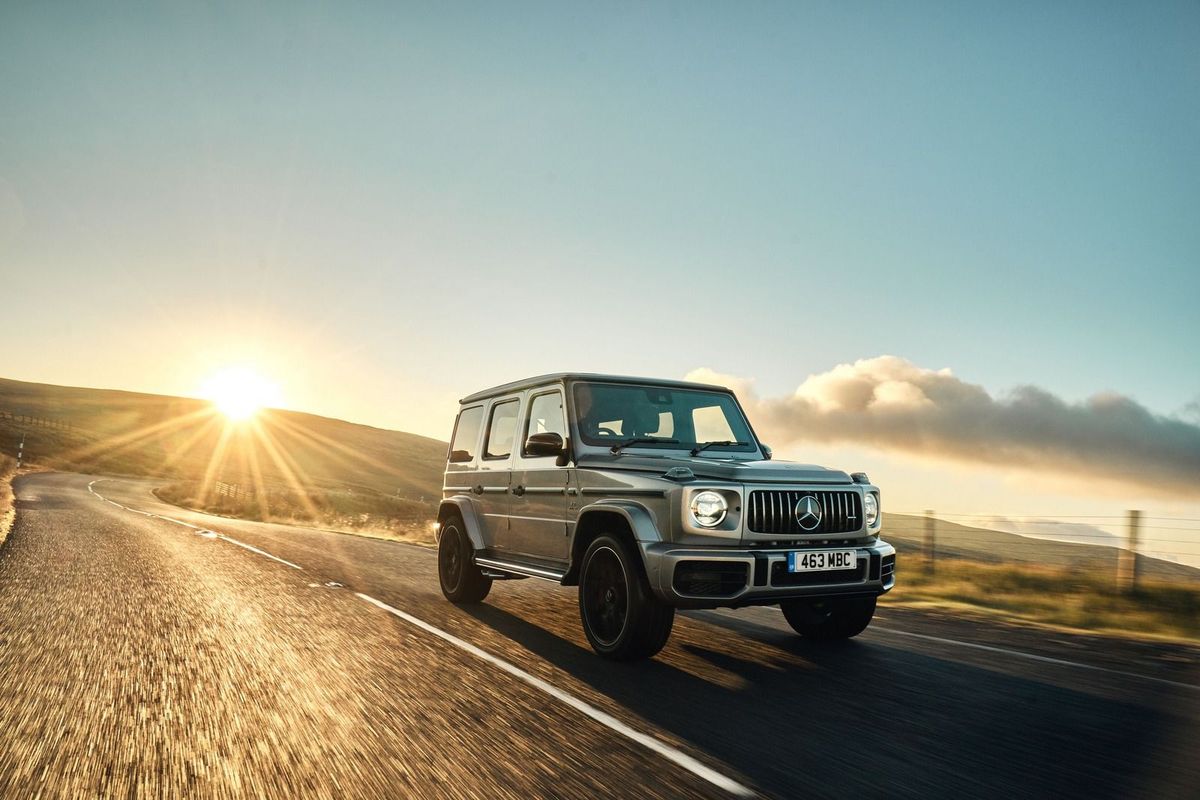
Mercedes-AMG G63 (2018) Launch Review

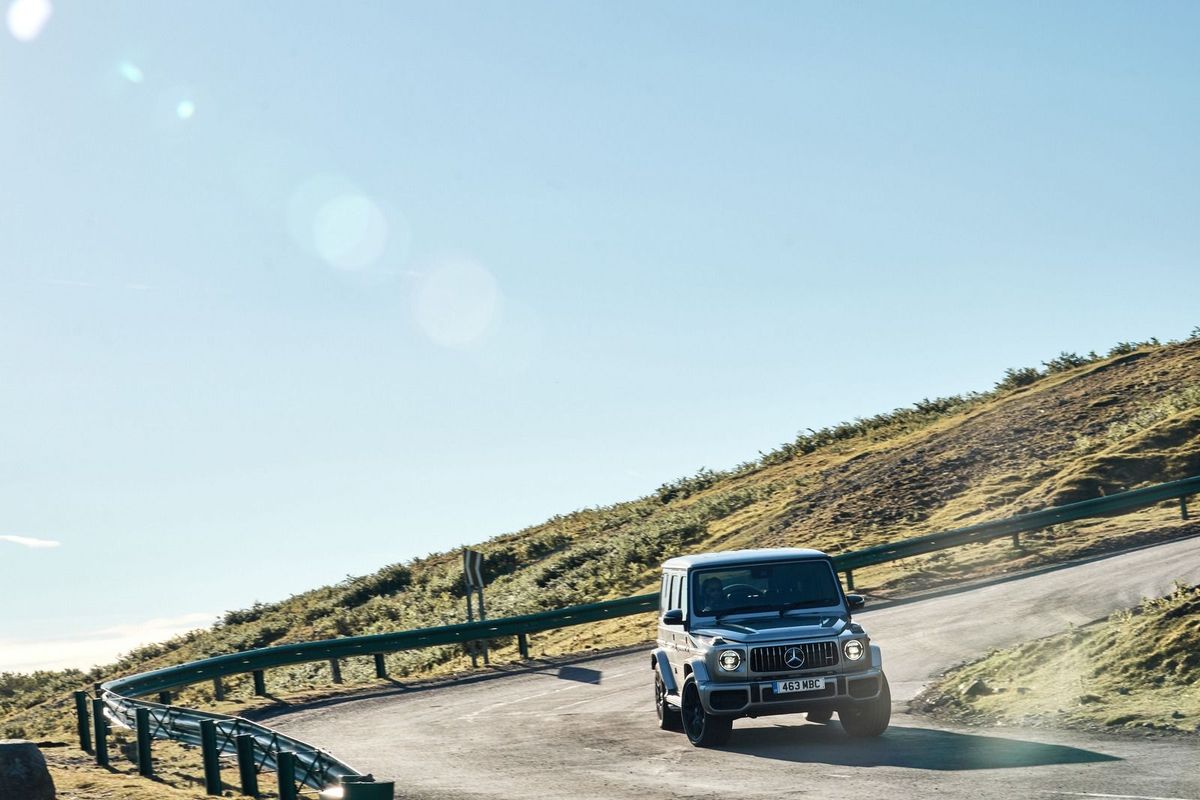
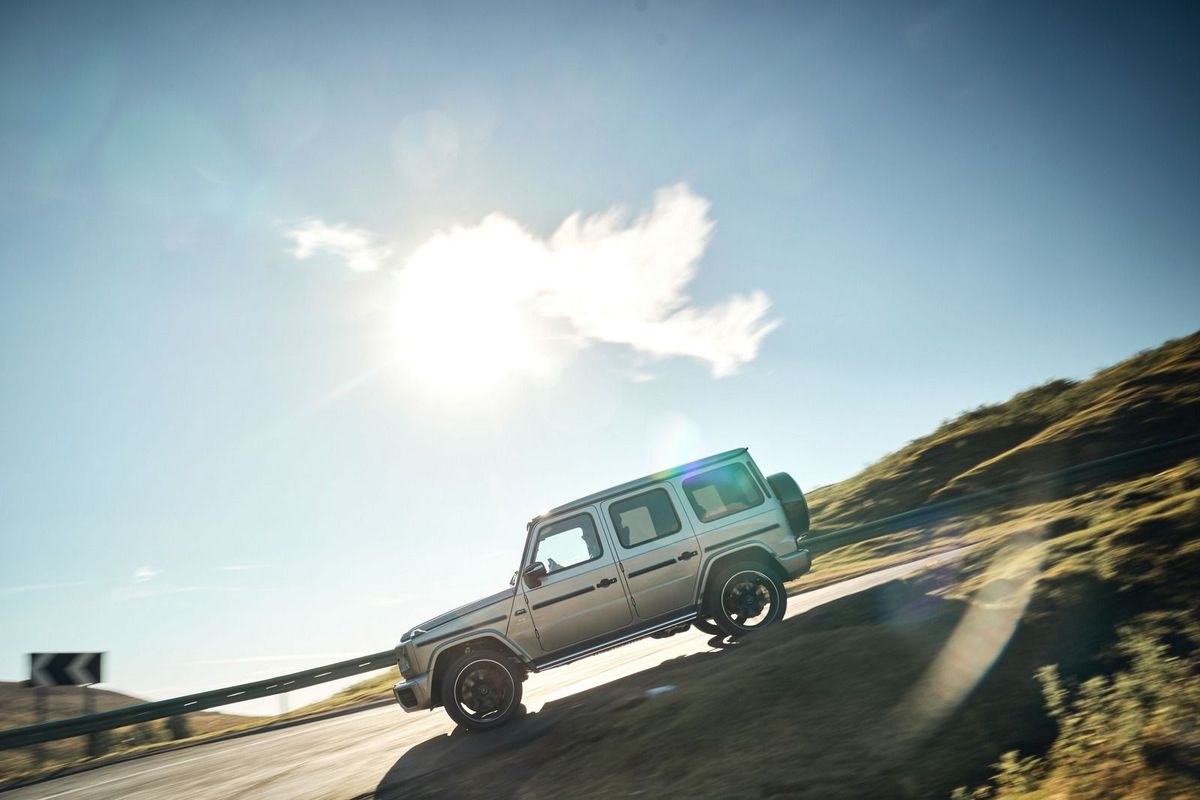
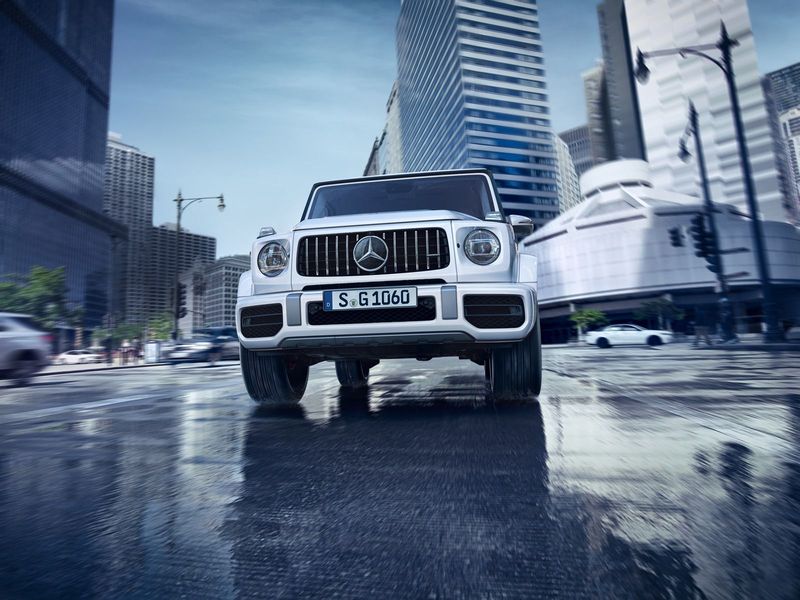
The once-utilitarian G-Class, previously known as the Geländewagen, is back for another round in 2018. We headed to Johannesburg to drive the mighty V8-whipped Mercedes-AMG G63.

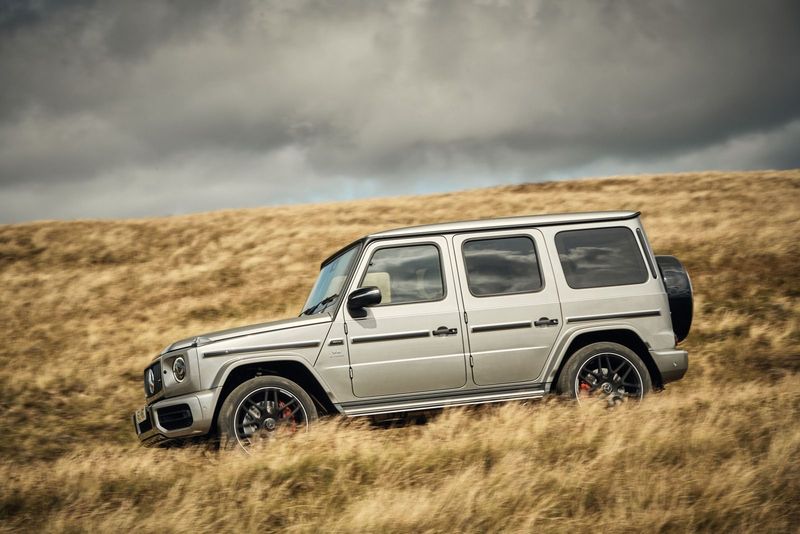
The G-Class is the oldest of all the Mercedes-Benz nameplates still in production; it dates back to 1979. Indeed, it has real heritage… and buyers know that, so when building a new model you can’t be liberal with widespread changes in design or technical ability. With that in mind, the new G-Class features subtle changes and enhancements to make it more user-friendly while still looking like the original G. There were a few things that were non-negotiable though: firstly, it had to remain boxy and square as a G-Class should. The doors also needed to have that typical G-Class kathunk as you slam the doors. Then finally it had to have a low range transfer case – the mark of a true off-roader.

What’s new?


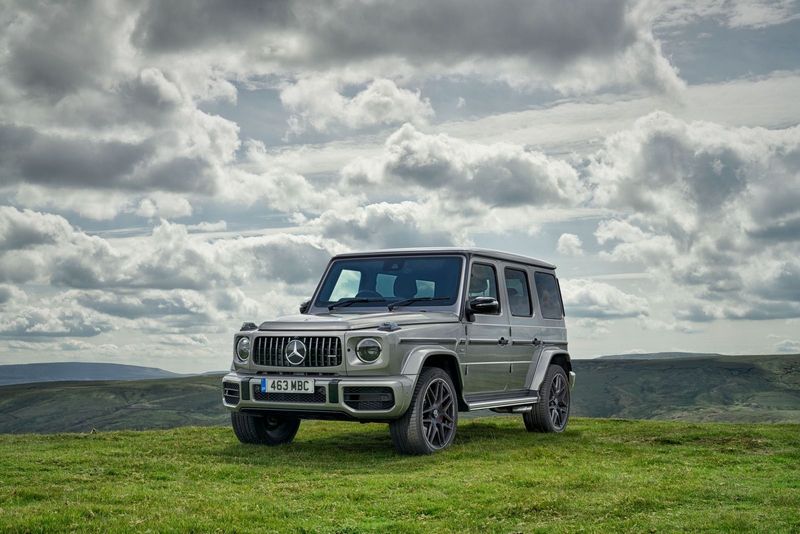
The Panamericana grille subtly sits on the front of the Mercedes-AMG G63.

The changes to the exterior over the predecessor are actually more subtle than you think, put them next to each other and a game of spot the difference ends rather quickly. The Panamericana grille sneaks its way onto the front giving it a more modern frontal appearance.

In terms of dimensions it has grown in every direction, it is 53 mm longer, 64 mm wider and 15 mm taller than before. This equates to more legroom in the front and rear, more elbow room all round and more shoulder room.

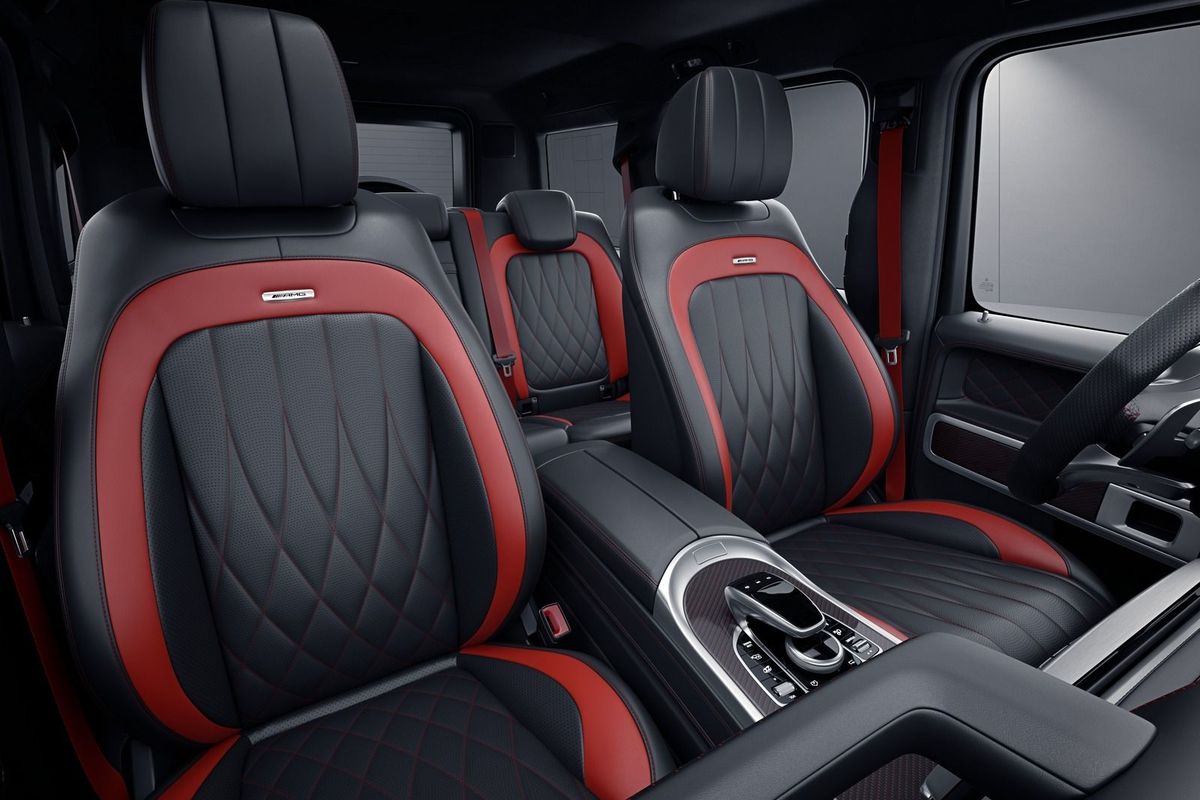
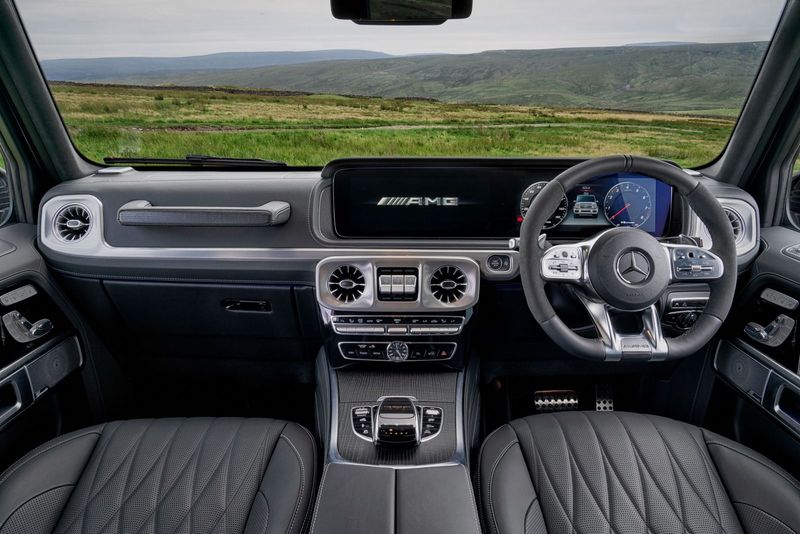
The interior sees the biggest update as Mercedes has updated the G-Class with all of its latest safety systems and given it much of the E-Class’ design, save for a few G-Class specific grab handles, but more on that later.

Under the bonnet


The old 5.5-litre V8 is replaced with a newer 4.0-litre twin-turbo V8.

There’s an absolute unit of a powerplant in the front of the G63. The 4.0-litre twin-turbo V8 punches out 430 kW and 850 Nm of torque, which are heady outputs if you consider the G-Class is an off-roader. Nevertheless, it will race from 0 to 100 kph in 4.5 seconds, which is pretty mind-boggling to experience as virtually nothing else in the Benz lineup can claim to grip and spring off the line as fast as this G-Wagon. With 2.4 tonnes pushing it into the ground and 22-inch rubber on the Edition One (the standard car has 20-inch wheels), there is zero wheelspin. It leaps from a standstill like a startled cat and yowls and growls right up to 6 000 rpm. It’s hilarious fun, because it’s so unexpected. You expect this kind of acceleration in an AMG GT or a C63, but when it comes in the form of a low-range-equipped block, you can’t help but be entertained by its exploits.

Fuel economy isn’t something that too many owners of a G-Class will worry about, but the (moderate) claimed figure of 13.1 L/100 km is courtesy of cylinder deactivation tech that shuts off 4 of the 8 cylinders to save fuel. In reality, even on open roads, we were seeing between 15 and 18 L/100 km.

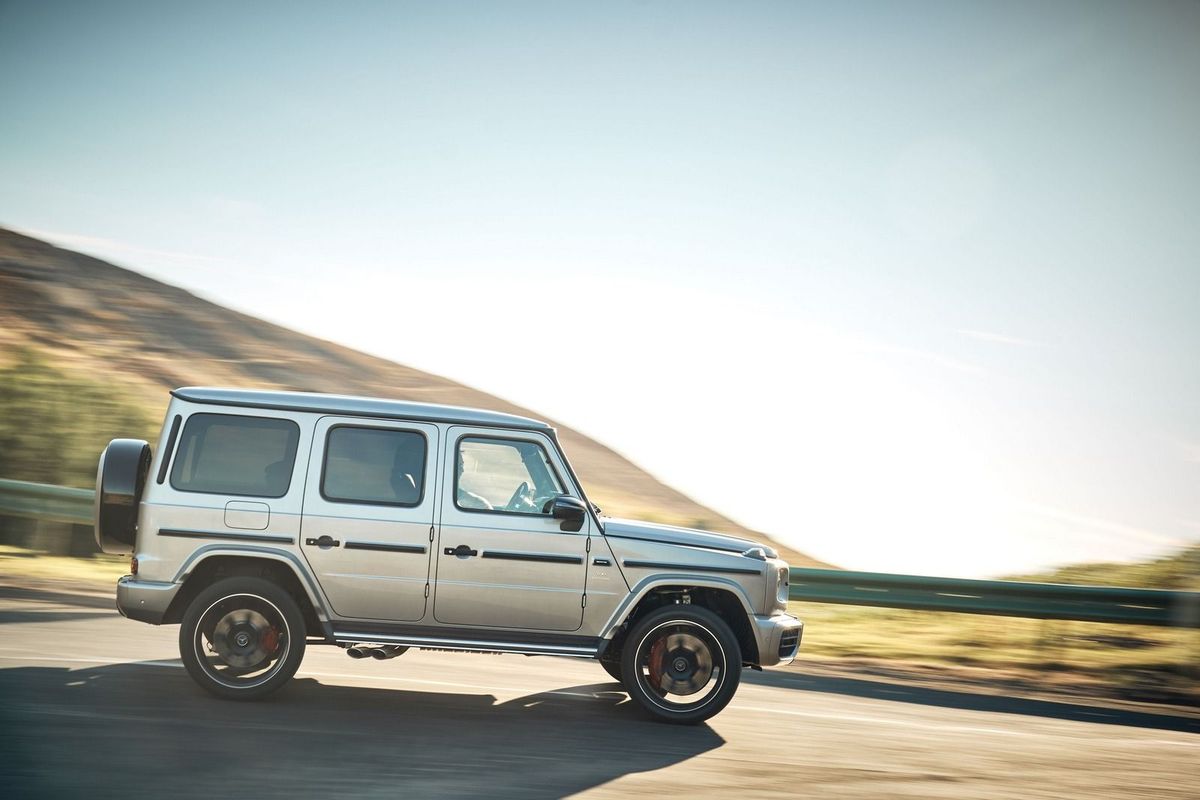
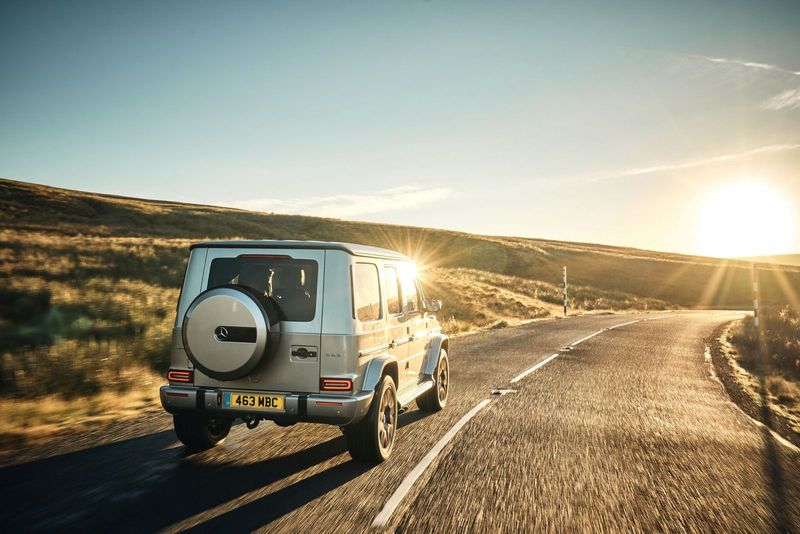
The G63 has a very specific sound due to its side-exiting exhausts that protrude from just below the rear passenger doors. It brings you a lot closer to that snarly V8 and once you’ve toggled through the driving modes to Sport and Sport Plus the ante on the exhaust growl is severely upped.

Off the tar road


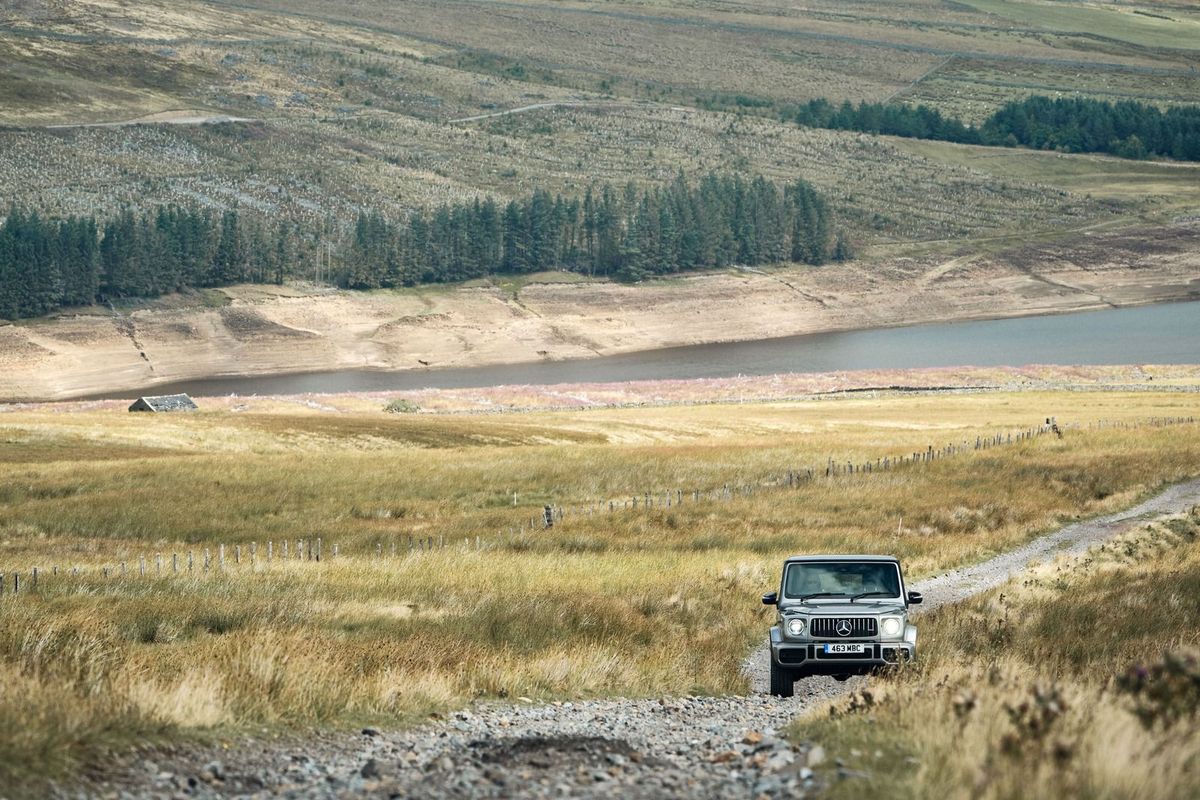
The G63 has all the features to make it a great off-roader, but at R2.6 million, is it likely to go off-road? Probably not.

With the G63 starting at R2.5 million, it’s unlikely that many owners will expect their Gs to traverse serious off-roading tracks (and run the risk of sustaining some dreaded bush-rash!). It is nice to know that it's equipped with everything you’ll ever need if you’re forced into a tricky situation.

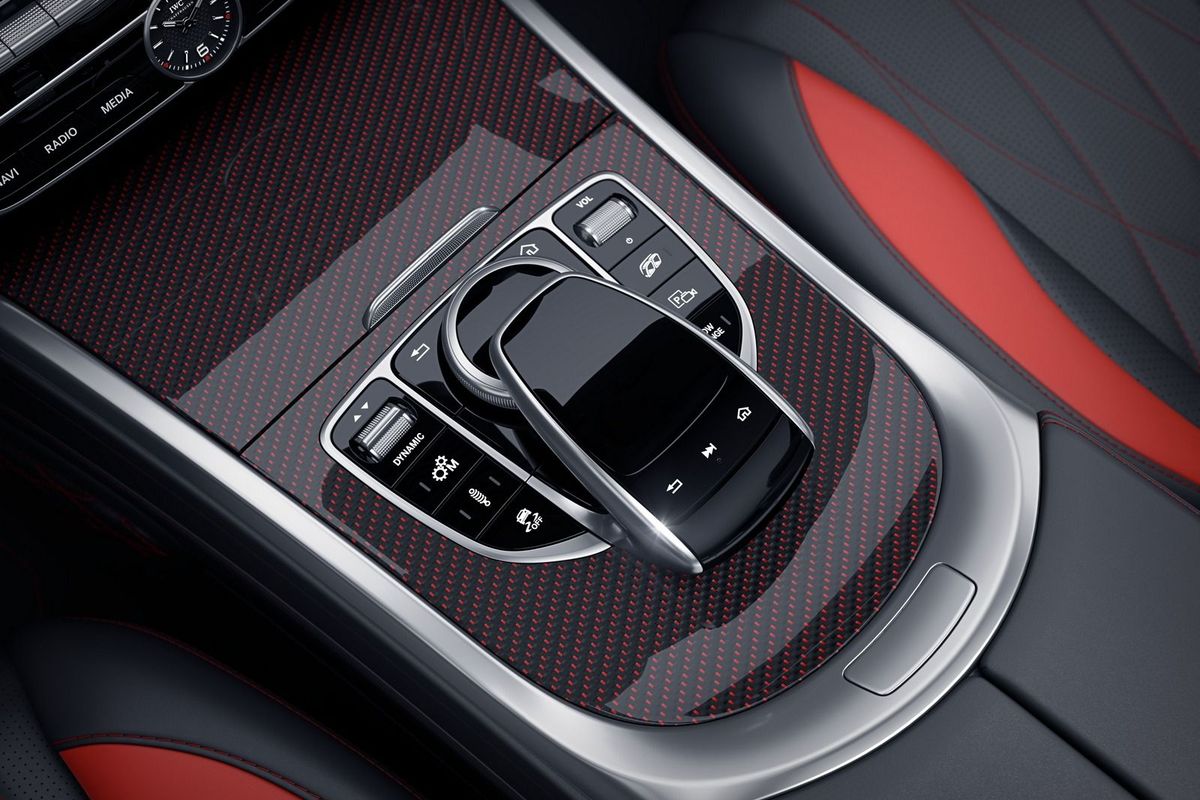
Theoretically, the G-Class has been made into an even better off-roader with improved approach, departure and break-over angles. There are 3 differentials you can lock (with the flicks of switches on the dashboard) and low range is selected by a button on the lower Comand control panel. There is a small problem, however, as those side exiting exhaust ends are likely to get damaged if you head into really rocky or lumpy terrain. Thankfully, for real off-roaders, only the AMG derivatives come with side-exiting exhaust. The G350d will arrive in South Africa during April 2019.

Meanwhile, there are some quite technical features that have improved the ride quality of the G-Class, but suffice to say the ladder-frame chassis is much stiffer than before. More aluminium has been used across the body on non-load-bearing sections while, for the first time, the front axle has an independent, double wishbone suspension; a rigid axle with a 5-link suspension is employed at the rear.

New upmarket interior  


The skateboard infotainment screen brings digital tech to the G-Class while the passenger grab handle remains typically old school.

The new G-Class interior has taken a major step up. Much of the E-Class' design and technology has been transplanted into the G to give it a very premium feel, while still seeming chunky and boxy.

The skateboard style screen takes pride of place on the dashboard with a fully digital instrument cluster setup. The roof lining is carpeted and the test units at the launch were fitted with the optional comfier front seats with massage, heating and cooling functions and side-bolster support (to pin you in your seat during cornering). The rear is spacious and the seats can fold in a 60:40 configuration. Rear passengers also benefit from their own climate control buttons.

Benz has loaded the G-Class with a ton of tech and safety systems that include features such as semi-autonomous driving modes (a perhaps over-eager) lane keeping aid, road-sign recognition and a head-up display. A few more airbags have been added to this model, including a knee-bag.

Summing it up


Mr Boombastic, truly fantastic…

The Mercedes-AMG G63 will make absolutely no sense to those who consider it from a practical, logical point of view. It has an insane amount of power for an off-roader and its square shape means the wind noise is pretty intrusive at speed. If you take it off-road, its 20 or 22-inch wheels will get wrecked, as will the side-exiting exhausts. Also, it costs R2 591 000, which is ridiculous money in most people's book.

However, as an absolutely wild, left-field choice that’s by far the craziest model Mercedes-AMG makes, the G-Class is brilliant. It gets more recognition from onlookers than just about any car I’ve driven… the G63 is one of the few cars that are universally regarded as "just plain cool".

Related content

Brabus Unleashes Monster G-Class

Suzuki Jimny (2018) Launch Review

Spy Shots: All-new Land Rover Defender

The Journey Mozambique: The Search for Sunken Land Rovers [Video]

Searching for a used G-Class? Start looking here

Mercedes-Benz C180 (2018) Quick Review

The continued success of the Mercedes-Benz C-Class is critical to the Sindelfingen-based brand's passenger vehicle sales volumes (and its East London plant, in particular). Benz recently facelifted its business-class sedan and we got a chance to drive the newcomer, tested here in entry-level C180 guise. Do the changes make a big difference?

We like: Comprehensive interior upgrade, uprated safety systems, overall refinement 

We don’t like: Engine doesn't like being pushed, cost of options, some poor finishes

Fast Facts

Price: R590 168 (November 2018)
Engine: 4-cylinder, 1.6-litre turbocharged petrol
Power/Torque: 115 kW/250 Nm
Transmission: 9-speed automatic
0-100 kph: 8.3 seconds
Top Speed: 225 kph
Economy: 6.5 L/100 km
Boot Space: 480 litres

Serious About Buying?

Check out full specification details and finance estimates here.
Some Mercedes-Benz dealers regularly offer specials: Have a look here.

What is it?

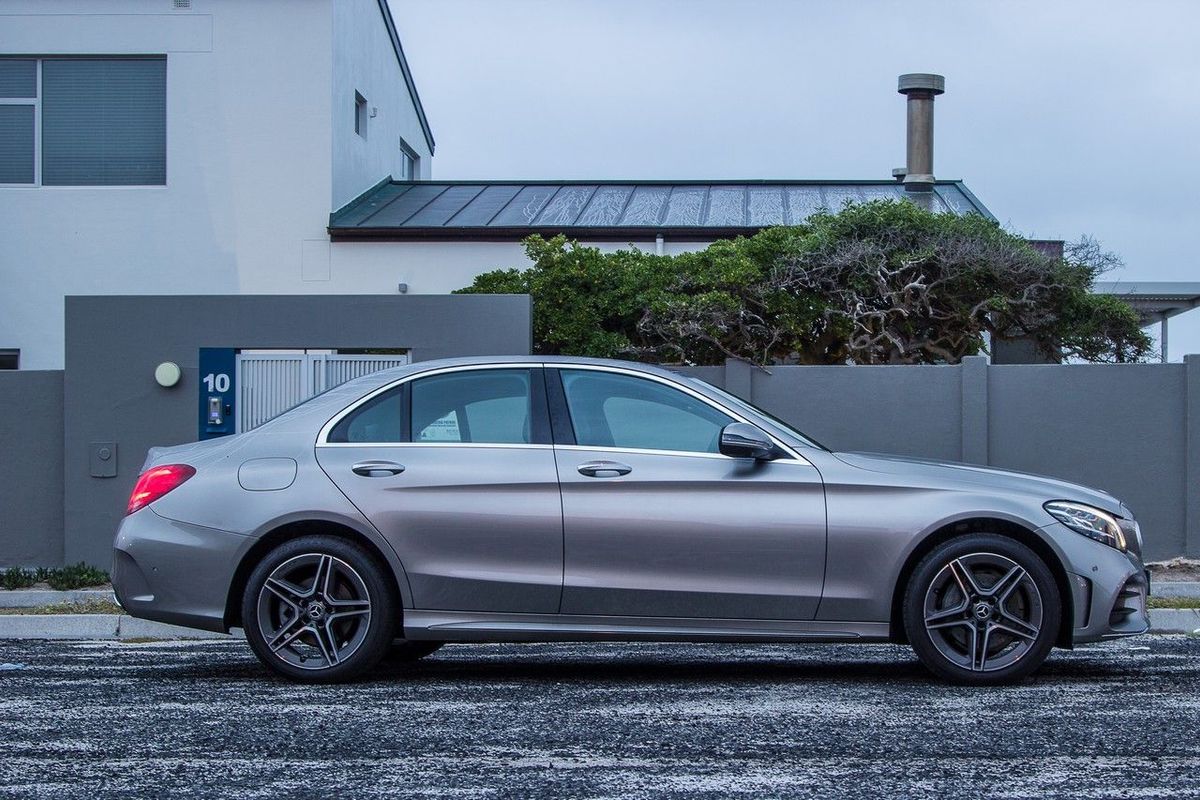
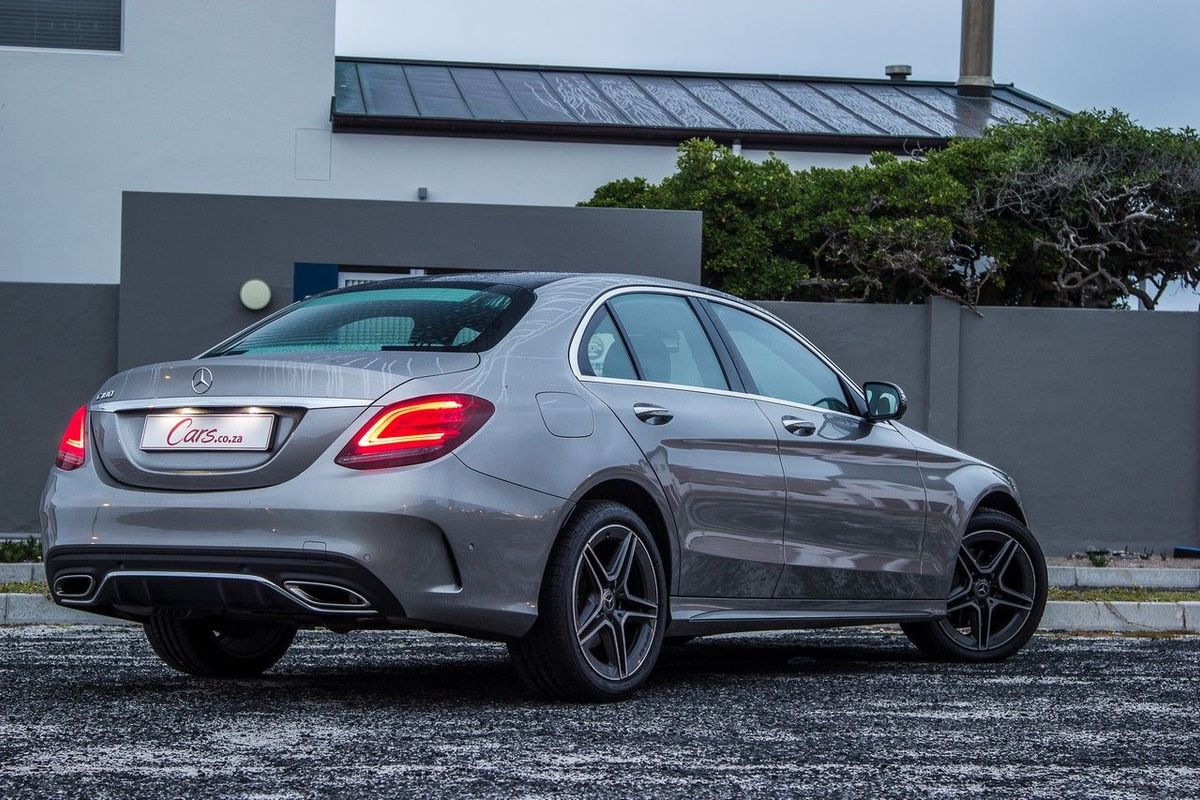
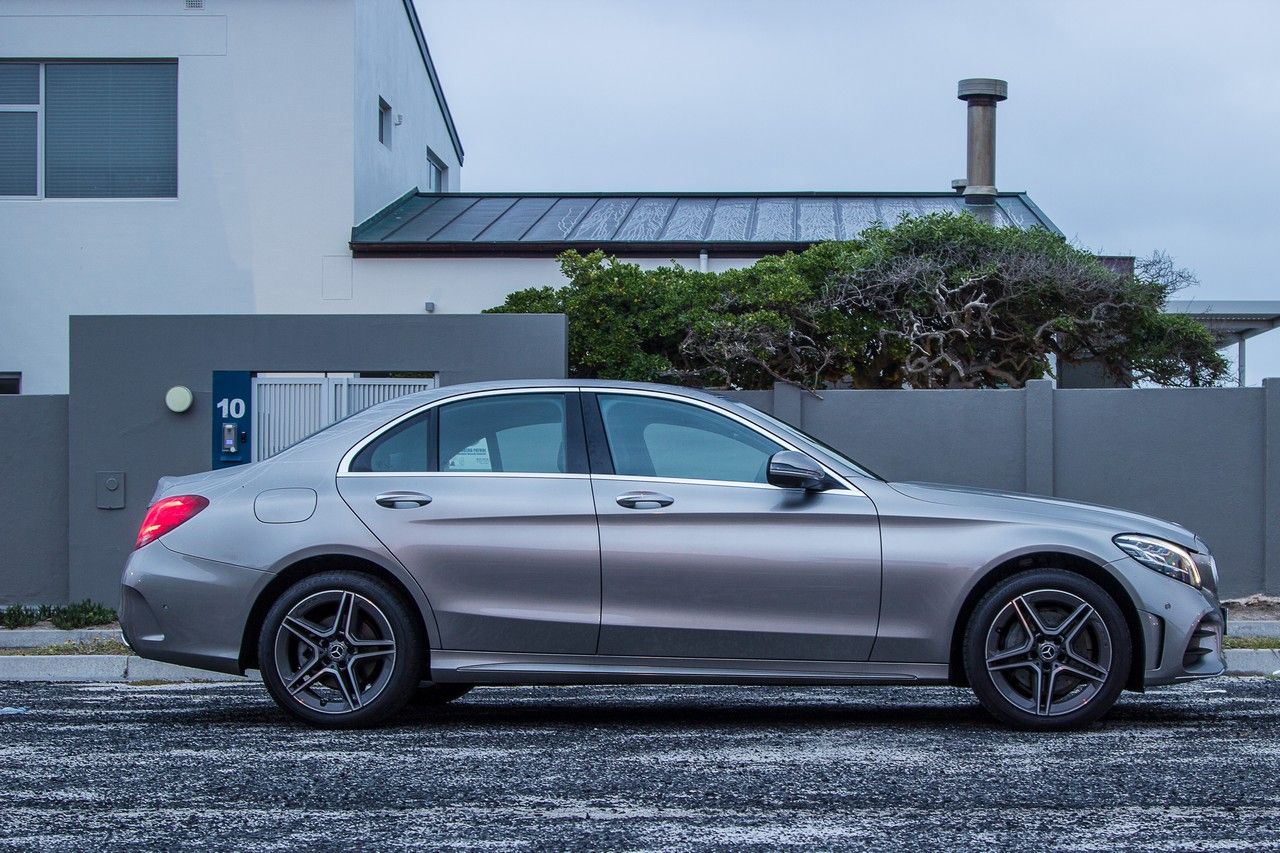
The Mercedes-Benz C-Class is the money maker for the German brand (a point we alluded to in the introduction of this review), and on the back of a massive investment in the brand's East London facility, the facelifted version (W205) has gone on sale. Although the aesthetic updates to the C-Class are not immediately apparent, the upgrades to the sedan's electronics, ergonomics, build quality and safety are of greater relevance. There are some changes to the engine line-up too, but while we all dream of driving a Mercedes-AMG C43, the C180 and C200 are likely to remain the most popular derivatives. We got behind the wheel of the C180 to see if it represents a fair blend of luxury and value for money. Visually, our test car came fitted with the AMG Line kit which ups the ante in terms of kerb appeal. The diamond radiator grille and sporty wheels round off the package.

At the time this article was published, Mercedes-Benz offered a Special Deal on the C180. Check out our Car Specials section.

What’s good?

New interior design


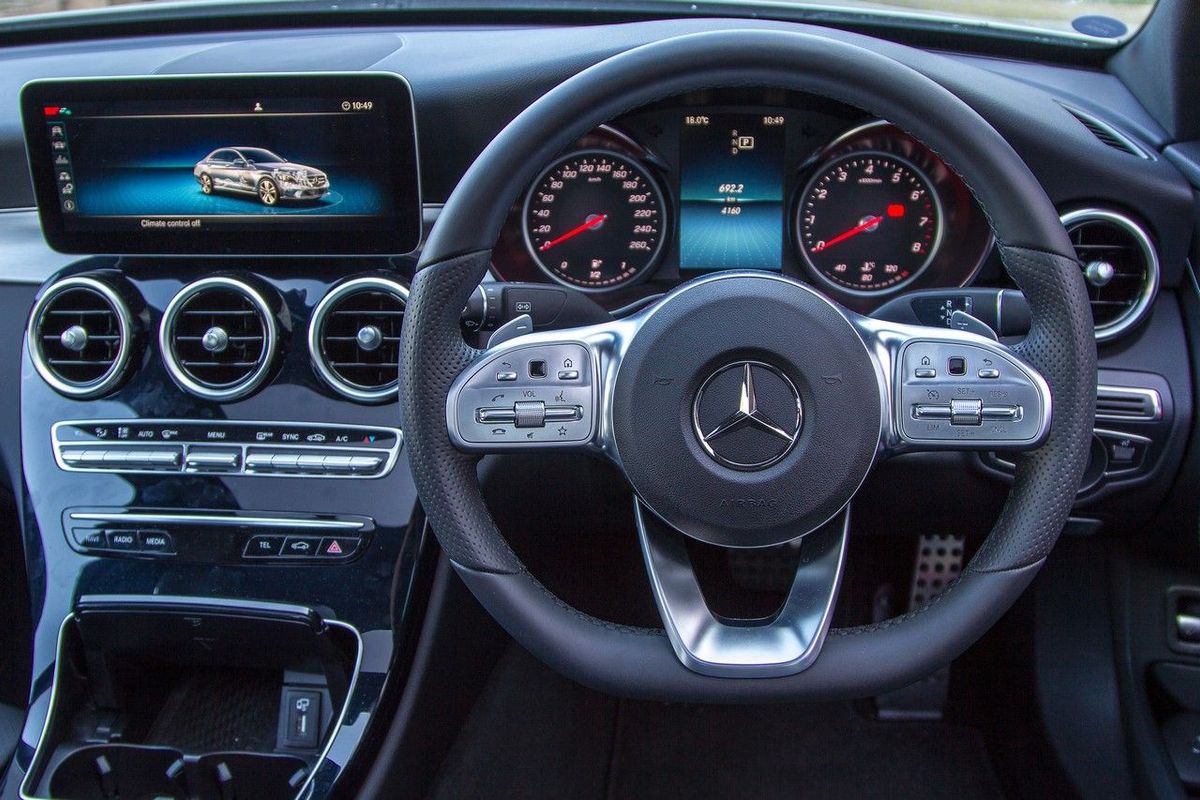
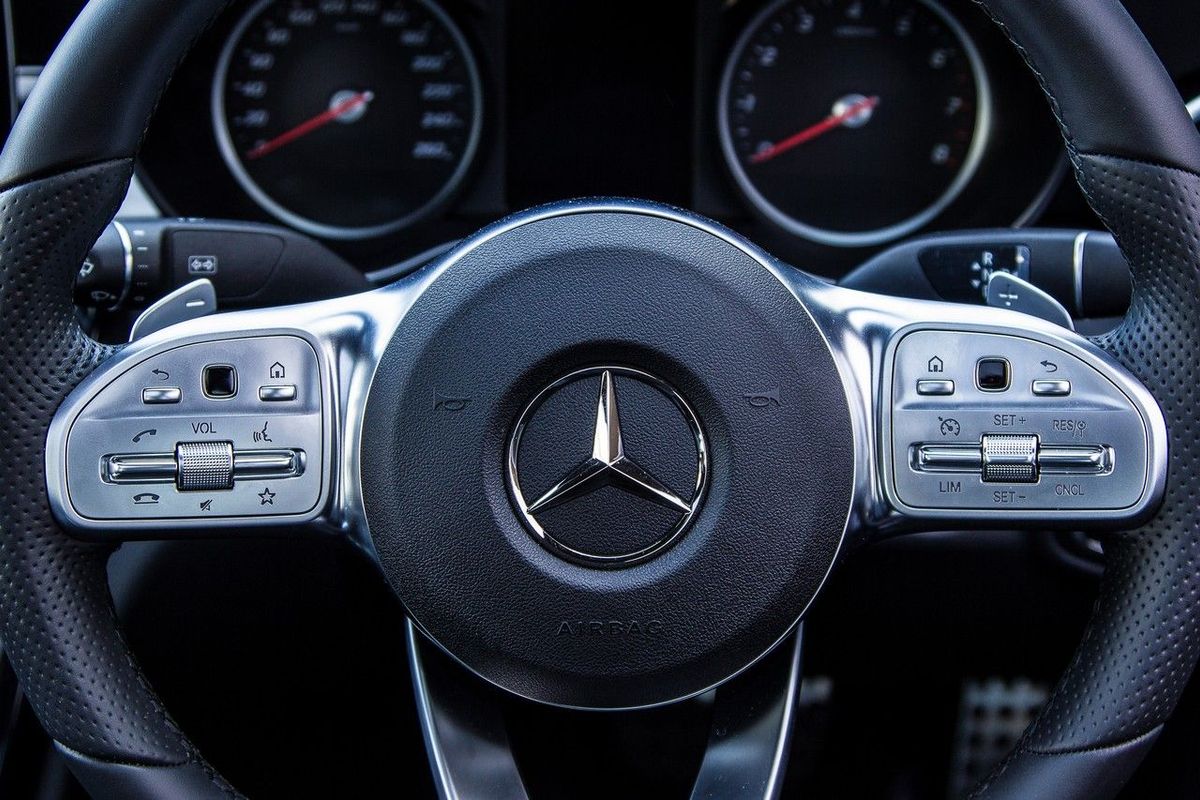
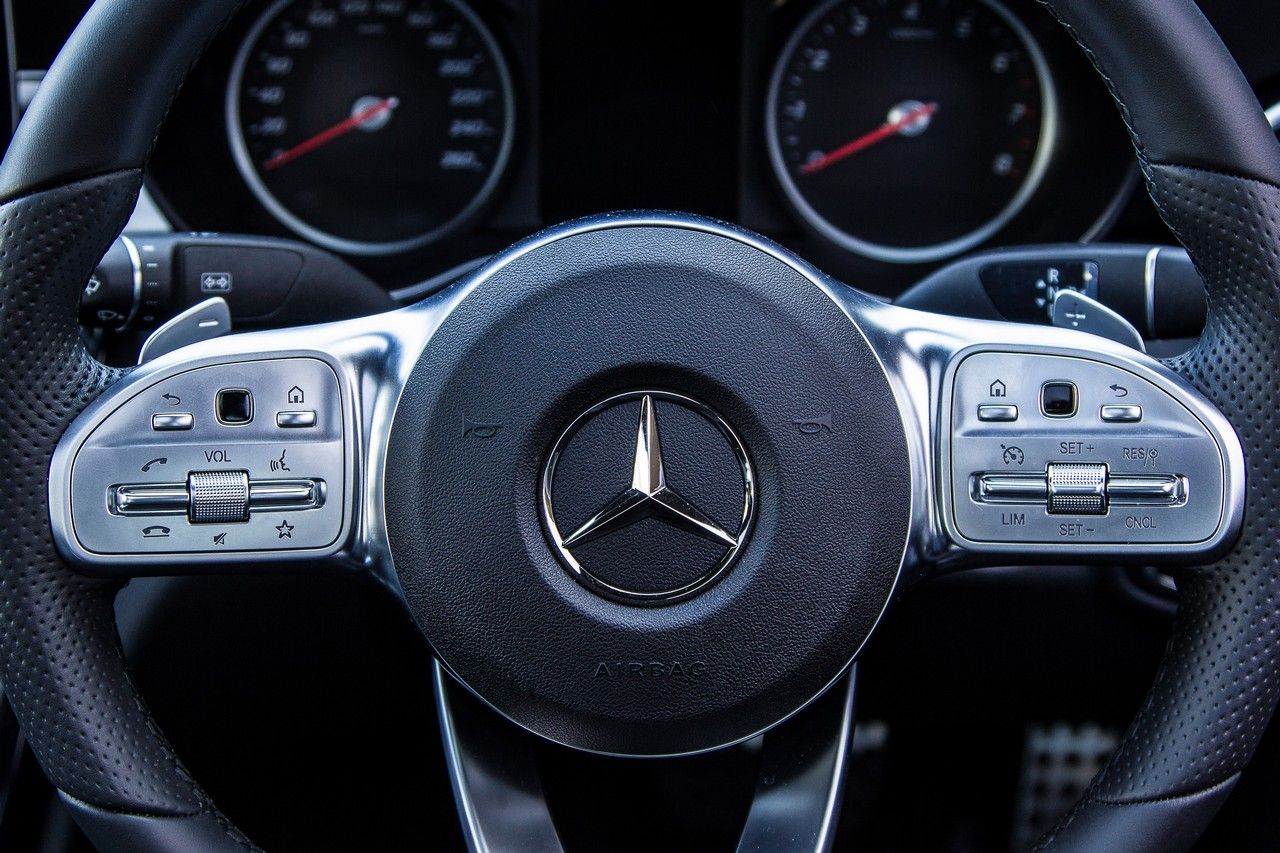
The advanced steering wheel is lifted straight from the S-Class and the cruise controls are integrated, doing away with the additional stalk

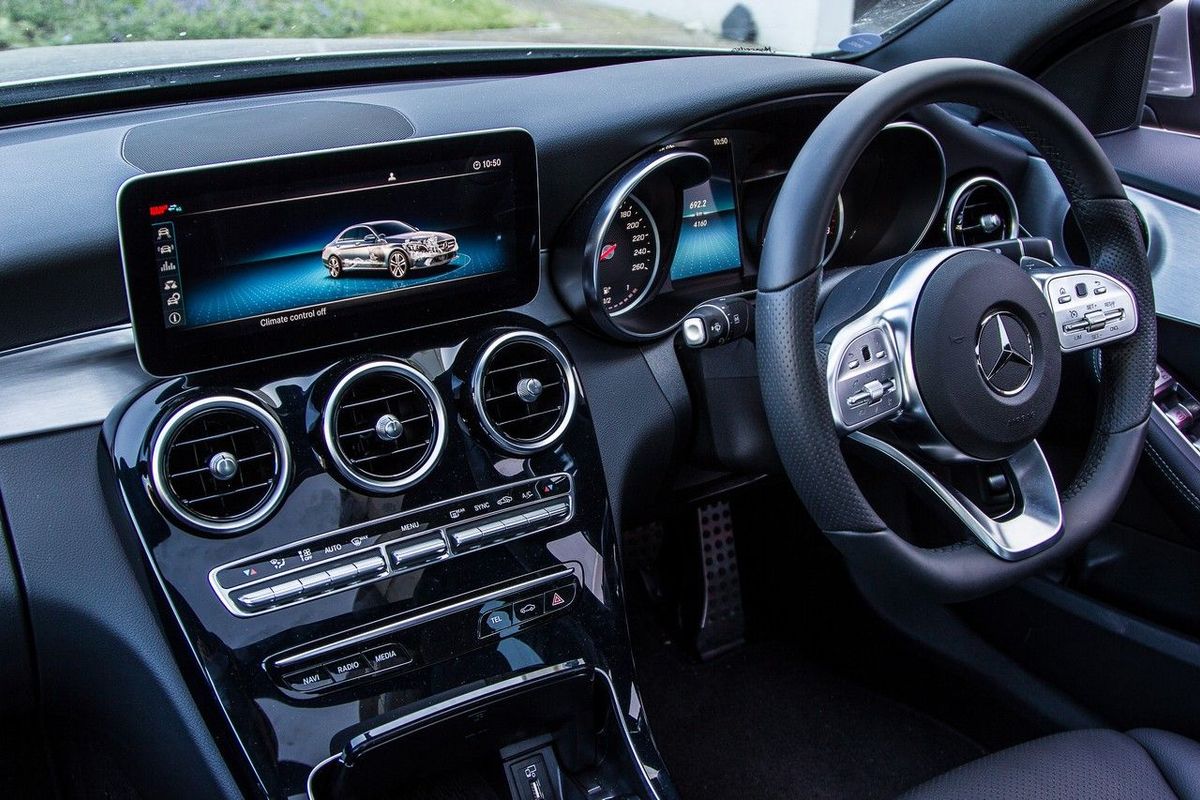
"If it ain't broke, don't fix it." Well, while there was not much wrong with the layout of the pre-facelift C-Class' interior, it had begun to look and feel its age. In an era where manufacturers are opting for bigger, crisper and more capable infotainment screens with extended functionality, the C-Class' Comand system was lagging. The good news is that it has all been replaced. The crisp 12.3-inch digital dashboard is admittedly an option, but it's worth considering because it brings the instrument cluster bang up to date. There's also a new steering wheel, which looks identical to the unit found in the E-Class. You'll notice that the cruise control buttons are now on the steering wheel, as opposed to the clumsy stalk of the previous generation.

The revised steering wheel is a highlight. Not only does it look and feel upmarket and modern, but its functionality and controls are improved. With Blackberry-like touchpads, which are located perfectly for thumb swipes, you can customise the info you see and scroll through menus intuitively.

More tech


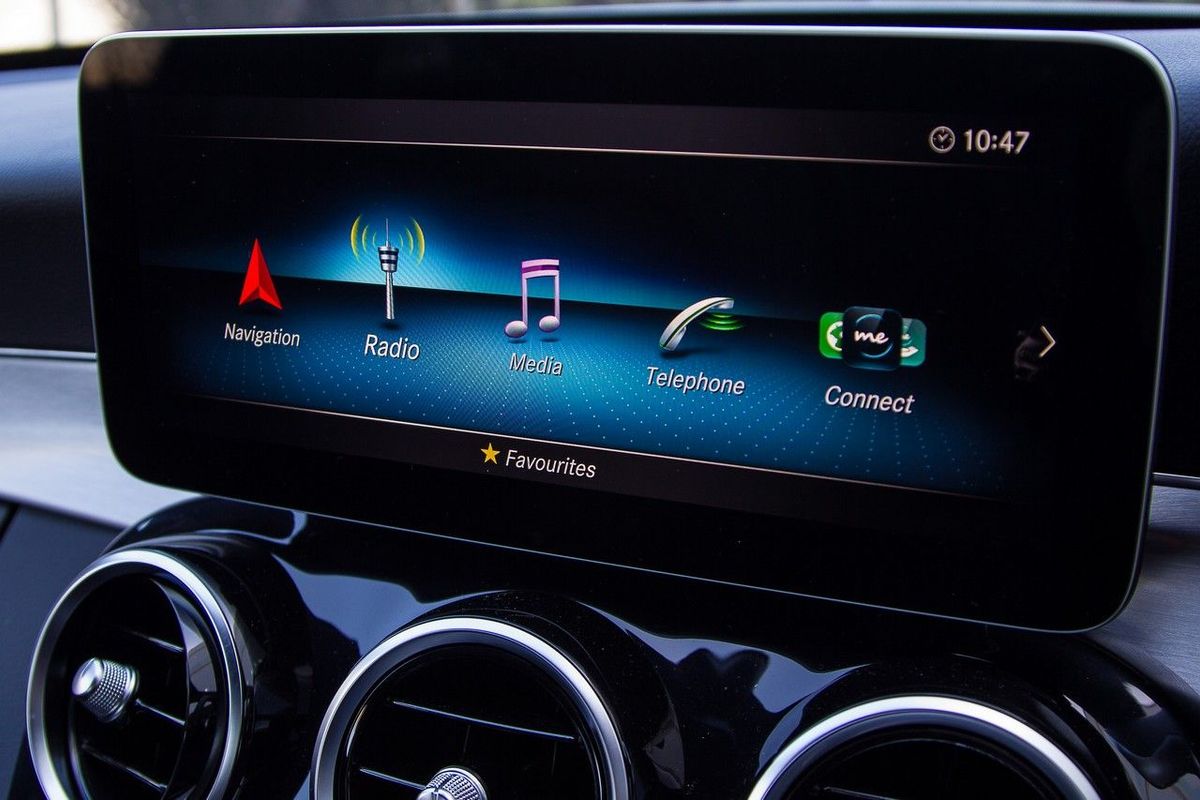
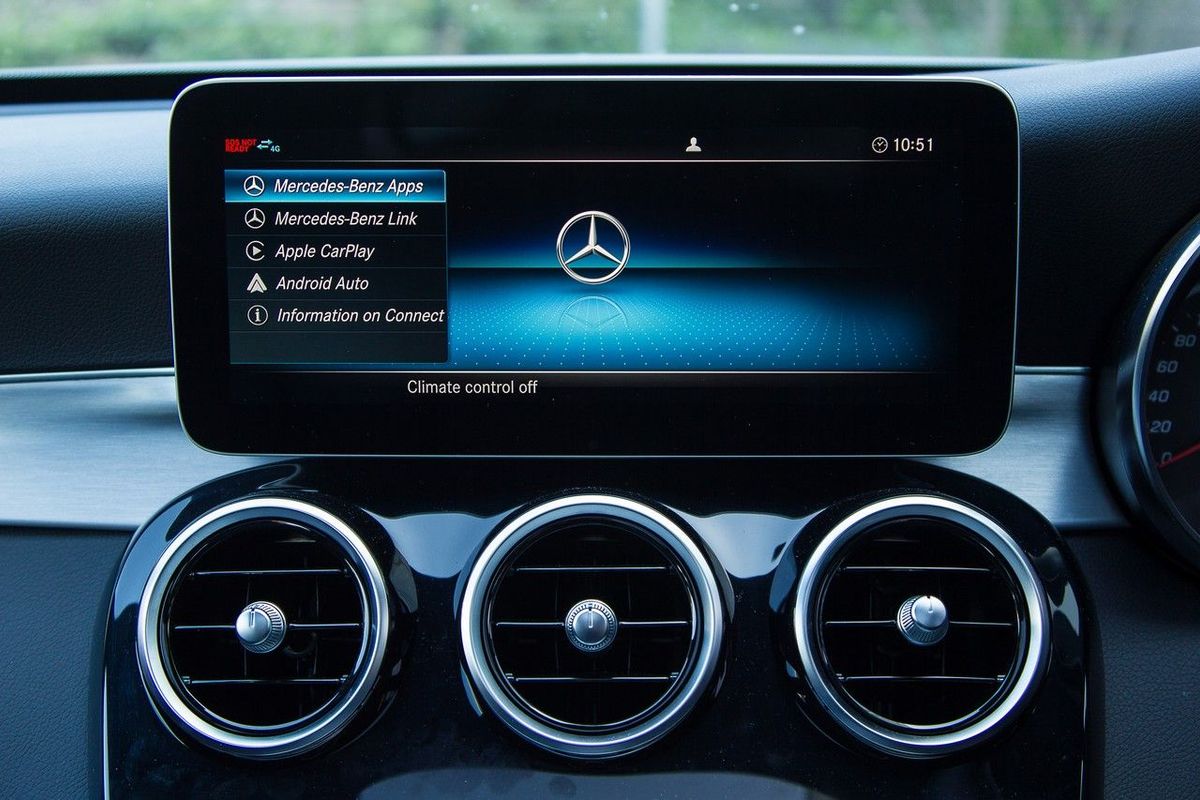
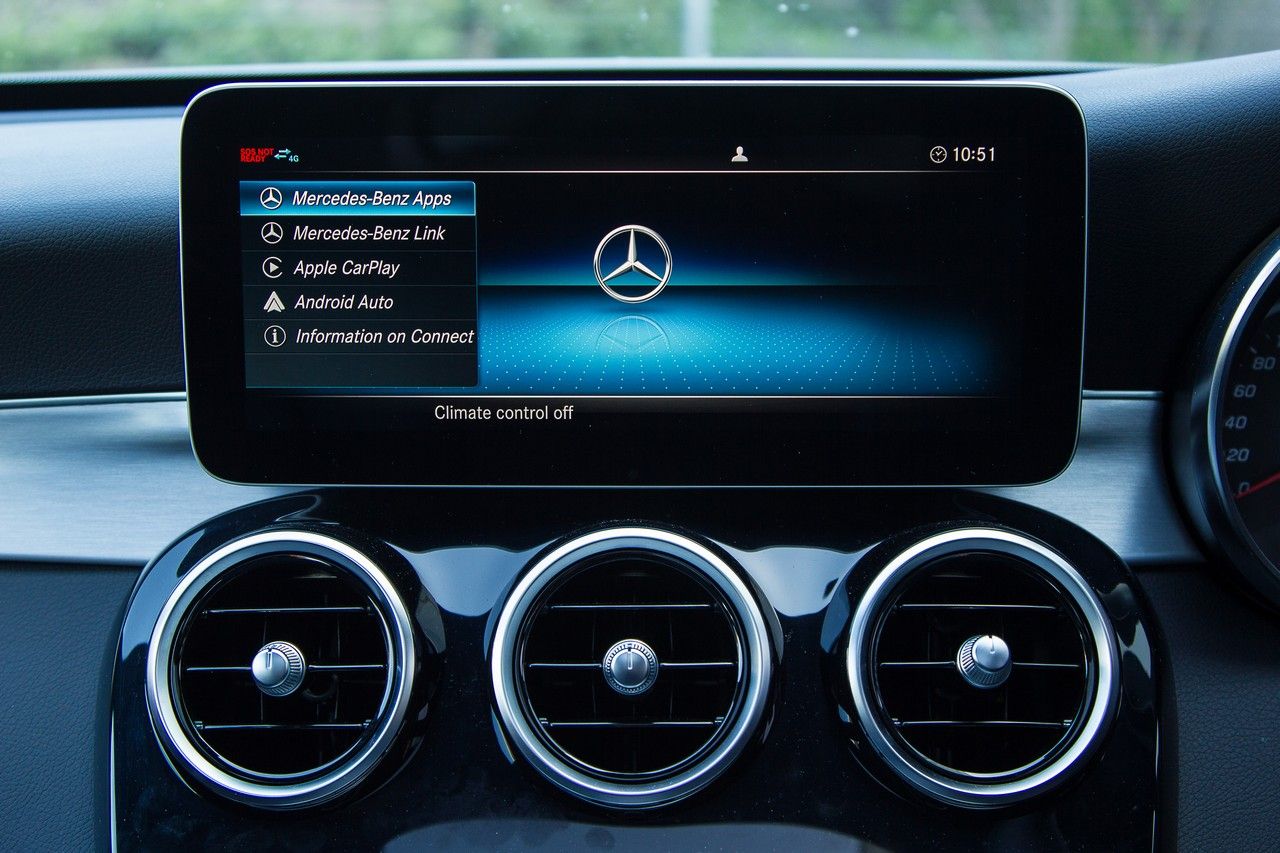
The new infotainment system boasts Android Auto and Apple Carplay compatibility, as well as far more modern graphics.

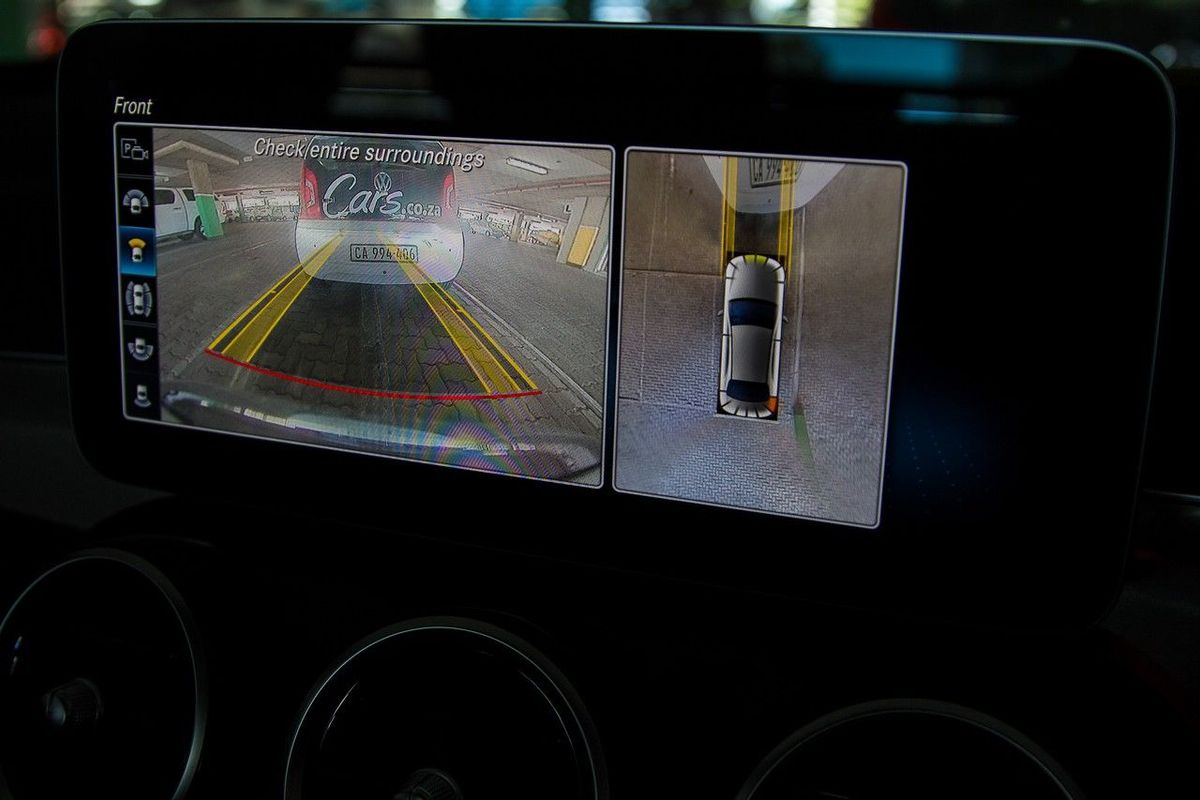
While some onlookers may bemoan the C-Class' relatively unchanged exterior looks, the fundamental changes (to the sedan's integral systems) are more noteworthy. The facelifted Mercedes-Benz C-Class benefits from an array of new active safety features, most of which are already in use in other Mercedes-Benz products, such as the S-Class. Active Brake Assist is now available as standard and the vehicle is able to drive in a semi-autonomous state in certain scenarios. A digital dashboard is also optionally available for the C-Class, although our test unit didn't have it fitted.

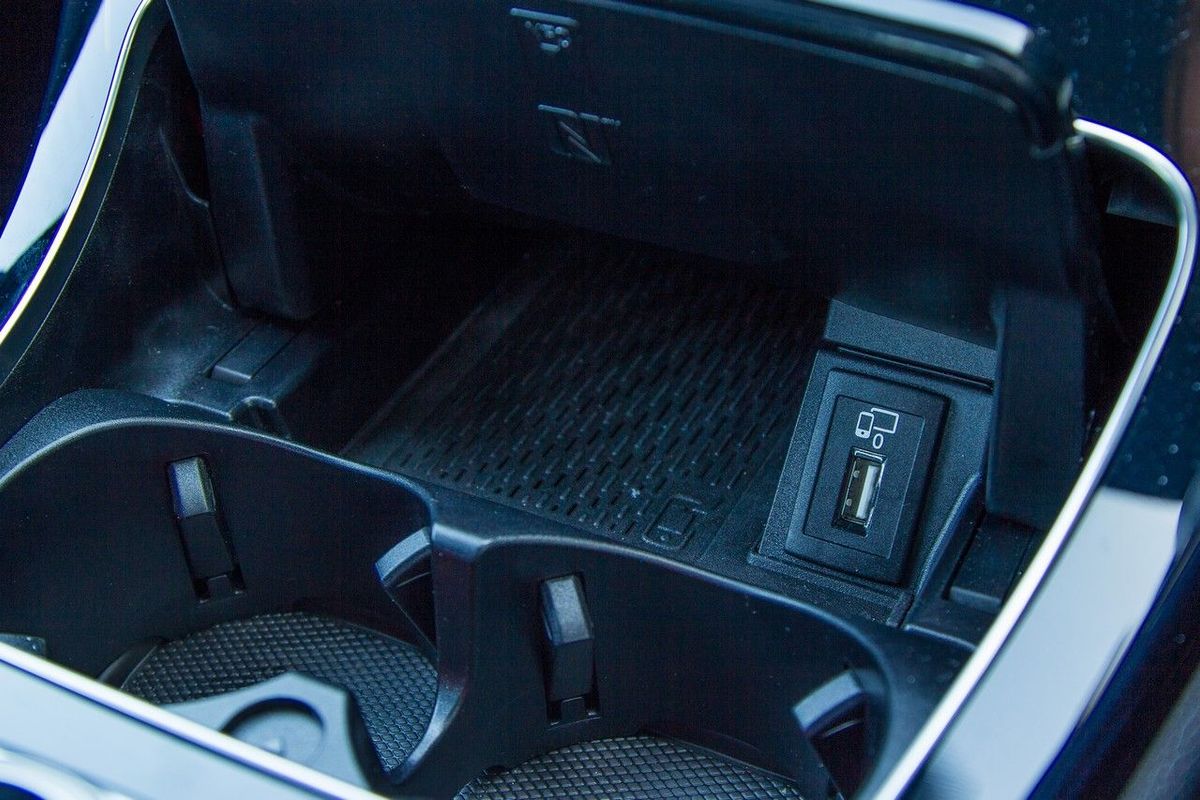
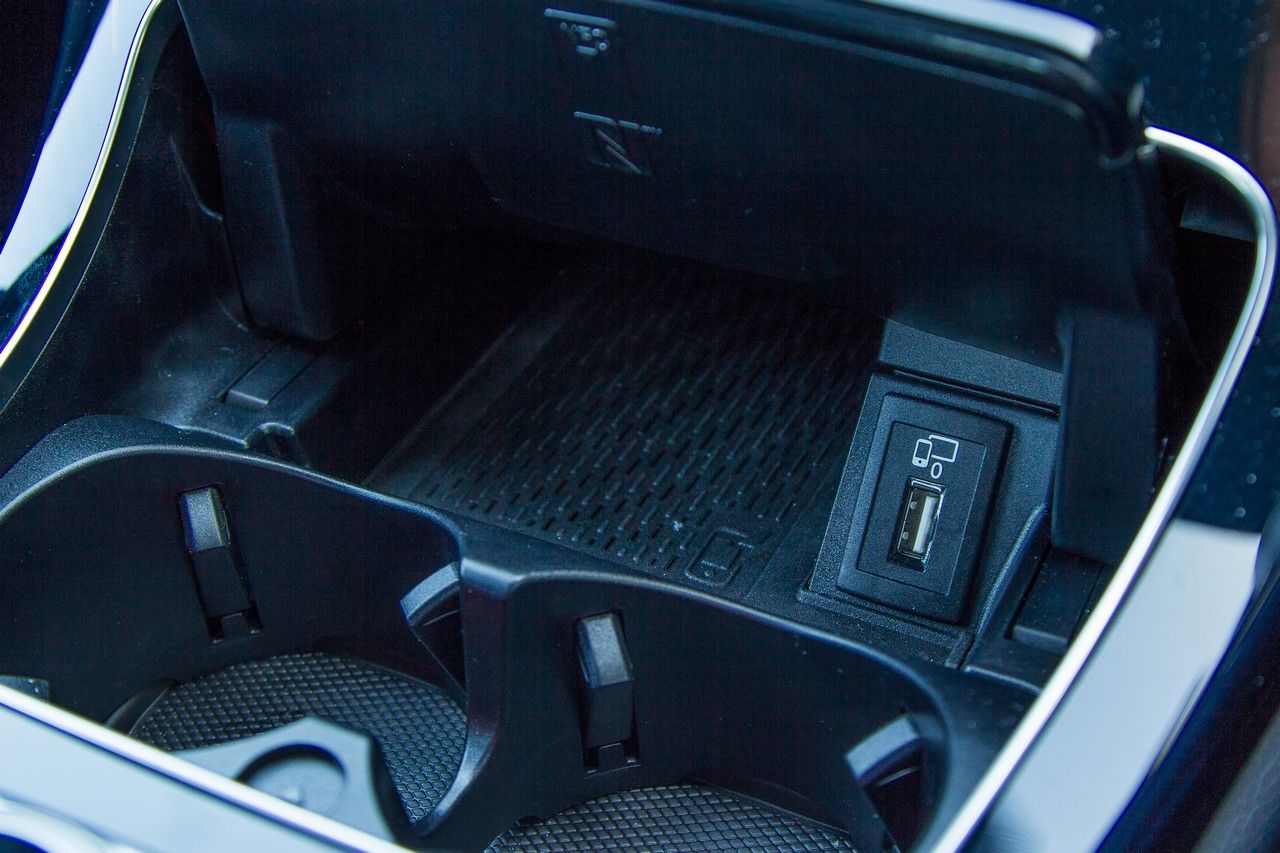
As mentioned earlier, the new generation of Comand infotainment system is much improved; it feels like a smartphone with its great graphics and user experience. We're also happy to report that Android Auto/Apple Carplay is supported and the connectivity is seamless through USB and Bluetooth. For those worrying about phones running out of battery power, there are numerous USB ports as well as a wireless charging pad.


One of the many USB charging points and a wireless charging pad, conveniently nestled in a concealable storage area

Refined driving experience

When there are a variety of engines in the Mercedes-Benz C-Class portfolio, it's hard not to obsess over the more potent or advanced offerings. However, the 2.0-litre turbocharged 4-pot in the C300 is a tremendous engine and the new 1.5-litre 4-cylinder with electric assist in the C200 looks to be frugal. However, in the modest C180, one has to make do with a turbocharged 1.6-litre 4-cylinder engine, which delivers 115 kW and 250 Nm. On paper, those peak outputs don't seem adequate to propel a large German sedan with vigour, but in reality, things are quite different.

Power delivery is smooth, with the 9-speed transmission being all too eager to shift up to save fuel. Often we'd find ourselves around the 90 kph mark, with the transmission seemingly itching to change up to 9th gear. If you want to overtake, the 'box is quick enough to gear down the ratios to find the torque/power sweet spot. The C180 comes with different driving modes and the Sport mode does up the ante and quickens the responses.

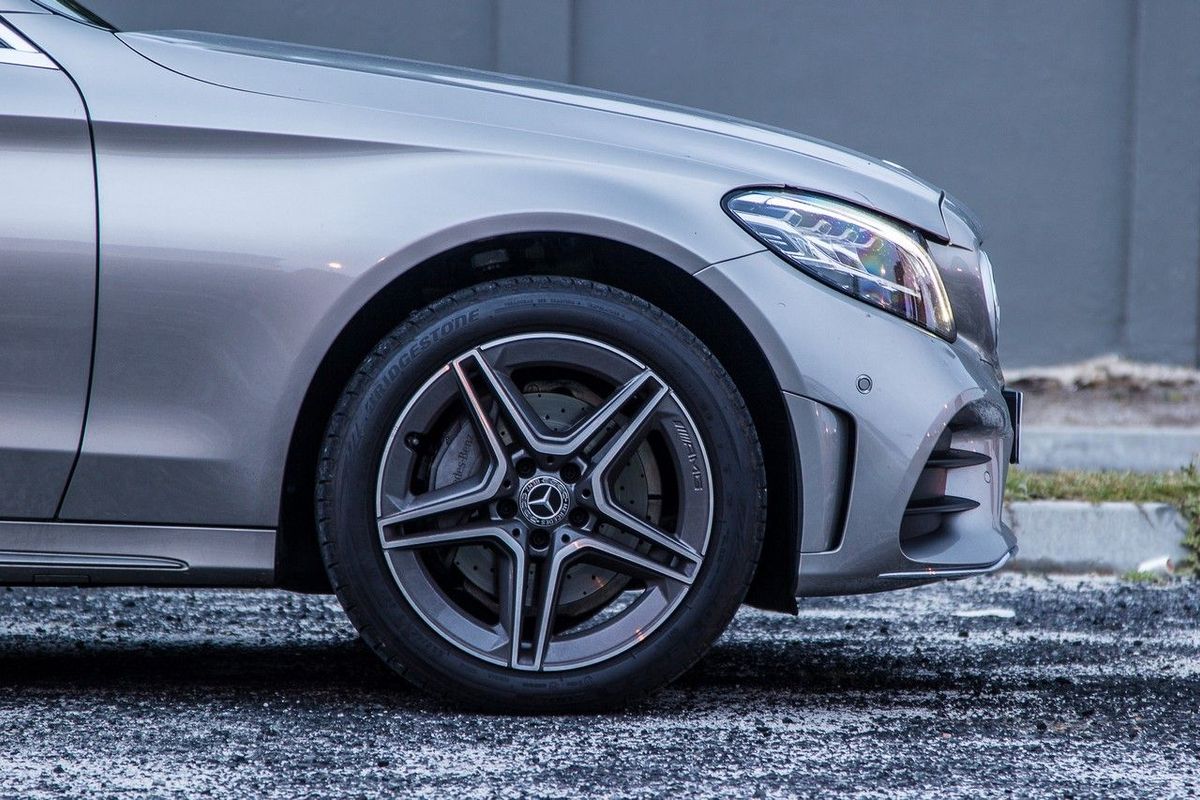
The test unit that Mercedes-Benz sent us came with the AMG Line pack, which incorporates the sharp-looking grille and 5-spoke AMG alloy wheels. Despite these bigger wheels, the ride quality is more comfort-biased than harsh, which is what we (and we assume, the majority of buyers would) prefer. In terms of steering, the C-Class has never offered the most direct tiller, with the emphasis being on comfort and relaxing operation.


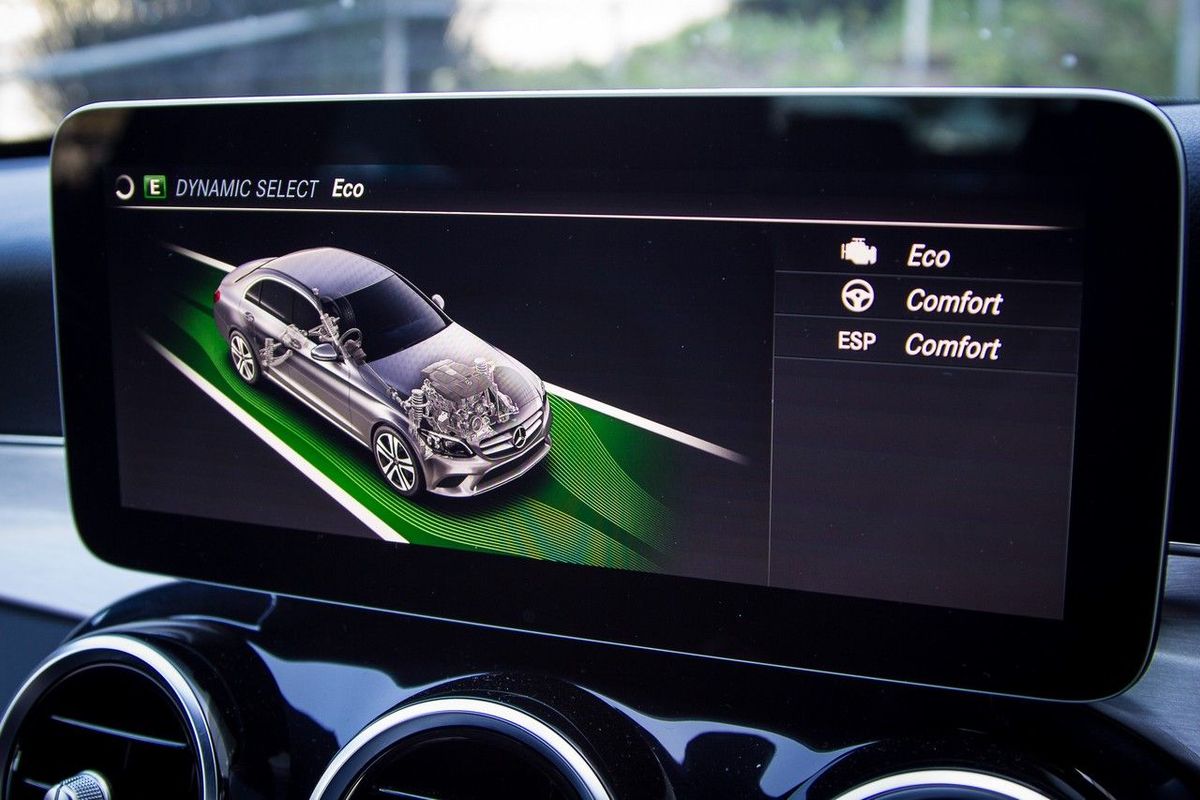
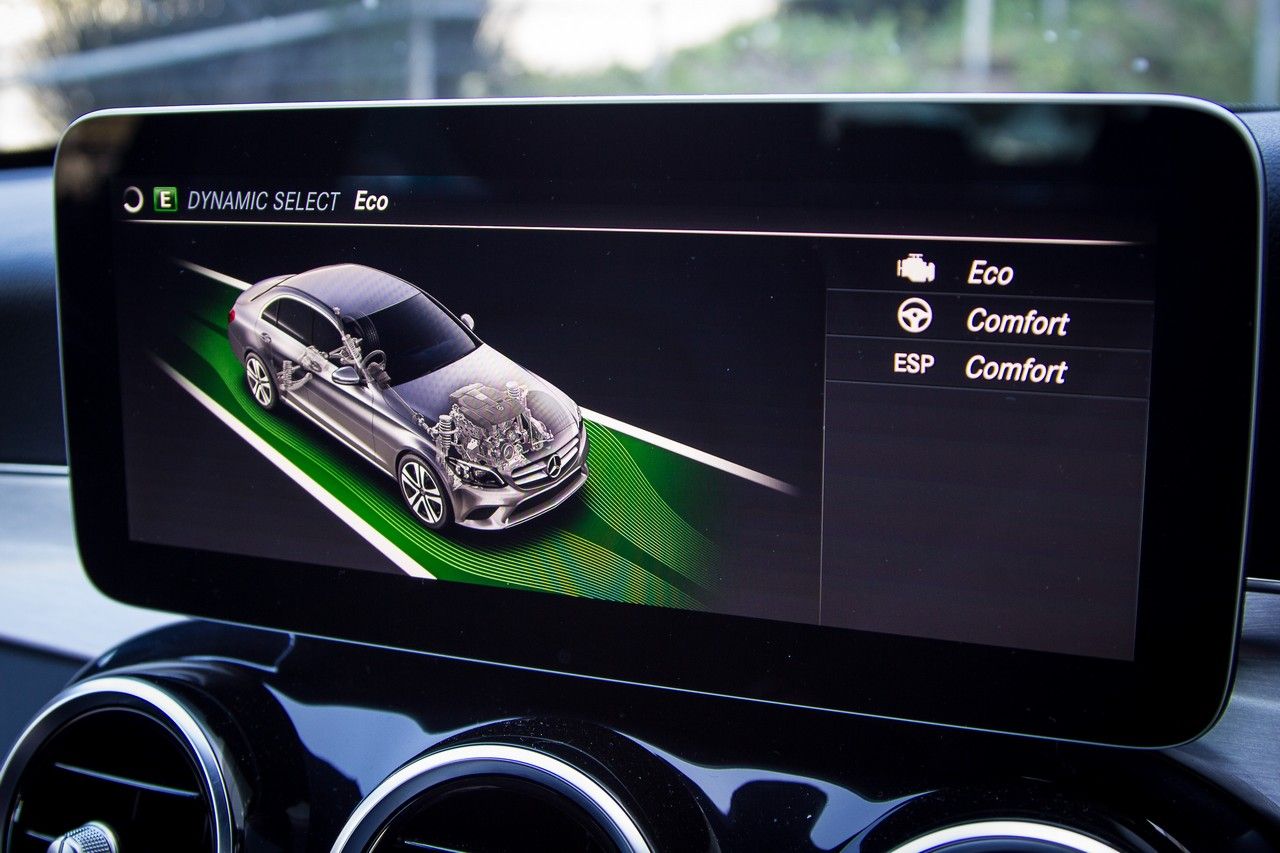
The driving modes make quite a difference to the nature of the car, opt for Eco for the most relaxed and frugal driving

What’s not so good?

Some iffy build quality

Despite the Mercedes-Benz C-Class being marketed and priced as a luxury vehicle, we found a handful of marginal trim finishes (evidence of cost-cutting, which is, to be fair, virtually unavoidable). When you depress the plastic air vent surrounds, for example, you're likely to hear a cheap creak, which is a little offputting in a German premium sedan that costs in excess of half a million Rand. Where's the reassuring solidity that can be found elsewhere in the cabin? That being said, the overall quality has jumped tremendously when compared to the pre-facelift Mercedes-Benz C-Class.

Rough engine note

While the C180 is by no means a sporty car, there will be times when you'll need to accelerate hard and unfortunately, the engine doesn't like being revved past the 4 000-rpm mark and the gruff sound is arguably unbecoming of a vehicle that is marketed as a refined, premium executive. 

Price and Warranty

The Mercedes-Benz C-Class range starts from R590 169, with our AMG Line-endowed C180 auto derivative coming in at R636 169. This may sound like a considerable jump from the base price, but in reality, Mercedes-Benz explained that there's more specification fitted as standard, as many of the options fitted to the outgoing model had a 100% take-up rate. So instead of Mercedes-Benz making them available as costly options, they're fitted as standard, the firm says. The facelifted Mercedes-Benz C-Class comes with a 6-year/100 000 km maintenance plan.

At the time this article was published, Mercedes-Benz offered a Special Deal on the C180. Check out our Car Specials section.

Buy a new or used Mercedes-Benz C-Class on Cars.co.za

Verdict

The Mercedes-Benz C180 may sit at the bottom of the C-Class range, but it doesn't feel like a piecemeal derivative. It's reasonably refined and indeed, satisfying, to drive, with a streamlined user interface, a raft of integral safety systems and, yes, it offers enough prestige for the money. To put it another way, it does the basics well – it's only when you go through it with a fine-tooth comb that some minor issues present themselves.

With an all-new BMW 3 Series due to hit the South African market early in 2019, the C-Class will have its work cut, especially in terms of competing for buyers who seek a modicum of dynamism from their business class sedans. What's more, Audi will soon offer a facelifted A4, which offers impressive (perhaps class-leading) build quality to the party. Despite the imminent arrival of new competition, however, the 2018/19 #CarsAwards-nominated C-Class remains – and is likely to remain – at the (erm) business end of its segment for a while yet. As ever, it's a class act.

Alternatives (click on the names for specification details)

BMW 3 Series

The Bavarian will be replaced by an all-new model in 2019, but the 3 Series still makes a compelling argument for those wanting their German luxury sedans with a hint of dynamic prowess

Audi A4

Audi's A4 is quietly accomplished and offers impressive build quality and refinement.

Alfa Romeo Giulia

Alfa's new torchbearer is a proper driver's car and really looks the part. However, it is still very new and unproven in terms of long-term viability.

Lexus IS

Imbued with phenomenal build quality, refinement and specification comes the Lexus IS. It is soon to be made available in a hybrid specification.

Jaguar XE

Jaguar has tried to go the same route as BMW with a dynamic, rear-wheel drive luxury product and it's not half bad. Rear legroom is a little tight though.

Related Content

Mercedes-AMG C63 S (2018) International Launch Review

2019 Mercedes-AMG C63 S: 5 Key Changes

Mercedes-Benz C-Class (2018) Specs & Price

New BMW 3 Series: This is it

Volkswagen Caddy 1.0 TSI – Specs & Price

Volkswagen has bolstered its multi-purpose Caddy lineup with the addition of a 1.0-litre turbopetrol Trendline derivative. See specs and pricing below.

The Caddy is a versatile vehicle that can perform a wide range of tasks and can serve as a business hauler and people mover or it can even be a practical family vehicle for everyday use.

In an effort to boost interest and sales, Volkswagen now welcomes a value-for-money Caddy 1.0 TSI Trendline derivative to the Caddy family.  

Mark Handley, Head of Sales and Marketing at Volkswagen Commercial Vehicles said, ‘‘At R306 300, the 1.0 TSI Trendline Caddy offers exceptional value for our potential customers. Our aim is to increase the market share and positioning of the Caddy Trendline range.”

The 3-cylinder, 1.0-litre turbopetrol engine under the bonnet offers 75 kW and 175 Nm of torque and is mated to a 5-speed manual transmission. Volkswagen claims an average fuel consumption figure of 5.6 L/100 km.

Standard and optional features

The Caddy 1.0 TSI Trendline rides on 16-inch ‘Bendigo’ alloy wheels and comes equipped with a 'Composition Media' radio with touchscreen, heated rear window, electrically adjustable and heated exterior mirrors, climatic air conditioning system, electric windows, leather steering wheel, height adjustable front seats, multi-function display, roof rails in black, under-seat storage, front fog lights with static cornering light and daytime running lights.

Additional optional features include Park Distance Control (front and rear) with rear view camera (not available with rear wing doors), cruise control, dark-coloured tail lights, removable towbar, Bi-xenon headlamps with separate LED daytime running lights and blacked-out taillights including Light & Sight Package, multi-function leather steering wheel and rear wing doors.

Volkswagen Caddy – Price in SA
Caddy 1.0 TSI Trendline – R306 300

The Caddy is sold with a 3-year/120 000 km warranty, 3-year/60 000 km service plan and a 12-year anti-corrosion warranty.

Buy a new or used Volkswagen Caddy on Cars.co.za

Related Content 

Volkswagen Caddy Alltrack 2.0 TDI (2016) Review

Volkswagen Caddy Maxi Trendline 2.0 TDI DSG (2016) Review

Volkswagen Cross Caddy (2014) Review

Volkswagen Split-Window Crew Cab: SentiMETAL Ep8

Volkswagen Golf 8 (2019) What It Could Look Like

Volkswagen Tarok Concept Previews Baby Amarok