Opel Corsa 1.4 Turbo Sport (2018) Quick Review
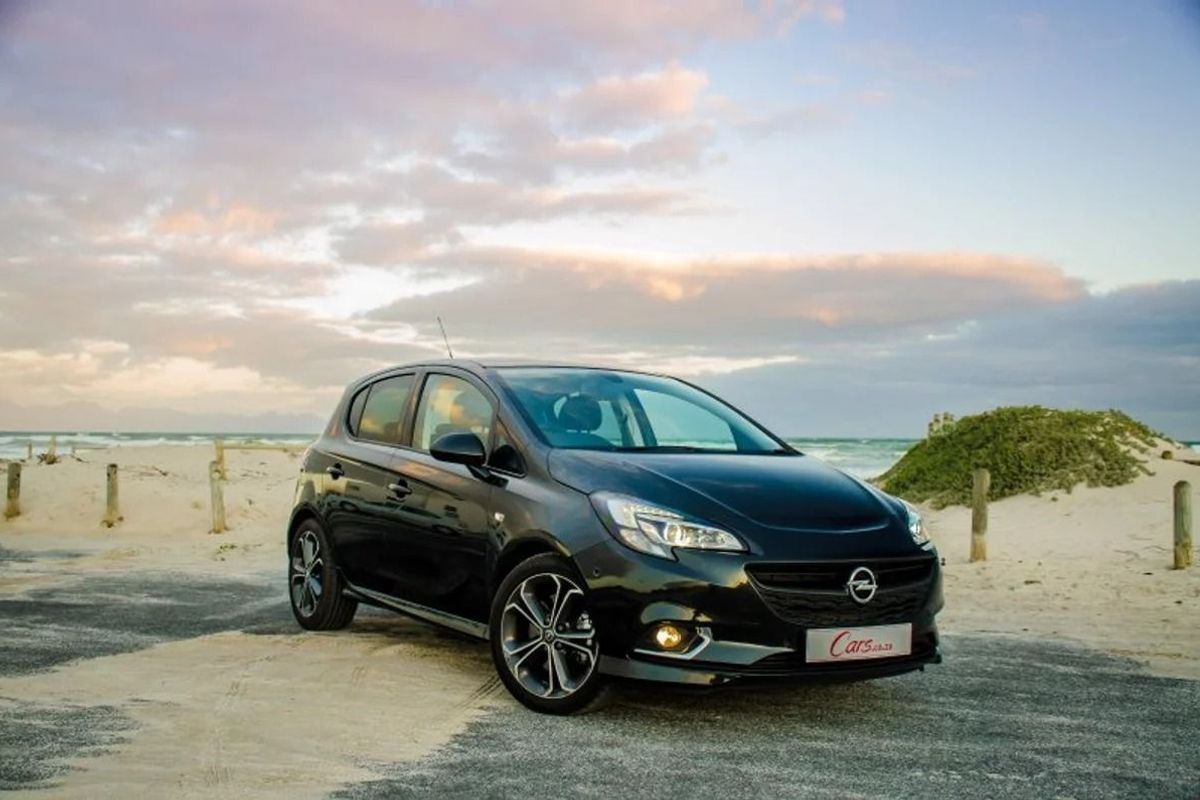
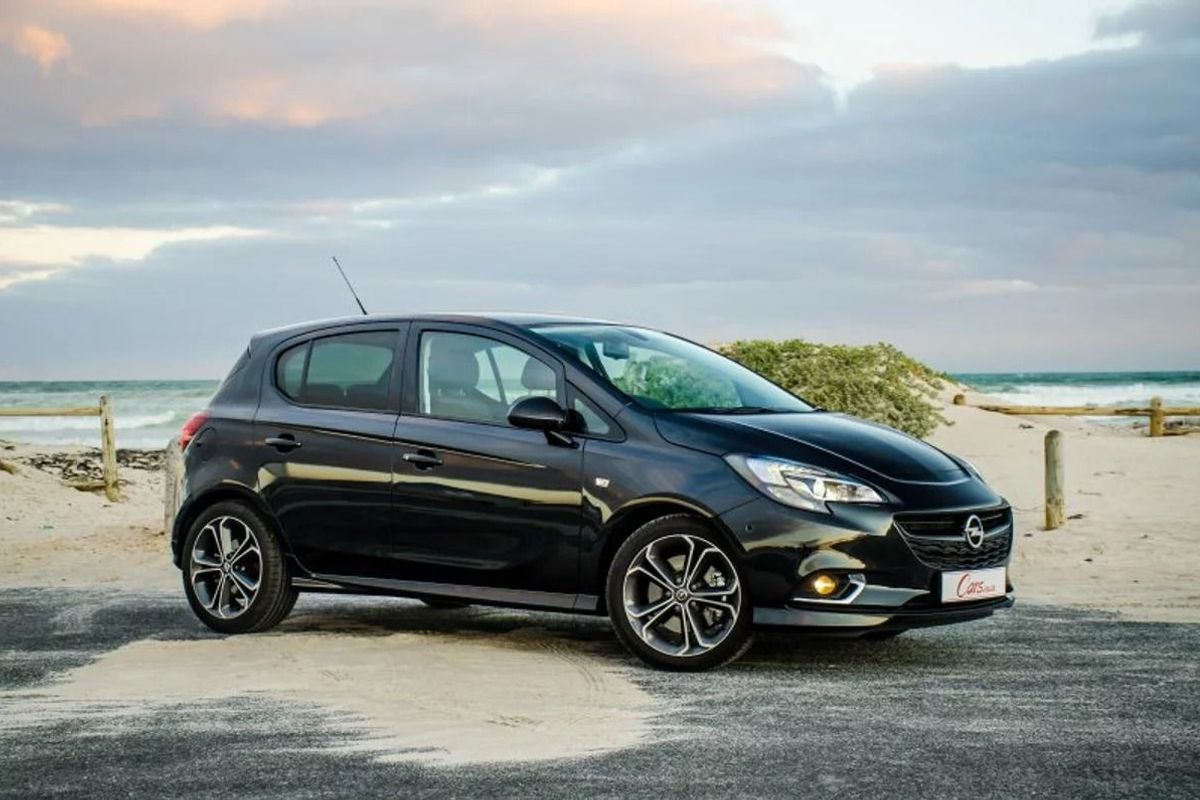
Now distributed in South Africa by the Unitrans-owned Williams Hunt Group, Opel is busy expanding its dealership network and investing in parts back-up. While a new Corsa is on the way in the not-too-distant future, it has also seen it fit to remind the public that there's still plenty of life yet in the outgoing car. Are they right? Can the Corsa still compete with new offerings such as the latest Fiesta and Polo?

We like: Standard specification, infotainment system, comfort

We don't like: Dynamically lags class best, relatively thirsty

Are there any specials currently on this model? Find out here.

Where does it fit in?

Sporty compact hatchbacks are quite rare in the B-segment these days, with the focus increasingly falling on efficiency and on-board tech. Fans of the Opel brand, however, will be pleased that the German marque (which has a rich performance heritage in South Africa) continues to offer a Corsa with a bit of attitude. This Sport-badged derivative is similarly priced to flagship (and much newer) offerings from Ford and VW, but offers a larger, more powerful engine and a fairly sporty bodykit. 

The next-generation Opel Corsa is currently under development for introduction (in Europe) during 2019 and will move to a PSA (Peugeot) platform that is shared with the 208. 

What's good about it?

Standard specification
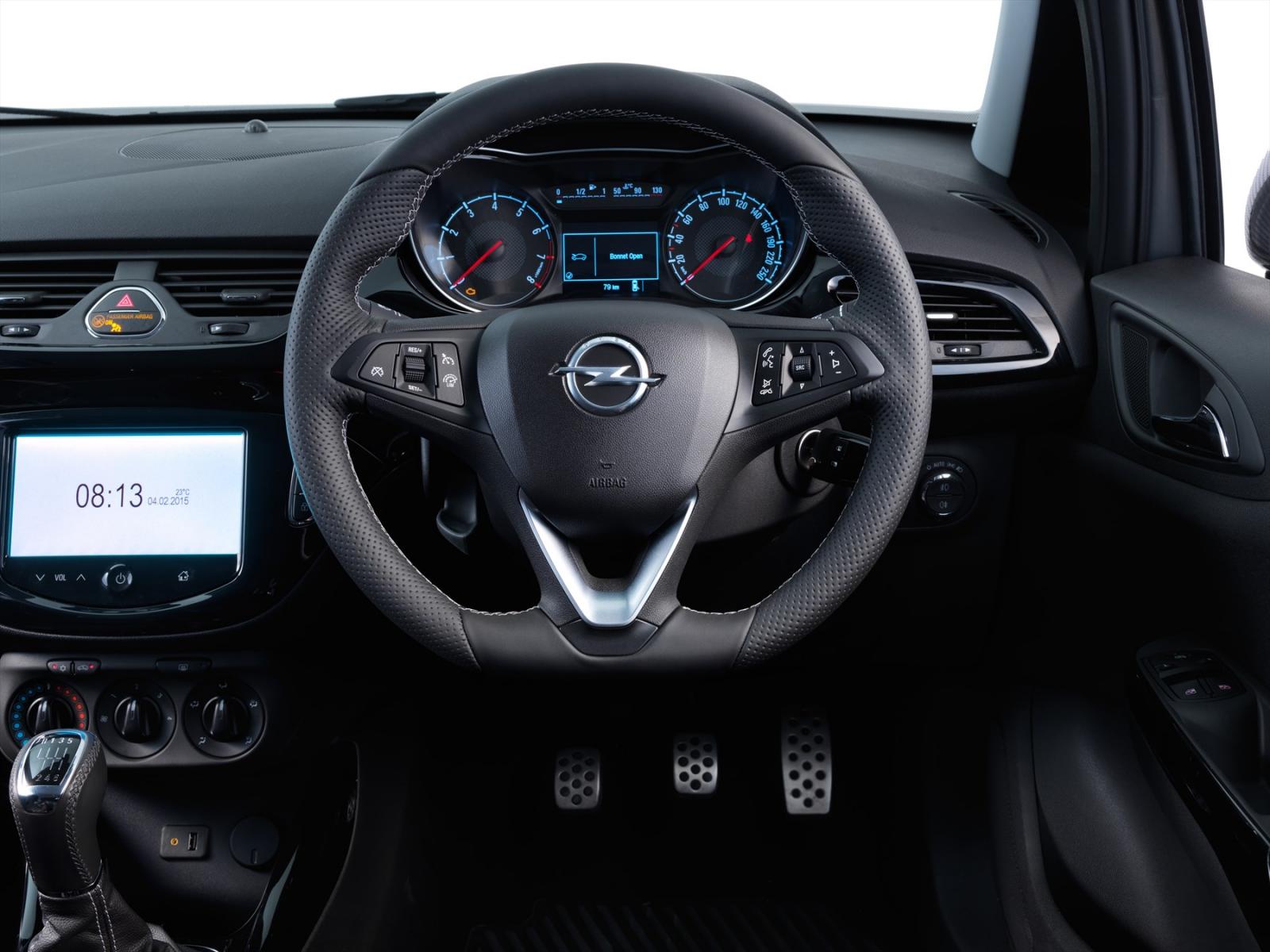

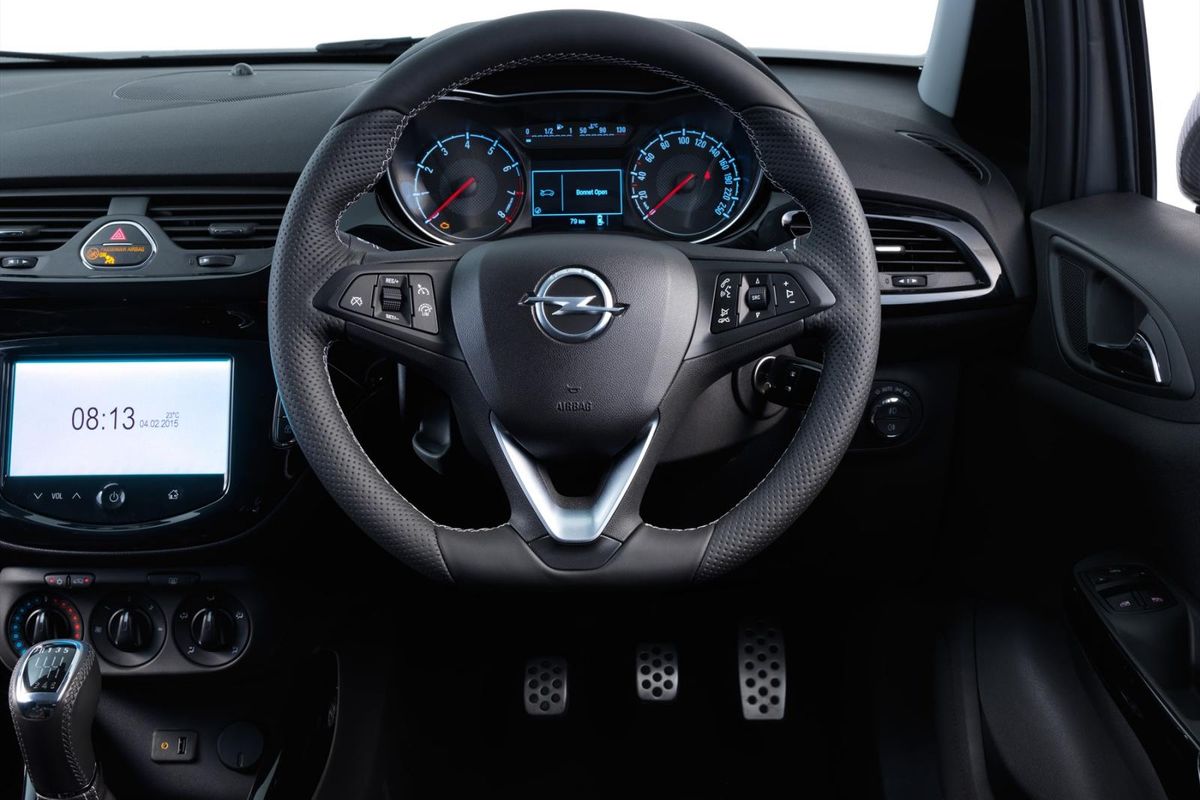
Leather-wrapped steering is nice to hold. Infotainment system is comprehensive.

A major USP for Opel at present is the "democratization of technology". Essentially, the brand wants to be known for offering buyers access to the latest technologies, even if they're buying a cheaper car. The Corsa Sport does appear to deliver on this promise, particularly on the infotainment front. Its relatively large (for the segment) 7-inch Intellilink touch-screen based system is comprehensive, and features crisp displays and good functionality. Of course it offers Bluetooth and USB functionality, and can hook up to your Android or iOS mobile devices. Navigation is also part of the deal.

Additionally, besides the design features we'll get to later, the Corsa Sport also offers cruise control, a rarity at this level, as well as front park distance control, a rear-view camera, a sunroof and auto lights and rain-sensing wipers. That's quite an appealing package, and the only disappointment, really, is that the rear windows don't feature electric controls.

The safety package is also very strong, with 6 airbags, ESP, blind spot alert and rear Isofix child seat anchors all contributing to it achieving a 5-star EuroNCAP crash rating.

Sporty looks
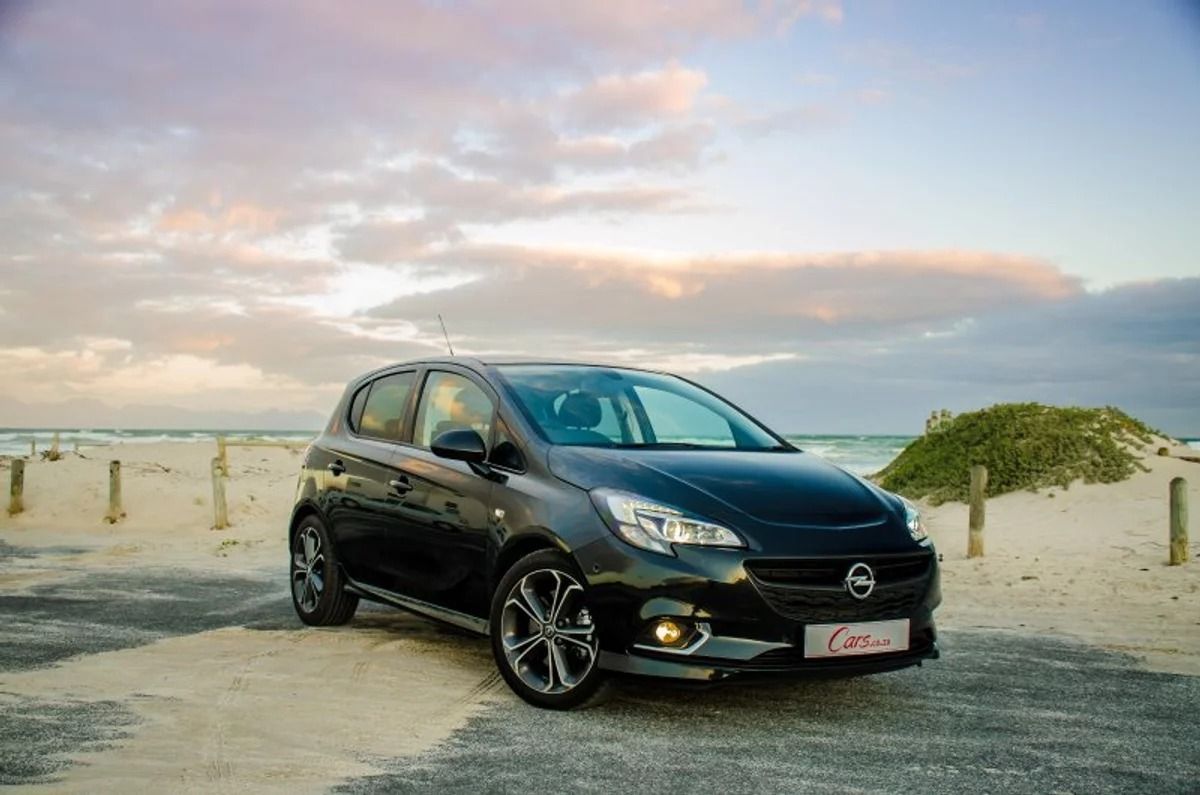

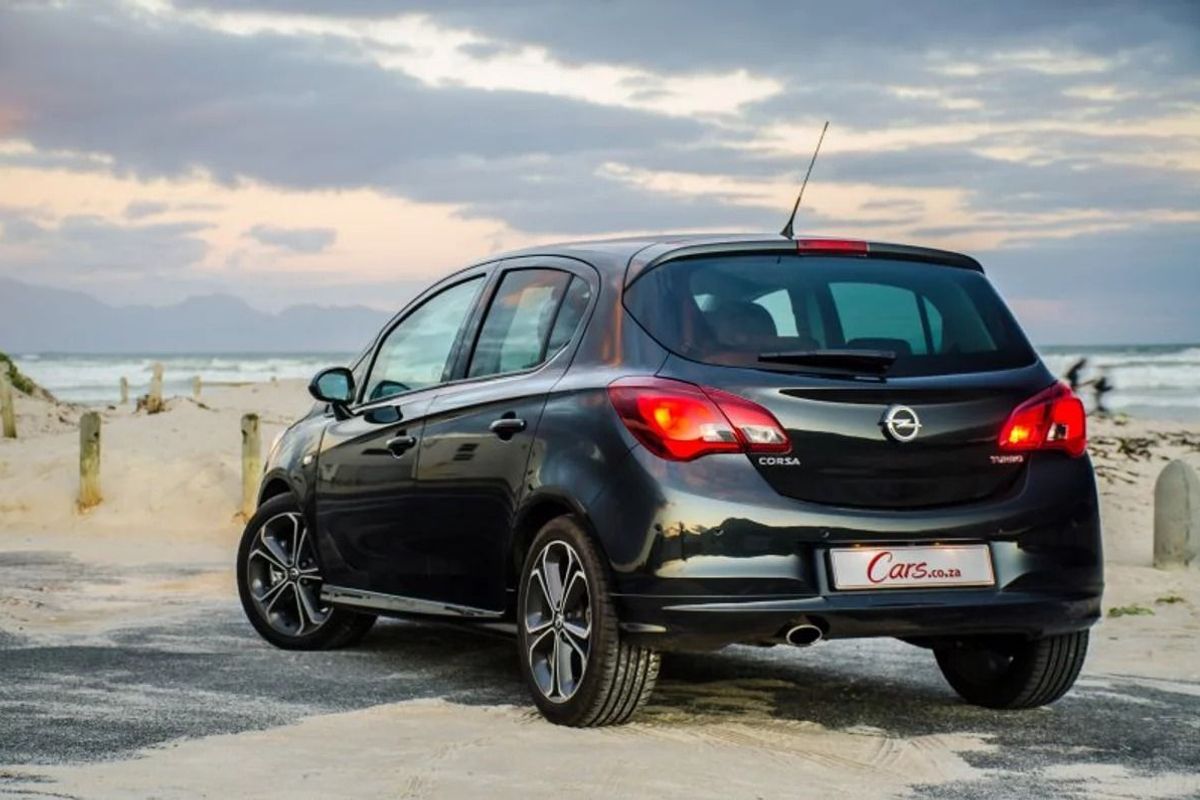
Several years after its original introduction, the Corsa Sport remains a handsome B-segment contender.

As the name suggests, this Corsa attempts to appeal to buyers that prefer their hatchbacks to at least look a little dynamic. As such it gets a slightly lower "sports" suspension set-up, rides on fairly large wheels (17-inch) with a striking alloy wheel design, has Xenon headlamps with LED eyebrows and a large oval exhaust outlet. Given the age of the car, we think it still looks rather good and certainly a bit more muscular than its rivals.

Inside, it's a similar story. The steering wheel is a nice, thick-rimmed and leather-wrapped item that feels good in hand, the metallic pedals look racy, and the gloss black inserts, combined with soft-touch materials elsewhere, leave a quality impression. 

Comfort
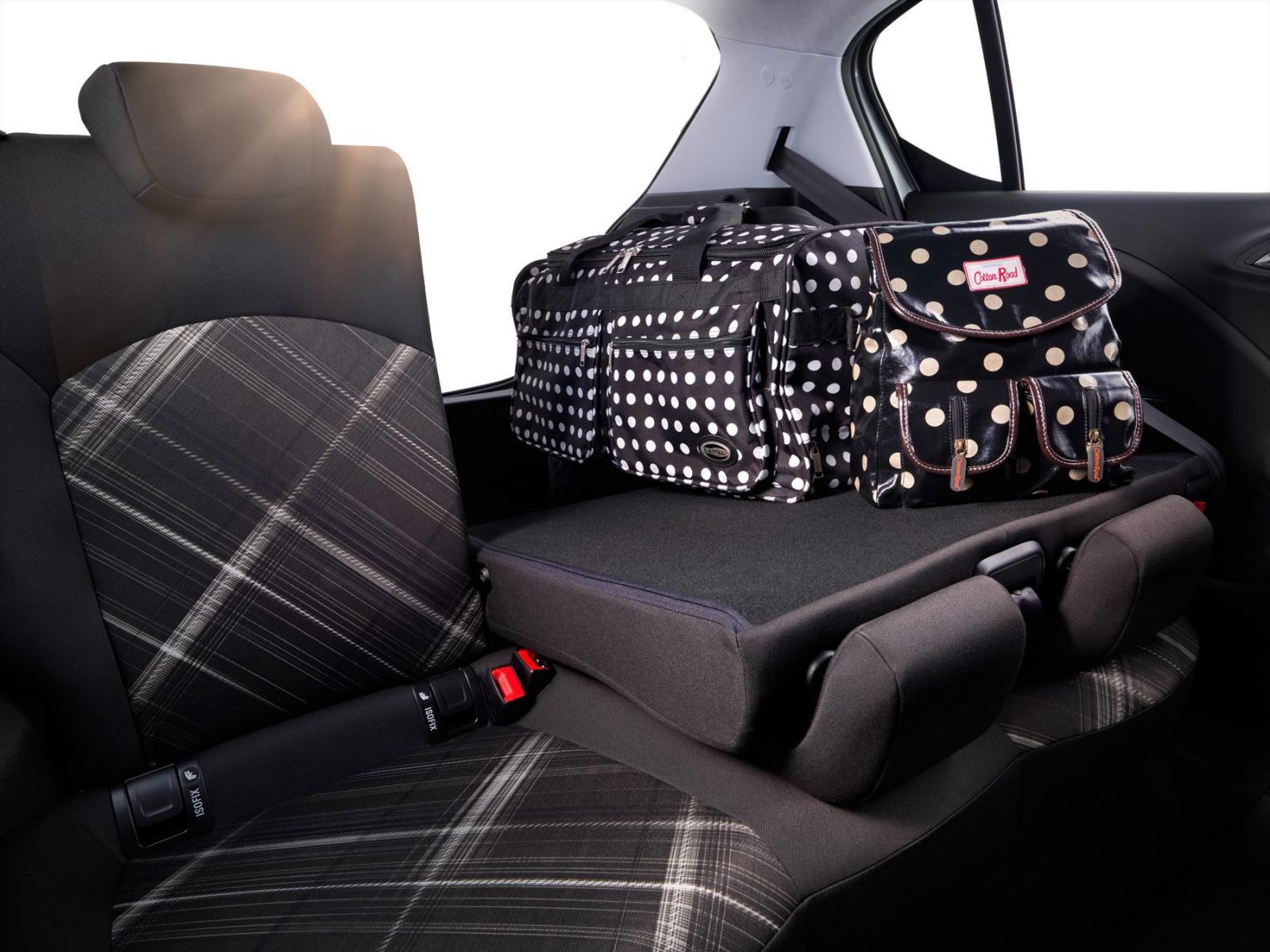

Boot space lags the newer rivals, but there's still decent practicality on offer.

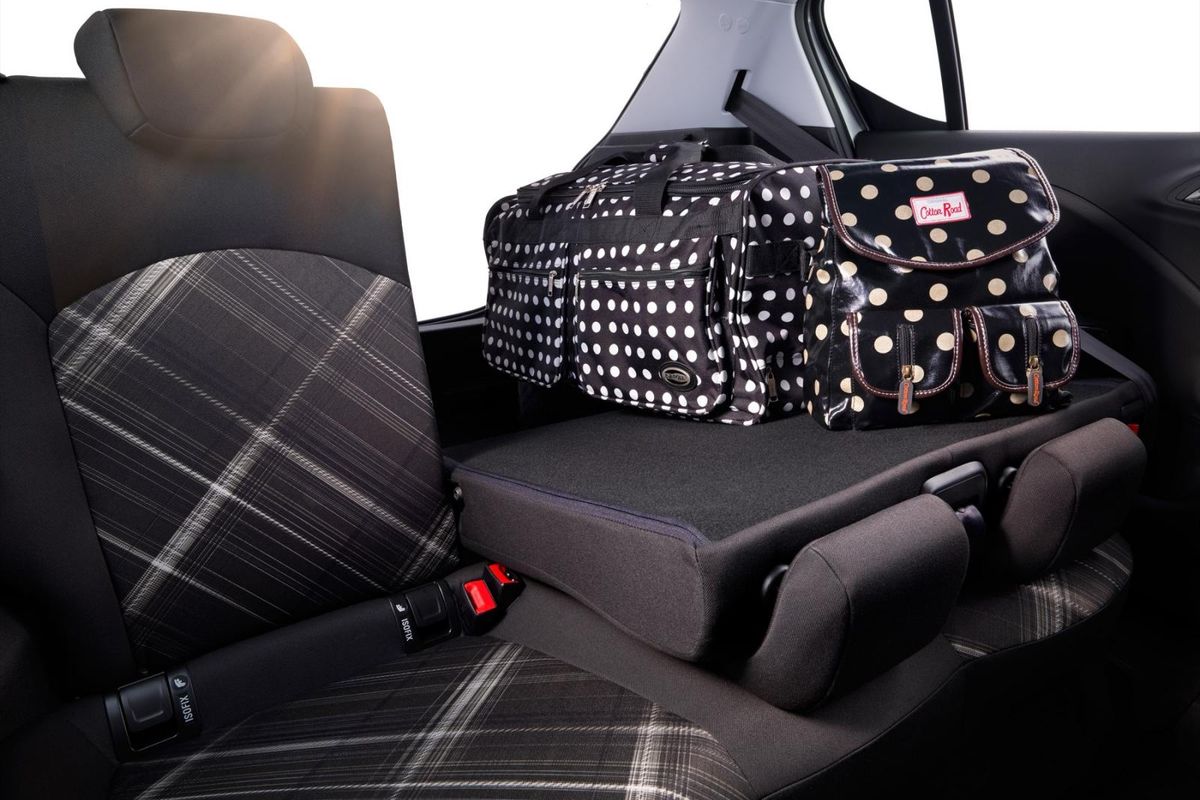
Compared with most of its rivals, the Corsa's wheelbase is relatively short, so it can't quite match the class-leaders in terms of rear occupant legroom (headroom is fine, though) and boot space – its 285L luggage capacity lags the latest Polo and Yaris by some margin. Of course, it does offer 60:40 split/fold seats.

In front, the picture is far rosier, with Opel's typically excellent seats offering plenty of support and long-distance comfort, while the driving position is also very good, courtesy of a steering wheel that offers a wide range of rake and reach adjustment. 

We found the ride set-up to be relatively good, too. The Sport badge may leave you expecing very firm suspension, but the reality is that the Corsa is still relatively supple on most surfaces, even though it can't match the ride refinement (and road/suspension quietness) of its newer rivals.

Warranty & Service plan

Opel knows it has to pull out all the stops to a) convince people that it's here to stay and b) to ensure the Corsa is as appealing from a value point of view as possible. As such it features a generous 5-years/120 000km warranty and 3-years/60 000km service plan that compare very favourably with the competition.

Where does it lag the best in this segment?

Ride and Handling refinement

While the Corsa does a fair job in delivering a comfortable daily ride, its ageing underpinnings simply can't match the refinement offered by more modern rivals such as the Polo and the Fiesta. You can feel it in the damping on really poor surfaces and also the greater precision and body control displayed by the Fiesta and Polo. The Corsa may, however, still be superior to the Yaris in terms of delivering a mildly engaging drive.

Performance & Efficiency balance
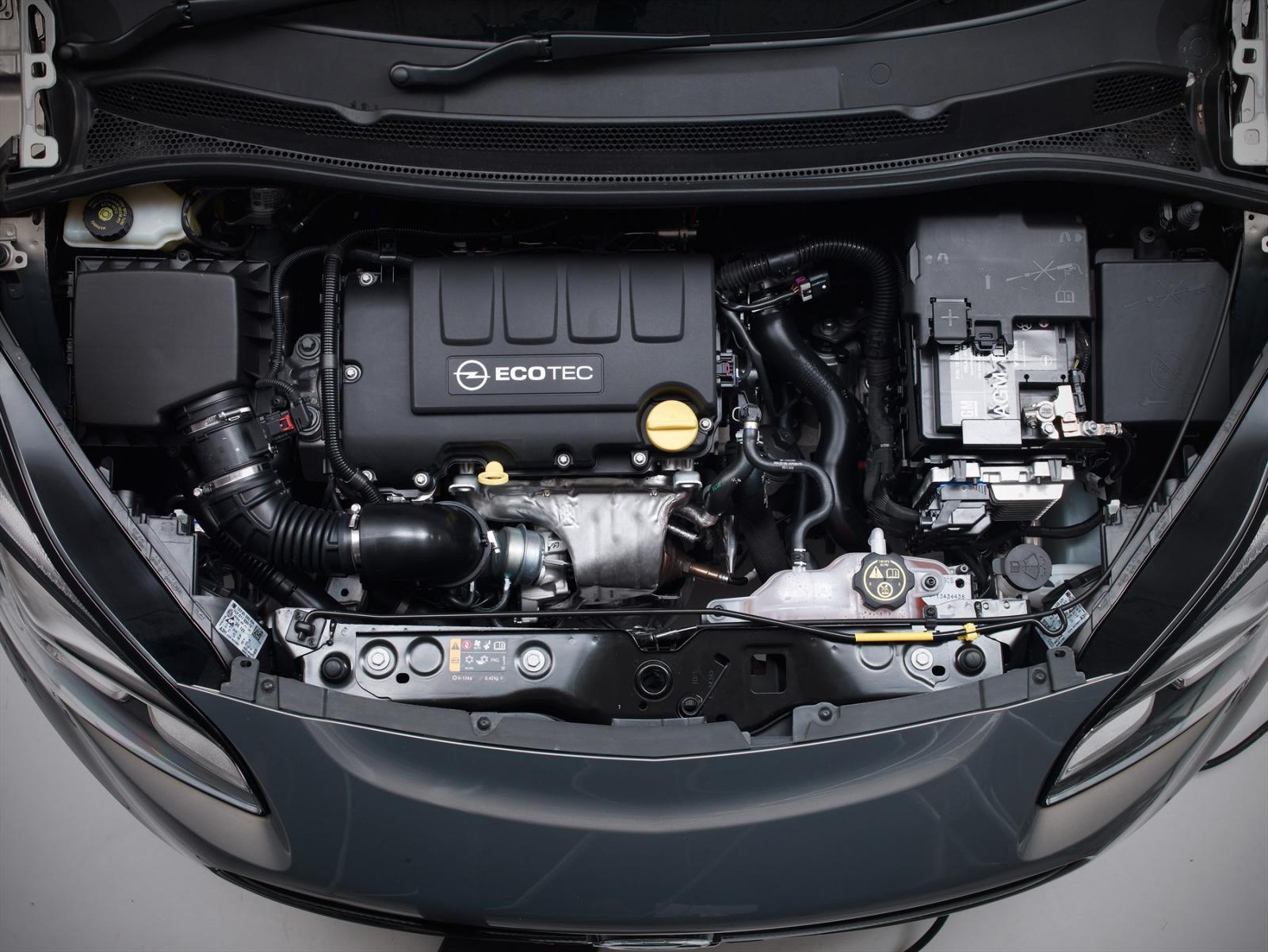

The 1.4L turbocharged engine delivers good power, but fuel efficiency suffers and is arguably more important these days.

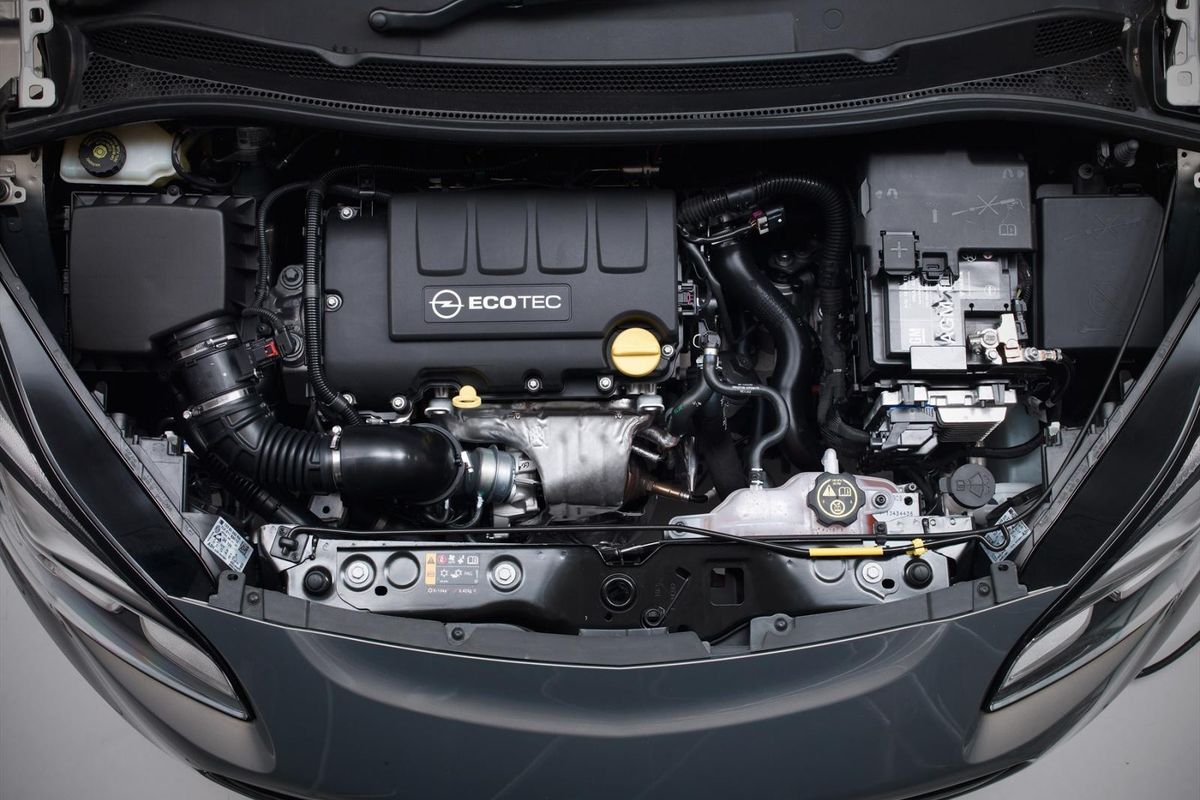
The Corsa Sport is powered by a 1.4L turbocharged 4-cylinder engine whereas most of the competition has switched to smaller-capacity, 3-cylinder powerplants. The Yaris remains naturally aspirated (with a 1.5L engine). The Opel has a significant power advantage over its rivals – its engine delivers 110kW and 220Nm of torque, the latter from a fairly high 3 000 to 4 500 rpm.

Coupled with a 6-speed manual gearbox, Opel claims a that this Corsa should sprint to 100kph in 9.6 seconds and achieve a top speed of just over 200kph. These figures are class-leading, but only marginally so and is delivered in a somehow gruff manner – the engine never feels particularly free-revving or linear in its power delivery. The little extra fireworks that the engine delivers also comes at a cost at the pumps – with a claimed consumption figure of 5.8L/100km, the Corsa is among the thirstiest cars in this segment. In the real world you're likely to achieve closer to 7.5L/100km.

Rivals to Consider 

Click on the names of the rivals for detailed specification

Volkswagen Polo 1.0TSI Highline

The flagship Polo seems like a good alternative to the Corsa as Highline trim means a more attractive features package is part of the deal, but there remains some option boxes to tick. The Polo's main advantages are better ride/handling refinement, a superior blend of performance and economy, and a more spacious, more modern cabin.

Ford Fiesta 1.0T Titanium

The most expensive car here offers similar advantages to the Polo, in that its engine is sufficiently powerful for a zesty drive, yet delivers greater economy during normal driving. Also offers superior suspension damping. 

Toyota Yaris 1.5 S

We've not been entirely won over by Toyota's latest contender. While it offers more space than its predecessor and, in the eyes of some, sportier looks, it can't match any of the other cars here for perceived interior quality and generally feels less refined, too. Its 1.5L engine should offer great reliability, but is relatively thirsty.

Verdict
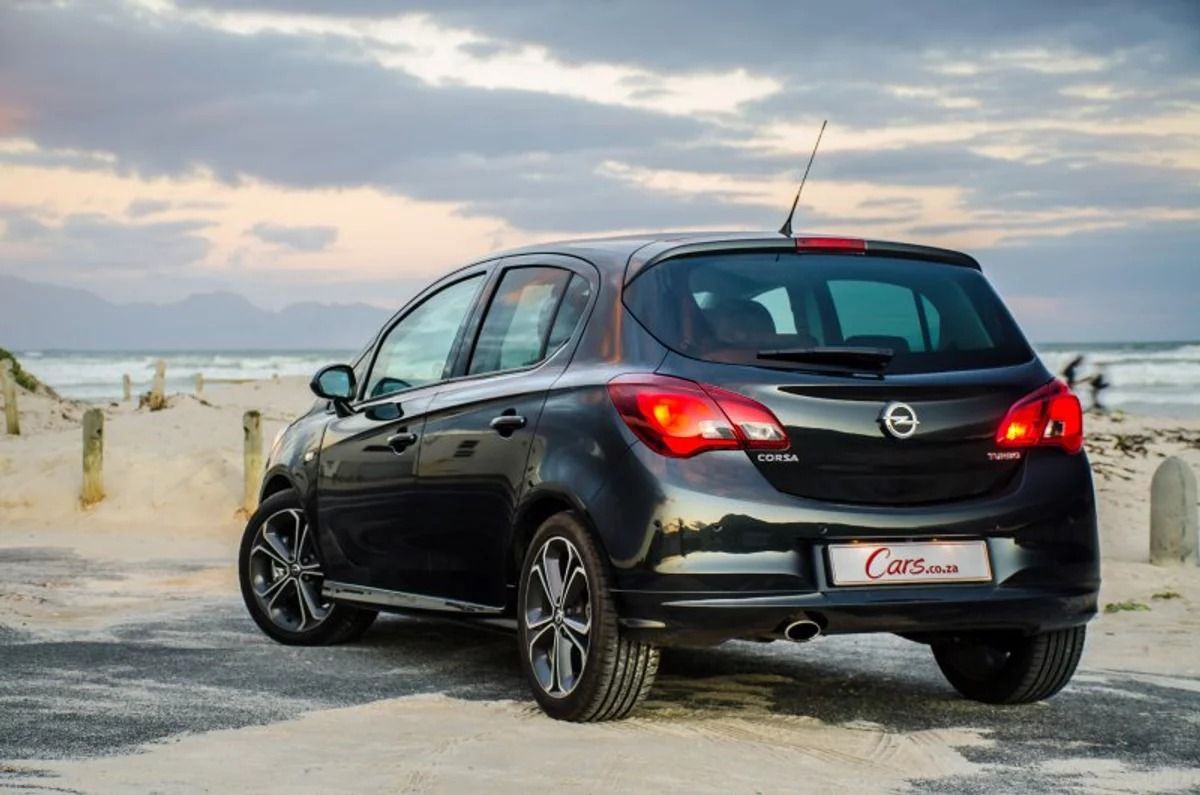

The Corsa Sport offers a lot of car for the money, but in terms of ride/handling and power/economy balance it has fallen behind.

There is much to admire about the Corsa Sport – it still looks attractive and the cabin is loaded with features and is generally a nice place to be. It's also clearly a very well made car, and the warranty/service plan is appealing. However, we don't think the engine delivers a combination of performance and efficiency that is in tune with current consumer trends, and the suspension refinement clearly lags the best cars in this class. It's simply time for a new model.

That said, Opel frequently offers special deals on this model which significantly adds to its showroom appeal, given that the specification level is so high. In that scenario, it does offer a lot of car for the money.

Looking to buy a new / used Opel Corsa?

Find one on Cars.co.za today by clicking here.
Hyundai Elantra Facelifted for 2019

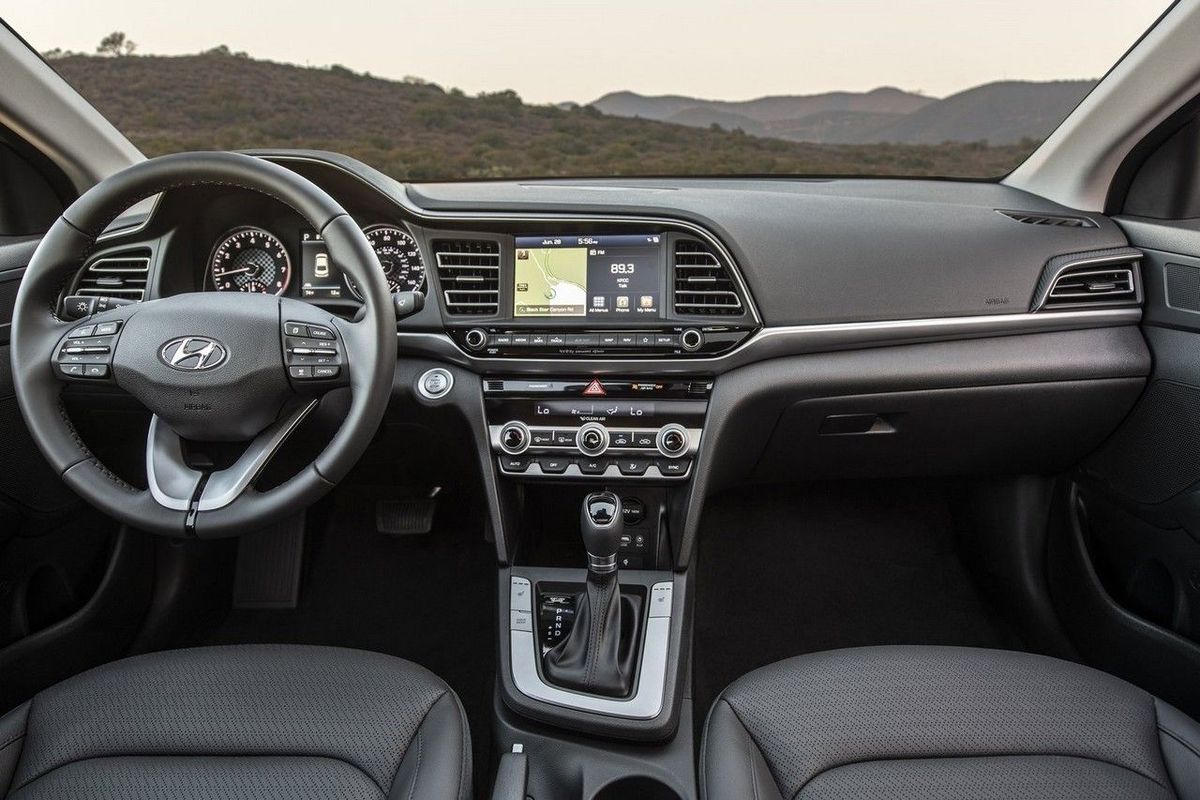
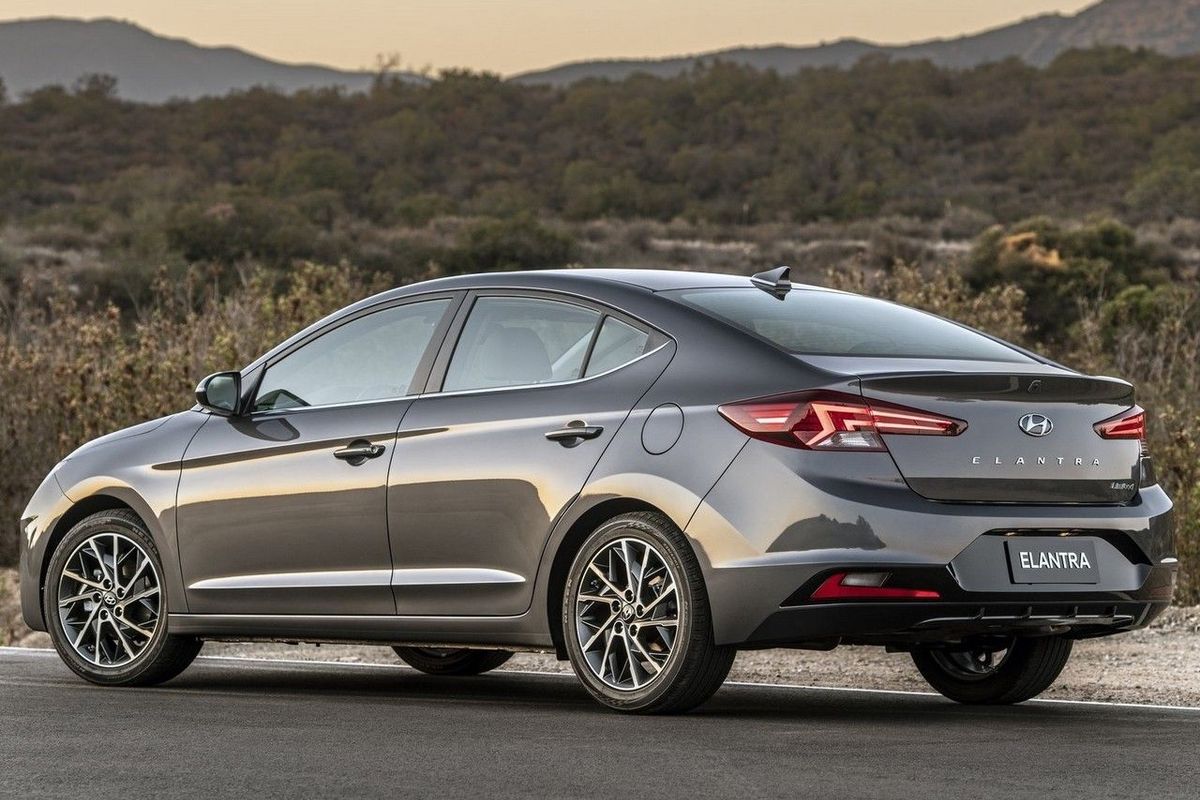
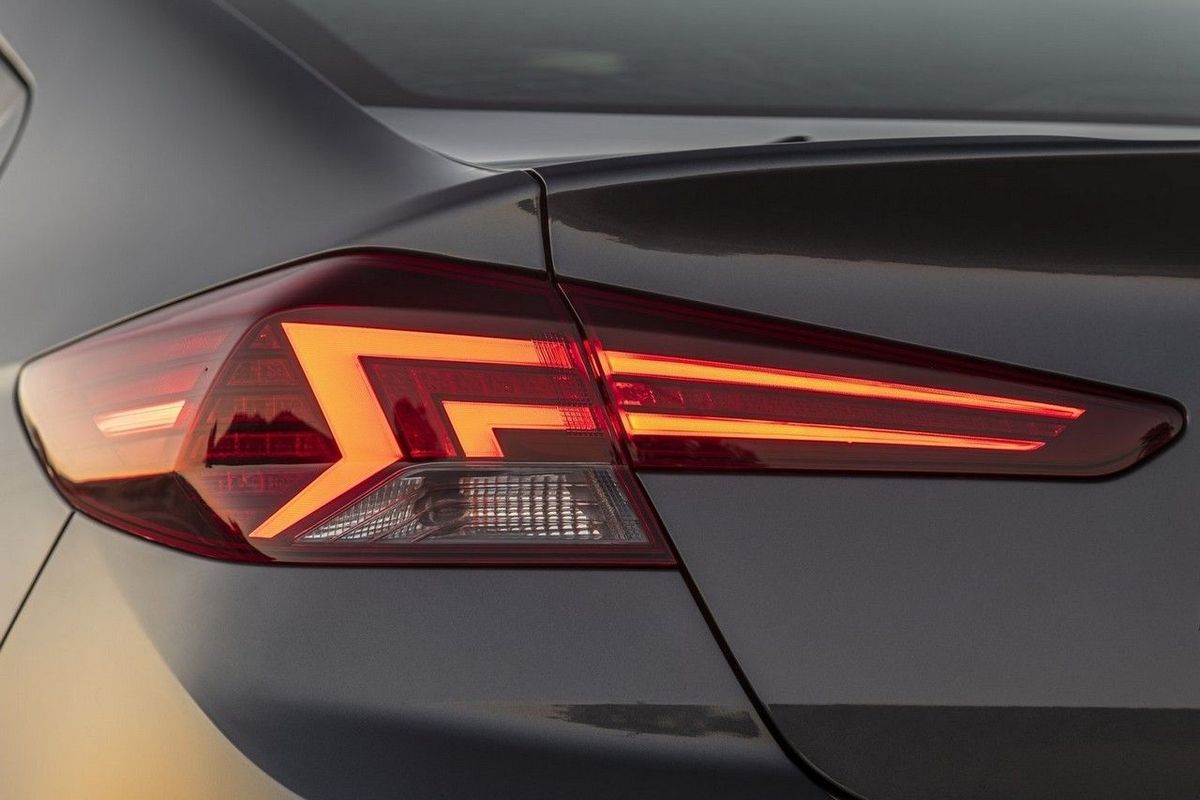
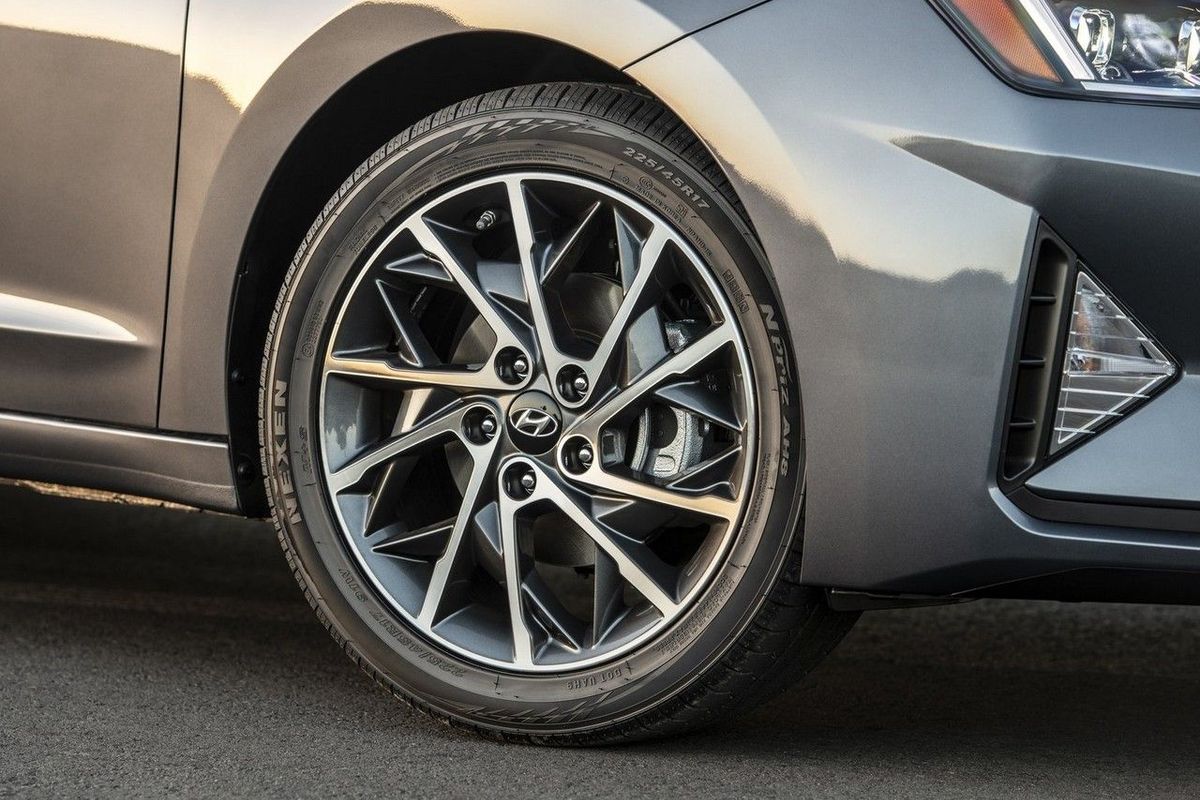
Hyundai has revealed a facelifted Elantra sedan, which features a radical new look, new safety technology and enhanced features. While the model pictured here is American-spec, we expect the new Elantra to make its way to South Africa in 2019.

The popular Hyundai Elantra compact sedan has been facelifted for 2019 and boasts a raft of new features, with a particular focus on safety and convenience. According to the Insurance Institute for Highway Safety (IIHS), "it has been shown that Automatic Emergency Braking (AEB) and Forward Collision Warning (FCW) have resulted in a 50% reduction in rear-end collisions". This tech makes its debut in the 2019 Hyundai Elantra along with Lane Keep Assist. 

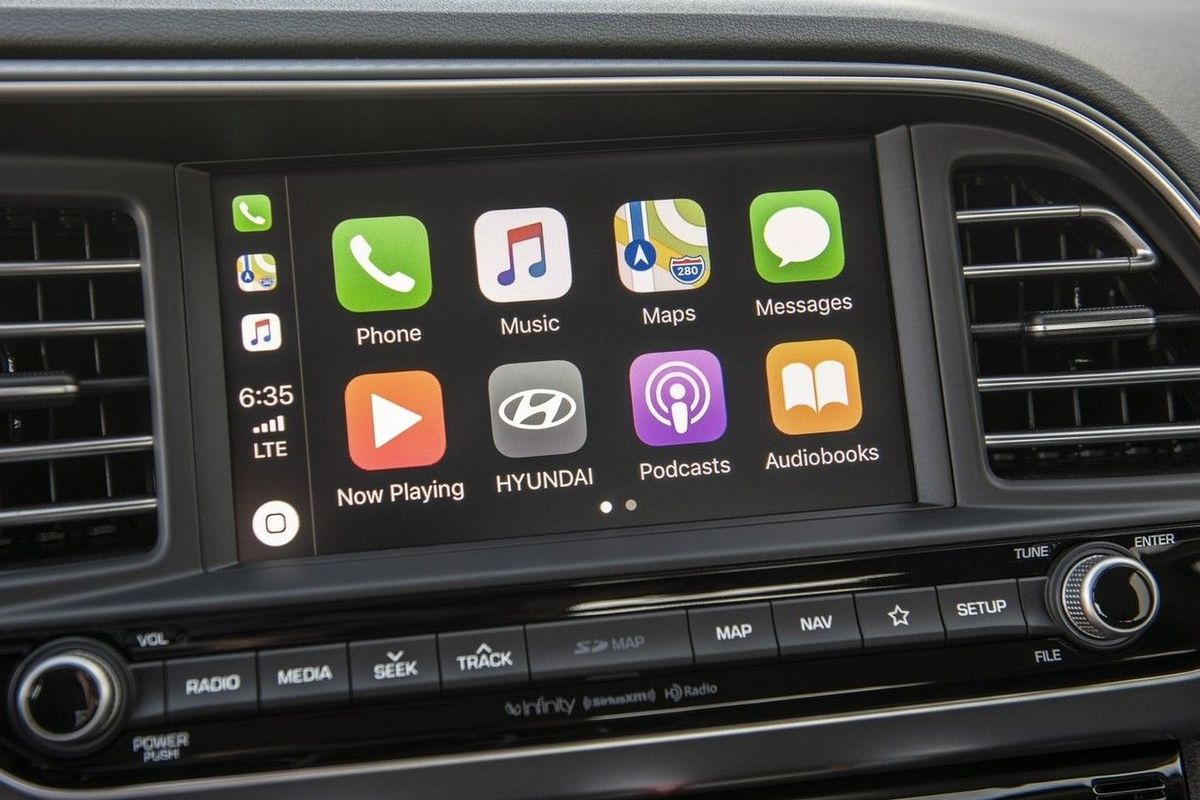
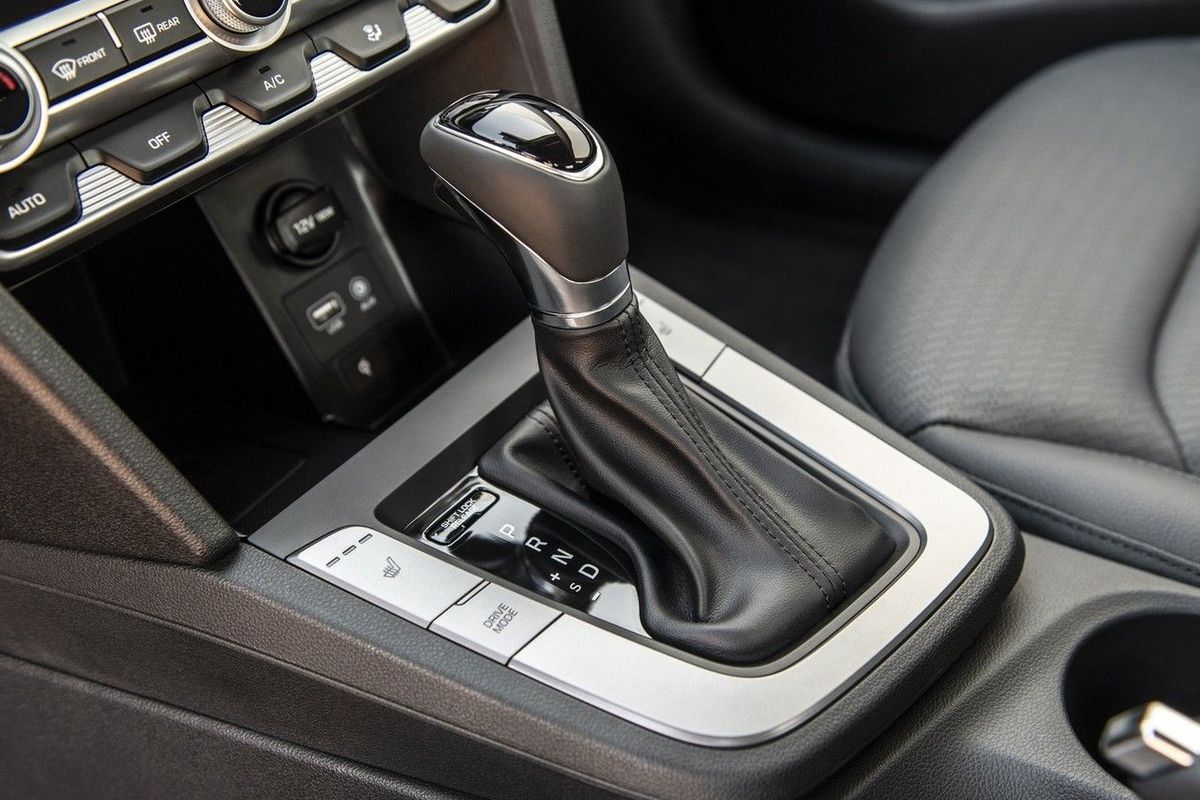
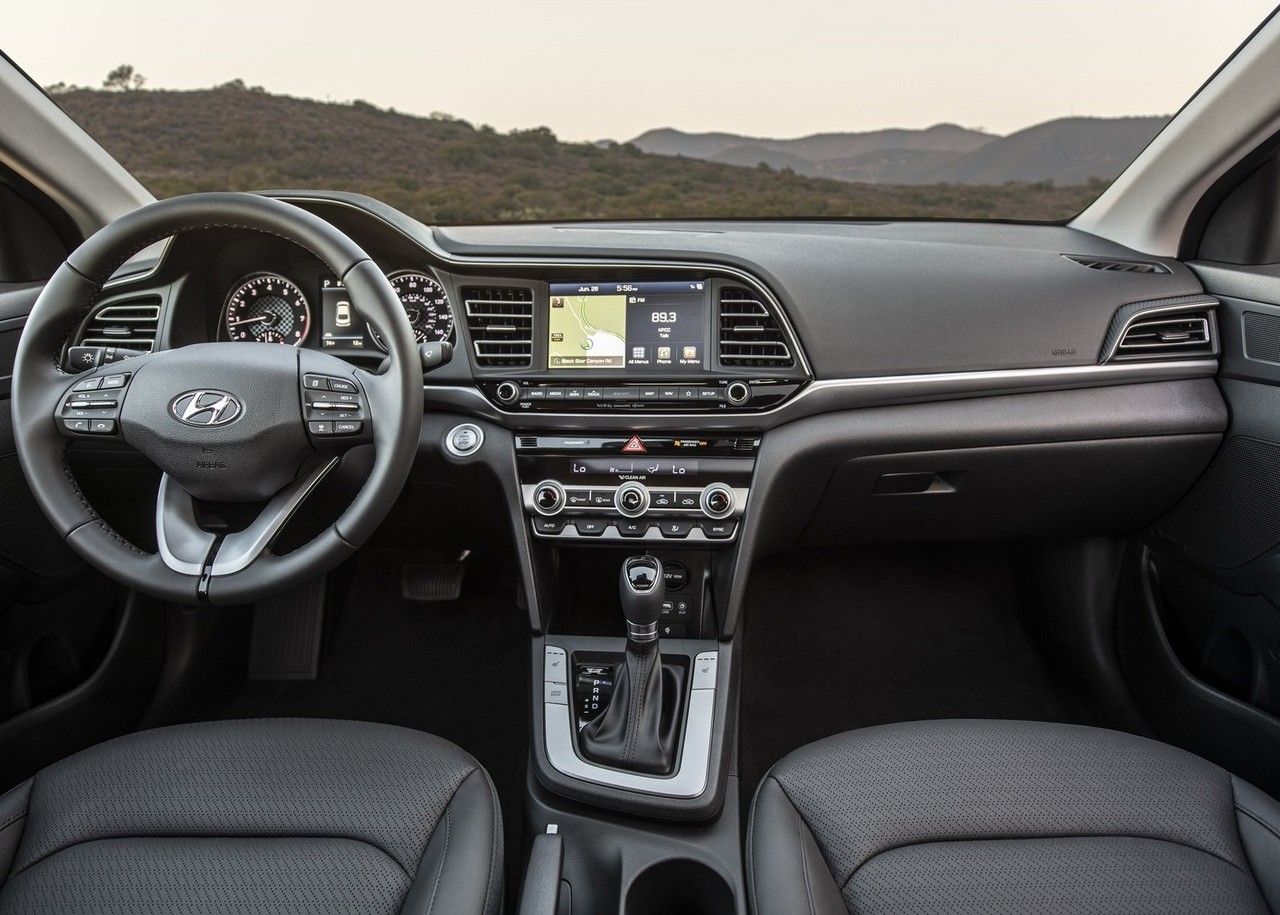
Safety aside, there are other changes. There's a new front-end replete with redesigned headlights, new alloy wheel designs and a new-look rear fascia. The interior features a new-look centre cluster and some trim tweaks to the trim. High-end derivatives will come standard with niceties such as a wireless charging pad and an upgraded infotainment system, which comes with a faster processor and Android Auto/Apple CarPlay, as well as HD traffic satellite navigation.


The key changes to the 2019 Elantra are on the outside, but the cabin has received a nip and tuck too

"Refinements to both the interior and exterior were initiated on the 2019 Elantra to maintain its emotional design character and include affordable and desired features," said Scott Margason, director, product planning, Hyundai. "The hood, front fenders, fascia, grille and headlights as well as the rear fascia, trunk and taillights each have been redesigned to convey a catchy and confident image. On the rear of the vehicle, the license plate has been relocated to the lower fascia to further enhance the new body sculpture."

Engines for the US model range include the 110 kW Nu 2.0-litre MPI Atkinson Cycle engine and a Kappa 1.4-litre Turbo-GDI with 95 kW. There's no word on the 1.6-litre GDI motor, which we get in the current Hyundai Elantra. We'll confirm when the updated Elantra will be available in South Africa in due course. Stay tuned for details.

Further Reading

Hyundai Elantra (2017) Launch Review

Hyundai Elantra 1.8 GLS Review

Hyundai Elantra 1.6 Turbo Elite Sport (2017) Quick Review

Hyundai Elantra (2017): 5 Things To Know

Want to buy a Hyundai Elantra?

Search for one on Cars.co.za

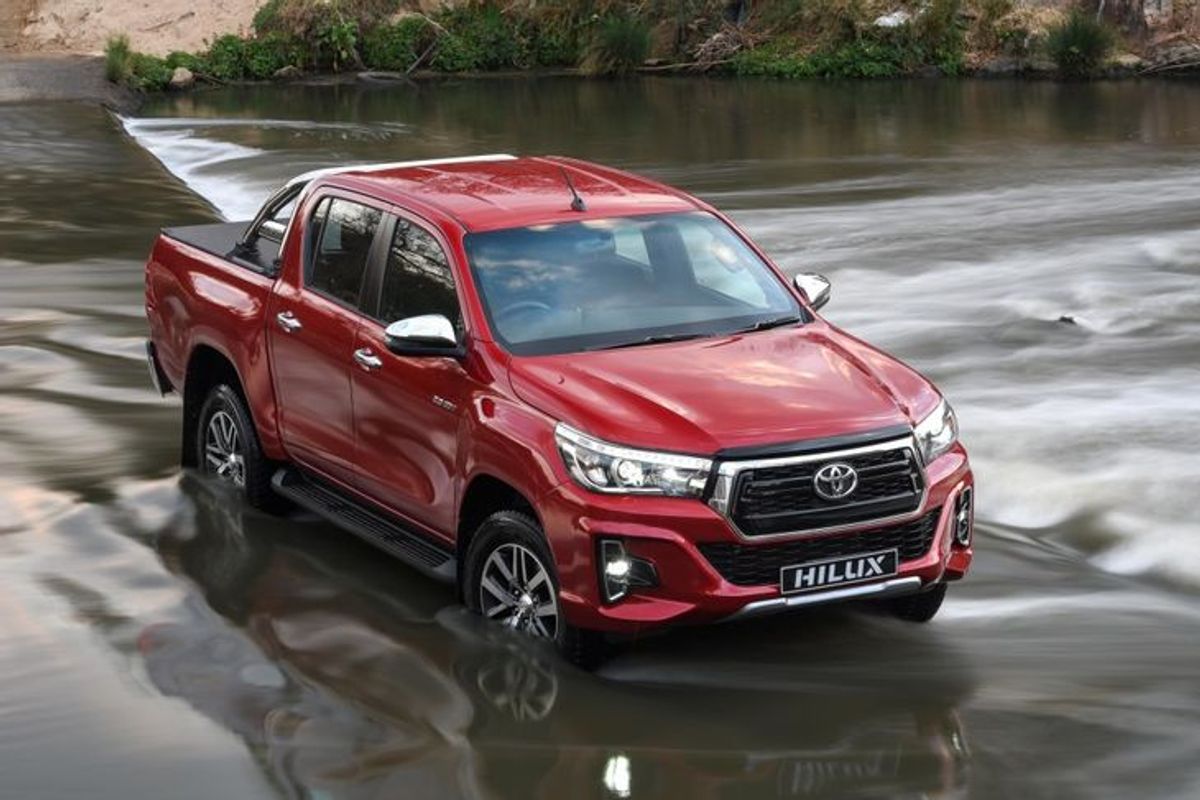
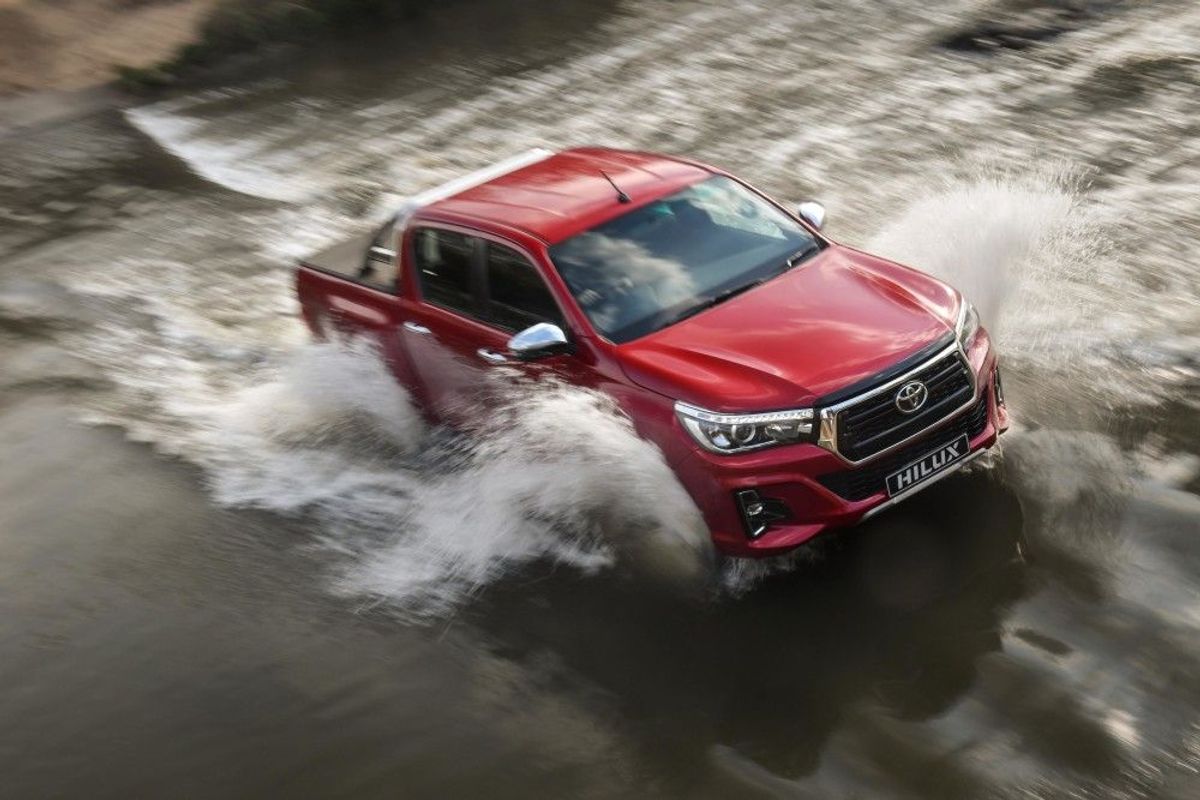
Toyota Hilux Range Updated in SA

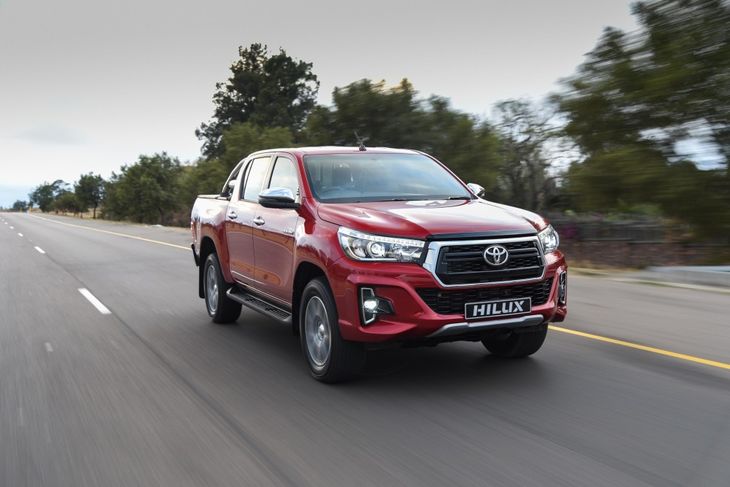
Toyota has updated and expanded its Hilux range in South Africa. See details below…

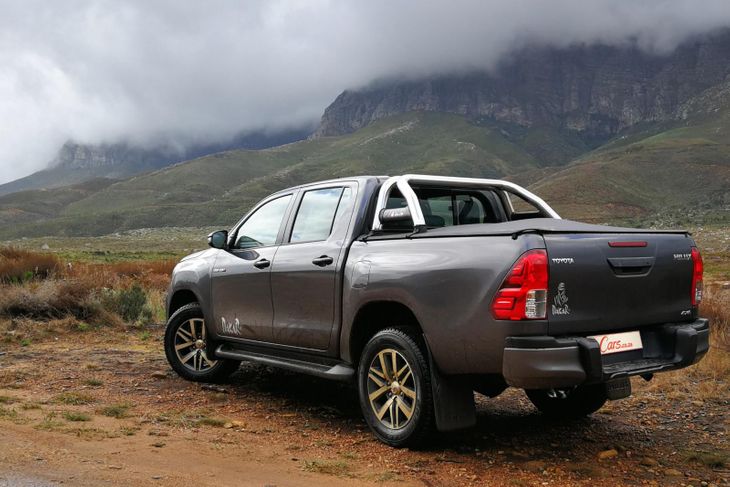
The Toyota Hilux leads the South African bakkie market and following the recent introduction of the limited-edition Hilux Dakar, Toyota has now introduced a raft of changes to the local lineup, including a host of new derivatives. View the entire Hilux range's Specs & Prices in South Africa on Cars.co.za's New Car Specs page.

What’s changed?

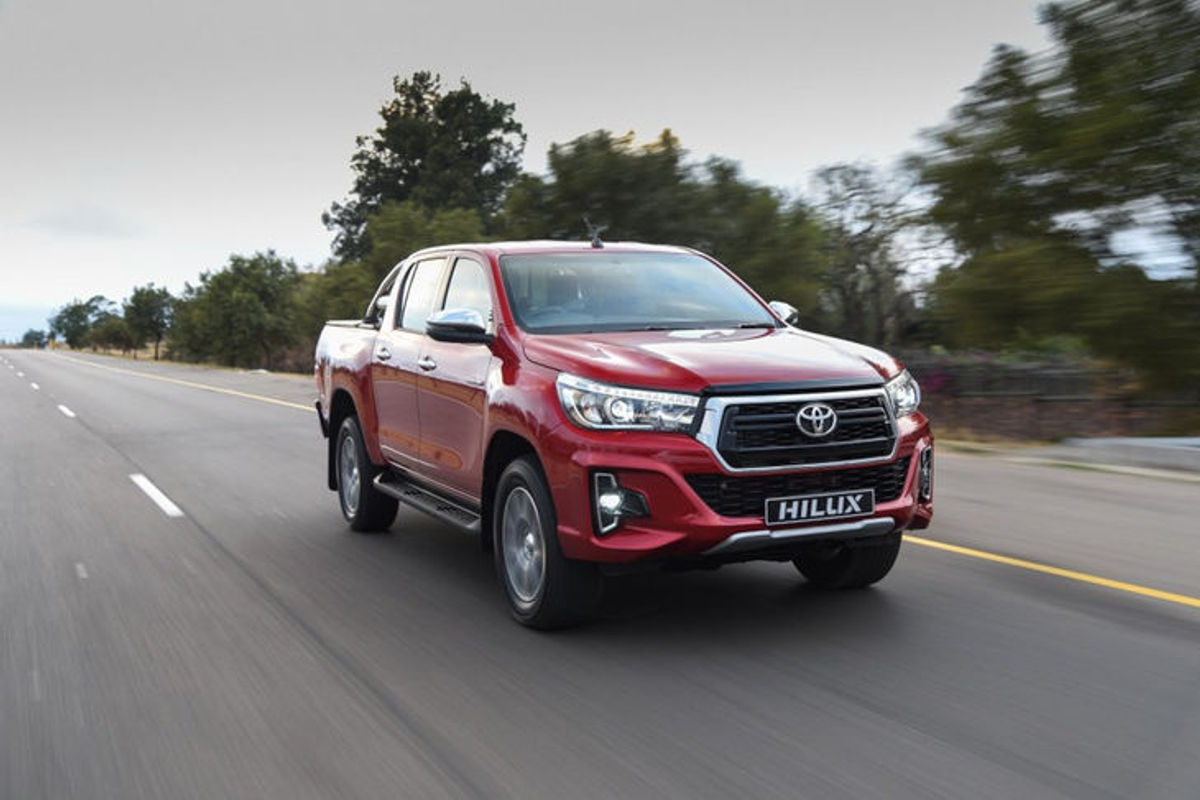
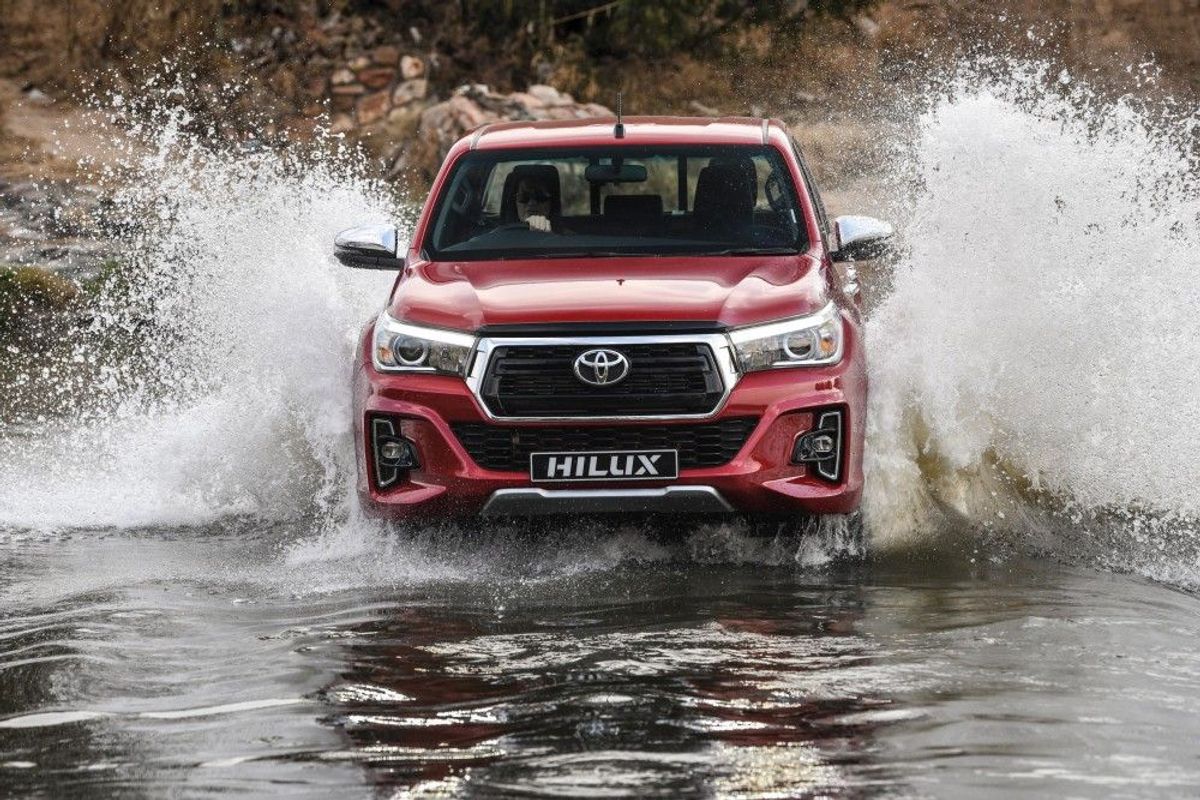
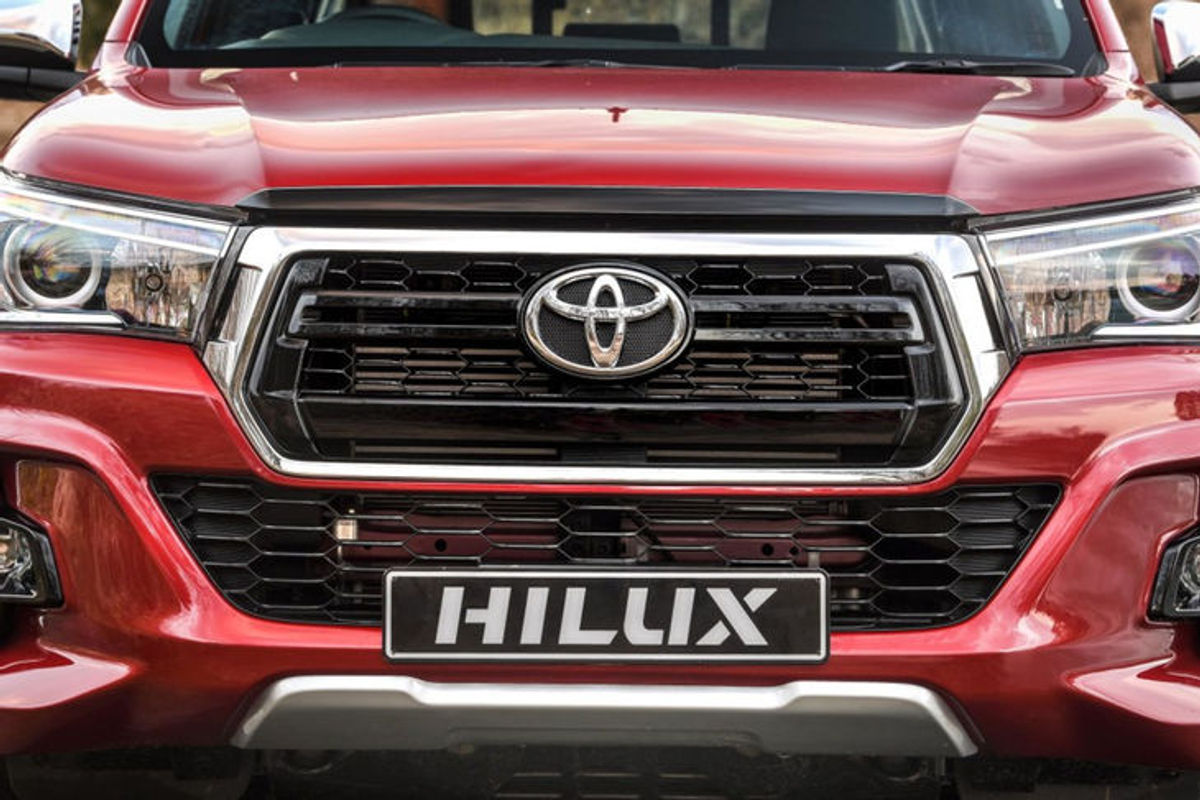
The face of the SRX and flagship Raider models have been updated with the look seen on the Hilux Dakar. 

Hilux SRX


The Hilux now wears a more refined face inspired by the Dakar limited edition.

The Hilux SRX is powered by a 2.4-litre turbodiesel engine offering 110 kW and 400 Nm and is available in both 6-speed manual and automatic guises.

In terms of styling, the Hilux SRX gains a black-themed front-end with colour-coded bumpers and a matching skid plate. Black side steps and side mirrors provide further visual appeal. The SRX also gains automatic light control with a follow-me-home function, while the interior now benefits from a 4-speaker touchscreen infotainment system (from the Raider) with USB and Bluetooth functionality. The system is controlled with mounted steering wheel controls and a reverse camera is now also part of the SRX package.

Other features included in the SRX grade Hilux include 17-inch alloy wheels, electric windows, remote central locking (with automatic door lock), fog lights, air conditioning, cloth upholstery, rake and reach adjustable steering and a multi-information display. Safety features include a driver, passenger and driver knee airbag as well as ABS with EBD, Brake Assist, Vehicle Stability Control (VSC), Traction Control (TC), Trailor Sway Control (TSC).

Hilux Raider


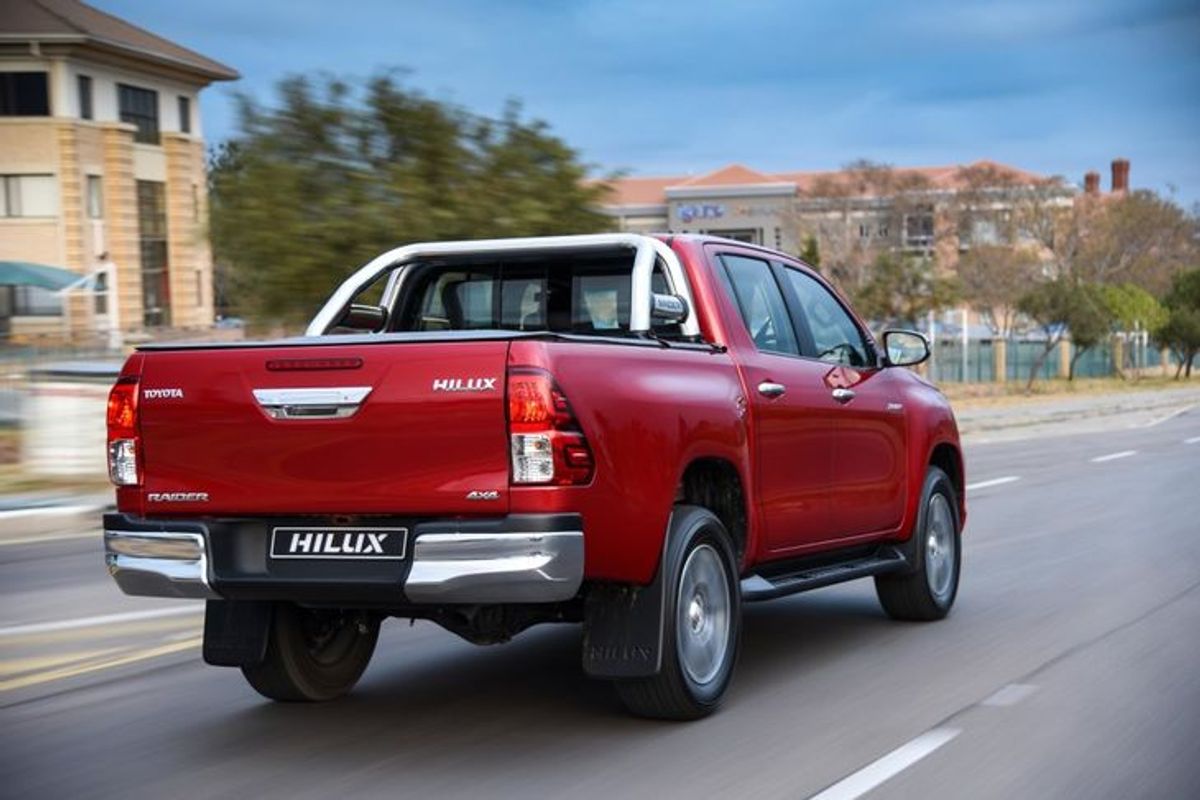
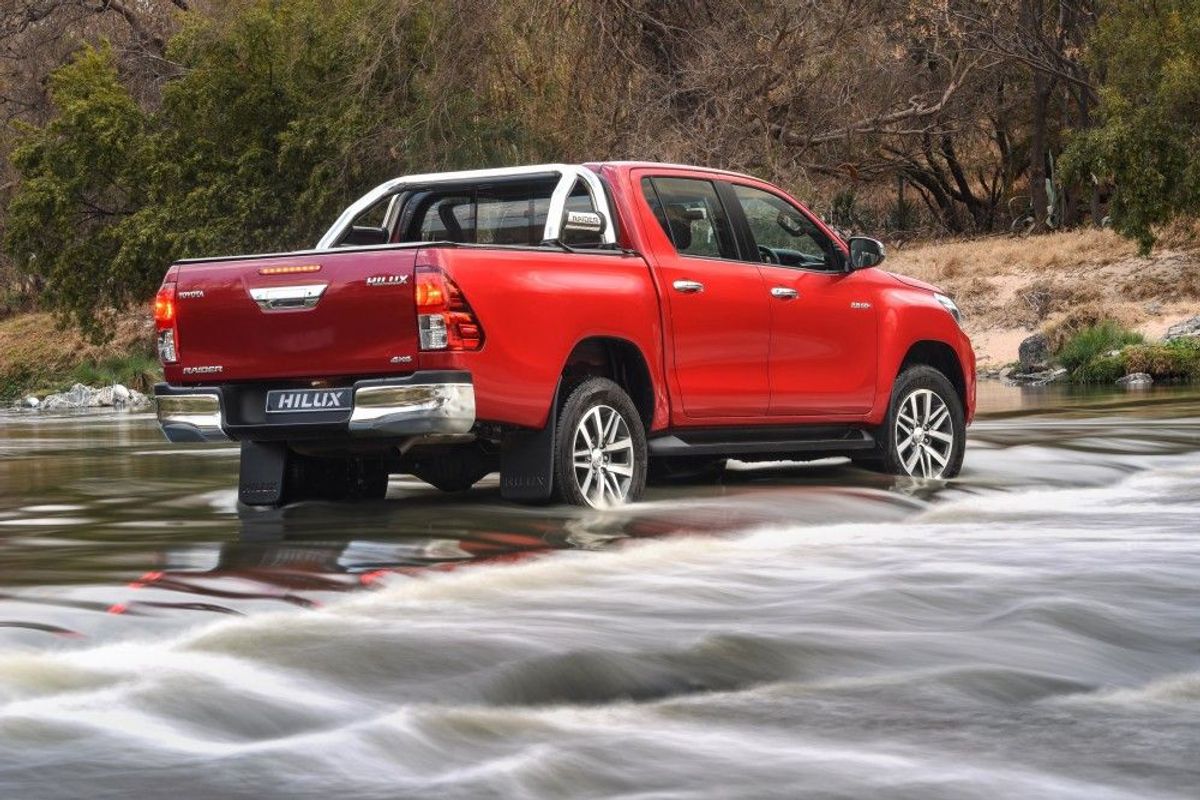
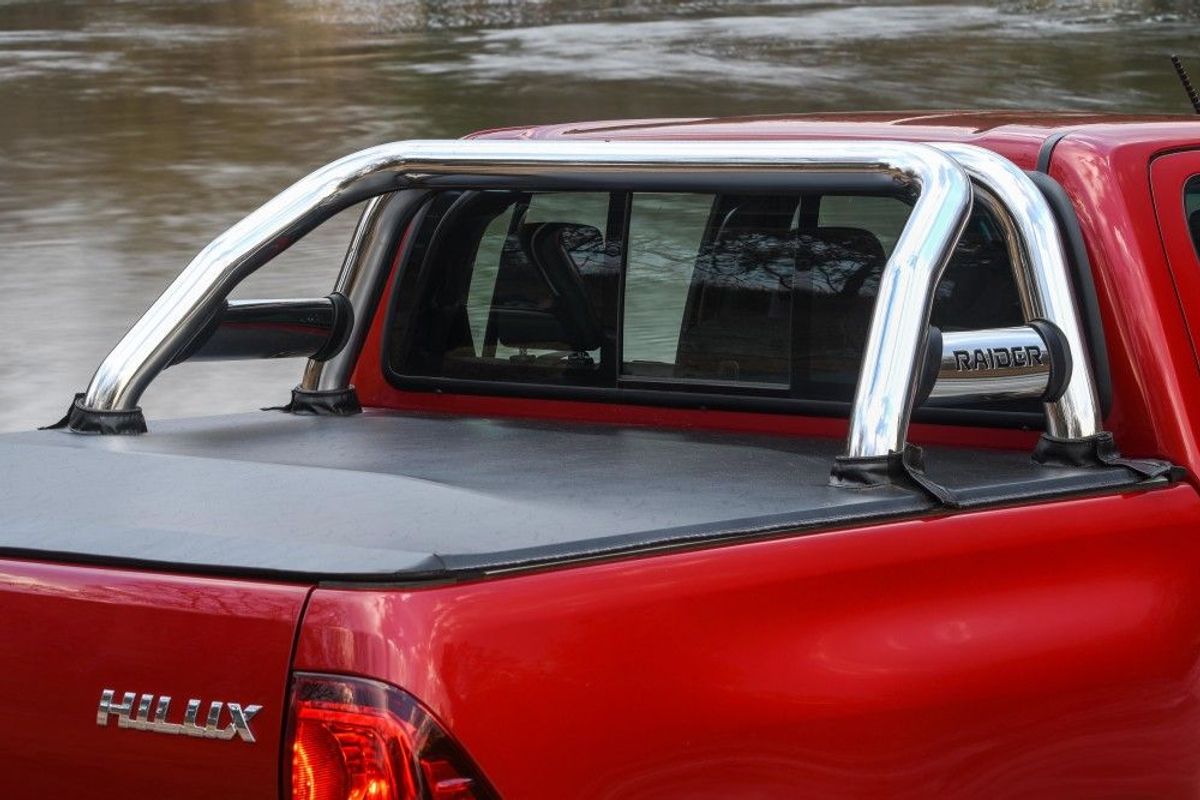
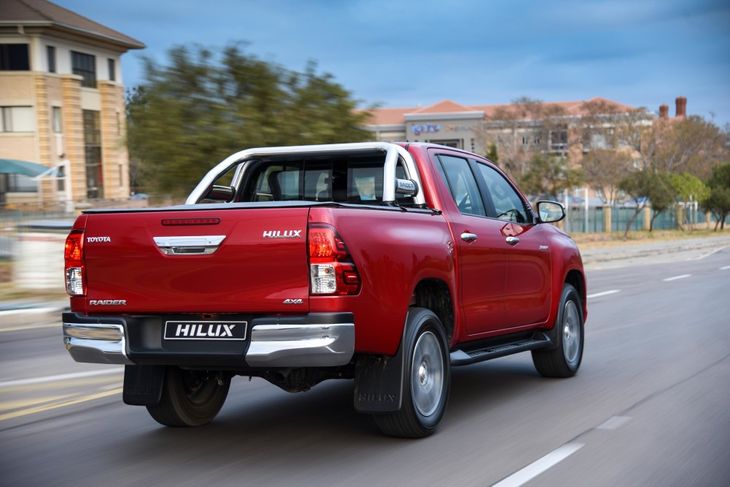
The Hilux Raider features additional chrome elements to set it apart from the rest of the Hilux range. 

The flagship Hilux Raider is fitted with a larger and more powerful 2.8-litre turbodiesel engine with peak outputs of 130kW and 420 Nm (450 Nm in automatic guise).

The Hilux Raider now has a chrome grille surround, which complements the black horizontal slats and the electric-folding side mirrors and door handles are also finished off in chrome. The LED fog lamp surrounds incorporate horizontal and vertical elements in black and chrome. Full LED headlights and Daytime Running Lights (DRLs) are standard.


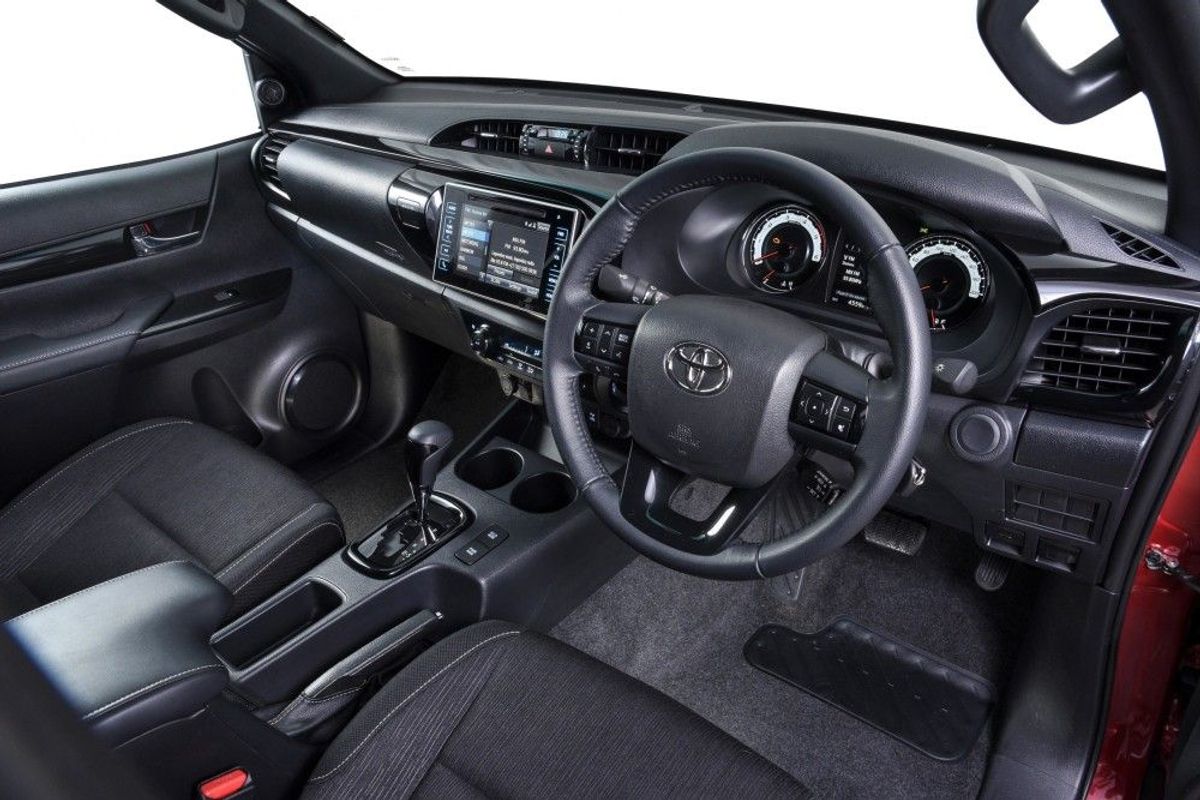
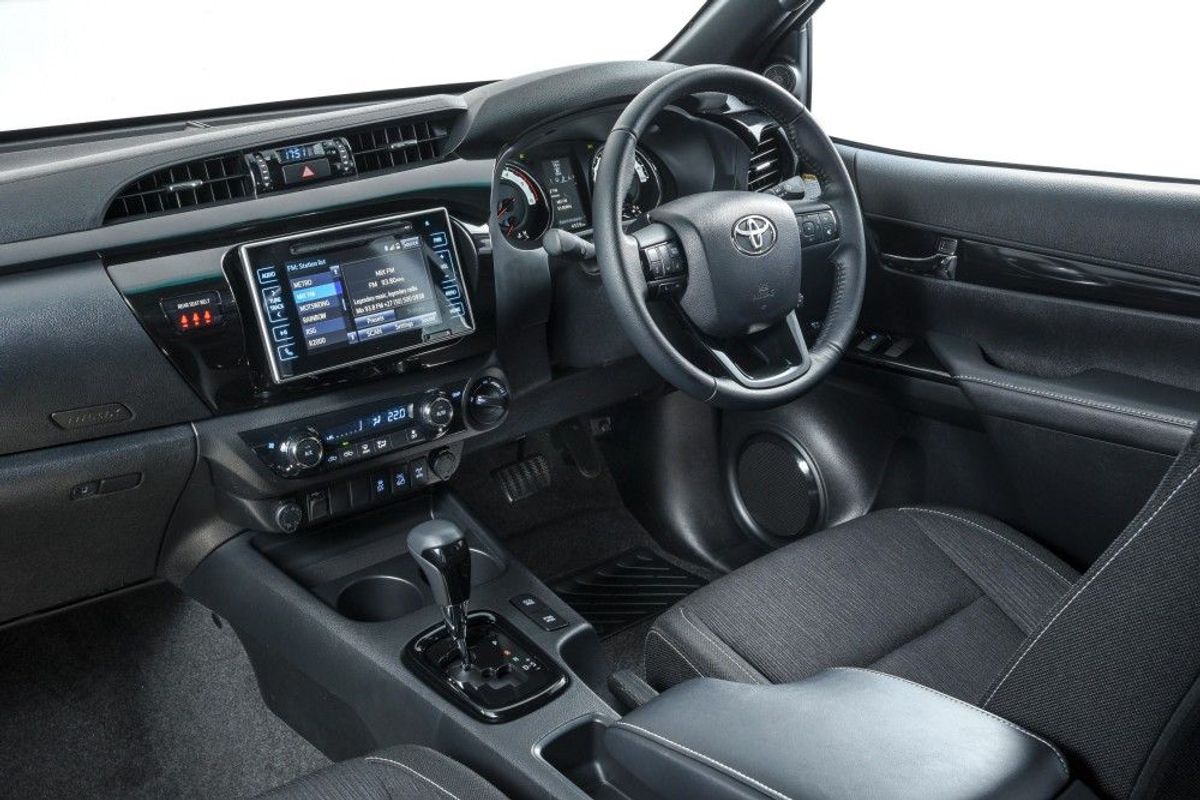
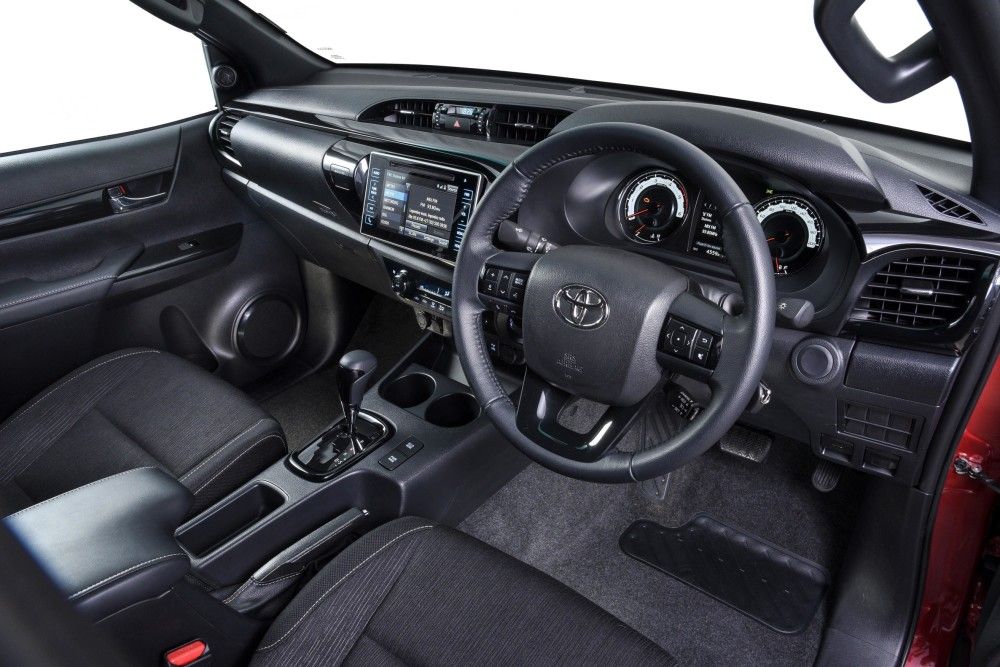
A full black interior from the Dakar Hilux now makes its way into the Raider. 

The touchscreen infotainment system has been upgraded to include navigation and DVD playback capability. The system is USB- and Bluetooth-enabled and comes with 6 speakers, all controlled using the mounted steering wheel controls.

The most obvious change on the inside is the full black interior inherited from the Hilux Dakar with a black headliner and metallic black trim finishes. Other standard features include 18-inch alloy wheels, high-grade cloth upholstery, air-conditioned glovebox, leather steering wheel and gear lever, automatic climate control, TFT colour multi-information display, 12 – and 220 V sockets, rear armrest with cupholders. A total of 7 airbags are standard.

New Hilux Derivatives Added

Single Cab

Toyota has introduced an additional automatic derivative in the form of the Hilux 2.4 GD-6 "Raised Body" SRX equipped with a 6-speed automatic transmission. The Hilux SR grade (fleet and mining) now includes a 2.4 GD-6 Raised Body Manual variant (previously only available in 4×4 configuration). The 2.7 VVTi SRX has been discontinued.

Xtra Cab

Toyota has introduced a new mid-grade Hilux 2.4 GD-6 SRX "Raised Body" 6-speed automatic in response to market demand.

Double Cab


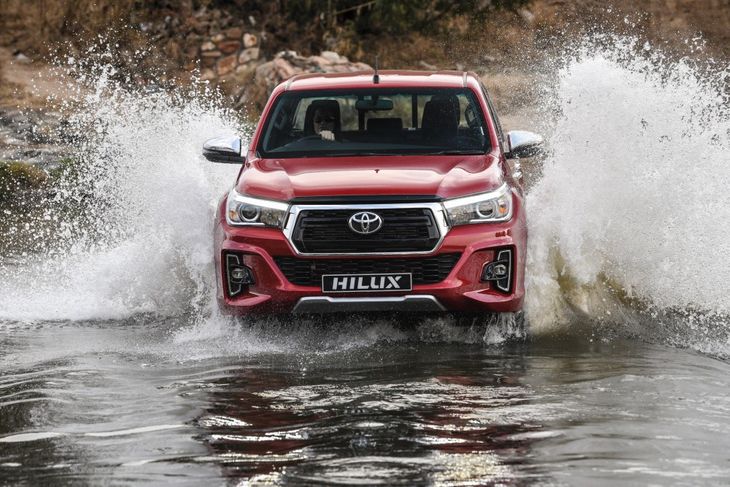
The Hilux remains as one of the most capable 4×4's on offer in SA.

Toyota has now introduced a new grade level for Hilux called "S". The Hilux S is an entry-level workhorse grade that foregoes comfort and luxury in favour of functionality and durability. This new grade features a PVC interior, J-Deck tailgate design with cargo hooks and rides on 17-inch steel wheels. The Hilux S is further distinguished by its black bumpers and grille.

The Hilux S is offered with either the 2.7-litre petrol engine with 122 kW and 245 Nm (5-speed manual) or the 2.4GD-6 engine with a 6-speed manual transmission.

The Hilux SR range has expanded with a 4×2 "Raised Body" derivative which also features the J-Deck design and black bumpers and grille.

There’s also a new Hilux 2.4GD-6 SRX 4×2 Automatic which now joins the range. The previous Hilux 2.7 SRX has been discontinued.

Chassis Cab

Toyota has reintroduced 3 Chassis Cab variants, which include the 2.0 VVTi 5-speed manual AC workhorse, 2.4 GD-6 5-speed manual AC workhorse and 2.4 GD-6 6-speed manual SRX 4×4. Lastly, the Inferno Orange metallic exterior paint colour from the Hilux Dakar is now offered across the Hilux range.

Toyota Hilux – Price in SA

These prices were correct as published in August 2018. All Hilux derivatives are sold with a 3-year/100 000km warranty and a 9-service/90 000 km service plan as standard. Extended service plans are available from all Toyota dealers.

Single-Cab

2.0 VVTi 5MT – R253 200
2.0 VVTi 5MT A/C – R261 200
2.4 GD-6 5MT – R287 300
2.4 GD-6 5MT A/C – R295 300
2.4 GD-6 RB SR 6MT (NEW) – R360 900
2.4 GD-6 4×4 SR 6MT – R422 300
2.4 GD-6 RB SRX 6MT – R375 500
2.4 GD-6 RB SRX 6AT (NEW) – R391 800
2.4 GD-6 4×4 SRX 6MT – R441 600
2.4 GD-6 4×4 SRX 6AT – R459 800
2.8 GD-6 RB RAIDER 6MT – R443 400
2.8 GD-6 RB RAIDER 6AT – R461 600
2.8 GD-6 4×4 RAIDER 6MT – R507 300
2.8 GD-6 4×4 RAIDER 6AT – R525 800

Xtra-Cab

2.4 GD-6 RB SRX 6MT – R386 700
2.4 GD-6 RB SRX 6AT (NEW) – R403 000
2.8 GD-6 RB RAIDER 6MT – R470 800
2.8 GD-6 RB RAIDER 6AT – R489 300
2.8 GD-6 4×4 RAIDER 6MT – R536 700
2.8 GD-6 4×4 RAIDER 6AT – R555 300

Double-Cab

2.7 VVTi RB "S" 5MT – R385 100
2.4 GD-6 RB "S" 6MT (NEW) – R407 800
2.4 GD-6 RB SR 6MT (NEW) – R417 500
2.4 GD-6 4×4 SR 6MT – R483 400
2.4 GD-6 RB SRX 6MT – R432 000
2.4 GD-6 RB SRX 6AT (NEW) – R446 400
2.4 GD-6 4×4 SRX 6MT – R503 500
2.4 GD-6 4×4 SRX 6AT – R526 900
2.8 GD-6 RB RAIDER 6MT – R534 900
2.8 GD-6 RB RAIDER 6AT – R553 600
2.8 GD-6 4×4 RAIDER 6MT – R601 500
2.8 GD-6 4×4 RAIDER 6AT – R621 900
4.0 V6 4×4 RAIDER 6AT – R663 800

Chassis-Cab

2.0 VVTi 5MT A/C (NEW) – R250 500
2.4 GD-6 5MT A/C (NEW) – R284 700
2.4 GD-6 4×4 SRX 6MT (NEW) – R407 100

SERIOUS ABOUT BUYING?

Related Content:

6 Cheapest Automatic Double-Cab Bakkies in SA

Toyota Hilux Dakar (2018) Video Review

Toyota Hilux 2.8GD-6 Double Cab 4×4 Raider Dakar (2018) Quick Review

Toyota Hilux 2.8GD-6 DC 4×4 Raider Auto (2016) Review

Which cars are the best (or worst) to own? You tell us…

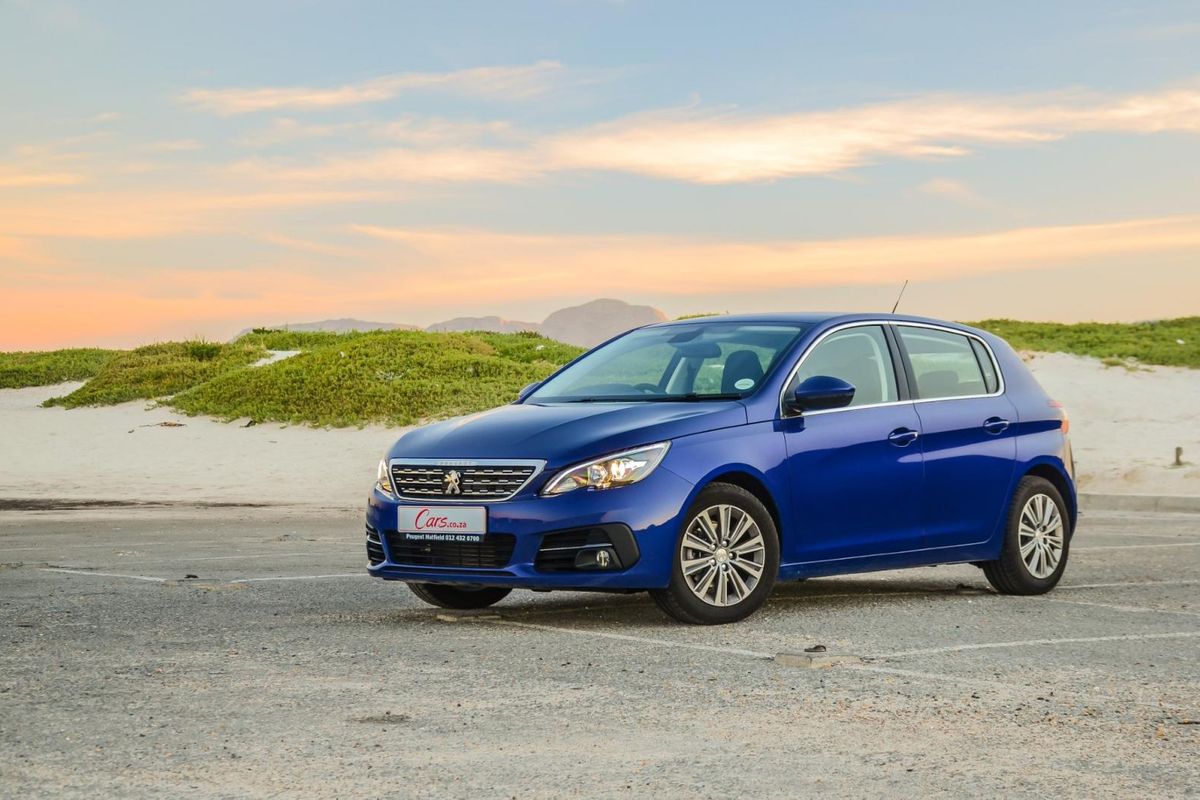
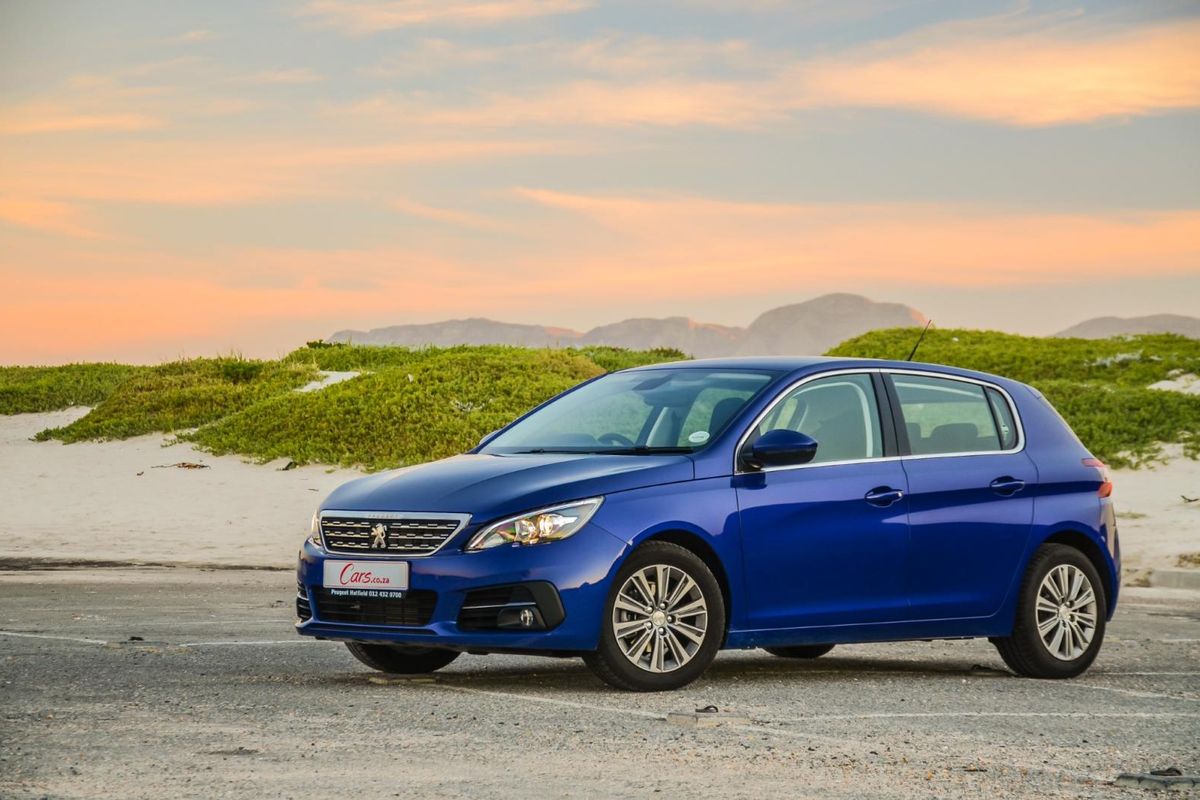
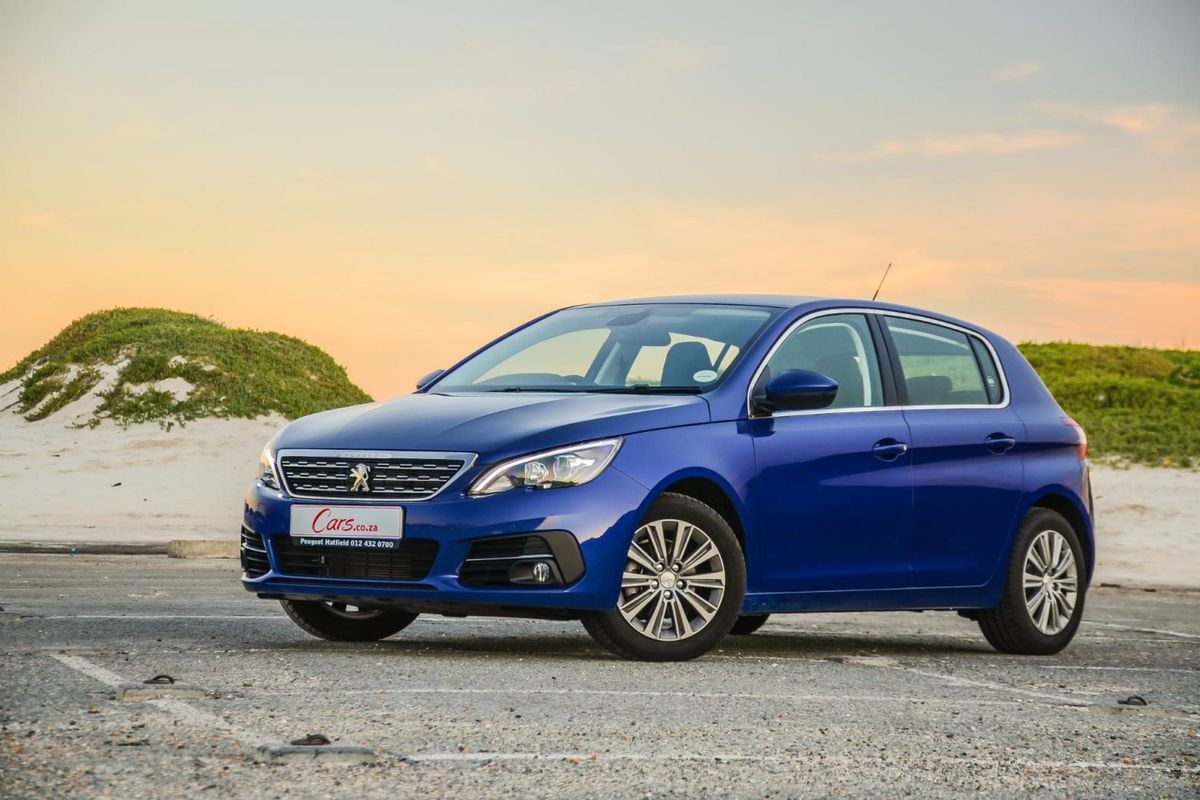
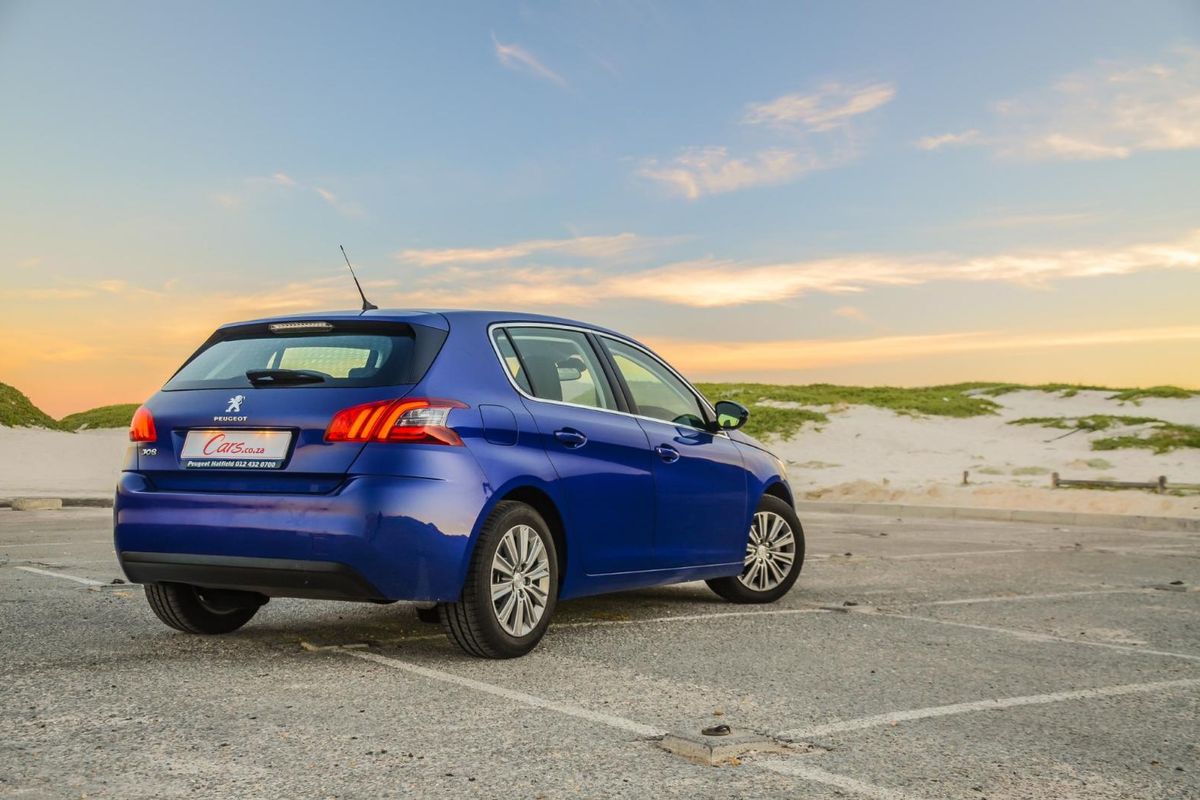
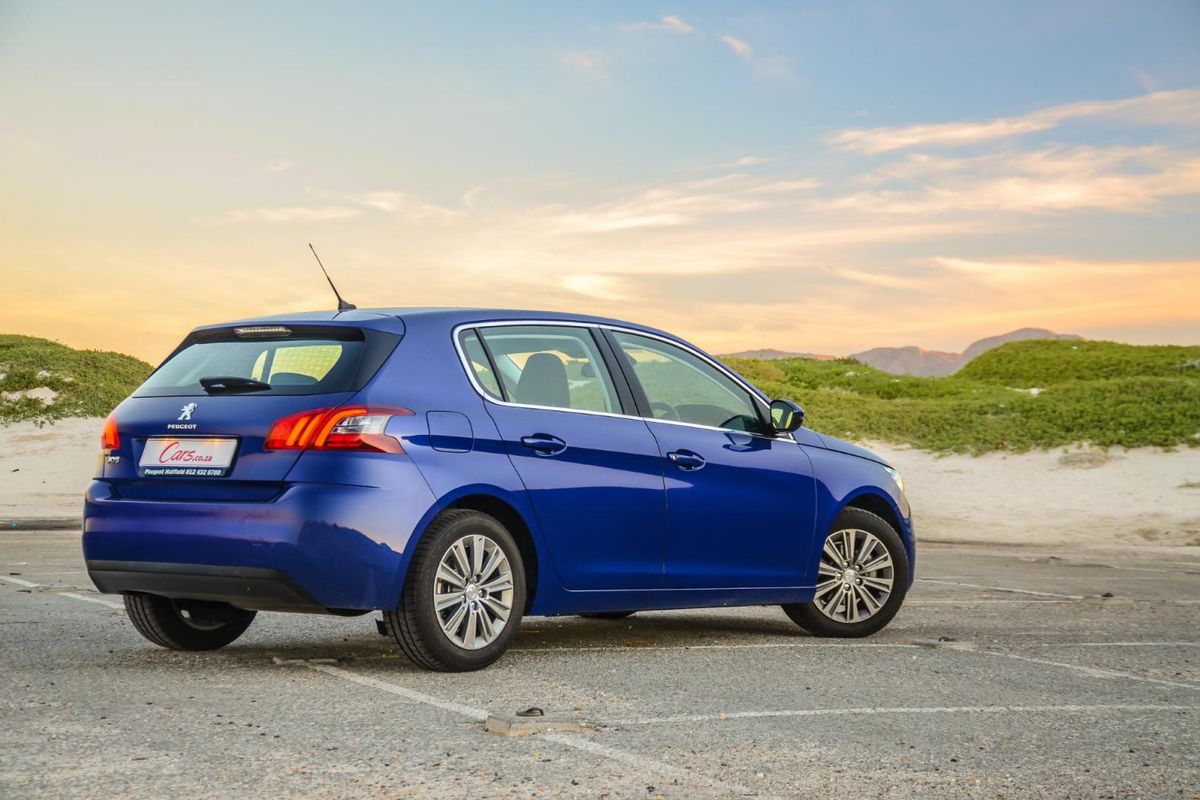
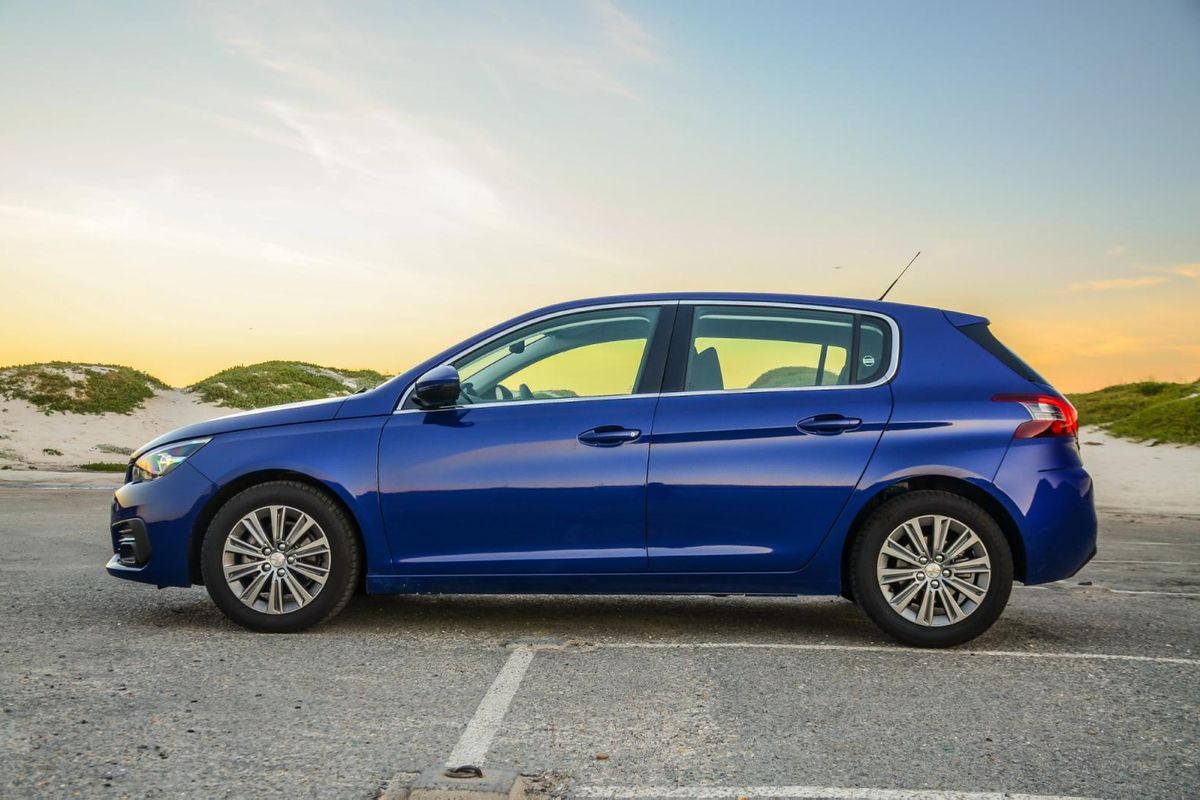
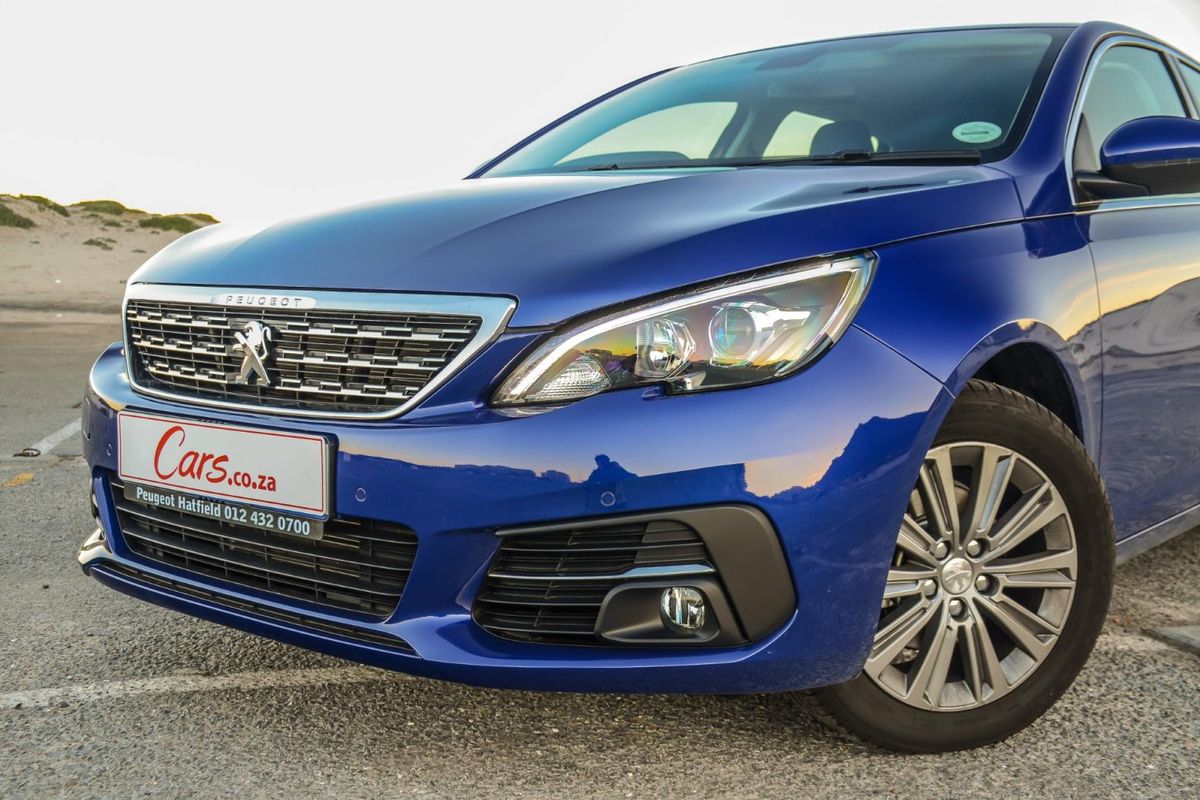
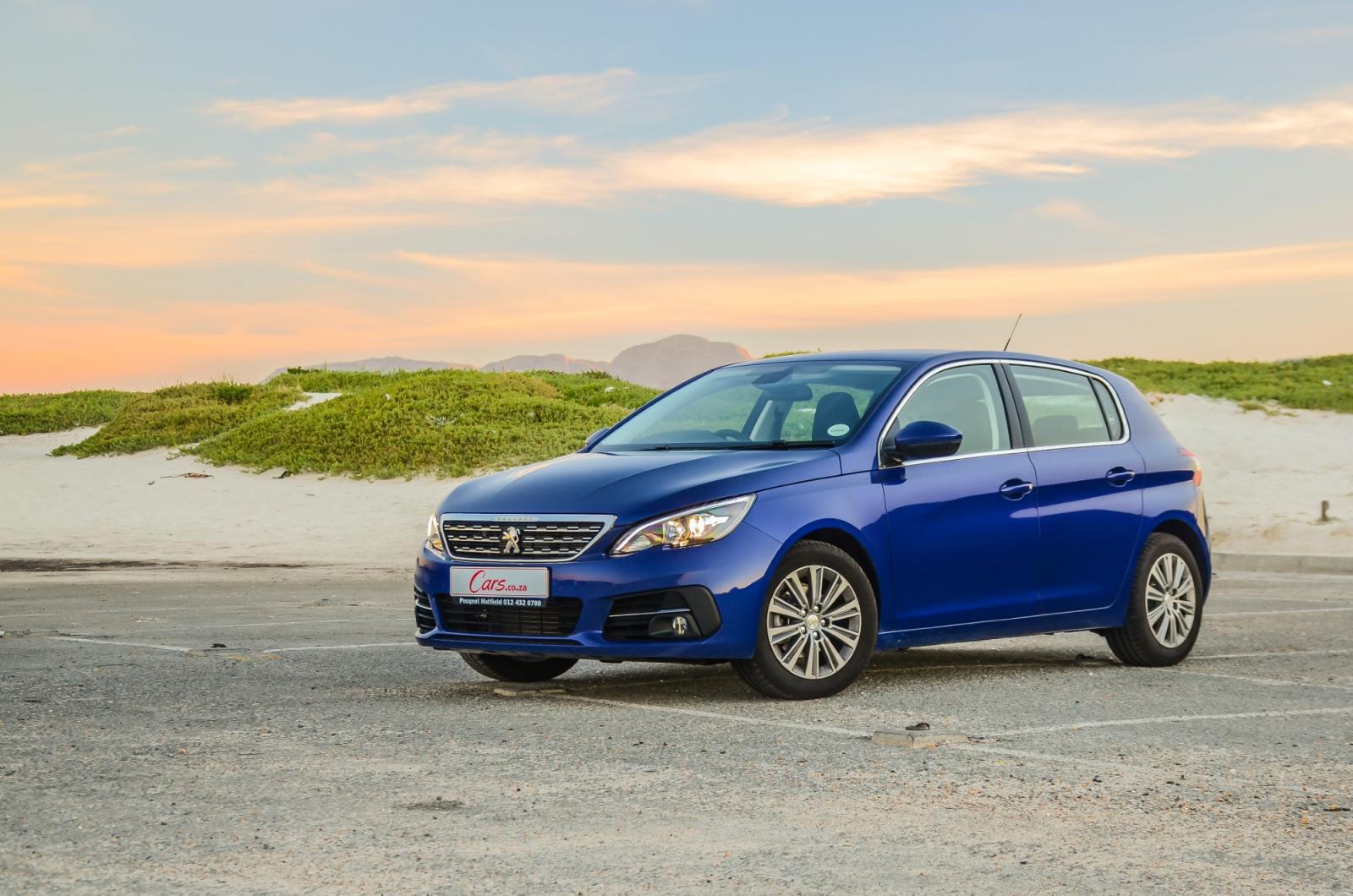
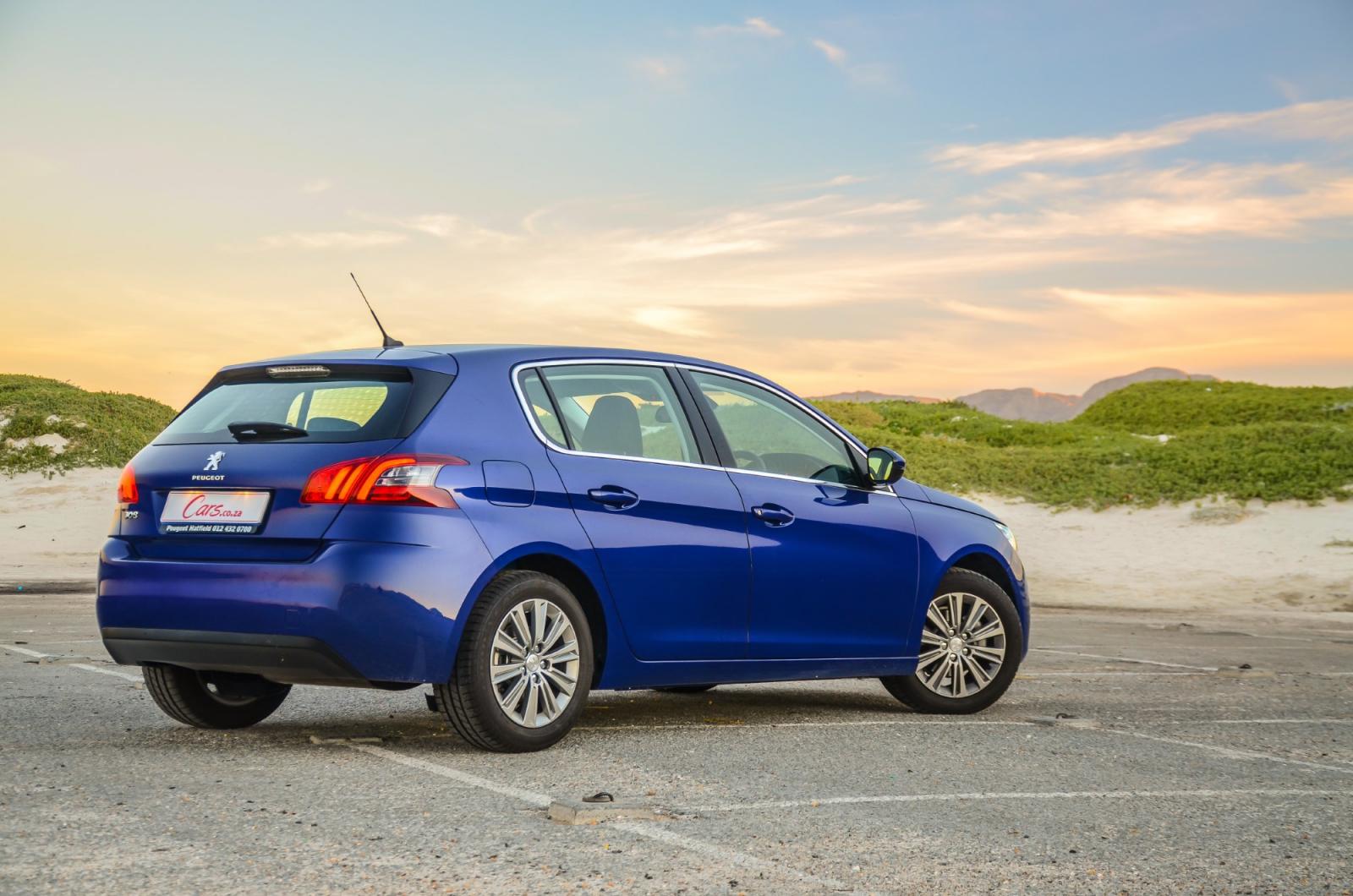
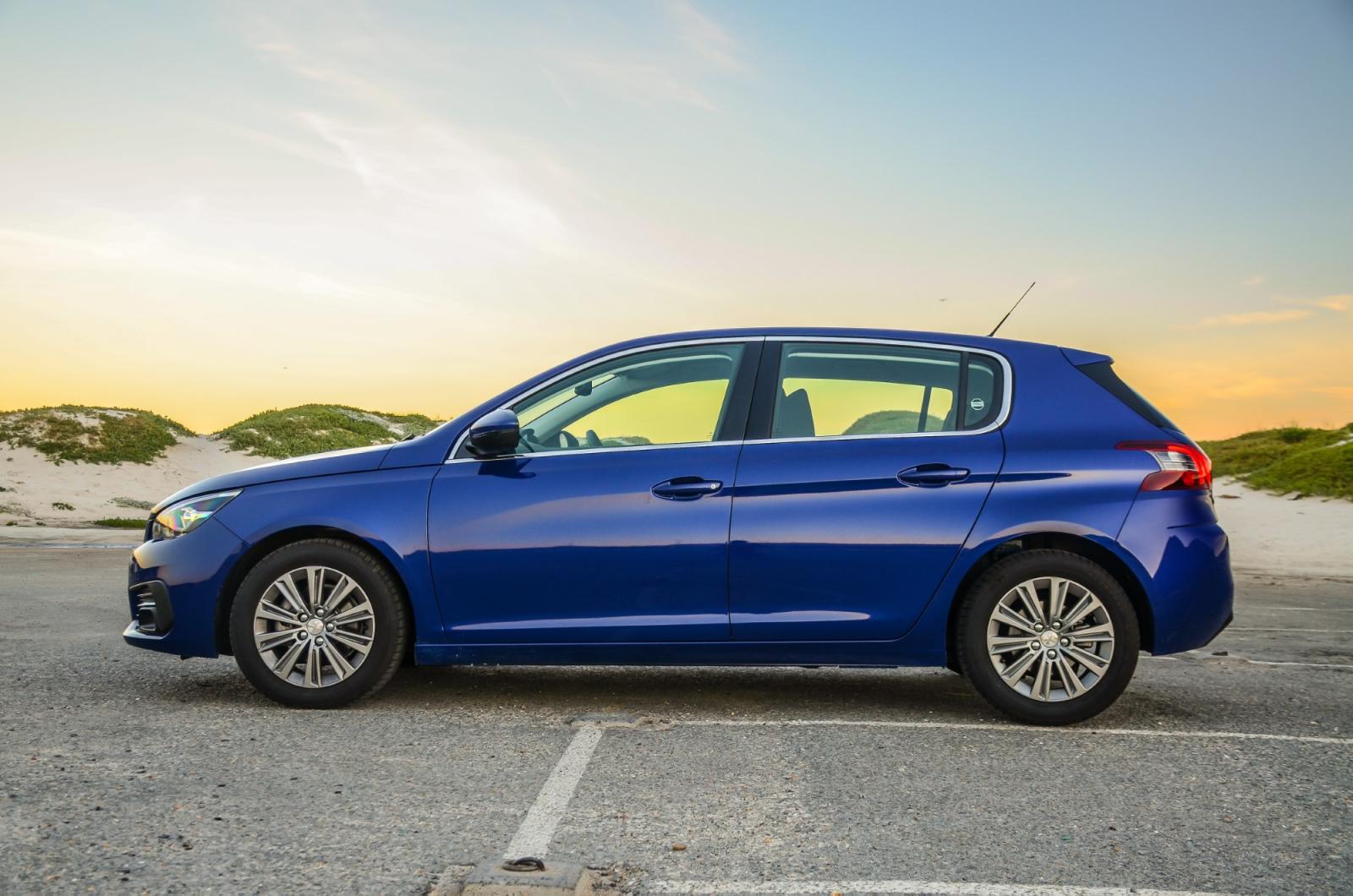
Peugeot 308 1.2T Allure Auto (2018) Quick Review

Peugeot recently reintroduced the (revised) 308 premium hatchback to the South African market. Is this latest 308 good enough to compete with much-vaunted rivals in this segment? We spent some time with the 1.2T Allure automatic derivative to find out…

We Like: Styling, interior quality, perky performance, ride and handling, lots of standard features

We Don’t Like: Temperamental infotainment system, cramped rear legroom, fuel consumption

Alternatives

  • German precision: The Volkswagen Golf 1.4TSI Comfortline R-Line, priced from R389 750, is a brilliant all-rounder and offers 92 kW and 200 Nm from its 1.4-litre turbopetrol engine. Standard spec is not as good as the 1.2T Allure and once you start ticking off the options, the Golf can become very pricey.
  • Solid performer: The Opel Astra 1.4T Enjoy, priced from R369 110, is powered by a 1.4-litre turbopetrol engine that produces peak outputs of 110 kW and 245 Nm of torque and comes equipped with a reasonable dollop of standard features. It’s definitely worth consideration in this segment.
  • French flair: Consider the Renault Megane Dynamique EDC priced from R344 900. The updated Megane range (including the new RS model) will go on sale in mid-September. This derivative offers 97 kW and 205 Nm from its turbocharged 1.2-litre turbopetrol and it too will offer good standard specification.

Compare the Peugeot 308 1.2T Allure Auto with the VW Golf 1.4TSI Comfortline R-Line and Opel Astra 1.4T Enjoy


The updated Peugeot 308 is a striking package with a good level of standard specification. 

Facts & Figures

Price: R369 900
Engine: 1.2-litre turbocharged petrol
Transmission: 6-speed automatic
Power: 96 kW
Torque: 230 Nm
Fuel Consumption (claimed): 5.2 L/100 km
0-100 kph: 9.8 sec
Top speed: n/a
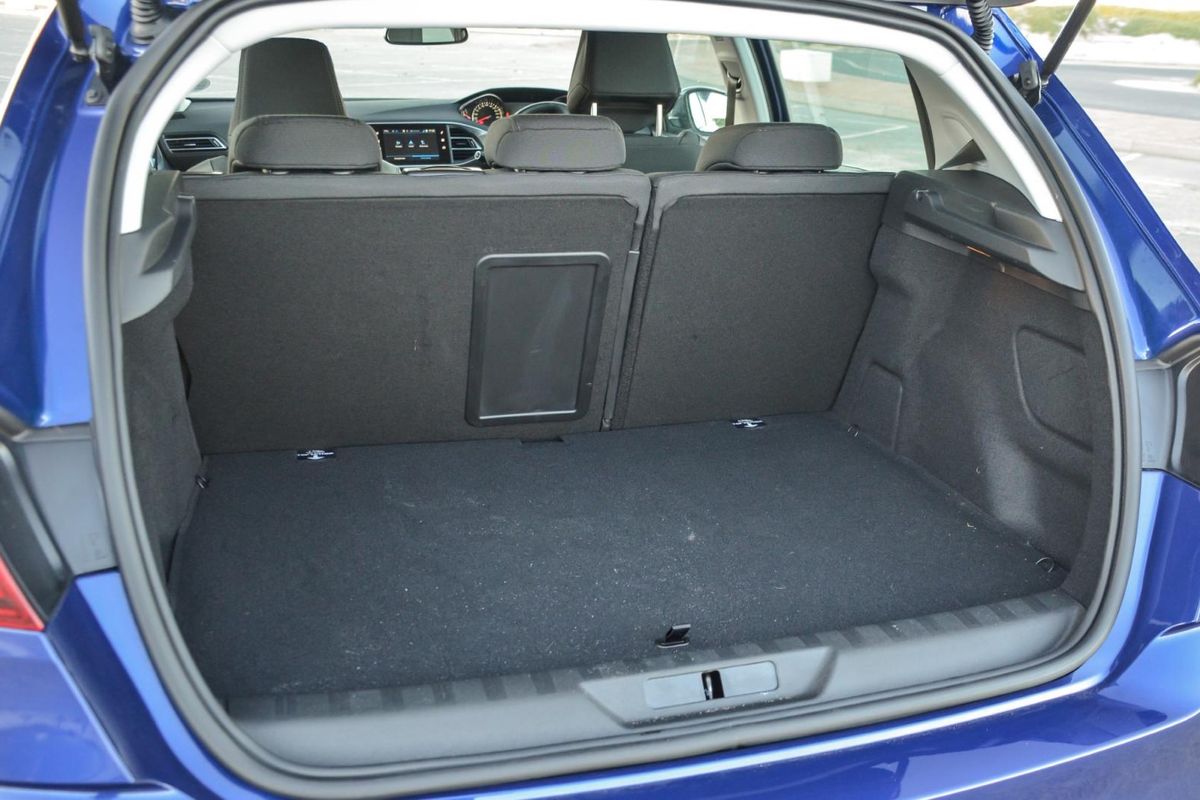
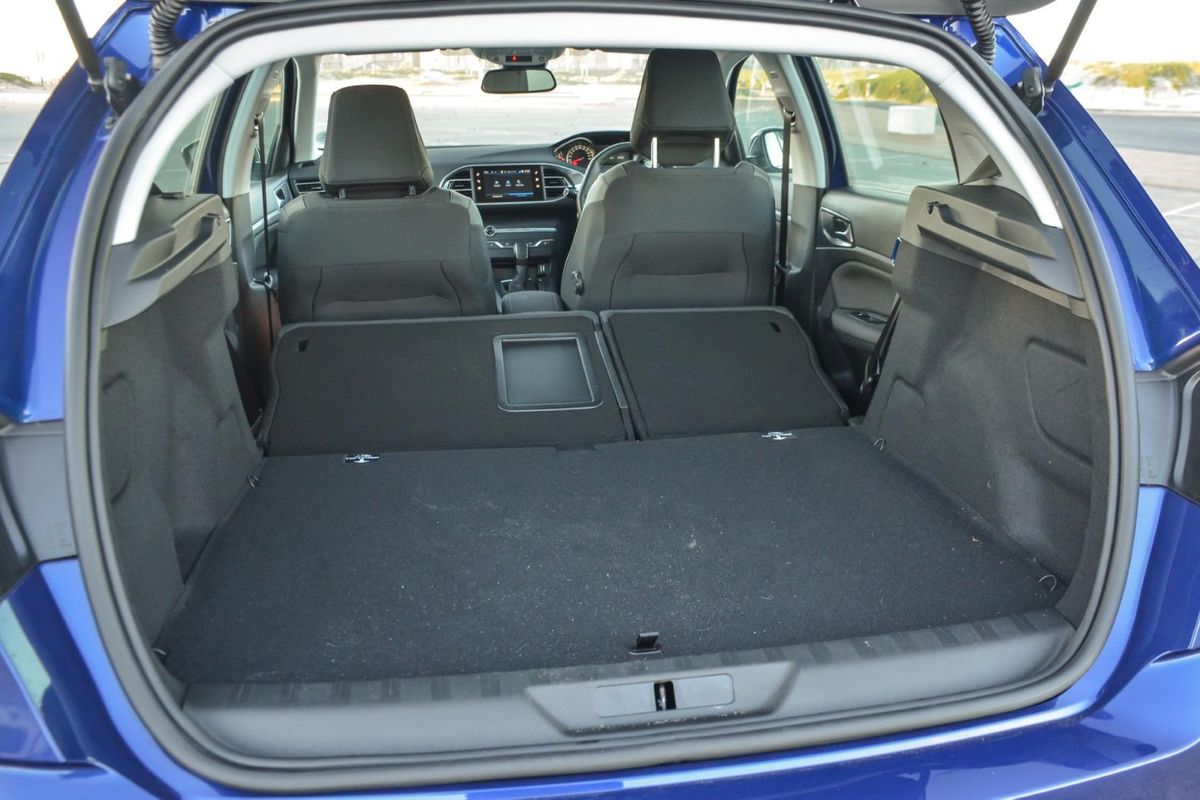
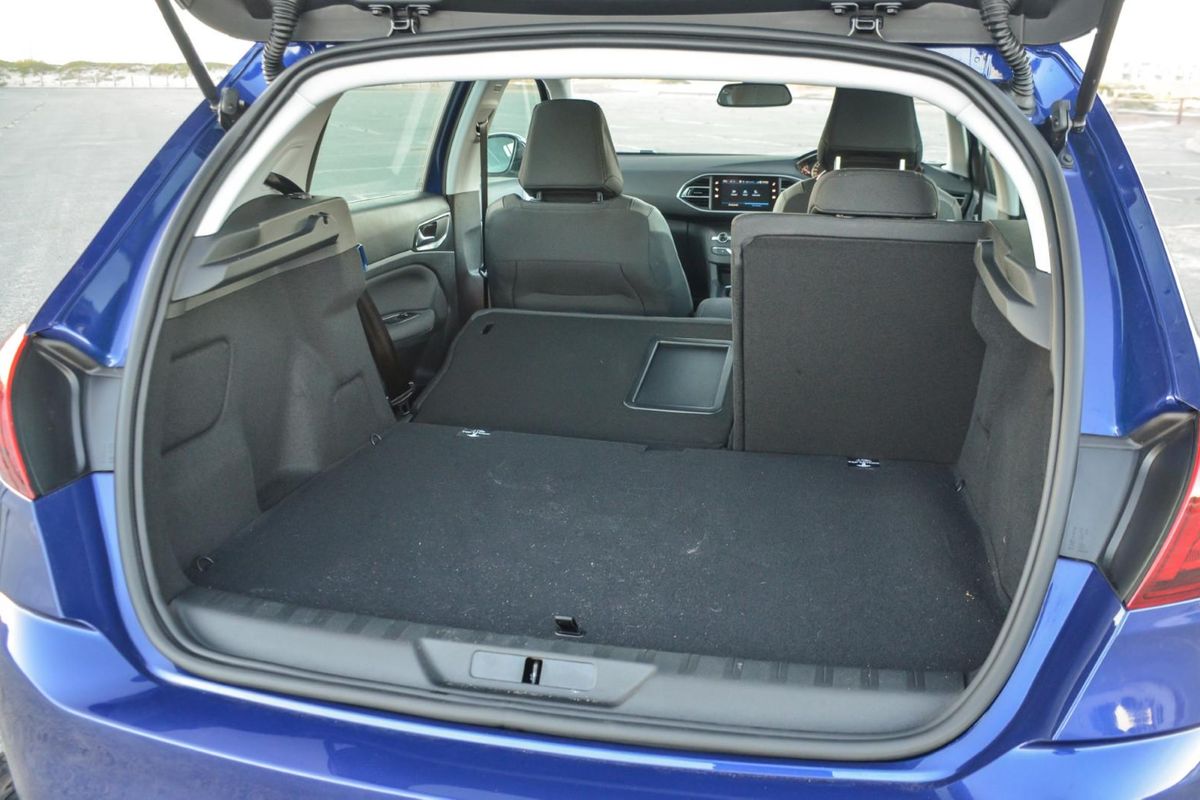
Load bay capacity: 385 to 1 224 litres

What is it?

The current iteration of the award-winning 308 arrived on local soil back in 2015 and it represented an upward shift in perceived interior build quality for the Paris-based firm's products. Now, 3 years on, Peugeot has reintroduced (a mildly revised version of) its premium hatchback and the biggest changes pertain to improved safety specification and enhanced in-car connectivity. Are these changes enough to warrant a spot on your shortlist? Let’s take a closer look…

What’s good?

Perky performance


Punchy performance and a comfortable ride make the 308 a pleasure to drive in the city. 

The 308 1.2T Allure automatic offers surprisingly sprightly performance and it actually feels a little bit quicker than its claimed 0 to 100 kph time (9.8 seconds) suggests. The 1.2-litre 3-cylinder turbopetrol engine under bonnet develops respectable outputs of 96 kW and 230 Nm of torque respectively. The engine is mated with a 6-speed automatic transmission and although it performs relatively smoothly and unobtrusively, we don’t think it shifts quite as crisply as VW’s DSG self-shifter, for example.

Despite initial turbo lag when you plant your foot flat, the 308 1.2T Allure automatic gains momentum rather quickly and overtaking manoeuvres are easily and effectively achievable on the highway. In terms of performance then, buyers should find the 308 adequately endowed to cope with the rigours of your daily commute.

Ride and handling


The 308's wide stance gives it a planted feel on the road, while the small steering wheel adds to the fun of driving. 

Another highlight of this 308 is its ride and handling capability. Riding on 16-inch alloy wheels, the 308 feels solidly planted on the road and does a great job of absorbing bumps and imperfections, resulting in a supple and comfortable ride. It's one of the most pliantly riding products in its segment, which is quite an achievement.  

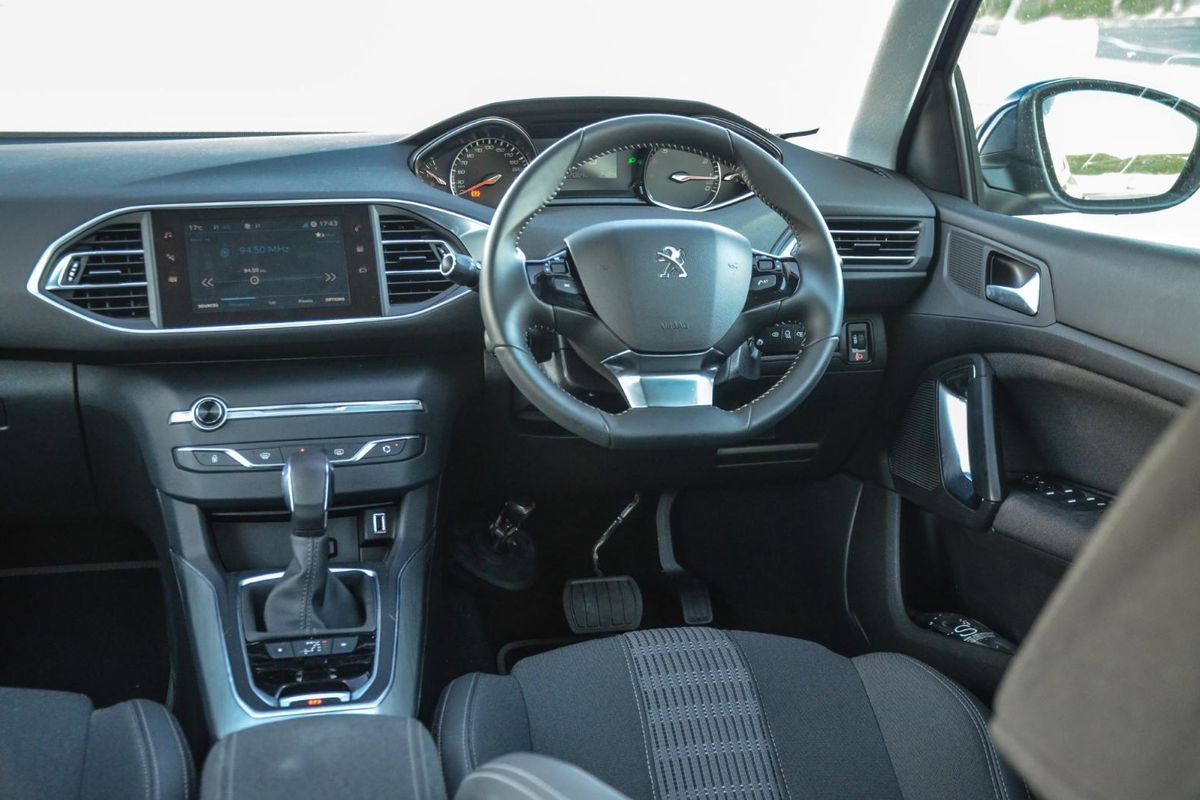
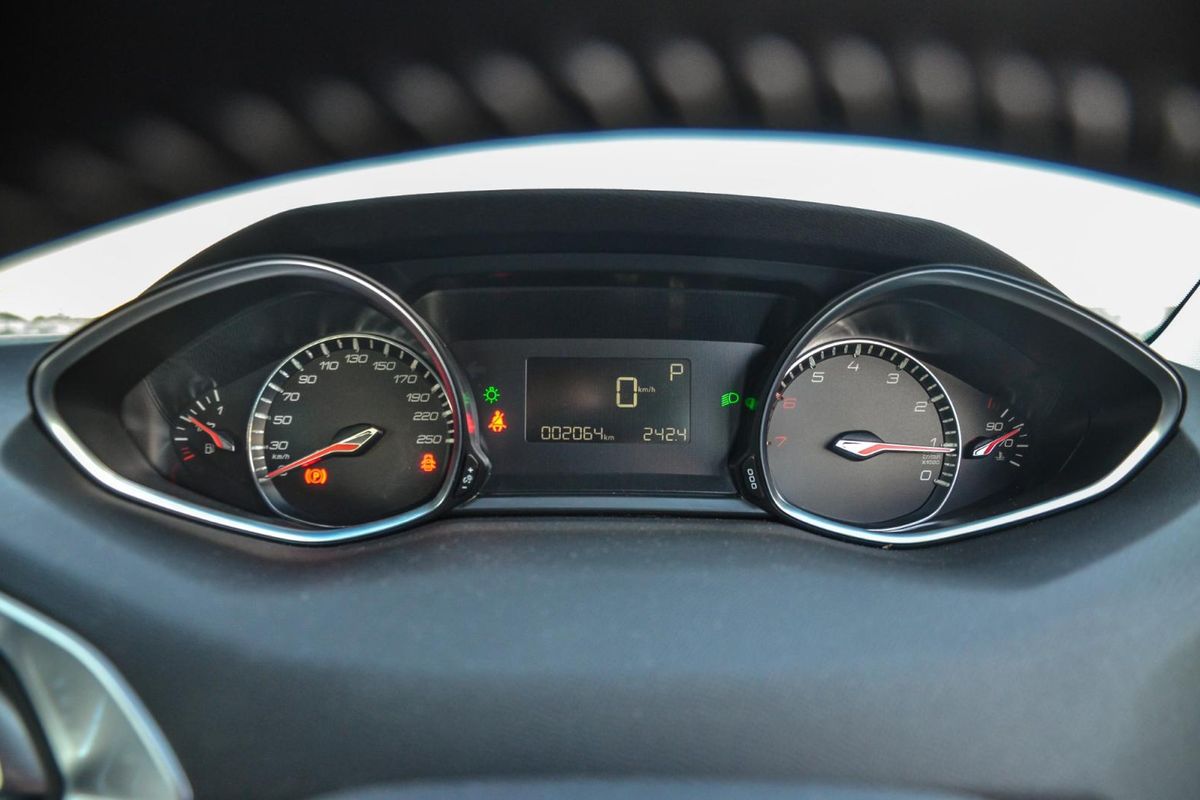
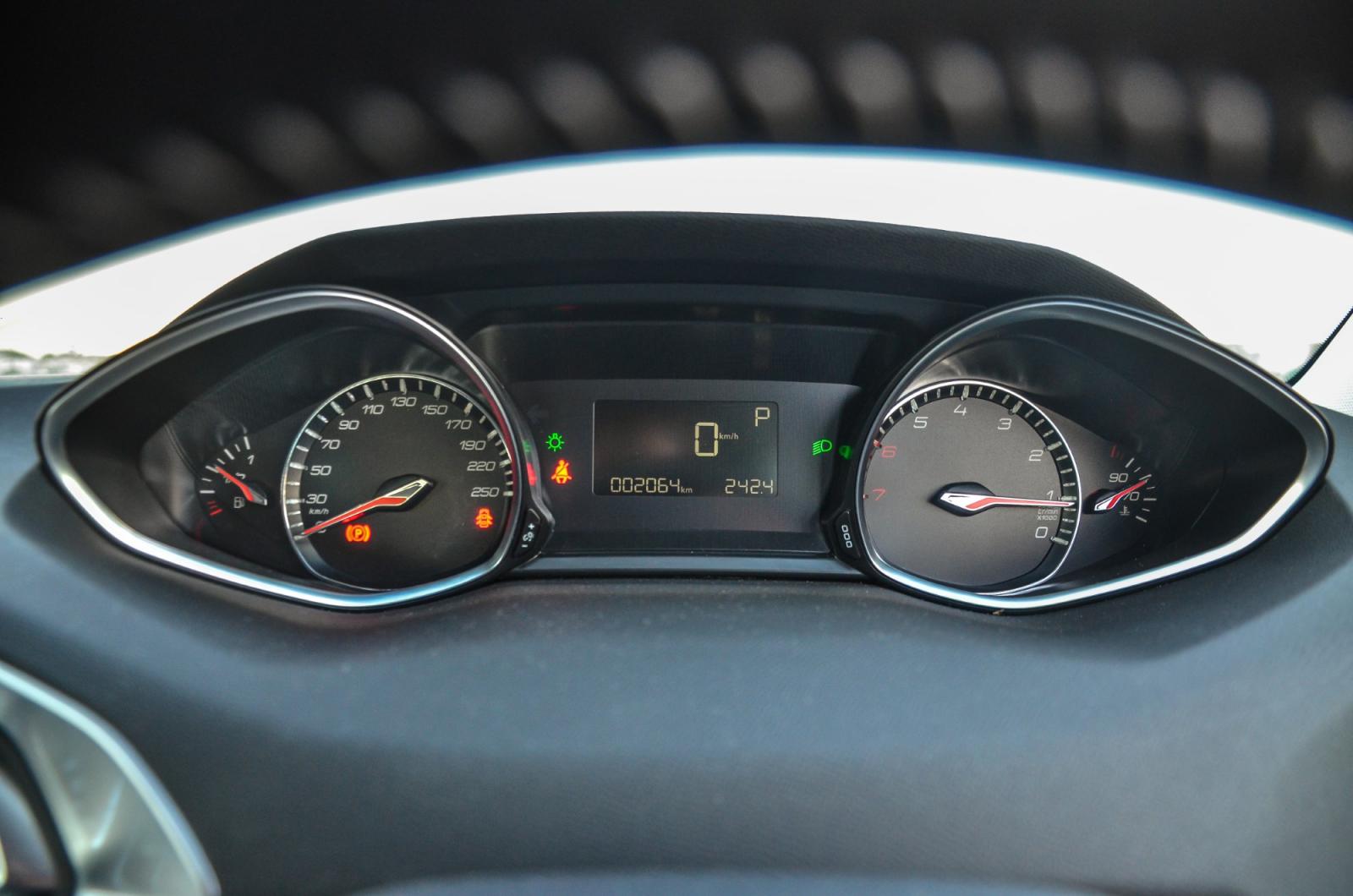
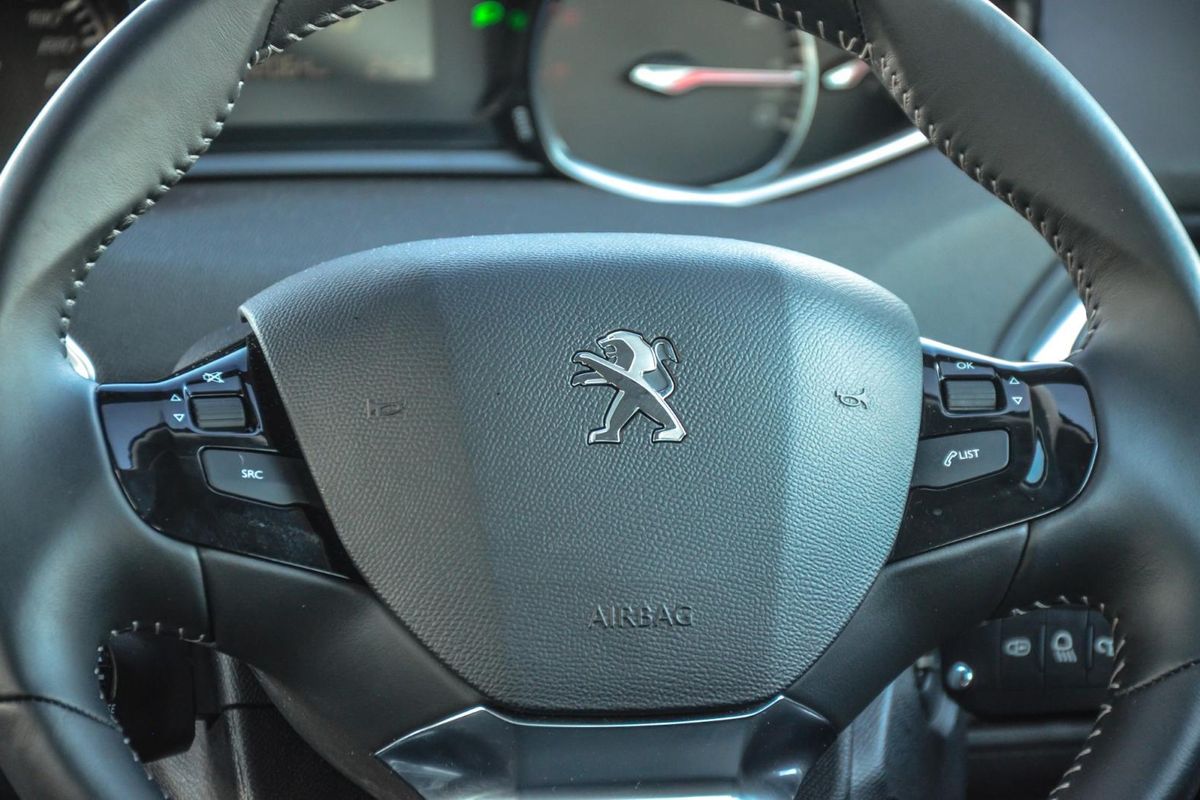
The small, well-weighted steering wheel undoubtedly heightens the Peugeot's driving engagement and adds a measure of fun to the overall driving experience. Depending on your ideal seating and steering positions, the 'wheel can, however, partially block your view of the instrument cluster, which can be annoying.

Standard features


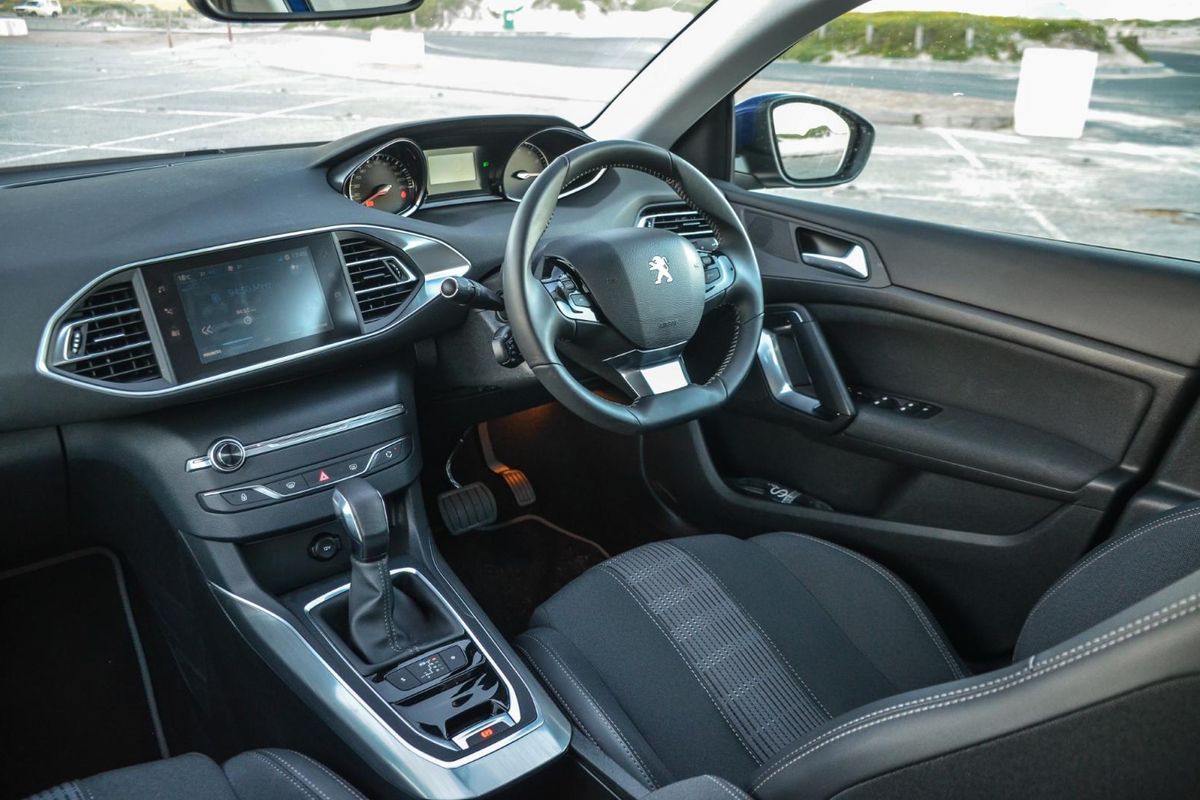
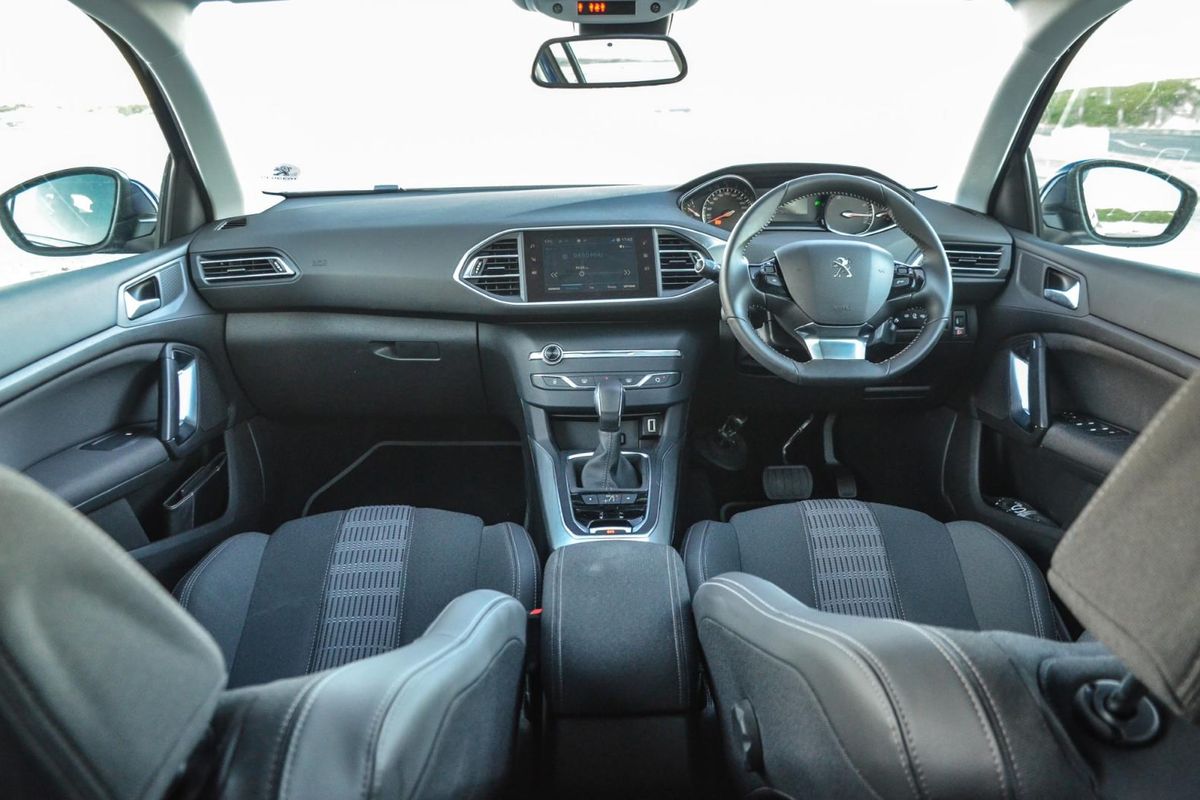
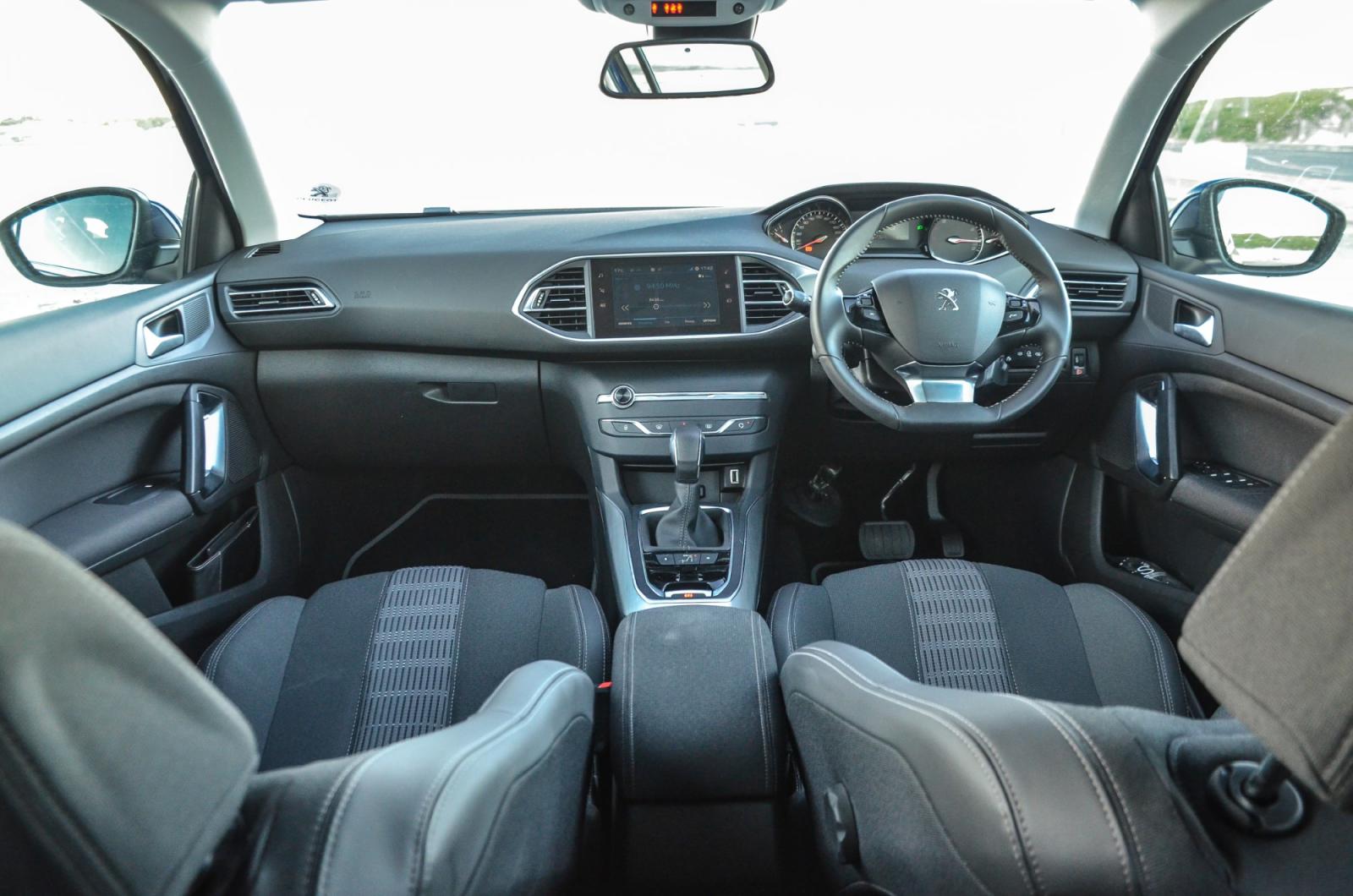
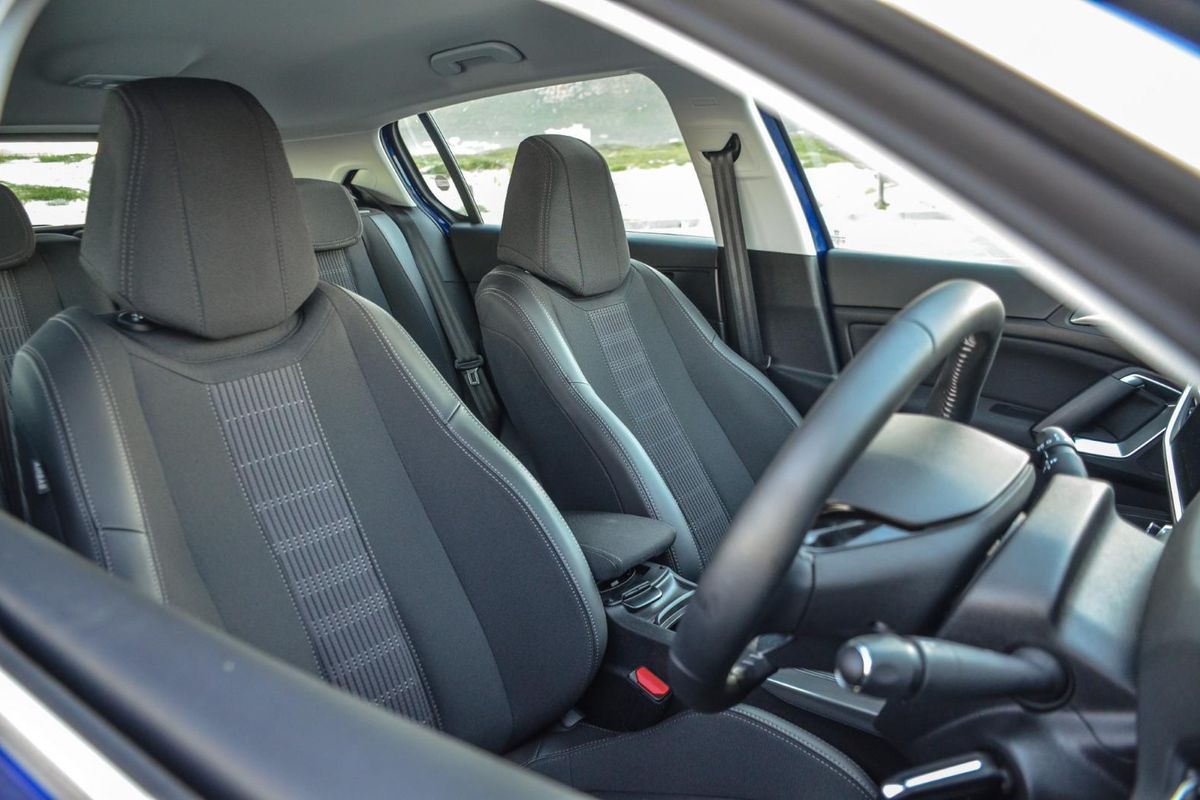
The 308's smart and modern cabin comes well equipped and those seats are well-bolstered and superbly comfortable. 

The 1.2T Allure is solidly built with a premium feel and it comes well specced with standard features, which makes its price a bit easier to justify. Standout features include partial cloth/leather upholstery, front and rear park distance control, cruise control, rain-sensing wipers, auto aircon (climate control) and electric folding mirrors.

The steering column is adjustable for rake and reach and the front seats are height-adjustable too. The front seats are very comfortable, yet sufficiently supportive, replete with adequate bolstering that should prove invaluable on longer journeys or when you are stuck in traffic for protracted periods.

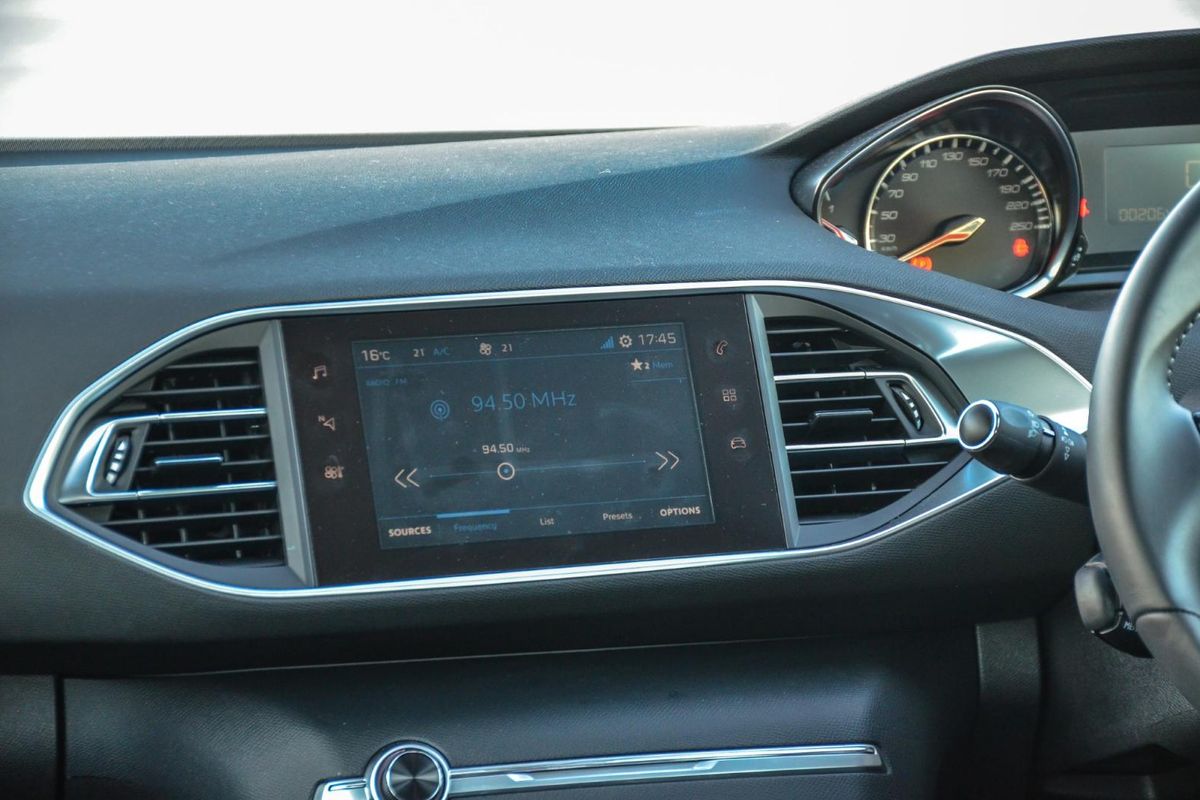
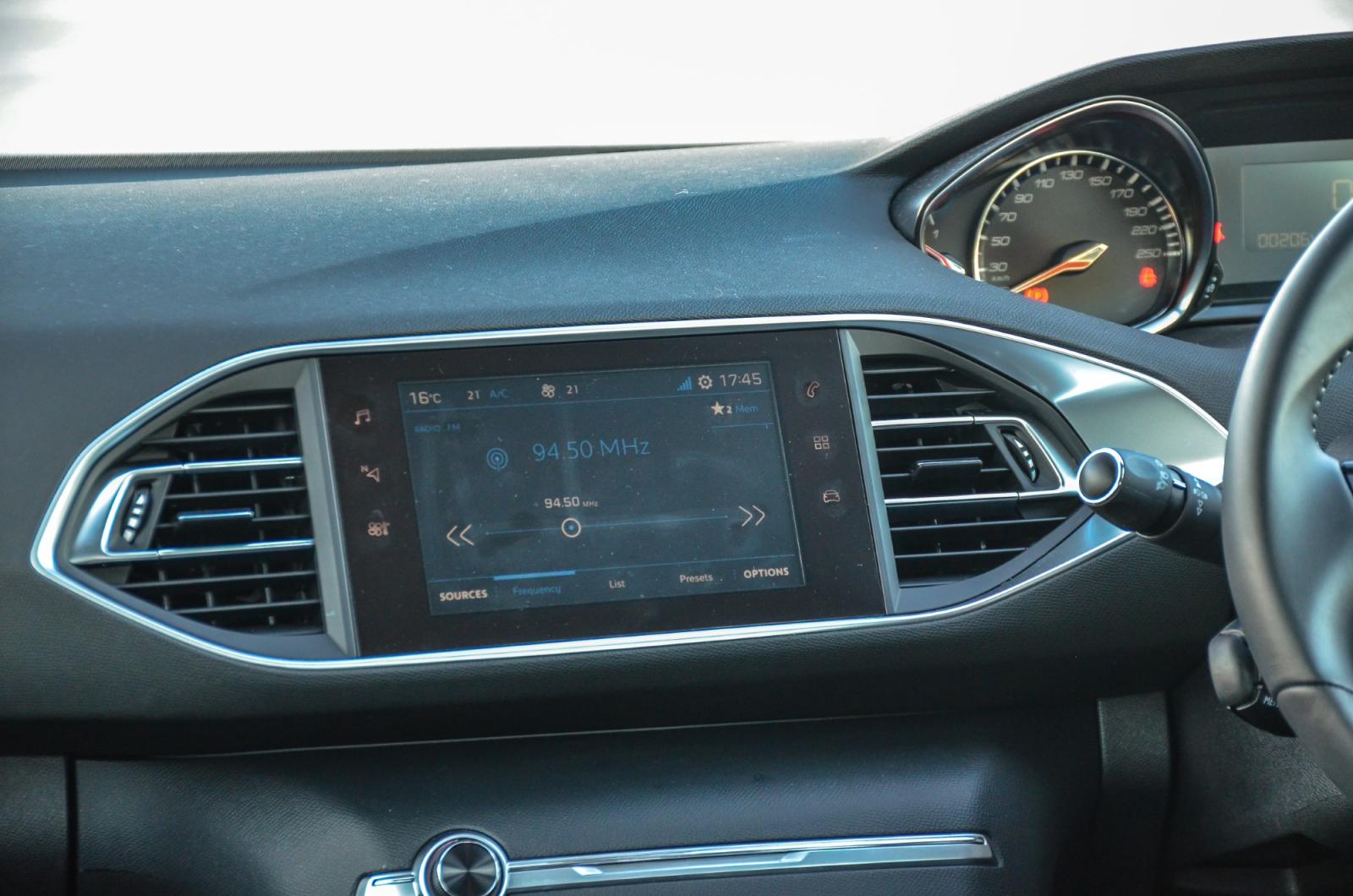
In-car connectivity has been improved with the inclusion of Mirrorlink, which means you can duplicate your smartphone view on the 9.7-inch touchscreen for functions such as navigation. The infotainment system is also compatible with Android Auto and Apple CarPlay.

Safety specification has been beefed up and now includes systems such as Attention Alert, ABS with EBD, emergency brake assist, Electronic Stability Program (ESP) and traction control, automatic drive-away locking and a total of 6 airbags

The not-so-good?

Fuel economy


The sharp-looking instrument cluster adds to the cabin's appeal, but the steering wheel can partially obstruct the driver's view. 

Although the 308 offers good performance, its fuel economy is middling and buyers will have to factor this into their purchasing decision. Peugeot claims an average figure of 5.2 L/100 km and during our test, the 308 returned an average of 8.6 L/100 km, which means you could squeeze about 600 km from its 53-litre fuel tank.

We tested the 308 in a predominantly urban environment, which means that lower figures should be easily achievable over longer distances, however.

Cramped rear legroom


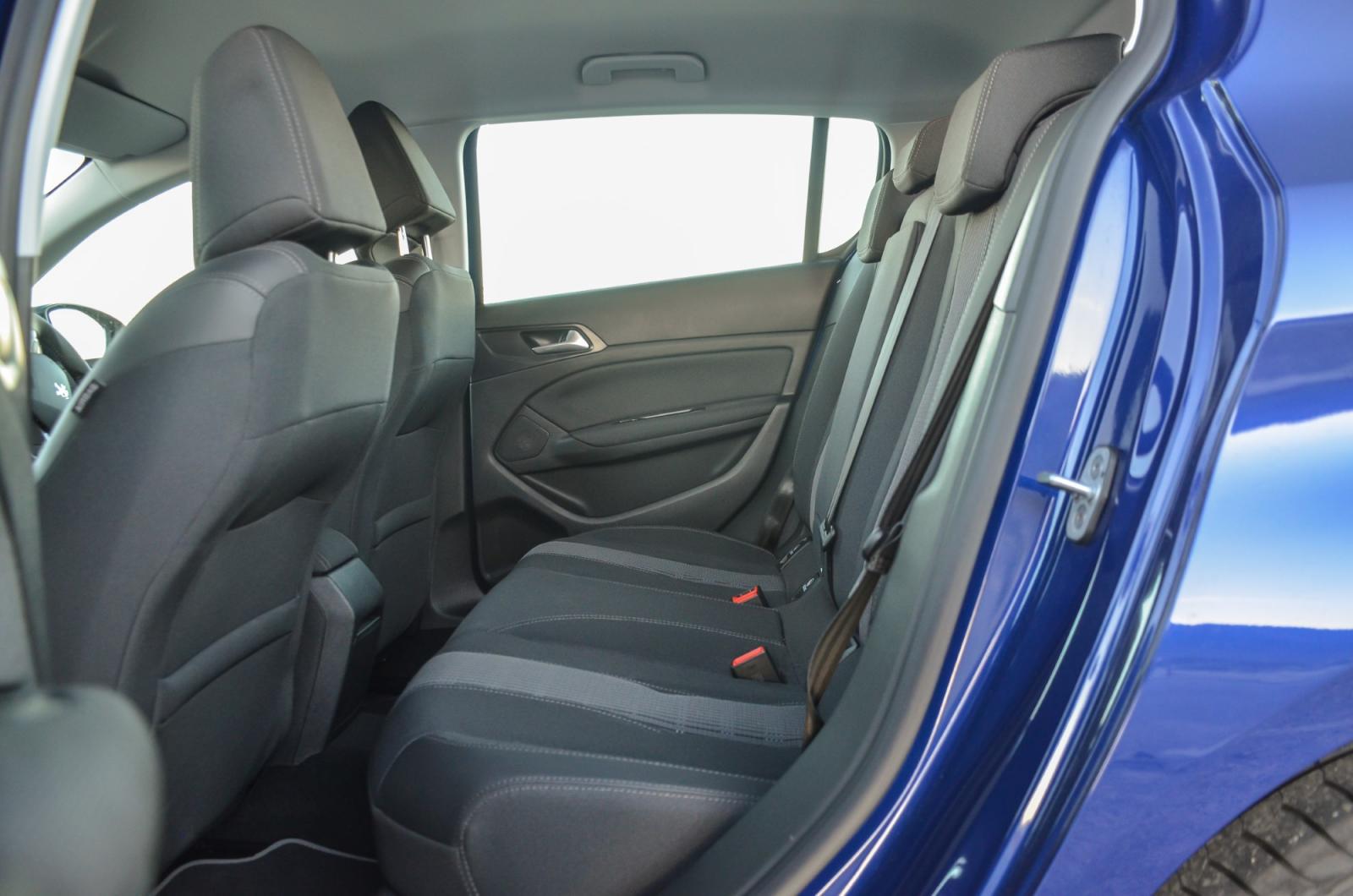
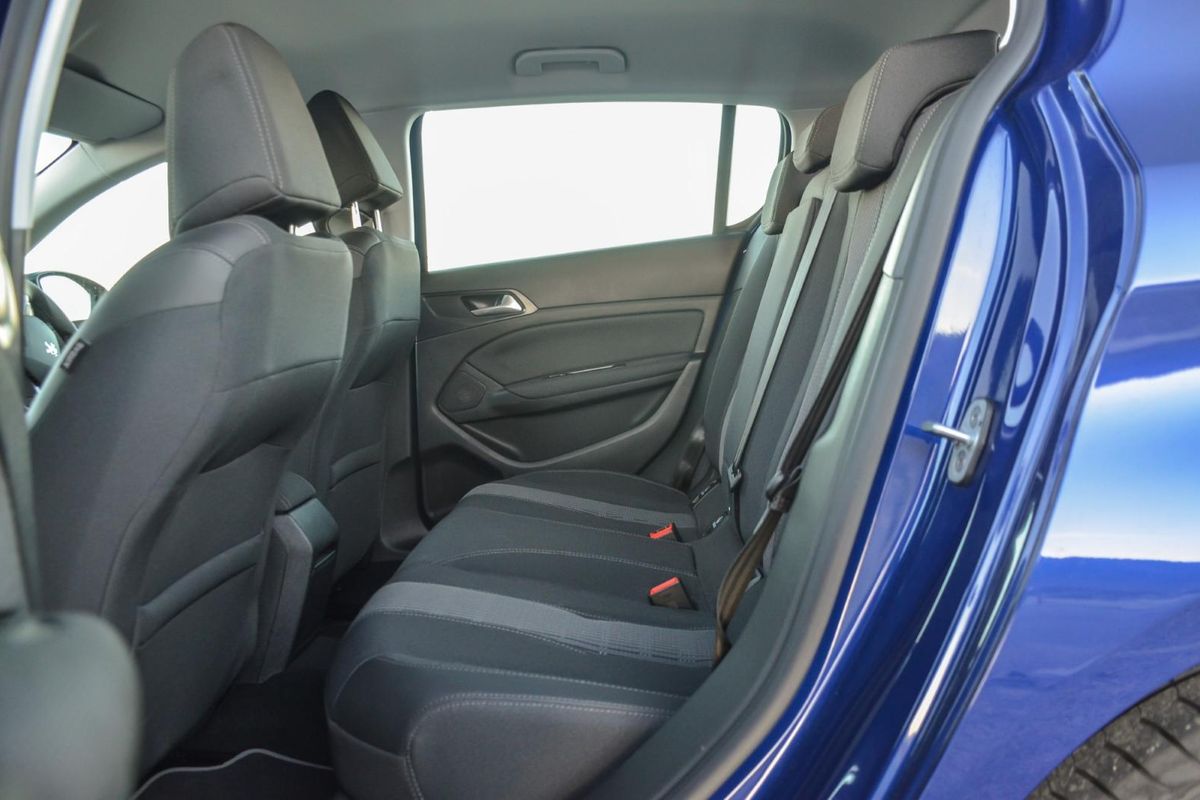
Although the seats are comfortable to sit in, rear passenger legroom is not very generous. 

Although the 308 offers a decent sized loading bay (with a claimed capacity of 385 litres), which expands to 1 224 litres with the 60:40 split rear seats folded flat, taller rear passengers will find legroom to be quite cramped. Aft passengers do, however, have access to a central armrest equipped with 2 cupholders while a single cupholder and storage space for oddments is located ahead of the gear lever and in the small central bin, the latter of which doubles up as a driver's armrest.

Infotainment issues


The infotainment system crashed on us several times. Perhaps it was a Bluetooth or device issue?  

The infotainment system certainly looks slick (and lifts the cabin ambience appreciably), but although it worked seamlessly most of the time, it wasn’t perfect. After connecting a smartphone device via Bluetooth and streaming music from it, the infotainment system would just shut down suddenly and reboot itself. This happened several times during the test. This may have been an issue with this test unit only or with the Android device we used, but it's best to sync your phone during a test drive.

Pricing and warranty

The Peugeot 308 1.2T Allure automatic is priced from R369 900 and is sold with a 3-year/100 000 km warranty and a 5-year/100 000 km maintenance plan.

SERIOUS ABOUT BUYING?

Verdict


The Peugeot 308 is a good car, but lingering negative brand perception continues to thwart local sales in favour of more popular rivals. 

The Peugeot 308 1.2T Allure automatic is a stylish and well-built hatchback that manages to stand out from the crowd with its distinctively modern cabin design. It’s also well-equipped with standard features, offers punchy performance and exhibits nicely-balanced ride and handling characteristics. If you are looking for something refreshingly different and willing to accept the Peugeot's idiosyncrasies, then the 308 has much to offer.

Peugeot’s poor history in terms of after-sales support and customer service might still negatively influence the purchasing decision, but it must be stated that with new management in place, Peugeot’s brand cache is on the rise. However, Peugeot’s support framework and dealer footprint remain relatively small in South Africa.

Related Content:

Peugeot 308 (2018) Specs & Price

Peugeot 308 GTI (2016) Video

Peugeot 308 1.6 GT (2015) Review

Peugeot 308 1.2T GT Line (2015) Review

Peugeot 308 1.2 GT Line Auto (2016) Review

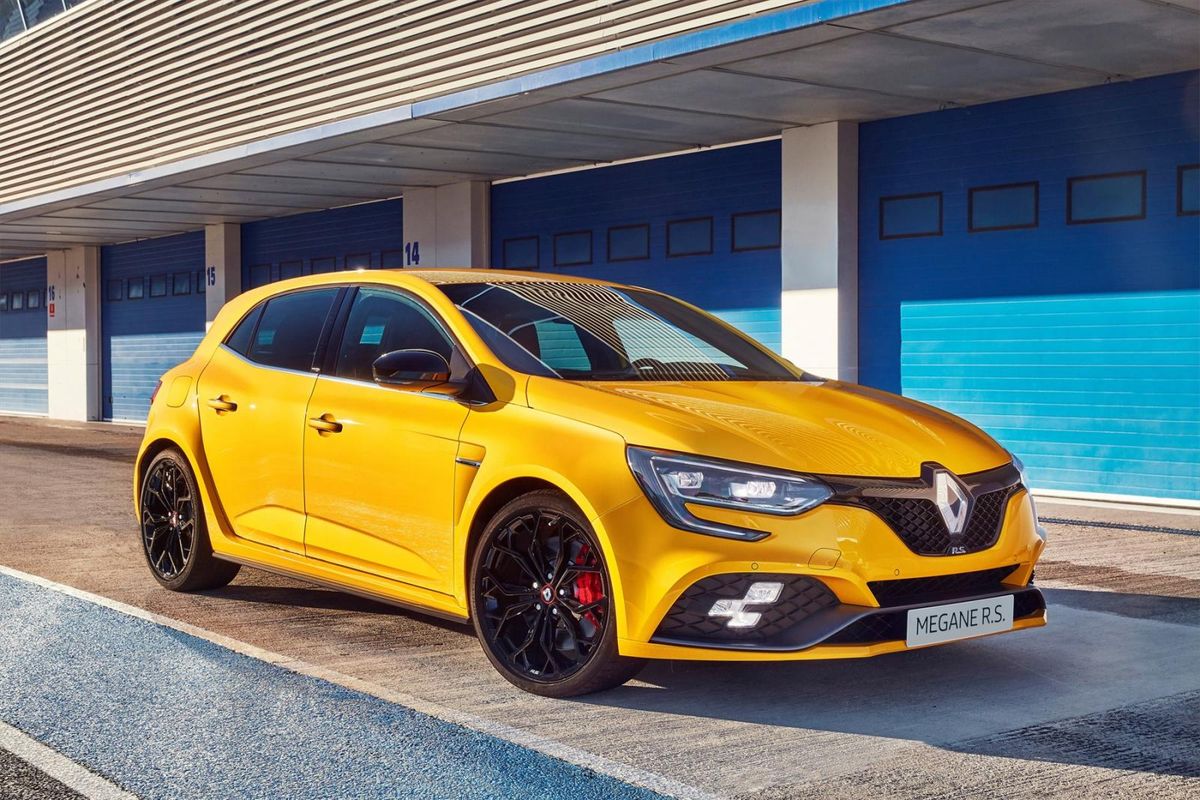
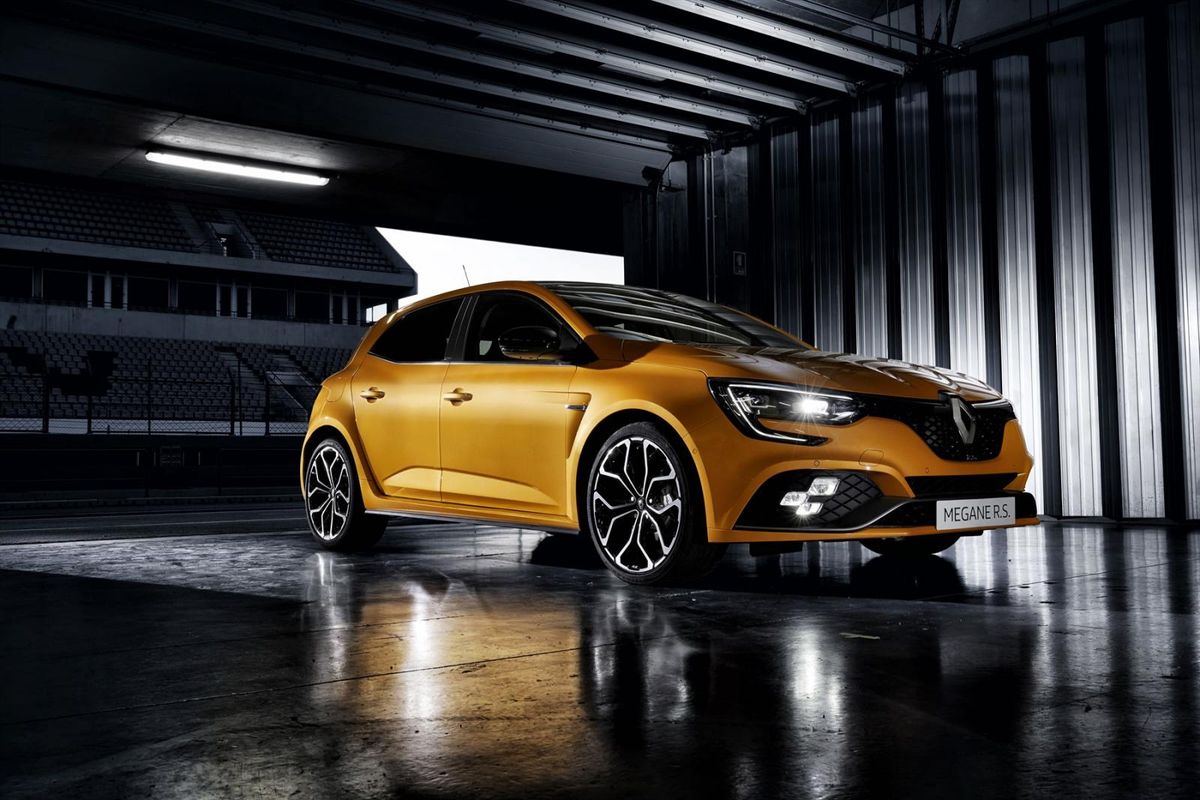
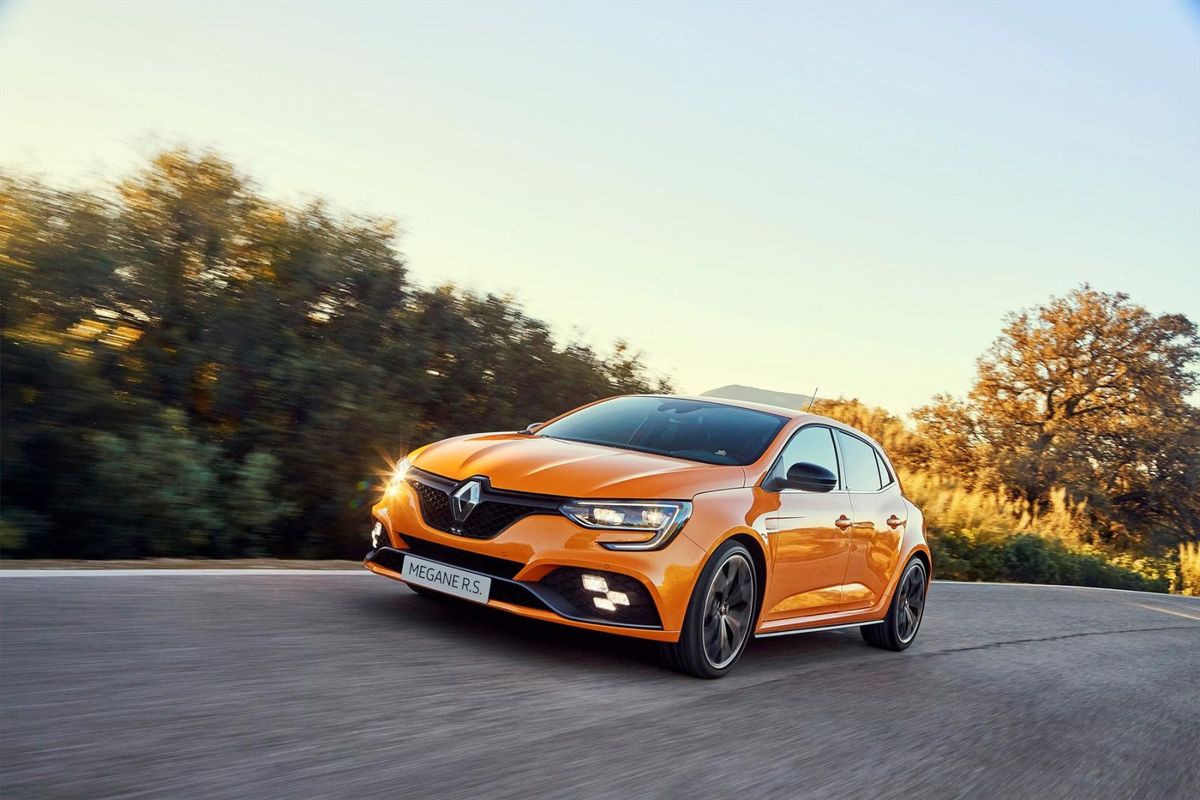
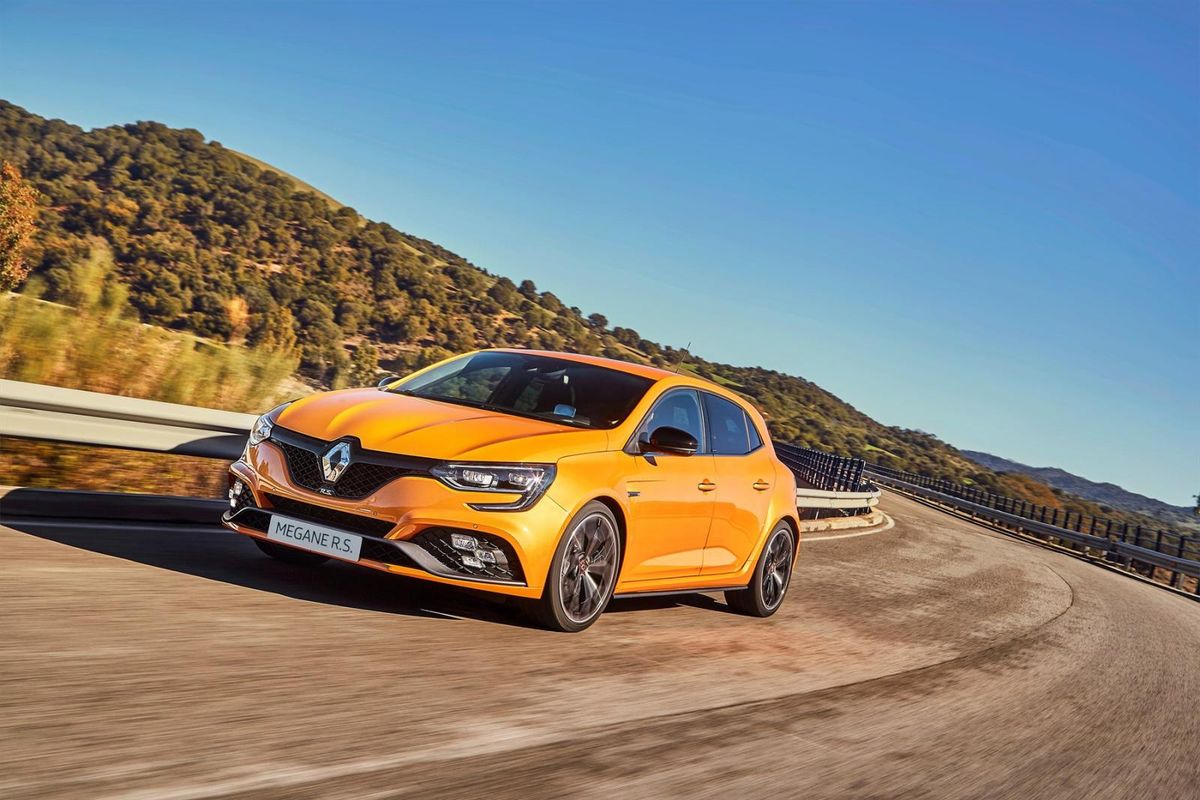
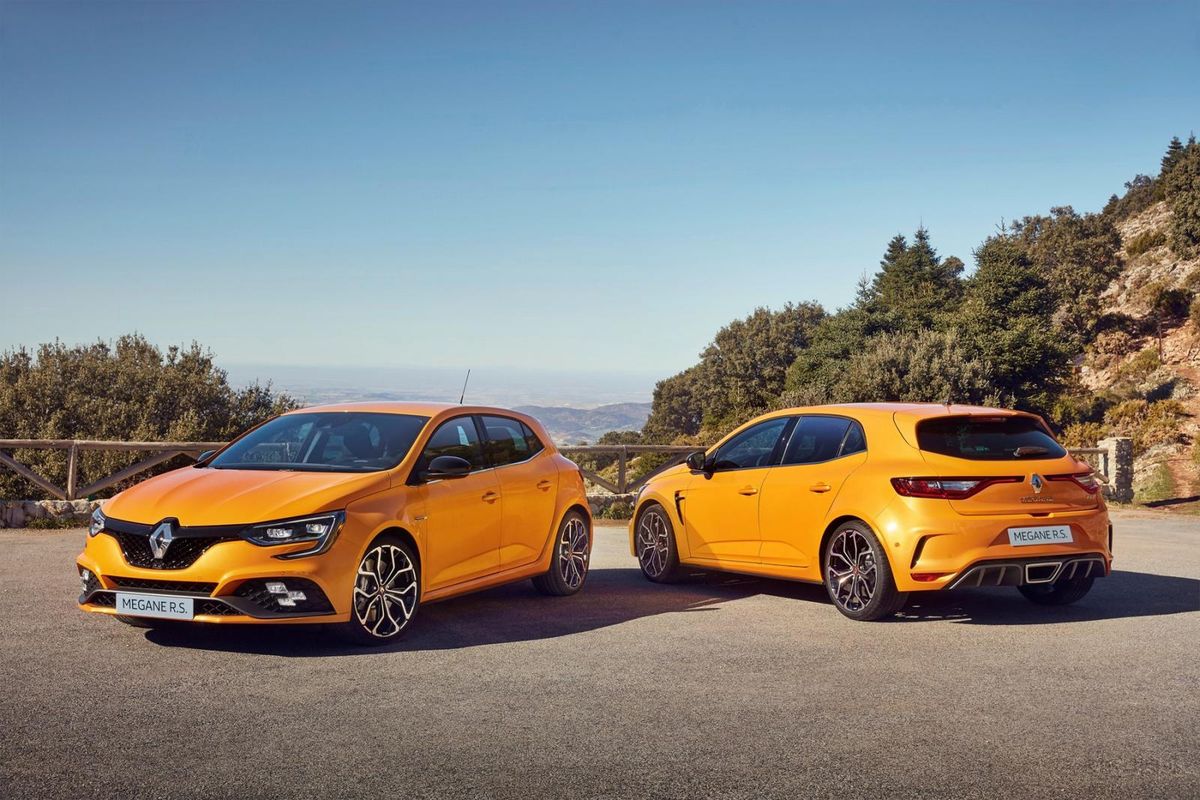
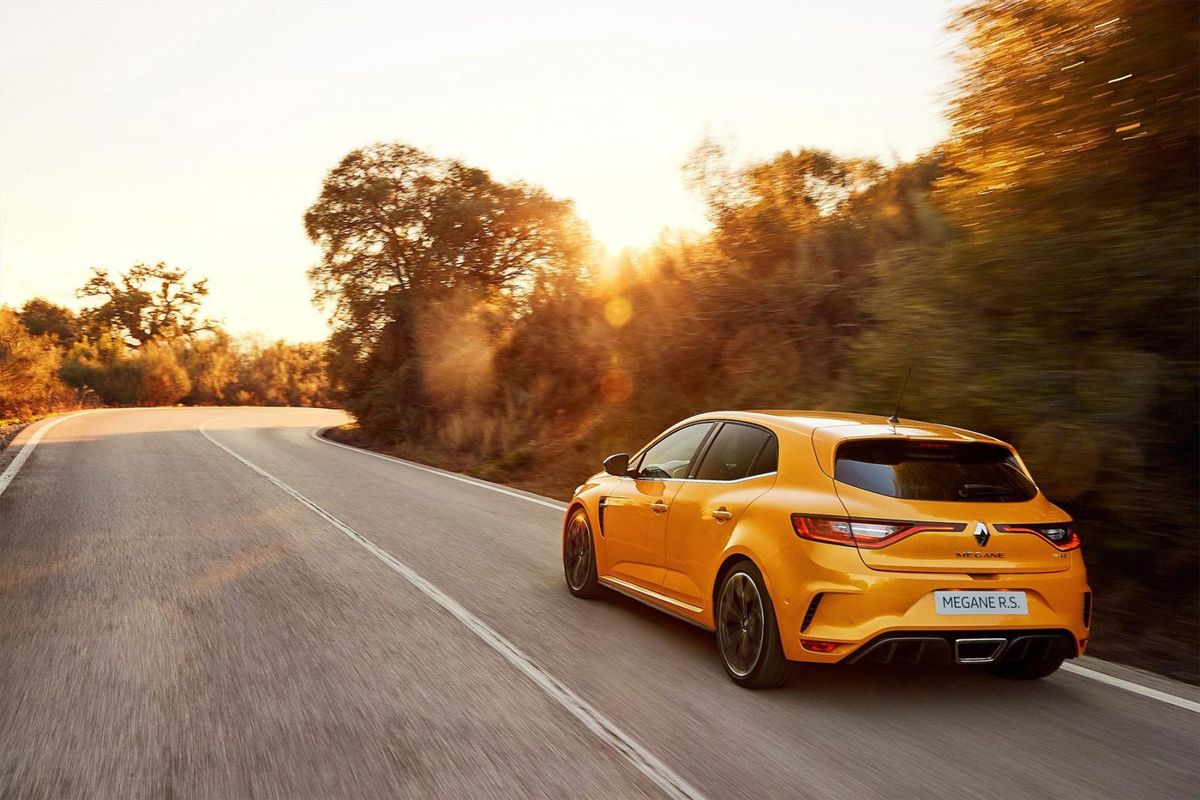
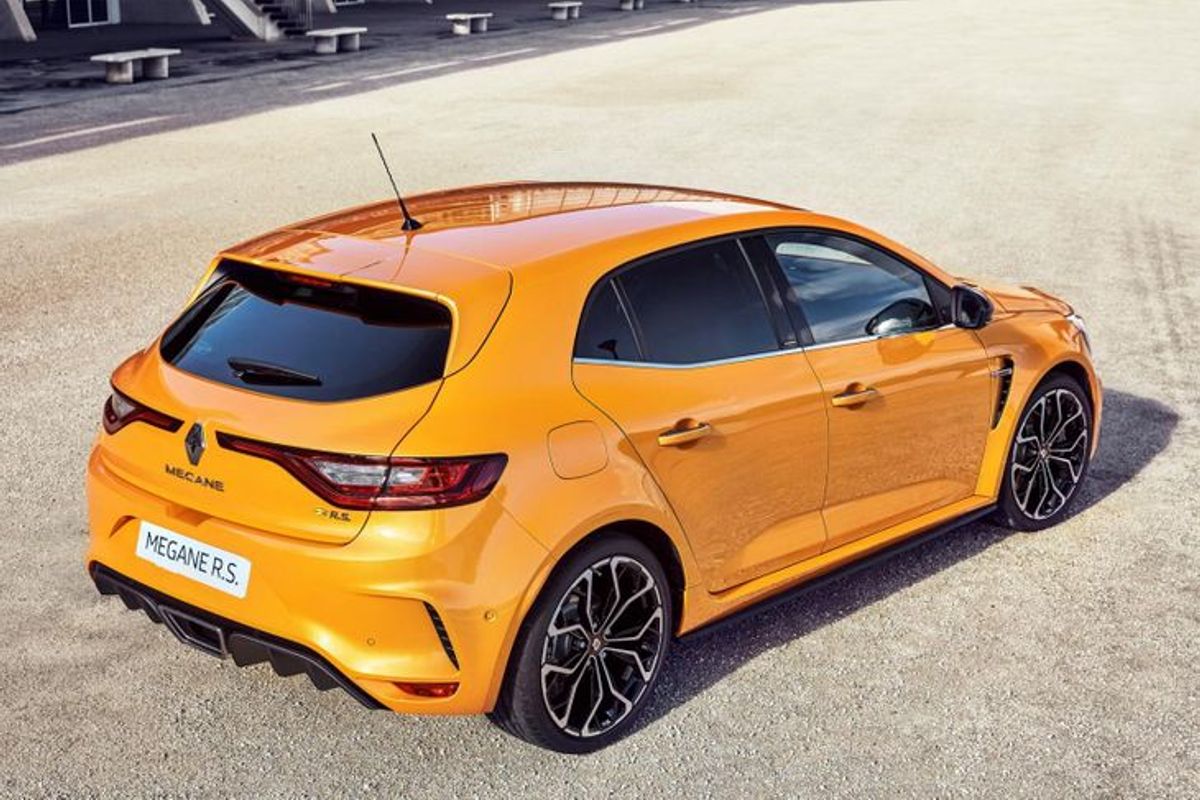
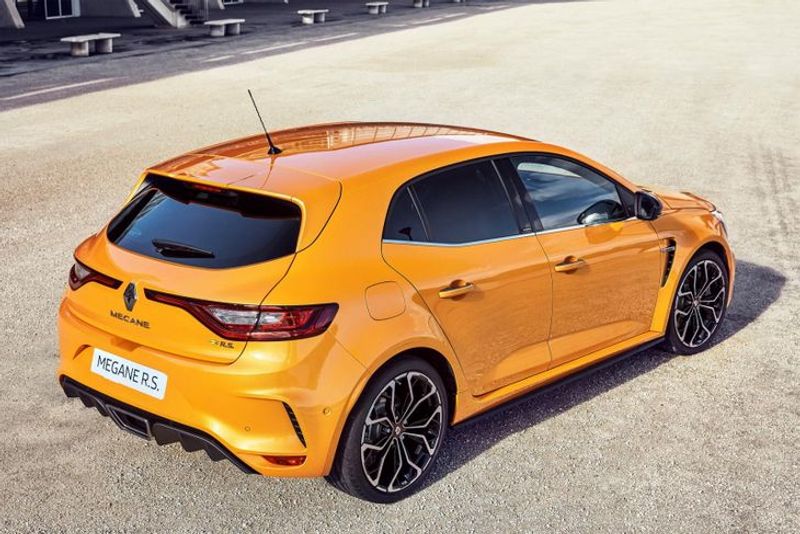
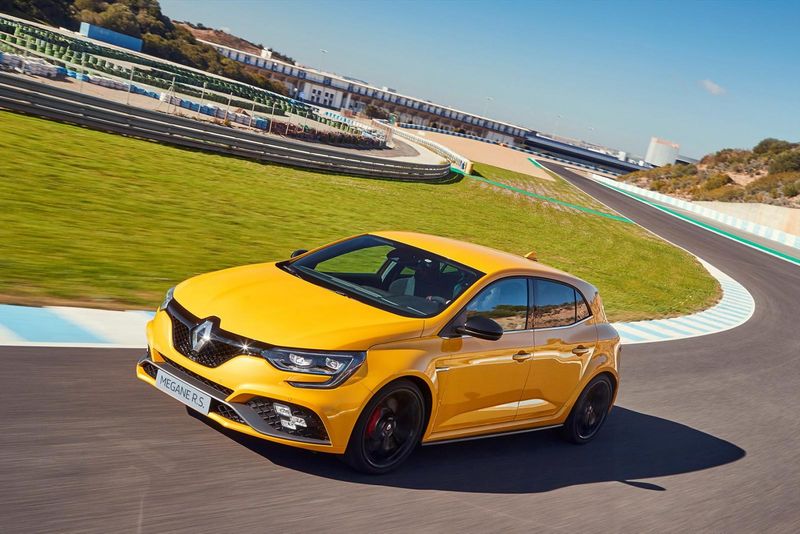
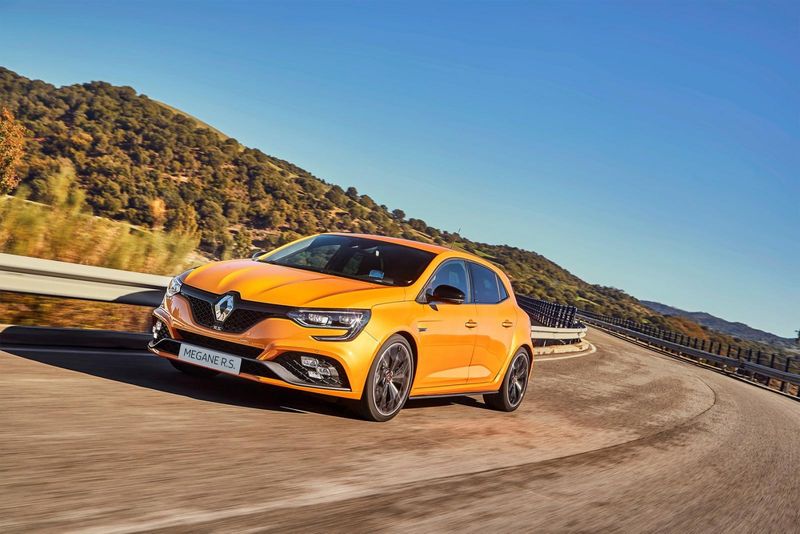
Renault Megane R.S. Lux (2018) Launch Review

When you think about a track-day hot hatch that's capable of blitzing lap times – one that positively exudes driver engagement – the Megane RS is among the first vehicles that come to mind. We get behind the wheel of the latest iteration of the iconic hatch.

What’s new?

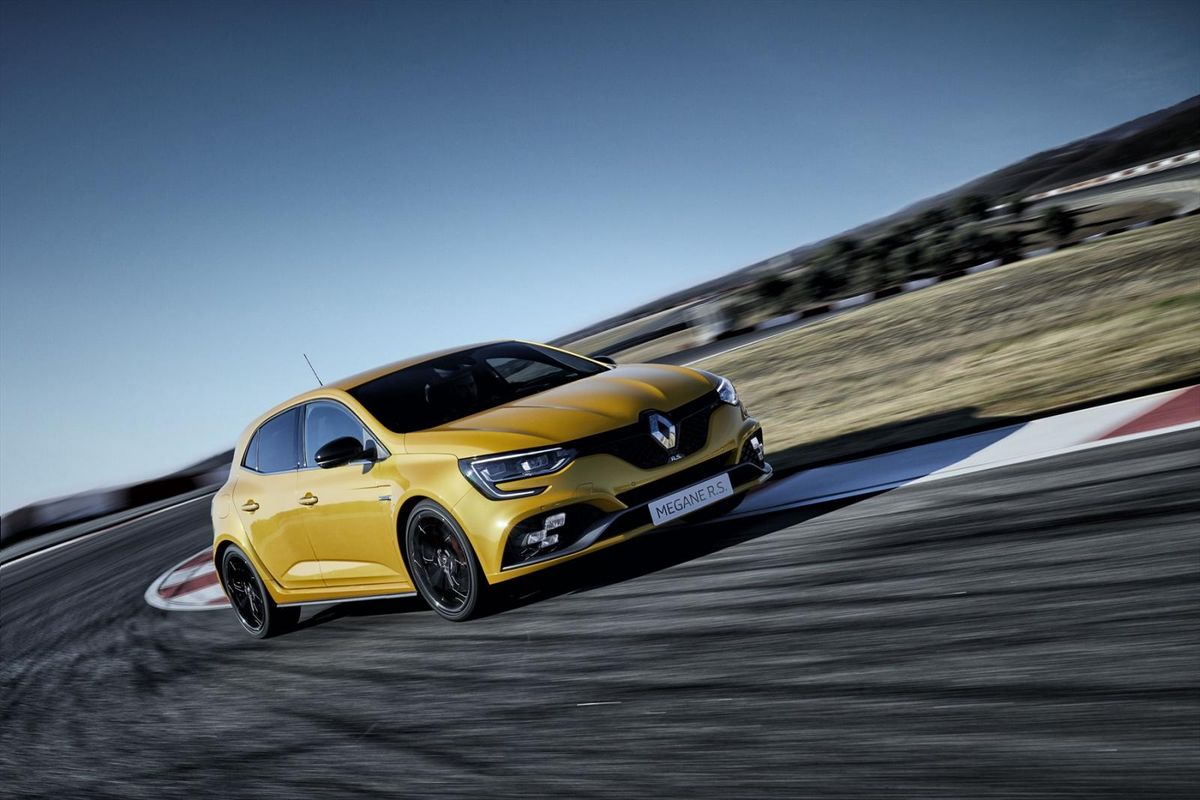
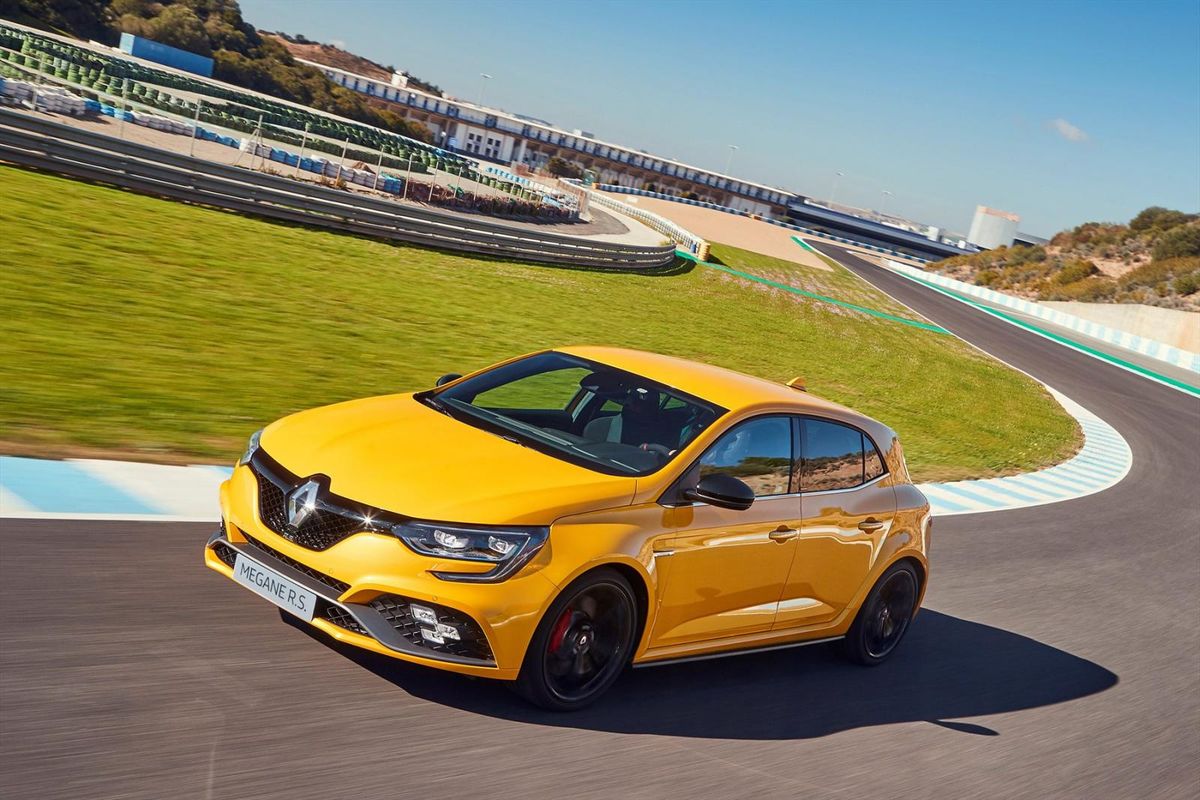
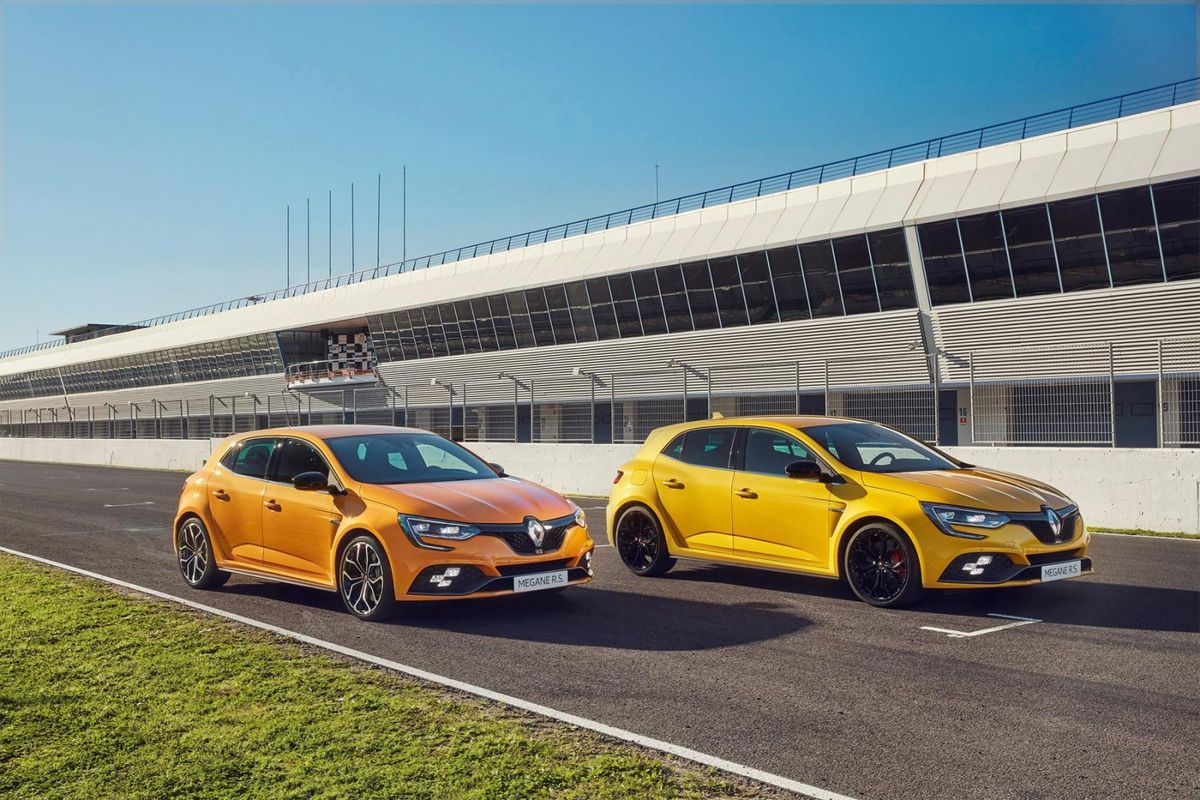
It’s an all-new Megane RenaultSport (RS) and comes in two versions, a road-usable Lux (specced to a Golf GTI-rivalling level) and a more track-honed beast, named the Cup. The Trophy derivative is in the works, so expect that ultimate track Megane to start setting lap records for front-wheel-driven cars relatively soon…

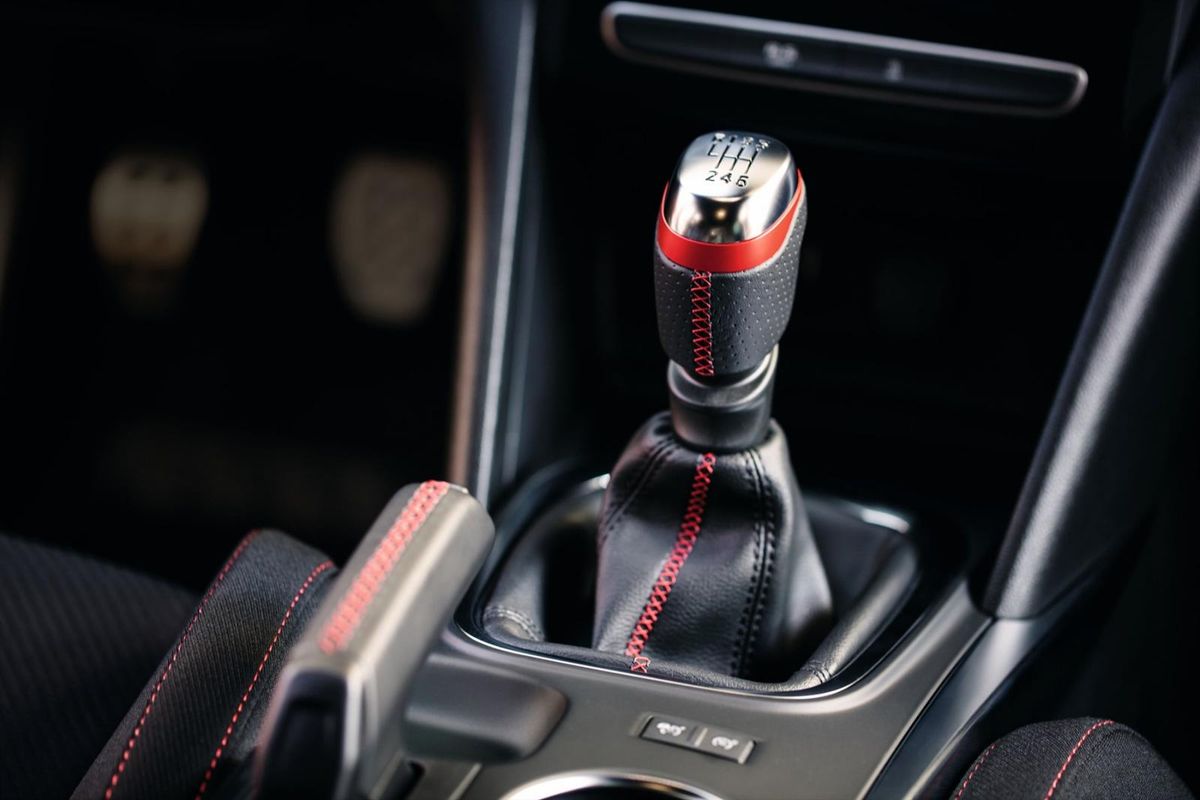
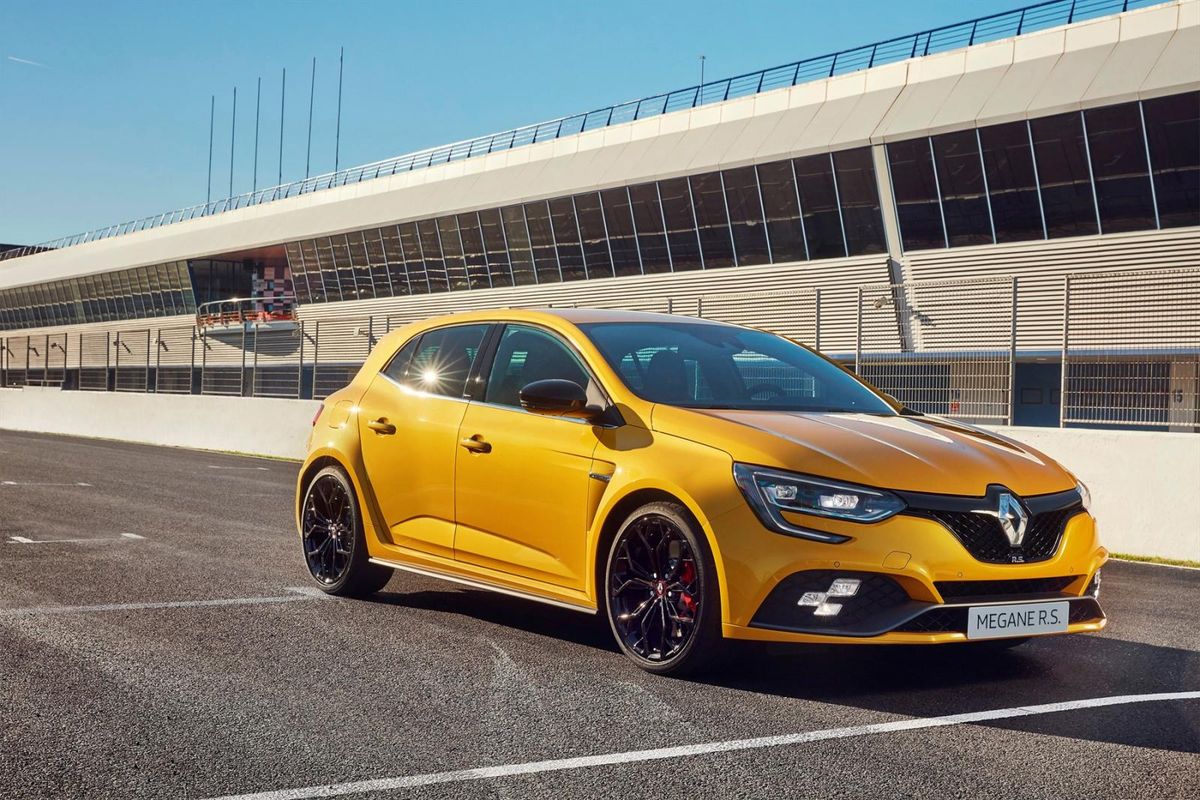
For South Africa, the Lux derivative comes equipped with the EDC (dual-clutch) transmission, while the Cup comes with a 6-speed manual plucked from the previous model. Other differences include an electronic differential for the Lux and mechanical limited-slip diff (LSD) for the Cup, which is also adorned with red brake calipers.


The Lux version of the Megane RS can be specced with 18 or 19-inch wheels, 19s are fitted to the car shown here.
Both enjoy the same peak outputs from their 1.8-litre 4-cylinder turbopetrol mills: 205 kW and 390 Nm of torque. The Cup is said to match the 0-to-100 kph sprint time of the Lux (5.8 seconds), which is impressive, considering that the former has a manual 'box and the latter's EDC automatic is endowed with a launch control mode.

The Lux was the only version available to drive at the launch at Aldo Scribante in Port Elizabeth, so we got behind the 'wheel and turned some laps in damp conditions.

Is it still the track king?

There are noticeable differences between this RS and the old model, the biggest being the new dual-clutch transmission. Renault insists on mounting the paddles to the Lux's steering column (instead of its tiller), which obligates mid-steer hand movements to find the appropriate paddle. It’s not ideal, but you get used to it. The ‘box is rapid in shifting on track and fires off a raspy “pah!” as it switches between gears. Golf GTIs would be proud of that sort of gearshift belch.

However, the new version feels a little less track-honed than its predecessor. The electronic diff is not as good as the old mechanical diff – it's prone to spinning the wheels on corner exits, rather than apportioning the torque to whichever front wheel has the best traction. Here’s hoping the LSD in the Cup has a better track setup.


The Lux version feels softer than previous Meganes, hopefully, the Cup derivative will impress more on track.

That said, the Lux has a real talent for turn-in oversteer. You can really brake deep, come off the brakes and steer with the rear, using the throttle to adjust your apex point. It's fun to provoke the RS in this way, just to see how much you can get the "tail to wag the dog". It’s also quite un-Megane RS like as it has always had balanced, accurate turn and fast steering. This is certainly less serious, but the serious stuff could all have been carried over to the Cup version, we can't wait to find out!

This Lux feels more like a faster, fun Golf GTI/Ford Focus than a track toy, the likes of what we are used to. The new engine, downsized from the Darth Vader sounding 2.0-litre to a 1.8-litre doesn’t lack for fizz in any way. The numbers are good, as you can see, and it doesn't lag at the low end and delivers a hefty kick of torque from 2 400 rpm through to 4 800 rpm. Beyond that, the urgency of the power delivery starts to taper off a little but doesn’t sound like it's straining too hard.

Is it rock hard on the road?

It is certainly firm, but not so uncomfortable that it leaves you in need of a pilates class to straighten out your vertebrae. The Lux is well-suited to a fast, winding road where the limits don’t need to be pushed very far. With the pace dialled back a bit from the track, the RS Lux feels low and planted and the steering nicely weighted.


The Lux model may well offer up a bigger challenge to the GTi and ST on road than ever before.

The EDC transmission is just not as good as the DSG in a Golf GTI, but Renault is getting there. It lacks some of the smoothness in slow traffic and it sometimes feels like its riding the clutch as it tries to figure out which gear it should select. On the open road, that’s less of a problem and the shifting occurs relatively seamlessly.
Stripped out interior?

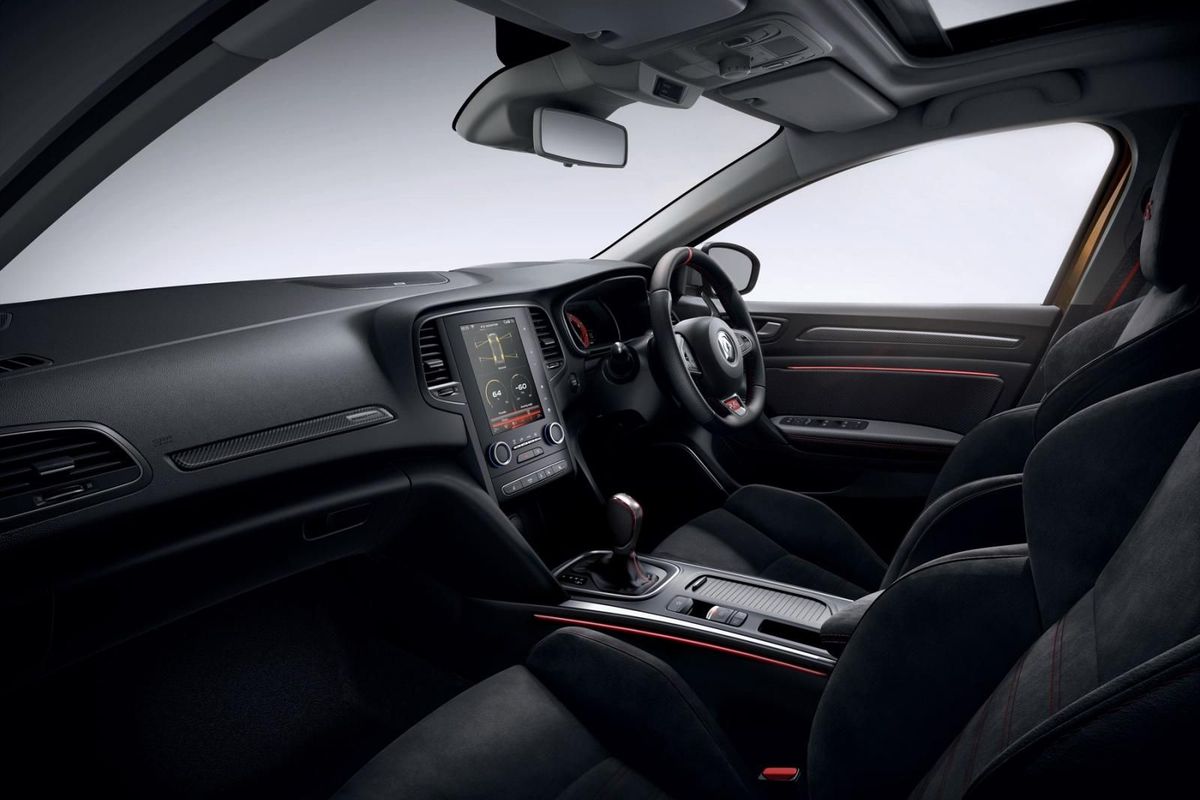
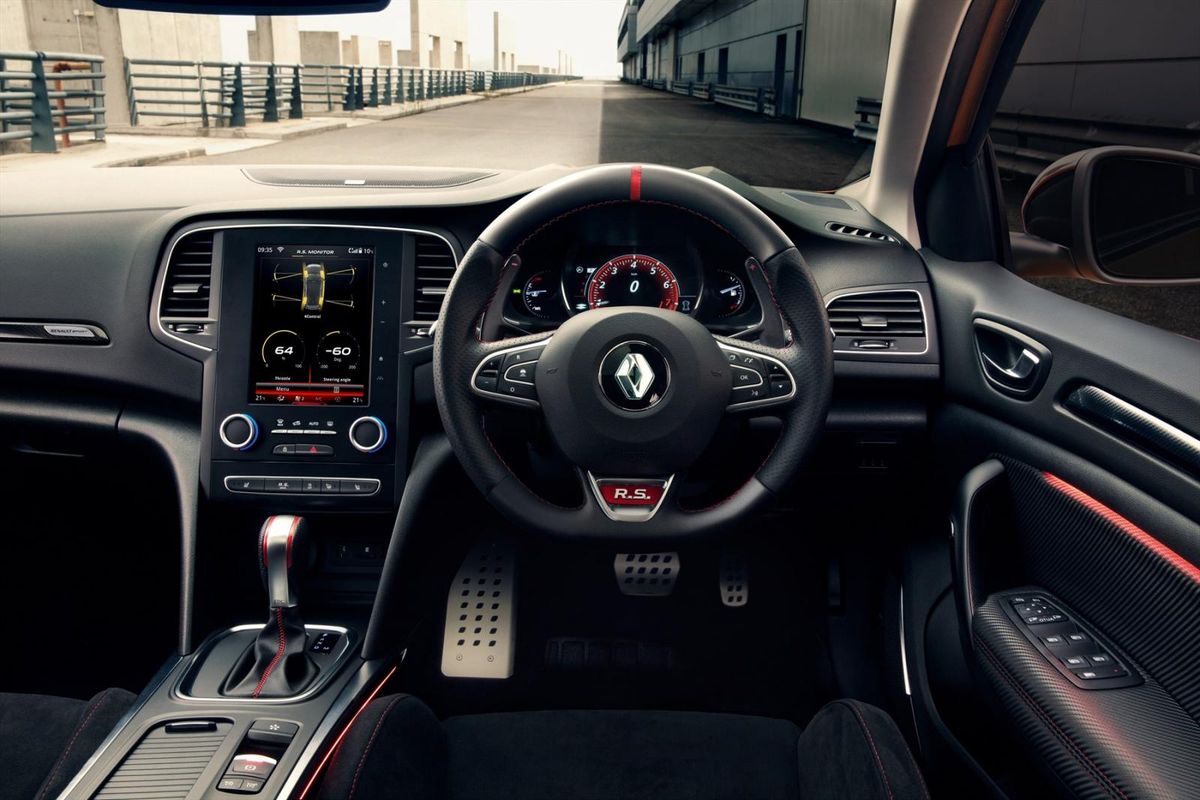
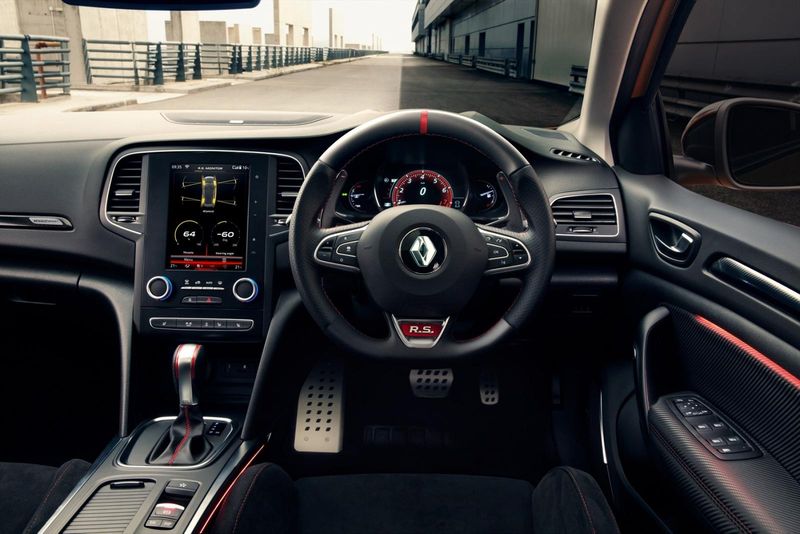
With this Lux derivative being a softer, Golf GTI rival, its insides are as upmarket as Renault can offer. The sports seats hold you firmly in situ and are set low within the cabin, the leather steering wheel comes with a red stitch marking at top dead centre and carbon fibre weave on the door panels is a creamy soft-touch velour.


The Lux interior, complete with EDC (dual clutch) box and paddle shifters.

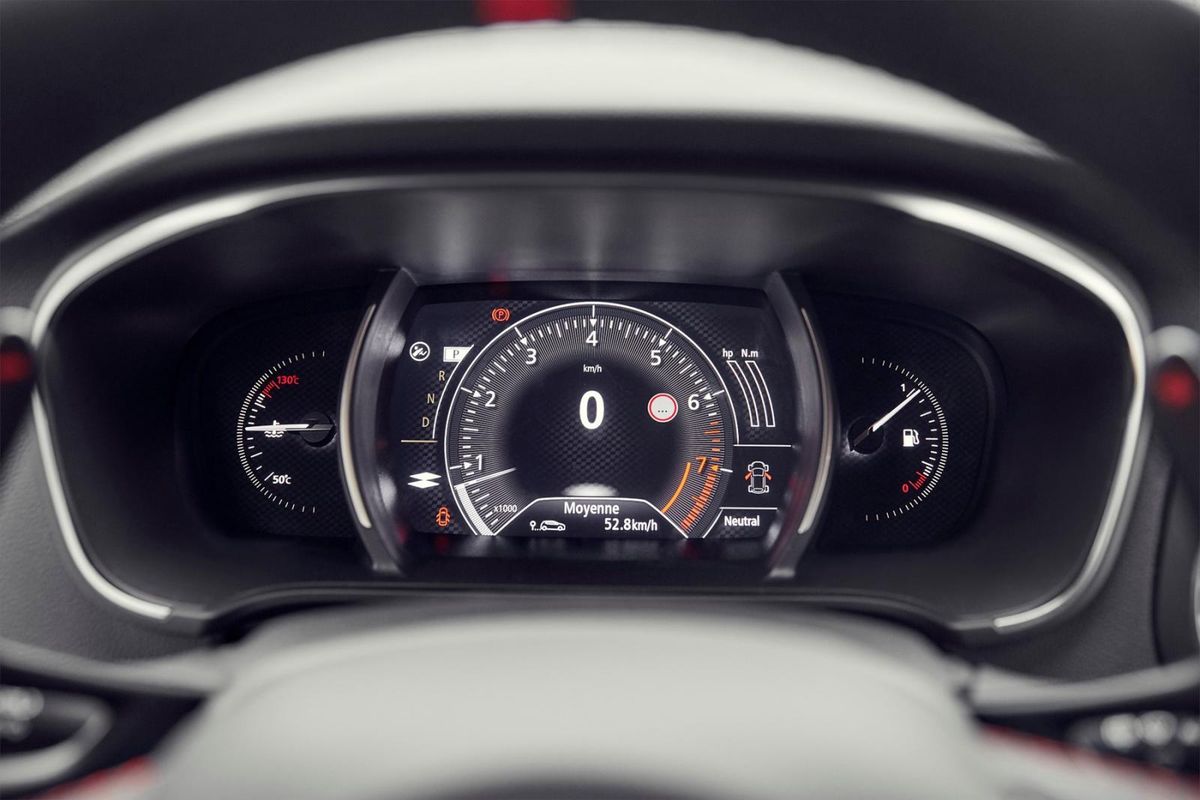
The centrepiece of the dashboard is the R-Link 8.7-inch vertically mounted touchscreen. It's Android Auto and Apple Carplay enabled and houses the RS monitor – an app suite that logs performance telemetry. It could have a bit more of a glitzy, hi-resolution look to its graphics and more smartphone-esque glassy look to the screen that would lift the presence of the cabin, but it's still a functional and adequate infotainment system.

It’s a well-specced derivative (with a plethora of tech and safety features as standard). At R575 000, it offers more kit and performance than its closest priced rivals.

Summary

We've accustomed to Megane RS models being track-bred and hardcore, so this Lux version, with its softer approach, had us a little confused at first. But considering that Renault will still offer the purposeful Cup version (well we hope its harder), this Lux has its place. Not everyone wants a track day toy, they might want the looks and the straight-line performance, but they also want something they can live with on an everyday basis – a car that doesn’t leave them with a compressed spine at age 35.

This is where the Lux comes in, it’s still a fun performance toy, but it’s not as serious as before and its directly aimed that the Golf GTI and Focus ST buyer, except that it wipes the floor with them in the performance stakes at the same price. For a full spec and pricing breakdown click here.
Pricing

Megane R.S. 280 CUP 205kW Manual – R549 900

Megane R.S. 280 LUX 205kW EDC – R549 900

Optional Extras

Metallic paint – R2 522

Leather seats – R10 088

Special Metallic Paint (R.S. Models) – R10 088

19'' Alloy wheels (R.S. 280 EDC LUX) – R8 070

Related content

Drag Race: Volkswagen Golf GTI vs Golf GTD [Video]

Renault Megane RS: 5 Rivals To Beat

You Know You Grew Up in the 90s when these Hatchbacks were on your Wall

How the Ford Ranger 2.3 Ecoboost will make all bakkies better

After an absence of 8 years, the Ford Ranger returns to America, which is a big deal for double-cab bakkie fans in South Africa too.

Since its introduction in 2011, the Ranger has been a tremendous success for the South African subsidiary of the Ford Motor Company. Last month the Ranger surpassed the half-a-million-unit mark for local assembly and with robust domestic demand and a thriving export programme, it’s the bedrock of Ford’s African business.

Indeed, the T6 Ranger has been an enormously effective product for Ford and with some radical strategic realignment in 2018, there could be an even more successful future for it. Since the current Ranger’s debut in 2011, the dynamics of the global bakkie market have changed radically. Mercedes-Benz now offers a double-cab bakkie (which it didn’t in 2011) and the world’s most important "pick-up market" is finally awakening to the truth that smaller "global" bakkies could serve most American needs.


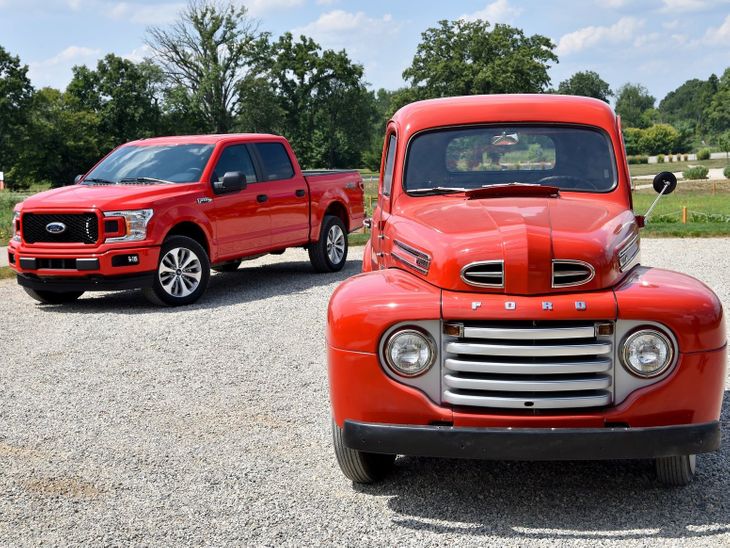
The Ford F-150, currently the best-selling vehicle in the world.

Ford’s most important product is the F-150, which also happens to be America’s best-selling vehicle and, by implication, the world’s most important bakkie. It’s so significant to Ford’s business that the firm's killed off its conventional sedans and hatchbacks in America, as a tactic to funnel more customers into F-150s.

Amazingly, the demand for bakkies is so strong in America that Ford now believes it can harvest more urbanised bakkie customers – beyond the F-150 demographic. This is the reason why, after an absence of nearly 8 years, Ranger is finally returning to its home market. And that’s very good news for bakkie fans everywhere.
How different is the American Ranger to a locally-built Wildtrak?

In principle, the American Rangers are left-hand drive T6s with a few minor kit changes and one very major engineering difference. The overall specification parallels South African Rangers, with a slight alteration to the naming convention: our Wildtrak corresponds to an American Ranger’s Lariat grade and they get a Bang and Olufsen sound system option. They are also assembled in Michigan, USA.
Due to current events in Turkey and the associated Rand depreciation, these American Rangers are priced much closer to South African right-hand drive Ford bakkies. A comprehensively equipped Ranger Lariat double-cab 4×4 will cost you R650 000, which is more expensive than a local Wildtrak 3.2 – but there is a substantial difference in engine and drivetrain configuration.


The Rangers will be assembled in Michigan and include a few bonus features like a high-end Bang & Olufsen sound system.

There are two non-negotiables for American vehicle owners: they don’t drive stick shift (manual gearbox) and they sure don’t fuel-up with truck juice (diesel). Ford’s product planners anticipated that a small capacity turbocharged petrol engine would be the ideal solution and powering the American Ranger is a 2.3-litre boosted four-cylinder. Engine outputs remain unconfirmed, but it’s a detuned version of the Mustang’s 4-cylinder engine and should peak around 200 kW and 400 Nm.

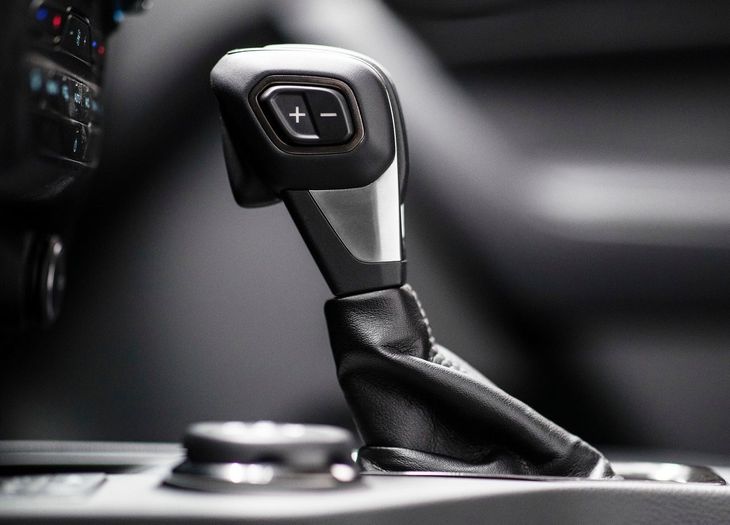
What we do know, is that it drives through a 10-speed automatic transmission. This should make a Ranger 2.3 a very capable compromise between economy minded cruising and responsive overtaking, with a flood of ratios to convert its torque delivery into propulsion.

Why Ranger’s American reintroduction is important

The realm of automotive R&D is all about the quest to achieve economies of scale. Supercars aside, vehicles with the largest volumes and profit margins attract the most generous budgets and if Ranger is even moderately successful upon its return to America, it should balloon Ford’s commercial sales numbers.

More revenue within the Ranger project planning pipeline means greater opportunity for innovation and the next-generation Ranger could be a phenomenally evolved bakkie product, thanks to the momentum of its American market demand.

Beyond the benefit of greater R&D funding creating a better Ranger for future customers, the repositioning of Ford’s "compact truck" will entice other brands to also return to the American market – with similar volume opportunities and R&D benefits accruing to their global customers. In every market where Ranger and Hilux are present, they are fierce rivals, and it would be unthinkable that Toyota could cede an unanswered advantage to Ford in the world’s most traded bakkie geography.


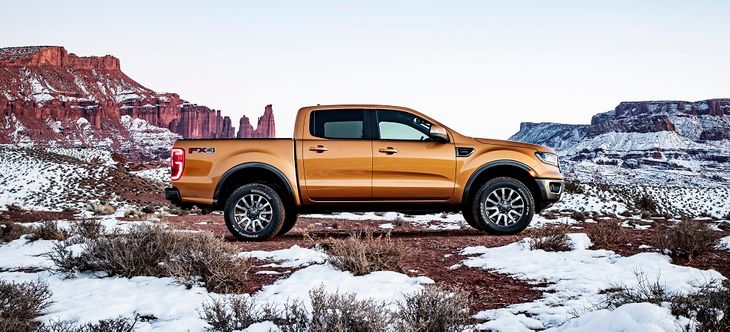
The new turbopetrol Ranger will also feature a 10-speed transmission, as featured in the Ranger Raptor.

The Germans would be very keen on following Ranger back into its home market too. American megacities might not be as old and ill-purposed in their traffic planning as European cities, but congestion and parking issues are real in many of the more densely populated States. As a "compact", the double-cab Ranger has superior agility and ease of manoeuvring in the confines of a city or crowded parking infrastructure, compared to any F-150. It is Ford’s intention to conquer an urbanised American customer with the Ranger – a client that desires the lifestyle adventure vehicle extension that a double-cab offers.

Ford’s Ranger strategy is a very similar scenario to what most South African city dwellers purpose their double-cabs for: part family car, part weekend adventure vehicle. If the Ranger proves the merit of a compact bakkie for Americans, the sales prospects available to similarly sized vehicles (Amarok, X-Class, Hilux) would be incredible.


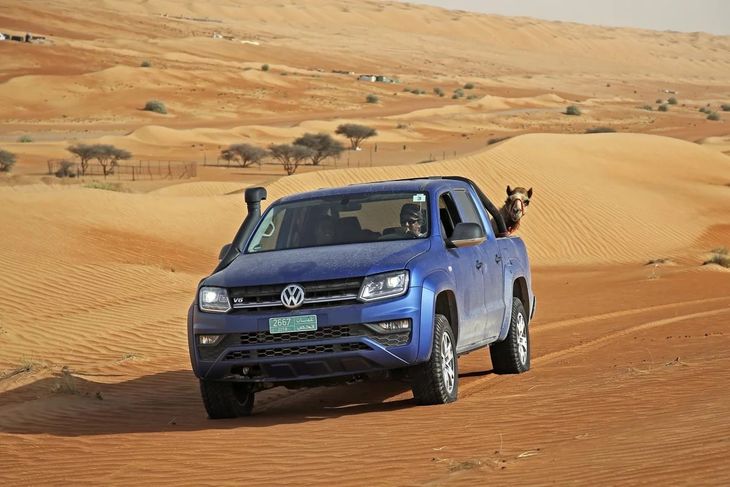
Volkswagen continues to push the Amarok further into luxury/leisure territory and we will soon see a 190 kW version here.
Volkswagen’s Amarok and Mercedes-Benz’s X-Class, with their established brand cachet and luxury-car cabin architectures, would be excellently purposed to fulfil American requirements for a leisure double cab. The only constraint for Volkswagen and Mercedes would be petrol engines, which are now effectively a requirement for any German vehicle in America. Both manufacturers have access to a range of sophisticated turbocharged petrol engines, so a reconfiguration of their double cabs' current turbodiesel-only powertrain portfolios shouldn't be too troublesome to carry out.

What about us? If America becomes the most voluminous market for Ranger (which is likely), could this result in South Africa soon seeing more petrol-engined double-cab options? That’s an interesting dilemma. The other anchor market for right-hand drive Rangers is Australia and our friends Down Under, despite developing the new 2.0-litre turbodiesel engine for Ranger Raptor, aren’t shy of petrol power. Australian bakkie owners have deeper reserves of disposable income to spend on operational costs than their South African equivalents and the only reason they choose diesel over petrol, are range concerns. In a country with immense driving distances between destinations, that is understandable.

For Australian Ranger buyers who live around its heavily urbanised coastal cities, and are less concerned about fuel endurance, the Americanised 2.3 turbocharged petrol Ranger could appeal greatly. And if the Australians start buying into petrol power, it might influence the entire right-hand drive production blend for Ranger – which includes South Africa.

Better bakkies for all

For decades the family sedan configuration was an immovable constant in American car sales, yet its erosion is evidenced by Ford’s announcement in April, that it is to discontinue all "traditional" passenger cars. If Ford is redirecting its American business resources away from passenger cars and into bakkies, any market with a similar buying profile is sure to benefit. Such as South Africa. We’ve always pined for what we could not have – bakkies such as F-150. In a few years the benefits of American consumer demand, applied to future upgrades of Ranger, should advantage South African customers too.


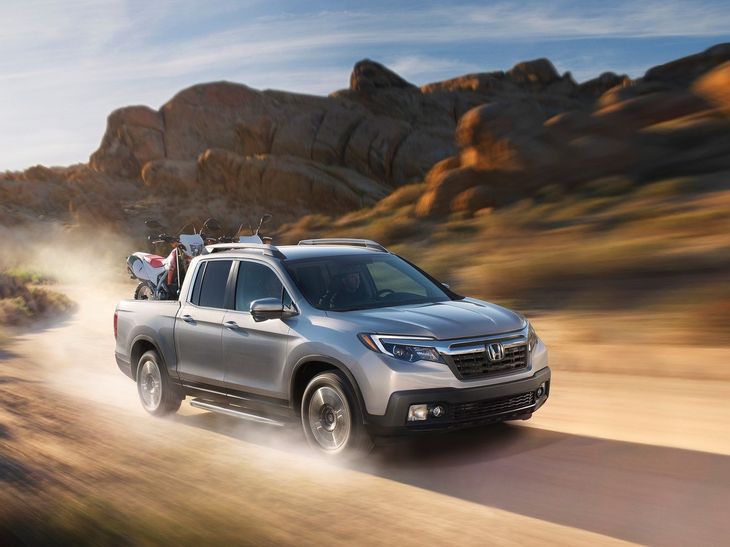
The America-only Honda Ridgeline uses a unibody design instead of a 'body on frame'.

South Africans have always jealously observed the American bakkie scene from afar, but with Ranger returning to the 'States, and some familiar bakkies destined to follow, we are finally linking with the incredibly powerful dynamic of the world’s most influential double-cab market. The bakkie numbers in America are so massive they enable innovation that just would not otherwise be justifiable. It’s the reason why Honda builds something such as its Ridgeline bakkie, specifically for the Americans. If Honda can make the business for its own American market specific double-cab, imagine what other manufacturers could do…

The decision by Ford to reintroduce Ranger to America is perhaps more important for bakkie fans outside of the United States than those busy configuring their new double-cabs in dollar delivery prices. An active "compact"’ bakkie segment in America will incentivise those ascending brands with huge cash reserves and a desire to spend them on new product development – such as Hyundai and Kia – to possibly accelerate the urgency around their own bakkie development timelines.  

Related content

Volkswagen Amarok 3.0 V6 TDI (190 kW) Launch Review

Mercedes Benz X-Class (2018) Video Review

Toyota Hilux Dakar (2018) Video Review

Searching for a used Ford Ranger?

Start your search here

Renault Megane RS: 5 Rivals To Beat

The Renault Megane RenaultSport (RS) has just arrived in South Africa, where it re-enters a highly-competitive hot hatch segment. Here are 5 rivals that the Renault Megane RS will need to beat if it is to be crowned the Hot Hatch King in the local market.

RenaultSport has a history of producing fine driving machines and the new Megane RS is set to continue the tradition. Available in 2 versions: Lux and Cup (the latter is more track-focused), the new RS comes to market with a 1.8-litre 4-cylinder turbopetrol motor. It produces a hefty 205 kW and 390 Nm, which is enough grunt to catapult it from 0 to 100 kph in under 6 sec. You have the choice of either a 6-speed manual 'box or a 6-speed Electronic Dual Clutch, the latter featuring launch control.

Interestingly, despite the chassis and gearbox differences, the price is the same. At R549 900, the new Renault Megane RS represents good value. How does it stack up against the competition, though? The market has changed quite radically since the last hot Megane was launched; there are some newcomers vying for their share. 

Check out Renault Megane RS Specs and Pricing here

Renault Megane RS – Key Rivals

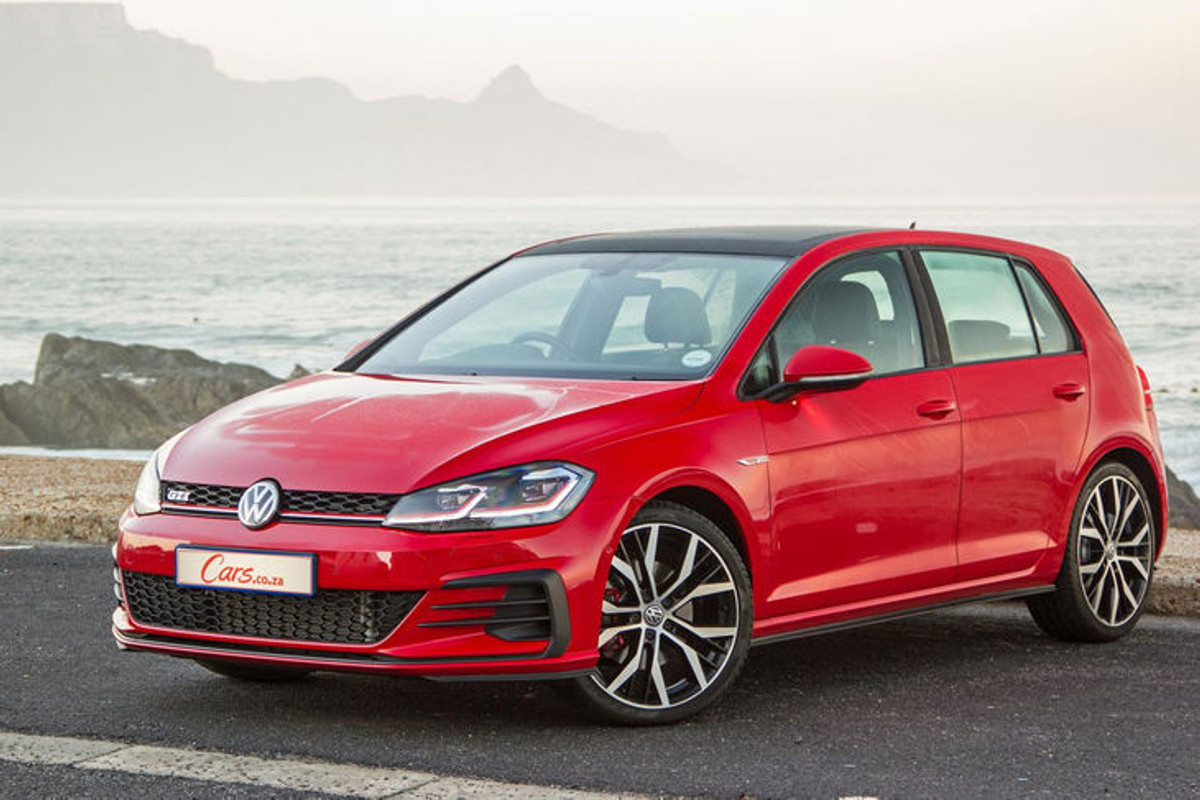
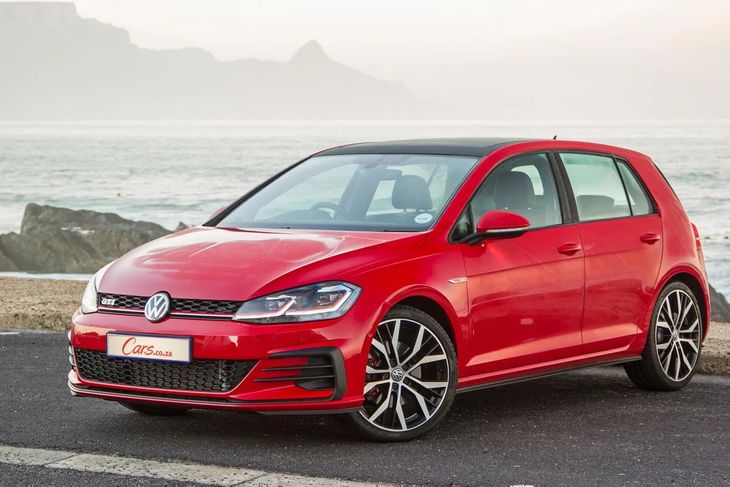
Volkswagen Golf GTI (R548 600)

The most popular choice for the enthusiast in South Africa. Thanks to some luxury finishes, generous practicality and commendable performance, the Golf GTI has been the segment leader for some time. However, it's substantially outgunned by the new Renault Megane RS. Its 2.0-litre turbo 4-cylinder pushes out 169 kW and 350 Nm, which is down on power in comparison to the Megane's 205 kW and 390 Nm. We'd also argue that the Megane has more specification as standard.

Read a Volkswagen Golf GTI Review here

Browse through Volkswagen Golf GTI stock here

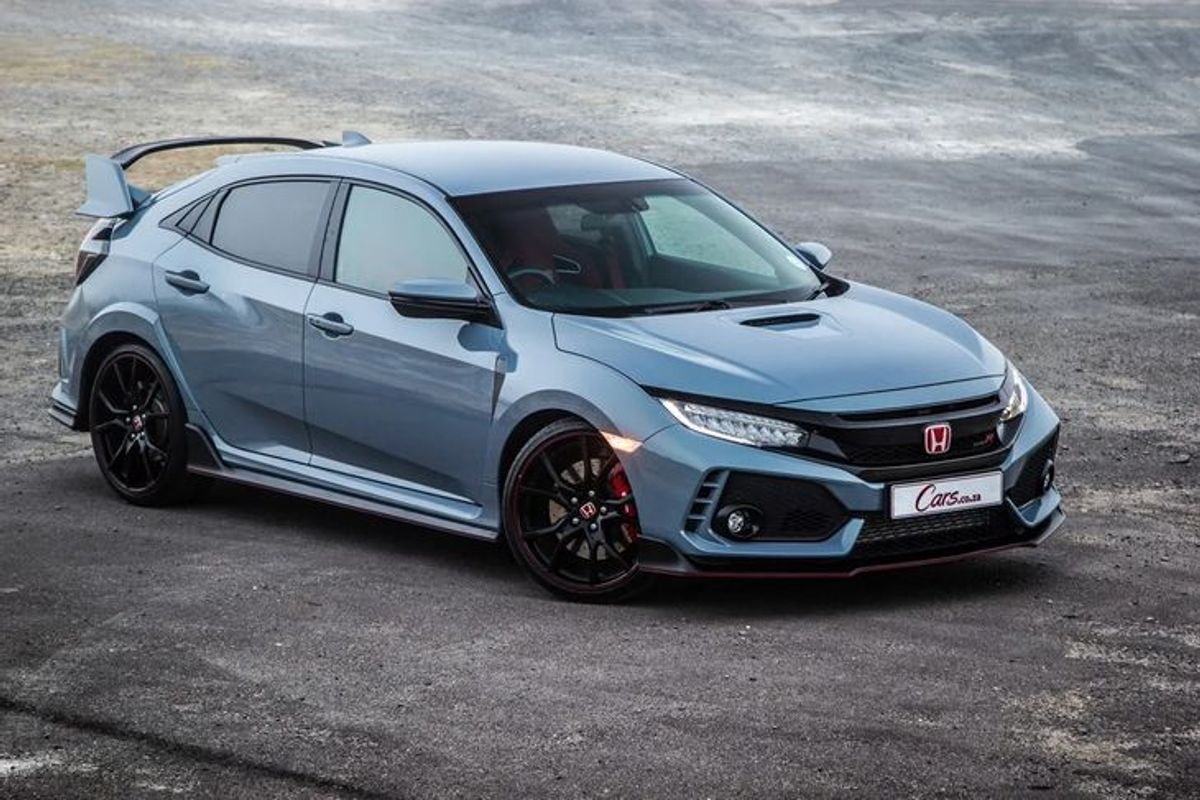
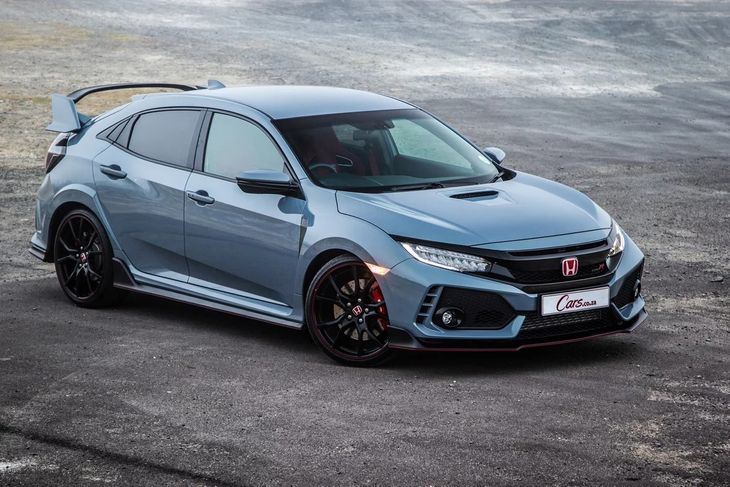
Honda Civic Type R (R635 500)

The new kid on the block has won many fans, thanks to being one of the finest driving weapons that money could buy. It currently holds the Nurburgring record for front-wheel drive hatchbacks too. While some may not like its outrageous styling, we believe its appropriate. Its 2.0-litre engine produces 228 kW and 400 Nm, making it a little bit more powerful than the Megane RS. The good news is that Renault will be bringing out a Megane Trophy to take on the Honda Civic Type R.

Read a Honda Civic Type R Review here

Browse through Honda Civic Type R stock here

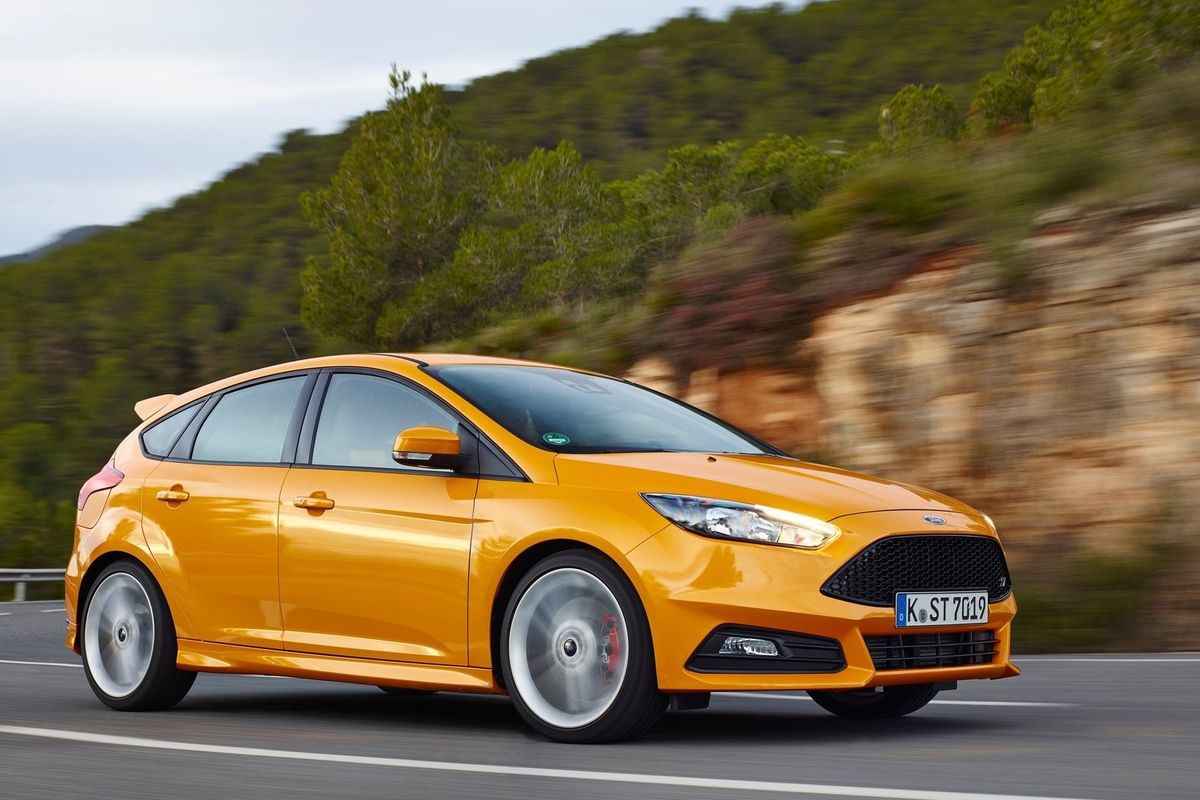
Ford Focus ST (R501 100)

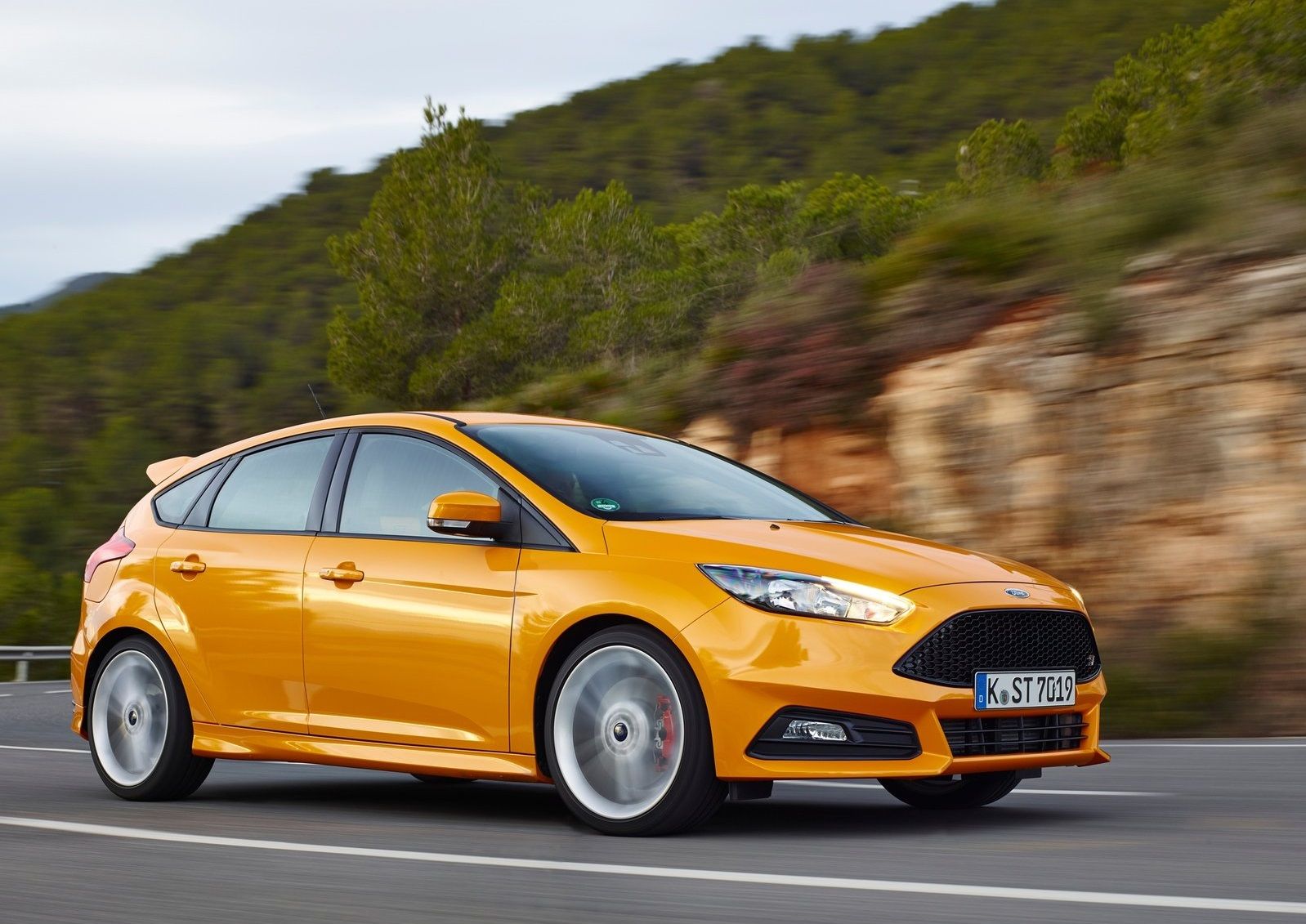
The venerable Ford Focus ST is still around, but there's a new one around the corner. We estimate that the all-new Ford Focus ST will come to market towards the end of 2019, but that shouldn't stop you from looking at the current gen ST. Powered by a 2.0-litre turbo with 184 kW and 360 Nm, it's almost a match for the Megane, but its real strength here is value for money. At just over R500 000, you're getting a well-specced and spacious hatchback, although there is no automatic option available.

Read a Ford Focus ST Review here

Browse through Ford Focus ST stock here

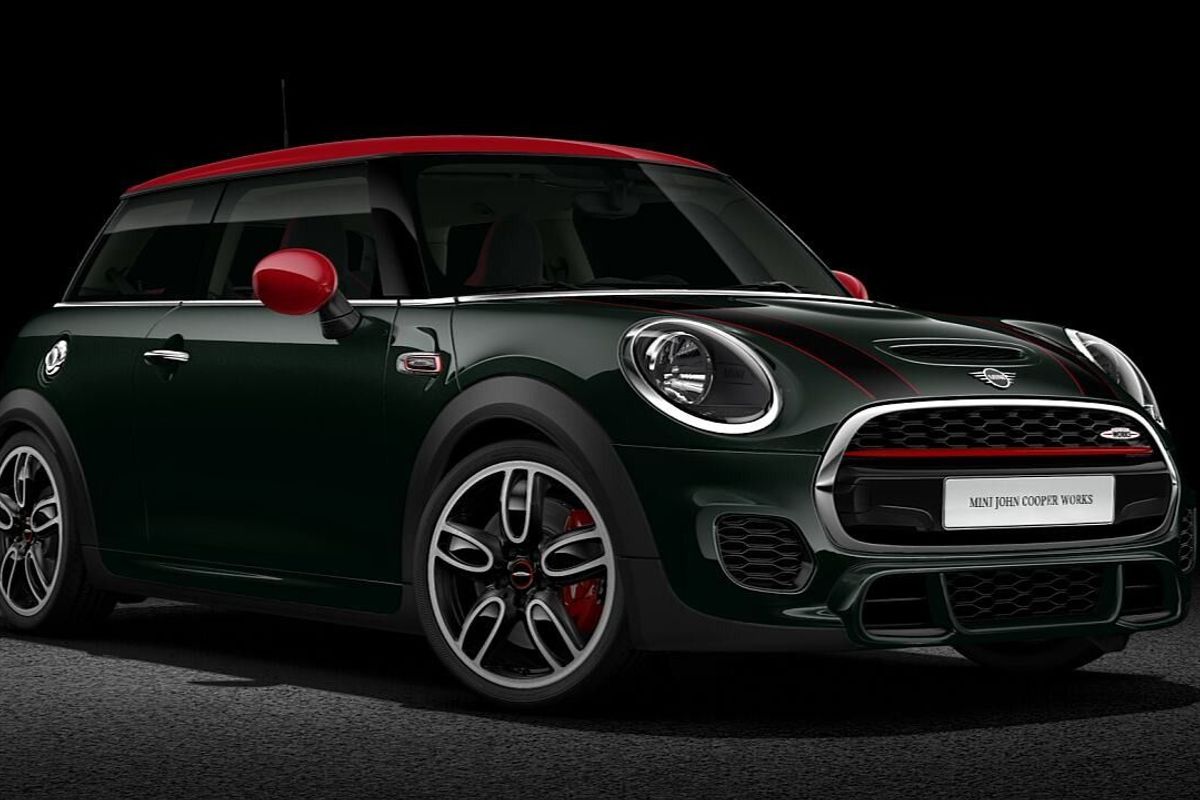
Mini Cooper S JCW (R512 865)

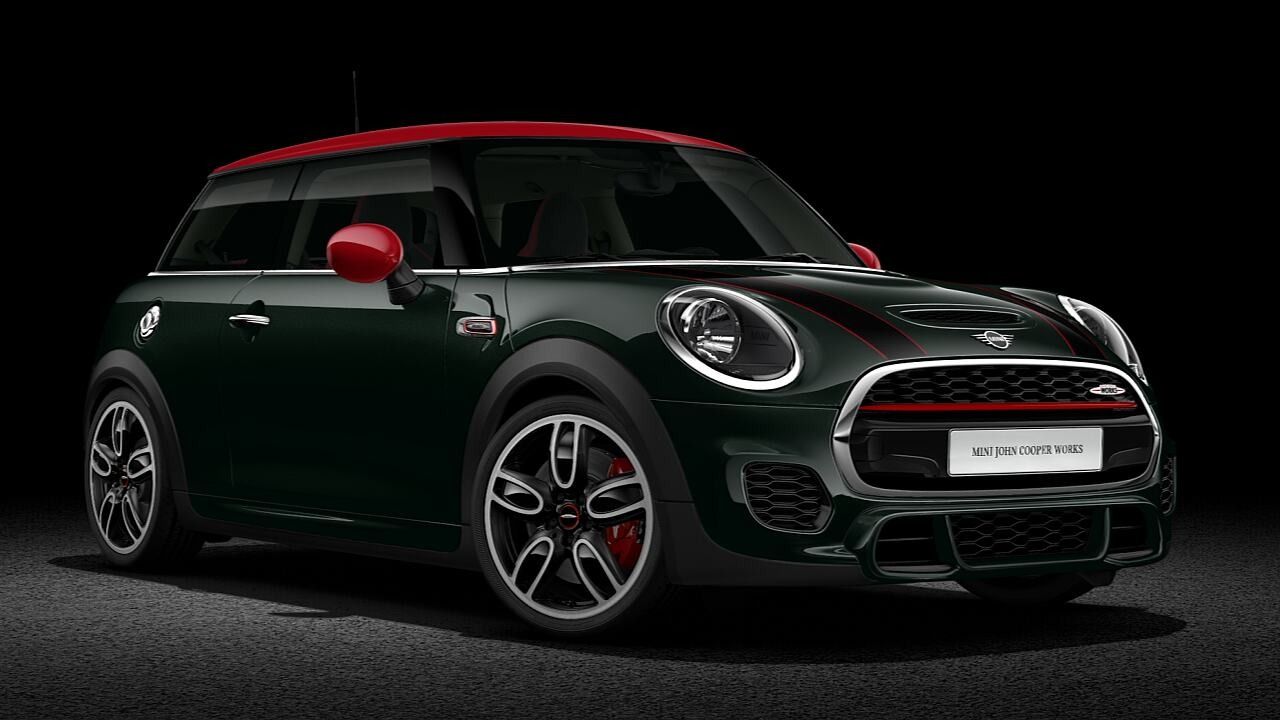
The Mini Cooper was facelifted and landed in SA in 2018. It's still a credible performer, especially in Cooper S and John Cooper Works (JCW) trim. We have yet to drive the facelifted JCW, but if past experience with JCW-branded products is anything to go by, you're in for a treat as it delivers a white-knuckle ride complete with brilliant backfires out the exhaust. Its a charming and delightful car, dripping with character. Fun comes from a 170 kW / 320 Nm turbocharged 4-cylinder motor. The downside is the lack of practicality – Minis are not the biggest of cars.

Read a Mini JCW Review here

Browse through Mini JCW stock here

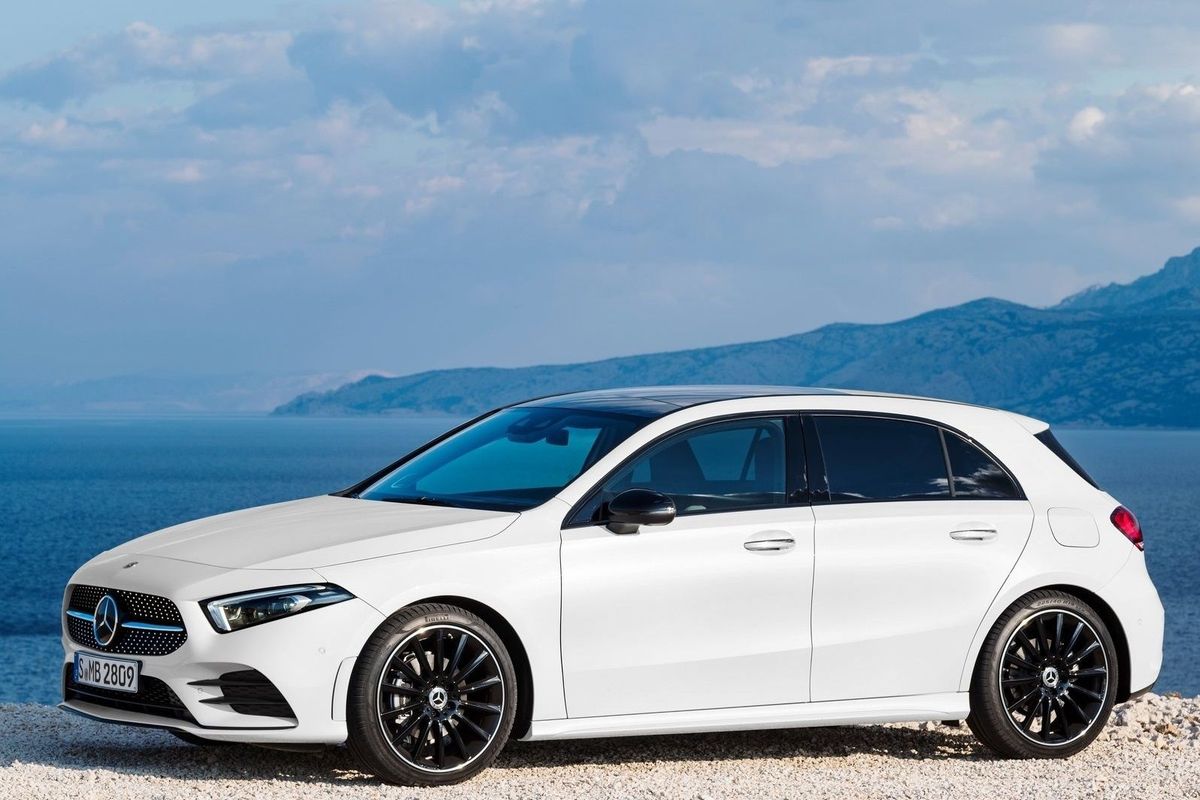
Mercedes-Benz A250 AMG Line (R596 969)

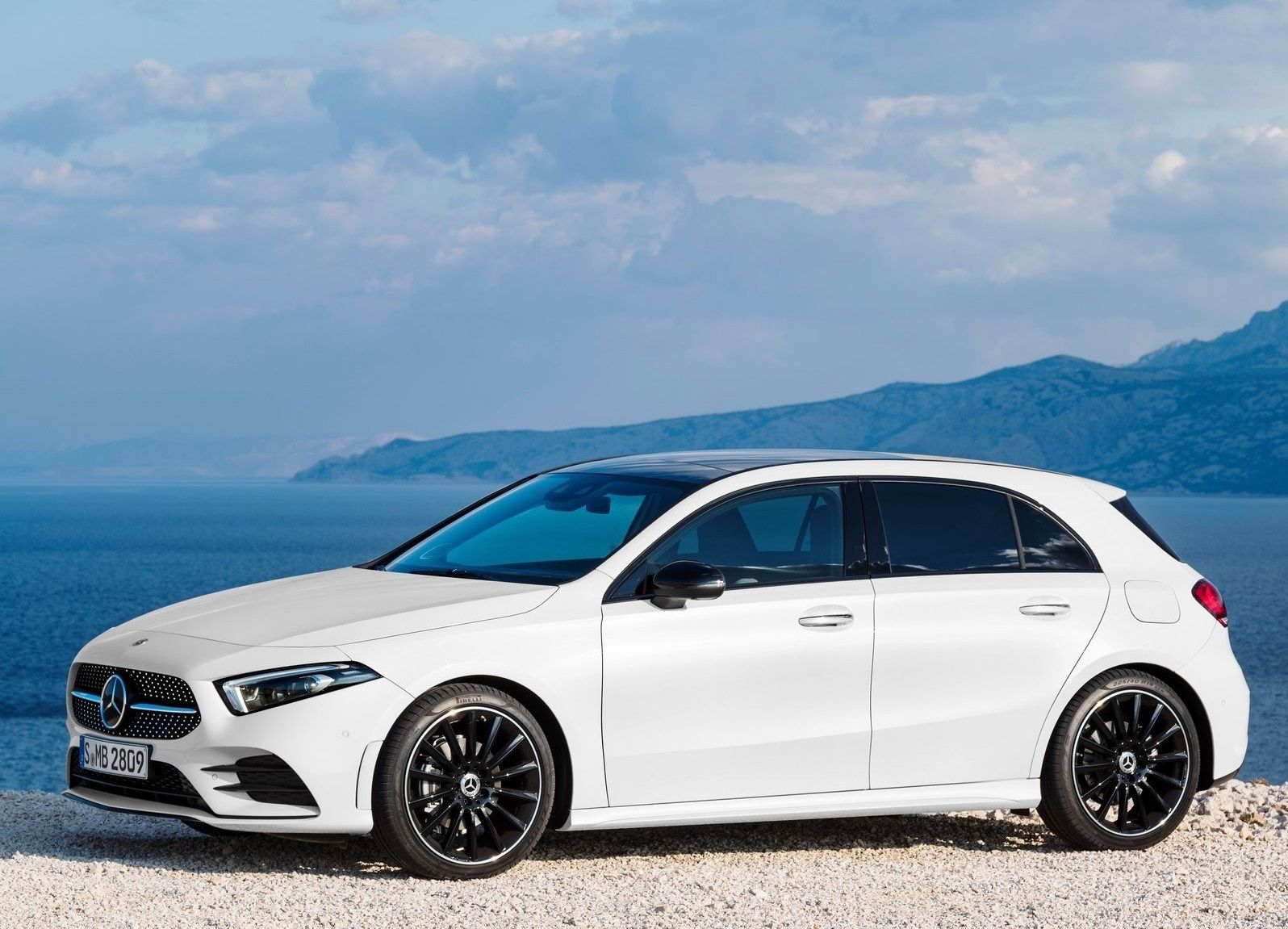
The all-new Mercedes-Benz A-Class is almost upon us. While we wait for the fire-breathing A35 and A45, this new A250 looks to be a warm performance hatch. It has a turbocharged 2.0-litre turbo 4-cylinder motor with 165 kW and 350 Nm, which makes it a tad slower than the Megane RS, but the new A-Class offers substantial luxury and snob value thanks to the 3-pointed star on the nose.

Read a Mercedes-Benz A-Class review here

Browse through Mercedes-Benz A-Class stock here

Which cars are the best (or worst) to own? You tell us…

Which car brands provide the best after-sales service to their customers? And, which cars are most likely to be recommended by their owners? These are questions that the Cars.co.za Ownership Satisfaction Survey answers. Tell us about your car and also have a say in which brands and models will emerge victorious in the next iteration of the #CarsAwards. 

Do you own a vehicle that is less than 5 years old and serviced by a franchised dealer? Participate in our survey (even if you have before)

In 2015, Cars.co.za and data specialists Lightstone Consumer launched a comprehensive Ownership Satisfaction Survey for the purpose of gathering real consumer input on local buying, servicing and ownership experiences. Since launch, well over 15 000 verified surveys have been completed by South African car owners, resulting in one of the most comprehensive and significant databases of its type.

"When we repositioned the Cars.co.za brand in 2015 as a consumer champion, we realised that we had to find a way to gather real, credible, worthwhile consumer input," explains Cars.co.za Consumer Experience Manager, Hannes Oosthuizen. "Journalists may be able to evaluate a product against its peers, but when it comes to what it's like to live with a vehicle, you simply have to enter into a conversation with the people that live with those cars every day… the owners."

The data gathered during the survey's 2017/2018 harvest period delivered some interesting insights.

Likelihood to Recommend (By Model Type) 


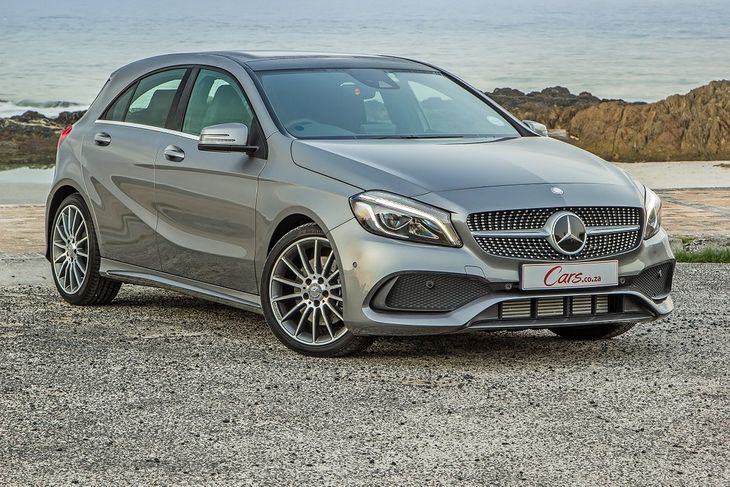
Mercedes-Benz's outgoing A-Class is very highly rated by owners.

In terms of the 50-odd vehicle models that achieved sufficient sample size, the following vehicles recorded the highest "Likelihood to recommend" scores of all; 

1. Mercedes-Benz A-Class 87.9%
2. Ford Everest 86.5%
3. Subaru XV 86.3% 
4. Isuzu KB 84.1%
5. Toyota Hilux 82.4%

After-sales Service (by Brand)

Based on their after-sales service experience (at a franchised service agent/dealership only), owners were asked to indicate how likely it was that they would recommend the dealership to a friend or family member. Owners of the following brands said they were most likely to recommend the dealerships where they serviced their vehicles… 

  1. Mercedes-Benz 
  2. Suzuki 
  3. Honda

Suzuki’s overall performance in the 2017/18 Survey (and the previous year's) contributed to it emerging tops in the Cars.co.za Consumer Awards – powered by WesBank, earlier this year. “The Survey results plug into our Awards programme in a very real way,” explains Oosthuizen. “After all, a vehicle is only a great purchase if excellent product qualities are matched by equally great after-sales service.”

Reliability (By Model Type)


Still rated tops for reliability by owners, Toyota's Hilux is also the country's top-selling vehicle.

In terms of the 50-odd vehicle models that achieved sufficient sample size, it is interesting to note that the following cars are rated as most-dependable by their owners; 

1. Toyota Hilux 95.6%
2. Subaru XV 94.1% 
3. Suzuki Jimny 90.5%
4. Mazda CX-3 89.4%
5. Mercedes-Benz A-Class 87.9%

To reiterate, ongoing public participation in the Cars.co.za Ownership Satisfaction Survey enables Cars.co.za to deliver the most relevant and accurate data-driven insights to consumers PLUS the survey represents a golden opportunity for owners to have a say in the outcome of the #CarsAwards (the findings of the survey have a 50% bearing on which vehicles are named the winners in the 13 respective categories of the Cars.co.za Consumer Awards – powered by WesBank as well as a 100% bearing on which manufacturer/importer wins the prestigious Brand of the Year award).

To participate in the survey (even if you have before, you are free to do so again) click the link below.

Do you own a vehicle that is less than 5 years old and serviced by a franchised dealer? Participate in our survey (even if you have before) and stand to win awesome prizes

You may also be interested in:

2017/18 Cars.co.za Consumer Awards – powered by WesBank; Winners

Mid-Year Report: Best-selling cars of 2018

Isuzu Concept X Revealed (w/video)


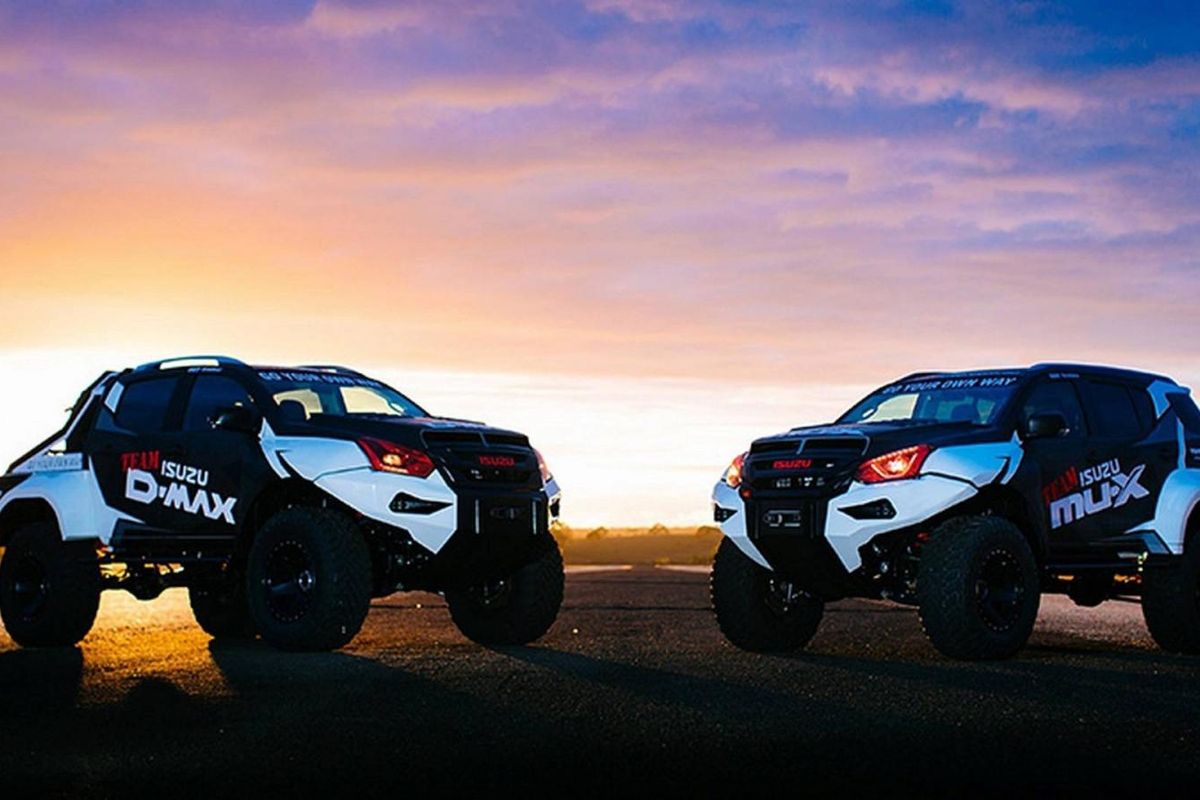
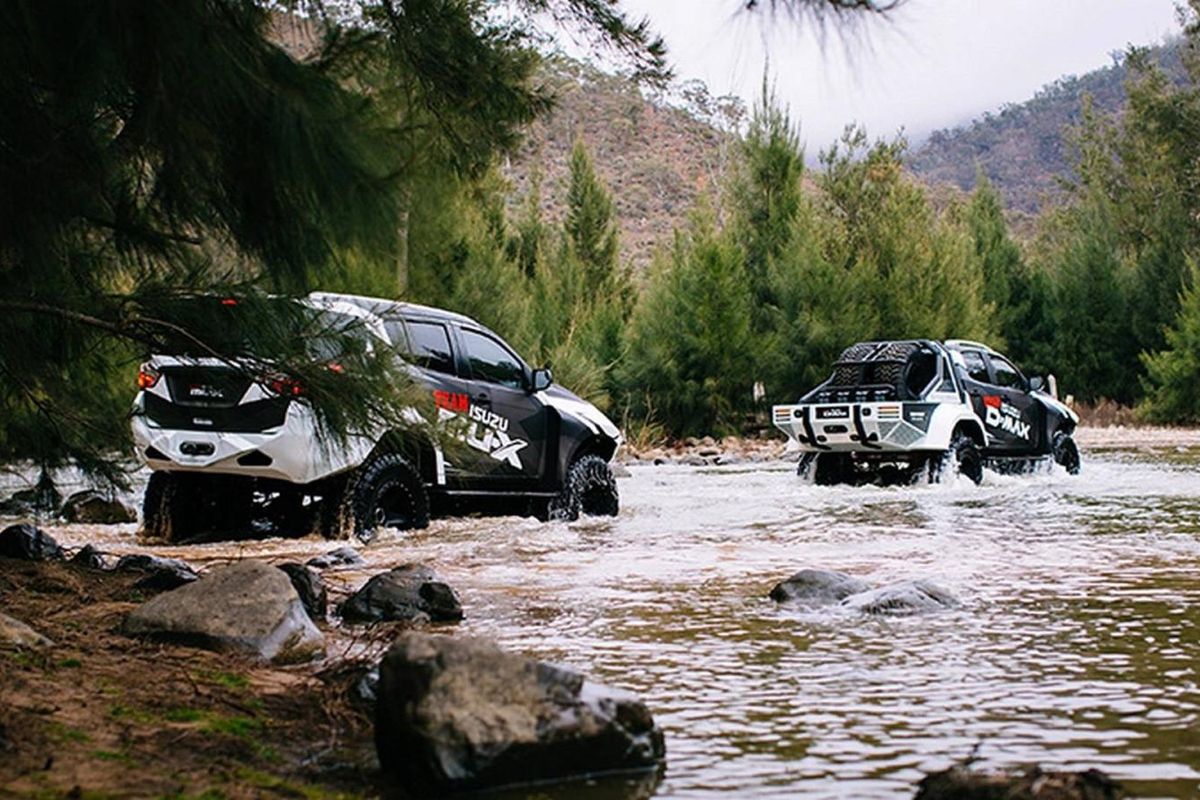
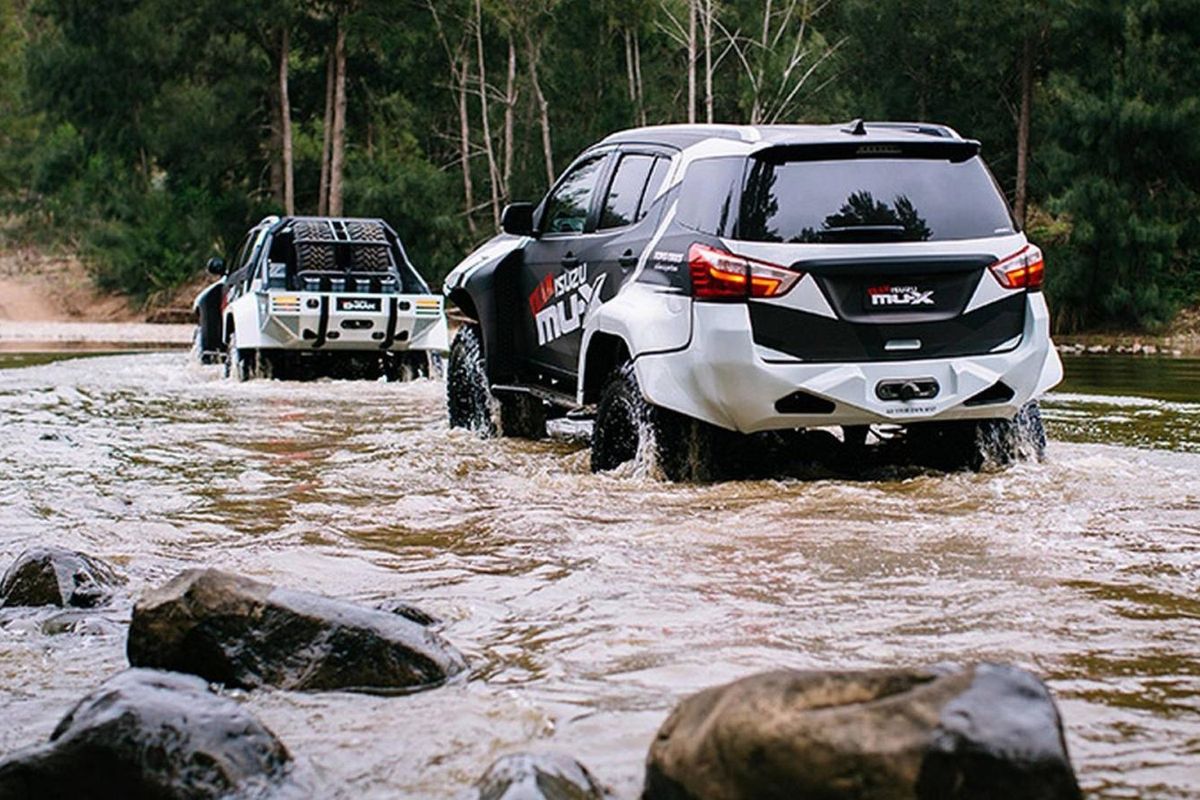
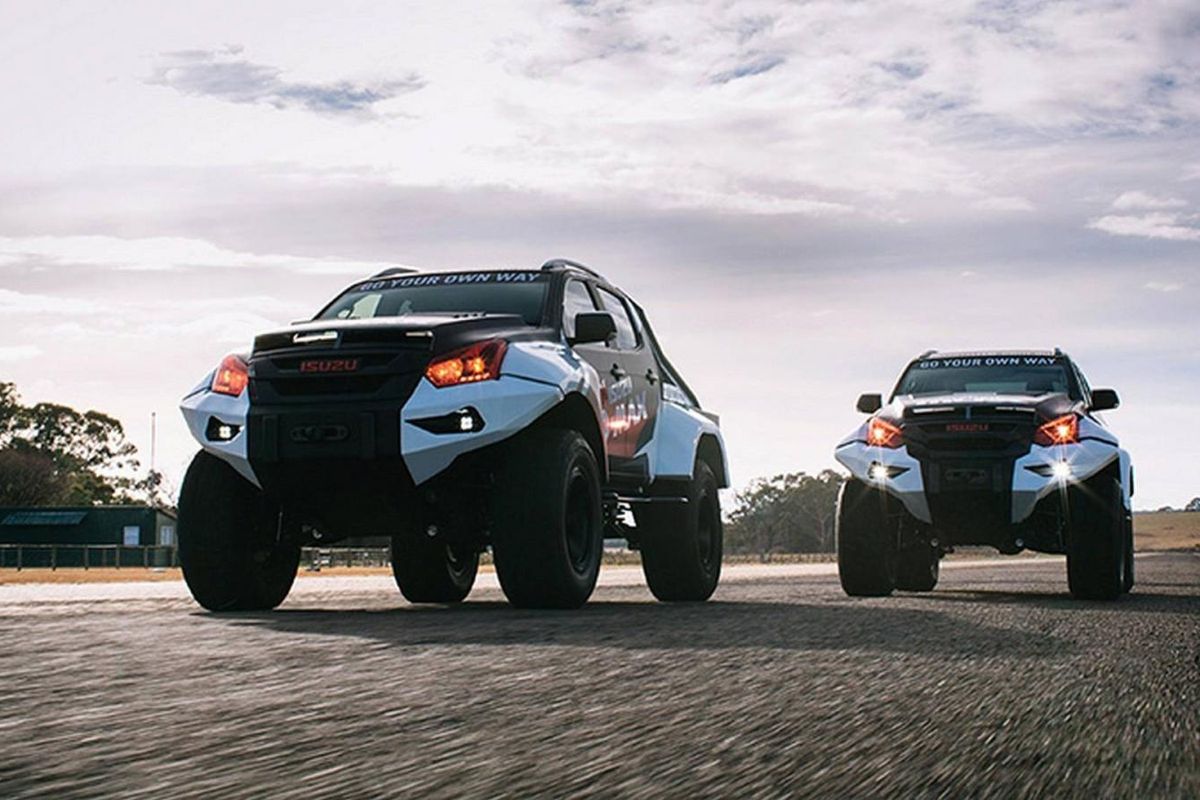
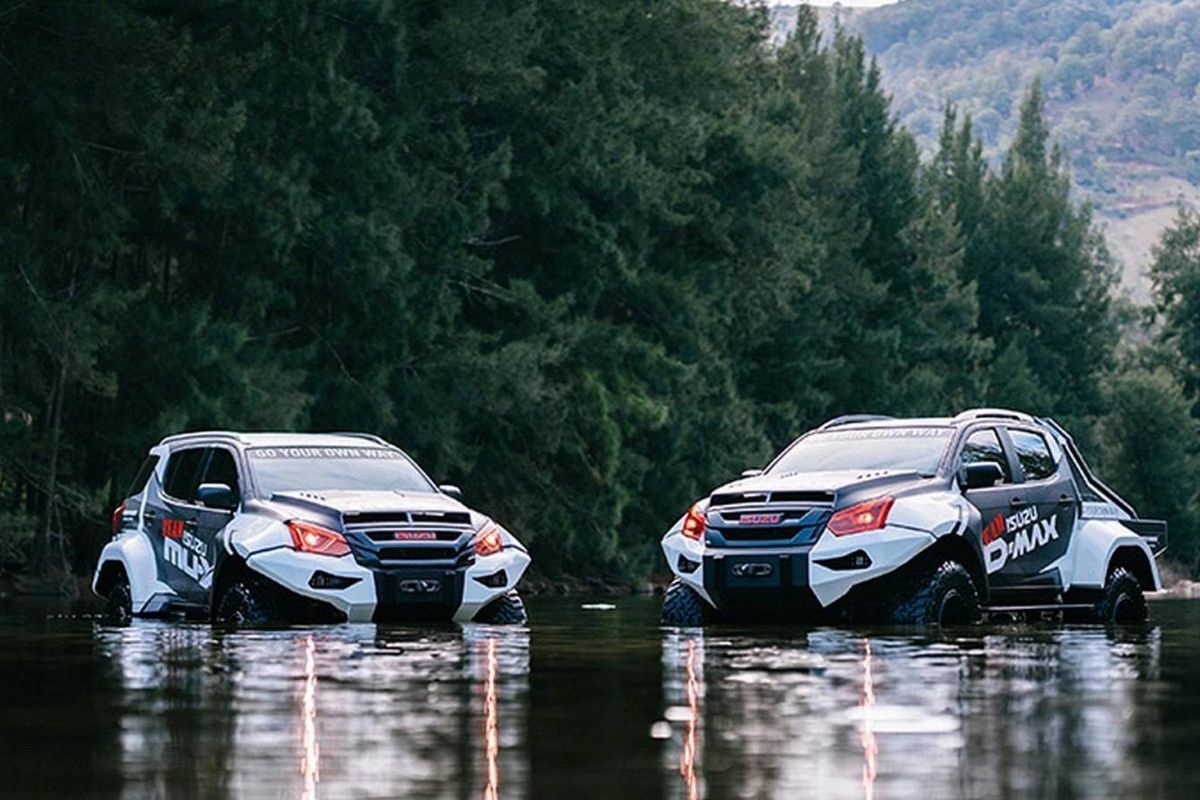
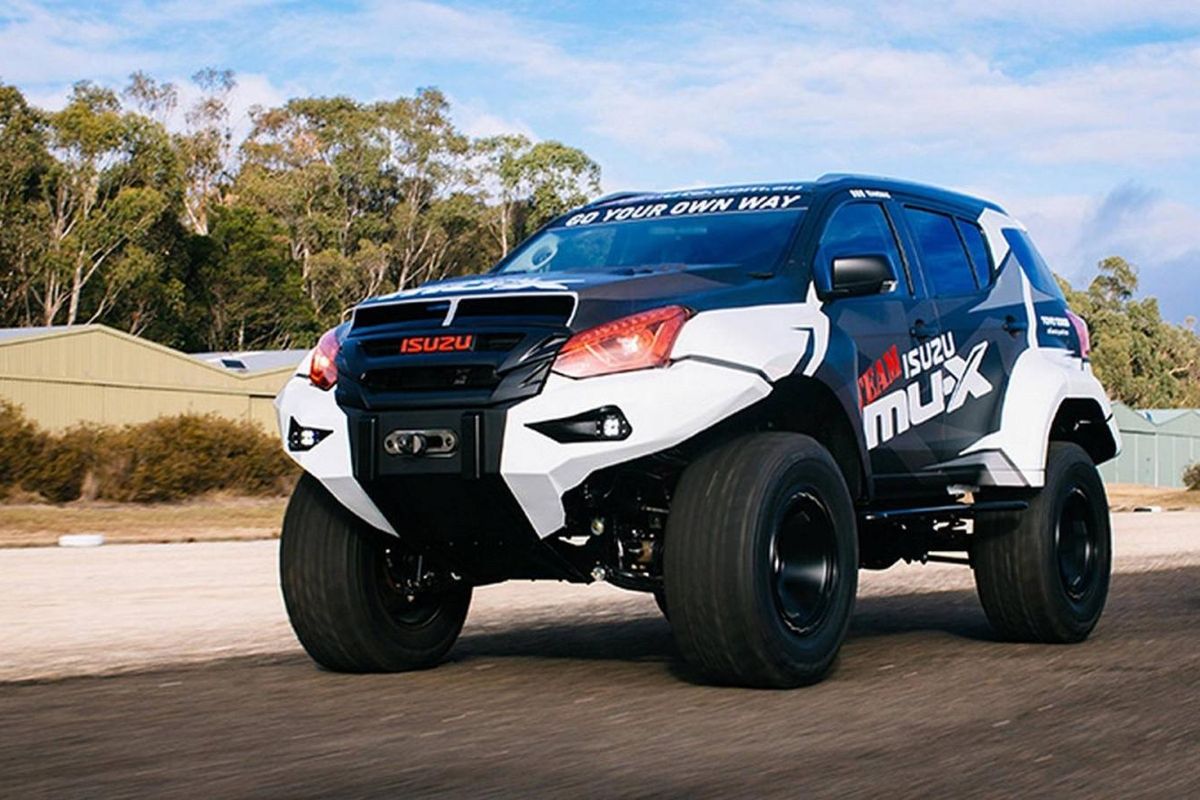
Isuzu has revealed Concept X, two hardcore adventure vehicles based on the KB and 7-seater mu-X SUV.

Isuzu has a loyal following in South Africa with the KB bakkie being the brand’s front-runner in terms of local sales. However, Isuzu has also expanded its local offering with the recent introduction of the 7-seater mu-X SUV that competes against the likes of the popular Toyota Fortuner, Ford Everest and Mitsubishi Pajero Sport.

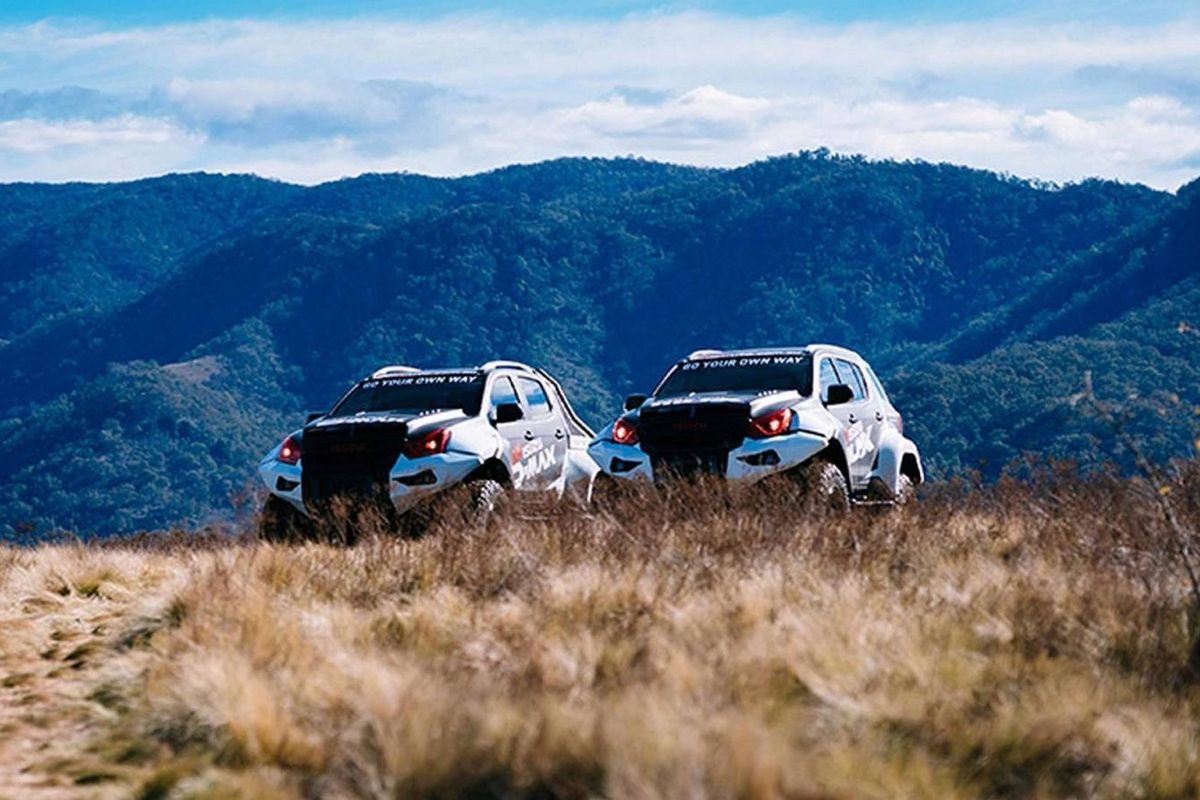
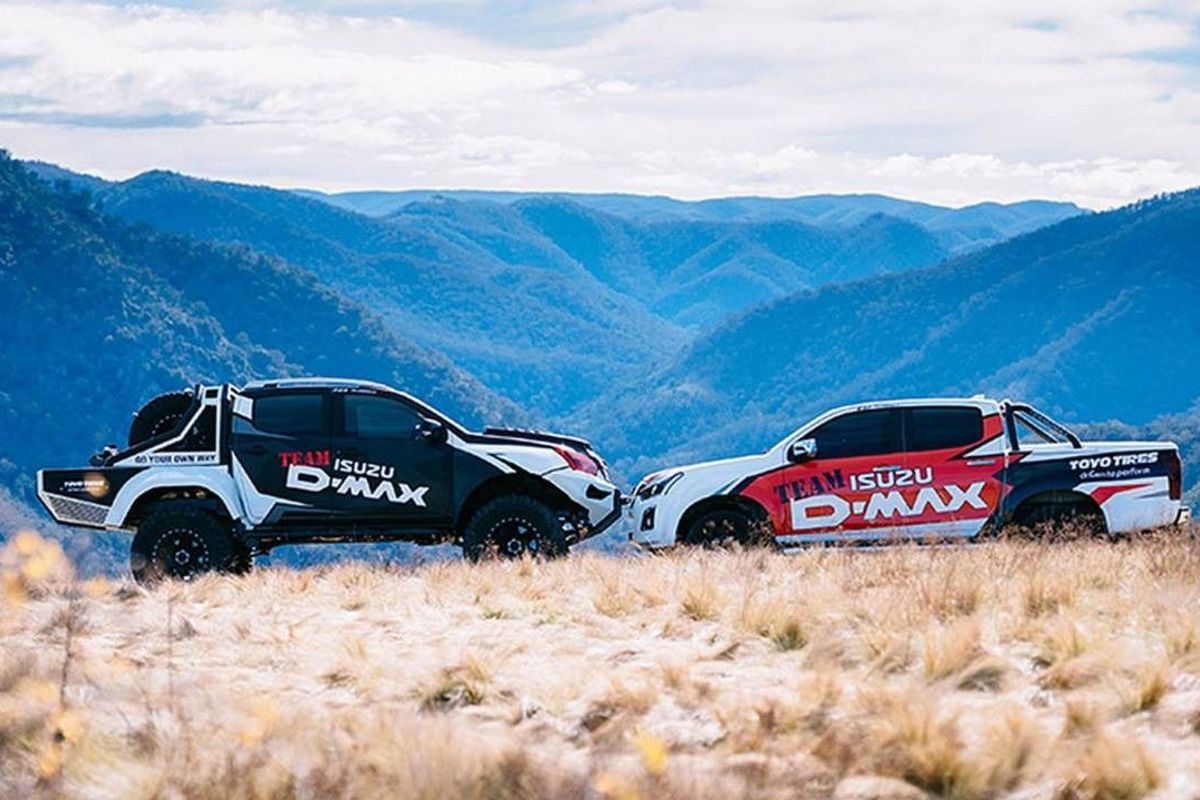
The recent reveal of Concept X shows the offroading potential of both the KB and the mu-X, both featuring customised fenders, bonnet, bull bars, sports bars and platinum winches at the front and rear.

Both are powered by a 3.0-litre turbodiesel engine and the KB-based Concept X stands 5 500 mm long, 2 150 mm wide and 2 100 mm high with a ground clearance of 370 mm. Approach angle is at 49.7° while the departure angle is at 38.5°.

The Concept X mu-X stands 5 000 mm long, 2150 mm wide and 2 100 mm high with a ground clearance of 370 mm. Approach angle is at 49.7° with a departure angle of 37.3°.

Both vehicles feature custom TBS Racing 6-piston calipers with 390 mm full-floating discs at the front while TBS Racing 4-piston calipers with 355 mm full-floating discs at the rear. A 7-inch suspension lift with independent front and multi-link rear coil suspension and custom 60 mm remote reservoir shock absorbers are also fitted. Concept X rides on 20-inch wheels shod with Toyo Open Country mud terrain tyres.

Tell us what you think of the Isuzu Concept X, do you like the look of a beefed up KB and mu-X?

Buy an Isuzu on Cars.co.za

Related Content

Isuzu MU-X (2018) Video Review

Isuzu KB 250 X-Rider 4×2 Double Cab (2017) Quick Review

Isuzu adds X-Rider Black 4×2 to KB range

The Journey Ep 1: Namibia

Buyer's Guide: Rugged 7-Seat SUVs

BMW M2 Competition Drifts & Cuts for Record

The new BMW M2 Competition, which is due to arrive in SA next month, has broken a new record by cutting a total of 117 bamboo mats in 60 seconds while drifting. Watch the video…

The latest stunt video releases by BMW, which was shot in Cape Town, shows the new BMW M2 Competition drifting around a set with the intention of destroying as many bamboo mats in 60 seconds with the help of a sharp blade attached to the car.

The mats were arranged in semi-circles so that the M2 Competition could slice them while drifting around the course. The video highlights the M2 Competition’s agility and handling capabilities.

“This is a very tricky bit of driving, it is virtually impossible. The demands on the M2 Competition are immense. Every drift has to be performed with absolute precision; there is no room for error. A strong presence and agility naturally help a lot” said stunt coordinator Marc Higgins.


The new BMW M2 Competition is fitted with a straight-6, 3.0-litre twin-turbocharged petrol engine from the M3/M4 with 302 kW and 550 Nm of torque. When equipped with a 7-speed dual-clutch (M-DCT) automatic transmission, the M2 Competition is claimed to sprint from 0 to 100 kph in 4.0 sec, while the 6-speed manual version will reach the benchmark in 4.2 sec. Top speed is limited to 250 kph, but an optional M Driver's Package will take the top speed to a heady 280 kph.

We recently drove the M2 Competition in Spain at its international launch and when it arrives in SA next month you can expect to pay R972 029 for the M2 Competition manual while the M2 Competition M-DCT will be priced from R1 026 505.

Watch our video review of the new BMW M2 Competition below!


Buy a BMW M2 on Cars.co.za

Related Content

BMW M2 Competition (2018) International Launch Review

BMW M2 Competition (2018) Specs & Price

Preview: BMW M2 CS Coming in 2018

Audi RS3 vs BMW M2 (2017) Drag Race

Audi RS3 vs BMW M2 (2017) Track Race

BMW M2 vs Audi RS3 (2017) Comparative Review Video

BMW M2 Coupe Auto (2016) Review