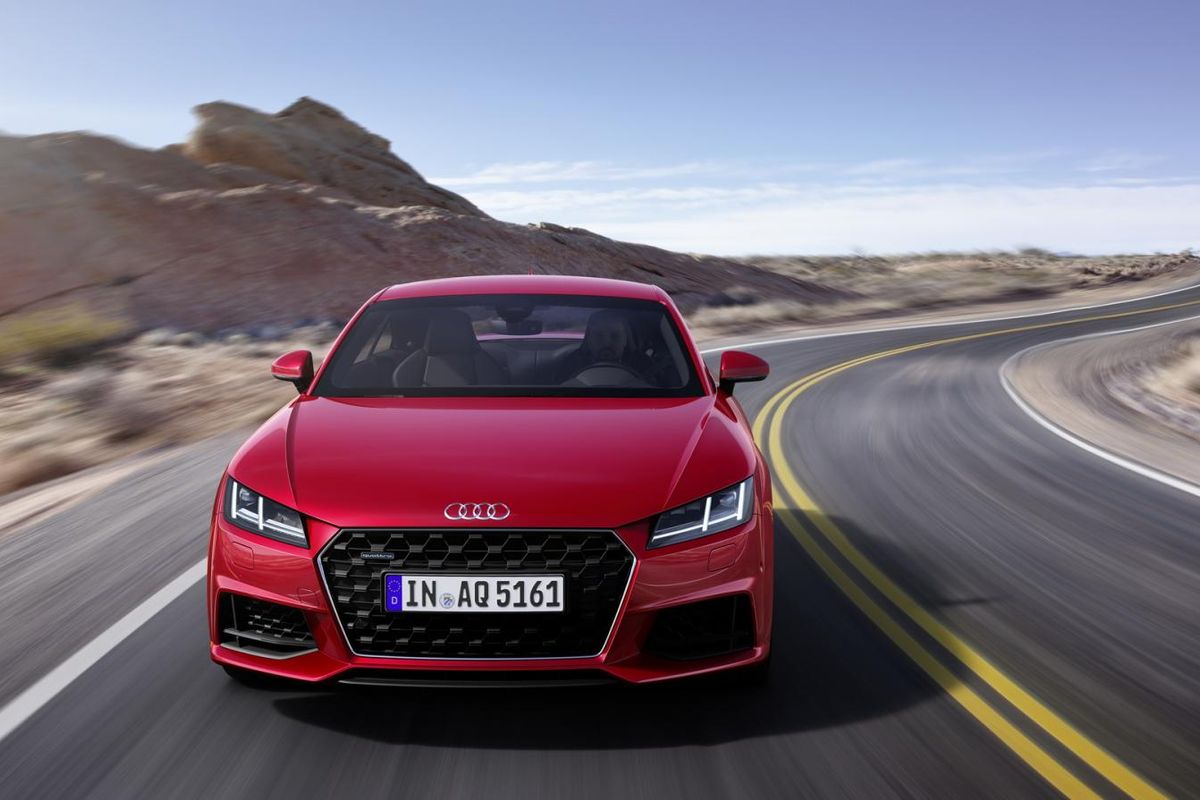
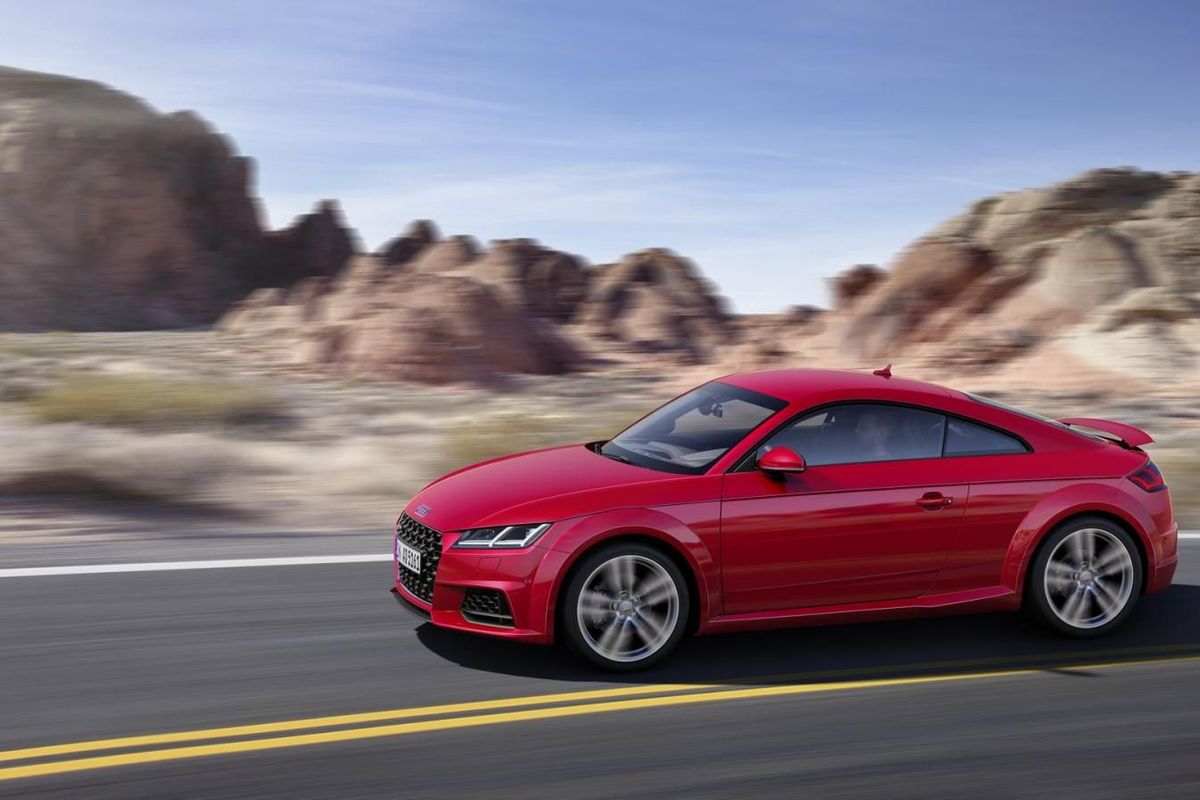
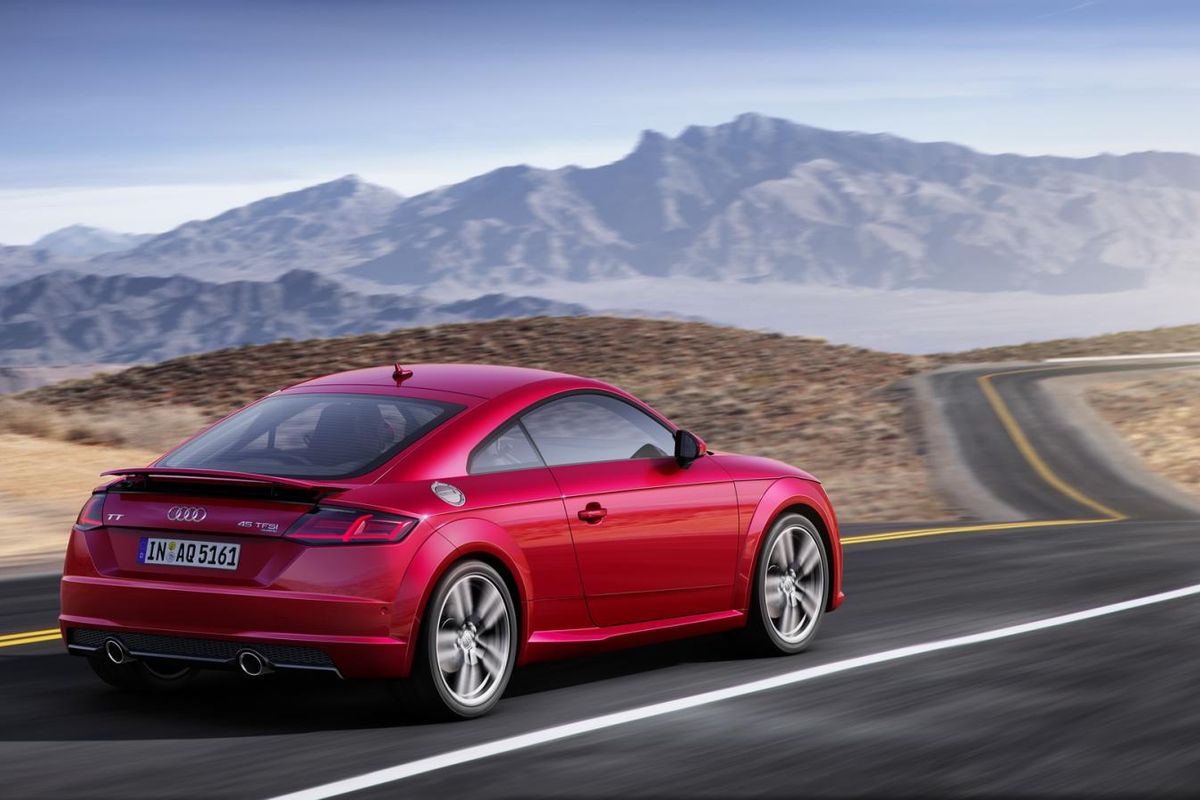
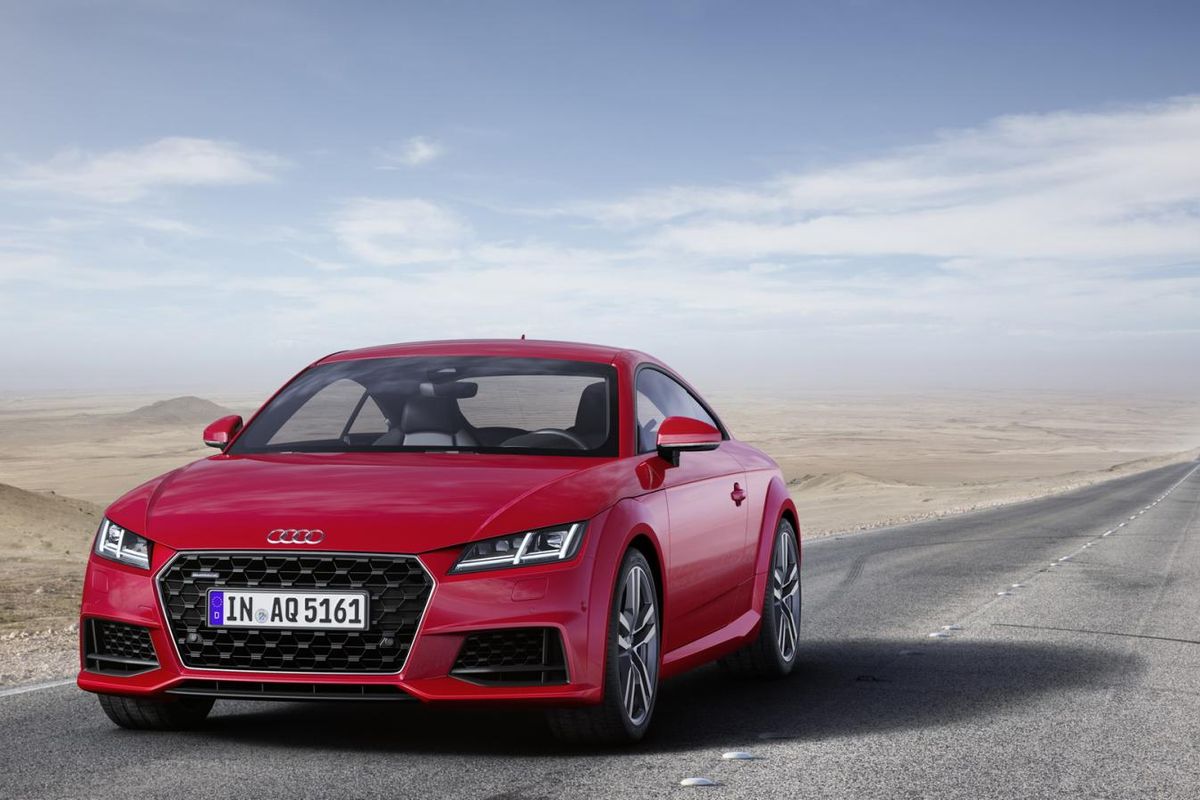
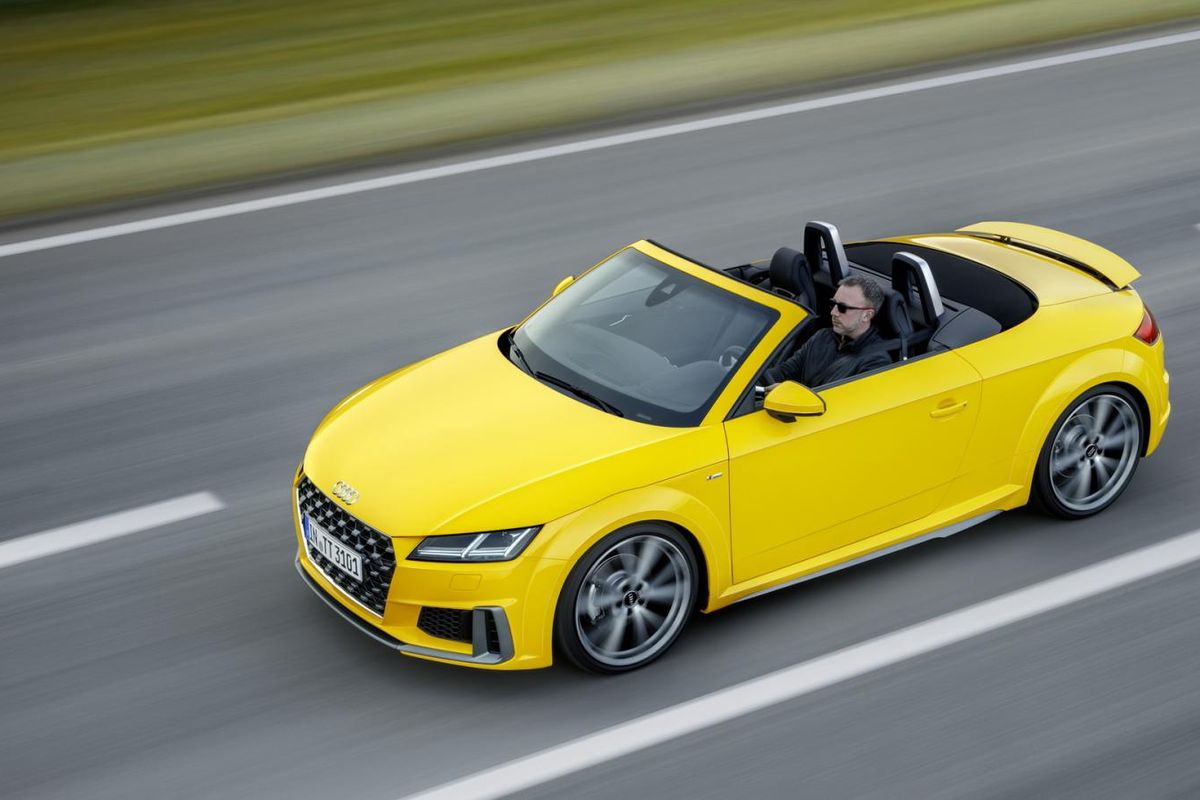
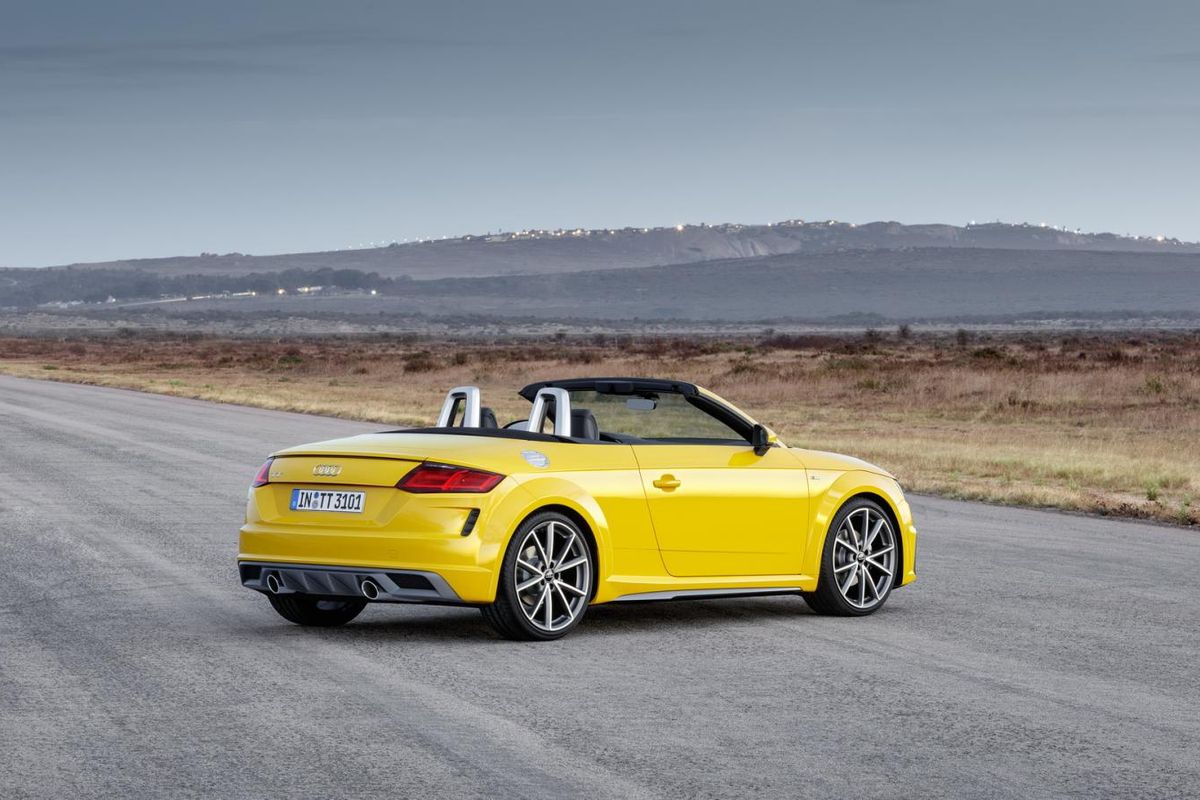
20 years after the original Audi TT was set loose, the facelifted version of the 2015 model has been announced.
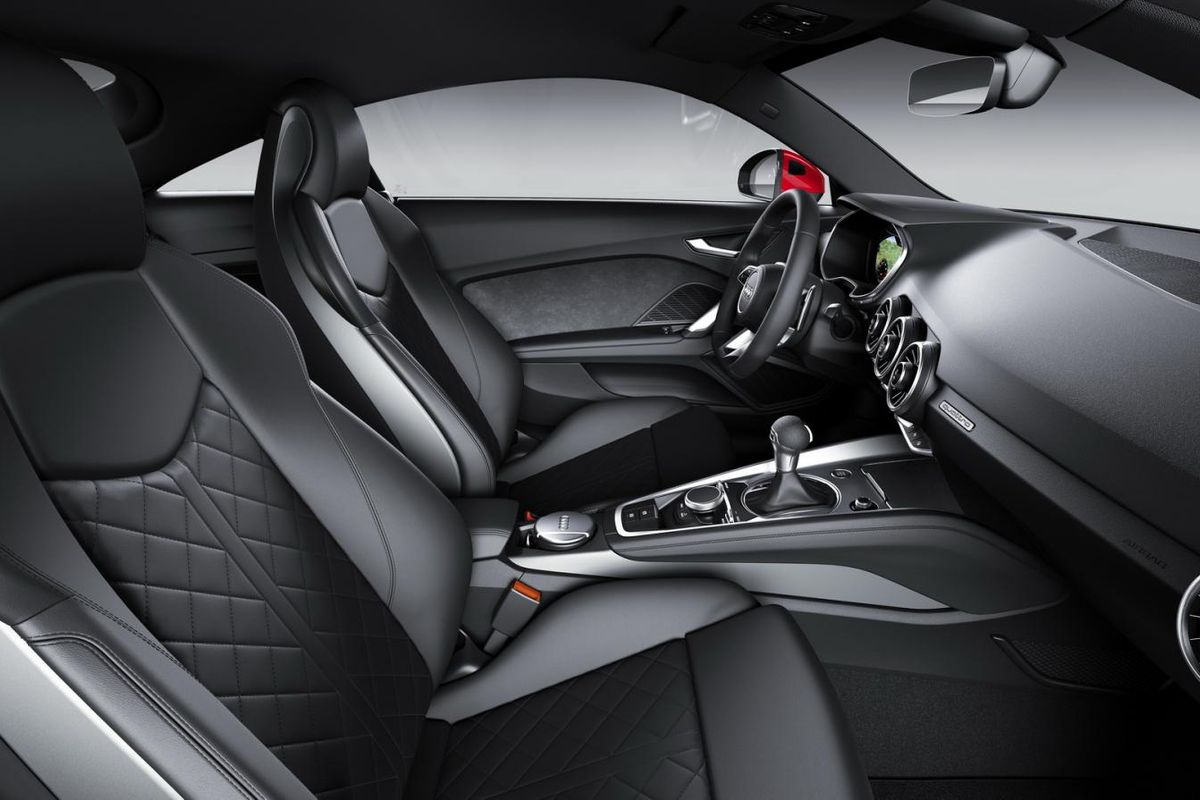
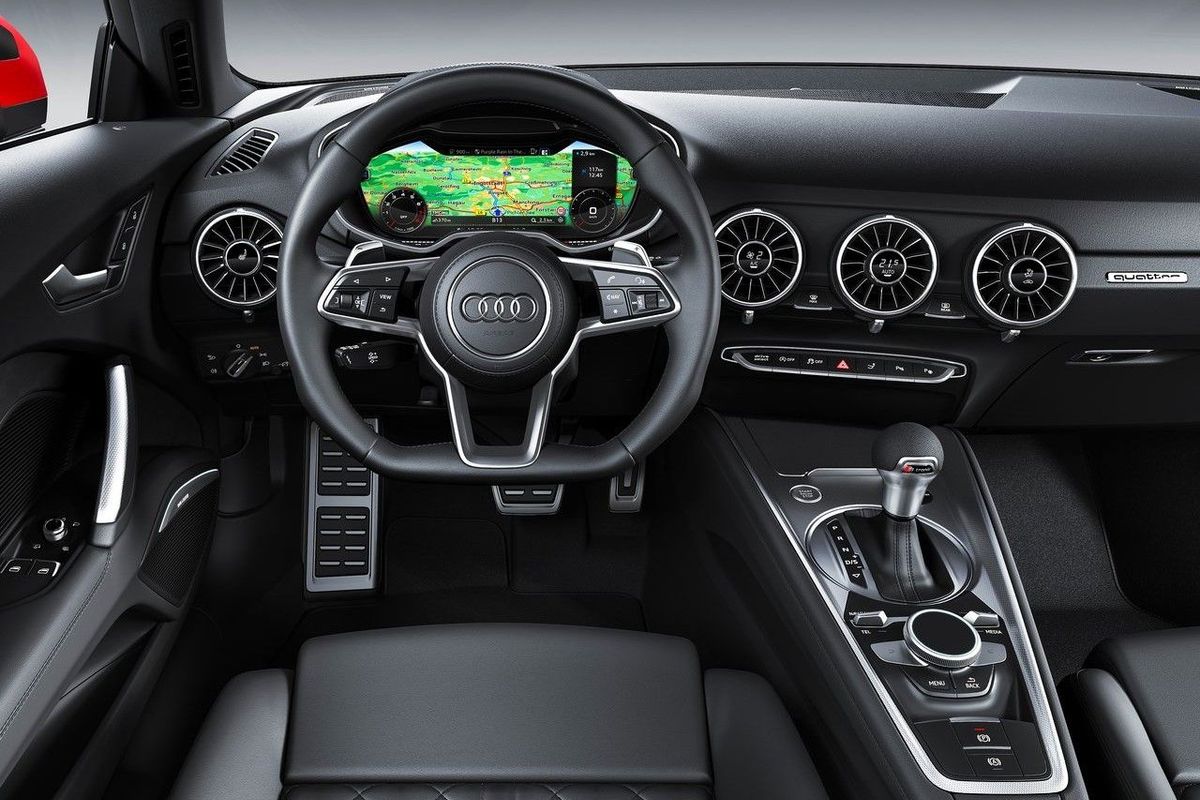
The crux of the updated model revolves around updating the standard equipment available on the TT. Besides the driver-oriented Audi virtual cockpit, the basic version of the new model now features the Audi drive select dynamic handling system, a rain and light sensor, heated exterior mirrors and the multifunction steering wheel plus as standard.
The front-end now features a 3-dimensional grille with honeycomb inserts and matching air dams that flank it. The rear-end also features more honeycomb design around the rear diffuser.
Three new colour options will be available, namely: Cosmos Blue, Pulse Orange and Turbo Blue, the latter is only available on S-Line models.
Engines are likely to remain unchanged although Audi hasn’t specified any details yet. Audi did say that the facelifted model will be offered with a 6-speed manual or a 7-speed dual clutch ‘box.
The interior is also unchanged in design and aside from the additional standard equipment, remains a high-quality environment to enjoy driving from.
The facelifted TT will be available to order from September 2018, although South Africa will likely only see its shipment arrive late this year or early 2019.
Could you drive an electric car as far on a single full charge of its battery, as you could a particular frugal turbodiesel vehicle with a tankful of fuel? Well, the Tesla Model 3 has just hit 1 000 km on a single charge.
The official number was 1 001 km on a single charge, but the hypermiling record was admittedly set in ideal conditions (at Dekra’s testing grounds in Germany, not on public roads). The reason for that was that the record was actually set without a live driver behind the wheel. A dummy was placed behind the wheel and then Autopilot mode selected – a fully autonomous driving mode that Tesla offers. The testing grounds also have clearly marked road lines, making it easy for the autopilot system to maintain course.
While hypermiling isn’t a real-world assessment of range, it does show what is capable from contemporary battery and electric motor technology. Range anxiety is a common problem with electric vehicles, but with an optimal range of 1 000 km, it could go some way towards alleviating anxiety.
The Model 3 clocked up 1 001 km at an average speed of 36 kph and took around 28 hours to exhaust its battery. The test results returned 7 kWh/100 km or R11.48 per 100 km (at R1.64 per kWh). In order to achieve that in a petrol powered car you would need to average 0.72 L/100 km.
The same team also set a new record for the bigger battery-powered Model S of 1 128 km.
Based on the XC90 platform the XC60 aims to give Volvo owners a mid-size SUV offering with 5-seats. The XC60 has been the brand's top-seller in recent years, does it further enhance Volvo's recent rise to prominence?
This is the new Volvo XC60. Well, actually it's not entirely new, we drove it on the international launch in June last year, and its literally taken until now to reach us here in South Africa. You can think of it as a Volvo XC90, but a bit smaller. And many ways, that’s a good thing.
With the same engines and power outputs as the XC90, albeit in a smaller package, the XC60 is an elegant rival to models such as the BMW X3, Mercedes-Benz GLC and Jaguar F-Pace. And, if you don't need 7-seats, and at three-quarters of the price, the XC60 might even make more sense than its larger sibling.
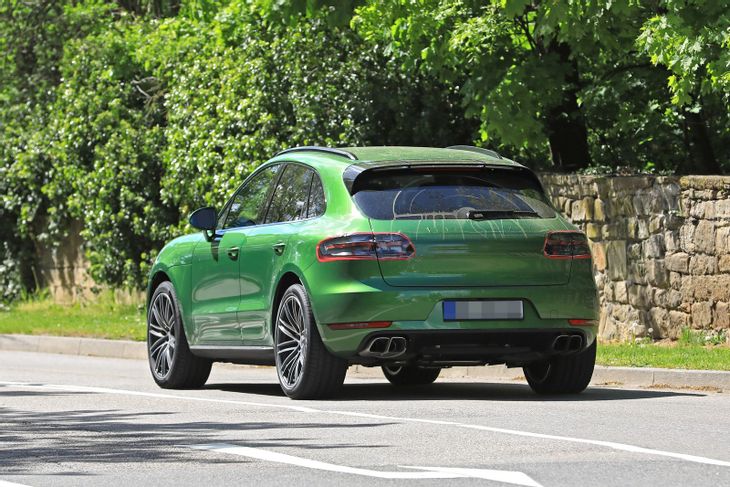
Thinly disguised pre-production units of the facelifted Porsche Macan have been spotted while undergoing testing in South Africa. We should see a showroom-ready version of Zuffenhausen's executive SUV later this month.
Image credit: S. Baldauf/SB-Medien
Porsche is no stranger to testing in South Africa. The hot weather and high altitude provide excellent testing conditions during the European winter. The latest model spotted clocking up miles in Mzanzi is the facelift Macan, which is due to be revealed later this month (July 2018).
The facelift Macan won’t feature much in the way of exterior enhancement apart from a new bumper and headlight design. The tail light design has also been altered to improve visual appeal.
Most of the improvements are out of sight. New infotainment screens, audio enhancements and better materials are the order of the day for the Macan. There is also talk of suspension and handling improvements, hence the testing on South Africa’s vast array of road conditions.
The engines will be more powerful for the facelifted version with 2.0-litre and 3.0-litre turbo units. Porsche wants to reinstate the Macan as the most dynamic car in its segment, a crown that was recently taken by the likes of the Jaguar F-Pace and Alfa Romeo Stelvio.
The Macan is likely to arrive in SA in early 2019.
Nissan Intelligent Mobility: 2018 Qashqai, X-Trail and Patrol
Nissan recently introduced a host of Intelligent Mobility active safety technologies in its Qashqai, X-Trail and Patrol ranges. Nissan Intelligent Mobility helps drivers to monitor their vehicles and their surroundings, anticipate unpredictable situations, and protect themselves as well as their passengers.
SPONSORED ARTICLE
For Nissan, intelligent driving is foremost about performance, comfort and safety, removing the stress from a daily commute or minimising the risk of unsafe conditions. In its commitment to what it terms 'real-world safety', Nissan pursues innovation as part of its Safety Shield concept. Based on the idea that cars should help protect people, the Japanese brand's advanced, proactive Safety Shield technologies, as detailed in this article, help drivers and passengers to avoid danger and lays the platform for the introduction of more autonomous drive technologies in future products.
Intelligent Blind Spot Warning and Intervention
If there is a vehicle in your blind spot, the radar-operated Intelligent Blind Spot Warning system will warn you by using a warning light in the front inside corner of the driver’s or front passenger’s door to let you know on which side the hazard is. If you indicate that you are about to execute a lane-changing manoeuvre, but there is a vehicle in your blind spot, a warning light will flash and an audible signal will sound. If you (the driver) don't heed the warning, the Intelligent Blind Spot Intervention will help you bring the vehicle back toward the centre of the lane in which it's travelling by automatically applying braking to the opposite side of the vehicle. Tekna-specification Qashqai and X-Trail derivatives, as well as the Patrol luxury off-roader, are equipped with these technologies.
This short video offers a simple explanation of the technology:
This system keeps an eye on your car's speed/proximity to the vehicle ahead of you and will warn you if you need to slow down. It can also apply braking if you fail to respond to the warning to help avoid a collision. On the Patrol luxury off-roader, the system underpins Intelligent Cruise Control, which is a boon on long trips: a touch of a button activates the cruise control and allows you to set the desired cruising speed. Using radar to maintain a set speed and distance between you and the vehicle in front of you, it dynamically applies braking to maintain safe following distances.
This short video offers a simple explanation of the technology:
When you start to drift from your lane, the camera-based Intelligent Lane Intervention system alerts you with a visual warning on the display and an audible signal. If you ignore the warning and Intelligent Lane Intervention detects that your vehicle is still straying from its lane, it will apply braking to gently guide you back between the freeway road markings and out of harm's way. This system features on the X-Trail 2.5 Tekna 4WD CVT and 1.6 dCi Tekna 4WD. In the Patrol 5.6 V8 LE 4WD 7AT, it is known as the Intelligent Lane Departure Warning and Prevention system.
This short video offers a simple explanation of the technology:
Intelligent Forward Collision Warning and Emergency Braking
If the driver does not adequately respond to the risk of a collision, this function will automatically engage the vehicle's brakes. In case the relative velocity is less than 60 kph, it may be possible to avoid a collision. If the collision cannot be avoided, the system will apply the brakes to help mitigate the collision and help reduce the likelihood of injury. To put it another way, a Tekna-specification Qashqai or X-Trail, which are equipped with the pair of interlinked technologies, effectively scans the road ahead and warns you to slow down, before you can even see what’s stopping traffic.
Watch #CarsAwards judge Juliet McGuire's video review of the top-of-the-range Qashqai:
Intelligent Around View Monitor
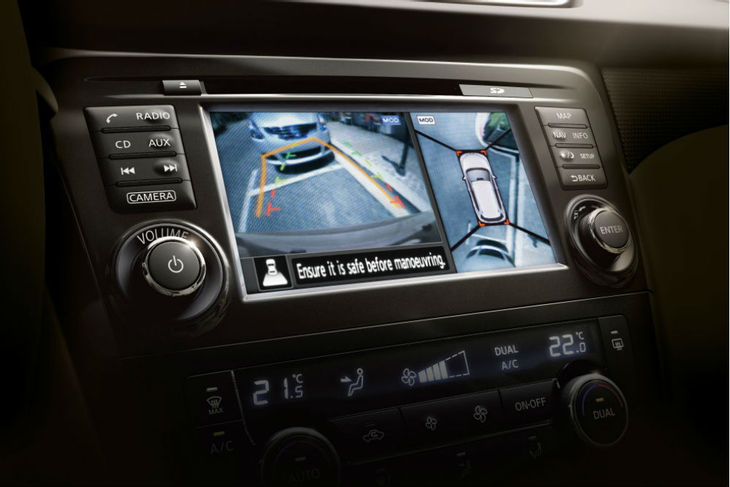
Intelligent Around View Monitor, which features in Tekna-specification Qashqai and X-Trail derivatives, as well as the Patrol luxury off-roader, brings the areas surrounding parking spaces in full perspective so that you can manoeuvre the vehicle safely and with confidence. The system uses four cameras to produce a virtual composite 360 bird’s-eye view of the vehicle, with selectable split-screen close-ups of the front, rear, and kerbside views. The associated Moving Object Detection feature, in turn, can detect moving objects near the vehicle and give you visual and audible alerts.
This short video offers a simple explanation of the technology:
Two automotive icons were reimagined and brought to market by German manufacturers, but only 1 thrived. Why?
Car design is an occupation held hostage by parking space constraints and crash safety regulations. Automotive designers might be some of the most imaginative people working in any industry, but the probability that they’ll do something wildly original within the regulatory limitations, let alone the contemporary platform-sharing-and-parts-commonality-above-all-else sensibility of the passenger vehicle industry, is negligible.
That finite possibility of executing something truly original is why some brands look to the past, to differentiate themselves in the present. Some observers criticise this retro styling strategy as plain laziness, but it does have merit. If Nintendo can relaunch the NES console as a classic edition and Nokia its 3310, why should car designers not have the freedom to reinterpret the past glory of a brand with modern materials and technology?
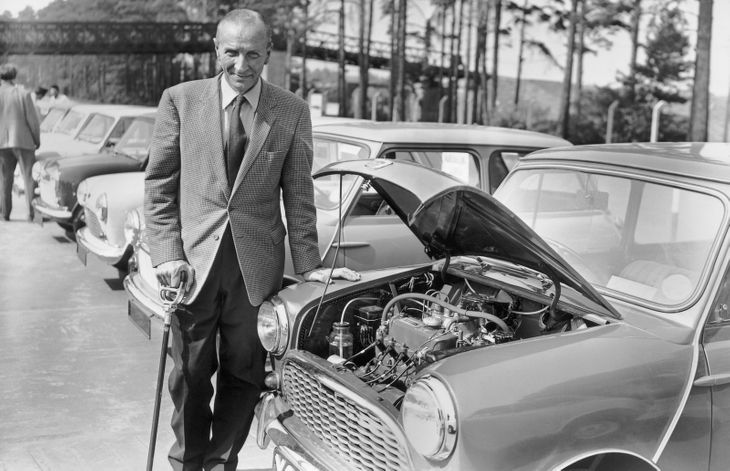
Alec Issigonis next to the original Mini. The new Mini may be much bigger, but the ethos behind it is still familiar.
It’s difficult to value authenticity when you are discussing retro-design, but in the South African market, there are 2 brands that best illustrate the risks of transporting past into the present: Mini and VW. Although technically both are German, one has been very successful, but the other not.
Starting new
When Mini was acquired by BMW in 2000 many doubted the German firm could revive this British icon in a world, even then, obsessed with SUVs in America and 2-door sportscars everywhere else. This was the time of Audi’s original "Bauhaus" TT and BMW’s "clown shoe" Z3 M Coupe. Minis were traditionally entry-level city cars. How BMW hoped that they could successfully become premium-priced compact hatchbacks was unclear.
The canny marketing researches in Munich were aware that a new market was revealing itself. By the late 1990s, Audi had launched the A3 and Mercedes-Benz its A-Class, which meant a revived Mini could aim for a new market in the making: premium hatchbacks. Mini also had the advantage of starting anew, without any legacy engineering issues or forced platform integration. This meant that one specific attribute of all Minis past – outstanding agility and driver appeal – could be engineered into the first of the new-generation Minis.
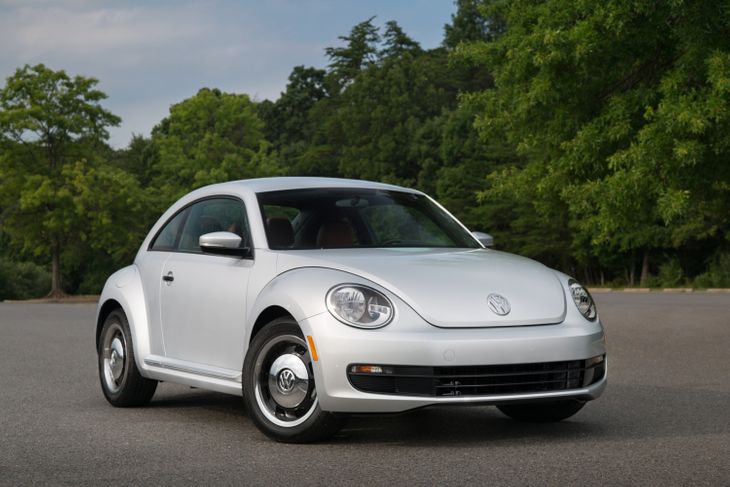
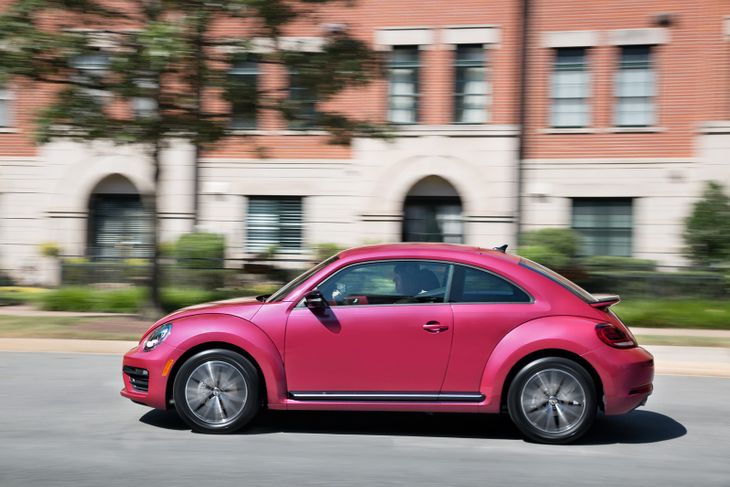
Despite a few throwback bits and bobs, the new Beetle seemed to lose much of its original character.
BMWs marketing gurus were right. Since Mini was relaunched in 2002, scepticism has given way to success and begrudging respect from all rivals. Although the Mini range has recently been rationalised, now trading at a portfolio without Coupe/Roadster or Paceman, the brand retains a revered status and extremely loyal customers. The iconic style and factory customisation options appeal to daring buyers, while the intrinsic driver appeal of the cars ensures loyalty. Mini owners buy into the uniqueness of design, but are often won over by the driving experience over time.
Mini does what Mini does. Although it dabbles in pseudo-crossovers and convertibles, the entire design and engineering focus is applied to Mini.
The issue of sharing
VW’s retro project had a different trajectory. During that angst-ridden pre-millennial era in which some (ultimately untenable) car-brand mergers occurred, Wolfsburg launched the New Beetle. However, from the outset, it was established on a compromise, one which it's never escaped.
The latest version of the Mini throws back to its British roots with Union Jack-styled tail lights.
The styling might have had a likeness to the original air-cooled Beetle, but all the modern iterations have been based and built on a Golf compact hatchback platform, with inevitable compromises. Mini’s modern configuration is no different from what it looked like as a technical drawing on Alec Issigonis’s design board in the late 1950s. You can still buy a Mini with two-doors, a transverse 4-cylinder engine up front and relatively modest luggage bay. There has been no alteration in the design principles of Mini, the new one is merely built with the best contemporary components.
With new Beetle, the expectations and execution have varied, massively. The engine location switched ends and was no longer a flat-4 unit, which undid the packaging and available luggage space those original Beetles were celebrated for. Air-cooled Beetles might have been slow, but the genius behind them was having room for passengers and their luggage. On the Golf platform, with an in-line 4-cylinder engine up front, new Beetle has been at best an oddly configured coupe. And if you wanted a Golf-based coupe, VW’s did a phenomenal one in the form of Scirocco.
The Beetle runs on a Golf 7 chassis, but never delivered anything vastly different from a Golf or Scirocco.
The new Beetles had excellent components, in isolation, but the packaging never convincingly harmonised. Being sold in parallel to Scirocco didn’t help, either. The Golf platforms, engines and engineering expertise that modern Beetles were evolved from set new industry standards, yet despite all of that it never charmed, nor sold, with the aplomb of Mini.
Retro Respect
An indication of just how badly Volkswagen’s retro car project has gone awry is the fact that you can’t even buy a new Beetle locally any longer, after the Wolfsburg brand's South African subsidiary quietly discontinued it earlier this year. In principle, a distinctively styled "Golf 7 coupe" appears to be an excellent idea, but the packaging issues always made Beetle annoyingly compromised to own, despite being rather satisfying to drive.
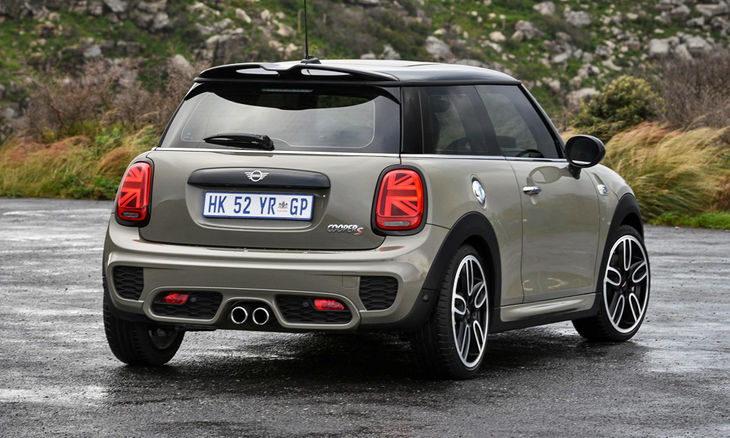
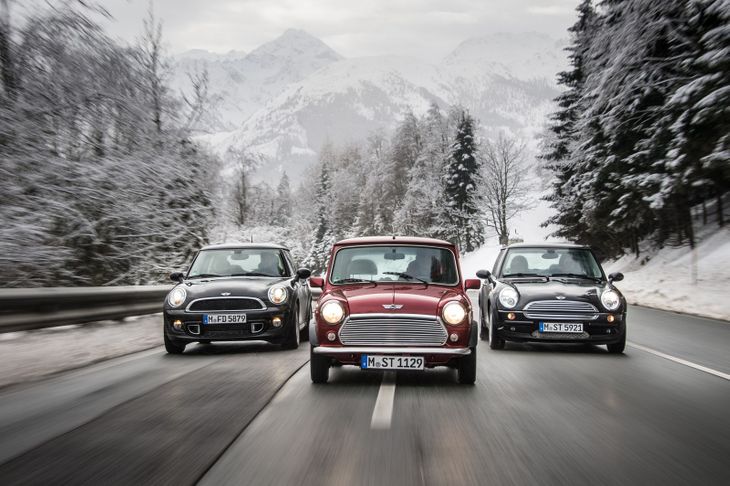
Contrast that with the status of Mini in Mzansi. BMW’s British sub-brand now markets a portfolio of 6 models with more than 30 derivatives to choose from (from a value-orientated Mini One to some outrageous John Cooper Works hot hatches). Sure, if you park a 2018 Cooper next to an original one from the '60s, there’s a substantial discrepancy in size, but the latter's wheelbase-to-track ratio remains biased to agility, instead of ride quality, with minimal rear overhang. And the engines are in the same place with both classic and contemporary Minis, as is the drive configuration, which is to the front wheels – with the exception of those pseudo gravel-friendly Countryman models.
Moral of the story? Stick to your roots if you plan to go retro.
What could VW have done better with Beetle? The most obvious difference between the Mini and VW’s attempt at retro design has been a dedicated platform. If VW managed to fit a flat-4 engine in the Beetle, it would have perhaps enabled better space utilisation. Although that engine didn’t exist when new Beetle arrived in 1997, a smaller-capacity version of Porsche’s 2.0-litre engine, with a shorter stroke, could have made a very driveable 1.6-litre flat-4 to counter the 1.5-litre Minis. A rumoured battery powered rebirth is Beetle’s only possibility of continuation. As a product, Beetle was always undermined by the virtue of its platform siblings, Scirocco and Golf GTI, while Mini never really competed with BMW’s 1 Series.
Although nothing significant happened as 1999 became 2000, the subconscious numerological influence was massive in terms of design. There was a monumental fear of the unknown, beyond 2000, forcing designers to look backwards. An inexplicable assumption was that from 1999 to 2000, customers would immediately incubate a design literacy and demands. Which, of course, they did not.
The few years before and immediately after the millennium delivered a slew of retro design inspired automobiles: BMW’s Z8, Chrysler’s PT Cruiser, Ford’s Thunderbird, Plymouth’s Prowler, the rebirth of Mini and VW’s Beetle. Of those, only one managed to survive and thrive. And how? By remaining true to its first principles…
The Renault Clio RS18 was recently launched in South Africa and after testing it on track, we were keen to know what the Gallic hot hatch is like to live with on public roads. Can it match its rivals in terms of comfort, specification and performance, or is it just too compromised for daily use?
We like: rorty engine note, exceptional specification, immense acceleration (both in-gear and from a standstill).
We don’t like: road noise becomes tiring on longer journeys, harsh ride on poor SA roads, gearbox slow to react in Comfort mode/best in Race mode.
Alternatives (click on car names to view specs and request test-drives):
Volkswagen Polo GTI: The RS18's main rival is substantially more affordable, but considerably down on spec. Its 2.0-litre engine produces peak outputs of 147 kW and 320 Nm, but somehow it just feels bland compared with the exciting and hands-on RS18. The real feather in the cap of the GTI is its day-to-day usability. It feels a tad more luxurious and its certainly more comfortable to drive, even if at the expense of outright driving fun.
Ford Fiesta ST: One of our favourite driving toys is about to be replaced. Gone is the 1.6-litre turbocharged Fiesta ST200 and in its place is a new 1.5-litre 3-cylinder model. We haven't driven it yet, but if overseas reports are to be believed, this will continue to set the benchmark for driving thrills.
Mini Cooper S: The Mini was recently facelifted and now features a dual-clutch gearbox as well as Union Jack-themed taillights. While it's more of a yuppie toy than a hot hatch in its current iteration, its driving dynamics count for a lot – it's truly a hoot to drive.
Abarth 500: These Fiat 500-based little rockets are powered by rorty 1.4-litre turbopetrol motors and exceptionally fun to drive. Abarth derivatives have become quite expensive, however; they're also the smallest cars in this grouping.
Ford Focus ST1: Want a bigger car and/or more power? The Focus ST is unbeatable value at just R10k more than the Clio. Sure, it doesn't have as many features and it won't be as enjoyable to drive, but it still packs 184 kW from a 2.0-litre turbocharged 4-cylinder motor. Just bear in mind it's in the run-out phase of its product cycle.
As that famous quote goes: "You can have any colour you want, as long as it's black."
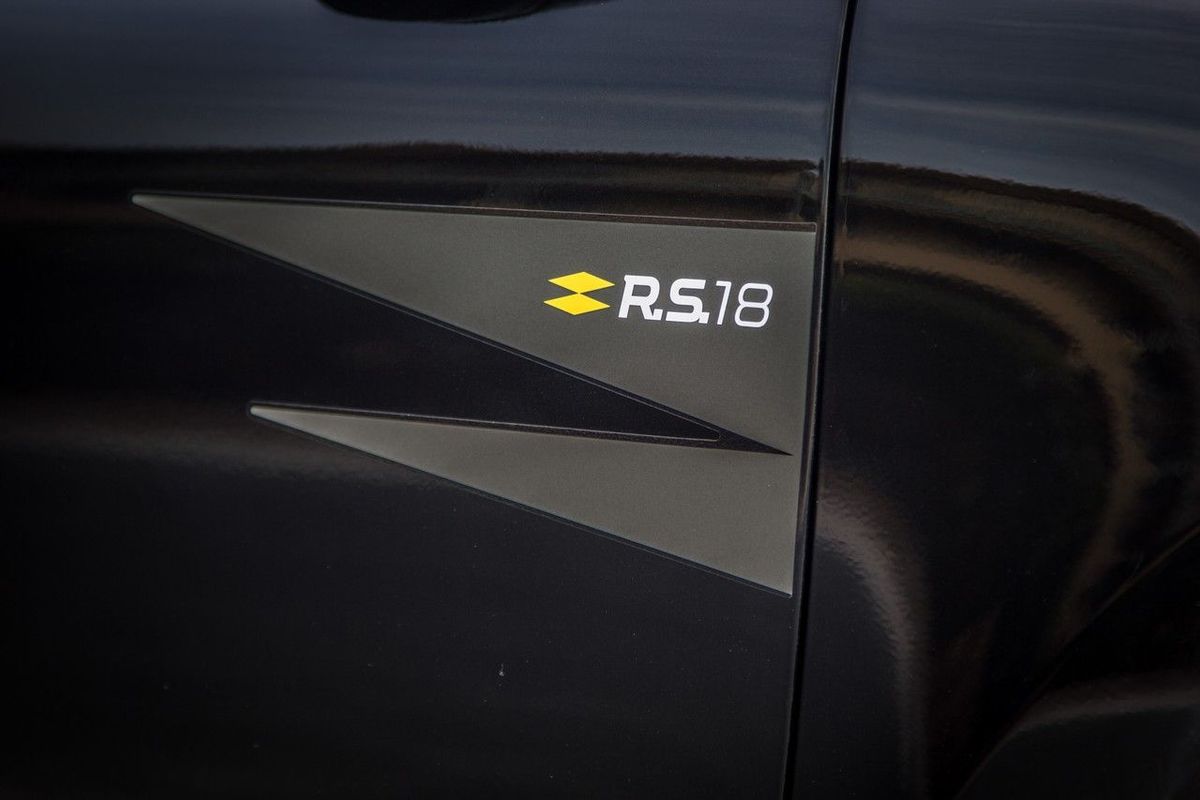
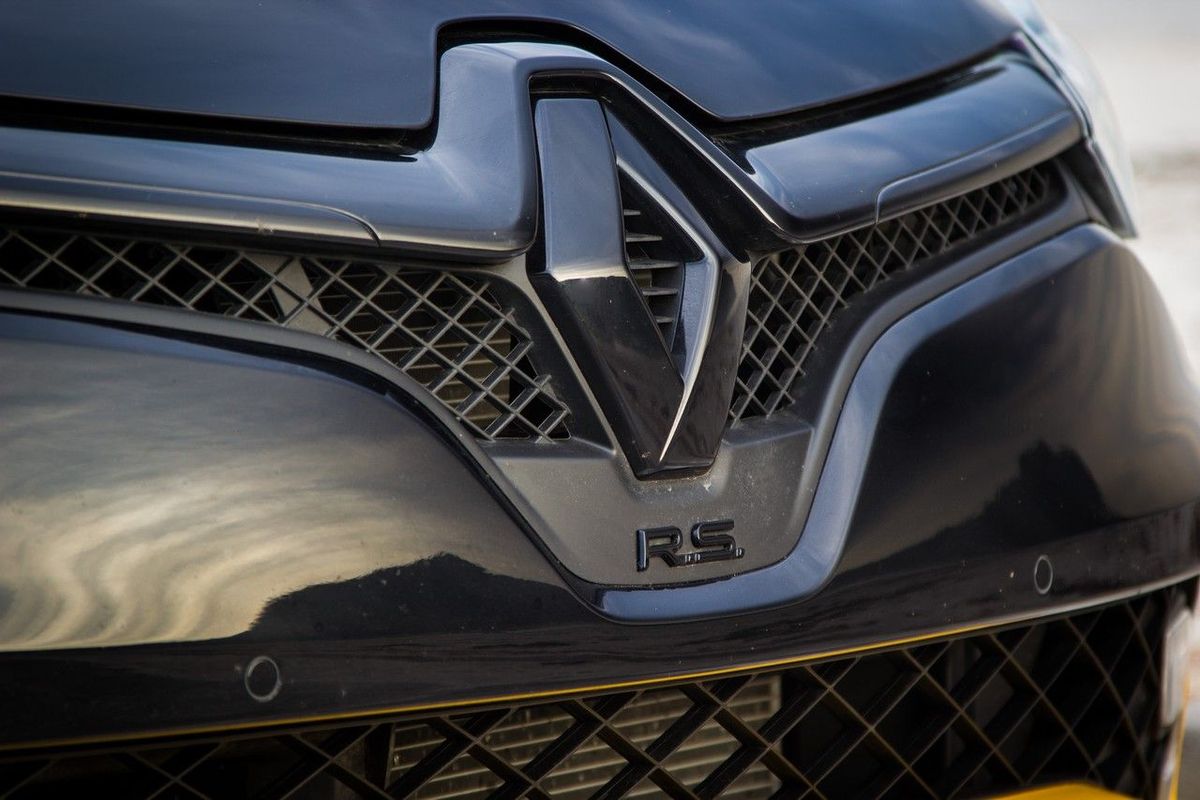
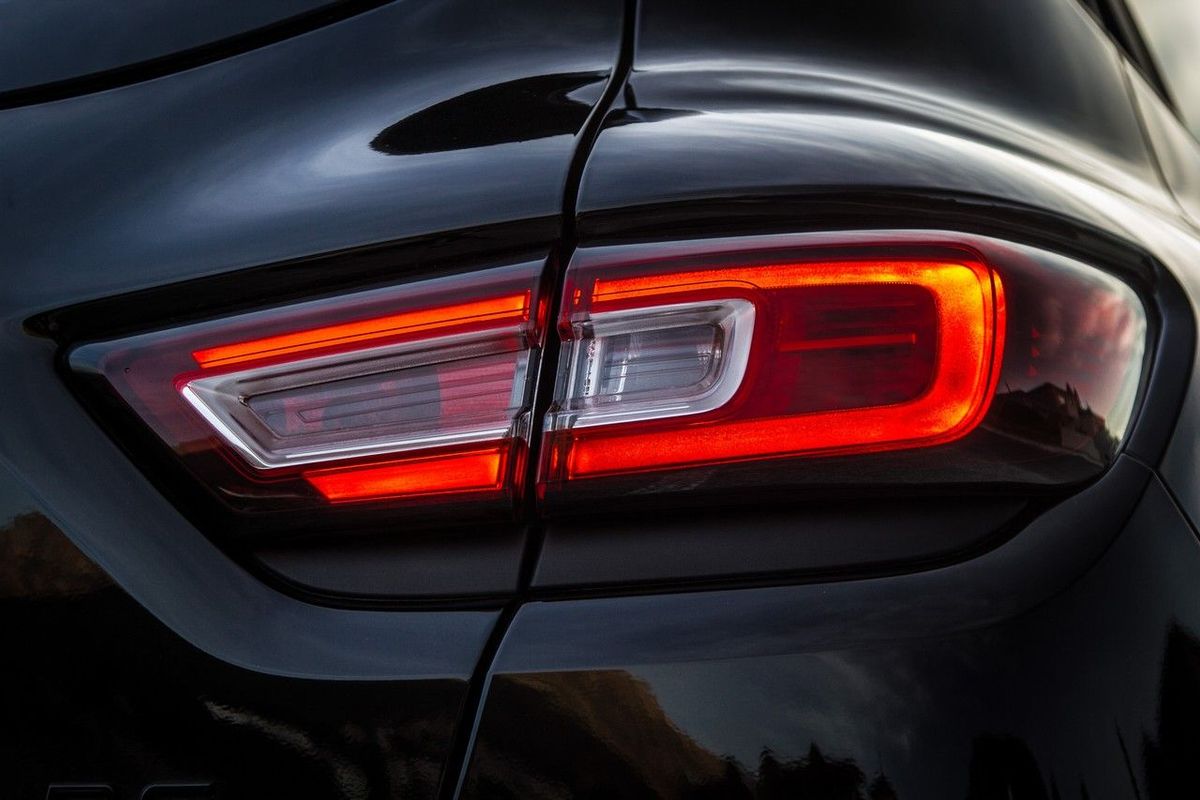
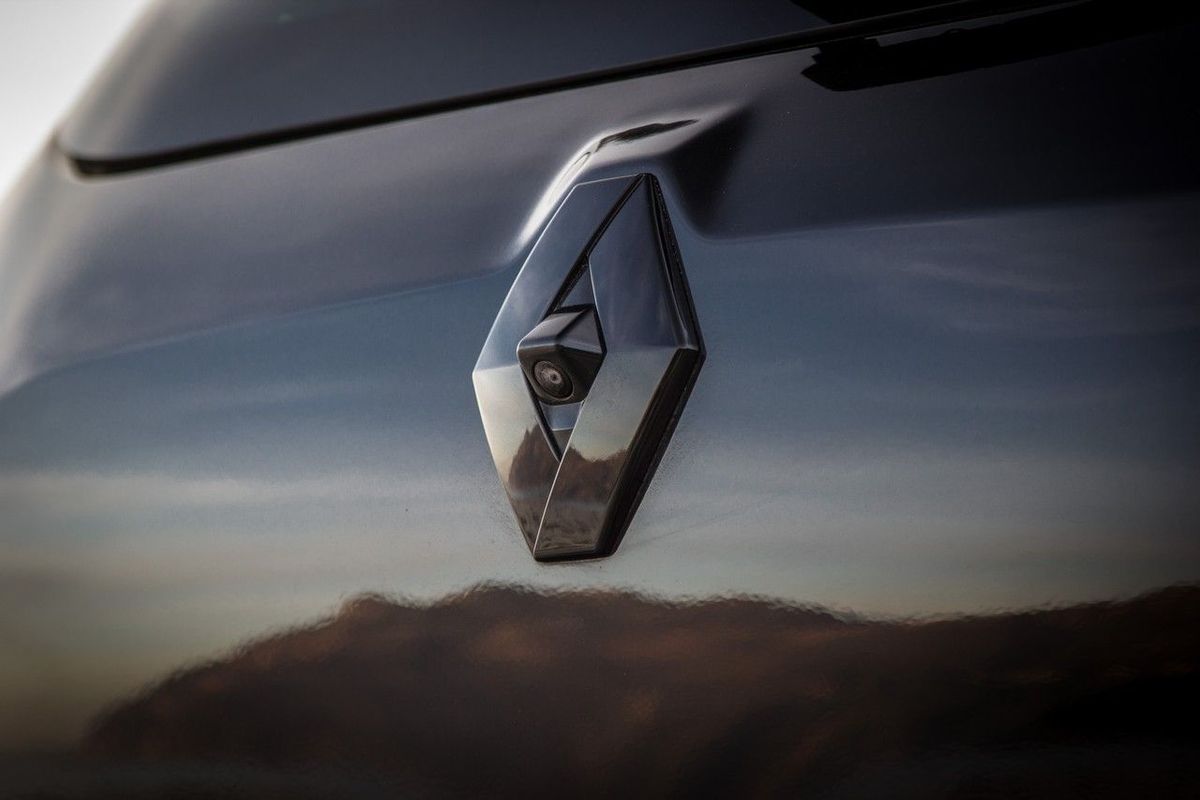
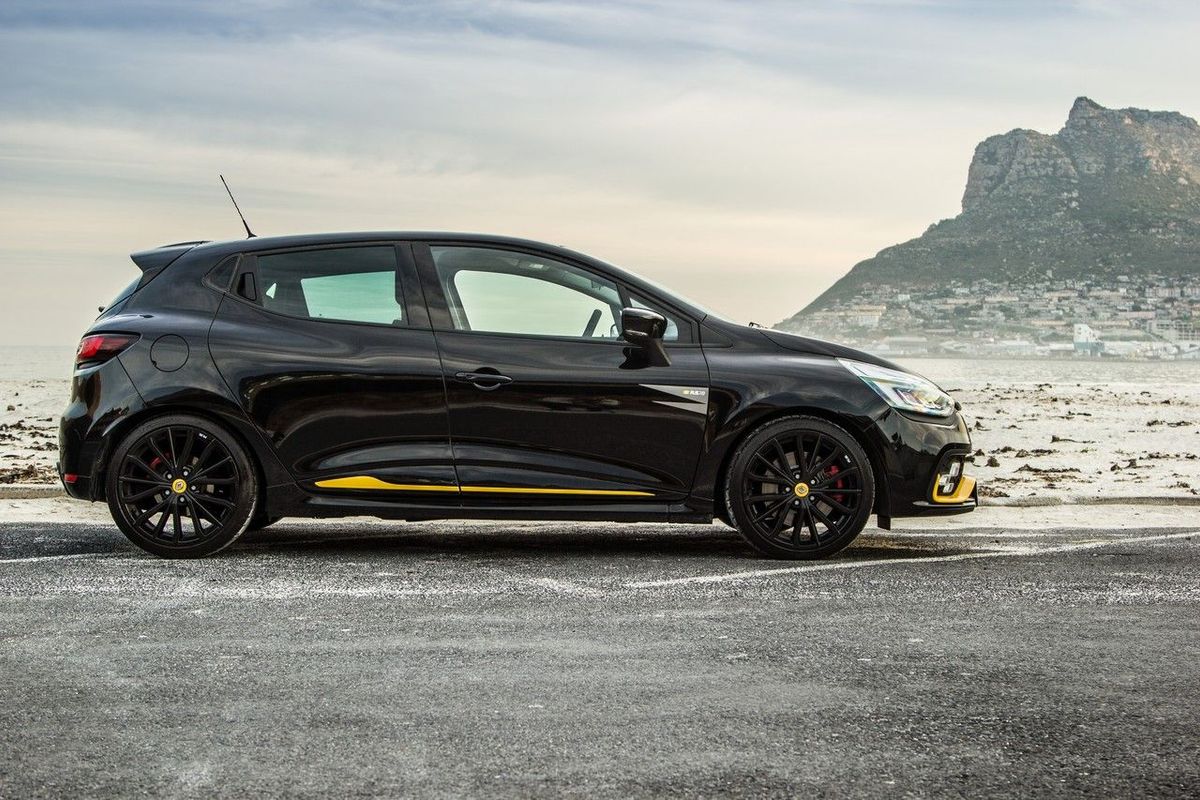
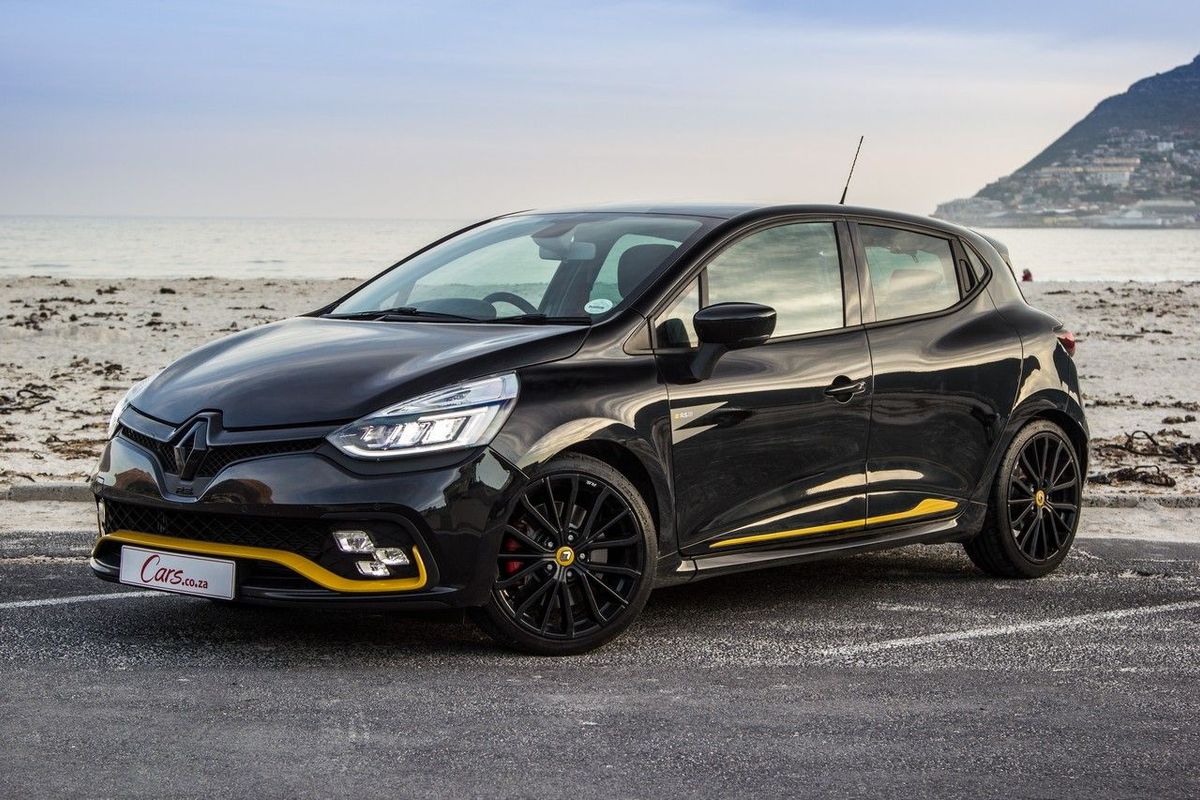
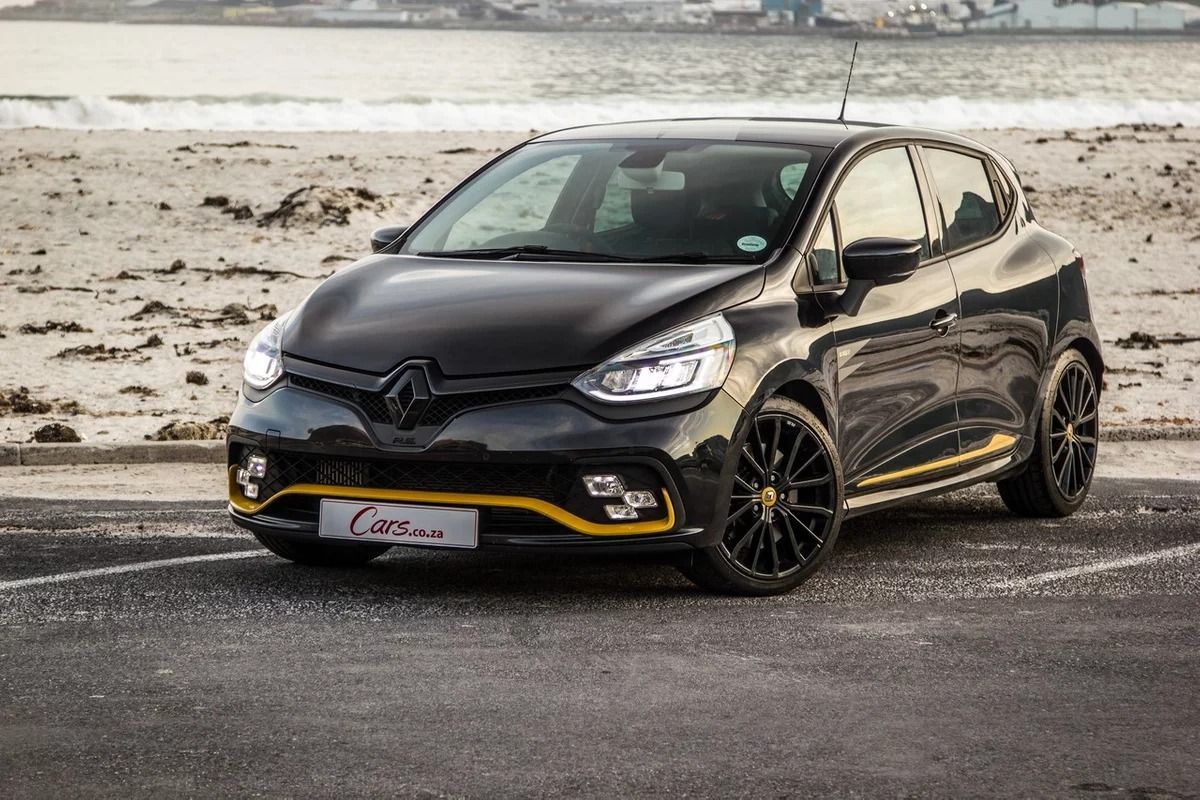
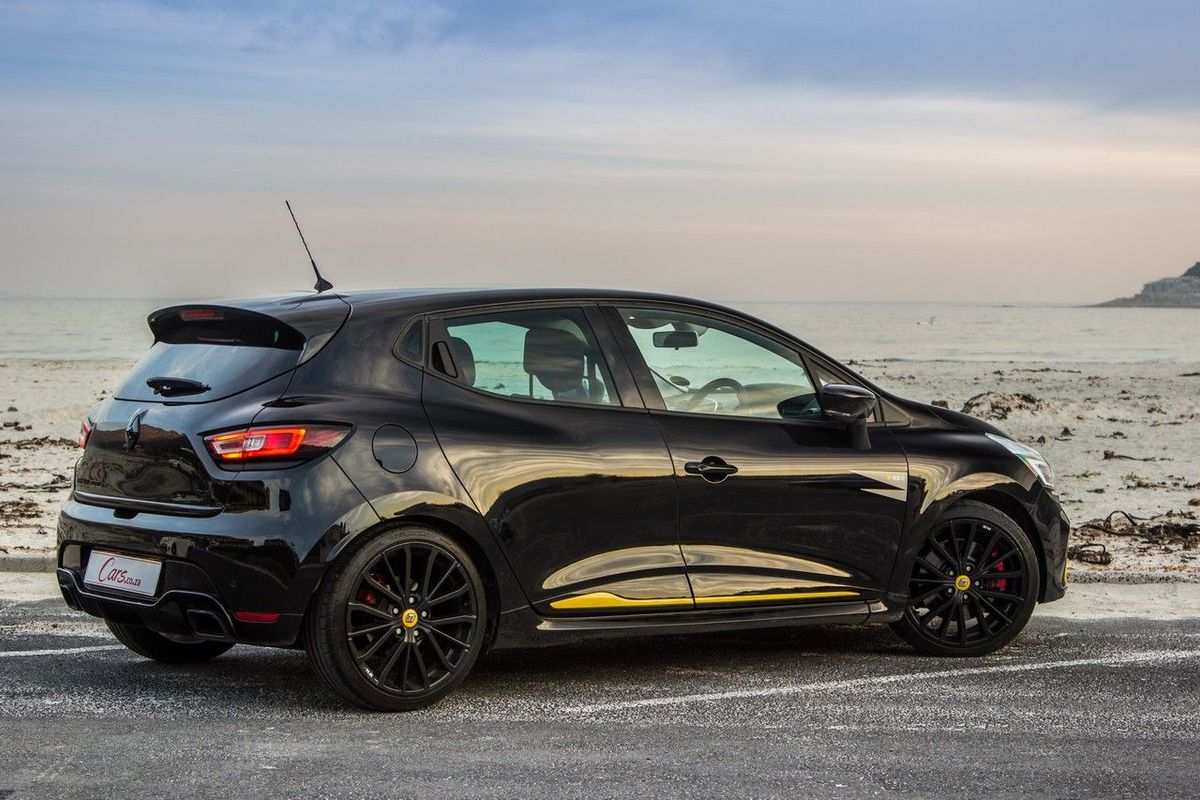
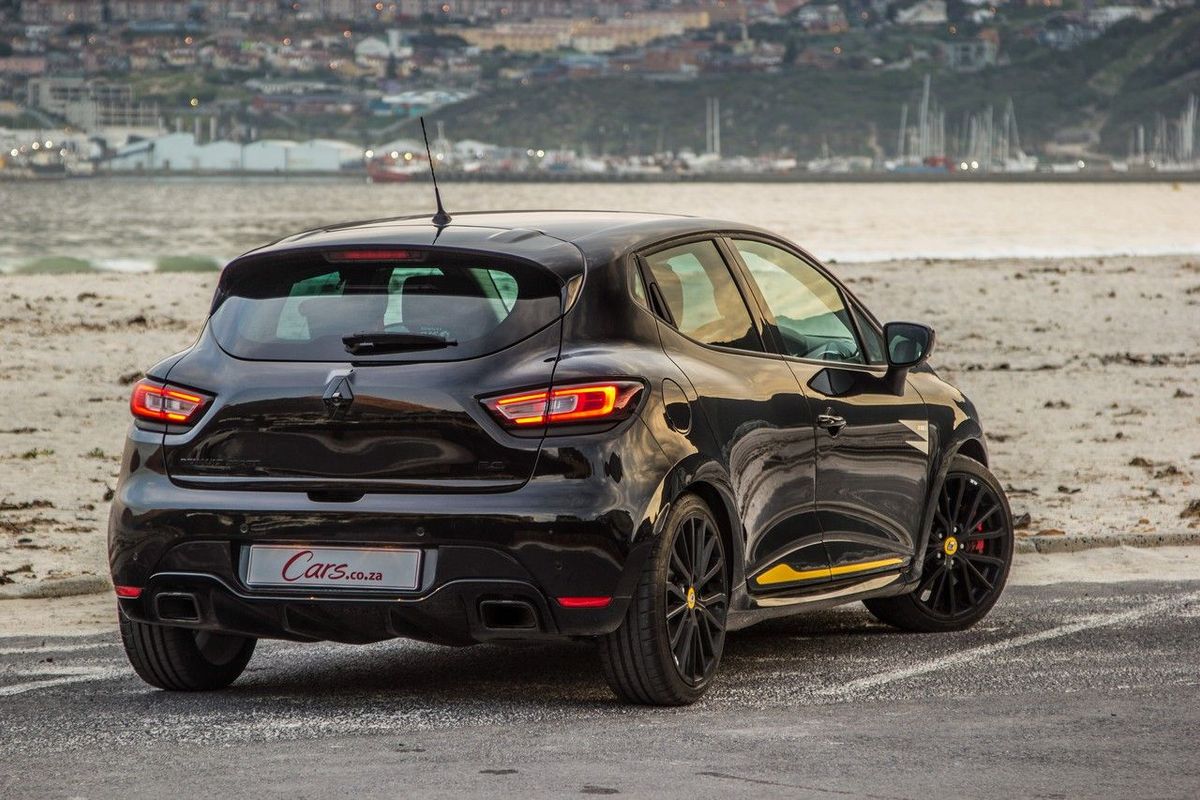
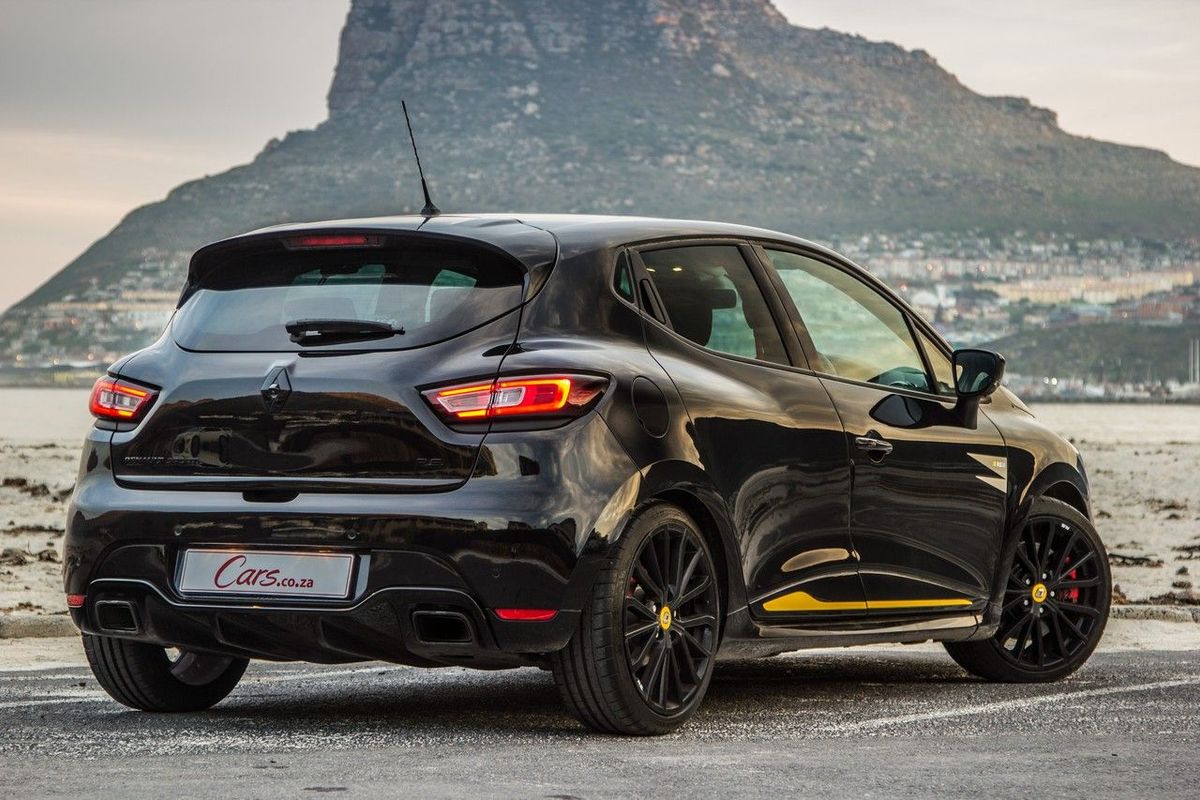
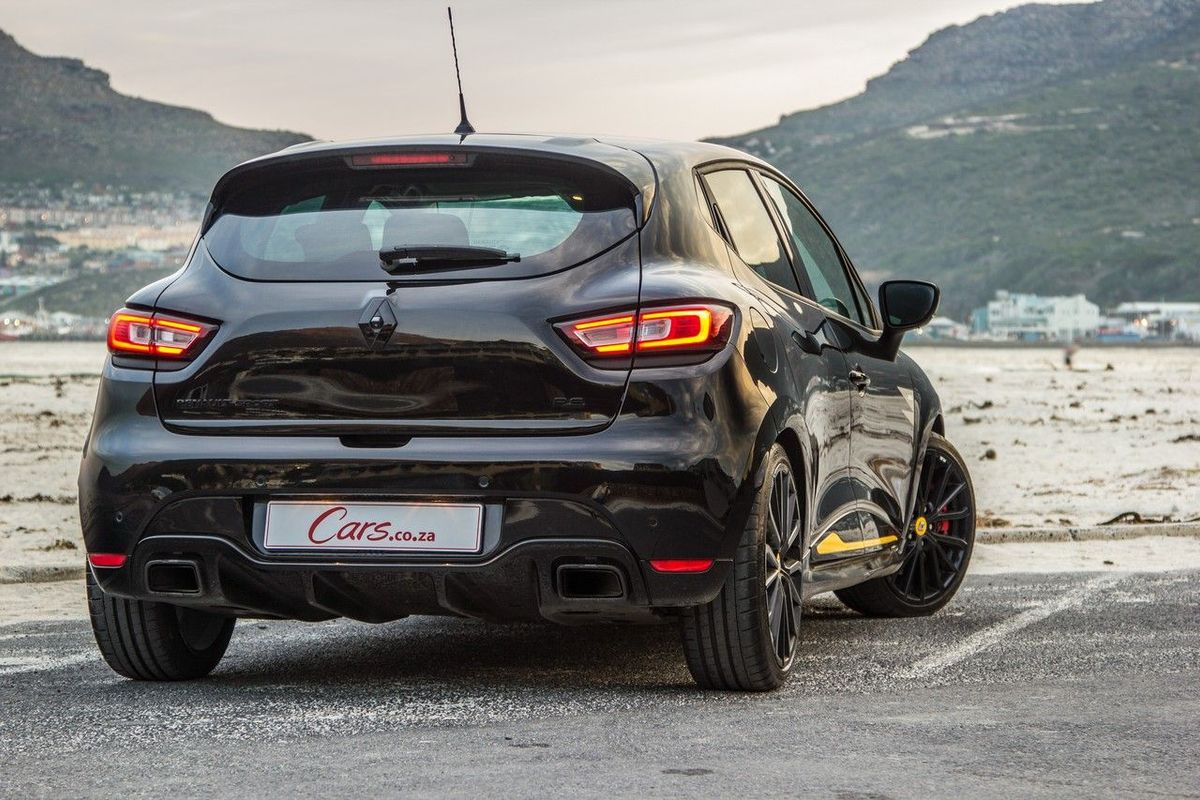
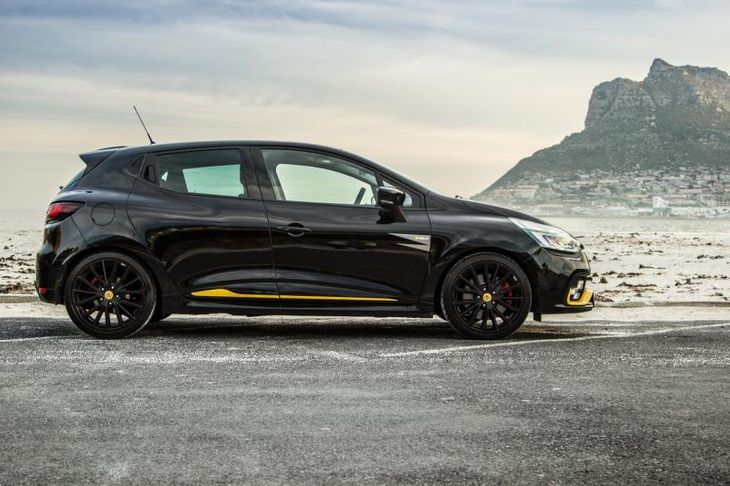
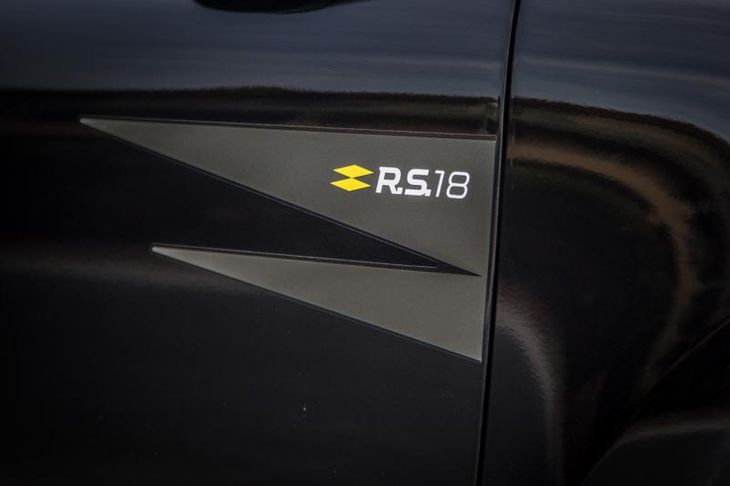
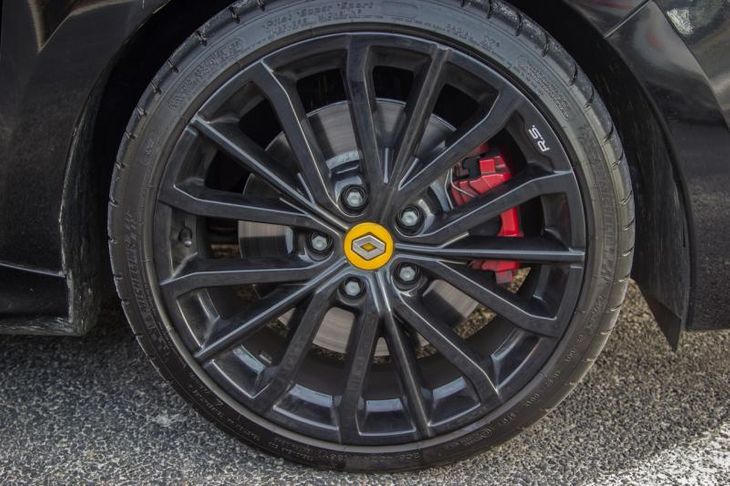
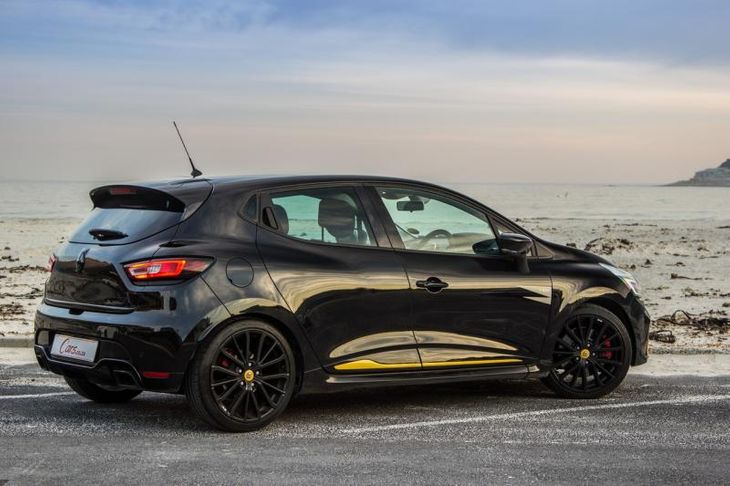
Finished in a colour scheme reminiscent of that of the Renault F1 team's cars, the Clio RS18 is one striking little pocket rocket. The entire car is blacked out and there are little yellow RS (Renault Sport) touches everywhere. Upon closer inspection, you'll notice that the badges are also blacked out, from the Renault diamond on the nose to the RS badges on the rump. The French firm's sports division is also fond of going all out with decals: there's a sizeable RS logo on the roof and RS18 badges on the doors. We absolutely love this blacked-out look!
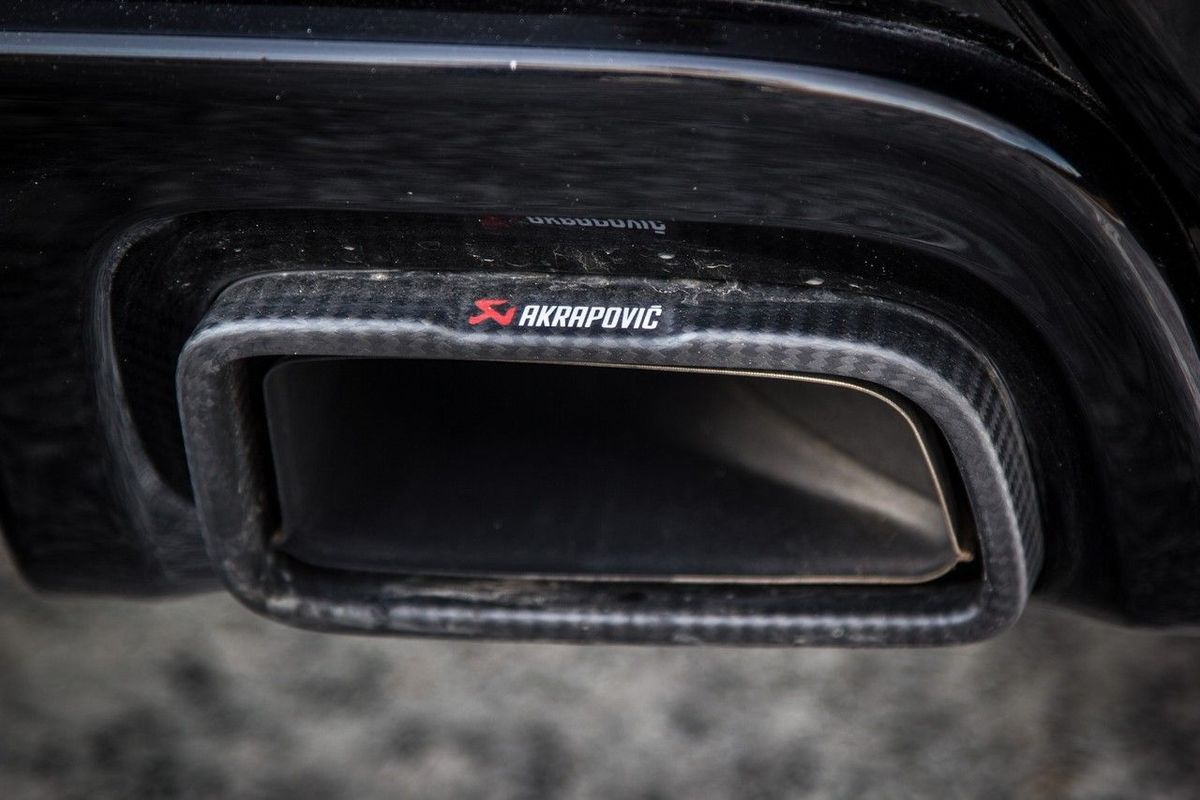
Mechanically, Renault has taken the chassis of the current Clio Trophy derivative and gone a bit further with it. The suspension has been lowered and stiffened, and Renault Sport claims the (standard) Akrapovic exhaust system has been tweaked to produce a unique sound for this specific derivative. We'd be hard-pressed to tell otherwise, however. Renault South Africa is hoping that this little Clio RS18 will become a collector's item as just 65 units have been allocated for our market.
Subtle decals on the flanks show that this is a one-of-a-kind Renault Sport product that will only be available (from new) in 2018.
The Good
Generous standard spec
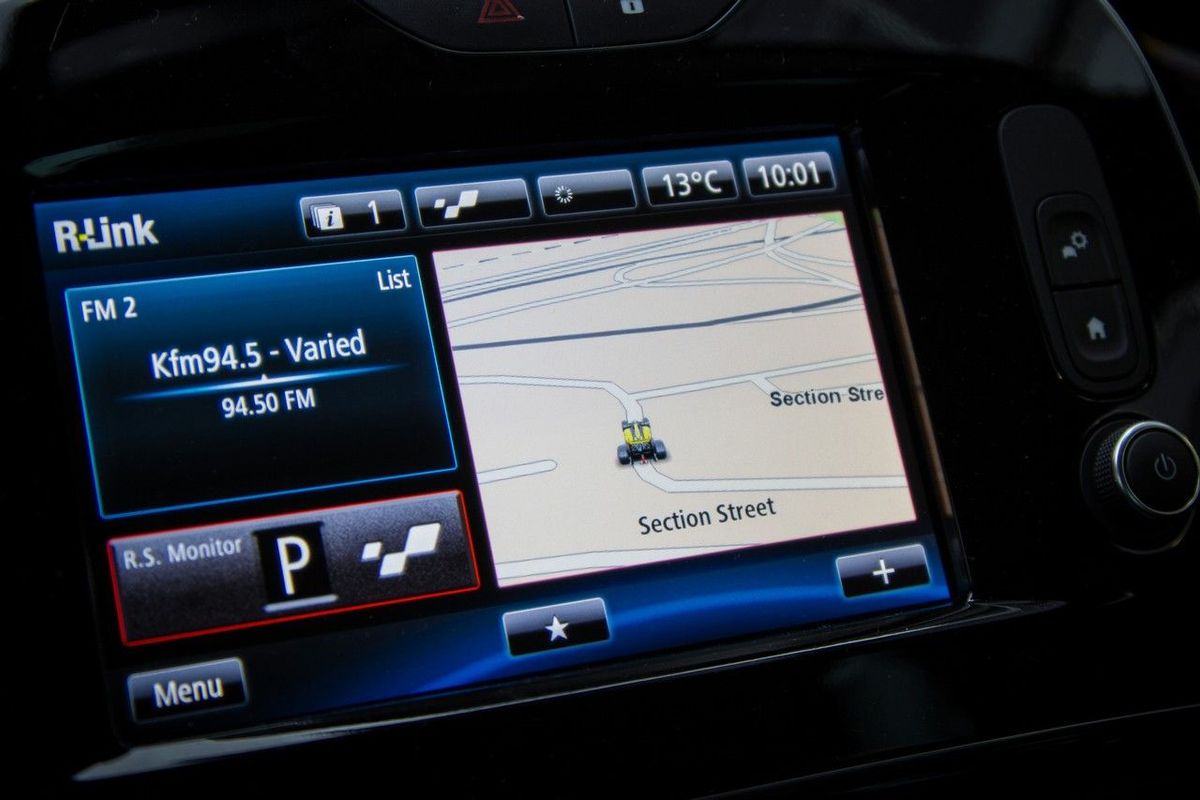
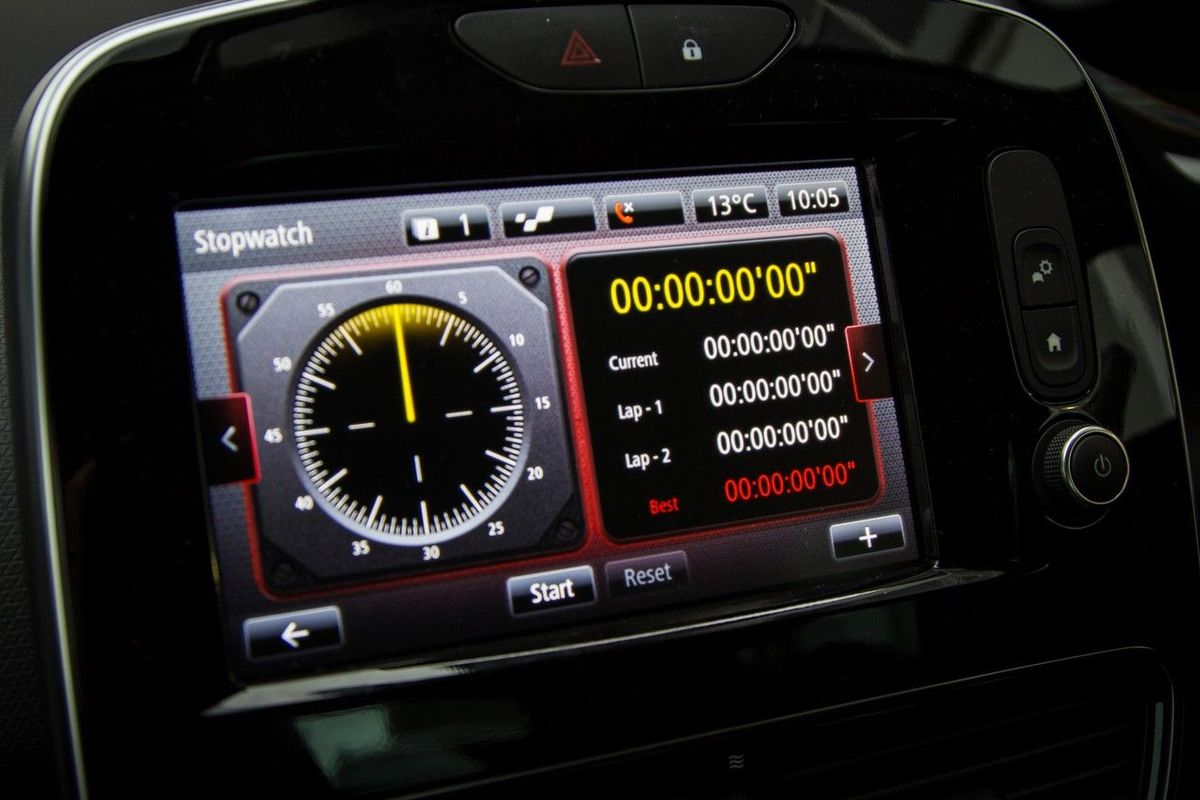
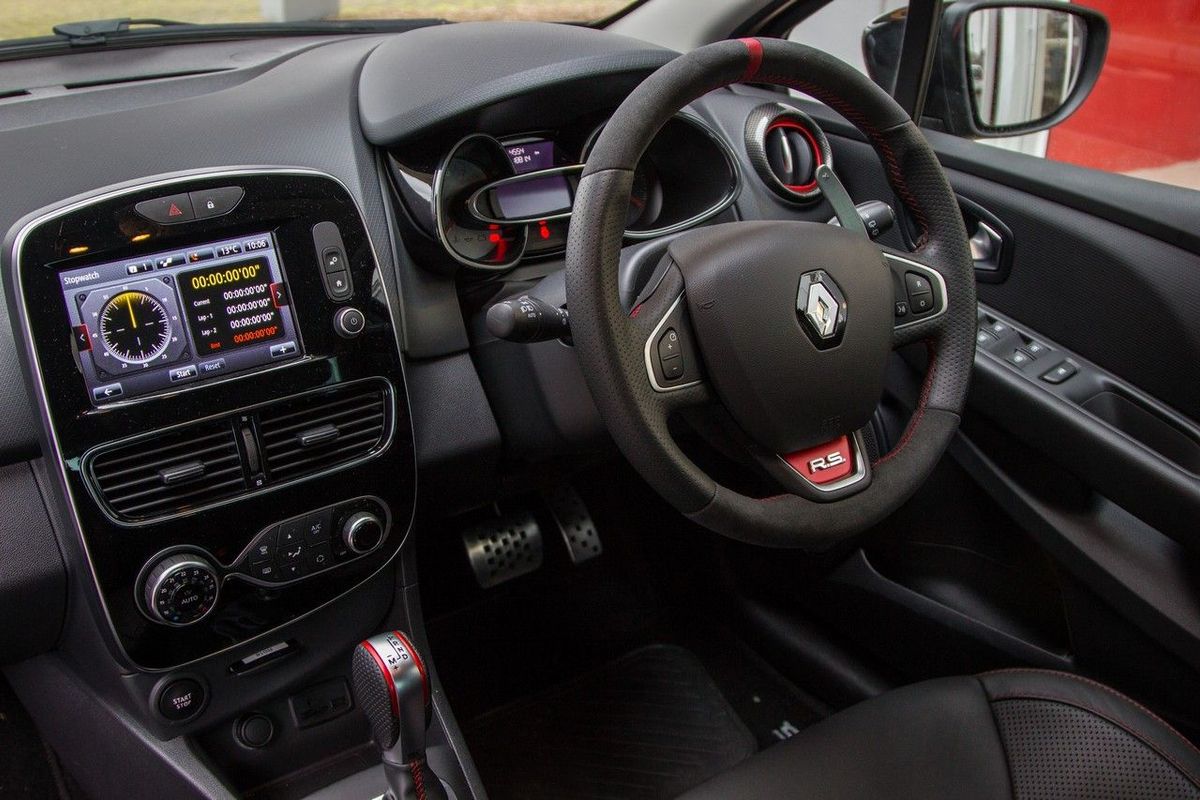
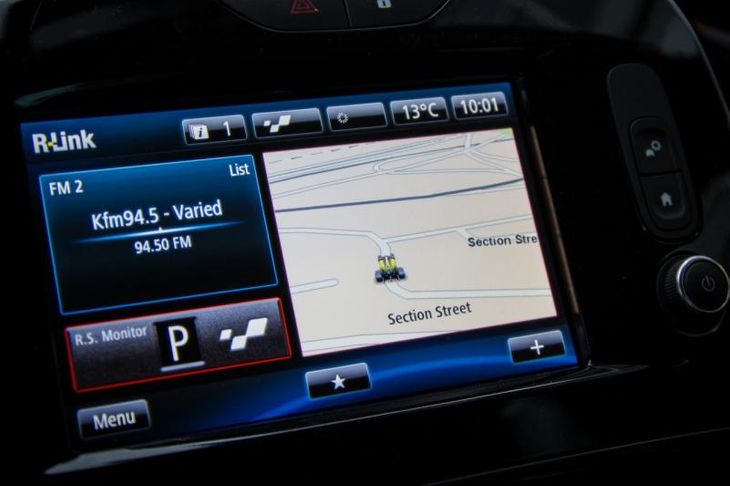
In terms of specification, the RS18 is nearly identical to the Clio Trophy, but Renault has added a reverse-view camera, of which the feed is displayed on the infotainment screen. The Renault Clio RS has never been skint on standard fare. Included in the standard spec are heated seats, satellite navigation with fixed camera alerts, Bluetooth/USB/MP3 connectivity, front and rear park sensors, cruise control with speed limiter and the RS monitor. The RS monitor is a petrolhead's dream system as you get some incredible insights in terms of data: torque graphs, race telemetry, acceleration figures, tyre lifespan and so much more. It's all there and you can even download racetracks into the car to measure sector times.
The attention to detail is excellent: Yes that is a Renault F1 car on the satnav. RS Monitor is a petrolhead's dream with race telemetry
The RS18 is also vaguely practical with a fair amount of loading space (we managed to fit a long weekend's worth of luggage for two people) and rear legroom's on par with other small hatchbacks. Furthermore, the rear seatback can split 60:40 and when it's folded down, there's enough space for a mountain bike to go in, albeit with the front wheel taken off.
Zesty performance
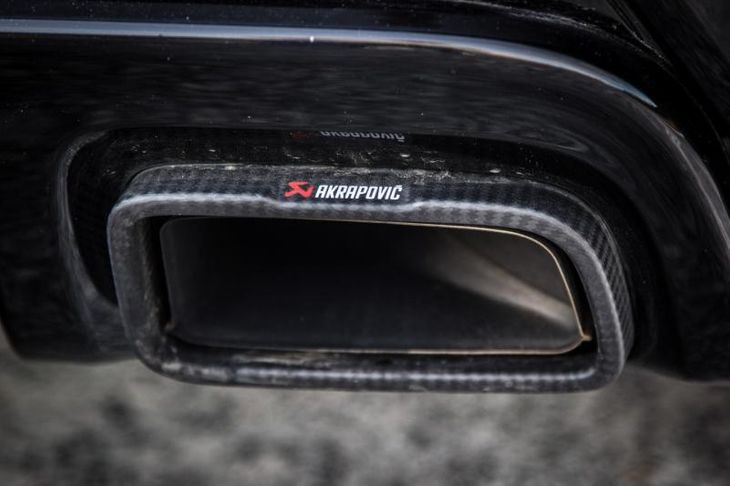
The RS18's 1.6-litre 4-cylinder turbopetrol produces no less than 162 kW and 280 Nm, but it's not the fruitiest-sounding mill. However, thanks to some clever work on the induction setup and overfuelling through the Akrapovic exhaust, let alone the barrage of bangs emitted after shifts of the dual-clutch 'box, there's no shortage of aural magic.
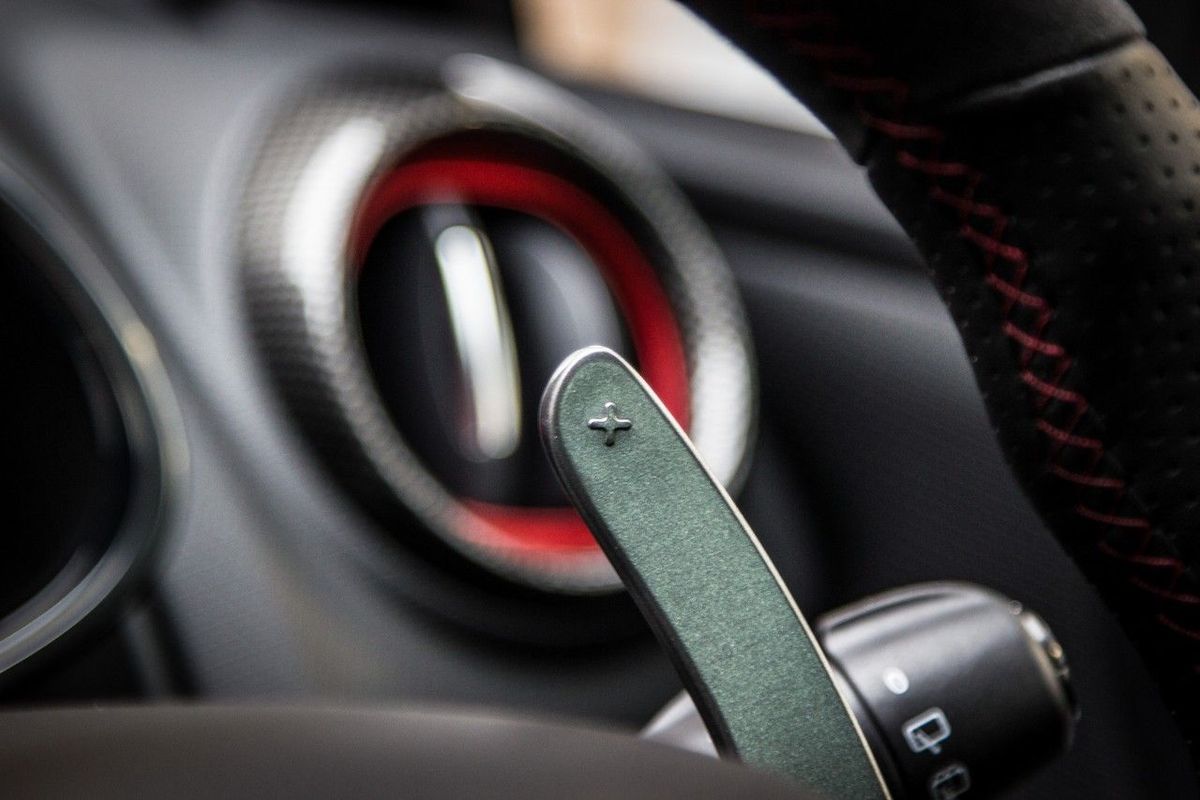
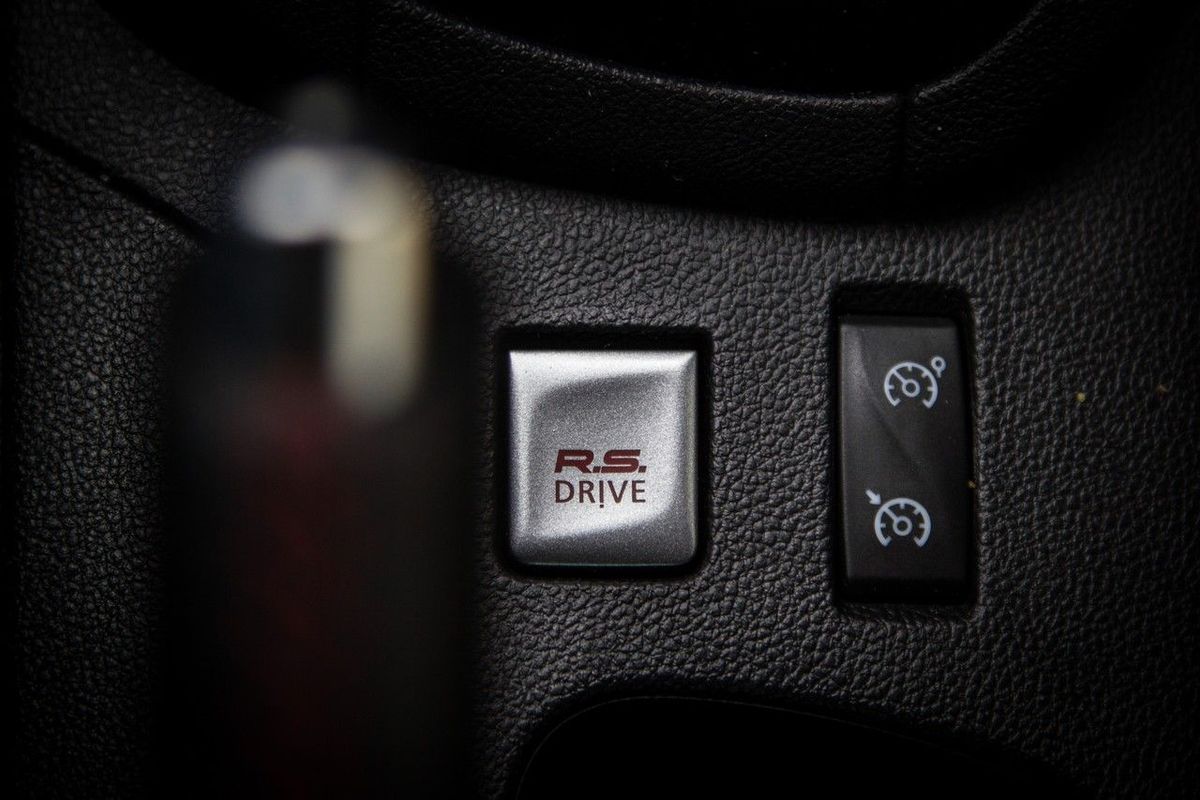
Renault Sport claims a sub-7-second sprint from 0 to 100 kph, but thanks to the savagery of the built-in launch control, it feels even faster than that. To enable the launch control mode is straightforward too: press the RS button to engage Sport mode, pull both paddles towards you and bury the throttle. Distinct, staccato pops stream from the exhaust ends as the car hunkers down in anticipation. In Sport mode, it springs off the line with surprisingly little wheelspin (in Race mode, there's no stability control – so, in other words, wheelspin aplenty).
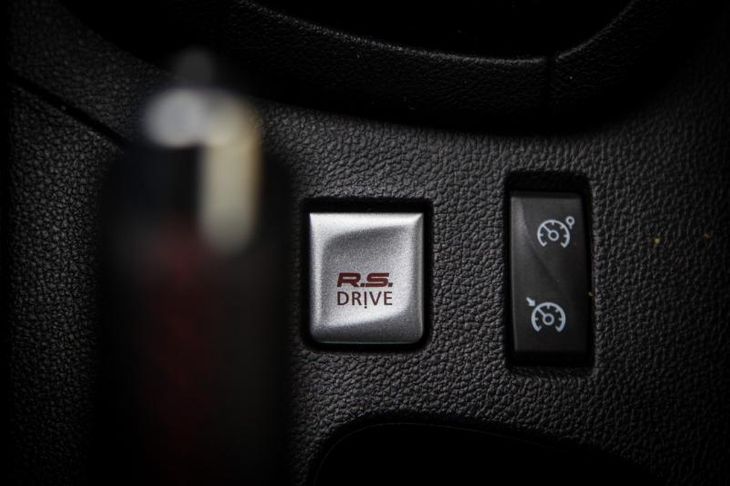
Your startup sequence should be: Close door, seatbelt on, push start button, push RS Drive button. Happiness.
The key to getting maximum enjoyment out of the RS18 is to drive it in Race mode (when that's activated a little racing helmet logo appears on the RS monitor), but note that it disables the stability control system, so you need to have your wits about you, especially in low-grip conditions. In this mode, the 'box swaps cogs as quickly as (mechanically) possible. As the revs approach the redline, the car will beep and that's your cue to pull the right paddle and hook the next ratio. The Akrapovic exhaust ends emit a cacophonous bang with each and every tug of the paddle shifters. It's tremendously good fun, but you do sense the Clio starts running out of steam past 140 kph, which we don't mind, given the national speed limits.
It'd take particularly hamfisted driver inputs to make the RS18 lose grip; thanks to a combination of a good chassis, excellent suspension and trick rubber, the Clio RS18 obediently sticks to the road. We put the Clio through its paces on a delightful stretch of road near Robertson and despite the inclement weather, it performed eagerly and admirably. The brakes are good too, with decent feedback through the middle pedal. They modulate nicely, and unlike some rivals' brakes that are grabby from the get-go, these gradually pile on the stopping power.
While the chassis is excellent and body control tight (we perceived little evidence of inelegant swaying or squirming), we're not 100% happy with this Renault Sport derivative's steering setup. Sure, it is direct and fast, but it does not give us all the feedback we really crave, plus the wheel rim is a little thick for our liking. It's interesting to note that the Cio RS18 is not fitted with a mechanical limited-slip differential, which you'd think would be standard on a "track special car". Fortunately, there's so much grip that you're not likely to need one.
The Not-so-good
Indifferent transmission
The gearbox is at its best in Race mode. In Comfort mode, changes are frustratingly sluggish.
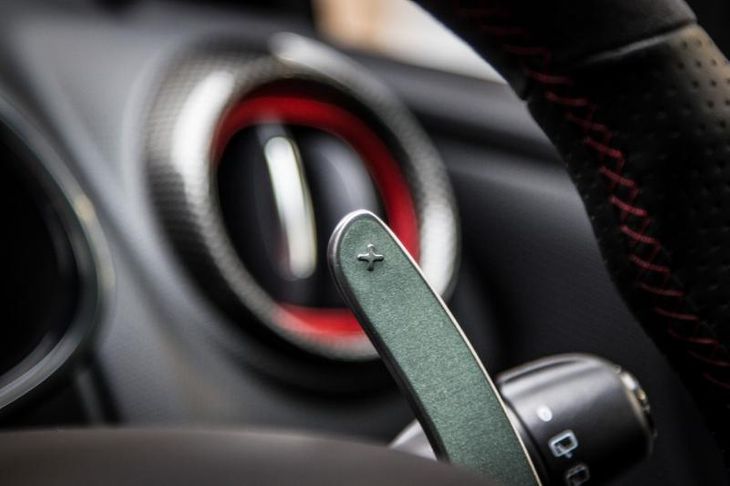
Sadly, despite the improvements that Renault has made to the mapping of the Clio's Electronic Dual Clutch (EDC) transmission, it's still only really satisfying to use when in the RS18's in Race mode (where the shifts are fastest and the 'box most responsive to paddle shift inputs). In Comfort, the EDC's shifts feel way too casual and that's the mode in which the majority of customers will drive their cars. To put it bluntly, the shifts are sluggish and lazy, with downshifts being particularly bad. We're pretty sure that this will be rectified when the big brother Megane RS comes to South Africa before the end of the year. While we're on the subject of the transmission, we also wish the paddles were mounted to the back of the 'wheel as opposed to the steering column. There's nothing worse than exiting a corner and coming onto the power earlier and wanting to change gear, but your right fingers grasp at fresh air.
Harsh ride quality
One of the biggest complaints about the Renault Clio RS18 is the uncompromising ride quality. It's simply too hard for general, everyday use. You'll feel each and every ridge and crack in the road at lower speeds, but fortunately, the ride sorts itself out at national highway speeds. But then you have the road noise to deal with…
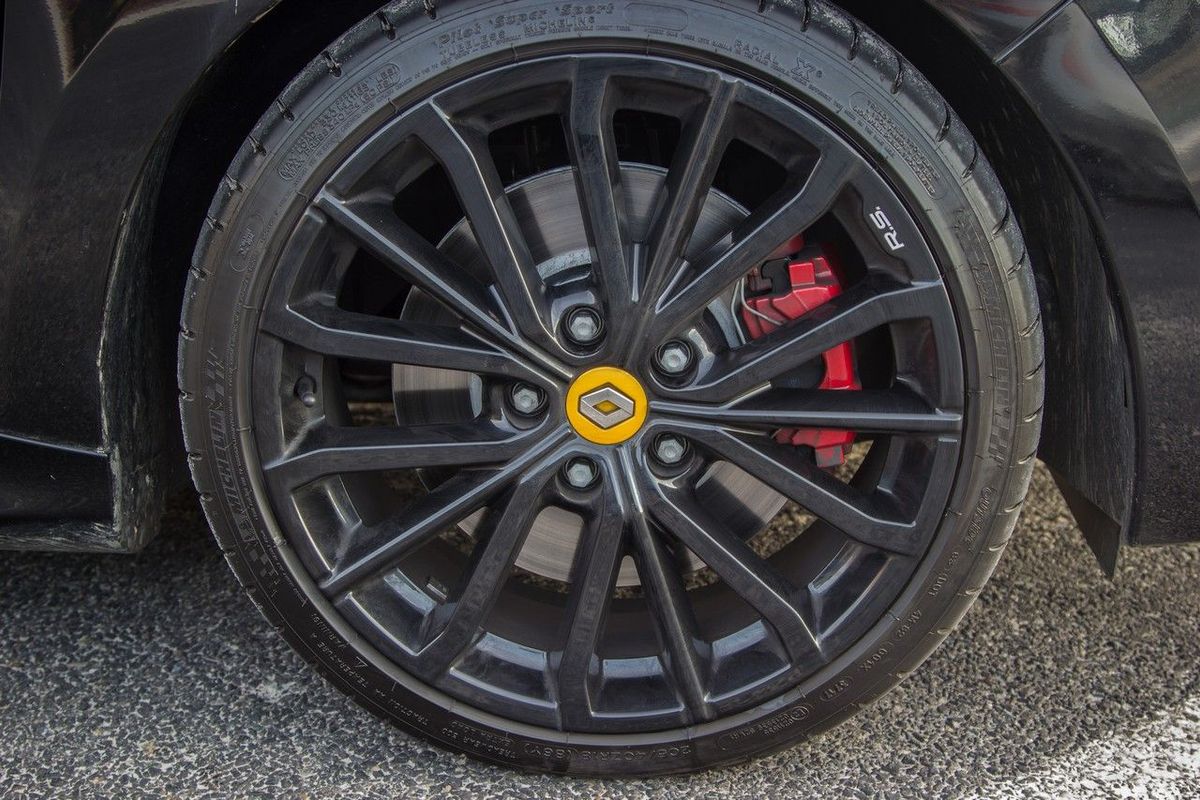
The wheels are wrapped in high-performance Michelin rubber, but the road noise may be a bit too much for some. Immense brakes too.
Intrusive road noise
The Clio RS18 comes shod with Michelin Pilot Super Sport tyres that are supremely grippy, but there's one drawback. The road noise on the coarse tarmac at the national highway speed limit (or thereabouts) is almost unbearable and you'll land up having to turn the radio up (almost to max volume) in an effort to drown it out. On longer trips, it can be very tiresome.
Pricing and Warranty
The Renault Clio RS18 retails for R449 900, which includes a 5-year/150 000 km warranty. Whereas other Clio derivatives come standard with a 3-year/45 000 km service plan, the RS18's is valid for 3 years or 30 000 km, whichever comes first. Note, however, that whereas other Clios' service intervals are set at 15 000 km, the RS' is at 10 000 km.
Verdict
Right now, there are very few cars which are as involving and exciting as the Clio RS18. It'll take a brave soul to live with one on a daily basis though.
The Renault Clio RS18 is a hands-on driving machine par excellence. If you like to live on the hardcore side of life and treat every drive as if you're trying to set a qualifying lap time for a circuit race, then this is undoubtedly the car for you. For those of you who are image conscious and value things such as comfort and practicality over performance, however, this simply isn't the car for you. Fortunately, the good just about offsets the bad and the overall poor experience was beautifully interrupted by moments of sheer brilliance on some technical roads and mountain passes. In Race mode, the Clio RS18 became the vehicle we hoped it would be… and a bit more. We even ditched the Comfort mode for Race mode during our commutes to the Cars.co.za offices in the morning, purely because the transmission's shifts were far more responsive and we had the added bonus of the Akrapovic pipes "singing at sunrise".
There are some manufacturers who charge extra for these magical exhausts from Akrapovic, but they're standard here (and wonderful).
However, for the average consumer who has many factors to consider before making a purchasing decision, a one-trick pony (as epic as it is) can't get a "double thumbs up". The Clio RS18 is for dyed-in-the-wool enthusiasts, which, based on past experiences with Renault Sport owners, are undoubtedly some of the most passionate petrolheads you'll ever meet.
Despite this hardcore incarnation, it's not quite as enthralling as its predecessors, such as the Clio R27. We can appreciate how much effort has gone into making the RS18 recapture some of that Clio RS magic of yesteryear, but playing it safe and trying to appeal to a broader audience has meant some of those outright thrills have been lost. This derivative marks the beginning of the end for the current Clio as an all-new model is expected to be unveiled before the end of the year, with a local market introduction likely in the first quarter of 2019.
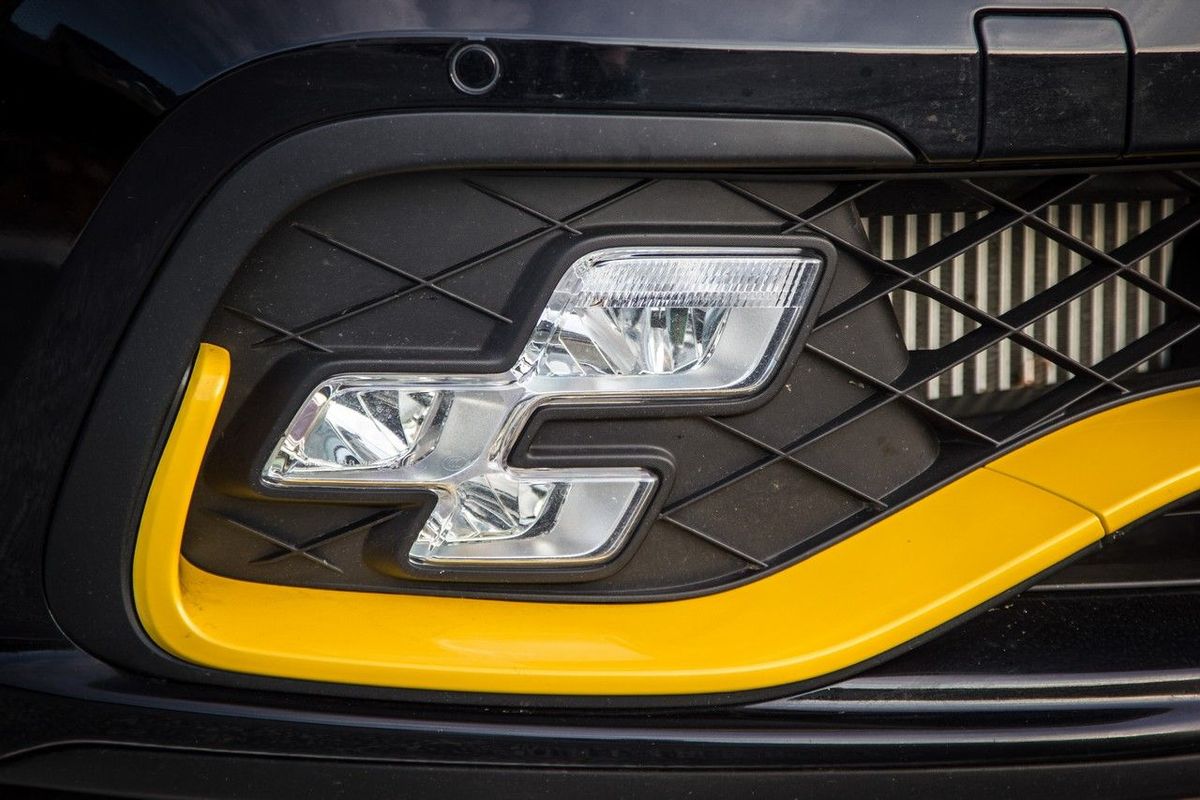
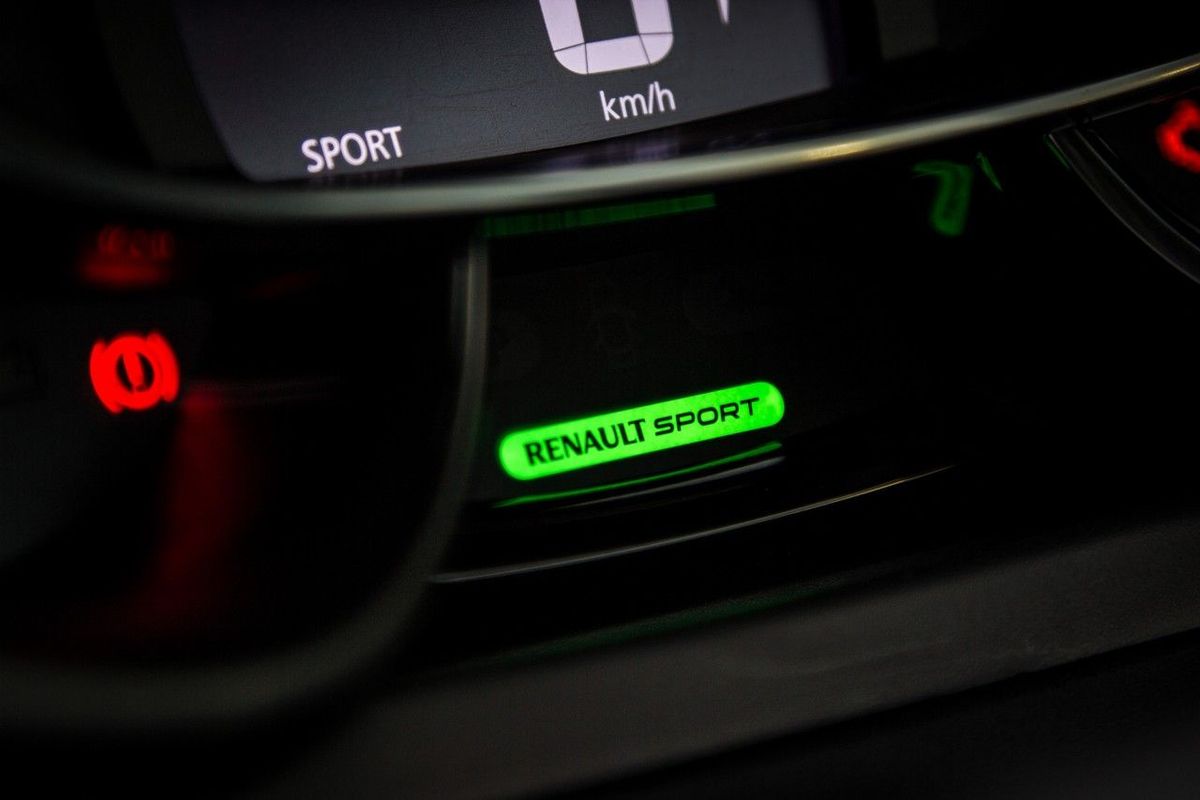
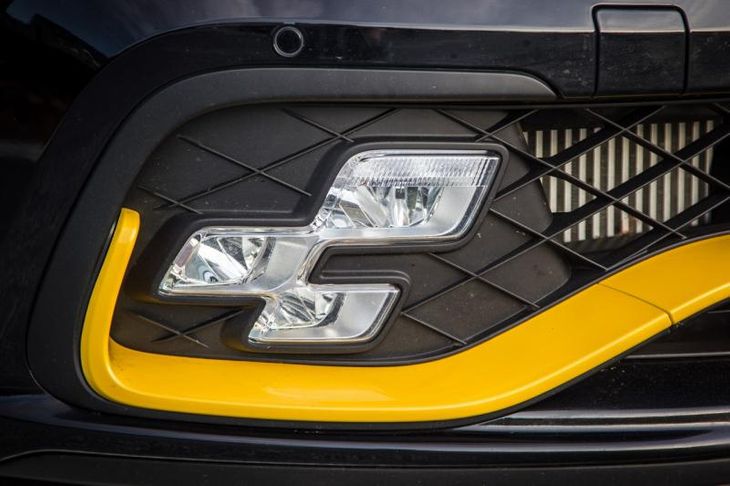
Renault Sport cleverly integrated its logo into a smart foglight, which can provide additional front lighting
The petrol price is likely to rise yet again as we head into August 2018. Details:
After last month's monster petrol price increase, consumer look set to feel yet more pain as another increase is on the cards for August 2018. "International oil prices see-sawed during the first half of July, but remained within a fairly narrow band and did not contribute substantially to the price rises we are anticipating for next month," the AA said. "The big news is again on the Rand front. The local currency started this month with a deficit thanks to several days of losses against the US dollar at the end of June 2018. However, the Rand clawed back some of these losses during a period of unusually flat trading in the first half of June."
Will there be any respite? The AA says, "if the prevailing Rand and fuel price trends persist for the rest of July, the fuel price increase may be lower than expected, but we cannot rule out the possibility of further volatility," Nonetheless, the following fuel price estimations are likely to take effect on in the first week of August 2018:
Petrol: up by 19 c/l
Diesel:: up by 13 c/l
We'll bring you the final price of the increase as we get closer to the end of the month.
The Goodwood Festival of Motoring took place this past weekend and apart from all the awesome machinery in attendance, the Roborace autonomous car was arguably the most fascinating.
Autonomous driving technology is already making its way into new cars and the technology is developing rapidly, pointing to a future where the act of driving will no longer be necessary to get to your destination. It’s all very fascinating, isn’t it?
It’s the first time that autonomous cars made an appearance at the Goodwood Festival of Speed which took place in the UK over the weekend.
The first autonomous car to attempt navigating the hill at Goodwood was the fully autonomous 1965 Siemens Ford Mustang, jointly developed by the Cranfield University Advanced Vehicle Engineering Center . The car relied on GPS signals to navigate the course and the Mustang was seen swerving continuously along the course with occasional intervention required from the safety driver. At one point the Mustang almost ended up in the hay but it still managed to complete the run. Perhaps poor GPS signals along the route had a part to play? Nonetheless, the run is still impressive to watch.
Watch the 1965 Siemens Ford Mustang at Goodwood below!
However, the Roborace driverless car had much more success. The Roborace is equipped with LiDAR sensors, radar sensors and ultrasonic sensors as well as a host of cameras and a GPS system. As a result it does not need a driver. It's powered by 4 electric motors with a combined output of 373 kW. The Roborace run up the Goodwood hill is incredible to watch and quite strange at the same time. Take a look!
Watch the Roborace at Goodwood in the video below.
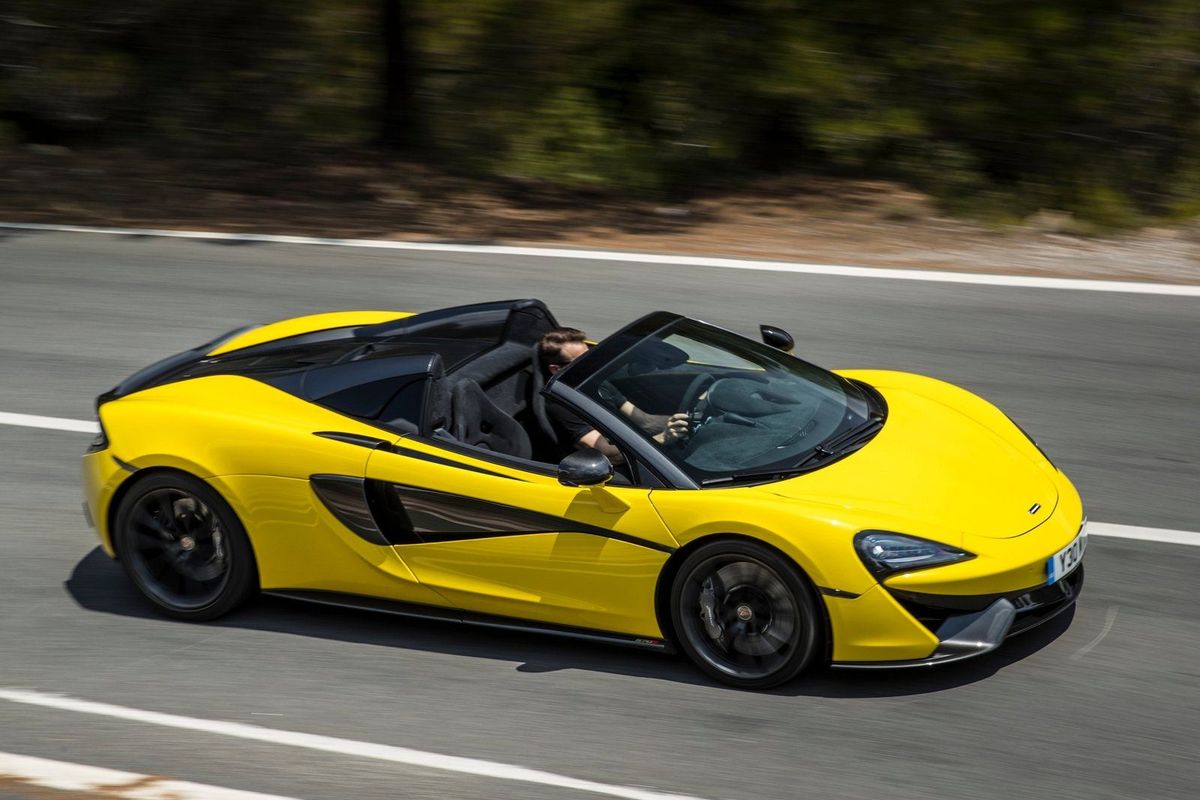
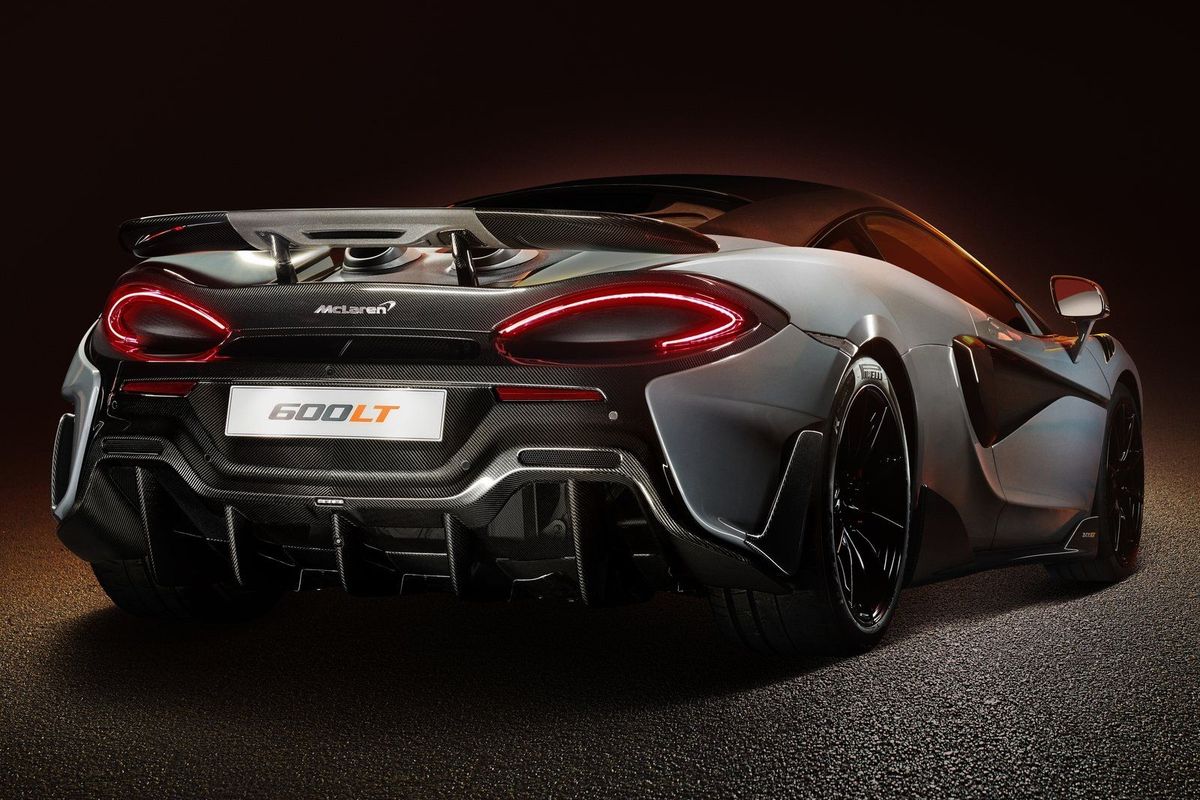
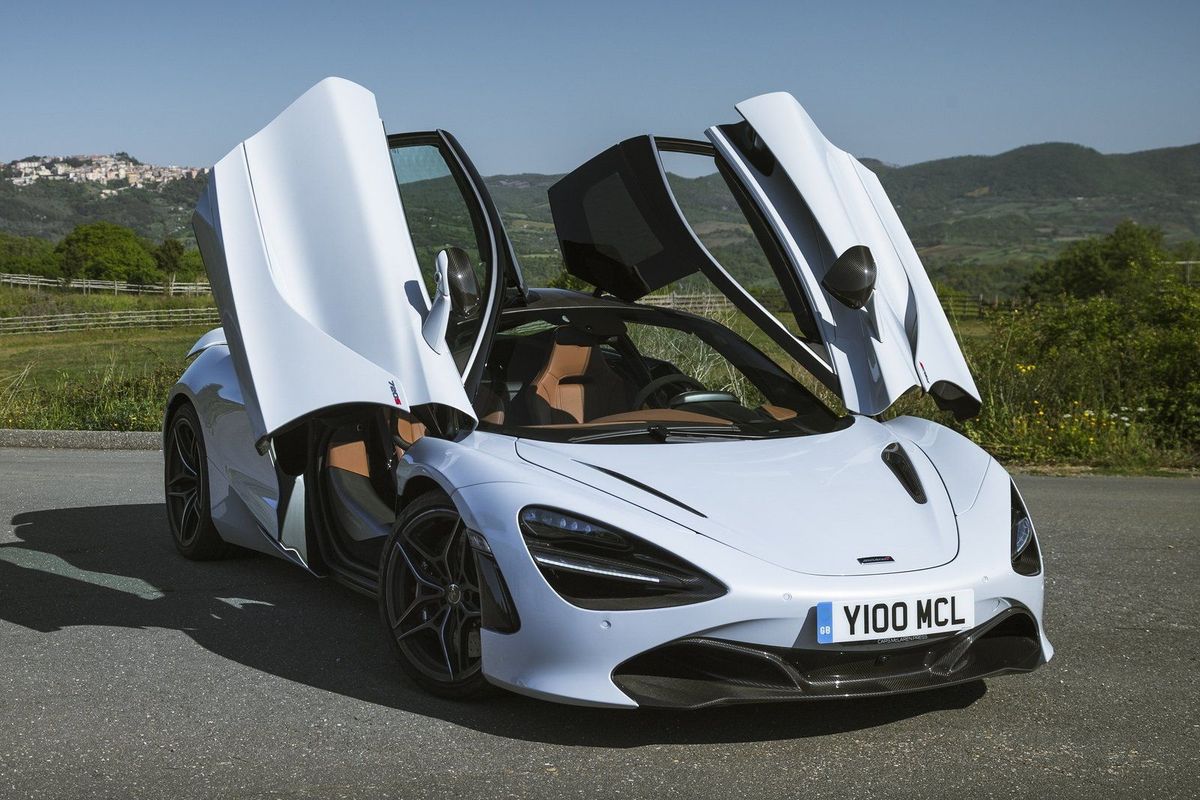
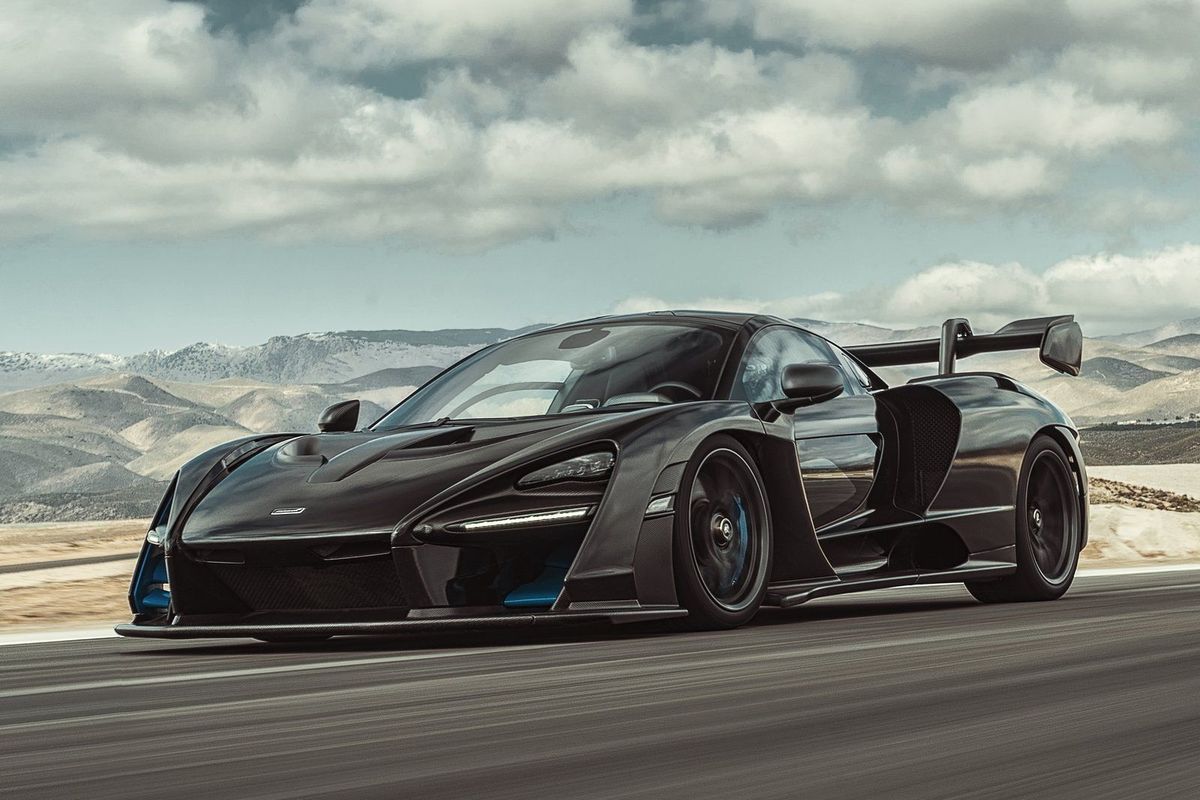
McLaren has announced that it will be launching 18 new models and derivatives, between now and 2025. Here's what some of those cars are…
British supercar manufacturer has launched Track25, a £1.2bn (R21 billion) business plan which aims to have 18 new cars hit the road by 2025. Some of these are new models while existing products will see their portfolios expanded. The announcement came at the 2018 Goodwood Festival of Speed and the additional cars will lift production by 75% to almost 6 000 cars a year. Not bad for a hand-built supercar operation in Woking, United Kingdom.
What's Coming?
While we don't have all the details as to what new cars are coming, McLaren did say that there will be a successor to revolutionary P1. McLaren also claims that its sportscar and supercar range will be 100% hybrid by 2025. Electrification is a key strategy for many brands and McLaren will be investing big money into a lighter, superfast-charging high power battery system which McLaren claims will give its products over 30 minutes of electric range around a race track. There's also a massive focus on saving weight and McLaren will soon be opening its McLaren Composites Technology Centre (MCTC) which deals purely with lightweight materials.
McLaren will also be taking a leaf out of Tesla's book and offering over-the-air updates, which means that cars will not have to come into dealerships for quick software updates. Speaking of dealerships, McLaren is looking at expanding its current operations and will be venturing into Russia, India and Eastern Europe. Currently, there are 86 dealers around the world and part of Track25 is to increase this to 100.