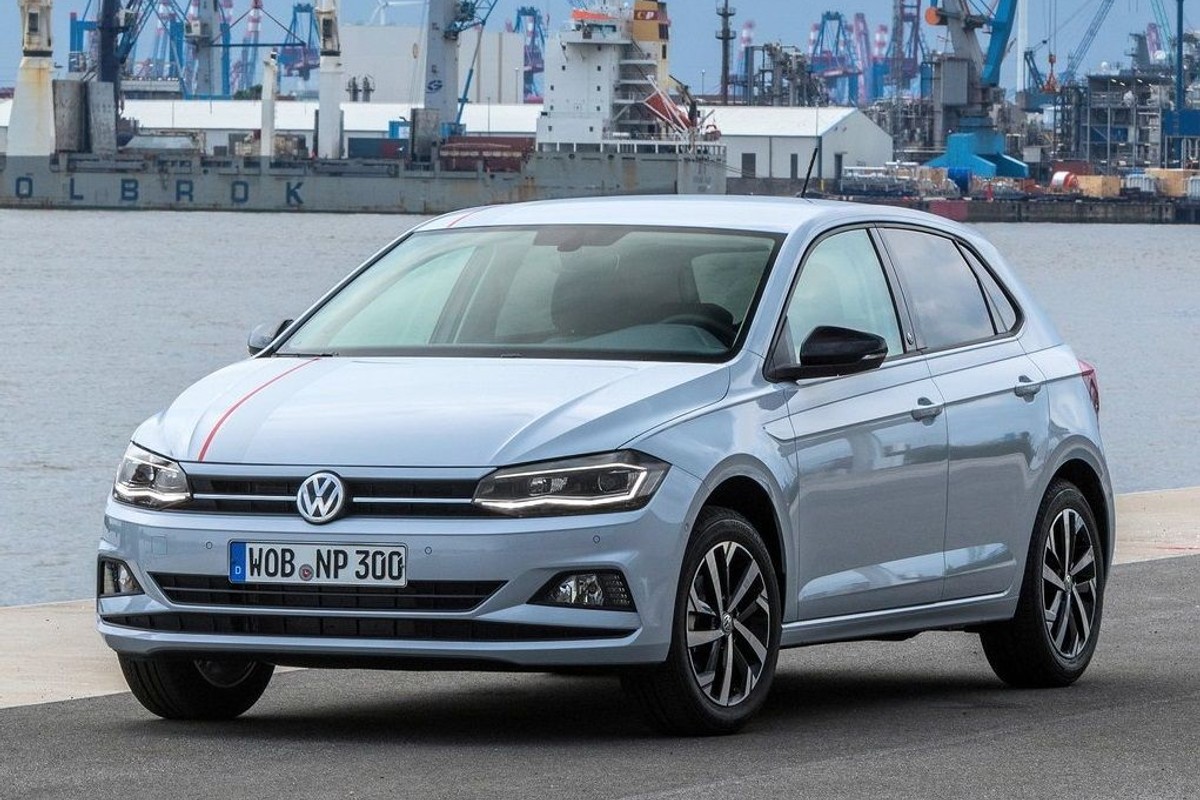
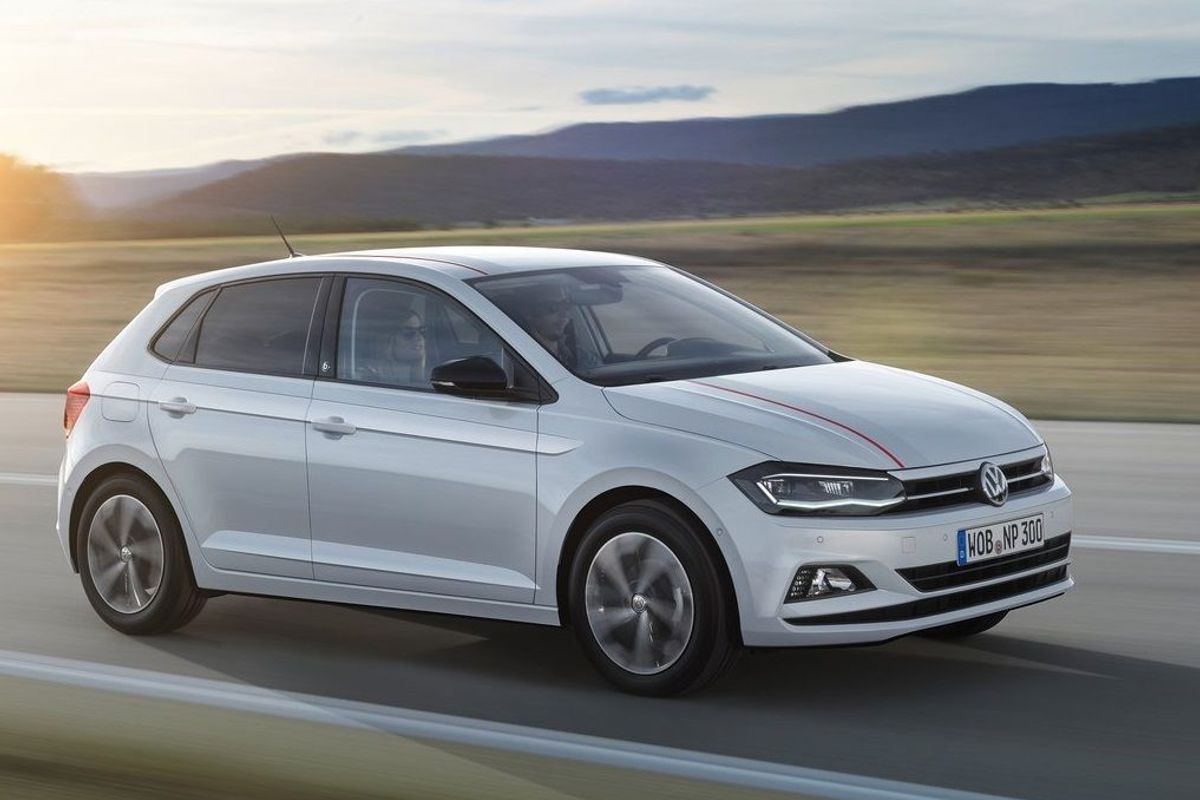
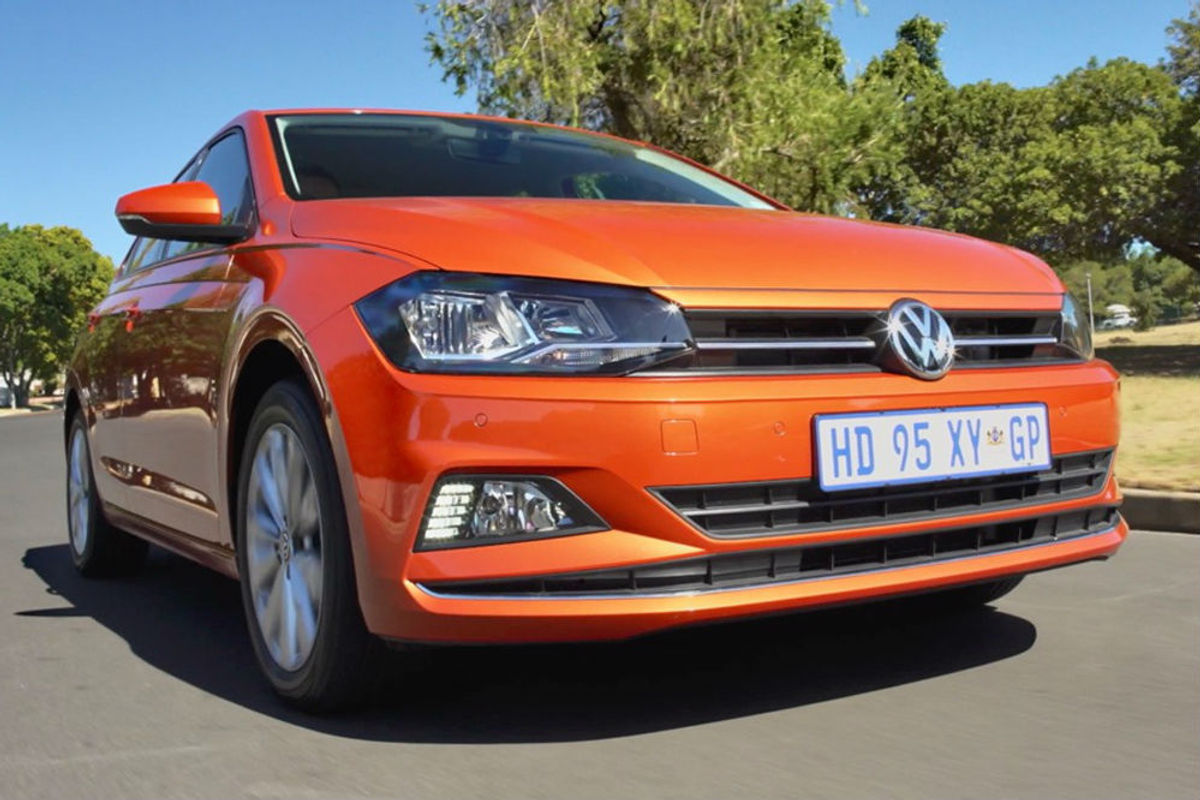
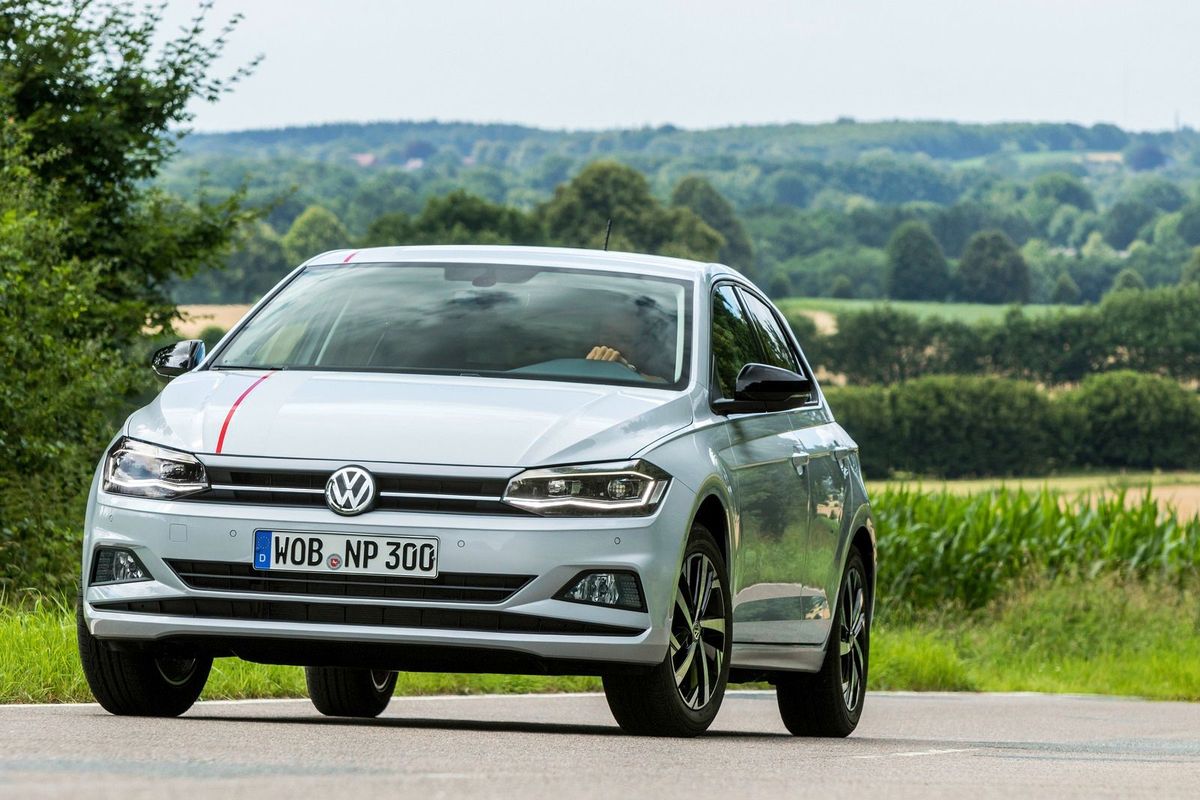
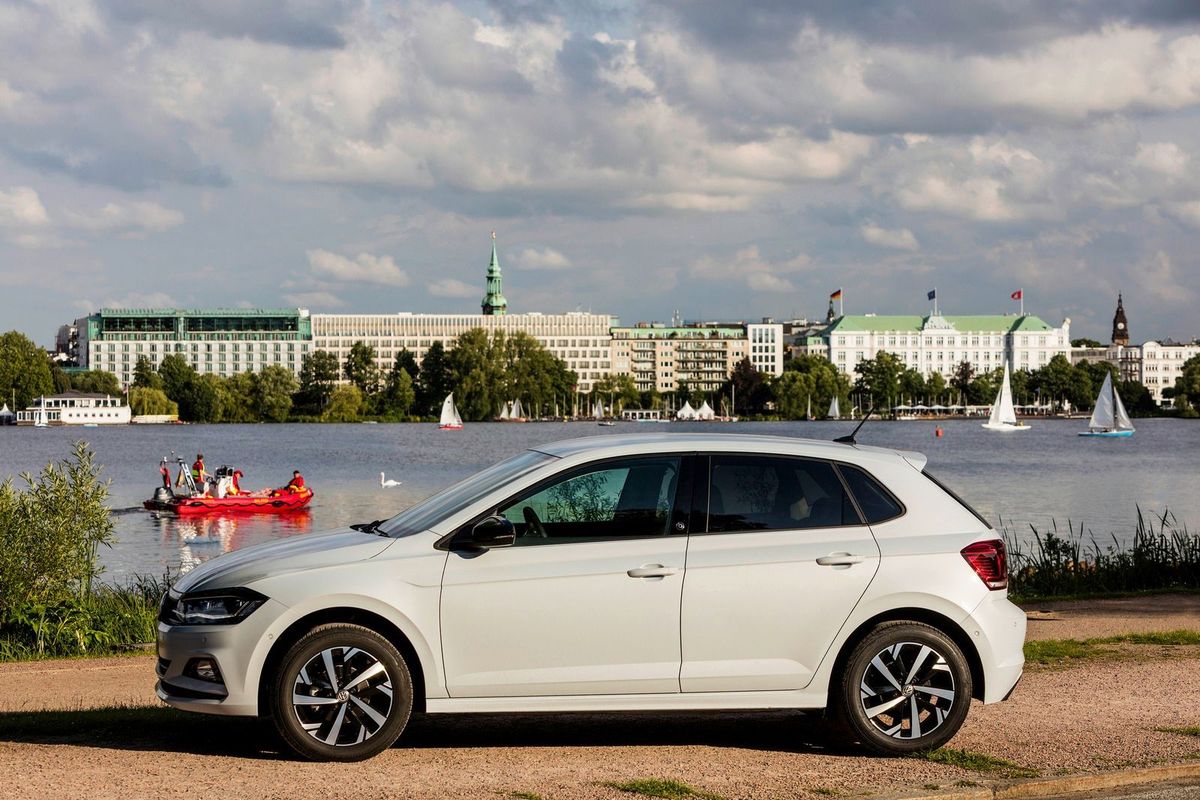
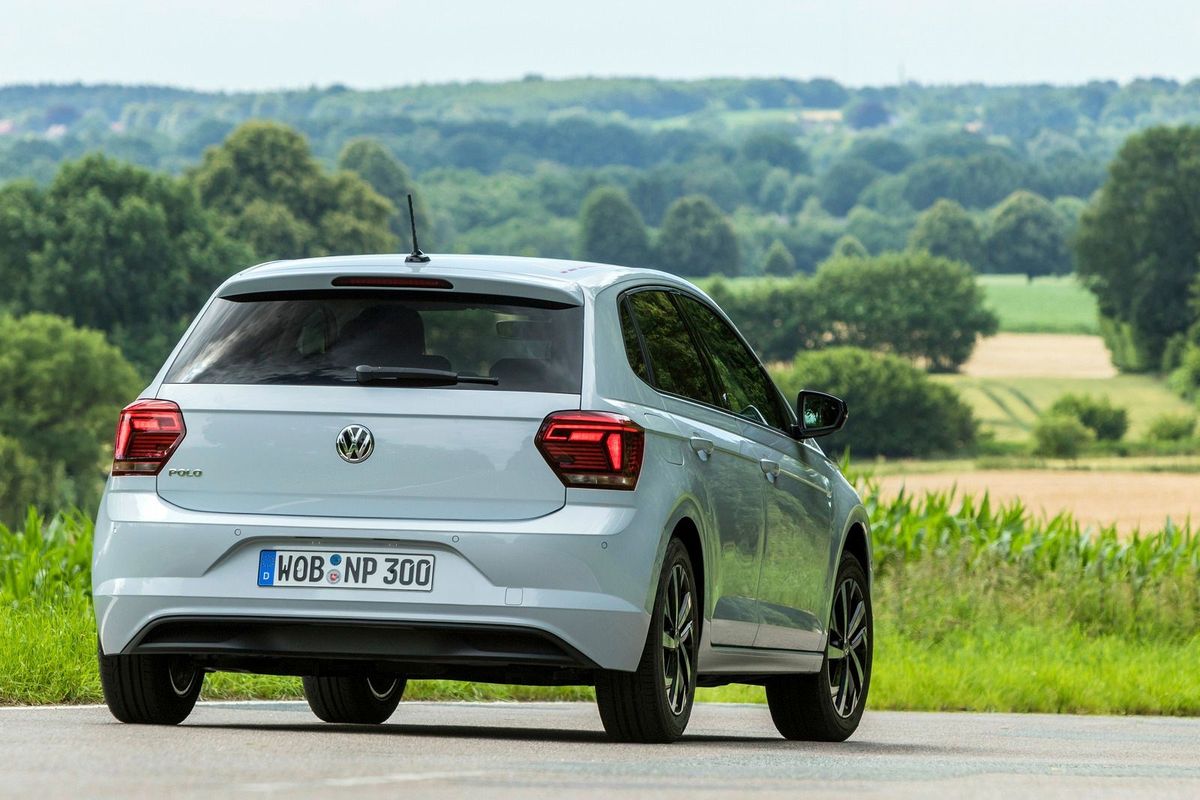
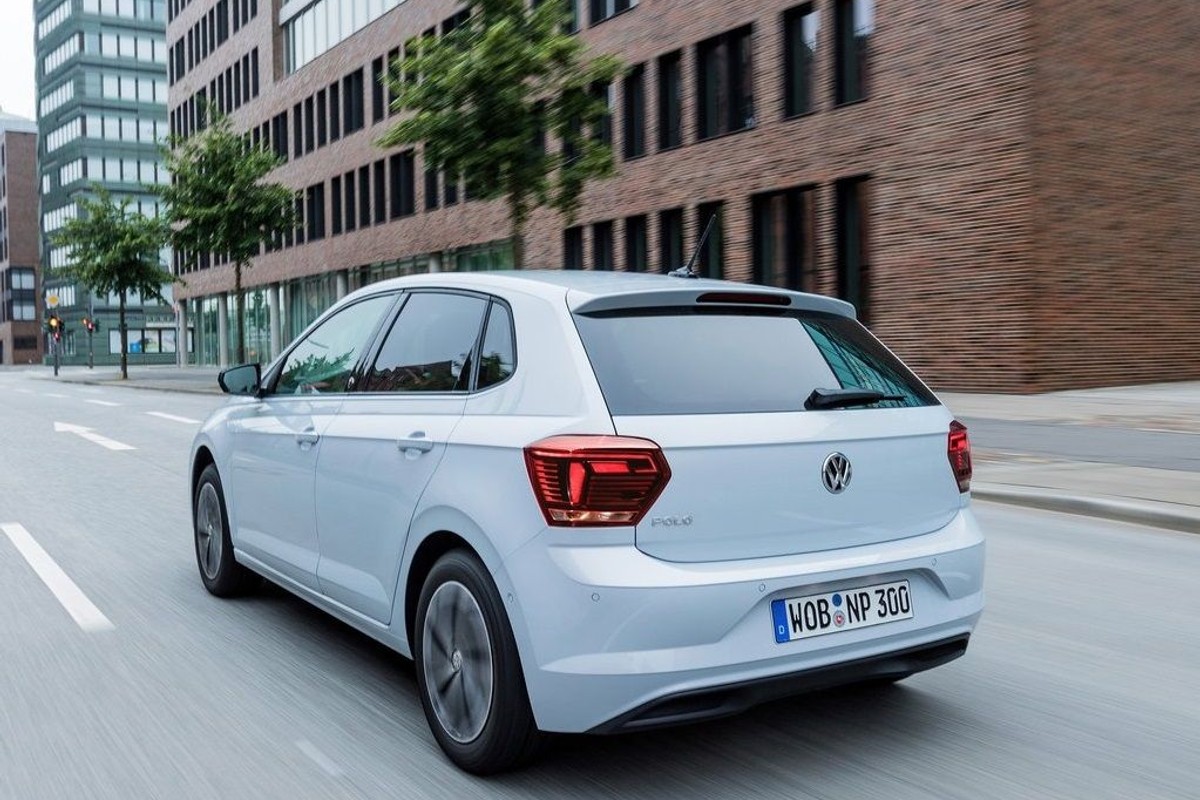
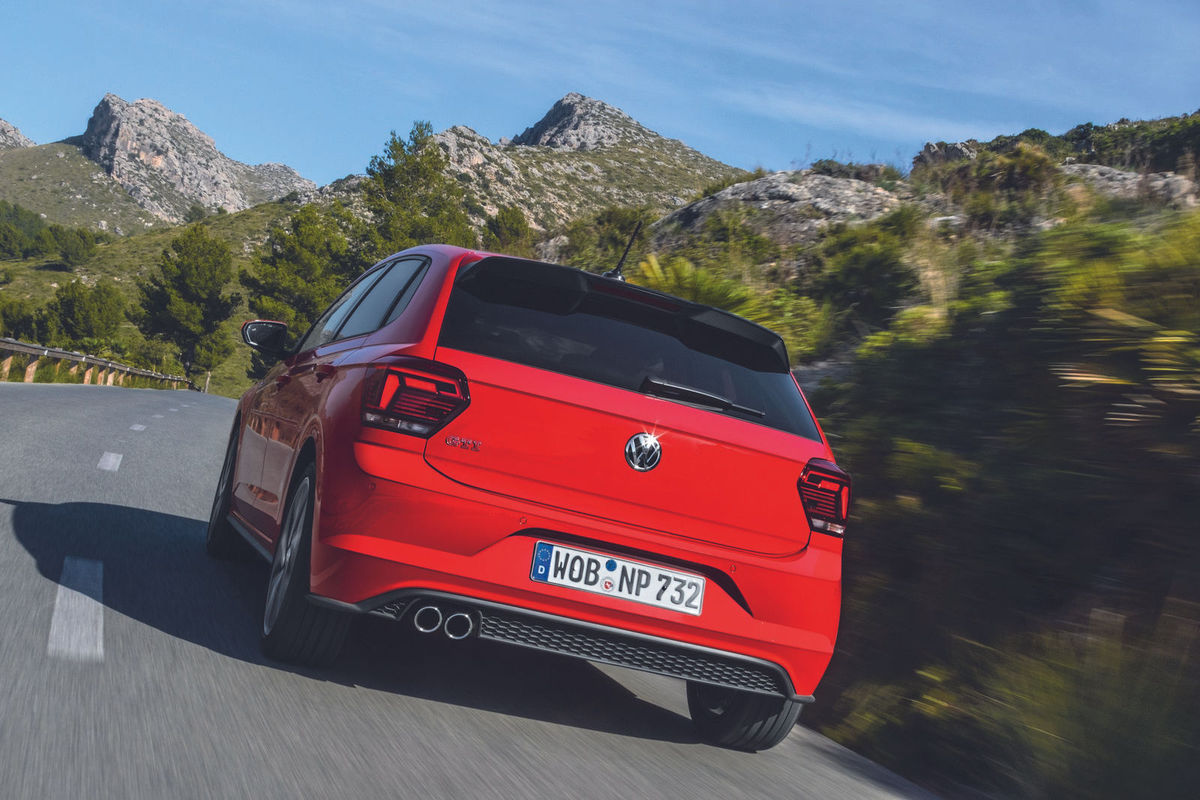
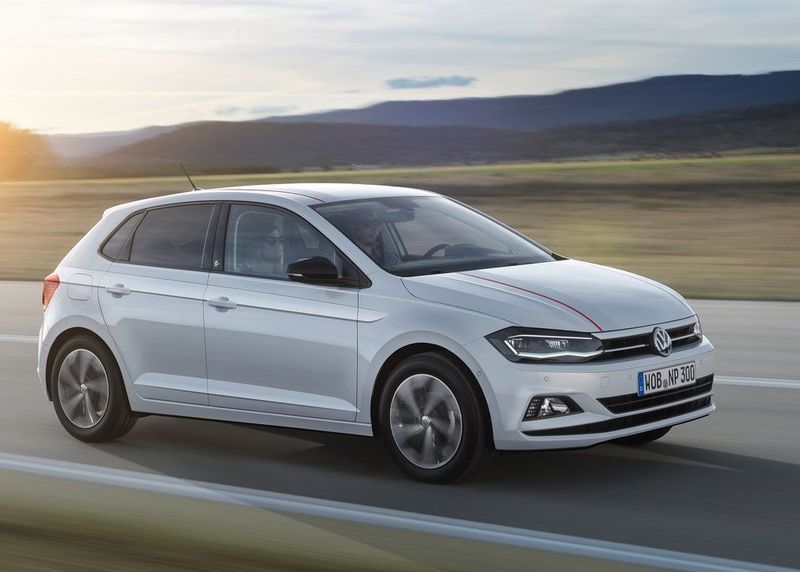
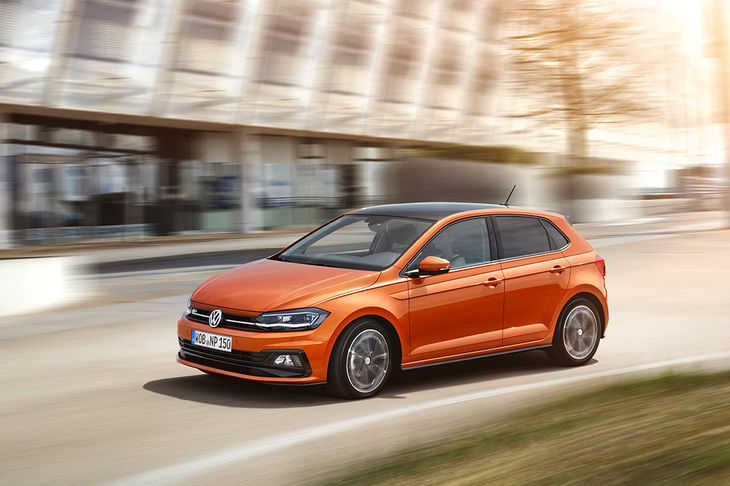
The all-new Volkswagen Polo is now available in South Africa! Take a look at specification and pricing details for the new Polo below!
The Polo is an important model for Volkswagen. It’s one of the best-selling models in South Africa and regularly tops the monthly new vehicle sales charts.
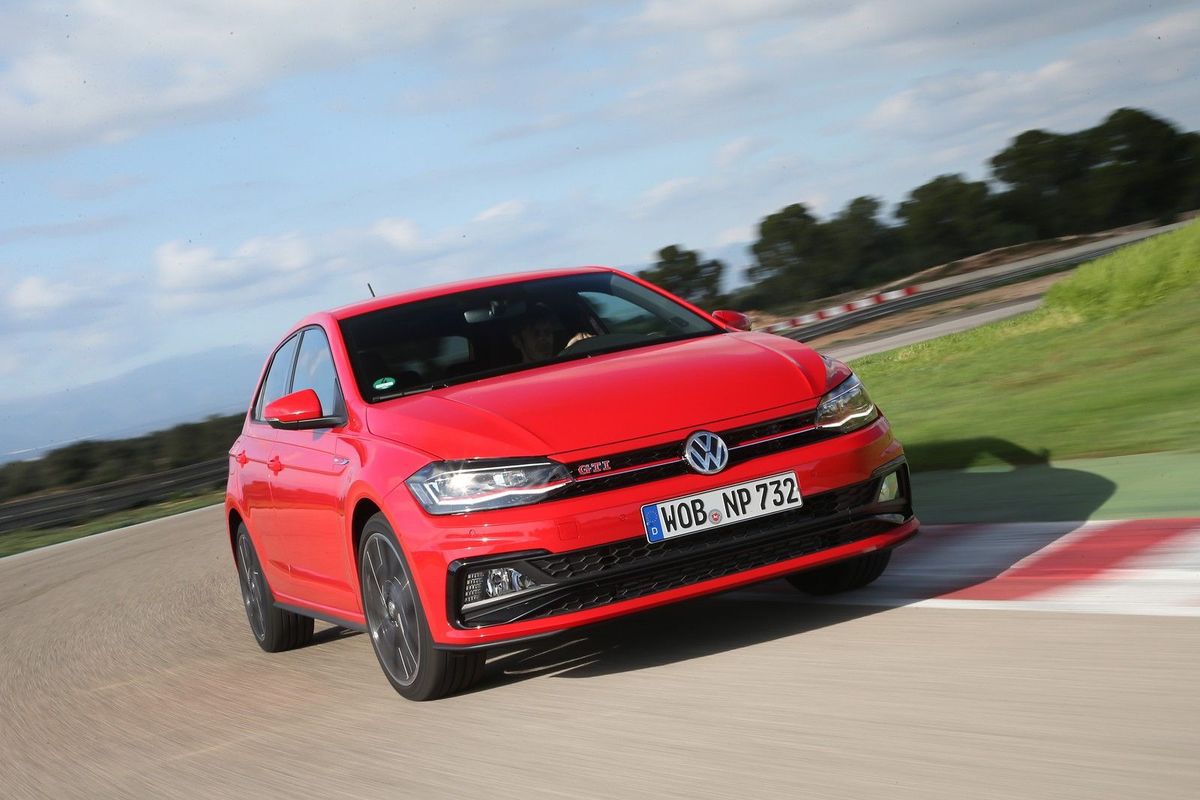
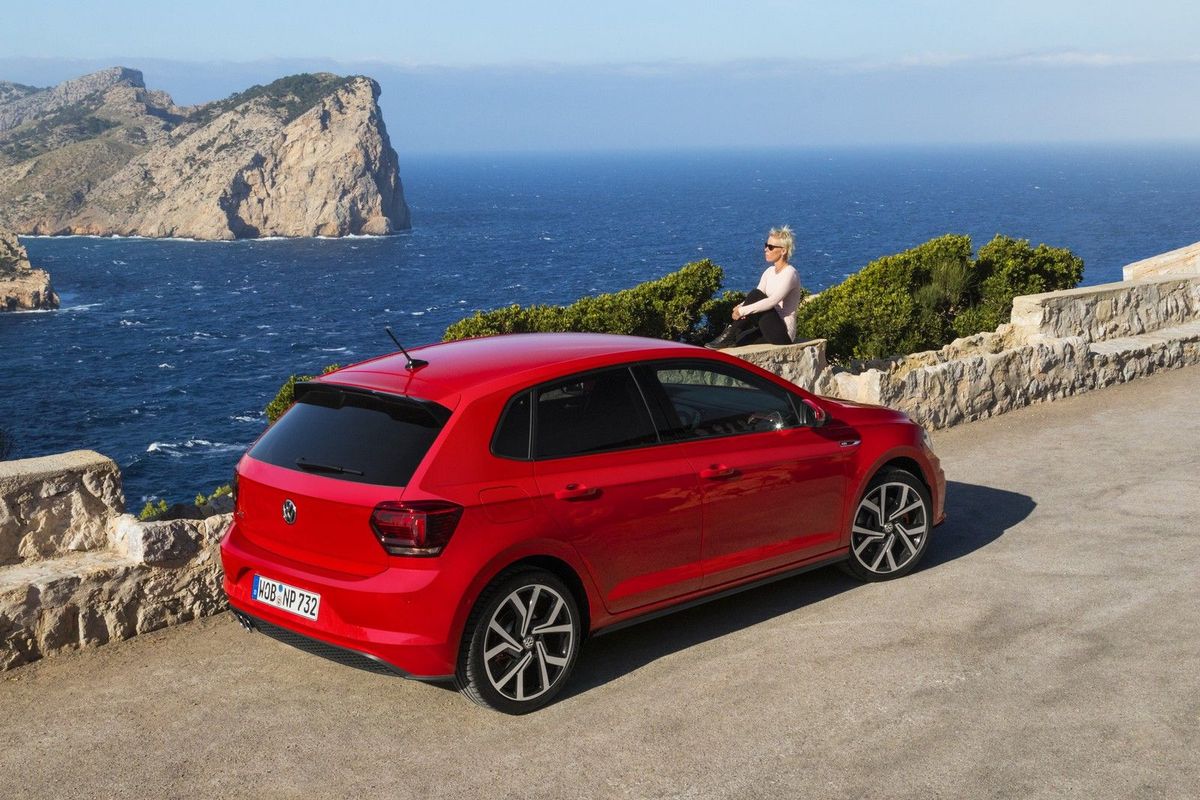
The new 6th-generation Polo has been launched in South Africa and based on public opinion, it's expected to sell very well. Built on Volkswagen’s MQB platform, the new Polo is bigger than before resulting in a more spacious cabin. The Polo is now 4 053 mm long, 1 751 mm wide and stands 1 446 mm high. That means it’s 81 mm longer, 63 mm wider and 7 mm lower than the outgoing model. The wheelbase has grown by some 92 mm and the front and rear track widths have grown by 62 mm and 49 mm respectively.
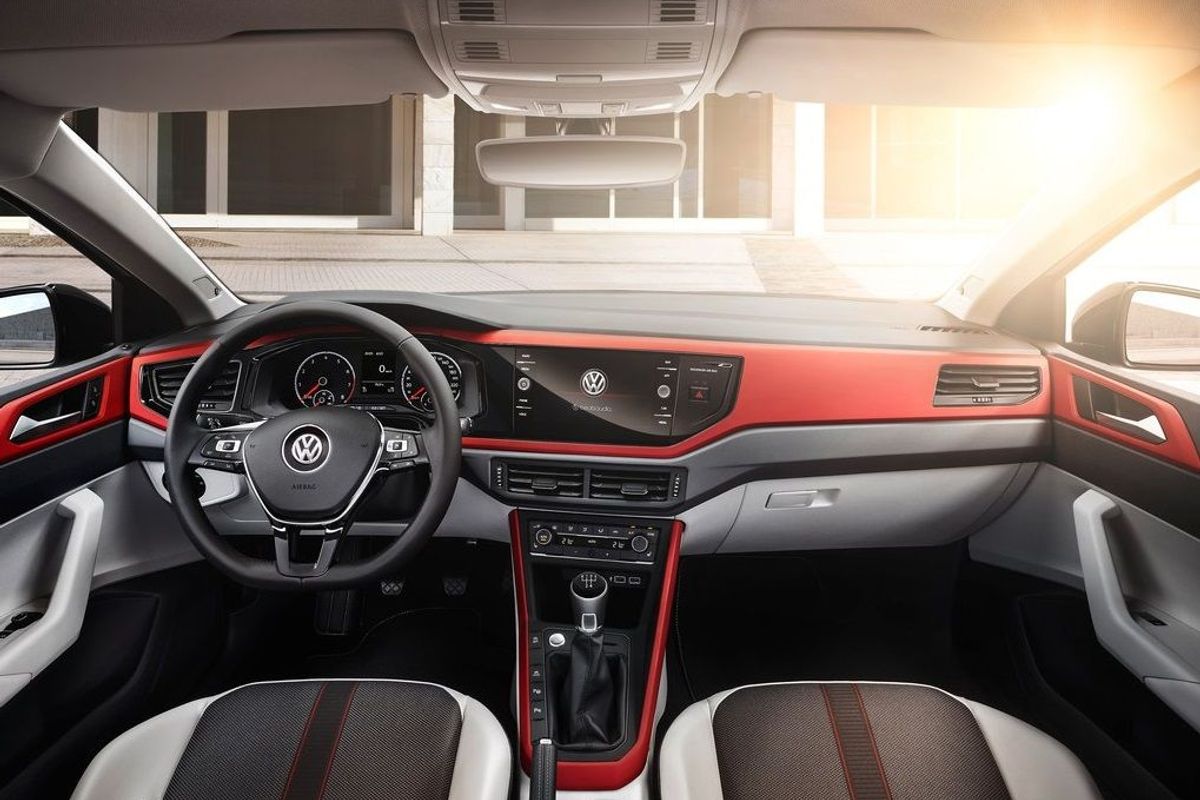
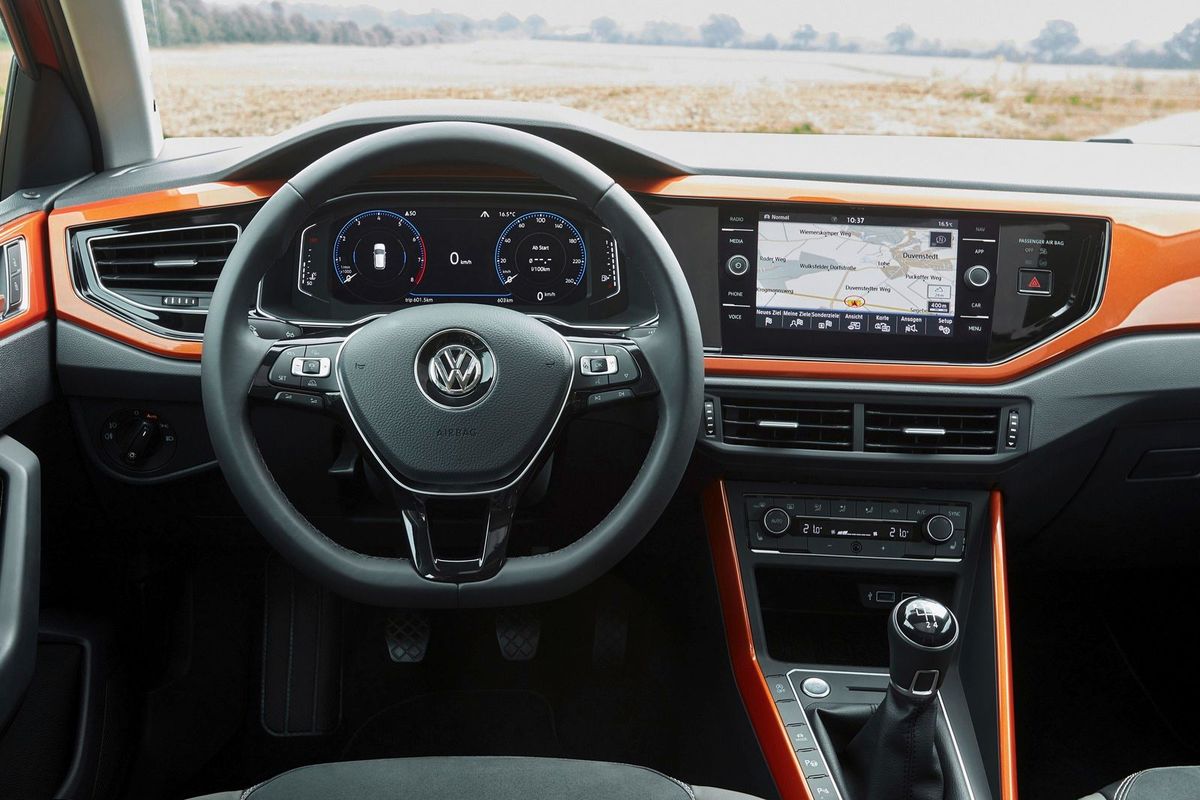
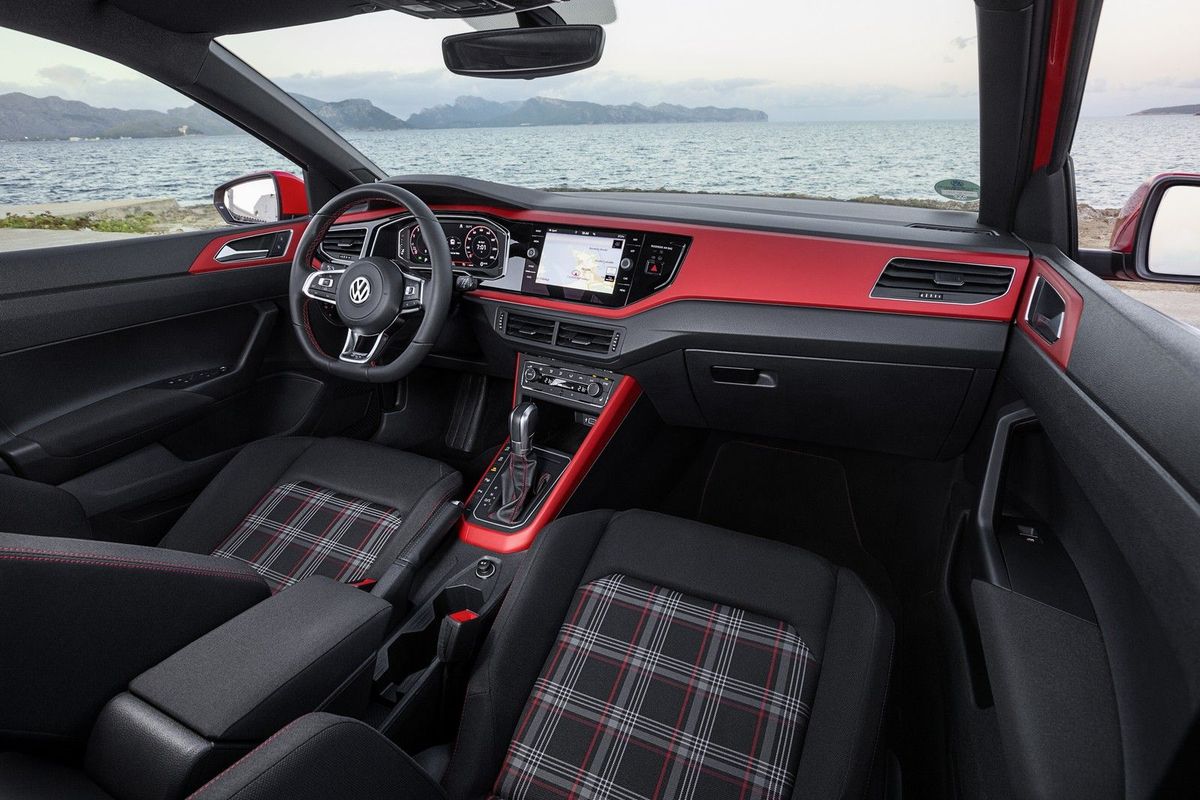
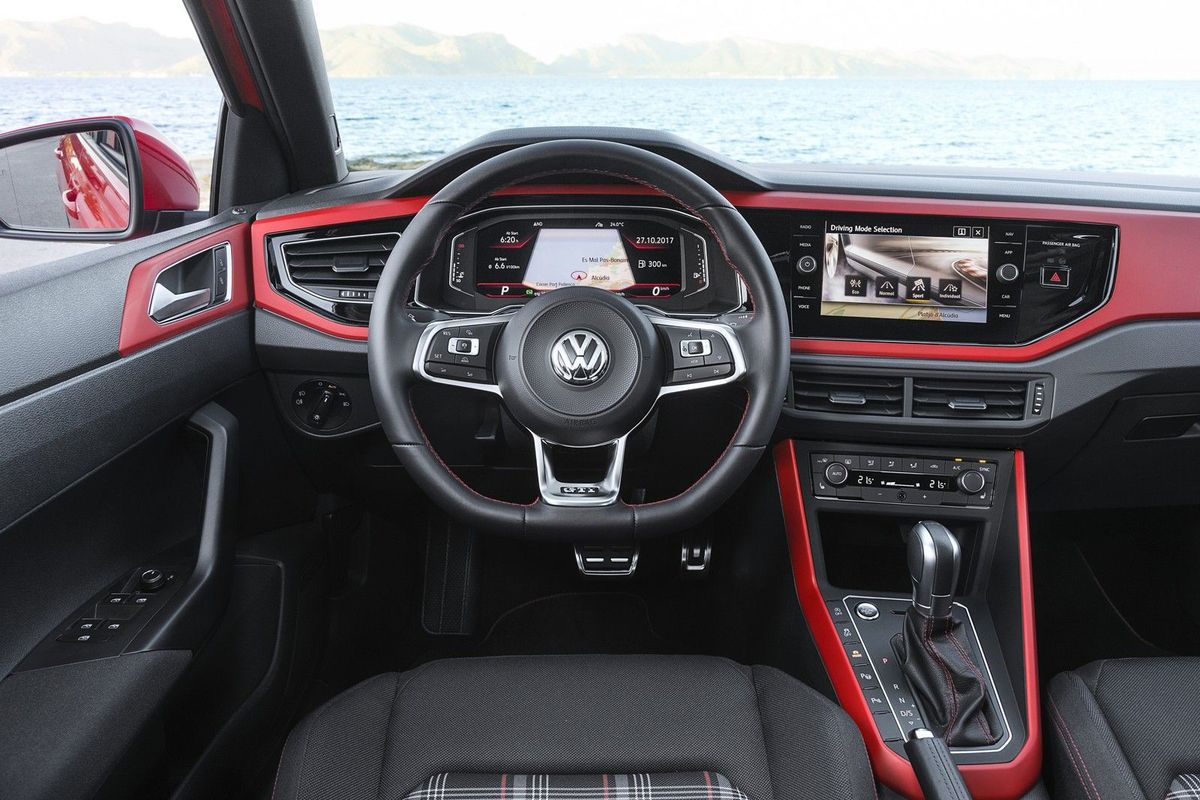
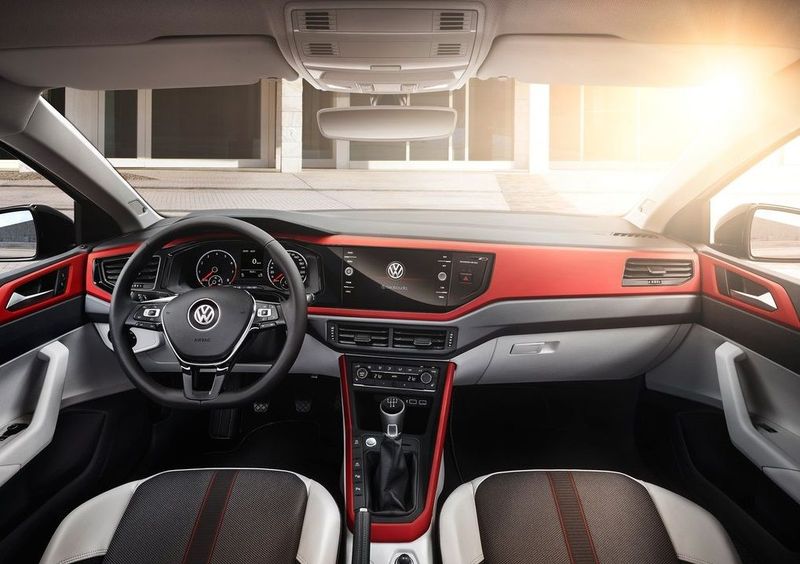
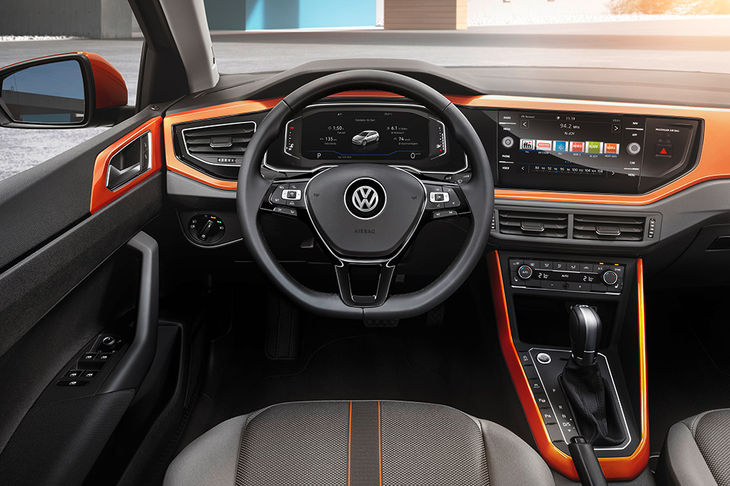
The interior of the new Polo is far more vibrant than before with a variety of interior trim choices on offer.
Apart from its new and attractive exterior styling, Polo fans will also appreciate the new cabin design which will be offered with a selection of different trim colours. A 6.5-inch touchscreen is fitted as standard while an 11.7-inch Active Info Display and 8.0-inch touchscreen will be offered as an option. A total of 6 airbags are standard.
Engine choice
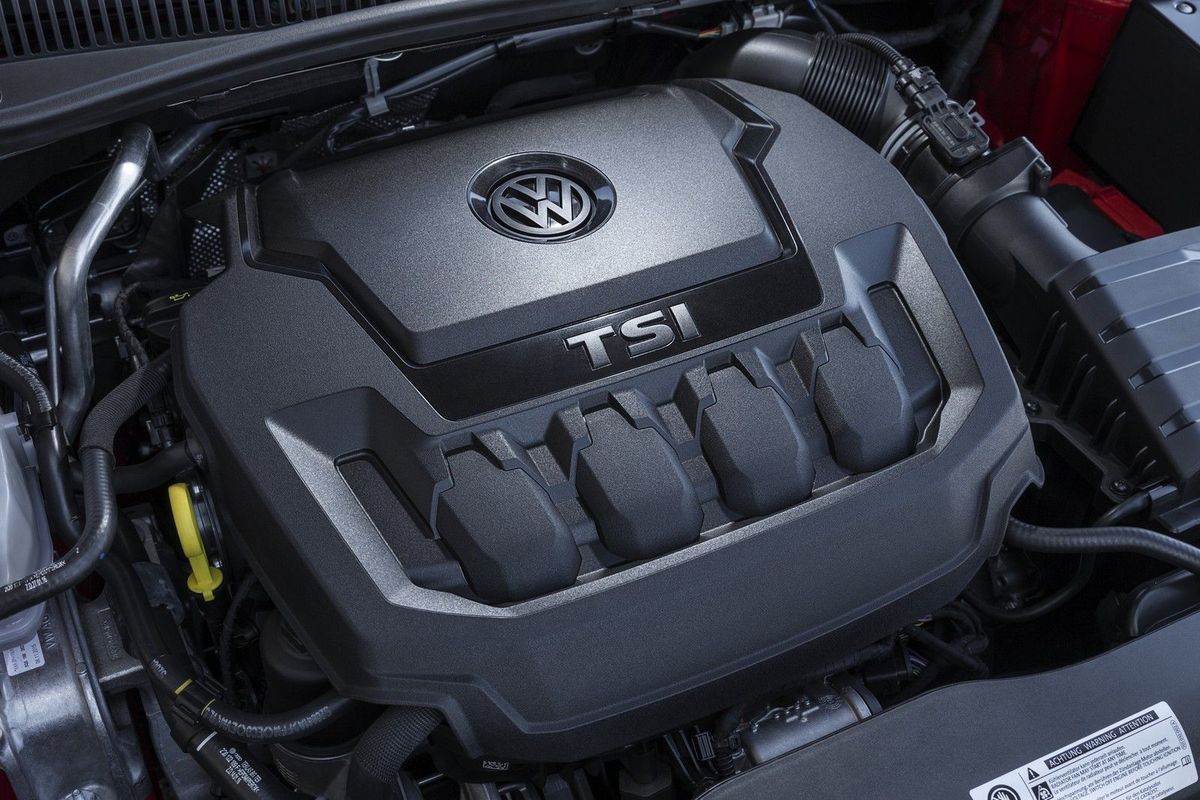
The new Polo will be powered by a 3-cylinder, 1.0-litre engine in 2 states of tune with 3 trim levels on offer. The Polo GTI will arrive after launch.
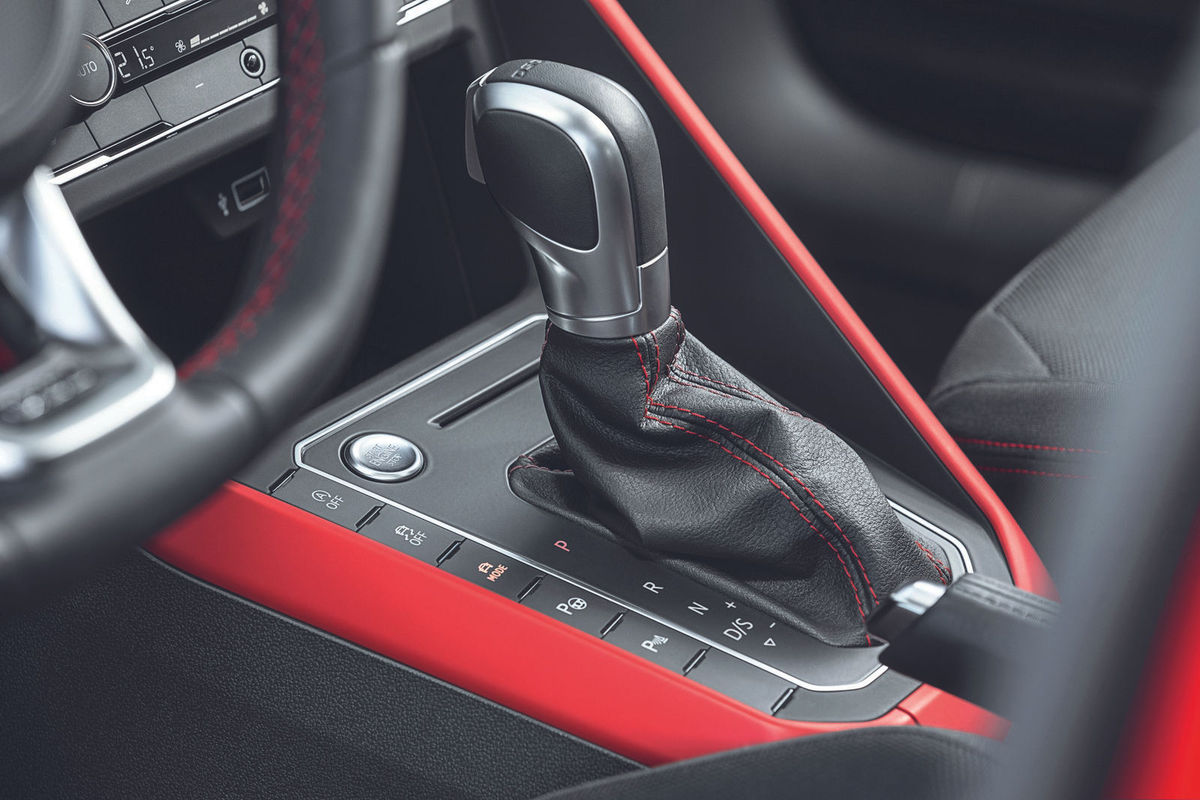
The Polo is powered by a 3-cylinder, 1.0-litre turbopetrol engine offering 70 kW and 175 Nm of torque in Trendline and Comfortline guise. The Polo Trendline features a 5-speed manual transmission while the Polo Comfortline makes use of either a 5-speed manual or 7-speed DSG.
The Polo Highline however, is powered by the same engine but outputs are higher at 85 kW and 200 Nm of torque and buyers have the choice between a 6-speed manual transmission or a 7-speed DSG.
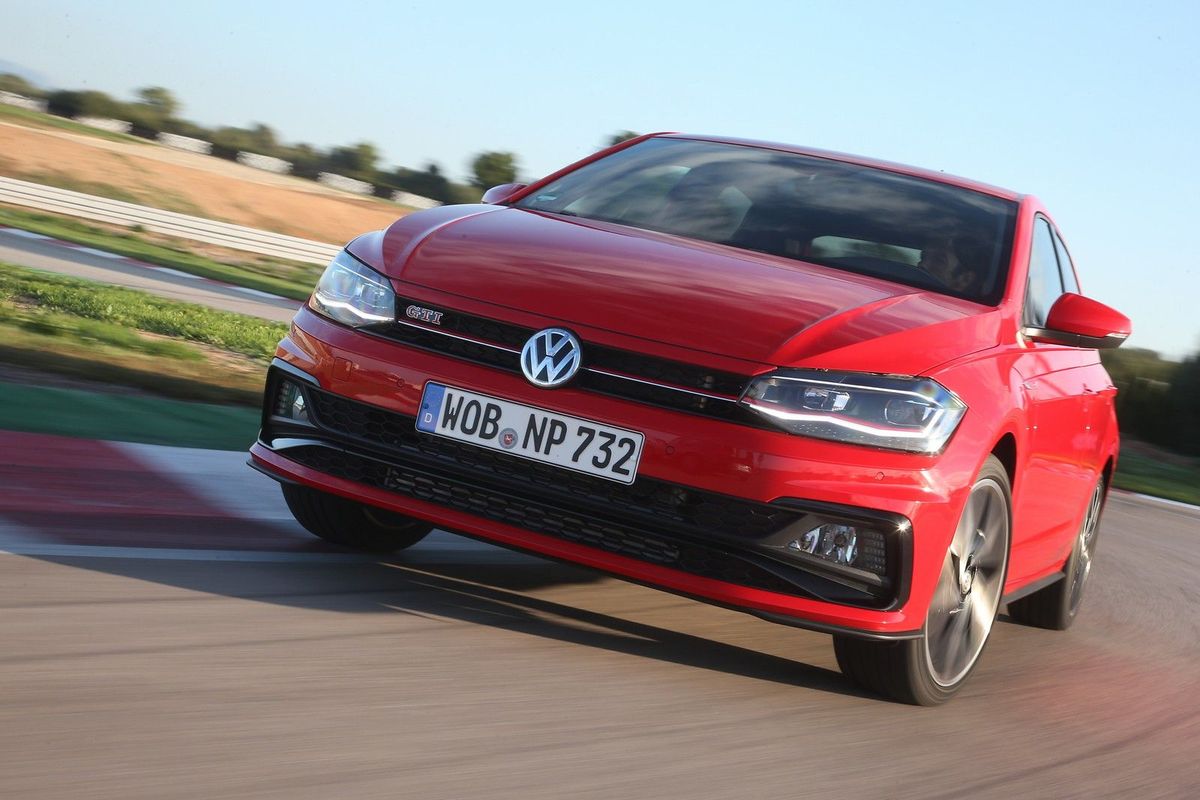
The range-topping Polo GTI will arrive after launch and will be powered a turbocharged 2.0-litre engine with 147 kW and 320 Nm on tap and mated to a 6-speed DSG.
New Volkswagen Polo – prices in SA (January 2018)
1.0 TSI 70 kW Trendline R235 900
1.0 TSI 70 kW Comfortline R264 700
1.0 TSI 70 kW Comfortline DSG R280 700
1.0 TSI 85 kW Highline R286 200
1.0 TSI 85 kW Highline DSG R302 200
All Polo derivatives come standard with a 3-year/45 000 km service plan. a 3-year/120 000 km mechanical- and 6-year anti-corrosion warranties.
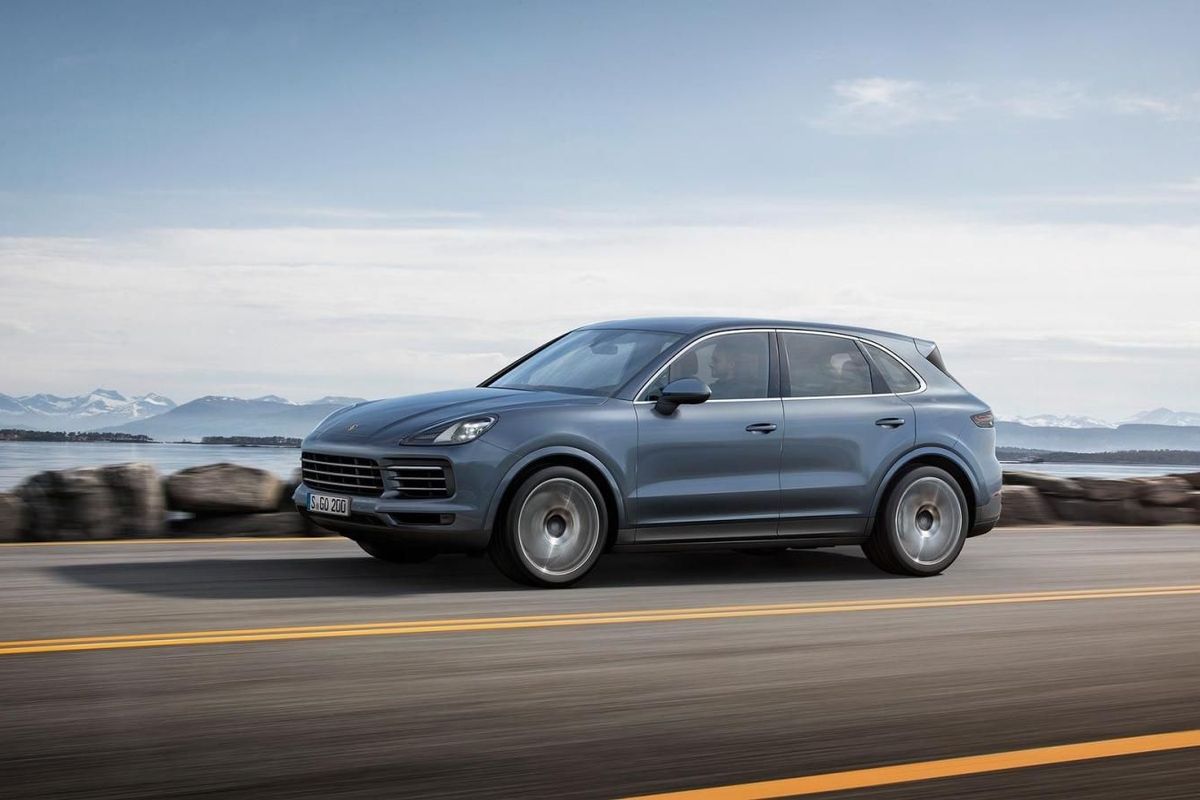
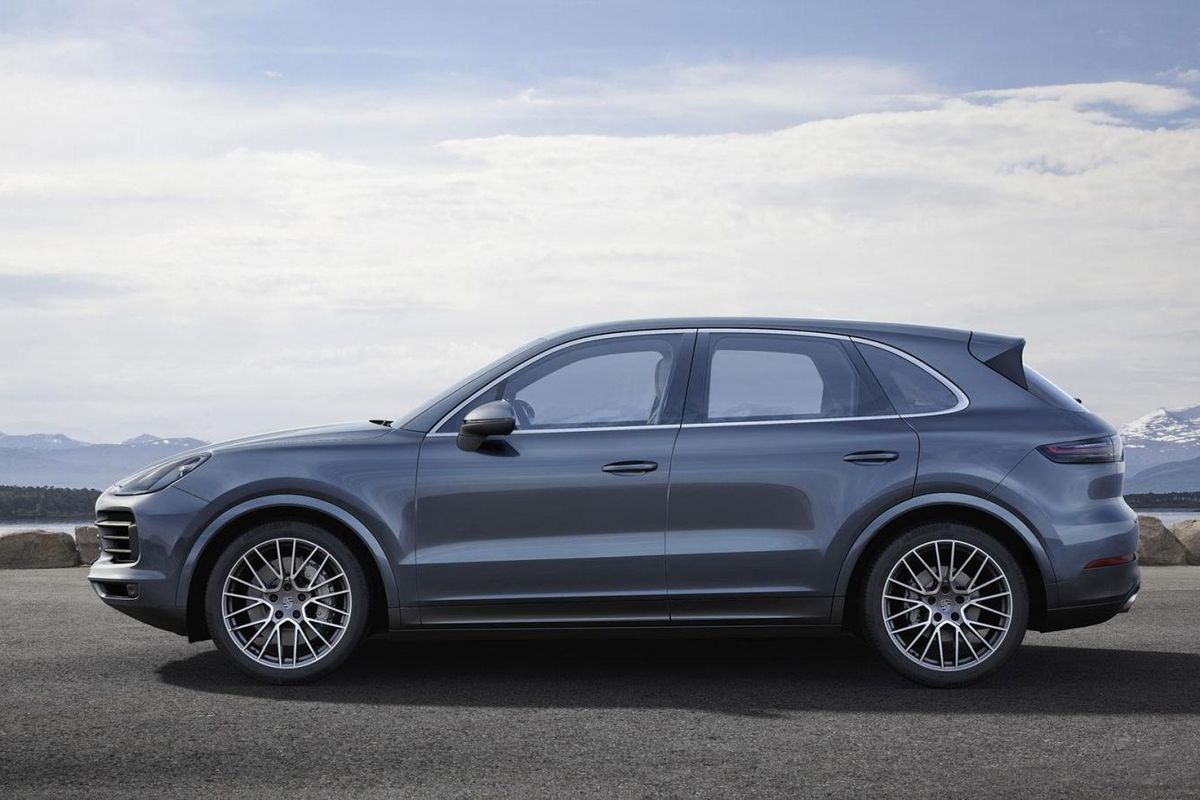
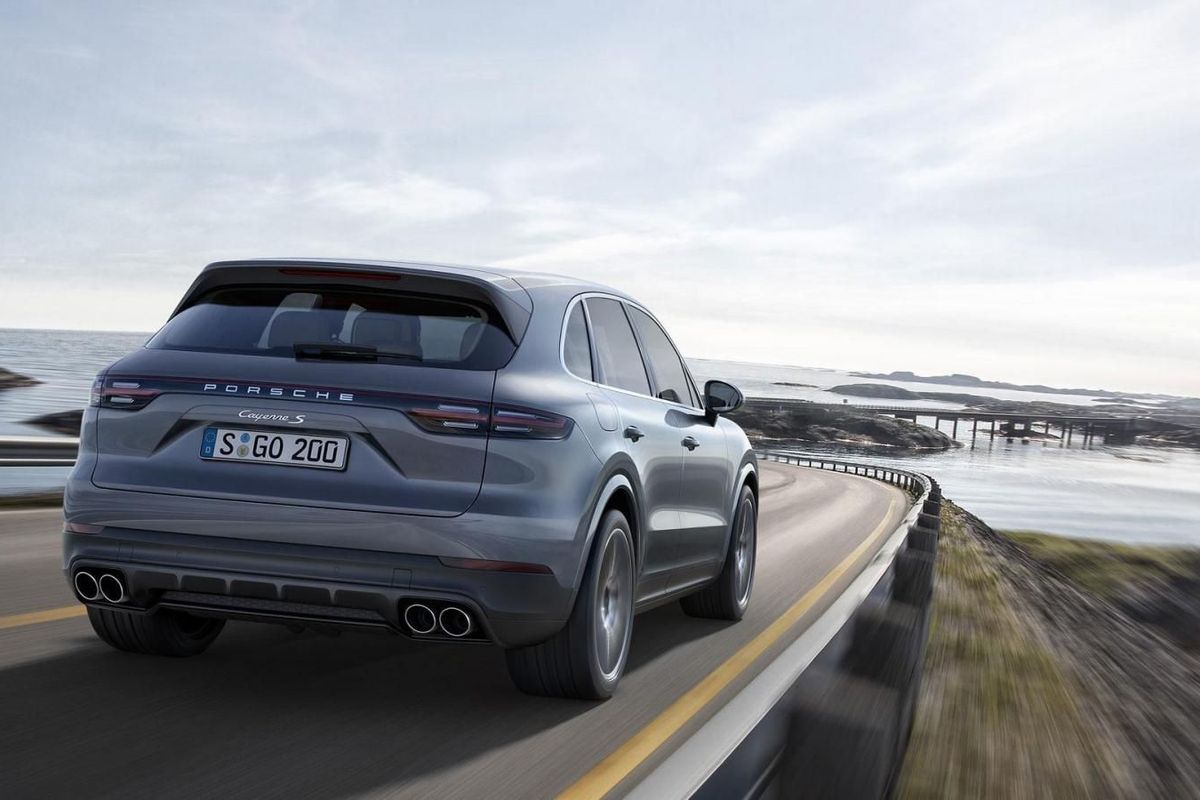
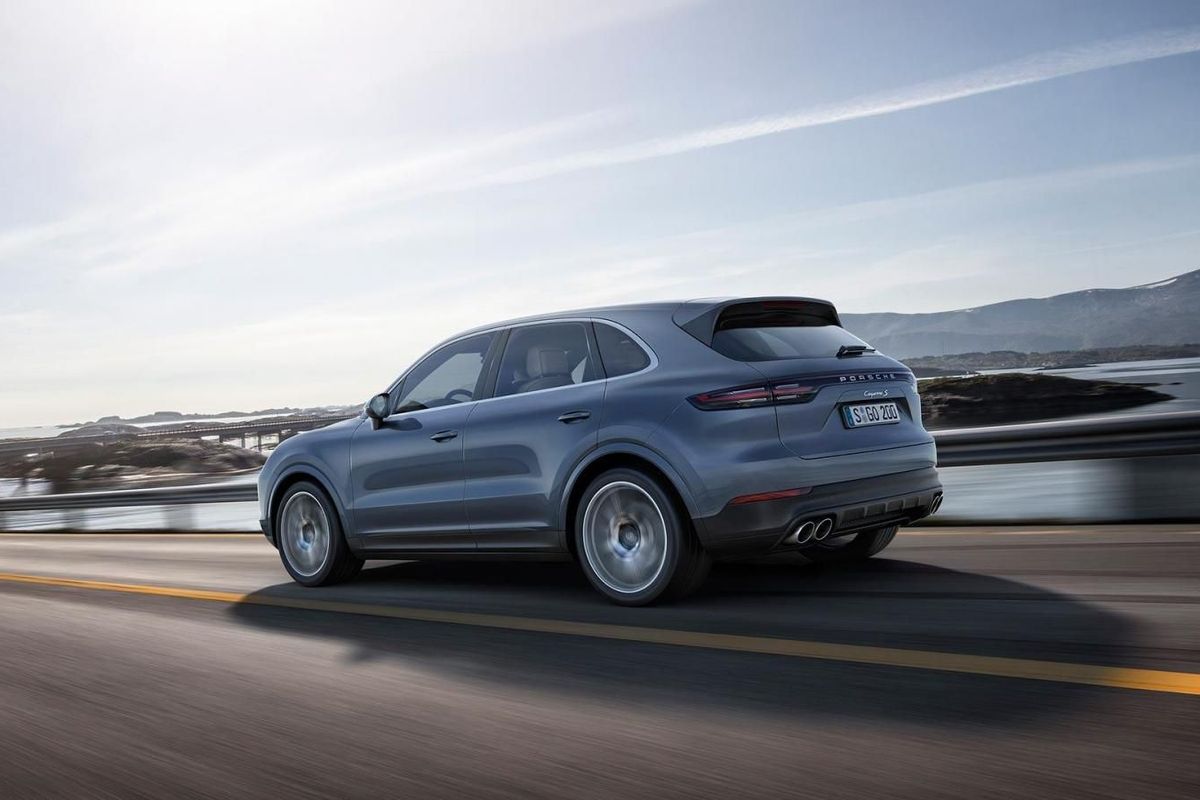
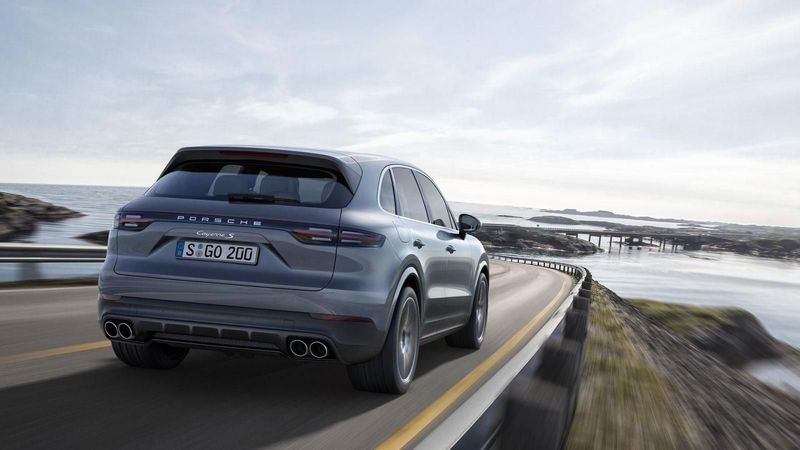
After numerous teasers, the Porsche Cayenne has been officially revealed ahead of its debut at the upcoming Frankfurt Motor Show. Take a look at the details!
The Cayenne is a money-spinner for Porsche in a booming SUV market and the all-new, third generation model has now been revealed. Let's dig into the details!
What's on offer?
The new Cayenne will make its official debut at the Frankfurt Motor Show in September 2017.
Porsche will initially offer 2 Cayenne derivatives at launch including the standard Cayenne and the sportier Cayenne S. Additional variants such as the Cayenne Hybrid, Turbo and GTS will likely be introduced in due course.
The Cayenne will be powered by a 6-cylinder, turbocharged 3.0-litre V6 engine with 250 kW and 450 Nm of torque. A new Tiptronic S 8-speed automatic transmission in conjunction with an active all-wheel drive system will ensure a zero to 100 kph sprint time of around 5.9 seconds. With the optional Chrono Package, more time will be shaved off to around 5.6 seconds.
The Cayenne S on the other hand will offer 324 kW and 550 Nm of torque from its 6-cylinder, twin-turbo 2.9-litre V6 engine using an 8-speed automatic transmission. zero to 100 kph will take about 4.9 seconds before claiming a top speed of 265 kph.
The familiar Porsche Active Suspension Management (PASM) will be offered as standard on the Cayenne S while it will be optional for the base Cayenne. A new 3-chamber air suspension system will be optional as is the Porsche Dynamic Chassis Control (PDCC) which enhances responsiveness using stabiliser bars controlled via a 48 V electrical system.
Design details
Exterior
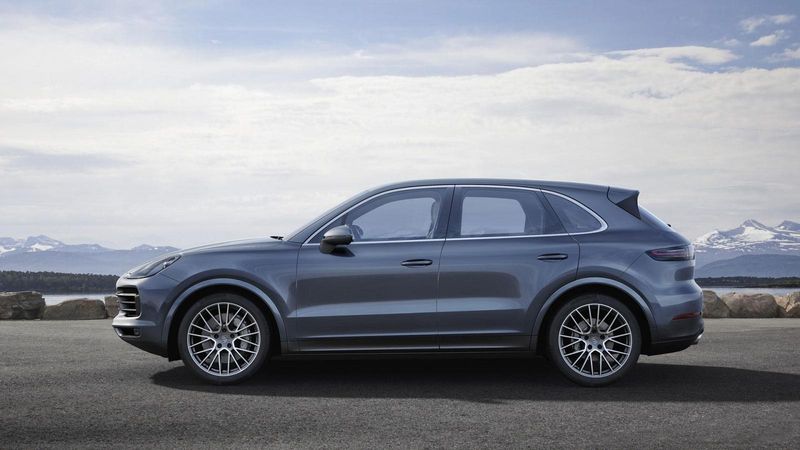
The new Cayenne is slightly larger than the outgoing model but weighs some 65 kg less.
The extensive use of aluminum has contributed to a reduction in weight by up to 65 kg and the Cayenne now weighs 1985 kg. The wheelbase remains identical to the outgoing model at 2 896 mm while the overall length has grown marginally by 76 mm to 4 828 mm. Porsche says load space has grown by some 15% and the Cayenne now offers a load capacity of 770 litres.
In terms of styling, the new Cayenne features a redesigned front end with larger air intakes and new LED headlights. The looks are similar to that of the outgoing model at the front, but the rear has a new light arrangement much like the Porsche Panamera Sport Turismo. A lowered roofline give the Cayenne a purposeful stance and wheel sizes from 19 to 21 inches will be offered while rear-wheel steering will be offered as an option. Porsche Surface Coated Brakes (PSCB) and high-performance carbon ceramic brakes will also be offered as options.
Interior
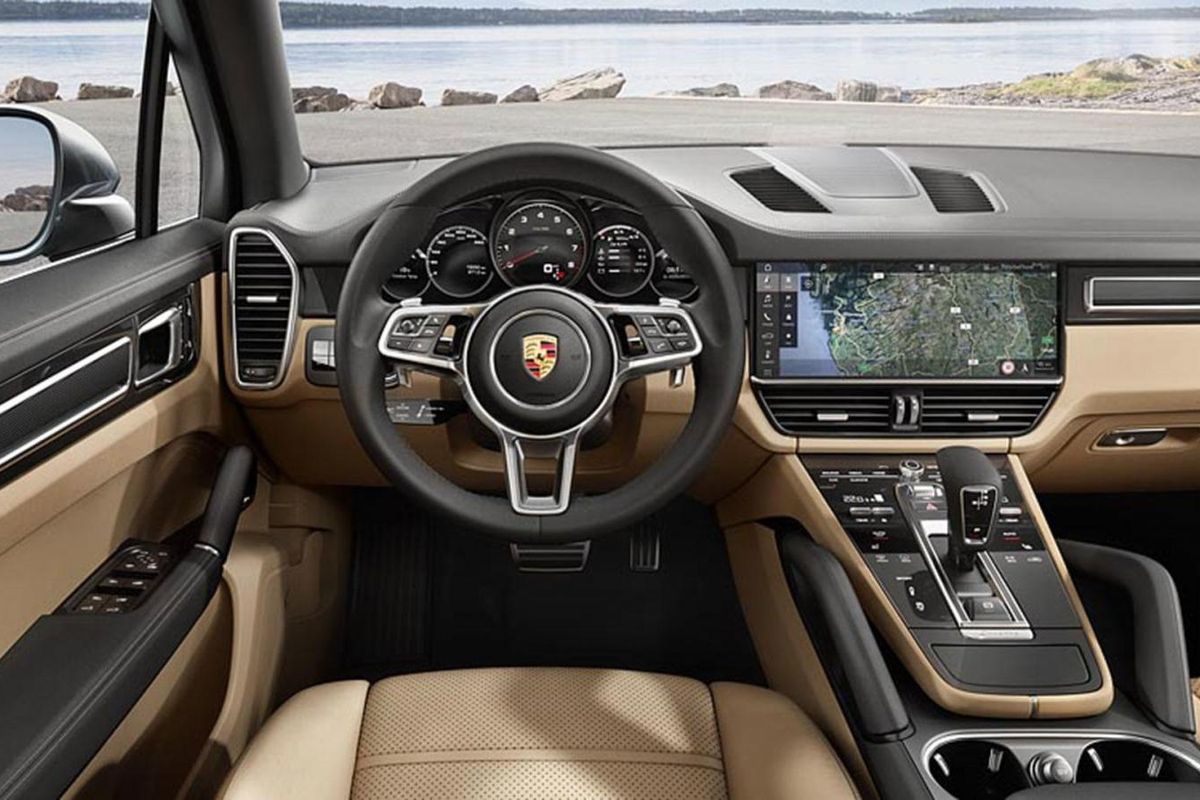
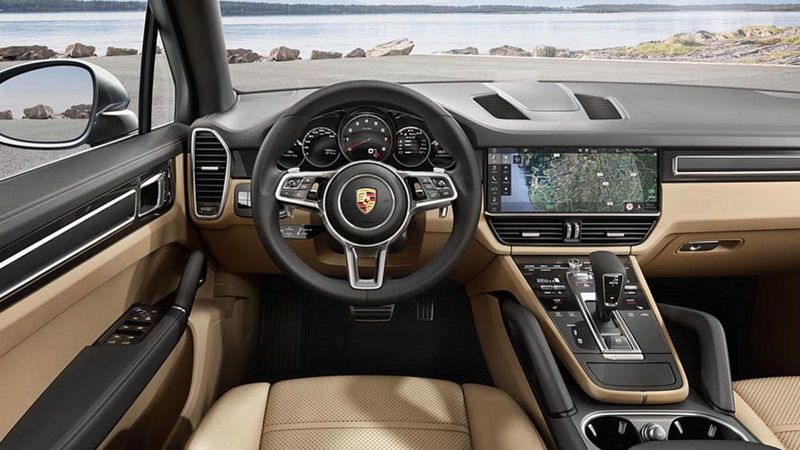
The big changes are found in the cabin where the instrument cluster is now a mostly digital affair with a central analogue tachometer flanked by two 7-inch displays. There's also a large 12.3-inch infotainment system which sits in the middle of the dashboard. It features full digital functionality, just like that found in the Porsche Panamera.
The Cayenne can be specified with a range of assistance systems including Night Vision Assist which uses thermal imaging to detect pedestrians and animals, lane change assist, lane keep assist with traffic sign recognition, traffic jam assist, park assist with surround view and adaptive cruise control.
You can expect to see the new Porsche Cayenne in South Africa in 2018. We will keep you updated as local pricing and specification details become available.
You've seen the drag race, and now it's time to see the track race. Can the Merc A45 overcome the power deficit in a track battle?
The Audi RS3 Sedan takes on the Mercedes-AMG A45 at the Rock Raceway. It's a head-to-head battle around a tight and twisty track that could favour the Merc's firmer suspension, or will the Audi's grunt prove too much to handle?
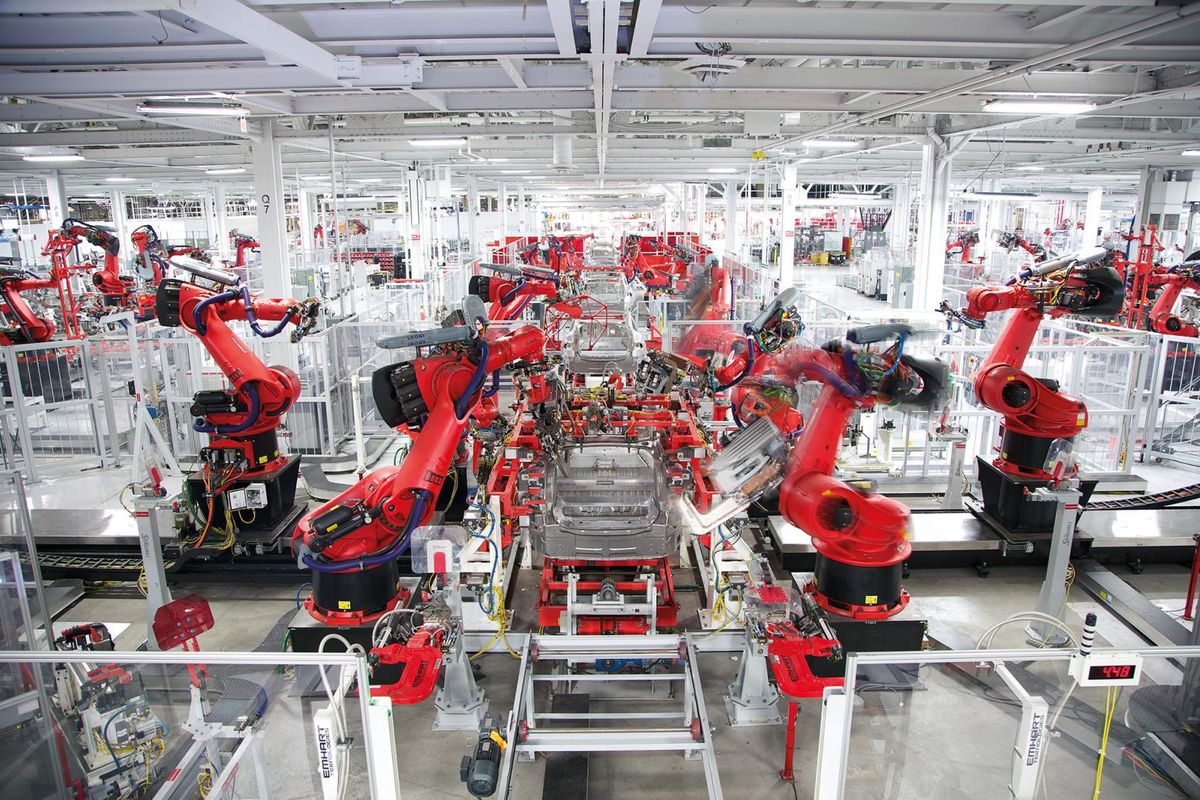
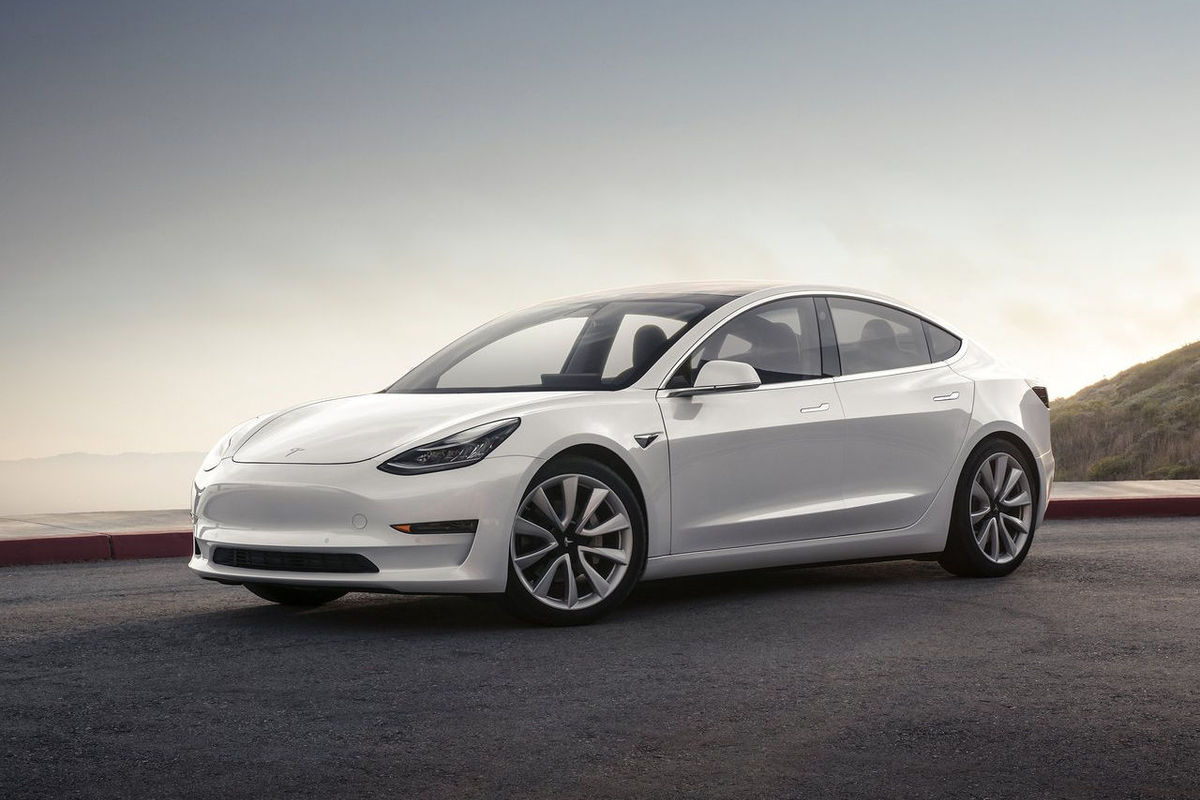
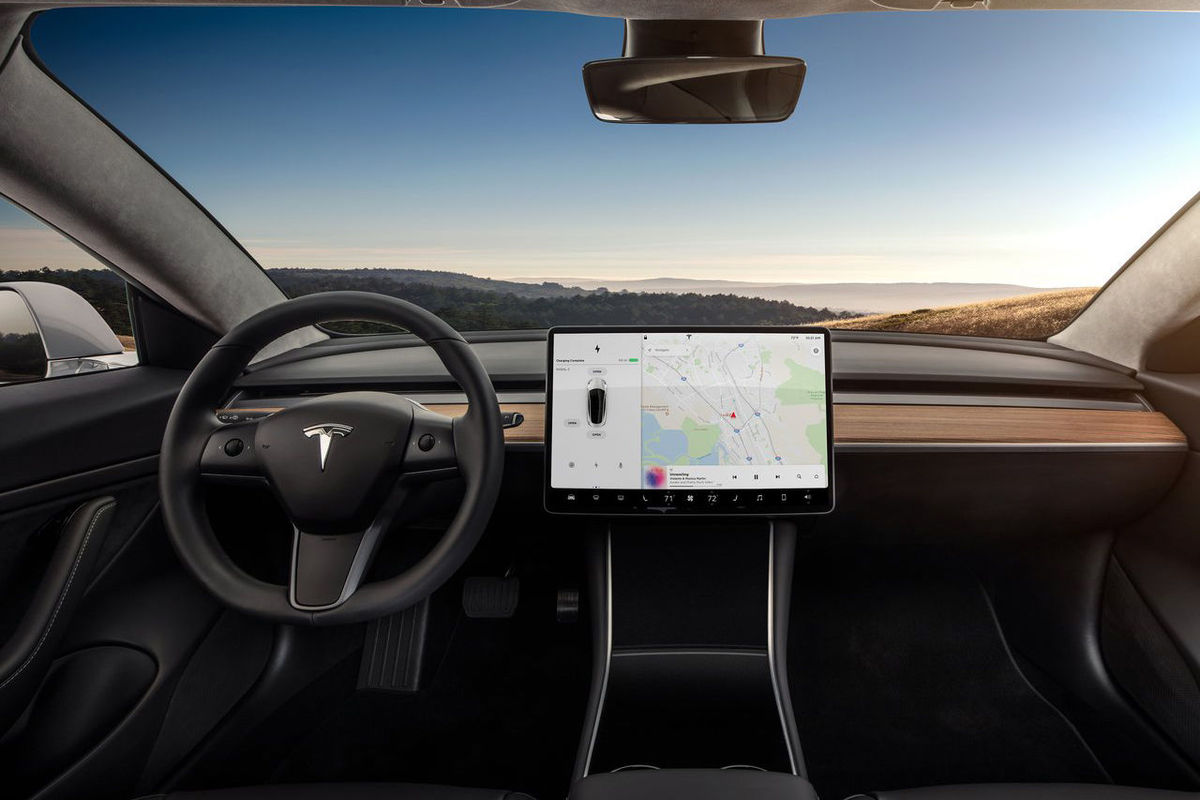
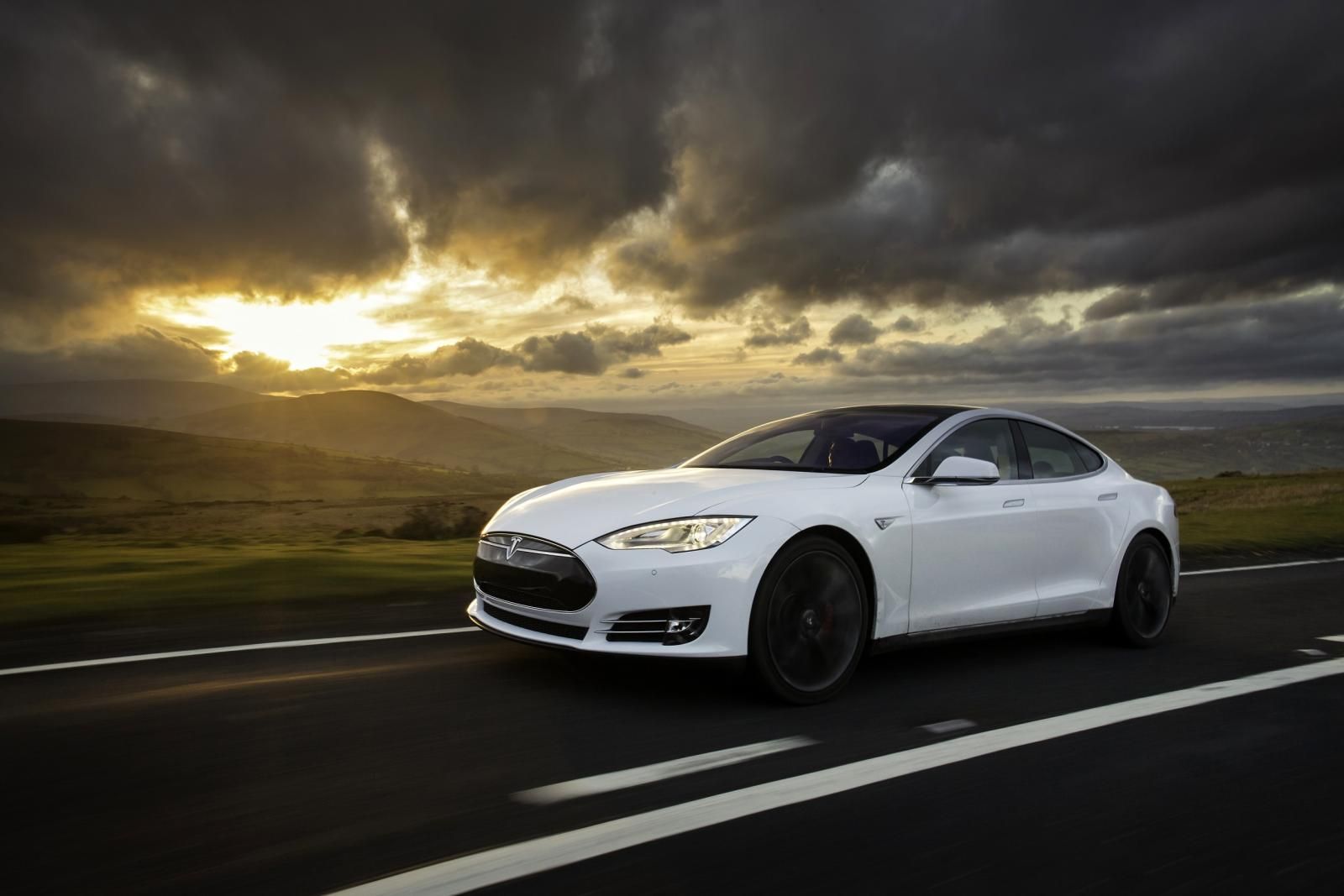
Although it is burning cash and can’t build Model 3s quickly enough, Elon Musk’s car firm continues to attract investors. So what gives? Contributor Hilton Holloway digs into the facts.
In the past 18 months, the world has seen some improbable events – most notably the election of Donald Trump and the Brexit vote – but what has been even more unlikely has been the financial rise and rise of Tesla.
While the two elections involved ordinary voters, Tesla’s ranking last April as the most valuable car company on the planet was, remarkably, driven by hard-headed investors and analysts.
In 2016, Tesla sold just over 76,000 cars globally, while General Motors sold 9.96 million. But that didn’t stop the financial markets valuing this automotive minnow at $51.54 billion (R620bn) last spring. That was more than one billion dollars above the market value of second-placed GM.
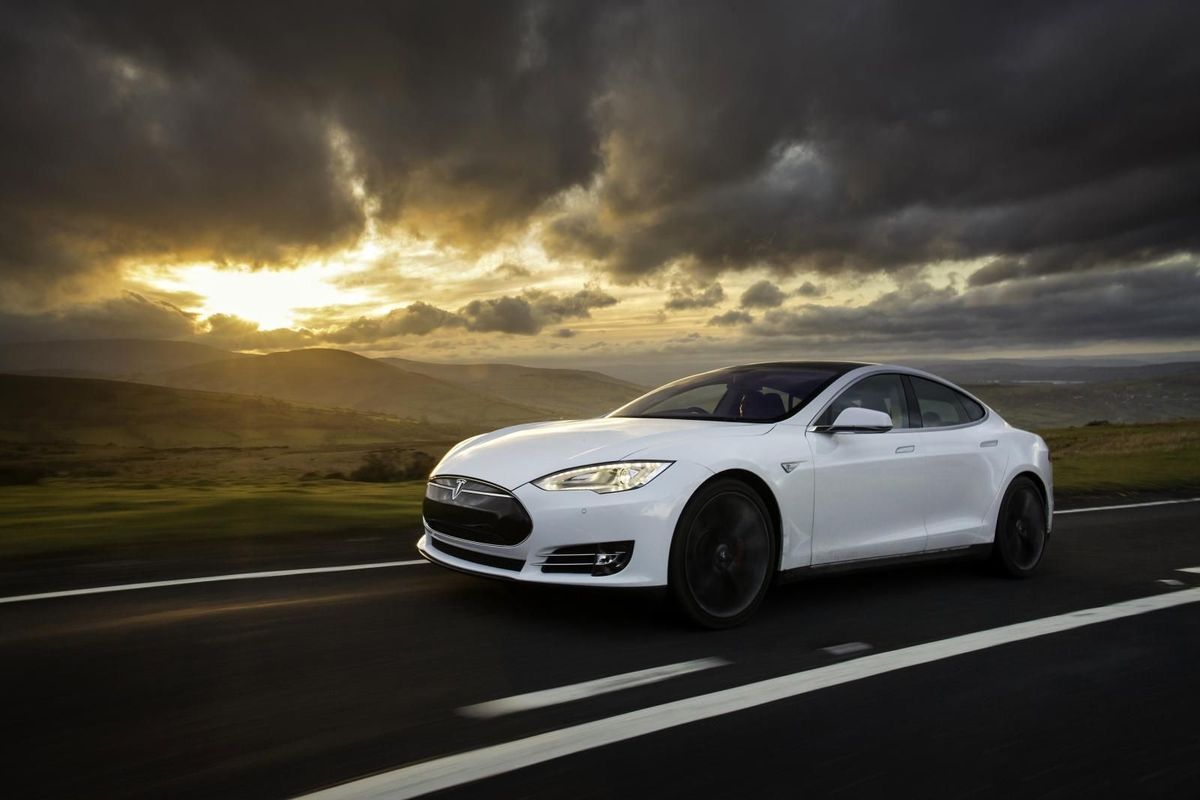
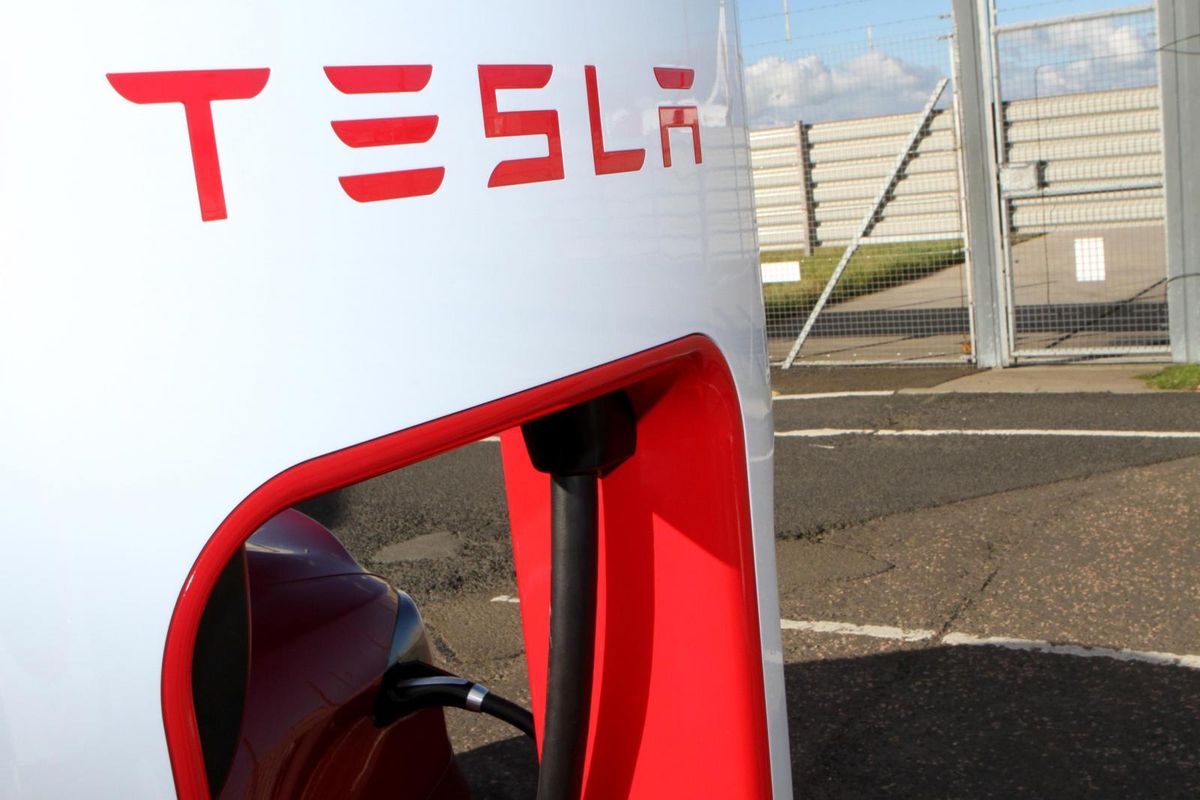
Tesla is currently the most valuable car company in the world, despite only selling a fraction of its competitors do.
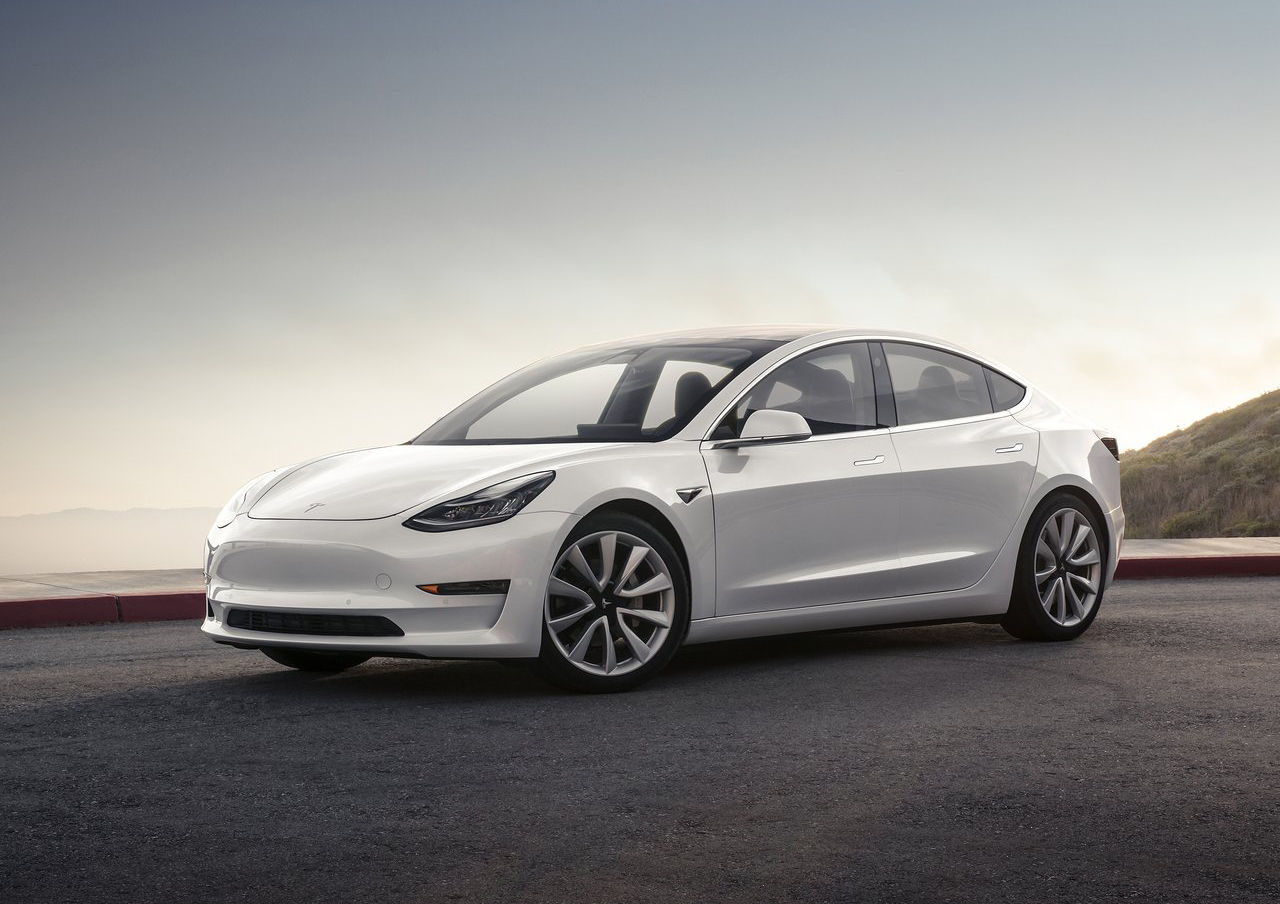
Although analyst sentiment has shifted a little since then, the share price hasn’t notably. Tesla’s biggest problem is that it is struggling to get its new entry-level Model 3 into production. That is partly the reason it is losing huge amounts of money: in the third quarter of 2017, Tesla spent R8bn, which equates to R150m per week.
Such is the rate of Tesla’s cash burn that in late 2017 Bloomberg Intelligence’s market analysts estimated Tesla would run out of money completely by August 2018 if nothing changed.
Indeed, in a note to investors at the beginning of this year, a Barclays analyst said he believed that Tesla would spend R50bn in 2018 as it struggles to get the Model 3 production lines rolling at full speed. He also predicted that Tesla would have to raise around R30bn in new funding by autumn 2018.
For the first time, it looks possible that Tesla could stumble and even begin to wither. If it doesn’t meet its target of producing 20 000 Model 3s per month by July, the share price could finally slide and raising further billions to carry the company through the second half of 2018 might be much less easy. By the end of this year, the established premium car makers will arrive with their own Tesla-rivalling electric vehicles.
Tesla may need to sell at least 20 000 Model 3s a month by mid-year or faith in the longevity of the brand my nosedive.
The progress of Tesla from the darling of investors and starry-eyed futurists to a serious car-making company hinges entirely on the progress of the Model 3. But even the company’s admission at the beginning of January that it had missed its production targets for a second time seemed to have little effect on its financial standing: the share price dropped by just 3.6% on the news but then sprang back.
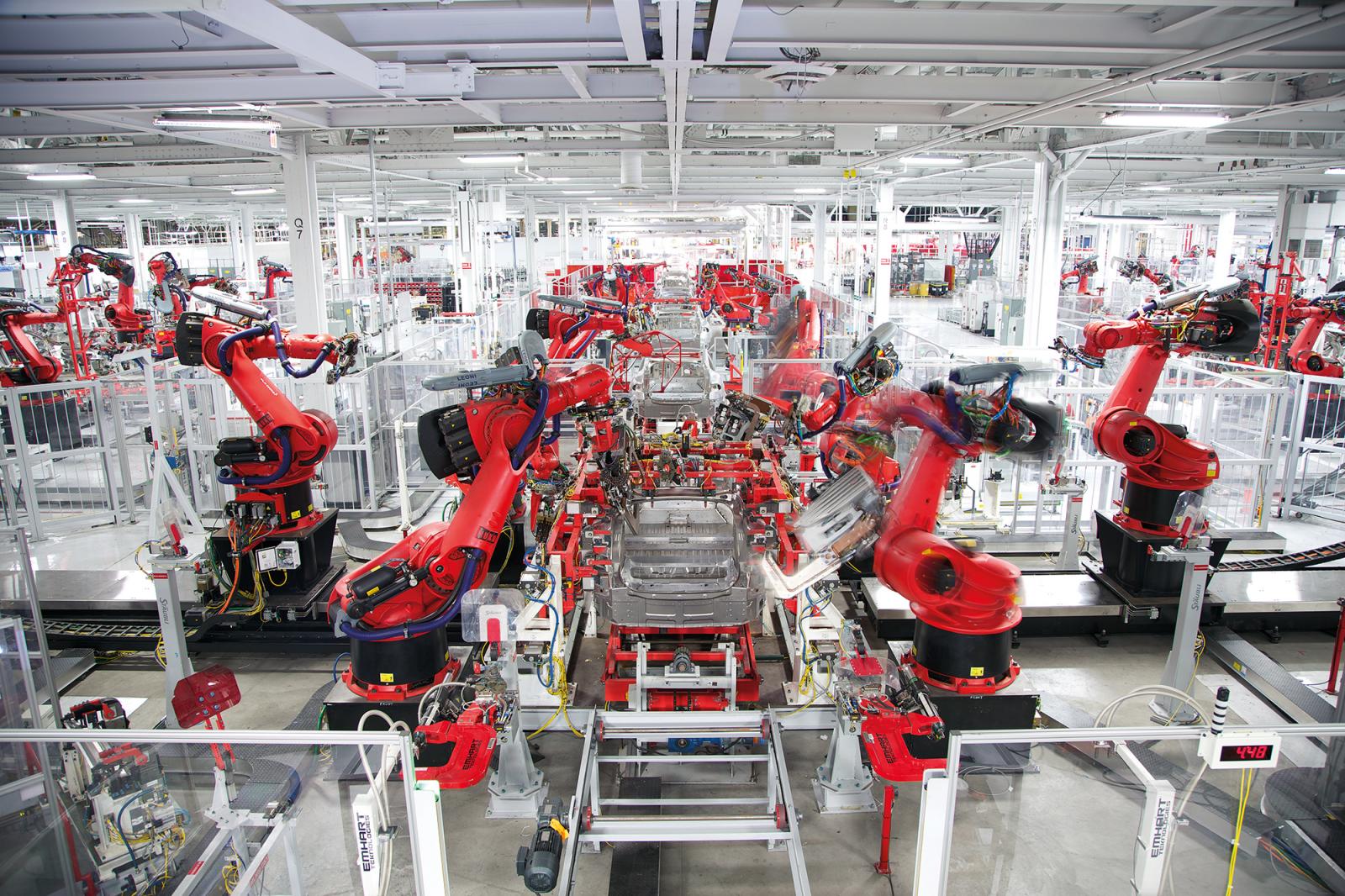
Progress of the Model 3 has been watched extremely closely over the past few months, as rumours began to emerge of serious problems with construction of the 3’s substantially steel monocoque. The Model S and X are constructed of aluminium, so shifting to steel for the majority of the Model 3 architecture (only the structures behind the rear seats and rear wheel wells are made of aluminium) put Tesla on a steep learning curve.
The other delay was at Tesla’s battery-making Gigafactory in Nevada. Sources told Autocar that errors in the construction of the battery can lead to much-reduced capacity. Officially, Tesla said it has to redesign two zones of the ‘four zone’ battery-making process, slowing the Model 3’s launch.
Production of the Model 3 has been tricky as batteries have not been up to standard and Tesla's first foray into steel chassis work has been difficult.
Back in the here and now, the company shifted 101 000 Model S and Model Xs in 2017. That was up by a third over its 2016 sales and strong in a global luxury market in which the Mercedes S-Class sold around 84,000 units in 12 months. But, as analysts at Evercore ISI put it in a note to investors, the Model 3 “is the most important piece of the investment story”.
Tesla wanted to build 5 000 Model 3s per week by early 2018, but it has twice had to push that target back. It delivered 1 550 vehicles in the last three months of 2017, well behind predictions. The company now says it will reach the 20 000 per month target by the start of July.
Evercore ISI thinks Tesla won’t be hampered much longer by production problems. The analysts have pencilled in some 258 000 Model 3 sales across 2018 and are forecasting around 326 000 sales in 2019, which, along with a further pick-up in Model S and X sales, should get the company quite close the magic 500 000 annual sales that was its original target for 2018.
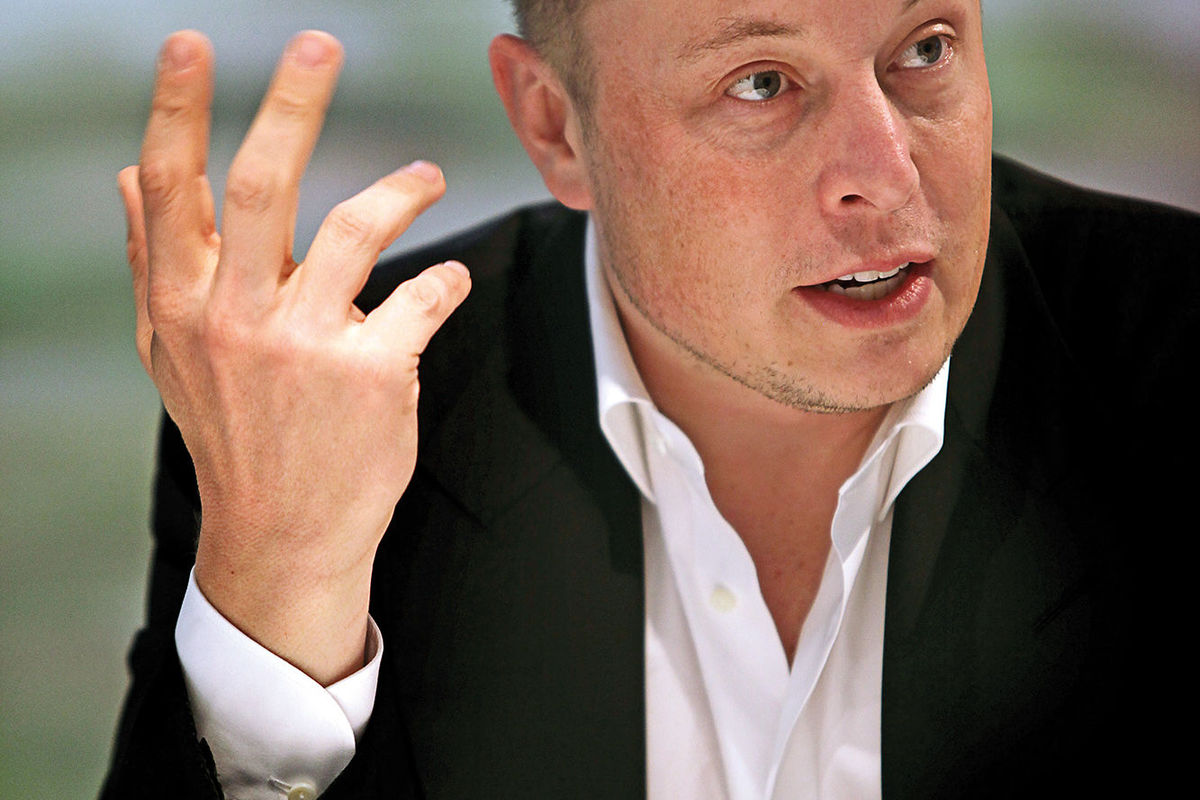
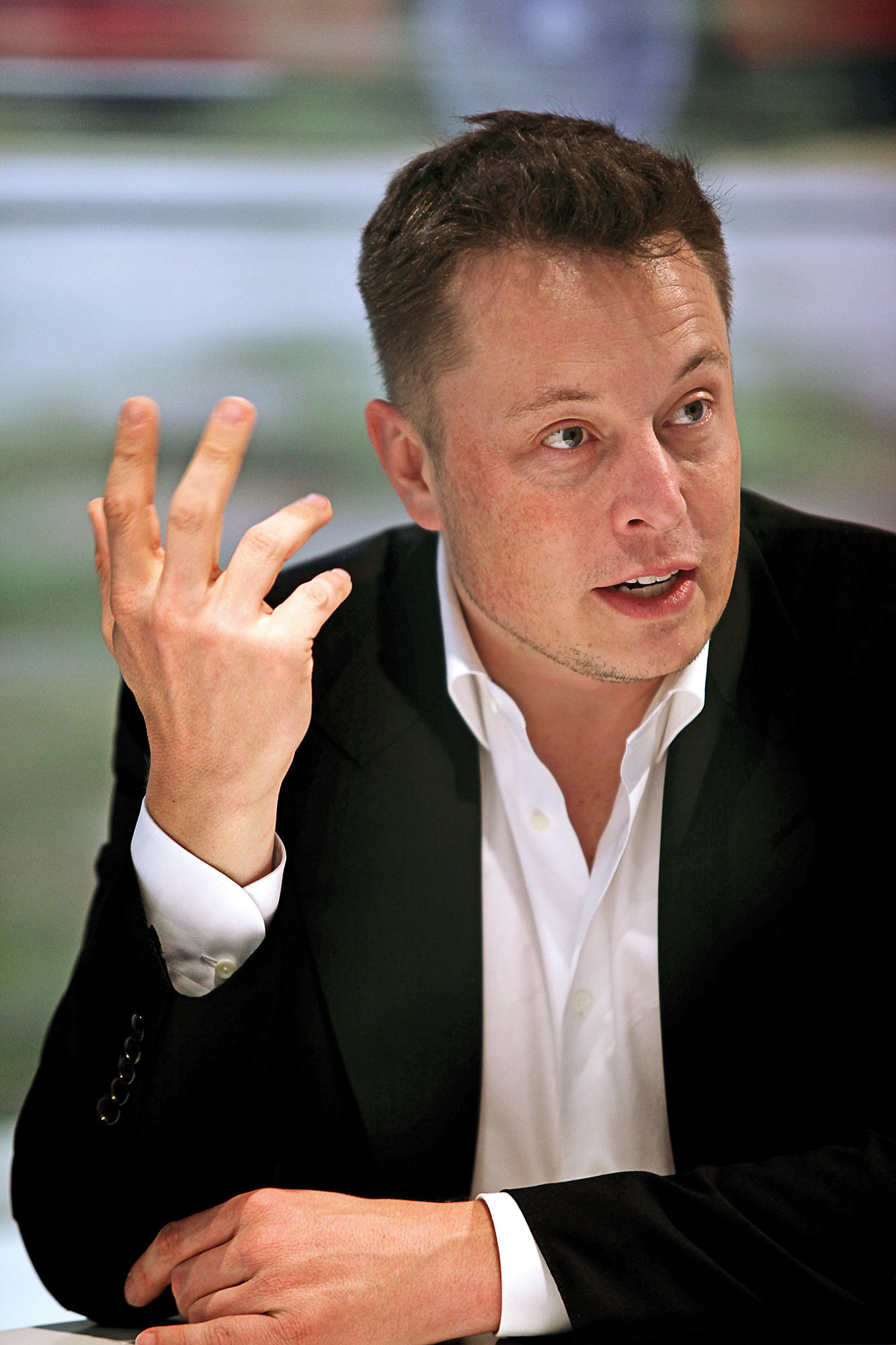
Elon Musk's brands have lived a charmed life with investors pumping large quantities of cash into his ventures. He has often delivered, if not always on time.
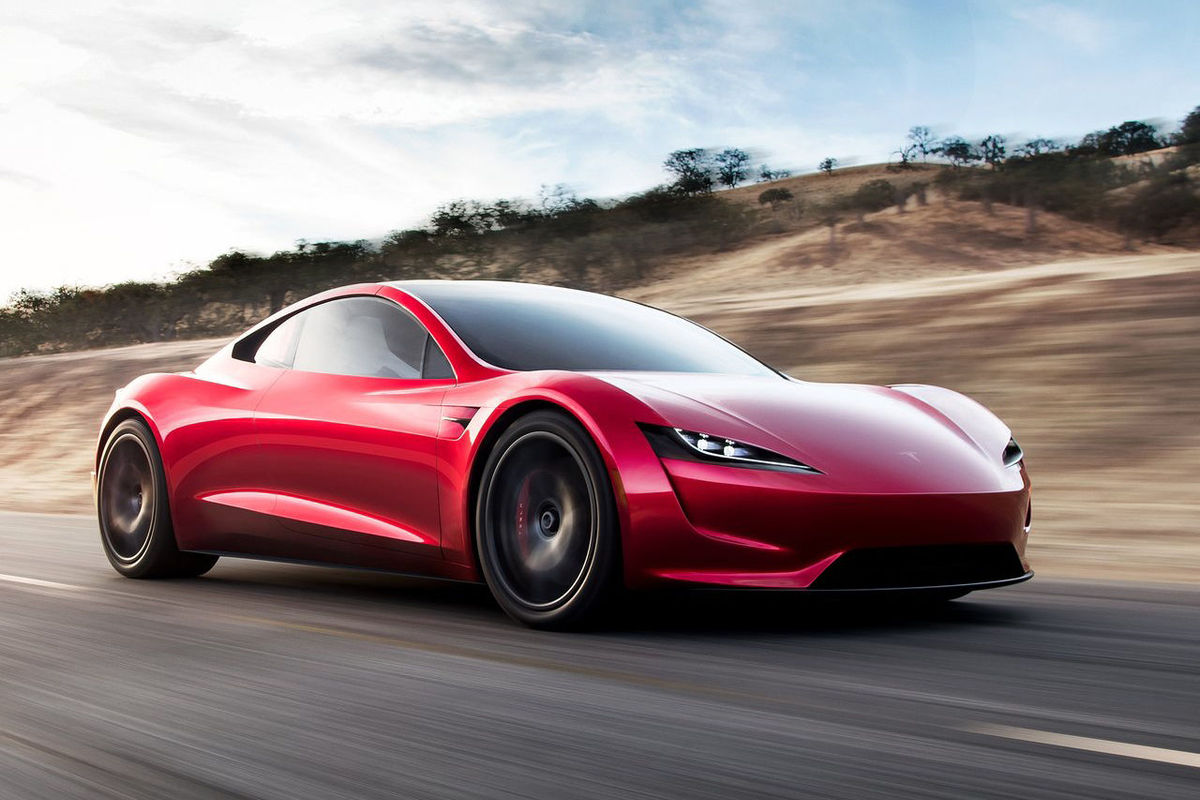
At best it looks like that the total will, in fact, be around 370 000, one investment bank predicted. Clearly, the robustness of Tesla’s share price and ability to raise more money has not so far been undermined by slow production. Even the unveiling of the potentially distracting Tesla truck and Tesla Roadster (both scheduled to arrive in 2020, despite questions over where they will be built and how the R&D will be funded) failed to frighten the markets.
But it remains a mystery to many in the financial industry why Tesla remains so favoured.
First, it is not producing any technology that cannot be matched by the rest of the car industry. And when the premium car makers do arrive, with models such as the Jaguar i-Pace, Audi E-tron and Porsche Mission E due over the next 18 months, the feeling among investors is that Elon Musk’s company will not be significantly impacted. One analyst put these concerns to Tesla investors, and the main thrust of the response was that the Tesla brand was so overwhelmingly powerful it had nothing to fear from the arrival of competitors’ EVs.
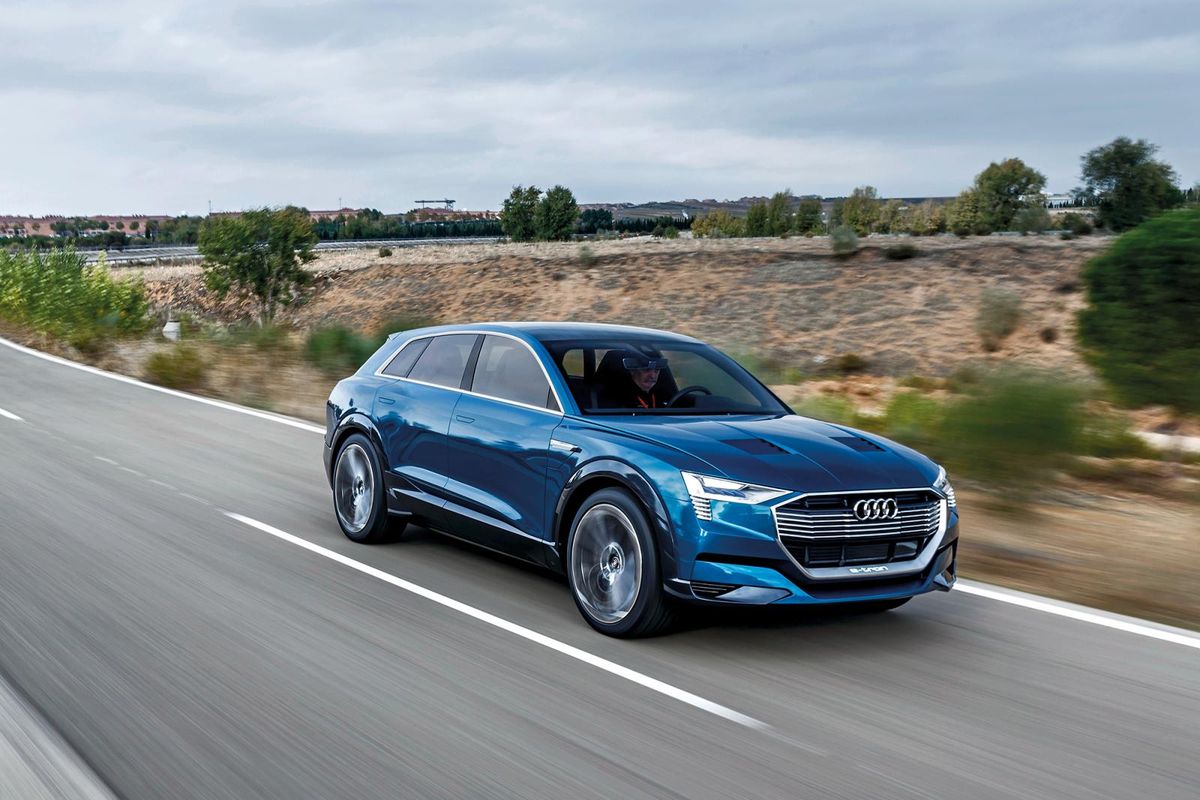
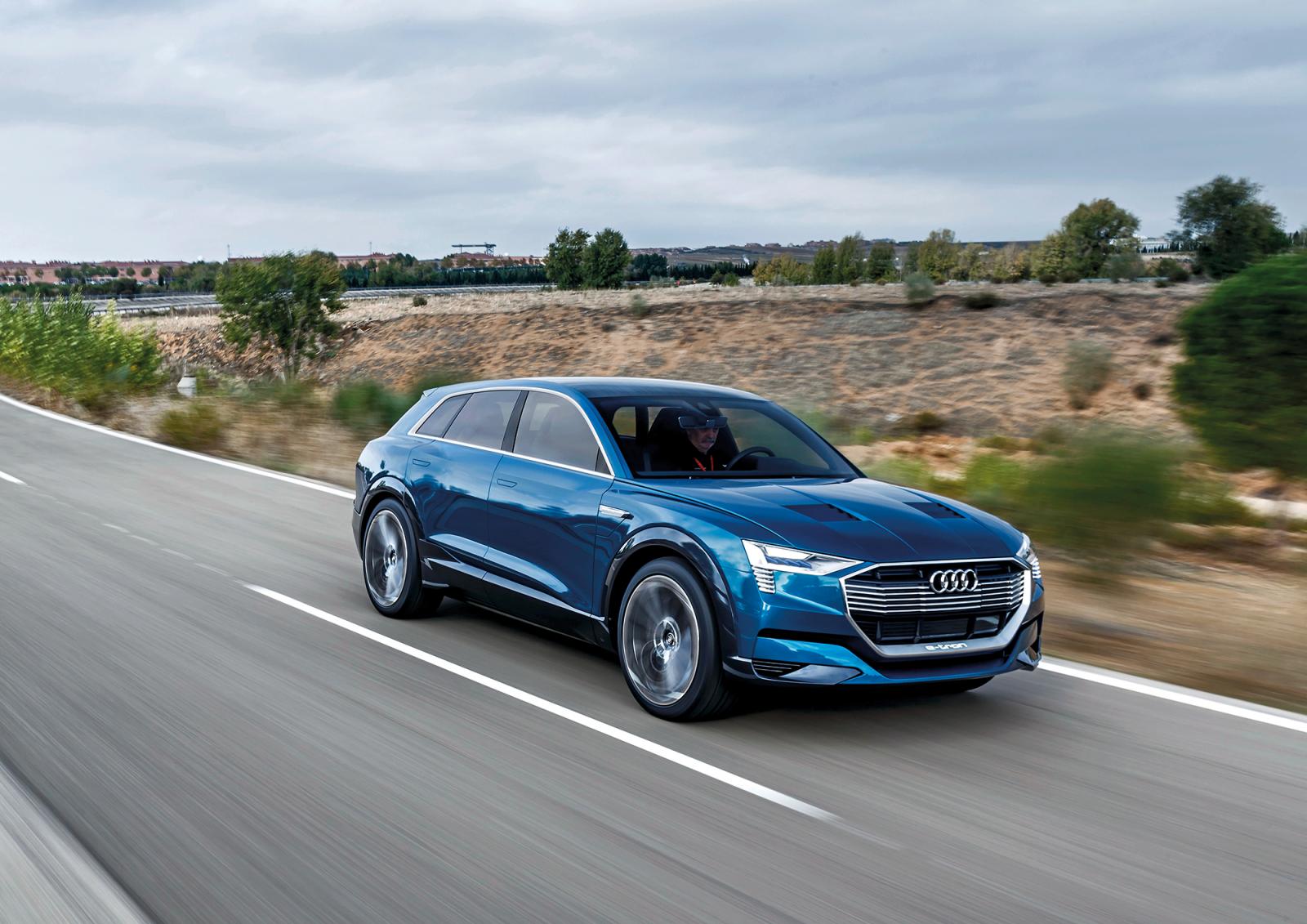
Cars like this Audi e-Tron deliver the same tech as Tesla but with more experienced dealer back-up and newer features.
There’s no doubt Tesla can survive if it can reach the July production target and initial demand for the Model3 holds up. As things stand, the company has a six-month window to get up to speed – and iron out the build quality issues that have plagued early 3s – before premium rivals appear.
Probably the biggest threat to Tesla is the ability of established makers to build EVs with remarkable precision, reliability and offer a more experienced dealer back-up. New models from Porsche and Audi are also likely to outpace Tesla when it comes to autonomous driving features and cloud connectivity.
But on the evidence so far, Tesla will remain immune to the usual rigour of investment norms. Who would bet against the company continuing to defy financial gravity?
Range Rover SV Coupe Announced
If you think a huge SUV with only 2 doors is cool, then the new Range Rover SV Coupe will excite you. It has just been announced and will be produced in limited numbers.
Land Rover has announced that its Special Vehicle Operations (SVO) department will be making a Range Rover SV Coupe. It’s a 2-door Range Rover that is limited to no more than 999 models globally.
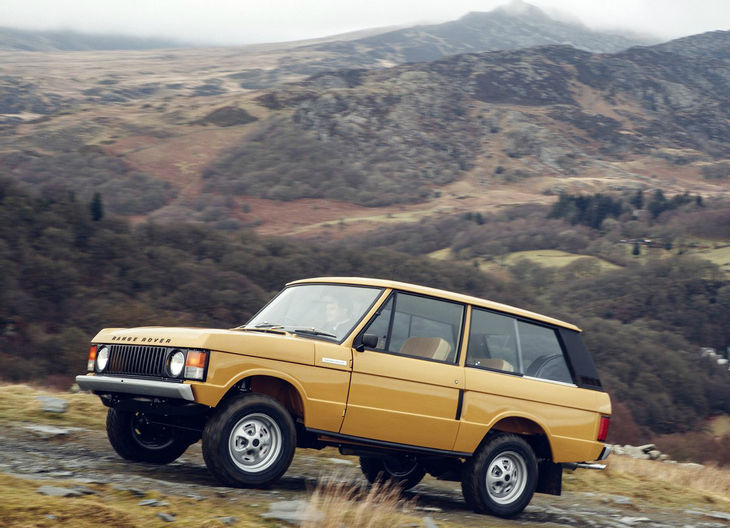
The SV Coupe is a nod to the 2-door variant it made in 1970 with the new model showcasing a dramatic silhouette and modern technology. For now, all Land Rover has shown is the above image of the interior, which looks nice and woody.
Range Rover is building the model as a celebratory special edition for its 70th anniversary. The model will be officially shown at the Geneva Motor Show on the 6th March 2018. More details will be made available then, so stay tuned!
The new Volkswagen Polo is launching in South Africa today! It's bigger and better than its predecessor, but how will it stack up against its new/improved rivals in the B-segment?
The Volkswagen Polo is a hugely successful product and in South Africa, it consistently appears on the Top 5 best-selling passenger cars list on a monthly basis. Combining attractive traits such as drivability, reliability, solid build quality and fuss-free motoring, the Polo is often top-of-mind for buyers shopping for a compact hatchback.
The new Volkswagen Polo is expected to lead the segment but new and improved rivals will provide ample competition.
The new Volkswagen Polo has arrived and not only is it bigger in all directions, it also boasts a newly designed interior featuring a revised dashboard, steering wheel and switchgear. Buyers interested in the new Polo will be spoilt with attractive features such as Volkswagen’s Active Info Display, wireless charging pads, keyless entry and additional safety features such as Front Assist, City Emergency Braking and Pedestrian Monitoring systems to name a few.
*Pictured above is the new Volkswagen Polo in R-Line trim.
The new Volkswagen Polo's interior is vastly improved and will offer technology such as an optional Active Info Display.
As far as the engine lineup is concerned, the new Polo will be powered by a 3-cylinder, 1.0-litre turbopetrol engine offering 70 kW and 175 Nm of torque in Trendline and Comfortline guise. The Polo Trendline features a 5-speed manual transmission while the Polo Comfortline makes use of either a 5-speed manual or 7-speed DSG. A Polo Beats version is also available to buyers, which includes a premium sound system.
The Polo Highline however, is powered by the same engine but outputs are higher at 85 kW and 200 Nm of torque and buyers have the choice between a 6-speed manual transmission or a 7-speed DSG.
The range-topping Polo GTI will arrive after launch and will be powered a turbocharged 2.0-litre engine with 147 kW and 320 Nm on tap and mated to a 6-speed DSG.
By all accounts, the new Polo will be well received locally, but will the recent and forthcoming arrival of new or updated rival products have any impact on the success of the new Polo? Take a look at 6 of the Polo’s strongest rivals in this hotly contested segment!
New Ford Fiesta
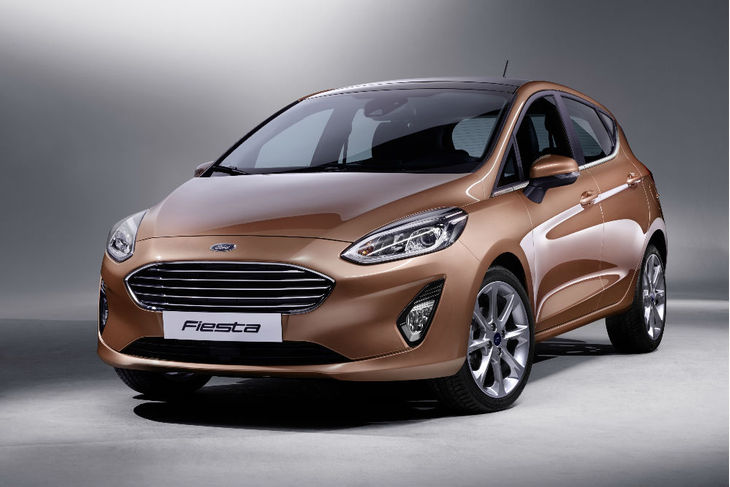
The new and improved Fiesta is a strong Polo rival that's expected to arrive in South Africa in 2018.
The Ford Fiesta is the Volkswagen Polo’s strongest rival and even though the current model is long-in-the-tooth, an all-new Fiesta is expected to arrive in South Africa early in the second quarter of 2018. We recently travelled to Spain to drive the new Fiesta and came away quite impressed with its fun-driving character and refinement. South African Fiestas will be powered by a 1.0-litre, 3-cylinder turbbopetrol engine with 92 kW and 170 Nm of torque as well as a 1.5-litre turbodiesel engine offering 63 kW and 215 Nm of torque. The 1.0-litre will be available with a manual and automatic transmission, with the latter offering outputs of 74 kW and 170 Nm of torque. The 1.5-litre turbodiesel engine will only be offered in manual guise. The new Fiesta ST is expected later, but will arrive with a 1.5-litre, 3-cylinder EcoBoost engine with 147 kW and 290 Nm of torque.
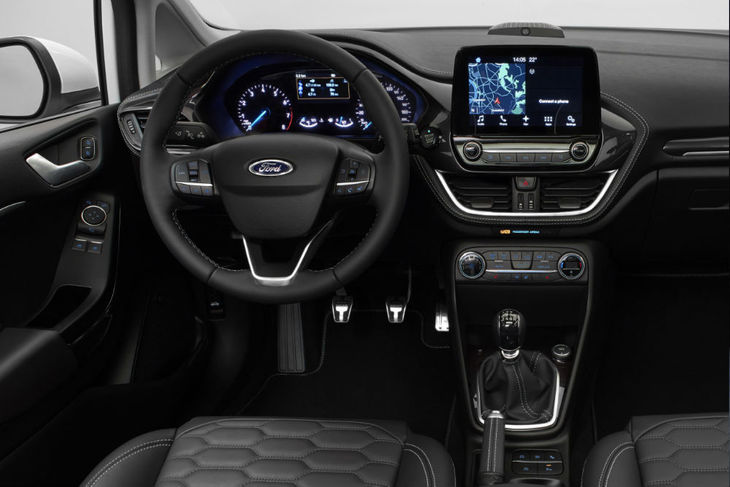
Apart from its (perhaps regrettably) evolutionary exterior design, the Fiesta’s interior has been thoroughly redesigned and incorporates higher quality materials and new technology. A major improvement is the inclusion of an 8-inch floating touchscreen display utilising Ford’s latest SYNC3 infotainment system, resulting in a 50% reduction of buttons compared with the current car's fascia. The system will offer Bluetooth capability, audio streaming and voice activated audio, navigation and smartphone functionality while also offering Apple CarPlay, Android Auto and SYNC AppLink. Passenger comfort has improved too; Ford claims an increase of 16 mm for rear passenger legroom, while new seating offers greater levels comfort.
The new Fiesta boasts an 8-inch touchscreen with the latest SYNC3 communication and entertainment system.
The new Fiesta will also feature no fewer than 15 driver assistance technologies including adaptive cruise control, auto high beam, adjustable speed limiter, blind spot monitoring, traffic sign recognition, driver alert, a lane keeping aid and -alert system and forward collision warning. Features such as Pre-Collision Assist with Pedestrian Detection and Ford’s enhanced Active Park Assist with Perpendicular Parking is also expected, but bear in mind that the exact specification for the South African market is yet to be confirmed.
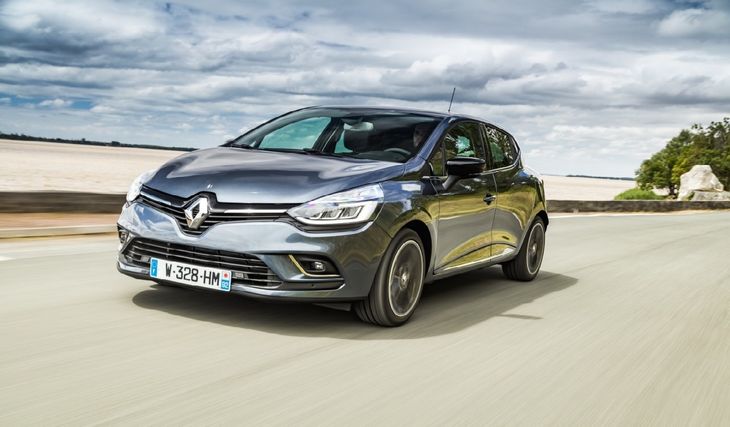
The Clio is a popular alternative to the Polo and the recent facelift has improved both the exterior and interior design.
The Renault Clio is a stylish rival to the Volkswagen Polo and a facelift late in 2016 brought minor exterior and interior updates to the popular French hatchback. An updated exterior design is matched with an improved interior incorporating higher quality materials that give the Clio a more upmarket look and feel.
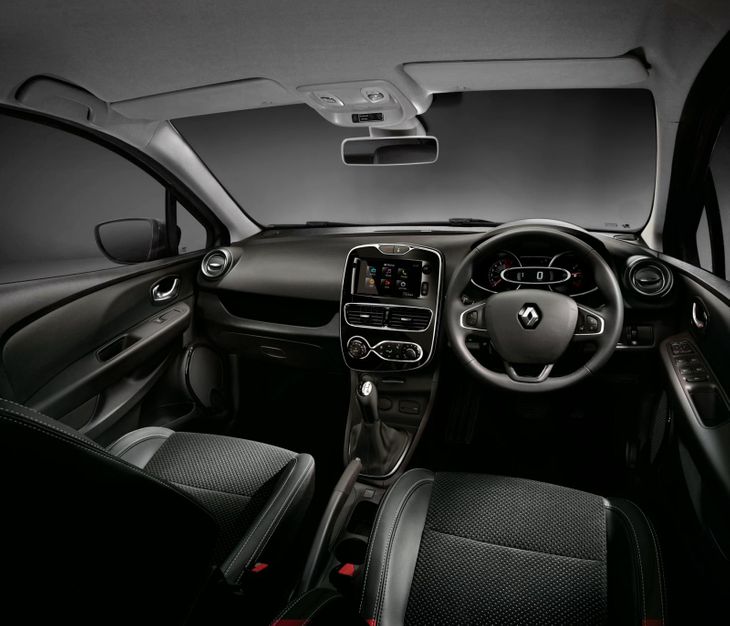
The infotainment comes courtesy of the familiar 7-inch MediaNav touchscreen system. It’s both colourful and easy-to-use, offering Bluetooth functionality and navigation. Dynamique and Expression derivatives feature comfortable and well-bolstered front seats. In terms of safety, the Clio features good standard safety specification.
The Renault Clio 66kW turbo Dynamique is a finalist in the Compact Hatchback category of the Cars.co.za Consumer Awards – powered by WesBank. The winners will be announced tomorrow at the #CarsAwards ceremony in Johannesburg. The event will live streamed on our YouTube channel from 19:30, so tune in!
The Clio's interior is modern and attractively styled, utilising a 7-inch MediaNav infotainment system with integrated navigation.
The updated Clio range offers a 0.9-litre, 3-cylinder turpbopetrol engine (manual only) with 66 kW and 150 Nm of torque, as well as a 1.2 litre turbopetrol engine (automatic) with 88 kW and 190 Nm of torque. The Clio GT-Line (manual) offers 88 kW but 205 Nm from the same 1.2-litre turbopetrol engine. The sportier RS derivatives are powered by a 1.6-litre turbopetrol engine (automated dual-clutch) with 147 kW/260 Nm in the RS 200 Lux derivative and 162 kW/280 Nm in the RS 220 Trophy.
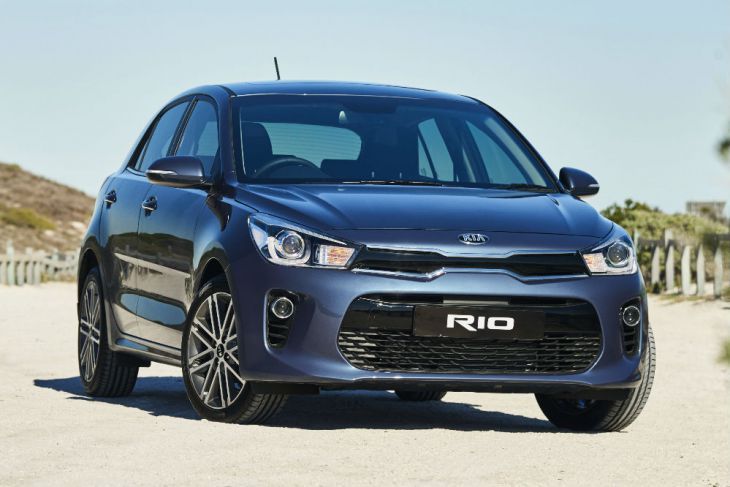
The new Kia Rio represents a marked improvement over its predecessor.
The new Kia Rio was recently launched in South Africa and it’s now 15 mm longer and sits 5 mm lower than the outgoing version. The wheelbase has been extended by 10 mm too, which has freed up more space for passengers.
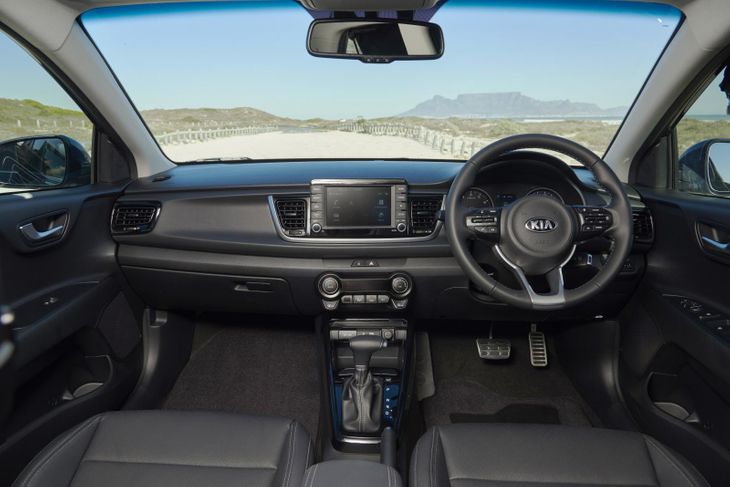
Along with a refined exterior design, Kia has also improved the overall design and feel of the Rio’s interior, which now benefits from a new infotainment system accessed via a 7-inch touchscreen on high-spec models. The system offers Bluetooth functionality and is Apple CarPlay and Android Auto compatible.
Fitted with a new infotainment system and updated materials, the Rio's interior attractive and functional.
In terms of safety features, the new Kia Rio covers the basics and although Electronic Stability Control (ESC) is offered on selected derivatives, it’s not standard across the range which is a bit disappointing.
In terms of engines, buyers have the choice between a naturally aspirated 1.2-litre petrol engine (manual only) with 65 kW and 120 Nm of torque as well as a 1.4-litre petrol engine (manual and automatic) with 79 kW and 135 Nm of torque.
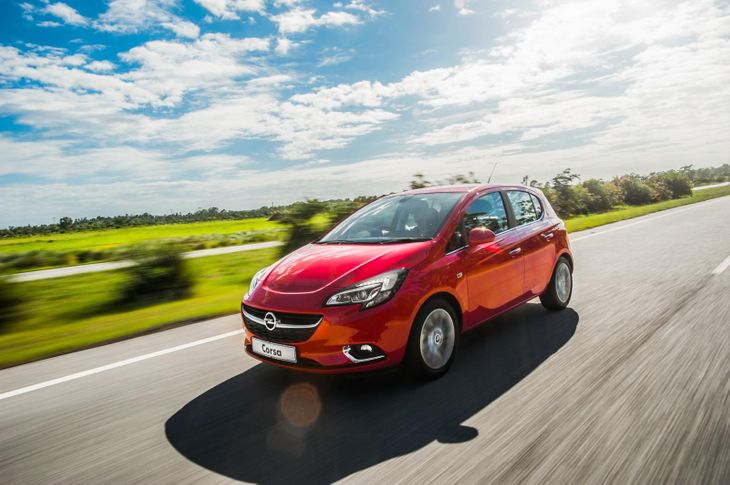
The Opel Corsa is strong Polo rival with good looks and a modern, feature-rich interior.
The Opel Corsa is a strong contender in this segment offering a balanced mix of upmarket style, refinement, comfort, practicality and value. It’s no surprise then that the Corsa 1.0T Enjoy claimed the win in the Compact Hatchback category of the 2016/17 Cars.co.za Consumer Awards – powered by WesBank earlier this year. The Corsa range also received a specification update and price reduction in 2017.
Engine options include a 1.0-litre, 3-cylinder turbopetrol engine (manual only) with 2 outputs of 66 kW/170 Nm and 85 kW/170 Nm. A naturally aspirated 1.4-litre engine (automatic) is also offered with 66 kW and 130 Nm of torque as well as a turbocharged 1.4-litre petrol engine (manual) with 110 kW and 220 Nm of torque.
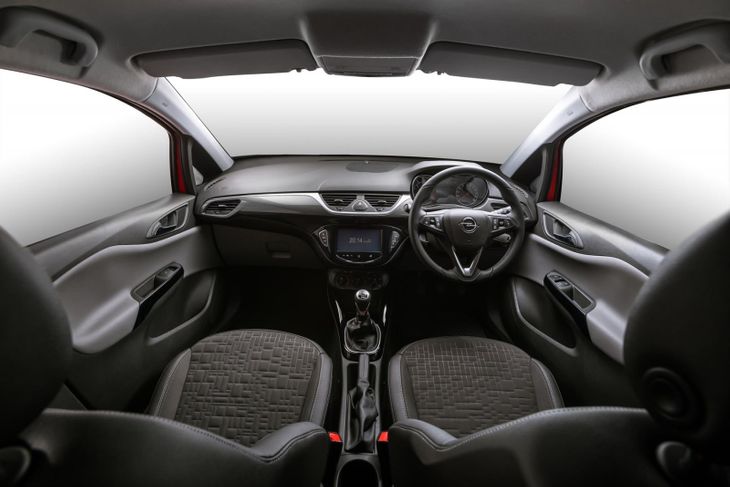
The German car’s interior is not only attractive in design, but can be equipped with a number of useful features such as a comprehensive Intellilink infotainment system accessed via a 7-inch touchscreen and nice-to-have features such as automatic park assist and blind spot alert, to name a few.
Corsa's interior is simple and modern in design and an easy-to-use 7-inch touchscreen is a useful feature.
There is, however, an all-new Corsa currently in development (it will be based on a PSA platform) and it's expected sometime in 2018. When it arrives, it will wear a fresh design aligned with that of the Astra and a newly designed interior will incorporate upmarket materials. The future of the Opel brand was recently secured in South Africa when General Motors, the current distributor of the brand, which will leave South Africa at the end of 2017, announced that the Williams Hunt Group will market the products from 2018 onward.
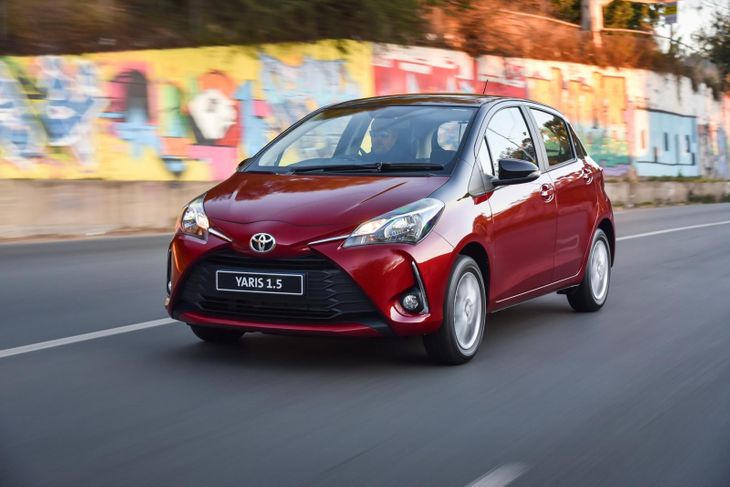
The facelifted Toyota Yaris Pulse represents good value in its segment.
The facelifted Toyota Yaris, now known as the Yaris Pulse, was launched in South Africa last year with a new 85 kW/136 Nm 1.5-litre (manual and automatic) engine and updated exterior and interior styling. An entry-level 51 kW/95 Nm 1.0-litre engine (manual only) is also offered, with the Yaris Pulse Hybrid topping off the range.
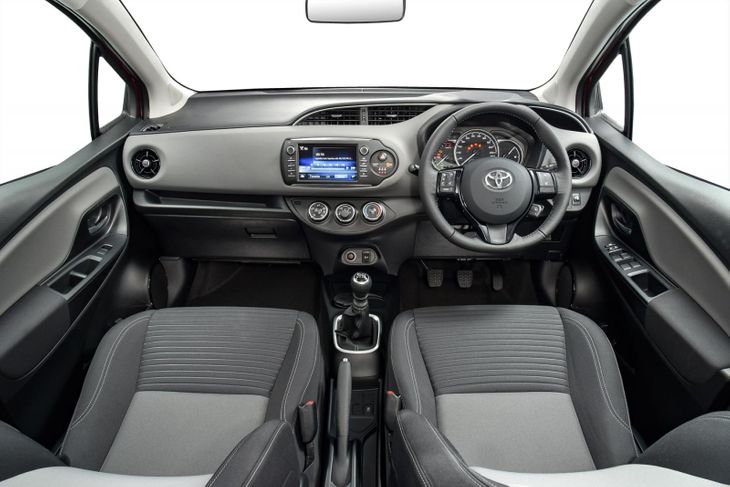
The Yaris Pulse prioritises value and peace-of-mind motoring and although its interior has been updated with new upholstery and trim details, it’s not on par with more premium products such as Corsa and Clio. Nonetheless, Yaris Pulse is markedly more refined than its predecessor and the upgrades will ensure that it remains on buyers’ shopping list. Toyota has also lifted the safety profile of the Yaris Pulse by making Vehicle Stability Control (VSC) standard across the range.
The Yaris 1.5 Pulse is a finalist in the Compact Hatchback category of the Cars.co.za Consumer Awards – powered by WesBank. The winners will be announced tomorrow at the #CarsAwards ceremony in Johannesburg. The event will live streamed on our YouTube channelfrom 19:30, so tune in!
Sturdy build quality and a simple, yet functional interior design makes the Yaris Pulse worth consideration.
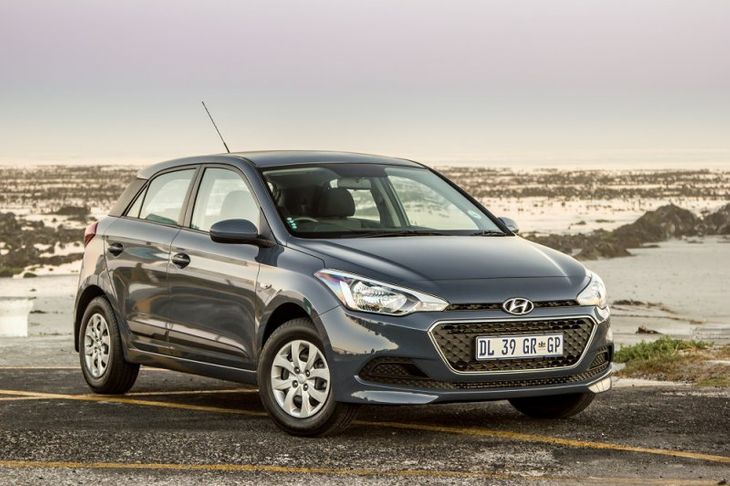
The i20 remains popular in our market thanks to its attractive blend of styling, features and common-sense appeal.
The new Hyundai i20 landed in South Africa in 2015 and remains a popular choice for buyers looking for a reliable and practical city car. Engine options include a naturally aspirated 1.2-litre engine (manual only) with 61 kW and 115 Nm of torque and a 1.4-litre engine with 74kW/133 Nm (automatic) or 85 kW/160 Nm (manual).
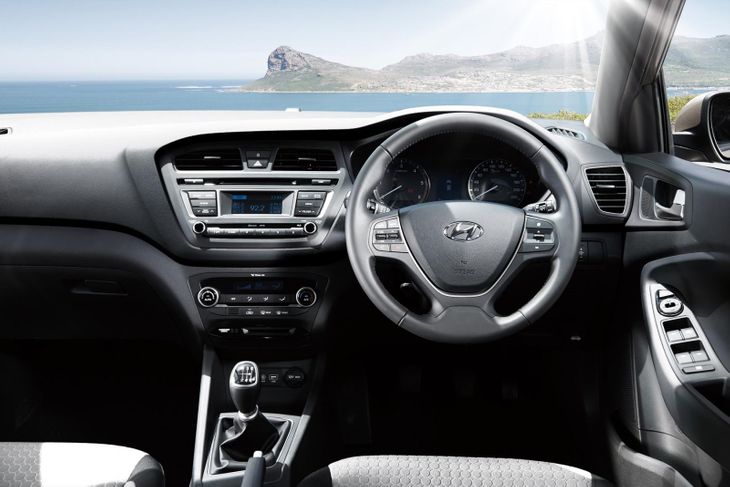
The i20’s interior, although well-built and equipped with a basic radio/CD player, can't quite match more upmarket products such as the Clio or Corsa, but the i20 covers most of the basics and therefore represents a good value proposition in the local market. Safety features such as Electronic Stability Control (ESC) and Vehicle Stability Management (VSM) are standard across the i20 range
The i20's interior, although not class-leading in terms of design, is adequately kitted with features.
Although cars such as the Renault Clio, Kia Rio, Toyota Yaris Pulse and Hyundai i20 are much-improved products, they will, in all likelihood be outclassed by the new Polo when it arrives in 2018. The new Ford Fiesta and possibly the all-new Corsa, in our opinion, have the best chance against the Polo considering the amount of new technology expected to be offered, but their success may very well hinge on the level of specification and pricing offered in the local market.
Judging by the interior and exterior images of the new Polo, buyers are certainly in for a treat! However, it’s worth bearing in mind that the new Polo will most likely be a pricey proposition compared with its rivals and pricing, especially in a strained economic environment, is where Volkswagen may lose sales to more affordable options in the market. We will keep you informed as soon as local specification and pricing details are made available, so stay tuned…
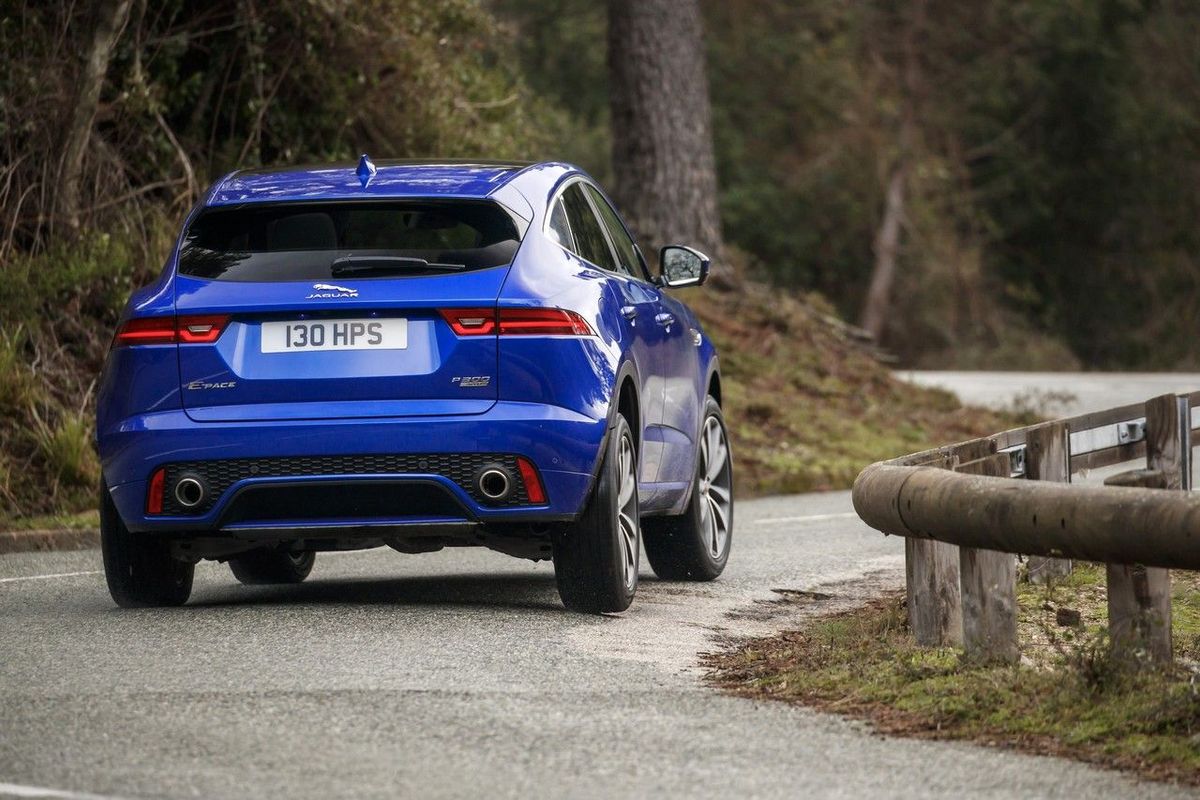
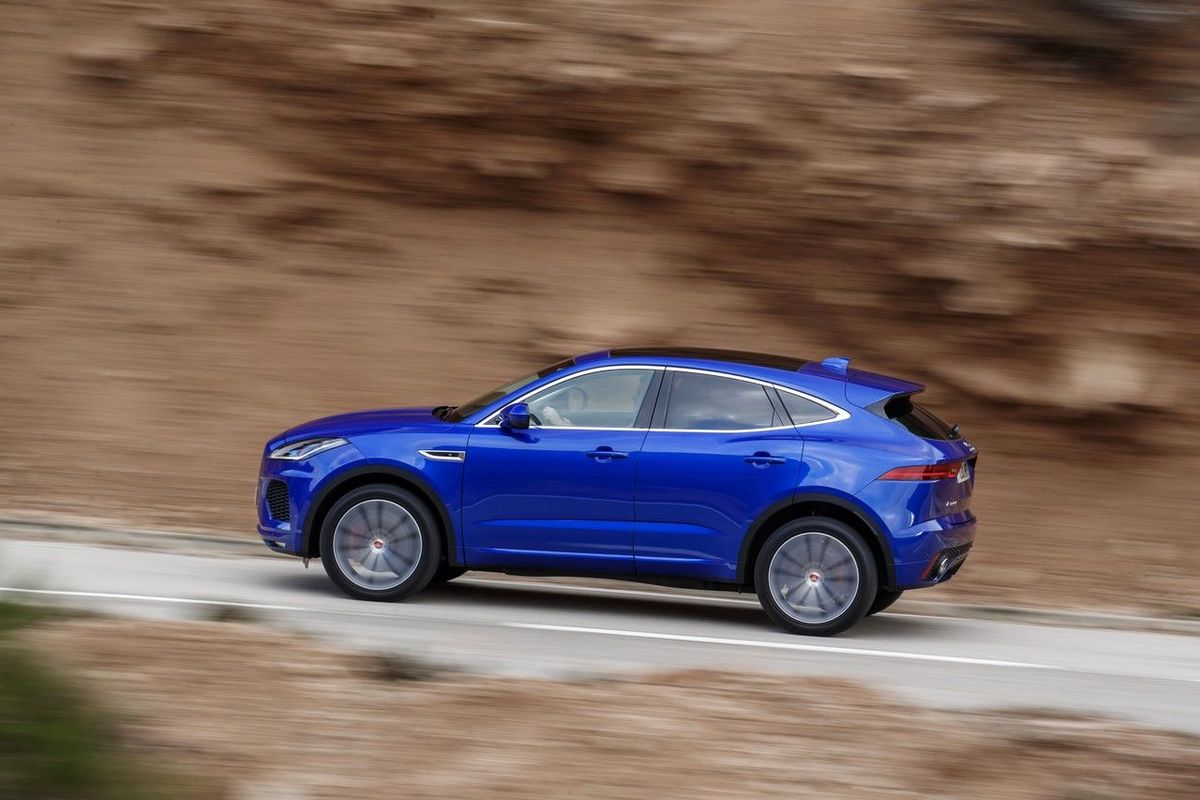
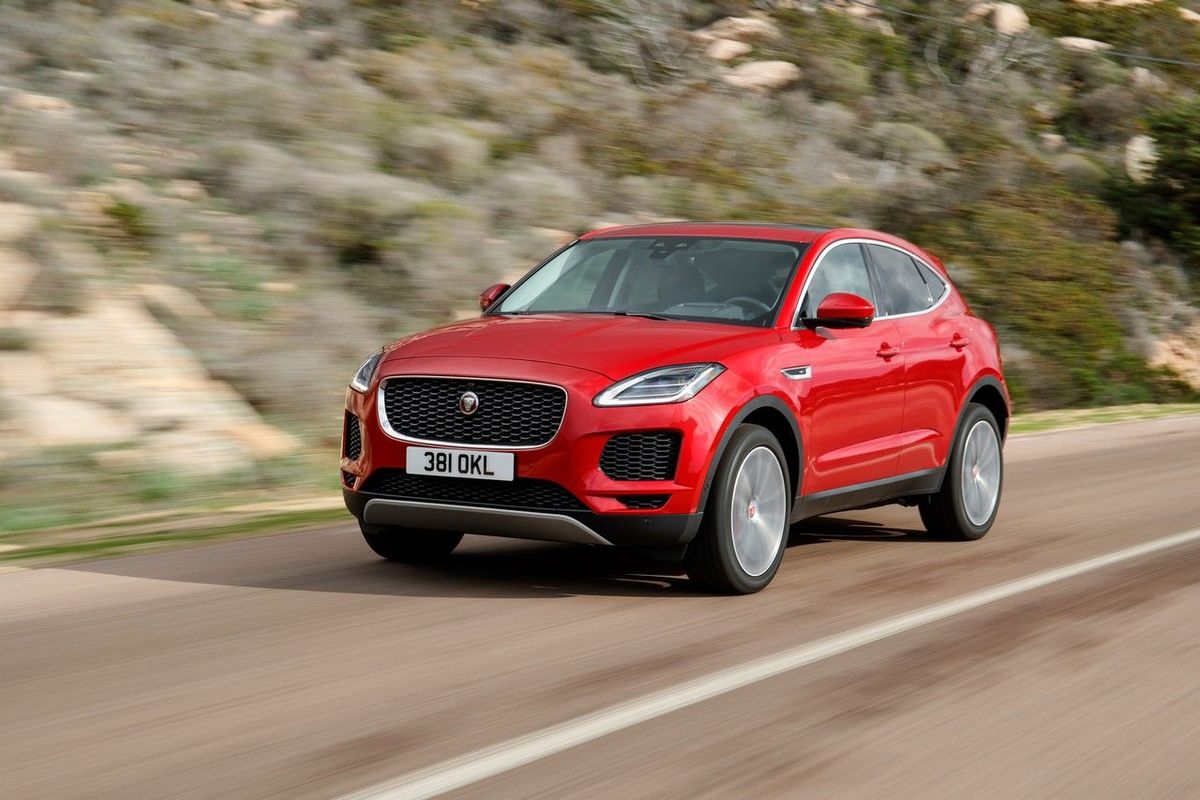
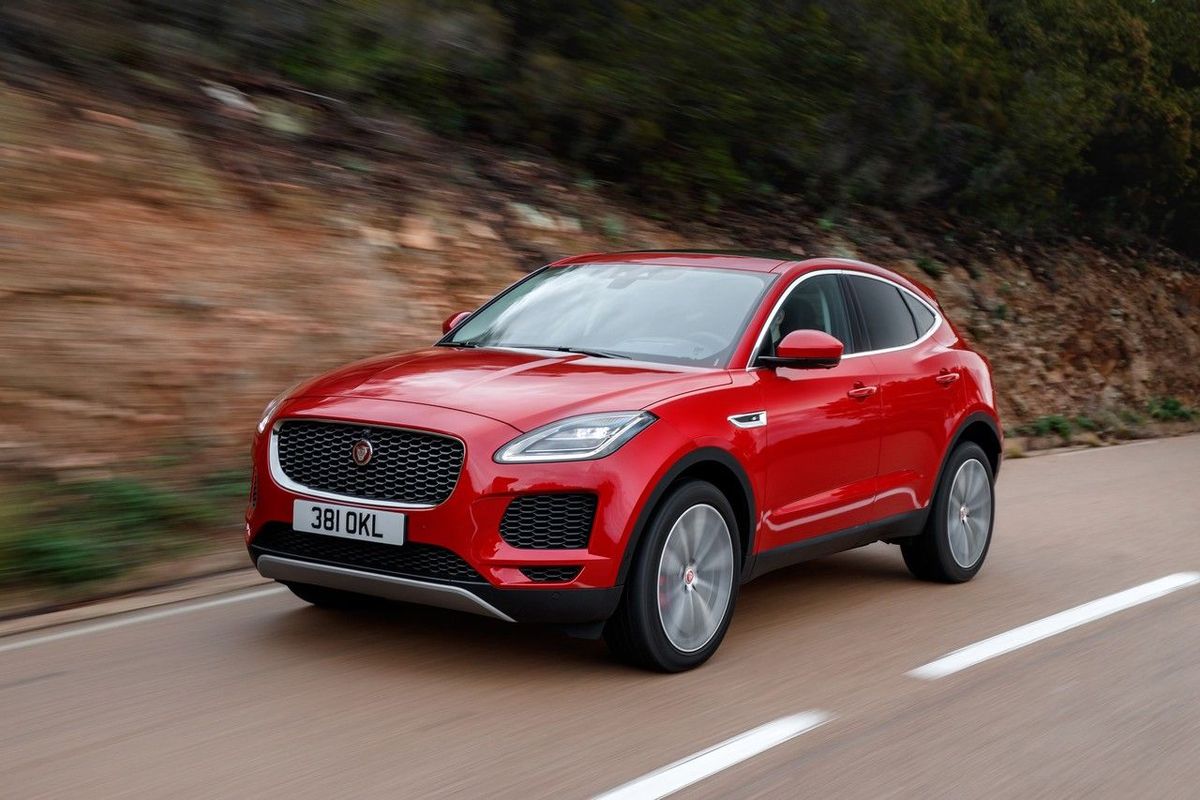
New Jaguar E-Pace (2018) Price in SA
Pricing for the forthcoming Jaguar E-Pace has been announced ahead of its local launch in South Africa towards the end of March 2018. Let's see how much the baby Jag SUV costs.
We're currently on the international driving launch of Jaguar's all-new small SUV. It's called the E-Pace and it sits under the popular F-Pace. The South African lineup has been confirmed and Jaguar will offer 2 turbopetrol engines and 3 turbodiesel engines.
The 4-cylinder, 2.0-litre petrol engines produce 184 kW and 221 kW, while the oil-burning 2.0-litre turbodiesel engines offer up 110 kW, 132 kW and 177 kW. All-wheel drive will be standard on all derivatives.
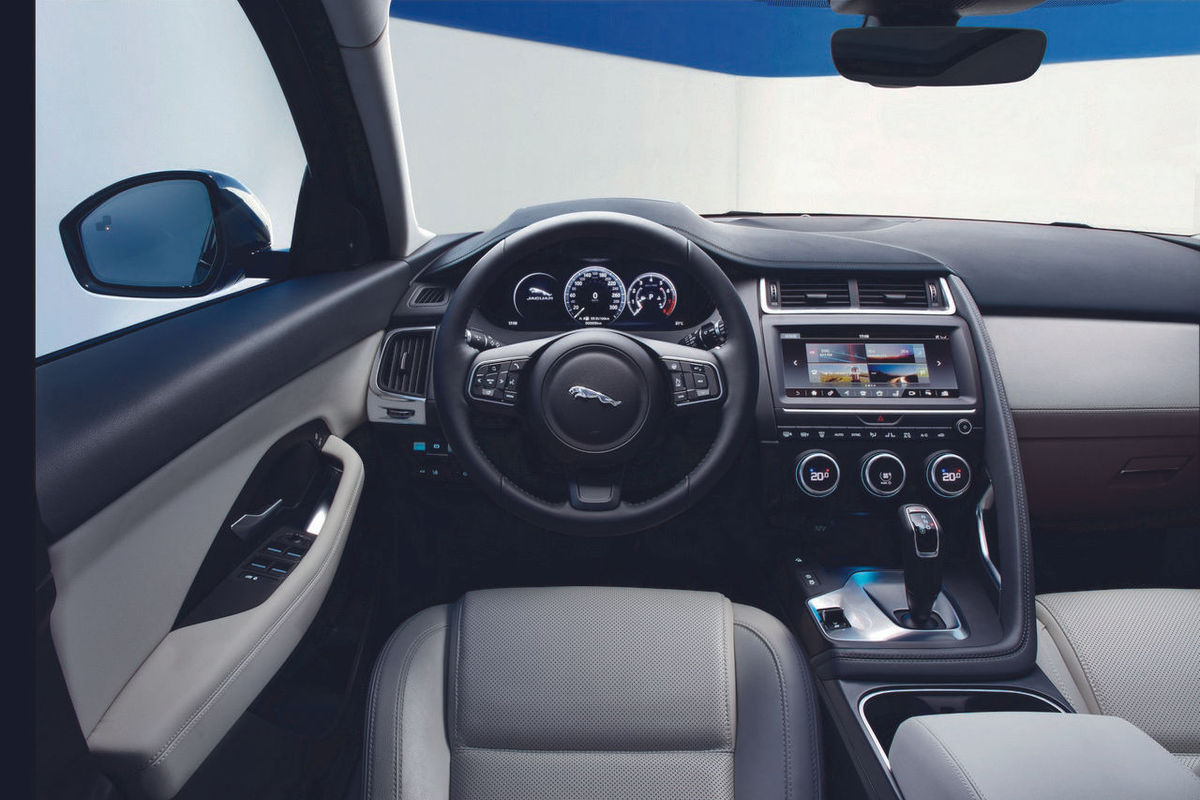
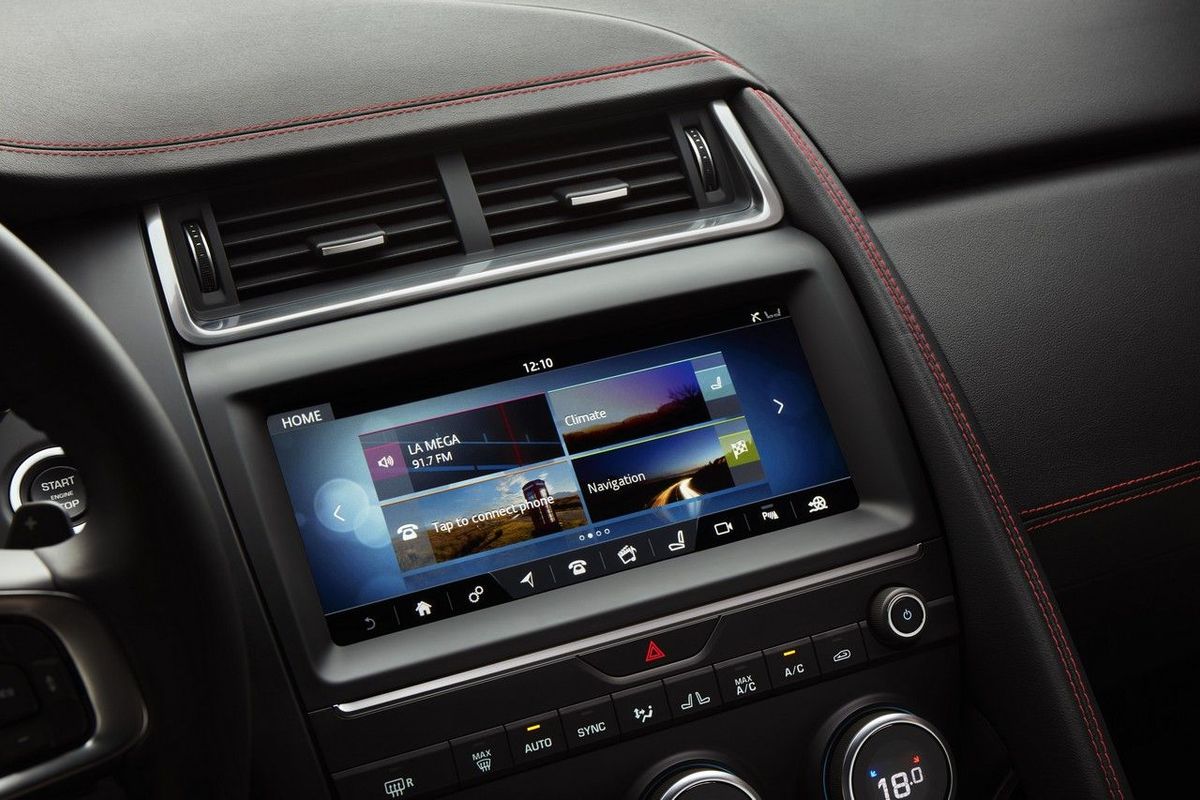
The E-Pace will be fitted with a next-generation touchscreen infotainment system as well as 5 USB ports, 12-volt charging points and 4G Wi-Fi that can connect up to 8 devices.
We'll have further details, including our drive impressions, in our international launch review article which will appear soon. Look out for it! For now though, take a look at what you can expect to pay for the E-Pace when it arrives in South Africa.
Jaguar E-Pace Price in South Africa
Pricing of the Jaguar E-Pace includes VAT, but excludes CO2 tax. Note that each engine output is available in Standard (Base), S, SE, HSE, R-Dynamic, R-Dynamic S, R-Dynamic SE or R-Dynamic HSE specification. There are also First Edition models available on selected derivatives for the first year of sale.
E-PACE
Base
S
SE
HSE
2.0 diesel 110kW (D150)
R598 500
R659 900
R698 900
R734 900
2.0 diesel 132kW (D180)
R619 500
R680 900
R719 900
R755 900
2.0 diesel 177kW (D240)
—
R735 100
R774 100
R810 100
2.0 petrol 184kW (P250)
R667 800
R729 200
R768 200
R804 200
2.0 petrol 221kW (P300)
—
R783 400
R822 400
R858 400
E-PACE R-Dynamic
Base
S
SE
HSE
2.0 diesel 110kW (D150)
R632 500
R693 900
R732 900
R768 900
2.0 diesel 132kW (D180)
R653 500
R714 900
R753 900
R789 900
2.0 diesel 177kW (D240)
—
R769 100
R808 100
R844 100
2.0 petrol 184kW (P250)
R701 800
R763 200
R802 200
R838 200
2.0 petrol 221kW (P300)
—
R817 400
R845 400
R892 400
E-PACE First Edition
First Edition
2.0 diesel 132kW (D180)
R851 600
2.0 petrol 184kW (P250)
R895 700
The Jaguar E-Pace will be sold with a 5-year/100 000km warranty, a 5-year/100 000km service plan and a 5-year/100 000km maintenance plan as standard.
We recently travelled to India to drive the new forthcoming Suzuki Swift, but we also visited Maruti Suzuki HQ in New Delhi, experienced a tour of its Manesar Plant and visited 2 local dealerships. Needless to say, Suzuki has a massive influence in the Indian car market. Take a look at we discovered…
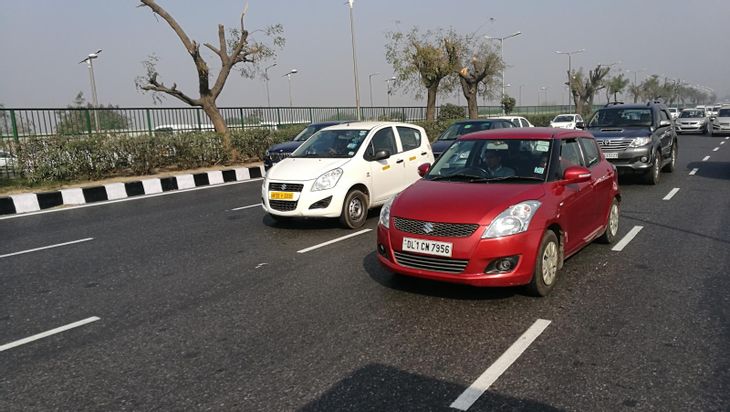
India, a country with a rich history and steeped in tradition, also happens to be the fourth largest car market in the world. It has the second largest population on earth with over 1.3 billion people, which is roughly 24 times larger than South Africa’s population!
Although much of the population is impoverished, the large and growing Indian middle class is driving growth and the Indian car market is booming with over 3.7 million cars sold in the 2016/17 financial year. Suzuki enjoys just over 50% market share in India and over 1.5 million Suzukis are sold each year, a number that continues to grow. It doesn’t matter where you are in India, wherever you look, you are sure to see a Suzuki.
The Suzuki Swift and Swift DZire sedan are hugely popular in India. Nearly 370 000 of them were sold in India in 2016/17.
For context, Hyundai is the second most popular car brand in India with 16.7% market share followed by Mahindra (7.8%), Tata (5.7%), Honda (5.2%), Toyota (4.7%), Renault (4.4%), Ford (3%) and Nissan (1.9%). As a matter of fact, the Suzuki Swift, Swift DZire sedan and Ciaz exceeds Hyundai sales in India which provides further insight into Suzuki’s dominance in this market.
Car production in India is massive with numerous car brands having plants all across India, which not only supply the Indian market but are exported to other markets too. In fact, about 24% of new cars sold in South Africa are built in India. Suzuki has 2 312 sales outlets in India with nearly 40 000 sales representatives at dealer level in 1 652 cities.
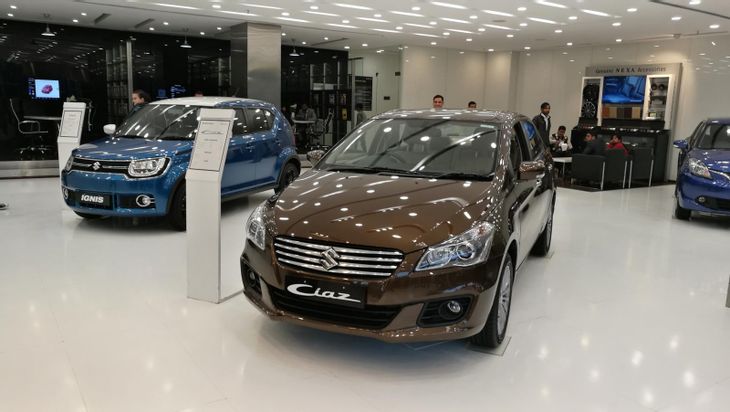
Suzuki has a vast dealership network in India, including NEXA outlets, which provides customers with a premium, technology-focused dealership experience.
To meet local and international demand, Suzuki has a production capacity of about 1.7 million vehicles per annum in India across its 3 plants including Gurgaon, Manesar and Gujarat.
We visited Suzuki’s Manesar plant, responsible for the production of various Suzuki models including Alto, Celerio, Swift, Swift DZire, Ciaz and Baleno. The plant runs like clockwork and the scale of automation is impressive and mind-blowing at the same time.
Various innovative strategies and quality control measures are employed at the plant to ensure optimum production and high levels of quality. Visiting the Manesar plant was fascinating and eye-opening. It’s interesting to think that the cars we saw being produced there will soon be driving on South African roads…
Suzuki Strength Growing in South Africa
Suzuki won the prestigious 2016/17 Cars.co.za Consumer Awards – powered by WesBank Brand of the Year Award. Will Suzuki win it again this year?
In comparison, Suzuki's influence in South Africa is relatively small, but growing steadily. Suzuki's sales improved by 57% in 2017 and it currently holds a 1.6% market share in South Africa. Since 2008, Suzuki has sold over 50 000 units locally and currently has 43 dealerships across South Africa.
The Suzuki Swift is the brand’s best selling car locally and since its launch in 2008, more than 18 200 Swift units have been sold. Globally, the Swift has sold well too with more than 5.8 million units sold.
Suzuki’s growing success in South Africa is reflected in the Cars.co.za Consumer Awards – powered by WesBank where Suzuki has won the prestigious Brand of the Year award and scooped wins in the Budget Car category (Suzuki Celerio 1.0 GL) and the Compact Family Car category (Suzuki Vitara 1.6 GL+) in the 2016/17 iteration of the programme.
For the latest iteration of the #CarsAwards, Suzuki will look to defend its Brand of the Year title. The Suzuki Ignis 1.2 GL is a finalist in the Budget Car category and the Suzuki Vitara 1.6 GLX Auto will do battle in the Compact Family Car category.
The Cars.co.za Consumer Awards – powered by WesBank will be live streamed on our YouTube channel from 19:30 AM on Thursday, 25 January 2017, so tune in!
Suzuki is definitely a brand to watch in 2018 and the arrival of the new Swift is expected to boost Suzuki's sales locally and potentially ruffle a few feathers in its segment. Look out for our first drive report of the new Suzuki Swift coming your way in the near future.
Peugeot has expanded its engine offering for its award-winning 3008 SUV in South Africa which is now offered with a diesel engine. Take a look at the details!
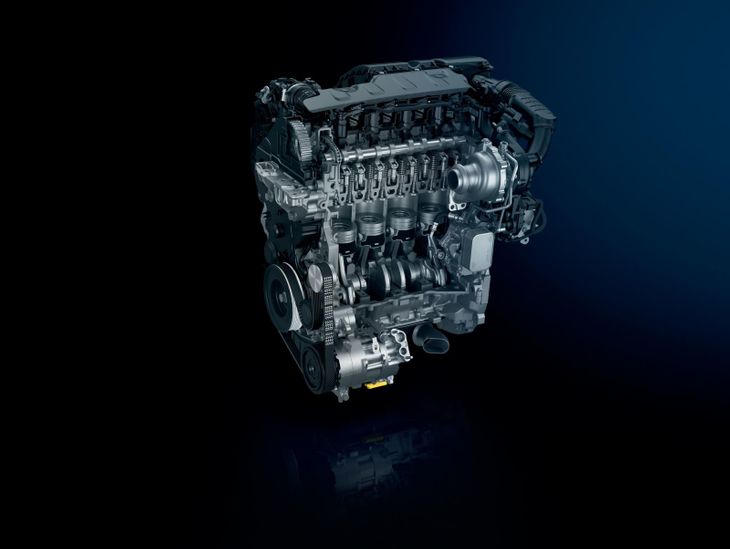
Peugeot is now offering a 4-cylinder 2.0-litre diesel engine for the 3008 Active and Allure. The engine develops 110 kW and 370 Nm of torque and is mated to a 6-speed manual transmission. All petrol derivatives are offered with an automatic transmission. Fuel consumption for the new diesel derivative is rated at 5.0 L/100km.
Maximum power is delivered from 4 000 rpm while full torque arrives from 2 000 rpm. The diesel-powered 3008 has a top speed of 201 kph.
Peugeot 3008 – Price in South Africa
1.6T Active – R414 900
1.6T Allure – R459 900
1.6T Allure+ – R479 900
1.6T GT-Line – R519 900
1.6T GT-Line+ – R584 900
2.0 HDI Active – R474 900
2.0 HDI Allure – R520 900
The Peugeot 3008 is sold with a 3-year/100 000km warranty and a 4-year/60 000km service plan.
Not much has happened in the Jeep stable since the launch of the Renegade a few years ago. That’s all about to change in 2018 as it plans to launch 5 models into SA.
Jeep will be introducing an off-road assault on the SA market in 2018 and specifically the third quarter of the year when almost all its products will hit the market.
Here’s what’s in store for 2018
Jeep Compass
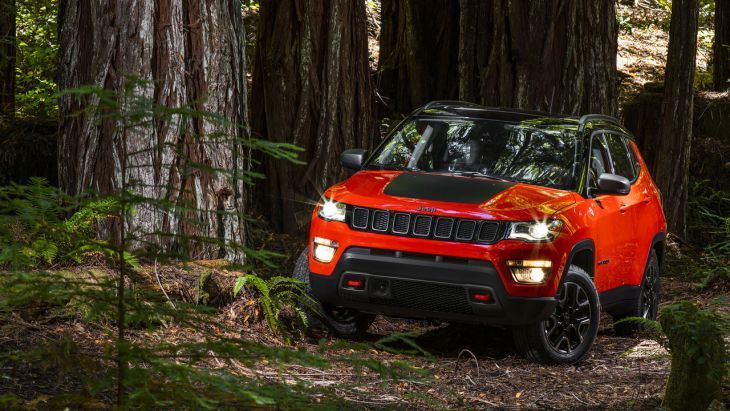
The Jeep Compass will arrive in Q2 of 2018 as an all-new model. It’s based on the current Renegade platform but boasts far more off-road capability and a more spacious interior. Jeep has set aside 17 different powertrain options for the new Compass although only a few will likely be selected for the SA market. Read more.
Jeep Renegade
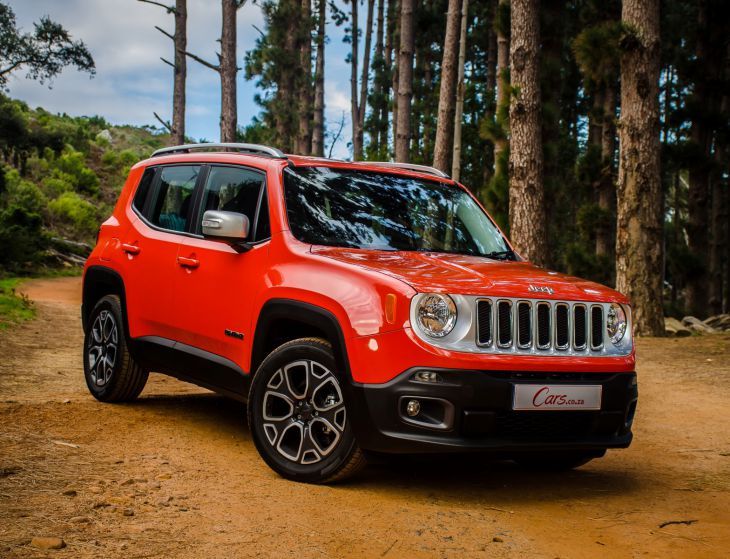
The facelifted Renegade is set for a Q3 launch in 2018, and for a car quite close to launching, there’s very little known about it. Jeep released a statement saying it would have a slight exterior and interior upgrade as well as Apple CarPlay and Android Auto capability.
Jeep Cherokee
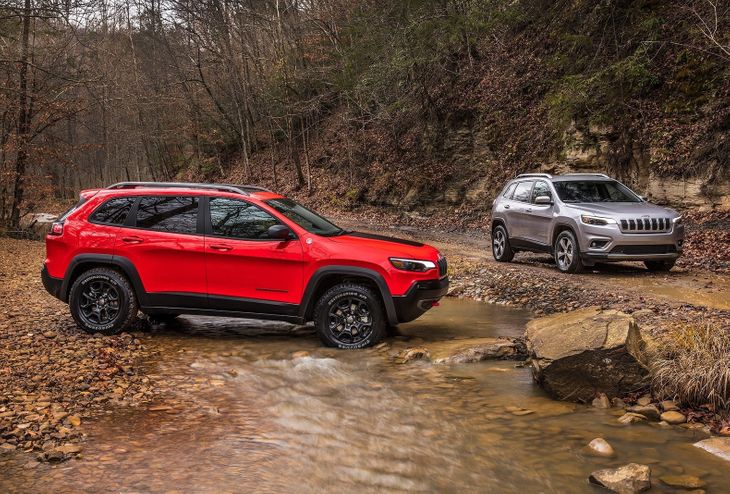
The new Jeep Cherokee was announced a few days ago (18-Jan 2018) at the Detroit motor show. The front end design has been toned down slightly and there will be a new 2.0-litre turbopetrol engine added to the range. It will also hit the market during Q3 of 2018. Read more.
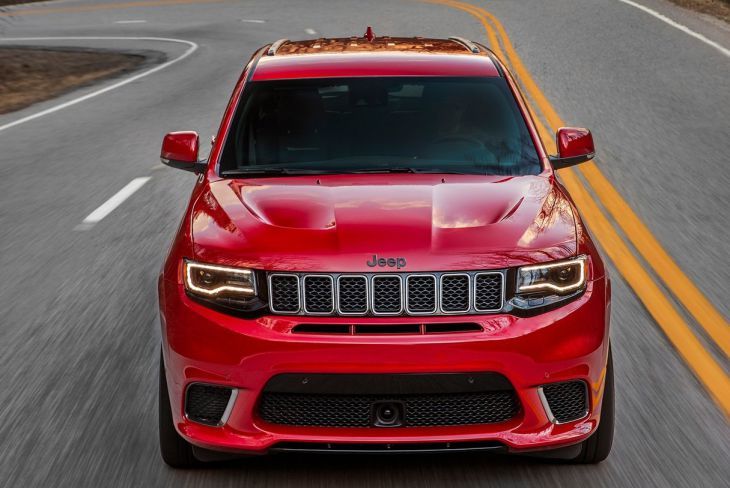
Jeep Grand Cherokee Trackhawk
The mad Grand Cherokee Trackhawk will also arrive during Q3 of 2018. It’s a brute of a machine with 523 kW and 881 Nm of torque. Zero to 100 kph is claimed at 3.5 seconds combined with a top speed of 290 kph. Read more.
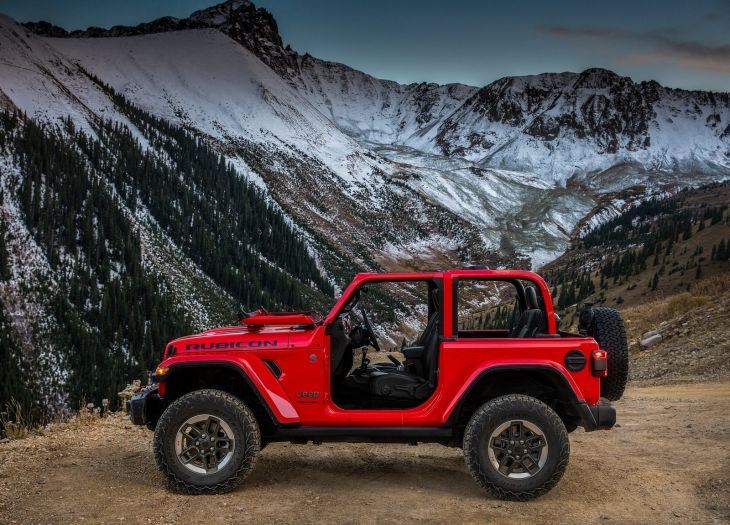
Jeep Wrangler
The all-new Wrangler will come to SA during Q4 of 2018. The Wrangler looks to have had several improvements to its everyday use with better engines, better safety and just as much off-road talent as ever. Read more.