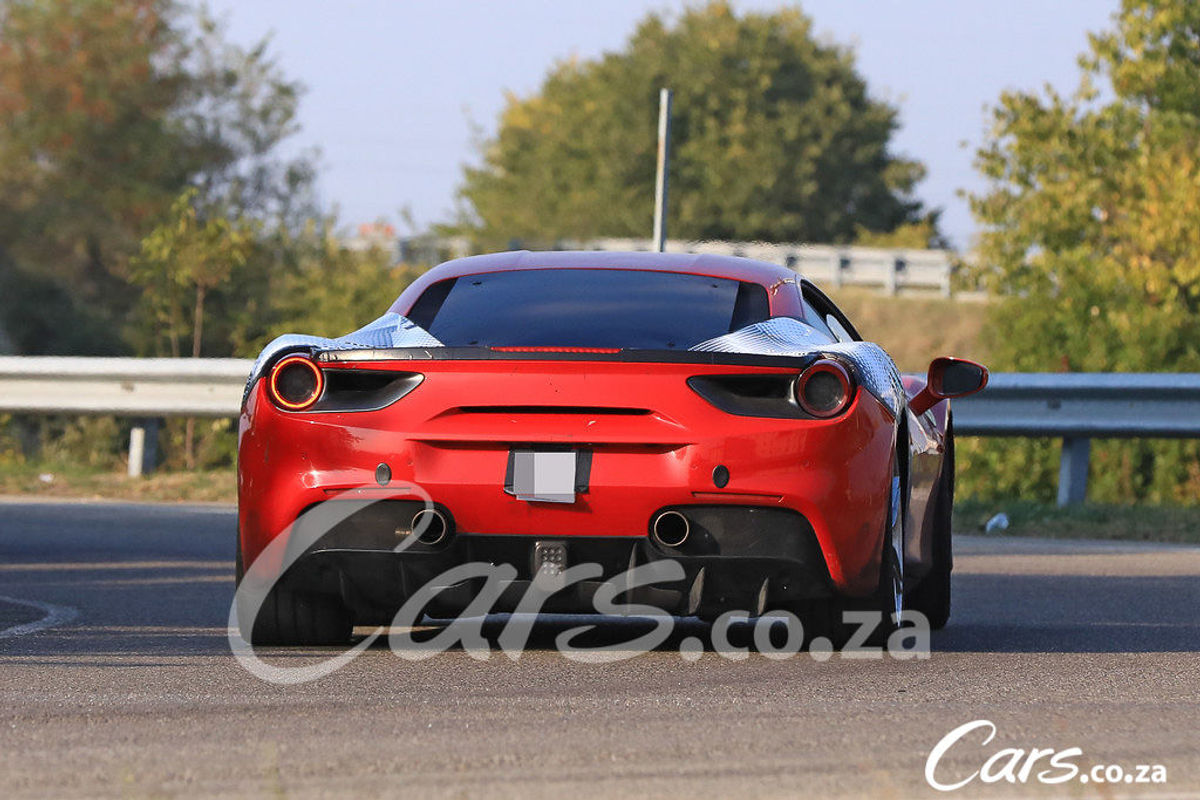
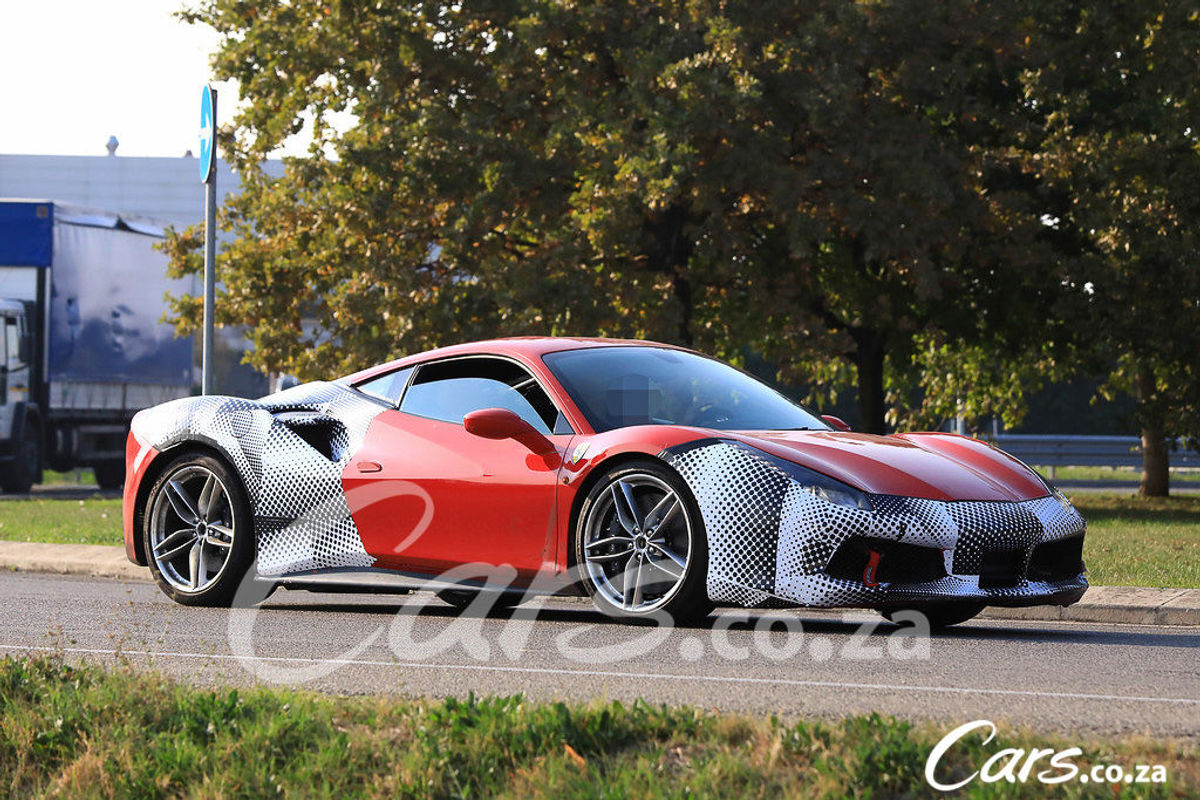
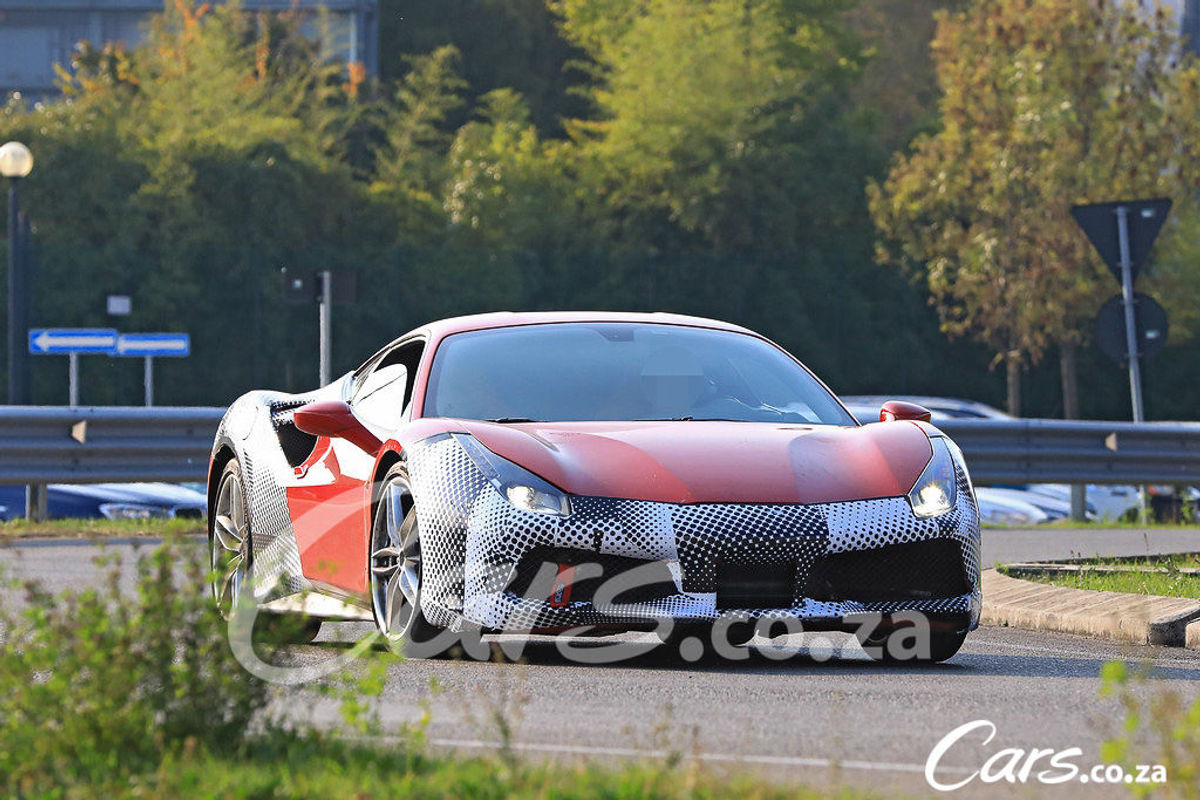
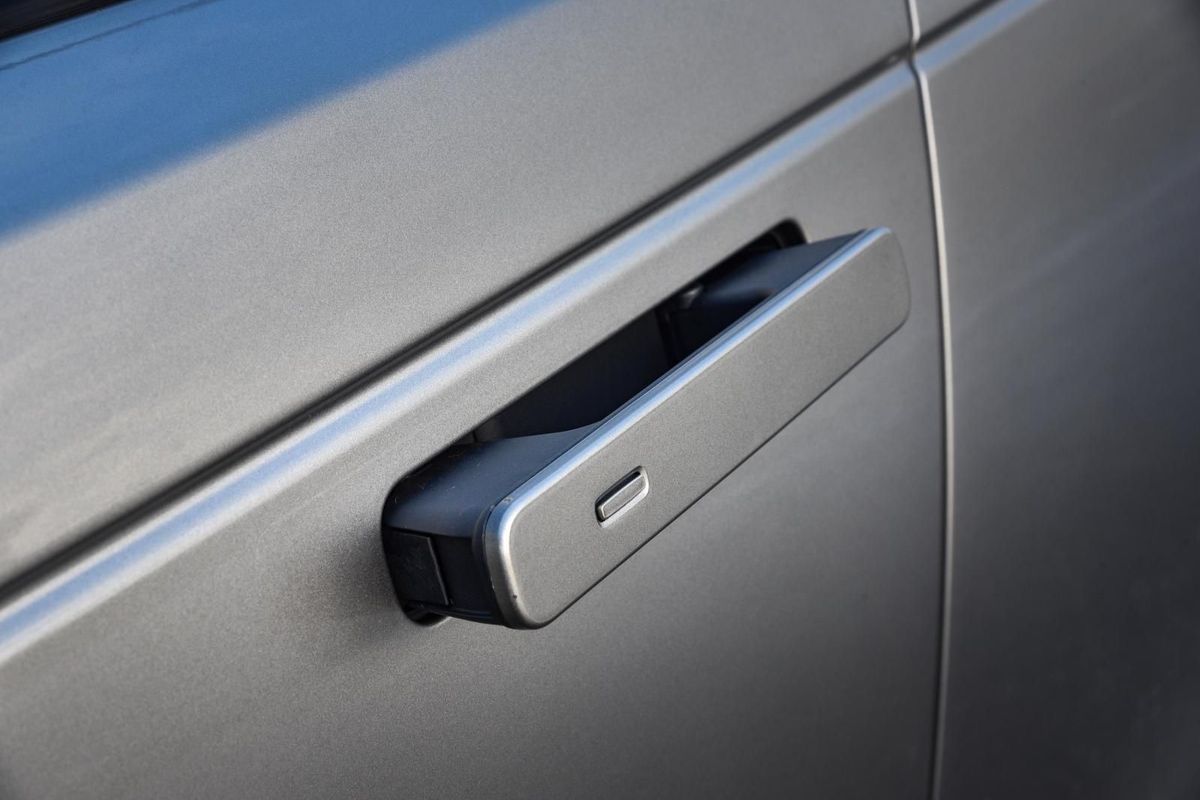
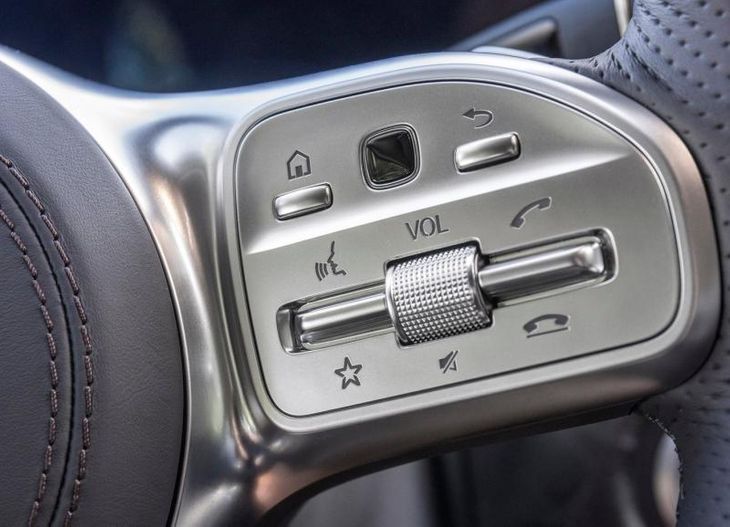
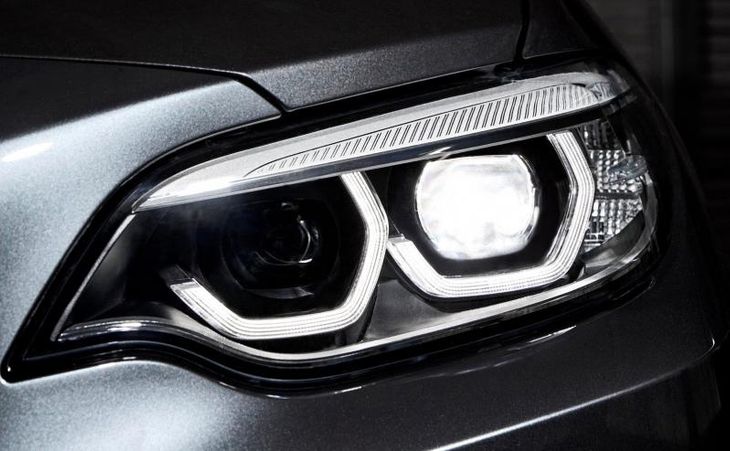
Our spy photographers have sent us photos of an enhanced Ferrari 488, leading us to believe that this is the hardcore version which could come with either a GTO or Speciale badge.
Picture credit: S. Baldauf/SB-Medien
2018 will see the introduction of a hardcore and track special Ferrari and some leaked details suggest that outputs will be over the 500 kW mark. In comparison, the standard 488 pushes out 493 kW and 760 Nm. We suspect that the twin-turbocharged V8 engine will be worked on extensively and the turbo boost will be increased and there'll be revisions to the internals, to cope with the additional thrust.
These photos show where Ferrari is working on the existing 488 and we suspect that there'll be crazy amounts of carbon fibre to save weight as well as active aerodynamics being introduced. The leaked specifications also suggested that the new Ferrari 488 GTB will come with track-focused Michelin Pilot Sport Cup 2 tyres – which are highly regarded for high-performance track work.
Given how rivals such as Porsche with its 911 GT2, Lamborghini's Huracan Performante and McLaren with its fearsome 720S have dominated headlines, it's only natural to expect Modena to create a product to rival these track specials. We expect this new high-performance Ferrari to be globally introduced in 2018, with some suggesting a reveal at one of the big motorshows.
You know you shouldn’t want one, but you can’t help yourself despite it meaning having your Car-Enthusiast Licence revoked.
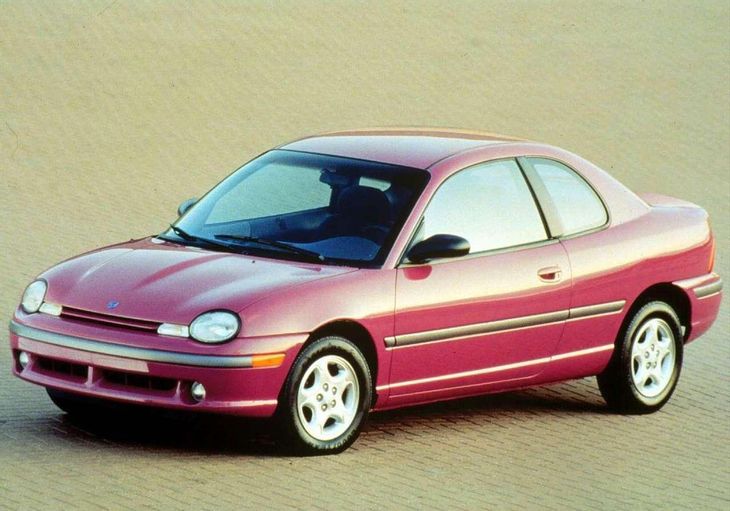
We all have one. A story about a car that appeals to you despite never being special to begin with. Years later, with the showroom lustre now faded revealing itself to be a real guilty pleasure. I’ll fall upon my sword outright and admit that the Chrysler Neon was mine. And I’m not even referring to the lukewarm SRT-4. But to appreciate where I’m coming from you’ll need to time travel with me to 1994 when the modern internet didn’t quite exist leaving car-folk to get their information from magazines and books. Yes. BOOKS.
Back then, if you were a motoring enthusiast with a head full of petrol, you would be given little books about cars for your birthday and for Christmas and the format would always be the same. As tall and wide as a postcard, thick as a thesaurus hardcover full of metal. They’d range from the classic variety to the what’s comings that now live so well on the world wide web. Their publishers would gift them evocative titles like, ‘The essential car book’, ‘Cars of the 70s and 80s’ or ‘Another bloody book full of cars’, more or less. They sold very, very well as crucial reading.
In 1994 I had accumulated several of these works of pure non-fiction since, by that time, I had survived many birthdays and Christmases. But the one I refer to now was simply (and truthfully) called CARS. It was in the vein of exciting new models that had just been launched or were well on their way. I’d wager around 30% of the vehicles in that massive chunk of paper and board had any relevance to a South African, but around 100% of it would have enthused a petrolhead such as myself. But there was one spread in particular that had me enthralled, slap bang in the middle of D. D for Dodge, where a trio of cars was splayed out in fighter jet fashion, their signature noses almost touching.
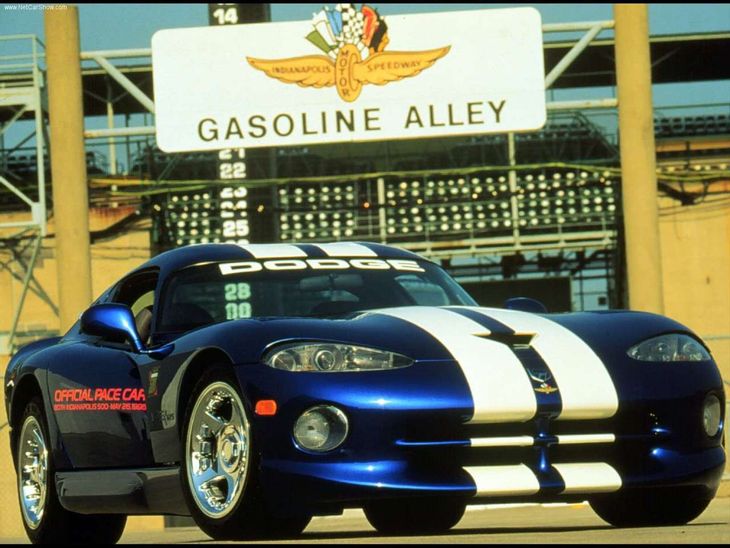
The classic Viper, 10-cylinder truck engine doing the work under the bonnet, plastic holding the rest together.
They were, in this order, the Dodge Stealth, Dodge Viper and the Dodge Neon (aka Chrysler Neon). The Dodge Viper had the flagship position at dead centre, blood red and shaped like the head of a snake with horizontal airdams dominating the front end. It was mesmerising. It didn’t come with a mere spec sheet, it was accompanied with lore! The story of a ten-cylinder truck motor being shoehorned into a sliver of a bodyshell. I wanted one more than I’d ever wanted anything at that point, and so the Dodge Viper to this day remains on my lust list.
The Chrysler Neon. Everyone has that demon lurking in their closet, this one is particularly evil.
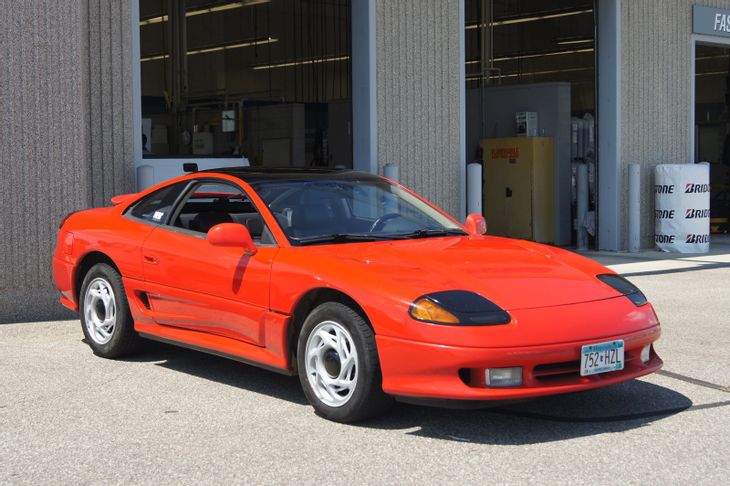
But then there was the Stealth, and it was hard not to think of it as a poor man’s Viper. Sure, I now know that the Dodge Stealth was merely a badge-engineered Mitsubishi GTO (no bad thing!), and that it’s fate never extended to our shores, but to me some of the magic had leaked from the Viper and found it’s way into the Stealth which shared the supercar’s love of horizontal airdams. And so did the Neon. I was hoodwinked really, by a photographer and a clever copywriter. They convinced me that three cars (one being drop-dead gorgeous with unrivalled asphalt aggression) parked alongside in a menacing fashion, covered in the same red paint and with similar (if you squint your eyes) front-ends must share DNA.
The Dodge Stealth, AKA the Mitsubishi GTO in other parts of the world.
As the months rolled by and 70% of the cars in that damned book fail to materialise in South Africa something amazing happened. A spark, nay, glimmer of hope in the form of a television commercial and print campaign would reveal that the Dodge Neon was well on its way. And with that the excitement of a new car brand, one that I was already and unjustifiably enamoured with. Which is precisely what happened with both brands, Dodge and Chrysler being rolled out to local consumers with a slew of saloons, MPVs and SUVs in their lineup. But alas no Viper and no Stealth. It would be years before I’d see the V10 coupe in the metal (and plastic) and the closest I’d ever come to a Stealth would be a mate’s Mitsubishi, but for what it was worth we now had the Neon. First the bug-eyed original and then the ‘look at me, I’m a Japanese import’ second generation which at the height of its appeal was only ever good enough as b-list fodder in the Fast and Furious movies. The SRT-4 version would be the ‘hot one’. But nobody in VW Golf GTI obsessed South Africa would care.
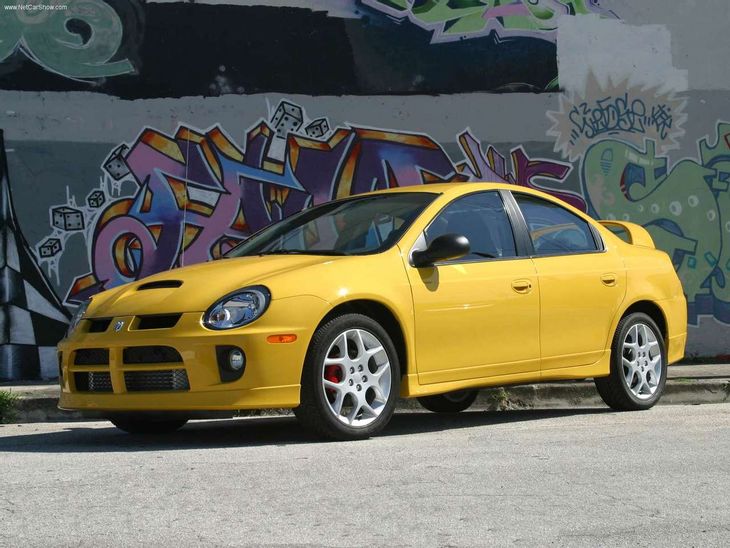
The 'hot' Neon SRT-4. Are you even slightly tempted by this Fast and Furious extra?
So it’s with a pang of shame that I still harbour some unwanted affection for this three-box-saloon. What do you think? Do you have fond memories of the Chrysler Neon, a redeeming story that saves it from a bankruptcy of desirability? Or perhaps you have a similar story of a car that you’re not quite brave enough to admit you love?
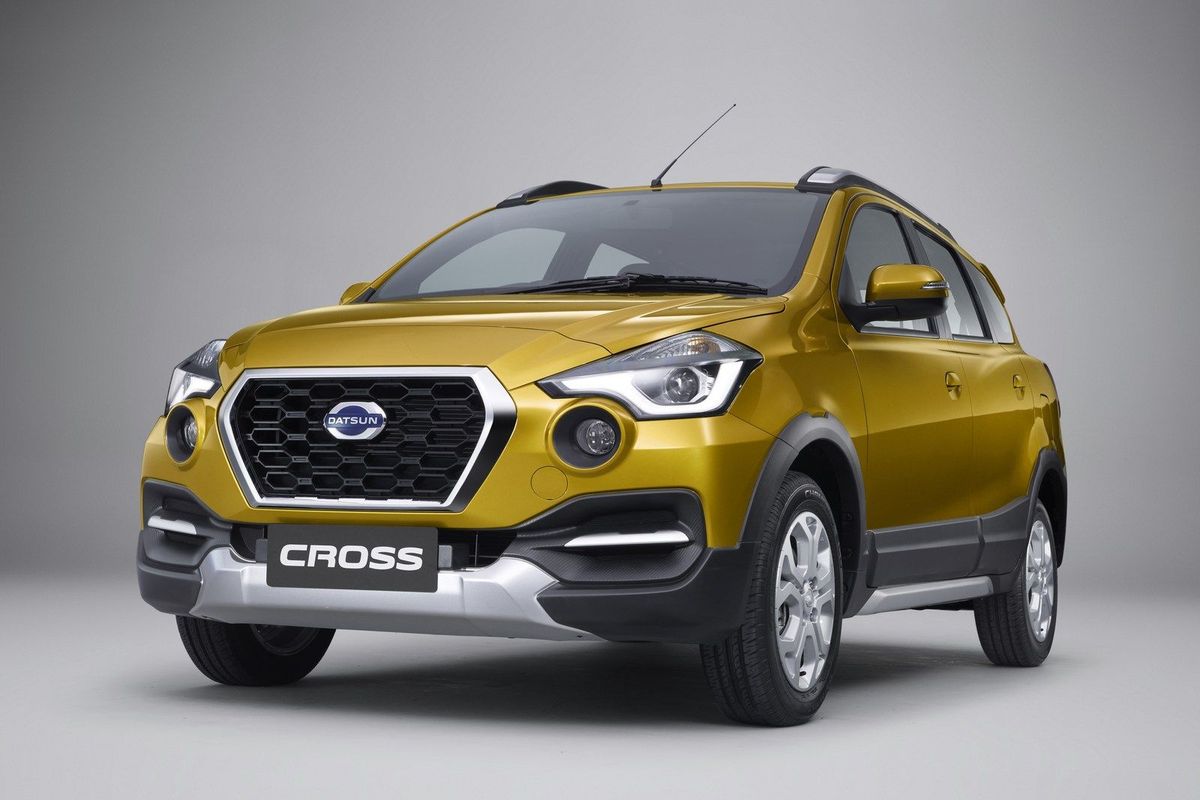
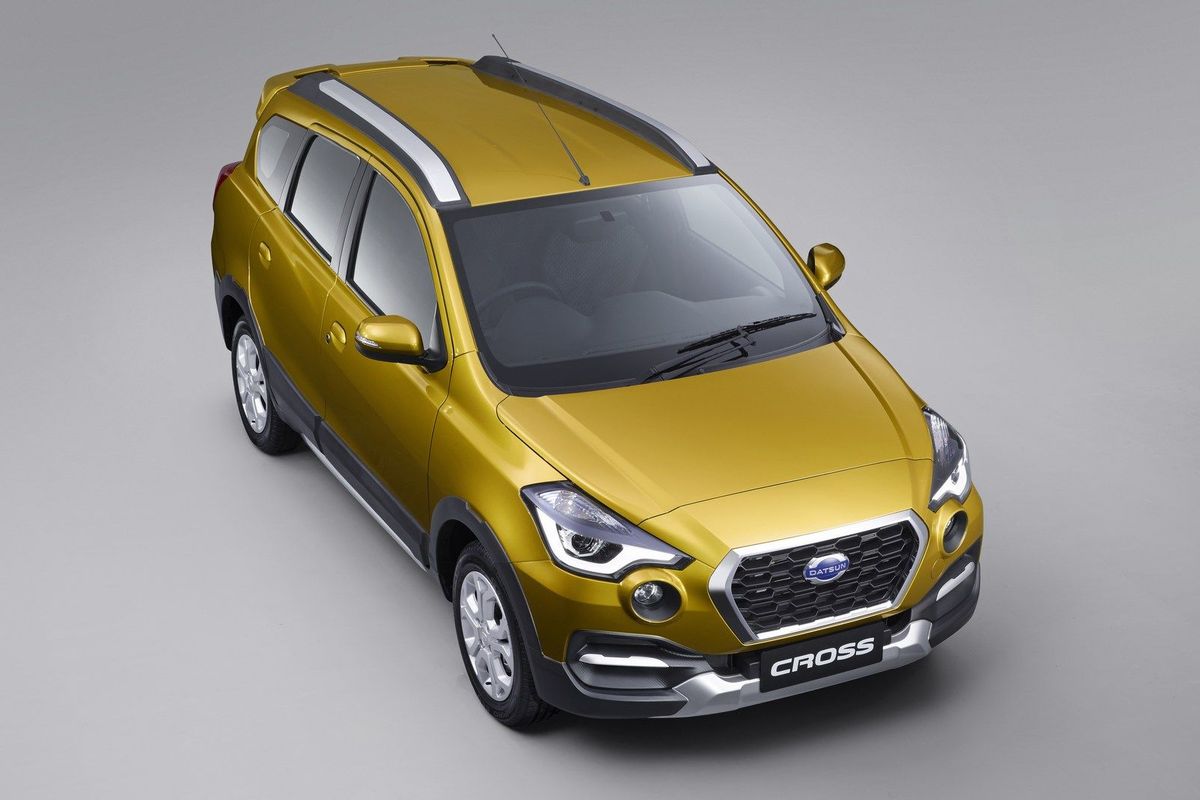
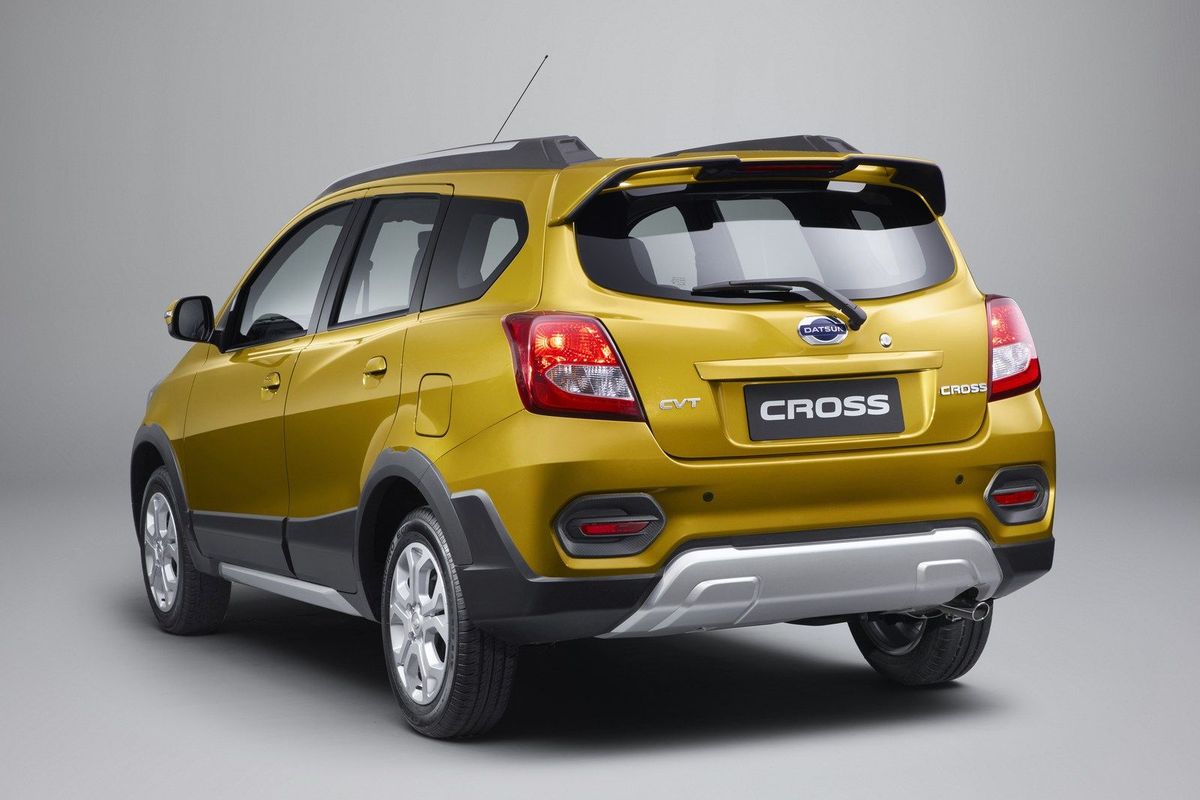
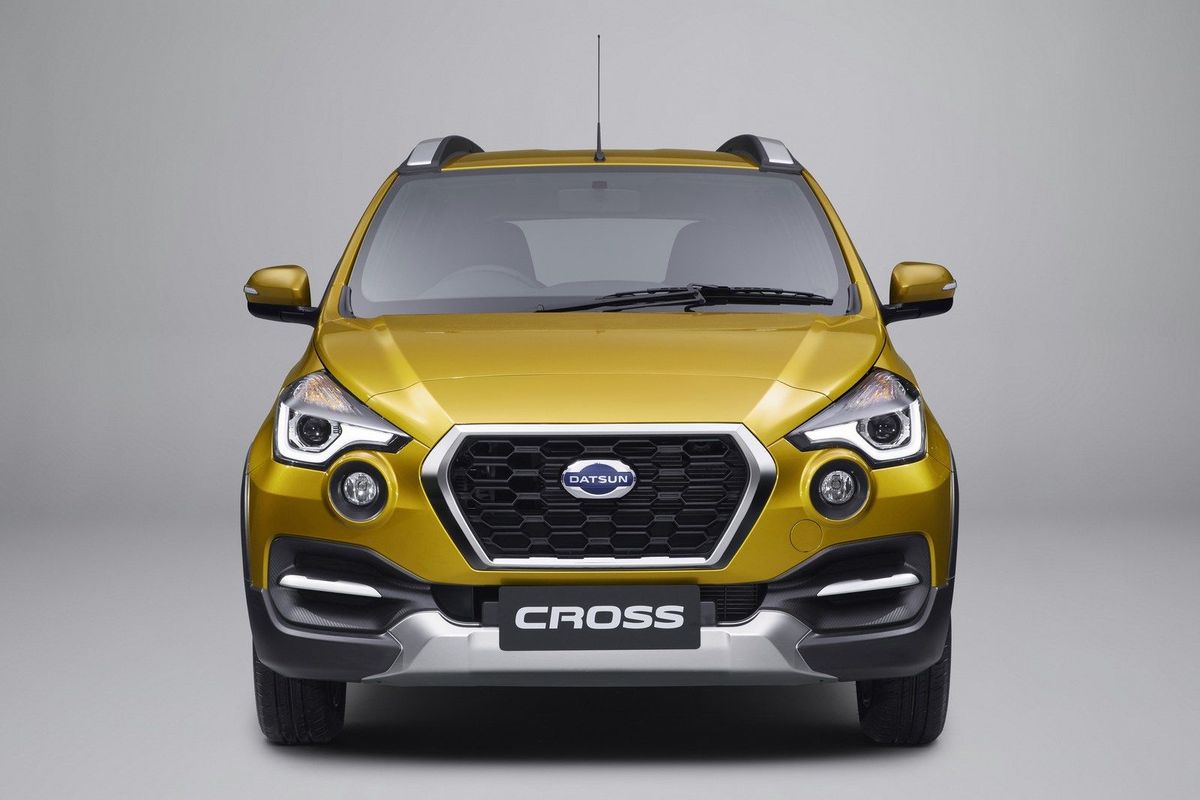
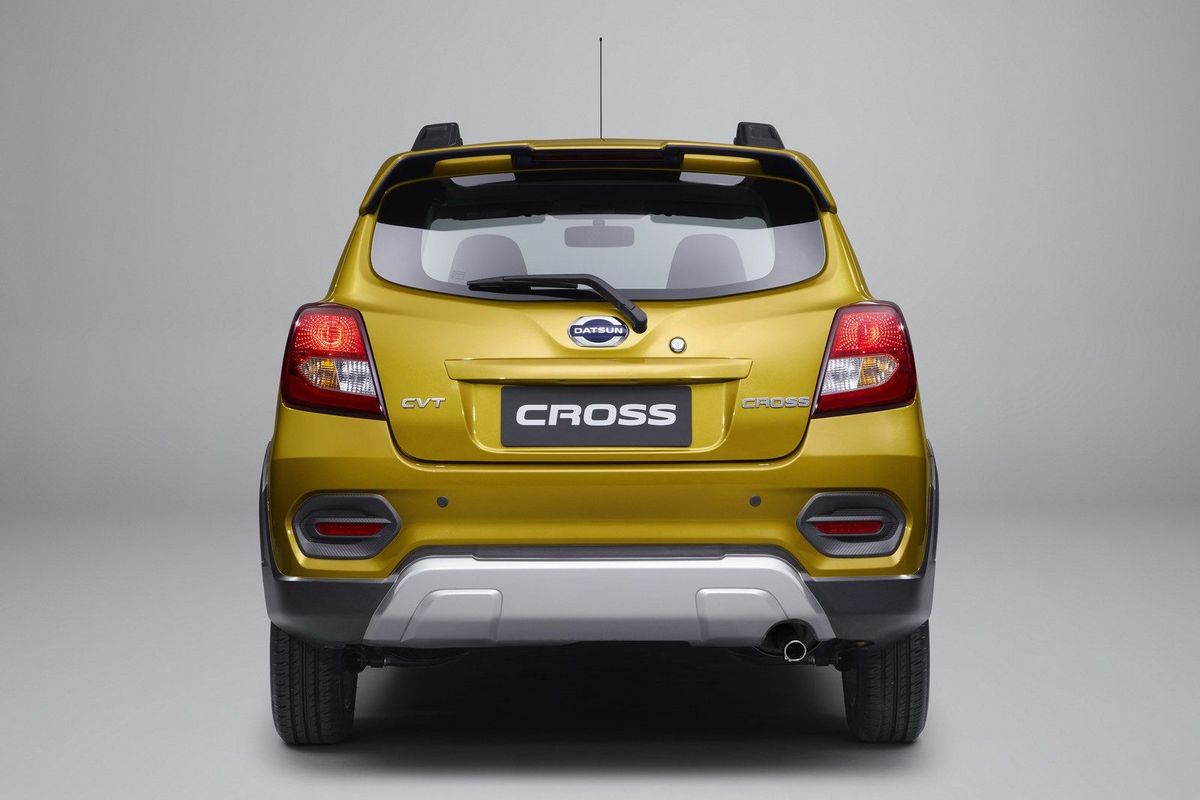
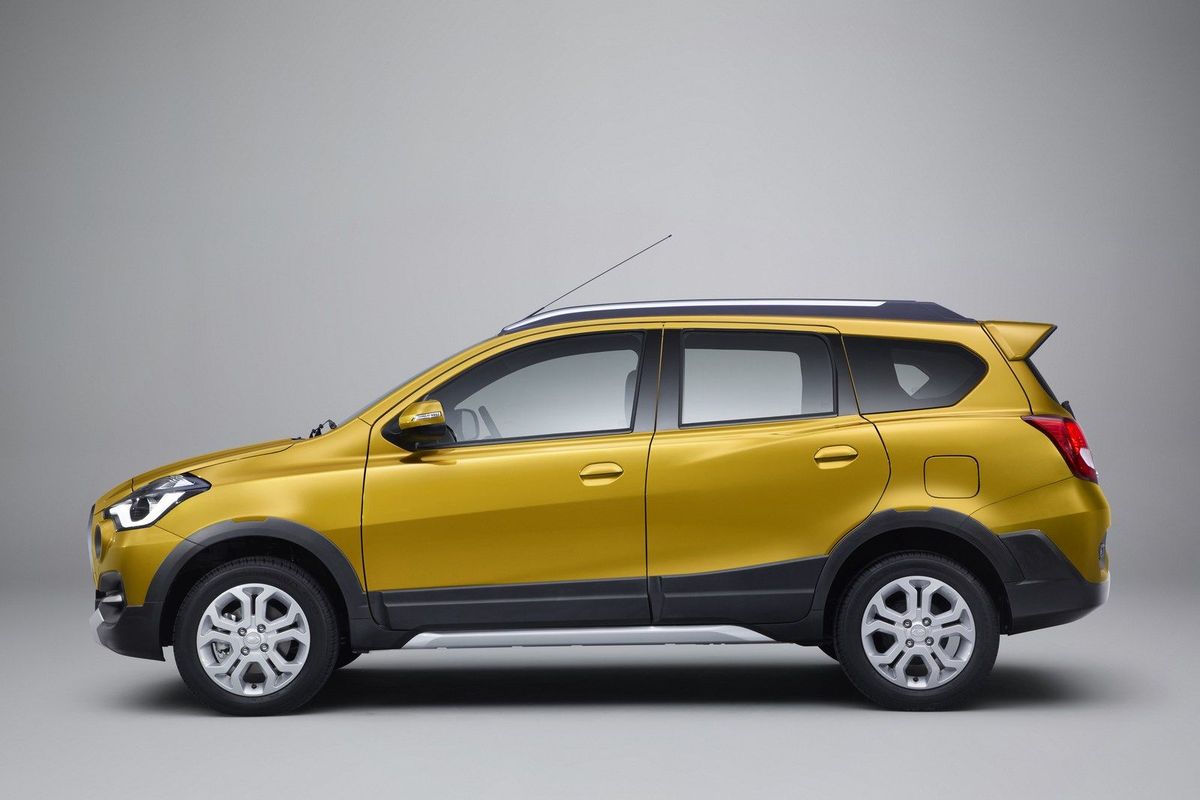
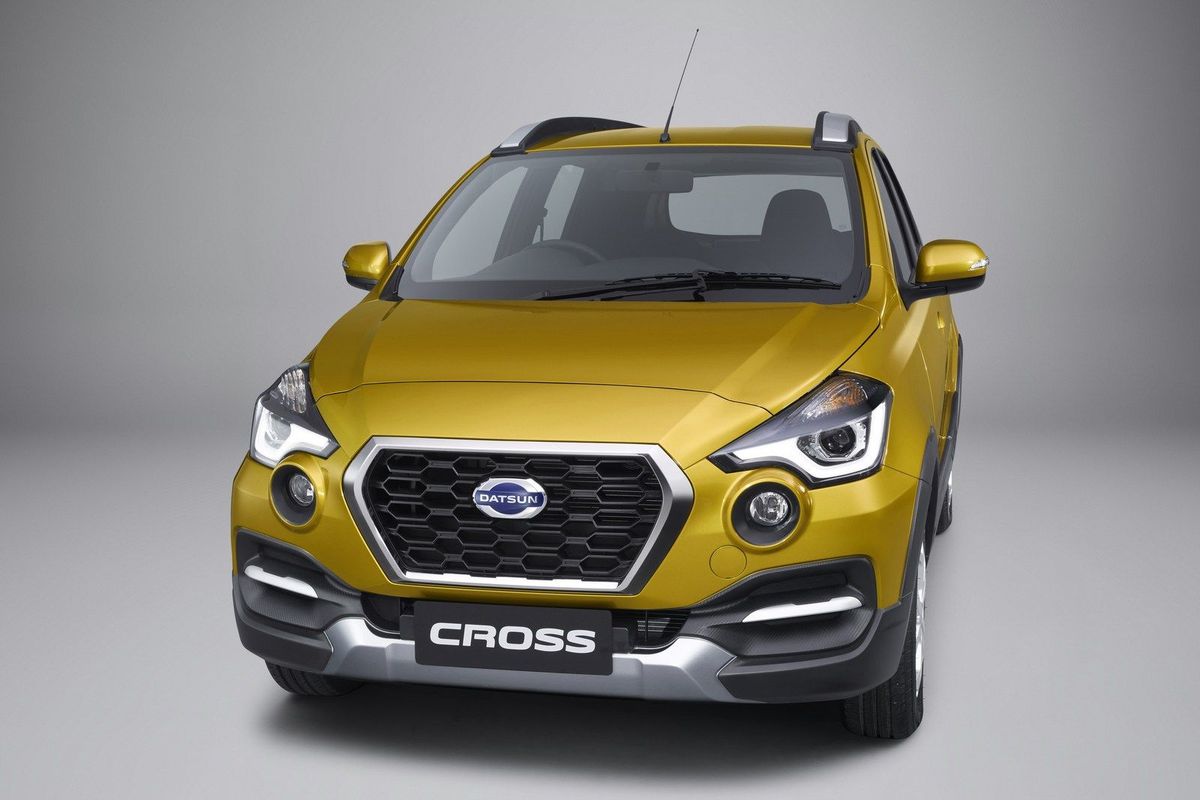
Datsun is branching out into the crossover market with a purpose-built model for certain Asian markets. It appears to be a serious step up in safety spec from previous Datsuns that have seen the light of day. Should it come to SA?
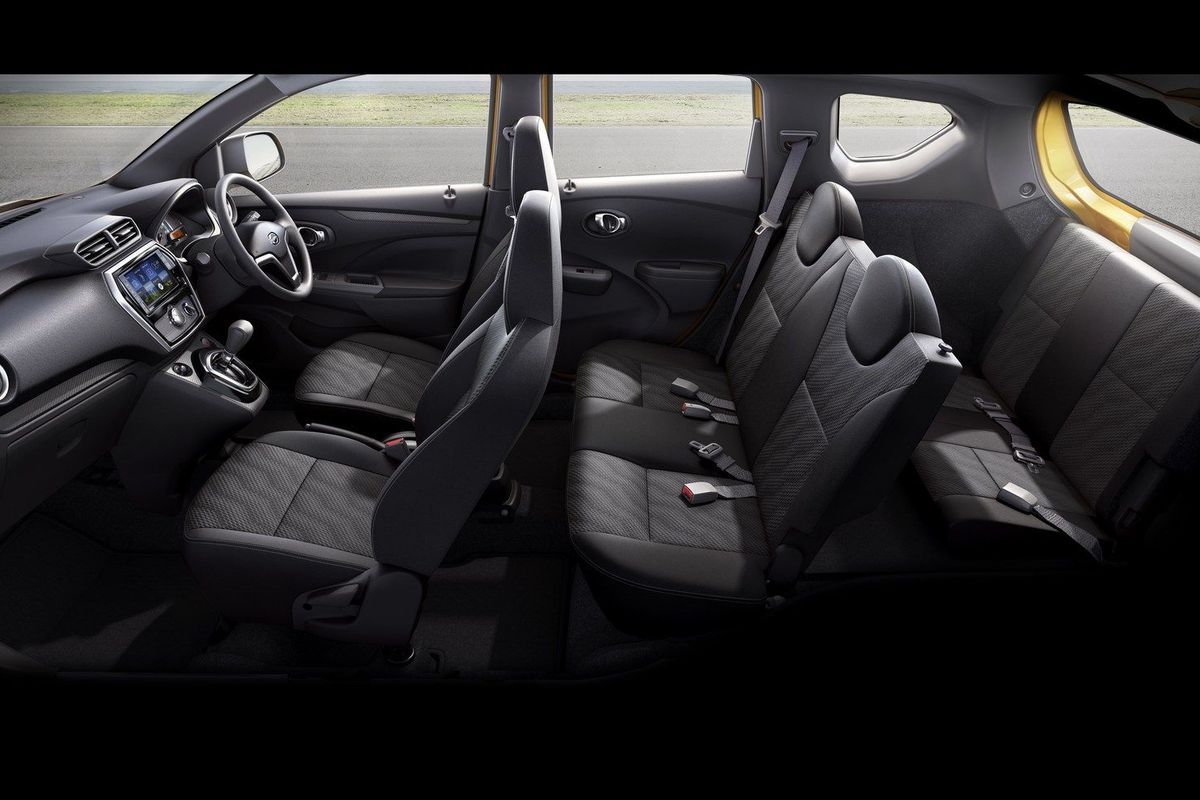
The new model from Datsun is called the Cross and it's a chunky looking crossover with athletic plastic cladding on the exterior. Ground clearance is excellent at 200 mm and it's capable of seating 7 at a squeeze. Essentially you can think of it as a Datsun Go+ with a bit of raise in ride height.
This model appears to have lifted the safety levels to an acceptable level. Datsun claims that the Cross is fitted with ABS, traction control, stability control and dual front airbags. That's much better than anything Datsun sells in our local market.
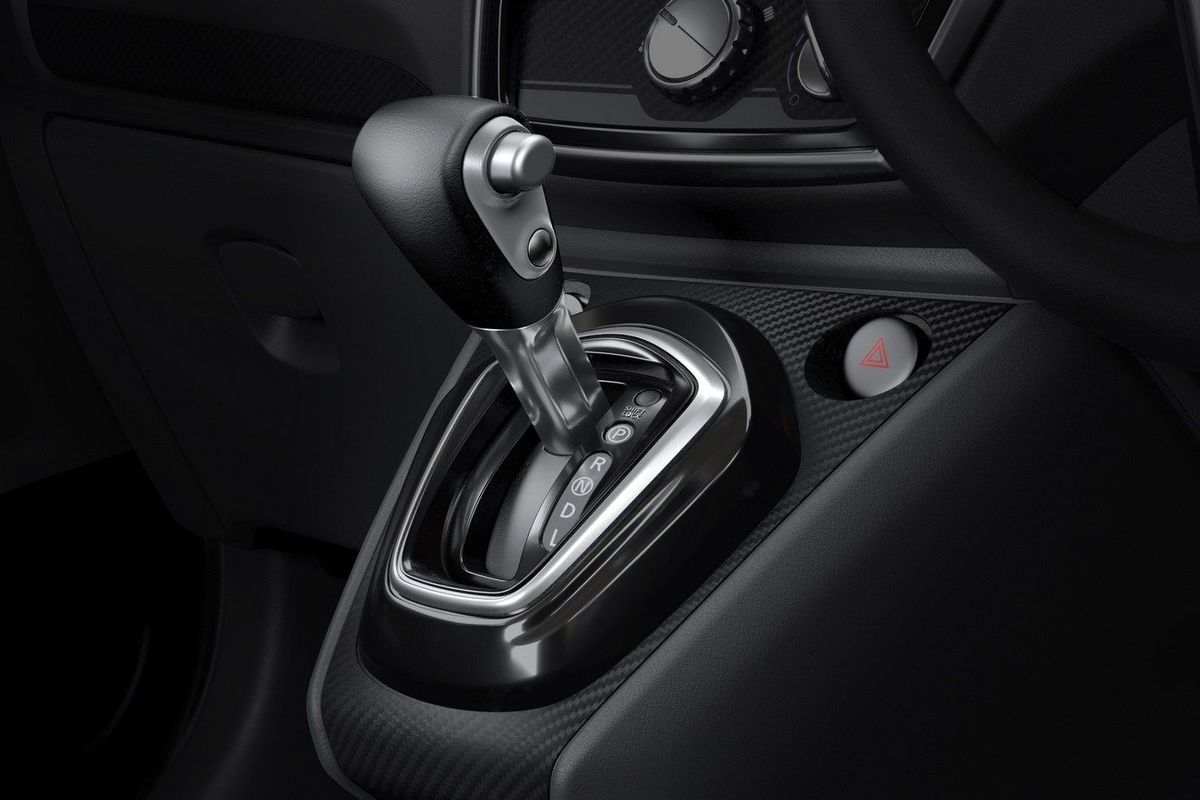
The engine under the bonnet is still a 1.2-litre petrol unit capable of 58 kW and 104 Nm. It's available with both a manual or CVT gearbox.
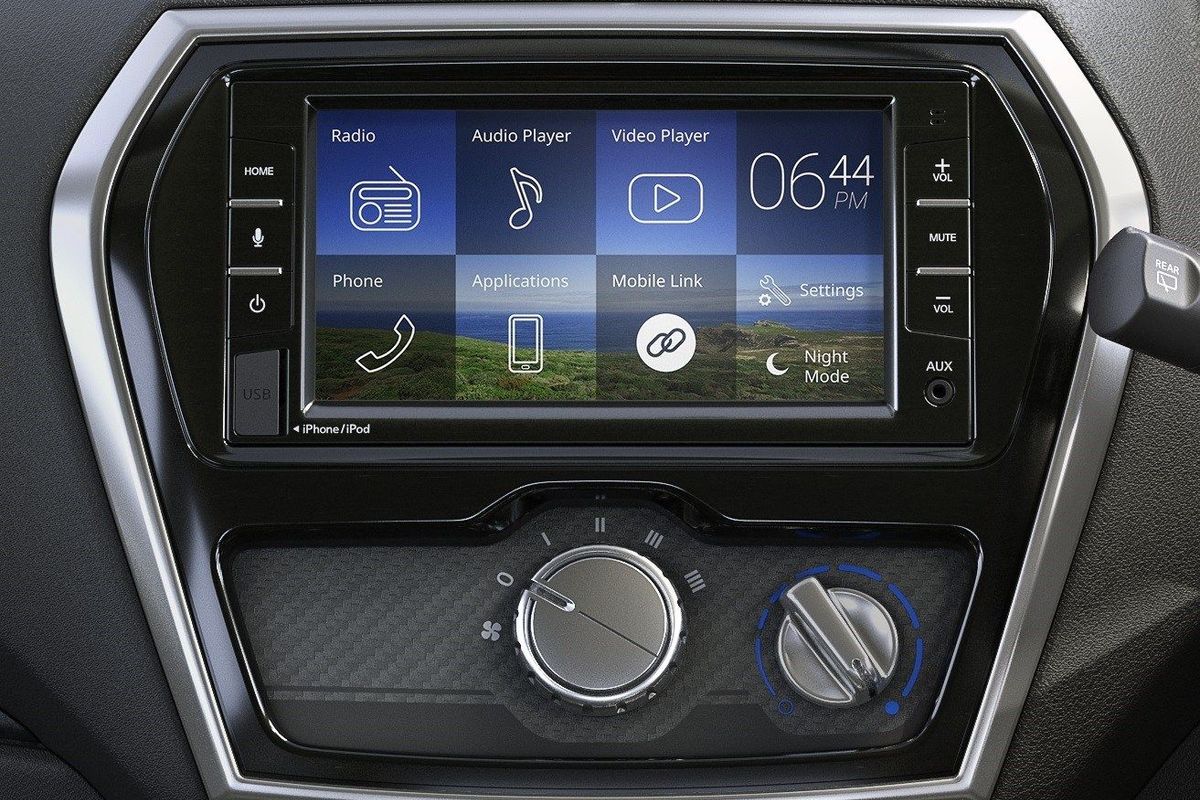
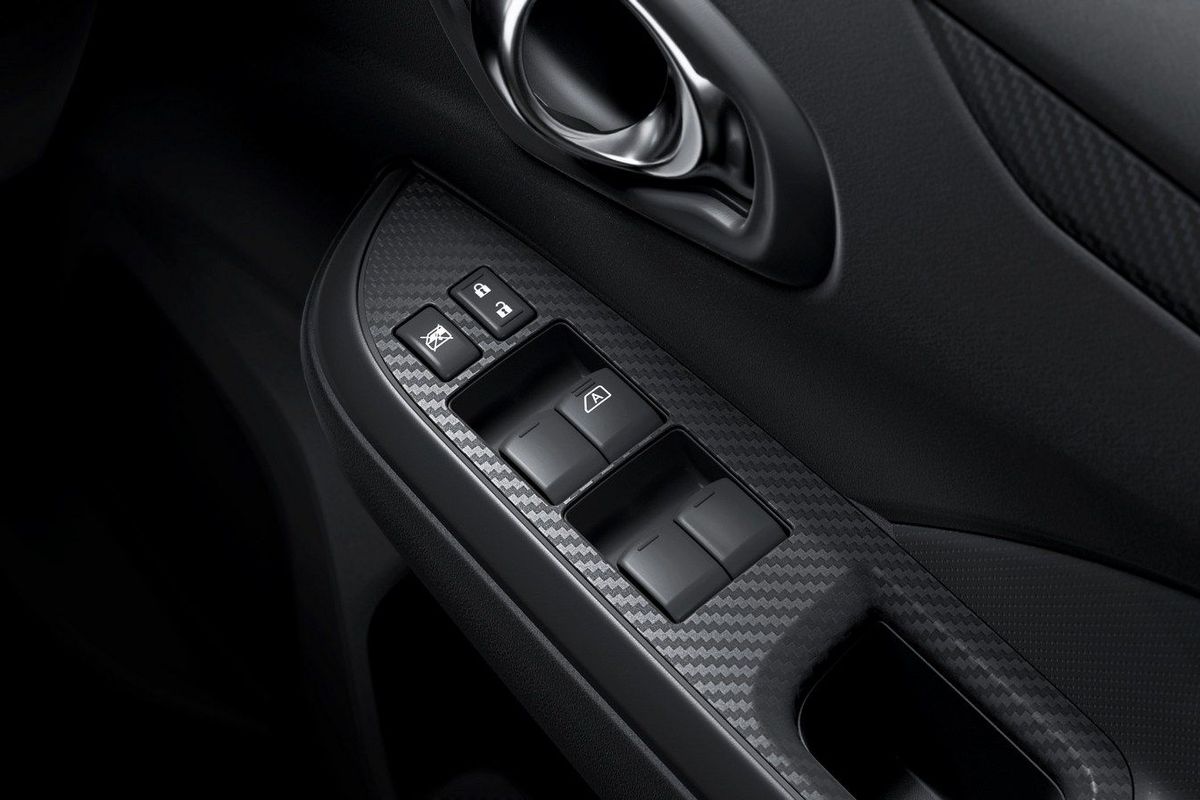
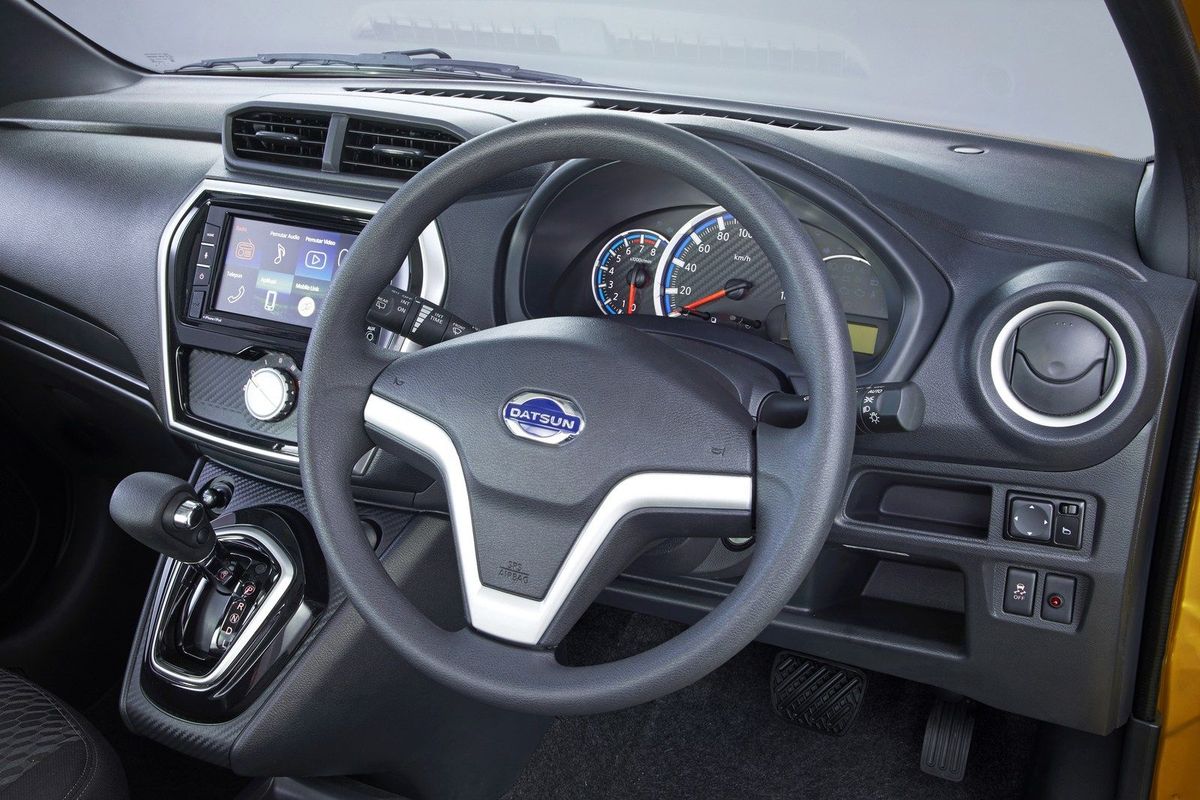
The interior remains basic but functional, as you'd expect from a budget car manufacturer. Initially, the Cross has only been slated for certain Asian market but it could do well locally as the South African market loves a crossover and the entry-level 'lifestyle' segment appears to be on the rise.
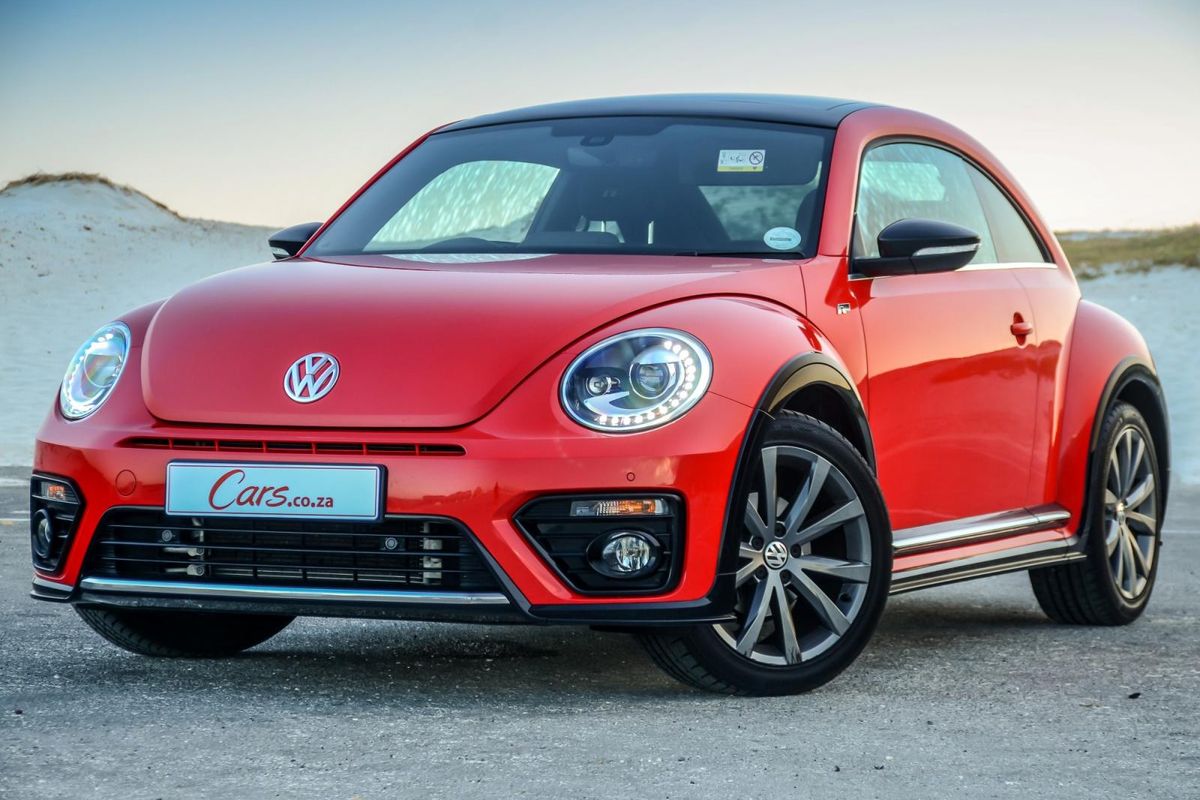
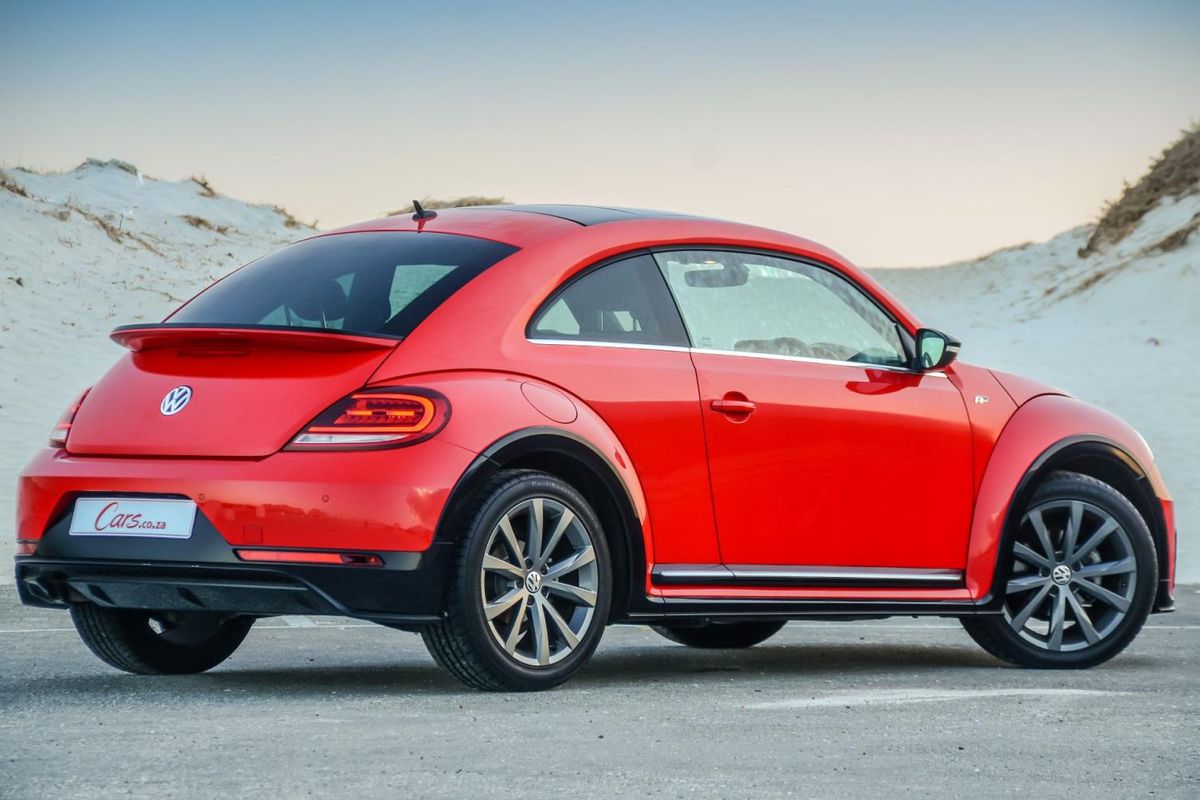
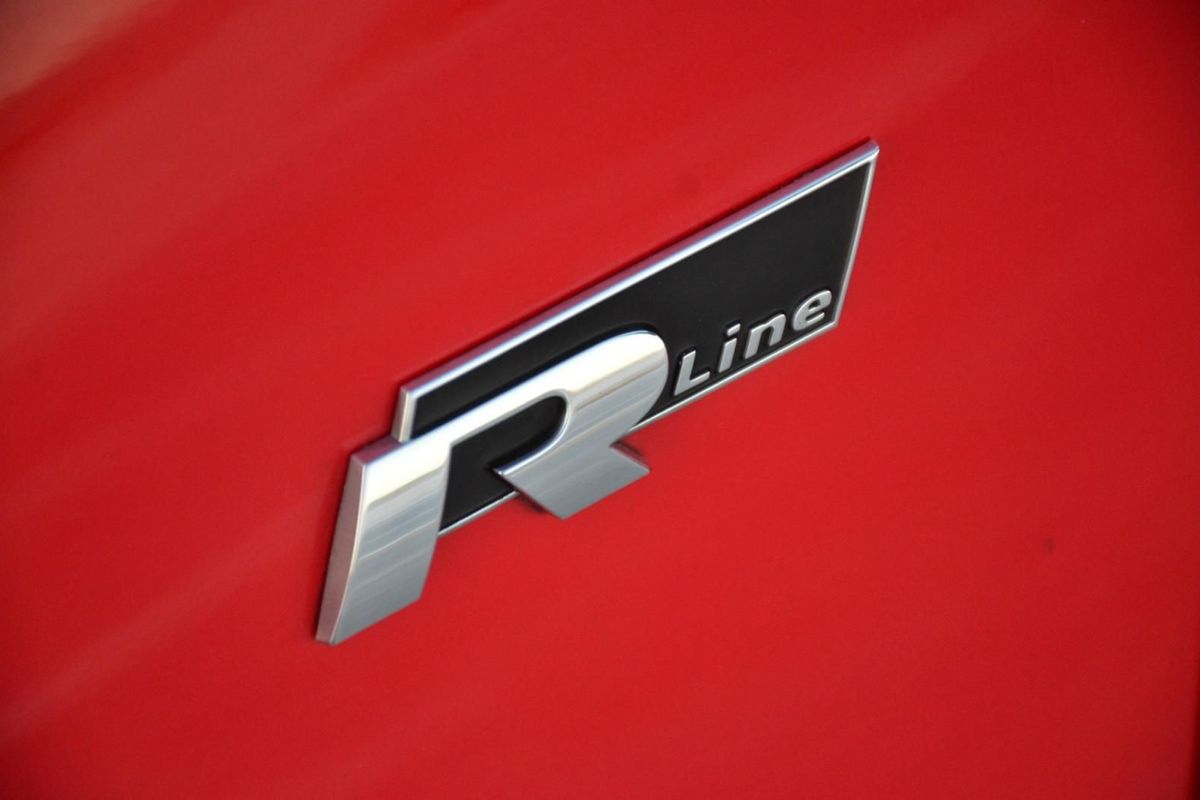
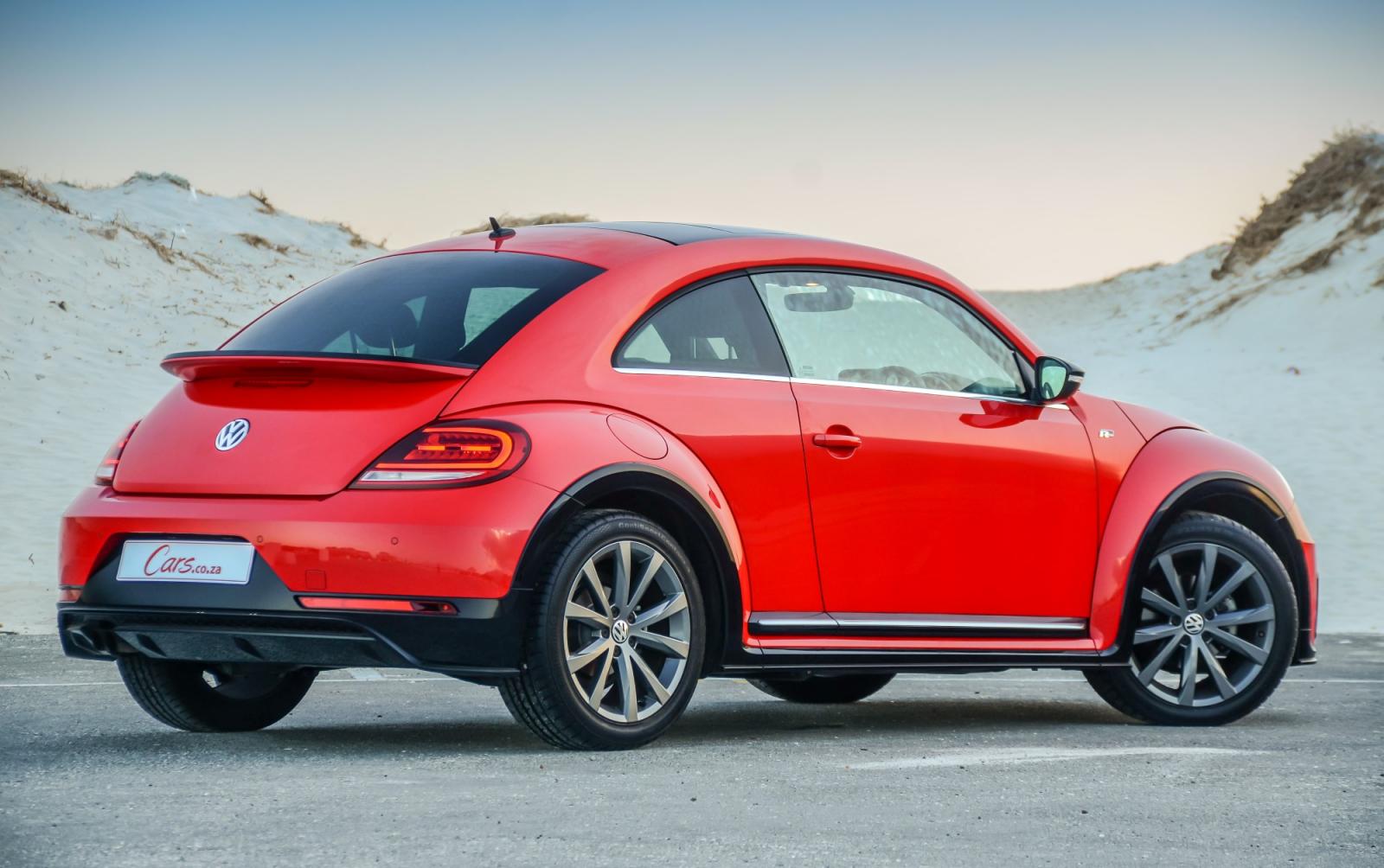
The Volkswagen Beetle is an automotive icon, but premium-priced modern iterations have sold poorly in South Africa. Just before the Beetle disappeared from the new vehicle price list, Volkswagen SA introduced a limited edition R-Line derivative in late 2017 and we recently sampled it. Is it any good?
We like: Punchy engine, refinement, interior quality, luggage space
We don’t like: Limited rear legroom, gloss black interior attracts fingerprints and dirt
Alternatives
The British automotive icon: Priced at R427 798, the Mini Cooper S 3-door auto is more powerful than the Beetle R-Line with 141 kW and 280 Nm of torque developed from its 2.0-litre turbocharged engine. It’s a great option if you are looking for a car that exudes youthful character and you liberally spec the Mini up a wide range of optional equipment.
Underrated Korean sportscar: Priced at R444 900, the Hyundai Veloster Turbo Auto produces 150 kW and 265 Nm of torque from its turbocharged 1.6-litre petrol engine. We weren't too enamoured with the automatic transmission in this Veloster as it feels clunky and indecisive, so you might want to consider the manual derivative instead priced from R419 000.
The Italian hotshoe: Priced at R394 950, the Abarth 595 Turismo 1.4T offers 121 kW and 206 Nm from its turbocharged 1.4-litre engine. It’s not as big as the Beetle, but it’s a lot faster with a zero to 100 kph sprint time of 7.4 seconds.
The R-Line is the last derivative of the current generation Beetle to be offered in the new vehicle market; it's tantamount to a limited-edition sendoff. The Beetle is arguably Volkswagen's most iconic model but several reports suggest the Wolfsburg-based group will not replace this retro-flavoured offering with a new version due to flagging sales (the marque reserves the right to change its mind, of course). Only 50 units of the Beetle R-Line, each replete with spruced-up exterior and interior styling and a punchy 1.4-litre turbopetrol engine, were allocated to South Africa, so it's bound to remain quite a rare sight on our roads.
The Good
Kerb appeal
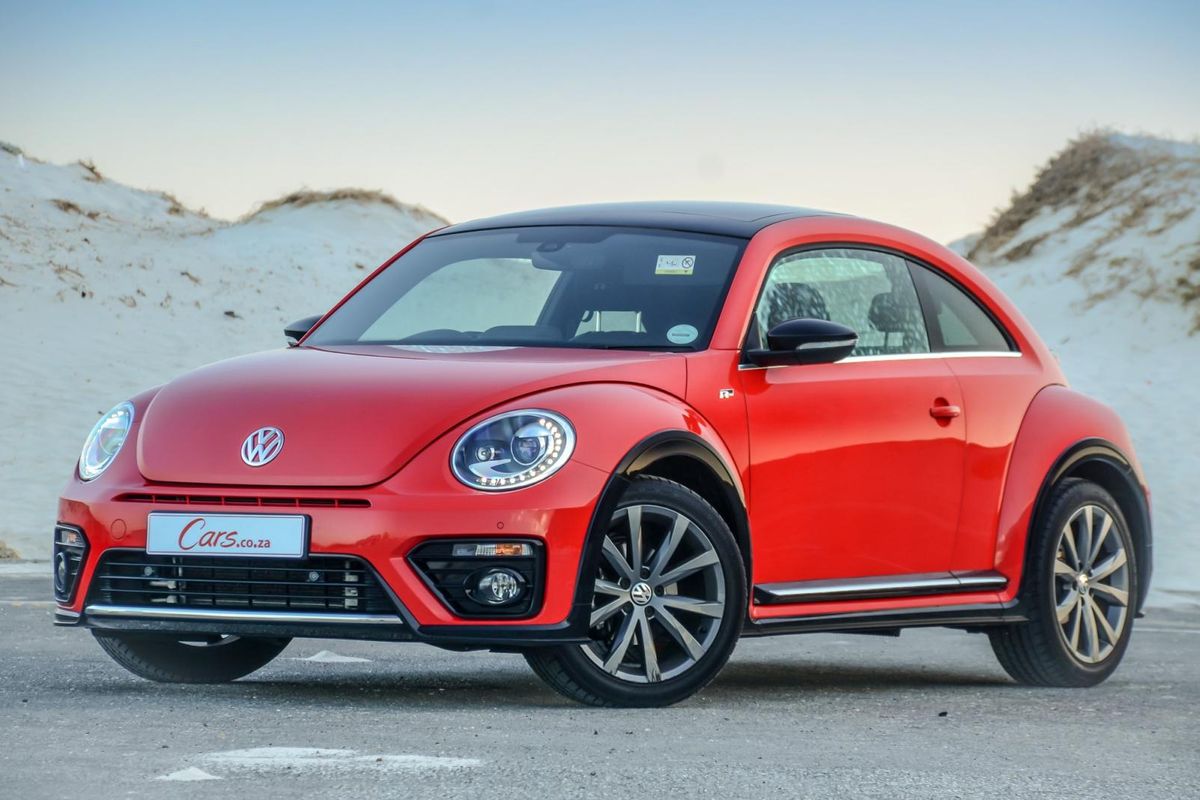
A Tornado Red paint job with chrome detailing and gloss black trim makes the Beetle R-Line noticeable on the road.
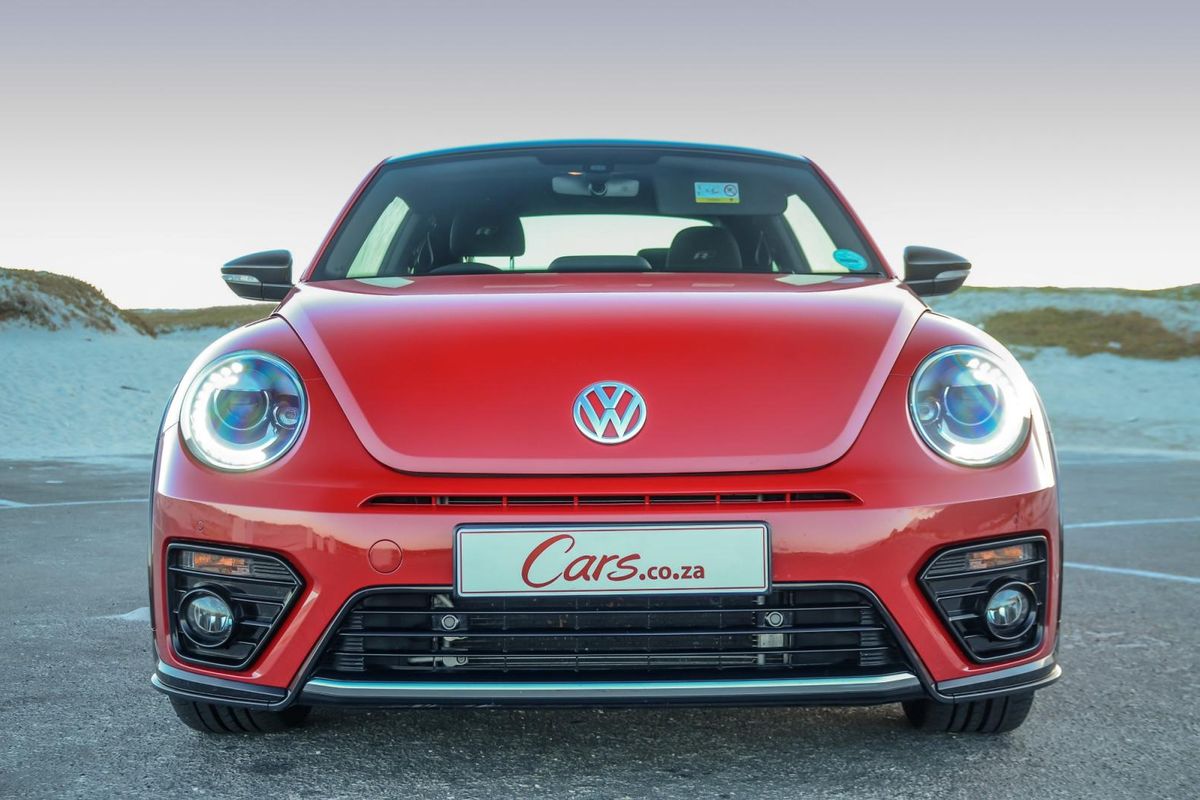
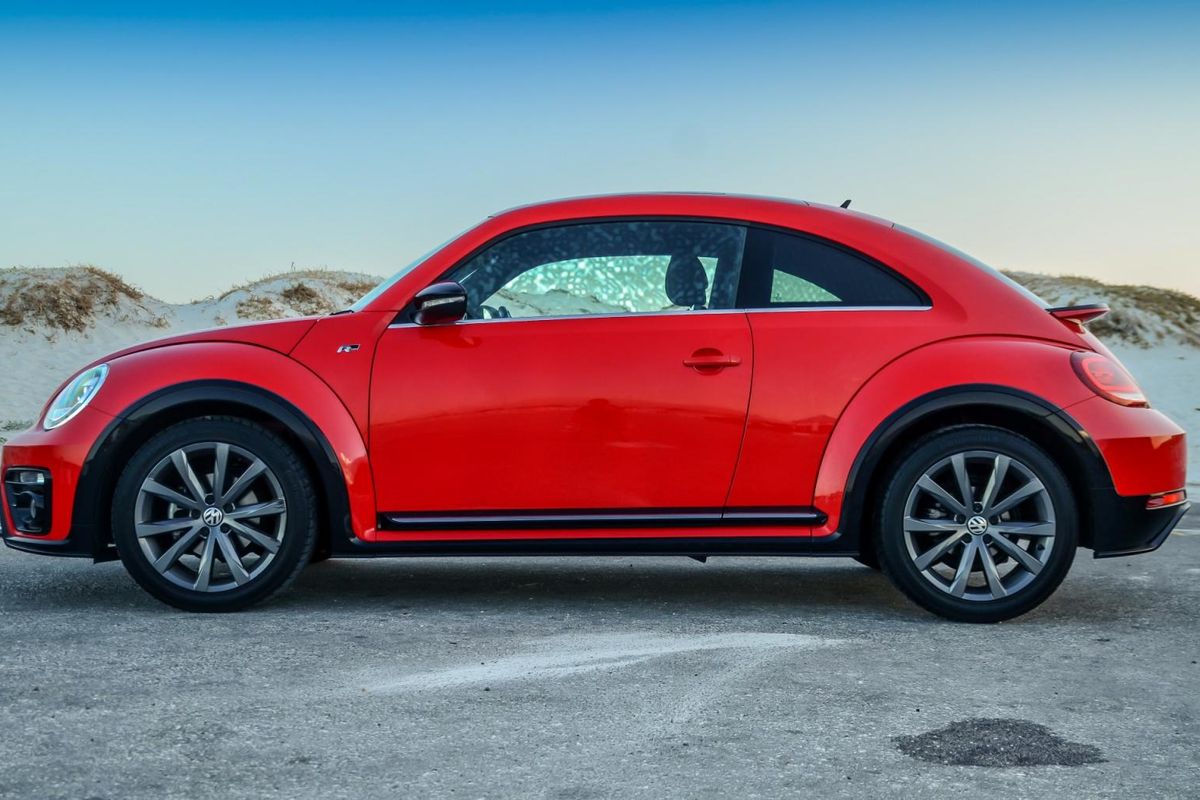
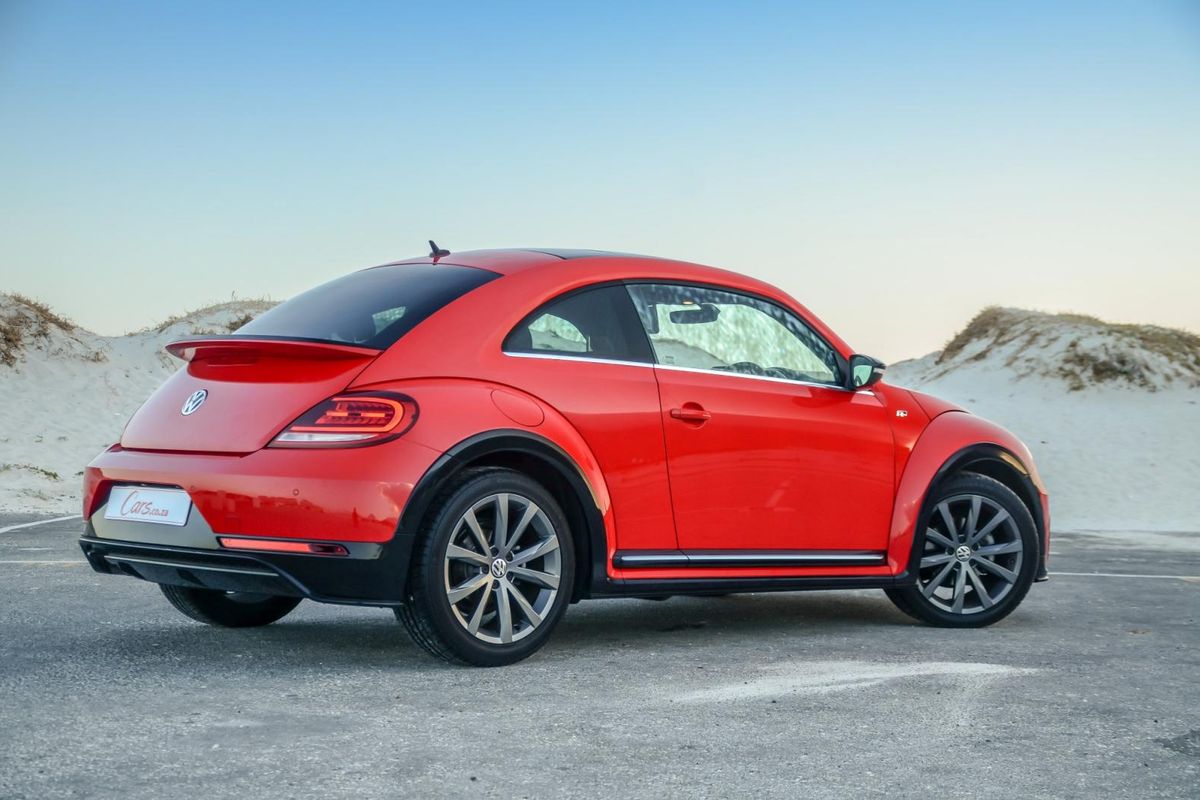
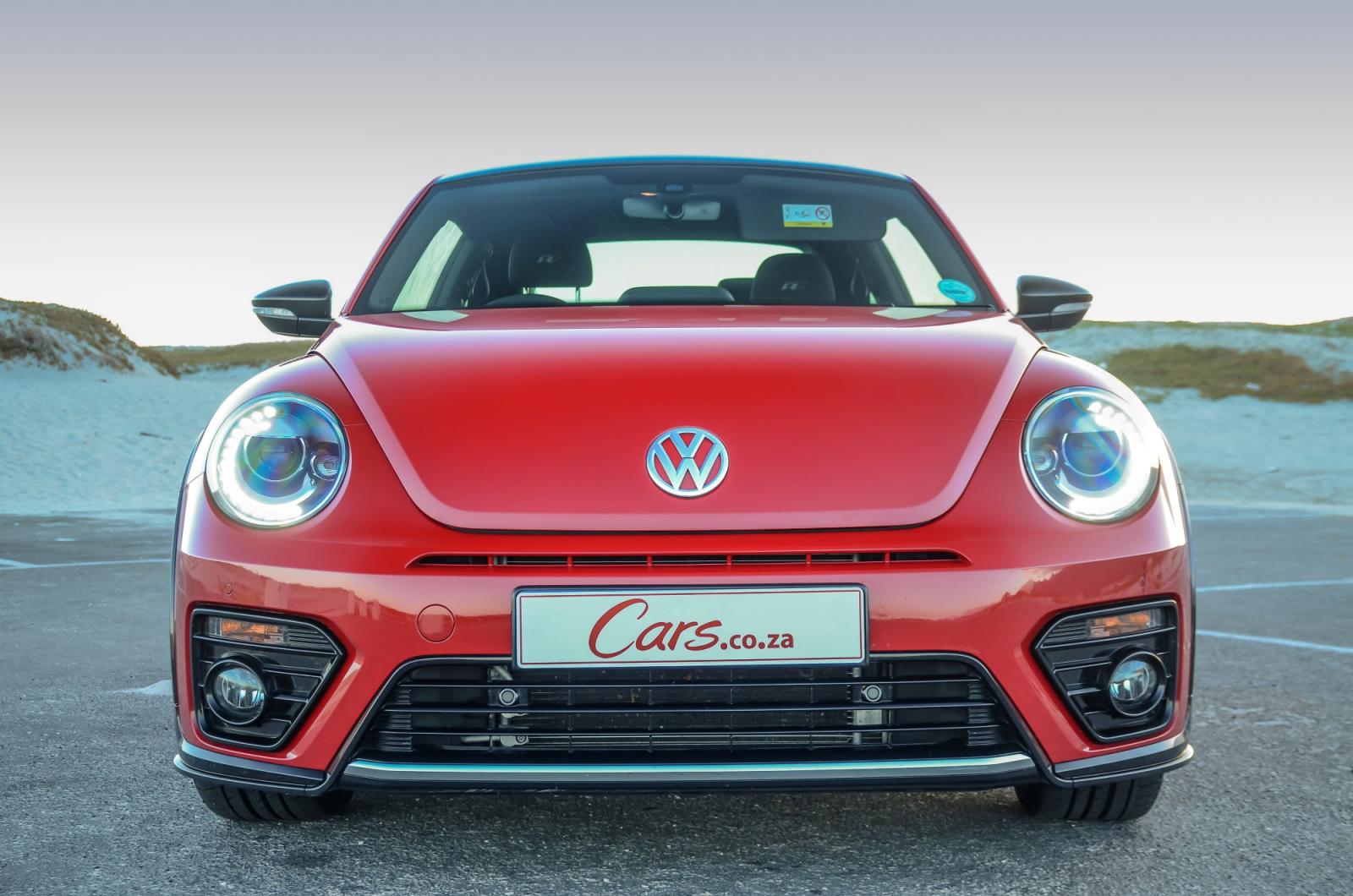
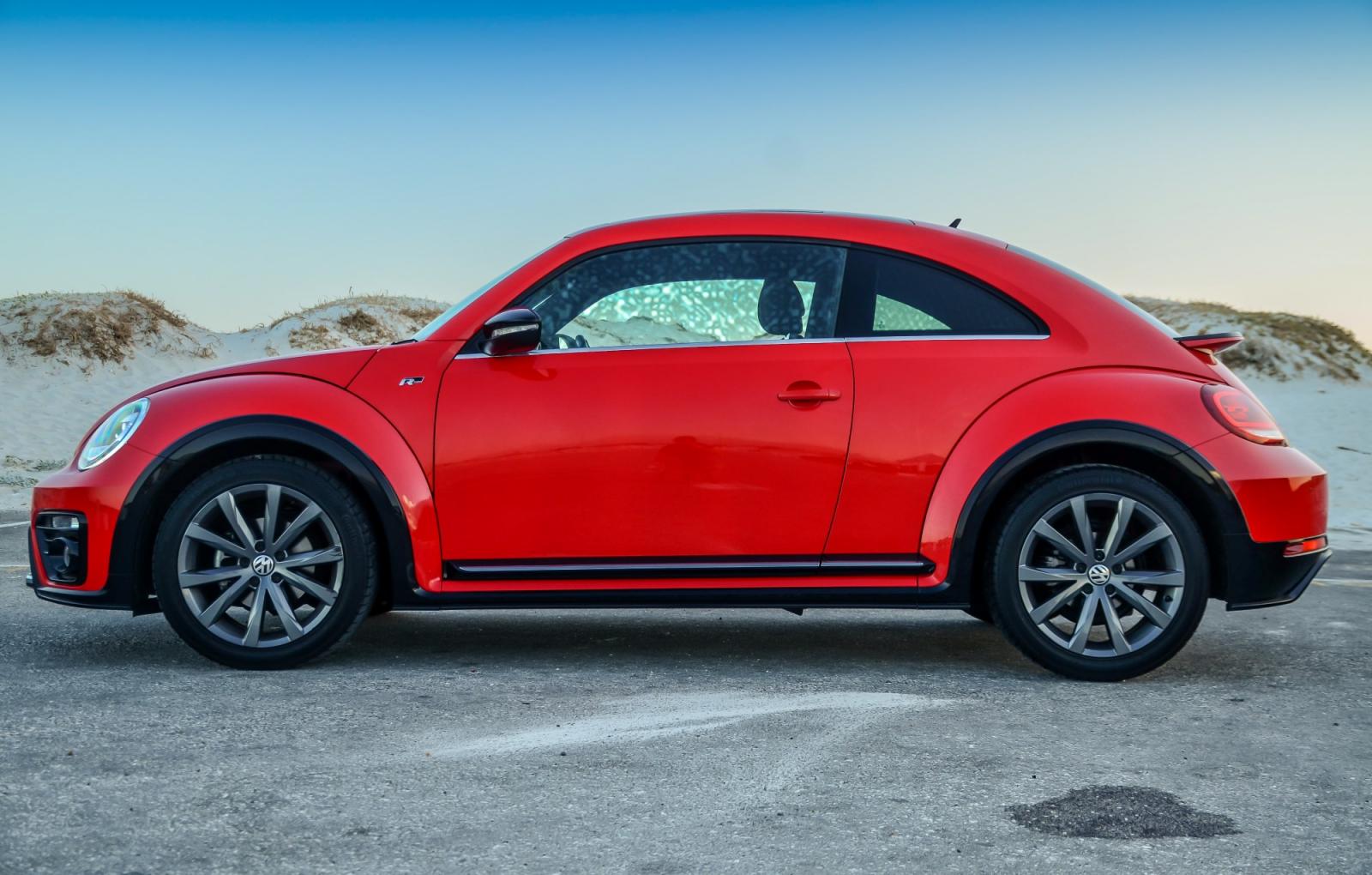
This R-Line derivative has some visual clout and many people commented on its good looks during our test period. The combination of its Tornado Red exterior colour and bright chrome detailing makes it pop and stand out on the road. The Beetle R-Line is further distinguished by a redesigned front bumper and gloss-black trim that runs around the car with the look finished off with stylish 18-inch Ravenna alloys.
If you never were a fan of the modern Beetle, then this R-Line derivative might leave you completely cold. But if you are a fan, it’s arguably one of the better-looking New Beetles to come from Volkswagen.
Punchy performance
The Beetle R-Line is no slouch and it delivers good acceleration with the help of its slick DSG transmission.
A major highlight of this Beetle R-Line is indeed its 1.4-litre turbopetrol engine. With 110 kW and 250 Nm of torque on tap, the R-Line delivers punchy performance between traffic lights and accelerates briskly enough to make overtaking a cinch. It’s certainly no slouch when you need to push on and it feels quicker than the claimed 9.1 seconds it is said to take to sprint from 0 to 100 kph.
A car’s performance is only as good as its transmission and Volkswagen’s 7-speed DSG is well-matched to this engine. Shifts are smooth and unobtrusive making for a pleasant driving experience, irrespective of whether you are just cruising at the highway limit or pushing the tempo. Steering-mounted paddle shifters further allow you extract every ounce of performance from the engine.
In terms of fuel consumption, Volkswagen claims 5.6 L/100 km and although we got close to that claim on several occasions, figures between 7.0 and 8.5 L/100km were more common during our test.
Pleasing ride & handling
The Beetle absorbs bumpy tar with ease and its surefooted handling makes it quite fun to drive.
We were also pleasantly surprised by the way the Beetle R-Line copes with uneven, potholed roads (given its 18-inch low profile tyres). It does an admirable job of absorbing bumps and ruts and delivers a forgiving and comfortable ride quality that’s quite similar to that of its Golf stablemate.
The steering is well-weighted and the R-Line, with its wide track, hugs the tar with confidence and handles enthusiastic cornering with more than a modicum of confidence. It’s a very reassuring car to drive!
Comfort and features
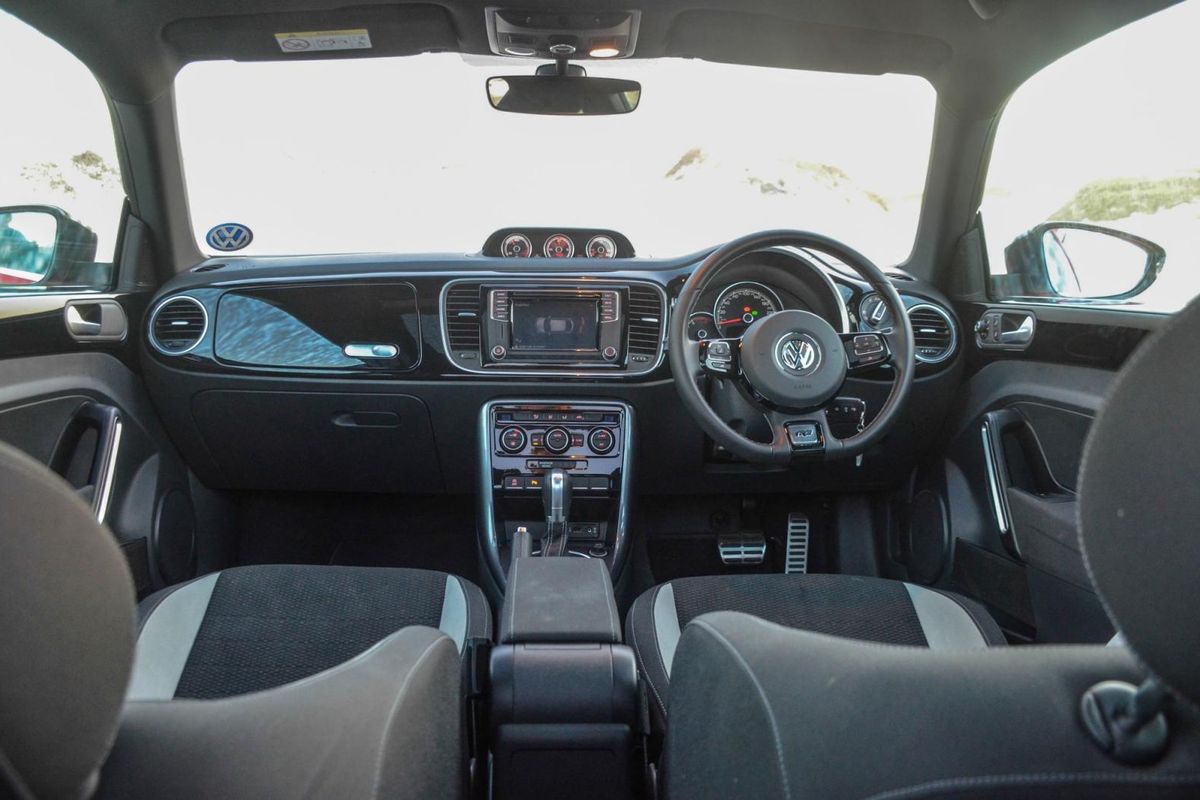
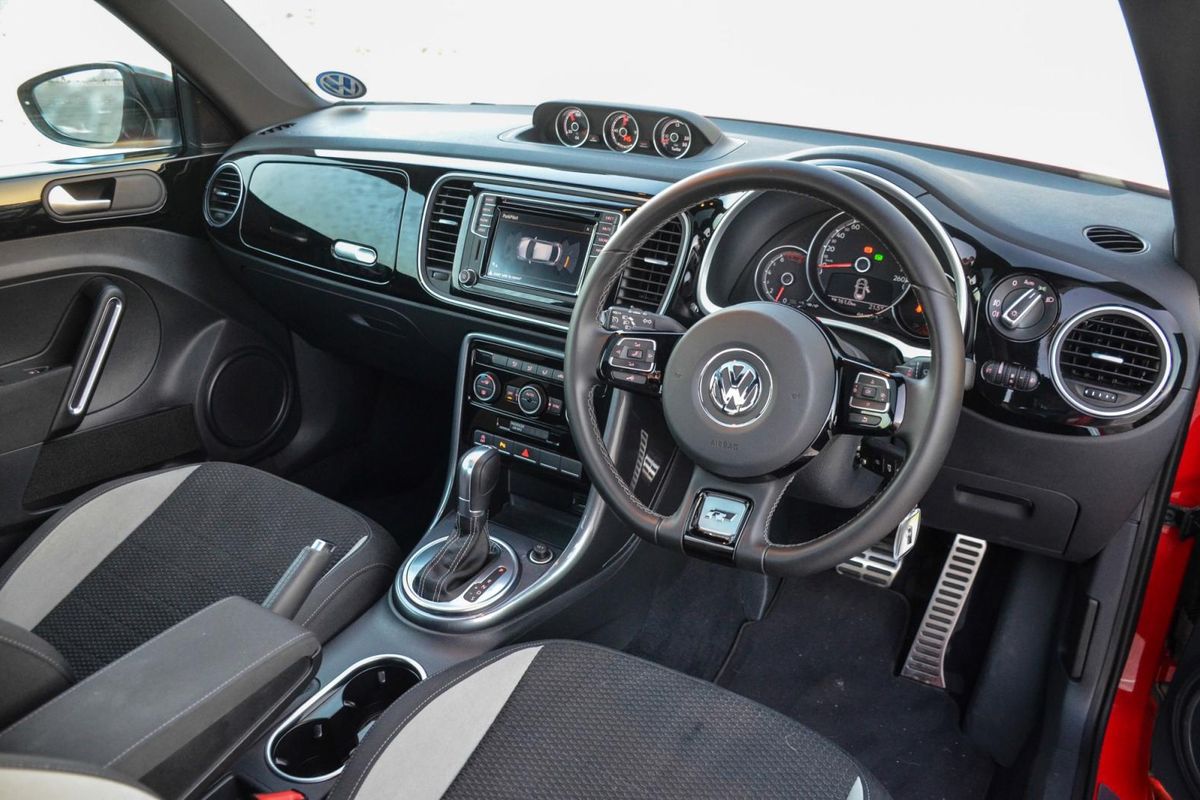
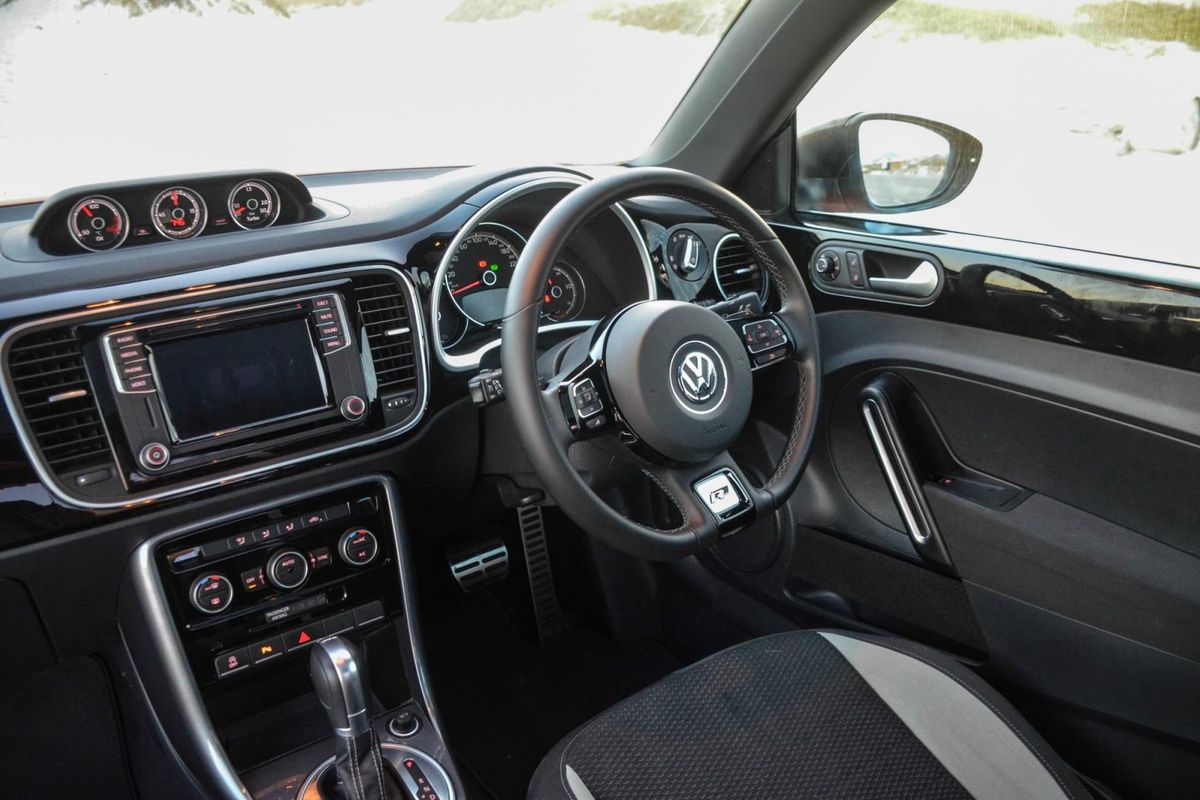
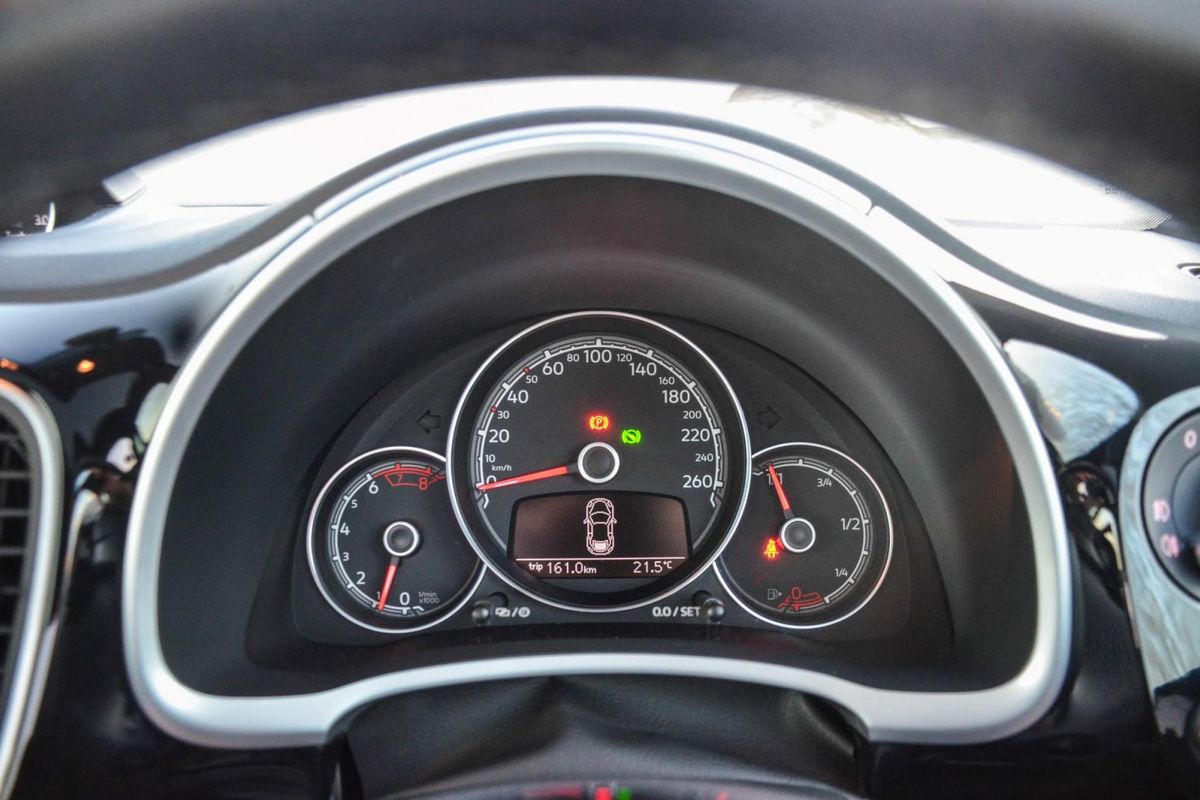
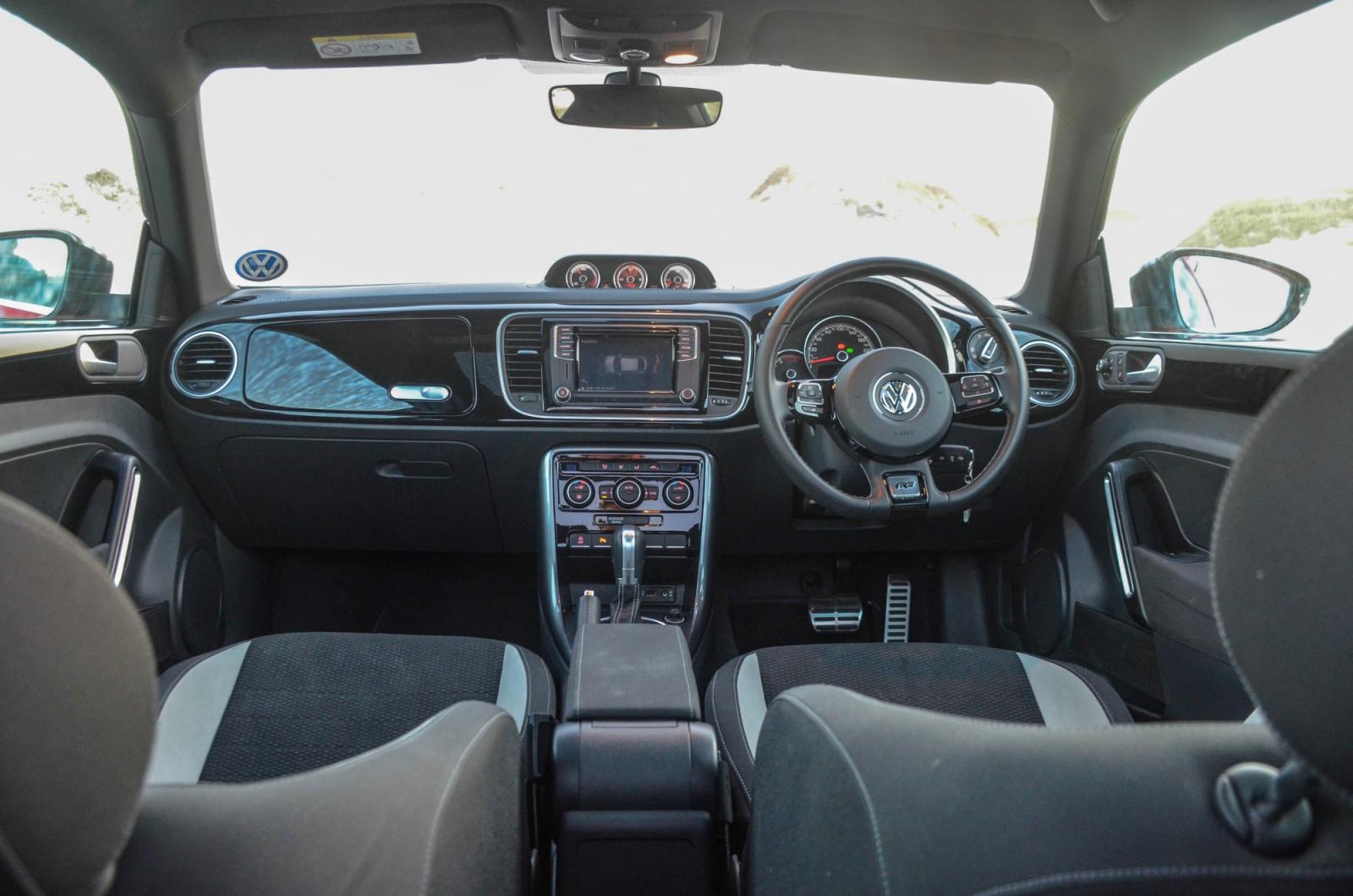
A classic Beetle-style dashboard is a nice touch and much of the switchgear is lifted from the Golf. Overall, a nice place to be…
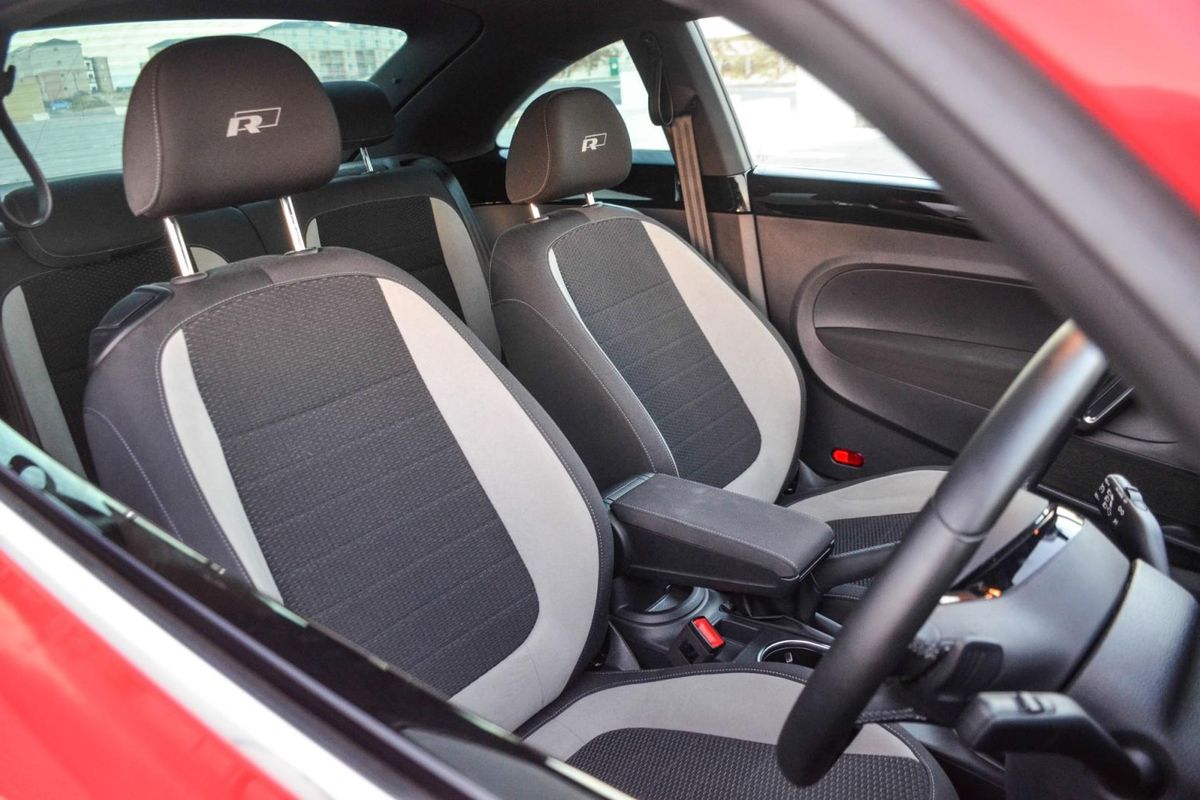
The R-Line sports seats are upholstered in "Kyalami" cloth and although firm, they provide good comfort along with generous side bolsters for added support. Manual lumbar adjustment is available too.
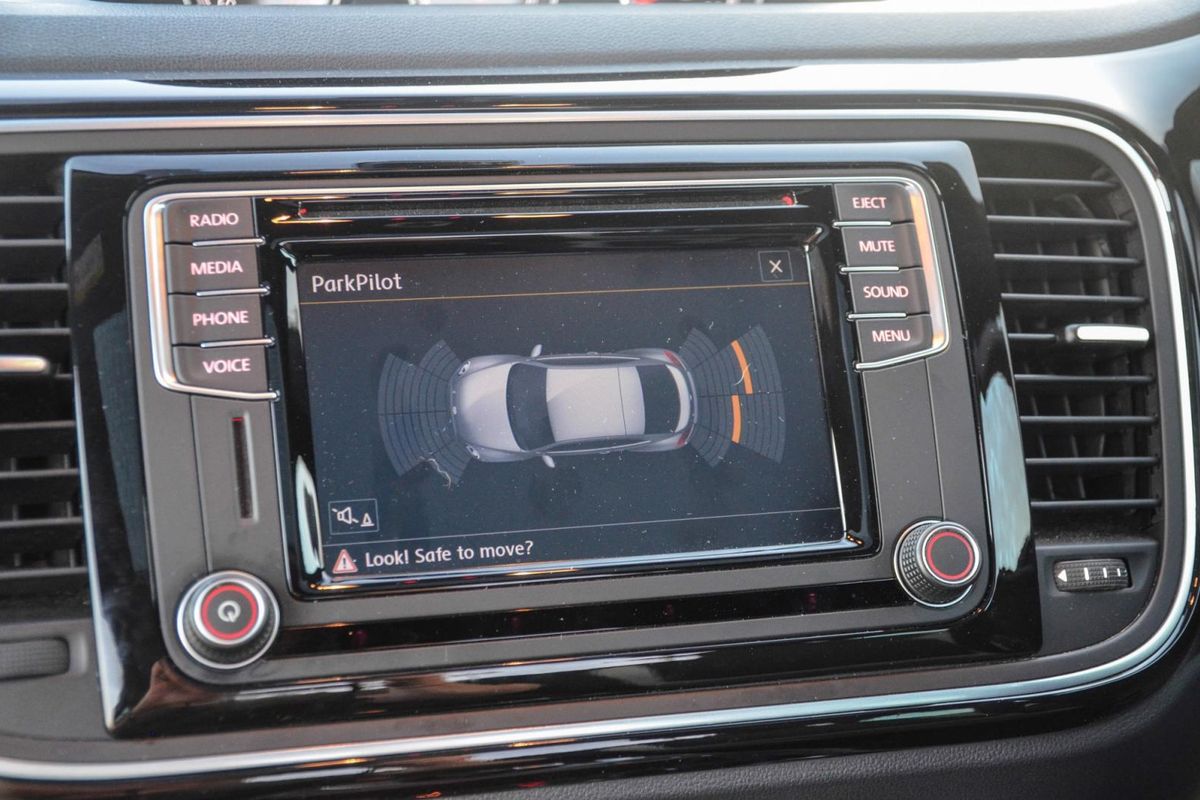
In terms of entertainment, a 6.5-inch Composition Media system with 8 speakers is fitted as standard, offering Bluetooth, USB input and Apple CarPlay compatibility. The system is easy to use but we found the sound quality from the speakers to be relatively poor.
Other comfort features include a useful central armrest for the driver, dual-zone climate control, leather steering wheel, cruise control and front and rear park distance control. This test unit also came with an optional panoramic sunroof (but it only opens halfway).
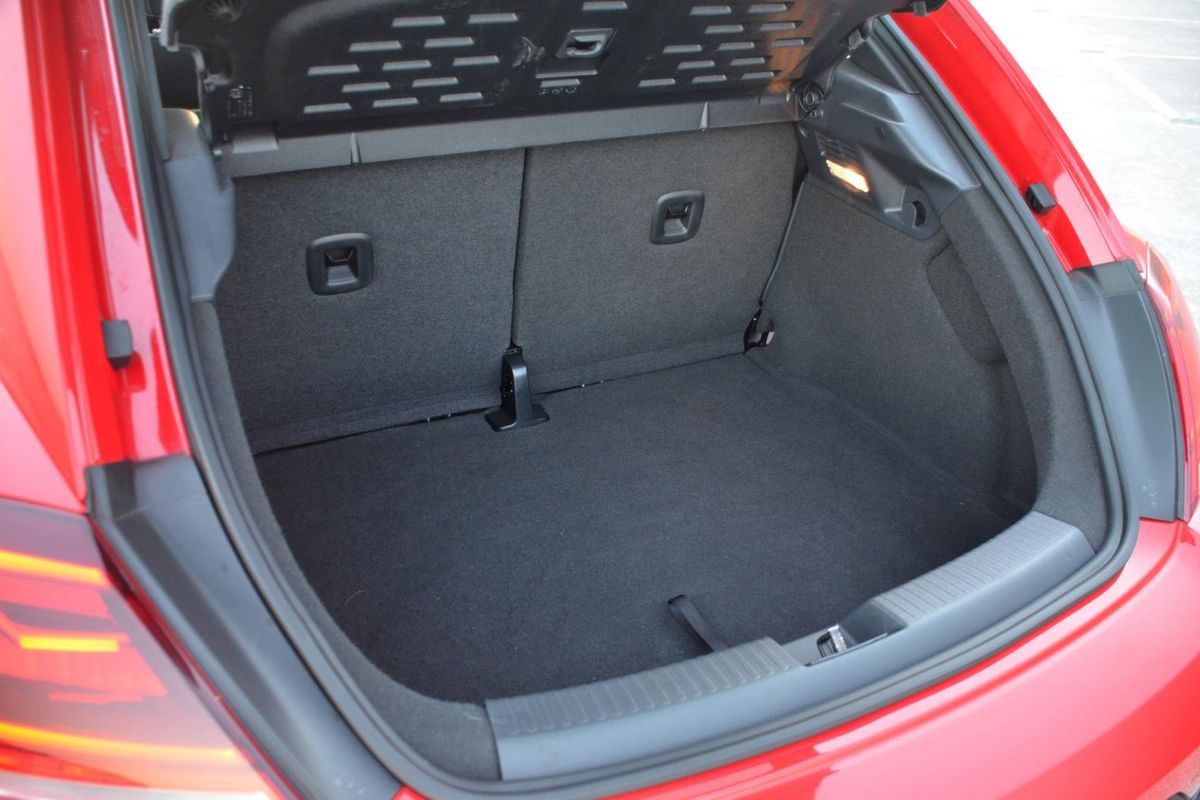
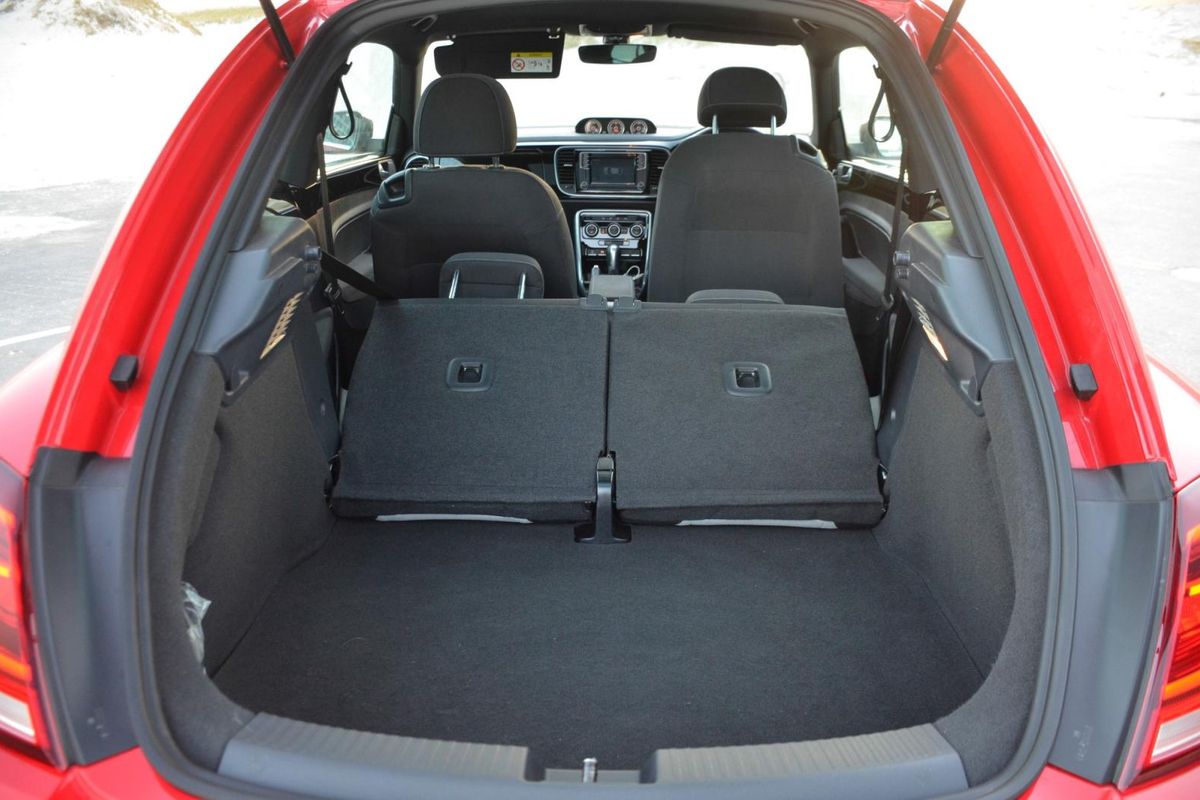
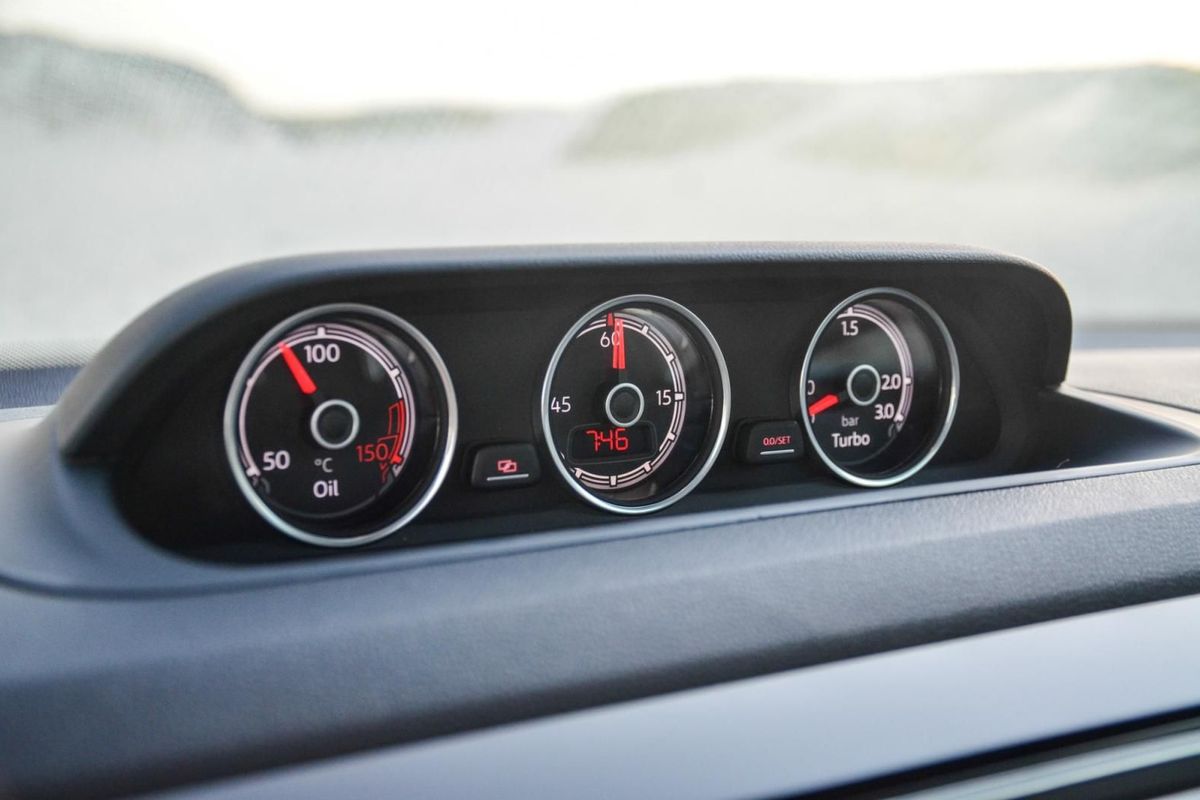
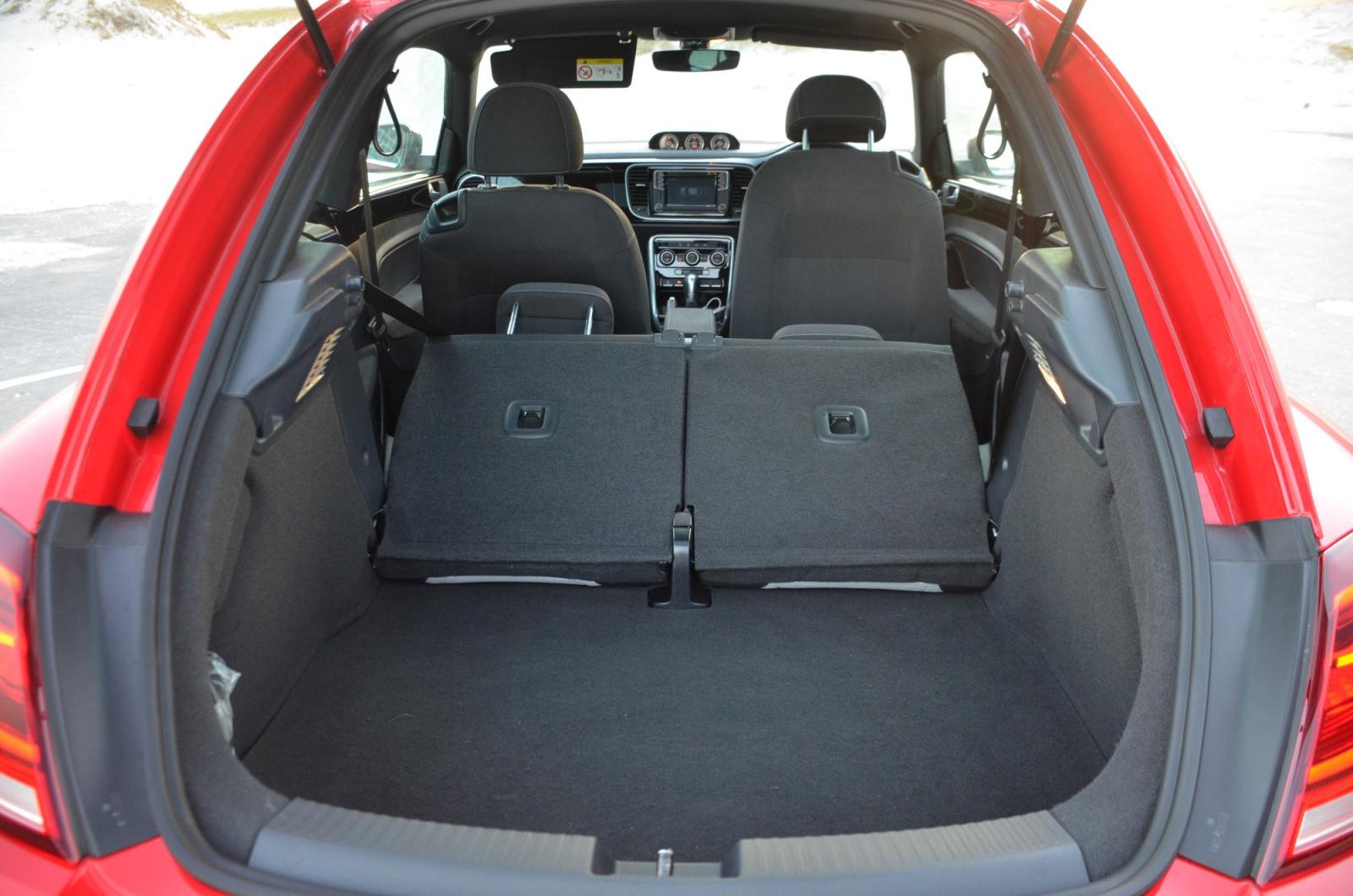
An extra dose of sportiness is provided by additional gauges placed on top of the dashboard and these include a boost pressure gauge, oil temperature gauge and a stopwatch. The luggage bay is also relatively large (considering its odd shape) with 310 litres at your disposal. The seat backs are split 50:50 but don’t fold completely flat, which could be an issue depending on what you need to transport.
In terms of safety, a total of 6 airbags are standard as is ABS, brake assist and stability control with traction control.
The bad
Is VW good at producing niche cars?
The Volkswagen Group has an admirable reputation for building quality products with a high level of parts commonality (to keep production costs low) by utilising common platforms and electronic architectures. Many of this Beetle's finest traits can be attributed to that – even though this version of the Beetle has been around since 2011 it still feels well made. However, whereas Mini has largely shelved what the original Sixties car was all about (tiny, light, wieldy), yet retained a level of cheekiness and "go-kart-like handling" (much of which is suggested, rather than strictly true), the Oxford firm's product has a distinct character.
The Beetle, which is admittedly far from a disappointing product, still feels like a car made by a volume manufacturer; a product that is supposed to give you a Golf (or the latest Polo, for that matter) driving experience, but is simply clad in a funky shape and adorned with twee elements (such as rubber loops on the B pillars, a rectangular glovebox and a large, thin-rimmed steering wheel) that pay homage to the original People's Car. The Beetle does not feel like something refreshingly different and unique, with a character of its own. Alas, it is, as sales figures suggest, a love-it-or-loathe-it 3-door hatchback.
Practicality woes
The boot is sizable at 310-litres but the rear seats don't fold completely flat which might hamper larger loading efforts.
Rear passenger space is on the tight side, especially if you are tall, but it should be adequate for kids. More rear legroom, however, can be obtained by moving the front seats as far forward as possible and we'd assume that the overwhelming majority of Beetle buyers would be single or perhaps a couple without children. That said, the front passengers will be much more comfortable without rear passengers to please!
Although some will like the Beetle-inspired dashboard design, the gloss black finish (also seen on the upper-door section) attracts dirt and fingerprints; it will have to be wiped clean on a regular basis.
Pricing and warranty
When the Beetle R-Line was launched in August 2017, it was priced at R419 900 and was sold with a 3-year/120 000 km warranty, 5-year/90 000 km service plan and 12-year anti-corrosion warranty. Following the discontinuation of the Beetle in South Africa, Volkswagen South Africa no longer lists the Beetle on its website, so if you are interested in buying the Beetle R-Line, you will have to find one in the used market.
Although the Beetle R-Line has much to offer, it's not the most practical option at this point and it remains a niche vehicle.
To reiterate, the current generation Beetle has a small but passionate fan base. Yes, the R-Line derivative is a cute car and it’s particularly dashing in red. Its punchy engine, slick DSG transmission and playful handling ability make it a joy to drive on a daily basis. It exhibits a relatively comfortable ride quality, which adds to its youthful appeal, and it comes well-equipped with features.
Considering the price of the R-Line (priced at about R435 000 on the used car market), it’s an expensive proposition if you consider that it’s not the most practical car you can buy at this price point. But if style and fun-factor take precedence over practicality for you, then it’s certainly an option to consider. However, if the latest Beetle never struck a chord with you, then this Beetle R-Line is unlikely to change your mind.
What are the most valuable features your next car should have? Is it adaptive cruise control, carbon ceramic brakes or an exhaust button in the cockpit, or none of those? We whittle the list of extraordinary modern features down to just 5 must-haves.
1) Automatic Unlock
We've all been in the situation where we're walking back to our vehicle in a shopping mall parking lot. We are carrying things and the car keys are in your pocket or handbag. You have to put everything down, reach for the keys and either manually unlock the car, or push a button. Many modern cars have proximity sensors so as you approach the car, the vehicle detects the key and will unlock. Sure, you may have to struggle to open a car door with a shopping bag in your hand, but it's easier than having to drop everything. You can even get certain cars that will open the boot by wafting your foot underneath the rear bumper, meaning you don't even have to put the shopping down.
2) Apple Carplay/ Android auto
In the age of the smartphone where devices can do so much more than just call, it's critical that we spend less time glancing at our screens and focus completely on the road ahead. First prize would be buying a vehicle which supports Android Auto and/or Apple CarPlay, which removes the need to touch your device at all. The benefits include satellite navigation, phone calling, whatsapps being read out, voice notes can be sent and a whole lot more. Second prize goes to Bluetooth connectivity which removes the phone and messaging capability from the device and transfers it to the car, meaning you can make/receive calls without touching your phone. Some vehicles can also read your text messages to you.
3) Automatic Headlights / Wipers
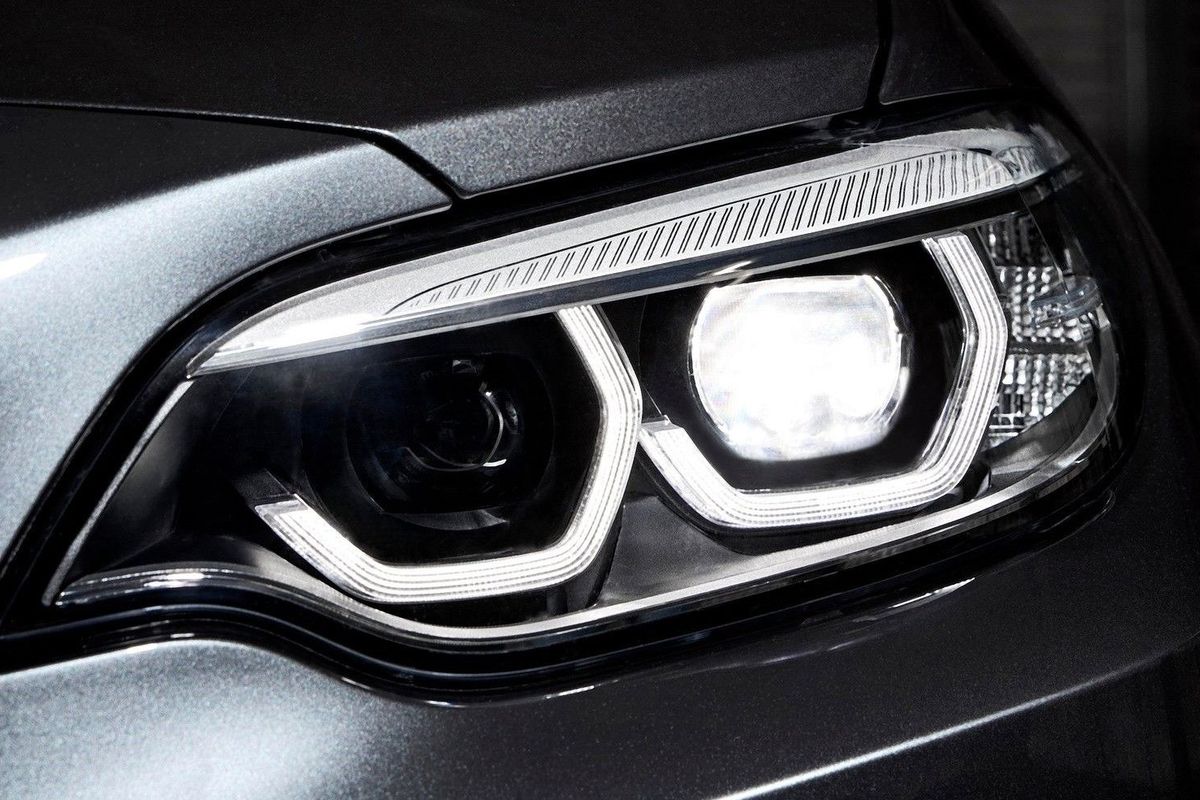
Some say that this is just a gimmick, but automation in this sense reduces incidents. South African weather is unpredictable and sudden thunderstorms may have you frantically reaching for your wipers and headlights. A lot of the time you actually forget about the needing to turn the lights on entirely. Let the car activate the wipers and switch on the lights at the most appropriate time. Many cars feature illuminated dashboards and daytime running lights, which fool drivers into thinking their lights are on and there have many times where we've encountered vehicles which are almost invisible on the road. Just make sure you get a car with lights that also turn off automatically, there's nothing worse than a flat battery because the headlights were left on in the car park.
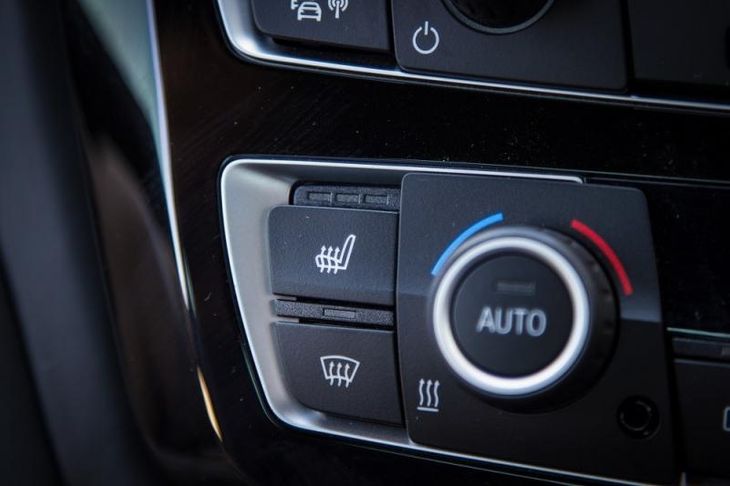
4) Heated Seats
Admittedly this is more comfort than convenience, but we're massive fans. At the time of writing, we are in summer and heated seats seem a bit of a joke, but come winter, we'll be reaching for that button first thing in the morning. Is there anything worse than sitting in a cold car with a frozen seat and icy steering wheel? The best win here would be a car that can heat itself before you got in and it boasted a heated steering wheel, but these features are limited to expensive high-end vehicles.
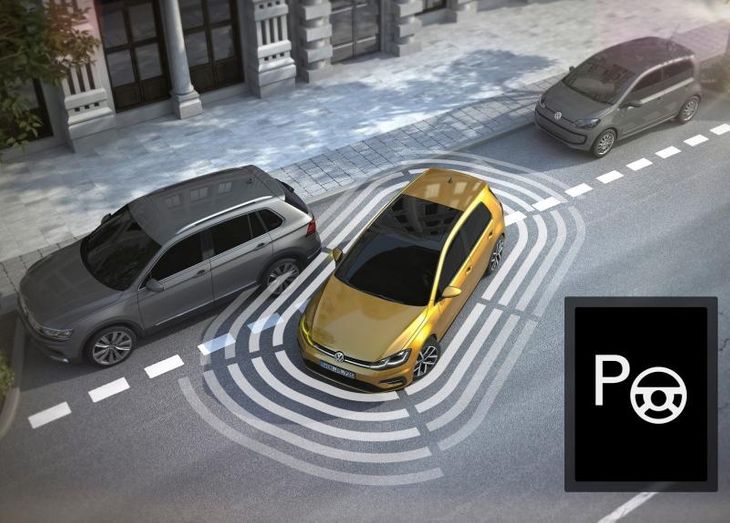
5) Park Distance Control
No matter what size your car is, it'll always require effort and concentration to parallel park and alley dock. Park distance control and a reverse camera take the stresses out of parking in confined areas. There's no need to panic and wonder how close you are to the wall and other cars, as you just need to listen to the beeps and stare at the screen on the dash. It's one of the more common features found on cars and if you're a nervous parker, then this is well worth looking into.
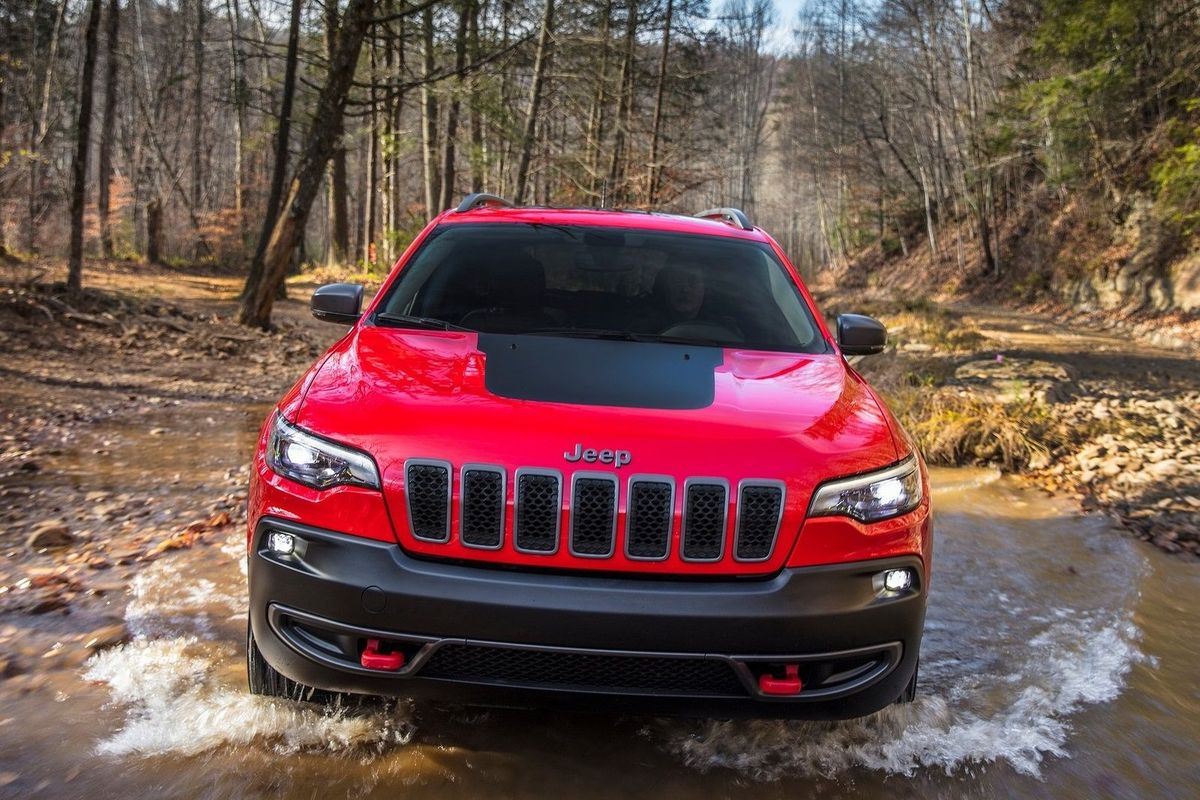
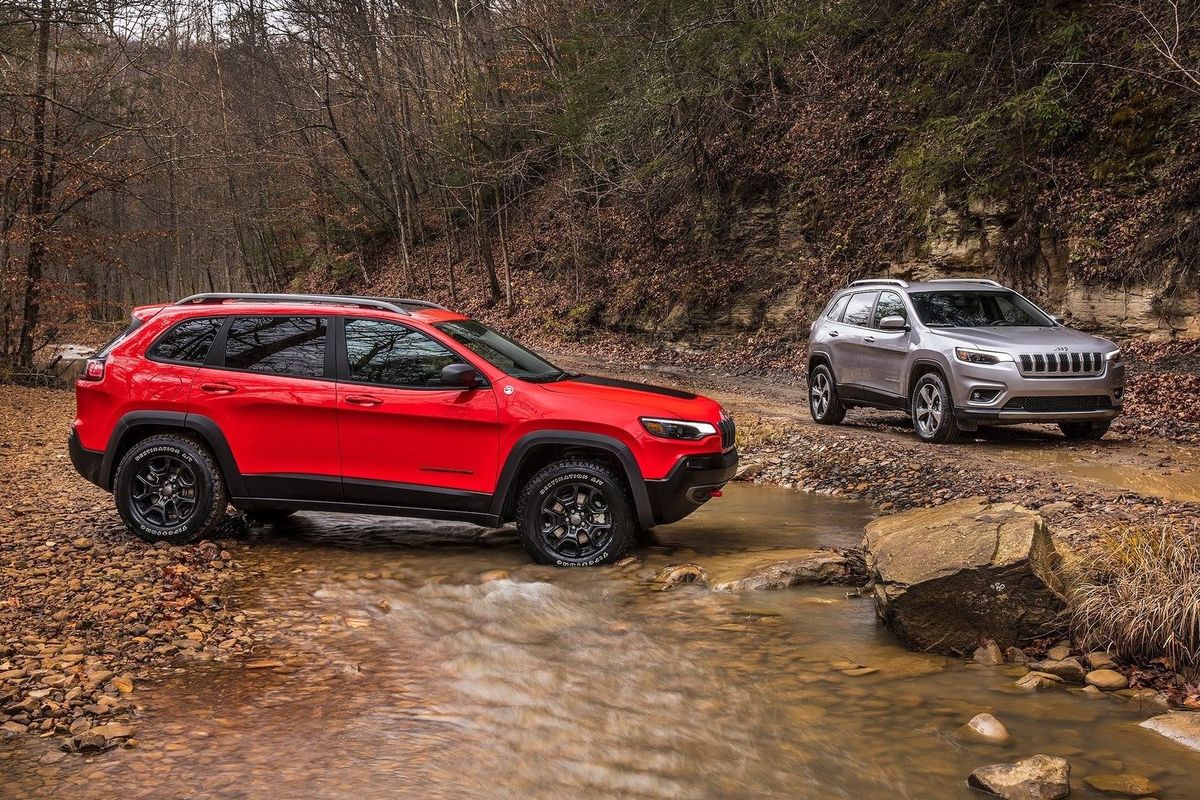
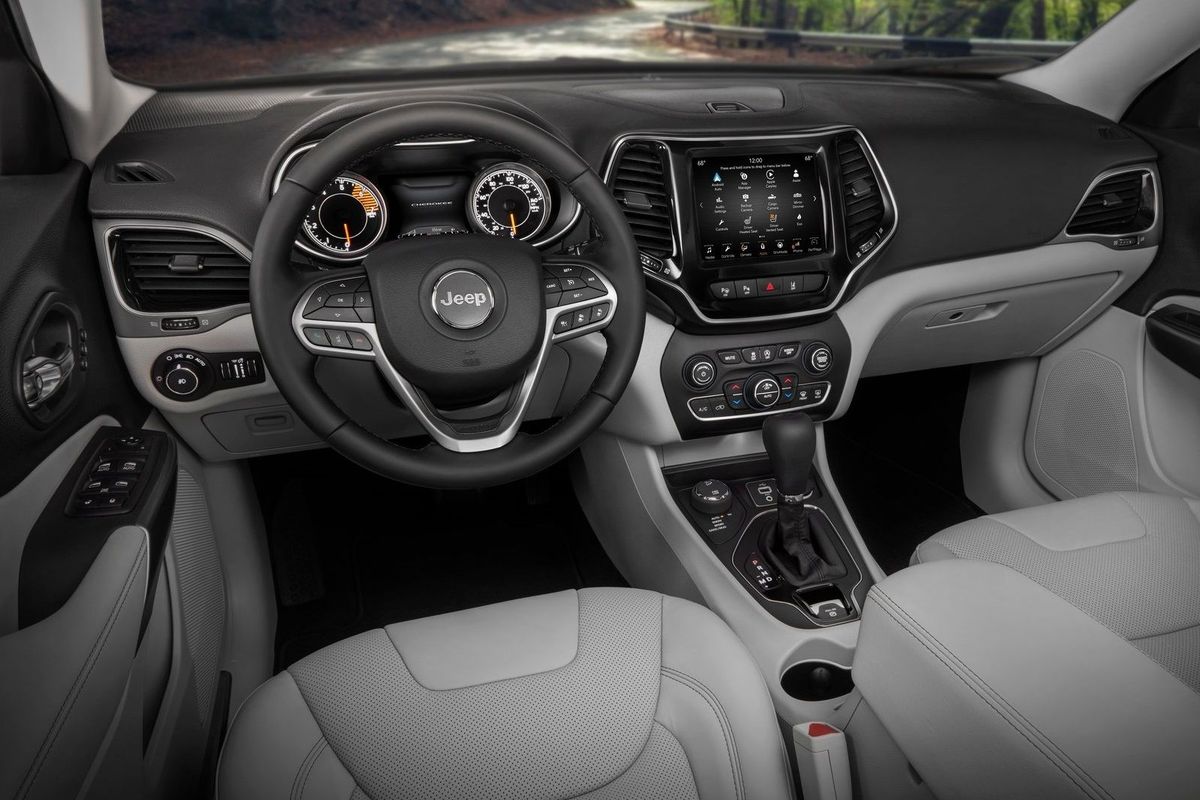
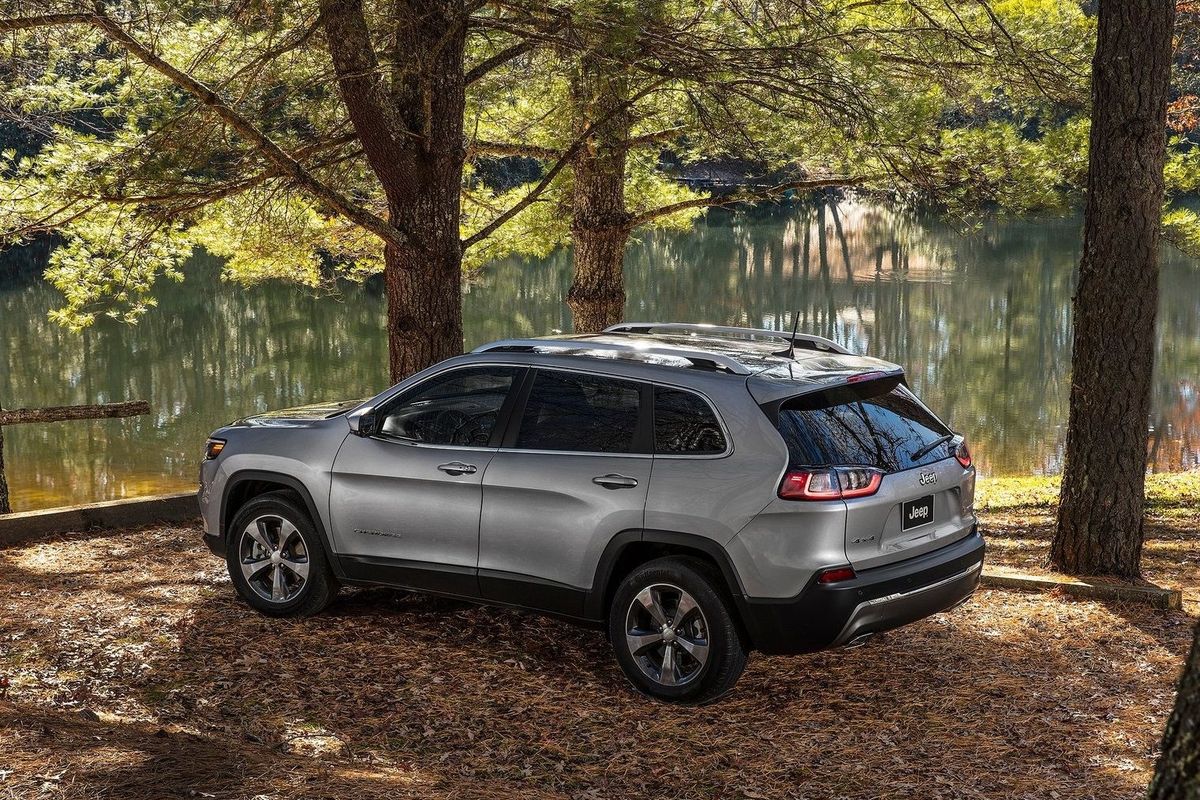
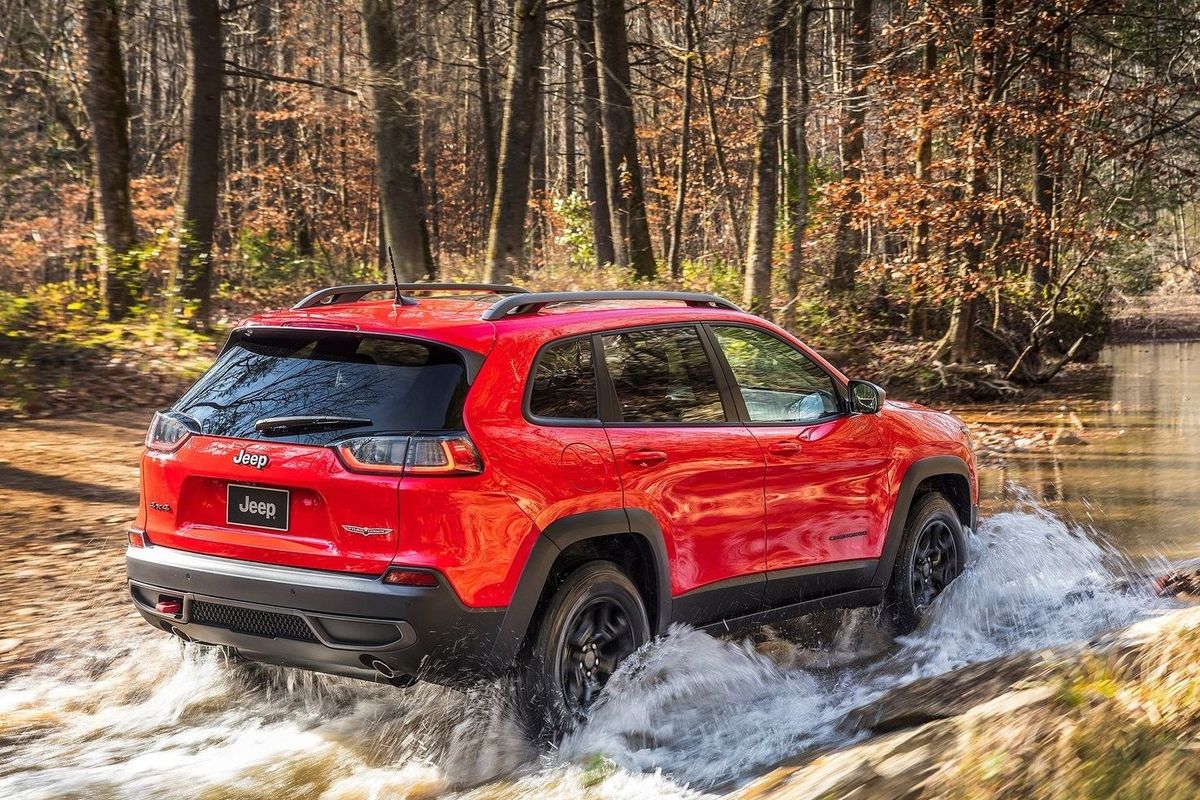
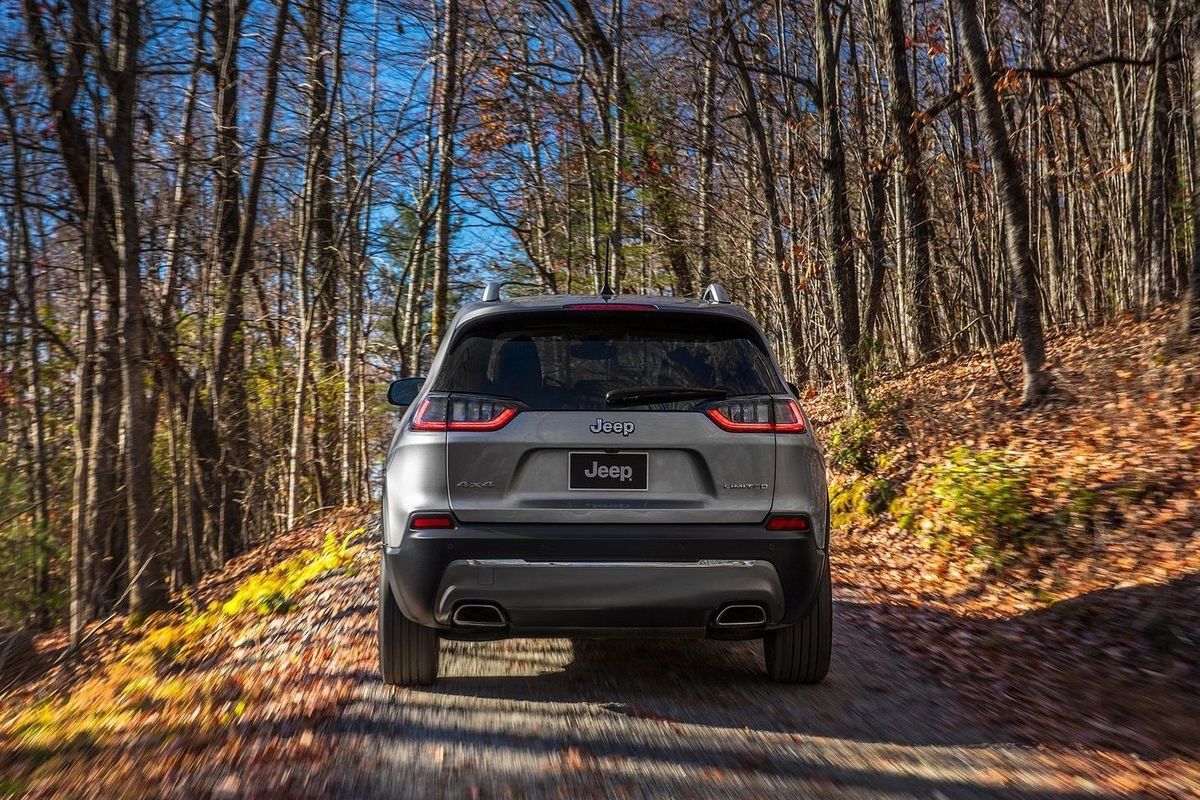
Jeep unveiled its all-new Cherokee at the Detroit Motor Show this week, following a sneak peak of the handsome newcomer at the end of last year.
Back in 2013, Jeep raised a few eyebrows when it launched the curiously-styled fifth generation of the Cherokee, with a front end that made it look a bit like a shark hunting for prey. The risky design tactic played out in Jeep’s favour, with the Cherokee enjoying healthy sales.
Now, five years later, Jeep has toned things down somewhat, giving the new Cherokee a more suave front-end. The mid-size SUV has undergone an extensive set of nips and tucks all-round, giving it a dapper smart-casual look fit for any on- or off-road party. The interior benefits from fresh splashes of elegance while retaining its practicality.
New 2.0 engine
An all-new 2.0-litre direct-injection turbocharged inline four-cylinder powerplant has been introduced as one of the three engine offerings, offering better performance and efficiency. Jeep claims the new motor is “one of the most technologically advanced engines in the automotive industry,” and it’s offered alongside the 3.2-litre Pentastar V-6 and 2.4-litre PZEV Multiair2 Tigershark I-4.
The nine-speed automatic gearbox benefits from improved software, which should rectify the sometimes clunky gear-shifting behaviour of the outgoing model, and can be mated with any of the three engine choices.
Good connections
The new 2019 Jeep Cherokee receives the latest Uconnect systems, delivering communication, entertainment and navigation features and including Apple CarPlay, Android Auto and the choice of 7 – or 8.4-inch touchscreens with pinch-and-zoom capability. Backseat passengers will be pleased about the presence of a USB port.
Sure-footed capability
The 2019 Jeep Cherokee offers a choice of three 4×4 systems: Jeep Active Drive I, Jeep Active Drive II and Jeep Active Drive Lock, providing a high level of capability in all weather conditions. Rear-axle disconnect technology results in reduced energy loss when 4×4 capability isn't needed and should save a bit of fuel.
The new 2019 Jeep Cherokee will be introduced in Europe in the second half of 2018. South African availability has not yet been confirmed.
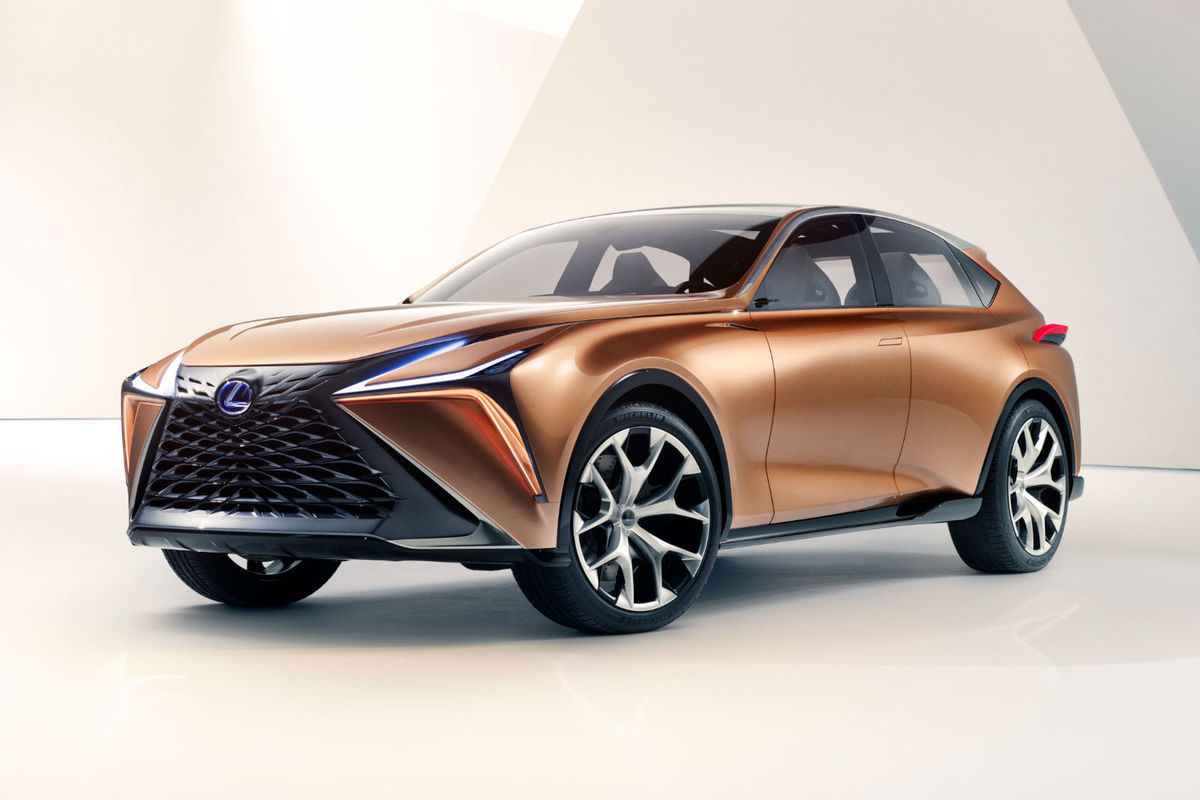
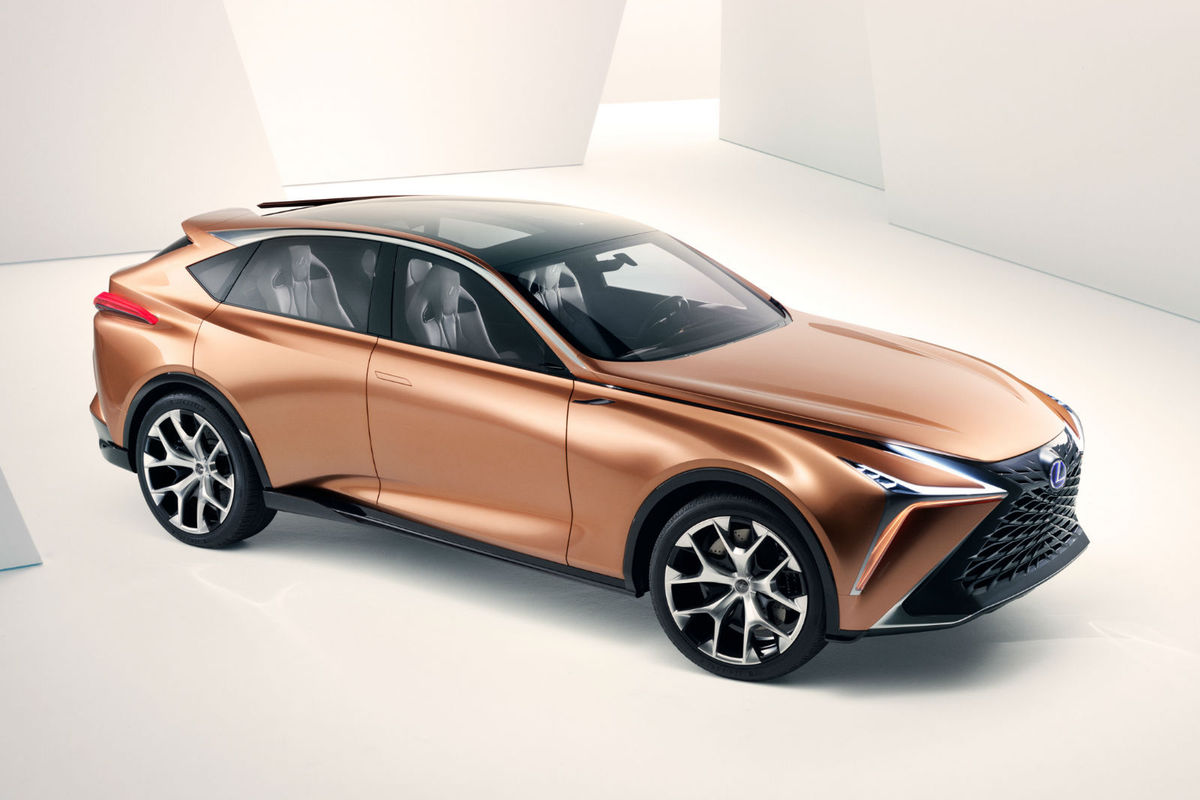
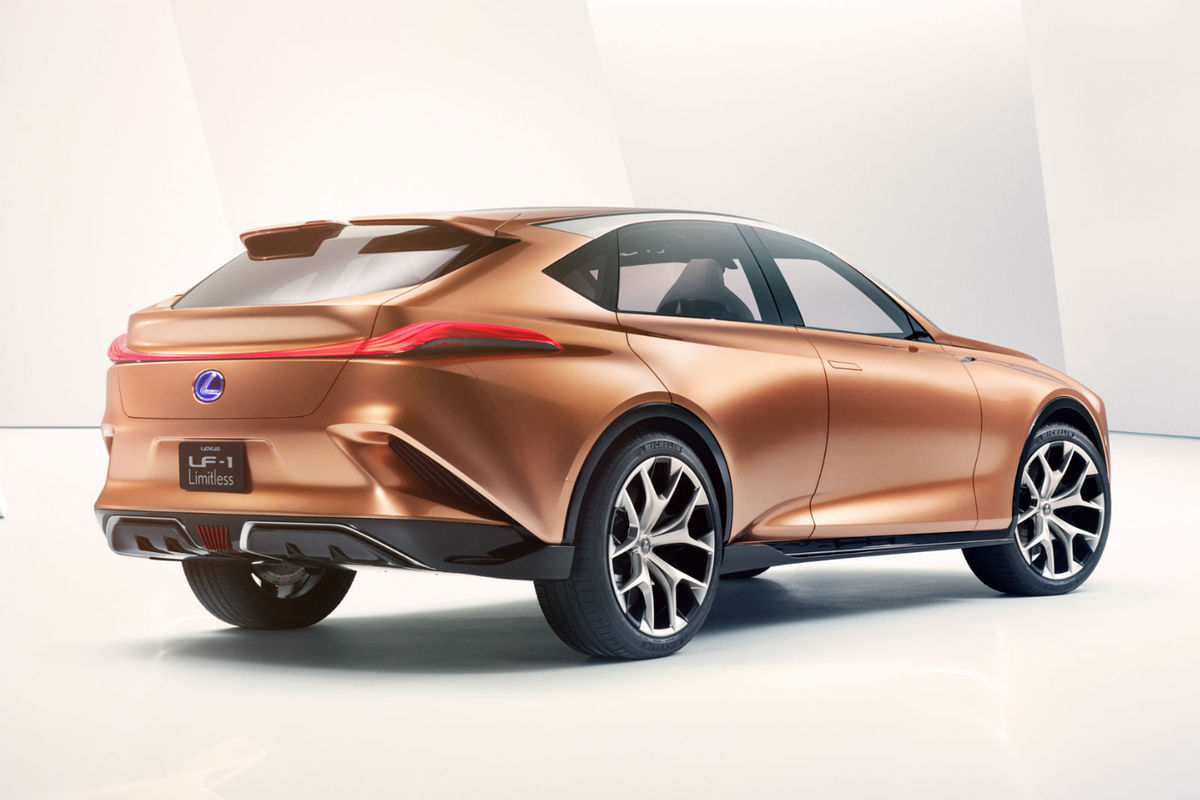
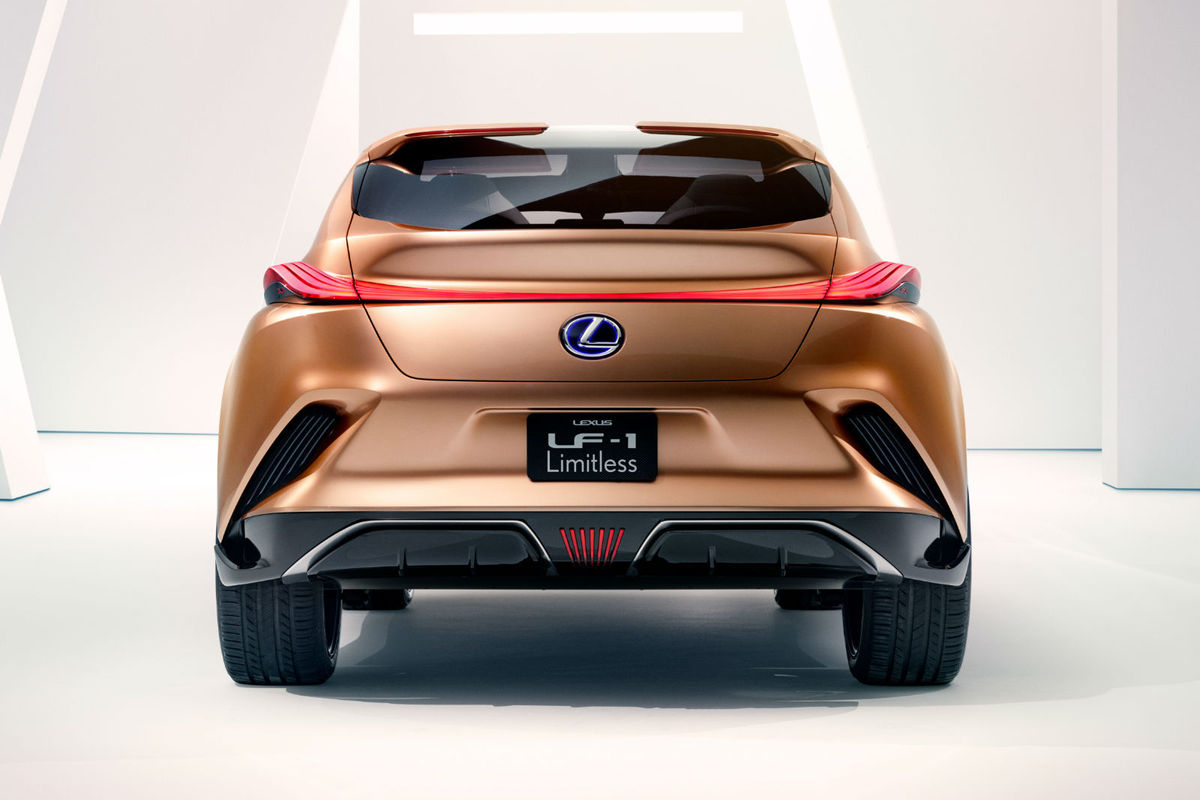
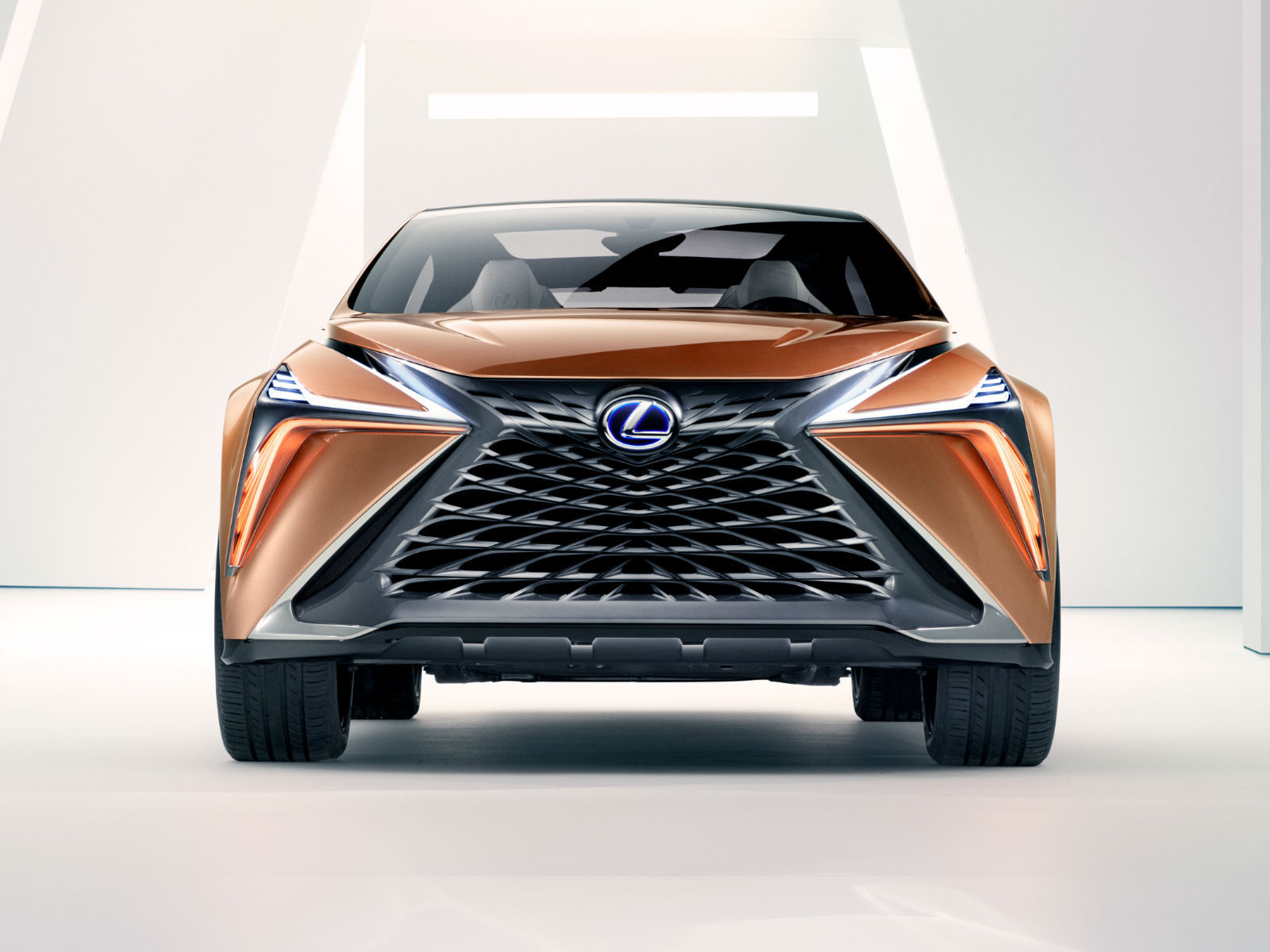
Two decades ago, Lexus established the luxury crossover segment with the global debut of the RX 300 in Detroit. This week, also in Detroit, Lexus unveiled a flashy “flagship luxury crossover” concept called the LF-1 Limitless, which could well be the luxury marque’s strongest hint at a new LX.
The current, third-generation LX is getting a bit long in the tooth now, having been around for almost a decade. So when Lexus says dreamy things such as “Like molten metal being forged into a fine Japanese sword, the lines of the Lexus LF?1 Limitless concept have the potential to shape the future of a flagship luxury crossover for Lexus,” we can’t help but wonder if a new LX is in the works.
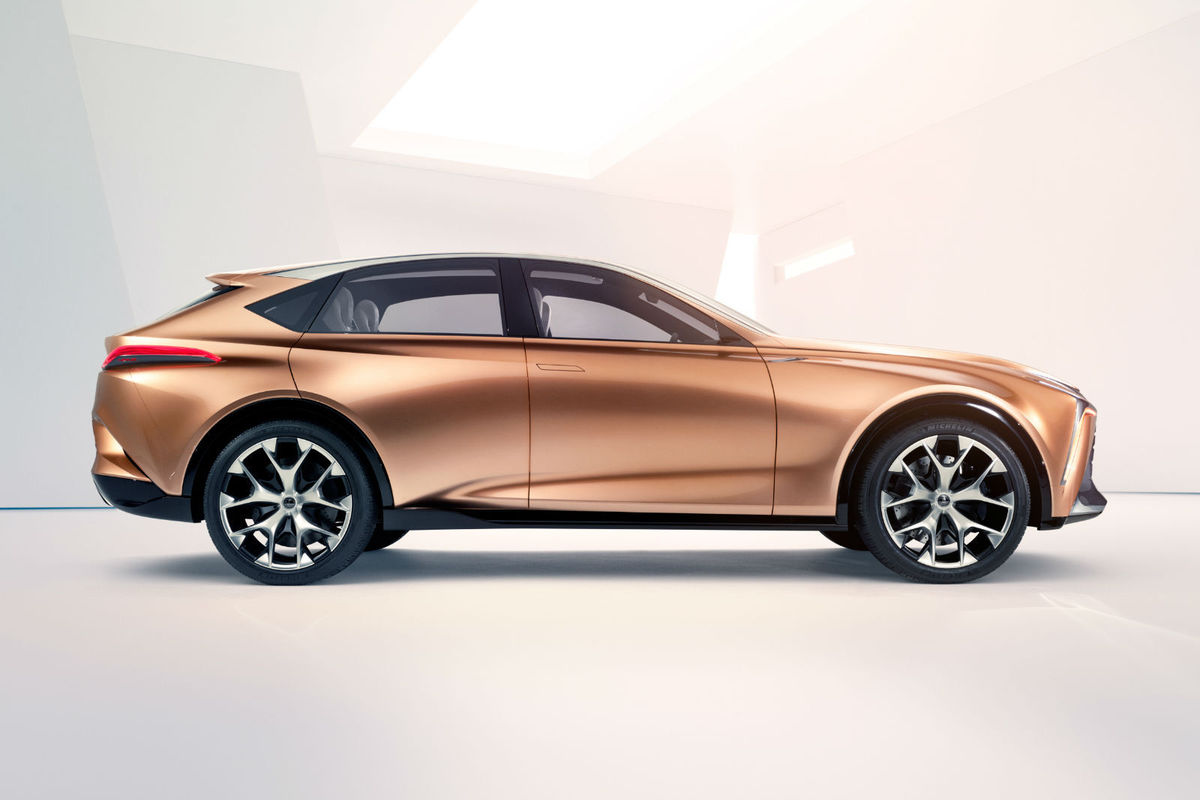
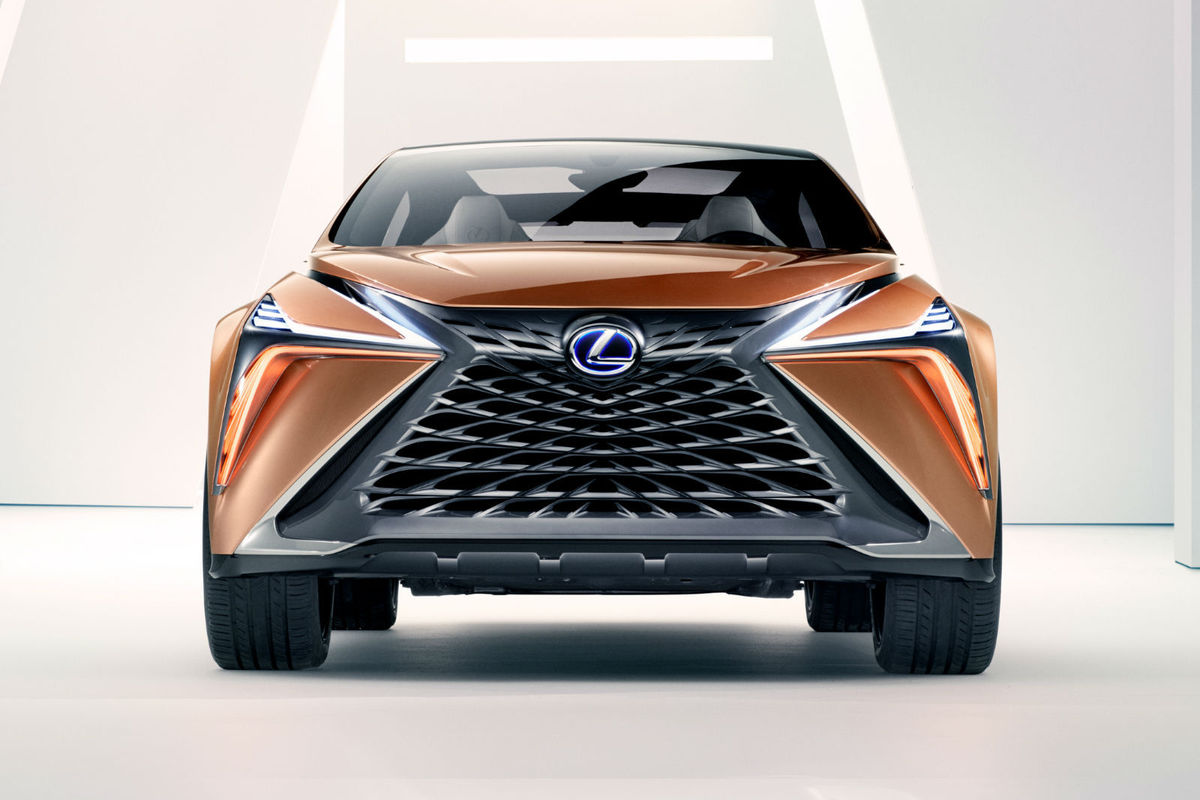
The LF-1 concept looks high-tech, sleek and sexy for the most part – it’s an apt showcase of the latest design magic Lexus has been conjuring up – but the spindle grille and split rear spoiler are perhaps a little too provocative. It’s slightly longer and wider than the LX, but sits significantly lower and has a slightly shorter wheelbase.
Could Lexus use such an elaborate version of its spindle grille on a production car?
Lexus says the ‘Limitless’ monicker pertains to the possibilities and potential that the car offers, such as the wide choice of power options that could possibly be utilised: fuel cell, hybrid, plug-in hybrid, petrol, or even all-electric. Lexus says that by around 2025, every Lexus model around the world will be available either as a dedicated electric model, or have an electric option.
The LF?1’s exaggerated dash-to-axle ratio gives it an athletic profile that evokes classic grand touring cars rather than an estate wagon. Combined with a cabin that sits deep within the rear-wheel drive chassis and aggressive 22?inch wheels barely contained under bulging fenders, the LF?1 has a powerful stance.
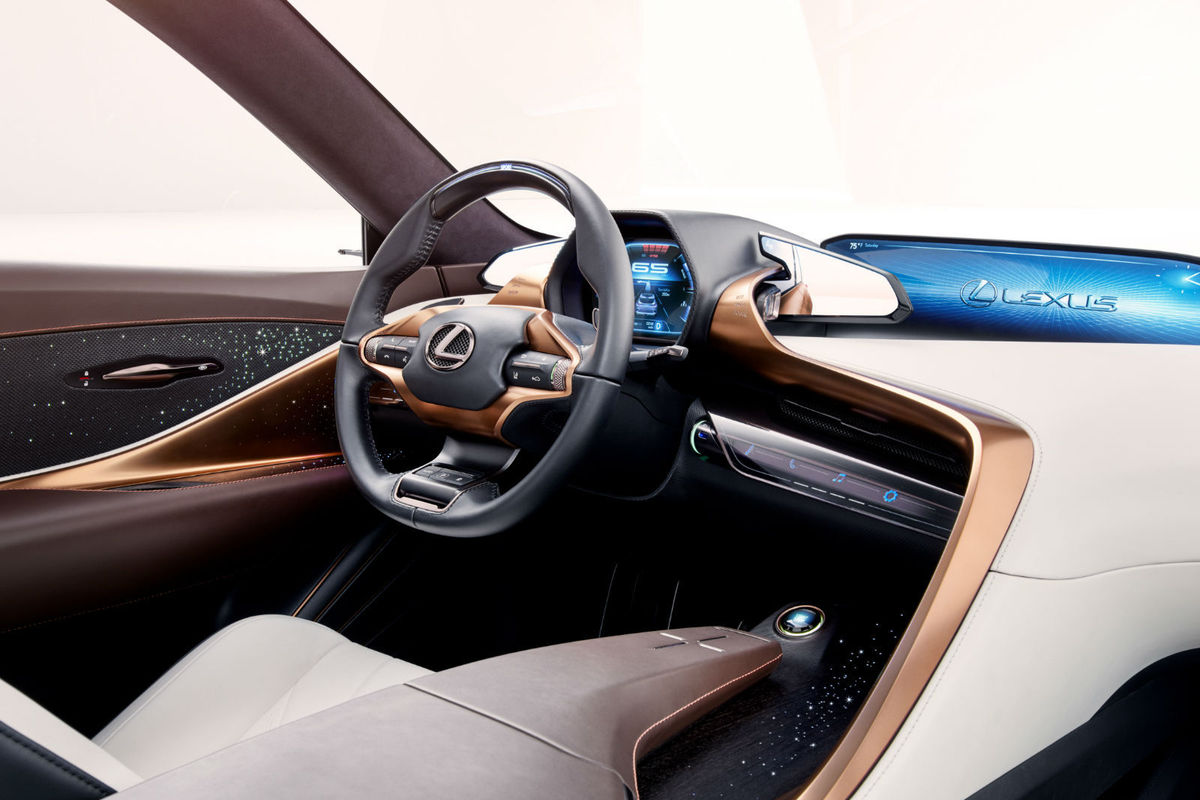
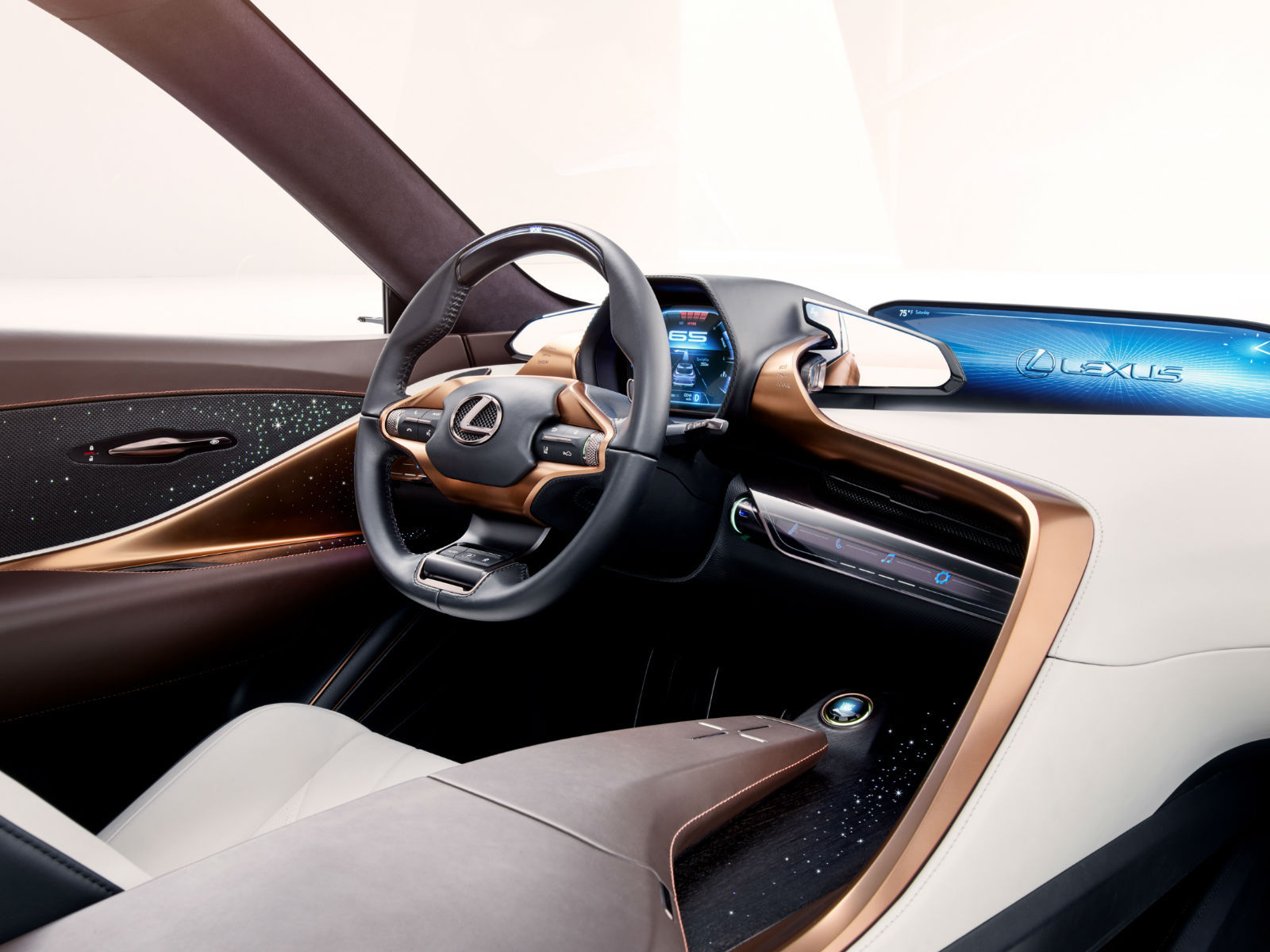
And expansive in-dash monitor could become a signature element of a production version of the LF-1 Limitless.
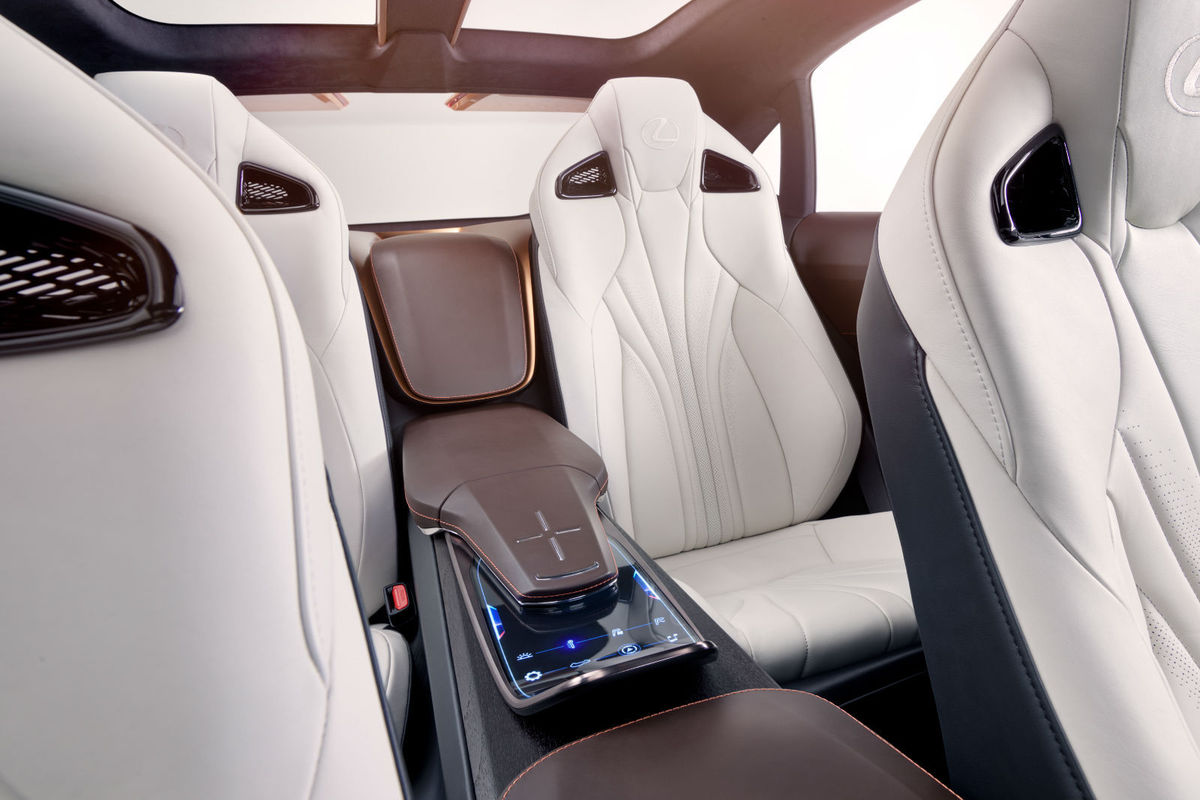
Inside the minimalist cabin, there is what Lexus terms a “four-dimensional navigation system”, which builds on traditional systems by adding the element of time to the equation. It is intended to act as a concierge of sorts for the occupants by anticipating their needs based on progress, traffic and road conditions along the programmed trip, suggesting fuel stops, rest breaks and restaurants, even offering to make hotel reservations. Navigation and route information are displayed on the in-dash monitor, the rear seat entertainment screens, or wirelessly connected to passengers' tablets and smartphones.
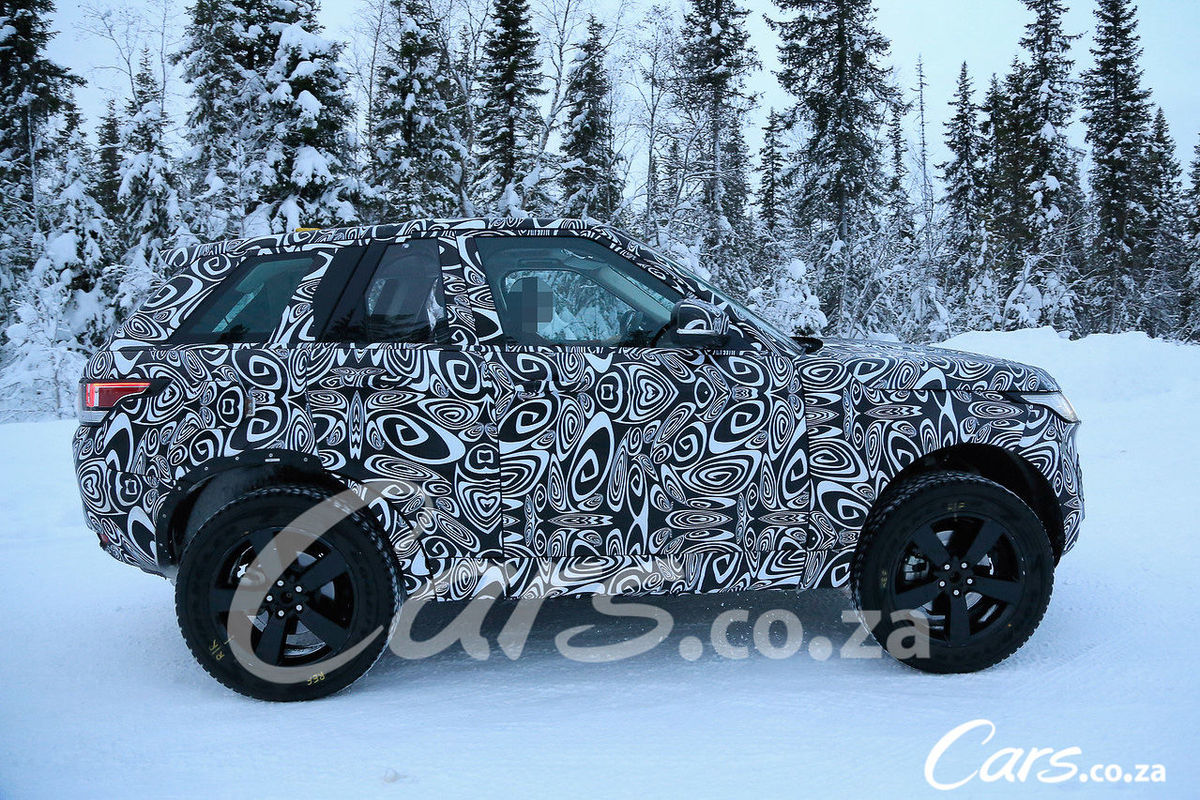
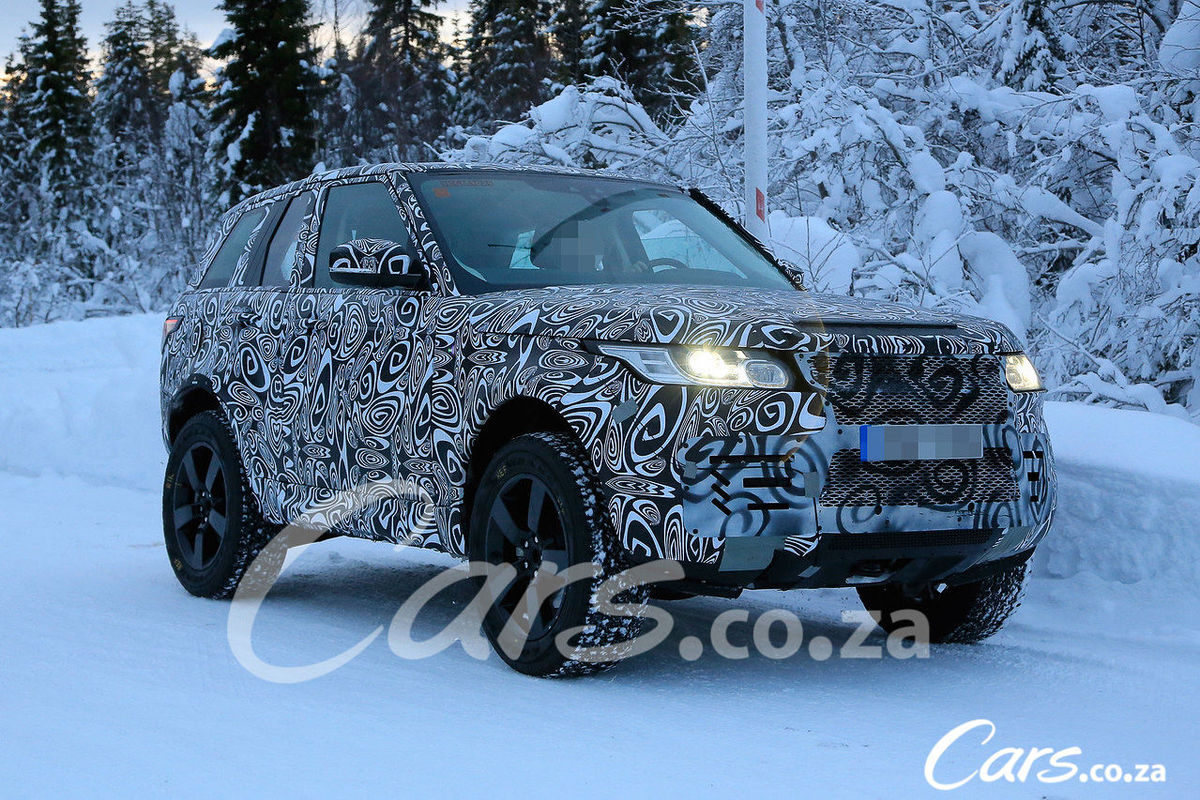
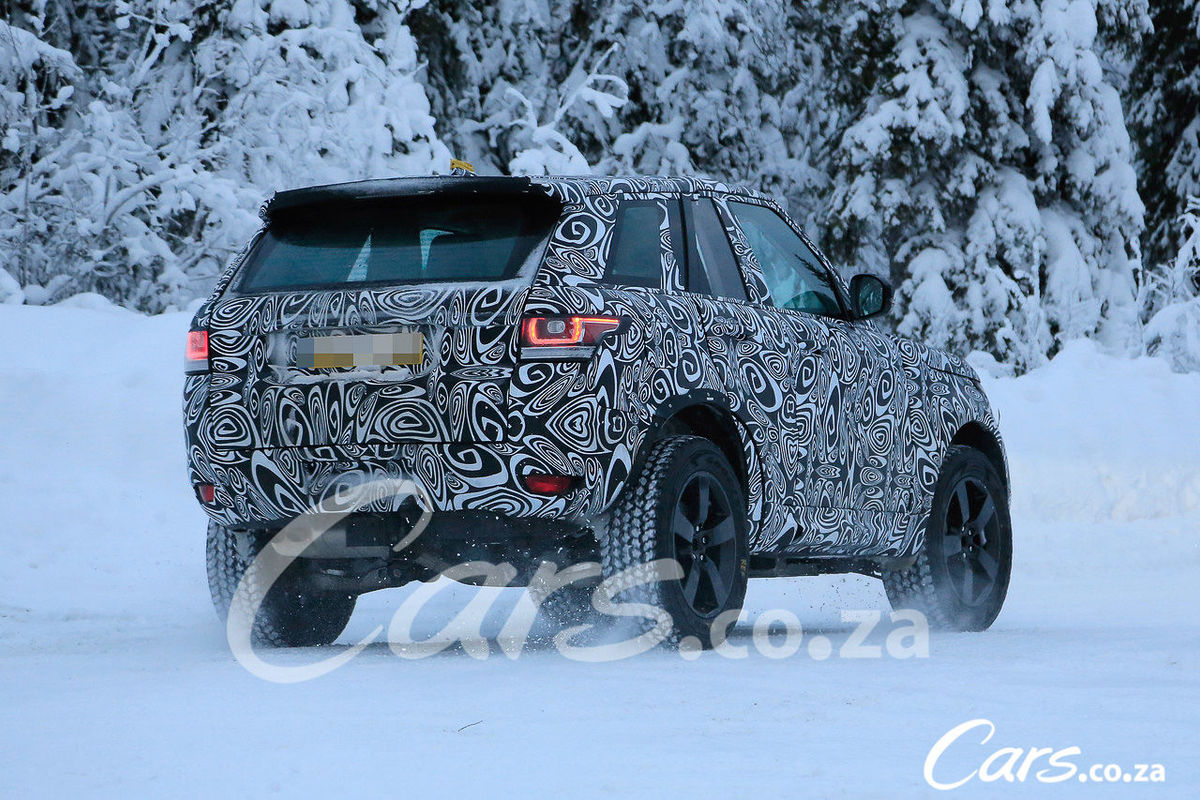
The all-new Land Rover Defender is due to be launched globally in 2020 and our spy photographers have spotted a pre-production unit undergoing winter testing.
Picture credit: S. Baldauf/SB-Medien
What you can see here may look like an extreme short-wheelbase Range Rover Sport, but it's actually the all-new Land Rover Defender undergoing chassis testing in the harsh winter conditions of Northern Europe. The all-new Land Rover Defender is expected to be launched globally in 2020 and just as before, will be available in various wheelbases. Being a Land Rover Defender, it'll be exceptionally capable over all terrain and will likely find favour in commercial applications as well as lifestyle customers.
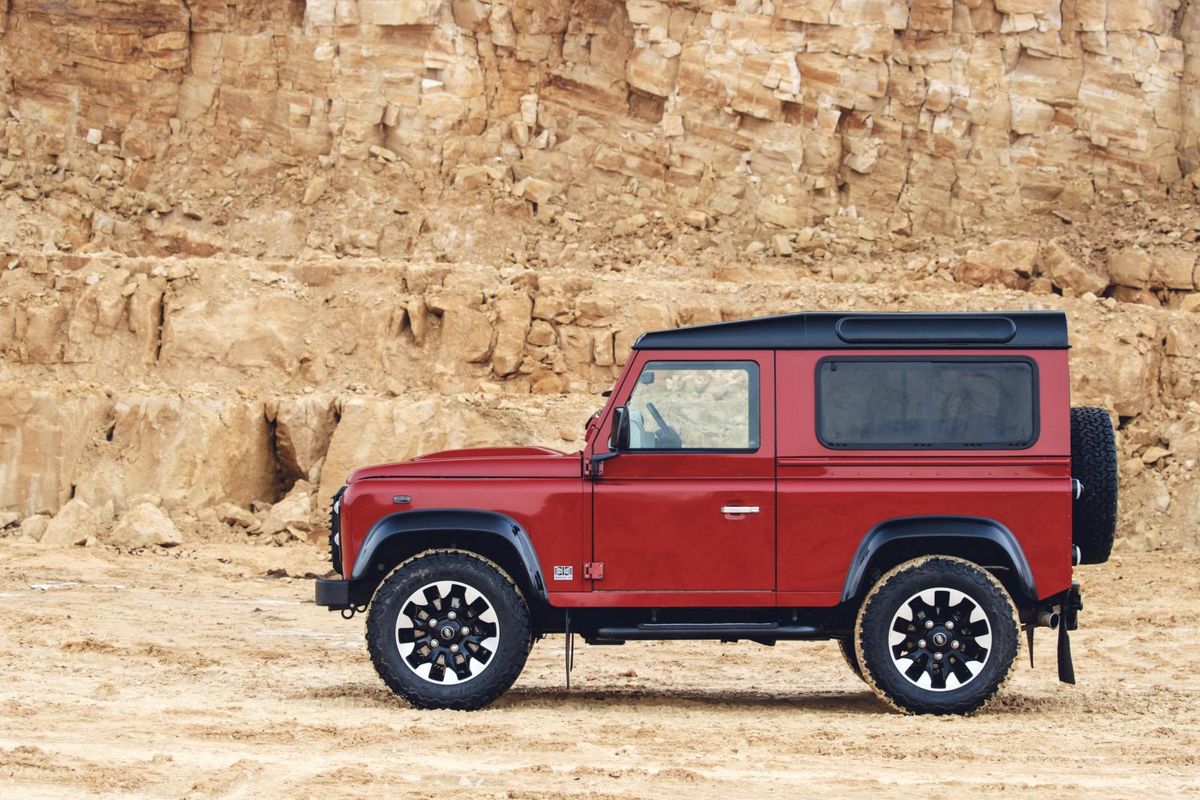
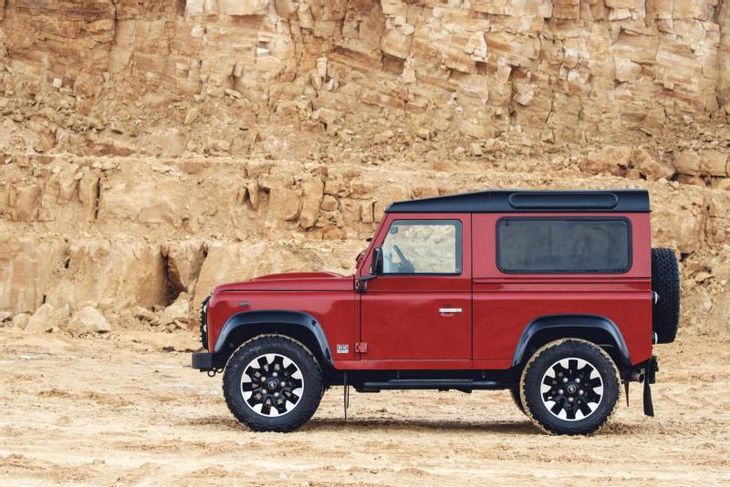
On the back of this new Land Rover Defender being spotted, comes news that Land Rover has made a V8-powered Defender to celebrate the vehicle's 70th anniversary. It is powered by a 5.0-litre naturally-aspirated petrol V8 engine with 298 kW and 515 Nm, making it the most powerful Defender that Land Rover has built. It'll be fast too, with a claimed 0-100 kph time of 5.6 seconds. Only 150 units will be produced at a price of £150 000 apiece. Alas, it's unlikely that we'll see any of those make their way to South Africa.
A 5.0-litre V8 with 298 kW and 515 Nm is the highlight of the Land Rover Defender 70th Anniversary edition.
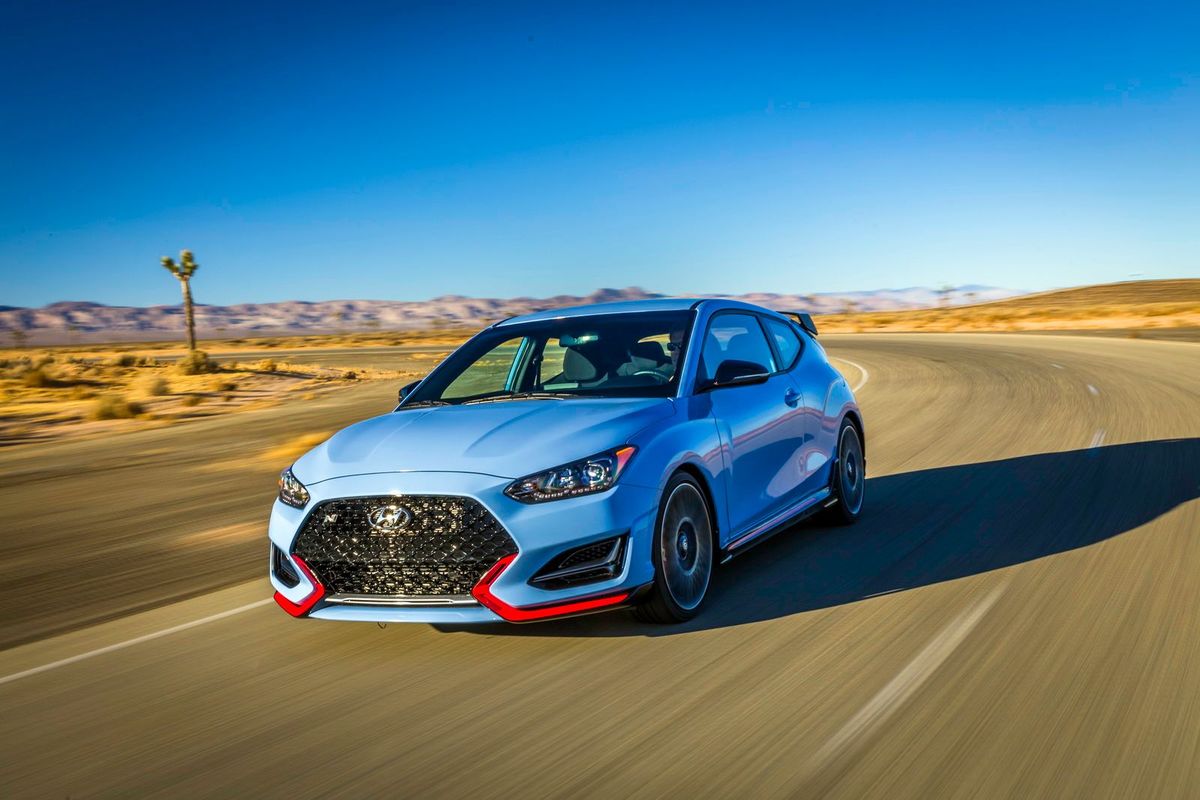
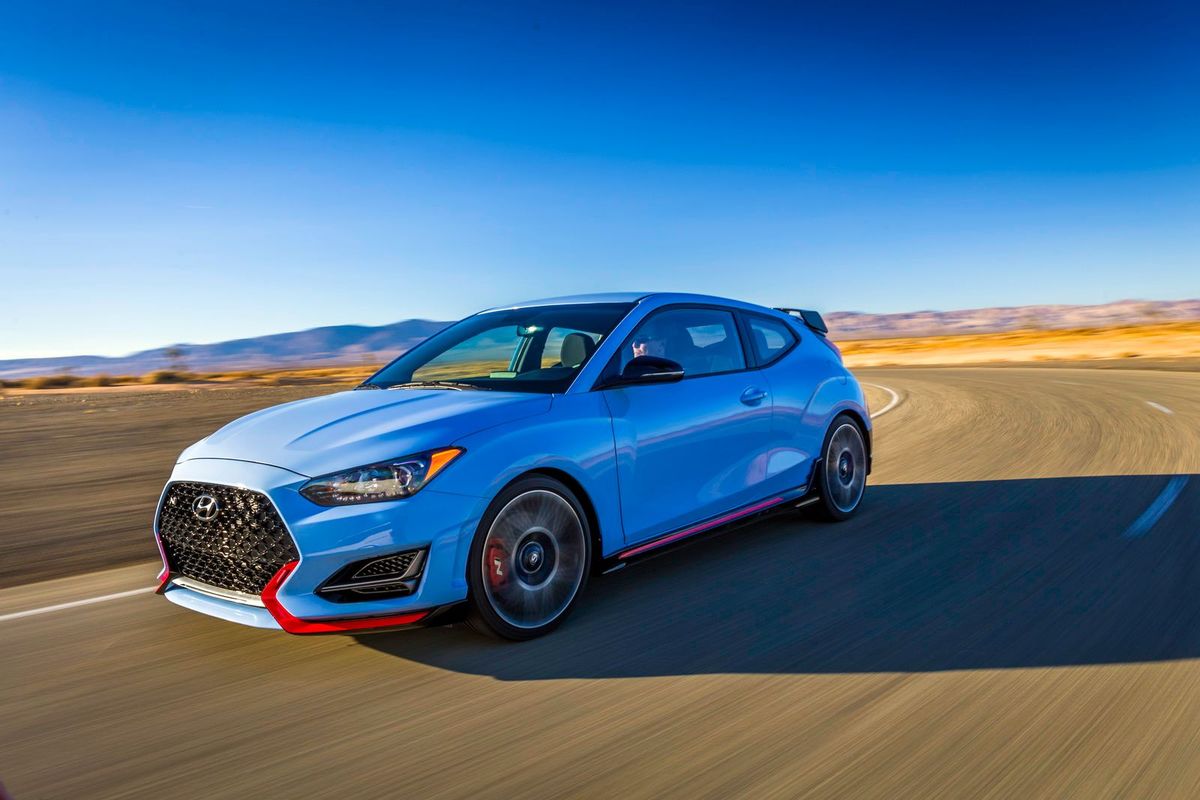
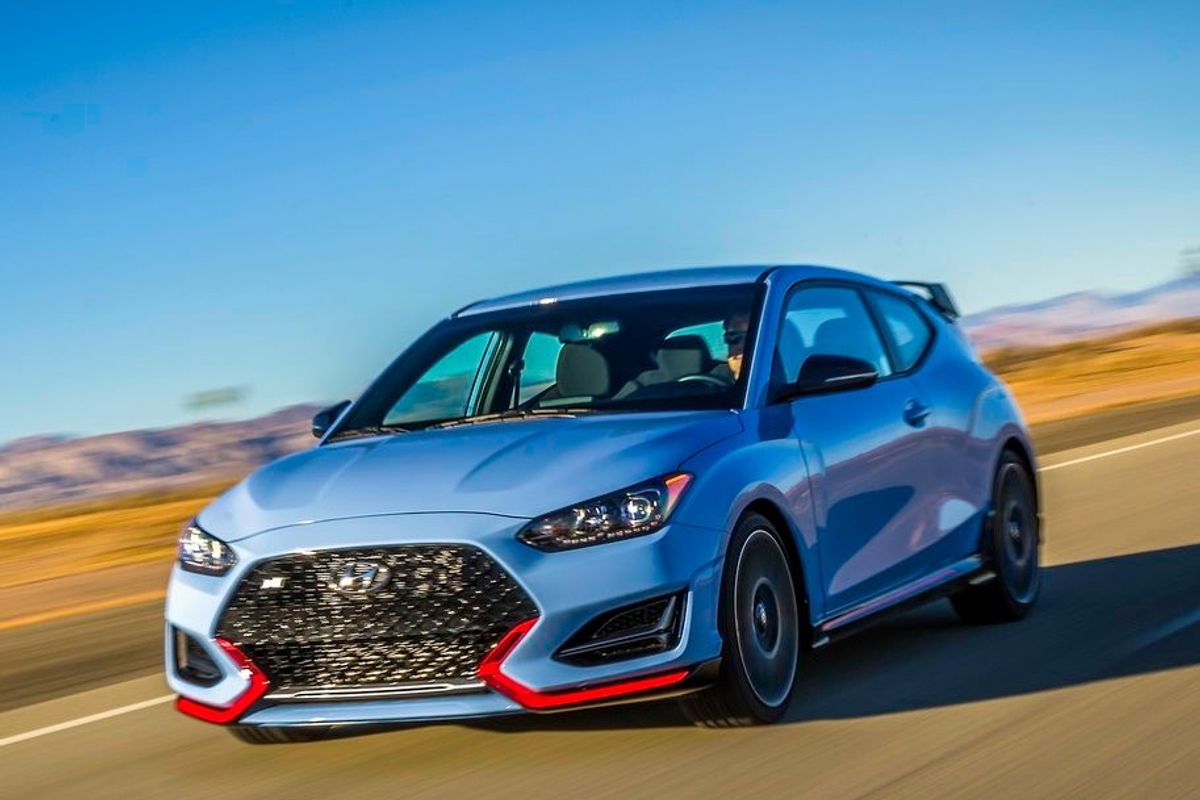
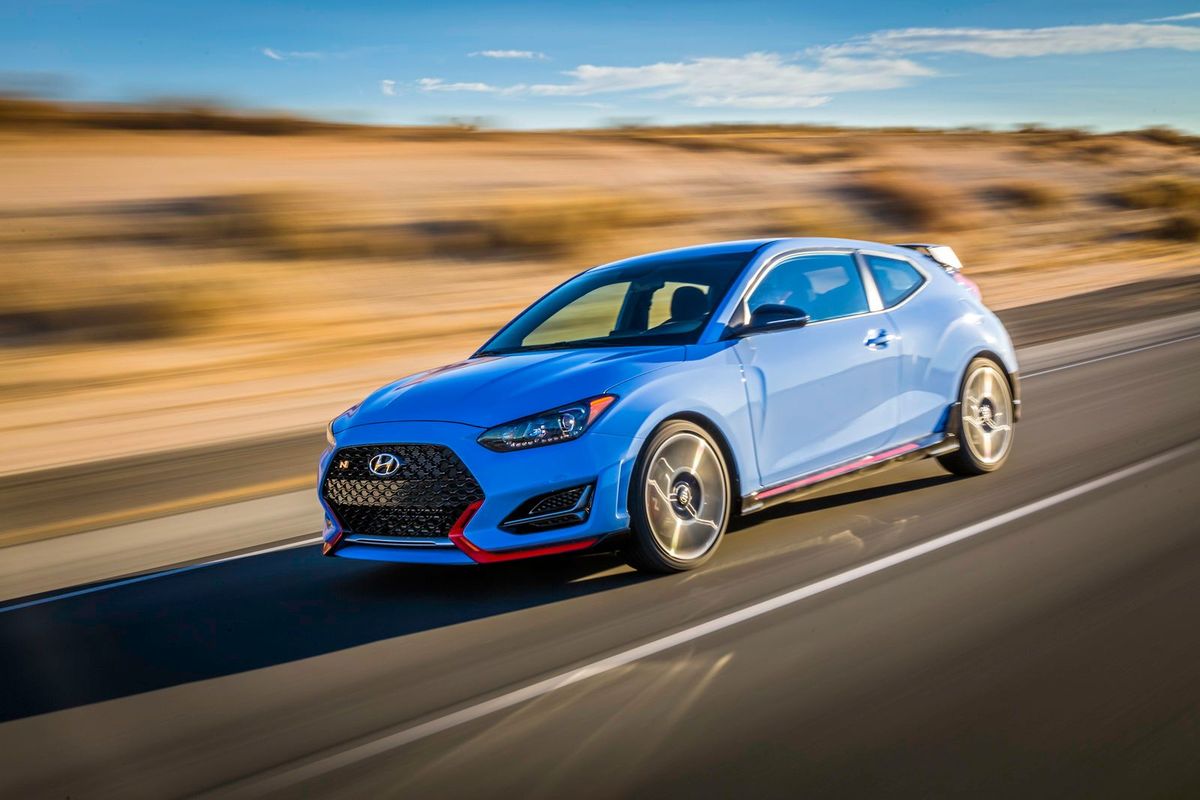
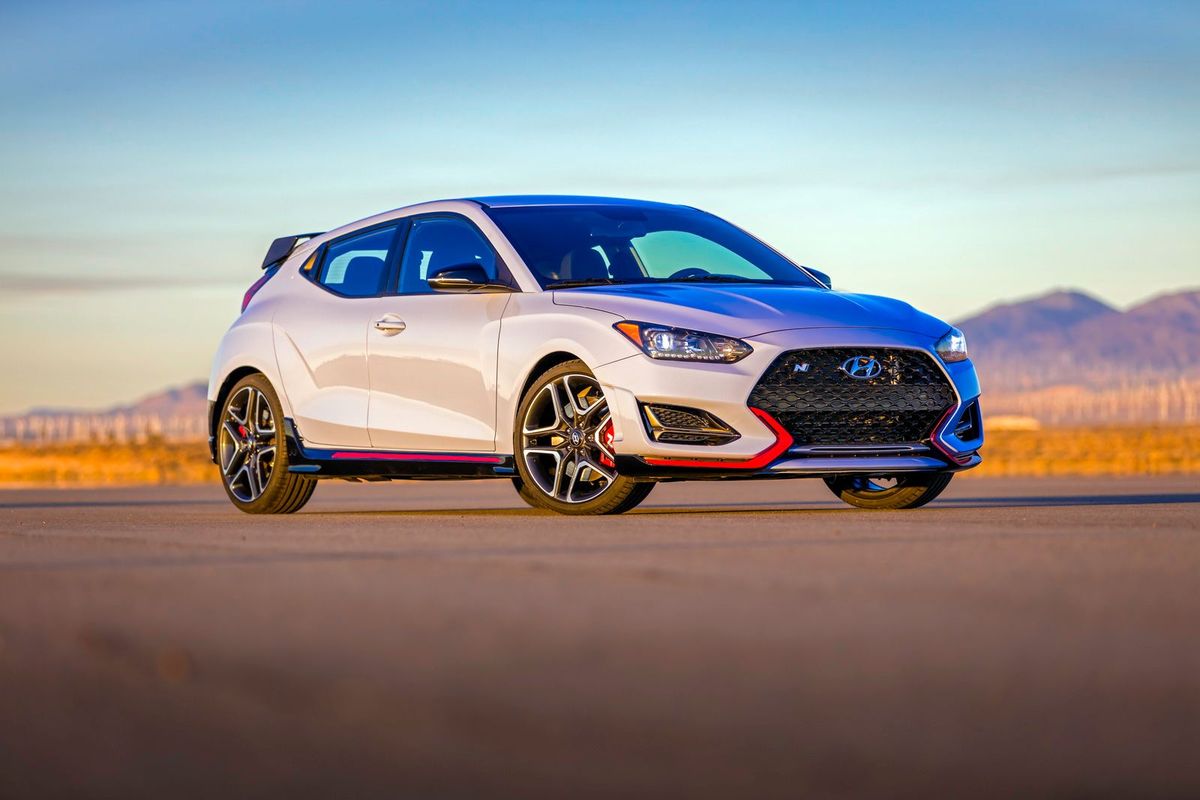
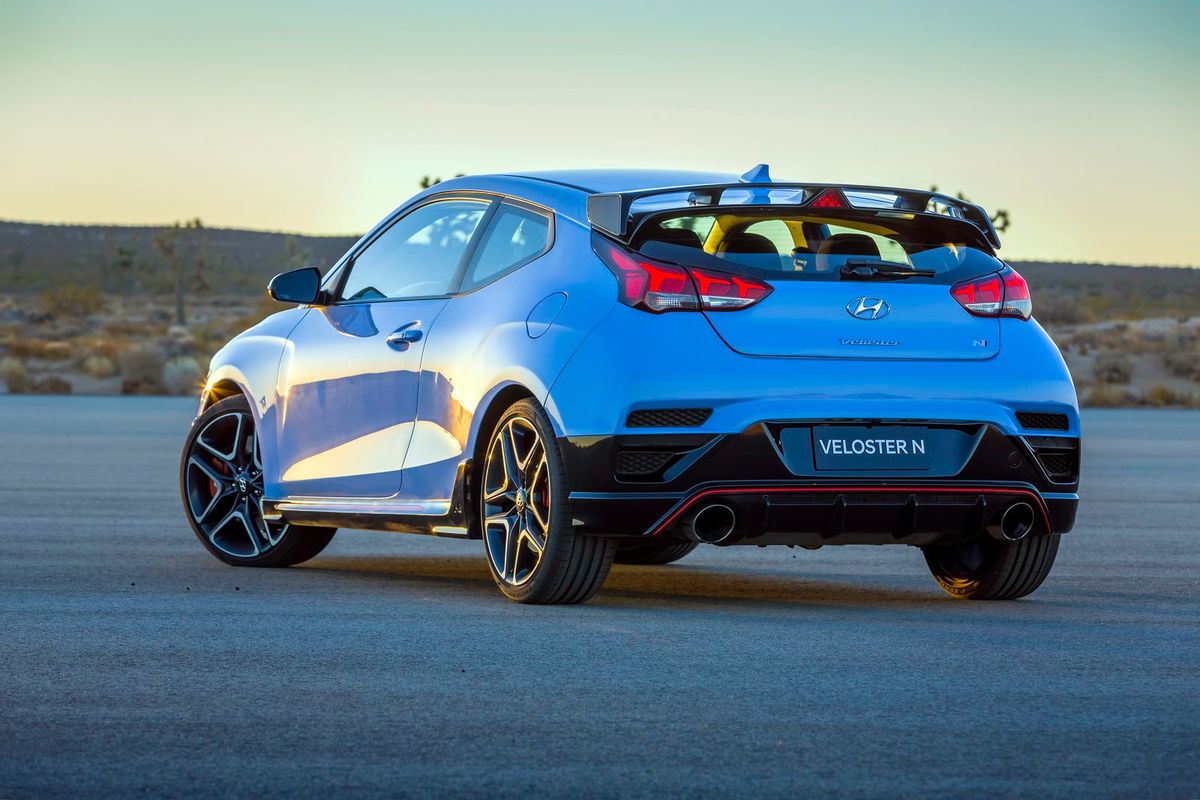
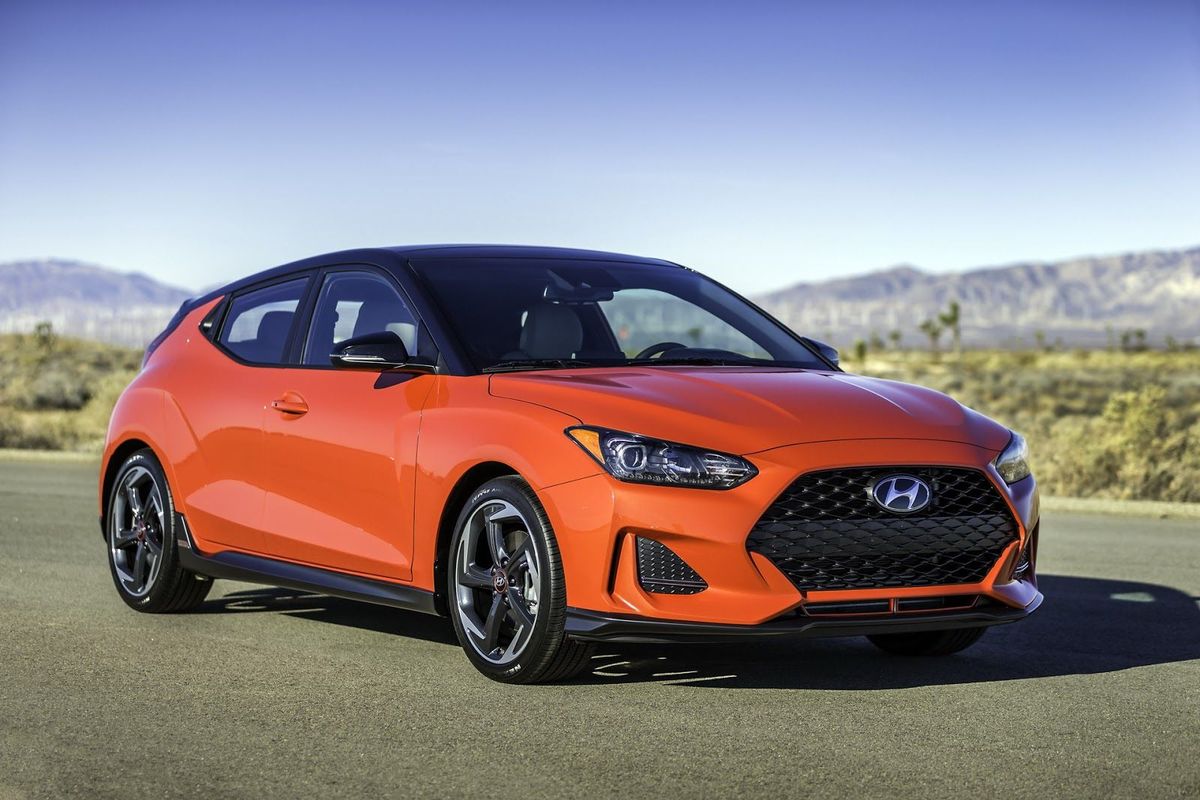
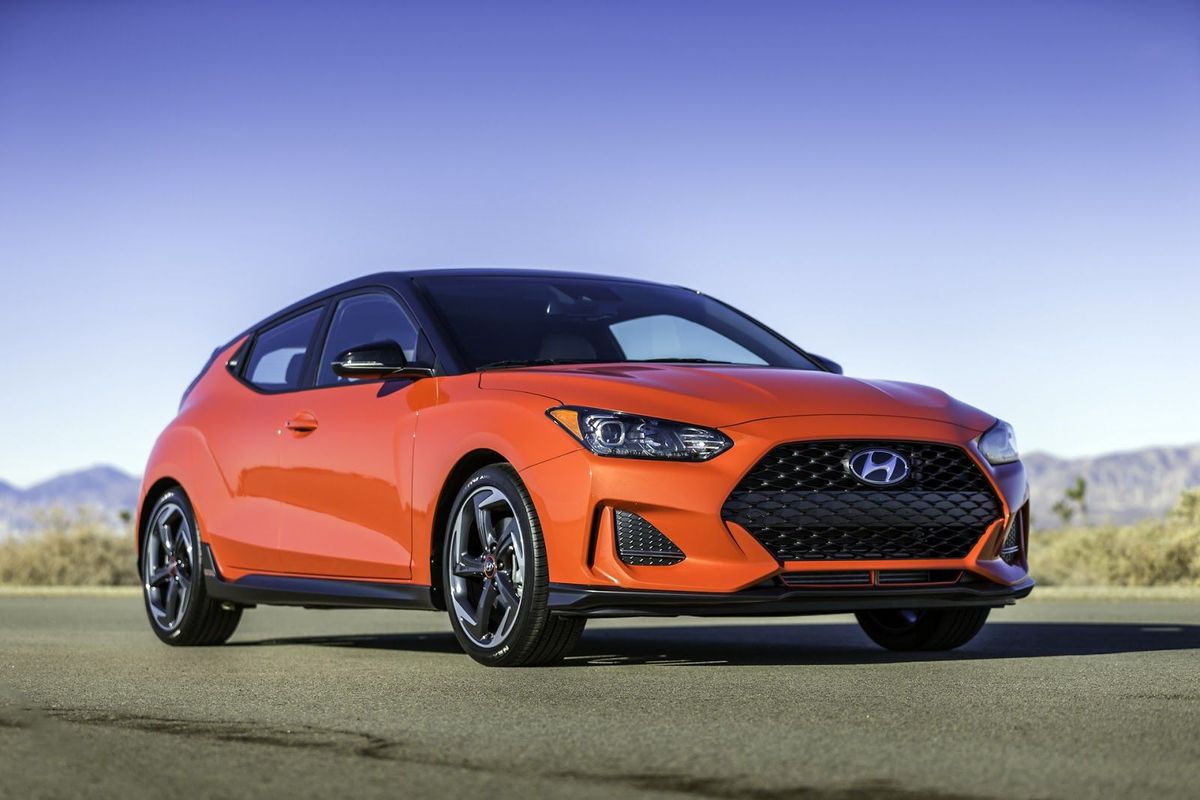
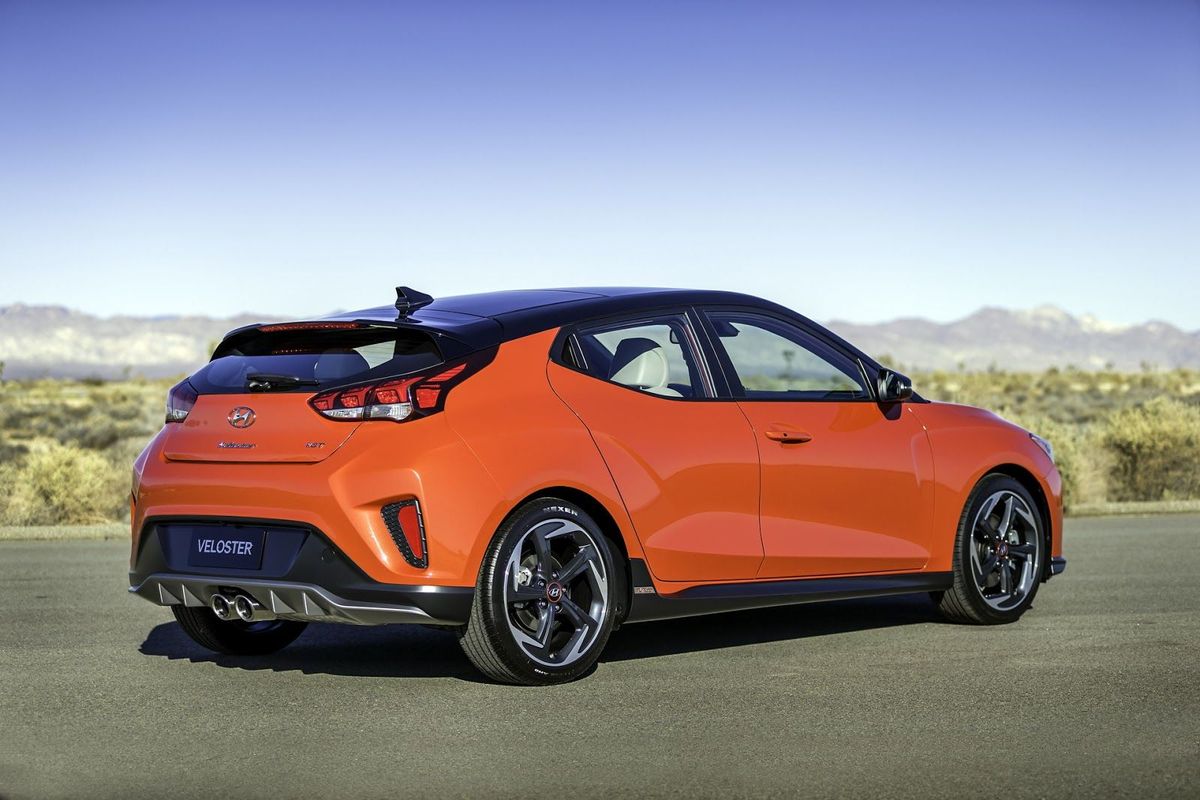
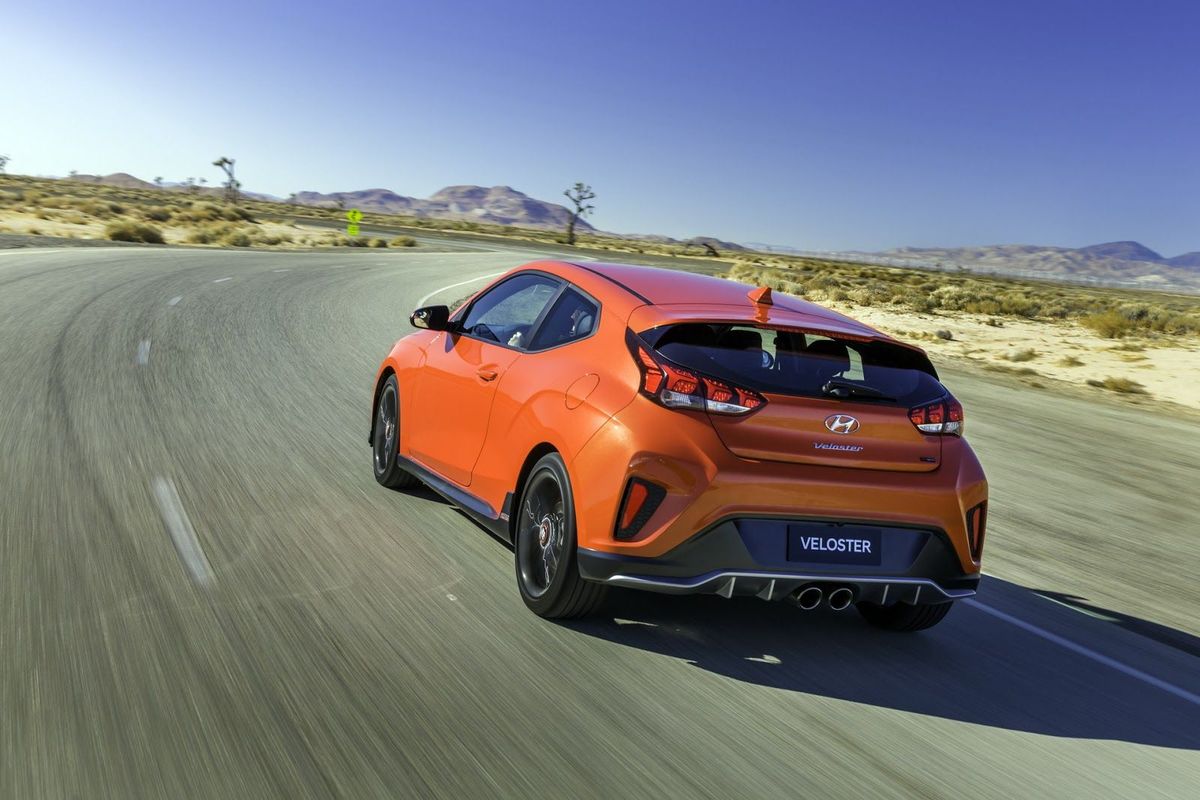
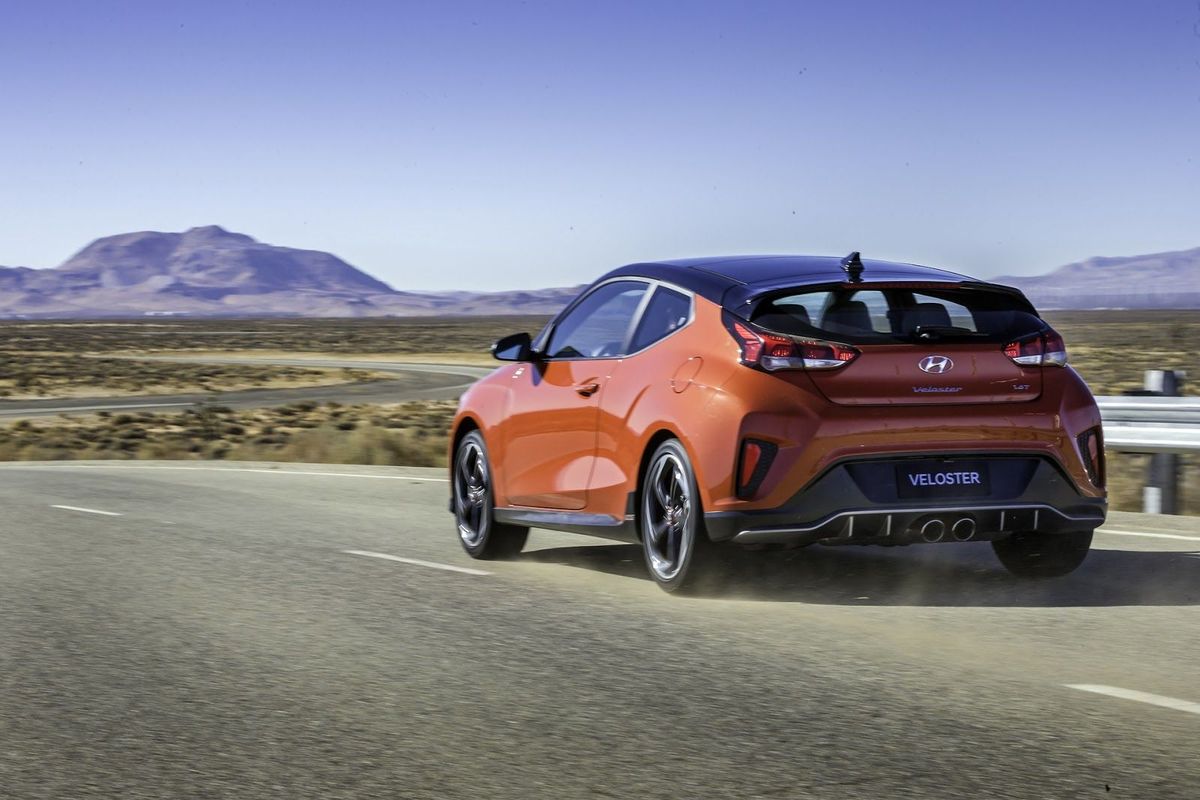
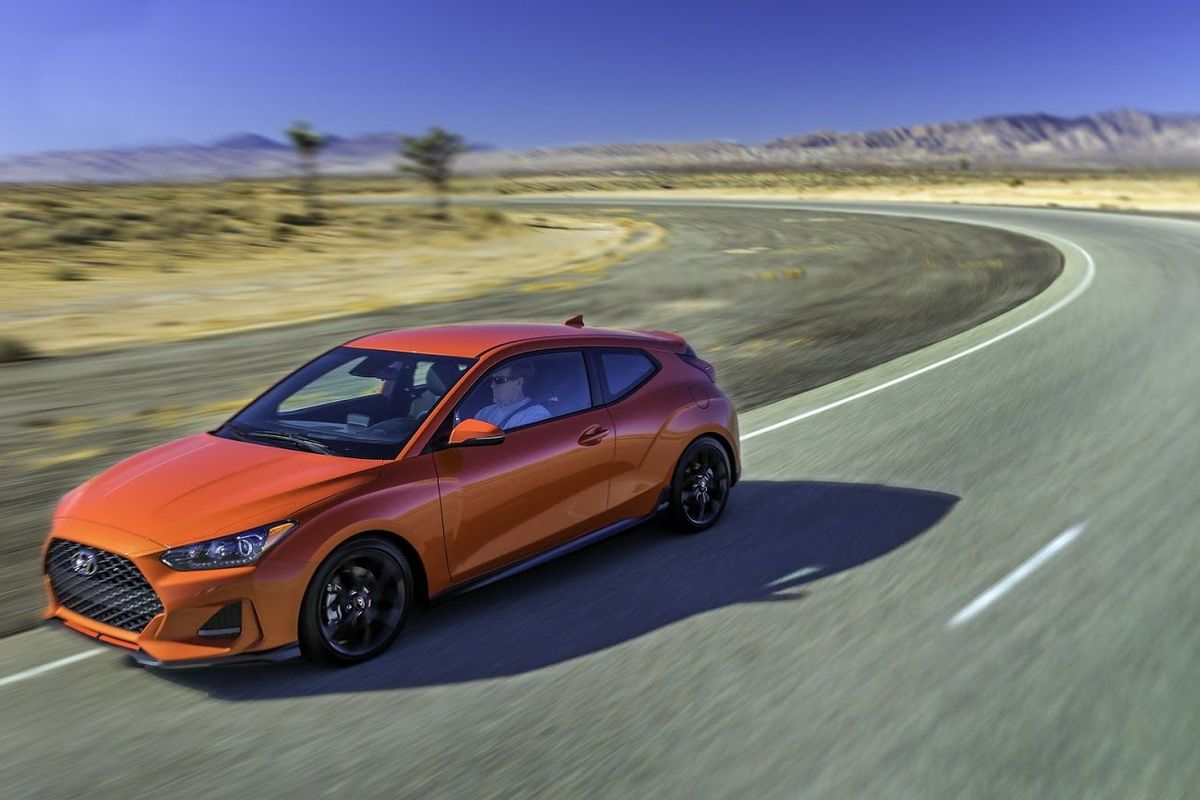
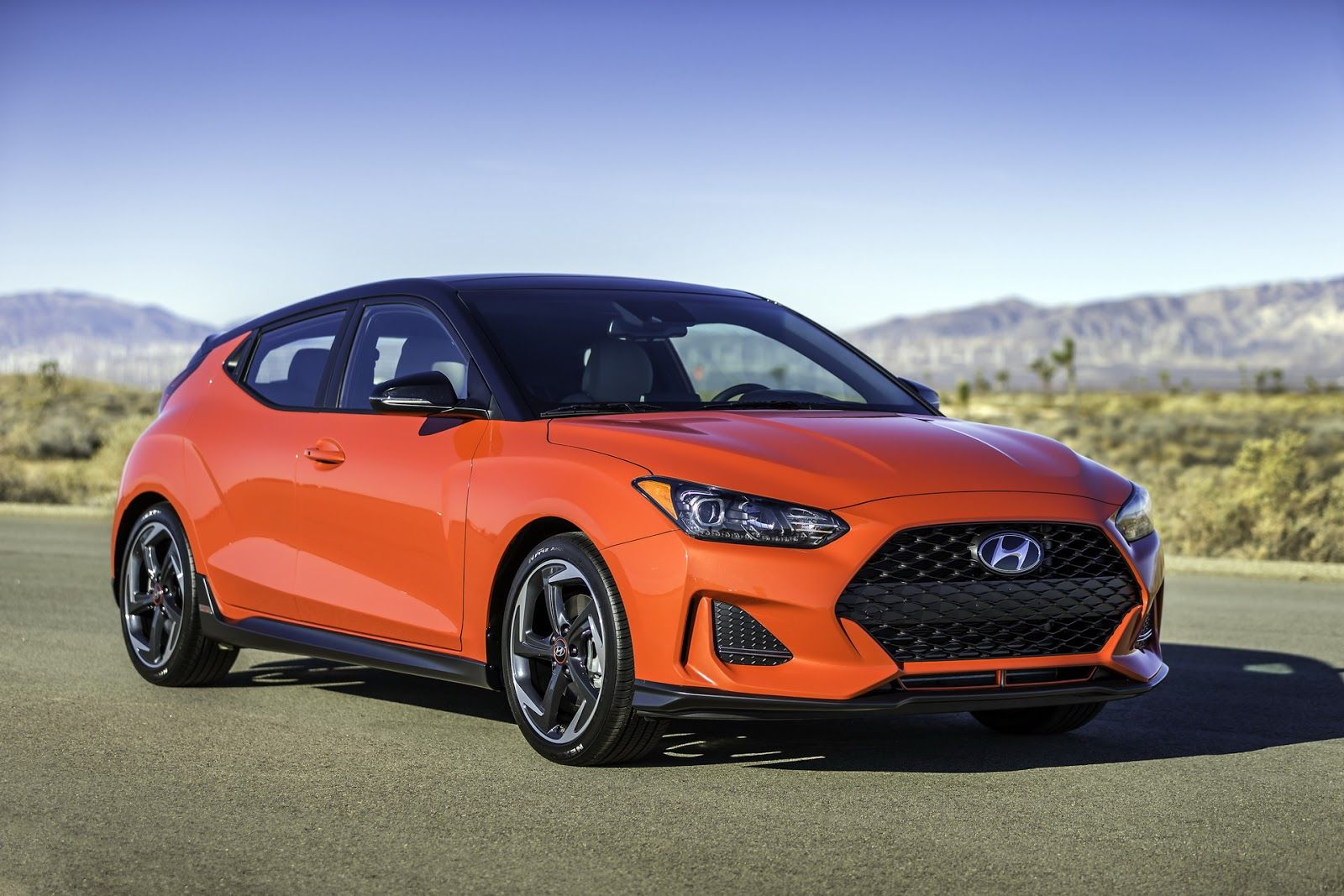
An all-new Hyundai Veloster and the high-performance Veloster N have been shown at the North American International Auto Show. Take a look at what you can expect from the new Veloster!
Hyundai has unveiled a new iteration of its sporty Veloster hatchback in Detroit and if you never really liked the Veloster, this new version might change your mind. Hyundai has also used the Detroit Motor Show to showcase the new Veloster N, the second N model to follow after the much-praised i30 N.
Key details
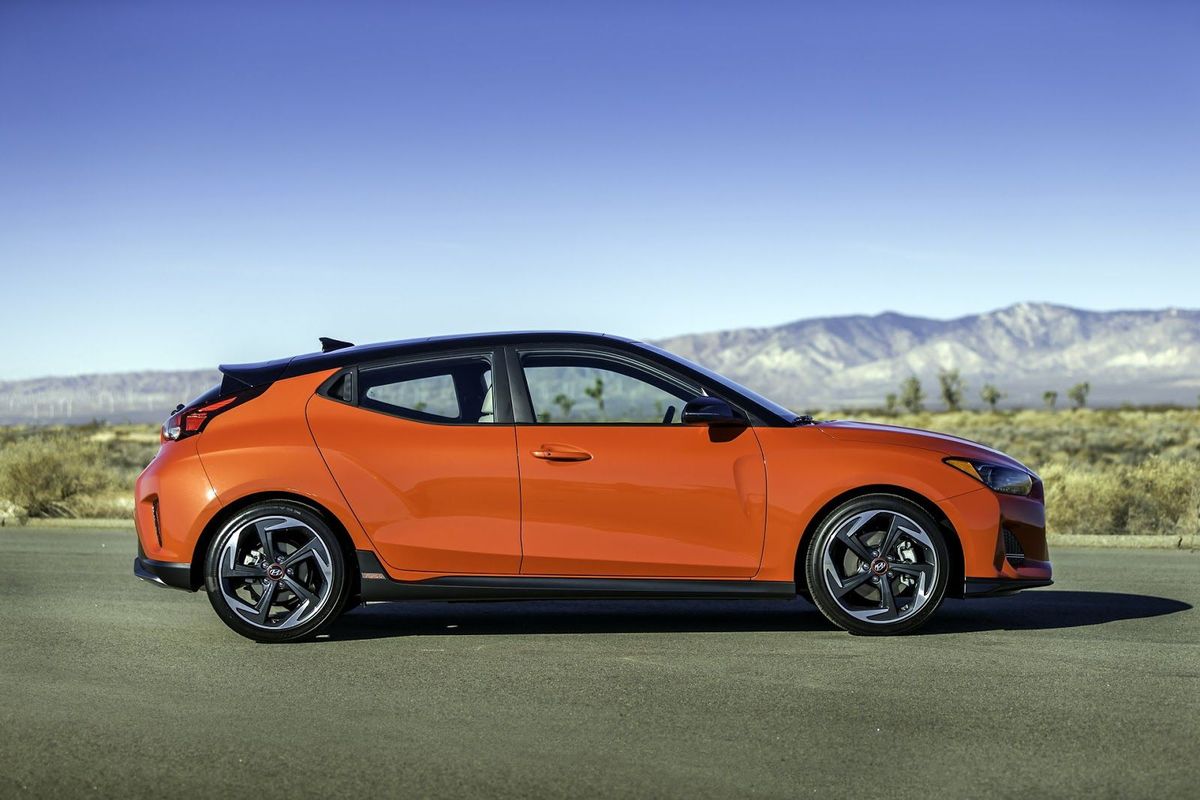
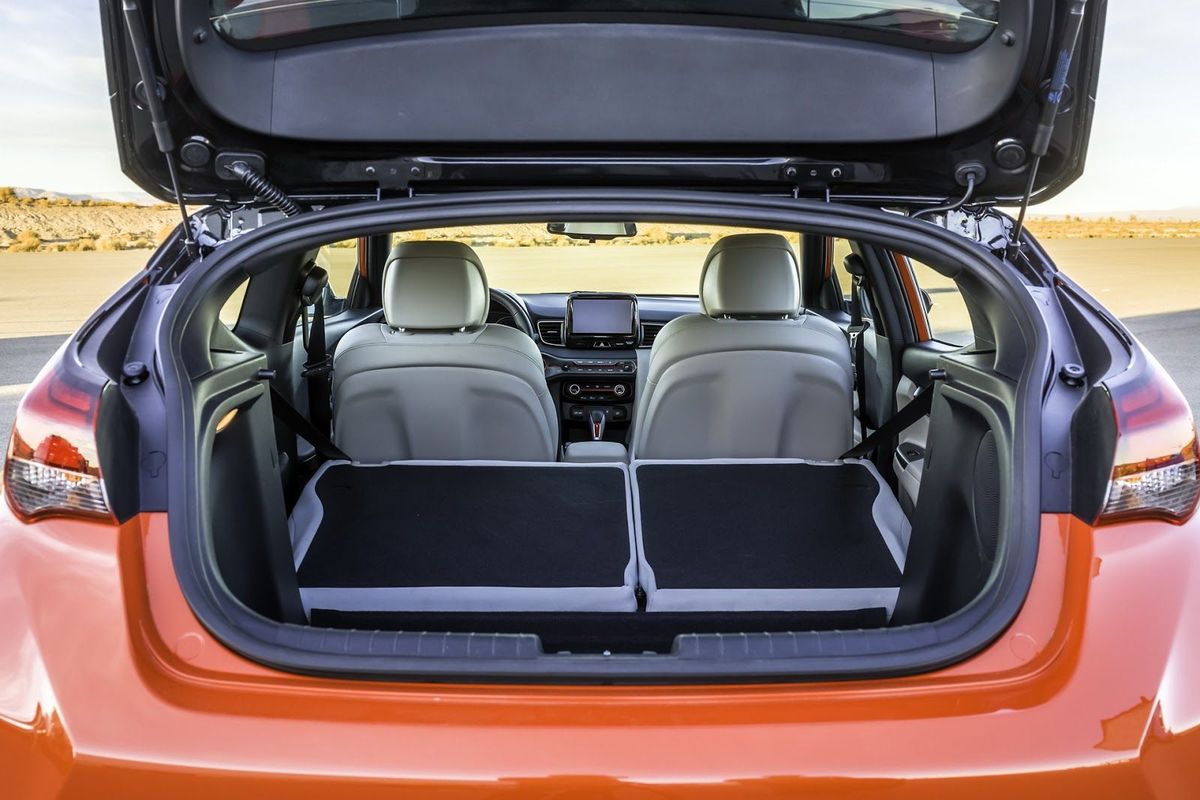
The new Veloster now has an extra rear door for easier rear access for passengers.
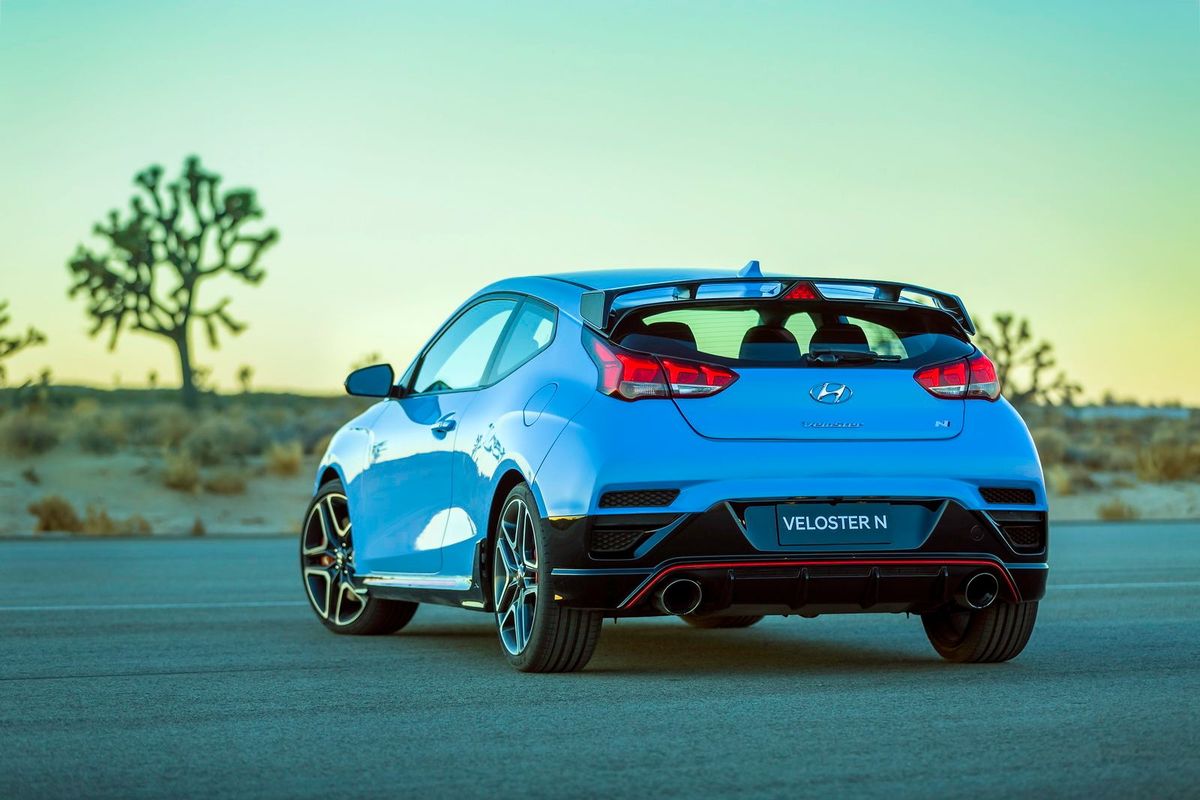
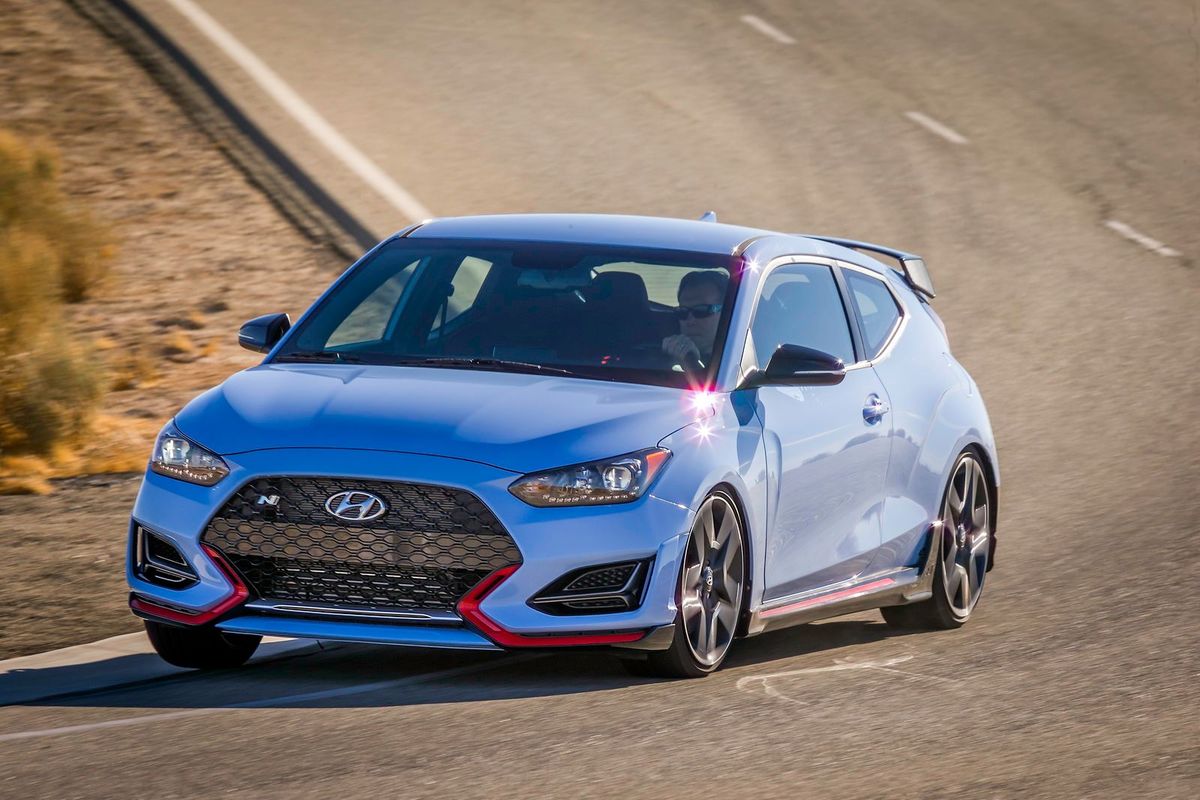
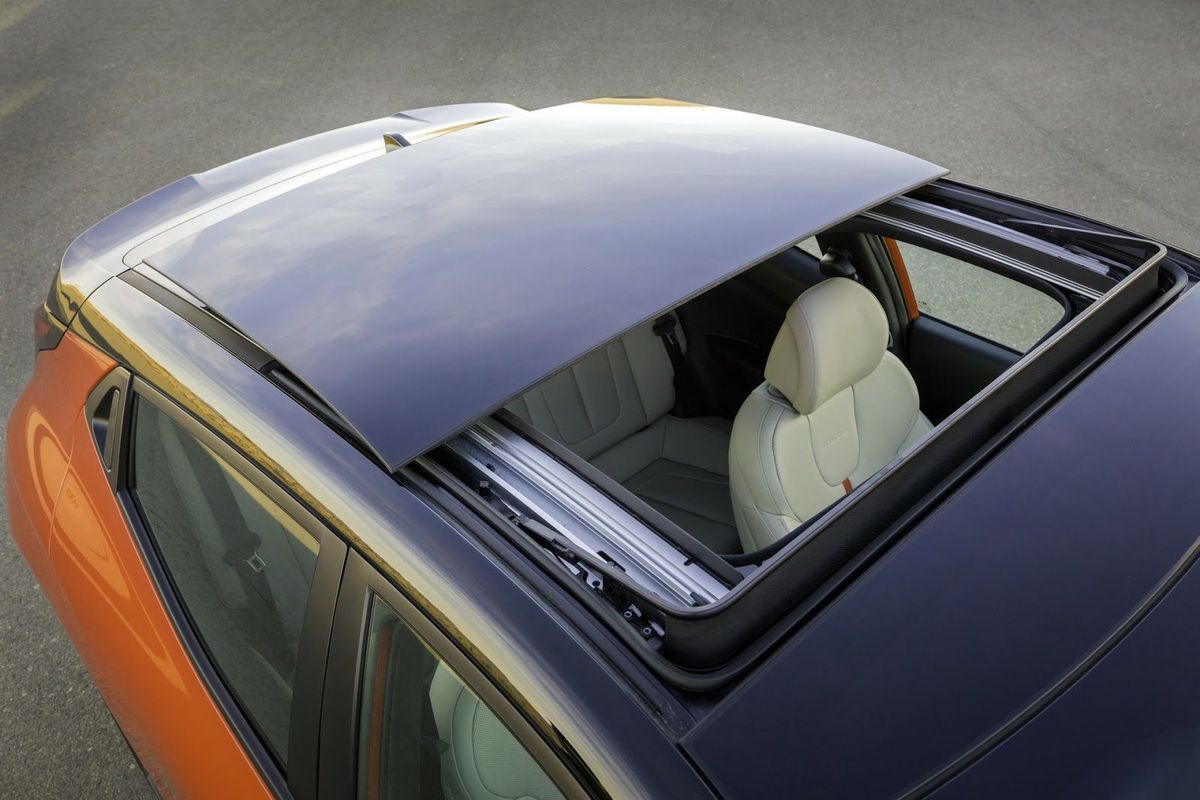
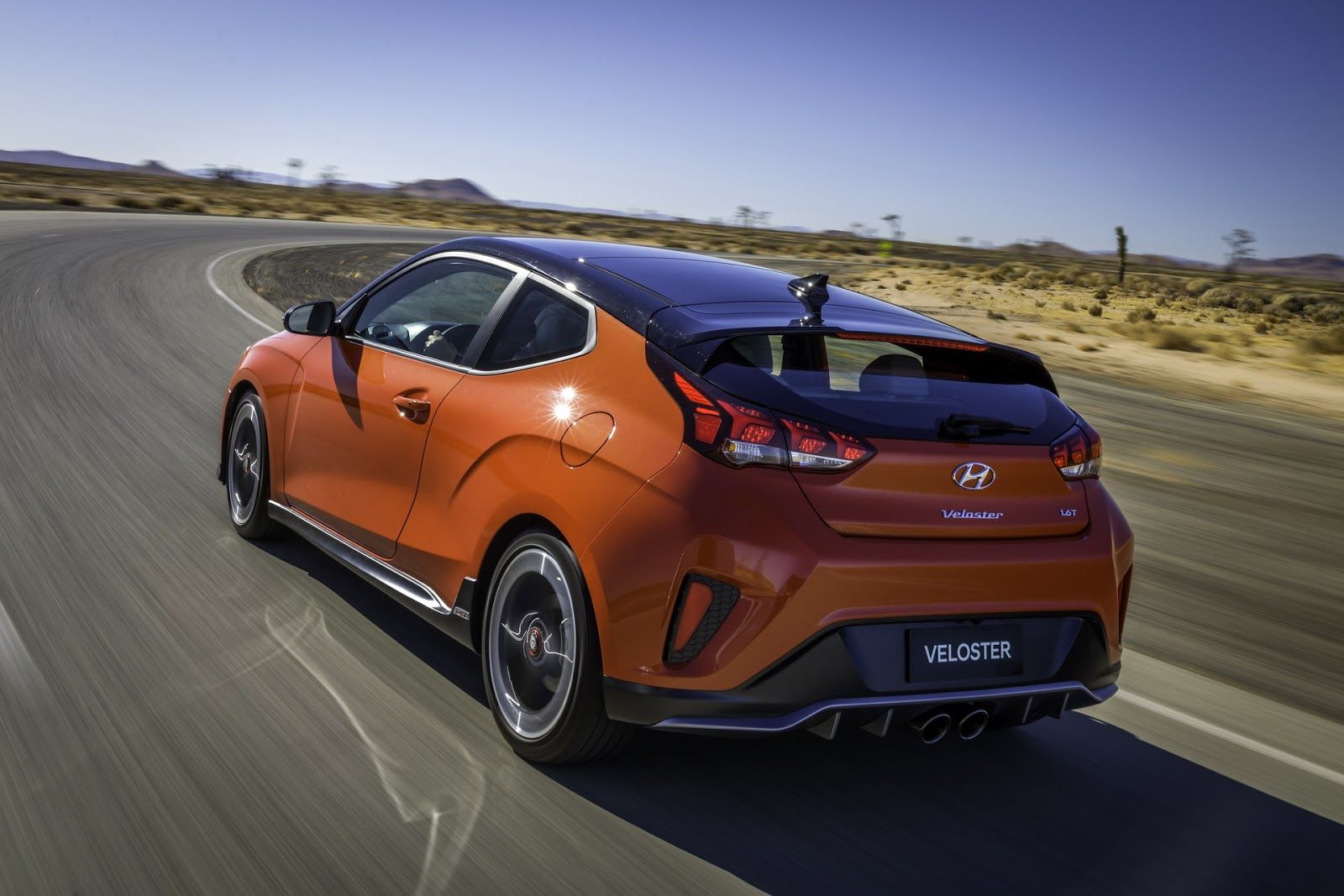
The front-end features a new large, wide grille and shapely new headlights with LED daytime running lights. The rear now wears new taillights and a roof spoiler while the twin central tailpipes give the Veloster a sporty look. The new rear bumper is also more rounded. The Veloster still features an additional rear door to improve access to the rear seats.
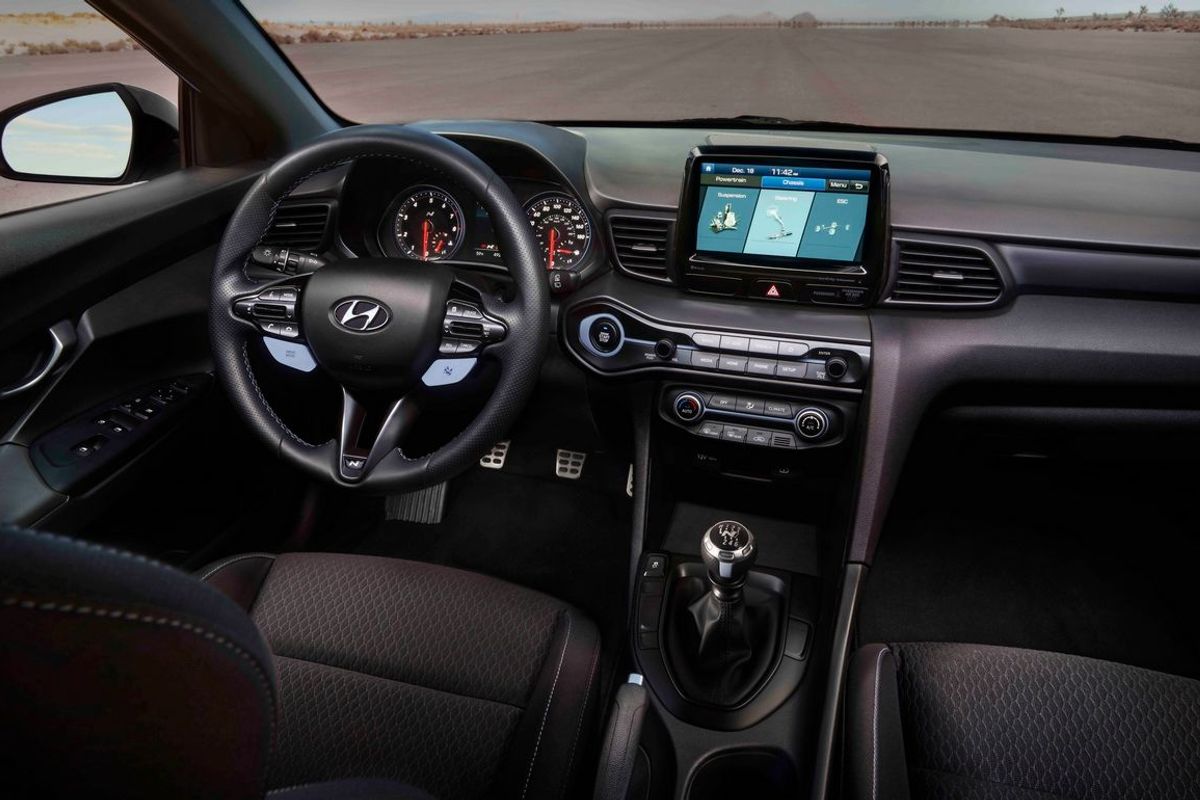
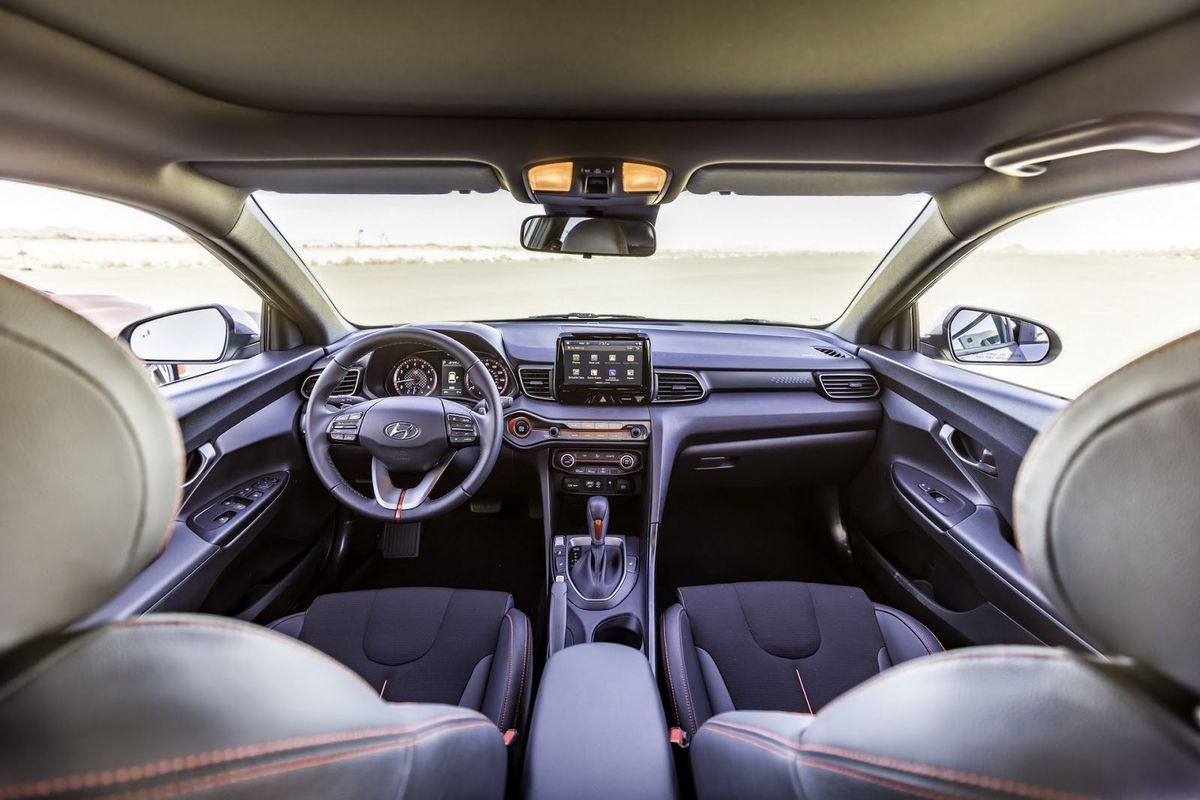
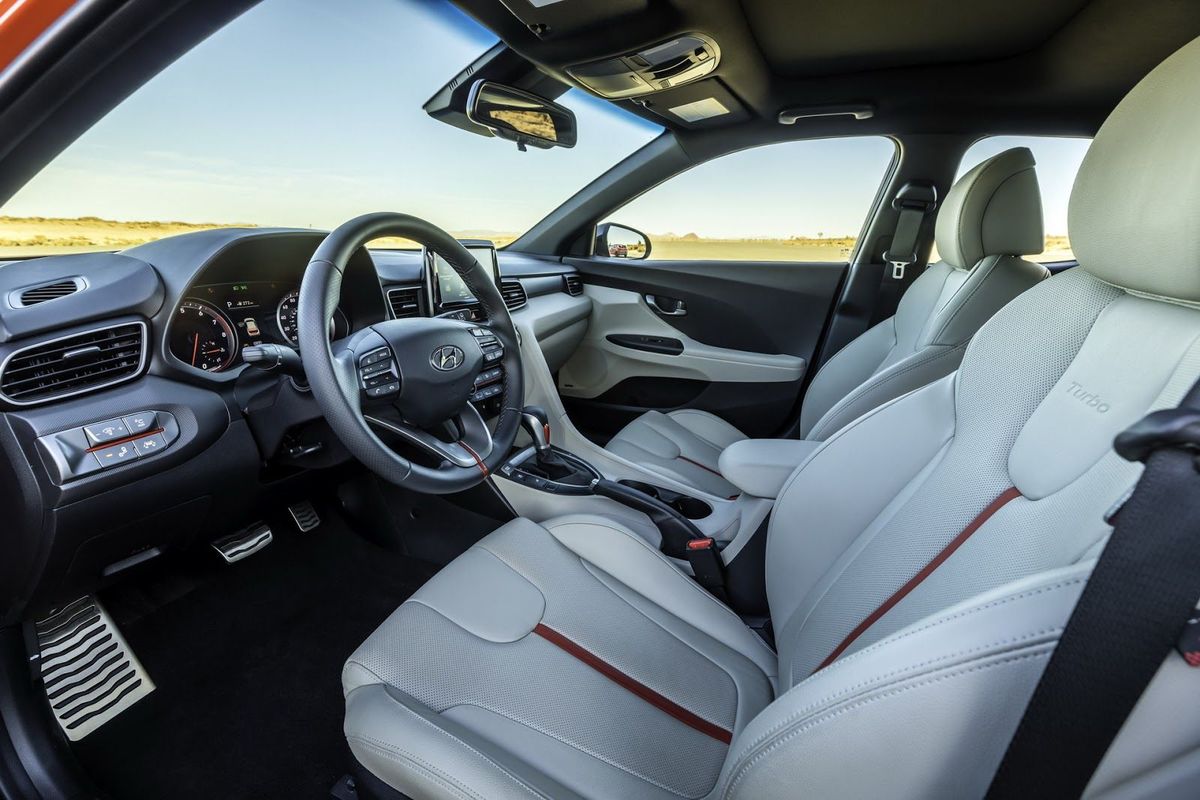
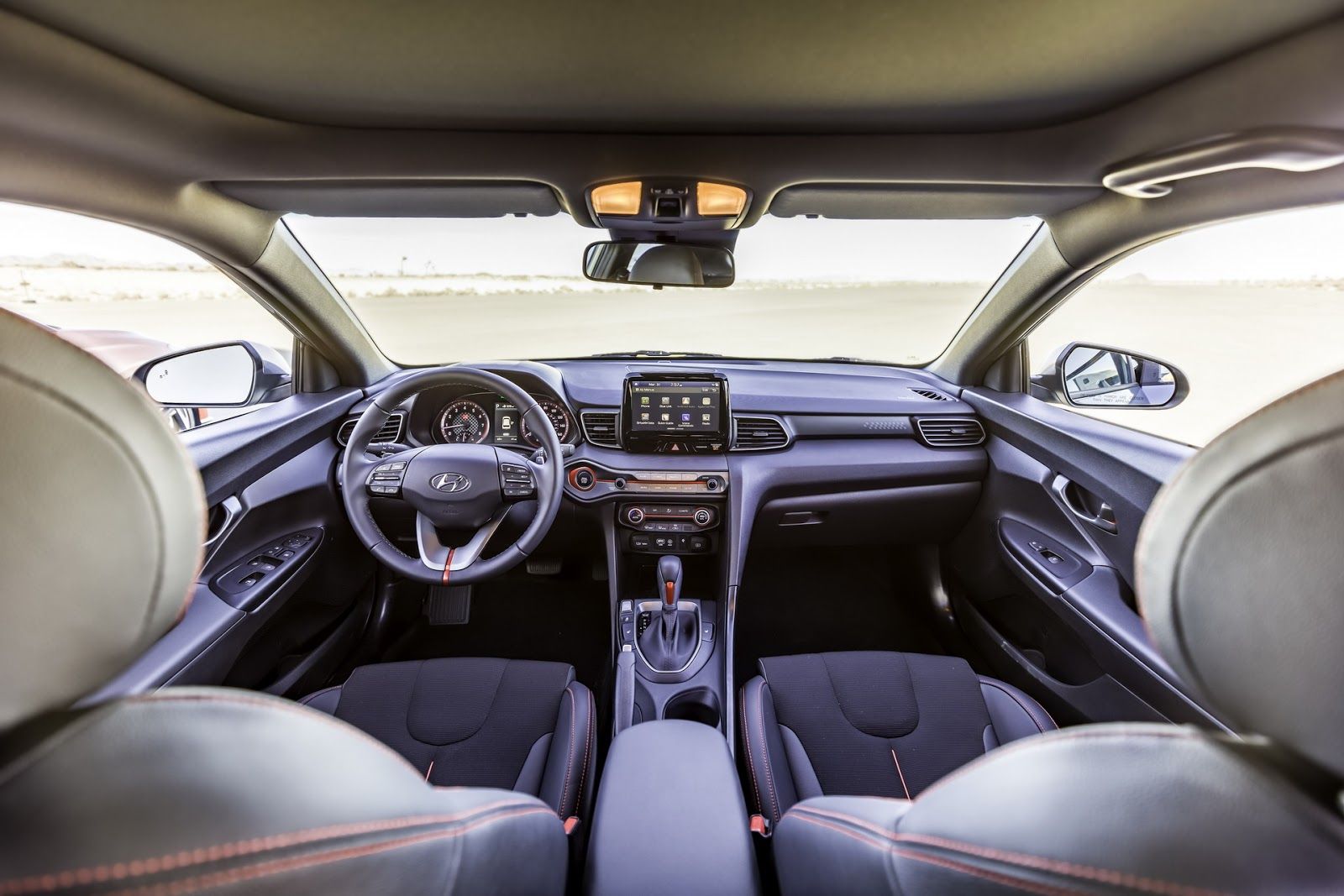
Although the exterior design has been enhanced somewhat, major improvement has taken place inside the Veloster. The sculpted interior features an 8-inch infotainment system that's Apple CarPlay and Android Auto compatible. A wireless charging pad is fitted as well as a head-up display and reversing camera. The Veloster will offer driver assistance features such as forward collision avoidance assist, lane keeping assist, high beam assist and driver attention warning.
The new interior of the Veloster is seemingly a massive improvement over the current iteration.
Engine power
The Veloster will be offered with 2 engine choices including the familiar 1.6-litre turbopetrol.
As for engines, the Veloster is powered by 2 engines including a naturally aspirated 2.0-litre engine with 110 kW and 179 Nm of torque mated to either a 6-speed manual or 6-speed automatic transmission. The more potent turbocharged 1.6-litre engine will offer 150 kW and 264 Nm of torque. This engine will be mated to a 6-speed manual transmission or a 7-speed dual clutch transmission.
All Veloster derivatives feature torque vectoring control in an effort to improve handling. The Veloster Turbo further benefits from an enhanced steering rack as well as a 24mm front stabiliser bar while the rear multilink suspension has a 19mm stabiliser bar to minimise body roll.
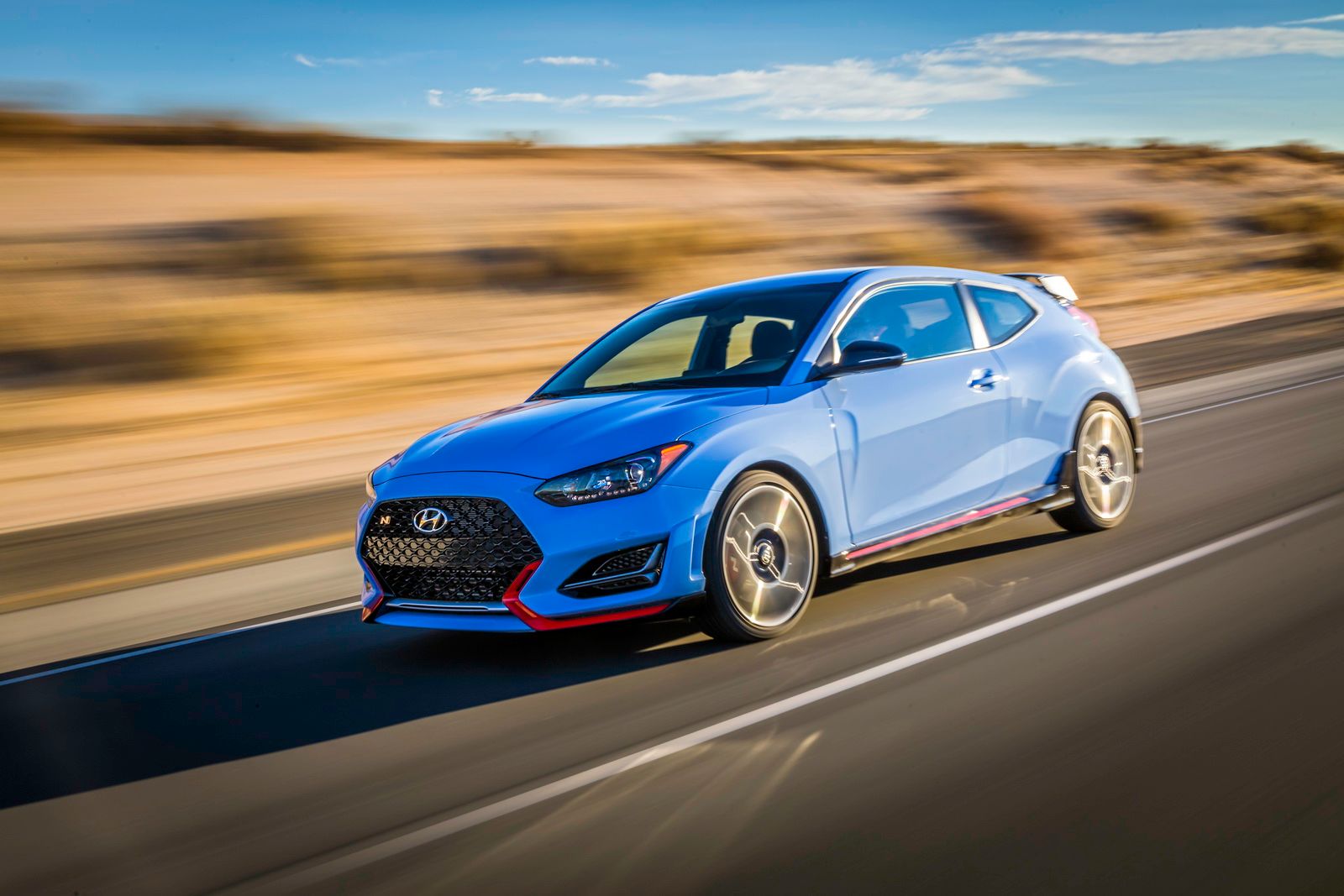
The high-performance Veloster N uses the same engine as the i30 N and offers 205 kW and 353 Nm of torque.
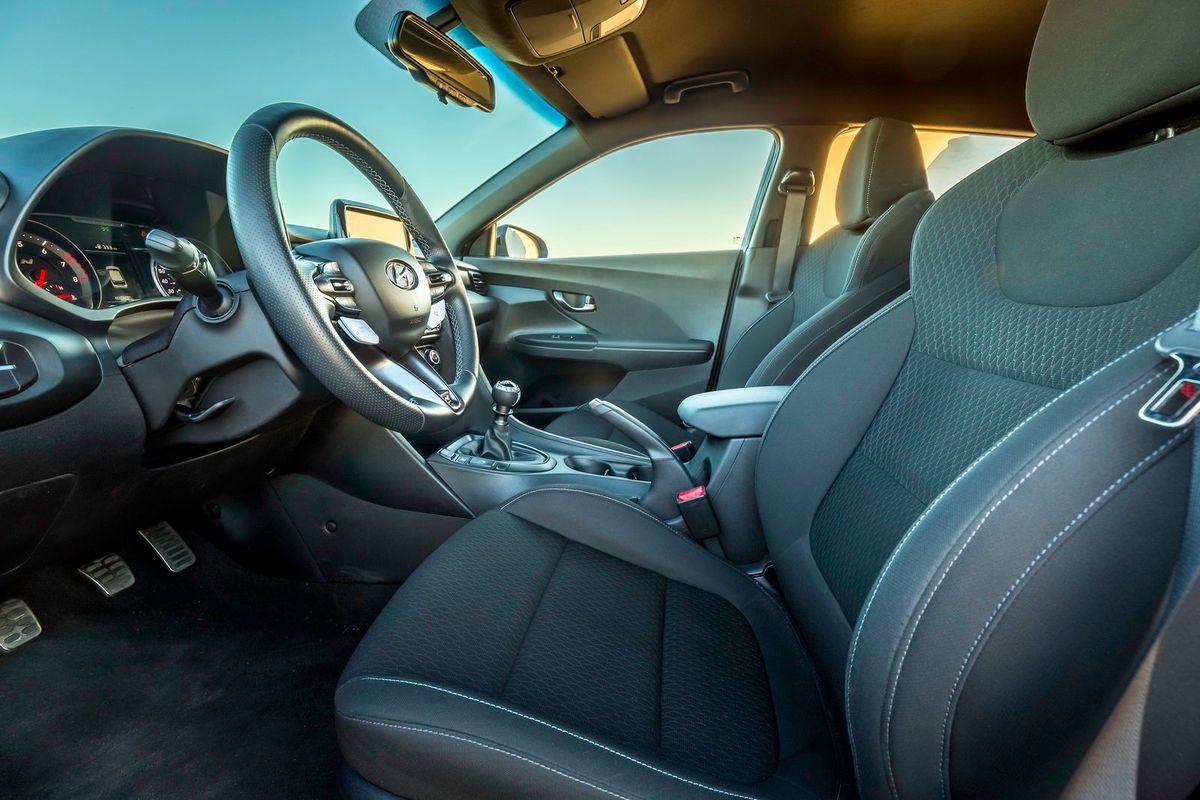
Hyundai has also unveiled the Veloster N derivative which borrows the same 2.0-litre turbopetrol engine from the i30 N developing 205 kW and 353 Nm of torque. A 6-speed manual is standard on the Veloster N. The Veloster N is differentiated with beefier front and rear bumpers, a new grille design, roof mounted spoiler and a rear diffuser with dual exhaust pipes. The N-themed interior benefits from sports seats, a sporty steering wheel and gear lever, N-design instrument cluster and N-logos seen on the sill plates. The Veloster N rides on 18- or 19-inch alloy wheels.
The new Hyundai Veloster can be expected in South Africa at the end of 2018 or in 2019 and the Veloster N, much like the i30 N has not yet been confirmed for introduction in South Africa.
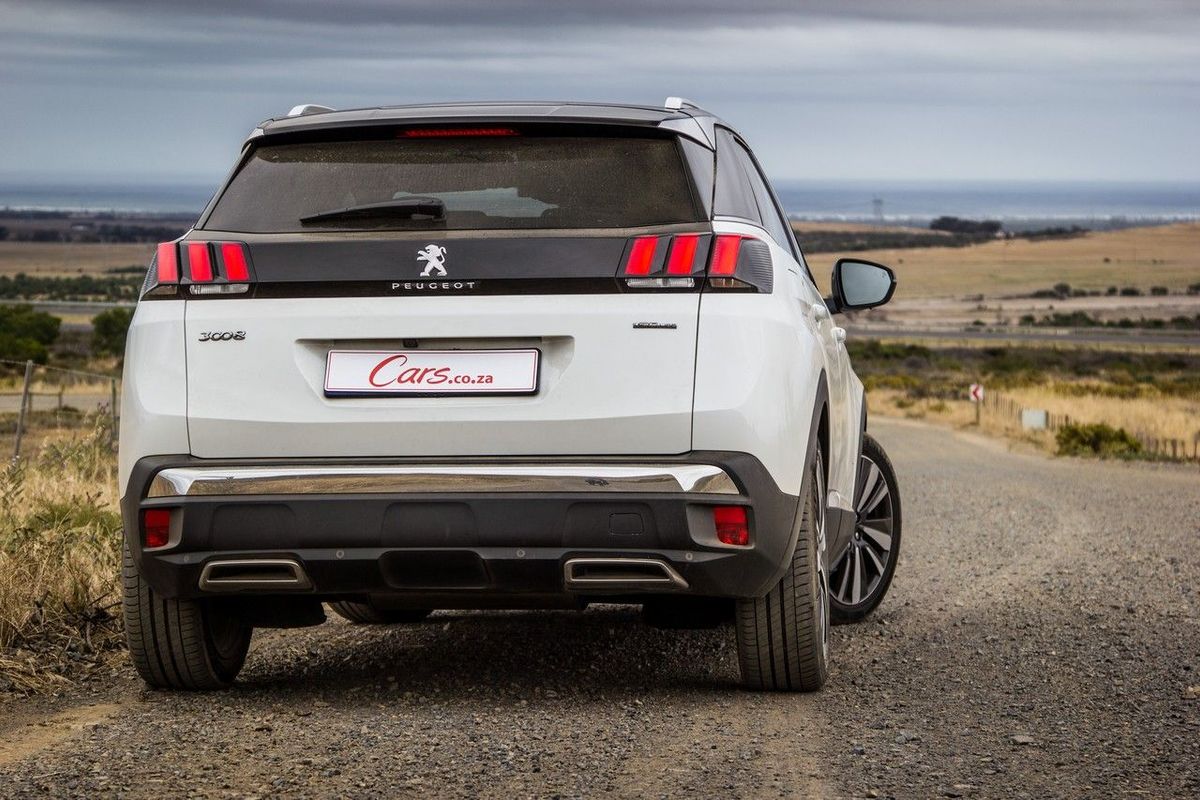
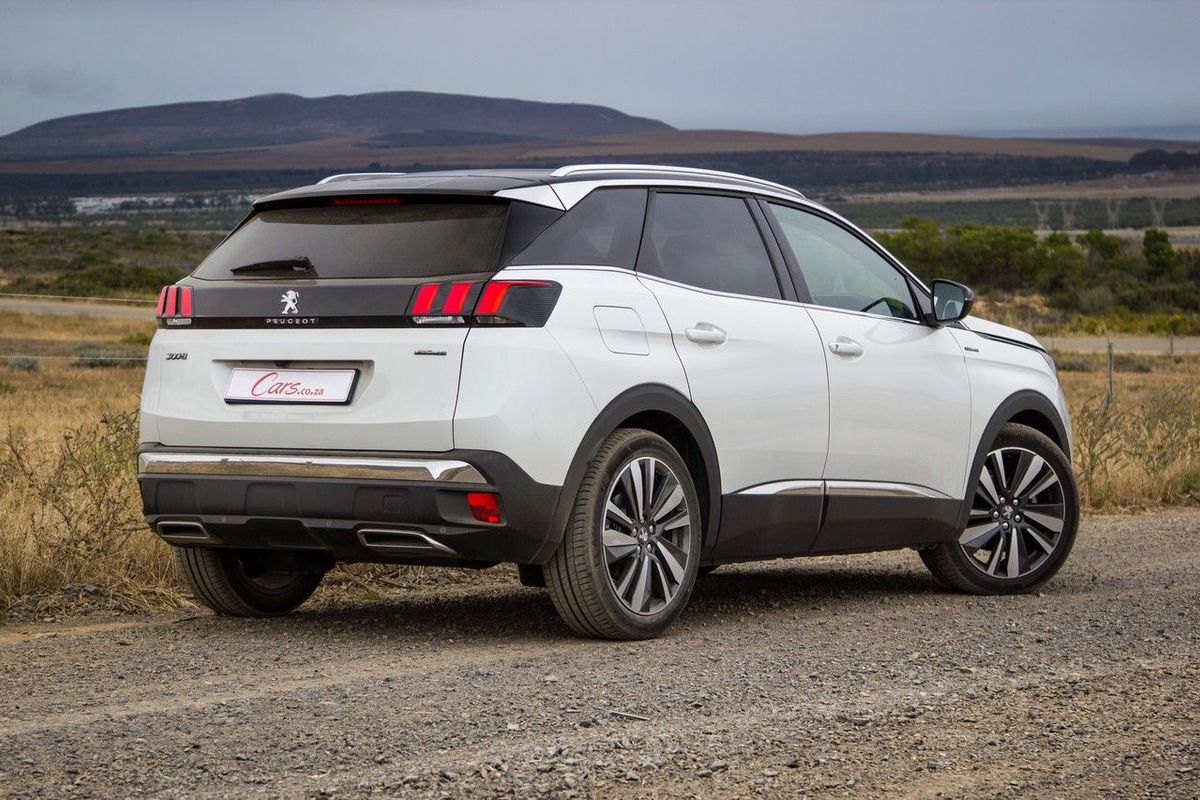
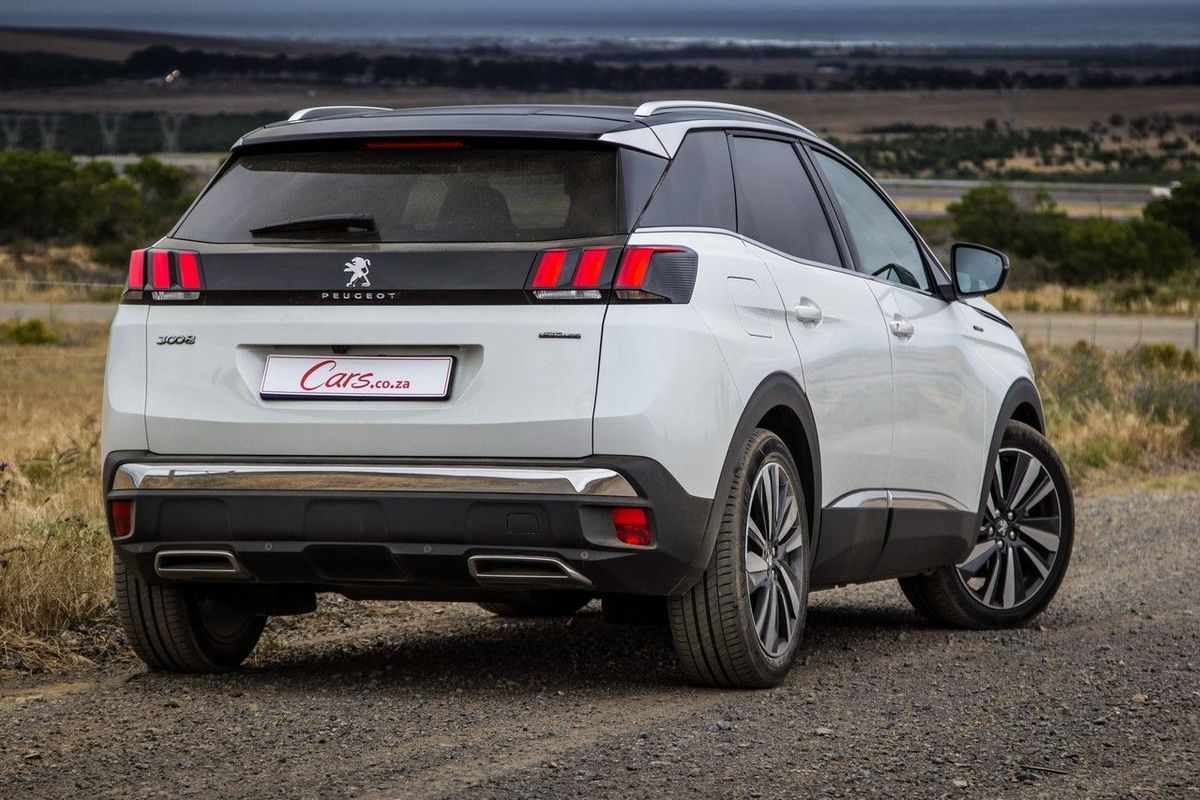
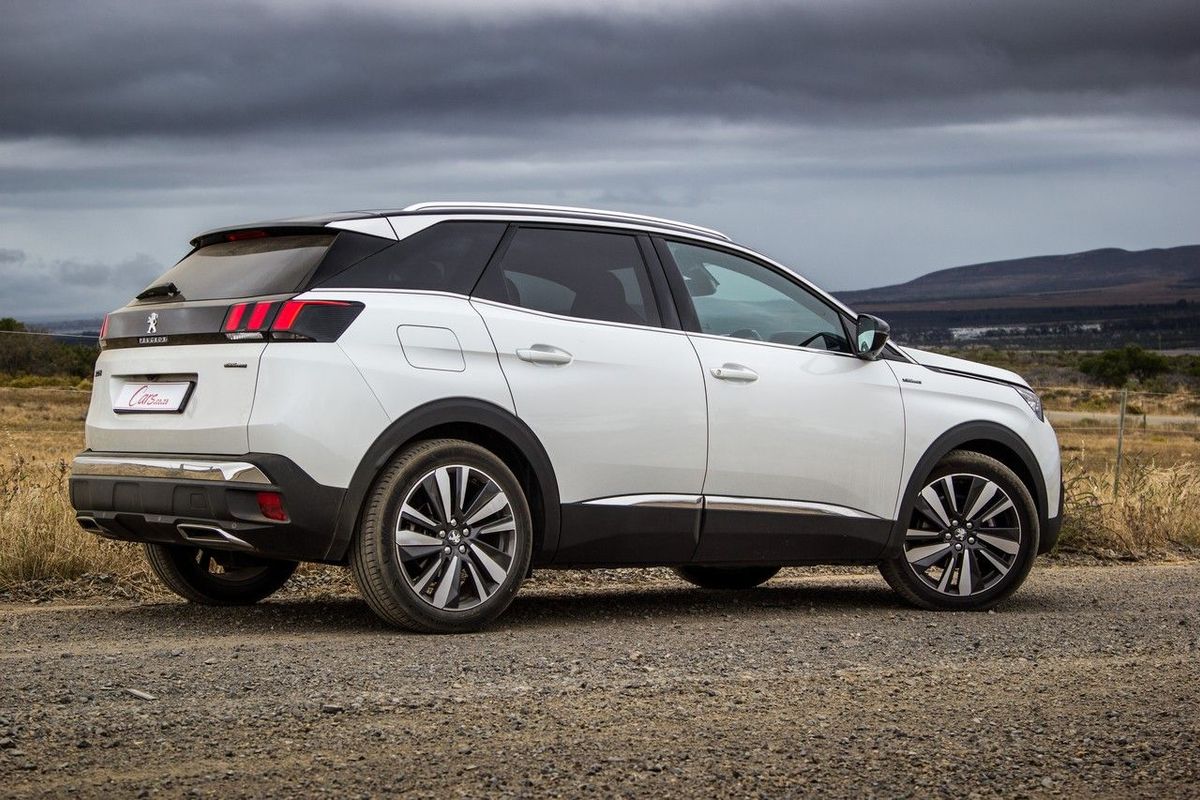
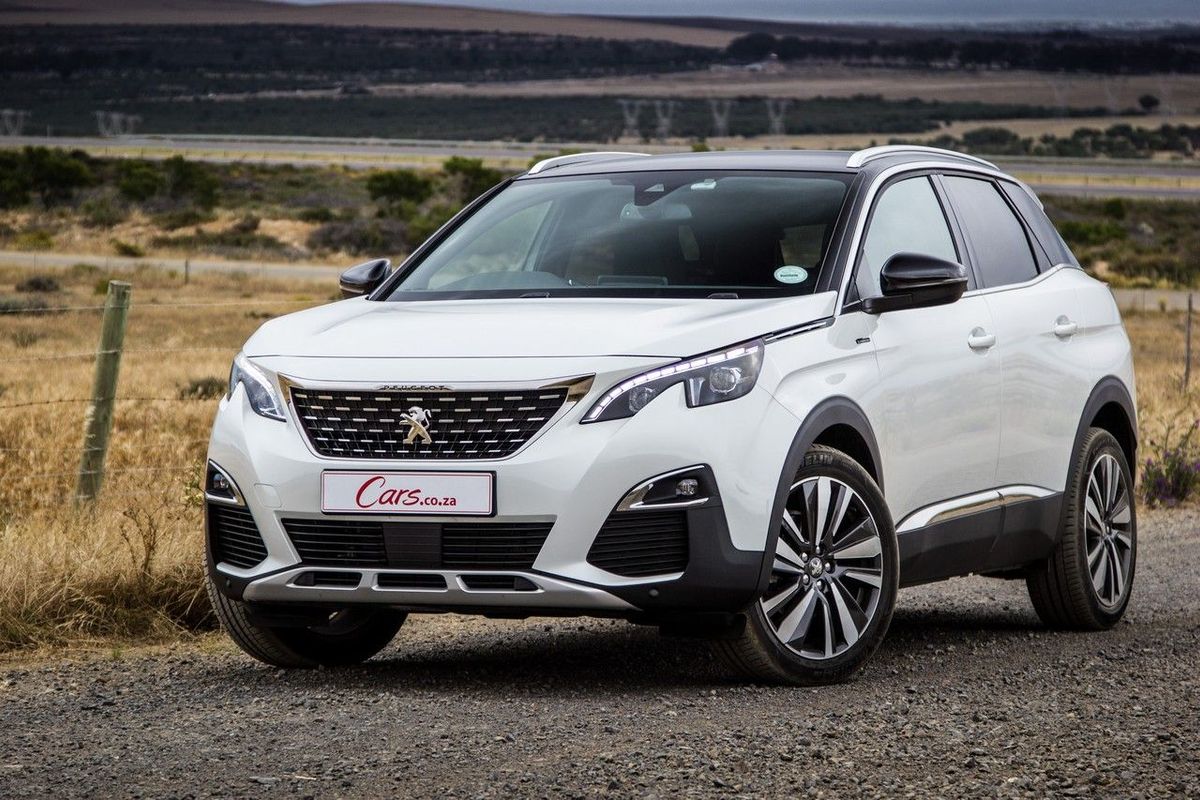
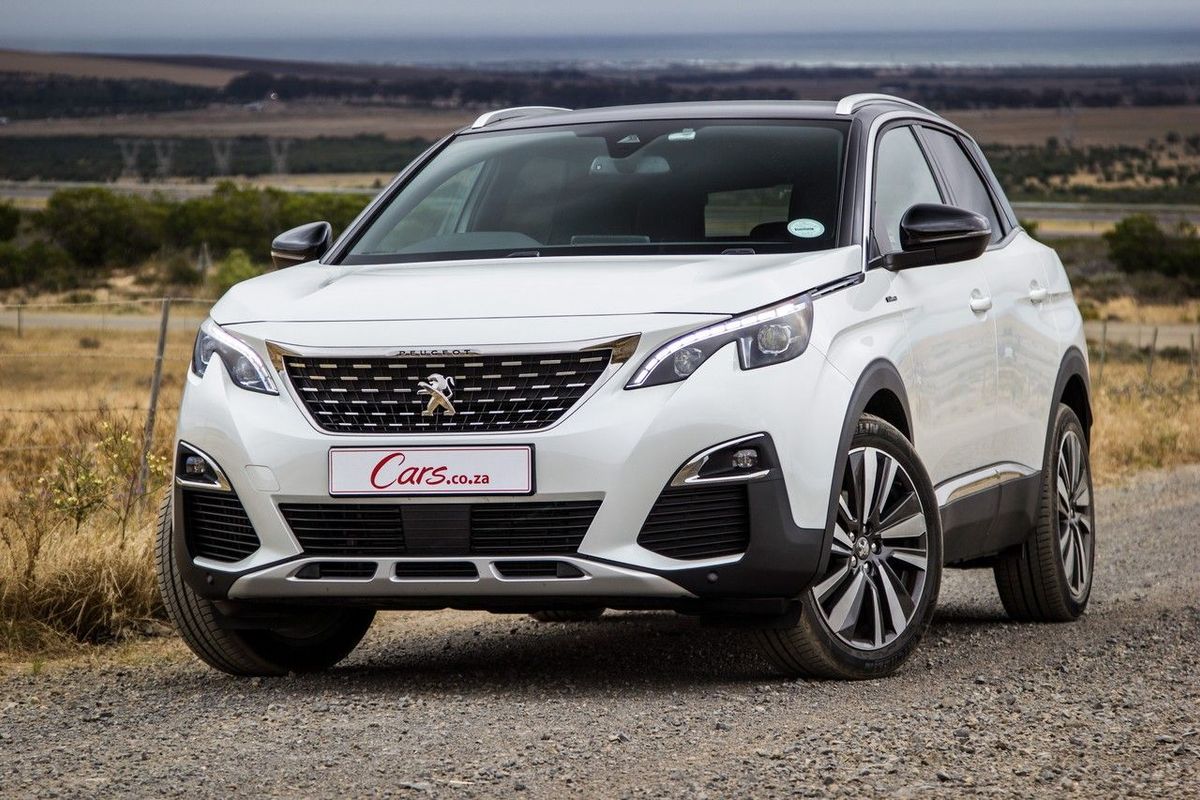
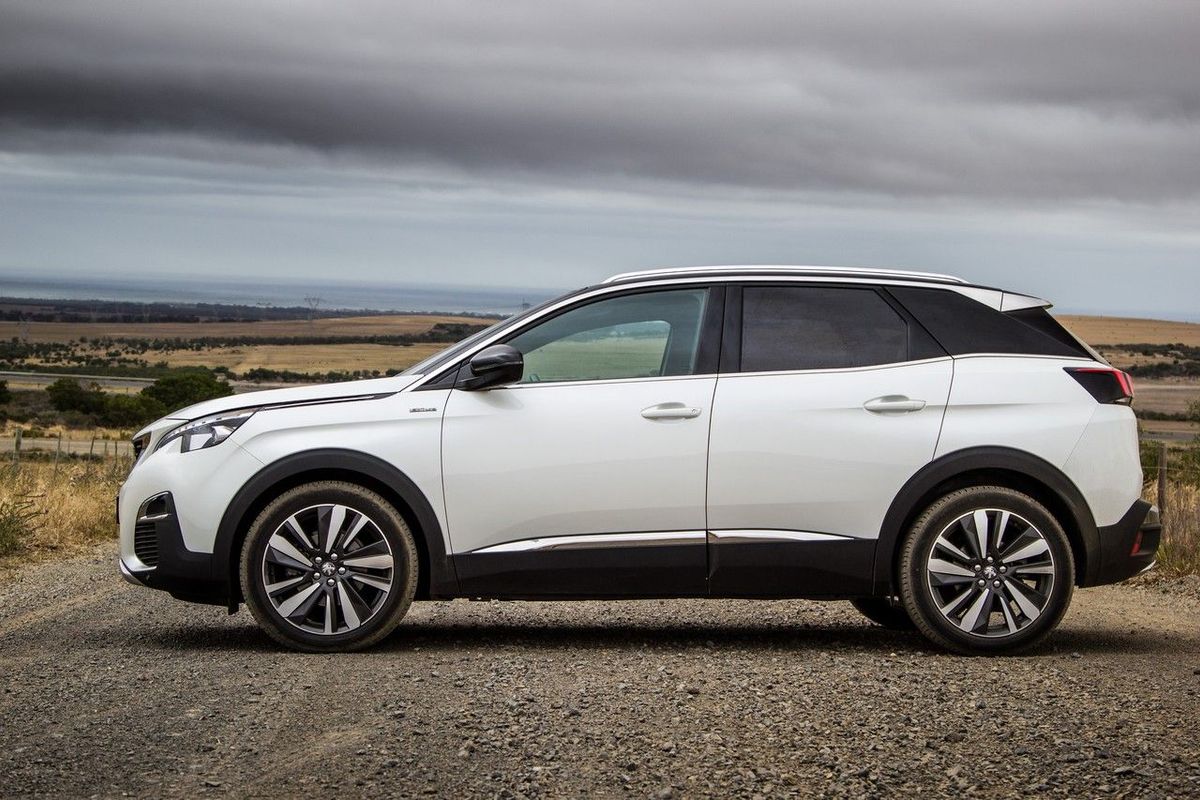
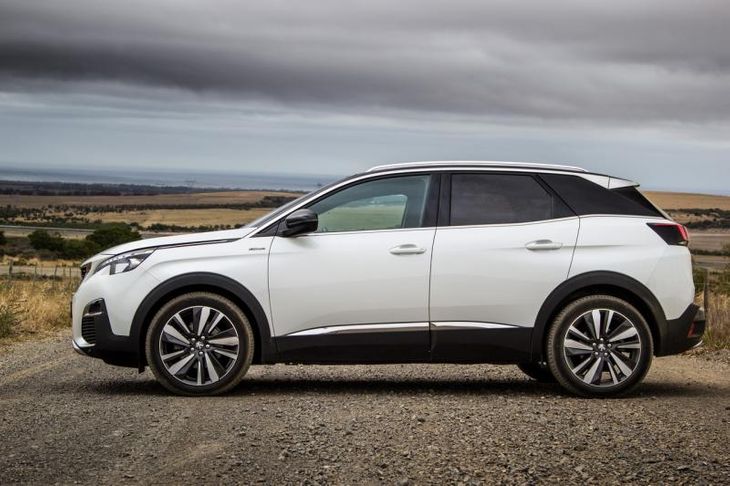
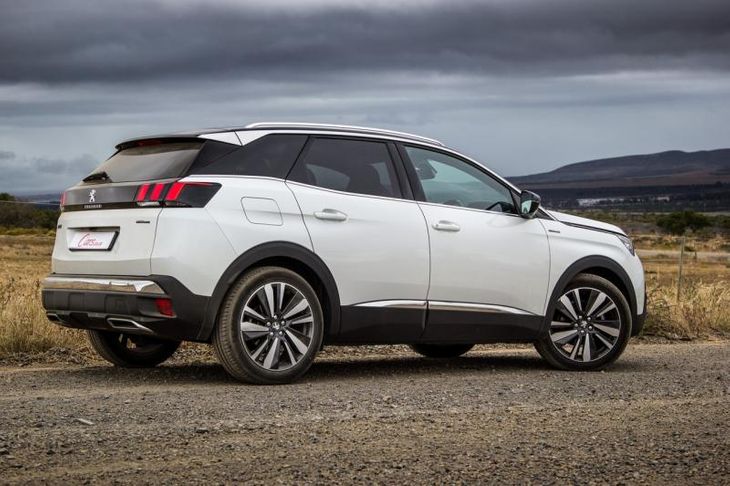
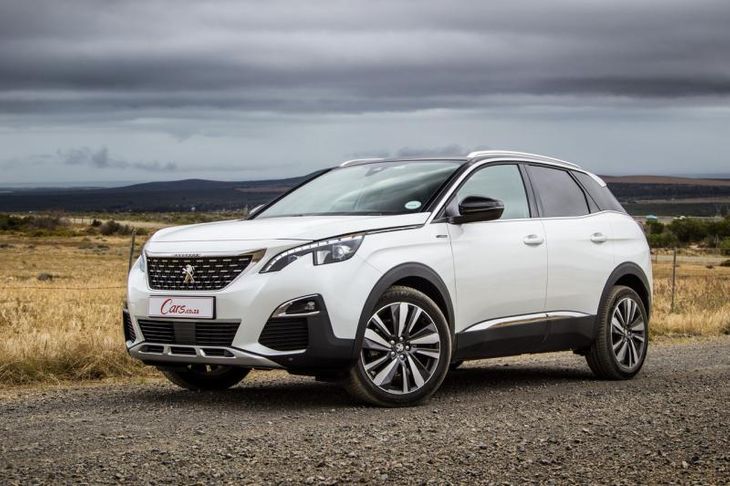
Having undergone a fairytale transformation from frumpy MPV to svelte, stylish family car/compact SUV, the Peugeot 3008 ushers in a new era for Peugeot, both locally and internationally. We review the Peugeot 3008 in 1.6-litre THP GT-Line auto specification.
The 2016/17 #CarsAwards champion: The Volkswagen Tiguan 1.4TSI Comfortline R-Line auto is a jack of all trades. It combines superb packaging with refinement and the R-Line kit sweetens the deal considerably. That being said, you pay for this class excellence as the Tiguan comes with less standard specification than the Peugeot.
Oriental style: Mazda's CX-5 is a 2017/18 #CarsAwards finalist alongside the Peugeot 3008 and it's a superb offering. The 2.5 Individual's only letdown is its naturally-aspirated motor which doesn't offer as much low-end kick as the Peugeot's turbo motor. A commendable and accomplished product nevertheless.
Foe from the Blue Oval: Despite the controversies around the previous generation Ford Kuga, the upgraded model still represents excellent value for money and remains a solid source of comfortable and practical family car motoring. The 2.0T AWD Titanium derivative also boasts the most powerful engine out of these three.
This segment is especially jampacked and we can also suggest: Toyota RAV4, Hyundai Tucson, Kia Sportage, Nissan X-trail, Renault Kadjar, Audi Q3, BMW X1.
The new Peugeot 3008 is a radical departure from the previous generation model. It's bold and brave, and Peugeot should be commended
The Peugeot 3008 is the first of a new generation of products from the French manufacturer. With sibling company Citroen departing the South African market (at least temporarily), PSA is backing the rejuvenated Peugeot brand to further the French firm's interests in the local market. Peugeot has battled over the years with questionable levels of parts availability, low service standards and woeful resale values, but with this new 3008, the brand's fortunes could change. Many of Peugeot's products, such as the 208, 2008 and 308 are solid propositions, but with this new 3008, we see a big leap forward… Peugeot's trying to gatecrash the upper end of the family car segment, but with so many vehicles and brands all vying for our attention, has it got enough going for it?
How does it fare in terms of…
Design & Packaging?
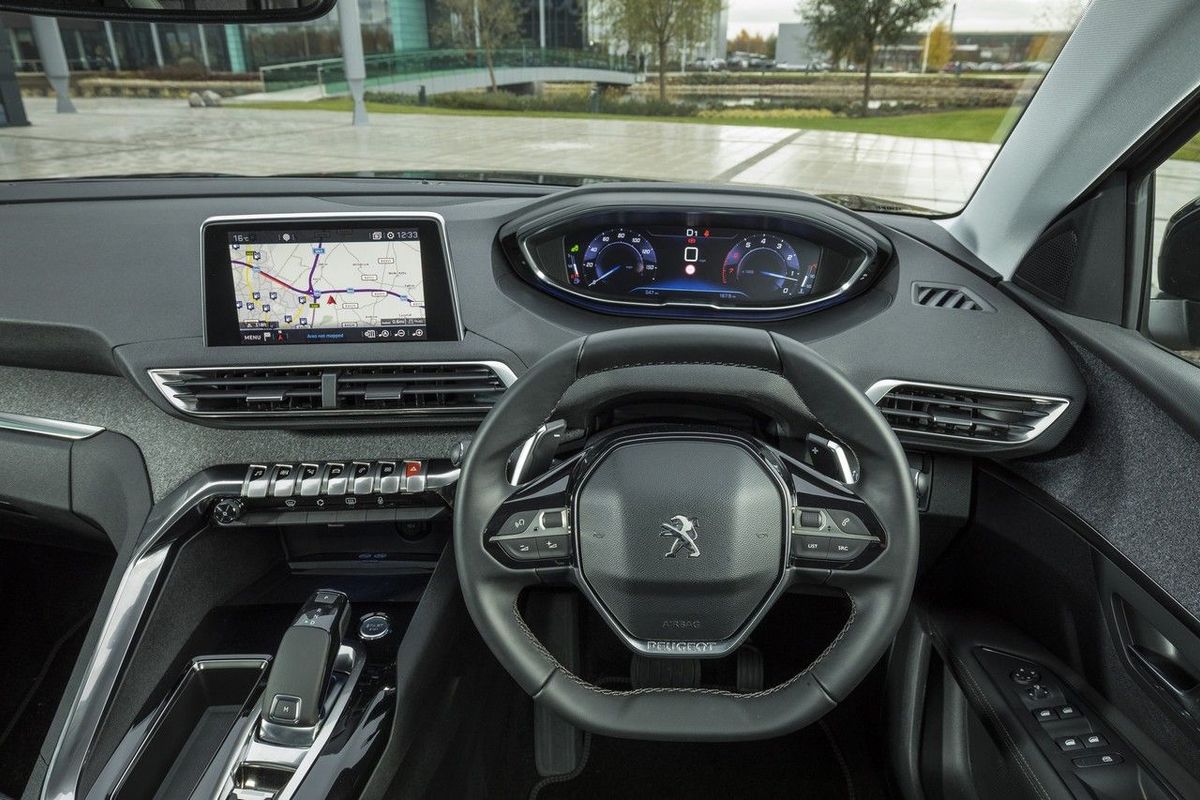
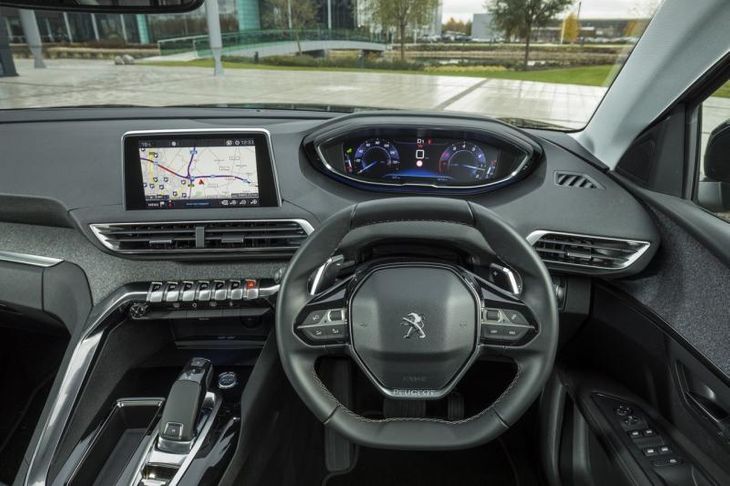
The highlight of the Peugeot 3008 has to be the digital infotainment system. Note the small steering wheel.
First impressions count for a lot and, aesthetically speaking, the 3008 looks graceful, elegant and modern. Things get even better when you get in behind the wheel and notice the crisp, intuitive and futuristic digital interface. The Peugeot i-cockpit takes what we know and expect from a digital display and enhances the concept into something straight from a sci-fi film.
The user experience takes some time to get used to, but this author had the benefit of being on the international launch of the 3008 so by the time the local test unit arrived, he was already familiar with its layout. And, what a layout it is! With very few buttons and the master controls mostly situated on the steering wheel, the digital interface offers a plethora of information, or you can switch to a wonderfully minimalistic readout. There are themes and colour combinations too; the system is arguably a benchmark for digital dashboards.
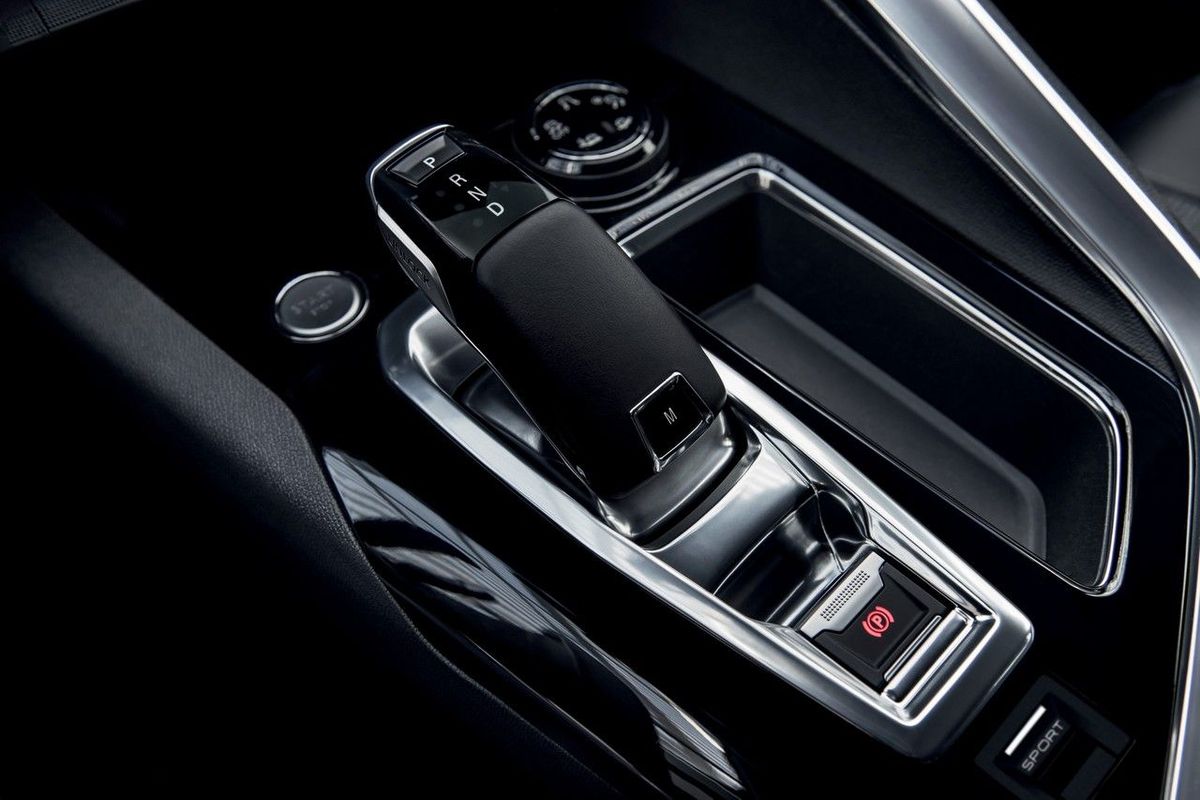
The attention to detail is impressive and the cabin feels modern, yet well built
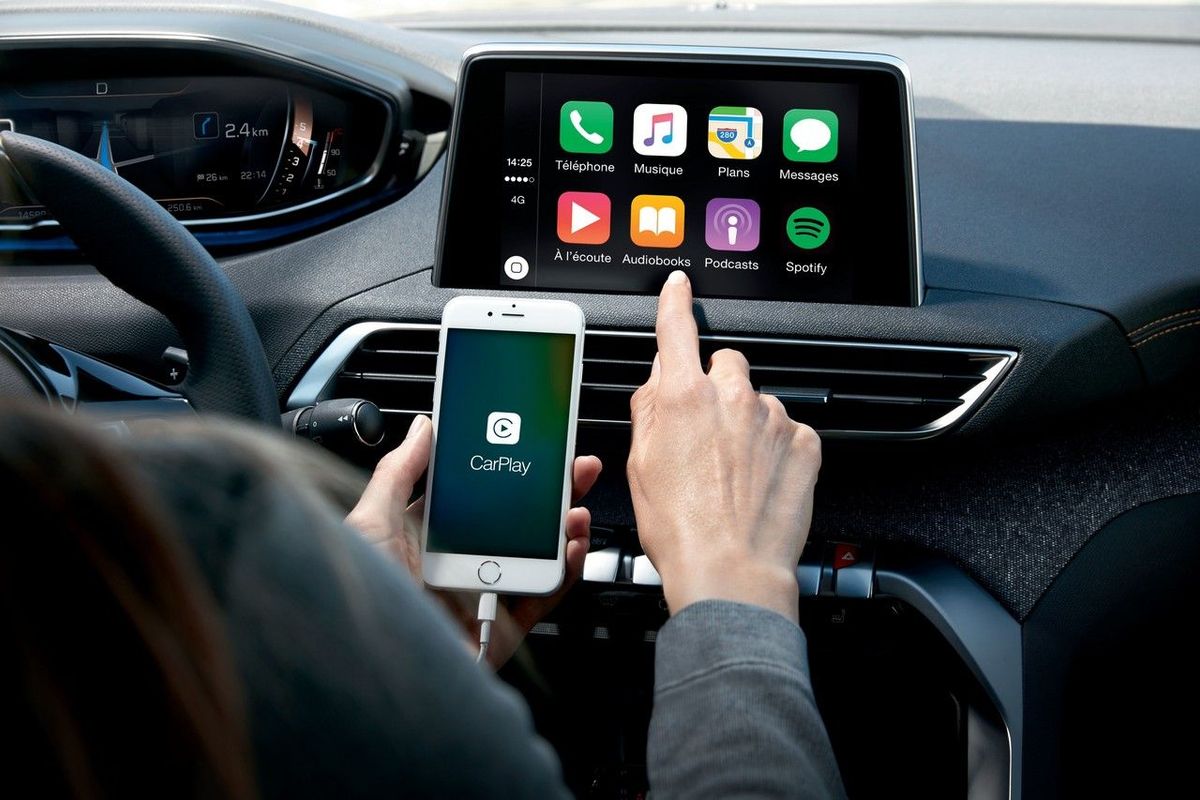
The level of onboard specification is good, especially considering the derivative's near-R500 000 price point. In terms of creature comforts, we made use of the refrigerated glovebox and the audio, phone and cruise control toggles on the compact multifunction steering wheel. The audio system features 6 speakers and there are USB/Bluetooth/Aux connectivity options. Climate control is standard too, as are LED headlights that come on automatically, daytime running lights, automatic wipers as well as front/rear parking sensors with reverse camera.
The 3008 is, after all, a European Car of the Year winner so few people will be surprised that it offers many of the safety features that high-end family cars/compact SUVs are renowned for. The test unit featured standard ABS & ESP with ASR in the traction control department, as well as a full complement of 6 airbags.
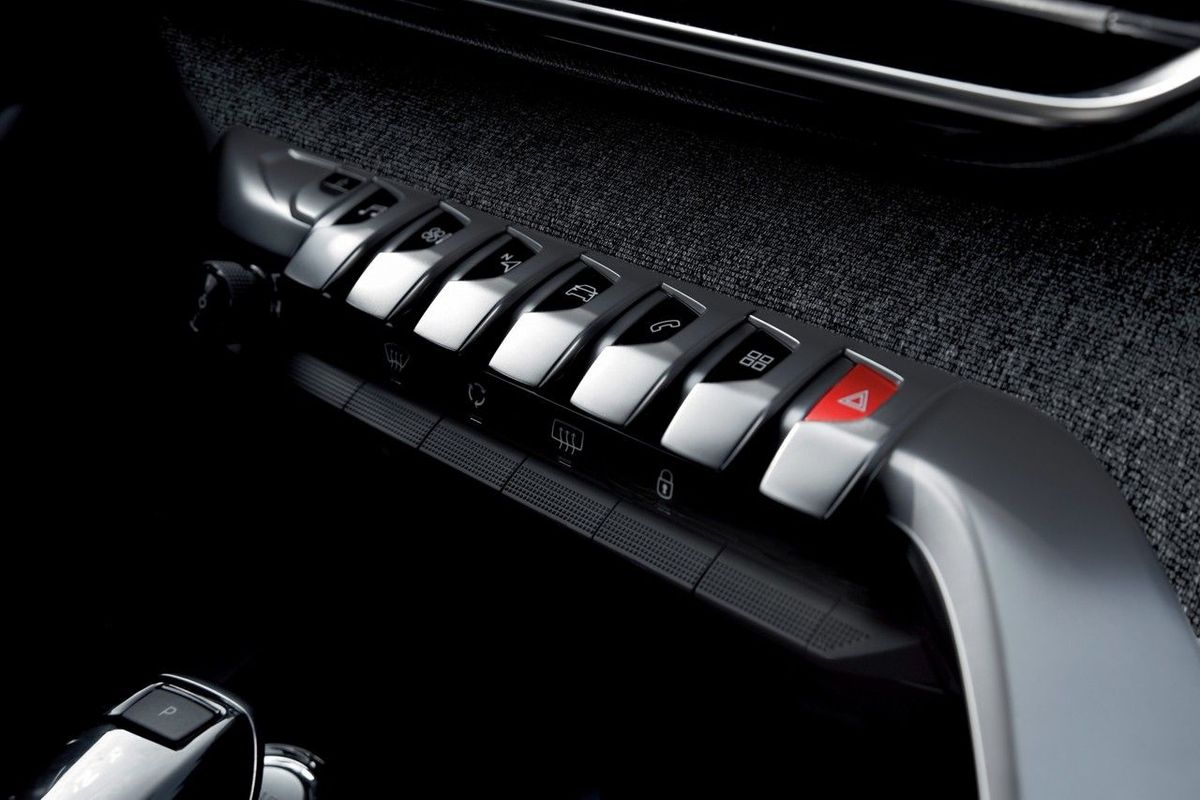
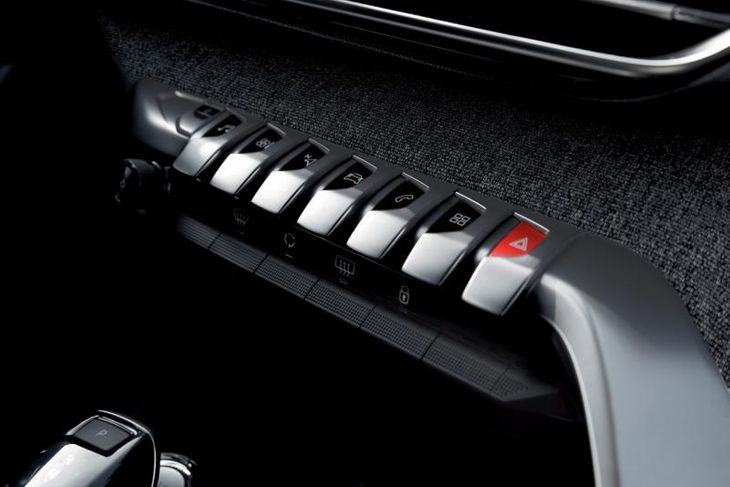
These aircraft-style metal switches are crisp and stylish
Performance & Efficiency?
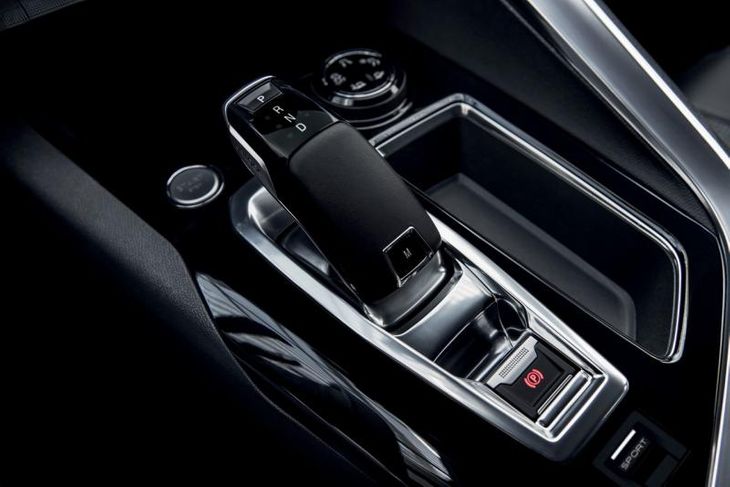
Powering the Peugeot 3008 is a 1.6-litre turbocharged 4-cylinder petrol engine mated exclusively with a 6-speed automatic transmission. It's a punchy-yet-refined powerplant we're familiar with and, in this application, it pushes out a healthy 121 kW and a useful 240 Nm of torque. We've experienced this engine in the 308 premium compact hatchback and were enthralled by its power delivery and refinement. We know that this motor is good and had high expectations of it when stuck into a 3008.
Despite its SUV-flavoured/offroader looks, the Peugeot is front-wheel driven and makes do with trick traction control and hill descent control when you need to venture offroad. Despite Peugeot's claims that this model consumes just 7 L/100 km, we saw an indicated figure of 8.4 L/100 km, but that is fair given it was driven in both urban and rural environments.
Despite riding on big wheels with low-profile tyres, the ride of the Peugeot 3008 was comfortable and smooth
Ride & Handling?
The Peugeot 3008 rides on the EMP2 platform which underpins a number of PSA products as well as the Opel Grandland (note the German marque is now owned by PSA). The platform is lighter and stronger than its predecessor, and the result is that the Peugeot 3008 feels well assembled and solid. Marginal build quality used to be regarded as a major Peugeot bugbear, but amazingly, the award-winning 3008 feels like there's been an injection of painstaking manufacturing and refinement know-how… and it is most welcome.
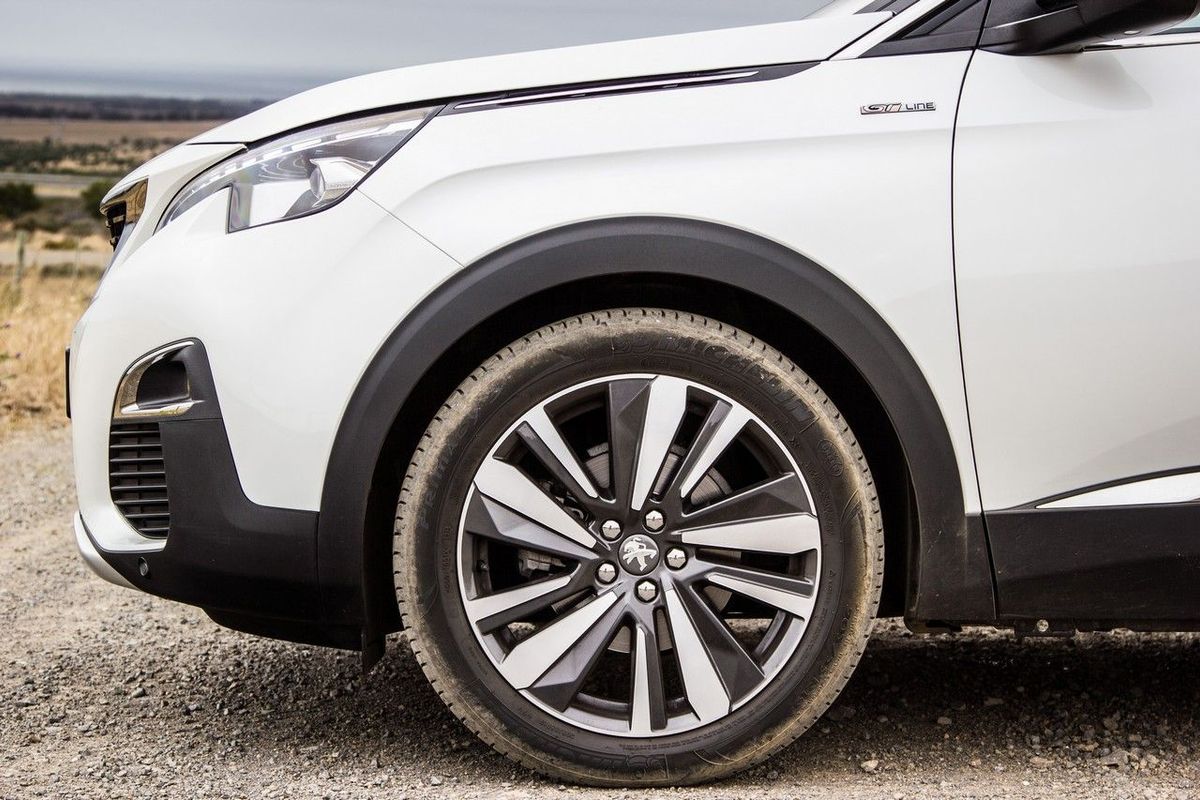
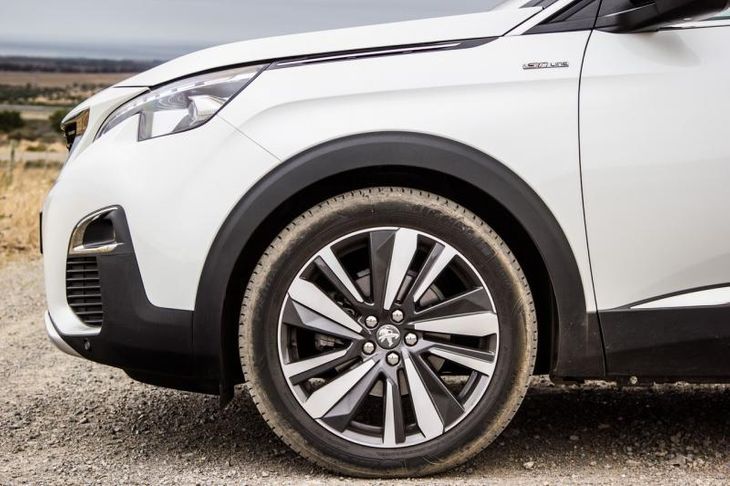
The 19-inch wheels deliver a firm ride quality, but fares better on smooth roads. We felt comfortable and cosseted thanks to the supportive leather seats and thanks to some surprisingly good NVH refinement, there was precious little road and wind noise entering the cabin. The platform feels engineered for some spirited driving and the Peugeot 3008 doesn't wallow like some family SUVs. Instead, it has an air of poise and thanks to its unnaturally small steering wheel, it can feel lively to pilot briskly. Speaking of steering, you'll love how direct it is.
At this price of R520 000, the Peugeot is playing in a distinctly premium segment of the market. Can it garner enough sales to make a success?
Pricing & Warranty
The Peugeot 3008 range starts from R414 900, with this GT-Line retailing for R519 900. The price includes a 3-year/100 000 km warranty and a 4-year/60 000 km service plan with the option to upgrade to a full 5-year/100 000km maintenance plan. A 3-year/100 000 km Roadside Assistance and a 12-year anti-perforation warranty are also included.
Verdict
Well done Peugeot, the 3008 is an excellent product. For those wanting more space, you can wait for the 5008 which will arrive midway through 2018
Without hesitation, we can happily say that the Peugeot 3008 is an excellent product that makes a compelling argument in the cluttered family car/compact SUV segment. The transformation from so-so MPV to near class-leading SUV has been incredible and the car community should be watching Peugeot closely, especially in terms of the brand's cabin executions. We say near class-leading because it's not perfect. The rear passenger legroom is tight when you're transporting four tall adults, something which the 2016/18 #CarsAwards-winning Volkswagen Tiguan does effortlessly. Also, one excellent product will not change Peugeot SA's fortunes and resale value overnight, so we're going to have to watch how it progresses. The range will be expanded in 2018 and we'll see a frugal diesel-powered 3008 reach South Africa.
That being said, the 3008 is Peugeot's finest product in quite a while and, if you were to be swayed by the newcomer's sharp styling, exceptional cabin and refined drive, we wouldn't blame you in the slightest. With that in mind, it's no surprise that the Peugeot 3008 is a finalist in the 2017/18 Cars.co.za Consumer Awards – powered by WesBank.