Range Rover unveils two-door limited edition SUV

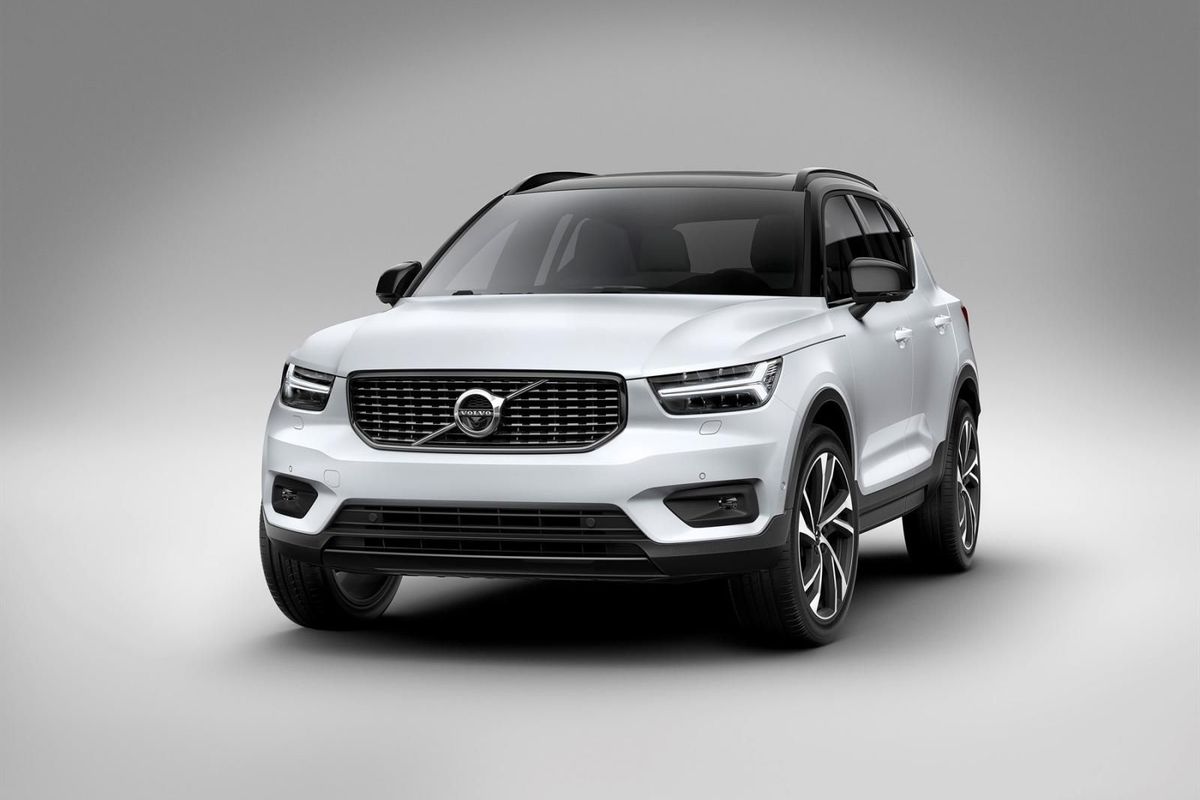
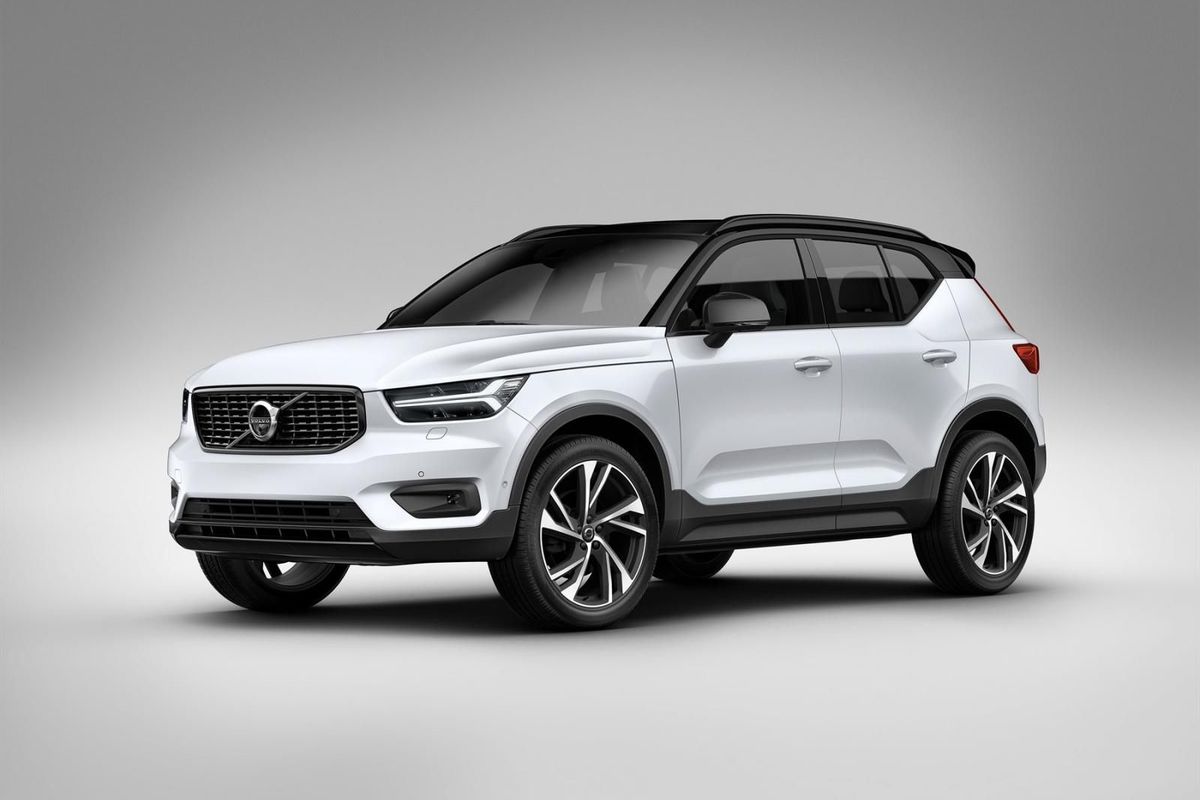
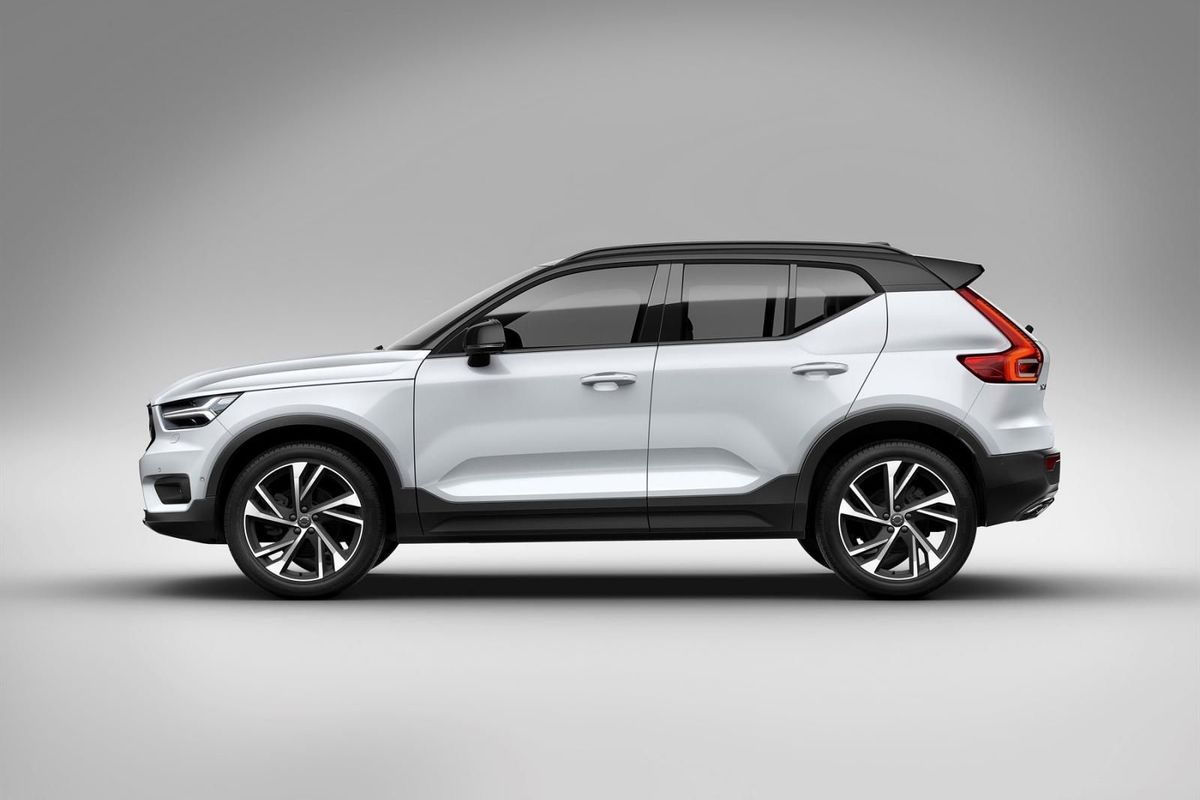
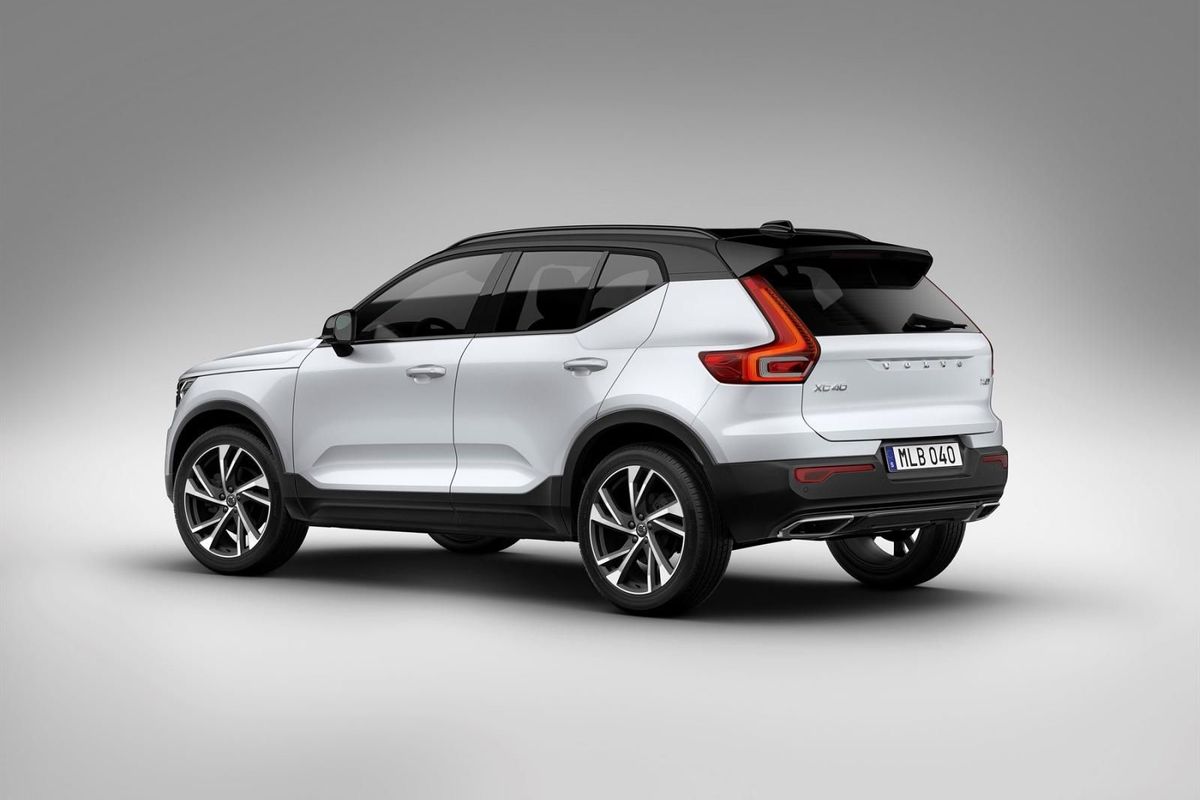
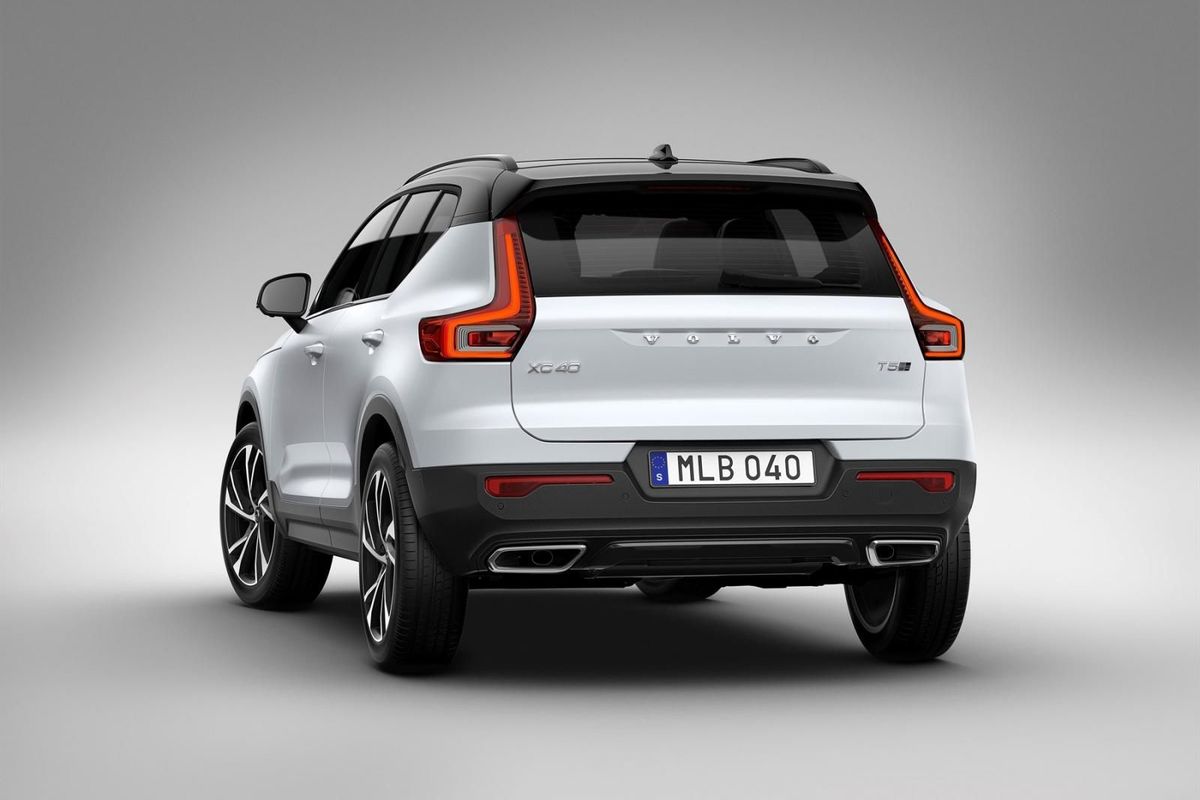
Range Rover has created the limited-edition two-door SV Coupé which is hand-crafted by JLR's Special Vehicle Operations. Let's see what it's all about.

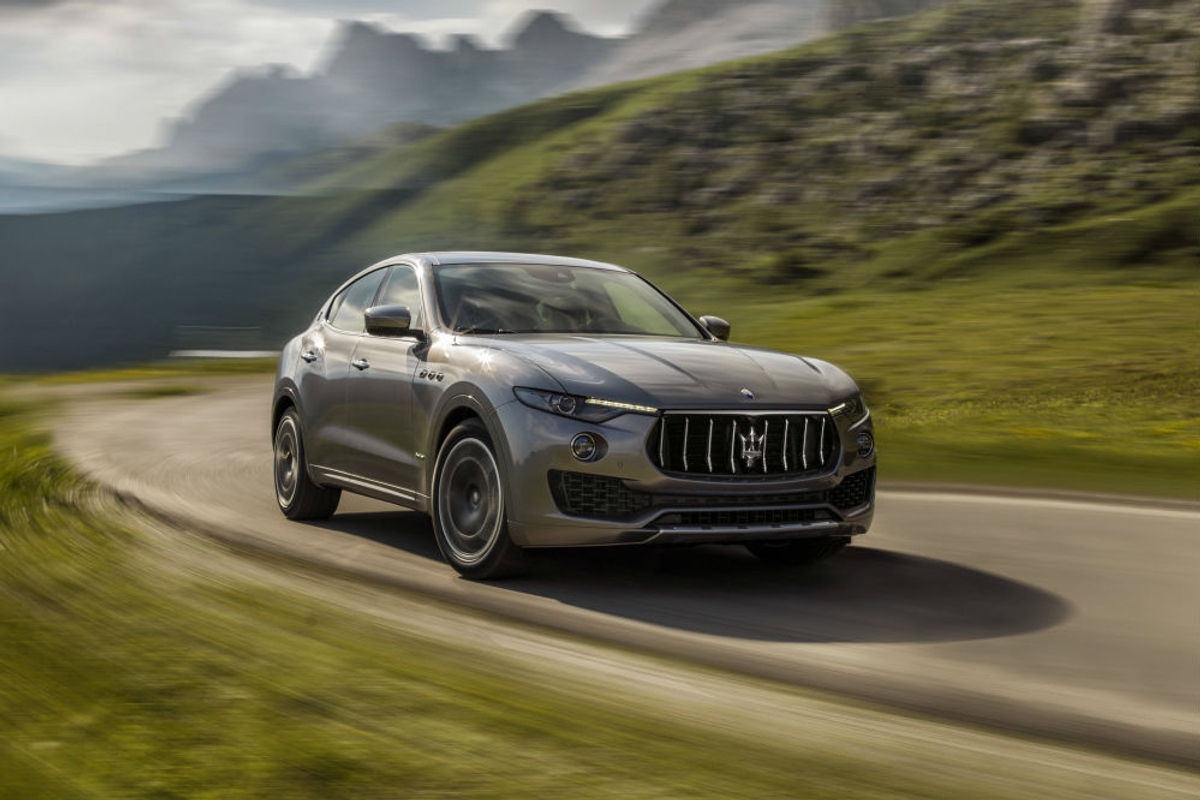
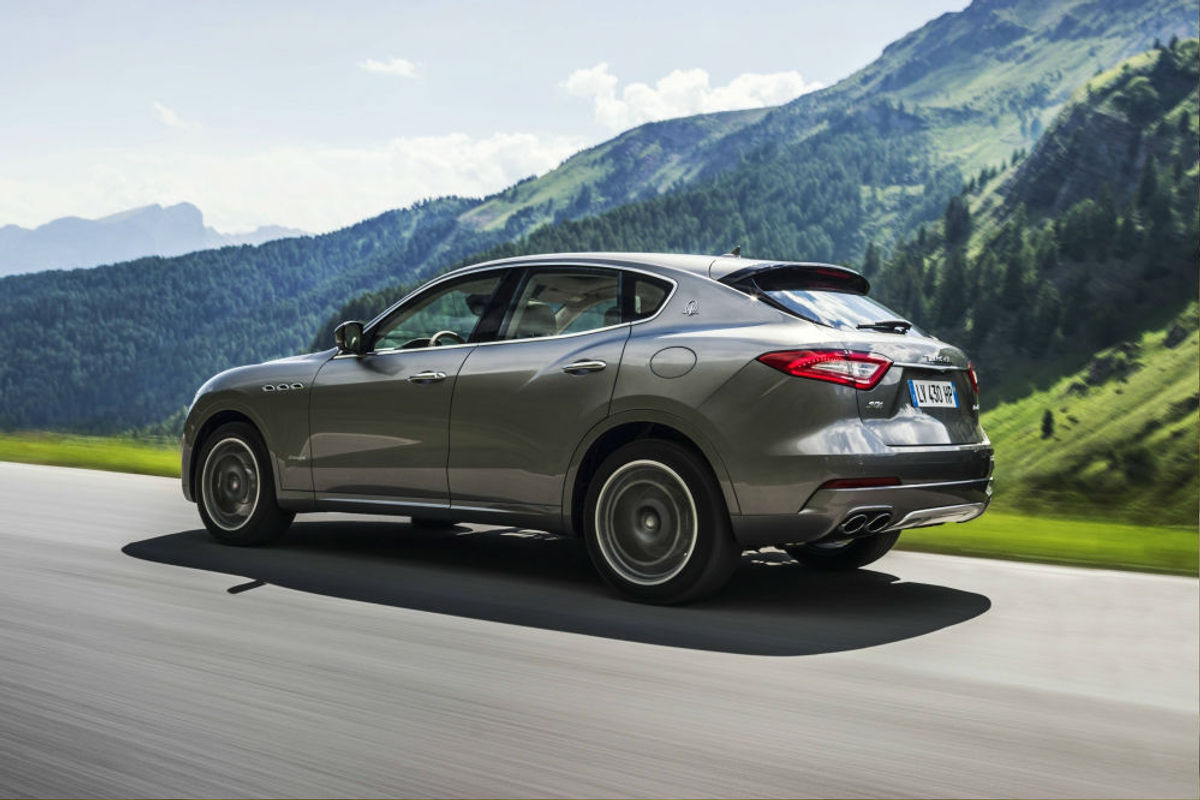
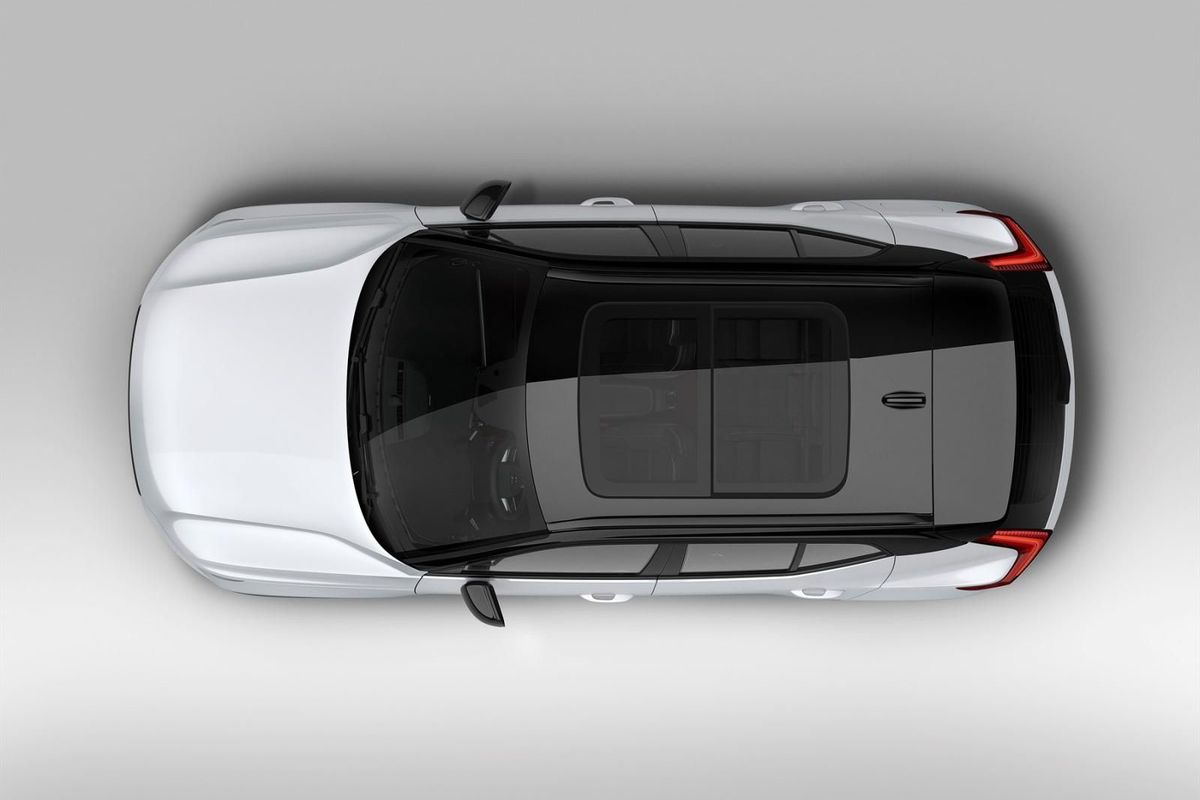
There'll be just 999 units which will be hand-crafted by SVO for clients worldwide. It's a flagship product and will be marketed as the ultimate. It boasts power-close doors with frameless glass, a panoramic roof, option for 23-inch alloy wheels and each SV Coupe will be hand-assembled to the client's individual specification.

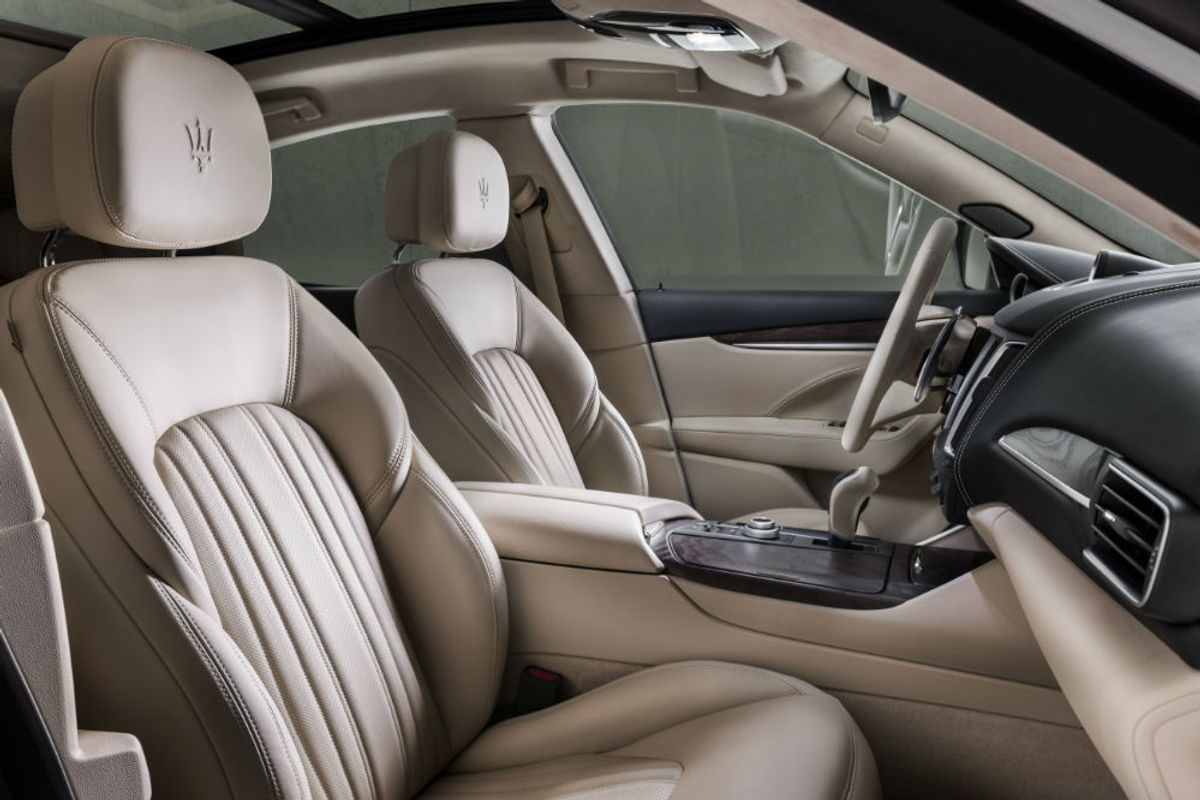
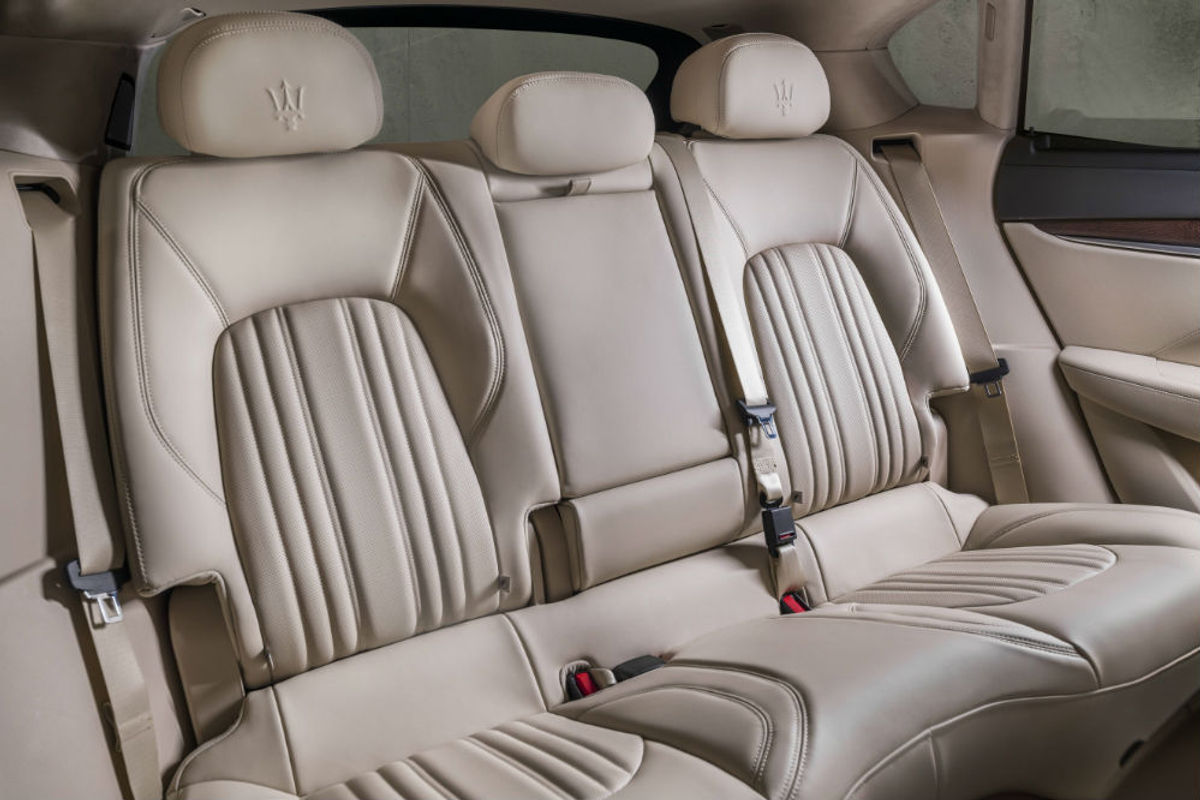
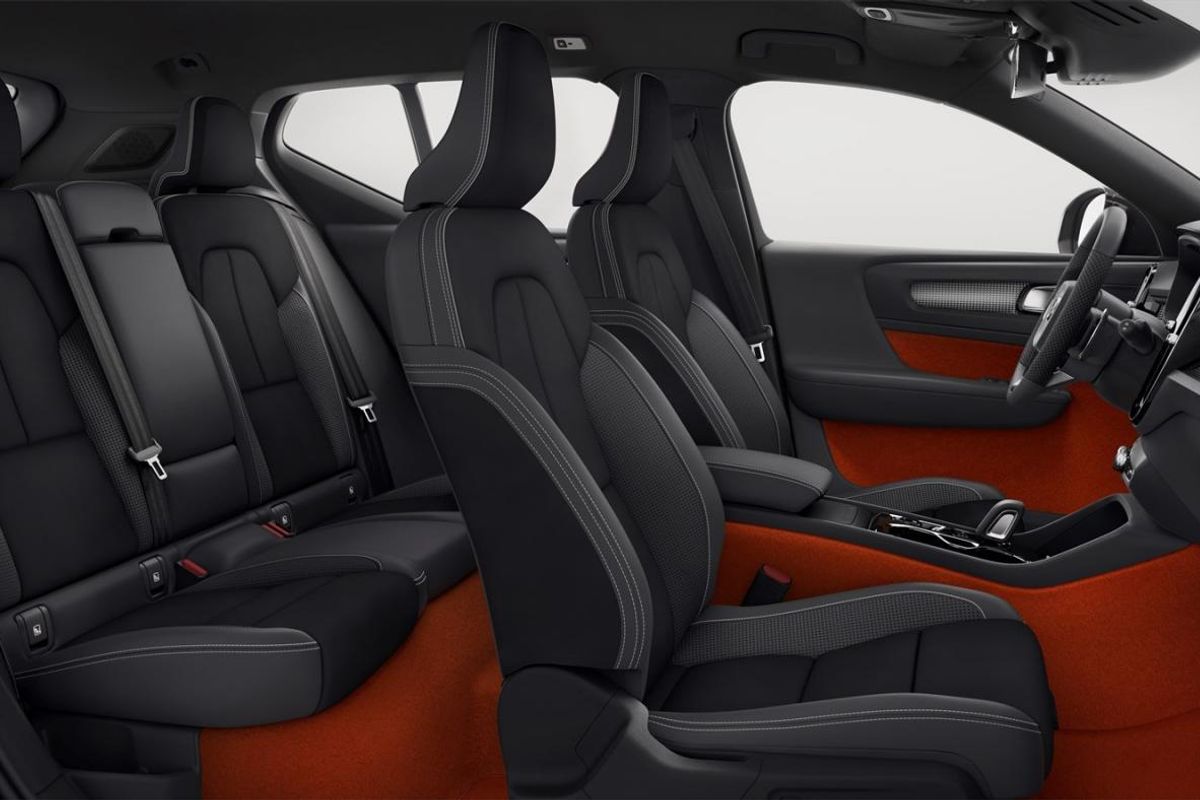
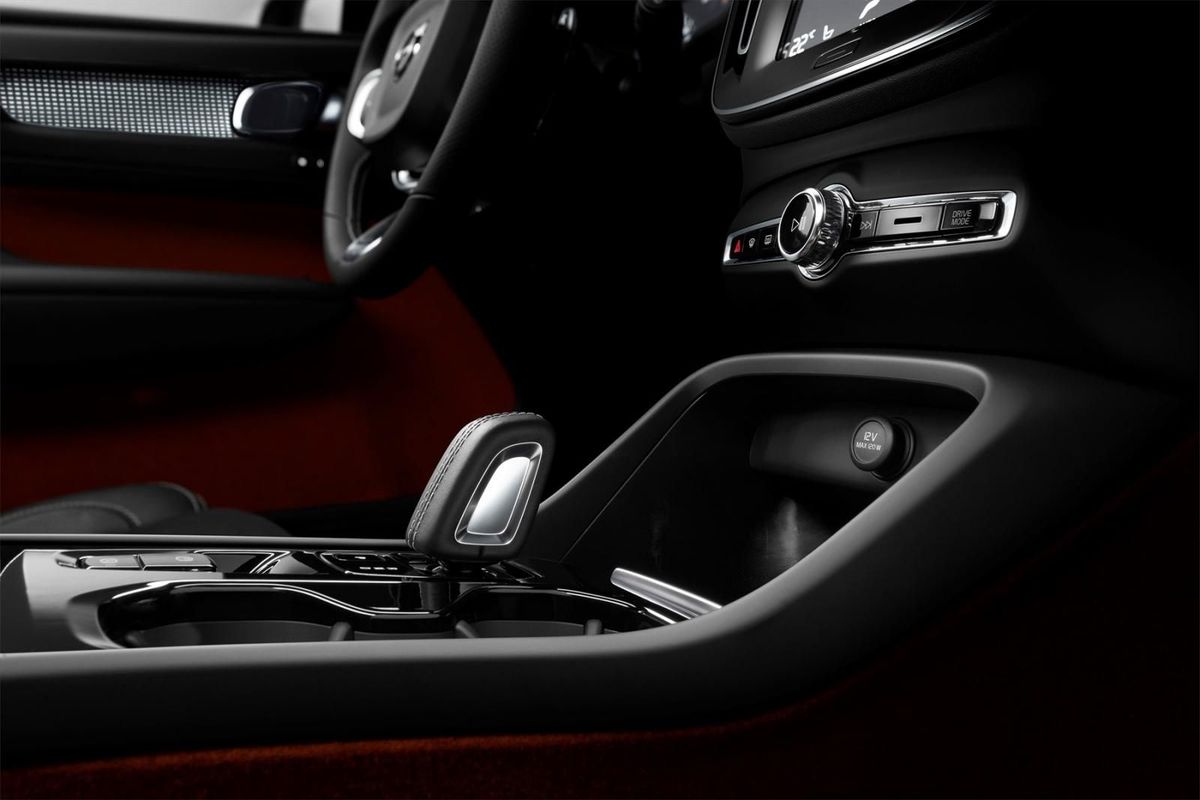
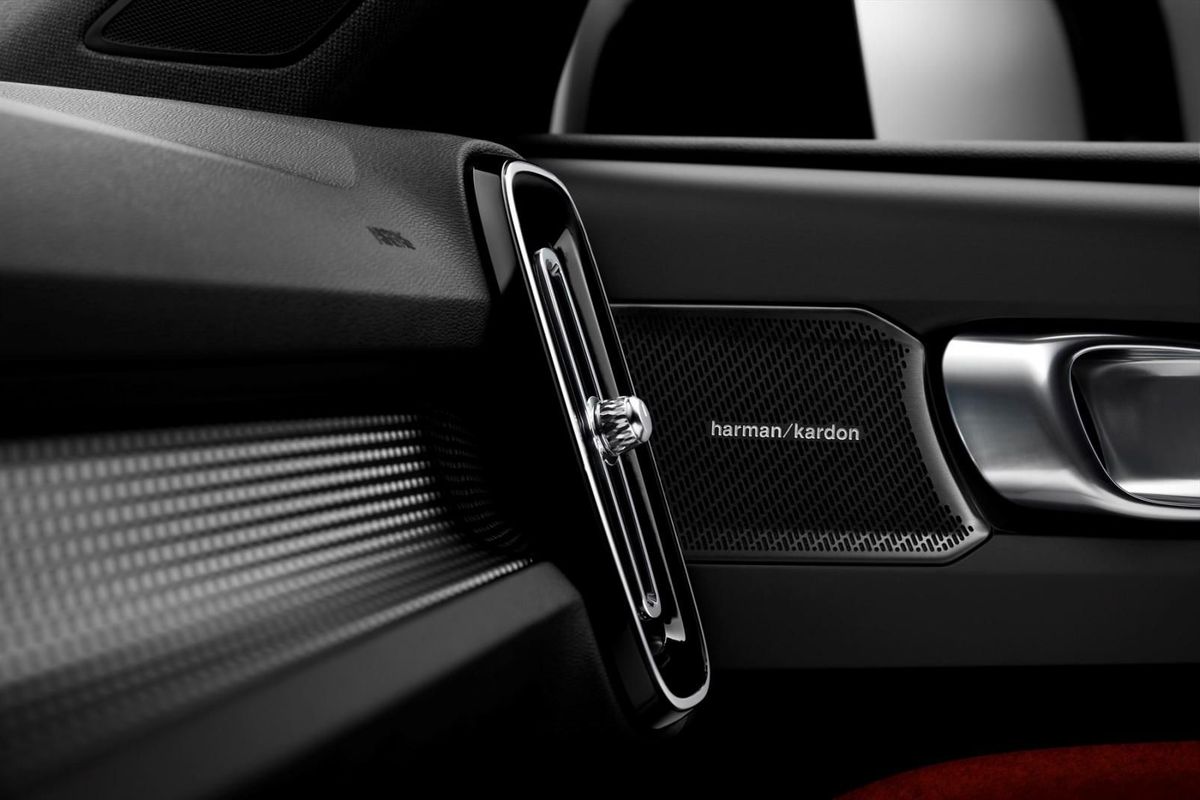
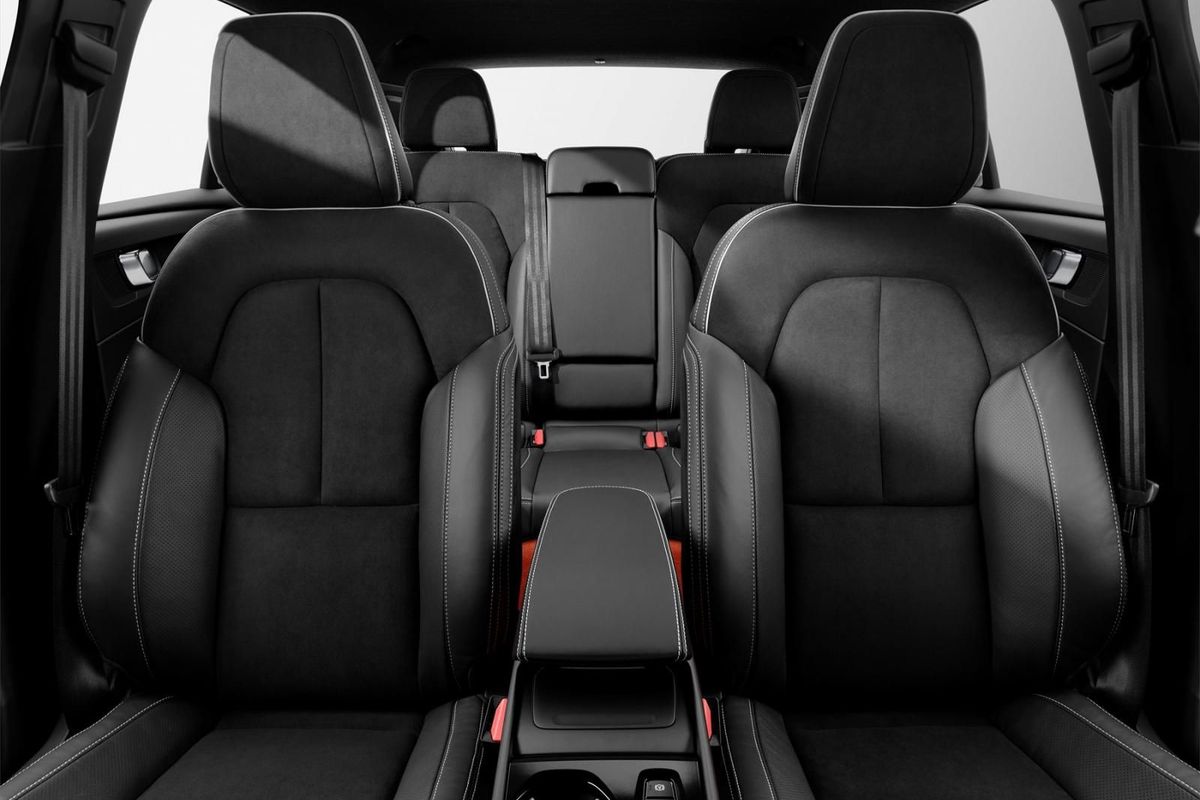
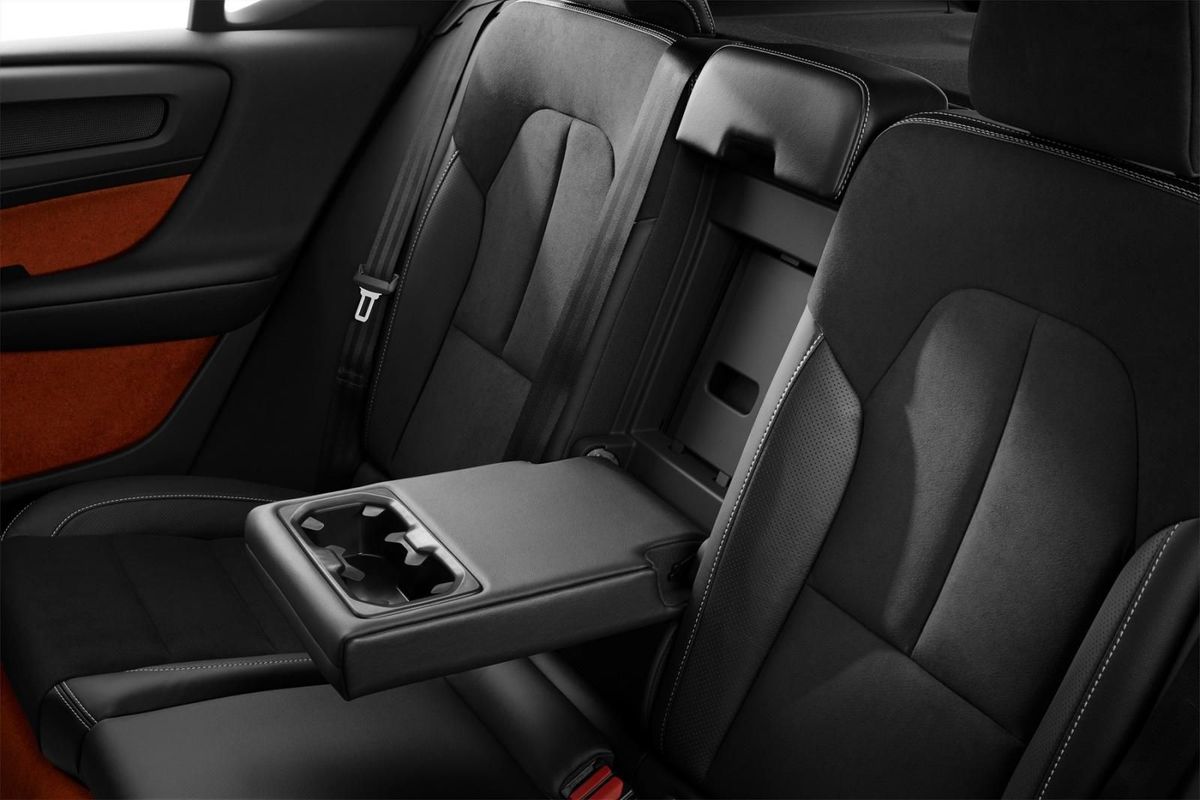
The cabin detailing is extraordinary. Clients will be able to choose from four front-to-rear contrast interior colours or a range of single-tone interior colours. There's a choice of three elegant wood veneers. For those seeking the ultimate in paint finishes, Liquesence brings a liquid metal finish to the party. Being a vehicle from the Special Vehicle Operations division means you can go wild with the customisation. 

Range Rover claims its SV Coupe is the fastest full-size Range Rover, with a claimed top speed of 264 kph. Power comes from the 5.0-litre supercharged V8 motor which does duty in numerous JLR applications. It offers up 415 kW and 700 Nm, and it'll get to 100 kph in just 5 seconds. Despite its performance credentials, it's still a capable offroader. It can wade through 900 mm of water and has a tow rating of 3.5 tons.

The suspension is tuned to provide a more driver-focused edge than the standard Range Rover, with a ride height lowered by 8mm, but will remain composed and comfortable at all times. Plus, the SV Coupé loses none of Range Rover's legendary all-terrain ability, with 900mm maximum wading depth – and a maximum towing capacity of 3.5 tonnes. 

As for the price, well Range Rover says sales will be starting towards the end of 2018 and the new SV Coupe will cost £240 000. JLR South Africa has confirmed that a limited number of units have been made available and those prospective customers should register their interest on the local website.

Buy a Range Rover on Cars.co.za

Related Content

Range Rover Velar P380 R-Dynamic HSE (2017) Review

Range Rover Velar P380 HSE (2017) Video Review

7 Rivals the Range Rover Velar Needs to Beat

Facelifted Range Rover Sport (2018) Specs & Price [w/video]

Facelifted Range Rover (2018) Specs and Price [w/Video]

Range Rover SVAutobiography Headed For SA

6 High-Performance SUVs Coming to SA in 2018


Hyundai Le Fil Rouge Concept Revealed

Hyundai showcases its new design language with an all-new concept called Le Fill Rouge.

The Hyundai Le Fill Rouge concept, which means common thread, focusses on where Hyundai plans to take its design in the future. Hyundai wants to design cars that look sporty and have 'heightened emotional' appeal. The Fill Rouge concept was designed using the golden ratio, a long wheelbase and short overhangs.

The concept adopts ‘Light Architecture’ for its exterior which makes it look like it's in forward motion even when standing still. This approach also has the effect that the concept was drawn with one smooth line.

There are no performance details available as the concept focusses purely on the design language Hyundai is interested in pursuing. On that note, just enjoy the pictures.

Related content

Hyundai Veloster N under consideration for SA [w/Video]

Hyundai i30 N (2018) International Launch Review
Motoring tech of the future – CES 2018


Nissan IMx Kuro Concept Knows What You’re Thinking

Nissan has shown the IMx Kuro concept in Geneva. The model has had a few updates from the model shown in Tokyo last year and now features a brain awareness system.

The IMx Kuro follows on from the model shown in Tokyo last year. The new tech installed for the Kuro model is a Brain to Vehicle (B2V) system that improves driver's reaction times and driver enjoyment. By catching signs that the driver’s brain is about to initiate a movement – such as turning the steering wheel or pushing the accelerator pedal – driver-assist technologies can begin the action quicker. This can improve reaction times and enhance manual driving. The driver wears a device that measures brain wave activity, which is then analyzed by autonomous systems. By anticipating intended movement, the systems can take actions – such as turning the steering wheel or slowing the car – 0.2 to 0.5 seconds faster than the driver, while remaining largely imperceptible.

Built on Nissan’s EV platform, the sleek and sporty-looking IMx Kuro Concept is powered by 2 electric motors, one over each axle with a combined power output of 320 kW and 700 nM of torque. Power is supplied by a high-capacity battery that will allow the IMx to travel over 600 km, which substantially more than the 400 km offered by the second-generation Nissan Leaf.

Fully autonomous driving

The IMx Concept features the latest version of Nissan ProPilot, allowing for fully autonomous driving. When the system is activated, the steering wheel retracts and is stored in the dashboard and the seats recline so that you can you read the morning newspaper. When ProPilot is disengaged, the steering wheel and seating positions return back to normal so that the driver can take control of the vehicle again.


The IMx Concept features a futuristic and spacious interior. What's next?

The IMx Concept features a spacious cabin and according to Nissan, was designed to deliver sharp handling.

Buy a Nissan on Cars.co.za

Related Content

5 Reasons Why New Nissan Leaf is Important

New Nissan Leaf Does Electric Better [Video]

Nissan Navara 2.3D 4×4 LE (2017) Review

Bakkie Comparison: Nissan Navara vs Ford Ranger Fx4 [with Video]

Nissan Navara vs VW Amarok (2017) Which is better for off-roading?

2017/18 Cars.co.za Consumer Awards – powered by WesBank; Finalists

Bentley Bentayga Showcases new Hybrid

Bentley has revealed its first plug-in hybrid model for the Bentayga. It claims to have started a new sector in the market called the luxury hybrid.

Obviously, Bentley doesn't regard the Porsche Panamera or Cayenne as luxury enough to be considered for its newly created sector as both are also equipped with hybrid systems. Anyway, the Bentayga hybrid makes use of a V6 petrol engine and an electric motor that is capable of 50 km of pure electric drive.

Bentley says the need for a hybrid is crucial if the company wants to comply with forthcoming regulations on CO2 emissions, especially in city driving. The hybrid Bentayga comes with its own app suite within the infotainment system that allows the driver to monitor the state of electric power and consumption. The battery usage can also be managed through multiple driving modes that include EV Drive, Hybrid Mode and Hold Mode. To maximise efficiency, the vehicle uses satellite navigation information to calculate the best usage of electric motor and engine for every journey. Inputting a destination into the navigation system will command the car to automatically engage the correct E Mode for each part of the journey, constantly calculating the most efficient use of battery charge and storing electrical energy for sections of the journey where it is most useful – such as when arriving in the city.

The electric motor can be charged from a normal wall socket but can be charged via an industrial connection installed in your home in just 2.5 hours. The unit that is installed in your home is not just a normal wall-mounted charge station. Bentley has partnered with Philippe Starck, to create a concept for a highly desirable recharging unit. The power dock, as it calls it, showcases the exquisite attention to detail, using sustainable and elegant materials. The stylish surround is formed from pressed eco-linen with bio-sourced thermosetting resin, while the domed frontage is fashioned using a hot-pressure aluminium casting.

The Bentayga Hybrid is expected to go on sale later in 2018, but only in selected markets.

New Bentayga hybrid video

Related content

Bentley Bentayga (2016) First Drive

Bentley Bentayga Gets Diesel Power

Range Rover SV Coupe Announced

Facelifted Range Rover (2018) Specs and Price [w/Video]

New Renault EZ-GO concept takes shared urban mobility to a new level

Renault's goal is to provide mobility for the masses in a clean and efficient manner, and the brand has unveiled the EZ-GO to help alleviate congestion and pollution in modern cities.

With cities experiencing pollution and traffic congestion, it makes perfect sense to ride share and with the age of the electric car and autonomy upon us, this concept from Renault appears to make a lot of sense. The new Renault EZ-GO concept doesn't even look like a car. EZ-GO is not just a car, but also a service. It can be ordered through an app or via an actual station. It offers the comfort and privacy of a normal car, without anyone having to actually drive. The vehicle is autonomous which means you can read a book, browse the Web with your device or even sleep.

Renault's EZ-GO can carry up to six people and it travels around completely autonomously as it has level 4 capability. EZ-GO can control the distance from the vehicle in front, stay in lane and change lanes. The cabin has been cleverly designed to maximise the space and the light entering, so it never feels claustrophobic. It has a top speed of 50 kph, which is ample in the confines of a modern city. The cabin is fitted with the latest creature comforts like Wi-Fi connectivity and induction charging.


The Renault EZ-GO is a new take on ride-sharing and public transport. 

Further Reading

5 Alternatives to the New VW Polo Vivo

Hyundai Grand i10 1.2 Glide (2018) Quick Review

Volkswagen Polo Vivo 1.4 Comfortline (2018) Review

Limited Edition Renault Clio RS 18 Coming to SA

New Ford Mustang Bullitt Appears in Geneva

Ford has recreated the iconic Mustang from the movie Bullitt in a modern Mustang.

In an attempt to breathe a bit more heritage and prestige into the current Mustang model, Ford has recreated the 1968 Mustang GT Fastback driven by Steve McQueen in the movie Bullitt. The special edition comes with a bit of a power hike taking the 5.0-litre V8 from 306 kW to 340 kW. Ford includes a new rev-matching technology, which is said to deliver smoother downshifts accompanied by an engine blip, and an active valve performance exhaust system enhances the V8’s signature burble.

To recreate the exterior of the Bullitt car, this Mustang includes 19-inch Torq Thrust-style wheels, red Brembo brake callipers and a faux BULLITT fuel-filler cap. The interior features Recaro sports seats, and each Mustang Bullitt will have an individually numbered plaque in place of the traditional Mustang emblem on the passenger-side dashboard. As a nod to the original car’s interior, the gear shifter features a white cue ball gearshift knob.

Related content

The Mustang Effect

Ford Mustang Tops Global Sportscar Sales

2018 Ford Mustang Spotted… And It Looks Weird

Searching for a used Mustang?

Start your search here

Nissan SA expands Navara Range

Nissan South African has expanded its Navara double cab line-up to incorporate a more affordable 4×2 derivative. Here are the specifications and pricing for the newcomer.

The recently introduced Navara hasn't quite lived up to expectations – it shows in the bakkie's new vehicle sales figures. However, we've found it to be a good product that's more than capable on the rough stuff. This week Nissan expanded its Navara family with a new 4×2 double cab derivative, which should bolster the bakkie's appeal.

The new Nissan Navara 4×2 features the same multi-link rear suspension as the rest of the range and it's still capable of towing up trailers of up to 3.5 tonnes. It further retains the rest of the range's 1-tonne payload capacity. Power comes from the 2.3-litre turbocharged and intercooled 4-cylinder diesel engine, with peak outputs of 140 kW and 450 Nm (the latter from just 1 500 rpm). The new Navara 4×2 is available with either a 6-speed manual gearbox or a 7-speed automatic transmission.

In terms of features, Nissan's new 4×2 Navara benefits from further reductions in engine noise, vibration, and harshness, which means it should be a little quieter to drive. The 2-wheel-drive derivatives come equipped with, inter alia, Bluetooth audio streaming, satellite navigation, USB connectivity, keyless stop/start, 360-degree camera, LED headlights, dual-zone air conditioning, cruise control and a complement of 7 airbags.

Nissan Navara Price in South Africa (March 2018)

The Navara 4×2 DC has a warranty valid for 6 years/150 000 km and a 3-year/90 000 km service plan (all quoted prices include VAT).

Nissan Navara 2.3 4×2 SE DC MT – R457 900

Nissan Navara 2.3 4×2 SE DC AT – R471 900

Nissan Navara 2.3 4×2 LE DC – R519 900

Nissan Navara 2.3 4×2 LE DC + Leather seats – R532 900

Nissan Navara 2.3 4×2 LE DC AT – R538 900

Nissan Navara 2.3 4×2 LE DC AT + Leather seats – R551 900

Nissan Navara 2.3 4×4 SE DC MT – R523 900

Nissan Navara 2.3 4×4 LE DC MT – R573 500

Nissan Navara 2.3 4×4 LE DC MT + Leather seats – R586 500

Nissan Navara 2.3 4×4 LE DC AT – R594 900

Nissan Navara 2.3 4×4 LE DC AT + Leather seats – R605 900

Further Reading

Nissan Navara (2017) First Drive

Nissan Navara (2017) Specs & Pricing

Nissan Terra SUV for SA? [w/Video]

3 Reasons Why Nissan Navara is #CarsAwards Finalist

Nissan Navara 2.3D 4×4 LE (2017) Review

BMW M5 Price Announced for South Africa

The price for the about-to-be-launched BMW M5 super sedan has turned up on the local BMW website. Here's how much the Bavarian autobahn weapon will cost.

The new BMW M5 heralds a new chapter for the Bavarian carmaker as it'll come to market with M xDrive all-wheel drive, a radical departure from the famed rear-wheel drive M5's of the past. It'll be powered by a revised twin-turbocharged 4.4-litre V8 engine packing a hearty 441 kW and 750 Nm punch. 

With launch control dialled up, the M5 utilises its specially tuned 8-speed M Steptronic transmission (with Drivelogic) to sprint from 0-100 kph in 3.4 seconds, BMW claims. Top speed is electronically limited to 250 kph, but can be increased to 305 kph with the optional M Driver's Package.  When it comes to market later this month, the M5 will go up against the Audi RS6 and Mercedes-AMG E63 S. You can select between different driving modes that can switch the M5 from all-wheel drive to rear-wheel drive configuration. The combinations of the dynamic stability control modes are: DSC on, MDM, DSC off… and the M xDrive modes are 4WD, 4WD Sport and 2WD.

The launch takes place towards the end of March 2018 and we'll be in attendance. As for the price, the BMW SA online configurator says that the new M5 goes for R 1 732 300, before you specify any additional options. We'll have an in-depth specification and pricing article coming on the day of the launch.

Further Reading

BMW M5 Competition Pack on its way

New 441 kW BMW M5 Revealed [with Video]

Next BMW M5 Spied in the Snow

BMW M5 Pure Metal – The Most Powerful M5 Ever Made [Video]

Mercedes-AMG E63 S 4Matic (2017) First Drive

Audi RS6 Avant vs Jaguar F-Type Coupe AWD R – The Final Showdown

Interested in buying a used BMW M5?

Search for one on Cars.co.za now

Mercedes-AMG CLS 53 (2018) International Launch Review
The new Mercedes-Benz CLS gets launched in fast new Mercedes-AMG CLS 53 form – among others. Can the new four-door coupe out-slick the just as new Audi A7? International correspondent Matt Prior reports back from the international launch in Spain.

Fifty-three, then. Not 63, not 43 and, heaven forbid, not 65. The new Mercedes-Benz CLS – the sleek four-door coupé now into its third generation, can you believe? – is here, and the rapid AMG variant, the 53, is almost as significant as the fact that the car itself is new.

Perhaps more so. But let’s deal with the CLS bit first. It’s a new CLS, seating five and promising to do the same ‘sleeker E-Class thing’ as it has done during the past 15 years. To that end, it’s E-Class sized, 4.98 m long, with a range of turbocharged and electrically enhanced diesel and petrol engines, which will extend to a four-cylinder petrol later.

In ‘53’, a new AMG naming strategy has emerged, as it has for the regular models, where an increasing number indicates merely an increasing power output, albeit derived from a structure originally based around engine capacity. 


Mercedes-AMG has chosen the 53 engine to do the heavy lifting in the new CLS. It doesn't disappoint.

On some models, a 3.0-litre straight six-cylinder engine becomes the AMG 43, while there’s also a 4.0-litre twin-turbocharged V8 known as the 63. Between these, AMG reckons there’s enough room to slot a 53 derivative. Whether a particular car will get 43, 53 or 63 options will, ultimately, be at AMG’s whim, but my guess is that if there’s a stand-alone AMG model above it, you’ll get a 53 and an AMG, and if not, you’ll have a 43 and a 63. So the E-Class coupé has a 53 with the AMG GT coupé above it. The CLS has a 53 and the upcoming GT4. The E-Class, say, would have 43 and 63 derivatives. Perhaps. I’ve been wrong before. Some might get all three. 

So what is an AMG 53?

The 53 is a 3.0-litre, and of extraordinary complexity. Deep breath. It’s an in-line six-cylinder petrol, mounted longitudinally, all of whose exhaust outlets pass through a single, large, twin-scroll turbocharger, mounted high and near as damnit next to the exhaust ports. To cover the inevitable turbo lag from this, though, there is also an electrically powered compressor, located on the other side of the block, just before an intercooler right next to the inlet ports, which can help suck air through the induction tract before the big turbocharger is boosting properly. Following? Good.


The AMG 53 doesn't feature any belts to power things like the alternator, making it smaller than a normal unit.

The inlet for that compressor comes after the big turbo, where a variable stopper in the main inlet tract, which runs around behind the engine, can divert a little, or all, or any combination – in reality, it’ll be varying the proportion constantly – of air through a smaller tube to the electric compressor, after which, suitably pressurised, it flows back to the main inlet tract just before a throttle butterfly. Still following? Sigh, me neither. Anyway, it makes 320 kW and 527 Nm, which is quite a lot in itself.

But in addition to both of these forced inductors, mounted between the engine and the nine-speed automatic gearbox sits an integrated starter/generator (ISG), an alternator/starter motor and flywheel combo, which can contribute 16 kW and no less than 250 Nm to the engine’s already imposing output. 

Satisfying the boss

Ultimately, though, all of this power goes to the CLS’s rear wheels most of the time, with a standard all-wheel drive system on all models diverting it to four wheels when the rears threaten to slip. Unlike, say, the E63 AMG, you can’t lock the 53 into rear-drive mode for adolescent slides.

Which is perhaps just as well. Our drive takes place in Spain during the first time for about a decade that it has experienced snowfall. So our CLS53 is wearing winter rubber, which, AMG engineers tell me, will reasonably soften the way it grips and steers.


Unlike these pictures, the launch took place under snowy skies meaning the launch vehicles all had special winter tyres fitted.

One of the challenges of the 53 was, by all accounts, to make it feel sufficiently different from a regular CLS to satisfy AMG boss Tobias Moers, who’s quite particular. Full-fat AMGs do have quite a distinct character: they’re loud, brash and way more capable these days than the hot rods they were a decade or so ago but still dominated by their V8 engines.

That’s a harder character to inject with a straight six, obviously, especially one whose exhaust is so muted by turbo and which, by definition, is a bit semi-skimmed next to a 63. But the engine is sparky. It’s by no means loud, but throttle response and linearity really are exceptional, with a rev limit at nearly 7 000 rpm and a character and note that has shades of BMW M car. It’s a belting engine, in fact. I wonder if Aston Martin, part-owned by Daimler as it is, has thought about one day dropping one into a Vantage.

Air sprung setup

And if regular wheels and tyres – 20-inch and 21-inch will be most buyers’ norms, you suspect – sharpen the steering over these winters, it’ll be intensely responsive for a big saloon. Okay, okay, big coupé. Because accuracy and steering response are already great. It’s probably more responsive to the steering, I’d say, than a BMW M5, while standard air springing brings a level of both control and compliance where coil springs tend to force a compromise to one or the other; only this comes without the echoey ‘sproing’ that affects some air suspensions.


Air suspension is standard on the AMG model and doesn't compromise on control or comfort. 

Air springs, although optional rather than standard as they are on the AMG, were also fitted to the two other CLSs I’ve tried. A 400d, with a 3.0 straight-six diesel and 250 kW, is wickedly fast, while a new four-cylinder petrol, arriving later, is not. Although handling is improved yet again by having a lighter engine in the nose. Both, also, use an ISG (which Mercedes dubs EQ Boost) so throttle response is instant and letting the auto ’box lug it out, rather than changing down yourself, is the easiest way to make good progress.

One of Merc's best interiors

Whatever engine your CLS comes fitted with, though, makes no difference to the way it feels inside, which is little short of excellent. In overall cabin layout and ergonomic decency, things mirror the E-Class here: the driving position is spot on and dead straight, with hugely adjustable wheel and clear, digital instrument panel, plus central monitor. Wiper and indicator stalk to the left, gear lever to the right, controls for one of motoring’s better infotainment systems on the centre console.


A well thought out cabin, much like the E-Class except for the air vents, which have their own mood lighting LEDs, bringing them to life.

Material finish is great but it’s the vents that are coolest – steampunky-turbine-looking things that bask and reflect the glow of their own diddy central LED mood lights, in low light. Really lovely. Headroom in the rear is, obviously, a bit tighter than in a conventional saloon, for the passengers you probably won’t have anyway, and the boot’s of a similar ‘yeah, fine, whatever’ capacity. If it’s not big enough, there’s always the E-Class, you know?

Summed up

Overall, whether equipped with a lesser engine or with the new AMG 53 unit, the impression you get from the CLS is one of smoothness, slickness: even the 53 is never in-yer-face, never urging you to go harder or, in Australian parlance, ‘begging to be fanged’.

Eventually, it turns out Moers was satisfied that the 53 was AMG-ish enough to pass muster, but it took a lot of iterations and a lot of tweaks before it got there. Perhaps in grippier conditions, and on normal rubber, the 53 would feel more like a true AMG than it does to me here, but then I don’t mind if it doesn’t. Perhaps I’m less picky than Moers, because it strikes me there’s not a lot wrong with it this way.

Quick Specs

Price: R1.6 million (est) 

Engine: 3.0-litre 6-cyl, turbocharged petrol 

Power: 320 kW at 6 100 rpm 

Torque: 527 Nm at 1 800 – 5 800 rpm, plus electric motor, 16 kW and 250 Nm 

Gearbox: 9-spd automatic 

Kerbweight: 1 980 kg 

Top speed: 250 kph (limited) 

0-100 kph: 4.5 sec 

Fuel economy: 8.7L/100 km 

Rivals: Audi A7 SportbackMaserati Ghibli SPorsche Panamera Sport Turismo

Related content

Spy Shots: Mercedes-AMG's 4-door GT (GT4)

Audi A7 Sportback (2018) International Launch Review
BMW M4 DTM vs Mercedes-AMG GTR – Drag Race

New AMG 53 Engine is Official

Hyundai Veloster N under consideration for SA [w/Video]

While we wait patiently for news on the local introduction date for the VW Golf GTI-rivalling Hyundai i30 N, we've learnt that the Veloster N is also in Hyundai South Africa's sights. Are you curious as to what the Veloster N will sound like? Well, this video showing a pre-production Veloster N gives us a strong indication.

Hyundai unveiled an all-new Veloster and performance-orientated Veloster N earlier this year at the Detroit Motor Show. The Veloster N follows from the highly anticipated i30 N and is the second N model to come from the Seoul-based brand.

The Veloster N is powered by the same turbocharged 2.0-litre engine used in the i30 N and offers 205 kW and 353 Nm of torque with a 6-speed manual transmission fitted as standard.

The Veloster N is differentiated visually from its lesser Veloster sibling with beefier bumpers, new grille design, roof mounted spoiler, rear diffuser and dual exhaust pipes. The interior is fitted with sports seats, a sporty steering wheel and gear lever as well as an N-design instrument cluster with N-logos seen on the sill plates.

As is the case with the i30 N, Hyundai is eager to introduce the Veloster N here, provided the local importer can procure stock at a cost that will make the model price competitive. We expect it to reach our shores late in 2018 or in 2019.

The video below shows a pre-production Veloster N, but more importantly, it gives us an idea of what the car will sound like. Let us know if you like what you hear…

Buy a Hyundai Veloster on Cars.co.za

Related Content

New Hyundai Veloster and Veloster N Shown

Hyundai Veloster Turbo (2015) Review

Spy Shots: Mid-engined Hyundai "Veloster" Spotted

10 Cheapest New Cars With 150 kW Or More

Hyundai i30 N (2018) International Launch Review
Cars Coming to SA in 2018