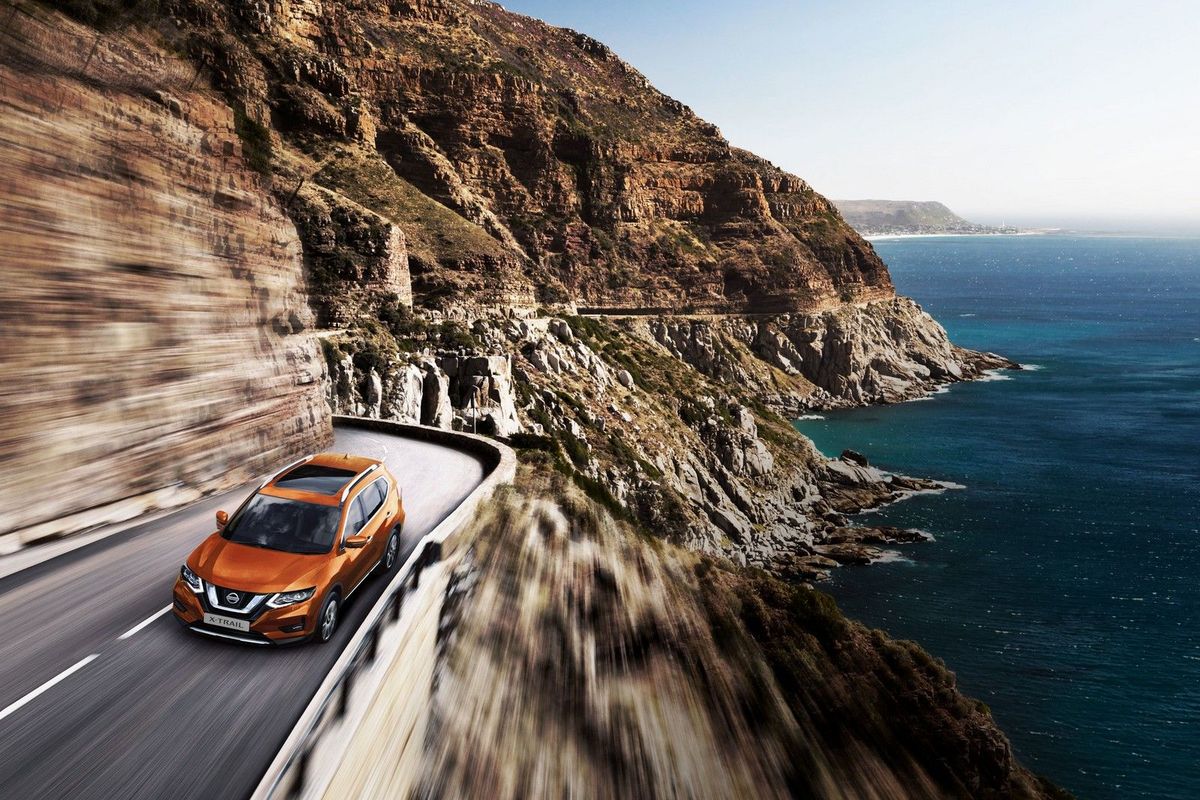
There’s a new Nissan X-Trail on the block, and although it’s only a facelift, the new crossover does boast a considerable array of useful new tech and a sensible set of practical, aesthetic and safety enhancements.
The facelifted X-Trail was revealed in June and officially launched in South Africa this week – look out for our full review coming soon.
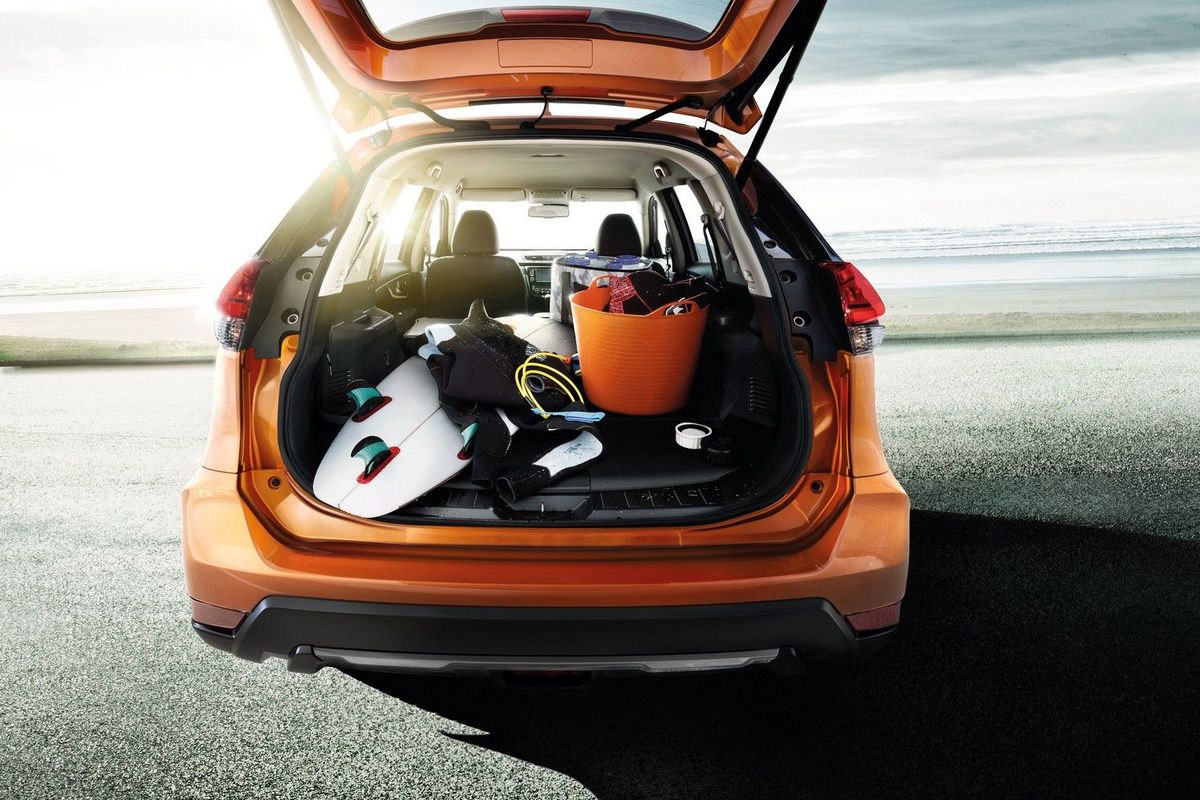
Nissan features prominently in the crossover segment and continues to offer versatile vehicles that are equally happy on the urban weekday commute as they are on off-the-beaten-track weekend adventures with the family (and dog).
In terms of its siblings, the X-Trail is Nissan’s flagship premium crossover (dwarfed only by the Patrol, a new version of which is also due soon), while the Juke remains a popular small SUV and the Qashqai continues to do duty as Nissan’s mid-sized crossover.
New tech
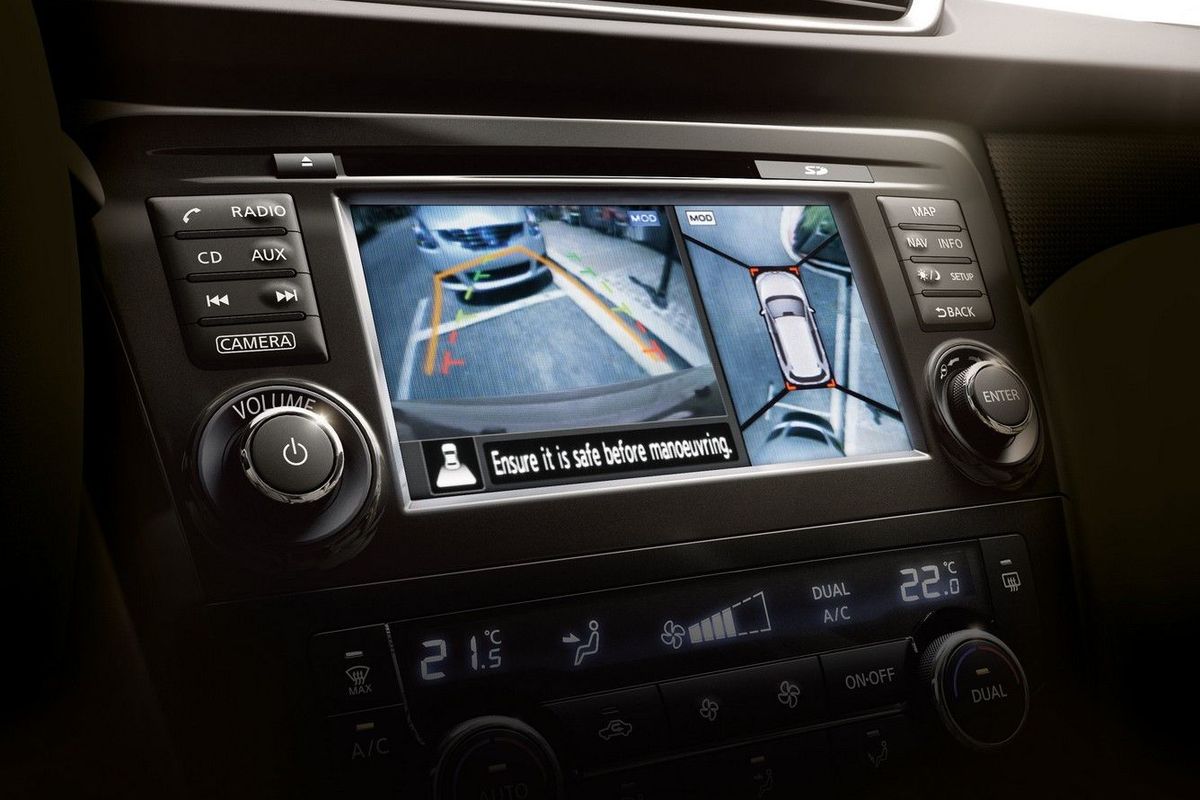
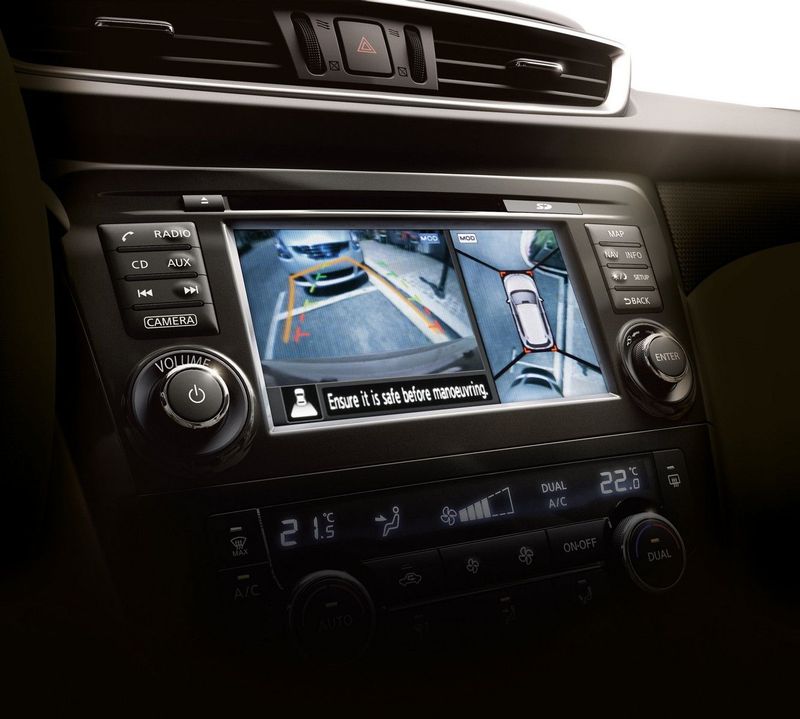
The around-view monitor makes parking much easier.
The new X-Trail features Nissan Intelligent Mobility enhancements which will alert the driver when things seem a little precarious, like when there’s another vehicle in the blind spot, or when straying from a lane, or when backing out of a parking around other moving cars.
There’s also automatic emergency braking, potential collision warning, automatic high/low beam headlights and what Nissan calls an Intelligent Around View Monitor, allowing for drivers to park more easily by having a better awareness of the vehicle’s surroundings.
Interior upgrades
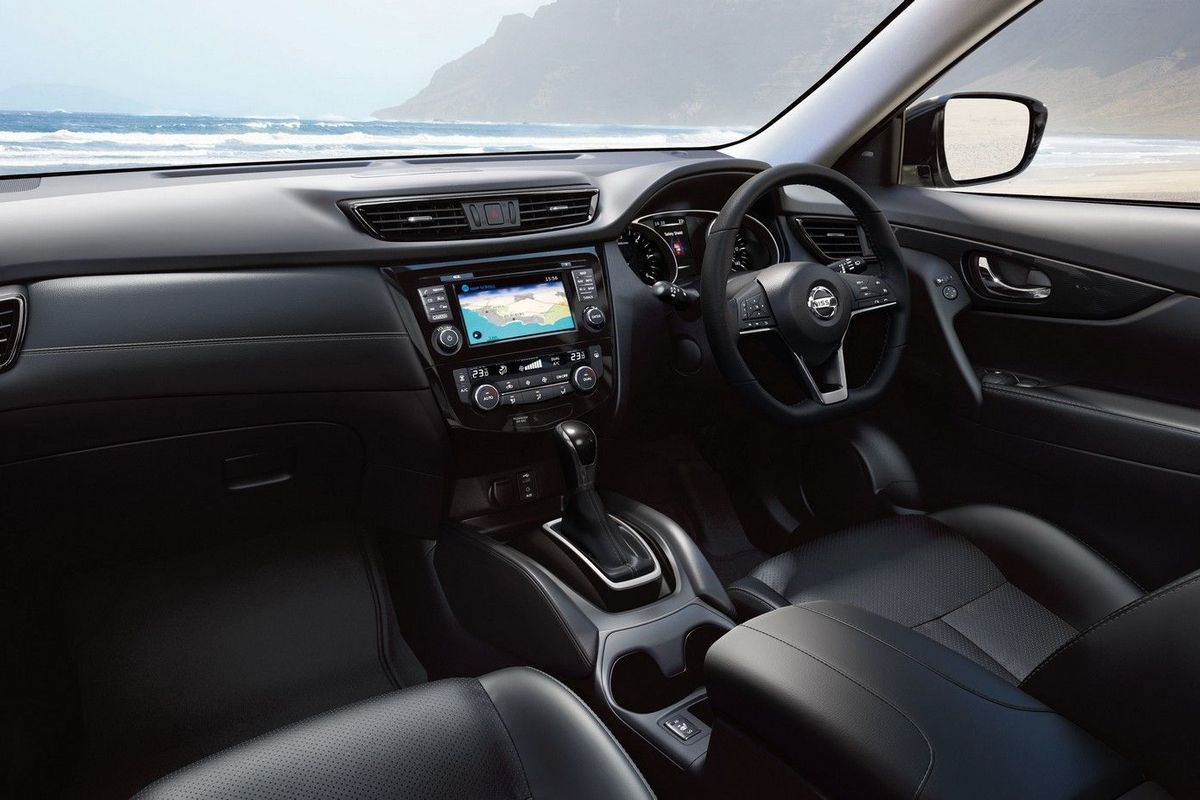
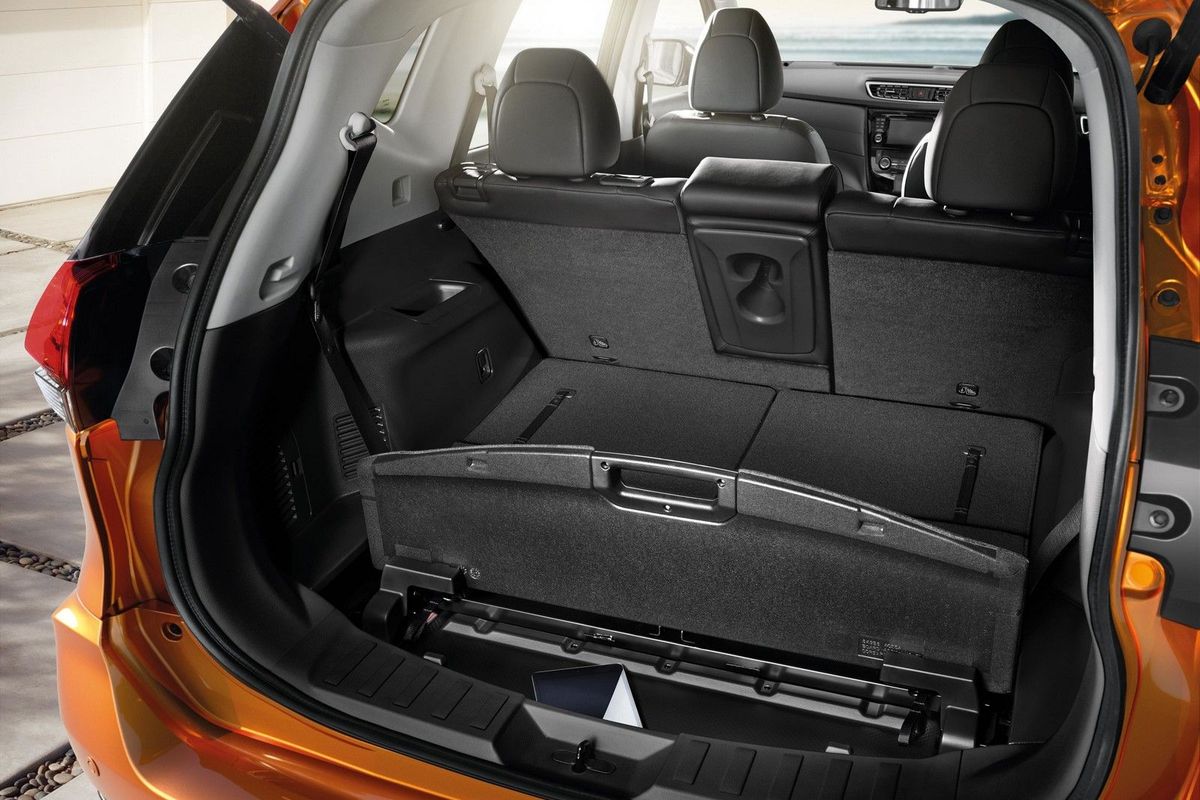
Inside things have been taken up a notch with an upmarket design featuring new styling for the steering, the door finishes and the console wrap, with a plusher material for the seats (which you can have seven of, as an option). The black leather trim has also been enhanced and now features white stitching while the steering wheel is D-shaped. The centre console and the console lid have also been improved, while the NissanConnect touchscreen satellite navigation system now features a new interface that’s more user-friendly.
Exterior enhancements
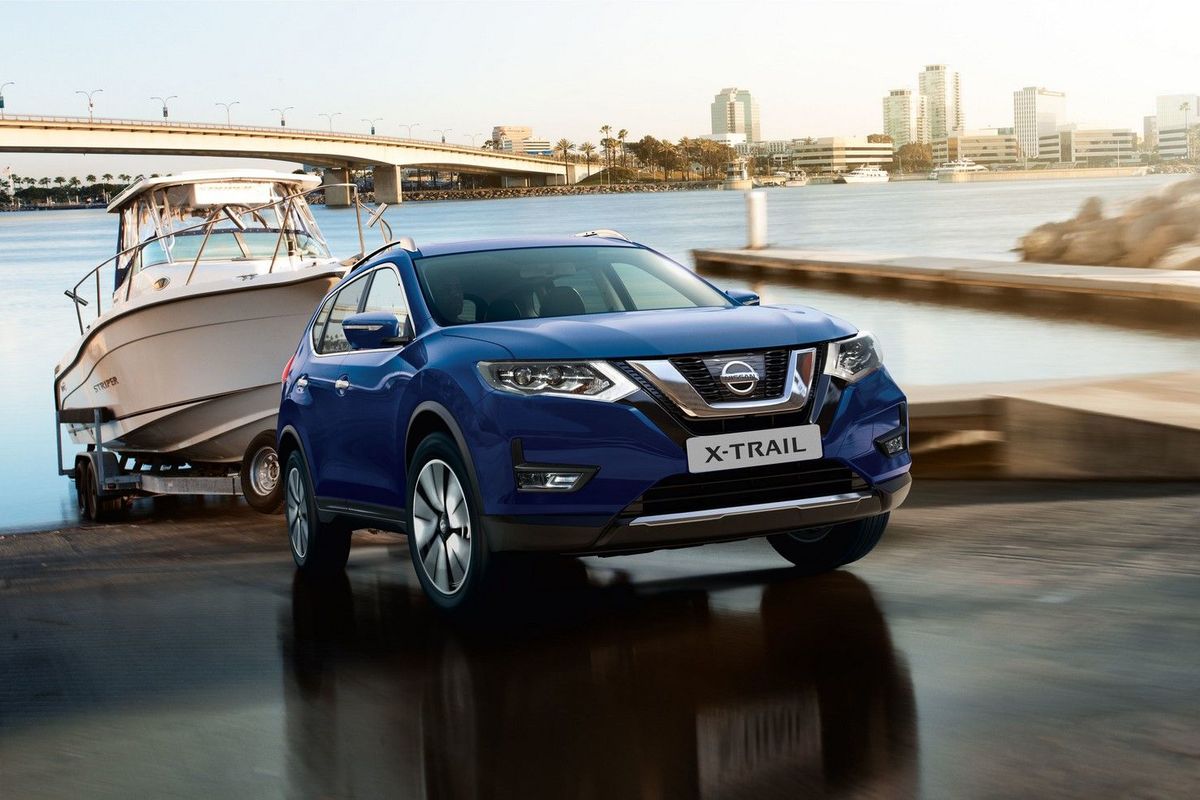
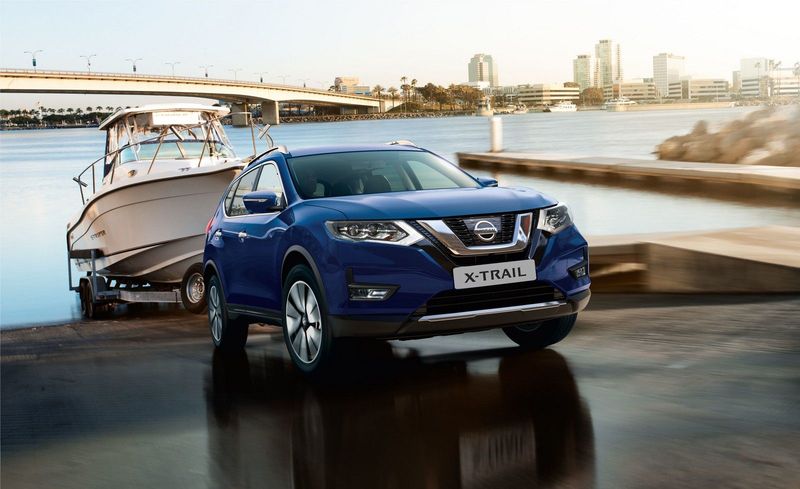
New grille and headlight arrangement allows it to pull a boat –? at speed, out of a jetty.
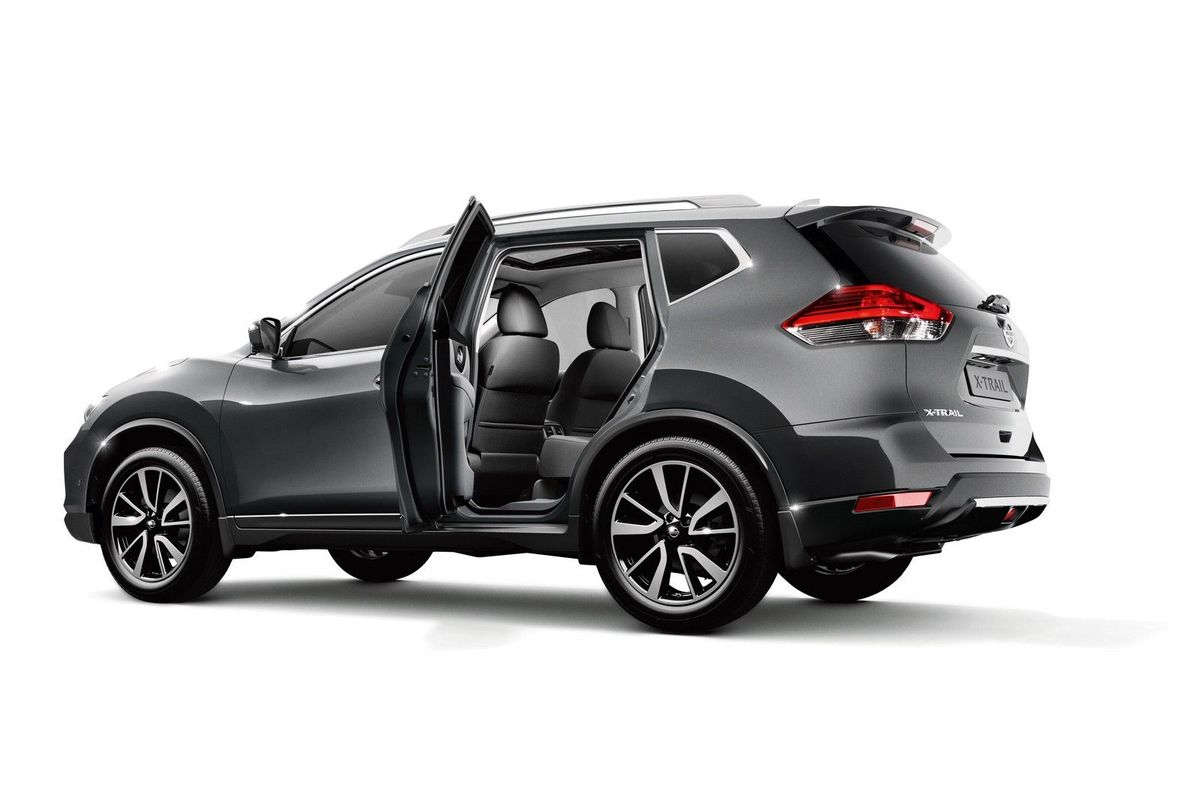
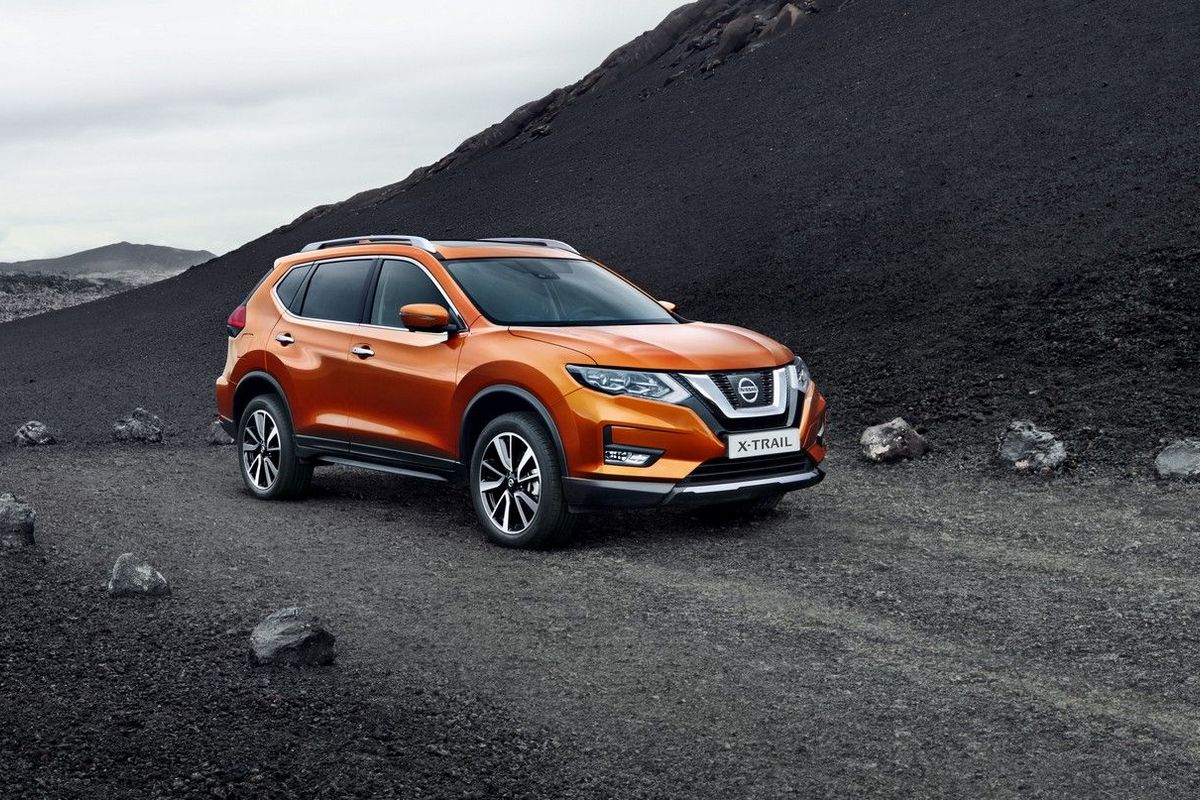
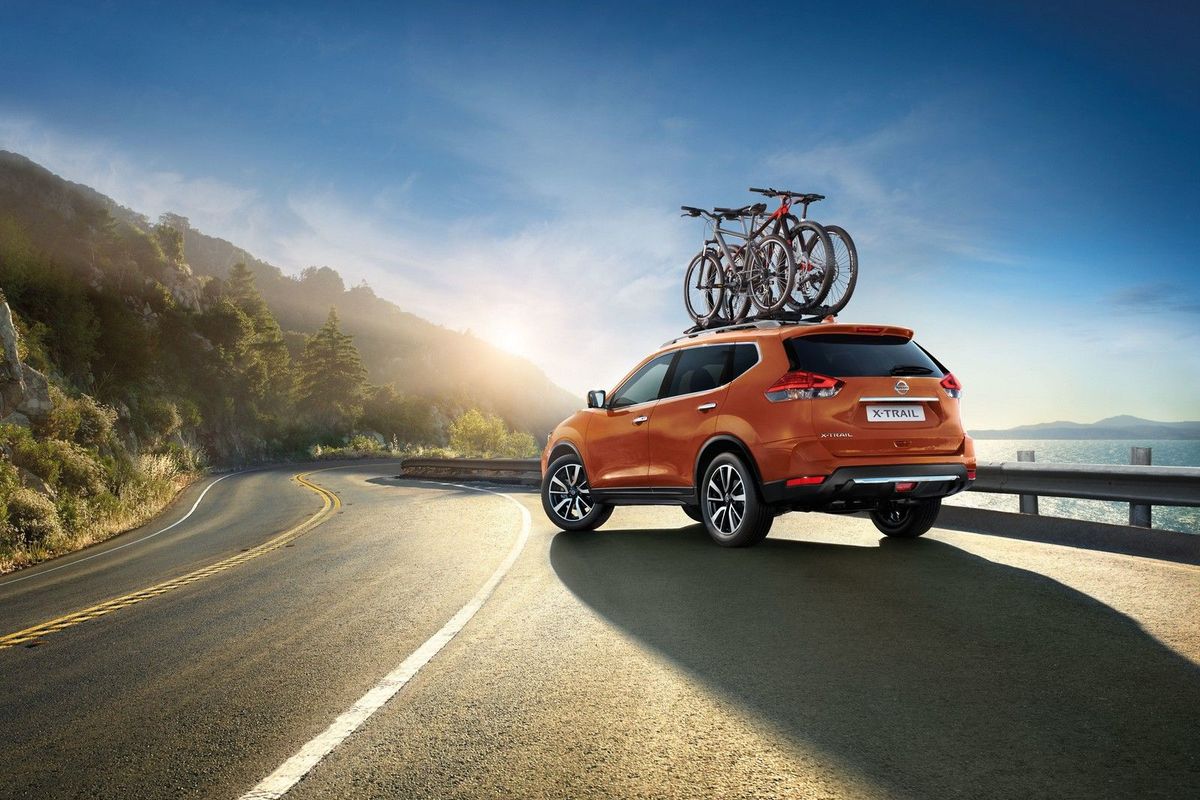
On the outside, there’s a new “V-Motion” grille and bumper, revised headlights and signature day-time running lights, with the choice between 17- or 19-inch alloys and new exterior colours like Orange Pearl, Red Pearl, Blue Pearl Metallic and Dark Brown Pearl. The front also features integrated fog lamps while the rear has LED boomerang taillights and the rear bumper has been freshened.
Pricing
The new Nissan X-Trail comes with Nissan’s class-leading 6-year/150,000km warranty, a 3-year/90,000km service plan and 24-hour roadside assist.
Service intervals are at 15,000km and the new X-Trail is priced as follows:
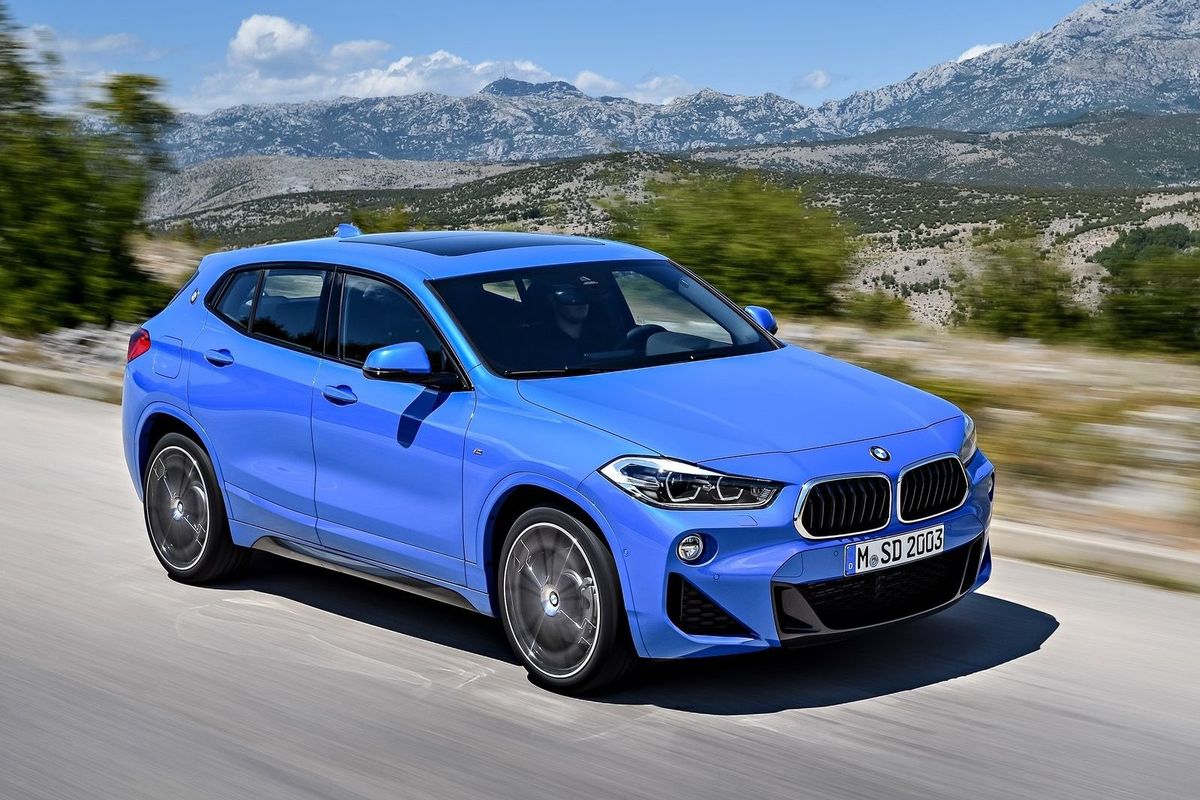
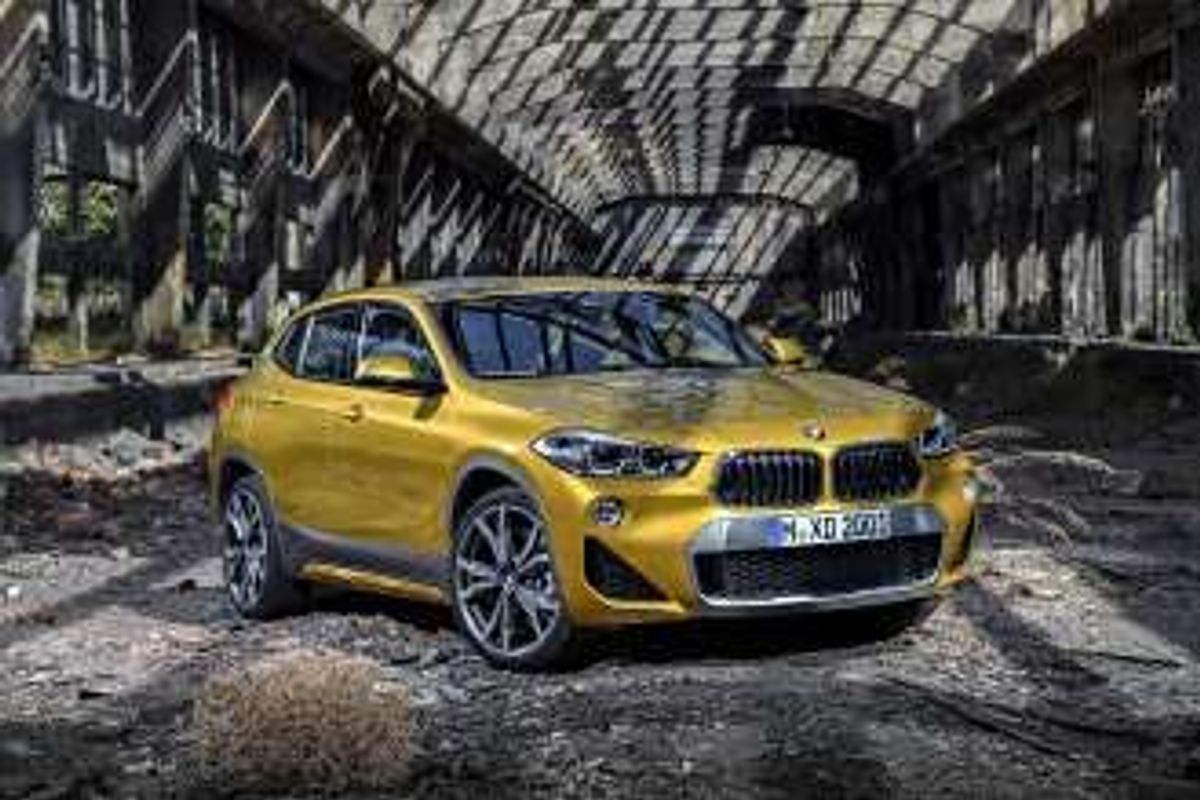
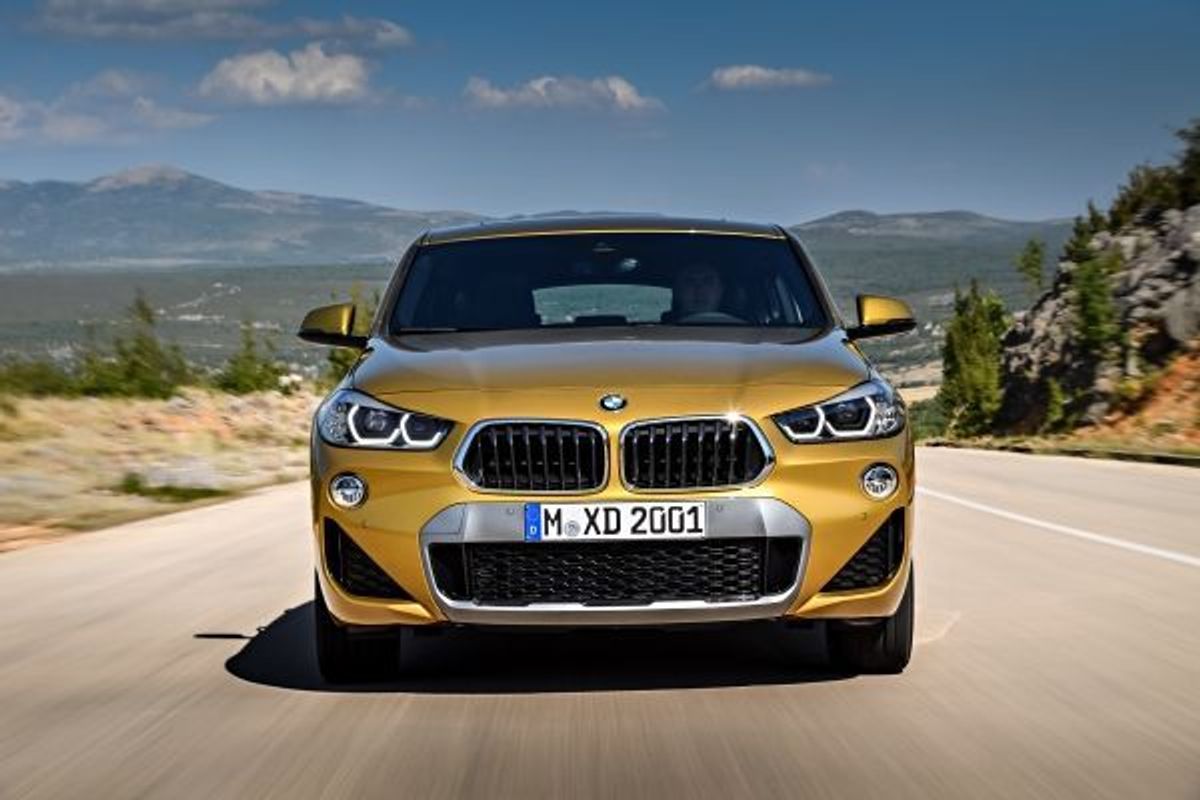
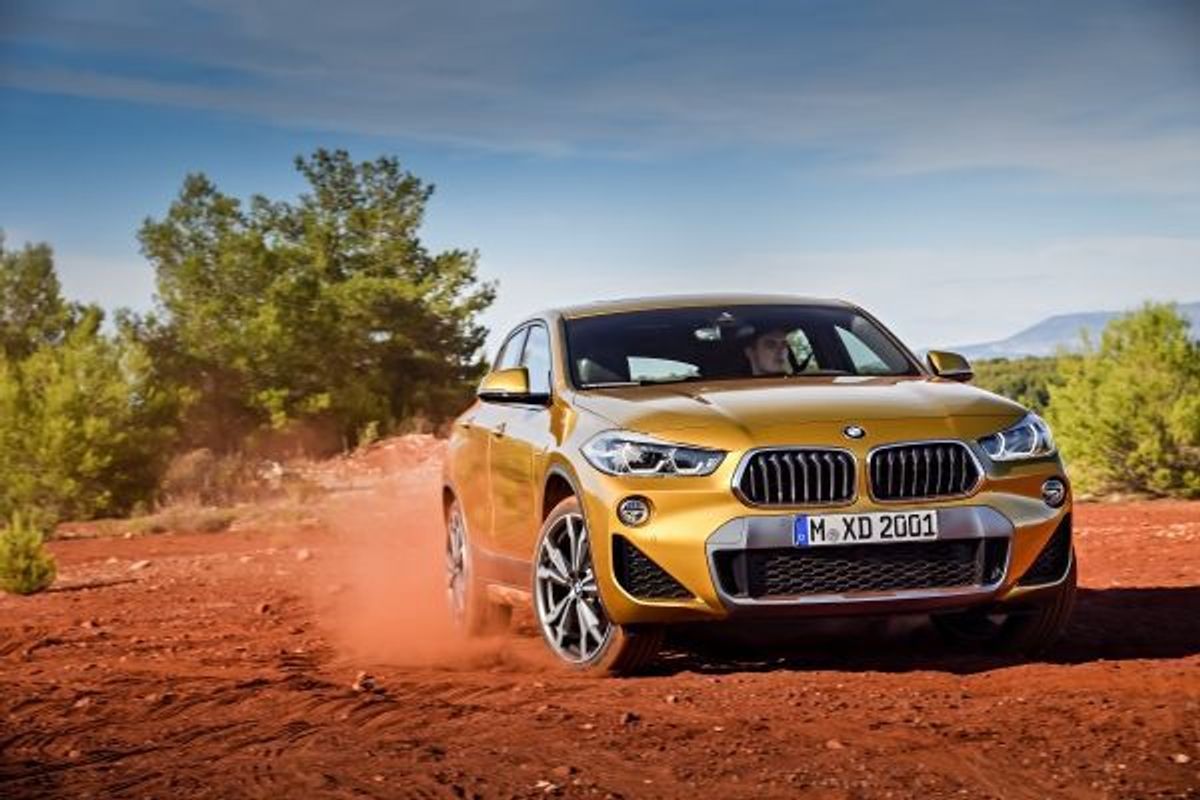
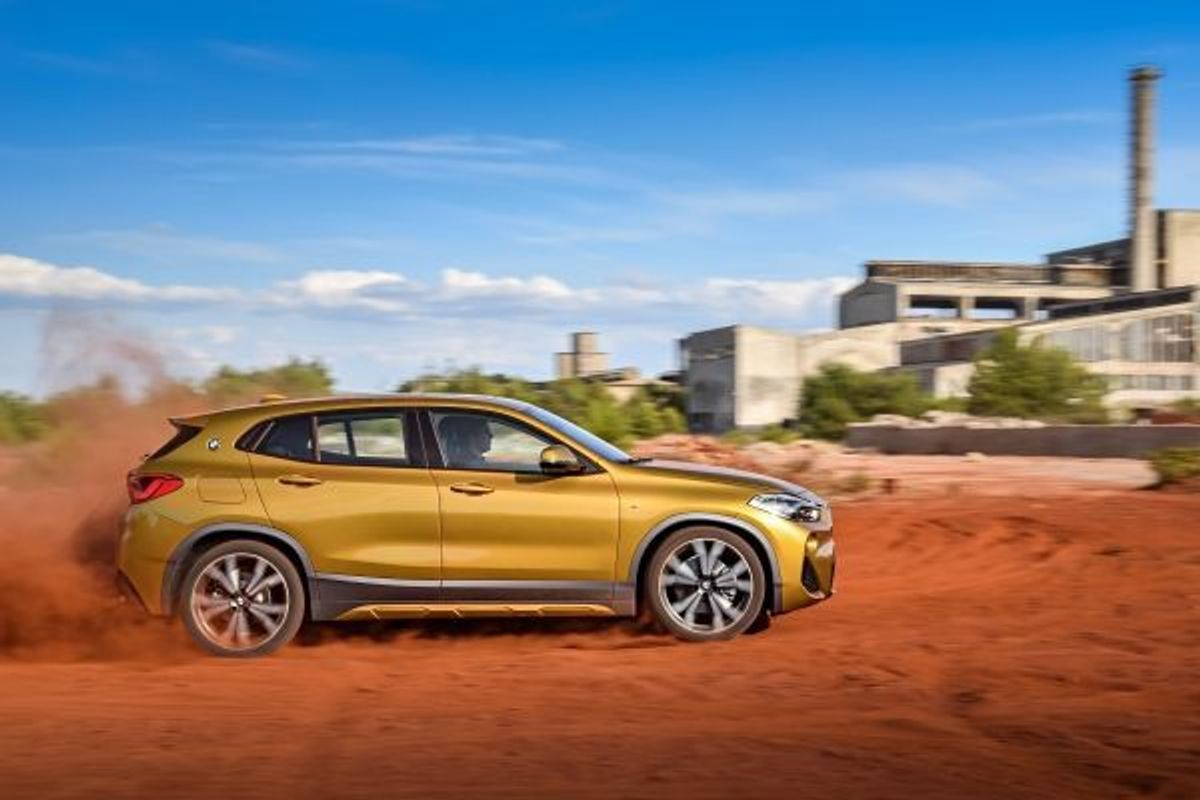
For those who find the BMW X1 too demure and MPV-ish, BMW will introduce its X2 in South Africa in March 2018. As is the tradition with even-numbered X models, the newcomer's styling is quite daring. Two-wheel-drive turbopetrol and AWD turbodiesel derivatives will be offered.
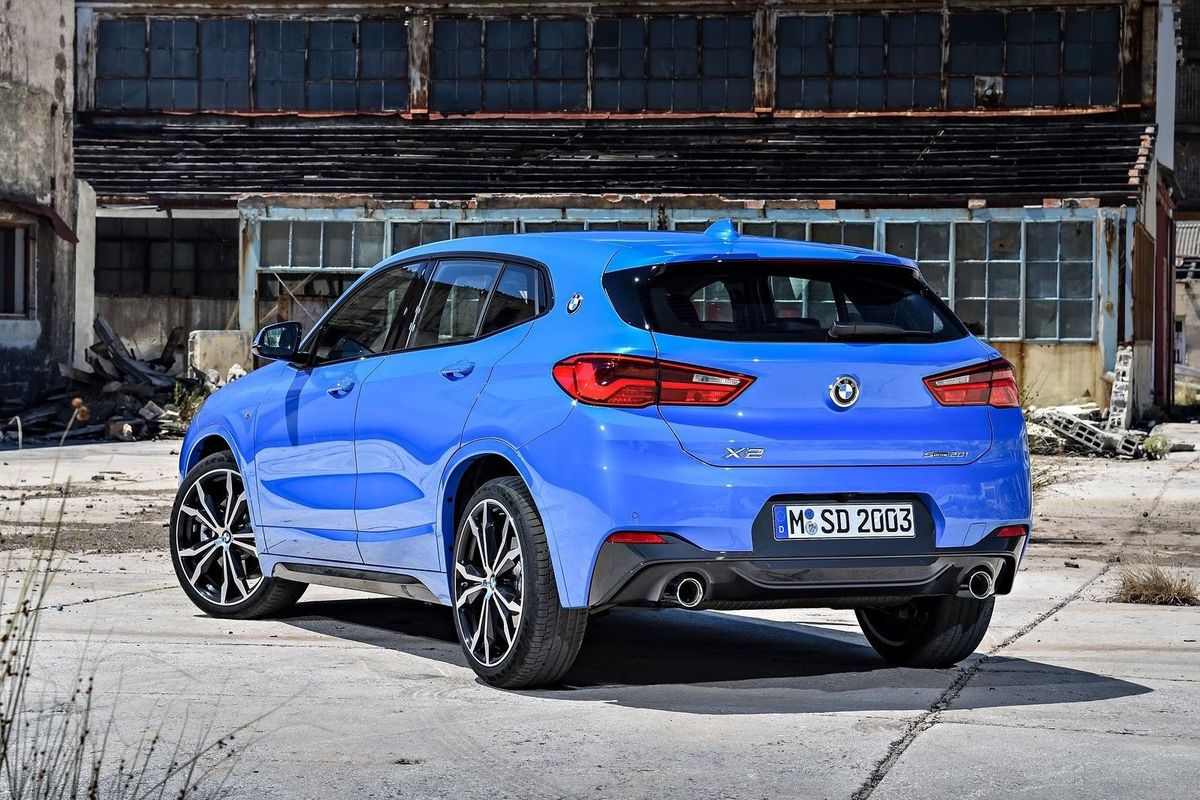
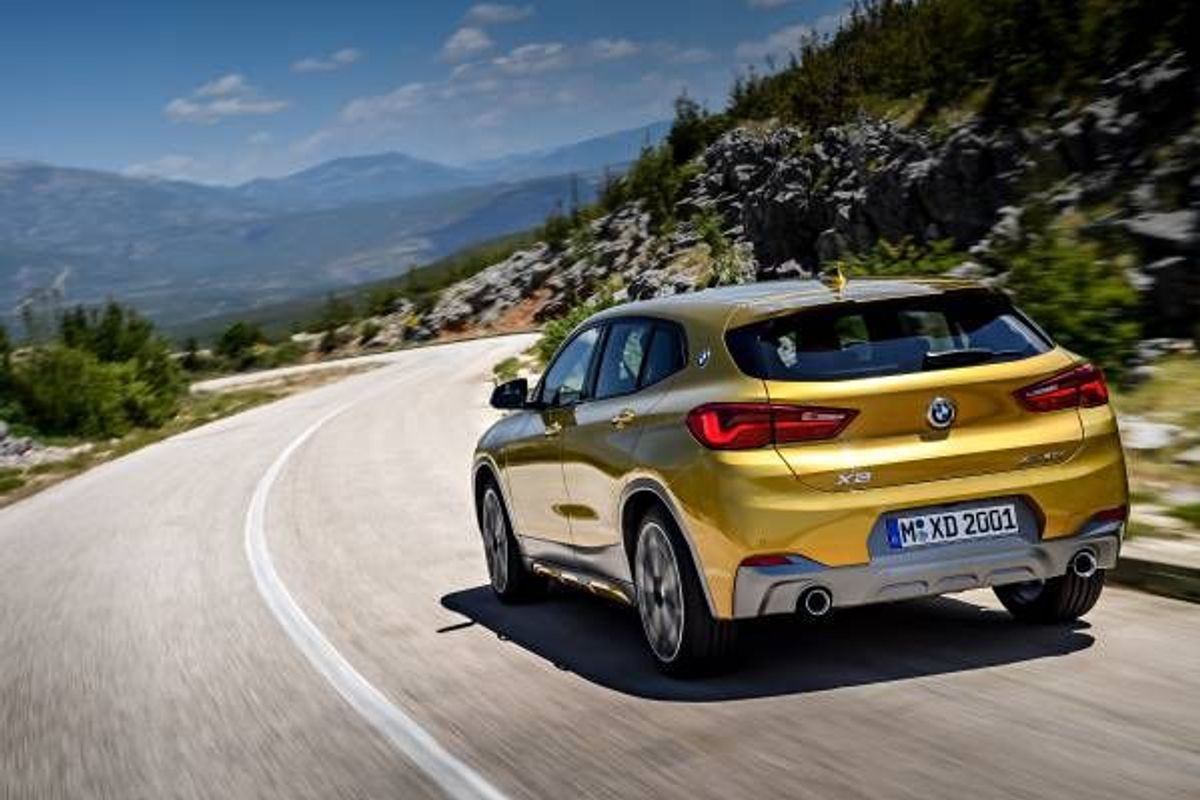
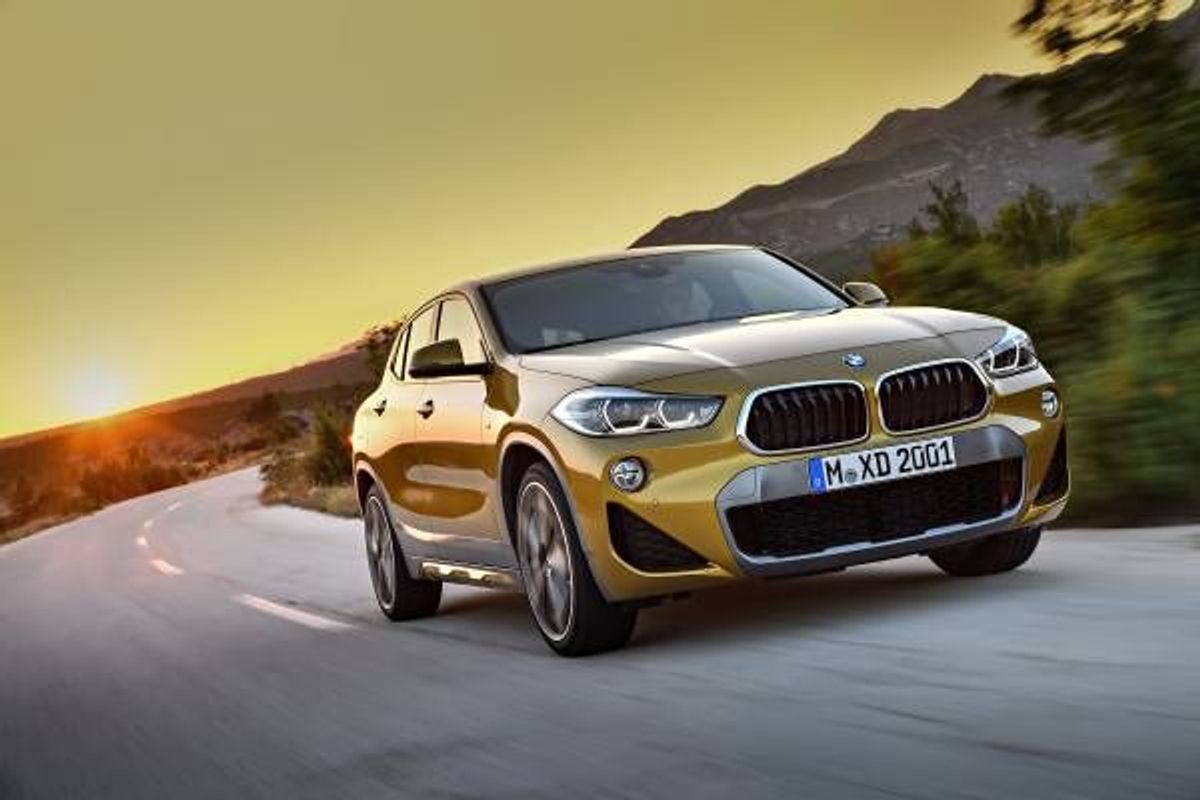
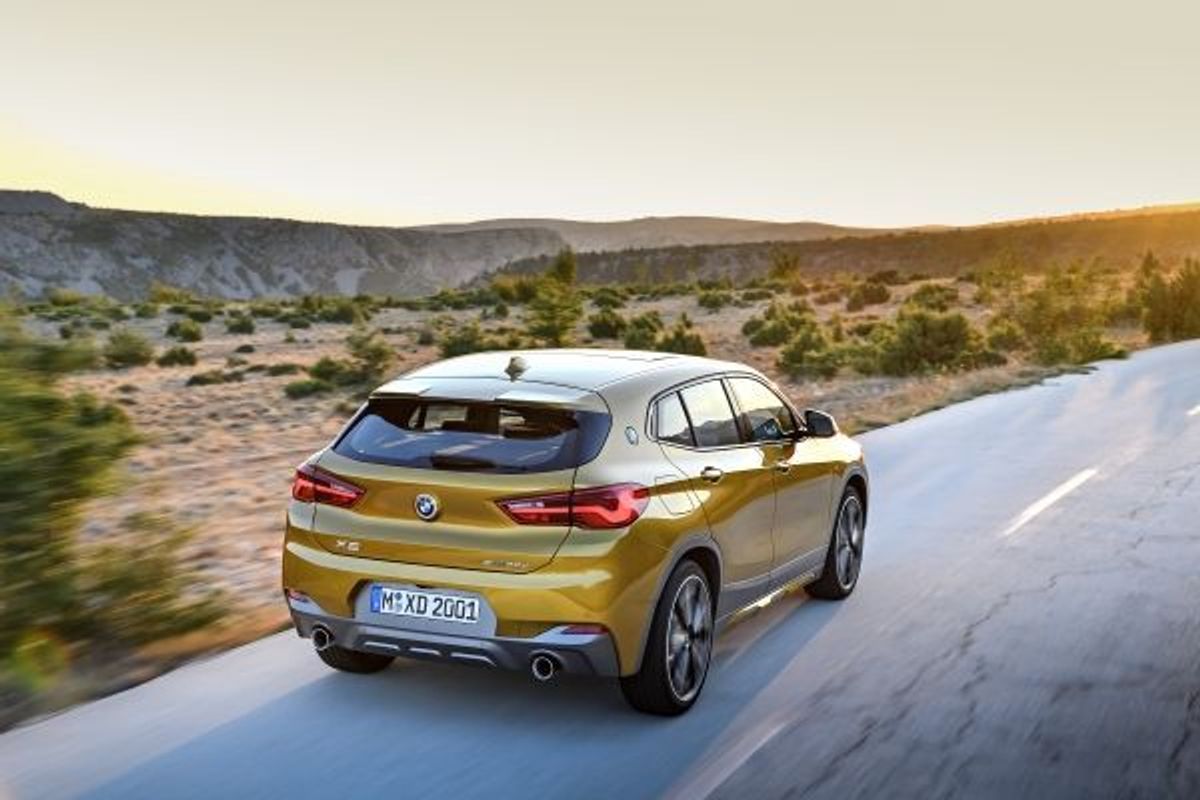
As expected, the newcomer's look is characterised by squared-off extremities, sporty accents such as exhaust tailpipes and accentuated side skirts, plus a rearward sloping roofline, svelte contours and narrow side glass area. However, a pair of design cues appear to split opinion: not everyone is a fan of the inverted kidney grille (it now broadens to its bottom outer edges), plus the additional BMW roundels (1 on each of the C-pillars) reference a similar detail of celebrated BMW coupes of yore, such as the 2000 CS and 3.0 CSL, yet, for all its overt sportiness, the X2 is hardly a classic coupe.
The South African line-up will include 2 derivates from launch, both of which are equipped with automatic transmissions. The front-wheel-drive sDrive20i petrol derivative has peak outputs of 141 kW/280 Nm, a claimed fuel consumption range of between 5.9 and 5.5 L/100 km and a 7-speed Steptronic dual-clutch transmission. The xDrive20d turodiesel derivative, meanwhile, produces 140 kW/400 N.m, consumes approximately 4.8 – 4.6 L/100 km, comes equipped with xDrive "intelligent all-wheel drive" and features an 8-speed Steptronic transmission.
The M Sport and M Sport X specification derivatives come as standard with M Sport suspension with firmer spring and damper settings and a lowered ride height, while optional dynamic damper control allows the suspension settings to be tailored to road conditions/a driver's taste.
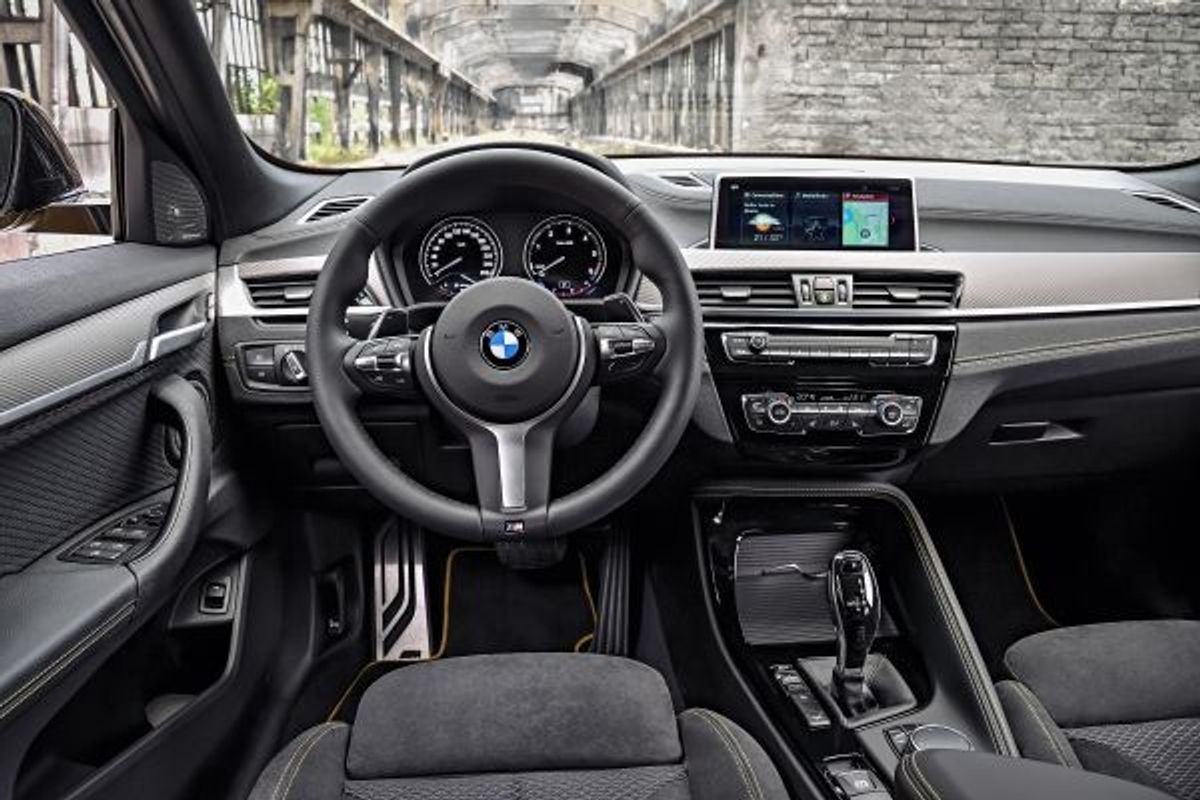
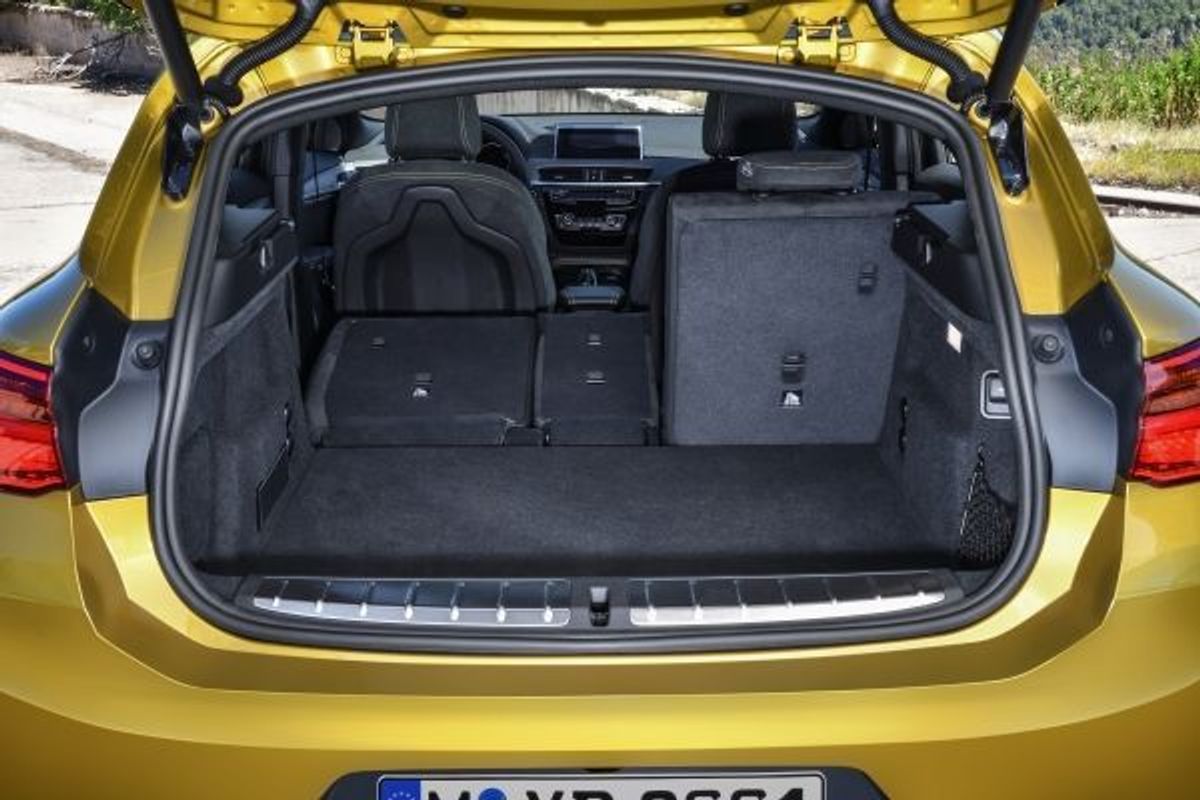
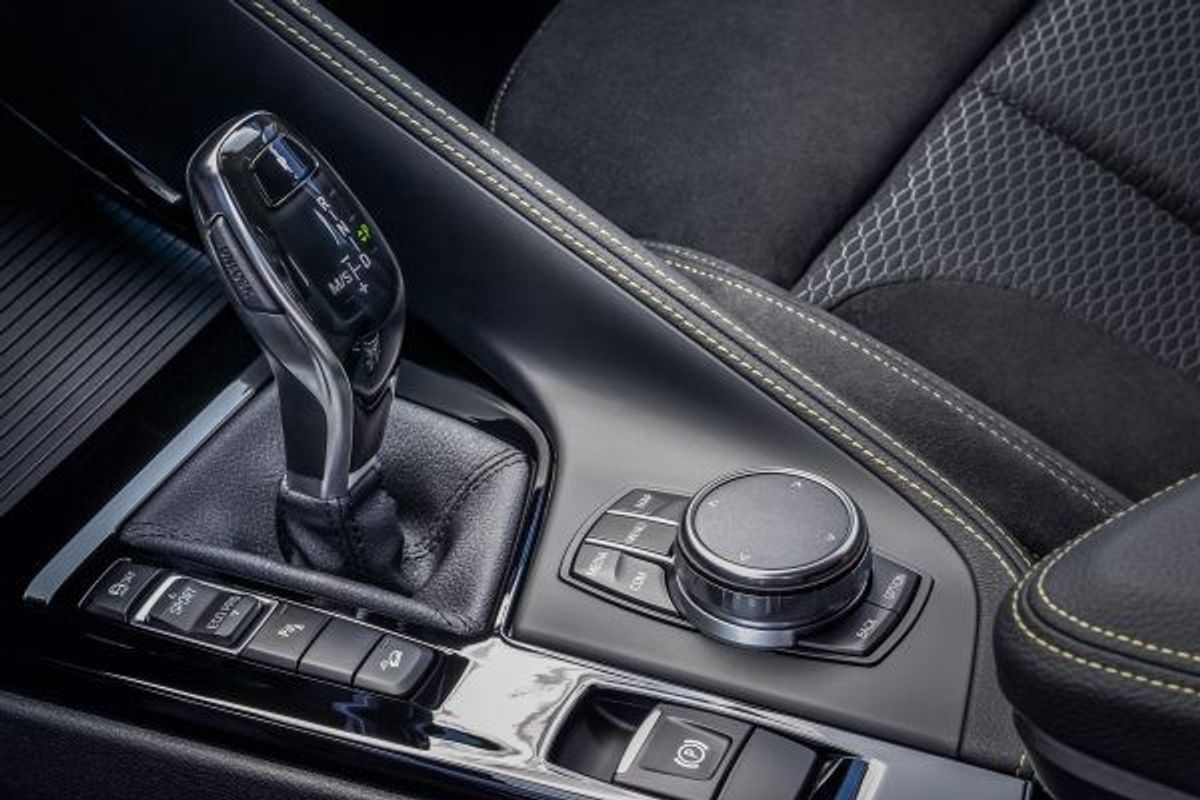
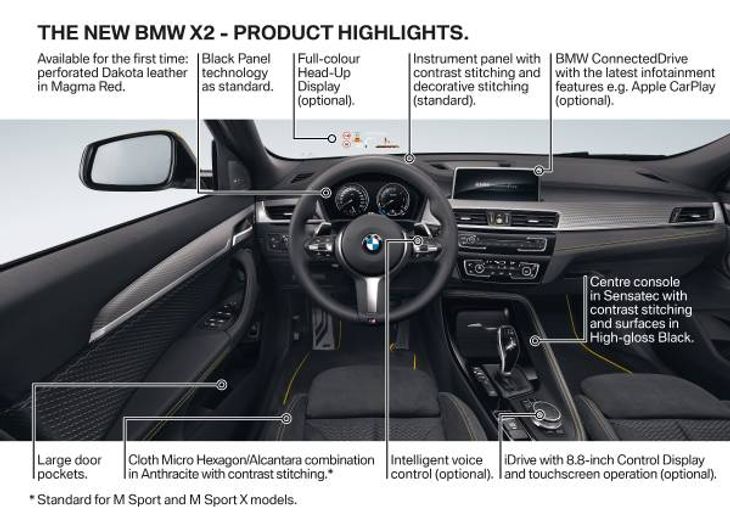
The interior is trimmed in a combination of Micro Hexagon fabric/Alcantara Anthracite with contrast stitching for the instrument panel and centre console. BMW claims the X2 has a claimed luggage capacity of 470 litres, which can be increased by folding the 40/20/40 rear seatback forward.
As expected, a host of BMW Connected and BMW ConnectedDrive Services will be optionally available for the X2, as will be BMW Head-Up Display, Driving Assistant Plus, which comprises a series of camera-based driver assistance systems and Parking Assistant. Price wise, we expect X2 to slot in nearer to the upper end of the X1 range than entry-level of the soon-to-be-launched X3. A 5-year/100 000 km maintenance plan will be standard.
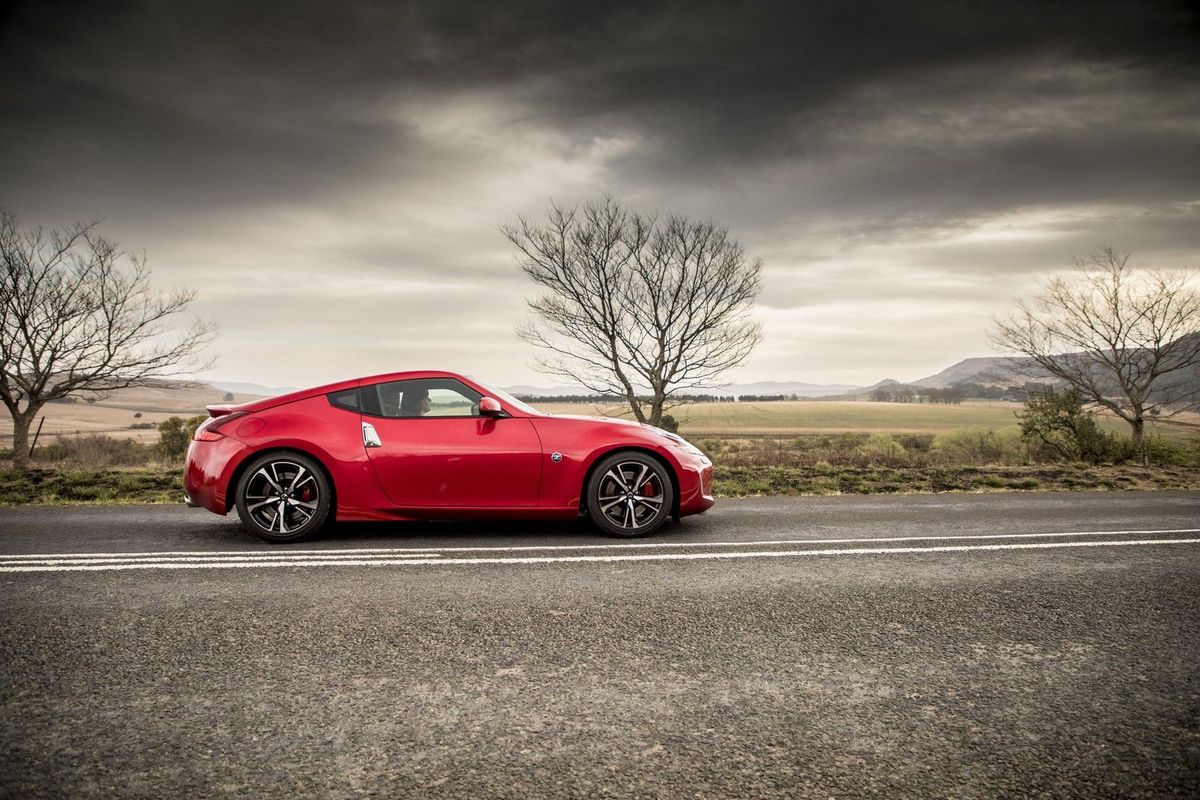
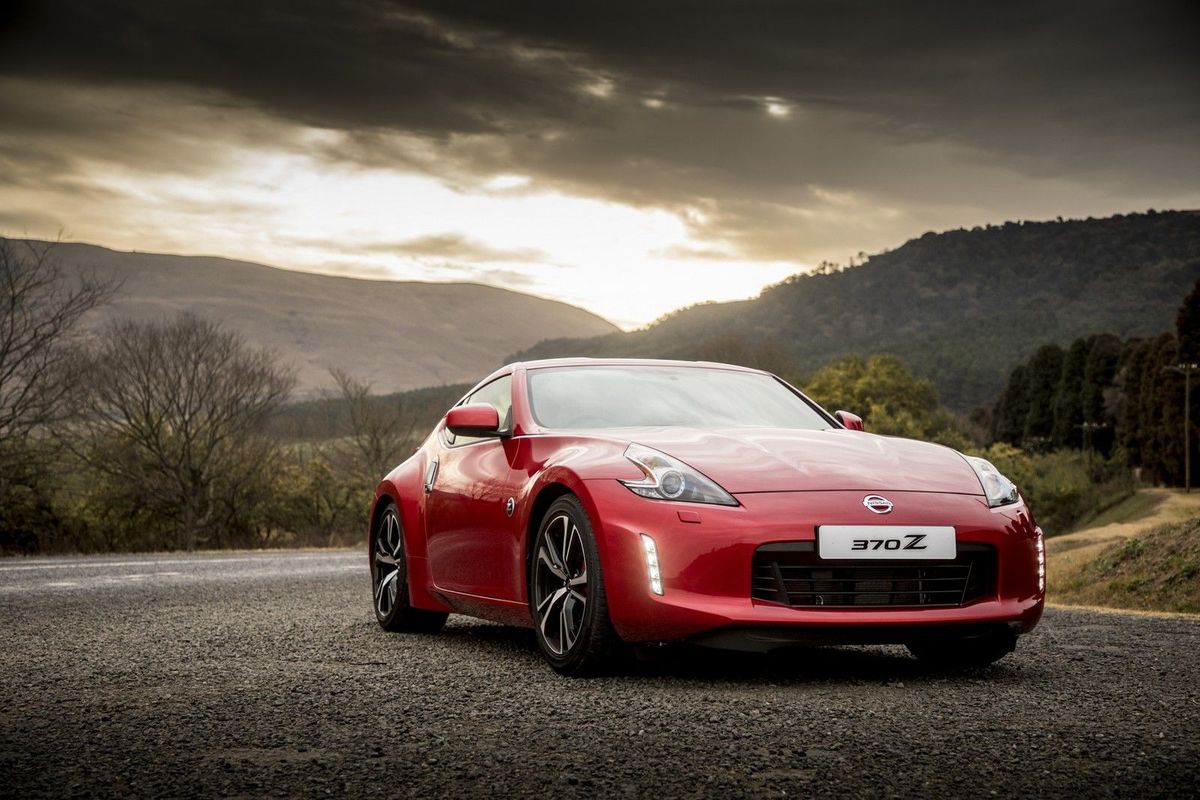
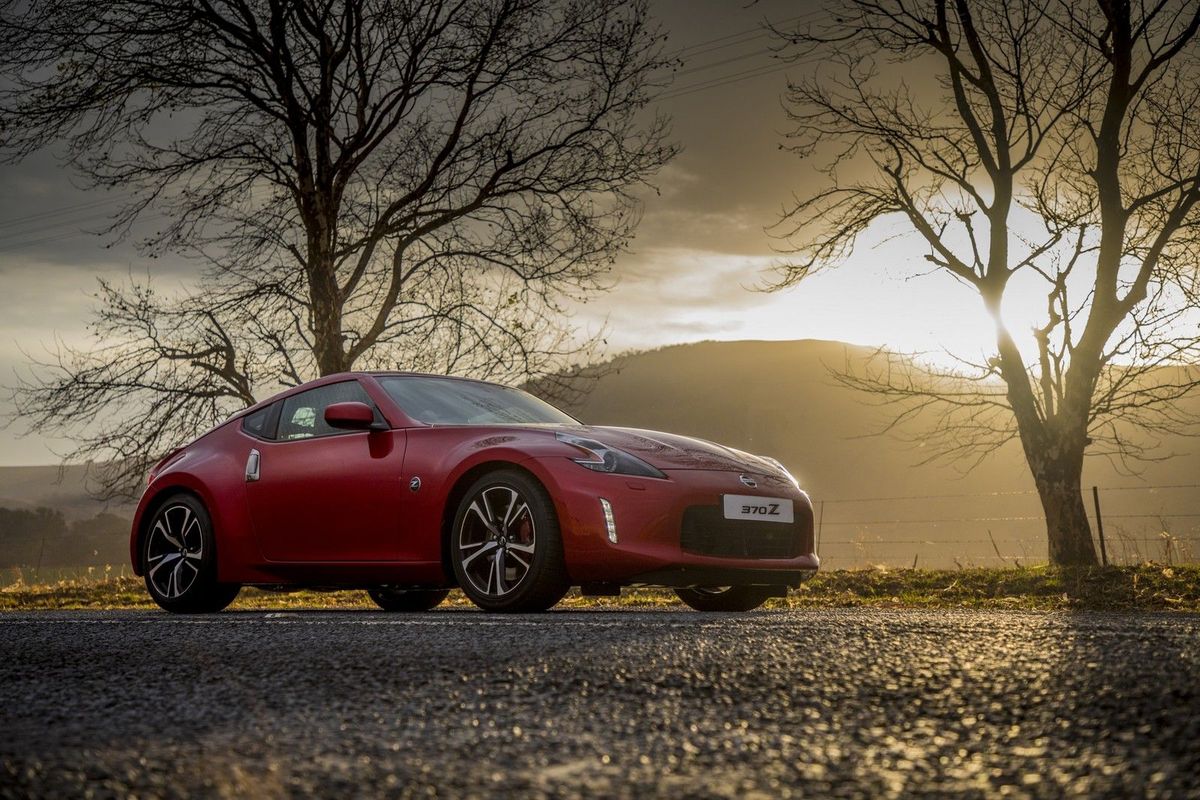
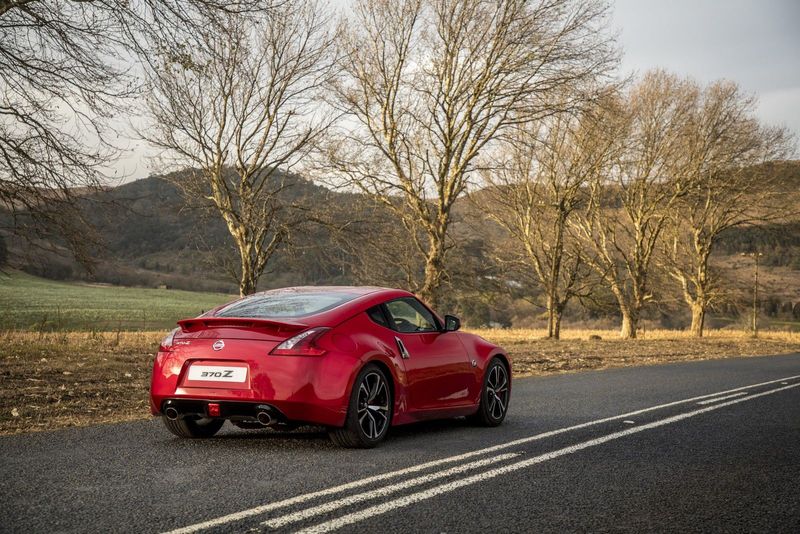
With devastatingly good looks and an intoxicating but "politically incorrect" non-turbo 3.7-litre V6 driving the rear wheels, Nissan's 370Z has always proved a delight. But nearly a decade since its inception, is it still a thrill?
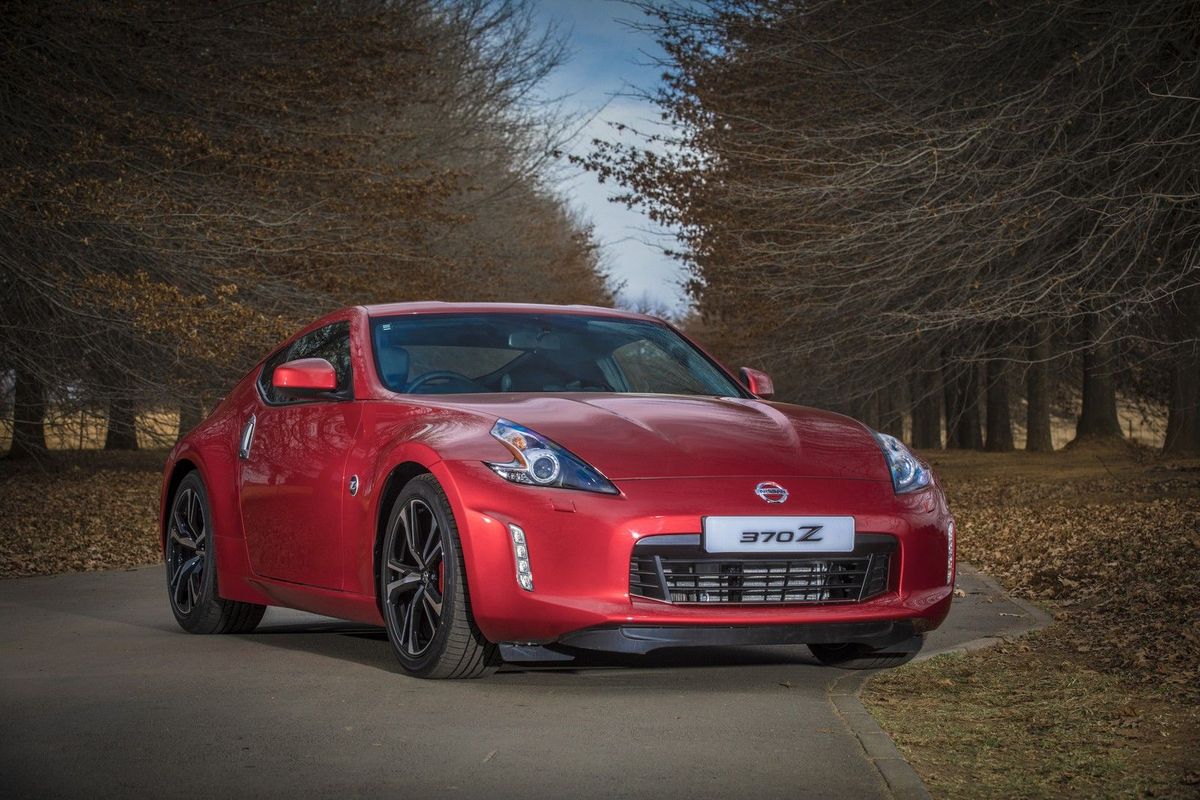
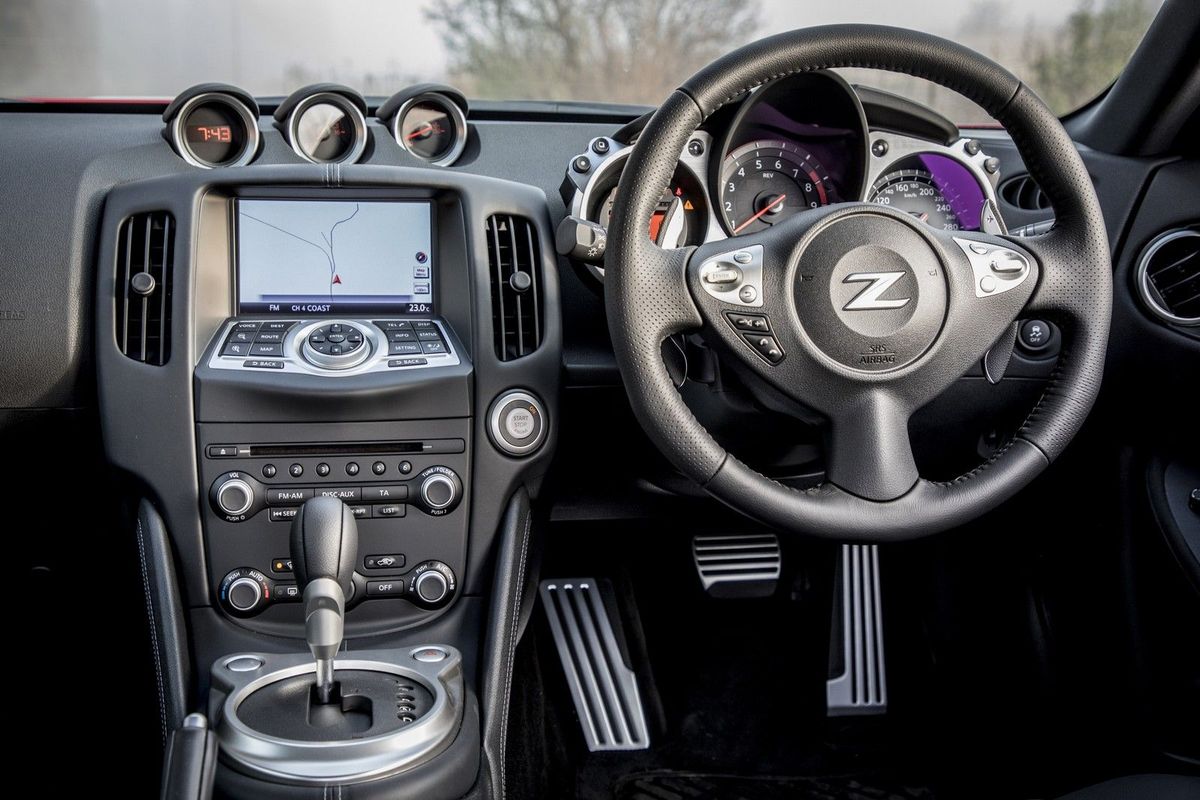
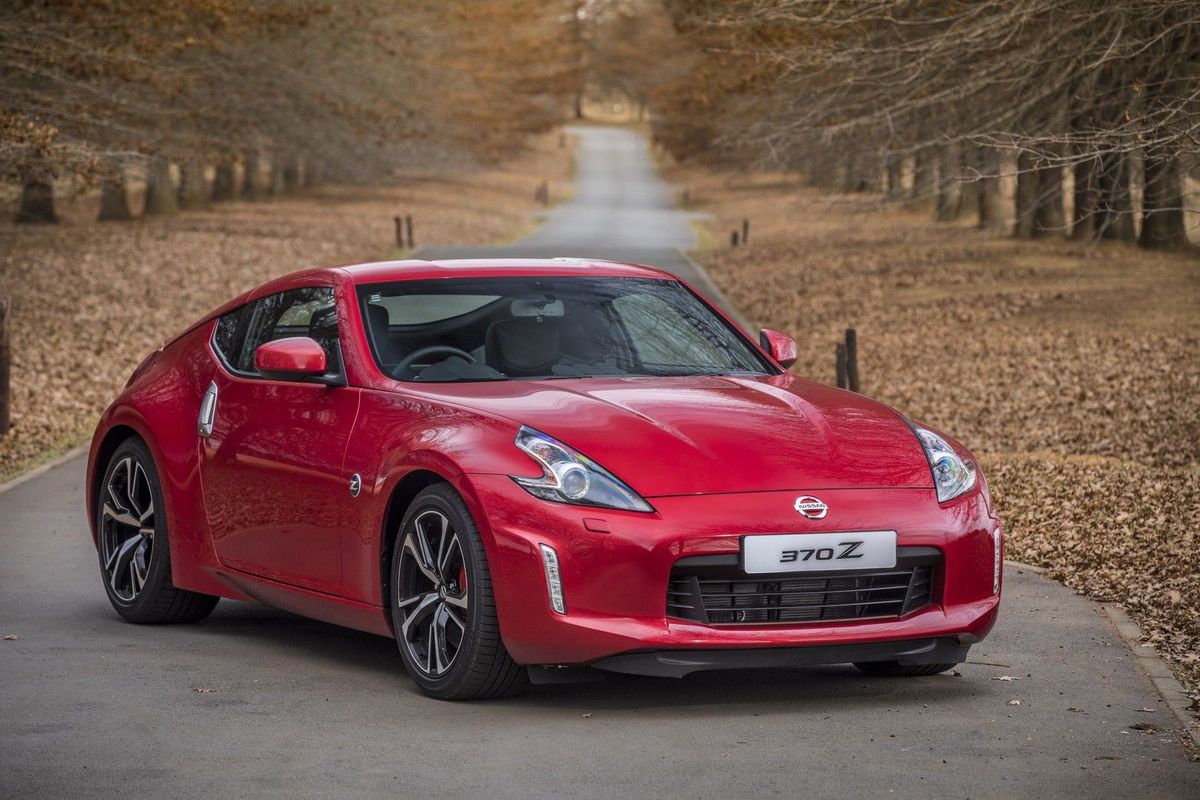
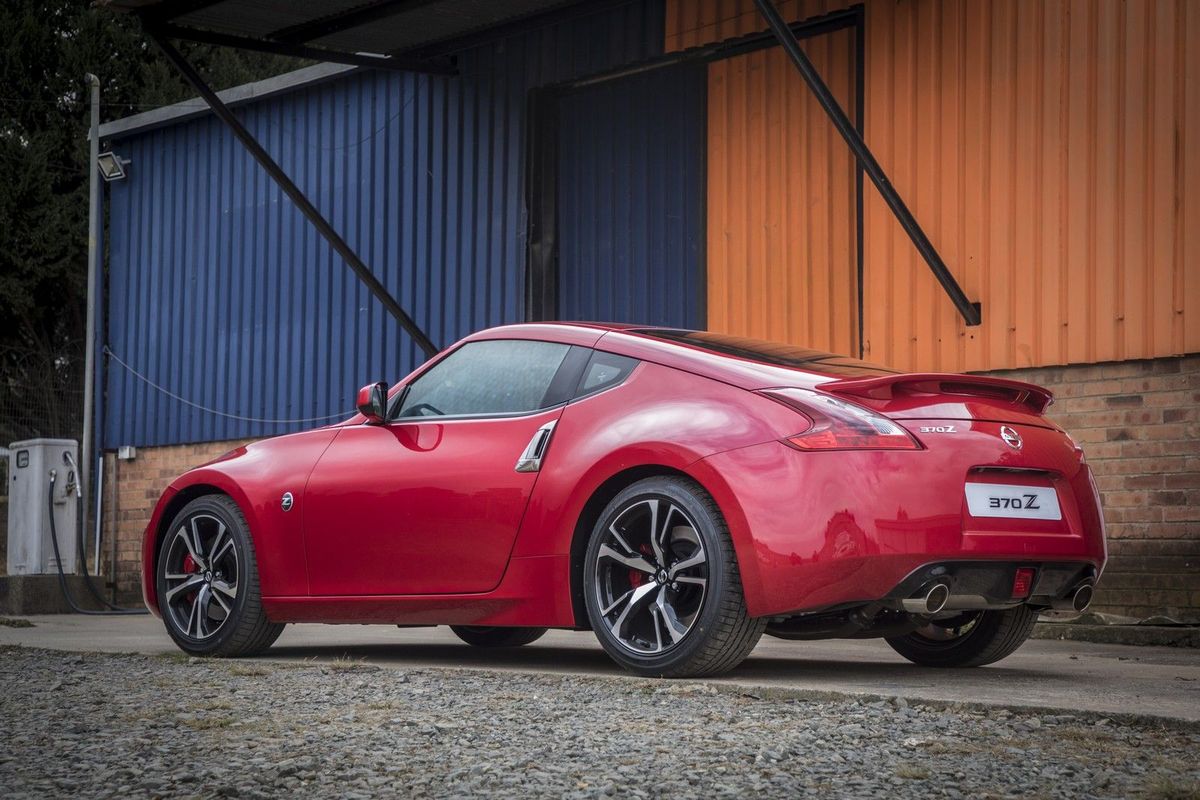
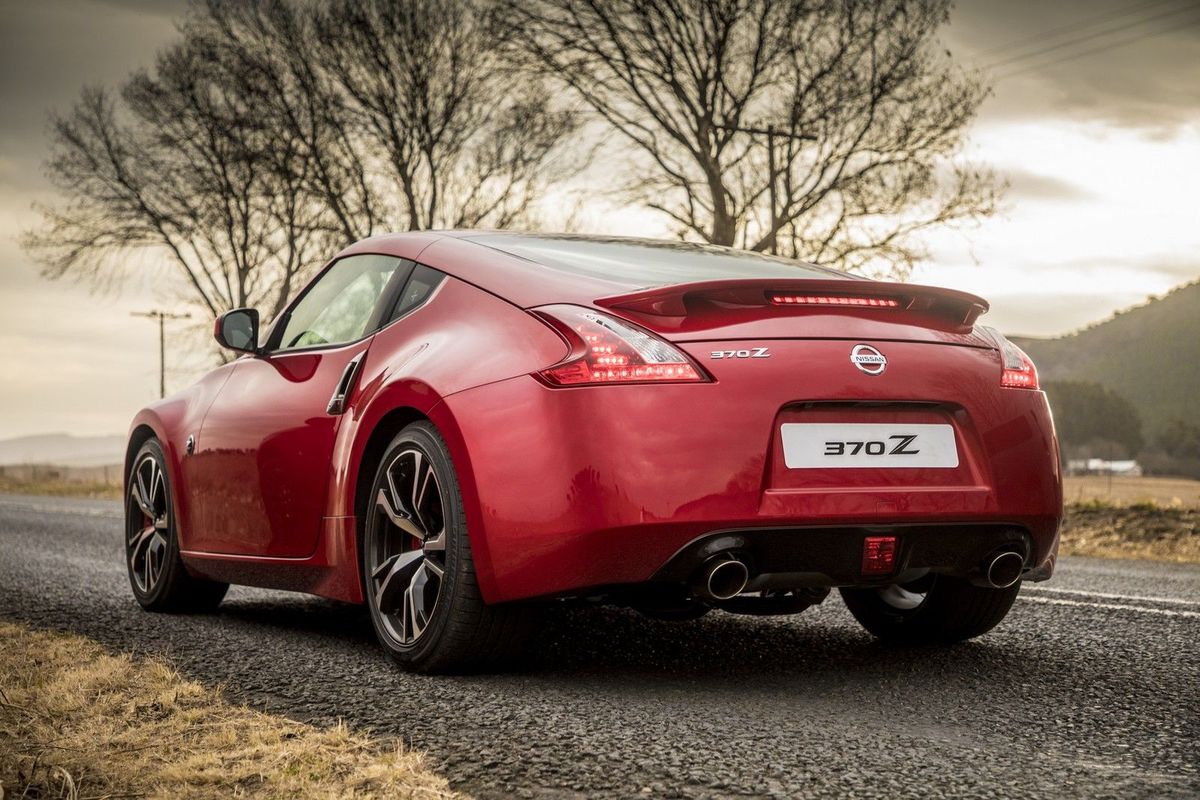
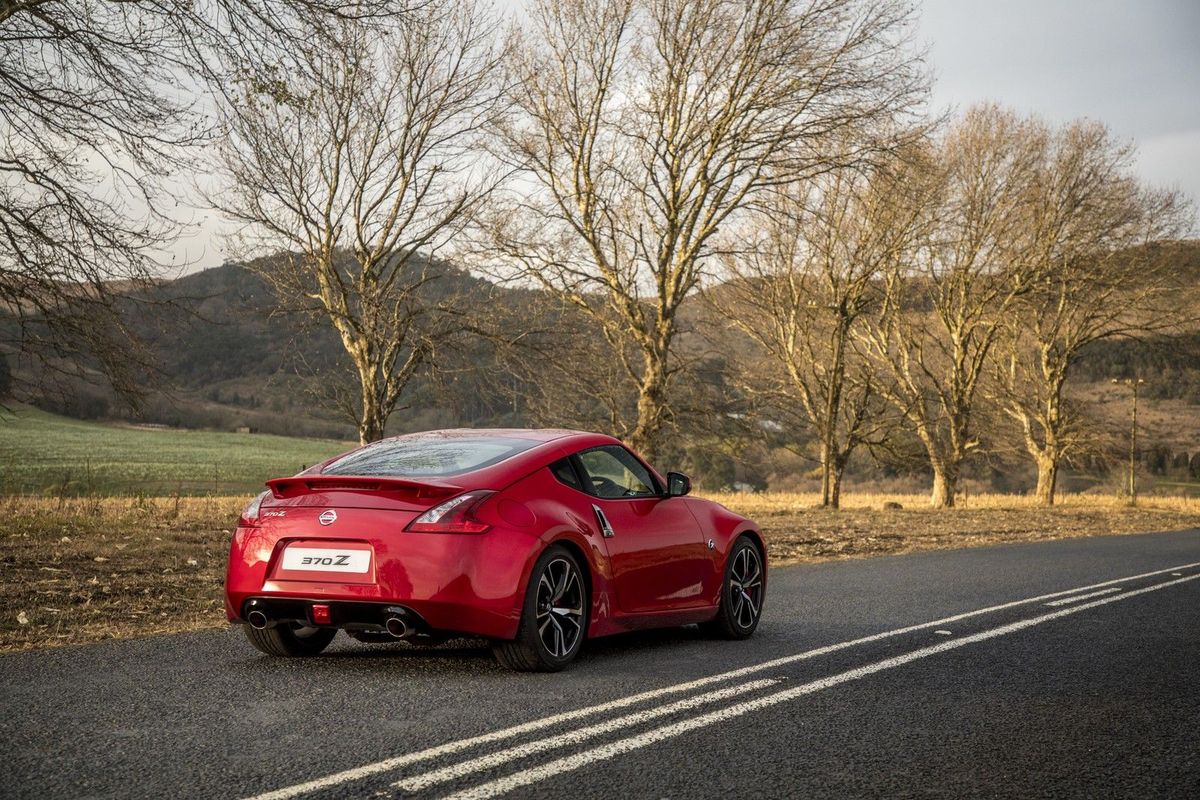
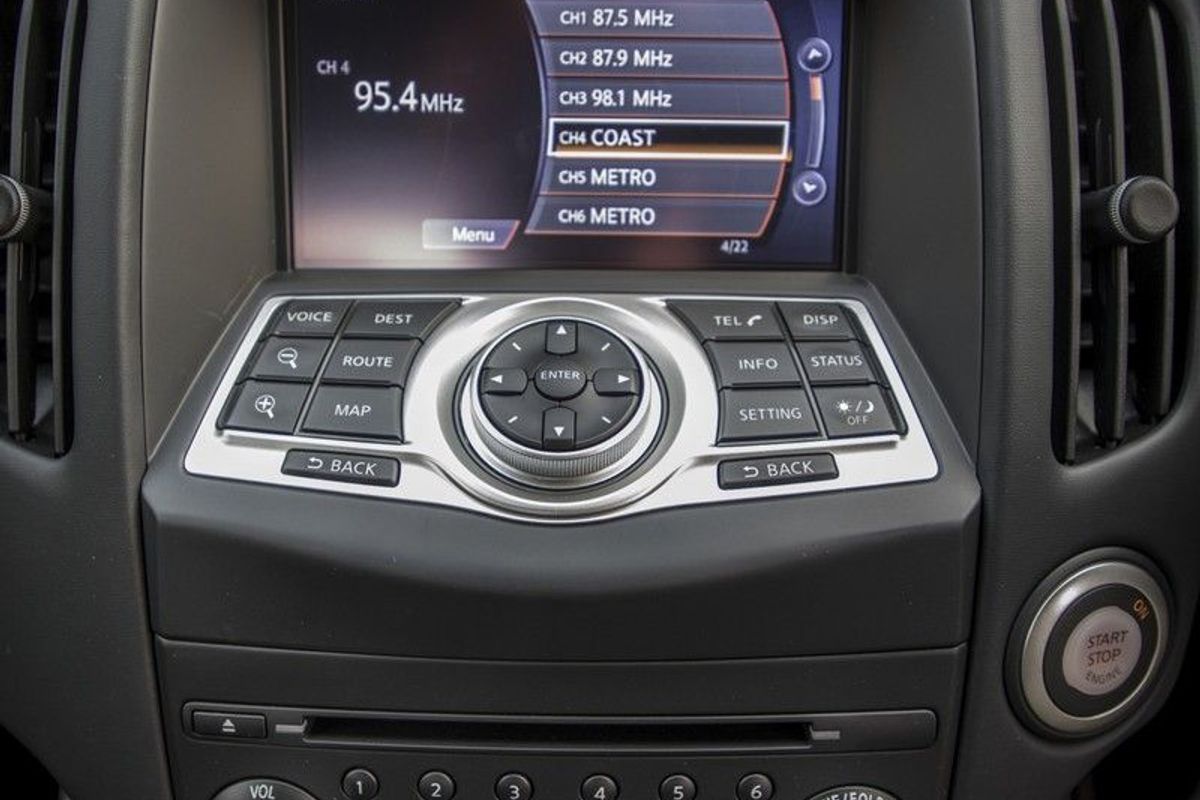
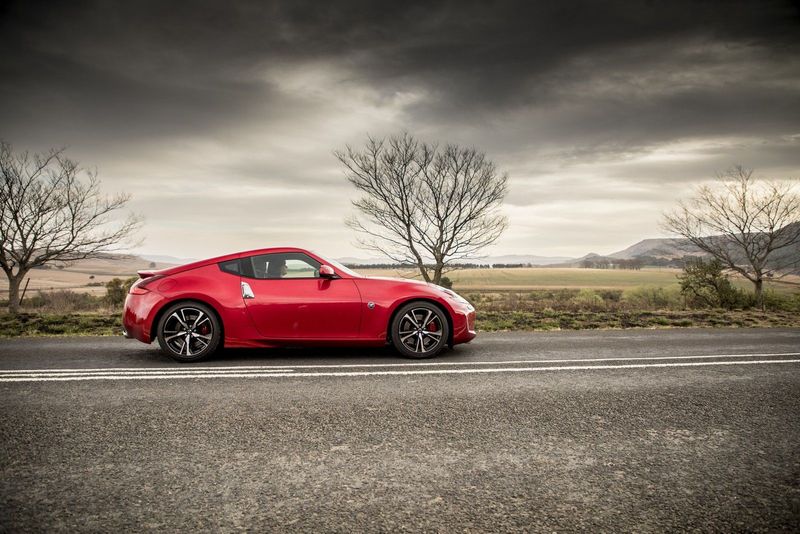
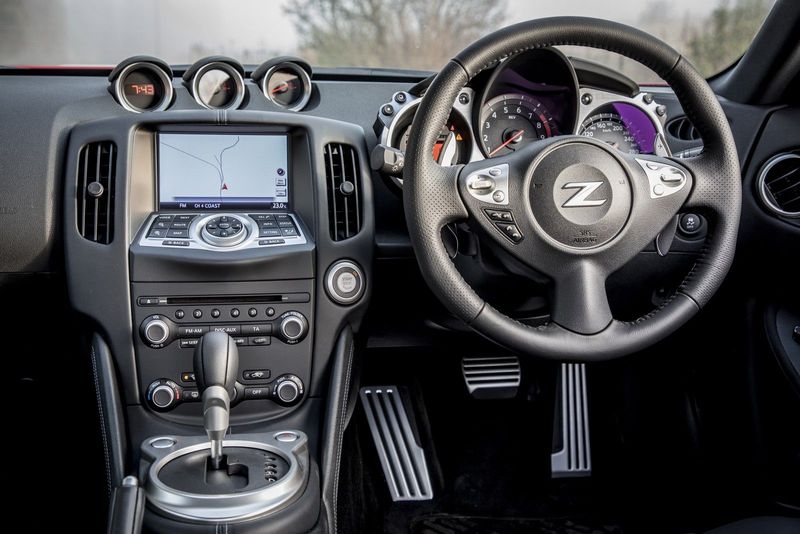
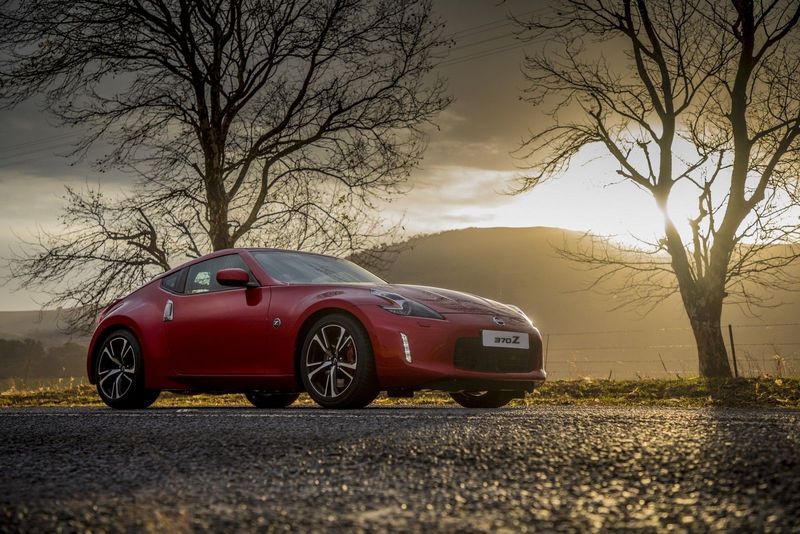
Although it has been constantly shadowed by fancier nameplates, Nissan’s 370Z has always been a compelling car in some ways, not least its keen pricing and non-conformist engineering. Persistently sexy, it now has the gung-ho attitude of a mini R35 Nissan GT-R going for it and is particularly eye-catching in a new shade of metallic red. Features added to the new car include smoked head and rear lights; metal chrome door handles; a black painted rear diffuser and new design 19-inch alloy wheels. The cabin gains a new infotainment system that functions through a seven-inch touch-screen as seen in the new Navara; reverse camera; satellite navigation; DVD player and an integrated 9.3GB hard drive plus it’s a fine, comfortable and easy drive that promises to swallow a golf-bag or two.
Nearly a decade down the line, the 370Z still looks like a modern sportscar.
The oily bits
Confidently pushing the start button provokes the 3.7-litre 6-cylinder engine into life. It’s the same unit as it's always carried and though it has always lacked the sonorous musicality of the earlier 350Z it packs a heady 245 kW and 343 Nm. The nuts and bolts are largely untouched save for tweaks on its suspension to enhance its dynamic and comfort envelope and a new version of its clever high-performance clutch with a Syncro Rev Control throttle-blipping feature. Essentially it’s an automated version of the heel-and-toe foot dance mastered by professional race drivers but the average human can flip the scripts and just enjoy throttle blips on down-shifts. The 370Z clutch performs this synchronizing function for you in all available gear-downs. It’s good for 100 kph in 5.4 seconds and reaches a top end of 250 kph.
The revision comes with a newer infotainment system and reverse-view camera.
Segment Rivals
Heritage. This Nissan has this stuff in heaps. It’s a part of an eight-car line of special, compact Nissan’s Z-coupes which have always played a supporting role to the larger and truly mental brigade of R-badged Skylines over the ages. This latest 370Z is merely a face-lift rather than an all-new car; Z-car 8.5 if you will. It has the more expensive, scalpel-sharp Porsche 718 Cayman; the hoity-toity Mercedes-Benz SLC300 and the 70k dearer, but enormously faster Audi TTS in its gun-sights. Admittedly it’s outclassed in some major aspects by this trio however, it’s this anti-thesis on the subject matter of modern compact sports coupery that gives it a certain charm in the eyes of those who like things a little old school.
Old School’s cool
It’s classified under "old school" for a reason. The Nissan 370Z is among very few cars whose makers remain loyal to the addictive savagery of natural aspiration. To this end, it’s only the Mazda MX-5, Audi R8 V10, Ford Mustang 5.0 GT, Porsche GT 3 RS and the entire Lamborghini range that steadfastly hold on to this good old way of thrilling. The 370Z is also amongst an even rarer bunch of high-end cars that can still be had with a manual transmission. Not even the ballistic GT-R offers you the luxury to inflame its pot of volcanic power by hand.
The 370Z is old school and cool. Naturally aspirated, manual gearbox and limited electronic driving aids and gizmos.
Old school is many things. Over the 14 years of being an automotive writer, I’ve grumbled at a number of vehicle brands over a variety of mistakes. BMW moved away from manual gearboxes, which gained momentum with the refusal to produce the 2005 E60 BMW M5 6-speed manual in right-hand-drive guise; Audi’s correct stand on natural aspiration but fumbled by its insistence on AWD underpinnings for the R8, and Mercedes-AMG’s initial reluctance to pile on the power in the historically disparaged C32 AMG. These are a few examples and I’m glad to report that they seem to have corrected the error of their ways. BMW now offers the current M4 in a 6-speed manual; Audi has released a limited series of RWD R8s and Mercedes-AMG has long lost its introverted approach to power delivery.
The Perfect Beast
Quite recently I got to drive a trio of rare old school performance cars; a 1978 BMW M1, a 1986 BMW 333i and the underrated Lexus IS F powered by a 5.0-litre V8. Thankfully I’d also driven a trio of new school performance cars; a BMW M4 DTM Championship Edition, Aston Martin DB11 and a Lamborghini Huracan LP 610-4. This variety in performance machinery has helped a lot in fine tuning the exact texture that I like from the ultimate sportscar, which would have expressive aerofoil aesthetics of both Lamborghini and BMW M1 and the DB11’s aristocratic living quarters fused with the Gryphon fighter jet ergonomics of the Huracan’s cabin.
We're not sure those vertical LEDs do much for the look, but at least it's a reason to remind us the 370Z is still around.
Mechanically, the naturally aspirated V10 of the baby Lambo for its immediate delivery of thunder and it’s chassis will form the skeleton but I’ll demand deletion of its Audi-esque AWD system permanently. Then I’ll deploy BMW gurus to add lightness and recreate the rear wheel drive magic found in the M4 DTM while transmission choices would be two versions; one fitted with the heroic dog-leg manual trannie found in both the BMW M1 and 333i while the automatic version to be used largely for leisurely drives and by the uninitiated will get the far-reaching and fast-changing ‘box from the Lexus. The end result should be explosive and sensationally fast; drift like the BMW M4 DTM and shout murder like the Lamborghini.
This is the Nissan 370Z in a nutshell. It cruises well; it’s specified to satisfy the basics demands of a digital world; it looks good; it arrives at 250km/h and it comes in manual or auto. Expert helms-men can merrily take it on track or drift it until their heart's content. It’s an all-encompassing driving experience.
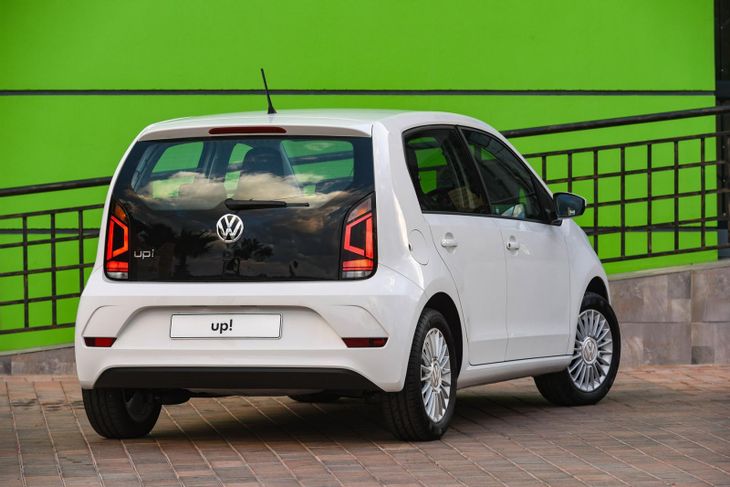
3 Reasons Why Volkswagen Take Up! is #CarsAwards Finalist
What makes the Volkswagen Take Up! a strong contender in the Budget Car category of the 2017/18 Cars.co.za Consumer Awards programme – powered by WesBank? Read on…
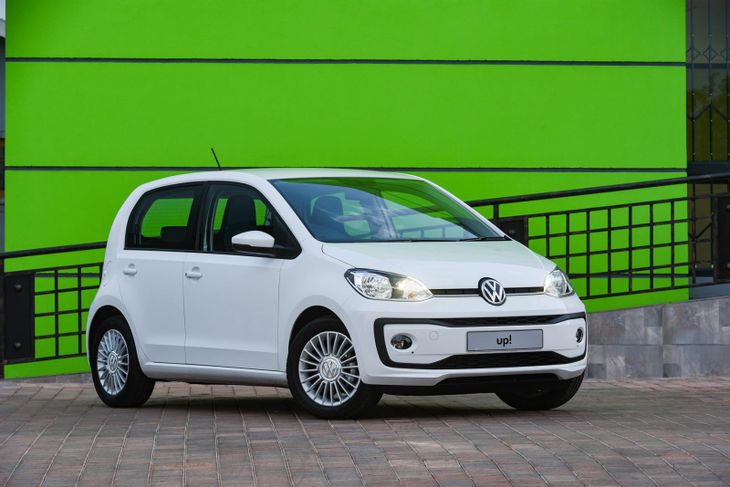
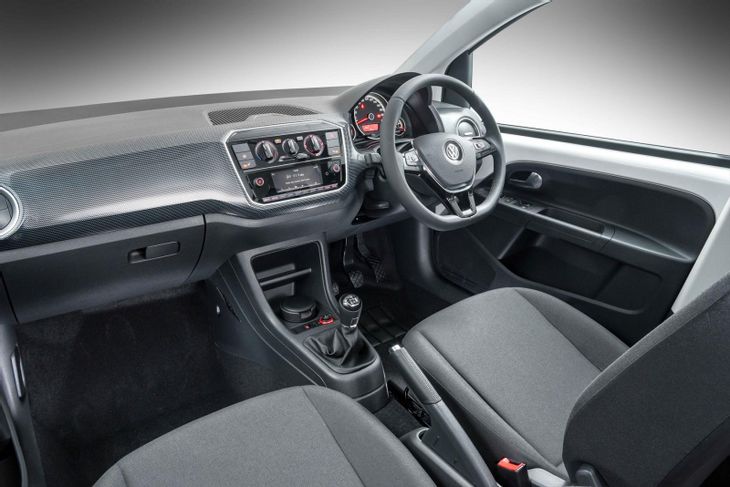
Volkswagen’s Up! brings cutting-edge small-car design to the budget segment. Its unique design makes it seem like nothing more than a compromised city toy, but there’s surprising practicality on offer here, too. And at the price, there’s simply nothing to touch it for trendiness.
3 Reasons Why Volkswagen Take Up is #CarsAwards Finalist
1. Cost effective city car
The Volkswagen Take Up! is powered by a small capacity 3-cylinder, 1.0-litre engine with 55 kW and 95 Nm of torque. The Up! returns excellent fuel consumption with a claimed figure of 4.6 L/100 km which means you will be saving money at the pumps.
2. Practical runner
The Up! is now only offered in 5-door guise which improves practicality substantially. The front doors open wide and it has a 251-litre boot with a double floor to store valuable items out of sight. The rear seats also fold flat in a 60:40 configuration which sees loading space increase to a 959-litres. With its compact dimensions, the Up! is perfectly suited for city driving and parking with good all-round visibility.
3. Brand strength
Volkswagen is one of South Africa’s most-loved brands and also boasts one of the biggest dealership networks, so backup is assured. The desirability of the brand’s products in the used-car market also means higher resale values. A 3-year/120 000 km warranty is standard and a 3-year/45 000km service plan is optionally available.
Watch our comparative video of the Volkswagen Up! below!
Have Your Say: Complete our survey and WIN!
Do you own an Up!? We would love to hear from you! Tell us about your experience by completing our Ownership Satisfaction Survey. Your input counts for 50% of the final result!
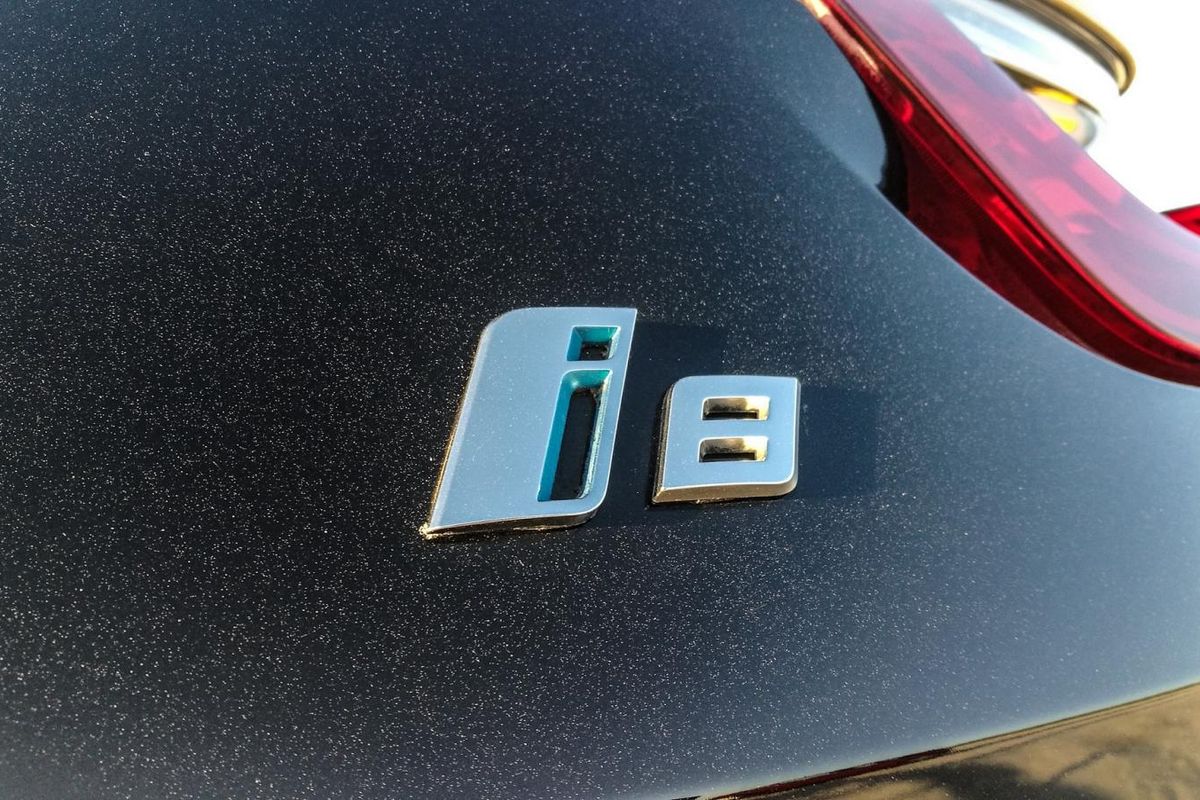
The BMW i8 Coupe, which was introduced in South Africa in 2015, is the only mid-engined hybrid sportscar in the local market. It appeals to brand loyalists, eco-warriors, trendsetters and especially early adopters, but is it a wise purchase when there are more powerful and faster performance cars available?
We like: Design, efficiency, performance, relatively good everyday usability
We don’t like: Better suited to bursts of cut-and-thrust driving than long-distances at high speeds.
Alternatives:
The BMW i8 doesn't have any direct rivals, but here are 2 similarly priced alternatives to consider…
The first-class hybrid: Consider the Mercedes-Benz S500e L priced at R1 931 800. It’s a lavish alternative to the i8 and offers a total of 325 kW and 650 Nm of torque from its hybrid powertrain.
For traditional kicks: Consider the Porsche 911 Carrera 4 GTS PDK priced at R1 892 000. Its turbocharged 6-cylinder, 3.0-litre boxer engine offers peak outputs of 331 kW and 550 Nm of torque.
The i8 offers an intriguing mix of efficiency and performance thanks to its advanced hybrid powertrain.
Why is it important?
The i8 is the halo car for BMW's i Division and at the time of going to market and, to a large extent, to this day, the carbon-fibre-laced wing-doored coupe represents a glimpse at the future of motoring, well, at least the way the Bavarian firm envisions it. The i8 and its award-winning i3 sibling demonstrate how electrification and hybrid technology has (and will continue to) shape our motoring experience into the future.
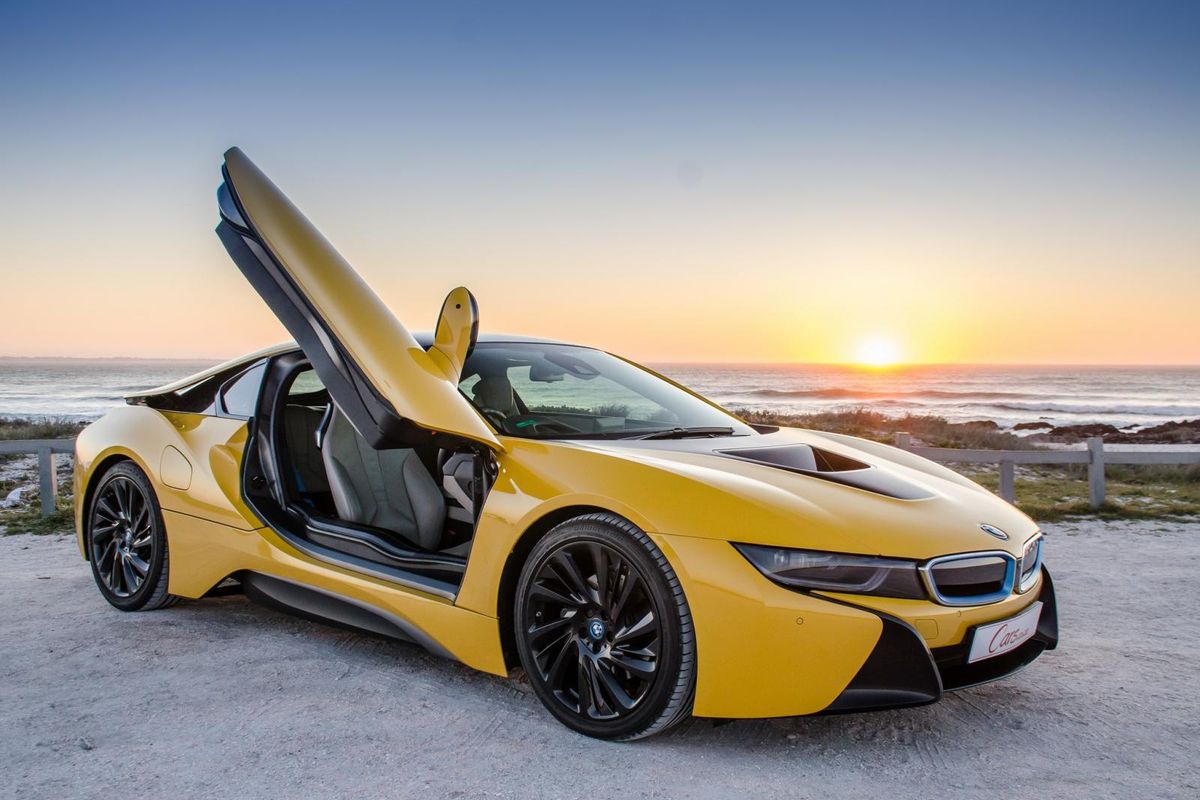
In the case of the i8, its exterior design is nothing short of outlandish. Suffice to say there are few cars with asking prices this side of R2 million that offers as much sheer kerb appeal as the low-slung, aerodynamically-sculpted BMW. It's near-identical in design to the 2011 BMW i8 Concept upon which it is based and the fact that it looks like a concept car makes it even more radical and, for some, appealing.
Since its local launch, approximately 227 i8s have been sold, with about 124 units sold in 2015 alone. If you consider that the i8 is not a high-volume model and that it is expensive to produce, those numbers are quite impressive, especially in our market. Now, more than 3 years since its launch, we finally had the chance to sample the i8 for ourselves. This is what we thought of it…
How does it fare in terms of…
Kerb appeal?
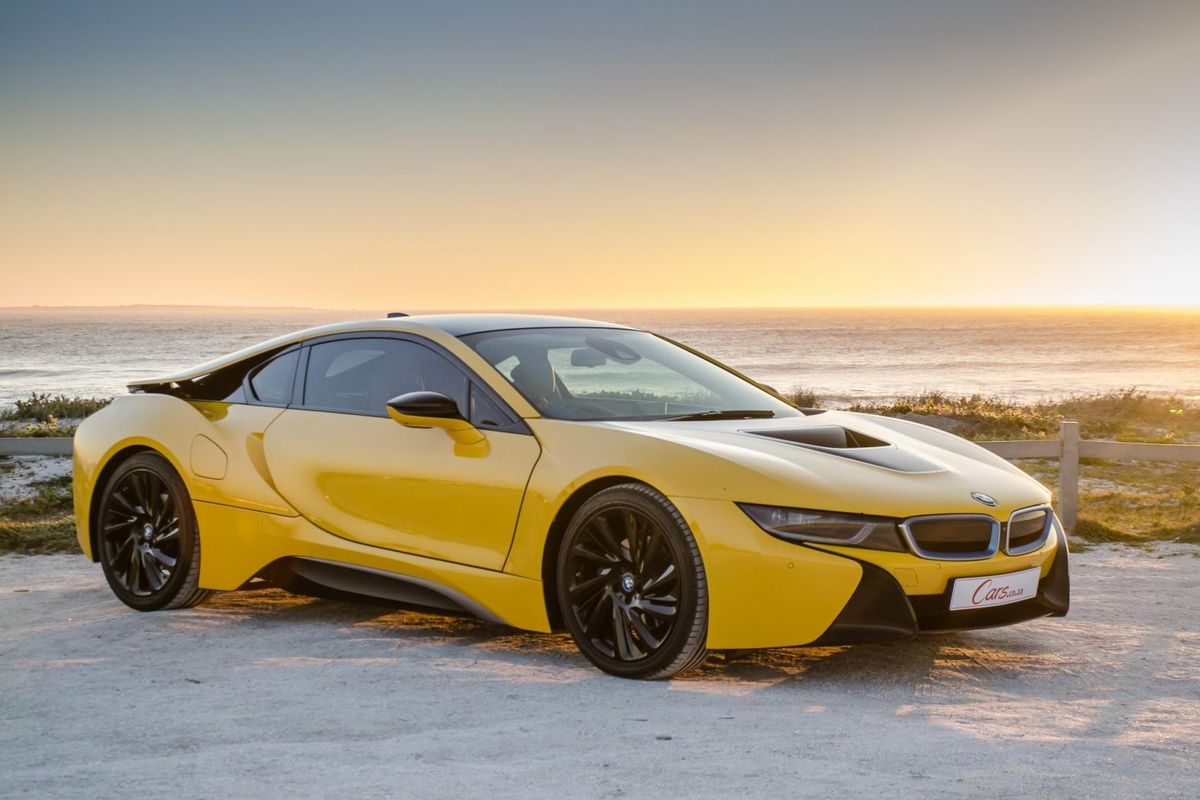
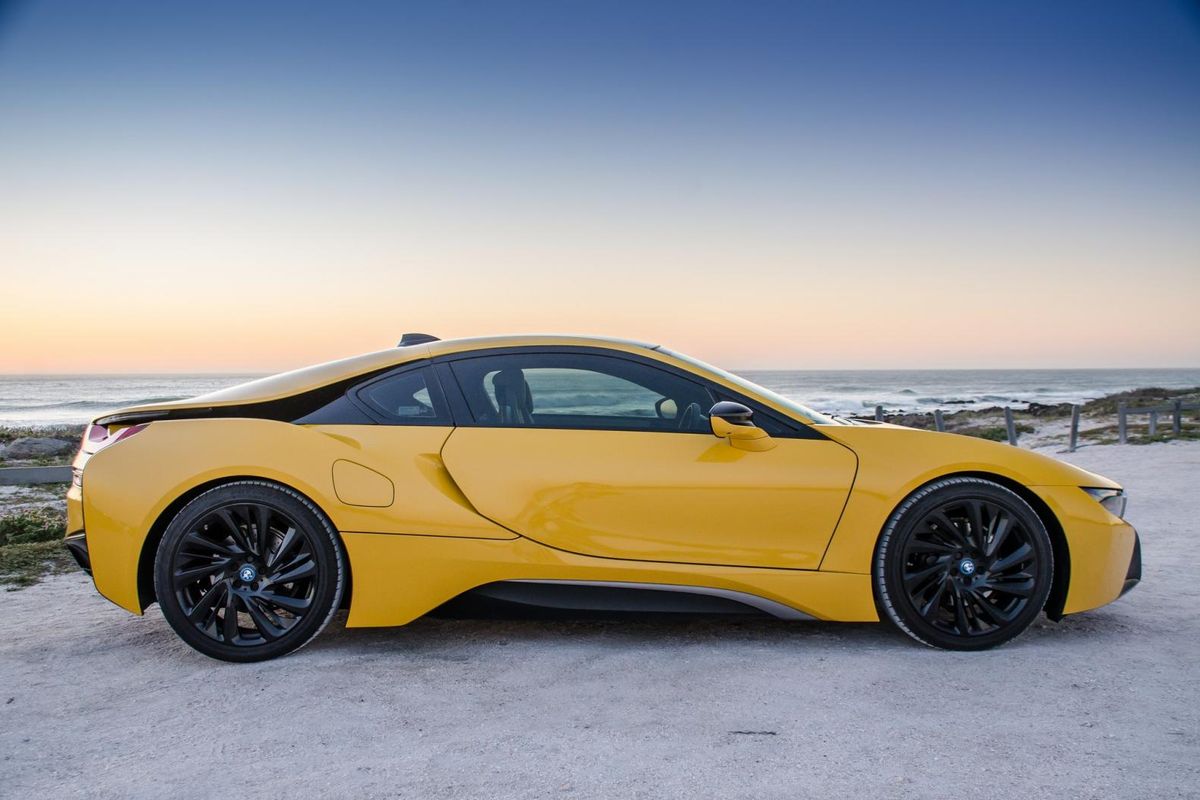
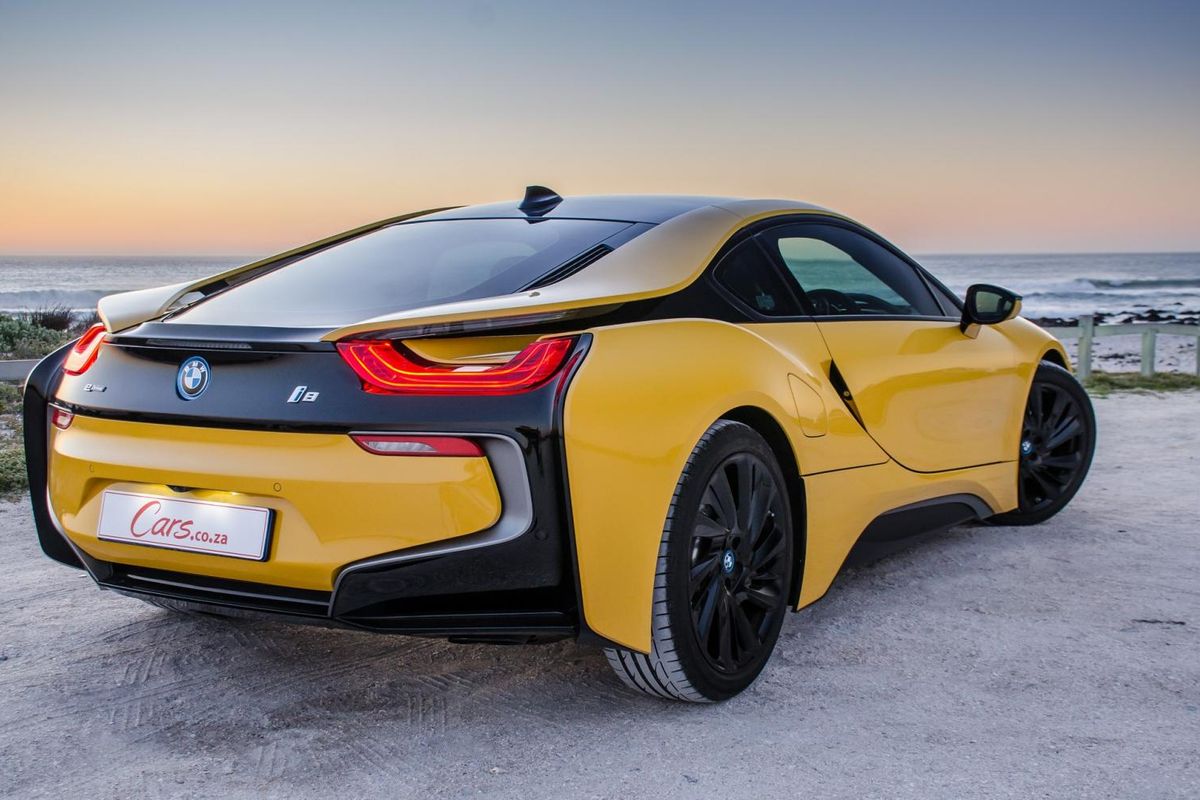
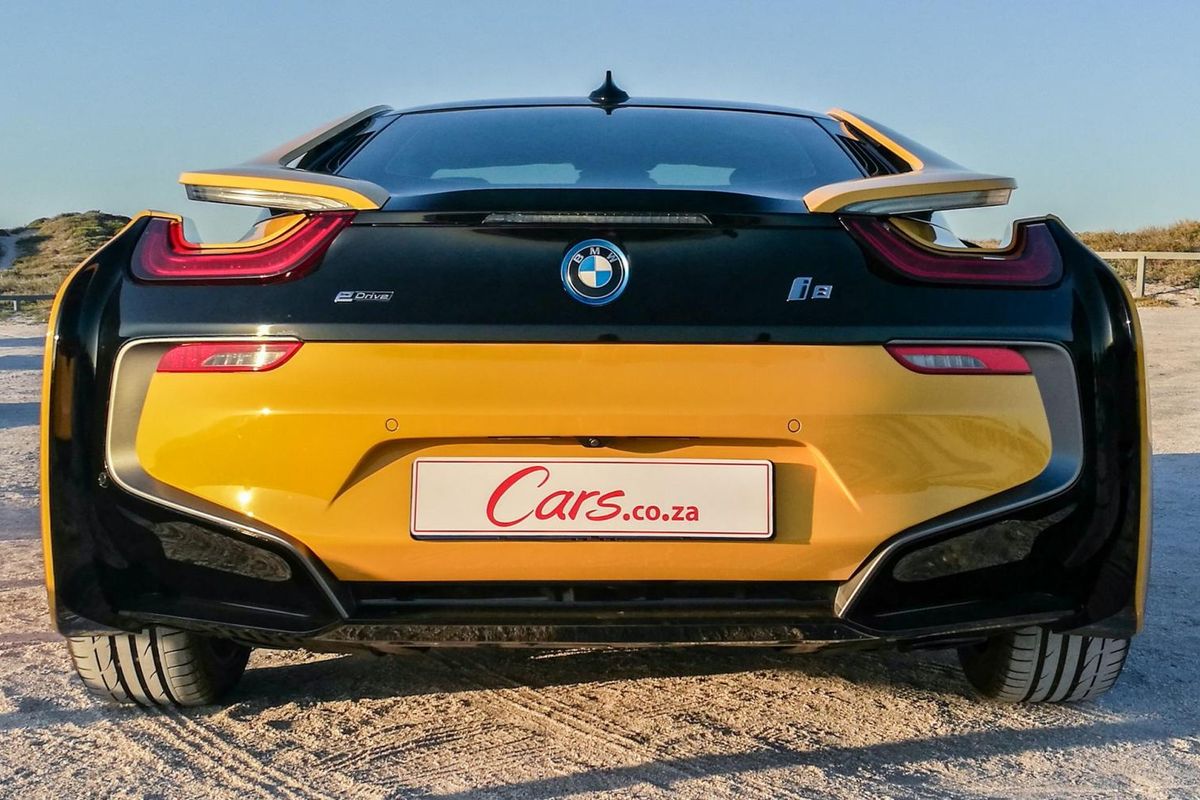
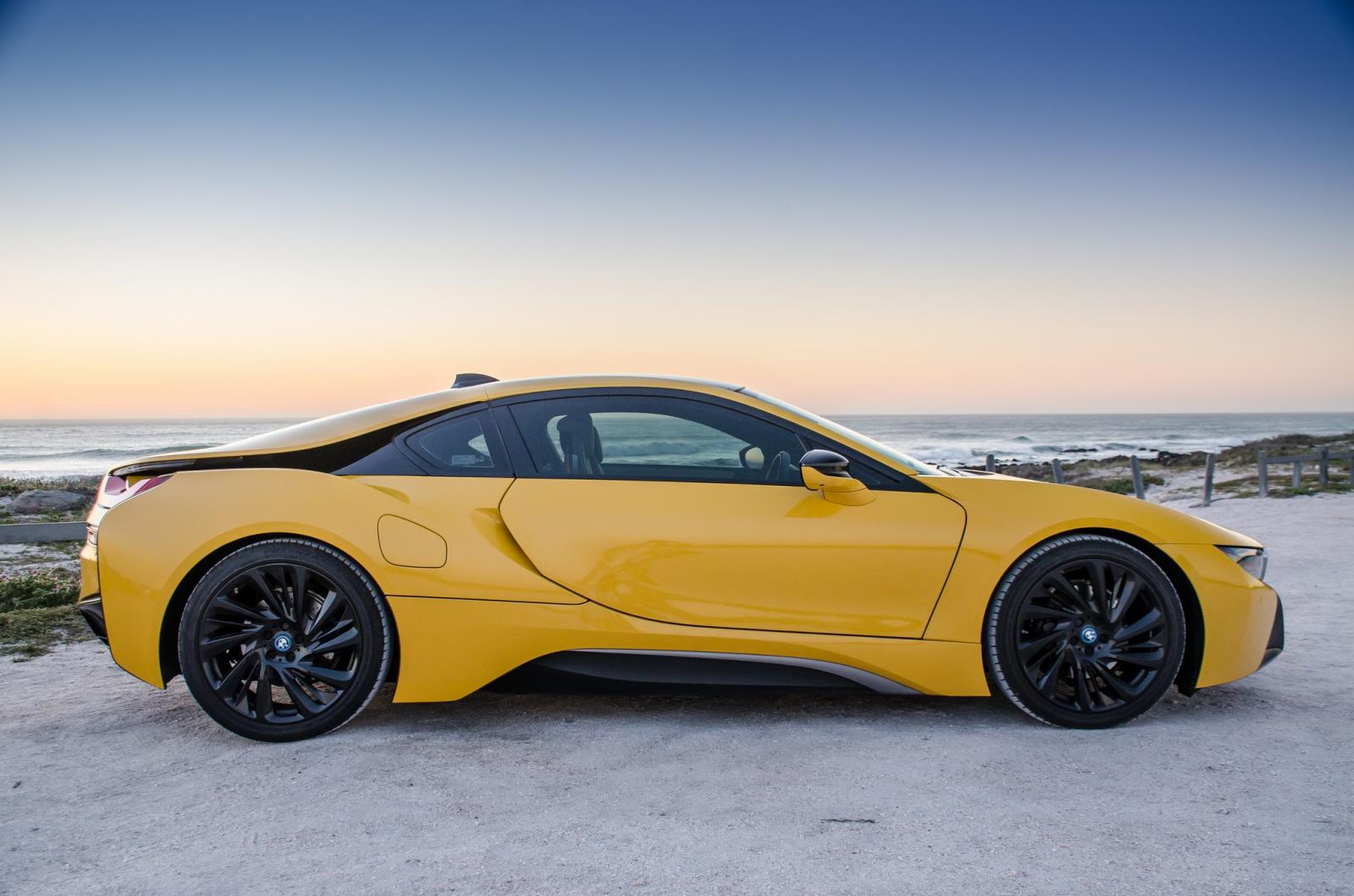
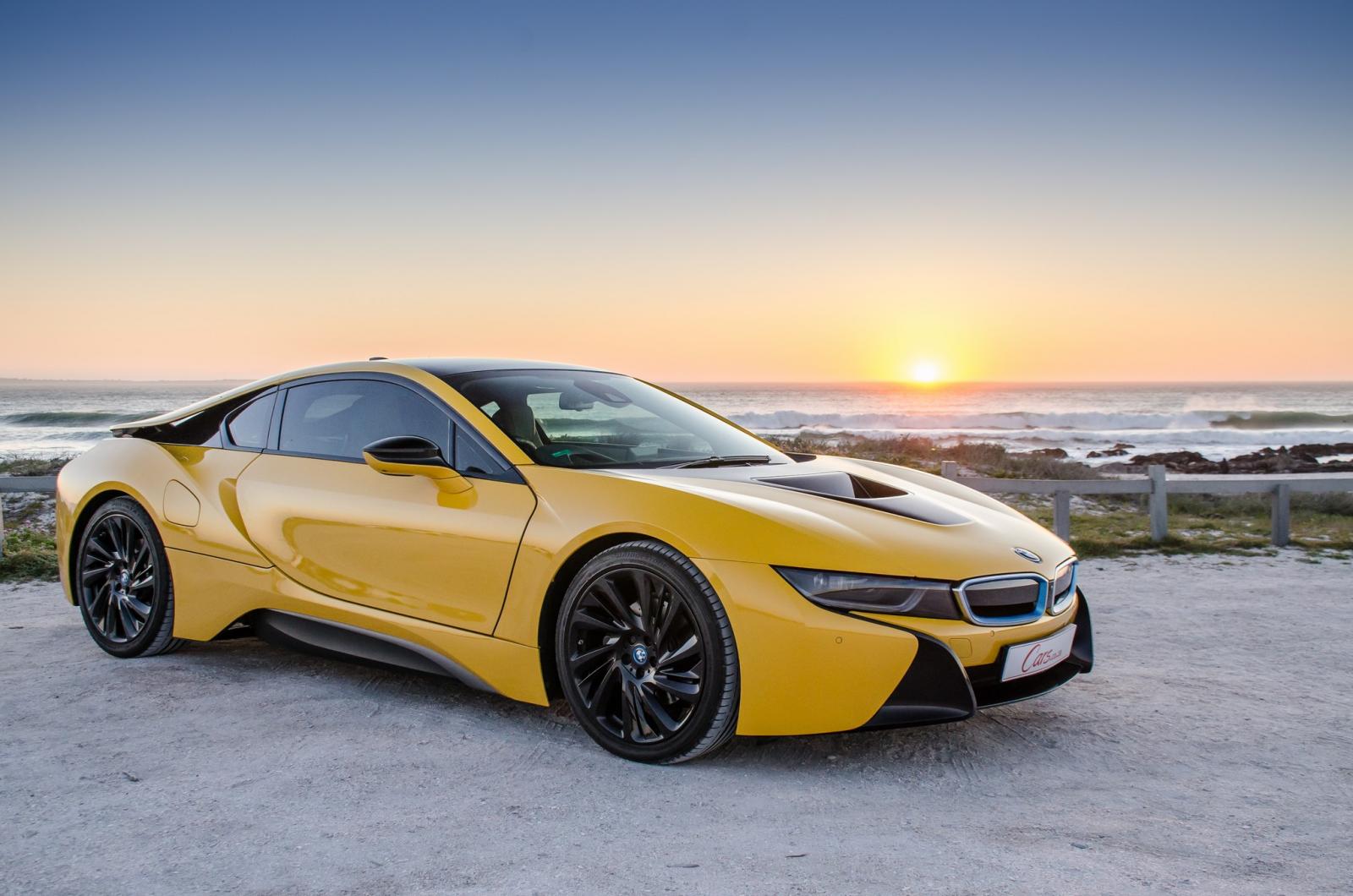
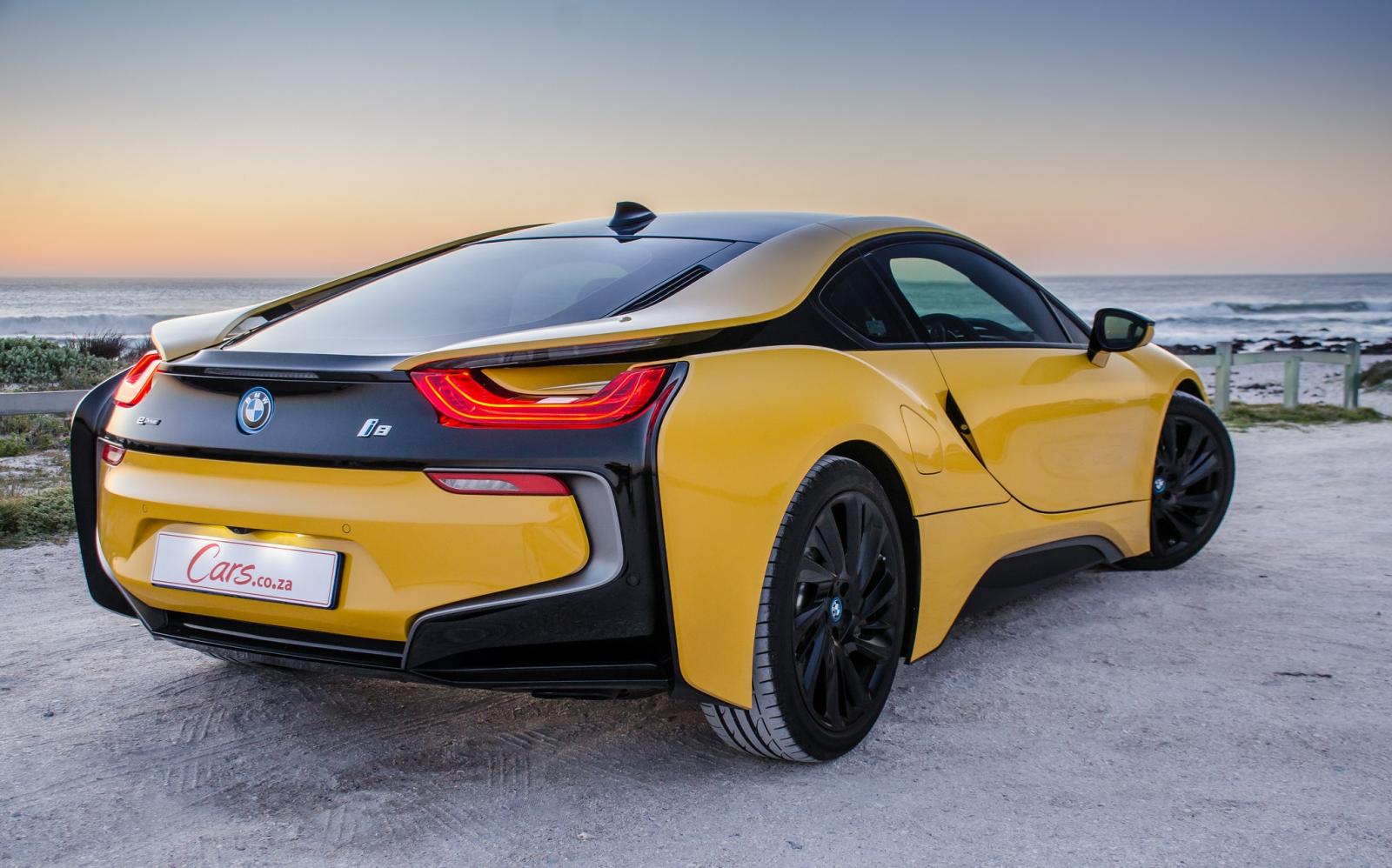
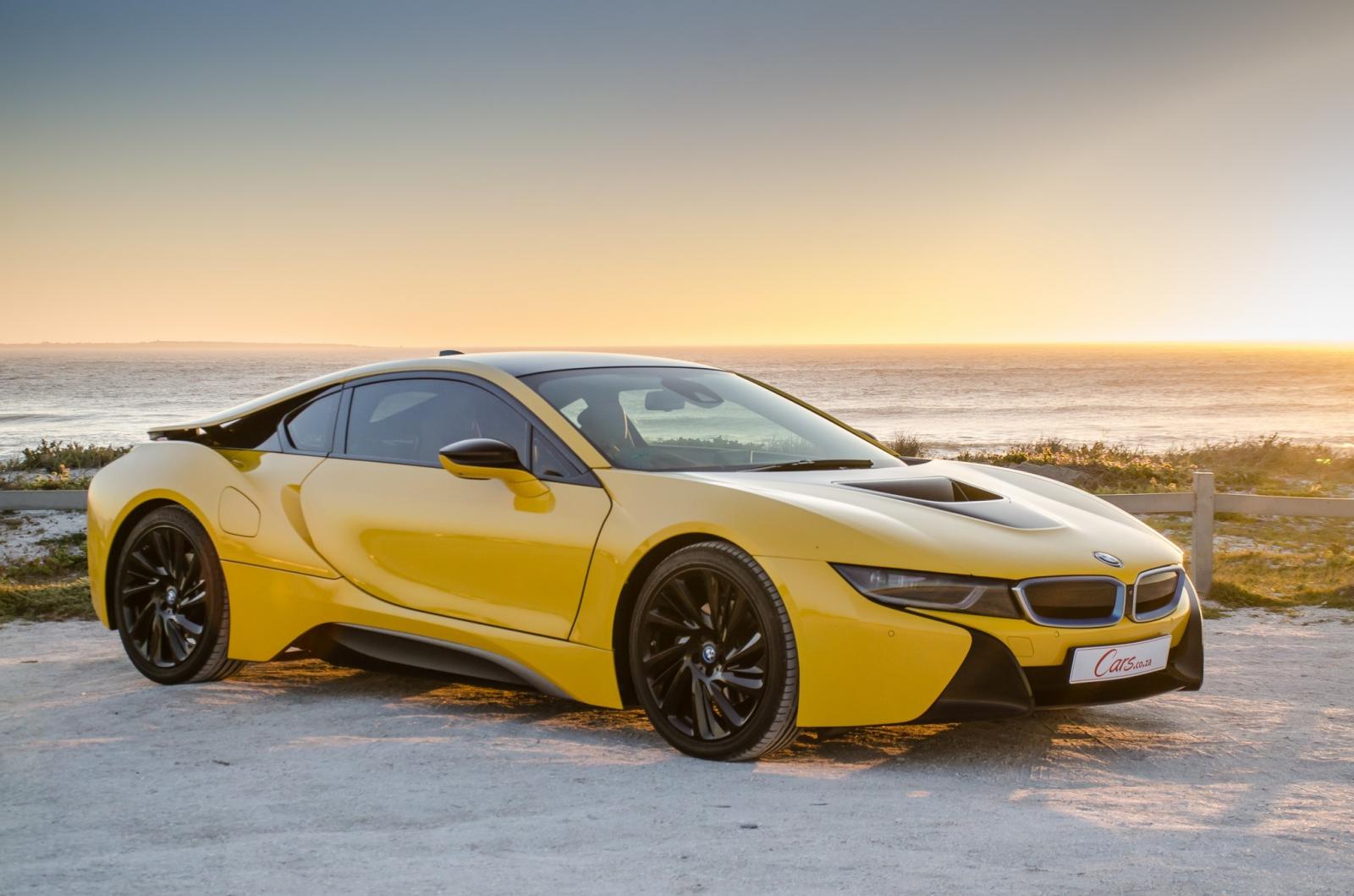
Sleek and curvaceous, the i8's efficient aerodynamic design contributes to its efficiency credentials as well as its performance capability.
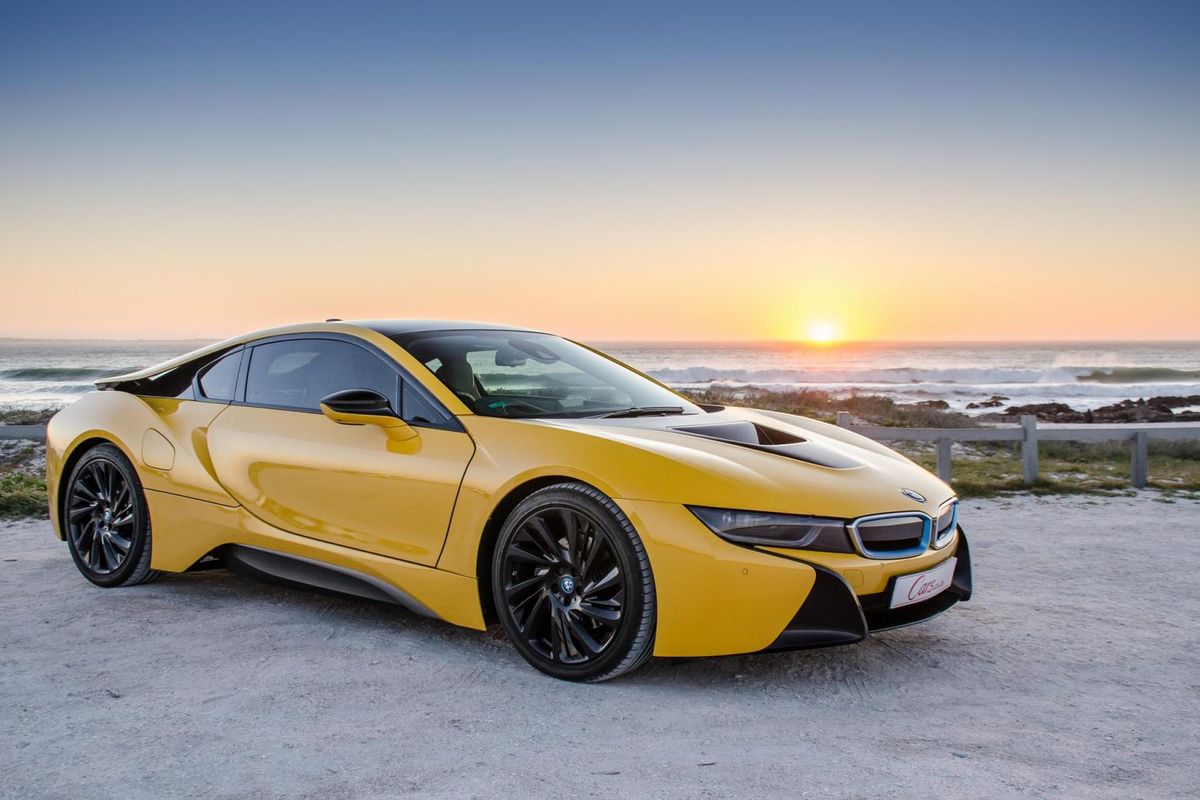
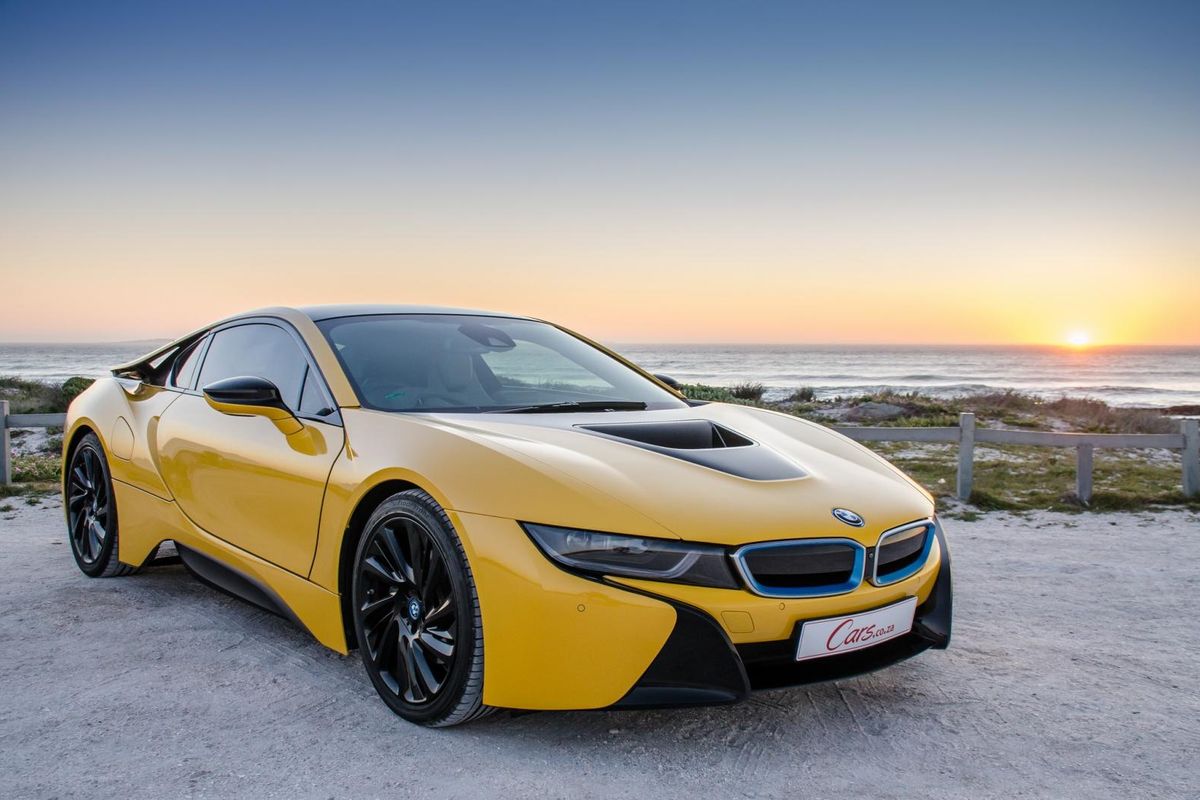
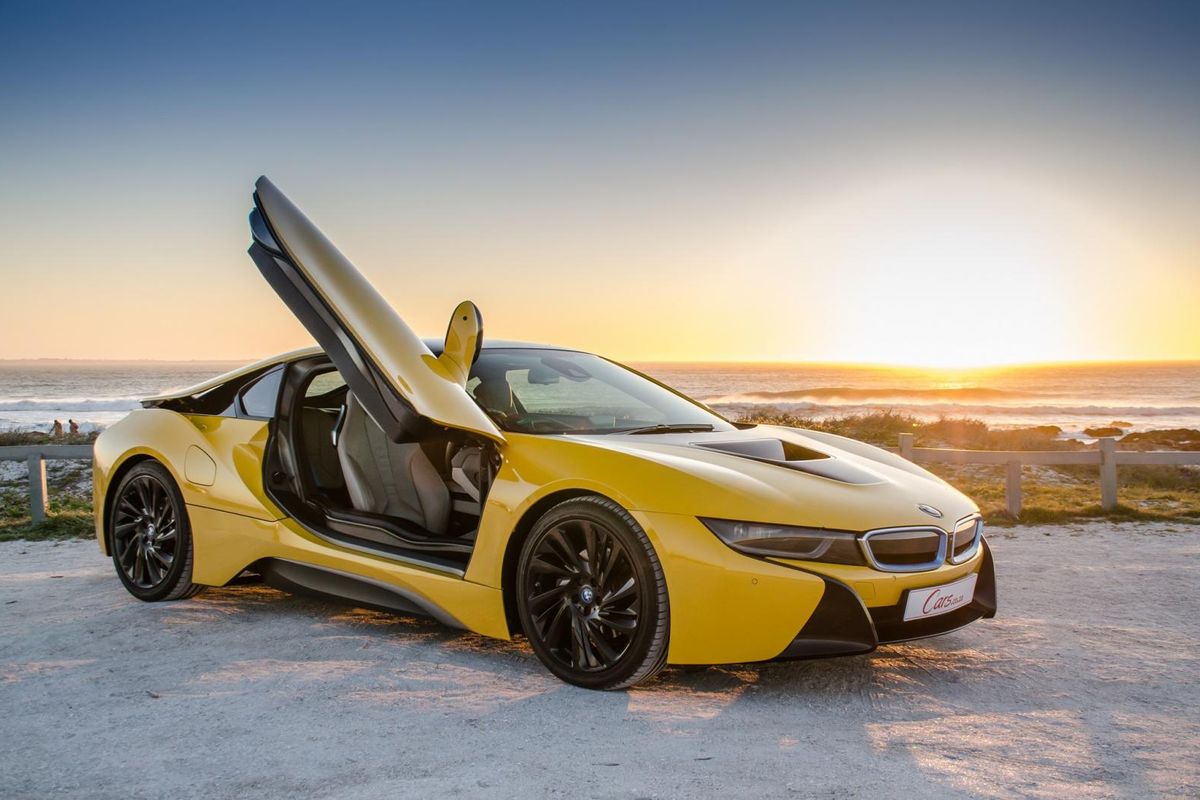
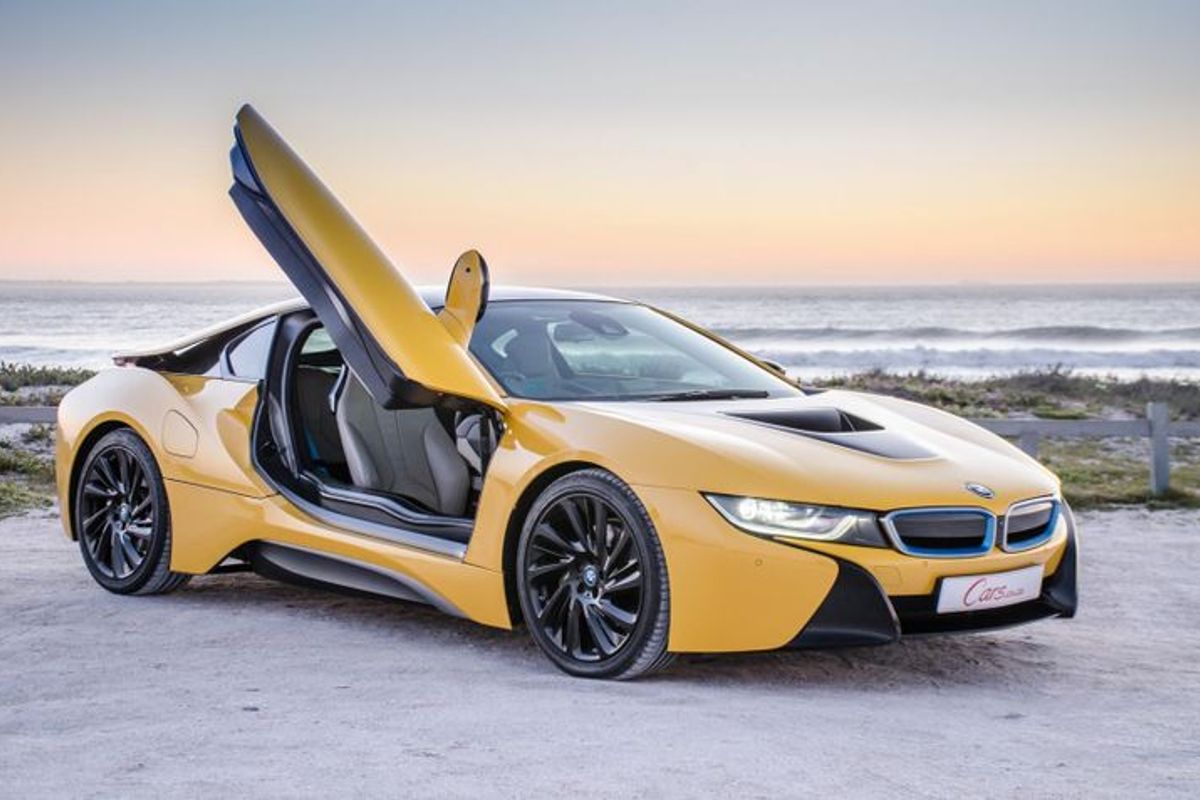
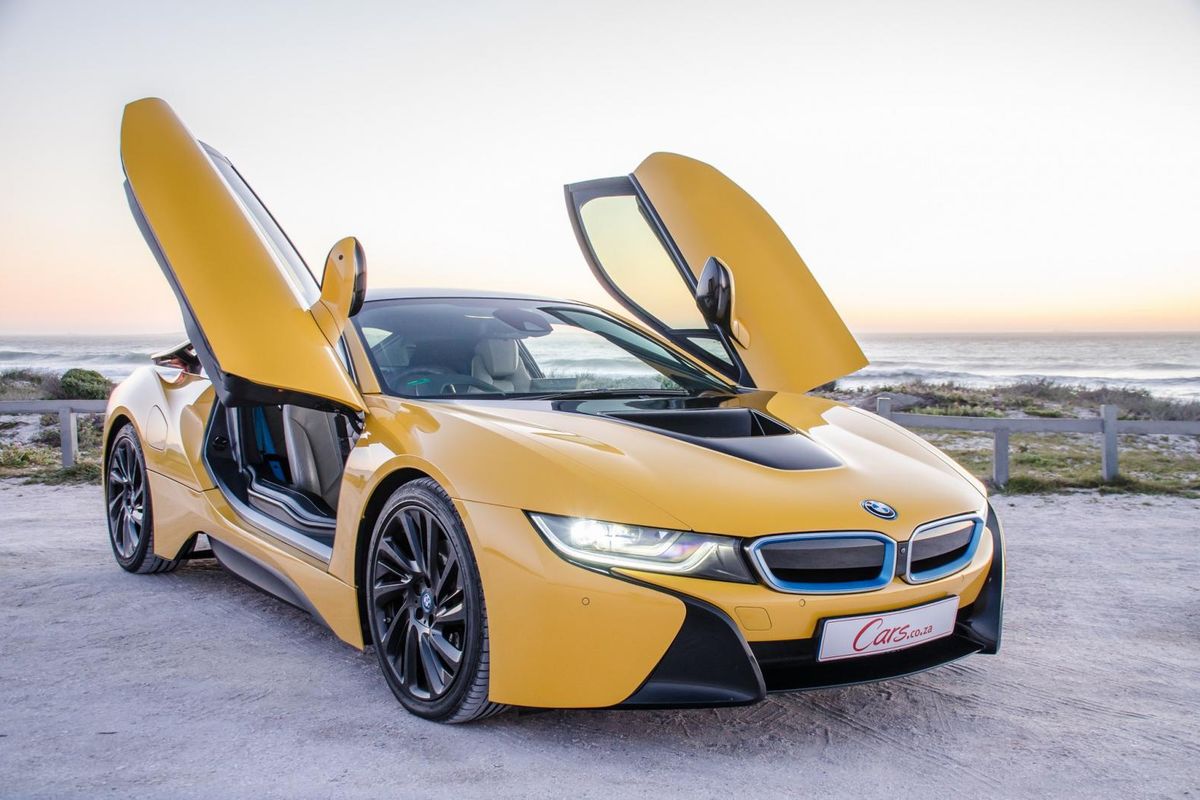
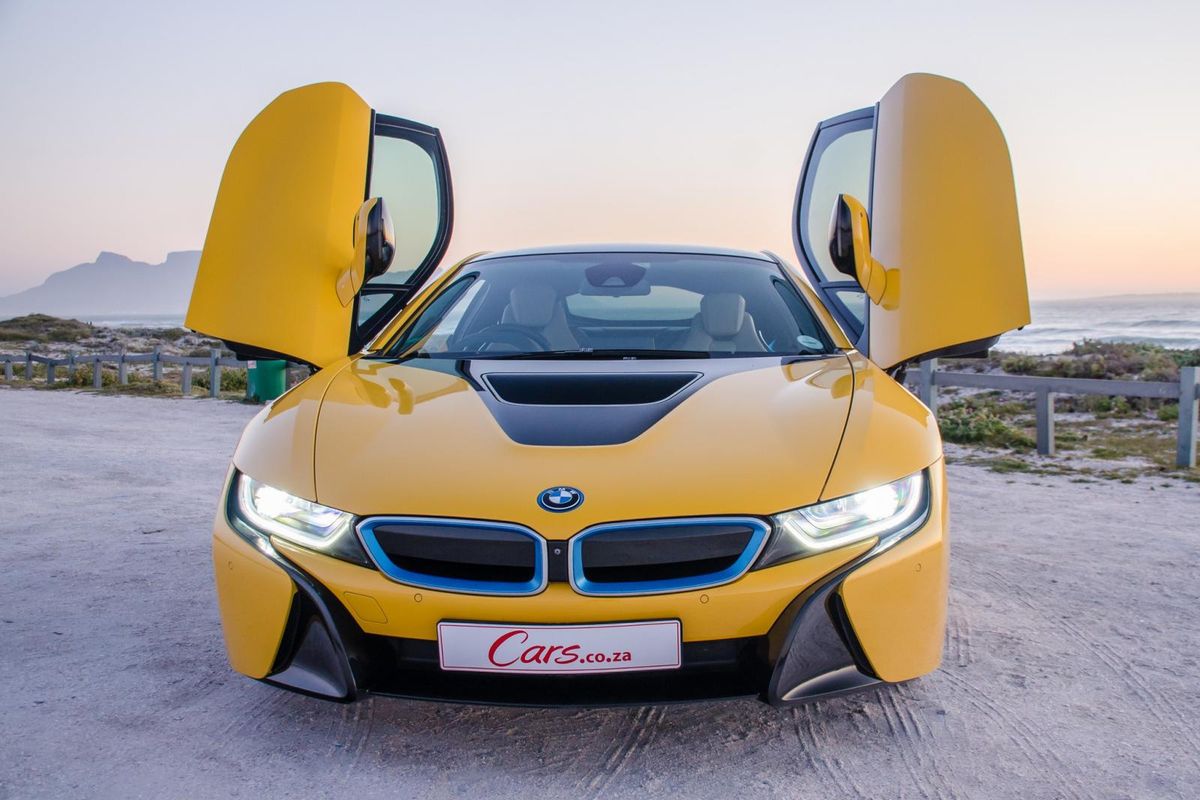
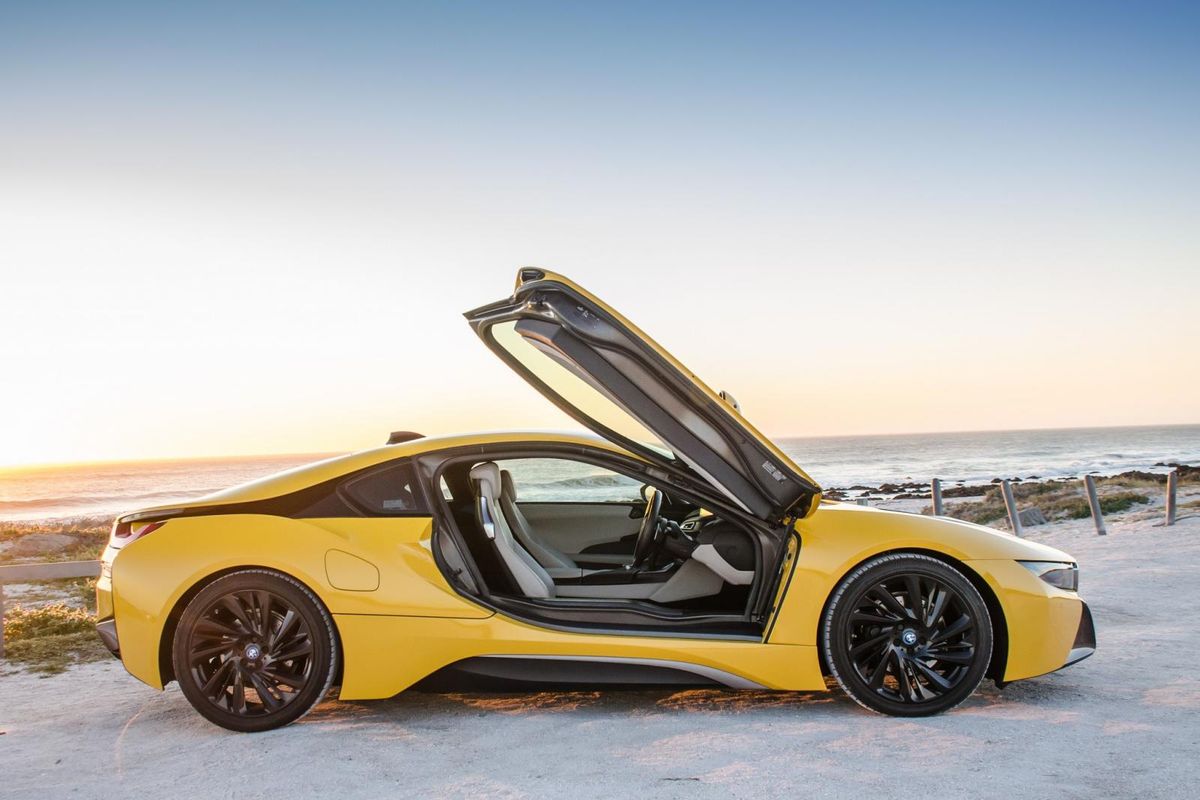
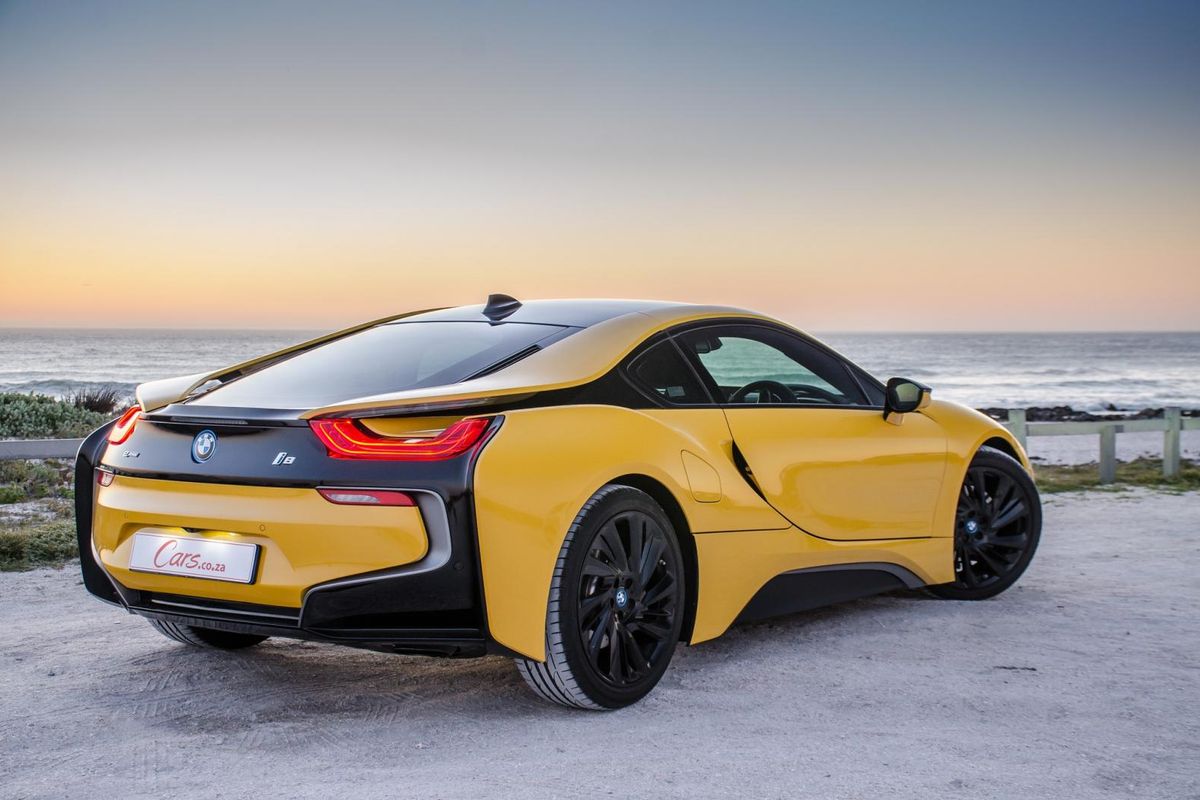
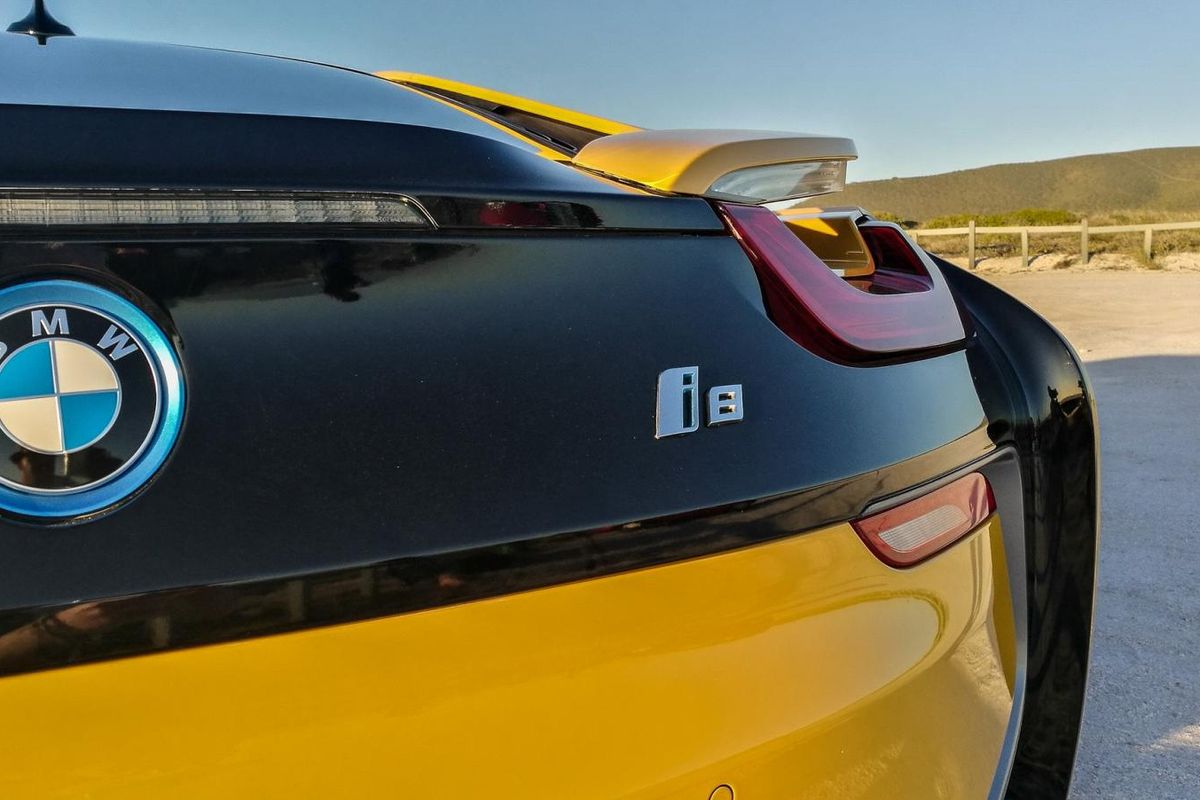
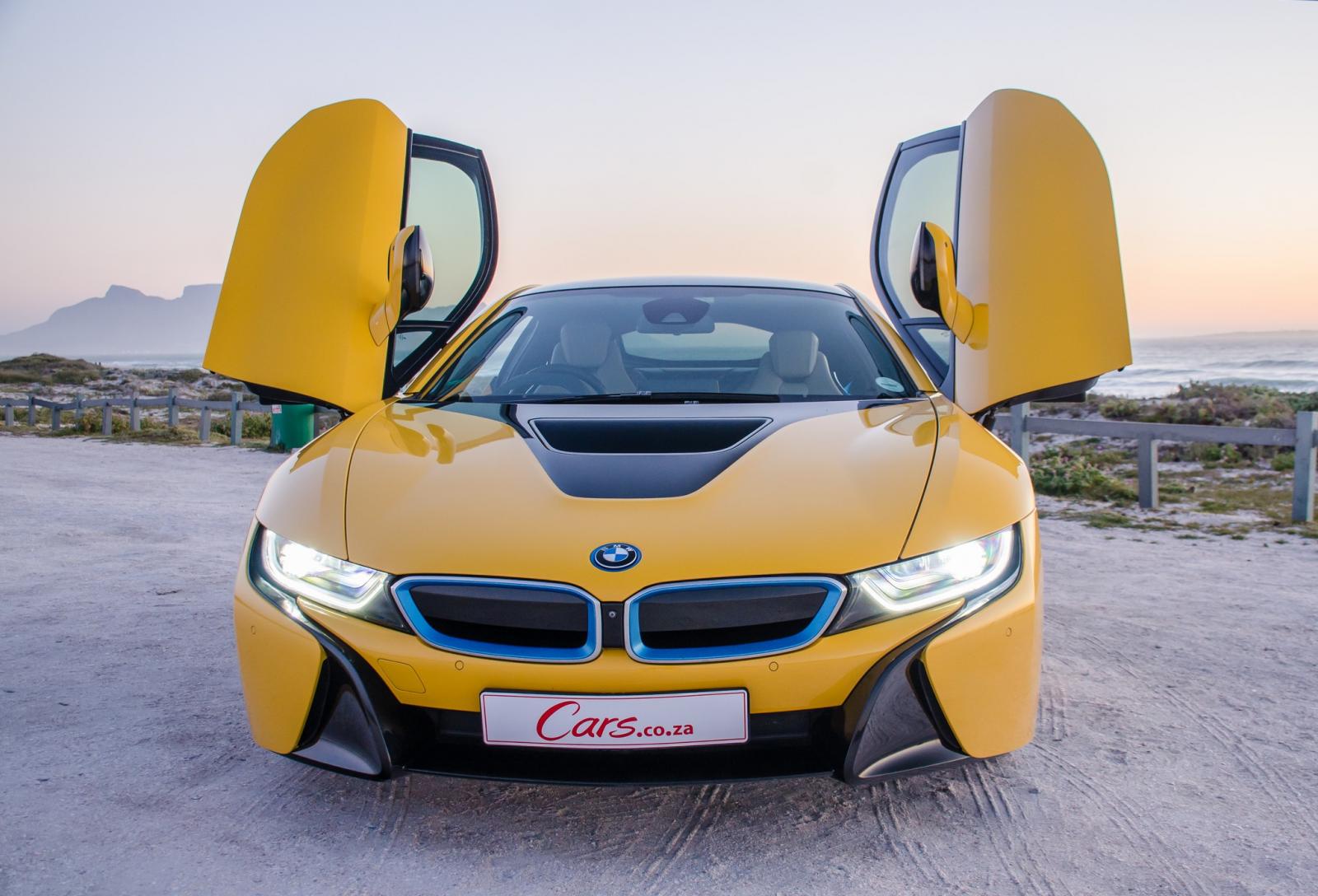
The design of the dual-tone i8 is timeless and it continues to enjoy considerable head-turning ability. This i8's bright yellow paint finish is hard to miss and everywhere we drove, people gawked at the sportscar with admiration and in amazement. The amount of attention this i8 garnered was incredible to witness.
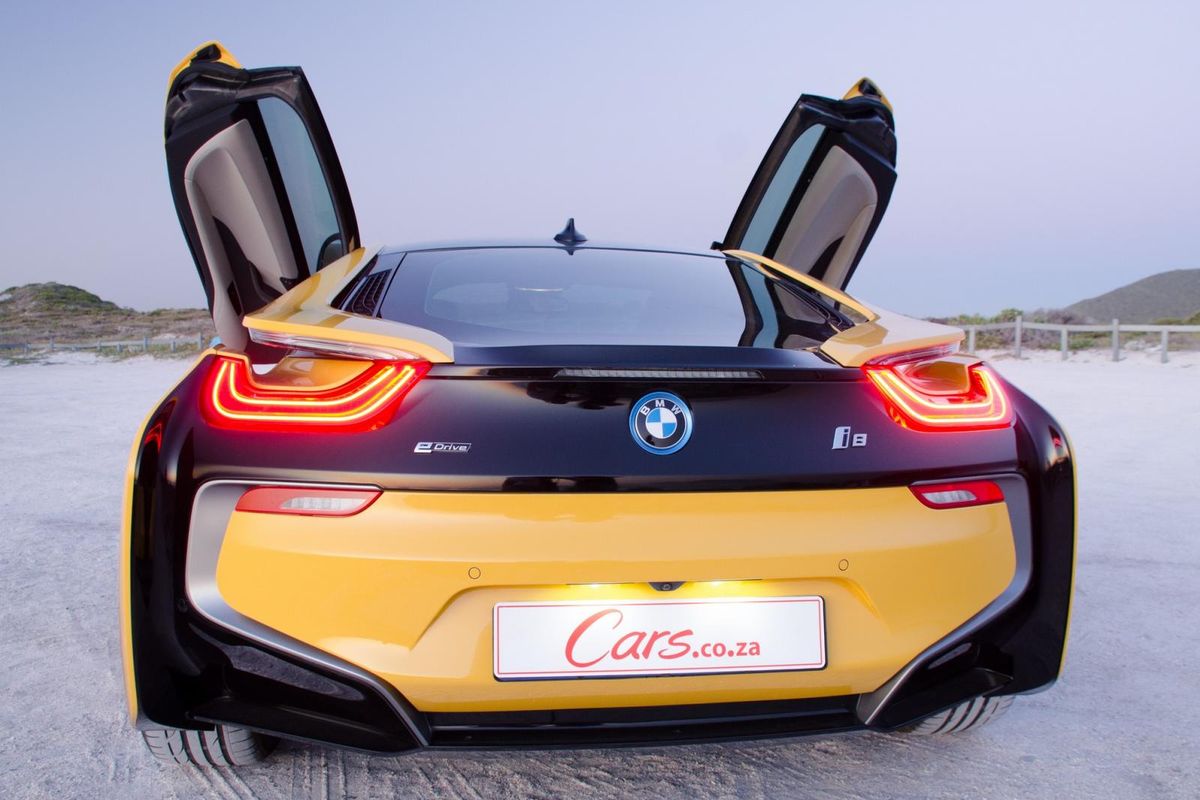
Much has been written (and said) about the i8’s aerodynamic wizardry, but for brevity, we’ll just say that by virtue of a low and wide stance, flowing lines and aerodynamic floating roof pillars towards the rear, the BMW has a stunning dynamic look. Just about every angle of the i8 is achingly pretty. The upward-folding scissor doors add to the sense of theatre and they emphasise the i8’s sporting character.
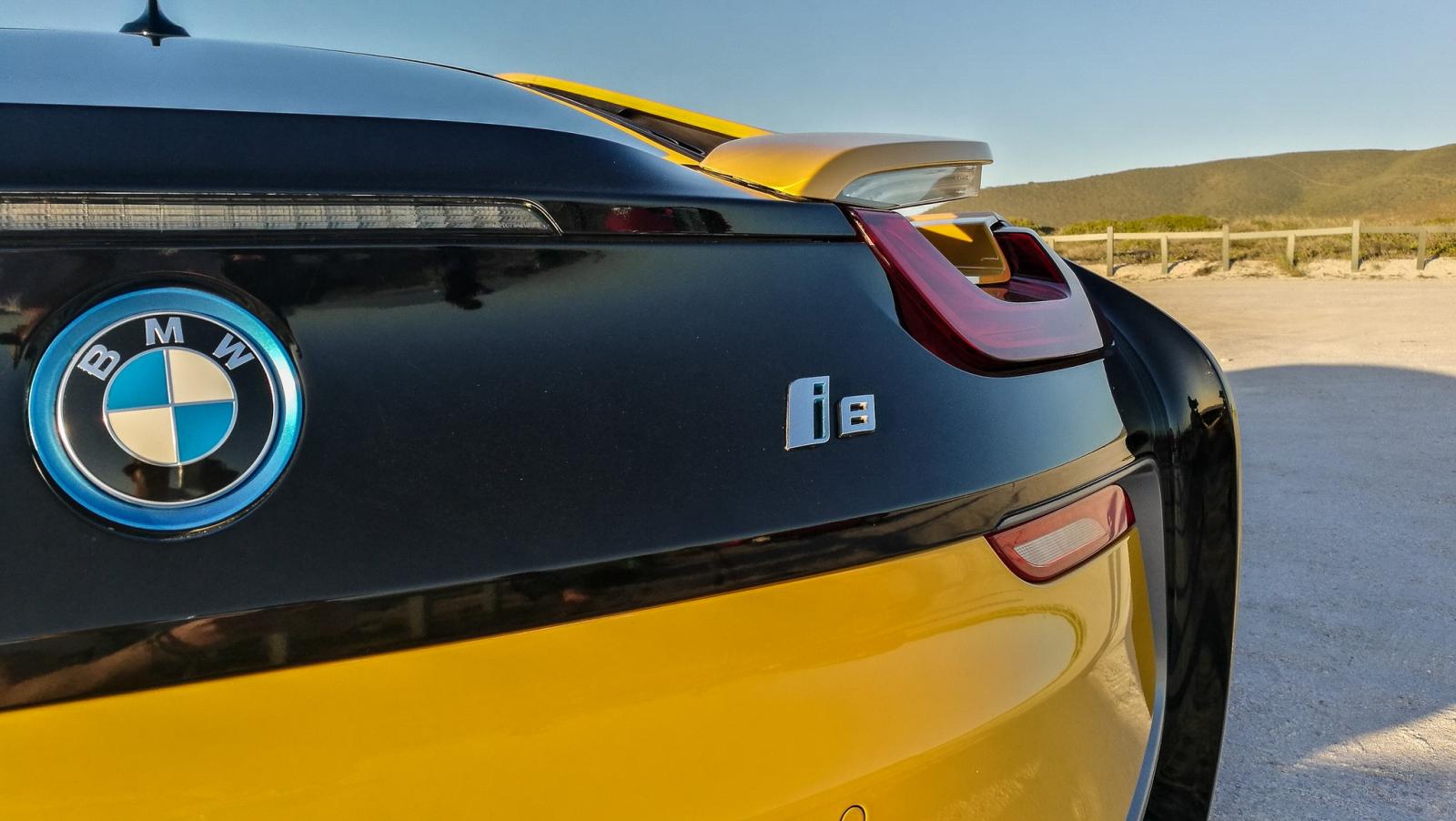
The i8’s efficient lightweight design consists of an aluminium chassis and a passenger cell made from carbon-fibre-reinforced plastic (CFRP). Exposed carbon fibre is seen when you open the doors and carbon fibre interior details further allude to its lightweight construction.
In terms of kerb appeal, there aren't many cars with as much star-power as the i8, certainly not in its price bracket. Just be prepared: wherever you drive the BMW, everyone will look at you and the car…
Powertrain technology?
When fully charged, the i8 delivers entertaining performance, but it also offers up to 37 km of emission-free driving in full-electric mode.
A plug-in hybrid powertrain is at the heart of the i8 and combines a combustion engine with an electric motor and high-voltage lithium-ion battery to produce total outputs of 266 kW and 570 Nm of torque, all of which is transferred to the terra firma via a 6-speed automatic transmission. The engine alone produces 170 kW and 320 Nm of torque while the electric motor produces 96 kW and 250 Nm of torque. In normal operation, all 4 wheels are driven, with the electric motor driving the front axle and the combustion engine driving the rear axle.
However, in full electric mode or eDrive, the combustion engine shuts off completely and all the driving power is generated via the front axle with the i8 wafting along in eerie silence. When fully charged, the i8 has an electric range of 37 km and can reach speeds up to 120 kph in full electric mode.
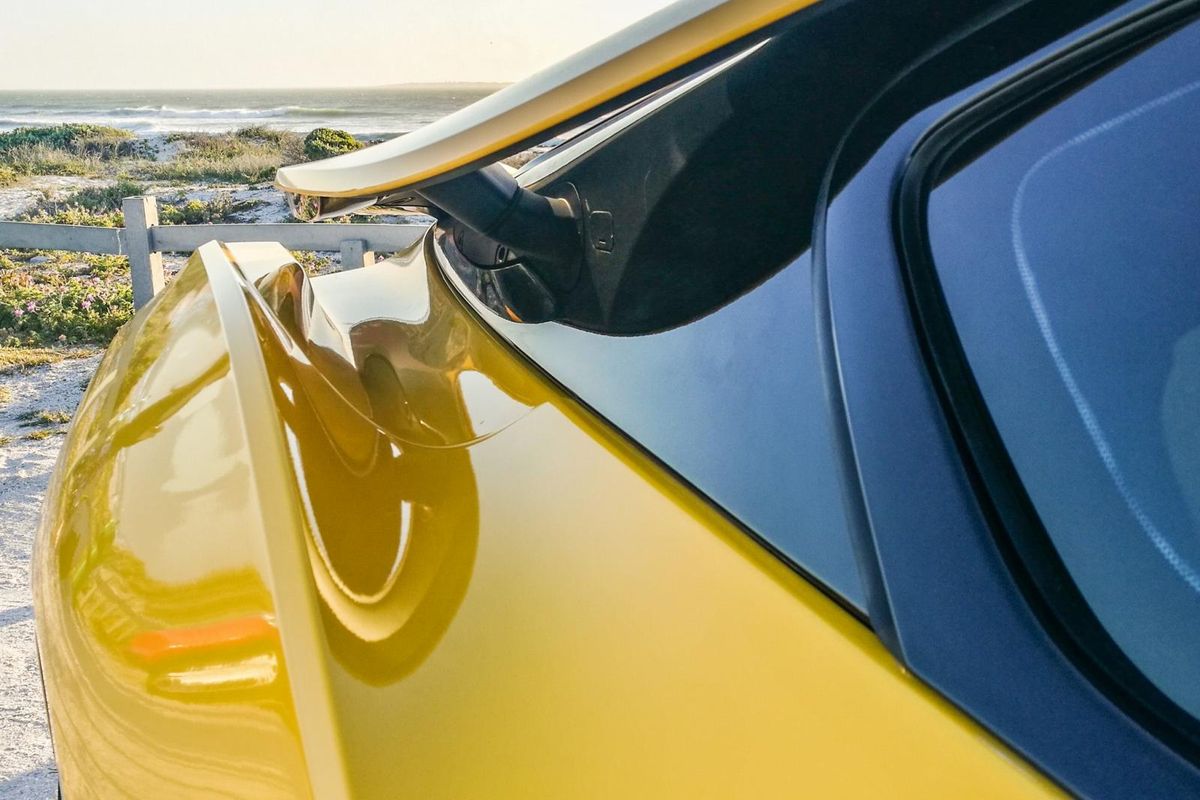
We charged the i8 overnight using the standard charge cable, but i8 owners can also charge the car using a dedicated wallbox for faster charging times. Furthermore, specific charging points are located in all major city centres allowing you to charge your i8 when you are out and about. If you really want to maximise charging, BMW can also arrange the installation of a premium solar carport at your home to generate electricity to charge your i8. Alrighty, then…
Performance?
The i8 is light, fast and efficient and returns admirable fuel consumption figures on a daily basis.
The i8's jaw-dropping supercar-like styling aside, some might scoff at the thought of buying a sportscar fitted with a 3-cylinder 1.5-litre turbocharged engine and an electric motor, but don’t be fooled. With most sportscars (not to mention supercars), fuel economy is less of a consideration than in conventional passenger cars, but not with the i8. The i8 is the poster child for efficient motoring and we averaged 8.6 L/100 km, which, by sportscar standards, is excellent but compared with BMW's claim (2.1 L/100 km) is disappointing. Nevertheless, it suggests with a more considered driving style, much better efficiency is possible.
The advantages of driving in full electric mode in Cape Town became clear when the i8 shuttled to the Cars.co.za office in peak hour traffic. Just about every car was chugging gas as the i8 rolled by silently with no emissions. With the engine sleeping behind you, there’s no engine noise in the cabin, just an intriguing electric swooshing sound as you floor the pedal. It’s marvellous!
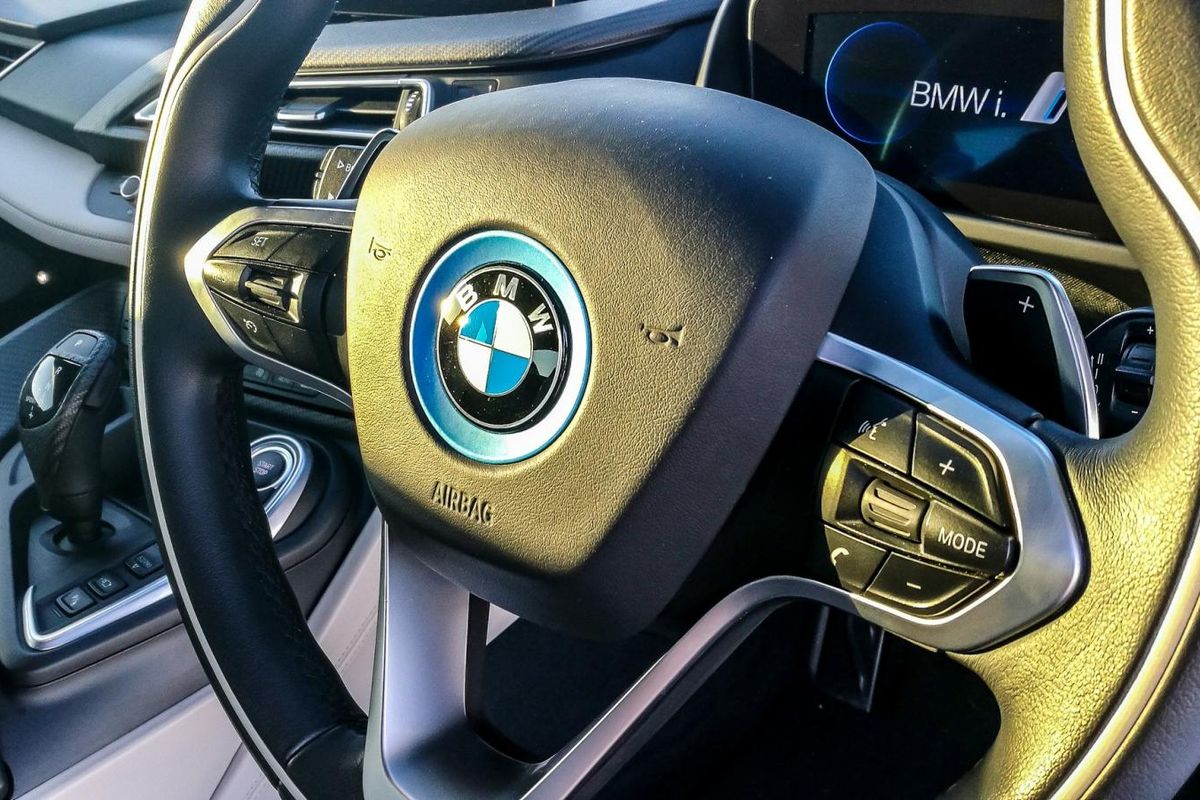
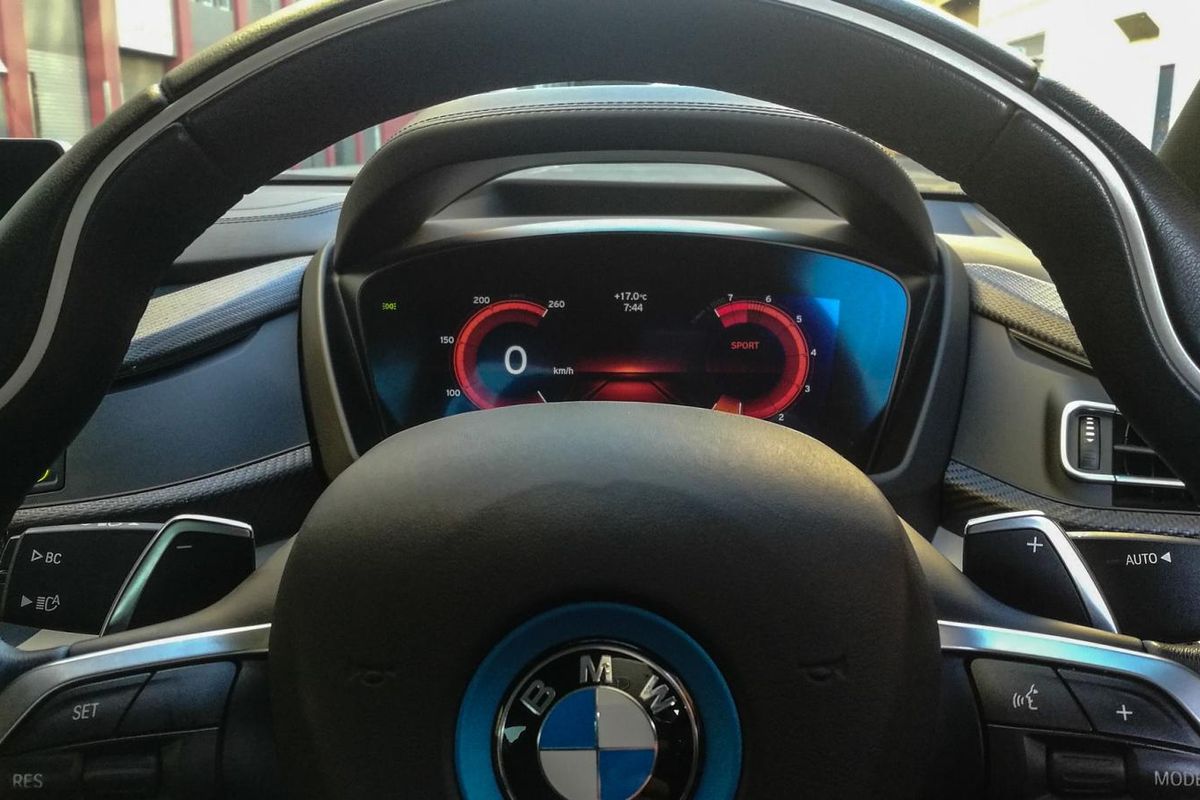
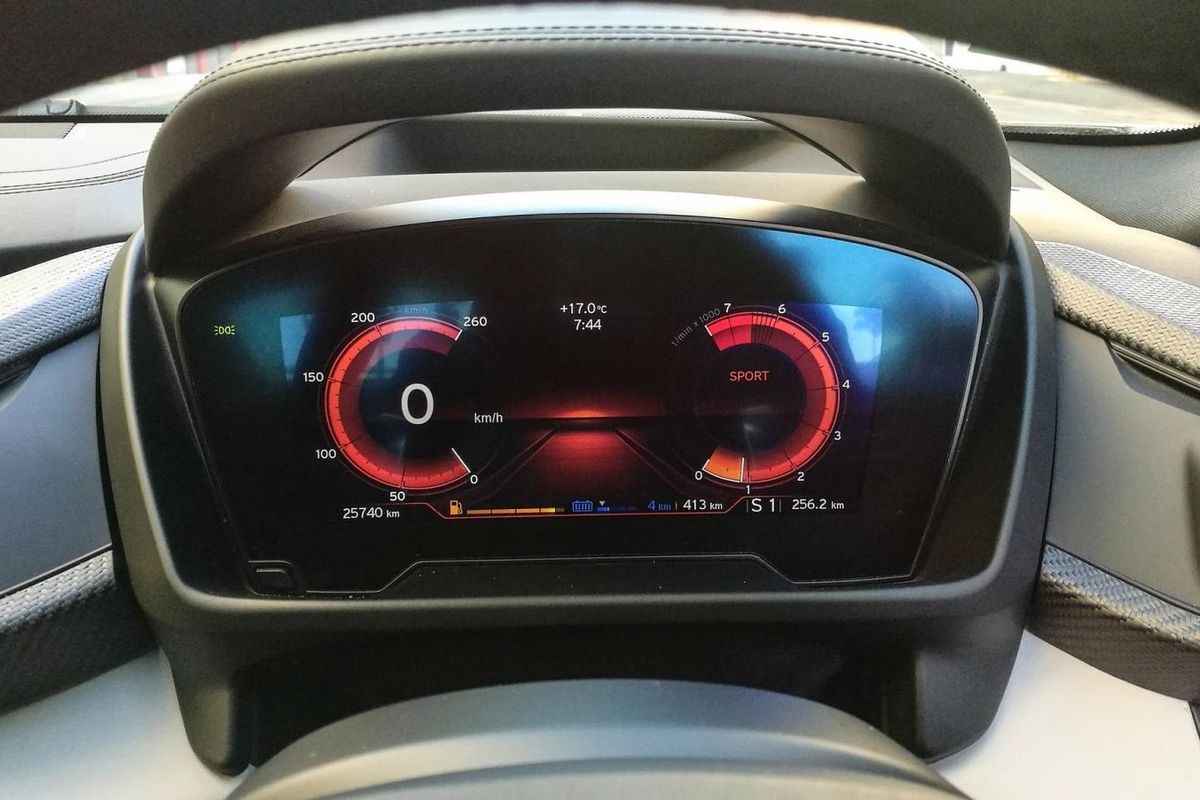
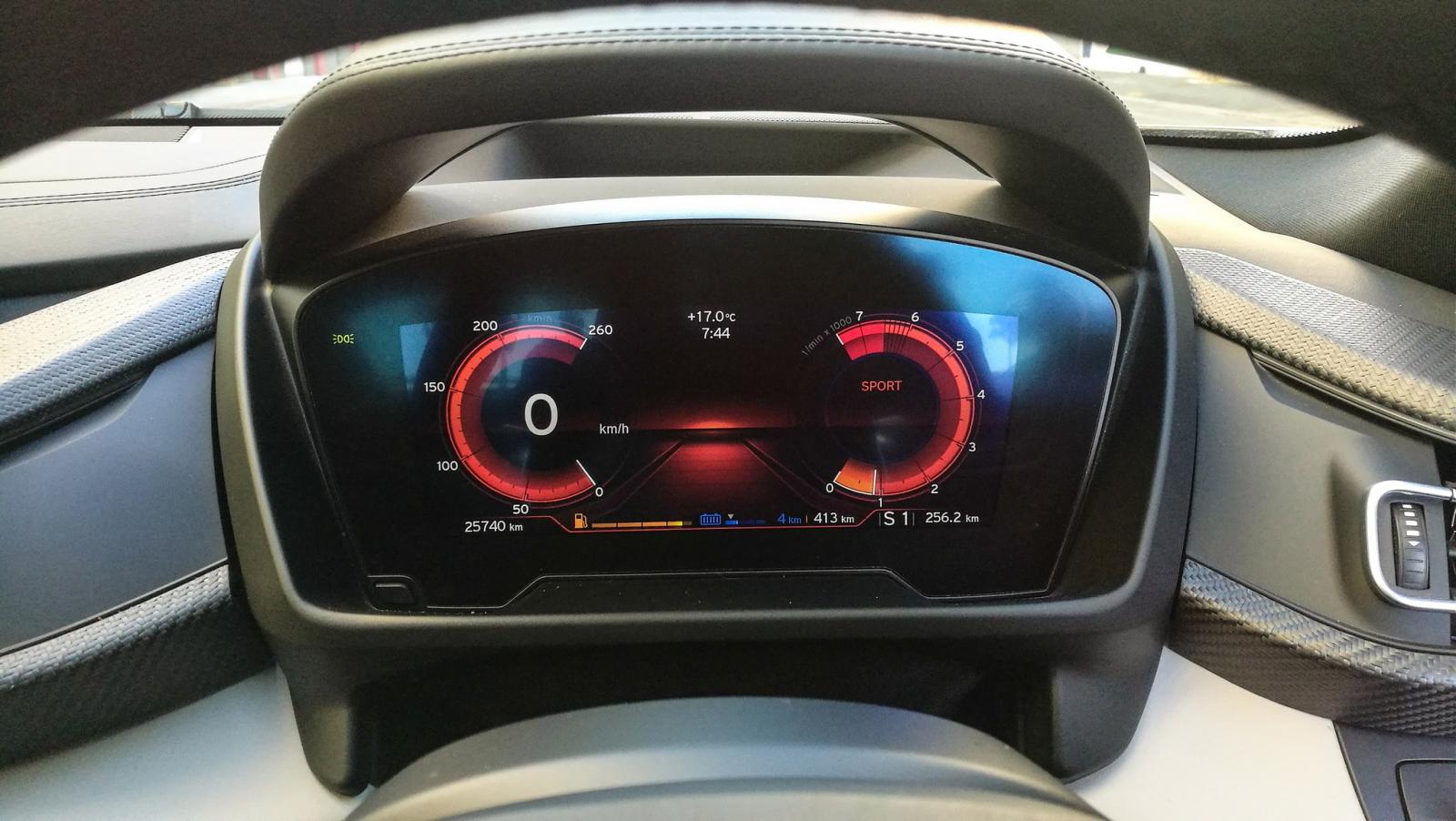
The digital instrument cluster gives the i8 a futuristic look and Sport mode allows for maximum energy recuperation.
But then, you switch into Sport mode, the engine awakens and the character of the car suddenly changes.The i8 responds positively to throttle inputs and when you unleash maximum, combined power, the i8 surges forward fast in a refreshingly light way. With electricity charged up at the front wheels and petrol firing behind you, the i8 will punch from zero to 100 kph in 4.4 seconds and go on to a top speed of 250 kph. It’s fast, but not quite supercar fast. You will have to forgive the augmented engine sound, but it’s still a great sound to hear. You can’t have everything, you know…
The transmission is generally unobtrusive and shifts smoothly in normal operation, but it’s far better to engage manual shifts using the shift paddles to get the most out of the i8 during spirited runs. The i8 also recoups the most energy when in Sport mode and electric power regenerates relatively quickly when driving in this mode. In addition to Sport mode, the driver can also choose to drive in Comfort, Eco Pro mode, and of course, full electric eDrive mode.
Perhaps the most intriguing and likeable characteristic of the i8 is that it’s wonderfully easy to drive and the technology is far from being daunting. The i8 is approachable, accessible and easy to grasp and that fact makes it even more appealing.
Ride and handling?
The i8 is dynamically gifted and it delivers precise and sure-footed handling.
With it’s lightweight and aerodynamically efficient design, the i8 offers splendid handling ability. A major highlight is the light steering feel and it responds well to even the slightest adjustments. The suspension setup is on the firm side, but still pliant enough to make the i8 suitable for daily driving.
Through corners, the i8 displays composure and precision and because of it’s wide stance and low centre of gravity it corners with very little body roll. Grip levels are high and even at speed, the i8 hugs the asphalt with reassurance and it never feels intimidating. It’s a hugely fun car to wield on a winding mountain pass and your fondness will grow every time you get behind the wheel.
Interior comfort and practicality?
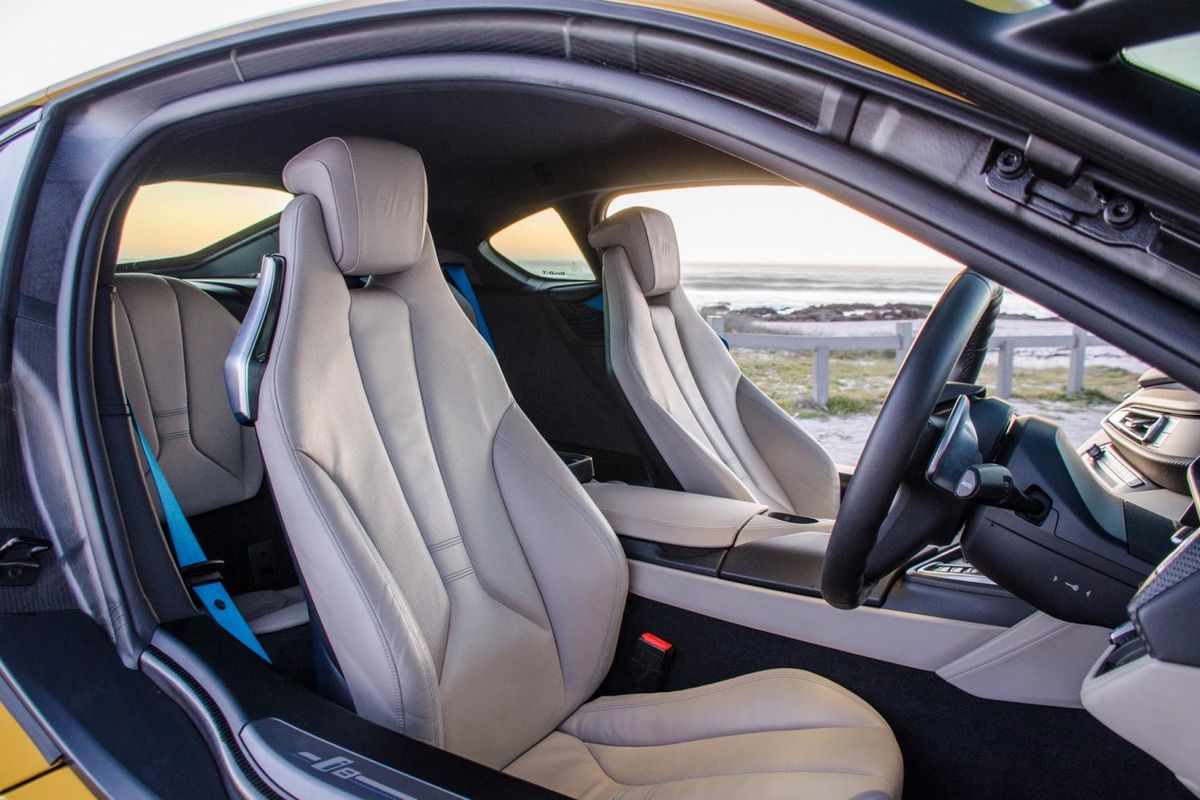
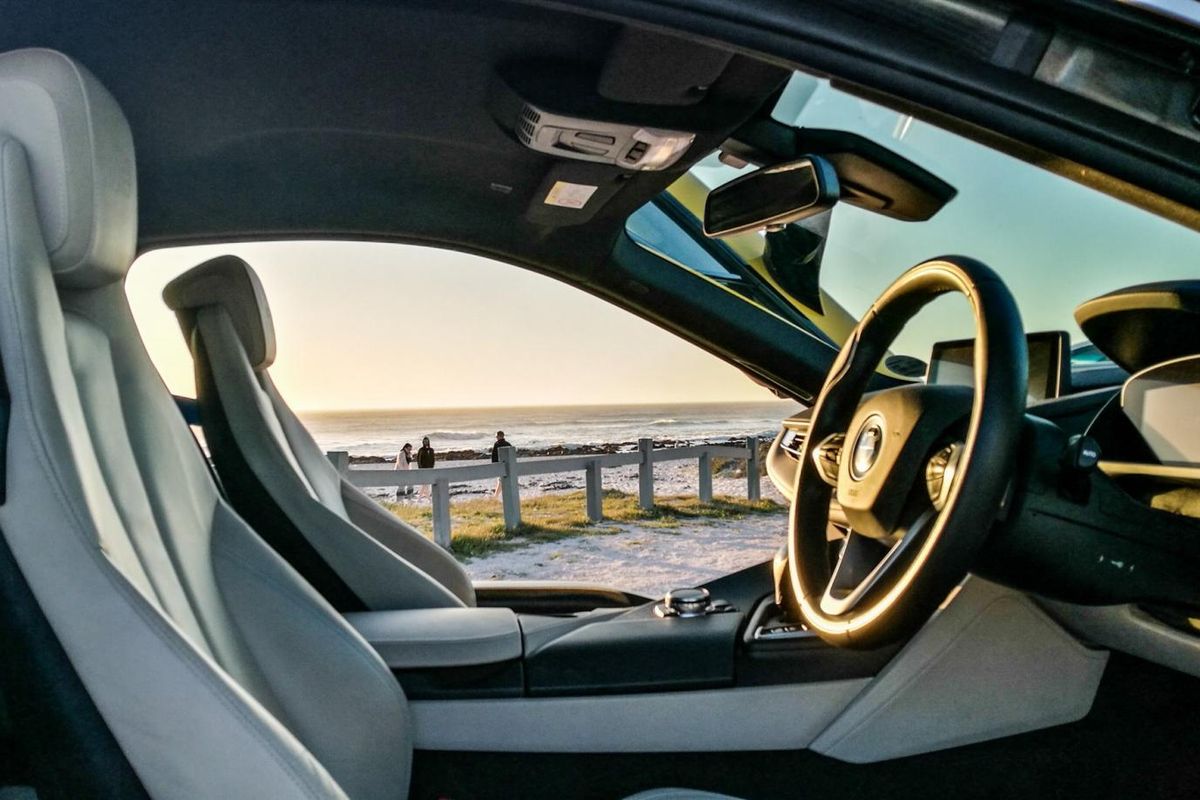
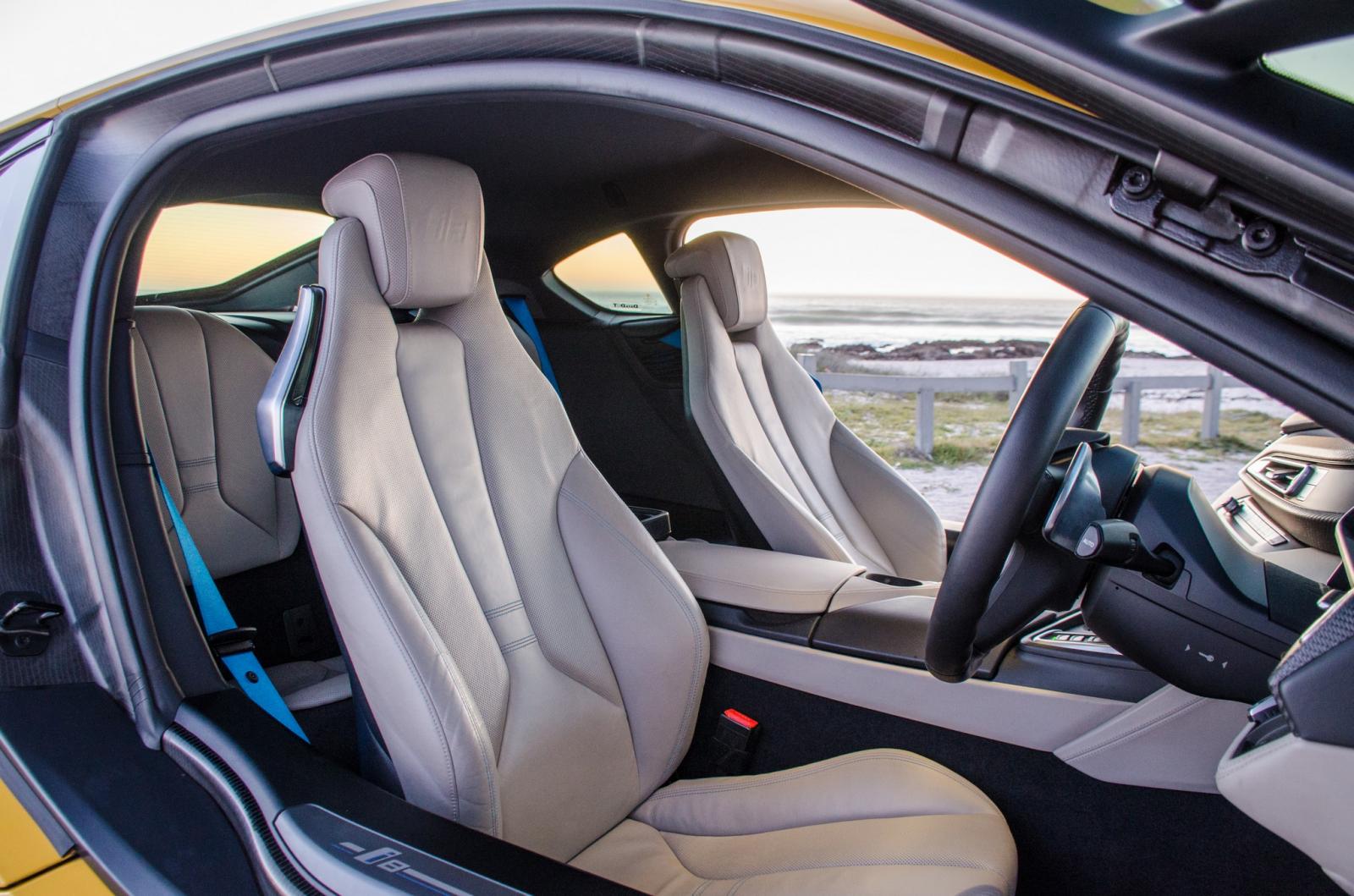
The lightweight sports seats are comfortable and supportive but getting into the i8 will take some practice.
Look. getting into and out of the i8 takes some practice (especially if you are tall) and although your first few attempts won’t be very graceful, you soon learn how to slide into the seats with relative ease. Getting out requires a bit more abdominal strength and a lean against the B-pillar, but once you get the hang of it, it’s a minor gripe.
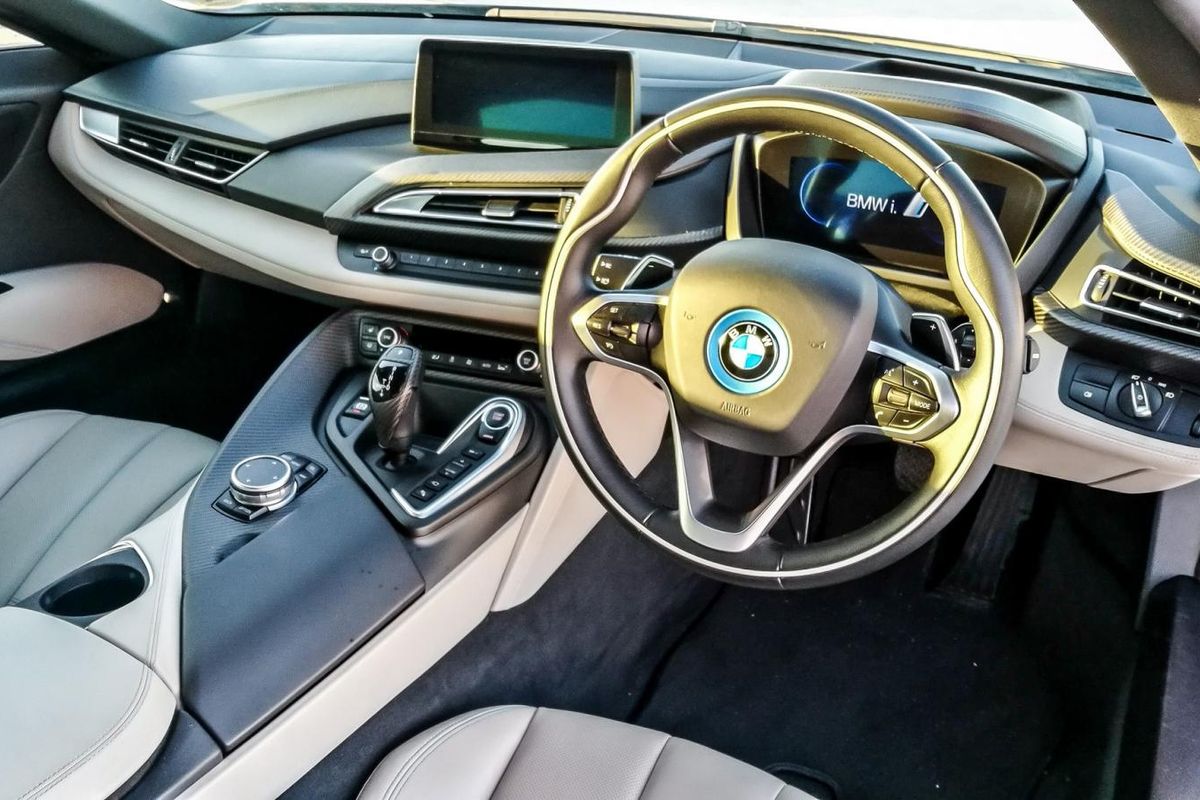
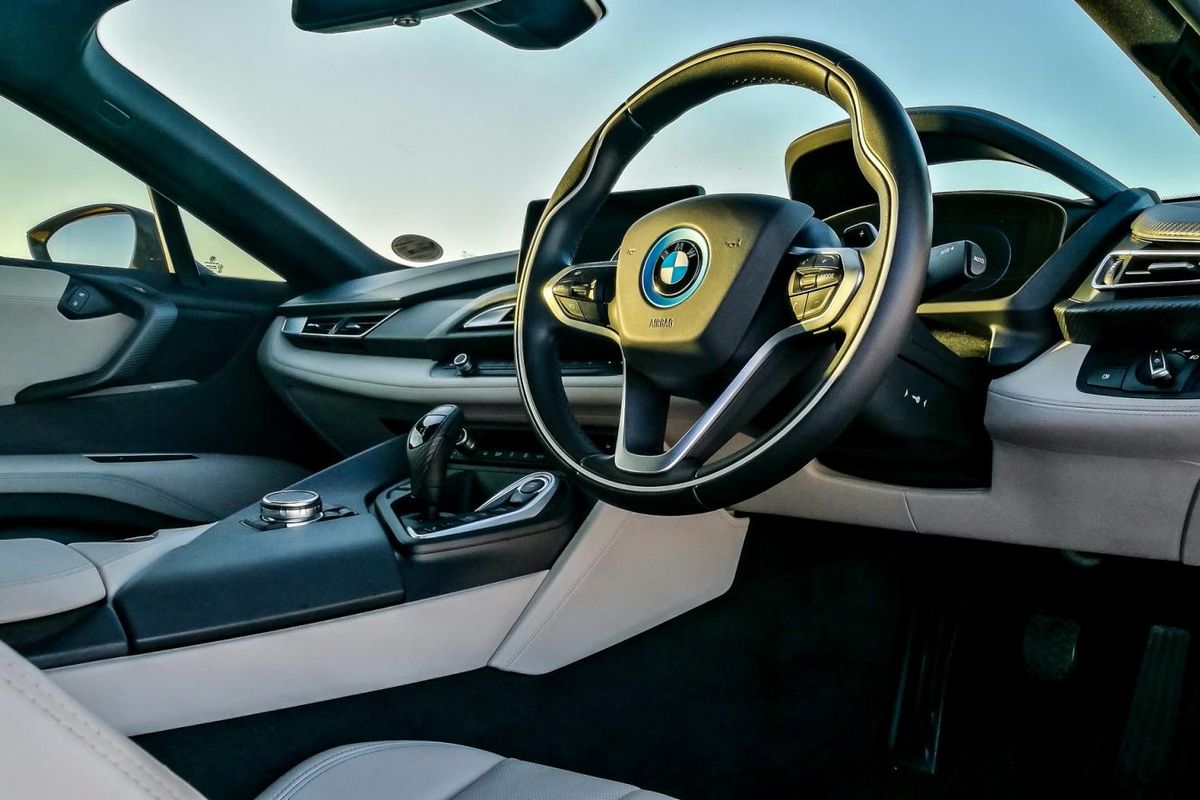
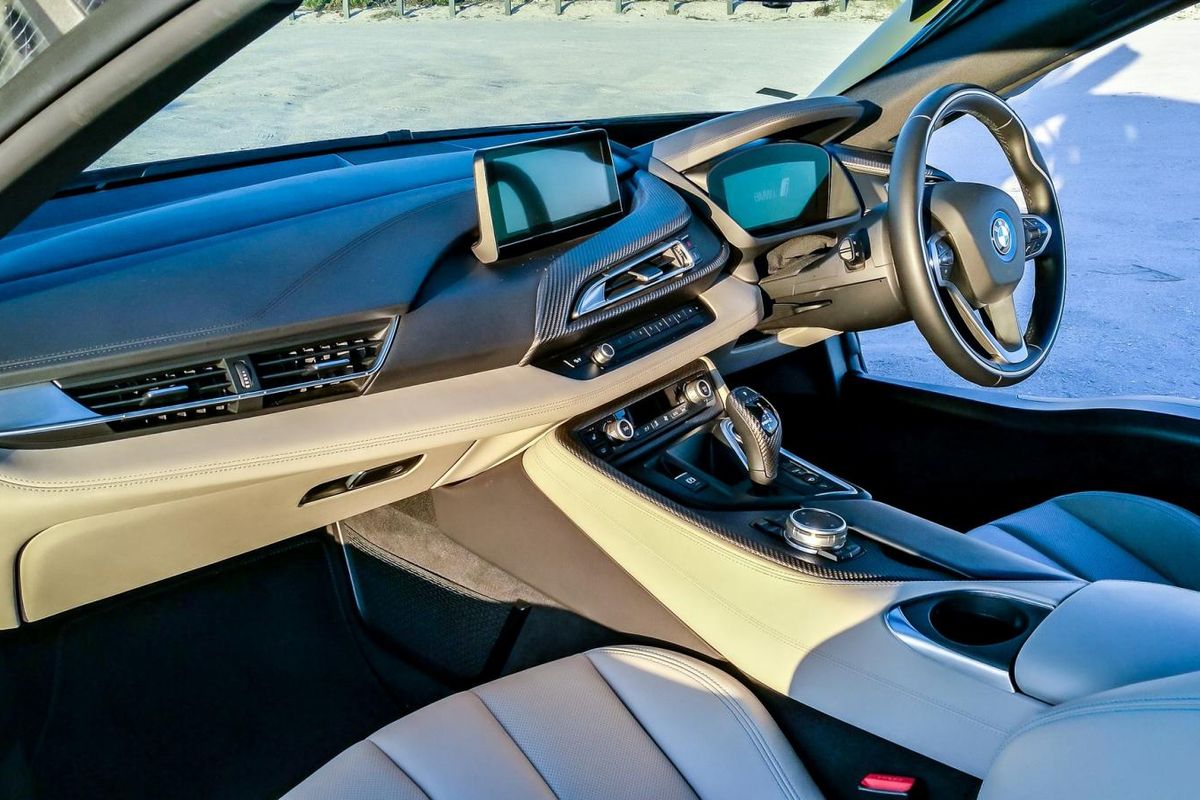
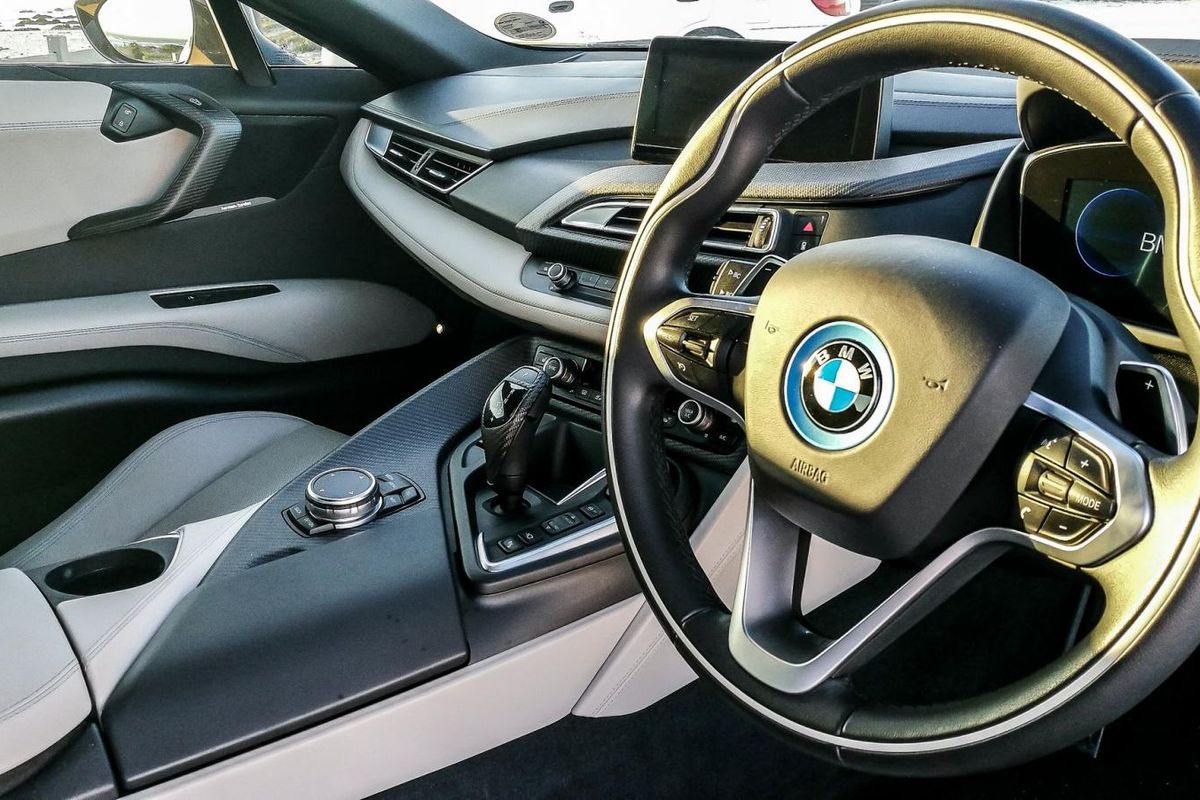
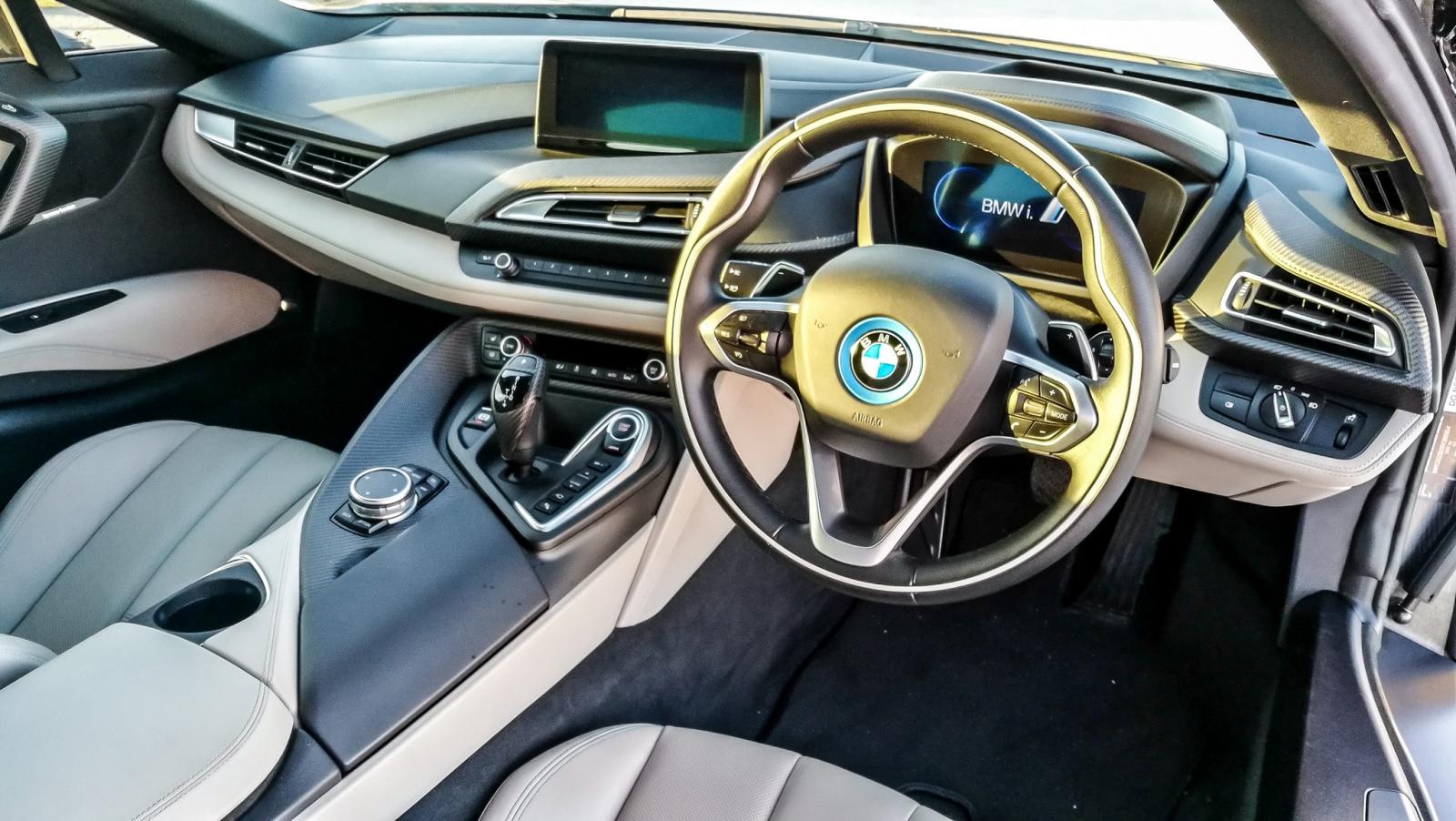
Once inside, you are met with a stylishly sculpted interior. You sit low in the i8 and we found the lightweight leather seats to offer adequate comfort and support. The cabin is essentially split in half and you will find a storage bin in the centre console with a USB port and BMW’s familiar iDrive dial which allows the driver to explore the full functionality of the infotainment system, which with all due respect, could do with an update. It is, however, easy enough to use and navigation is standard. You can also download the BMW i Remote App which will show you information such as vehicle status and battery charge level, among other functions. The digital instrument cluster is also a great feature and adds to the futuristic interior design.
The interior design is pleasingly modern and uncluttered with familiar switchgear found on other BMW models.
The infotainment screen also displays the rear view camera and surround view of the car which ensures that you avoid unwanted bumps in close-quarter driving situations. Front and rear park distance control is also fitted.
As a 2+2 coupe, the rear seats of the i8 are not comfortable for adults and that space is far better used as storage space. The i8 does have a small 154-litre load bay accessed beneath the rear glass, but it can’t cater for much luggage. If you have a family to transport, the i8 won’t cut it…
Safety Features
The i8 is equipped with 6 airbags as well as ABS with EBD, brake assist, electronic stability control and traction control. A head-up display is offered as an option and will keep the driver’s attention on the road while showing information such as speed limits, navigation instructions, speed, infotainment and telephone information. A camera-based collision warning system is fitted along with pedestrian warning with a city braking function.
Pricing and warranty
The BMW i8 Coupe is priced at R2 015 300 and is sold with a 2-year/unlimited km warranty and a 5-year/100 000km maintenance plan. The i8’s battery is covered for 8-years/100 000 km.
The BMW i8 is the most exciting hybrid on offer in SA and has loads of aesthetic appeal to make it worthy of consideration.
The i8 is a refreshing take on what the future of the sportscar holds and it’s certainly one of the most exciting plug-in hybrid products on offer in our market. It’s a striking package and it offers appealing alternative performance to your traditional combustion engine sportscar. Sure, it might lack a degree of au naturel aural excitement, but there is a sense of occasion when you drive the i8 and that’s a huge positive.
We also like dual nature of the i8. It can be a frugal, emission-free (if less than practical) daily runner while also offering notable performance and handling dynamics when you want it to. It’s entertaining to drive and is comfortable enough to drive every day (even though few people will). Perhaps where the i8 falls short, is over longer distances. When driven hard for protracted periods, the petrol engine cannot recharge the battery fast enough for the motor to contribute to performance significantly… You would be forgiven for feeling frustrated at seeing a long empty road ahead of you with no real performance to exploit.
Having said all that, the majority of i8 buyers will probably be more than willing to deal with the BMW's idiosyncrasies. It remains an utter head-turner of a vehicle, is one of very few petrol-electric hybrid cars that can be considered a heart-over-head purchase proposition and, most of all, it elevates performance driving from a selfish, indulgent on-road pursuit to something that can be enjoyed on a cerebral level too…
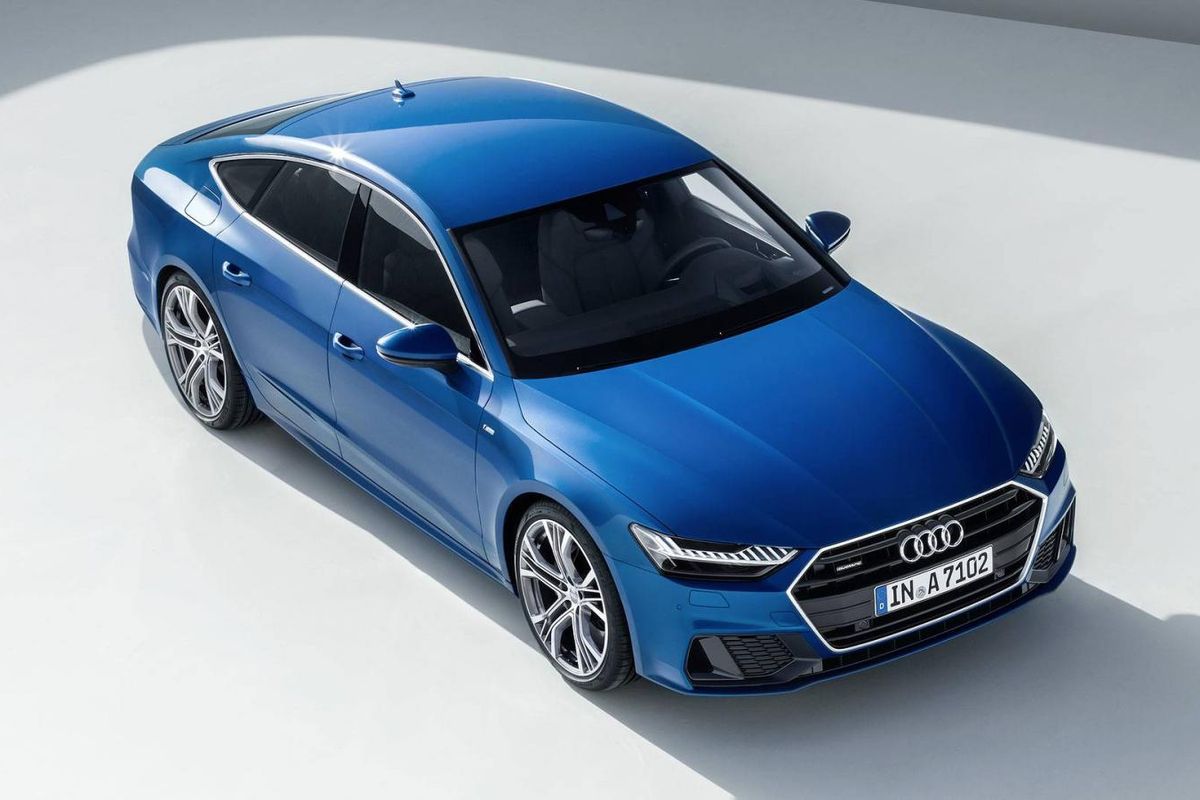
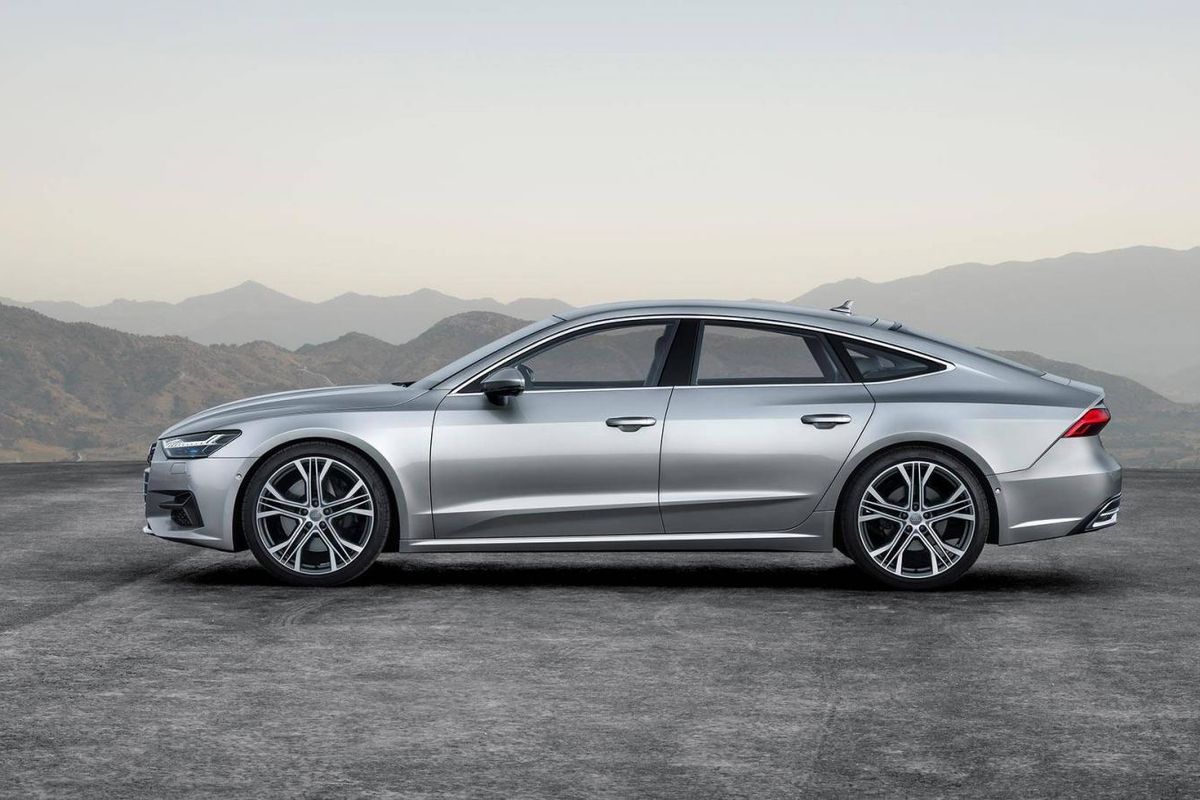
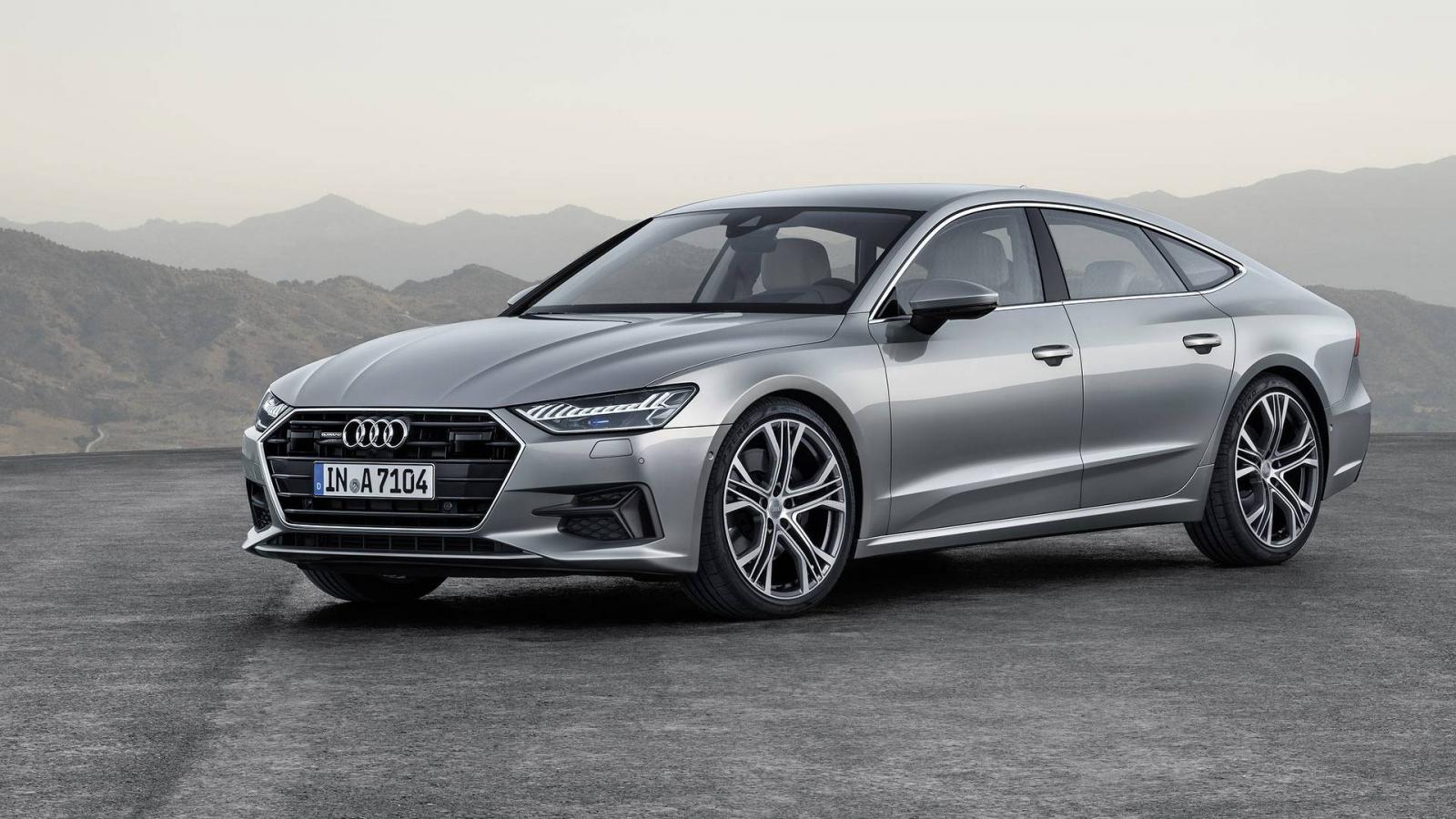
Audi has taken the wraps off its new A7 Sportback featuring a striking design and a lavish interior. Let’s take a closer look.
The all-new Audi A7 Sportback has been revealed and by all accounts, it looks phenomenal!
Design changes
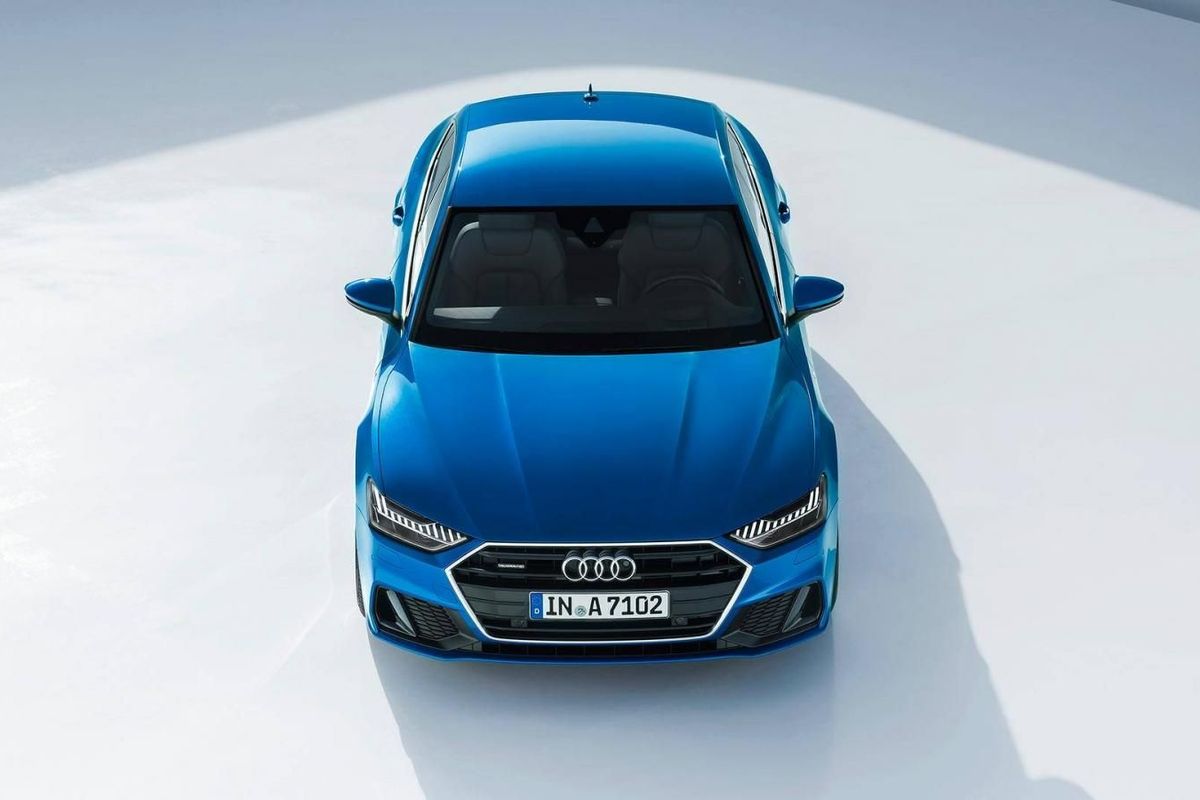
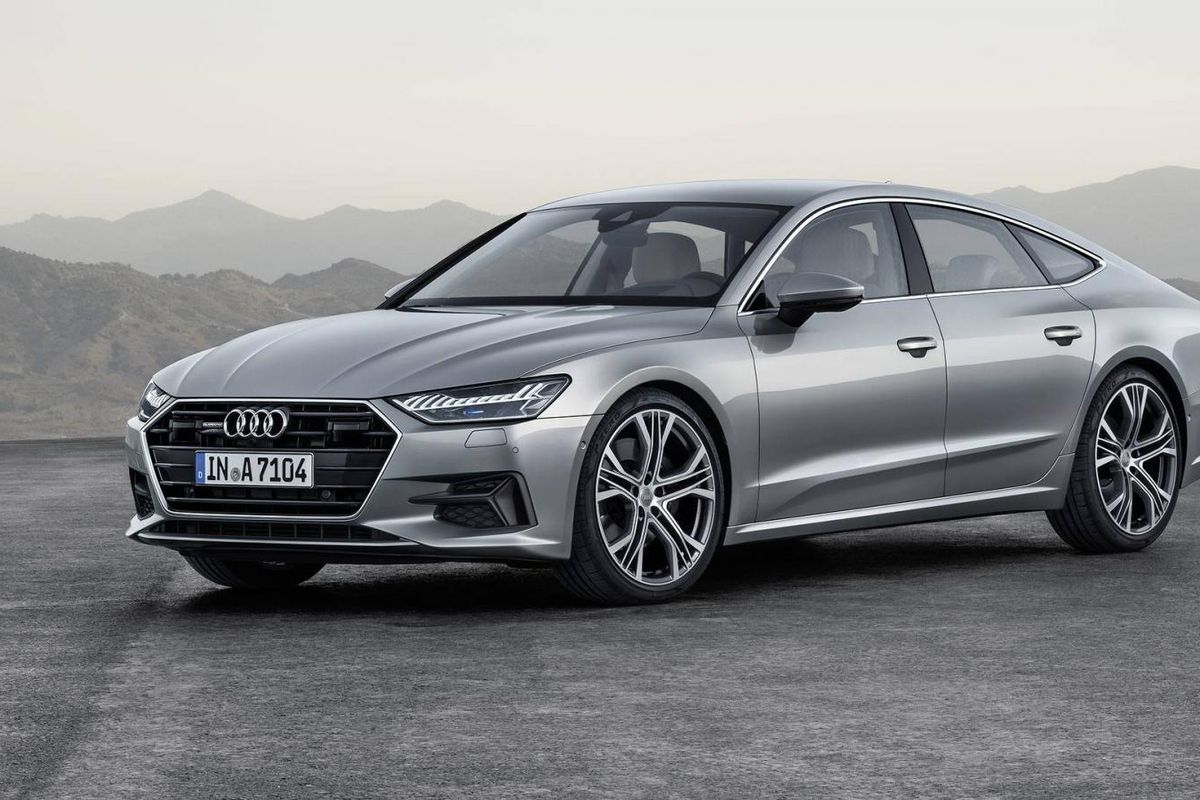
The visual improvements to the new A7 have made it look sharper and more dynamic.
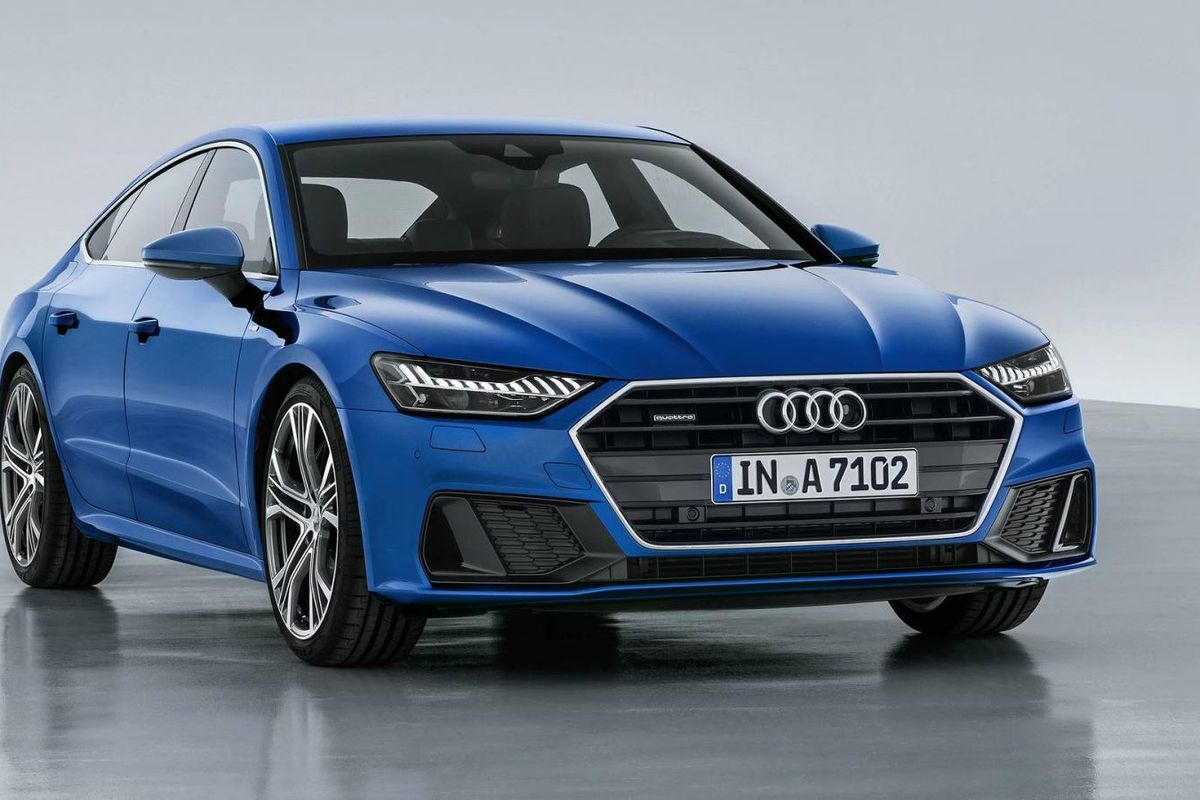
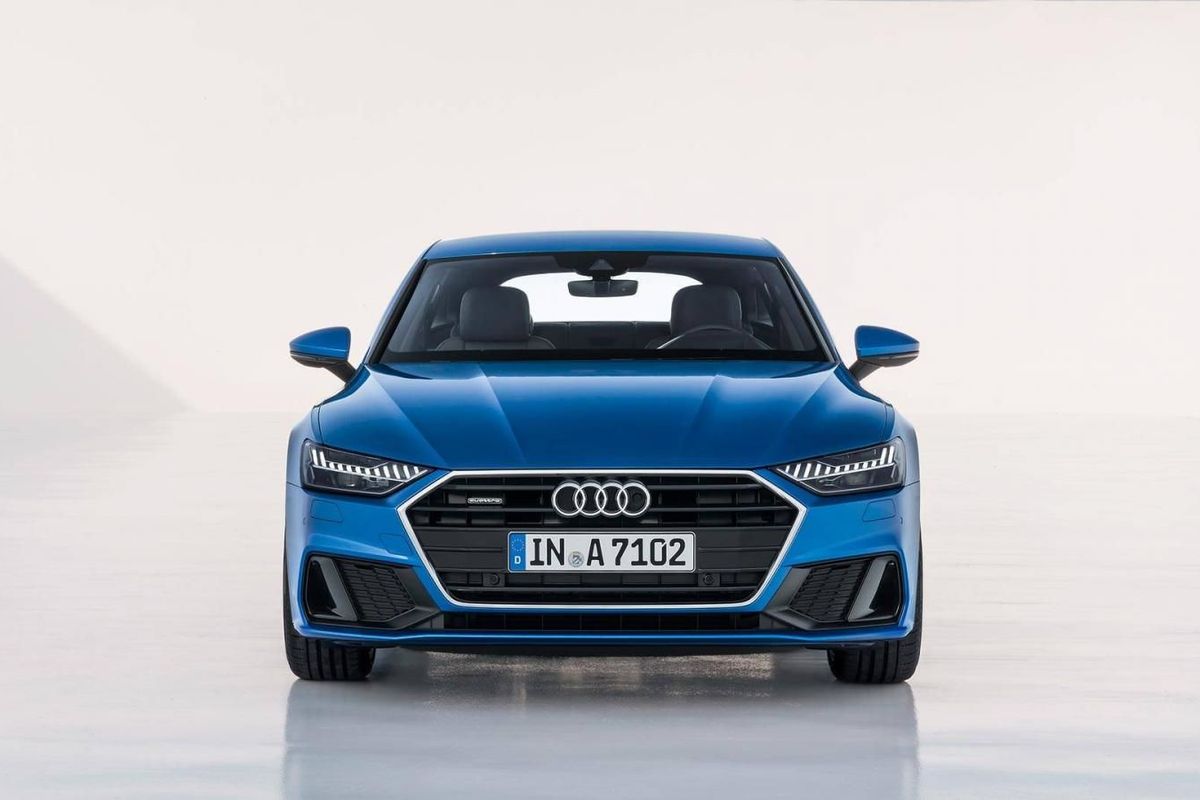
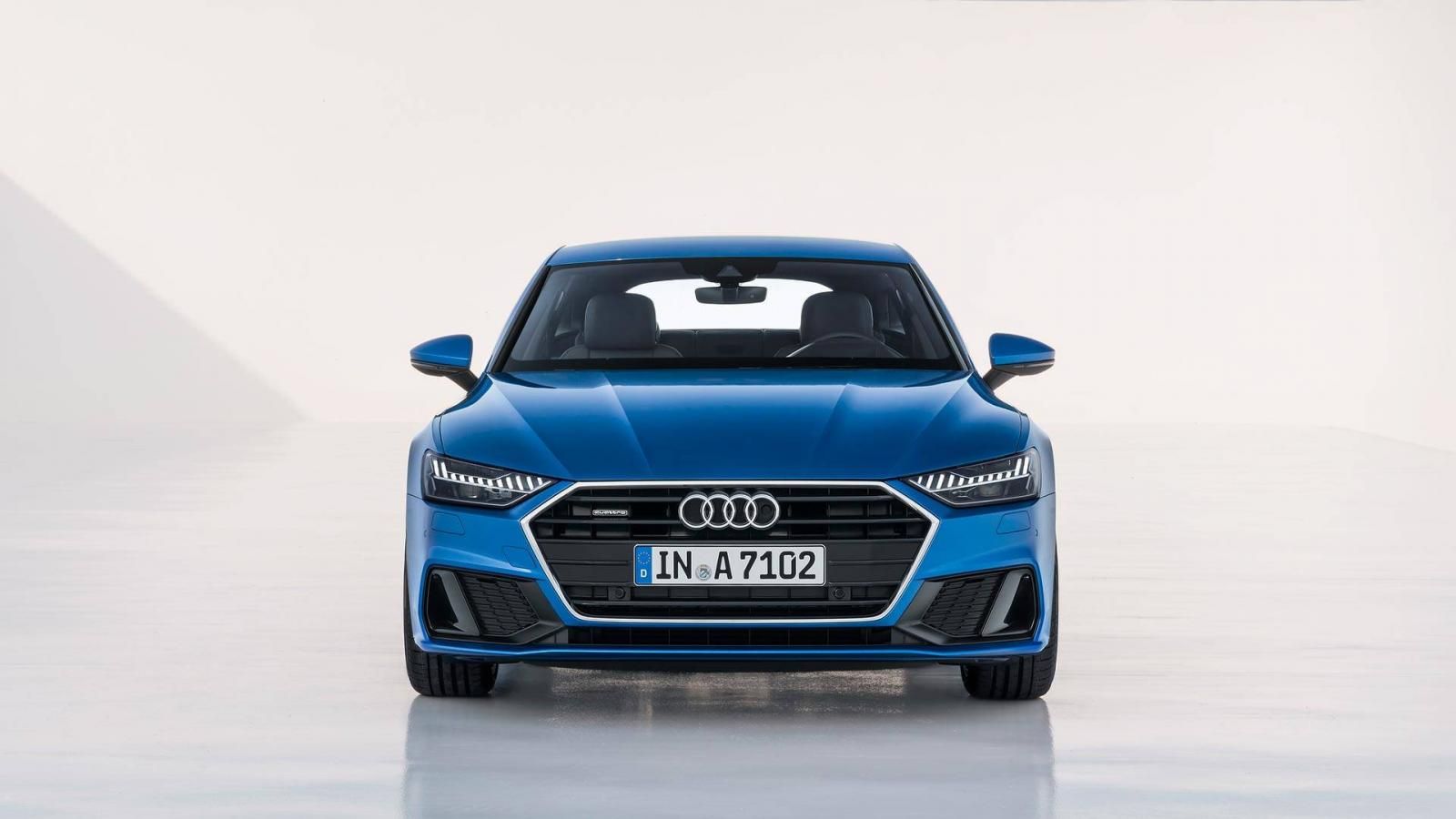
The new A7’s front-end features a sharper and larger single-frame grille than the outgoing model and slimmer headlights are fitted with vertical LED stripes for added effect while the newly sculpted air intakes give the A7 a more purposeful look. A sculpted bonnet, strong character lines and a swooping roofline provides an attractive side-view.
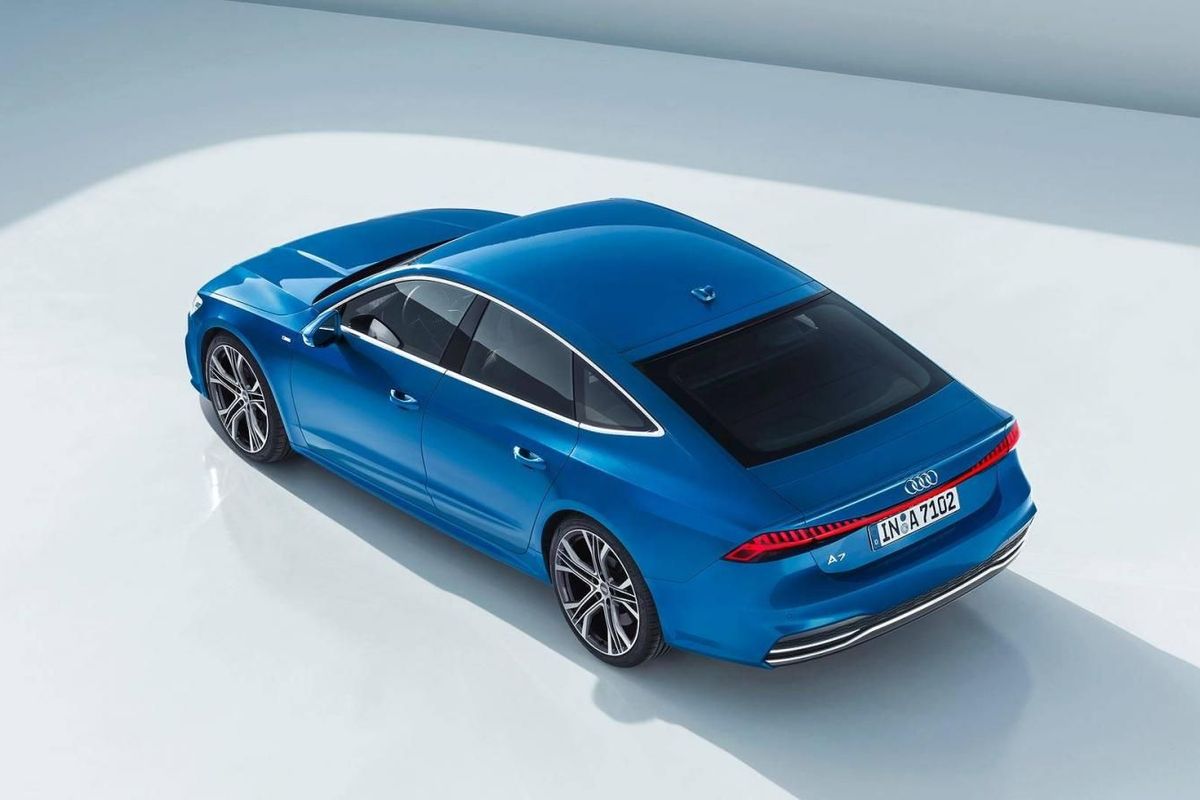
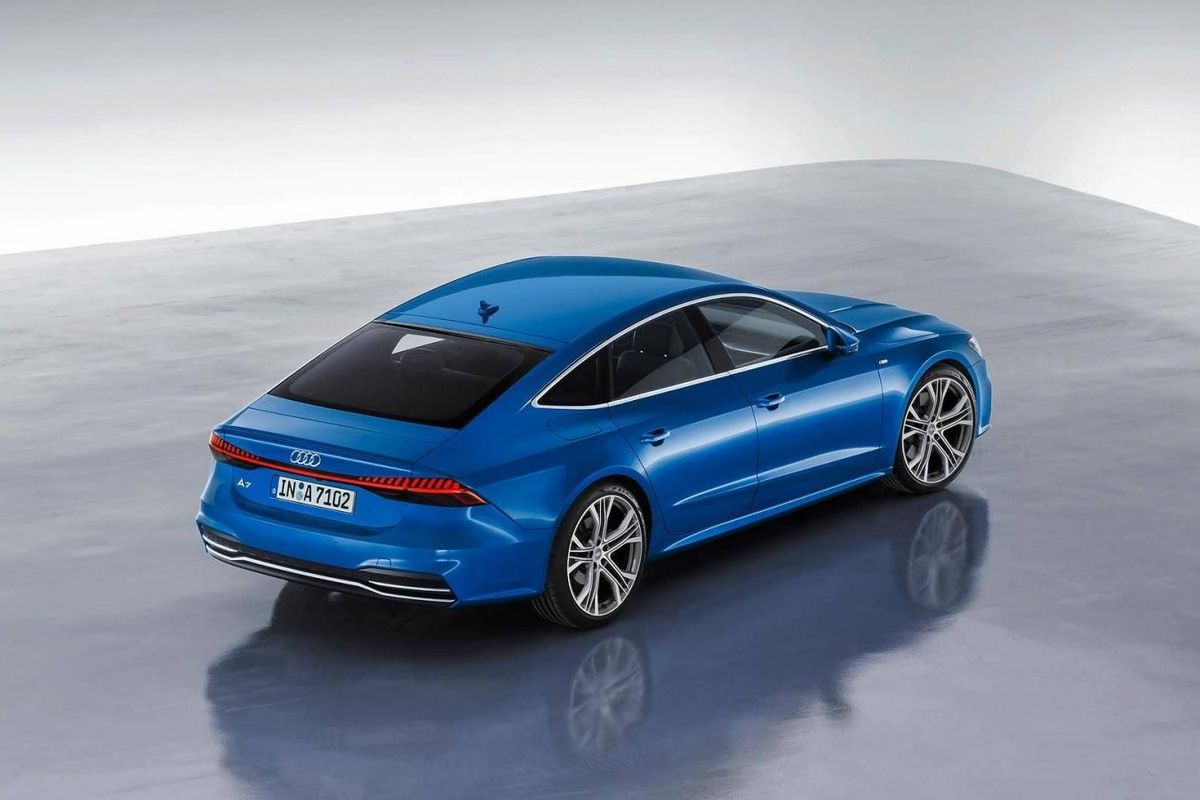
At the rear, Audi A7 Sportback features a tapered rear-end with a distinctive and animated light unit that extends across the width of the vehicle with 13 vertical LED light segments. An integrated spoiler deploys from 120 kph and a new diffuser with chrome-trimmed artificial exhaust tips is also fitted.
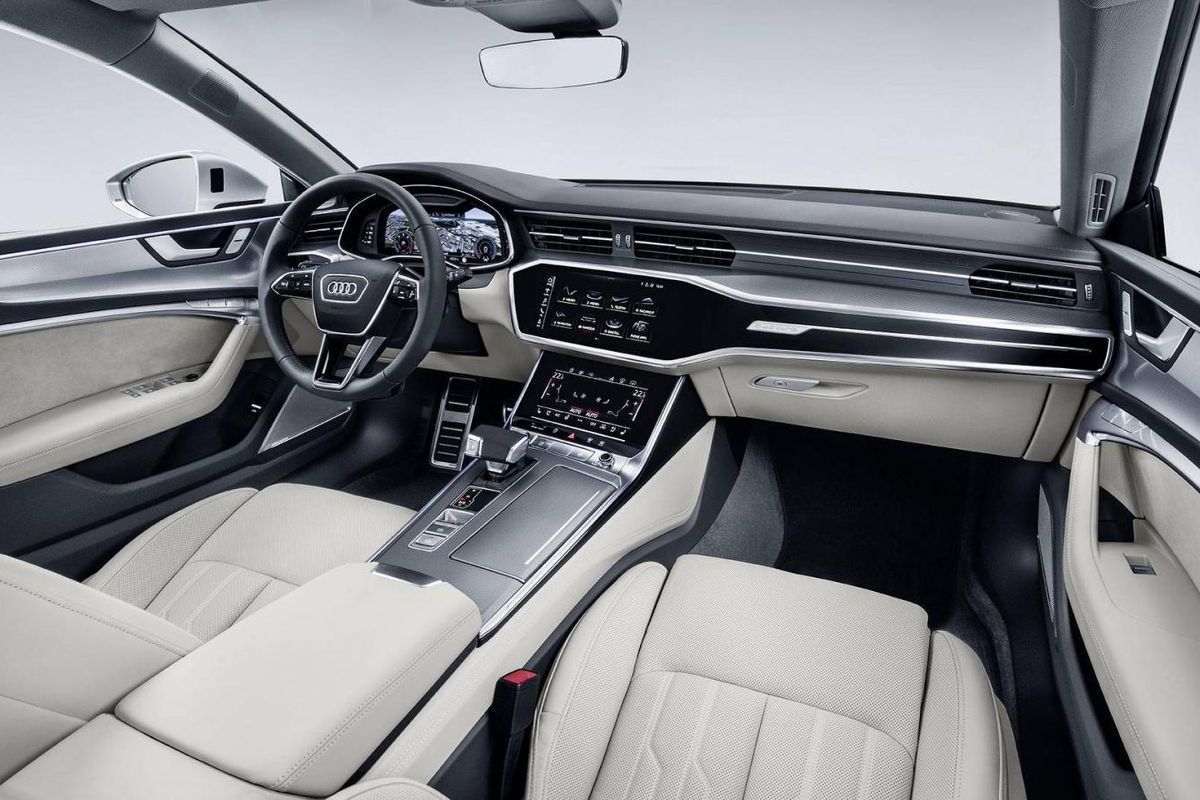
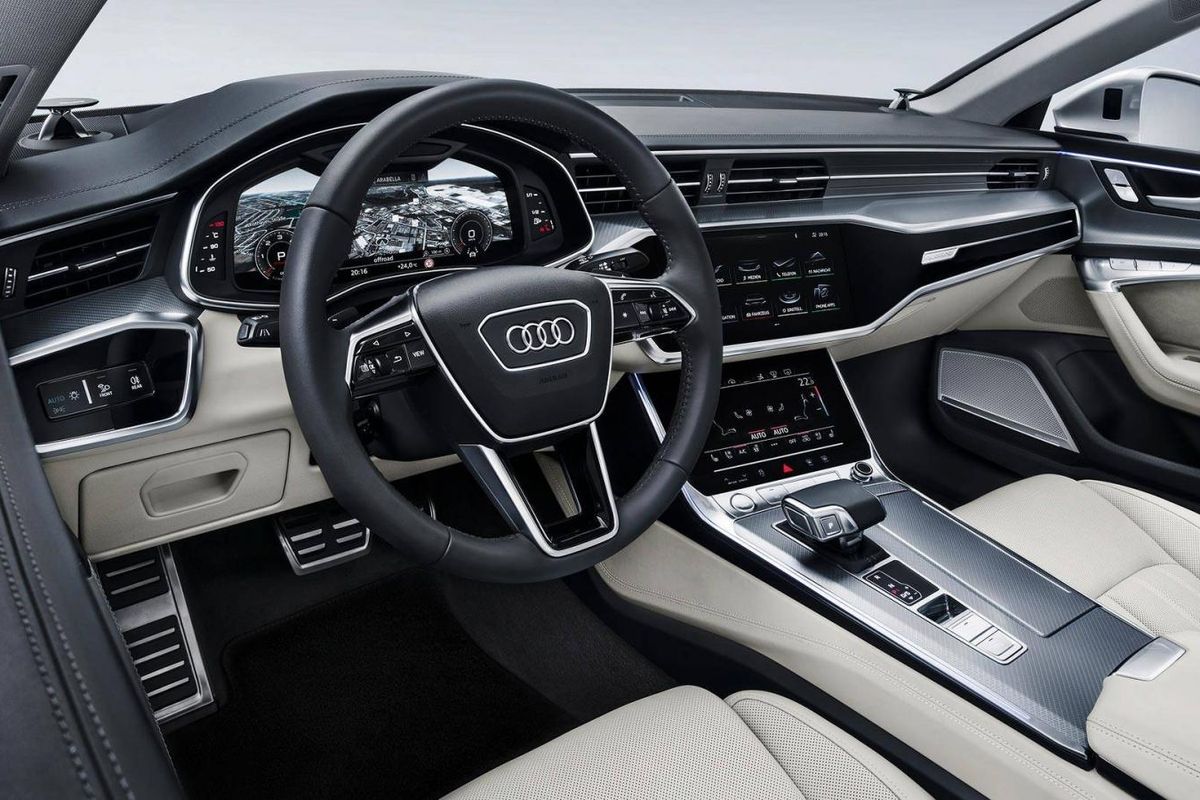
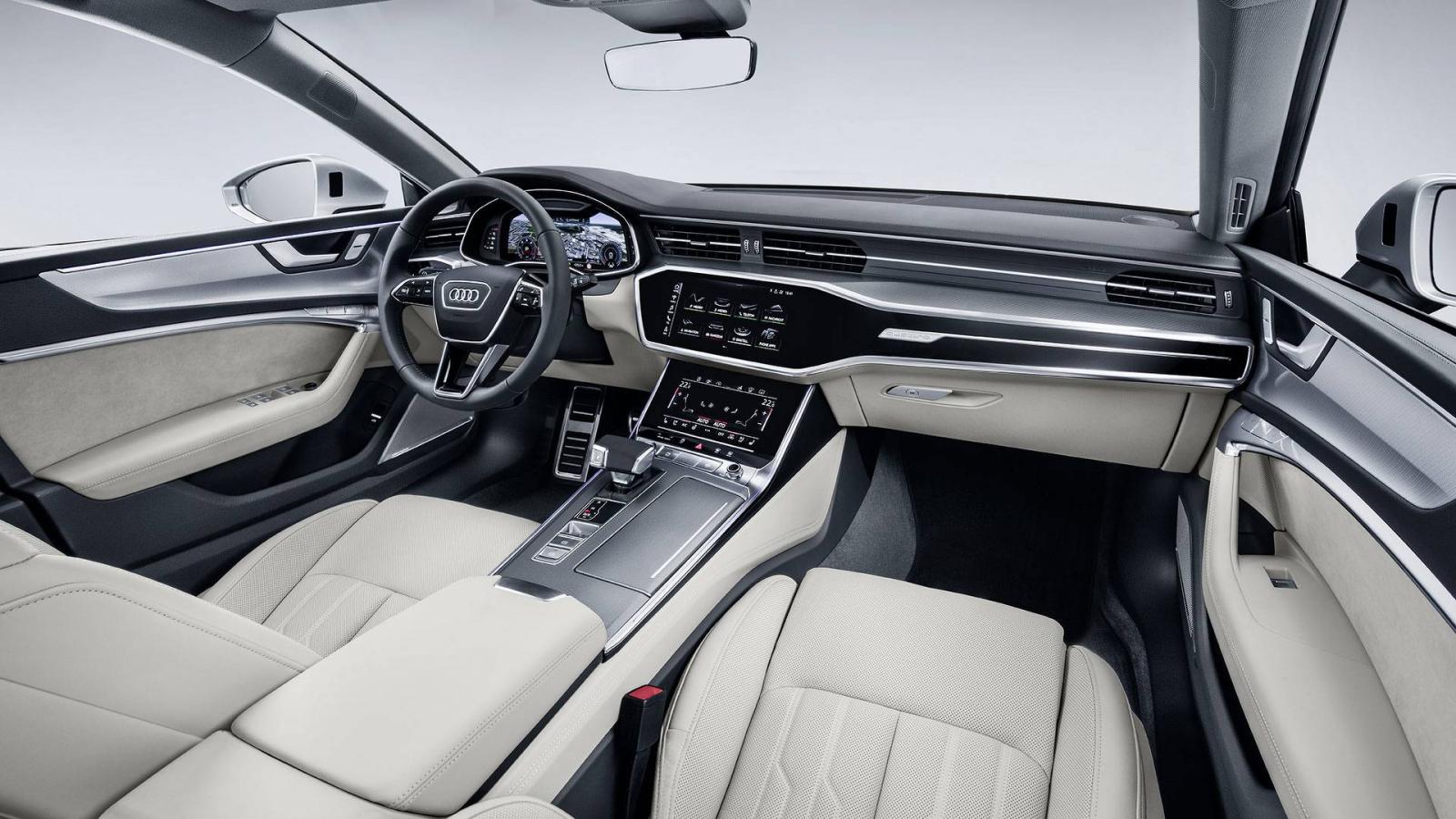
The A7's interior is plush and thoroughly modern featuring Audi's Virtual Cockpit and 2 touchscreens for infotainment and in-car functions.
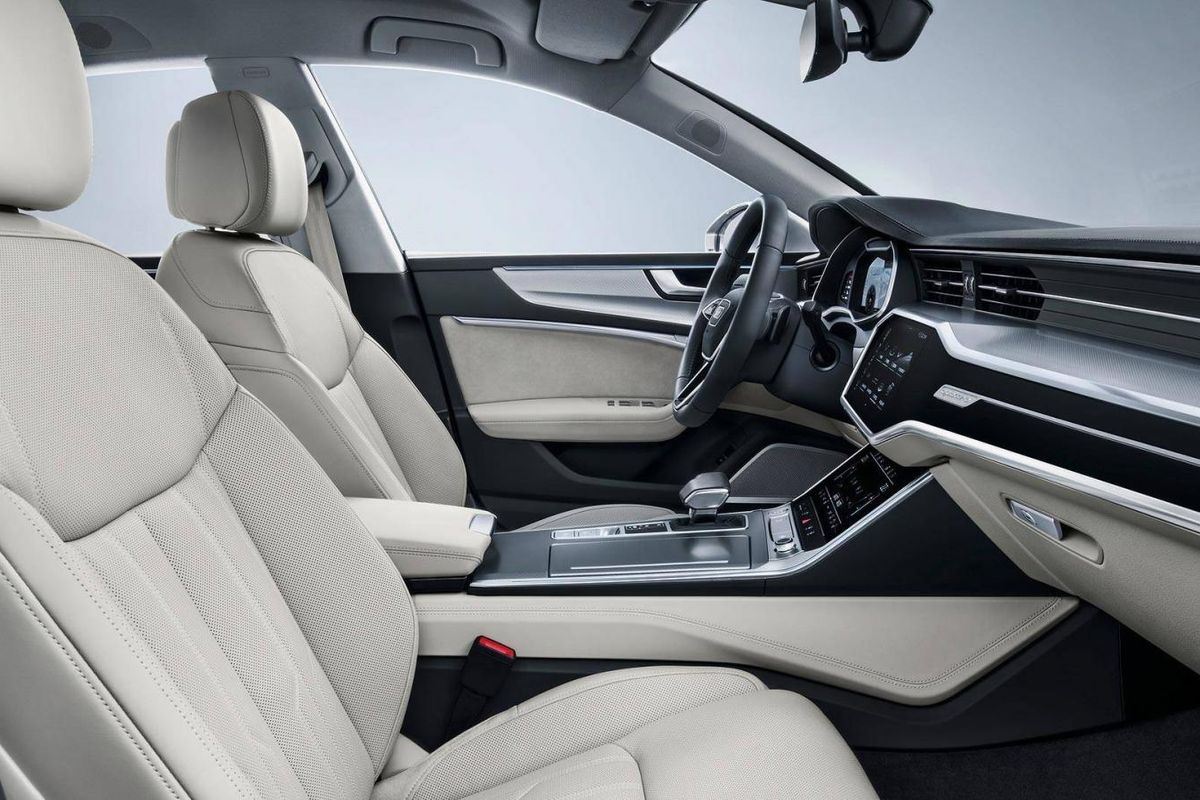
The interior design has been extensively reworked and Audi’s 12.3-inch Virtual Cockpit makes its appearance yet again. Two screens are also fitted and include a 10.1-inch touchscreen housing the infotainment system while the lower 8.1-inch touchscreen is mainly dedicated to in-car functions such as controlling the climate control air conditioning as well as keyboard functionality for punching in telephone numbers and addresses. Other key features include a head-up display, Bang and Olufsen sound system, Valcona leather upholstery, voice control and attractive ambient lighting.
What’s under the bonnet?
A 250 kW turbocharged 3.0-litre V6 will power the new A7 with more engine options introduced in due course.
The new A7 Sportback will initially be powered by a turbocharged 3.0-litre V6 engine with outputs of 250 kW and 500 Nm of torque. It will use a 7-speed S tronic transmission in conjunction with quattro all-wheel drive to achieve a claimed zero to 100 kph sprint time of 5.3 seconds before arriving at a top speed of 250 kph. Audi will then introduce a range of petrol and diesel option in 4-cylinder and 6-cylinder guise.
As you would expect, the new Audi A7 is packed with the latest driver assistance technology including AI Traffic Jam Pilot, Audi’s first Level 3 autonomous system seen on the new A8. Using camera’s and sensors, the system will take control of the vehicle on the highway and initiate functions such as braking, accelerating and steering without input from the driver. The new A7 will also be able to autonomously negotiate parking spaces. Familiar features such as adaptive cruise control will also be offered.
You can expect the new Audi A7 to arrive in South Africa later in 2018 and local specification and pricing will be confirmed closer to launch.
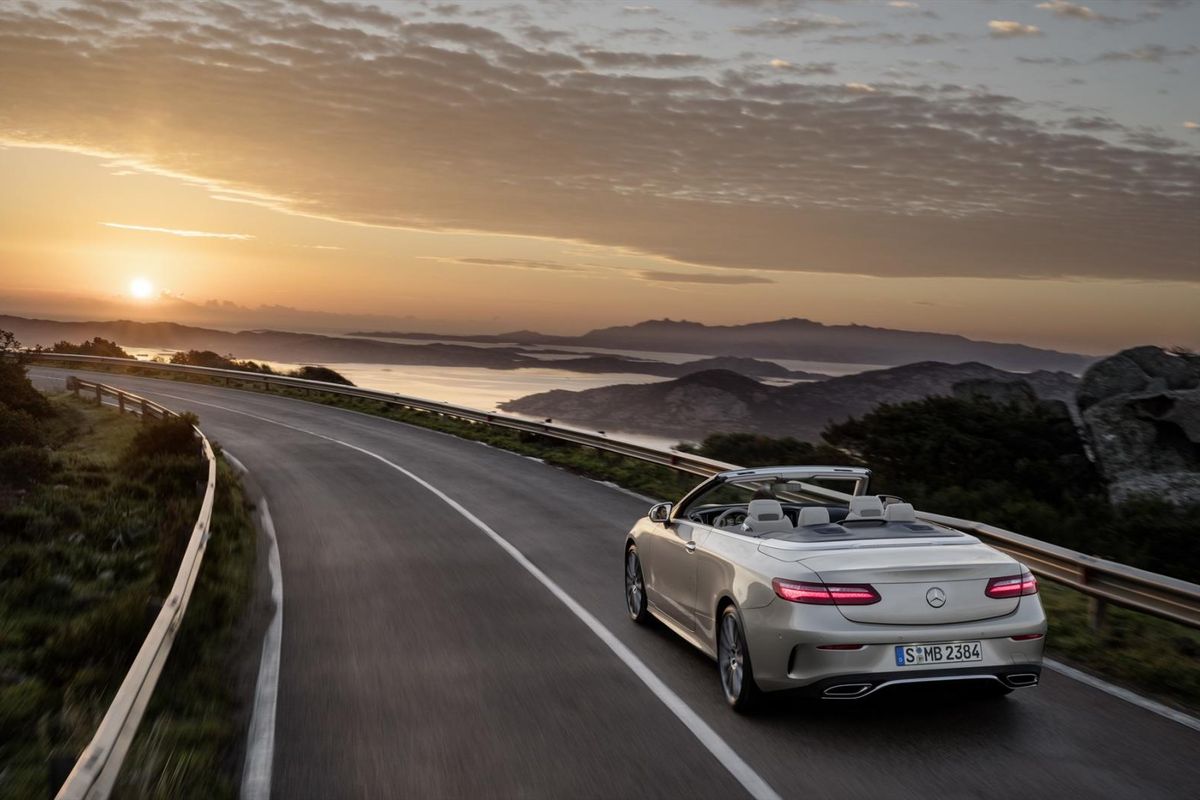
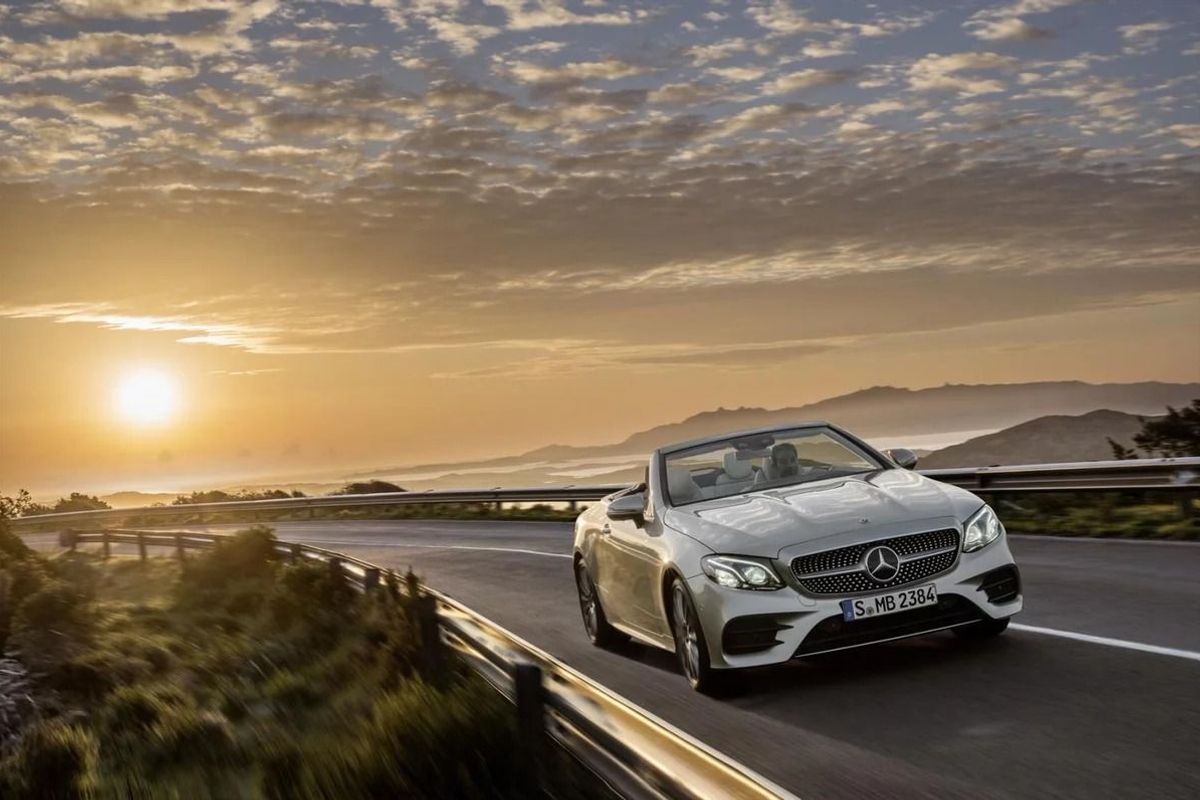
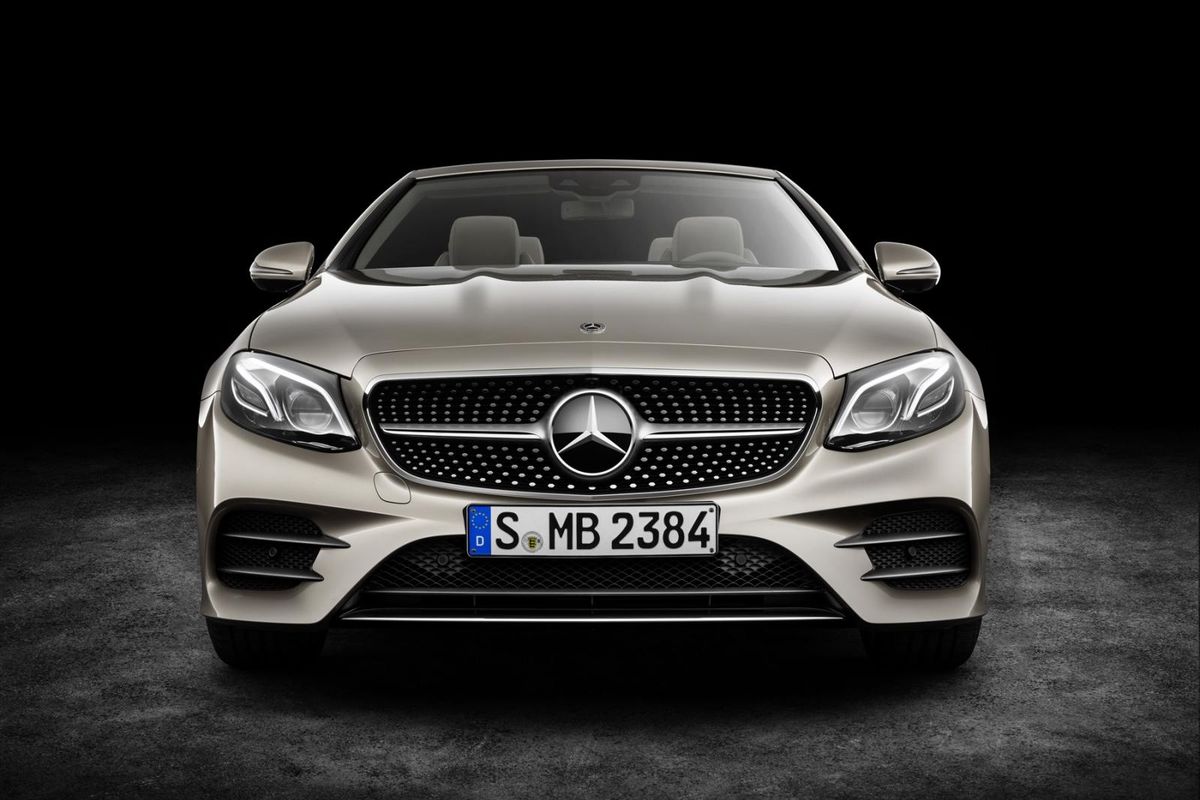
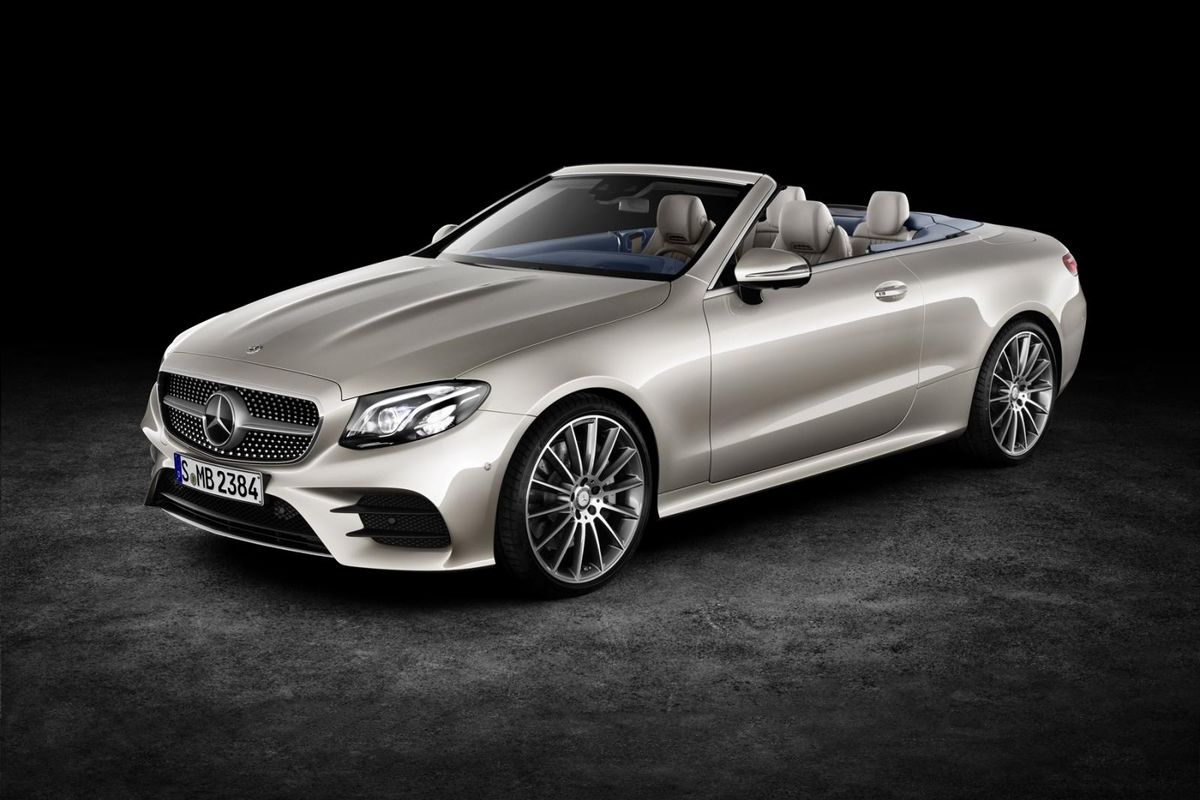
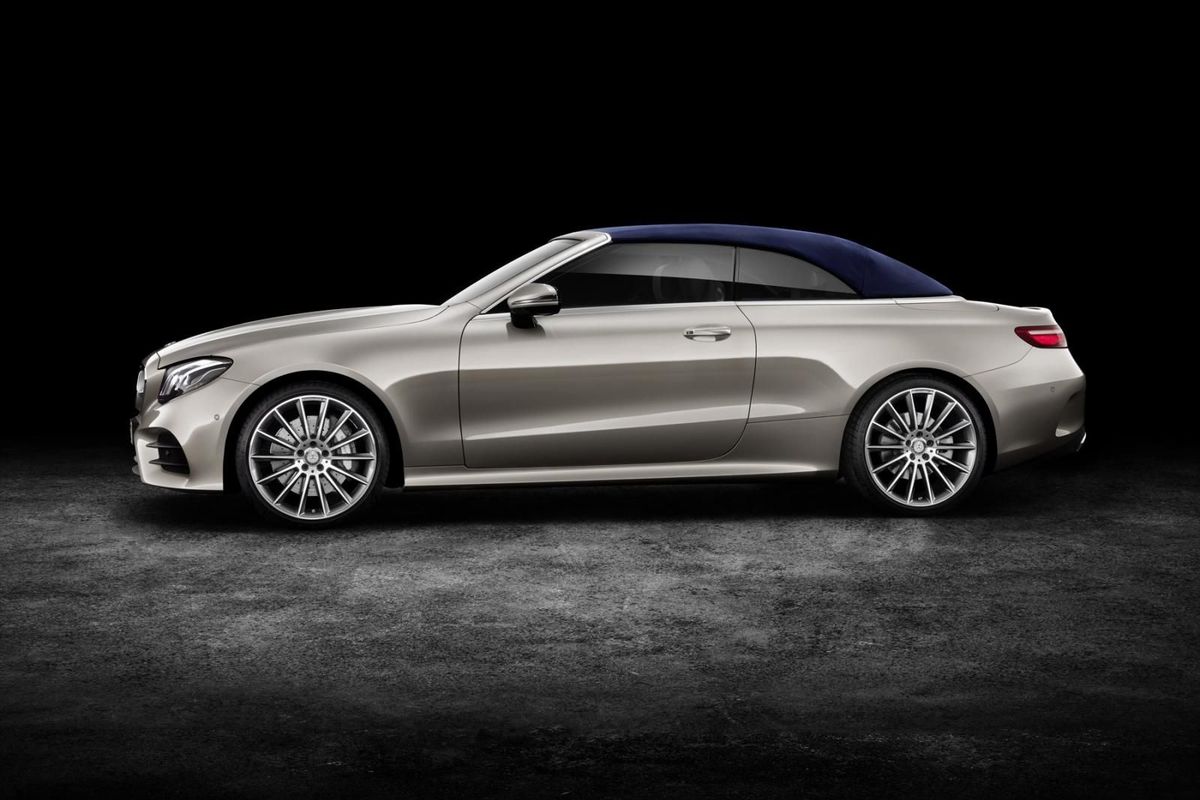
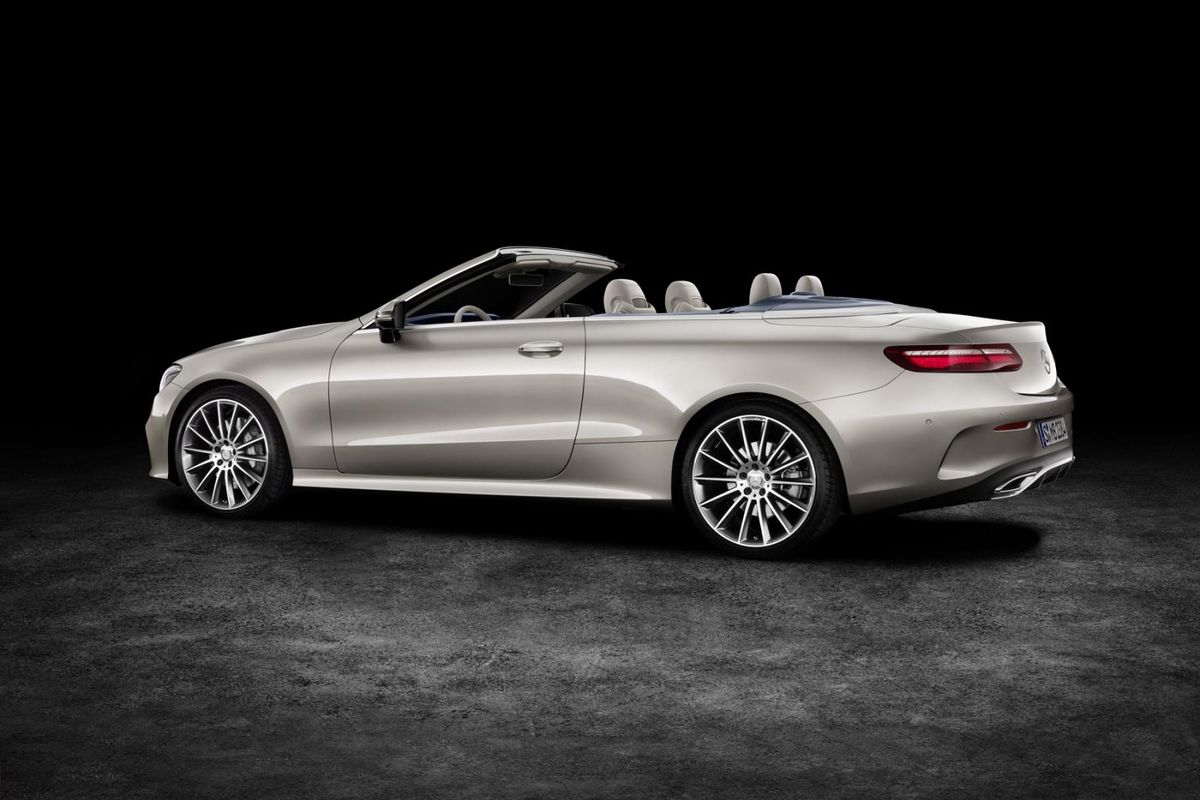
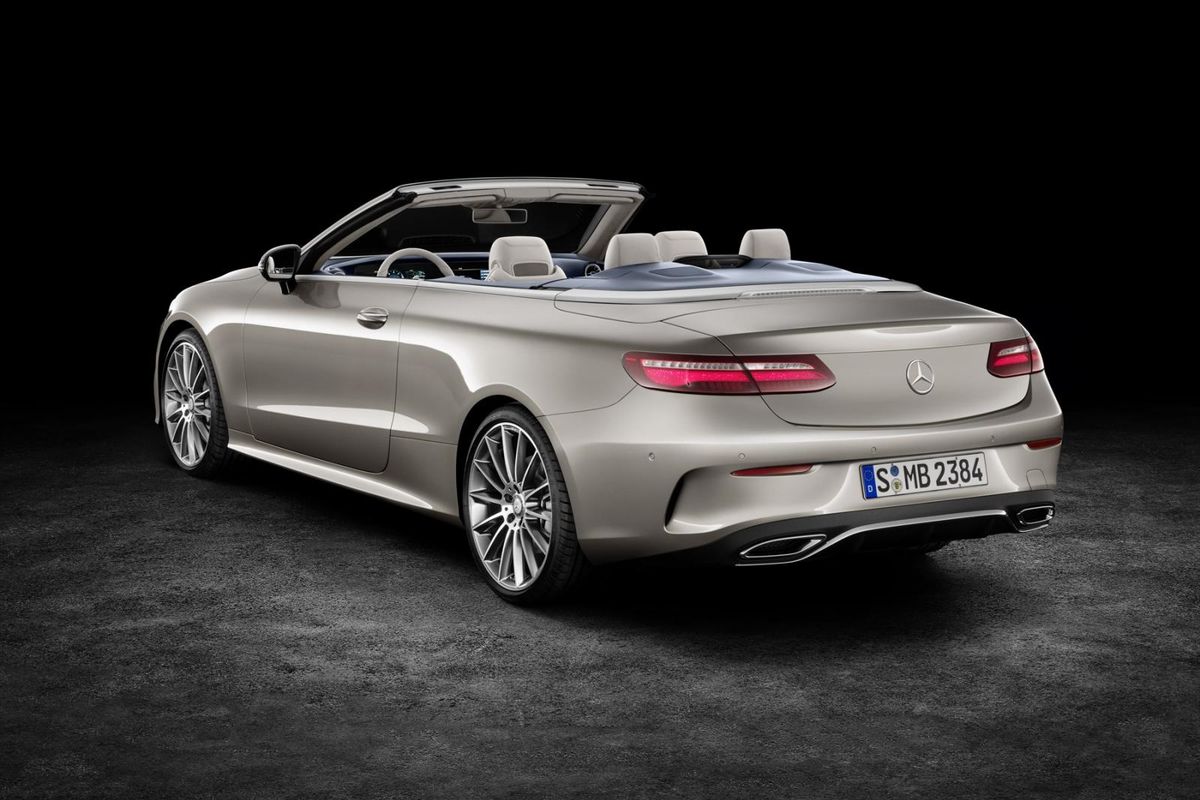
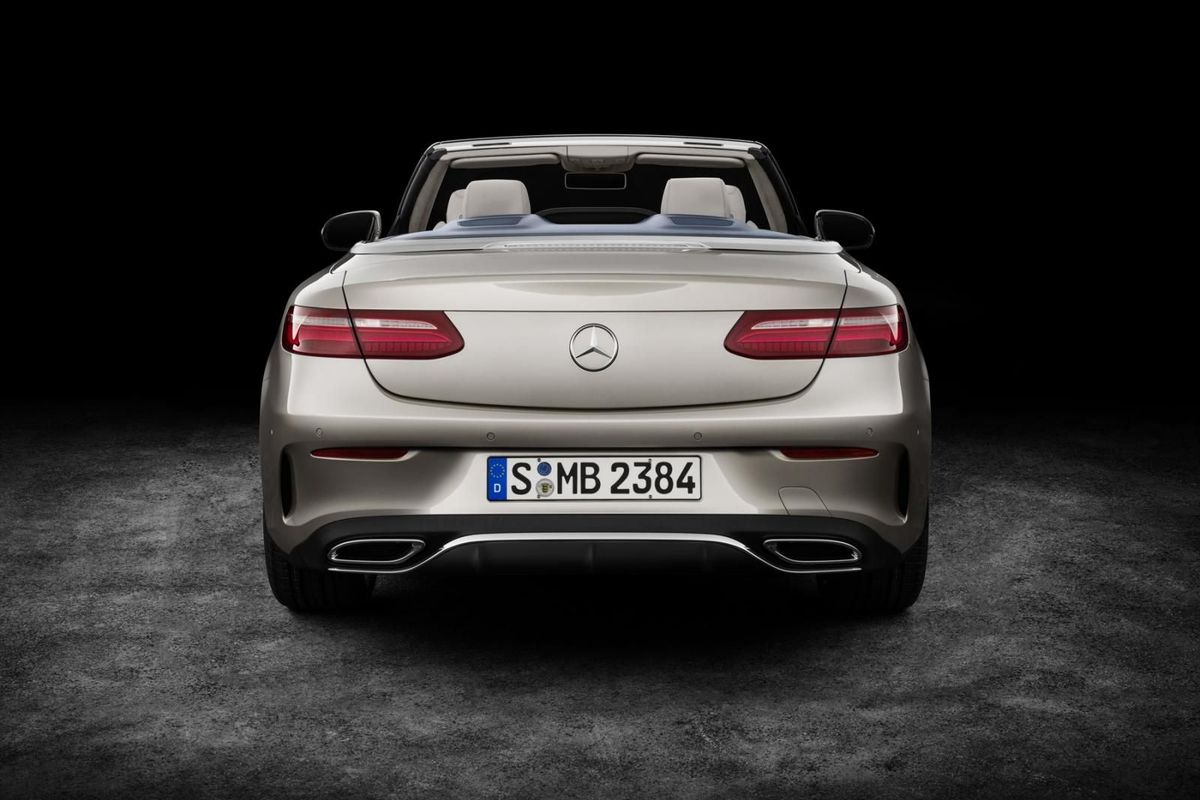
Mercedes-Benz E-Class Cabriolet in SA (2017) Specs & Pricing
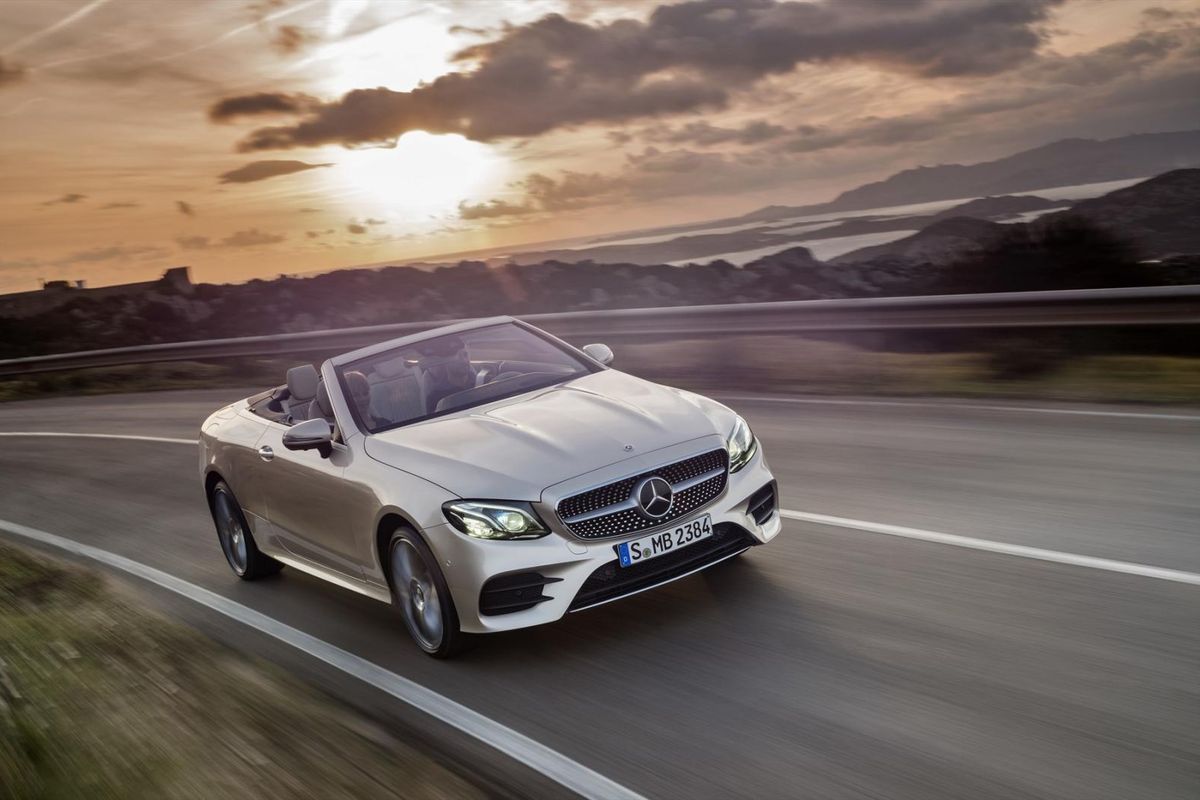
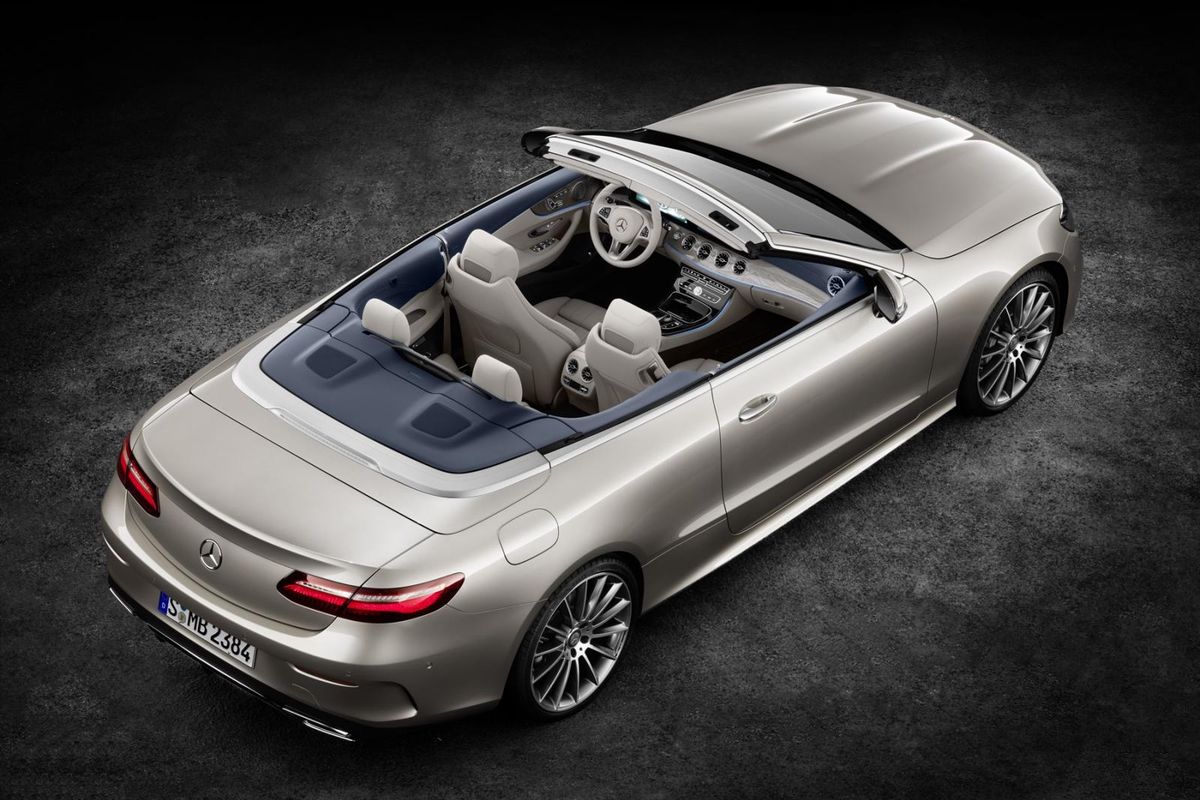
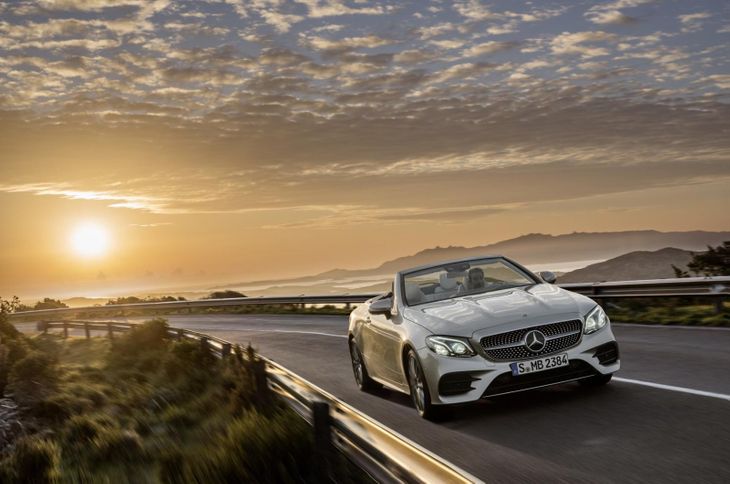
Following the arrival of the stylish E-Class Coupe earlier this year, Mercedes-Benz now welcomes the E-Class Cabriolet to its local E-Class range. Herewith specification and pricing for the new E-Class Cabriolet.
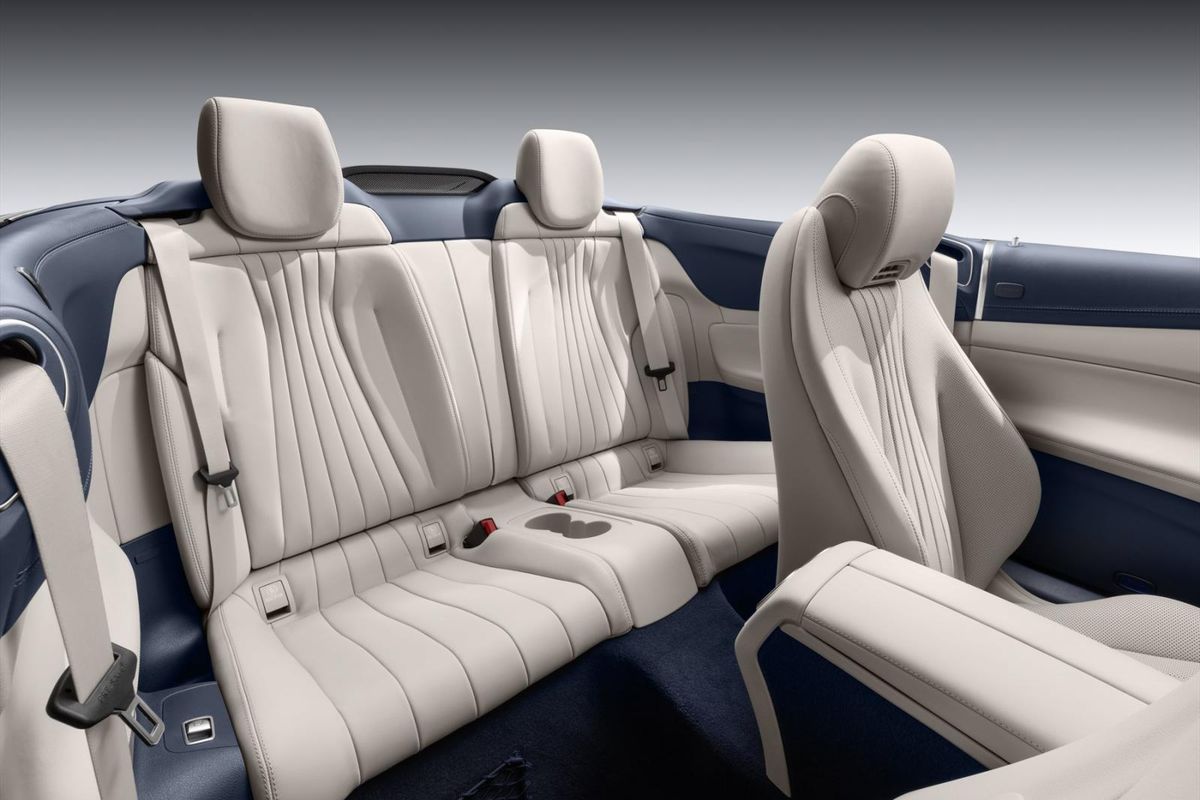
Summer is here and so is the new Mercedes-Benz E-Class Cabriolet, perfect timing we’d say! The E-Class Cabriolet completes the E-Class family of vehicles which also includes the sedan and coupe. This elegant and stylish 4-seater convertible is now available with 3 engine choices including the diesel-powered E 220d and 2 petrol derivatives seen in the E 300 and the range-topping E 400 with 4Matic all-wheel drive.
Engine Outputs
The E-Class Cabriolet offers 3 engine choices and a host of optional equipment.
The E 220d is powered by a 4-cylinder 2.0-litre turbodiesel engine with 143 kW and 400 Nm of torque.
The petrol-powered E 300 offers 180 kW and 370 Nm of torque from its 4-cylinder, 2.0-litre turbocharged petrol engine.
If it’s more power you seek, then perhaps the E 400 with 4Matic all-wheel drive will do the trick with 245 kW and 480 Nm of torque developed by its 6-cylinder, 3.0-litre turbo petrol engine.
All derivatives are fitted with a 9-speed automatic transmission as standard.
Key features
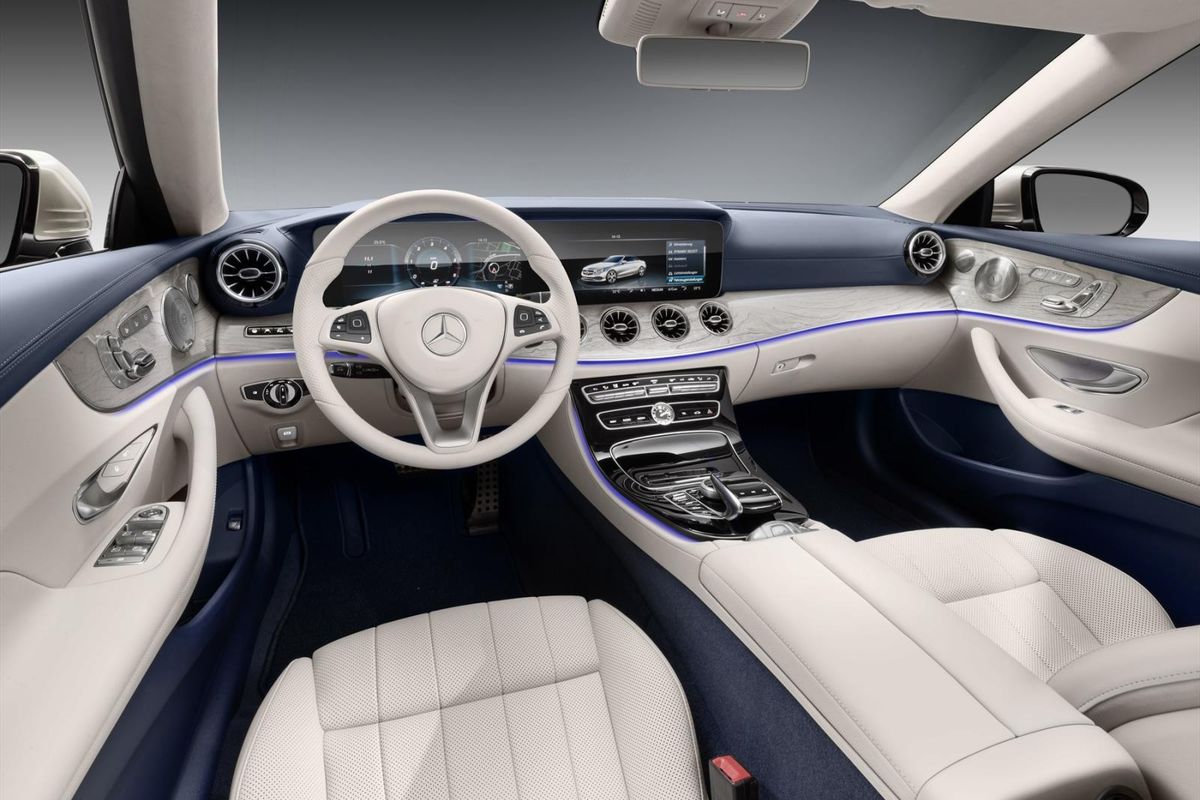
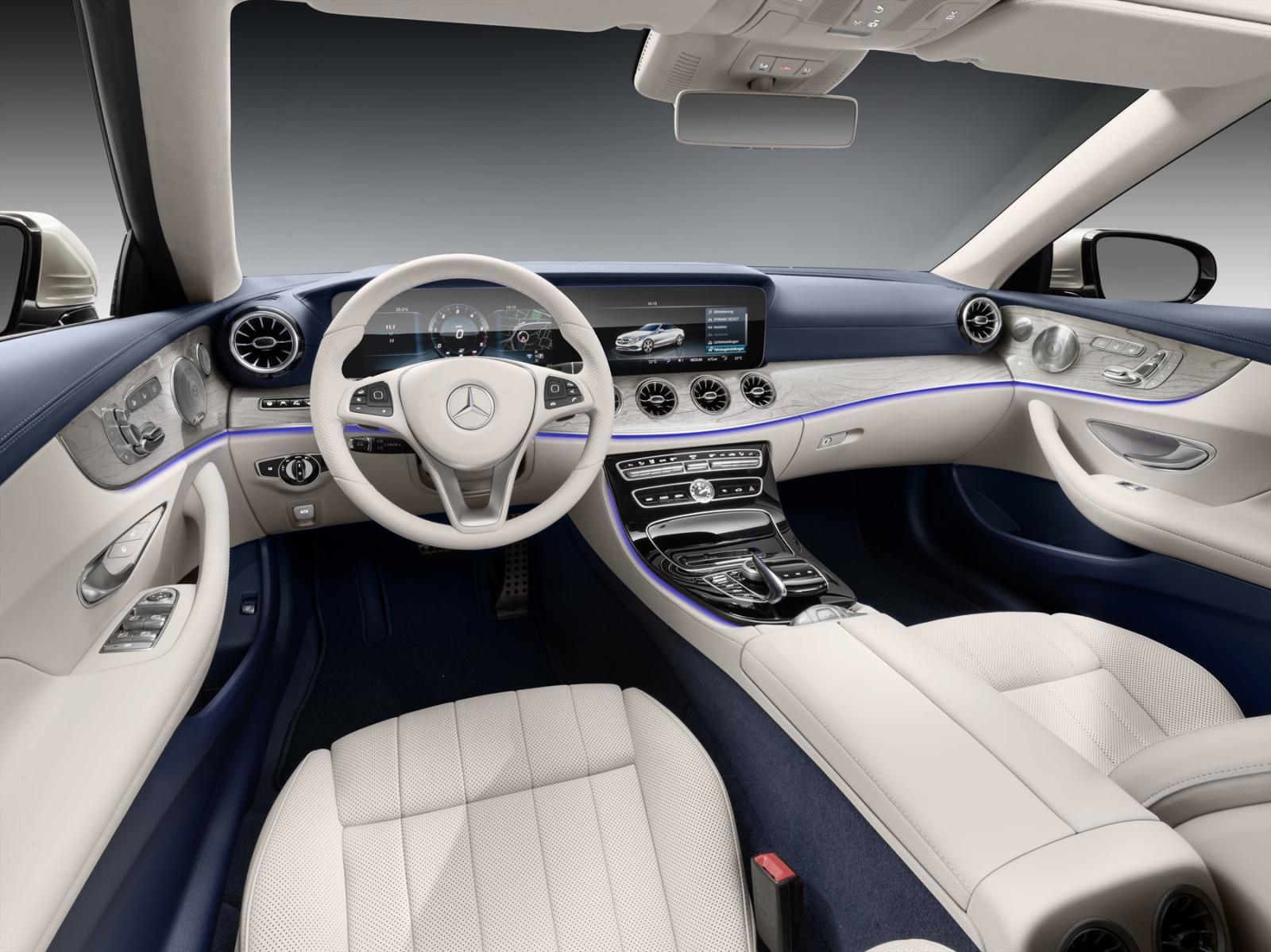
The optional widescreen cockpit is a nice-to-have feature in a thoroughly modern and comfortable interior.
The E-Class Cabriolet rides some 15 mm lower than the sedan version and is fitted with a comfort-tuned Agility Control suspension with an amplitude-dependent damping system as standard. Dynamic Body Control suspension with adjustable damping is offered as an option, as is the Air Body Control multi-chamber air suspension.
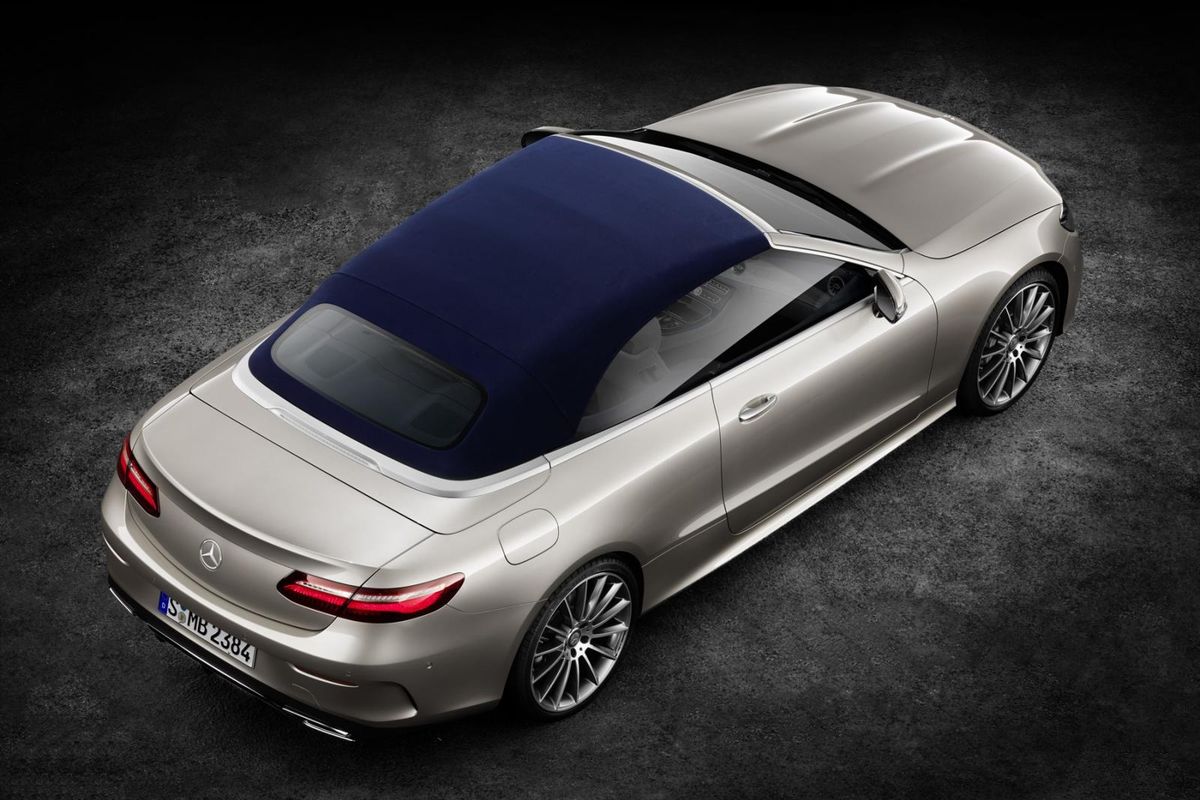
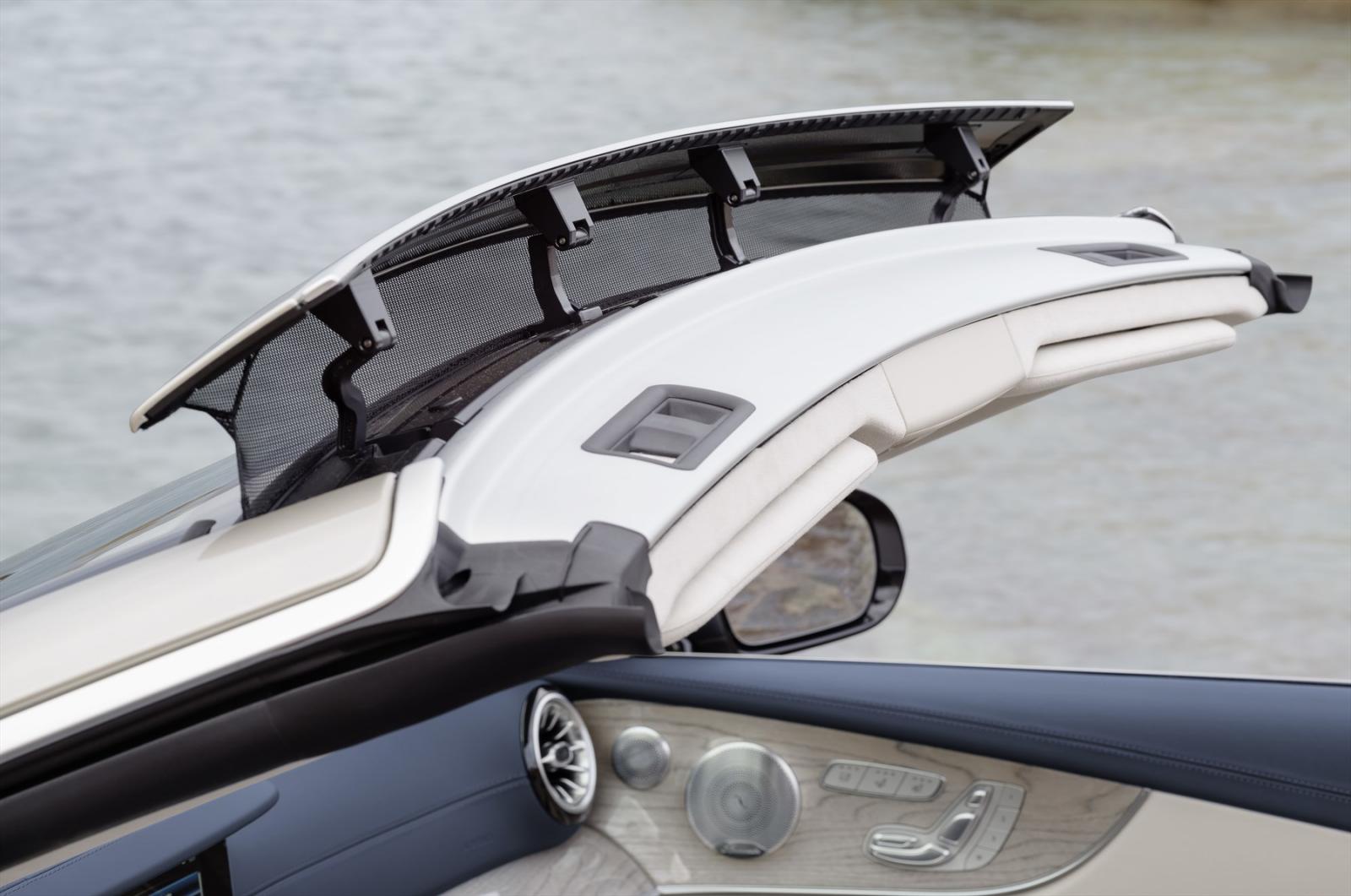
The E-Class Cabriolet is fitted with an automatic acoustic fabric soft-top roof that is offered in either brown, dark blue, dark red or black. With its multi-layered structure, the soft-top roof reduces wind and driving noise and can be fully opened and closed in 20 seconds at speeds up to 50 kph. The roof is stored in a soft-top compartment in the boot which reduces loading capacity from 385 litres (with the roof up) to 310 litres (with the roof open). A new feature is the 50:50 rear folding backrests, which means you can load longer items through the load bay and into the interior.
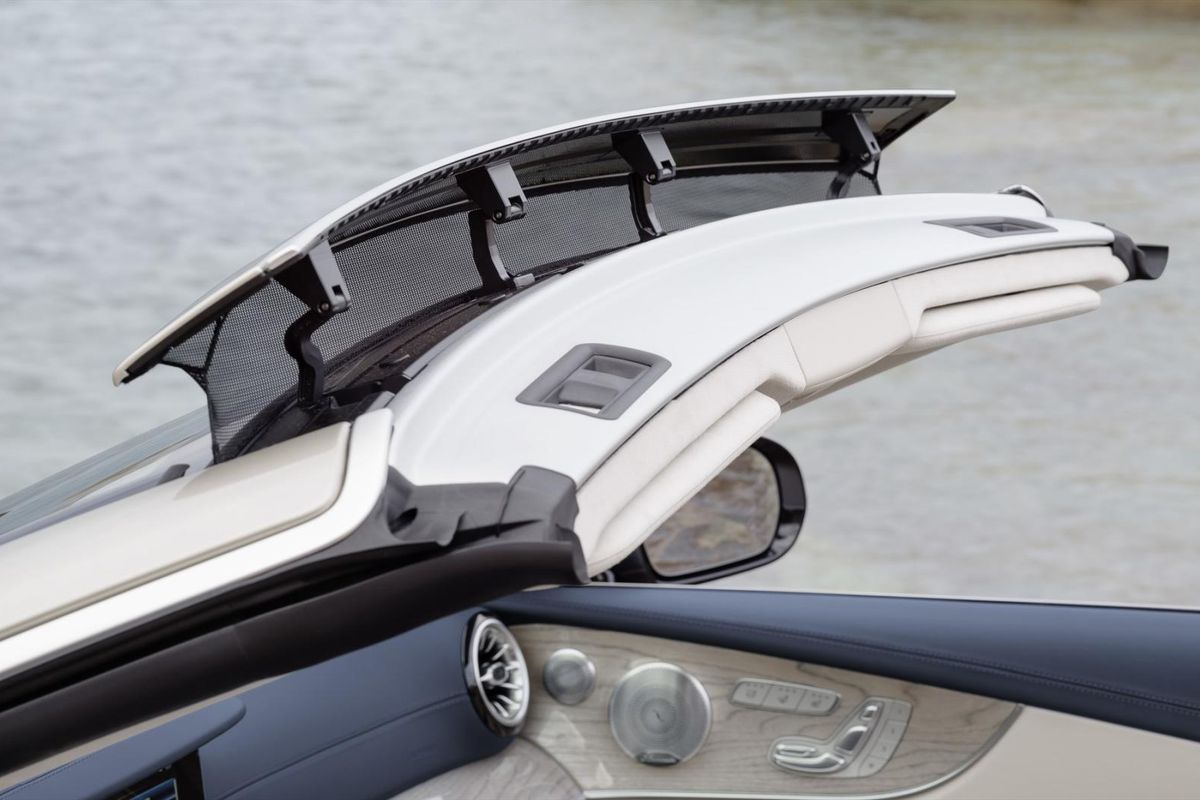
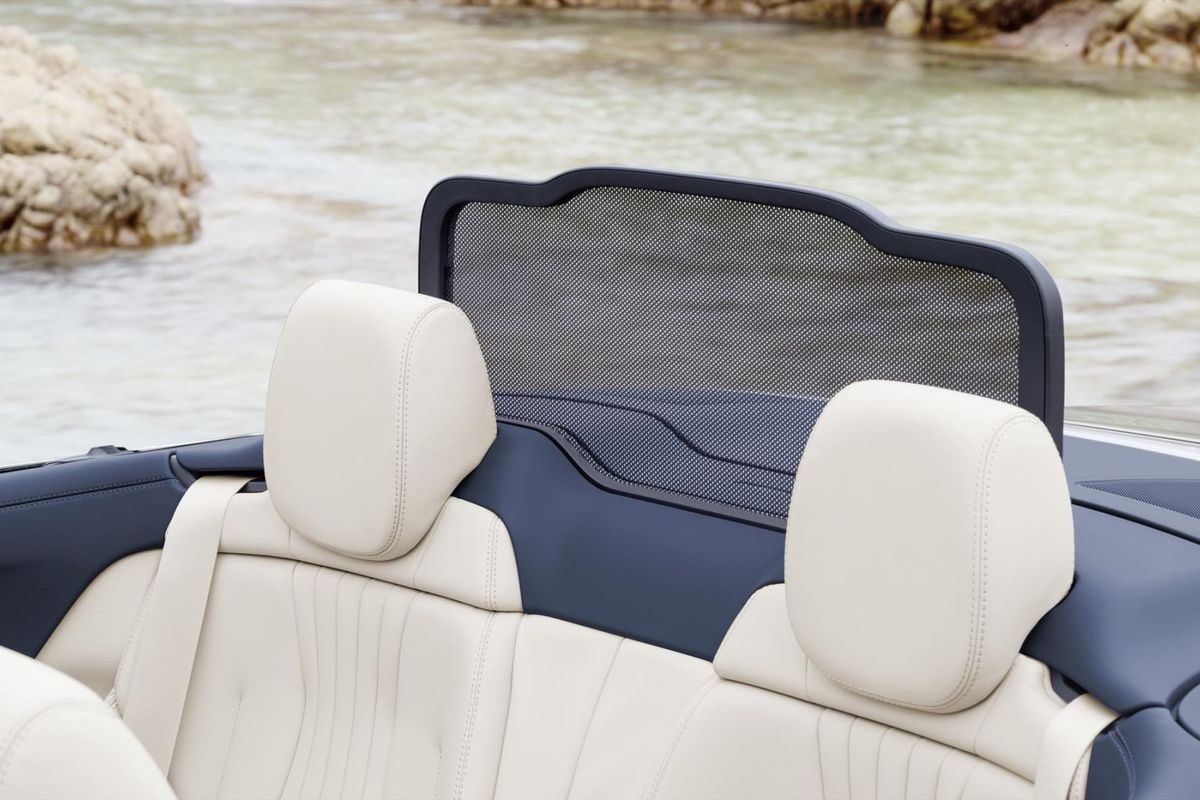
A draught-stop system and neck-level heating allow for year-round drop-top driving.
Much like the E-Class sedan and coupe, the cabriolet is equipped with high-quality interior finishes. A highlight feature is the optional widescreen display that incorporates 2 high-resolution 12.3-inch displays under a single glass cover. The instrument cluster screen is configurable with 3 styles including Classic, Sport and Progressive. The turbine-shaped air vents are in Silvershadow and provide a sporty touch to the interior.
The instrument cluster and infotainment system can be operated using the steering-mounted touch controls, touchpad or using the controller in the centre console. The E-Class Cabriolet is equipped with 4 individual seats and various trim and finish combinations are on offer to meet your requirements.
Additional optional comfort features include an automatic draught-stop system called AIRCAP, which incorporates an electric wind deflector found in the roof frame and an electric draught stop behind the rear seats to help eliminate wind turbulence when the roof is down. The front seats can also be equipped with an AIRSCARF system that will blow warm air onto your neck, which means you can drive with the roof down in cool weather too.
Mercedes-Benz E-Class Cabriolet – Price in South Africa (October 2017)
Mercedes-Benz E 220d Cabriolet – R919 500
Mercedes-Benz E 300 Cabriolet – R955 500
Mercedes-Benz E400 4Matic Cabriolet – R1 134 500
The E-Class Cabriolet is sold with a 2-year/unlimited km warranty and a 6-year/100 000km maintenance plan.
3 Reasons Why Suzuki Ignis 1.2 GL is #CarsAwards Finalist
What makes the Suzuki Ignis 1.2 GL a strong contender in the Budget Car category of the 2017/18 Cars.co.za Consumer Awards programme – powered by WesBank? Read on…
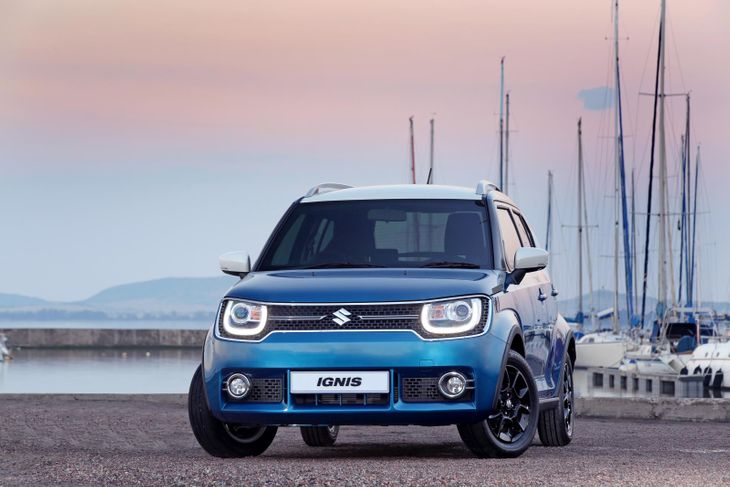
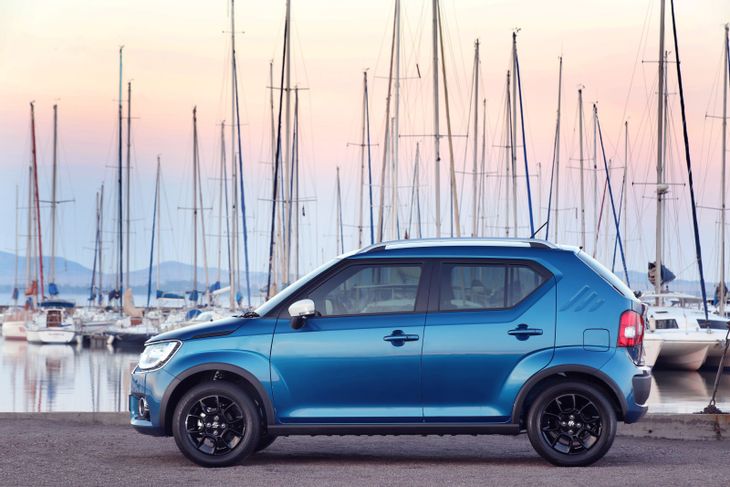
The Ignis is the latest addition in Suzuki’s lineup and with its quirky styling and raised ride height, it brings crossover appeal to the budget car segment. With an attractive blend of affordability, practicality and frugality, the Ignis has much to offer.
3 Reasons Why Suzuki Ignis 1.2 GL is #CarsAwards Finalist
1. Brand strength and attractive pricing
Suzuki is the current #CarsAwards Brand of the Year champion, and for good reason. Suzuki has a sterling reputation for building durable, long-lasting cars. Locally it is one of the fastest-growing brands and customer satisfaction ratings have always been very good.
More than this, the Ignis 1.2 GL is attractively priced at R169 900 and is sold with Suzuki’s usual 3-year/100 000 km warranty and also has, as standard, a service plan of 2-years/30 000 km.
2. Practical city car
The Suzuki Ignis is powered by a naturally-aspirated 1.2-litre petrol engine offering 61 kW and 113 Nm of torque with a claimed fuel consumption figure of 5.1 L/100km. Suzuki is one of the few manufacturers that is often able to reach its claimed figures, so you can expect solid results at the pumps.
The Ignis combines its frugality with practicality by offering a sizable 260-litre load bay. With the 60/40 split rear seats folded down, space increases further to 947 litres. Furthermore, its 180mm ground clearance makes it well-suited to local conditions and will be particularly useful on gravel or poor road surfaces.
3. Value for money
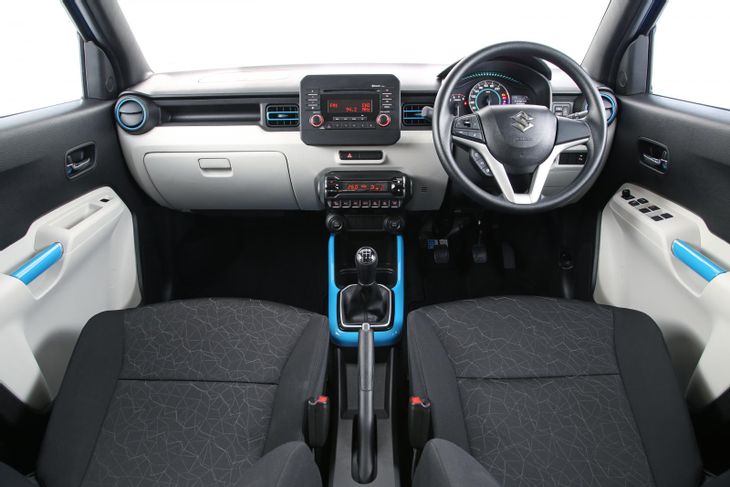
The Ignis 1.2 GL comes standard with air conditioning, front and rear electric windows, a Bluetooth Radio/CD player with USB and auxiliary support. In terms of safety, the Ignis is fitted with 2 airbags, ABS with EBD and brake assist. The Ignis is therefore difficult to ignore in the budget car segment.
Watch our video review of the Suzuki Ignis below!
Have Your Say: Complete our survey and WIN!
Do you own an Ignis? We would love to hear from you! Tell us about your experience by completing our Ownership Satisfaction Survey. Your input counts for 50% of the final result!
Participate in our Ownership Satisfaction Survey: Great prizes up for grabs
Which car brands provide the best after-sales service to their customers? And, which cars are most likely to be recommended by their owners? These are questions that the Cars.co.za Ownership Satisfaction Survey answers – however, ongoing public participation in the survey enables Cars.co.za to deliver the most relevant and accurate data-driven insights to consumers PLUS the findings have a whopping 50% impact on the outcomes of the #CarsAwards.
In 2015, Cars.co.za and data specialists Lightstone Consumer launched a comprehensive Ownership Satisfaction Survey for the purpose of gathering real consumer input on local buying, servicing and ownership experiences. Since launch, thousands of verified surveys have been completed by South African car owners, resulting in one of the most comprehensive and significant databases of its type.
"When we repositioned the Cars.co.za brand in 2015 as a consumer champion, we realised that we had to find a way to gather real, credible, worthwhile consumer input," explains Cars.co.za Consumer Experience Manager, Hannes Oosthuizen. "Journalists may be able to evaluate a product against its peers, but when it comes to what it's like to live with a vehicle, you simply have to enter into a conversation with the people that live with those cars every day… the owners."
The data gathered during the survey's first "harvest" sheds light on some fascinating insights:
Likelihood to Recommend (By Model Type):
In terms of the 45-odd vehicle models that achieved sufficient sample size, the following vehicles recorded the highest "Likelihood to recommend" scores of all;
1. Suzuki Swift, Honda Jazz
9.4
2. Audi A3, Toyota Fortuner, Volkswagen Amarok
9.3
3. Isuzu KB, Toyota Hilux, Ford Ranger
9.2
4. Volkswagen Golf
9.1
5. Mercedes-Benz C-Class, VW Jetta, Hyundai ix35
9.0
Overall Service Experience
Based on their after-sales service experience (at a franchised service agent/dealership only), owners were asked to indicate how likely it was that they would recommend the dealership to a friend or family member. Owners of the following brands said they were most likely to recommend the dealerships where they serviced their vehicles…
Suzuki
Mitsubishi
Audi
Suzuki’s performance in this Survey contributed to it emerging tops in the Cars.co.za Consumer Awards – powered by WesBank, earlier this year. “As of this year, the Survey results plug into our Awards programme in a very real way,” explains Oosthuizen. “After all, a vehicle is only a great purchase if excellent product qualities are matched by equally great after-sales service.”
Reliability (By Model Type)
In terms of the 45-odd vehicle models that achieved sufficient sample size, it is interesting to note that the following cars are rated as the most dependable by their owners:
1. Suzuki Swift
9.5
2. Toyota Yaris, Honda Jazz, Toyota Fortuner
9.4
3. BMW 1 Series
9.2
4. VW Polo Vivo, Honda Civic, Mazda3
9.1
5. Hyundai i10, Mercedes-Benz C-Class, Toyota Corolla, Audi A3, Hyundai iX35
9.0
To reiterate, ongoing public participation in the Cars.co.za Ownership Satisfaction Survey enables Cars.co.za to deliver the most relevant and accurate data-driven insights to consumers PLUS the survey represents a golden opportunity for owners to have a say in the outcome of the #CarsAwards (the findings of the survey have a 50% bearing on which vehicles are named the winners in the 13 respective categories of the Cars.co.za Consumer Awards – powered by WesBank as well as a 100% bearing on which manufacturer/importer wins the prestigious Brand of the Year award).
To participate in the survey (even if you have before, you are free to do so again) click the link below and you will stand in line to win one of these prizes: a GoPro Hero 5 Session Full HD Action Camera, a Samsung 48-inch Full HD LED TV, an Apple iPhone SE 16GB (Space Grey), a Dji Spark Drone or a Playstation 4 (competition runs until November 30).
The new Land Rover Discovery makes a big statement. The bulky design is gone and the new, sleeker look isn't to everyone's liking. Has it lost its off-road capabilities along with its old look? We send it on an off-road course full of mud and hills to see if it can still cope with the rough stuff.
The model we chose for the test is arguably the one to have, it has the 3.0-litre V6 turbodiesel engine with 600 Nm of torque. It's much lighter on fuel than the petrol version and in this HSE Luxury guise, comes with air suspension as standard. The new Disco sheds around 450 kg of its kerb weight in total, but still weighs in at over 2 tonnes.
The interior has gone through a significant update with loads of new tech and practicality aids being added. Everything is electrical, which may concern some of the hardcore fans so we will have to wait and see as to how thorough Land Rover has been with its testing of the new Disco.
We head to the off-road testing basin at Hellgat outside of Cape Town to give the new Discovery a bit of a shakedown. Enjoy…