Exchange Rate blamed for petrol price fluctuations in October 2017
Despite the international petrol price coming down, we're not likely to see any benefit at the pumps in SA thanks to the Rand's instability.
The Automobile Association of SA (AA) has blamed the fluctuating exchange rate for the unstable petrol price and as it stands, we're in line for yet another increase at the end of October 2017. "The landed price of petrol has dropped by almost 20 cents a litre since the start of October," the AA said. "Unfortunately, Rand weakness against the US dollar saw an impact of 22 cents a litre, neutralising the fuel price gains and giving a petrol price increase of two cents a litre based on the current data."
Diesel is being particularly hard hit as the international price had increased by as much as six cents a litre. "Including the effects of Rand weakness, diesel is showing a potential price rise at the end of October of around 28 cents a litre, with illuminating paraffin set to rise 20 cents," says the AA. Simply, motorists are at the mercy of what the AA describes as a situation where 'political and economic sentiment which negatively affects the Rand.' We'll have more information on the next petrol price increase before the end of the month.
It almost slipped under our radar, but a government gazette proposal suggests that an increase in the transaction fee for eNatis vehicle licensing transactions is likely to be enforced in the near future. This means that whether you want to renew your vehicle's licence, register a car or change its ownership details – or do anything pertaining to vehicle ownership at your local traffic department, the transaction is going to cost you more...
Earlier in October 2017, the Transport Minister Joe Maswanganyi published the increased transaction fee in the Government Gazette 41170. It should be coming into effect on 1 February 2018. Here's where it gets sticky. This transaction fee is the subject of the increase and not the actual vehicle licensing cost. According to the Justice Project South Africa (JPSA), a non-profit organisation focusing on "ensuring that road traffic legislation is fair and equitable and is primarily enacted to achieve enhanced road safety objectives", this increase is absurd and needs justification.
Let's look at the numbers, sourced from JPSA.
"The increase of R30 per transaction equates to a whopping 71.43% increase in this transaction fee, raising it from R42 per transaction to R72 per transaction. In the previous year, the former Minister of Transport, Dipuo Peters increased this transaction fee from R36 to R42 per transaction, an increase of 16.67%."
Inflation, as it stands, sits at just under 5% and this new transaction fee is way above that. You can imagine how much additional revenue will be coming in with this new increase and according to JPSA, "there were 12 153 062 vehicles registered on eNaTIS, all of which must be licensed annually."
We'll keep you posted if there are any further developments to this story. As it stands, you'll need an extra R30 to renew your licence for your vehicle.
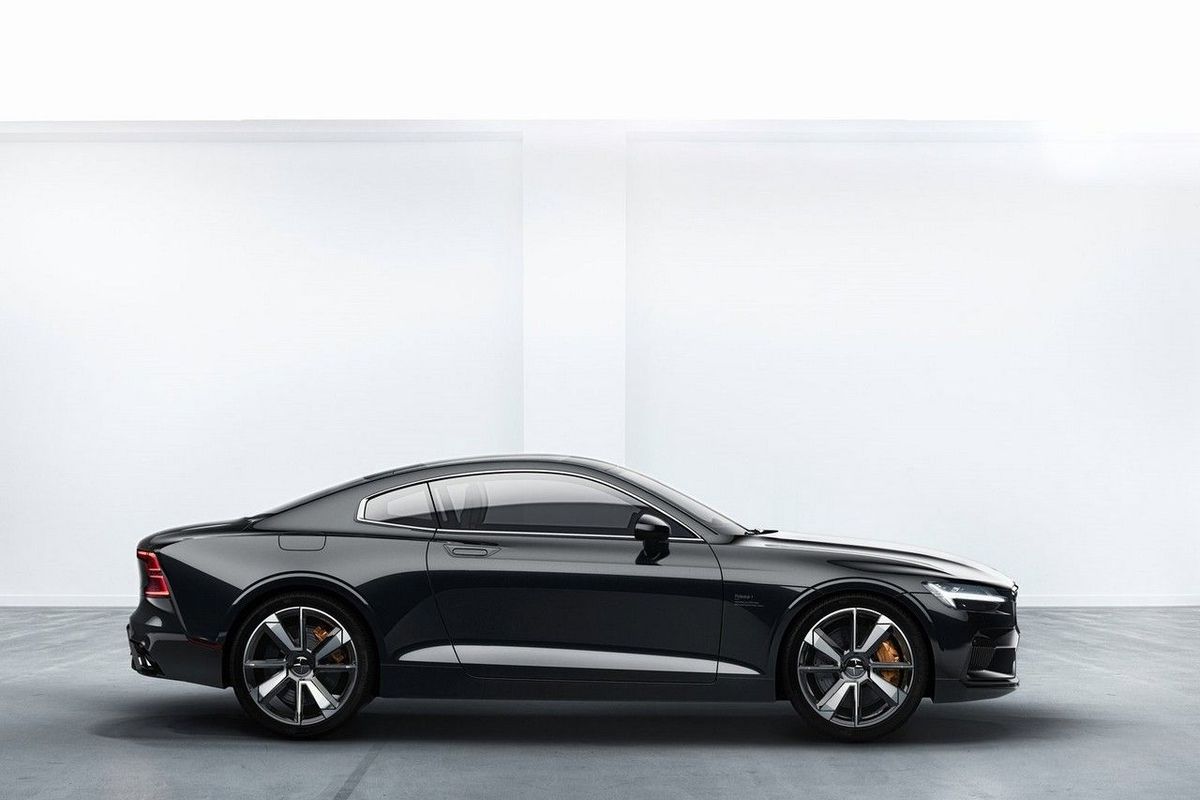
Swedish brand Volvo has a performance brand called Polestar and on October 17 2017, Polestar took the bold step of revealing its future as a stand-alone electric performance brand. It also showed off its first offering, called the Polestar 1 with production starting in the middle of 2019.
Polestar is going places. It has moved from being a performance tuner of Volvo and has become a new standalone electric performance brand, complete with three models, a new factory in China as well as a unique ownership plan in the form of a subscription. In terms of actual product, what you're looking at is the Polestar 1, scheduled for production in the middle of 2019. While Polestar is doing a lot of its own work, it can still call upon Volvo for its powertrains and other technologies. This is an all-new direction for Polestar as previously its products were mildly tweaked Volvos.
Polestar 1
Polestar 1 makes do with an electrically assisted 2.0-litre four-cylinder petrol engine. 2 and 3 will be fully electrified.
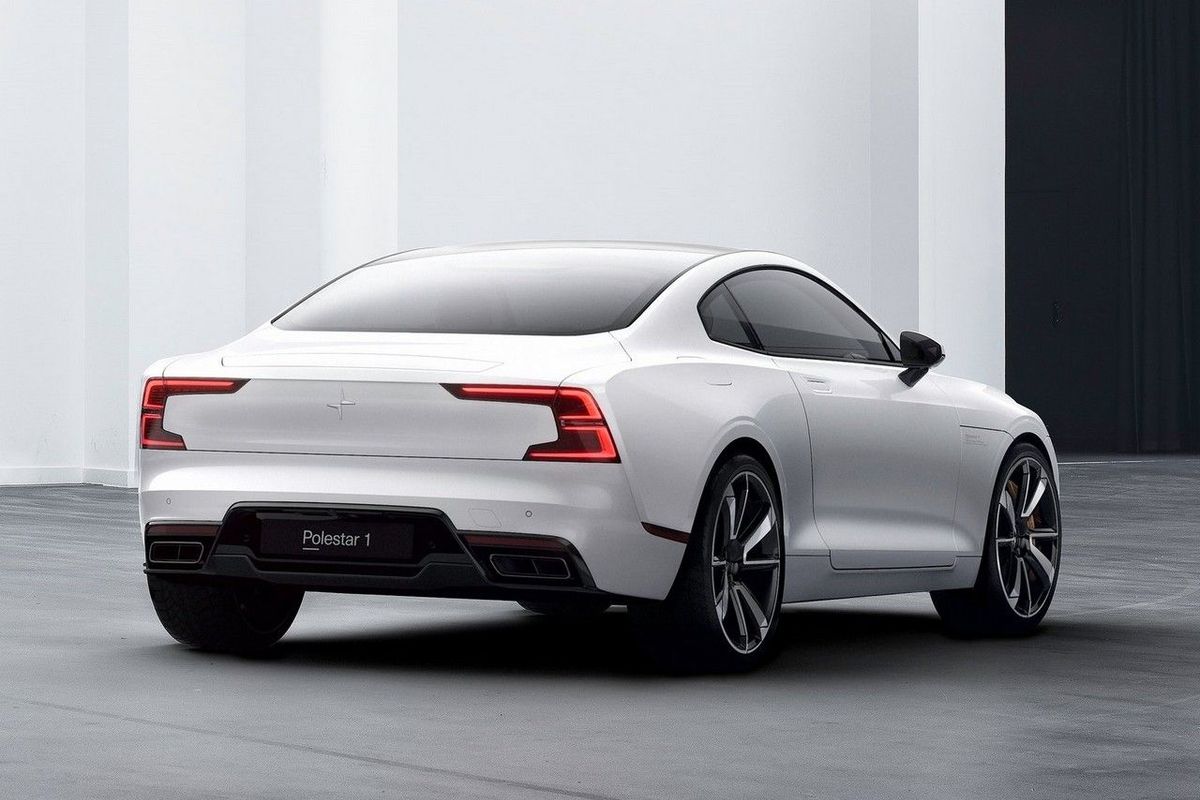
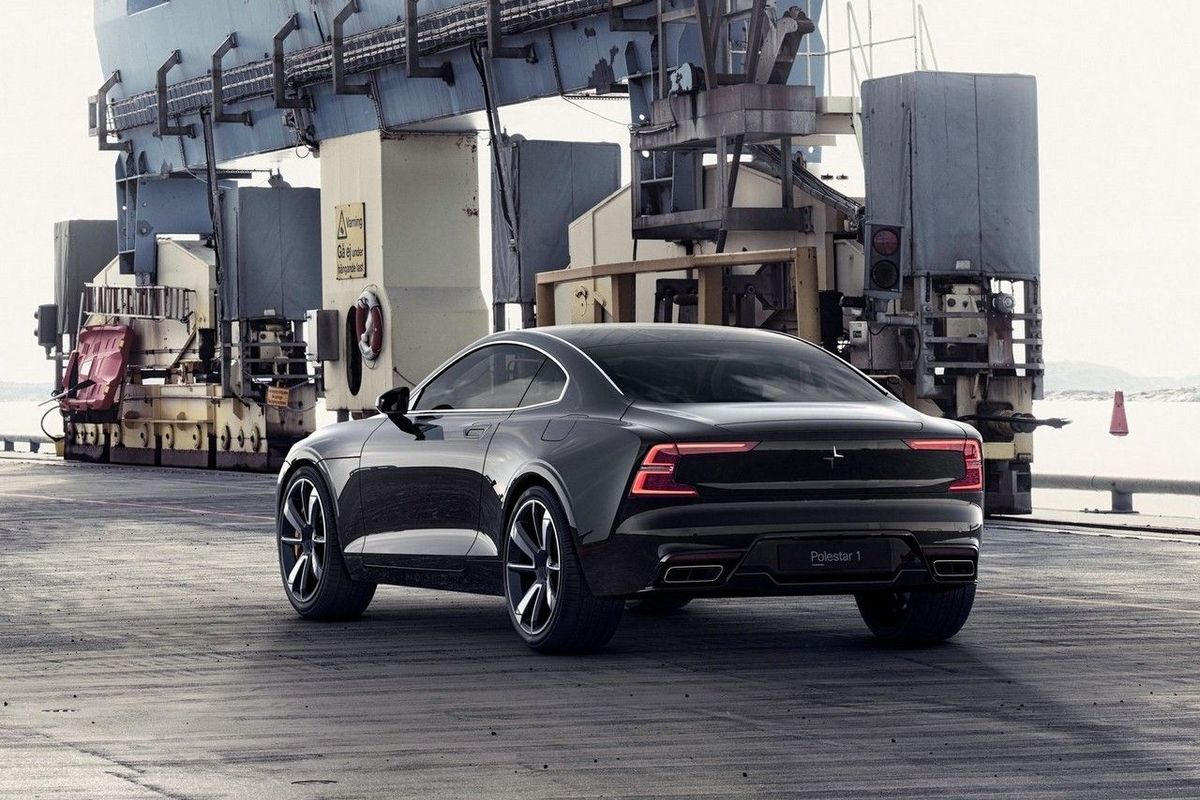
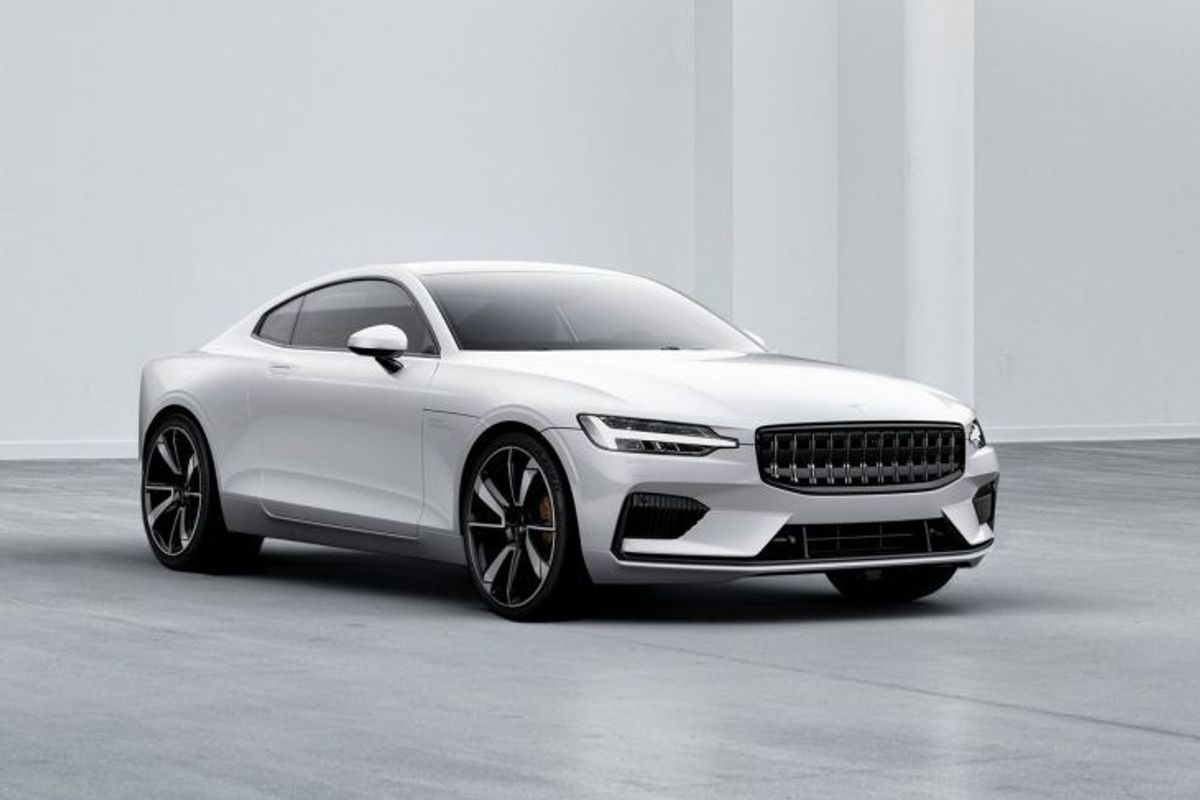
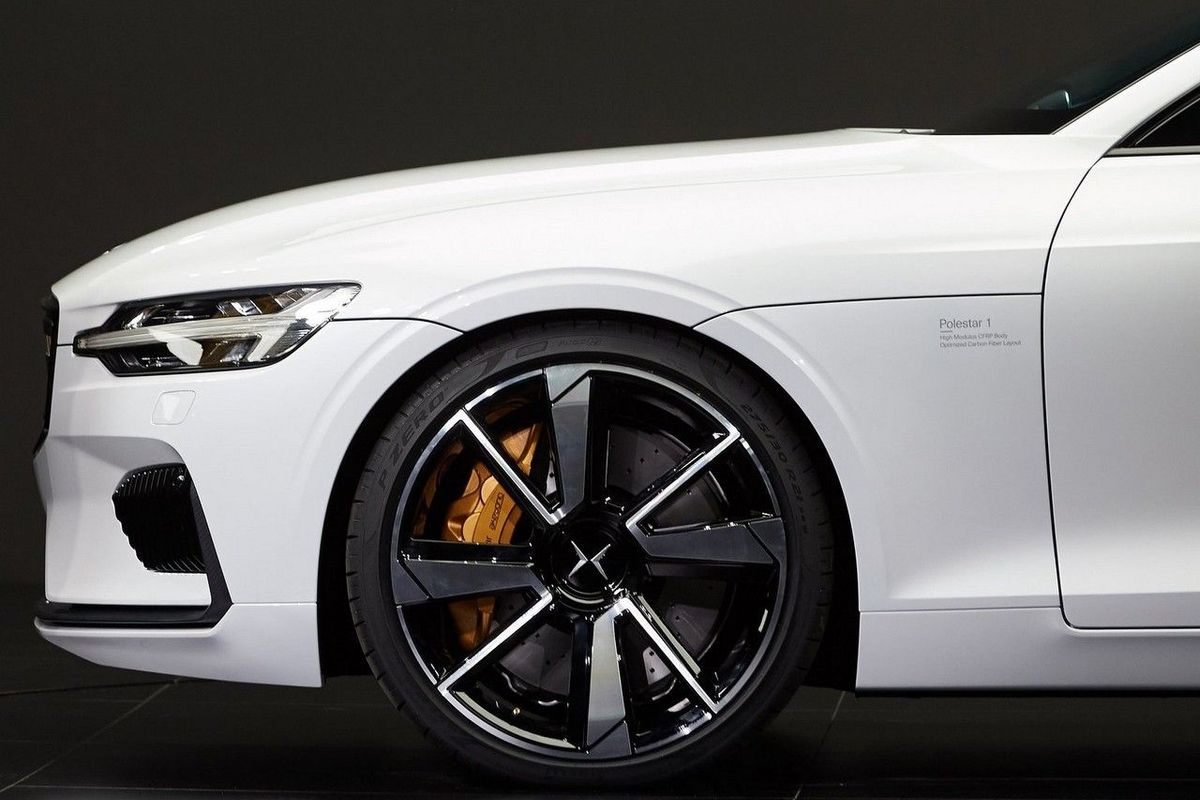
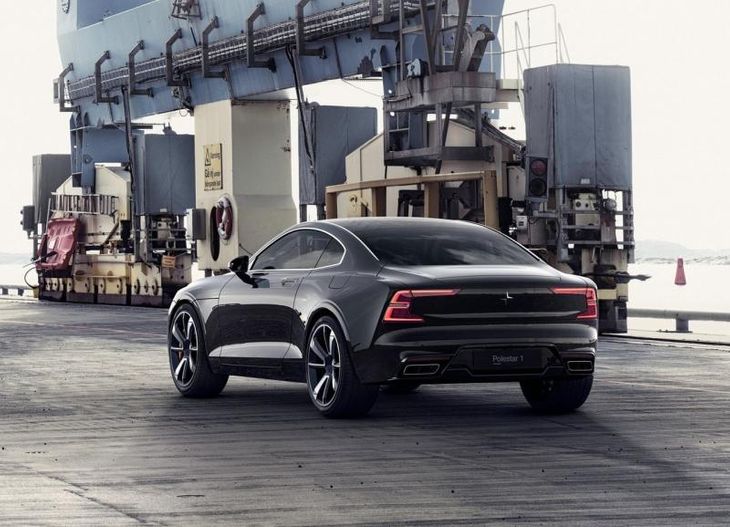
In Polestar 1 application, there's a four-pot Drive-E motor, but Polestar has tuned it to deliver nice round figures of 600 hp (447 kW) and 1 000 Nm. We'll let the photos do most of the talking as it's certainly a striking car, but we do wonder why Volvo wasn't brave enough to build this car in the first place? While there wasn't much need for a powerful coupe, surely an S90 coupe with a regular Drive-E motor would have found favour in the European market? However, we're at the stage now where Volvo Group is claiming that Polestar is now the technology spearhead for the group which means that some of Polestar's tech will filter into mainstream Volvo offerings.
Polestar 1 is a two-door, 2+2 seater Grand Tourer Coupé with an electric performance hybrid drivetrain. There will be a production run of 500 cars per year, but it's the business model which has piqued our interest. Polestar claims that 'all cars will be offered on a subscription basis, with customers benefitting from the convenience of a single, all-inclusive payment that can be topped up by additional on-demand services if required.' In terms of efficiency and economy, Polestar 1 can do 150 km in a pure electric mode. It's built on the same platform as other Volvo products, but the Polestar 1 features new and bespoke underpinnings. There's extensive useage of carbon fibre too, which'll keep the weight down and improve handling.
Thomas Ingenlath, Chief Executive Officer of Polestar, continued; "The Polestar 1 is a Performance Electric Hybrid, but with the longest pure electric range of any hybrid car in the world, we consider it an electric car with support from an internal combustion engine. All future cars from Polestar will be Electric Performance Vehicles but the Polestar 1 bridges today's technology with the future, offering the perfect drivetrain for a Grand Touring Coupé that's likely to be used over longer distances as well as shorter, faster, enjoyable journeys".
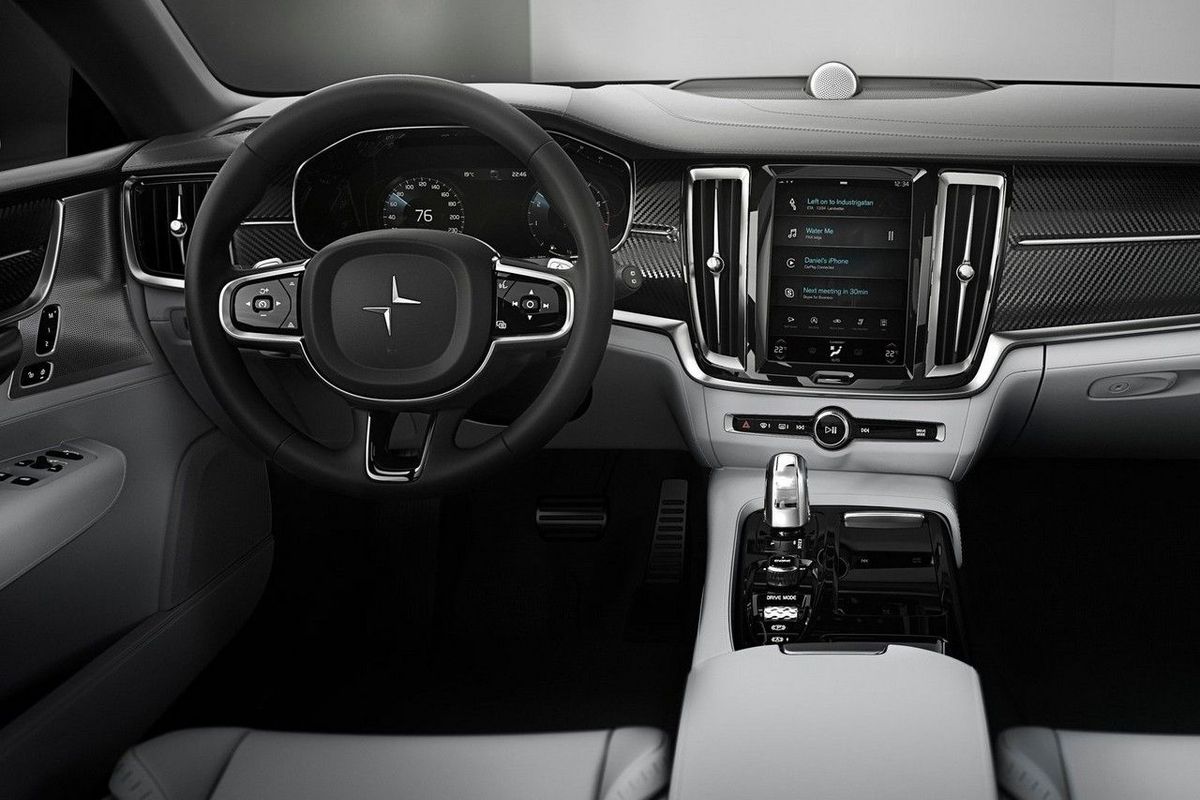
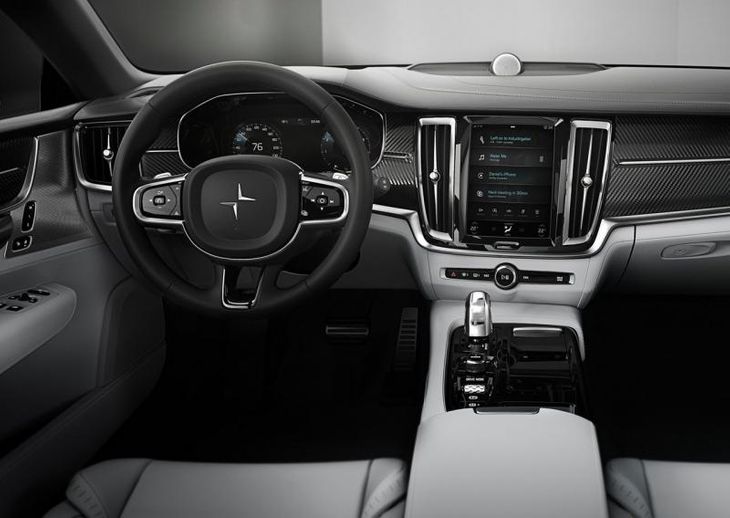
It looks like a Volvo cabin, but we don't see any Polestar badges anywhere.
Polestar 2 and Polestar 3?
The news from Polestar and the Polestar 1 is quite big and the Swedes have made it clear that they're planning a full spectrum of vehicles. We'll get to see Polestar 2 when it goes into production in 2019, but the key point here is that both 2 and 3 will be battery electric vehicles, with no internal combustion engines. 2 will be a mid-sized fully-electric car with 3 being a bigger SUV-style fully-electric vehicle. Right now, 2 is in the engineering phase of production, while 3 is almost complete with the design. Polestar is claiming that its 2 is a Tesla Model 3 rival.
Subscription-based ownership
Polestar will be pushing its products through a monthly subscription payment system. "This all-inclusive, no deposit, flat monthly payment ensures that the customer need never concern themselves with the inconvenience or cost of depreciation, insurance and maintenance and all Polestars will be offered on this basis. The subscription also includes pick-up and delivery servicing where Polestar contacts the customer to arrange a convenient time for scheduled maintenance. It will also consist of a number of car rental days and access to a range of concierge services."
There will also be a focus on the on-demand service model, much like an Uber. You'd be able to order a vehicle online or through an app. Polestar points out an interesting example: 'a customer needs the short-term use of a roof box for a forthcoming skiing holiday. At a time and location specified by the owner, Polestar will supply, fit and subsequently remove the roof box, just adding a small incremental usage charge to their monthly invoice.'
The subscription period will be for a fixed term of two or three years and at the end of the contract, the customer returns the car or Polestar collects it and delivers their next Polestar experience. Polestar will then refurbish the vehicle and prepare it for a secondary subscription as a high-quality pre-owned Polestar car.
It's clear that Polestar and its business model are aiming at Tesla, and given the hiccups around Model 3 production, it looks like the electric sportscar race has just begun.
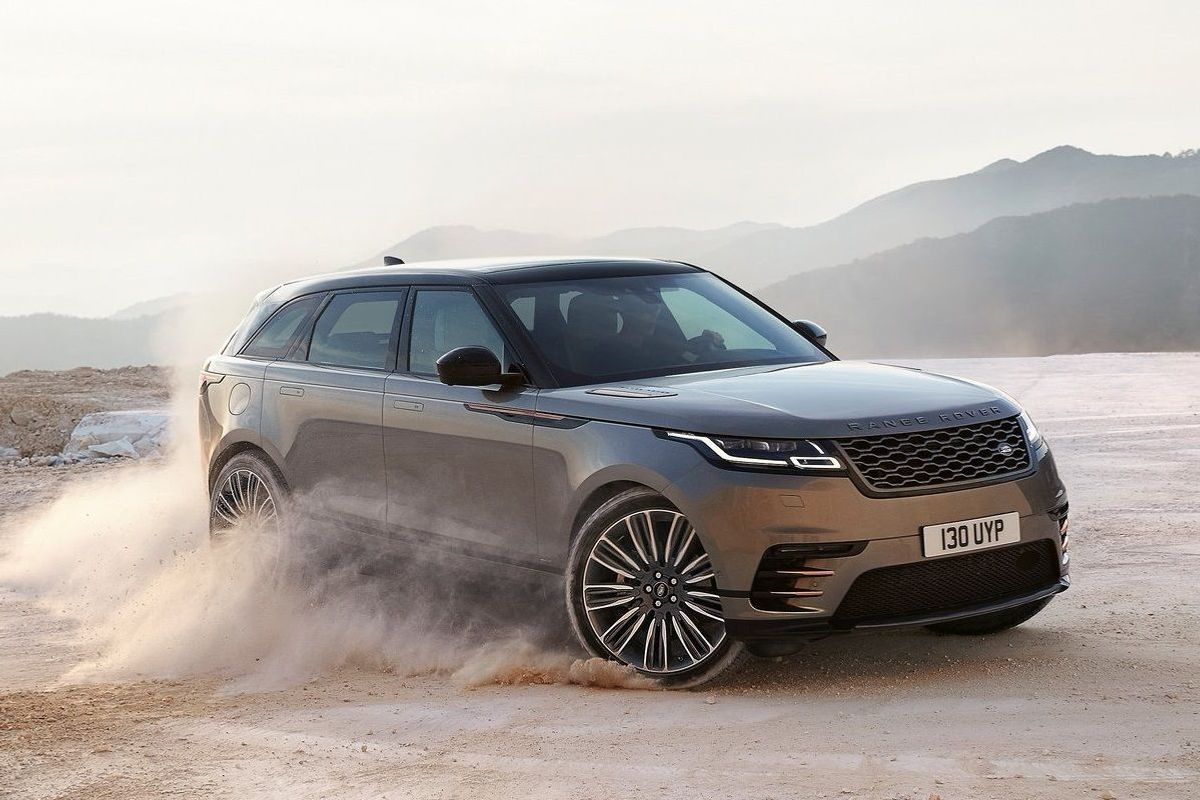
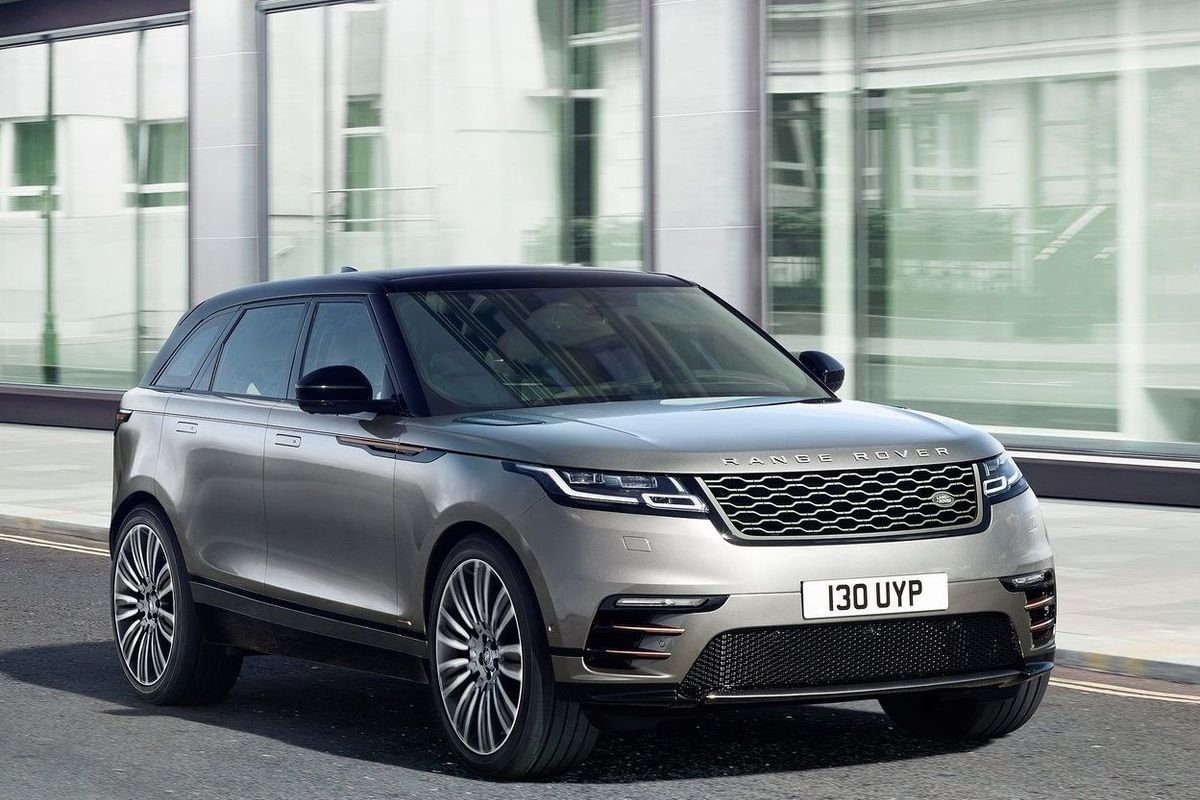
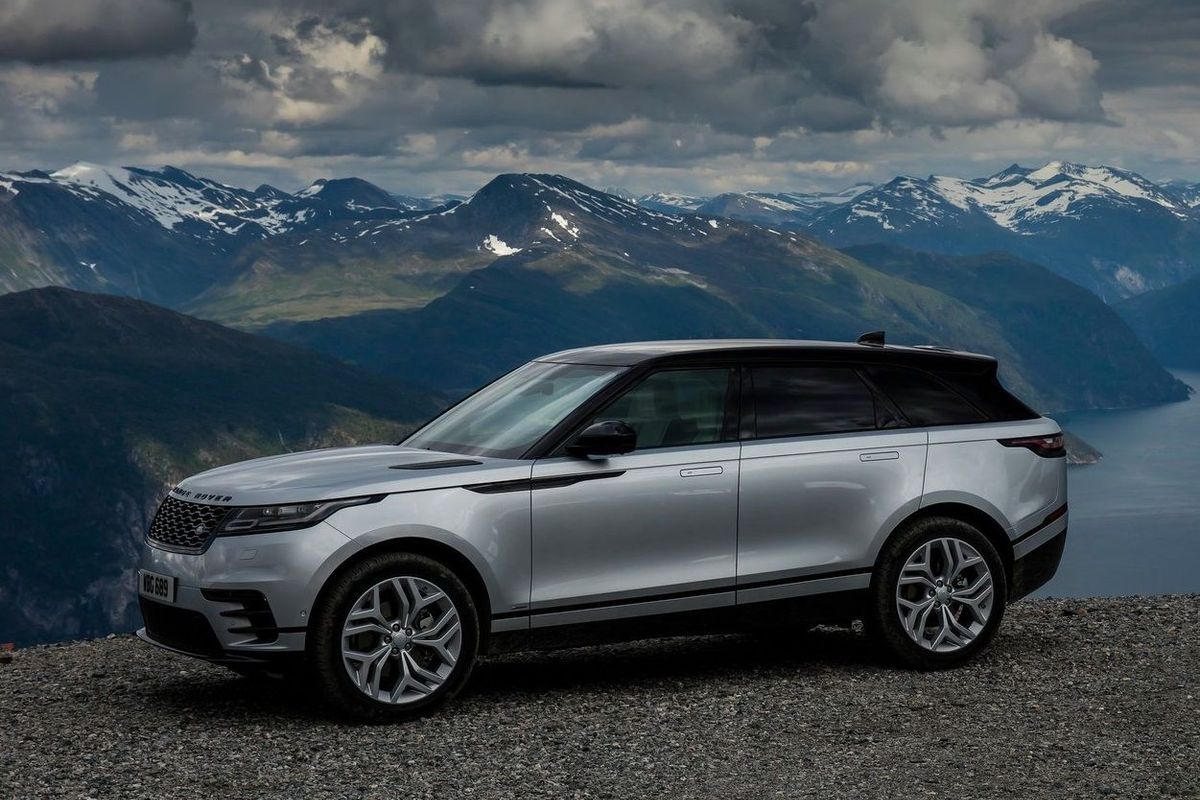
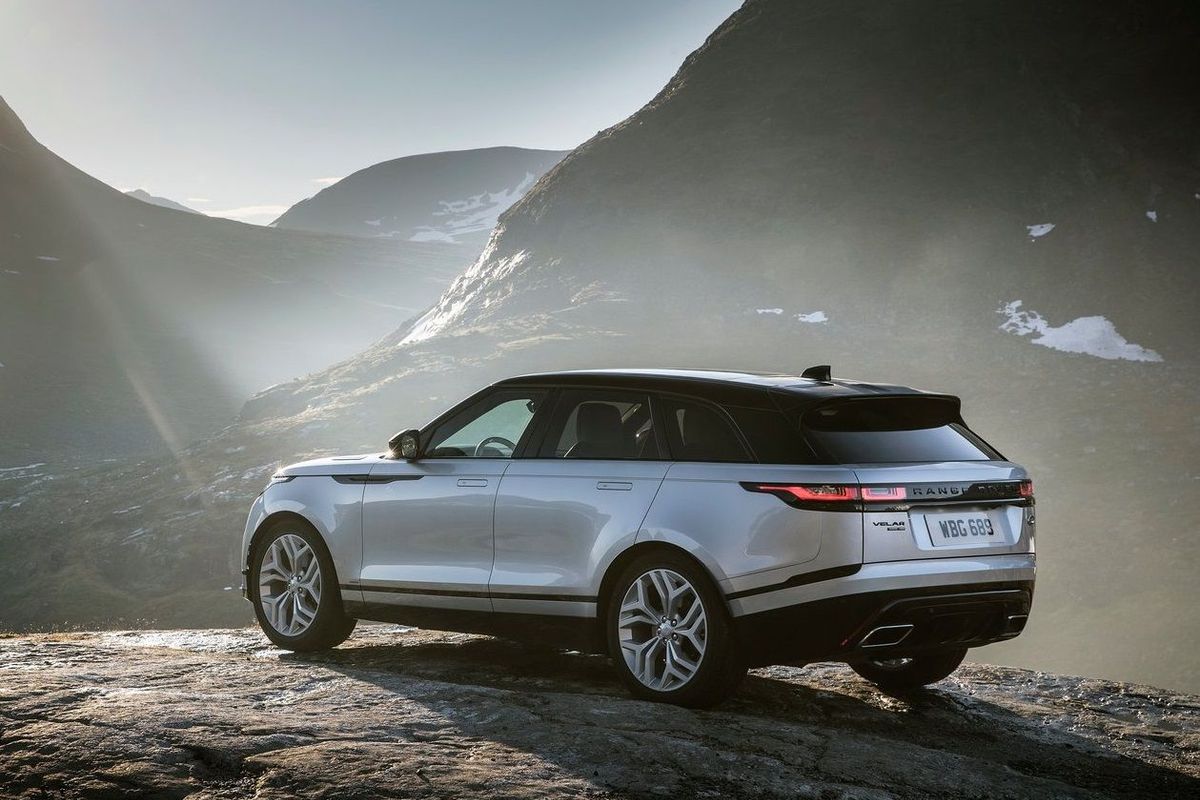
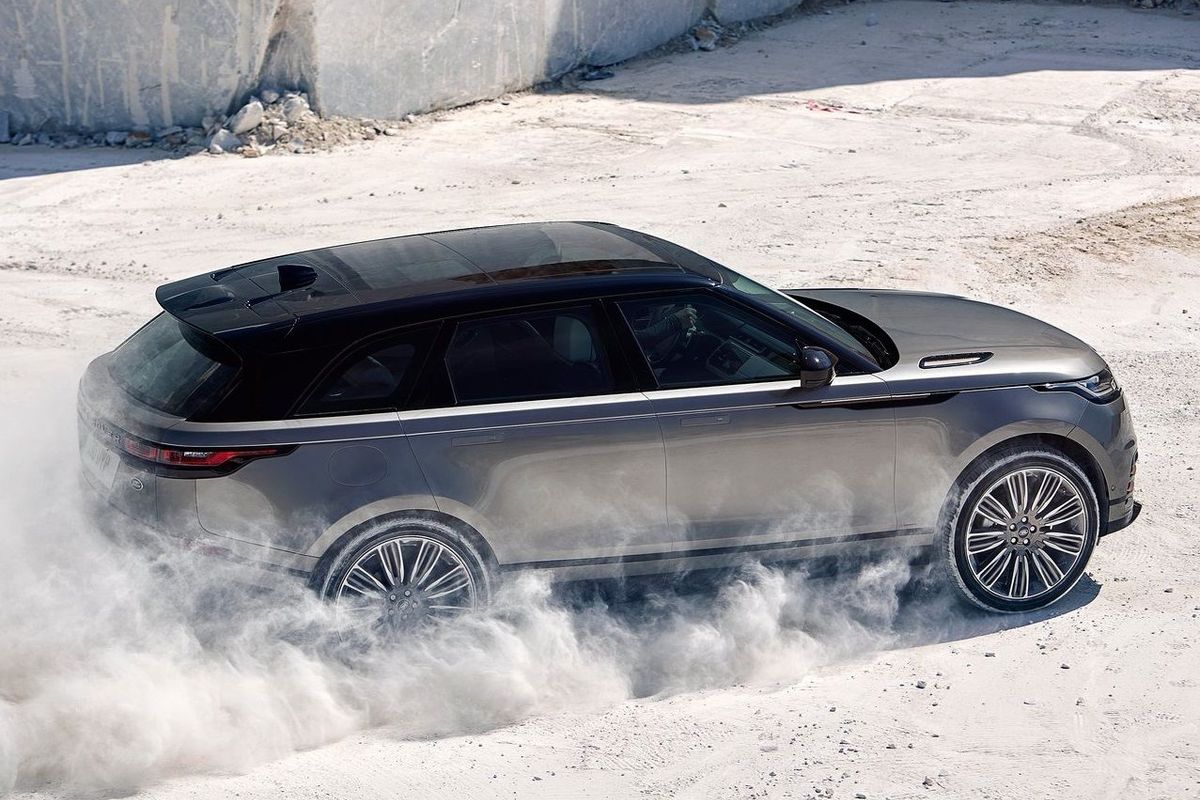
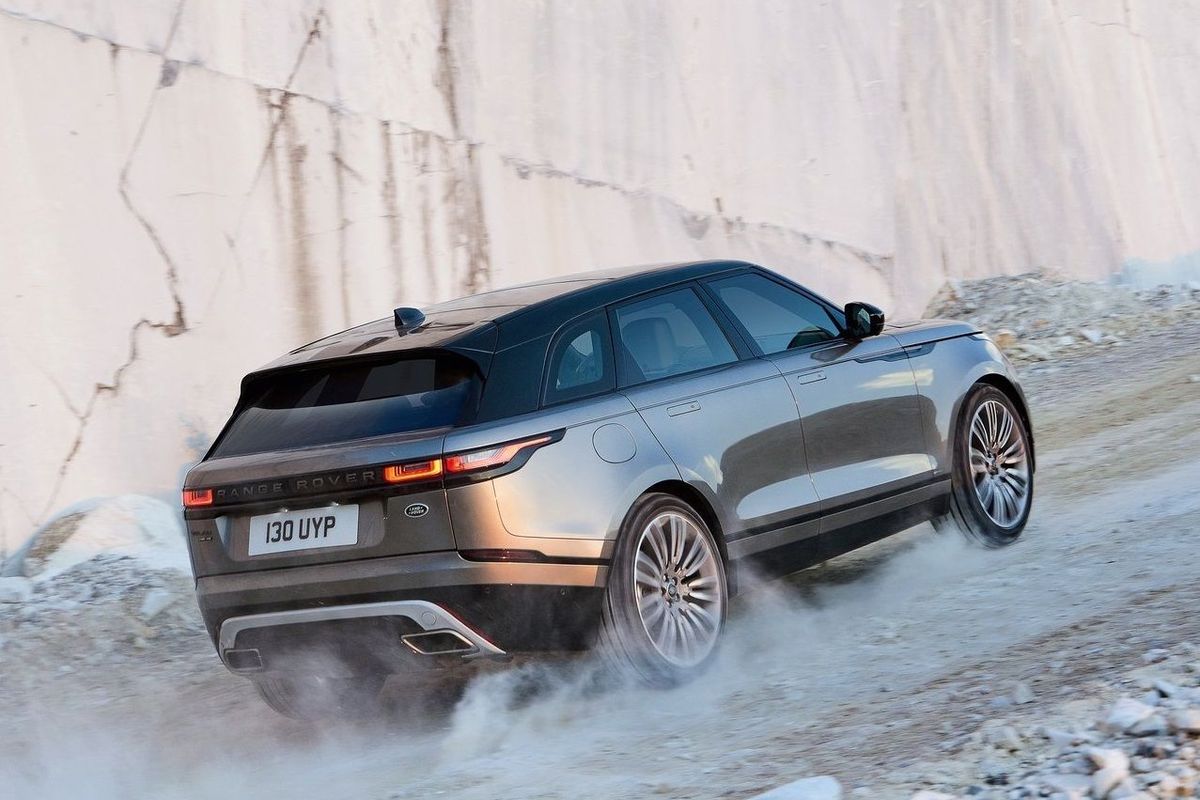
The Velar is the latest addition to the Range Rover family of luxury SUVs and it is officially launching in South Africa next week and we will be driving it (again)! Take a look at specification and pricing for the Velar…
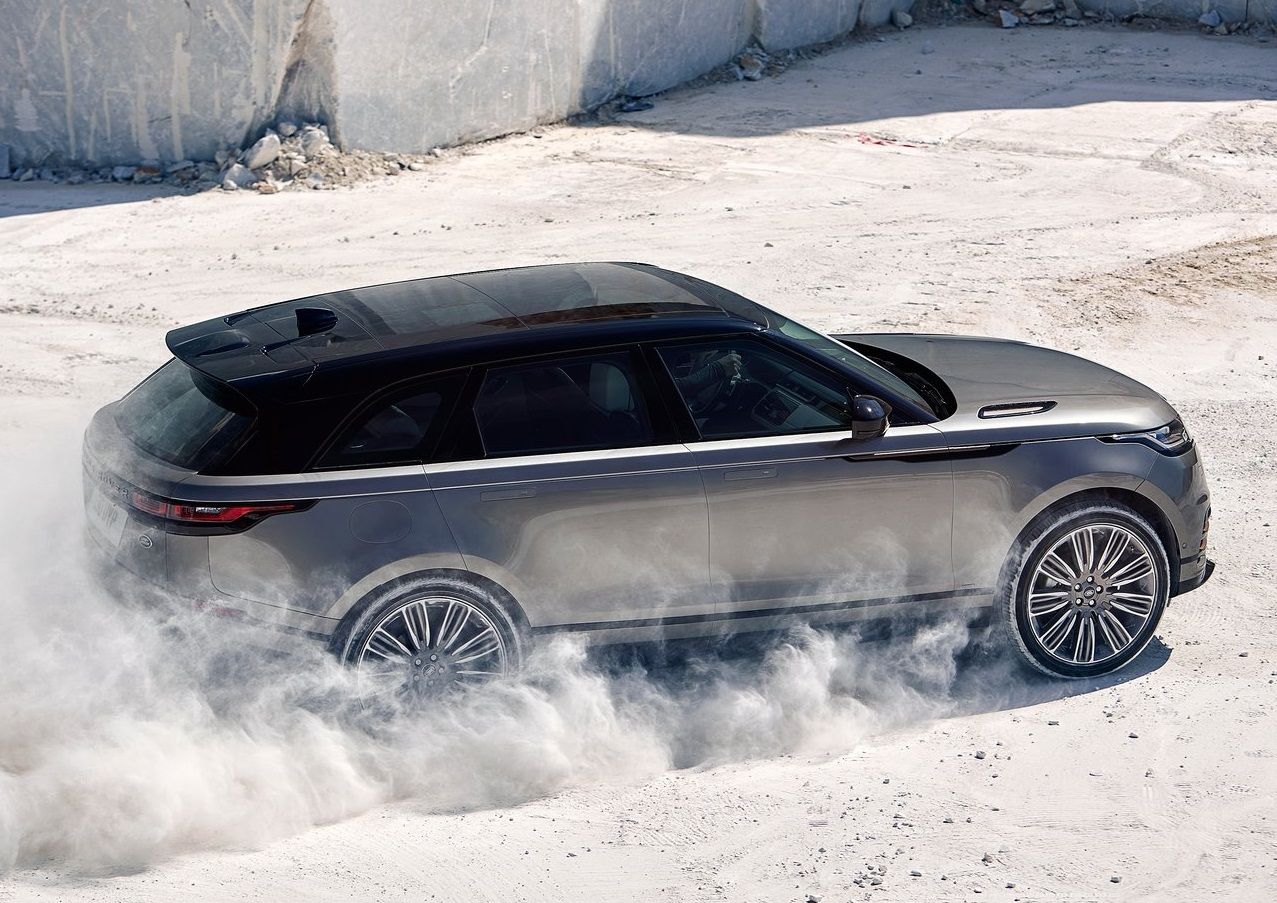
Sitting snug between the Evoque and Range Rover Sport is the new Velar, an elegant and modern SUV that can tackle various terrains. The Velar will be officially launched in South Africa next week and we will be driving it in Cape Town. The Velar will be in Land Rover showrooms as of 20 October 2017. Here are some key specification and pricing details for the Velar ahead of its upcoming launch.
Key specification details
A total of 6 engine choices will be offered and Land Rover's Terrain Response system will ensure capable performance offroad.
The Velar will be offered with a range of petrol and diesel engines across 4 trim lines including Base, S, SE and HSE. In addition to this, customers can opt for R-Dynamic trim with adds sportier exterior and interior details. There will also be a Velar First Edition on sale from launch which will be equipped with a range of optional features as standard and will be offered in 3 exterior colours including Corris Grey, Silicon Silver and Flux.
Engines
The engine range includes 3 diesel engines and 3 petrol engines. Starting with the diesel engines, the Velar range kicks off with a 2.0-litre turbodiesel engine with 132 kW and a claimed consumption figure of 5.4 L/100 km.
Moving up the range is a more powerful 2.0-litre twin-turbodiesel engine with 177 kW and a claimed fuel consumption figure of 5.8 L/100 km.
The most powerful diesel engine on offer is the twin-turbocharged 3.0-litre V6 diesel engine with 221 kW and a claimed fuel consumption figure of 6.4 L/100km.
On the petrol front, the range starts with a 2.0-litre turbopetrol engine with 183 kW and a claimed fuel consumption figure of 7.6 L/100 km.
A more powerful 221 kW 2.0-litre turbopetrol is also offered, carrying a claimed fuel consumption figure of 7.8 L/100 km.
The range-topping engine is a supercharged 3.0-litre V6 petrol engine with 280 kW and a claimed fuel consumption figure of 9.4 L/100km.
An 8-speed automatic transmission is standard as is Terrain Response which allows you to traverse varying terrain. A single-speed transfer box with high range and an open rear differential is standard.
Key features
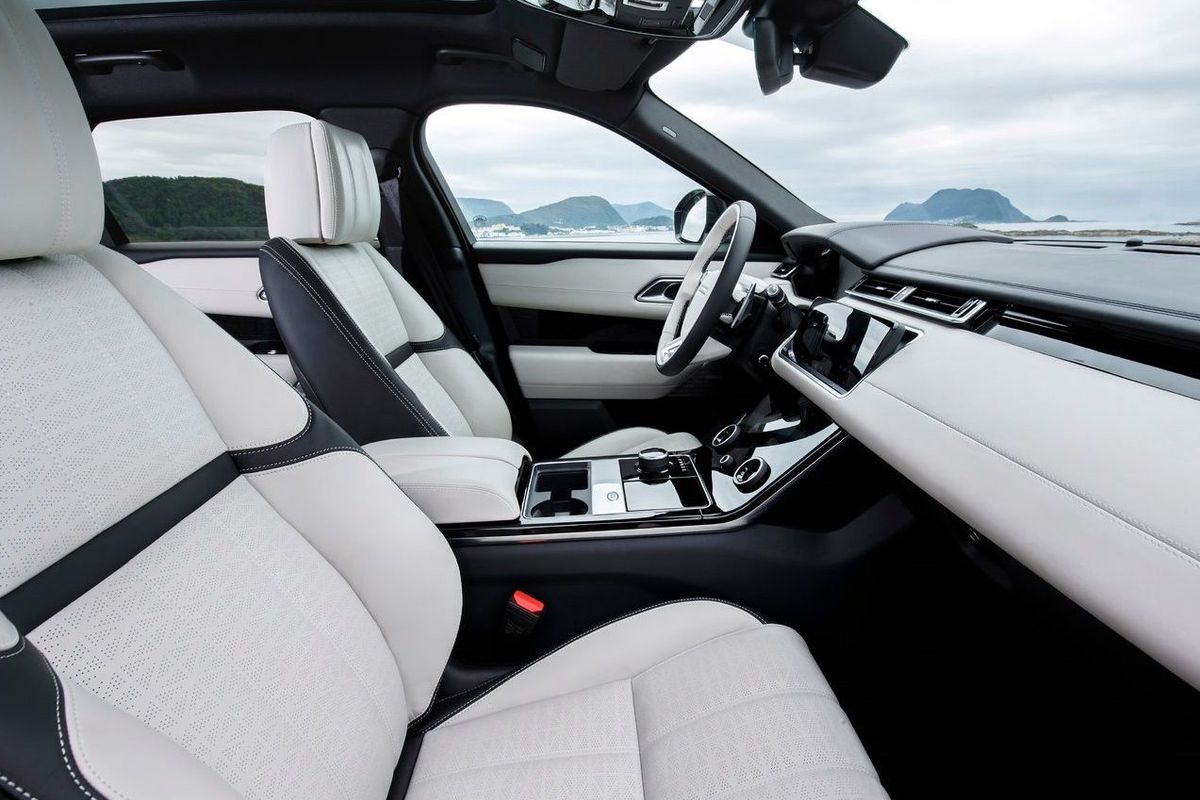
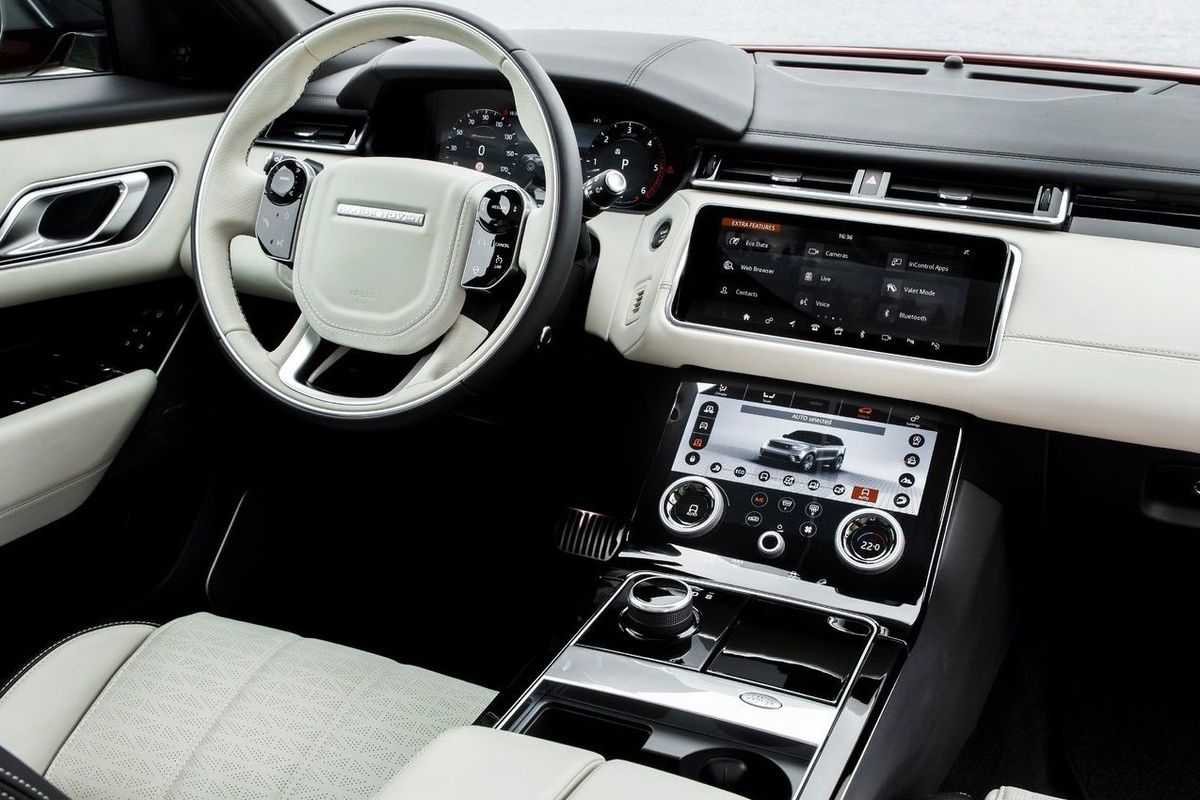
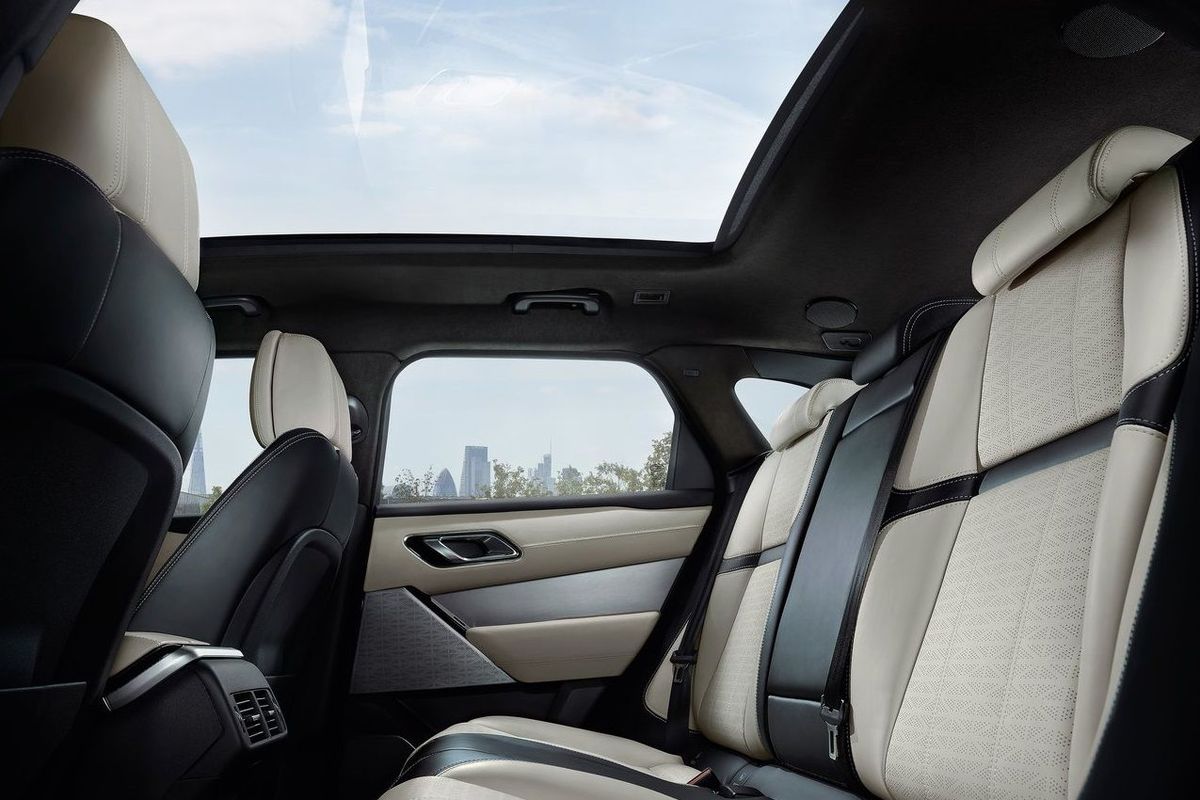
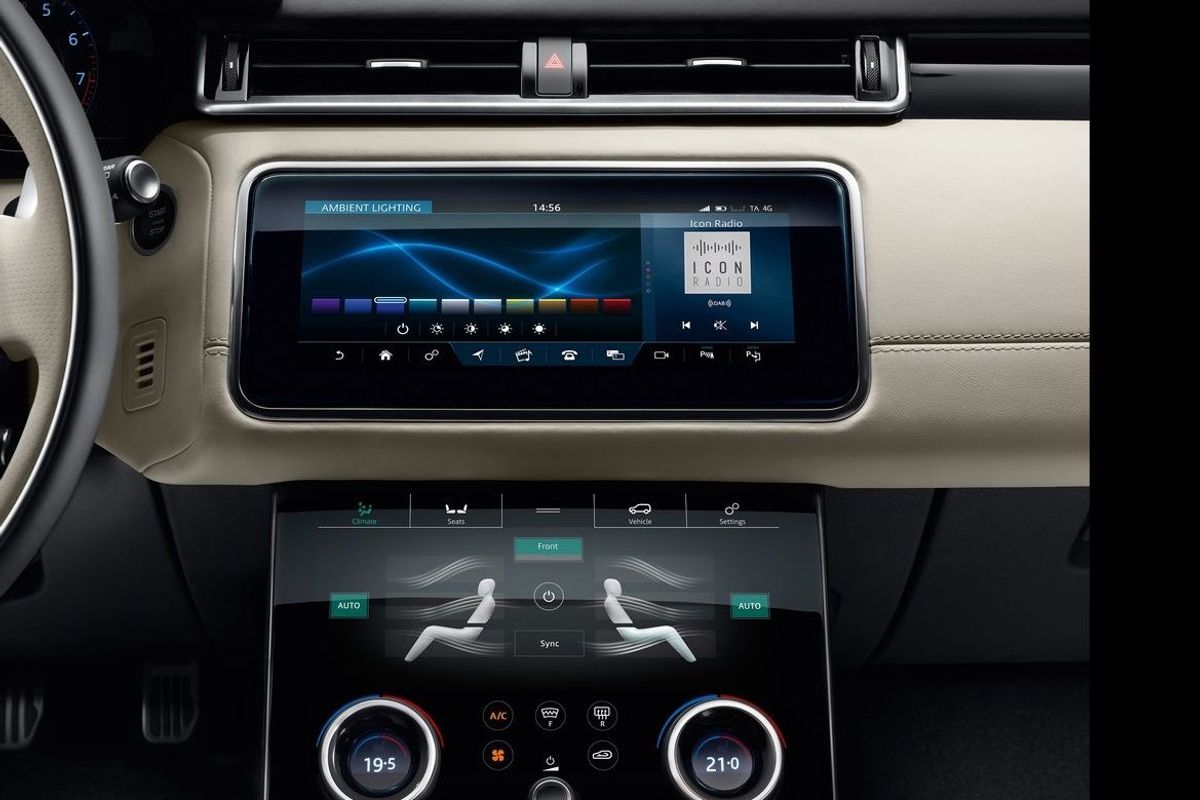
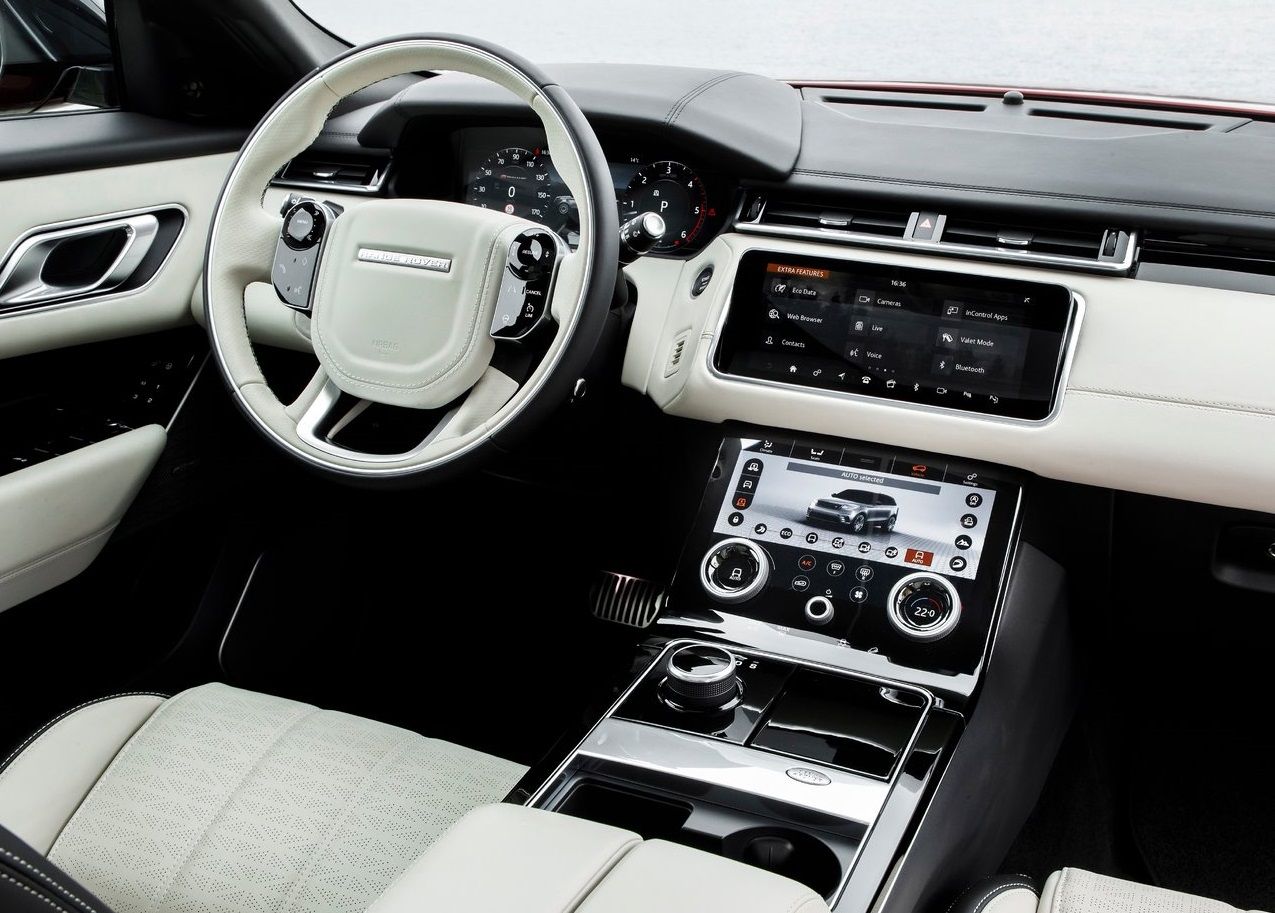
High-grade materials and impressive dual touchscreens create an appealing interior.
Standard features on the Velar include heated door mirrors, flush door handles, automatic LED headlights with levelling and rear fog lights. The interior is fitted with a auto-dimming rear-view mirror, illuminated vanity mirrors, front and rear cupholders, interior lighting and a 40:20:40 split rear seat.
The base Velar is equipped with ebony luxtec and ebony suede cloth upholstery. S and SE grades are fitted with ebony perforated grained leather upholstery while the HSE derivative is fitted with ebony perforated Winsor leather.
The base-spec and S grade Velar feature analogue dials with a central TFT display while a 12-inch interactive driver display is offered on SE and HSE derivatives. A highlight of the Velar is the Touch Pro Duo system that incorporates two 10-inch touchscreens housing the infotainment system and majority of the vehicle’s functions, resulting in less interior buttons and a minimalist interior design. The loading bay offers a generous 673 litres of space.
Safety features include 6 airbags, ABS with EBD, emergency brake assist, dynamic stability control, electronic traction control, roll stability control, cornering brake control, hill launch assist, trailer stability assist and lane departure warning, to name a few. ISOFIX child seat mounts are also standard.
If you are interested in building your very own Velar with all the features you desire, you can visit the Velar Configurator on Land Rover’s website.
Range Rover Velar – Price in South Africa
Velar
Base
S
SE
HSE
2.0 diesel 132kW (D180)
R947 700
R1 028 600
R1 077 900
R1 172 400
2.0 diesel 177kW (D240)
R1 010 400
R1 091 300
R1 140 600
R1 235 100
2.0 petrol 183kW (P250)
R947 700
R1 028 600
R1 077 900
R1 172 400
2.0 petrol 221kW (P300)
R1 000 000
R1 080 800
R1 130 100
R1 224 600
3.0 diesel 221kW (D300)
R1 089 000
R1 169 800
R1 219 100
R1 313 700
3.0 petrol 280kW (P380)
R1 099 400
R1 180 300
R1 229 600
R1 324 100
Velar R-Dynamic
Base
S
SE
HSE
2.0 diesel 132kW (D180)
R980 500
R1 061 300
R1 110 600
R1 205 200
2.0 diesel 177kW (D240)
R1 043 200
R1 124 000
R1 173 300
R1 267 900
2.0 petrol 183kW (P250)
R980 500
R1 061 300
R1 110 600
R1 205 200
2.0 petrol 221 kW (P300)
R1 032 700
R1 113 600
R1 162 900
R1 257 400
3.0 diesel 221kW (D300)
R1 121 800
R1 202 600
R1 251 900
R1 346 400
3.0 petrol 280kW (P380)
R1 132 200
R1 213 100
R1 262 400
R1 356 900
Velar First Edition
3.0 diesel 221kW (D300)
R1 529 300
3.0 petrol 280kW (P380)
R1 539 800
Prices include a Land Rover Five Year Care Plan including a 5-year/100 000km service plan, a 5-year/100 000km maintenance plan and a 5-year/100 000km warranty, as standard.
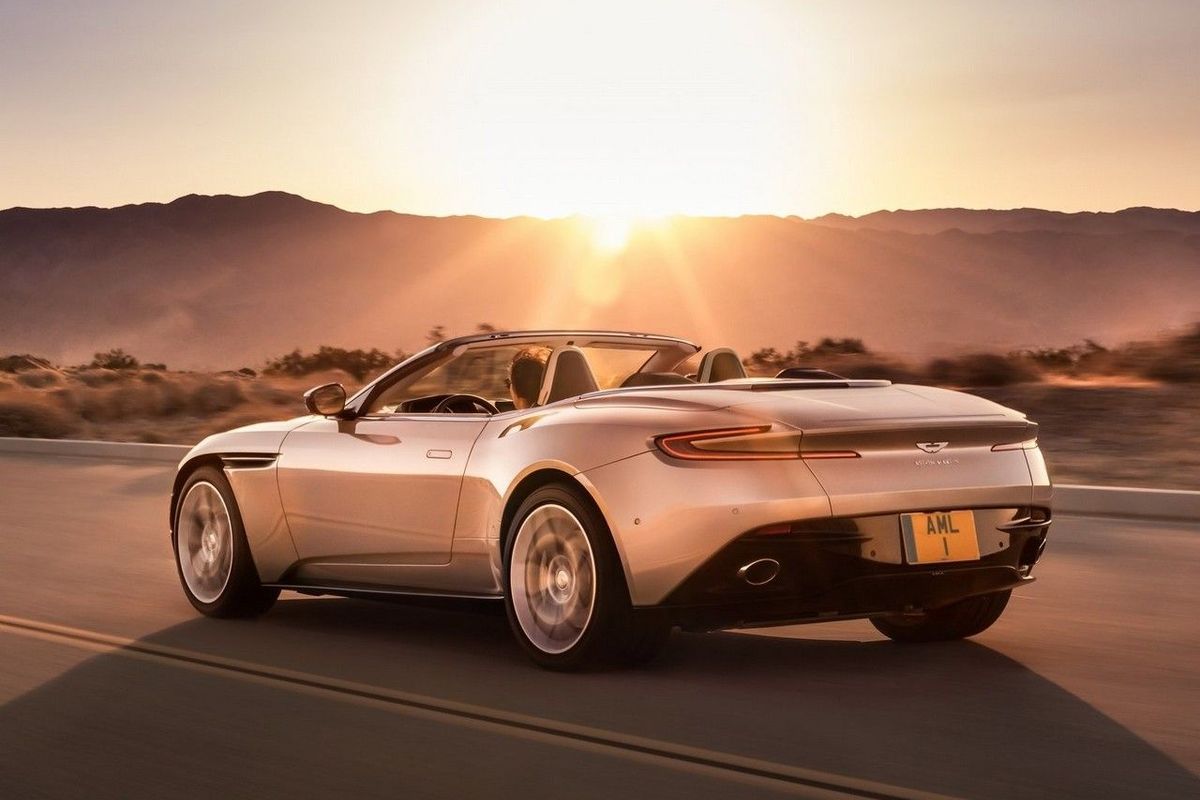
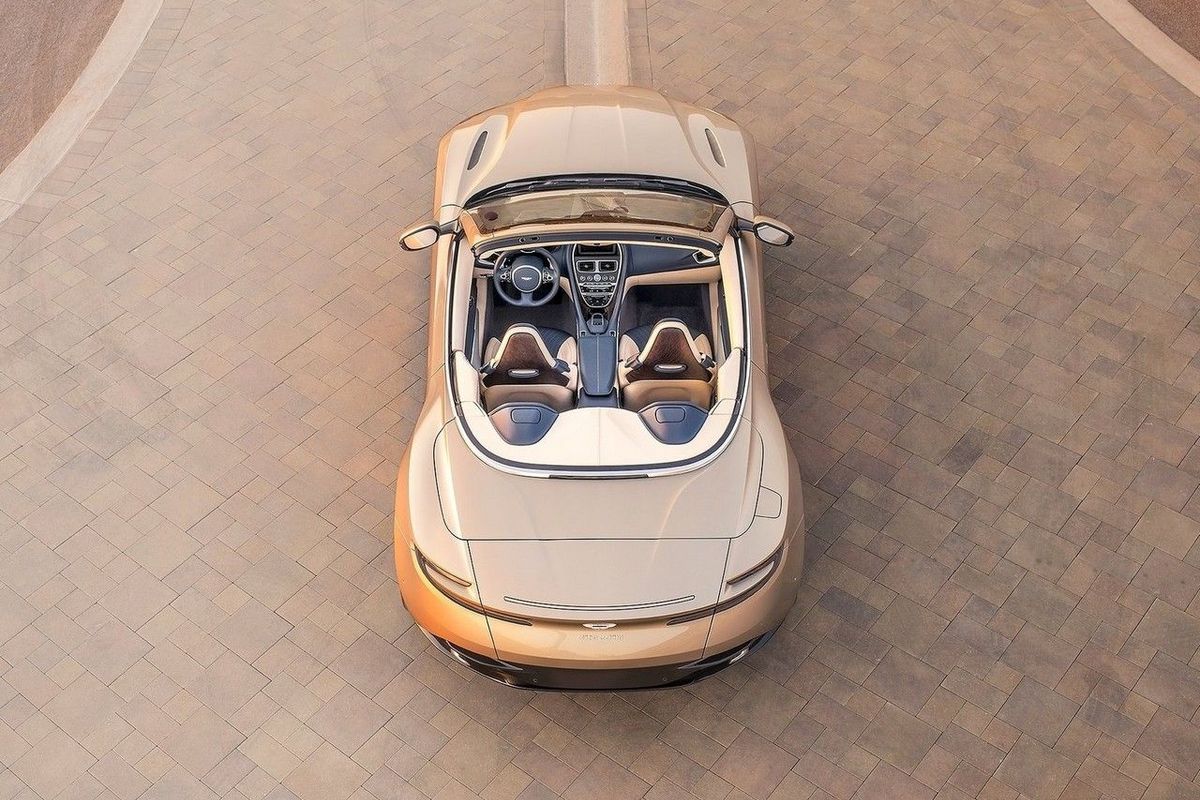
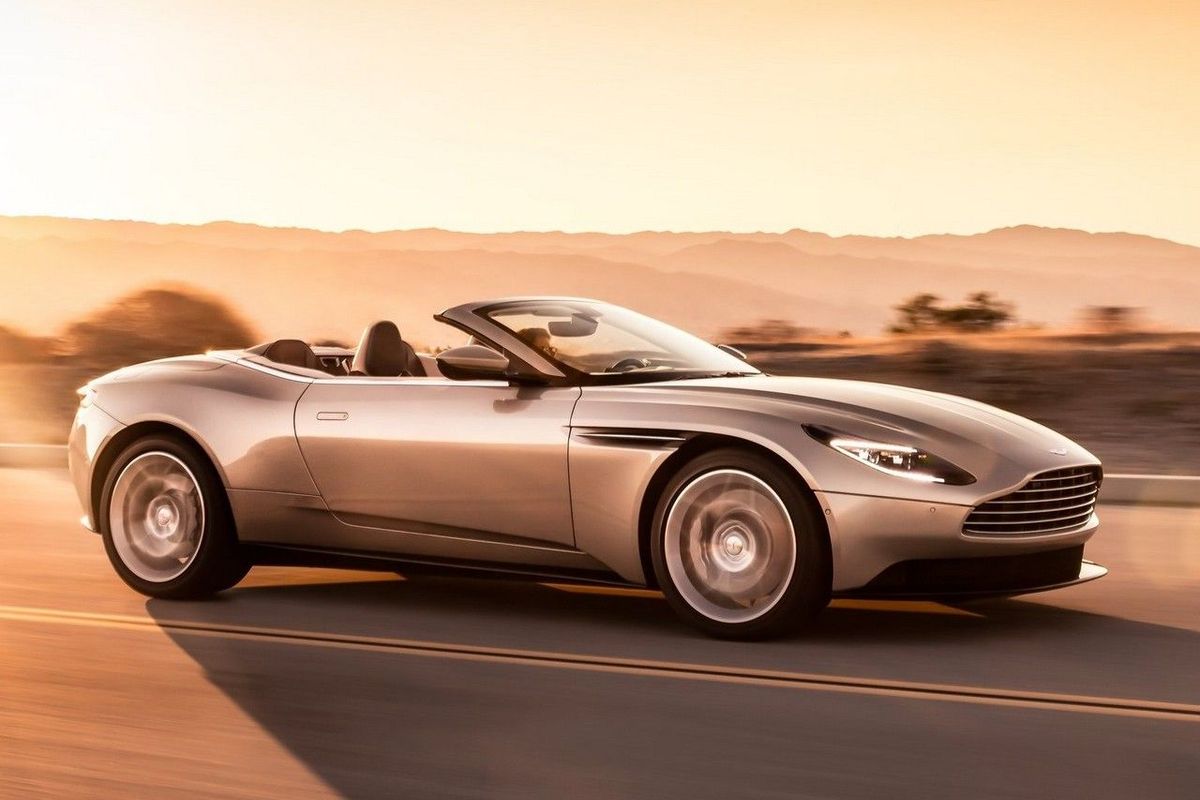
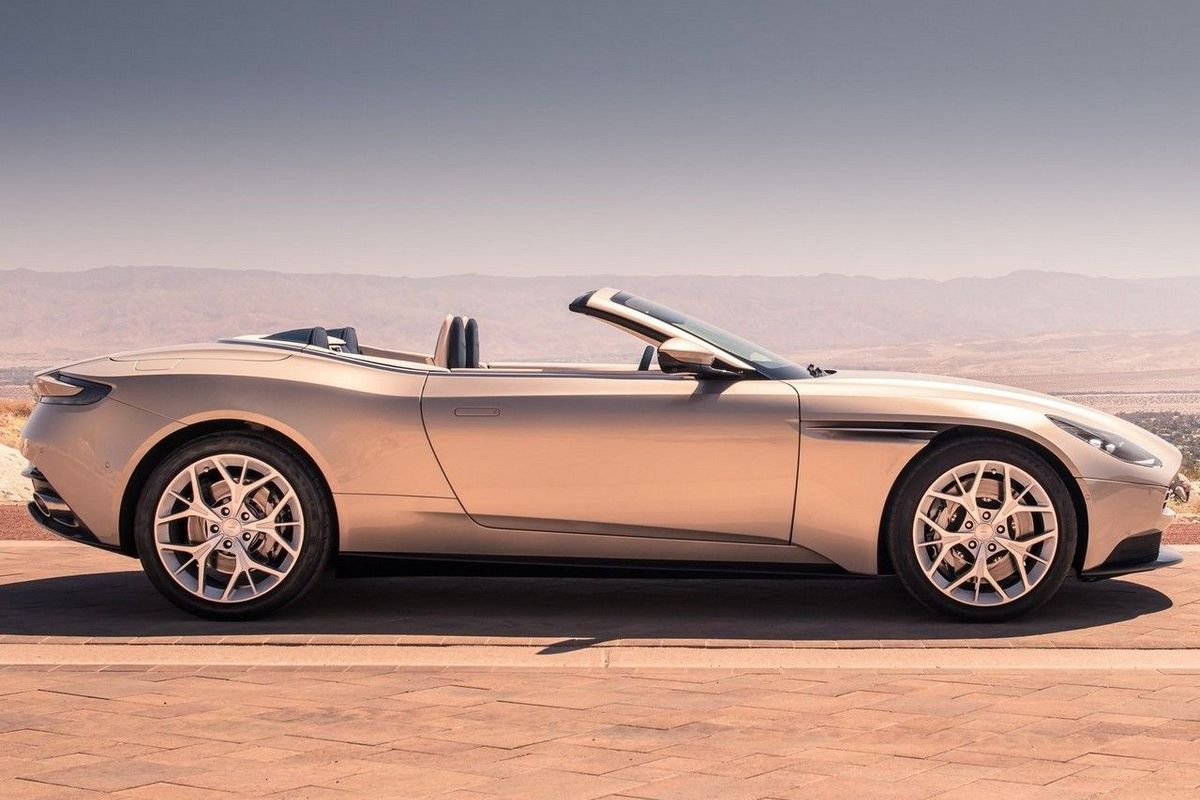
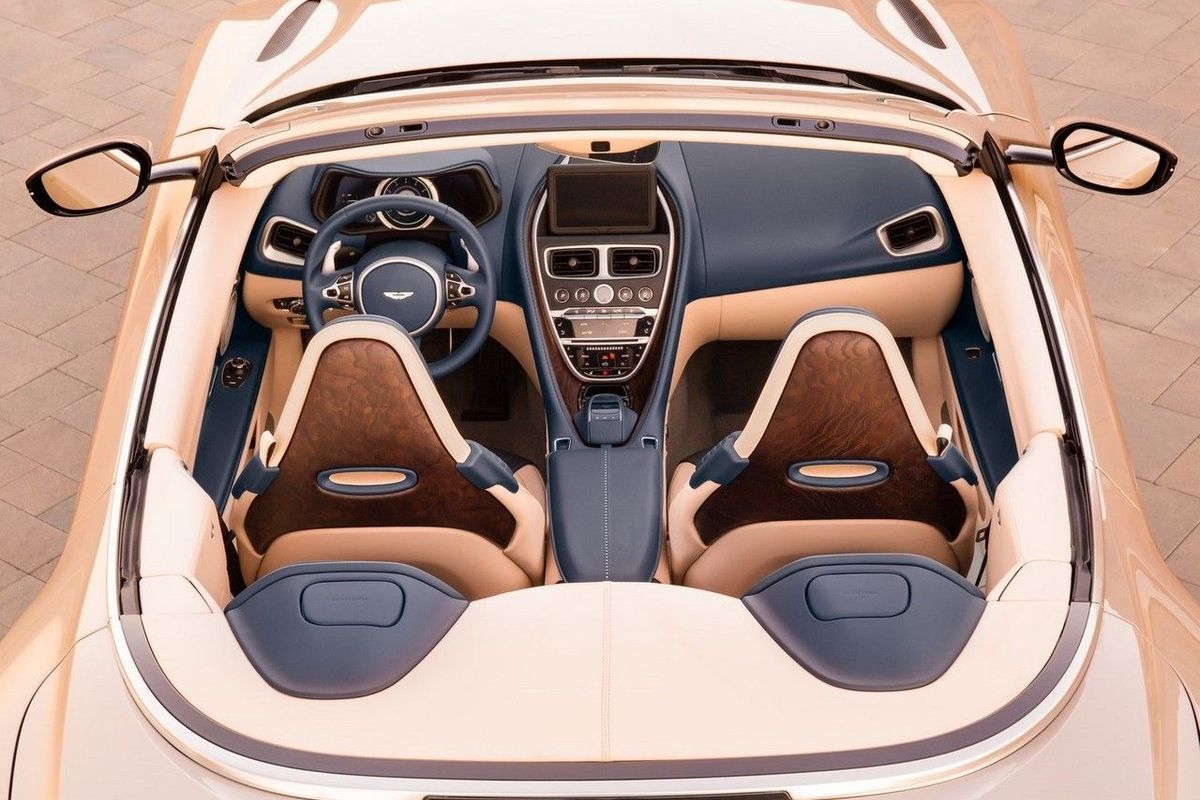
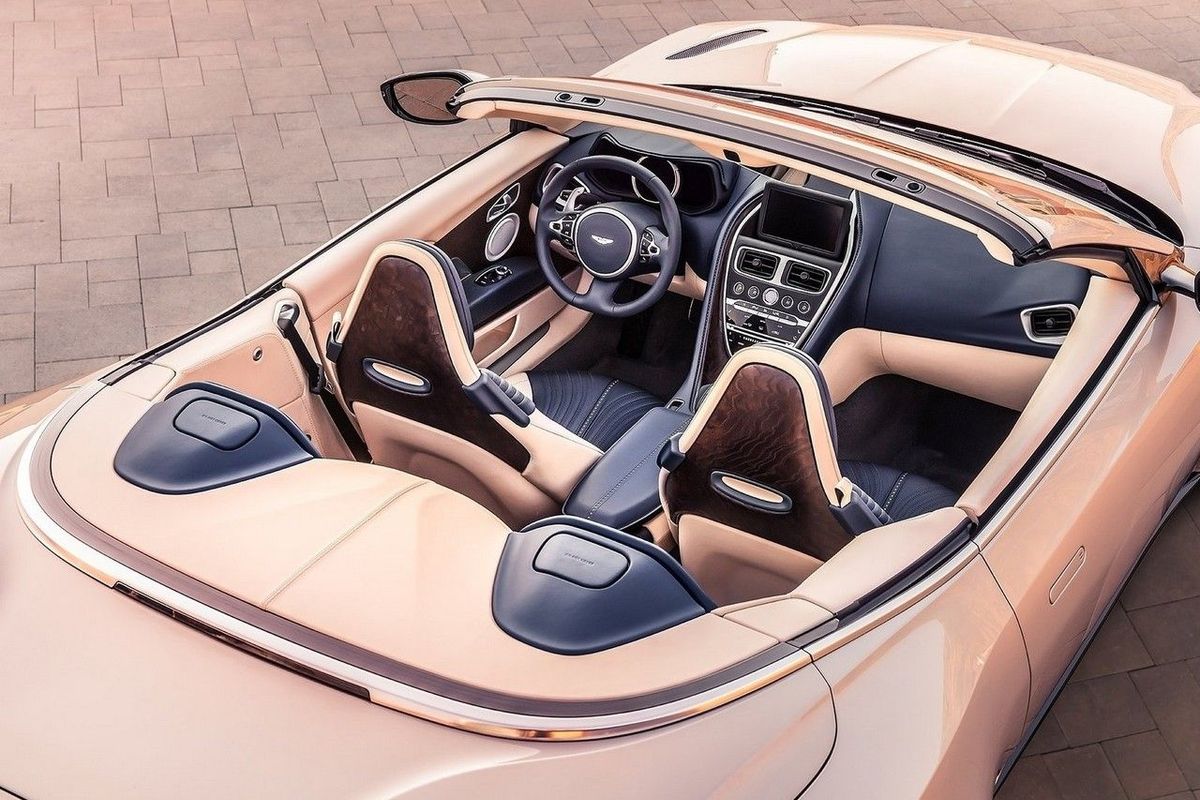
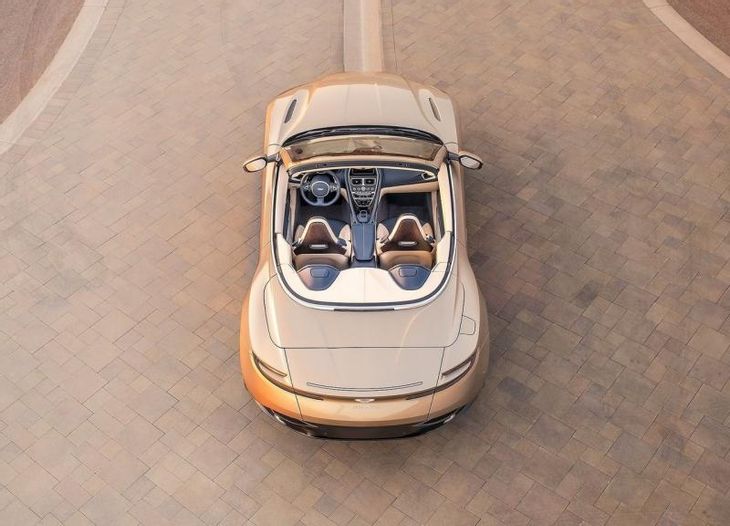
British carmaker Aston Martin has announced a convertible version of its DB11 supercar. Let's check it out…
The Aston Martin DB11 Volante brings open-top driving goodness merged with breathtaking good looks and high performance. Aston Martin President and Chief Executive Officer, Dr Andy Palmer, said of the DB11 Volante: "For many of our customers, indeed many generations of Aston Martin customer, the Volante has always offered something very special: a unique combination of elegant style, innate sporting ability and sensory engagement that lifts it above other open-top cars. The new DB11 Volante captures those qualities perfectly and promises the kind of pleasure and enjoyment that can only come from driving an open-top Aston Martin".
Being a convertible, you'll be keen to find out just how quickly the roof goes up and down. Aston Martin claims its DB11 Volante can drop its top in 14 seconds and it takes just 16 seconds to put it back up. The roof material is claimed to have been extensively tested in harsh conditions and it should be able to withstand harsh winters. Interestingly, the new roof mechanism has resulted in a 20% increase in boot volume in comparison to the DB9 Volante. Under the bonnet is a 4.0-litre twin-turbocharged V8 engine featuring 375 kW and 675 Nm. Performance is brisk, with a 0-100 kph time of comfortably under 4 seconds. Power goes to the rear wheels through an 8-speed paddle-shift automatic transmission.
The first Aston Martin DB11 Volante deliveries are scheduled for the first quarter of 2018.
BMW doesn't seem to make much of a fuss of its M140i. Its thunder is largely stolen by its sibling, the 2 Series, particularly the M240i, a car which we believe is one of the best performance cars on the market…. but perhaps we're missing a hidden gem in the Munich-based manufacturer's line-up.
But with exactly the same 3.0-litre straight-6 turbocharged engine, offering exactly the same power outputs (250 kW and 500 Nm of torque), the M140i is equally brisk and, potentially, even more fun to drive. It's also arguably much more usable as a daily driver, given that it has rear doors. Let's be honest… nobody likes climbing into the back of the coupe.
We headed to The Rock Raceway in Gauteng, which is the perfect playground to push the M140i to its limits…and beyond. Okay so that "and beyond" line is very cheesy, but you know what we mean.
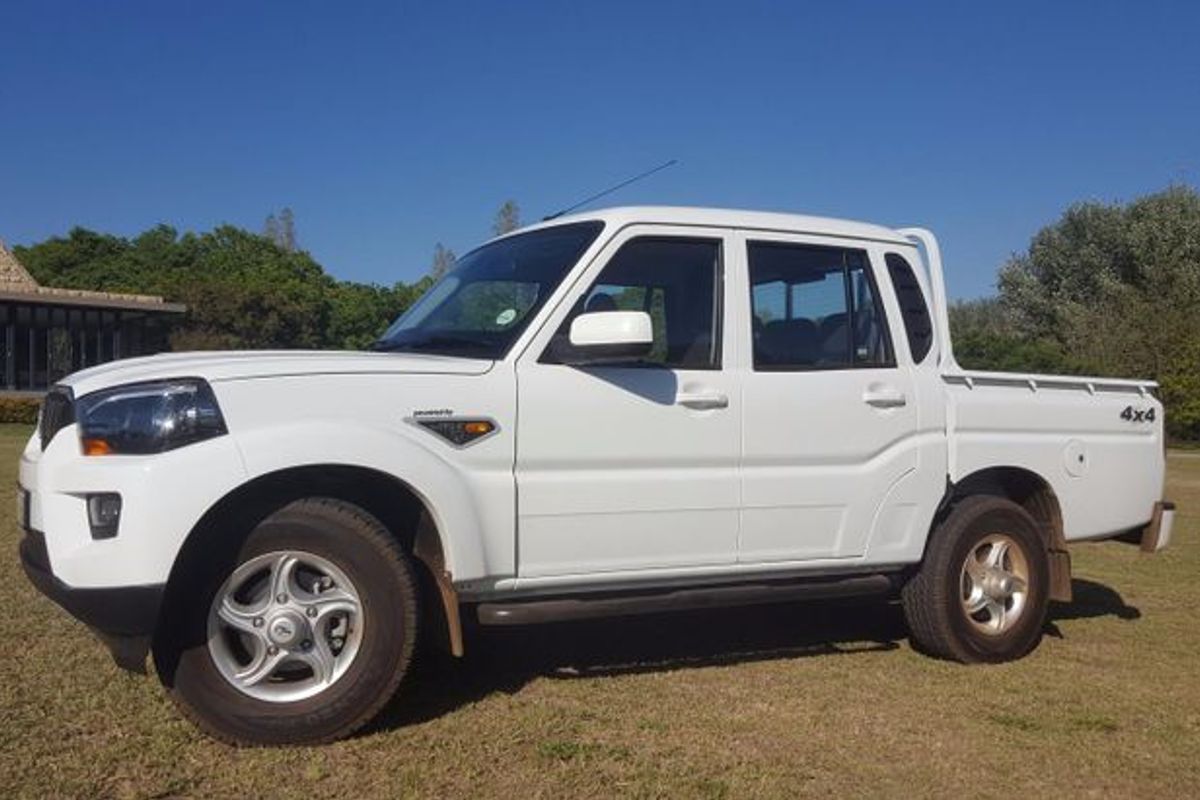
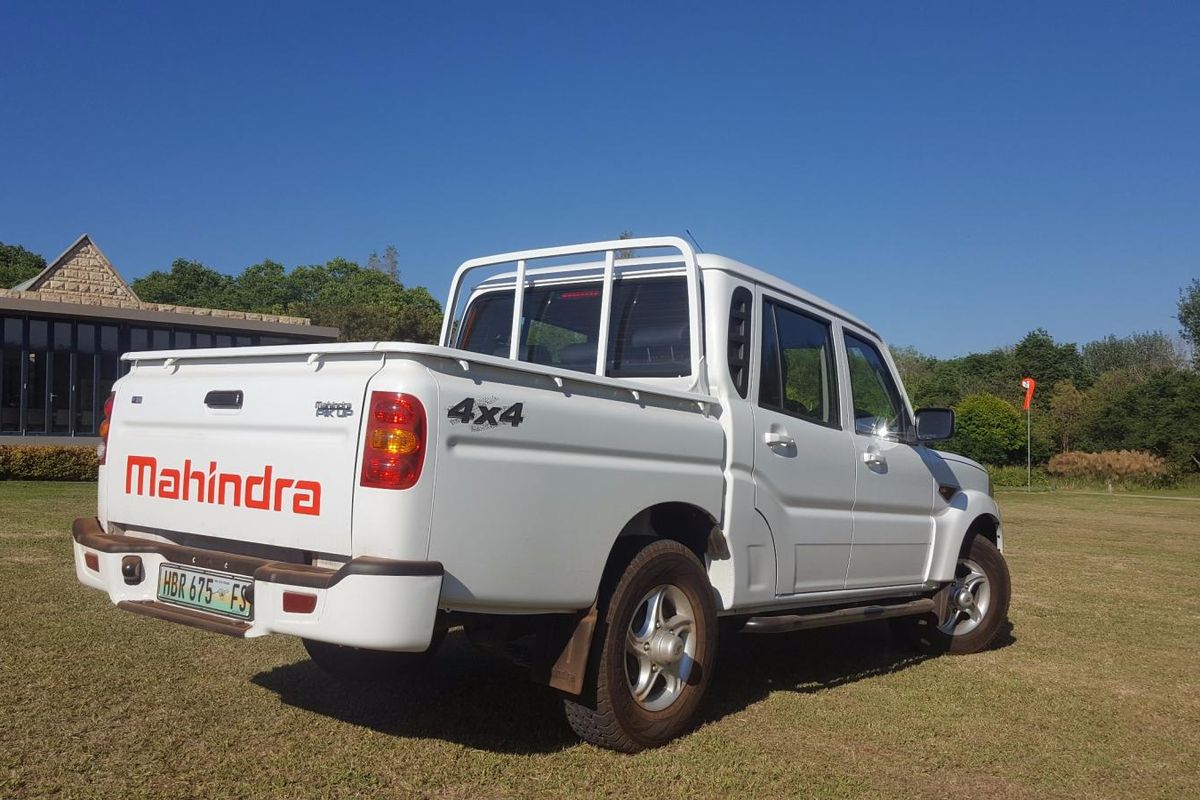
The double-cab bakkie market continues to be robust in a depressed South African economy, and Indian brand Mahindra wants a bigger slice of the action. Its refreshed Pik Up range is packaged and priced to appeal to a much wider audience than its Scorpio-branded predecessor. At its launch in Gauteng this week the brand also hinted at bigger plans for South Africa…
Appearances can be deceptive. We all know that. But after walking up to, and then sitting inside the "new" Mahindra Pik Up, I was still left with the distinct impression that this upgrade was nothing more than a substantial aesthetic facelift, inside and out.
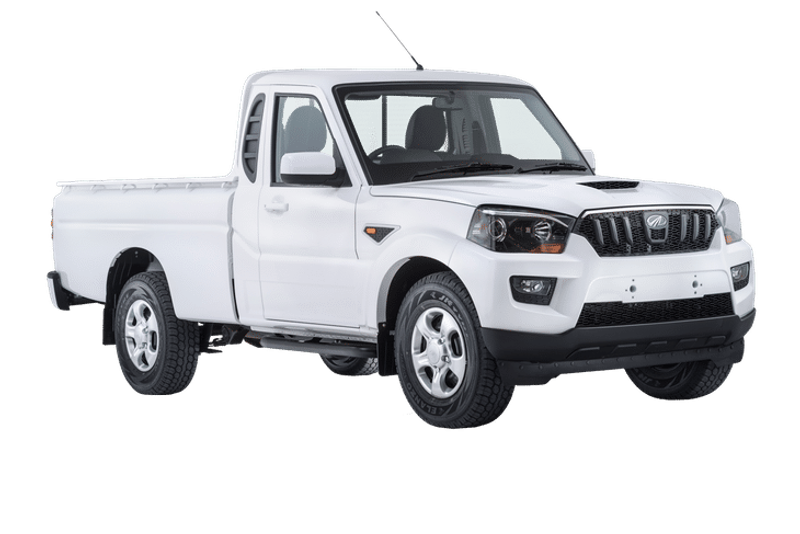
Certainly, the front-end is significantly different to its predecessor's and far more modern, complete with LED "eyelashes" on high-spec S10 derivatives. Unfortunately Mahindra, which owns the legendary design firm Pininfarina, did not alter the rest of the exterior all too much, so it still appears wilfully quirky and outdated (from some angles) compared with its market rivals.
Exterior upgrade doesn't really change the look from this angle. 1 000 kg payload is claimed.
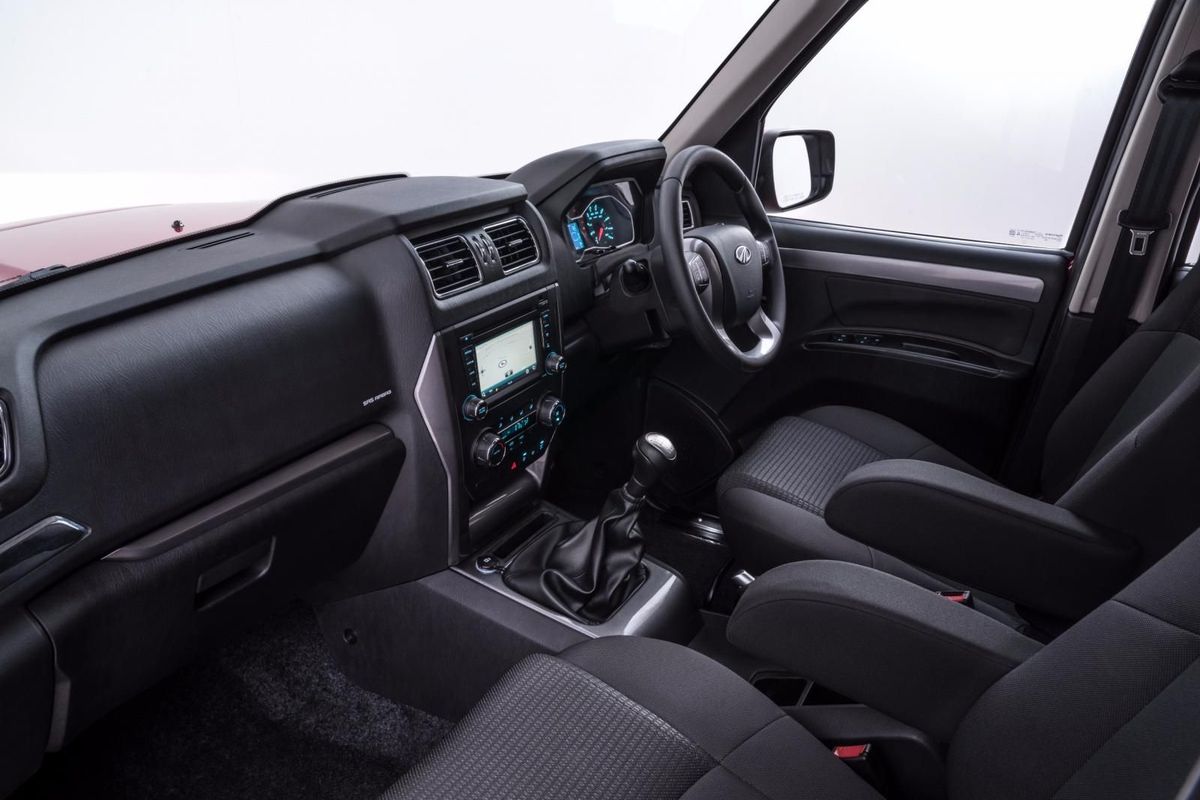
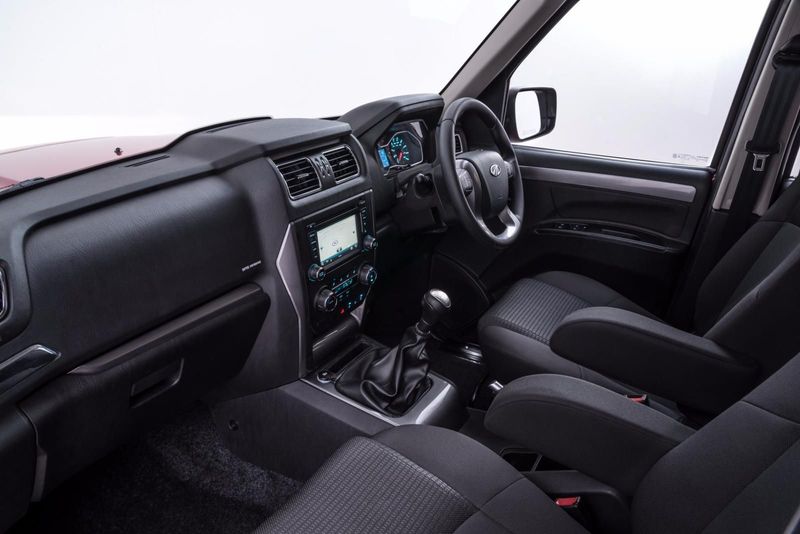
The changes inside are far bigger and more important. Unlike earlier Mahindra vehicles, which where prone to display overly fussy designs and inconsistent materials, the Pik Up now sports a predominantly black and upmarket-looking facia with neat finishes, including some subtle chrome inlays. Fit and finish is good too, and the standard specification is very, very generous (more of that later).
But ultimately the overall shape of the vehicle is identical to its predecessor's and I therefore expected it to drive similarly.
Much improved refinement
To be honest, the memories of my last drive of a Mahindra (Scorpio) Pik-Up are vivid and generally not kind. It was very rough around the edges, the cabin was noisy, the ride unrefined and the engine coarse. It gave me a splitting headache.
With that as context, I am downright amazed at what Mahindra has achieved with this upgrade. Accompanying the cabin upgrade, it would appear a lot of work has gone into noise insulation as well as ride refinement. We travelled on some particularly poor roads during the test drive, and the Pik Up's ride remained controlled and comfy. The cabin remained rattle free, too, and even when cruising at the national speed limit, noise levels remained low.
Vastly improved cabin features better materials and impressive fit and finish. Note fold-down armrests.
The star of the package is undoubtedly the 2.2-litre turbodiesel engine, shared with the brand's XUV 500 crossover/SUV. It delivers 103 kW and 320 Nm (figures that compare well with the competition) and is mated with a precise 6-speed manual transmission. There is very little lag evident, and strong, smooth acceleration is on offer. Mahindra says the maximum torque figure is available from 1 600 to 2 800 rpm. This engine has transformed the Pik Up driving experience to the point that a number of established brands' offerings may feel rather "agricultural" in direct comparison.
Mahindra claims a combined cycle fuel consumption figure of 7.9L/100 km for all variants, which is very good, too. A large 90-litre tank should ensure long distance cruising happens without having to frequently stop for fill-ups.
Generous standard specification
Mahindra offers 3 levels of standard specification; S4 (basic Single Cab workhorse), S6 (mid-spec Single Cab) and S10 (high-spec Double Cab). Our test units were all to S10 specification and as such included items like cruise control, climate control, 6-inch touch-screen infotainment with navigation, Bluetooth and USB/Aux support, multi-function steering wheel, auto lights/wipers, dual front airbags and ABS/EBD, amongst others.
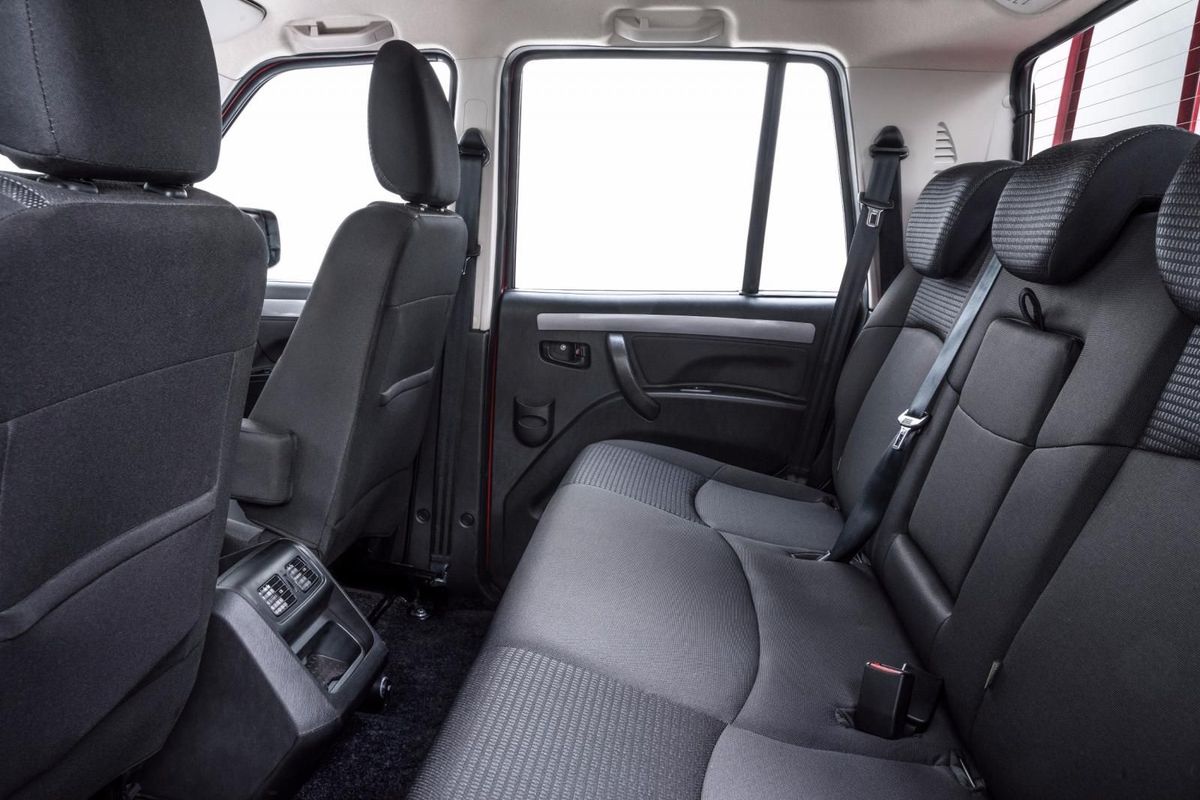
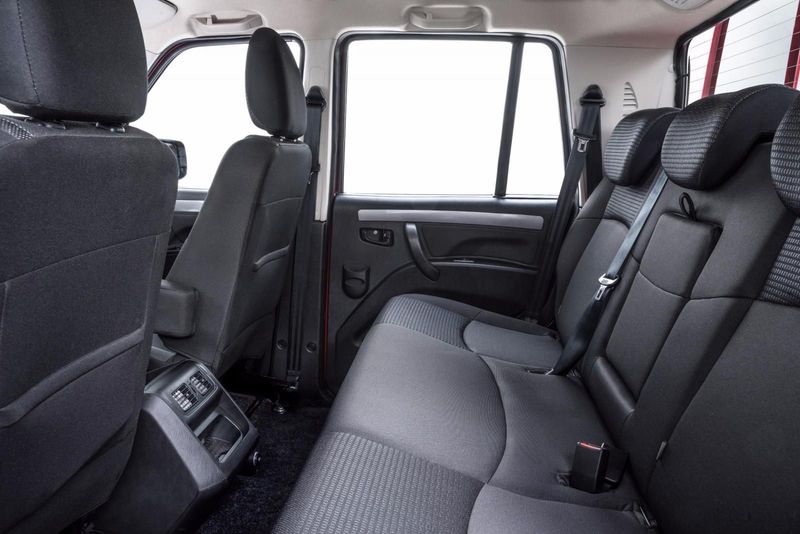
Rear legroom is good and passengers sitting in the back have their own ventilation outlets. Upholstery is neat dark cloth.
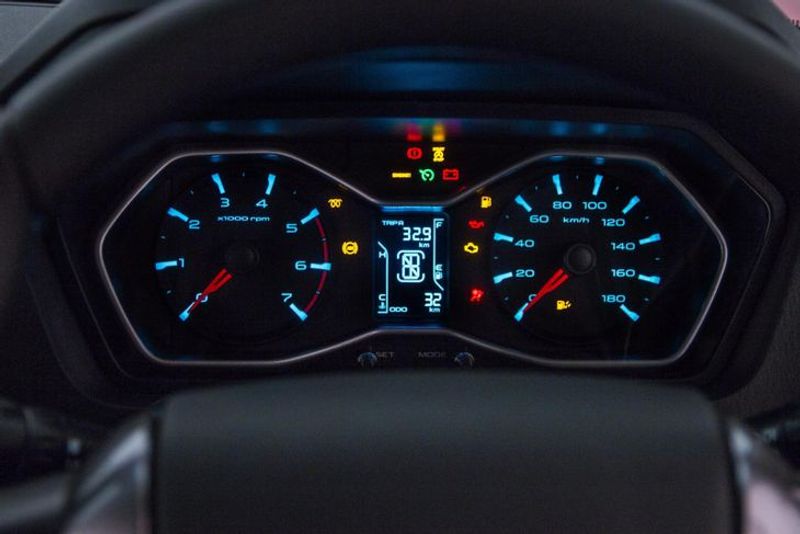
Compared with similarly priced rivals from more established brands the Pik Up's specification can't be beaten. Ventilation outlets are also provided for rear passengers, which is always a nice touch and the modernised instrumentation display is a particular highlight of the much improved cabin. Boosting the Pik Up's family appeal from a safety perspective is the fitment of a 3-point safety belts for all rear occupants and S10 derivatives also get 2 Isofix child-seat mounts in the rear.
A minor irritation experienced on our drive actually concerned the positioning of the navigation display on the facia. It is mounted quite low down by modern standards and unfortunately the screen display isn't bright enough to remain clear when there's a lot of natural light/reflections inside the vehicle.
Still a hard worker
Single-cab derivatives also get the new-look front, but the interior is more basic. A 1 200 kg payload is claimed.
While Mahindra believes that the revised Pik Up will appeal to a wider audience (read, more leisure-oriented shoppers), it remains at its core a practical product developed to work hard. The Double-Cab Pik Up offers a payload capacity of around 1 000 kg (1 200 kg for Single Cabs) and with this new engine/gearbox combination, it is now rated to tow up to 2 500 kg (braked trailer).
A short off-road course demonstrated the vehicle's build integrity (not a rattle or squeak to be heard) as well as low-speed crawling ability. A simple rotary dial allows drivers to select between 2H, 4H and 4L. The low-range is seemingly geared for serious off-road use, and combined with the engine's low-down torque delivery makes the Pik Up feel pretty much unstoppable. All Pik Ups (including 2-wheel drive variants) come with a rear-axle Eaton MLD (manually locking differential) as standard.
Model line-up and pricing
All Pik Up variants use the same engine and transmission. The Single-Cab Pik Ups are only offered in S4 and S6 spec, with the more basic offering priced at R187 995 (service plan is optional). The S4 is a very basic workhorse and comes with vinyl seats. Power steering is its only luxury, and it also does without airbags or ABS/EBD. The S6 is priced at R239 995 (4×2) and R284 995 (4×4) and comes with a service plan as standard, as well as more niceties such as cloth upholstery, electric windows, air-conditioning, a radio/CD player and dual front airbags and ABS/EBD.
On the Double Cab front, the S10 4×2 is priced at R324 995 and you'll pay R354 995 for the S10 4×4 as reviewed here. The pricing includes a good 4-years/120 000 km warranty and roadside assistance, as well as a 5-years/90 000 km service plan. Service intervals are conveniently spaced at 20 000 km (or 12 months).
Summary
Instrumentation on S10 derivative is modern and stylish.
Contrary to expectations, this is much more than just a facelift. In fact, while the interior in particular now looks far more attractive than before, the exterior will still polarise opinion. No… of far more significance is the vastly improved refinement, in terms of ride and performance, that's on offer here. Combine that with the generous specification (including generous service plans on most models), and Mahindra is indeed likely to find many more buyers for this model than its ungainly predecessor.
So, the Indian giant now has a much better product to compete with at the value end of the South African double-cab market. But that's not all… The Pik Up may very well end up being assembled in South Africa in the very near future.
At the launch event the company made it clear that South Africa was a priority market and that the time had come for increased investment, in the form of local manufacture. The company is currently considering options and either Durban or Port Elizabeth looks likely. Look out for an interview with Mahindra's Chief of International Operations, Arvind Mathew, on this soon, but meanwhile we can confirm that both the Bolero and Pik Up models are being considered for local assembly. South Africa is then likely to serve as a base to launch export projects into predominantly East Africa.
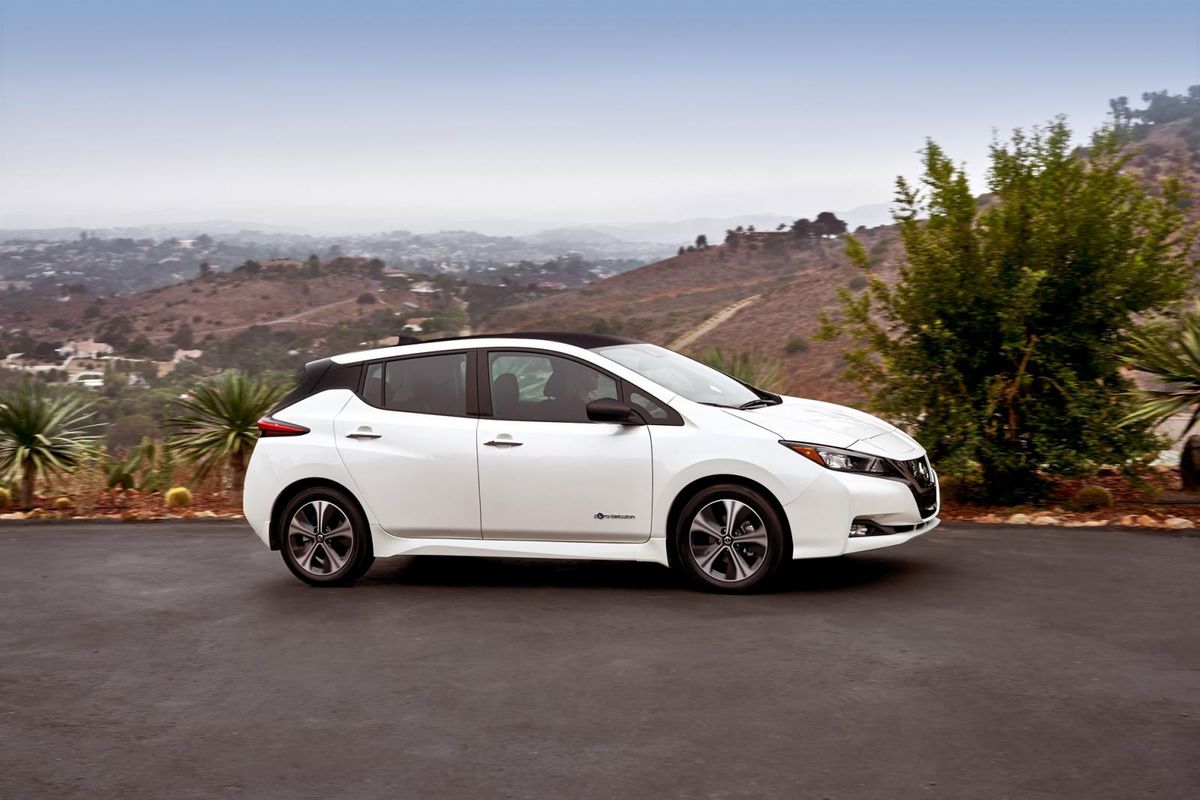
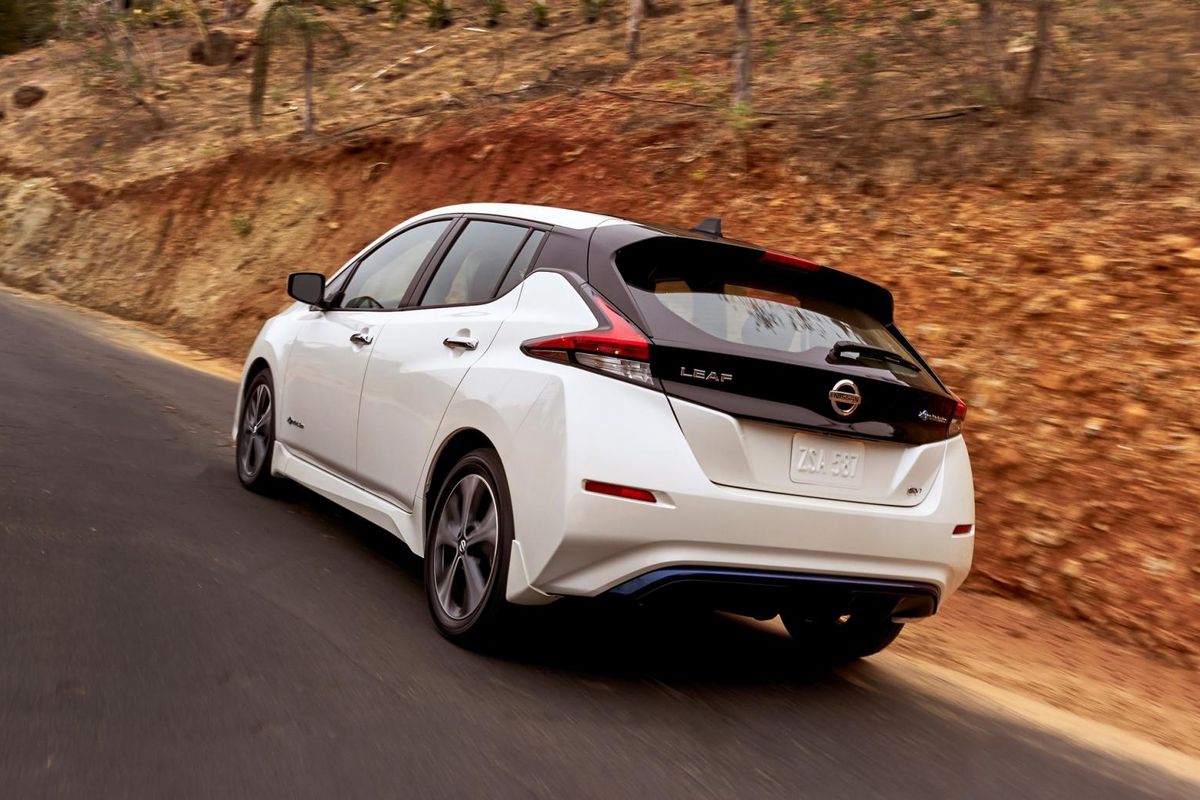
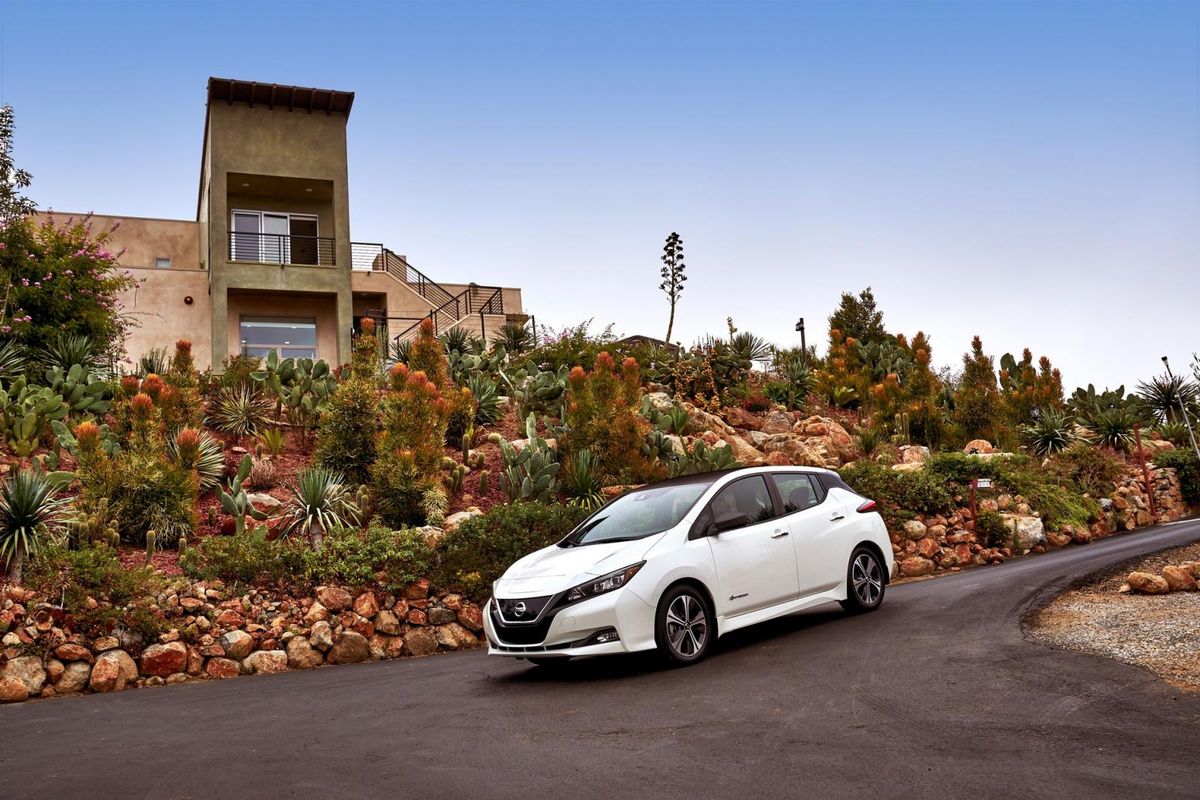
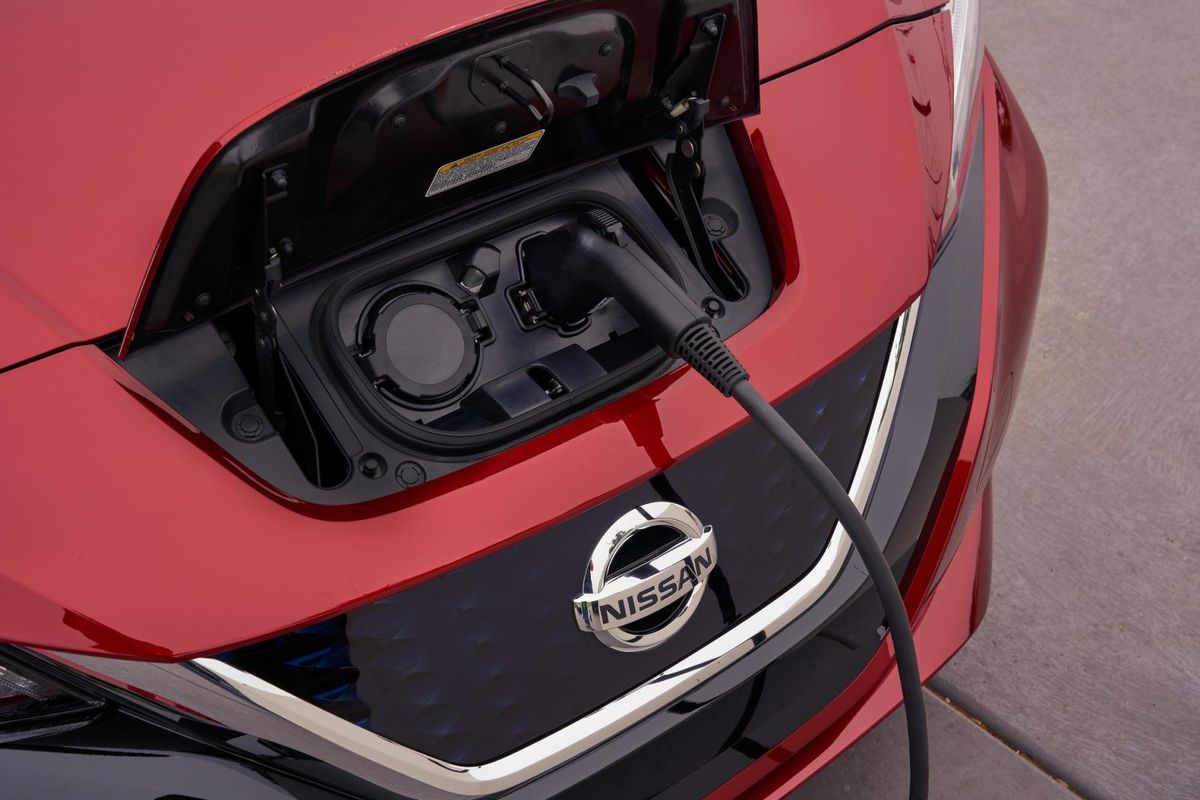
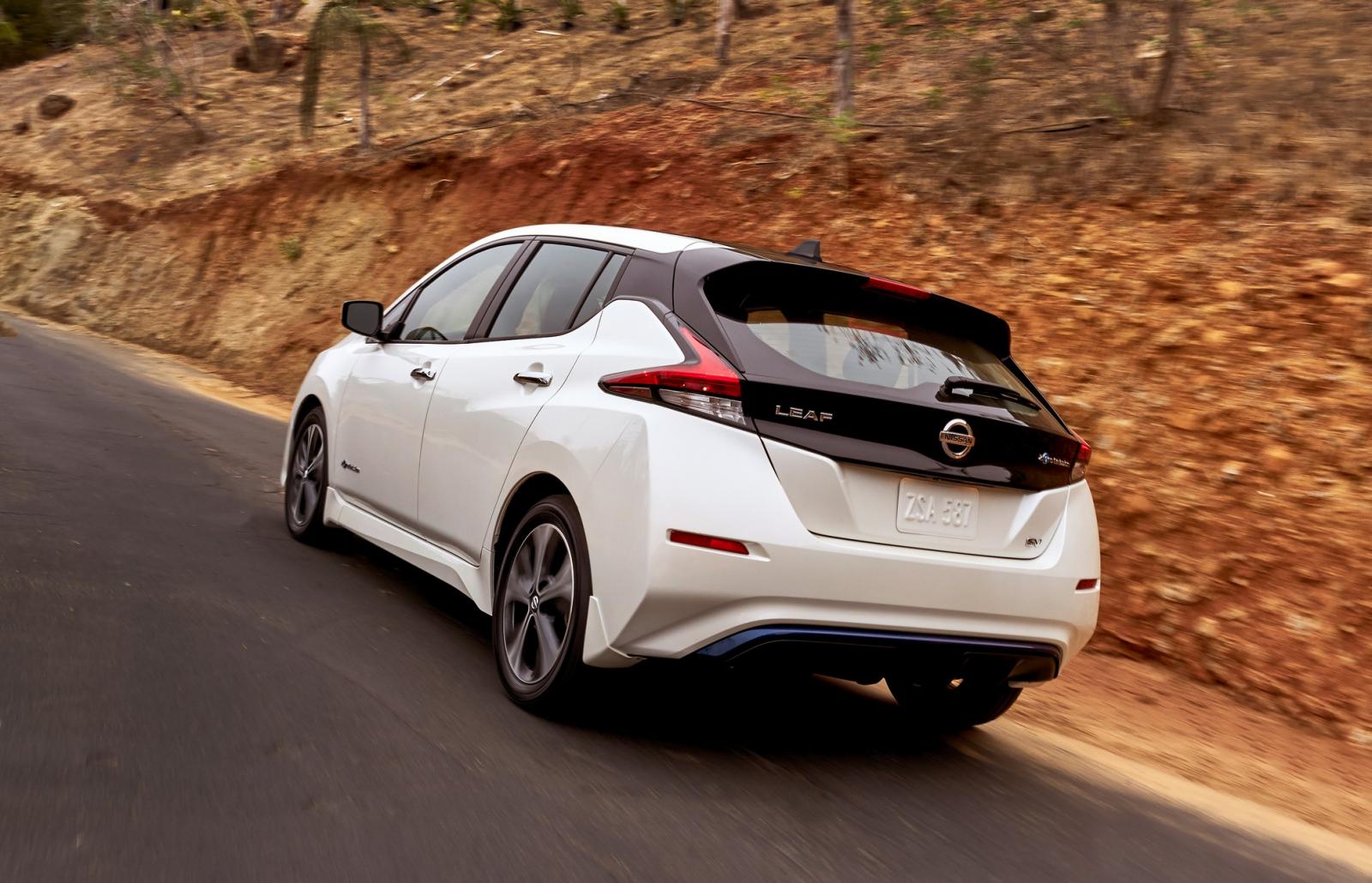
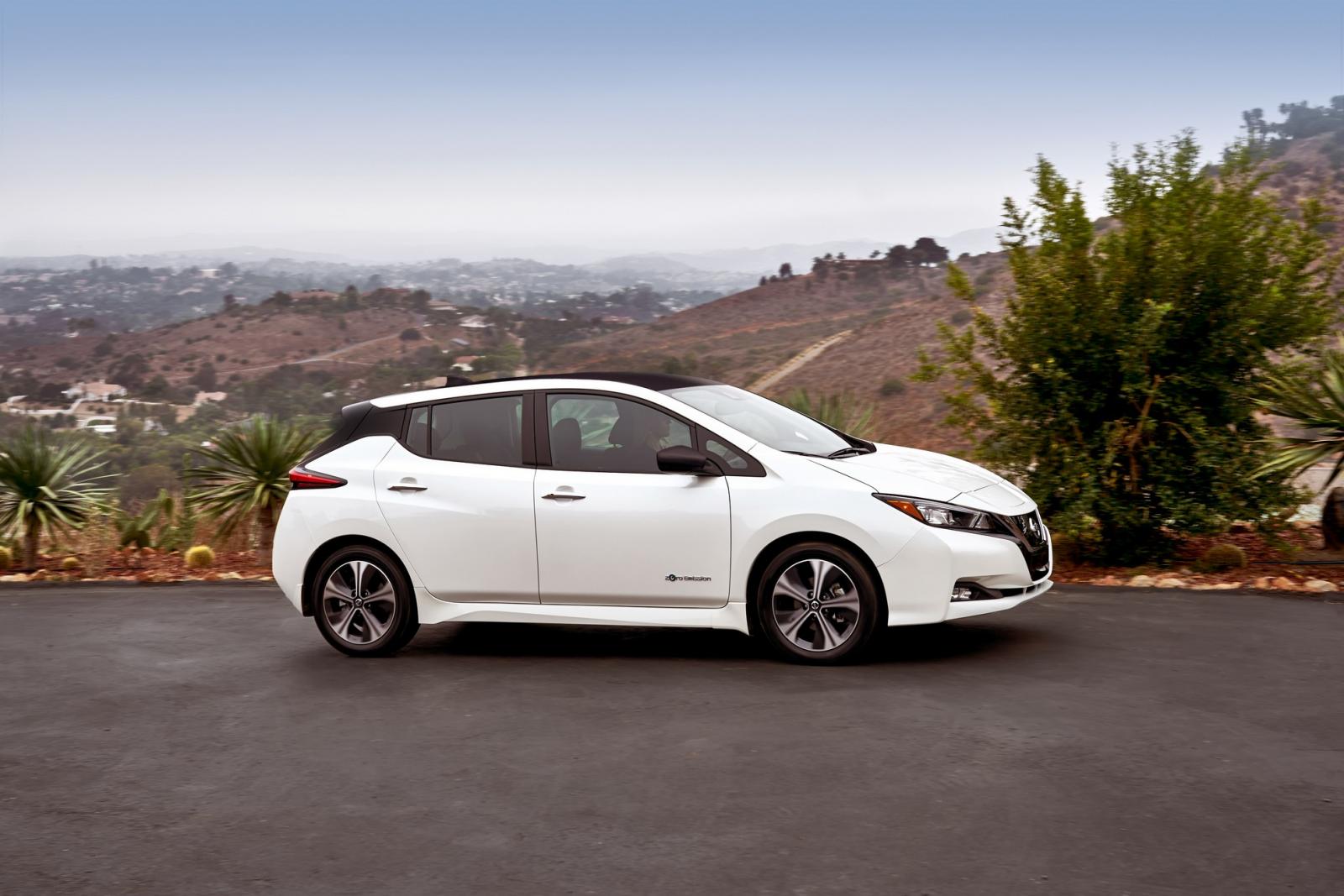
We recently attended the global reveal of the new, 2nd-generation Nissan Leaf plug-in electric vehicle (EV), which will be sold in over 60 markets worldwide (including South Africa). Even though the Leaf hasn't sold in huge numbers in Mzansi, we believe the next-generation hatchback is of particular significance – here's why…
1. There is considerable demand for a pioneering product
The very fact that Nissan has developed and released the 2nd-generation of the all-electric Leaf is, in itself, an important development. Large car manufacturers are extremely careful with how and where they spend their vast R&D budgets, and the Leaf must have justified itself as a viable product worthy of Nissan’s time and finances.
Quite simply, this means there’s demand out there. Nissan will initially sell the second generation Leaf in 49 markets across the globe, adding more, such as South Africa, in due course. Nissan sold just under 300 000 units of the first generation Leaf globally; which is an admirable number given that when it went on sale in 2010, it was the first mass-produced electric vehicle in any market. Essentially, the Leaf had to carve out a niche for itself. In an ultra-competitive motoring landscape, with more choice for the buyer than ever before, this was no mean feat.
The practically packaged, user-friendly Leaf has done for EVs what the Toyota Prius has done for petrol-electric hybrid vehicles.
2. It should cost as much to buy as its predecessor
An essential factor in the wider adoption and success of all-electric vehicles will be the price point at which they enter the marketplace. Most buyers, who even at the best of times remain sceptical of trading in their petrol-burners for what is essentially a smartphone with wheels, will be making a very simple calculation: is the price of an EV comparable to a traditional internal-combustion vehicle?
Nissan has a very positive reply to that answer: in Japan at least, the new Leaf will go on sale for roughly the same price as the model it replaces. This is a huge achievement, given the massive advancement in terms of range and features over the outgoing model.
The first generation Leaf was on sale in South Africa for a list price of R500 000. Currently, there is no confirmation from Nissan South Africa of the Leaf’s introduction to the local market, but they are seriously considering it, and one can only hope that the pricing remains similar.
The Prius has become as integral to motoring in the American state of California as pick-up trucks and convertibles!
However, there is still some way to go here. The new Leaf is about the size of a current generation Volkswagen Golf and with prices for that vehicle starting at under R300 000, it remains a tall order asking the average car buyer, the majority of which are already stretching their budgets, to opt for a more expensive electric vehicle.
3. A feat of manufacturing
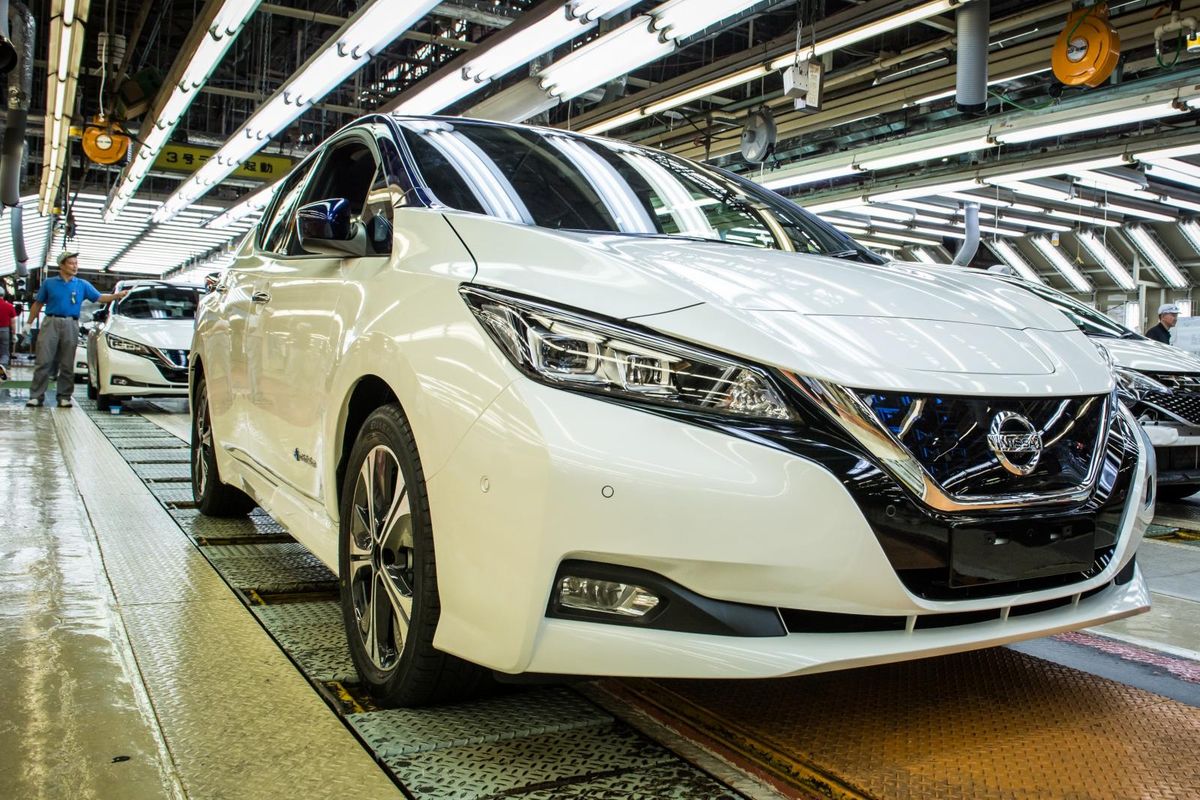
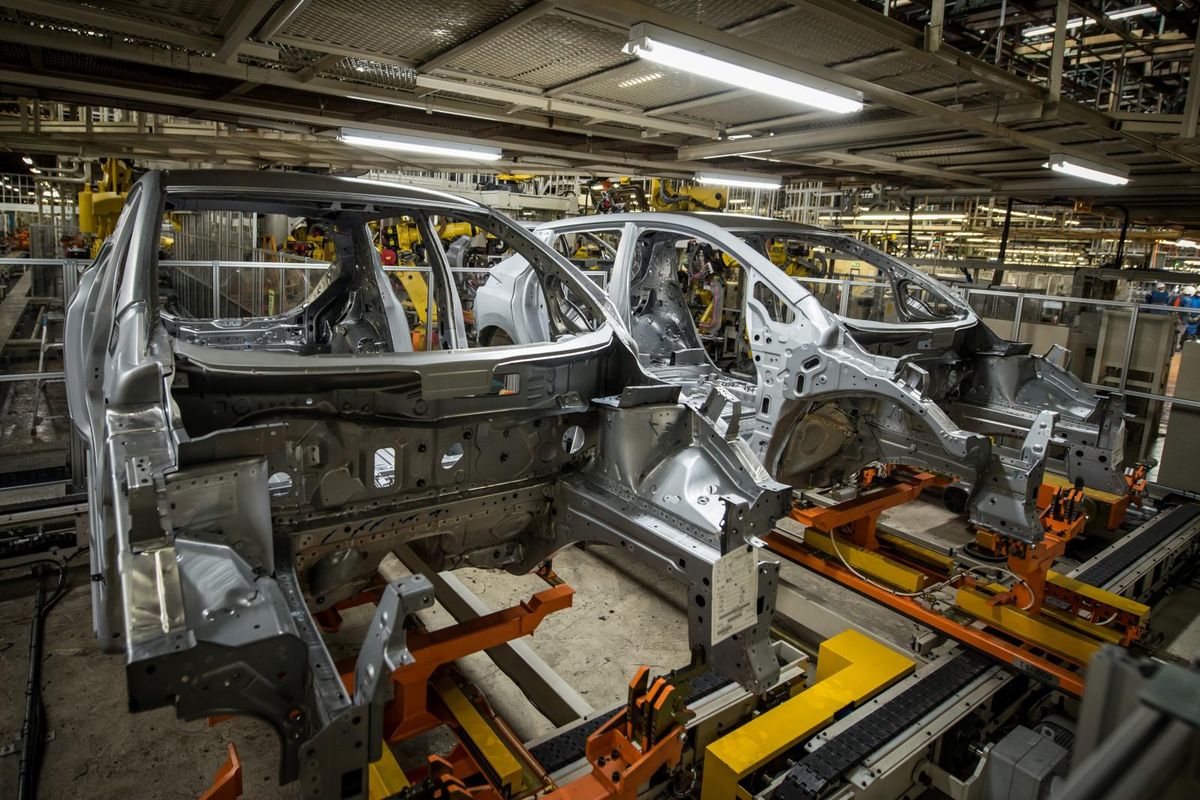
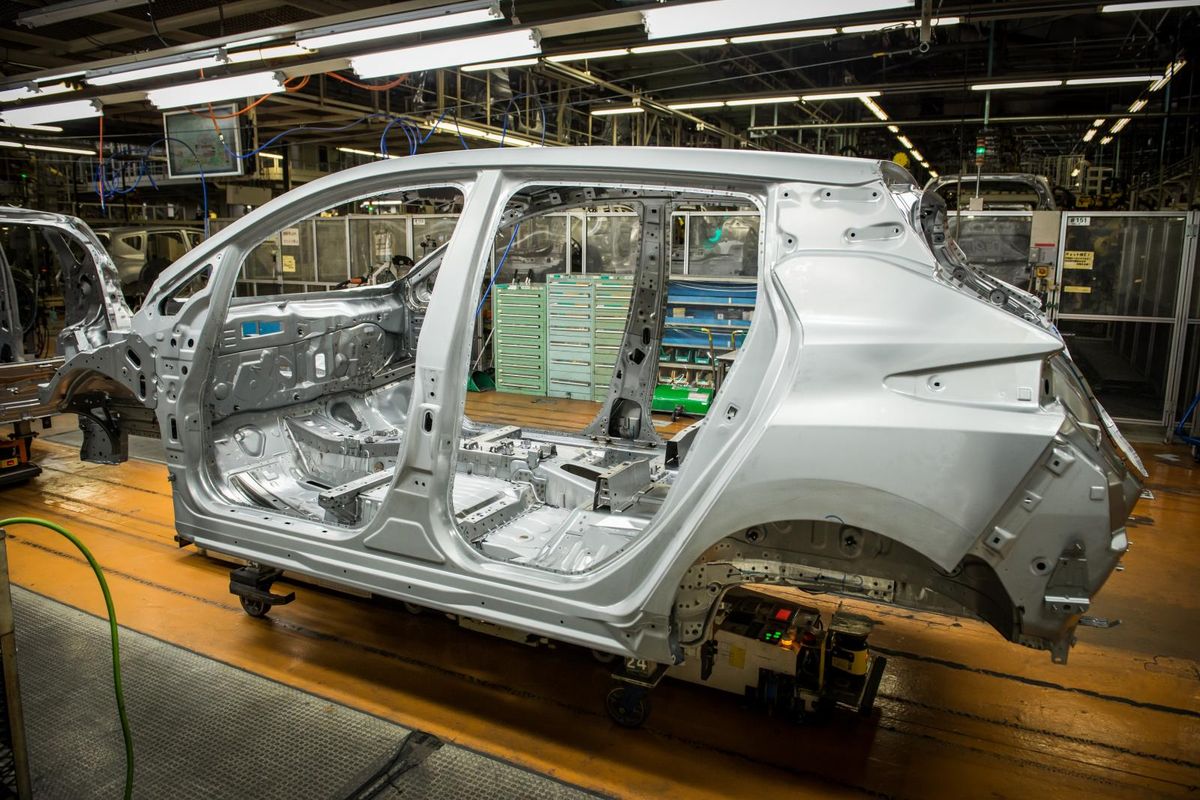
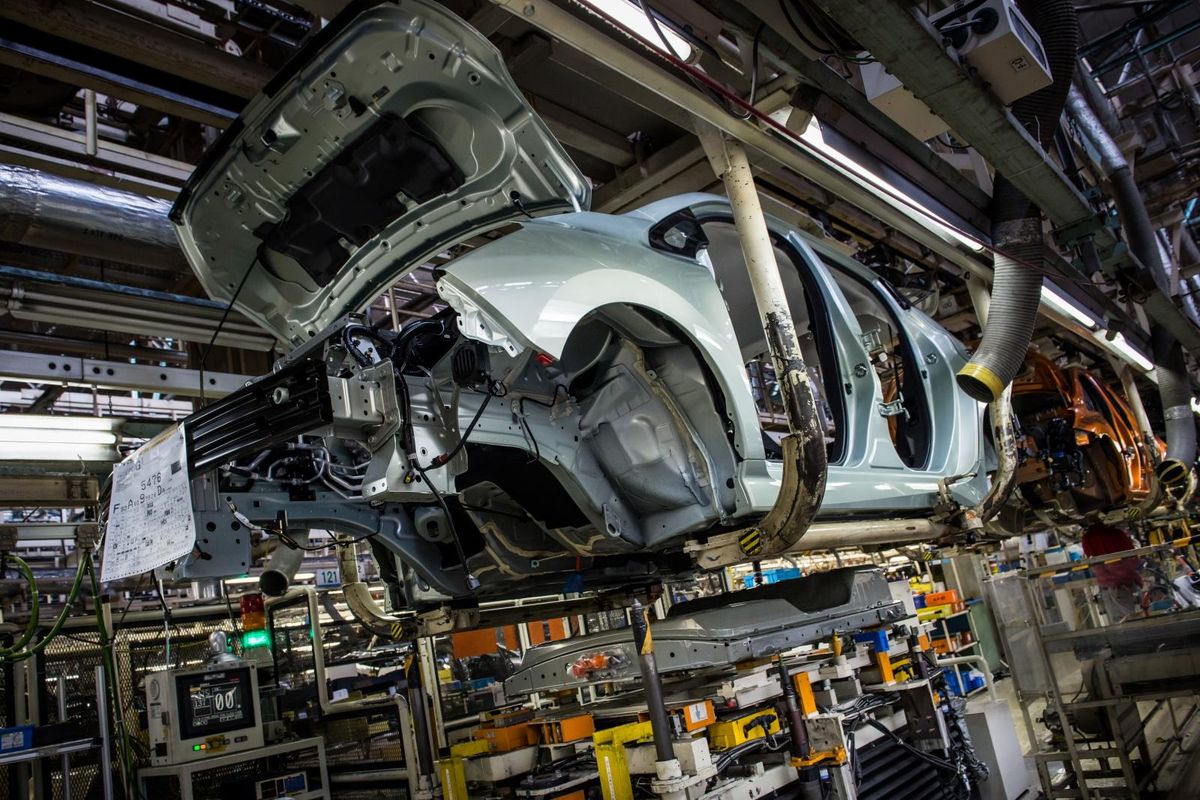
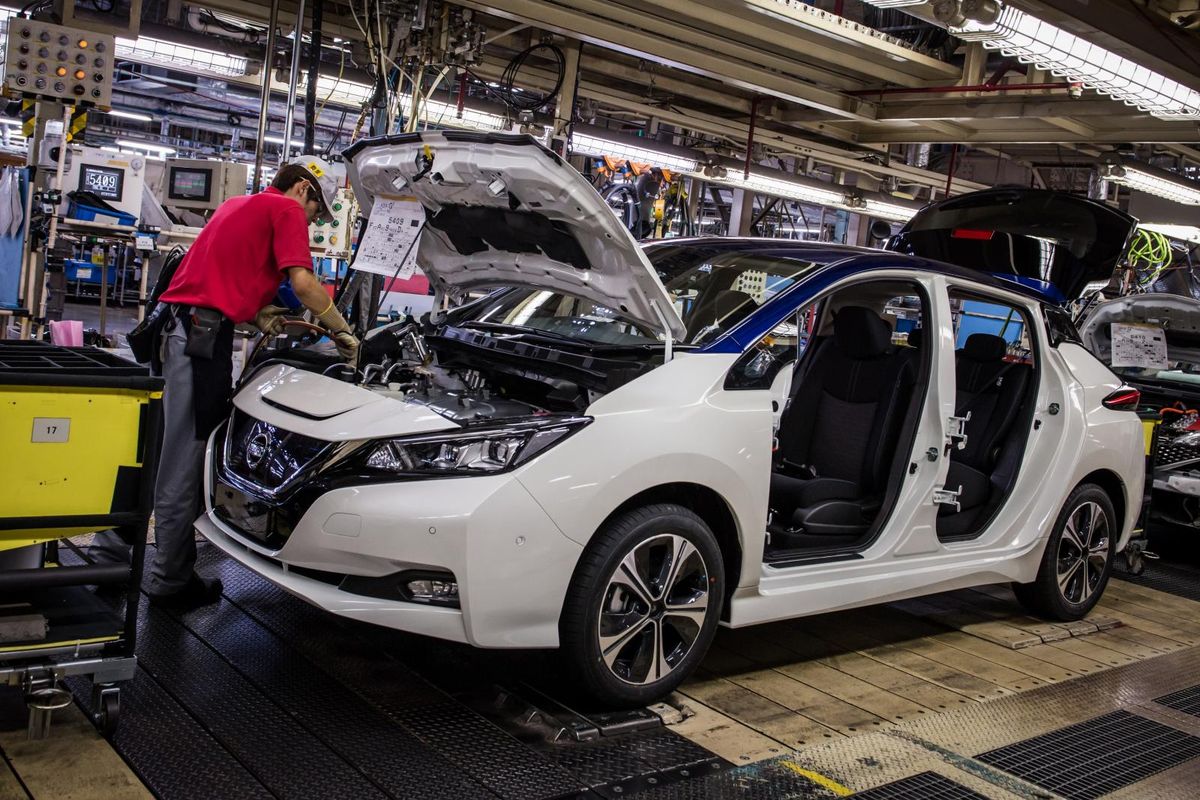
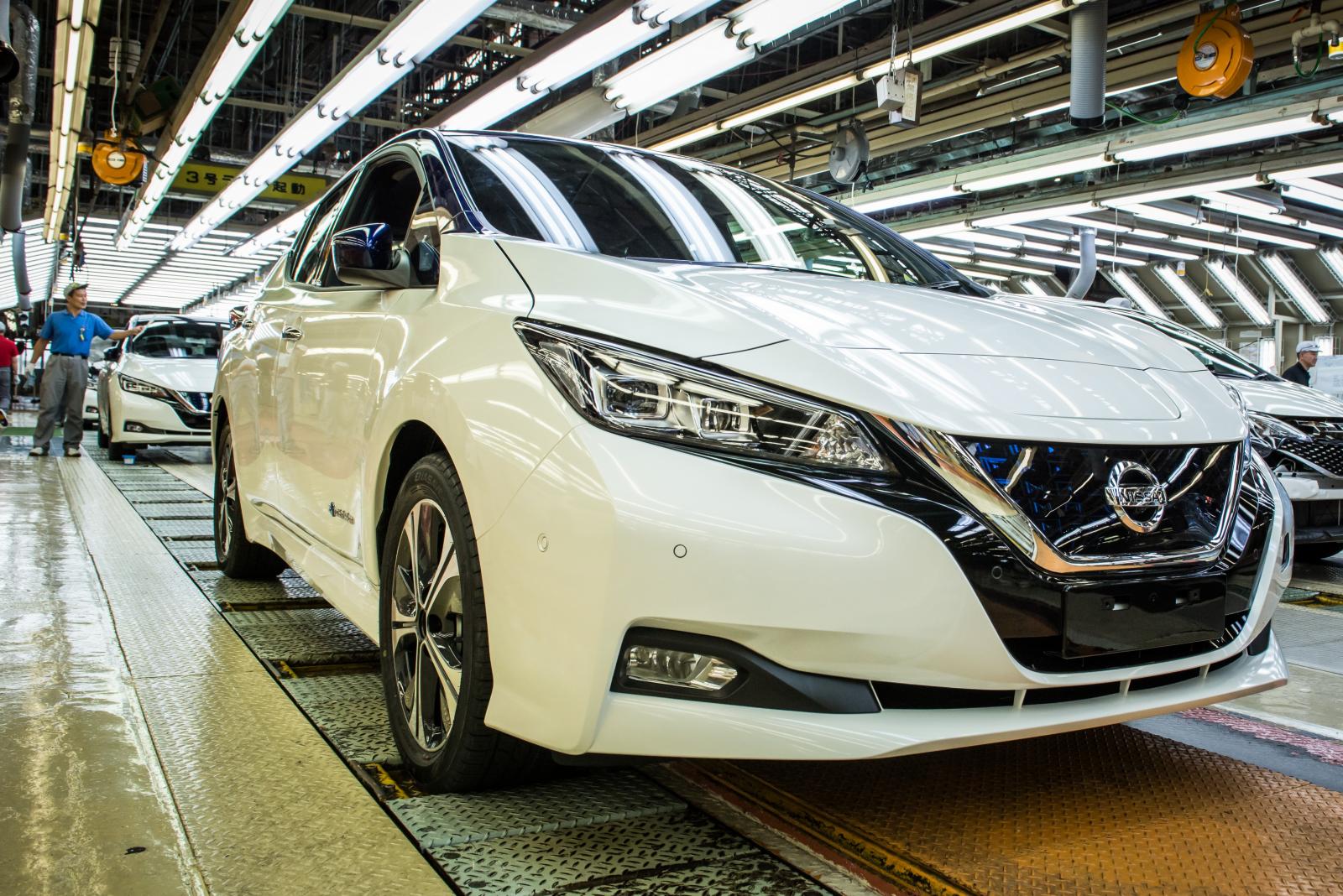
The Leaf is a triumph of modern-day manufacturing, most importantly because it is built on exactly the same production line as four other Nissan vehicles. The factory, outside Tokyo in Japan, required minimal re-tooling and can produce upwards of 140 Leafs every single day.
This development was critical to lowering the manufacture costs and therefore market price of the Leaf. Additionally, the process can easily be replicated in other countries where Nissan factories are based, which means that, potentially, the Leaf can be manufactured in various locations around the world, which will help with shipping costs and would create favourable tax incentives from local governments with protectionist import policies, such as South Africa.
Watch metal, glass and rubber being transformed into a new Leaf right here:
4. Improved operating range
Besides the purchase price, range anxiety is most likely the greatest hurdle to the wider adoption of electric vehicles. Motorists have been spoilt by the convenience of pulling into a fuel station and filling up in minutes.
However, the new Nissan Leaf claims double the range of the outgoing model, at 400 km (according to the official Japanese testing process). Small improvements have been made to ensure the Leaf travels further than ever on a single charge. For instance, the air-conditioner and heater had to be completely redeveloped as this seemingly trivial but important feature, which we use everyday, places a fair amount of strain on the battery.
Even if the claimed amount is out by 25%, that’s still a usable range of 300 km. If the average motorist lives 20km from his or her place of work, that equates to just over 7 round trips, which means that the owner would likely have to charge their vehicle once a week.
Watch the international reveal of the 2nd-generation Leaf in Japan:
The Leaf’s only competition in South Africa, the BMW i3, will travel a claimed 315 km on a full charge. The Leaf’s range compares favourably to the brand new Tesla Model 3, for which Tesla claims a range of 350 km, although it is important to bear in mind that the Japanese testing cycle and US testing cycle are different and potentially produce incomparable results.
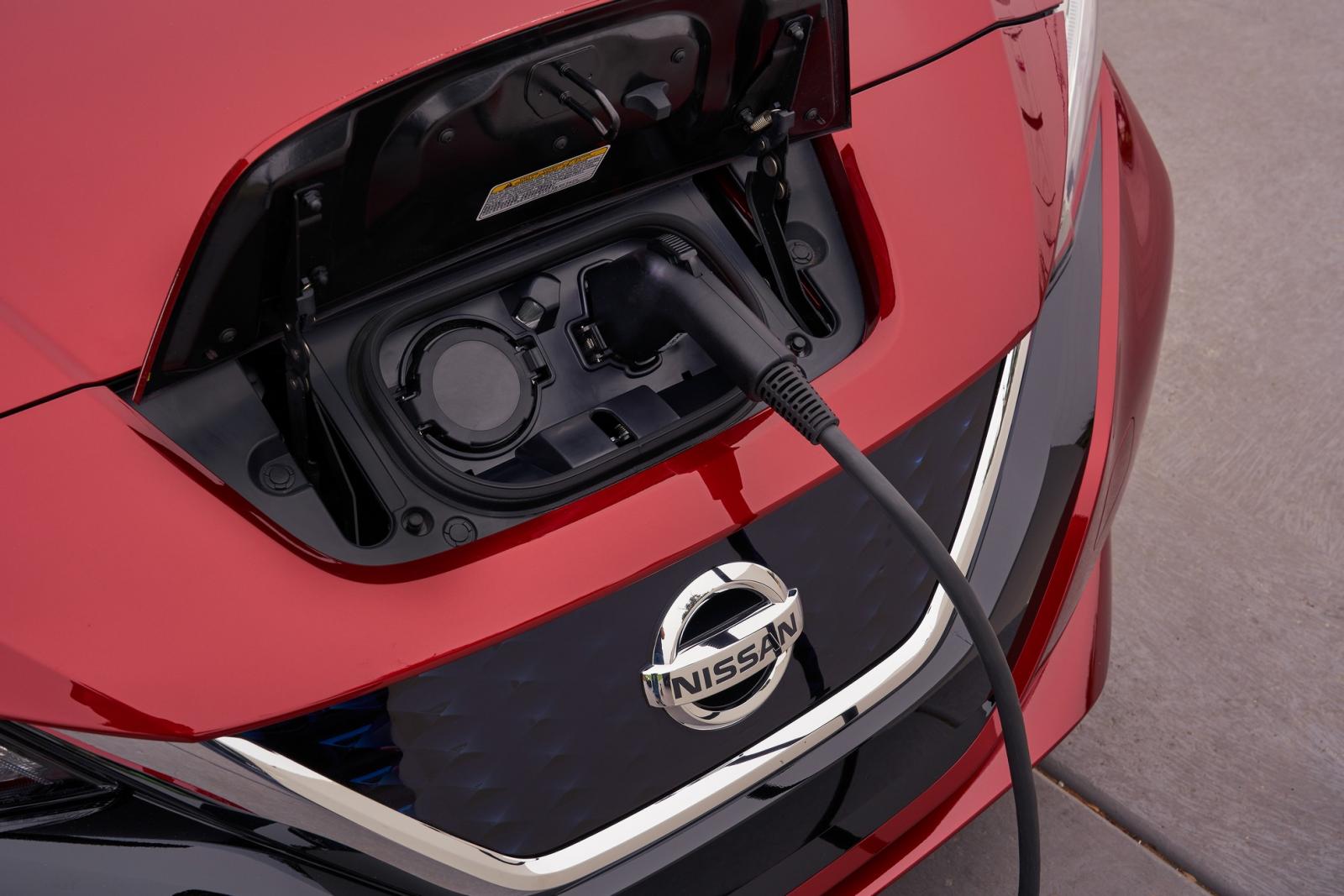
Additionally, the Leaf can charge to 80% capacity in 40 minutes using a supercharger. In Japan, there are over 7000 charging points. In cities like Yokohama, it is now mandatory for new commercial developments to feature a minimum number of charging points, ensuring an ever-growing network of convenient charging points. Of course, South Africa has just a fraction of that number, but that is changing.
5. The Nissan-BMW alliance
Locally, Nissan and BMW are the only two manufacturers selling fully electric vehicles in South Africa. However, the rivals have joined forces with the Growthpoint group of property developers to roll out charging infrastructure across South Africa. This is a win-win for everyone; the faster the rollout, the faster the adoption of electric motoring, the more EV’s both companies are likely to sell.
Between BMW and Nissan, the manufacturers offer 68 fast-charging locations across South Africa.
Charging points are available at selected Nissan and BMW dealers. BMW currently has 54 charging points while Nissan has 14. In a further bid to help foster the market, all charging points offer connections for all types of electric vehicles; a Leaf owner can happily charge at a BMW dealership and vice versa.
But, more importantly, they have started popping up at shopping malls and other public spaces, notably the V&A Waterfront and Constantia village shopping centres… This represents incredible convenience to the electric-vehicle motorist. Plug in your vehicle, grab your groceries and return to an 80% battery charge in 40 minutes. This is utterly essential to fostering the fledgling EV market and we hope to see more and more charging points put in place across the country.
Summary
At Cars.co.za we are encouraged by the developments in this corner of the motoring industry. Electric motoring is a burgeoning segment and it is positive to see brands working together to speed up wider adoption of electric vehicles.
One of the biggest hurdles to making the asking price of the Leaf competitive is to lower the manufacturing cost of a low-volume model.
When taking into account the established economic trends of new technology, in which wider adoption, improved manufacturing techniques and large-scale manufacturing all tend to drive prices down for the end-consumer, one has to assume that the prices of EVs will follow the same trajectory, making these vehicles more and more appealing to the average motorist.
Electric motoring ultimately represents a cleaner, cheaper way of commuting, and is likely to be an important part of any future transport infrastructure of modern cities. The Nissan Leaf is expected to arrive in South Africa later in 2018. We will keep you updated as soon as local specification and pricing details are revealed.
Production of the Volkswagen Scirocco has come to an end.
Despite its attractive coupe styling, worldwide sales of the 3-door Volkswagen Scirocco have been poor to say the least and the Wolfsburg-based firm has now turned off the life support machine by ceasing Scirocco production.
The first and second generation Scirocco was built between 1974 and 1992 with the third generation Scirocco introduced in 2008 at the Geneva Motor Show. The Scirocco arrived in South Africa in 2009. A facelifted version followed in 2014, arriving to the local market in 2015.
The model sold reasonably well in Europe in 2009, the peak of its tenure, with sales reaching over 45 248 units in that year. Sales declined after that and in 2016, only 10 752 units were sold.
The current lineup of Sciroccos on offer in South Africa are powered by 2.0-litre turbopetrol engines in either Highline, GTS or R guise. The Scirocco 2.0 TSI Highline offers 132 kW and 280 Nm of torque with the Scirocco GTS bumps power and torque up to 162 kW and 350 Nm. The range-topping Scirocco R develops 188 kW and 350 Nm of torque.
Although the life of the Scirocco has come to an end, if rumours are to be believed, the Scirocco might be resurrected in the future on Volkswagen’s MEB platform and return as an electric model with a range between 322 – 603 km and possible power outputs of 126 kW for the base version and 223 kW for the electrified Scirocco R.
The Renault Captur is a popular compact family car and this particular derivative (66 kW dCi Dynamique) is 1 of 3 finalists in its category of the 2017/18 Cars.co.za Consumer Awards, powered by WesBank. #CarsAwards judge Juliet McGuire takes a closer look.
The Captur competes with the Ford Ecosport, Hyundai Creta, Mazda CX-3 and Suzuki Vitara (to name a few examples) and the model, with its funky and colourful character that allows buyers to create interesting colour combinations for the exterior, received a mild facelift for 2017.
The Renault doesn’t skimp on safety or entertainment features and therefore offers very good value for money. This diesel version costs R294 900, but pricing for the range begins at just R229 900. Factor in the 3-year/45 000 km service plan and 5-year/150 000 km warranty and it’s not difficult to understand why the fun-loving Captur continues to sell so strongly.