Hyundai i30 N (2018) International Launch Review
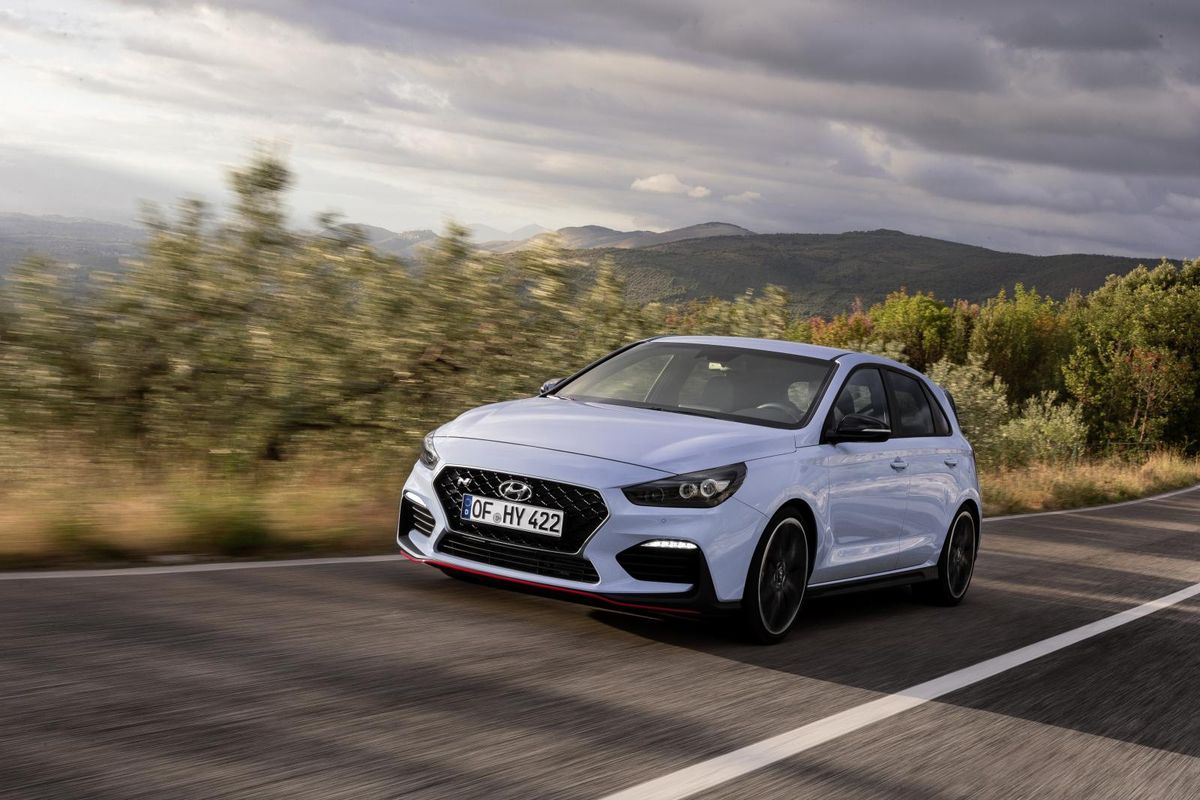
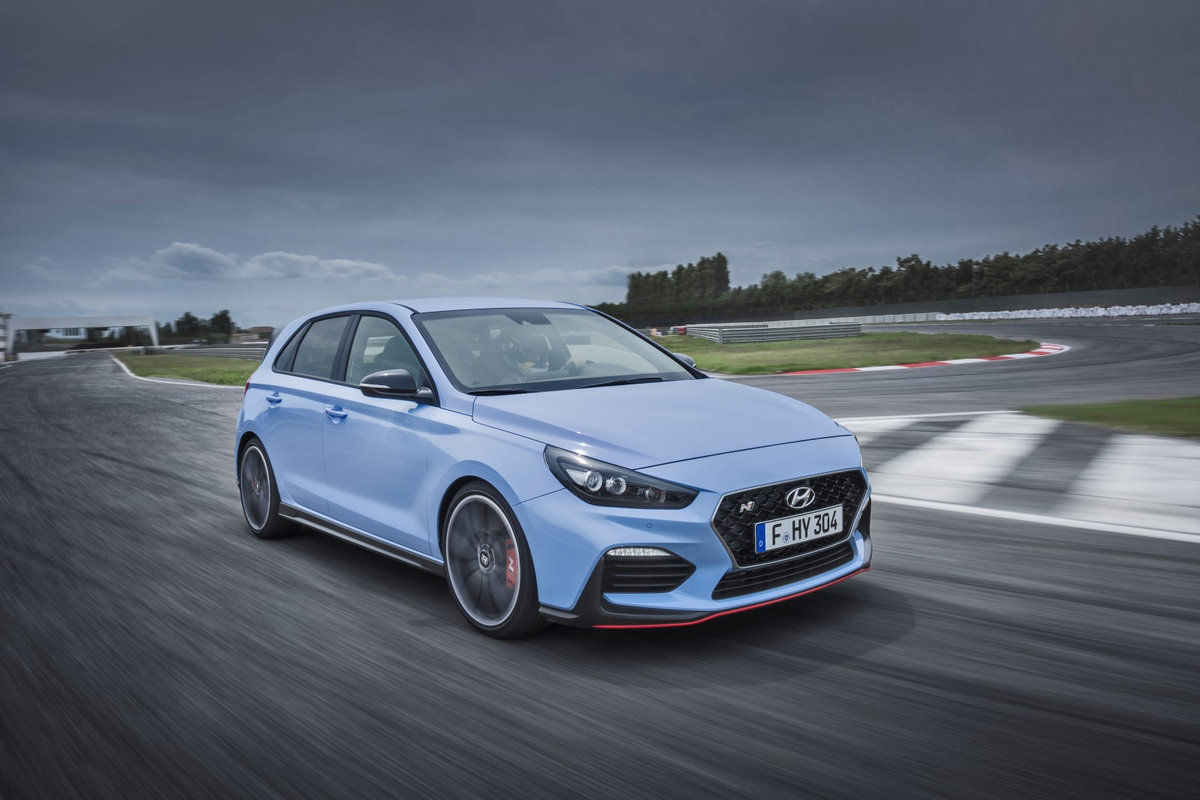
We get behind the wheel of Hyundai's first bona fide hot hatchback – and poster child of the firm's fledgling performance division. It's not confirmed to come to South Africa, but as an alternative to the iconic and highly desirable Volkswagen Golf GTI, the i30 N doesn't disappoint, our UK correspondent finds. Not in the least, in fact…  

By Richard Lane

What is it?

The i30 N is the first hot hatch from a marque with a full works entry in the World Rally Championship, and therefore something to be taken very seriously indeed. Hyundai’s aim has been to cram in as much performance for the least possible cost to buyers and that should have your ears pricked up.

Why now? Well, Hyundai has seen significant sales growth in the past 5 years. To build on that success and to translate rally podiums into profit, it’s now launching a performance arm – N.

Enter Albert Biermann, long-time boss of BMW’s performance arm – M. He’s the type of man who expects the "ESC off" button in a car to actually mean "off" (in the i30 N, it does) and yet recognises that, in 2017, a 5-door hot hatch needs to be usable to be a hit in showrooms. This machine is very much his baby and the German’s presence is a major reason for optimism about its ability to entertain.
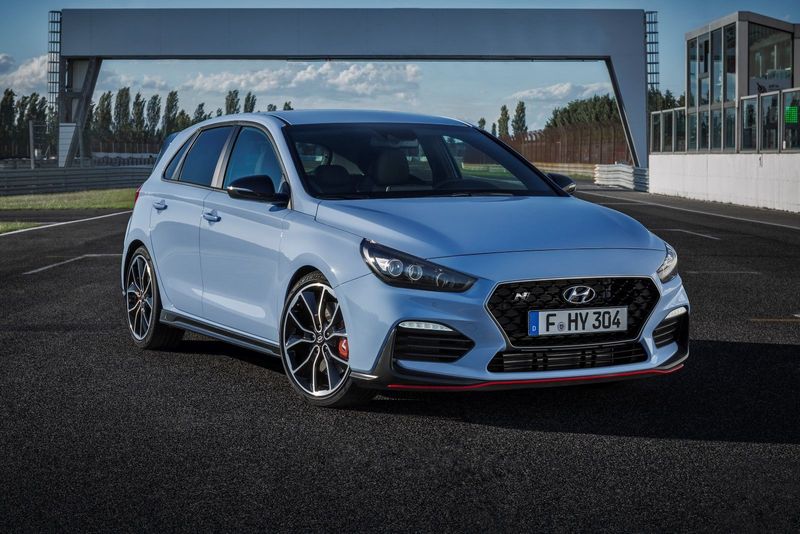

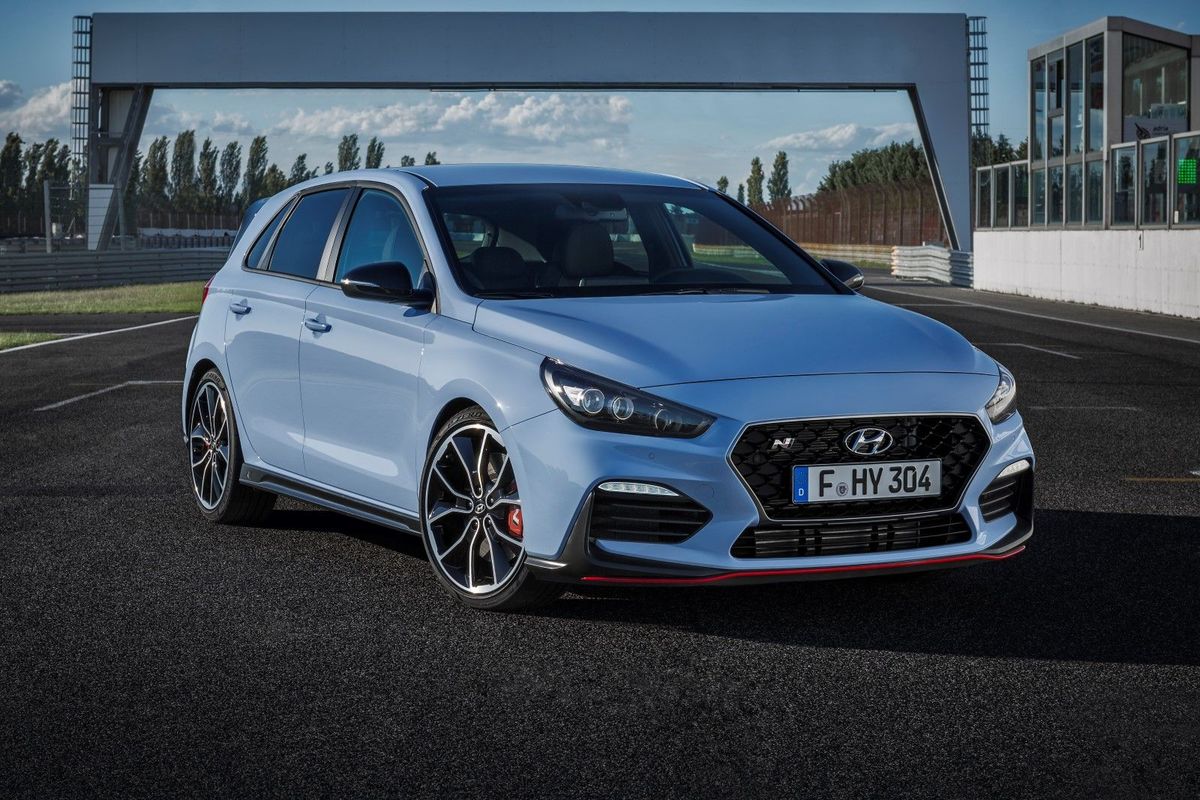
Hyundai's new i30 N takes square aim at the hot hatch establishment. Let's hope it makes it to South Africa! 

The fundamental i30 N package is nothing out of the ordinary – it’s a 5-door hatch with a turbocharged 2.0-litre engine driving the front wheels. What is rather unusual is the level of hardware on offer for a modest outlay, with the £24 995 (the equivalent of R450 000… in the UK market) base model getting 184 kW, an electronic limited-slip differential and 3-way adaptive suspension. An optional Performance Package sees those figures increase to £27 995 (the equivalent of R510 000… in the UK market) and 202 kW.

As for pace, the standard car hits 100 kph from rest in 6.4 sec, while the Performance model shaves 0.3 sec from that time. Both will hit 250 kph and manage around 7.0 L/100 km combined, says Hyundai.

Key design features
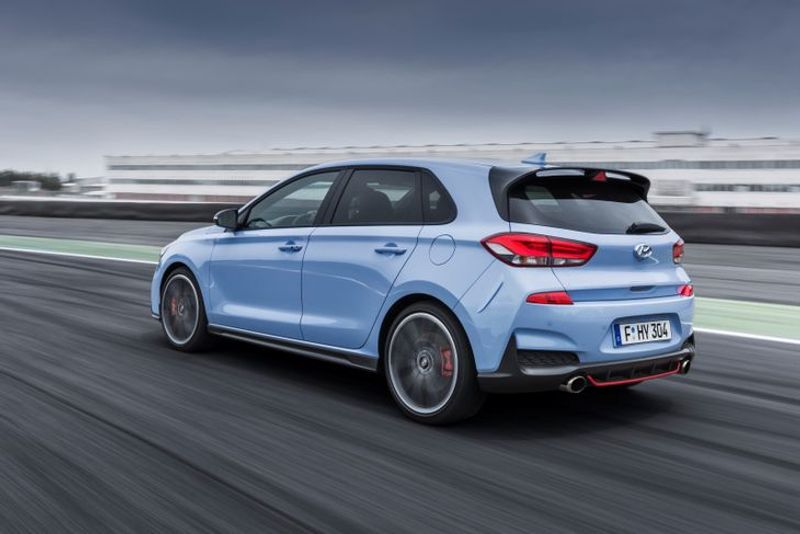

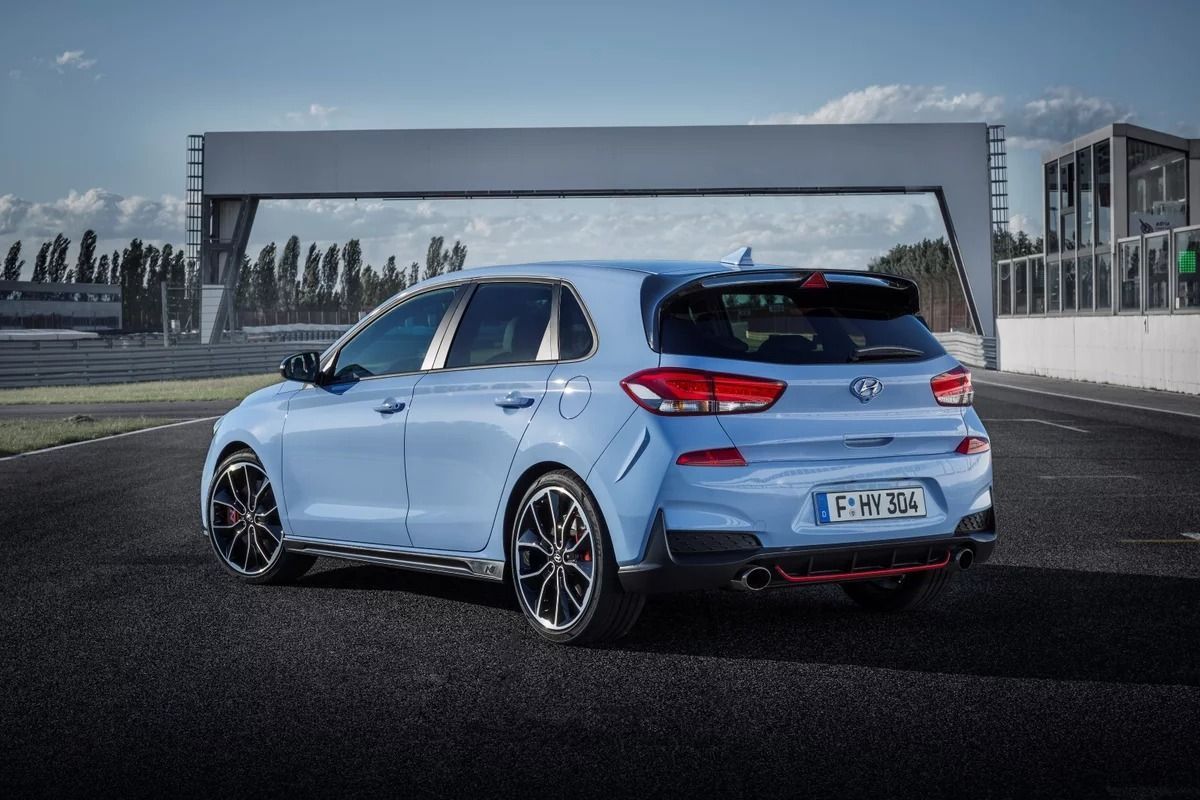
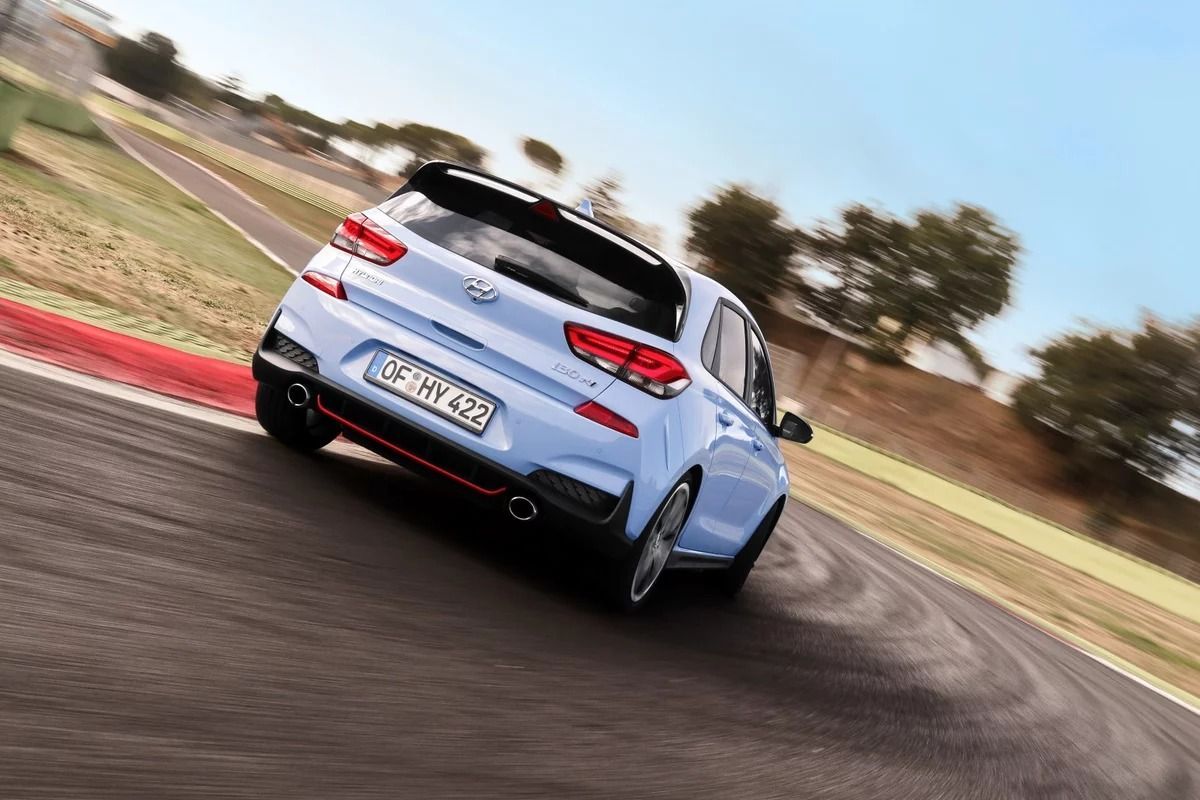
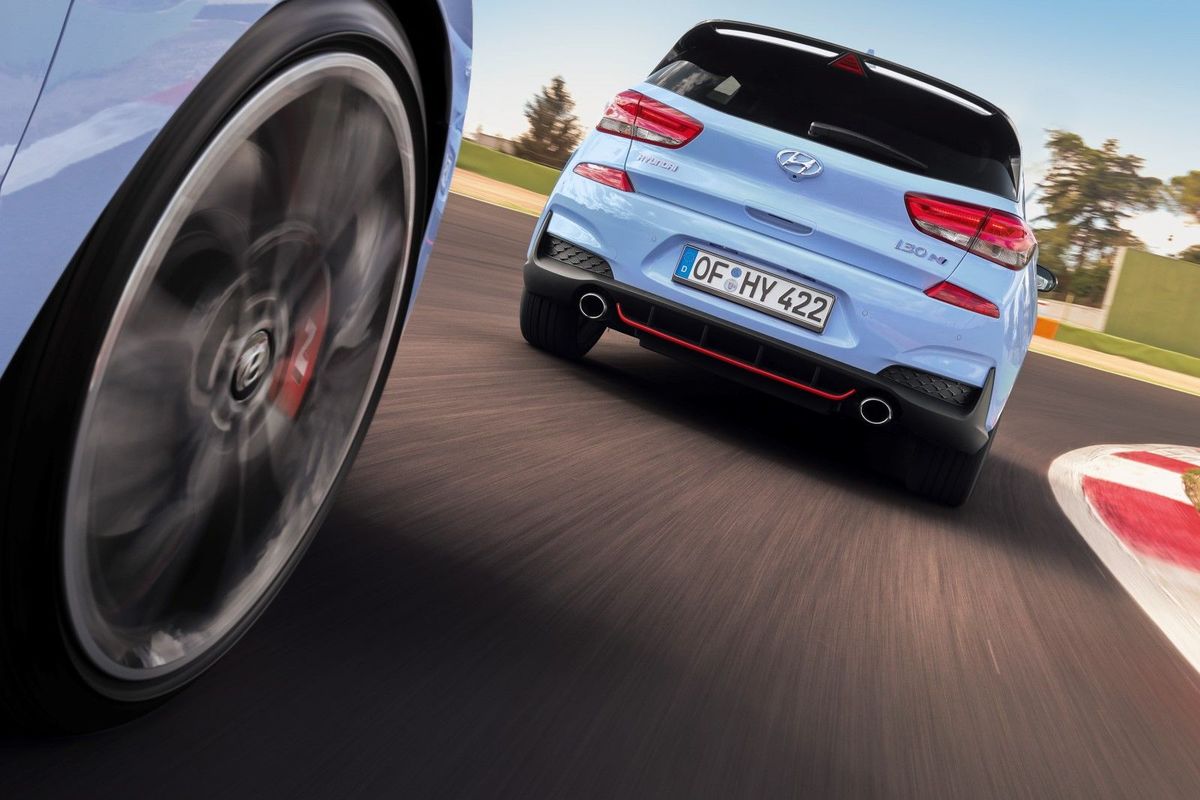
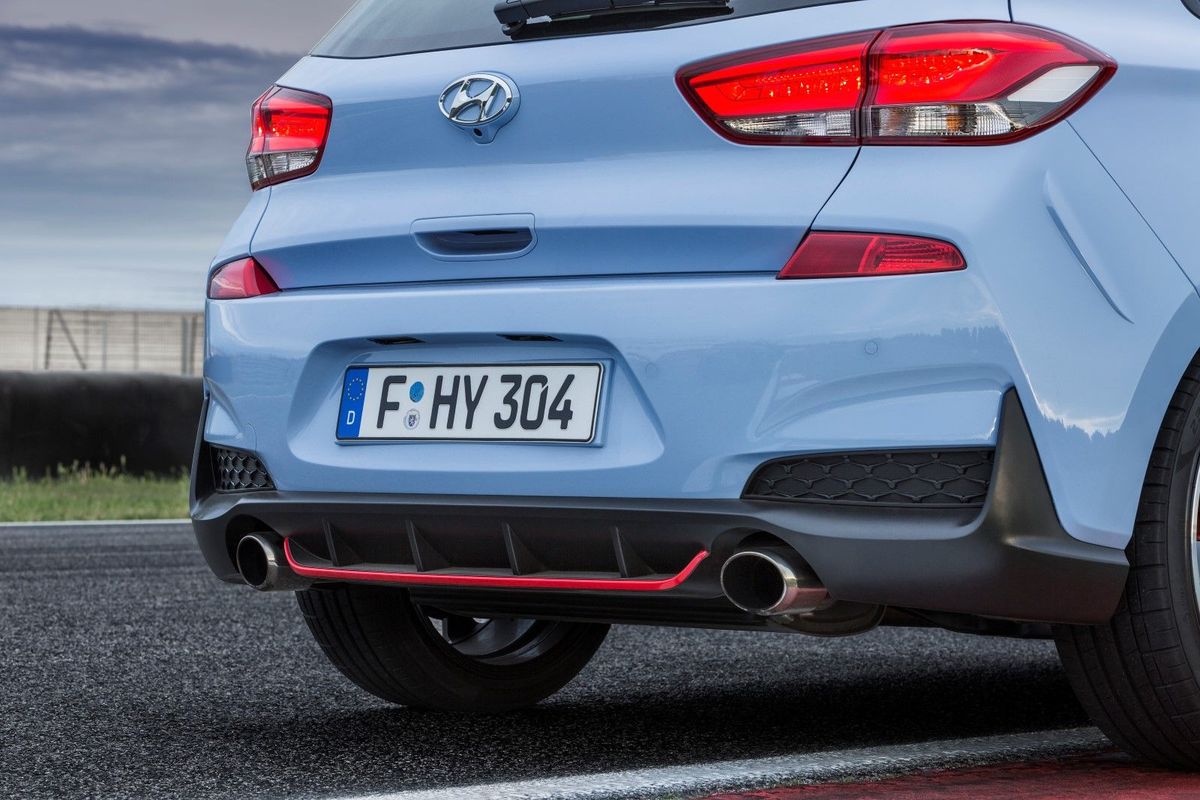
A sporty diffuser and twin tailpipes communicate intent and the performance i30 N will power from 0 to 100 kph in 6.1 seconds.  

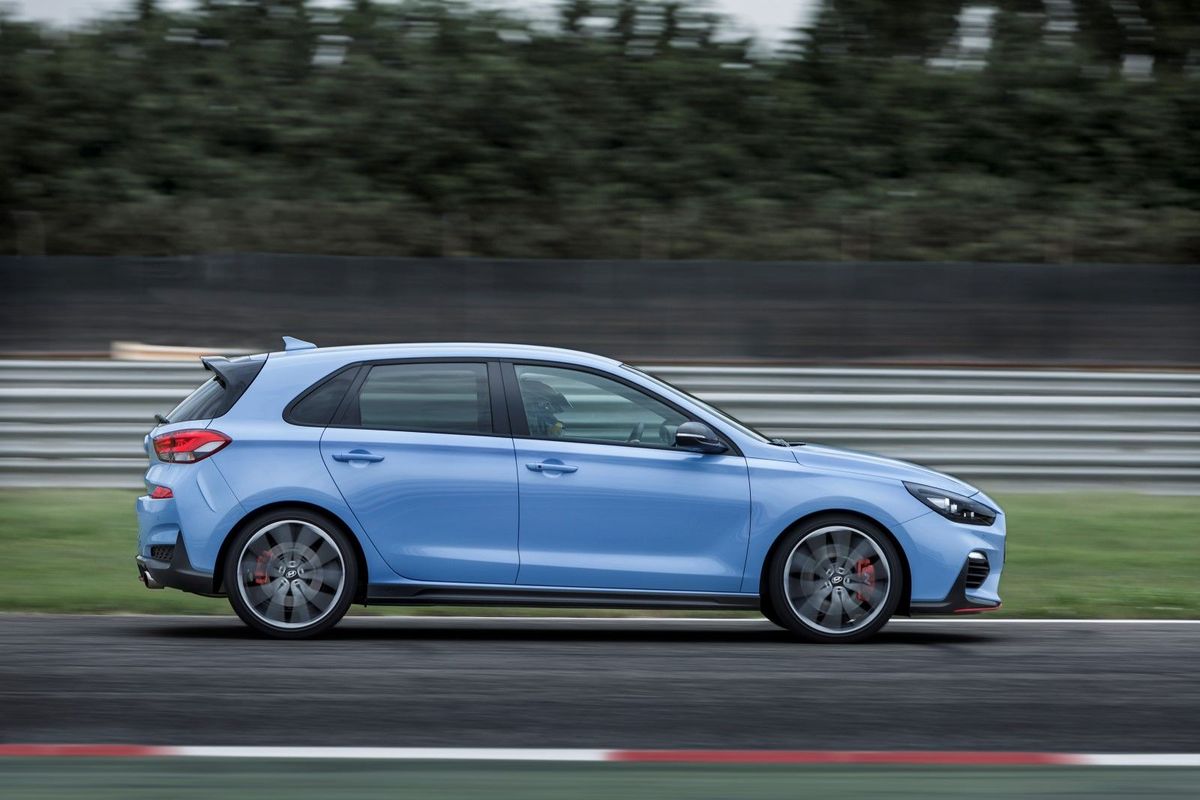
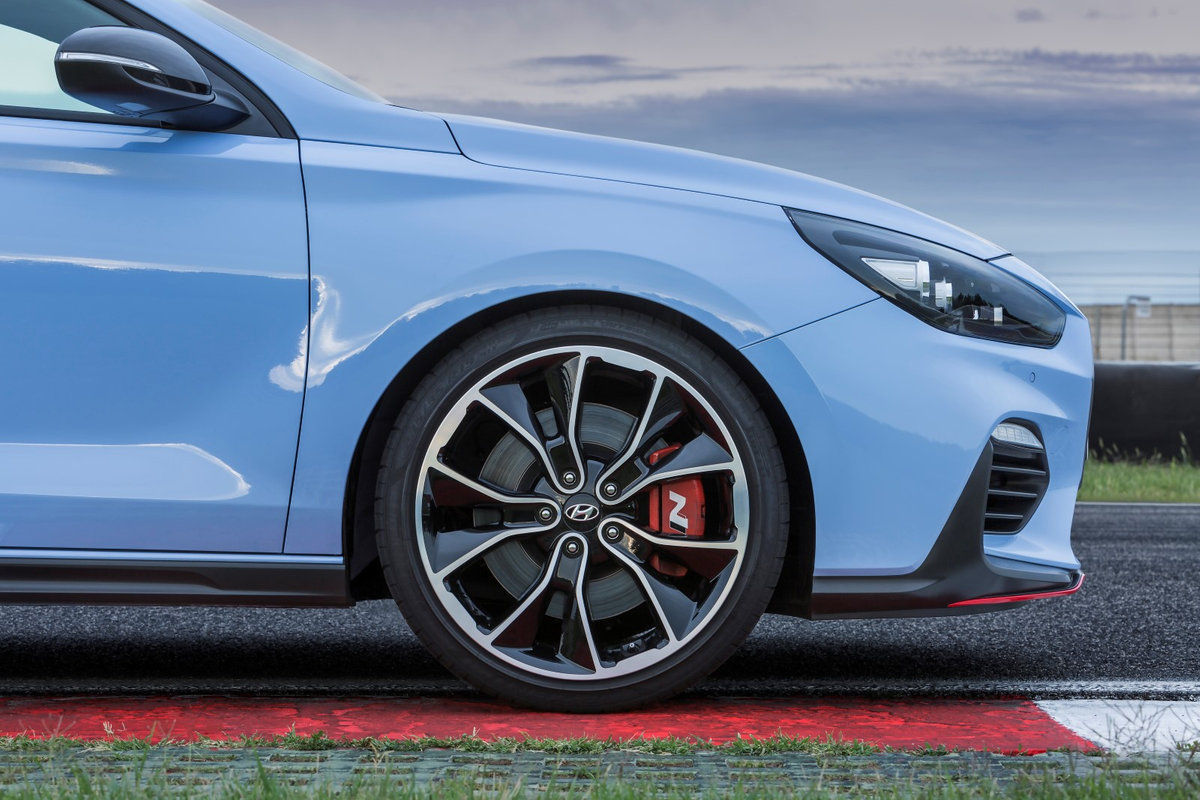
The 5-door bodyshell is the same as that used for the standard i30, with Hyundai claiming it to be already adequately stiff (the N gets underbody strut braces, nevertheless). Wider wheel arches have been grafted on and the N car sits up to 8 mm lower.

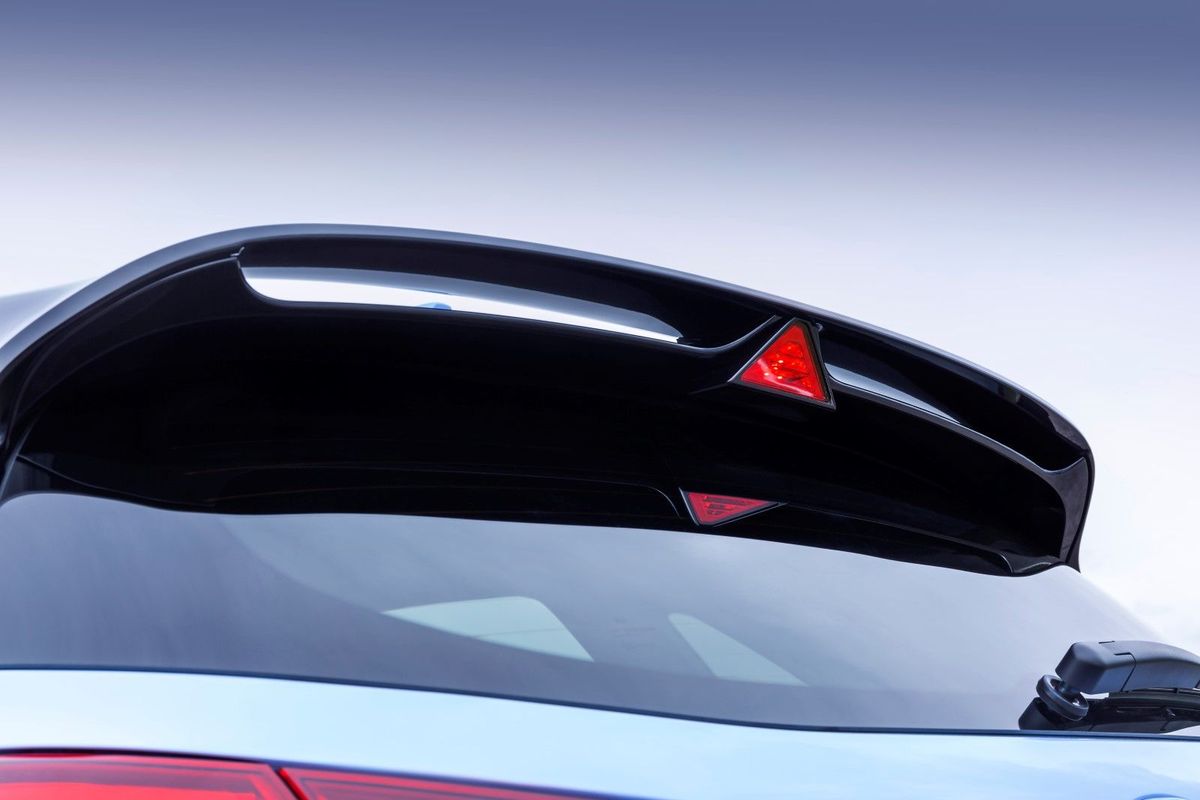
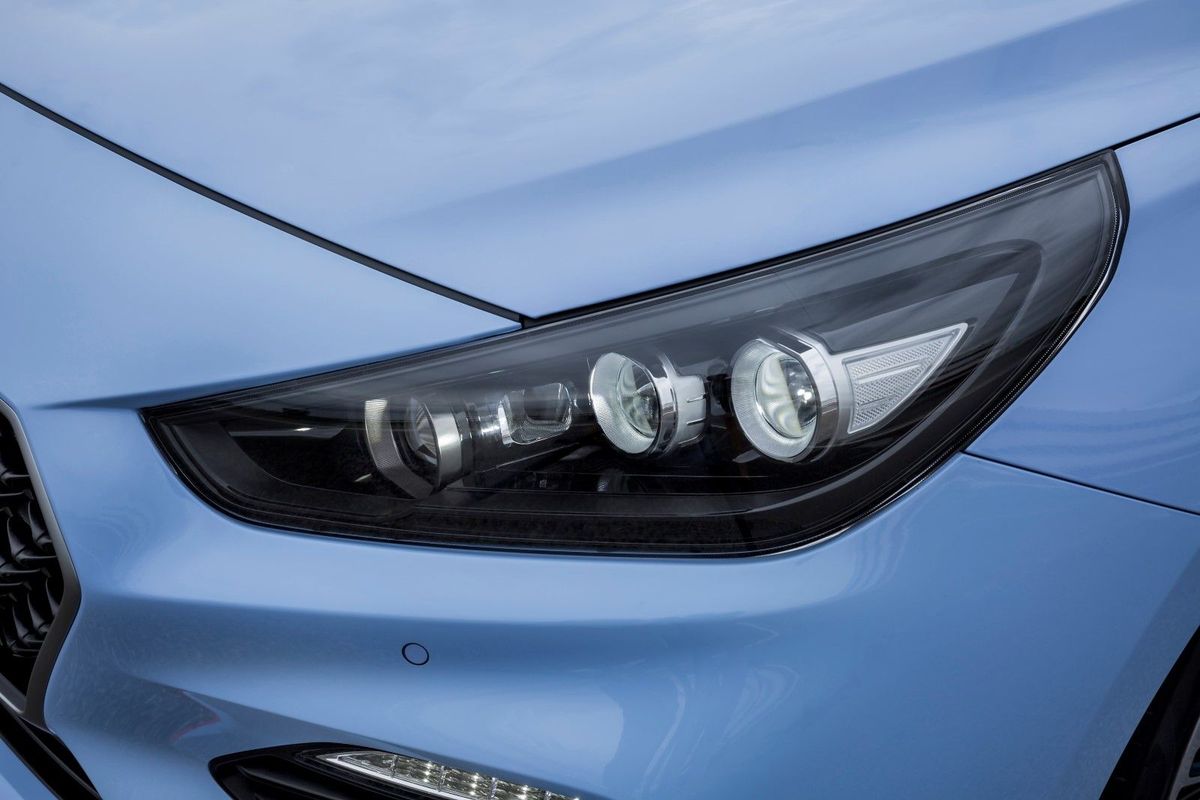
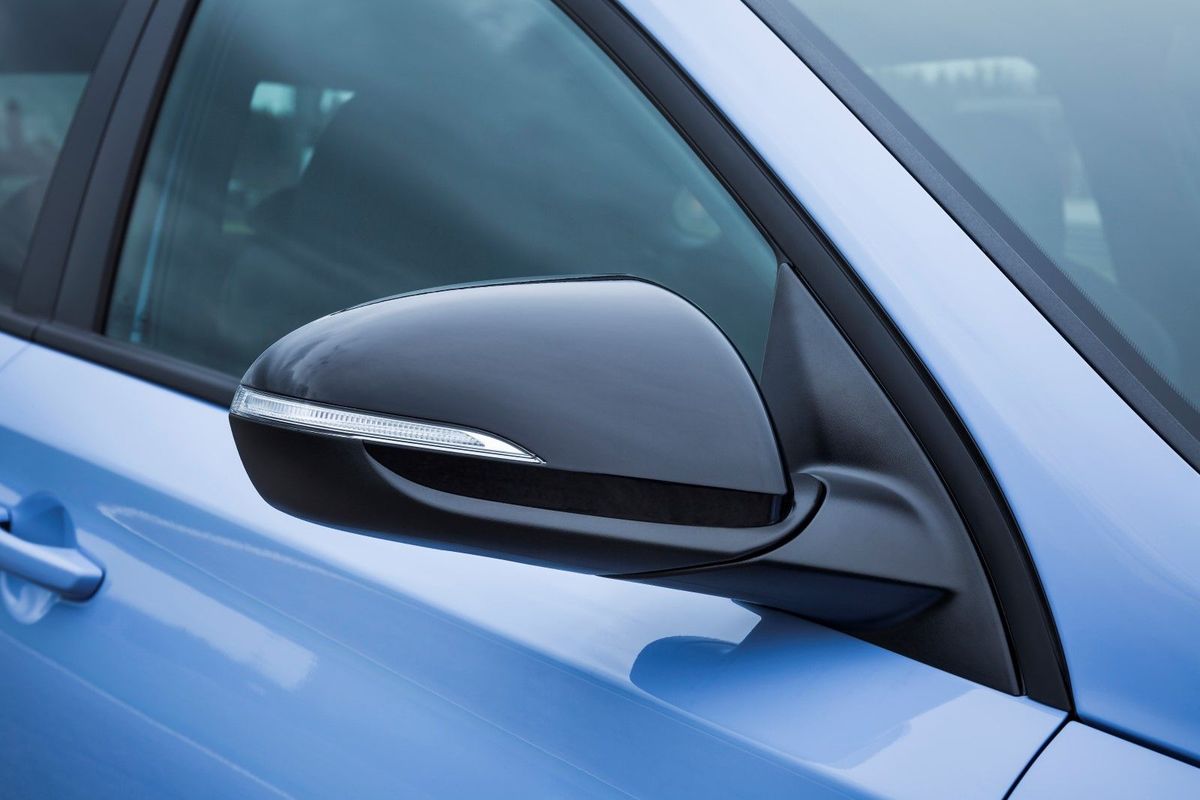
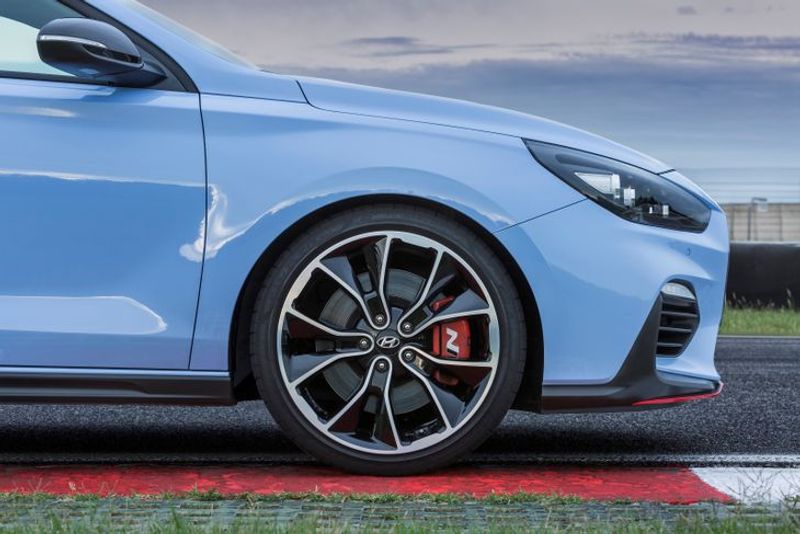
Aggressive bumpers with deep intakes at the front, a red pinstripe on the splitter and a triangular brake light that sits within the gloss-black rear spoiler are other identifiers, although perhaps none are as conspicuous as the N’s rather lovely, and unique, signature colour – Performance Blue. There’s also a choice of 18-inch wheels (shod in Michelin Pilot Super Sport tyres) or 19-inch options (bespoke Pirelli P Zero).

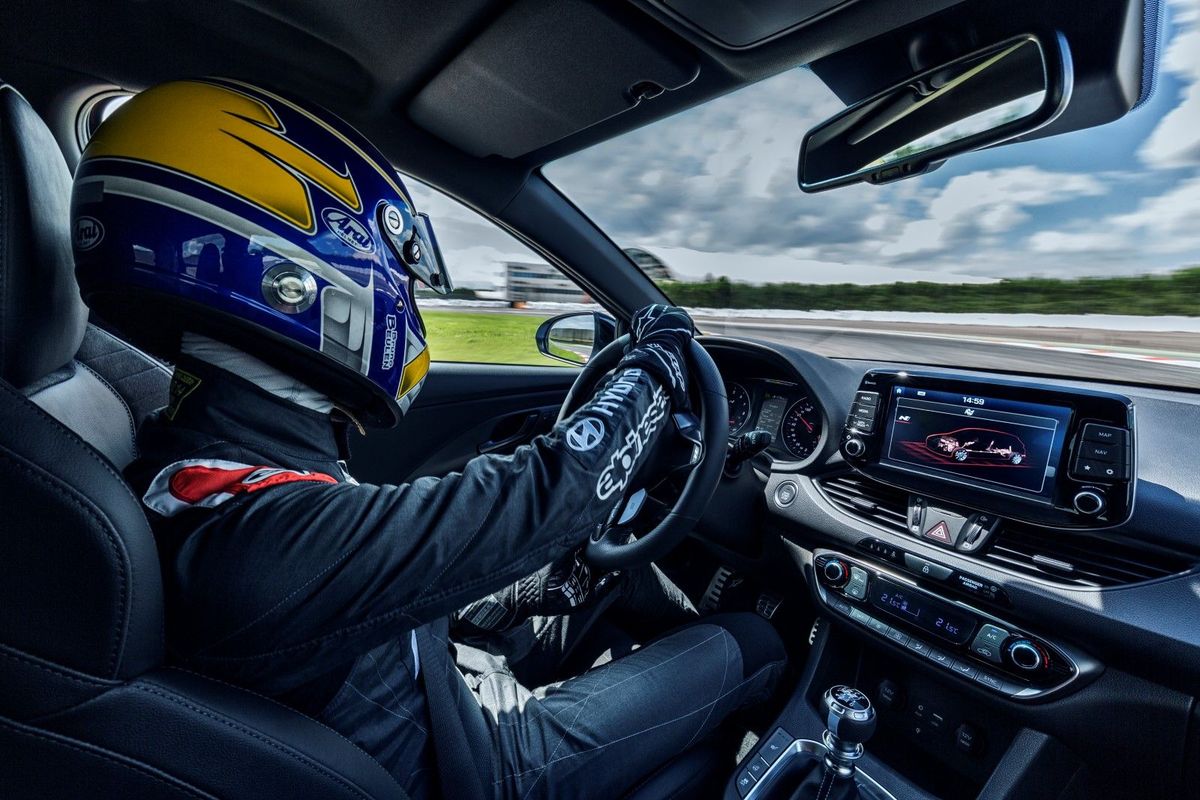
A hardcore N mode will extract the most performance, while Eco and Normal modes are best used for everyday driving. 

Components for the car’s upgraded brakes, fettled engine, toughened-up 6-speed gearbox, reinforced clutch and sophisticated suspension are all either built in-house or supplied by Korean firms with whom Hyundai has a close relationship. It might have been developed at the Nürburgring, but the i30N’s physical form is refreshingly home-grown, and that’s helped it undercut the competition.

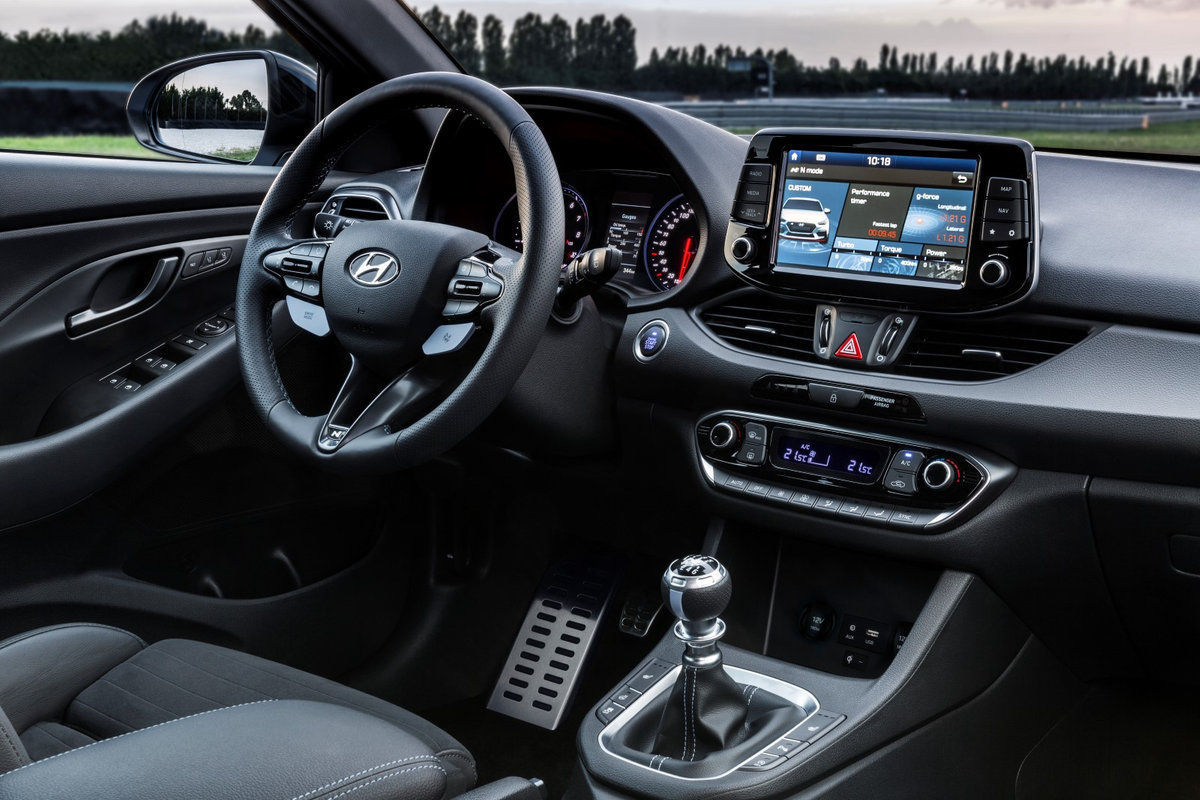
The car is also highly configurable, with settings for the e-differential, engine map, exhaust, suspension, steering and ESC. All in all, there are 1 944 combinations, although by default they’re grouped into Eco, Normal, Sport and a hardcore N mode. There’s also an N Custom mode, with which you can deploy your favourite settings at the touch of a button.  

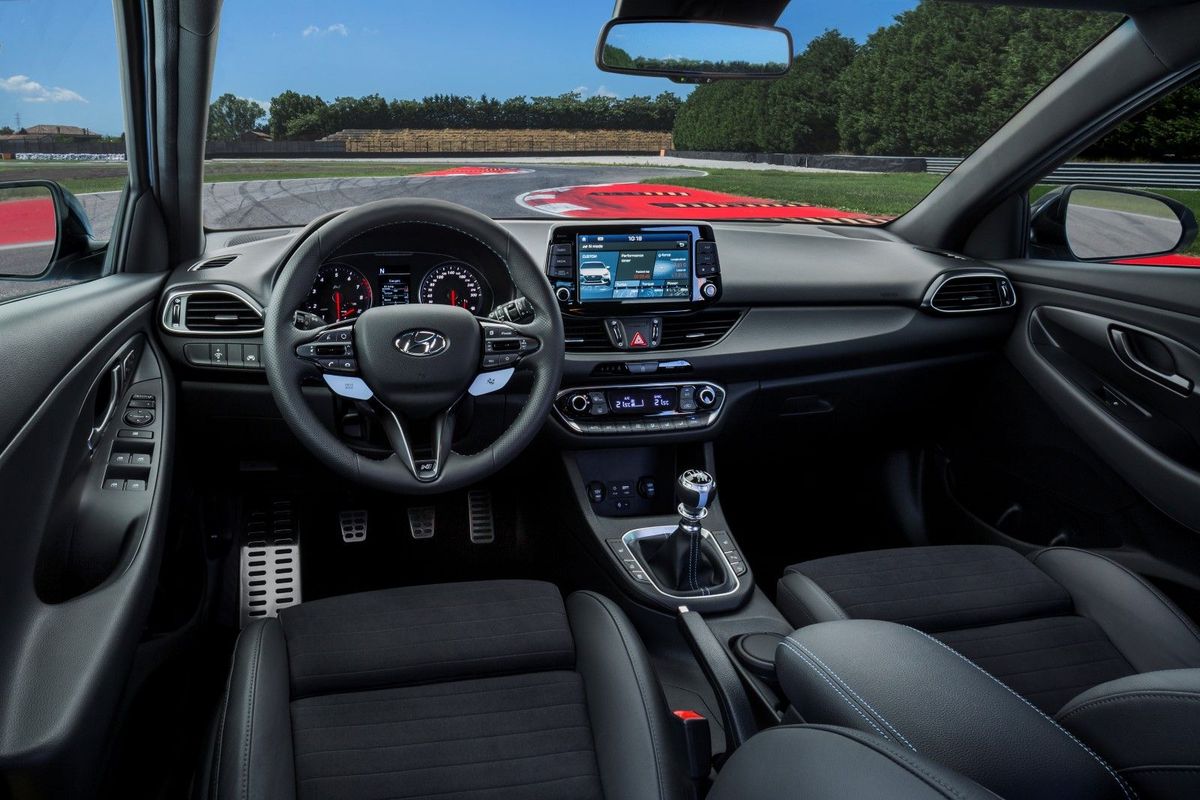
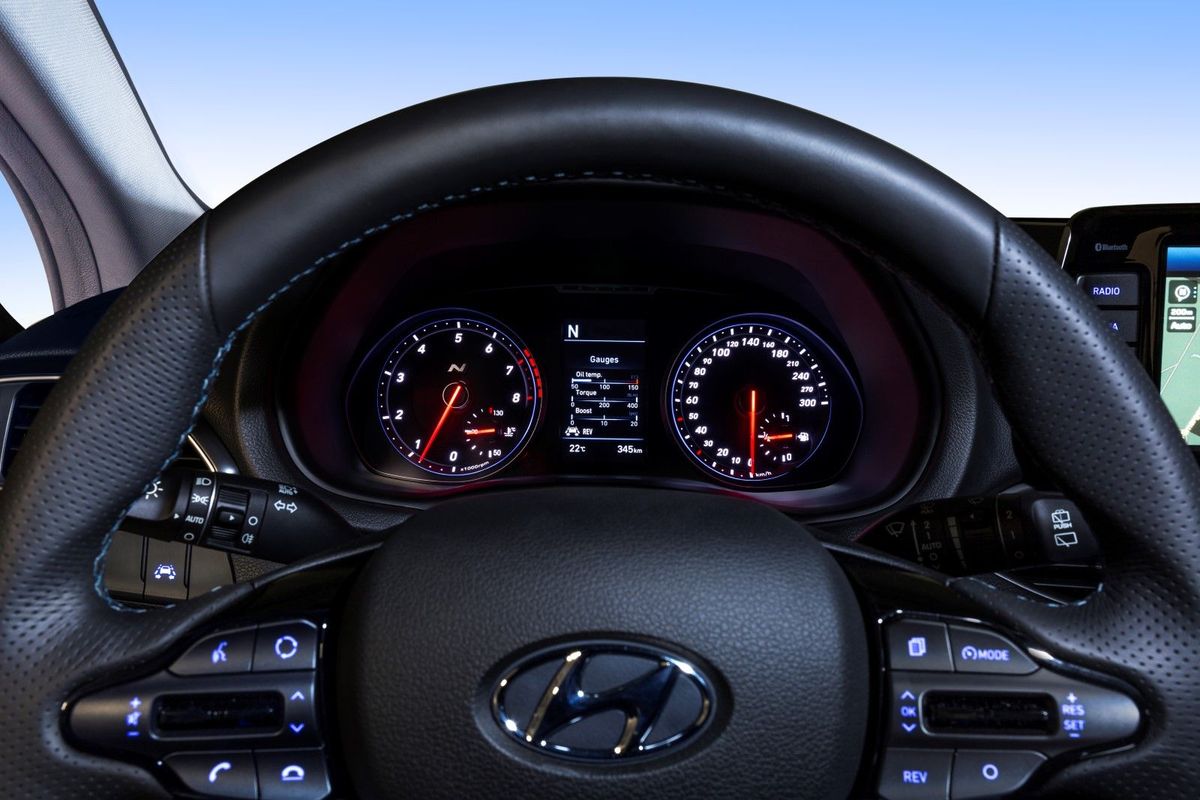
Inside, the i30 N gets either a 5.0-inch display atop the dash or an optional 8.0-inch unit. You get Apple CarPlay and Android Auto, as well as readouts for power, torque, turbo boost pressure, lap times and – sure to go down well with the local constabulary – acceleration. Performance Pack models also get a removable brace that stretches across the boot floor – how about that for intent?

What's it like to drive?
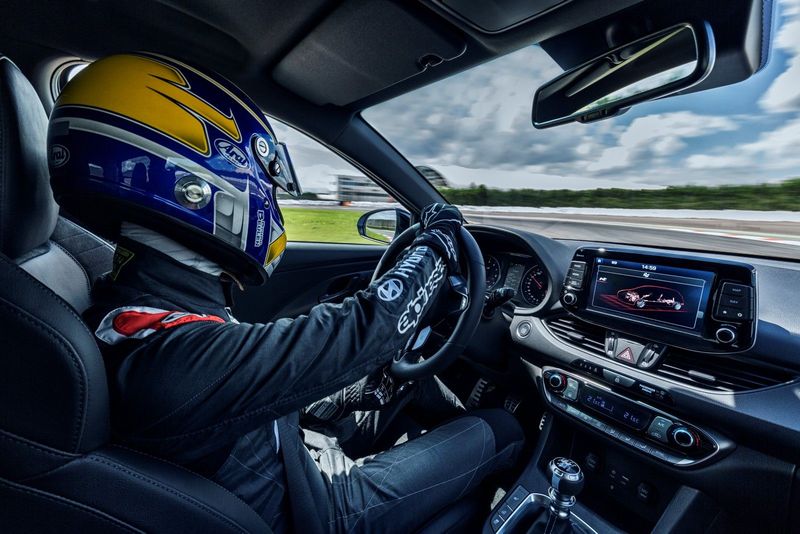

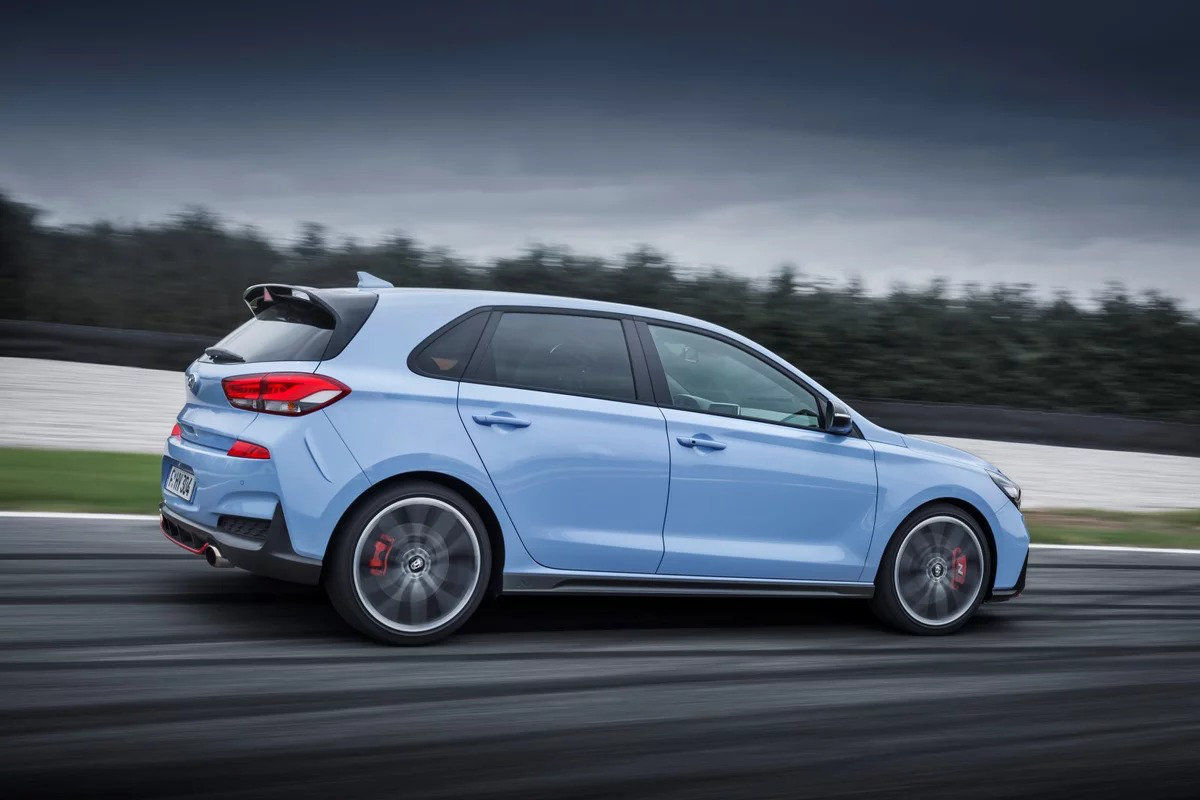
The i30 N's performance is commendable, particularly when you consider that it was developed in 30 months. It's a staggering achievement for Hyundai.

Extremely impressive. Surprisingly so, given that in just 30 months the project has gone from being an entry on the Hyundai board’s wish list to a product you can buy from dealerships complete with a 5-year warranty.

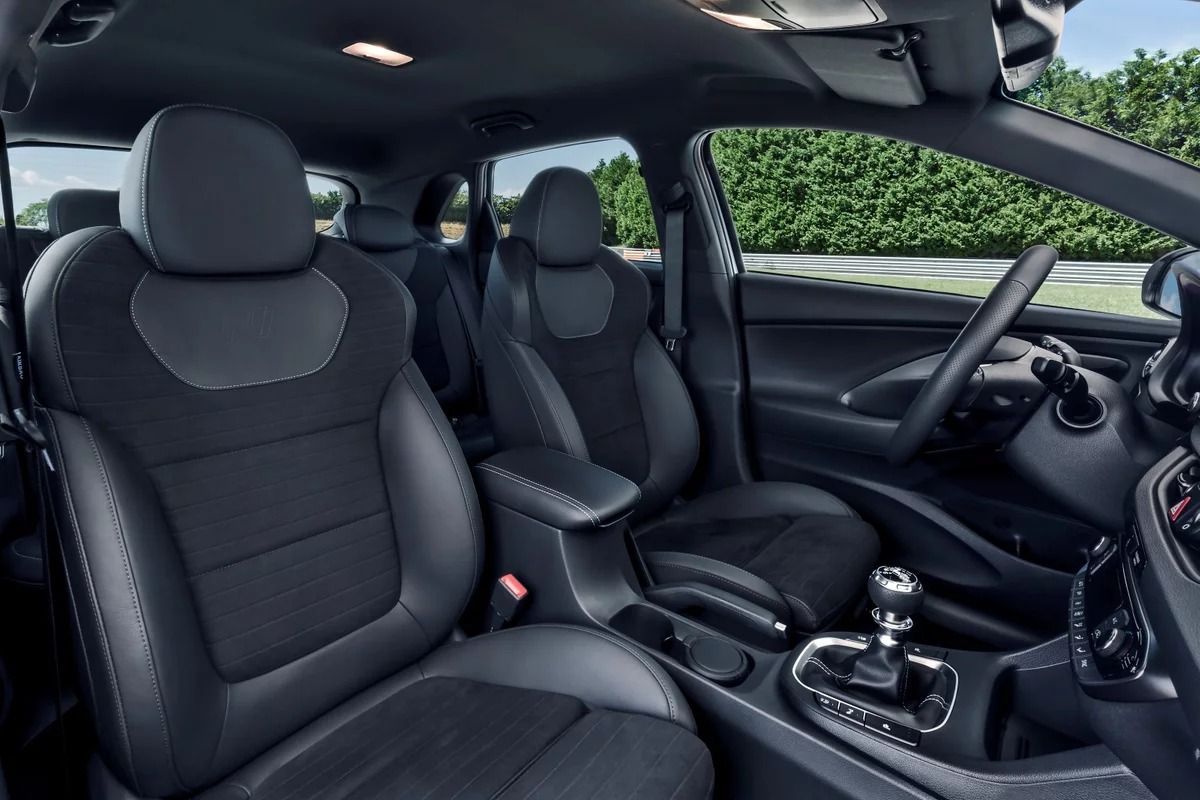
Perhaps most impressive is that the i30N gets the fundamentals right. The seats are decently low and supportive, and there’s plenty of adjustability in the steering column. That’s a big tick in the box in this segment. In our left-hand-drive test car, the pedals were slightly offset to the right, but still well spaced for heel-and-toe shifts (if you’d prefer not to use the admittedly excellent rev-matching function).
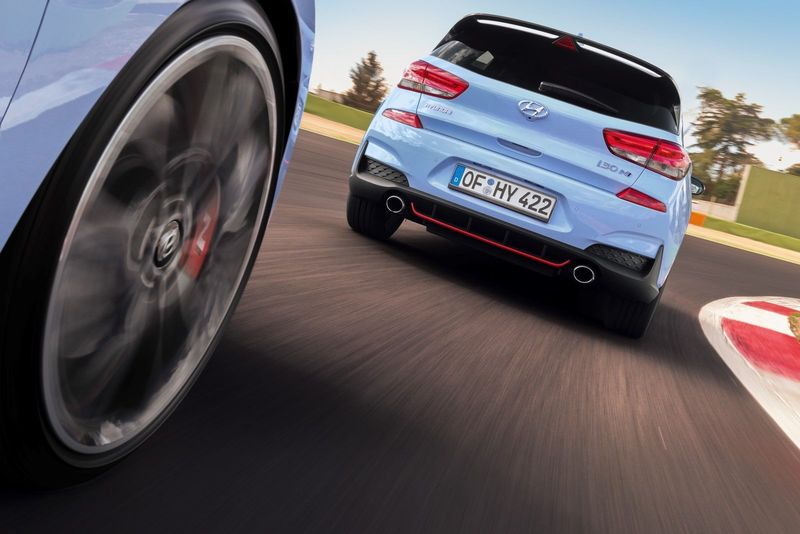

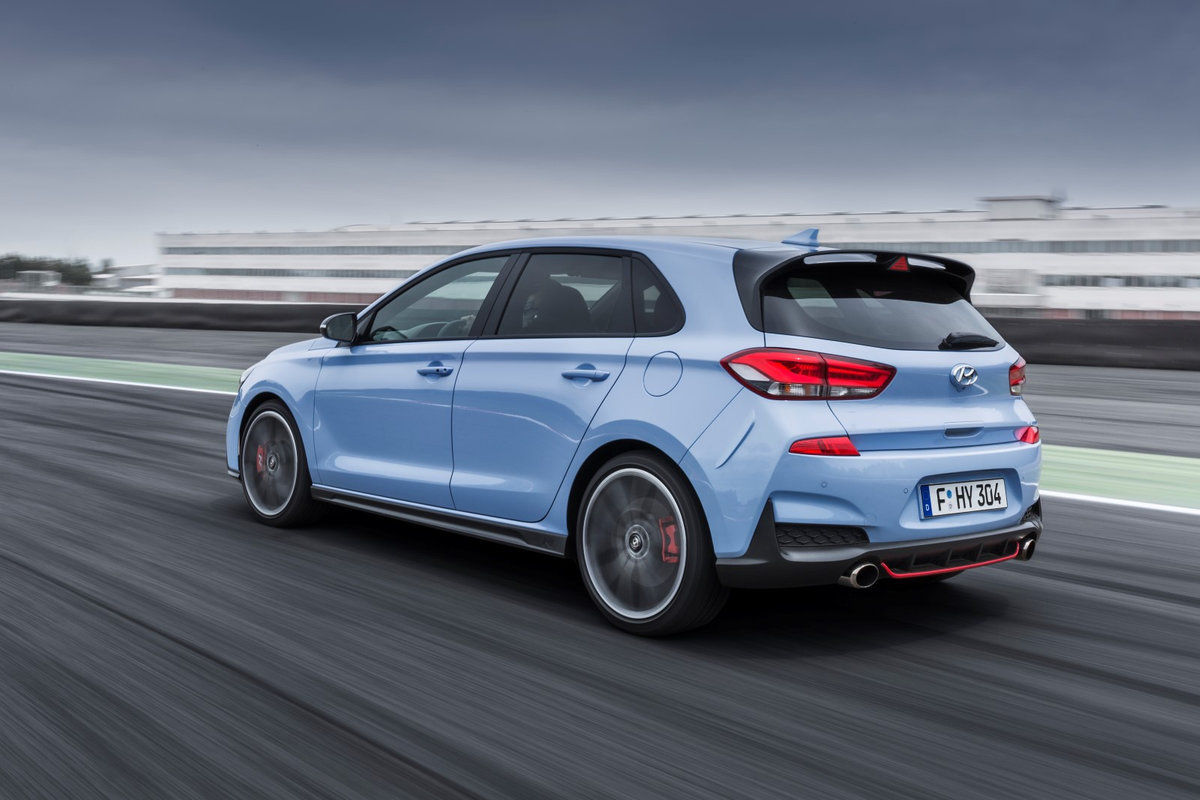
The i30 N is a competent all-rounder. It can be a formidable performer in full attack mode, but can also be a comfortable daily driver.

Factor in the quick, tactile throw of the gearstick and the short-travel clutch and you’d swear Hyundai had been building this kind of car for generations. The i30 N also feels robust to its core, although the material quality is a league below what you’d get in a Golf GTI.

On the move, the 2.0-litre engine is supple enough to take a higher gear and carry eye-widening speed through corners by leaning hard on the superbly damped chassis. Alternatively, you can drop a cog or two and get familiar with the engine’s 6000 rpm sweet spot. Either way, throttle response is refreshingly crisp for a turbocharged unit, and while there’s no great climax to be had as engine speed rises, there’s plenty of character here – particularly with the off-throttle pops and bangs from the exhaust (as is de rigueur) in N mode. The Performance Package car also features an overboost function that delivers 380 Nm for up to eight seconds at a time.

It’s difficult to overstate what a brilliant job Hyundai has done with this car’s chassis. The most severe mode, Sport+, is usable – preferable, even – on most roads, although the Sport setting beneath it quells flares of wheelspin that rougher surfaces precipitate. Normal mode, meanwhile, calms proceedings to the extent that you might forget you’re at the wheel of such a potent hatch. The burly engine and commendably feelsome steering are merely the supporting cast.

Qualms?
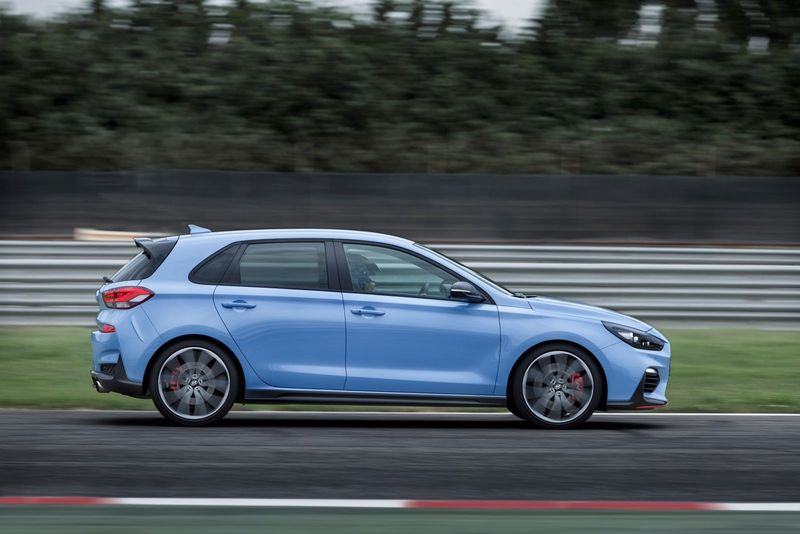

The i30 N's versatility is a key strength but track enthusiasts might be left wanting a little more. 

There aren’t many. The i30 N is not a car that’ll suck you into an apex regardless of your entry speed in the style of, say, a Clio RS. Neither does it change direction with the brusque conviction of the French rivals; in fact, it can feel quite nose heavy if you’re even a little bit too ambitious on turn-in. The ABS also seems a tad sensitive, although that could be a consequence of the blistered Italian rat-runs.

First impressions suggest that track day regulars – whom Hyundai is attempting to woo with the i30 N – might also want for a more mobile rear axle. Biermann admits a Renault Sport Mégane is the sharper tool in this regard, but insists the i30 N is the more versatile proposition and better device for learning. He’s probably right, too.

As for aesthetics, call them "tame" if you like, but Hyundai prefers to use the word "timeless". We’ll give it the benefit of the doubt on this one – there’s a refreshing lack of chintz to the i30 N that imbues it with an elegance reminiscent of the Clio 197 and original Focus RS. No bad thing. 

Should I buy one?
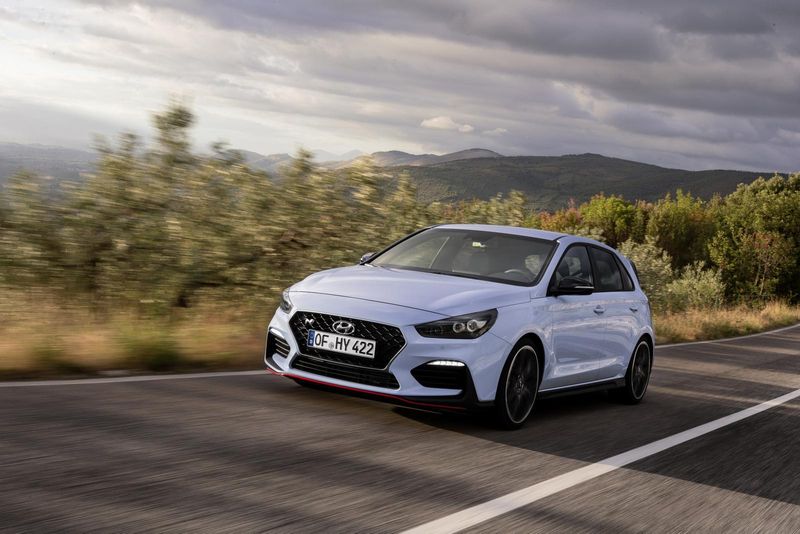

The Hyundai i30N's future in South Africa has not been confirmed, but if it comes, it should undercut the competition by a fair margin. 

Well, you can't. Hyundai South Africa cannot confirm whether it will introduce the hot hatch; the i30 N's future availability will depend on a number of factors, not least the exchange rate. Moreover, the hot hatch market has never been so competitive… Newcomer Hyundai, however, has 2 things to help it hit the ground running: top-level motorsport experience and the right personnel. So has that worked out?

On the evidence of this first drive, you’d have to say it has. Hyundai has pulled off some feat in delivering a car that feels so intuitive and enjoyable – not to mention heroically fast when the moment arises – and yet will happily play shopping cart when necessary.

Moreover, at the equivalent cost of R510 000, even the higher-spec Performance Pack N-car undercuts the likes of the Honda Civic Type R and, remarkably given the kit on offer, the Golf GTI (we reiterate: in the UK market). That the Hyundai is arguably the better all-rounder than either should guarantee it your time and, at the very least, your consideration. Oh, if only this i30 derivative could come to the Republic.  

Hyundai i30 N Performance Package

Where: Rome, Italy

On sale: Maybe never (in South Africa)

Price: £27 995 (est. R510 000)

Engine: 2.0-litre turbocharged petrol

Power: 202 kW at 6 000 rpm

Torque: 352 Nm at 1 450 to 4 000 rpm

Gearbox: 6-speed manual

Kerb weight: 1 429 kg

Top speed: 250 kph

0-100 kph: 6.1 sec

Fuel economy: 7.0 L/100 km

Related Content

Hyundai Finally Showcases GTI-Rival [with Video]

Update: Hyundai i30 N Teased Ahead of Reveal [With Video]

Update: New Hyundai i30 Coming to SA in 2017

Volkswagen Golf GTI (2017) Video Review

Volkswagen Gof GTI (2017) Quick Review

6 Alternatives to the Volkswagen Golf GTI

Renault Megane RS finally revealed in Frankfurt
Interested in buying a Hyundai i30?

Find a new/used example on Cars.co.za

Cheapest Cars to Service and Repair in SA (2017)

The 2017 Kinsey Report has landed, detailing the costs of 35 replacement parts commonly needed for servicing and repairing 62 similar cars with reasonable to good sales across nine categories.  
The annual report, compiled by veteran journalist Malcolm Kinsey since 1996, continues to be the definitive guide to parts pricing in the South African market, giving consumers a reasonable idea of the damage you can expect to your bank account if you own any of these cars and run into any part replacement expenses that are not covered by warranty, service plan or insurance.

The ranking of the cars in each category below is determined by adding up the costs of typical servicing parts (filters, spark plugs, wipers, brake pads, etc.), repair parts (cam belt, shocks, clutch plate, flywheel, fan belt, etc.) and parts that are commonly needed in the event of a crash (doors, fenders, bumpers, glass, lights, wheels etc.). The highest-ranked is the car with the lowest total expenses across all three of these categories.

For the 2016 results – click here

City Cars and Entry Level (10 cars):

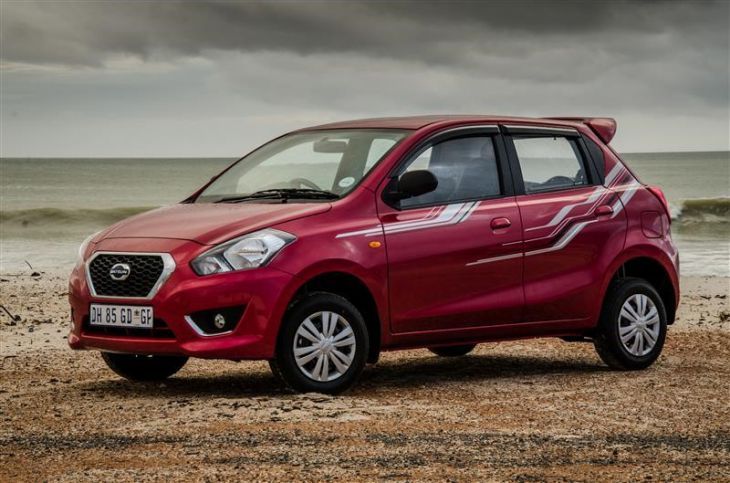
The Datsun Go Lux came out top amongst its nine competitors in all three parts categories: service, repair and crash parts. This is a welcome accolade for Datsun, who have only been in the country for three years and have just reported a 203% volume increase across dealer sales channels on a year-on-year, year-to-date basis. The Polo Vivo is in second spot but boasts the lowest parts cost when calculated as a percentage of the price of the vehicle. The Tata Bolt was included for the first time and fared well in the repair costs category (2nd) and service costs (3rd), but took a knock in the crash section because if you bust a rear fender you’ll need a whole new side section.

1. Datsun Go 1.2 Lux  

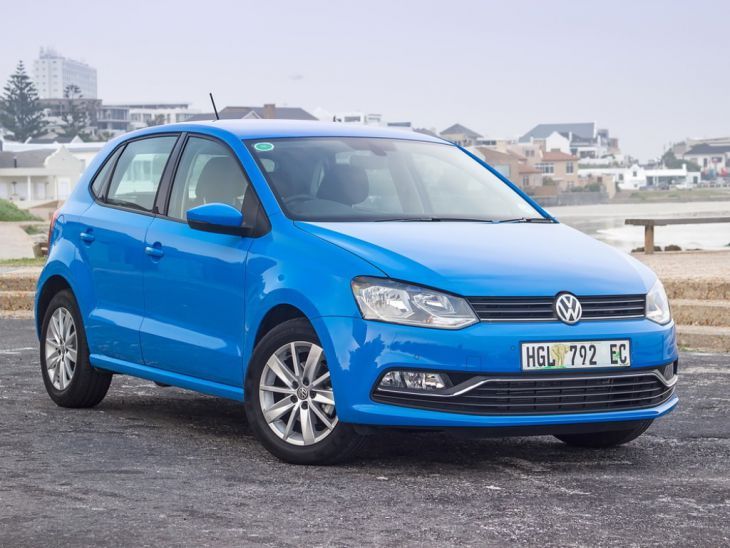
2. VW Polo Vivo 1.4 Conceptline  

3. Hyundai i10 1.1 Motion

4. Ford Figo 1.5 Trend

5. Toyota Etios 1.5 XS

6. Honda Brio 1.2 Comfort

7. Renault Kwid 1.0 Expression

8. Suzuki Swift 1.2 GL

9. Tata Bolt 1.2T XT

10. Volkswagen Move UP 1.0


Datsun Go 1.2 Lux

VW Polo Vivo 1.4 Conceptline

Hyundai i10 1.1 Motion

Servicing parts (R)

2 207.03

4 076.64

3 925.39

Repair parts (R)

6 828.41

11 043.18

10 692.39

Crash parts (R)

35 337.42

44 164,03

49 699.3

TOTAL (R)

44 372.86

59 283.85

64 317.14

Retail price (R)

126 900.00

173 800.00

154 900.00

Parts total as % of retail price

34.97%

34.11%

41.52%

Super Mini (5):

Top spot here goes to the VW Polo 1.2 TSi with both the most economical parts basket and best basket to purchase price of the car – a good indication of all-round value for money. It also scores first in repair and crash parts and second in service. Renault takes second and third place with its Sandero and Clio respectively.

1. VW Polo 1.2 TSi Comfortline

2. Renault Sandero 66kW Expression  

3. Renault Clio 66kW Expression

4. Ford Fiesta 1.0T Trend

5. Kia Rio 1.4


VW Polo 1.2 TSi Comfortline

Renault Sandero 66kW Expression  

Renault Clio 66kW Expression

Servicing parts (R)

3 488.40

3 459.67

3 788.09

Repair parts (R)

15 208.74

18 527.85

19 278.60

Crash parts (R)

69 294.84

71 034.09

82 109.53

TOTAL (R)

87 991.98

93 021.61

105 176.22

Retail price (R)

253 100.00

174 900.00

244 900.00

Parts total as % of retail price

34.77%

53.19%

42.95%

Family Favourites (8):

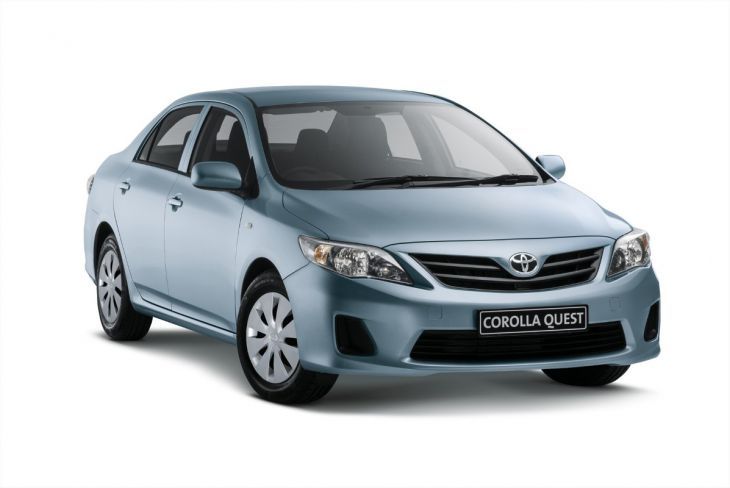
For the third straight year this category is dominated by the Toyota Corolla – the 1.6 Quest just pipping the 1.6 Prestige by a few thousand on the overall parts basket and also the percentage value for money. The VW Golf GTi, comparatively expensive as a package, scores well in repair parts, in 2nd place.

1.Toyota Corolla Quest 1.6   

2. Toyota Corolla 1.6 Prestige

3. Nissan Almera 1.5 Acenta

4. Mazda3 1.6 Dynamic

5. Honda Jazz 1.5 Elegance

6. Ford Focus 1.5T Trend

7. Hyundai Elantra 1.6 Executive

8. Volkswagen Golf GTI


Toyota Corolla Quest 1.6   

Toyota Corolla 1.6 Prestige  

Nissan Almera 1.5 Acenta

Servicing parts (R)

5 733.33

5 253.36

3 063.83

Repair parts (R)

15 651.64

15 796.99

9 659.91

Crash parts (R)

50 489.97

52 469.16

63 671.29

TOTAL (R)

71 874.94

73 519.51

76 395.03

Retail price (R)

208 500.00

299 990.00

198 900.00

Parts total as % of retail price

34.47%

24.51%

38.41%

Compact Crossovers (6):

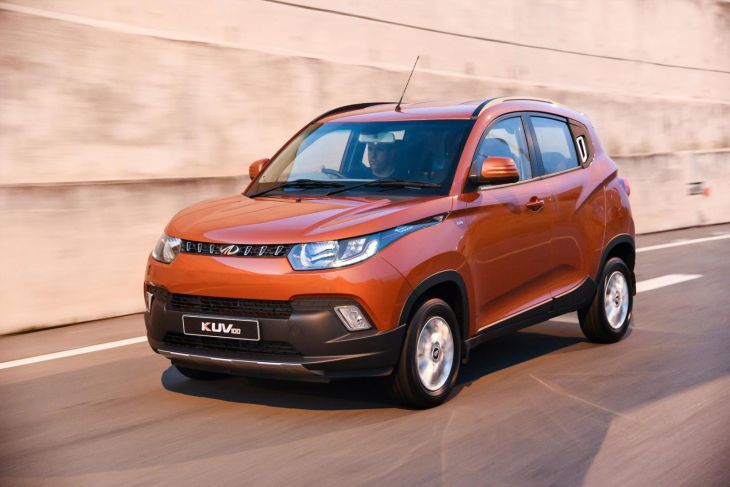
Winner here is the Mahindra  KUV 100, followed in second place by the Peugeot 2008,  ahead of the Ford Ecosport 1.0T by a mere R23. Mahindra is lowest in the both the service and repair section with the Peugeot best in the crash parts section.

1. Mahindra KUV100 K8

2. Peugeot 2008 D Active   

3. Ford Ecosport 1.0T Trend

4. Mazda CX3 2.0 Active

5. Renault Duster 1.6 Dynamique

6. Hyundai Creta 1.6 Executive


Mahindra KUV100 K8

Peugeot 2008 D Active  

Ford Ecosport 1.0T Trend

Servicing parts (R)

3 572.10

5 160.28

5 014.11

Repair parts (R)

11 418.29

21 066.19

17 354.00

Crash parts (R)

66 607.01

64 693.53

68 575.45

TOTAL (R)

81 597.40

90 920.00

90 943.56

Retail price (R)

187 995.00

299 900.00

280 900.00

Parts total as % of retail price

43.40%

30.32%

32.38%

Crossovers (8):

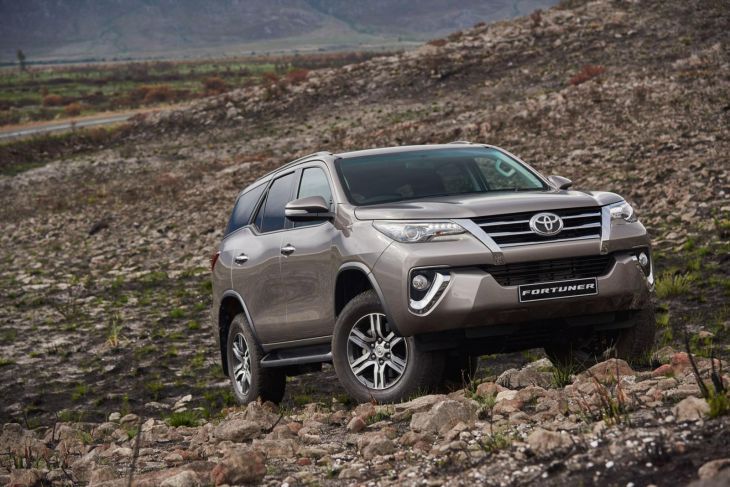
This category is again won by the Toyota Fortuner, convincingly in both least expensive parts basket and percentage calculation. Second goes to the RAV 4 2.0 – up seven places from last year, and third the Ford Kuga1.5 T, also very much improved this year. All three have the least pricey crash parts and it is interesting to note that all three have managed to beat inflation with their overall baskets being lower than in 2016.

1. Toyota Fortuner 2.8GD

2. Toyota RAV4 GXC VT  

3. Ford Kuga 1.5 T Trend

4. Hyundai Tucson 2.0 Premium

5. Nissan X-Trail 1.6 dCi XE

6. Kia Sportage 2.0 CRDi EX

7. Mitsubishi ASX 2.0 GLS

8. Honda CR-V 2.0 Comfort


Toyota Fortuner 2.8GD

Toyota RAV4 GXC VT

Ford Kuga 1.5 T Trend

Servicing parts (R)

5 815.13

4 993.64

4 921.2

Repair parts (R)

11 697.63

10 193.95

7 934.36

Crash parts (R)

67 479.37

100 105.55

104 292.89

TOTAL (R)

84 992.13

115 293.14

117 148.50

Retail price (R)

557 200.00

381 400.00

437 900.00

Parts total as % of retail price

15.25%

30.23%

26.75%

Executive Crossovers (8):

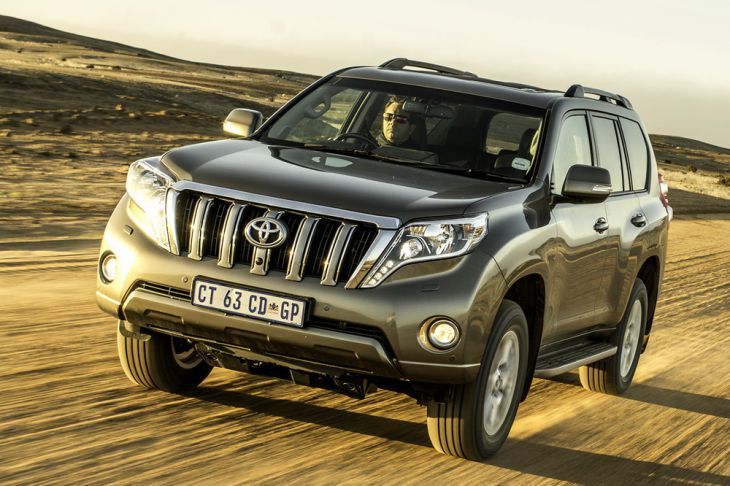
Here it’s Toyota again in both overall parts basket price and percentage. All the vehicles in this section have automatic transmissions – the manual options not being as popular. Winner is the Toyota Prado 3.0 VX  followed by the Volvo with good prices in service (1st), repair (2nd) and crash (2nd) parts. The Range Rover Evoque holds on to the third place which it achieved last year.

1. Toyota Prado 3.0DT VX

2. Volvo XC90 D4 Momentum

3. Range Rover Evoque Td4 SE

4. Jeep Grand Cherokee 3.0 CRD Laredo

5. Audi Q7 3.0 TDI Quattro

6. BMW X5 xDrive25d

7. VW Touareg TDI V6 Luxury

8. Mercedes-Benz GLE 250D


Toyota Prado 3.0DT VX

Volvo XC90 D4 Momentum

Range Rover Evoque Td4 SE

Servicing parts (R)

7 284.10

5 979.30

6 534.16

Repair parts (R)

21 628.50

14 329.40

12 169.53

Crash parts (R)

149 478.26

179 527.20

214 555.13

TOTAL (R)

178 390.86

199 835.90

233 258.82

Retail price (R)

915 700.00

900 424.00

782 648.00

Parts total as % of retail price

19.48%

22.19%

29.80%

Double Cabs (5):

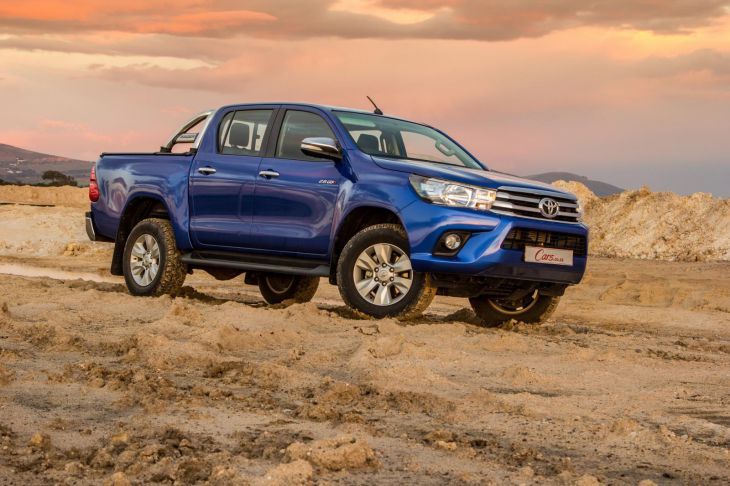
It’s a third win for Toyota in this category, with the Hilux 2.8 GD, clinching best basket price and affordability percentage. Second is the Nissan Navara and third, the Isuzu KB 300, all tried and tested favourites. GWM Steed 6 gets a look-in with impressively low servicing parts costs.

1. Toyota Hilux 2.8GD  

2. Nissan Navara 2.3dCi LE  

3. Isuzu KB300 D-Teq LX

4. Ford Ranger 2.2 Highrider XL

5. GWM Steed 6 2.0 VGT Xscape


Toyota Hilux 2.8GD  

Nissan Navara 2.3dCi LE  

Isuzu KB300 D-Teq LX

Servicing parts (R)

4 409.55

4 547.65

4 051.93

Repair parts (R)

7 911.76

13 171.57

13 213.97

Crash parts (R)

54 745.08

61 145.75

65 705.44

TOTAL (R)

67 066.39

78 864.97

82 971.34

Retail price (R)

508 500.00

584 900.00

486 900.00

Parts total as % of retail price

13.19%

13.48%

17.04%

Single Cabs (7):

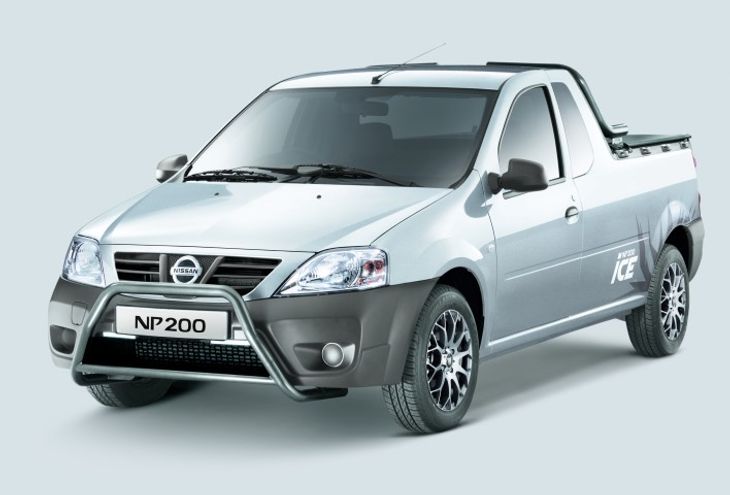
Nissan is smiling here with first and second going to the NP 200 (half tonne) and NP 300  (1 tonne) respectively. These genuine workhorses may lack a creature comfort or two but prove their value when put to work.

1. Nissan NP 200 1.6i    

2. Nissan NP 300 2.0   

3. Toyota Hilux 2.4GD

4. Isuzu KB250

5. Mahindra Scorpio 2.2 Pik-Up

6. Ford Ranger 2.2 D Hi-Rider

7. Volkswagen Amarok 2.0 TDI


Nissan NP 200 1.6i   

Nissan 300 2.0   

Toyota Hilux 2.4GD

Servicing parts (R)

2 084.64

2 158.37

6 262.24

Repair parts (R)

11 750.42

12 342.87

21 857.67

Crash parts (R)

39 343.79

43 044.81

37 714.92

TOTAL (R)

53 178.85

57 546.05

65 834.83

Retail price (R)

159 900.00

199 900.00

272 100.00

Parts total as % of retail price

33.26%

28.79%

24.20%

Executive Saloons (5):

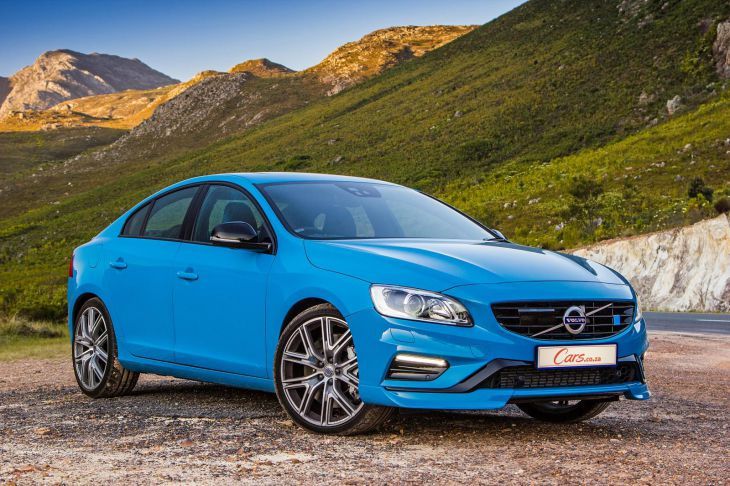
These are again all automatic transmission vehicles – like the executive crossovers, the demand in this luxury category is almost exclusively for automatics. Volvo clinches first spot again with the S60 with the BMW 320i close behind. The BMW came out tops for percentage value for money.

1. Volvo S60 T4 Momentum

2. BMW 320i   

3. Jaguar XE 2.0 D Prestige

4. Audi A4 2.0 TFSi

5. Mercedes-Benz C200


Volvo S60 T4 Momentum

BMW 320i    

Jaguar XE 2.0 D Prestige

Servicing parts (R)

5 825.40

7 494.17

6 368.8

Repair parts (R)

16 450.20

18 030.07

28 030.61

Crash parts (R)

137 586.50

135 588.97

136 823.70

TOTAL (R)

159 862.10

161 113.21

171 223.13

Retail price (R)

486 996.00

547 956.00

657 500.00

Parts total as % of retail price

32.83%

29.40%

26.04%

New Car Sales in SA for September 2017

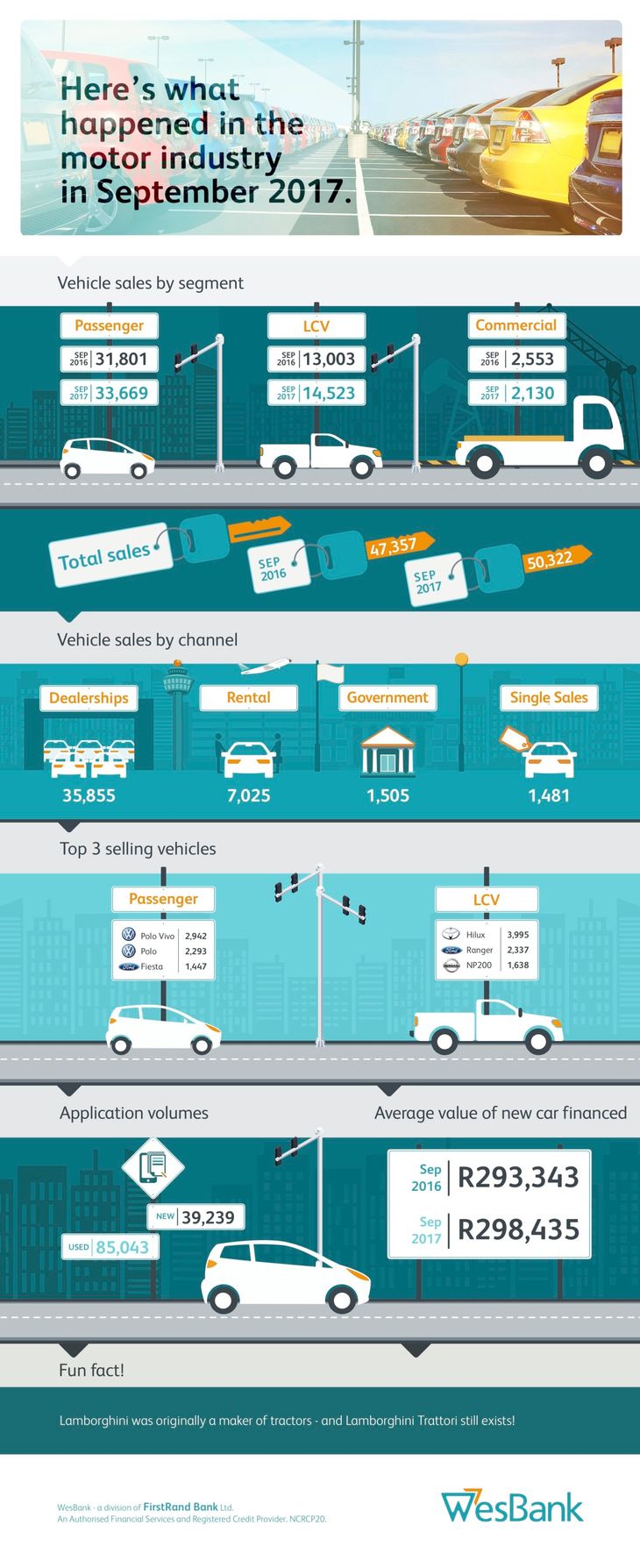
Despite a depressed economy and political uncertainty in South Africa, September 2017 was the fourth consecutive month that aggregate domestic new car sales recorded positive gains on local soil. Take a look at this new car sales summary for the details…

The new car market has made somewhat of a U-turn with positive results reflected during September 2017 with new passenger car sales and light commercial vehicle (LCV) sales showing strength. Exports also recorded strong gains and this trend is expected to continue in coming months. Aggregate new vehicle sales showed year-on-year growth of 7.0%.

Rudolf Mahoney, Head of Brand and Communication at WesBank commented that “This remarkable recovery in the new vehicle market is being made possible by superlative marketing incentives from manufacturers. Right now, new vehicle deals are just that much more attractive than buying used, and consumers are seeing the value.”

Furthermore, data from WesBank reveals that value for money in the new car market was a key driver in September’s positive results with average deal values declining. WesBank notes that the average new vehicle finance transaction in September was some 1.1% lower, which indicates that manufacturers are giving value back to the consumer. Sales through the dealer channel, where consumers are most active, reflected an increase of 6.3% during September 2017.

In the used car market, however, supply of quality used vehicles is ‘drying up’, resulting in continued price inflation. WesBank says that used vehicle finance deal values have risen by 8.4% year-on-year with no signs of slowing. In fact, in the last 3 months alone, this figure has jumped by 2.5%.

New car sales summary – September 2017

  • Aggregate new vehicle sales of 50 675 units up by 7.0% (3 318 units) compared with September 2016.

  • New car sales of 33 669 units up by 5.9% (1 868 units) compared with September 2016.

  • Light Commercial Vehicle (LCV) sales of 14 523 units up by 11.7% (1 520 units) compared with September 2016.

  • Exports sales of 36 359 units up by 11% (3 595 units) compared with September 2016.

Top 5 best-selling car brands in South Africa – September 2017


Toyota continues to dominate the local car market with Hilux, Corolla, Fortuner, Etios, Avanza and RAV4 being top sellers.

  1. Toyota – 11 123 units with market share of 22%

  2. Volkswagen – 8 012 units with market share of 15.8%

  3. Ford – 6175 units with market share of 12.2%

  4. Nissan – 5 098 units with a market share of 10.1%

  5. Hyundai – 3 147 with a market share of 6.2%

Top 5 best-selling cars in South Africa


The Toyota Hilux is the best-selling vehicle in SA, out-selling its Ford Ranger rival by a considerable margin.

  1. Toyota Hilux – 3 995 units

  2. Volkswagen Polo Vivo – 2 942

  3. Ford Ranger – 2 337 units

  4. Volkswagen Polo – 2 324

  5. Toyota Corolla/Auris/Quest – 1 845 units

New car sales outlook for 2017

The National Association of Automobile Manufacturers of South Africa (NAAMSA) predicts an overall year-on-year improvement of 1.5% for 2017. Furthermore, positive global economic growth will continue to support vehicle exports.

WesBank, however, provides some advice to consumers, “When looking at the macroeconomic indicators over the past few months, we see some stability. However, it’s not all plain sailing for car buyers and motorists. The cost of mobility is rising sharply, in keeping with the recent months’ rapidly escalating fuel prices, and contributing to a negative outlook for the remainder of the year. It, once again, shows that consumers should leave breathing room in their budgets to accommodate increases over the duration of their finance contract.”

Related Content

2017's New Cars: How They Fare in Terms of Sales
Dealership Labour Rates: How Much Brands Charge in SA
New Car Sales Summary for 2016
2016’s New Cars – How They Fare in Terms of Sales
3 Must-ask Questions for a Used-Car Salesman
5 Most Memorable Drives of 2016
Cars Coming to SA in 2017
10 Ways To Save Fuel
6 Small Crossovers for Under R200k
6 Most Affordable Sedans in SA

5 Ways to Ensure Car Loan Approval

Take a look at these 5 tips to help you secure a car loan!

Buying a car, whether it be new or used, is one of the most expensive purchases you will make in your life. Obtaining a car loan is the easiest way to purchase a car, but getting car loan approval can be difficult, especially if you have a poor credit rating or are in debt due to excessive credit reliance.

If you are seeking car loan approval, take heed of these best practices to ensure that you improve your credit score and increase your chances of obtaining vehicle finance.

1. Know what you can afford to spend on a car

In order to determine how much you can afford to spend on a car, you need to determine your disposable income. Disposable income is the amount of money you have left over after you have accounted for ALL your monthly expenses.

To calculate your disposable income, take your income (after taxes and deductions) and deduct all your monthly living expenses such as rent, food, school fees, TV subscriptions, cellphone costs, medical aid payments and so forth. Once all your expenses are accounted for, you will be left with your disposable income. Your disposable income will determine how much you are able to spend on monthly car loan repayments.

2. Be aware of additional motoring costs

Monthly car repayments is but one factor to consider when buying a car. There are, however, other costs related to your car purchase that you need to factor into your budget plan. Additional costs such as car insurance, fuel and maintenance costs need to be accounted for too and will have a direct impact on your affordability. By accounting for these costs, the chance of your car loan being approved is more likely.

WesBank, a market leader in vehicle finance, advises that consumers allocate between half and two thirds of your car budget to monthly car repayments, with the remainder of the budget accounting for car insurance, fuel and maintenance costs.

As an example, if your have R5 000 in your budget for a car, at least R2 500 – R3 000 can be used for monthly car repayments. The remaining R2 500 – R2 000 can be used for car insurance, maintenance and fuel costs.

Get car insurance quotes with Cars.co.za

Use the Cars.co.za finance calculator to calculate car repayments

3. Save for a deposit

Although a deposit is not entirely necessary, it can be hugely beneficial. By putting down a deposit for your car purchase, you are effectively reducing the amount of credit required for the car purchase which will improve your affordability and reduce your monthly installments. Your ability to afford the monthly repayments is a key factor that banks consider when assessing your car finance application and according to WesBank, financial responsibility reflects positively on your credit profile and will help ensure that your car loan is approved.  

4. Clear your debt

The National Credit Act (NCA) requires banks to consider all credit facilities in your name as a way of getting the ‘full picture’ of your financial situation and your level of affordability. Your credit profile shows banks how you use credit and this credit may include clothing accounts, home loans, personal loans, overdrafts and credit cards. If you don’t fault on your monthly repayments, your credit score will be healthy.

However, if you have too many credit facilities and are struggling to make your payments every month, this is an indication that you are not a reliable borrower and banks will be less inclined to approve your car loan. WesBank advises that you try and reduce your debt as much possible by settling and closing unnecessary facilities so that you can free up money in your monthly budget. Fewer credit facilities in your name will play in your favour when applying for a car loan.

5. Consider trading in your car

Your existing car can contribute towards the purchase of a new car. If you have had your car for a longer period of time, say 4 years, then the chances are that your trade-in value will be more than what you still owe the bank. That means that you have passed the break even point of your car loan and you will be able to use the remaining amount as a deposit for your next car. The same applies if you have already paid off your car, which means you will have a larger deposit available for your next purchase.

However, if your trade-in value is less than what you still owe the bank, then you will either have to keep your current car for a while longer or use additional savings to settle the existing vehicle loan. WesBank further advises that consumers be patient and shop around for the right deal suited to their budgets.

Related Content

How much should you spend on a car
Get the best trade in value for your used car
Trading-in your car
Buying a new car vs a used car
The Motor Industry Ombudsman Of South Africa – In-Depth Q&A
3 Must-ask Questions for a Used-Car Salesman


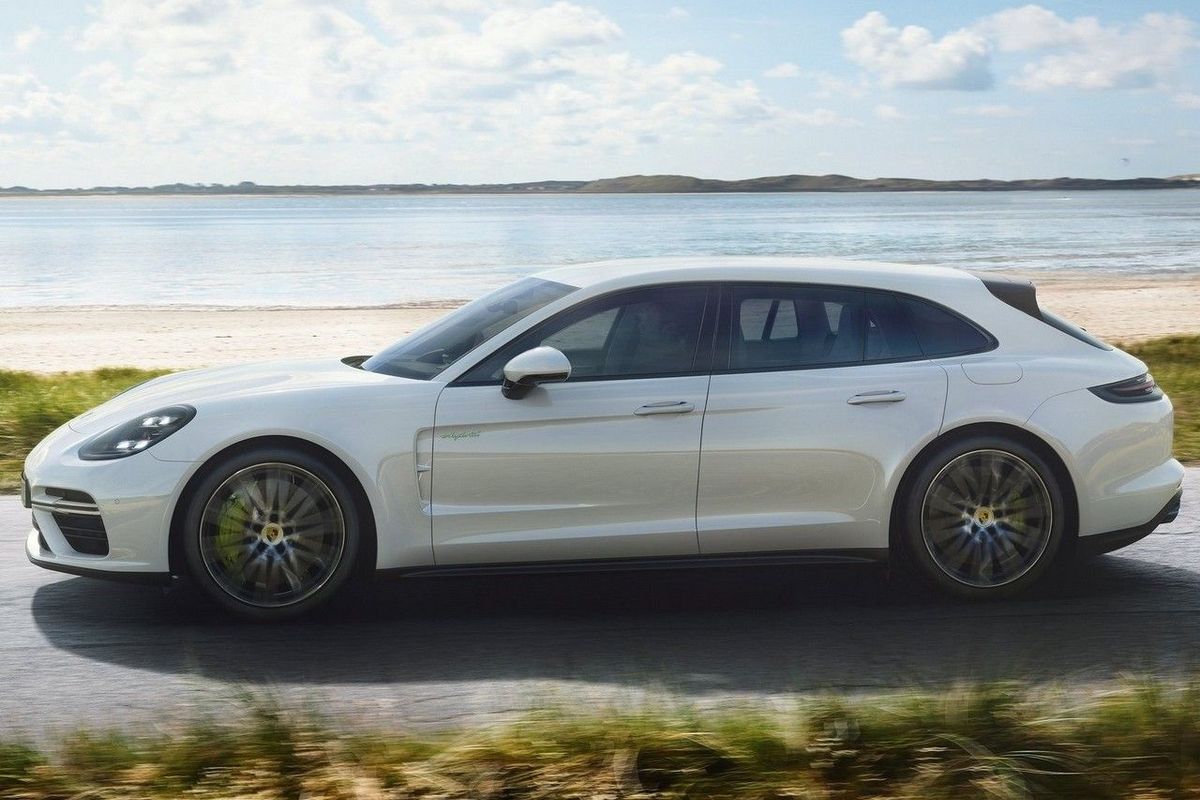
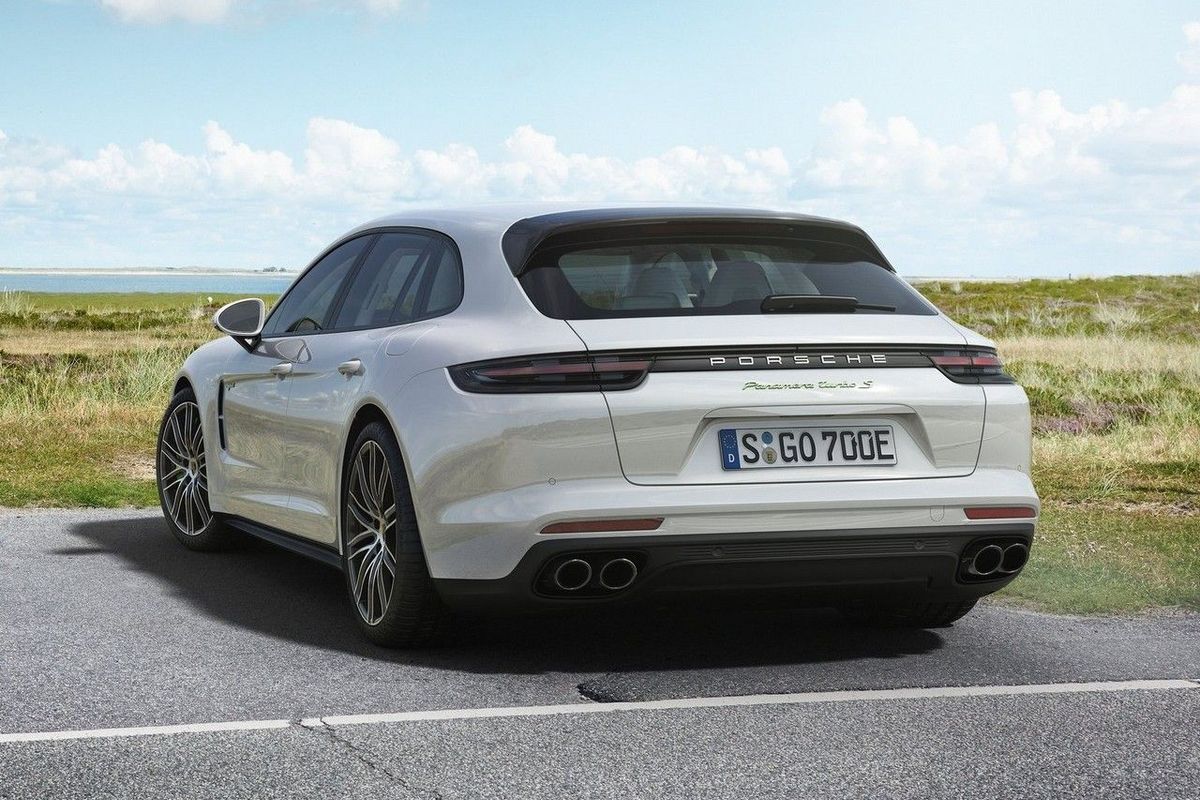
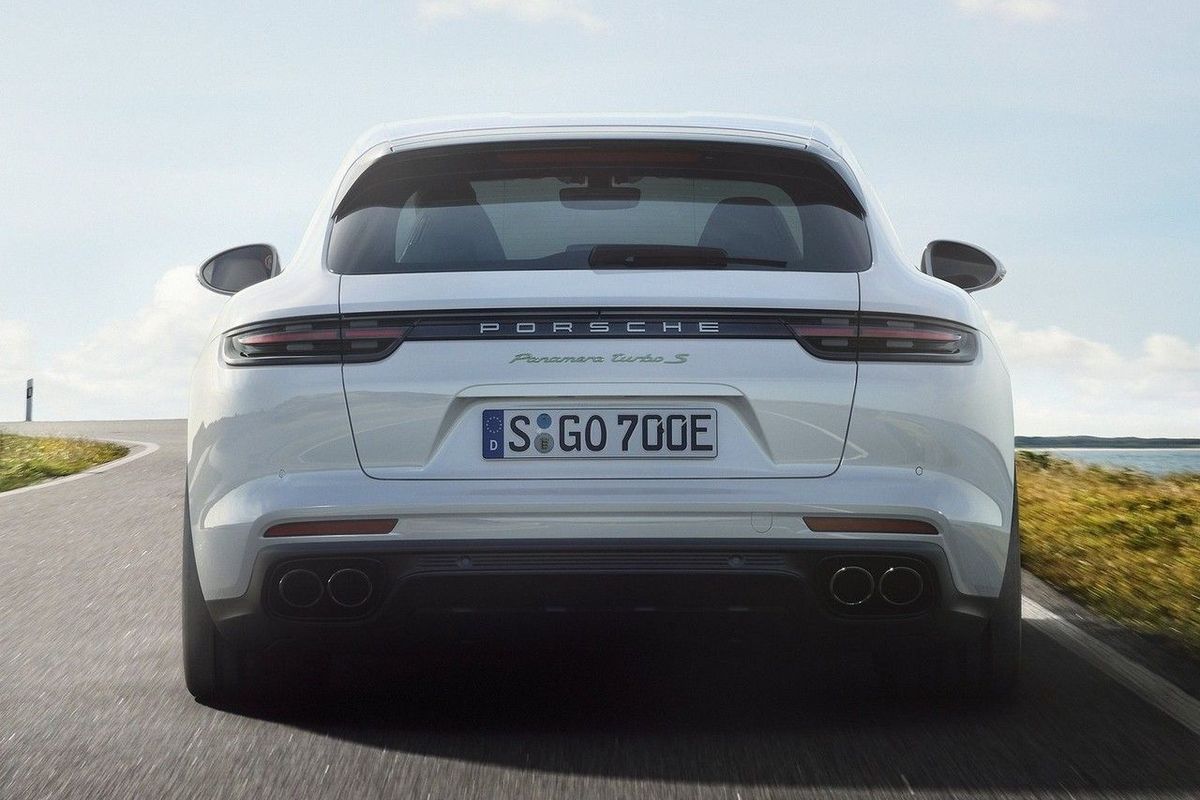
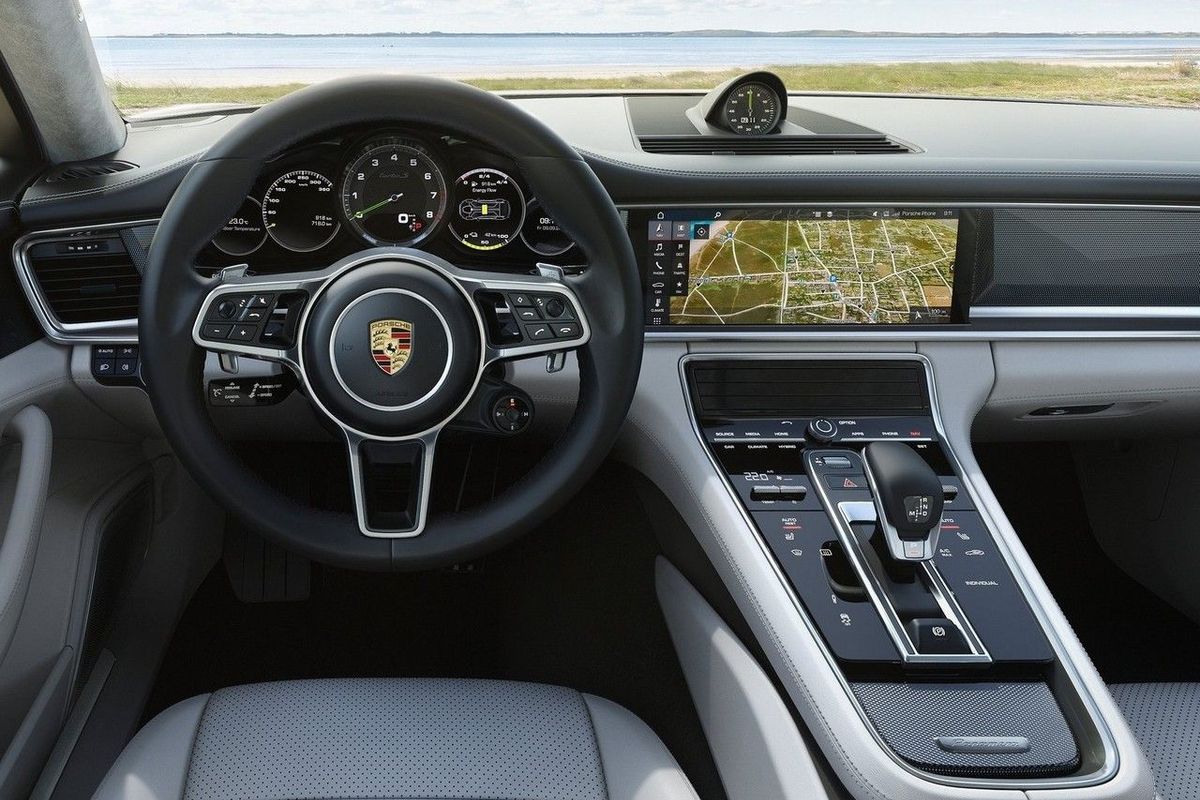
Porsche goes green with Panamera Turbo S E-Hybrid Sport Turismo [Video]

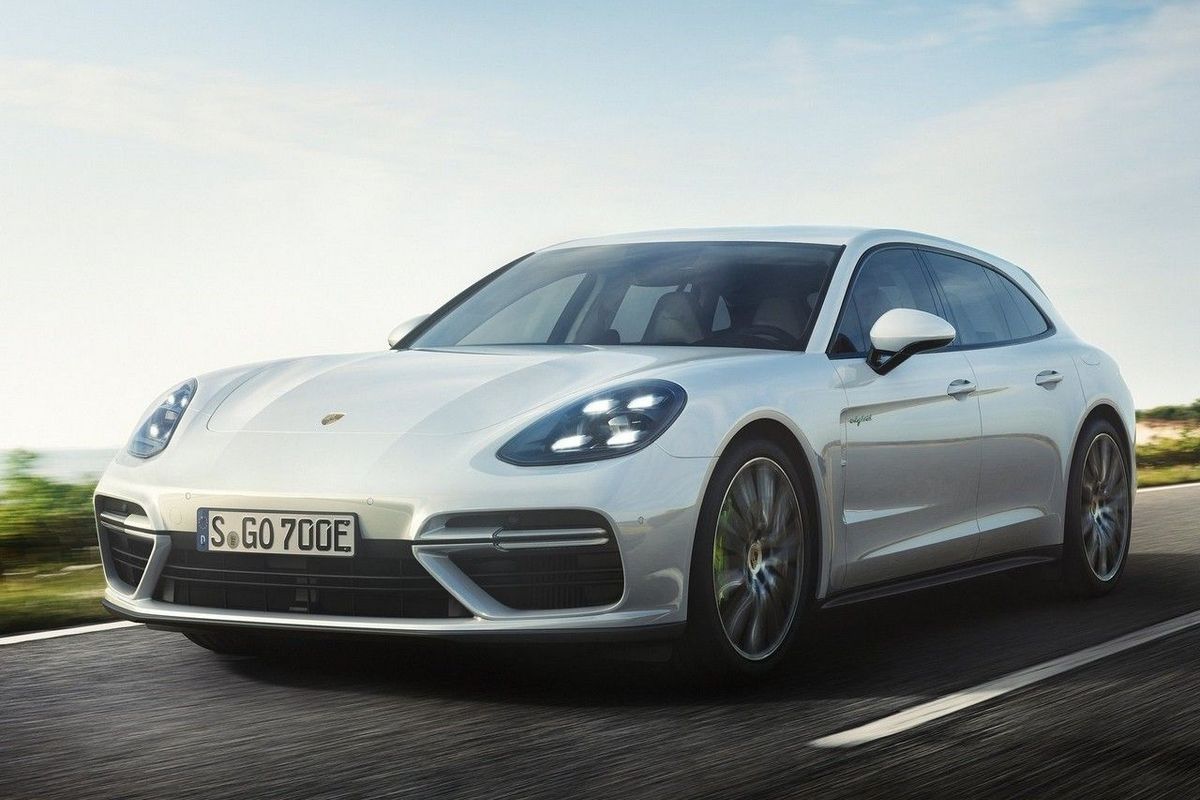
Porsche is expanding its Panamera Sport Turismo model range with a new hybrid. While its green credentials are impressive, the real drawcard will be the stupendous performance.

The Porsche Panamera Sport Turismo is one of the brand's more striking models and while none of the range can be regarded as slow, Porsche has felt it necessary to introduce a frugal-but-brutal derivative. It's called the Panamera Turbo S E-Hybrid Sport Turismo and the headline numbers are staggering. Thanks to a combination of a turbocharged 4-litre turbocharged V8 petrol engine with an electric assist, outputs come in at 500 kW and 850 Nm. This translates to a 0-100 kph sprint time claim of just 3.4 seconds, 8.5 seconds to 200 kph and a top end speed of 310 kph. What's more impressive is the claimed fuel consumption of just 3 L/100 km.

The hybrid technology employed in the E-Hybrid Sport Turismo shows you just how far things have progressed. All 850 Nm is available from just 1 400 rpm. Lag? What lag? It's also able to cruise along at speeds of up to 140 kph for 49 km on pure electric power only. Power goes to all four wheels through Porsche's PDK 'box while the lithium-ion battery has an energy content of 14.1 kWh and can be charged within 2.4 to 6 hours, depending on the charger and power connection.

The vehicle comes standard with Porsche Dynamic Chassis Control (PDCC Sport) roll stabilisation including the Porsche Torque Vectoring Plus (PTV Plus) rear differential lock, the high-performance Porsche Ceramic Composite Brake (PCCB) braking system, 21-inch alloy wheels in a 911 turbo design, Power Steering Plus, the Sport Chrono Package and auxiliary air conditioning, as well as adaptive three-chamber air suspension including Porsche Active Suspension Management.

Further Reading

New Porsche Cayenne Revealed

Porsche Showcases Most Powerful Model

Porsche Panamera 4S (2017) Video Review

Porsche Produces 1-millionth 911 [Video]

SentiMETAL Ep 2: 80s Icon – Porsche 930 Turbo [Video]

Want to buy a Porsche?

Browse through stock here

Volkswagen launches app for SA customers

Volkswagen SA has launched an app for its customers which will make their lives easier in terms of booking servicing as well as tracking loved ones.

This new app from Volkswagen SA is available for any Android and Apple smartphones, from Google Play Store and Apple app stores. 

“The My VW App is part of Volkswagen’s digitalisation strategy and is another way in which we are bringing the full Volkswagen experience to our customers,” says Stefan Mecha, Sales & Marketing Director at Volkswagen Group South Africa (VWSA).

Some of the features include:

  • Request a service appointment at their nearest service centre
  • Book a test drive
  • Request a quote for a new car
  • Access their car’s service history
  • View and manage their financial contract information.

Two bonus features include Volkswagen Alert Roadside Assistance and the Guardian Angel. “Roadside Assistance provides users with a direct line to the Volkswagen Roadside Assist call centre, which sends exact GPS coordinates at the same time, so they do not need to worry about finding out and relaying their precise location; while the Guardian Angel feature is a journey tracking tool, which notifies select friends or family of a driver’s journey progress and sends alerts if there is a journey disruption,” added Mecha.

Find the Volkswagen App for Android here

Find the Volkswagen App for IOS here

Related content:

Volkswagen Golf GTD (2017) Quick Review

Volkswagen Golf R, GTI & GTD (2017) Track Comparison Video

Drag Race: Volkswagen Golf GTI vs Golf GTD [Video]

Drag Race: VW Golf R vs Golf GTI [Video]

Volkswagen Golf GTI (2017) Quick Review

Update: Renault Shows New Megane RS [with Video]

Ford Focus RS (2016) Review

Extended Test: Ford Focus ST [with Video]

Volkswagen Golf GTI Clubsport S (2016) First Drive

Volkswagen Golf GTI Clubsport (2016) Video Review

Searching for a new/used Golf ?

Search for one on Cars.co.za

Audi Q5 2.0 TDI quattro (2017) Video Review

The new Audi Q5 was launched in the South African market recently and the executive SUV's understated looks have drawn a fair amount of criticism. In fact, its detractors even go so far to suggest it is "just a facelift"… But the Q5, which is a top-selling family car for Audi across the globe, is an all-new product.

In this video, Cars.co.za contributor and #CarsAwards judge Francisco Nwamba proves that the changes are not just skin deep and that the new Q5 (tested here in 2.0 TDI quattro guise) is a competent offering. Does it justify its premium price tag and why is it a leading contender in the 2017/18 #CarsAwards? Let's find out.

View a detailed comparison of this new Audi Q5 and its rivals!

Buy a new or used Audi Q5 on Cars.co.za

Related Content:

2017/18 Cars.co.za Consumer Awards – powered by WesBank; Semi-Finalists

Audi SQ5 quattro (2017) Review

New Audi Q5 (2017) Launch Review

BMW X3 Revealed with video (2017)

5 Interesting Things about the new Jaguar E-Pace

Audi Q5 (2017) First Drive

Jaguar F-PACE 30d AWD R-Sport (2016) Review

Jaguar F-PACE (2016) First Drive

Mercedes-Benz GLC Coupe (2106) Specs & Pricing

Mercedes-Benz GLC 300 (2015) Review

New Lexus NX200t: All You Need to Know (Video)

Lexus NX 200t F-Sport (2015) Review

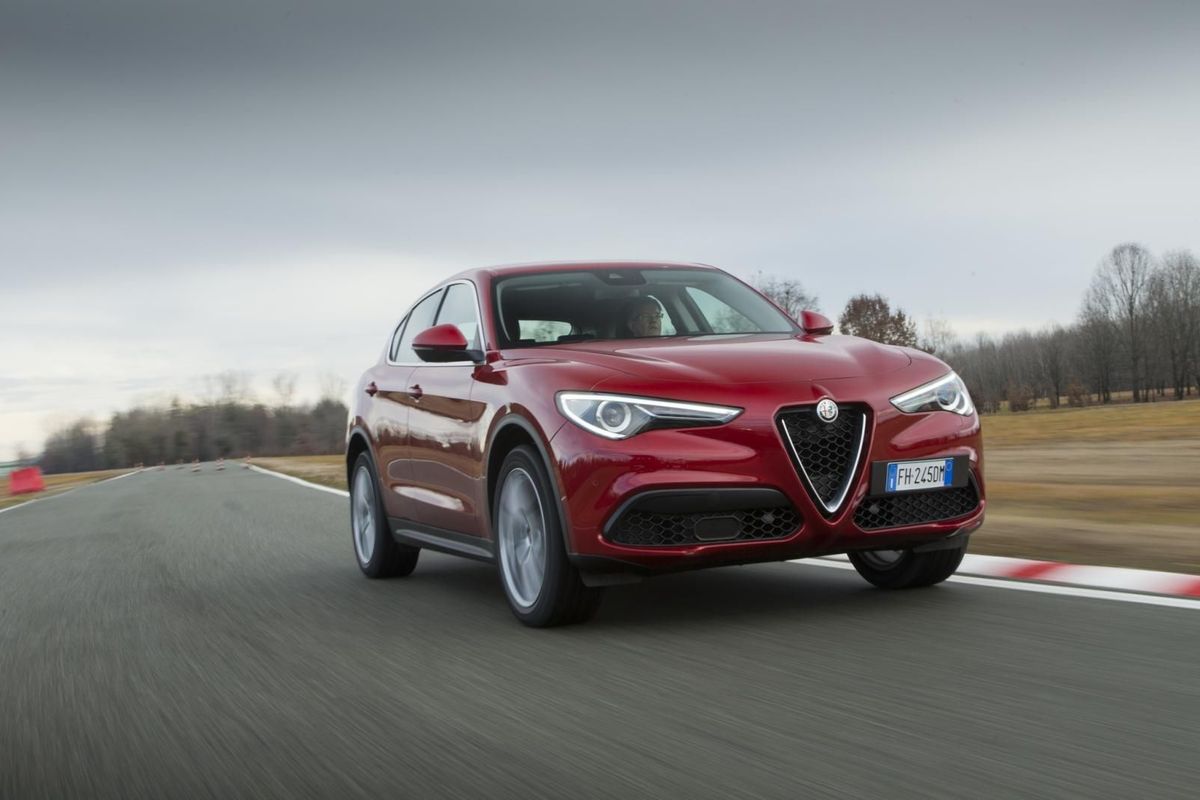
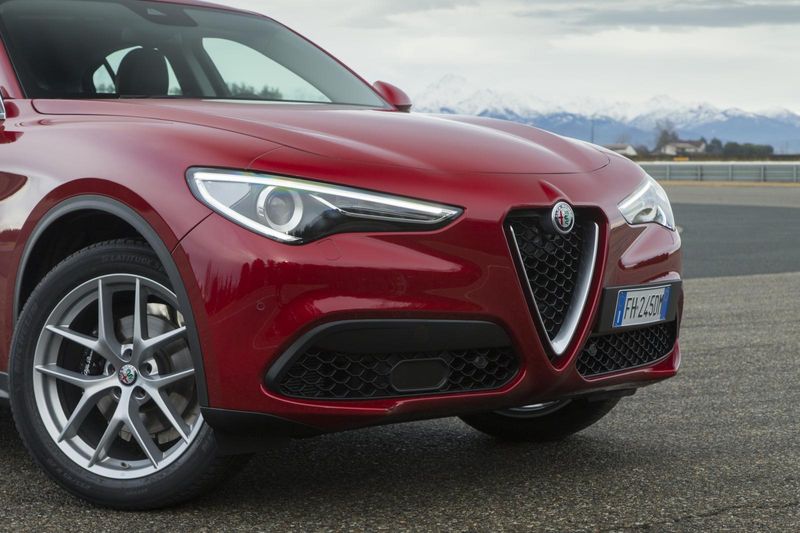
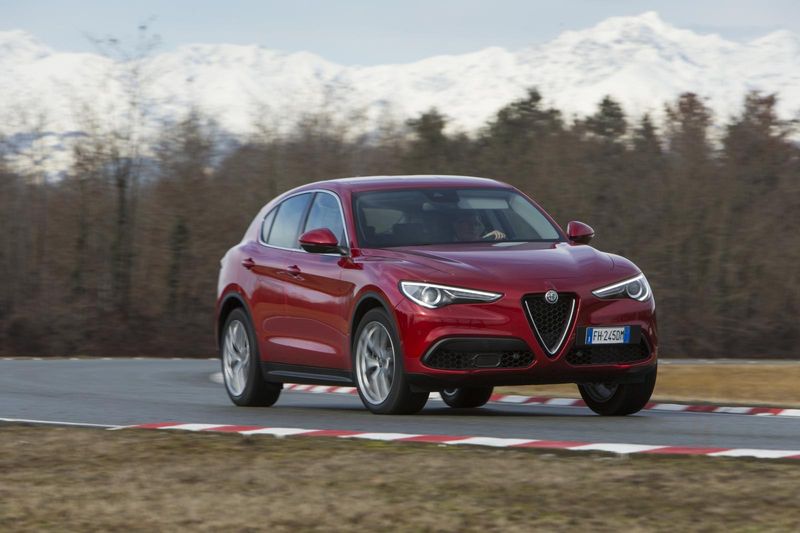
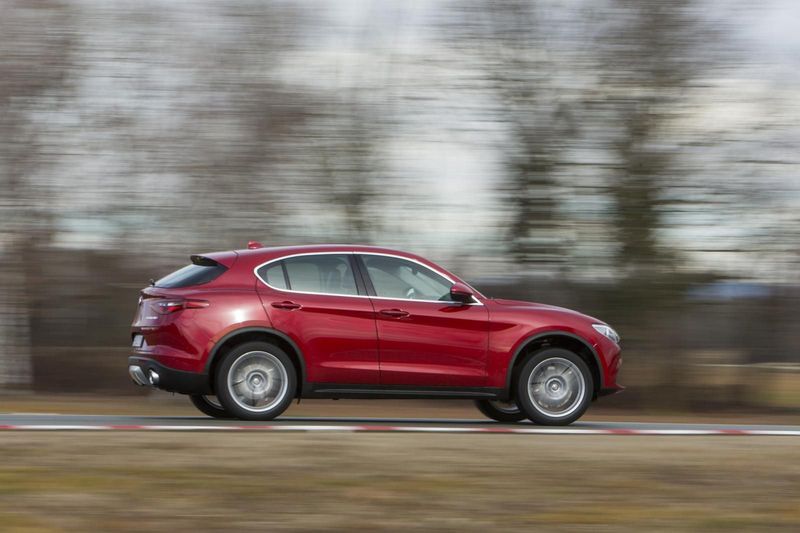
Alfa Romeo Stelvio (2017) International First Drive

Alfa Romeo's highly anticipated Stelvio sports SUV will arrive in South Africa in the fourth quarter of 2017 and we recently headed to Alfa's test track in Italy for a drive. Let it be known, the Stelvio doesn't disappoint…  

Alfa Romeo is making a big comeback and the hot-blooded Giulia sedan is due for launch in South Africa early in March 2017. Watch this space! But that's not all because Alfa Romeo will also be launching its new Stelvio sports SUV.. Does the Stelvio have what it takes to compete in this growing segment? We headed to Italy to give the Stelvio a poke and to learn more about this attractive offering ahead of its arrival in South Africa. Let's dig in…

What is it?

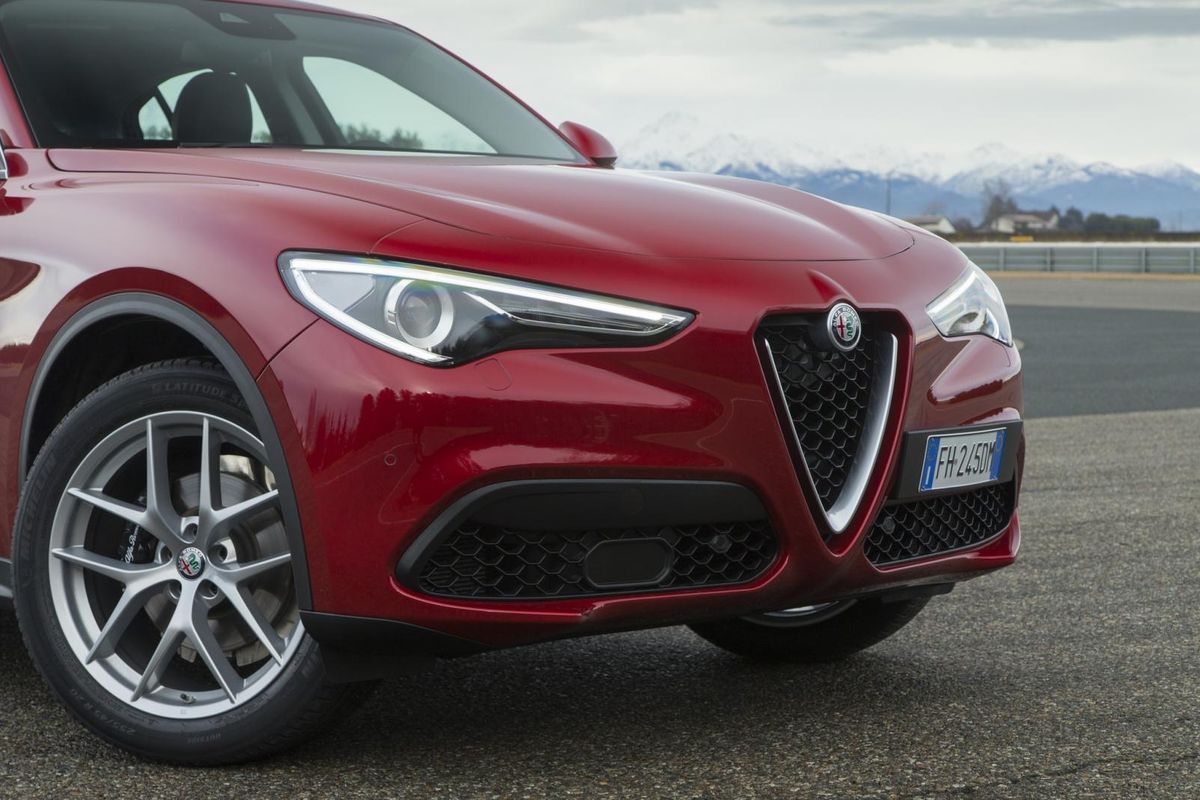
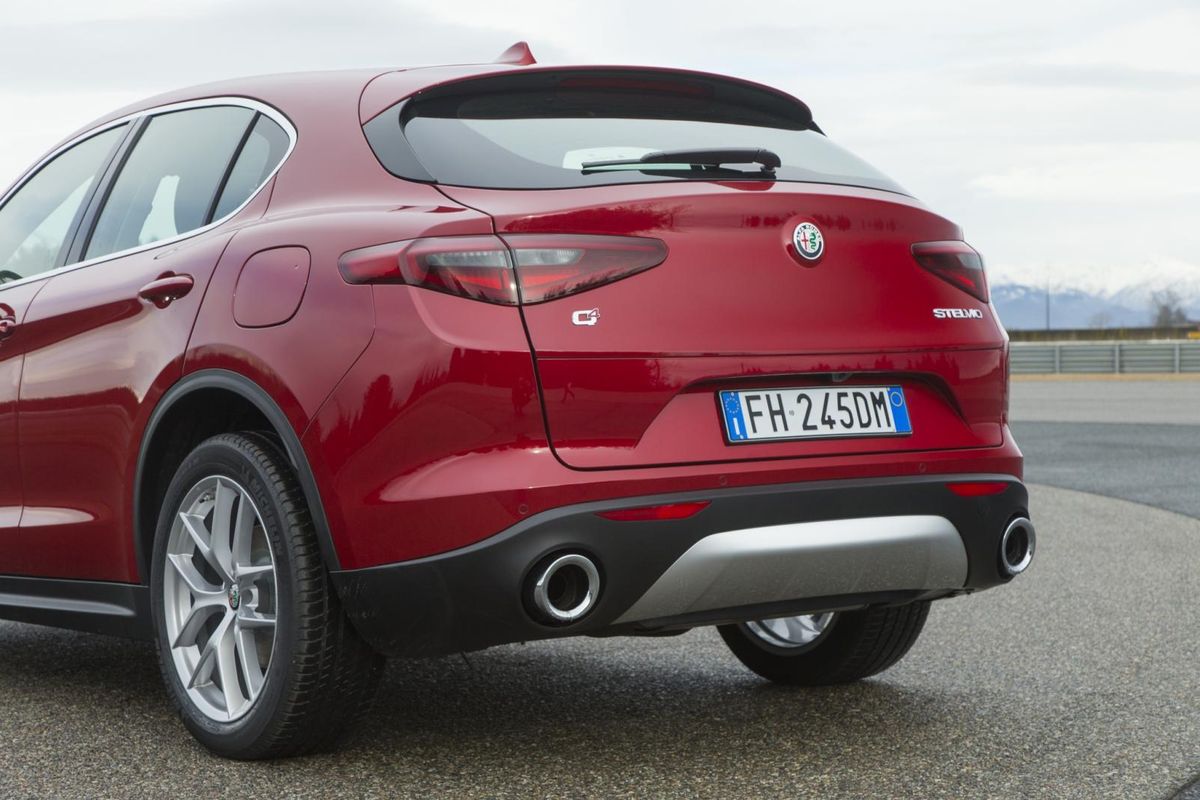
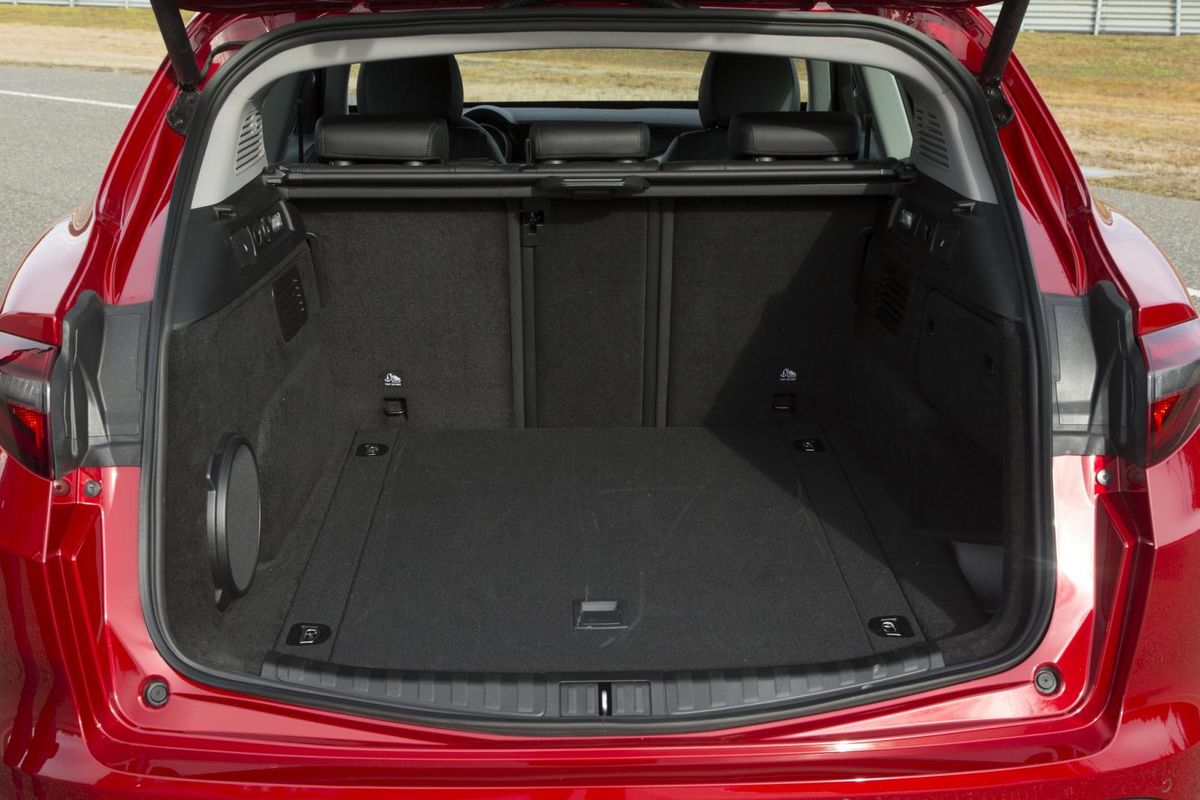
The Alfa Romeo Stelvio has a big boot with rear seats that conveniently split in a 40:20:40 configuration. It has sensible black plastic wheel arch lips, a power tailgate, multiple cup holders, several shopping hooks and… 206 kW, which is quite generous for a high-riding five-seater family car.

This certainly isn’t the first time that Alfa Romeo has set about building a more practical vehicle – it made a rugged, Jeep-like 4×4 called the Matta in the early ‘50s – but what its Canadian boss Reid Bigland underlines is that ‘the Stelvio is an Alfa Romeo first, and an SUV second.’ And as any car enthusiast knows, that should mean a recipe to include excellent handling, feelsome steering and a tunefully characterful soundtrack. To this end, chief engineer Roberto Fedeli points out that Alfa Romeo consulted a couple of musicians (of rock, blues and pop leanings rather than orchestral, rap or trance, apparently) to create a backing track in harmony with the rest of the car in the interests of bestowing a ‘coherent character’ on the car.


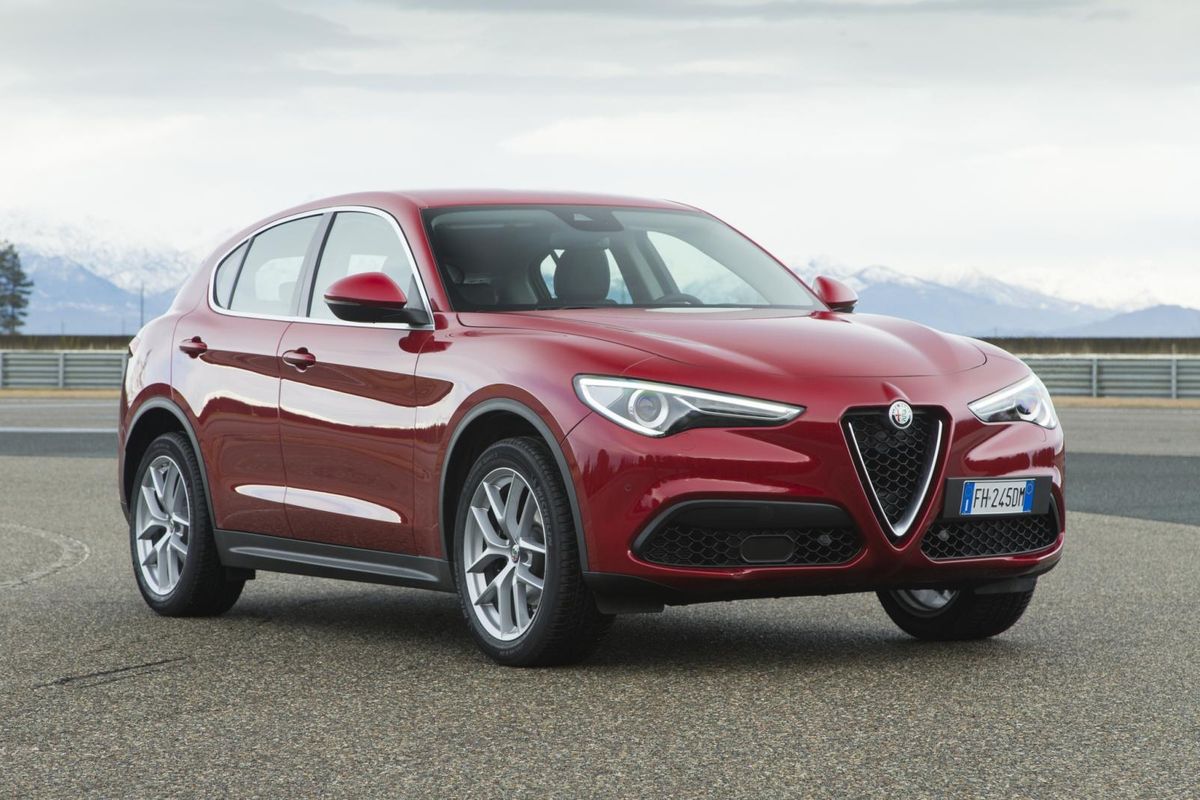
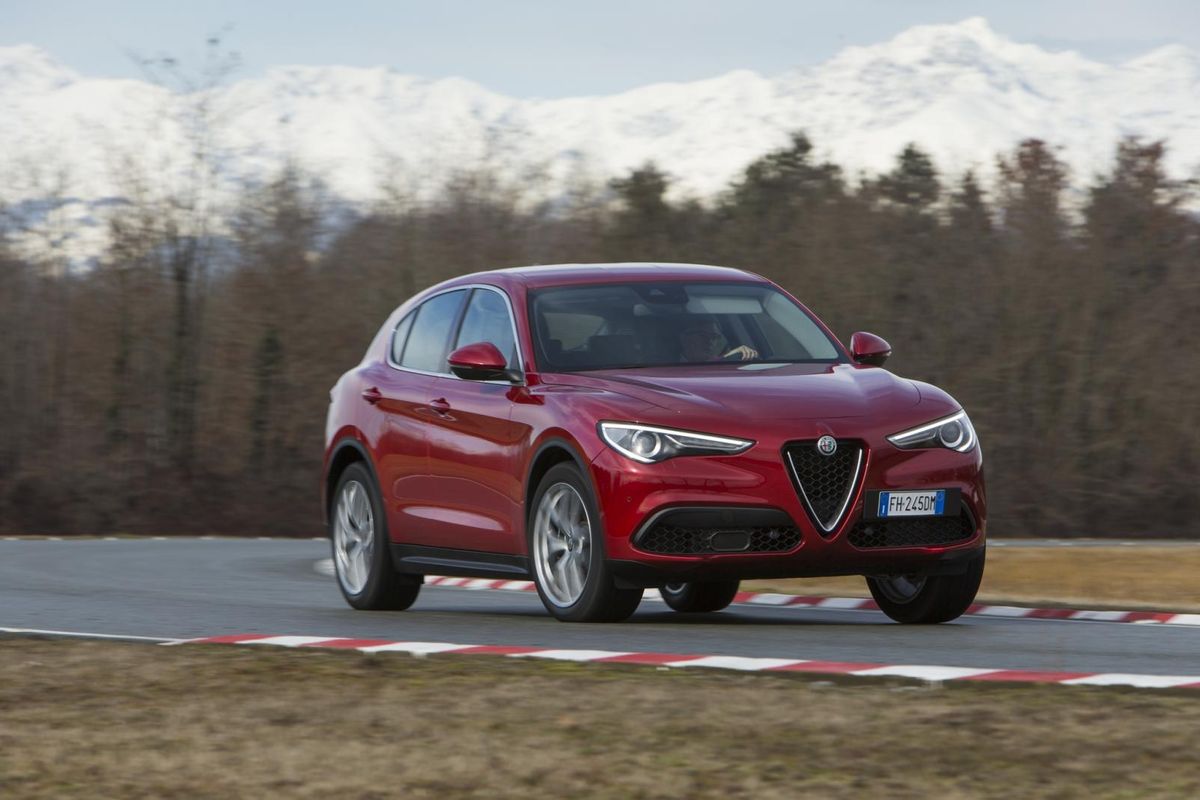
Stelvio is positioned as a sports SUV, a segment currently filled by the Jaguar F-Pace and Porsche Macan

That character is built on the so-called ‘Georgio’ platform that forms the building block of the Giulia sedan, Fedeli pointing out that the Stelvio was developed at much the same time in a ‘cluster’ of models that will grow from this architecture. Bigland reminds us that Georgio was developed as a premium architecture and that by debuting the 375 kW Giulia Quadrifoglio first it was possible to develop high-cost items like a lightweight carbon fibre prop shaft that also appears below the floors of all the mainstream Giulias, and the Stelvio besides. Had the less potent versions been developed first, he explains, the finance department would have vetoed such functional indulgences.

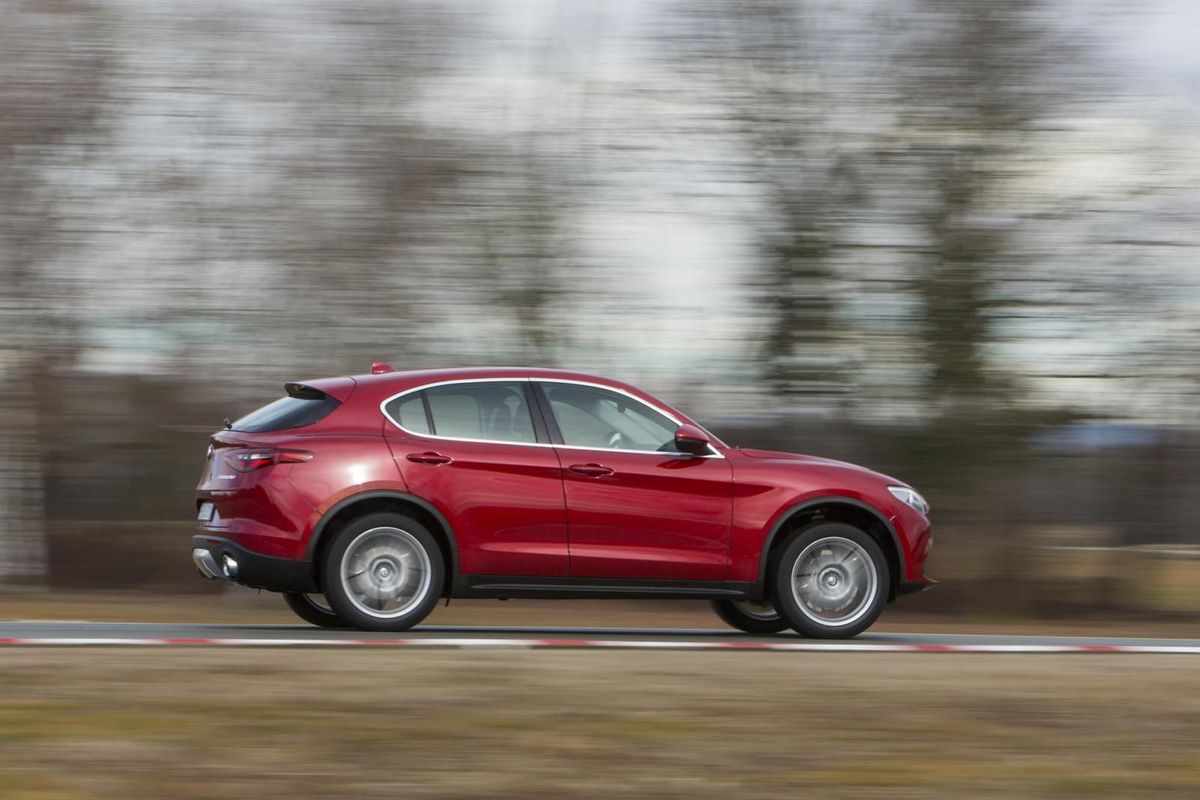
The Stelvio is rich in lightweight aluminium too, the doors, bonnet and tailgate are all alloy, as is the suspension and its sub-frames. The result is a mid-size, four-wheel drive crossover that weighs in at 1 659 kg with fluids: impressively competitive heft even against the equivalent predominantly aluminium 1 775 kg Jaguar F-Pace. The body is also exceptionally rigid, a vital requirement both of a keen-handling car and a crossover with off-road capabilities. It’s presumably no Land Rover – there are no terrain settings to choose from – but there is a hill-descent facility and a heated steering wheel for sub-zero adventuring.


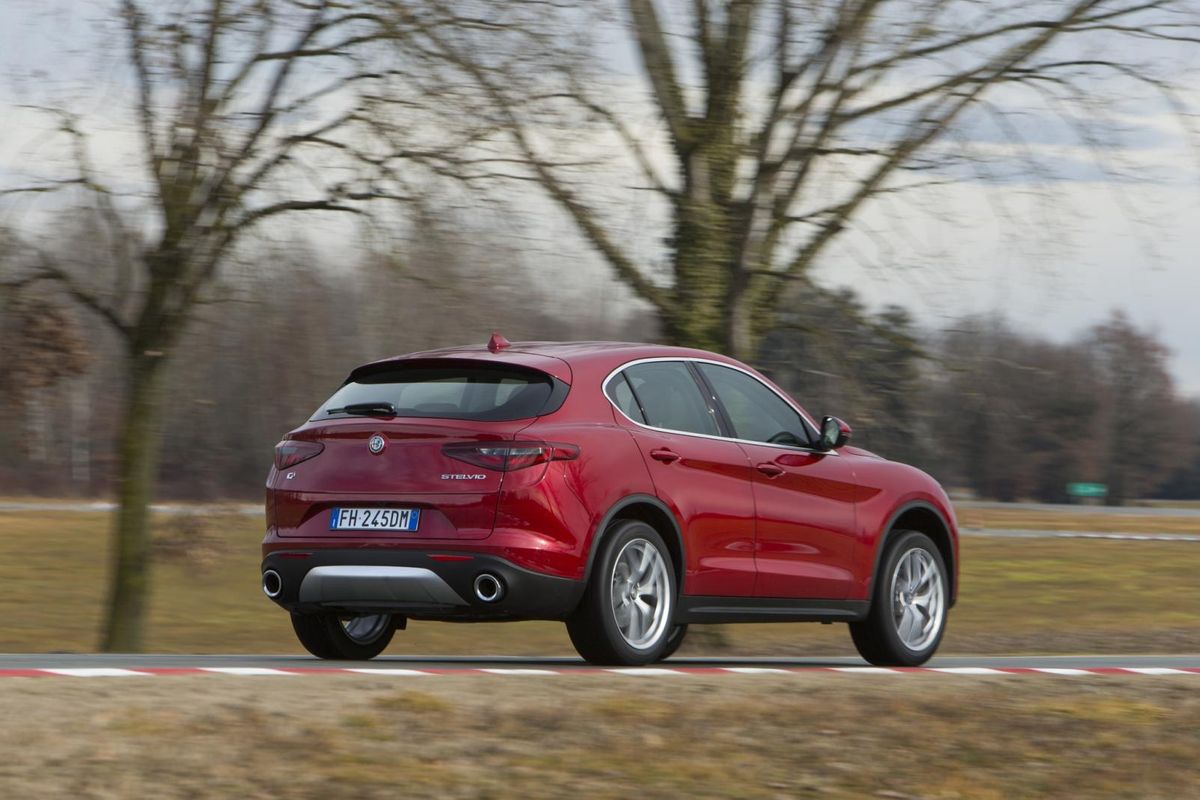
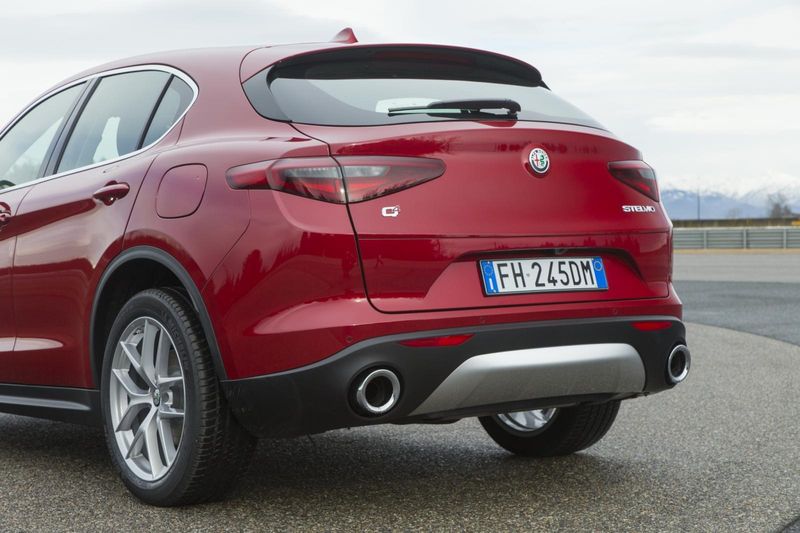
Integrated exhaust pipes and an automated tailgate are just a few of the premium touches the Stelvio offers.

Mostly, though, the Stelvio’s innards have been arranged to provide an entertainingly diverting drive, to which end Fedeli and colleagues established an unusual dynamic goal. Which was to reproduce the handling of the Giulia in a car whose driving position – or H-point, in industry-speak – is 190 mm higher. And that includes replicating the Giulia’s low-roll cornering habits. No trick roll-resisting devices are employed, Fedeli confirming that this goal has been achieved with stiffer springs and anti-roll bars. To which the obvious next question is: ‘what about the ride?’ Specially developed dampers are the apparent solution, and on the petrol and diesel versions driven here, of the non-electronic variety. 

What's it like?

There’s little chance of finding out how effectively Alfa's ambitious approach to the Stelvio's chassis tuning works at FCA’s Balocco test track, most of which is as smooth as a fresh-shaved cheek. Rest assured by the fact that the Stelvio has been tested on roads in South Africa, Wales, Scotland and England. But for this car more than most, it’ll take a local drive to determine what the ride is really like.


Driven on track, it's hard to tell how well the suspension will cope with everyday use, but it's certainly impressive when pushed.

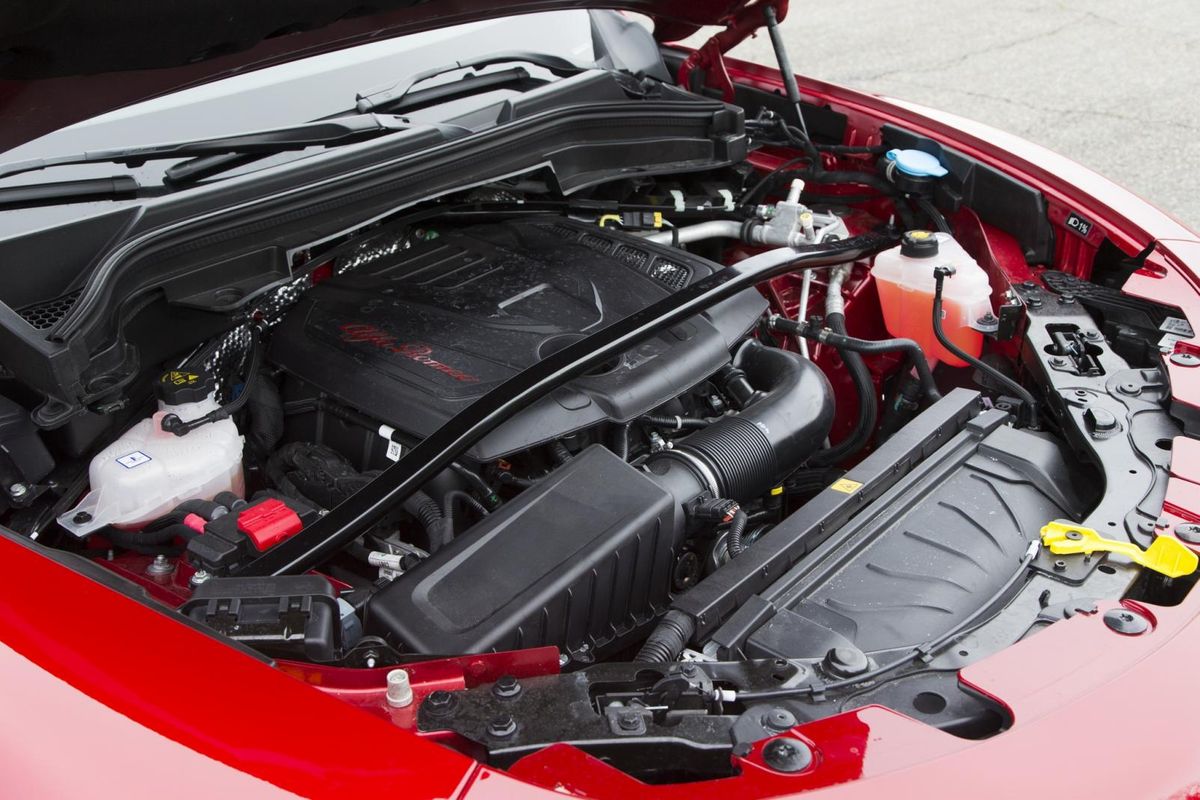
There is, however, plenty of scope for testing the Stelvio’s thrust. The 2.0-litre turbo not only delivers an enticingly generous 206 kW, but also 400 Nm of torque, and you can feel the full strength of this from 2 250 rpm if you floor the throttle from idle in a low gear. The Multiair four-pot is smooth, although what you notice most is the mild rort issued across most of the rev range. It’s certainly not loud – that would get irritating within miles – and it’s not as sweet as you’ll hear from an old Alfa 75 Twin Spark, for example, but it’s assertive enough to give the engine a characterful voice. It also encourages you to drive the Stelvio with zest, especially as the chassis is at least as eager.

The steering's swift-acting ratio is exactly the same as the Giulia’s, and at low to brisk speeds on Balocco’s dampened tracks, the Stelvio changes direction with a crisp immediacy that’s heightened by the promised lack of roll. What you feel at the rim is more resistance than outright feel, but it’s accurate and consistent at least. It’s not long before you forget your distance from the road below, and begin to drive the Stelvio with the verve of its lower-riding Giulia brother.

The Stelvio is fundamentally rear-wheel drive, like the Giulia, with 100 percent of the engine’s effort channelled to the rear axle – for which a mechanical limited-slip differential is optionally available – unless traction issues require a contribution from the clutch-controlled front axle. How much time does this take? ‘Nothing,’ is the slightly unbelievable answer from Fedeli with a smile. But on the track, the Q4 system responds briskly enough to avoid feeling clunky. Up to 50 percent of the torque can be redirected to the front wheels, matching the Stelvio’s ideal 50:50 weight distribution. There’s plenty of urge to direct, too, the 206 kW petrol launching the Alfa to 100 kph in 5.7 seconds – usefully faster than the latest Golf GTI – the diesel managing this in 6.6 seconds.


It's 100 percent rear-wheel drive until torque is needed at the front, then it can send 50 percent to the front instantaneously. 

Balocco’s slightly slithery Tarmac provides a decent chance for exploration of the effectiveness of this hardware, tight low-speed corners soon revealing the amusing discovering that the Stelvio’s quite substantial rear-end can be poked decisively sideways. That’s if you’re in the dynamic setting of Alfa’s familiar DNA driving modes, which allows some slippage but not enough to spike your heart rate. The ESP can’t be completely killed, which is a good thing given that it’s also quite easy to make the Stelvio’s front tyres slide towards understeer. As we know, tracks can often be highly deceptive, so it will take a twisting, bump-scattered road – or indeed, the Stelvio Pass – to discover what this Alfa’s really like. So far, though, it’s more than promising.

And so to seat folding, boot space and the mundane necessities of family car life. The Stelvio manages two fair wins with decent rear room and a long, uniformly shaped boot, although it might have been wider had its sides not been packed with components-unknown behind carpeted trim panels. The rear seats can be semi-released from the tailgate end, but only semi- because the backrests don’t drop down once their catches are released, making this facility rather pointless. The backrests fall fairly flat however, and the tailgate is powered on all versions.


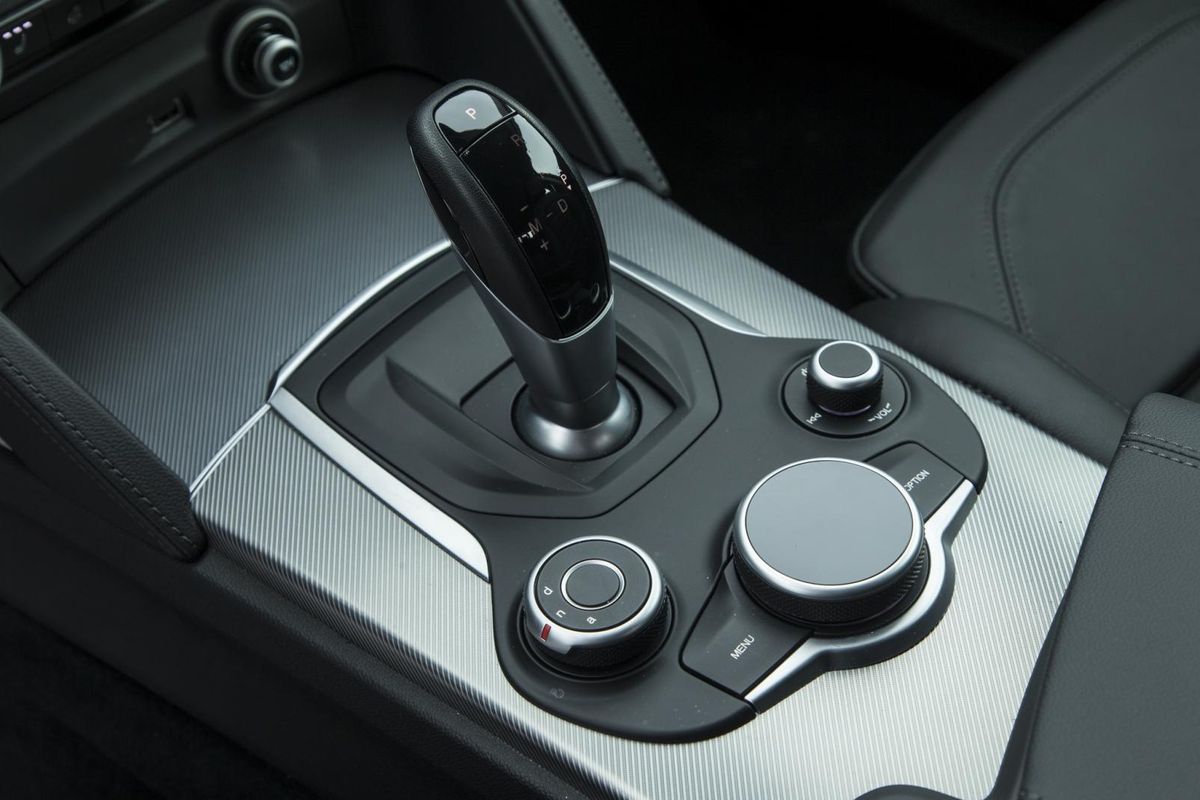
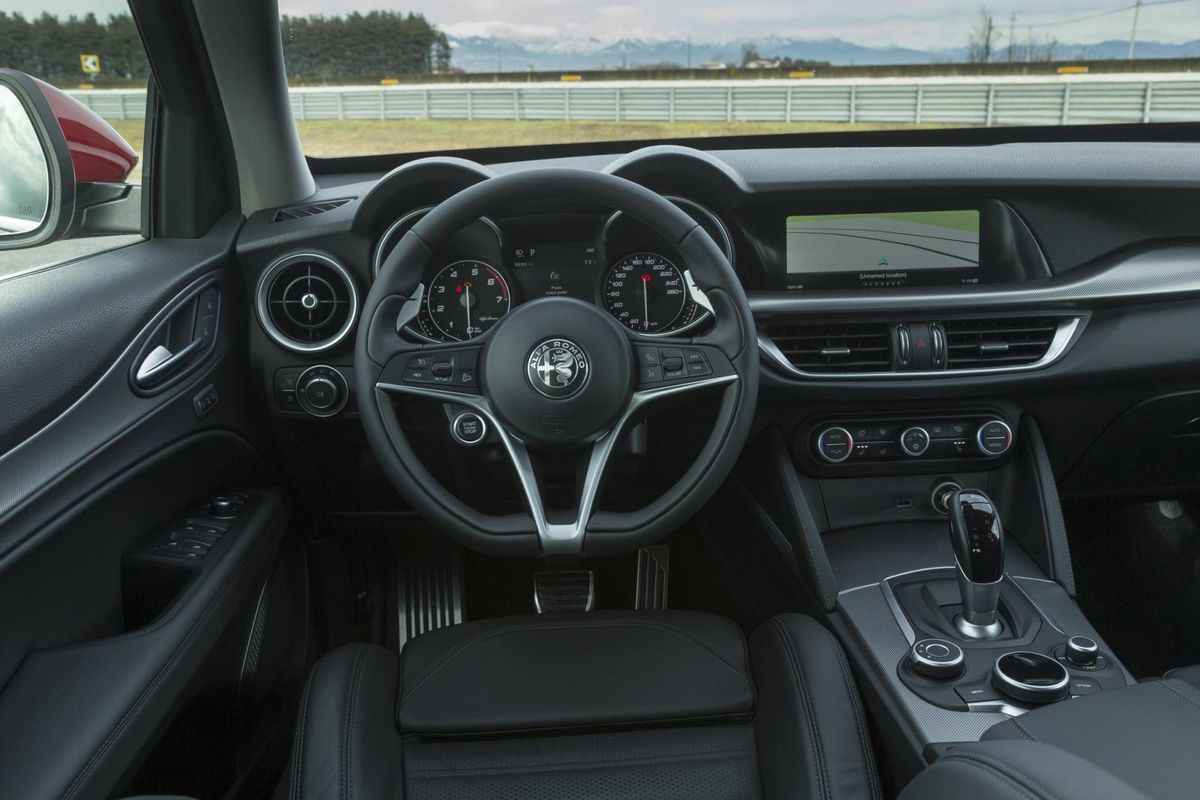
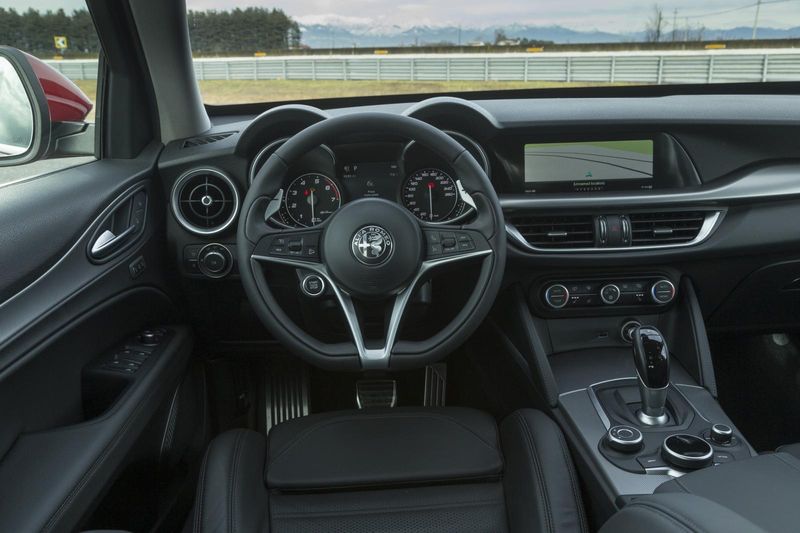
Interior looks plush, as it does on the new Giulia. Soft touch materials and brushed aluminium dominate the cabin

Should I buy one?

Our early-build test had one or two frustrating bugs, among them wind noise that roared too obviously and a driver’s seat with no tilt facility. But, on the flip side, further positives included the Stelvio’s robust aura, the high quality of much of the interior trim, a particularly tactile steering wheel – with a perfectly positioned starter button – and the enjoyment of driving an SUV with a bit of verve.

The Stelvio faces stiff competition from a renewed Audi Q5, the Porsche Macan and Jaguar F-Pace, but it certainly deserves short-listing if its turns out to be as impressive on the road as it is on the track.

Estimated price and details

Expect estimated starting prices in the region of R700 000 for the Stelvio.

On sale: Fourth quarter 2017

Engine: 1995cc 4-cyl, turbopetrol  

Power: 206 kW at 5 250 rpm  

Torque: 400 Nm at 2 250 rpm  

Gearbox: 8-speed automatic  

Kerb weight: 1 660 kg  

0-100 kph: 5.7 sec  

Top speed: 270 kph  

Economy: 7.0 L/100 km

Also read

Behind the Badge: Alfa Romeo

Spotted in SA: Alfa Romeo SUV & new Fiats

[Updated] Alfa Romeo Giulia Quadrifoglio (2016) First Drive

Jaguar F-PACE 30d AWD R-Sport (2016) Review

Audi Q5 (2017) First Drive

Alfa Romeo Stelvio Quadrifoglio Smashes SUV Ring Record

The Alfa Romeo Quadrifoglio has set a new record at the famous Nurburgring to become the fastest production SUV to lap the ‘Green Hell’.

Alfa Romeo’s new Stelvio Quadrifoglio SUV is the fastest production SUV to set tread on the Nurburgring with a lap time of 7:51.7, relegating the previous record holder, the Porsche Cayenne Turbo S (7:59.74).

“We specifically engineered and designed the Stelvio Quadrifoglio to set world-class benchmarks and it did not disappoint with a world-record Nürburgring lap time of 7 minutes and 51.7 seconds,” said Reid Bigland, Head of Alfa Romeo. “We’re proud to now hold two Nürburgring lap time records with the Giulia Quadrifoglio as the fastest four-door production sedan and the Stelvio Quadrifoglio as the fastest production SUV.”

Watch the record-breaking run in the video below!


However, Alfa Romeo’s glory might not last very long because the Lamborghini Urus super-SUV will make its debut at the end of 2017 and it will surely have its day for a Nurburgring record attempt in 2018. Lamborghini is confident that the Urus will be the fastest SUV around the ring.

Lamborghini research and development chief Maurizio Reggiani recently commented, “Our SUV will achieve more than 300 kph, because it’s a Lamborghini. It’s our DNA. We will achieve the best lap time for an SUV on Nordschleife—this is a faster SUV”.

For now, the Stelvio Quadrifoglio can bask in its glory. The Stelvio Quadrifoglio is powered by a 2.9-litre twin-turbocharged V6 petrol engine that develops 377 kW and 600 Nm of torque via an 8-speed automatic transmission with power sent to all 4 corners. Alfa Romeo claims a zero to 100 kph sprint time of 3.9 seconds.

The Stelvio is due to arrive in South Africa early in 2018 and order books are open for interested customers. However, the Stelvio will only be offered with a 206 kW / 400 Nm 2.0-litre turbocharged petrol engine. The potent Stelvio Quadrifoglio has not been confirmed for our market, but we can only hope that it will be offered.

Buy an Alfa Romeo on Cars.co.za

Related Content

Alfa Romeo Stelvio SUV Revealed (Updated)

Alfa Romeo Stelvio: Order Books Open in SA

Alfa Romeo Stelvio (2017) International First Drive

Spy Shots: Alfa Romeo's Stelvio SUV is ready

New Porsche Cayenne Revealed

SUV supreme: Porsche's new Cayenne Turbo

Porsche Cayenne (2018) Pre-Launch Review


2017’s New Cars: How They Fare in Terms of Sales

We look at some of the new cars that landed in South Africa in 2017 and see if they are selling as well as predicted.

It’s difficult to tell if a new car is going to be a hit with the public or not – unless it’s a Volkswagen or Toyota, in which case it probably will be. What we as members of the motoring media do after we've reviewed new products is to sign off with a final line about letting the sales charts do the talking… But how are the new cars of 2017 actually doing? Looking through the list of new vehicles for 2017, Audi went large brought 3 new models to market with an all-new Q5, A5 and the refreshed A3. Other large introductions this year included the Golf 7.5, BMW 5 Series and Kia Picanto.

As for the rest, we’ve picked a selection of interesting new vehicles across various segments to see which models are doing well and which are flopping. A few things to note, however, are that the overall market a mixed bag at the moment, with sales in the last few months on the up, but earlier in 2017, things did not look bright at all. Also, the supply of certain models may be limited – sales figures may suffer as a result of this. Also note, BMW and Mercedes-Benz do not release sales figures, but Kia and Hyundai now do.

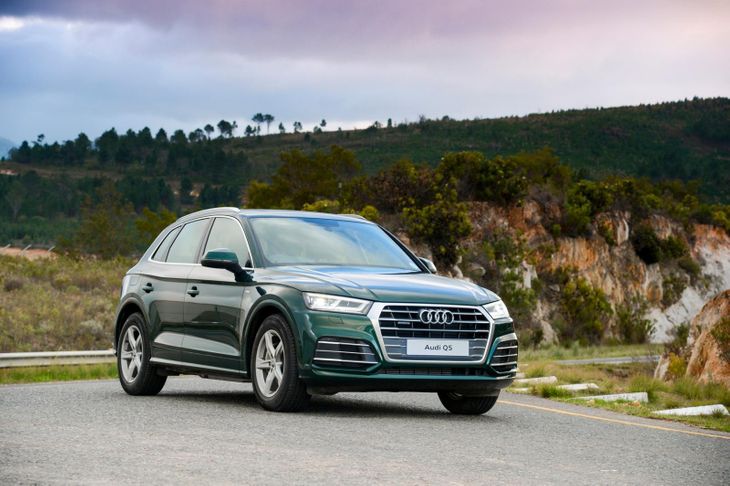
Audi Q5

The all-new Q5 has only been on sale since July this year. The Q5 takes major steps in ride refinement and comfort levels inside, at a cost. The entry-level model is expensive as are the options, but it is the best of the current German mid-size SUVs. Sales for the new model appear to be on the up as it has jumped from below 100 units to over 150 units per month during August 2017.

The Audi Q7 3.0 TDI Quattro is a semi-finalist in its category of the 2017/18 Cars.co.za Consumer Awards

Audi SQ5 quattro (2017) Review

New Audi Q5 (2017) Launch Review

Search for a used Q5 here

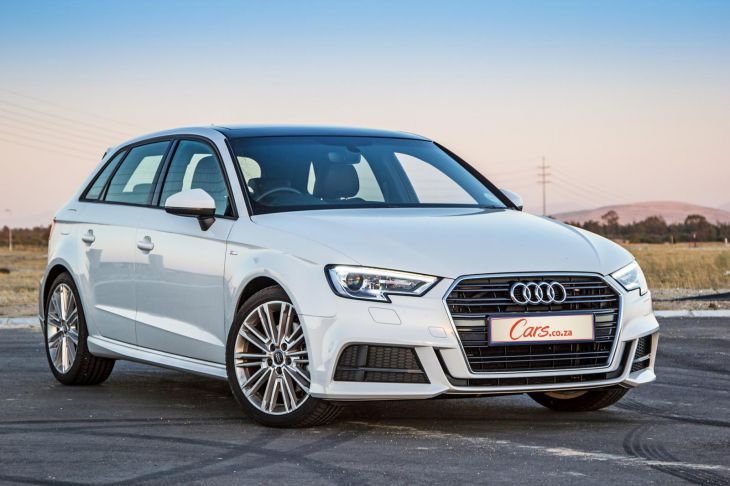
Audi A3

The facelifted A3 arrived right at the tail end of 2016 featuring a plusher interior as well as the option of Audi's Virtual Cockpit dashboard. The ride has also improved and throughout the year we've seen the introduction of the RS models to both the hatch and sedan derivatives. The A3 has done well so far in 2017, pushing well over 200 units a month and on the odd occasion, 300 units. It makes it one of the top sellers in the C-segment hatch market.

The Audi 2.0T FSI Sportback S Line Auto is a semi-finalist in its category of the 2017/18 Cars.co.za Consumer Awards

Audi A3 2.0T Sportback Auto (2017) Review

Audi S3 Sedan (2017) Quick Review

Search for a used Audi A3 here

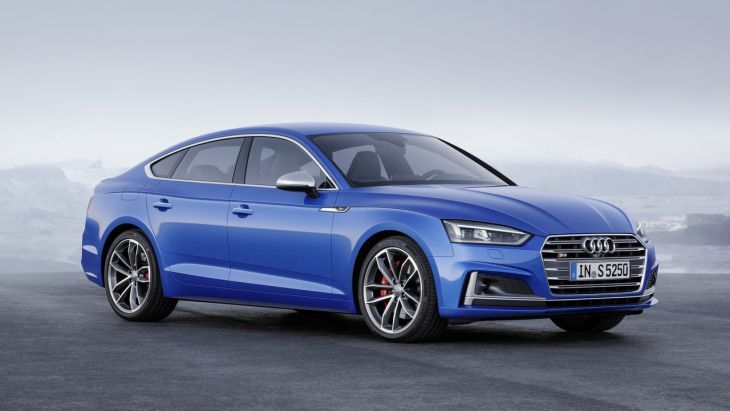
Audi A5

The A5 is never going to shift huge numbers with its premium price tag and niche-segment placement. Even with the addition of the Sportback 5-door models, allowing for more practicality the A5 is a heart-over- head purchase. It seems to be doing reasonably well in its first 4 months of sales, as it turns between 70 and 90 units per month, which is not bad considering the starting price is R600k.

Audi A5 (2017) Specs & Pricing

Audi S5 (2017) Review

Search for a used Audi A5 here

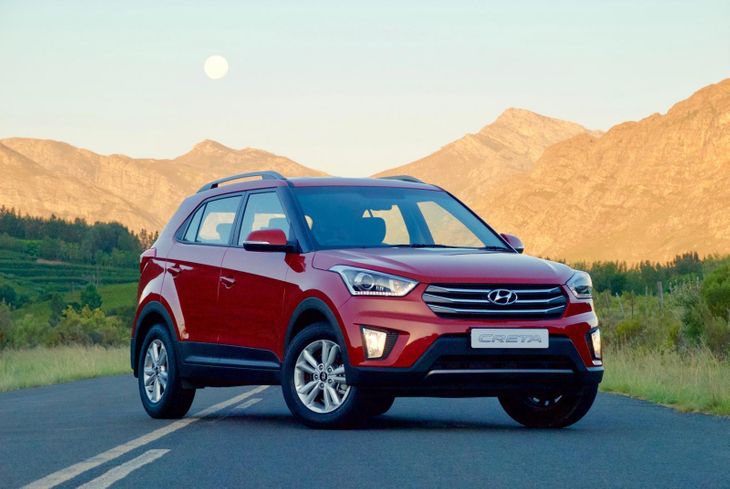
Hyundai Creta

The Creta is a new product from Hyundai in the compact family car/crossover segment. Rivals are the likes of the Renault Captur, Suzuki Vitara, Nissan Juke, Toyota C-HR, Honda HR-V and the Mazda CX-3 – to name but a few in this tightly fought segment. The Creta is very popular as it's spacious and very practical. Like a few of the Korean models, it skimps a bit on the active safety systems, but that hasn't hampered its sales at all. We only have sales figures for the Korean brands for July and August, but the Creta is romping away with the segment, notching up 514 and 438 units a month.

The Hyundai Creta 1.6 Exec Auto is a semi-finalist in its category of the 2017/18 Cars.co.za Consumer Awards

Hyundai Creta vs Suzuki Vitara vs Renault Captur (2017) Comparative Video Review

Hyundai Creta (2017) Video Review

Search for a used Hyundai Creta here

Jaguar F-Pace

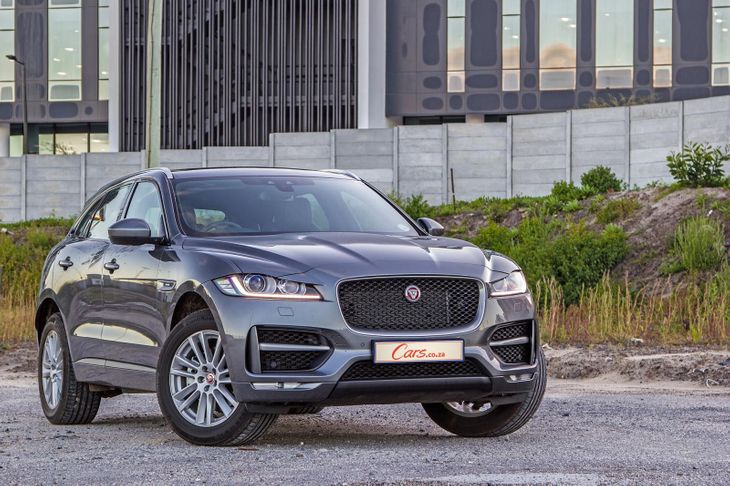
We didn't include the Jag F-Pace in last year's article as it was too new. How's the fastest-selling Jaguar of all time doing in our market? Okay it seems. The F-Pace is quite expensive and certainly pins itself as a road-biased SUV with a sporty demeanour. The F-Pace is certainly outselling the XF and XE sedans and appears to be keeping the brand on the up and up. The F-Pace sells an average of 64 units a month.

The Jaguar F-Pace 35t AWD S is a semi-finalist in its category of the 2017/18 Cars.co.za Consumer Awards

Pedalling an F-Pace: a cyclist's jaunt to Oudtshoorn

World Car of Year (2017) Jaguar F-PACE [Review]

Search for a used F-Pace here

Kia Picanto

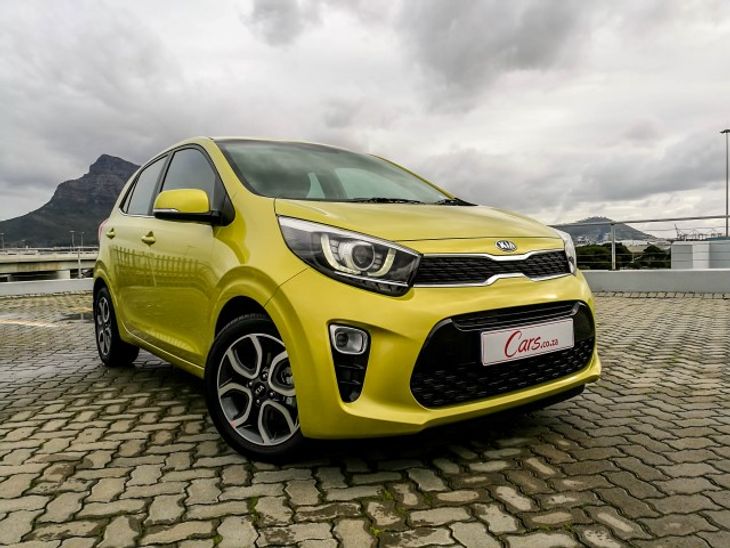
The new Picanto has been on sale since early July and appears to be doing quite well. The improved build quality of Kia is certainly noticeable, but the meagre safety spec on certain models is a bit bewildering. The new car retains the previous model's engines, but appears well-suited as a city runabout. Its keen pricing and reputation appear to be helping it on the sales front as the first 2 months of sales have yielded 659 and 846 units. It outsells competition like the Toyota Aygo and VW up! by some margin.

The Kia Picanto 1.0 Style is a semi-finalist in its category of the 2017/18 Cars.co.za Consumer Awards

New Kia Picanto (2017) Launch Review

Kia Picanto (2017) Specs & Price [with Video]

Search for a used Kia Picanto here

Kia Rio

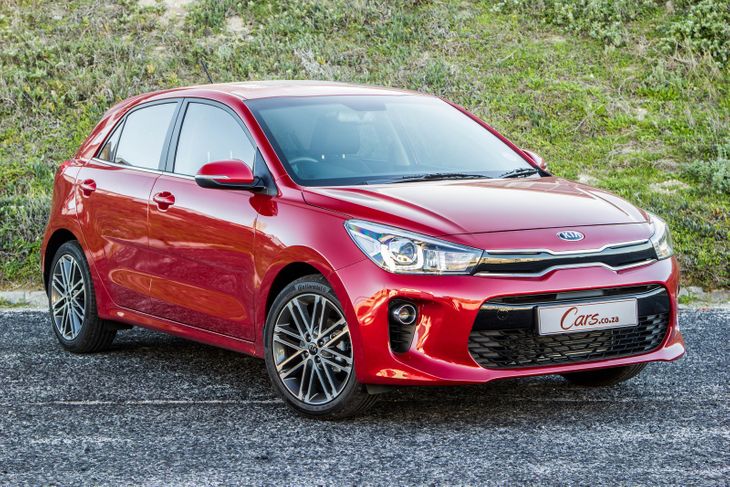
The Rio is another new entrant from the Korean brand; the compact hatchback arrived in early June. The previous generation was a top seller for Kia and it's really hoping the new model will continue the sales momentum. It may suffer next year against perennial favourites in the form of an all-new Ford Fiesta and Volkswagen Polo, but we'll have to wait and see how things shape up. Sales appear to be good for the Rio, with 635 and 504 units in the last 2 months. That's better than the Hyundai i20 and Mazda2, but not quite as much as the Fiesta or Polo.

The Kia Rio 1.4 EX is a semi-finalist in its category of the 2017/18 Cars.co.za Consumer Awards

Kia Rio (2017) Launch Review

Kia Rio 1.4 Tec (2017) Review [with Video]

Search for a used Kia Rio here

Mazda CX-5

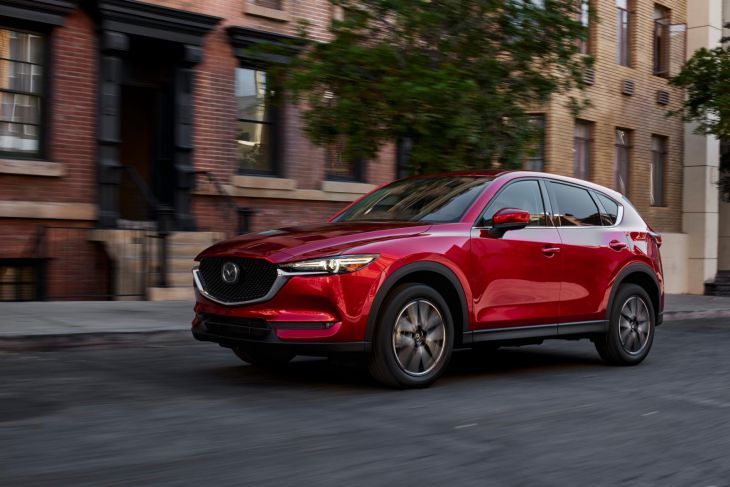
The previous Mazda CX-5 continued to sell extraordinarily well right up until it was replaced with this all-new model. The CX-5 is often ranked as one of the best-selling SUVs in the country and the new model is more stylish with a more premium cabin, excellent sound insulation is excellent. We tip it to continue selling well. Currently, it's selling upward of 350 units a month, which is excellent for an importing brand.

The Mazda CX-5 2.5 Individual is a semi-finalist in its category of the 2017/18 Cars.co.za Consumer Awards

Mazda CX-5 (2017) First Drive

Comparative Review: Mazda CX-5 Akera AWD vs Hyundai Tucson 2.0CRDi Elite [with Video]

Search for a used Mazda CX-5 here

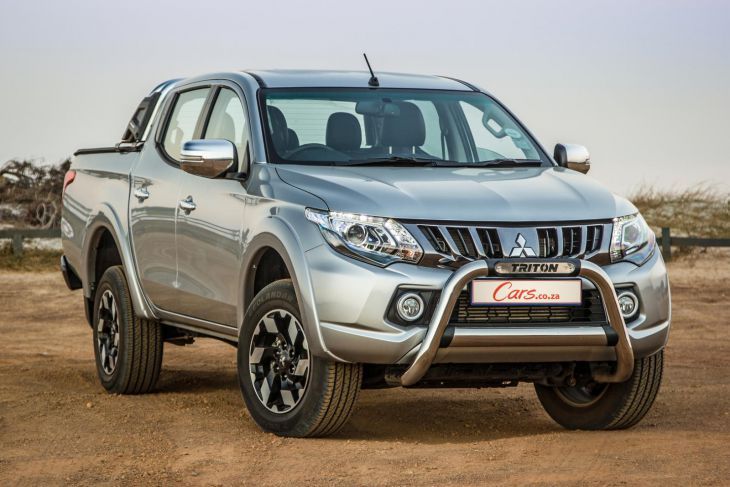
Mitsubishi Triton

Mitsubishi waited a long time to release the new Triton. It wanted the new 2.4-litre turbodiesel engine, so had to wait a little longer than the introduction of Fiat's Fullback, which makes do with the older 2.5-litre unit. Sales haven't exactly been good for the Triton as the double-cab market has moved further into leisure vehicle territory, while Mitsubishi still appeals to those who like the utilitarian nature of a 4-door bakkie. That said, it's still a very capable bakkie and a worthy contender in the segment. The Triton sells between 25 and 40 units a month, well below par for what it's capabilities suggest.

The Mitsubishi Triton 2.4DI-D 4×4 Auto is a semi-finalist in its category of the 2017/18 Cars.co.za Consumer Awards

Mitsubishi Triton (2017) Video Review

Mitsubishi Triton (2017) First Drive

Search for a used Triton here

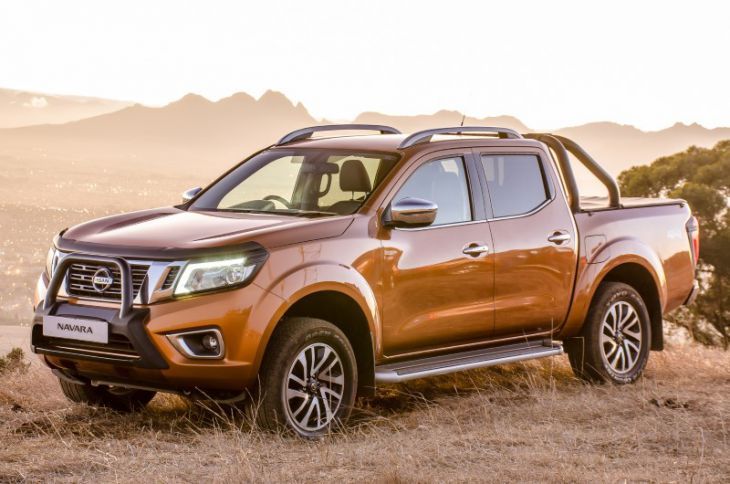
Nissan Navara

There has been a lot spoken about the new Navara's suspension setup and how it would revolutionise the segment. Unfortunately, the rest of the Navara hasn't managed to match the competition with its plasticy interior and lack of a real infotainment system. Pricing is keen, however and it will be locally built, which may bode well for the provision of more competitive offerings down the line. Sales do appear to be on the up as stock becomes more freely available. The first 3 full months of sales resulted in 110, 137 and 175 Navaras finding homes.

The Nissan Navara 2.3D 4×4 LE Auto is a semi-finalist in its category of the 2017/18 Cars.co.za Consumer Awards

Bakkie Comparison: Nissan Navara vs Ford Ranger Fx4 [with Video]

Nissan Navara 2.3D 4×4 LE (2017) Review

Search for a used Navara here

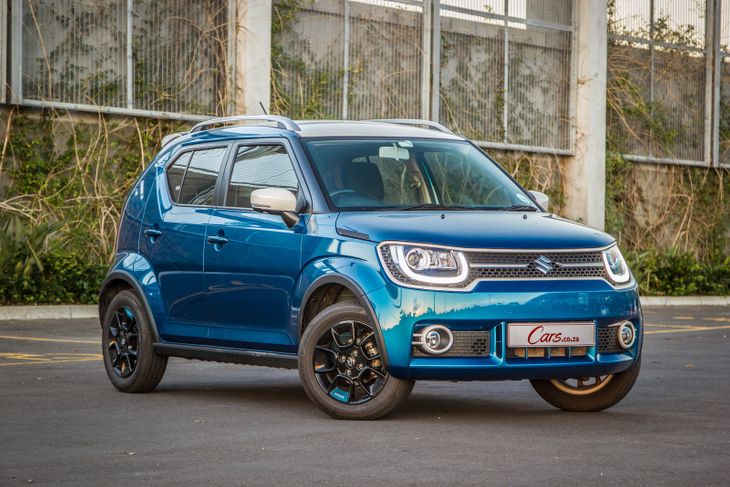
Suzuki Ignis

The Suzuki Ignis is an all-new offering from the Japanese brand. It rivals vehicles like the Volkswagen Up!, Kia Picanto, Toyota Aygo and Renault Sandero. It continues Suzuki's local philosophy of cheerful and keenly priced A- and B-segment offerings. Suzuki has been on the up for almost the duration of 2017 after winning the Brand of the Year title at the 2016/17 Cars.co.za Consumer Awards. It's still early days for the Ignis but after 3 months of sales, it appears to be doing around 110 units a month, which is certainly competitive.

The Suzuki Ignis 1.2 GL is a semi-finalist in its category of the 2017/18 Cars.co.za Consumer Awards

Suzuki Ignis (2017) Specs & Prices

Suzuki Ignis 1.2 GLX (2017) Video Review

Search for a used Ignis here

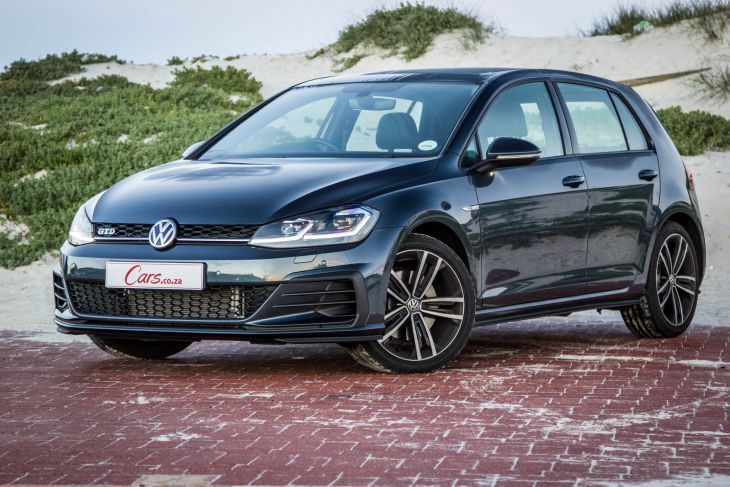
Volkswagen Golf

The Volkswagen Golf 7.5 or facelift arrived this year with GTI and R models added to the range almost immediately. The Golf is the go-to vehicle in the C-segment, but this segment has seen a downfall in sales of late as buyers are moving towards SUVs/crossovers. Even with a much higher price, the GTI still turns excellent sales numbers. Currently, the Golf sells around 470 units a month, most of which are GTI and R derivatives.

The Volkswagen Golf 1.4 TSI Comfortline R-Line is a semi-finalist in its category of the 2017/18 Cars.co.za Consumer Awards

Drag Race: VW Golf R vs Golf GTI [Video]

Hillclimb Shootout: Volkswagen Golf GTI vs Toyota 86

Search for a used Golf here

Volkswagen Tiguan

The Volkswagen Tiguan was officially launched in South Africa late in 2016, but with a full year of sales under its belt, it's interesting to see how it has done. We expected it to rocket away with the segment, but hasn't been able to match the Hyundai Tucson or the Toyota RAV4 in terms of outright numbers. It sits alongside the Mazda CX-5 in the second tier of medium SUV sales averaging 340 sales per month.

The Volkswagen Tiguan 1.4 TSI Comfortline R-Line DSG is a semi-finalist in its category of the 2017/18 Cars.co.za Consumer Awards

Volkswagen Tiguan 2.0 TDI (2017) First Drive

Volkswagen Tiguan 2.0 TDI Highline 4Motion DSG (2017) Quick Review

Search for a used Tiguan here

Volvo S90

The S90 is an excellent offering in the executive sedan market. It uses Volvo's new styling and technologies in a plush, premium and very different way to what we're used to from the Germans. This segment is sadly in decline, however, even though Volvo offers guaranteed future value financing deals and preferential insurance rates for buyers, the S90 still hasn't lit up the sales charts – it averages 7 units a month.  

The Volvo S90 D5 R Design Comfortline R-Line DSG is a semi-finalist in its category of the 2017/18 Cars.co.za Consumer Awards

Volvo S90 T6 R-Design (2017) Quick Review

Volvo S90 T6 Inscription AWD (2017) Review

Search for a used Volvo S90 here