That's not a typo, the BMW 5-Series GT has become the 6-Series Gran Turismo. This new model has just been announced and it's coming to South Africa before the end of 2017.
After many rumours and spy shots, the all-new BMW 6-Series Gran Turismo has finally been revealed. Billed as a combination of a comfortable, long-distance luxury sedan with the visual appeal of a coupe, the new BMW 6-Series Gran Turismo promises to be both sporty and elegant, with a healthy dose of space.
"The new BMW 6-Series Gran Turismo is geared towards discerning customers who place great importance on individuality. It is an eye-catching statement, packaged into a flowing, sculptural design language which gives the car a modern and sporty feel. The raised seating position ensures an imperious brand of driving pleasure, and the luxurious levels of space provide everything you need for a relaxing journey," says Adrian van Hooydonk, Senior Vice President BMW Group Design.
In terms of dimensions, the new BMW 6-Series Gran Turismo is 5 091 mm long (an increase of 87 mm over its predecessor), has an unchanged width of 1 902 mm and sits some 21 mm lower (1 538 millimetres). A revised cabin design has resulted in more headroom, despite the lower roof. Thanks to increased use of aluminium and high-strength steels for body and chassis components, 150kg has been saved.
There's clever use of aerodynamic aids such as an active air flap control with additional louvres in the grille, which only open when extra cooling is required. The underbody section is almost fully enclosed. Air curtains in the lower air intake at the front of the car and Air Breathers aft of the front wheels reduce turbulence in and around the wheel arches. There's also an active rear spoiler, which automatically extends when the car exceeds 120 kph and retracts again when it slows below 80 kph.
Trim Levels and Practicality
BMW has ensured that its new 6-Series Gran Turismo offers customers plenty of choice in terms of trim and design. There are two non-metallic and ten metallic exterior paint finishes as well as alloy wheels in sizes from 17- to 21-inches available. Sport Line, Luxury Line and M Sport are the trim levels to be offered. The BMW 6-Series Gran Turismo comes as standard with Dakota leather upholstery, which can be specified in a range of different colours and interpretations, depending on the equipment lines. The optional Exclusive Nappa leather is available in several different variants.
The BMW 6-Series Gran Turismo is fitted as standard with a sports leather steering wheel including multifunction buttons for the infotainment, communication functions and cruise control. If the eight-speed Steptronic Sport transmission is specified, shift buttons on the steering wheel allow the driver to change gear manually. Expect all the smart technology seen in the 7-Series and new 5-Series to find its way into this new model.
The rear compartment features 3 full-size seats with ISOFIX attachment points in the outer seats. Sports seats or comfort seats, active seat ventilation and a massage function can be ordered for the driver and front passenger. The boot offers 610 litres of space, which is 110 litres larger than its predecessor. BMW claims the new 6-Series GT can carry four 46-inch golf bags or ten crates of water bottles.
Engines and Transmission
There are a number of engines available for the BMW 6-Series Gran Turismo, all controlled by the eight-speed Steptronic Sport transmission. Thanks to improvements in the powertrain, aerodynamics and weight saving, the new model is more efficient and economical when compared to the outgoing model. The aluminium-construct engines comprise one 4-cylinder and one 6-cylinder inline petrol engine, plus a straight-six diesel unit will be available for the new BMW 6-Series Gran Turismo from launch. The two 6-cylinder variants can also be specified with BMW xDrive intelligent all-wheel drive. The 2.0 litre 4-cylinder motor in the BMW 630i Gran Turismo has outputs of 190 kW and 400 Nm. It'll do 0 to 100 kph in 6.3 seconds with combined fuel consumption claimed at 6.6 – 6.2 L/100 km.
Next up is the 3.0 litre 6-cylinder in-line petrol engine in the BMW 640i Gran Turismo and new BMW 640i xDrive Gran Turismo. With outputs of 250 kW and 450 Nm, it'll hit 100 kph in 5.4 seconds, or 5.3 seconds for the xDrive. The combined fuel consumption of the two models is 7.4 – 7.0 L/100 km and 8.2 – 7.7 L/100 km respectively. For the diesel fans, a 3.0 litre 6-cylinder in-line diesel engine with 195 kW and 620 Nm with all-wheel drive as an option, is available. The BMW 630d Gran Turismo powers from zero to 100 kph in 6.1 seconds, while the new BMW 630d xDrive Gran Turismo does it in 6.0 seconds. Fuel consumption is rated at 5.3 – 4.9 L/100 km for the BMW 630d Gran Turismo and 5.9 – 5.5 L/100 km for the BMW 630d xDrive Gran Turismo.
Coming to South Africa?
Yes, it is. BMW South Africa confirmed that the new 6-Series Gran Turismo will be making landfall before the end of the year. As it stands, two models are being offered: 640i xDrive Gran Turismo and 630d Gran Turismo, which we can expect to see launched in South Africa in November 2017.
Renault used the 2017 Monaco Grand Prix weekend to show off its hot hatchback…. but, to the frustration of aficionados the world over, La Régie kept its newcomer in full camouflage. Now, further development photos have emerged.
Update: Since the Monaco Grand Prix event, RenaultSport has been busy with development of the new Megane RS. It was spotted undergoing testing in a cold-weather climate and we get a closer look at its shape and design details.
The major news from the first sighting of the new Megane RS is that it will come with the choice of a manual gearbox and an Electronic dual-clutch (EDC) transmission.
Renault, which was celebrating its 40th anniversary of its involvement in F1 at the Monaco event, tasked itsGrandd Prix racing driver Nico Hulkenberg to complete a few laps of the Monte Carlo circuit in a camo'ed pre-production RS.
The German, who was also involved in the car's development, said: “I got an opportunity to test the all-new Megane RS during its development and I was hooked first time out by the excellence of its chassis. Renault Sport has done a tremendous job on its performance credentials. It was a huge pleasure to drive it around the legendary street track at Monaco”.
The finished product will be released at the Frankfurt motor show on September 2017, before going on sale around April 2018.
Our reigning premium hatchback champion in the 2016/17 Cars.co.za Consumer Awards, the Volkswagen Golf GTI, has had a mid-life facelift. How has Volkswagen managed to refine an already class-leading product? We find out…
We like: Impeccable build quality, premium feel, effortless performance, ride/handling balance, practicality, advanced features
We don’t like: Pricey, but… you get what you pay for
Alternatives:
A rear-wheel drive BMW: The BMW 1 Series is a nicely balanced competitor these days, offering an admirable mix of performance, status and dynamic appeal. Still, until its next upgrade at least (happens soon), the VW arguably has the better cabin. As is the case with the VW, you really have to delve deeply into an extensive options list.
A "warm" Mercedes: With slightly less power, but similar performance, the Mercedes-Benz A250 Sport is a real threat, given the inherent appeal of the Three-pointed Star badge on the nose. But it can't match the Golf's refinement, interior build quality, practicality and ride/handling balance.
For something cheaper: Until the all-new RS derivatives are added to the Renault Mégane line-up, you could still consider the Ford Focus ST. It's a more old-school hot hatch in its positioning, with relatively wild looks and cheaper finishes all-round. Fun to drive, but not the all-rounder the Golf GTI is.
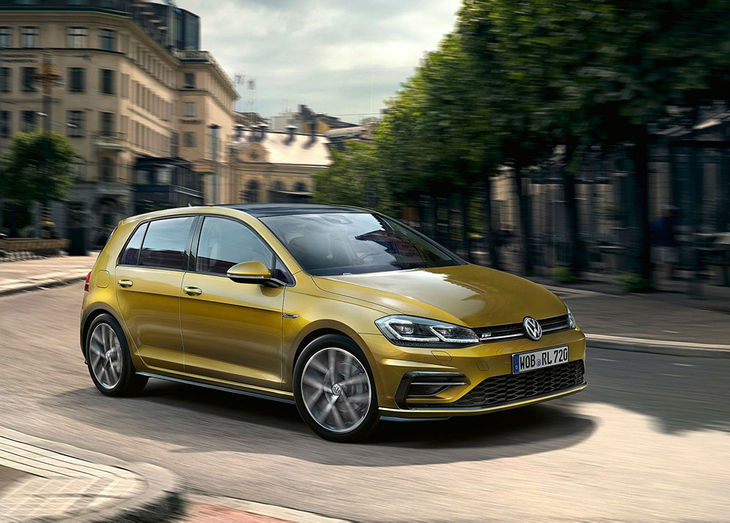
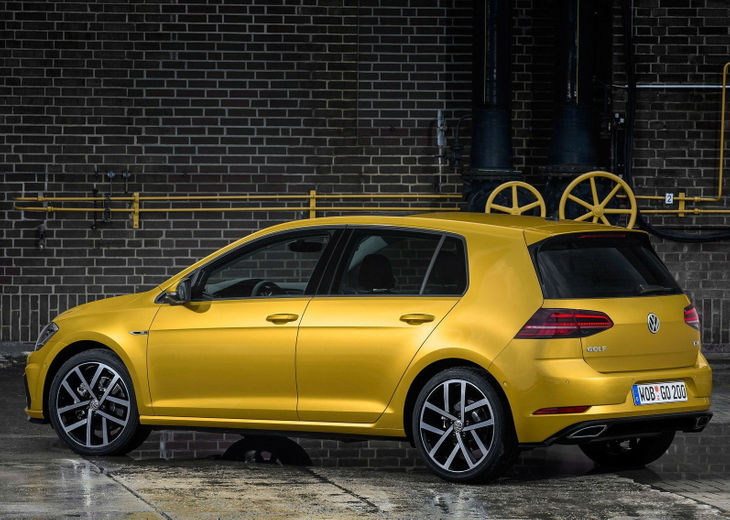
Subtle styling revisions for the new GTI – note changes to headlamps and optional 19-inch Santiago alloy wheel (R8 100).
When a product as good as the VW Golf 7 reaches the half-way mark of its lifecycle, one could argue that the traditional mid-life facelift needs not be anything more than the fresh application of some "make-up". There's no such luck for the world's carmakers, however… Things have changed dramatically in recent years, particularly in the area of on-board technology (infotainment and safety systems, mainly). So, while the mechanical changes to the Golf 7.5 are minimal, Volkswagen has made its full bouquet of advanced technologies available in the modern-day "peoples-car", some as standard, but most as optional extras. Oh, and yes, there are indeed some small cosmetic changes…
The good
Ride & handling balance
The GTI suspension's ability to entertain (when demanded) and yet be comfortable enough for the daily drive remains unmatched.
While the rest of the car world still seems to think that the term "hot hatch" should automatically mean lurid paint schemes, a bone-jarring ride and heavily bolstered seats that only racing drivers can fit into, Volkswagen has for years been refining a more mature approach. Even on this test unit's optional 19-inch wheels the GTI possesses a suppleness that most other hot hatches can only dream of. Yes, it's firmer than a non-GTI Golf, but you could easy drive this every day. This explains to a very large degree why the GTI accounts for more than half of all local Golf sales… It is a no compromise sports & luxury hatchback.
Our test unit also featured the optional (R12 700) Adaptive Chassis Control system that allows you to toggle between several ride set-ups. Indeed, there's a marked difference between Comfort and Sport, for example, but we also know from experience that the standard suspension set-up is probably class-leading already.
Head for the twisties and the GTI serves up crisp responses, good body control and excellent grip. It feels like the underpinnings can handle much more power – Volkswagen knows this as well (see Clubsport S) – so while fun can be had and the limits are high, the GTI never feels ragged or unsafe. It is effortlessly fast in most conditions. For some traditionalists, that like their steeds to put up a bit of a fight, and who craves a more hardcore driving experience, the GTI, may in fact, be too polished. Look at the sales figures, however, and you'll quickly understand Volkswagen's reasoning.
Premium & practical cabin
Some small trim revisions for the Golf range, but star attraction is the tech – note digital display and large info-tainment screen.
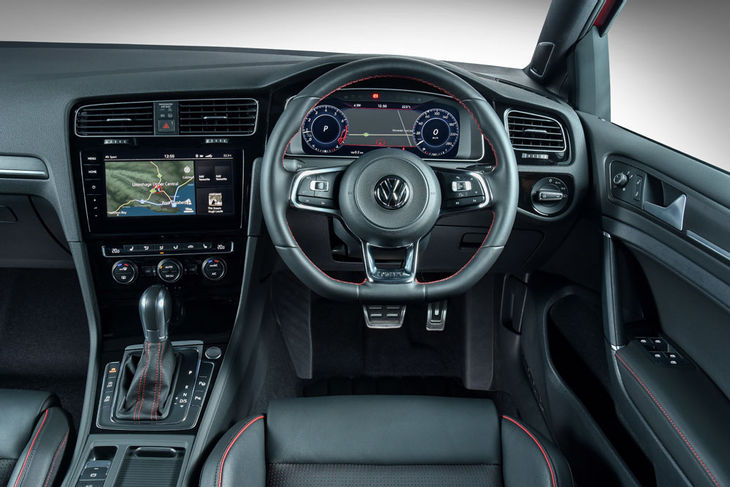
Inside, Volkswagen has made a number of small trim changes as part of the model-year upgrade, but you're unlikely to notice them. Instead, your eyes are likely to be drawn to some of the advanced new features (if fitted). We'll delve into the costs of these items later, but the star attractions are the 12.3-inch, configurable digital dashboard (similar to what we've already seen in the VW Passat) and a striking 9.2-inch touch-screen embedded into the centre of the facia. Note that a less fancy, 8.0-inch Composition Media system is standard.
So, while you have to pay extra for most of the fancy items that have been added to the Golf package as part of this facelift, the point is that they're available. Most of the Golf's competitors (even the premium German-brand ones) can't offer these items, even as extra-cost features. When specified, these advanced features further add to a cabin ambience that is arguably unmatched in this segment, and certainly as far as hot hatch offerings go. The subtle use of top-notch materials, gloss black and satin silver finishes, as well as red stitching, make one feel special in the Golf GTI.
Want a hot hatch that can double as a family car during the weekends? Look no further than the Golf GTI.
Volkswagen is often criticised for not making the more overtly sporty 3-door GTI available in South Africa, but we suspect most serious buyers would opt for the 5-door model anyway. Overall, the GTI is every bit as practical as its siblings, with good rear legroom (unhampered by the sporty profile of the front seats) and a boot that can easily swallow a family of four's paraphernalia. The rear seat can split/fold in a 60:40 configuration, further adding to the practical nature of the car.
Potent performance
The 2.0-litre turbopetrol now punches out the same power as the pre-facelift Clubsport variant.
In its latest guise the Golf GTI has had a slight bump in power, with 169 kW and 350 Nm being similar to what was offered in the previous (and highly acclaimed) Performance Pack variant. It retains the firm's 6-speed DSG dual-clutch transmission (one of our favourite 'boxes) and has a built-in launch-control function. Used effectively, you can launch the GTI to 100 kph in around 6.4 seconds.
Ultimately, there are faster hot hatches around, but its the accessibility of the GTI's performance that makes it such a devastatingly fast ground coverer. The maximum torque figure is available from 1 500 to 4 600 rpm, so there's always oodles of grunt available at the flext of the right ankle. Select Sport mode, and the responsiveness is further sharpened. That said, because the entire drivetrain is so refined and the power seemingly so seemless, the GTI never feels as fast as it really is, which may be a disappointment to some.
Also, the now famous "Vrrr Phaa" exhaust sound could be a little louder to add to the excitement levels – perhaps the GTI needs an "exhaust sound" button similar to what can be found on Mercedes-AMGs and some Porsches? Another minor complaint is that the gearshift paddles are slightly too small behind the steering wheel, but in terms of the gearshift quality itself, the DSG 'box remains a leader in terms of delivering slick, rapid changes.
Fuel economy? It's unlikely to be a major concern for the target customer, but with a claimed figure of 6.4 L/100 km you're looking at a real-world consumption of around 8 L/100 km.
The not-so-good
The best things in (GTI) life… cost extra
The really smart 9.2-inch Discover Pro infotainment system (with navigation), costs R20 200 extra.
The Golf GTI has been our Premium Hatchback of the Year two years running (Cars.co.za Consumer Awards), clear evidence of its ability to not only be an entertaining hot hatch, but also a luxurious vehicle of not inconsiderable status. As such, it is perhaps understandable that Volkswagen plays a similar game to the "other Germans" when it comes to the long list of optional extras on offer for this model.
For the base price you do get some nice items, including; cruise control, leather upholstery, climate control, heated front seats, 7 airbags, auto lights/wipers and the 8.0-inch Composition Media infotainment system that does boast a full suite of connectivity possibilities, including Apple CarPlay and voice control. Visually, you also get the 18-inch Milton Keynes alloy wheel design and LEDs all-round.
The digital instrumentation boasts configurable displays and costs R8 000 extra.
However, to get the full benefit of the facelift, you simply have to delve into the optional extras list, and potentially go for the digital instrumentation (R8 000), the attractive 19-inch wheels (R8 100), Discover Pro with its comprehensive list of features, including Gesture Control (R20 200) and front/rear park distance control (R4 750). Automatic Cruise Control (ACC) with Front Assist, which includes autonomous emergency braking, is also optional (R5 000). In total, around R120 000-worth of options are available, so choose carefully…
Pricing & warranty
Although the VW Golf GTI's base price is R545 800, you're unlikely to end up buying such a car. The options list is truly vast, and our car had almost R100k of extra-cost features fitted! The base price includes a 3-years/120 000 km warranty and 5-years/90 000 km service plan.
The Golf 7 GTI remains one of the best all-rounders on the market, at any price.
Verdict
Priced similarly to offerings from more prestigious German brands, the VW Golf GTI appears pricey at a first glance. But the reality is that it remains the most complete offering of its kind offered on the local market. There are more affordable, faster hot hatches out there, but those are compromised daily drivers that lack the polish of this Volkswagen. At the same time, the prestige-branded products are nowhere near as complete as the GTI. Fast? Yes. Fun? When you want it to be. Practical? Always. Luxurious? Indeed. Given the breadth of the VW Golf GTI's talents, perhaps once could even, ultimately, consider it a bargain.
The popular Qashqai has proved a major sales success and despite the segment growing in terms of the number of competitors, the Nissan is still one of the leading contenders. Now the Japanese compact family car has been facelifted and will arrive in local showrooms by November 2017.
According to Nissan, the Qashqai has an "unrivalled market share of 10.3%", which is impressive seeing as this SUV segment boasts more than 20 offerings to choose from. It's also won numerous awards over the years and was a finalist in the 2016/17 Cars.co.za Consumer Awards, powered by WesBank.
For the 2018 model year, the Qashqai has been updated in line with Nissan's research that suggests customers wish for "exterior styling changes to create a more contemporary and sophisticated look; new premium features and choices for customers opting to buy higher grade models; plus extra refinement and new safety technologies when behind the wheel."
Tekna+
What's new is a flagship trim level called Tekna+, which is aimed at buyers wanting the most premium features in a Qashqai. There are new premium seats with highest-quality soft nappa leather, with luxurious 3D quilting on the centre panels. Black leather is standard, with the choice of a plum colour as a no-cost option. The driver's seat now features electrically-controlled four-way lumbar support with memory function. An upgraded Bose 8-speaker audio system is fitted as standard.
Visual changes
A new front is a key change for the Nissan Qashqai visually.
The Qashqai's front has been completely overhauled. There is a new front bumper with the latest version of Nissan's signature grille and revised headlamp clusters (with halogen units on Visia, Acenta and N-Connecta and full LEDs on Tekna and Tekna+). The halogen lights feature a new "boomerang" Daytime Running Lamp (DRL) comprising 9 LEDs (rather than 6), while the top-spec models now feature adaptive front lighting with high-beam assist. The rear bumper is also been redesigned with new LED tail lights and the parking sensors have been fitted in a neater manner. There are also new wheel designs in varying sizes of 17-inch, 18-inch and 19-inch, which have been aerodynamically improved to reduce drag.
New-look cabin
A new steering wheel, new seats and general improvement in the refinement are the key changes in the Nissan Qashqai interior
The changes to the cabin are extensive and claimed to improve the premium feel and look of the Qashqai. The steering wheel has been redesigned, plus the air vents and interior door handles are finished in higher-quality materials. All windows are now one-touch in operation. The seats have also been designed for additional comfort and support. The back of the front seats has been tweaked, with a new and more scratch-resistant plastic trim and two storage pockets, with a thinner finish which improves knee room for rear seat passengers.
Refinement improvements
Given these changes, the Nissan Qashqai is likely to continue to be a sales success
Nissan claims its facelifted Qashqai offers improved refinement and ride comfort thanks to tweaks to the spring rates and damper settings and modified rubber components. The anti-roll bar stiffness has been increased to maintain handling performance and body motion over large bumps has been reduced thanks to changes to the car's Active Ride Control system.
There are also improvements to the noise, vibration and harshness (NVH) performance of the new Qashqai. More sound insulation material, and interior trims of a higher quality have been added inside the front doors and behind the rear wheel arches. Additional sealing around the front doors has been integrated, while the rear door glass is thicker.
Engine choices
The Qashqai's range of engines has been carried over, with the choice of petrol or diesel, six-speed manual or CVT automatic transmissions, and two or four-wheel drive configurations.
Lexus is not renowned for producing headlining sportscars, but the evocatively styled LC500 looks to change all of that. The eye-catching V8-engined newcomer is now available in South Africa (priced at R1 729 600) and here's what it's like to drive…
SEVILLE – Stepping out of the hotel, onto the narrow, cobbled streets of Seville's town centre, two LC500s await us. In this setting, in the cool blue light of European winter, the new Lexus looks fantastic in the true sense of the word; like a time machine or some sort of exploration pod from another planet.
With its gleaming metallic paintwork, striking lines and near-perfect coupe proportions, the LC500 is forcing many passers-by to stop and stare. A few people take pics of the car, some even take selfies with it. This is a car with star power – that is one of the newcomer's greatest strengths.
Over the course of the day, we would find what its other strengths are…
Undoubtedly the most dramatically sculpted Lexus since the LFA supercar, the LC500 attracts admiring glances.
On the highways leading from Seville, the new Lexus behaved much like… a Lexus; the ride quality was superb; the cabin whisper quiet. The boot space is wide, but quite shallow… Perhaps you'd struggle to fit a full-size suitcase in there, but there's enough space for a weekend's worth of luggage. The LC500 was playing the role of GT car very well. The first leg our trip was only 90 km, but we would have happily travelled 900 km; it's an eminently comfortable car.
We were in the V8 model, one of two available from launch. The other was a V6 petrol-electric hybrid, which unfortunately will not be coming to South Africa – at least at this stage there are no plans to make it available. The 5.0-litre V8 is the same naturally aspirated unit found the in RC-F, here tuned to produce 349 kW and 530 Nm. Lexus claims that it makes the 0-100 kph sprint possible in under 4.5 seconds and, interestingly, just under 5 seconds for the hybrid.
With exquisite GT-like proportions, the lithe, low-slung LC remains remarkably true to the concept car that previewed it.
The Spanish highways gave way to smaller, regional roads and we headed for the mountains. The roads were exceptional: a seemingly never-ending series of corners, elevation changes and switchbacks, cutting across the countryside… not usually a route that would bring out the finest qualities of a Lexus.
'Feels like the whole car is working with you'
Except this one. Dynamically, the LC500 is deeply impressive. It is a large car and its kerb weight does make its presence felt in the tightest of corners, but generally it feels like the whole car is working with you; as if you're in control of every nut and bolt. Sometimes, with large powerful cars, it can feel like you're just along for the ride, but the LC500 avoids that. There's a predictable way to how the car behaves, with almost zero understeer, and it all combines to inspire confidence. If the goal of any sportscar is to put a smile on the driver's face then the Lexus engineers can consider that box ticked.
An enormous amount of work has gone into making sure the Lexus feels engaging. The engine is mounted as low and as far back as possible; in fact, it is positioned behind the front axle. The roof is made of carbon fibre, as are the door panels and the floor of the boot. Even the battery has been placed in the boot for better weight distribution. The suspension towers are aluminium, as is much of the chassis. The result is that the centre of gravity is just 510 mm from the ground (very near the driver's hips) and this creates a sense that you can "feel" what the car is doing as the weight of the car pivots around you.
There is something intoxicating about the soundtrack of a naturally aspirated V8…
Of course, there are multiple electronic aids and a fair degree of suspension trickery at work here. The adaptive suspension is apparently so responsive that the LC can change damping rates multiple times per stroke of the shock. In Sports S+ mode the car is noticeably stiffer, but its ride quality was still forgiving.
Truly dual-natured
Descending from the hillsides, on the flat roads leading to the Monteblanco racing circuit, the LC500 once again became the docile, ultra-civilised Lexus you'd expect it to be. And that is the greatest accomplishment here: the true dual-nature of the LC500. And we were about to test that dual nature to its limits with a couple of hot laps of this little-known F1 test track.
Before 2012, heading to a racing circuit with a Lexus would have been a very odd proposition. But that year, the company debuted the LFA supercar. It was a surprise move from a brand that is synonymous with comfort and luxury, but quickly, the LFA gathered a reputation for being an exceptional driver's car. It was a signal from the company that it was changing direction.
The engaging driving experience of the LC does not come at the expense of on-road comfort, quite the contrary.
The LC500 is an attempt to capitalise on some of the magic created by the LFA, but in a package that is more suited to everyday driving, and at a price that more people can afford. But where the LFA has a high-revving V10, the LC500 has a V8. And where the LFA is entirely made from hideously expensive carbon fibre, the LC500 has to make to do with high tensile steel and aluminium. How would these shortcomings translate into on-track performance?
With the drive mode set to Sports S+, the exhaust note changes remarkably. The V8 has special ducting which channels induction noise from the engine bay into the cabin, while the active exhaust has been tuned to make it feel like the sound "is chasing you". On downshifts, the exhaust system spits and barks, complementing the howl that only a naturally aspirated V8 can produce. There is something refreshingly old-school about the way this engine sounds and, coupled with the more modern, programmed outbursts on downshifts, aurally, at least, this car was pressing all my petrolhead buttons.
Allows the tail to step out just enough
The way the LC500 builds speed is impressive, but I would have liked a bit more torque delivery on corner exits. Dynamically, out here on this circuit full of tight corners, the Lexus impressed, however. Those same characteristics that presented themselves in the mountains were at play here too: predictable, progressive behaviour that inspires confidence. The brakes, 13-inch ventilated steel discs up front and 12 inchers at the rear, do a superb job of scrubbing off speed. While predictable, the car’s handling is not anodyne, nor placid. The setup favours oversteer and in Sports S+ mode, the traction control system takes a step back, allowing the Lexus' tail to step out just enough to make you feel like a pro. It stroked my ego to catch the car’s oversteer with a bit of opposite lock, but it’s more likely the system flattered my driving skills!
The LC's 5.0-litre V8 produces 349 kW and 530 Nm and is mated with a superb 10-speed transmission.
This is another great strength of the LC500…. The car is eager and playful. It feels like it wants you to enjoy yourself – it’s not an intimidating driving experience. And again, I was entertained out on the track and drove back to the pits with a huge smile plastered on my face.
What I was most worried about when I headed out onto the circuit was how the 10-speed, single clutch gearbox would behave. Lexus proudly claims this transmission offers all the advantages of a dual clutch gearbox (speed), with all the advantages of a traditional automatic (reliability). A new torque converter is employed and the clutch is multi-plated, which doesn't run dry and because of the torque converter, engages without slip, which drastically reduces wear.
In practice, the gearbox is quick. Very quick. Utilising the large magnesium alloy paddles that are attached to the steering wheel results in sharp, quick changes. You'd be hard-pressed to tell the difference between this and any dual-clutch 'box. But the reality is that 10 ratios is a lot, and I found myself getting lost somewhere between 6th, 7th, 8th, 9th and 10th on the odd occasion.
If the ultimate role of a sportscar is to put a smile on its driver's face, the LC has succeeded in its quest.
'Just leave it in automatic'
I posed this issue to Ito-san, the Takumi who helped develop the car. In Lexus-speak, a Takumi is a master; perhaps a master craftsman, or in this case, a master driver. Ito-san had spent thousands upon thousands of hours crafting the feel of this car. Every aspect of how it drives is down to him, and to a lesser extent, his ultimate boss Akio Toyoda. Ito-san encouraged me to leave the 'box in automatic. He insisted it would surprise me with how it was set up.
And he was right. During my hot laps of the circuit, I forgot about the gearbox entirely. The 10-speeder was always in the right gear… it seemed to faultlessly select the gear I needed, exactly when I needed it. Indeed, this gearbox is a triumph and, if it proves as reliable as Lexus claims it to be, then the firm really will have achieved something that moves the game along in the wider automotive industry.
The LC500 doesn't fit neatly into the modern marketplace of luxury coupes. For some clue as to which cars Lexus sees as competition, we're told that the firm hosted a "dynamic clinic" for the owners of BMW 6 Series, Mercedes S-Class Coupes and Jaguar F-Types, where they were given a chance to sample the newcomer.
Although the LC's size and bulk become apparent in tighter corners, its ride/handling balance is hard to fault.
In addition to those three cars, I think the LC500 might even bother the Maserati GranTurismo and, to a lesser extent, the Porsche 911. But the car it most reminds me of, which Lexus didn't mention, was the Mercedes-Benz SL. Its proportions are smaller but very similar, it has a decent 2+2 configuration and the driving position is very similar too. In the corners, the LC500 feels lighter and more agile than an SL, but in terms of cruising, they're much of muchness.
Stunning cabin
On the return trip to the hotel, I had some time to take in the Lexus' interior. It is quite a stunning cabin, easily one of the finest in its class. The leatherwork is superb and expansive, the steering wheel just the right size and the rim’s thickness is just about ideal. The dials are carried over from the LFA, which lends a sporting note to the dash. A 10.3-inch infotainment screen dominates the fascia, but Lexus have stuck with the trackpad touch interface, which I’m not particularly a fan of – it’s a bit fiddly and I think there are better systems out there. The transmission tunnel sits quite high, cocooning the driver and passenger. I loved how the cabin seemed to shrink around me – it felt like I was in a snug cockpit like that of the Audi TT. The closeness is reassuring.
Whereas the LC's cabin layout is not as outlandish as its exterior appearance, there's an intimate snugness to the cockpit.
Parked outside the hotel as the sun set, the mild pandemonium began once again… the photos, the selfies. I would have loved to have spent more time with the vehicle and I couldn’t help but wonder when I might next have the chance. The LC500 will reach South African showrooms in June 2017, where it hopes to steal a few sales from Lexus’ German, Italian and British rivals; I really look forward to driving it on local roads.
Summary
I think this is mission accomplished for Lexus. The LC500 is anything but boring, and after my experience in Spain, I have a completely new appreciation for what the brand is capable of. For Lexus, the LC500 is about more than just sales. It needs it to become a halo car… and I think it will.
Alfa Romeo’s Volkswagen Golf GTI rival feels like it’s been around forever. Has the recent update to the model previously known as the Quadrifoglio Verde given the Alfa a fighting chance in a very competitive segment? We test the top-spec Veloce model to find out.
We like: its sporting heart, good engine and transmission, distinctive interior design.
We don’t like: Chassis feels old, lack of oddment space, lacks modern features.
Alternatives:
The default choice: Volkswagen Golf GTI package is hard to fault, but with an asking price of R550k, the headlining hot hatch is beyond the reach of many buyers.
For more luxury: Opel Astra 1.6T Sport is a well-specced, all-rounder with a strong turn of pace. However, it's available in manual only and Opel's future in SA is unclear.
For something sporty, but not overly so: Volvo V40 T5 is a good looking car with a powerful engine and a lush interior. It’s no driver’s car… if that’s what you’re after.
Red striping and twin pipes distinguish the Veloce model. Giulietta badge has been moved to the right (previously it was in the centre).
The Veloce is not a Quadrifoglio, but it used to be; Alfa saw it fit to change its name for this facelifted model. The mid-life revision to the Giulietta rings in a new infotainment screen that’s lifted from the Jeep Renegade and Fiat 500X, plus the exterior receives some sporty enhancements such as the red striping on the bumpers, red brake callipers and twin tailpipes.
The good
Engine and gearbox: When we first experienced the 4C-derived 1,75-litre turbopetrol engine in the Giulietta Quadrifoglio, it felt as though Alfa Romeo had pursued lofty power figures at the expense of driveability. That Alfa would spin up its wheels crazily; it effectively created a binary driving experience where you were forced to choose between living with mad front-end wheelspin (let alone understeer) and quietly pottering along in traffic. There was nothing in between – no cruise mode or semi-attack mode.
Now, with the addition of the dual-clutch automatic transmission and what feels like a revised engine mapping, the Veloce has that middle ground option. The engine delivers good mid-range torque and there’s a pleasing snarl to the induction sound. The twin-clutch 'box, whilst not quite up to the refinement of the Golf’s DSG, is probably on par with the offerings from the Giulietta's other competitors. The handling still remains a little anodyne, however. You always feel like this Giulietta could be a great car if it was more rewarding to drive in the corners.
The engine's power delivery feels less sporadic and more evenly spread across the rev range.
Interior design: The Giulietta's interior has always had an artistic flair to it. It looks premium and, for the most part, feels premium (and inviting). The instrument cluster doesn’t feel like it’s been pressed into place by a charmless robotic arm, the dials look crafted by an artisan and the interior ambience engenders that intangible exotic aura that makes Alfa Romeos so special. The same applies to the seats, which are trimmed in Alcantara mixed with leather; the cockpit’s a sporty-but-stylish place to occupy. And then, just when you’re starting to love everything inside, Fiat Chrysler Automobiles wedges a mass-produced brick of an infotainment screen in the heart of the fascia that "ruins" the cabin's look. Classic Alfa, right?
The bad:
Showing its age: The Veloce may be a new model replete with a raft of updates, but its credentials as a hot hatch end at it 6.0-second 0-100 kph time. It doesn’t ride as comfortably over bumps as a Golf, Astra or (Renault) Megane and it doesn’t feel as supple when you coax it into a bend with gusto. You want it to handle well (because it's an Alfa Romeo!), but there’s nothing exciting about waiting for the front end to grip on turn-in, only to get your face pressed against the side window and feeling the front end push wide when you attempt to put the power down on corner exits. The Giulietta does come from as far back as 2010, so it’s hardly surprising that it struggles to match the competition in the ride and handling department.
Poor practicality: It’s not so much the size of the luggage bay that’s the problem, nor the amount of rear legroom available, for that matter… the Giulietta is quite acceptable in those aspects. The hatch can accommodate 350 litres of cargo and 3 adults can sit in the back quite easily. It’s the minuscule oddments storage space that annoys. There’s nowhere in the front to store your keys, phone and wallet. If you happen to want to wedge a bottle in the drinks holder you better buy a small one, because that’s the only size that will fit in the tiny recess.
Individualy, there are some nice parts to the interior, the seats and instrument binnacle are good for example. The infotainment system looks aftermarket.
Verdict
If you’re considering an Alfa Romeo, it’s almost certainly because you want something different, an eye-catching, sporty machine that will stand out of the crowd of humdrum, so-so looking hot hatches. The Giulietta appeals with its sporty exterior, and in the test unit's metallic black finish it looks vivacious – as an Alfa should. The interior is a lovely place to sit with Alcantara, leather and soft-touch materials abound. The build quality appears good too but its infotainment system is an eyesore and there are not enough places to stash your detritus.
By contemporary standards, the Giulietta's handling, despite a sporty suspension setup, feels imprecise, almost blunt and a bit too uncompromising considering the lack of sporty talent the car's underpinnings actually possess. The Veloce descends into understeer too early and leaves you underwhelmed after a session in the bends. A chassis update would do the hatchback some real good as much newer competitors have found excellent compromises between sport and comfort modes. The Giulietta’s showing its age; it flatters to deceive.
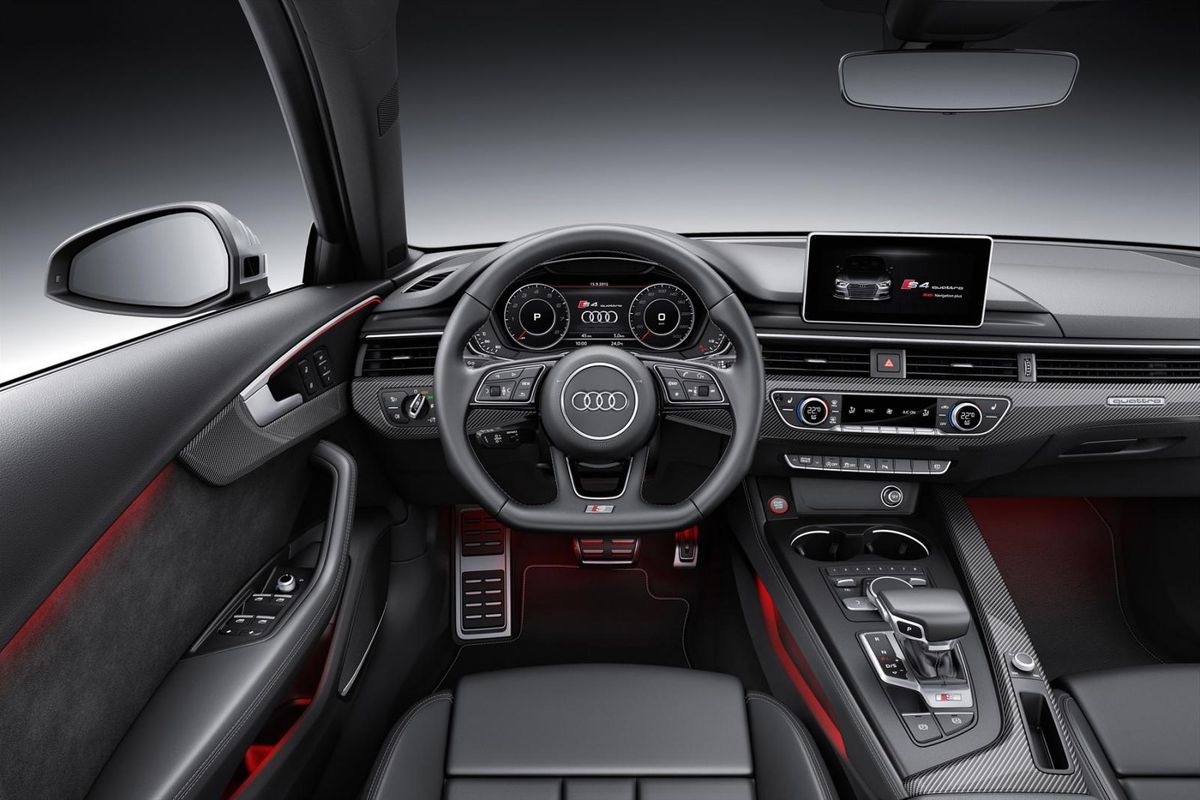
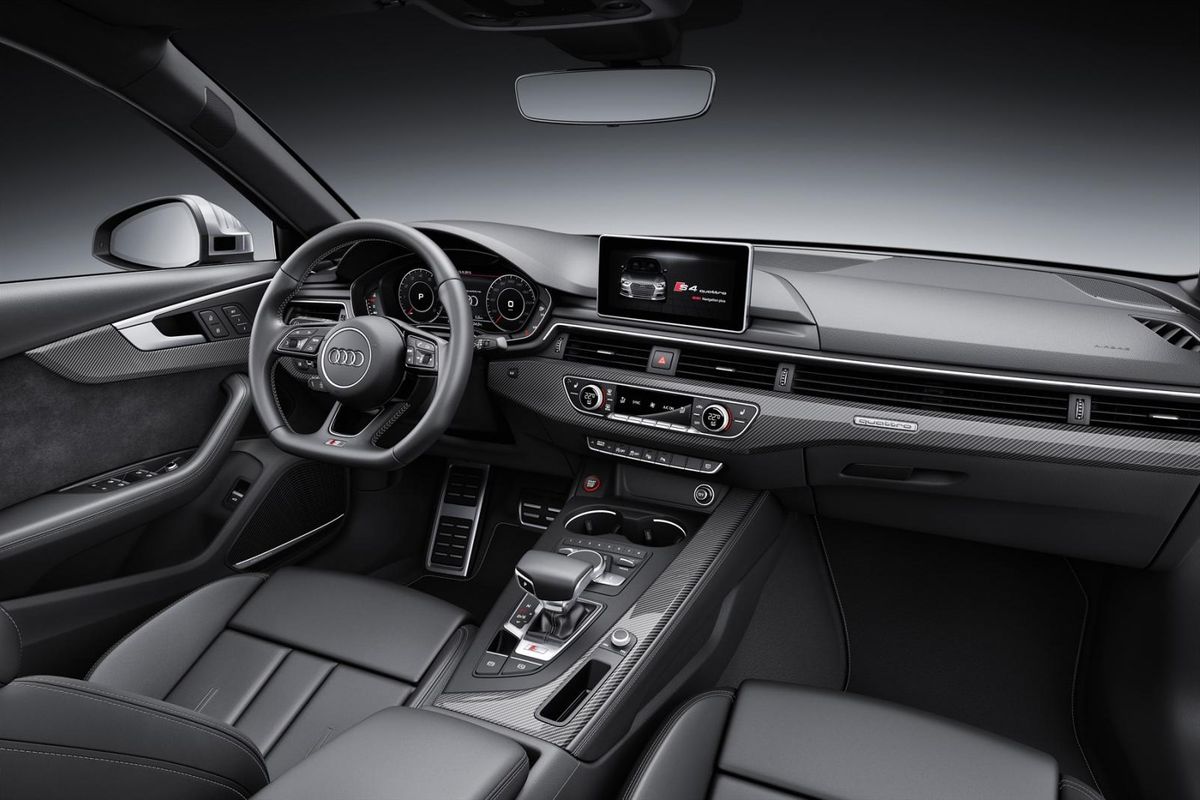
Volvo’s in-house performance division, Polestar, is transforming itself into a performance car manufacturer in its own right, much like Mercedes-Benz's Affalterbach-based Mercedes-AMG did when began producing the SLS and, now, GT models.
The Swedish brand has had a relationship with Polestar that has grown in prominence over the last few years. Firstly it was just a software update for cars like the V40 and S60. Then it delivered a full overhaul to the S60 Polestar that we drove in 2016. Now, Polestar plans to build its very own car to rival the performance brands from Audi, BMW and Mercedes-Benz.
More than that, Polestar’s very first performance car will be electric-powered. Whether that means full-electric or a hybrid of petrol and electric – like the McLaren P1 and La Ferrari – we will have to see. Jaguar has made a mainstream all-electric sports/SUV with the i-pace, so something similar from Polestar could be on the cards.
Polestar plans to build its performance model on Volvo’s current SPA platform that serves the S90, XC90, XC60 and V90. The platform is entirely scalable so will be used for the new 40 range that includes the V40, S40 and XC40.
The decision to turn Polestar into a full-force performance car maker apparently comes from parent company Geely. It has big plans for Volvo and sees Polestar as an AMG rival in the future.
If the rumour mill is to be believed, we could see the Polestar electric sportscar before the end of 2017.
Dealership Labour Rates: How Much Brands Charge in SA
Data specialists Lightstone Consumer have conducted an independent study among all major automotive manufacturers in South Africa to determine the current labour rates charged at franchised dealers. Consumers should find the results both interesting and insightful, take a look!
Lightstone Consumer has released results of its latest independent dealer labour rate study conducted in April 2017. The study incorporates telephonic interviews with Service Managers from 897 Passenger and Light Commercial Vehicle (LCV) dealerships from 37 car brands across South Africa. More so, the study accounts for the Warranty Labour Rate, Maintenance/Service Plan Labour Rate and the Retail Labour Rate.
It’s important to note that most new cars are sold with maintenance plans and vehicle owners are therefore rarely familiar with Maintenance/Service Plan or Warranty Labour Rates, which are reimbursed to the dealers on completion of maintenance or warranty work. The Retail Labour Rate, however, is the rate charged for work on a vehicle that doesn’t have a maintenance/service plan or in cases where the maintenance plan has expired. The Retail Labour Rate is therefore of particular interest to the consumer.
Most expensive to cheapest labour rates in South Africa
The survey results reveal labour rates as high as R1 000 and as low as R300 and the values vary depending on the brand and location of the dealership. Land Rover has the highest average retail labour rate of R814, while Mini comes in close second at with an average rate of R812. Jaguar is the third most expensive car brand with an average labour rate of R802. BMW and Audi charge an average amount of R790 and R769 respectively.
When Lightstone Consumer initially released its Dealer Labour Rates data back in August 2016, the Top 5 most expensive car brands were Audi (R847), Jaguar (R832), Land Rover (R809), Mini (R755) and BMW (R745).
At the lower end of the spectrum, GWM offers the cheapest average retail labour rate of all at R445, followed by Chery at R451, Tata at R456, Foton at R465 and Mahindra at R470.
It has been a busy start to the year with a host of new models and facelifted products already introduced in South Africa. There is, however, still lots of exciting product on the way! Take a closer look at the cars that have already arrived on South African shores as well as cars that are expected for launch in coming months.
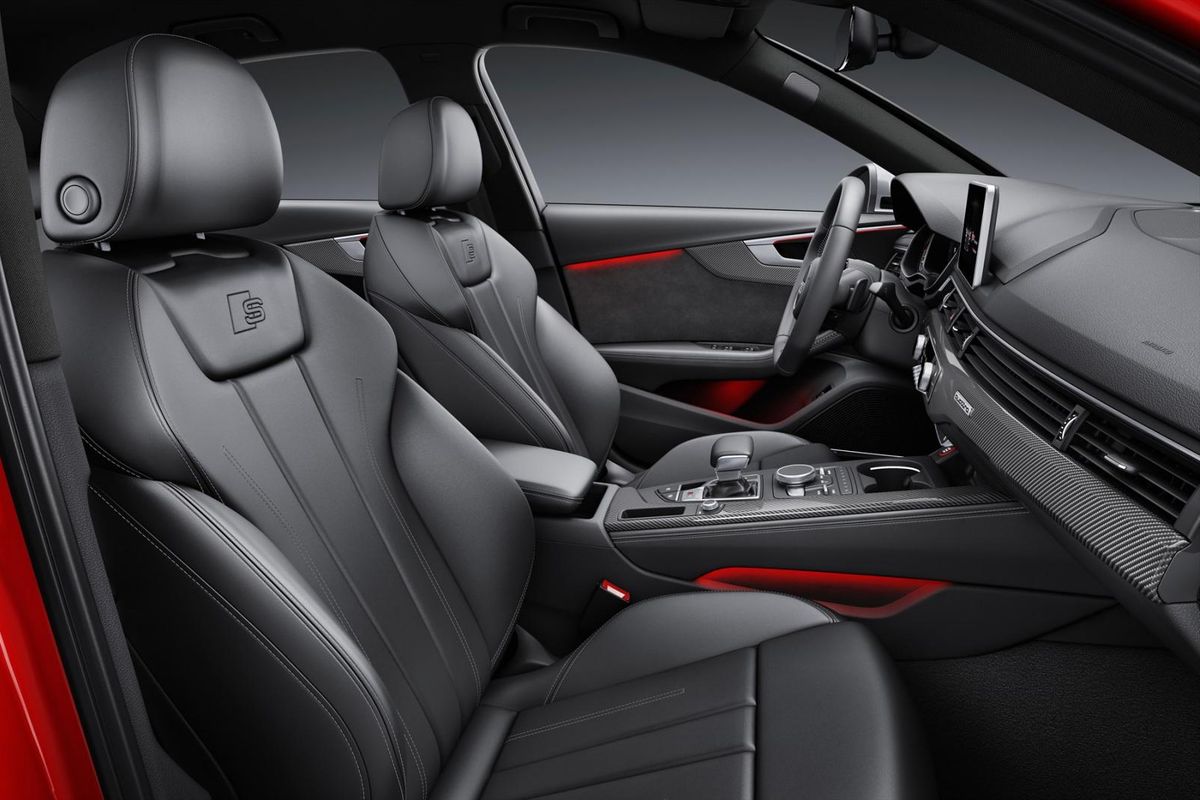
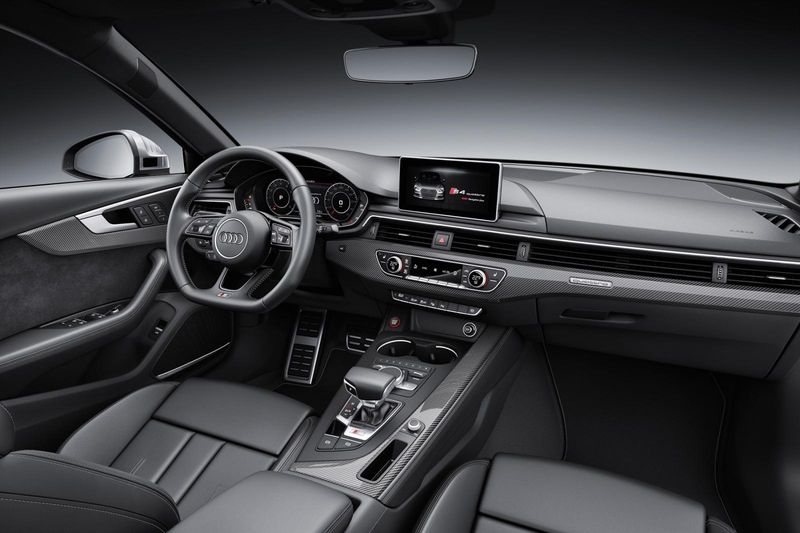
We have created an alphabetical (by brand) list of all the cars you can expect to see in South Africa this year.
Alfa Romeo
This iconic Italian marque is on the product offensive, having already launched the new Giulia business class sedan in South Africa. We have already reviewed the entry level 2.0T model (read the review here), and recommend watching the stunning flagship Giulia Quadrifoglio in action in our feature video here.
Alfa Romeo Stelvio – 4th quarter TBC
Next to arrive is the all-important Stelvio, Alfa Romeo's first entry into the premium crossover/SUV segment. Although the local line-up is yet to be confirmed (as is the launch date), we expect a comprehensive offering, from base turbodiesels to a fiery Quadrifoglio version that will take the fight to Porsche's Macan. Find out more in our International First Drive, by clicking here.
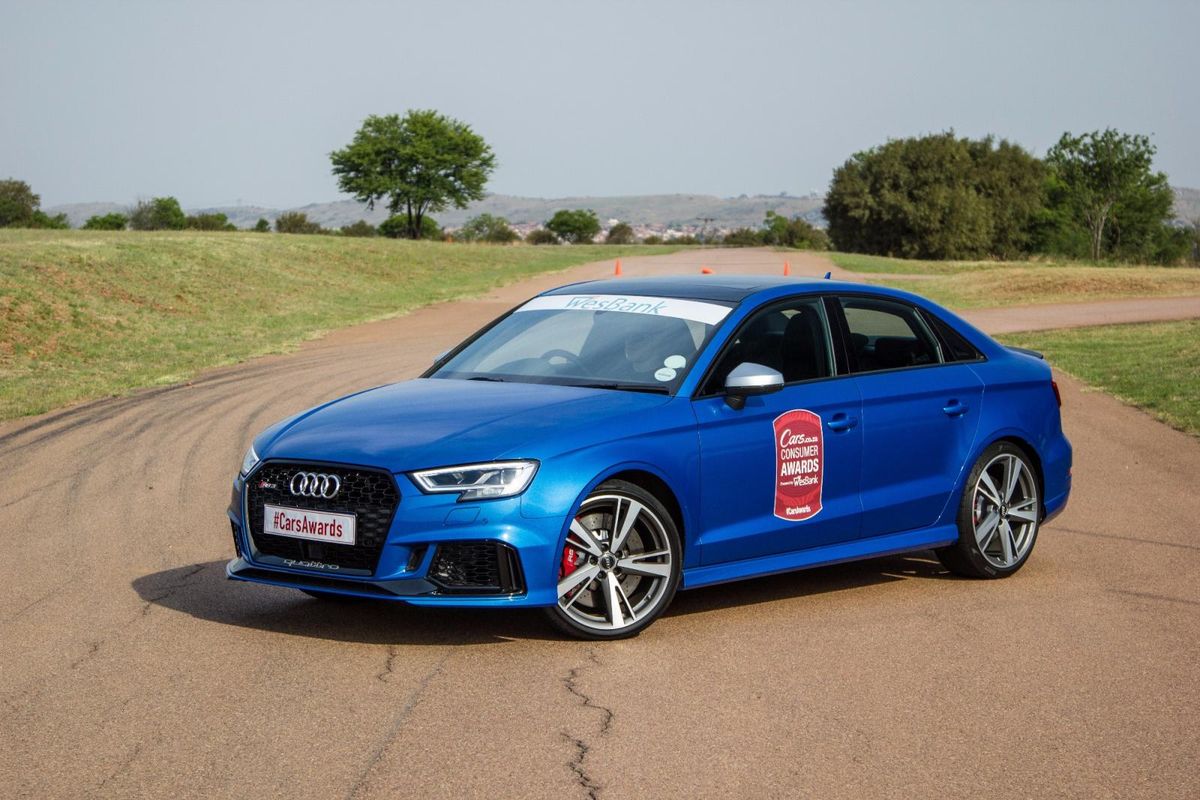
The scorching Audi RS3 sedan should arrive in South Africa in the 2nd quarter of 2017, and is powered by a 294 kW turbocharged 5-cylinder engine. Audi promises a significantly more "playful" package than before. But it will be pricey… First drive here.
Audi TT RS – 3d Quarter 2017
Another hot Audi on the way to South Africa soon is the TT RS, due just after mid-year. The 294 kW stormer is said to accelerate to 100 kph in a blistering 3.7 seconds. We sampled the car at its international launch last year – read our correspondent's impressions here.
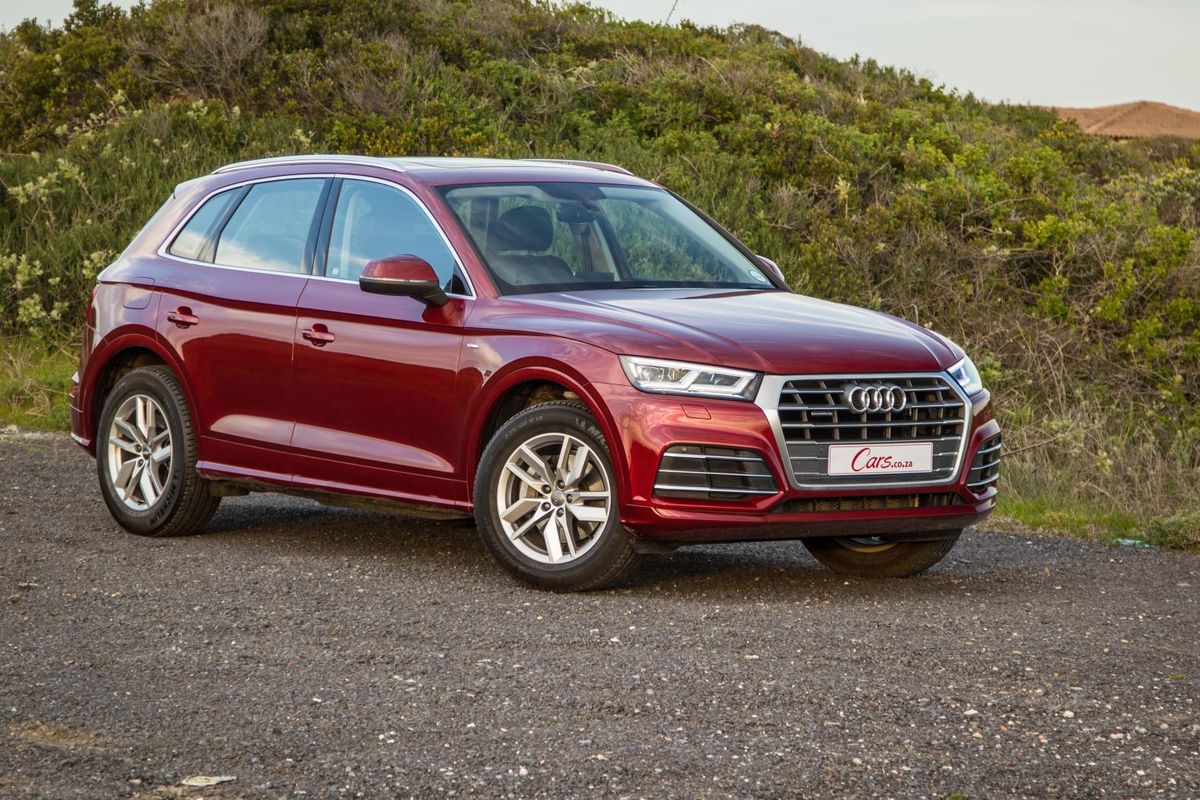
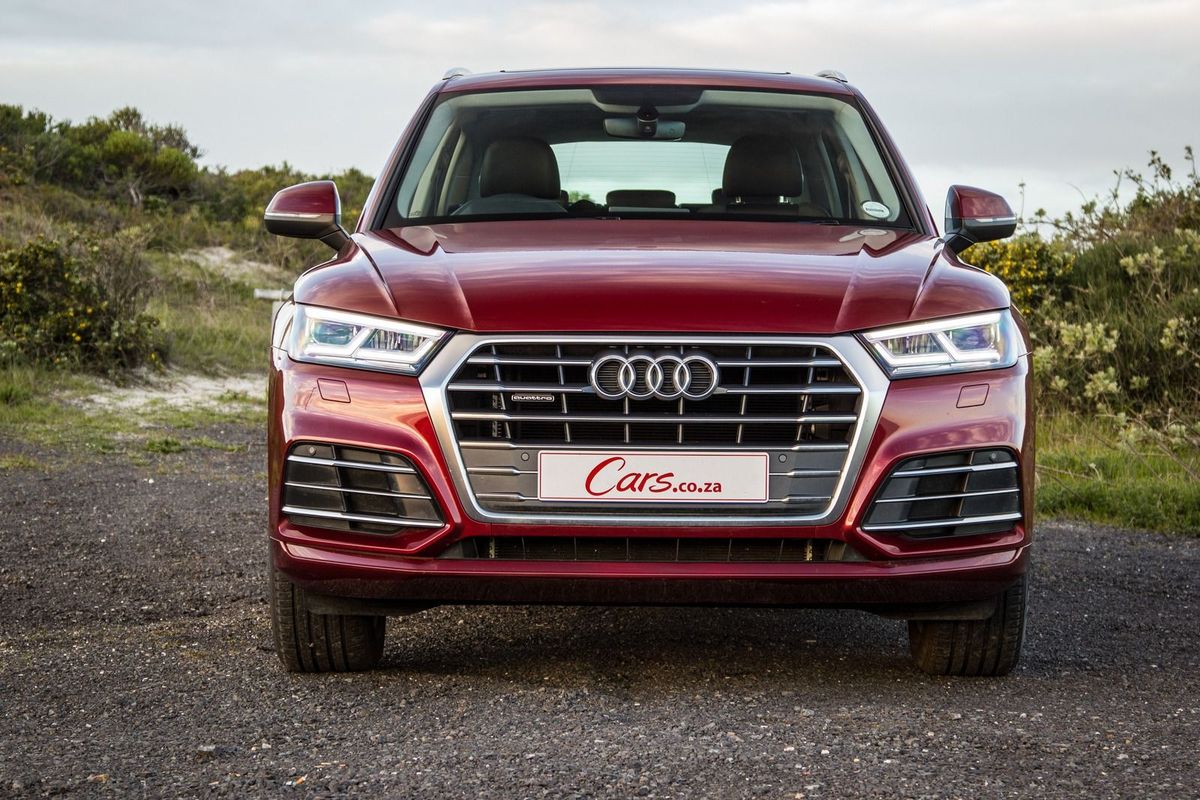
Audi Q5 – 3rd Quarter 2017
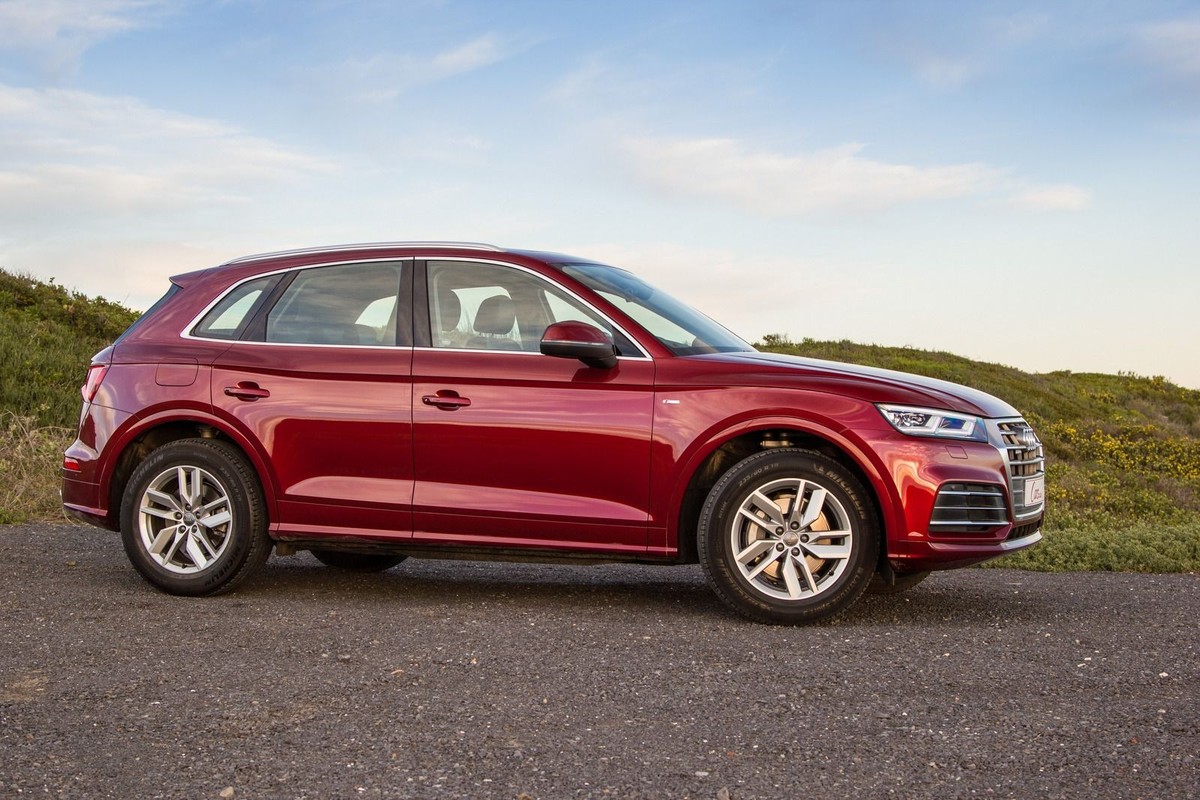
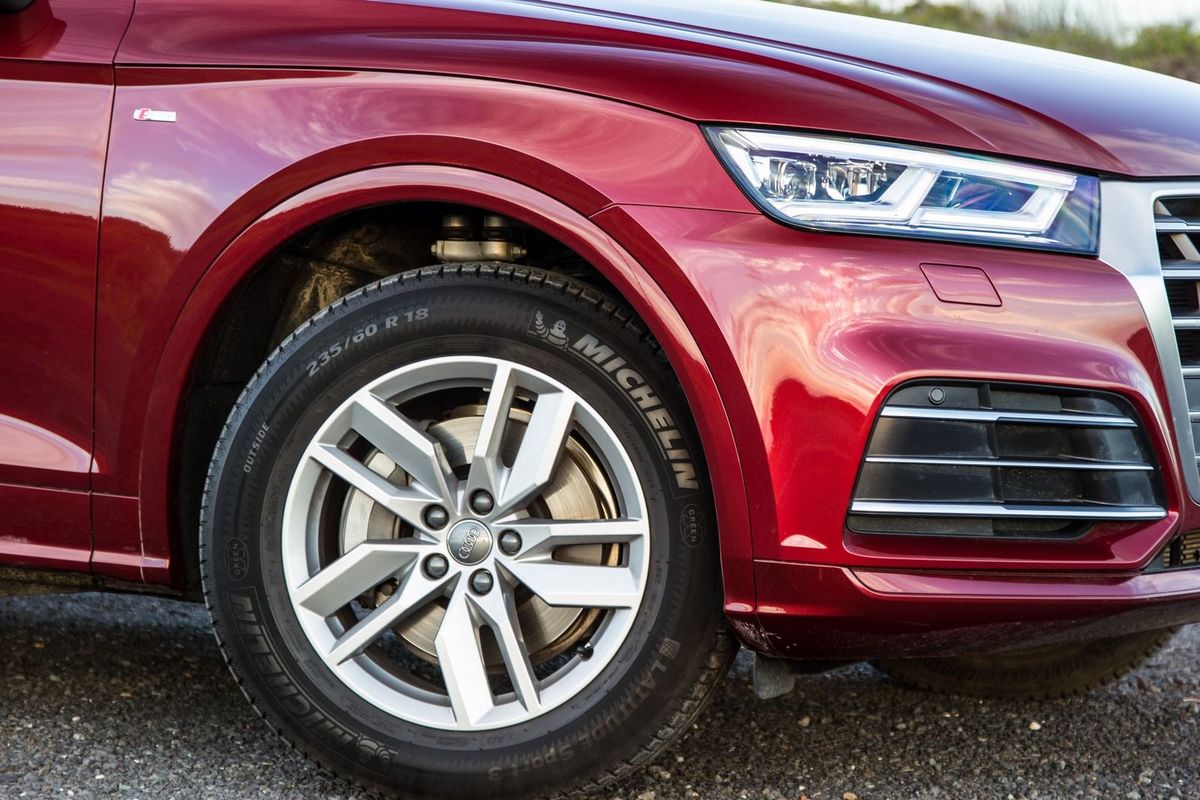
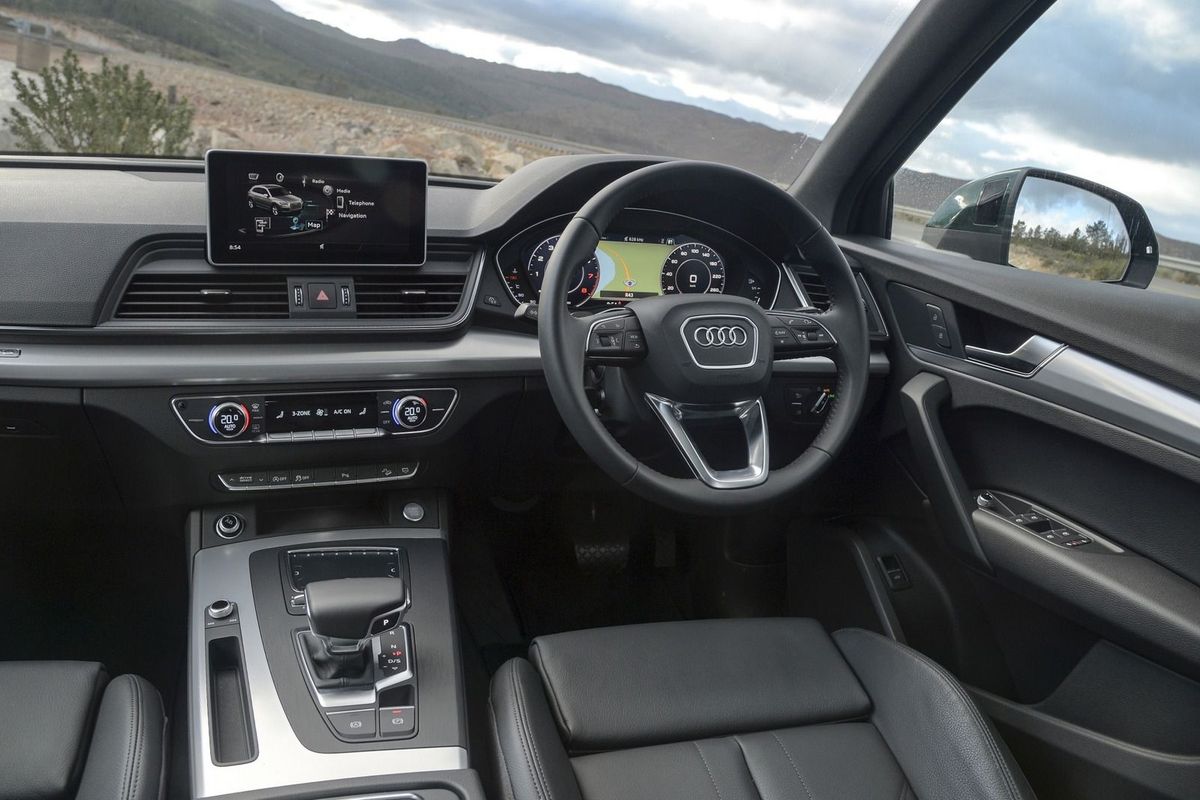
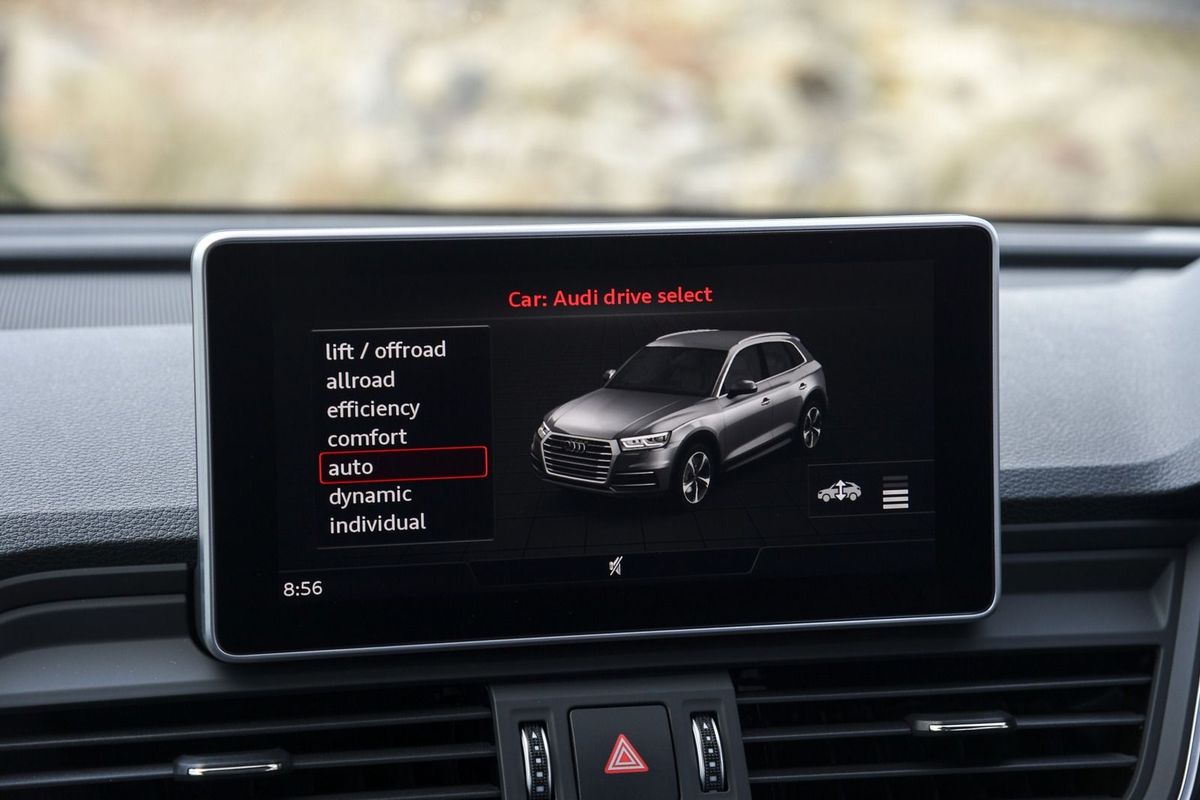
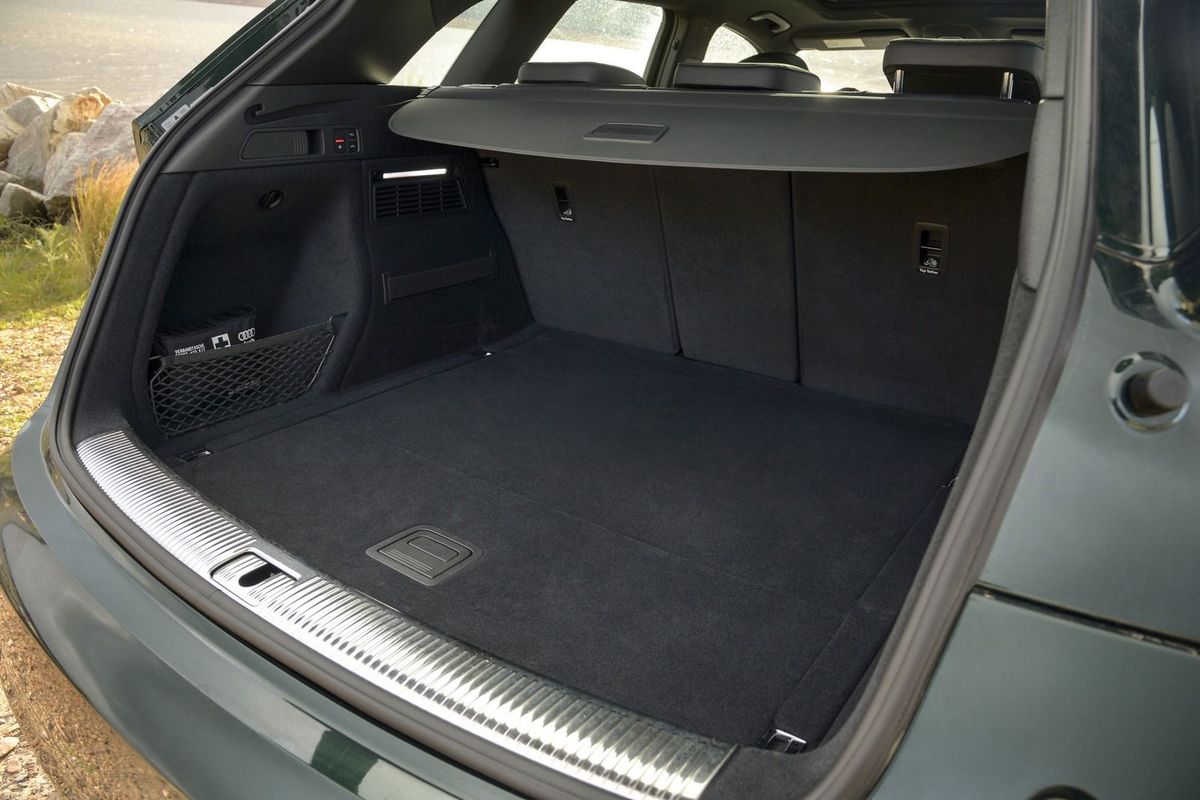
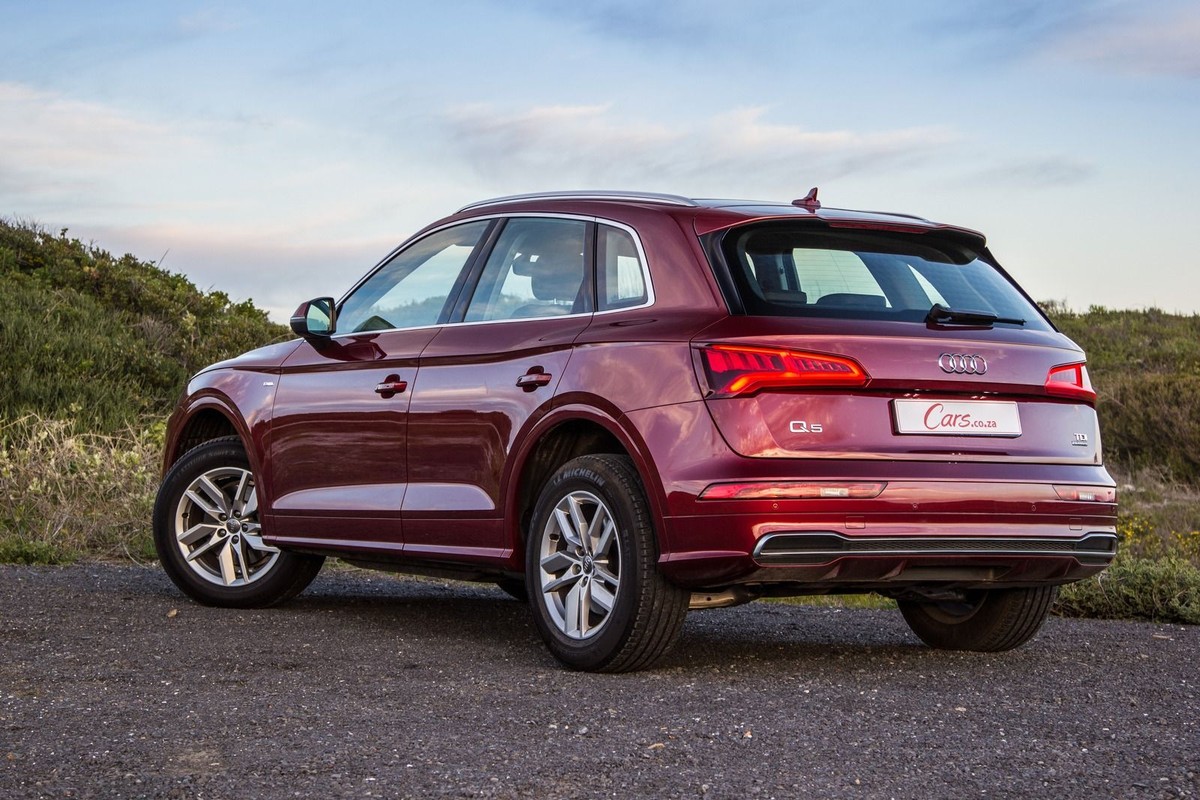
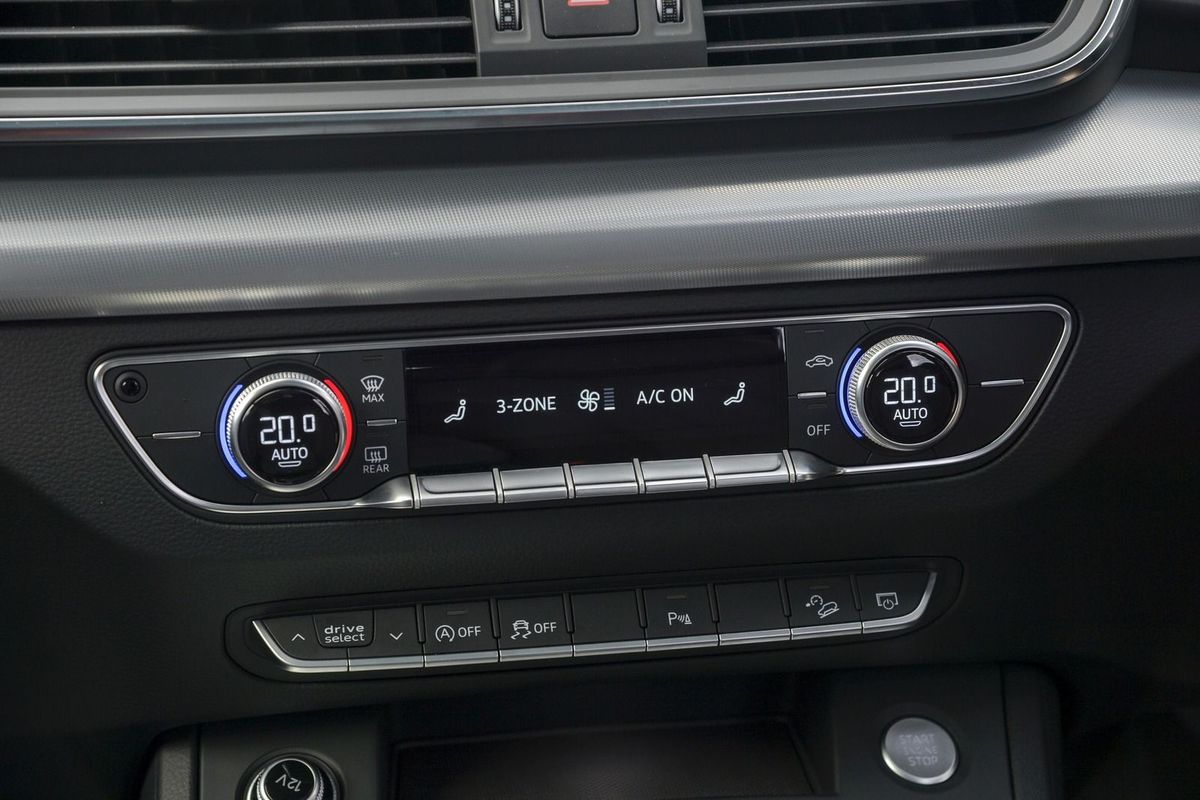
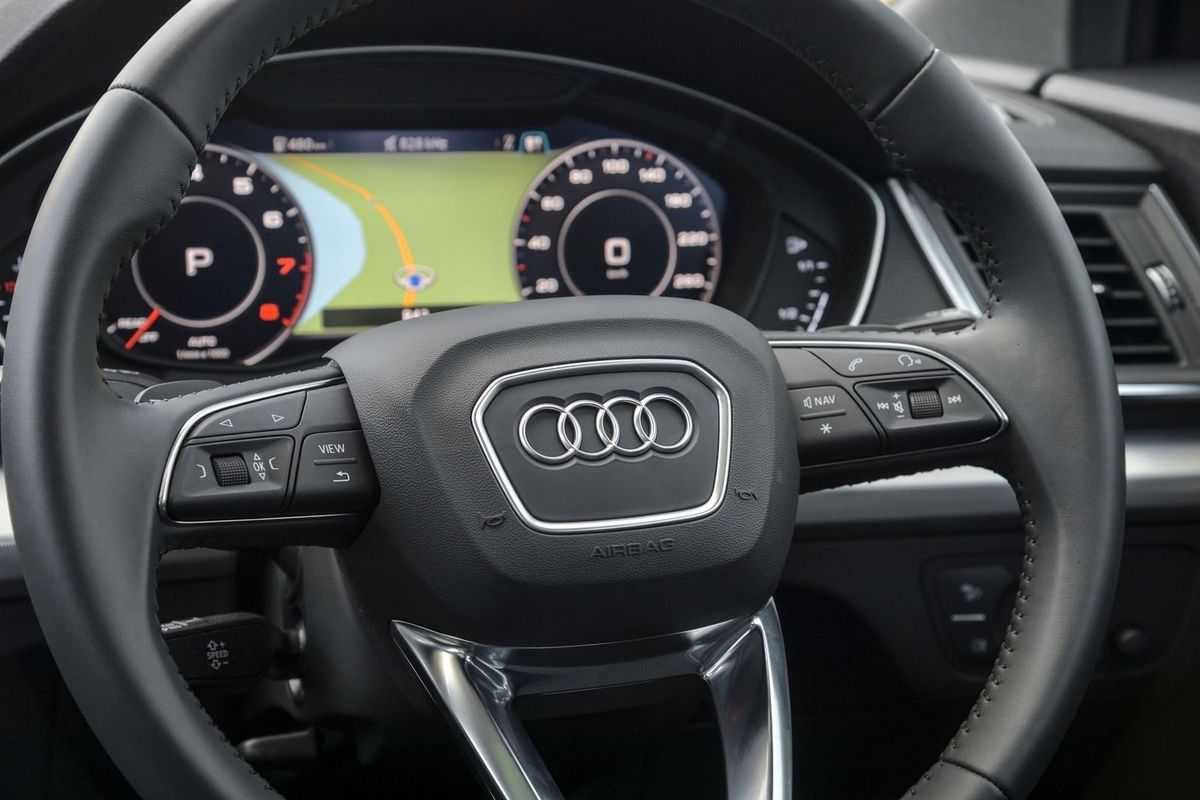
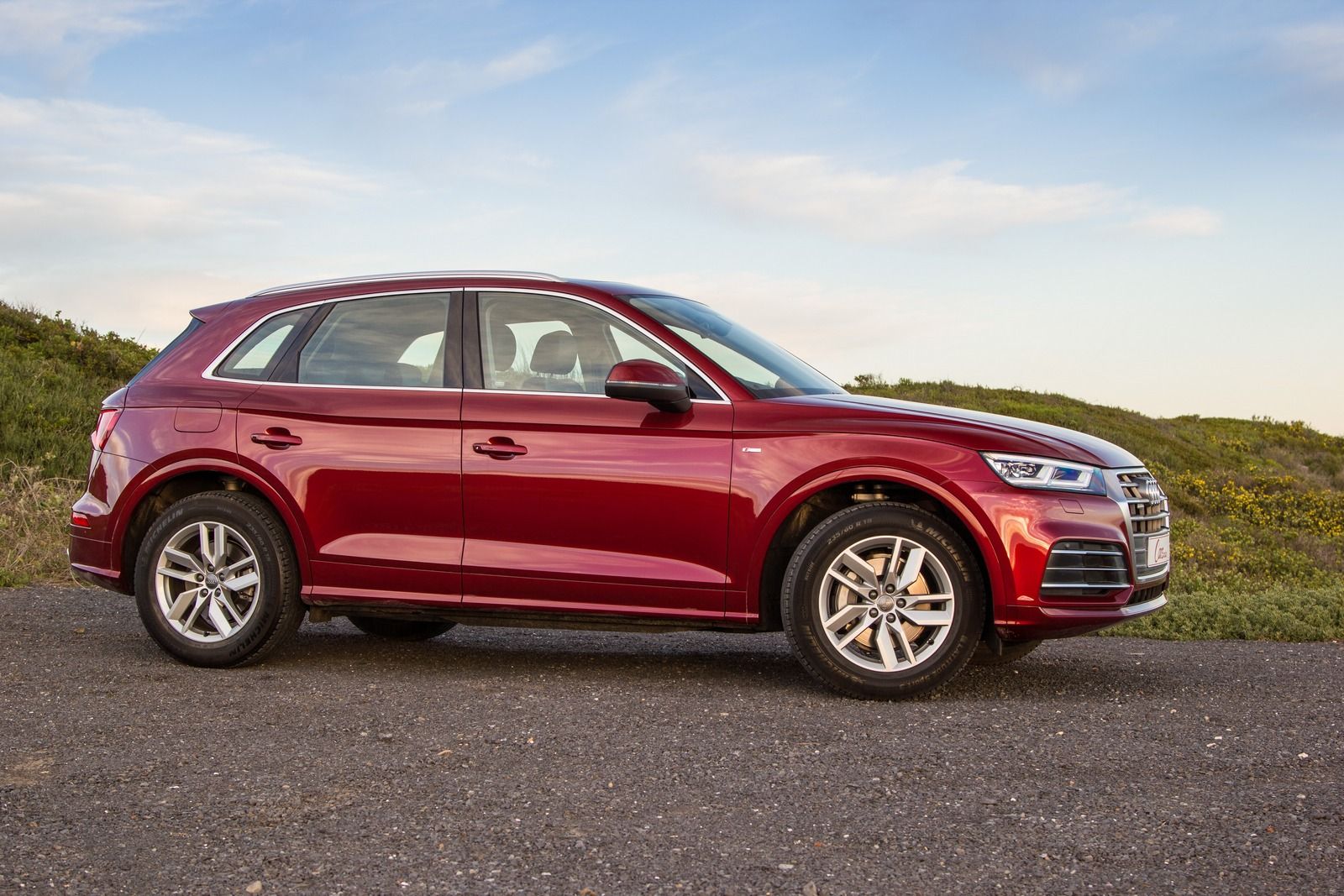
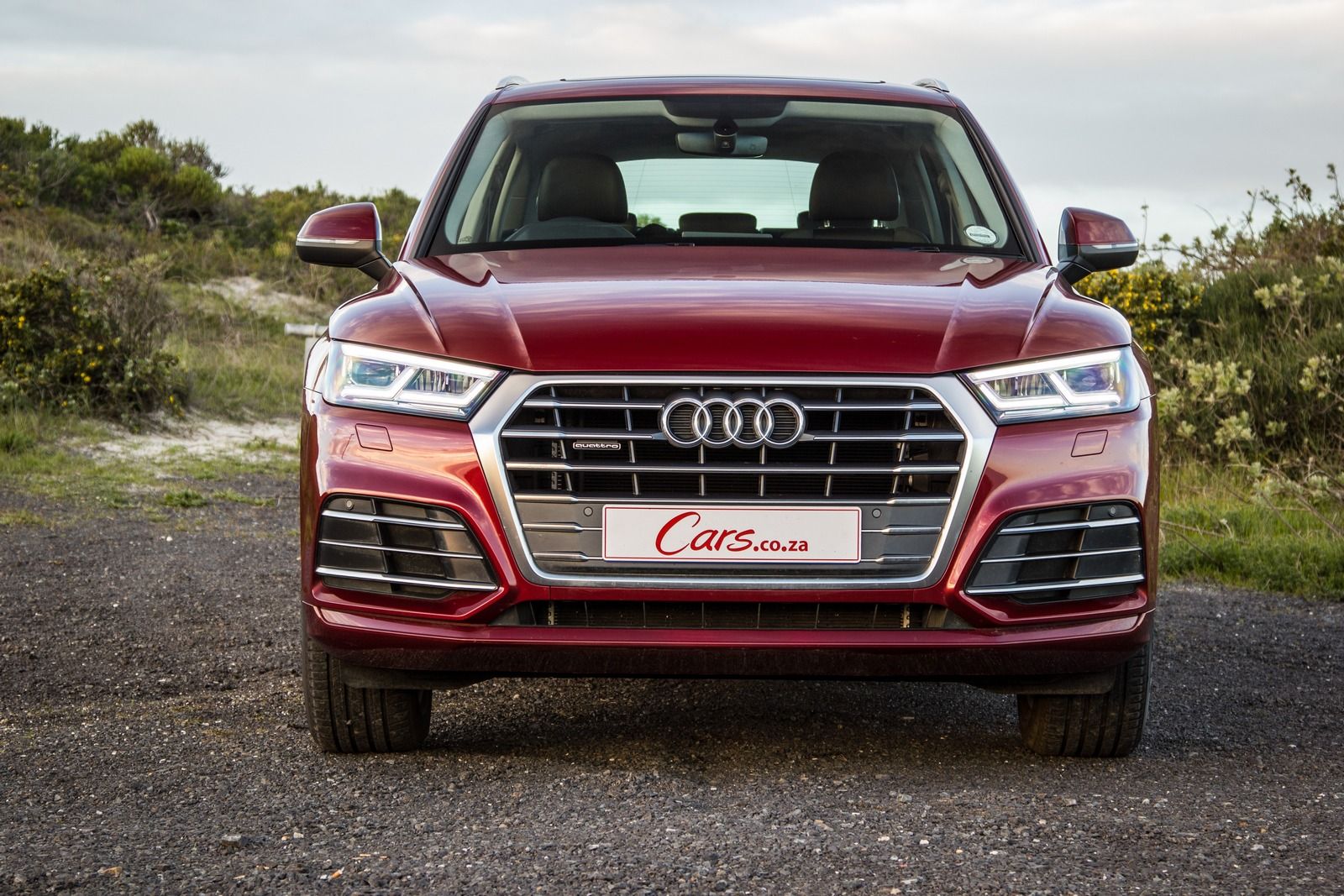
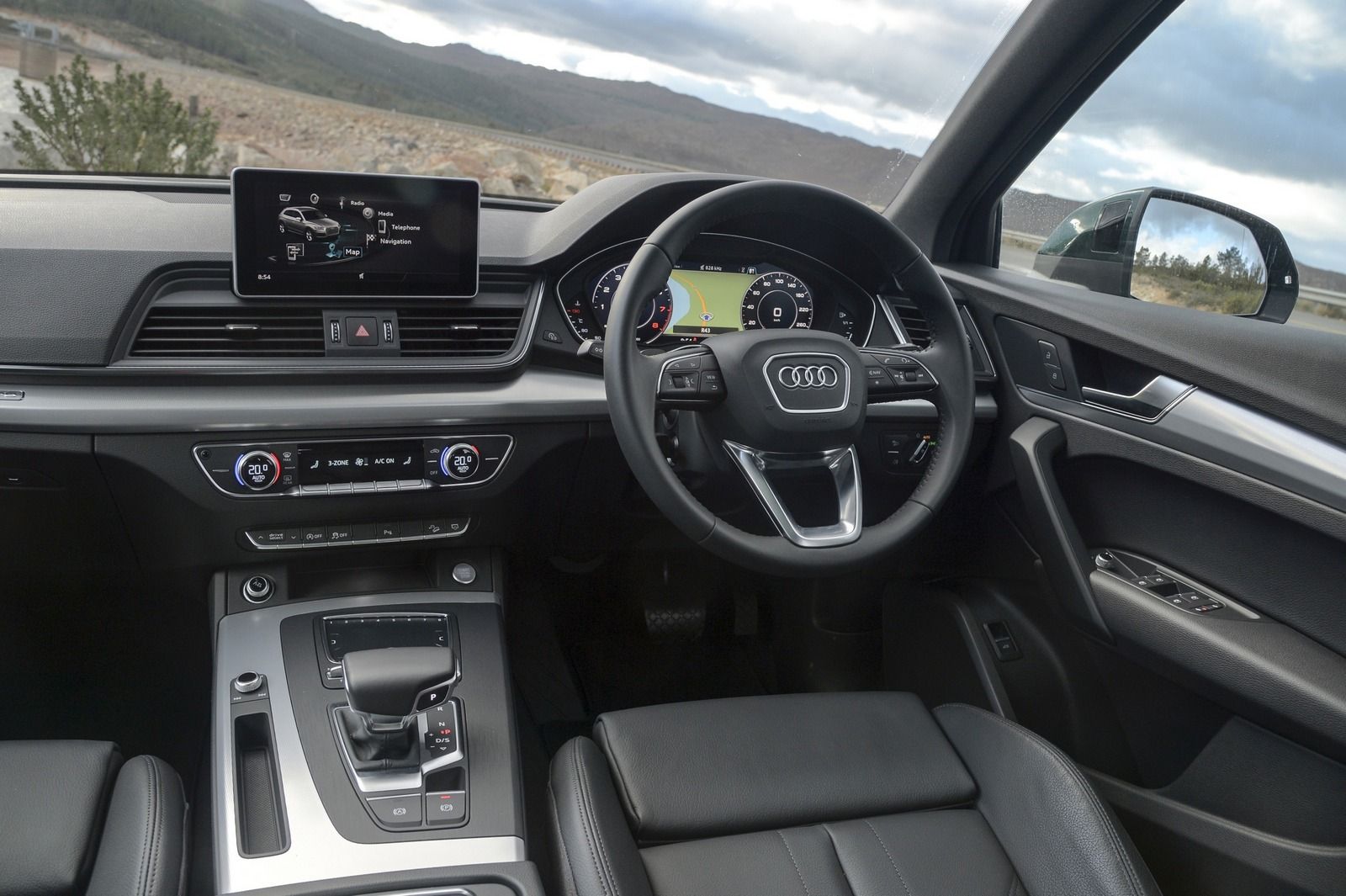
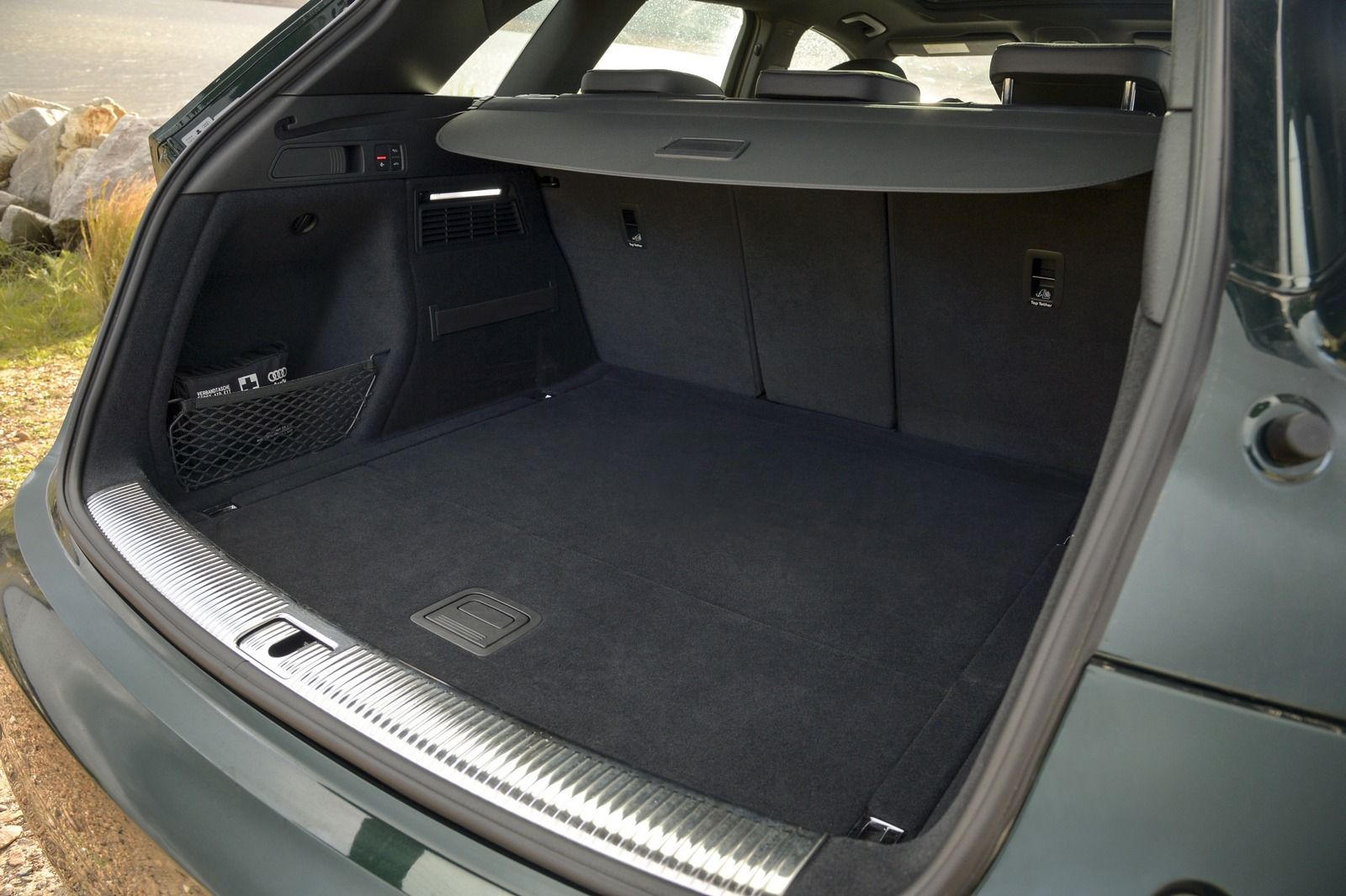
The brand new Audi Q5 is a very important model for Audi as it replaces a vehicle that has been a top seller the world over. It doesn't look that different in the metal, but it's all change underneath and boasts what is likely to be a class-leading interior. Expect it in SA during the 3rd quarter of this year. First drive report here.
Audi RS5 – 4th quarter 2017
The aggressively styled Audi RS5 is pencilled in for a late 2017 arrival. It certainly looks like it will back up the hardcore styling with matching performance. Its 331 kW twin-turbo V6 should push it to 100 kph in less than 4 seconds! Read more about this super coupe here.
Audi will finish off 2017 with a brace of additions to the stylish A5/S5 line-up, namely the Sportback and Cabriolet models. Find out more about the sleek 5-door Sportback here and more information on the suave Cabriolet here.
BMW
The big news from BMW thus far in 2017 has been the arrival of the new-generation 5 Series – watch our video review here. More recently, the German marque also released the plug-in hybrid version of the 3 Series, dubbed the 330e and the flagship of the 7 Series, the M760Li – read more about the staggering details of the ultimate Seven, by clicking here. All of the 15 M4 DTM limited edition cars allocated to SA have already been snapped up – read about that model here. The facelifted versions of the 4 Series coupe, Gran Coupe, Convertible and M4 derivatives are also already available – details here. And, last but by no means least, you can already order your facelifted M3 locally – further details here.
BMW 2 Series/M2 facelift – 2nd half of 2017
BMW's stylish 2 Series coupe and cabriolet duo have been under the knife. The refreshed models, boasting a significantly improved cabin as the most important change, will arrive in South Africa at some point during the second half of the year. The award-winning M2 will also gain a few cosmetic tweaks. Read more here.
BMW 1 Series facelift – 2nd half of 2017
The baby in the BMW line-up, the 1 Series, gets a similar update to the 2 Series at about the same time. Again, the biggest changes are inside, but there are a few exterior design tweaks, new wheels, colours etc. Find out more here.
BMW M4 CS – 3rd Quarter 2017
An even hotter version of the powerful M4 is on the way to South Africa, possibly during the 3rd quarter of the year. It is dubbed the CS, and uses the underpinnings of the impressive M4 Competition Pack as a base, and adds items such as the Adaptive M Suspension and M Driver's Package as standard. Find out more here.
BMW 6-Series Gran Turismo
BMW South Africa confirmed that the new 6-Series Gran Turismo will be making landfall before the end of the year. As it stands, two models are being offered: 640i xDrive Gran Turismo and 630d Gran Turismo, which we can expect to see launched in South Africa in November 2017. Read more here.
Fiat
For a very long time the Fiat brand has relied on only the cute little 500 for its local presence, but things are changing. The Mitsubishi Triton-based Fullback was launched last year, and now the brand is also re-entering the compact sedan and hatchback segments with its new Tipo. Read more about the Tipo here.
Fiat Panda – July/August 2017 TBC
Fiat's Panda looks set to make a comeback in South Africa during the 3rd quarter of the year. At this point the exact line-up remains unconfirmed, but the model recently received a round of updates as part of a mid-life refresh – it gained a substantially revised interior with the latest connectivity tech, among other improvements.
Ford
Although it has experienced a torrid 2017 thus far, courtesy of the Kuga fire debacle, Ford is not standing still. It recently introduced a facelifted Focus line-up – find out more here– and also launched a Fx4 style package for the Ranger that comes with full Ford backing (have a look at the Fx4 here). The Fx4 option follows hot on the heels of tech updates to the Ranger and Everest line-ups.
Ford Kuga facelift – 3rd Quarter of 2017 TBC
The facelifted Ford Kuga will introduce a host of styling and technological updates to the popular family car/compact SUV. Buyers can expect features such as SYNC3 connectivity, hands-free parking and enhanced Active City Stop. In terms of engines, 88 kW 1.5-litre and 110 kW 2.0-litre turbodiesel powerplants will be offered. A petrol 1.0-litre EcoBoost engine with either 88 kW or 110 kW will be available, while an uprated 134 kW version will power the all-wheel drive Kuga derivative.
GWM
Although GWM recently celebrated its 10th year in South Africa, the Chinese firm has been quiet of late. Now fully controlled by Great Wall Motors in China and in the process of also launching its Haval sub-brand, expect to see quite a lot of activity from GWM in the coming months. It recently reintroduced its H5 and H6 models in South Africa.
GWM Steed 5/5E facelift – 2nd Half of 2017
The long-serving current Steed 5 (and more refined Steed 5E derivative) will get another facelift this year, probably in the 4th quarter of the year. Expect the engine line-ups to remain largely the same, with the focus falling on a significantly more attractive facia design and exterior styling tweaks. Find out more here.
Haval
Chinese brand GWM (Great Wall Motors) is preparing its upmarket SUV brand, Haval, for South African introduction at the end of May. Haval only makes SUVs and with more than 1 million units sold in 2016, is one of the world's biggest manufacturers of SUVs. At first the dealership footprint will be small, but following a recent trip to China, we can vouch for major progress having been made on several fronts, including engine/transmission technology, refinement and design – find out more here.
Haval H2 – Fresh Arrival
GWM's upmarket Haval SUV brand launched in South Africa at the end of May, with the H2 being the most important first arrival. Size-wise it competes against the likes of the Hyundai Creta and Nissan Qashqai, but in terms of pricing it is significantly more affordable. It is powered by a 1.5-litre turbopetrol engine, and manual and automatic transmissions feature. Inside, it is likely to set a new benchmark for fit and finish on a Chinese product sold in South Africa. Read more here.
Haval H1 – 2nd Quarter 2017
If the vehicle in the picture above looks familiar, your eyes are not playing tricks… The Haval H1 is basically a rebadged version of the vehicle that was previously sold as the GWM M4 in South Africa. We've even reviewed it before, check it out here. It is a compact crossover that will battle the likes of the Toyota Etios Cross and Renault Sandero Stepway.
Haval H6 Coupe – before year-end 2017
Arriving later in the year is a significantly more upmarket and sophisticated version of the GWM H6 (recently reintroduced). Dubbed the H6 Coupe, it is powered by a 2.0-litre tubocharged 4-cylinder that delivers 145 kW and 315 Nm of torque, through either a 7-speed dual-clutch transmission or a 6-speed manual.
Honda
Although Honda has already introduced a revised Ballade this year, its major introduction, the CR-V, only follows later in 2017.
Honda CR-V – 2nd Half of 2017
An all-new version of the popular CR-V is likely to land in SA during the second half of 2017. The redesign appears to have changed it from a demure people carrier into something quite sleek and attractive. It rides on a stretched version of the new Civic platform and is claimed to be more spacious and more upmarket inside. Engines have yet to be decided for our local market, but 1.5-litre turbopetrol and 2.4-litre naturally aspirated petrol derivatives are offered in the USA.
Hyundai
With the launch of the already-popular Creta under its belt, Hyundai has had a rocking start to 2017. It also recently introduced a freshened verion of the Grand i10, as well as a locally-developed Tucson Sports derivatve.
Hyundai Elantra – Fresh Arrival
The new-generation Elantra is an imminent arrival in South Africa. Find out more about the newcomer, which can now be purchased with the turbocharged 1.6-litre petrol engine from the Veloster, right there.
Hyundai i30 – 2017 TBC
It was expected that the i30 would join the local line-up later this year but the latest news suggests that the launch has been pushed out, perhaps even to 2018. With chiselled new looks, a near-premium cabin with the latest technologies and some turbocharged power under the bonnet, the i30 looks set to further advance Hyundai up the status ladder. Find out more here.
Hyundai Accent – 2018
The all-new Hyundai Accent is definitely on the cards for South Africa, but the timing is yet to be confirmed, At the moment it looks like early 2018 is as accurate as one can get. Find out more about the latest version of Hyundai's popular compact sedan here.
Jeep
This American SUV brand has been relatively quiet since the launch of the Renegade, but another compact SUV could be on the cards in the shape of the all-new Compass.
Jeep Compass – 2017 TBC
The new Compass could be here before the end of 2017 if Fiat Chrysler SA can get its hands on right-hand drive models by then. Although it rides on the Renegade platform, the Compass is likely to be a more rugged off-roader.
Kia
Kia has already made a few small changes to its local offering, with the launch of a facelifted Soul, and a new entry-level Sorento turbodiesel. But its most important new products are still on the way.
Kia Rio – Freshly Launched
The Rio is Kia’s best-selling model worldwide so the new model has a sterling reputation to live up to! The new Rio is said to usher in significant improvements in terms of safety and practicality. The hatchback is slightly bigger than before and the interior has been updated to meet the latest in connectivity needs. You can find our local first drive report here.
Kia Picanto – 3rd Quarter of 2017
The little Kia Picanto has been a strong seller in South Africa, even as the current model is nearing the end of its product lifecycle. The all-new model is therefore a very important one. It offers more interior space, a greater focus on in-car connectivity and is powered by 1.0-litre engines (naturally aspirated, or turbocharged). Find out more here.
Land Rover / Range Rover
This iconic British marque has some big introductions during 2017, with the eagerly anticipated Discovery 5 and suave Range Rover Velar likely to make a significant impact on the local market. Also on the way is the Range Rover Evoque Landmark Special Edition – find more about that vehicle here.
Land Rover Discovery – Mid-2017
The 5th-generation Discovery will certainly be a highlight for 2017. Over and above significant off-road ability matched with impressive on-road refinement, the Disco will offer generous loading capacity. With all the rear seats down it is said to offer 2 406-litres of space (an Audi Q7 is 2 075 litres by comparison). Loads of off-roading tech and connectivity systems have been crammed into the new Discovery. You can even fold down the rear seats via an app on your phone…
Range Rover Velar – 3rd/4th Quarter of 2017
The very stylish new Range Rover Velar will be available locally before year-end. Based on the underpinnings of the award-winning Jaguar F-PACE, the Velar fills the gap between the Evoque and Range Rover Sport. Expect a similar line-up of engines to what you'll find in the F-PACE. Find out more about the Velar here.
Lexus
While it seems that we'll have to wait until early in 2018 for the arrival of the all-new Lexus LS, there's still plenty to get excited about from Lexus this year.
Lexus LC 500 – Mid-2017
The LC500 is the most focused sportscar that Lexus has produced since the LFA supercar. Ostensibly a competitor to the likes of the BMW 6 Series, the LC looks to marry Lexus' sporting pedigree with the brand's reputation for refinement, supreme occupant comfort and luxury.
Lexus ES facelift – 3rd Quarter 2017
The big and comfy Lexus ES range gets a facelift around September. Expect a raft of styling and tech updates to stylistically bring the spacious sedan in line with Lexus's more recent introductions.
Lexus NX facelft – Late 2017
The sharply dressed NX crossover gets a facelift near the end of 2017. The updated model was recently displayed at the Shanghai Motor Show – read more about it here. Besides the predictable styling and cabin tech updates, the NX also gets variable adaptive suspension.
Mazda
Following a strong few years of sales, Mazda looks set to continue its success story by replacing or updating some of its strongest sellers, while they're still doing well. The Mazda2 and CX-3 have had small upgrades already and the MX-5 line-up has been bolstered with the addition of the RF derivative – read more about the this sporty newcomer here.
Mazda CX-5 – Freshly Launched
The new Mazda CX-5 has just arrived in South Africa. It is a carefully considered update of a model that sold even better at the end of its lifecycle, than at the beginning.Find out all the details here.
Mercedes-Benz / Mercedes-AMG
With the launch of the recently facelifted GLA already done and dusted, Mercedes-Benz and Mercedes-AMG shift their attention to more performance- and status-oriented machinery for the rest of the year.
Mercedes-Benz E-Class Coupe – Imminent
The very slick new Mercedes-Benz E-Class coupe is an imminent arrival. Based on one of our favourite Executive Sedans, the Coupe was always going to be good. Read our first drive impressions by clicking here.
Mercedes-AMG E63 S – Mid-2017
The fire-breathing super-sedan will be in South Africa by mid-year 2017. It can’t come soon enough as our initial perceptions of it rate it extremely highly. Only the top-spec E63 S will be offered locally and it will cost nearly R2-million.
Mercedes-AMG GT C Coupe & Roadster – Imminent
The Mercedes-AMG GT line-up expands dramatically this year. Not only will we see the addition of the fire-breathing GT R, but also coupe and cabriolet GT C variants. These GT C derivatives feature some of the tech found in the GT R, and offer a sublime mix of performance, design and luxury. Find out more by clicking here.
Mercedes-Benz E-Class Cabriolet – Mid-2017 TBC
Following hot on the heels of the new E-Class Coupe (and possibly launched together in SA), the E-Class Cabriolet looks set to become the boulevard cruiser of choice for South Africa's (reasonably) wealthy. Find out more about this drop-top here.
Mercedes-Benz S-Class – 2nd Half of 2017
The significantly upated Mercedes-Benz flagship will arrive before year-end and debut some amazing new technologies (some shared with the E-Class), as well as some potent, yet "greener" engines. Get the low-down on all the tech by clicking here.
Mini
The big focus for Mini this year is on the Countryman, which was recently introduced in South Africa (see below). Also no available is the JCW Clubman, and we wouldn't be surprised to see Mini also introduce its new Countryman plug-in hybrid in SA later this year.
Mini Countryman – Freshly Launched
The new Countryman has been endowed with more loading capability and more passenger space (size-wise, it has grown by 30% over the previous model). The range starts with the 1.5-litre, 3-cylinder turbo petrol motor which has 100 kW and 220 Nm of torque. Then you get the Cooper S, which has beefier 2.0-litre four-cylinder turbo petrol pushing out 141 kW and 280 Nm. A 2.0-litre turbocharged diesel engine with 110 KW and 330 Nm of torque is also on offer. A 6-speed manual and 8-speed automatic are available to buyers. A JCW version will join the range at a later stage too. What's it like to drive? Find out here.
Mitsubishi
This Japanese brand has quietly been at work upgrading almost its entire product line-up in a very short space of time. The launch of the impressive new Triton has already happened (watch our video review here), and recently Mitsubishi also added facelifted ASX and Outlander models.
Mitsubishi Pajero Sport – 2017 TBC
The Toyota Fortuner-rivalling Pajero Sport appears to have been delayed, probably because the fluctuating exchange rate is playing havoc with its business case. Nevertheless, it's such an important model that we anticipate a local launch before year-end, with engines mirroring what is already on offer in the Triton.
Nissan
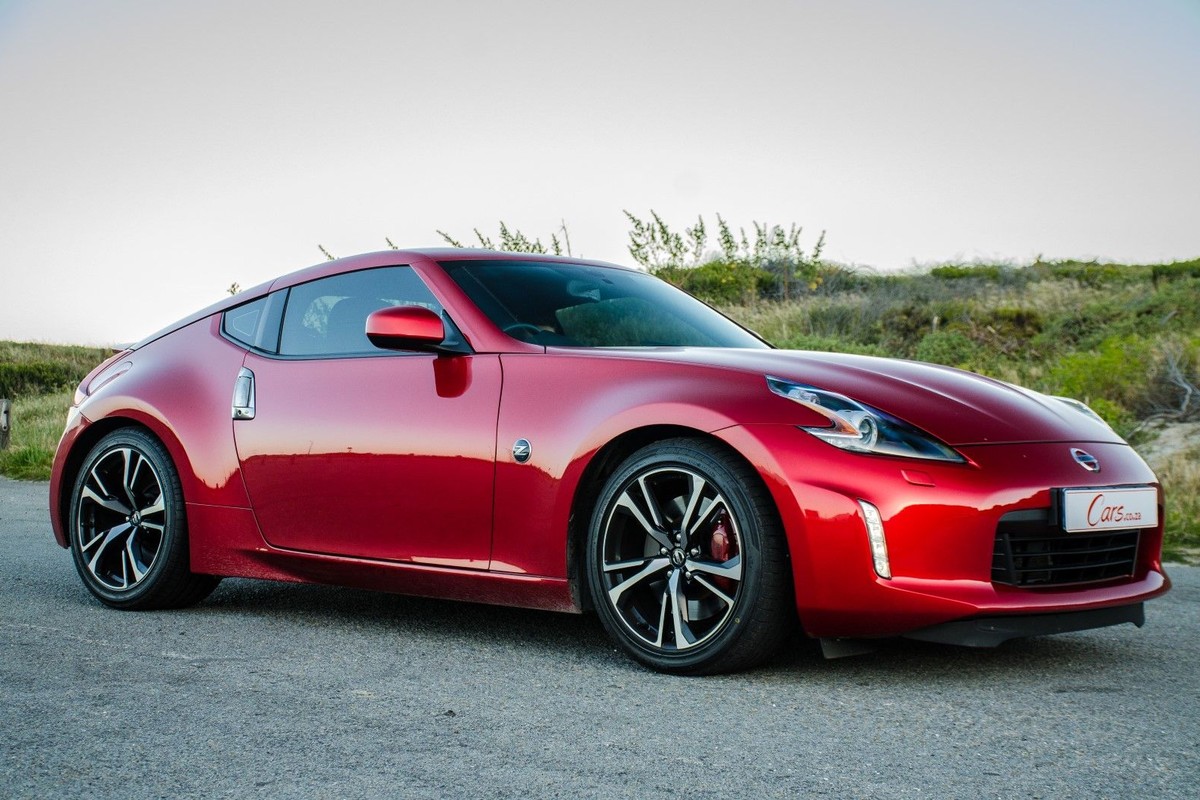
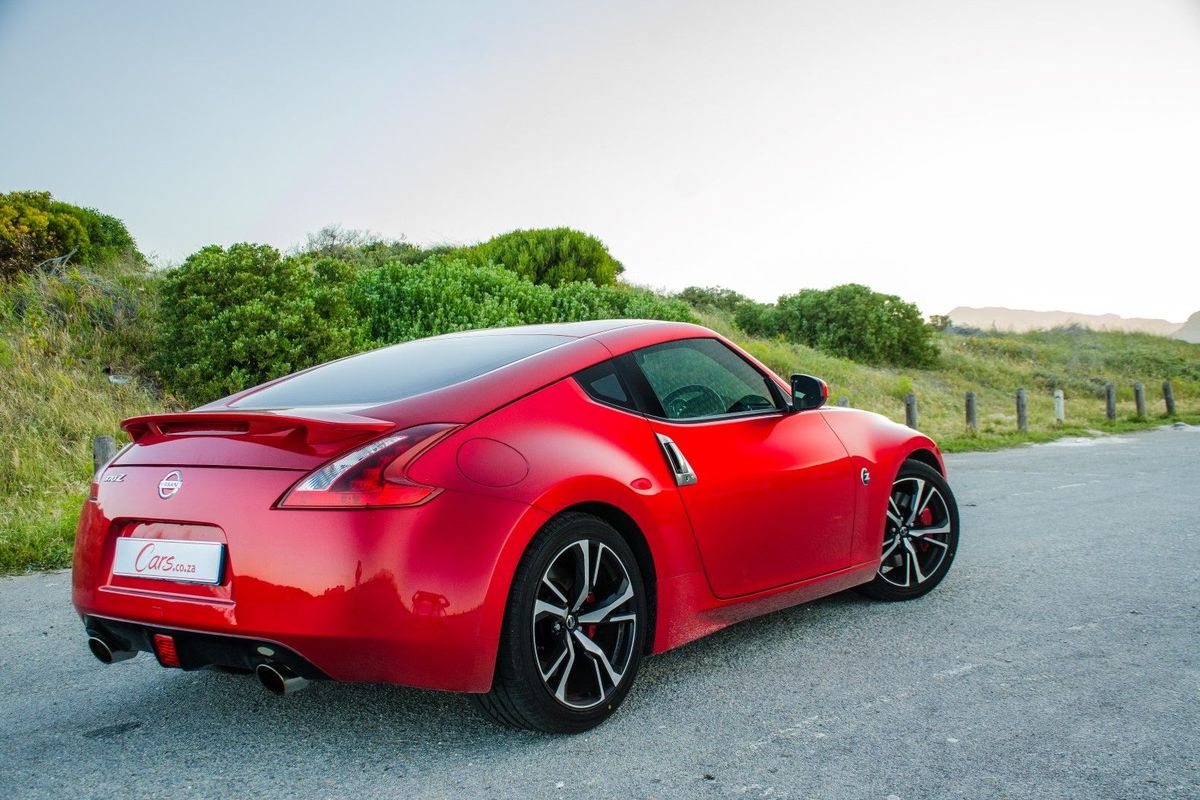
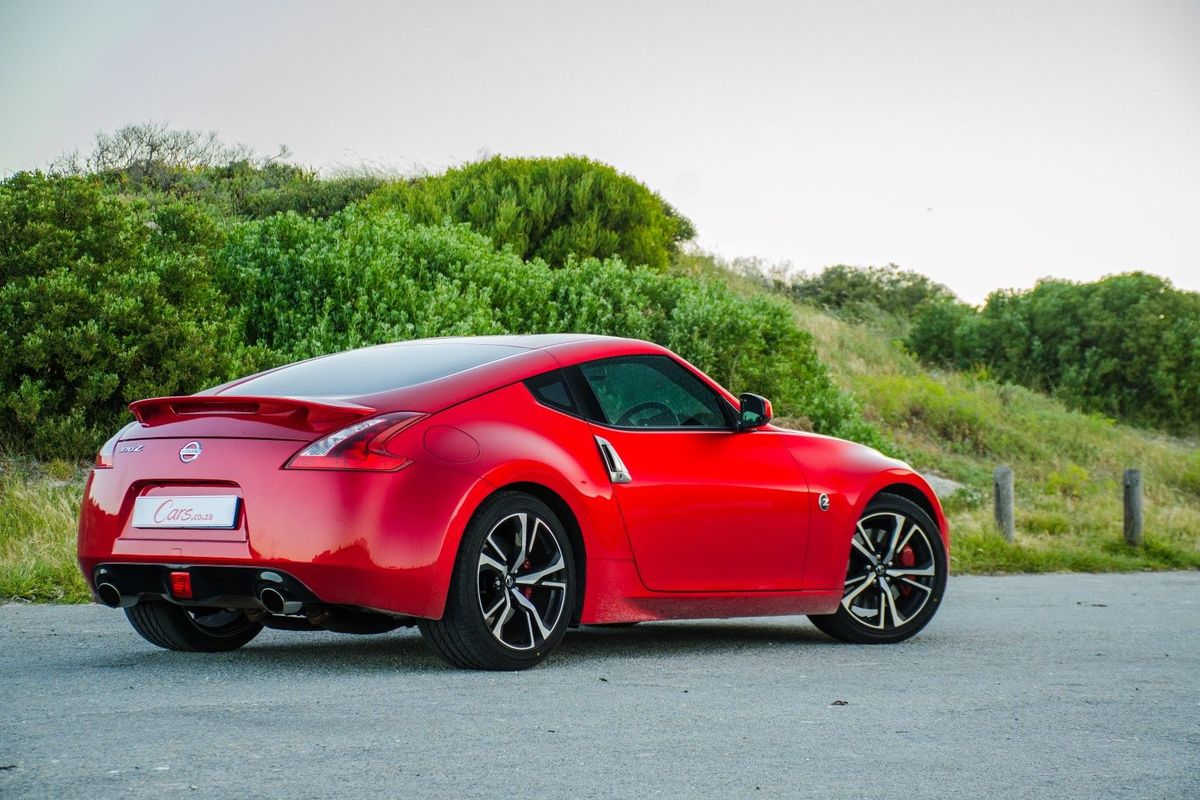
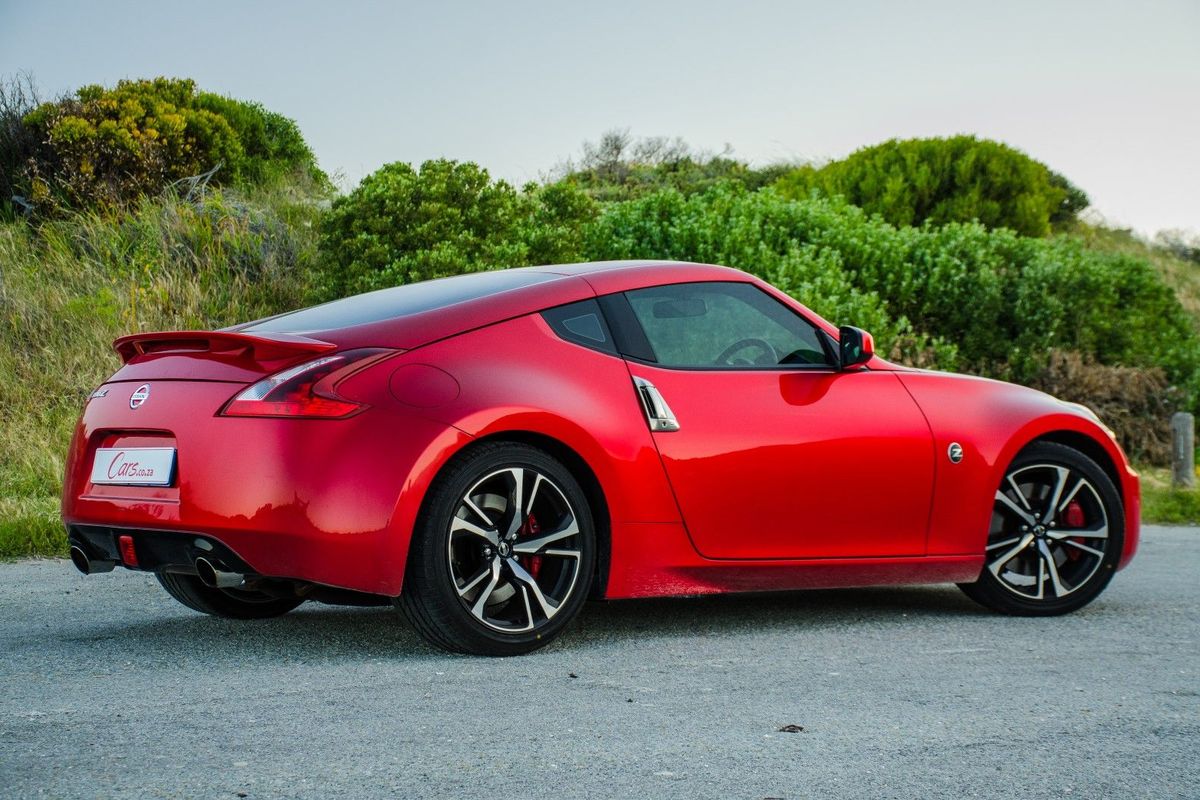
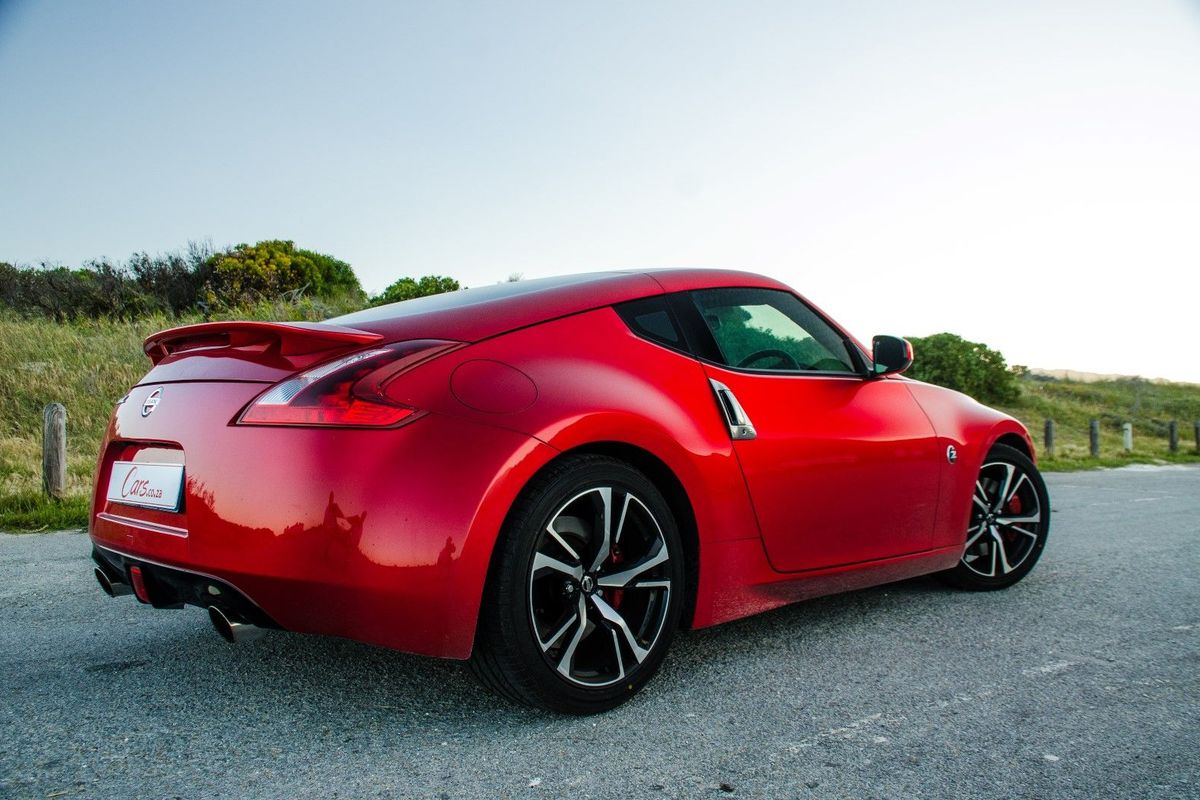
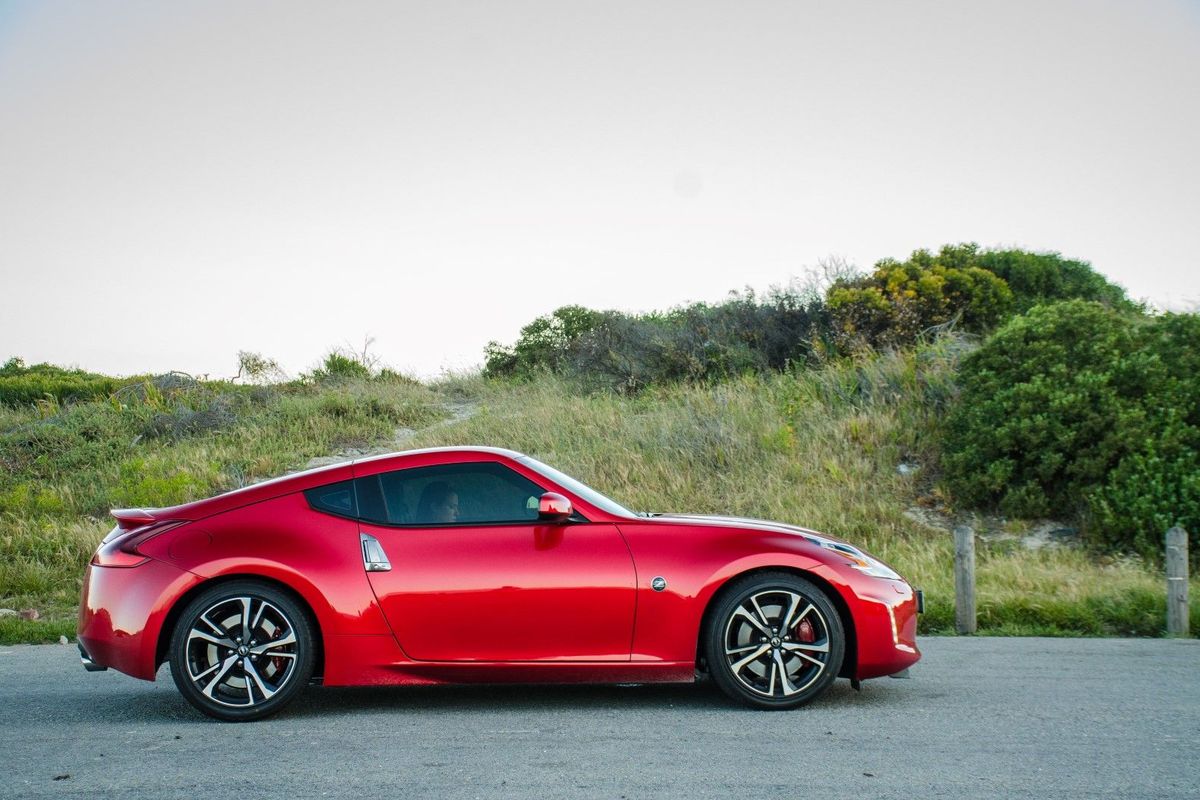
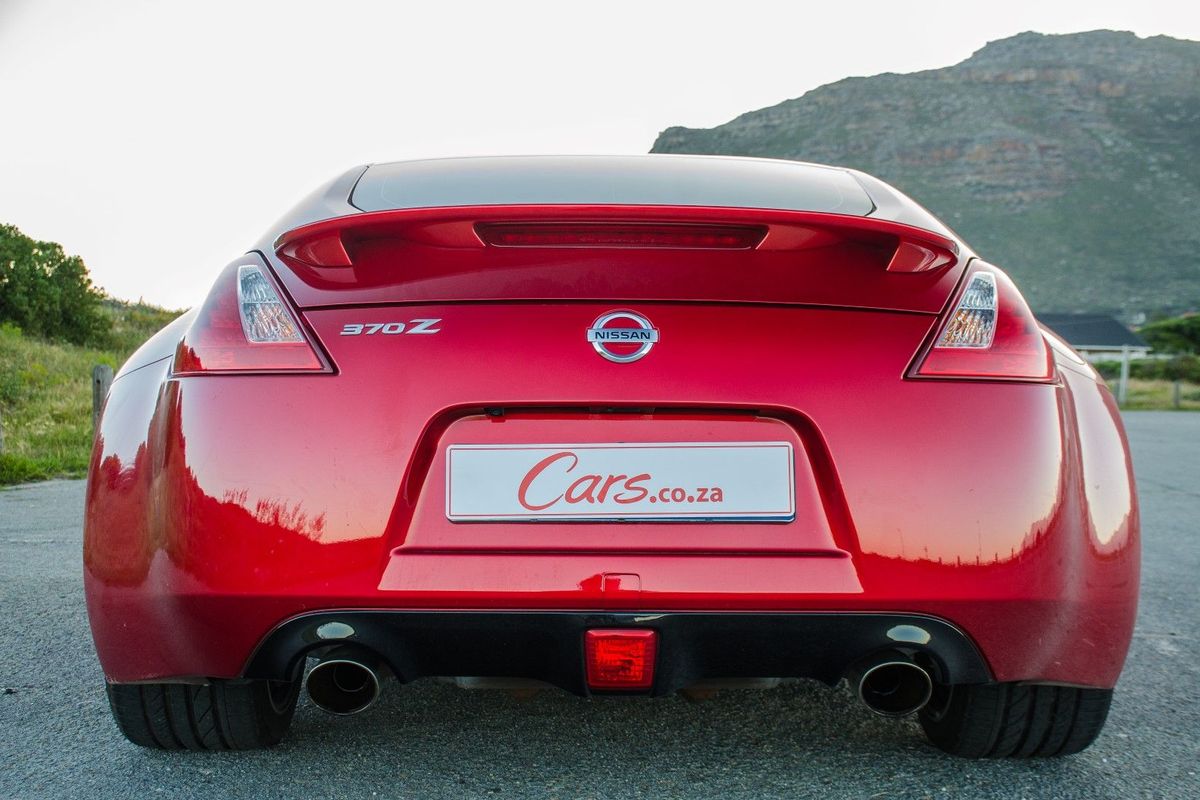
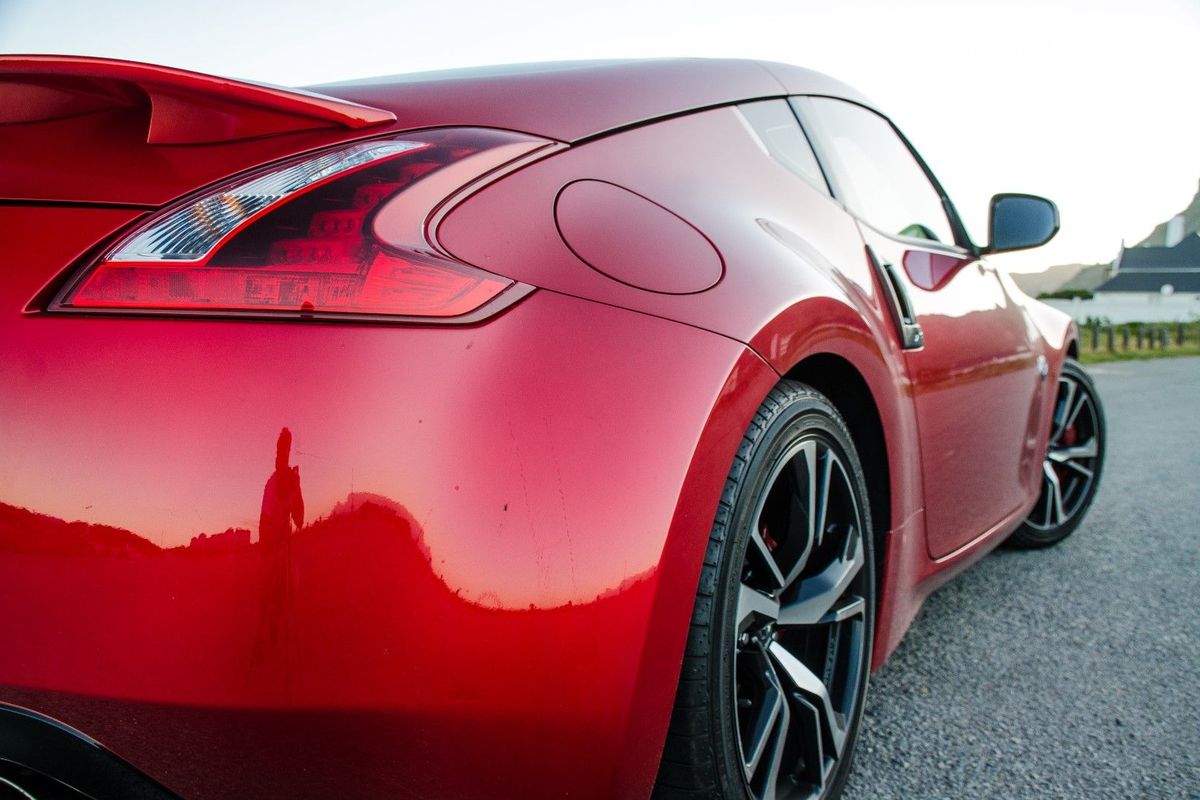
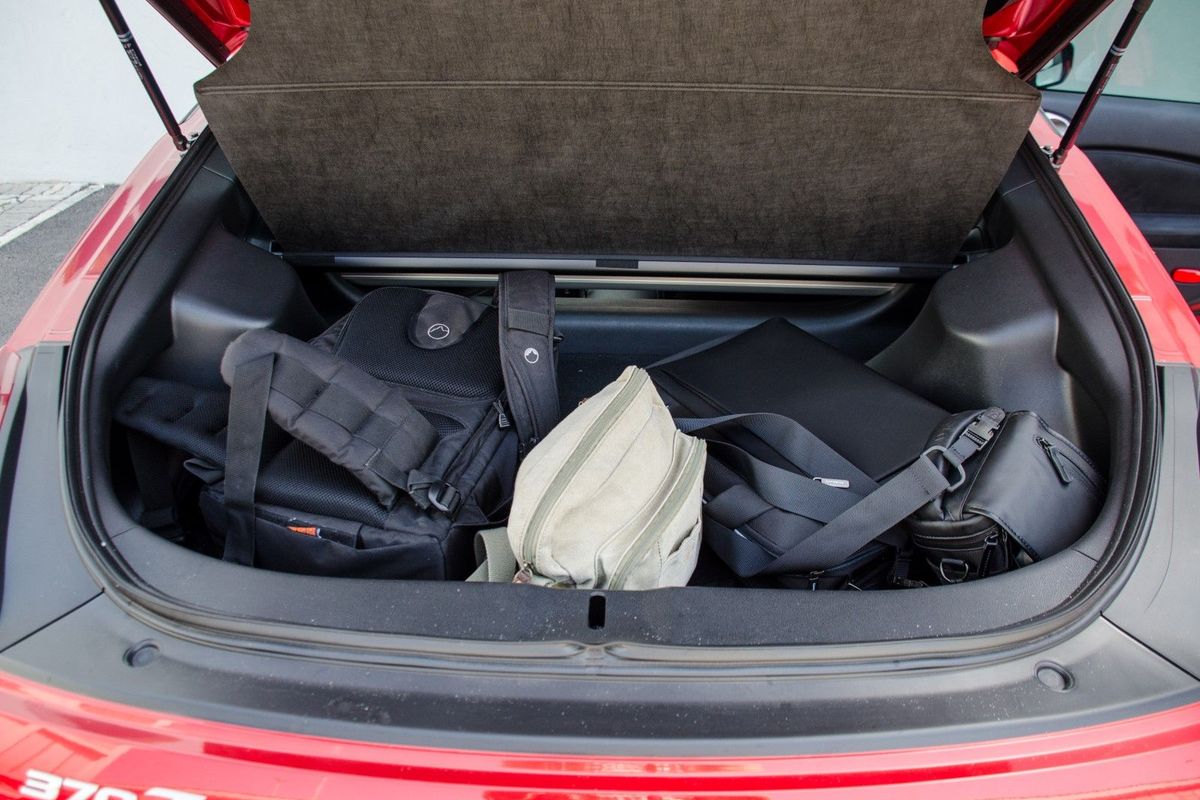
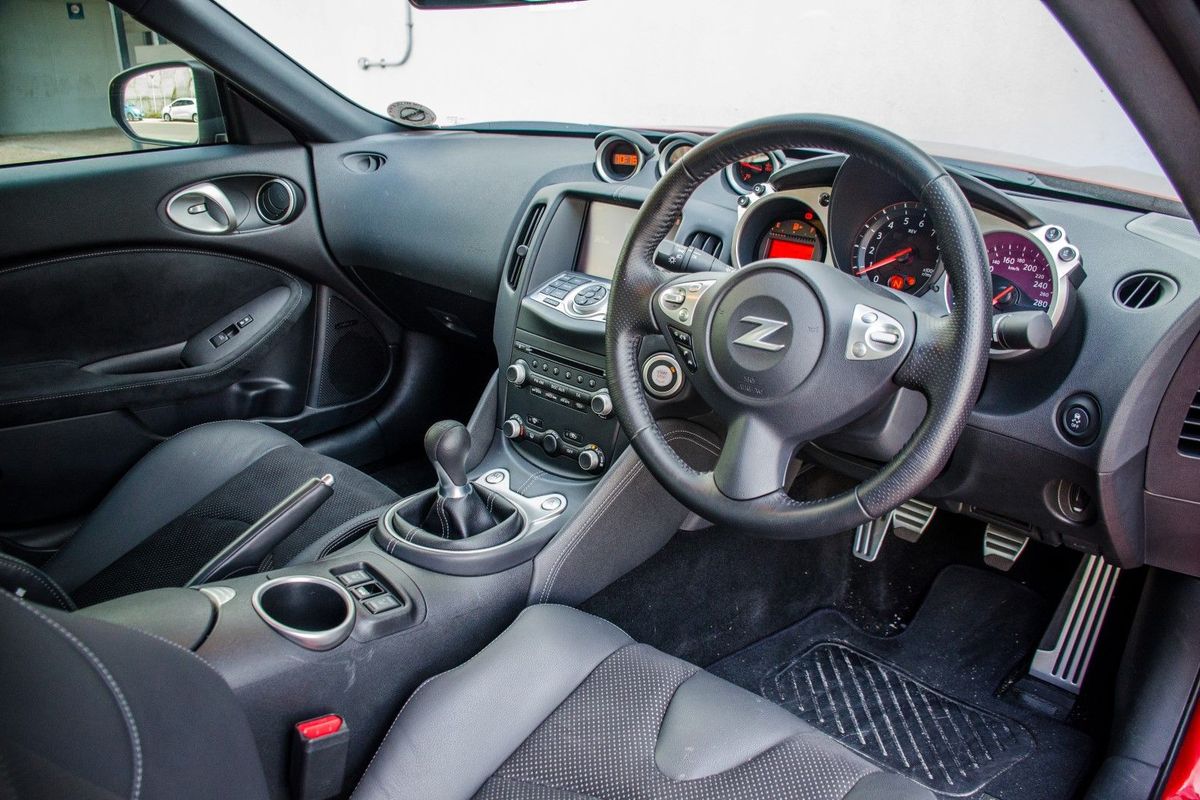
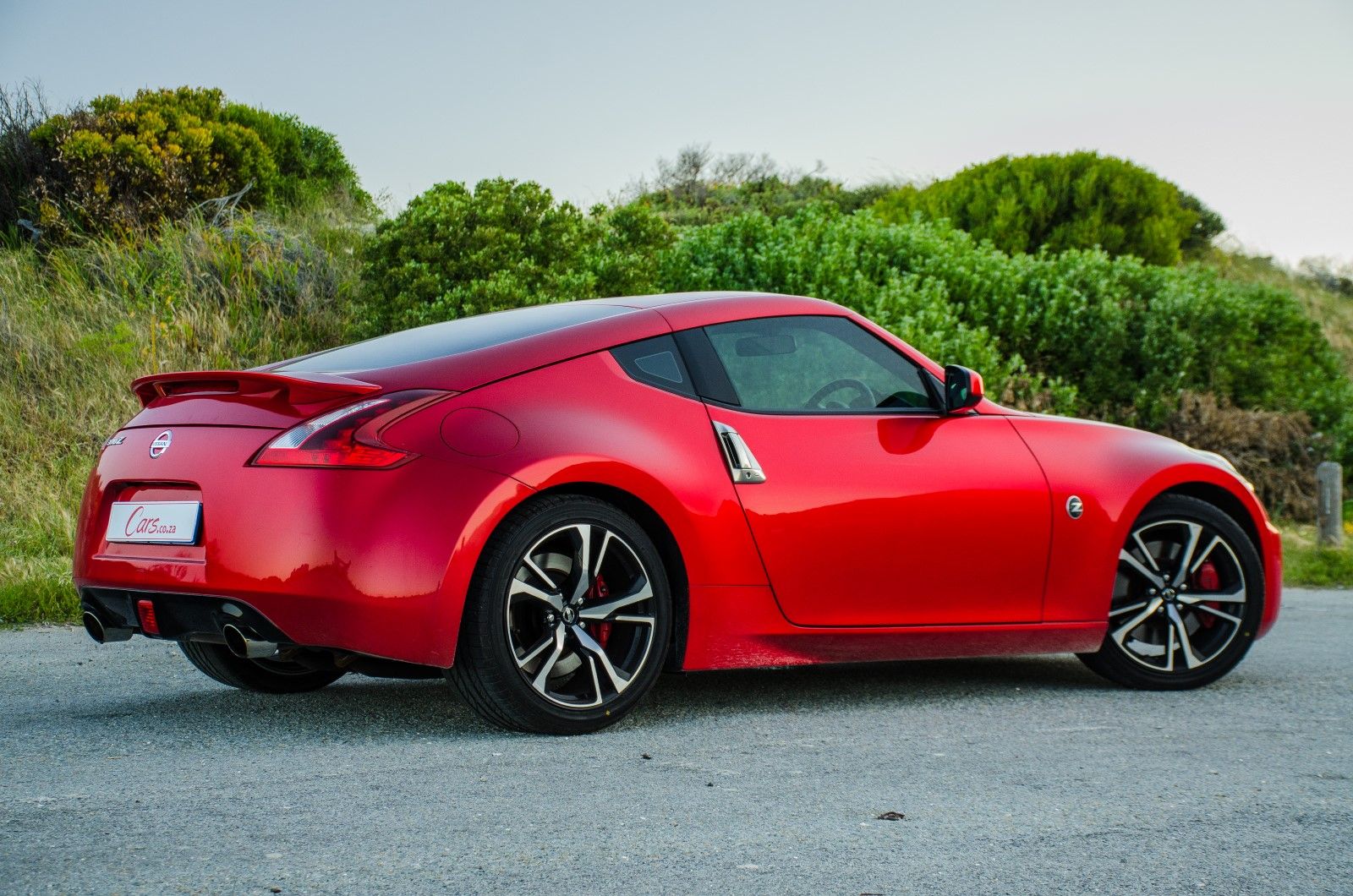
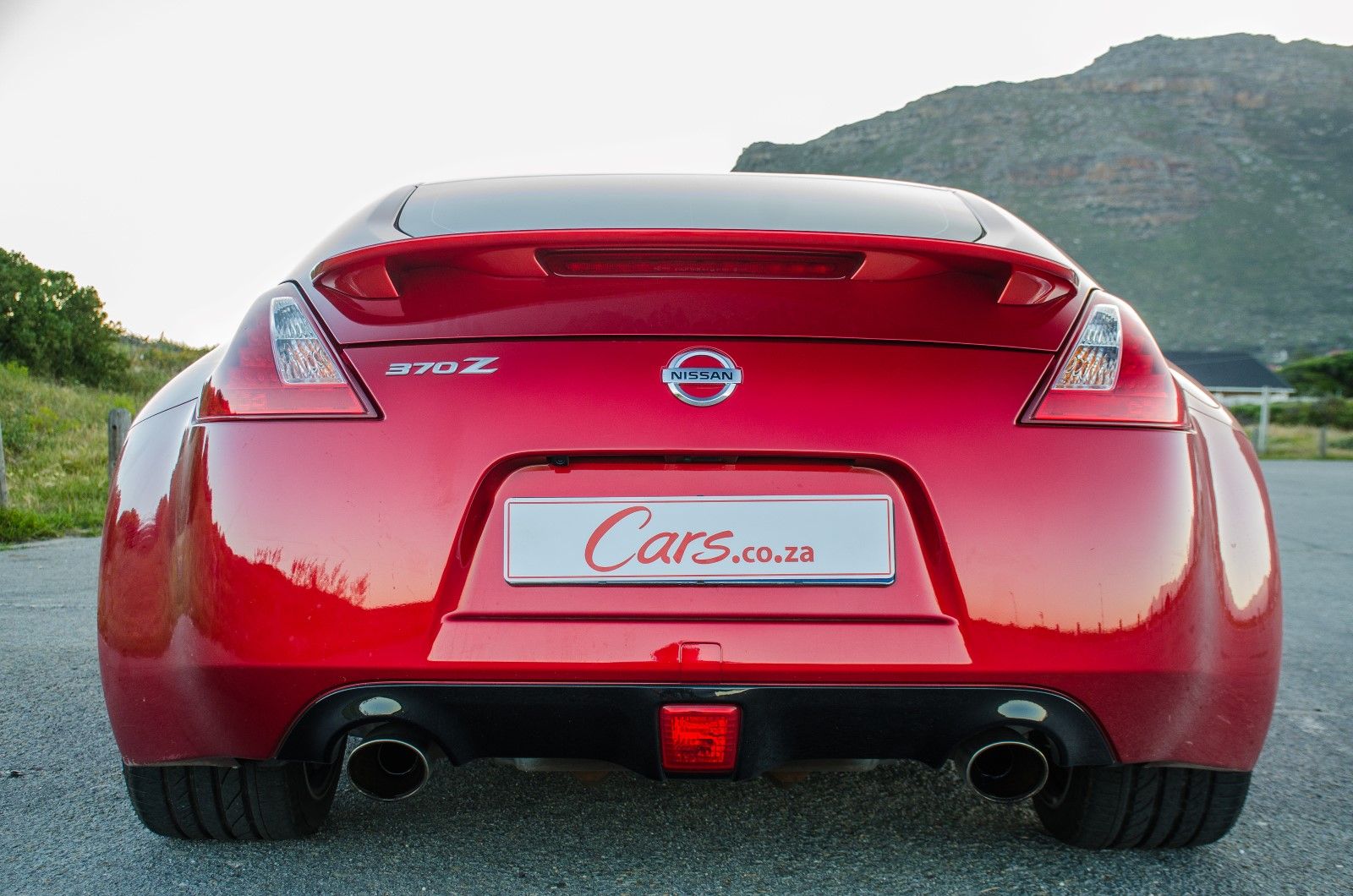
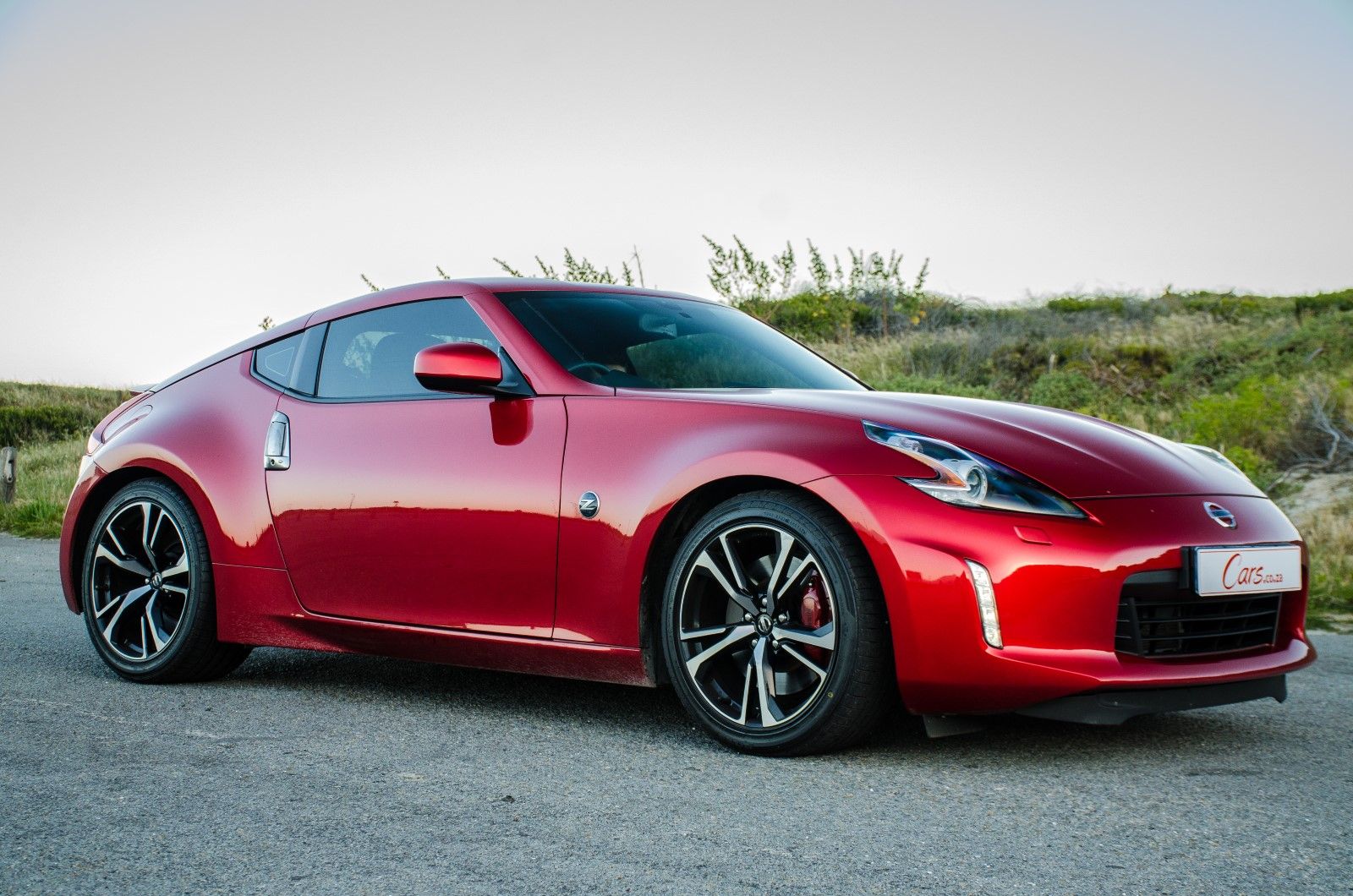
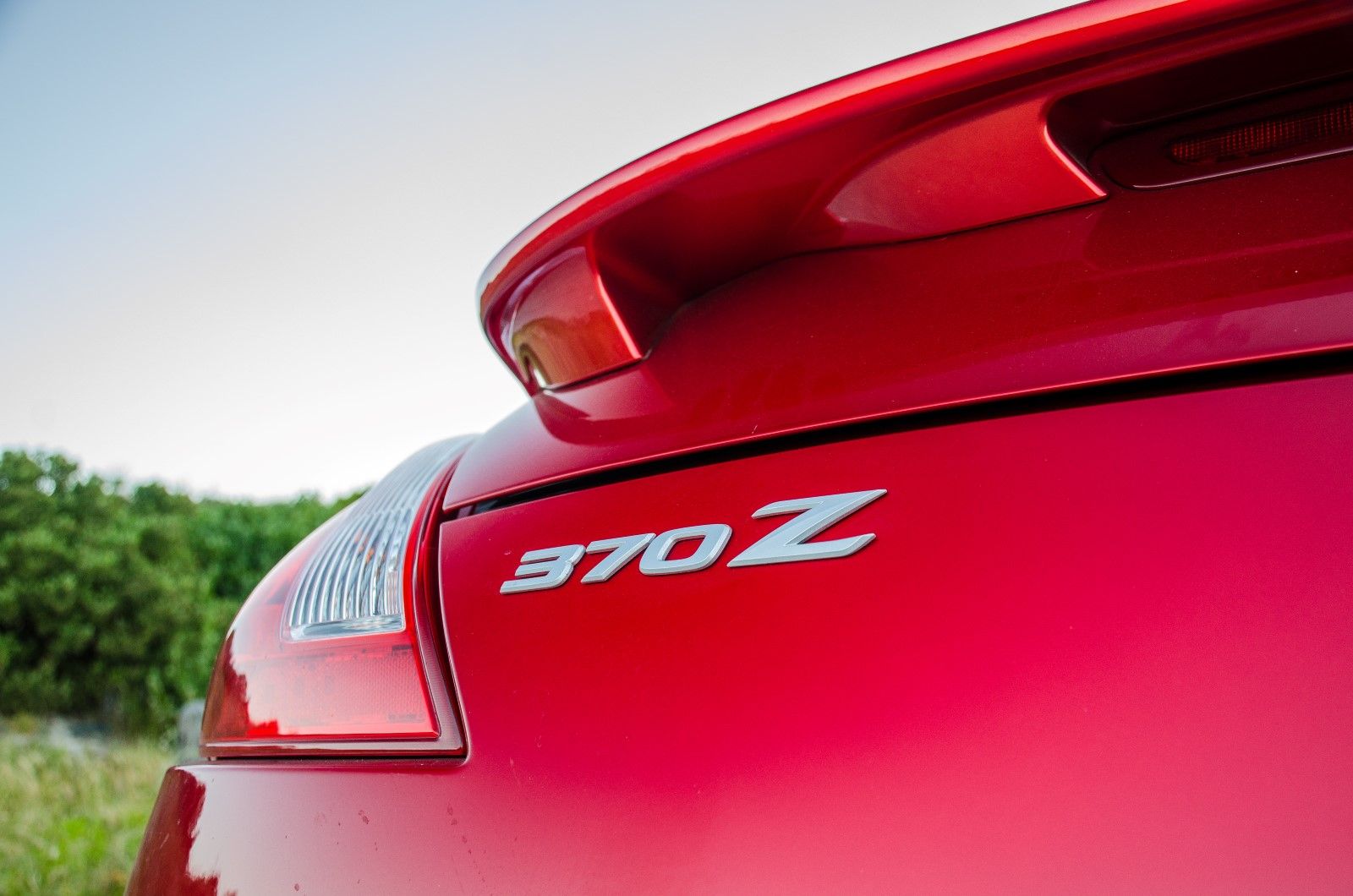
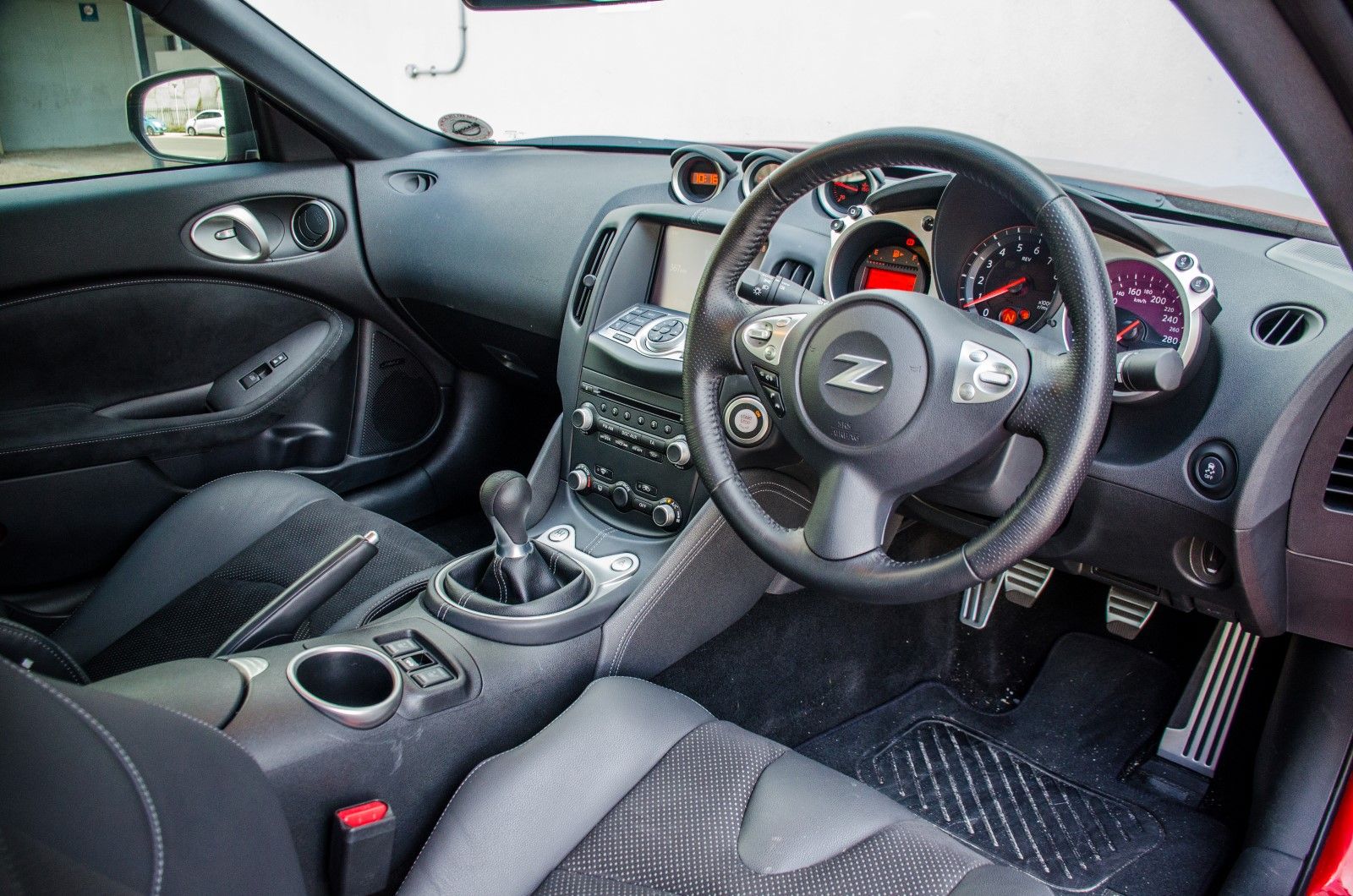
With its big reveal for the year (the new Navara) done, Nissan's attention shifts to mid-life facelifts of its popular crossovers, the Qashqai and X-Trail. Also still due this year is a surprise facelift for the Micra (the all-new model only comes mid-2018), and possibly a minor update to the 370Z. Next year, we'll see the arrival of the all-new Kicks compact crossover.
Nissan Qashqai facelift – End 2017
One of Nissan's most popular models (internationally, and in South Africa) is the Qashqai. Expected later this year is the facelifted version, which features not only styling revisions, but also a significantly upgraded interior and loads of tech. Overseas there is even some autonomous driving functionality, but we'll have to see what the local specification package comprises of. Find out more here.
Nissan X-Trail facelift – 3rd Quarter 2017
Like its smaller sibling, the Nissan X-Trail gets a similar makeover later this year with the focus falling on a modernised exterior, upgraded cabin (materials and tech), and more advanced safety assistance systems. We suspect there might be a change on the engine front, as well. Find out more about the updated X-Trail here.
Peugeot
There are currently major structural and organisational changes happening at Peugeot, following the recent decision to stop importing Citroën. This allows for all marketing efforts to go behind the Peugeot brand, which has some pretty special products on the way. Already launched locally is the 2008 compact crossover – read our review here.
Peugeot 3008 – Mid 2017 TBC
What a change! Compared with its somewhat frumpy predecessor, the design of the new 3008 crossover is a revelation, inside and out. It will compete in a fiercely competitive segment against the likes of the VW Tiguan and Hyundai Tucson. Expect announcements related to local specification soon. What's it like to drive? Find out here.
Peugeot Traveller – September 2017 TBC
The large Peugeot Traveller MPV has been confirmed for launch in South Africa, and is likely to arrive in September. It is sold exclusively with turbodiesel engines and will be available locally as a 9-seater.
Opel
Despite its international sale to Peugeot in 2017, the local arm is carrying on as normal. Williams Hunt will be taking over the dealerships and there'll be some new SUV offerings coming.
One of those brands that always seems to have new product coming out, Renault is again having a busy year. It has already expanded the Kadjar line-up, introduced the expanded Clio range and facelifted Sandero. But there could be more to come.
Renault Captur Facelift – 3rd Quarter 2017
The facelifted version of the popular Captur compact crossover arrives in South Africa later this year, boasting sharper looks and a refined cabin. Find out more here.
Renault Duster Oroch – Late 2017 TBC
Renault has potentially 2 bakkies on the horizon for South Africa, but the Duster-based Oroch is likely to reach the market before the Navara-based Alaskan. We've already experienced the Duster Oroch – read our correspondent's impressions here.
Subaru
After a quiet few years, 2017 is shaping up to be quite a busy one for Japanese brand, Subaru, with 3 brand new models being launched, as well as upgraded to its most iconic offerings.
Subaru Impreza – Imminent
The 5th-generation Impreza launches in South Africa soon, debuting the brand's all-new Subaru Global Platform which will underpin most of Subaru's products in the next decade. It promises greater efficiency, enhanced rigidity, improved safety and the arrival of a host of new technologies, including the marque's award-winning EyeSight system (from the 3rd quarter), a package of pre-collision active safety technologies. As before, the trademark symmetrical all-wheel drive remains, but there's a new 115 kW direct-injection 2.0-litre petrol engine under the bonnet and Active Torque Vectoring control to further sharpen up the dynamics. Inside, there's a far more premium-feeling cabin with a smart, 8-inch touchscreen Starlink infotainment system.
Subaru XV – 3rd Quarter 2017
The new XV crossover is already confirmed for South Africa and due in the 3rd quarter of the year. It uses the same new platform as the Impreza, and features a similar interior layout/design as well. It also gets what Subaru calls an advanced new X-Mode system with hill-descent control, and the EyeSight safety package is included.
Subaru Levorg – late 2017/early 2018
The WRX-based Levorg wagon arrives in South Africa later this year, much to the joy of fans of the iconic Impreza WRX and GT wagons of the past. It uses the same 197 kW/350 Nm direct injection flat-four as the WRX so should offer similarly fiery performance. The Levorg will be available with the EyeSight safety package.
Subaru WRX & STi upgrade – late 2017
Finishing off a busy 3rd quarter for Subaru are the marque's iconic WRX and STi models, both featuring redesigned front ends with larger air intakes and new 19-inch wheels on the STi and 18-inch items for the WRX. Subaru claims that the steering feel for both models has been improved and the Driver Control Center Differential (DCCD) on the STi is now a fully electronic limited-slip differential, resulting in more "fun", Subaru says. The STi also gets improved brakes and yellow-painted Brembo monoblock calipers. Inside, expected improved NVH (noise, vibration, harshness) and updated infotainment systems.
Suzuki
With solid sales growth in a declining market, Suzuki is on a roll, having also raked in the trophies at the Cars.co.za Consumer Awards – Powered by WesBank, earlier this year. While the all-new Swift will only make it to South Africa late this year, the Japanese marque has just unpacked its funky Ignis crossover.
Suzuki Ignis – Just Arrived
Meet the Ignis – a cute crossover that slots in beneath the Vitara in the brand's compact family car line-up. With very individualistic, crossover-like looks, solid build and economical powertrains, it should fit current market trends perfectly. Read our first drive review here.
Suzuki Swift – Late 2017
Lighter than before and with a much smarter cabin layout, the new Swift retains the fun-to-drive character that has made the current model so popular. It is likely to be a strong seller locally. Read our first-drive report here.
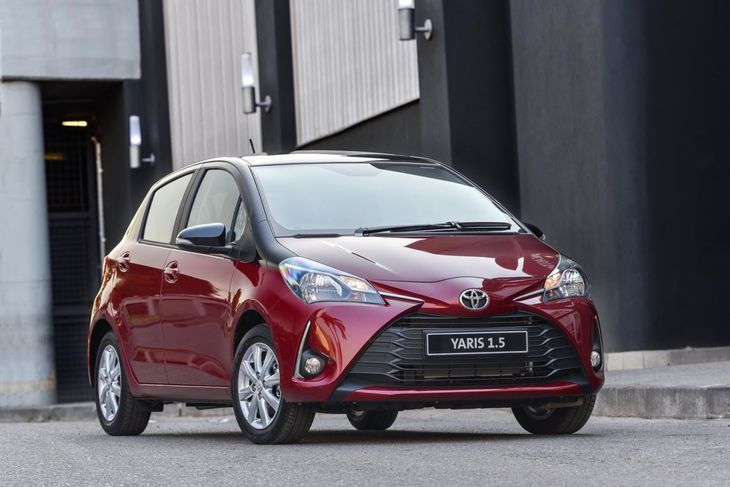
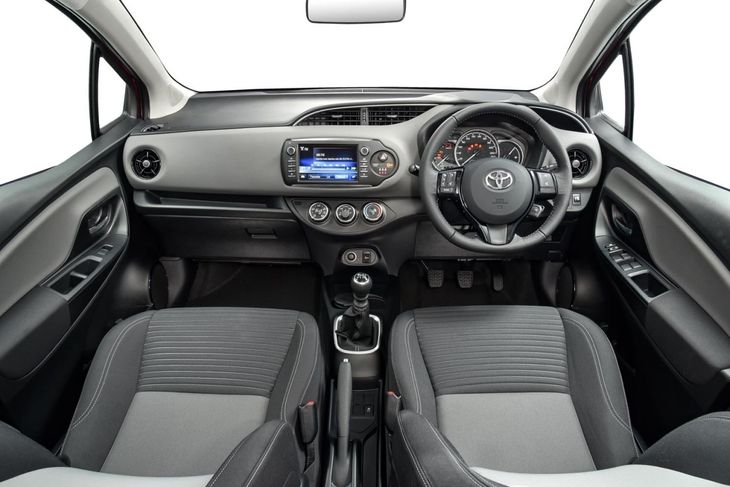
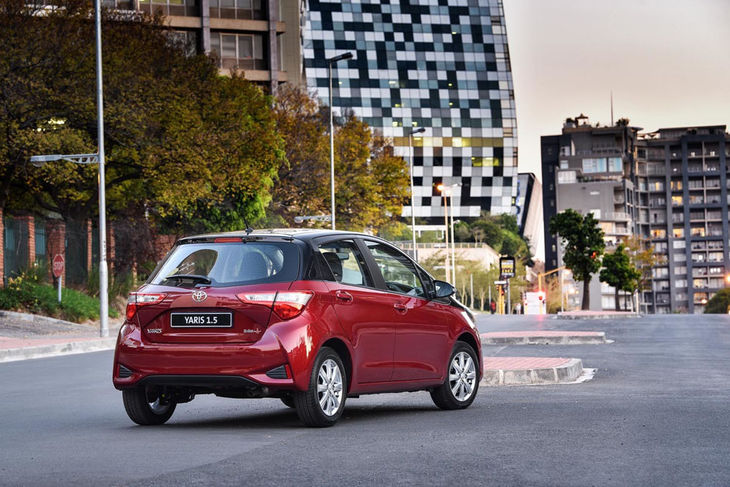
The facelifted Yaris is now on offer in South Africa and most models now carry the Pulse moniker. There are new looks inside and out, as well as a new 1.5-litre engine. Read our first drive report here.
Volkswagen Golf GTD – July 2017 (+ Golf R and TDI range expansion)
The refreshed Golf 7 line-up grows in July with the addition of the latest Golf R and TDI variants. But there's an all-new offering in the mix, too. For the first time Volkswagen South Africa will be offering the Golf GTD, a fiery turbodiesel hot hatch. Due to South Africa's fuel quality, however, we'll have to wait a little longer before being able to confirm the exact power/torque outputs for SA-bound GTDs.
Volkswagen Polo – Early 2018 TBC
Although the new Polo is only rumoured to be officially launched in South Africa early in 2018, we wonder whether VW couldn't spring a surprise and introduce it before year-end. After all, the newcomer is production ready and will be revealed soon. Find out more about this important car right here.
Volvo
This Swedish brand is on the move. Following the successful launch of the acclaimed XC90 2 years ago, it has followed up the impressive SUV with the sublime S90 executive sedan and V90 Cross Country this year.
Volvo XC60 – 2nd Quarter 2018
A very important model for Volvo from a sales volume perspective, the all-new XC60 debuts in 2018. A wide range of powertrains will be offered, but the powerful T8 Twin Engine is still to be confirmed for the South African market. Watch our launch review video of the Volvo XC90 here.
Renault Clio GT-Line (2017) Review
The recently introduced Renault Clio GT-Line is a sportier version of its lesser stablemates, but stops short of being an all-out performance machine. Does it strike the perfect balance between everyday usability and sportiness?
We Like: Punchy performance, comfortable ride quality, attractive interior and exterior design, lots of standard features
We Don’t Like: Cramped rear legroom, interior quality still no better than fair
Alternatives
For more power: Consider the Opel Corsa 1.4 Turbo Sport priced from R276 200. With its 1.4-litre turbopetrol engine offering 110 kW and 220 Nm of torque, the Corsa Turbo Sport doesn’t lack punch and comes reasonably well-specced. More power doesn’t necessarily mean better performance; the Corsa is still slower to 100 kph than the Clio GT-Line with a claimed time of 9.6 seconds.
The run-of-the-mill: Consider the Ford Fiesta 1.0T Titanium priced from R264 900. It’s powered by a 3-cylinder, 1.0-litre EcoBoost engine with 92 kW and 170 Nm of torque. The Fiesta is perhaps not as engaging as the Clio GT-Line, nor as pretty (its interior is outdated), but a new Fiesta is expected to arrive in South Africa next year which will keep this city runner in the game.
Another French Rival: Consider the Peugeot 208 GT Line with its 3-cylinder, 1.2-litre turbocharged engine offering 81 kW and 205 Nm of torque. Priced at R284 900, the 208 is pricey but its specification is reasonable and loading bay marginally bigger than the Clio's.
The Clio GT-Line combines sporty styling with punchy performance and it comes well specced with features.
What is it?
Renault is increasingly seen as a "crossover brand" in terms of the South African market, but there's no question that the Clio is the French marque's most important non-crossover model… Following the introduction of the facelifted Clio late in 2016, this new GT-Line derivative was recently added to the range to offer buyers a dash of extra sportiness and driveability over the 3-cylinder Clios. Whereas the previous iteration of the Clio GT-Line was powered by a 66 kW/135 Nm 0.9-litre, 3-cylinder turbopetrol engine with an overboost function, this latest version ups the stakes with a more powerful 1.2-litre turbocharged engine with no less than 88 kW and 205 Nm of torque, coupled with a 6-speed manual transmission.
How does it fare in terms of…
Kerb appeal?
Added exterior features give the Clio GT-Line a more purposeful look to match its sportier personality.
The Clio GT-Line is a good-looking vehicle and wears a number of accoutrements that distinguish it from the rest of the derivatives in the Clio range. Key features include a redesigned bumper with sporty-looking GT-Line scoops, striking LED headlights with C-shaped daytime running lights, 17-inch titanium grey alloy wheels, door protectors with titanium grey inserts, body-coloured mirror housings, a grey rear diffuser and a chrome tailpipe.
In our opinion, Renault has hit the nail on the head with the design of the Clio GT-Line. Its looks are not overly sporty (it would be unwise to oversell the car's performance potential), but it has enough presence to draw admiring glances. Few mid-spec B-segment hatchbacks have that ability…
Interior features and execution?
The interior is reasonably well-made and contrasting blue stitching and air vent surrounds add to the cabin's visual appeal.
The sporty theme is carried over into the cabin where you will find sufficiently bolstered partial cloth and leather sports seats with GT-Line embroidery. They are comfortable to sit in and the blue stitching on the seats, leather RS steering wheel, leather gear lever and handbrake provide pleasant colour contrast in an otherwise grey/black interior. Blue air vent surrounds are a nice touch and perceived interior build quality is good.
In terms of standard features, the Clio GT-Line comes well-appointed and buyers will find the 7-inch MediaNav touchscreen infotainment system to be both useful and easy to use. Your smartphone can be quickly paired via Bluetooth and there are USB and auxiliary ports for charging or connecting devices. Other standard features include cruise control, a multi-function steering wheel, manual air conditioning, electric windows all round, electric folding side mirrors and a height-adjustable driver's seat.
Renault's MediaNav touchscreen infotainment system is easy to use and navigation is standard.
On the safety front, 4 airbags are fitted as standard, as is ABS with EBD, emergency brake assist, electronic stability control with traction control and hill start assist. Rear park distance control is fitted and for the family-orientated buyer, there are ISOfix child seats mounts on the rear backrest.
Practicality?
The ever-so-chic Clio GT-Line is said to offer 300 litres of packing space in its luggage bay, which is (and this may surprise a few people) bigger than the Ford Fiesta (276 litres) and Opel Corsa (285 litres). The rear seats fold down in a 60:40 split configuration, expanding the load area even further. The loading floor, however, isn’t flat as the rear seat creates a raised lip that will make loading of bulkier items more difficult.
The 60:40 split rear seats avail extra utility space, but the loading floor isn't flat, which might make the loading of bulkier items difficult.
The trade-off for the biggish luggage bay is, unfortunately, cramped rear legroom. Although this may not be of major concern on short inner-city commutes, it will certainly impact negatively on adult passengers' comfort on longer journeys. Kids, however, won’t have any reason to complain.
In terms of storage solutions, there are 2 somewhat oddly-sized cupholders up front as well as additional storage spaces ahead of the gear lever, as well as an unlidded dashboard recess located above the glovebox. Bottle holders are provided in all the door mouldings.
Performance and ride quality?
Renault loyalists will be happy to know that the adoption of a more powerful 1.2-litre turbocharged engine with 88 kW and 205 Nm of torque has contributed to a marked improvement in performance over the previous iteration of the Clio GT-Line.
The Clio GT-Line rides comfortably on most surfaces and with a bit more grunt, it's the Clio to have in the range, if you can afford it.
That’s not to say that the Renault's performance is stellar, not by a long shot, but we found the Clio GT-Line to be competent in cut-and-thrust driving conditions. It has more than sufficient power on tap for when you need to get a move on and although the 6-speed manual transmission is smooth in changing gears, the throws are perhaps a tad long. Suffice to say the Clio GT-Line gains pace quickly when driven with intent and it performs well on the highway, where overtaking manoeuvres can be executed without the need to constantly shift down by a ratio or 2.
Meanwhile, the test unit's ride quality proved impressive over less-than-perfect road surfaces, with little road and engine noise entering the cabin. On top of that, positive steering feel and sure-footed handling make the Clio GT-Line fun to drive on winding roads. This leads us to believe the Clio GT-Line is equally adept at being a comfortable daily runner while offering enough performance and dynamic ability to keep you otherwise entertained.
The Clio GT-Line will monitor your driving habits and offer advice on how to improve. We didn't score very well…
In terms of fuel consumption, Renault claims an average figure of 5.3 L/100km. We achieved in the region of 9.2 L/100 km during our test period, but to be fair, we weren’t trying very hard to bring that figure down and we are quite certain that figures below 8.0 L/100 km are achievable with a more considerate driving style. The Clio GT-Line does have an Eco button, that when activated, will prioritise fuel efficiency and help reduce consumption. You can also monitor your driving style and receive useful fuel-saving driving tips via the touchscreen display.
Pricing and warranty
The Renault Clio GT-Line is priced from R264 900 (June 2017) and is sold with a 5-year/150 000 km warranty, 3-year/45 000 km service plan and a 6-year anti-corrosion warranty.
Verdict
The Clio GT-Line is appealing because it punches above its weight… and not only in terms of performance. If you are looking for an alternative to the plethora of 1.0-litre 3-cylinder options on the market, the GT-Line offers better driveability by virtue of its tractable powerplant and, as a result, offers more driving enjoyment. But, in conjunction with that, the French hatchback's interior is aesthetically pleasing, comfortable and well-equipped.
Therefore, the Renault is worth considering if you are looking for a bit more style and performance, but can't/don't want to pay an exorbitant price for a hot-hatch. For R264 900, you get an attractive, flexible car packed with most of the features you'd want in a hatchback: it represents great value.
Watch our video review of the Renault Clio GT-Line and Clio RS Trophy below!