South Africa’s new vehicle market continues to put up a fight against the challenges of a tough economic environment, recording an increase in sales for the fifth month in a row.
According to the latest sales data from the National Association of Automobile Manufacturers of South Africa (NAAMSA), the new car market grew by 4.6% year-on-year (2 255 units) in October 2017. Year-to-date, the industry is still performing to expectations, growing 1.7% (with dealer sales growing 1.2%) against a backdrop of sustained political and economic uncertainty, low business and consumer confidence and low economic growth rates.
New vehicle exports were negatively affected by the impact of the recent storm that affected Durban Port operations and on production volumes at the Toyota Durban Plant, but exports should show an improvement for the last 2 months of the year as operations normalise.
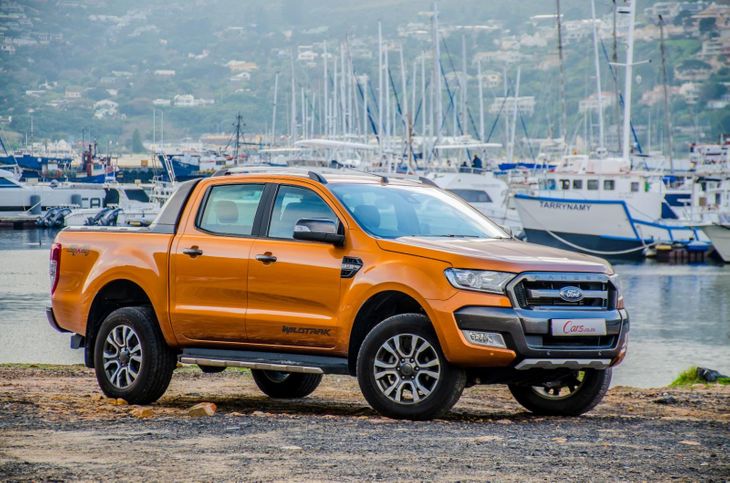
The best-selling vehicle in South Africa for October 2017 was the Ford Ranger with 2 855 units sold. The mighty Toyota Hilux mustered 2 483 sales to claim third place on the sales chart behind the ever popular Volkswagen Polo Vivo which claims second place with 2 851 units sold.
It's the first time in a long time that the Volkswagen Polo (1 950 units) hasn't featured on the Top 5 list, but it was relegated by strong sales of the Toyota Etios which racked up impressive sales of 2 059 units. The Toyota Corolla/Auris/Quest remains hugely popular in South Africa achieving 2 135 units sold in October 2017.
Factors contributing to improved local sales momentum:
Sharply reduced new vehicle pricing, at an annualised third quarter rate of 3.1%, down from 9.9% in the third quarter of 2016
The July 2017 reduction in interest rates
Continued highly attractive sales incentives
Continued above-average demand by car rental companies
New car sales summary – October 2017
Aggregate new vehicle sales at 51 037 units up 4.6% (2 255 units) compared with October 2016
New car sales at 35 316 units up 7.9% (2 594 units) compare with October 2016. The car rental industry accounted for an estimated 26.1% of new car sales.
Domestic sales of new Light Commercial Vehicles (LCV) at 13 376 units down 1.7% (227 units) compared with October 2016
Export sales: 28 229 units down 8.3% (2 544 units) compared with October 2016
Top 5 best-selling car brands in South Africa – October 2017
Brand
Total Sales for October 2017
Toyota
12 312
Volkswagen
7 898
Ford
6 337
Nissan
4 858
Hyundai
3 464
Top 5 best-selling cars in South Africa in October 2017
“Looking forward, we are of the view that the market will track sideways as the country approaches key political moments,” says Chris de Kock, Group CEO of WesBank, "Recent developments have also increased the potential for an economic downgrade later this month, and this will add further stress the market which has benefited from a reducing interest rate environment. The weak Rand and rising oil prices will result in higher fuel costs, another vital input impacting the fortunes of the motor industry.”
The Medium Term Budget Policy Statement and the subsequent sharply lower exchange rate came too late in October to affect the sales figures. A year-on-year improvement of around 1.5% for 2017 remains possible, NAAMSA predicts. Continued positive global economic growth trends should support new vehicle exports over the medium to long-term.
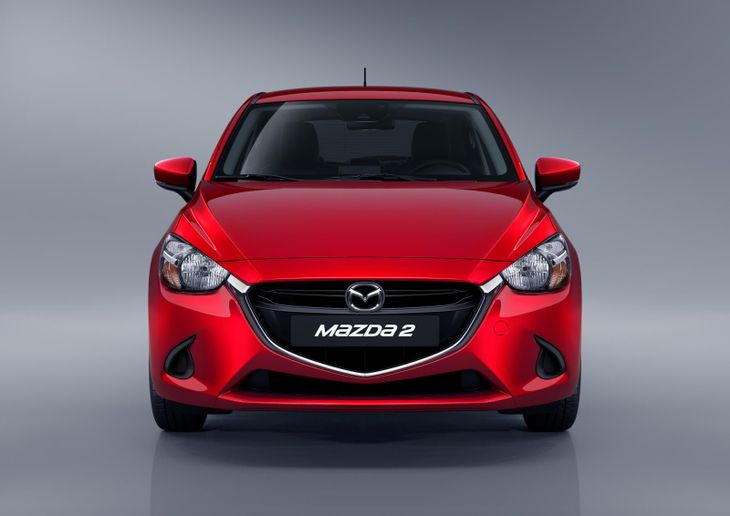
What makes the Mazda2 1.5 Individual a strong contender in the Budget Car category of the 2017/18 Cars.co.za Consumer Awards programme – powered by WesBank? Read on…
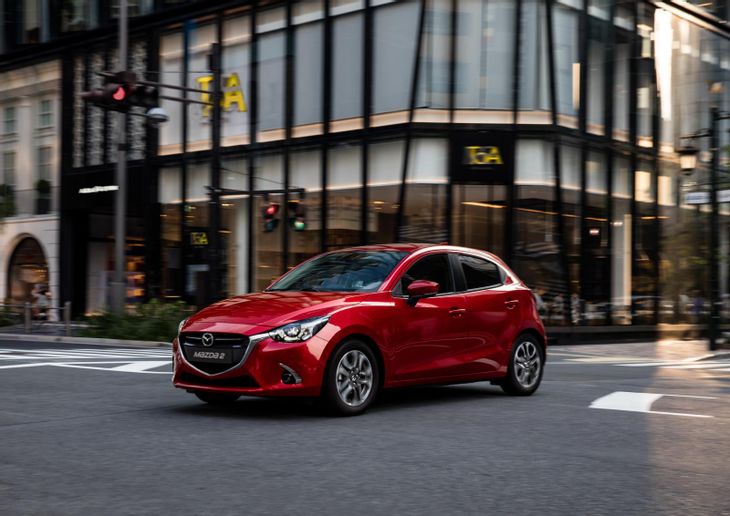
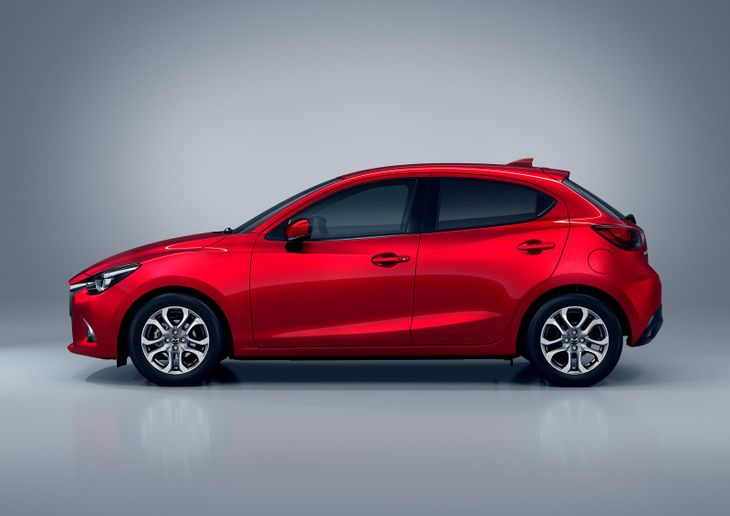
The Mazda2 1.5 Individual is a stylish compact hatchback that combines attractive styling with modern interior packaging and a comprehensive standard features list. With good all-round performance and refined ride quality, the Mazda2 1.5 Individual is a sensible purchase in the compact hatchback segment.
3 Reasons why the Mazda2 1.5 Individual is a #CarsAwards Finalist
1. Frugal daily runner
Equipped with a naturally-aspirated 1.5-litre petrol engine offering 82 kW and 145 Nm of torque, the Mazda2 1.5 Individual returns good fuel consumption figures with Mazda claiming 5.5 L/100km. This means you will be saving money at the pumps every time you fill up!
2. Value for money
The Mazda2 1.5 Individual is well-equipped with features such as 6-inch alloy wheels, multifunction steering wheel that’s adjustable for rake and reach, front and rear electric windows, electric side mirrors, cruise control and a floating 7-inch touchscreen that offers Bluetooth functionality. A total of 2 USB ports are included along with an Aux port.?
The Mazda2 offers 280 litres of luggage space with 60:40 splits seats allowing for added flexibility.
In terms of safety specification, this derivative offers 2 airbags and ABS with EBD. However, Electronic Stability Control (ESC) and traction control is not offered on this derivative.
3. Brand strength and support
Mazda offers good after-sales service and customers will appreciate Mazda’s reputation for building reliable, bullet-proof cars. The 1.5 Individual is sold with a 3-year/unlimited km warranty and a 3-year/unlimited km service plan.
Have Your Say: Complete our survey and WIN!
Do you own a Mazda2? We would love to hear from you! Tell us about your experience by completing our Ownership Satisfaction Survey. Your input counts for 50% of the final result!
Which cars are the Mazda2's rivals in #CarsAwards?
BMW M2 vs Audi RS3 (2017) Comparative Review Video
BMW and Audi have a rivalry that stretches back decades. Over the years these two brands have produced some legendary sportscars. However, these two machines represent a new era: the 2017 Audi RS3 is the most powerful compact sedan ever built, and the BMW M2 is the first M2 – ever. A duel was inevitable…
Of course, there are some key differences between the newcomers. The BMW is very much rear-wheel-drive while the Audi, true to its roots, is a quattro. A difference that really came into play as on the day we filmed, the heavens opened and our epic secret road was properly slippery.
The RS3 produces its peak outputs using a 5-cylinder turbopetrol motor, whereas the BMW, true to its roots, features a 3.0-litre turbocharged straight six. And while most BMW M2s will likely be ordered with a dual-clutch auto, the example that we tracked down was a manual – a rare treat.
In this video, Ashley Oldfield and Ciro De Siena push these cars on a closed road outside Cape Town in a bid to decide which one they'd rather take home. It's not a very straightforward answer…
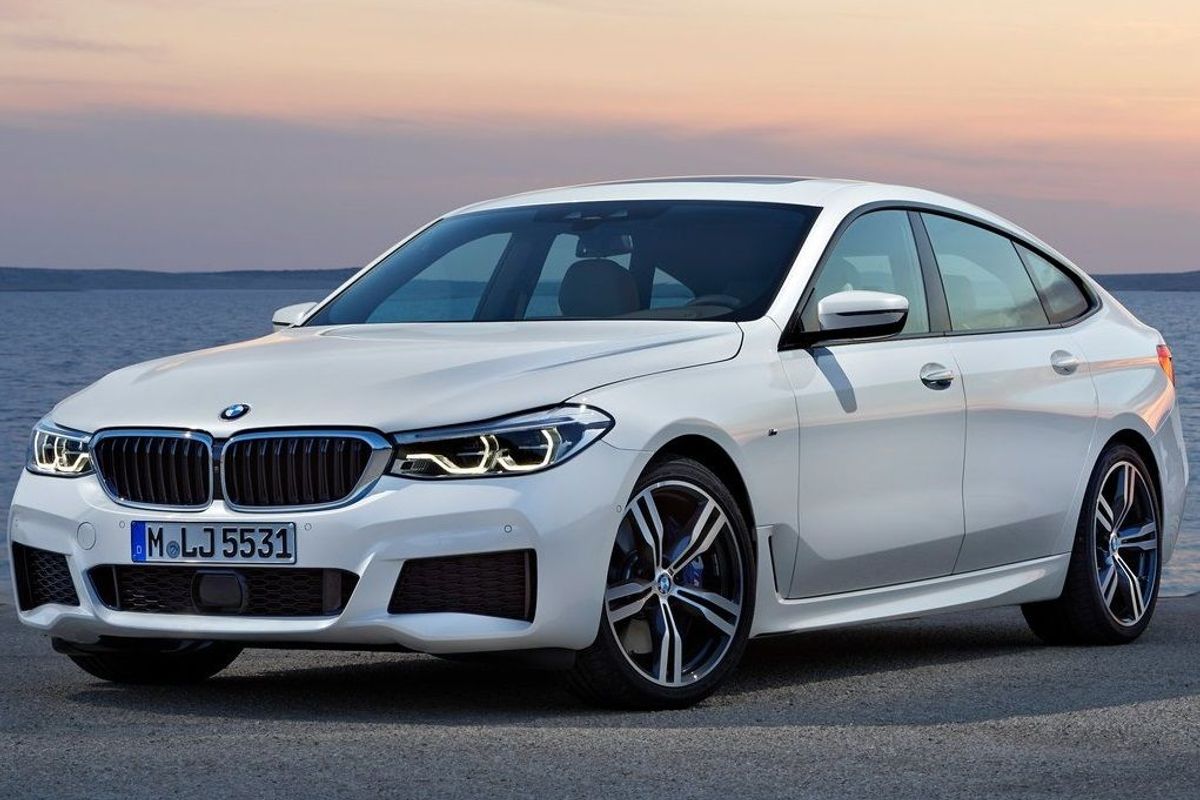
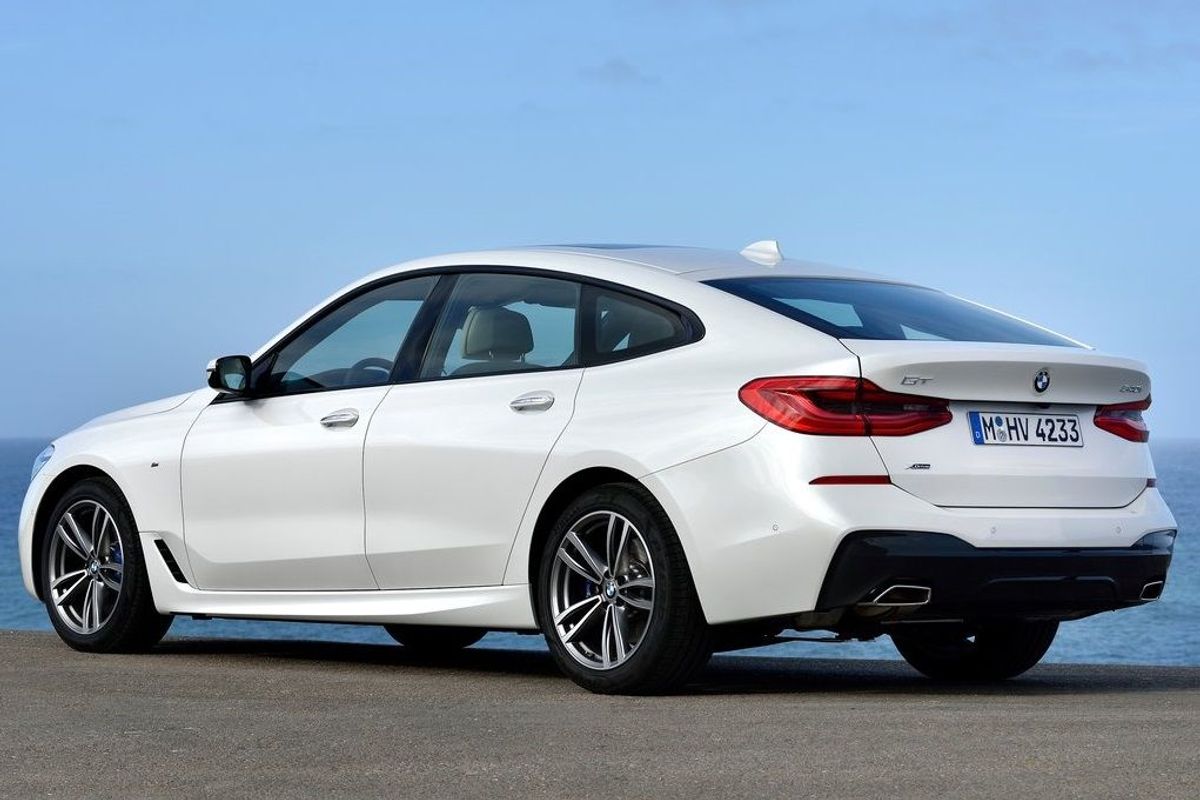
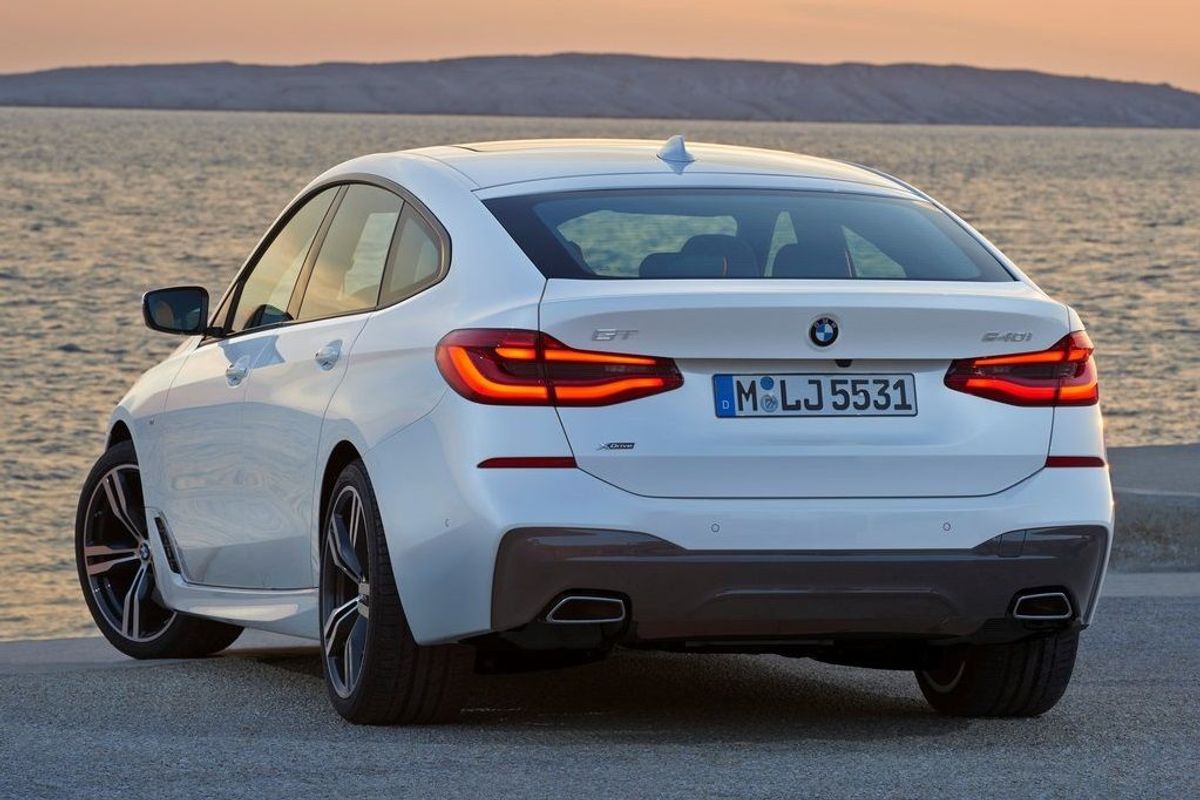
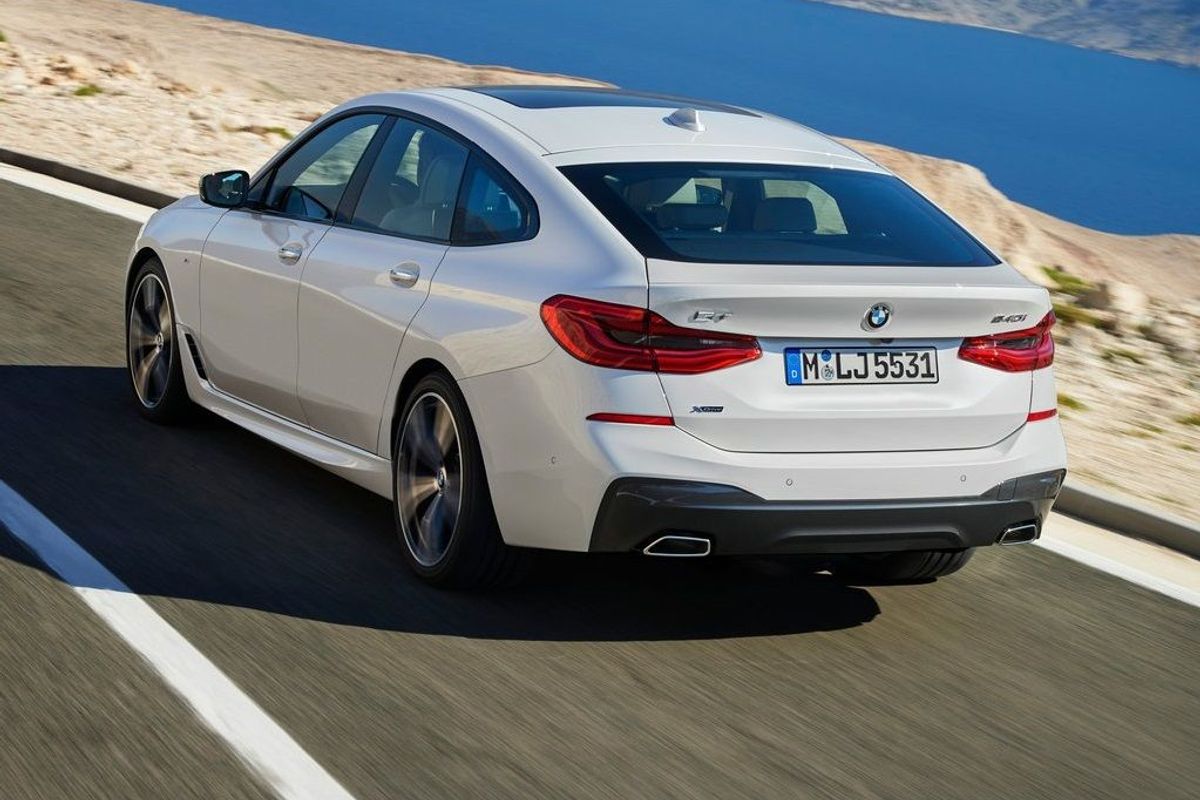
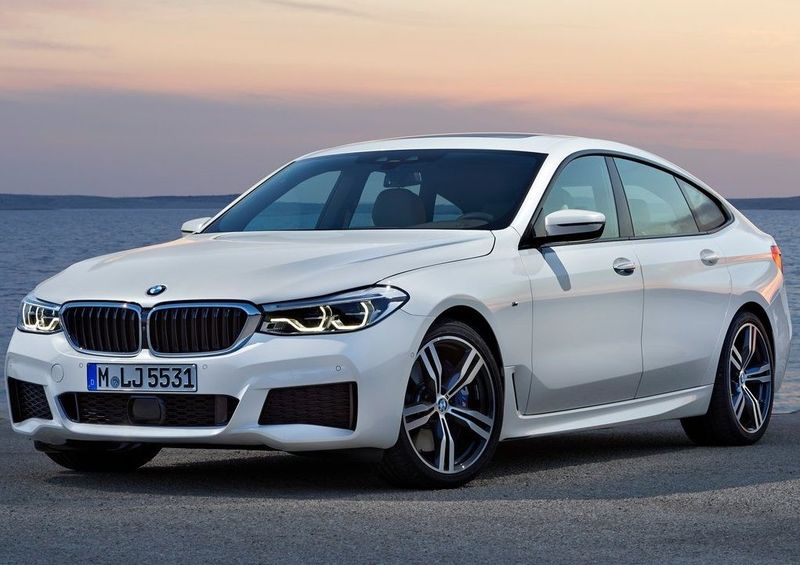
The new BMW 6 Series Gran Turismo has arrived in South Africa and our regular Cars.co.za contributor Francisco Nwamba took it for a drive at the recent BMW M Festival held at the Kyalami Grand Prix Circuit in Johannesburg.
When Mercedes Benz announced many years ago that the A-Class would no longer be a tall family orientated vehicle, we were all quite nervous. We had gotten used to its shape, but looking back, we will be forever grateful for the change – which has allowed for a new audience to be introduced to the brand. Will the BMW be able to pull off a similar act with its latest 6 Series GT? Will we one day look at the 6 Series and be thankful that it is no longer the sleek coupe it once was? We drove the new 6 Series GT to better acquaint ourselves with this new-look 6.
The Changes
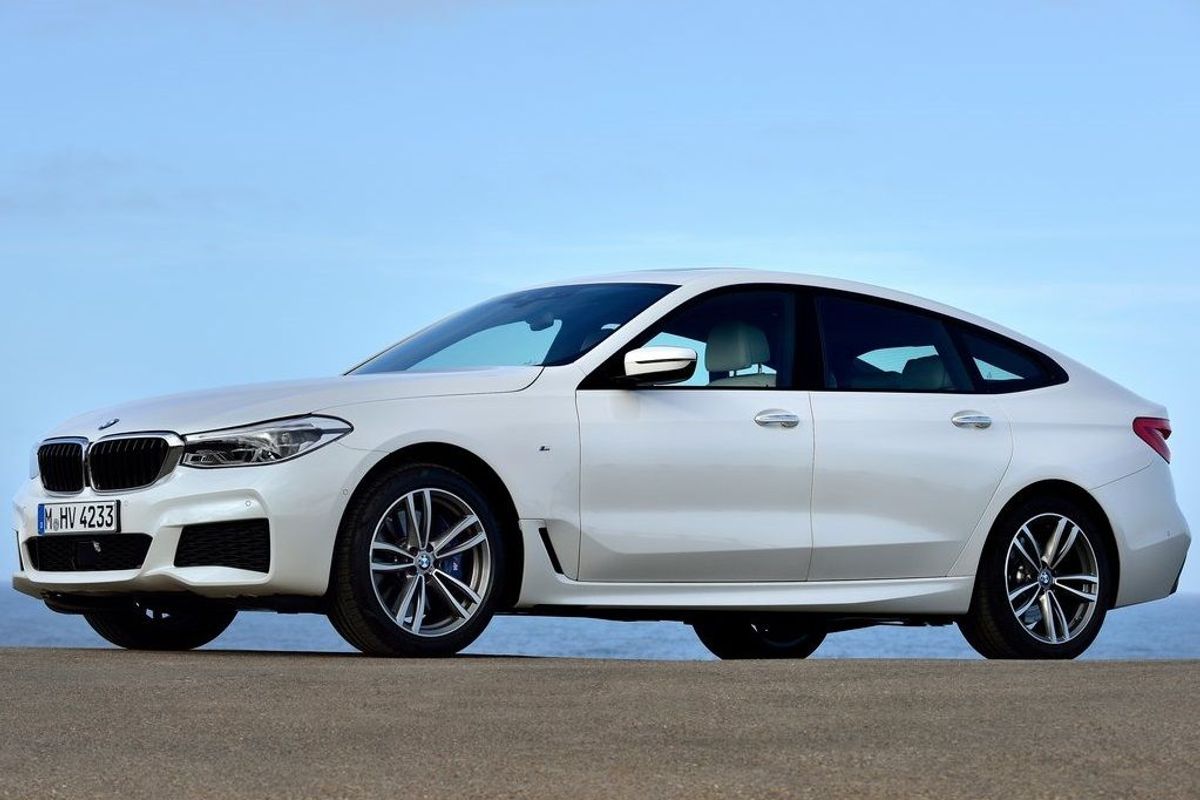
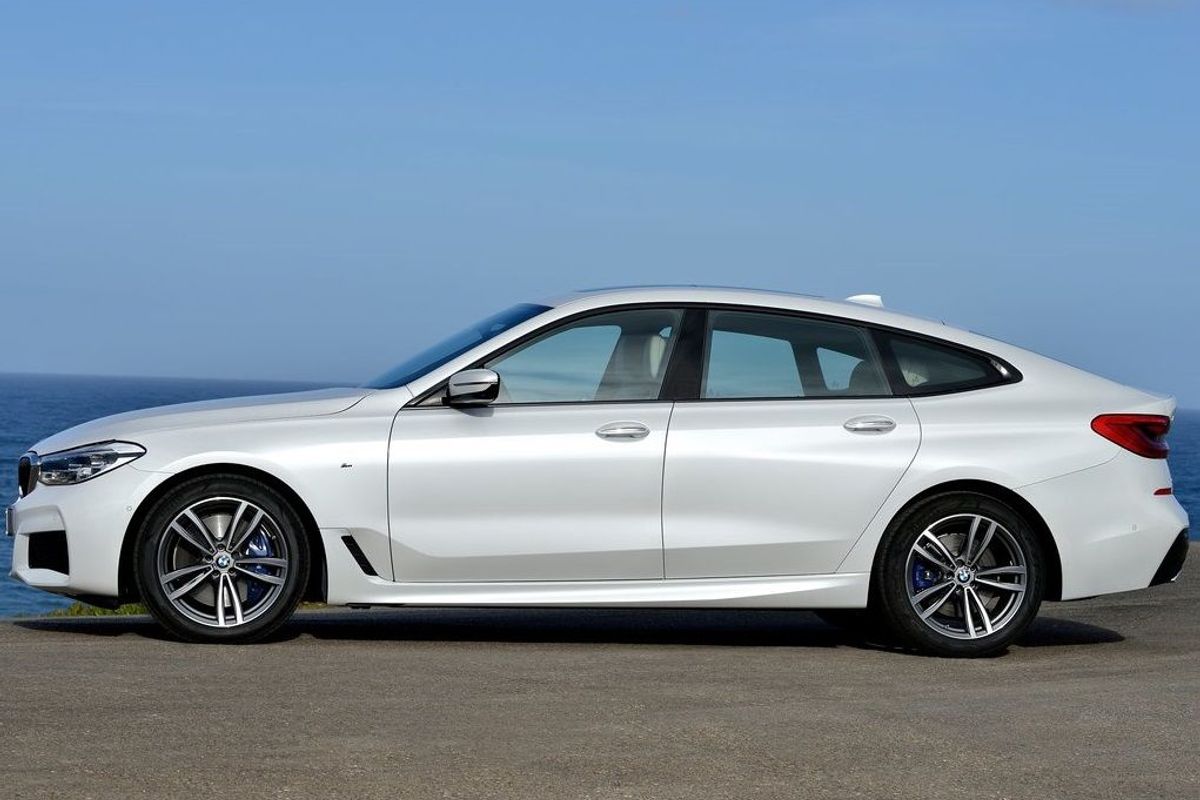
The 6 Series GT's styling plays into its role as a comfortable and practical long-distance hauler.
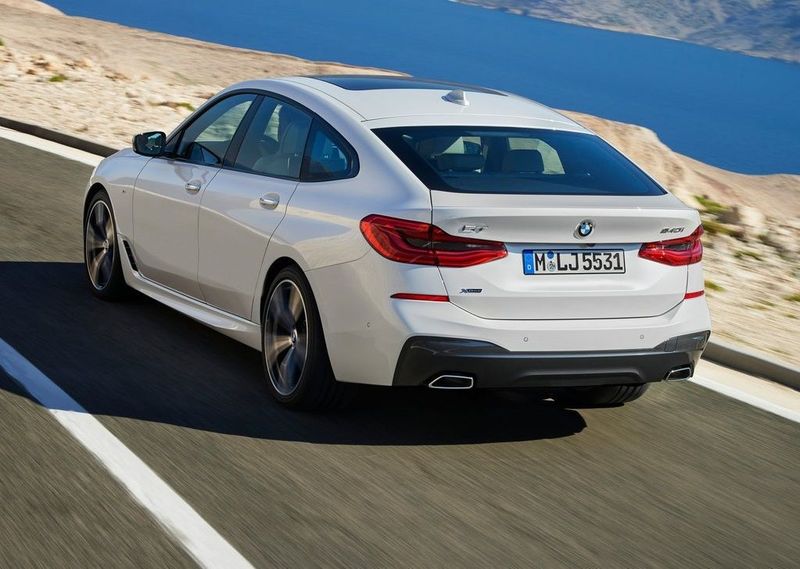
To call the new 6 Series GT revolutionary would be an overstatement. For those who know their BMW’s well, they’ll instantly notice that the car looks very similar to the old 5 Series GT. In fact, the overall design is basically the same as the facelifted 5 Series GT, with the number 5 replaced with a 6. The 6 Series coupe and convertible have been relegated, but it’s not all “gloom and doom” as the eagerly awaited 8 Series will be its replacement. It’s a give-and-take situation, as you can see.
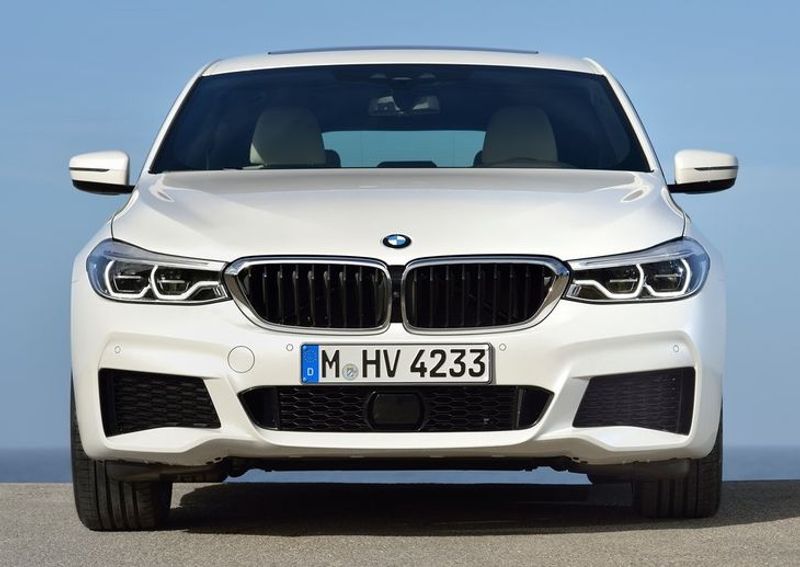
On the outside, the 6 Series GT has been made 'softer' in appearance, with a streamlined rear taillight and boot lid design, as well as a refreshed front-end. Where the 5 Series GT looked a tad odd, the 6 Series cures that with a more palatable appearance. Despite that, the car still feels out of place and it's difficult to define. Is it an SUV? Or perhaps a crossover? The addition of xDrive in the South African market helps us understand who BMW wants to target — families.
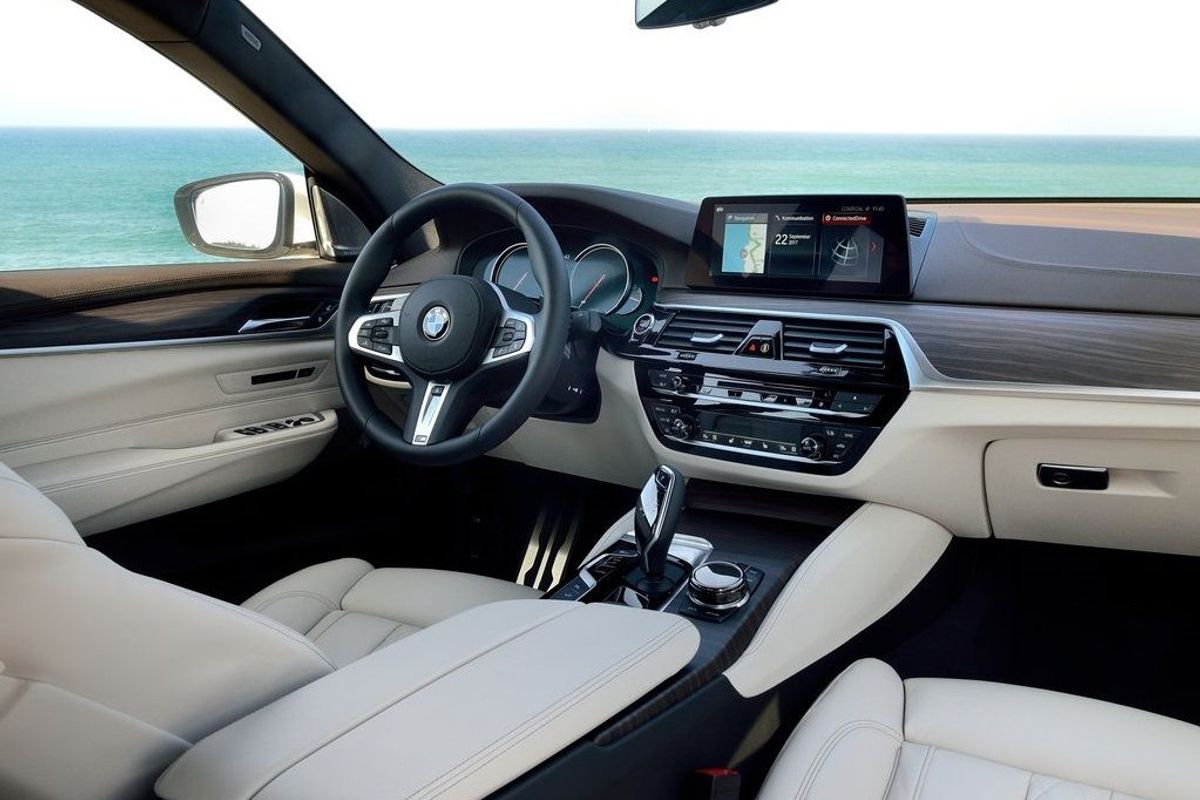
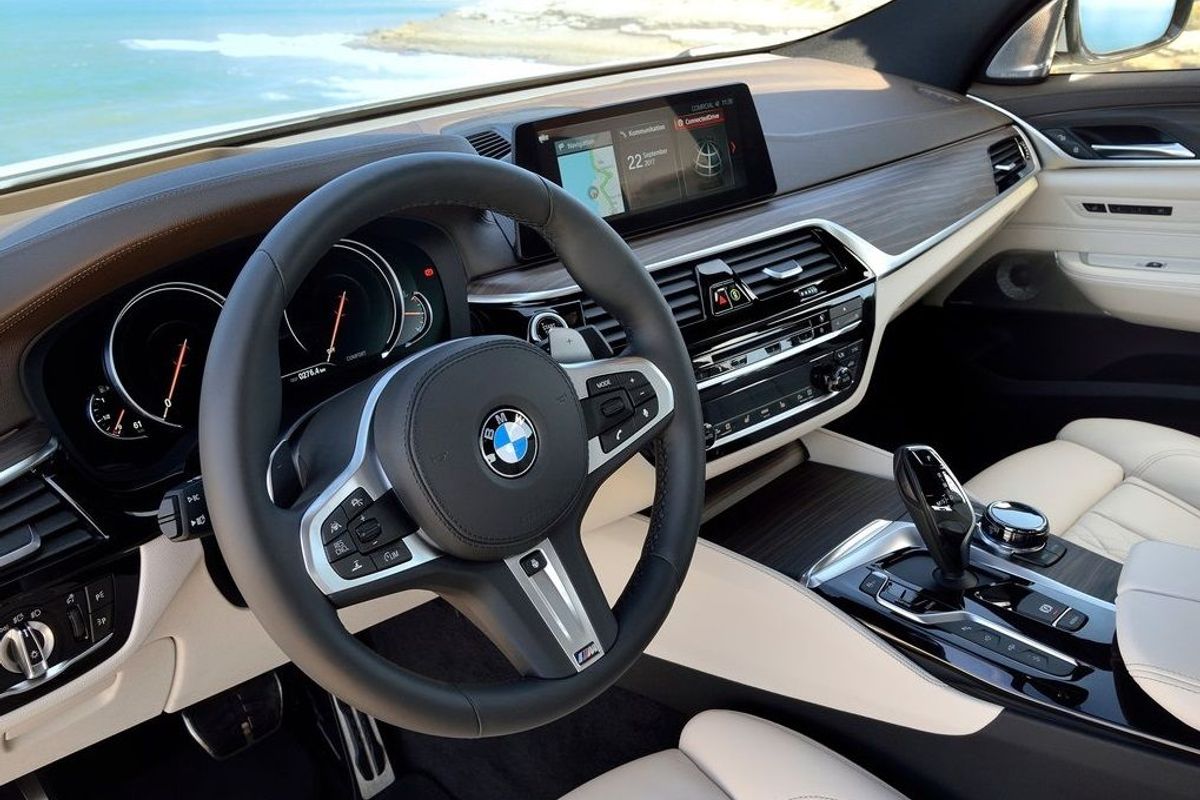
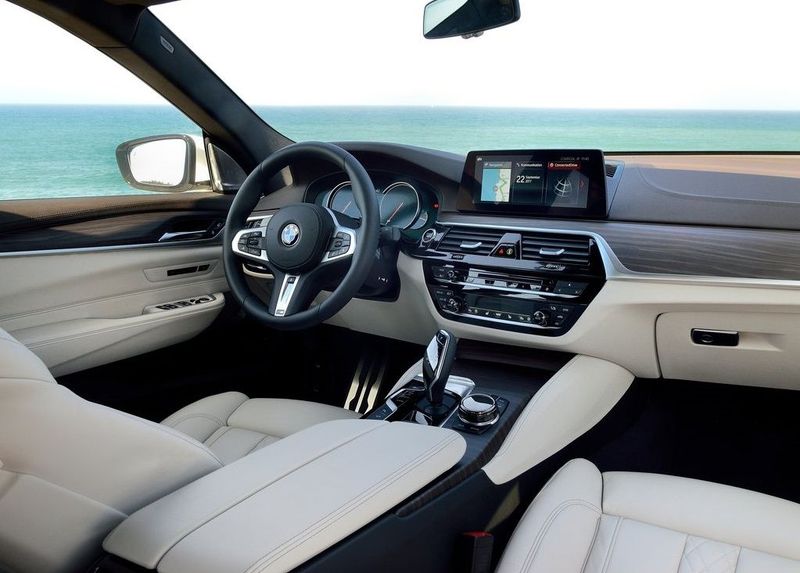
The 6 Series GT's interior is near-identical to the 5 Series, while some tech from the 7 Series also features.
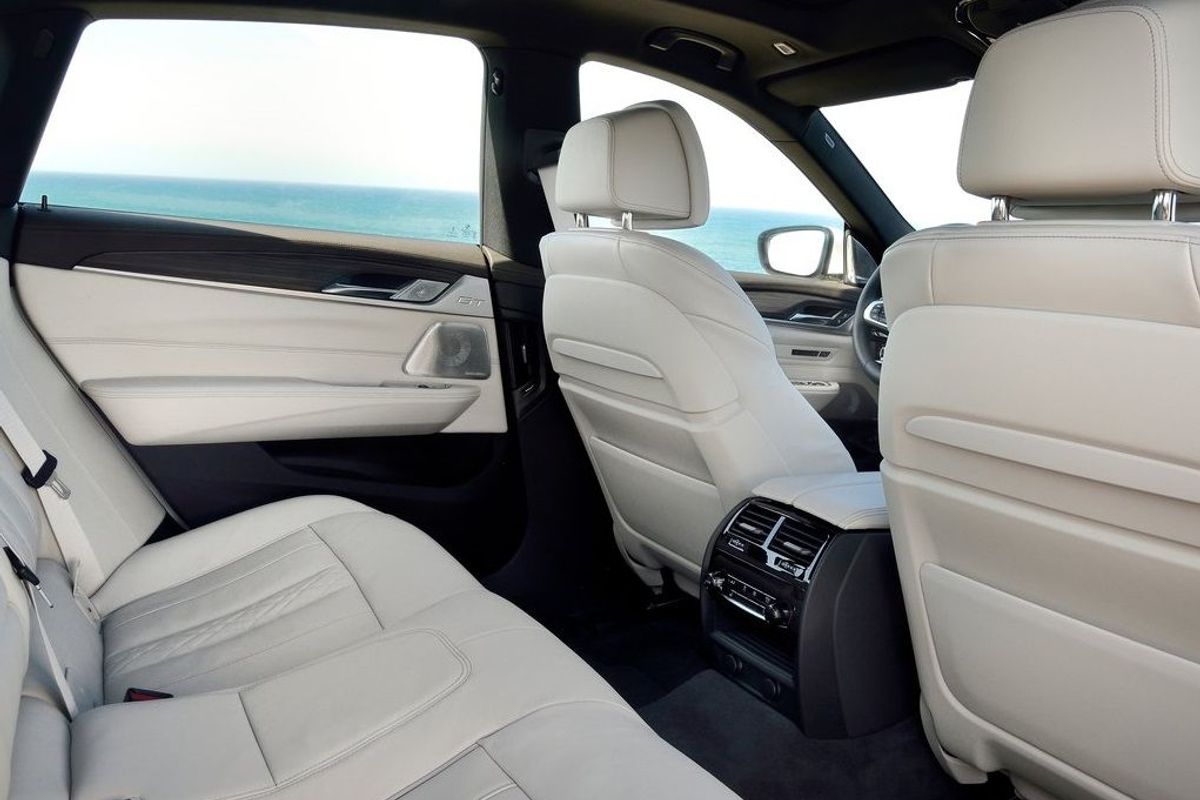
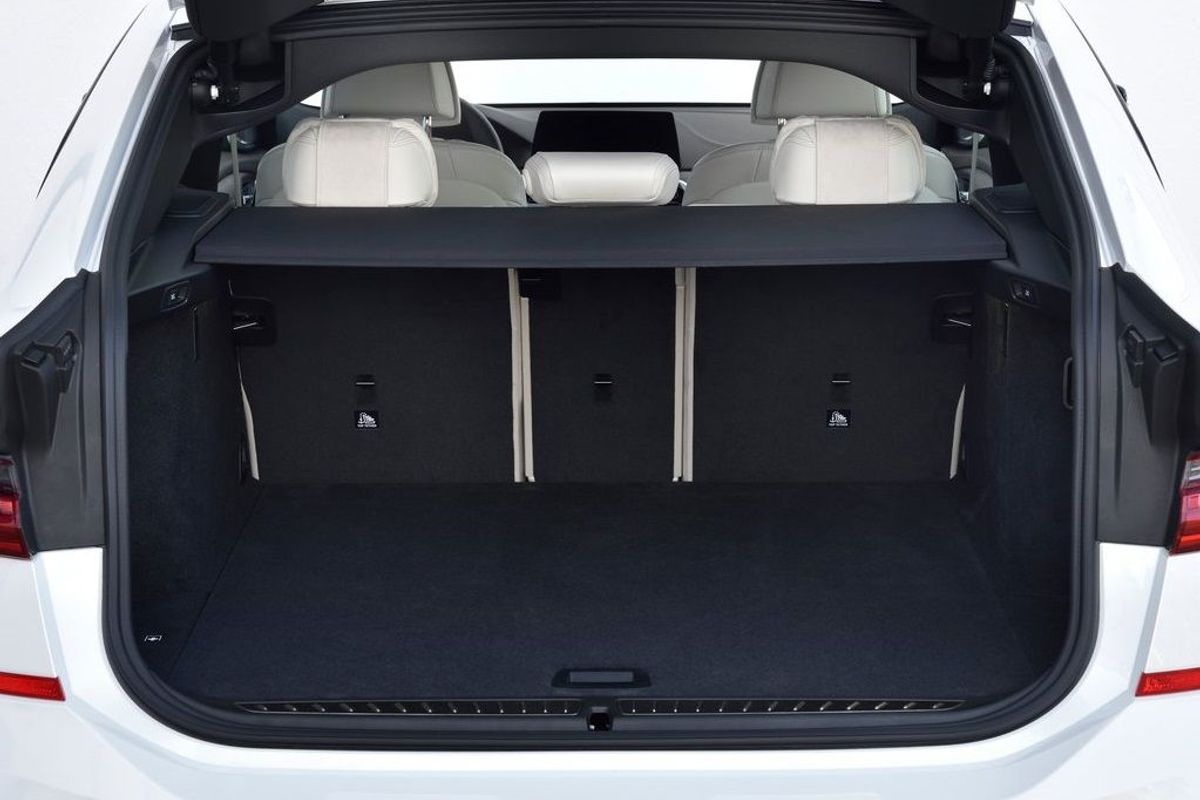
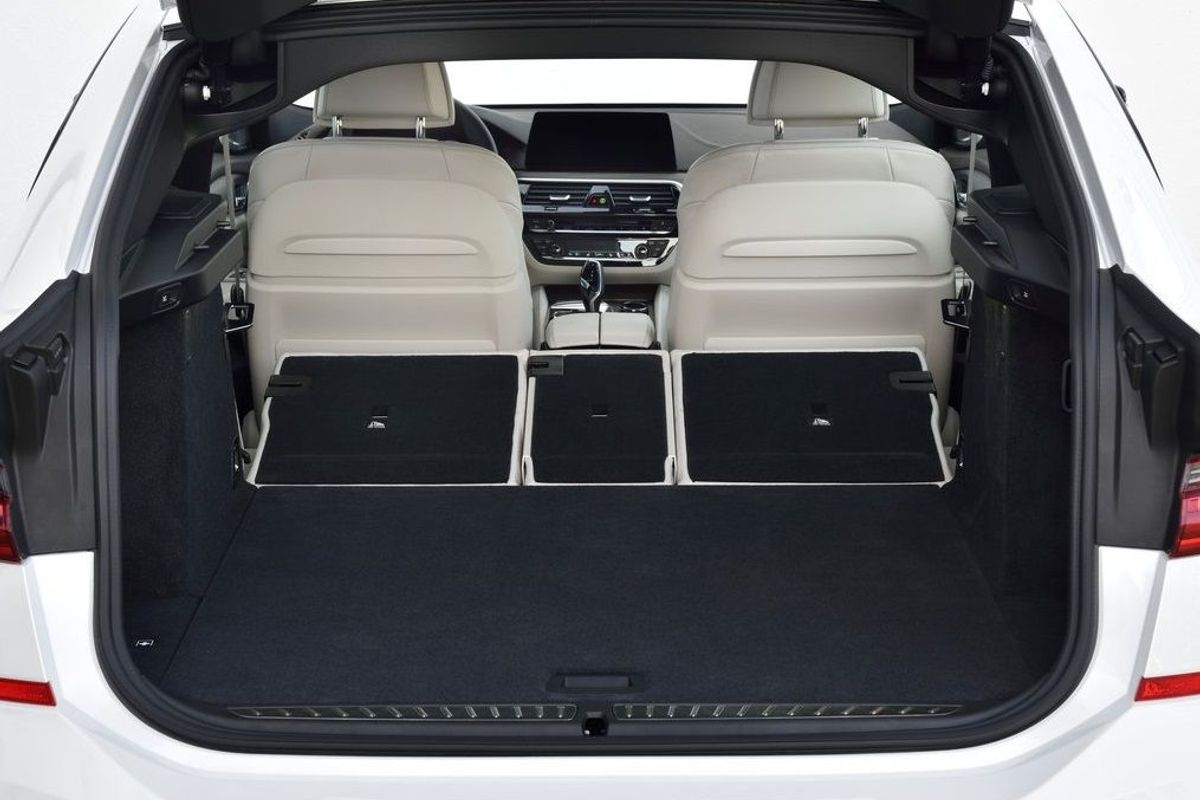
If BMW has the family buyer in its crosshairs, they may be onto something as the 6 Series GT offers copious amounts of space. With 610 litres of boot space, the car makes sense for those who have long-distance adventures in mind. The interior design is almost exactly identical to that of the new BMW 5 series, which is a car that's difficult to fault. BMW’s new iDrive infotainment setup has become one of the best systems to use over time and the Navigation System Professional is user-friendly too. With the optional Harmon/Kardon sound system specified, the car gives the right amount of punch to your playlist – a must have in my opinion.
The Drive
Powered by a 3.0-litre twin-scroll turbocharged engine, BMW’s new B58 motor is what powers all vehicles with the “40i” designation. This engine produces 250 kW and 450 Nm of torque and in the 640i GT, it feels stately and refined. This is a car that’s not meant to excite, but rather ensure that you have enough power for grand touring while also providing for everyday needs.
Good ride quality and ample performance make the 6 Series GT a comfortable option. The diesel-powered 630d is particularly efficient too.
The 8-speed automatic transmission remains one of the best setups out there, with seamless changes, no matter the mode – of which you can choose between Eco, Comfort and Sport. Comfort is clearly the goal here as the 6 Series GT borrows damping options from the ultra-luxurious 7 Series, namely the adaptive suspension mode which assesses your driving style and adapts to it.
Overall, ride quality is superb. Despite the size of 6 Series GT, it doesn’t feel cumbersome at all. Besides the sonorous advantages of the 640i, there is a 630d option available – which may be the one to go for. A diesel in this application has two advantages — torque and fuel economy. Where you lose over a second in the sprint to 100 kph, you gain 170 Nm, which is more important for those countless overtakes that will take place on a longer drive.
The 630d also averages 5.6 L/100km compared to the 640i’s 8.5 L/100km, which makes the diesel-powered 6 Series GT a more practical choice.
What the 640i does have over its diesel sibling, however, is xDrive all-wheel drive. The question is, do you need it? With 137mm of ground clearance, this is not a car suited for going offroad. I suppose for our European friends who have icy roads to worry about, this drivetrain setup seems logical, but for us South Africans, it's less of a priority, unless you want the added grip reassurance in all driving conditions.
In Conclusion
The new 6 Series GT is more of a niche product, but its combination of comfort and practicality should find favour with some buyers.
BMW’s musical chairs has confused us for many years, as our understanding of the new numbering system is that the odd numbers were for the sedans and the even numbers for the coupes. Their justification could be that the 6 Series GT is a coupe due to its pillar-less doors and coupe-like styling, similar to that of a 4 Series Gran Coupe or Mercedes CLS.
Either way, the new 6 Series GT is a better-looking version of the 5 Series GT while offering similar technology found in the new 5 and 7 Series. Like many of the models wearing the BMW badge, the 6 Series GT will suit some buyers to the tee, but it won't appeal to everyone. As for the upcoming 8 Series, it has some big shoes to fill…
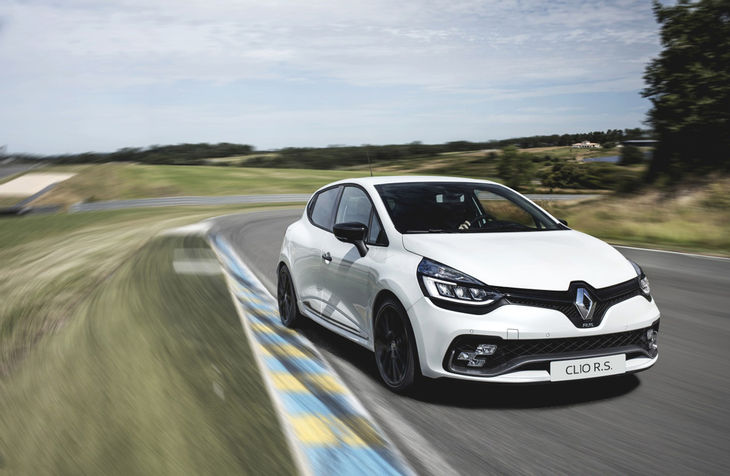
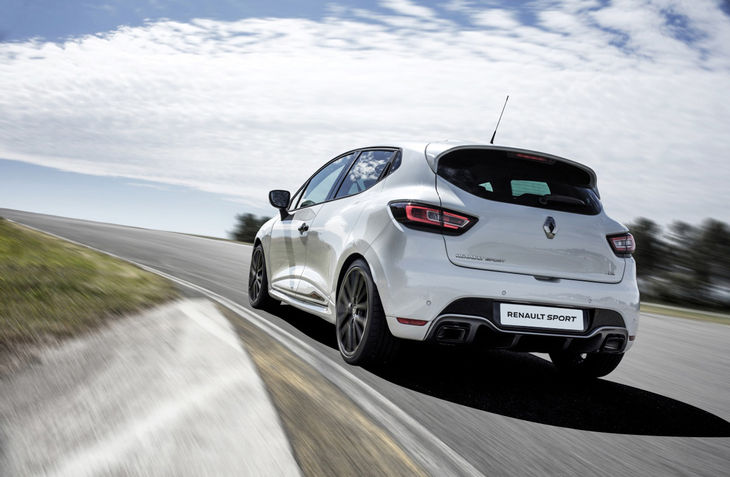
3 Reasons Why Renault Clio RS Trophy is #CarsAwards Finalist
What makes the Renault Clio RS220 Trophy a strong contender in the Fun Car category of the 2017/18 Cars.co.za Consumer Awards – powered by WesBank? We investigate…
Renault has been top of the hot hatches for some time when it comes to driver engagement and handling from a front-wheel-drive hatch. The Clio received an update in 2017 and the RS220 Trophy is the most potent offering in the range. Will the Clio RS220 Trophy snatch the Fun Car trophy in the 2017/18 #CarsAwards?
3 Reasons Why Renault Clio RS220 Trophy is a #CarsAwards Finalist
1. Engaging powertrain
The Clio RS220 Trophy is powered by a 1.6-litre turbopetrol engine with peak outputs of 147 kW and 260 Nm of torque. Acceleration is lightning quick thanks to a built-in launch control system and a revised dual-clutch transmission. The exhaust has plenty of life as it rumbles at idle and crackles after every gear shift. The Akropovic upgrade for the Trophy model is a sweet addition for those that like a barky exhaust note.
2. Sharp handler
Thanks to a superb chassis, the grip levels that the Clio can provide are astounding and you’ll be surprised every time you throw it into a bend at just how much traction is available. The Trophy’s suspension is firm and agile and particularly balanced under braking. The Clio RS is a showcase of how to make a front-wheel-drive car go fast around bends.
3. A car for the senses
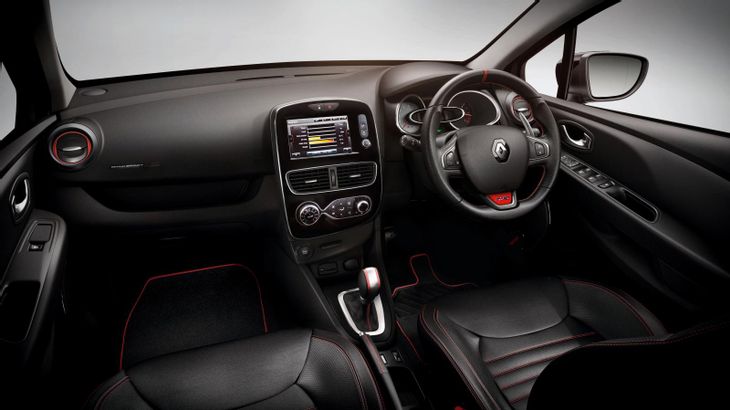
The Clio’s striking styling appeals to the senses and details such as the chequered flag LED fog lights and 18-inch wheels ensure that the RS220 has a purposeful stance. Inside the Trophy gets body-hugging Recaro sports seats, red seatbelts and a plethora of RS badges to remind you that this is no ordinary Clio. It also comes equipped with a track data readout system that measures everything from G-forces to lap times and acceleration and braking application, which you can be downloaded and analysed at your convenience.
Take a look at our video insert of the Renault Clio RS 220 trophy below!
Have Your Say: Complete our survey and WIN!
Do you own a Clio RS220 Trophy? We would love to hear from you! Tell us about your experience by completing our Ownership Satisfaction Survey. Your input counts for 50% of the final result!
Which cars are the Clio RS220 Trophy's rivals in #CarsAwards?
Mini Clubman JCW All4 Sports-Auto (2017) Quick Review
Is the John Cooper Works (JCW) version of the Clubman a highly desirable and superhot version of the most nonconformist Mini on offer today, or does it represent an overwrought interpretation of a car that should simply be fun-to-drive and practical… instead of flashy and belligerent? As ever, it depends on what you are looking for.
We like: Accessible performance, pugnacious attitude, individuality without sacrificing practicality
We don’t like: Not really a hot hatch, all-wheel-drive largely ornamental, awkwardly priced
Alternatives:
Hot Hatch Pedigree: Yes, the John Cooper Works division has done tremendous things to establish Mini as a performance marque, but the superbly balanced Volkswagen Golf GTI, now in 7.5 iteration, remains the benchmark hot hatch. With sufficient performance and driver engagement, allied with excellent build quality and refinement, the GTI appears a relative bargain in this company.
For AWD thrills: For many aficionados, the Quattro-equipped Audi S3 Sportback is virtually everything that you would ever need as far as a wieldy and powerful, yet luxurious and practical all-wheel-driven premium hatchback is concerned. Yes, it carries a significant price premium over the Clubman JCW, and can’t match the Oxonian’s charm and pluck, but it’s a hard-to-fault package.
A family car with added punch: The Tiguan 2.0TSI 4Motion Highline R-Line is a recent addition to the Wolfsburg-based firm’s highly-rated family car range. It may not make as bold a statement of other cars in this list, but with comparable outputs to the Clubman JCW, it’s practical, classy (and we suspect much easier to sell on) than the other cars in this line-up. Think about it, it makes sense.
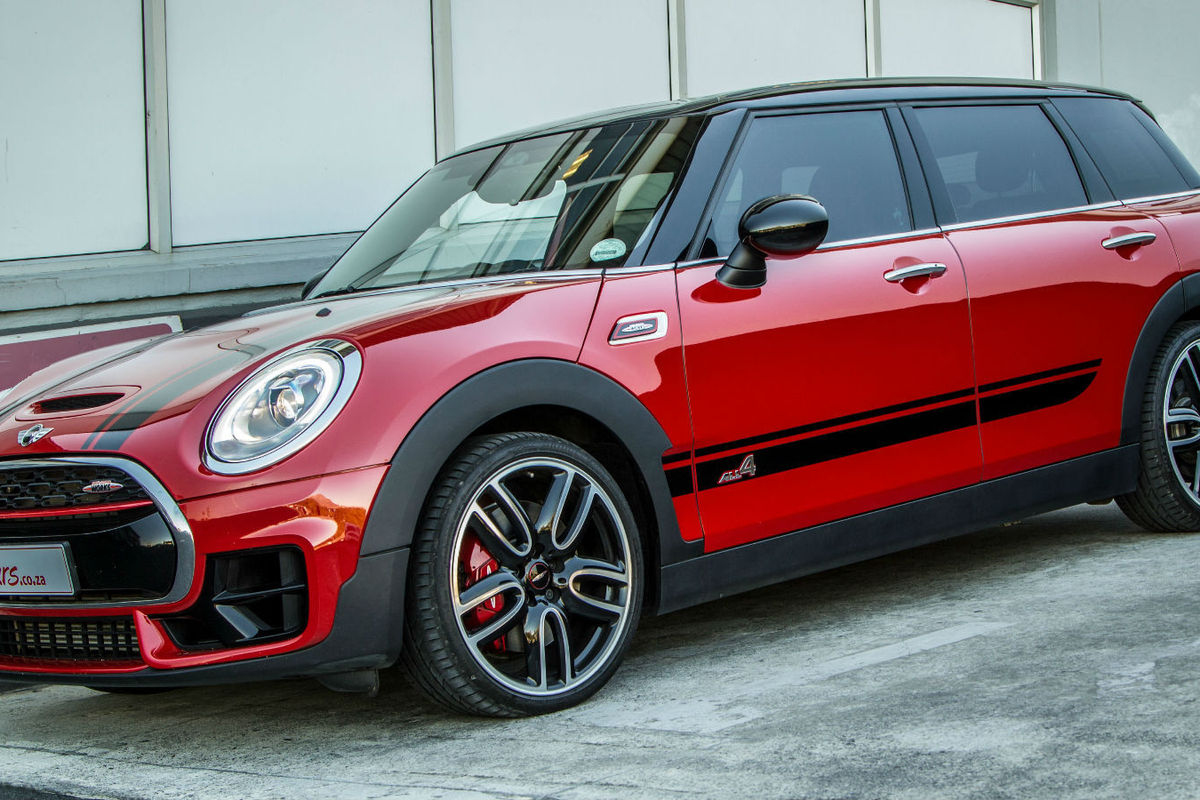
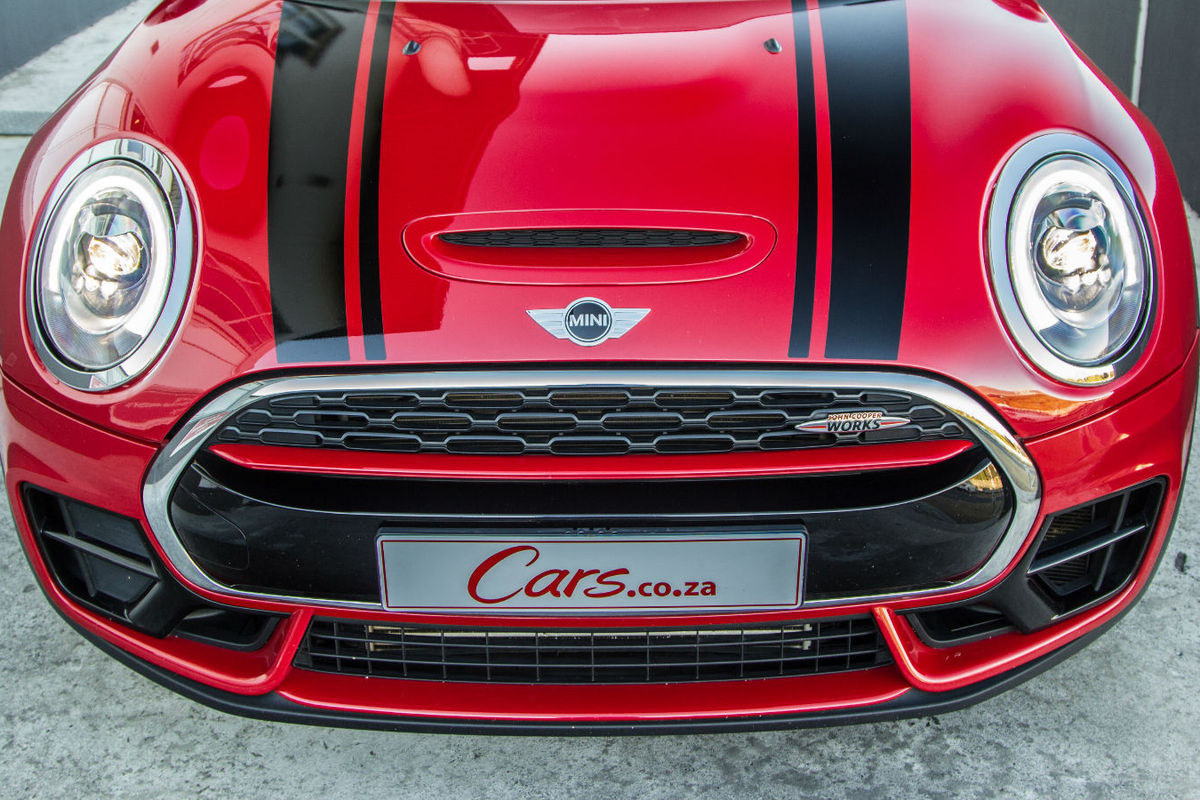
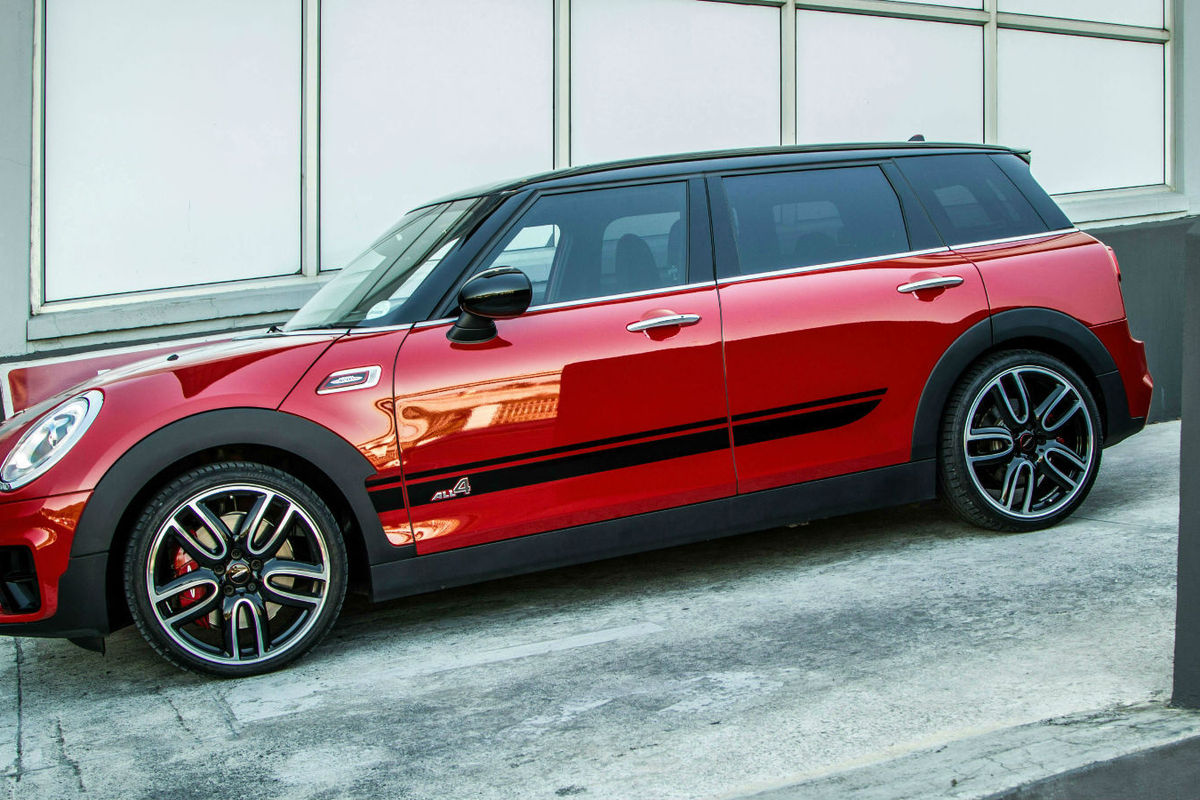
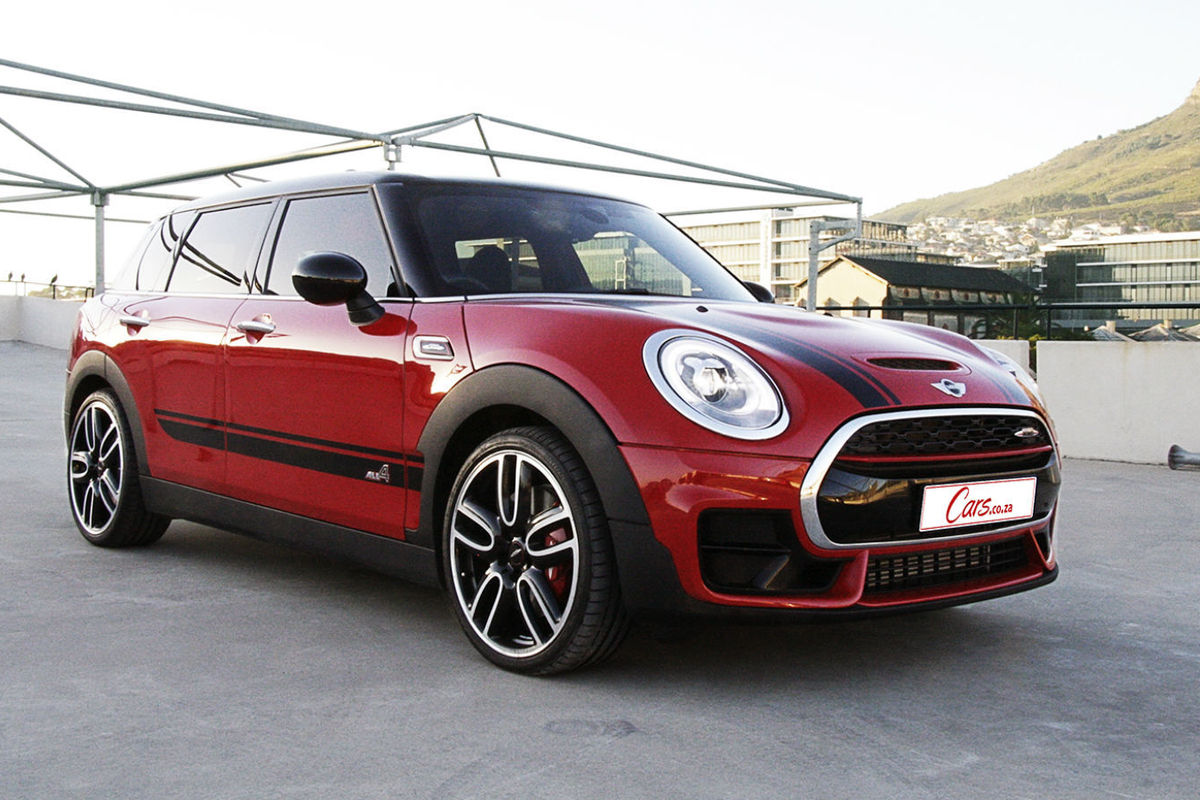
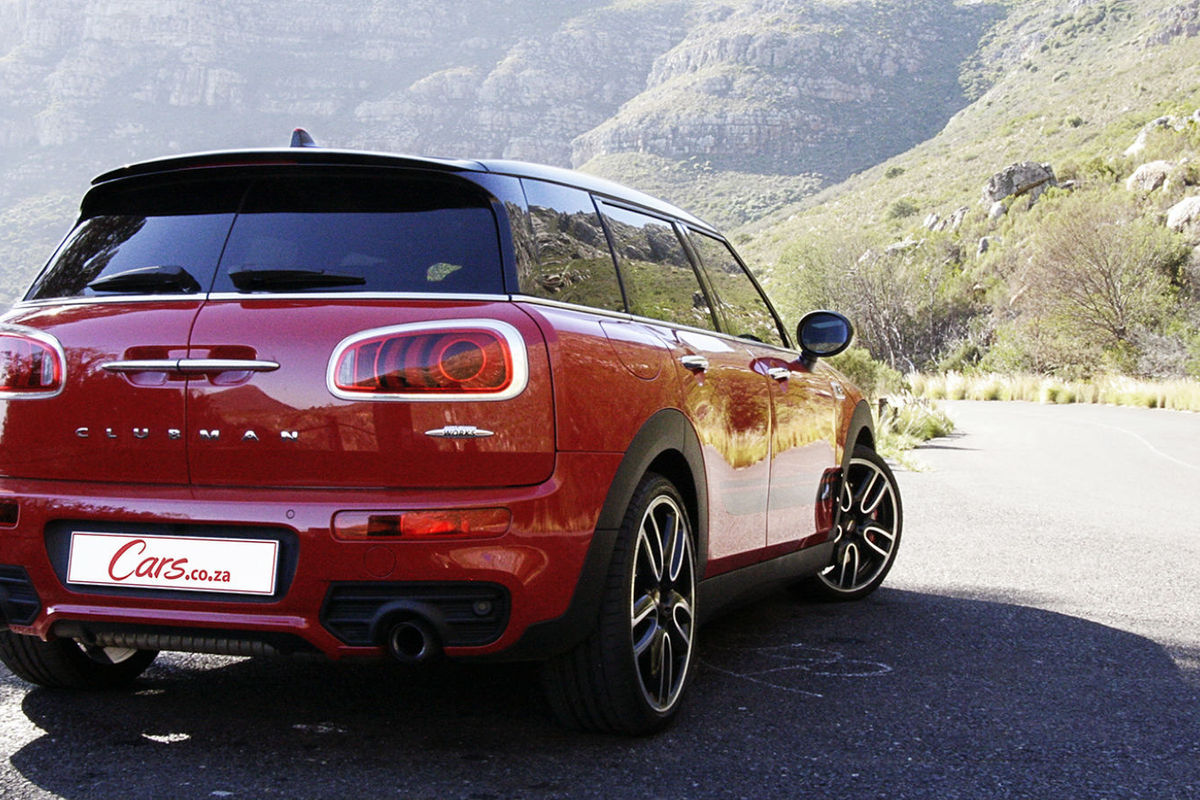
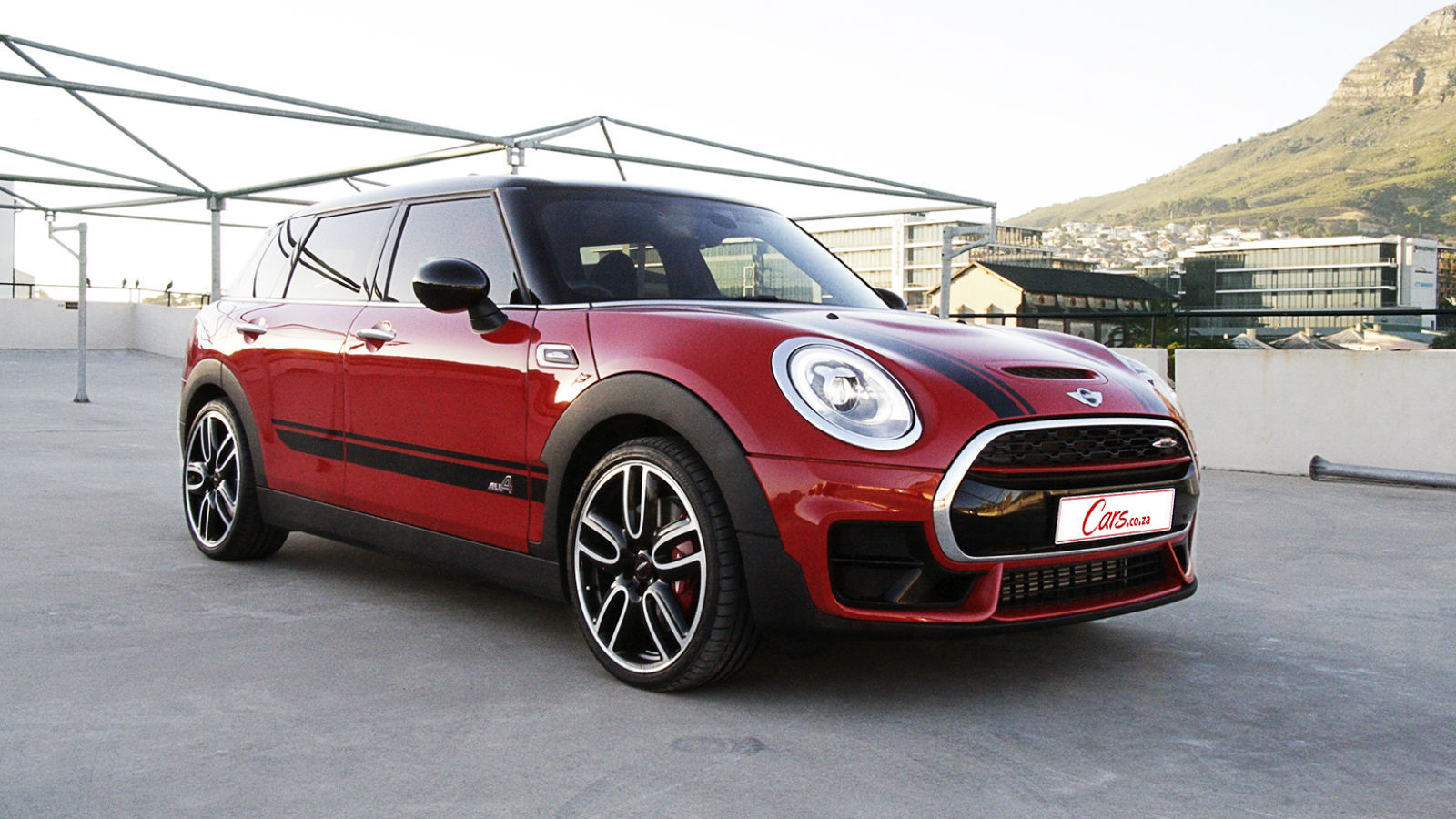
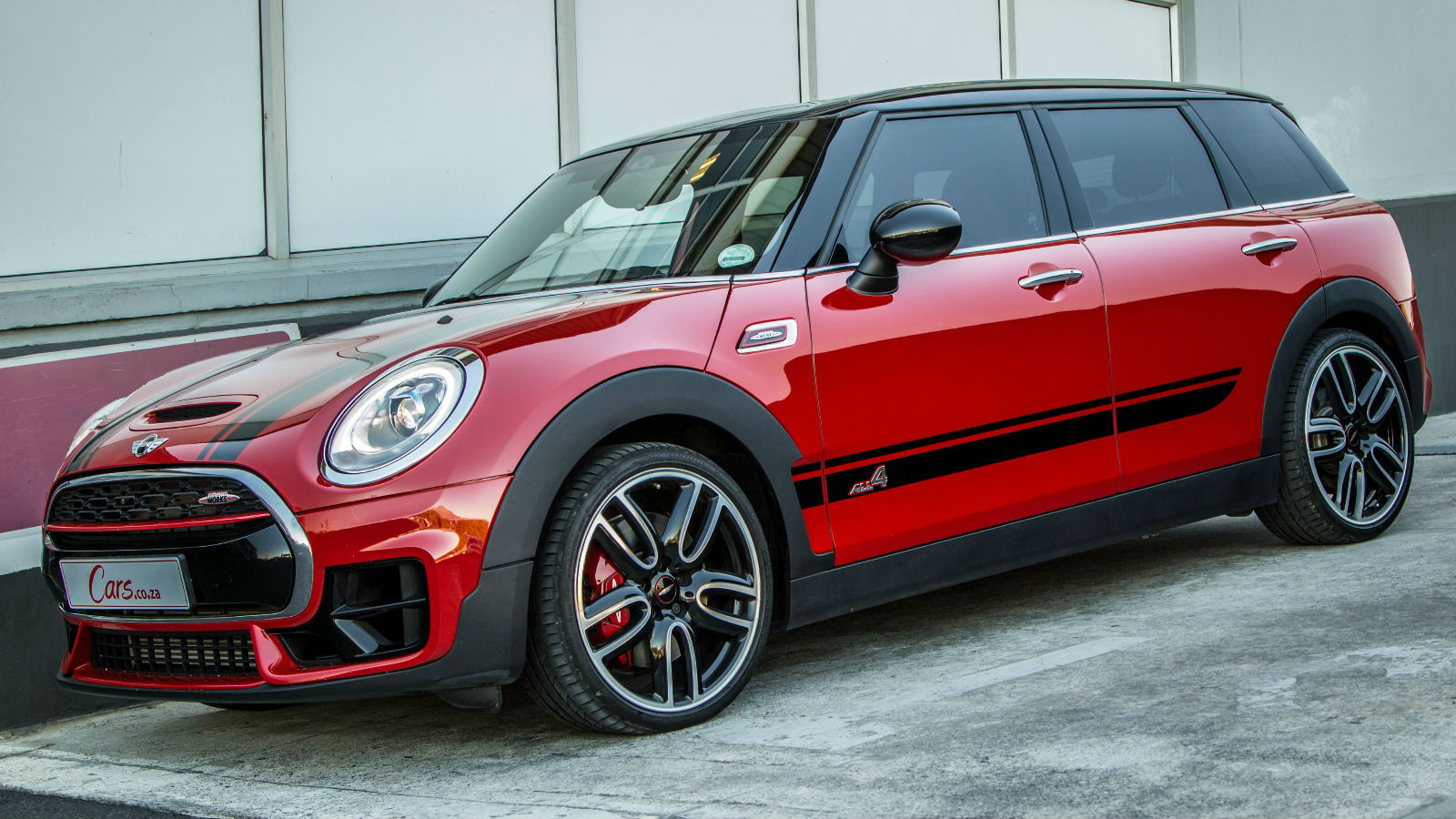
Few manufacturers can execute a dual-tone colour scheme as well as Mini. Note how the black body cladding matches the window trim and roof.
What is it?
The John Cooper Works version of the Clubman sees the longest Mini (with a wheelbase comparable in length to rival compact hatchbacks) gain a new flagship with a raft of sporty addenda inside and out, an uprated motor to complement its complement its trademark cabinet aft doors, plus an all-wheel drivetrain, which can divert up to 50 per cent of the torque to the rear axle of the usually front-wheel driven car.
In other words, the Clubman, which already offers reasonable rear legroom and a 360-litre luggage bay, which can increase to 1 250 litres with the optional rear seatback folded flat, gains performance courtesy of a fettled 2.0-litre turbopetrol that produces 170 kW and 350 Nm of torque and is mated (in the case of the test unit) with an 8-speed automatic transmission. A sports suspension (with electronic damper control optional) and 18-inch alloys help to keep the Mini pinned to the road.
The Good
A sense of occasion
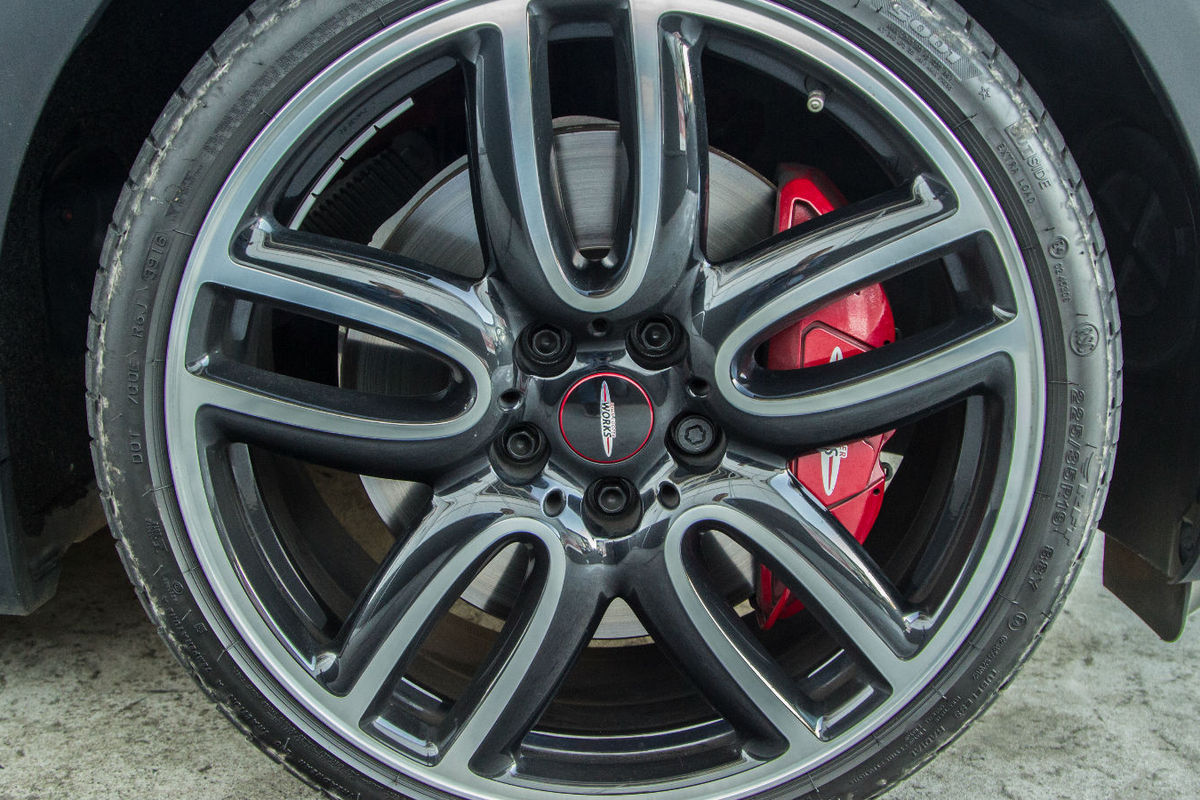
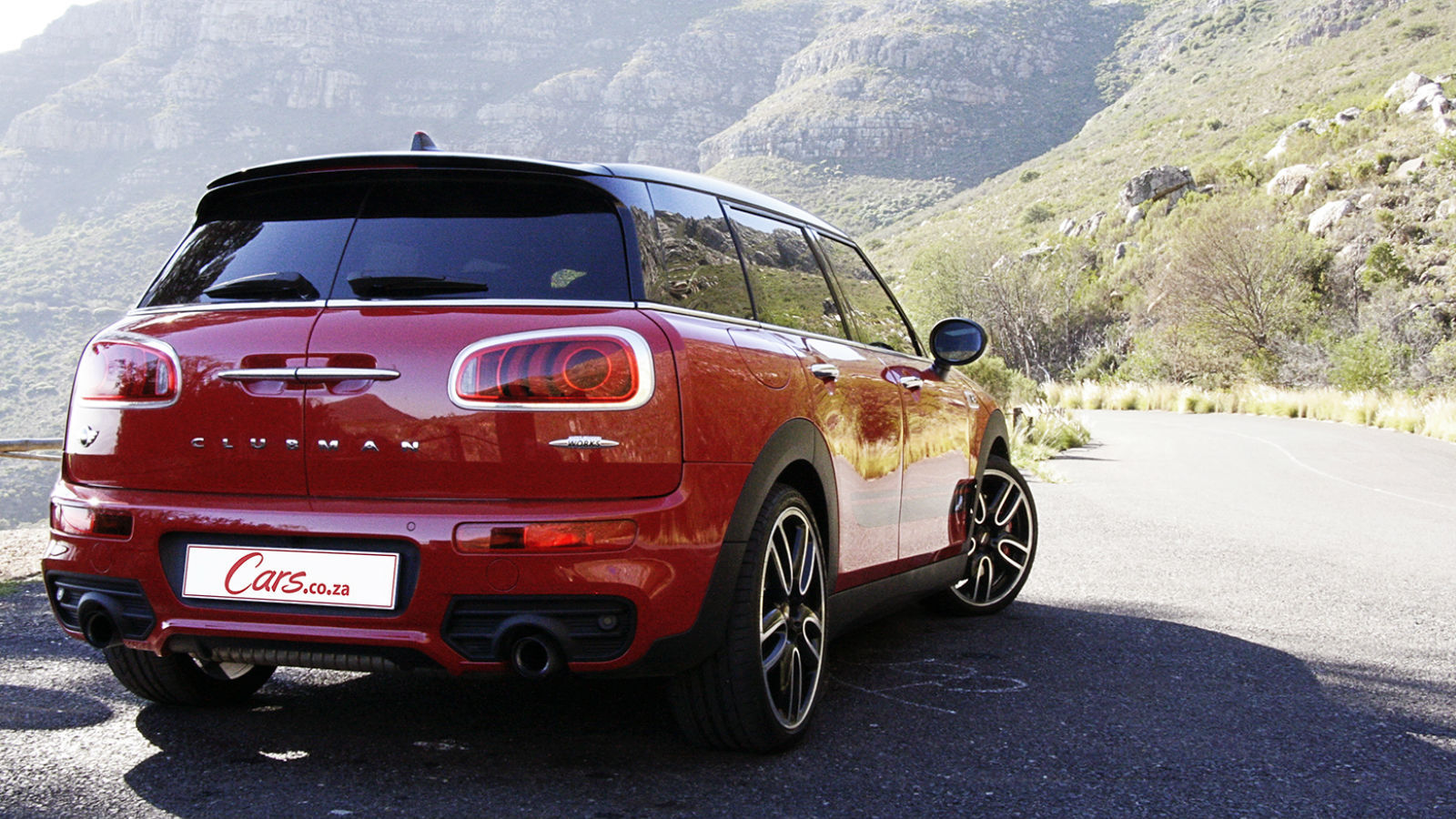
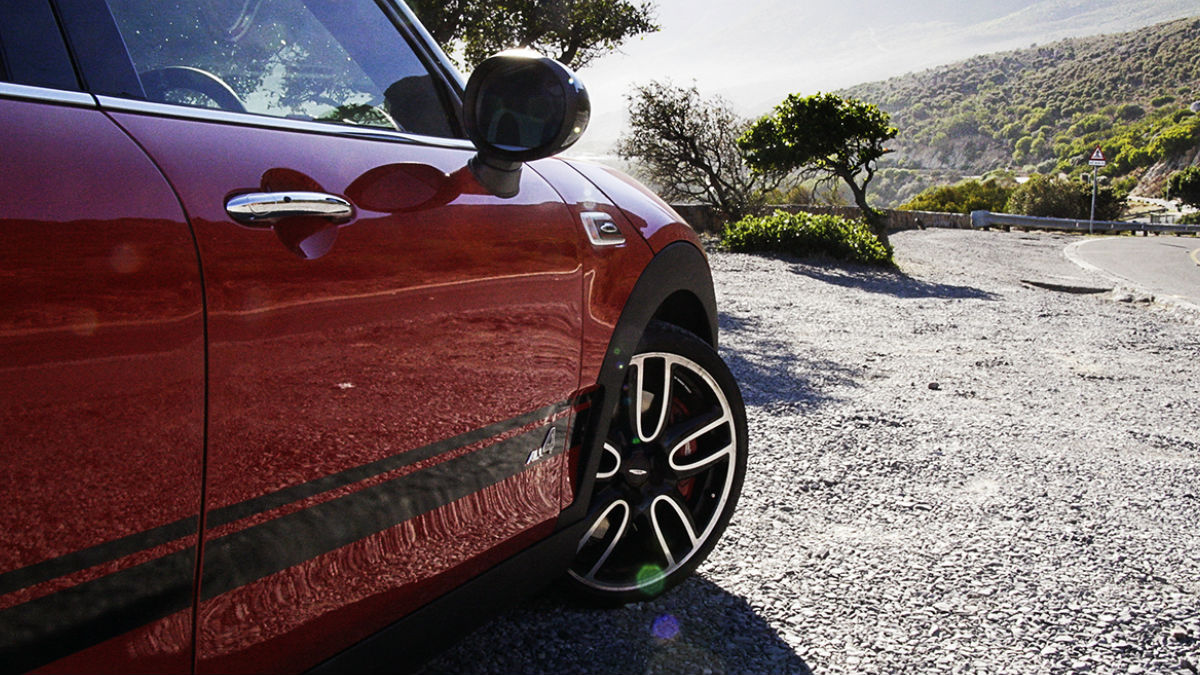
Call it a flashy yuppie’s toy if you will, but the Clubman JCW is a consummate head-turner. Although its front end is comparatively understated, black 19-inch wheels (optional, 18” items are standard), flared wheel arches and ornate skirts and aprons are complemented by a dual-tone exterior finish and contrast striping down the spine and sides of the vehicle. The pronounced shoulder line, extended side glass area and blacked-out pillars give the Mini a low-slung, road-hugging profile.
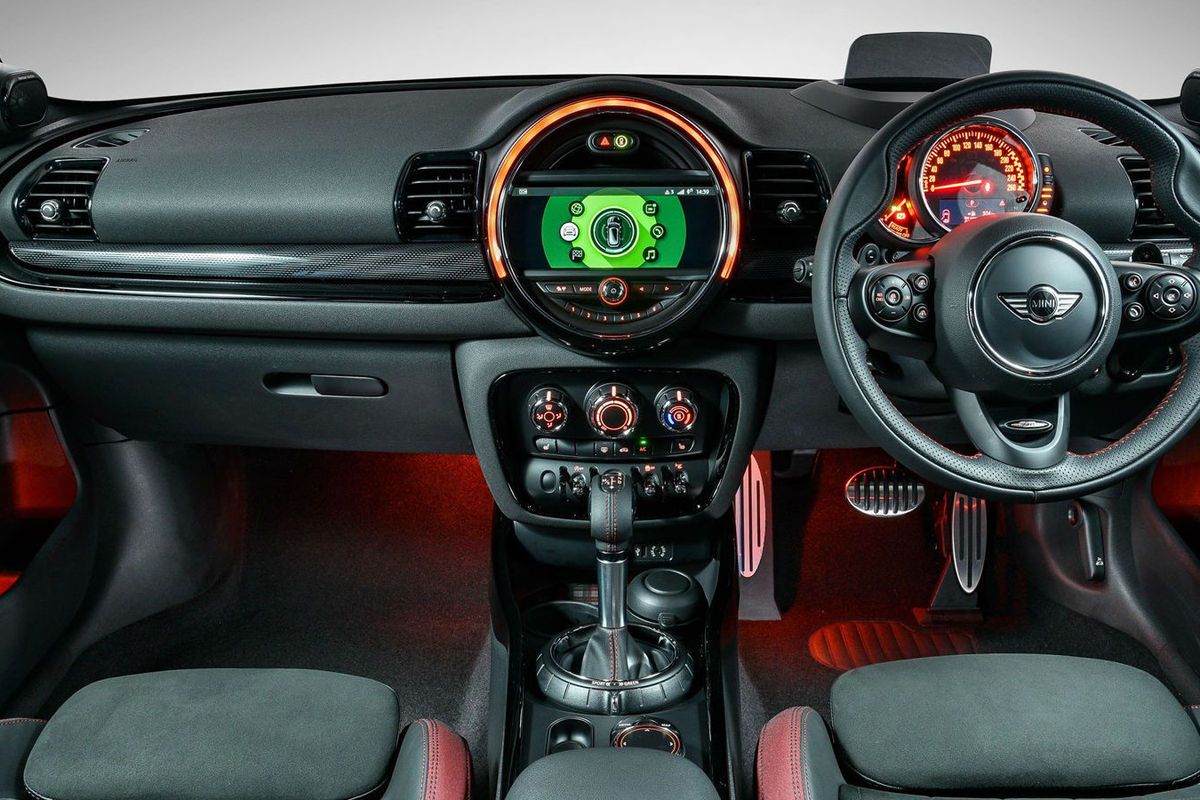
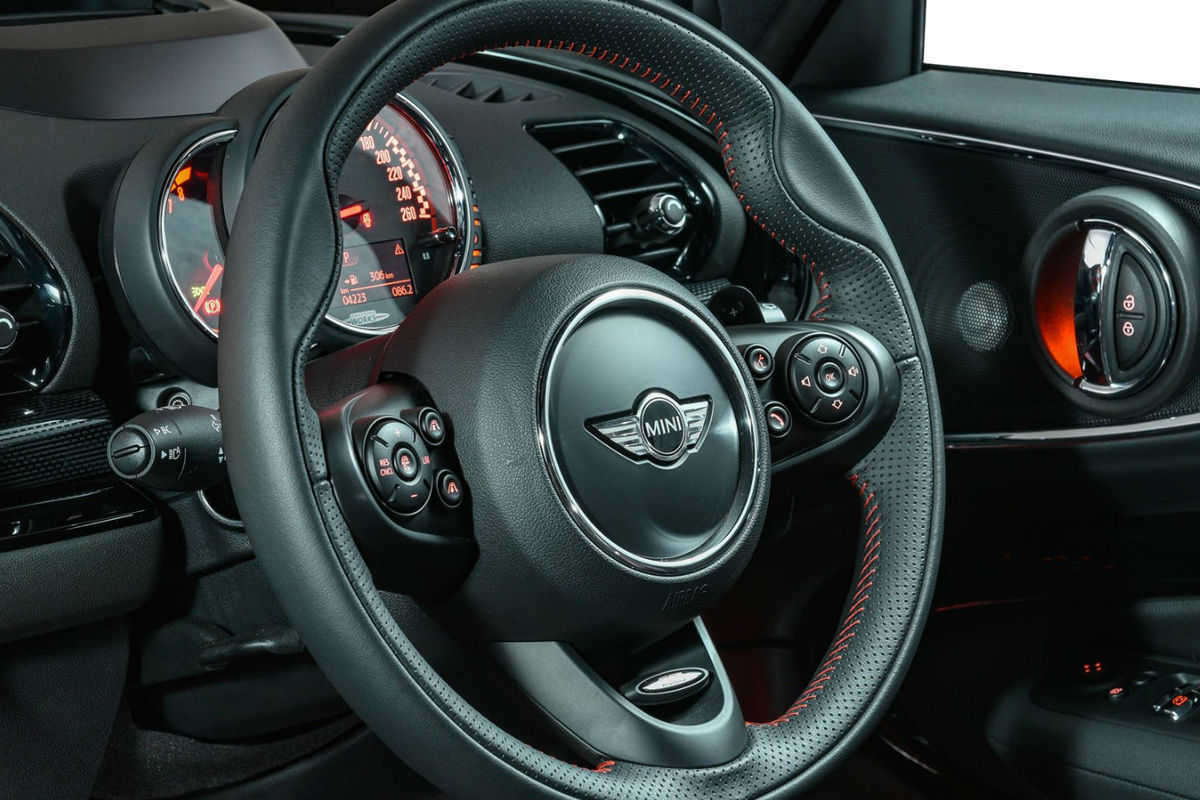
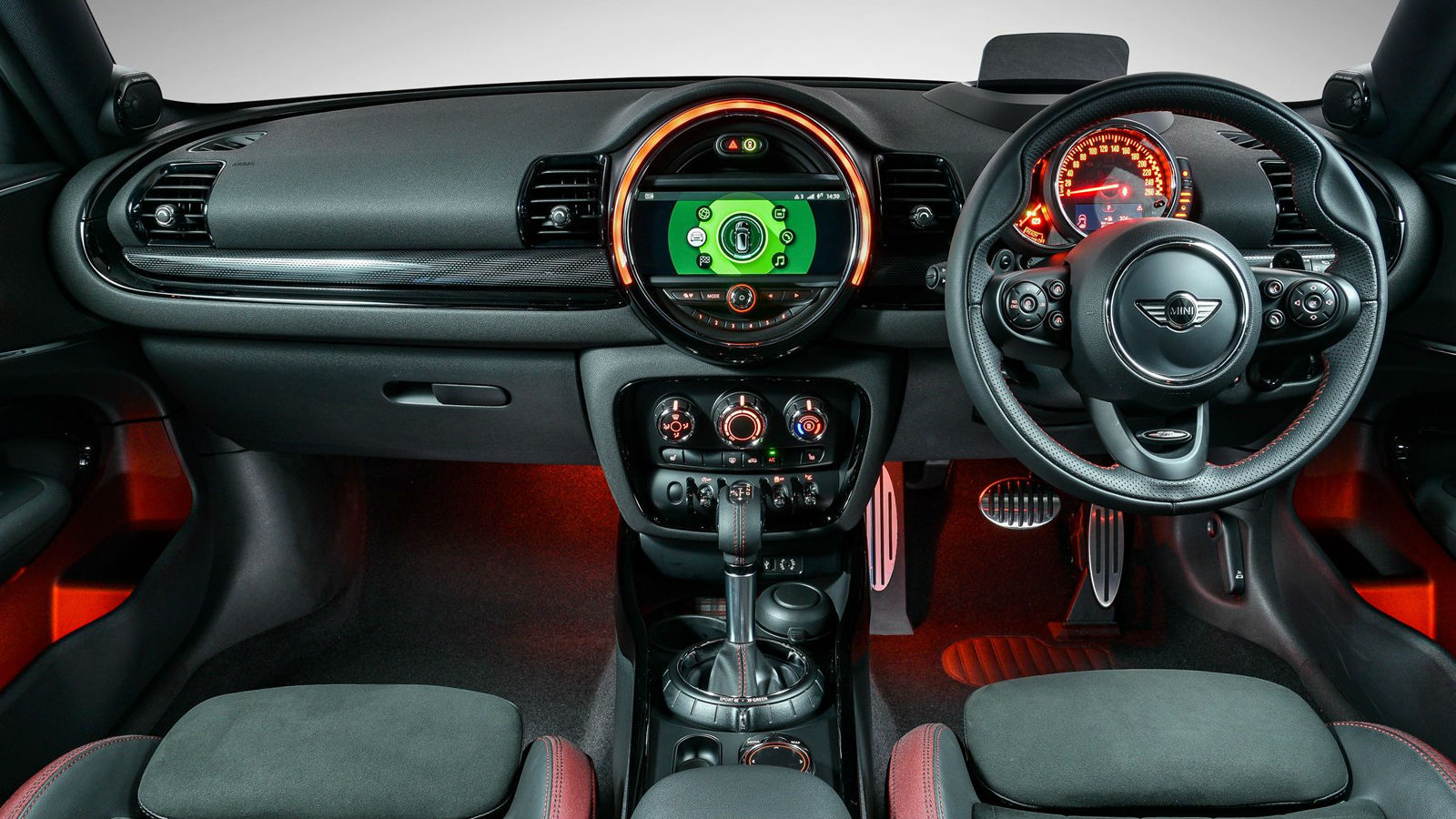
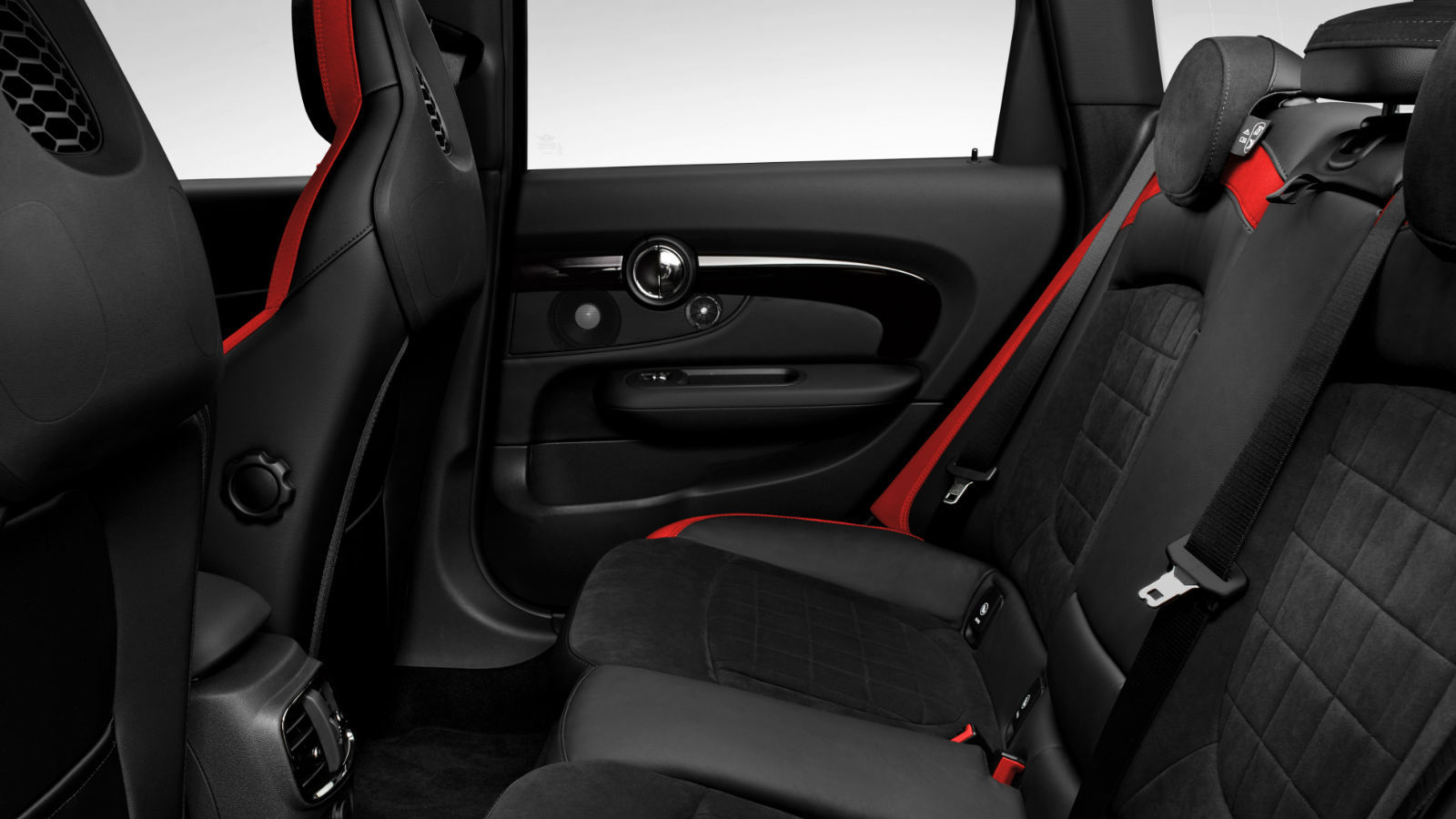
Inside, the All4 strikes a tasteful balance between sportiness and practicality. Piano black and weave-pattern insets, along with smatterings of strategically-placed JCW detailing, contrast leather stitching and dual-tone velour upholstery underline the “luxuriously athletic” pretensions of this derivative.
Funky LED mood interior lighting (customisable, of course) adds a sense of theatre to a sportily clad and -designed cabin.
Accessible and refined performance
When a car is endowed with a sporty, lowered suspension and shod with large wheels and low-profile rubber, it is not unreasonable to expect that the Clubman JCW’s ride quality would suffer to benefit of its ride and handling. What’s more, a potent 4-pot turbomotor calibrated to an 8-speed automatic transmission for optimal responses to driver inputs suggests that the test unit might be a little nervy and tightly wound in everyday driving conditions, but the reality is quite different.
Perhaps by virtue of its elongated wheelbase, which tends to iron out bigger road imperfections more regularly than in shorter cars, plus a crisp, direct-but-not-darty steering setup, the Clubman JCW is a palpably easy/non-intimidating car to drive quickly. The fact that 4-wheel traction is dynamically applied (whenever driving conditions demand it) instils confidence, of course, and each and every tester praised the rorty percussive exhaust note of the car when in Sport mode. For general driving conditions, the Mid mode felt suitably responsive.
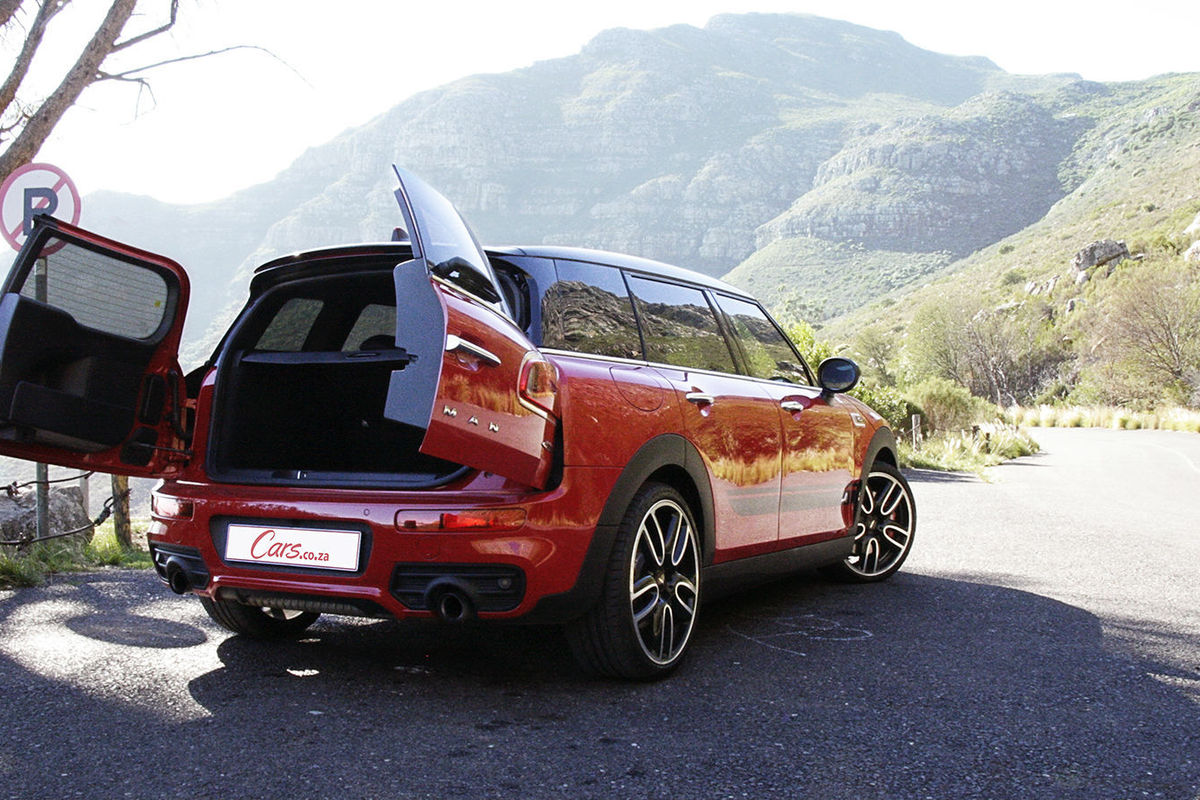
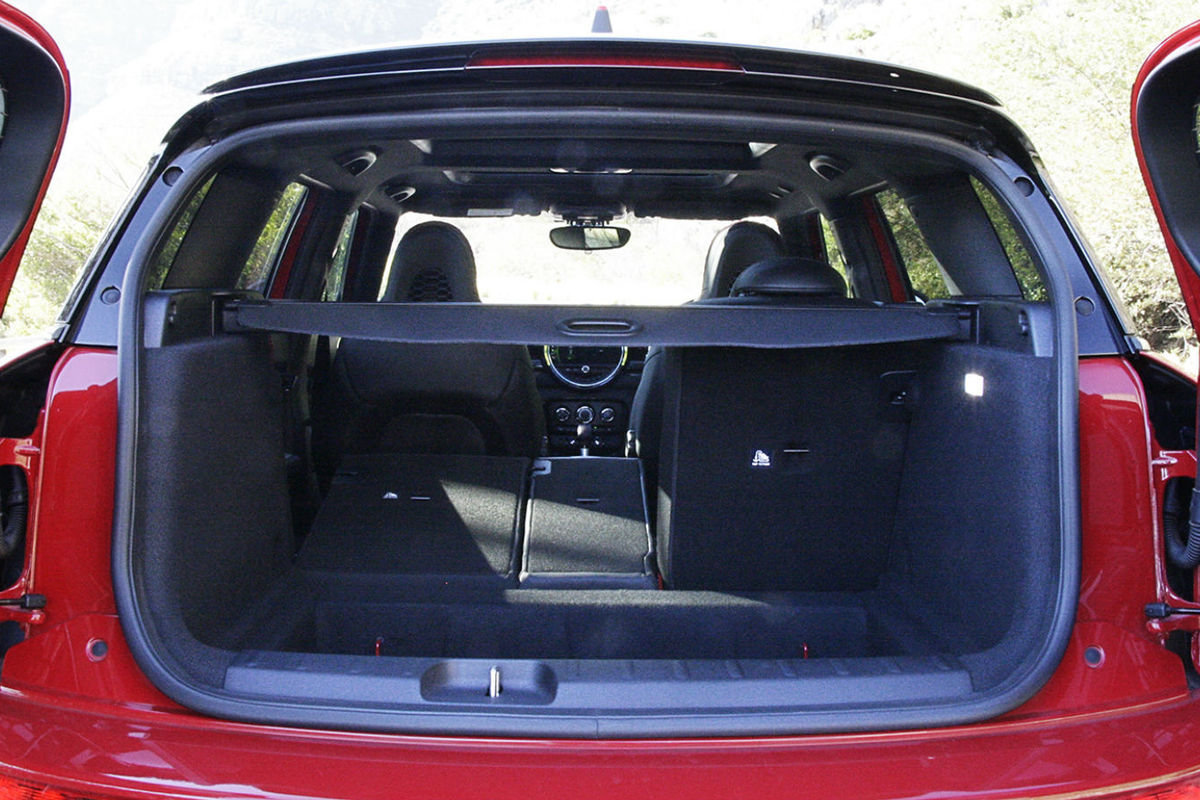
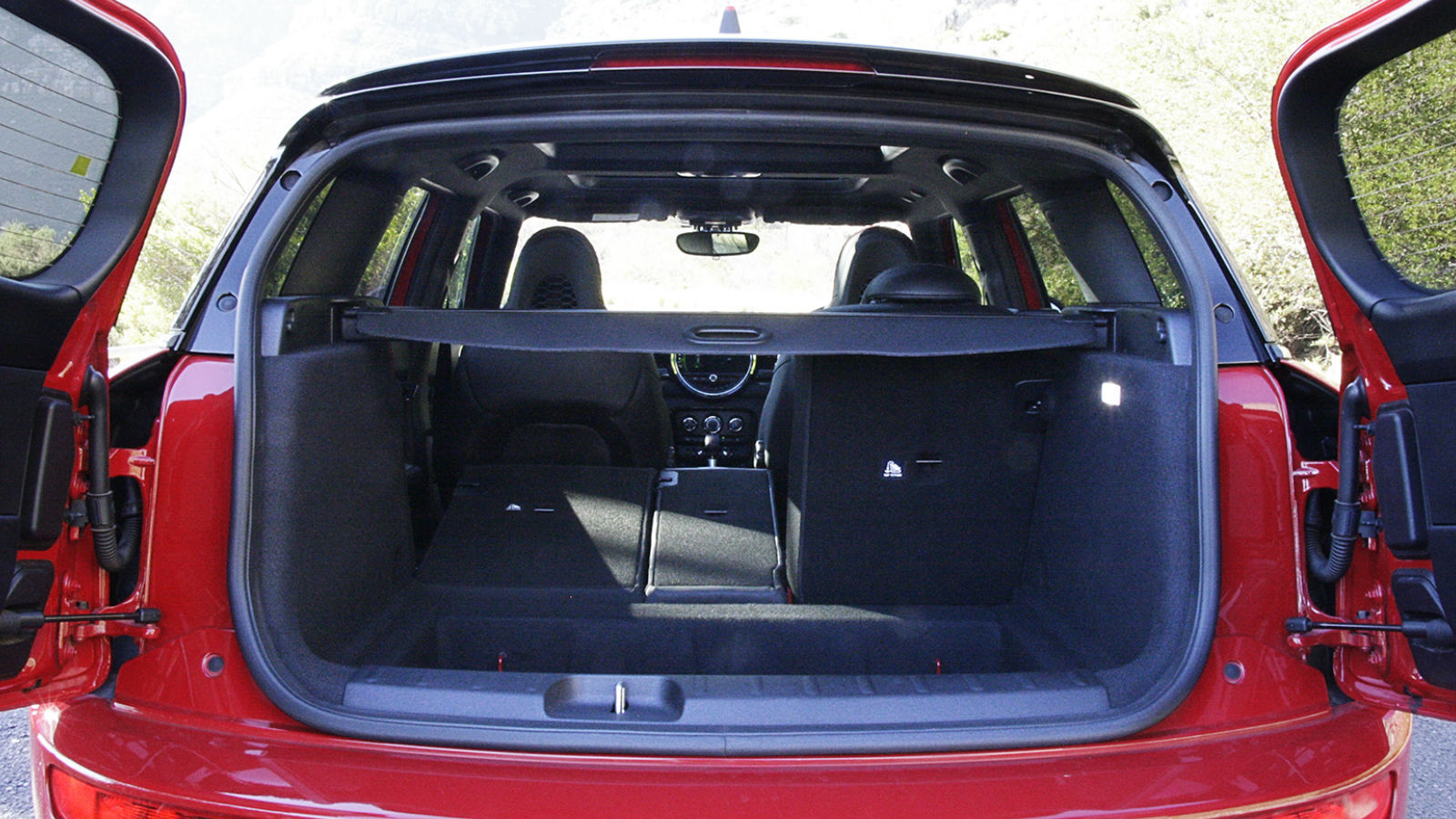
The luggage bay is certainly more spacious than in any other contemporary Mini, apart from the Countryman. 40/20/40 seats are optional.
Sops to practicality
Even though the Clubman JCW exists mostly for the sheer indulgence of its driver, it can fulfil a compact family car role with reasonable aplomb. The rear cabinet doors open expansively to reveal a capacious luggage area aided by a low loading sill, a hidden compartment under the boot floor and a high-mounted luggage cover cartridge. One aspect that requires a bit of familiarisation is that the design of the aft doors requires the right side to be opened first, and closed last.
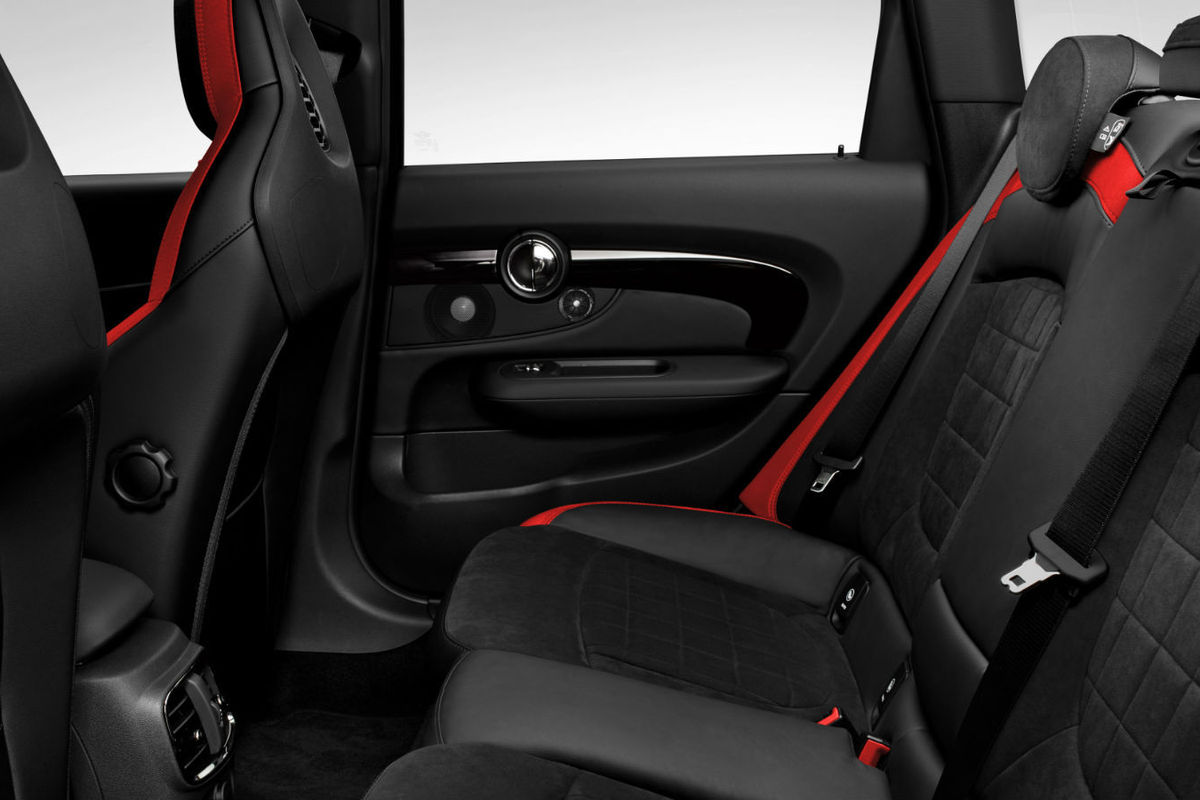
Meanwhile, the rear bench is styled to look like the seats are individual units and, apart from the fact that they are aesthetically appealing, they afford reasonable leg and headroom, which means that a pair of adults of average height can be accommodated with reasonable ease. Testers also remarked that the panoramic sunroof lent a light airiness to the otherwise dark, sombre Mini cabin.
Rear occupants sit in relative comfort, with reasonable legroom on offer as well as additional ventilation outlets.
The not-so-good
Not a hardcore hot hatchback
The disadvantage of offering its driver a cache of easily accessible performance (that hardly ever encroaches on the absolute limits of adhesion) is that this John Cooper Works simply denotes the flagship of the Clubman range, not that his car is raw and edgy by design. Even though the claimed 0-100 kph time of 6.3 seconds is quick enough and overtaking acceleration is more than sufficient, the Mini just fails to offer that element of seat-of-the-pants excitement and a hint of prickliness or unpredictability to the handling that would provide an enthralling challenge for years of ownership.
Why have all-wheel drive?
Mini used to compete in the World Rally Championship, which should make the Clubman JCW’s all-wheel drivetrain more significant, but unless you’re planning to spend much time traversing roads affected by sleet, snow and ice, 4-wheel traction has no more use in the South African climate than added safety in low grip (rainy or gravel) driving conditions. Still, it is a nice-to-have feature.
Whereas the front apron execution is not over the top, the R10 000 19-inch wheels leave no doubt as to the Mini's sportiness.
Expensive asking price
With an asking price of just under R600k, the Clubman JCW comes equipped with Dinamica/cloth sports front seats, LED headlamps, PDC front and rear with park assist, comfort access, anti-dazzle interior mirror, automatic air-con, Mini Connect and Visual Boost for the infotainment system.
Although that list suggests the Clubman JCW is not a stripped out offering in the least, it needs to be noted that to bring the derivative up to a desirable level, visually speaking, would push the asking price significantly past R600k, which puts further daylight between the Mini and the Golf GTI and bring the former closer to contenders like the Audi S3 Sportback and Golf R, for example.
Price and after-sales backup
The Mini Clubman JCW All4 sports-auto retails for R584 516, which includes a 2-year/unlimited kilometre warranty and 5-year/100 000 km maintenance plan.
The Clubman JCW is keen to tackle a winding ribbon of blacktop on a whim, but think of it as a hotter Cooper S rather than a headline product.
Verdict
If you’re looking for the most compelling performance that you can get out of a family-friendly 5-door Mini then the Clubman JCW has to be your default choice. As a result of its packaging and less than scrawny kerb weight, the All4 tested here is sure-footed and spirited, but stops short of being fast. That might matter little to those who love the sheer pugnaciousness of the Clubman JCW, which could never be mistaken for anything but a rorty, large-wheeled cabinet-doored Mini.
However, the car’s appeal is limited to very small pocket of brand enthusiasts; those who’d love to show off their cars’ novelty doors (all 6 of them) and replay the crackles and burbles of the sports exhaust system to everyone and anyone who’d care to see/hear them. In terms of outright pace and ultimate practicality, this JCW is soundly beaten by some of its rivals on both counts. It is, however, one of the most instantly desirable cars in the new vehicle market… It’s virtually impossible to not have an opinion about this Mini model!
Interested in a hatchback version of the JCW? Check out Francisco Nwamba's video review:
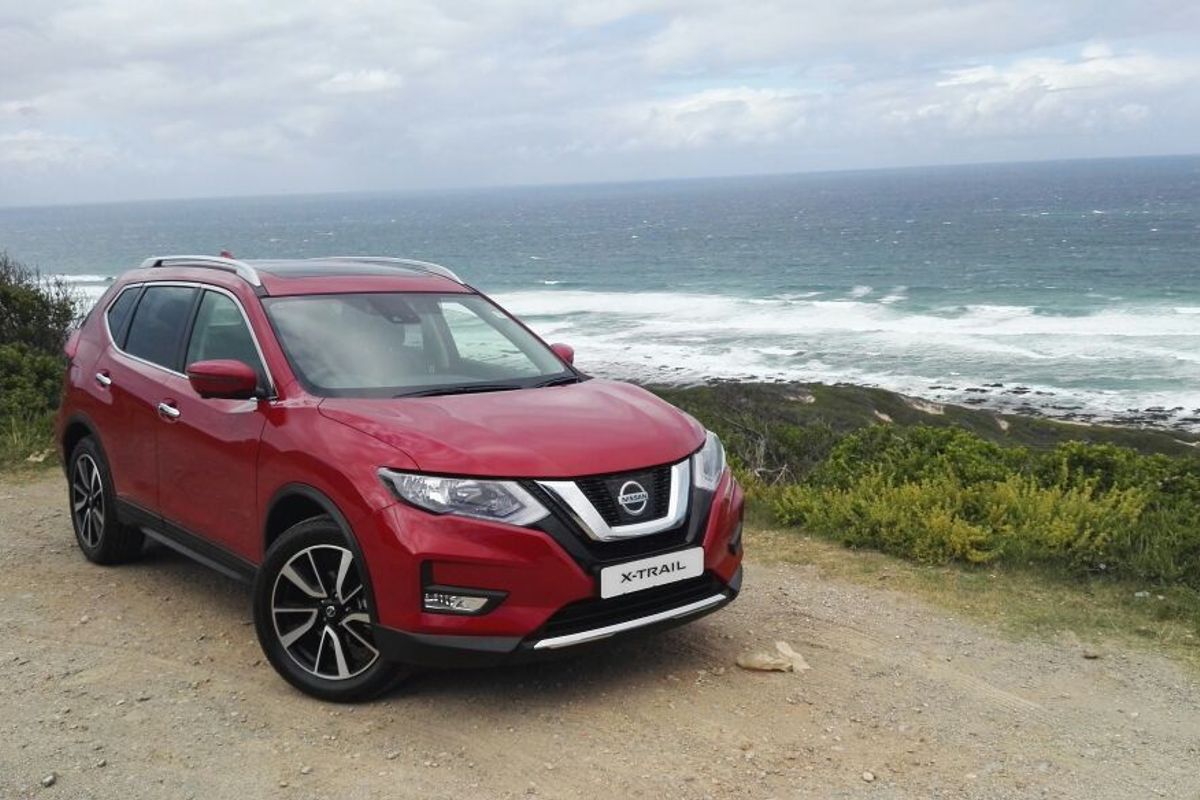
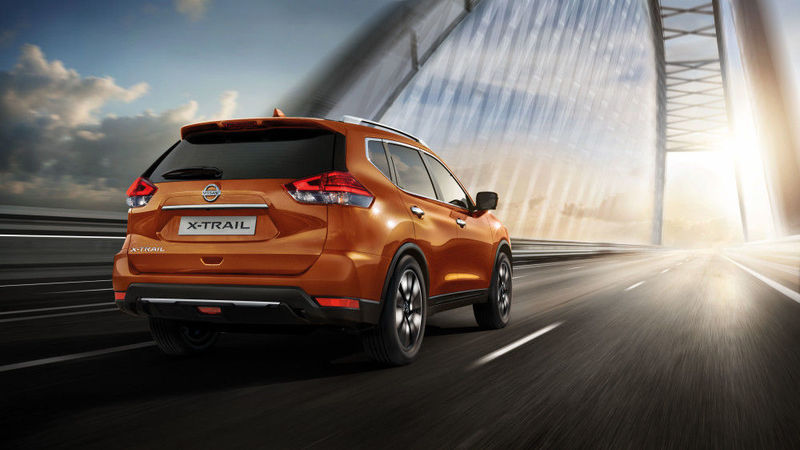
The Nissan X-Trail crossover SUV returns with a sharper aesthetic, a bit more pace, grace and technology in spades. We took it for a drive…
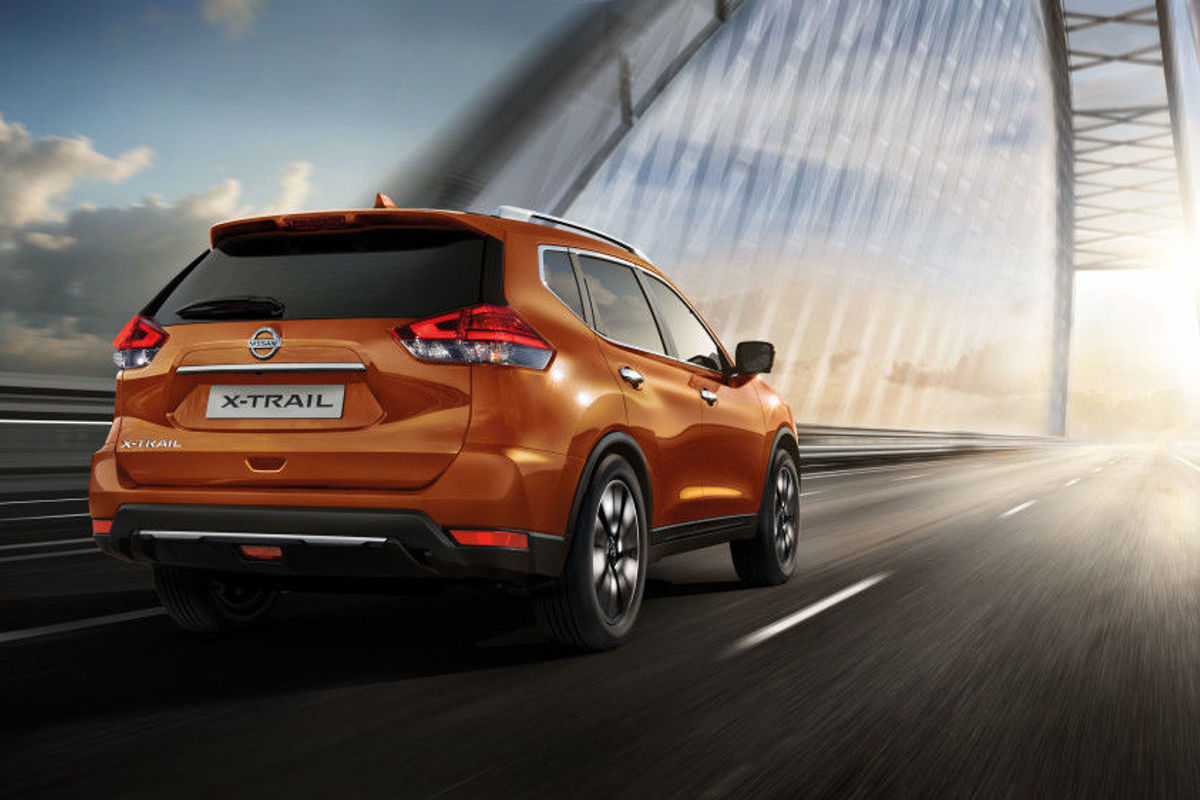
It's finally over! No longer will I confuse the X-Trail with its slightly smaller sibling the Qashqai. You did too, right? Personally, I'd need to get in real close, badge-reading distance if you will, to really be sure. Am I looking at an X-Trail in the distance or a Qashqai just a couple metres away? Now, especially when resplendent in the launch car's metallic orange, it has more chances of being mistaken for a bloated GT-R.
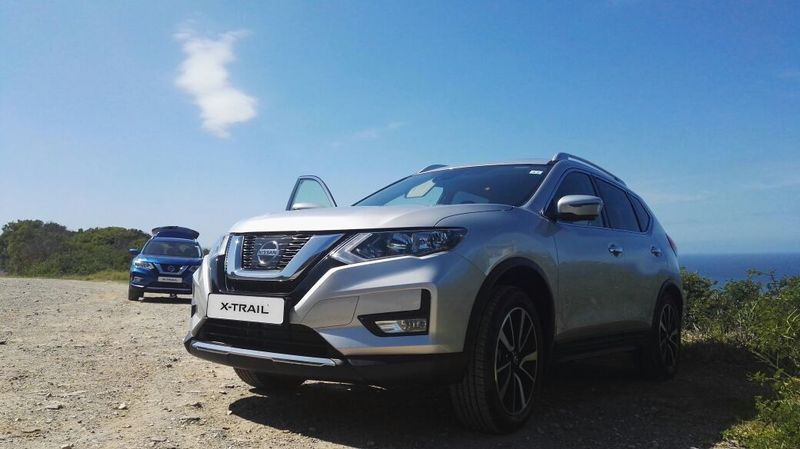
I joke, but really, with this sharply chiselled update to its aesthetic, the MY18 X-Trail has completed its transformation from ladder-frame hero to the kind of animal you'd park alongside your Japanese supercar in your suburban double garage.
No loss of traction
The success of the X-Trail is set to continue thanks to a much-improved package and attractive pricing structure.
Historically, Nissan's X-Trail has been well received by the public and continues to increase its market share, now by 12% in the passenger SUV segment. It originally debuted in South Africa in 2001 as the aforementioned box-shaped, ladder-framed SUV that gained favour among gravel enthusiasts of which there are plenty. Internationally it wears the Rogue badge and was one of the five top sellers in the USA.
In South Africa, 2014 saw the arrival of the new Qashqai – whoops, I mean new X-Trail, which while a looker, had lost its literal edge – soft in profile and bereft of its ladder-frame chassis, making way for a modular platform and independent suspension, endearing but not relegating it to the asphalt. This update doesn't attempt to disrupt, but rather sharpen the package considerably while prices remain unchanged, or even lower than the outgoing model.
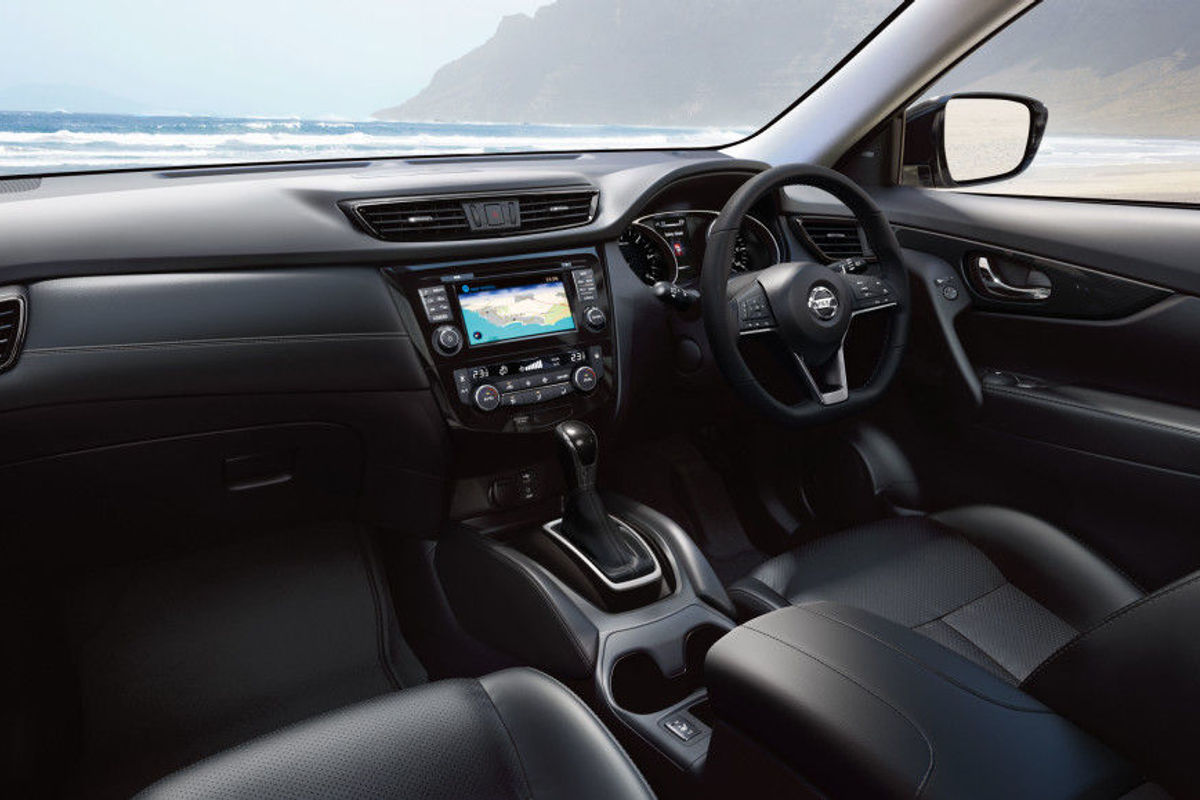
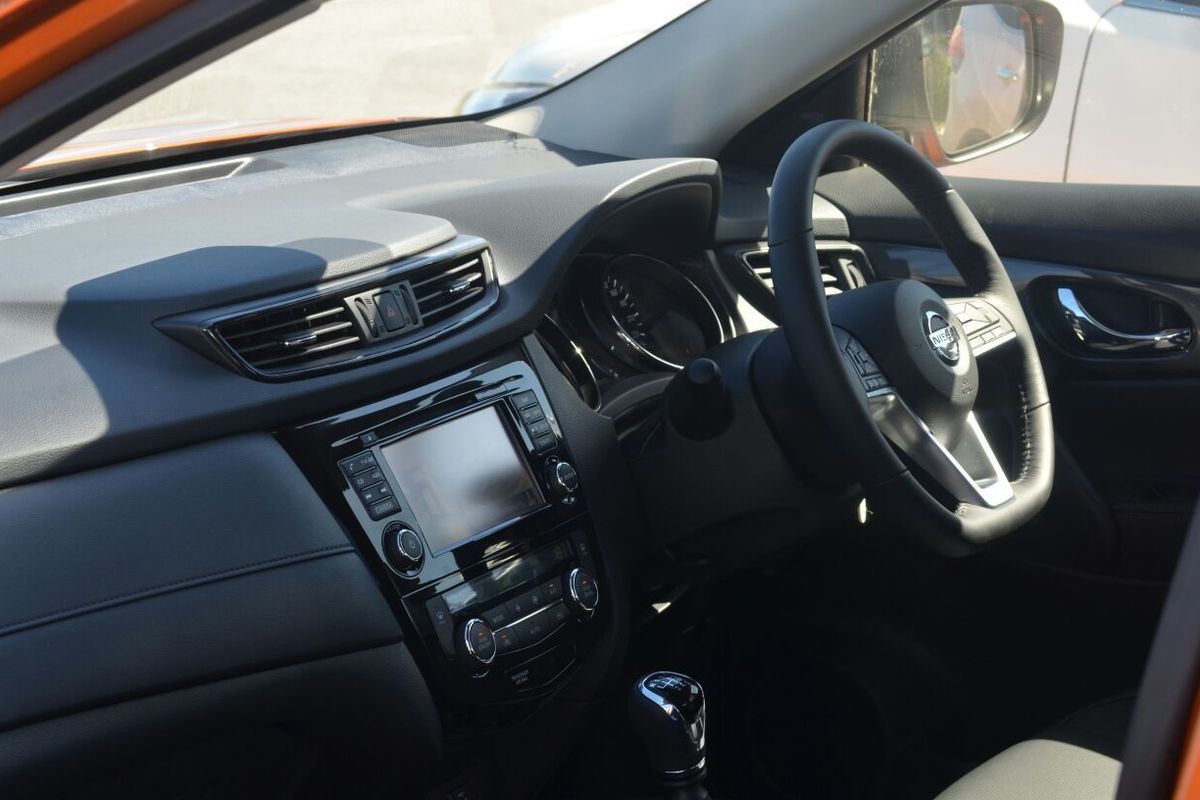
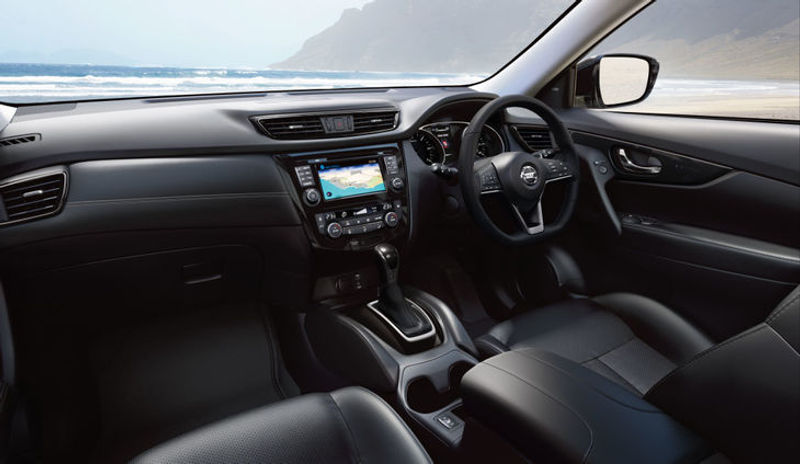
A revised cabin makes the X-Trail more appealing and it comes equipped with a range of useful features.
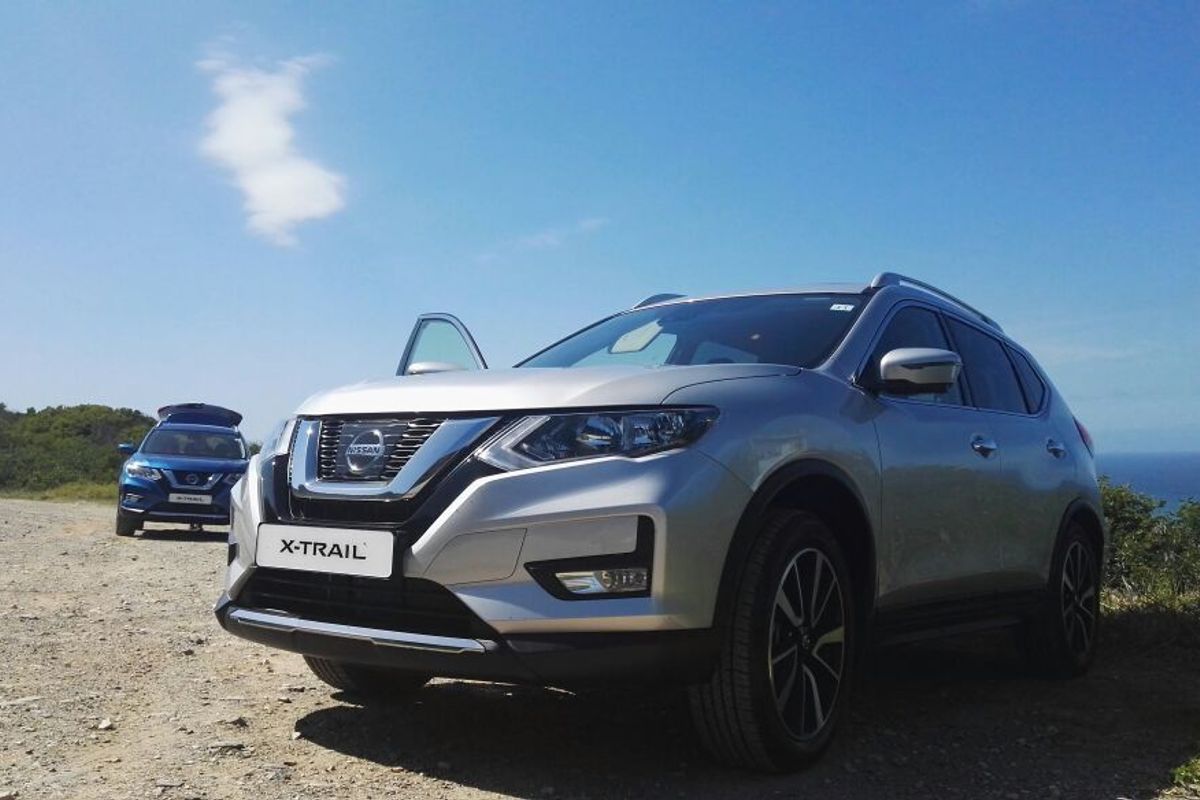
It can be had in an array of petrol and diesel models, mated to either a manual 6-speed transmission or CVT auto (sadly, not paired with a diesel) from the entry-level 2.0 Visio (R369 900) to range-topping 2.5 Tekna CVT 4WD 7-seater at R469 900. I spent most of my journey from Port Elizabeth to Jeffrey's Bay in the flagship derivative and quickly began to experience the wealth of upgrades to the exterior and cabin. That includes cosmetic and functional upgrades such as updated running lights, new side skirts and bumpers and revised fog lamp housings giving it added menace.
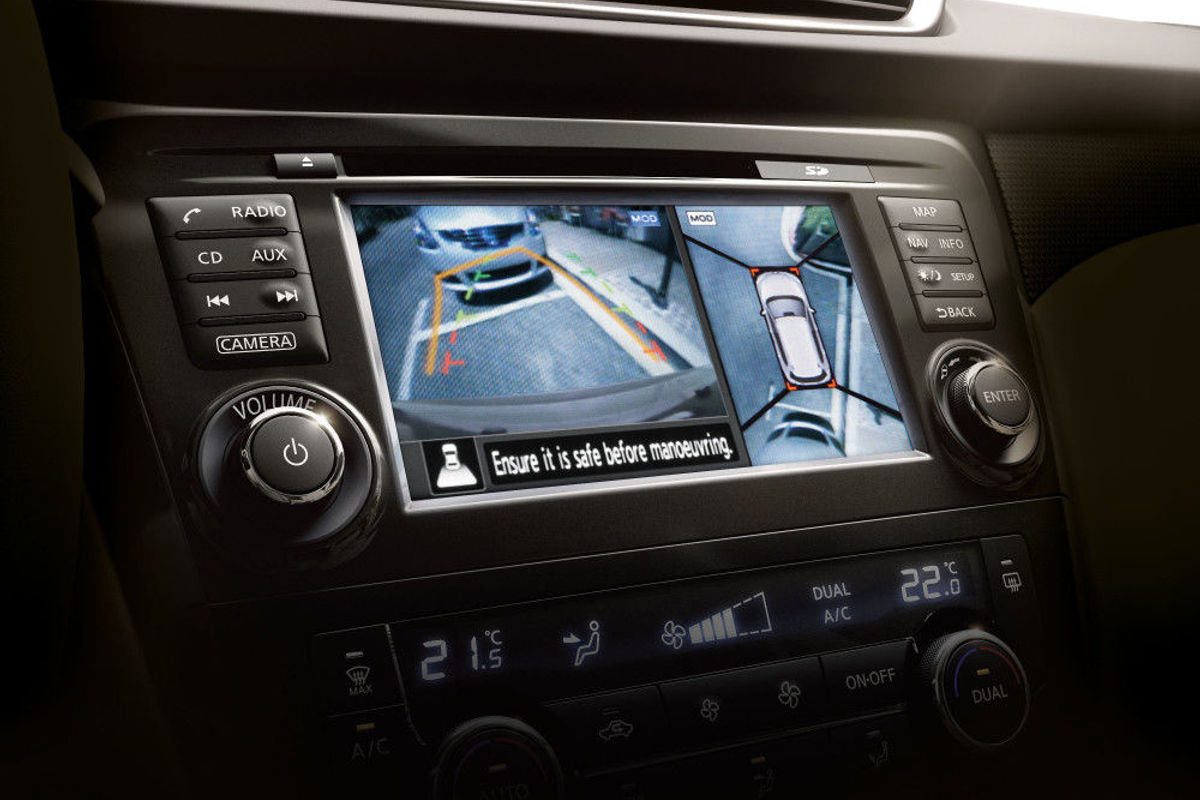
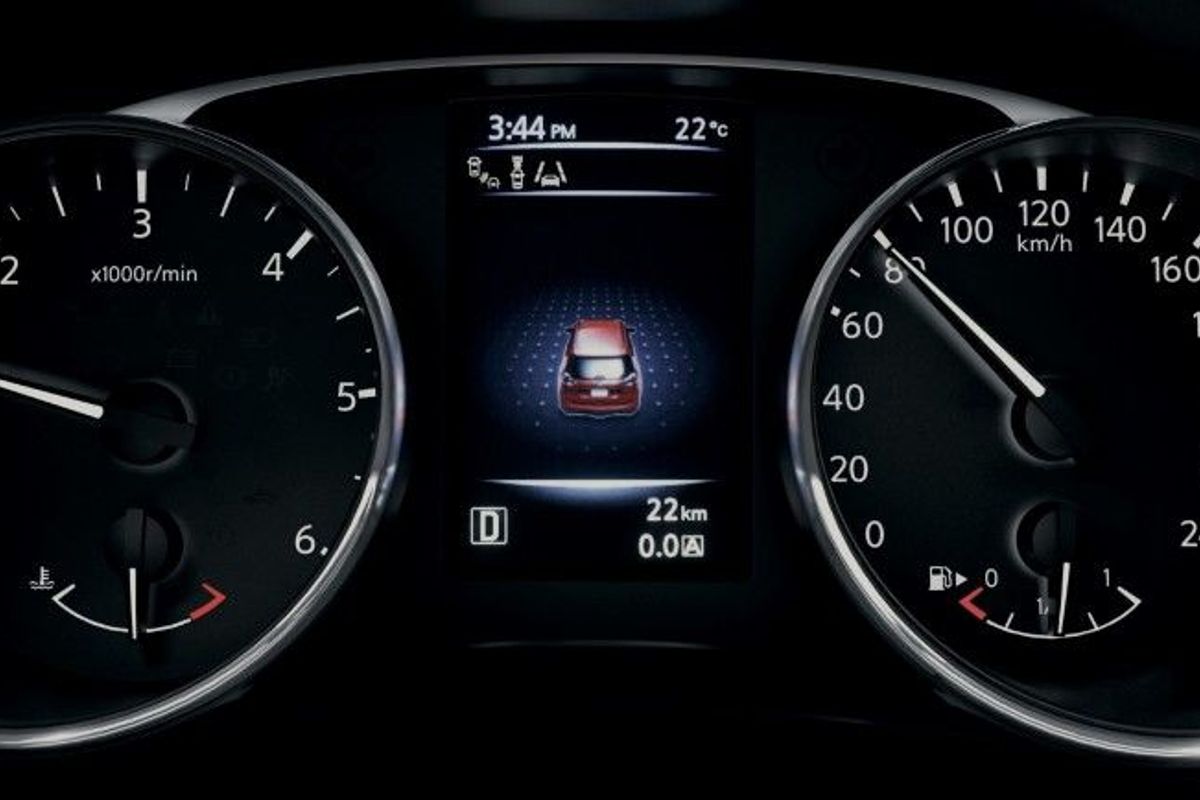
You also now have an option of larger 19-inch alloy wheels at each corner and they are bigger than ever before. There's more in the shape of a shark-fin antenna, darkened rear lights and a bolder V-motion grille. Clamber aboard and you’ll encounter new dashboard inserts and leather trim, a flat-bottomed steering wheel and premium-finish gear-knob and wrap-around armrest make for happier hands. It’s cleverer than before too, thanks to Nissan Intelligent Mobility (NIM) – essentially the full suite of electronic aids including cross traffic alert, intelligent blind spot intervention, cross traffic alert, emergency braking and auto headlights. You also get active safety, intelligent 4-wheel drive and now for the first time, what the marque calls 'around view monitor', essentially a 360 camera solution to assist in your parking efforts.
The driving bit and more
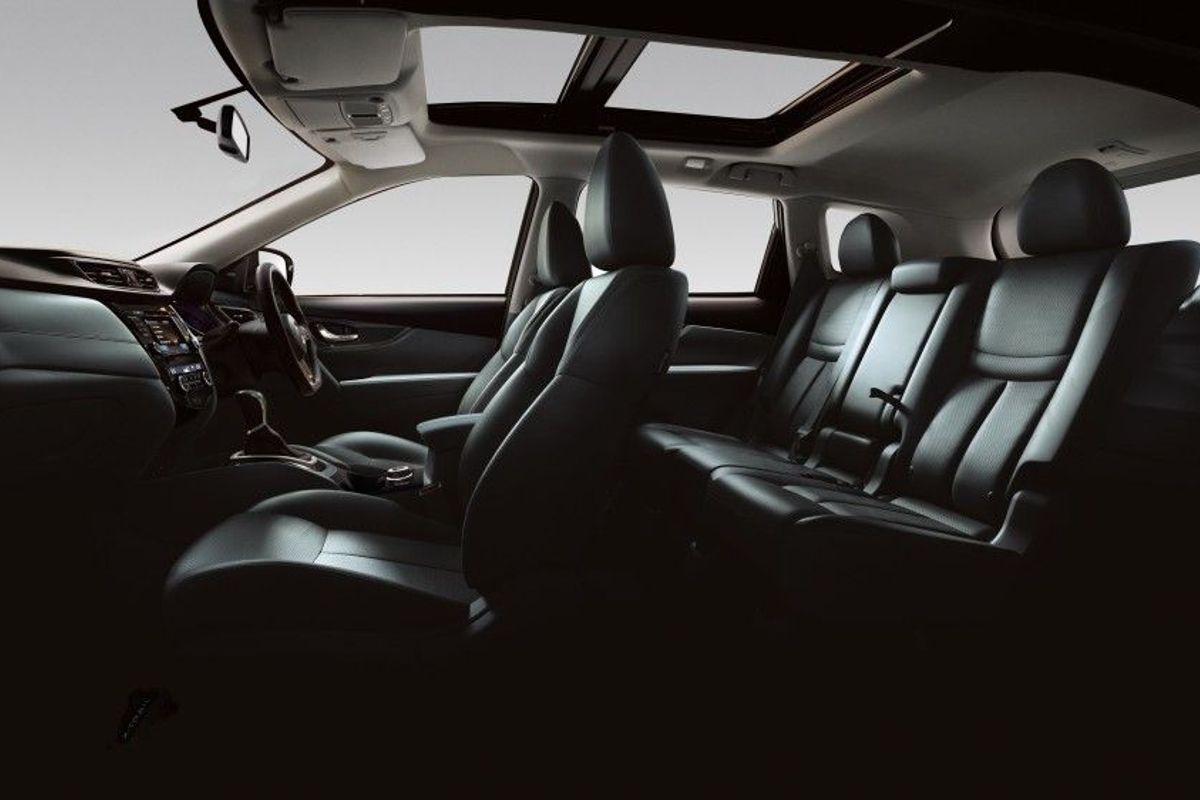
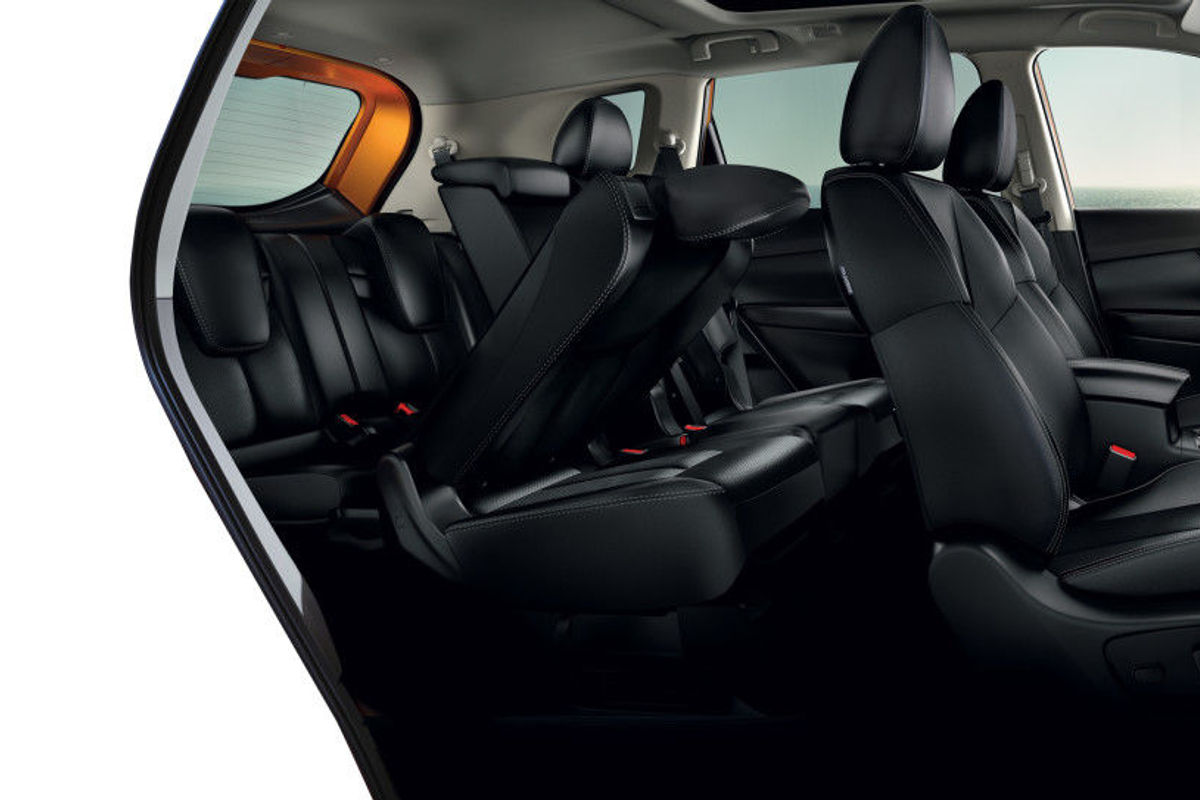
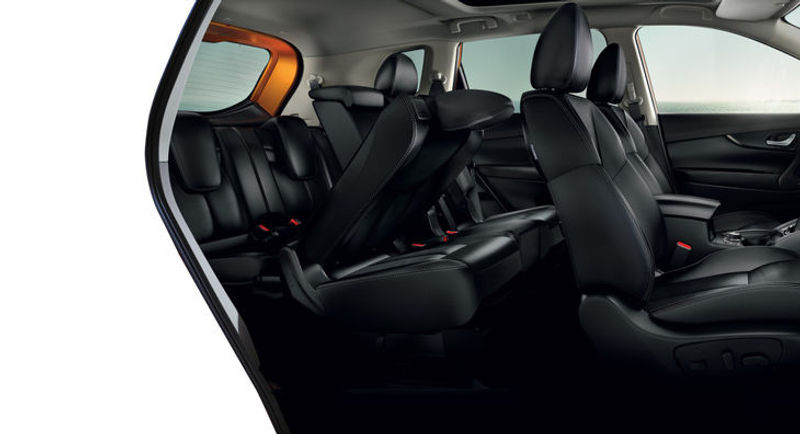
The range-topping X-Trail 2.5 Tekna CVT 4WD 7-seater delivers good performance and can accommodate 7 passengers.
The 2.5-litre petrol engine churns out a respectable 126 kW and 233 Nm of torque and as a result, you can't accuse it of being unresponsive, not even when mated to Nissan’s Xtronic CVT auto. CVTs live in infamy due to their characteristic sluggishness, but here the marriage between it and the engine feels wholly complementary.
I enjoy the engagement of a Nissan helm, even in something as large as this – here it doesn’t disappoint allowing me to carve up sinewy tarmac when required and gravel just as voraciously when the route allowed it. The independent suspension soaks up bumps, ruts and camber indiscriminately. Performance is rated at 10.5 seconds in the sprint to 100 kph with a maximum speed of 190kph, whilst combined fuel economy (perhaps a more relevant statistic here) sits at a fair 8.3 L/100km.
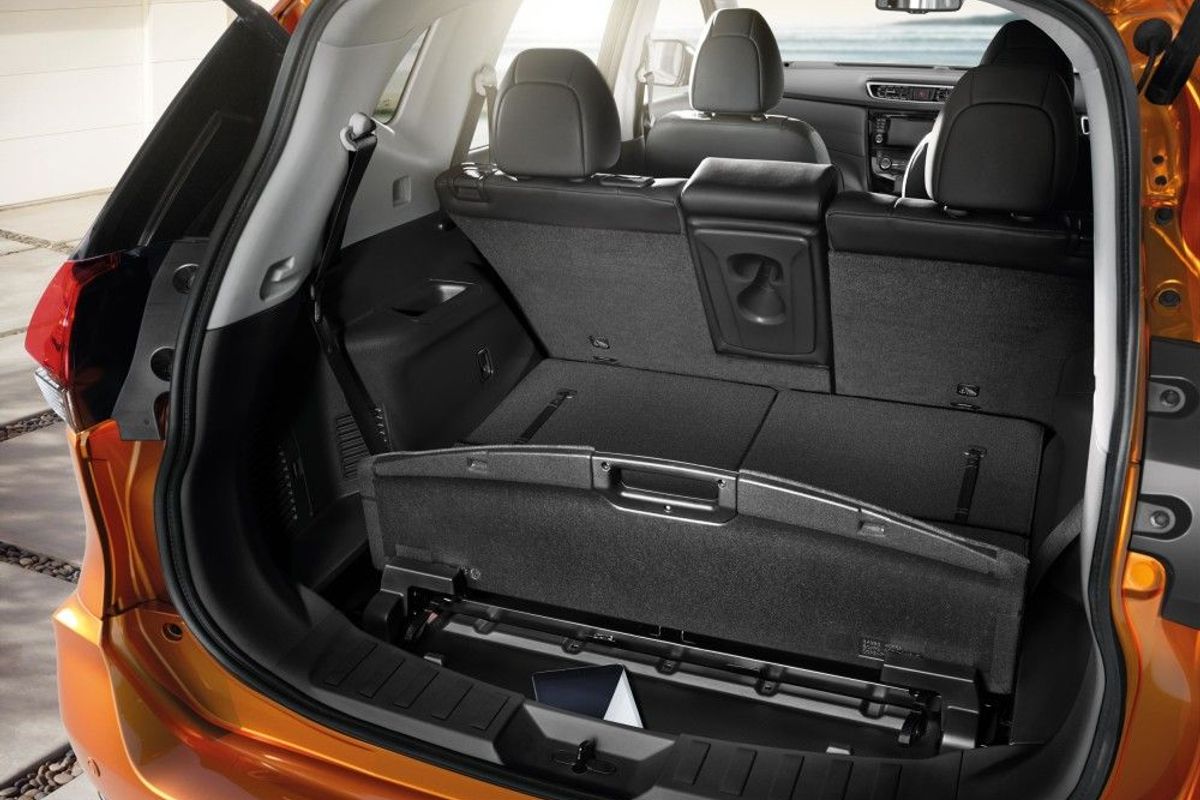
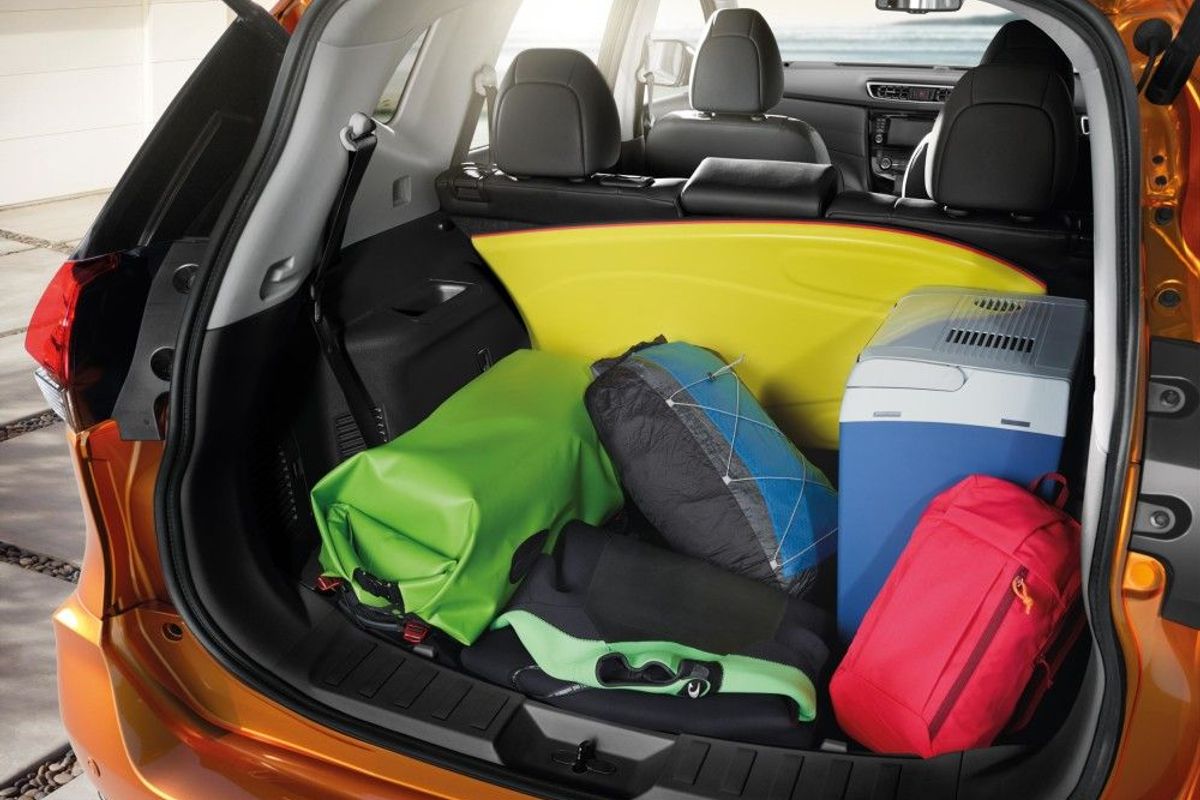
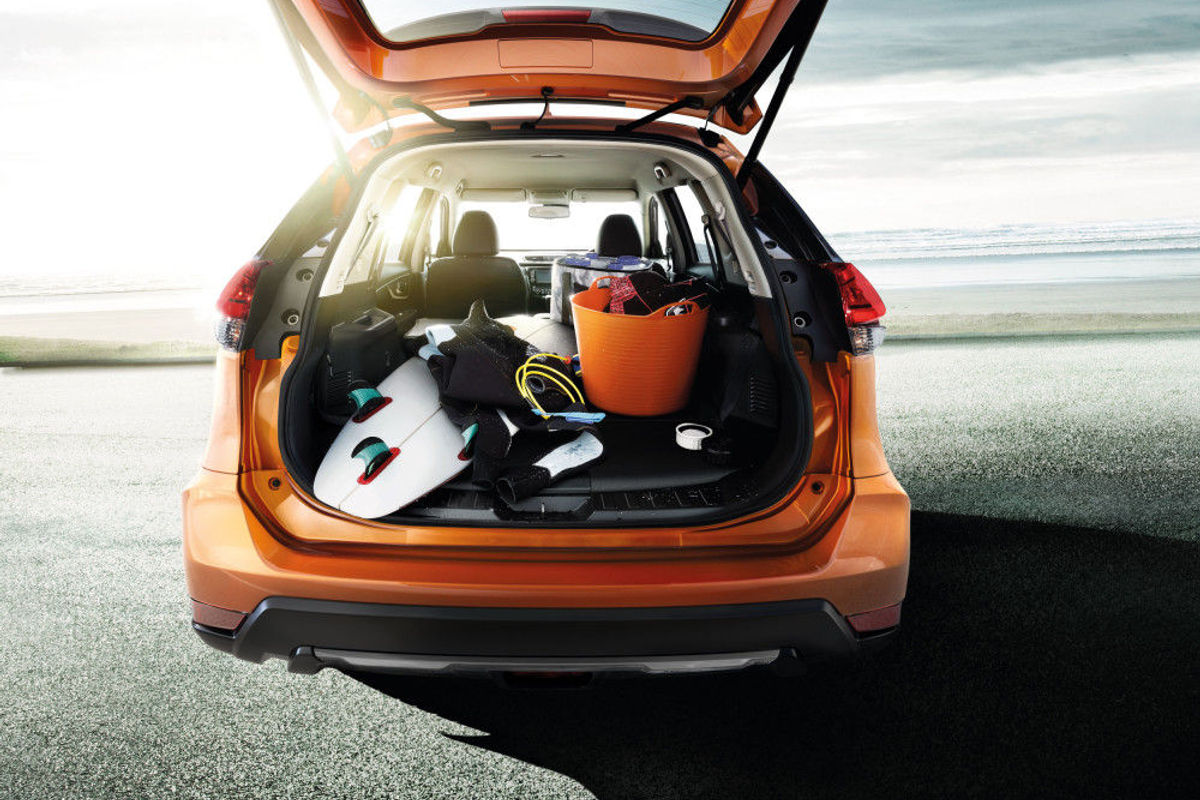
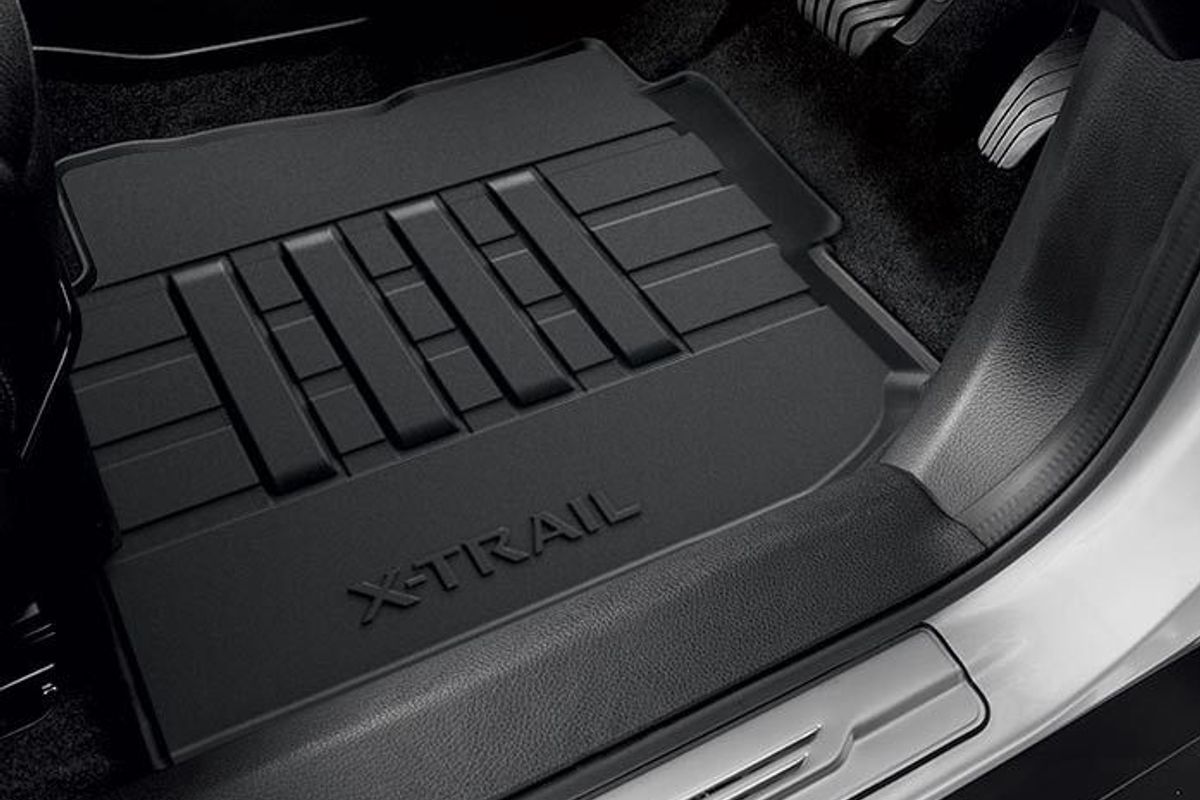
The interior is practical and perfectly suited to active lifestyle buyers with a range of customisation options available.
Overall, and you can partly thank the tactile cabin for this as well as the creamy smooth drivetrain, the experience feels premium, which makes the sub-R500k sticker price quite a shocker. With this range-topping Tekna priced at R469,900 you’ll struggle to find a more complete ownership prospect, especially when you start factoring in the third row of seats, the wealth of customisation options for those with active lifestyles, and then of course Nissan’s impressive 6-year/150 000km warranty and 3-year/90 000km service plan with 24 hour roadside assistance.
Should you not require seats 6 and 7, you can enjoy similar performance in a 5-seater Acenta CVT 4WD for R425 900 – my favourite petrol prospect in the range. Again, it’s a pity that the diesel doesn’t come with the auto but if you don’t mind rowing your own, you get identical performance but with a much greener eco-footprint with a combined consumption figure of 5.1l/100km while carbon emissions drop from 197 g/km to 134. You can get an X-Trail with entry specification with 7 seats for under R400k if you’re looking for sensible wheels. Just pick one
Nissan X-Trail – Price in South Africa (November 2017)
2.0 Visia
R369 900
2.0 Visia 7s
R374 900
1.6 dci Visia 7s
R392 900
2.5 Acenta CVT 4WD
R425 900
2.5 Acenta CVT 4WD 7s
R429 900
2.5 Acenta Plus CVT 4WD 7s
R444 900
1.6 dci Tekna 4WD
R457 900
2.5 Tekna CVT 4WD 7s
R469 900
The Nissan X-Trail is sold with a 6-year/150 000km warranty, 3-year/90 000km service plan a24-hour roadside assistance.
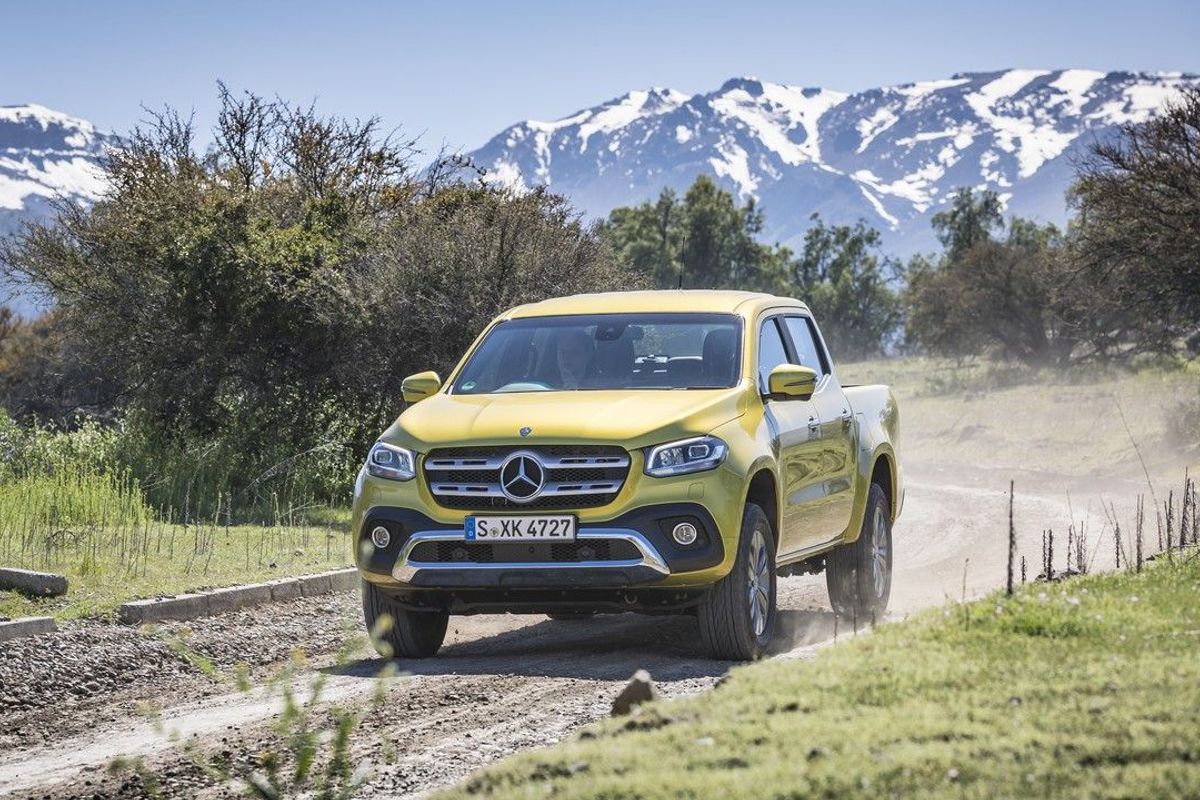
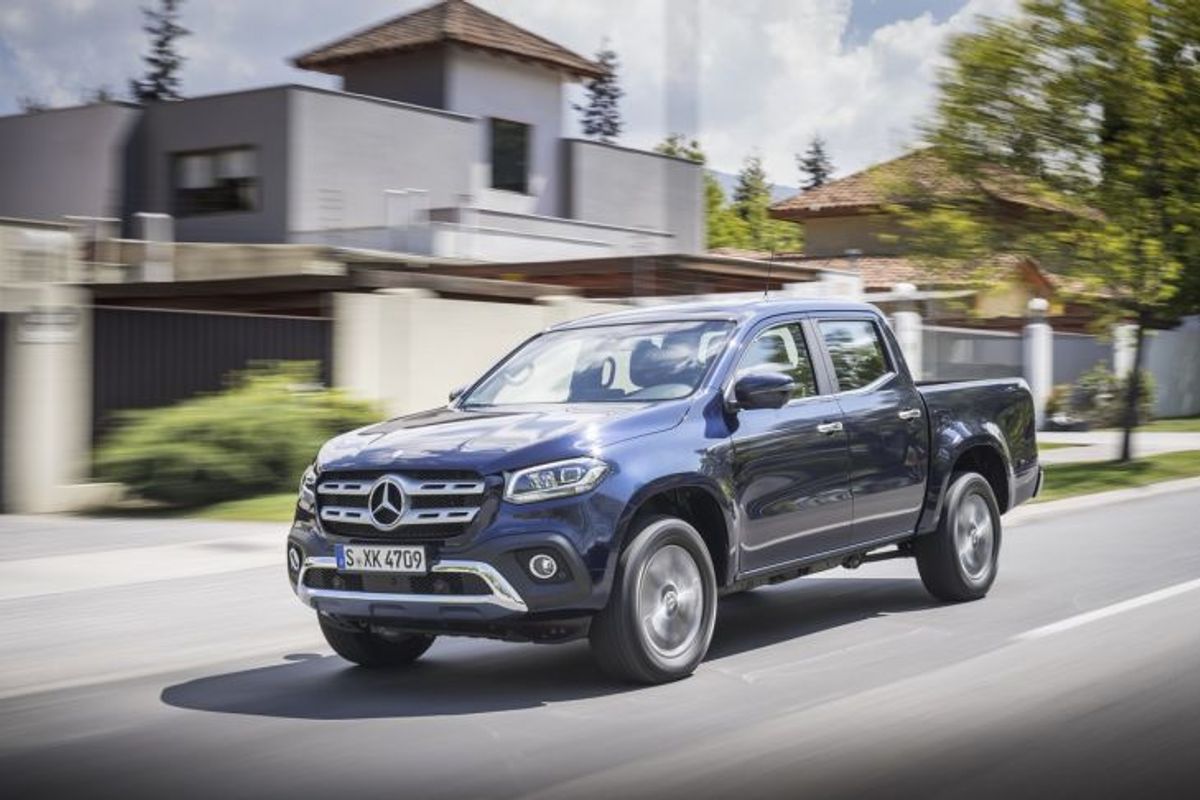
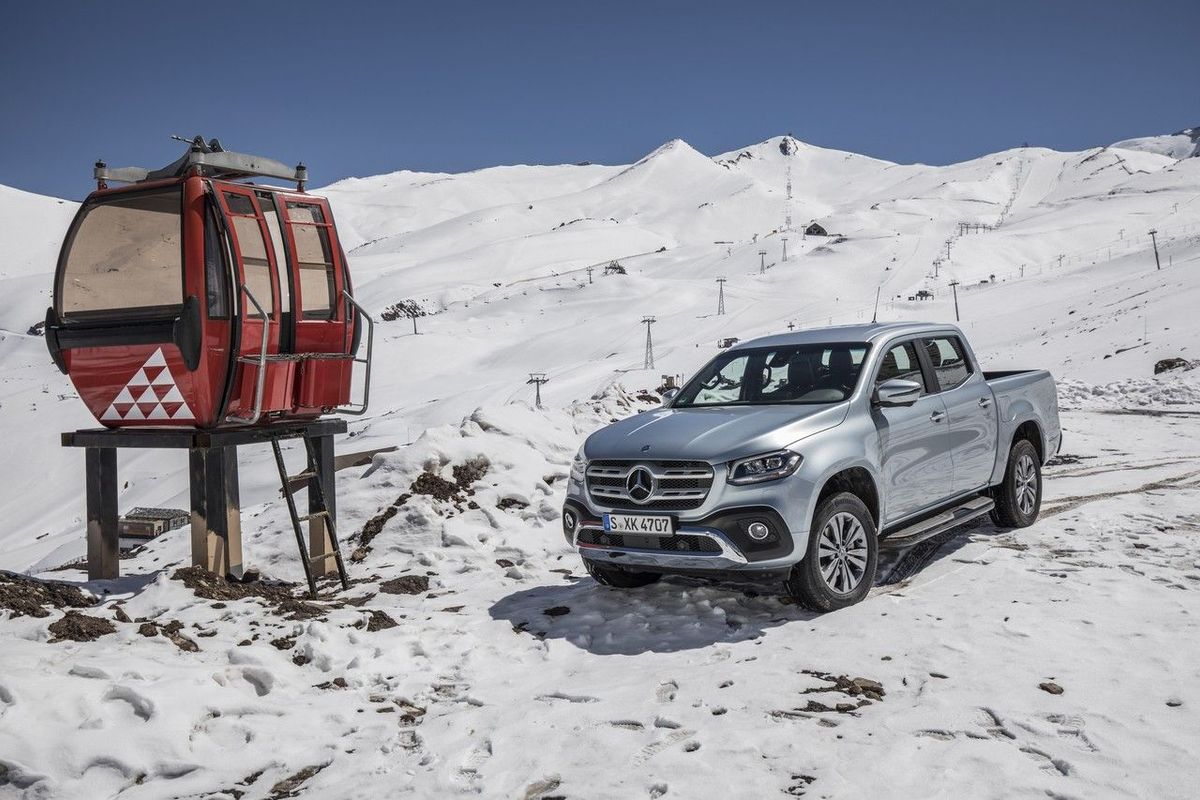
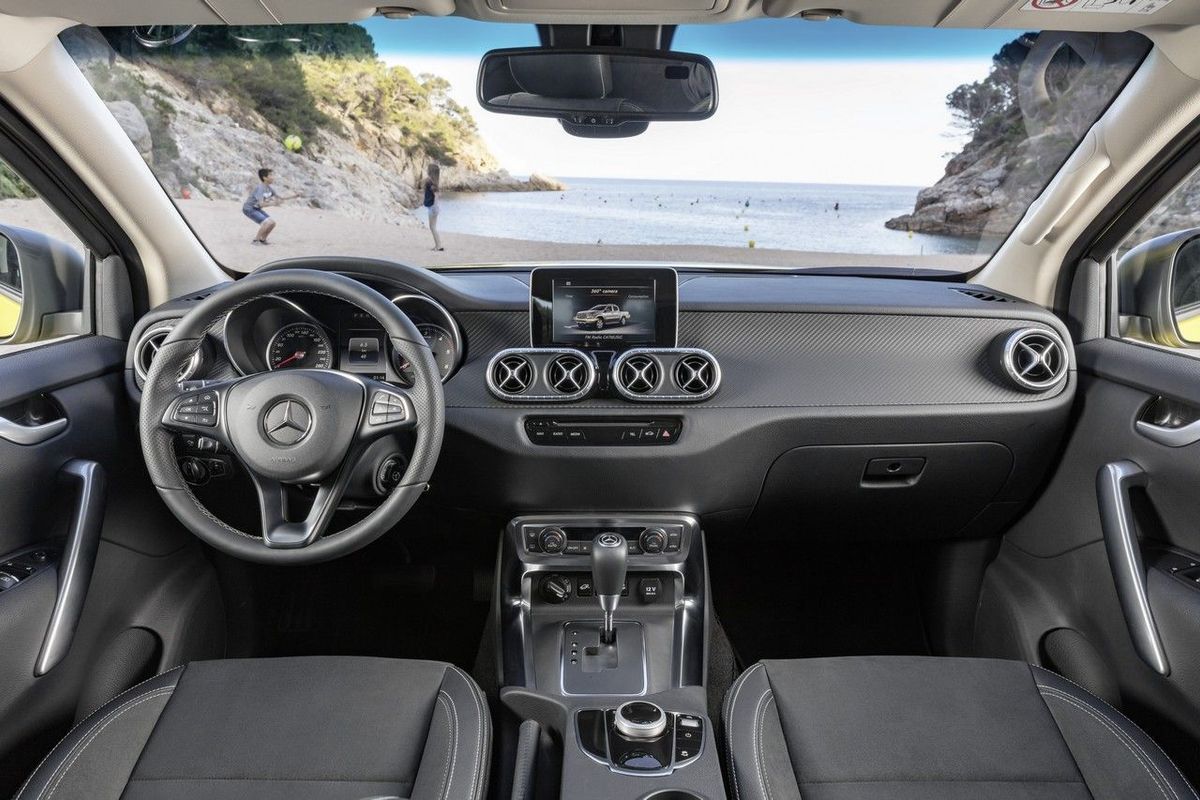
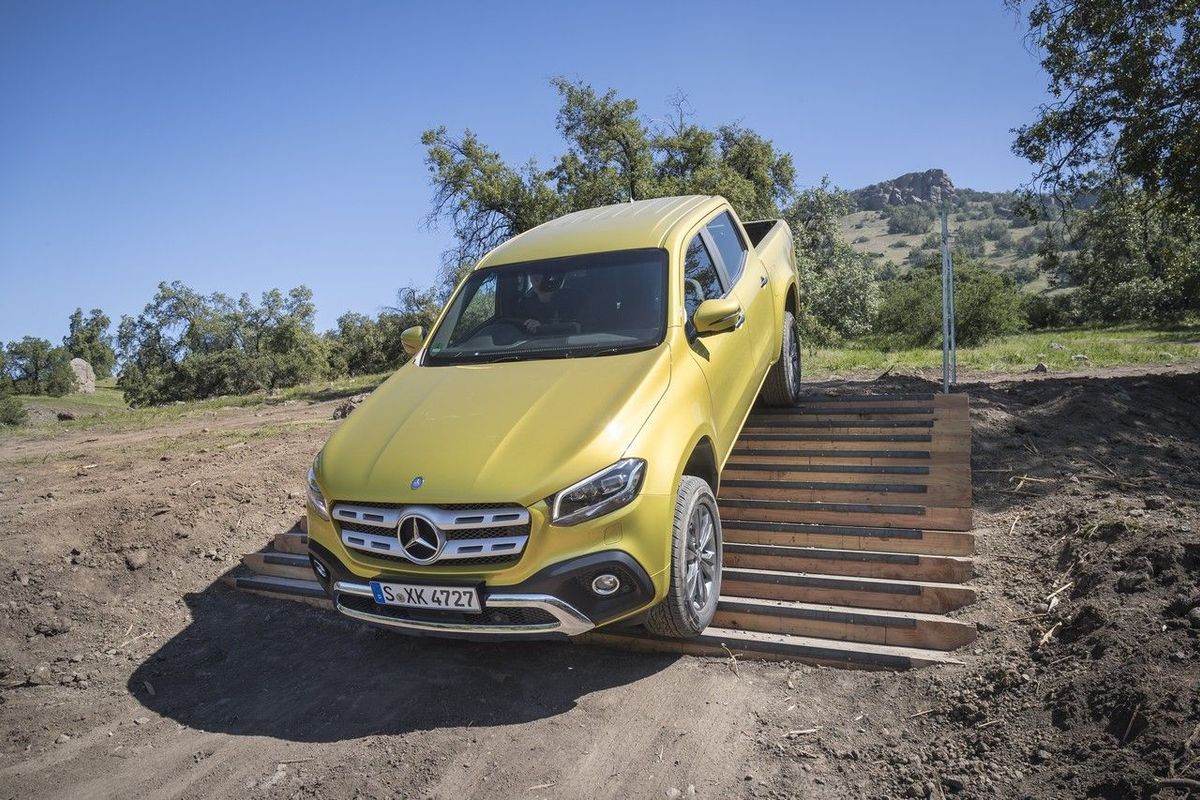
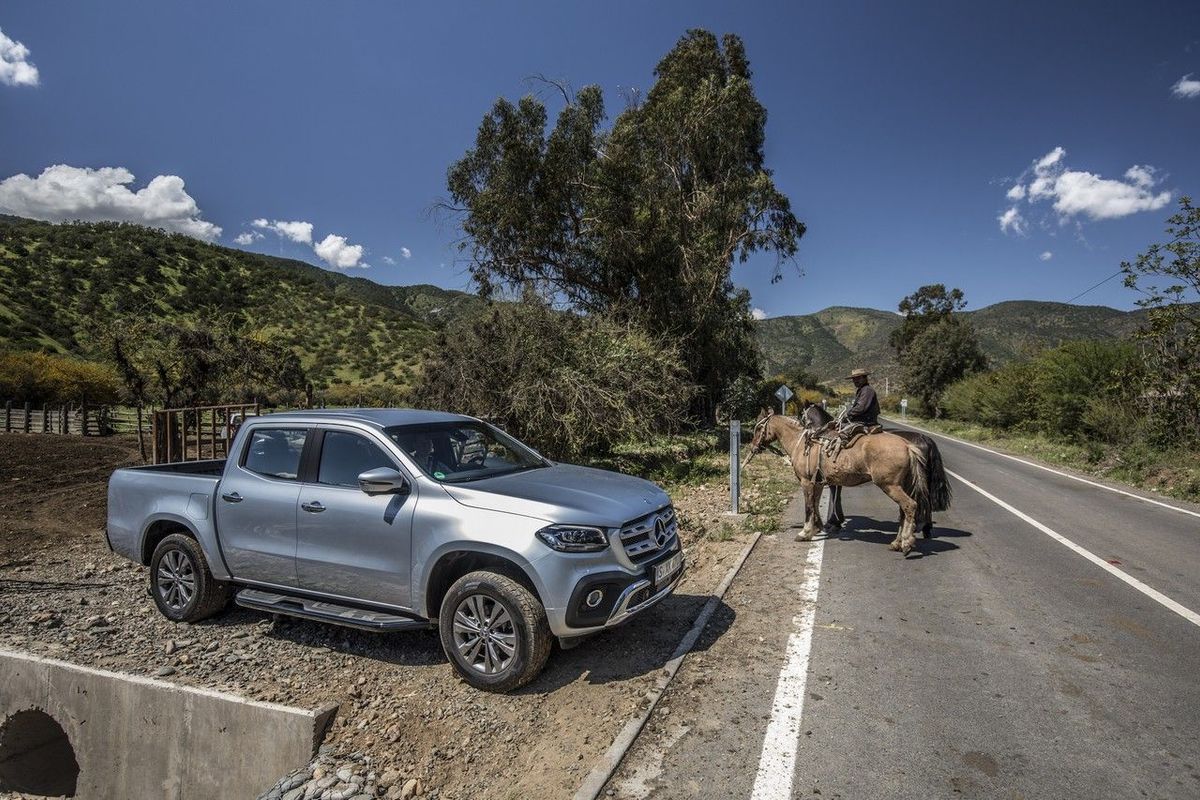
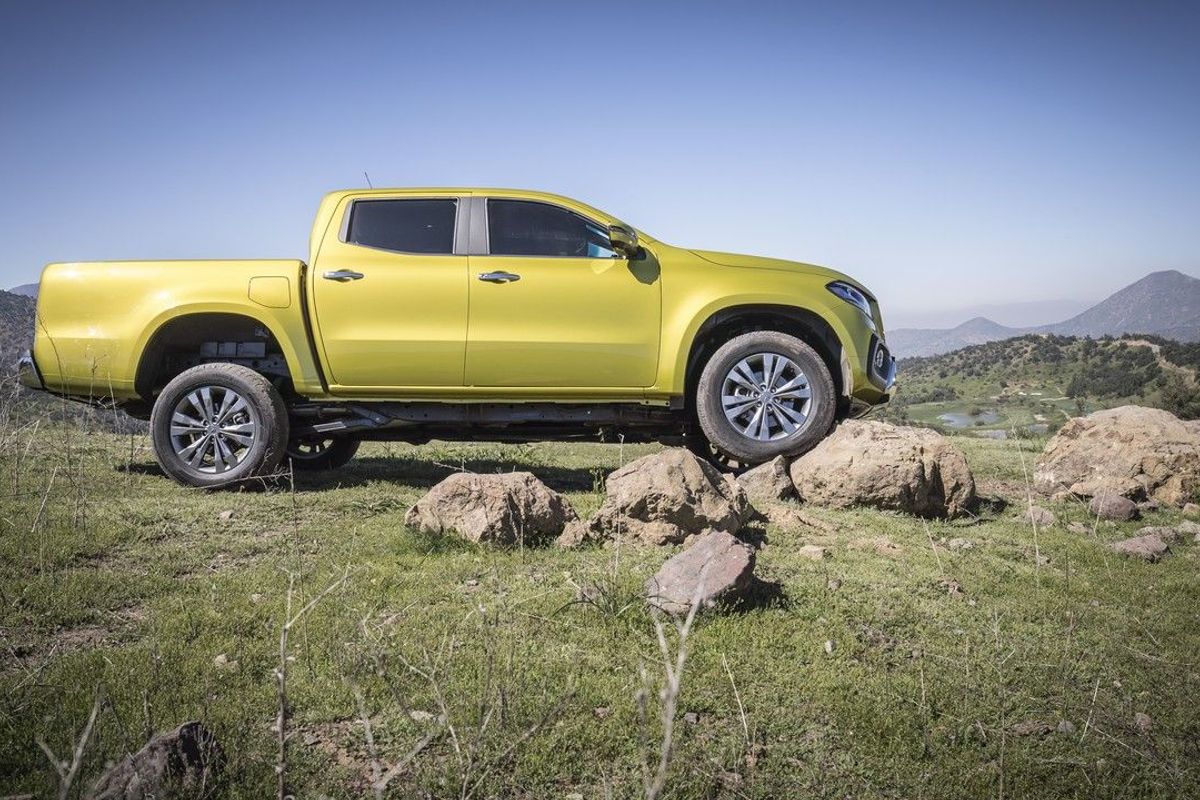
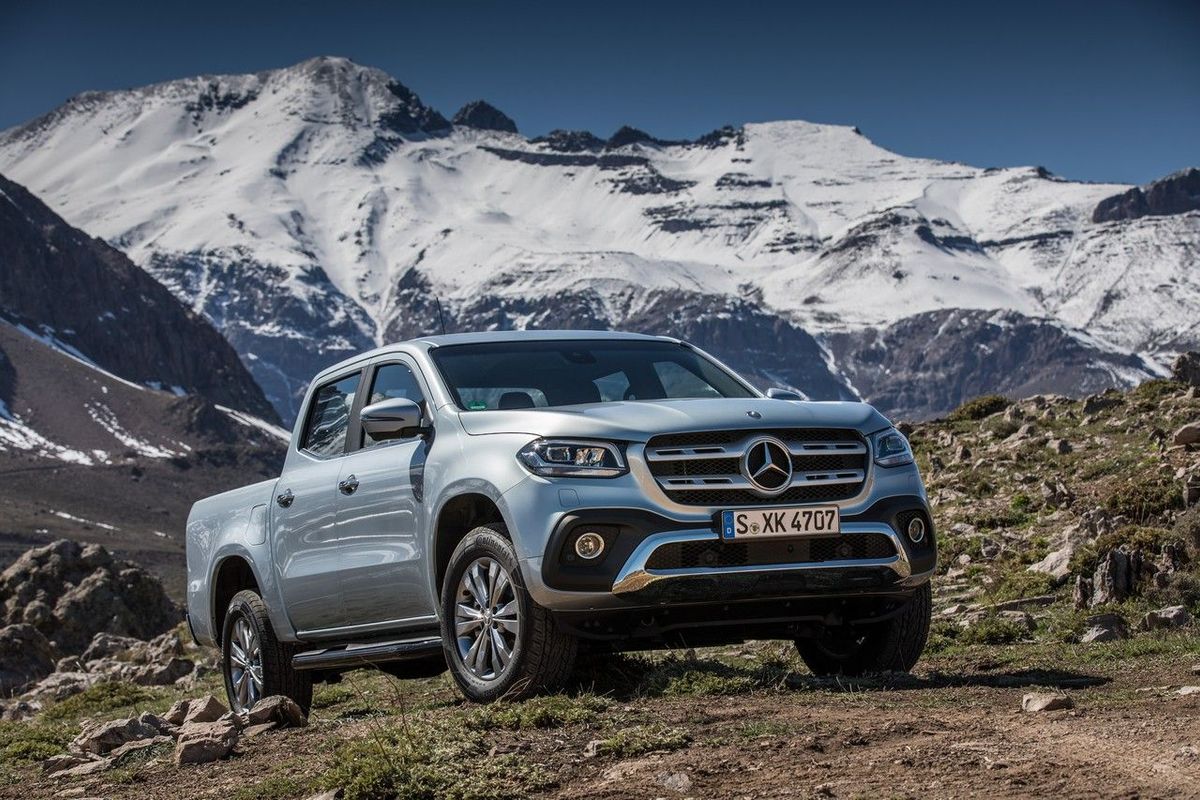
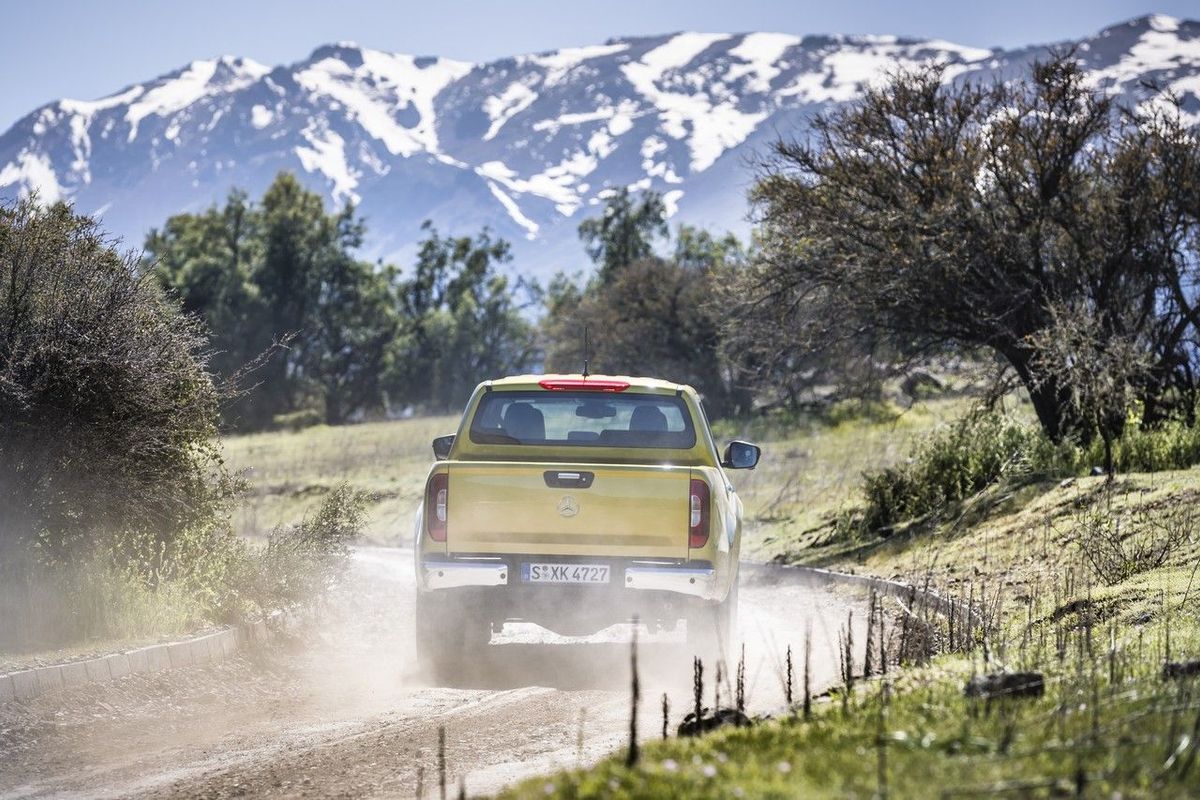
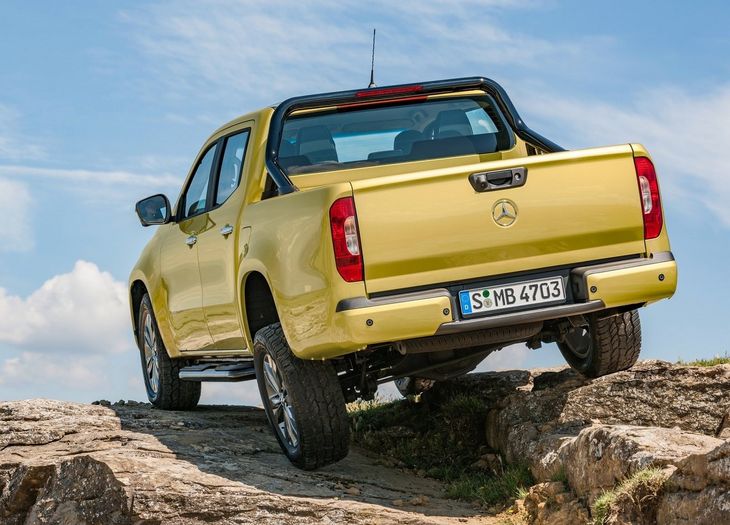
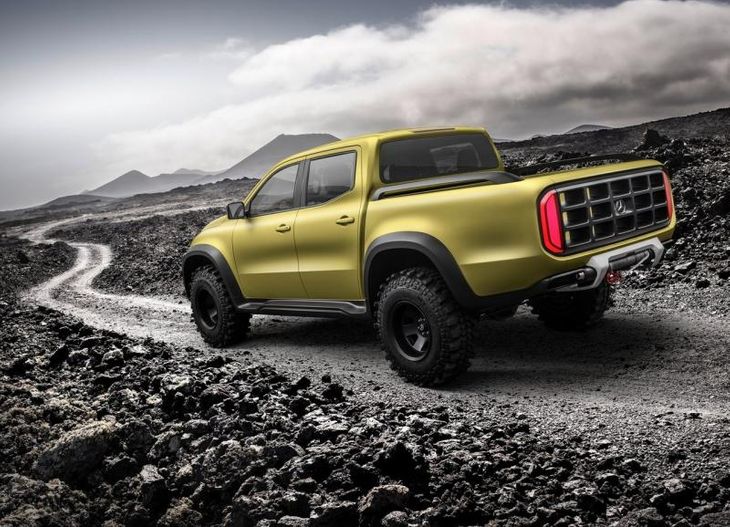
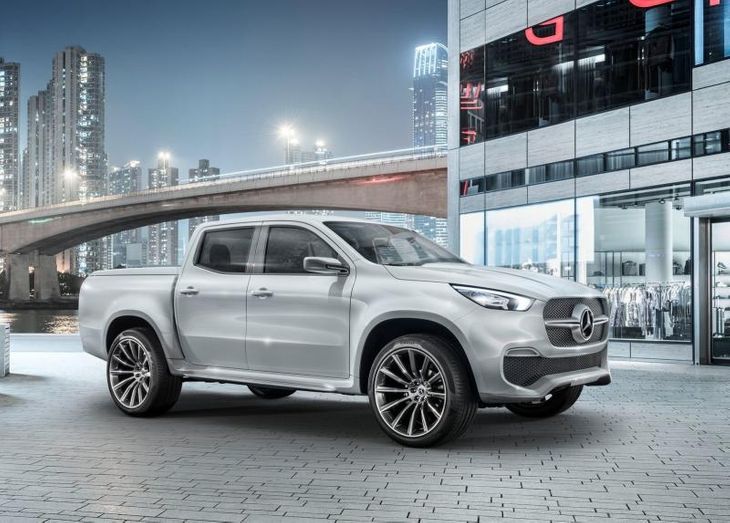
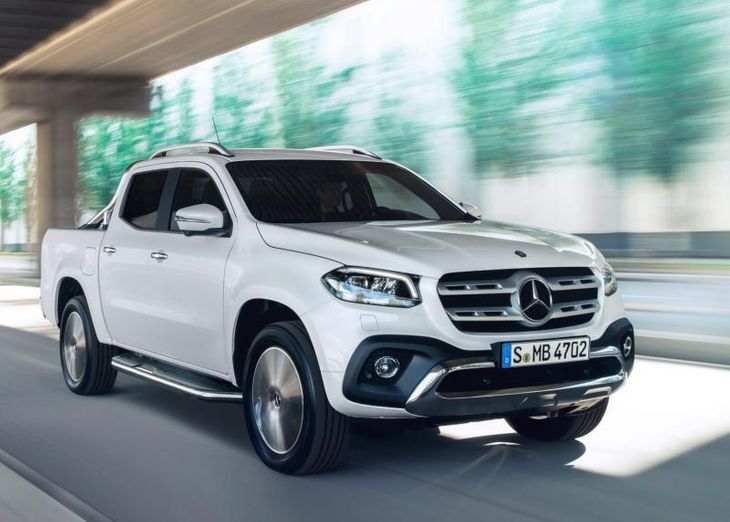
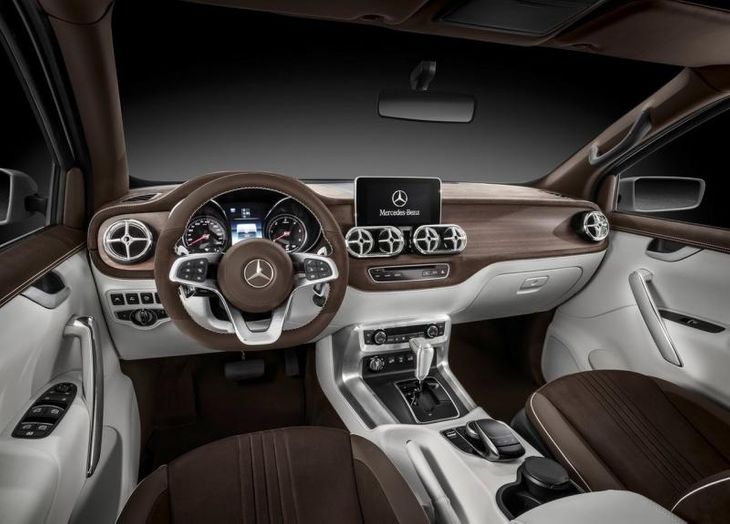
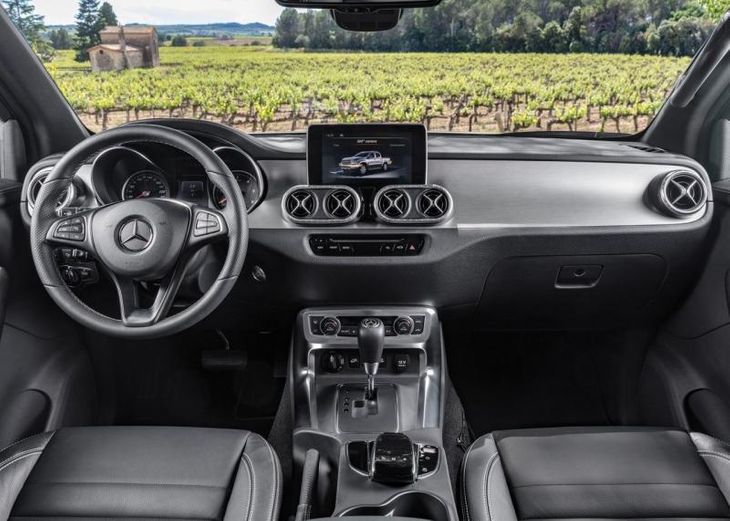
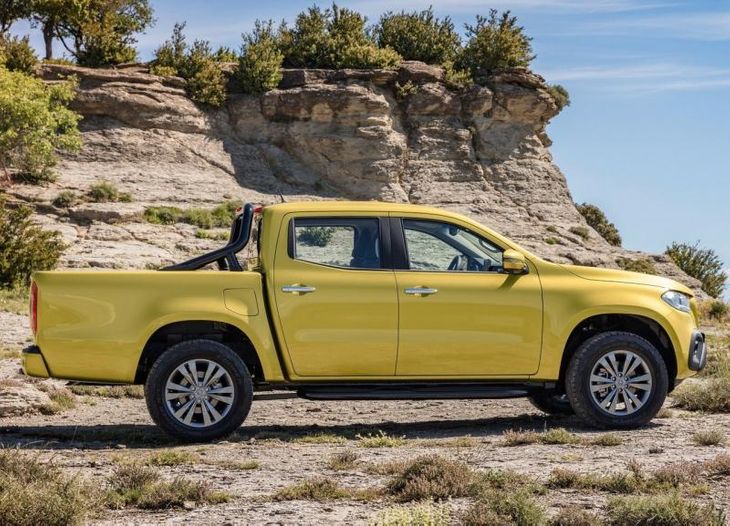
The Mercedes-Benz X-Class has been launched and we've driven the production version. However, when compared to the outrageously wonderful concepts, the Mercedes-Benz X-Class looks quite tame. We take a look at the visual differences.
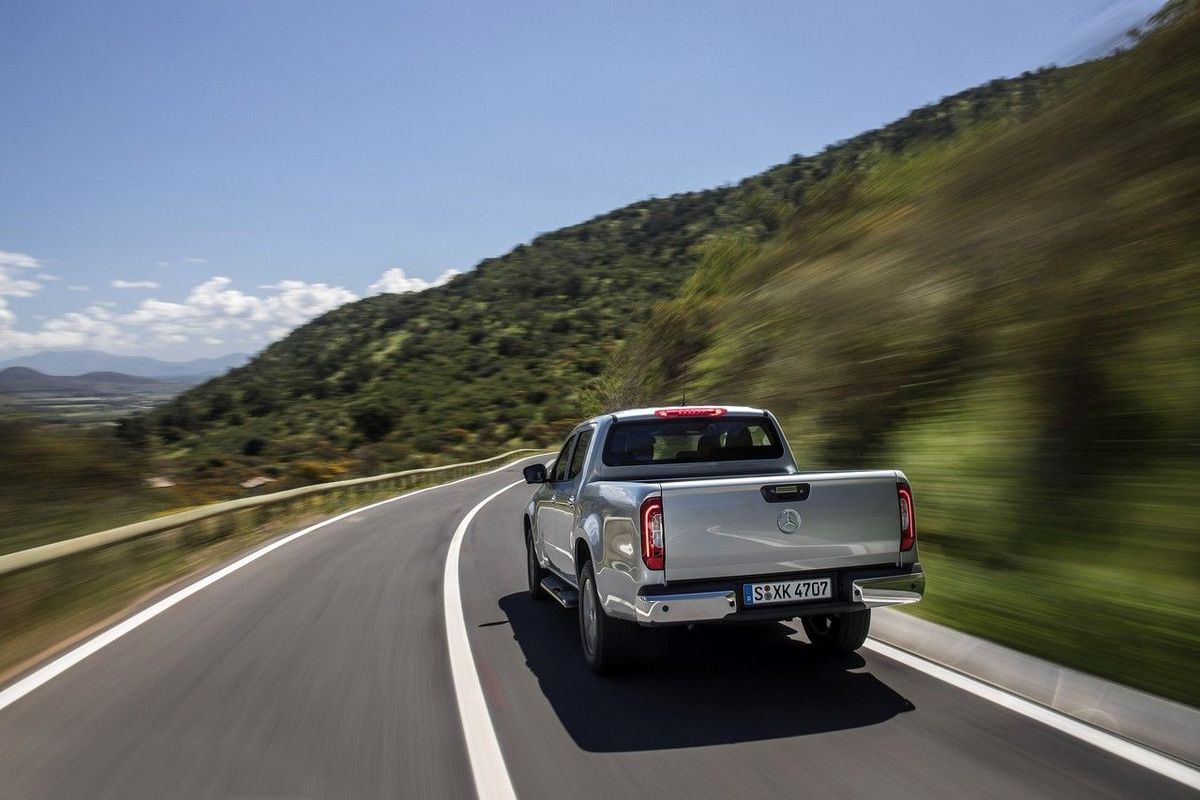
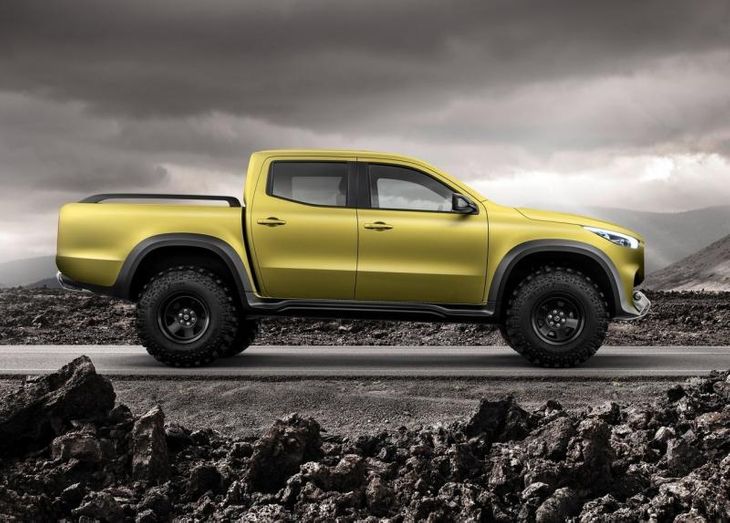
The Mercedes-Benz X-Class bakkie impressed us with its refinement and improvement over the Nissan Navara upon which it is based. However, the looks have polarised our readers and many have suggested that the concept is what we really wanted. We first saw the Mercedes-Benz X-Class Pickup Concept in 2016, at an event in Stockholm, Sweden, and we were blown away by its badass looks and proportions. However, fast-forward back to 2017 and the real thing doesn't quite have that visual impact. Sure, concept cars are generally over-the-top, but in comparison, the production version looks meek in comparison.
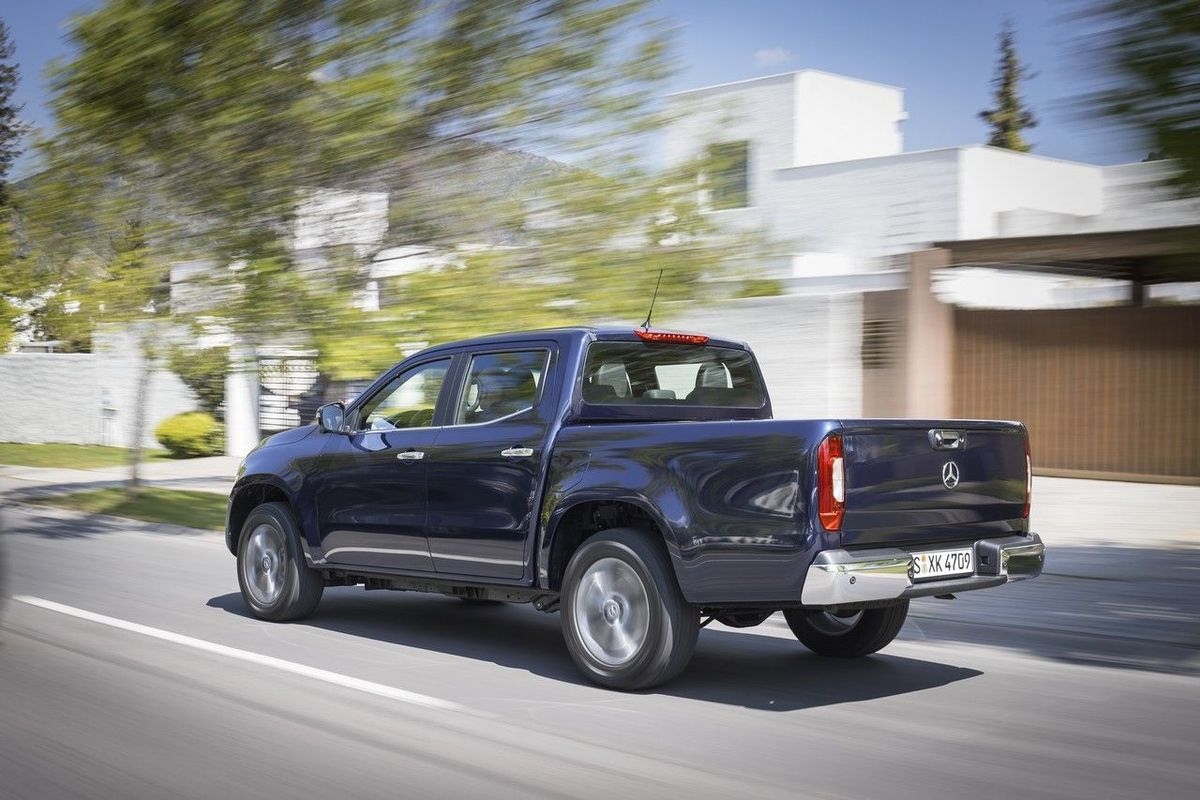
The rear of the production-spec Mercedes-Benz X-Class has drawn a lot of criticism. When you look at the concept with its ruggedised tailgate, you can see why.
The concept's big alloy wheels look amazing, but they've been swopped for far more sensible and rugged all-terrain tyres on the production model
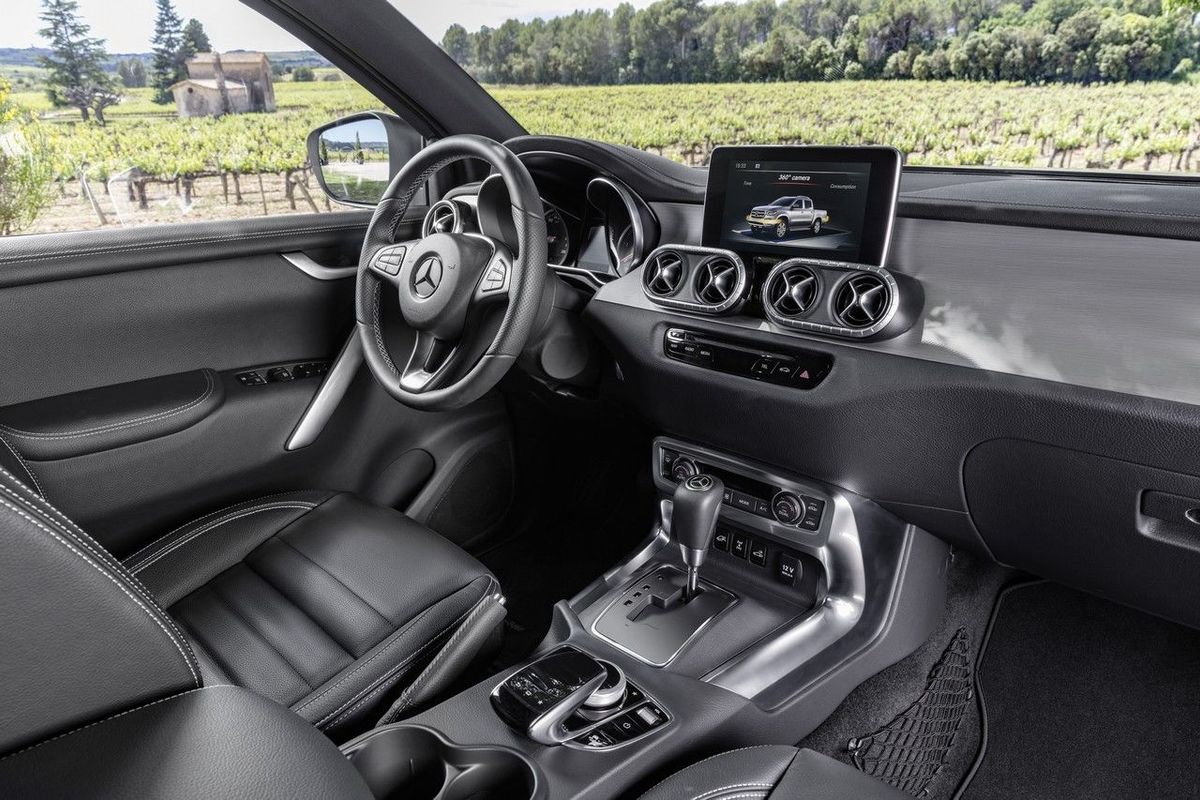
The concept's cabin looks exceptionally luxurious and when translated to production reality, retains a fair amount of premium look and feel. Cleverly, a lot of the Nissan switches have been repositioned in the X-Class, which separates it from the Navara.
The only thing these two vehicles share is the Limonite colour scheme. The concept looks tough and ready to conquer the Dakar Rally. You can bet that Mercedes-Benz will offer some sort of hardcore offroad visual kit in the near future.
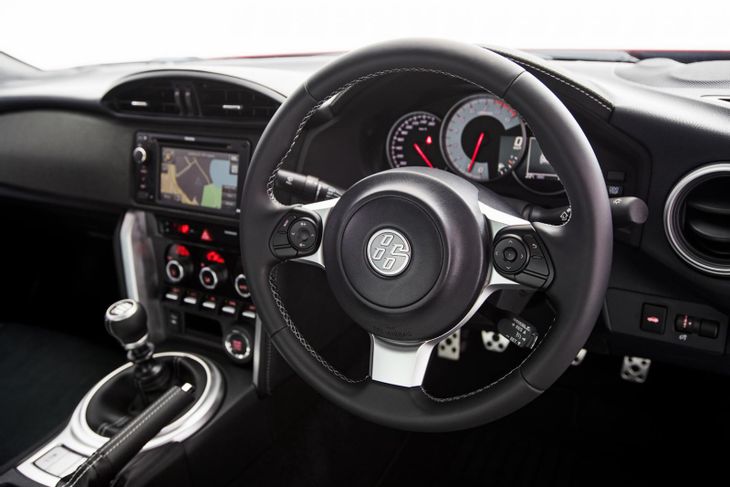
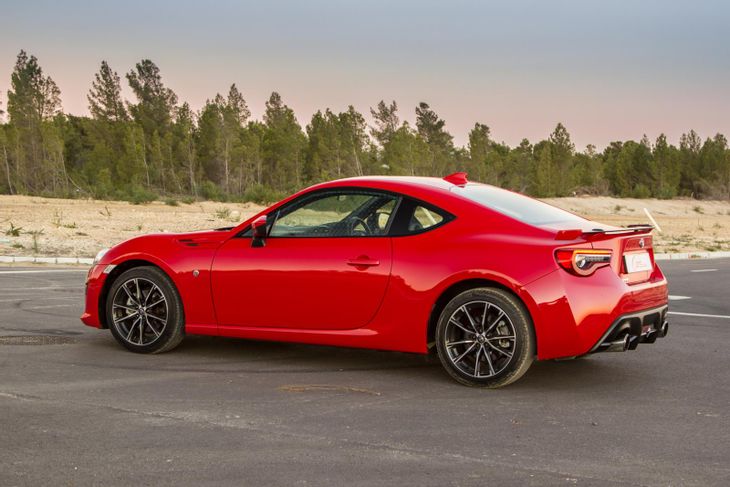
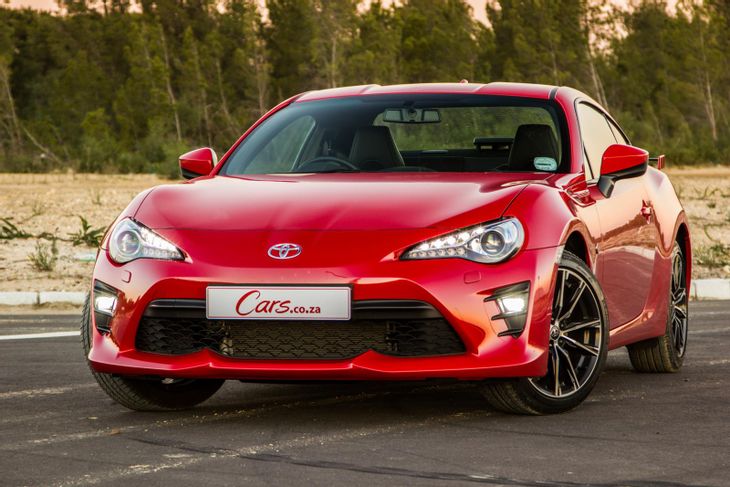
What makes Toyota's rear-wheel-driven sportscar a strong contender in the Fun Car category of the 2017/18 Cars.co.za Consumer Awards Programme – powered by WesBank? We investigate…
The Toyota 86 High brings sportscar thrills to those who are looking to get into a "starter pack" 2-door driver's car. It’s low-slung, rear-wheel-driven and has a rear-end that’s not afraid to break traction and dish up tail-out oversteer fun. It comes in at under R600k too, so what makes it a fun car?
3 Reasons Why Toyota 86 is a #CarsAwards Finalist
1. It’s not fussy
The Toyota 86 isn’t full of expensive luxuries and fancy gizmos, it focuses purely on the driving experience. If you’re looking for feel and purity in your driving experience, the 86 embodies that.
2. Sportscar looks
Showing off is part and parcel of sportscar ownership. The 86 has a distinctive design that’s full of sharp angles. It looks ready for a fight and catches the eye as it slinks around town.
3. Driver’s delight
There are few cars that feel as connected to the road as a Toyota 86. The steering too is one of the best in the business. The naturally aspirated engine only really comes on song after 5 000 rpm, but that’s part of the fun as you work the quick-shifting 6-speed manual in order to keep the revs in the upper reaches.
Do you own an 86? We would love to hear from you! Tell us about your experience by completing our Ownership Satisfaction Survey. Your input counts for 50% of the final result!
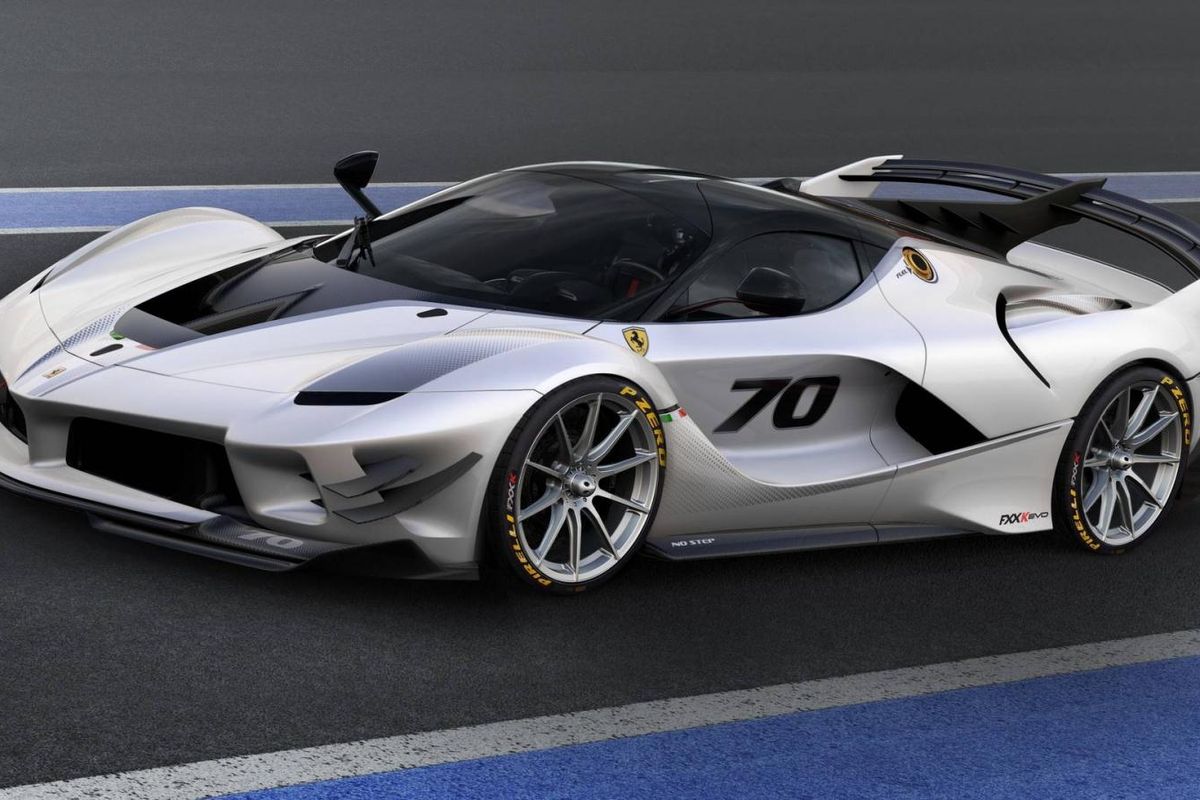
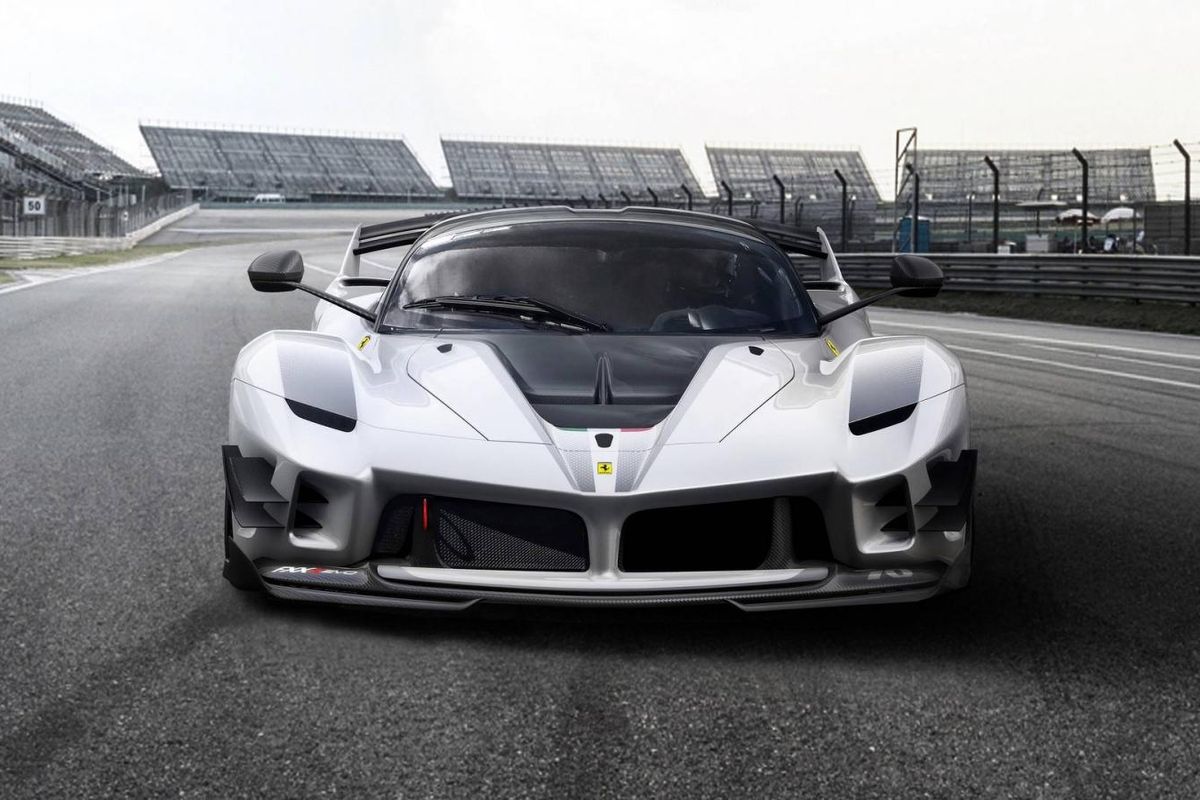
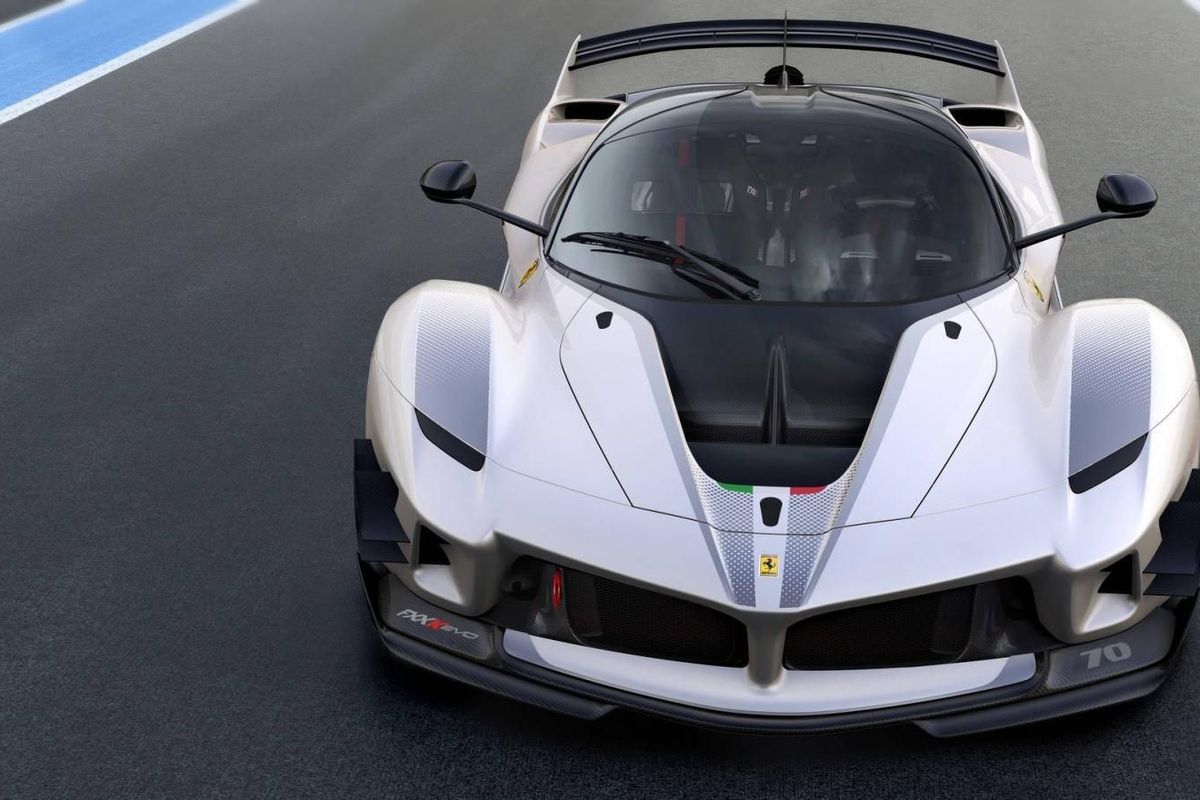
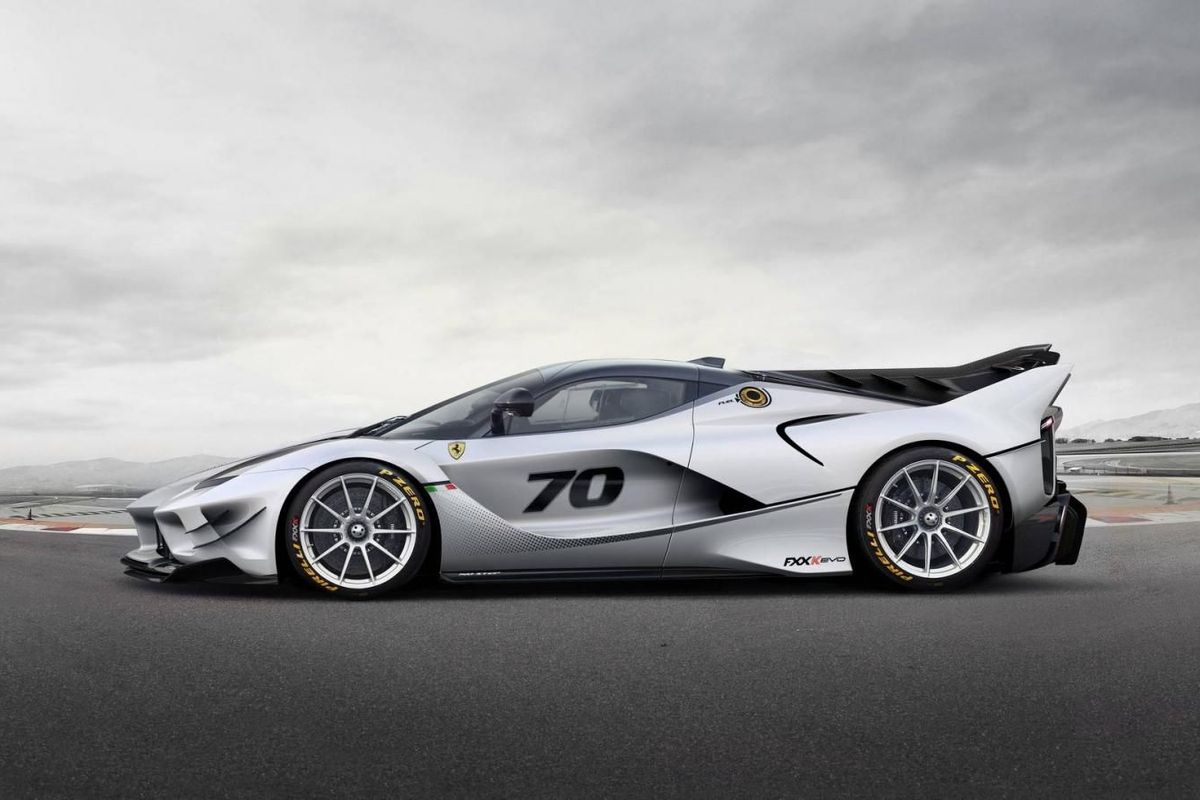
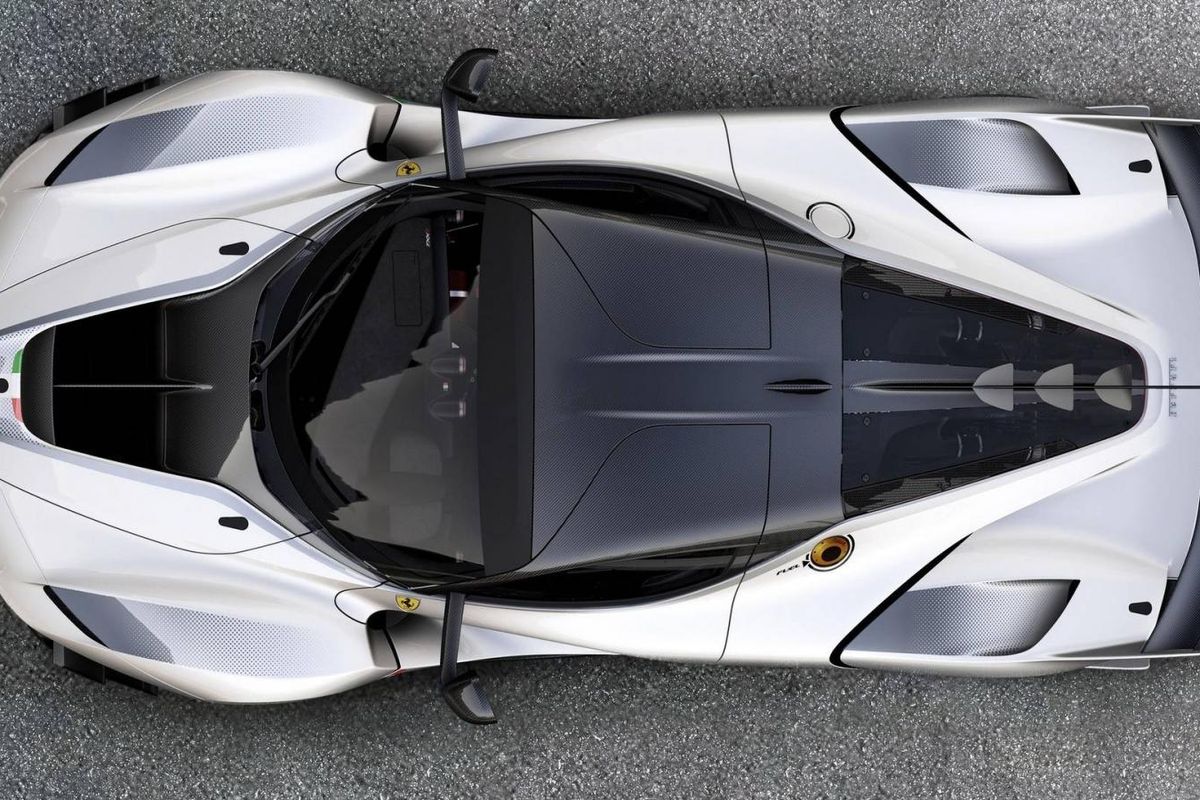
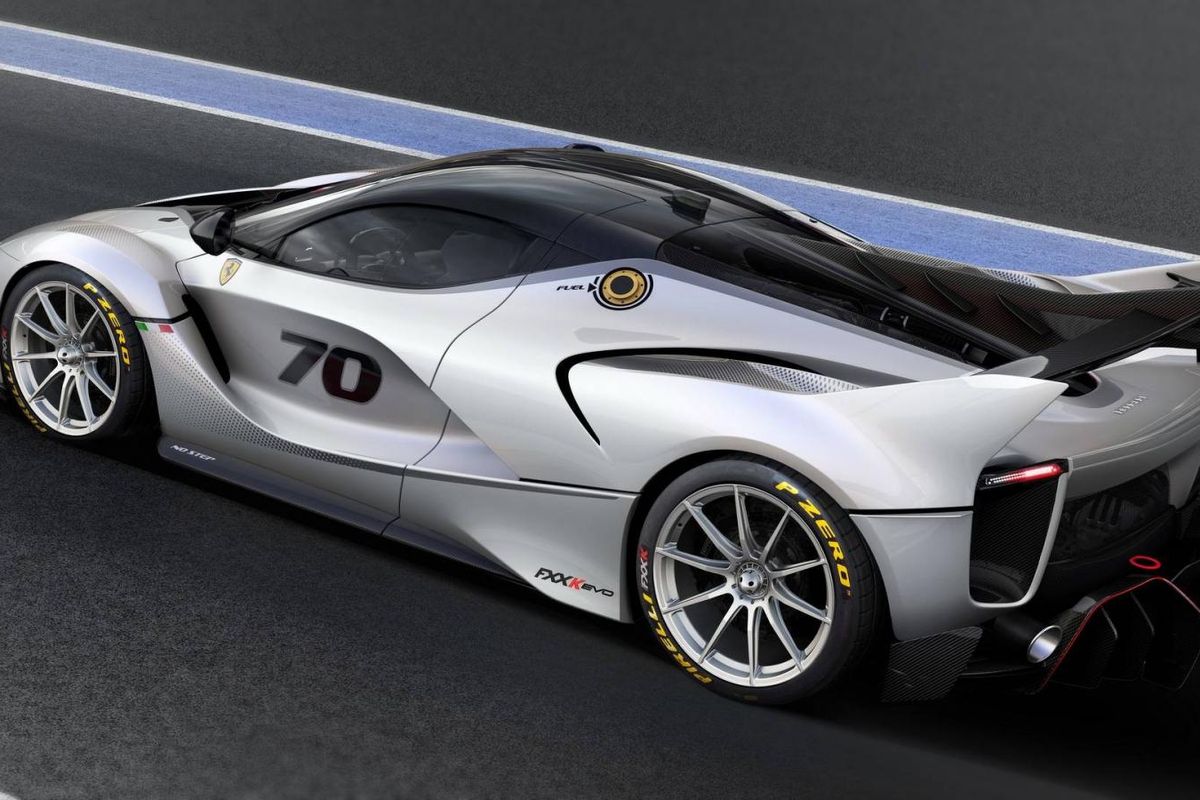
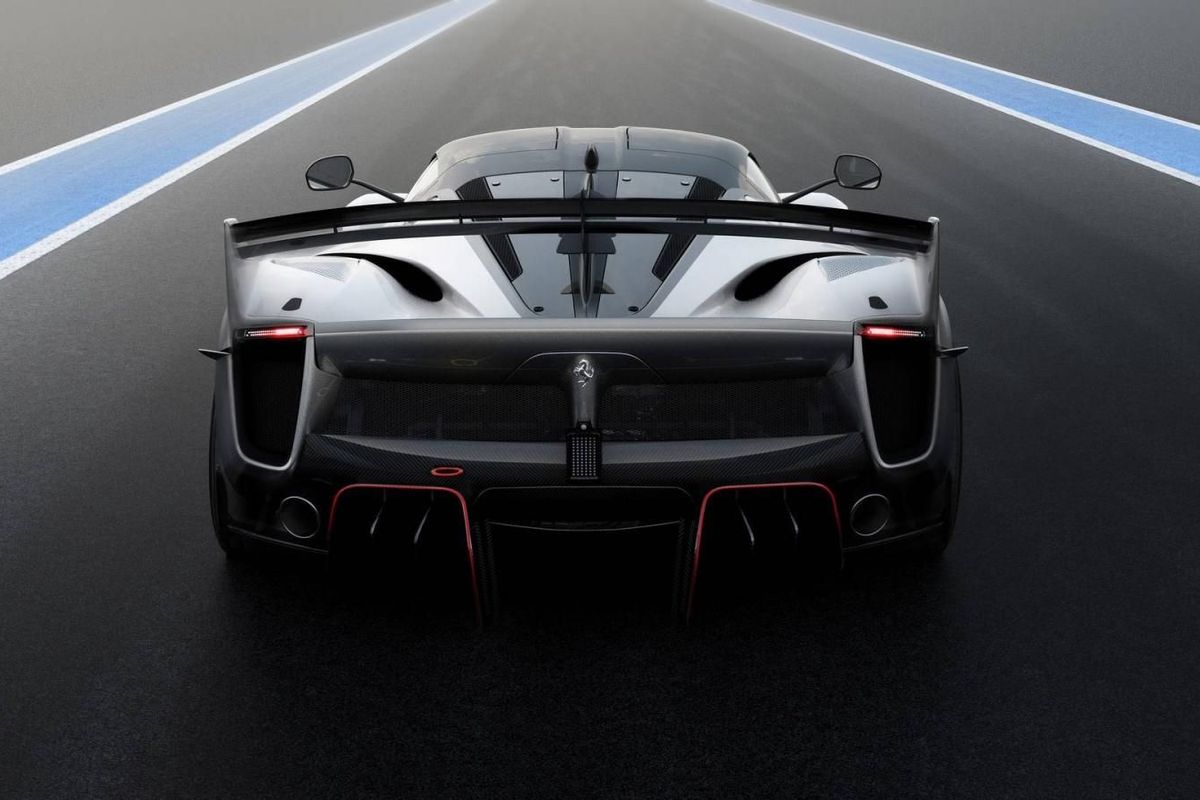
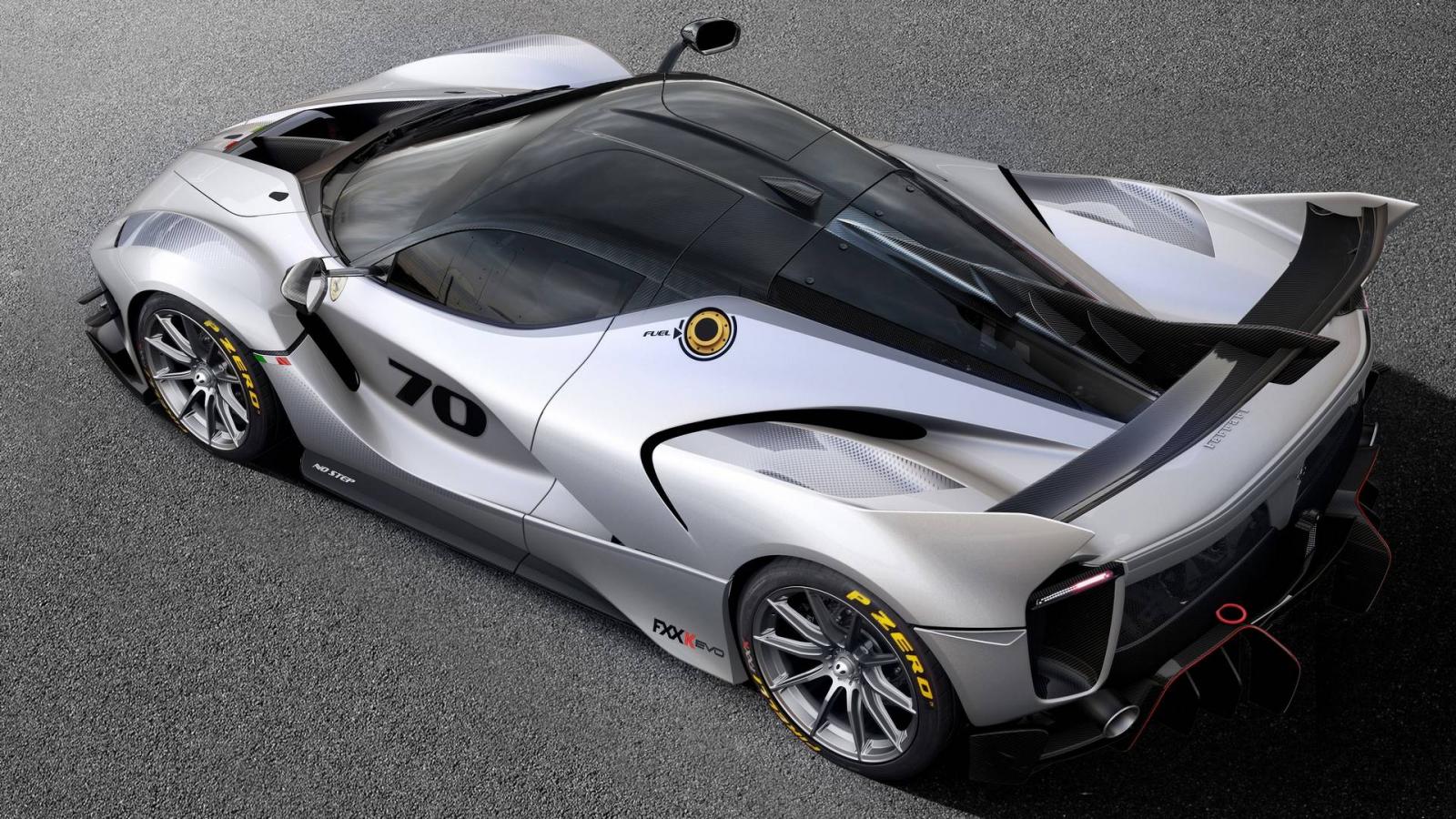
Ferrari has revealed the FXX K Evo wearing an upgraded aerodynamic package. Herewith the key details.
Ferrari has revealed its hardcore FXX K Evo at the Finali Mondiali event at its Mugello Circuit in Italy over the weekend. This is the third Evo XX race car to follow after the FXX Evo and 599XX Evo and will be offered as both an aerodynamic package upgrade compatible with the existing 40 examples of the FXX K and as a standalone model, but Ferrari has not confirmed how many will be produced, but numbers are expected to be very limited.
Key details
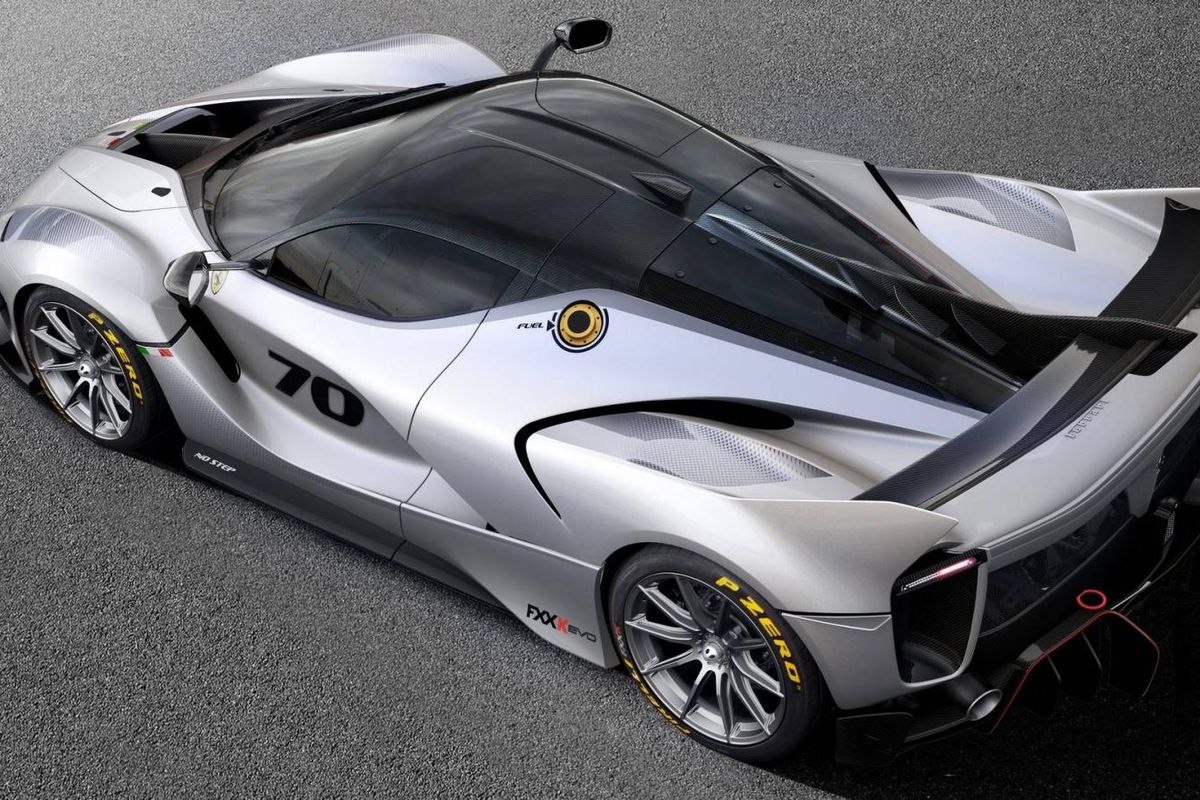
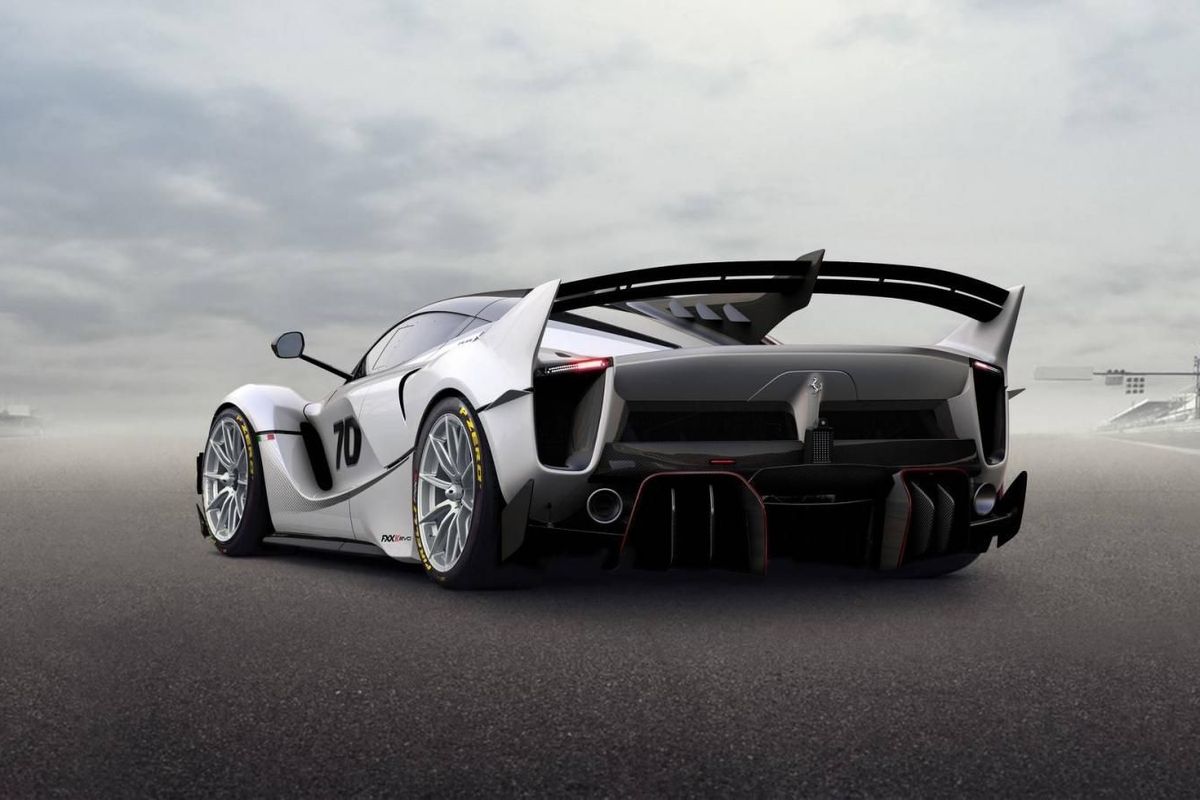
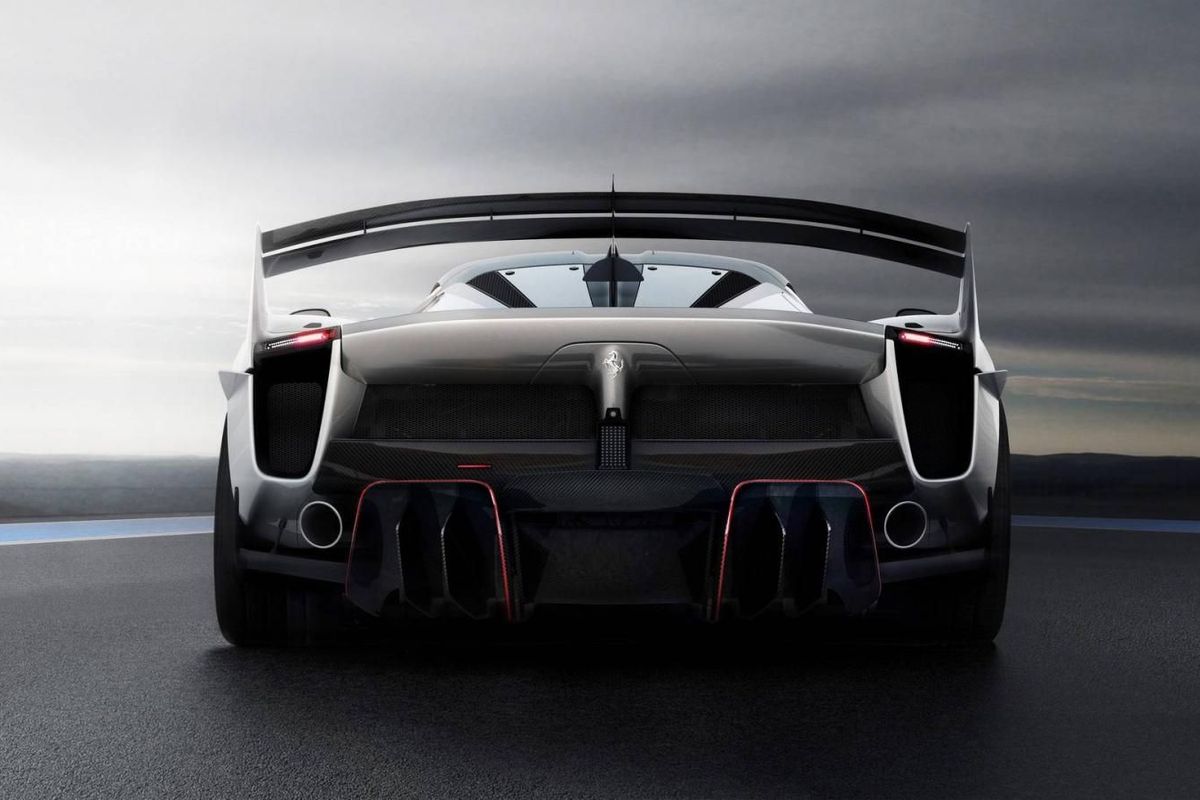
A massive fixed rear wing helps generate substantial downforce, making the FXX K Evo a potent track machine.
Powered by a 641 kW 6.3-litre naturally aspirated V12 engine and a 140 kW electric motor, the FXX K Evo delivers a total system output of 772 kW and over 900 Nm of torque. An 7-speed F1 dual-clutch transmission is fitted along with carbon ceramic Brembo brakes and 19-inch front and 20-inch rear wheels shod with Pirelli P Zero slicks.
The upgraded aerodynamic package includes a twin-profile fixed rear wing with 2 side fins and a central fin. The underbody and front and rear bumpers have been resculpted to enhance aerodynamic performance and the suspension has been tweaked to complement the changes.
The big achievement here is the amount of downforce that’s generated and Ferrari says that downforce has been increased by 23% over the regular FXX K and a significant 75% more than the road-going LaFerrari upon which it’s based. At 200 kph, the FXX K Evo generates 640 kg of downforce and more than 830 kg at top speed.
Inside, a new F1-derived steering wheel is fitted with built-in gearshift paddles and controls for the Kinetic energy Recovery System (KERS). A larger 6.5-inch display and upgraded telemetry system is also fitted.