BMW i8 vs Audi R8 Spyder – The Strangest Sportscar Rivalry?
It's a rivalry stretching back decades. But when it came to developing and designing their flagship sportscars, the German brands couldn't have differed more.
The i8 is a rolling showcase of everything that's brilliant about modern supercars. In fact, the i8 debuted a new type of drivetrain; essentially two drivetrains in one car. An electric motor powering the front wheels, and a petrol engine in the boot powering the rears. And there's no mechanical linkage between the two – it's all cable and computers.
The R8, on the other hand, is decidedly old school. It raises the middle finger to downsizing and turbocharging, converting petrol into power and noise using a naturally aspirated 5.2-litre V10. The result is simply glorious – made all the more enthralling in the drop-top Spyder version.
In this video, we take both cars to a beautiful road outside Cape Town to get under the skin of this odd but electrifying rivalry. See what we did there?
X-Class & rival double cabs it needs to beat [with Video]
The bakkie market is changing rapidly and certain manufacturers are producing premium double-cab bakkies that are far more sophisticated and lifestyle-oriented than ever before. We take a look at 4 double-cab bakkies that place more emphasis on luxury and will ultimately lead the charge in the upper end of the double-cab bakkie market. Take a look!
One thing is for certain: a bakkie’s ability to work will remain a key driver for bakkie demand in the South African market. The local market for bakkies is widespread, including sectors such as government, construction and agriculture. But in recent years, a new market has emerged and is growing substantially. This market can be referred to as the leisure market.
You see, bakkies are no longer merely perceived as workhorses that slave away on dusty farms in the Free State. Bakkies have now become fashion statements, symbols of success for the working man. Due to their outstanding abilities, they have also become lifestyle tools and family vehicles that enable consumers to engage in their favourite leisure pursuits.
Popular bakkies such as the Ford Ranger and Toyota Hilux are typically designed to meet the needs of the leisure buyer with higher levels of interior comfort features, improved ride quality, comprehensive safety specification and aesthetic appeal. The right combination of these factors is crucial and bakkie manufacturers are increasingly focusing on these factors in an effort to maximise sales.
There are, however, a handful of double-cab bakkies that will, or have, redefined what customers expect from a leisure bakkie. These high-end bakkies are likely to change perceptions and new benchmarks could be established where even the top-selling Ford Ranger and Toyota Hilux may appear to be a bit humdrum.
New Mercedes-Benz X-Class
The production version of the new Mercedes-Benz X-Class was unveiled in Cape Town in the middle of 2017 and it already has, to some extent, shattered current perceptions of what a leisure bakkie should and can offer. The X-Class is based on the new Nissan Navara and forthcoming Renault Alaskan and it is expected to arrive in South Africa in the second quarter of 2018.
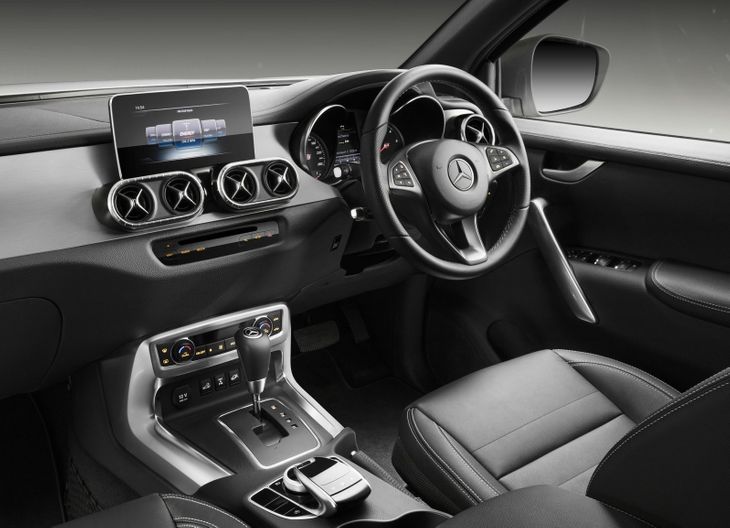
Combining an appealing exterior design with a modern and luxurious interior, the X-Class is perhaps the best example of what the future holds for the leisure double-cab bakkie. Plush surfaces, a comprehensive infotainment system and a range of driver assistance aids, similar to those found in current Mercedes-Benz models, will feature in the new X-Class.
The upmarket interior of the X-Class features technology currently offered on other Mercedes-Benz products.
The X-Class will be offered with 3 model variants namely Pure, Progressive and Power and will initially be powered by a 2.3-litre turbodiesel engine with 2 output choices on offer. The X220d will generate 120 kW, while the bi-turbo X250d will offer up 140 kW. Furthermore, a 190 kW / 550 Nm V6 turbodiesel engine is expected to join the range later in 2018 in the form of the X350d 4Matic. This flagship offering will be permanent all-wheel drive. In terms of gearboxes, a 6-speed manual transmission will be standard while a 6-speed automatic will be offered on request for the X250d and X350d 4Matic.
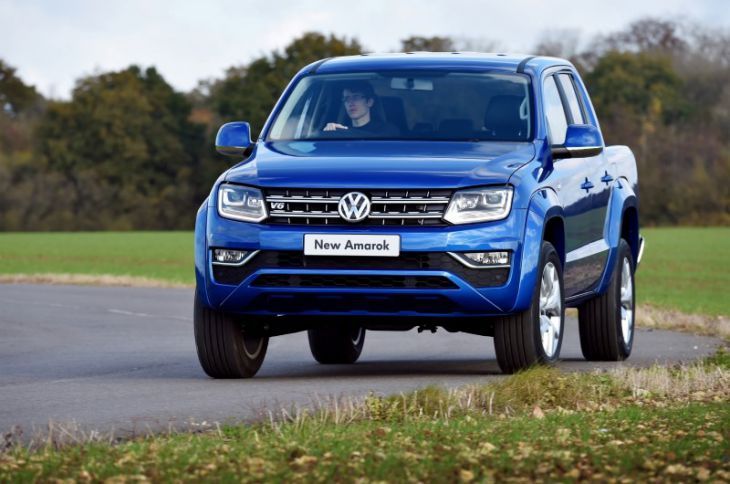
The facelifted Amarok welcomes a 3.0-litre V6 turbodiesel engine to the local range.
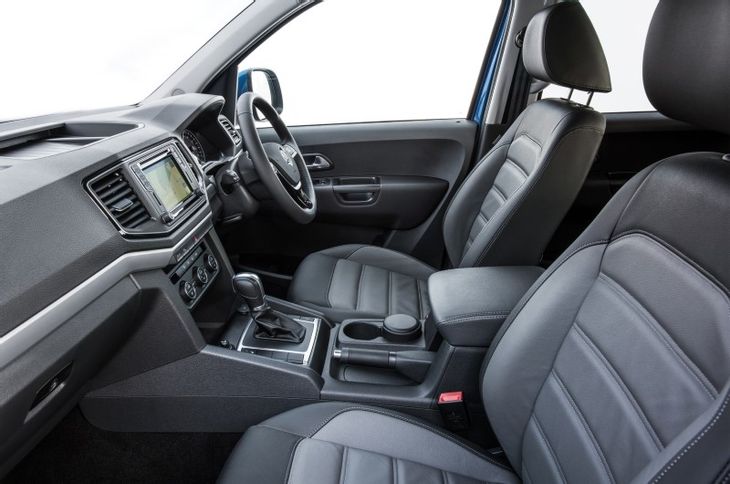
The facelifted Volkswagen Amarok arrived in South Africa earlier this year and apart from its handsomely revised looks, it too features a revised and modern interior closely resembling that of the Touareg SUV, which should resonate well with lifestyle-orientated buyers. Higher-spec versions are fitted with a larger touchscreen infotainment system equipped with the latest satnav software. The Amarok’s interior boasts excellent build quality and comfort not typically associated with a bakkie and it’s new Servotronic power steering system has also improved on-road drivability, making it feel and drive more like an SUV.
The Amarok's SUV-like interior is modern and well-equipped with comfort features.
In terms of engines, Volkswagen’s 3.0-litre V6 turbodiesel engine is a highlight in the range and offers 165 kW and 550 Nm of torque with an overboost function that temporarily bumps outputs up to 180 kW and 580 Nm of torque. The familiar 2.0-litre turbodiesel and 2.0-litre bi-turbodiesel engines are on offer too. The Volkswagen Amarok is arguably the most premium double-cab bakkie currently on offer in South Africa. Watch our video review below!
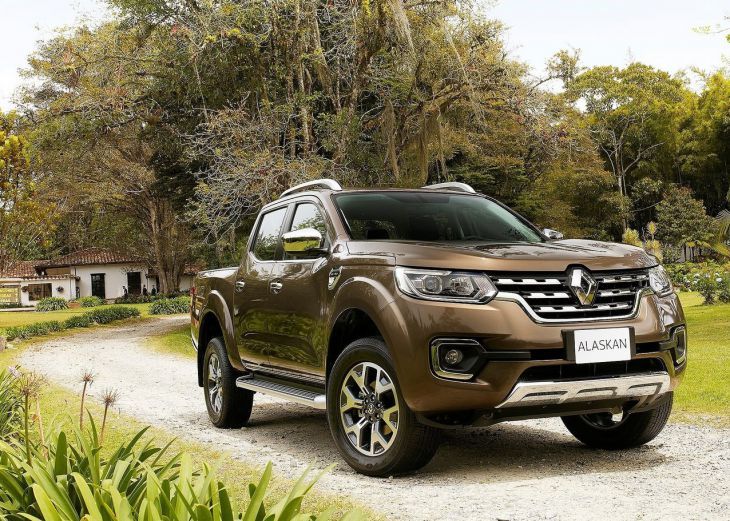
The Renault Alaskan will join the leisure double cab bakkie fray when it arrives in SA in 2018.
Built on the same platform as the Nissan Navara and Mercedes-Benz X-Class, the Alaskan is also expected to arrive in South Africa in 2018.
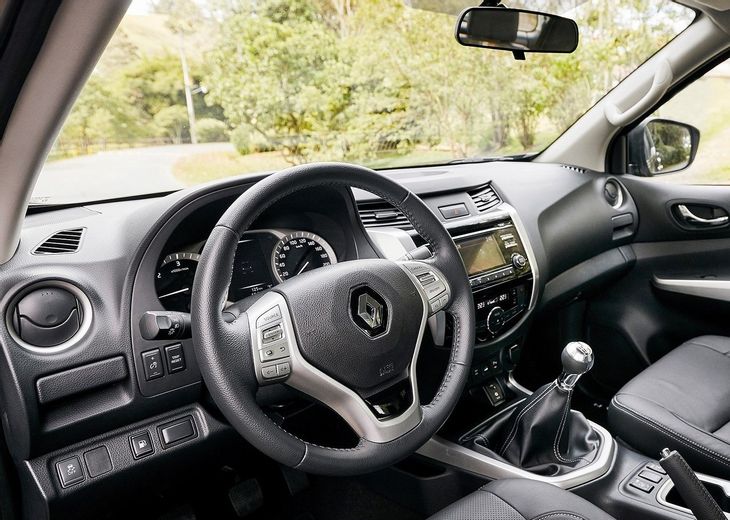
The Alaskan's interior will feature upmarket materials and connectivity solutions while it's 5-link rear suspension is expected to offer notable on-road comfort.
The interior of the Alaskan will also focus on comfort with upmarket finishes.
Power will most likely come in the form of a 2.3-litre bi-turbodiesel engine that will offer either 120 kW or 141 kW. A 6-speed manual or 7-speed automatic transmissions will be offered in both 2- or 4-wheel drive guises. A 2.5-litre petrol and diesel engine is also a possibility, but the South African engine lineup is yet to be confirmed.
We will be driving the Renault Alaskan in the next few weeks, so look out for our first impressions soon.
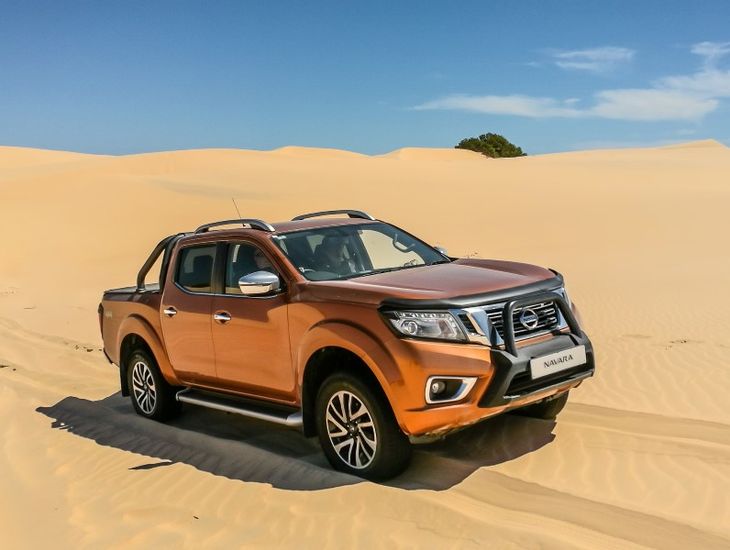
The new Nissan Navara is a markedly improved product that offers higher levels of refinement.
The new Nissan Navara arrived in South Africa in March 2017 with new exterior styling as well as a significantly improved interior design, replete with a touchscreen infotainment system, satnav and a surround view monitor. Perhaps more importantly, the new Navara double cab features a new, independent 5-link coil suspension system that has improved ride quality substantially over its predecessor.
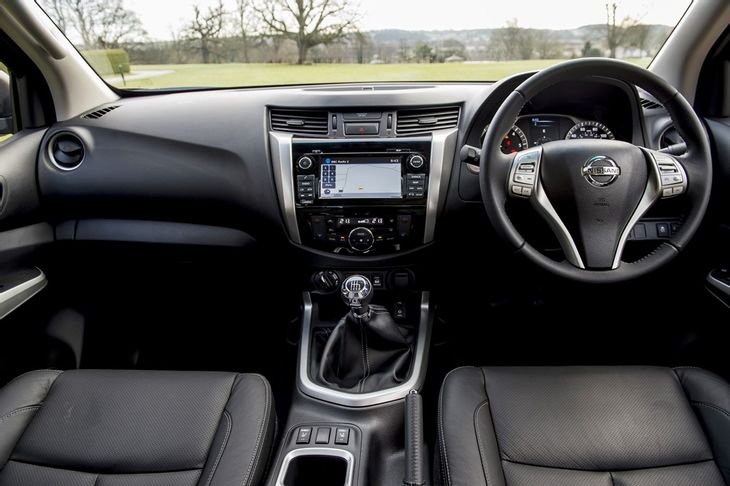
The Navara's interior has improved with upgraded materials and an appealing array of comfort and convenience features.
The Navara is powered by a new 2.3-litre twin turbodiesel engine offering 140 kW and 450 Nm of torque. Buyers have a choice of either a 6-speed manual or 7-speed automatic transmission. Based on our initial impression of the new Navara, we feel it ranks among the best leisure double cab bakkies in South Africa, particularly in terms of refinement.
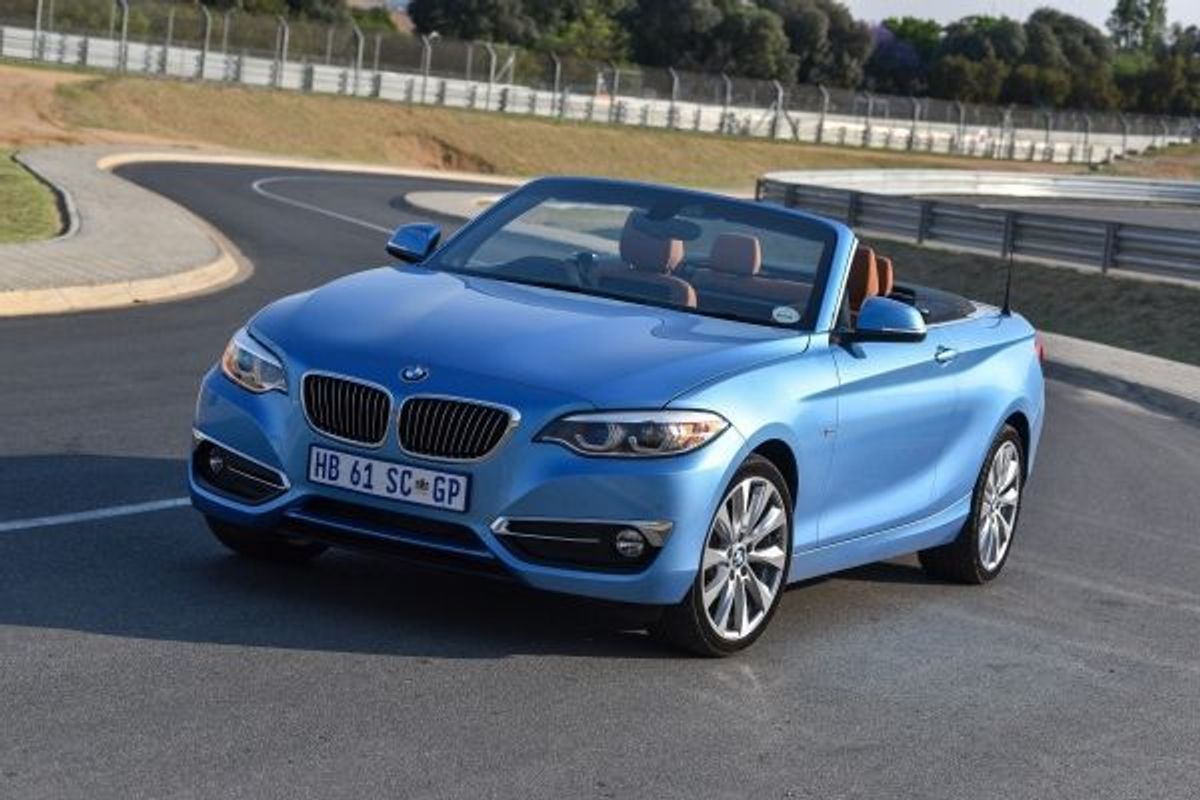
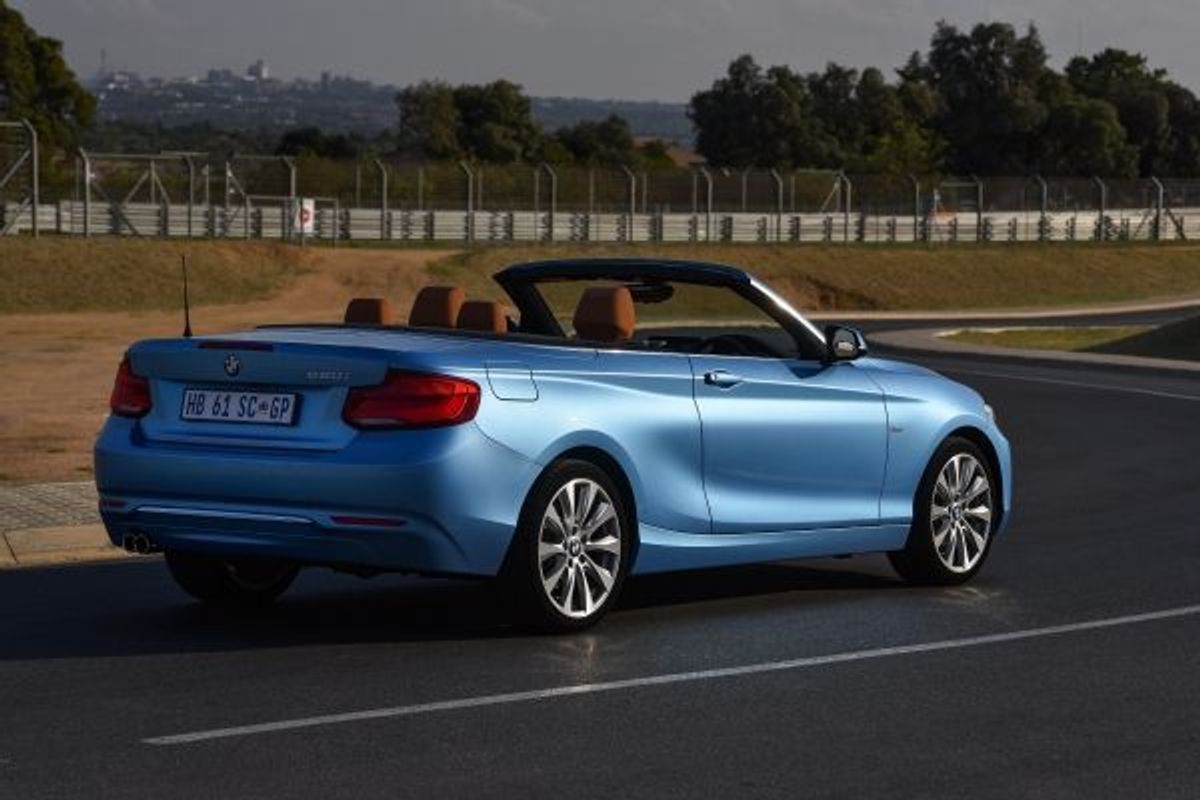
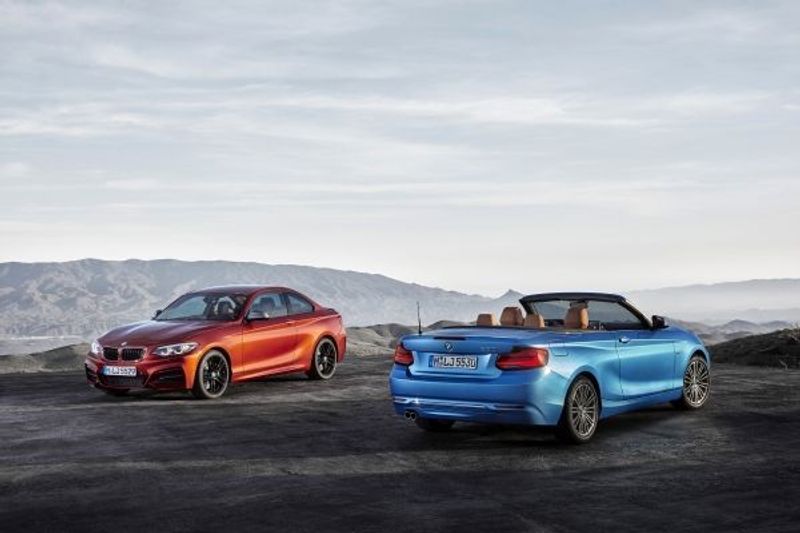
BMW has implemented a number of styling and equipment changes to its 2 Series coupe and convertible and they are now available in South Africa! Take a look at what has changed…
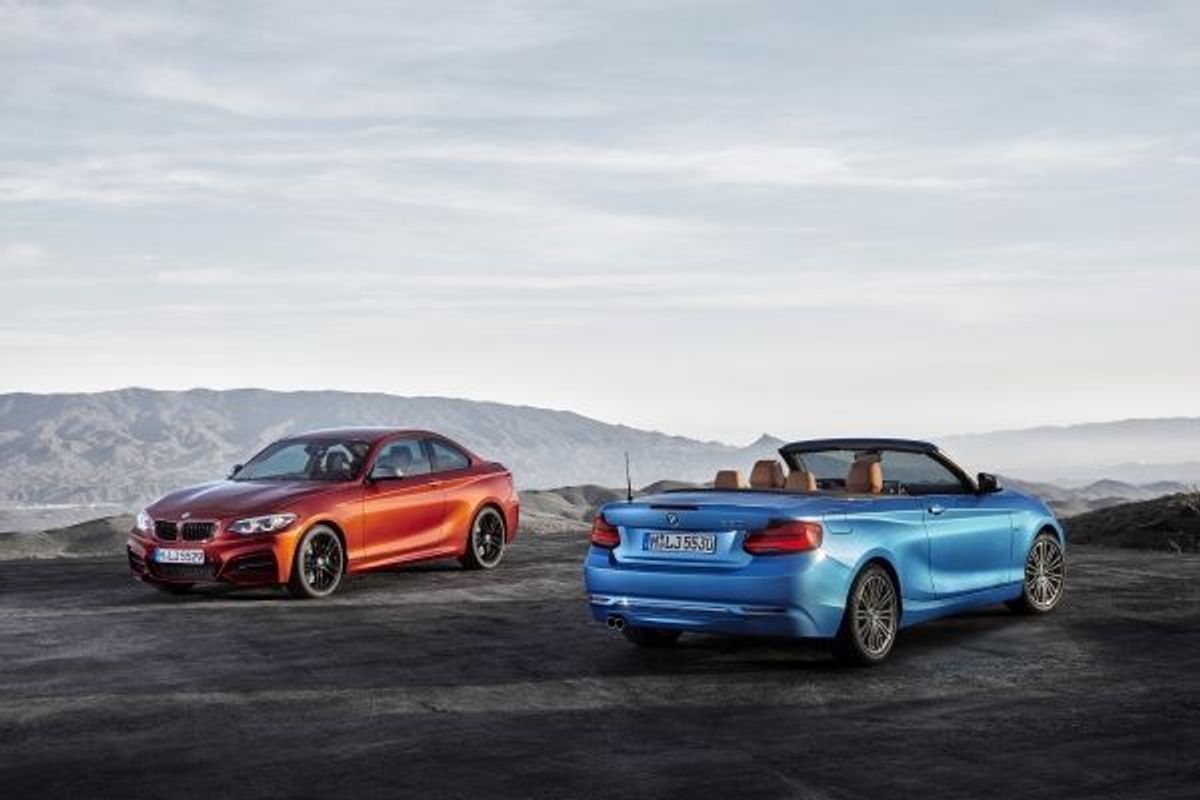
BMW has hit the refresh button on its 2 Series coupe and convertible products which now feature exterior styling tweaks and upgraded interior features.
What’s Changed?
Exterior
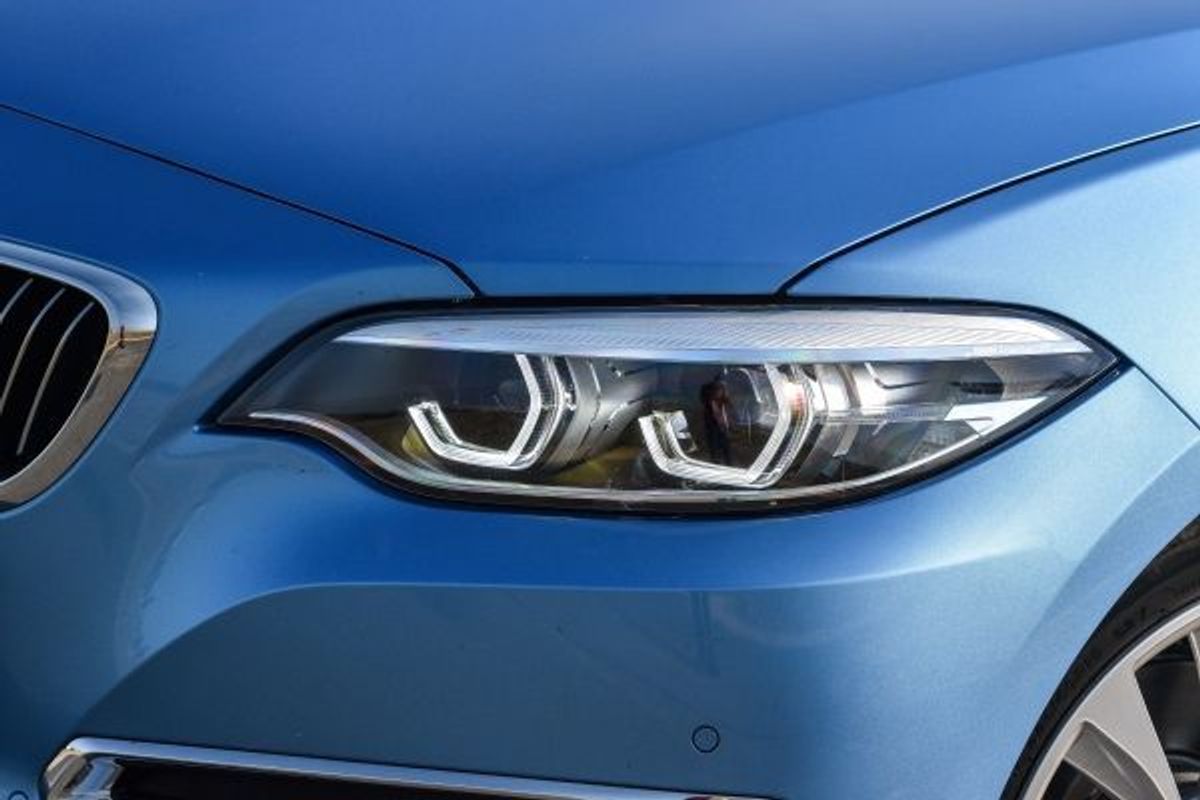
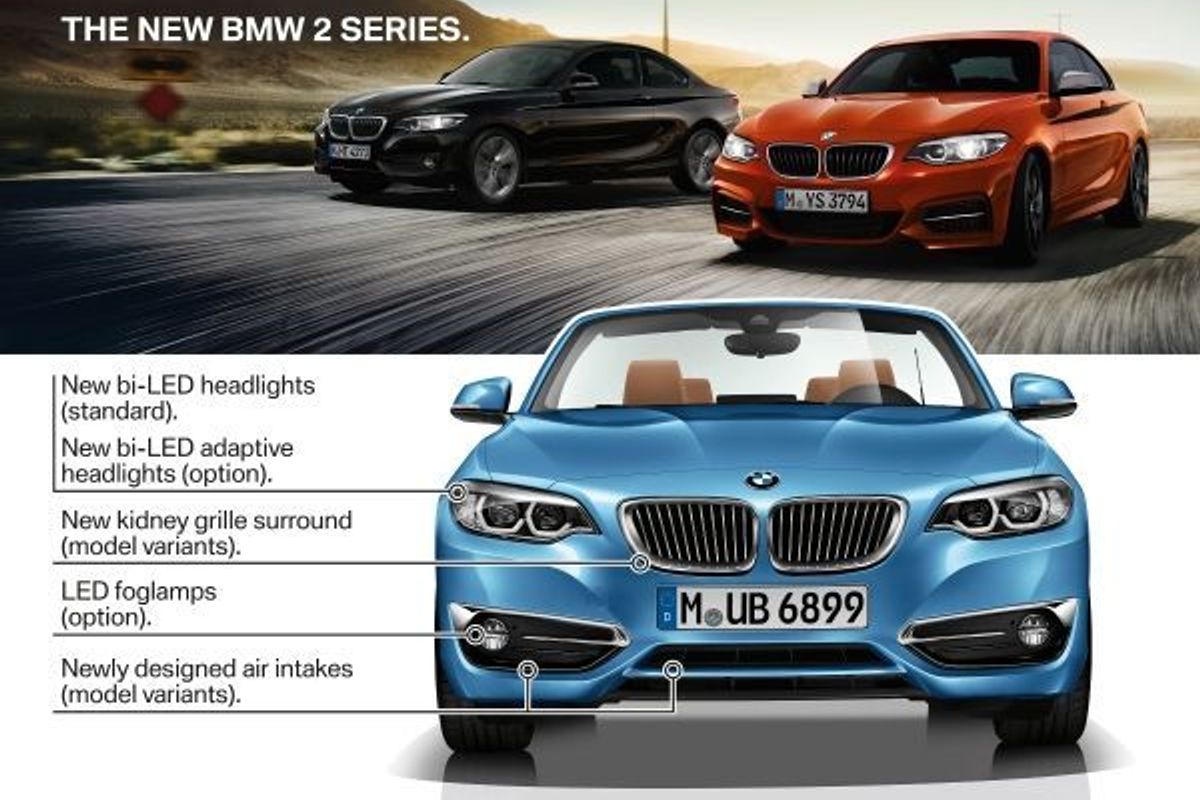
New LED headlights and a revised grille and air intakes give the 2 Series a sharper look.
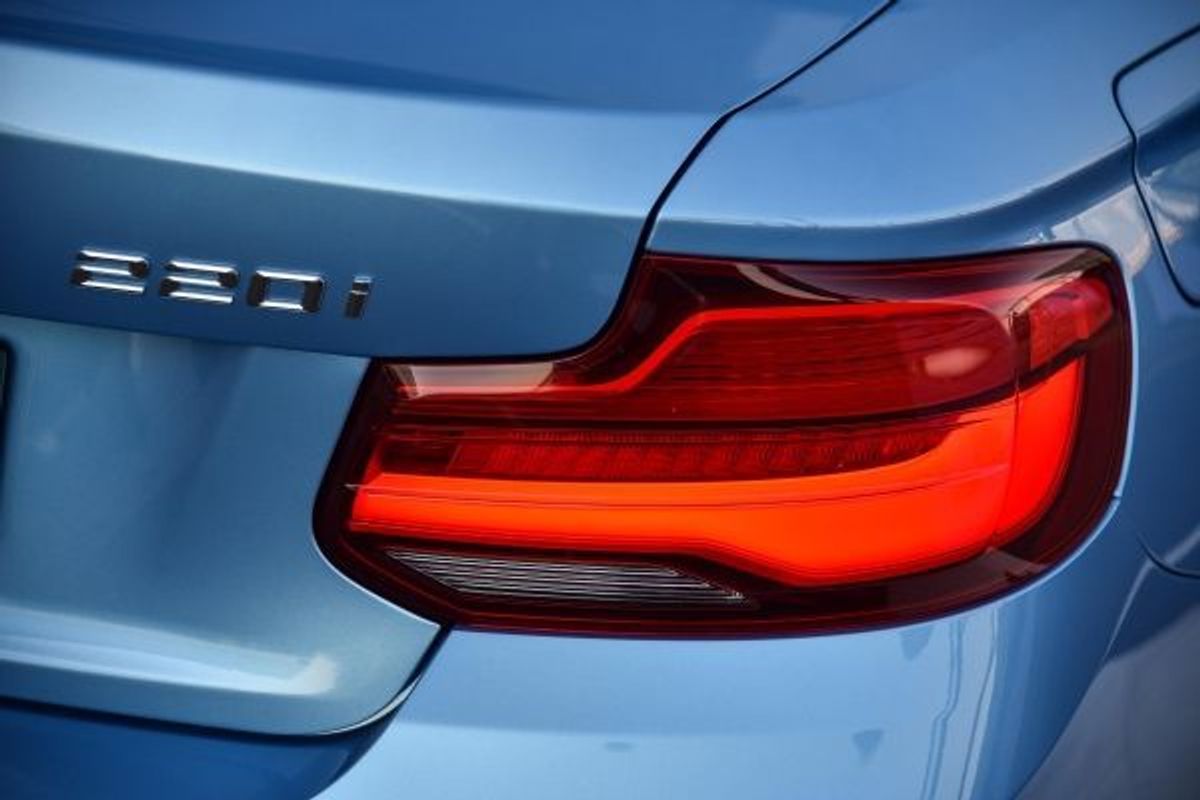
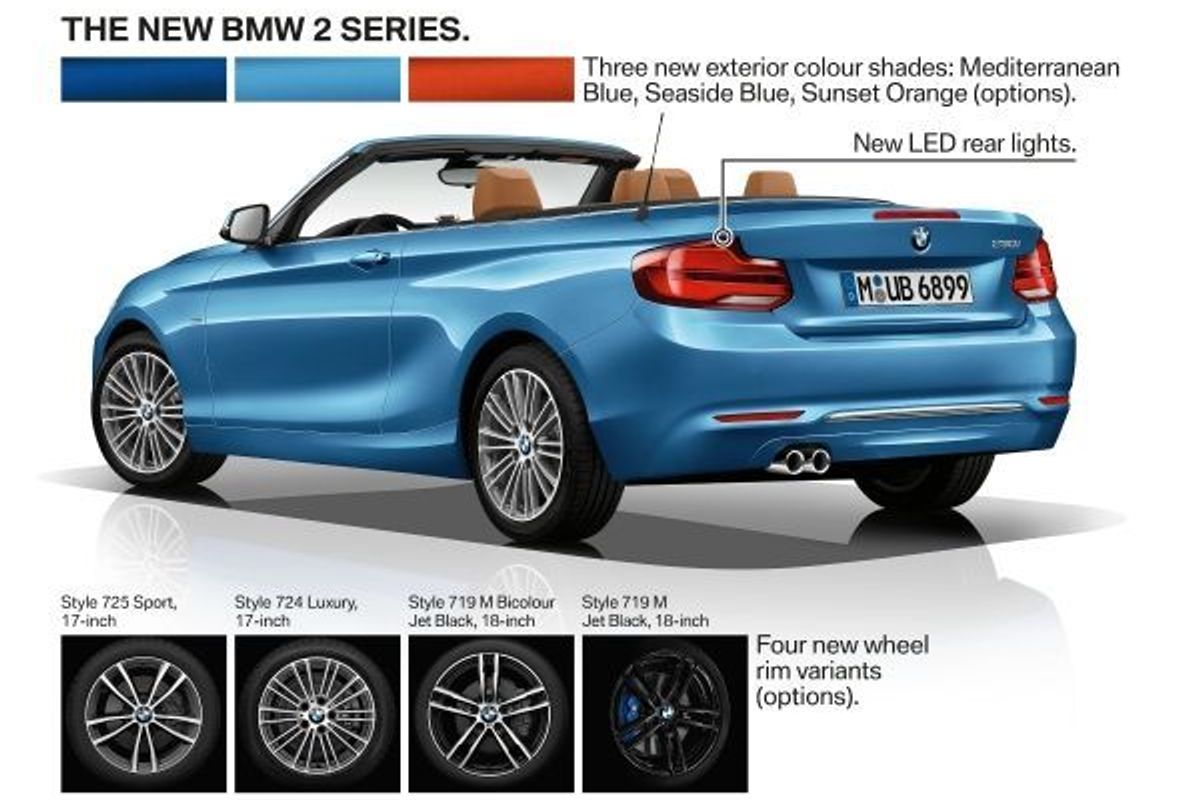
The front-end of the 2 Series has been sharpened for a more dynamic appearance and bi-LED headlights are now fitted as standard across the range with adaptive full-LED headlights offered as an option. The lighting signature now has a hexagonal look. The kidney grille is larger, giving the 2 Series a wider appearance and a sportier demeanor. Larger outer air intakes further enhance the front-end of the 2 Series. At the rear, single-piece, L-shaped LED lights are standard.
The 2 Series coupe and convertible are offered in 3 trim lines including Luxury Line, Sport Line and M Sports. An M Performance model is also offered in the form of the M240i. There are also 3 new colours to choose from and these include Mediterranean Blue, Seaside Blue and Sunset Orange. There are now also 17 light-alloy wheel designs on offer in both 17-inch and 18-inch wheel sizes.
Interior
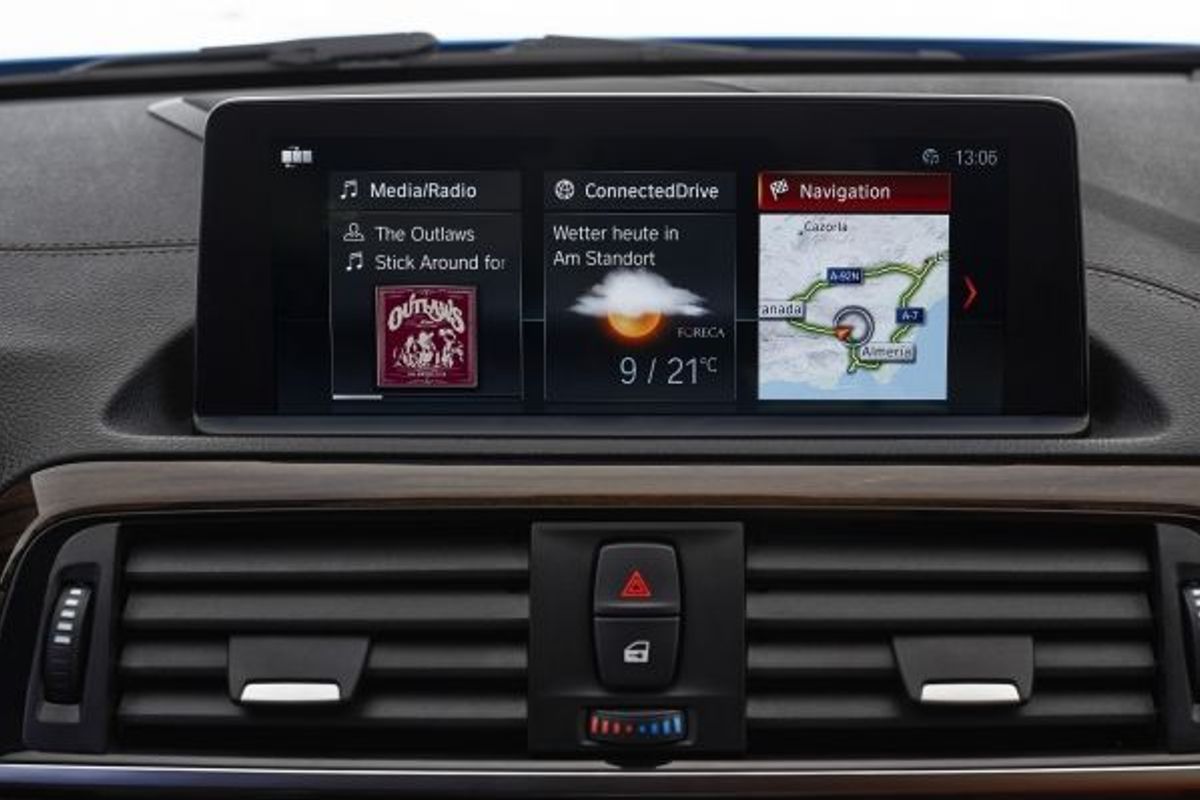
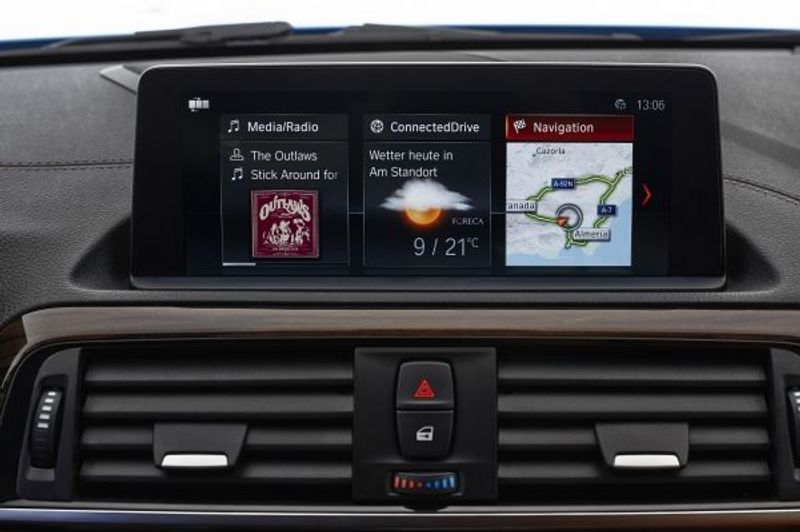
An 8.8-inch touchscreen is now offered with the optional Navigation system Professional.
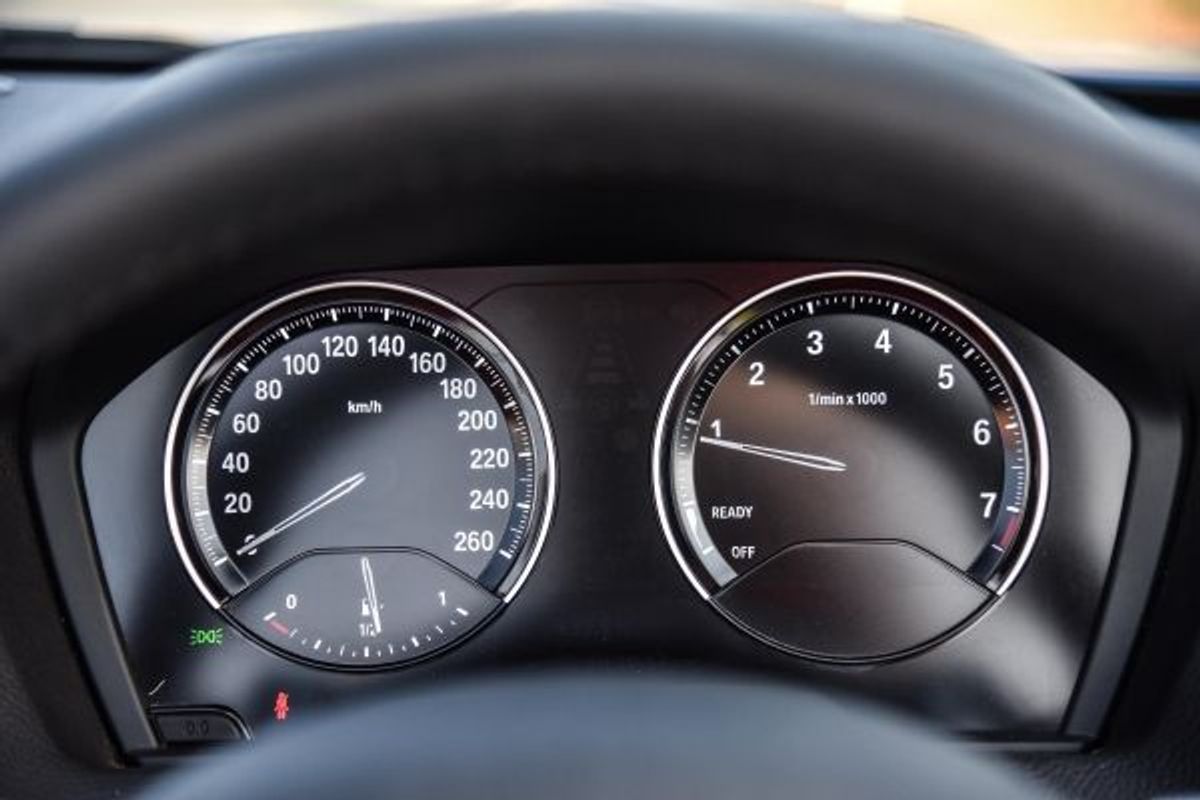
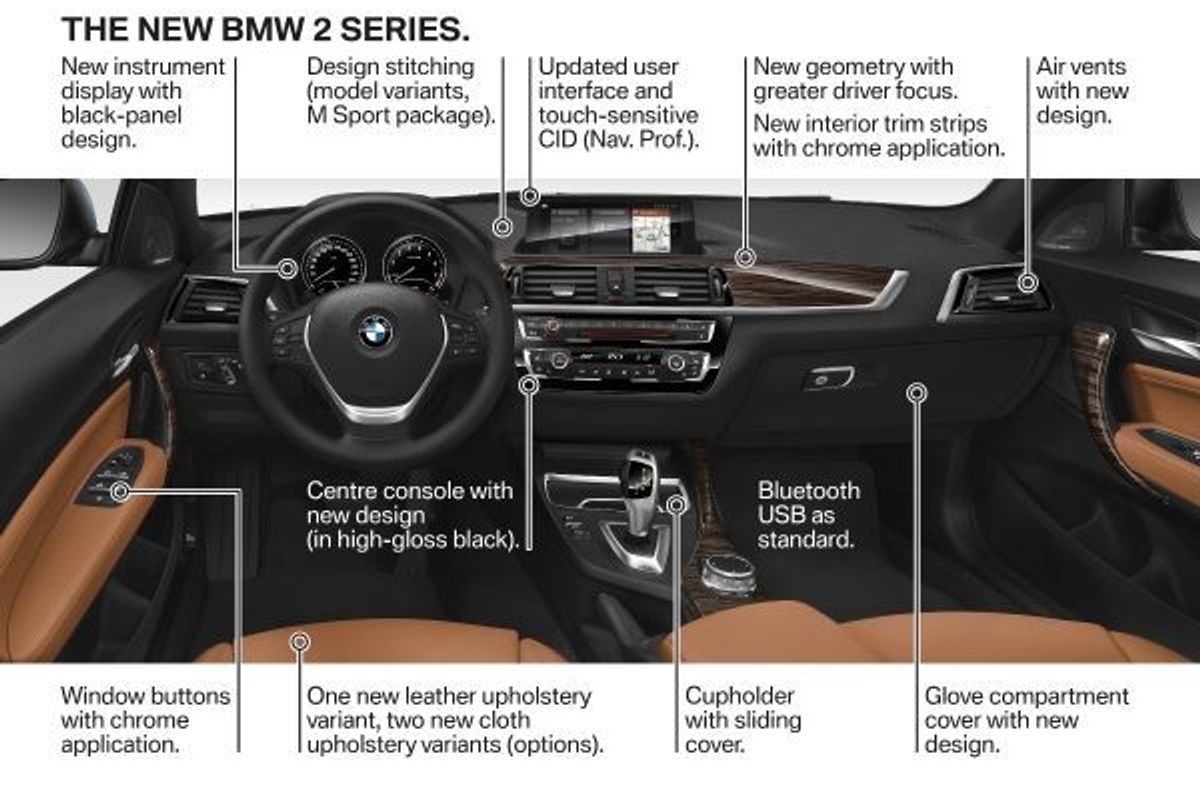
The design of the instrument cluster is all-new and BMW says it “emphasises the focus on the driver even more clearly and significantly enhances the cockpit’s quality feel”. Contrasting stitching, high-gloss black surfaces and chrome details contribute to a more elegant feel. BMW also offers new cloth and leather upholstery options as well as interior trim strips in aluminium, fine wood or high-gloss black panels with chrome accents.
In the case of the 2 Series cabriolet, the fabric soft-top roof features additional insulation for improved acoustic comfort. The roof can be opened at speeds of up to 50 kph. The load bay capacity for the 2 Series coupe is claimed at 390-litres.
An 8.8-inch touchscreen is offered in conjunction with the optional Navigation system Professional. Apart from touch, the system can be controlled using BMW’s latest generation, standard iDrive operating system Touch Controller or using the voice control system. Buyers can also have an optional inductive charging tray fitted to wirelessly charge your smartphone. A SIM card is fitted as standard to enable connectivity and access to services via BMW ConnectedDrive without linking your smartphone.
Various assistance systems can specified and these include active cruise control with stop & go function, driving assist with lane departure warning and city collision mitigation which applies the brakes at speeds up to 60 kph when an imminent collision with a car, motorcycle or pedestrian is detected.
Engines and transmissions
Power output for the latest 2 Series range from 135 kW to 250 kW.
A range of 4- and 6-cylinder engines are on offer and all the diesel engine now features a new turbocharger technology and improved common-rail direct injection.
A total of 4 engines power the 2 Series coupe while cabriolet employs 3 engines. On the petrol front, there’s a 135 kW / 270 Nm 2.0-litre turbo petrol in the 220i coupe and convertible while the 230i in coupe and convertible form is powered by a 185 kW/350 Nm 2.0-litre turbo petrol engine. The range-topping M240i in coupe and convertible form offers 250 kW and 500 Nm of torque from its 6-cylinder, 3.0-litre turbocharged petrol engine. The only diesel option is the 2.0-litre turbodiesel with 140 kW and 400 Nm and is offered in in the 220d coupe only.
Transmissions include a 6-speed manual and 8-speed automatic transmission. The 220i and 230i are fitted with automatic transmissions as standard while the M240i coupe and convertible are fitted with a 8-speed automatic sports transmission with steering-mounted paddle shifters as standard.
BMW 2 Series – Price in South Africa (November 2017)
Coupe
BMW 220i Sport Line A/T – R512 700
BMW 220i Sport Line sports A/T – R515 100
BMW 220i Luxury Line A/T – R530 100
BMW 220i Luxury Line sports A/T – R532 500
BMW 220i M Sport A/T – R533 900
BMW 220i M Sport sports A/T – R536 300
BMW 230i Sport Line A/T – R556 500
BMW 230i Sport Line sports A/T – R558 900
BMW 230i Luxury Line A/T – R573 900
BMW 230i Luxury Line sports A/T – R576 300
BMW 230i M Sport A/T – R574 500
BMW 230i M Sport sports A/T – R576 900
BMW 220d Sport Line M/T – R530 000
BMW 220d Sport Line A/T – R550 800
BMW 220d Sport Line sports A/T – R553 200
BMW 220d Luxury Line M/T – R547 400
BMW 220d Luxury Line A/T – R568 200
BMW 220d Luxury Line sports A/T – R591 400
BMW 220d M Sport M/T – R551 200
BMW 220d M Sport A/T – R572 000
BMW 220d M Sport sports A/T – R595 200
BMW M240i sports A/T – R693 800
Convertible
BMW 220i Sport Line A/T – R598 600
BMW 220i Sport Line sports A/T – R601 100
BMW 220i Luxury Line A/T – R613 800
BMW 220i Luxury Line sports A/T – R616 200
BMW 220i M Sport A/T – R613 400
BMW 220i M Sport sports A/T – R615 800
BMW 230i Sport Line A/T – R641 900
BMW 230i Sport Line sports A/T – R644 300
BMW 230i Luxury Line A/T – R657 100
BMW 230i Luxury Line sports A/T – R659 500
BMW 230i M Sport A/T – R653 300
BMW 230i M Sport sports A/T – R655 700
BMW M240i – R779 500
The BMW 2 Series is sold with a 2-year/unlimited km warranty and a 5-year/100 000 km maintenance plan.
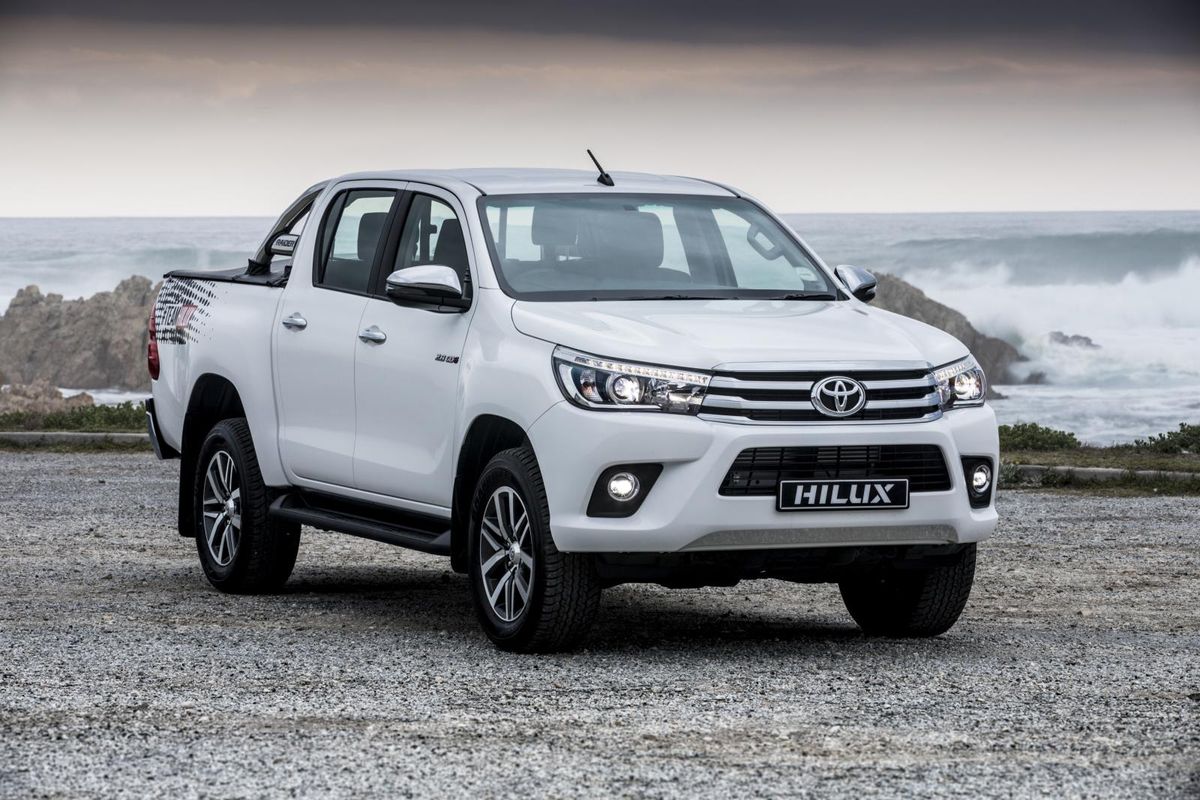
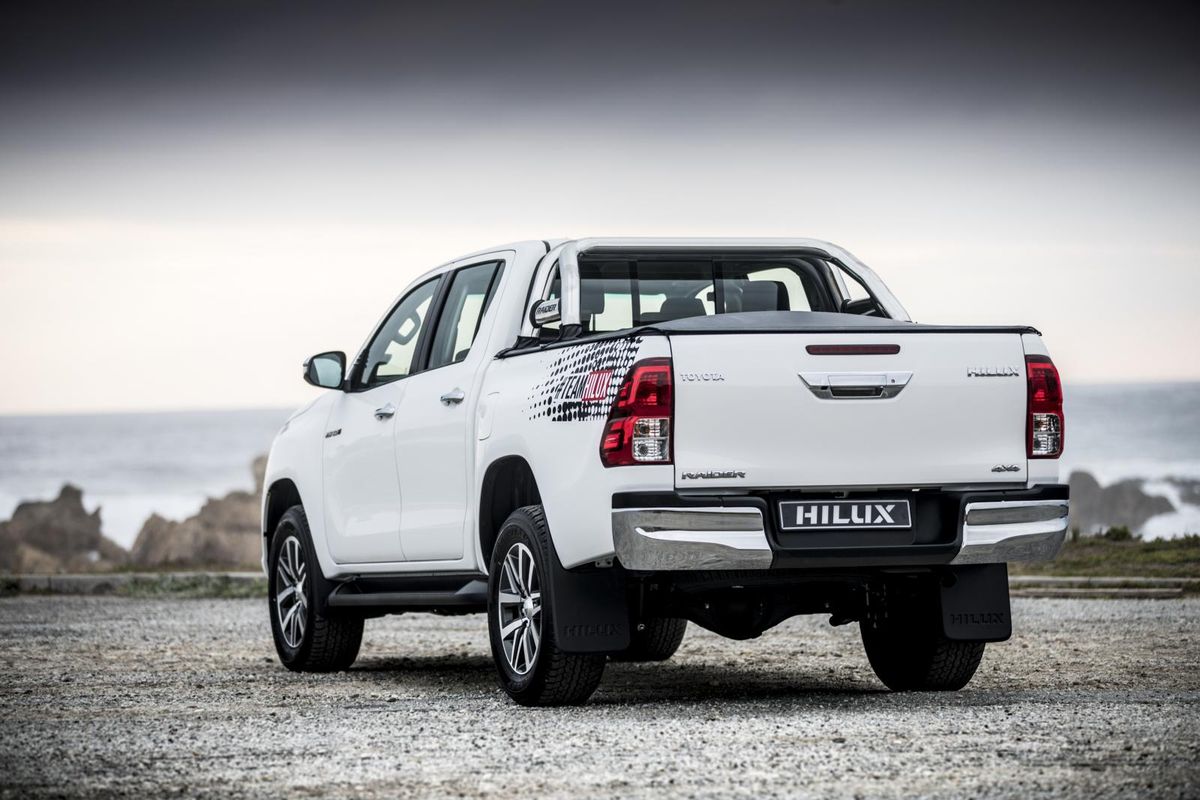
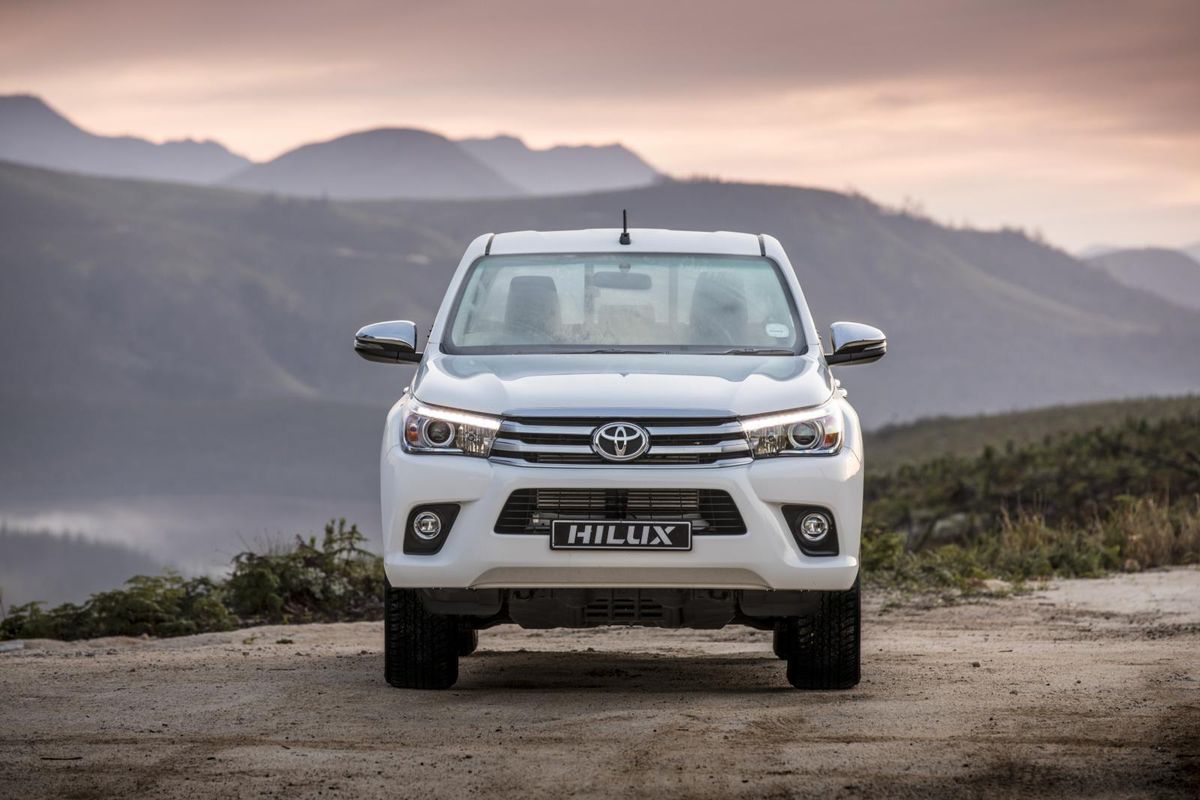
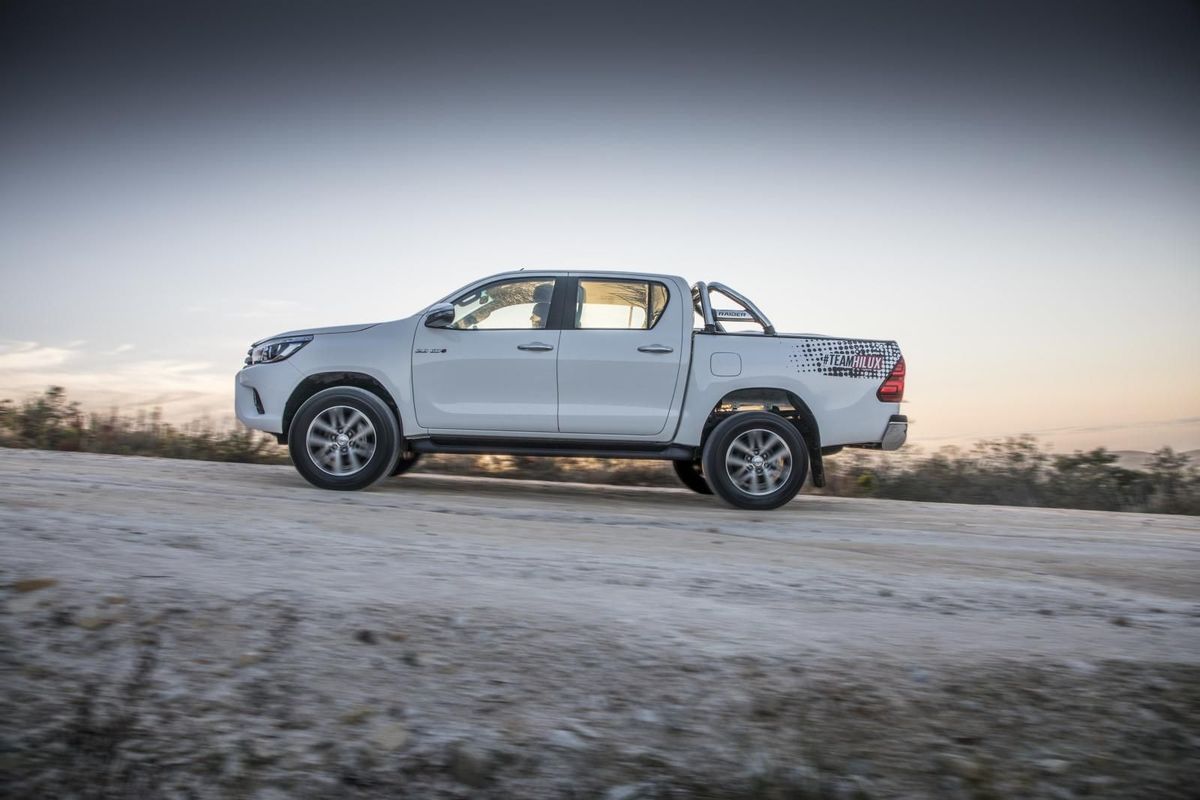
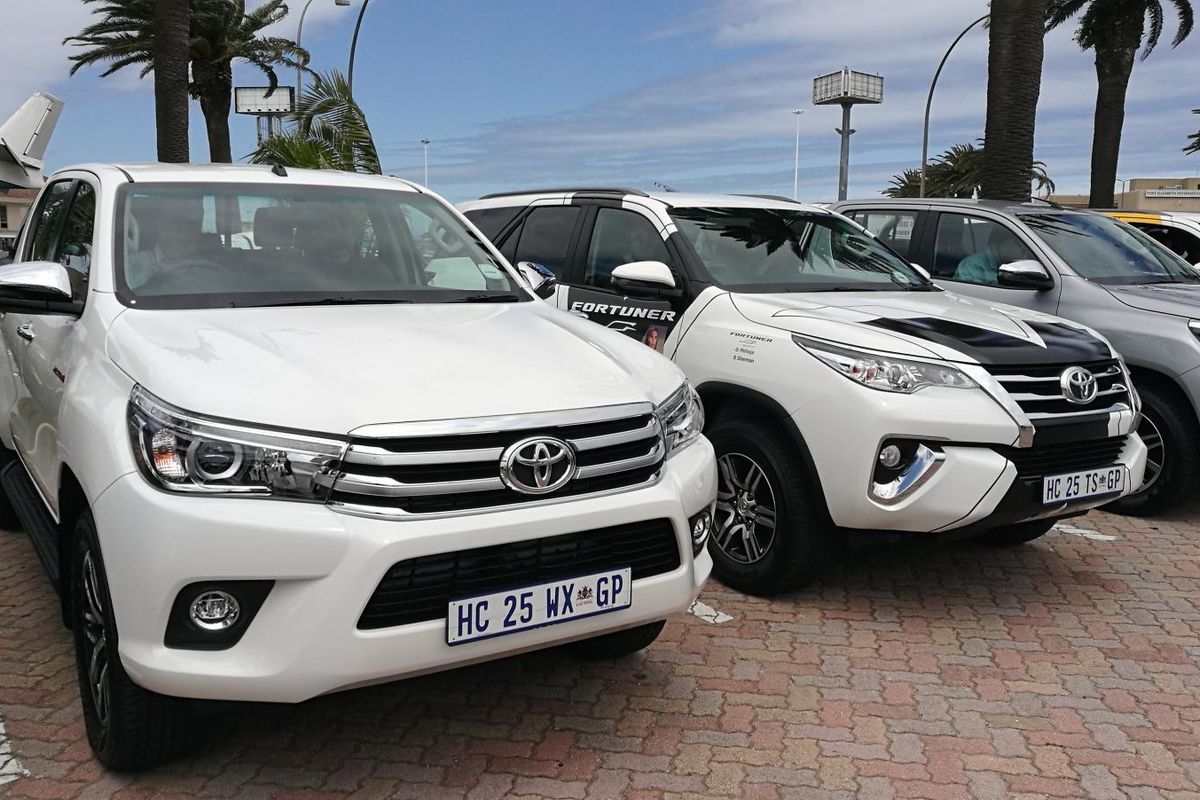
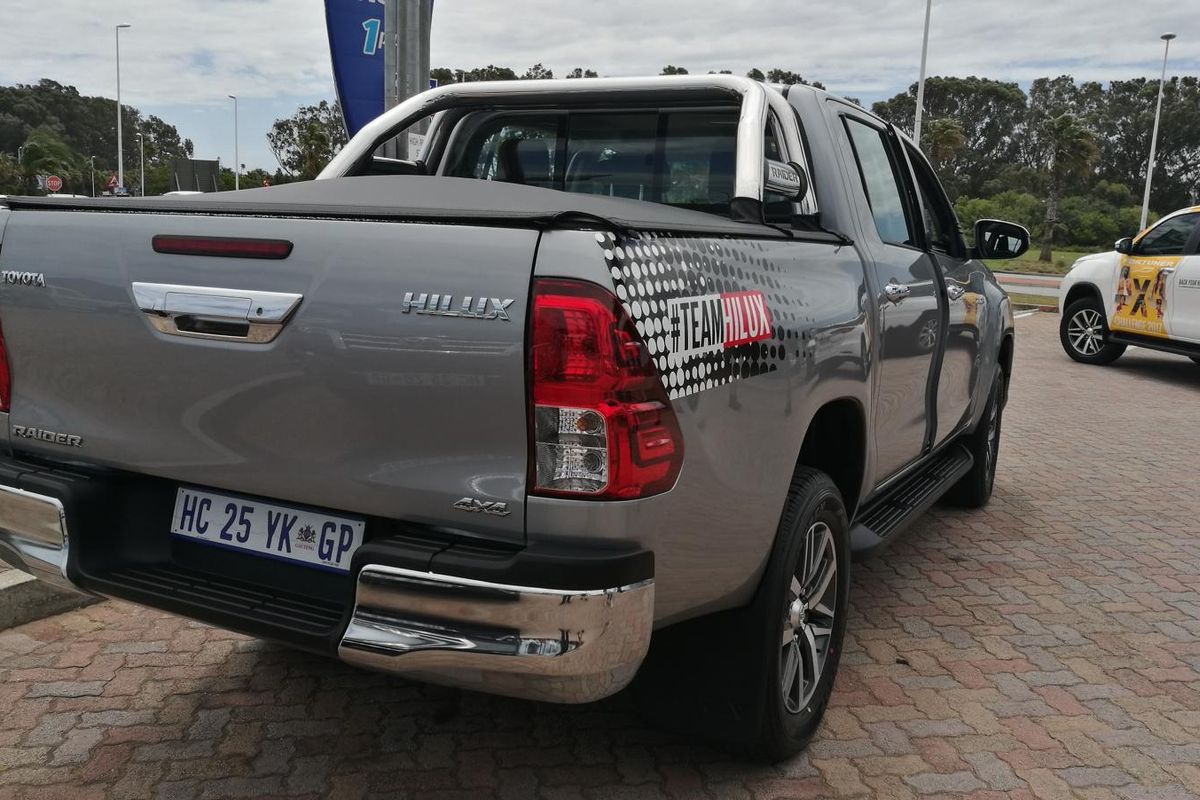
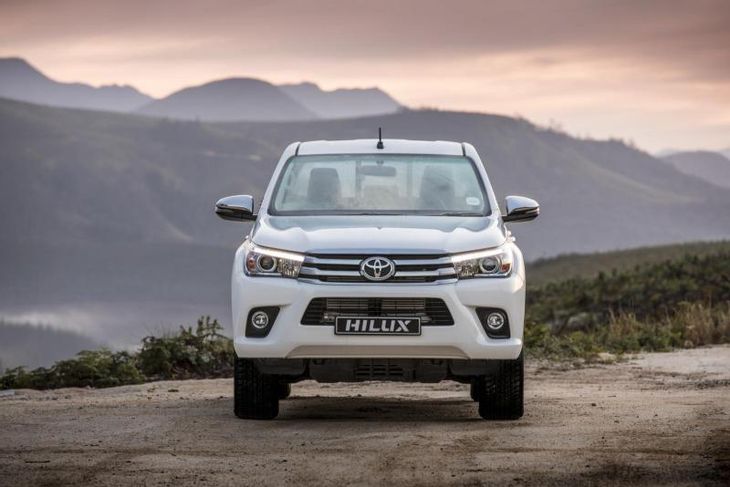
Toyota South Africa has bolstered its Hilux bakkie range with 6 new automatic derivatives across 3 body styles. Let's see what the changes entail.
The Hilux is one of South Africa's most popular vehicles and recently Toyota increased its portfolio to include some new derivatives, replete with new trims and transmissions.
The single-cab range has been expanded with a new 2.4 GD-6 4×4 SRX 6AT, which joins a pair of newly added 2.8 GD-6 Raider 6AT versions in either Raised Body (4×2) or 4×4 guise. The Xtra cab line-up is supplemented with 2 new "self-shifters", which sees the pairing of the 130 kW 2.8 GD-6 engine and Raider trim level, with a 6-speed automatic transmission in both 4×2 and 4×4 guises. There is also a new double-cab variant, offering the stout 110 kW, 400 Nm 2.4 litre GD-6 mill linked to a 6-speed auto in 4×4 mid-grade SRX specification.
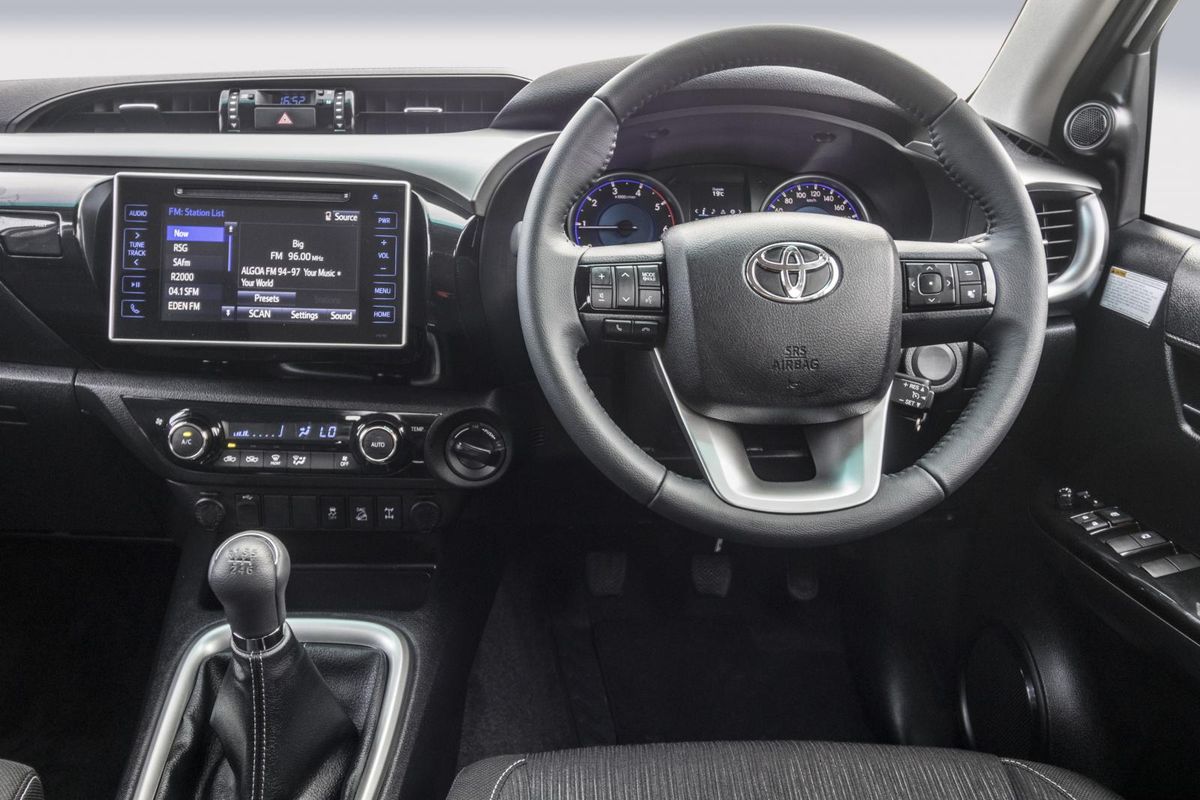
The cabin has also seen some changes based on customer feedback. The fabric armrests have been replaced by highly durable and hard-wearing padded urethane with a Piano Black door trim providing the finishing touch; Raider versions, meanwhile, receive a soft leather centre console.
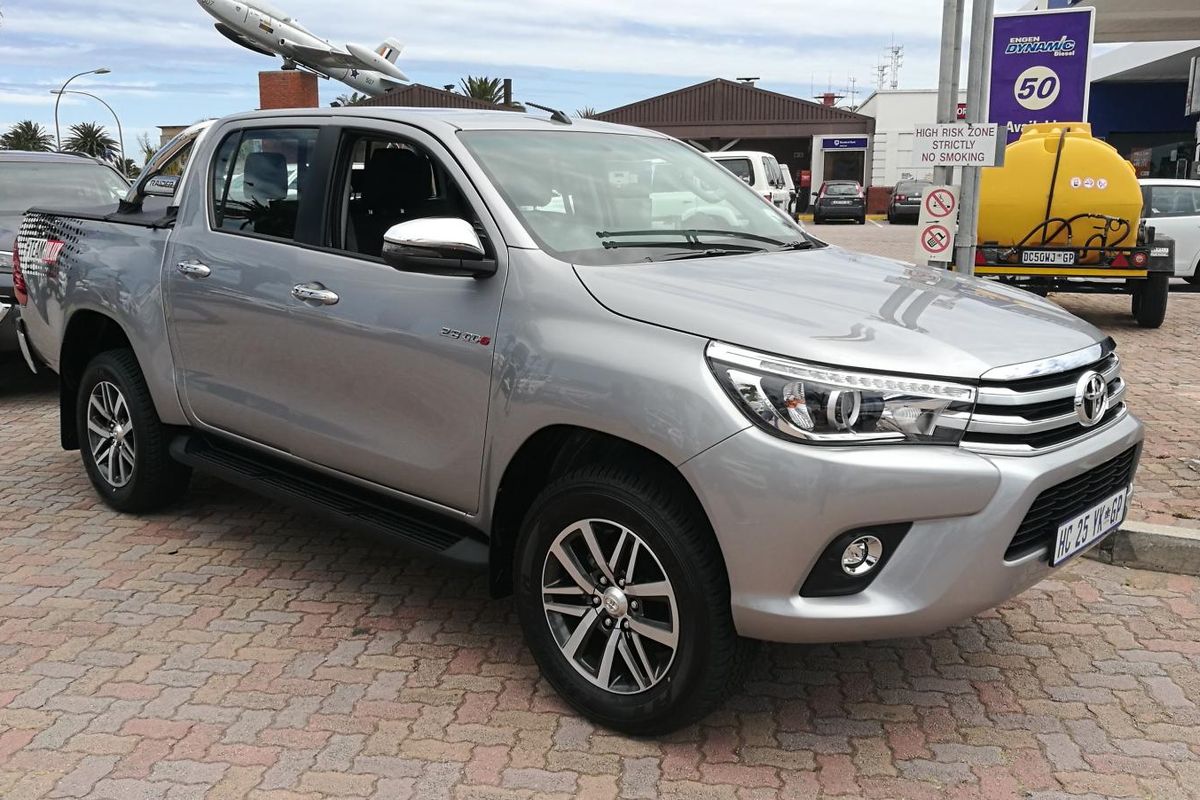
Furthermore, safety equipment has been increased for the single-cab SRX, Xtra-cab SRX and single-cab Raider models. Vehicle Stability Control (VSC) also incorporating Hill Assist Control (HAC) and Trailer Sway Control (TSC) are now standard. There are also new fog lamps. All Raider models come with dual tri-spoke 18-inch alloy-wheels with 265-60-R18 all-terrain tyres. New LED headlamps round off the visual upgrades, while the cabin of the double-cab Raider gains a useful 220V power outlet.
Daytime LED lights signify one of the biggest visual changes in the revised Toyota Hilux lineup
Toyota Hilux Price in South Africa
All models come standard with a 5-year/90 000 kilometre service plan (whichever occurs first). A 3-year/100 000 kilometre warranty is included.
Subaru Viziv Performance Concept previews next WRX
Subaru Motor Corporation unveiled the Subaru Viziv Performance Concept at the 2017 Tokyo Motor Show, which shows a preview of the next-generation WRX.
Subaru claims its Viziv concept car 'embodies the brand's vision for the future of making cars that deliver Enjoyment and Peace of Mind to its customers.' As is the way with Subaru, this concept features all-wheel drive and a boxer engine. Despite the future looking very autonomous, Subaru promises its products will still be fun to drive. It will also be very safe thanks to advanced driver assist functions combining the next-generation EyeSight system.
The Subaru Viziv Performance concept features a rigid body with a low centre of gravity, extensive use of carbon fibre and plenty of go-faster addenda such as bumpers and fenders. The all-new Subaru EyeSight technology will be launched in 2020 and it includes a comprehensive setup featuring GPS and driver-assist tech.
Watch the Subaru Viziv Concept at the 2017 Tokyo Motor Show here
Highlights: SA’s first BMW M Festival [with Videos]
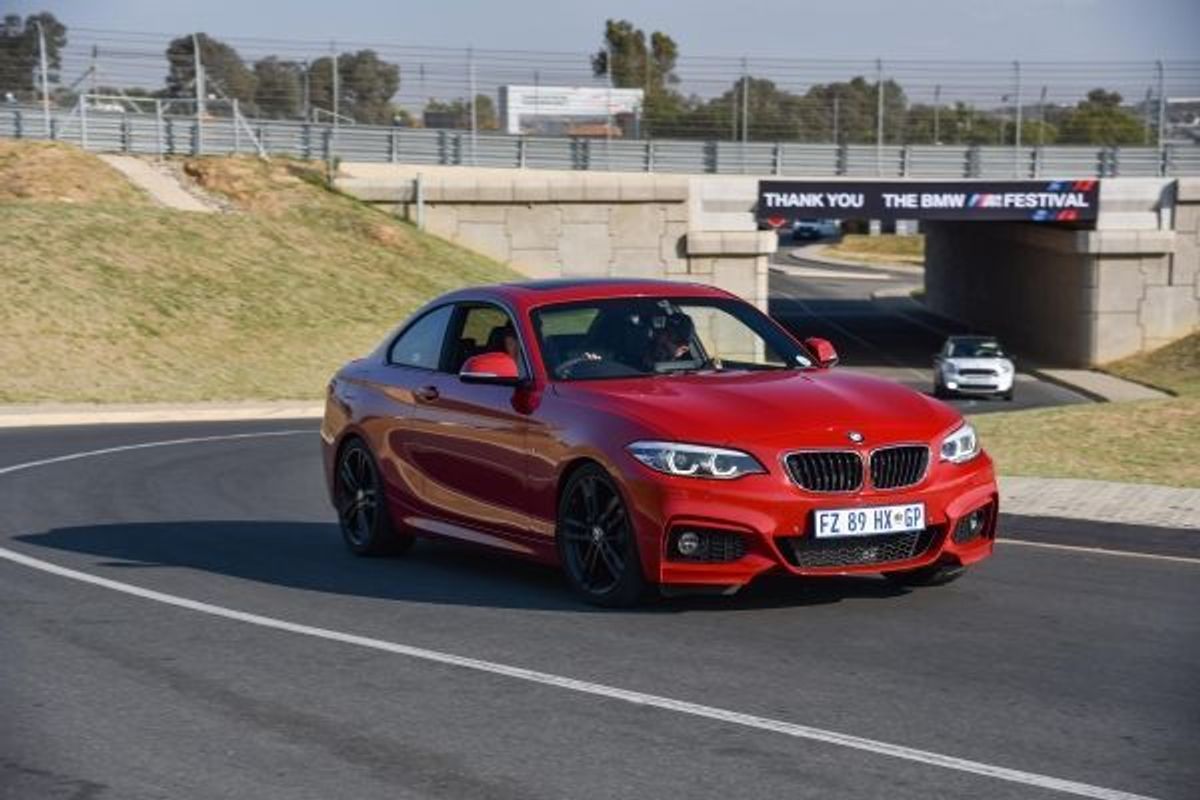
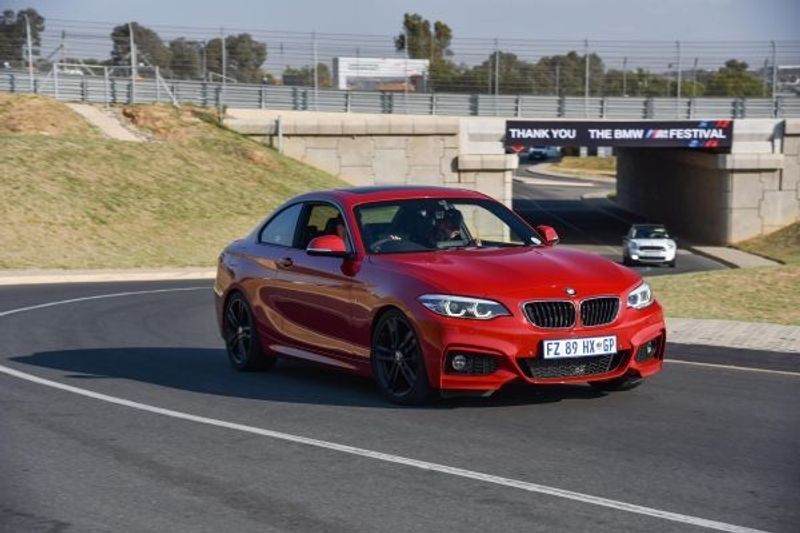
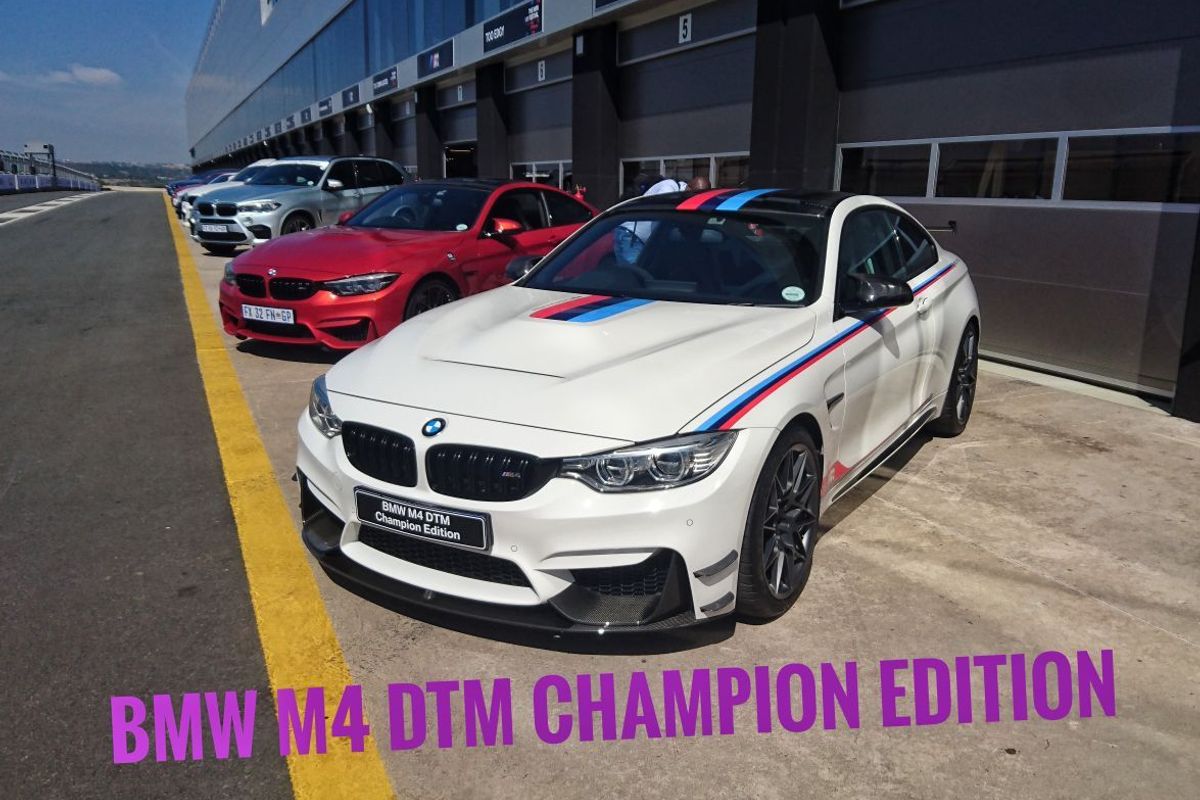
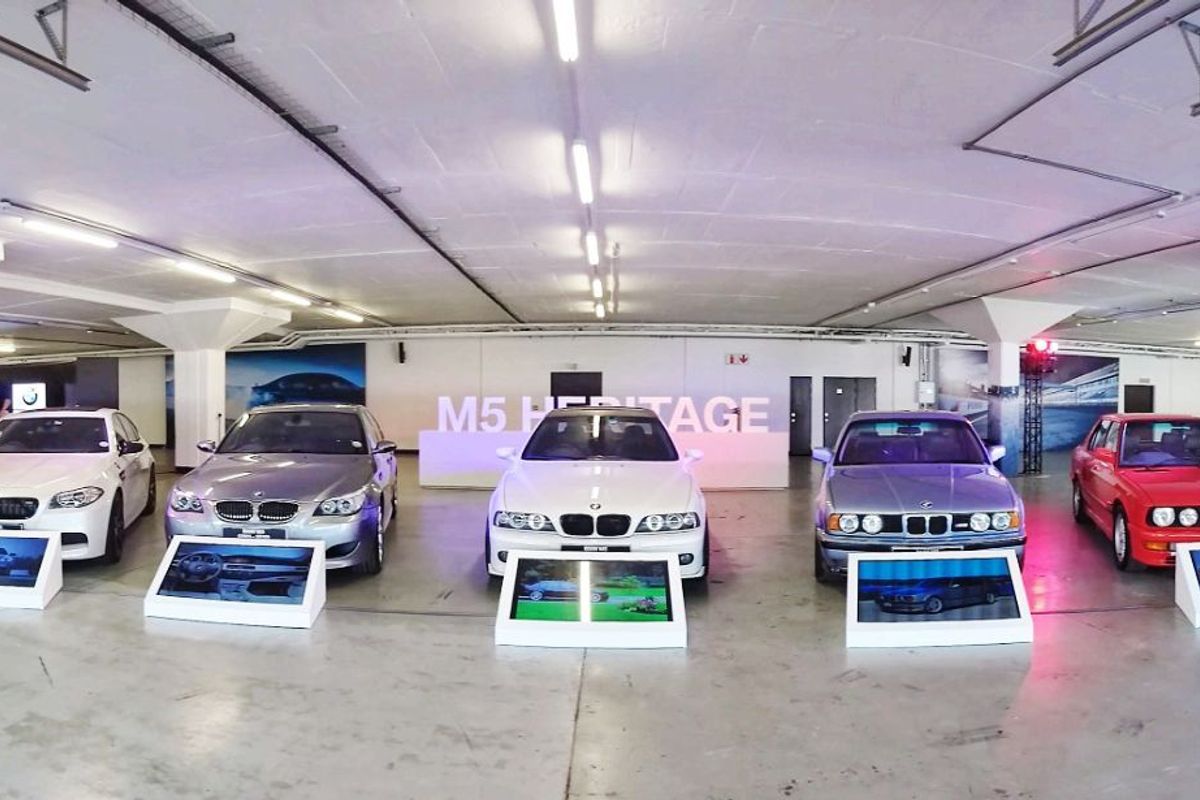
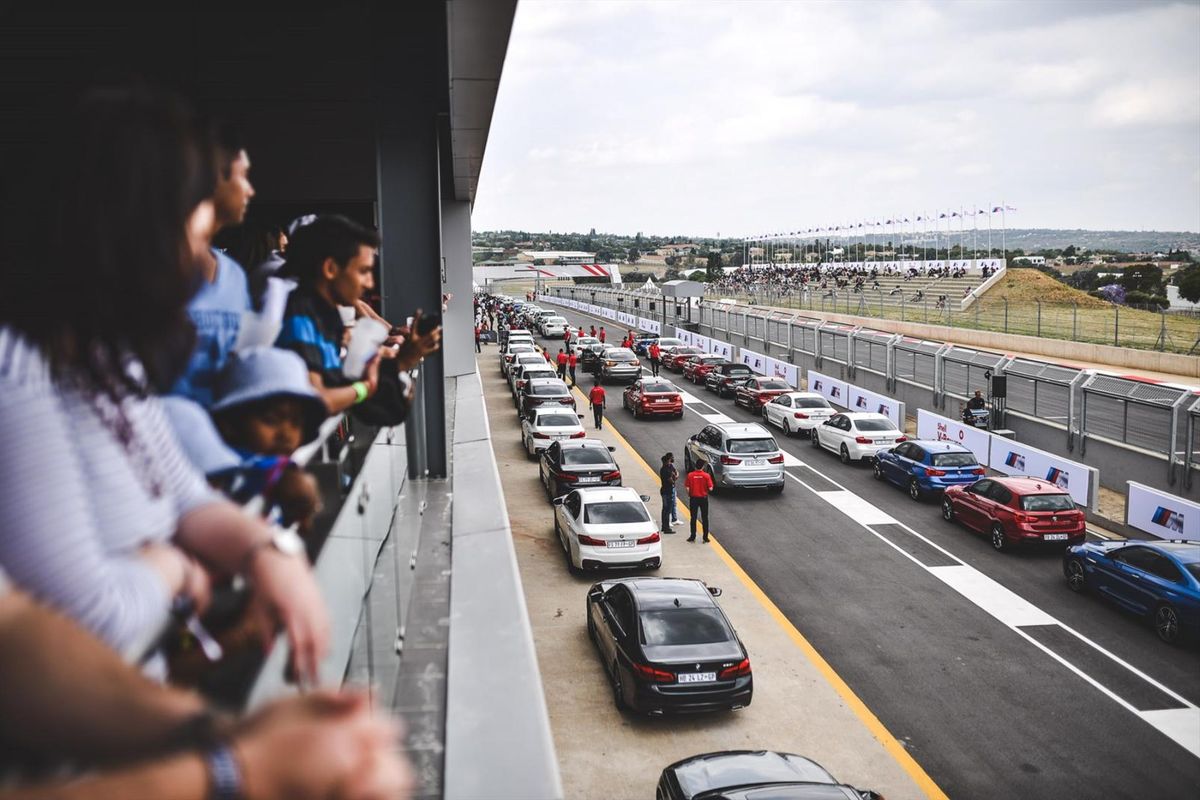
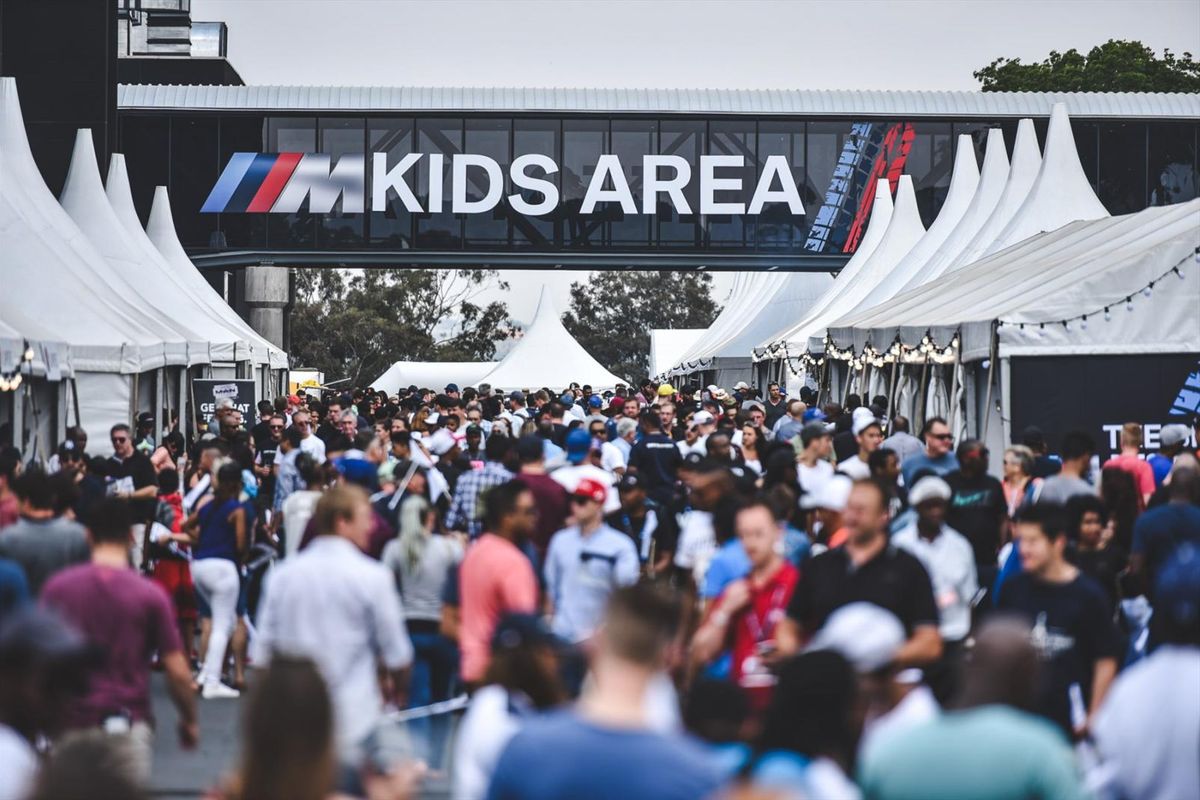
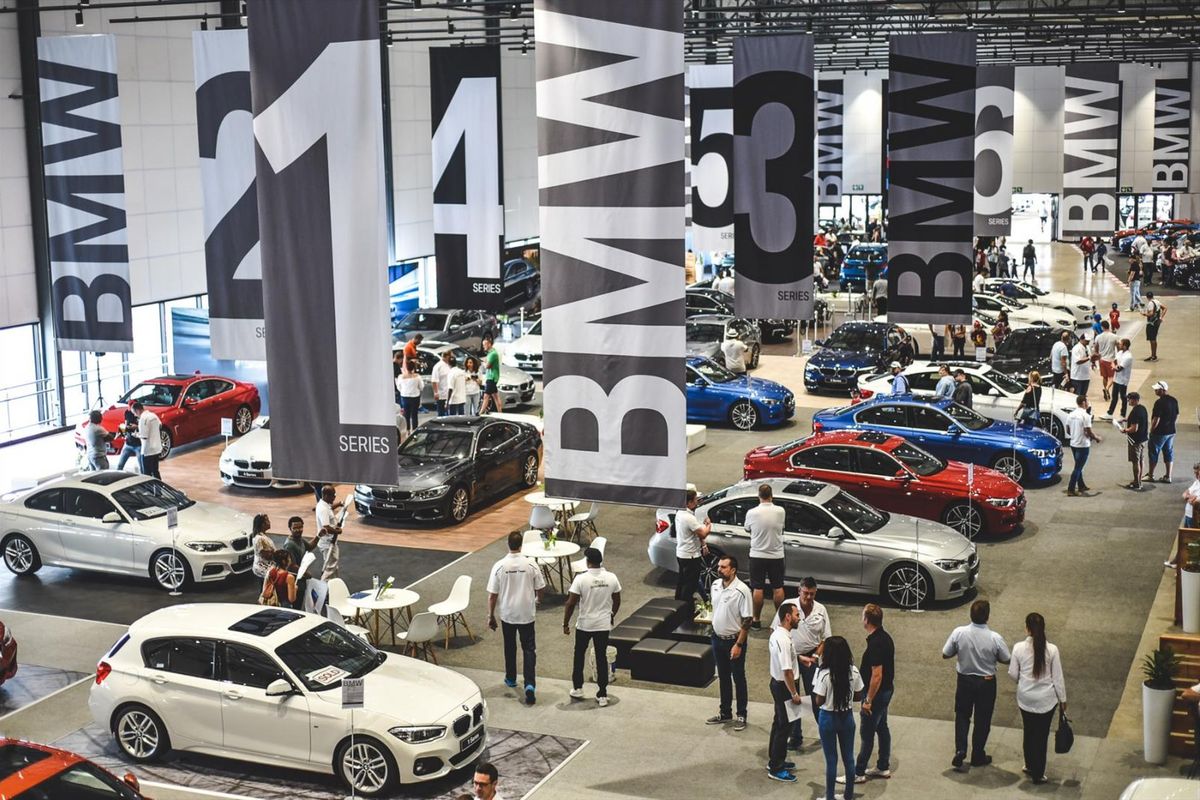
Johannesburg’s Kyalami race track played host to Africa’s first-ever BMW M Festival — and the largest in the world — on October 21 & 22. Nearly 20 000 visitors had the opportunity to familiarise themselves with some of BMW’s newest, raciest and rarest M models and M Performance derivatives.
Visitors were introduced to three stomping new models:
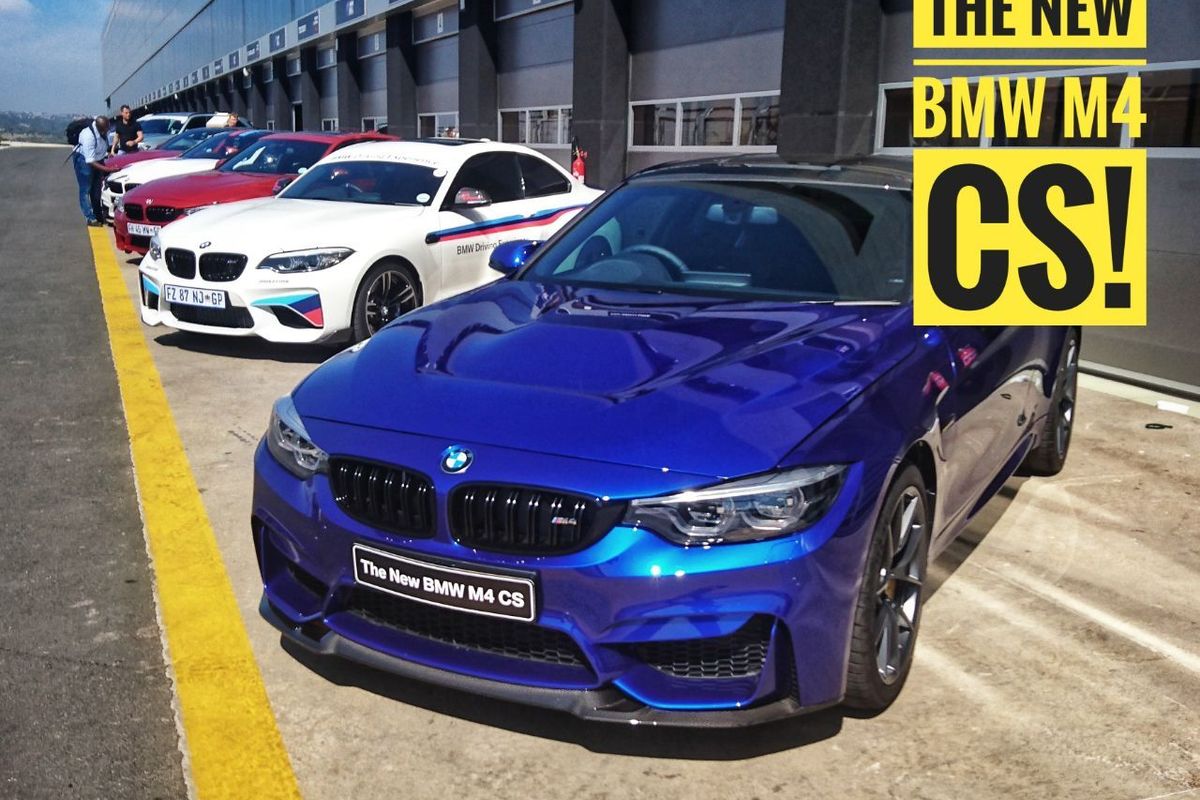
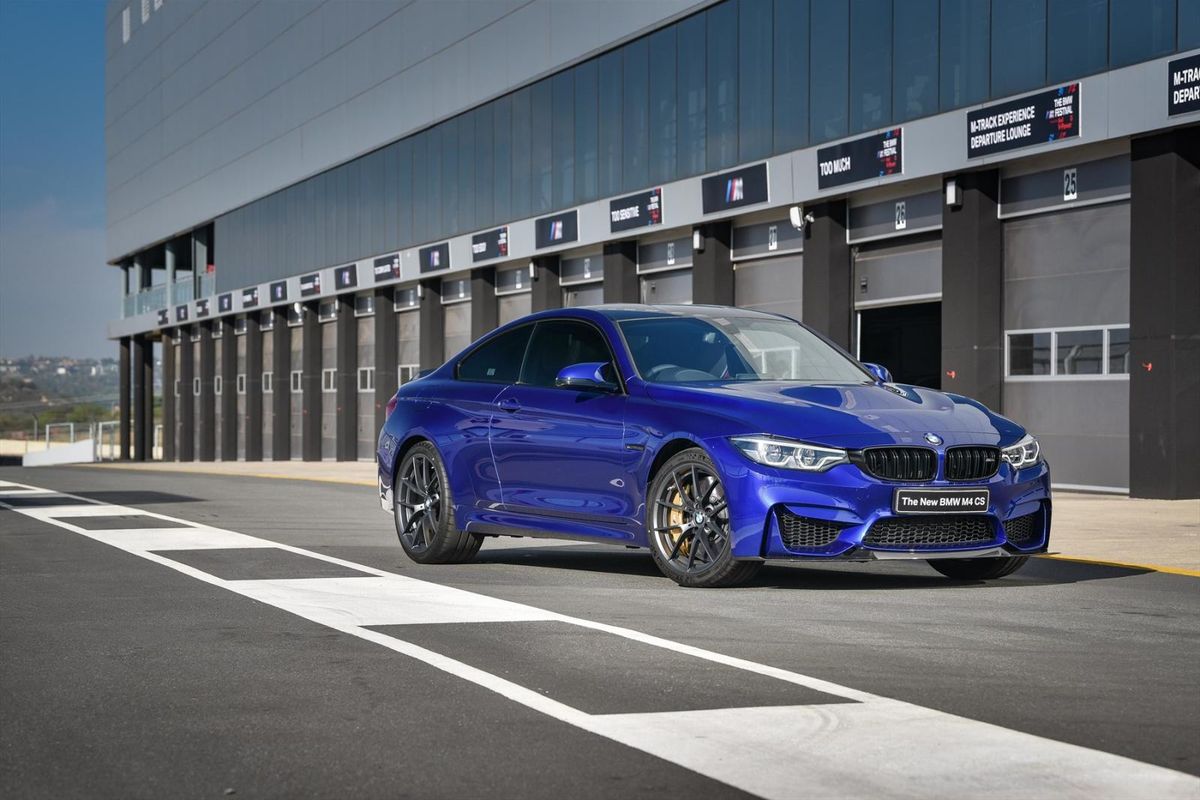
The new M4 CS sits between the standard M4 with the Competition Pack and the more brutal M4 GTS. We drove it on track at a media day ahead of the festival and found it to be lighter, tighter, more reassuringly composed and a good measure quicker than the standard M4. The newcomer nails the 0-100 kph sprint in under 4 seconds and has lapped the Nürburgring in 7 min 38 sec!:
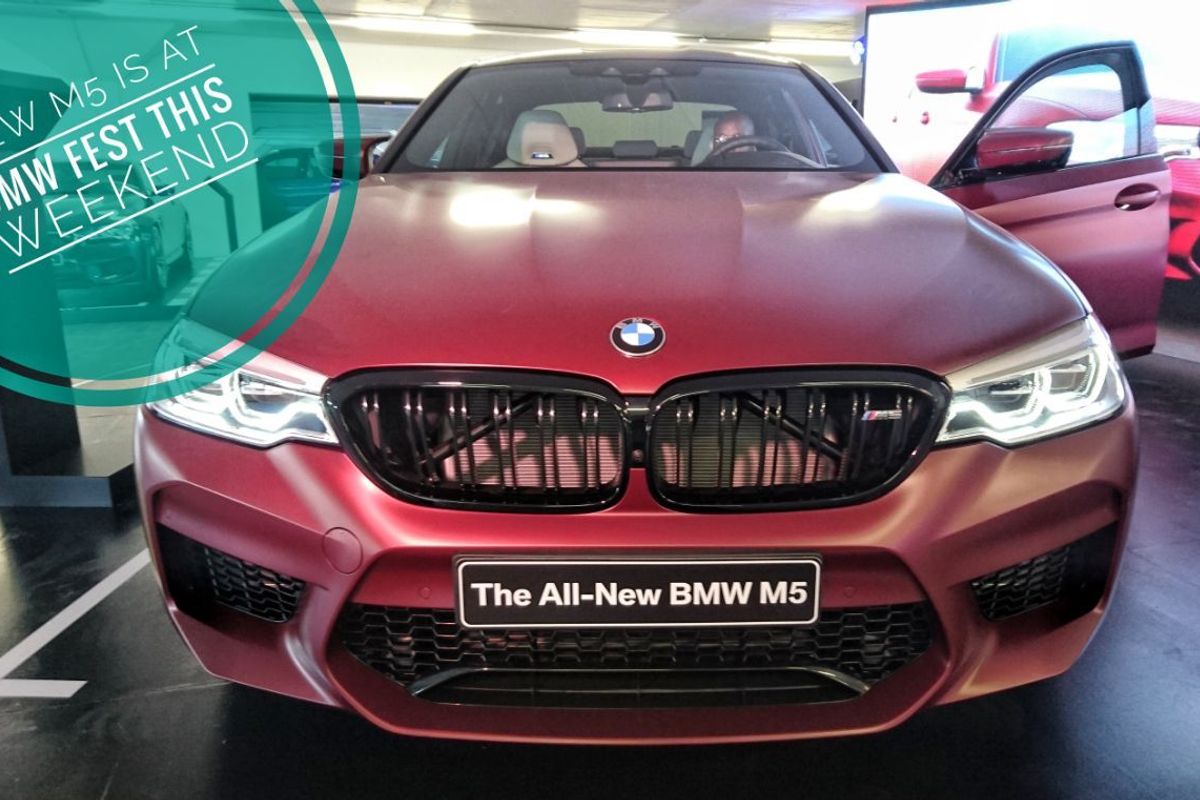
The new 441 kW M5 (related list: 5 things you need to know about the new BMW M5) was, unsurprisingly, a major hit among visitors, and rightly so – it is a truly impressive beast in all regards. If you have a spare R1.8m or so you can buy one early next year in South Africa. The first quarter is also when another hot newcomer goes on sale: the updated X3, which will be manufactured locally at BMW’s Rosslyn plant. Watch the video below for a sneak peak of the M5 and X3 M40i:
Visitors had the rare opportunity to drive (or be a passenger in) one of many BMW performance cars around the track, including the bonkers BMW M760Li, which despite its large size will easily keep up with the track-gobbling M4 GTS in the 0-100km/h sprint (around 3.7 seconds).
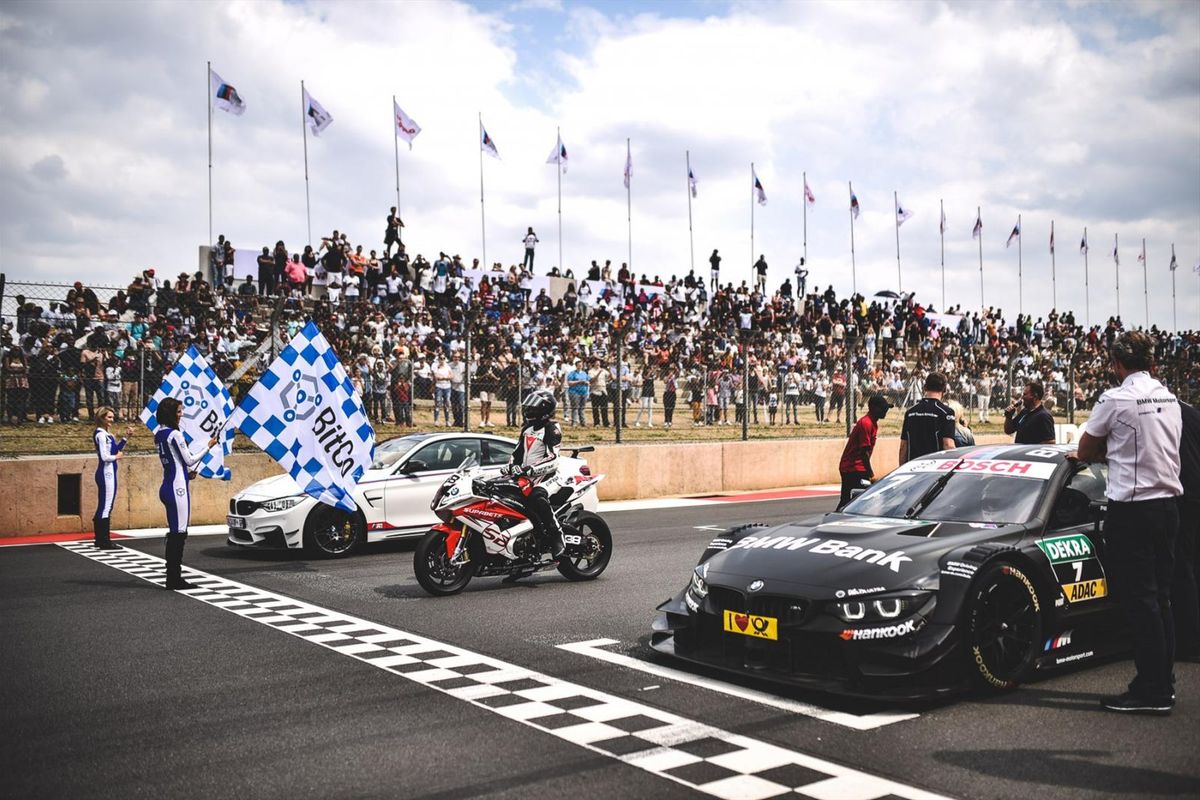
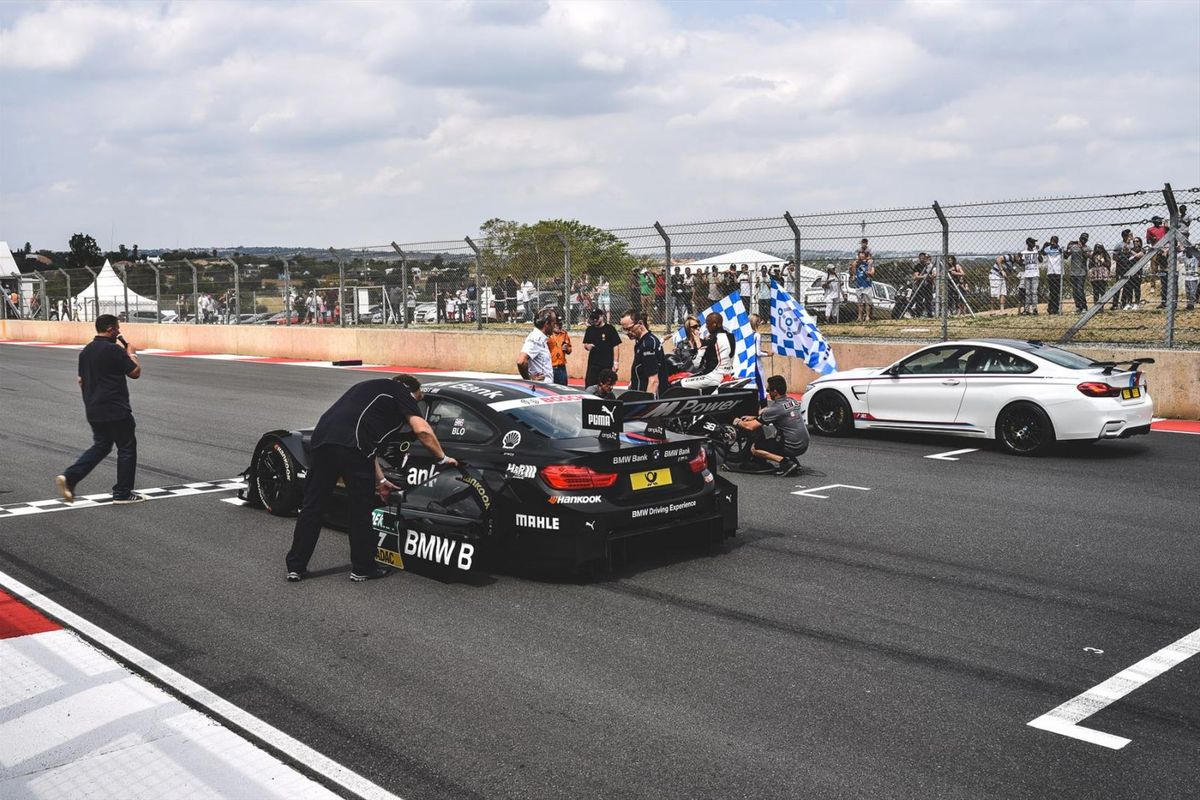
BMW DTM race driver Tom Blomqvist was a busy man at the festival, taking thrill-seekers for hot laps in his M4 DTM race car around the newly configured 16-turn, 4.522-km Kyalami circuit.
Off-track, visitors to the festival spent time perusing rare and unique M cars and calling their bank managers while wandering through a vast pop-up dealership.
Here’s a quick taste of some of the many models that will be on display:
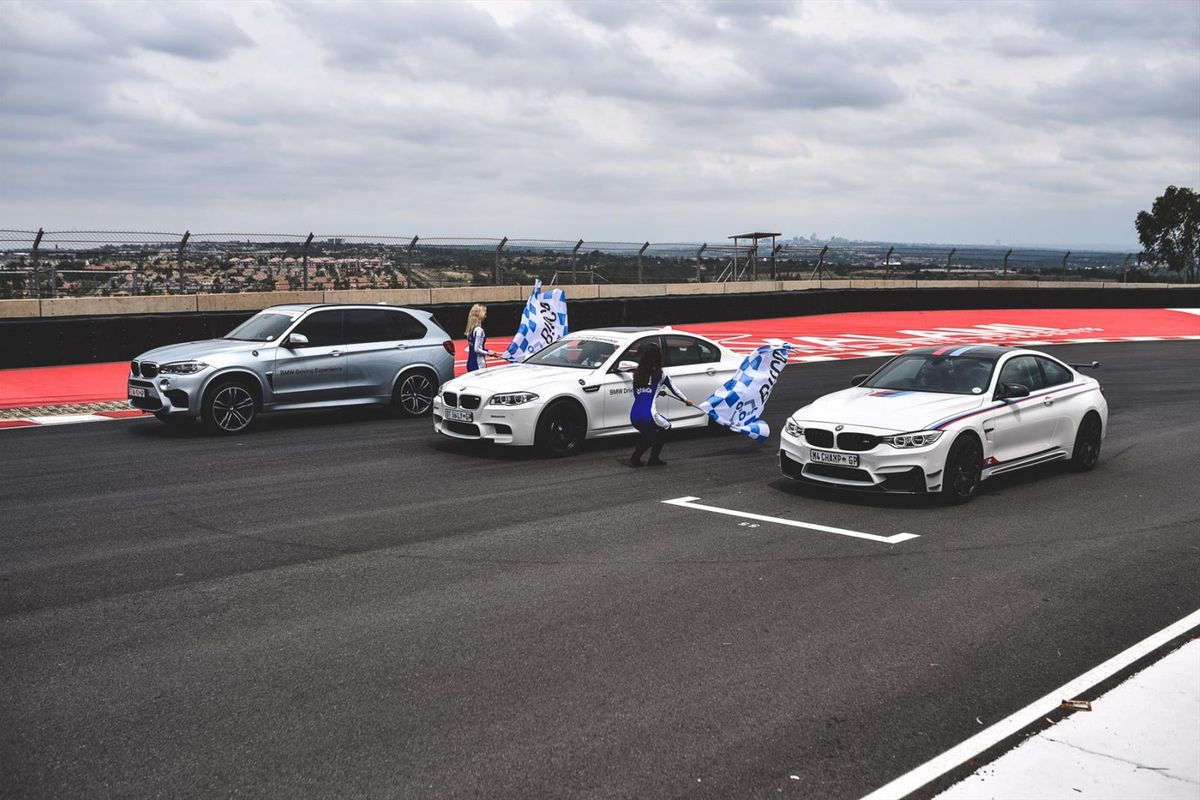
There was much excitement when veteran BMW superbike rider Lance Isaacs, BMW DTM driver Tom Blomqvist and Sasol GTC BMW driver Gennaro Bonafede performed drag races in the BMW S 1000 RR, the BMW M4 DTM racing car and the new BMW M4 CS.
Watch the highlights clip from Day 1:
On the last day of the festival, the BMW Gauteng Car Club hosted its annual Concours Event – the biggest annual South African celebration of BMW heritage. Entrant's vehicles were prepared meticulously prior to the event and then expertly judged on their condition, authenticity, preparation and presentation.
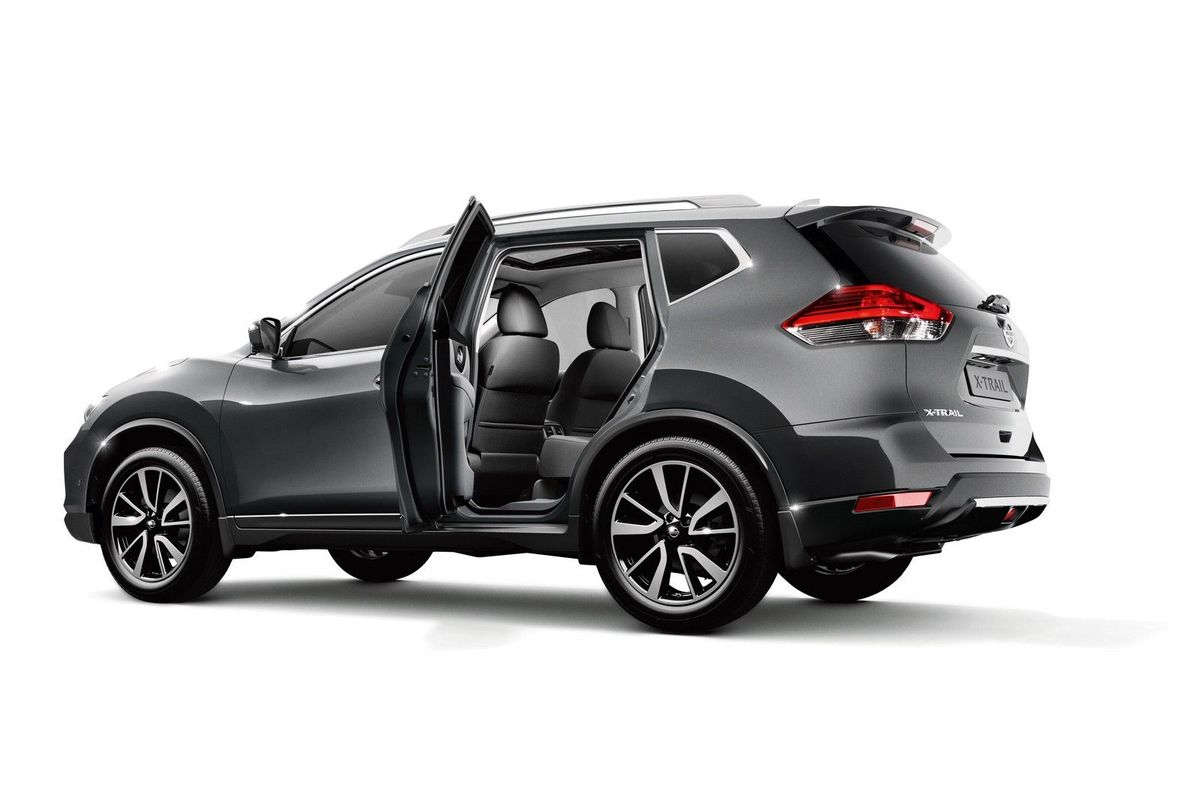
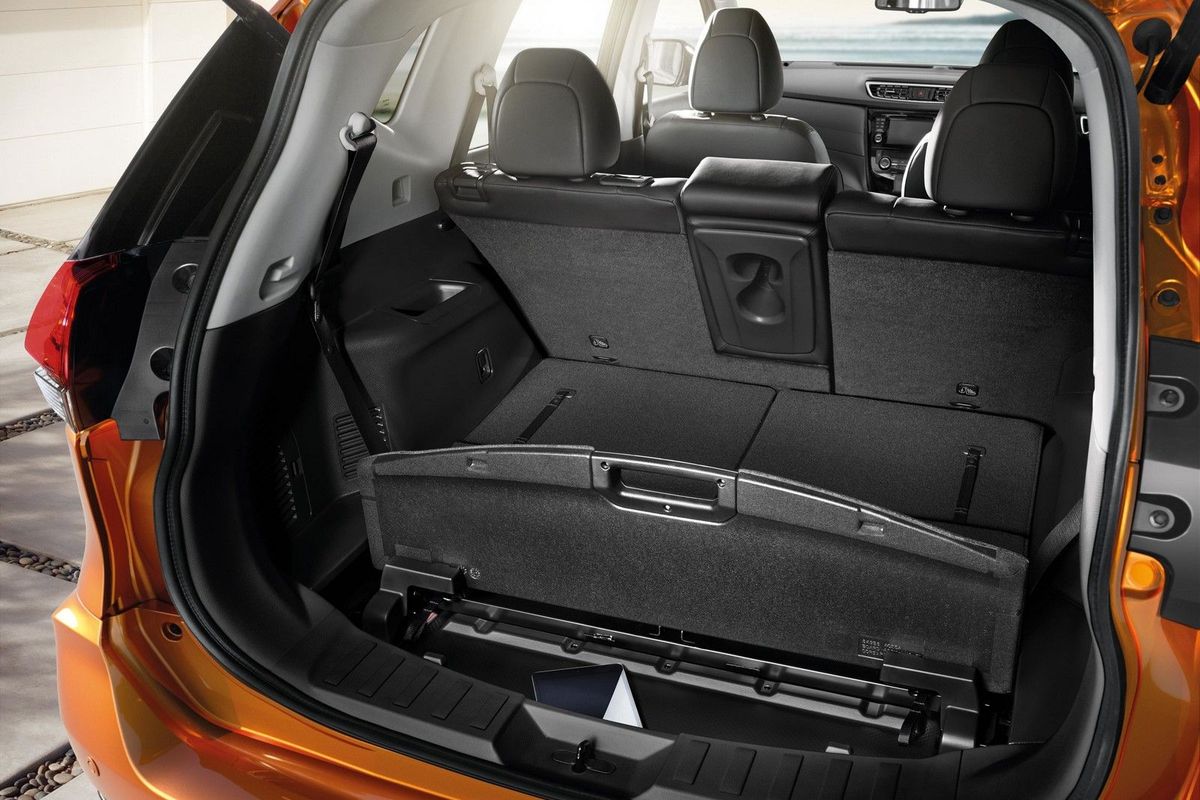
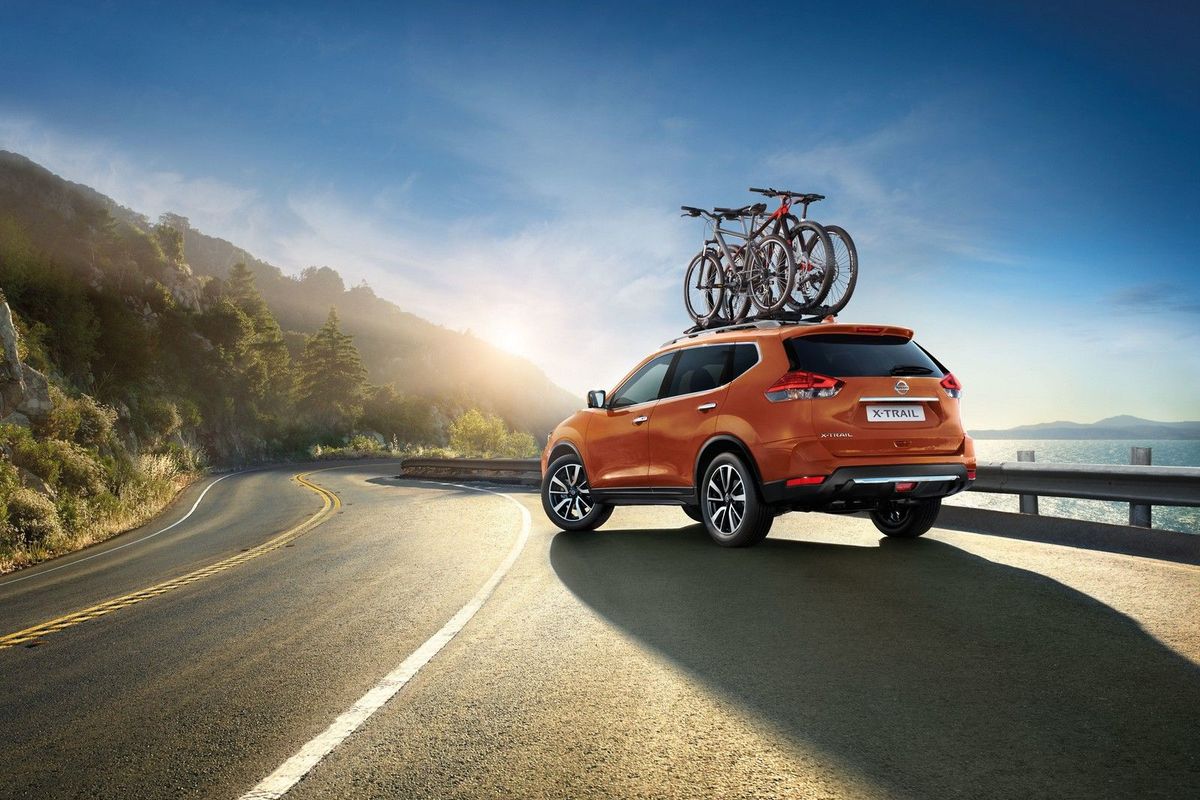
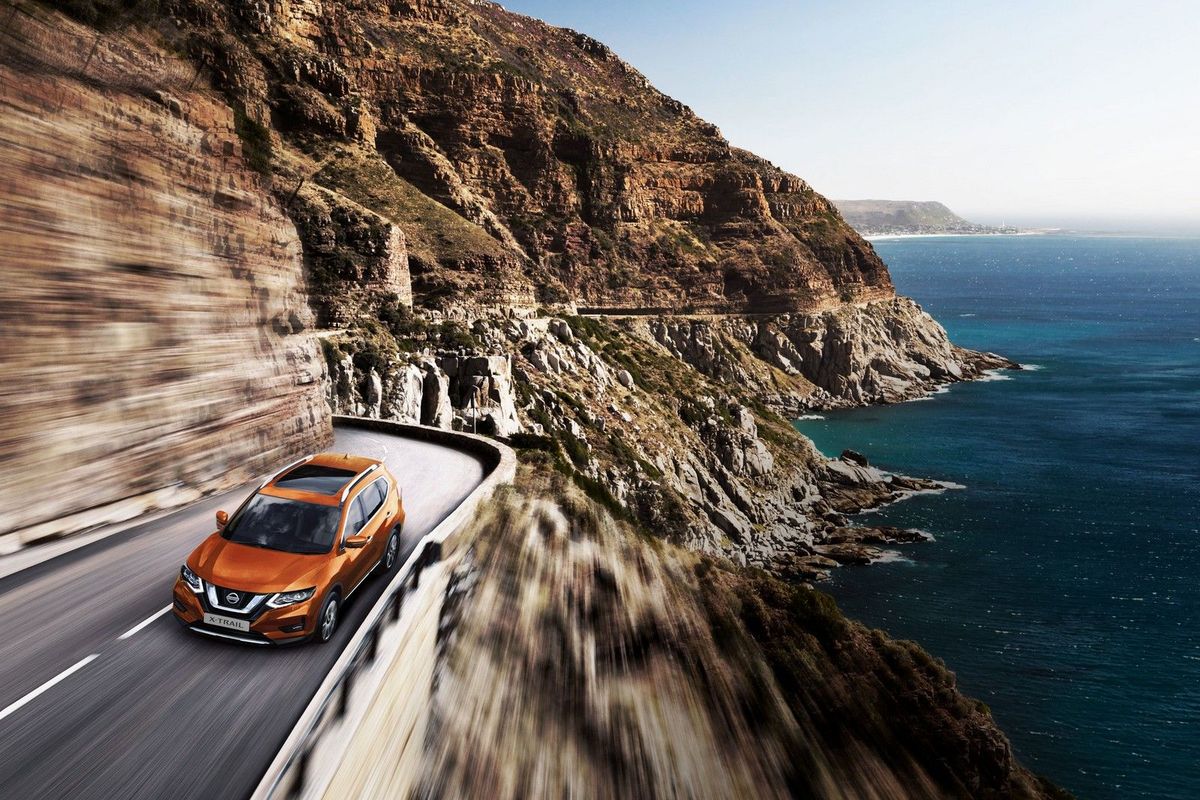
There’s a new Nissan X-Trail on the block, and although it’s only a facelift, the new crossover does boast a considerable array of useful new tech and a sensible set of practical, aesthetic and safety enhancements.
The facelifted X-Trail was revealed in June and officially launched in South Africa this week – look out for our full review coming soon.
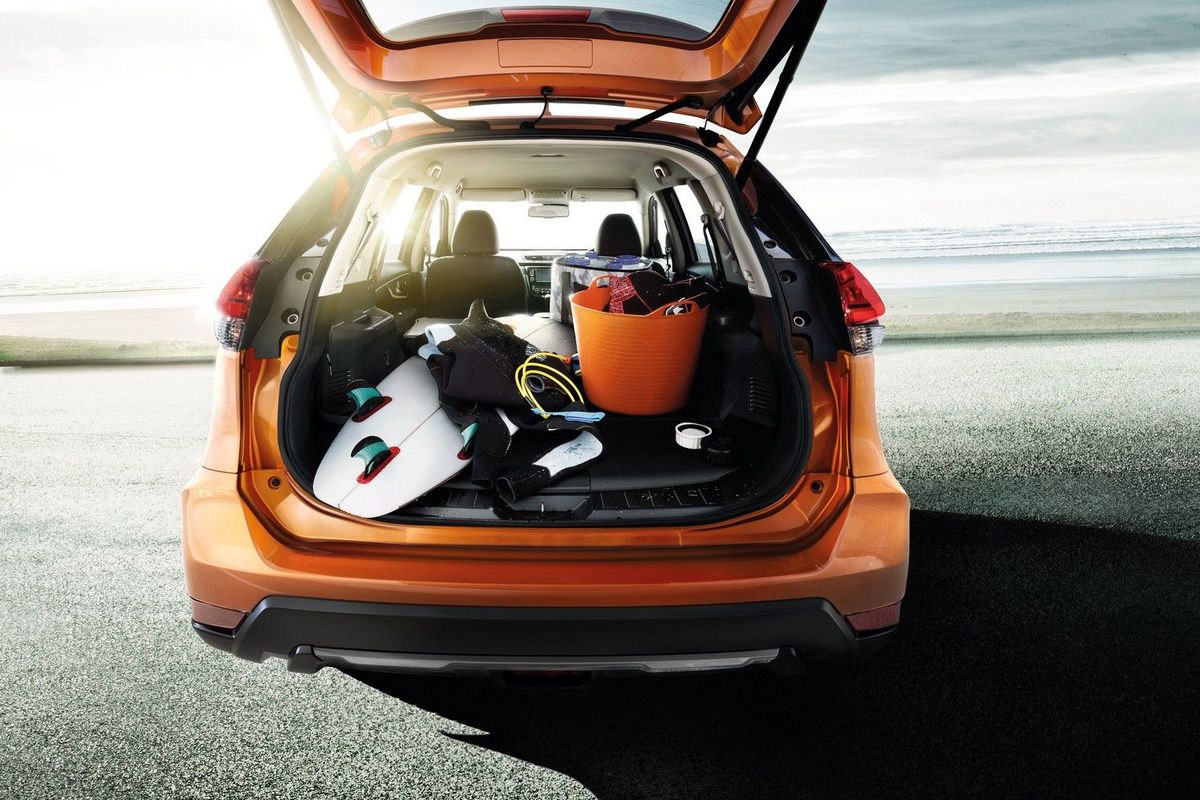
Nissan features prominently in the crossover segment and continues to offer versatile vehicles that are equally happy on the urban weekday commute as they are on off-the-beaten-track weekend adventures with the family (and dog).
In terms of its siblings, the X-Trail is Nissan’s flagship premium crossover (dwarfed only by the Patrol, a new version of which is also due soon), while the Juke remains a popular small SUV and the Qashqai continues to do duty as Nissan’s mid-sized crossover.
New tech
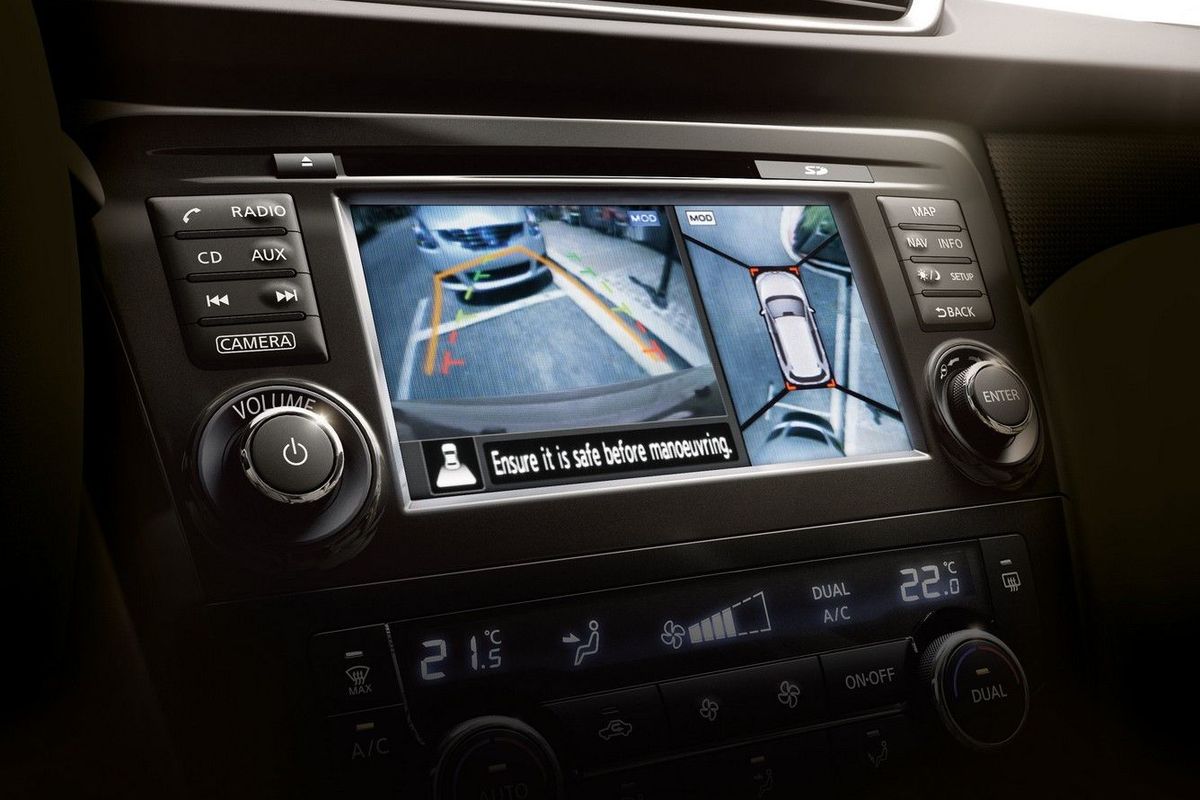
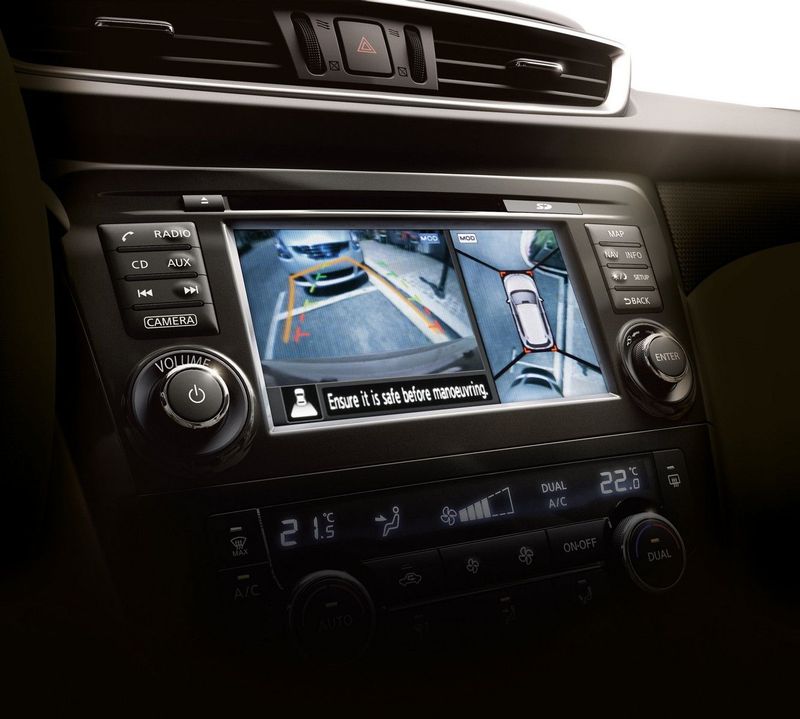
The around-view monitor makes parking much easier.
The new X-Trail features Nissan Intelligent Mobility enhancements which will alert the driver when things seem a little precarious, like when there’s another vehicle in the blind spot, or when straying from a lane, or when backing out of a parking around other moving cars.
There’s also automatic emergency braking, potential collision warning, automatic high/low beam headlights and what Nissan calls an Intelligent Around View Monitor, allowing for drivers to park more easily by having a better awareness of the vehicle’s surroundings.
Interior upgrades
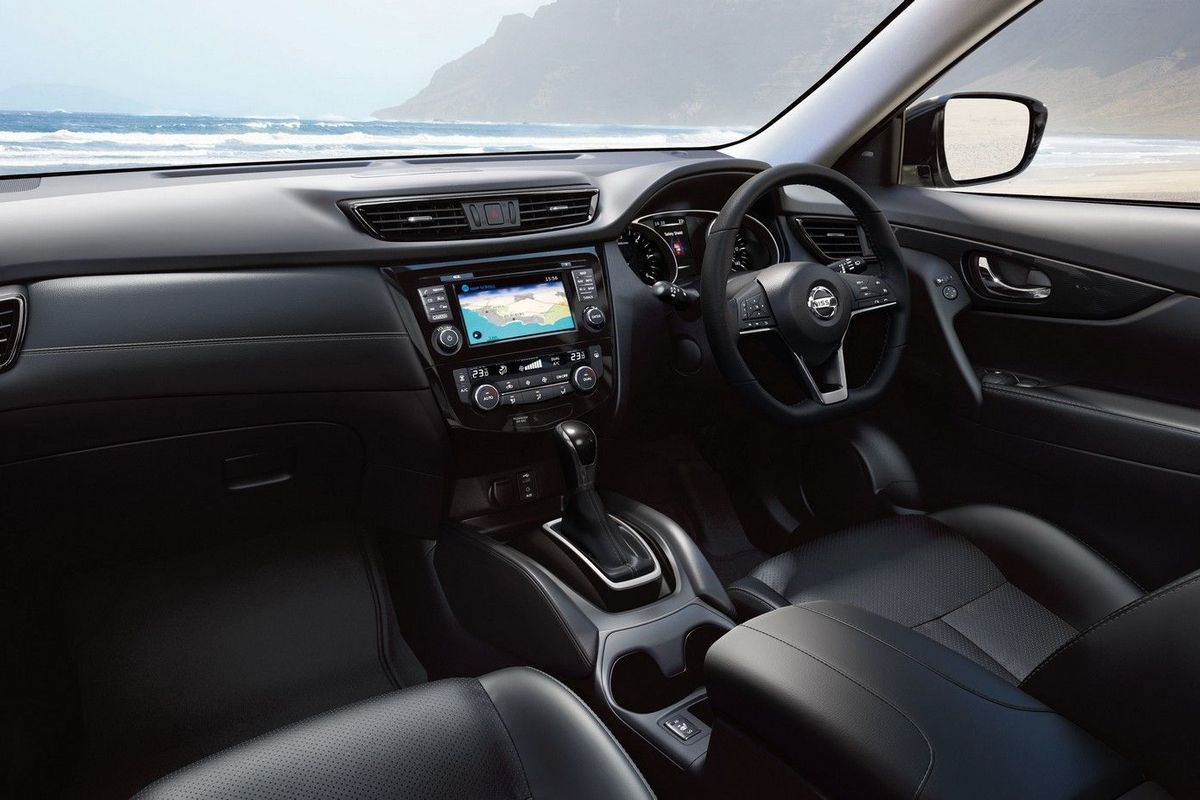
Inside things have been taken up a notch with an upmarket design featuring new styling for the steering, the door finishes and the console wrap, with a plusher material for the seats (which you can have seven of, as an option). The black leather trim has also been enhanced and now features white stitching while the steering wheel is D-shaped. The centre console and the console lid have also been improved, while the NissanConnect touchscreen satellite navigation system now features a new interface that’s more user-friendly.
Exterior enhancements
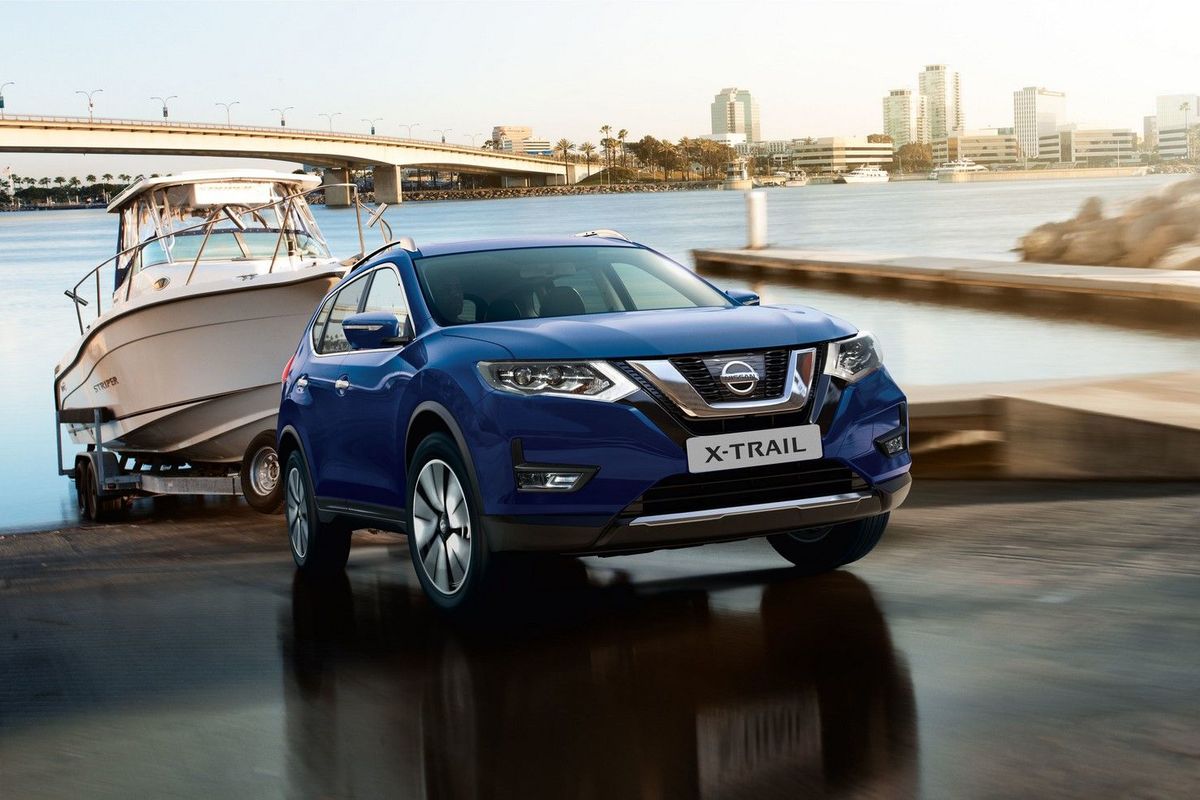
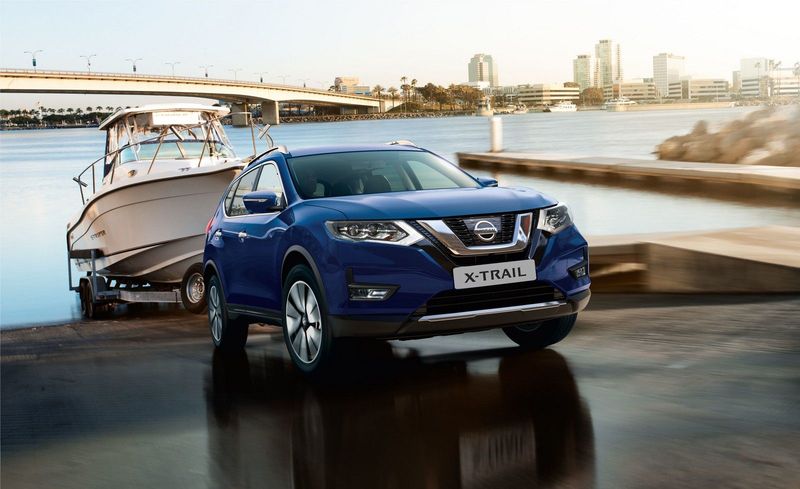
New grille and headlight arrangement allows it to pull a boat –? at speed, out of a jetty.
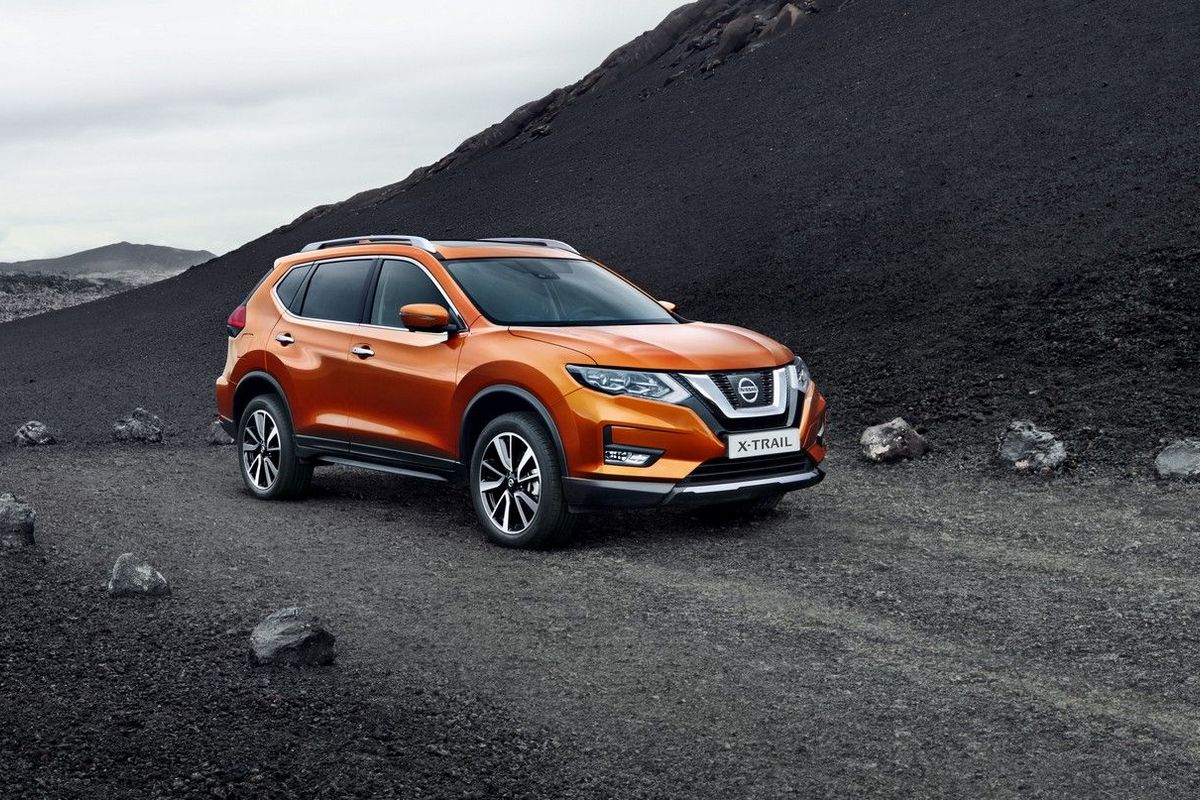
On the outside, there’s a new “V-Motion” grille and bumper, revised headlights and signature day-time running lights, with the choice between 17- or 19-inch alloys and new exterior colours like Orange Pearl, Red Pearl, Blue Pearl Metallic and Dark Brown Pearl. The front also features integrated fog lamps while the rear has LED boomerang taillights and the rear bumper has been freshened.
Pricing
The new Nissan X-Trail comes with Nissan’s class-leading 6-year/150,000km warranty, a 3-year/90,000km service plan and 24-hour roadside assist.
Service intervals are at 15,000km and the new X-Trail is priced as follows:
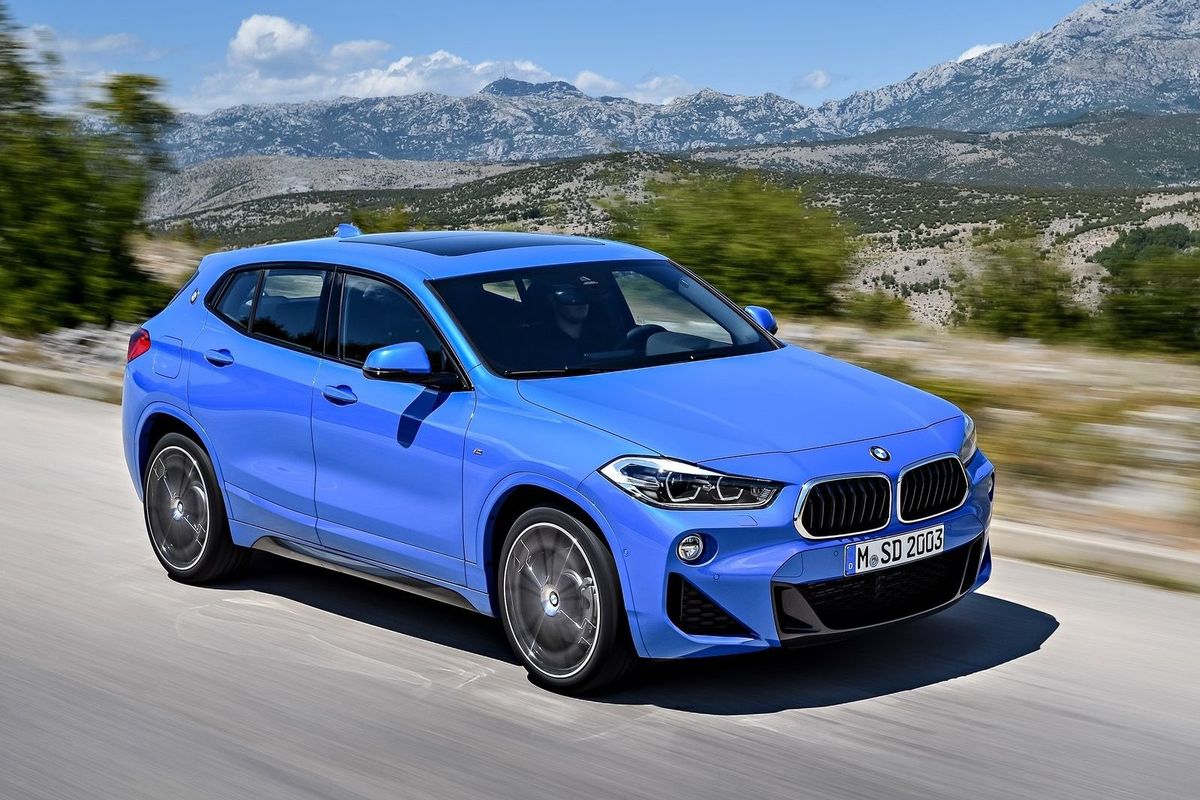
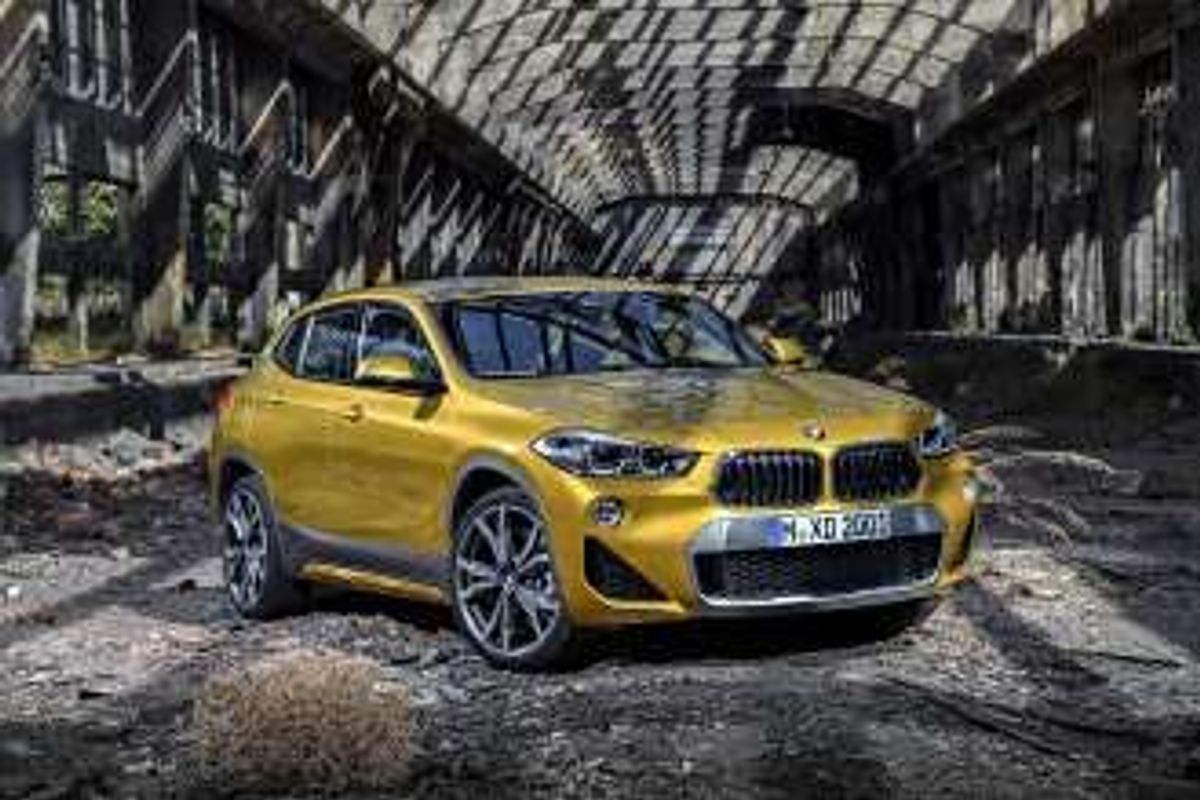
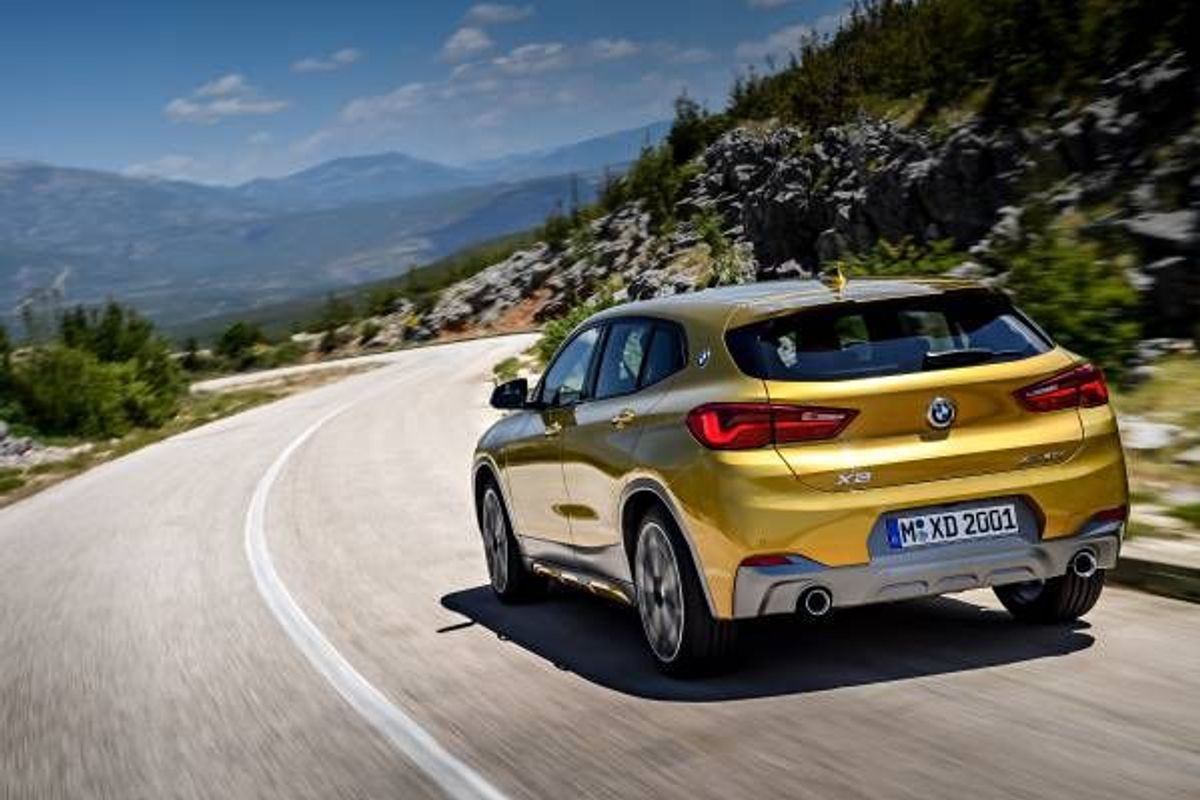
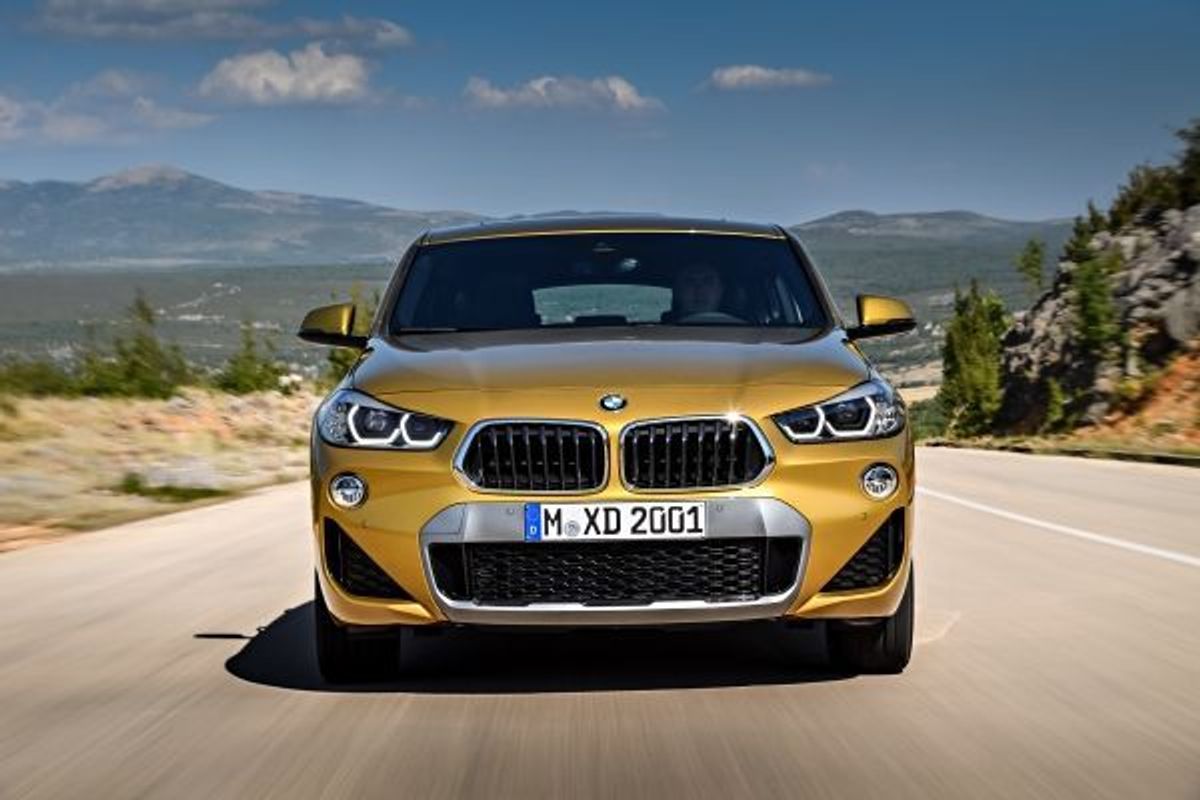
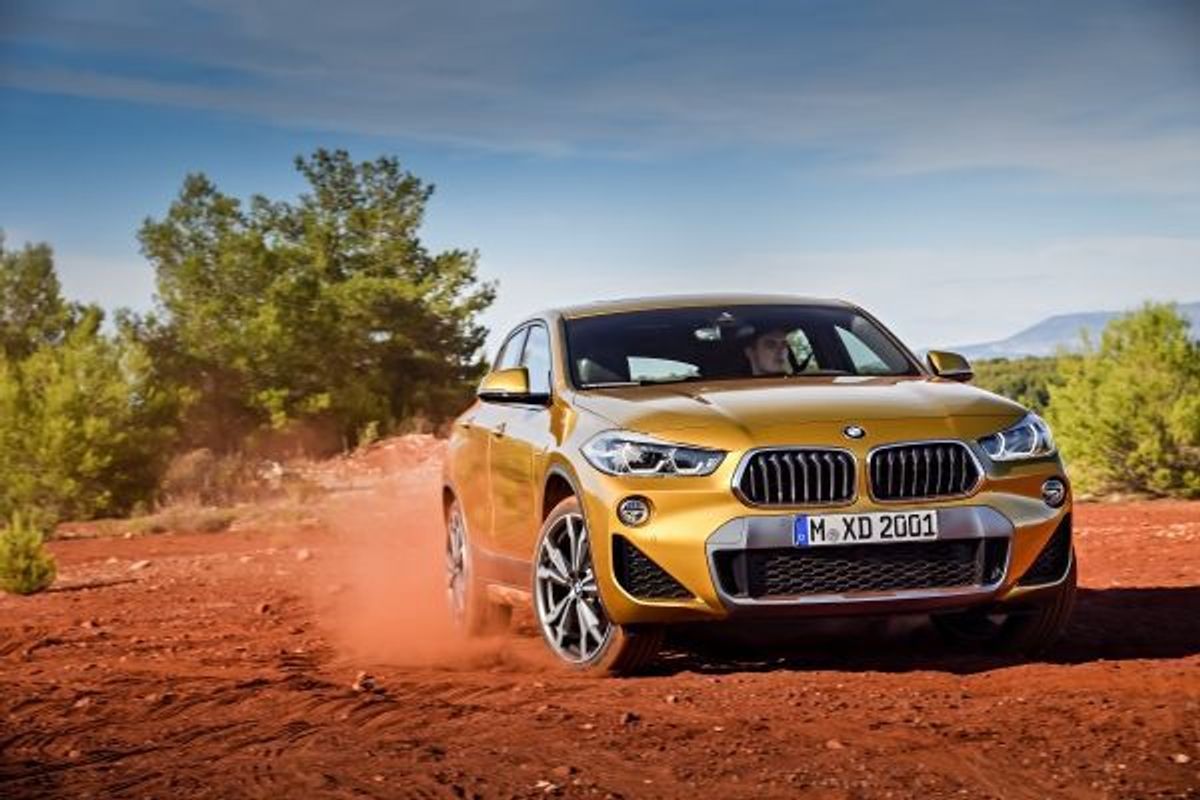
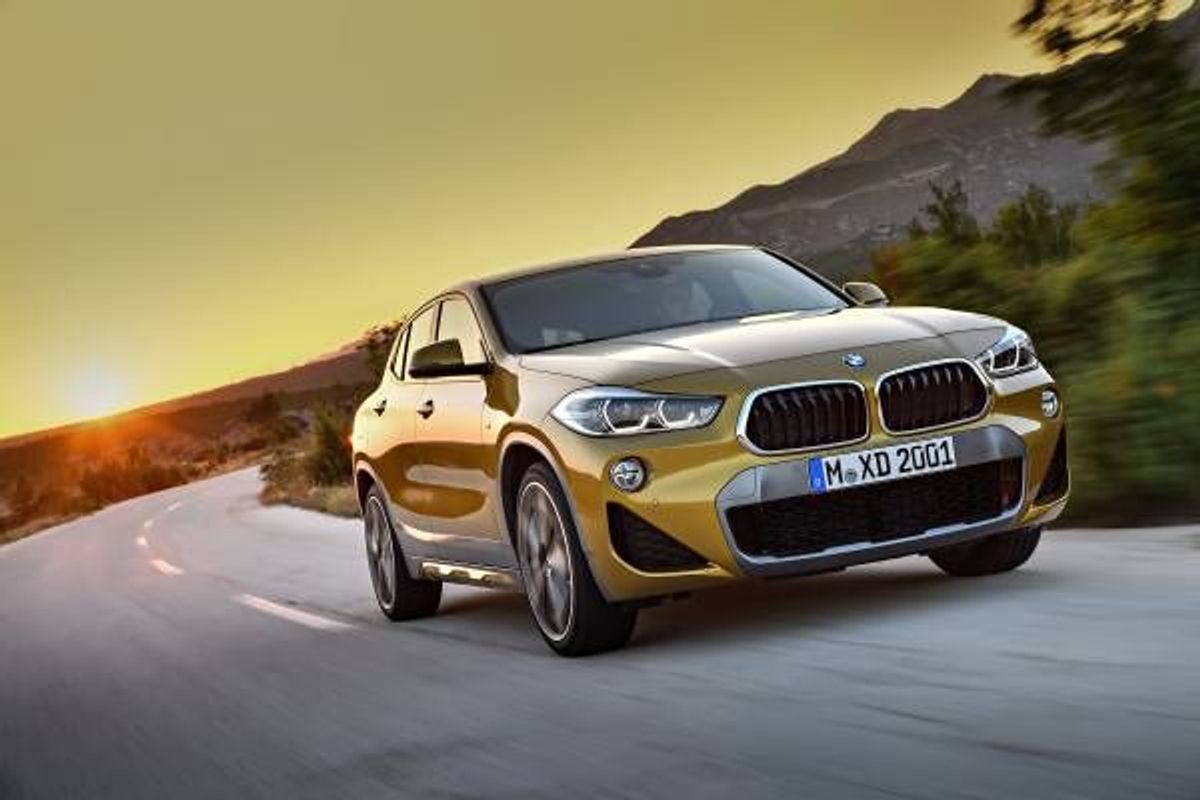
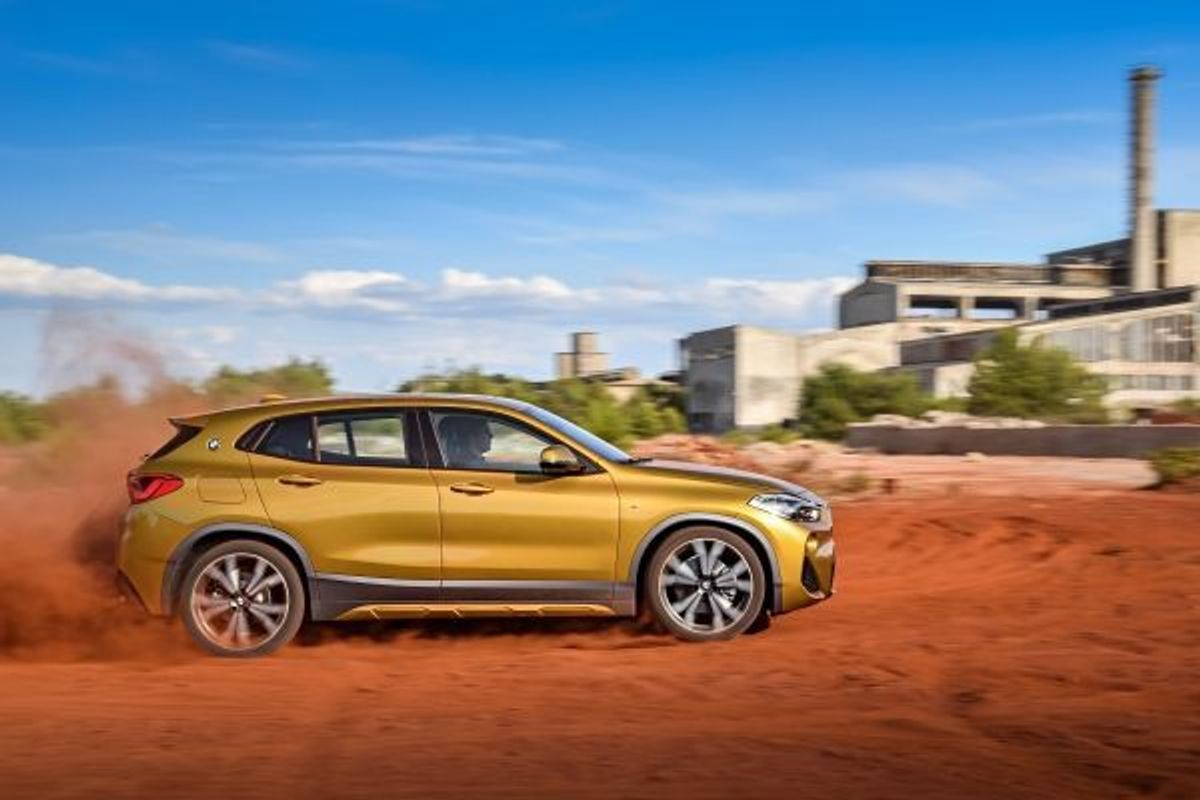
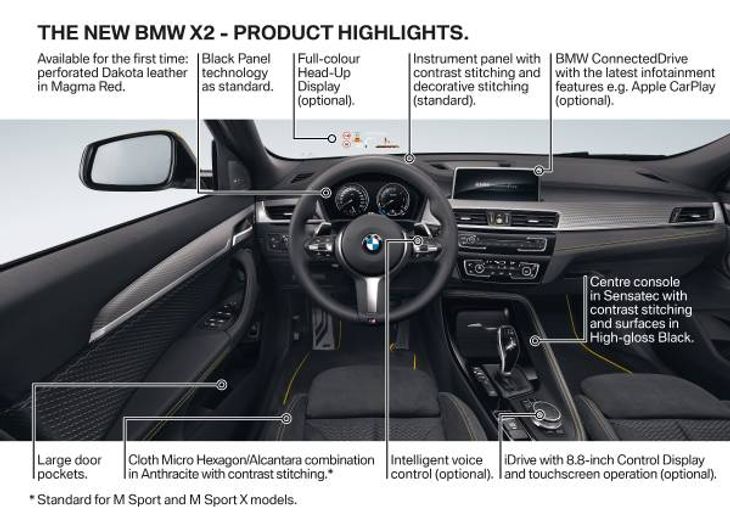
For those who find the BMW X1 too demure and MPV-ish, BMW will introduce its X2 in South Africa in March 2018. As is the tradition with even-numbered X models, the newcomer's styling is quite daring. Two-wheel-drive turbopetrol and AWD turbodiesel derivatives will be offered.
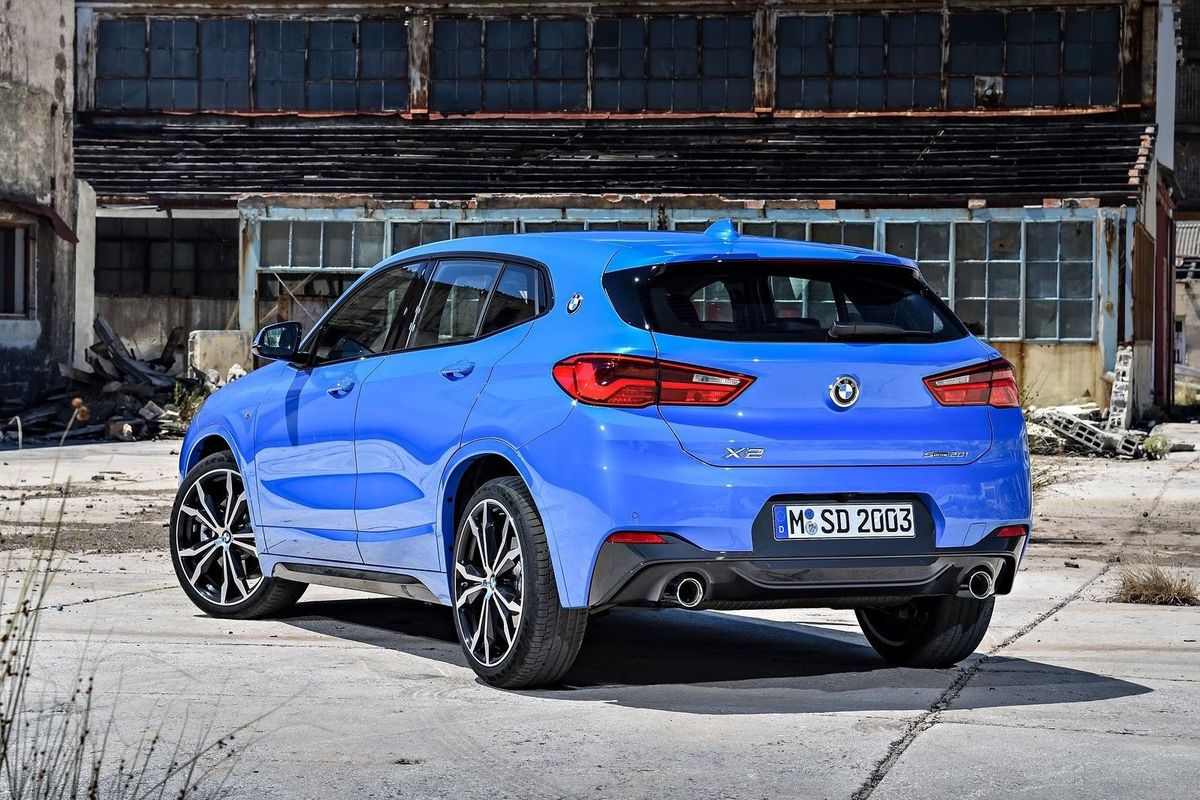
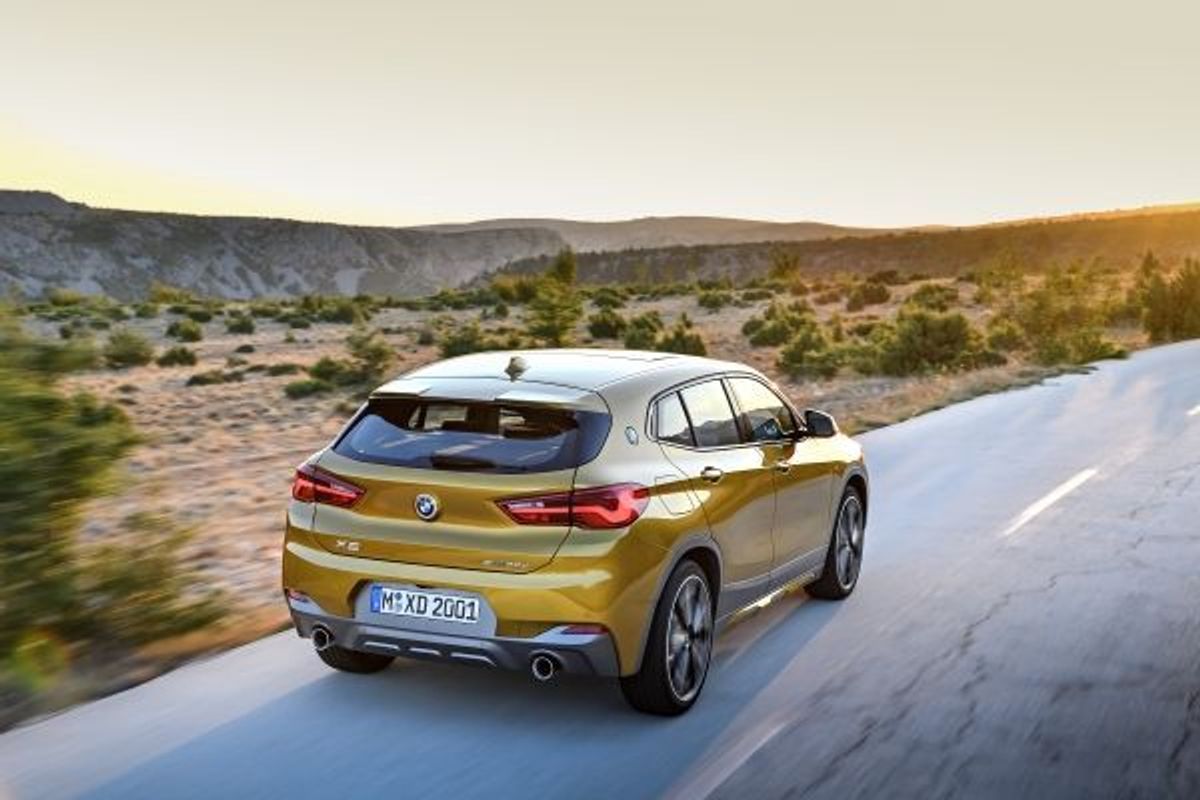
As expected, the newcomer's look is characterised by squared-off extremities, sporty accents such as exhaust tailpipes and accentuated side skirts, plus a rearward sloping roofline, svelte contours and narrow side glass area. However, a pair of design cues appear to split opinion: not everyone is a fan of the inverted kidney grille (it now broadens to its bottom outer edges), plus the additional BMW roundels (1 on each of the C-pillars) reference a similar detail of celebrated BMW coupes of yore, such as the 2000 CS and 3.0 CSL, yet, for all its overt sportiness, the X2 is hardly a classic coupe.
The South African line-up will include 2 derivates from launch, both of which are equipped with automatic transmissions. The front-wheel-drive sDrive20i petrol derivative has peak outputs of 141 kW/280 Nm, a claimed fuel consumption range of between 5.9 and 5.5 L/100 km and a 7-speed Steptronic dual-clutch transmission. The xDrive20d turodiesel derivative, meanwhile, produces 140 kW/400 N.m, consumes approximately 4.8 – 4.6 L/100 km, comes equipped with xDrive "intelligent all-wheel drive" and features an 8-speed Steptronic transmission.
The M Sport and M Sport X specification derivatives come as standard with M Sport suspension with firmer spring and damper settings and a lowered ride height, while optional dynamic damper control allows the suspension settings to be tailored to road conditions/a driver's taste.
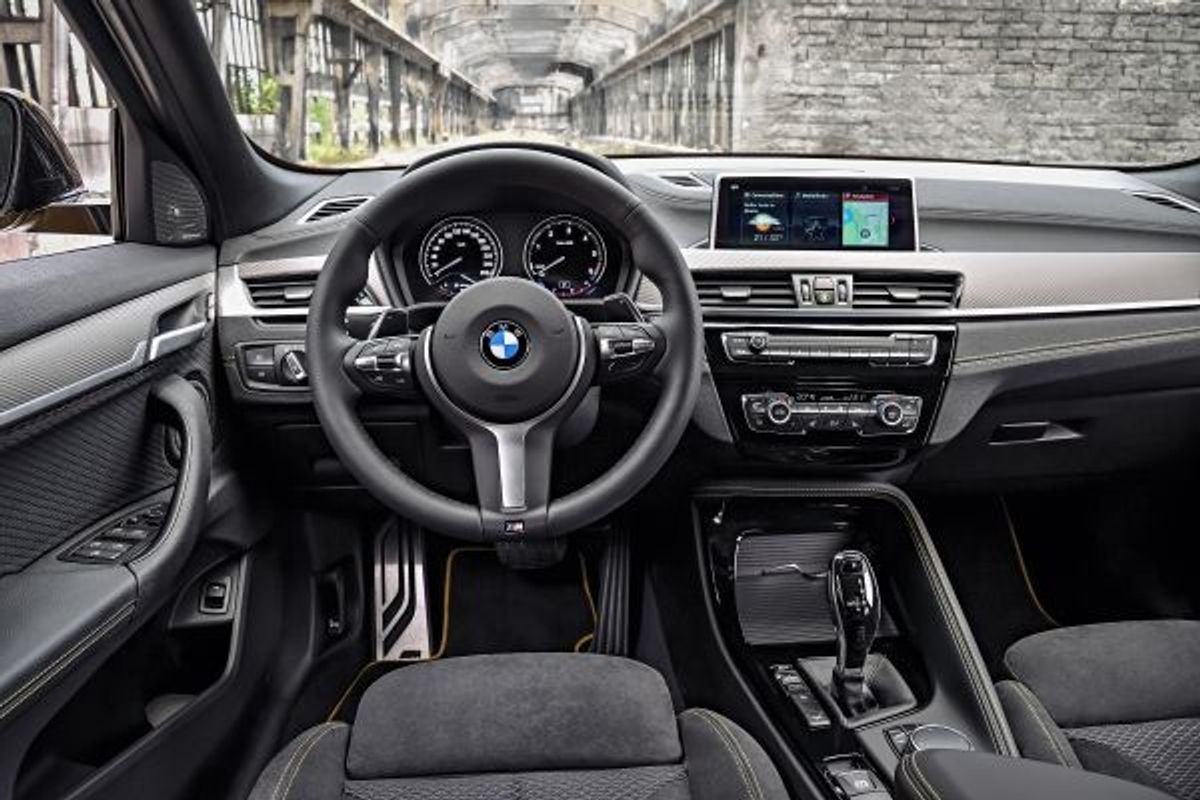
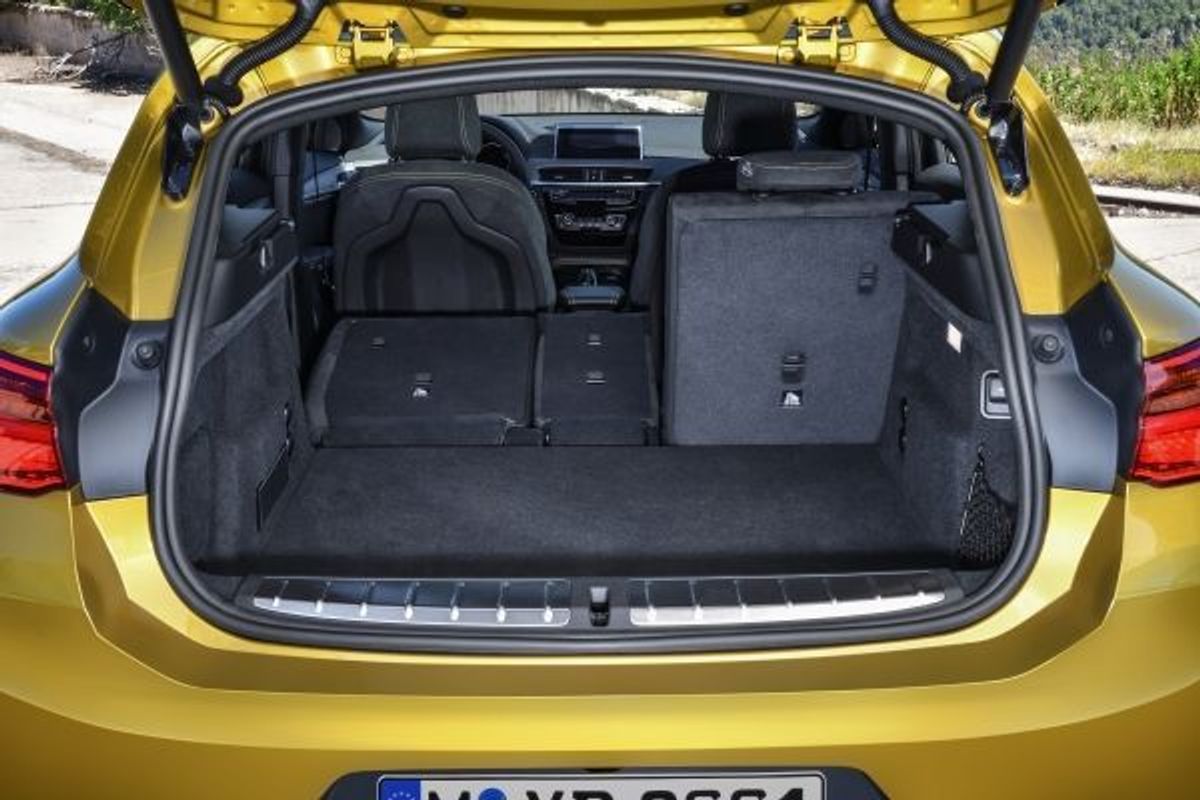
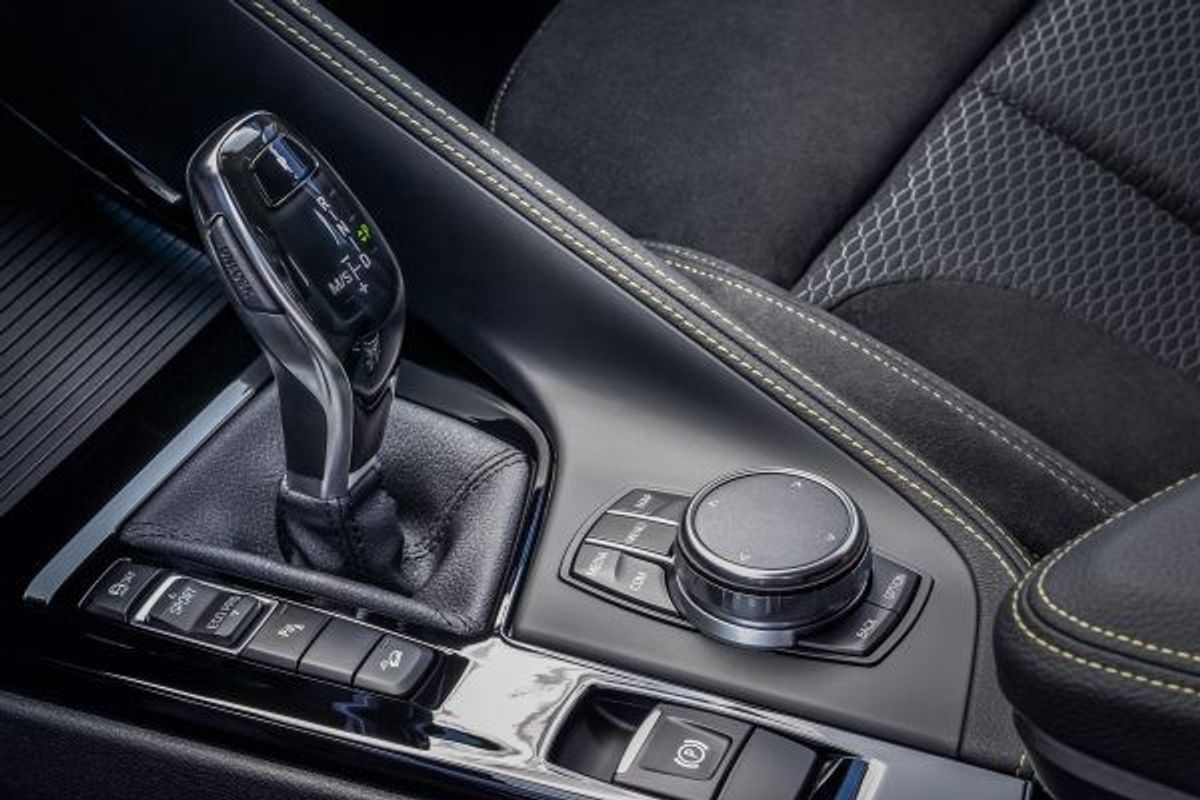
The interior is trimmed in a combination of Micro Hexagon fabric/Alcantara Anthracite with contrast stitching for the instrument panel and centre console. BMW claims the X2 has a claimed luggage capacity of 470 litres, which can be increased by folding the 40/20/40 rear seatback forward.
As expected, a host of BMW Connected and BMW ConnectedDrive Services will be optionally available for the X2, as will be BMW Head-Up Display, Driving Assistant Plus, which comprises a series of camera-based driver assistance systems and Parking Assistant. Price wise, we expect X2 to slot in nearer to the upper end of the X1 range than entry-level of the soon-to-be-launched X3. A 5-year/100 000 km maintenance plan will be standard.
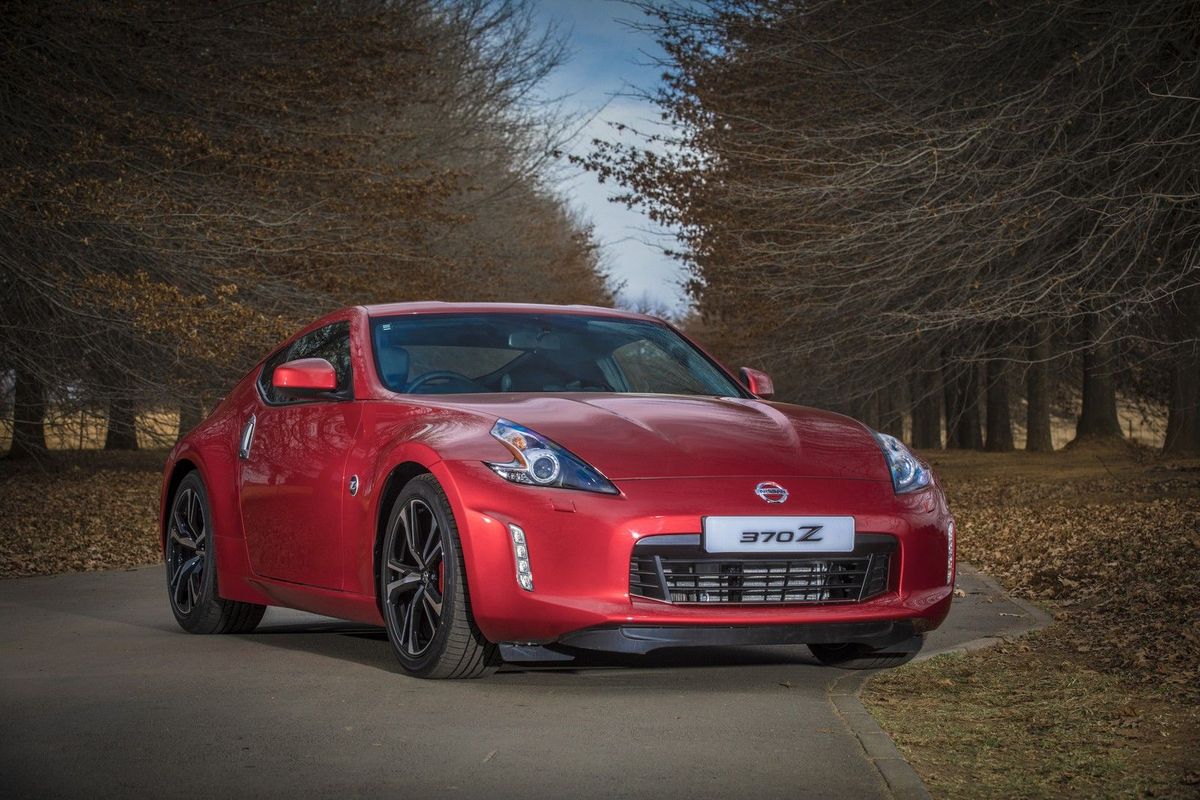
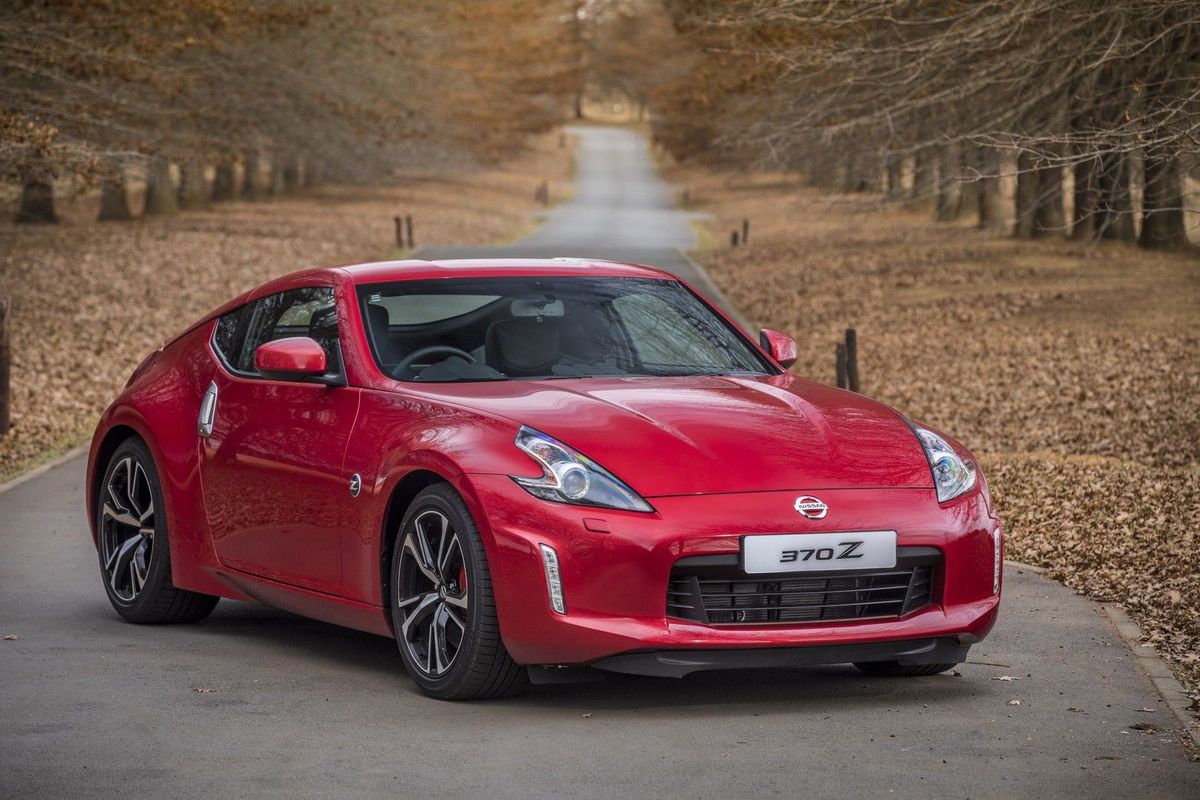
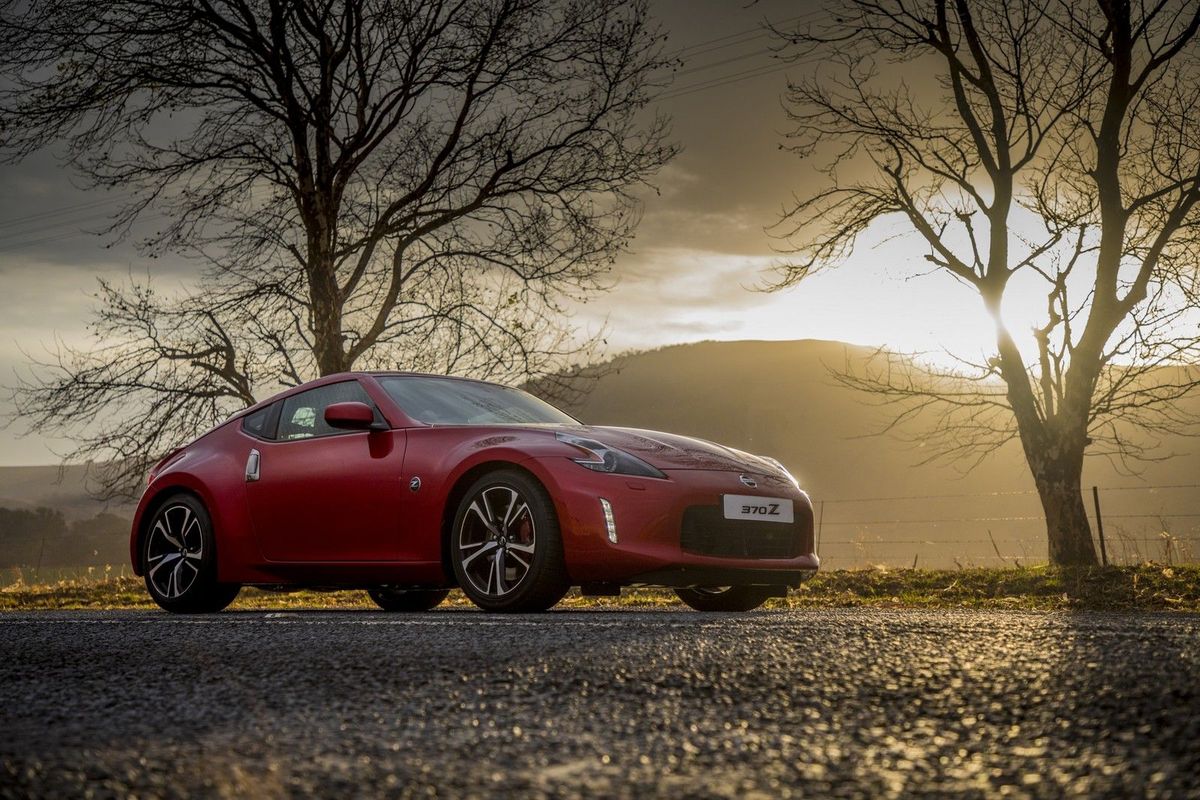
With devastatingly good looks and an intoxicating but "politically incorrect" non-turbo 3.7-litre V6 driving the rear wheels, Nissan's 370Z has always proved a delight. But nearly a decade since its inception, is it still a thrill?
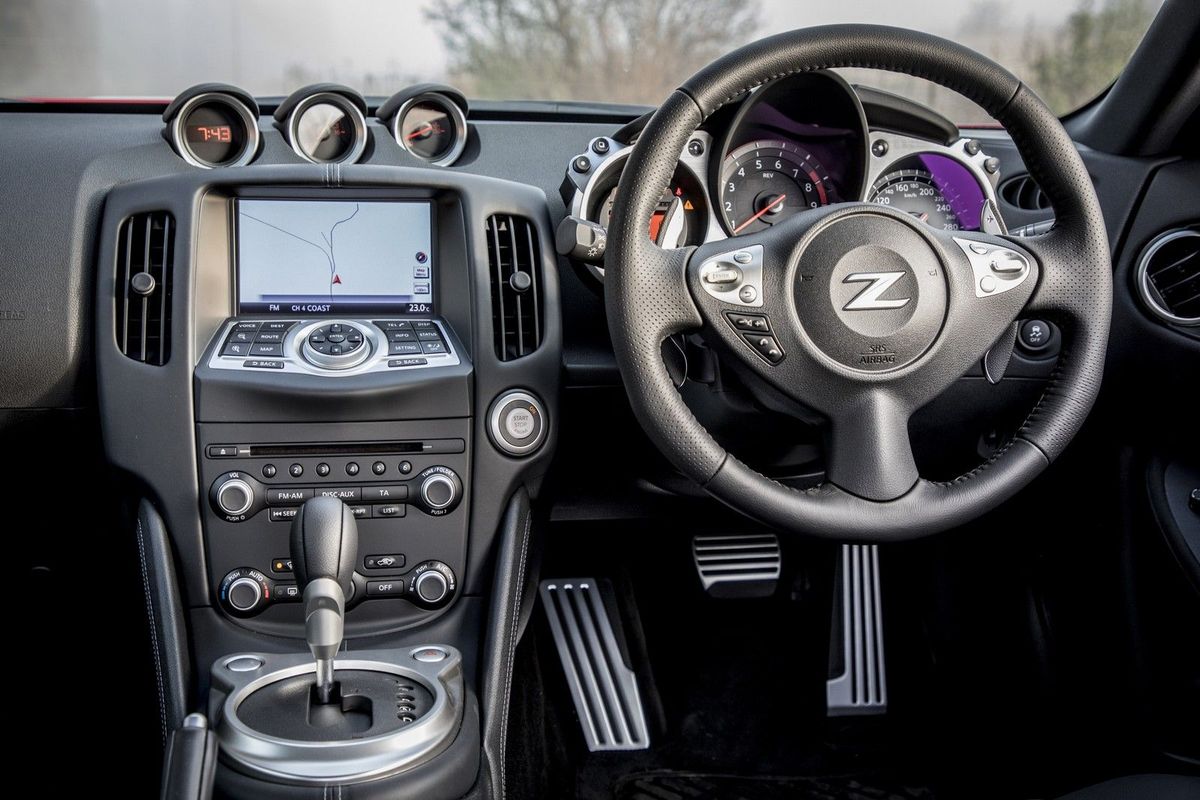
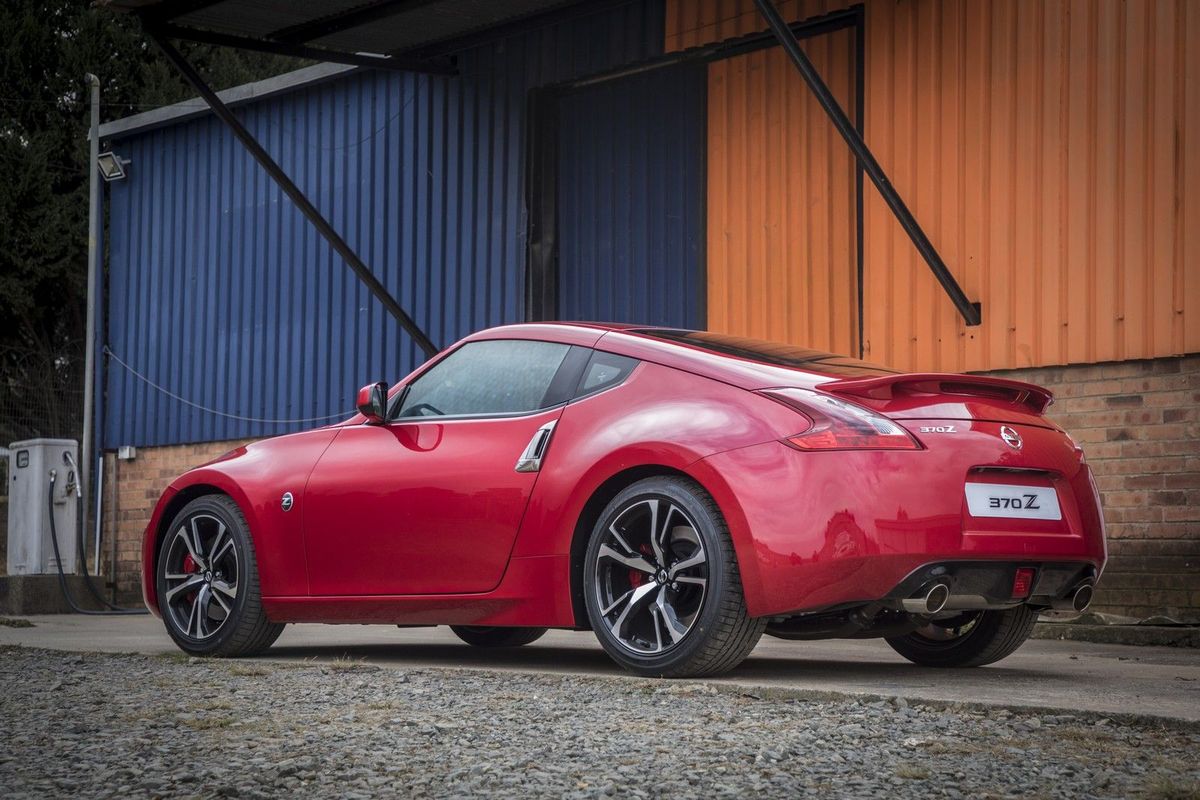
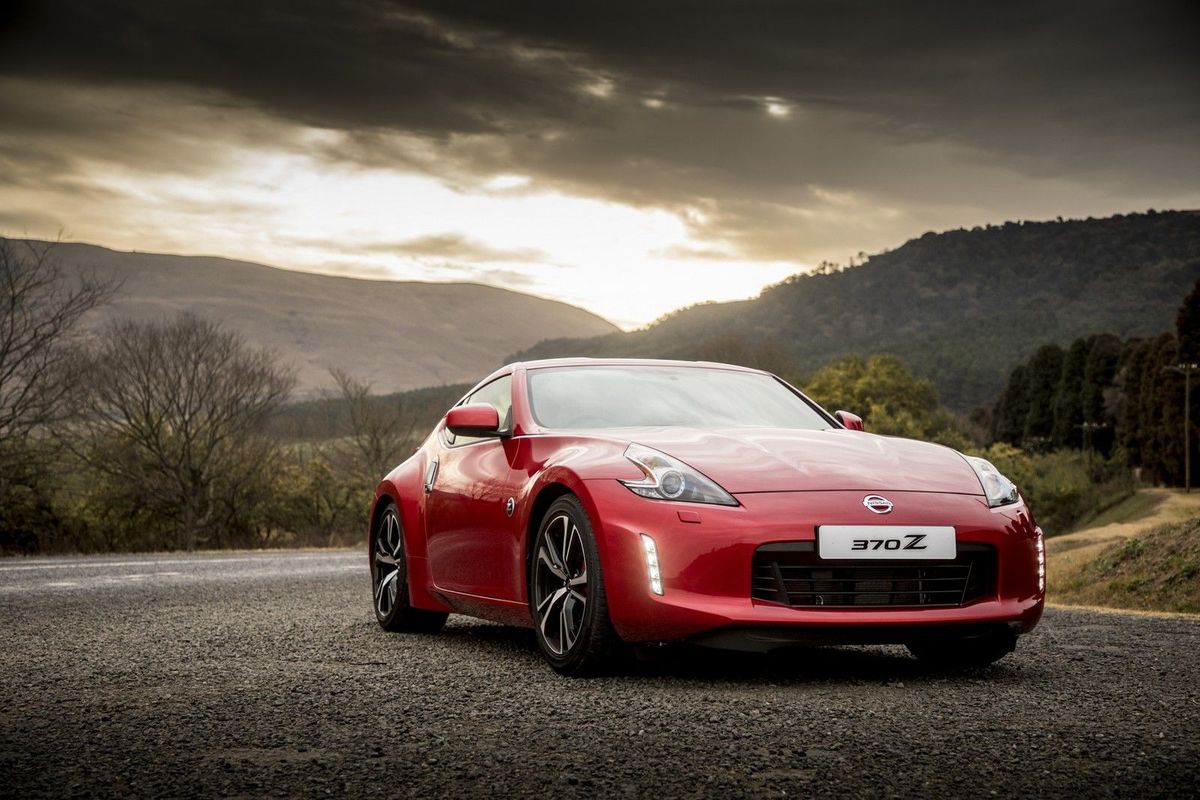
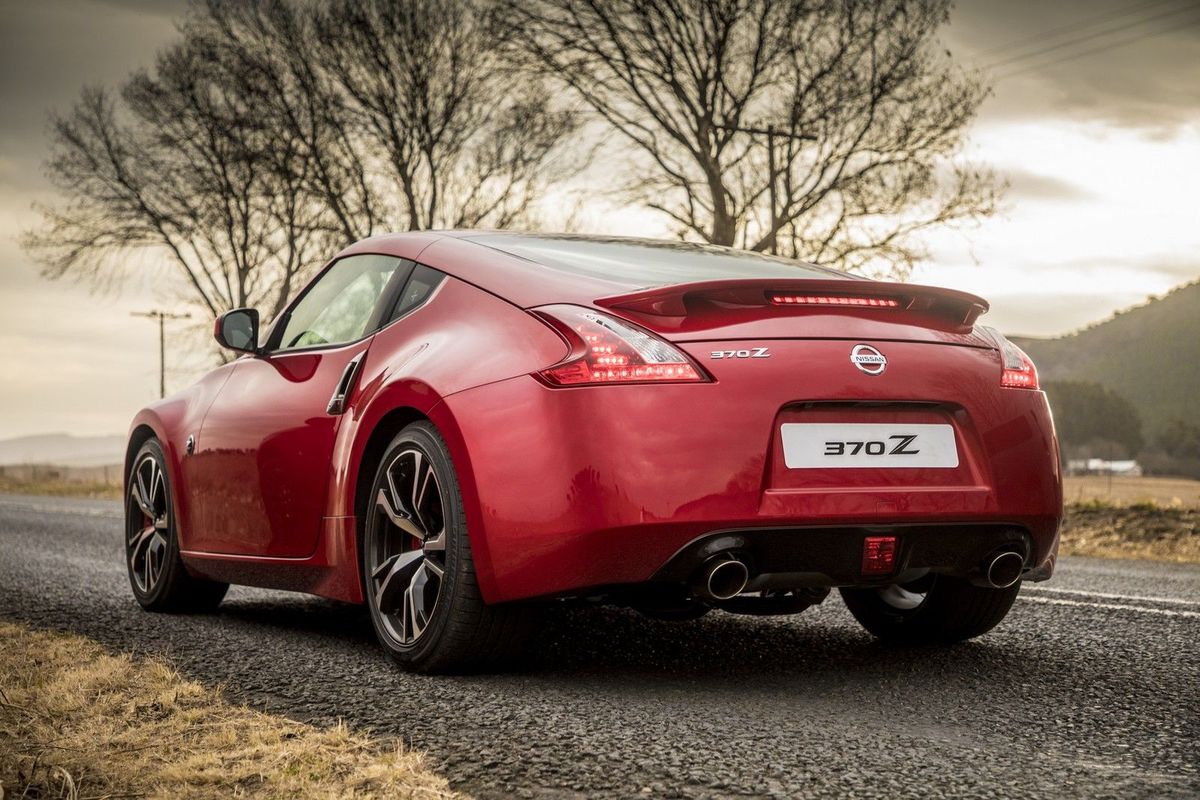
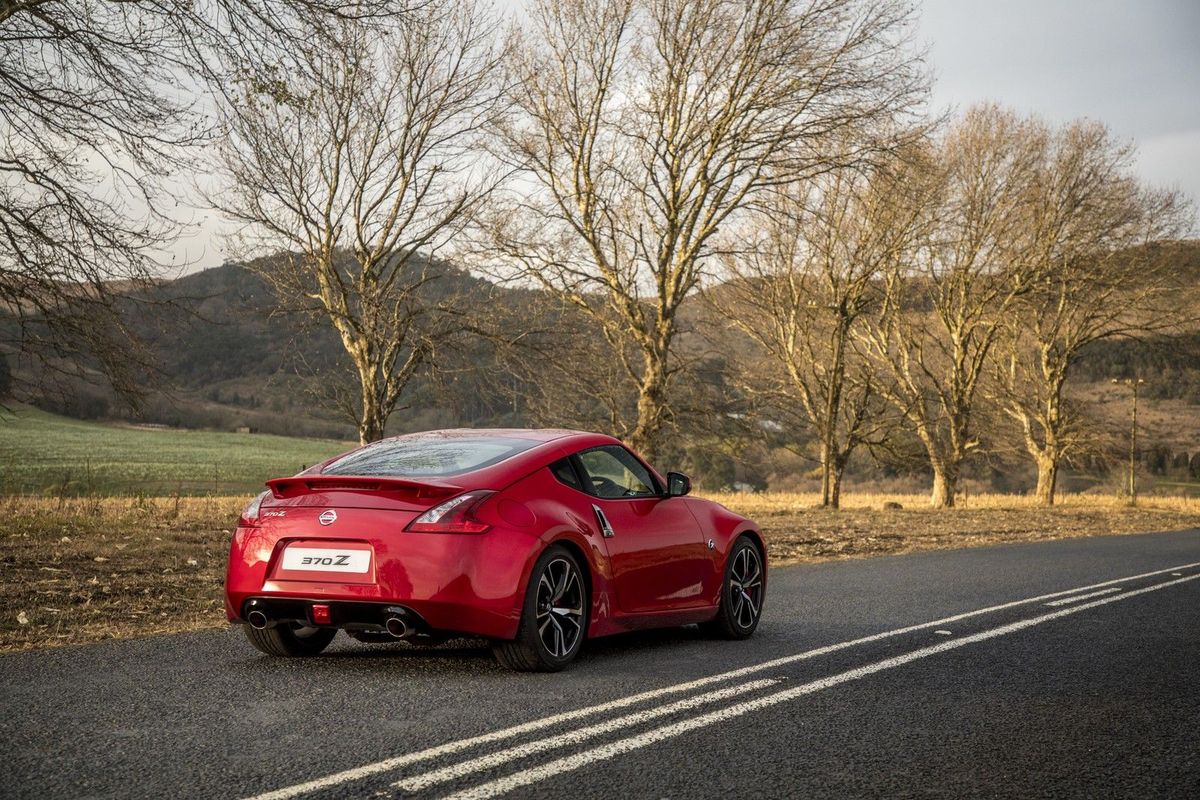
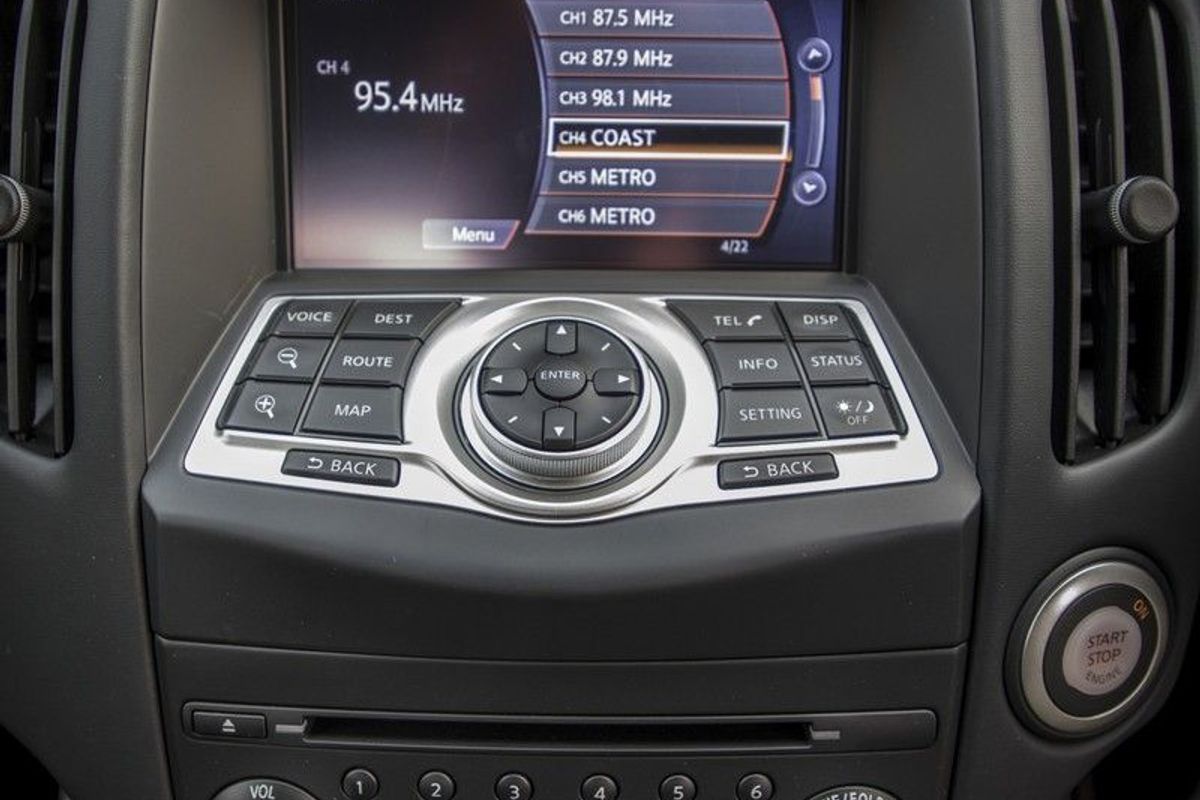
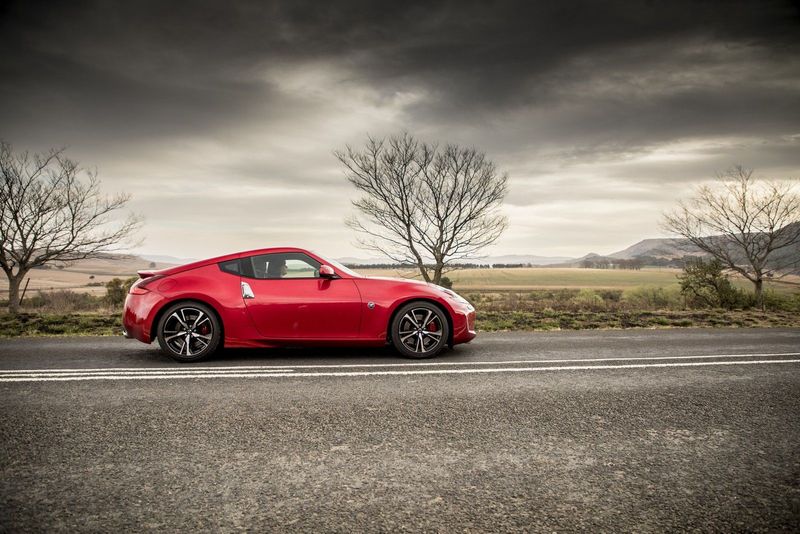
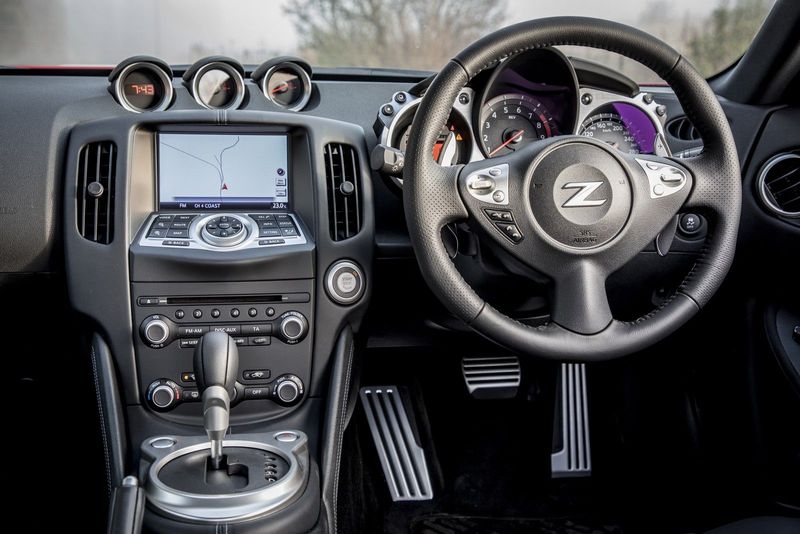
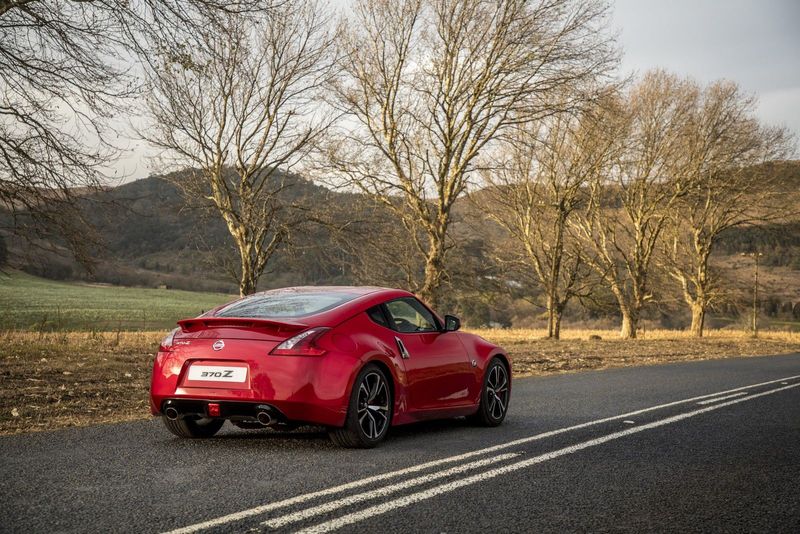
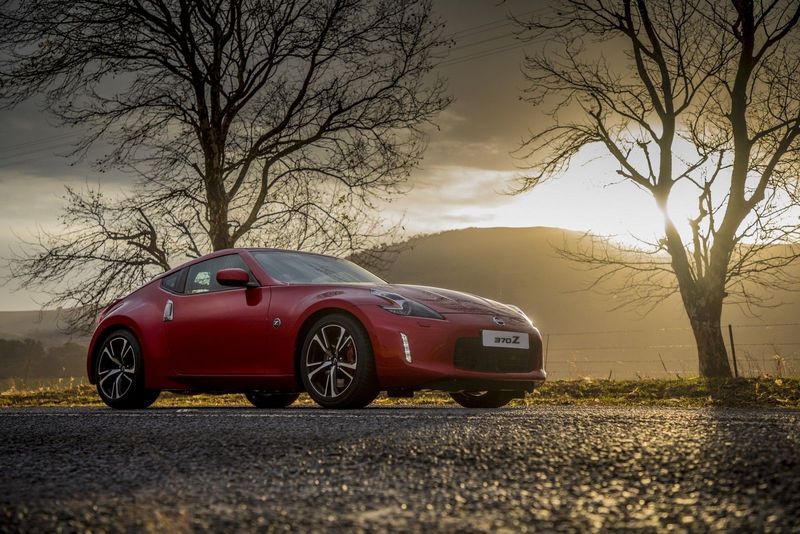
Although it has been constantly shadowed by fancier nameplates, Nissan’s 370Z has always been a compelling car in some ways, not least its keen pricing and non-conformist engineering. Persistently sexy, it now has the gung-ho attitude of a mini R35 Nissan GT-R going for it and is particularly eye-catching in a new shade of metallic red. Features added to the new car include smoked head and rear lights; metal chrome door handles; a black painted rear diffuser and new design 19-inch alloy wheels. The cabin gains a new infotainment system that functions through a seven-inch touch-screen as seen in the new Navara; reverse camera; satellite navigation; DVD player and an integrated 9.3GB hard drive plus it’s a fine, comfortable and easy drive that promises to swallow a golf-bag or two.
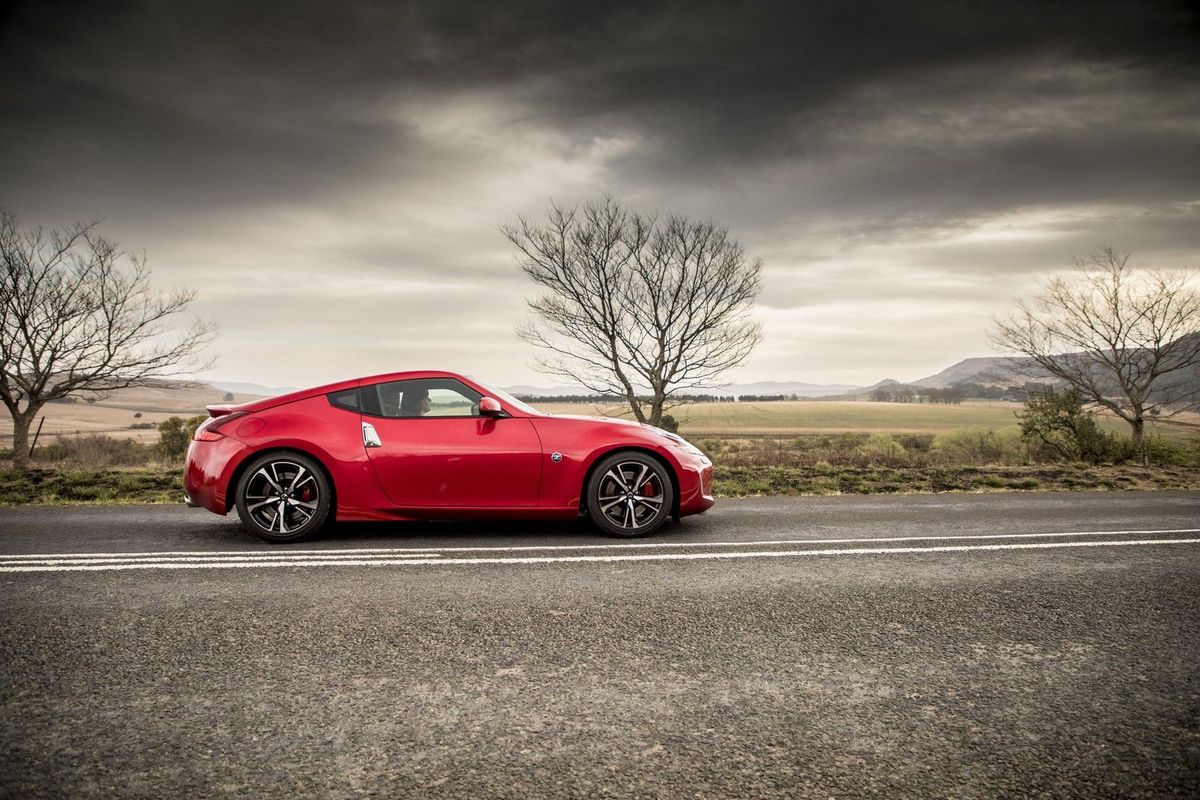
Nearly a decade down the line, the 370Z still looks like a modern sportscar.
The oily bits
Confidently pushing the start button provokes the 3.7-litre 6-cylinder engine into life. It’s the same unit as it's always carried and though it has always lacked the sonorous musicality of the earlier 350Z it packs a heady 245 kW and 343 Nm. The nuts and bolts are largely untouched save for tweaks on its suspension to enhance its dynamic and comfort envelope and a new version of its clever high-performance clutch with a Syncro Rev Control throttle-blipping feature. Essentially it’s an automated version of the heel-and-toe foot dance mastered by professional race drivers but the average human can flip the scripts and just enjoy throttle blips on down-shifts. The 370Z clutch performs this synchronizing function for you in all available gear-downs. It’s good for 100 kph in 5.4 seconds and reaches a top end of 250 kph.
The revision comes with a newer infotainment system and reverse-view camera.
Segment Rivals
Heritage. This Nissan has this stuff in heaps. It’s a part of an eight-car line of special, compact Nissan’s Z-coupes which have always played a supporting role to the larger and truly mental brigade of R-badged Skylines over the ages. This latest 370Z is merely a face-lift rather than an all-new car; Z-car 8.5 if you will. It has the more expensive, scalpel-sharp Porsche 718 Cayman; the hoity-toity Mercedes-Benz SLC300 and the 70k dearer, but enormously faster Audi TTS in its gun-sights. Admittedly it’s outclassed in some major aspects by this trio however, it’s this anti-thesis on the subject matter of modern compact sports coupery that gives it a certain charm in the eyes of those who like things a little old school.
Old School’s cool
It’s classified under "old school" for a reason. The Nissan 370Z is among very few cars whose makers remain loyal to the addictive savagery of natural aspiration. To this end, it’s only the Mazda MX-5, Audi R8 V10, Ford Mustang 5.0 GT, Porsche GT 3 RS and the entire Lamborghini range that steadfastly hold on to this good old way of thrilling. The 370Z is also amongst an even rarer bunch of high-end cars that can still be had with a manual transmission. Not even the ballistic GT-R offers you the luxury to inflame its pot of volcanic power by hand.
The 370Z is old school and cool. Naturally aspirated, manual gearbox and limited electronic driving aids and gizmos.
Old school is many things. Over the 14 years of being an automotive writer, I’ve grumbled at a number of vehicle brands over a variety of mistakes. BMW moved away from manual gearboxes, which gained momentum with the refusal to produce the 2005 E60 BMW M5 6-speed manual in right-hand-drive guise; Audi’s correct stand on natural aspiration but fumbled by its insistence on AWD underpinnings for the R8, and Mercedes-AMG’s initial reluctance to pile on the power in the historically disparaged C32 AMG. These are a few examples and I’m glad to report that they seem to have corrected the error of their ways. BMW now offers the current M4 in a 6-speed manual; Audi has released a limited series of RWD R8s and Mercedes-AMG has long lost its introverted approach to power delivery.
The Perfect Beast
Quite recently I got to drive a trio of rare old school performance cars; a 1978 BMW M1, a 1986 BMW 333i and the underrated Lexus IS F powered by a 5.0-litre V8. Thankfully I’d also driven a trio of new school performance cars; a BMW M4 DTM Championship Edition, Aston Martin DB11 and a Lamborghini Huracan LP 610-4. This variety in performance machinery has helped a lot in fine tuning the exact texture that I like from the ultimate sportscar, which would have expressive aerofoil aesthetics of both Lamborghini and BMW M1 and the DB11’s aristocratic living quarters fused with the Gryphon fighter jet ergonomics of the Huracan’s cabin.
We're not sure those vertical LEDs do much for the look, but at least it's a reason to remind us the 370Z is still around.
Mechanically, the naturally aspirated V10 of the baby Lambo for its immediate delivery of thunder and it’s chassis will form the skeleton but I’ll demand deletion of its Audi-esque AWD system permanently. Then I’ll deploy BMW gurus to add lightness and recreate the rear wheel drive magic found in the M4 DTM while transmission choices would be two versions; one fitted with the heroic dog-leg manual trannie found in both the BMW M1 and 333i while the automatic version to be used largely for leisurely drives and by the uninitiated will get the far-reaching and fast-changing ‘box from the Lexus. The end result should be explosive and sensationally fast; drift like the BMW M4 DTM and shout murder like the Lamborghini.
This is the Nissan 370Z in a nutshell. It cruises well; it’s specified to satisfy the basics demands of a digital world; it looks good; it arrives at 250km/h and it comes in manual or auto. Expert helms-men can merrily take it on track or drift it until their heart's content. It’s an all-encompassing driving experience.
3 Reasons Why Volkswagen Take Up! is #CarsAwards Finalist
What makes the Volkswagen Take Up! a strong contender in the Budget Car category of the 2017/18 Cars.co.za Consumer Awards programme – powered by WesBank? Read on…
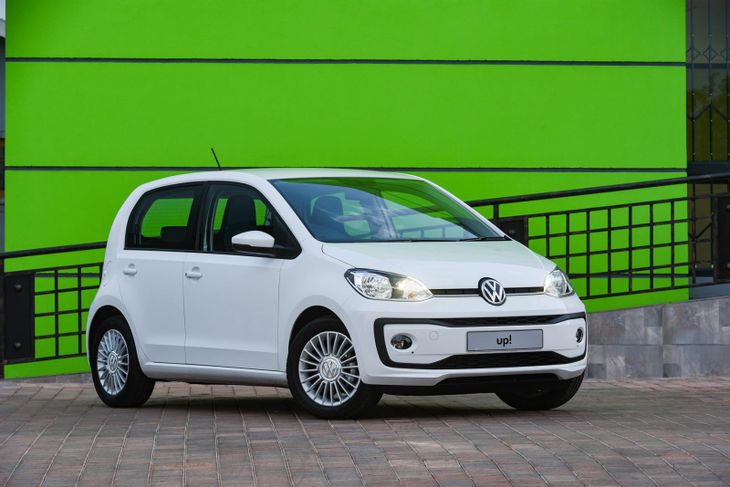
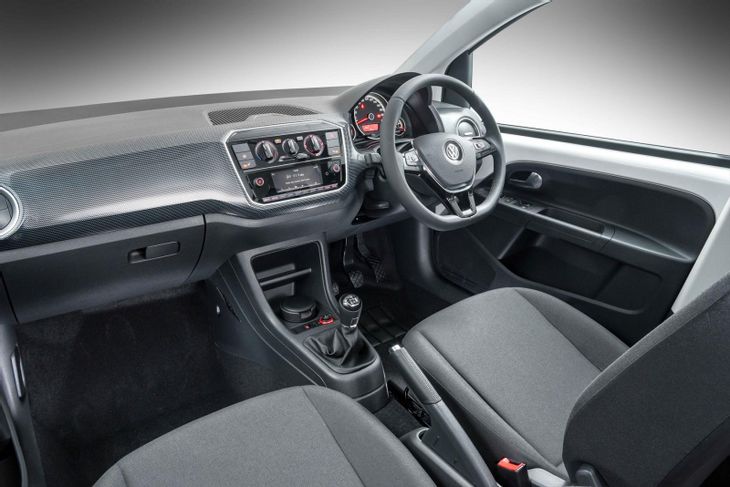
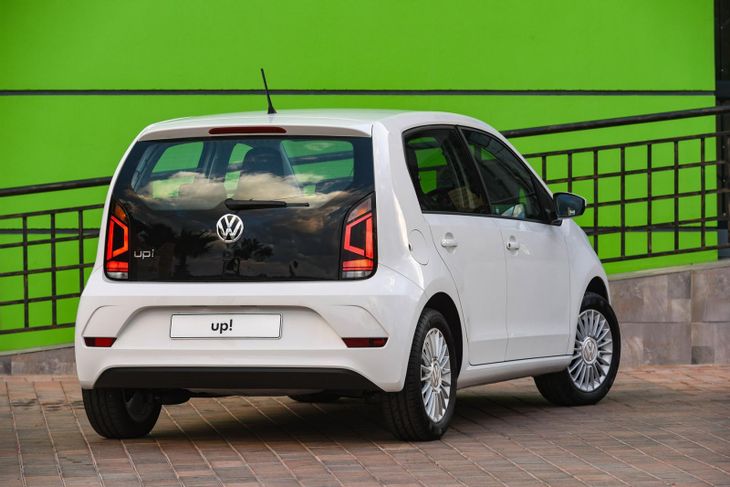
Volkswagen’s Up! brings cutting-edge small-car design to the budget segment. Its unique design makes it seem like nothing more than a compromised city toy, but there’s surprising practicality on offer here, too. And at the price, there’s simply nothing to touch it for trendiness.
3 Reasons Why Volkswagen Take Up is #CarsAwards Finalist
1. Cost effective city car
The Volkswagen Take Up! is powered by a small capacity 3-cylinder, 1.0-litre engine with 55 kW and 95 Nm of torque. The Up! returns excellent fuel consumption with a claimed figure of 4.6 L/100 km which means you will be saving money at the pumps.
2. Practical runner
The Up! is now only offered in 5-door guise which improves practicality substantially. The front doors open wide and it has a 251-litre boot with a double floor to store valuable items out of sight. The rear seats also fold flat in a 60:40 configuration which sees loading space increase to a 959-litres. With its compact dimensions, the Up! is perfectly suited for city driving and parking with good all-round visibility.
3. Brand strength
Volkswagen is one of South Africa’s most-loved brands and also boasts one of the biggest dealership networks, so backup is assured. The desirability of the brand’s products in the used-car market also means higher resale values. A 3-year/120 000 km warranty is standard and a 3-year/45 000km service plan is optionally available.
Watch our comparative video of the Volkswagen Up! below!
Have Your Say: Complete our survey and WIN!
Do you own an Up!? We would love to hear from you! Tell us about your experience by completing our Ownership Satisfaction Survey. Your input counts for 50% of the final result!