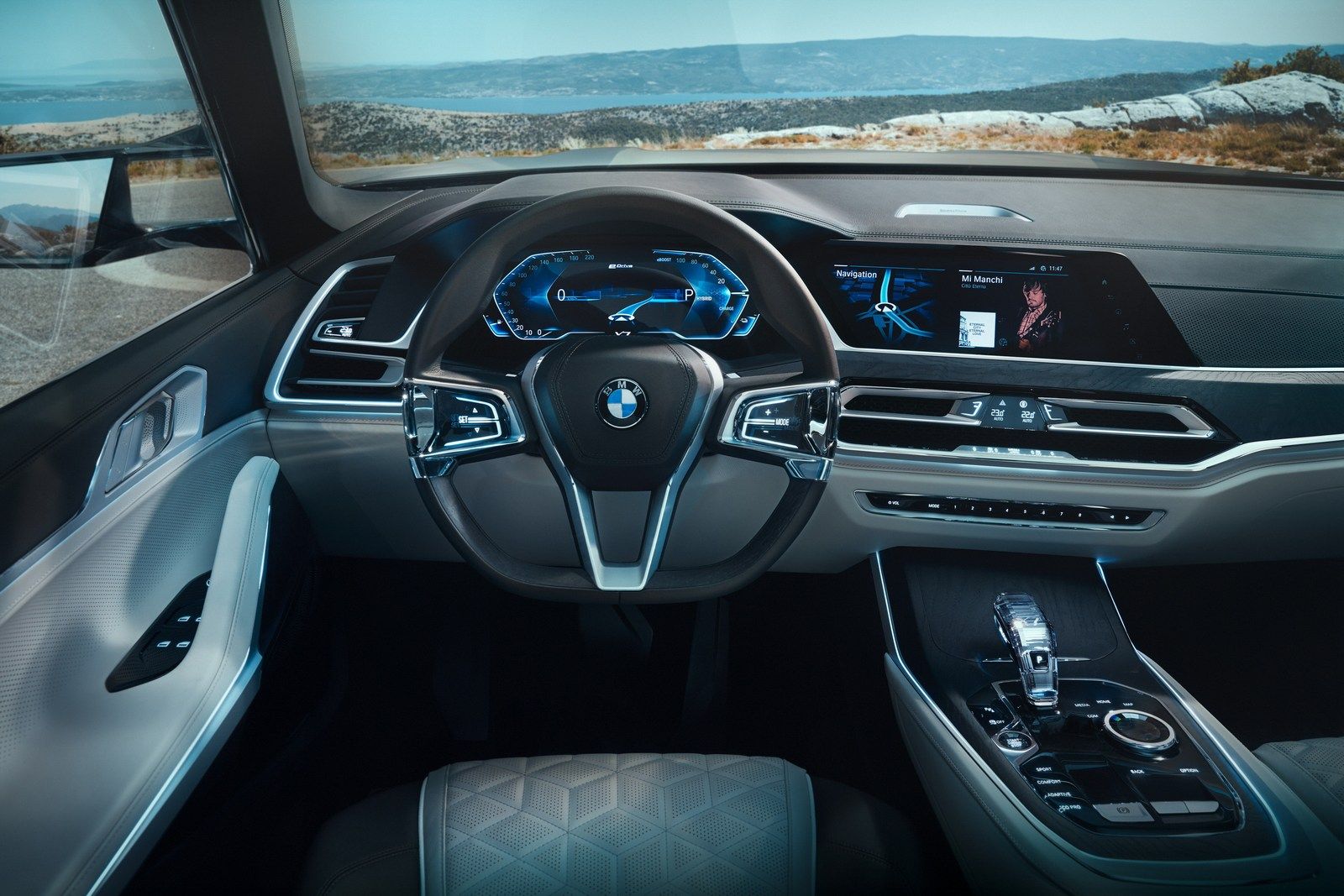
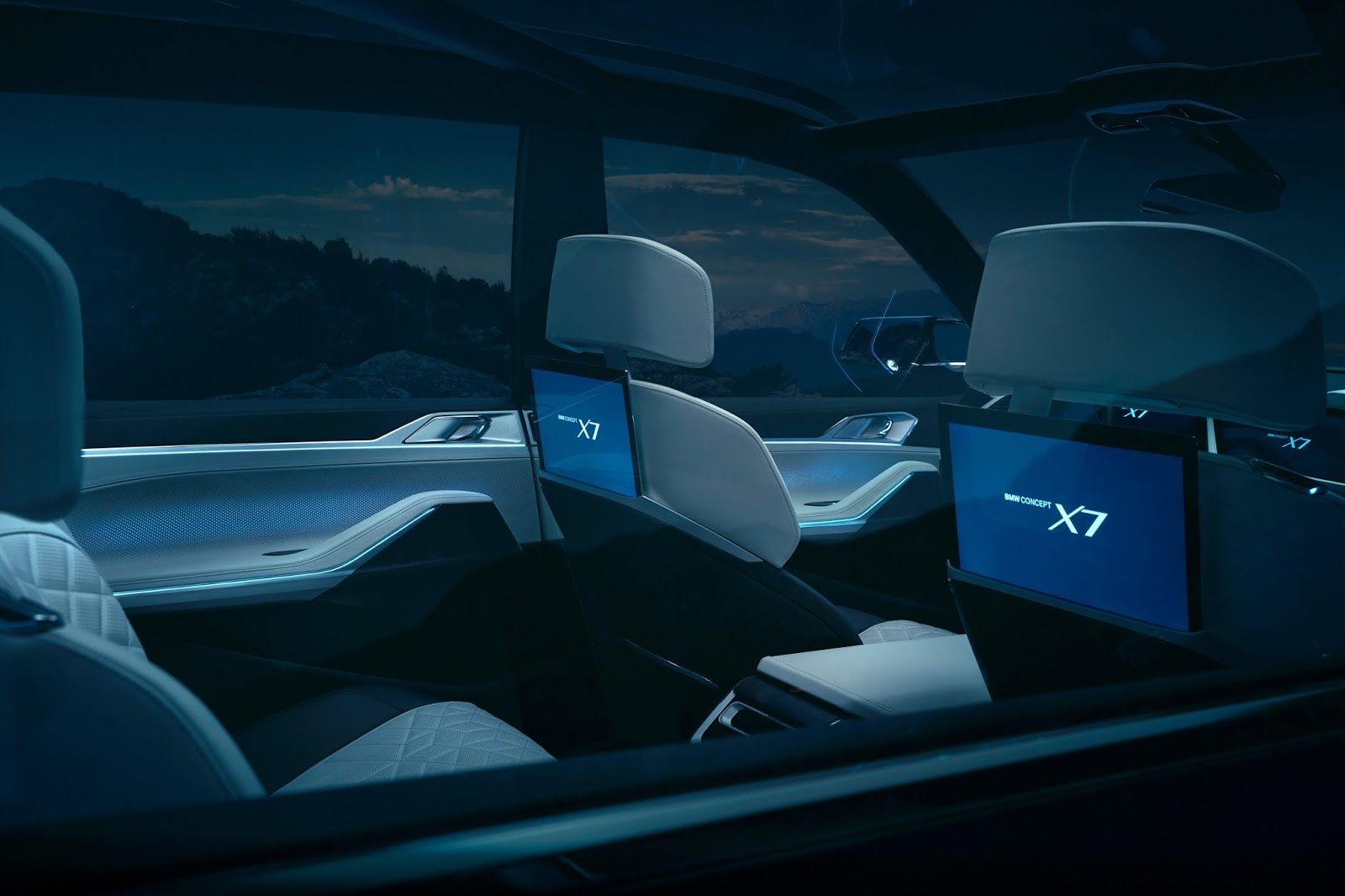
In many ways, the 5 Series is the embodiment of a BMW. The executive sedan combines BMW's classic traits of classiness, sportiness, comfort and luxury – perhaps better than any of its other products. And, in a segment in which competition is fiercer than ever, the 7th-generation 5 Series just had to be something special…
BMW calls this the "Business Athlete". In this video, we try to find out what that actually means. We explore the Cape Winelands in the new 540i and discover whether this new 5 Series offers everything you might expect from the century-old Bavarian brand.
Renault’s compact hatchback range, which underwent a mild facelift late in 2016, has been further expanded with the introduction of an 88 kW 1.2-litre 6-speed turbopetrol derivative, replete with GT-Line accoutrements.
To recap: the French marque's Clio facelift comprises aesthetic updates that are quite subtle; they include revised grille, front- and rear aprons and the introduction of C-shaped DRLs (flagship models gain Pure Vision LED headlights too).
Inside, the Clio benefits from upgraded materials and finishes that are more akin to those seen in the Megane range and all but one of the derivatives come standard with a MediaNav 7-inch touchscreen infotainment system with integrated navigation function.
The entry-level Authentique derivative features the R&Go application (complemented by a built-in smartphone cradle) that enables a user to operate the Clio’s audio system by accessing its menu functions through their device’s screen. Optional extras include MediaNav and leather steering wheel for the Authentique (R10 000), a panoramic glass roof for the Dynamique (R 8 000) and metallic paint (R2 500).
Meanwhile, the introduction of the GT-Line specification effectively presents buyers with a Clio derivative that offers more visual appeal than the rest of the range (apart from the RenaultSport hot hatch version, which will debut in due course), BUT it offers more drivability courtesy of the mid-range 88 kW 1.2-litre turbopetrol motor being offered, for the first time, with a 6-speed manual transmission.
The GT-Line exterior is differentiated from the rest of the new Clio range through 17-inch titanium grey alloys, matching door mirrors, titanium grey inserts on side door protectors and boot lid, as well as distinctive fog light surrounds. Furthermore, the restyled front bumper features GT-Line scoops, while the rear gains a bespoke diffuser and a chrome-tipped exhaust end.
Inside there are several Renault Sport influenced elements, such as the leather steering wheel with the GT-Line insert, "Zamac" gear knob, distinctive blue stitching on the leather trims, GT-Line embossed headrests, plus sport front seats with extra side support.
The 1.2-litre turbopetrol motor, which produces peak outputs of 88 kW and 205 Nm, is claimed to accelerate from 0 to 100 kph in 9.0 sec courtesy of its 6-speed box and Renault claims the derivative will consume an average of 5.3 litres/100 km with carbon dioxide emissions of 118 g/km.
Renault Clio range prices in South Africa:
66 kW Turbo Authentique 5dr
R206 900
66 kW Turbo Expression 5dr
R226 900
66 kW Turbo Dynamique 5dr
R244 900
88 kW Turbo GT-Line 5dr
R264 900
88kW Turbo EDC Expression 5dr
R264 900
Prices include a 5-year/150 000 km mechanical warranty, a 6-year anti-corrosion warranty and a 3-year/45 000 km service plan, with intervals set at 15 000 km.
Toyota's 86 – a sportscar tailor-made for driving enthusiasts – has undergone a mild update for 2017. How much do the updates succeed in enlivening and sharpening up the evocative coupe? We sample the newcomer on home soil…
Toyota has been on a mission. A mission kickstarted by Toyota President Akio Toyoda himself who declared, “if it’s not fun to drive, it’s not a car."
For petrolheads around the globe, this is a noble mission indeed. However, looking at Toyota’s current product line-up, one could argue that their ambitions are currently not reflected in their model range. The Prius, for instance, is certainly not renowned for its cornering abilities.
The original 86, shown here on display next to its refreshed sibling, did much to reconfirm the sporty ambitions of the Japanese marque.
And while Toyota keeps teasing us with a tantalising replacement to the venerable Supra, in the form of the FT-1 Concept, at present, the only torchbearer of Mr Toyoda’s philosophy is the 86, an elemental sportscar, which the company has just significantly refreshed for the 2017 model year.
Exterior enhancements
At first glance, it doesn’t appear much has changed. The 86 still has the classic 2+2 sportscar silhouette, but look closer at the front end of the car: there are new LED headlamps with integrated turn signals, a lowered nose that widens the stance, a redesigned front airdam and LED foglamps set into triple-bladed black plastic surrounds, which are claimed to aid aerodynamic efficiency. It all combines to make for a more aggressive overall look.
Whereas its predecessor had a clean-cut front visage, the updated 86's front spoiler looks ready to "chew up the road".
In profile we find newly designed 17-inch alloys (16-inch on the standard model), and to the rear the new LED taillamps have been significantly altered from the previous design; they protrude noticeably from the bodywork, with the result that the 86 appears wider and lower from the rear as well. Then we finally come to what is probably the most notable addition to the 86, and that’s the bi-colour fixed wing, which now stands around two inches proud of the lip of the hatchback. Not only does it improve aerodynamics, but it also lends the car a more purposeful, sporting appearance.
Alcantara-clad cabin
Multiple changes to the interior have been made in an effort to increase the sporty appeal of the 86. These include alcantara panels on the dashboard, embroidered with the 86 logo, which matches well with the new upholstery on the seats – a combination of leather and perforated alcantara that not only looks superb, but is super grippy where you need it most.
The cockpit of the 86 is entirely driver-focused and the application of alcantara enhances the interior's sportiness.
The most arresting single change to the interior is the new steering wheel. It is the smallest-diameter steering wheel ever fitted to a Toyota production car, although in saying that, it is only 3 mm smaller than the wheel it replaces. However, the new design and materials make for a very attractive item, and the carefully angled grips at “10 and 2”, in our limited experience, add to the overall sporty feel of the car.
All High spec models receive a new 4.2-inch colour TFT touchscreen infotainment system, found in cars such as the new C-HR. It is a functional, fairly comprehensive system, however, at least aesthetically, it lags behind systems such as that found in the Mazda MX-5.
High spec models now feature a second screen, integrated into the right dial of the driver’s instrument cluster, next to the speedometer (as shown below). As well as a lap timer and G-force meter, the screen also displays a live torque and power output curve, which, in fairness, is not something that’s particularly useful but virtually zings in terms of cool factor and nerd appeal.
The third "dial" displays a host of digital information, some of it genuinely useful… and some of it just for show.
Engine outputs unchanged
Unchanged is the 2.0L, 4-cyl boxer powerplant sourced from Subaru. With a maximum power output of 147 kW at a very high 7 000 rpm, and 205 Nm of torque between 6 400 and 6 600 rpm, these figures give you some indication of the motor’s characteristics.
The driver really does need to rev this motor to squeeze the most out of it, but it never feels frantic or overly stressed. In fact, stretching the car’s legs and running the needle to the redline in each gear feels strangely rewarding.
While Toyota insists the 86 is not about 0-100 times (7.6 seconds, if you were wondering) or outright speed, the general feeling among my motoring colleagues after our very brief track drive in the car was that the chassis can undeniably handle a good deal more power.
By retaining the 86's boxer engine without improving its outputs, Toyota may have missed a trick, some enthusiasts would argue.
Excellent dynamics, plus better ride quality
Toyota tells us that much time and attention has been focused on the suspension setup of the car. While components remain unchanged (MacPherson struts upfront, double wishbones at the rear), the diameter of the rear anti-roll bar has been increased.
The aim was to increase the suppleness of the ride to improve the day-to-day experience, while improving cornering ability and stability during more enthusiastic driving. Our experience of the 86 out on track was unfortunately cut short by Joburg traffic and Joburg weather, so we will reserve judgement for now (on the the 86’s handling characteristics). What we can confirm, however, that its still not shy to dish up sideways fun:
It must be said that during our highway jaunt out to Red Star Raceway the car did feel more comfortable on the road at cruising speeds compared with the outgoing model. It seems the aim was to make the car more pleasant over long distances, which we would say has largely been achieved.
Of course, a highlight of the 86 is its thorough dedication to rear-wheel-drive dynamism. If anything, the 86 excels at providing a proper RWD experience. However, where the first generation felt a bit twitchy and nervous at the rear, the latest edition immediately feels more planted and stable, but crucially in a way that doesn’t detract from the potential excitement of piloting a front engined, manual gearbox, rear-wheel-drive vehicle.
The 86 is meant to be synonymous with driving enjoyment… and while is remains very entertaining, it also seems more composed.
New track mode
The 86 now features a new stability control mode, known as Track mode. This dials down the Vehicle Stability Control (VSC) and traction control to a minimum level, to allow the driver to exercise more of his or her car control skills, without the intervention of the driving aides.
However, in a bid to make the car as safe as possible in all situations, the safety systems will always remain in the background, ready to intervene should they judge the car to be well and truly out of control.
Summary
Added on to the local launch of the car was a (very) brief trip to the Yas Marina Grand Prix circuit in Abu Dhabi, to watch the regional finals of the 86 Cup. The racing series was conceived to make accessible an affordable, standardised racing car, in a bid to create exciting, close racing.
And in many ways, this sums up the ethos of the 86. If you are a track-day enthusiast, or even if you aren’t, the 86 represents a fairly bulletproof –and relatively affordable – way to enjoy genuine sportscar kicks.
And with recent enhancements, especially to the cabin and ride quality, the 86 is a car you might happily live with as a mode of daily transport, albeit one that will certainly add liberal doses of visual and dynamic rear-wheel-drive thrills to your everyday motoring…
Prices of Toyota 86 in South Africa
Three models will be available on the SA market: the Std, High and High Auto. The High specification adds daytime running lights, that bi-colour rear spoiler, seat heaters, dual-zone climate control, infographic screen in front of the driver, paddle shift (in the auto), and cruise control. All models are offered with a 3yr/100 000km warranty and 4yr/60 000km service plan as standard.
86 Std R449 600
86 High R494 400
86 High A/T R519 400
It seems that during the last few generations of BMW M3, the marque has produced a glut of special-edition models. The tradition can be traced back to the original E30 M3 and there are too many to mention all of them. These are the most significant additions to the family, however…
BMW M has produced more special editions of the M3 over the last 2 generations since a glut of original (E30) versions saw the light in the Eighties (we never got those, unfortunately).
Perhaps a standard M3 is no longer enough for the Bimmer fan who wants something more exclusive, or with more power, or with more of a matte paint job, let alone aerodynamic paraphernalia and other motorsport-inspired go-faster bits. BMW seems more than happy to oblige and ramp the price up to suit the customer’s wishes.
If you look into the BMW history, you’ll find countless special edition models, so instead of listing them all, we’ve just picked the ones that we really like or are of special interest here in South Africa. For sake of being thorough, we have included derivatives of the M4 (because that is what the two-door successor to the first 4 generations of M3 is now known).
Special Edition BMW M3/4s
BMW M3 Evolution (E30) 1988
The first special edition model of the original M3. Limited to just 505 units worldwide, the Evo appeared in conjunction with the M3's successes in several countries' touring car racing series (including the European and World Touring Car Championships); its 2.3-litre 4 cylinder motor packed more power (147 kW, the Evo2 version packed a further 15 kW and the ultimate 2.5-litre Sport Evolution/Evo3 version topped out at 175 kW) and incorporated several weight-saving measures. Additions to the bodywork included a bigger front and rear wings, the latter of which was adjustable. Because the original M3 was a left-hand-drive-only model, it was never released in South Africa, but local Bimmer aficionados got to sample locally-developed motorsport homologation-special 6-cylinder E30 coupes in the shapes of the 3.2-litre 333i and, in the early '90s, the star of production car racing, 2.7-litre 325iS Evo1 and 2.
BMW M3 4-Door (E36) 1996
The E36-generation M3 was the first M3 to be made available in South Africa, first as a 3.0-litre and then as a 3.2. While this listed car is not technically a special edition, there are a few special things to know about the E36 M3 sedan. Firstly, the sedan variant was the first M3 to feature 4 doors (its successor, the E46, didn't, but the E90 and subsequent version does). What's more, this M3 was built in South Africa from 1996 to 1998 at BMW's Rosslyn facility, albeit in very limited numbers. South Africa's E36 M3 sedans had to be specially detuned to run on our low-quality fuel. In addition to a palette of special exterior colours, the cars were laced with more standard kit, such as Nappa leather and the GT style front splitter.
BMW M3 CSL (E46) 2004
The first of the truly hard-edged M3 specials. The CSL was limited to 1 400 cars and just 2 colours, silver or black. It was loud inside as much of the sound deadening and comfort features were removed in order to shed the 110 kg it dropped over the standard car. The roof was made from carbon fibre reinforced plastic, dropping weight and lowering the centre of gravity. Power was only increased by 13 kW but felt like more and 100 kph was reached in 4.8 seconds.
BMW SA pre-sold its consignment of M3 CSLs (rumoured to be only 65 units). All the models were fitted with SMG (sequential semi-automatic gearboxes) and retailed for R940 000, which was R400 000 more than the standard car. At the time this list was compiled, a used example with just 80 000 km on the odo', was listed on Cars.co.za for R1 349 000.
BMW M3 GTS (E92) 2010
The one we didn’t get! BMW SA was unable to secure any of the 135 units produced and, as a result, went on to build the local only Frozen edition. The GTS was a pukka track-oriented M3, replete with a roll cage in the rear. The GTS dropped 140 kg and its sonorous 4.0-litre V8 (which was said to have been developed from the E60-generation M5's screaming F1-inspired 5.0-litre V10) gained 20 kW in terms of peak output. According to many reviews, the car was amazing to drive – in fact, many aficionados regard it as "the best M3 ever".
BMW M3 Frozen Edition (E92) 2010
This was our substitute for the M3 GTS. BMW SA produced only 25 units; all of which featured M-DCT dual-clutch transmissions and were finished in either Frozen Grey and Frozen Black matte paint. Apart from the bespoke paintwork (including bespoke red calipers), AC Schnitzer parts such as a cold air induction kit, upgraded EMS and performance exhaust were added to ramp up the power to 330 kW at a lofty 8 400 rpm. Suffice to say they were the wildest-sounding M3s to ever leave BMW South Africa's depot.
BMW M3/M4 Competiton Pack (F80) 2016
Go faster bits from the factory are added to the M3 (or M4) in order to produce a more precise and faster driving tool. With revised peak outputs from the twin-turbocharged 3.0-litre straight 6 of 331 kW and 550 Nm, the 0-100 kph time is improved to 4.0 seconds. Small details changes to the bodywork and suspension improve both the kerb appeal and handling.
With the advent of the 4 Series (BMW now differentiates its sportscars by giving them even-numbered model names), the M3 became the M4 and, finally, a GTS version made it to our shores: only 23 units of the M4 GTS were allocated to South Africa. In conjunction with a reduction in kerb weight, the peak power output jumps to 368 kW courtesy of an integral water-injection cooling system that keeps air intake temperatures low. A roll cage in the rear adds some stiffness and adjustable wings allow operators to fiddle with the M4's downforce levels.
The latest special edition to wear an M badge (April 2017), the CS is the in-between BMW M4 you need/want. Said to be the perfect balance between a Competition Pack M4 and an M4 GTS, the CS has 343 kW and a 0-100 kph time of just 3.9 seconds. Suspension from the Competition Pack and aero bits from the GTS might just make it the perfect roadgoing M4.
Beefed-up Hyundai Santa Fe crosses Antarctica [with Video]
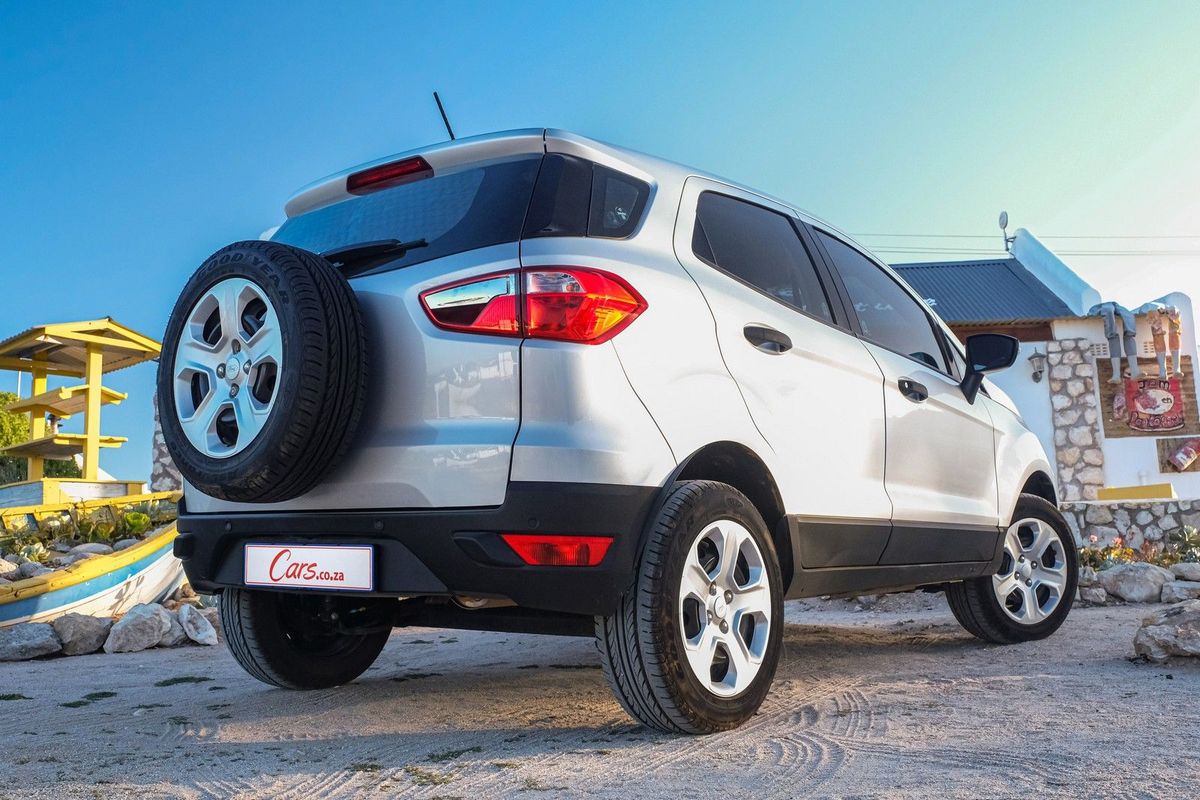
In an epic recreation of explorer Ernest Shackleton’s planned crossing of the Antarctica, Hyundai created a beefy Santa Fe to do the job.
A hundred years ago, Shackleton set out to be the first person to cross Antarctica. Unfortunately, his ship sank and he was forced to turn the expedition into a survival mission that lasted 2 years. All 27 people in the Englishman's party returned home safely having not crossed Antarctica; at least they'd survived the region's harsh conditions and lived to tell the tale.
Hyundai and Shackleton’s great-grandson, Patrick Bergel recently completed the journey in 30 days; the Korean marque built a specially-modified Santa Fe to get the job done.
Among the modifications to its lifestyle SUV, Hyundai included a crawl gear (extremely low ratio gear) for snow driving, this lowers the gear ratio to 1.5:1. In order to do this, they had to re-engineer the suspension, links and axles.
An engine heater was installed to help with cold starts. It heats the engine coolant up to 79C so that the engine can fire up and then restarts when the coolant temperature drops below 65C.
Given the lack of fuel stations in Antarctica, Hyundai had to install a 230-litre aluminium fuel tank in the rear. It also ran on JET1A, a fuel that has a particularly low freezing point.
The specialised tyres forced much of the bodywork to be redesigned. Not only did the rubber compound and tread need to be able to cope with snow, it ran at just 0.14 bar of pressure.
Watch the video below to check out the expedition details and the heart-warming story:
Audi E-Tron Sportback Concept Revealed
An all-electric crossover/hatchback with a range of 500 km and a 0-100 kph time of 4.5 seconds. What’s not to like?
Even Audi isn’t sure what to call its latest concept, labelling it a 4-door Gran Turismo Coupe Sportback. It really seems the Ingolstadt-based brand simply chose descriptions that are de rigueur in the motoring fraternity, stacked them in a sequential order and, voila, there's a name for its latest show car.
The E-Tron Sportback Concept features an LED lighting technology that allows Audi to display different signature patterns when the car is started and when the doors are opened. An arrangement of 250 LEDs within the headlamp are switchable depending on which operating state the car is.
The daytime running lights effectively become the eyes on the face of the study. Thanks to a combination of LEDs and a micromirror-studded surface plus complex control technology, a large number of animated movements and signatures are possible.
The concept is driven by 3 electric motors in a configuration that Audi will use going forward. One electric motor powers the front wheels and the other 2 power the rear wheels. The result is 320 kW of total power, which can be boosted to 370 kW in boost mode. The claimed zero to 100 kph time is a swift 4.5 seconds.
Audi’s E-Tron Sportback sits on 23-inch wheels and its length is 4.9-metres. It’s about the same size as an Audi A7, in other words.
As with many current concepts, cameras now replace the wing mirrors, thereby eliminating most if not all blindspots. The cameras are projected onto displays fitted into the door panels. Audi states that this will be a definite feature on the production model.
Seemingly under fire from rivals such as the Ford Everest, refreshed Chevrolet Trailblazer, Land Rover Discovery Sport and soon, the upcoming Mitsubishi Pajero Sport, the 2017 Toyota Fortuner continues to be the king of the lifestyle SUVs – as far as the sales charts are concerned. We covered more than 3 000 km in less than 4 weeks across varied terrain, to gather a better understanding of its enduring appeal.
If you are looking for information on the 2017 Toyota Fortuner, this review will provide useful insight.
We like: Strong, frugal and refined engine, off-road ability, practicality We don’t like: lack of some top-end features (automated tailgate, navigation)
2017 Toyota Fortuner 2.8 GD-6 4×4 Auto– Quick Specs
Price: R617 900 (January 2017)
Engine: 2.8-litre, 4-cylinder turbodiesel
Transmission: 6-speed automatic
Power: 130 kW
Torque: 450 Nm
Fuel Consumption: 8.5 L/100 km (claimed)
A dominant introduction
The 2017 Toyota Fortuner has no shortage of challengers, as you can see in the preamble above, and yet when faced with having to buy that ONE car that can do everything, most South Africans appear to shop around, but then make a shoe-squealing turn and head for the nearest Toyota dealership.
Let’s provide some context to its dominance in 2016. According to data provided by Lightstone, 1 647 units of this Fortuner (2.8 GD-6 4×4 Auto) was sold last year, with the 2-wheel drive version finding even more new homes (2 240 sold). In the same period the top-selling Everest managed 958 units (3.0 LTD 4×4 auto), the Trailblazer 2.8 LTZ did 229 units and the most popular Discovery Sport (the SD4 HSE 4×4 Auto) notched up 477 sales. Also keep in mind that the Fortuner was only introduced in March last year…
So, in short, it’s been a completely dominant first year for the new Fortuner. Besides a large and trusted dealership network, what are the reasons for its popularity? We put it through quite a gruelling 3 000 km+ test to figure it out.
Oddly packaged, but it works
The side-hinged rear seats pose less of a problem than anticipated. Boot floor commendably low.
In terms of its overall packaging, the latest 2017 Toyota Fortuner doesn’t differ too much from its predecessor. The wheelbase and track widths are remarkably similar for an all-new vehicle. The bigger gains are in overall body length and width. It even retains the oft-criticised third-row seat storing solution of its predecessor, rather than adopting a more modern fold-down-into-the-floor arrangement. On the surface of it, then, it doesn’t look like Toyota was too worried about the on-paper advantages that some of the Fortuner’s rivals appear to hold in terms of packaging.
But here’s the thing… our extended test suggests that Toyota’s decisions were spot-on. As I packed the Fortuner with a large variety of oddly shaped things for a month-long holiday, it became clear that, precisely because of those flip-up rear seats against the sides of the luggage area, the Toyota has a commendably low boot floor. It was a rather a big surprise to load everything required and to only barely reach the height of the rear seatbacks – often a major challenge on my travels. And no, those seats were never in my way once during the test period, with the only point of criticism being a rattle from one of them on a poor gravel road.
Fortuner in typical holiday mode – bicycle rack attached. 18-inch wheels now standard.
With the tailgate closed, we attached the bicycle rack and were set for the long road, joining many, many other similarly kitted-out Fortuners along the way. Driven in 5-seater mode, the Fortuner was a hit with the family. Those seated in the back had their own ventilation outlets/controls, so arguments about the desired in-car temperature were avoided. Legroom in the middle row is more than sufficient, and the backrests offer a reclining function.
Up front, packaging benefits include a double cubby – the upper of which is cooled by the air-conditioner, a sizeable storage box under the centre armrest and loads of other little nooks and crannies for smaller things.
Powerful, yet frugal
We achieved an average of 9.5 L/100 km, but mindful owners could do better.
This Fortuner is powered by one of Toyota’s new-generation (GD series) turbodiesel engines, in this case the top-line 2.8-litre version. One of the hallmarks of this engine, as well as the smaller 2.4-litre version, is refinement. This is a characteristic we came to appreciate on the long road. Once up to cruising speeds, the Fortuner assumes a long-legged, relaxed gait, with the engine barely audible.
It also delivers strong overtaking performance when needed, as you’d expect with 130 kW and 450 Nm of torque available, but the 6-speed gearbox is not the fastest-reacting of its type, so mashing the throttle pedal doesn’t immediately lead to a rush of forward motion. Somewhat amusingly, there are sporty gearshift paddles behind the steering wheel, but responses to inputs are slow, so they’re not of much use. Perhaps of more immediate impact is the Power button the transmission tunnel, which changes the engine mapping and sharpens throttle response.
I was impressed with the fuel economy of the engine, too. We ended our extended test with an average of 9.5 L/100 km, but I think careful drivers could achieve averages of closer to 9 L/100 km without too much effort. Combined with a full 80-L tank of diesel, the Fortuner should be able to travel for more than 800 km between fill-ups.
True country crossing talent
Fortuner continues to boast class-leading off-road ability.
Arriving at our destination in the Cape South Coast, it wasn’t long before the Fortuner got pulled into off-roading duty. This time with all 7 seven seats occupied, we headed into particularly sandy and rocky terrain after a long stretch of gravel road characterised by the odd patch of corrugations. The latter road surface highlighted probably the biggest improvement of the latest Fortuner (compared with its forebear). It feels significantly more stable and planted on gravel, especially at the rear, though ultimately not quite as supple as a vehicle like Ford’s Everest. I would have liked slightly more feel through the steering wheel, but overall, it was a good showing… that was about to get even better.
Selecting the appropriate off-road mode or assistance is as easy as twisting a dial or pushing a button.
Out in the rough in the no-man’s land between Gouritsmond and Stilbaai, the Fortuner ploughed through sand, clambered over rocks and felt pretty much unstoppable while doing so. Inside, in the chilled, comfortable cabin, the banter continued unabated. It is arguably this ability to go anywhere, seemingly with neither it, nor its passengers, having to break a sweat, that makes the Fortuner so desirable.
Ground clearance is claimed to be 279 mm and that odd-looking front-end design translates into an excellent angle of approach. Of course, like most modern off-roaders, selecting the appropriate four-wheel drive mode is simple. You have a rotary dial to switch between 2H, 4H and 4L, and simple buttons for the rear diff-lock and hill-descent control.
Comfort and features
Upmarket finishes endow the Fortuner’s cabin with a premium ambience.
Step inside and you’ll quickly appreciate that the Fortuner has come a long way. Yes, it may still be based on a pick-up (Hilux), but Toyota has given it a unique fascia design and lots of upmarket finishes to lift the cabin ambience. Dark brown leather combine well with quality black plastics, satin-silver inlays and wood (even on the steering wheel) to make the Fortuner look (and smell) like the R600k+ vehicle it has become.
The standard specification for this flagship Fortuner is quite good and includes; electrically adjustable driver seat, cruise control, a (somewhat clumsy) touch-screen infotainment system with Bluetooth, USB and aux support, climate control, rear-view camera, electrically folding mirrors and no fewer than 7 airbags, among other items. We do however think that there are a few missing features… The tailgate is quite firmly sprung and heavy, so requires muscle to operate manually – my wife struggled. Consequently, I’d have liked to see an electronically activated tailgate at this price level. Another item missing is integrated navigation, which is offered by some of its rivals, including the facelifted Chevrolet Trailblazer. Both the automated tailgate and navigation are offered on the flagship Fortuner 4.0 V6 model, and we think they should be included on the 2.8 GD-6, too.
The 3rd row of seats provide sufficient space and comfort for smaller occupants, and are ideal for kids.
Overall, however, comfort levels are high. More often than expected we made use of the 2 rearmost seats for the kids, and there were no complaints from them in terms of space or ventilation. The middle row of seats can slide, by the way, to either improve legroom for those in the third row or to create more space in the boot (with the 3rd row stowed away).
2017 Toyota Fortuner – Verdict
All the old Fortuner virtues remain, but in its latest form the refinement and style have been dramatically upped.
Our prolonged exposure to the Fortuner has only heightened our admiration of it. For the money (it is more affordable than its main rivals), it offers a blend of genuine all-road ability, improved refinement, practicality and power/economy, which not only makes it a common sense purchase, but also a desirable one. Backed by the vast and highly regarded Toyota network (again a top 5 performer in the Cars.co.za Ownership Satisfaction Survey), we predict the Fortuner will continue to dominate sales charts and humbly suggest Toyota can further up the numbers by adding an even higher-specification flagship model to the line-up.
The Fortuner is a 7-seater SUV with three rows of seats, designed to accommodate a driver and up to six passengers.
What is the ground clearance of the Toyota Fortuner?
The Toyota Fortuner has a ground clearance of approximately 225 mm to 279 mm, depending on the model year and specific variant. This high clearance makes it well-suited for off-road driving and navigating rough terrain.
What are the engine and transmission options for the Toyota Fortuner?
The Toyota Fortuner is available with two diesel engines, with some derivatives featuring 48V mild-hybrid technology to improve efficiency. Engines include a 2.4-litre and 2.8-litre turbocharged diesel engine. Transmission choices typically include both a 6-speed manual and a 6-speed automatic gearbox, with some variants offering a 4×4 drivetrain.
What are some key features of the Toyota Fortuner?
Key features of the Toyota Fortuner include a high-strength body-on-frame chassis for durability, an 8-inch touchscreen infotainment system with Apple CarPlay and Android Auto, leather seats, automatic climate control, and a suite of safety features such as multiple airbags, ABS with EBD, and traction control. Higher trims may also offer a premium JBL sound system and a powered tailgate.
What is the fuel tank capacity of the Toyota Fortuner?
The Toyota Fortuner has a fuel tank capacity of 80 litres.
Opel has shown an all-new SUV in Shanghai. It's called the Grandland X and looks to take on the mid-size SUV brigade.
The Grandland X is set to be the biggest SUV in Opel's current lineup. The Grandland X is some 20 cm longer than the Mokka X, measuring 4.48 m long. It shares its chassis with the French PSA models such as the Peugeot 3008 and the Citroen C5 Aircross.
Much like its newly acquired French connection, the Grandland X is likely to be powered by a small turbocharged petrol unit and a 2.0-litre turbodiesel engine. Whereas details on this aren't available yet, it appears the SUV will be front-wheel-driven with an optional Grip Control system that distributes power to the wheel most in need of it in order to maintain traction.
Opel has detailed a few of the features the new model will receive. Adaptive Forward Lighting LED headlamps with functions such as cornering light, high beam assist and auto levelling take care of lighting requirements. Adaptive Cruise Control with pedestrian detection and Automatic Emergency Braking, Driver Drowsiness Alert, and Advanced Park assist help in the passive safety department.
The latest generation of IntelliLink is offered for infotainment purposes. The updated system comes with a service assistant called Opel OnStar, which now includes new services such as hotel booking and parking space search. Smartphones can easily be integrated into the infotainment system and charged wirelessly via inductive charging.
The Grandland X appears to be quite spacious inside with room for 5 passengers, although no 7-seater version is mentioned yet. The boot measures 514-litres, which compares similarly with competitors like the Volkswagen Tiguan and Hyundai Tucson.
The newcomer is only slated to go on sale in Europe in 2018. More details on the local availability will be known closer to that time.
Lexus has shown a facelifted version of its sharply styled NX SUV in Shanghai. Here are the details.
The first Lexus SUV has come in for a refresh with Lexus stating that the SUV has sold incredibly well. So well, that it has outperformed sales targets in every market it was sold in. Sound promising, but sales targets must not have been very high in SA if that's the case.
Starting at the front, Lexus has reshaped the huge front grille slightly. The LED lighting signature has also been updated and has more visual appeal now. The rear bumper has been modified to provide a wider and lower visual appearance.The chrome tips of the exhaust are larger and are also housed within the new rear bumper design.
Improvements inside have been made to the infotainment screen, which has been enlarged from 7-inches to 10.3-inches. The controls of the system have also been simplified, so hopefully, this improves the usability of the system. Many of the touch surfaces of the interior now have a metallic satin finish that Lexus says, enhances the premium look and feel of the cabin.
Pandering to the tech savvy buyer, Lexus has enlarged the wireless charging dock to suit the modern Smartphone. The USB ports have been repositioned and the amperage has been increased so that device can be charged faster.
The engines remain the same with a 2.0-litre turbopetrol – which will now be called the NX 300 (ex 200t) and the 2.5-litre 4-cylinder hybrid unit that will remain the NX 300h. Lexus will be removing the 't' designation from its other models in the future.
Gains have been made in the suspension department to improve the ride and handling. The introduction of adaptive variable suspension is entirely new for the NX range and was first used on the LC 500 we drove in 2016.
Sound proofing and vibration deletion have always been a strong suit of Lexus' models and it appears to have made further improvements in this department with the NX.
The facelifted NX is set to go on sale later this year but local introduction dates are not available yet.
Previously
Lexus has released a teaser image of the facelifted NX compact crossover that will be shown at the Shanghai Motor Show towards the end of April 2017.
The Lexus NX compact crossover was launched in South Africa early in 2015 and the model is now due for revision. Lexus will show the facelifted NX at the upcoming Shanghai Motor Show on 21 April 2017 and the firm has released a teaser image showing the front section of the new-look NX.
The changes aren’t expected to be major and the sharp and edgy styling that defines the NX will no doubt remain. The bumper may be slightly tweaked and there will likely be new wheel designs on offer. Interior changes will be minimal too with a few convenience and functional enhancements expected.
In terms of engines, the current 2.0-litre turbocharged petrol engine found in the NX 200t and the 2.5-litre Atkinson cycle engine in the NX 300h are expected to remain unchanged.
More details are expected to emerge in coming weeks and we will keep you updated as soon as more information is available.
The M4 CS, a more hardcore version of BMW's headlining sportscar that will sit between the beefed-up M4 Competition Pack and the track-focused M4 GTS, has been unveiled. The newcomer, which takes its cue from the 2004 M3 CSL, will be released in South Africa in the 3rd quarter of 2017.
Compared with the M4 Competition Pack, the M4 CS gets a small power boost of 10 hp (7 kW) to take its peak output to 343 kW. The claimed 0-100 kph time is stated at 3.9 seconds and all CS models are sold with the M Driver’s Package that increases the top speed to 280 kph.
The underpinnings of the M4 CS are the same as those of the Competition Pack and the newcomer comes standard with Adaptive M suspension. The CS has been tested extensively on the Nurburgring, where it posted a rather impressive time of 7m38s, BMW says. That’s 11 seconds slower than the GTS, but 14 seconds faster than a standard M4!
The control systems for the Adaptive M suspension, DSC and Active M Differential have been modified specifically for the M4 CS, as has the setup of the electromechanical steering.
The lightweight wheels are shod with a set of semi-slick Michelin Pilot Sport Cup 2 tyres. These are offered as standard, but BMW will fit full road tyres at no extra cost if specified.
The interior is a mix of lavish Alcantara and weight-saving measures: the door handles are substituted for fabric pull loops – like the M4 GTS – and the roof is made from lightweight carbon fibre reinforced plastic. Standard features inside the CS include climate control, an adapted version of the BMW hi-fi system and navigation.
The exterior has been altered in order to give the M4 CS its own character. In doing so BMW has added a carbon fibre front splitter to add extra front end downforce. The rear diffuser has been lifted from the M4 GTS and has a similar aerodynamic benefit. The lip on the boot lid is the final touch for the CS model and gives it a more discernable stance than its siblings.
The good news is that the name CS will be carried forward to other models in order to build the new sub-brand, we therefore expect an M2 CS to be in the works too.