Facelifted Kia Sorento announced ahead of Frankfurt Show
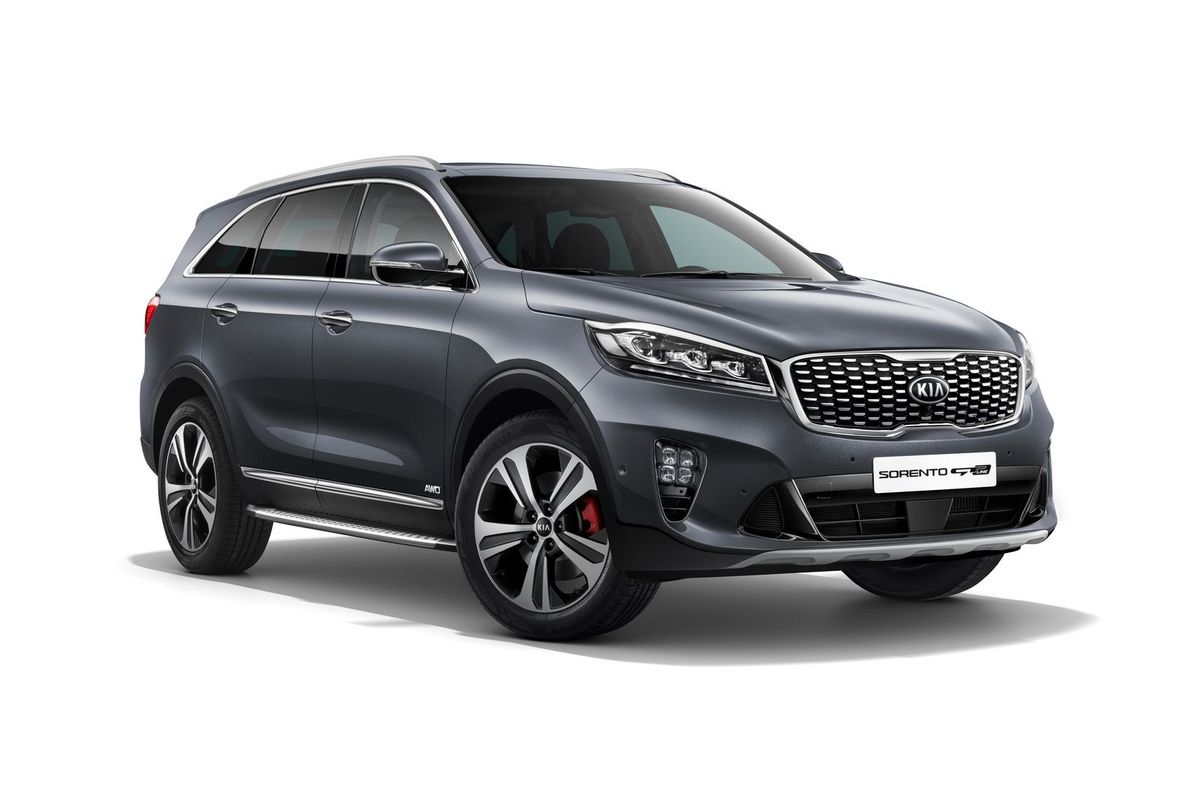
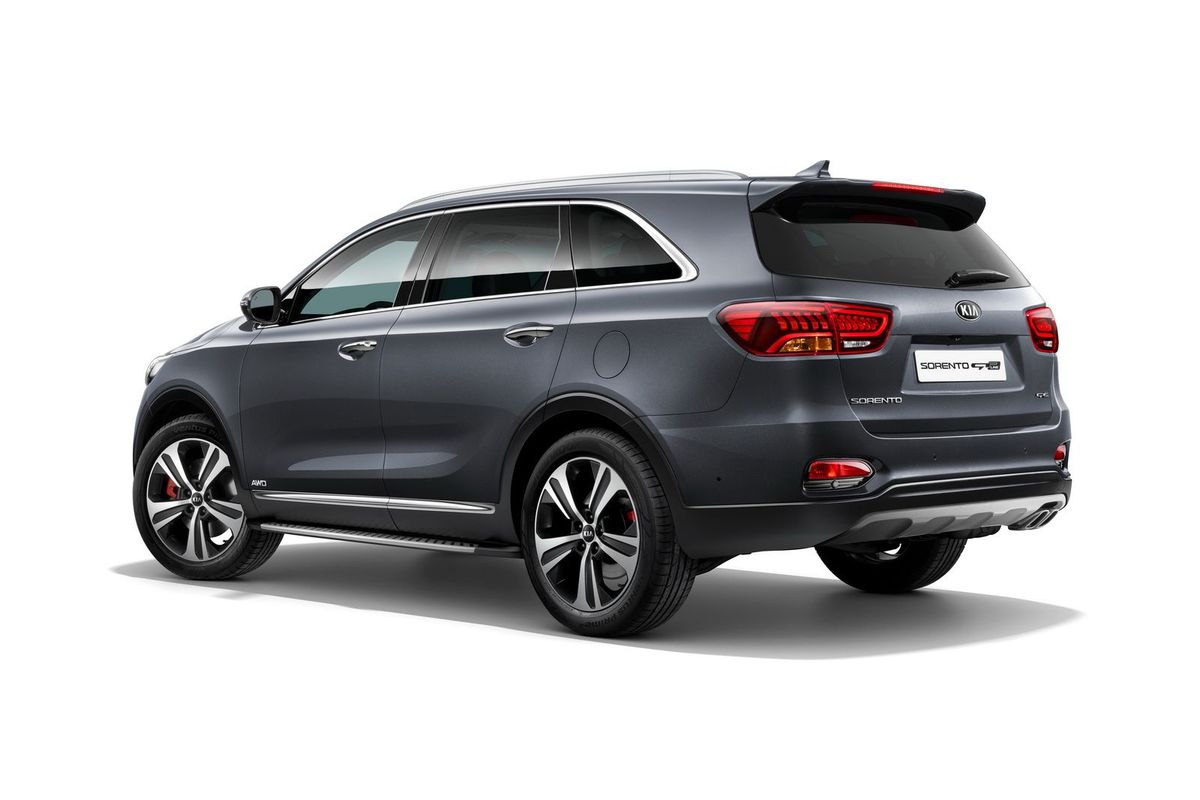
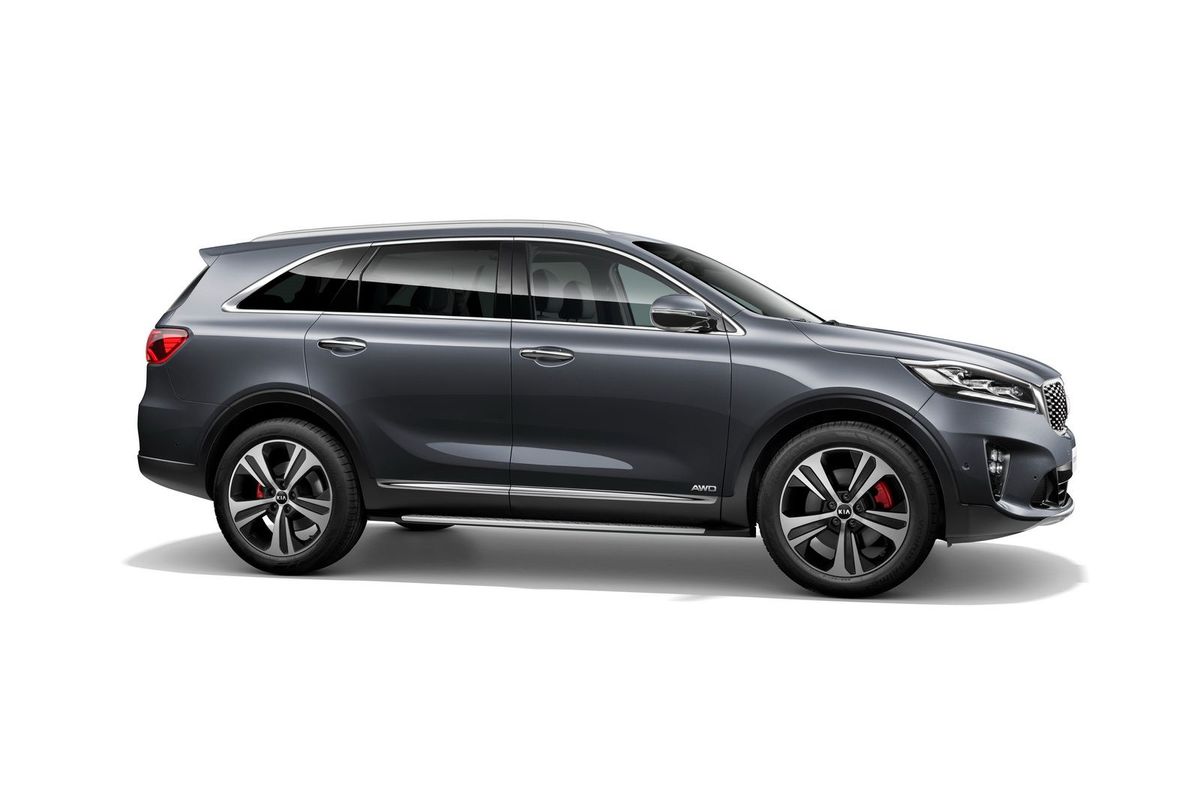
Kia Motors Europe has announced a range of upgrades to the Kia Sorento, the company's 7-seat executive SUV. The facelifted Kia Sorento will be shown at the 2017 Frankfurt International Motor Show and will go on sale towards the end of 2017
The facelifted Kia Sorento features changes inside and out, including updated technology and a new 8-speed automatic transmission.
Michael Cole, Chief Operating Officer of Kia Motors Europe, commented: "The Sorento accounted for 15 769 sales across Europe in 2016, and it remains an important contributor to the company's sustained sales growth. The current model has a broad appeal among buyers, with a combination of high practicality, handsome design, and good value. Upgrades to the car's exterior and interior design, safety, and in-car technology all add to the appeal of the car and will ensure sales remain strong."
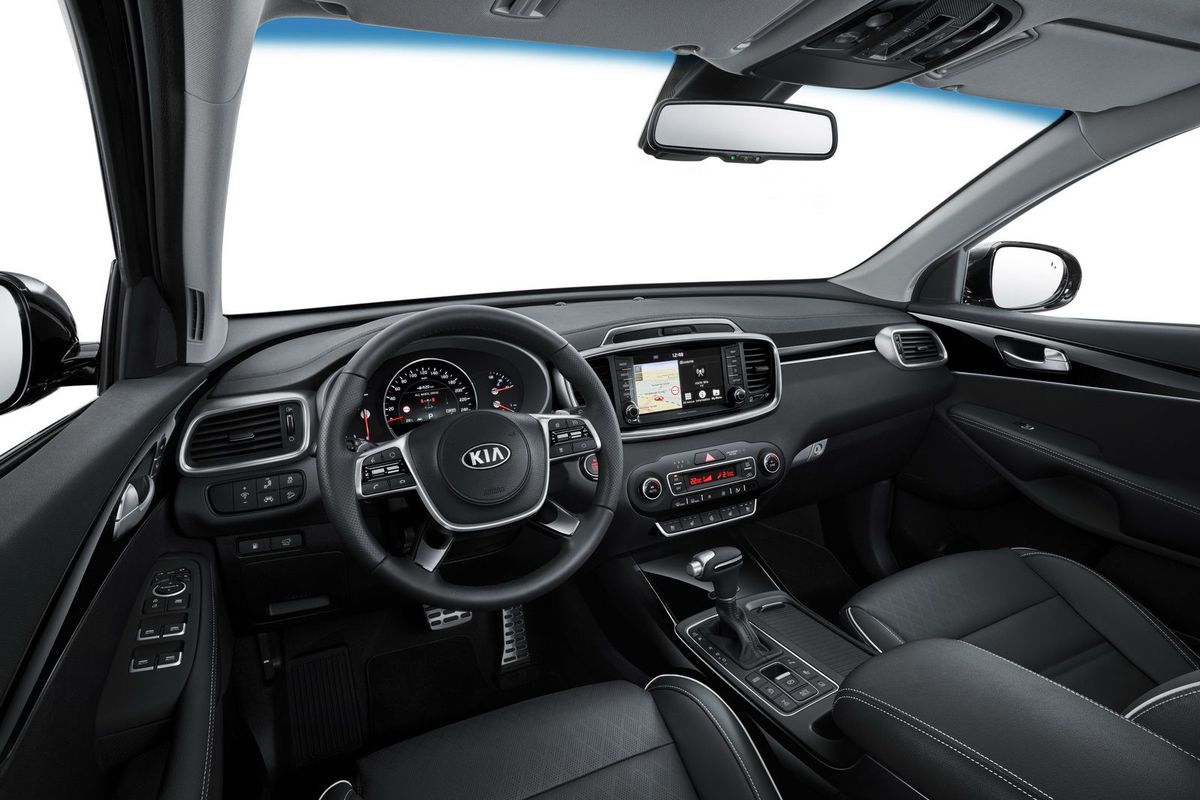
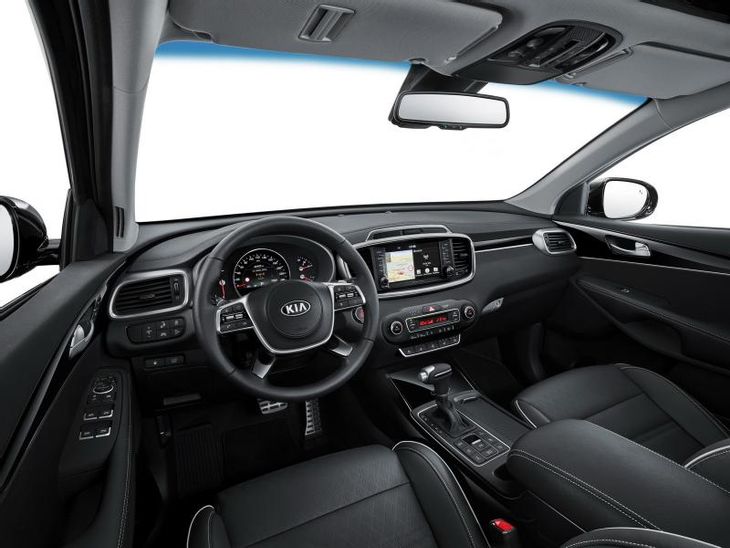
In terms of design, there are revised front and rear bumpers, new LED head- and taillamps, and a new dark metallic finish to the grille. There are also new designs for the Sorento's 17-, 18- and 19-inch aluminium alloy wheels. The cabin gets a newly-designed steering wheel and driver instrument cluster, as well as a new climate control LCD display. The dashboard also features a new Audio Visual Navigation system. To coincide with the facelift, Kia has introduced a new GT Line version, which includes sportier visual changes both inside and out.
The new Kia Sorento is the first SUV from Kia available with the company's new eight-speed automatic transmission. The 'box goes straight into the 2.2-litre turbodiesel Sorento models and replaces the older six-speed automatic gearbox. The benefits range from improved CO2 emissions to quicker in-gear acceleration. The new transmission offers four different drive modes: Eco, Comfort, Sport and Smart.
Kia's Sorento also features an 8.0-inch touchscreen infotainment system, with navigation and Kia Connected Services powered by TomTom. The new system offers Apple CarPlay and Android Auto, while the car has a wireless smartphone charger to keep you connected.
We'll have more details as the Frankfurt Auto Show unfolds.
Hillclimb Shootout: Volkswagen Golf GTI vs Toyota 86
In one of our most ambitious video projects yet, we worked with the city of Cape Town to close an incredible road in the farmlands beyond the city. It's always been one of our favourite pieces of tarmac to test cars and now we had it all to ourselves.
We lined up 8 high-performance cars, fired up our very own race-ace Ashley Oldfield and staged three races – this is the second head-to-head featuring the new VW Golf 7.5 GTI and the newly facelifted Toyota 86. For a recap of the first race – The Fiesta ST200 vs Renault Clio RS Lux, Click here.
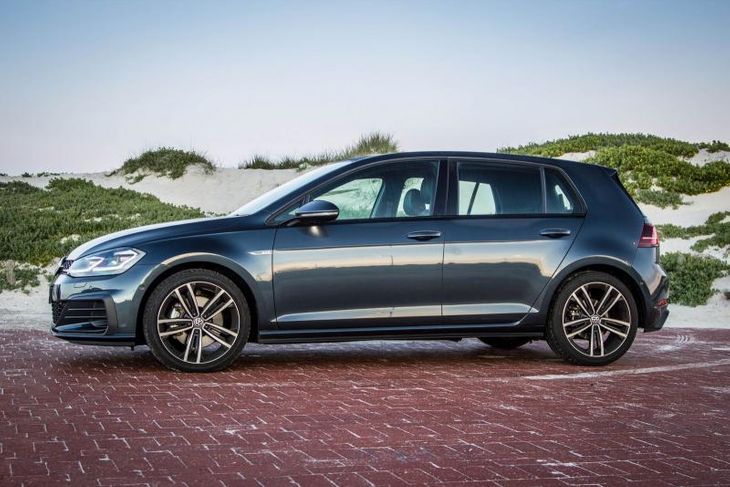
The new Golf 7.5 GTI features a small power upgrade to 169 kW and a few exterior tweaks to the bumpers and lights. The inside has been revamped to feel more premium and it exudes a sense of luxury that's hard to match. We hadn't brought it to the hill to look at it though, we wanted to see how fast it could get to the top of our up and downhill climb.
The Toyota 86 is on a hiding to nothing, it can't match the GTI for power and lack more than 150 Nm of torque – critical for climbing hills. But, it's arguably more fun to drive and represents what you could get yourself for R50k less than a GTI.
Look out for the next 2 videos in our #CarsRaceDay series, which will be released exclusively on our YouTube channel over the next few weeks. Subscribe and be the first to see the videos as they drop.
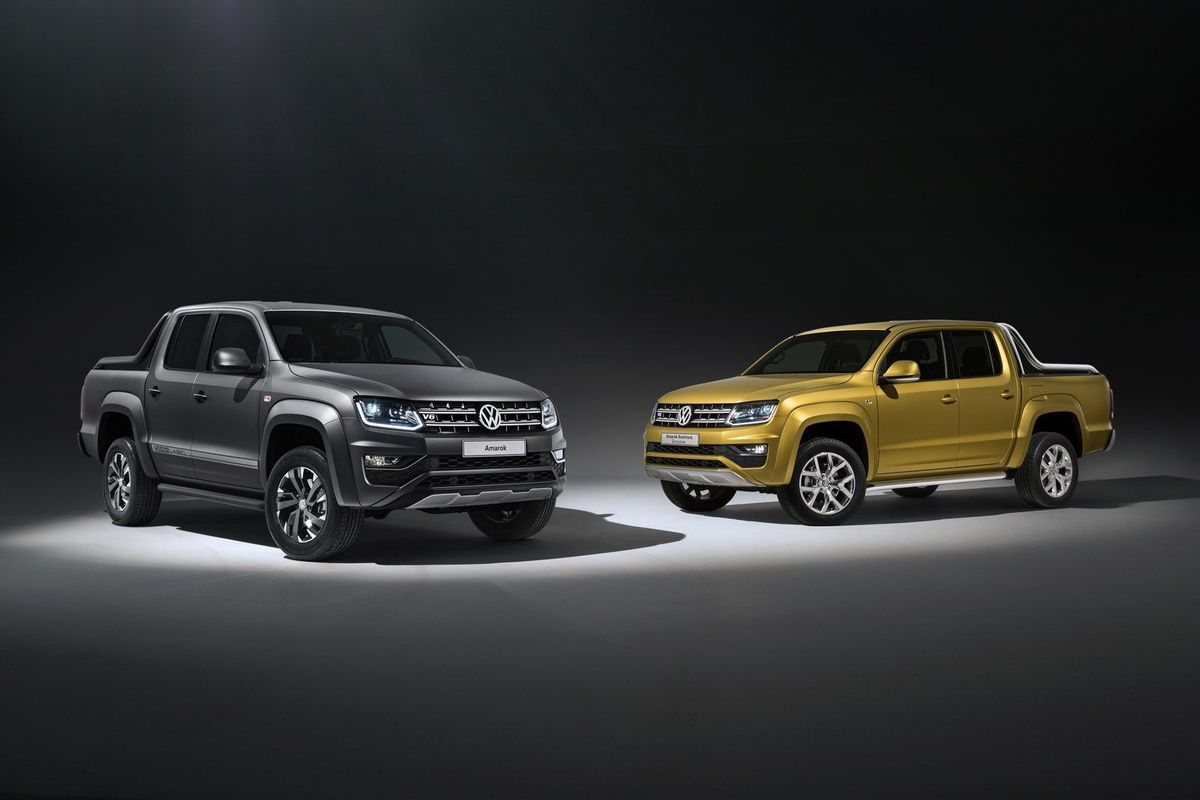
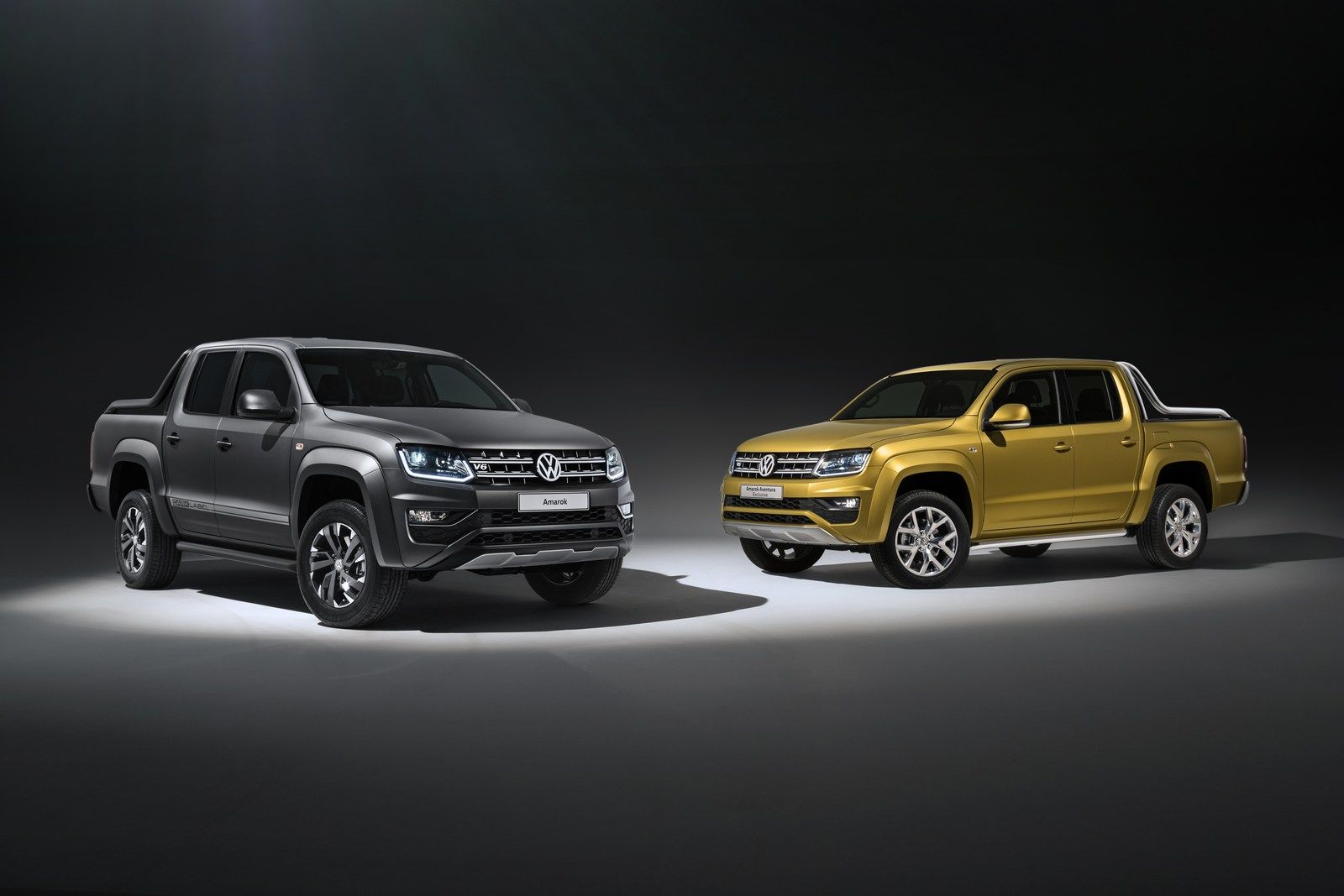
Volkswagen Commercial Vehicles will showcase 2 special edition Amaroks at the upcoming Frankfurt Motor Show, and they look great…
The Frankfurt Motor Show is almost upon us and although there are numerous vehicles of interest expected to be shown in the metal, a special edition Amarok, or two, makes for fine eye candy.
The introduction of the Amarok V6 in South Africa earlier this year has left local bakkie fans frothing for the new Amarok. Despite its lofty price tag or whether you are are a Hilux, Ranger or Navara fan, or any bakkie for that matter, the allure of the Amarok V6 is strong.
Take a moment to feast your eyes on 2 special Edition Amaroks that will be shown at the upcoming Frankfurt Motor Show.
These good-looking Amarok A6's will be shown in Frankfurt and sold in Germany, but don't expect to see them in SA.
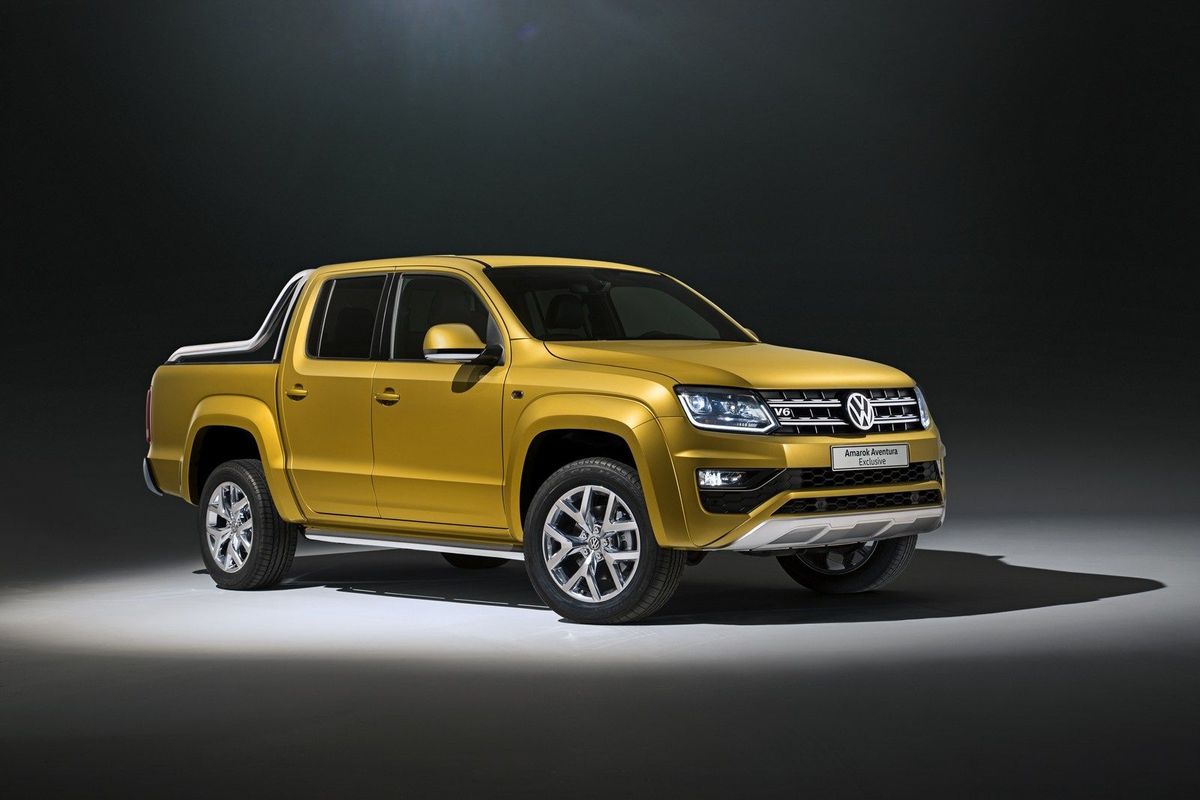
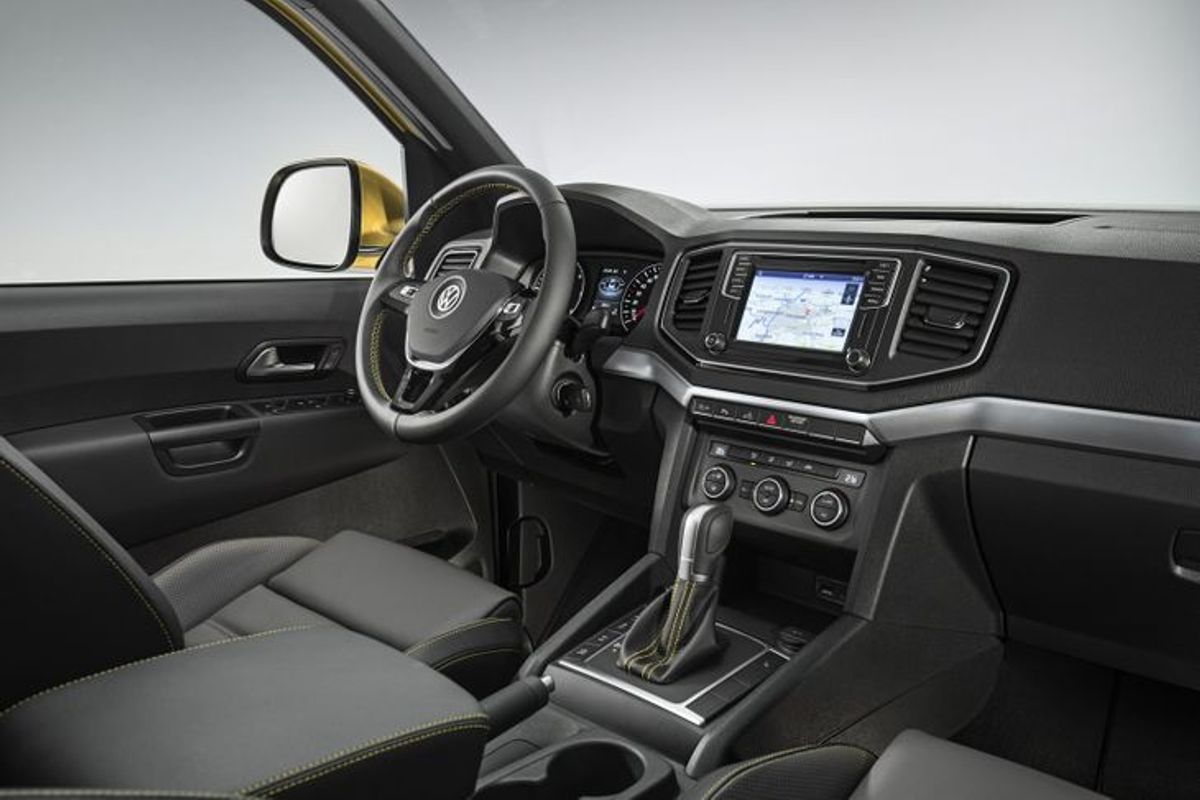
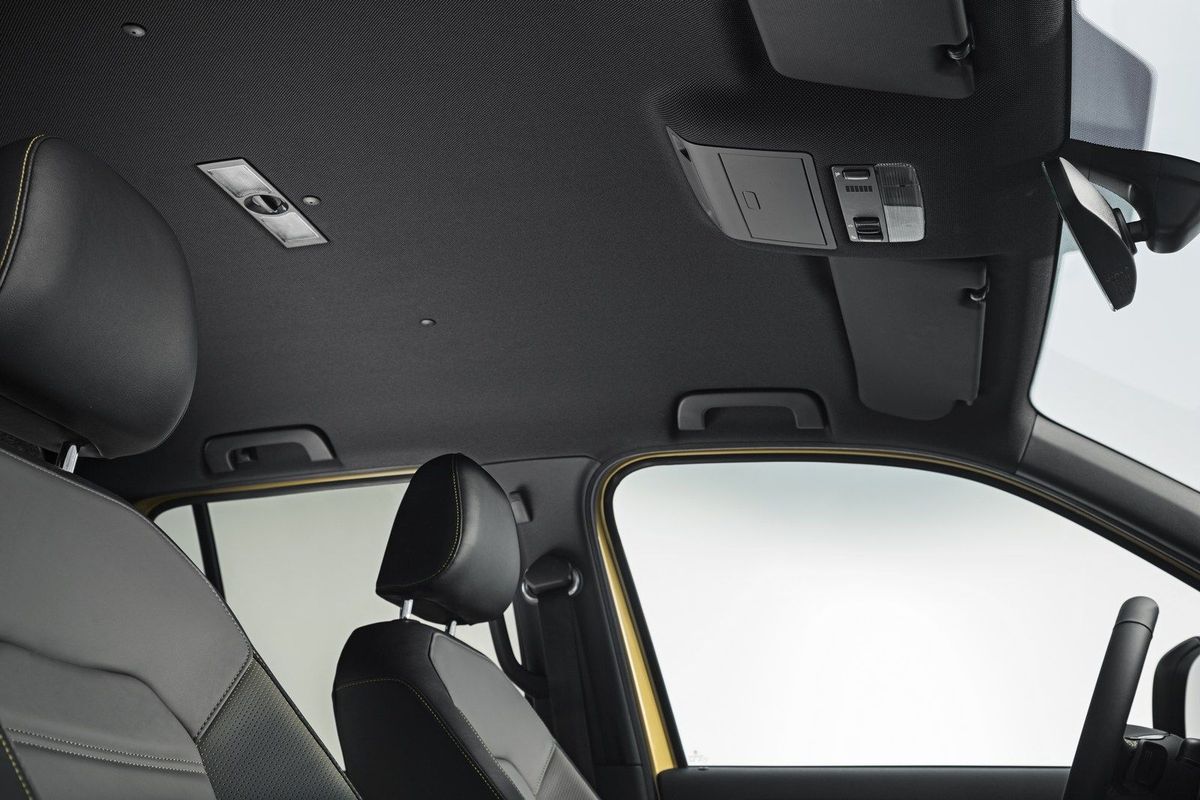
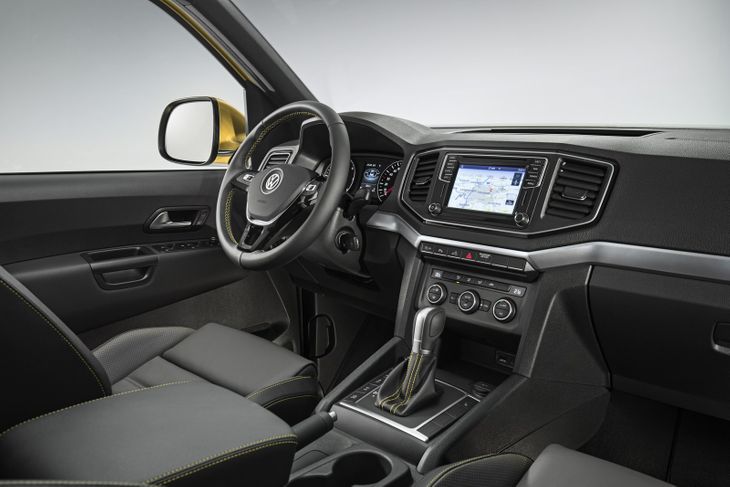
The first is called the Amarok Aventura Exclusive concept and it features Turmeric Yellow Metallic paintwork with chrome accents and rides on 19-inch alloy wheels. Other features include bi-xenon headlights, aluminium skid plates and a cargo cover. On the inside, the special edition model is fitted with black leather seats with Curcuma Yellow contrast stitching. The steering wheel is wrapped in leather too and a black roof liner further defines the interior ambiance. An infotainment system with navigation is also fitted.
The Amarok Aventura Exclusive's interior features subtle details to lift what is already an attractive interior.
Under the bonnet is a 3.0-litre TDI V6 engine that produces 190 kW and it’s paired with Volkswagen’s 8-speed automatic transmission and all-wheel drive system.
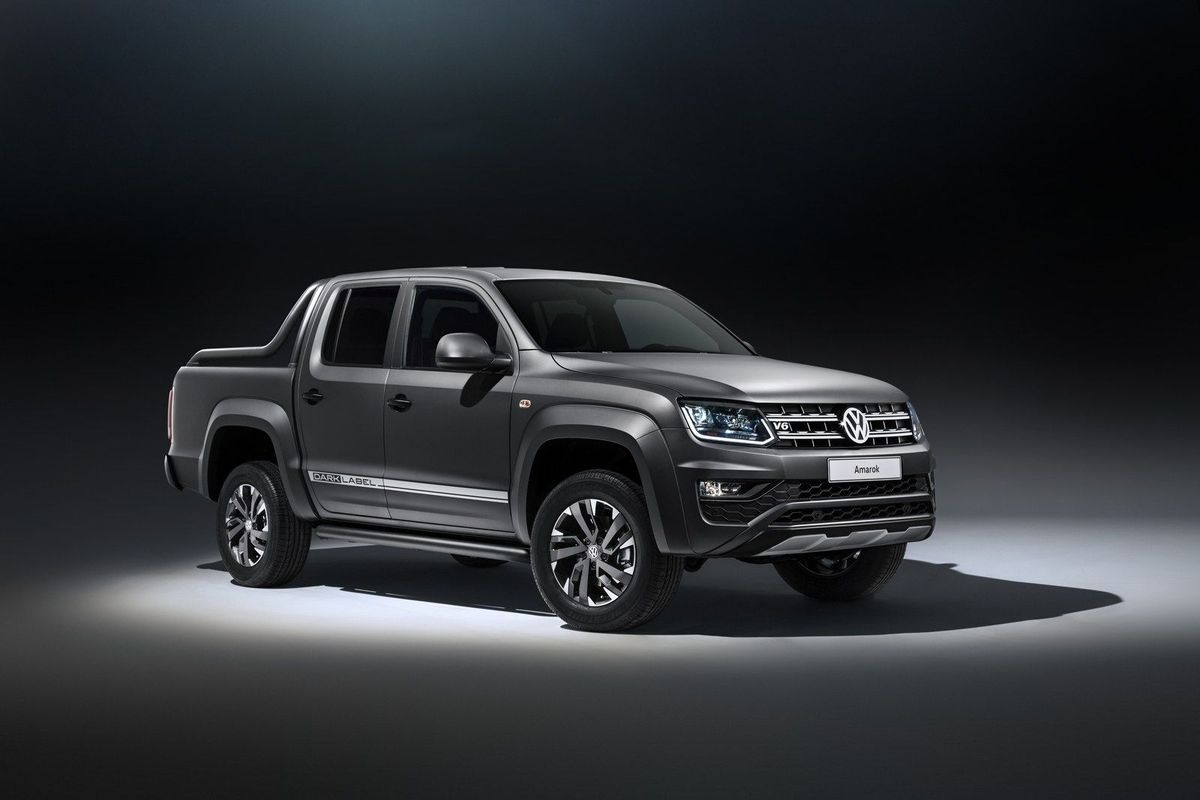
The second Amarok to be shown is the Amarok Dark Label featuring a Indium grey matte exterior colour with a striking black bar over the load bay. This model rides on 18-inch wheels and the grille has been revised to feature lacquered chrome accents. Inside, the model follows the execution of the Amarok Comfortline but adds a black roof liner and Dark Label embroidered floor mats.
The Amarok Dark Label is powered by two versions of the 3.0-litre V6 engine. The first offers 120 kW and a 6-speed transmission while the second offers 150 kW with either a 6-speed manual or 8-speed automatic transmission.
The 2 models will be sold in Germany and sadly, we are not likely to see them in South Africa. Bring them Volkswagen…
We will be attending the Frankfurt Motor Show next week, so stay tuned to our social channels (Facebook, Twitter and Instagram) for more details.
Watch our video review of the Volkswagen Amarok V6 below!
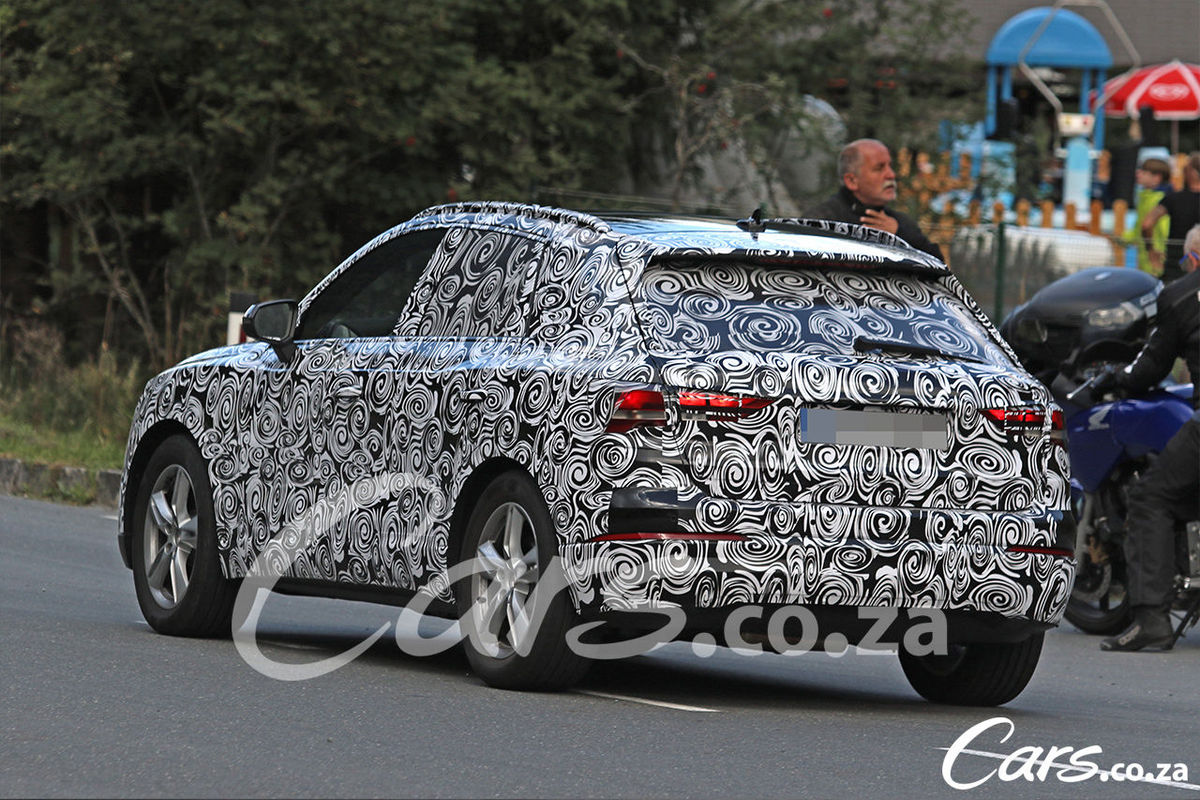
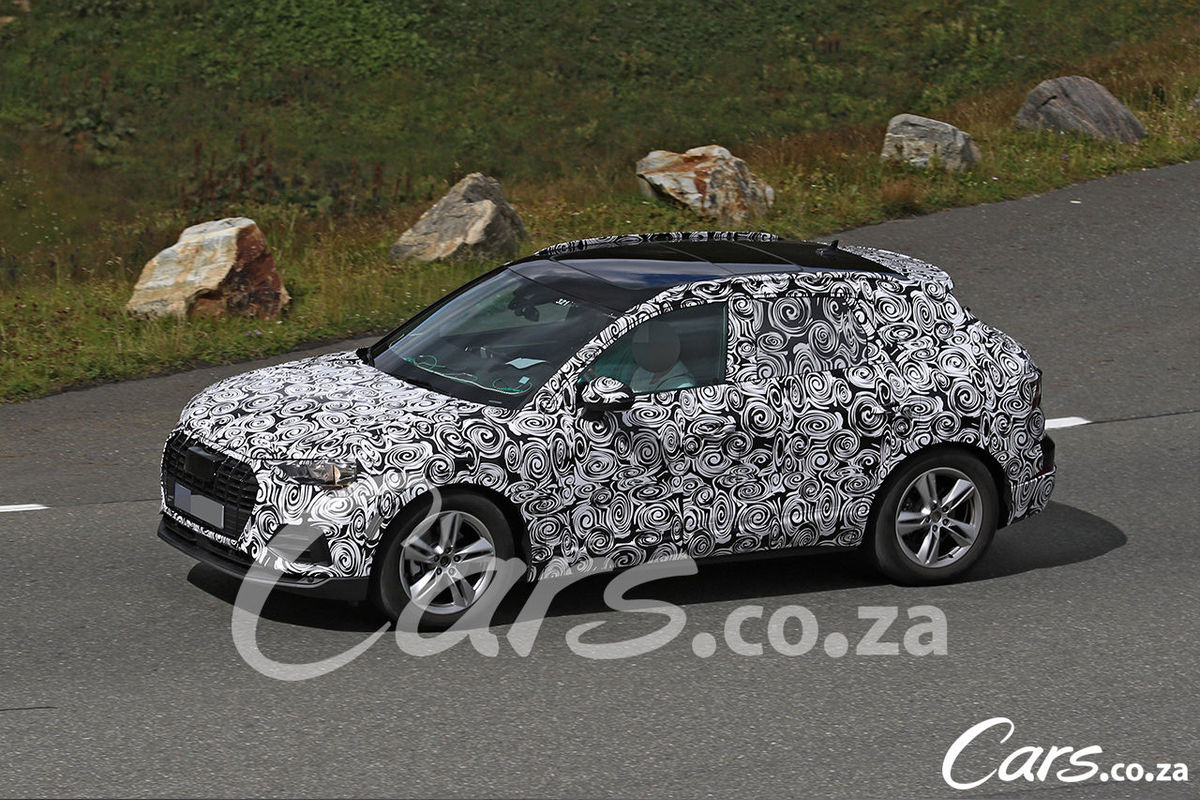
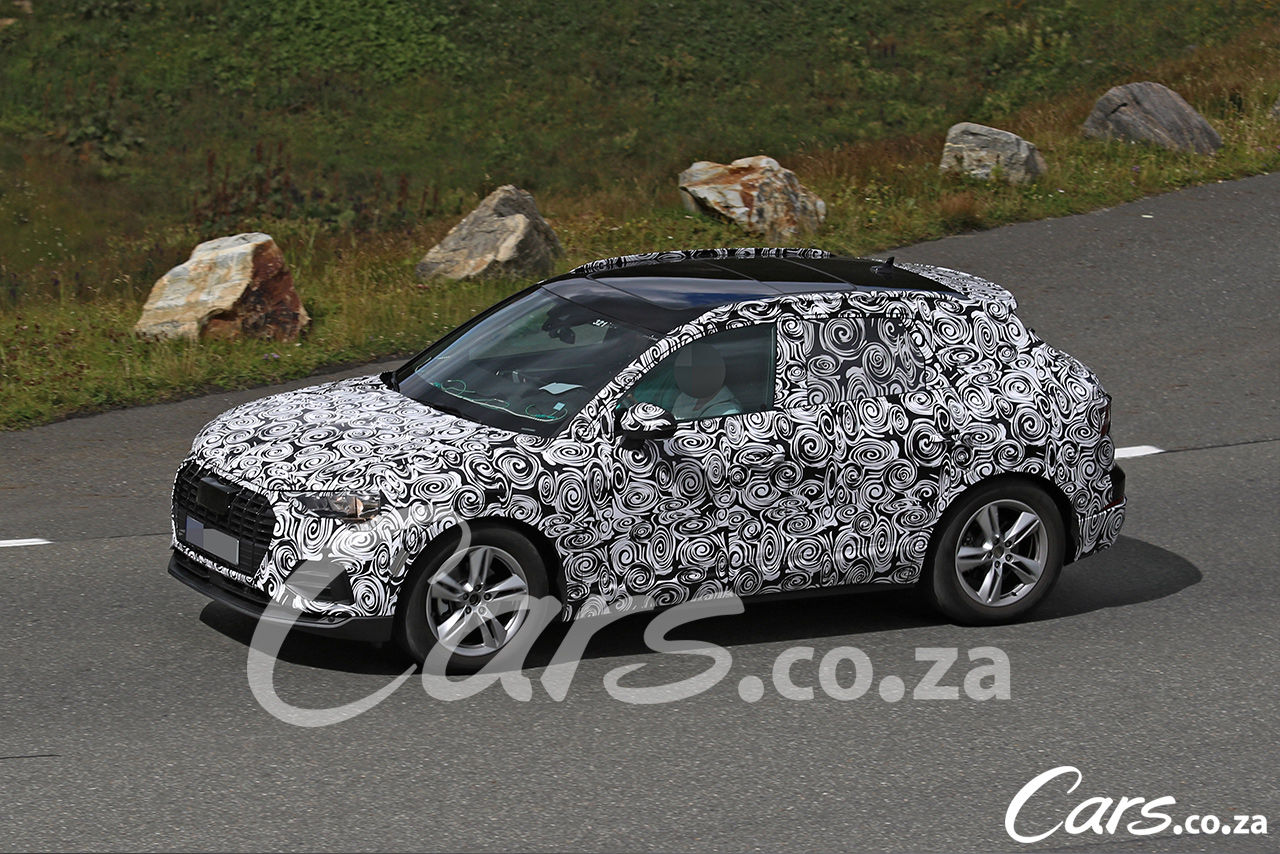
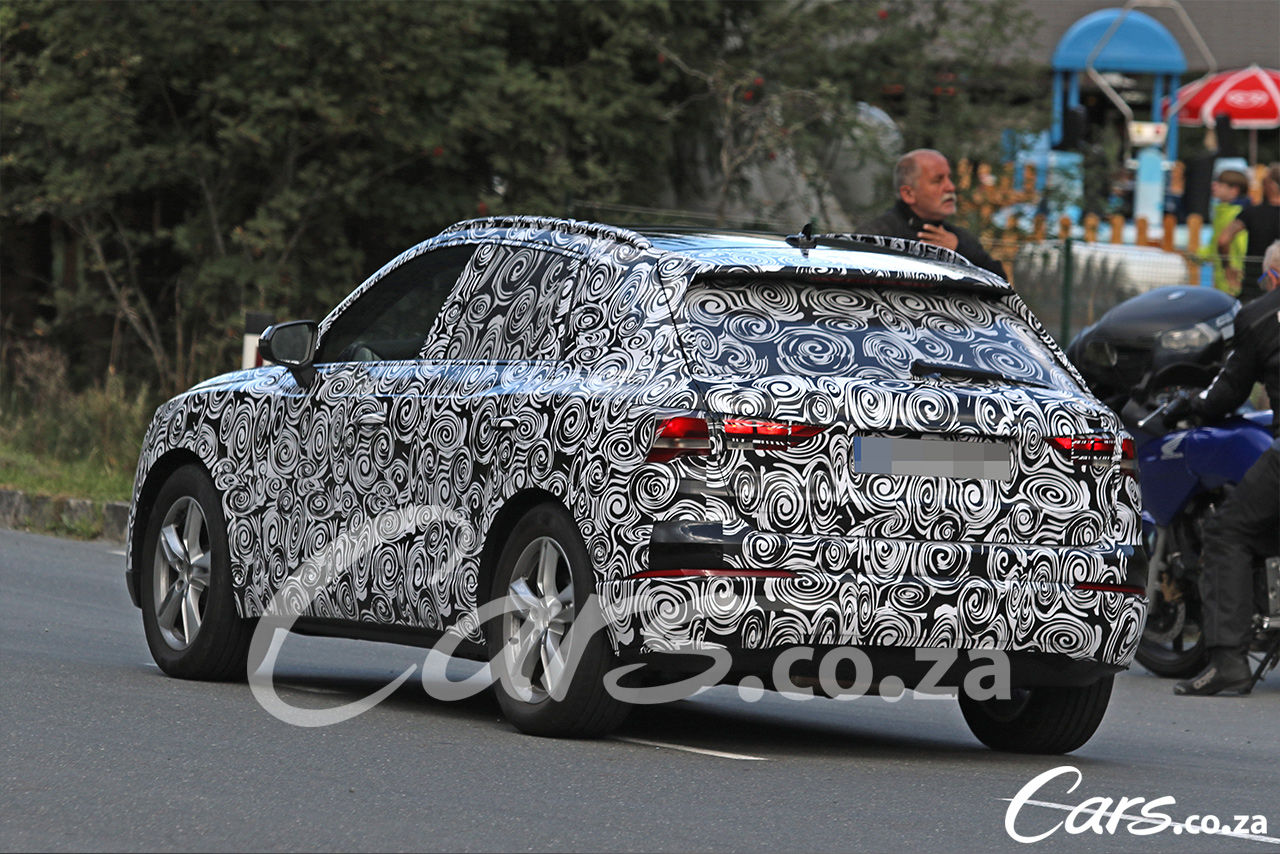
Audi aims to cement its presence in the lucrative premium family car/compact SUV segment with the second-generation Q3.Our speculative rendering, produced exclusively for Cars.co.za by a Cape Town-based artist, provides some insights into what the next Q3 might look like.
With its recently added Q2 and second-generation Q7 and Q5 model releases, plus Q4 and Q6 nameplates also in development, Audi will soon have a solid lineup of crossover SUVs with which to tempt buyers. This is good news for Audi because consumer demand for high-riders shows no sign of abating. But there’s one more: the Q3, now the brand’s oldest Q-car which was introduced in 2011, is due for replacement.
Key design details
The new Q3 is expected to be slightly larger, but lighter than the current model.
The first spy shots of the next Q3 emerged late in 2016, revealing very little. Now though, the large beige canvas poncho has been binned for a swirly patterned camo wrap that hides much less of the baby Q5’s new sheet metal. While Audi chose to experiment with elements of the Q2’s exterior style, there appear to be no major surprises with the second-generation Q3. What is clearly evident are the prominently flared wheel arches and a front-end design that incorporates Audi’s new multi-faceted single frame grille.
Still, we’re talking subtle evolution here; no one will mistake this for any other brand. Riding on the VW Group’s MQB platform, the new Q3 is expected to marginally grow in size but should shed some weight too. A longer wheelbase is expected and that will contribute to increased interior space for passengers and the luggage bay may very well swell too. Also, based on the spy images you see here, the new wing mirrors are mounted lower on the doors compared with the current Q3. The traditional Q-car staples of aluminium roof rails, integrated tailgate/roof extension spoiler, flowing side window graphic and wheel arches that can easily accommodate 20-inch rims are all in the mix.
Apart from a more spacious interior, the new Q3's interior design will in all likelihood share similarities with its larger Q5 sibling and Audi's impressive digital Virtual Cockpit dashboard should make its way into the new model.
What engines will be offered?
A wide range of turbocharged petrol and diesel engines are expected for the new A3, but official details have yet to be revealed.
Engine options have yet to be confirmed but buyers can expect a range of 4-cylinder turbocharged petrol and diesel engines to power the new Q3. A plug-in hybrid version and an electric Q3 e-tron is also likely to follow later. Reports suggest that the Q3 range will offer either a turbocharged 1.0-litre petrol, a 1.5-litre turbopetrol and a 2.0-litre turbopetrol. On the diesel front, a 2.0-litre turbodiesel engine in various states of tune is likely.
The new Q3 range will be headlined by the performance-orientated RS Q3 which is expected to feature the powerful 5-cylinder, 2.5-litre turbocharged engine that does service in cars such as the RS3 and TT RS. An S Q3 derivative is also expected to house the same engine, albeit with slightly lower outputs.
The official reveal of the new Audi Q3 is a mystery at this stage but there is a possibility that the new model will be shown before the end of the year. If not, the new Q3 will almost certainly be shown early in 2018 before going on sale. We will keep you updated as more details become available.
Extended Mercedes-AMG GT range (2017) Launch Review
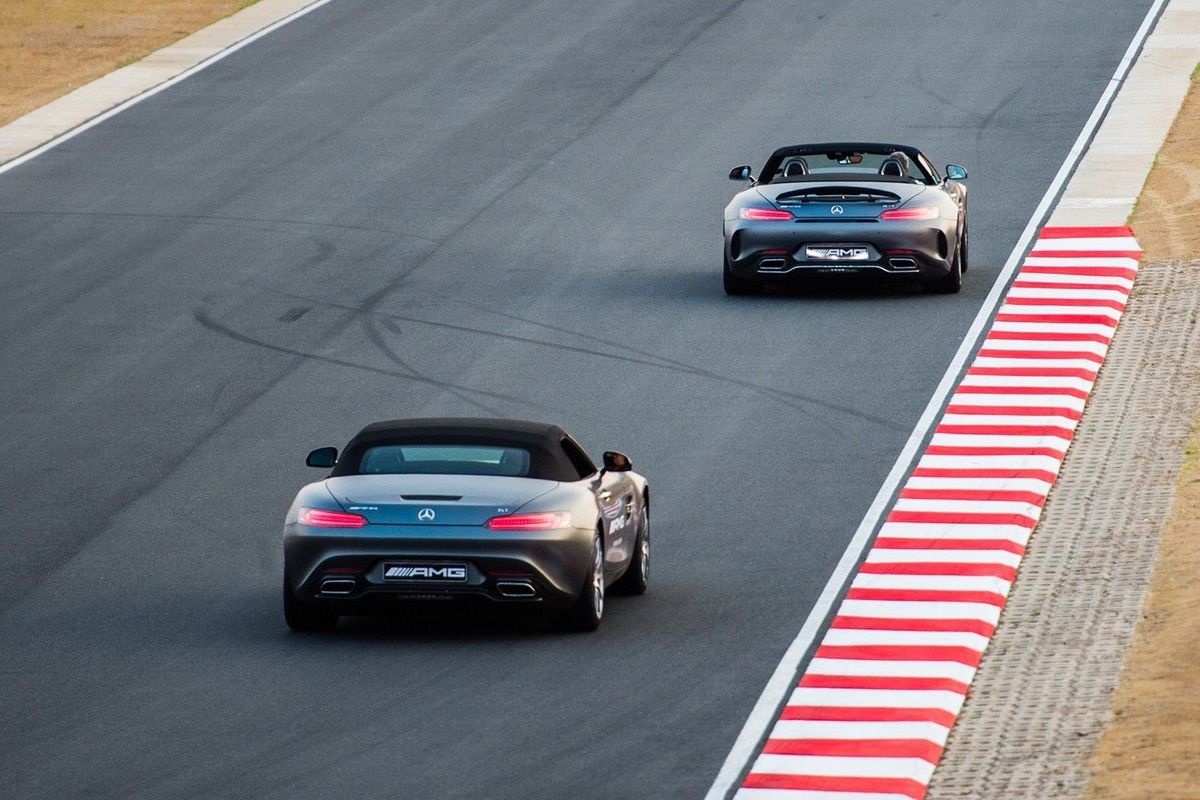
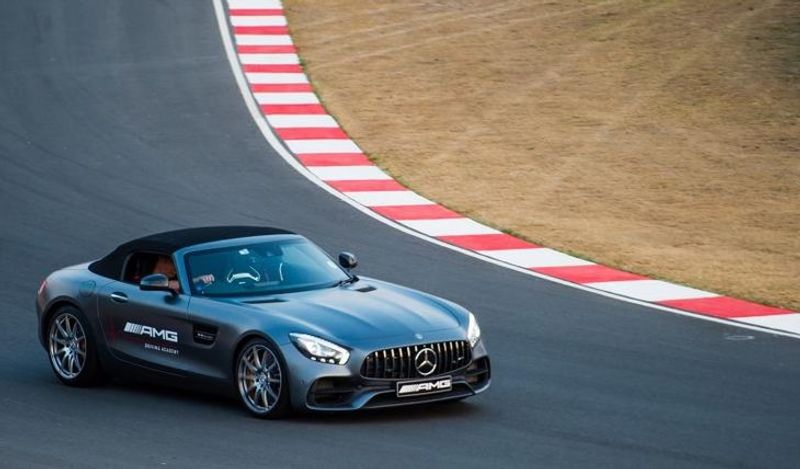
The AMG GT and GT S meet their snarly new siblings, the GT R and GT C at Kyalami Race Circuit.
Viscera. It's that stuff in your gut that AMG insistently takes a spoon to, then gives it a vigorous stir. When Mercedes-Benz's Affalterbach-based division first gave birth to the SLS, it had spawned AMG’s first road car. And, as sad as it was to see them cull it a few years later, they did thoughtfully replace it with that most evocative of teardrop profiles, a velvet glove slipped over a brutish, growly biturbo V8 with the advent of the smaller GT.
Soon after, it dialled up the aggression as AMG does and out came the S model. So now 375 kW and 650 Nm play the standard car’s 350 kW and 630 Nm and the zero to hundred sprint sheared from 4 seconds flat to 3.8 seconds. But as is typical of these power games, it’s not the incremental hike in outputs that set the two cars apart.
Bells? Whistles? Somewhat, but for the most part, it comes down to demeanour. What then of the AMG GT R, now blessed with a 3.6sec sprint time, 430 kW and 700 Nm? And crucially, where does the newest of them all fit in, the GT C?
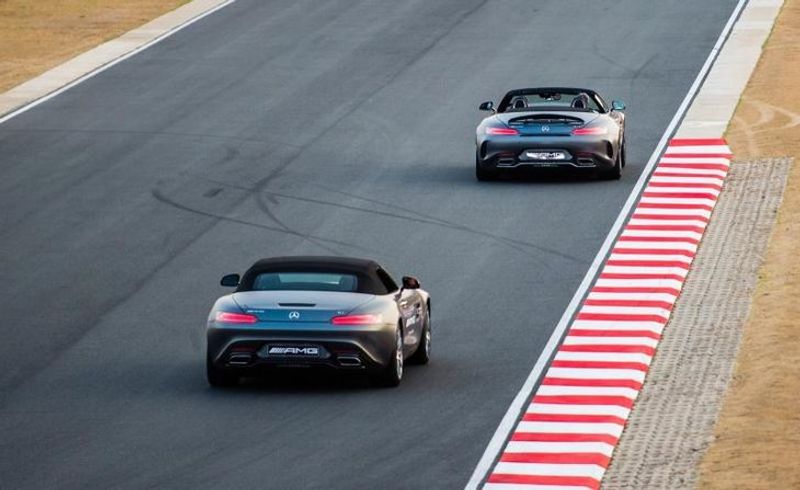
The short answer, of course, is perfectly in between, with power and torque now sitting at 410 kW and 680 Nm and 100kph crossed in 3.7 seconds. Elementary Herr Watson, but if only we could drive the three monikers back to back at great pace, and in a safe, controlled environment. Enter South Africa’s premier race circuit, Kyalami.
S, C, R… is AMG playing scrabble?
Mercedes-AMG put its GT family onto a race track, the only safe space to try tame these beasts
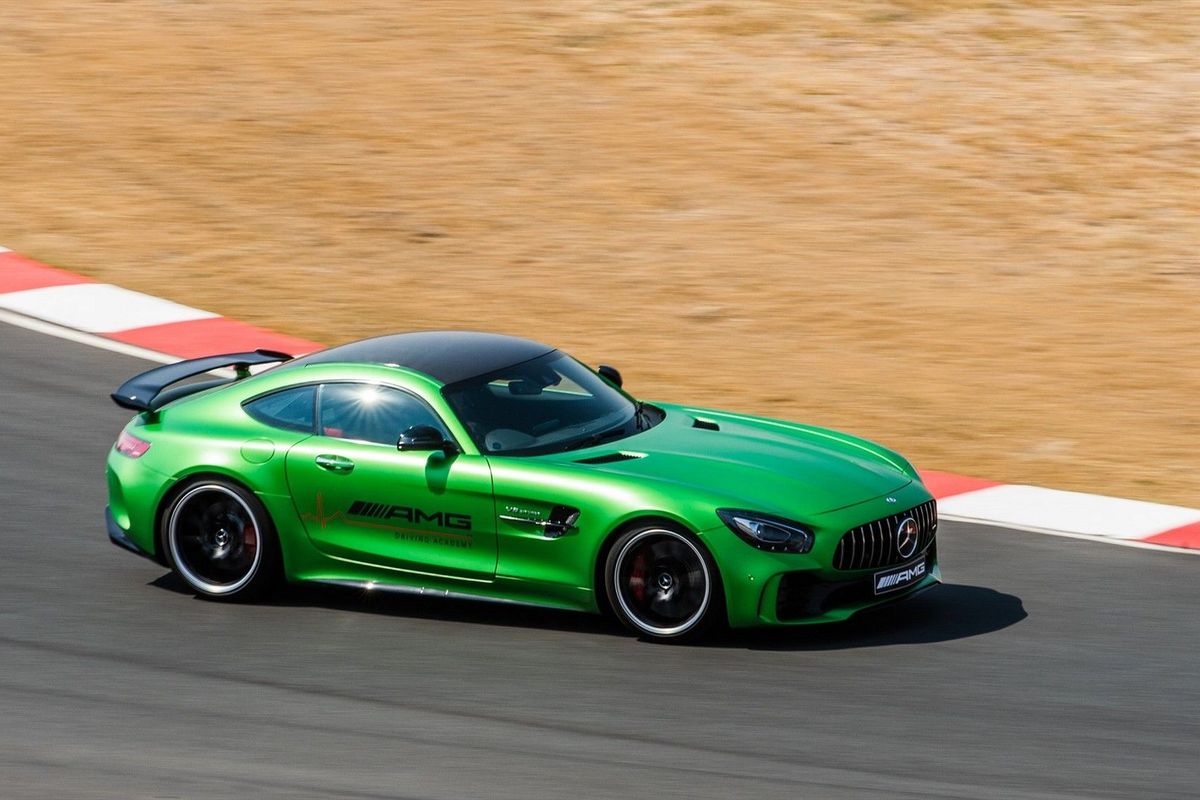
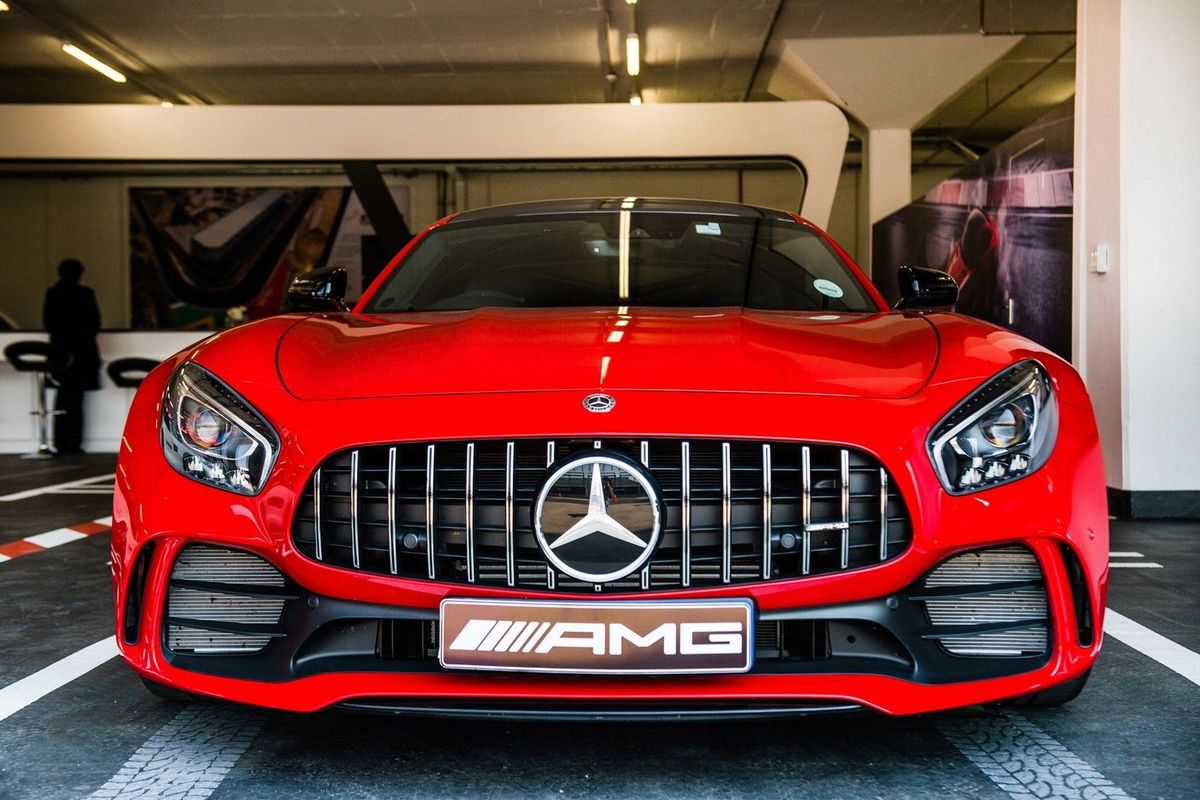
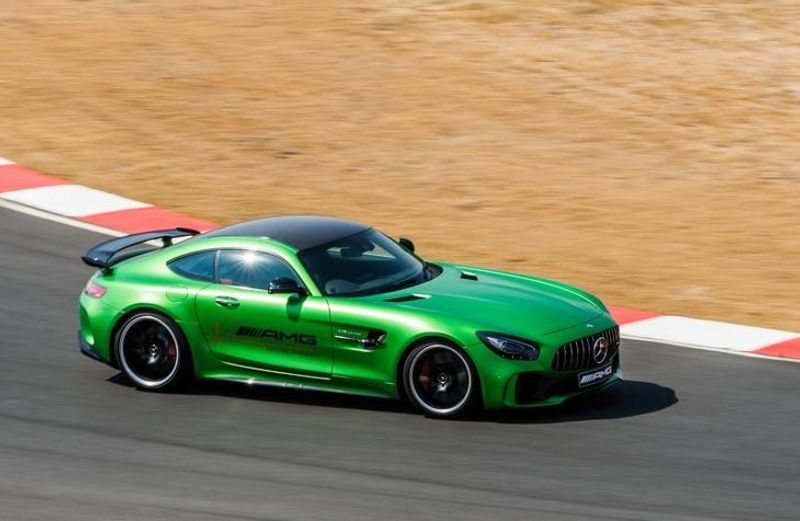
Let us discard the base GT to start, and secondly, I’ll ask you to indulge us as we pit roadsters and coupes against each other for obvious reasons. I’m going to do this all wrong, and start with the most powerful animal here, the GT R that danced around the Nordschleife so impressively that it even stole its nickname; The Green Hell. You’ll especially see the resemblance in the one I’m driving thanks to its green Magno paintwork. Many V8s roar, most of them snarl, but AMGs growl. It’s in its marketing material for good reason, Affalterbach knows how to tune an exhaust note. The GT R doesn’t let the German side down, rather this car feels representative of the might of their noise department.
Dial the driving mode selector into Sport+, pull both shift paddles towards you, flatten the brake and floor the throttle to release a baritone thrum that will send shivers up your spine, and naughty thoughts into your hippocampus. It rocks the little AMG’s chassis. Rocks but never lulls, you feel at the helm of a caged predator, and with the release of the brake pedal, all the other colours of hell join the green to break loose. And you’re off to the sound of thunder resonating in a metal bucket… rolling down a flight of stairs.
AMG GT-R. Raw, focused and potent… did we mention loud? Boy it's loud!
It’s quick, blistering, yet that acre-long bonnet feels a lap ahead of you. The GT R grips fiercely, my white knuckles suggest I am too. Immediately you can tell this car, a product of a company that has cultivated its products solely on race tracks, has proper pedigree, balance and precision where you might have suspected it was brutish and cumbersome. Before this test is over, it will reveal itself the easiest car to drive here. Climb into the older GT S and immediately you’re aware of the deficit in power and twist, and the better-appointed cabin – the GT R really plays that race-car-for-the-road card with conviction, including but not limited to a half roll cage, traction control dials and bucket seats.
The GT S is still a force of nature, lapping the circuit with similar verve and noise if somewhat turned down the wick. You’d need to be a race driver or have supernatural driving ability to truly eke out the R’s performance abilities above and beyond the still-hot S, but where the Green Hell car is uncompromising, the GT S feels close to that original base car – in this company anyway. But, and this part is worth remembering, the base car still feels absolutely special.
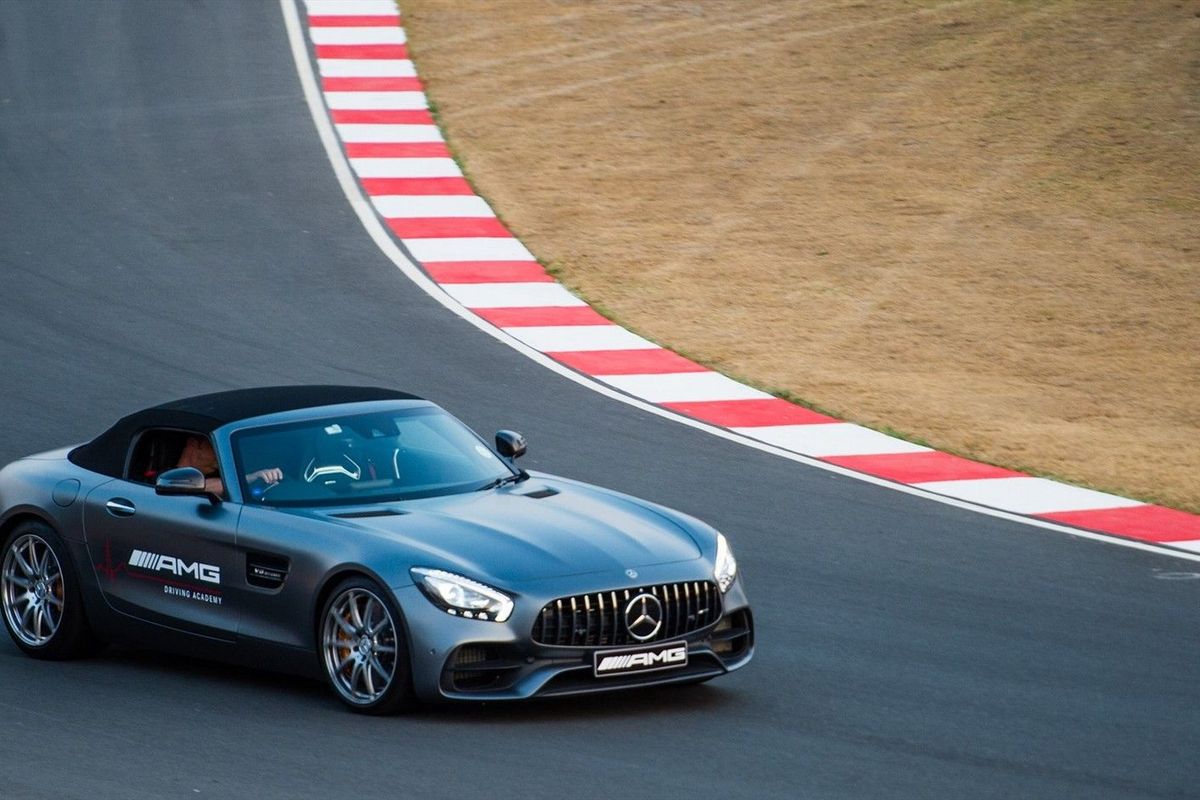
GT C Roadster – a tasty yet potent proposition
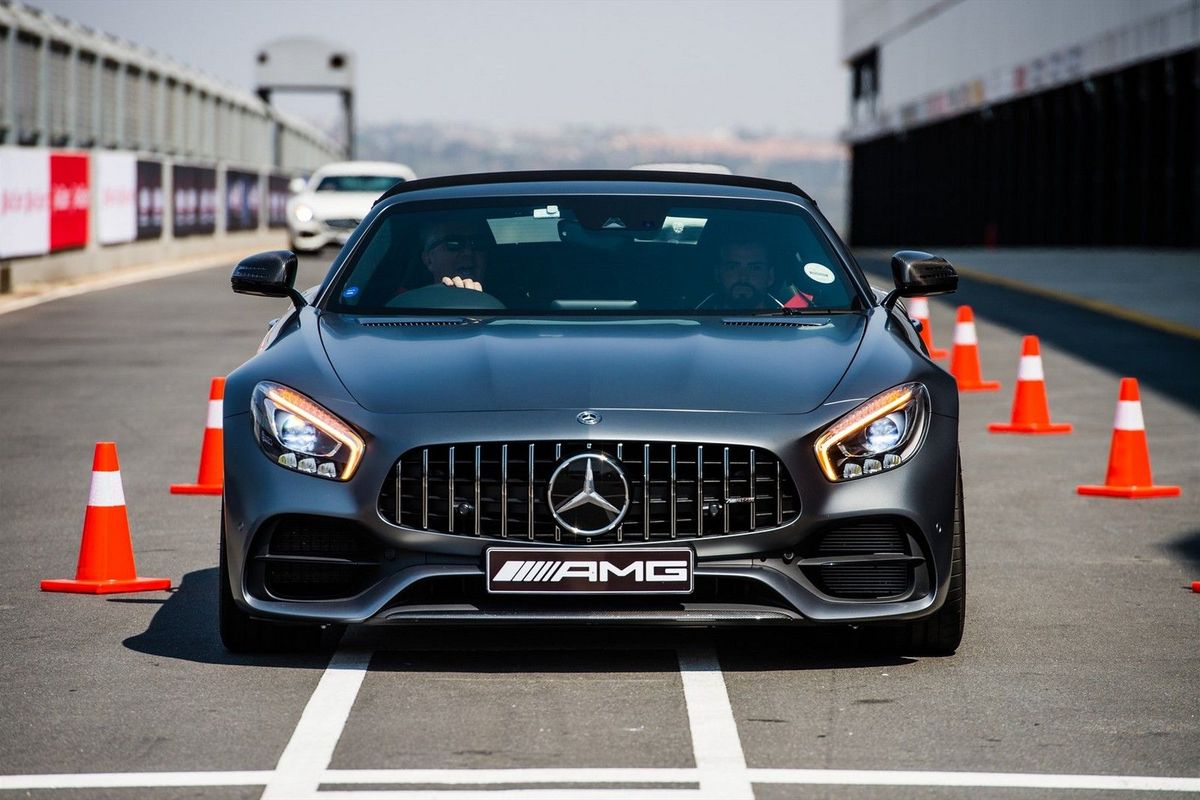
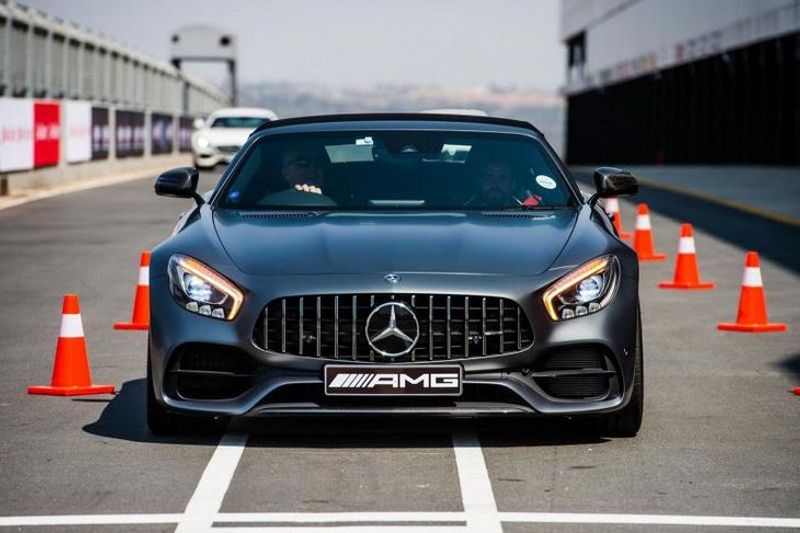
This brings us neatly and finally to the newest car in the lineup, the GT C Roadster. It's CV places it tidily in the middle in terms of price and performance, and if you’re after something very exclusive, Mercedes-AMG South Africa has brought four Edition 50 derivatives into the country at a premium. The GT C, like the GT R, comes with rear axle steer, includes adjustable damping and larger brake discs, throaty exhaust flaps (more noise, more AMG) and receives a raft of cosmetic upgrades including wider arches, more vents than ever, silver details and accents and 20 inch alloys at the rear – the fronts are ‘mere’ 19 inchers.
Style and cabriolet sophistication meets tasty V8 performance
It’s an overall overhaul to the performance and luxury of the base car but for now, let’s focus on the newfound shunt. I’ll happily cut to the chase and deliver my impression around Kyalami. The GT C feels much closer to the S than the R in its behaviour, slap bang between them for noise and drama, but in terms of engagement nothing touches the R. The GT R would not be my GT of choice for a daily drive, for that the GT C trumps its siblings. All of them. It’s a well-balanced performance coupe, a fine AMG, trouncing the S in every department. The GT R is hewn from race tracks, and must live on race tracks where it excels. It’s surprisingly comfortable considering how much technology has gone in (such as active aero panels to control heat and a carbon splitter with 80mm of travel) and how much weight has come out (including using lightweight magnesium components). But ultimately we’re playing with cars that can launch themselves from standstill to 100kph in 3.6, 3.7 and 3.8 seconds respectively. When performance results are this close to each other I’m afraid it comes down to the leather and the weather, and what's on offer in the open-air C is sumptuous.
A tasty verdict of sorts
The AMG GT family then isn’t a family at all. They’re flavours. Spicy, sweet and savoury – you decide which is which, except for the GT R – that’s wasabi! You might like spicy all the time, or just once in a while. You might hate the sweet stuff, or could happily survive on a savoury, day in and day out every minute of your life, so pick a GT that suits your taste. Me, I like chilli chocolate. What’s worth noting, however, is that the GT C is a brilliantly quick car that is also incredibly luxurious. While the GT R is a brilliantly quick car that is not.
How attractive is the Panamericana grille fitted to the Mercedes-AMG GT?
Mercedes-AMG GT Range Price in South Africa (September 2017)
R2 199 000 GT Roadster (350kW/630Nm)
R2 199 000 GT S Coupe (375kW/650Nm)
R2 599 000 GT C Roadster (410kW/680Nm)
R2 689 000 GT R (the Green Hell car – 430kW/700Nm)
R2 864 000 GT C Edition 50 (410kW/680Nm – limited to four in South Africa)
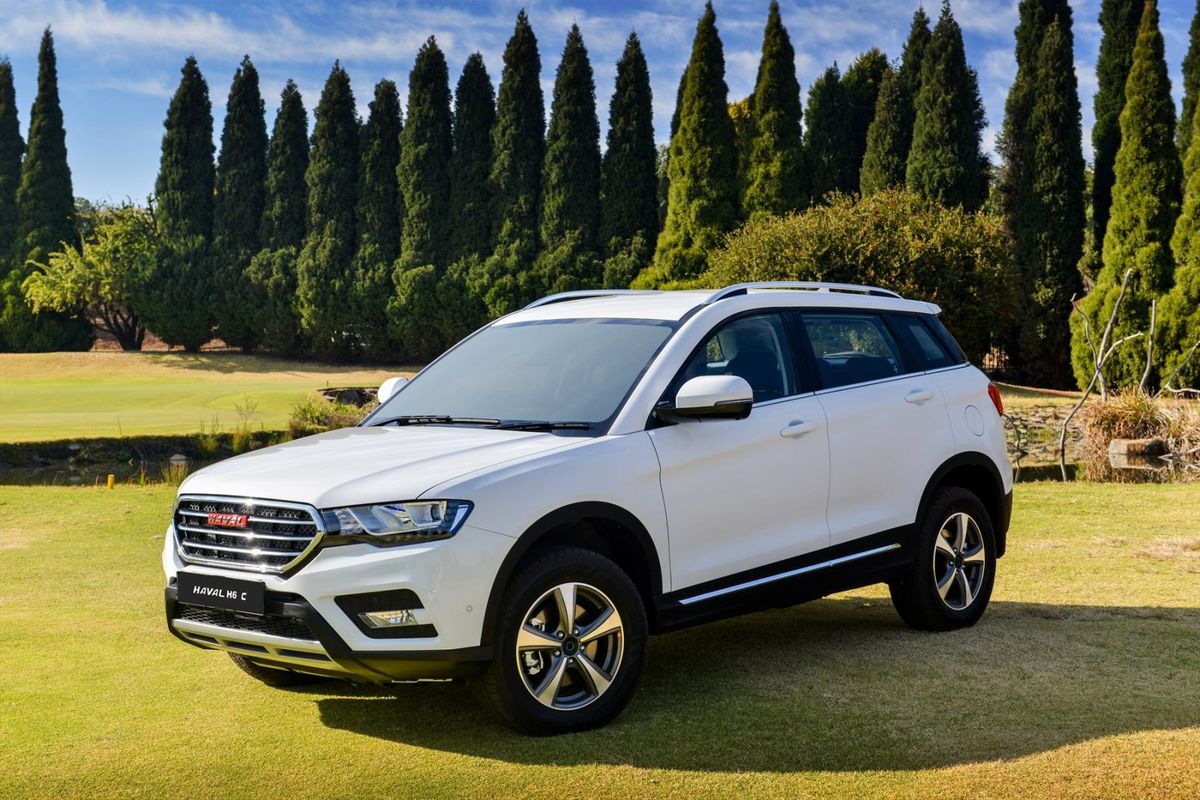
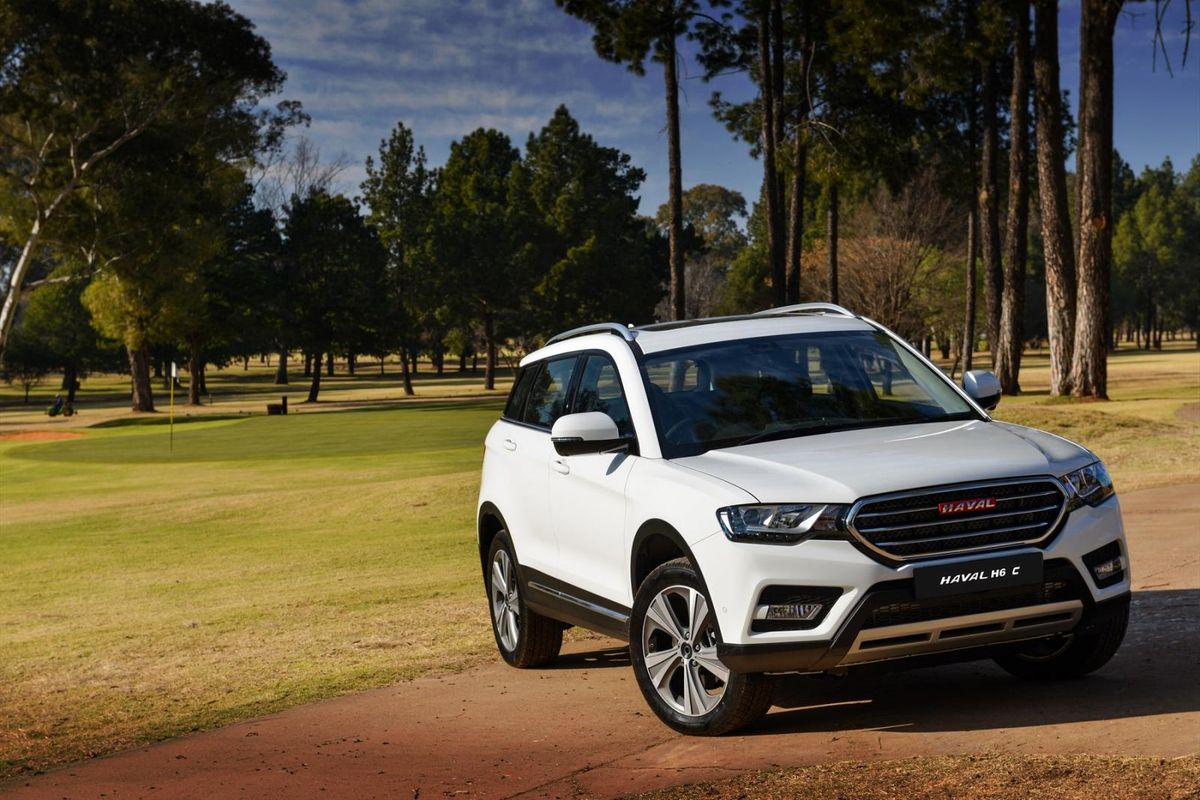
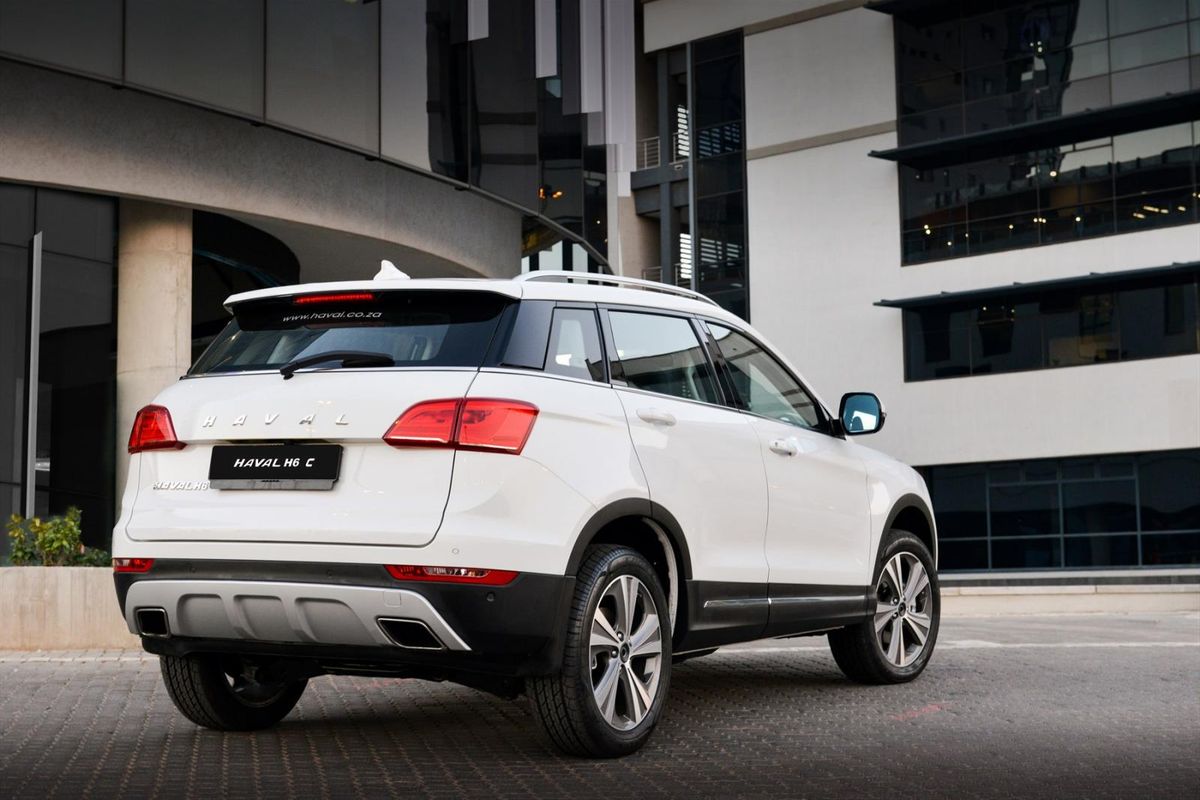
As promised, the Haval product onslaught gains momentum with the freshly launched H6C, a well-priced new competitor in South Africa's busy compact SUV/family car segment.
Haval, the premium SUV brand of GWM (Great Wall Motors), launched its H2 compact crossover in South Africa earlier this year and has been doing brisk business with that value offering ever since. The H2 has also gained widespread recognition as the best Chinese vehicle yet, including from our own test team (view the video review here). Since the introduction of the H2 it has also launched the H1 in South Africa, which is essentially a rebadged version of the GWM M4.
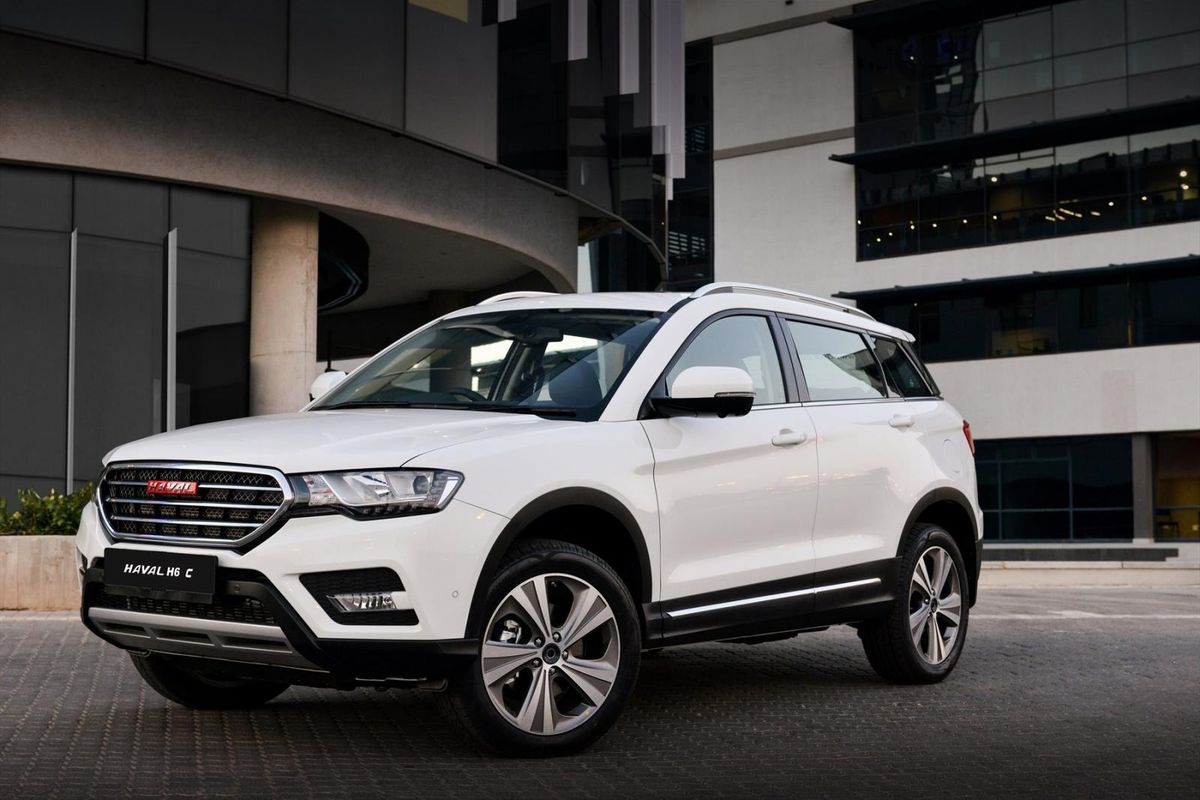
Now, the H6C, based on the underpinnings of the H6, China's top-selling SUV, adds an even more upmarket, stylish offering to the firm's local offering.
Lots of features, modern drivetrain
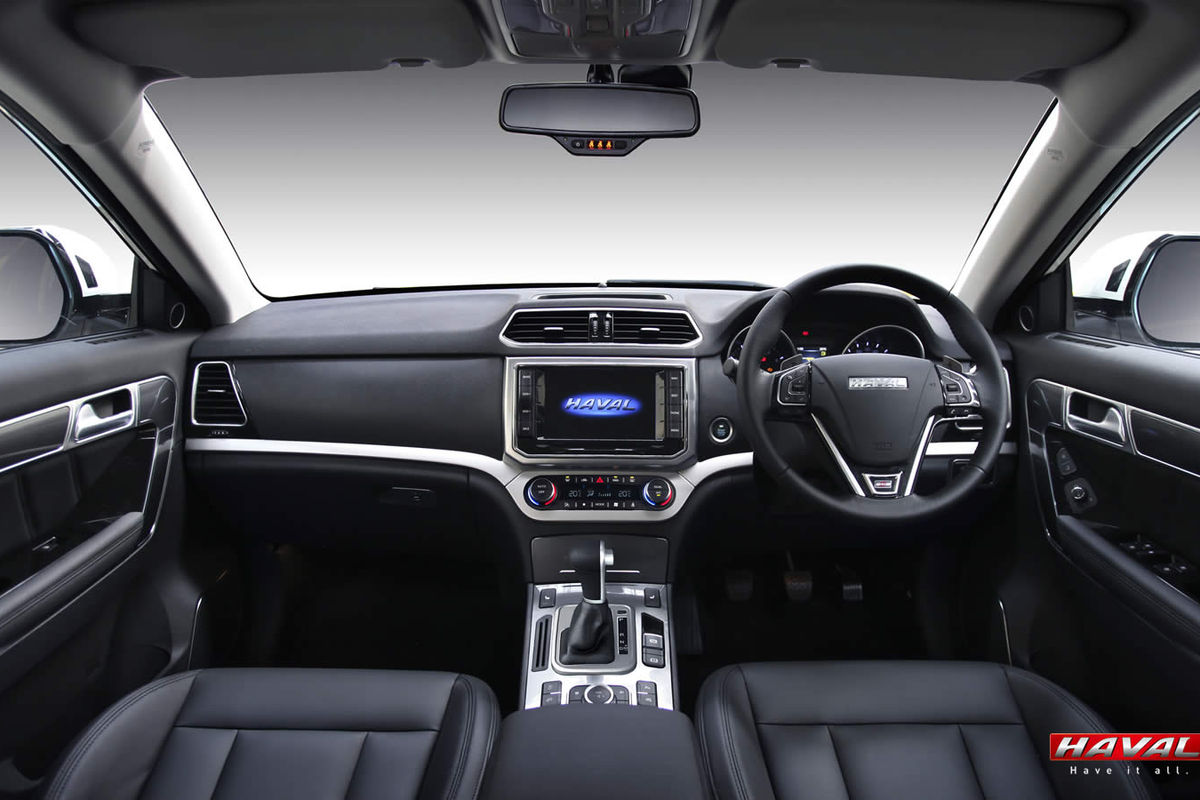
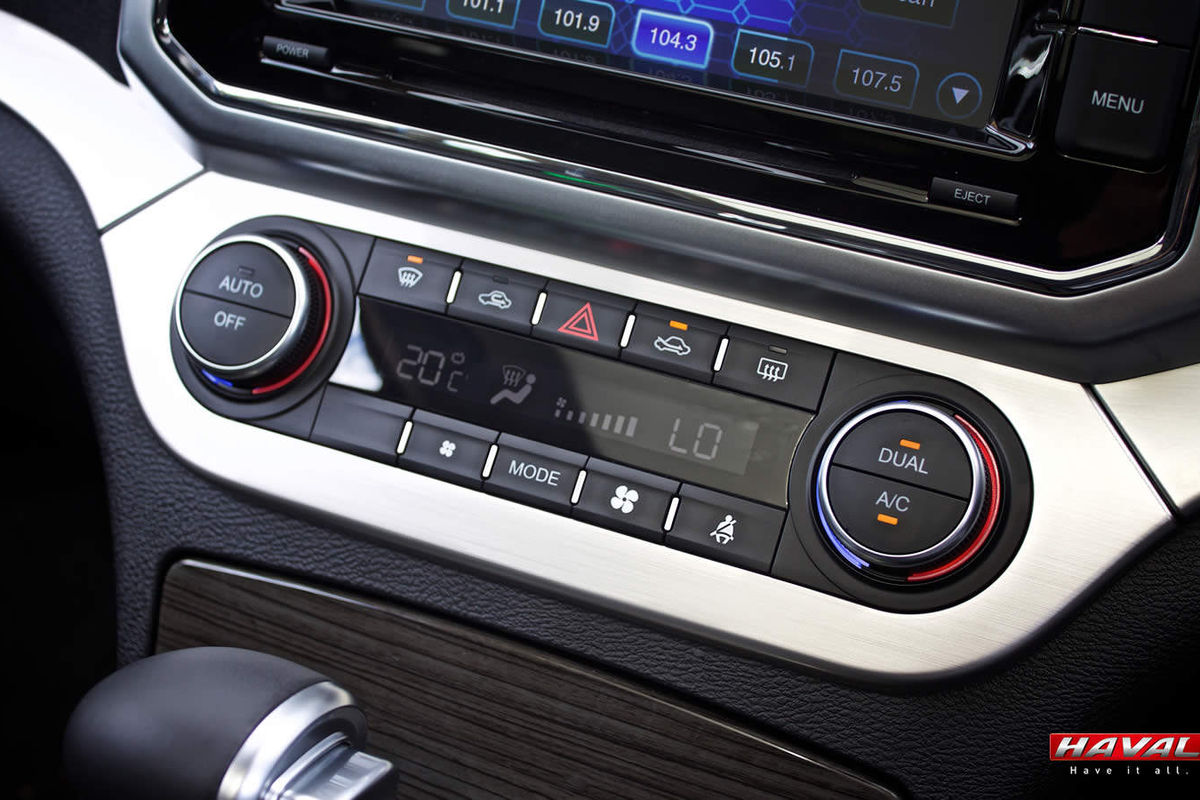
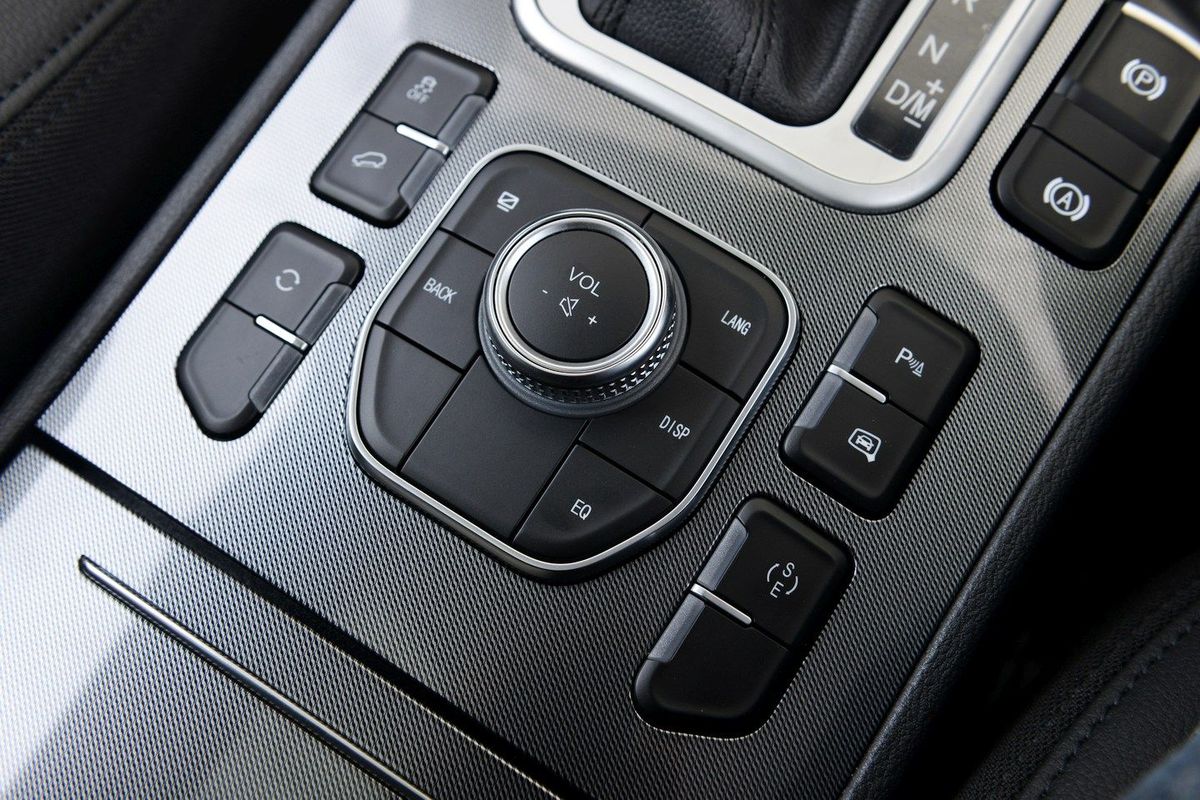
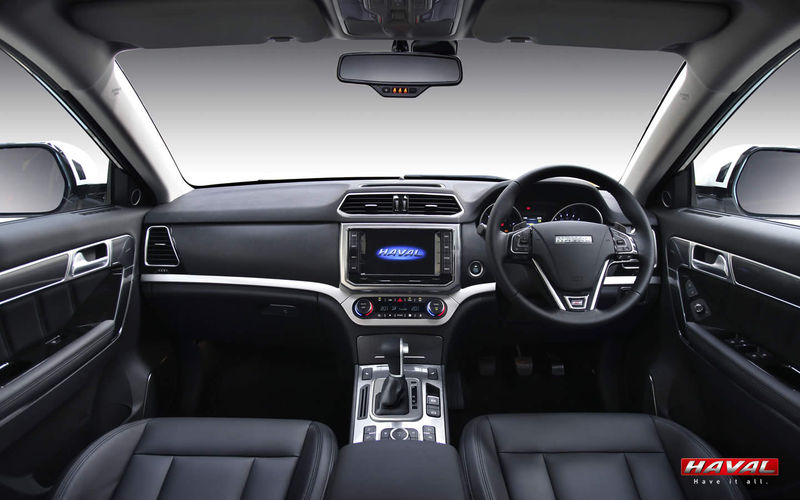
The H6 C is claimed to mark another step up for Chinese cars in terms of interior design and quality.
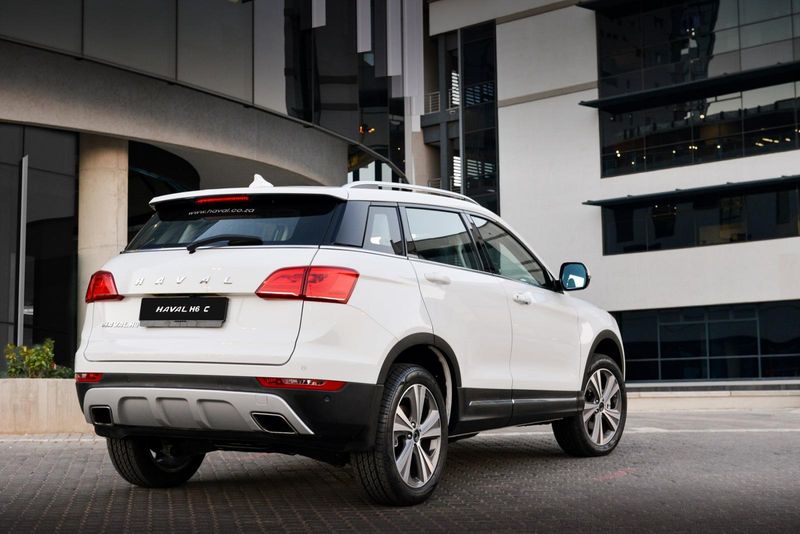
The sleek H6C (short for Coupe) again seems to raise the bar for vehicles originating from China. It is powered by a 2.0-litre turbopetrol that develops 140 kW and 310 Nm of torque, from 2 000 to 3 600 rpm. Haval claims it can sprint to 100 kph in 9 seconds. The H6C is offered locally with a choice of either a 6-speed dual-clutch transmission (a first for the brand in SA) or a 6-speed manual. All-wheel drive versions are available on special order.
The H6C is offered in South Africa in 3 trim levels; City, Premium and Luxury. All variants (barring the base City) have 6 airbags, while ESP (stability programme), hill-descent and -ascent control and a reverse camera are standard across all variants.
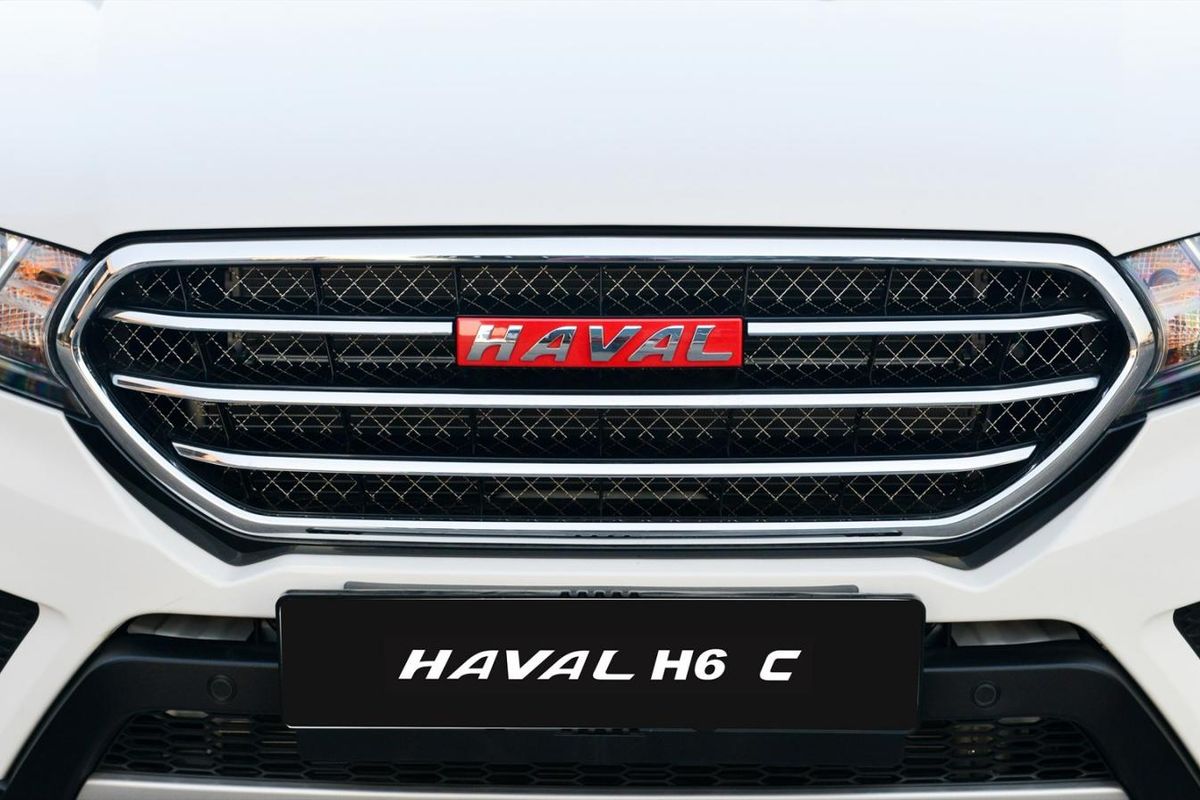
Given its specification, powertrain and good looks, the Haval H6 C looks like a strong new contender.
Also standard on all derivatives are; dual-zone climate control, electric/folding side mirrors with demister, keyless entry, remote audio controls and auto lights/wipers. All variants (but the entry City model) get an 8-way electrically adjustable driver's seat and (synthetic) leather upholstery. The flagship Luxury has a panoramic sunroof and xenon headlights as standard. The infotainment systems in all derivatives offer full Bluetooth, Aux and USB functionality, with the top-specification Luxury model offering a higher-grade system.
Pricing and Warranty
The Haval H6C, like its smaller sibling the Haval H2 is backed with a 5-year/100 000km warranty, a 5-year/60 000km service plan, and 5-year/unlimited km roadside assistance.
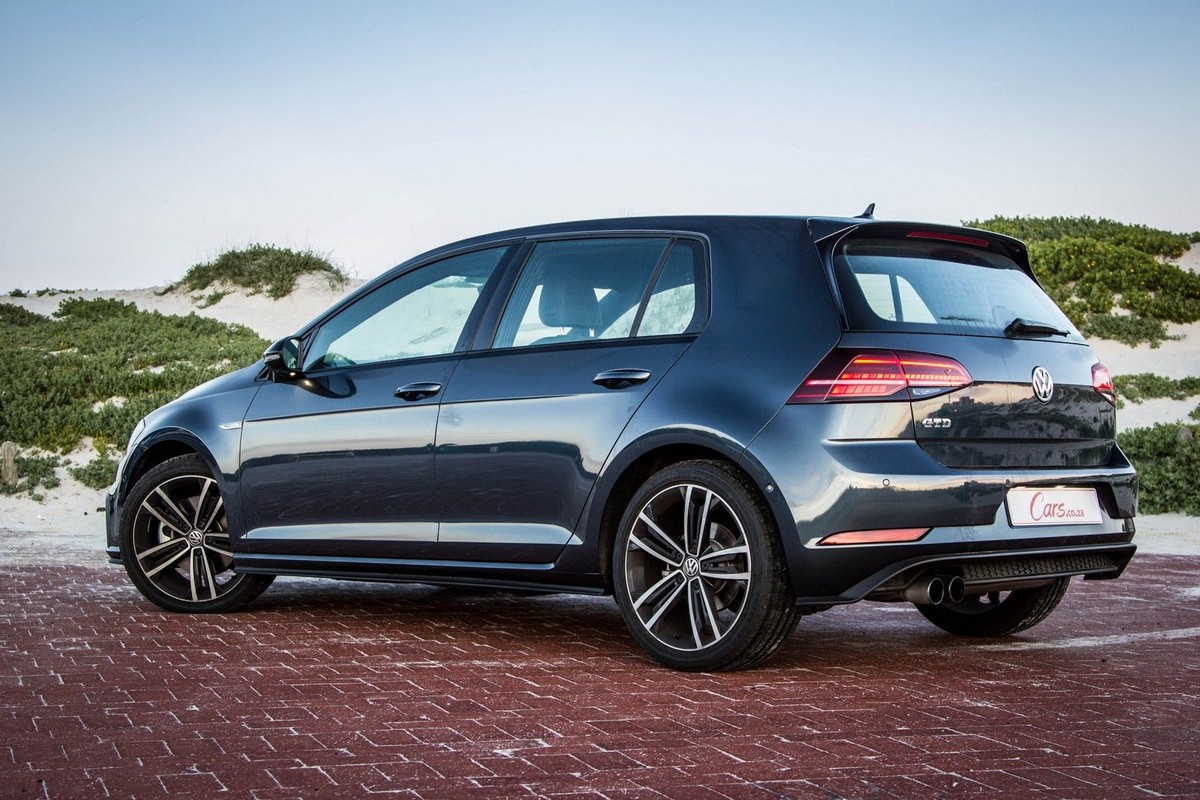
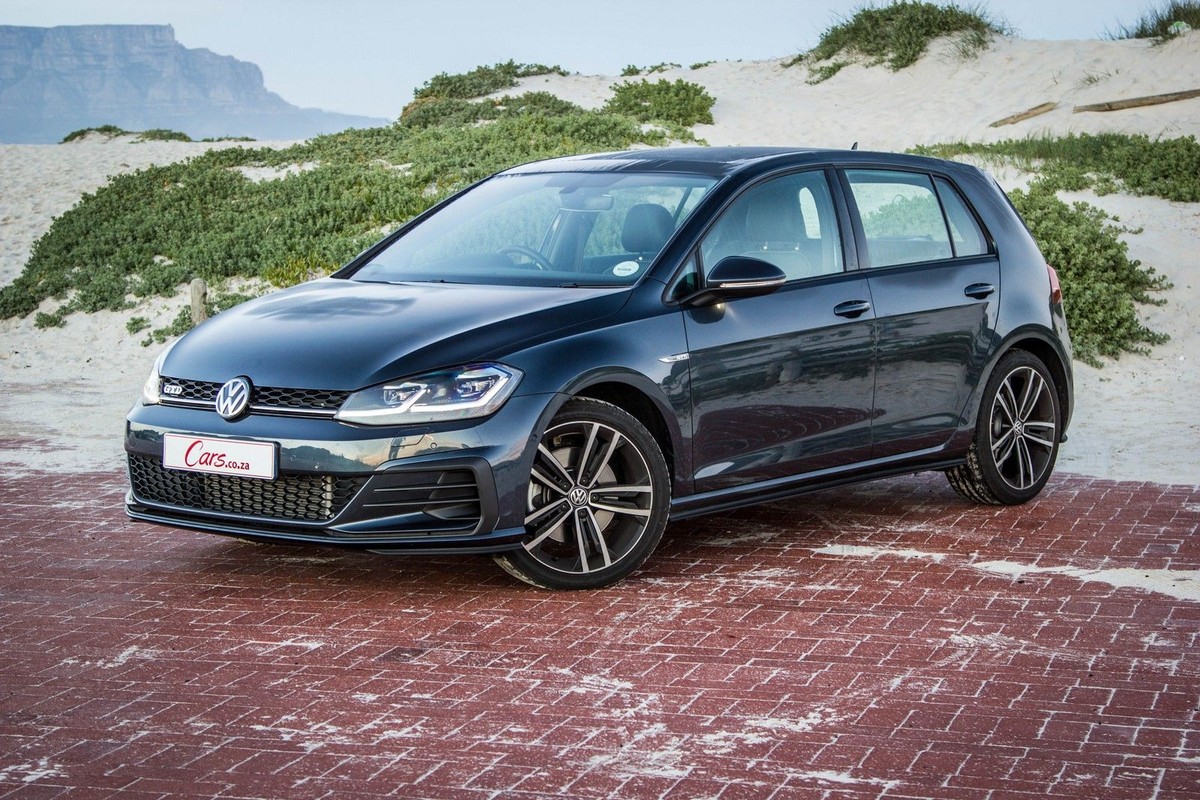
The Volkswagen Golf GTI is one of South Africa’s most popular vehicles but it has become pricey, putting it out of reach of many consumers. However, what if there was something cheaper that could offer a comparable ownership experience, most of the performance, but importantly, consume half the fuel? We present you with the Golf GTD.
We like: Great power delivery, exceptional fit and finish, smooth ride quality, excellent fuel economy
We don’t like: best features are optional, not a cut-and-thrust performance machine
Alternatives:
No compromise: If you don’t want to drive a diesel, consider the petrol-powered Volkswagen Golf GTI priced at R545 800. It’s one of the best compact hot hatchbacks and more powerful than the GTD, with 169 kW/350 Nm developed by its 2.0-litre turbopetrol engine.
For something with more style: Consider the BMW 120d M Sport. It presents a credible threat to the GTD as it arguably offers a more premium badge on the nose, while rear-wheel drive dynamics will entertain driving enthusiasts. It’s priced from R524 100.
A premium proposition with its own flair: Volvo offers a V40 R-Design with a potent diesel motor and a sporty kit. Interestingly its performance runs the GTD very close, but the cabin feels outdated by comparison. The V40 D4 R-Design is priced from R510 100.
The concept of a diesel-powered Volkswagen Golf GTI may be foreign to South African consumers, but in Europe, the car’s hugely popular. In fact, sales of the GTD are higher than that of the petrol GTI and, in some European markets, the GTD outsells the GTI 2 to 1. The recipe is simple. Take the remarkably versatile, composed MQB platform, then insert a potent-yet-frugal diesel engine, retain all the creature comforts plus luxury features from the double Cars.co.za Consumer Awards Premium Hatchback champion and voila: another quick-yet-refined upmarket hot hatchback.
Turbodiesel engines are typically rougher-sounding than their petrol counterparts and have more leisurely responses to throttle inputs (even if torque delivery remains impressive), and it must be said, in the case of the Golf GTD this rings true, to a degree. Start it up first thing in the morning when its metal innards are cold and you might be forgiven for thinking someone had wedged a John Deere tractor engine into the Golf”s engine bay.
However, once the vehicle’s engine and powertrain are warmed up to optimal operating temperature, the engine note settles and the motor spins up deceptively easily for a turbodiesel unit. Thanks to some clever work through the car’s speakers, there’s none of that trademark diesel thrum when accelerating either and instead you get a deep rumble, which is a subtle hint you’re behind the wheel of something, um, “rather brisk”.
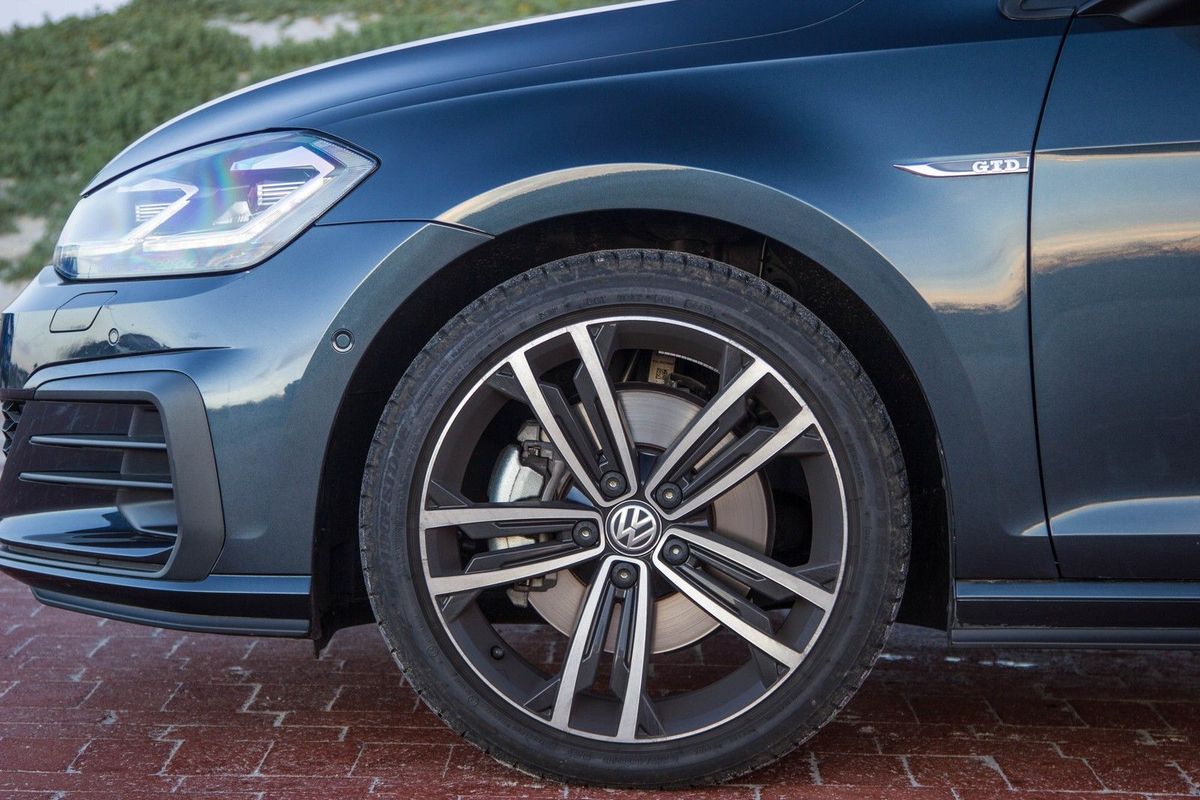
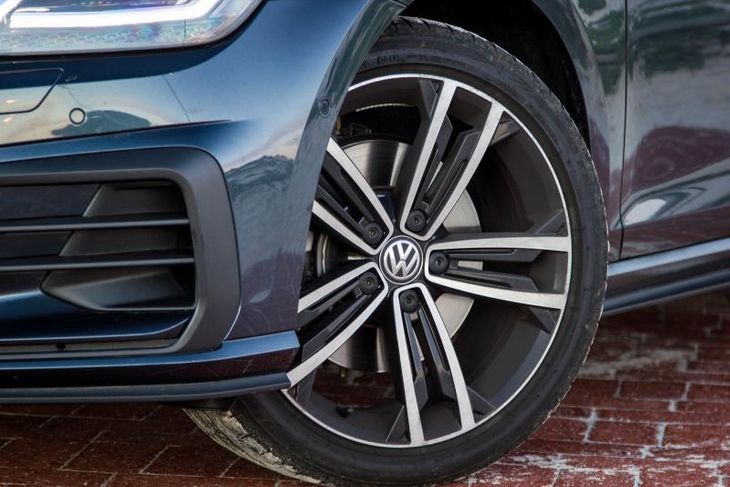
The ride quality delivered by the 18-inch Sevilla alloy wheels is firm, yet comfortable enough for the daily commute.
Impressive performance
Usually, the trick with a performance diesel engine is that because it delivers peak torque in a narrow power band (usually between 2 000 rpm and 3 500 rpm), it’s best to keep the engine spinning in that range to extract optimal performance. However, things are a little different with the GTD.
The turbodiesel Golf’s engine is a tad more responsive in that regard; you can feel the turbocharged surge coming earlier than expected and the 2.0-litre mill is quite happy to be pushed hard. Some detractors suggest the GTD is not deserving of the badge due to its relatively low outputs of 130 kW and 350 Nm, and, to be fair, even a (soon-to-be-replaced) Polo GTI boasts higher peak power. However, the GTD has a party trick: launch control. With the GTD in attack mode, it’ll hit 100 kph from 0 in under 8.0 seconds, but it’s the way it launches off the line that is astonishing and satisfying.
The strength of the GTD is its in-gear acceleration. Thanks to a dual-clutch automatic transmission that is smartly calibrated to the engine’s performance characteristics, the turbodiesel Golf almost always operates in the sweet spot of its power unit and the car gets a real move-on with very little fuss. It’ll even spin its wheels in 2nd gear if you try hard enough, so while many say the GTD’s not really a performance car, it tries hard.
Oh, and did we mention fuel efficiency? Volkswagen claims an average fuel consumption figure of 5.0 L/100 km for the GTD, which is a tad unrealistic in our opinion, but we’re happy to speculate that even if you’re driving the newcomer with wanton disrespect for efficiency, you’re most likely never going to see returns of higher than 9.0 L/100 km, whereas the Golf’s turbocharged petrol rivals will all be sitting in the 11s…
Although the GTD lacks outright performance, it does offer sufficient punch and lower fuel consumption is its strength.
No chance of mistaking it for a run-of-the-mill Golf
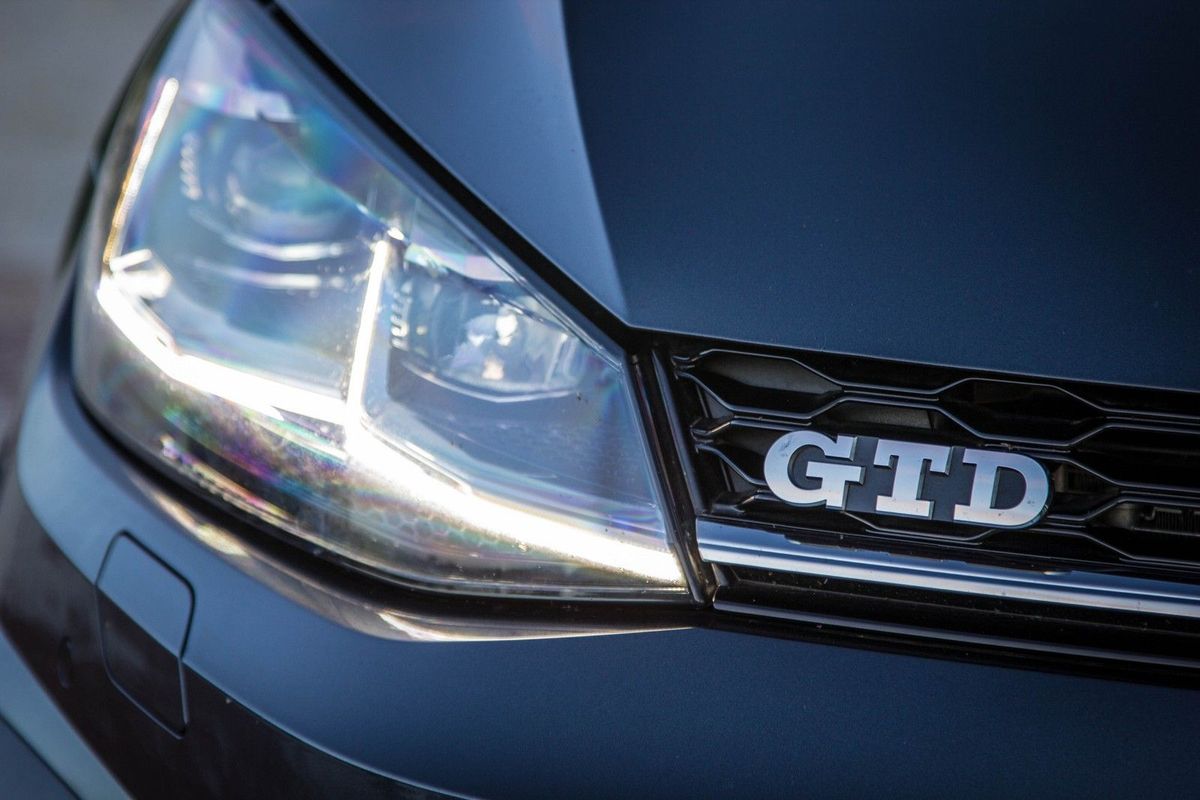
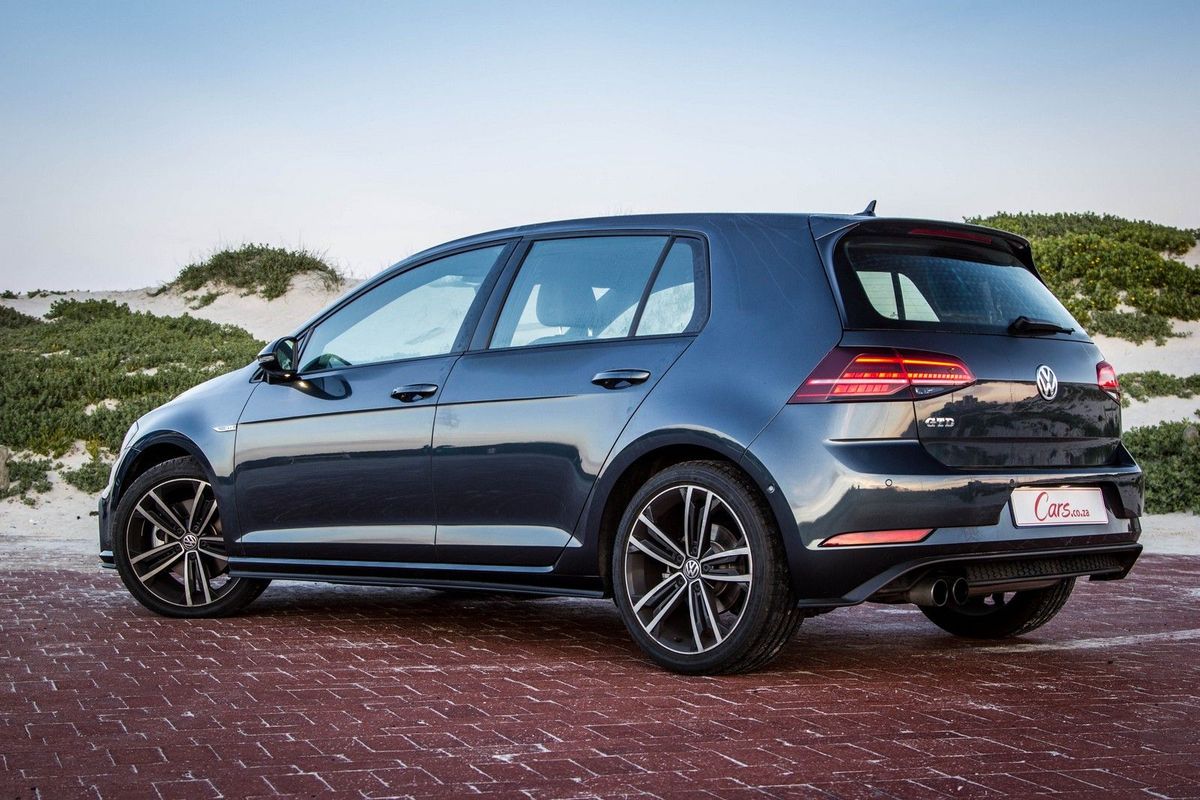
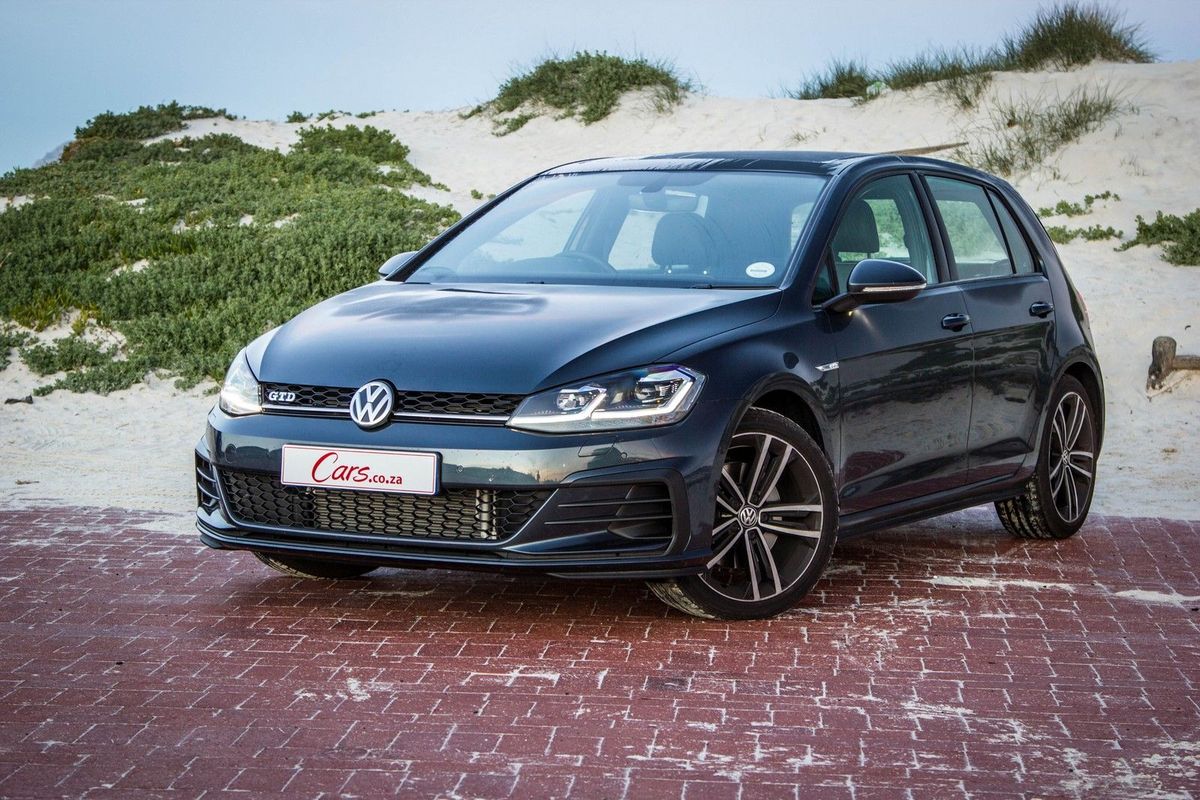
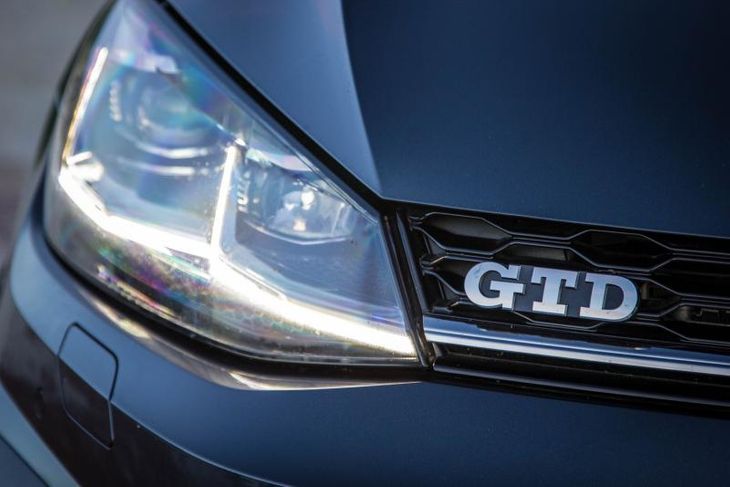
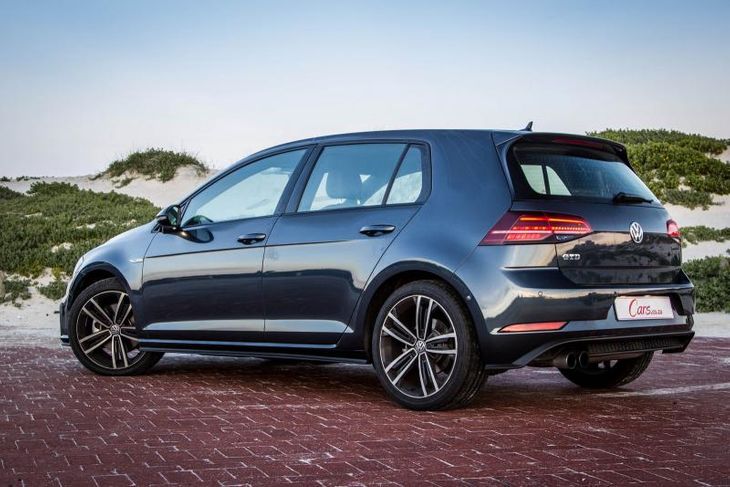
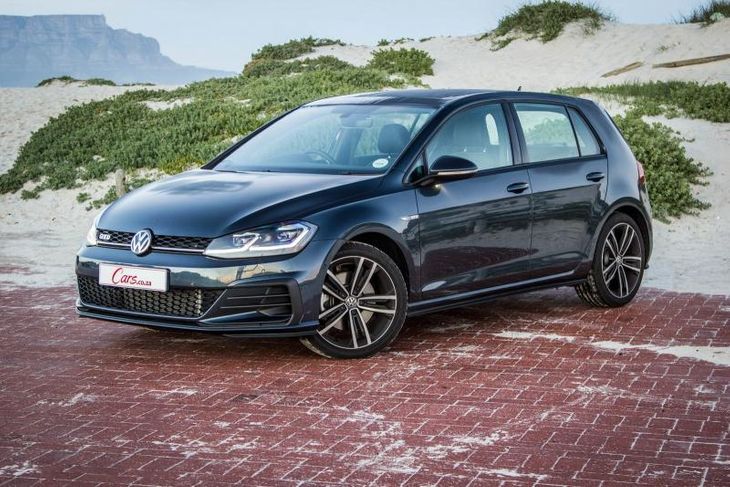
Although GTI fanboys (and -girls) will argue that version 7.5 of the iconic hot hatchback still holds a slight upper hand in the looks department, there should be no quibble that the GTD offers more than enough kerb presence in its own right. Eye-catching exterior adornments include a sports front bumper with C-signature air-curtains, LED headlamps and daytime running lights (replete with “Light Assist” automatic high-beam control), 18-inch Sevilla alloy wheels, dark-red LED tail lights (with dynamic turn signal) and a twin pipe exhaust system. It all looks tastefully purposeful.
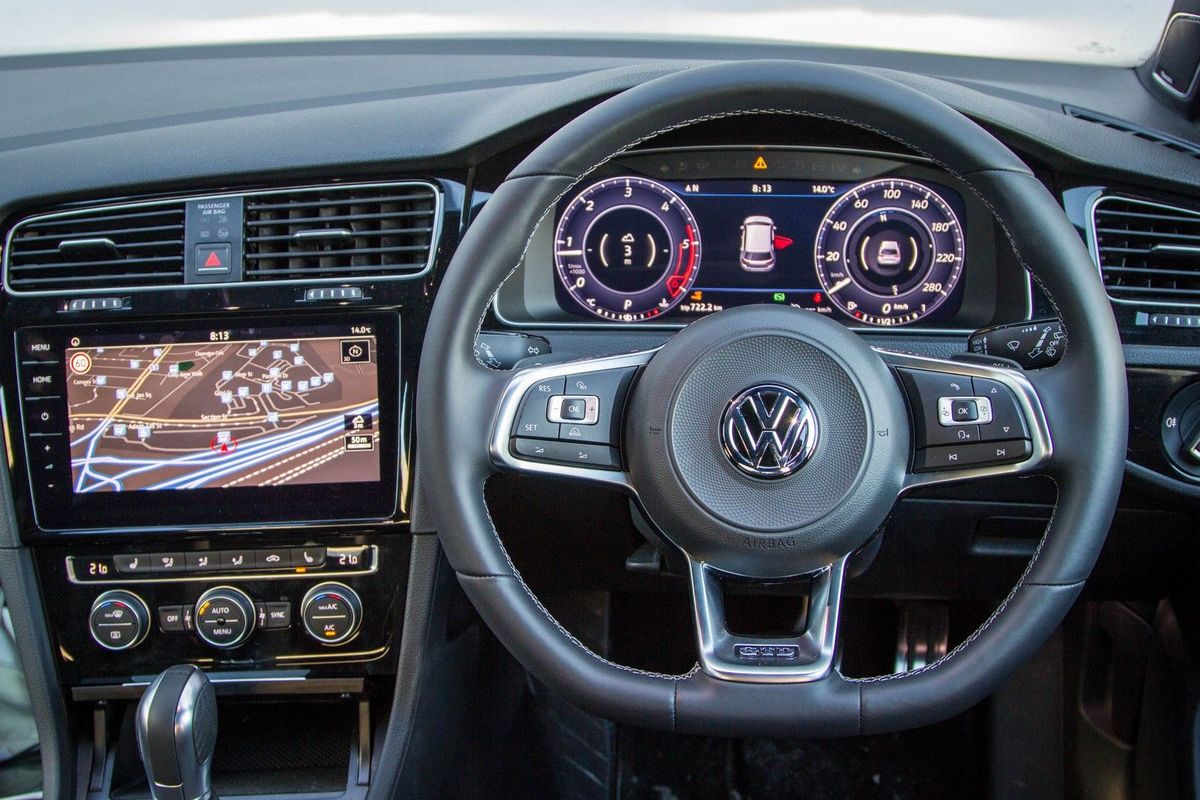
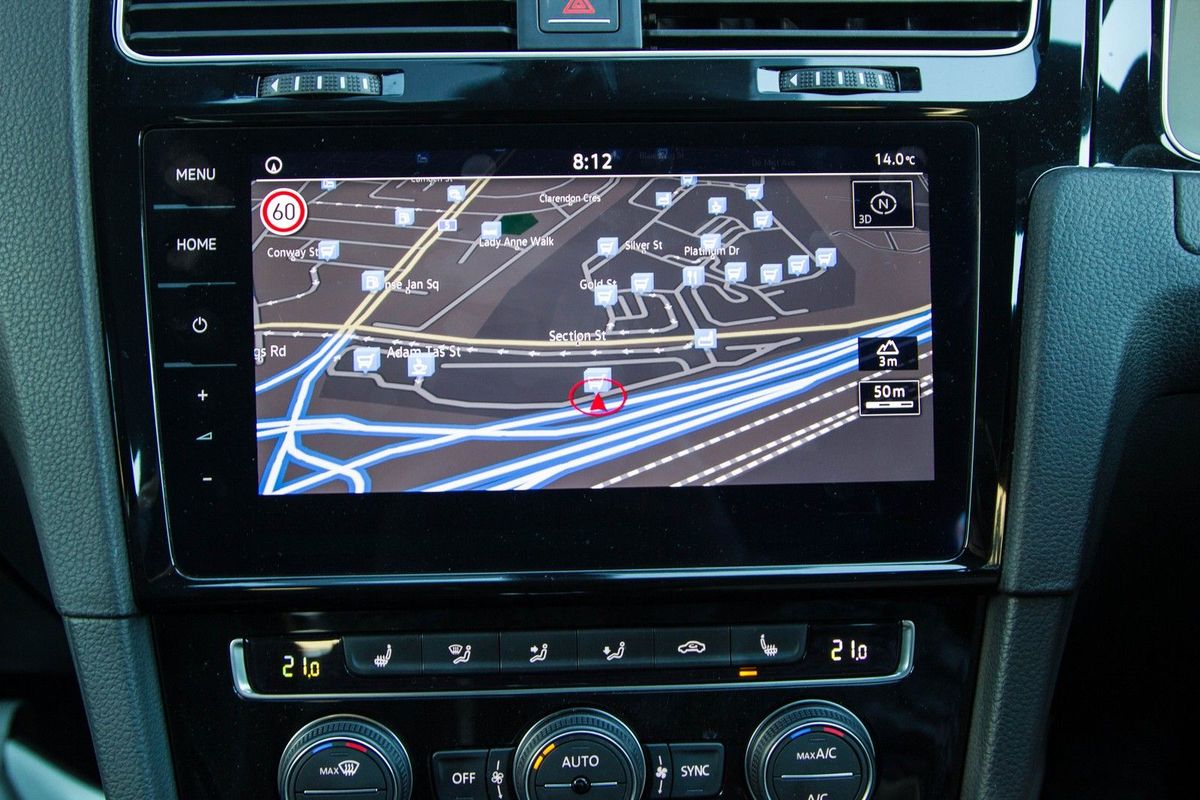
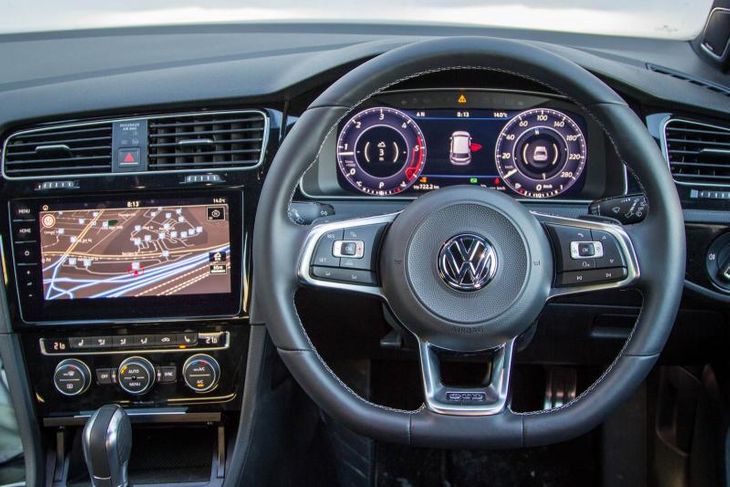
As ever, the GTD’s interior is supremely comfortable, sufficiently spacious, plus it is nothing short of a study in upmarket build quality… the look and feel of the trim finishes, even if they’re a tad conservative, would not be out of place in a more expensive business class vehicle. Over and above the 8-inch Composition Media touchscreen infotainment system, which feels bang up to date in terms of functionality (such as Apple Carplay/Android Auto connectivity), cruise control, dual zone climate control, heated sports front seats and classy white Interior ambient lighting have been availed.
The bad
The infernal options list
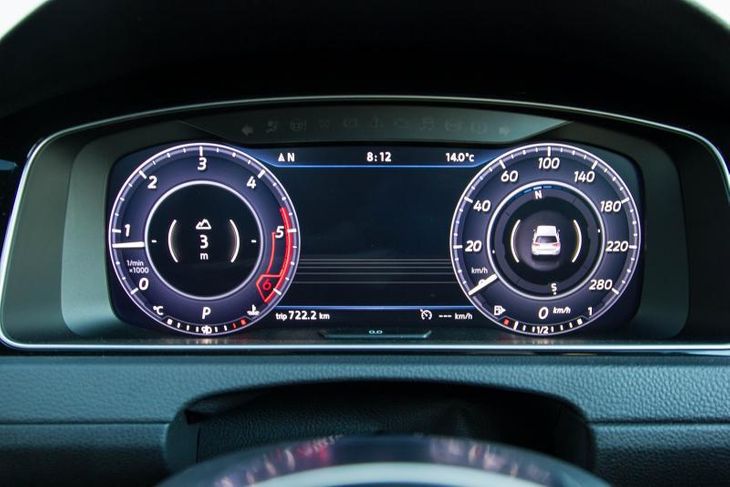
Yes, the GTD is smart inside, but for consumers who are expected to fork out more than R500k of their hard-earned Rands, the good stuff is still just out of reach. The digital dashboard (R8 000) is such a desirable feature, but it can only be had in conjunction with satellite navigation (R20 200). The adaptive chassis control will please performance aficionados, but again, that costs an extra R12 700. The plus side of all of this is that you’re likely to be able to walk into a dealership and see a GTD on the floor with some of these features added on already; perhaps there’ll be some haggle room.
Volkswagen Active Info Display… Lovely, but you pay extra for the luxury.
The inevitable comparison
With a chassis that is stiffer and sits lower than your standard Golf, a special electronic slip diff, the steering setup from the GTI and uprated brakes, the Volkswagen GTD goes all-out to deliver driving thrills. There is surfeit handling prowess courtesy of oodles of front-end grip, a well weighted and accurate steering configuration, and, when the Golf is tasked to attack the twisties, admirable, measured body control.
However, in terms of outright excitement, it’s just not as compelling as the GTI. Yes, it’s slightly heavier than its petrol-powered sibling, but that is not the problem: whereas the GTD has given you all its torque by 3 500 rpm, the GTI will keep delivering the same level of peak engine twist up all the way to 4 600 and, more importantly, in cut and thrust driving conditions, the former’s throttle responses feel a bit blunt and dopey by comparison.
Pricing and warranty
The Volkswagen Golf GTD retails for R506 700 (August 2017). It comes with a 5-year/90 000km service plan, 3-year/120 000km warranty and a 12-year anti-corrosion warranty. Service intervals are set at every 15 000 km.
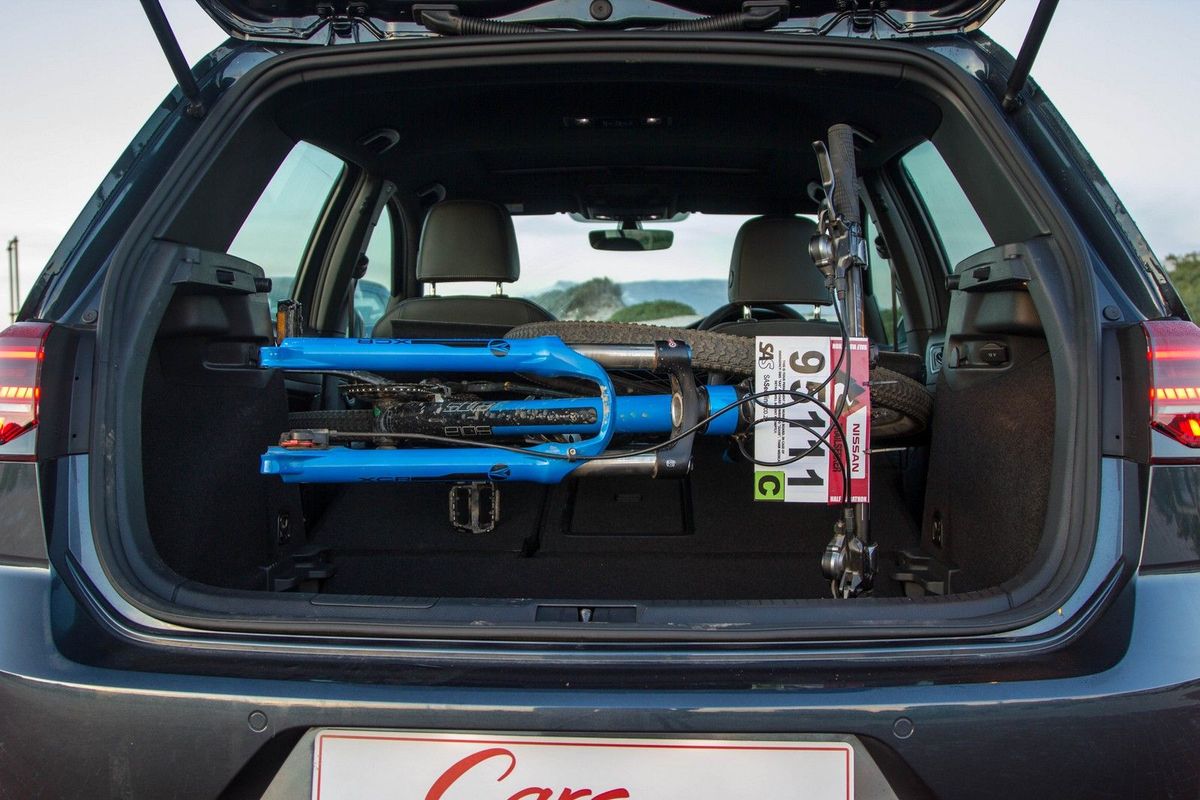
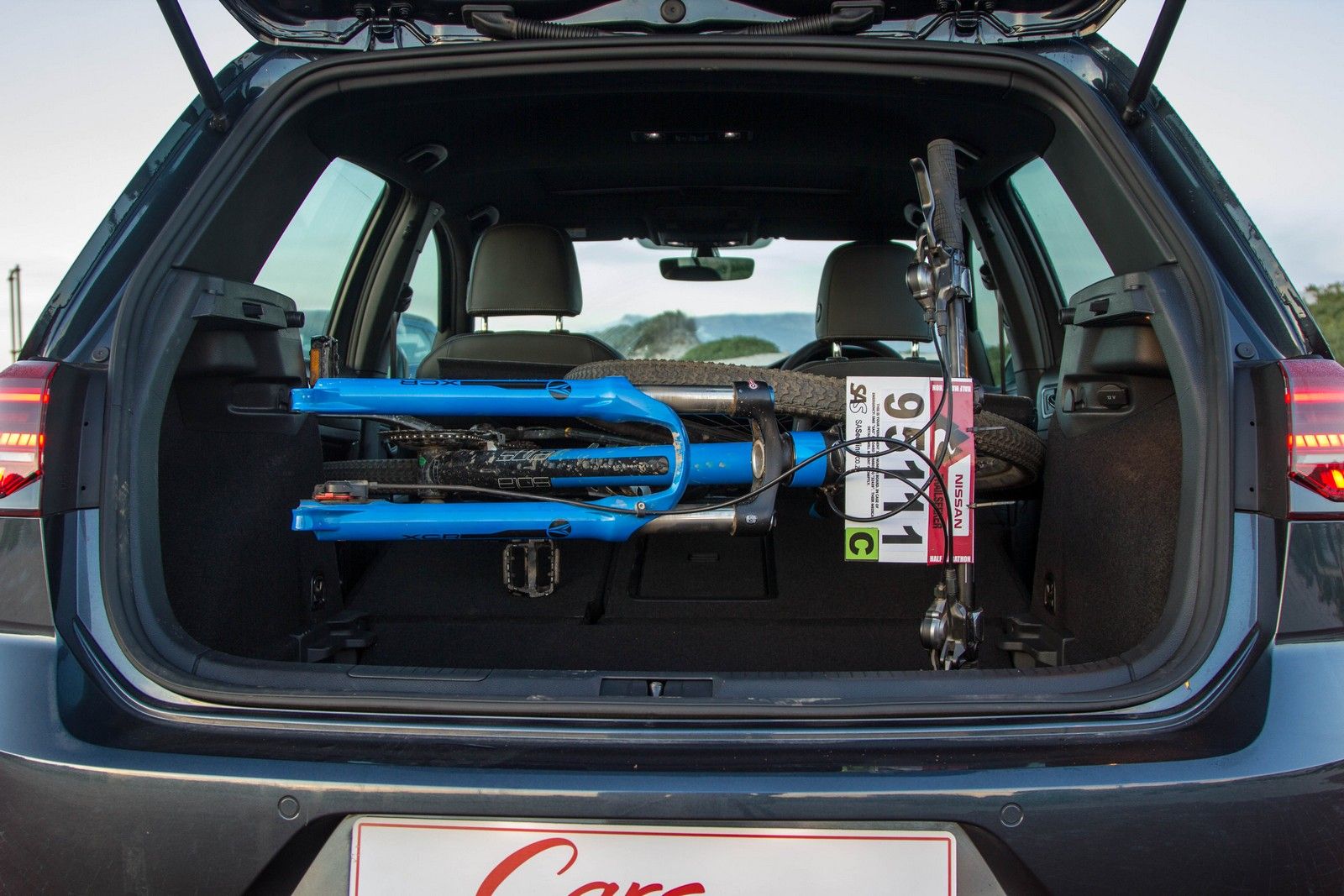
A mountain bike fits nicely into the Volkswagen Golf GTD, but you will have to take the bike’s front wheel off.
Verdict
Does a diesel hot hatchback work? In a way, yes, it definitely does. However, the GTD is not a new concept as there are potent offerings from BMW and Volvo in the forms of the 120d and V40 D4 respectively. The GTD’s cabin and features effortlessly top that of the BMW, the Volvo’s cabin feels outdated by comparison and the Volkswagen’s arguably “better dressed”. The fact that it has launch control further underlines its sporty credentials.
It may not have the outright performance of its petrol-powered brother, but there’s certainly enough off-the-line shove to elbow lesser performance hatches out the way. Once rolling, and with the DSG transmission in its most aggressive setting, the in-gear punch is unrelenting. Don’t expect the same levels of driving fun as in a GTI, but on the other side of the coin, the refinement and relaxing cruising nature of the car is a major highlight.
A well-assembled and well thought out cabin with plenty of luxury features. This is what Volkswagen does best.
Ultimately, the GTD is a jack-of-all-trades, but master of none. It’s refined, offers credible performance and has enough space and practicality to still qualify as a sensible buy. We think mature buyers who may see the GTI as a “too showy” offering may easily take a liking to the GTD. It was a valiant and brave decision to bring it to our market, and while the Golf offers something different, it’s hard to imagine it will sell in large numbers.
Given how the European market has cooled towards diesel engines due to emission concerns, we think the “diesel performance vehicle” is on its way out/plug-in hybrid hot hatches will be the next big thing. Still, we’re happy the GTD’s here. Its few shortcomings are relative to the immense breadth of talent of its GTI sibling, which is high praise in itself. As a standalone ownership proposition, the GTD is very unlikely to disappoint…
It’s hardly likely to dent the GTI sales, but it makes for a more mature drive. We’re fans of the power delivery and refinement, but would look elsewhere for outright driving thrills.
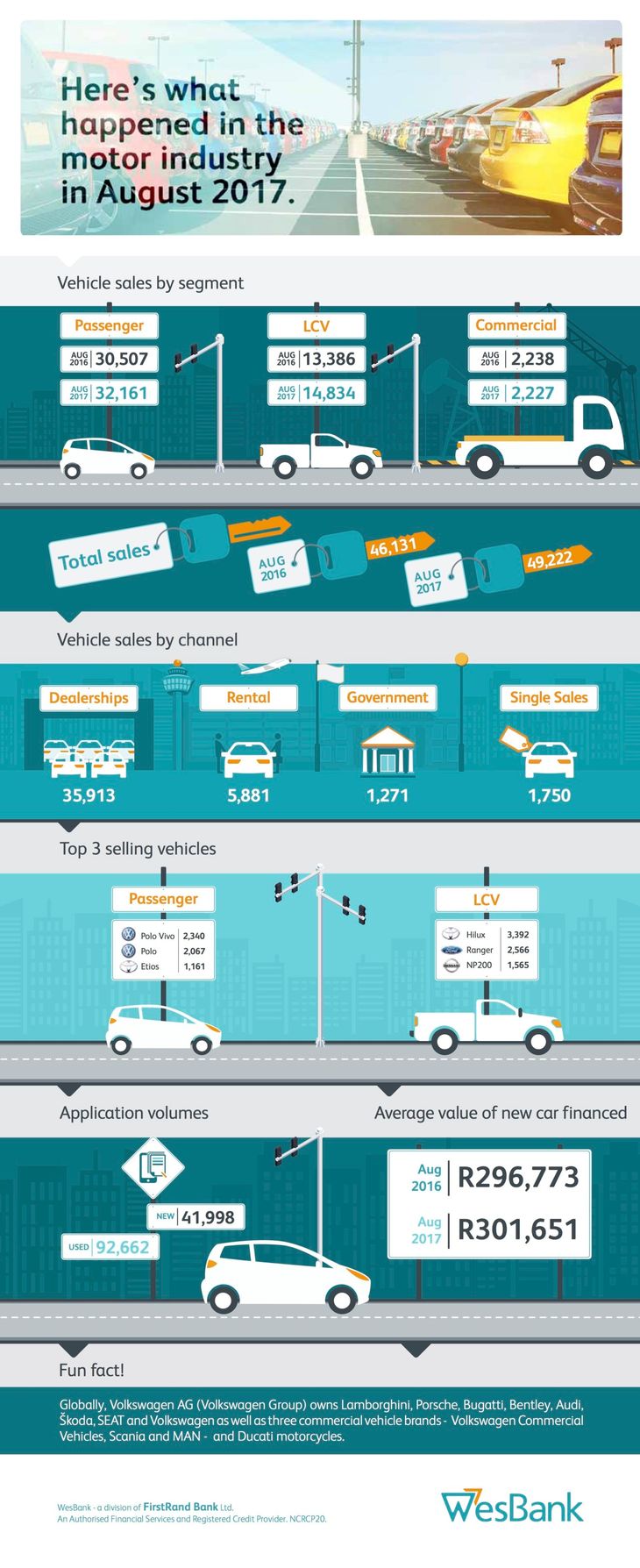
Take a look at how the South African automotive industry performed in August 2017.
According to sales figures released by the National Association of Automobile Manufacturers of South Africa (NAAMSA), aggregate domestic sales of new vehicles registered positive results for the second month in a row with year-on-year growth of 6.7%. New passenger car sales and Light Commercial Vehicle (LCV) sales reflected positive gains while exports retracted during the period with a decline of 12.9%.
WesBank’s Rudolf Mahoney, Head of Brand and Communications commented, “This growth is extremely positive. The shift back to new was expected and inevitable, especially with a dwindling supply of quality used vehicles. Meanwhile, new vehicle price inflation is slowing down. It is evident that manufacturers and dealers have come to realise that right now it’s a value-for-money play, and are offering highly attractive incentives to attract customers into the new car market.”
New Car Sales Summary – August 2017
Aggregate new car sales of 49 222 up by 6.7% (+3 091 units) compared with August 2016.
New passenger car sales of 32 161 up by 5.4% (+1 654 units) compared with August 2016
LCV sales of 14 834 up by 10.8% (+1 448 units) compared with August 2016.
Export sales of 29 927 down by 12.9% (-4 431 units) compared with August 2016
Volkswagen – 7 299 units with market share of 14.9%
Ford – 6 482 units with market share of 13.2%
Nissan – 5 050 units with market share of 10.3%
Hyundai – 3 062 units with market share of 6.2%
New car sales outlook
Factors contributing to improvements in the new vehicle market include reduced new vehicle pricing pressure, lower inflationary trends and lower interest rates as of July 2017. Attractive sales incentives have also supported the demand for new vehicles.
Rudolf Mahoney said, “Interest rates are also lower, which has had a significant positive impact on consumer sentiment and willingness to apply for credit. Further rate cuts are anticipated for September and this will stimulate the market for the remainder of 2017.
“Buyers should just be very cognisant of their deal structures and how a vehicle purchase today will affect their finances four or five years down the line. They should buy smart, choose the deal that’s right for them, and plan ahead to ensure their budgets can absorb any changes in monthly affordability.”
NAAMSA predicts an overall improvement of between 1.0% and 1.5% for 2017 based on domestic sales over the last 2 months. Global economic growth remained positive which will support vehicle exports in the medium term.
Nissan Navara vs Ford Ranger (2017) Comparative Review Video Part 1
We put the new Nissan Navara to the test against the new Ford Ranger FX-4! Watch the video to see how these double-cab bakkies fare in Part 1 of our test.
The bakkie market is truly thriving in South Africa and motorists have never had so much choice. The Ranger FX-4 is a new edition to the leisure bakkie market and South Africans had to wait a good while for the new Nissan Navara to arrive in local showrooms, but it is finally here and Nissan is confident that this is the bakkie to set new standards in the segment.
In part 1 of this head-to-head test, we review the on-road comfort of the Navara and Ranger FX4 and take a detailed look at the interiors.
We also properly test their load capacity with the help of our friends at the Backsberg wine farm. It involves a forklift…
We couldn't have made this video without the generous help of the people at the beautiful Backsberg Estate. With a top-notch restaurant, wine tasting and cellar store on the property, the winery is leading the way in terms of modern farming practices – it was the first carbon neutral wine farm in South Africa. Visit them at www.backsberg.co.za
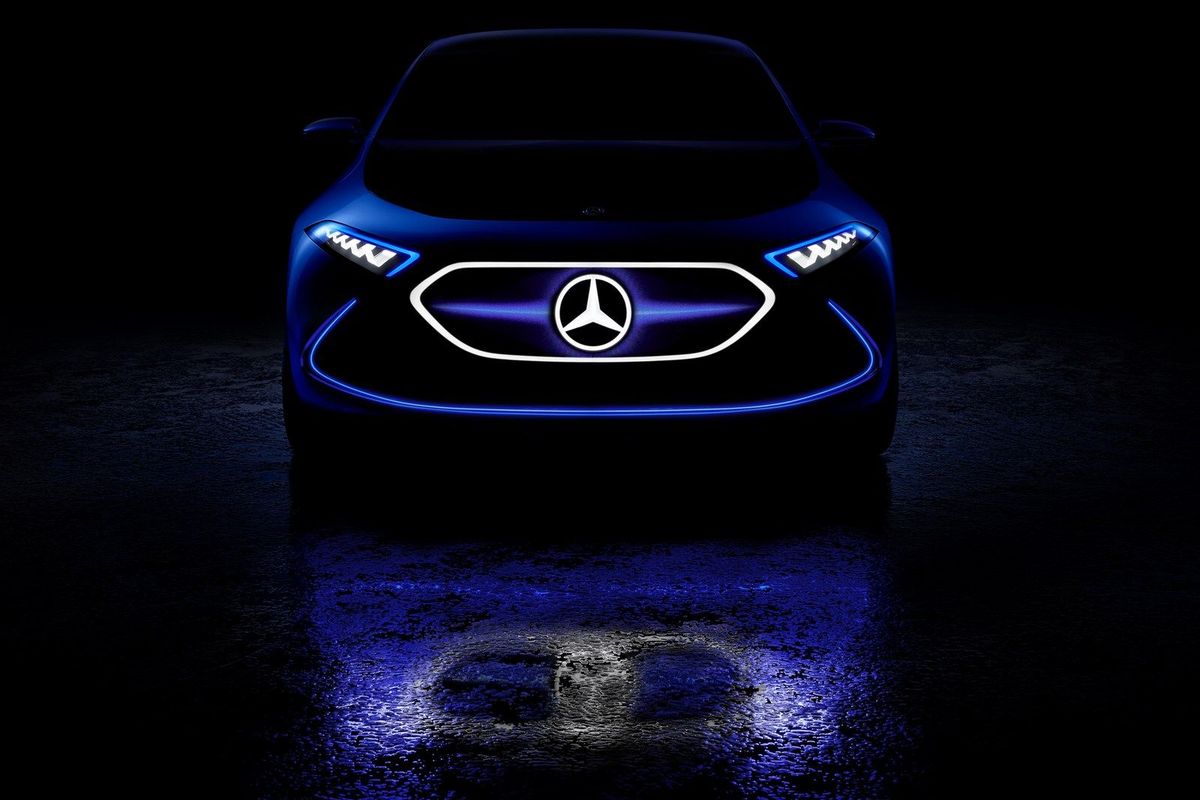
Mercedes-Benz has released a new teaser image and a video of its EQ A concept, ahead of its official reveal at the 2017 Frankfurt Motor Show.
Mercedes-Benz is embarking on a full electric campaign for the future and the EQ Concept previews this future. Mercedes-Benz confirmed that EQ will be a brand, but exact details have yet to be revealed.
What we do know is that Mercedes-Benz is planning an assault on the electric car market and it's easy to see why, as products from BMW and Tesla have captured a portion of the market. Naturally, Mercedes-Benz will want a slice of that pie and the EQ brand is set to take its rivals head-on. Rumours suggest a production version of the EQ A will be potentially hitting the streets in 2019 and will feature a single electric motor driving the front wheels.
There will be a few EQ models on the cards, with EQ A being a hatchback and EQ C being an SUV. Mercedes-Benz has, in the past, claimed that it will be launching 10 new electric vehicles before 2025. Watch this space as Mercedes-Benz makes a big move into the electric car market.