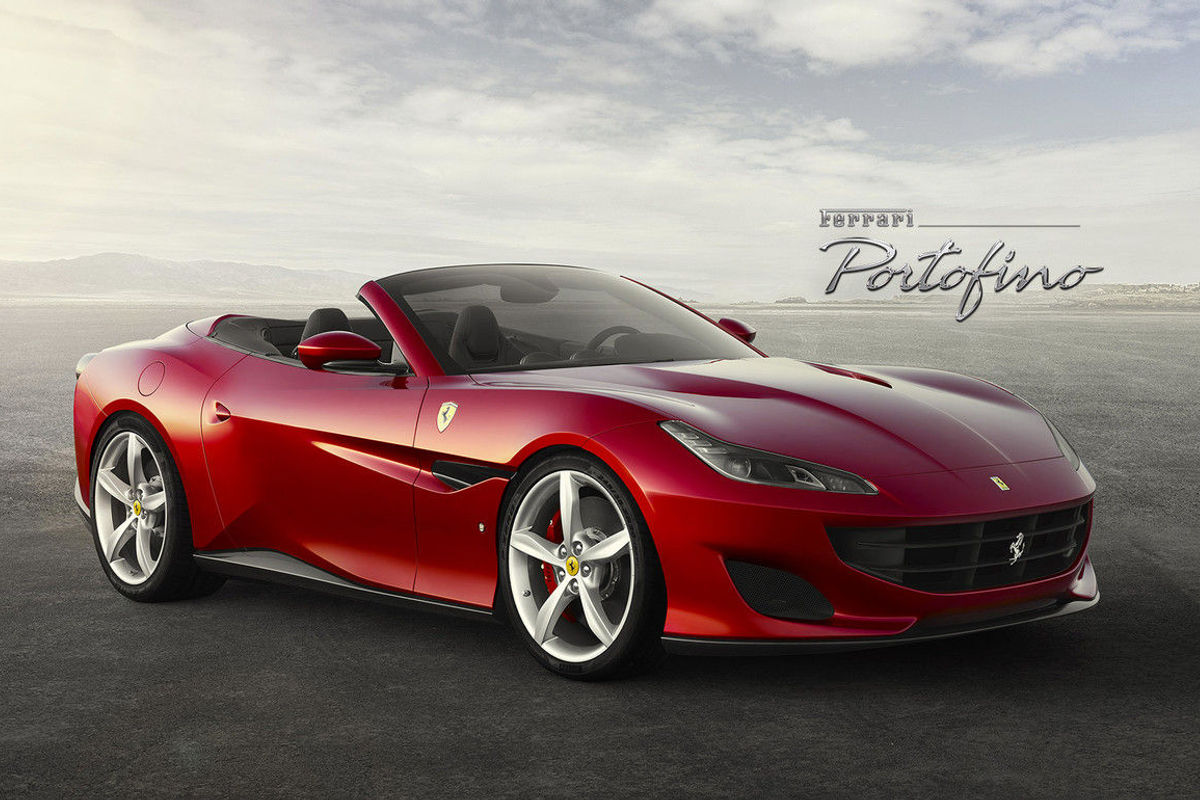
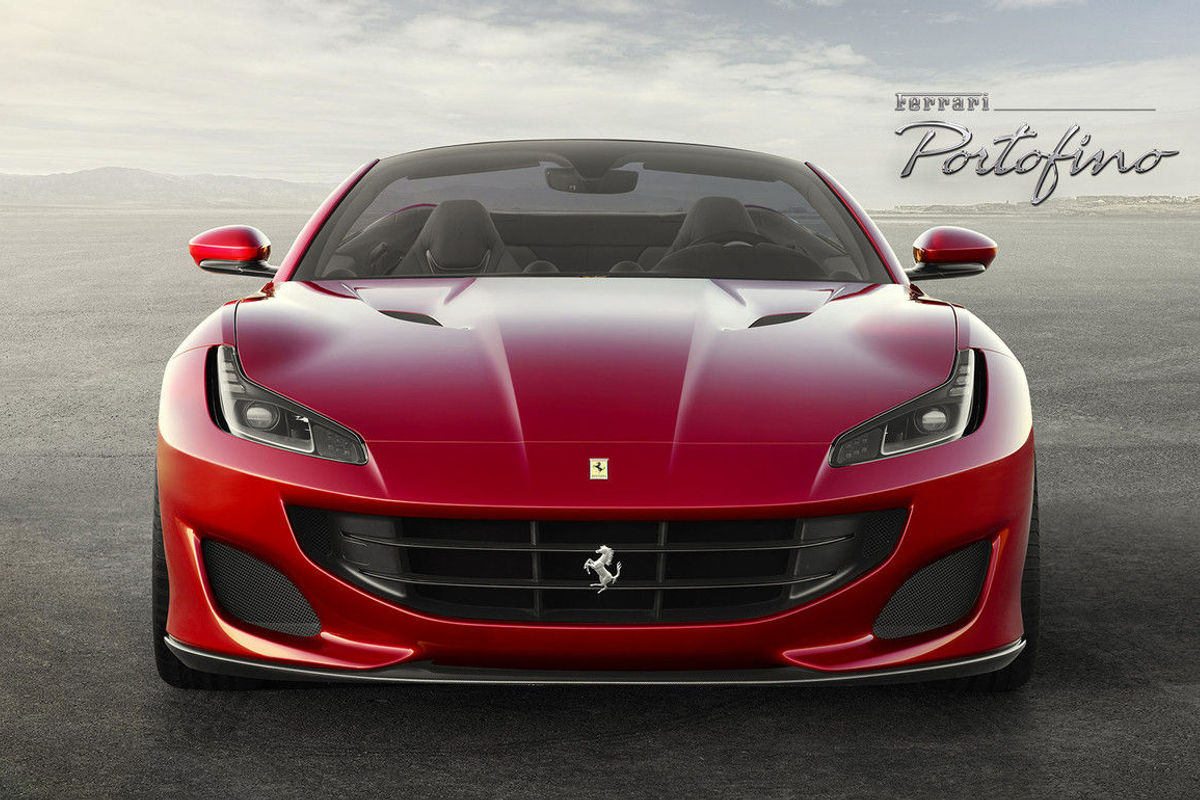
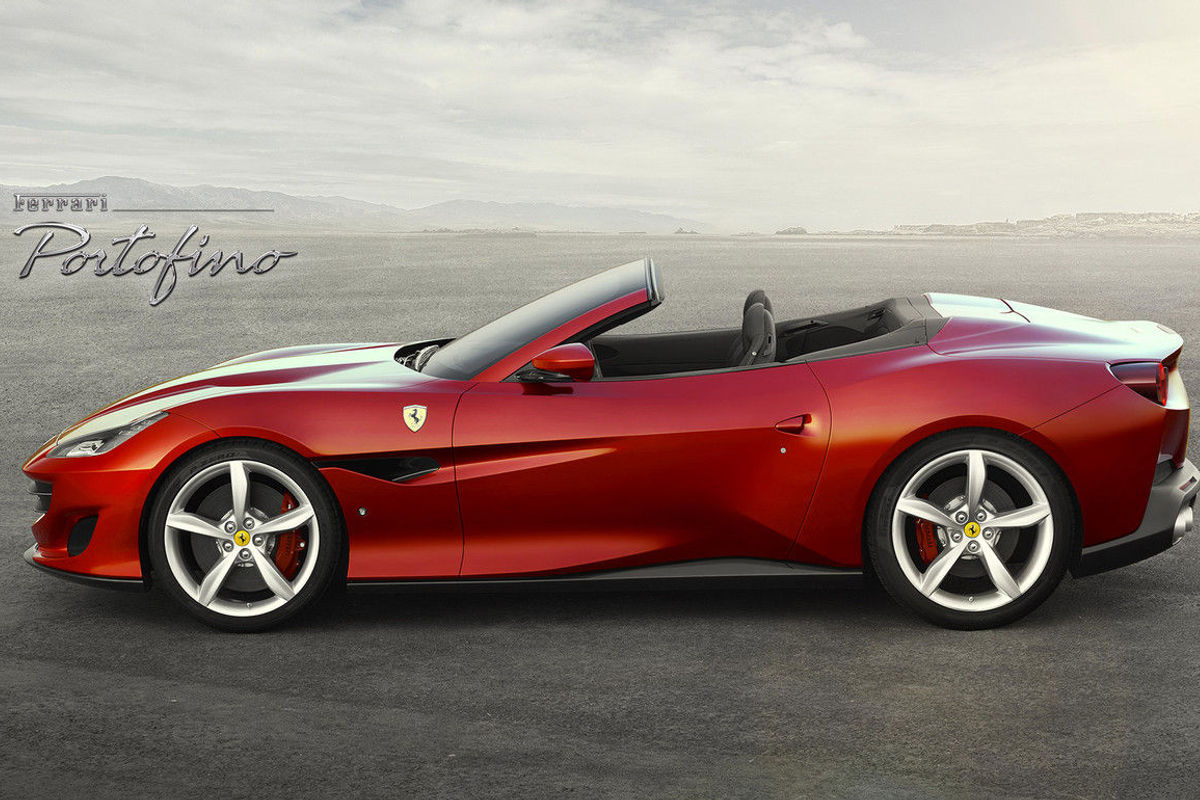
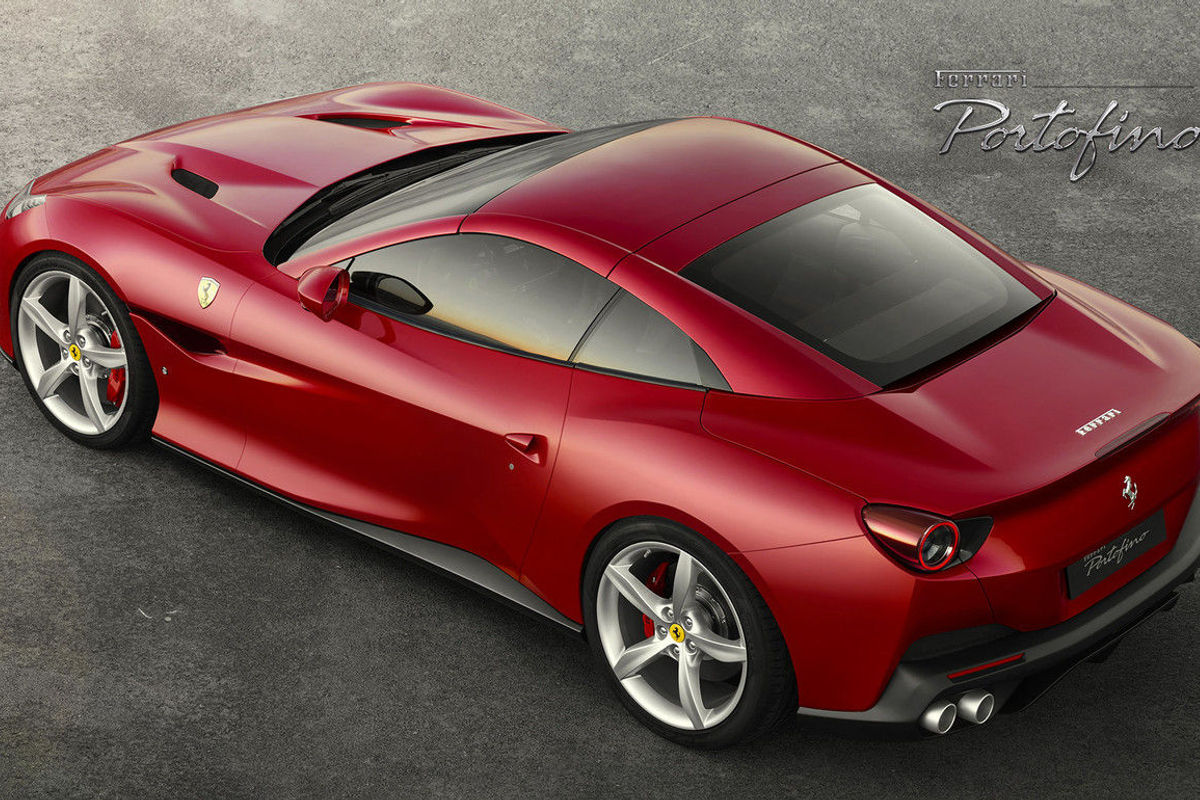
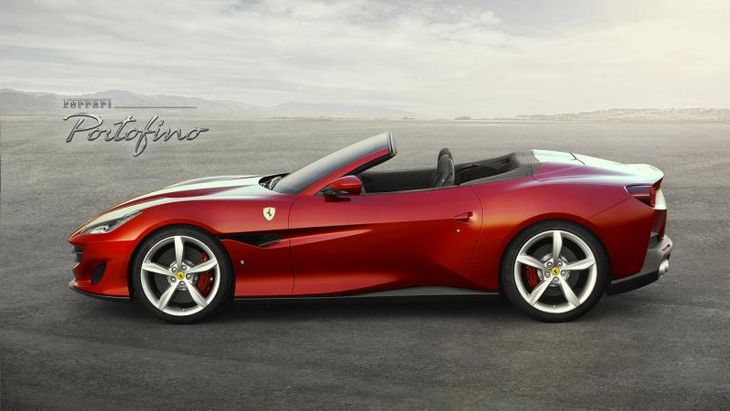
Italian supercar company Ferrari has taken the wraps off of a new V8 grand tourer to replace the California. Meet the Ferrari Portofino!
Named after one of Italy’s most beautiful towns, Portofino is renowned for its charming tourist port and the place has become internationally linked with elegance, sportiness and understated luxury. Ferrari is clearly a fan of the place and has even named the launch colour after it: Rosso Portofino.
Ferrari has imbued its latest offering with a 3.9-litre turbocharged V8 engine packing 411 kW and 760 Nm. These figures translate into a claimed 0-100 kph sprint time of just 3.5 seconds and if the road is long enough, it'll go onto a top speed of over 320 kph. Not bad for what Ferrari claims is a GT, as opposed to an out-and-out dedicated sportscar.
Ferrari claims the Portofino is its most powerful convertible and it features a retractable hard top, a roomy boot and generous cockpit space plus 2 rear seats which are only really suitable for short trips. The new Ferrari Portofino features an all-new chassis which is lighter than the California T, which it replaces.
Ferrari's new Portofino replaces the California T and is powered by a turbocharged V8 engine.
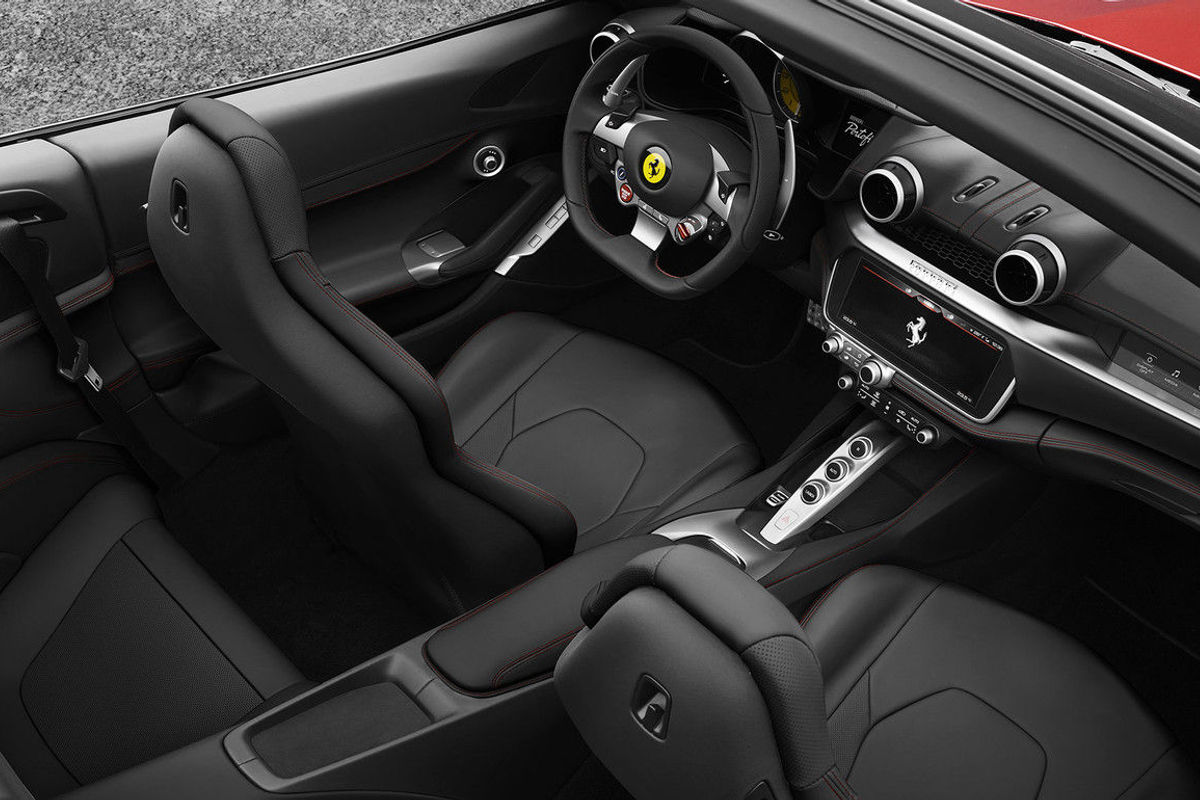
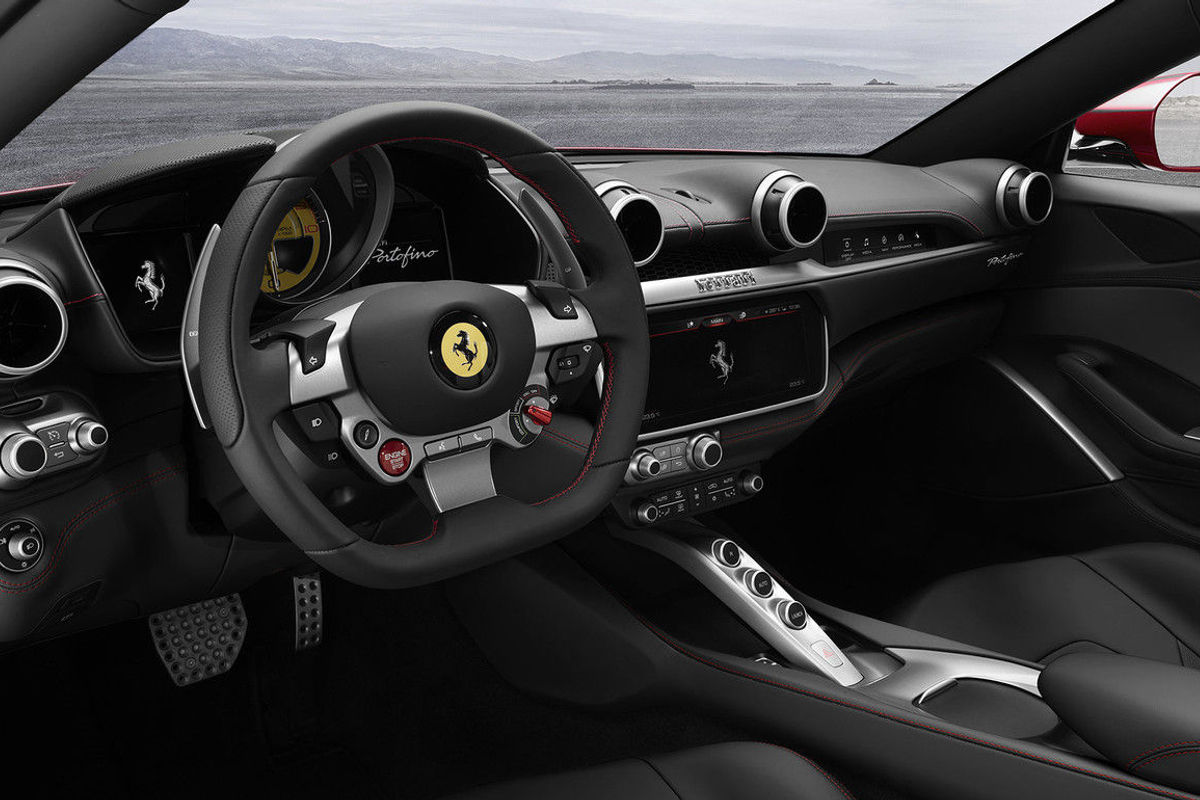
The Ferrari Portofino's cabin features an infotainment system with 10.2-inch touchscreen display, a new air-conditioning system that improves occupant comfort both with the top up or down, a new steering wheel, 18-way electrically adjustable seats with a new backrest design that boosts legroom for rear seat passengers, and the passenger display. There is also a new wind deflector which, when the top is dropped, cuts air flow inside the cabin by 30% and also reduces aerodynamic noise. This helps keep the wind noise down so you can have a conversation without shouting.
Officially the Ferrari Portofino will be revealed at the Frankfurt International Motor Show in September 2017 and we expect it to go on sale in 2018.
Hillclimb Shootout: Ford Fiesta ST200 vs Renault Clio RS200 Lux [with Video]
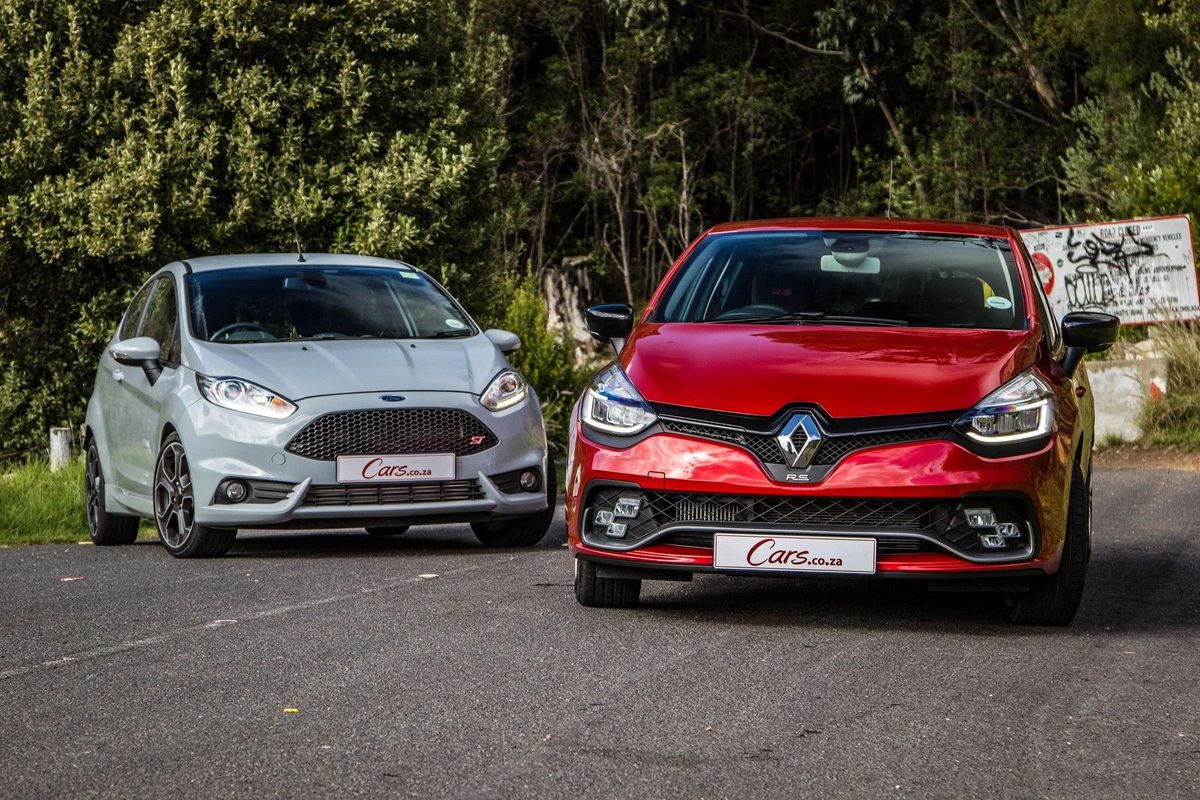
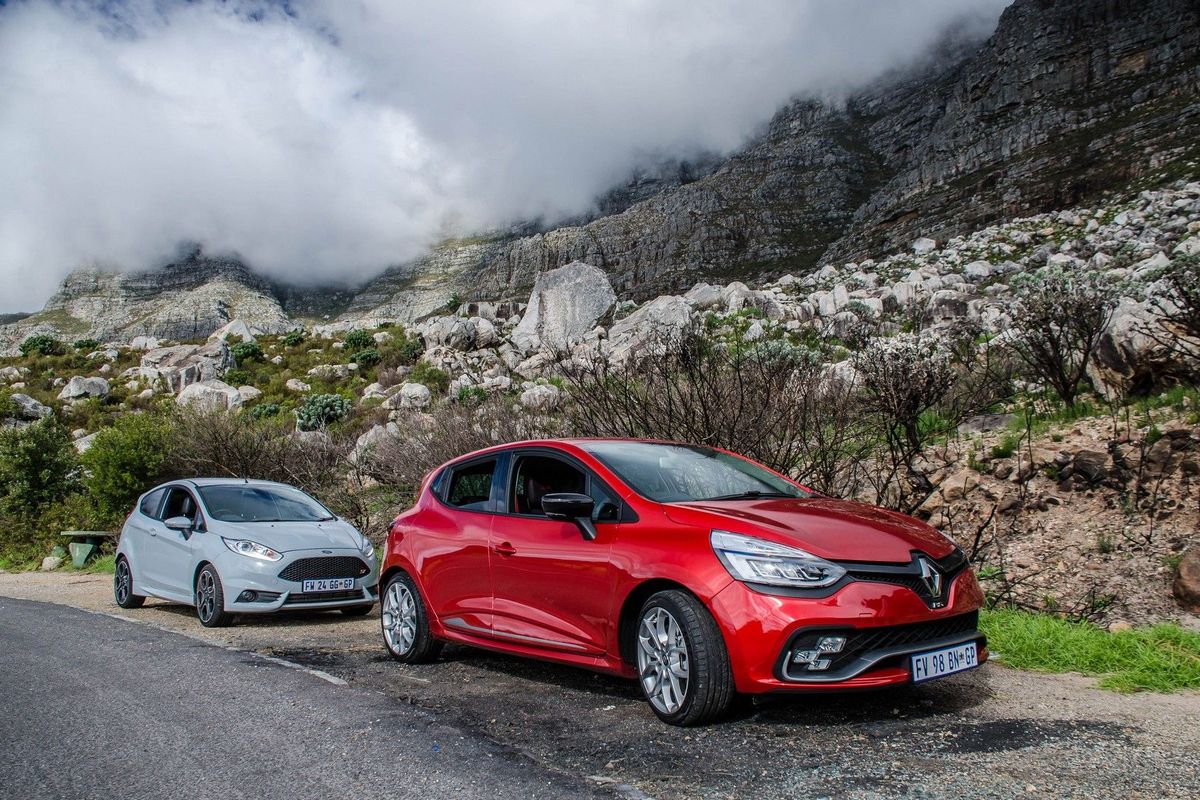
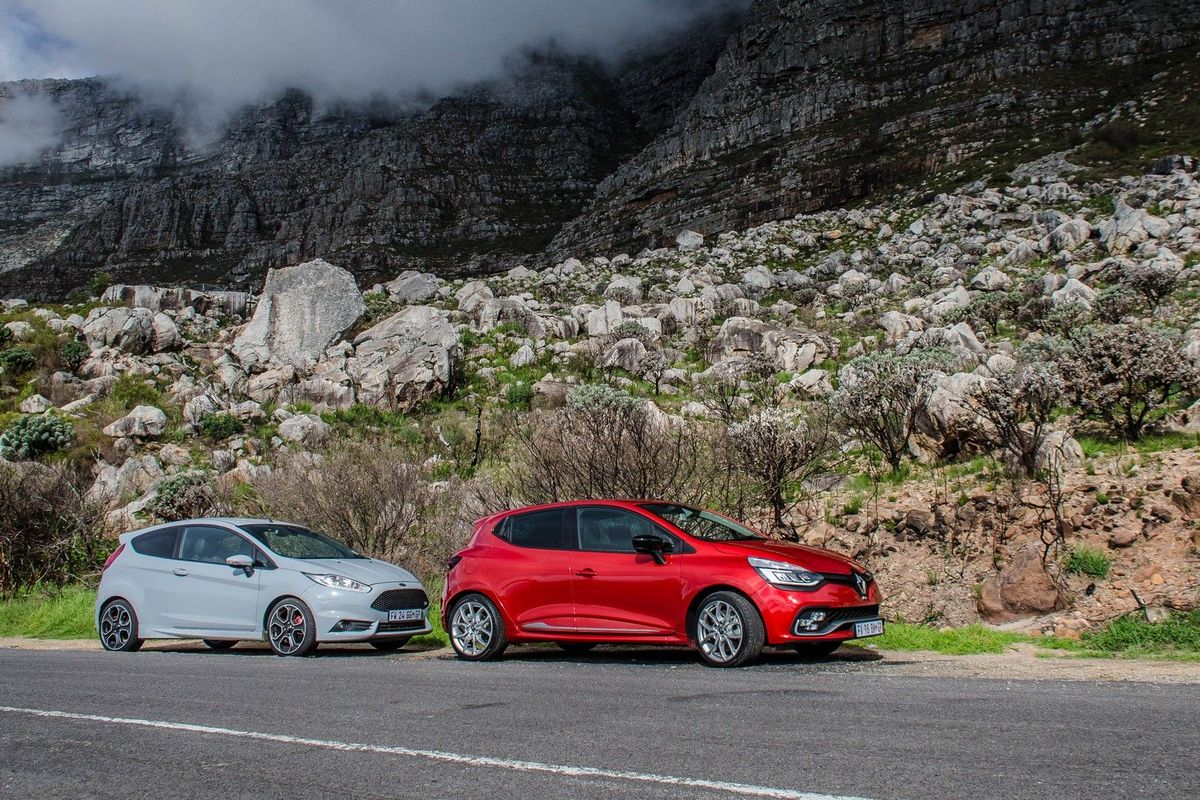
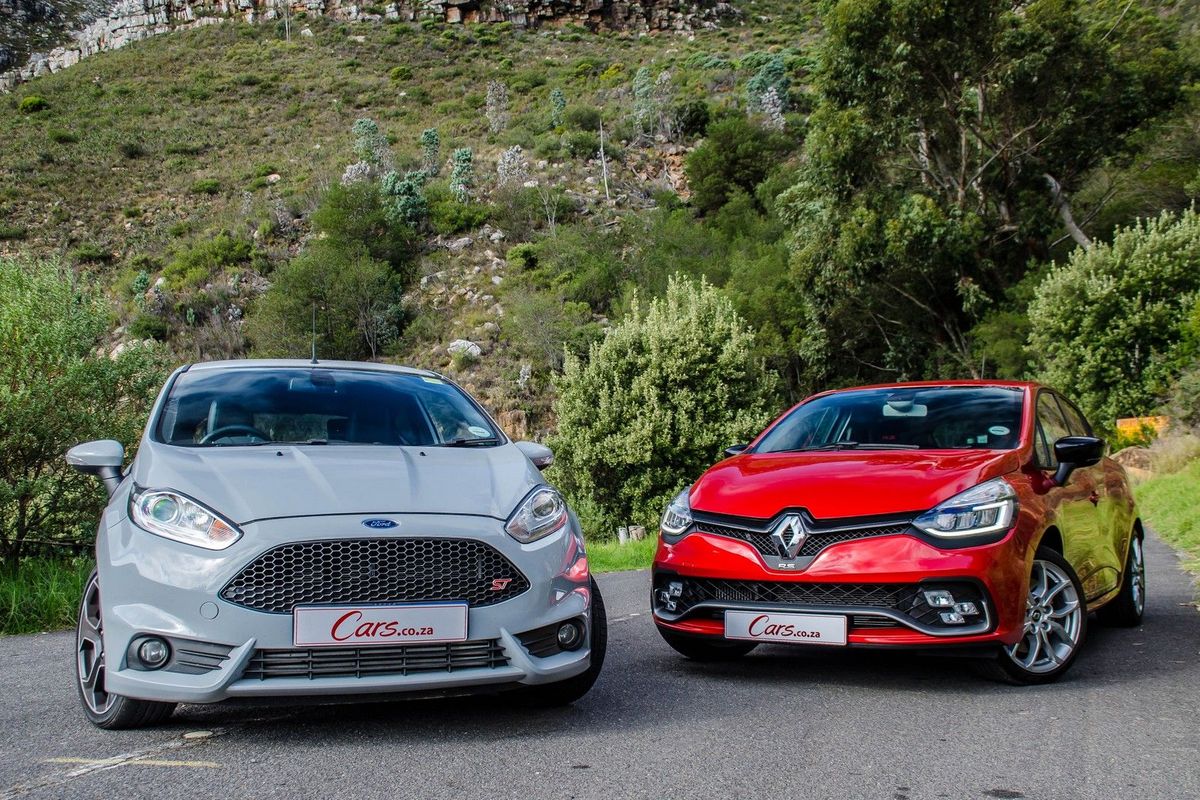
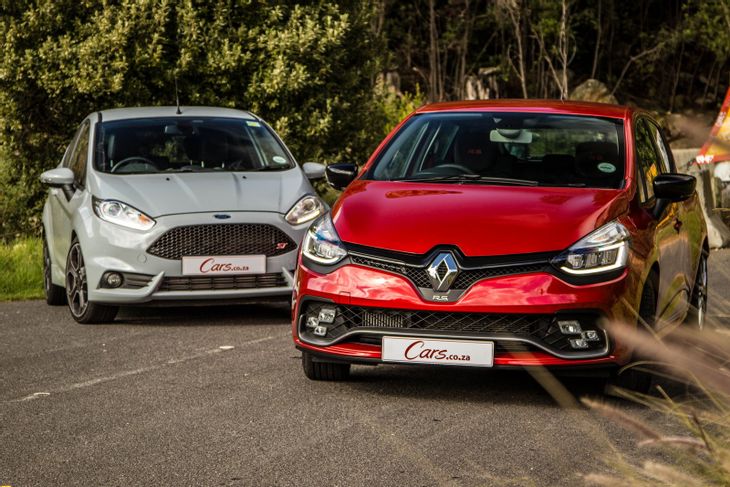
It’s a pocket rocket battle for the ages as 2 of our favourite hot hatch makers go head-to-head on the same section of tarmac. Boasting identical performance figures, just one question needs to be answered: which 1 should you pick?
What do we have here?
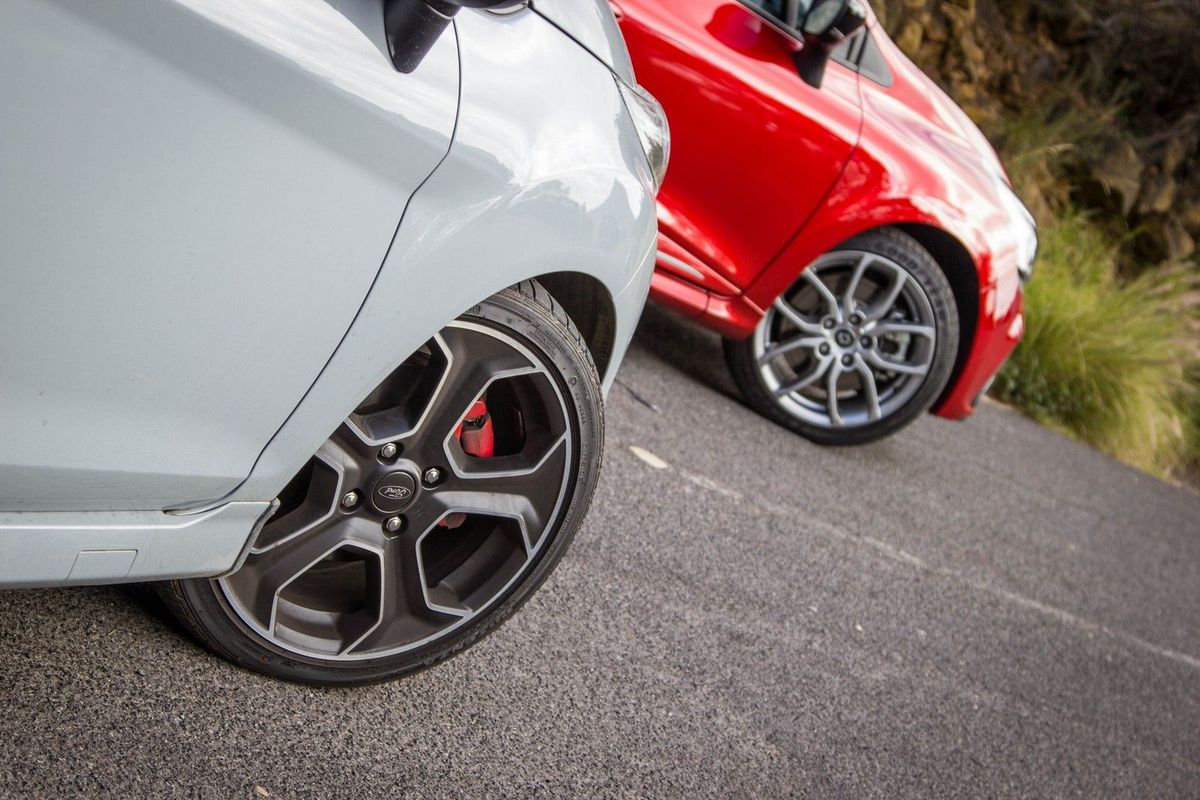
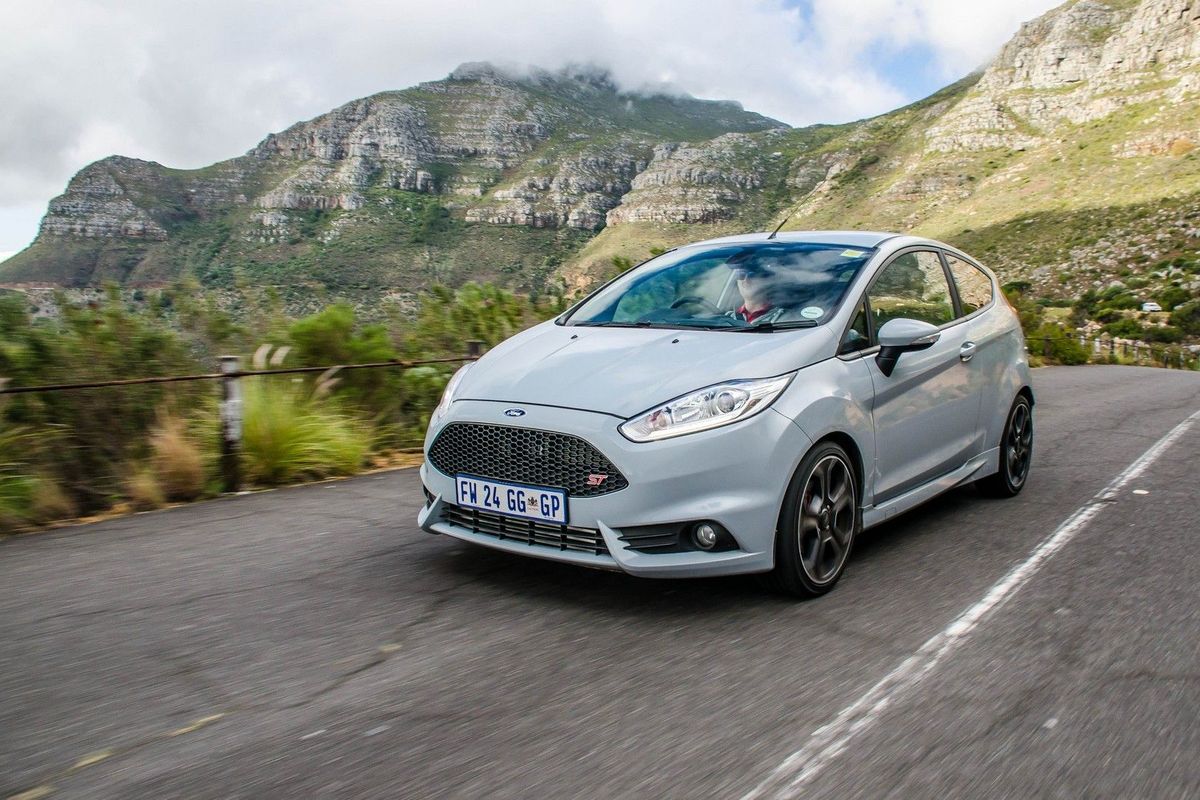
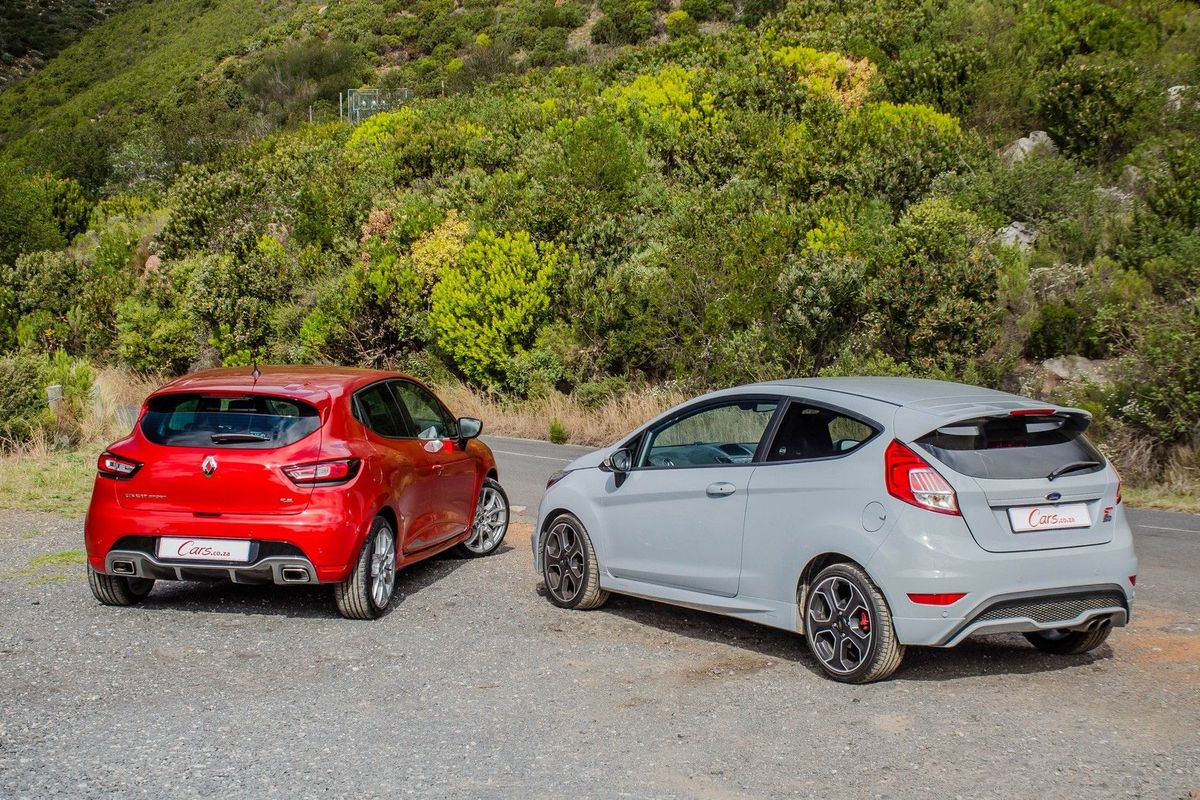
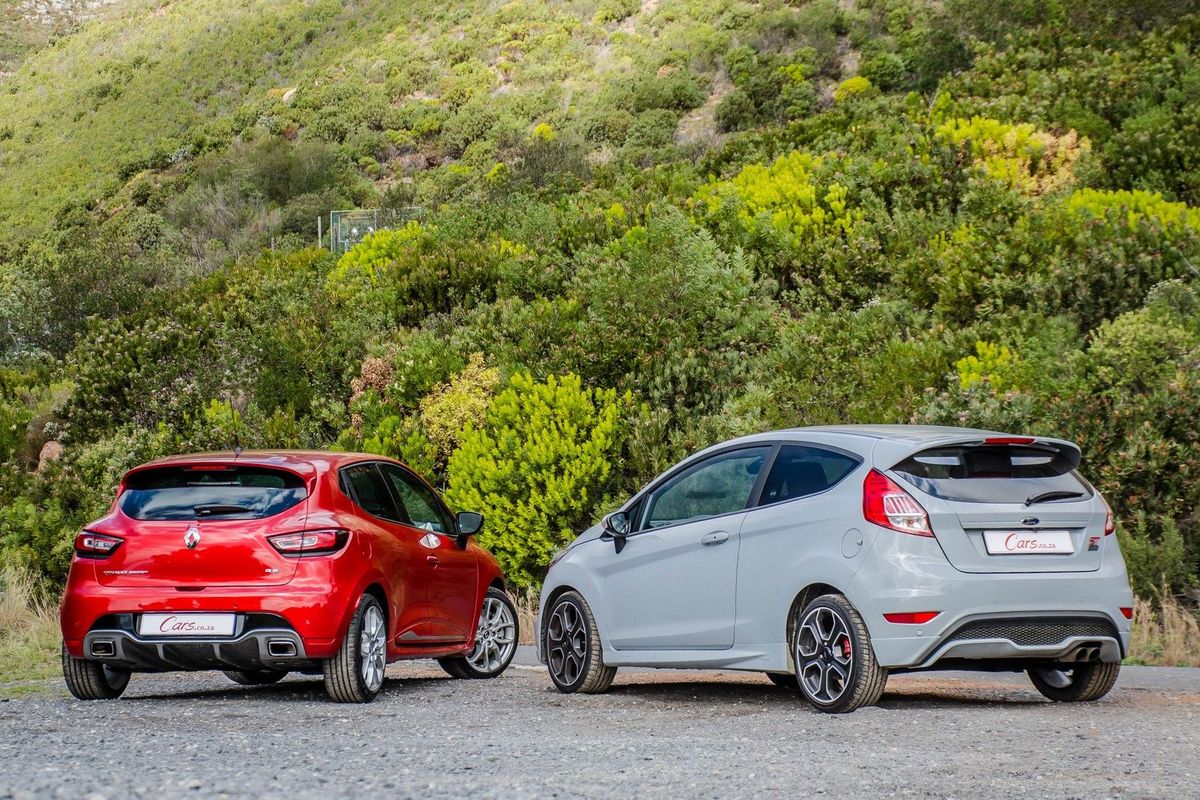
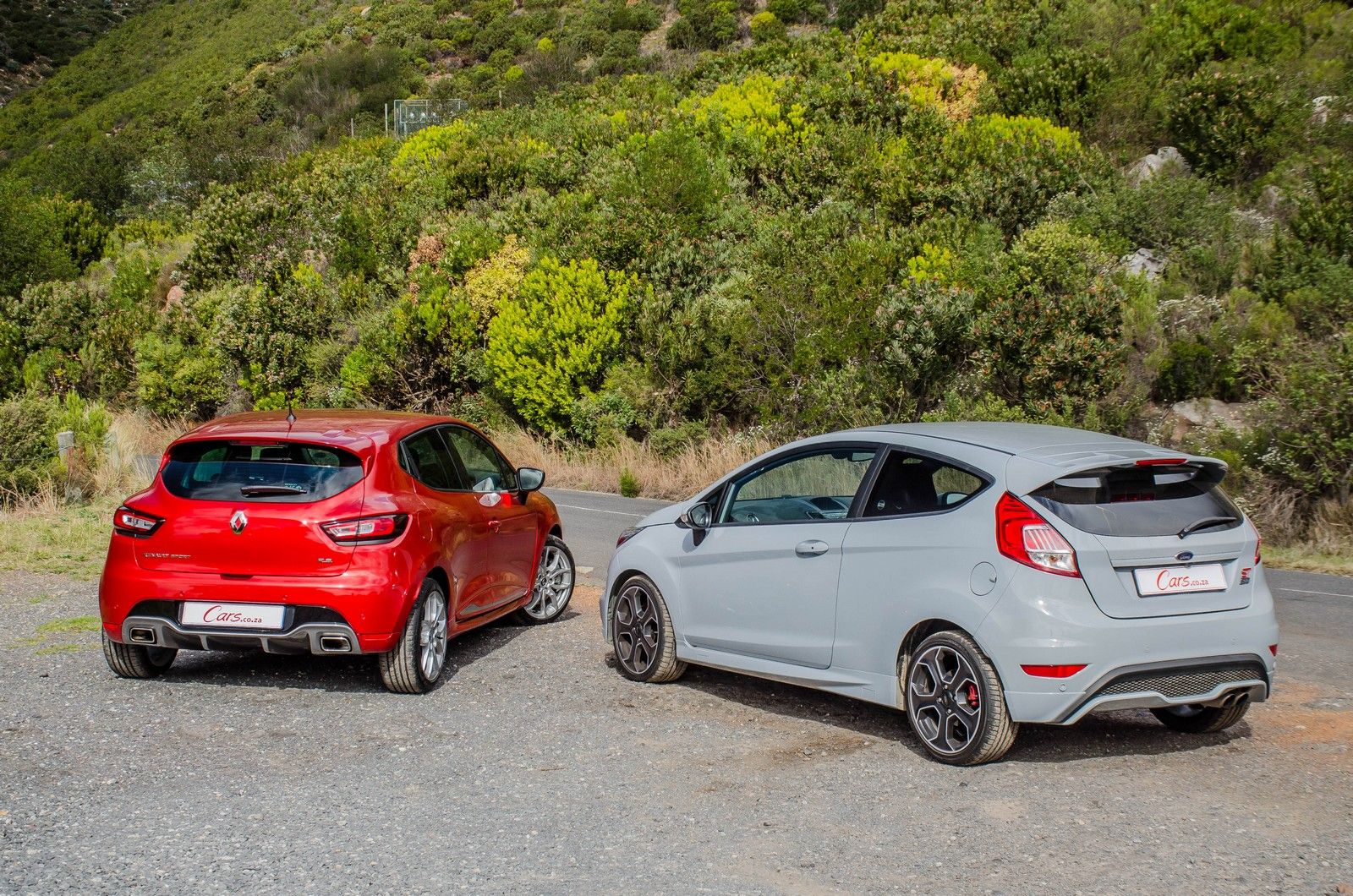
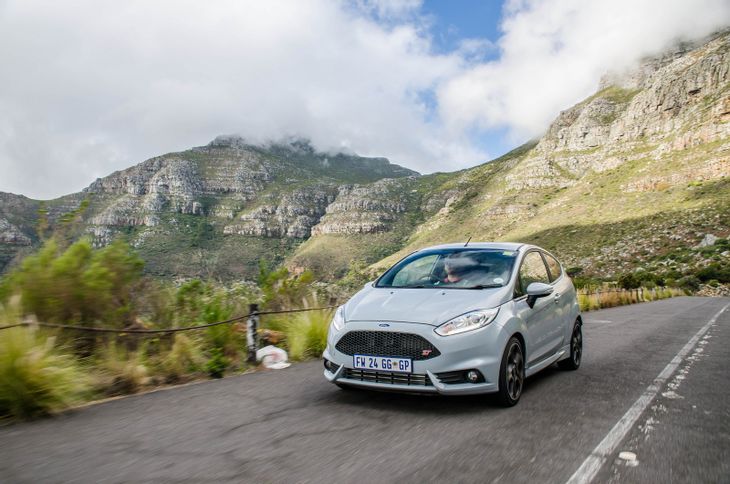
The ST200 is the Ford Fiesta ST’s final swansong before a new generation arrives next year. To make sure it leaves a lasting impression, Ford’s engineers have added a dollop of extra power and torque, honed the suspension setup and sharpened the steering. Visual upgrades include an ST200-specific Storm Grey exterior paint colour and black wheels with red brake callipers.
Power and weight are identical. The Ford has more torque (30 Nm more) but the Renault has that RS magic that might be enough to counter the deficit.
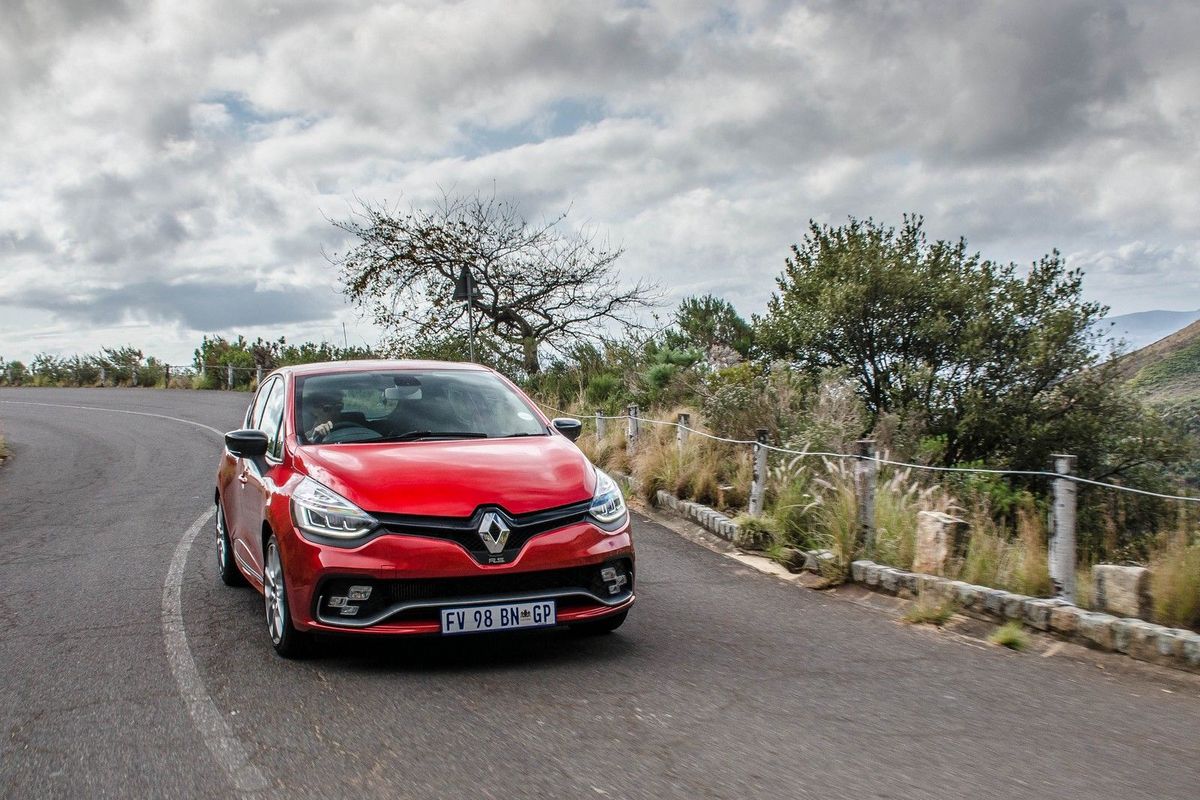
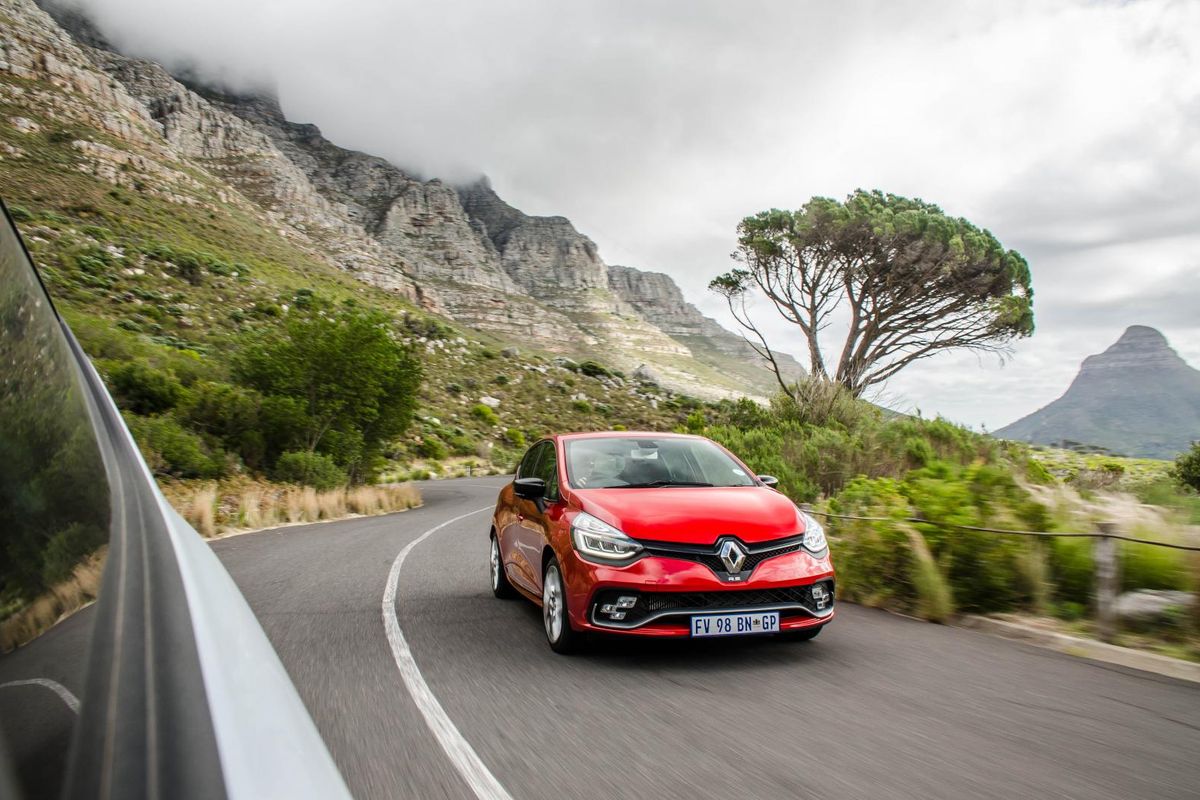
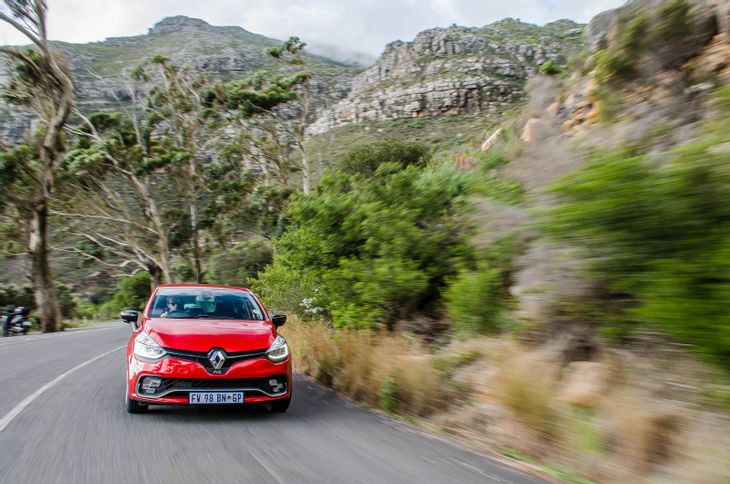
Freshly facelifted in June 2017, the Clio RS can be had in two distinct flavours: 200 Lux and 220 Trophy. This one is the RS 200 Lux model which is slightly softer, detuned and less overtly sporting than the more track-biased Trophy version. With a healthy 147 kW at its disposal plus a marginally more refined dual-clutch gearbox, the Lux is still a full-fat RenaultSport model and, as such, still benefits from the brand’s almost unrivalled hot hatch engineering pedigree.
Cards on the table
Rarely do we get to compare two cars that are this closely matched. At 147 kW, 6.7 seconds, 230 kph and 1 170 kg respectively, their power figures, 0-100 kph times, top speeds and weights are identical. Only the torque outputs spoil the symmetry party, with the Clio falling 30 Nm short of the Ford’s 290 Nm. The big drivetrain differentiators are the two gearboxes – Fiesta uses a short-shifting 6-speed manual while the Renault employs a 6-speed dual-clutch ‘box with column-mounted paddles. And, if you’re being pedantic, the Ford has 3 doors to the Renault’s 5.
The task at hand
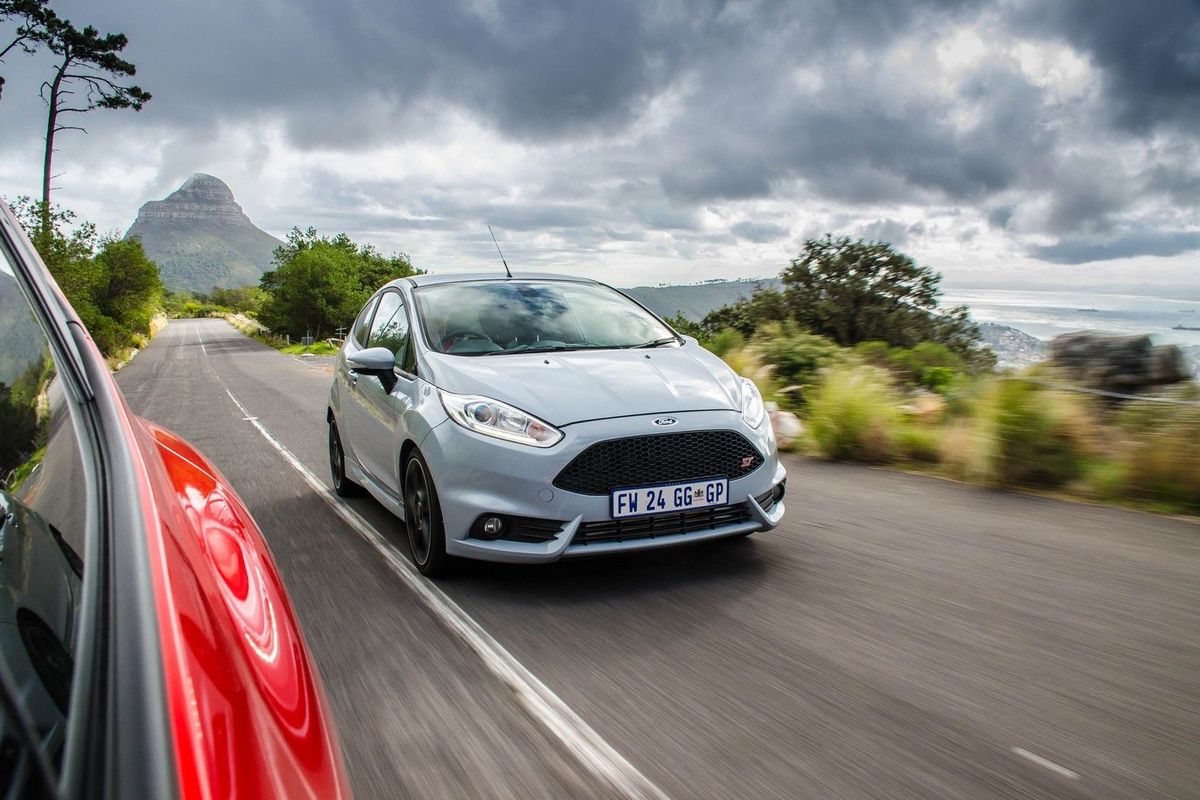
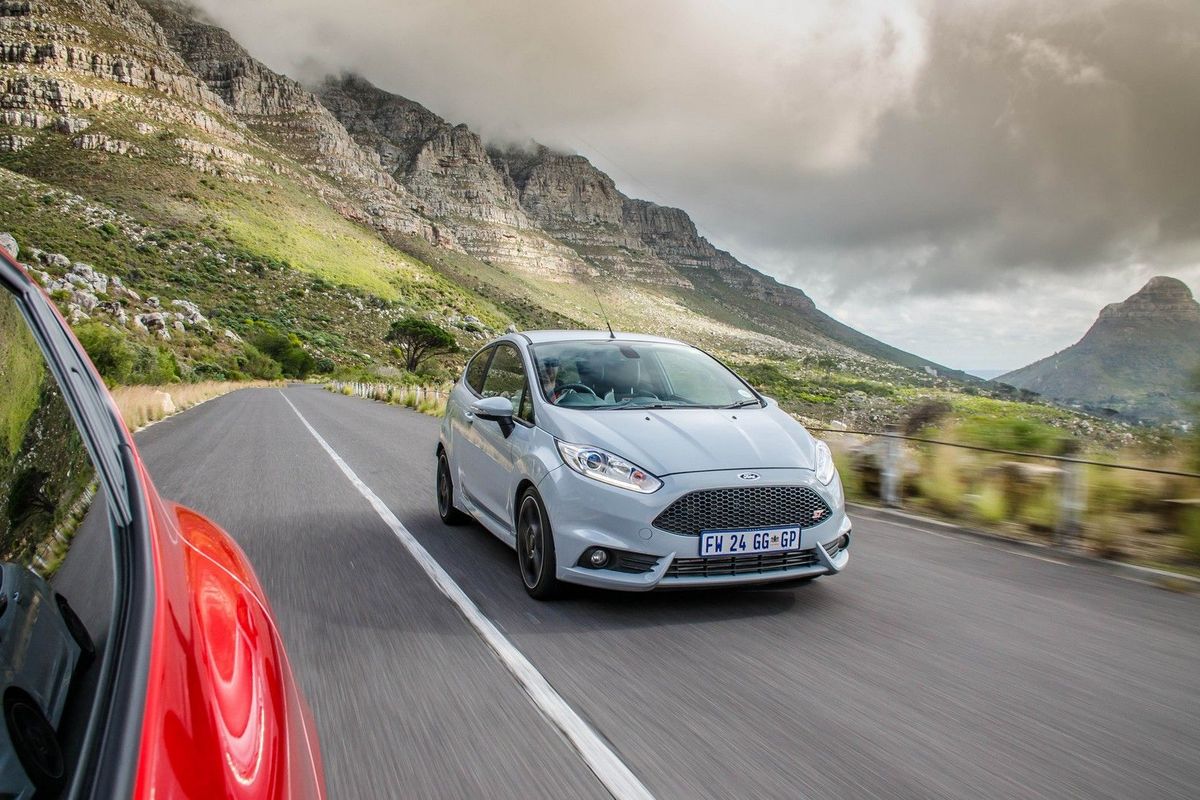
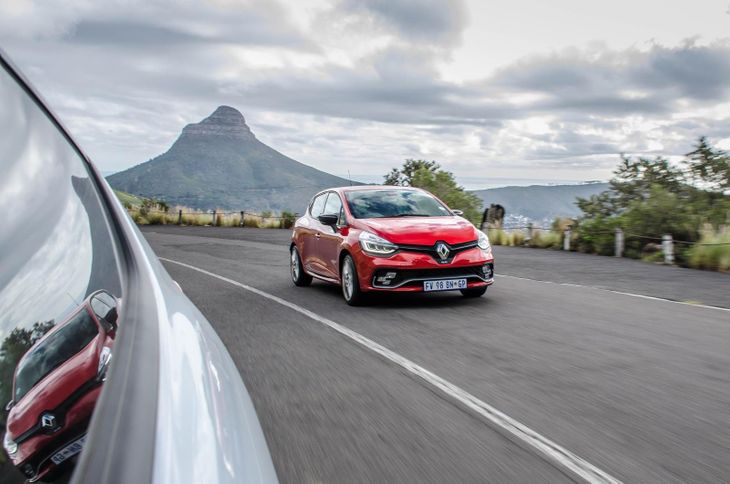
As part of our #CarsRaceday, the Ford and Renault were assembled at the foot of what’s known as Malanshoogte road. It’s a section of hilly tarmac that winds itself up and around the farms of Durbanville in the Western Cape. With the help of the traffic department, we closed off 3.1 km of stringy, spaghetti-like asphalt to form what could form a proper hillclimb course but for the short 300 m section that plunges down to a narrow bridge at the bottom.
The Renualt'sfoglight design is a trait built into all new RS models.
As for runoff area, there’s isn’t any. No room for error here, though the choice of embankment or ditch in the first half seems less intimidating than the armco guardrail lining the upper reaches of the climb. This is definitely not a tight and technical hillclimb – speeds in these hatches will crest 180 kph before being forced to tap off for a few fast, almost blind corners. As a test, our up-and-down-hillclimb is an excellent examination of the rivals’ acceleration, high-speed stability and turn-in, not to mention driver bravery.
Initial impressions
Prior to dispatching the hatches up the hill, we thought it a good idea to get a feel for them in ‘normal’ conditions. A few nights in the Fiesta reminded us of what a traditional hot hatch is meant to feel like: pointy, agile and heaps of fun. I’m sure, given enough time to become properly familiar with it, that the rear of the Fiesta would be your primary turning device. It’s really easy to generate lift-off oversteer into corners thanks to the additional suspension travel. It’s also quite simple to hold the slide and then correct the entry. There isn’t an insane level of grip from the tyres either – enough to maintain confidence at speed, but also slidey enough to keep you focused and involved.
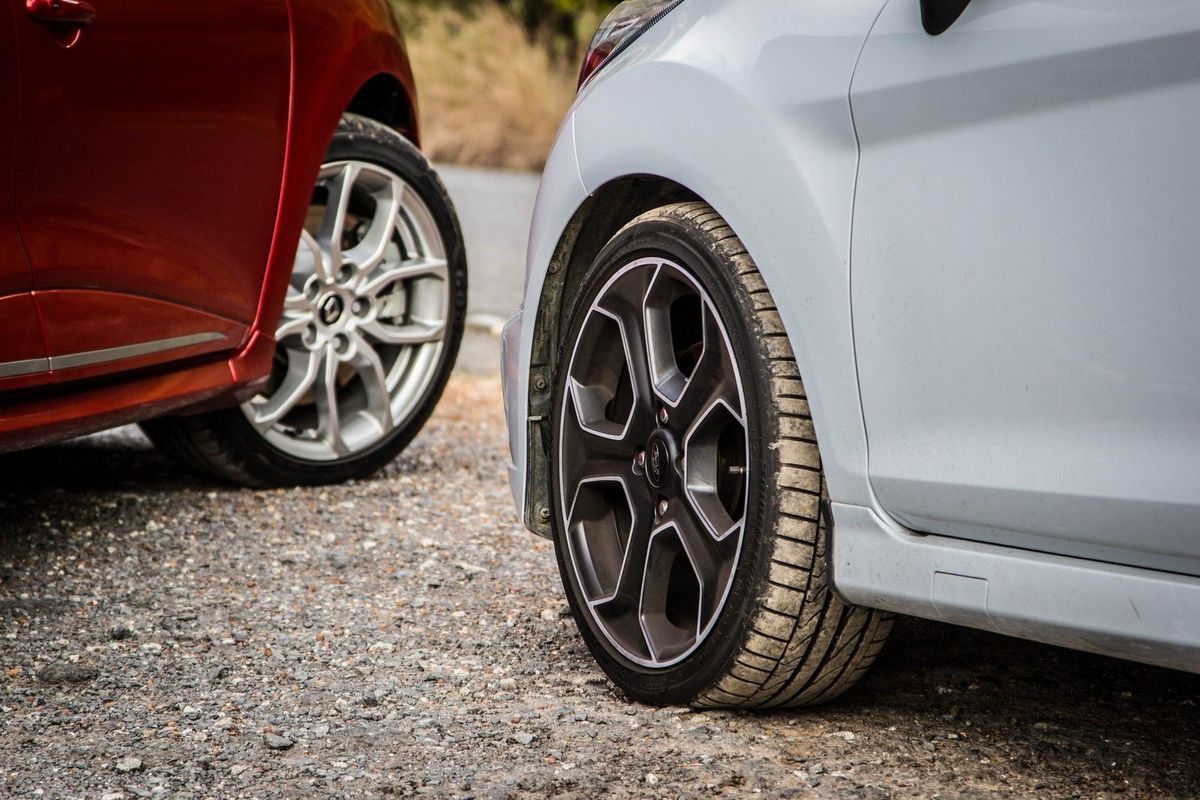
In the looks department it's hard to pick a winner, the ST200's black wheels make it stand out from the Renault's familiar RS design.
The Renault is almost an exact opposite to the Ford in terms of its skillset. Instead of being fluid and slidey, the Frenchie has a taut and grip-focused chassis that astounds with the way it turns in and maintains traction. It feels faster than the Fiesta but doesn’t require as much driver involvement. The Clio is about G-forces and cornering speed. You can turn it in hard and fast and it’ll stick to the tarmac like glue as it tests your core’s ability to hold you upright. Who needs gym when you’ve got a Clio, boet?
Making it feel special
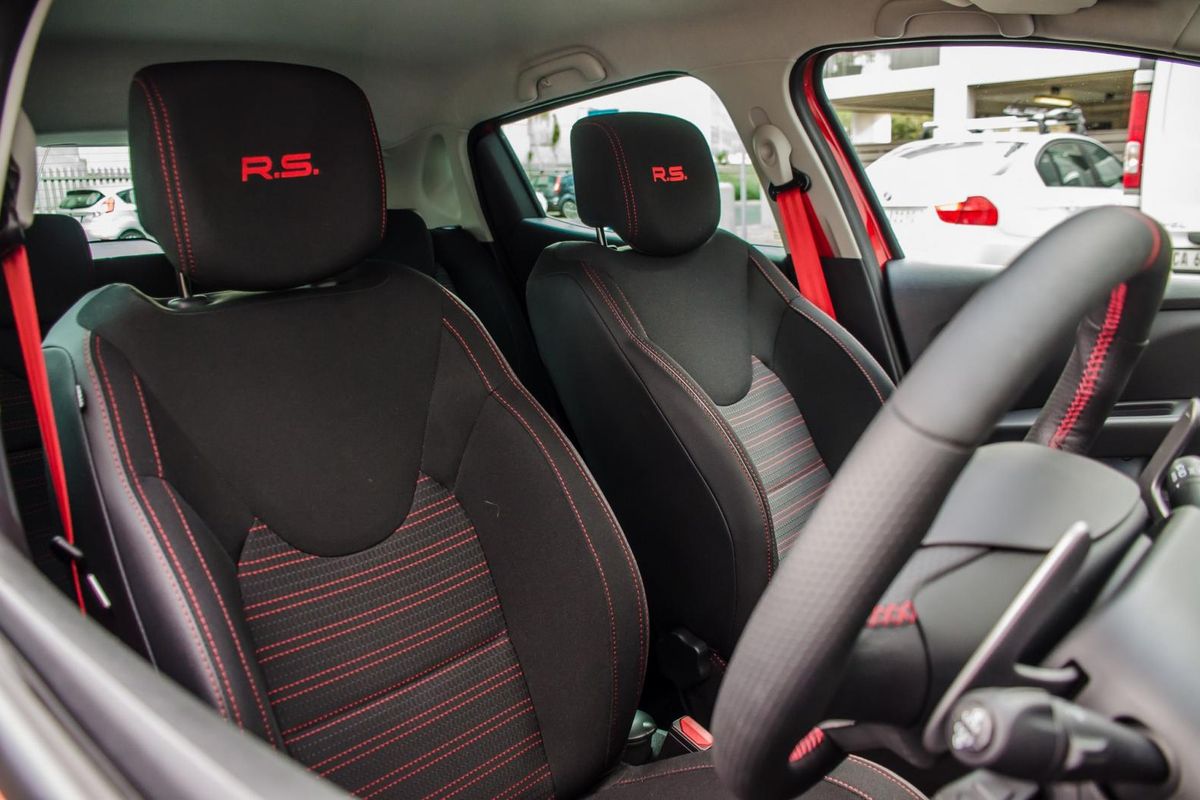
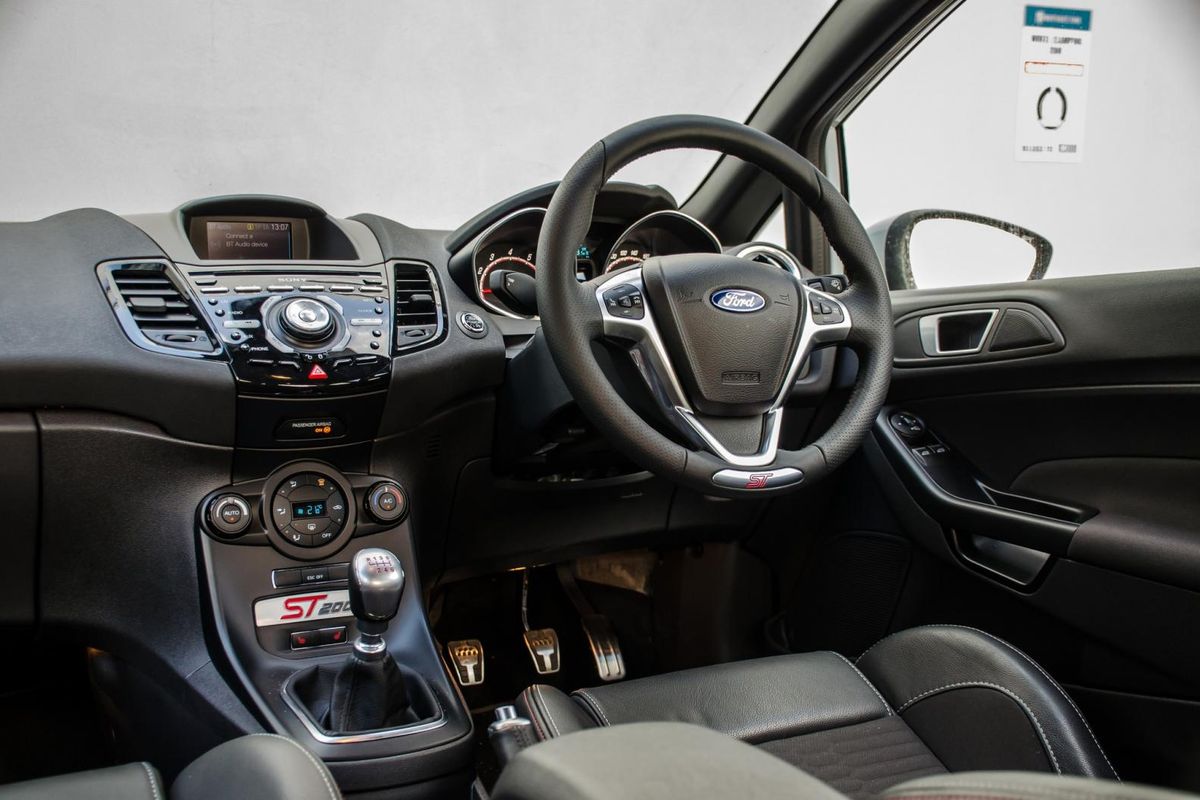
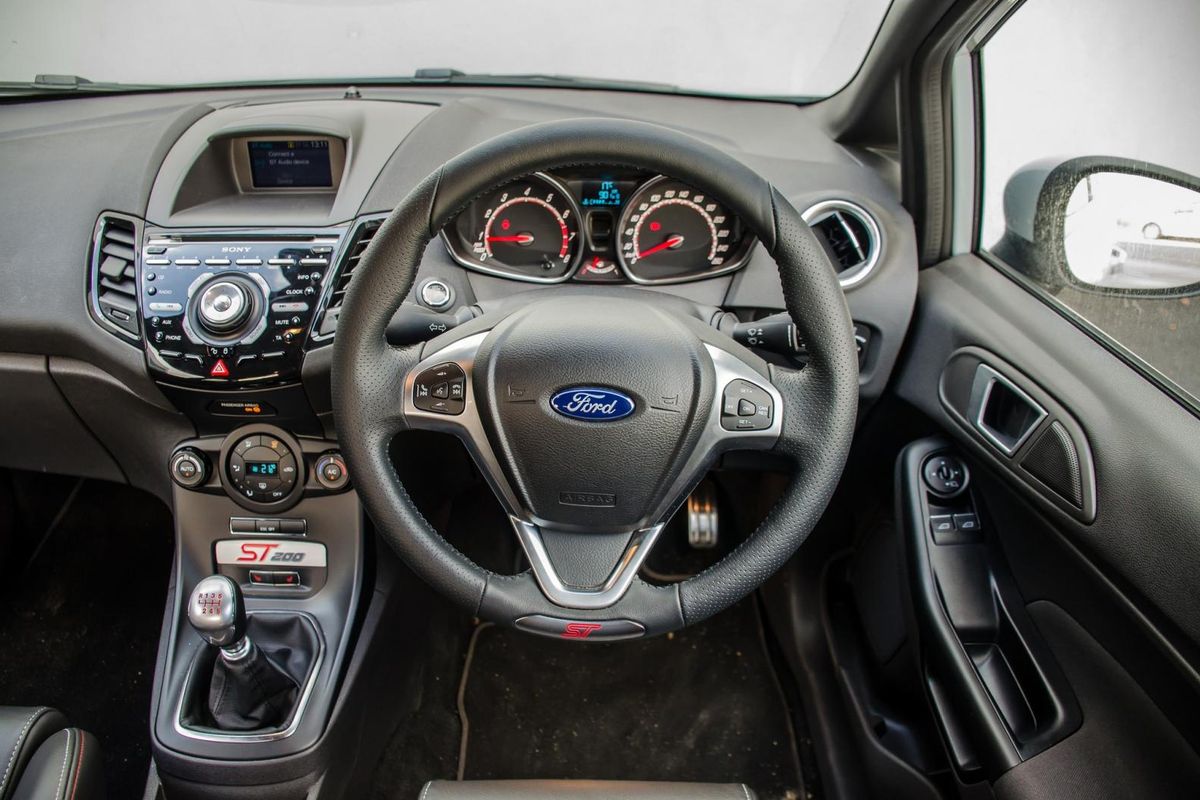
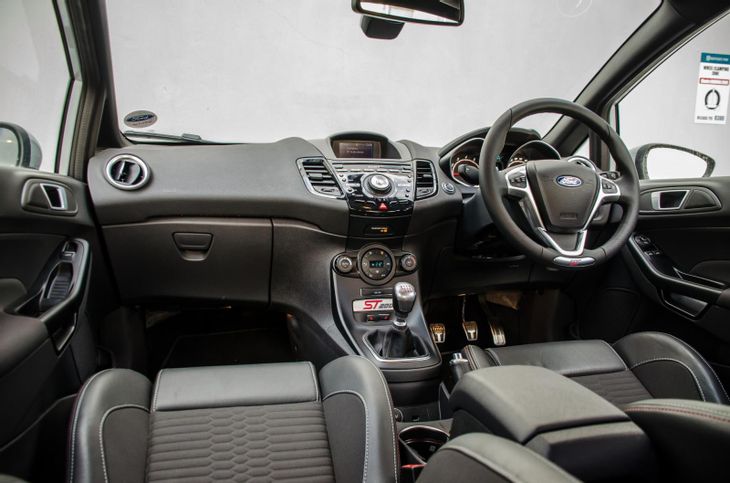
Clambering into a pepper-sprinkled hatch only to encounter a crummy, standard interior would be a huge disappointment. Happily, both cars are also spicier inside. The Fiesta’s cabin gets a set of Recaro bucket seats and an array of ST badges dotted throughout the cabin. The infotainment system is a letdown as it still features Ford’s button-heavy Sync 1 system that looks about as complicated to operate as the cockpit of a Boeing 747.
ST badges are strewn around the cabin, but it's not enough to take your eye away from the mess of buttons on the infotainment system.
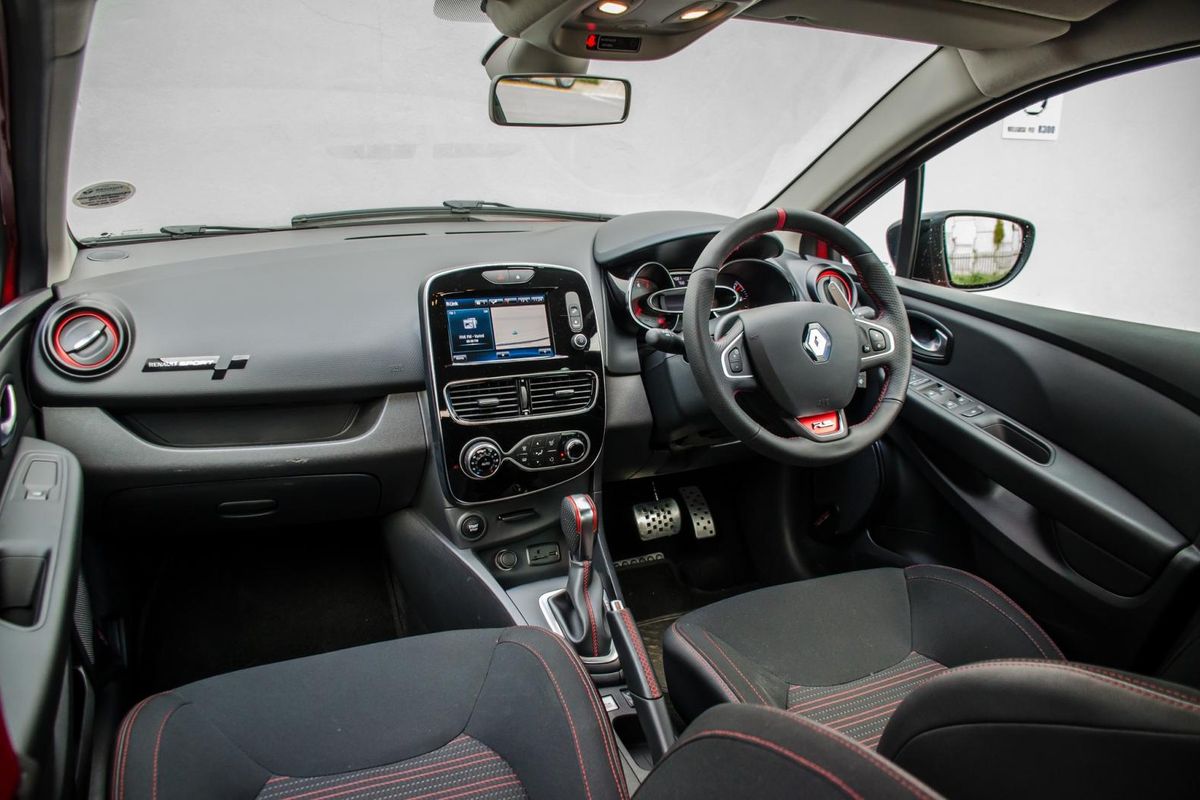
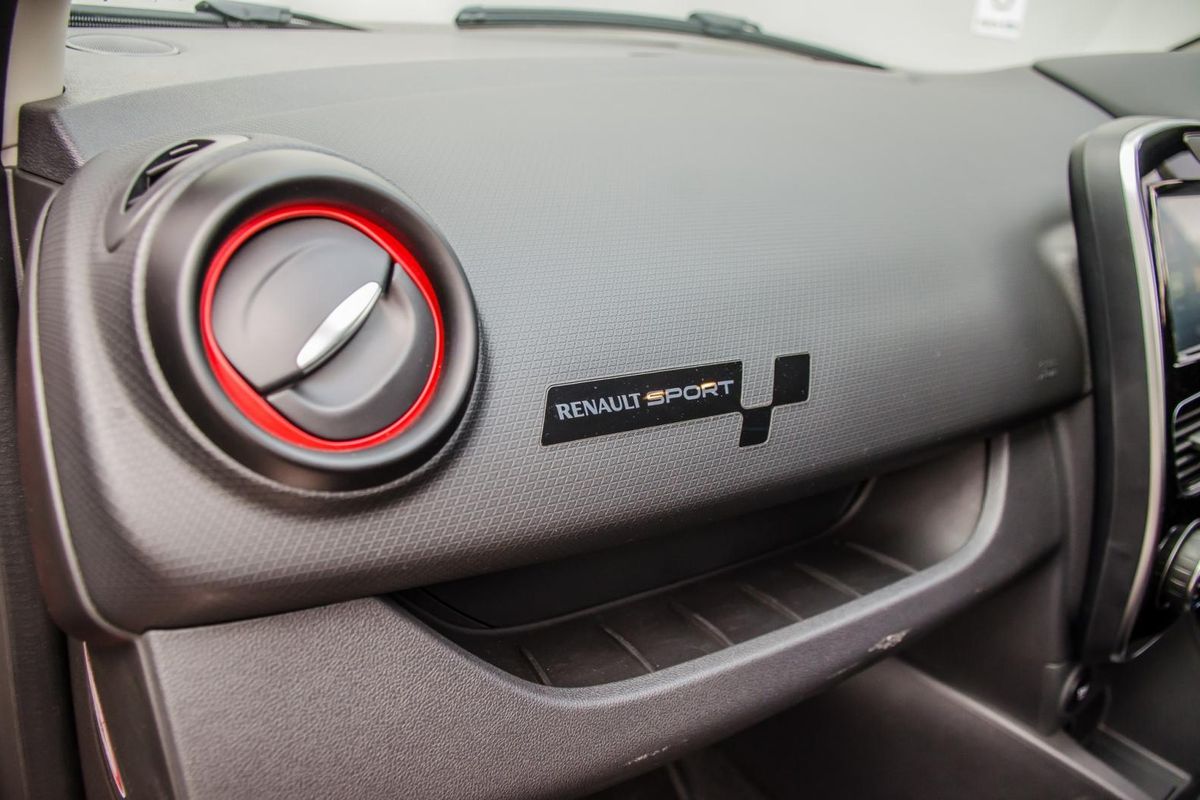
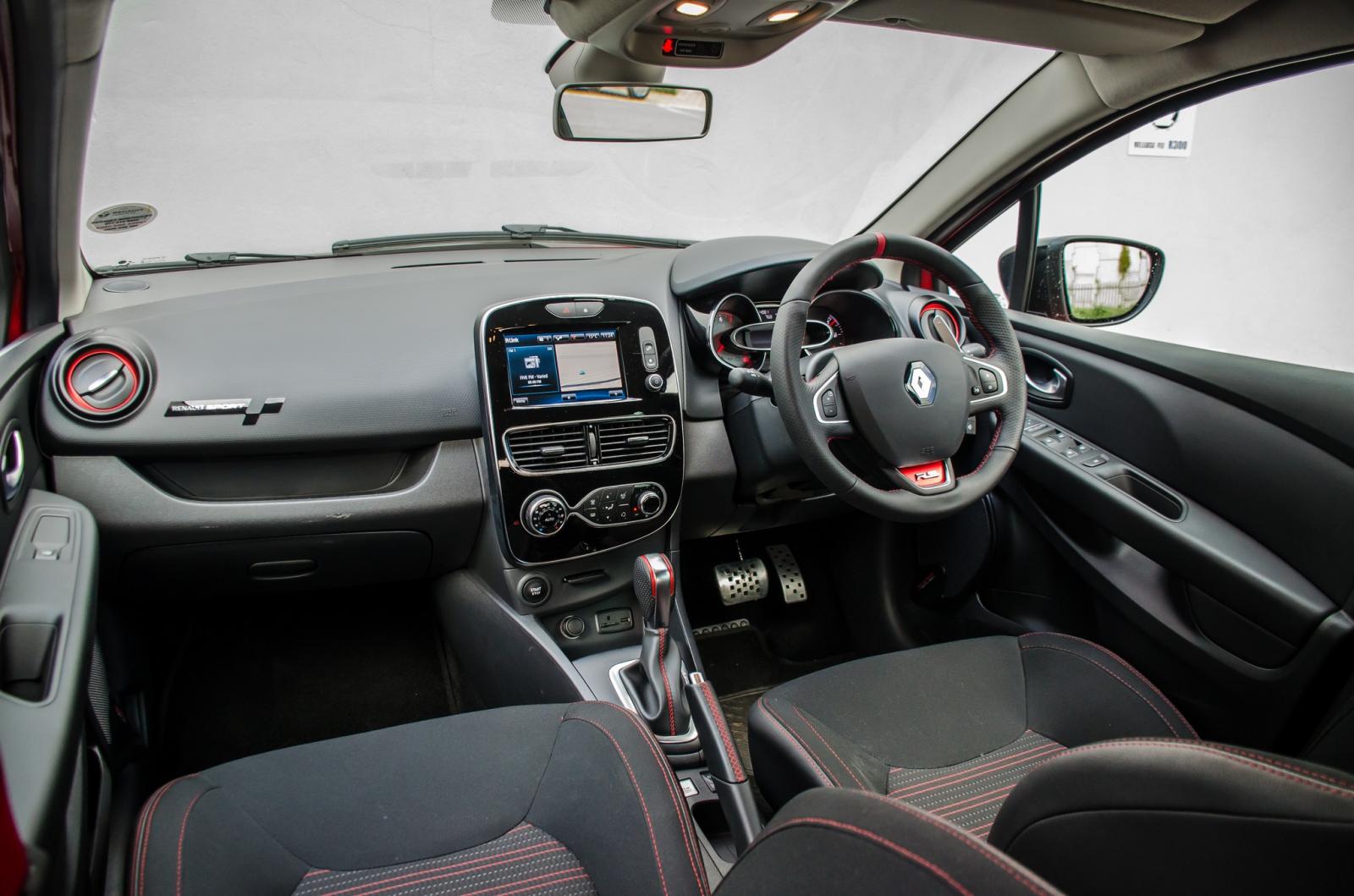
The Clio gets special seats too, along with red stitching around nearly every visible surface. The infotainment system is leagues ahead of the Ford’s and includes an RS monitor app that tracks lap times, acceleration, G-forces and more. The data’s downloadable too, so you can partake in a little trackside analysis, just like the pros.
Lots of red stitching denotes the Clio RS. Its infotainment system is more modern and much easier to use than the Ford's.
Time to send it
First up the hill is the Fiesta. The temperature sensor outside the car registers 10 deg C. As the fog lifts, the sun begins to dry out the residual dew on the ‘track’. Being a public road, there’s no rubber in the surface to aid traction and the Fiesta lights up the front tyres on launch. A slight lift is required to regain the traction required for maximum acceleration. Aurally pleasing induction and exhaust sounds accompany the climb in revs as the engine pulls cleanly to its redline. Although there’s a hint of lag at the bottom as the turbo begins to spool, the torque spread is impressive and the motor pulls strongly in higher gears.
The first section of left and right sweeps are all taken flat out as the Fiesta plots the path of least resistance. As we crest the top of the first climb, a glimpse at the speedo needle reads 180 kph. The farm workers at Fair Cape Dairies appear to have been given the day off to spectate and they aren’t shy about indicating exactly how much throttle to apply as I approach the dip across the narrow bridge. The Fiesta’s chassis lifts a little over the bump and the rear starts to wander. Keep it pinned and it settles just in time for the hard uphill braking point that signals the 90 degree left into the steepest section of the hill. The tarmac is still cold but with a little trail braking and then a big lift off the brakes, the Fiesta’s rear end seizes the opportunity to take over the steering duties. But even hostile takeovers are easily countered with a touch of throttle. It’s this beautiful balancing act between front and rear that puts a wider smile on your face than any other hatch in the class. Those who think front-wheel-drive cars can’t be fun clearly haven’t driven the ST.
The Ford has a more thrilling driving experience. Its chassis is more lively and entertaining but it's not as fast through a bend as the Renault.
While immense fun, the sliding and balancing act is not the fastest way through a corner as it compromises exit speed. The ST200 clearly loses time as it carries the loss of speed up the hill and through the final bend to the finish. The result, no doubt also influenced by the colder tarmac and slightly damp surface is 1min 22.48sec.
It’s the Clio’s turn next. Not more than 5 minutes after parking the Fiesta, already the damp patches have dried significantly while the rubber laid down by the Ford provides yet more traction for the Frenchie to exploit. Both may share the same official 0-100 kph time, but the Clio is the more consistent thanks to its electronic launch system. It immediately feels more planted than the Fiesta, faster too, as it holds tighter lines through the first set of sweeps. The chassis allows you to feel more confident in its abilities but the lack of steering feel is something that disconnects you from the car and the road.
Over the bumpy bridge, the Clio stays flat where the Fiesta lifted its rear end. In the braking zone there’s not even a hint of lift-off oversteer. It turns in rapidly and the chassis falls into line immediately but it's difficult to tell how much more you can push it as there’s little feedback through the wheel. A stab at the throttle produces a graunchy sound from the tyres as it starts to understeer wide, even backing off the power to shift the weight around doesn’t change the angle of attack or upset the Clio’s chassis. Nothing to do but spot the exit, floor it and flick a paddle – if you can find it. They’re fixed to the column, so searching for a paddle with a touch of steering angle dialled in is near impossible. Fresh air shifts are a common occurrence. Sliding your hands on the wheel mid turn to grab a gear is not ideal. Given the choice, I would have them turn with the wheel as they do in ALMOST every other car.
The Clio RS has incredible grip and traction from its chassis but the driving experience is let down by the lack of driver feel.
The Clio’s chassis, cornering grip and balance certainly makes it feel faster and the result at the top of the hill confirms it as the RS200 records a hugely impressive 1min 19 sec. The Ford is solidly beaten, but the gap is probably overstated somewhat by the conditions the Fiesta had to deal with by going first.
Is it about the time?
Probably not. Bragging rights belong to the Renault for sure, it is the faster car after all. For us, the more pertinent issue is whether the extra speed adds more driver involvement. It doesn’t. There’s more to the Ford ST200 than just a hot hatch label. It allows the driver to feel the limit better through its steering, the suspension is set up to tip the car into corners from the rear. The Renault falls short of the Ford’s fun factor, something that the previous generation (Clio 3) had in spades. This Clio 4 is quicker than before but somewhere in the development stage when the RS team were trying to make it faster, they forgot that not all driving is done on track or with a lap timer. The Fiesta is the more playful car, the one that puts a bigger smile on your face and the one that won’t leave you wondering if you’ve made the right decision. Despite losing out in the stopwatch race, the Fiesta ST200 is the car we’d spend R20 000 less money on to own.
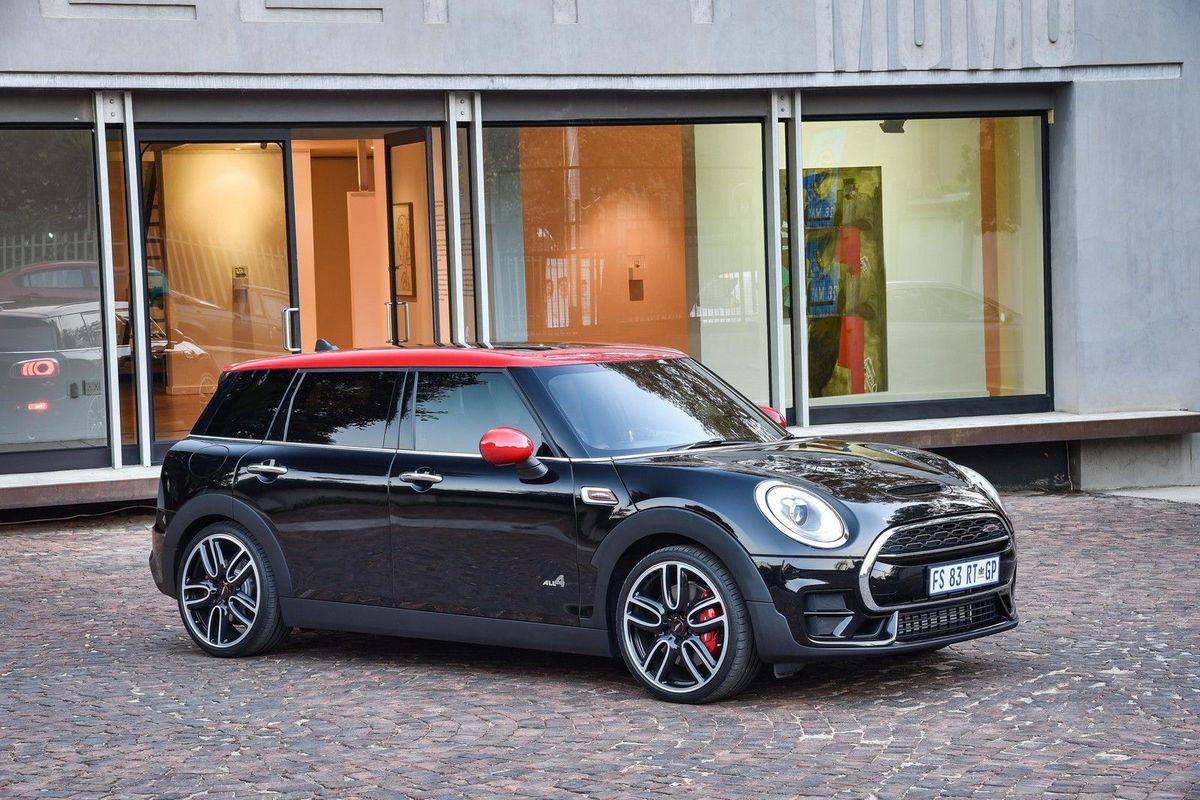
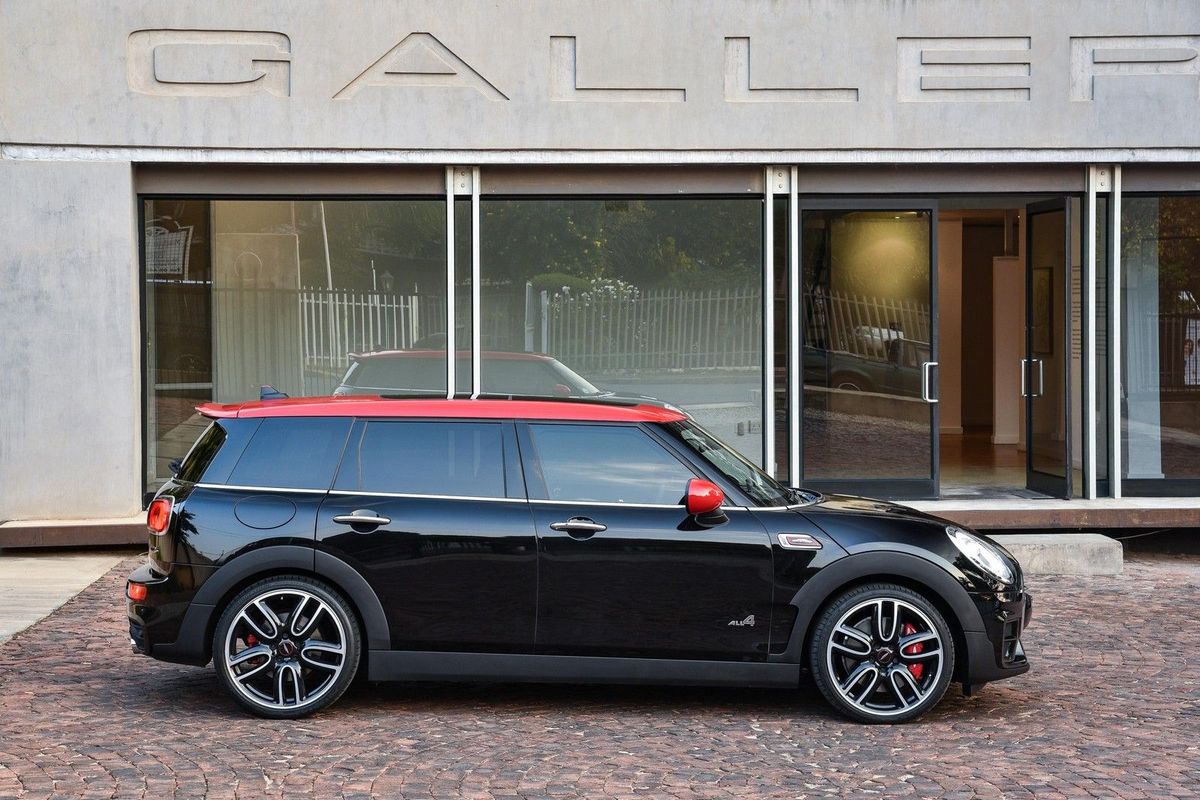
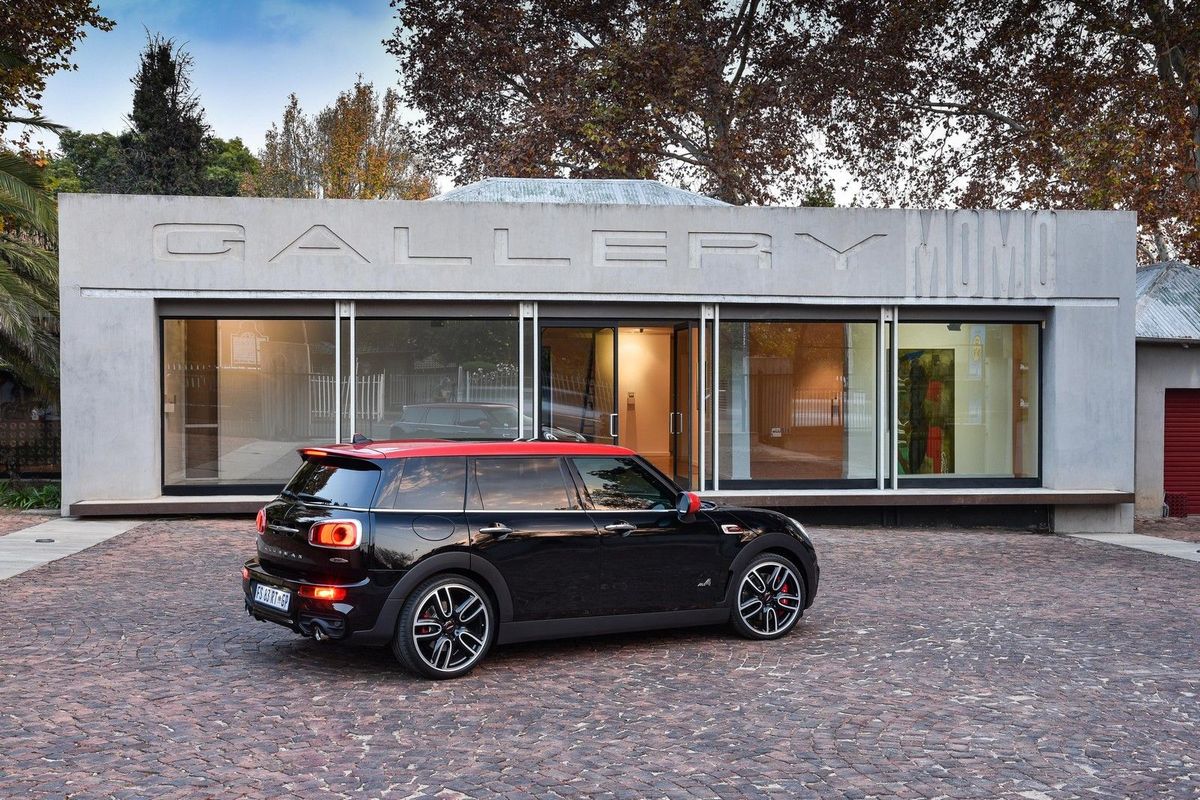
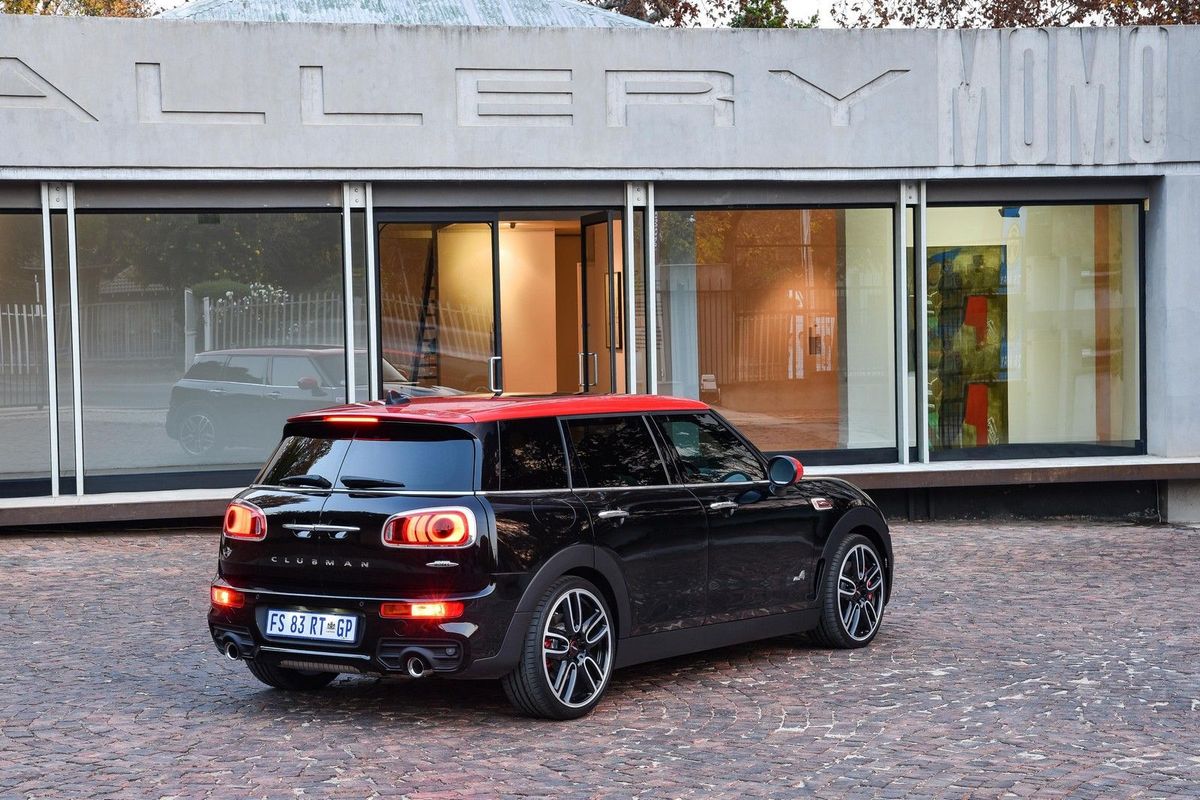
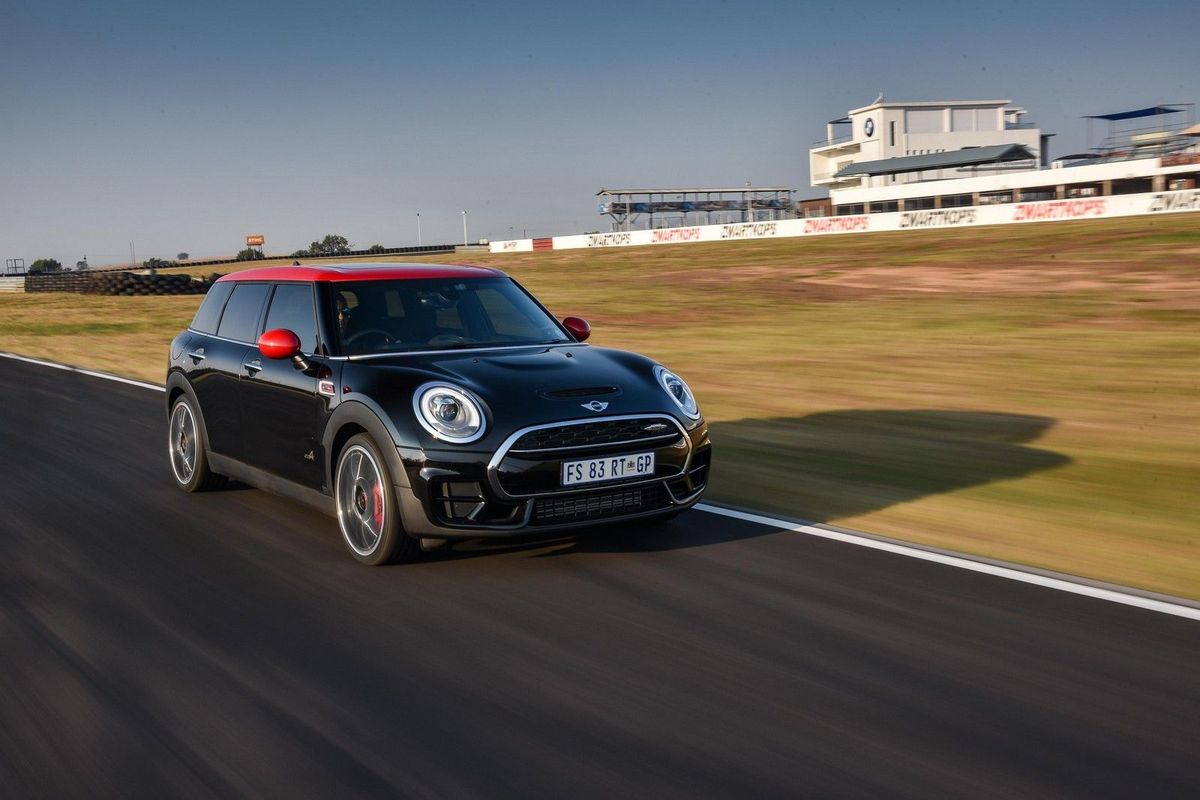
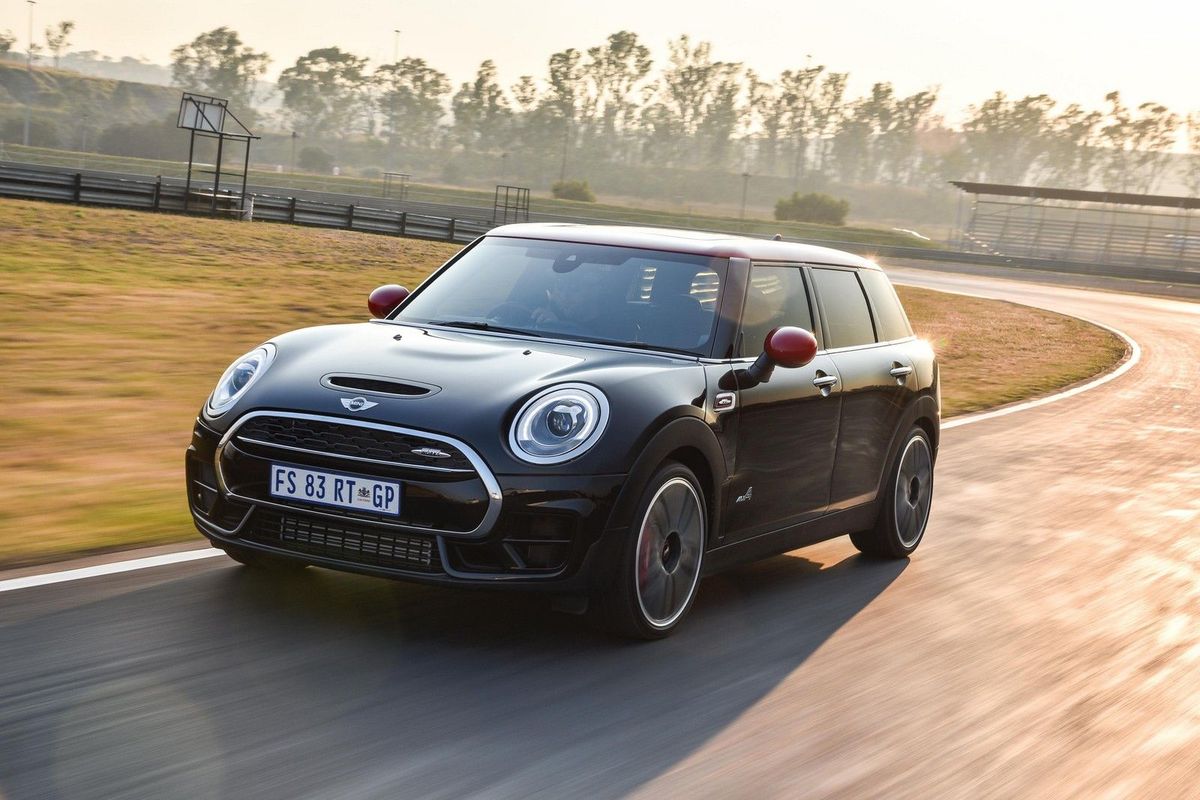
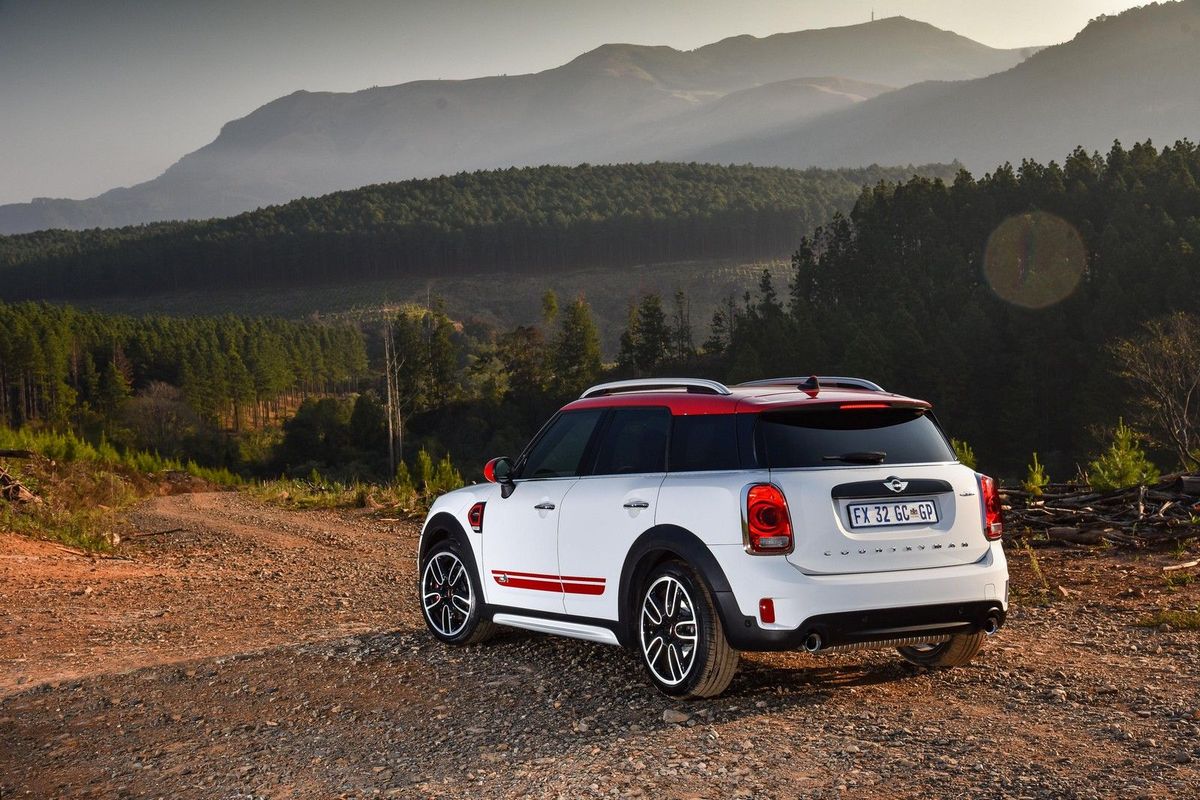
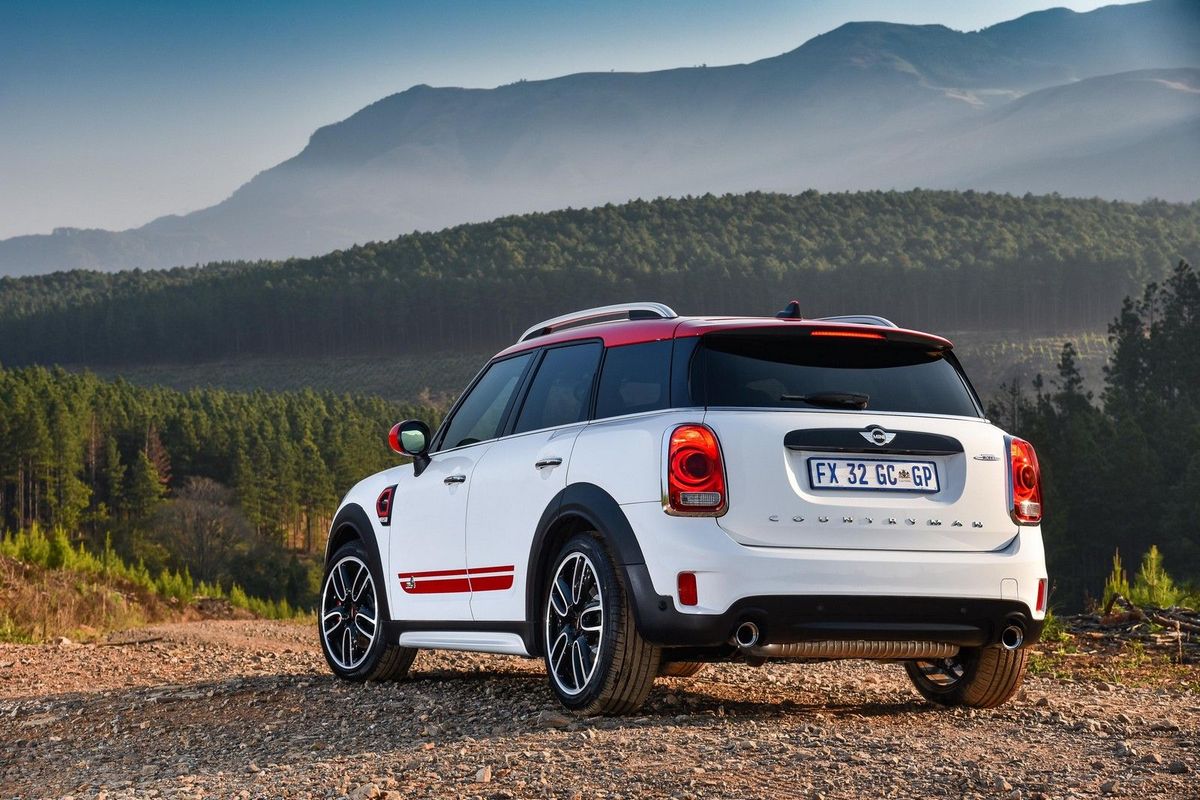
Mini JCW Countryman & Clubman (2017) Launch Review
Mini expands its range of JCW products to the bigger Countryman and the longer Clubman and with it, all-wheel drive.
What is it?
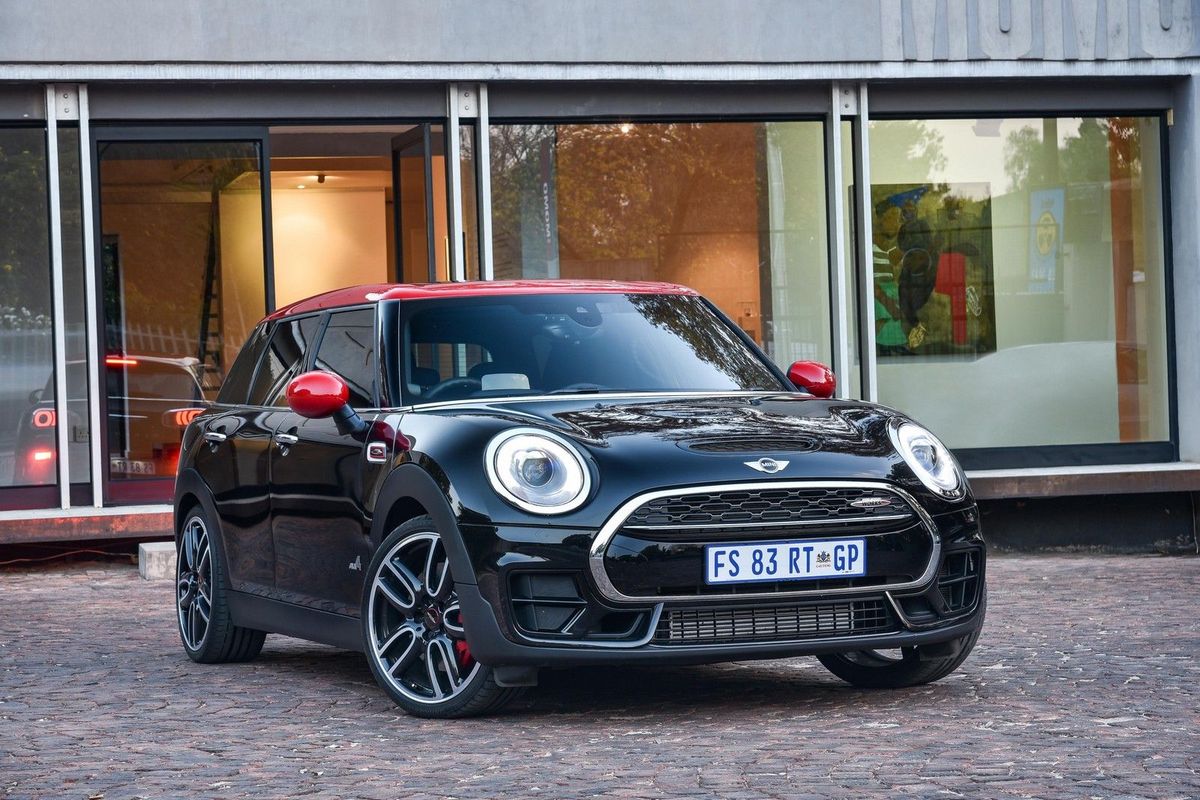
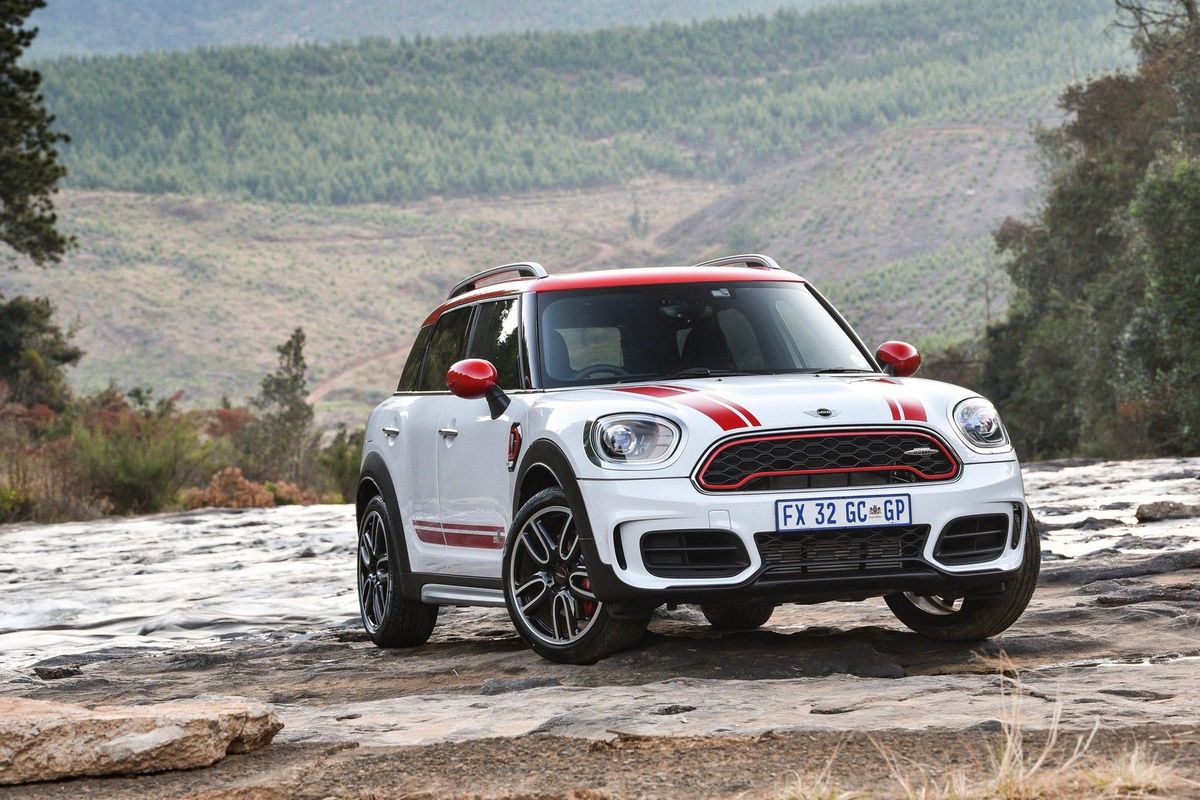
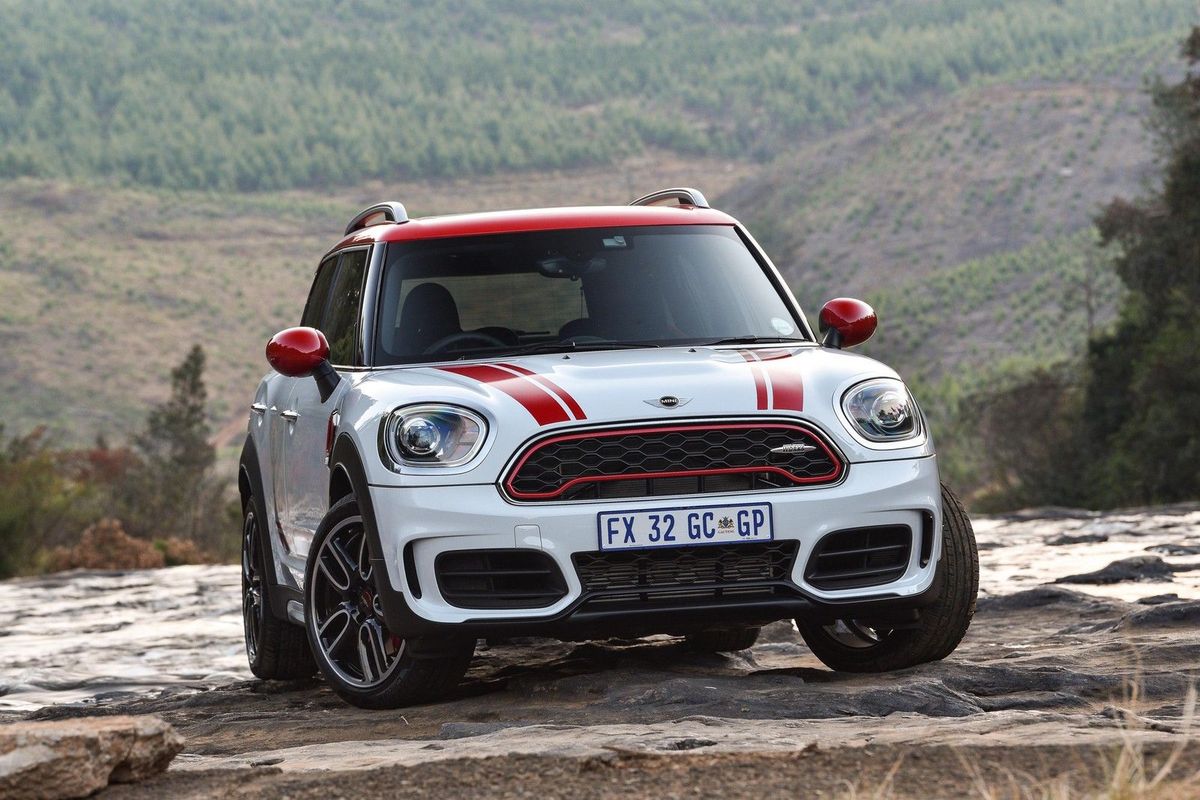
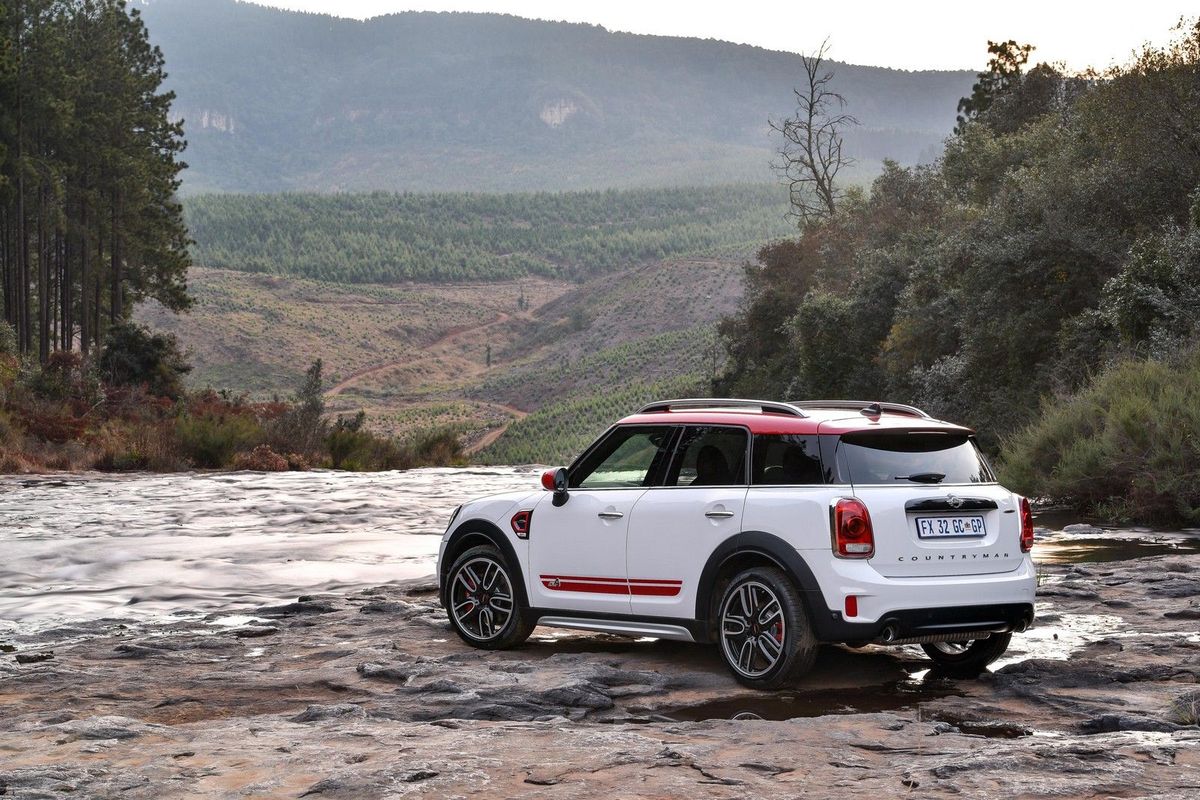
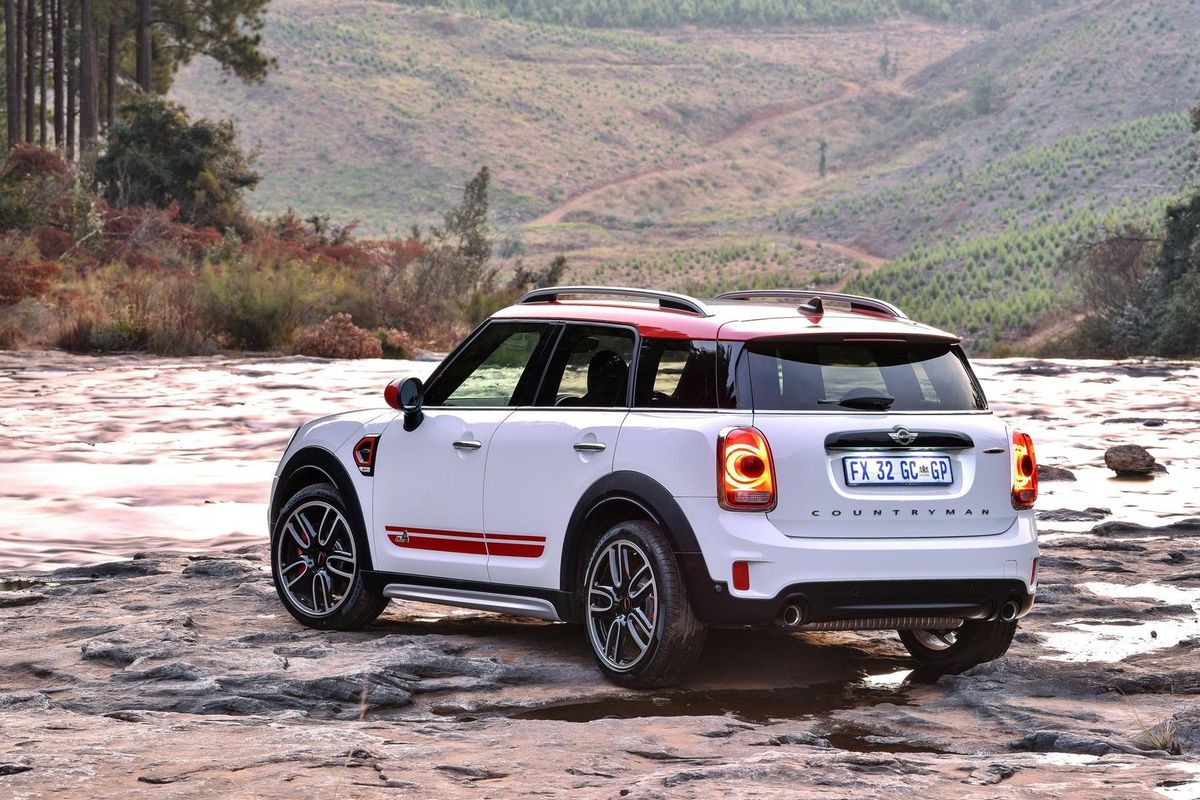
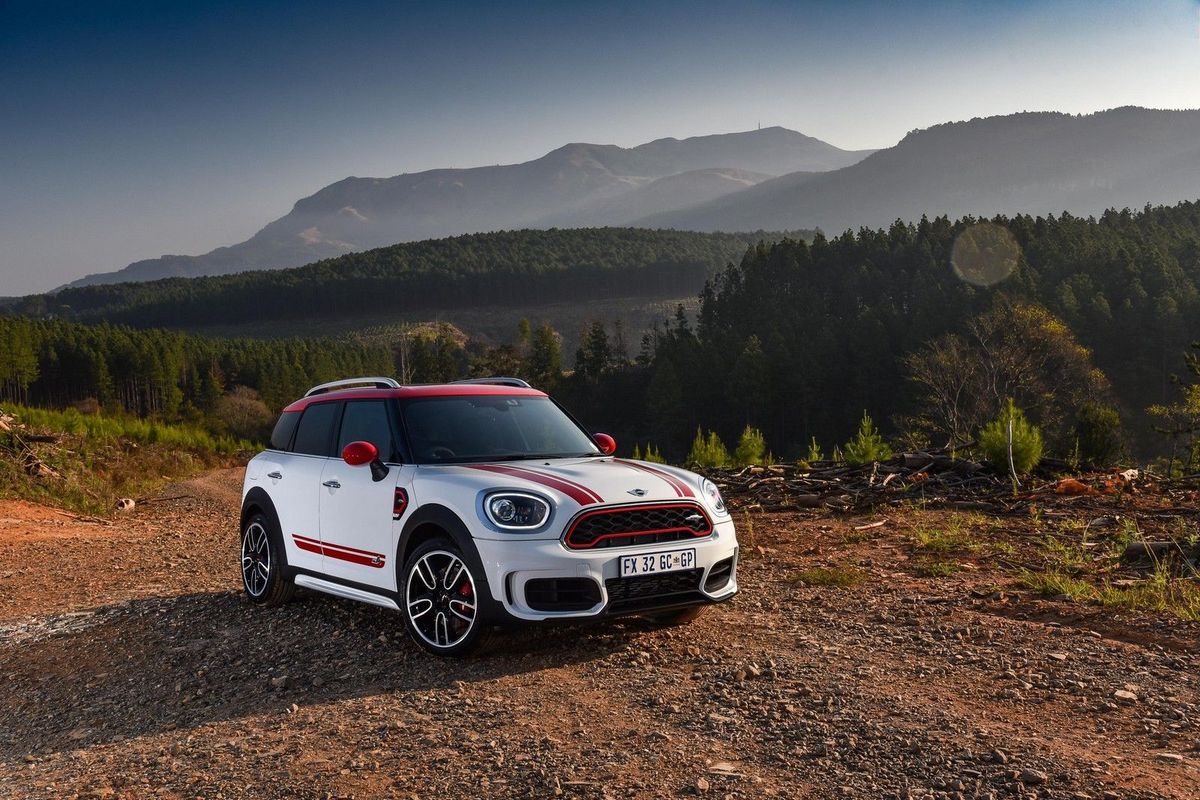
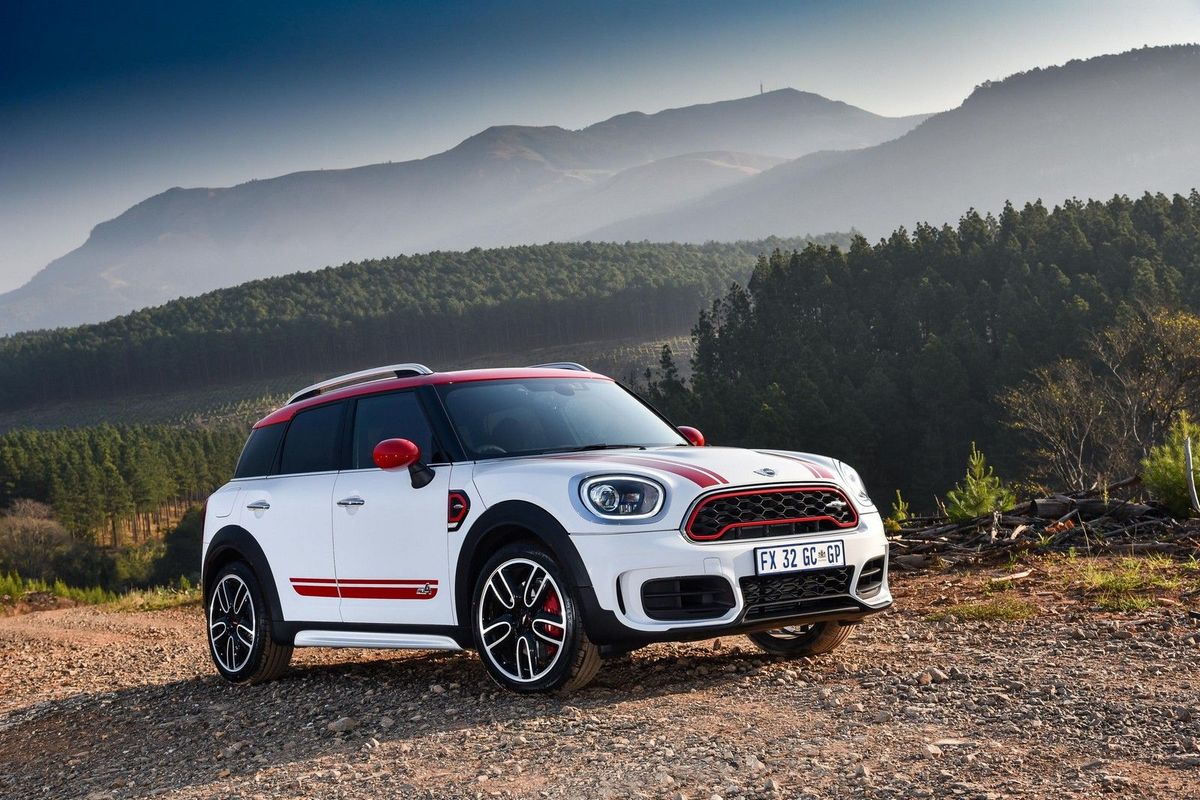
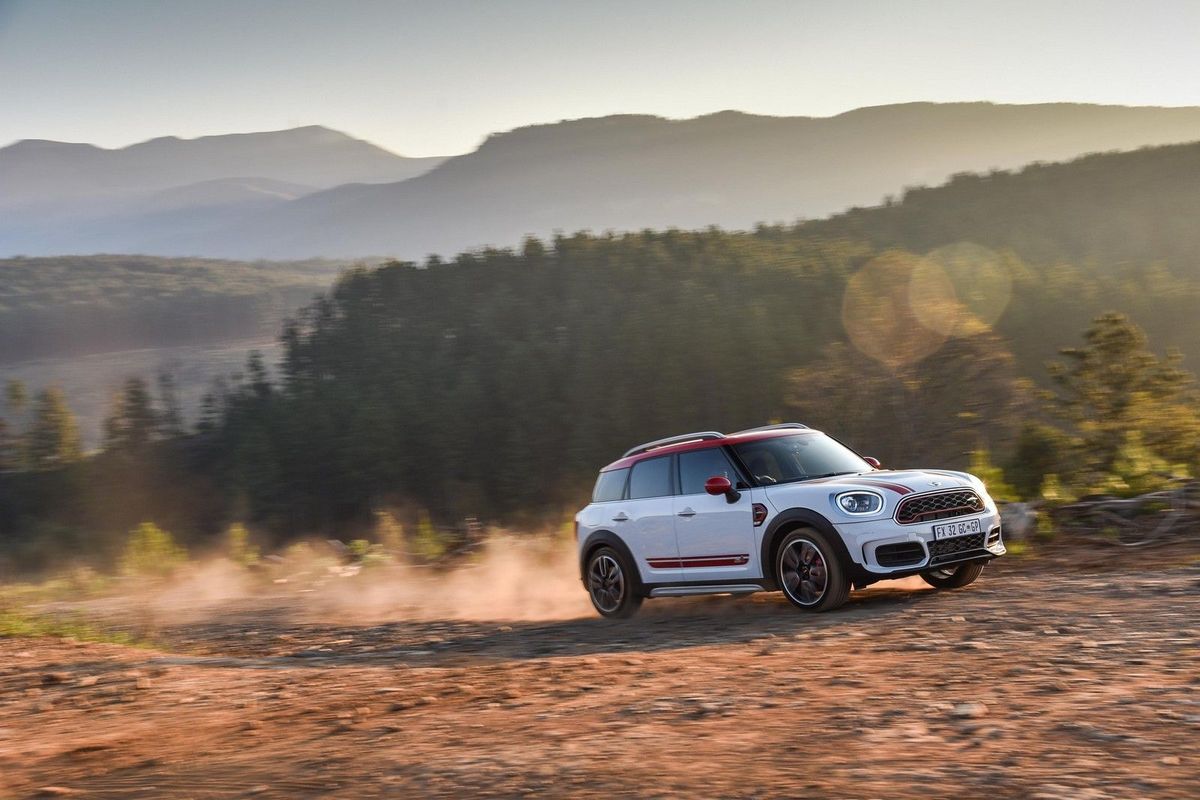
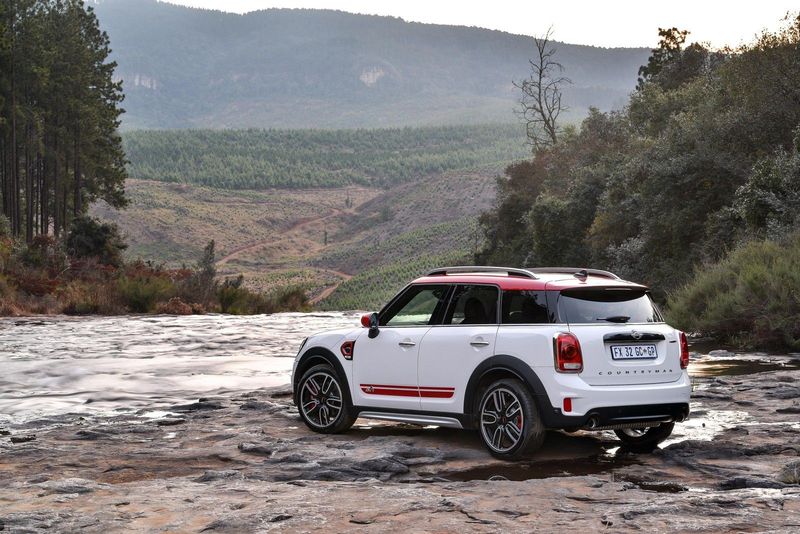
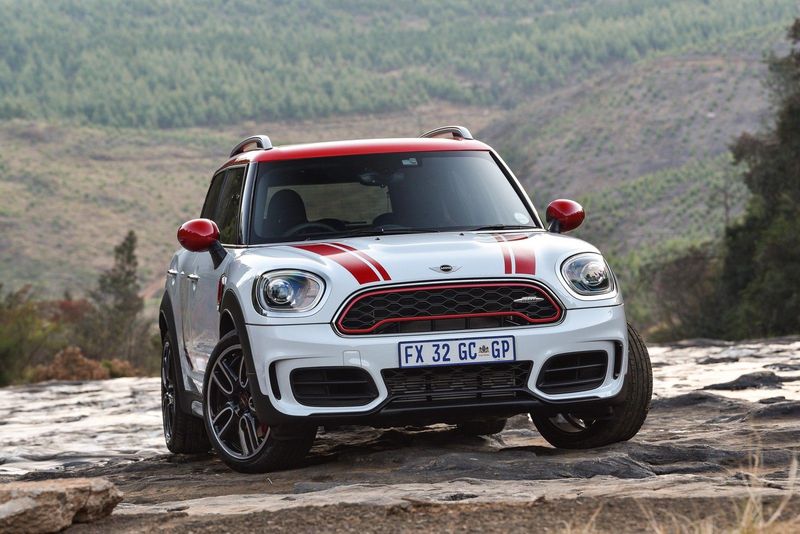
The JCW Countryman and Clubman now come with all-wheel-drive. 18-inch, 40 profile wheels on the Countryman can make life harsh.
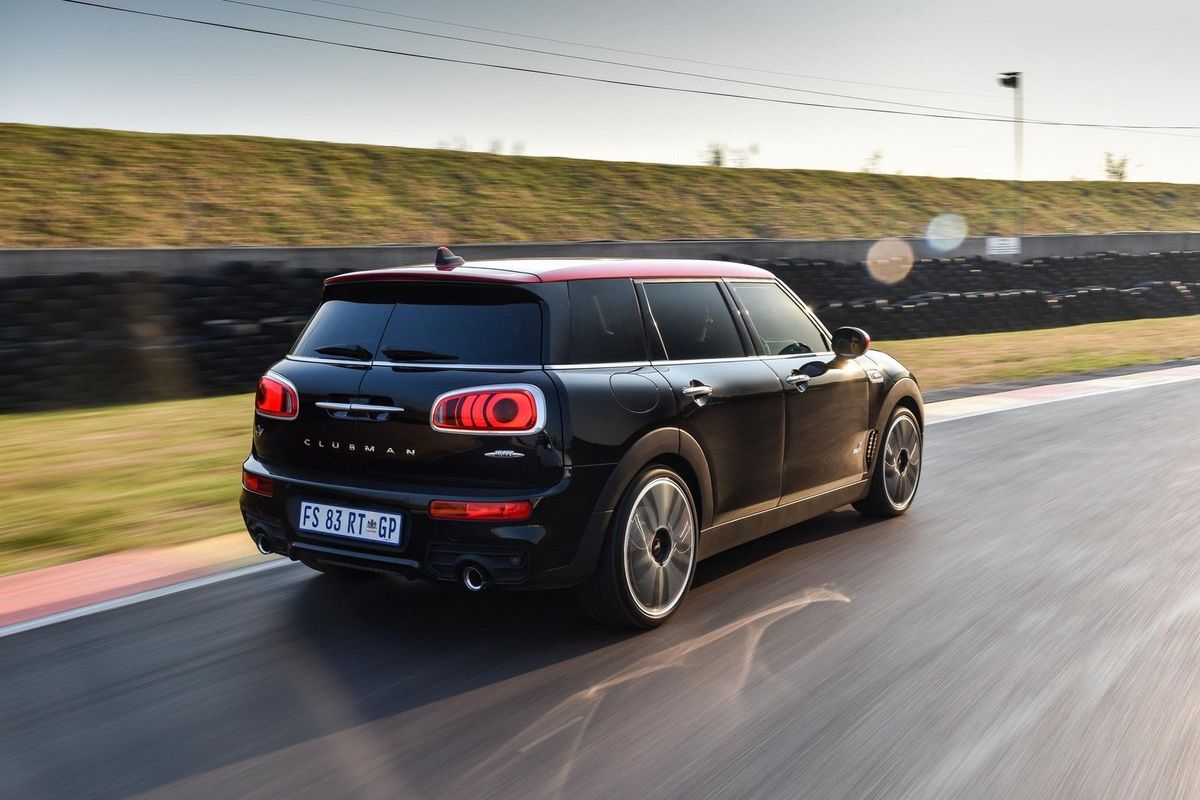
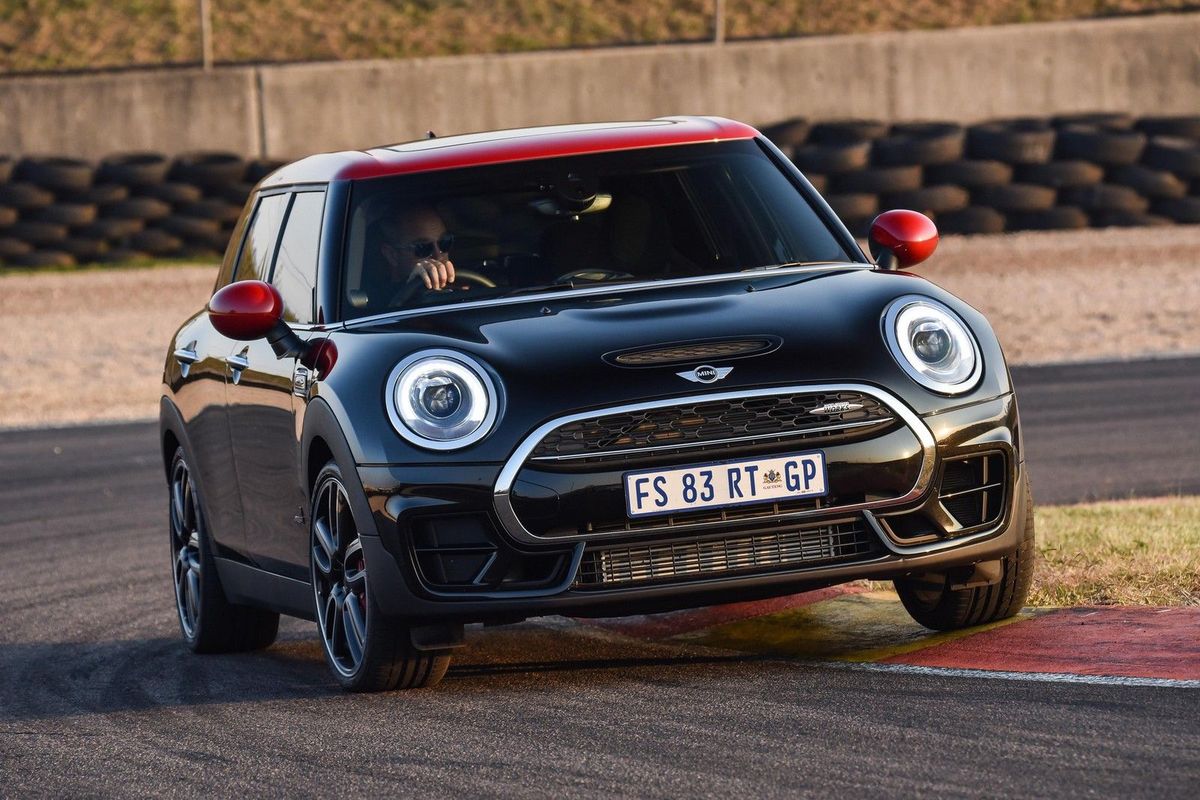
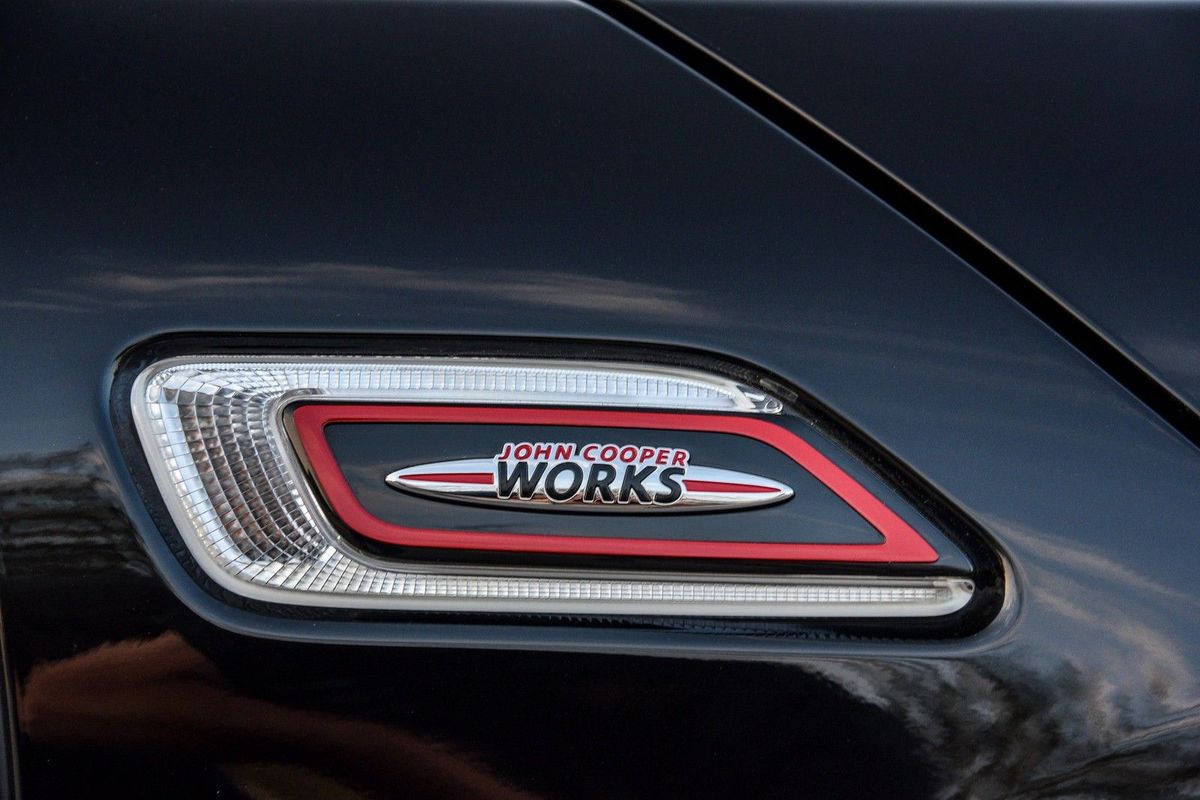
John Cooper Works (JCW) is the (now wholly owned) tuning arm of Mini that delivers its highest performance models to market. These two latest introductions join the Mini Hatch JCW to form a trifecta of performance Mini vehicles available. The Countryman JCW is a crossover with mild off-road ability, while the Clubman is a full-length hatchback with a reasonable luggage bay accessible by doors that open outward. JCW takes the Countryman S/Clubman S, then adds more power, tweaks the suspension and introduces a touch of flair to the exterior.
How does it go?
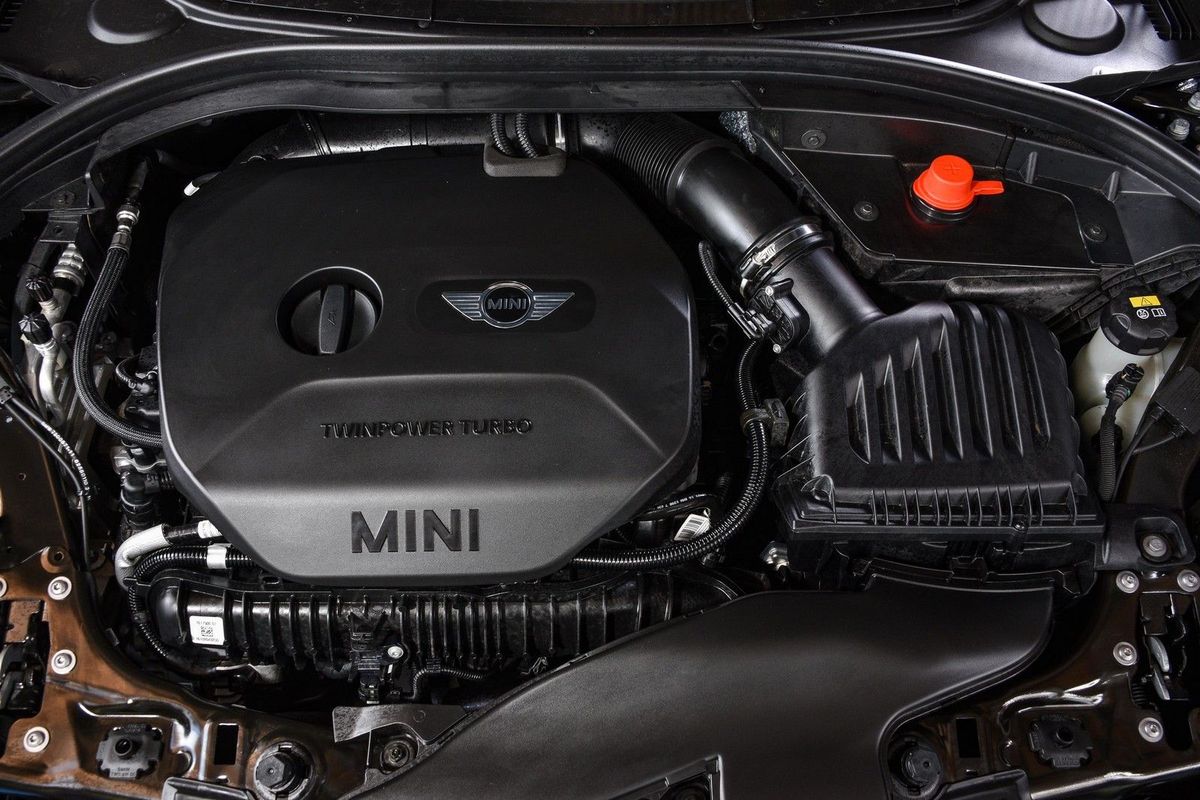
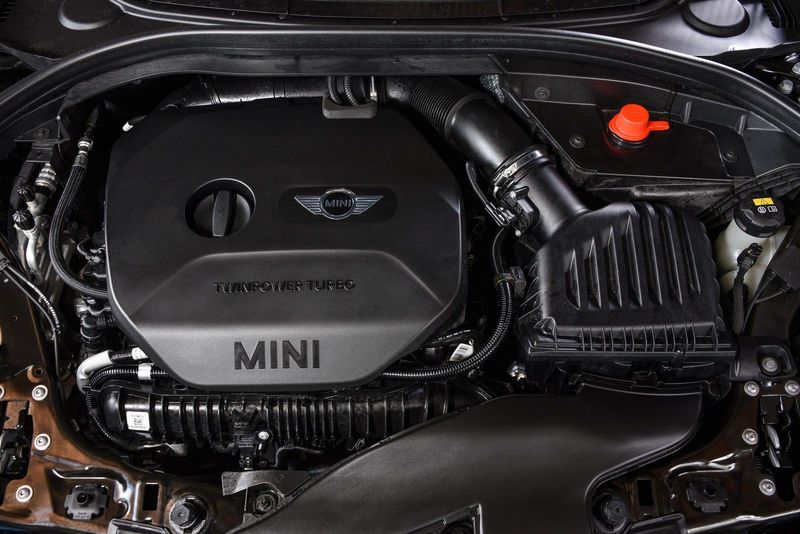
Both variants use the 2.0-litre, 4-cylinder turbopetrol engine with peak outputs of 170 kW and 350 Nm, some 29 kW up on the standard S. The motor is mated with a part-time all-wheel drive system and an 8-speed auto gearbox; the claimed 0-100 kph times for the derivatives are 6.3 seconds for the Clubman and 6.5 seconds for the Countryman. There is a six-speed manual option available in both cars if you wish to switch gears via a lever. In order to gain the extra power, the JCW versions have a bigger turbo, an enlarged air cooler and modified pistons.
The JCW engine gets a bigger turbo, reworked pistons and bigger air cooler.
The engine delivers excellent low down power and accelerates best at the lower end of the rev spectrum, it can feel like it’s running out of legs after 5 000 rpm, but the speedo needle will keep extending in spite of the somewhat strained engine note.
We only drove the 8-speed auto and if you want an auto, it’s a great transmission. Shifts up and down the ‘box are rapid and unlike many autos, doesn’t have to constantly hunt down the gears when you feed in the power on exit. On the overrun, there’s some scripted pops and bangs that keep you entertained when you’re not pinning the throttle pedal. Overall, the performance of the engine and gearbox is impressive.
Does it need all-wheel-drive?
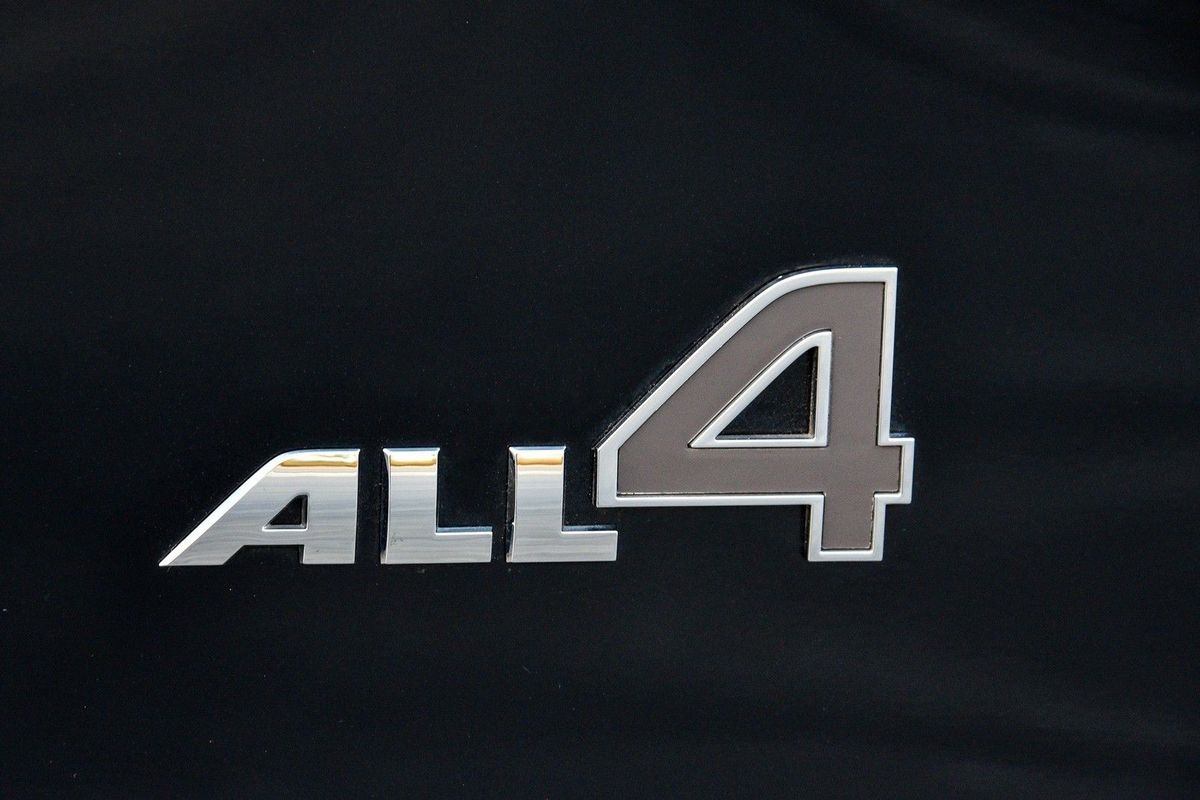
With our temperate climate, probably not, but then again, the All4 system in the Countryman and Clubman acts mostly as a front-wheel-drive car. Only when it detects slip from the front wheel or a loss of grip does it engage the rear wheels to aid traction and stability.
We drove in horrendously wet conditions from George to Knysna via Uniondale in the Countryman. Some 50 km of that was on a dirt road that had a shiny layer of water on it. The All4 system is useful on terrain like that, especially when the Mini's scrabbling for grip on slow climbs and tricky descents.
All4 only engages the rear wheels when extra traction is needed or in a dynamic situation if the computers deem it will improve handling.
On the 18-inch run-flat tyres, the Countryman’s ride is firm on dirt, it’s not as smooth as a pure SUV like an X3, but copes with washboard gravel and rocks. The cabin feels the shakes and prolonged periods are likely to introduce rattles. The Countryman’s ground clearance of 165 mm isn’t great for off-roading and for reference, a VW Tiguan is 201 mm. If you’re looking at a JCW variant, it’s unlikely that off-roading prowess is a major priority.
The steering is quite light, even when Sport mode is selected and it can feel quite vague when you’re on a dirt road and trying to feel the traction levels under you. Out on the tarmac, the lightness is less noticeable and the rubber grips much better providing more confidence in the front end.
And the Clubman?
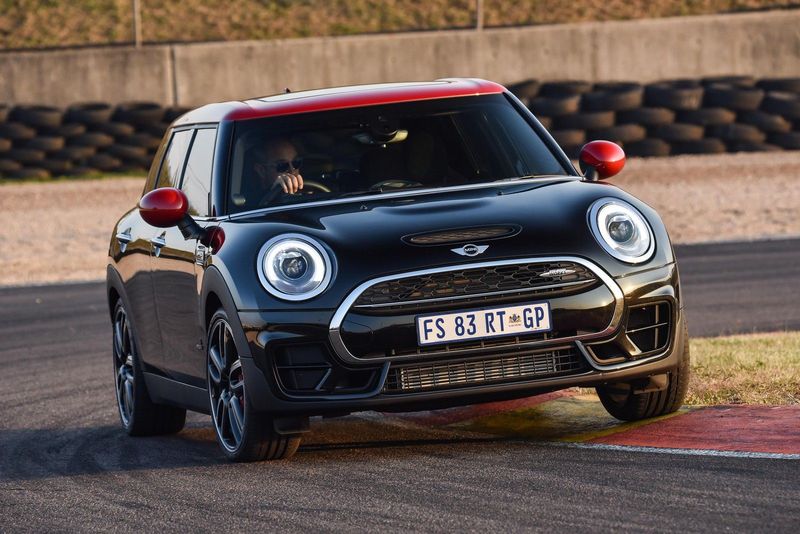
The Clubman JCW is lower – it sits at 141 mm off the ground. It feels more direct and agile on turn in and the steering heavier and feelsome. It’s altogether a different car that is aimed at driving enthusiasts rather than a compromised crossover like the Countryman.
The Clubman JCW has sportier handling characteristics like better-weighted steering and a lower centre of gravity.
The Clubman JCW is interesting in that it’s shaped like a wagon (the aft doors open like those of a panel van, which means reverse parking manoeuvres can be tricky) and it has a (relatively) long wheelbase. The wagon shape is cool, despite what the local sales charts seem to suggest, and the bay doors are refreshingly different. It’s comparable to something like a Golf GTI or a Mercedes A250, but in an unconventional package.
It was really fun to send the Clubman derivative up and over 4 mountain passes between George and Oudtshoorn; it offered up ample grip and feel on the way down Robinson Pass to Mossel Bay. It’s more driver-focused than a GTI – and certainly sportier than an A250 – and if you need a modicum of usable luggage space in your Mini, it offers a great alternative to the Mini Hatch.
Inside stuff
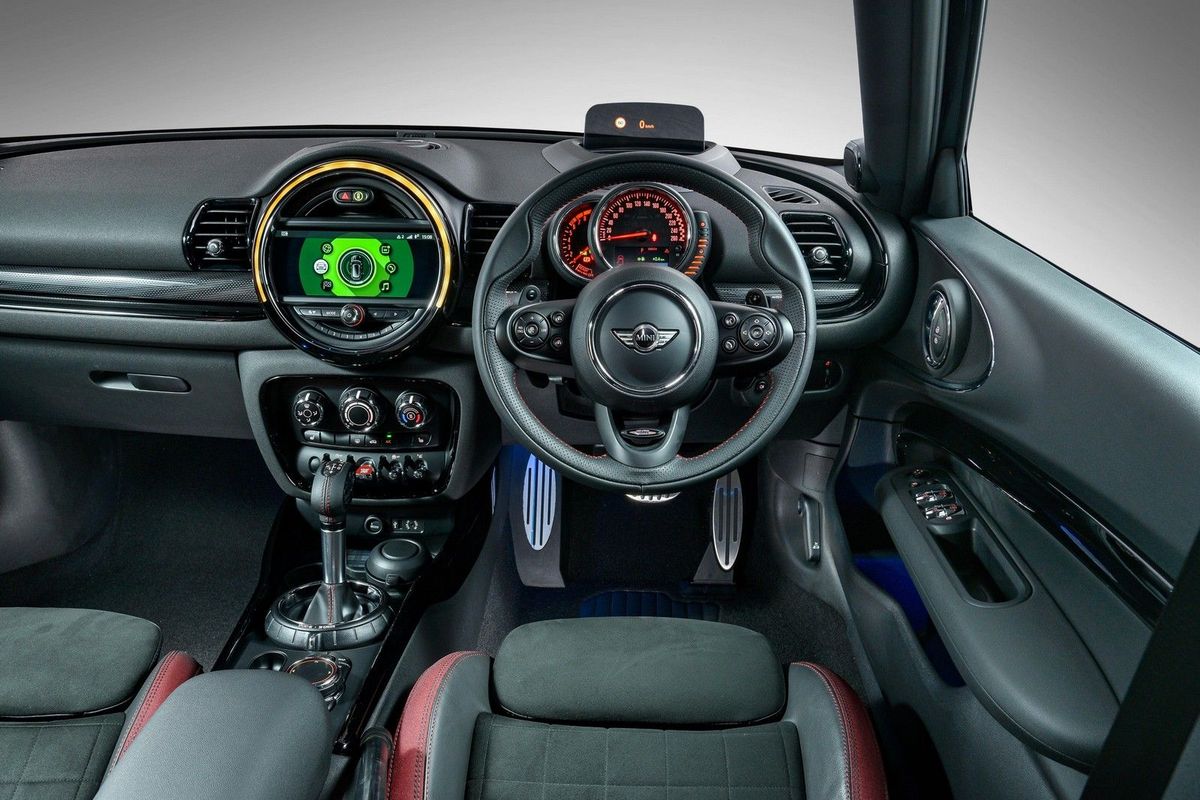
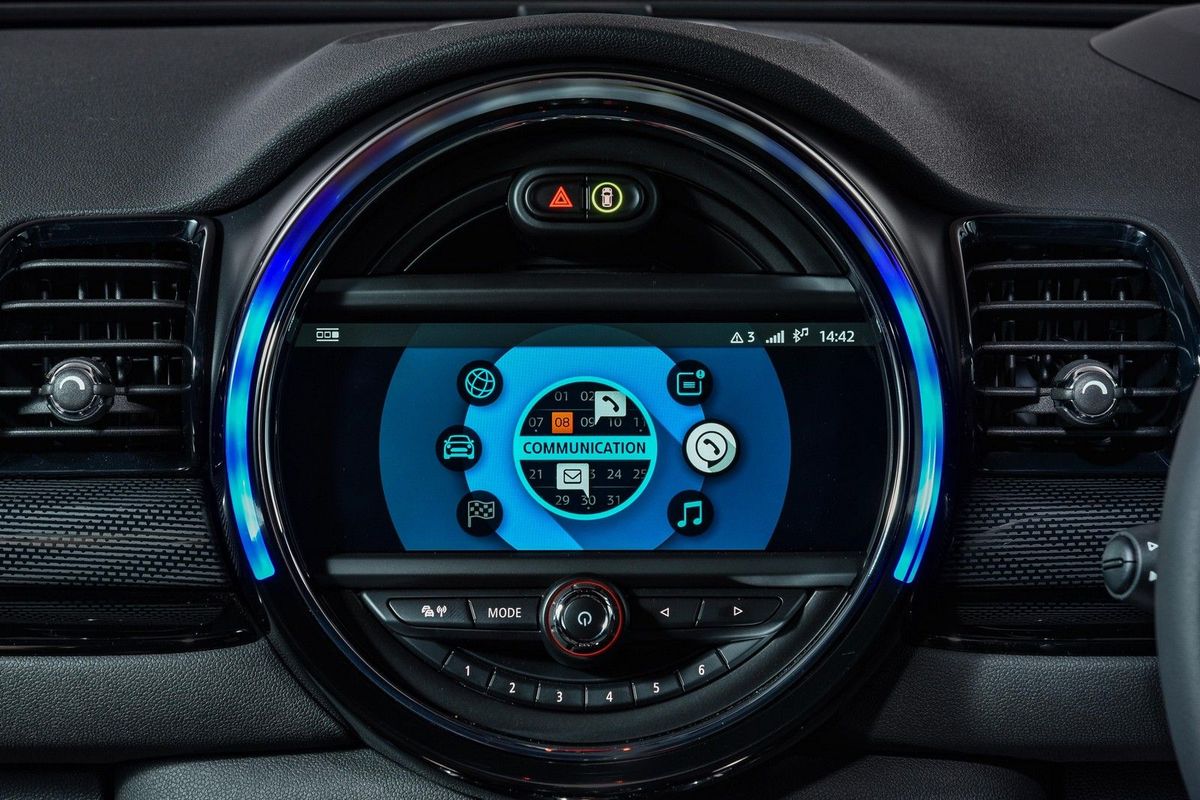
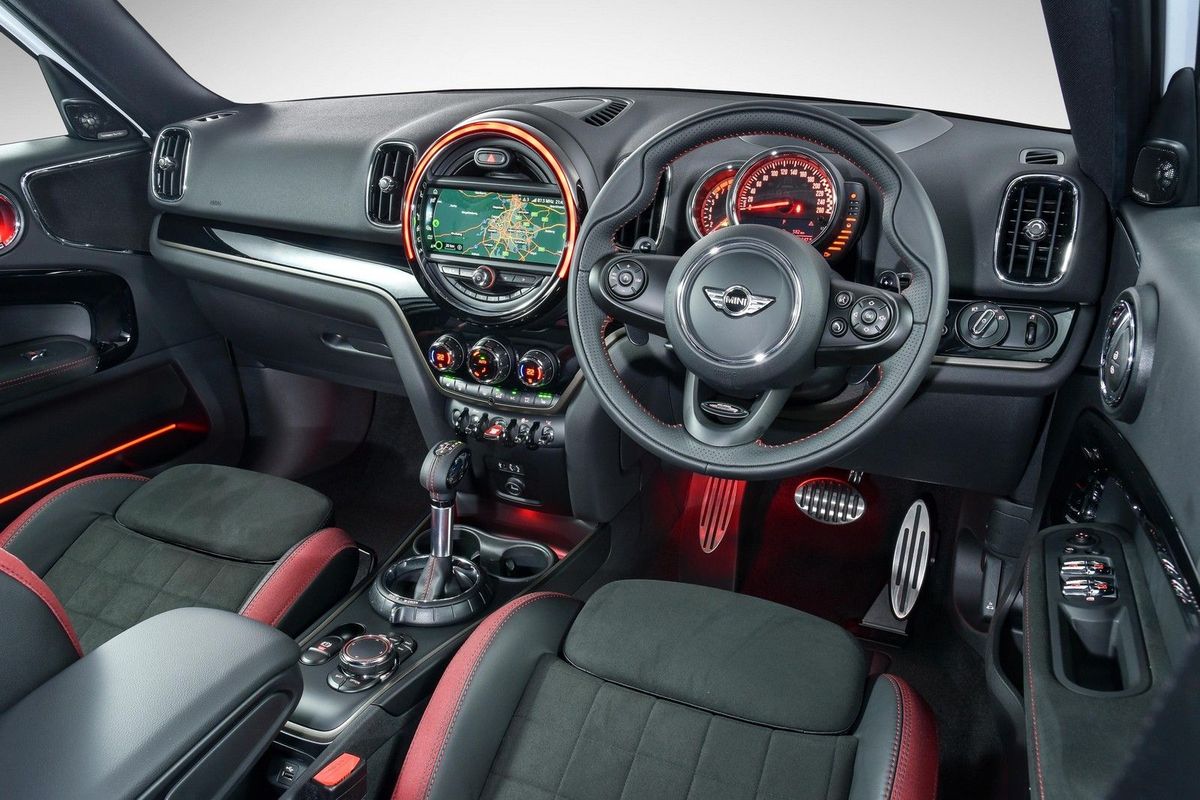
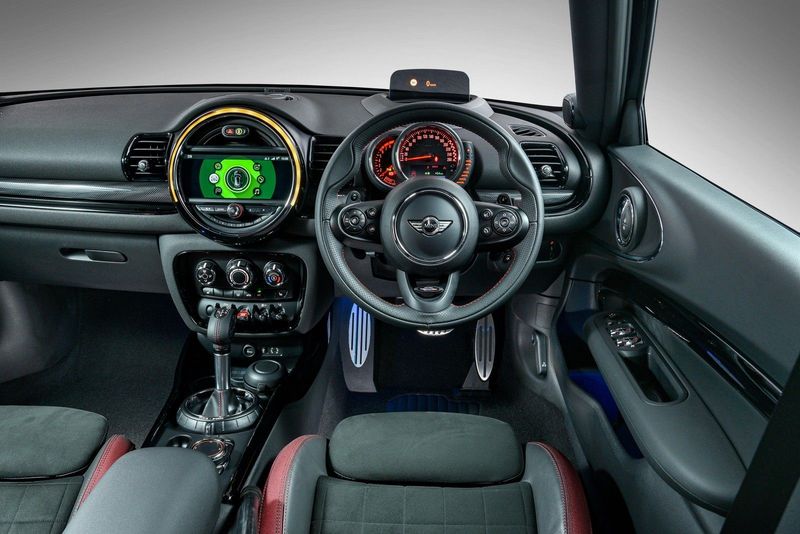
Clubman interior, like the whole Mini range, is very busy inside. Metallic pedals are a JCW addition.
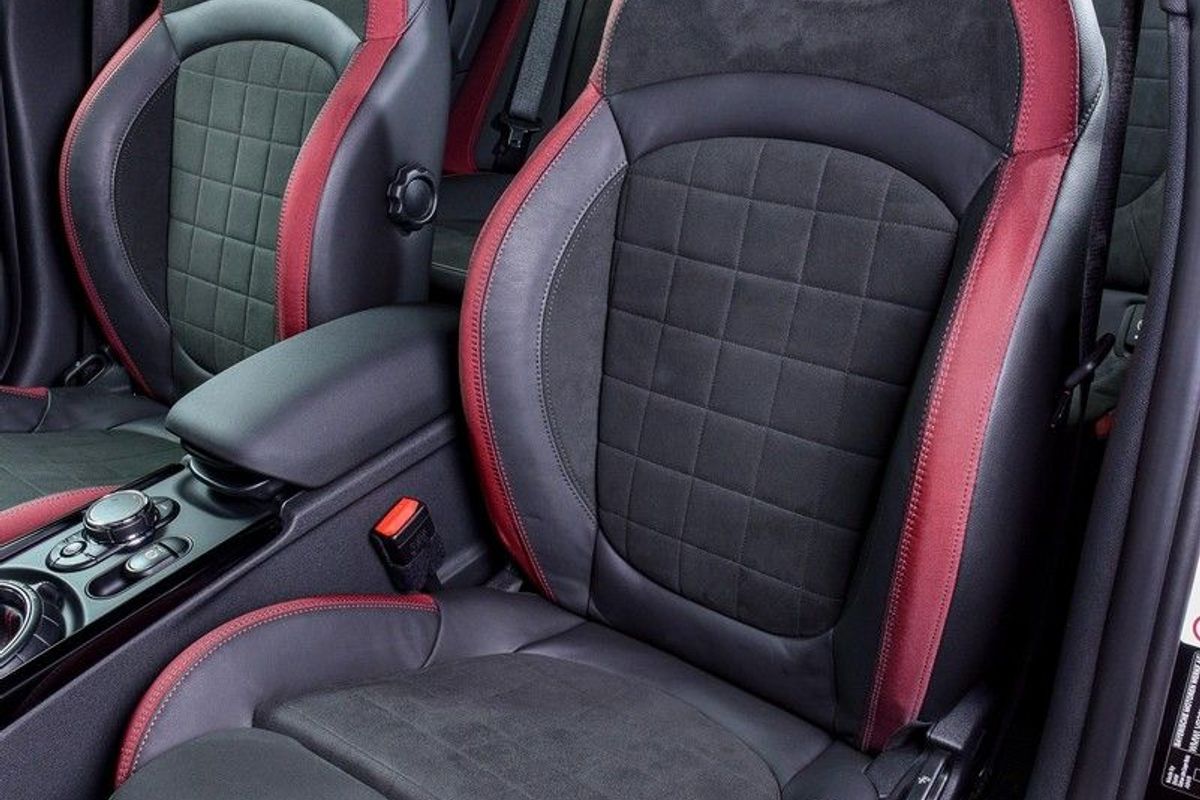
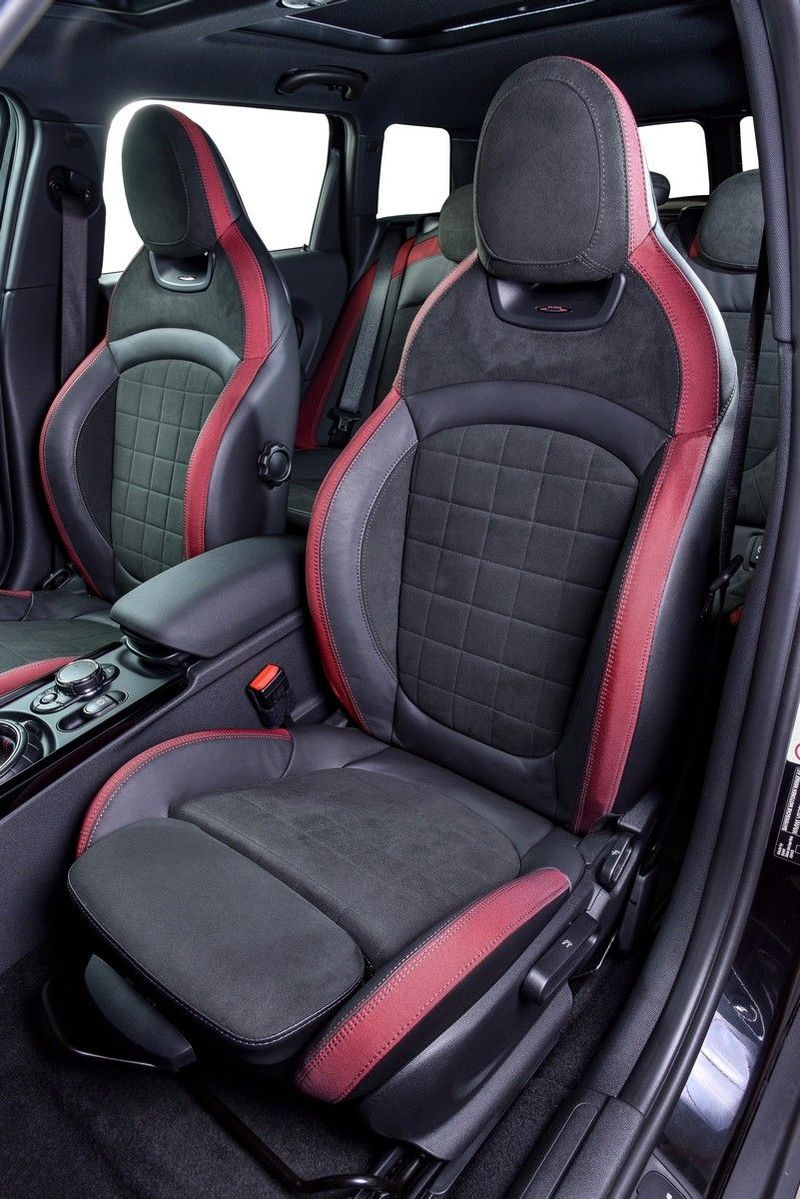
The JCW cabin doesn’t differ much from the S derivatives. You do get specific JCW seats, a special door sill and a JCW-branded steering wheel. The cabin remains typically busy with colourful lights that illuminate the cabin and the centre infotainment system. There’s also now a Mini Connected app that links your phone and car up so that you can send destinations from your phone to the car’s navigation (you can also see the fuel left in the tank, which is novel…). The JCW sports seats are firm and supportive, but, on the downside, are likely to get a little uncomfortable after a few hours of driving. The luggage bay on the Clubman remains the same at 360 litres and the Countryman’s Crossover's size enlarges the load area to 450-litres.
Sporty JCW seats are firm and supportive but not made for long journeys.
Final word
The Mini JCW range now totals 3 cars. We drove the Hatch version last year and it was a finalist for Fun Car of the Year category of the 2016/17 Cars.co.za Consumer Awards. Now with the Clubman JCW, the Oxford-based marque avails a more practical fun car that has a very distinct personality and design. The JCW upgrade endows it with really competitive power and acceleration figures that are a match for the competition. It’s a great alternative to the raft of 5-door premium hot hatchbacks out there and you’ll certainly stand out in a crowd of hum-drum VW GTIs.
The Countryman JCW is a little more difficult to place. It doesn’t really add anything to the Crossover’s abilities. The 18-inch wheels are likely to be a nightmare to keep scratch-free if you want to drive down dirt roads often. The Countryman JCW isn’t quite mad enough to make an audacious statement that the Mercedes-AMG GLA45 does and it’s not markedly more powerful than the standard S to make it a huge upgrade. The Countryman JCW feels like an added styling package to fit a sporty personal taste, but with a bit of extra performance to sweeten the deal.
Pricing
Mini sees itself as a premium brand with the likes of Audi, Merc and BMW so its pricing is in the same range as the competition from those brands.
Clubman John Cooper Works R558 612
Clubman John Cooper Works sports auto R584 516
Countryman John Cooper Works manual R610 726
Countryman John Cooper Works sports auto R636 792
All JCW Minis are sold with a 2yr/unlimited km warranty and a 5yr/100 000 km maintenance plan.
Update: Hyundai Santa Cruz Gets Production Green Light
Hyundai will enter the lucrative double-cab bakkie market as reports indicate that the Santa Cruz Concept bakkie has been given the green light for production.
It has been reported that the Hyundai Santa Cruz Concept bakkie has finally been given the thumbs up for production. Speaking to Reuters, Hyundai Motor America's vice president of corporate and product planning, Michael J. O’Brien confirmed that executives have given the green light to produce a production version of the Santa Cruz Concept.
An arrival date has not been confirmed as of yet but 2019 seems likely and the U.S. will be a key market. The new model has not yet been confirmed for the South African market, but if you consider Hyundai's success in South Africa and the high demand for leisure double-cab bakkies, we think the Santa Cruz would fit right in.
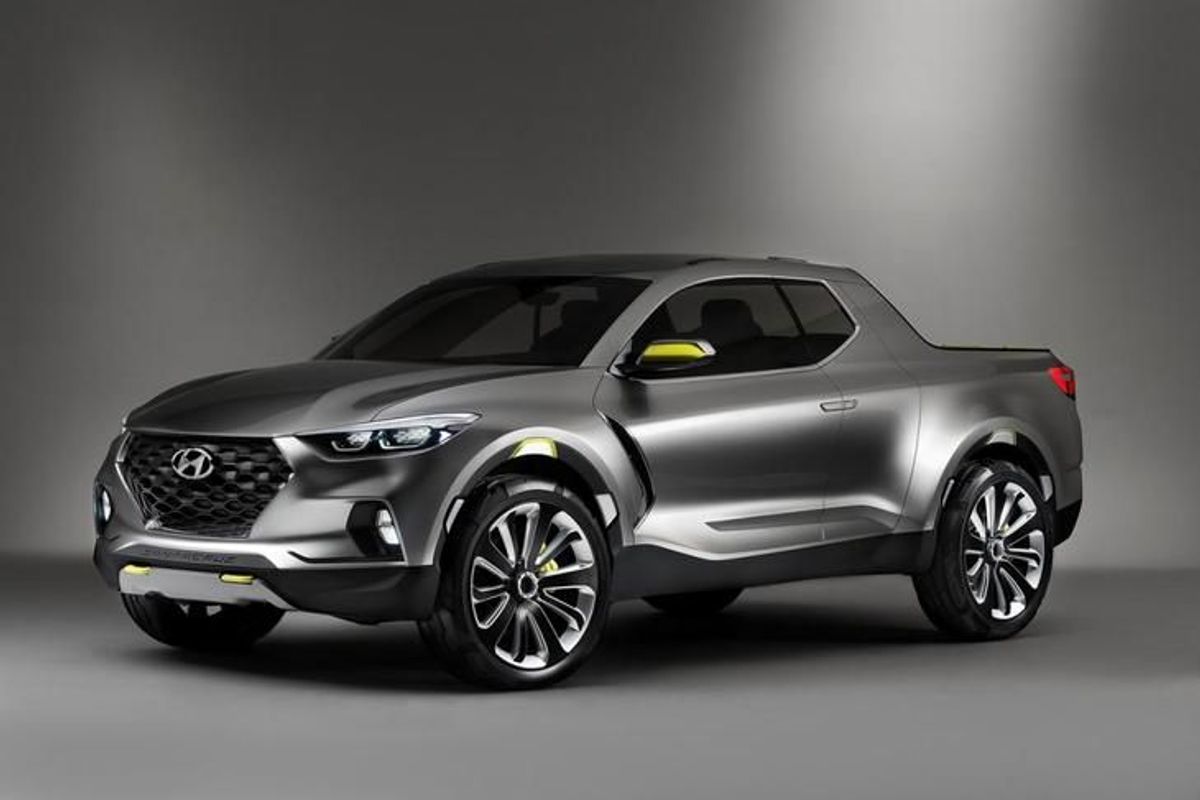
Hyundai Santa Cruz is a stylish bakkie
The Santa Cruz is said to be for the ‘urban adventurer’ who is in need of versatile yet stylish transportation. The Santa Cruz certainly looks stylish with its big front hexagonal grille and strong front-on features. The LED headlights have also been shaped to add a menacing appearance. There are also rear doors although you wouldn’t say so from the images here, Hyundai says the Santa Cruz has convenient rear-hinged rear doors which integrate seamlessly with the front door design. The oversized wheels add to the stance and are complete with centre-locking hubs. The Santa Cruz bakkie is an all-wheel drive machine, featuring Hyundai’s HTRAC system for distributing power to the wheels that need traction.
Engine power in this Santa Cruz concept comes courtesy of a 2.0-litre turbodiesel with 142 kW and 406 Nm so there’s plenty of shove and go available. It even promises to return 7.8L/100km. This is one of the best bakkie concepts we’ve seen in a long time and something like this would really suit our lifestyle oriented market. Go on Hyundai, build it so it looks exactly like this and then bring it to SA!
Rumours are rife suggesting that German car maker Volkswagen is building a flagship Tiguan R derivative, powered by the same 2.5-litre 5 cylinder engine found in the Audi RS3. Watch the video below and tell us what you think…
Currently, Volkswagen SA offers an assortment of Tiguan models in its portfolio, ranging from a lowly 1.4 TSI manual front-wheel drive going all the way up to a 2.0-litre GTI-engine all-wheel drive model. There's something for everyone, or so we thought. The video below suggests that the Wolfsburg-based firm is planning an even faster performance Tiguan. Spotted undergoing testing on the Nurburgring was what appeared to be a standard Volkswagen Tiguan, but the big oval exhausts and the accompanying soundtrack suggest something else.
Those who can recognise engine sounds will easily pick up the distinct five-cylinder note which leads many to believe that the engine from an Audi RS3/TT-RS has been transplanted into the family SUV. Currently those Audi products boast outputs of 294 kW and 480 Nm, but in reality, the engine will be detuned to avoid stepping on any toes. We'll keep you posted and let you know if the Volkswagen Tiguan R becomes a reality, or if this is actually the next-generation Audi RS Q3.
The new Nissan Leaf is due to be revealed in the first week of September 2017 and ahead of its revealing, Nissan has teased us with an image and some of its technology
The Nissan Leaf is the brand's electric car and while it hasn't really been a popular purchase in South Africa due to lack of infrastructure, plenty have been sold in the rest of the world. The new Nissan Leaf is going to be released in Japan on the 6th September and we'll be there. It'll feature advanced safety tech and boast semi-autonomous driving capability. Nissan claims this new Leaf will "amaze your senses and raise the bar for the electric car market." Technology like ProPilot Park will be initially available only in Japan and Europe but should be gradually rolled out to the rest of the world. This tech allows the Leaf to go and park itself with very little input from the driver.
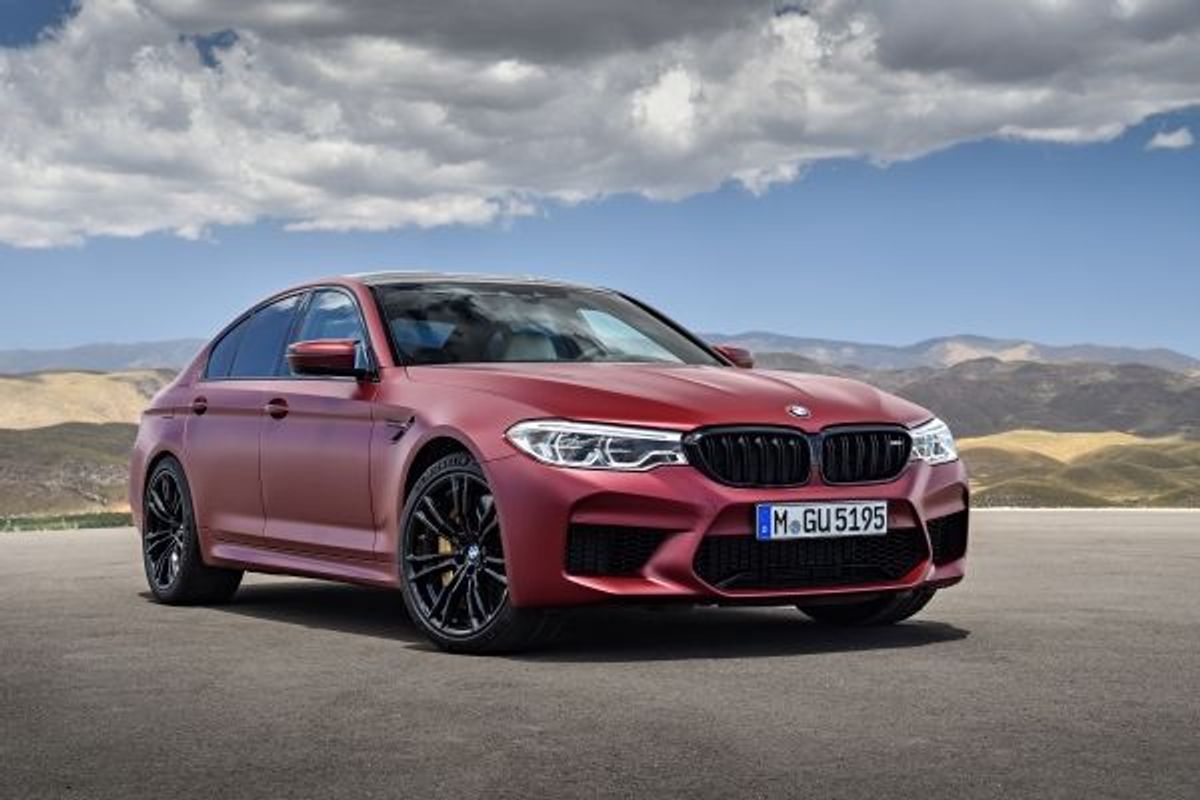
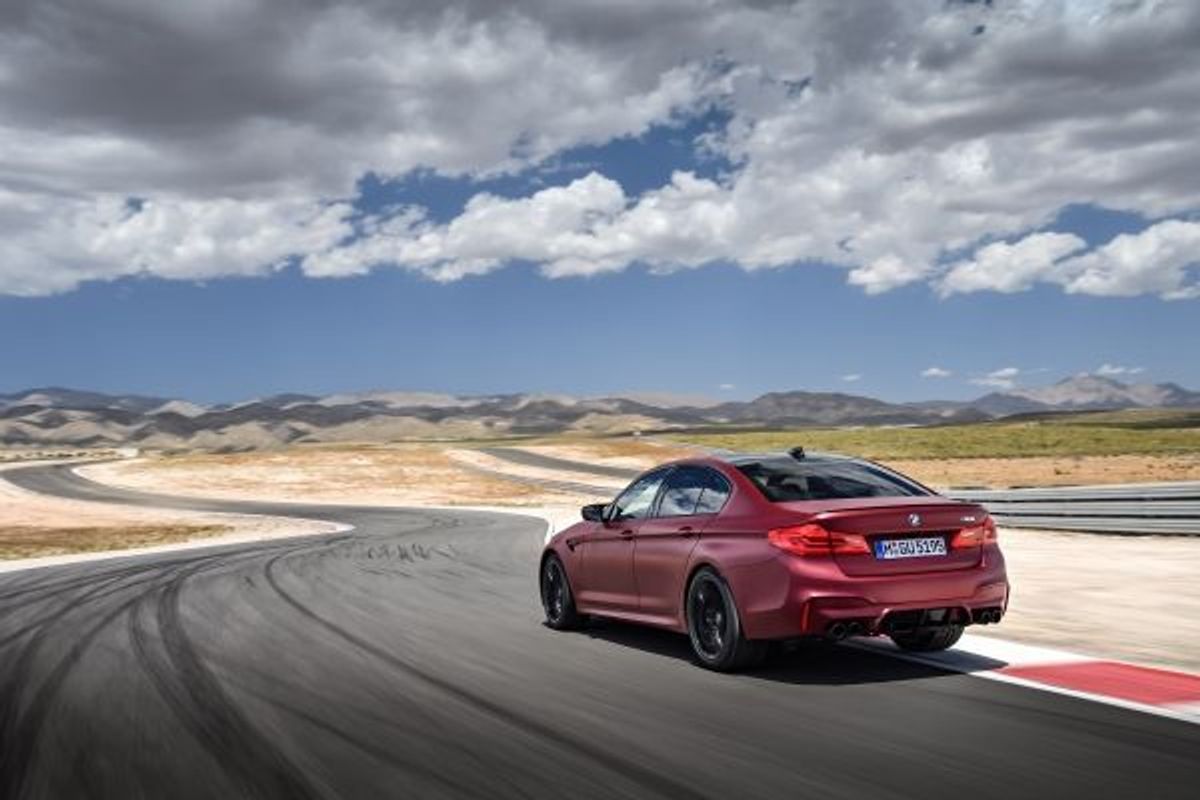
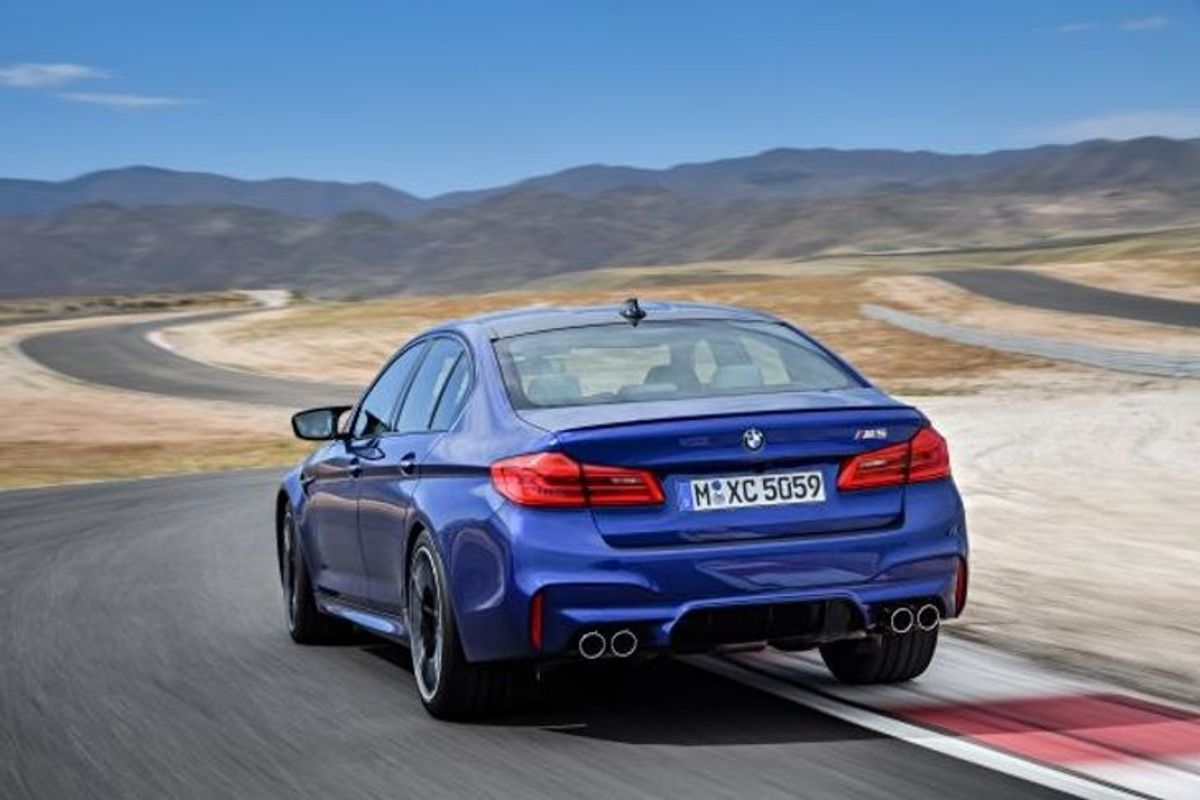
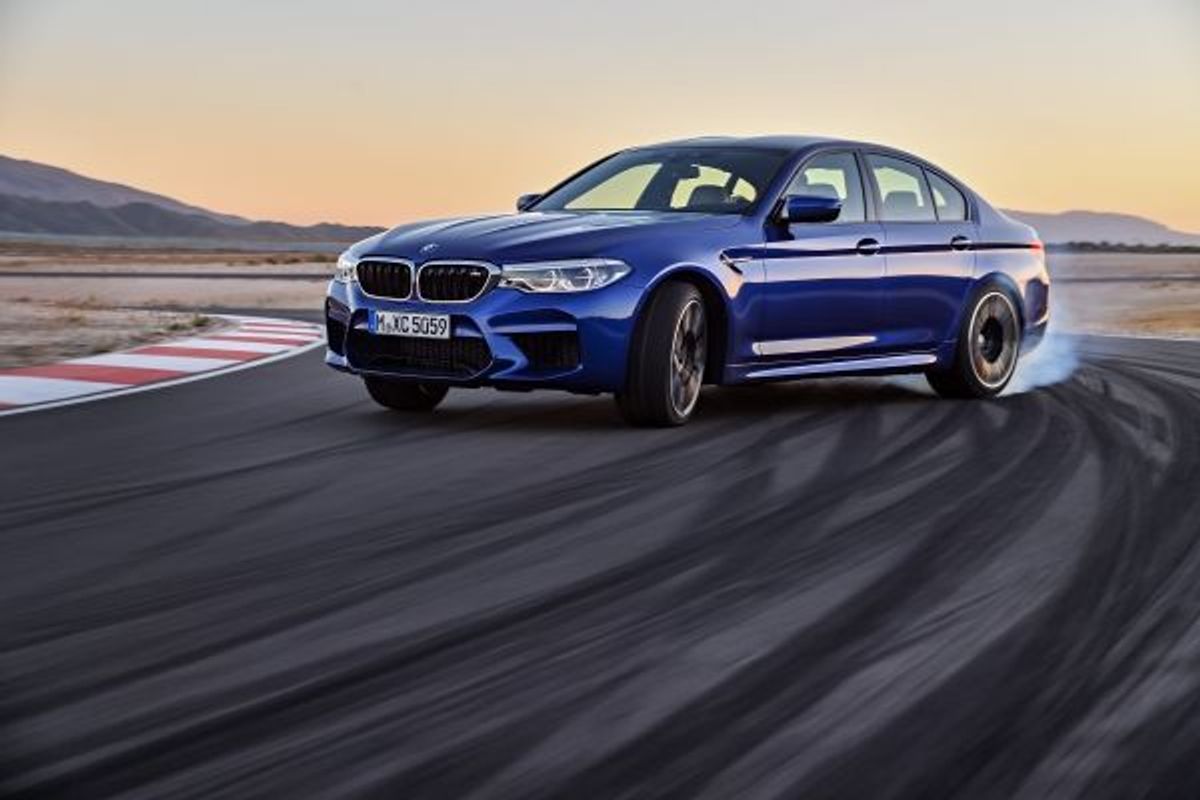
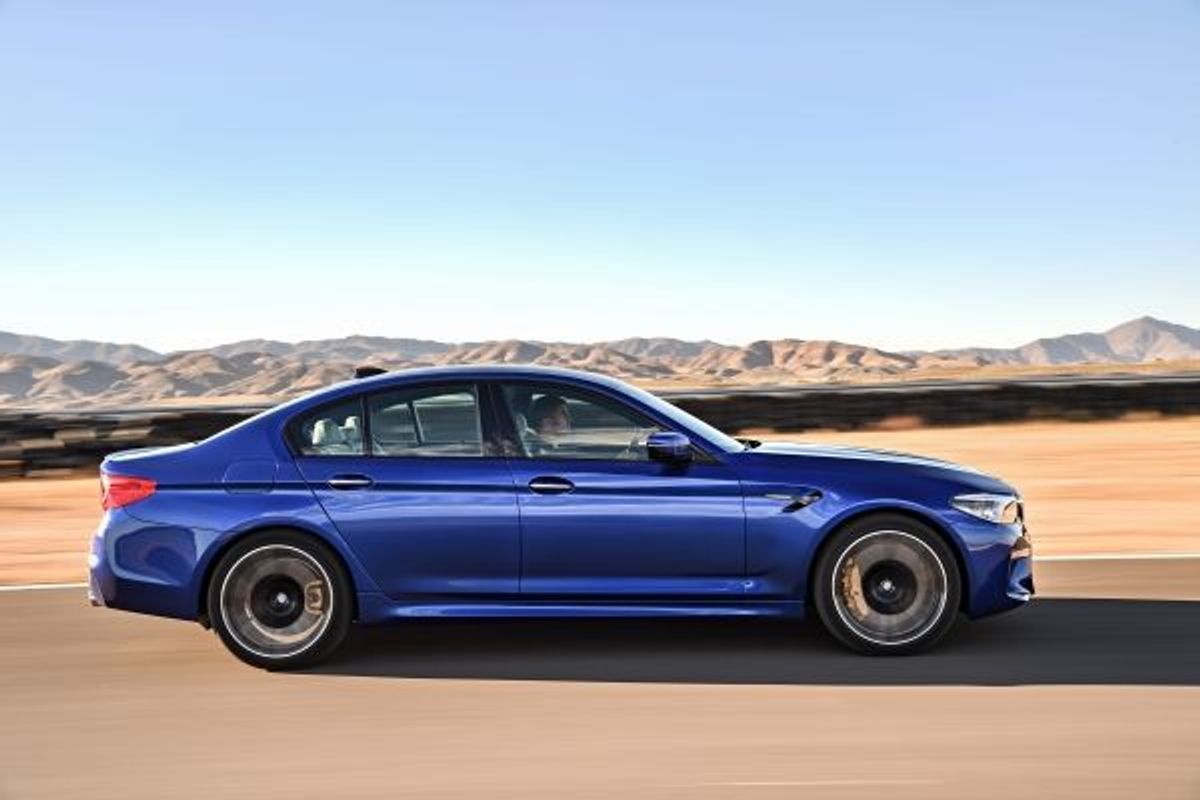
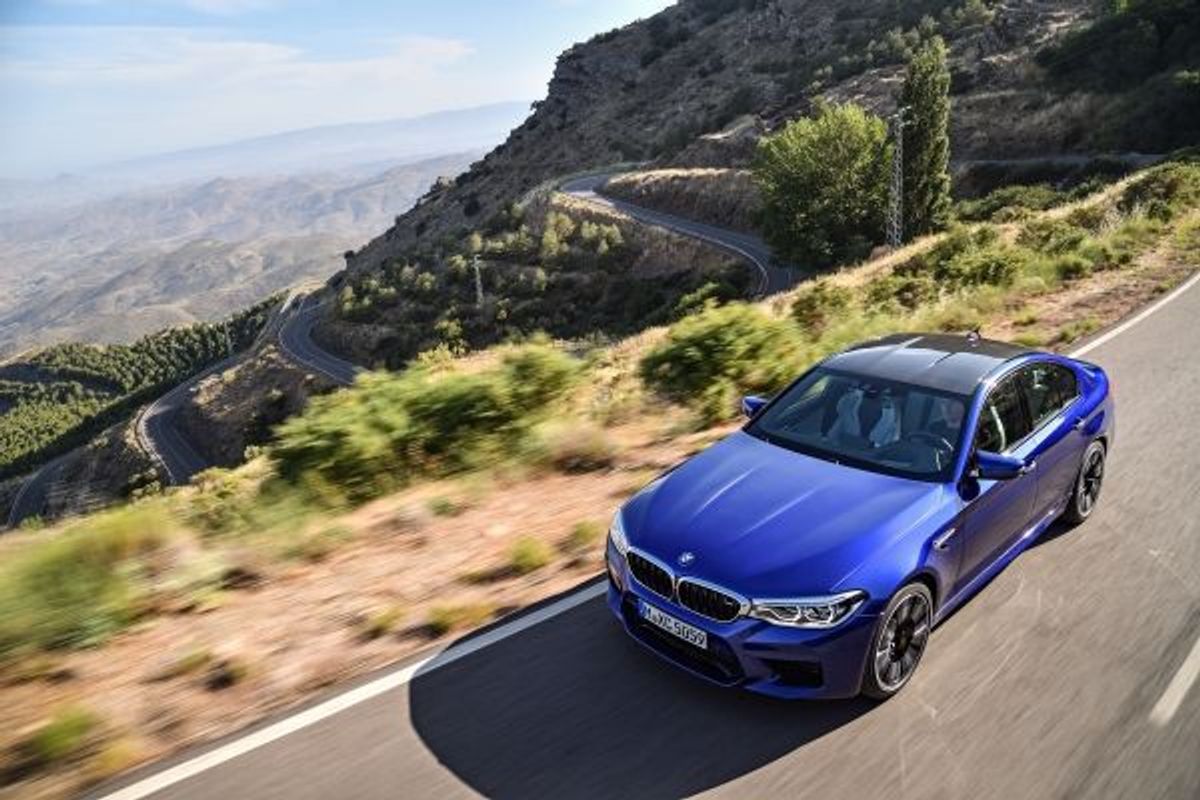
BMW has officially revealed details of the all-new M5!
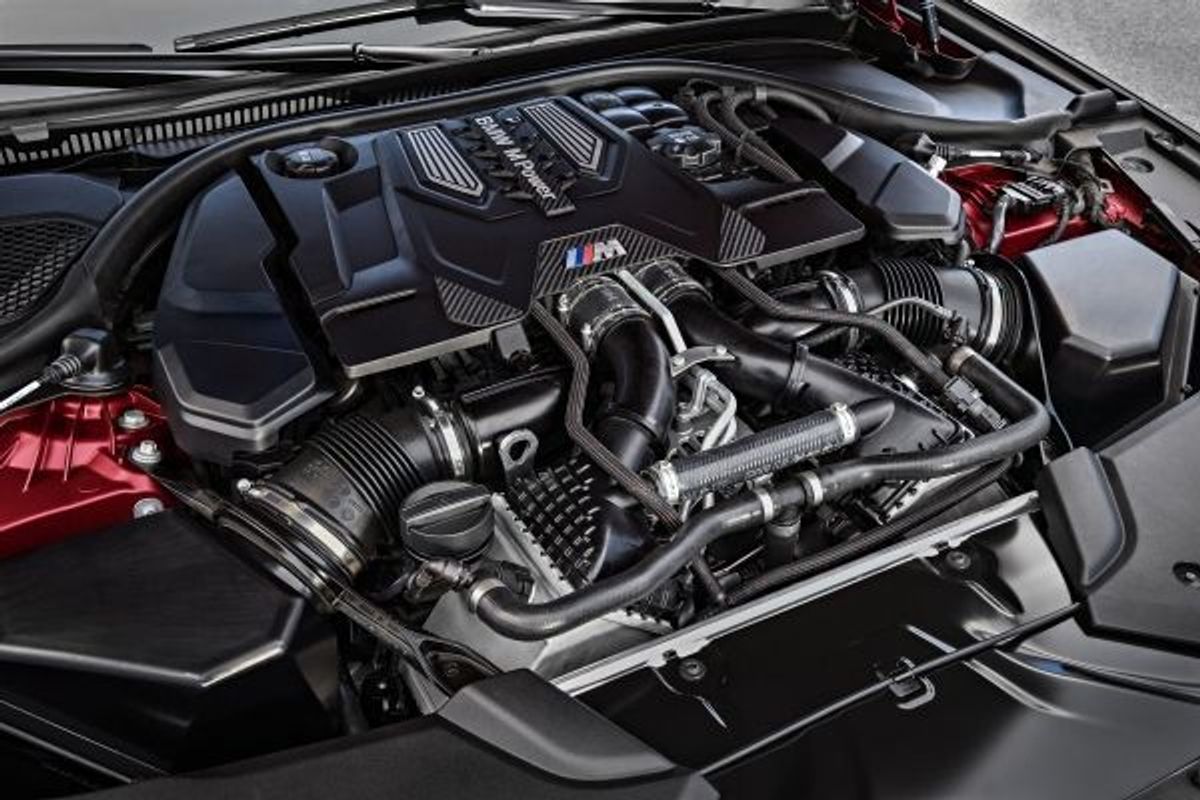
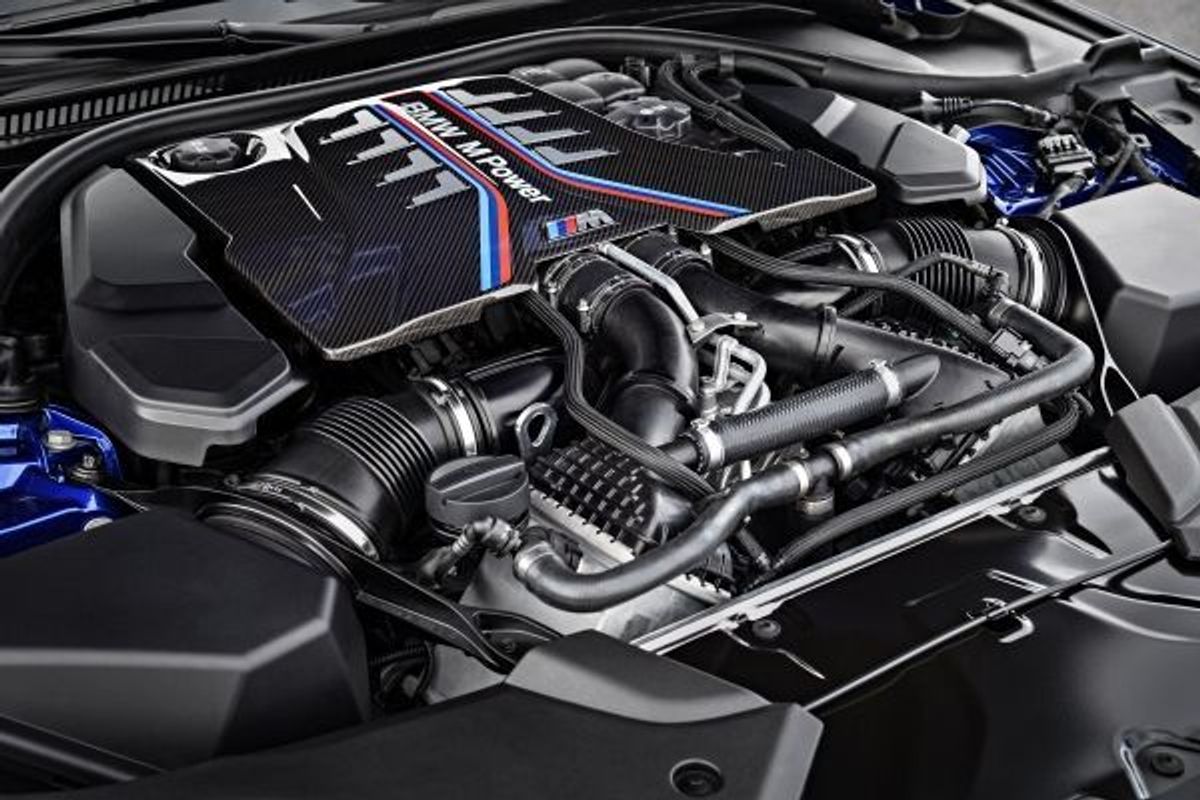
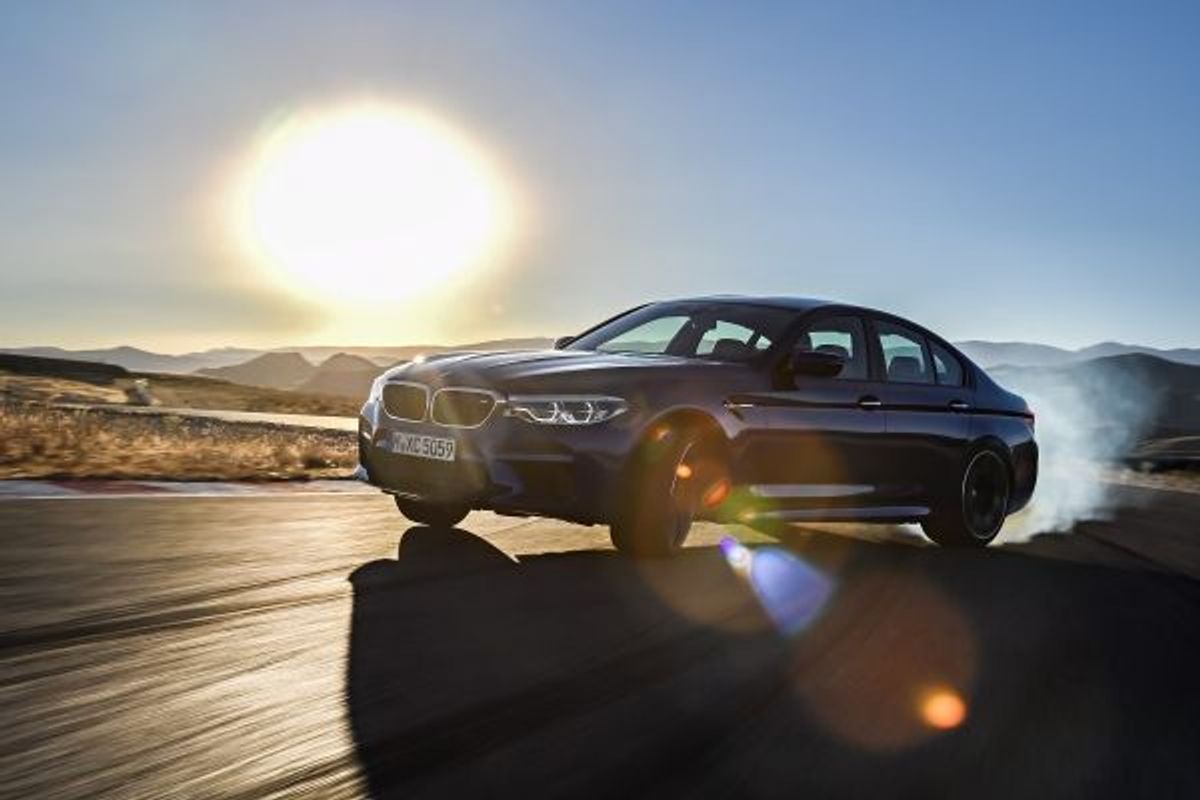
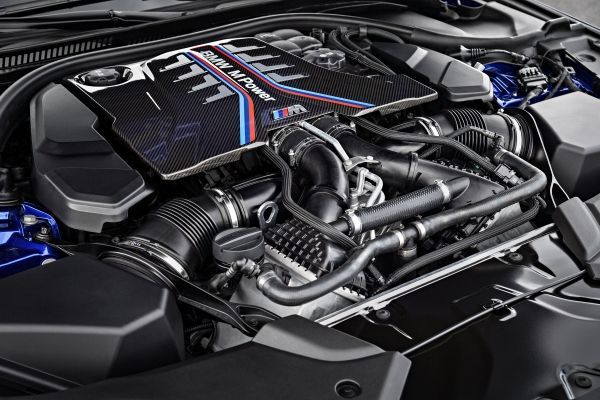
Official details of BMW's new M5 super sedan have been revealed. A revised twin-turbocharged 4.4-litre V8 engine is found under the hood and develops a hearty 441 kW and 750 Nm of torque. This latest iteration, for the first time ever, features M xDrive all-wheel drive, a radical departure from the famed rear-wheel drive M5's of the past.
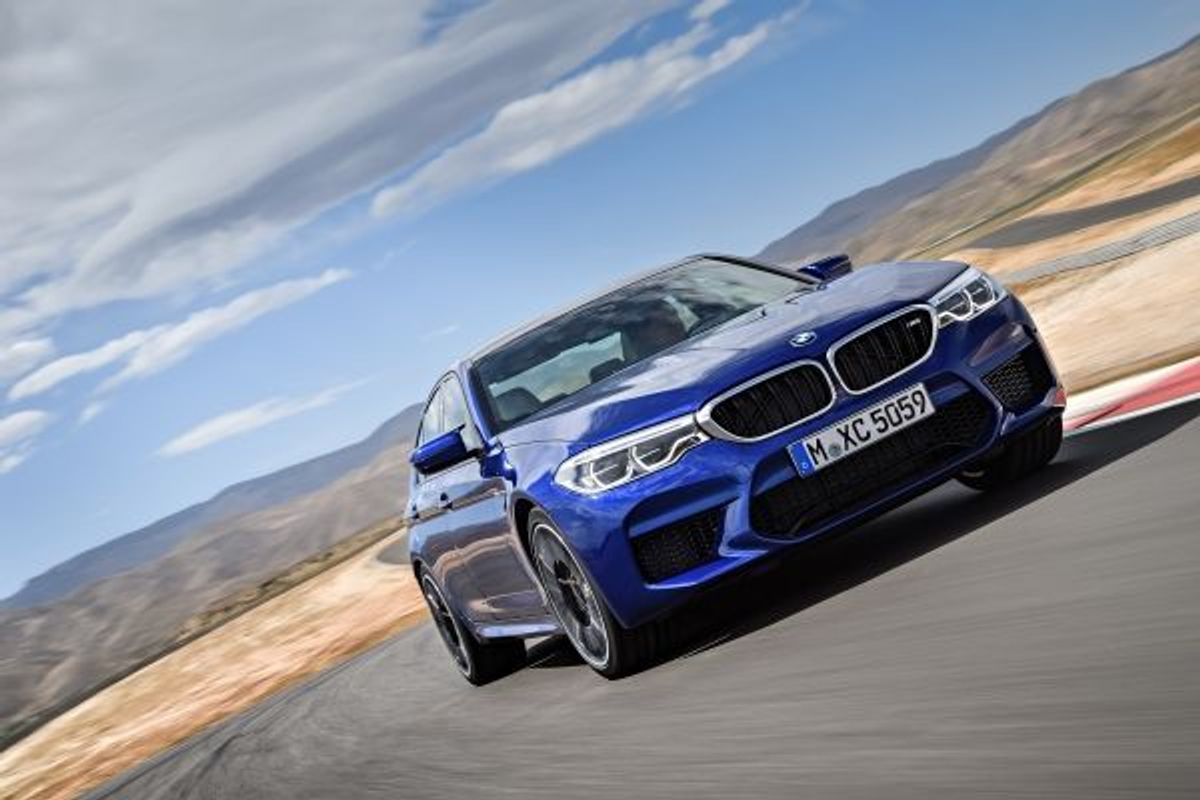
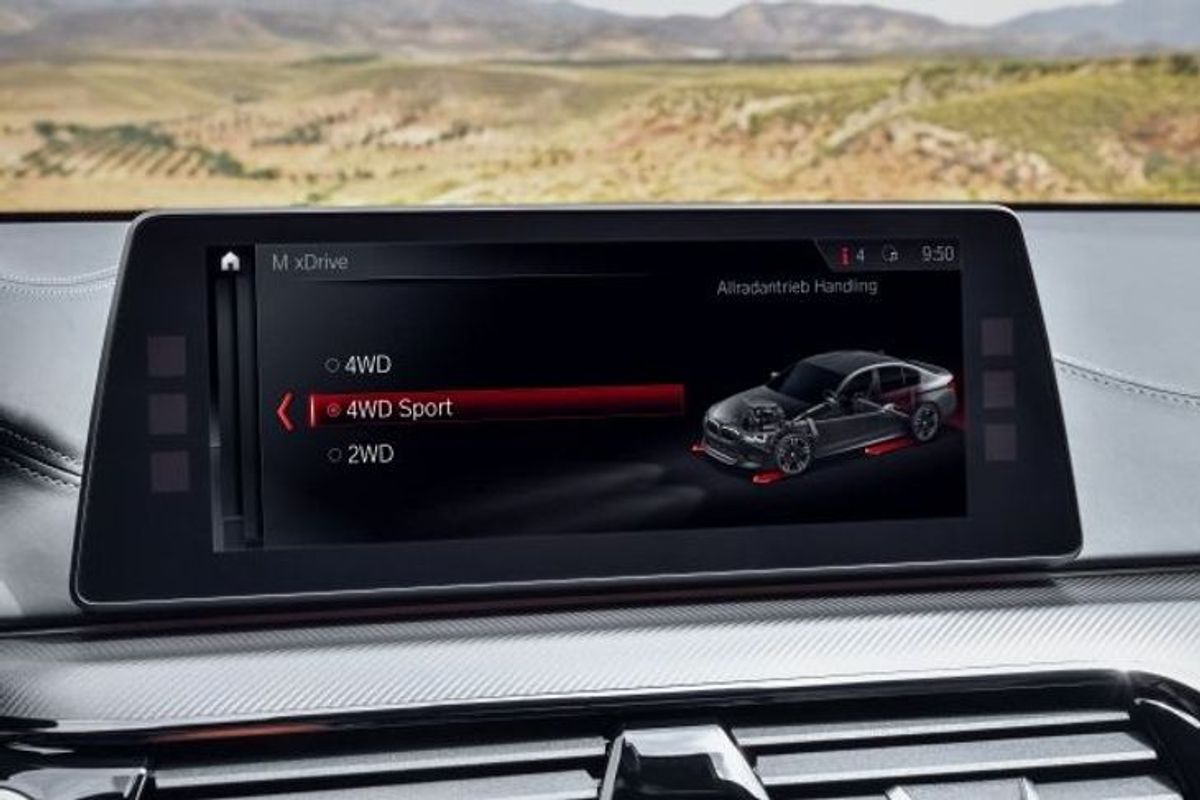
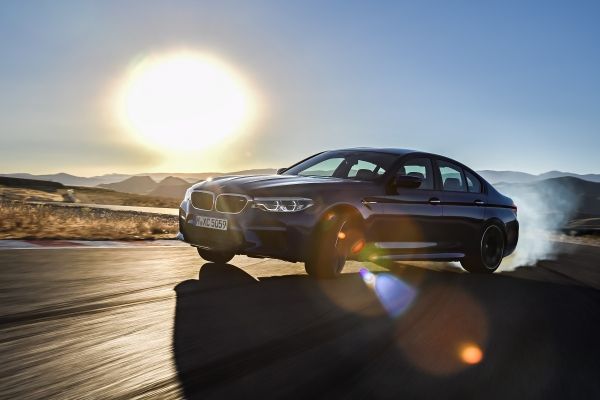
The new BMW M5 is equipped with M xDrive all-wheel drive, but rear-wheel drive fun can still be had.
With launch control dialed up and using a specially tuned 8-speed M Steptronic transmission (with Drivelogic), BMW is claiming a 0-100 kph sprint time of 3.4 seconds. Top speed is electronically limited to 250 kph but can be increased to 305 kph with the optional M Driver's Package. When it comes to market in 2018, the M5 will go up against the Audi RS6 and Mercedes-AMG E63 S.
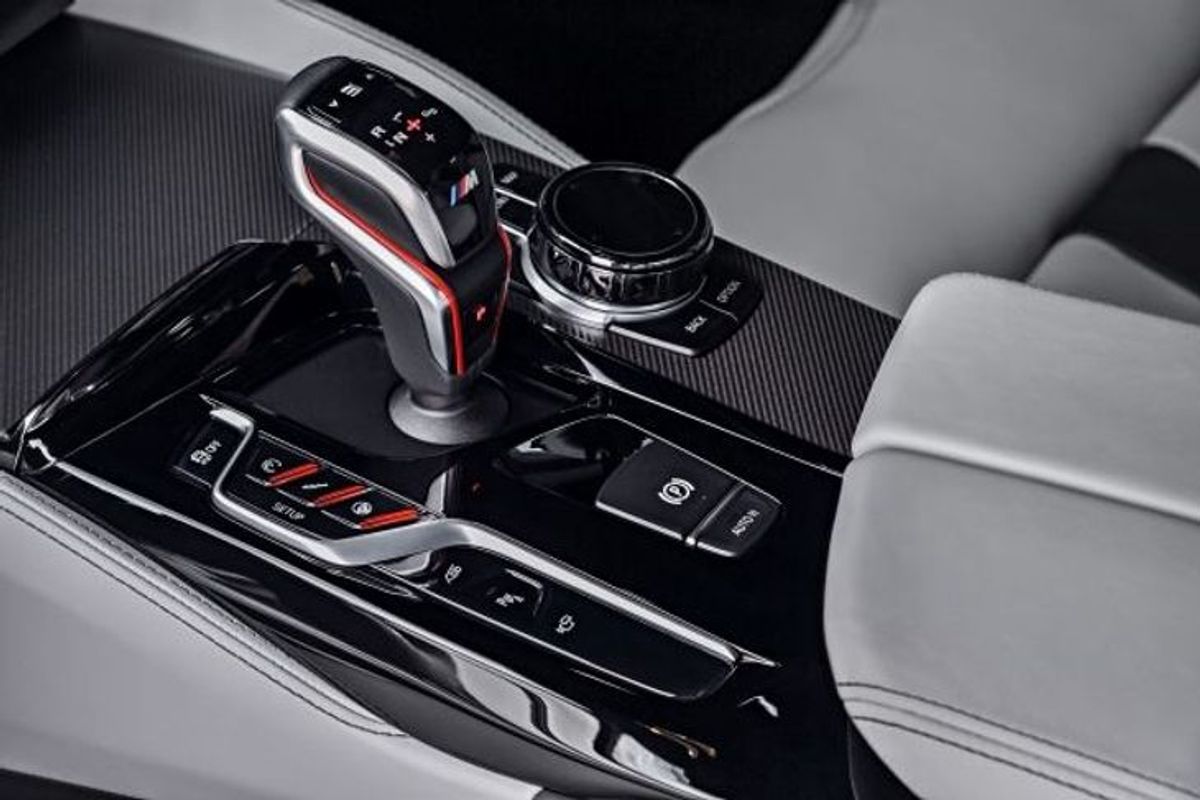
You can select between different driving modes that can switch the M5 from all-wheel drive to rear-wheel drive configuration. The combinations of the dynamic stability control modes are: DSC on, MDM, DSC off… and the M xDrive modes are 4WD, 4WD Sport and 2WD.
The M5's revised 4.4-litre twin turbo V8 engine offers 441 kW and 750 Nm of torque.
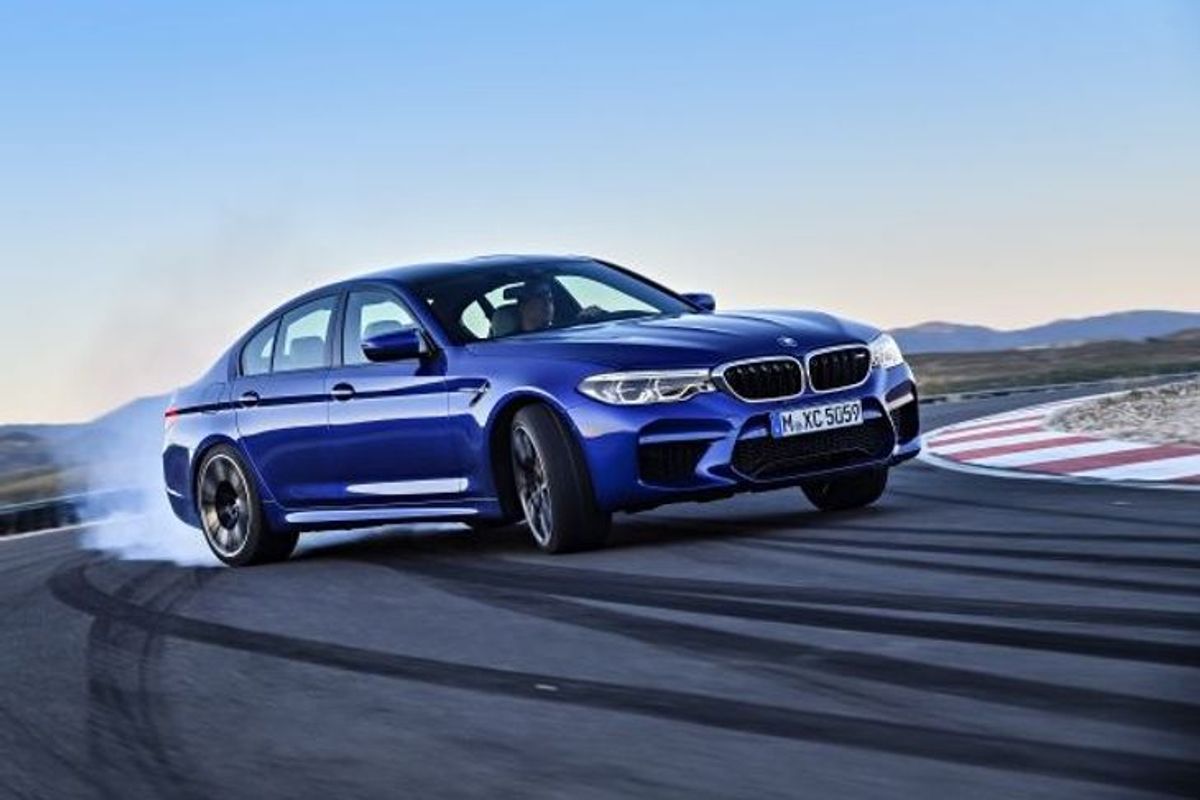
Much like the in the M5-rivalling Mercedes-AMG E63, depending on how you feel like driving, you can select which end(s) you want the power to be sent. All-wheel-drive will allow for more linear acceleration and surefooted handling, whereas rear-wheel-drive will be for driving enthusiasts who enjoy managing oversteer… or those who would like to "lay down some rubber"/generate excessive (read: expensive) tyre smoke.
The driver is also able to choose between Comfort, Sport and Sport Plus for the Variable Damper Control (VDC) system and M Servotronic steering while the engine's characteristics can be configured according to preference with Efficient, Sport and Sport Plus modes.
Key Design Details
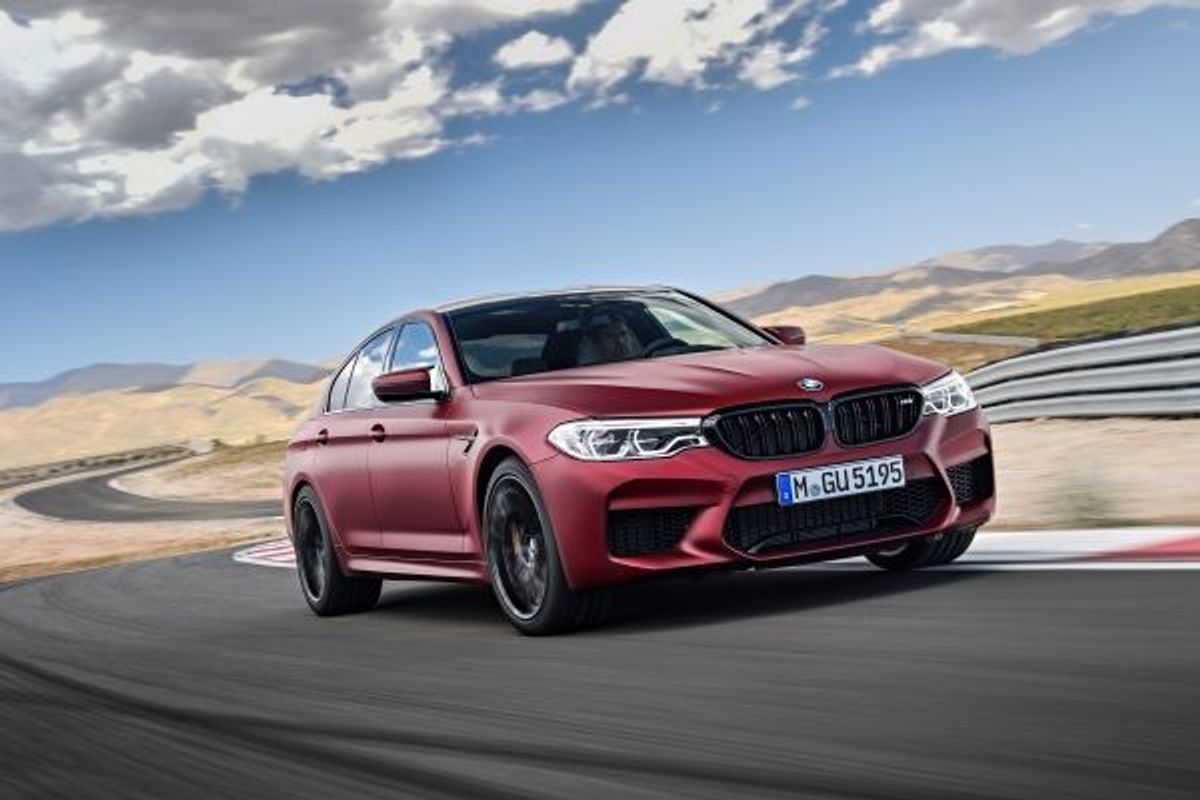
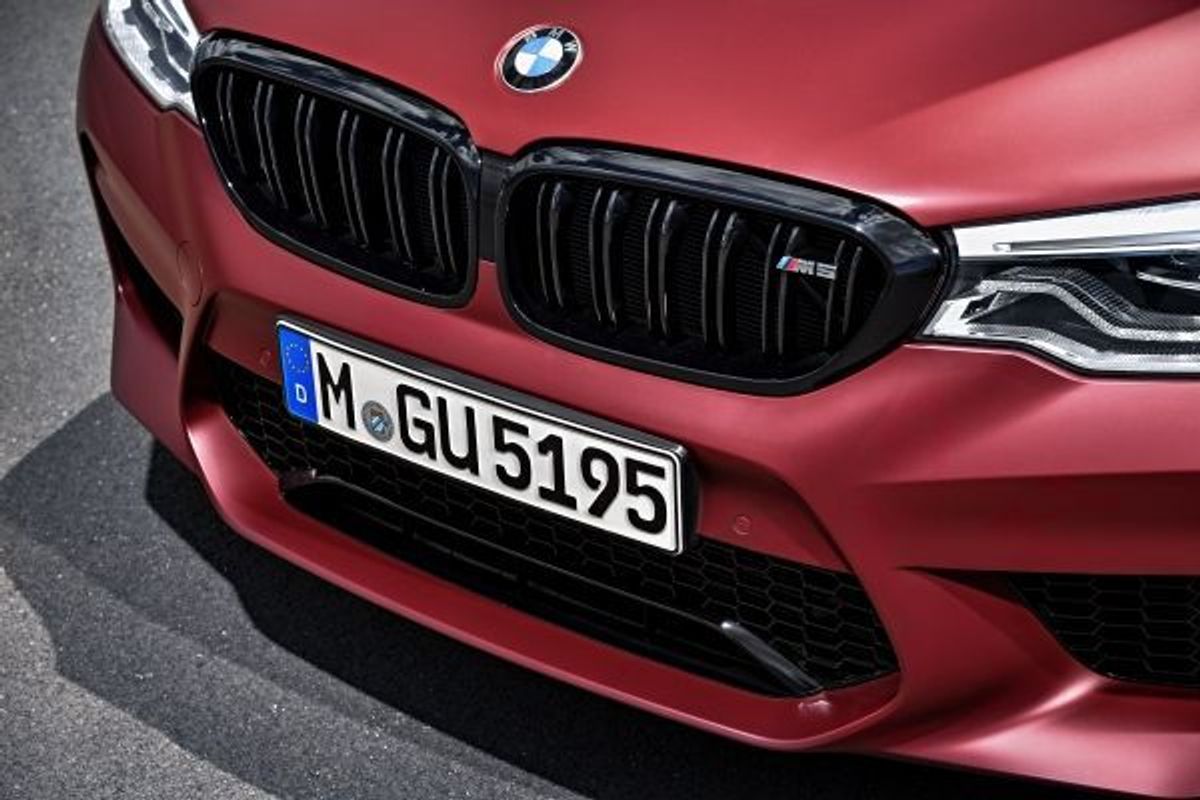
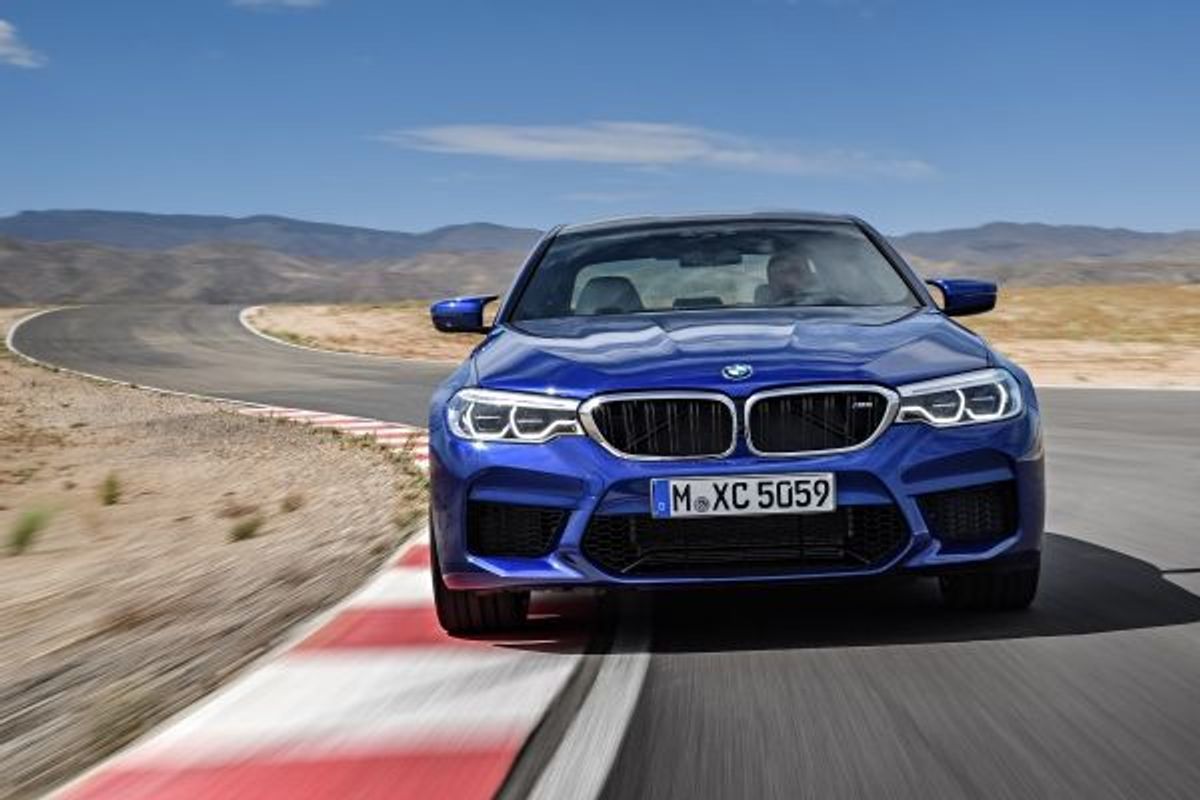
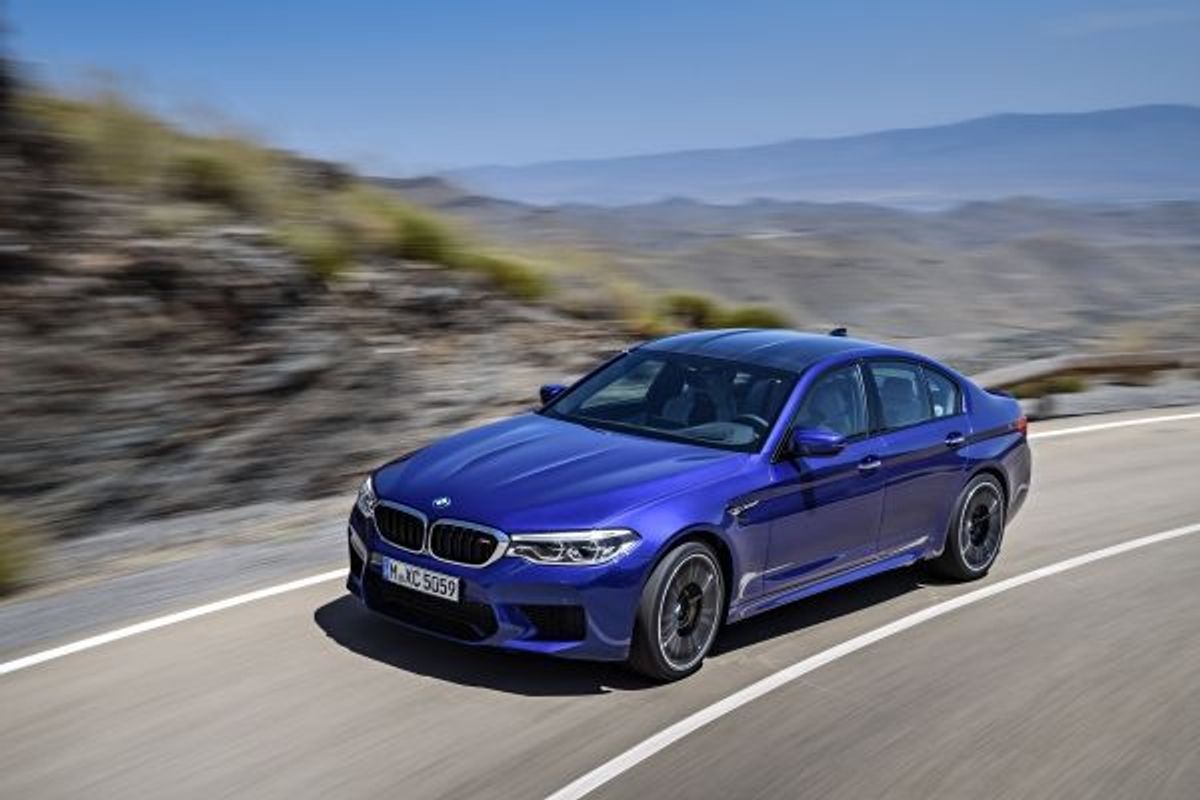
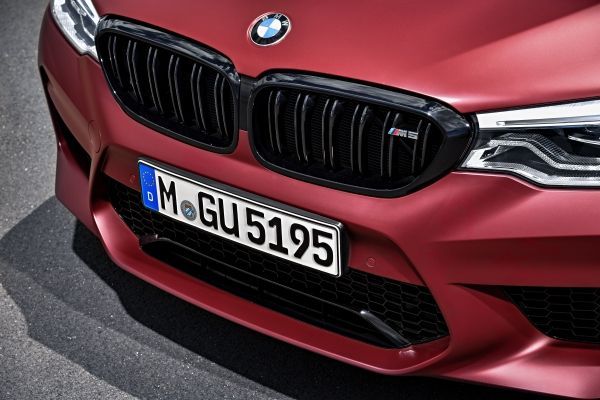
Larger air intakes and a sculpted bonnet are some of the highlights at the front-end of the new M5.
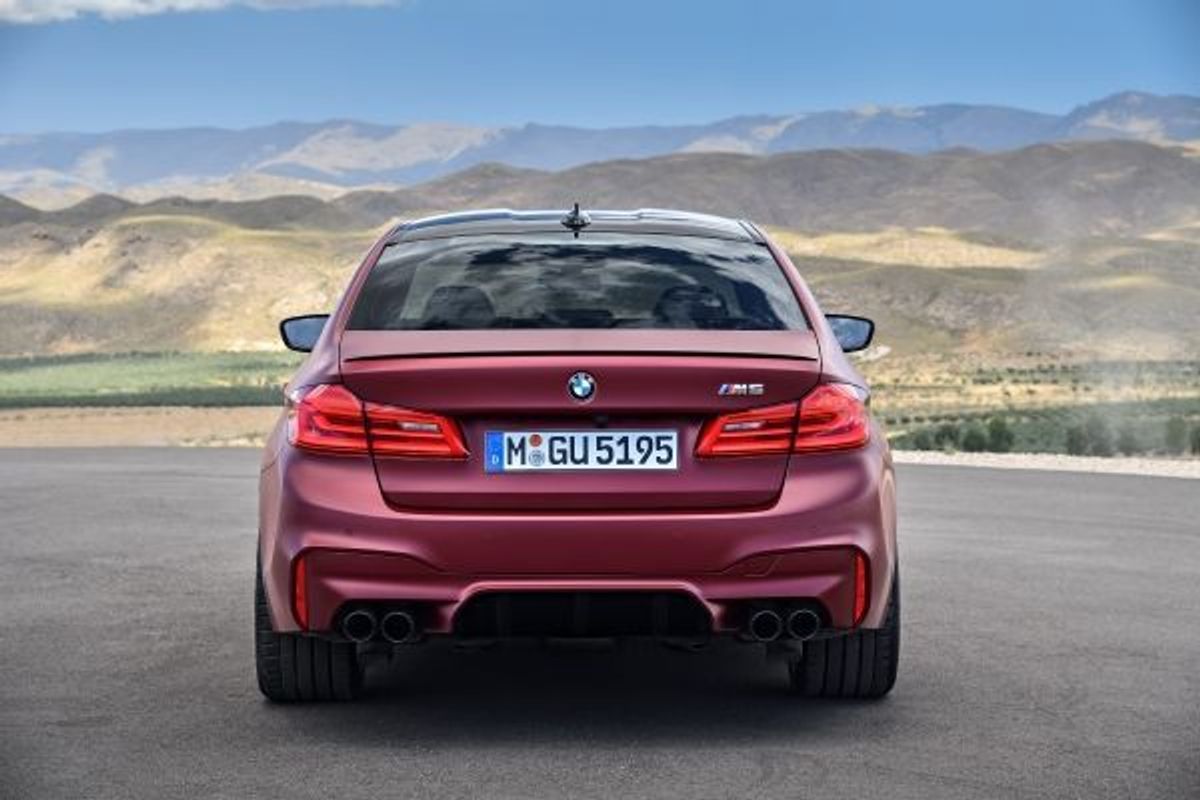
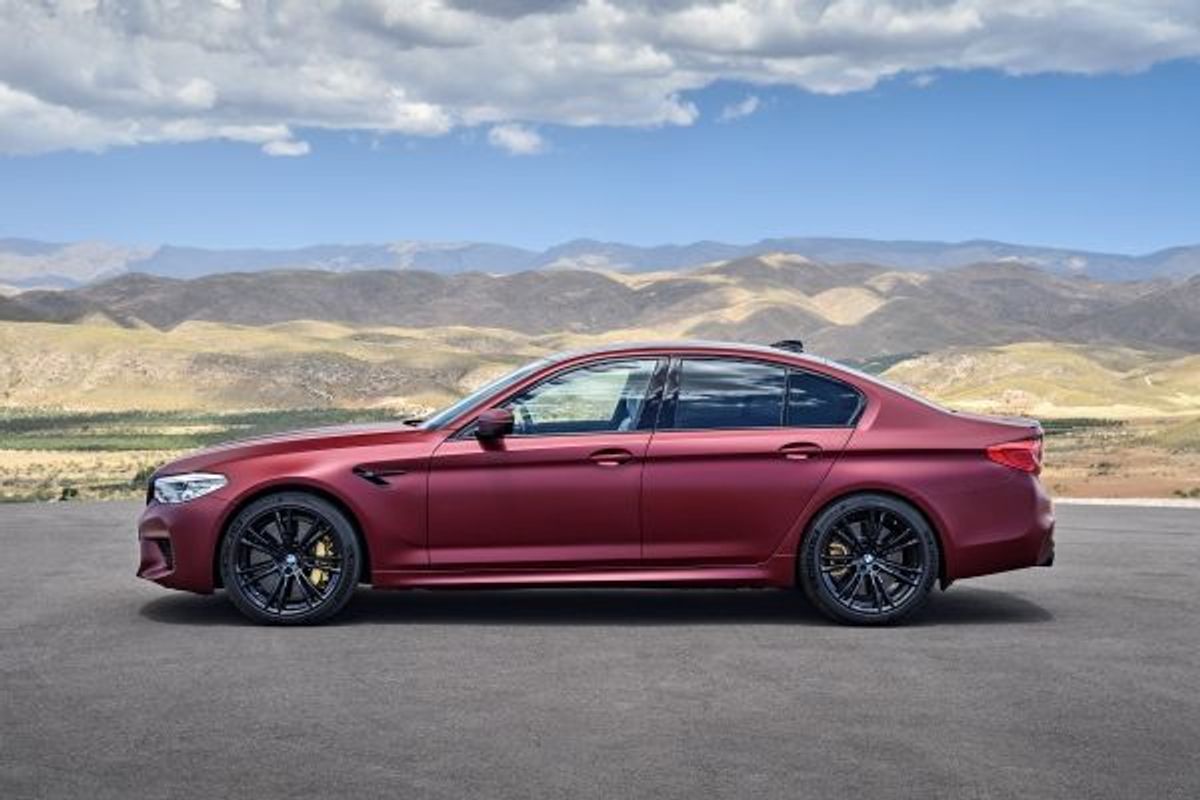
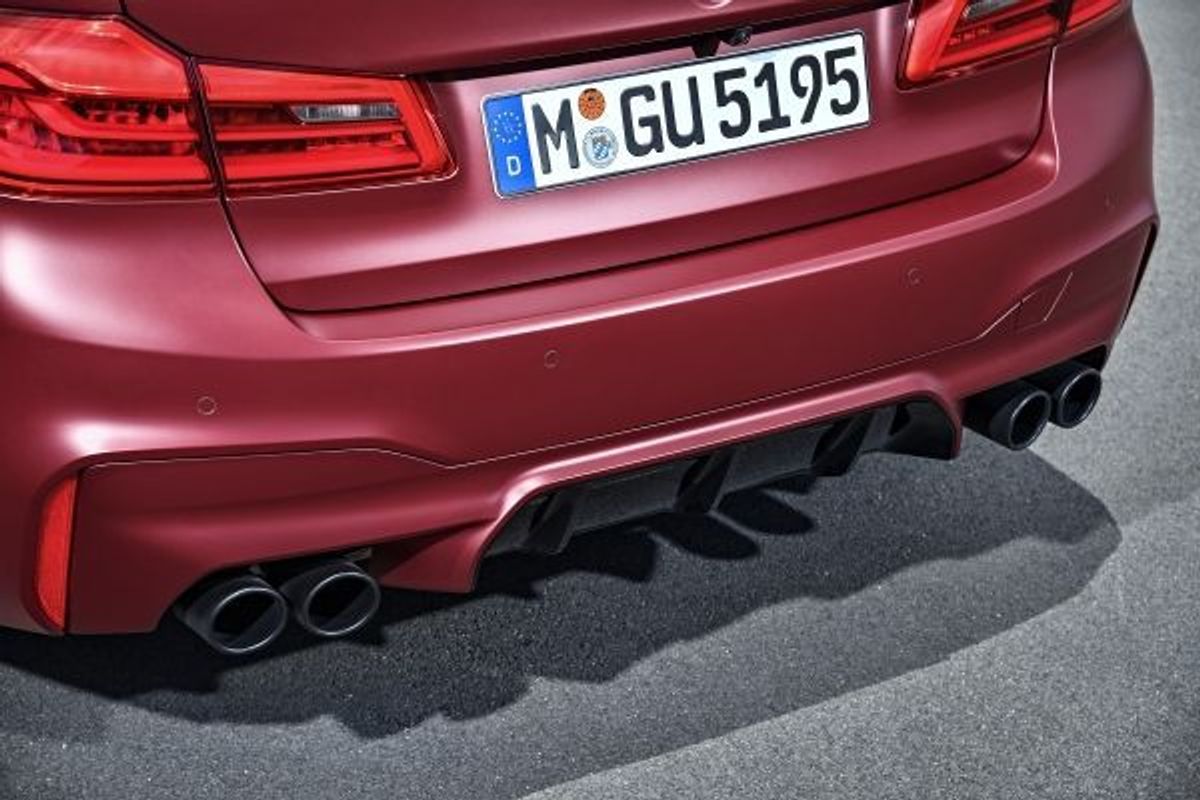
In terms of design, the M5's bodywork has been revised, featuring a broader front bumper with larger air intakes and side panels. The rear diffuser is also new and the quad exhaust system has a flap control system allowing the driver to adjust the sound of the engine at the touch of a button. The bonnet is made from aluminium and features an M-specific design with striking sculpture lines. A lightweight carbon fibre-reinforced plastic (CFRP) roof is standard on the new M5 and along with other lightweight components, such as the exhaust system, this new all-wheel drive M5 is lighter than the outgoing model.
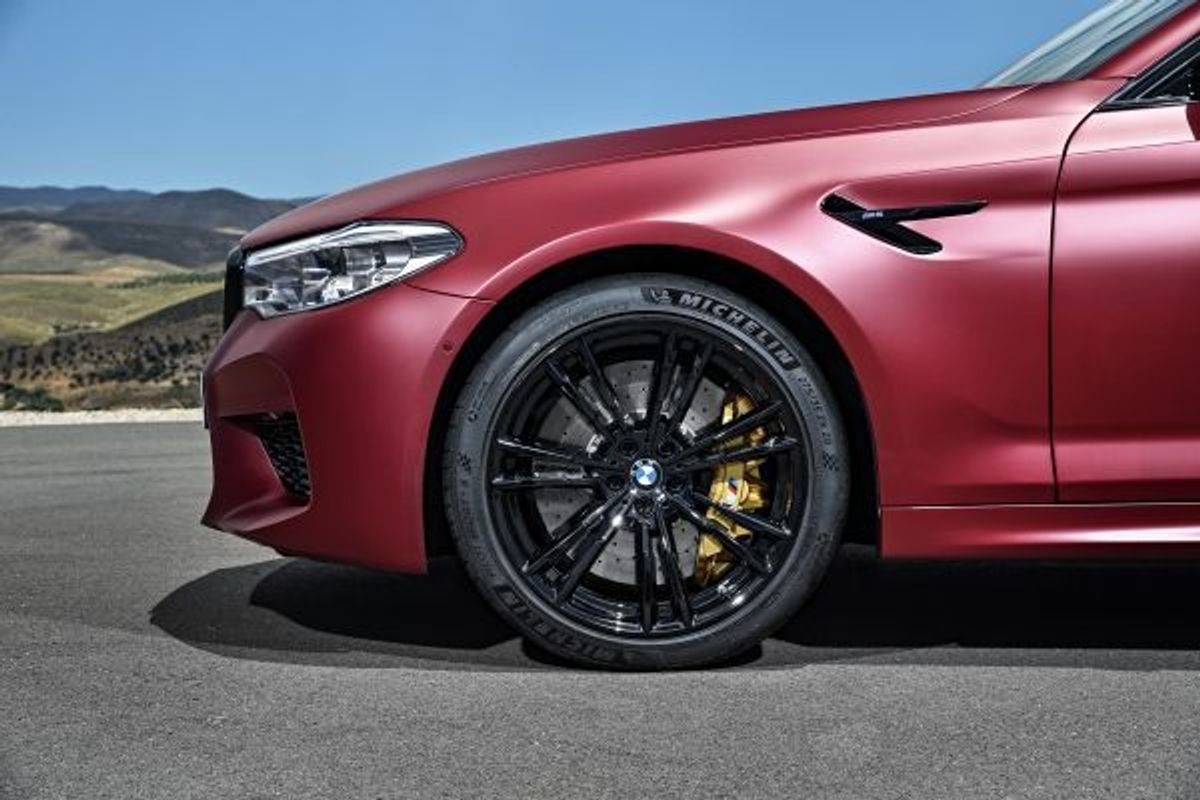
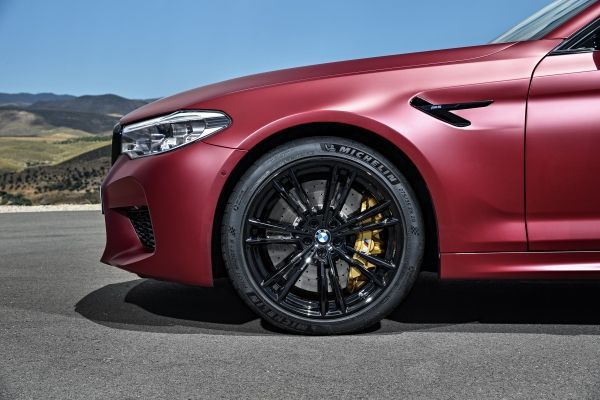
Carbon ceramic brakes with gold-painted calipers are offered as an option on the new M5.
The M5 is fitted with polished 19-inch light-alloy Orbit Grey wheels with M-specific tyres. 20-inch wheels can be fitted as an option. Stopping power is provided by standard M compound brakes with blue-painted calipers while M carbon ceramic brakes with gold-painted calipers can be fitted as an option.
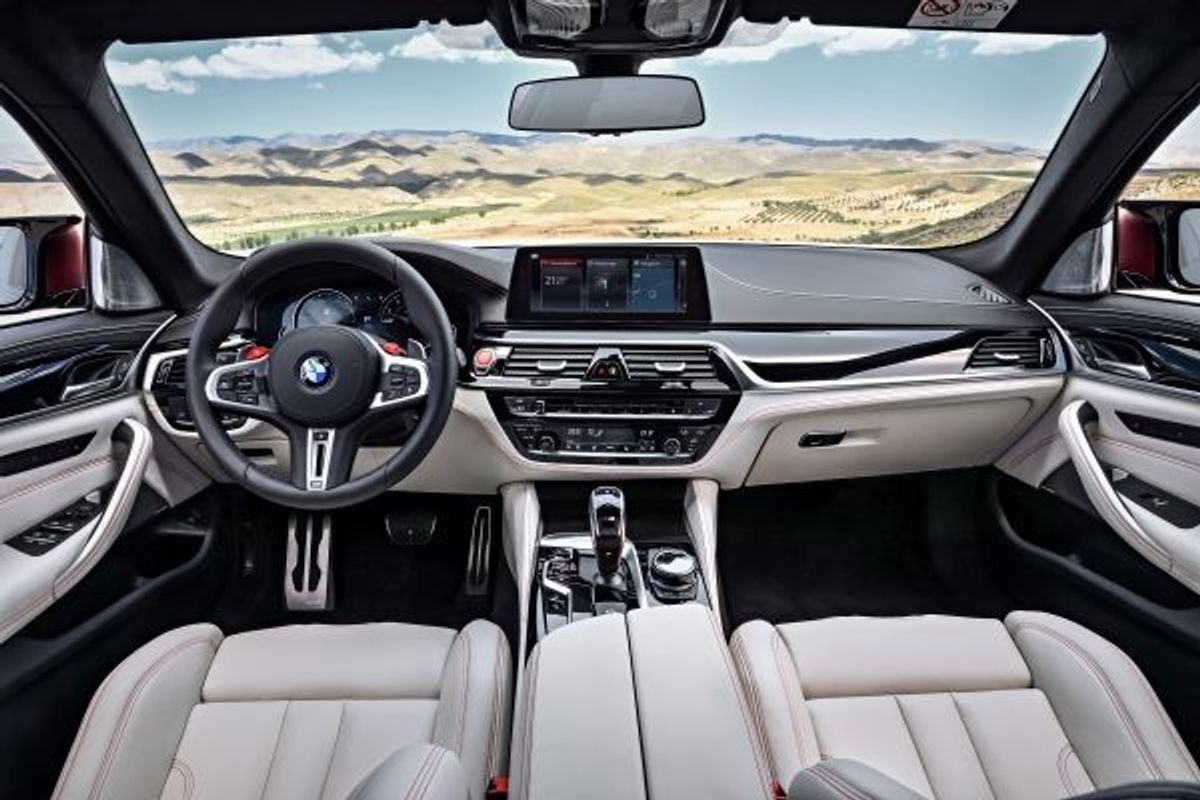
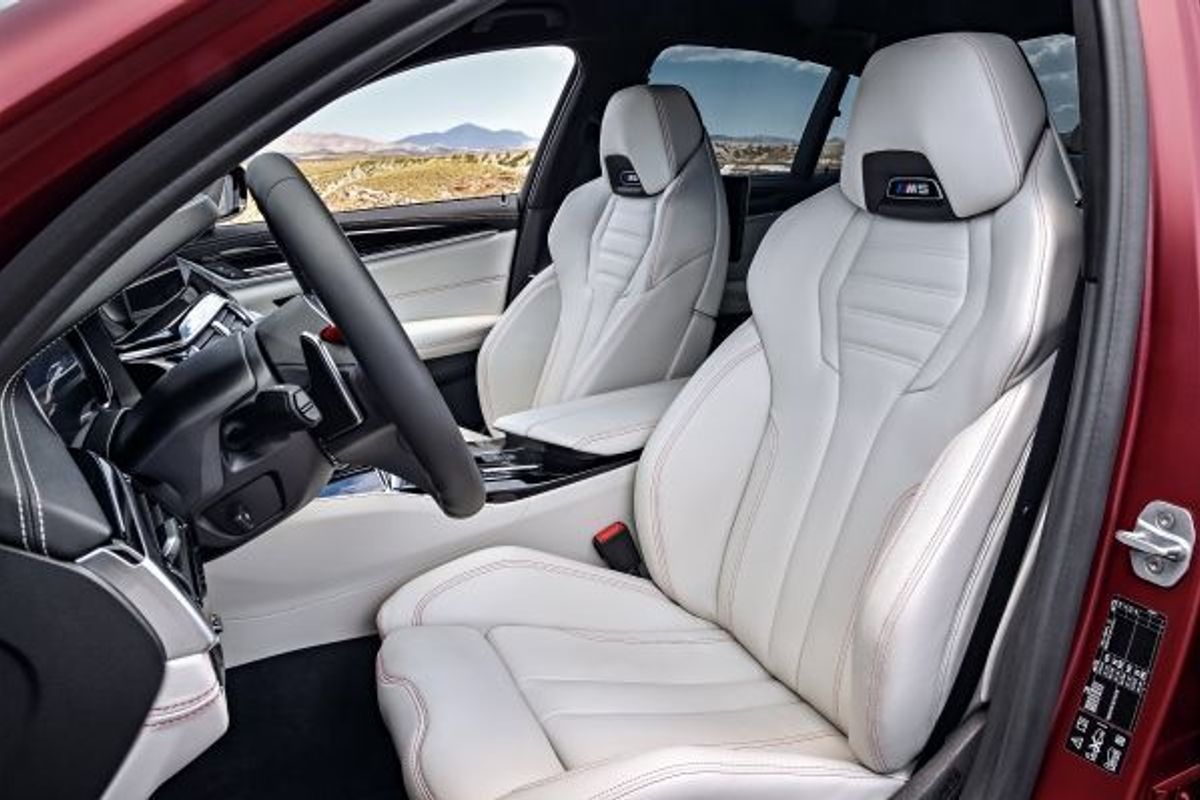
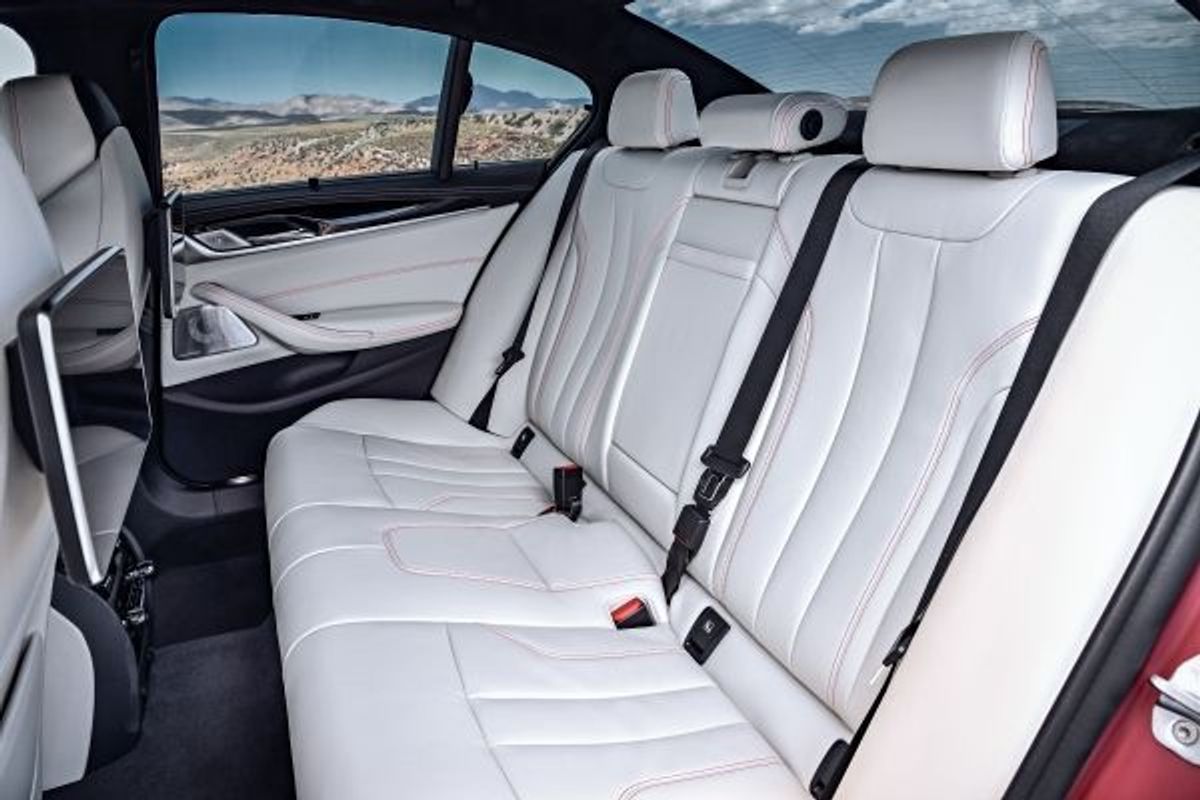
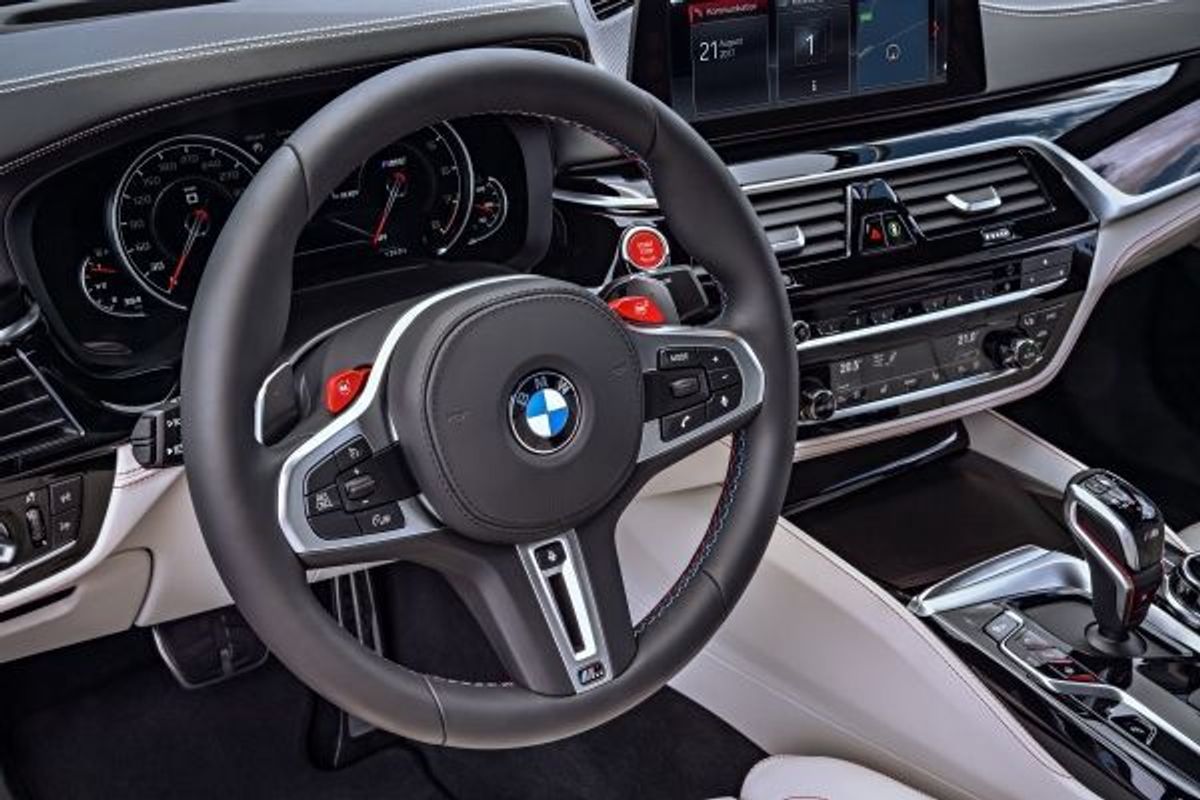
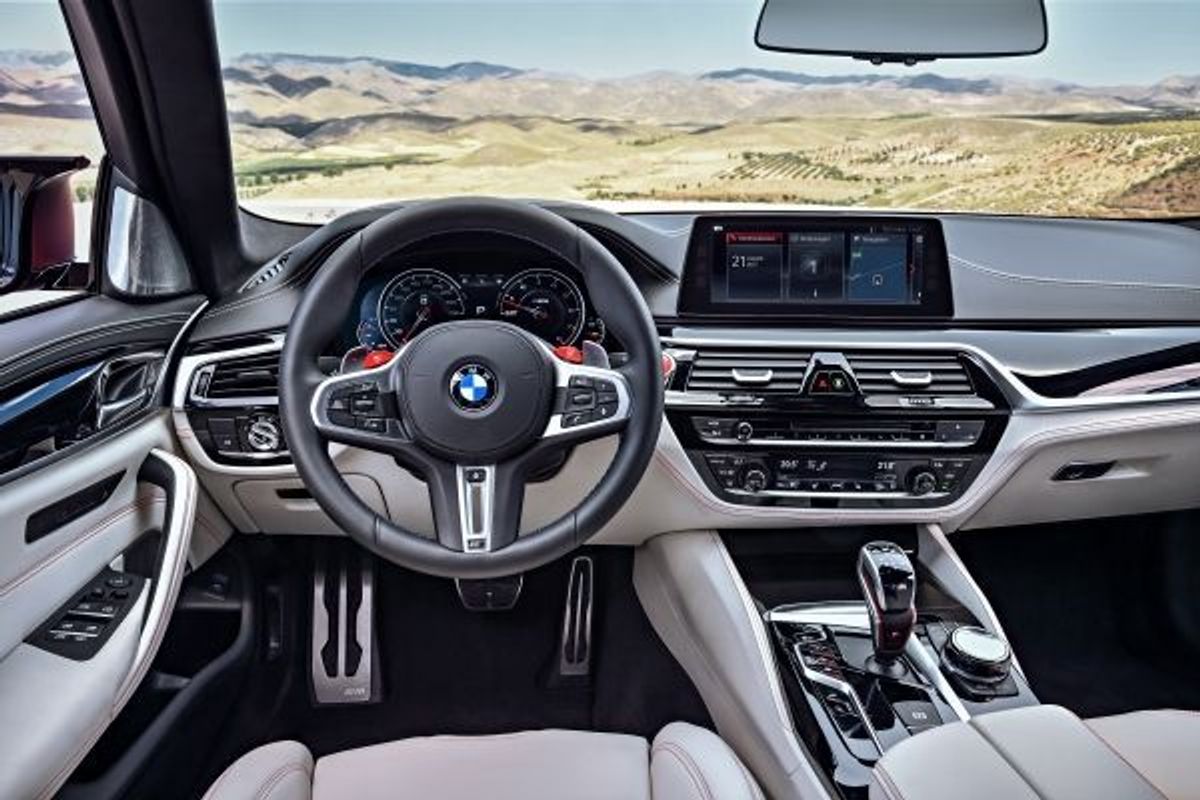
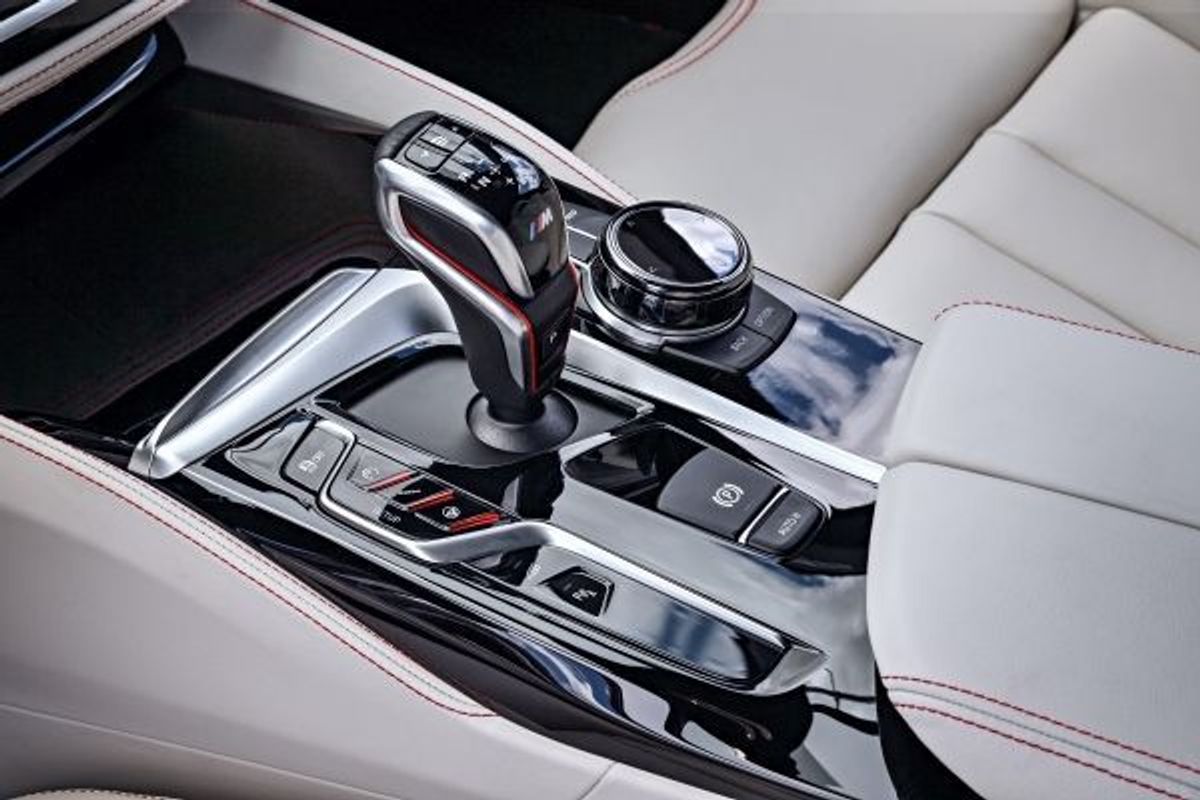
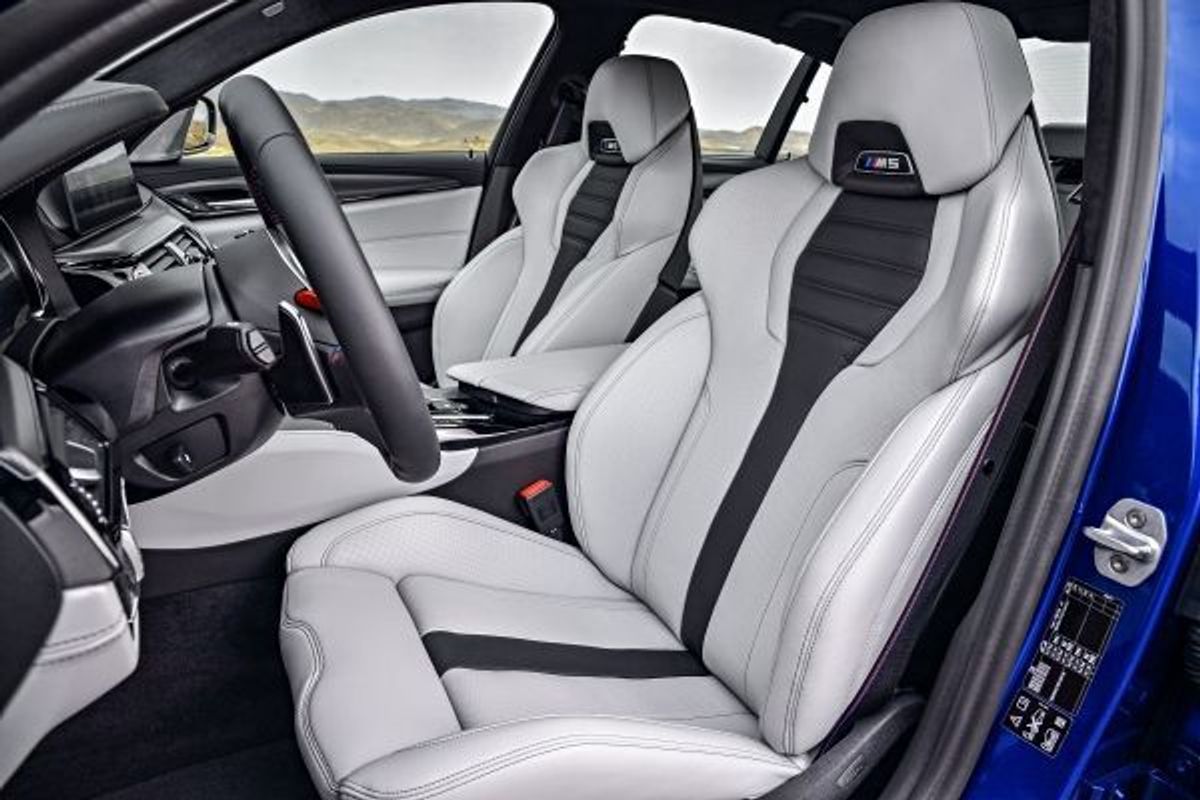
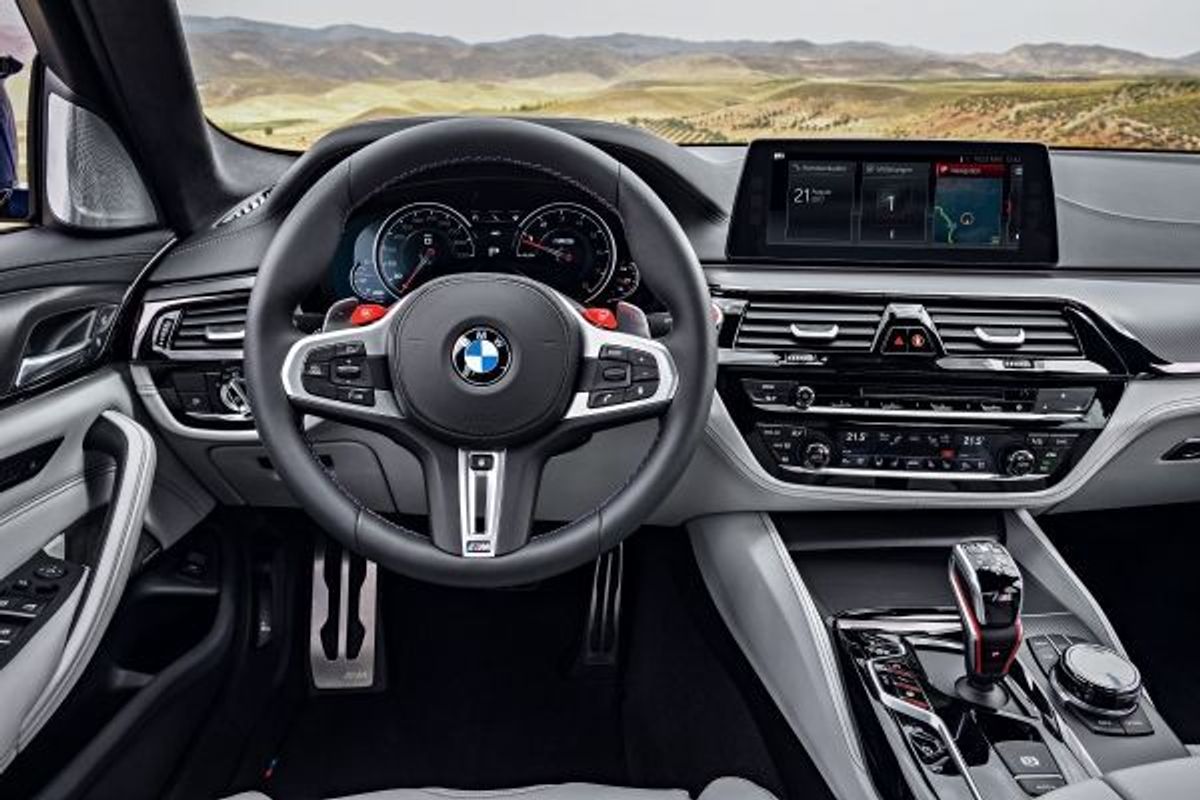
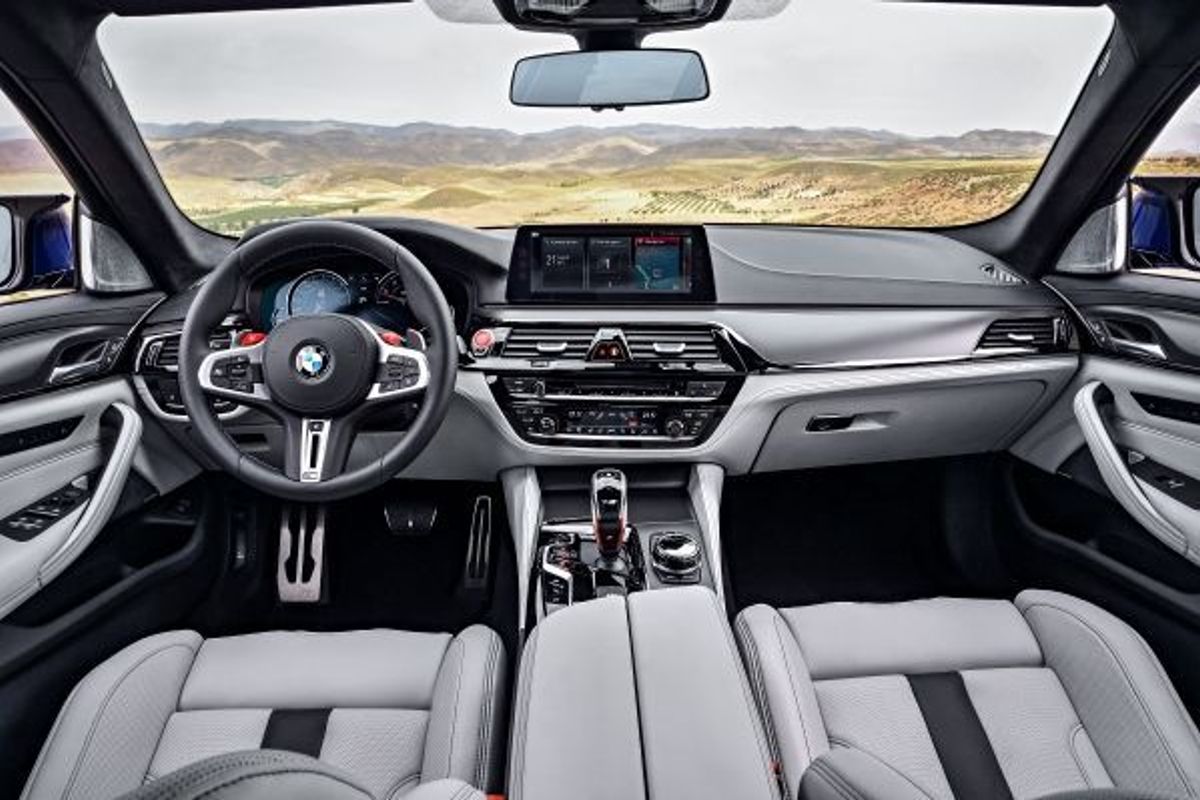
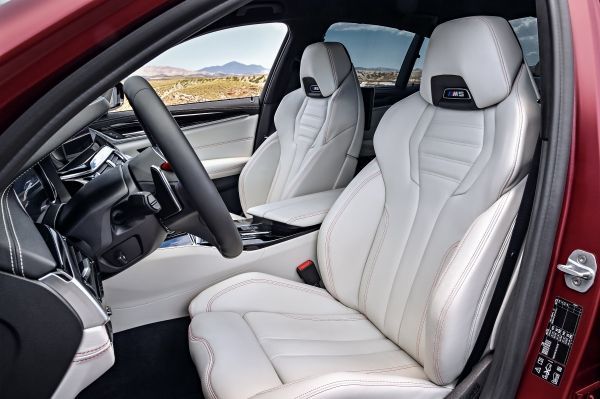
On the inside, Merino leather and electrically adjustable M seats are standard while bucket-style, multifunction M seats with enhanced lateral support are optional.
Merino leather is standard inside the new M5 and multifunction M bucket seats are offered as an option.
A limited worldwide run of 400 BMW M5 First Edition models will be sold alongside the standard M5. The M5 First Edition, as pictured here, features BMW Individual Frozen Dark Red metallic paintwork.
The new BMW M5 and M5 First Edition will arrive in South Africa in the first quarter of 2018. Pricing for South Africa is yet to be confirmed, but the M5 will go on sale in Europe with a starting price of €117 900, which translates directly to about R1 834 305. Start saving now…
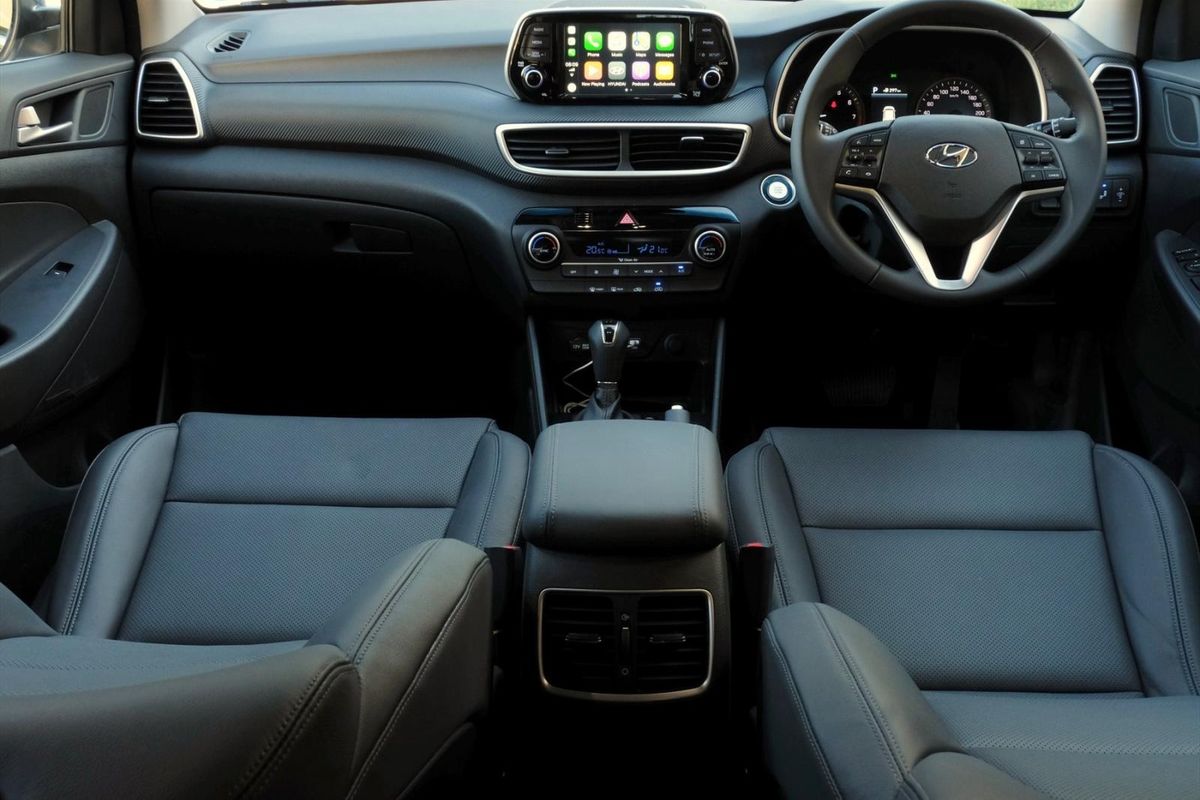
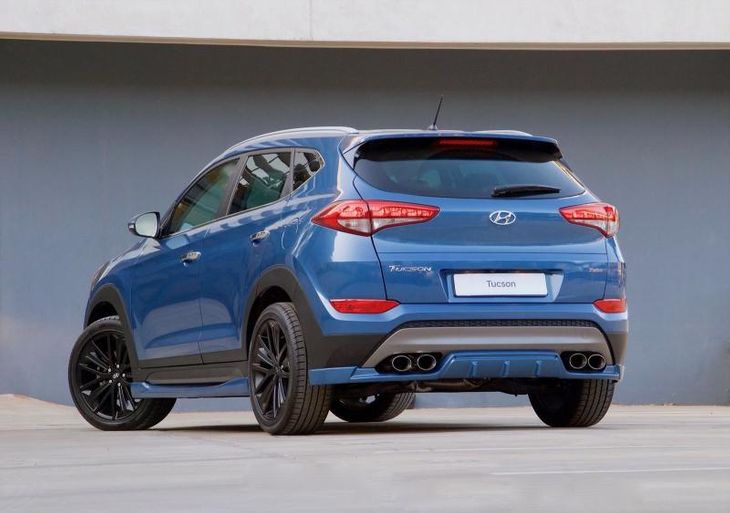
Hyundai South Africa has introduced a second Tucson Sport, this time fitted with more features and a dual-clutch gearbox. Here are the specs and price of the Hyundai AWD Tucson Sport.
Despite its ostentatious looks and loud exhaust which polarised opinions in our office, the Hyundai Tucson Sport has clearly been selling well and Hyundai South Africa is keen to expand on its success by adding another Tucson Sport derivative to the range. This time around it's the 1.6-litre turbocharged Elite model which gains the Sport treatment. The Elite trim means more features as standard while the addition of a quick-shifting dual-clutch gearbox adds to the appeal.
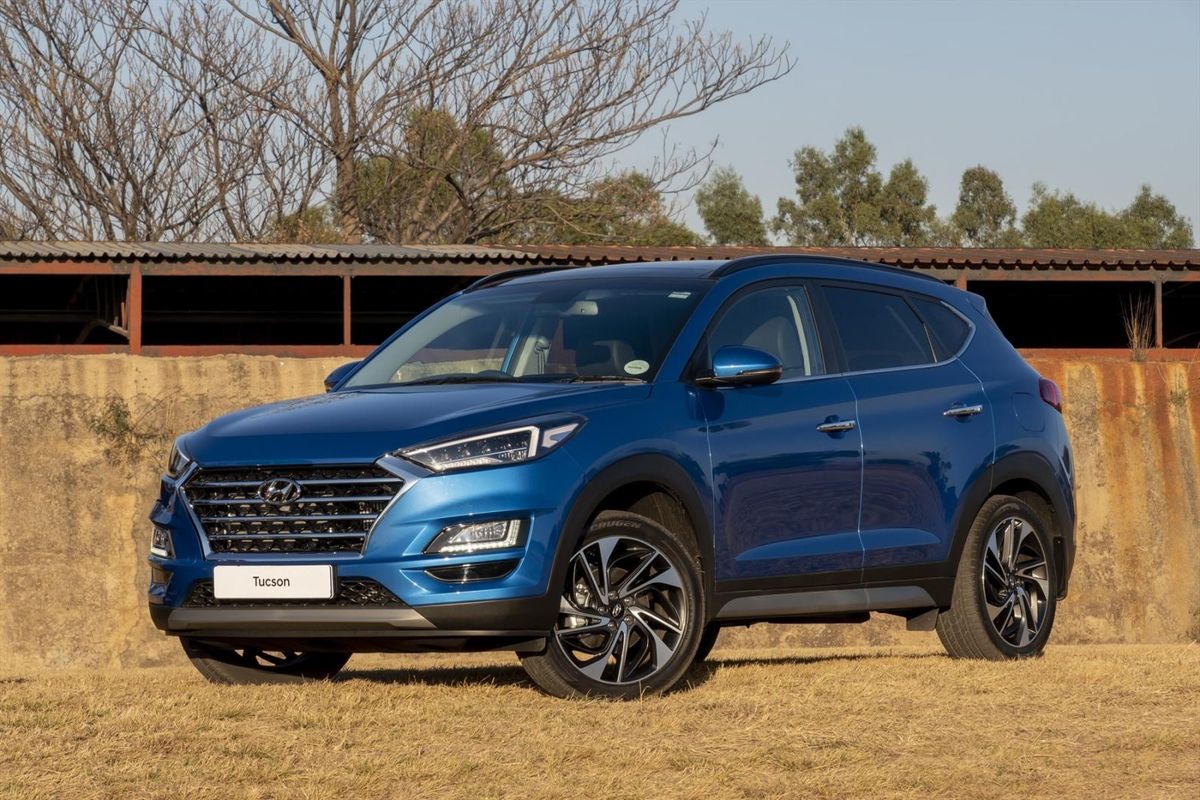
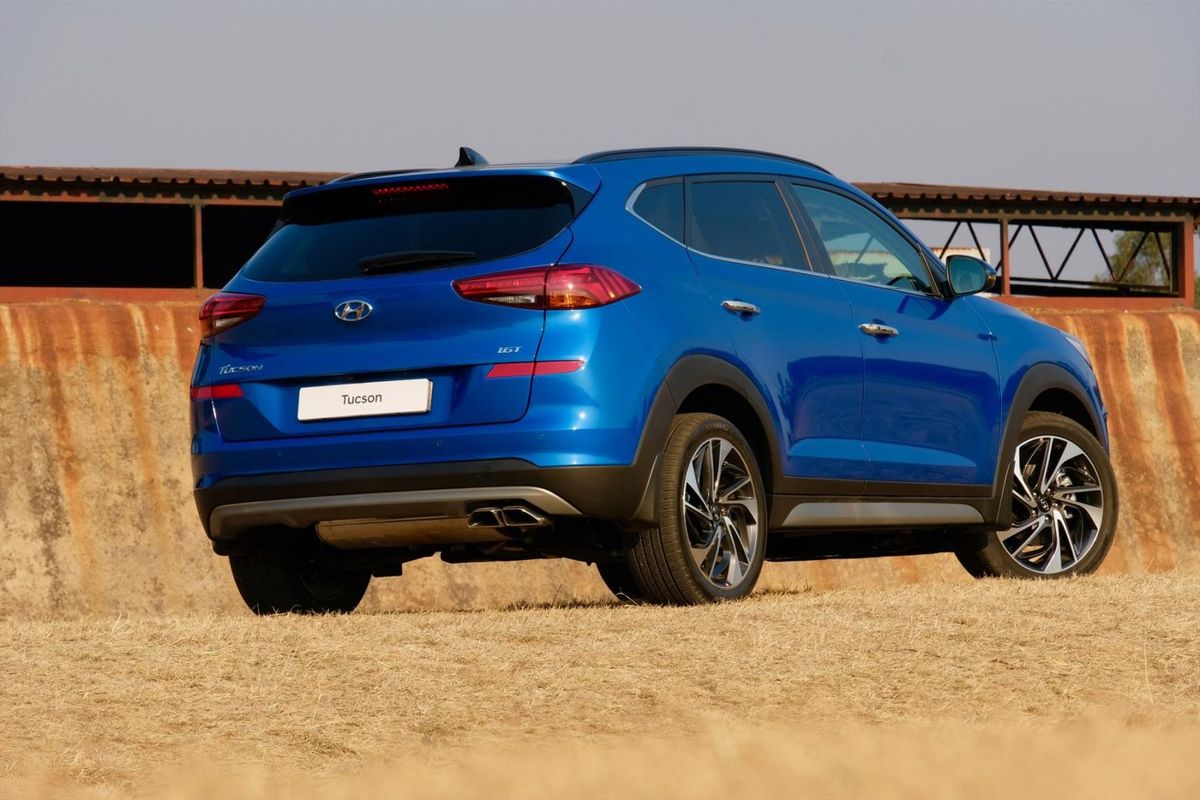
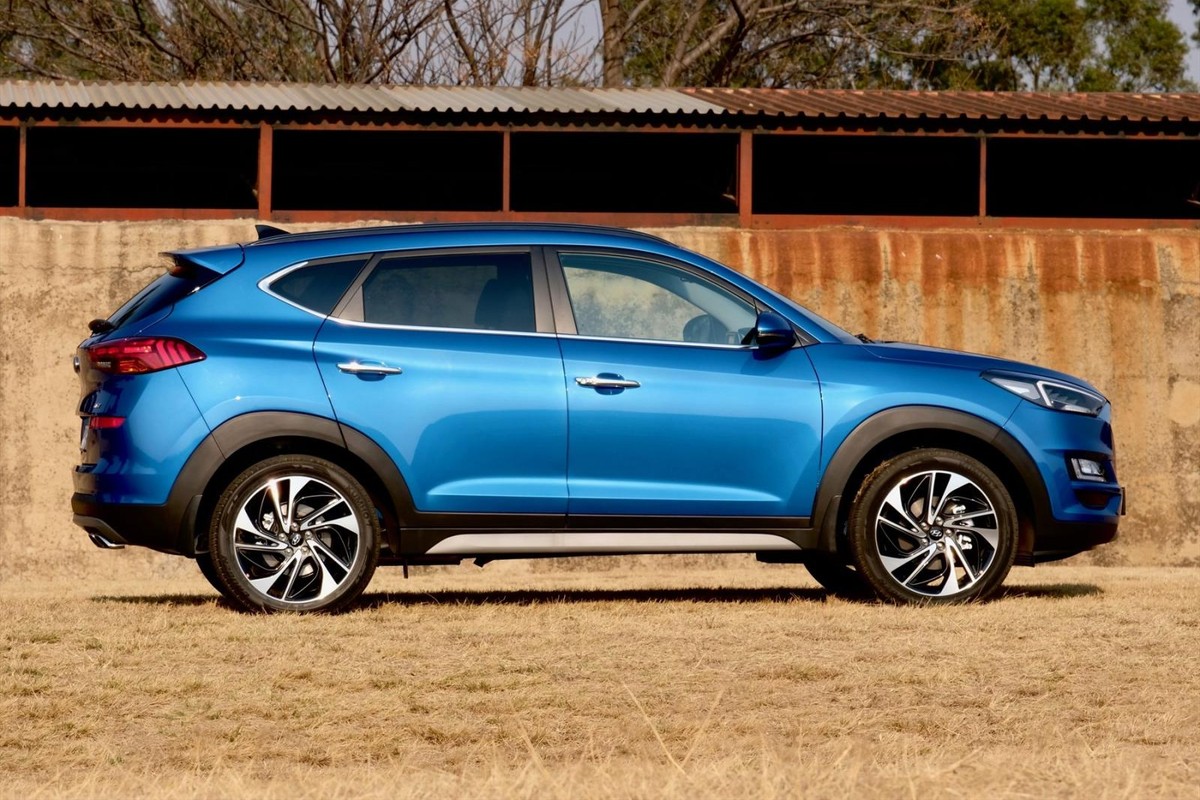
The Tucson Sport is finding favor with buyers and Hyundai now welcomes a high-specification Tucson Sport to the range.
“We have sold more than 50 Tucson 1.6 TGDI Executive Sport models in July, within little more than a month after its launch. These figures vindicated our decision to offer a derivative with sporty overtones and a body kit that made the good-looking Tucson even more attractive,” says Stanley Anderson, sales and operations director of Hyundai Automotive South Africa. “Some of our customers requested this same body kit and engine power upgrade to be applied to our top-of-range Tucson 1.6 TGDI Elite All-Wheel Drive derivative with its dual clutch transmission. It convinced us to add another Tucson Sport derivative to our range.”
It's easy to spot the Hyundai Tucson Sport, with its body kit, black 19-inch wheels and bold exhaust pipes. Underneath the bonnet is a turbocharged 1.6-litre petrol motor packing 150 kW and 295 Nm. However, in this derivative, power goes to all four wheels via a dual-clutch gearbox.
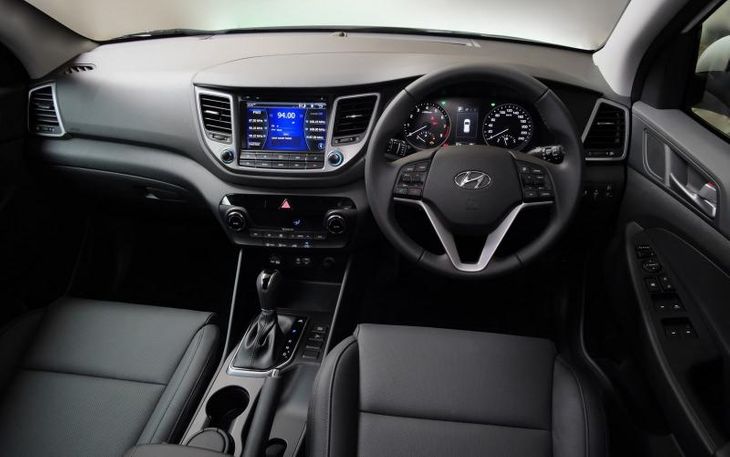
Elite trim means you get more features as standard including a sun roof and a host of convenience, safety and luxury items like an 8-inch screen infotainment system with satellite navigation, Bluetooth telephone linking and music streaming, as well as a CD player, USB and AUX music input and several settings for FM and AM radio reception. A rear view camera in conjunction with rear park assist is also standard. Additional convenience features include cruise control, rain sensors for the automatic windscreen wipers, an automatic air-conditioning system, electrically adjusted leather seats and multifunction controls on the steering wheel.
The styling kit is limited to the exterior design while the interior follows the direction of the standard Tucson 1.6T Elite.
In terms of safety features, the Hyundai Tucson Sport boasts Electronic Stability Programme (ESP), an Advanced Brake System (ABS) to prevent the brakes from locking up in an emergency stop, Electronic Brake Distribution (EBD) and a full set of driver, front passenger, side and curtain airbags. Hyundai's Tucson came away with a 5-star safety rating in the European New Car Assessment Programme (EuroNCAP).
Hyundai Tucson Sport – Price in South Africa
The Hyundai Tucson Sport is sold with a 7-year/200 000 km warranty, roadside assistance for 5 years or 150 000 km, and a 5-year/90 000 km service plan. Service intervals are set at 15 000 km.
Hyundai Tucson 1.6 TGDI Elite Sport AWD – R599 900
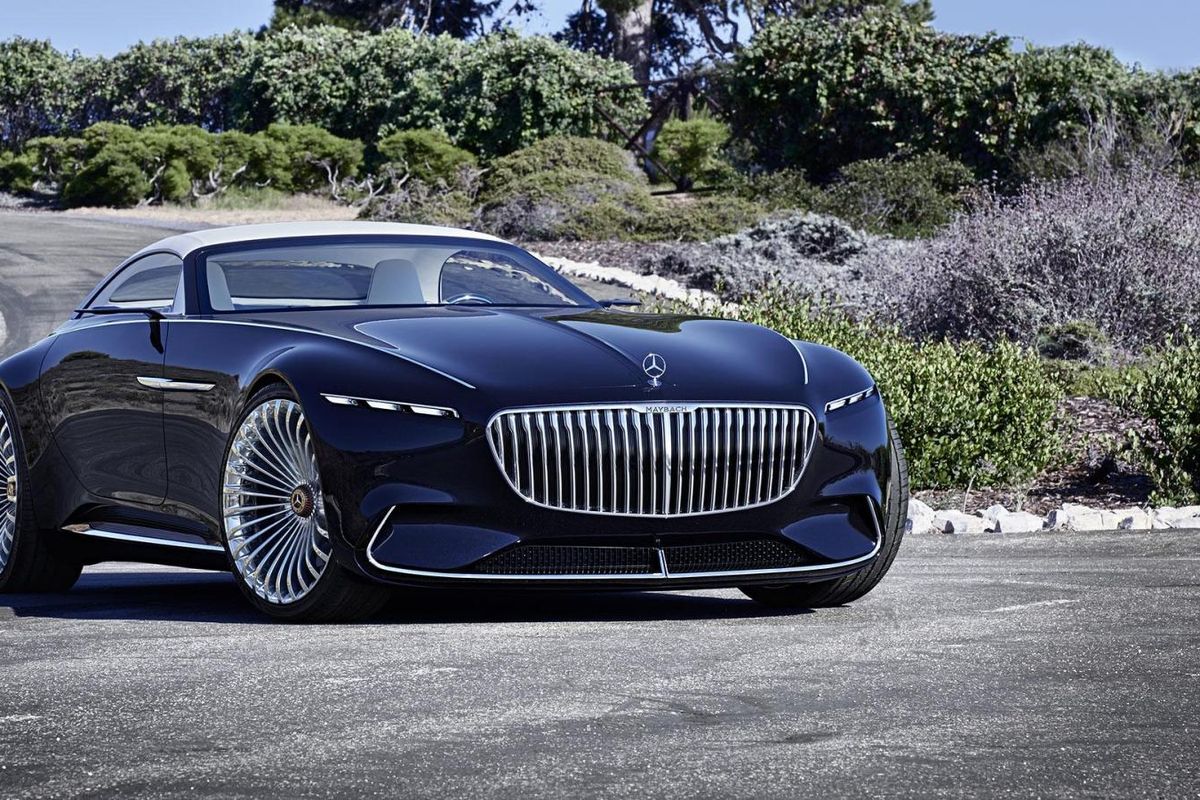
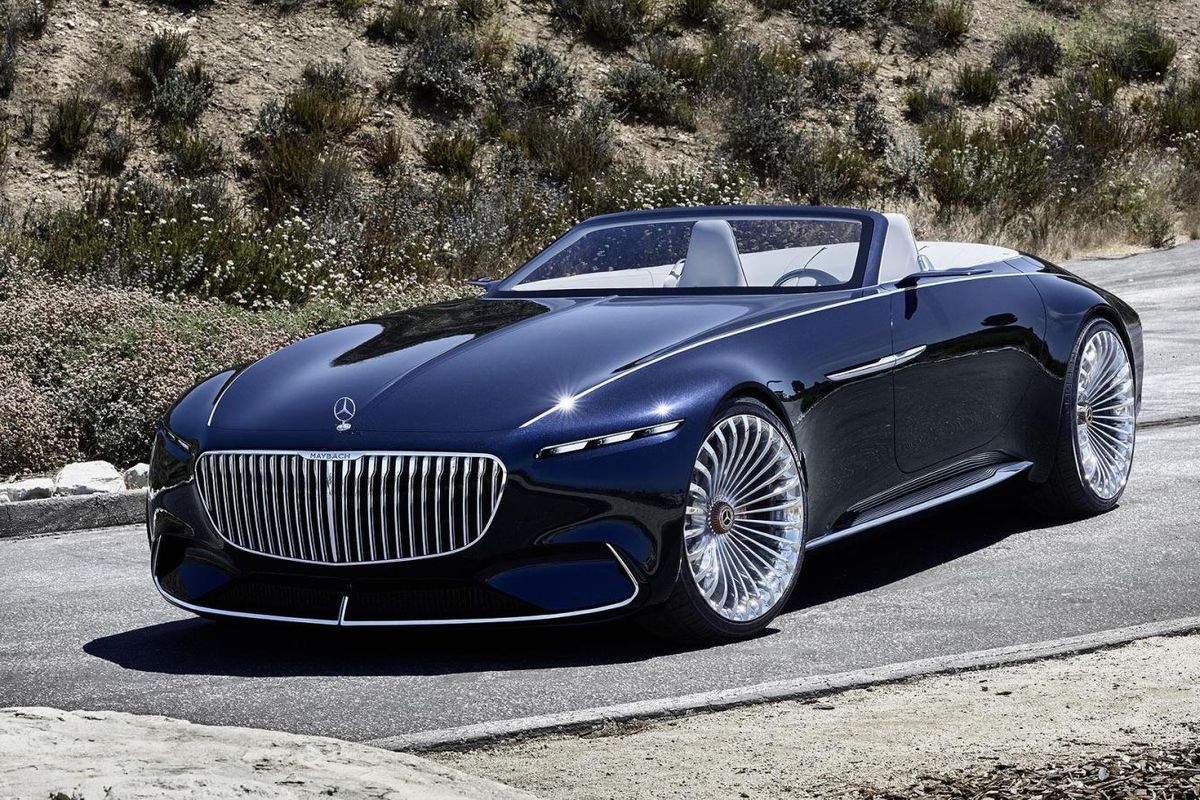
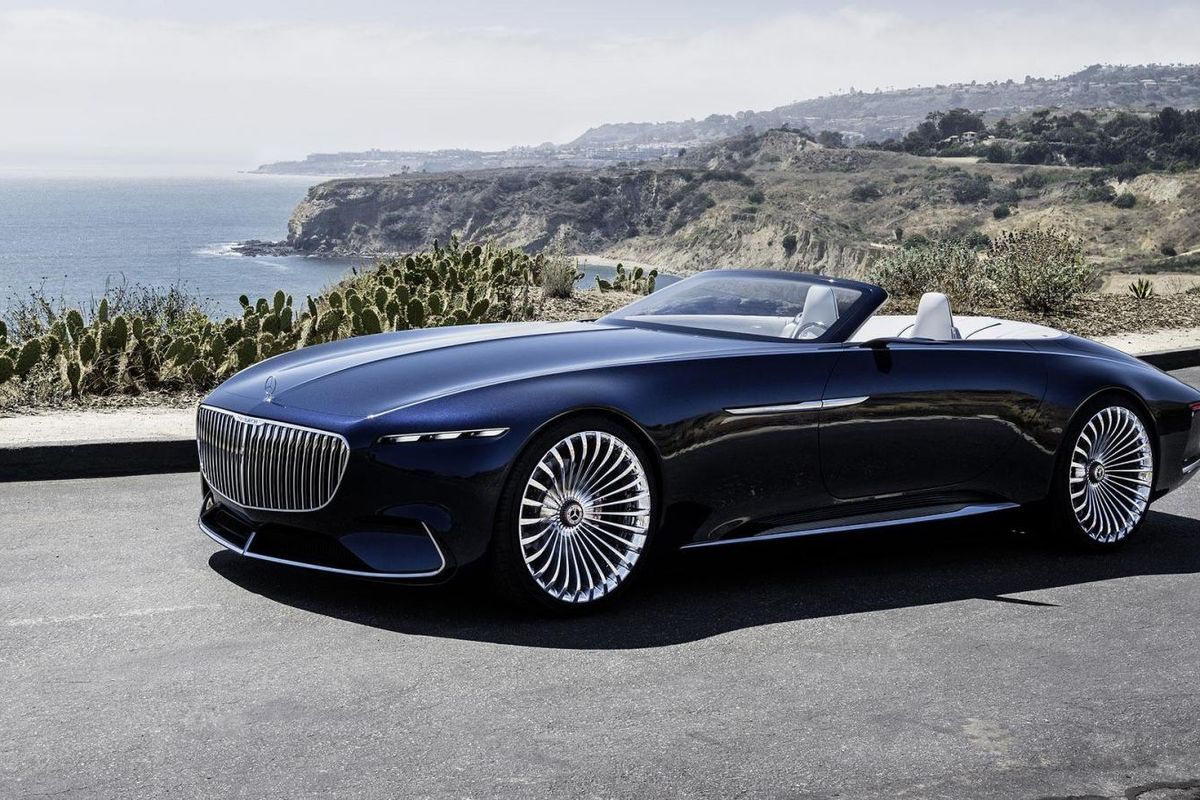
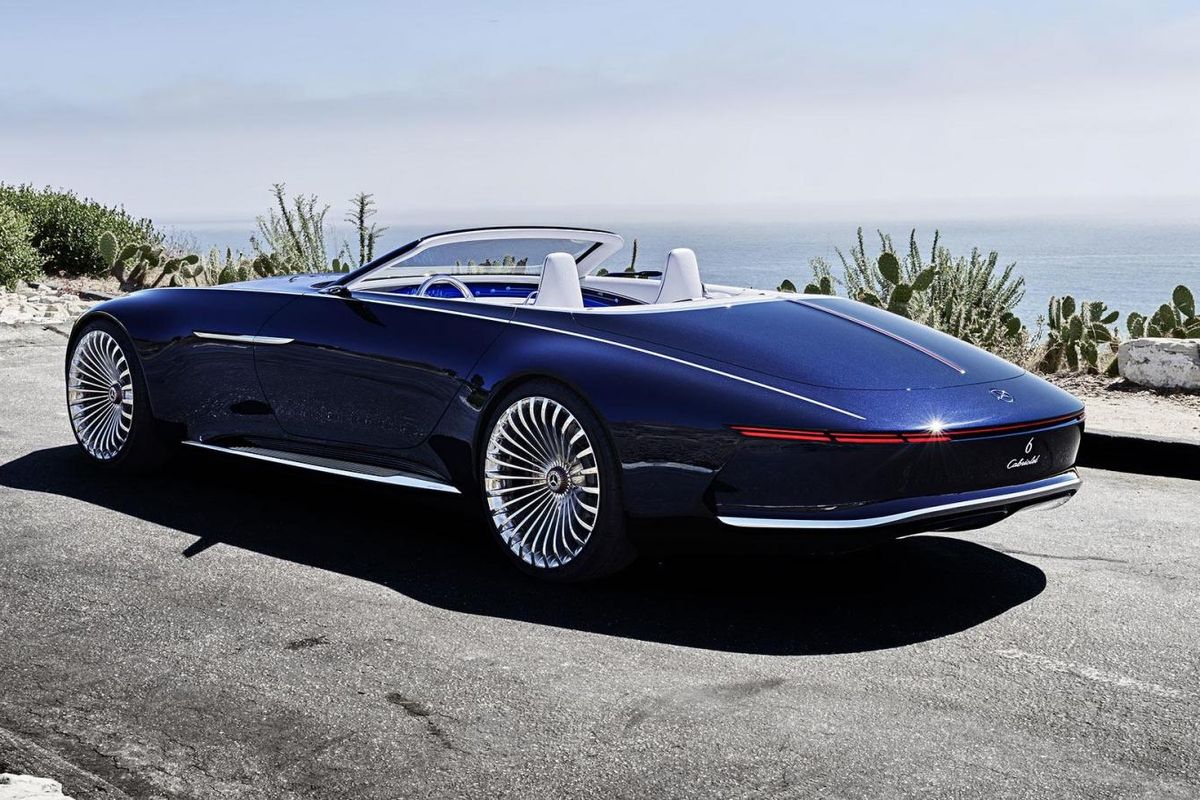
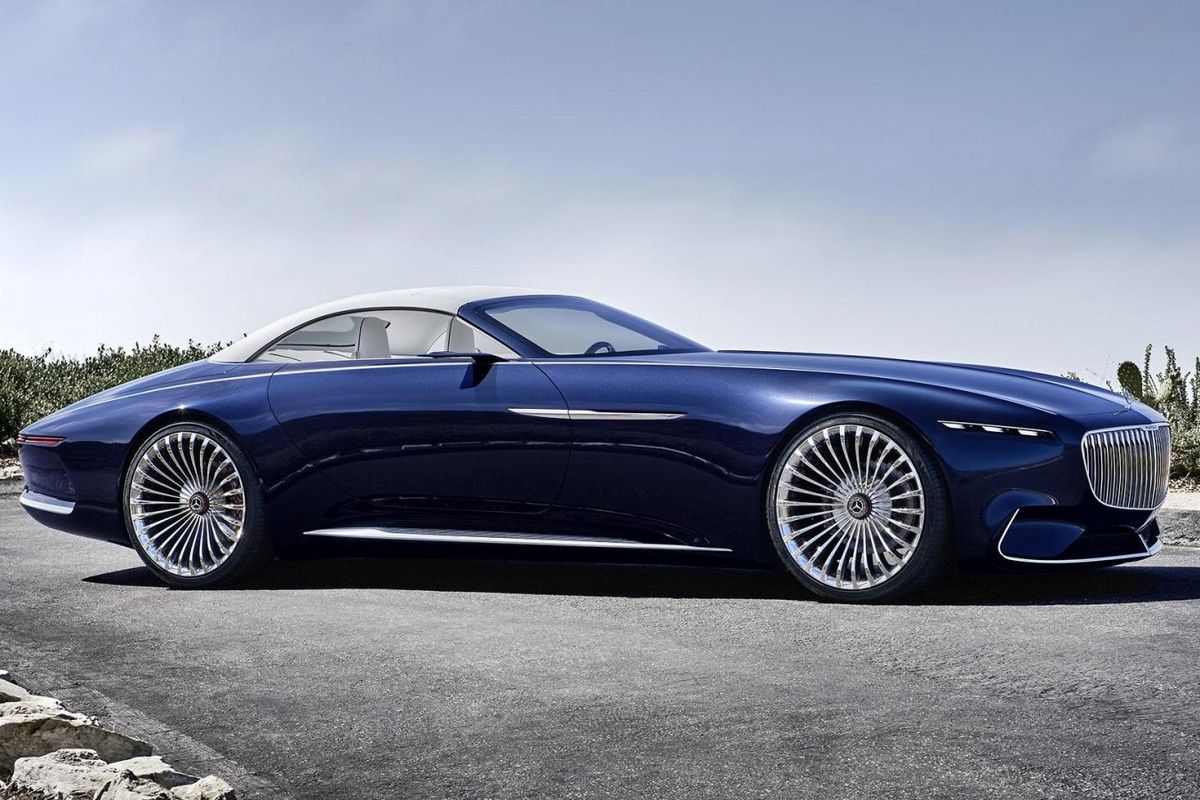
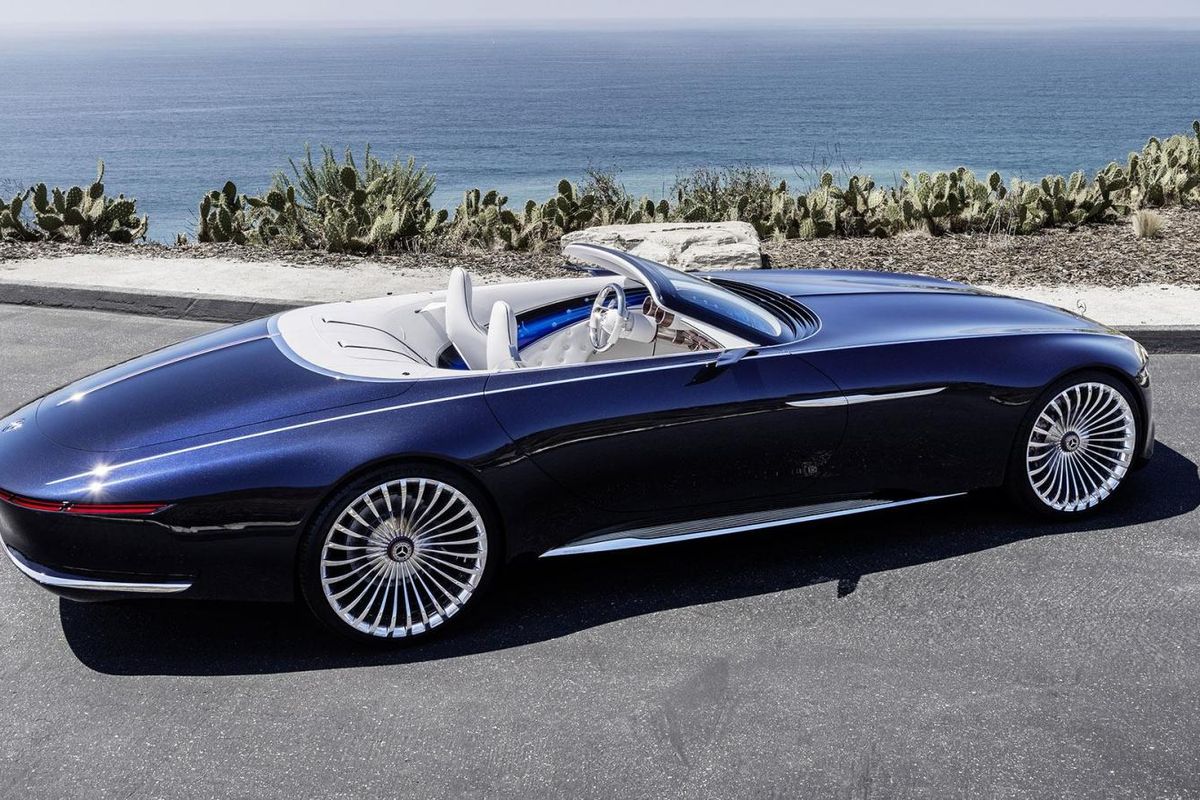
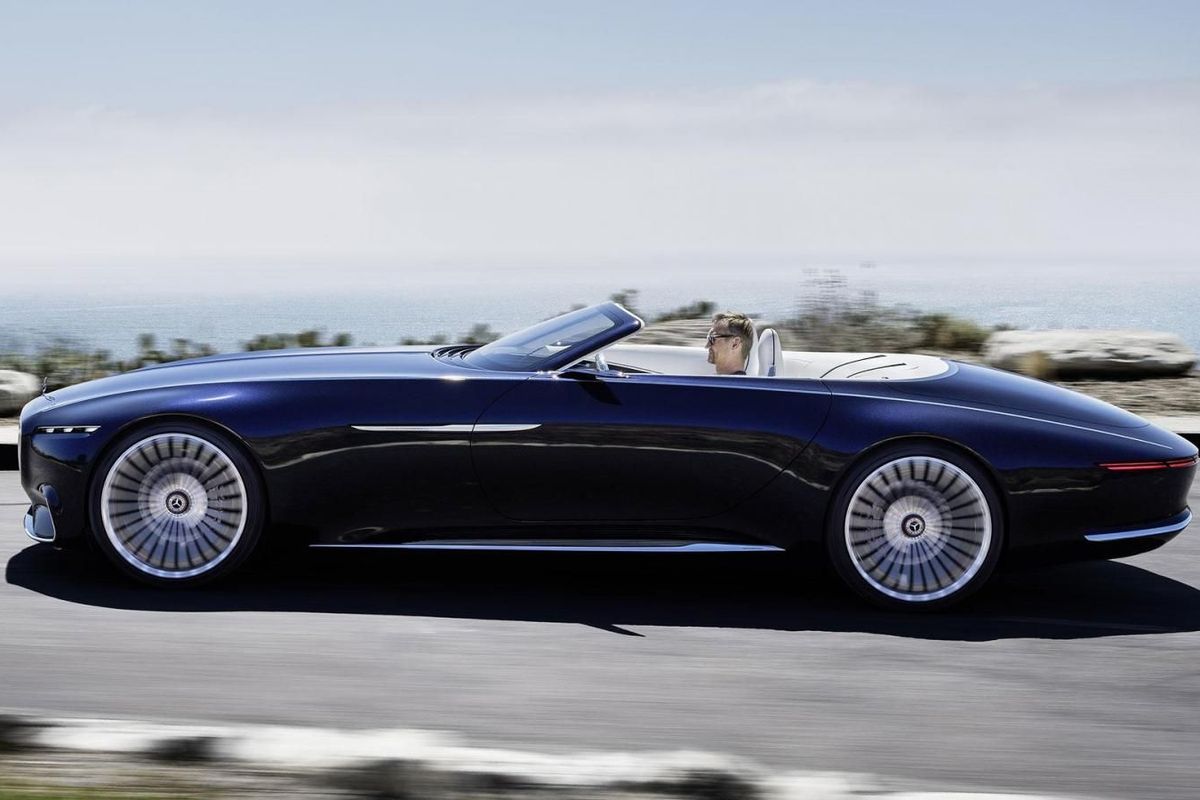
The Vision Mercedes-Maybach 6 Cabriolet has been shown at the Pebble Beach Concours d'Elegance in California and it’s breathtakingly beautiful!
The Vision Mercedes-Maybach 6 Cabriolet concept combines classic styling with modern luxury and the result is a glamourous 2-seater cabriolet that dreams are made of. Designed as an electric car, the Vision Mercedes-Maybach 6 Cabriolet has a combined output of 550 kW and has a driving range of over 500km.
"The Vision Mercedes-Maybach 6 Cabriolet takes modern luxury into the realms of the ultimate in luxury, and is the perfect embodiment of our design strategy. Breathtaking proportions combined with a luxurious "haute couture" interior help to create the ultimate experience," explains Gorden Wagener, Chief Design Officer of Daimler AG.
Key Design Features
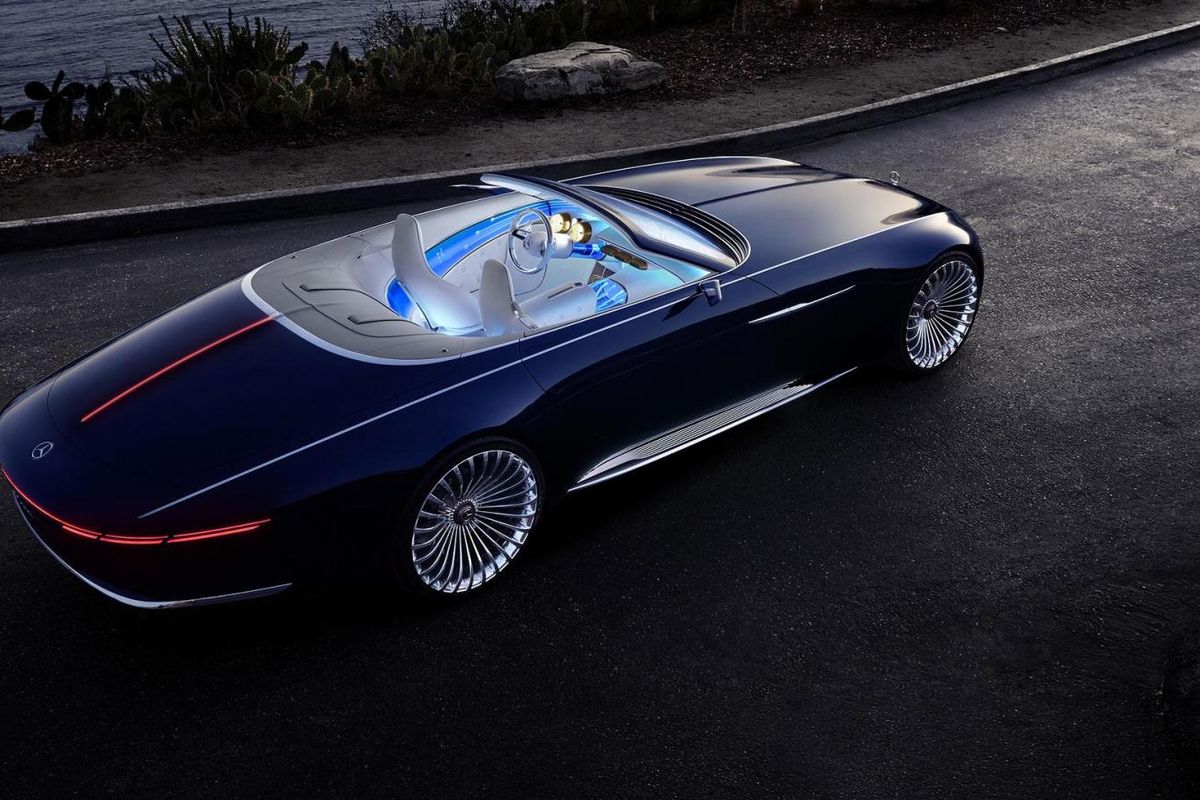
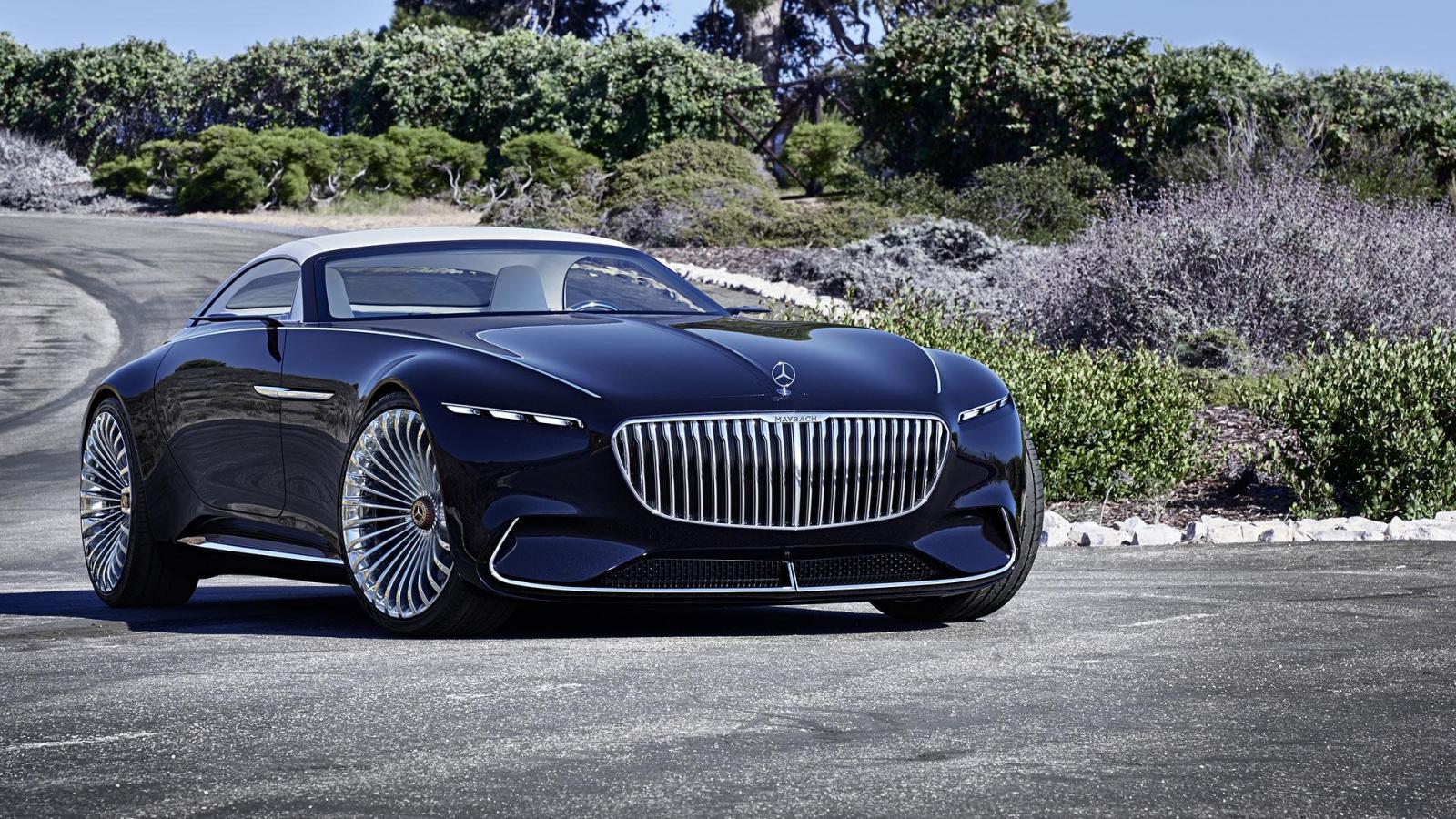
The lavishly styled Vision Mercedes-Maybach 6 Cabriolet embodies the classic and ultra-modern design cues.
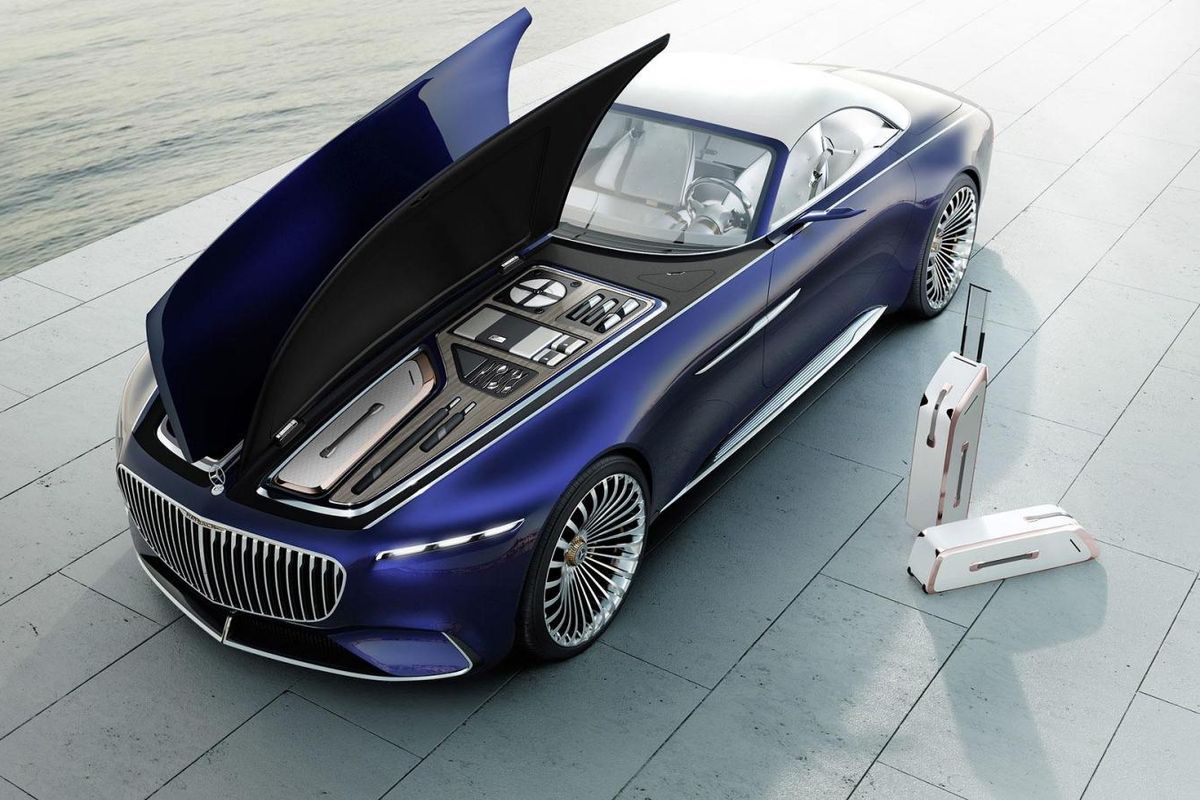
The Vision Mercedes-Maybach 6 Cabriolet measures nearly 6 metres in length and features classic proportions of art deco design with a long hood and flowing lines. Wearing Nautical Blue metallic paint, a large Mercedes-Maybach grille with vertical struts dominate the front-end along with thin headlights. The rear-end, reminiscent of a luxury yacht ‘boat tail’ features vertical tail light clusters and an aluminum-framed diffuser. The Vision Maybach 6 Cabriolet rides on large 24-inch light-alloy wheels with rose gold centre locks. The model is also fitted with a custom-made fabric roof with interwoven rose gold threads.
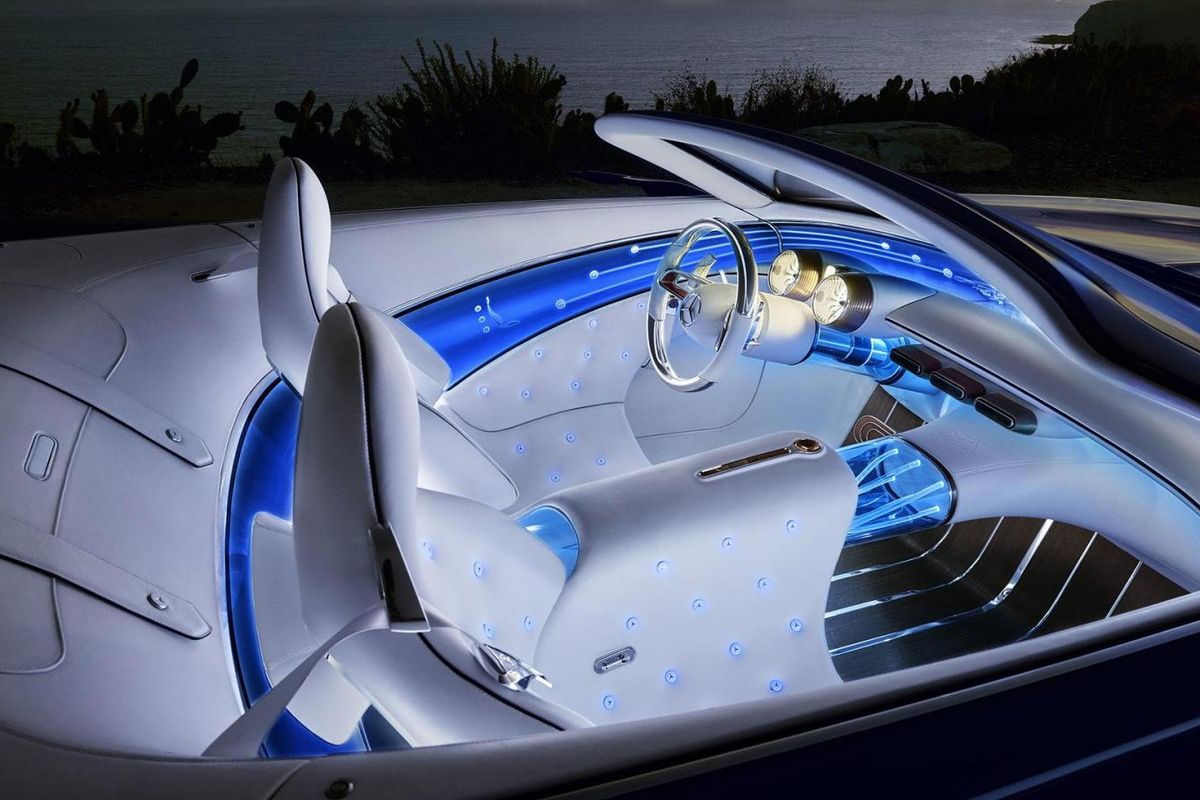
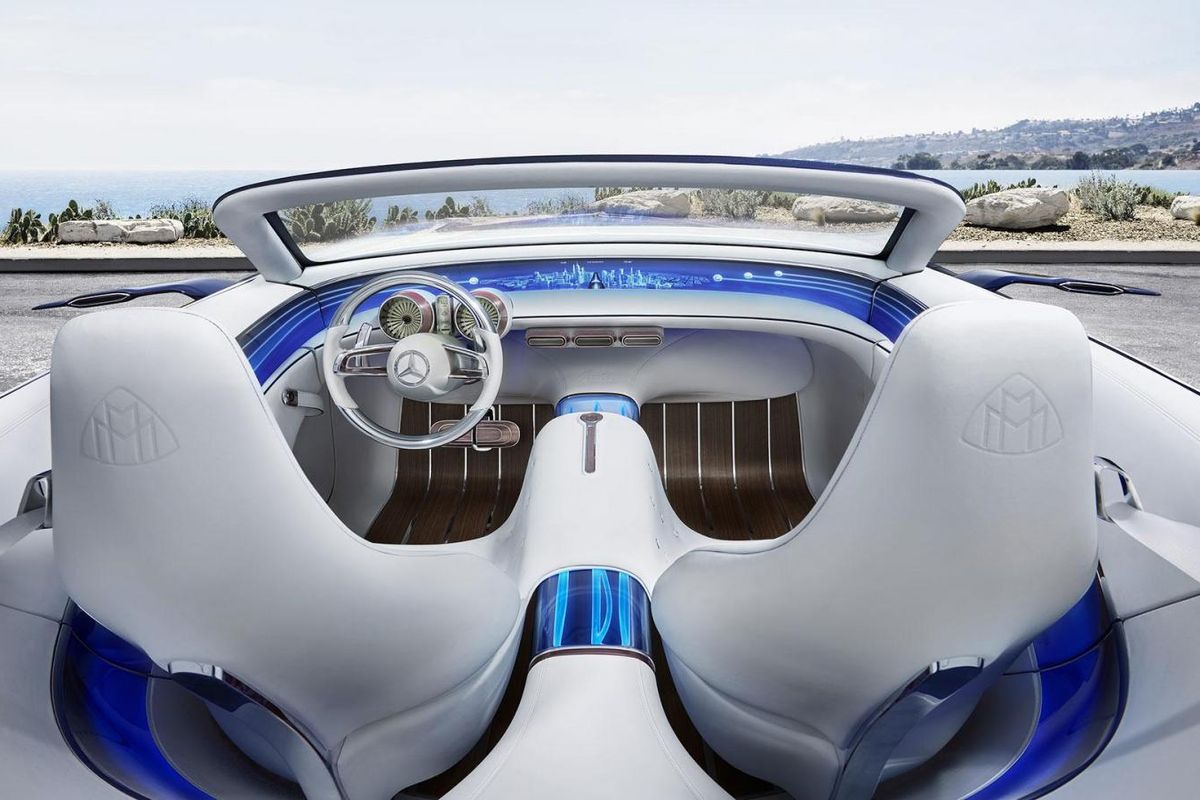
A futuristic interior with white Nappa leather upholstery and open-pore wooden floor creates a luxurious interior ambience.
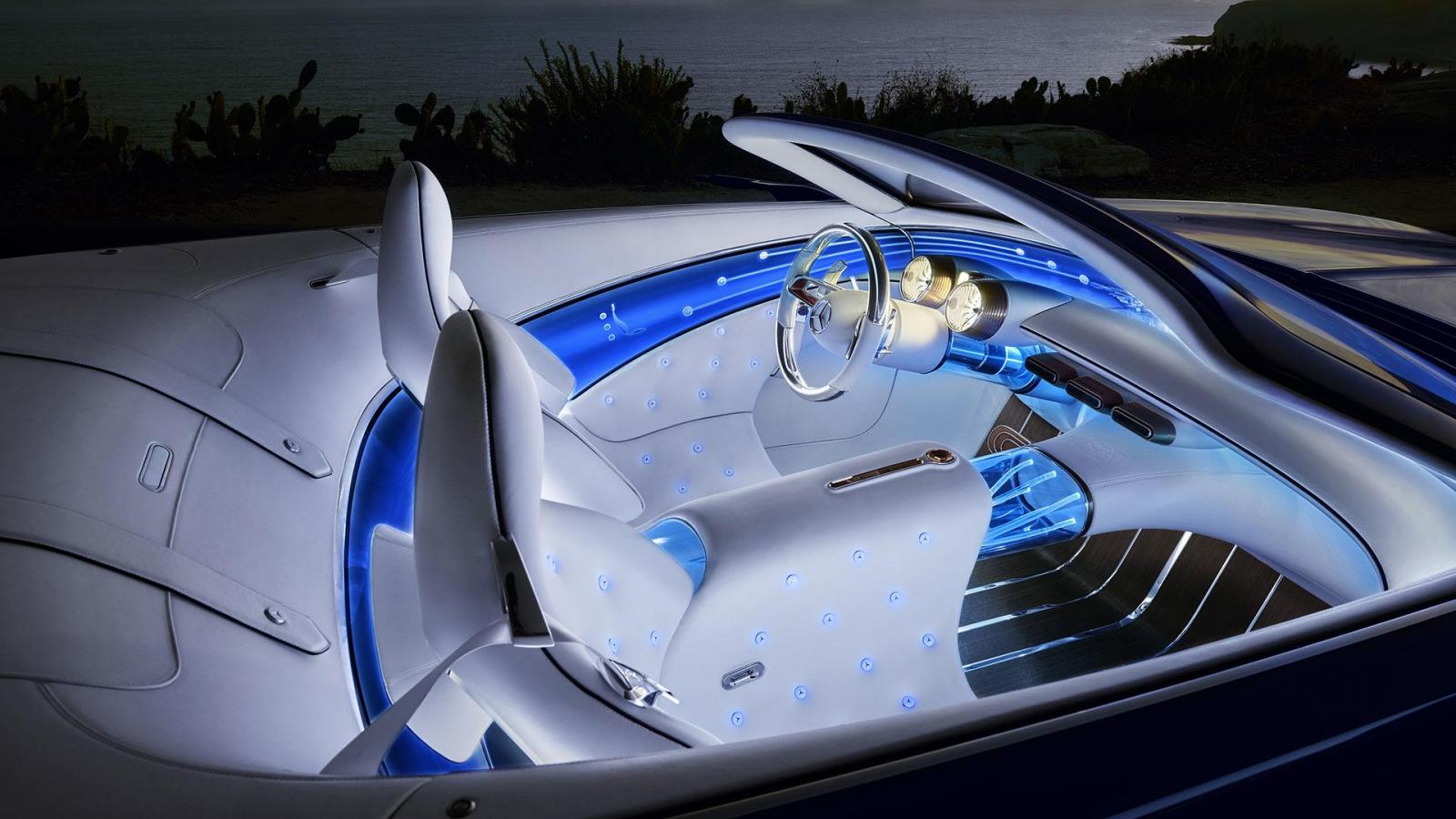
The interior features a flowing design to create a 360-degree open-air lounge effect. Crystal white Nappa leather with a diamond pattern quilting provide striking contrast and rose gold trim details add to the opulence. Upholstery buttons feature the Mercedes star and all of them are backlit in blue. The yachting theme is further emphasised with the open-pore wood floor with inlaid aluminum.
Two round analogue dials provide a classic look and 3 air vents positioned below the central wing appear as floating engines. Another prominent feature is a ‘floating’ transparent centre tunnel with blue fibre optics hinting at the electrical energy flow provided by the electric motors. Additional vehicle and travel information are displayed via 2 head-up displays projected onto the windscreen.
Electric power
The all-wheel drive Vision Mercedes-Maybach 6 Cabriolet is powered by 4 compact magnet synchronous electric motors with a flat battery positioned in the underbody. Total system output is pegged at 550 kW with acceleration from zero to 100 kph taking place in around 4 seconds before hitting a limited top speed of 250 kph. The vehicle has a range of over 500 km and a quick-charging function allows for 100 km range to be charged in 5 minutes.
The Vision Mercedes-Maybach 6 Cabriolet is a concept that follows from the Coupe version shown last year and imagines what the future of luxurious mobility could look like.
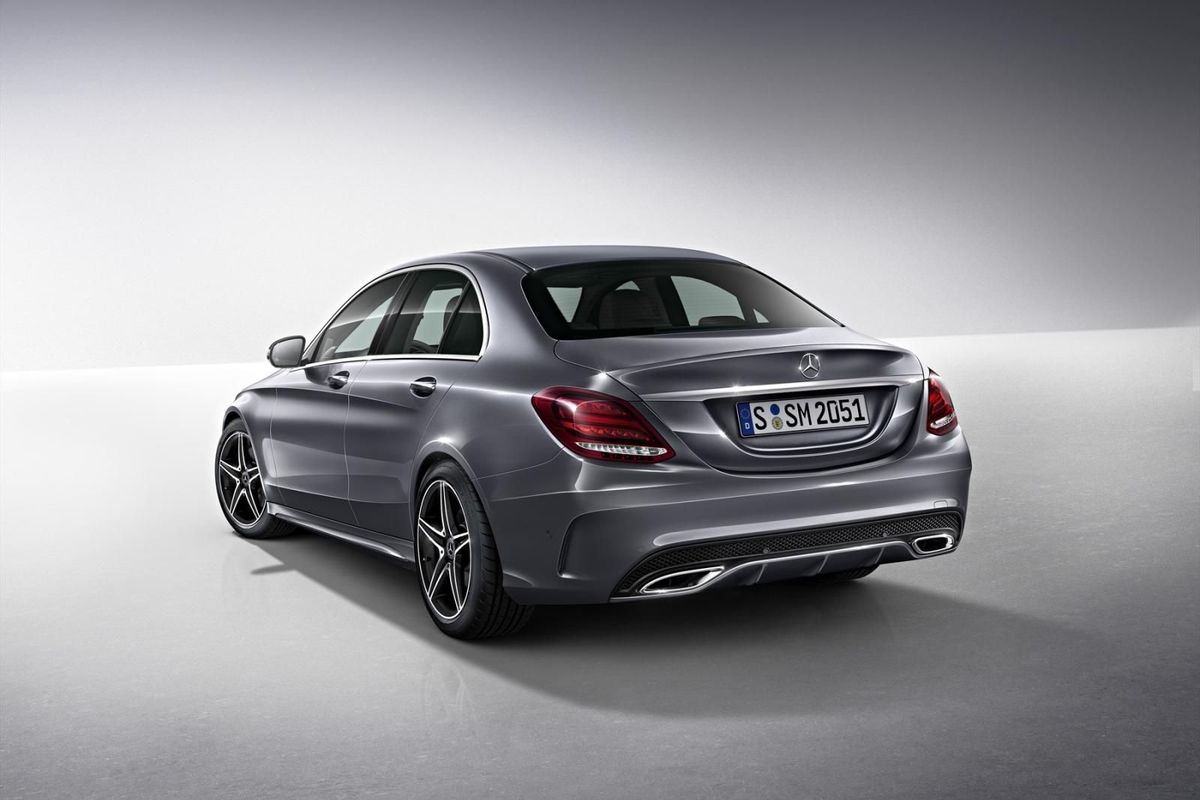
Mercedes-Benz has bolstered its C-Class lineup with the addition of a sportier Edition C derivative. Take a look at specification and pricing for the Edition C below…
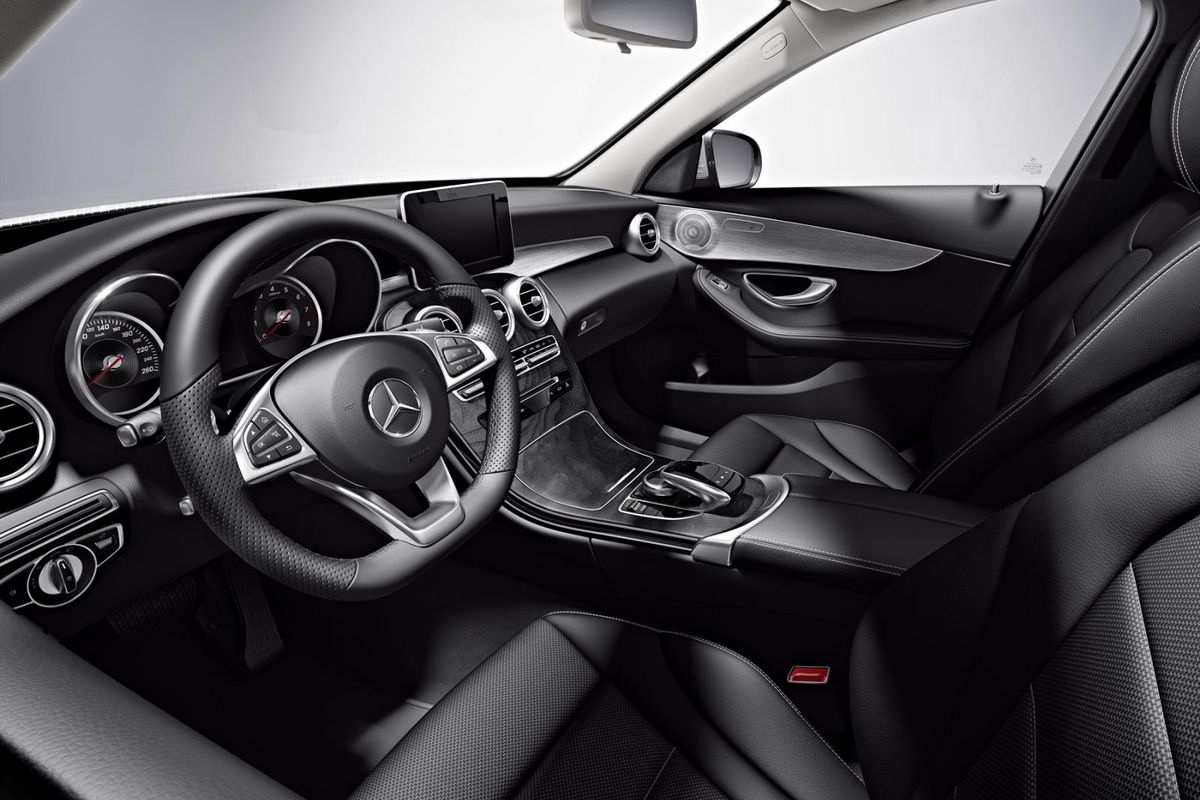
Mercedes-Benz is offering a new C-Class sedan derivative called the Edition C in South Africa that incorporates sporty exterior and interior styling. The Edition C combines an AMG Sports exterior design with an Avantgarde interior equipment line.
The Edition C rides on 18-inch, 5-spoke AMG light-alloy wheels painted in high-sheen gloss black and is fitted with LED headlights and taillights. A sport suspension and 9G-Tronic transmission is fitted as standard.
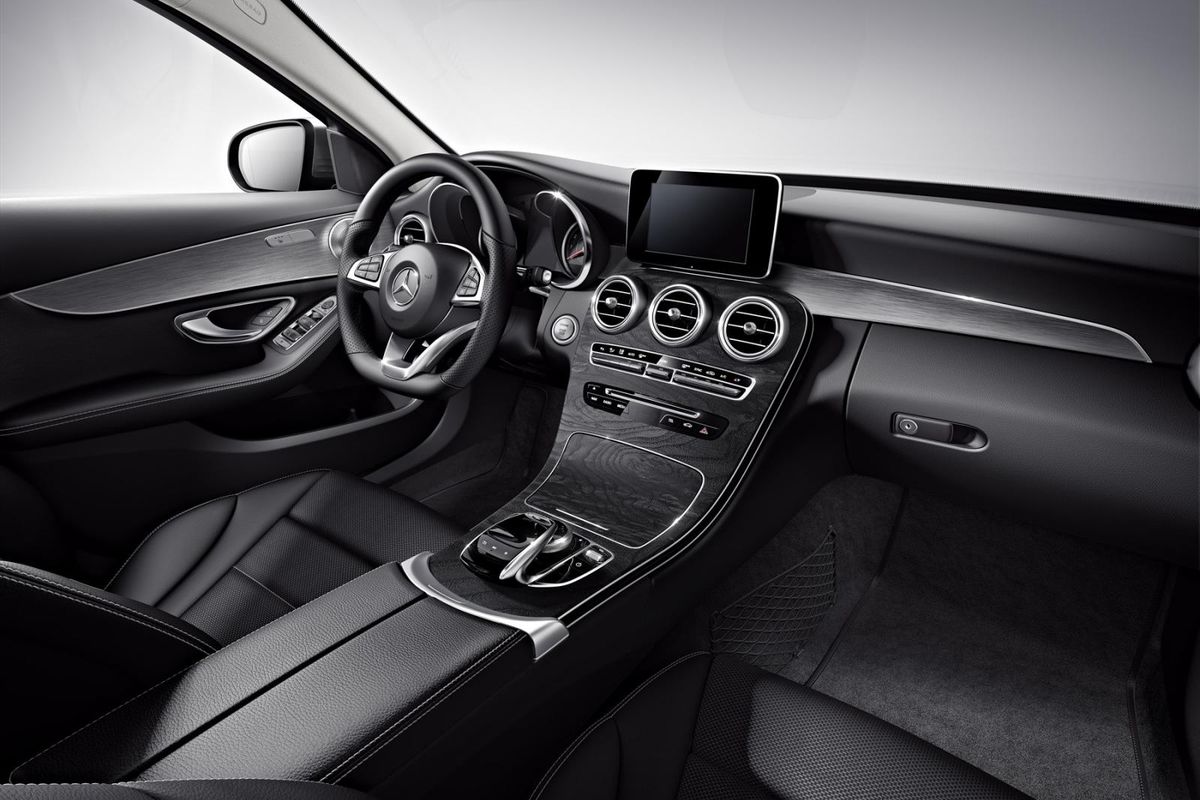
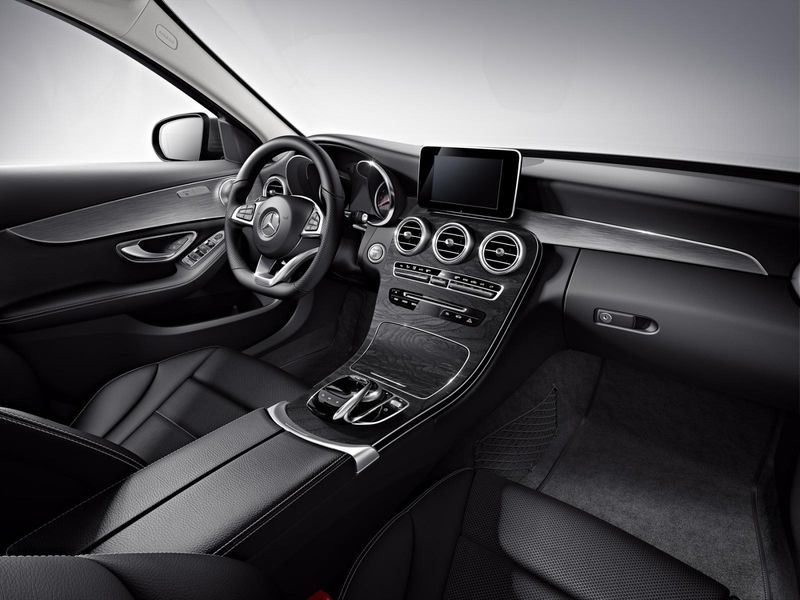
Open-pore black ash trim, aluminium detailing and multifunction sport steering wheel are some of the interior highlights of the Edition C.
On the inside, the Edition C features exclusive open-pore black ash trim on the centre console with light longitudinal-grain aluminium trim seen on the instrument panel and door panels. A multifunction, black leather, flat-bottomed steering wheel further adds to the sporty feel of the Edition C. Comand Online infotainment is an optional extra.
Other nice-to-have features include Active Park Control with Parktronic and Mirror Package which includes an automatic dimming mirror/exterior mirror and electrically folding side mirrors.
The Edition C is available across the C-Class sedan range. Take a look at pricing below.
Mercedes-Benz Edition C – Price in South Africa
C180 Edition C – R614 600
C200 Edition C – R639 900
C250 Edition C – R667 000
C300 Edition C – R707 200
C220d Edition C – R667 100
C250d Edition C – R696 300
The Mercedes-Benz C-Class Edition C is sold with a 2-year/unlimited km warranty and a 6-year/100 000km maintenance plan.