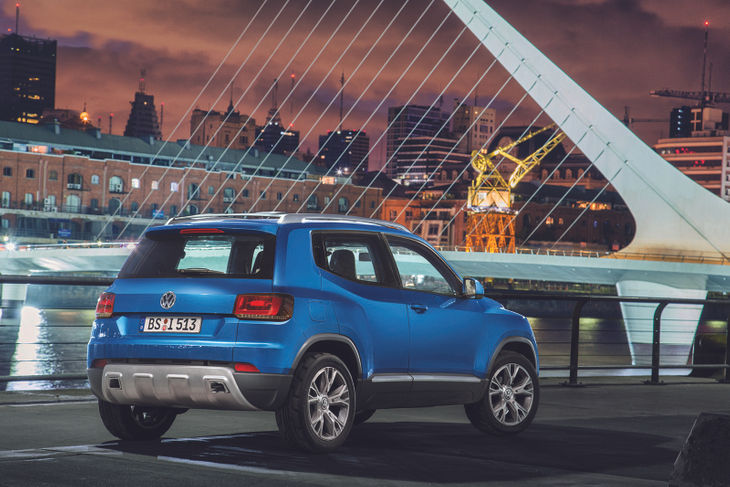
Reports are indicating that Volkswagen will put the 2012 Up!-based Taigun SUV into production. The new small SUV is expected to go on sale at the end of the decade (2020) and will likely be called the T-Track.
Back in 2012, Volkswagen showcased a Taigun SUV design study at the Sao Paulo Motor Show and now reports are suggesting that the Up!-based SUV will go into production carrying the T-Track moniker. The T-Track will join new SUV models such as the forthcoming Golf-based T-Roc SUV and the Polo-based T-Cross.
The model is destined for the Brazilian market to rival the likes of the Dacia Duster and Ford Ecosport. It’s unclear at this stage whether the T-Track will be offered in other markets or if it will make it to South African shores.
The Volkswagen T-Track is a small Up!-based SUV that will share design cues from the 2012 Taigun concept.
The delayed decision to produce the T-Track is because it’s expensive to produce as the model doesn’t share many parts with other vehicles in Volkswagen’s stable.
To give you an idea of the T-Track’s likely dimensions, the Taigun SUV concept measures 3 859 mm long, 1 728 mm wide and 1 570 mm in height with a wheelbase of 2 470 mm. The concept is some 50 mm longer than the Up! City on which it is based.
The Taigun concept has seating for 4 people and the luggage bay offers 280 litres of space, expanding to 987 litres with the rear seats folded down.
As an SUV that will primarily be used in the city, the Volkswagen T-Track will likely be powered by a small-capacity, turbocharged 1.0-litre engine with power being sent to the front wheels.
We will keep you updated as more details become available.
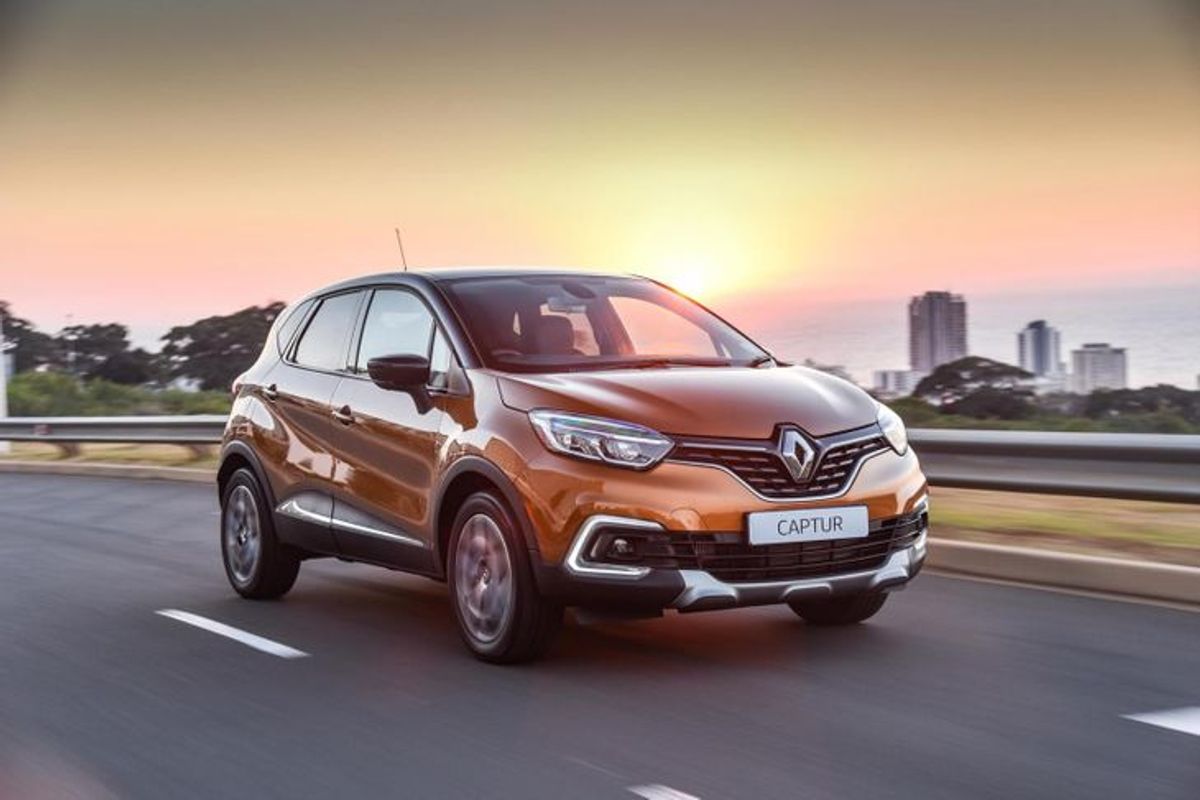
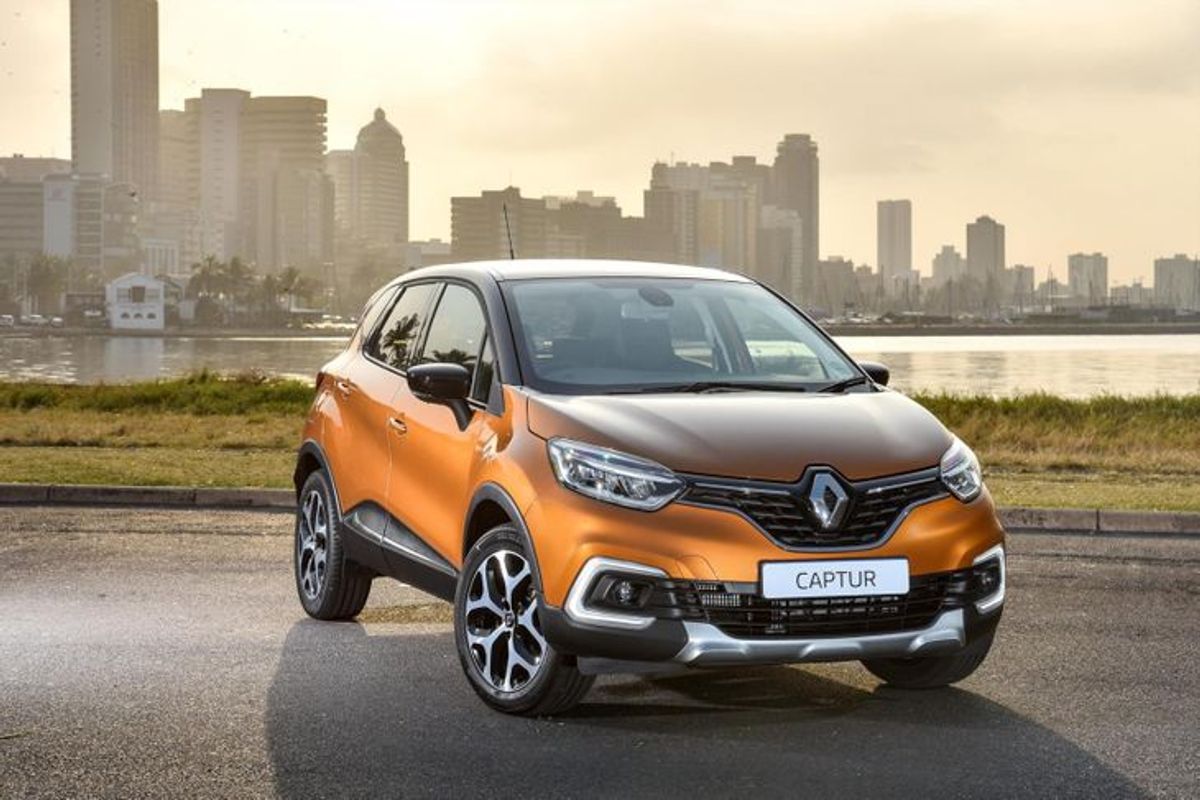
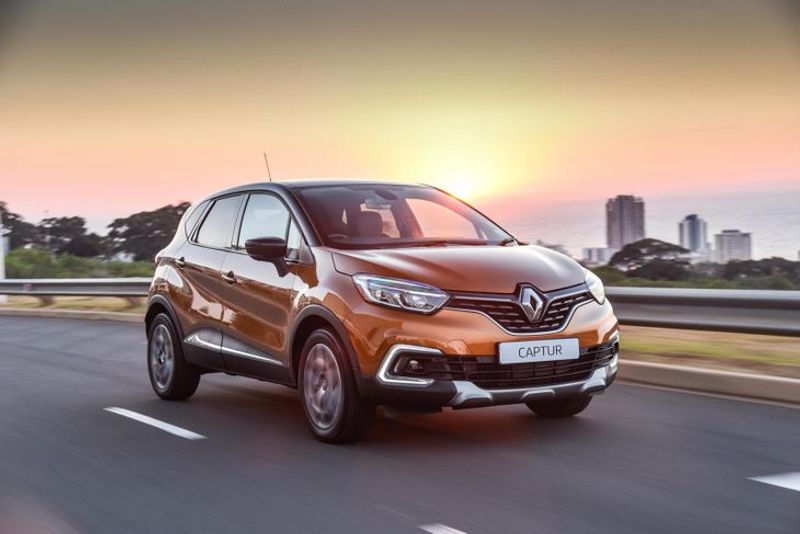
Renault has launched the facelifted Captur compact crossover in South Africa! Take a look at specification and pricing for the updated Captur range below…
The Renault Captur is a popular model in South Africa and since its local introduction has sold over 6 500 units. Now, the facelifted Captur has arrived to ensure its continued success on the local market.
What’s changed?
In terms of styling, the facelifted Captur wears a redesigned upper grille with chrome edging and its front-end look is complemented with LED headlights and C-shaped daytime running lights. The front and rear bumpers also feature new skid plates. The Captur is now offered with new exterior colour choices as well as new 17-inch Black & Chrome alloy wheels. Dynamique derivatives are offered with 2-tone paintwork as standard.
The Captur range welcomes a more affordable Blaze derivative to the range, replacing the outgoing Expression derivative.
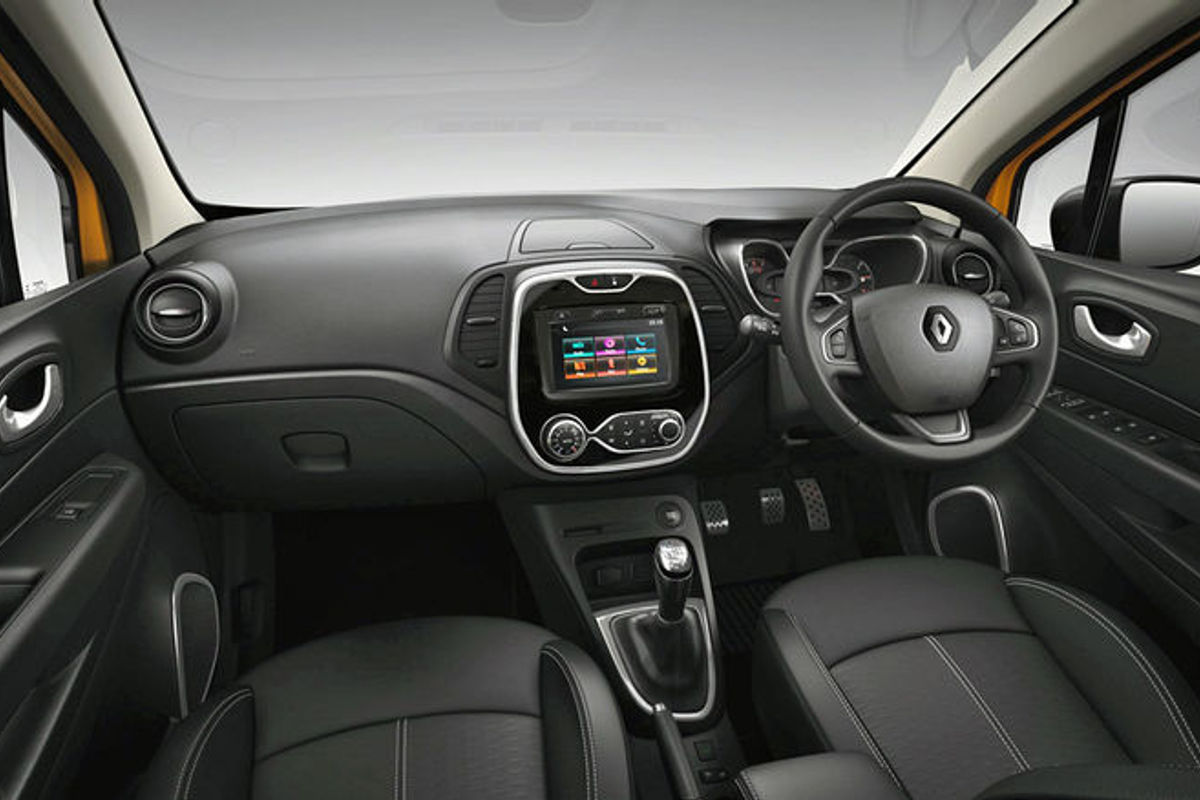
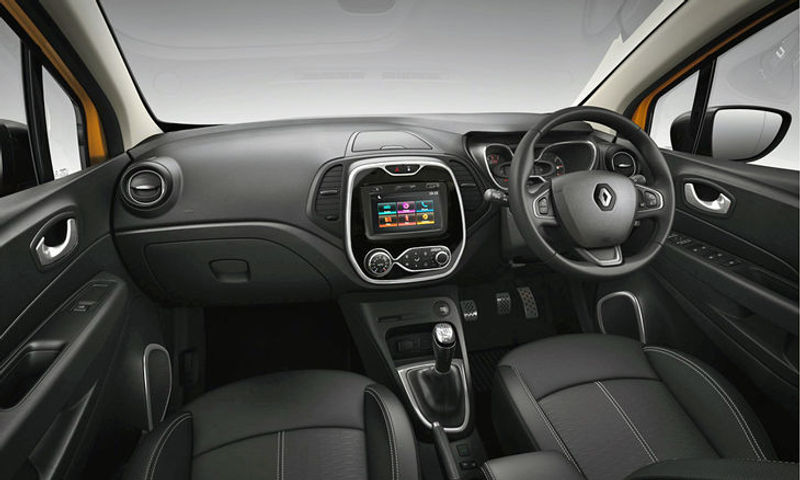
On the inside, the Captur features a new leather steering wheel and the seats have been redesigned to offer higher levels of comfort. Heated leather seats are offered as an option on Dynamique derivatives.
Other notable improvements include satin chrome trim, a new continuous-shaped soft-touch dashboard, newly designed gear lever and multi-purpose storage solutions including a new central armrest with a useful storage section offered on Dynamique derivatives.
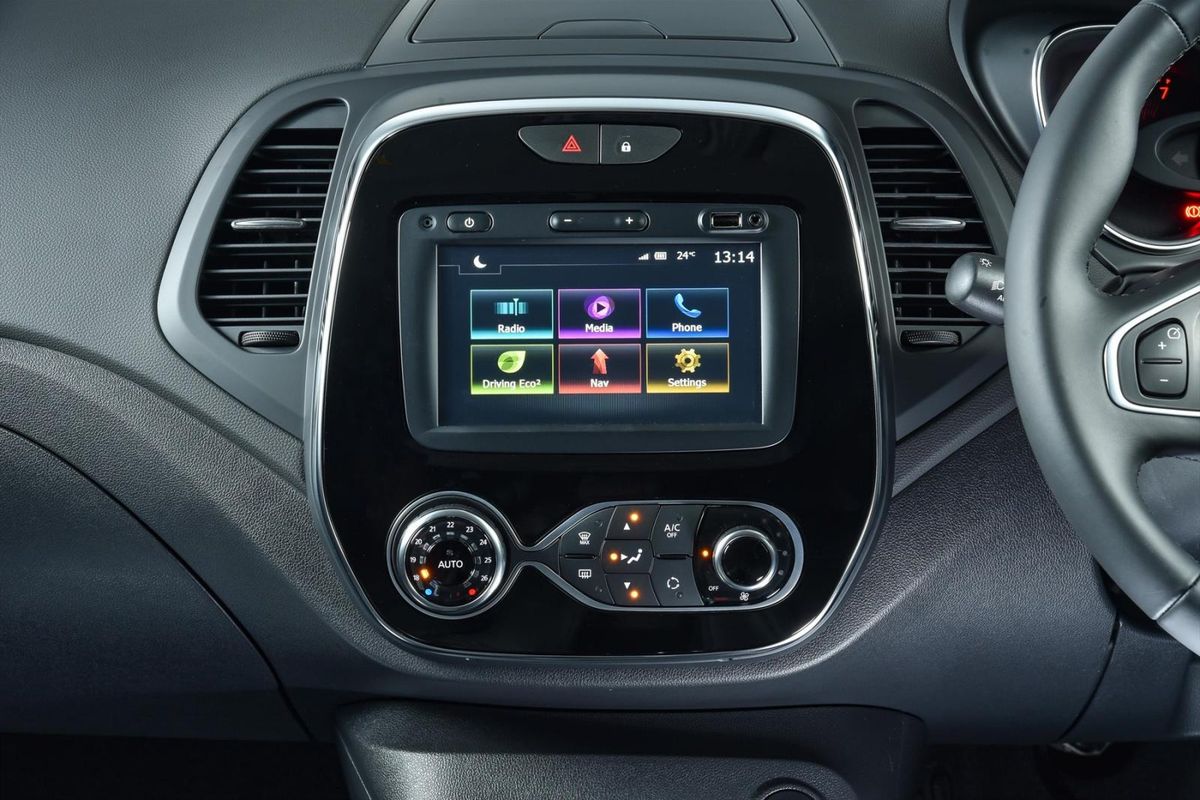
Key features include a Renault MediaNav touchscreen with Bluetooth, hill start assist, keyless entry, front and rear electric windows, rear parking sensors, automatic headlights and windscreen wipers, cornering headlights, cruise control and fingertip controls located behind the steering wheel.
The facelifted Captur features a mildly revised interior but Renault's MediaNav infotainment system is still a highlight.
The new entry-level Captur Blaze derivative is equipped with the R&Go application which is a multi-function smartphone/tablet application connected through the radio via Bluetooth. It enables remote control of the radio with a smartphone offering an extended dashboard display on the screen and comes with a cradle to ensure comfortable use. The R&Go application offers functionality including multimedia, phone, vehicle and navigation.
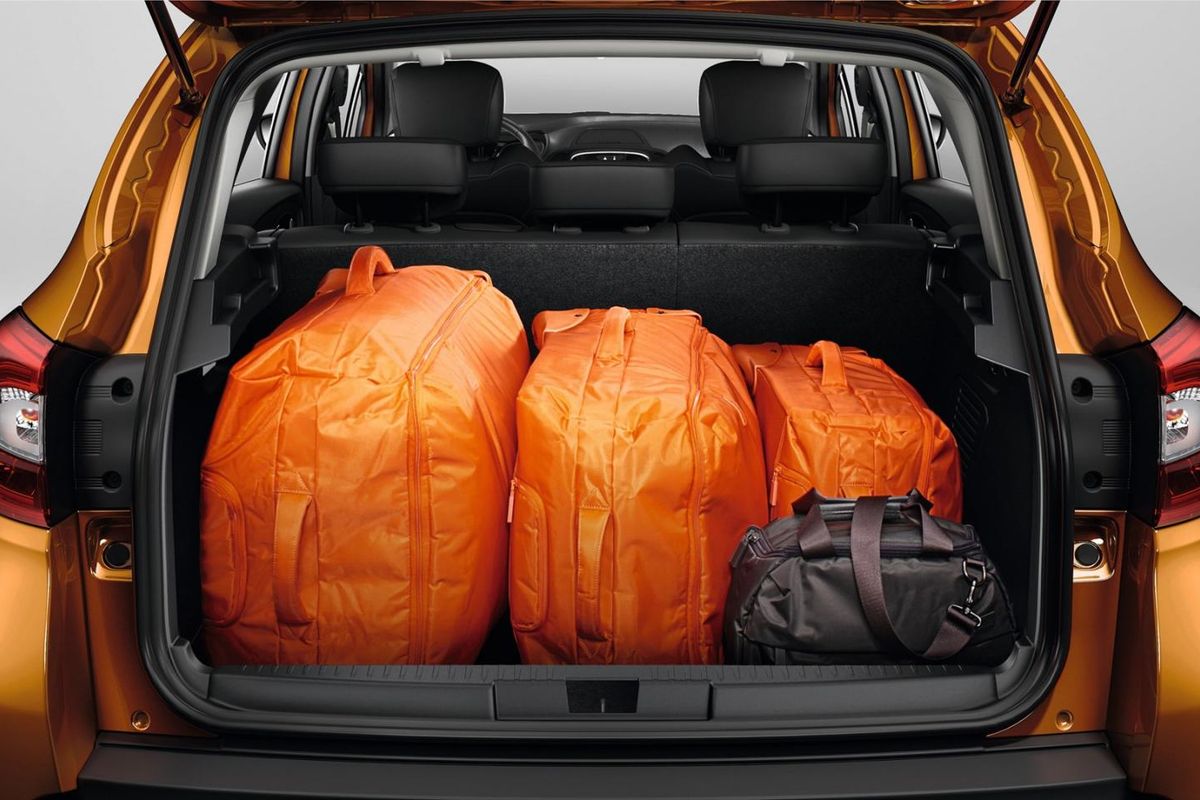
In terms of practicality, the Captur offers 377 litres, or 455 litres with the rear seats pushed all the way forward. With the rear seats folded flat, space increases to 1 235 litres. The rear seats are split into 3 sections, making the Captur quite flexible depending on your luggage needs. The Captur also features a reversible, 2-position boot floor, allowing you to store items out of sight.
Engine choice
The Renault Captur is offered with 3 engine choices. The Captur range kicks off with the 3-cylinder, 0.9-litre turbopetrol engine offering 66 kW and 135 Nm of torque. Renault claims 5.4 L/100km for this engine.
A 1.2-litre turbopetrol engine is also available with 88 kW and 190 Nm of torque. This engine is now offered with either a 6-speed manual or 6-speed automatic EDC transmission. Fuel consumption is claimed at 5.4 L/100km.
Lastly, a 1.5-litre turbodiesel engine with 66 kW and 220 Nm of torque round off the engine offering with a claimed fuel consumption figure of 3.6 L/100km.
In terms of safety, the Captur is fitted with 4 airbags, ABS with EBD, Electronic Stability Program (ESP) and Hill Start Assist (HSA). ISOFIX child seat mounts are standard.
Renault Captur – Price in South Africa
Renault Captur 66kW Blaze – R229 900
Renault Captur 66kW Dynamique – R269 900
Renault Captur 1.5 dCi Dynamique – R294 900
Renault Captur 88kW Dynamique – R294 900
Renault Captur 88kW EDC Dynamique – R309 900
The Renault Captur is sold with a 5-year/150 000km mechanical warranty, 3-year/45 000km service plan and 6-year anti-corrosion warranty.
Volkswagen is gearing up for the reveal of its new T-Roc crossover and the firm has released a teaser video showing off some its design details.
Based on the T-Roc Concept shown back in 2014, Volkswagen will debut its latest creation in production guise on 23 August 2017. The T-Roc will slot in below the Tiguan in Volkswagen’s lineup and it will look to shake-up the crossover segment with its edgy and progressive styling.
Volkswagen says the T-Roc will feature "crisp proportions, a progressive design, and a wealth of innovations." The model will also have sporty features and all-wheel drive to make it somewhat offroad capable.
This latest teaser video reveals some of the T-Roc’s design details including a wide grille with sharp-looking integrated LED headlights, a creased bonnet, plastic body cladding, metallic window surrounds, a stylised tailgate with a rear spoiler and smart, wrap-around LED taillight units. As for the interior, it looks smart and features colour-coded trim and a digital instrument cluster will give the interior a modern feel.
The T-Roc rides on Volkswagen’s MQB platform and will likely be offered with a choice of turbocharged 4-cylinder engines with both manual and dual-clutch transmissions. A 48 V mild hybrid version is also likely and Volkswagen may also introduce an R variant at a later stage that could employ the 228 kW 2.0-litre turbopetrol engine that does service in the Golf R.
We will keep you updated as soon as Volkswagen provides definitive details on 23 August 2017, so stay tuned!
Volkswagen Golf R, GTI & GTD (2017) Track Comparison Video
A racetrack. Three new Volkswagen Golf 7.5s. One racing driver. And, one particularly excited presenter with a stopwatch. This is episode 1 in a new series of videos from Cars.co.za. Welcome to Game of Golfs…
Volkswagen recently released a bevy of new 7.5-generation Golfs in South Africa. Earlier in the year we reviewed the latest iteration of the Golf GTI and now the venerable performance hatchback has been joined by its more hardcore sibling, in the form of the Golf R, and for the first time on the local market, the GTD – "a turbodiesel-powered GTI".
In this video, we send our race-ace Ashley Oldfield out onto the track in a bid to set the fastest time in each car. With the Golf R's exceptional power and all-wheel-drive, it will certainly set the pace, but how close can the GTI get to the R? And, how well will the GTD compare with the petrol-powered GTI?
All of these questions will be answered, and all without the use of any dragons.
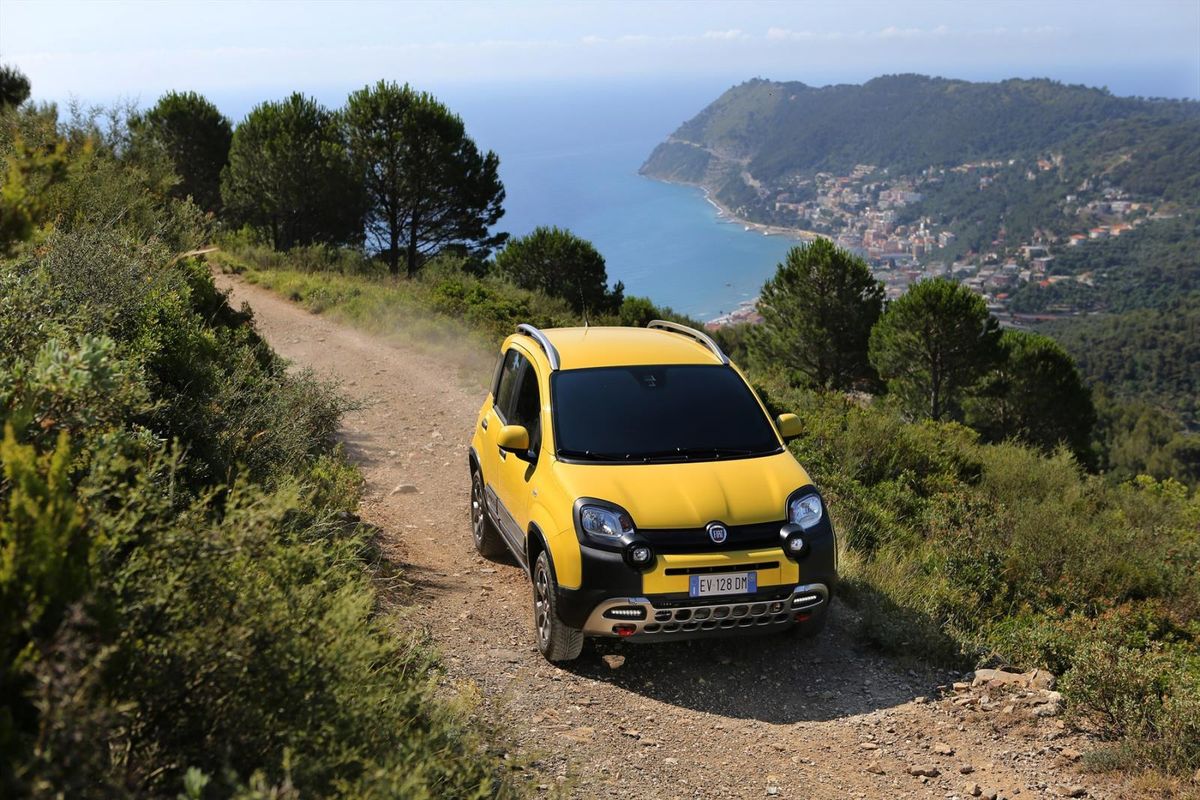
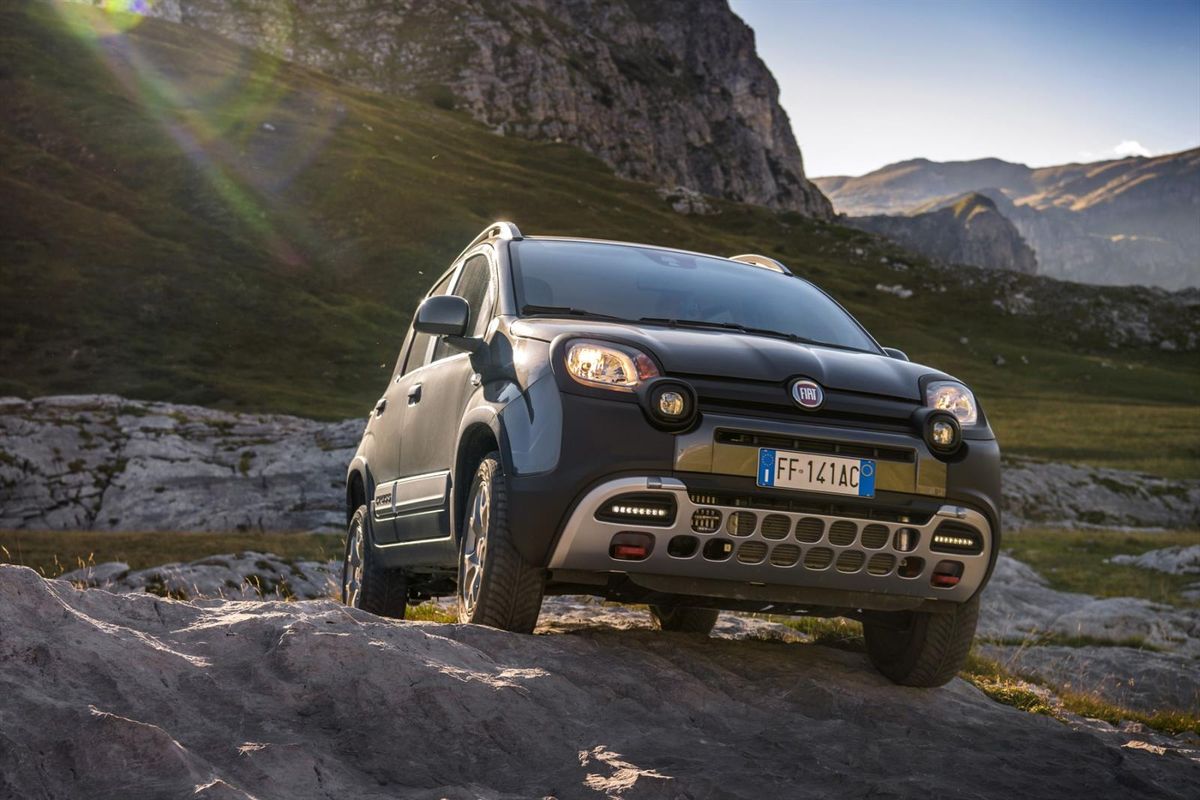
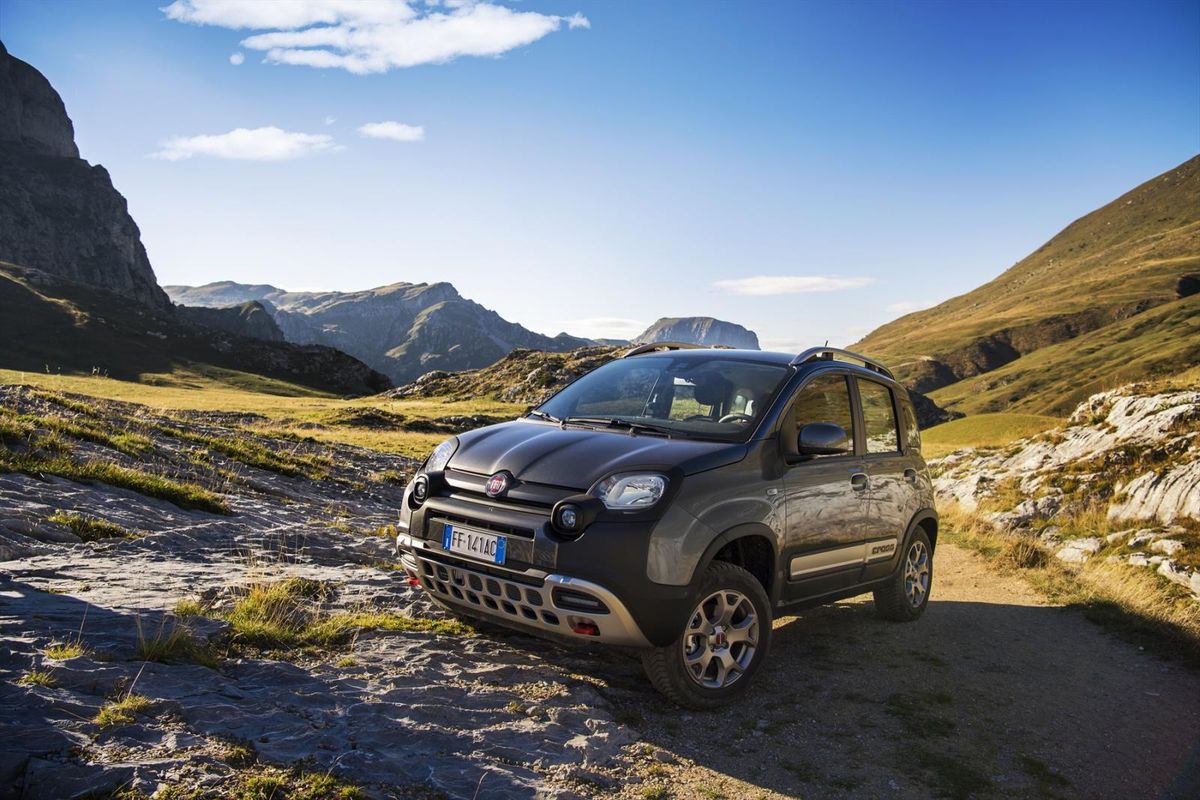
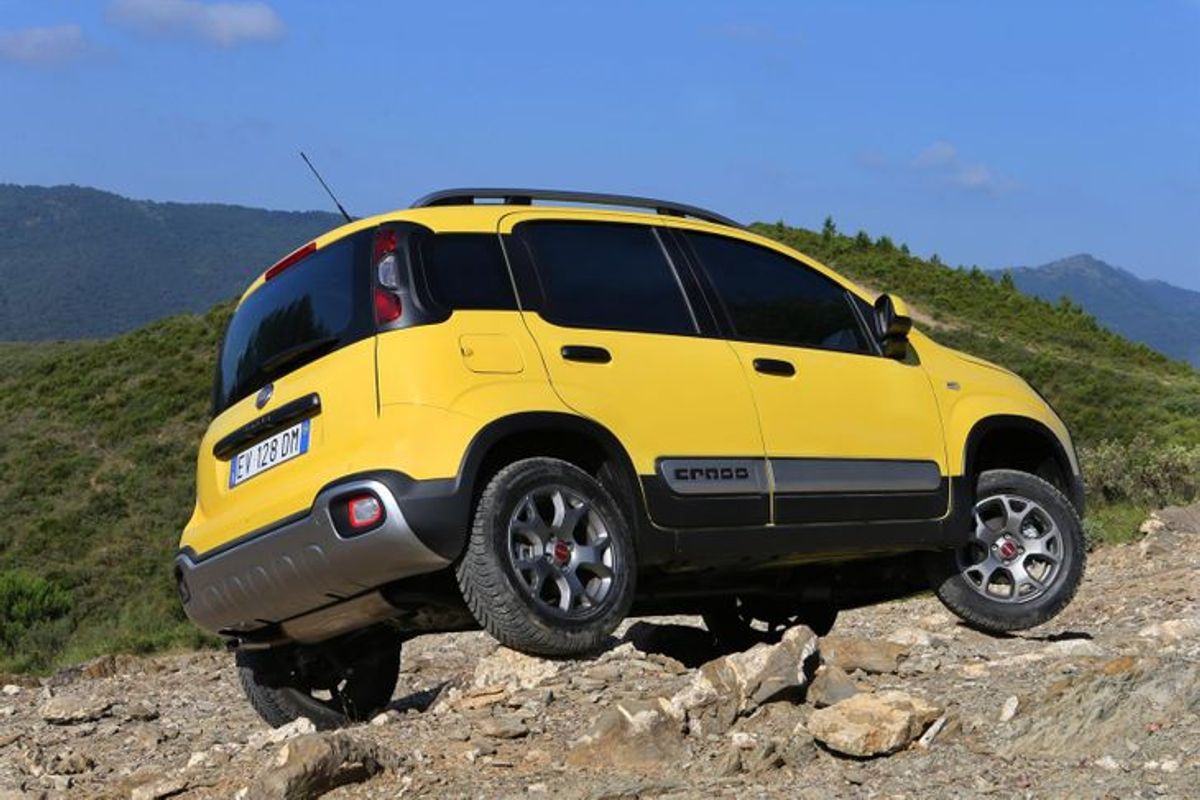
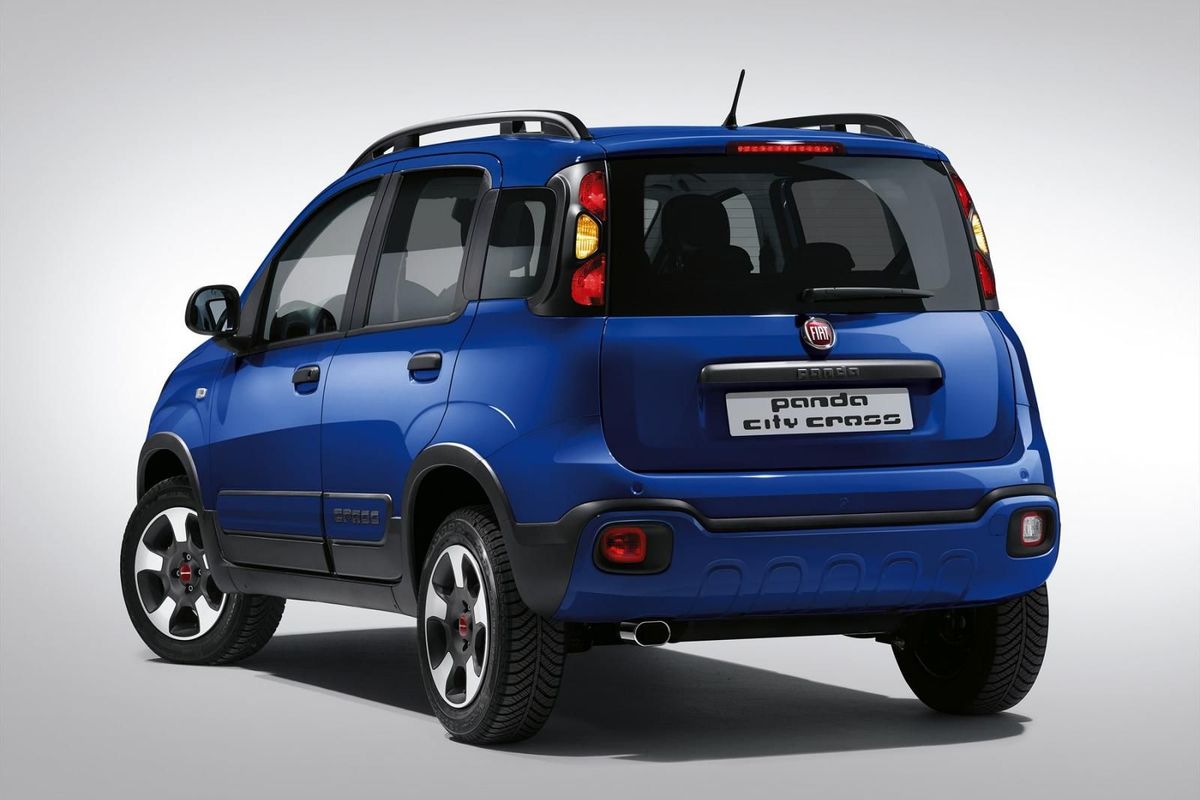
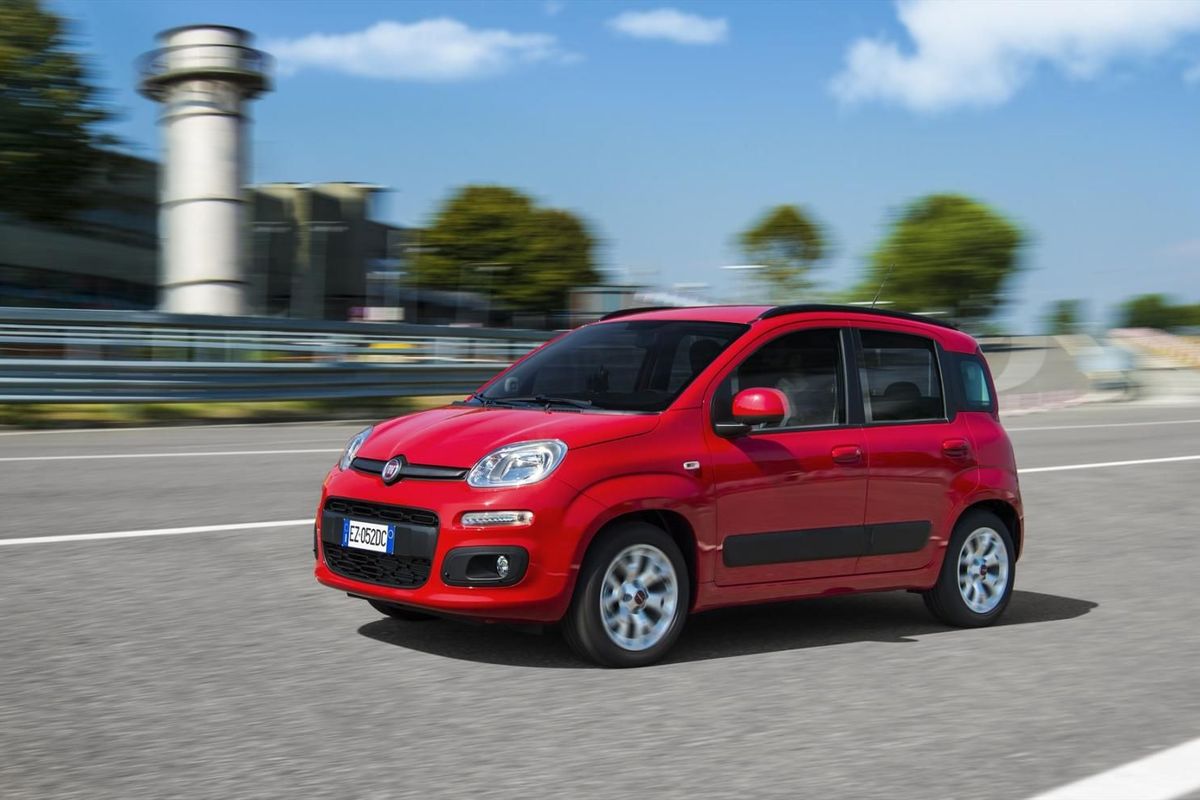
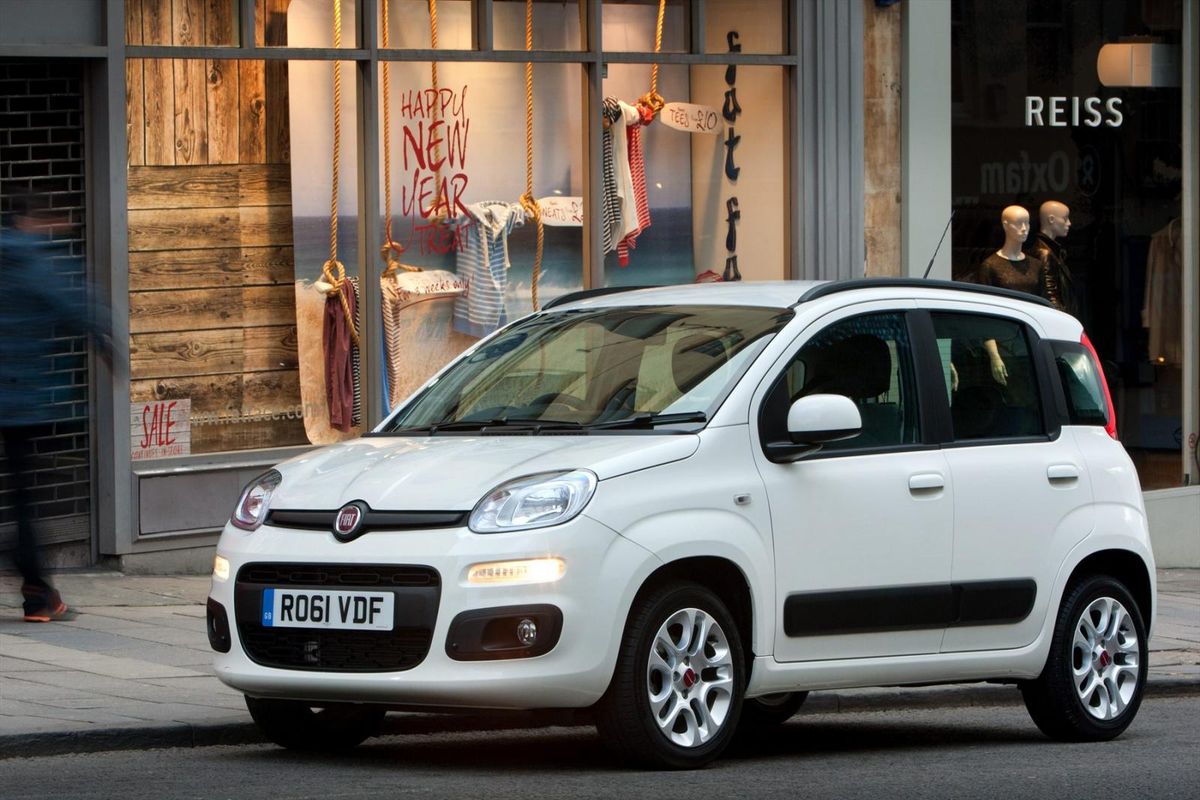
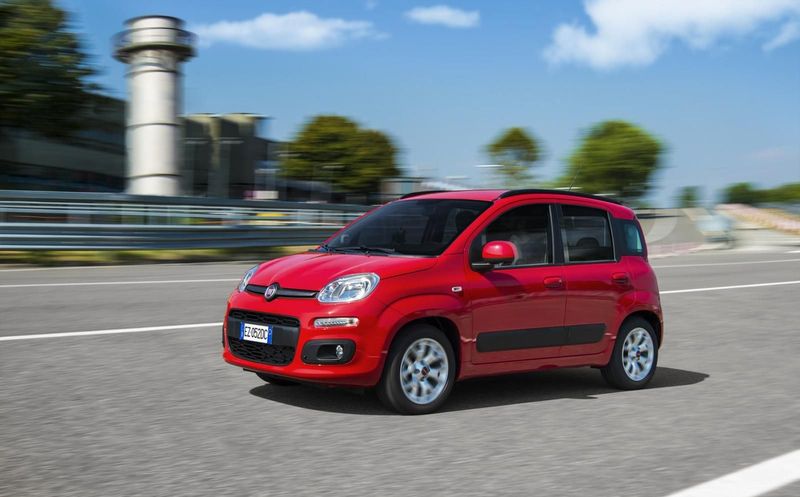
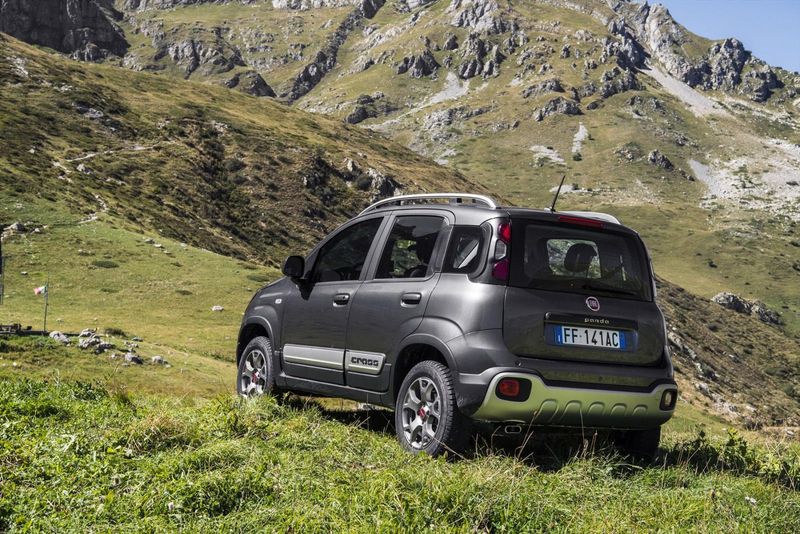
Postman Pat's hatchback of choice has returned, replete with a brace of capable off-roader derivatives with heaps of go-anywhere attitude. Can the Panda's diversified line-up allow Fiat to increase its foothold at the budget end of the market?
What's new?
The Panda, 4×4 and Cross follow a similar formula as before. You get a vibrant city car that's fun to drive, but then, with the 4×4 versions, a sense of adventure and off-road capability for much less price than an actual off-roader. The newcomer's exterior styling suggests the Panda's a car that doesn't take itself too seriously (there are few aesthetic individualisation options available) and Fiat's quest to reduce emissions (a move in line with efforts by the global motor industry) sees a 2-cylinder 875 cc turbopetrol engine under the bonnet.
Can a 2-cylinder do the job?
Yes, it can. You either get a 63 kW/120 Nm engine or, in the top spec Cross, 66 kW/120 Nm. Those outputs are on par with the 3-cylinder engines it competes with in cars like the Renault Sandero and the Volkswagen Up!. The engine sounds quite rorty (in an entertaining way) and apart from peppy performance it delivers round town, there's reasonable power available out on the open road too; the early torque delivery courtesy of the petrol motor gives the Fiat reasonable overtaking capabilities.
The 2-cylinder turbopetrol provides the Panda just (about) enough open-road overtaking ability.
The engine is mated with either a 5-speed manual (in the regular Panda) or a six-speed manual in the 4×4 and Cross models. Fuel efficiency is claimed to be the 2-cylinder's strong point with a claimed figure of between 4.1 and 4.9 L/100 km. Our trip of 200 km, which included some off-roading and steep climbing in the hills of Pietermaritzburg yielded a less-than-stellar 8.9 L/100 km, however. I ran a previous generation Panda for a couple years and averaged out at 5.9 L/100 km, so if you end up with more than that, you may feel hard done by.
The inside
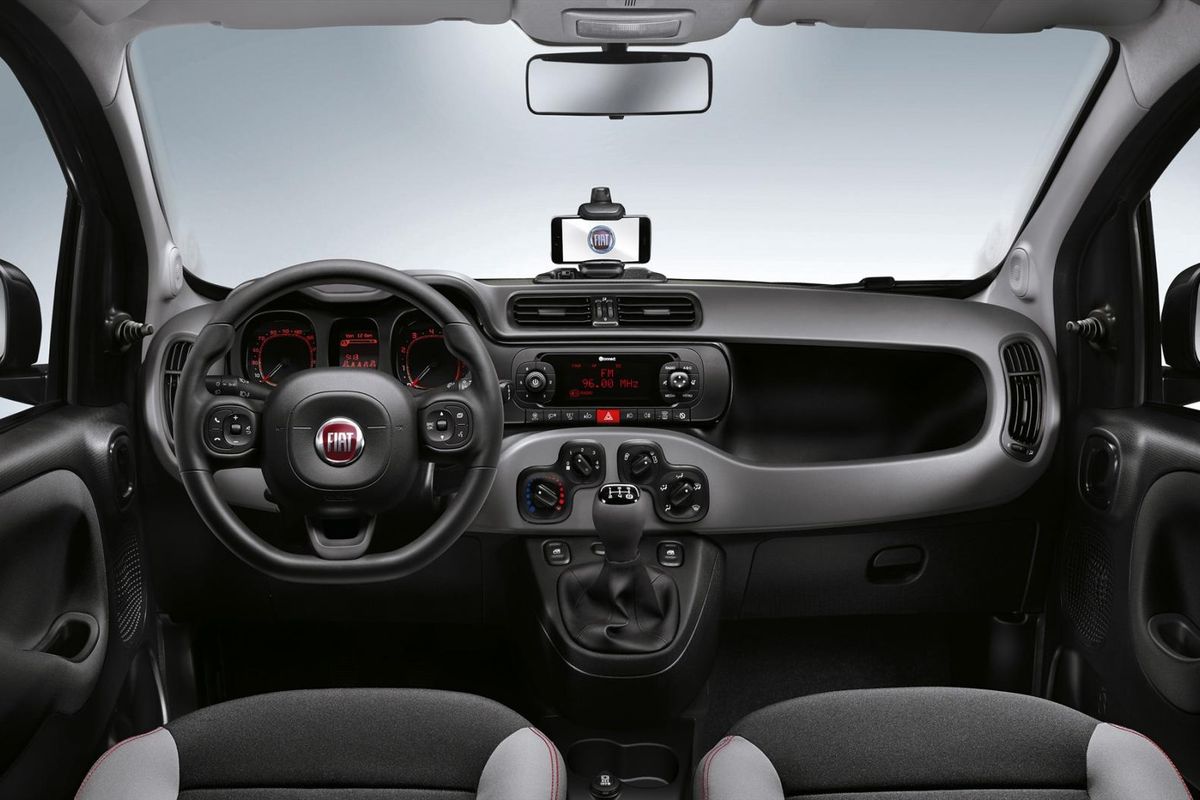
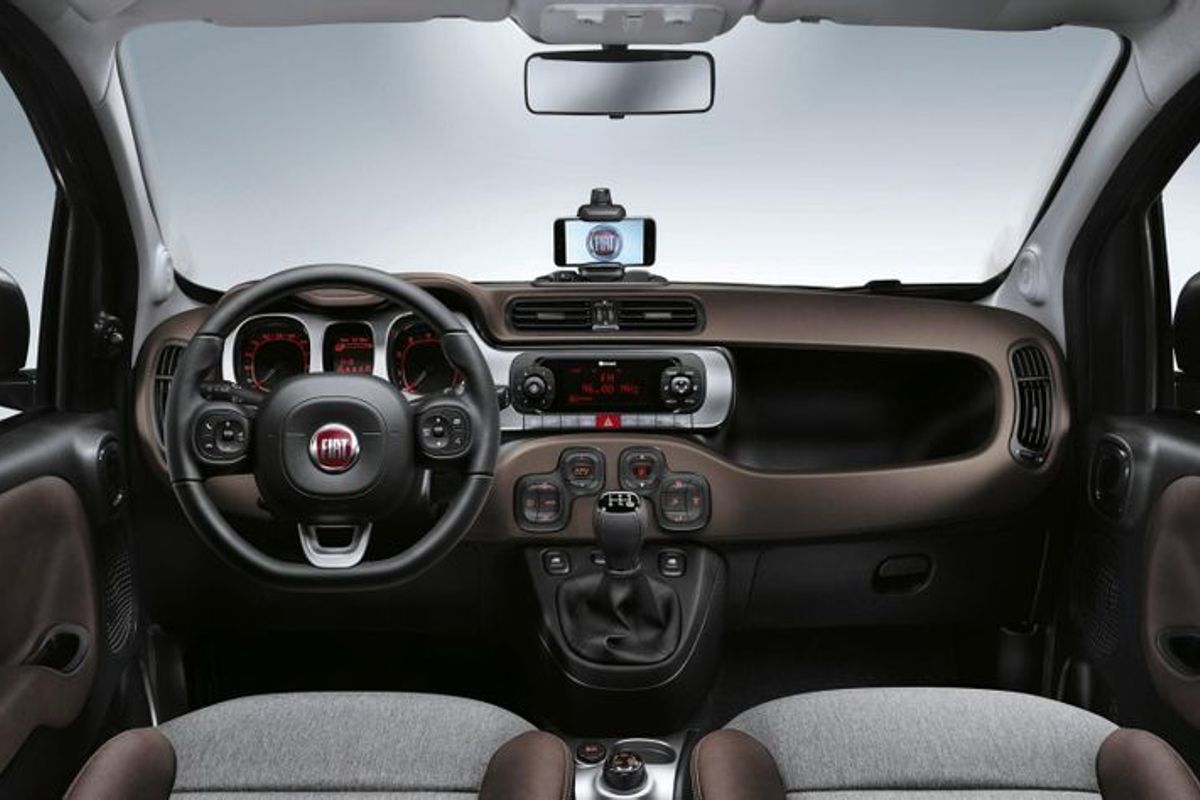
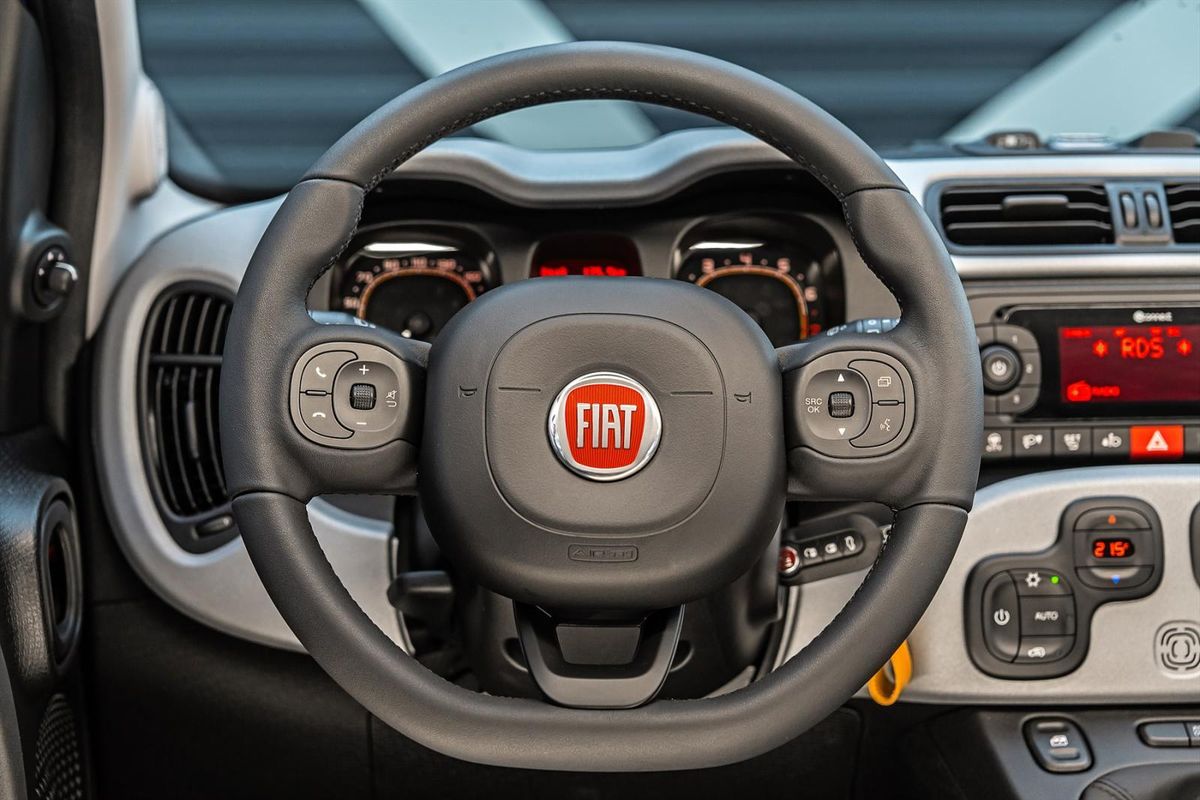
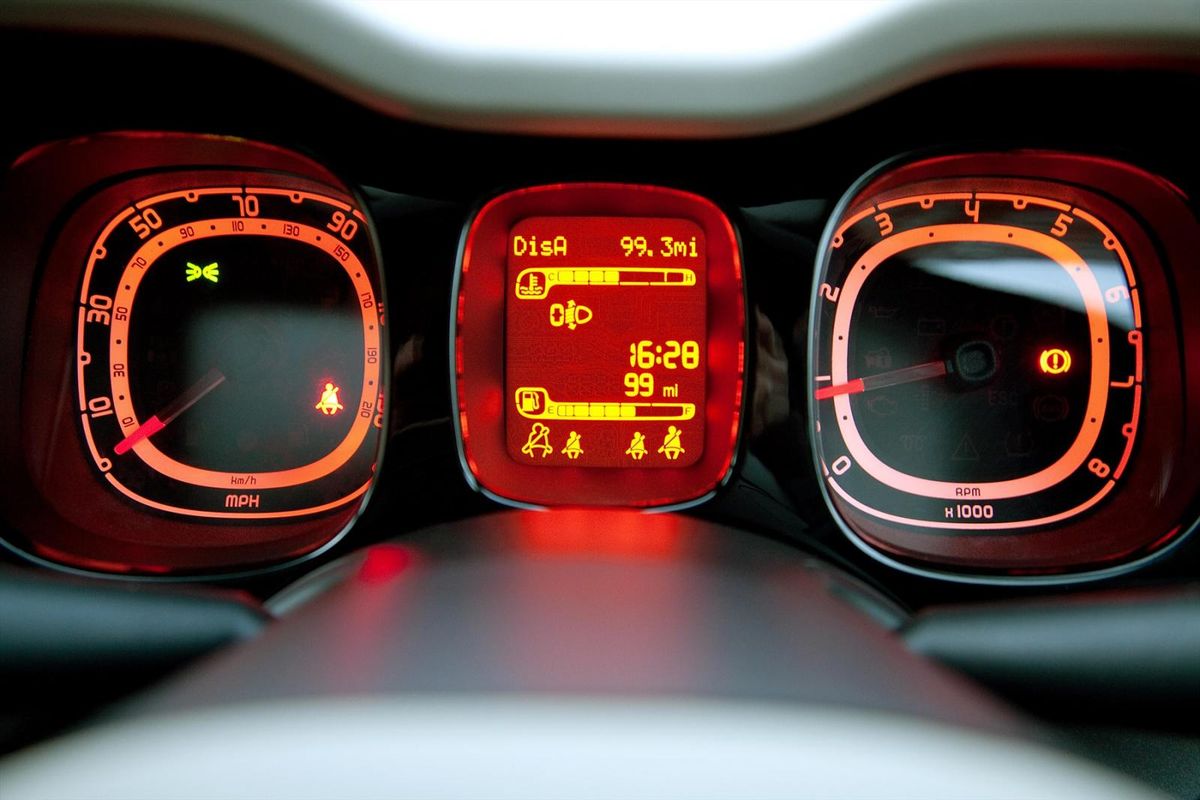
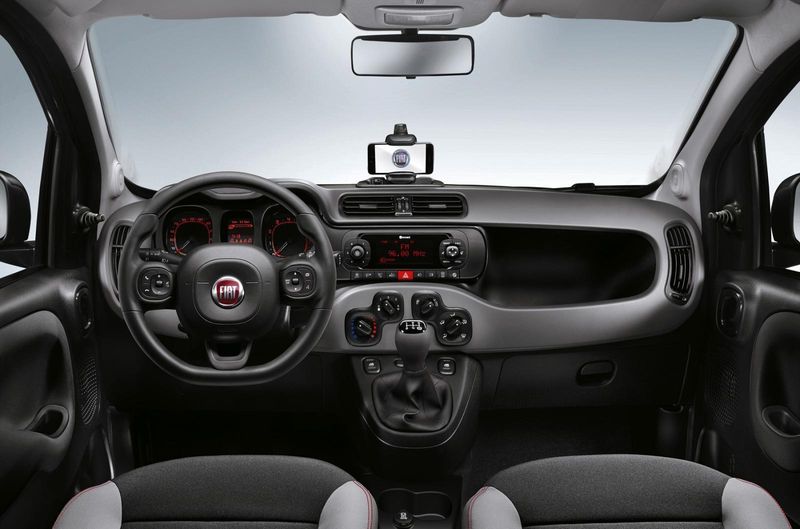
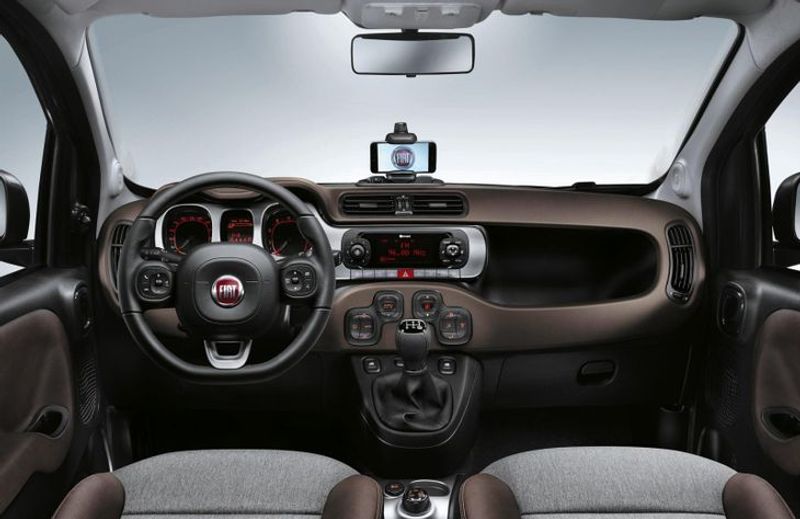
Fiat has ensured that the Panda's cheeky exterior design cues are echoed inside the cabin. The finished product is full of squircles ("square circles"), oblong air vents and cubed surfaces. The door trim is made from a durable plastic, which, upon closer inspection, was found to sport countless P, A, N, D and A letters on its surface. The cabin isn't what you would call premium, but at least the panels are not scratchy or gaudy-looking. The lack of reach adjustment on the steering wheel makes the perfect driving position very difficult to find, though.
No derivative econobox detailing in the Panda's interior; the quality of the finish is unremarkable, but feels suitably hard-wearing.
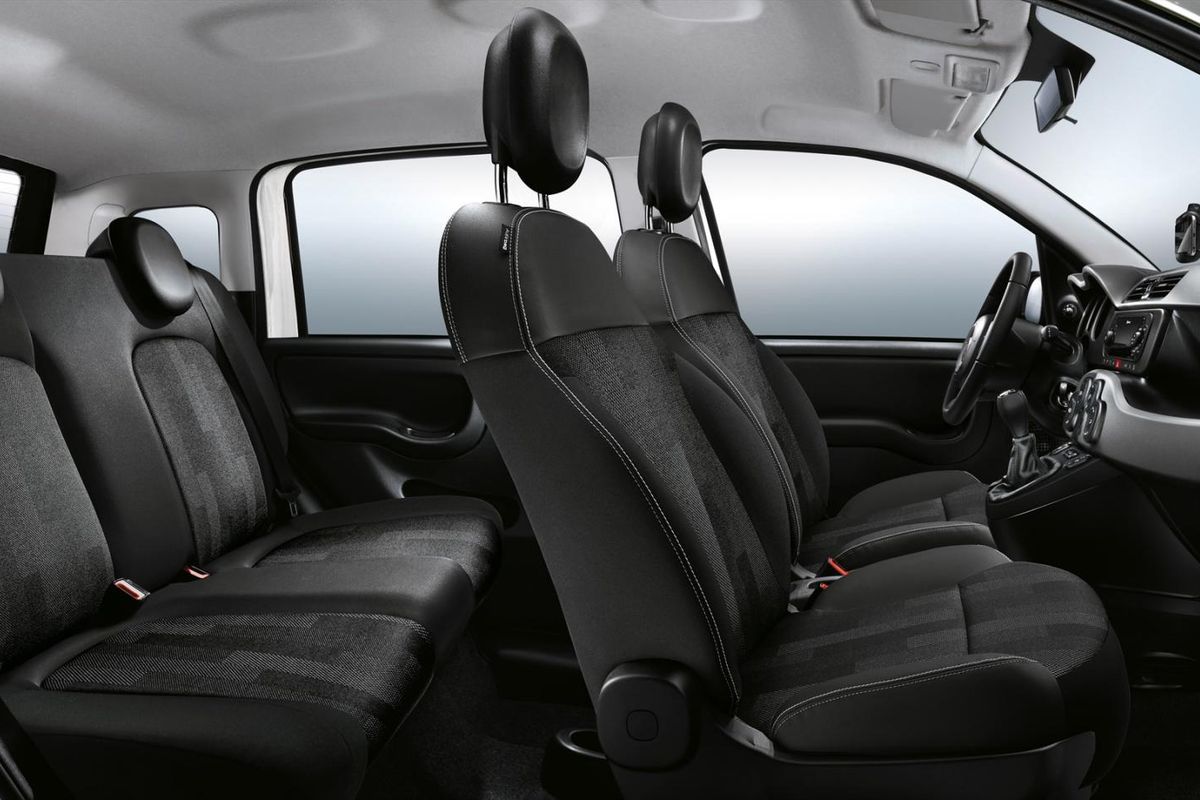
The passenger space, meanwhile, is cosy (as you'd expect from a city car), but it accommodated 4 adults with reasonable ease. What's more, the luggage bay is one of the biggest in its class (at 225 litres) and the rear seats can easily be folded down to provide no less than 870 litres of utility space.
In all but the entry-level Easy-spec Panda, a USB port and a smartphone cradle (at the top of the dash) are fitted. For those who choose to use their 'phones as in-car touchscreens, Fiat avails an app available that allows applications such as navigation, a fuel efficiency monitor and media playback.
Safety
It's a rarity in this segment to find a car with stability control, but the Panda comes standard with it as well as ABS and EBD. A compliment of at least 4 airbags can also be found in the cabin. A tyre pressure monitor is also standard across the range and all (but the Easy) have front and rear parking sensors. As with most Fiats, hill-hold is also standard on the Panda.
The safety specification of the Panda range is extensive – it even includes stability control.
Pricing and warranty
Pricing is quite competitive (the range starts at R184 900) although the standard Panda may find it difficult going against stalwarts like the Toyota Aygo, plus the aforementioned Sandero and Up! The Panda does trump the competition with its 3-year/100 000 km warranty and 3-year/100 000 service plan, however.
Summary
Like with its predecessors, fun, nimble handling is still inherent to the Panda's platform. It's an eager city car; in fact, it's almost as if that deep exhaust note wills the driver to point and squirt the Fiat round town. The ride is surprisingly good for a short wheelbase car and it handled the pothole ridden roads around the sugar cane fields of KZN with aplomb.
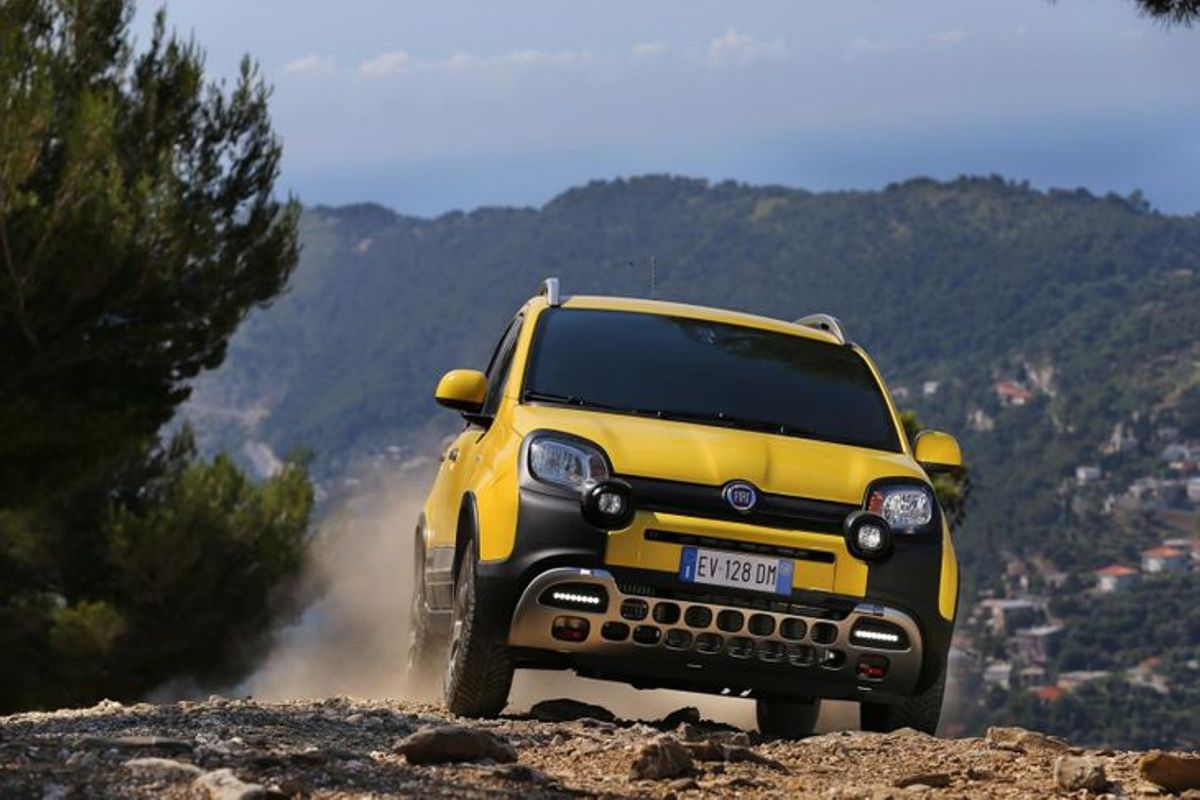
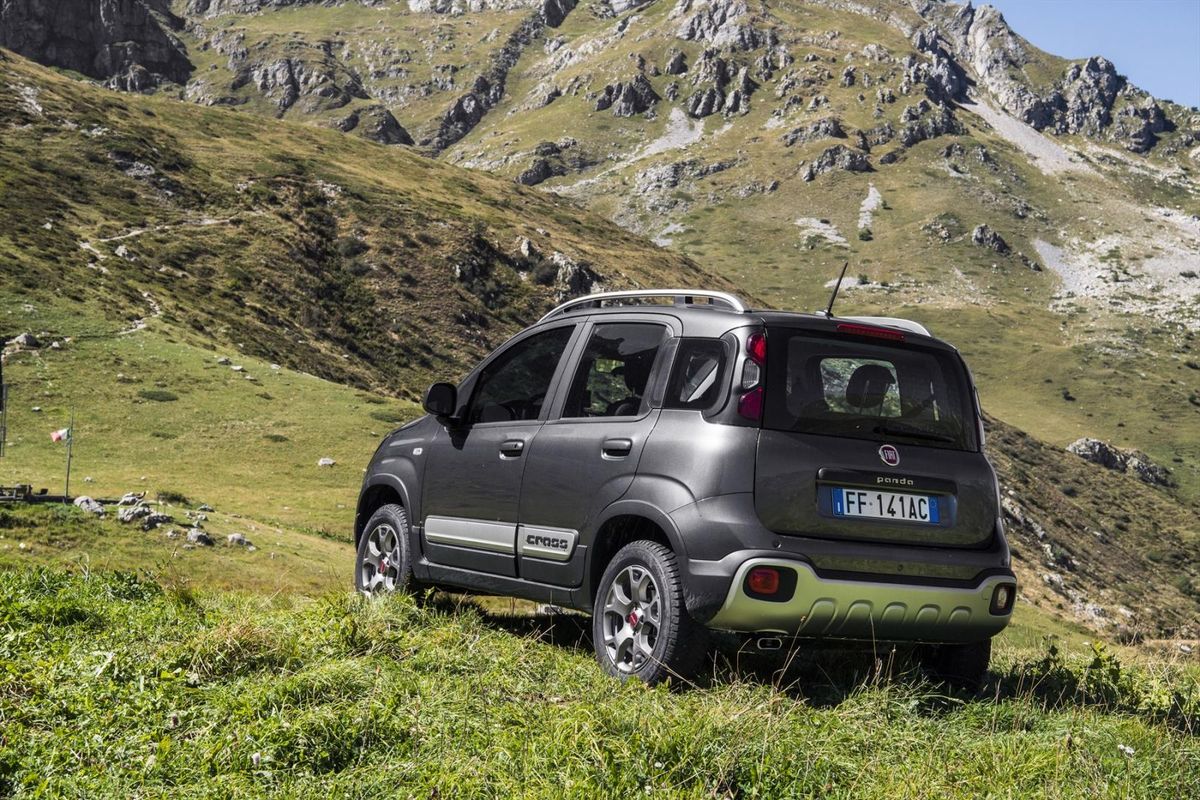
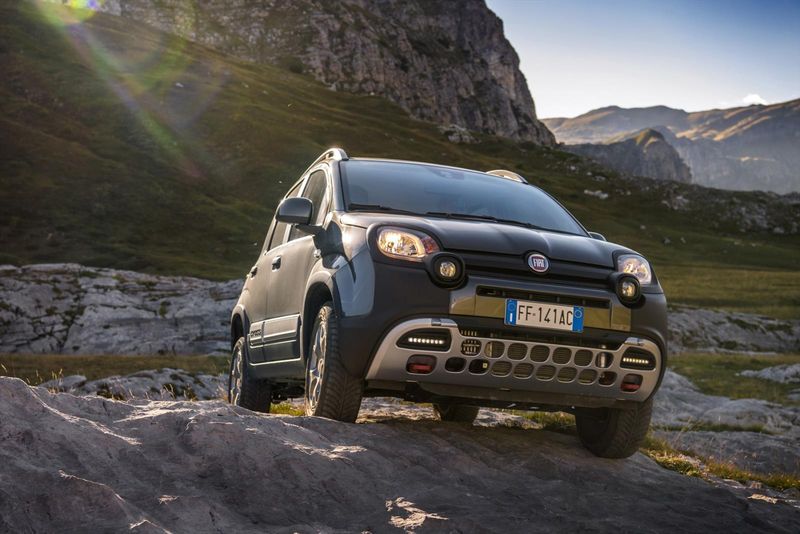
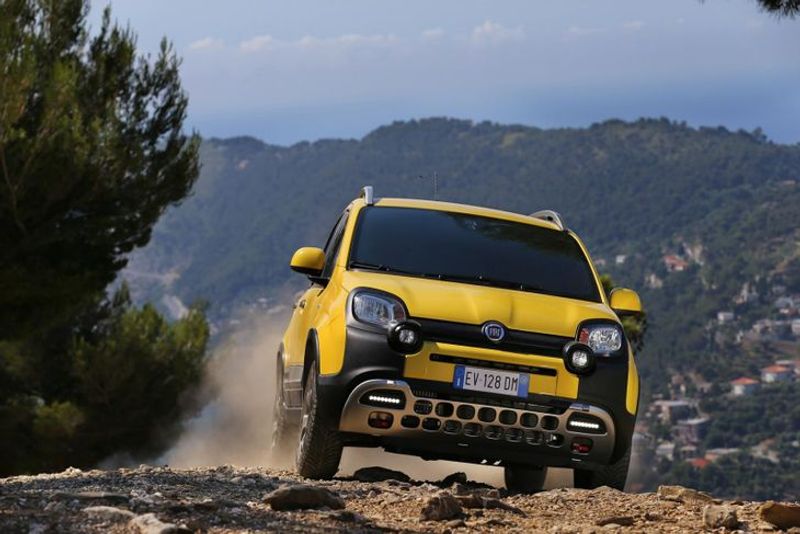
The Panda off-road derivatives are more than capable of dealing with sporadic low-grip road conditions…
A quick spin around an off-road course in the area proved that short wheelbase cars are the king of climbing. The 4×4 Panda has an automatic all-wheel drive system that sends power to the rear wheels when it deems necessary. The Cross model has selectable off-road modes and a hill descent control mode.
The centre diff can be locked and the rear diff is electronically controlled to provide traction where needed. The Panda popped up and over all in its path, maybe not with the grace of a Land Rover Discovery, but with relative ease. If you regard yourself an outdoor enthusiast who likes to traverse the bundu from time to time, the Fiat will probably exceed your expectations…
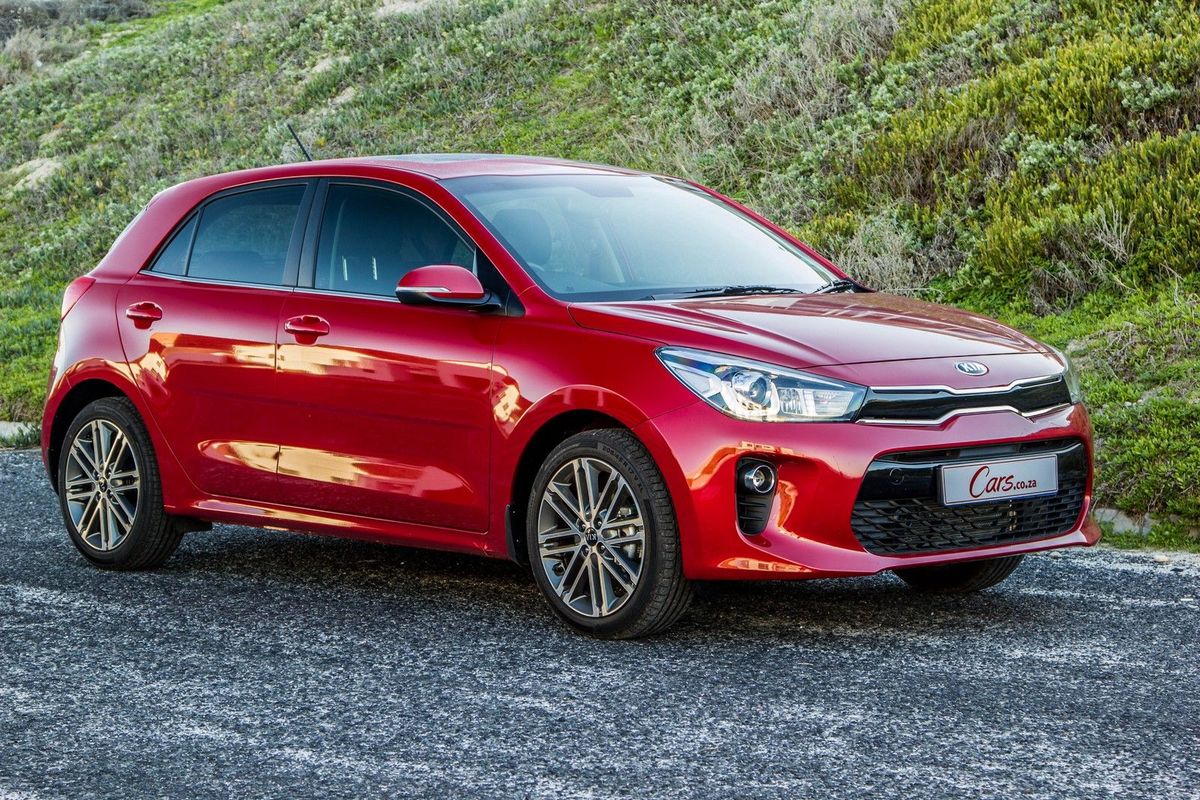
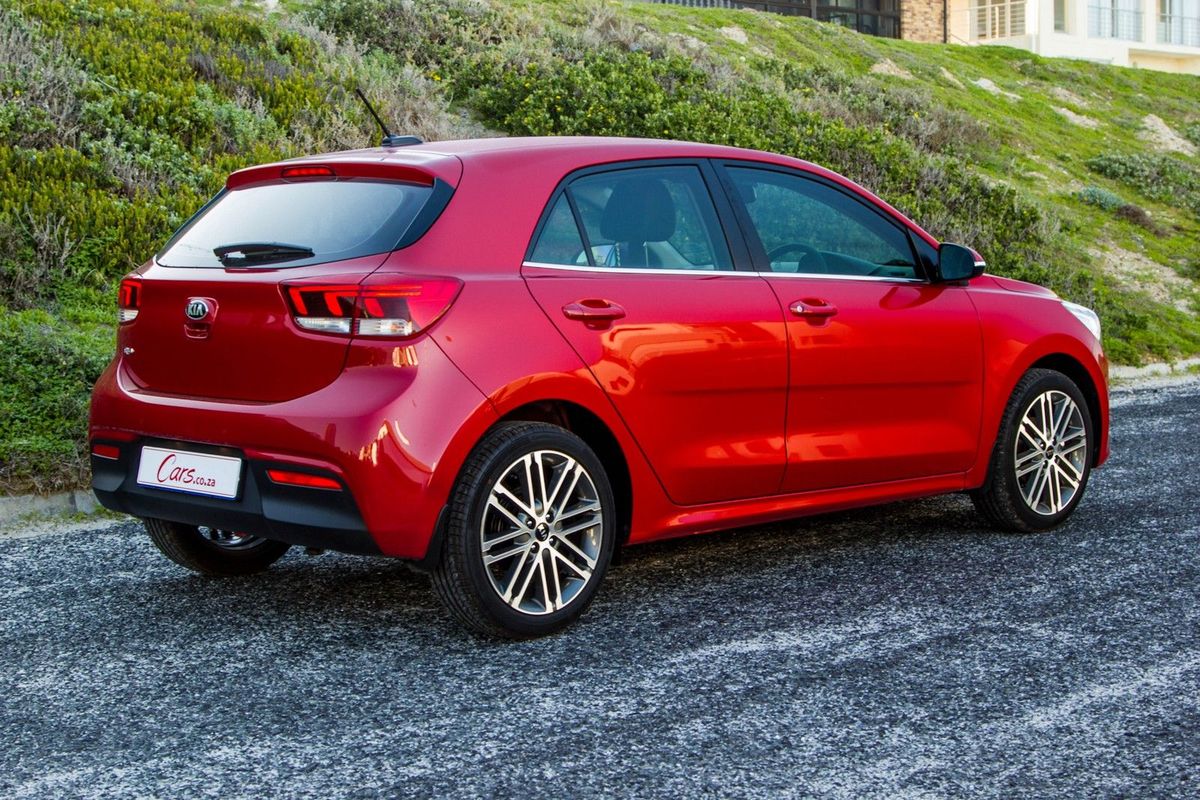
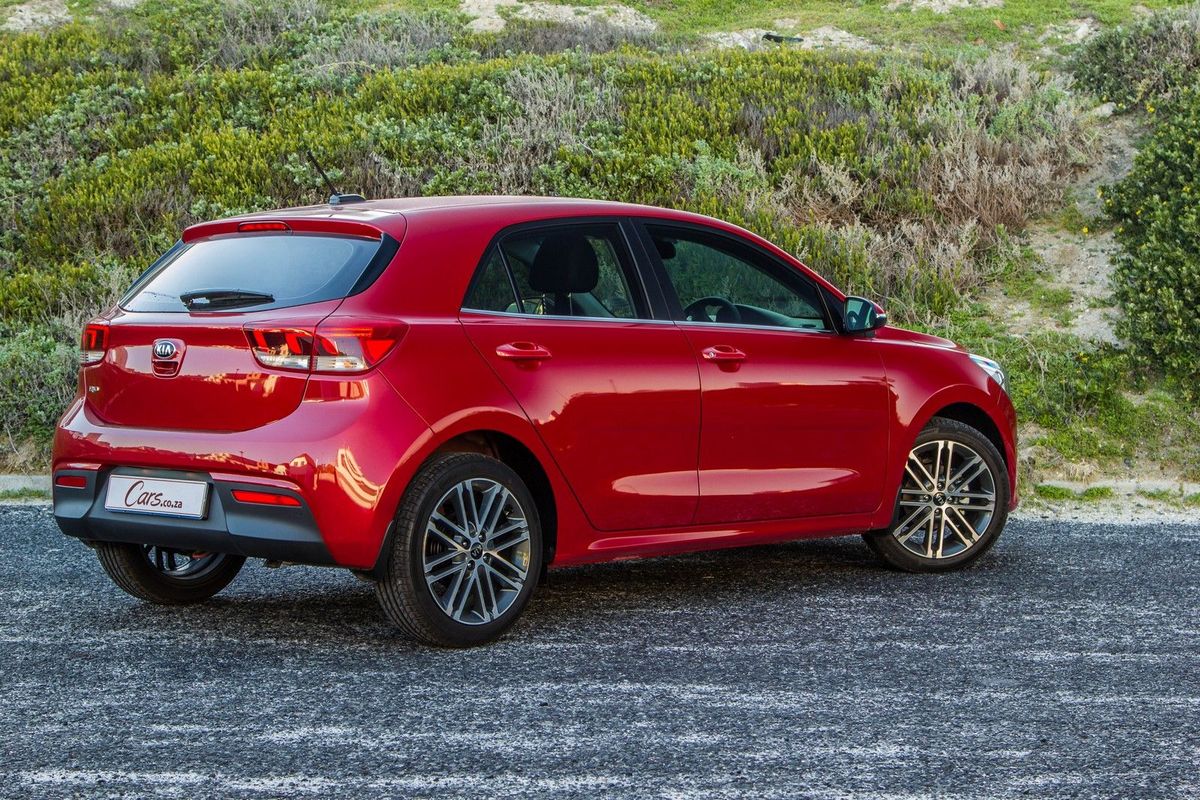
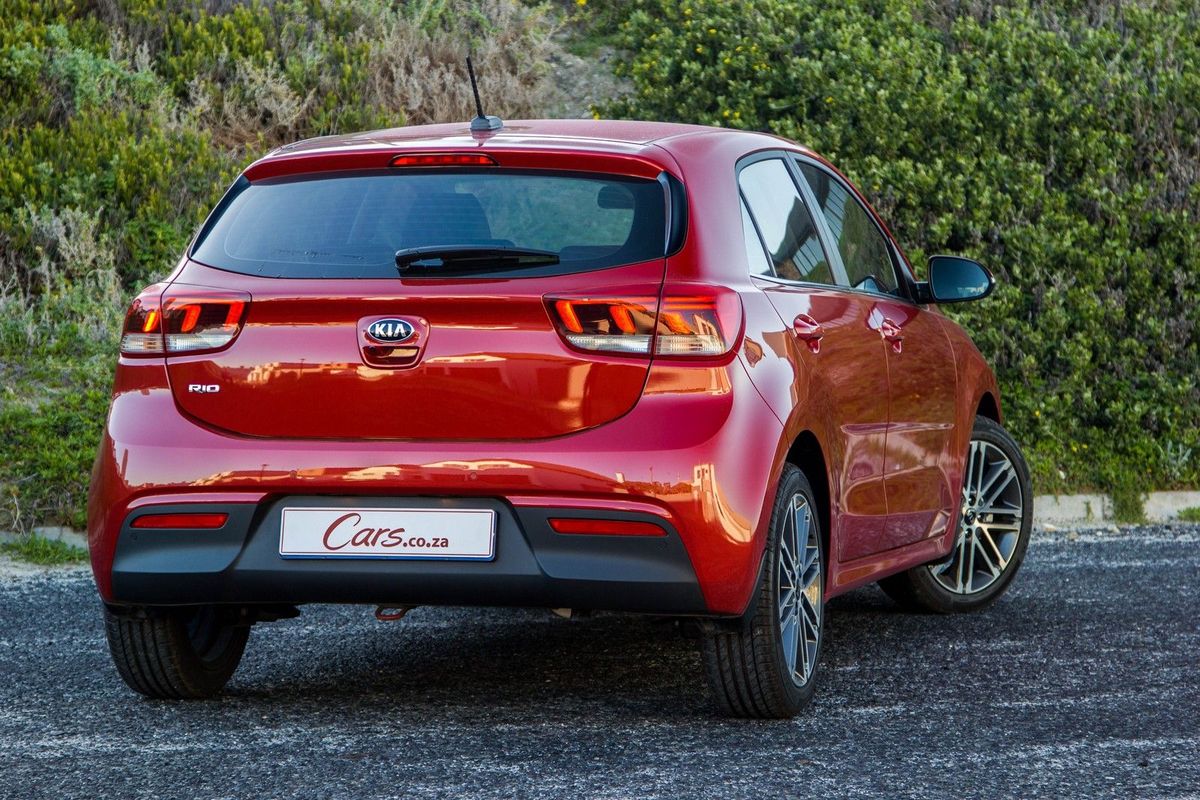
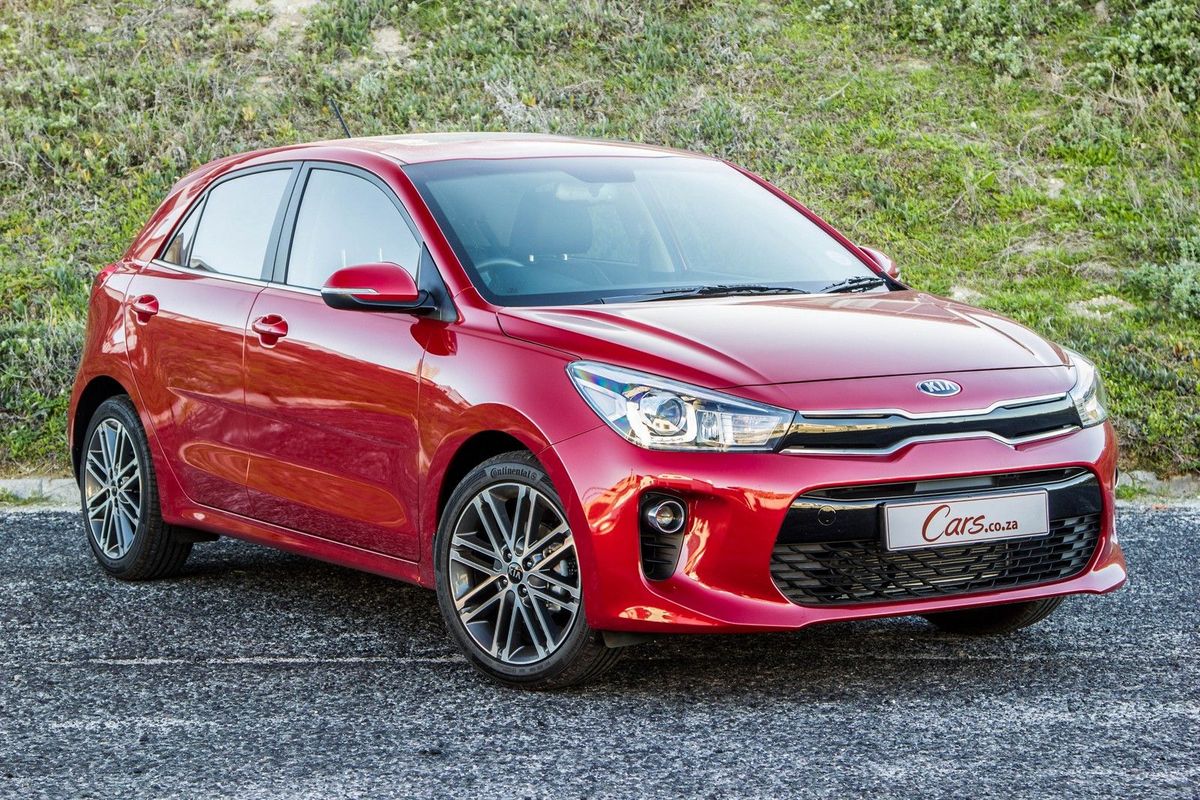
The all-new Kia Rio aims to solidify its success as a top-seller in the compact hatchback market. Next year, it will have to compete with new iterations of the Ford Fiesta and Volkswagen Polo. We test the top-spec Rio 1.4 Tec to see how it’s likely to fare against its upcoming rivals.
This review will provide you with insight on the new fourth-generation Kia Rio. Is it a good car? Read on!
We like: Practical and spacious, good infotainment system
We don’t like: Firm ride, lacklustre engine performance
Alternatives:
For better value for money: The Renault Clio GT-Line has better safety spec than the Rio and its torquey 1.2-turbo engine won’t have you holding up traffic as much as the Rio. It’s R10k cheaper too.
The obvious choice: The Volkswagen Polo 1.2TSI Highline is the top seller in the segment and despite its age, it still feels up to date. It’s marginally more expensive than the Rio but again, its turbo engine is more useable.
For a bit of fun at the same price: Opel Corsa 1.4 Turbo Sport makes mincemeat of the competition in terms of bang-for-buck and offers the most sporty looks in the segment.
What is the Kia Rio?
The Kia Rio has been around for a while and this is actually the fourth generation Rio. Only the third generation Rio managed to break into the market with any real significance.
This latest Kia Rio is claimed to have been improved in vital areas such as safety, in-car technology and ride and handling dynamics. If those assertions prove accurate, the Rio seems destined for further sales-chart success, but as we dig a little deeper, it’s not clear if the gains the Korean firm are crowing about are as substantial as Kia would like us to believe…
How does the Kia Rio fare in terms of…
Kerbside appeal?
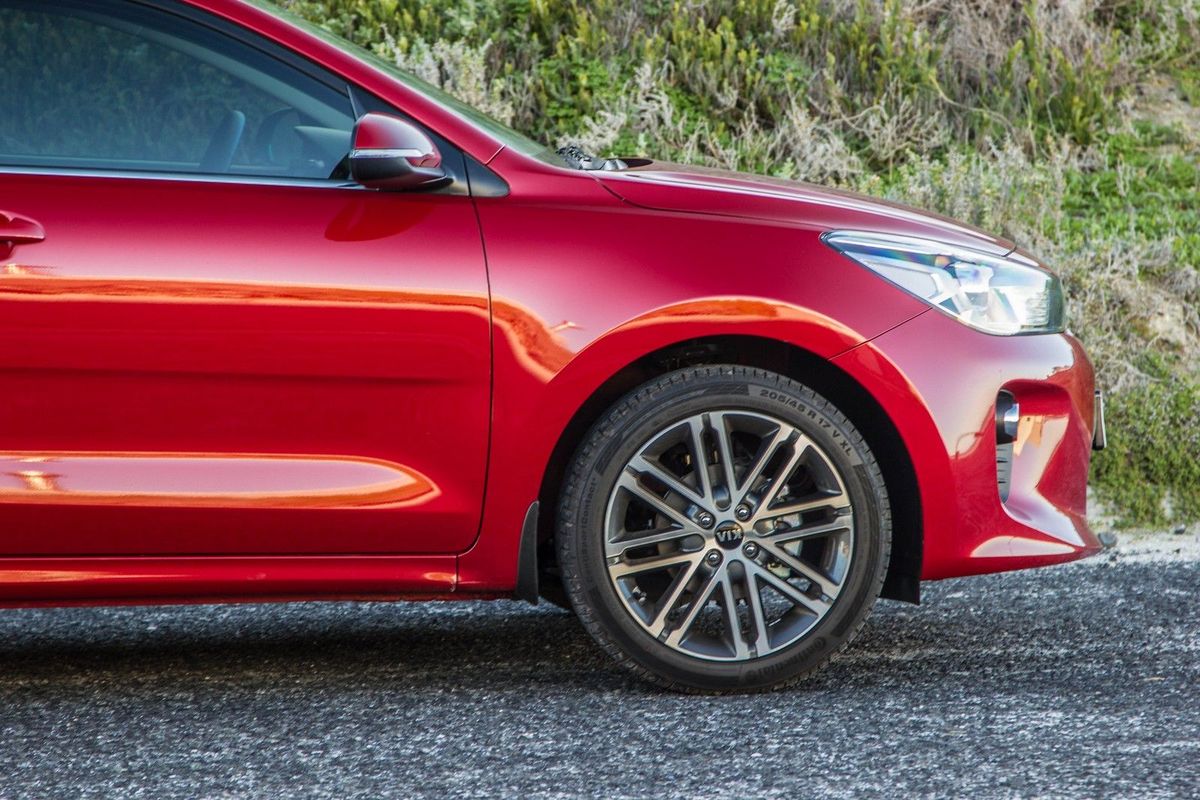
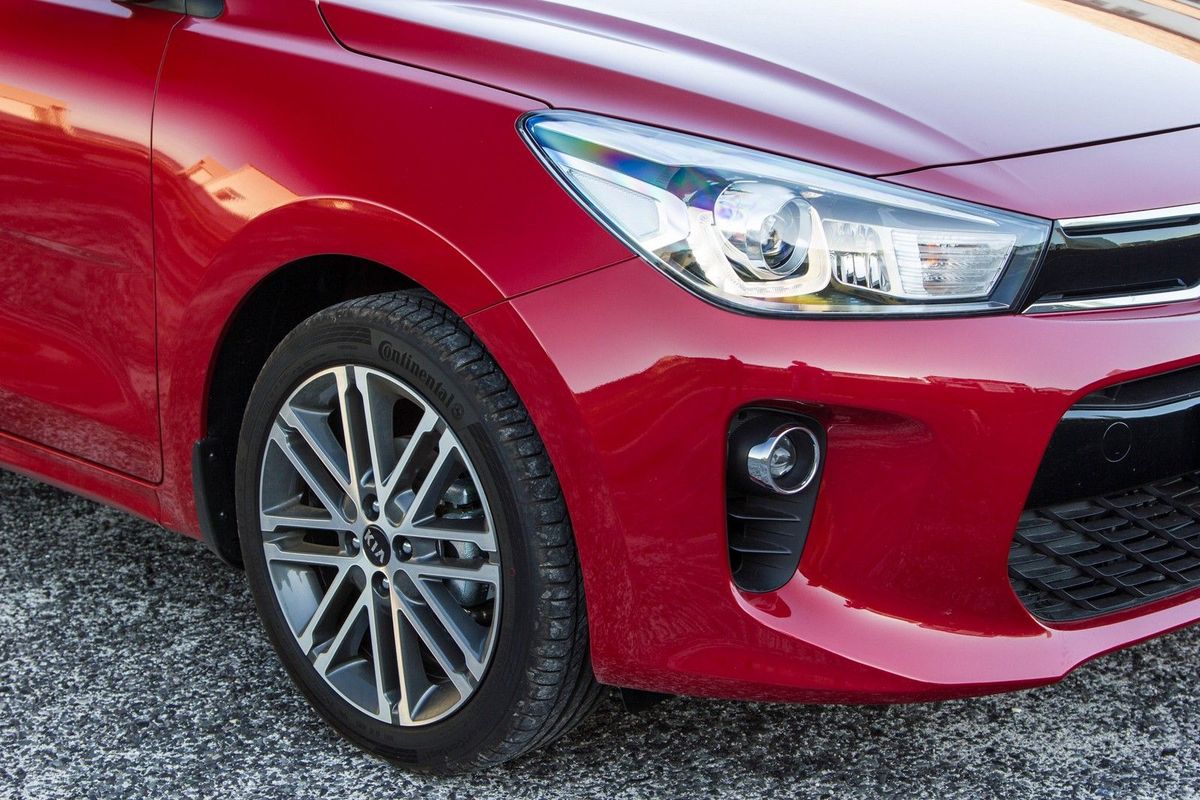
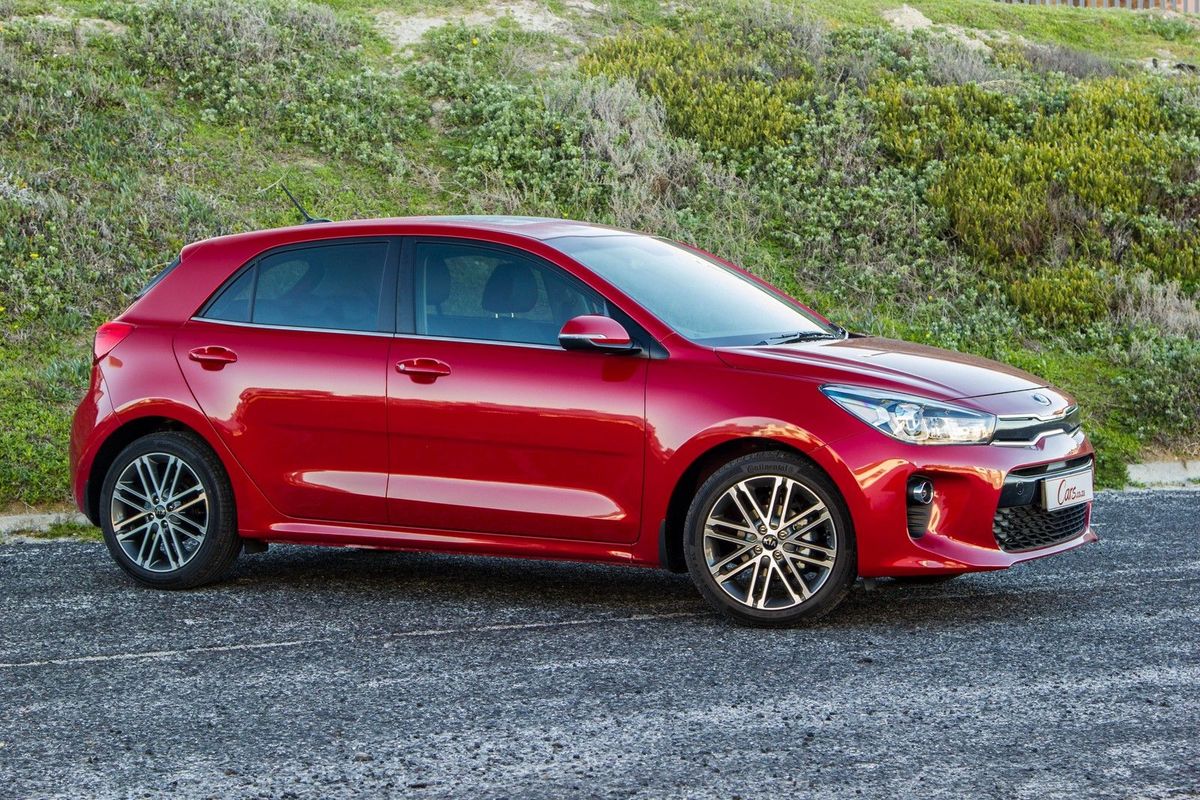
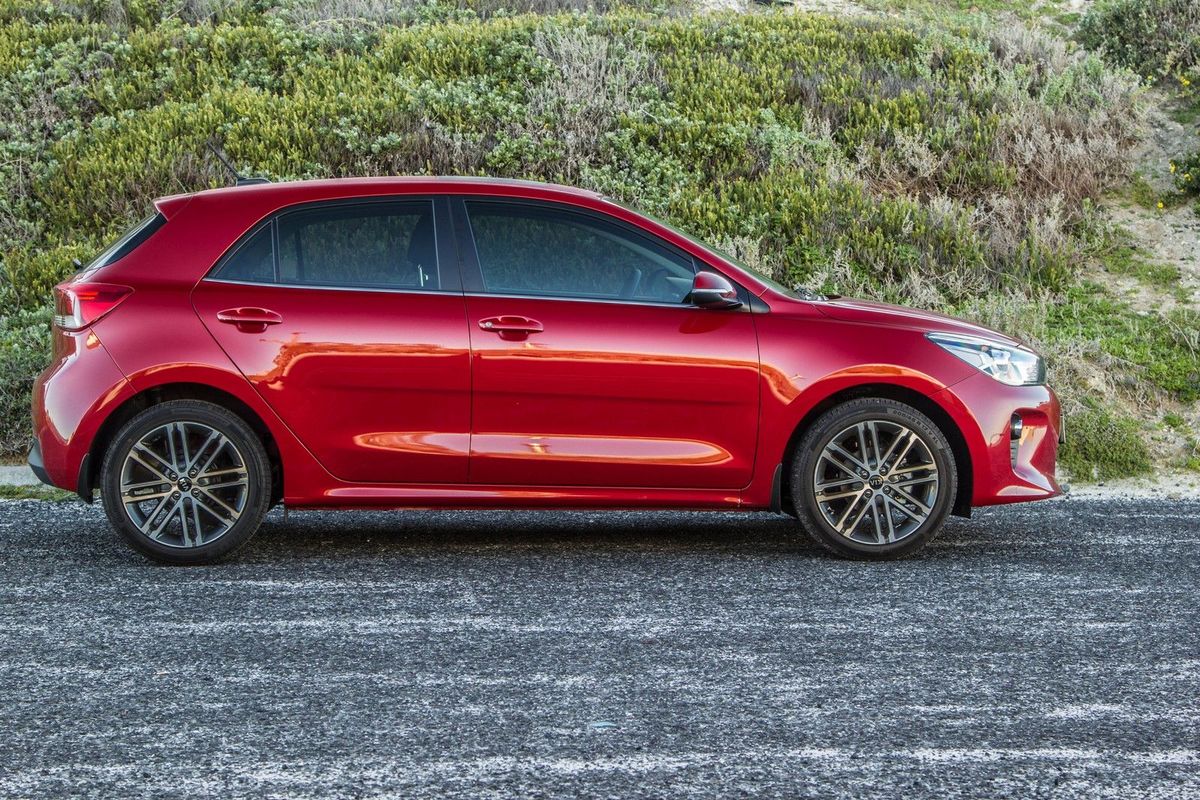
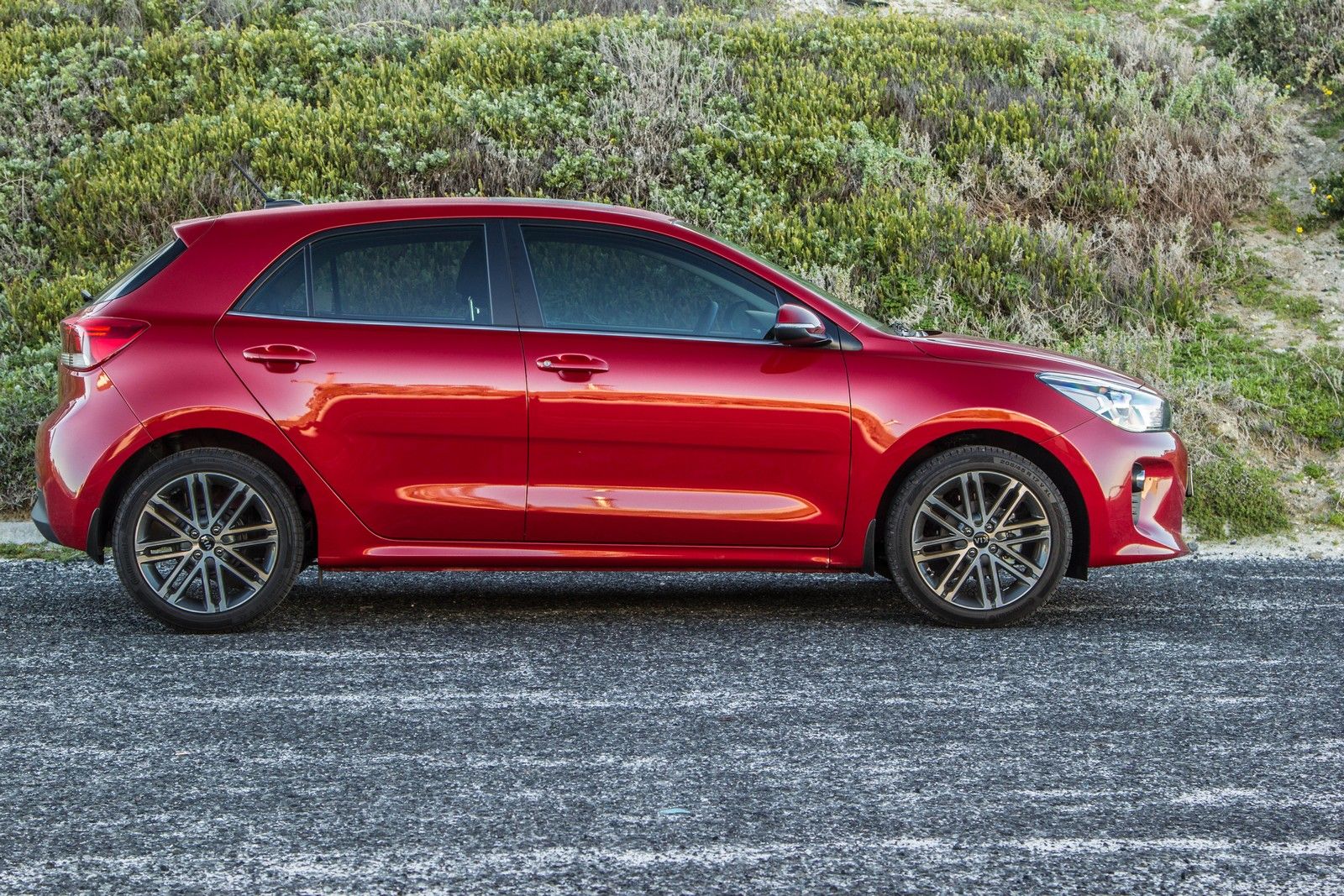
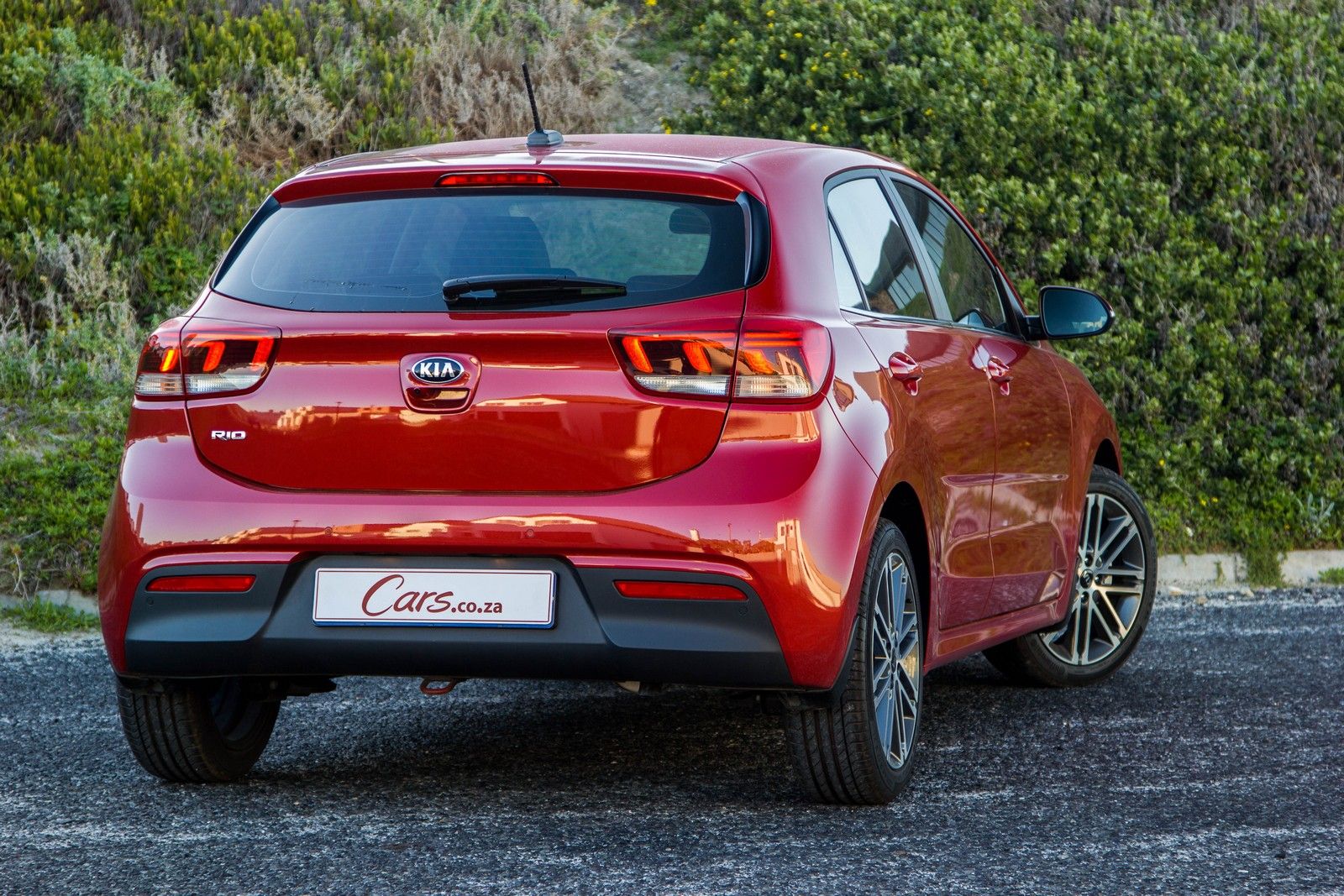
Slightly grown-up design, but it’s a good looker. 17-inch wheels and fog lights are standard on this 1.4 Tec derivative.
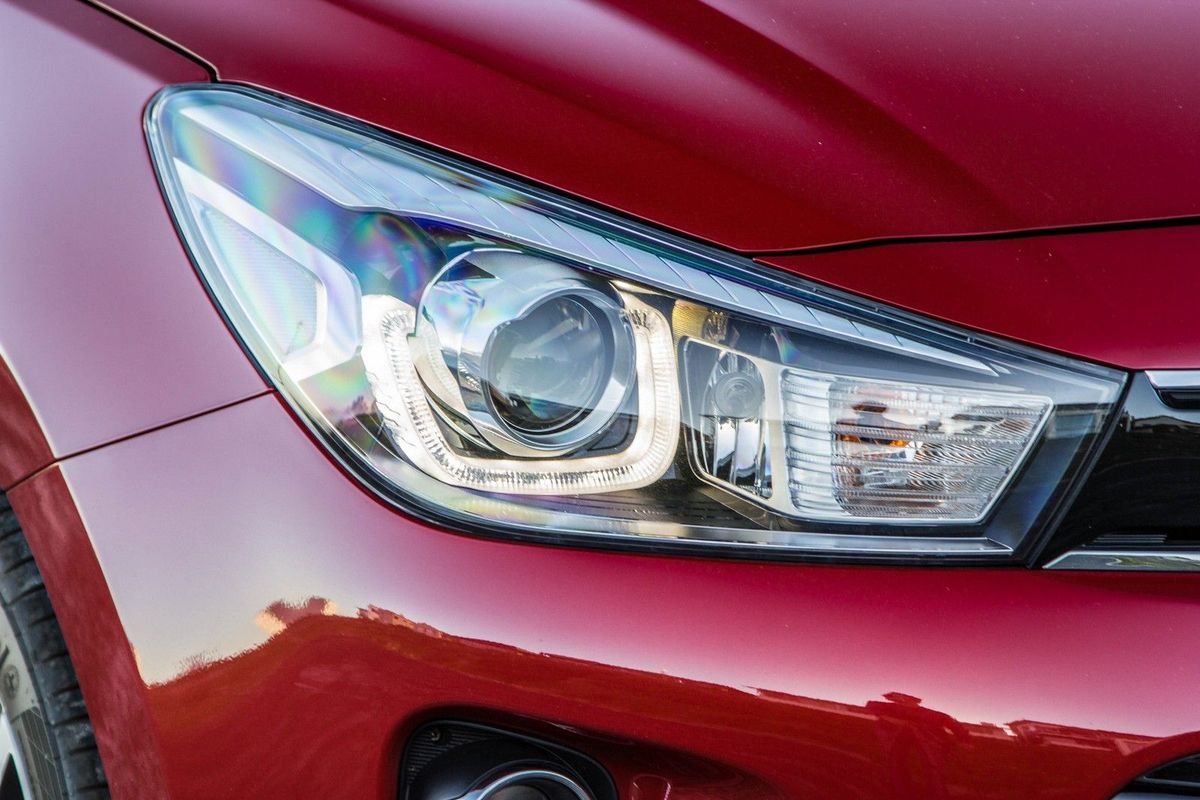
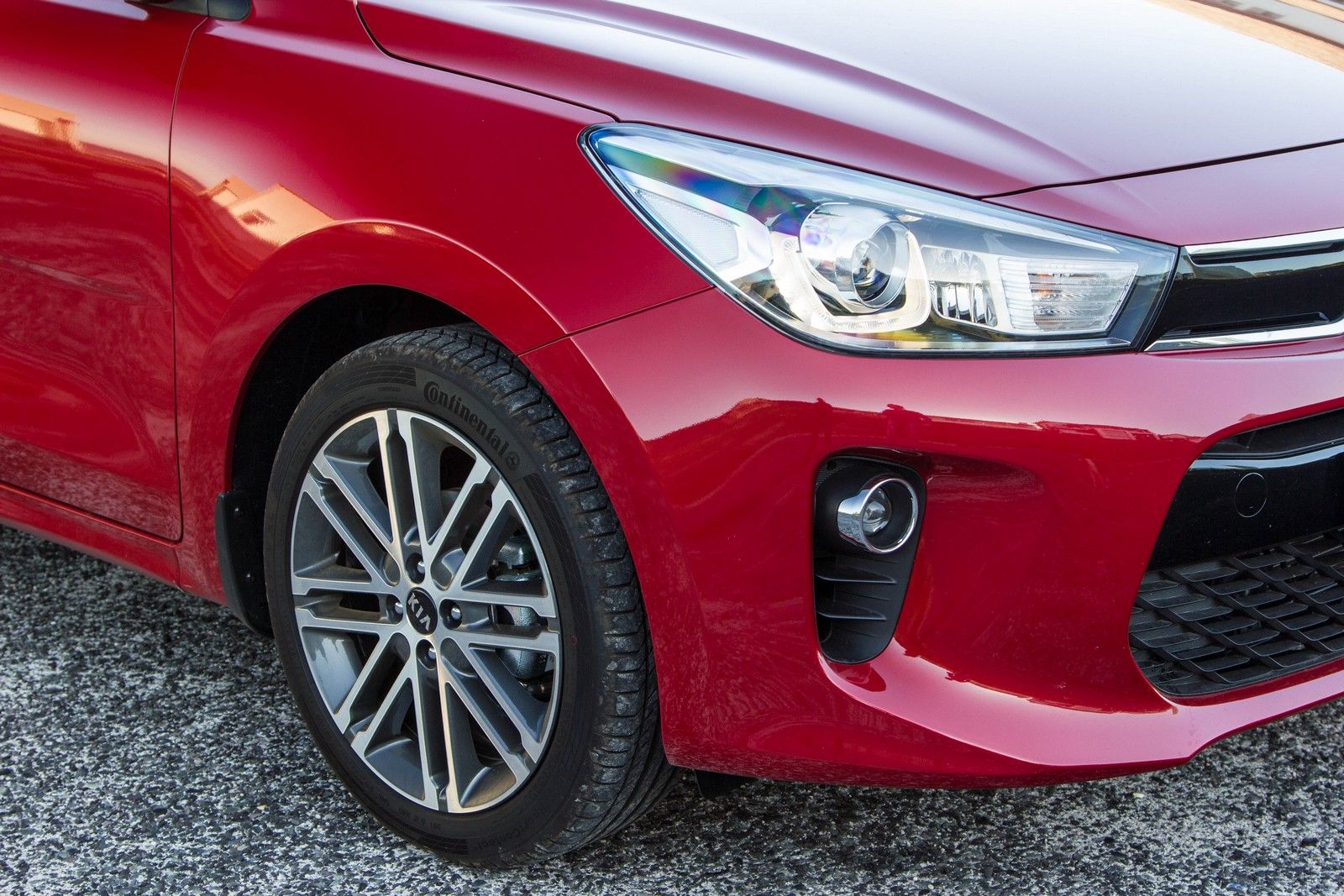
The Rio’s design seems grown up with nothing flashy or extremely stylish like we saw from previous designs of the 2010 Sportage or Optima. Its exterior treatment is inoffensive, a bit like the Polo, with no real standout “wow factor”. It does have some good standard kit on offer in this Tec trim though. You get 17-inch wheels, LED headlights, fog lights and electrically folding mirrors. A lot of those features sit on the optional extras list of the competition. The new, thinner ‘tiger nose grille’ is the only real indicator that this is, in fact, a Kia.
What is the Kia Rio like to drive?
Kia has persisted with naturally aspirated motors for the new-generation Rio where almost all of the competition feature turbocharged engines. As a result, the 74 kW and 135 Nm of torque offered by its 1.4-litre engine is well below what we have become accustomed to. The lack of torque means the engine feels lifeless at the bottom of the rev range and only delivers meaningful acceleration when you get nearer to 4 000 rpm.
Of course, you don’t always need to race everywhere like you’re in a Fast & Furious film; for pottering around in traffic and sticking (mostly) to the left lane, the Rio’s engine will suit commuters just fine.
LED headlights are a premium feature and unfortunately, what’s under the bonnet hasn’t got the go to match the show.
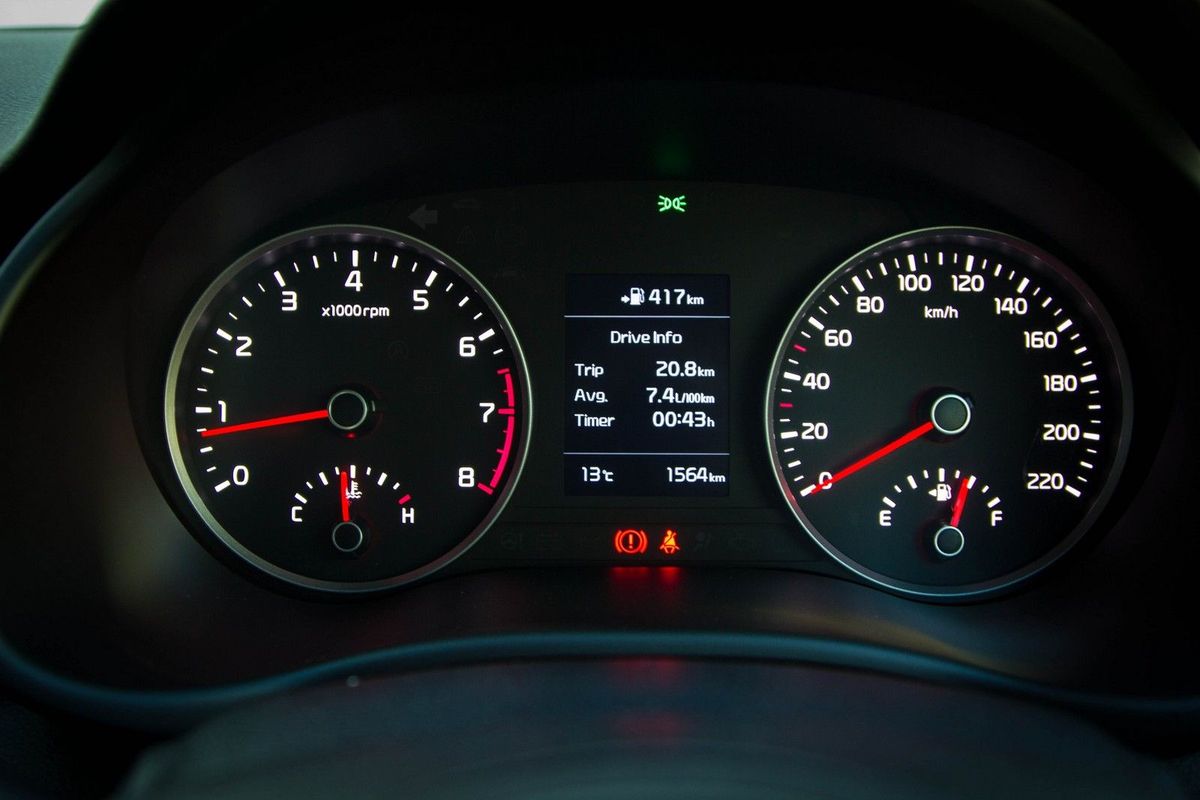
You would expect the fuel consumption figure to be impressive considering the lack of grunt, but the claimed consumption figure of 5.8L/100 km is actually higher than those quoted for the comparable Polo and Clio. However, we did find that the real life figure we experienced (6.3 L/100 km), is a bit lower than what those rivals managed.
Practicality?
While the Rio’s styling has grown up, so has its external size and interior space. For a small hatchback, the 325-litre luggage capactiy is bigger than those of its closest rivals. The rear seats also fold flat to provide useful utility space. Rear passenger space is fair, but it can be a bit of a squeeze to sit behind a taller driver.
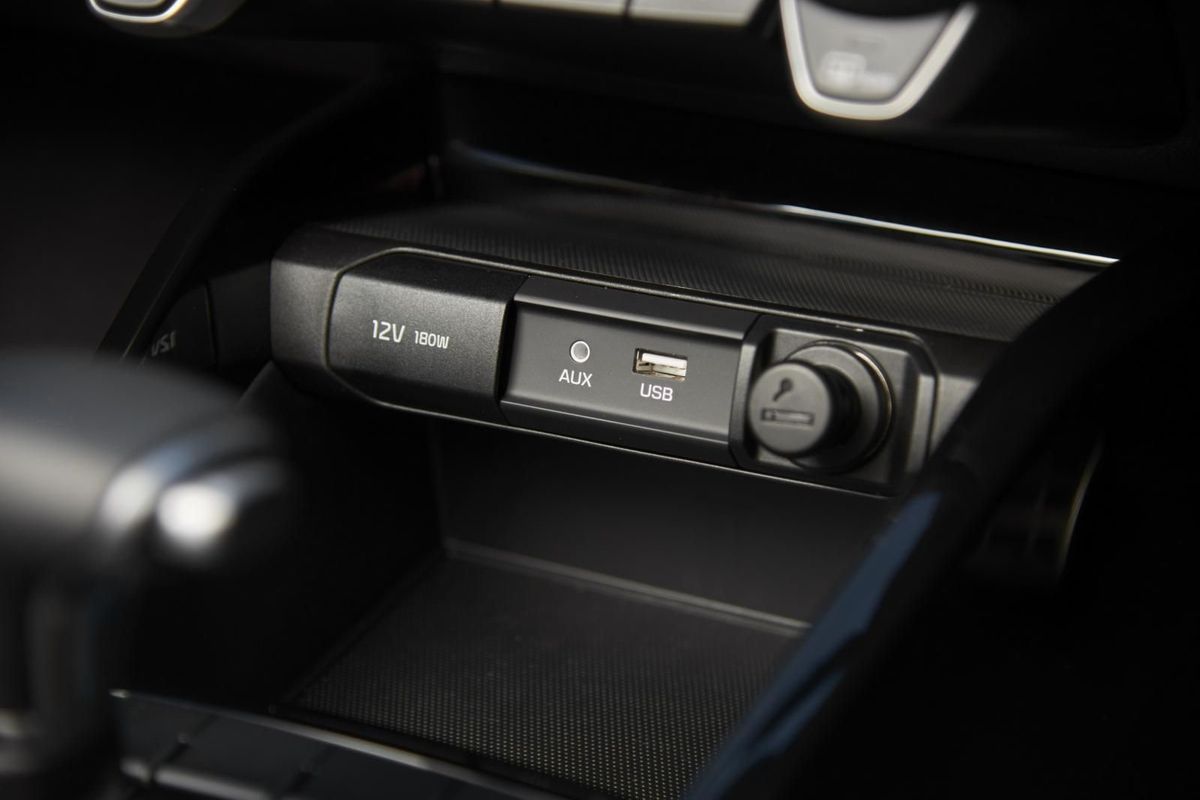
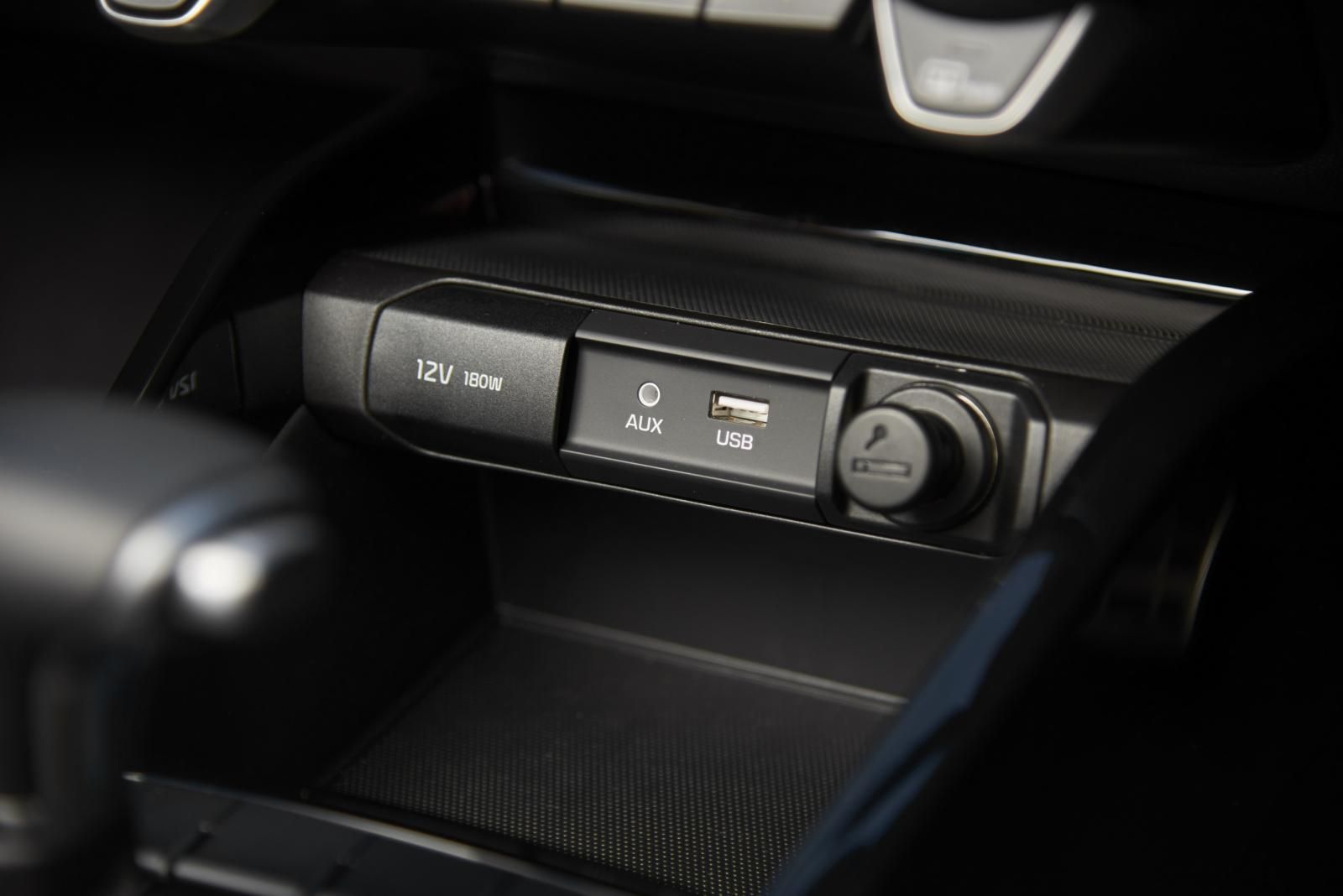
Neat two-tier storage solution means you can separate your phone from scratchy items like keys.
There are 2 cupholders in the centre console and a large, two-tiered storage area in front of the gear lever. This means you can place your phone on the top tier and then keys and other paraphernalia below, which means the danger of scratching your smartphone’s screen is greatly diminished and there is no need to fumble around when you’re trying to grab the item you want. It would be nice if that storage bin liner was a little grippier though as keys tend to slide from side to side as the car corners or brakes, which generates an annoying sound.
Ride quality and driving experience?
In trying to improve the driving experience of the new Rio by stiffening the front end up, Kia has made the ride a trifle too stiff. The 1.4 Tec is jarring to drive on a bumpy road and you feel every crease in the tarmac through the firm suspension. The extra stiffness has made the front-end quite responsive and it turns in quickly with well-weighted steering. Unfortunately, the Rio doesn’t really have the power to deliver an exciting drive, in spite of its sporty bent. We think that a focus on comfort or a more sporty engine would have suited the Rio better.
Interior ambience?
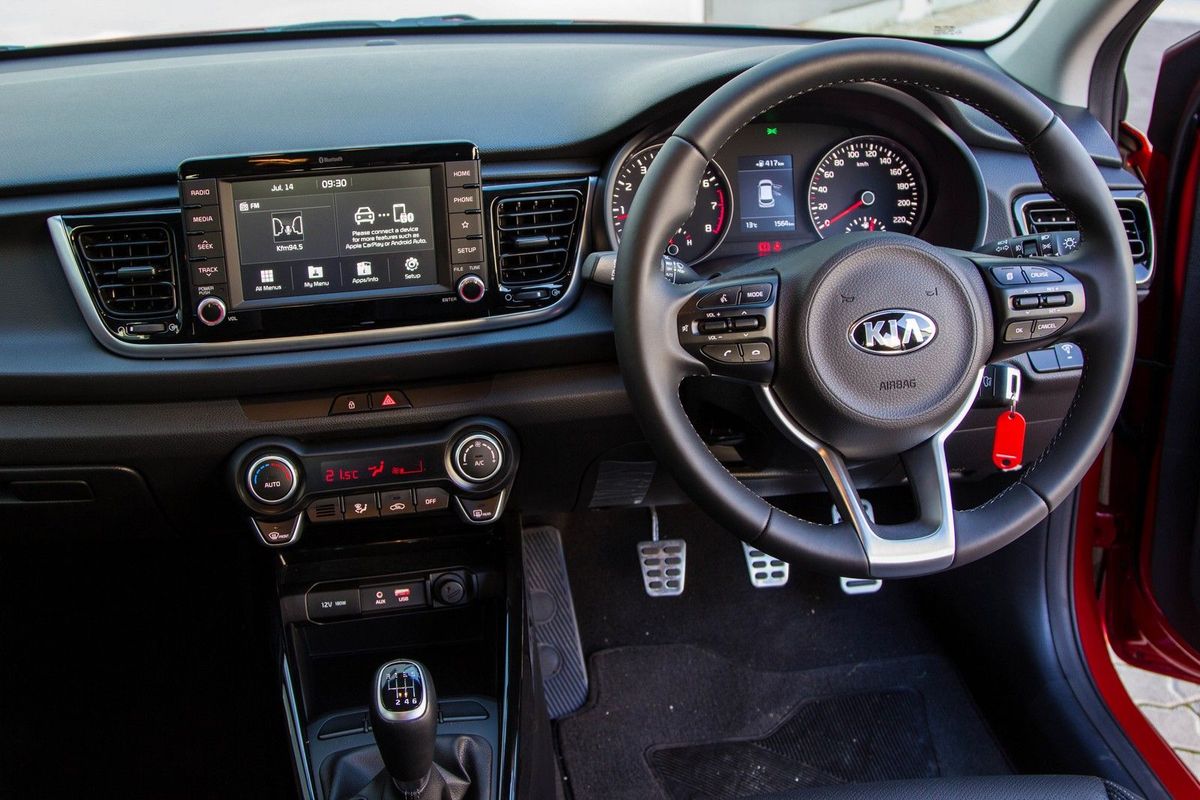
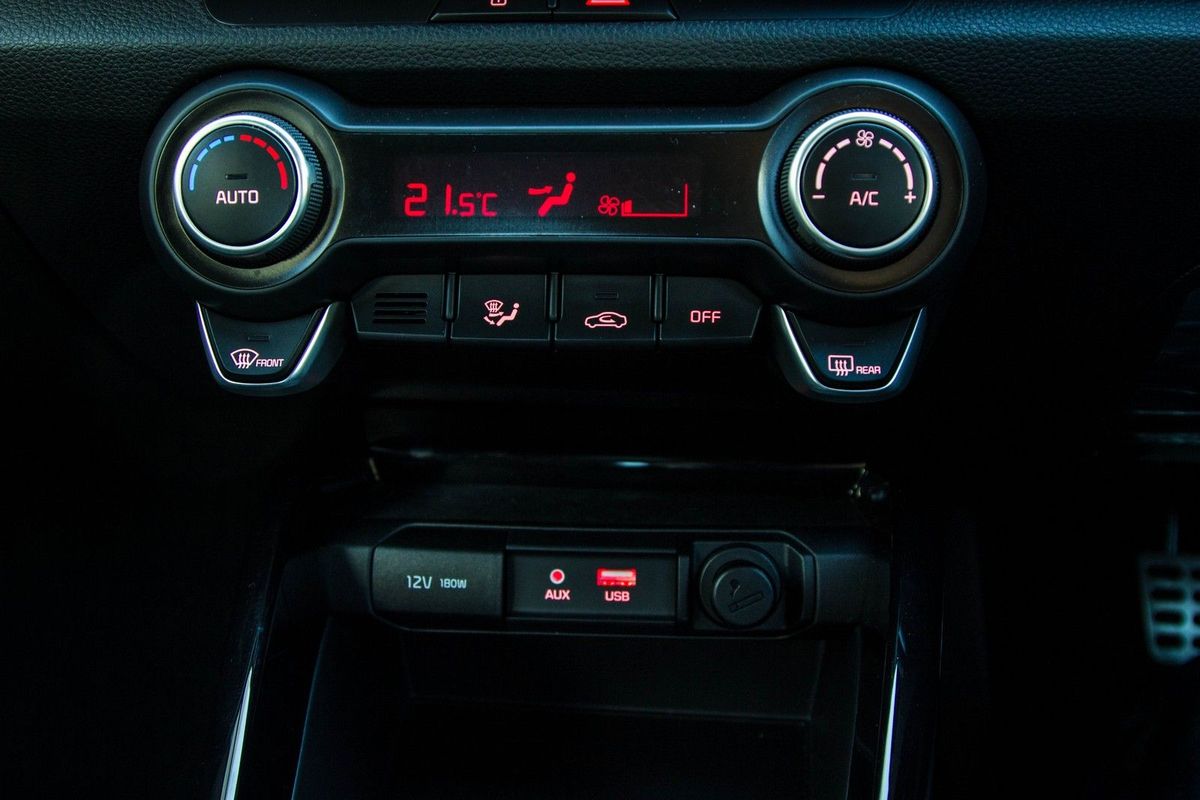
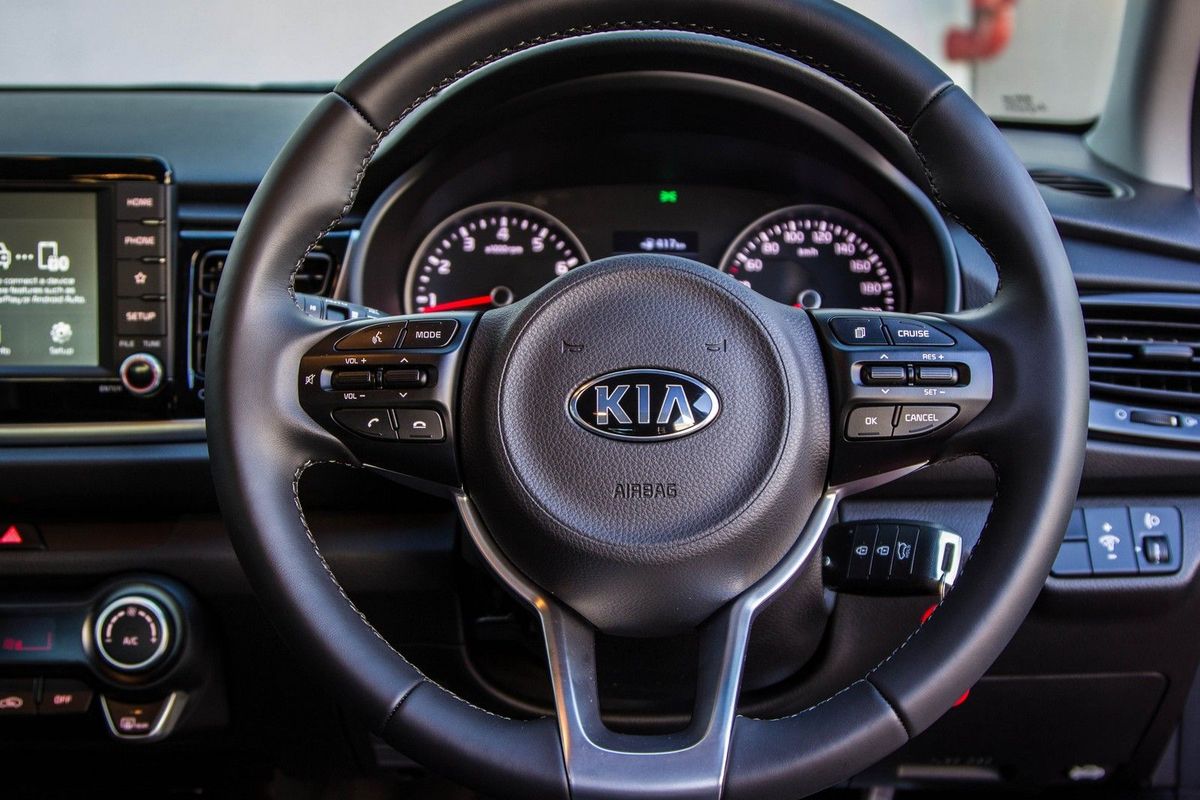
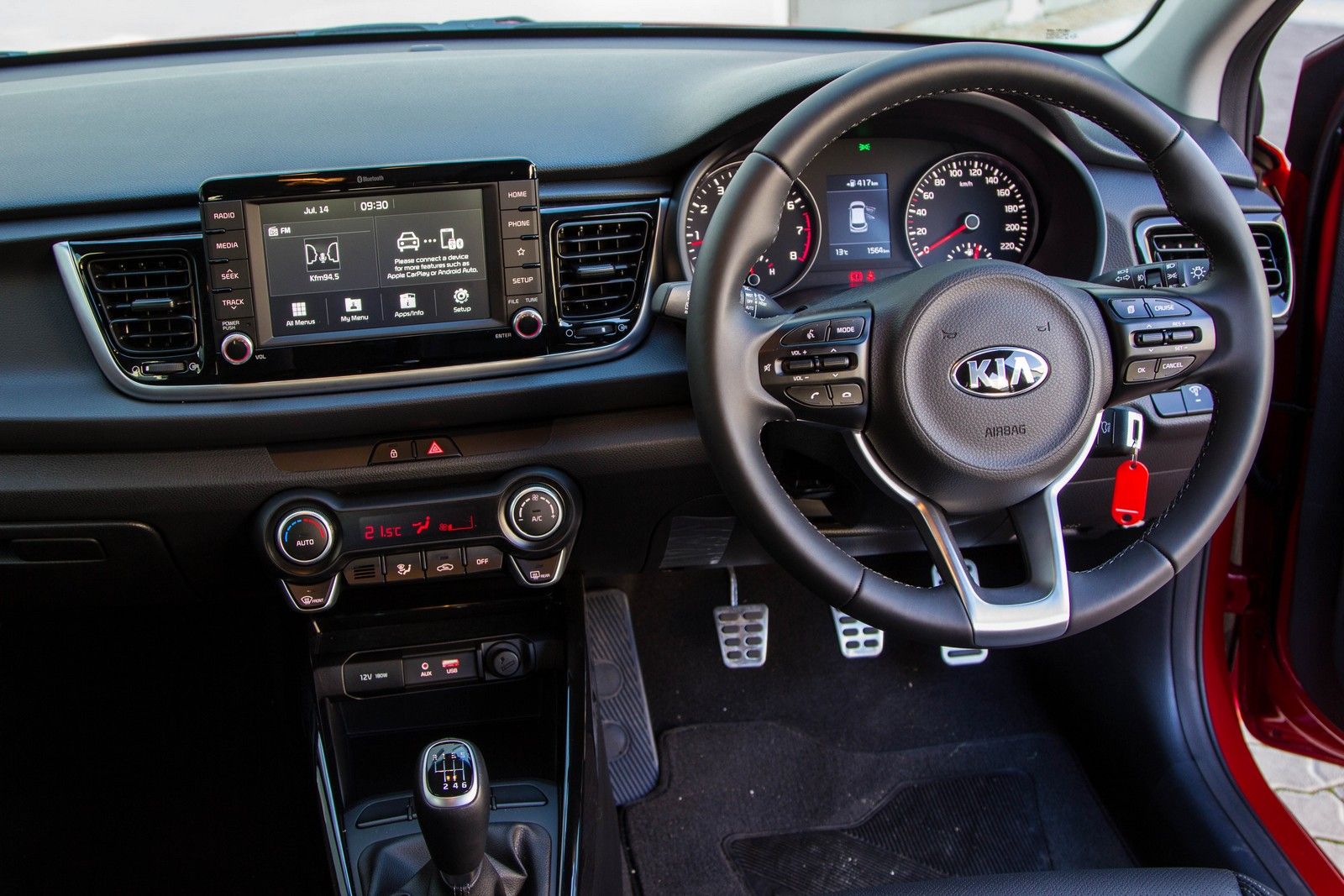
The continued improvements in build quality and upmarket materials have trickled down to the Rio well. It feels solidly put together and the shut lines are the tightest and most structurally rigid in the segment. Leather trim is standard in the Tec and that’s a one-up on its rivals. The steering wheel and its controls feel more substantial/premium than the previous model’s too.
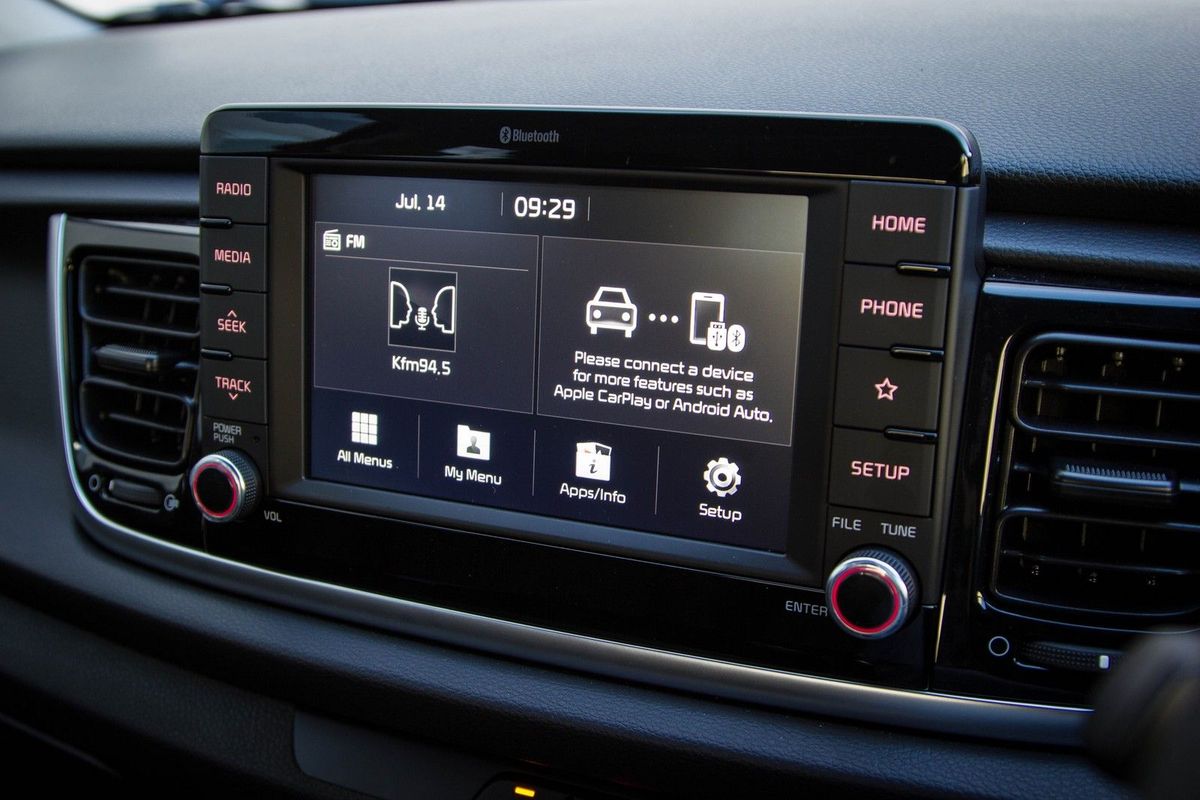
Well-specced interior with a good infotainment system and solid build quality. It’s the highlight of the new Rio.
The (touchscreen) infotainment screen is now as up-to-date is it gets with Apple Carplay and Android Auto functionality available. The menus are simple to navigate and its unique operating system doesn’t make it feel like the generic Windows system that Kia’s sibling Hyundai uses in many of its products.
Watch Cars.co.za technical contributor and #CarsAwards judge Nafisa Akabor demonstrate Android Auto in the new Rio (clip courtesy ofnafisa.co.za)
The only real criticism of the interior is the apparent lack of specification on our local models. Just in front of the gear lever is a plastic section of switches, all of which have been disconnected/blanked-out from use. We’d imagine that if you’ve paid dearly for a top-spec Rio and then have to look at that bare console every day you may feel a little short changed…
Safety
Kia South Africa does have its problems in getting well-specced cars from Korea. That means that none of Kia’s local models have stability control, and that’s a big mistake. The Tec comes with 6 airbags, but wouldn’t you want to avoid an accident rather than having to rely on airbags to save your life? ABS and EBD are also standard across the range.
Some of the less talked about safety features like automatic sensing lights, rain sensing wipers, park distance control and cruise control are all standard on the Rio Tec.
Overall, the Rio may just be good enough to sell well, but by the time the new Polo and Fiesta get here, it will struggle unless the package is enhanced.
Pricing and warranty
Kia no longer sees itself as a budget-beating brand and is proud to say that it competes at the top of the price cap in the segment. The 1.4 Tec manual is priced at R274 995, which is nearly the same as a Polo Highline and R20k more than the Renault Clio GT-Line.
Kia offers an excellent warranty and service plan on the Rio with a 5-year/unlimited km warranty and a 4-year/60 000 km service plan.
Verdict
The new Kia Rio’s most outstanding feature is its interior. It may not be as flashy as something like the Clio, but it’s solidly built, covered in leather and the infotainment system is bang up to date. The engine doesn’t deliver enough torque to make overtaking or acceleration particularly brisk, but it has just enough grunt to get around town comfortably.
Also consider that the 1.4 Tec’s ride quality is on the less-than-absorbent side for what is essentially a city car, which could become annoying to live with on a daily basis. And, if safety is high on your priority list, then the lack of stability control is disappointing.
For now, the Rio offers reasonable value-for-money, albeit at the upper end of the price spectrum. With what the upcoming Fiesta and Polo have to offer, the Rio will likely find itself in a sales battle with superior products in about a year’s time. It’s an impressive product, but it does not move the compact hatchback market forward in a significant enough manner.
No, the Kia Rio was discontinued in South Africa in the first quarter of 2024. The 4th-generation model’s production did not include a right-hand-drive version for the South African market. It is now only available as a used vehicle.
What engines were available in the Kia Rio in South Africa?
The Kia Rio in South Africa was sold with two naturally aspirated petrol engine options: a 1.2-litre (62 kW, 120 Nm) and a 1.4-litre (73 kW, 135 Nm).
Is the Kia Rio a good used car to buy in South Africa?
The Kia Rio has a reputation for being a reliable and economical choice, making it a popular option on the used car market. Many late-model examples may still have the balance of a 5-year/unlimited-kilometre warranty, which provides extra peace of mind for buyers.
What are the main alternatives to the Kia Rio?
Direct competitors and similar alternatives to the Kia Rio in South Africa include the Volkswagen Polo, Hyundai i20, and Ford Fiesta.
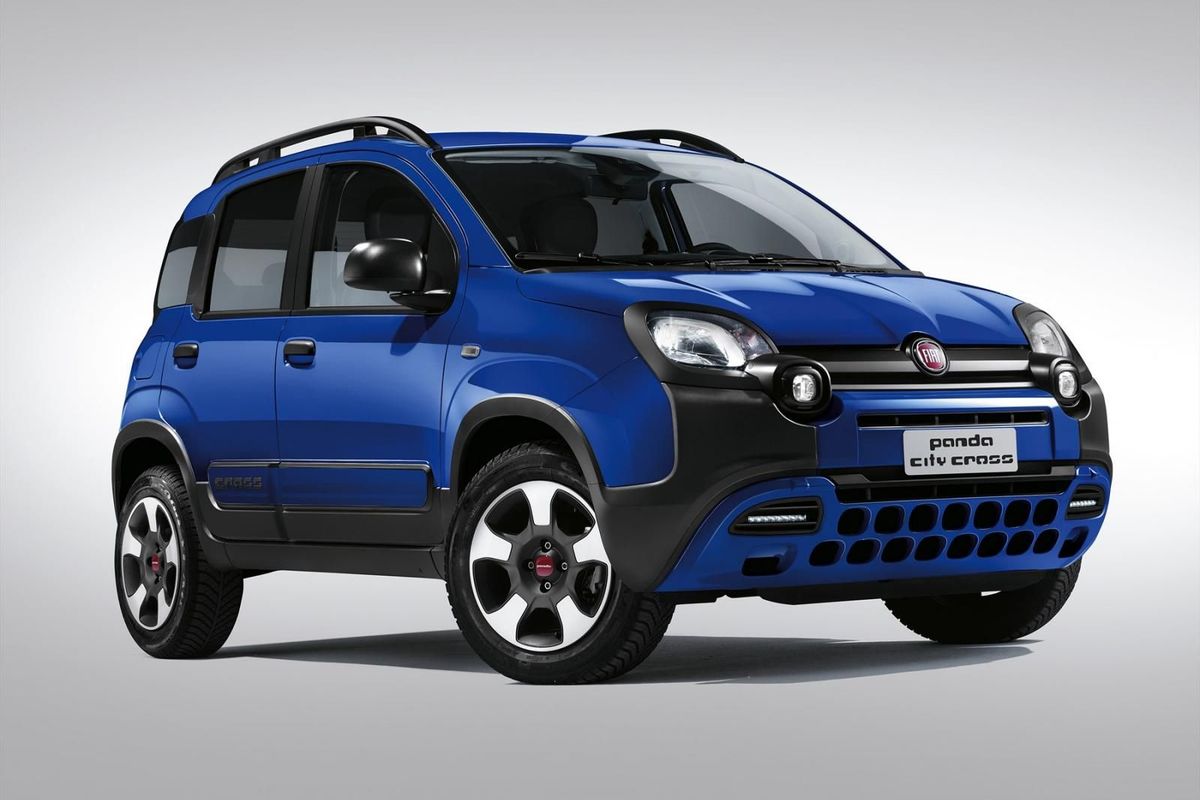
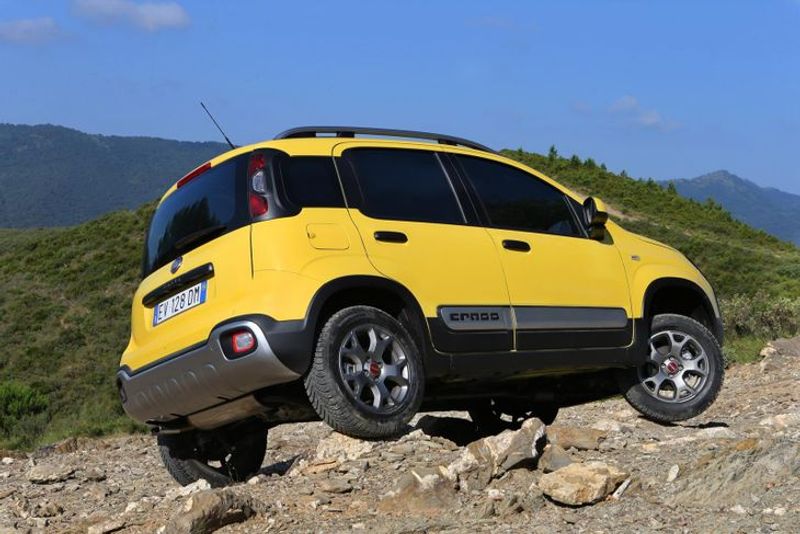
Fiat is launching its facelifted Panda city car/mini SUV range in South Africa this week and we will be driving it! Take a look at specification and pricing for the refreshed Fiat Panda.
The Panda was launched in South Africa back in 2013 and Fiat now welcomes the facelifted Panda range to the local market with the addition of the Panda 4×4 and Panda Cross. The Panda range now includes 4 derivatives including the Panda Easy, Panda Lounge, Panda 4×4 and the range-topping Panda Cross.
All Fiat Panda's are powered by a small capacity, 2-cylinder, 0.9-litre turbopetrol engine.
The Panda employs the same 2-cylinder, 0.9-litre TwinAir turbopetrol engine that powers the Fiat 500. For the Panda Easy and Panda Lounge, 63 kW and 145 Nm of torque is on offer using a 5-speed manual transmission to drive the front wheels. Fuel consumption is rated at 4.2 L/100km.
The Panda 4×4 uses the same engine but employs a 6-speed manual transmission and Fiat claims a fuel consumption figure of 4.9 L/100km.
As for the range-topping, all-wheel drive Panda Cross, power is bumped up to 66 kW and a 6-speed manual transmission is standard. Fuel consumption is claimed at 4.9 L/100km.
Key features
The Panda Easy and Lounge ride on 15-inch steel wheels as standard. A wide range of updated seat upholstery choices are on offer across the range. A Bluetooth UConnect radio offers audio streaming, voice recognition, MP3 player and 2 USB ports and Auxiliary port. In terms of space, the Panda offers 225 litres of boot space, expanding to 810 litres with the rear seat folded down.
The Panda Cross' interior features details such as a new copper-coloured dashboard and centre console.
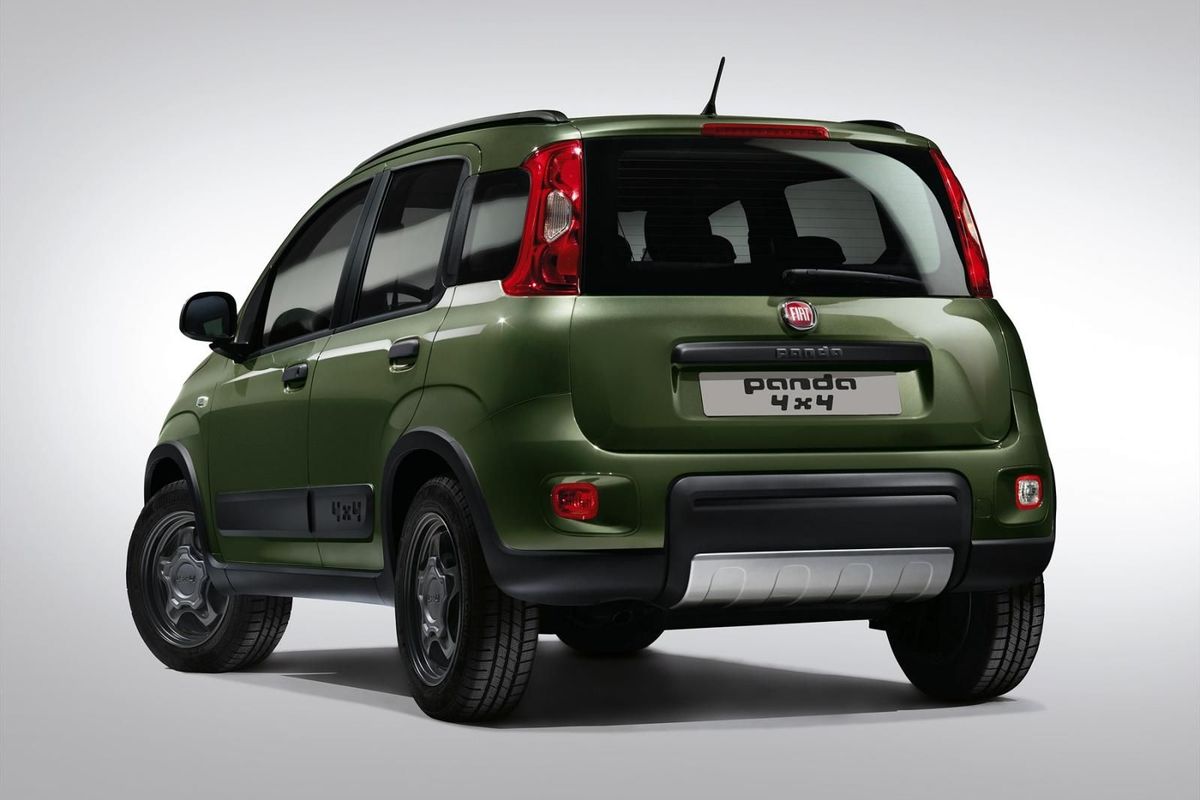
The Panda 4×4 rides on 15-inch alloy wheels with a ground clearance of 150 mm and is fitted with specific bumpers with integrated skid plates, flared wheel arches and protective side mouldings to enable offroad adventures. The all-wheel drive Panda 4×4 also has an Electronic Locking Differential (ELD) to maximise traction. Two new colours are offered on the Panda 4×4 and these include Sicilian Orange and Tuscany Green. On the inside, the Panda 4×4 is fitted with exclusive features to suit its character and these include a green fascia that frames the instruments and storage pockets, upholstery design in either green, beige or pumpkin with eco-leather details and front and rear door panels with eco-leather inserts. A high console over the central tunnel provides additional storage.
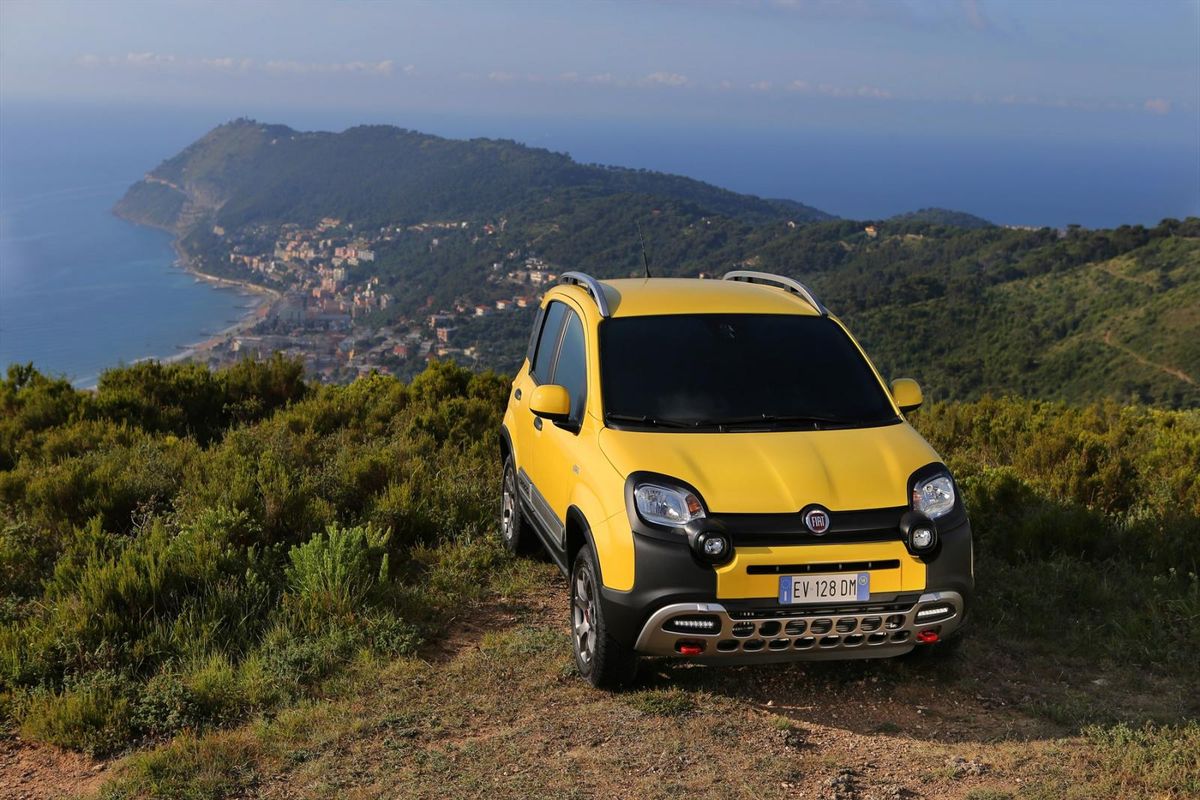
The range-topping Panda Cross can be had with an optional Cross Plus Pack which gives the Panda a rugged look with skid plates and door protection panels in a silver ultrashine colour as well as alloy rims and red tow hooks. The Panda Cross also has new light clusters, fog lamps and LED daytime running lights. From the side, flared wheel arches, side mouldings with a 'Cross' badge and roof rails add to the rugged appeal. 15-inch steel wheels with unique wheel covers are standard. At the rear, a new bumper with underbody protection and a chrome tail pipe rounds off the look. The Panda Cross has a ground clearance of 161 mm.
The adventure-ready Panda 4×4 and Panda Cross are equipped with a 'torque-on-demand' all-wheel drive system to tackle any surface.
On the inside, the Panda Cross benefits from automatic climate control, CD/MP3 radio with Blue&Me system with mounted steering wheel controls, height adjustable leather steering wheel and height adjustable driver's seat. The fabric seats feature brown eco-leather side strips to match the door panels and the front seats have Cross wording on the backrests. The dashboard fascia and centre console is offered in a new copper colour. A drive mode selector is offered on the Panda Cross and includes modes such as Auto (automatically distributes torque to each axle), Offroad (distributes torque to all four wheels) and Hill Descent Control (controls speed on steep descents). A number of Mopar accessories are also offered for the Panda.
A total of 4 airbags are fitted as standard along with ABS with EBD, ESP, Vehicle Dynamic Control (VDC), Hill Holder, tyre pressure monitoring and ISOFIX child seat mounts.
Look out for our Fiat Panda launch review coming soon!
Fiat Panda – Price in South Africa
Fiat Panda 0.9 TwinAir Easy: R184 900
Fiat Panda 0.9 TwinAir Lounge: R199 900
Fiat Panda 0.9 TwinAir 4×4: R229 900
Fiat Panda 0.9 TwinAir 4×4 Cross: R249 900
The Fiat Panda is sold with a 3-year/100 000km warranty and a 3-year/100 000km service plan with service intervals set at 15 000km.
The new BMW M5 is almost upon us and the Germans have released an audio clip which gives us an indication of what it sounds like. Have a listen and revel in the turbocharged V8 petrol goodness. Update: We have a release date of 21st August 2017 and another teaser video of the forthcoming BMW M5. Watch below:
BMW's flagship performance sedan will be fully revealed at the 2017 Frankfurt Motor Show and we'll be in attendance. What we know so far is that it is powered by a twin-turbocharged 4.4-litre V8. BMW has not released any figures, with only a suggestion that it has more power than the outgoing model. If we were to hazard a guess, 460 kW and 750 Nm sound like fair ballpark figures. With launch control dialled up and using the XDrive all-wheel drive, BMW is claiming a 0-100 kph sprint time of under 3.5 seconds. When it comes to market, it will go up against the Audi RS6 and Mercedes-AMG E63 S.
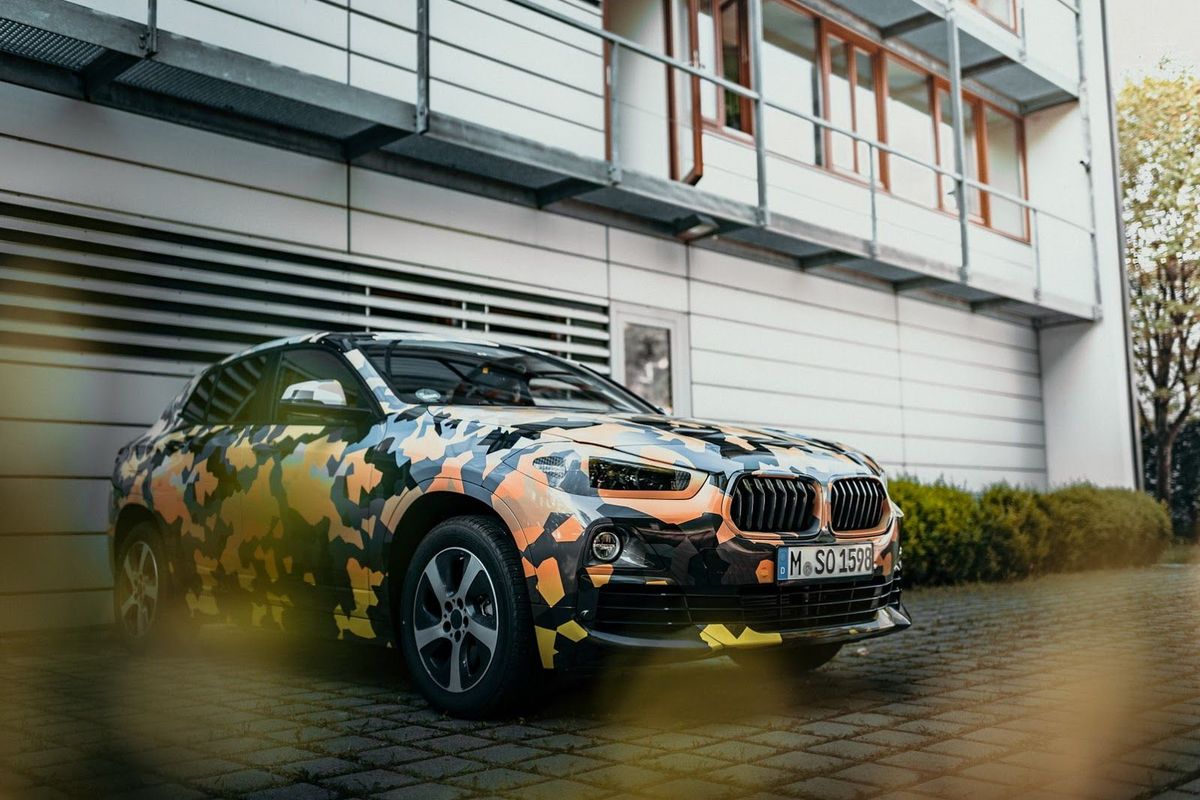
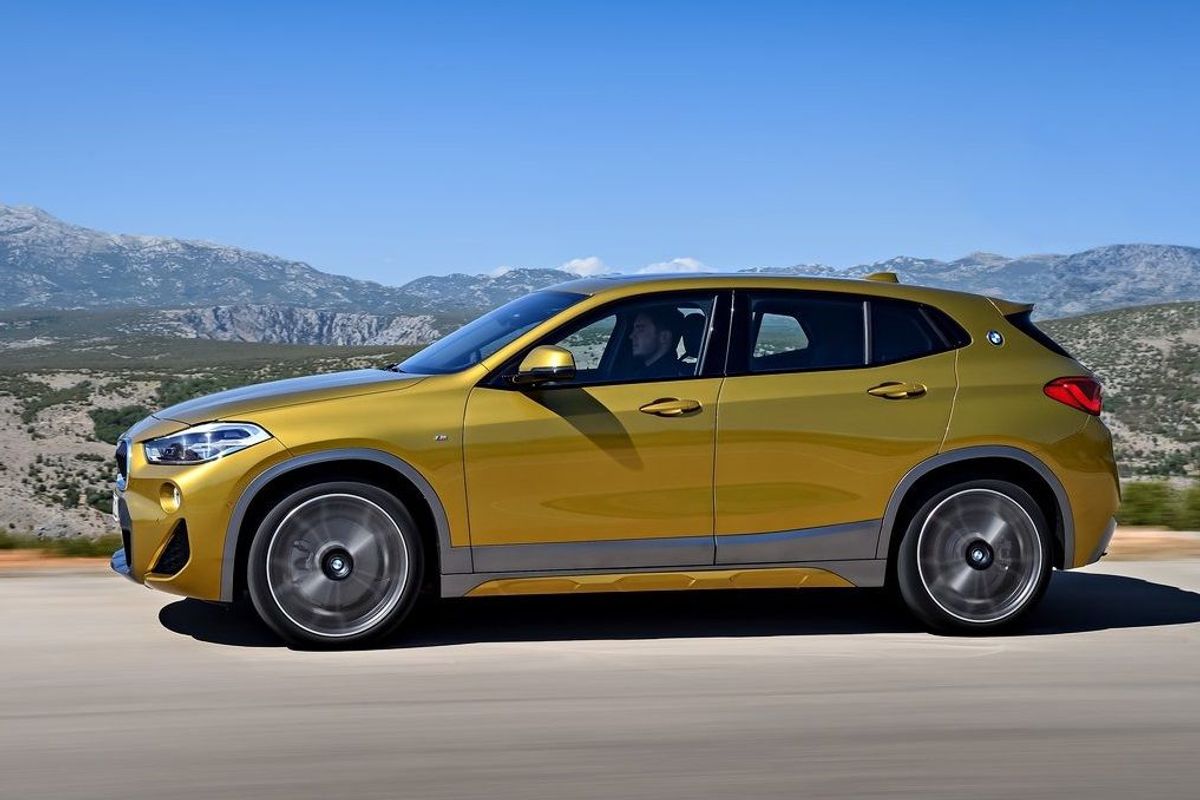
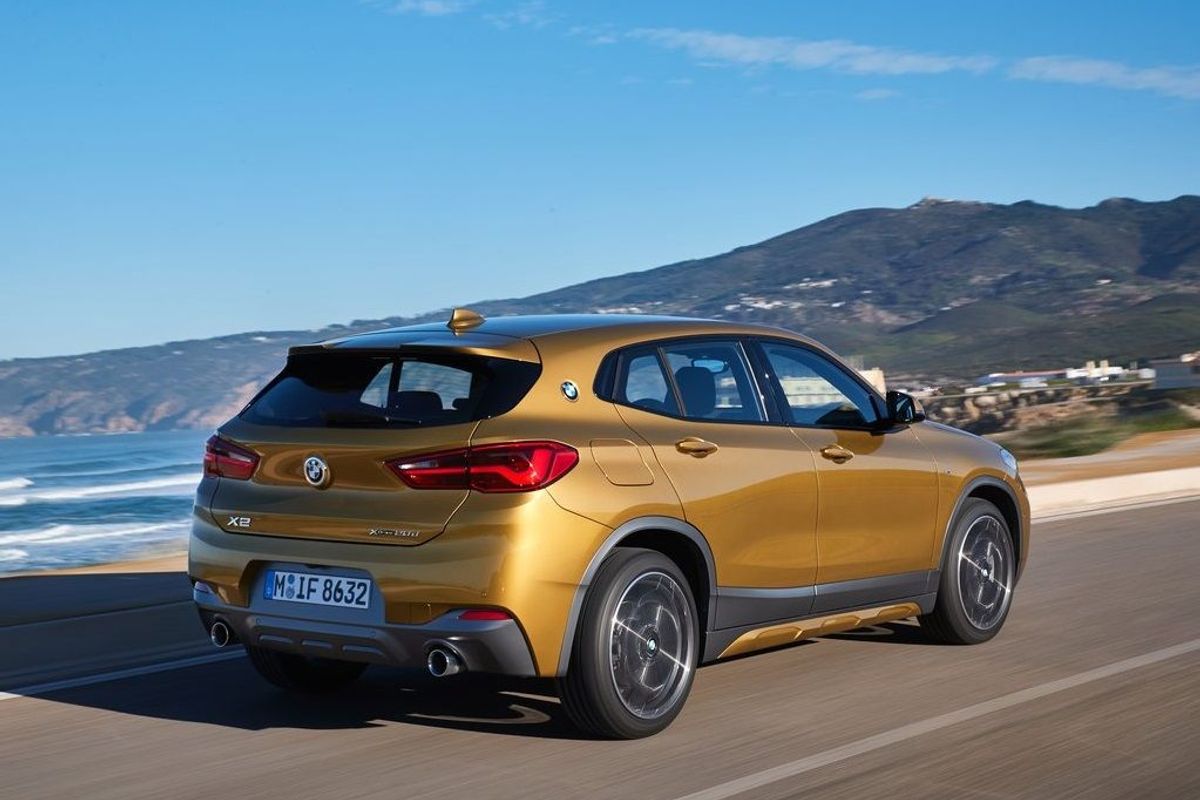
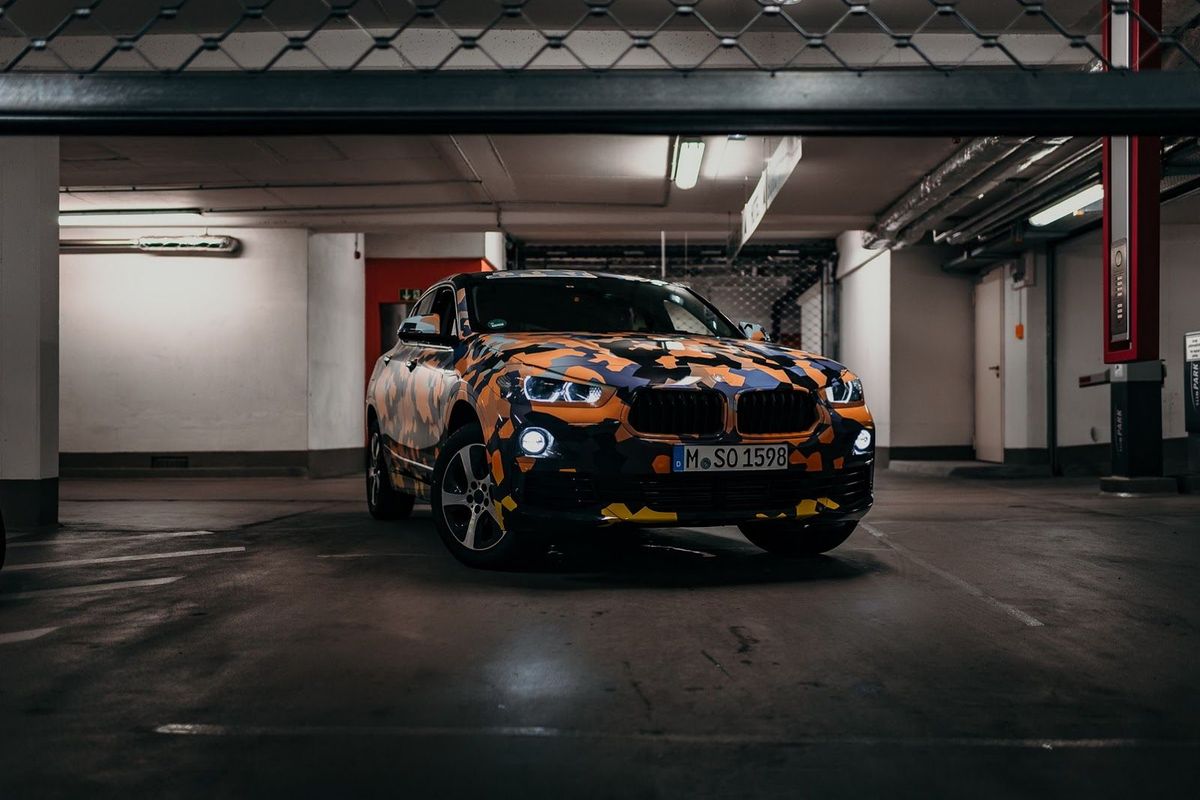
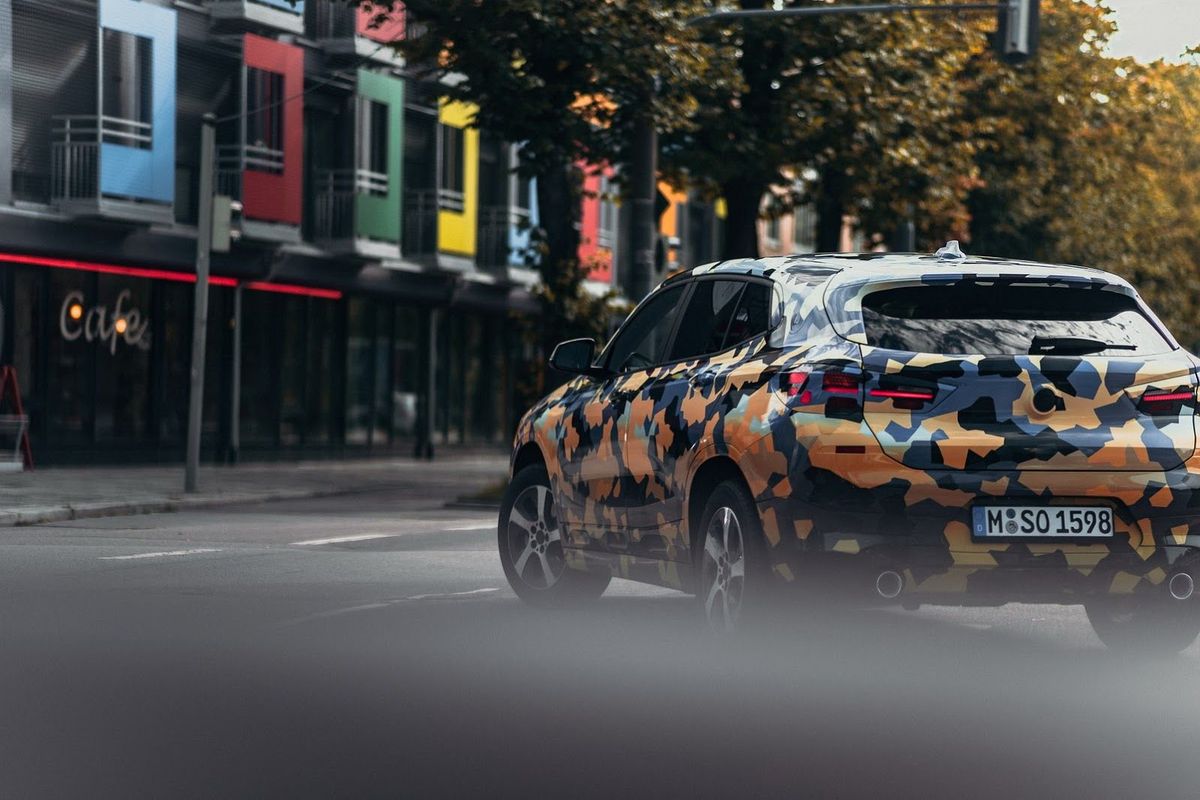
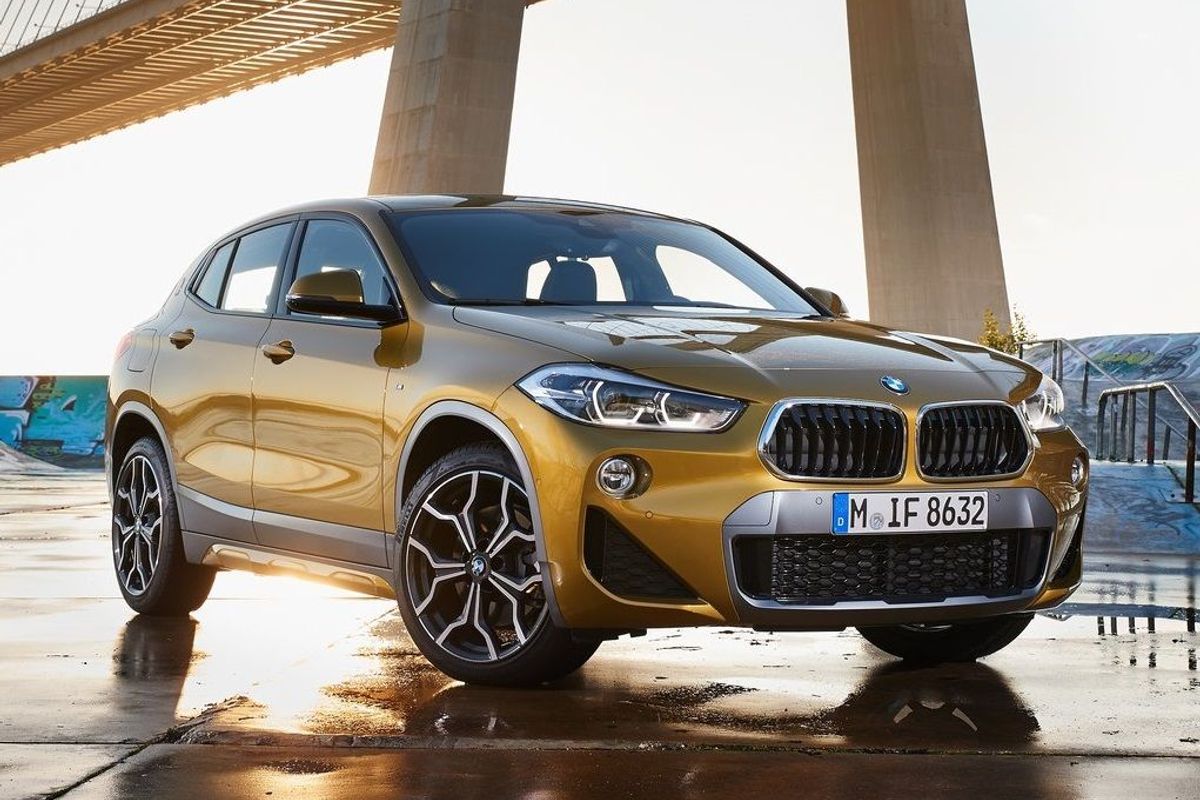
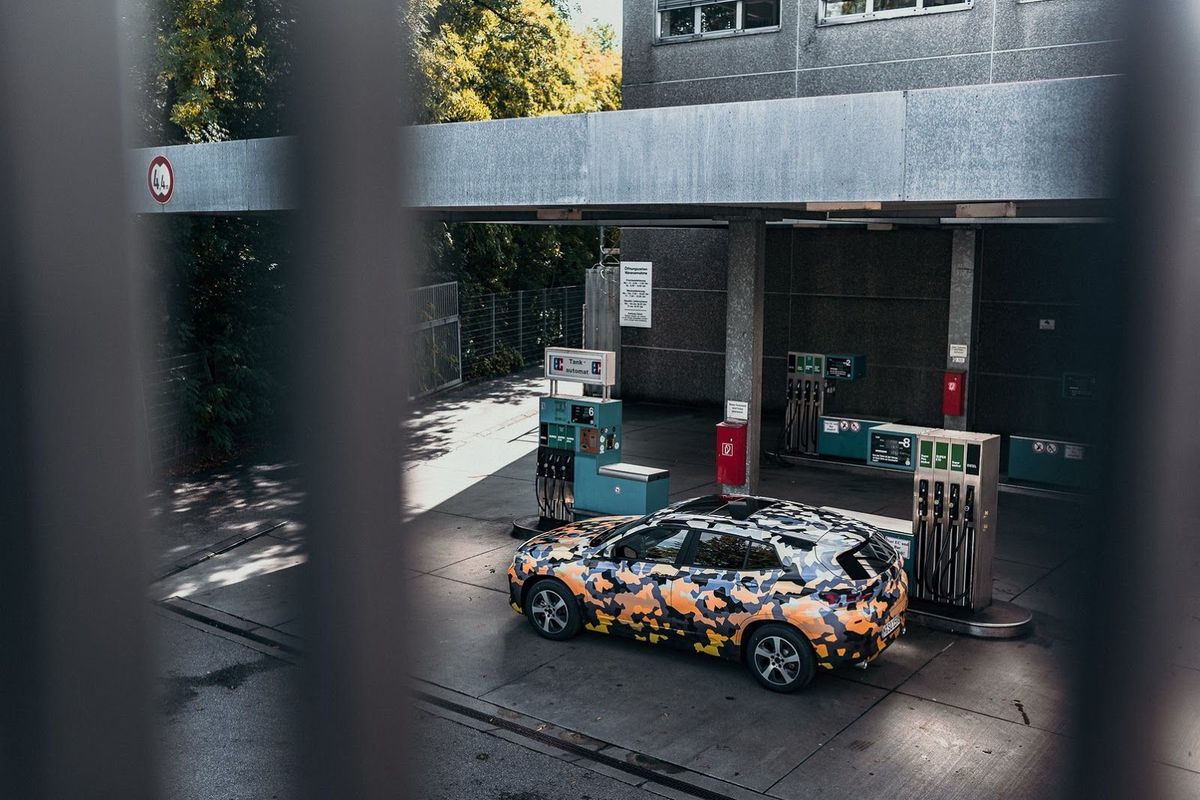
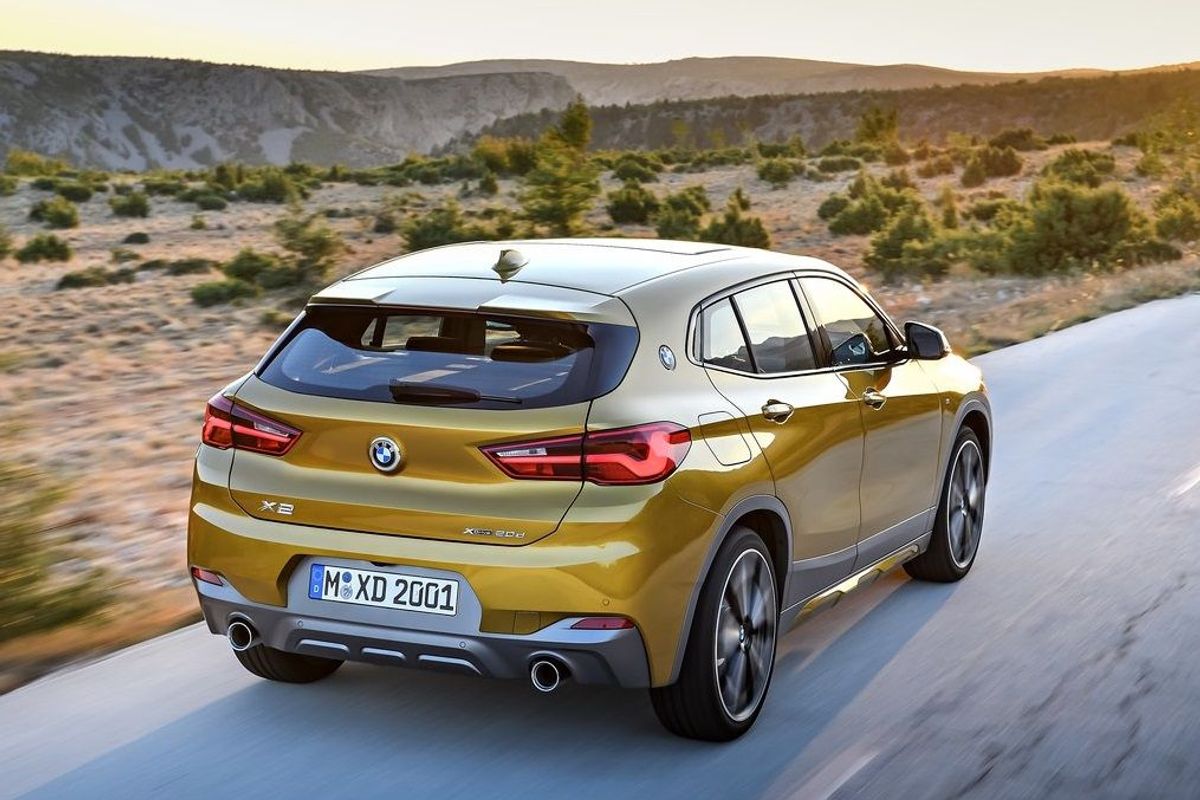
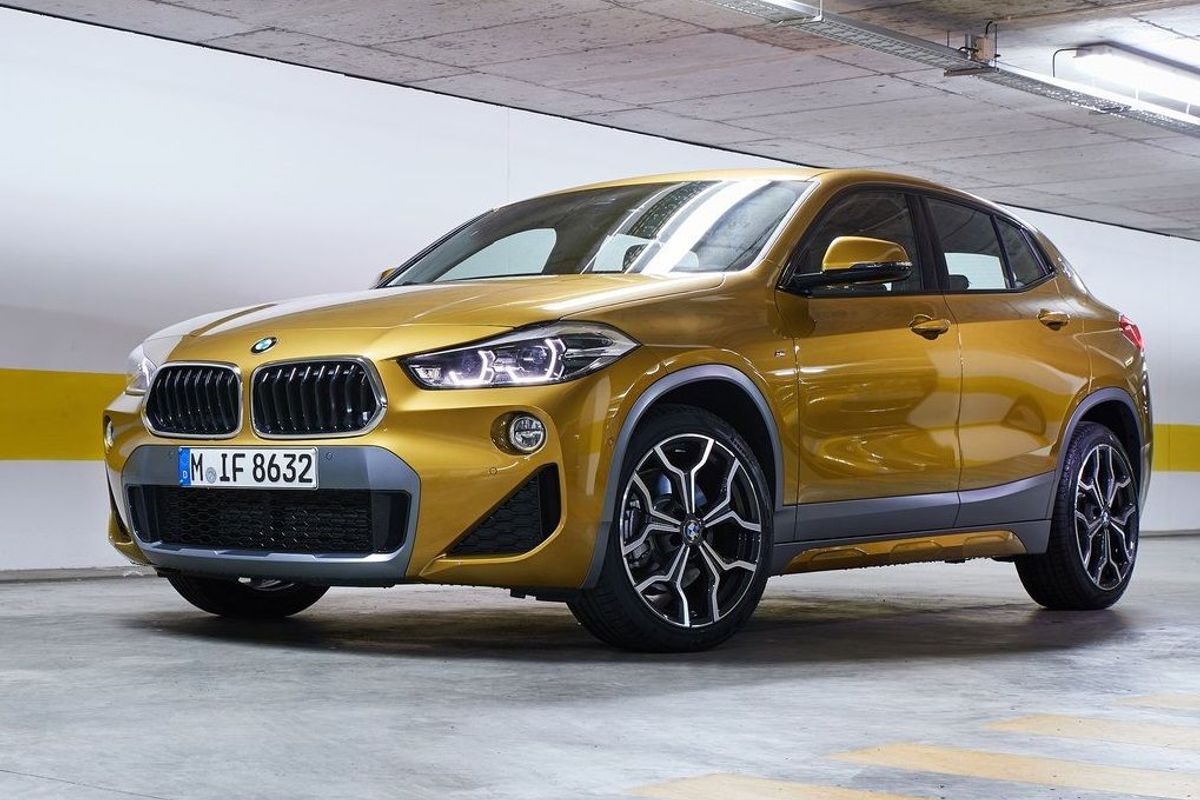
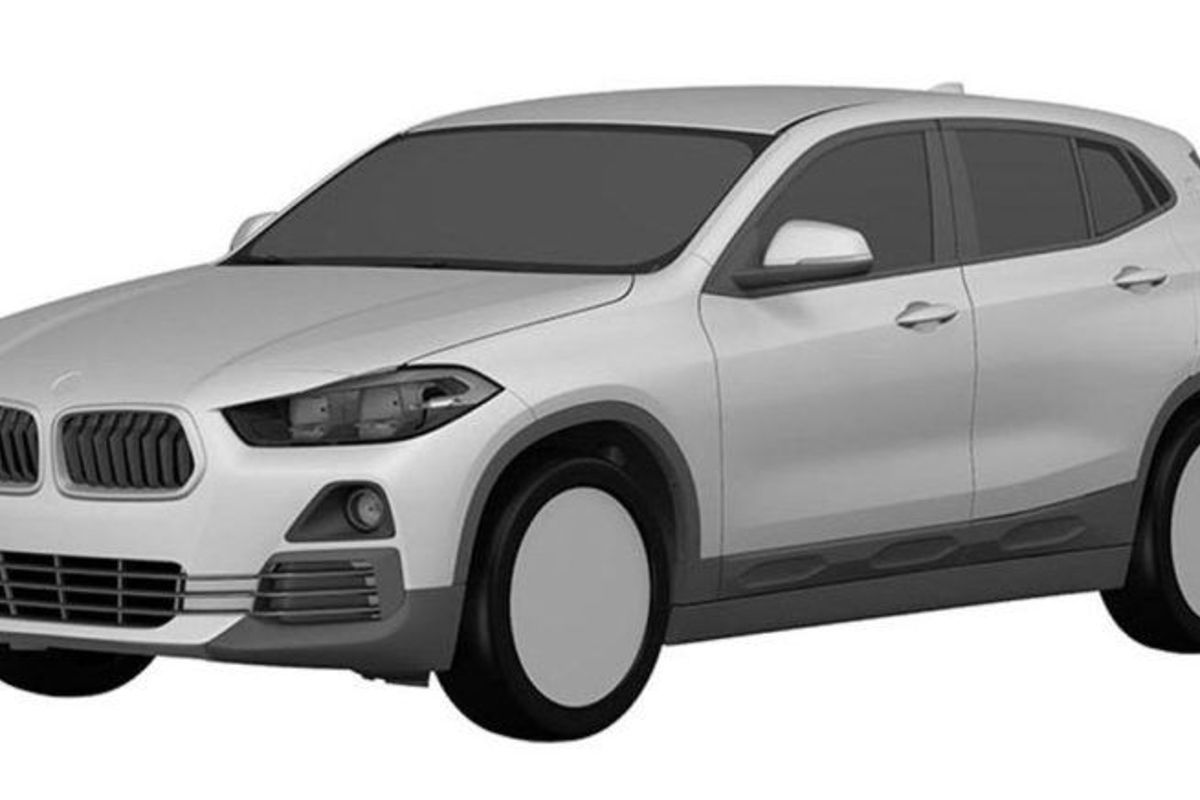
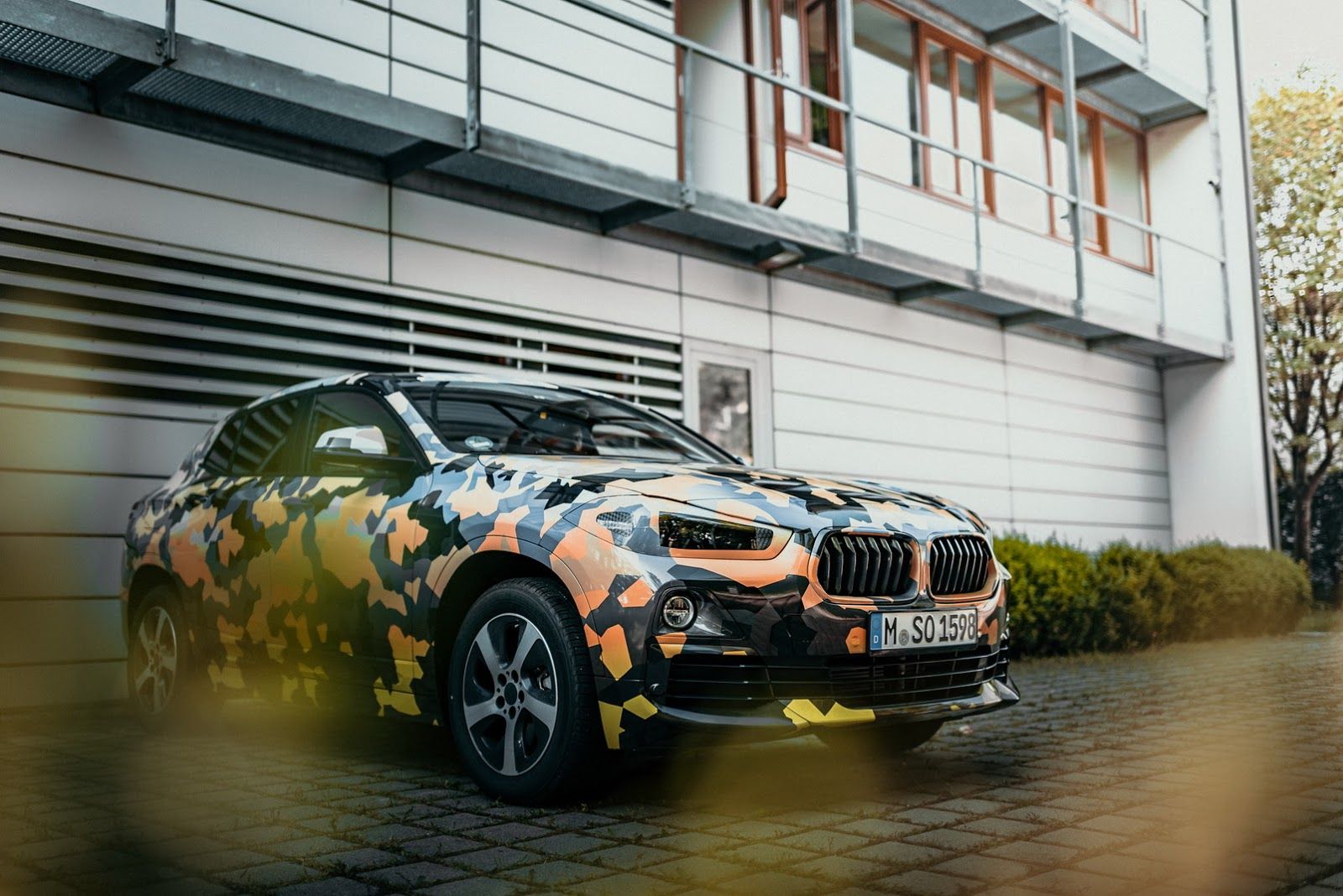
Earlier this year our spy photographers captured images of the BMW X2 undergoing testing and BMW has now released official images showing the new X2 prowling in the urban jungle. The development of the X2 is just about complete and is expected to be shown at the upcoming Frankfurt Motor Show next month.
Spy shot image credit: SB Medien
After seeing how successful the Range Rover Evoque has been, it makes perfect sense for BMW to tackle the luxury lifestyle SUV market. The SUV market has really taken off and BMW already has the X1, X3, X4, X5 and X6. The X2 will logically sit between the compact X1 and the mid-size X3. A big X7 is expected in 2018.
The upcoming BMW X2 will look to capitalise on a booming SUV market.
The new BMW X2 will be riding on the same UKL platform which underpins the X1. Expect the base spec models to feature front-wheel drive, with the mid-to-top specs boasting xDrive all-wheel drive capability. In terms of engines, almost the entire BMW power plant portfolio will be on tap. The 1.5-litre three-cylinder petrol should be kicking off the range and you will be able to choose from an array of both petrol and diesel powertrains. We doubt there will be a manual gearbox option. Expect to see the new BMW X2 revealed in its entirety at the 2017 Frankfurt Auto Show and we'll be in attendance.
We will keep you informed as soon as more information becomes available.
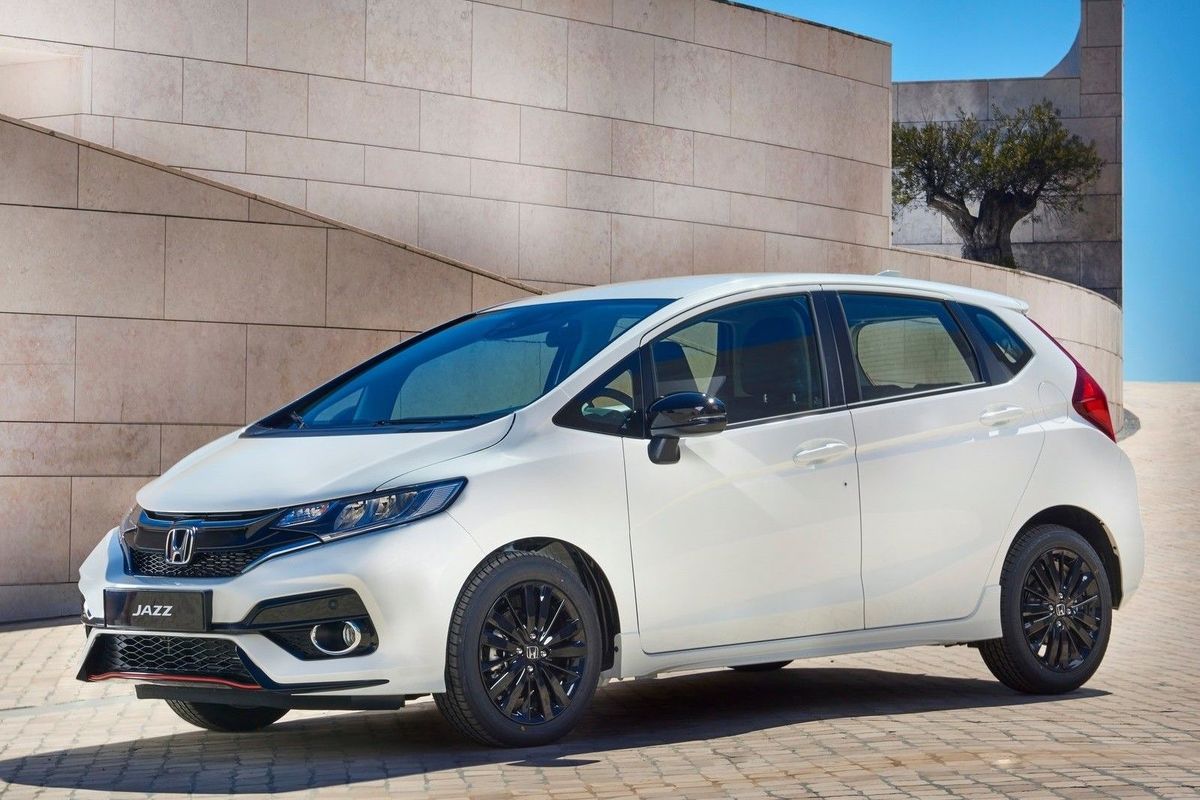
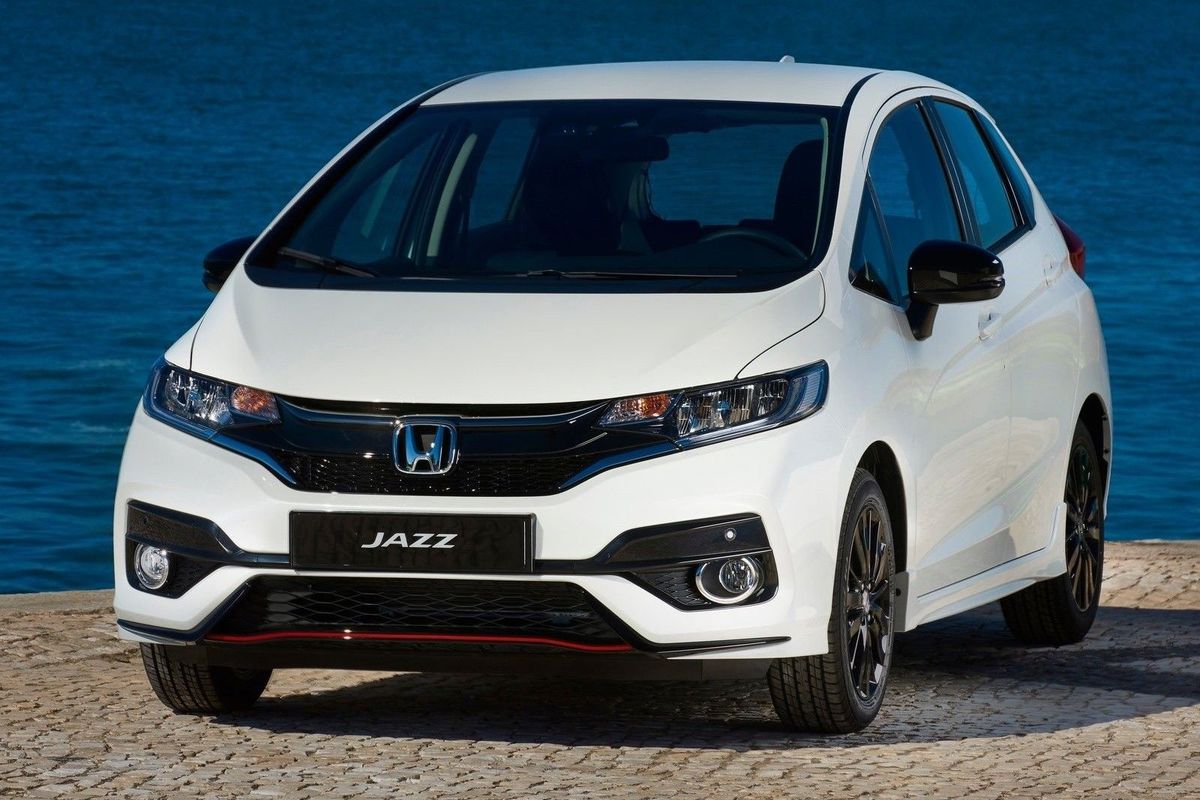
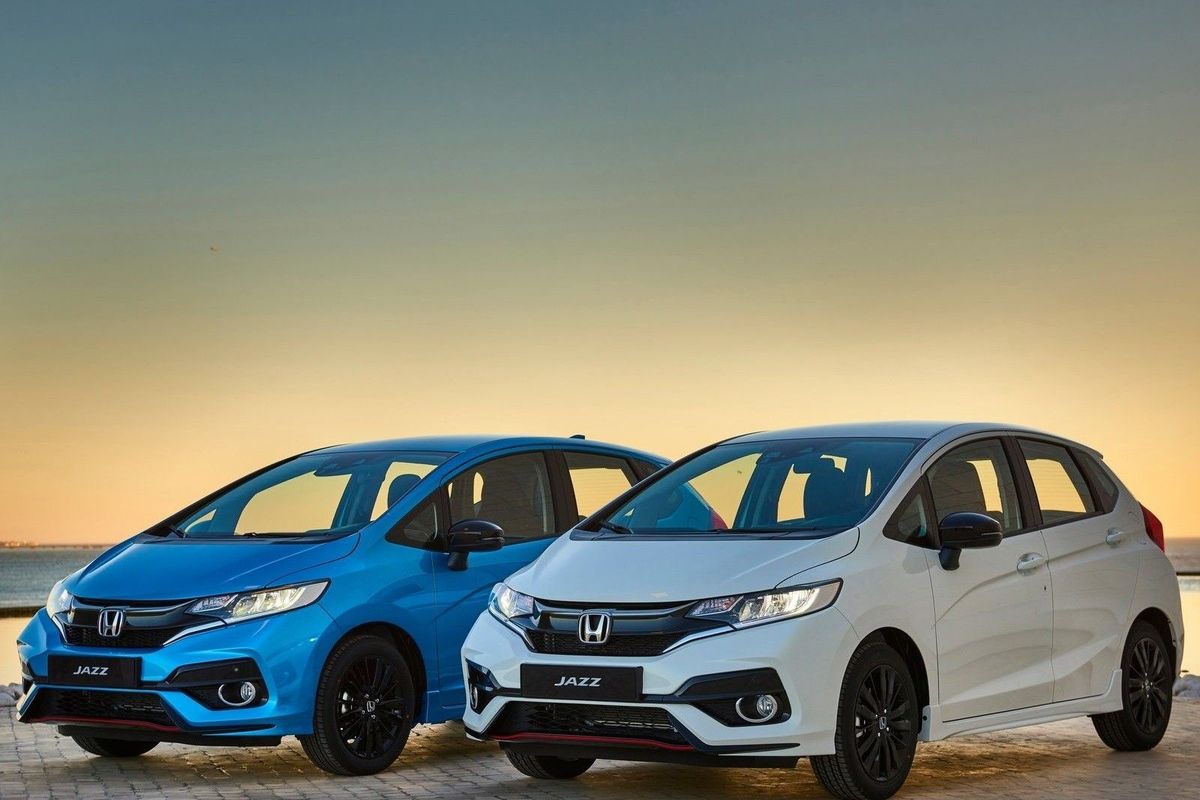
The eminently practical Honda Jazz has undergone a mild update and the facelifted version will be revealed to the public at the Frankfurt Motor Show (September 2017). Here's what the Japanese firm has changed on its popular compact hatchback…
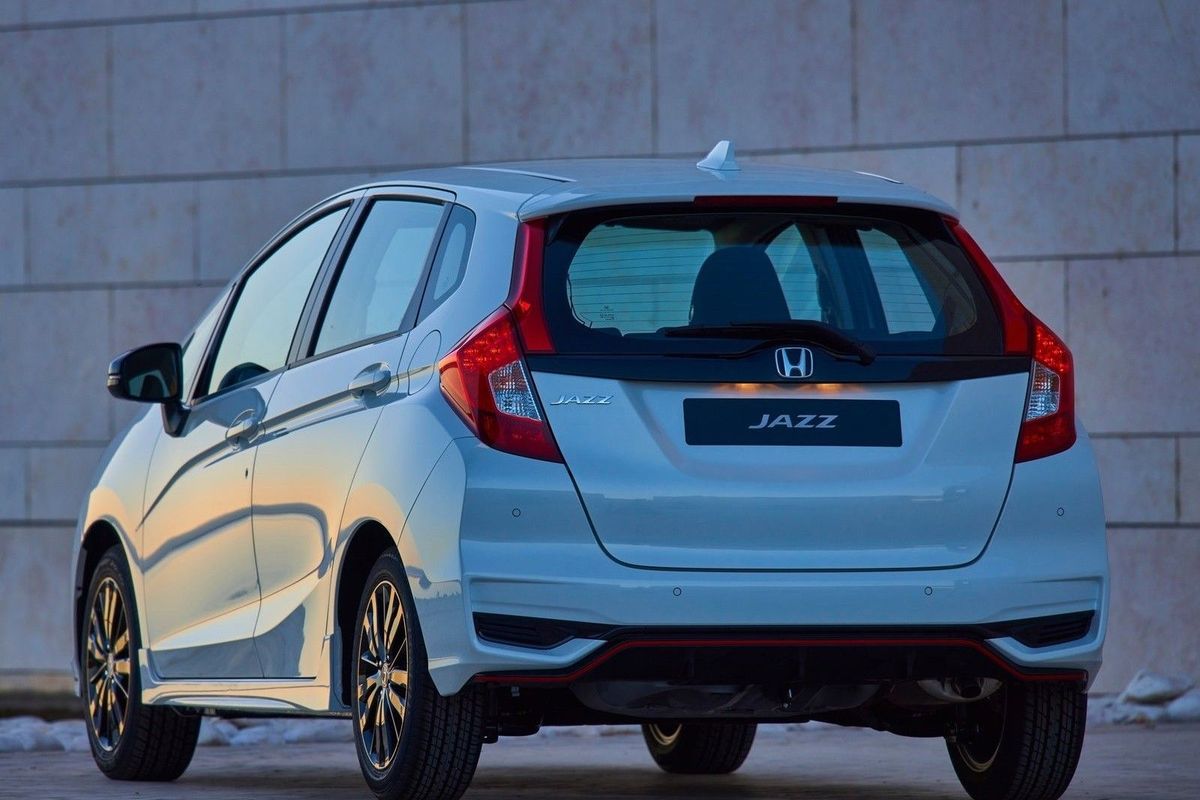
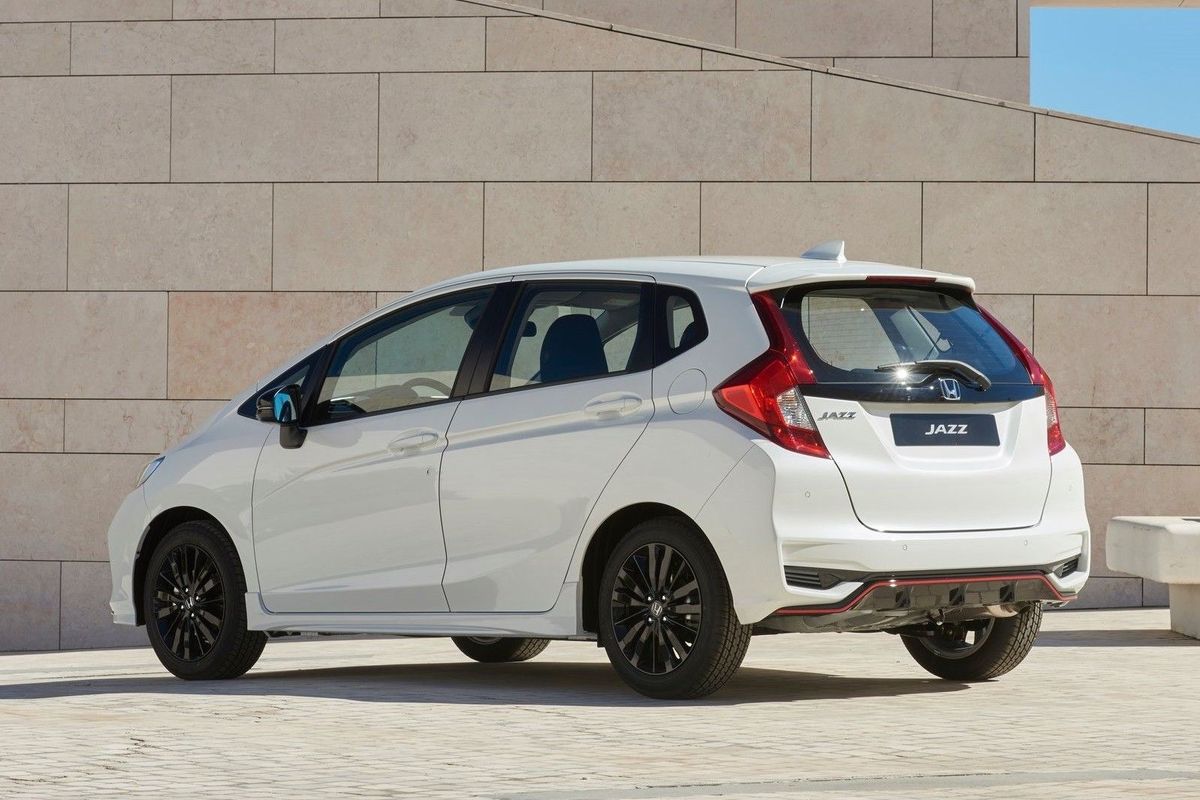
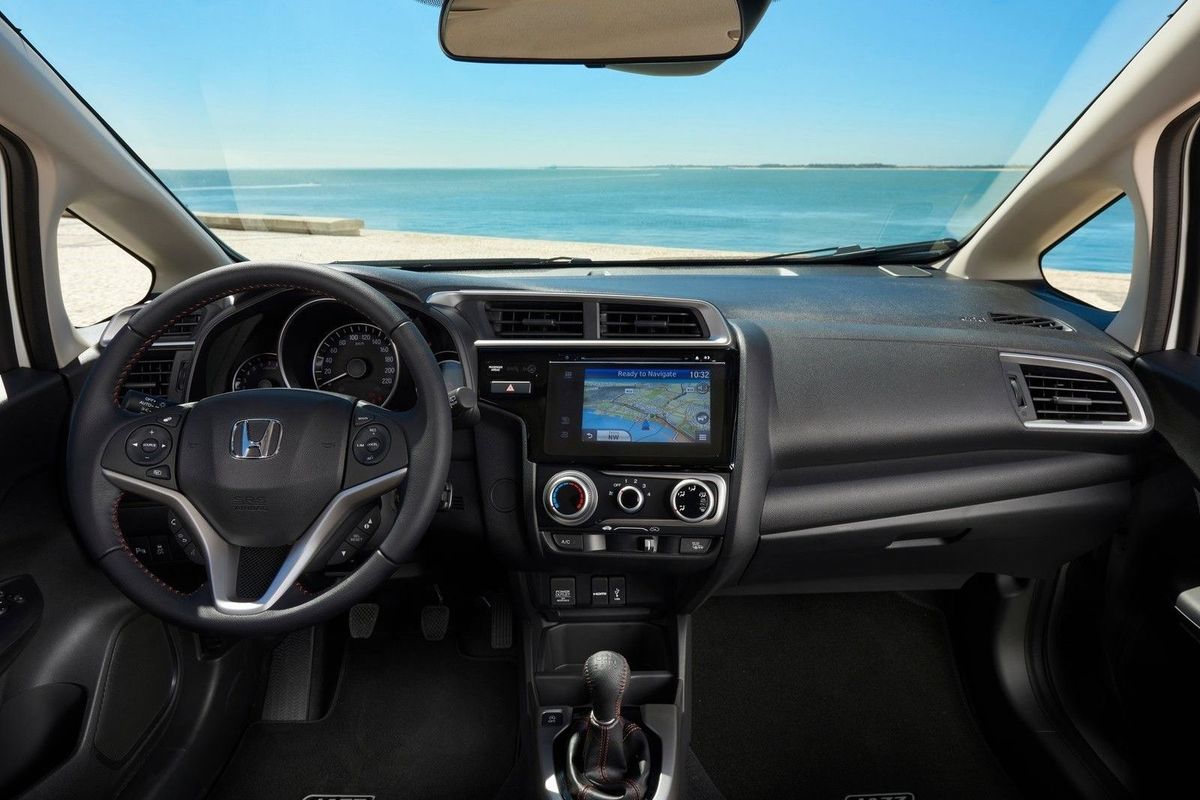
The Honda Jazz has been one of the Tokyo-based brand's best-selling vehicles and a finalist in its segment of the Cars.co.za Consumer Awards thanks to a clever folding seat system, generous specification and Honda generally providing a trouble-free ownership experience. For the 2018 model year, Honda has made available a 1.5-litre iVtec engine with 96 kW on tap, as well as offering updates to the cabin trim and exterior styling. As you can see from the photos, the front end has adopted the signature Honda Solid Wing Face and features some aggressive touches on the bumper. The rear now features shallower grille sections and there's a new colour option called Skyride Blue.
This new engine piques our interest as it complies with strict Euro-6 emission standards and can be mated to either a manual gearbox or a CVT. Honda claims this new powertrain consumes just 5.4 L/100 km. The new engine forms part of what Honda calls "Dynamic" grade, which offers some sporty cosmetic enhancements such as the bigger wheels, LED headlights and red accents on the bumpers.
In terms of dimensions and practicality, this new Honda Jazz offers luggage space of at least 354 litres. With the clever 60:40 Magic Seat system in full operation, you can get up to 897 litres of cargo in, which translates to a loading length of 2 480 mm and a height of 1 280 mm. If you want to transport furniture or curtain rails, then this should make light work of the load.
Standard features range from cruise control, automatic headlights and active safety features in the form of City Brakes. The higher spec cars feature a 7-inch Honda Connect infotainment system, rear-view parking camera, keyless entry and start, as well as advanced safety technologies such as Forward Collision Warning, Lane Departure Warning and Traffic Sign Recognition. We'll have to wait for the South African confirmation to see what our market receives in terms of specification. The new Honda Jazz goes on sale in Europe in early 2018.