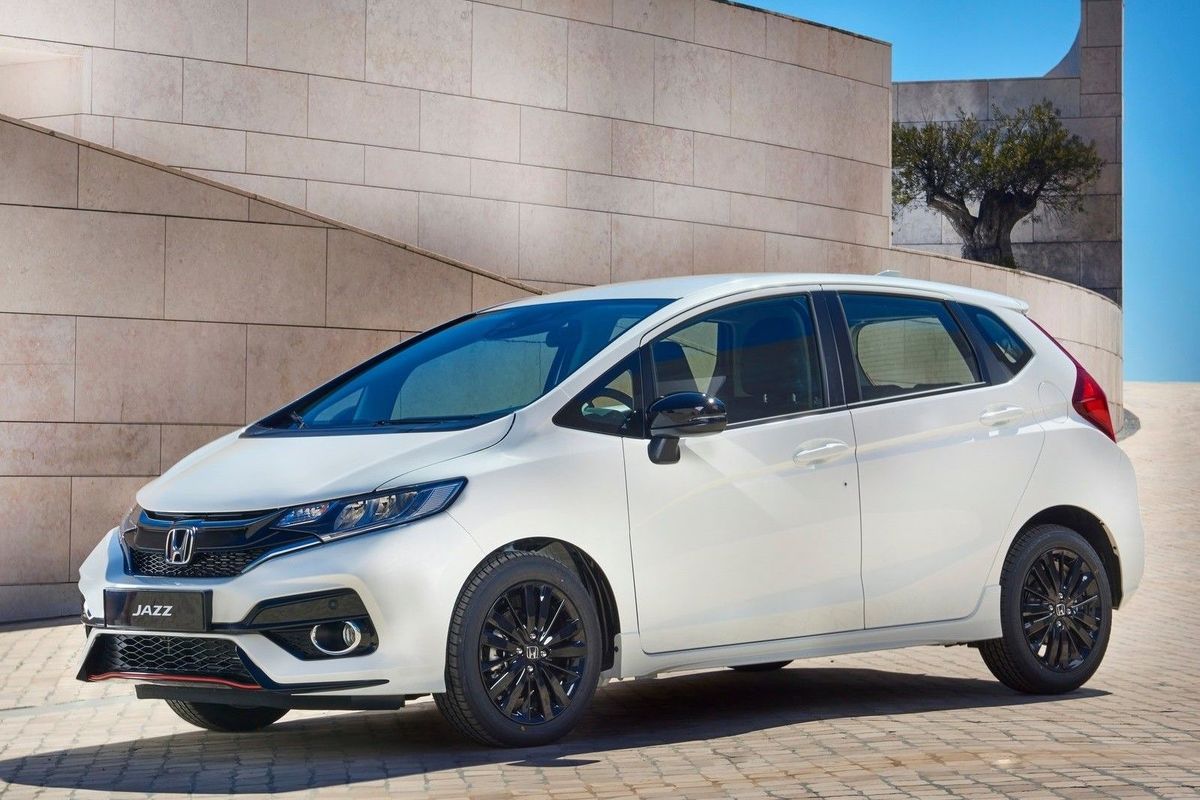
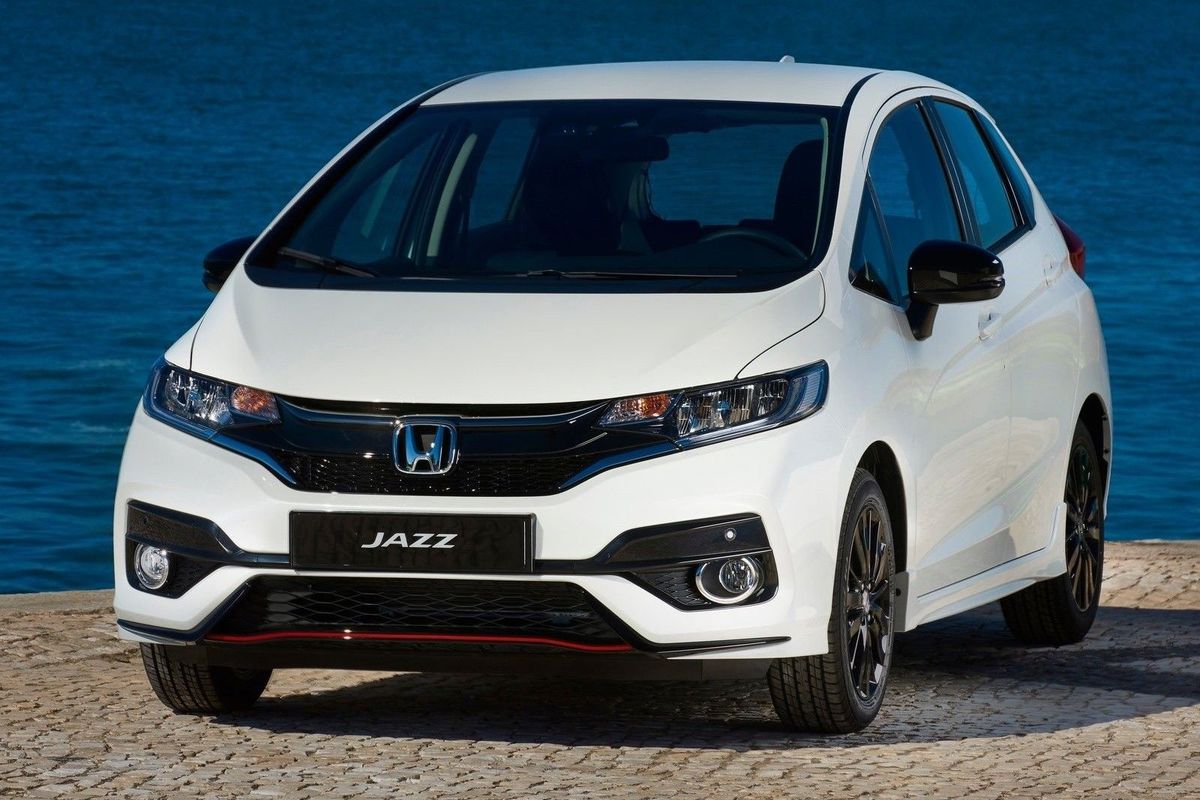
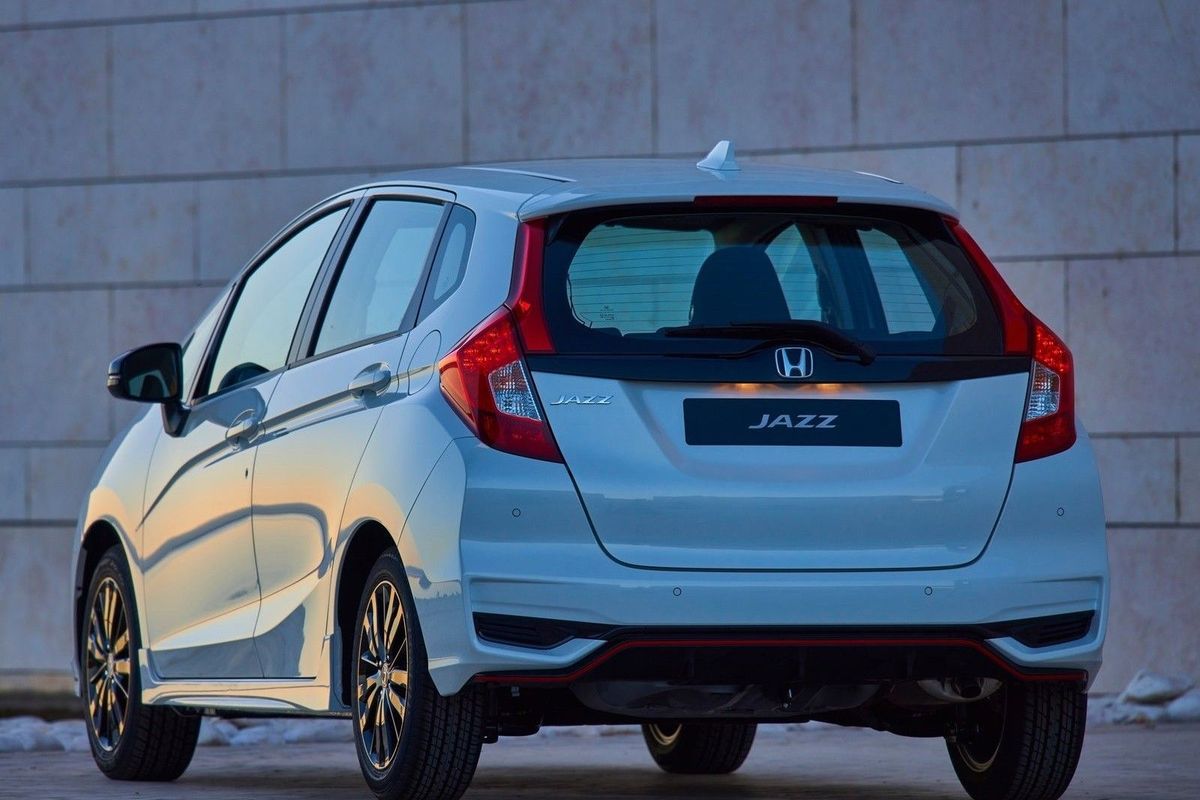
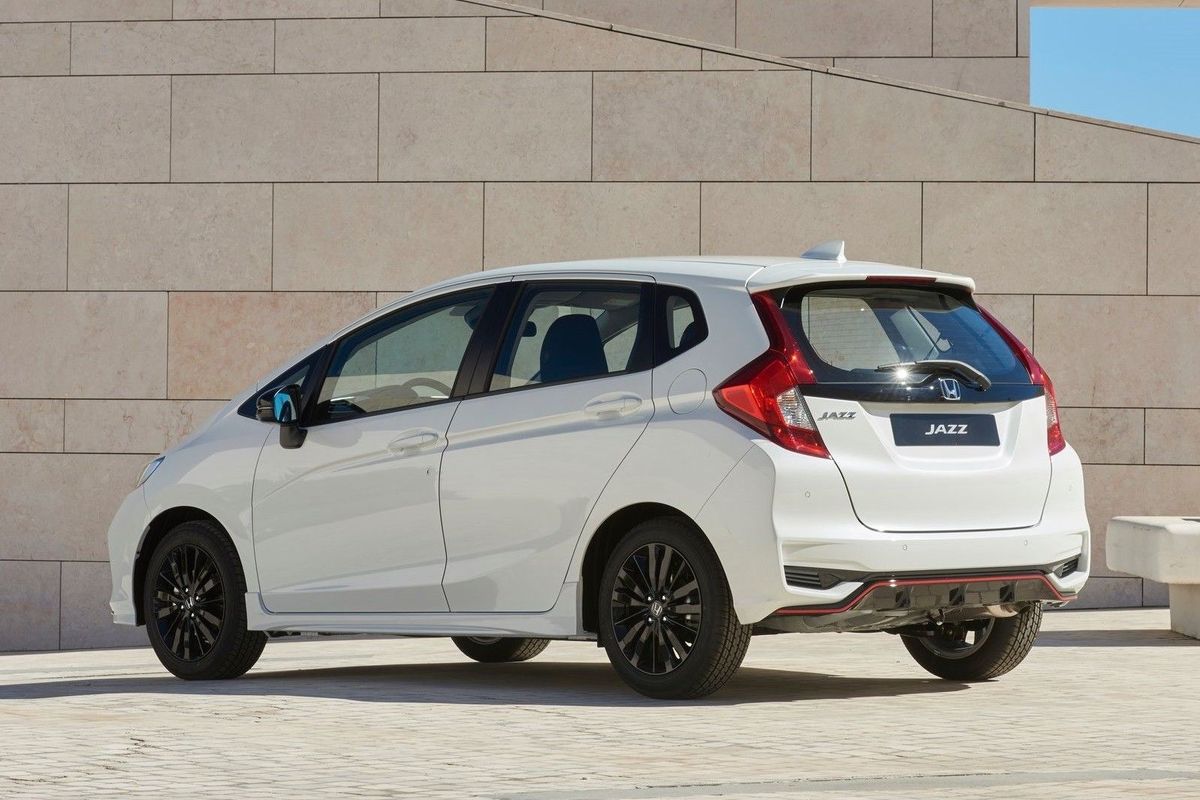
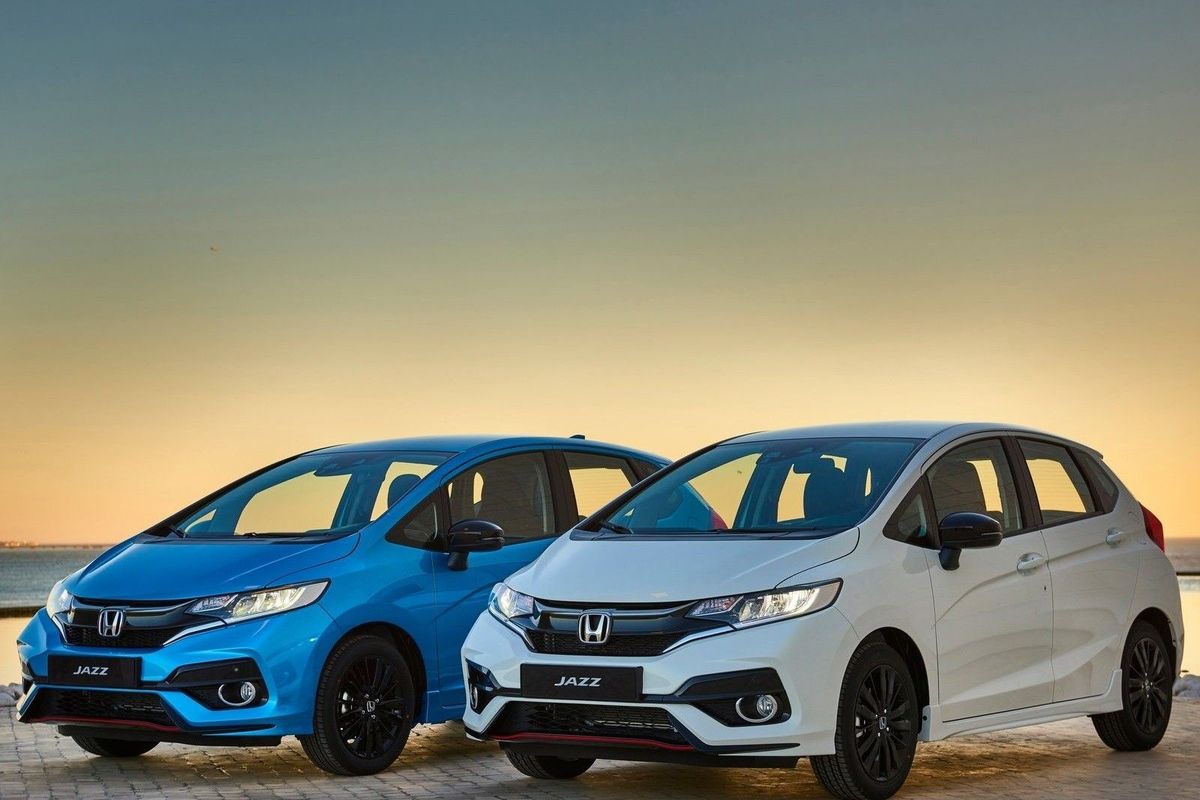
The eminently practical Honda Jazz has undergone a mild update and the facelifted version will be revealed to the public at the Frankfurt Motor Show (September 2017). Here's what the Japanese firm has changed on its popular compact hatchback…
The Honda Jazz has been one of the Tokyo-based brand's best-selling vehicles and a finalist in its segment of the Cars.co.za Consumer Awards thanks to a clever folding seat system, generous specification and Honda generally providing a trouble-free ownership experience. For the 2018 model year, Honda has made available a 1.5-litre iVtec engine with 96 kW on tap, as well as offering updates to the cabin trim and exterior styling. As you can see from the photos, the front end has adopted the signature Honda Solid Wing Face and features some aggressive touches on the bumper. The rear now features shallower grille sections and there's a new colour option called Skyride Blue.
This new engine piques our interest as it complies with strict Euro-6 emission standards and can be mated to either a manual gearbox or a CVT. Honda claims this new powertrain consumes just 5.4 L/100 km. The new engine forms part of what Honda calls "Dynamic" grade, which offers some sporty cosmetic enhancements such as the bigger wheels, LED headlights and red accents on the bumpers.
In terms of dimensions and practicality, this new Honda Jazz offers luggage space of at least 354 litres. With the clever 60:40 Magic Seat system in full operation, you can get up to 897 litres of cargo in, which translates to a loading length of 2 480 mm and a height of 1 280 mm. If you want to transport furniture or curtain rails, then this should make light work of the load.
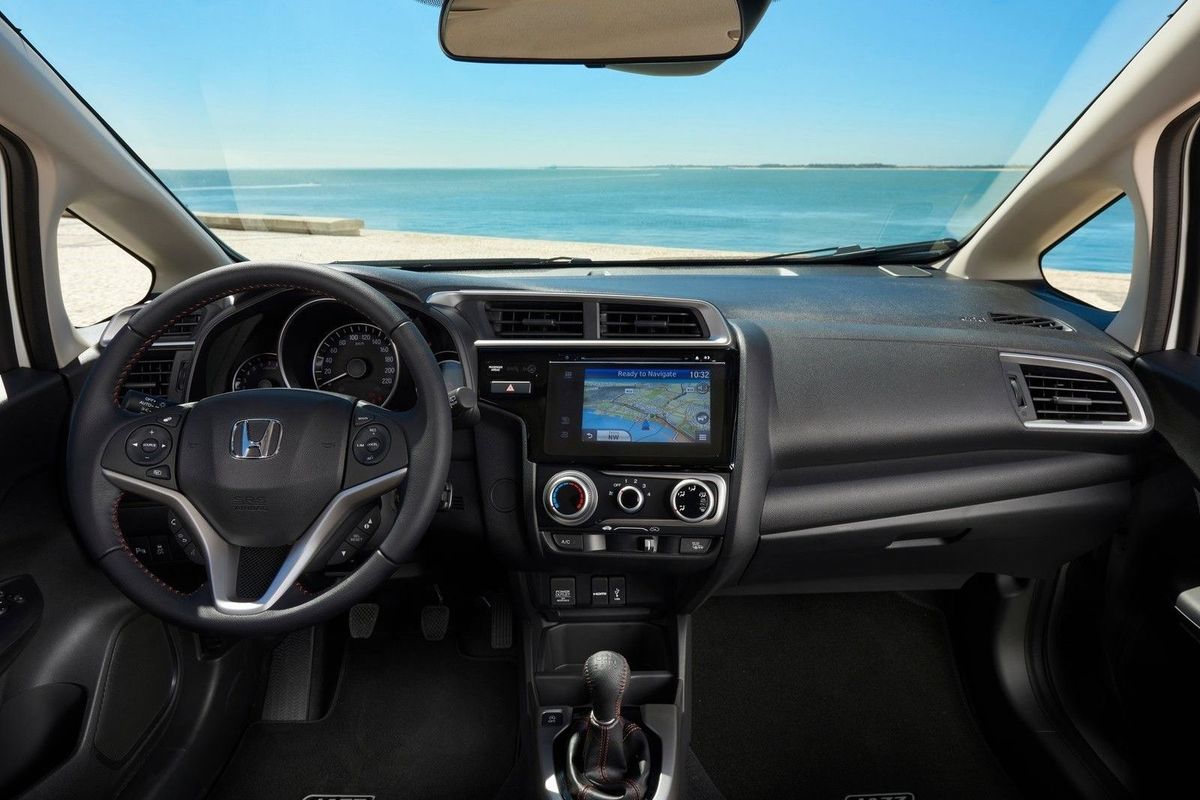
Standard features range from cruise control, automatic headlights and active safety features in the form of City Brakes. The higher spec cars feature a 7-inch Honda Connect infotainment system, rear-view parking camera, keyless entry and start, as well as advanced safety technologies such as Forward Collision Warning, Lane Departure Warning and Traffic Sign Recognition. We'll have to wait for the South African confirmation to see what our market receives in terms of specification. The new Honda Jazz goes on sale in Europe in early 2018.
As an experienced motoring journalist and #CarsAwards jury member, Cars.co.za road test editor Ashley Oldfield is accustomed to applying strict criteria when comparing cars in their market segments, but when it comes to spending your own money, will reason fly out of the window?
As many of you would know, the Cars.co.za Consumer Awards – powered by WesBank combines the expertise of motoring and consumer journalists, combined with the findings of the Cars.co.za Ownership Satisfaction Survey to name a variety of cars that would be astute purchases in their respective sections of the market. As a petrolhead however, the head tends to take a back seat when it comes to decision making. This got me thinking: we seem to know which are some of the best cars to buy, but, would I actually buy any of them?
Everybody has a different reason for choosing their specific car, be it practicality, performance, technology, brand strength or value for money. My personal criteria comprise all of those or, sometimes, none of those. There are a few cases where it’s just a feeling you get from a car that makes it feel special and that’s enough for me to toss my (imaginary) money at it.
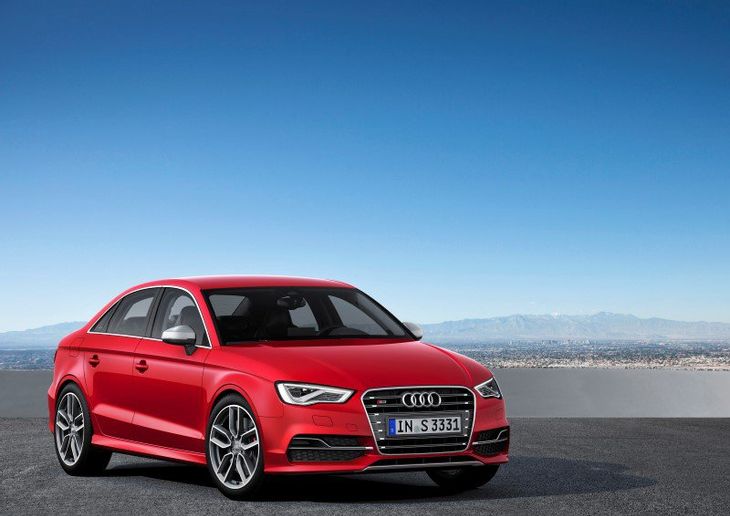
Audi S3 Sedan
For exactly none of those reasons above I want an Audi S3 Sedan. I think this is the best looking Audi at the moment, the proportions just seem to work better than any other of the Audis. It’s all about style with the S3 sedan for me, it also helps that there’s decent power under the bonnet. Sleek and sporty lines in a compact shape are why I’d stick one in my garage. Why not the RS3 Sedan then? Well, there's nearly R300 000 difference between the 2 Audis and the performance gain, while certainly noticeable, is only accessible in very specific scenarios, like when you're spearing around a track or a runway.
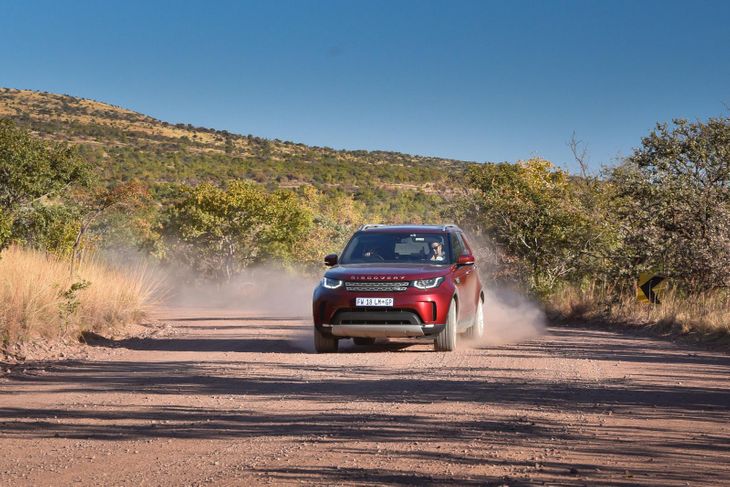
I think it was JRR Tolkien who said "the Land Rover DIscovery is the one car to rule them all". I jest, of course, but there is some merit in that (fictitious) statement. There's very little the Discovery can't do, from real off-roading, to accommodating 7 people in comfort and then eating up long distances in sublime comfort. It's hugely expensive in its new iteration, but also hugely capable. Some may not like its slimmer look and preferred the box-like design that has distinguished it since it began production, but I think it has progressed into quite a muscular beast. The new diesel engine gives it some serious shunt too so on road performance is no longer an issue.
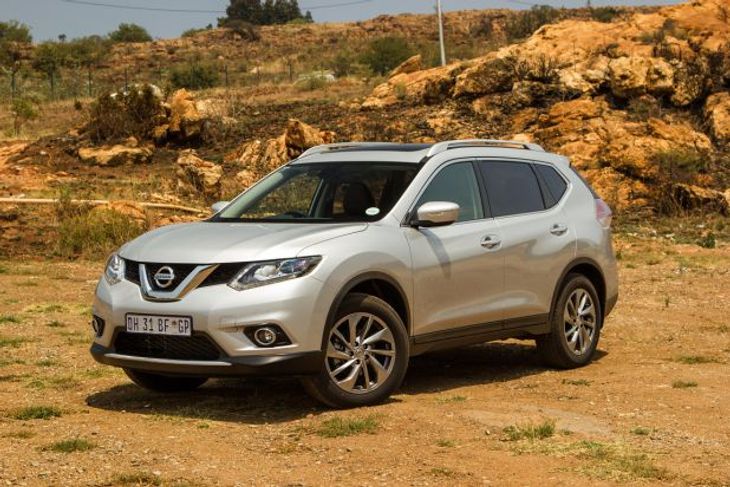
I know I'm meant to be "the performance guy" in the office, but sometimes the brain has to overrule the heart. The X-Trail probably isn’t the best medium-sized SUV/'family car, there are competitors with more luxurious interiors, others with better technological features and more than a few that are better looking. What the X-Trail does, is offer loads of space, reasonable fuel returns (especially in turbodiesel guise) and value for money. It’s also not too plush inside that you’ll worry about ruining the interior, you can lob everything in there and not really care that the leather might scuff or you might get (bicycle) chain grease on the carpets. It’s a tool more than a prized possession and sometimes that's a less stressful way to live with a car.
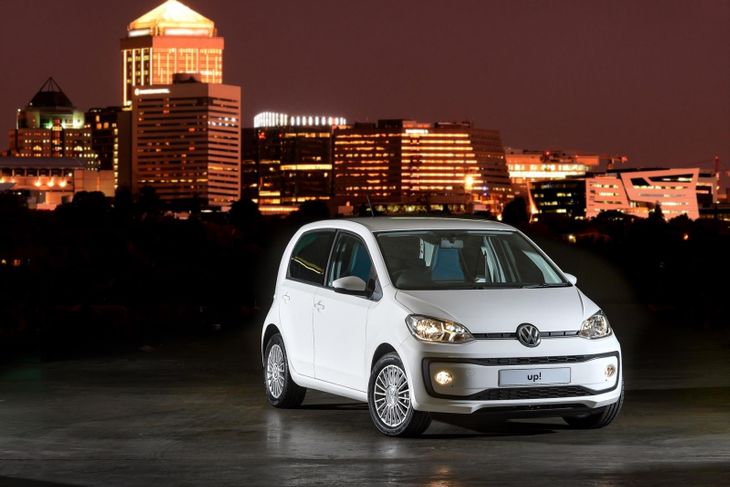
Now that the Up! is available in 5-door configuration, it makes a lot more sense as an entry-level city runabout. With its latest update that arrived in the beginning of 2017, the Up! got a significantly revised radio/infotainment system and a few modern updates to the exterior. Its ride has always been excellent and the build quality superb. It might be a little expensive, but if you're going to put your hard-earned money on a budget car, the Up! feels the most solid choice.
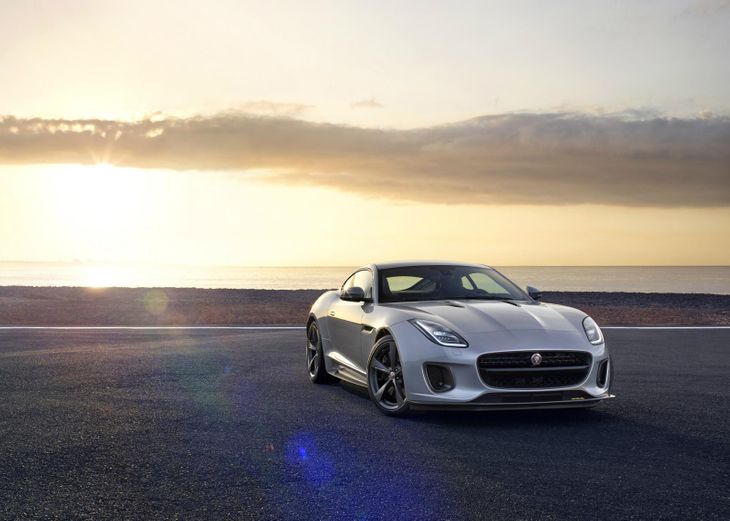
Exotica like Ferraris, McLarens and Lamborghinis seem a bit far out of reach to bother spending even imaginary money on them. Having said that, if I had to pick a sportscar it would be this one and not because it’s the fastest, because it’s far from it. The evocative soundtrack emitted by – and ravishing looks of – the 400 makes me pine for it, plain and simple. It’s fast enough to keep me entertained on the road and just comfortable enough to make me think about a long coastal trip on the weekend.
It’s not a track car by any means, but for track excursions, I would have a proper race car anyway (not a road car), so the F-Type doesn’t need to be mesmerizing on track. Of all the sportscars that come to mind, it's this one that I can't shake from my mind, I must have that sound from the V8 and the looks, especially the coupe are near impossible to match.
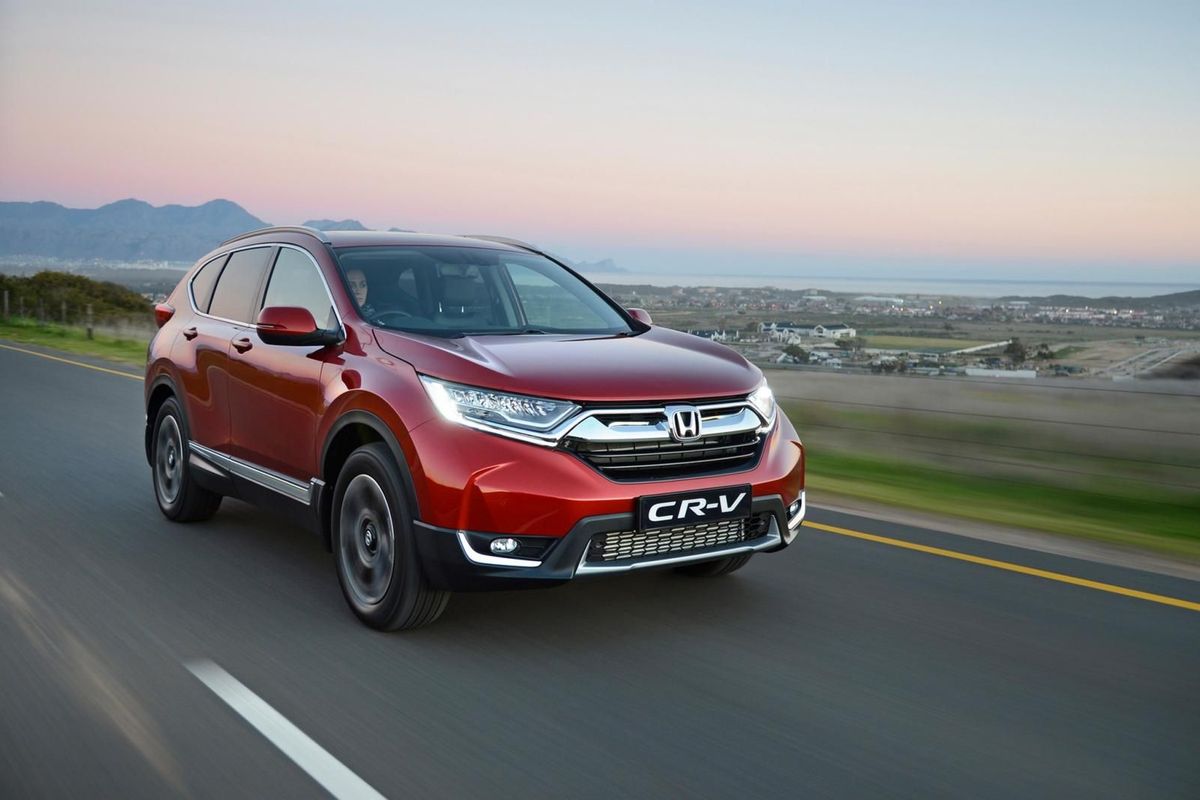
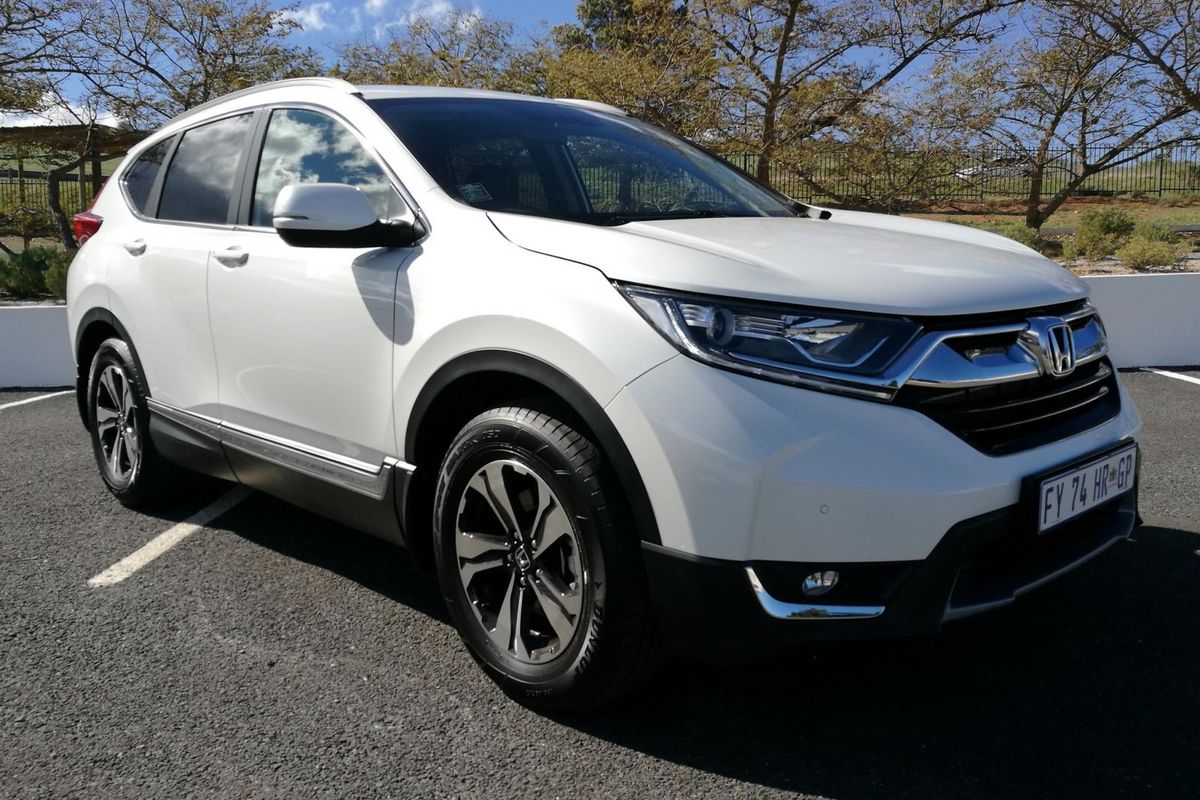
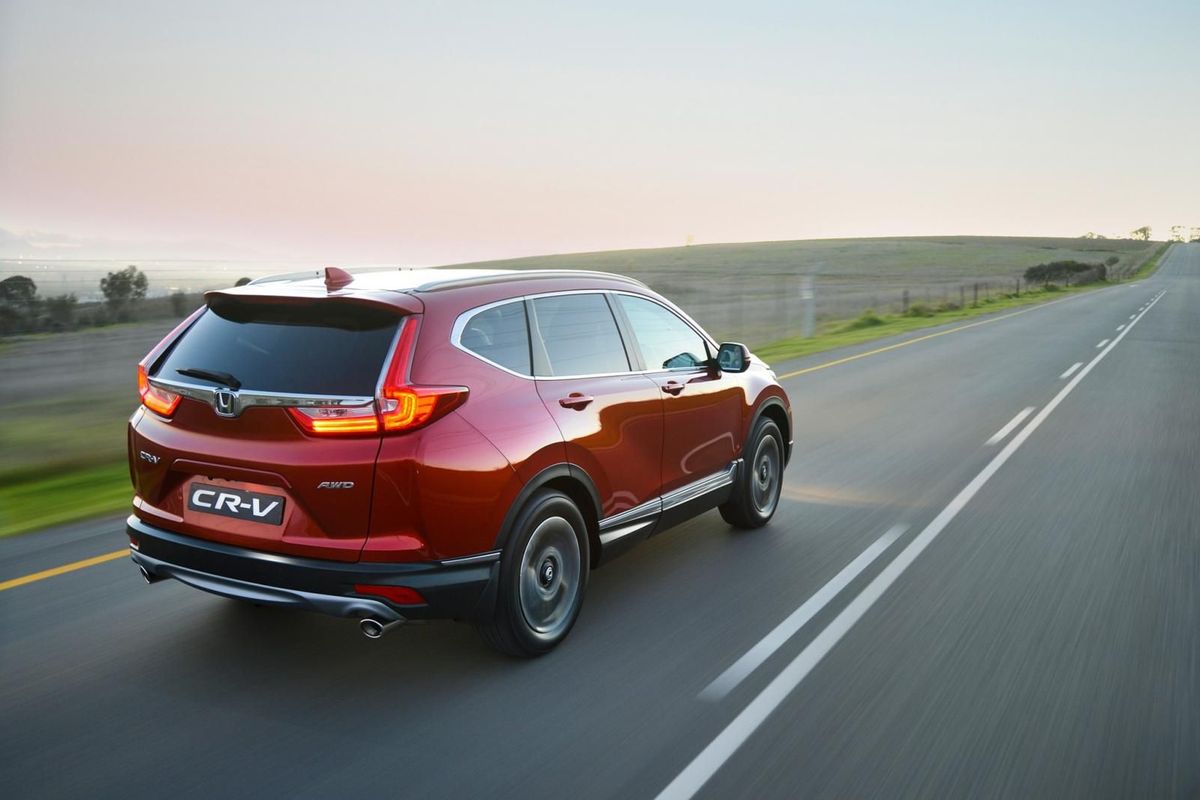
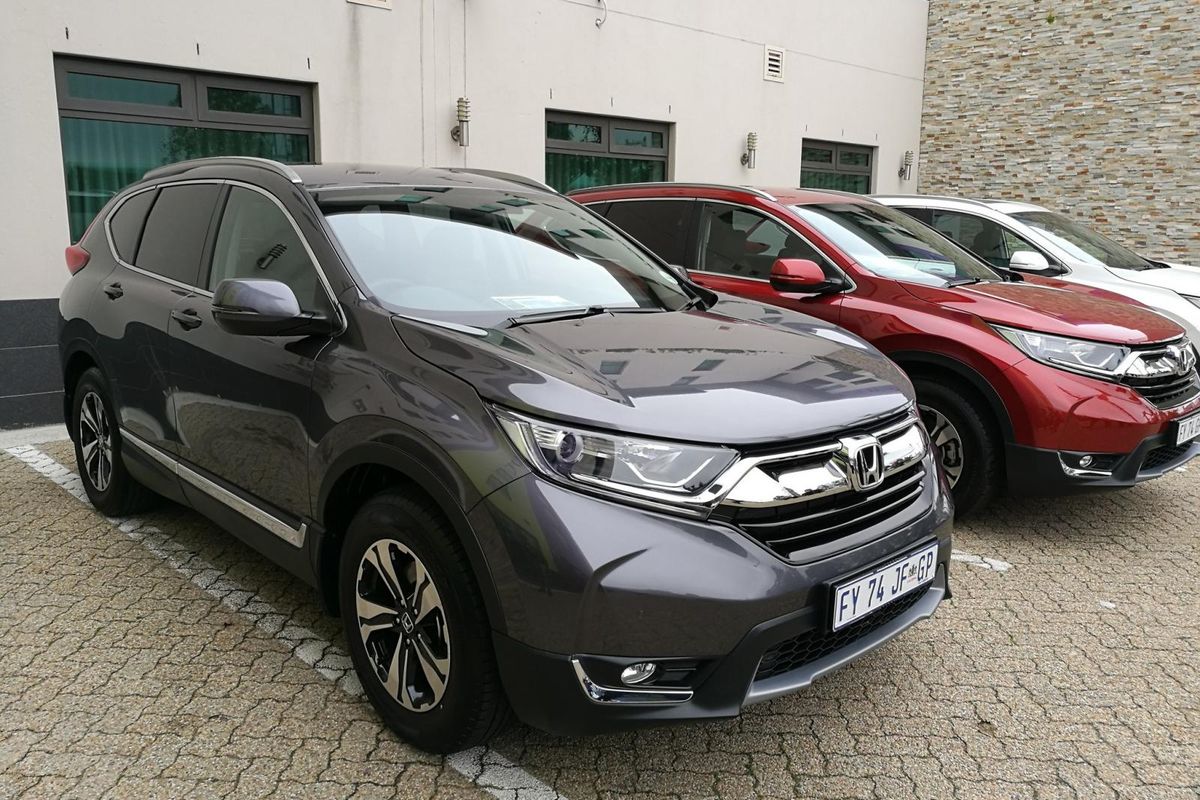
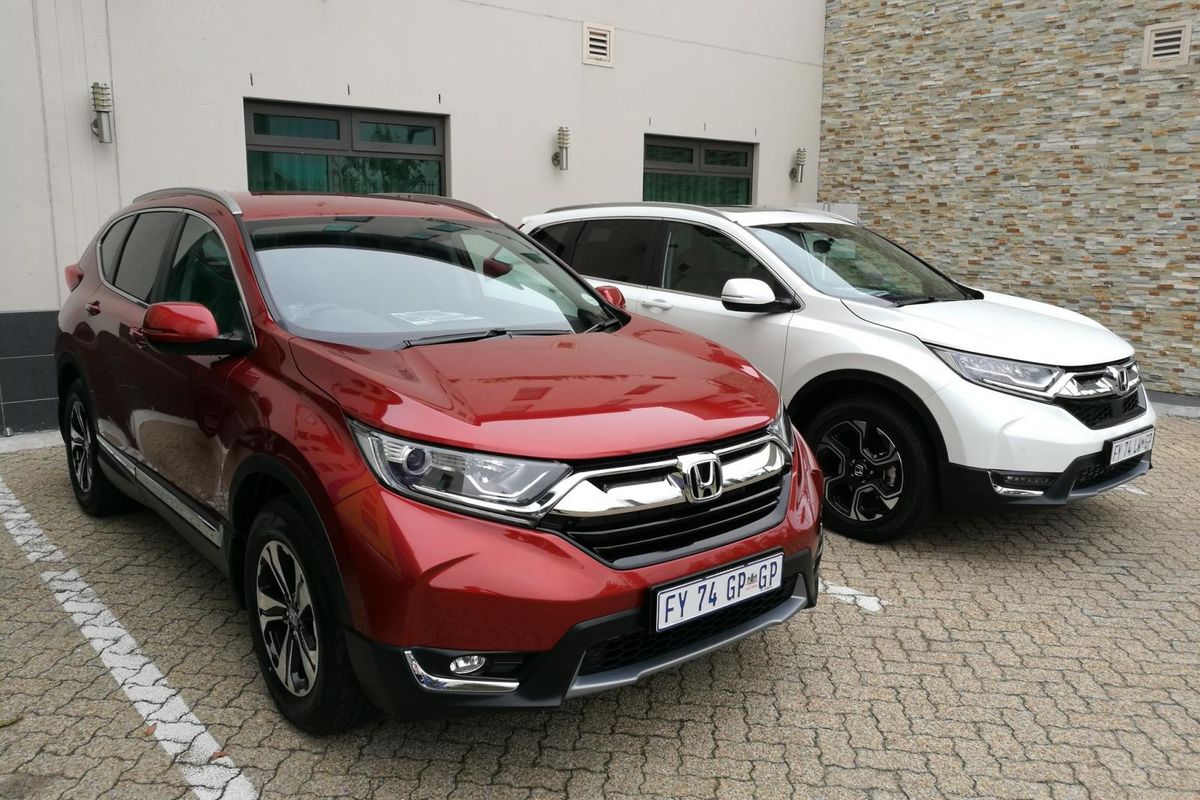
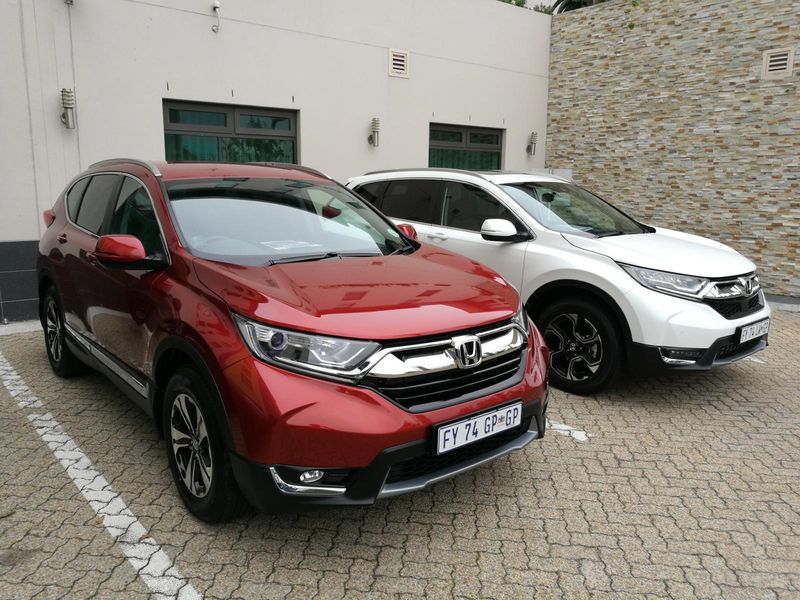
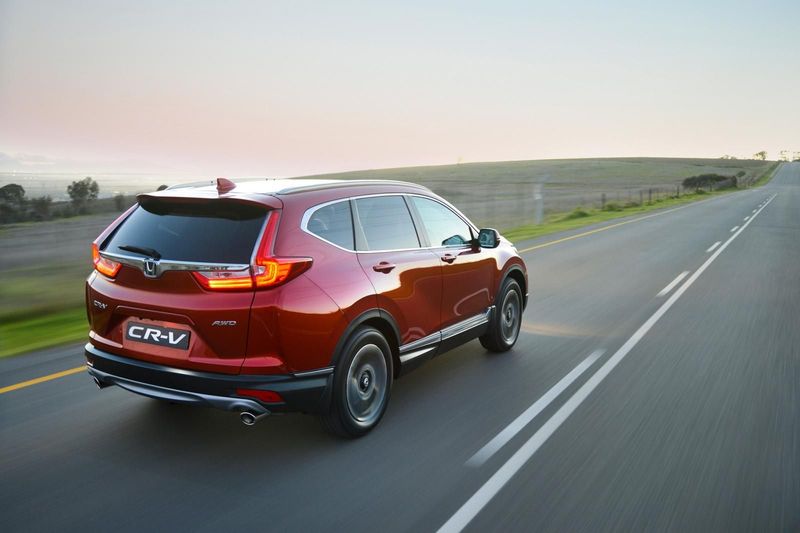
Honda has launched the all-new CR-V family car/compact SUV in South Africa. Now in its 5th generation, the CR-V is bigger, better equipped and more refined than before and we attended the local launch in Cape Town to take it for a drive. Take a look at what Honda's newcomer has to offer…
The CR-V has proven its success worldwide with more than 9 million sales in more than 150 countries… according to Honda, the outgoing CR-V was the world’s best-selling SUV.
Competing in a burgeoning compact family SUV segment against rivals such as the Hyundai Tucson, Volkswagen Tiguan, Mazda CX-5, Toyota RAV4, Renault Kadjar, Kia Sportage, to name a few, Honda’s new CR-V has arrived on local soil to take the fight to its competitors.
Built on a new platform, the CR-V features a fresh exterior design, a larger cabin with more space for passengers and luggage, improved interior material quality, upgraded infotainment systems and higher levels of refinement and improved ride comfort. In addition to this, the CR-V, for the first time ever, is now offered with a new turbocharged 1.5-litre petrol engine!
What’s on offer?
The CR-V welcomes a new 1.5-litre turbopetrol engine to the range with 140 kW and 240 Nm of torque.
The new CR-V lineup offers buyers the choice of 2 petrol engines and 4 trim levels to choose from. The entry-level Comfort and mid-spec Elegance derivatives are powered by an updated naturally aspirated 2.0-litre petrol engine with 113 kW and 189 Nm of torque. Both derivatives are front-wheel drive and Honda claims a consumption figure of 7.3 L/100 km.
The Executive and range-topping Exclusive derivatives feature a new 1.5-litre turbopetrol engine offering peak outputs of 140 kW and 240 Nm of torque. The claimed fuel consumption figure for this engine, which is mated with a continuously variable transmission (CVT) augmented by manual shift paddles, is 7.0 L/100 km. Both derivatives feature an improved all-wheel drive system, which dynamically directs power to the front and rear axles as road conditions require.
The new CR-V further features a revised suspension setup that contributes positively to its ride quality. A MacPherson strut-based suspension is used on the front axle while a multilink suspension is used over the rear axle.
Standard features
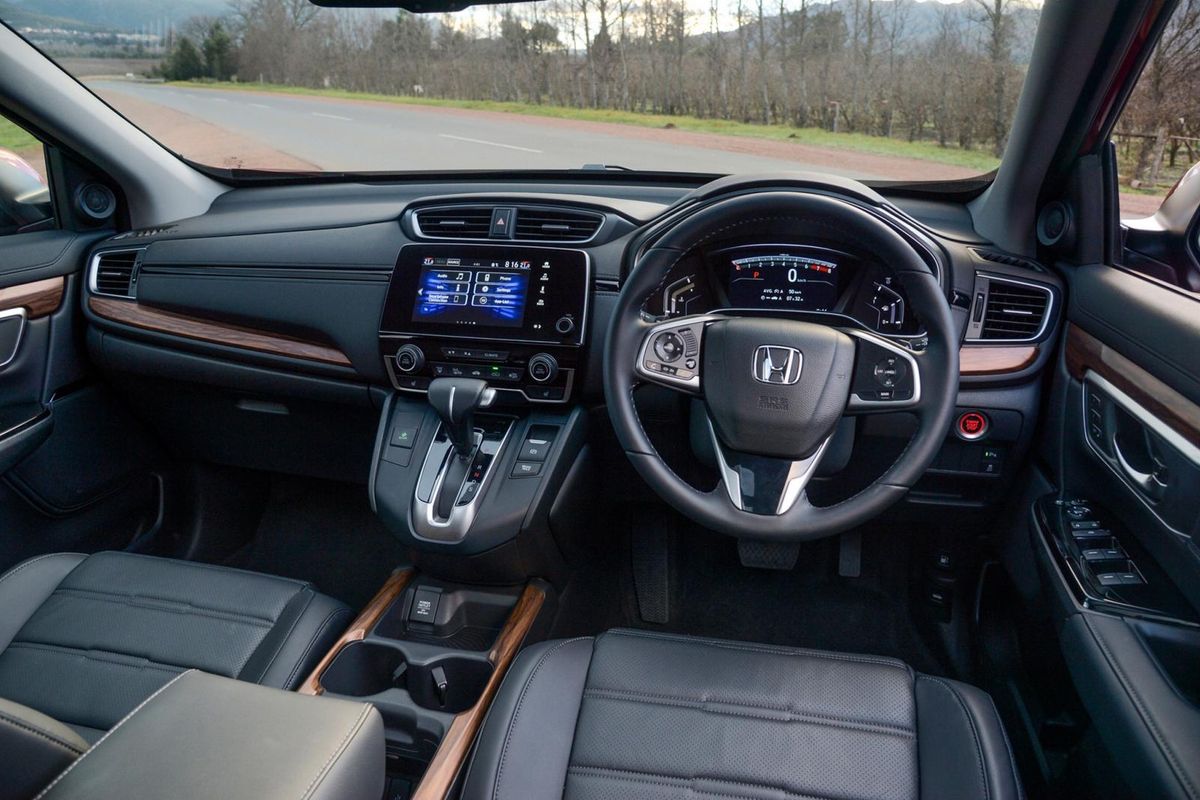
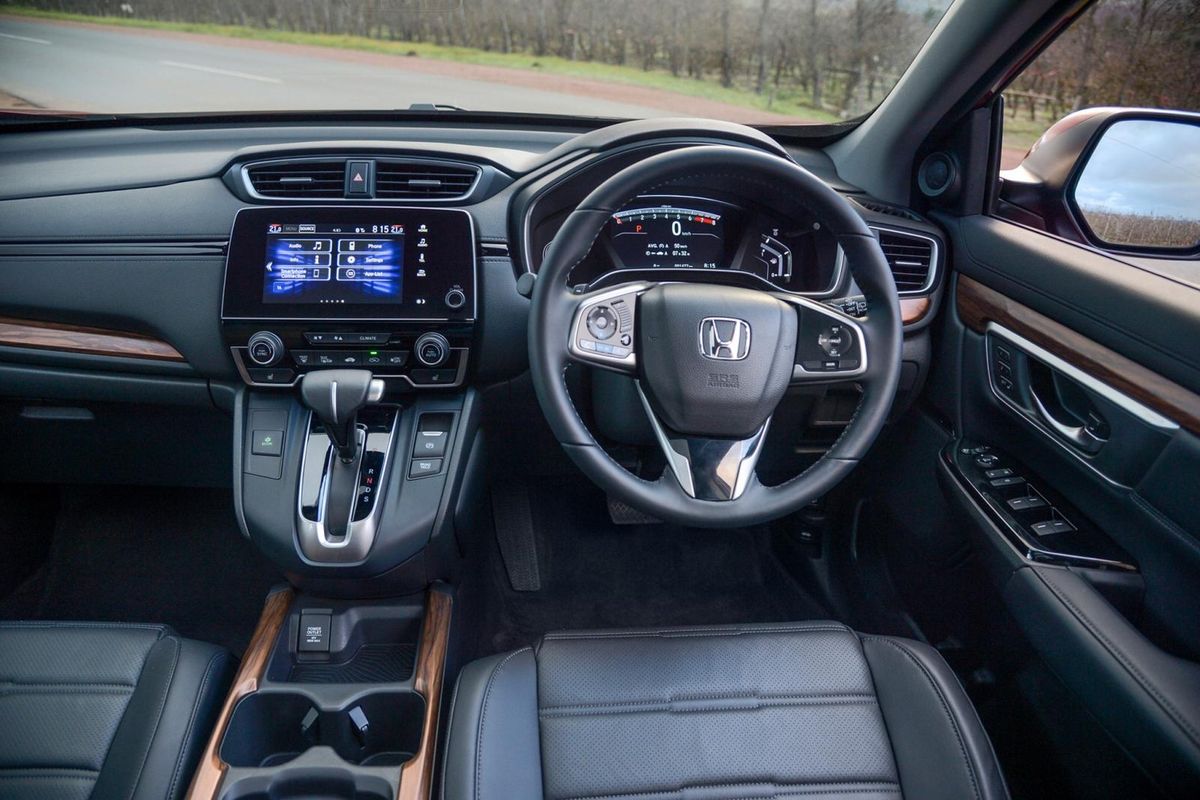
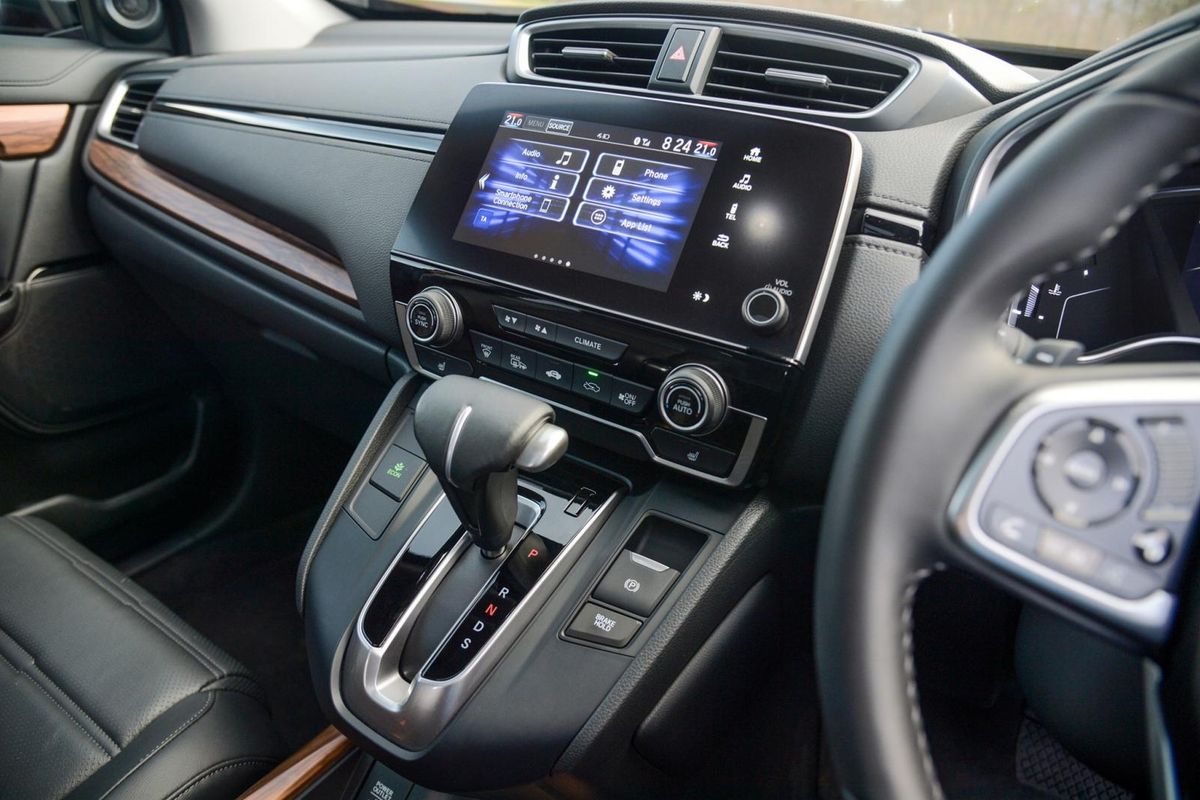
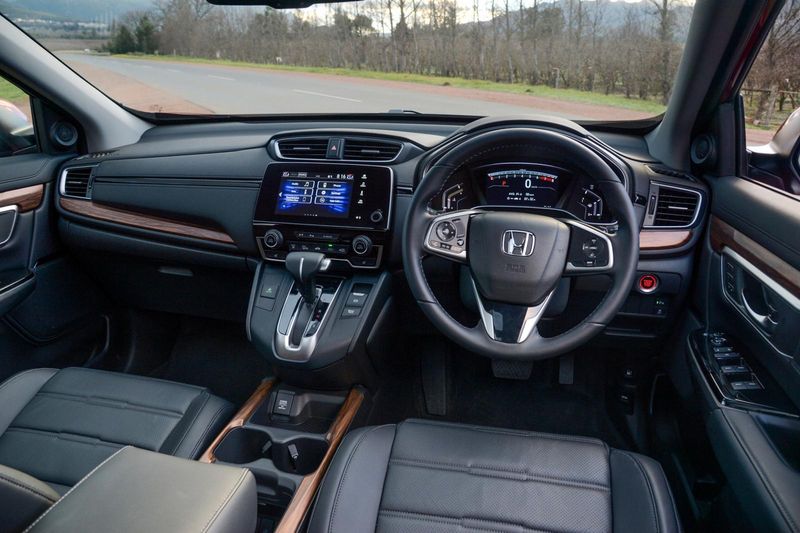
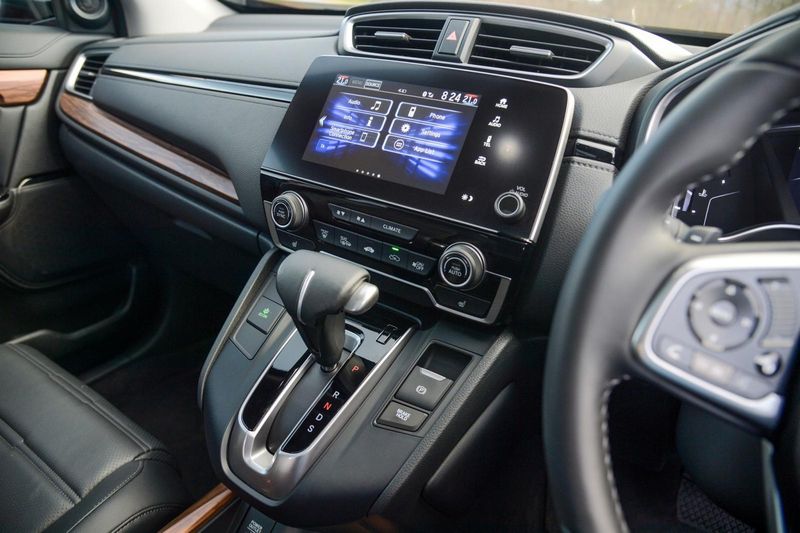
A new modern interior design with significantly improved infotainment system is offered on the new CR-V.
The entry-level 2.0 Comfort is adorned with aluminium-look front and rear scuff plates, brushed aluminium roof rails and rides on 17-inch alloy wheels. Halogen headlights, LED daytime running lights, fog lights and LED taillight clusters are standard.
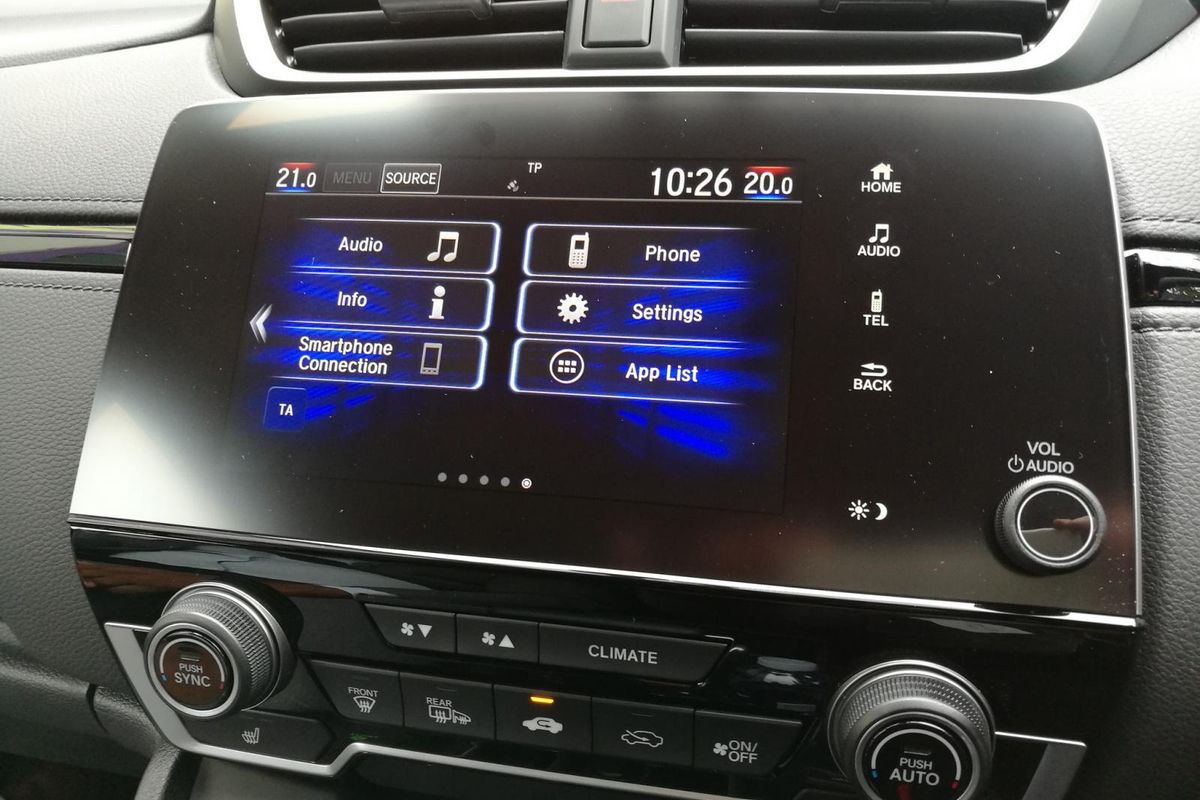
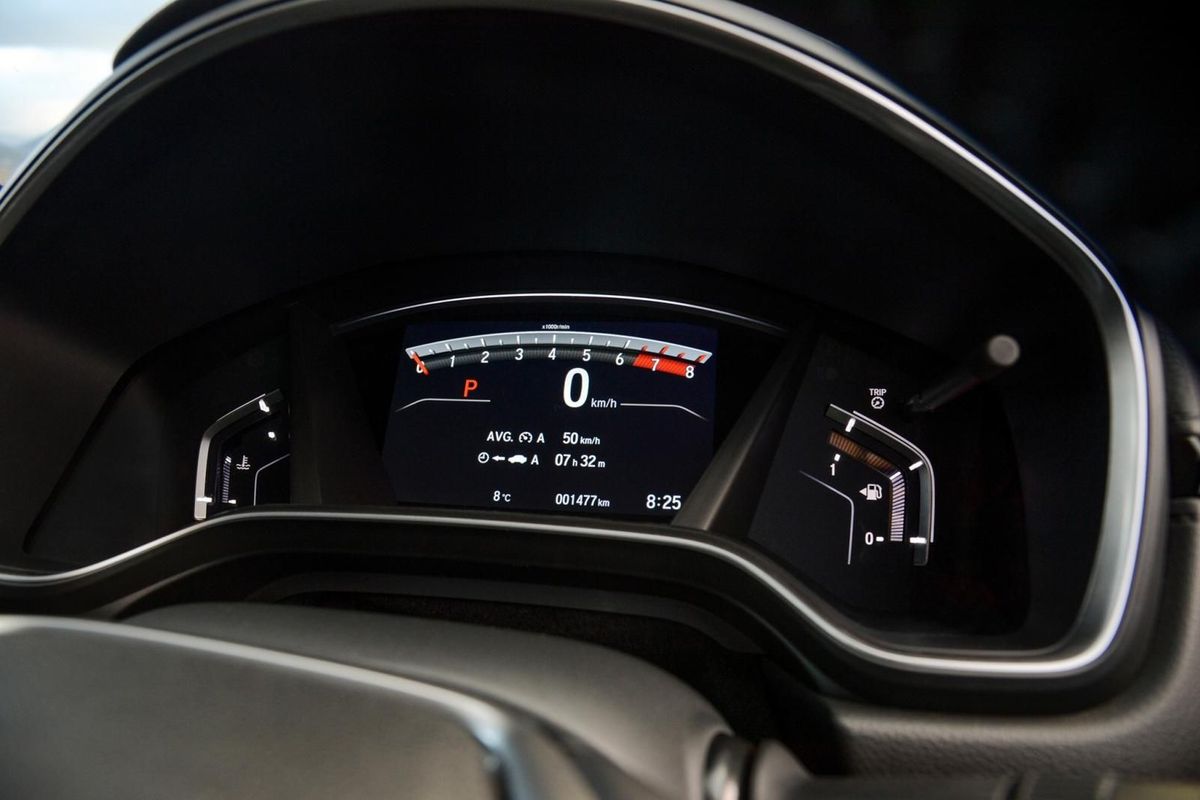
The dominant interior upholstery is cloth with a soft-touch instrument panel that includes a digital information interface. A full-colour, 5-inch touchscreen display offers Bluetooth, hands-free telephony and music streaming functions and a USB, auxiliary port and two 12V sockets are provided. Other notable features include dual-zone climate control, rear parking sensors, front and rear electric windows, electric side mirrors and electric parking brake.
The 2.0 Elegance derivative builds on the Comfort’s specification, adding leather upholstery, a larger, Apple CarPlay-compatible 7-inch touchscreen infotainment system, enhanced sound system, 2 USB ports for front and rear passengers, 8-way electrically adjustable driver's seat, 4-way adjustable front passenger seat with front seat heating as standard. Front and rear parking sensors are offered as well as a heating function for the electric side mirrors, automatic windscreen wipers and a leather trimmed steering wheel.
A CVT is standard across the CR-V range and a 7-inch touchscreen with integrated navigation is offered on the range-topping CR-V 1.5T Exclusive.
Moving up the range to the all-wheel drive 1.5T Executive, features such as larger 18-inch wheels and LED headlights are key visual differentiators. Added features include a panoramic sunroof, automatic levelling headlights, start/stop button and keyless smart entry.
The range-topping 1.5T Exclusive gets the full-house treatment and although it’s almost visually identical to the Executive derivative, it gains 3-element front LED fog lights. On the inside the 7-inch infotainment system incorporates satellite navigation and the opening height of the electrically operated tailgate can be programmed according to your needs.
The Exclusive is equipped with the full suite of driver assist systems known as Honda Sensing and includes features such Collision Mitigation Braking with Forward Collision Warning, Road Departure Mitigation with Lane Departure Warning, Adaptive Cruise Control with Low Speed Following and Lane Keeping Assist. Additional new driver-assisting technologies include Lane Watch, Blind Spot Monitoring as well as Auto High-Beam headlights. Tyre pressure monitoring is also offered on this derivative.
All CR-V derivatives are equipped with 6 airbags, ABS with EBD, Agile Handling Assist (AHA), Vehicle Stability Assist (VSA), Hill Start Assist (HSA), Driver Attention Monitor and ISOfix child seat mounting points.
What’s the new CR-V like to drive?
The latest CR-V is more refined than the previous generation and offers good ride quality and a spacious interior.
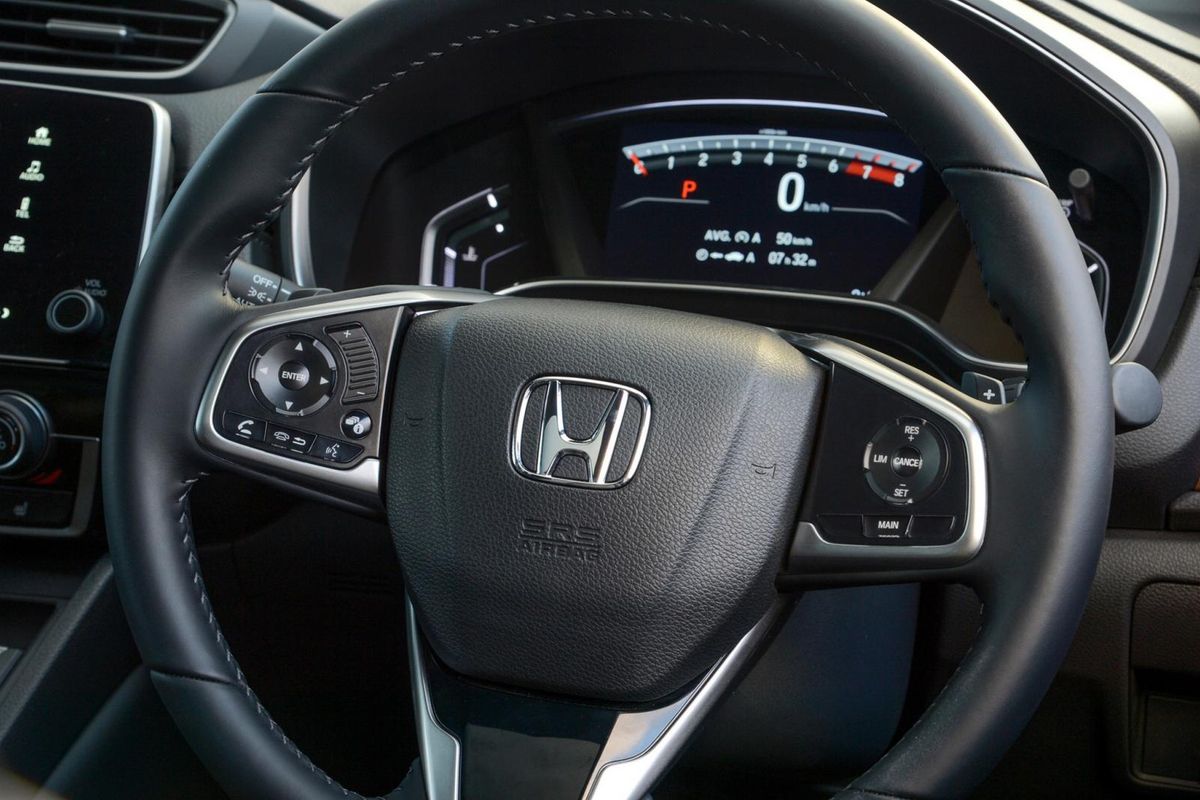
Our 200 km launch route started behind the wheel of the CR-V 2.0 Elegance. The interior design of the new CR-V is much-improved over the previous generation and perceived interior build quality is good. The interior has a distinctly upmarket feel to it and we found the seats to be particularly comfortable and the steering wheel can be adjusted for rake and reach, which makes it easy to find the perfect driving position. ‘
The 2.0-litre petrol engine, carried over from the outgoing CR-V, has been improved to offer higher levels of refinement and it’s noticeably quieter on the road. Although we had our doubts about the CVT, it actually works quite well. In normal drive mode, the CVT is relatively unobtrusive and thankfully doesn’t suffer from an excessive droning noise which plagues other CVTs. When you shift the transmission into Sport mode, the driver must use the mounted gear shift paddles to exploit the CVT and this mode is recommended if you want to get the most from the engine. Overall, we found the performance of the CVT to be refined.
We found the ride quality of the new CR-V to be particularly impressive. It felt solid and composed on the road and delivered a comfortable ride while the steering felt responsive with a positive feel. Honda has improved cabin insulation and very little wind and road noise is evident while driving.
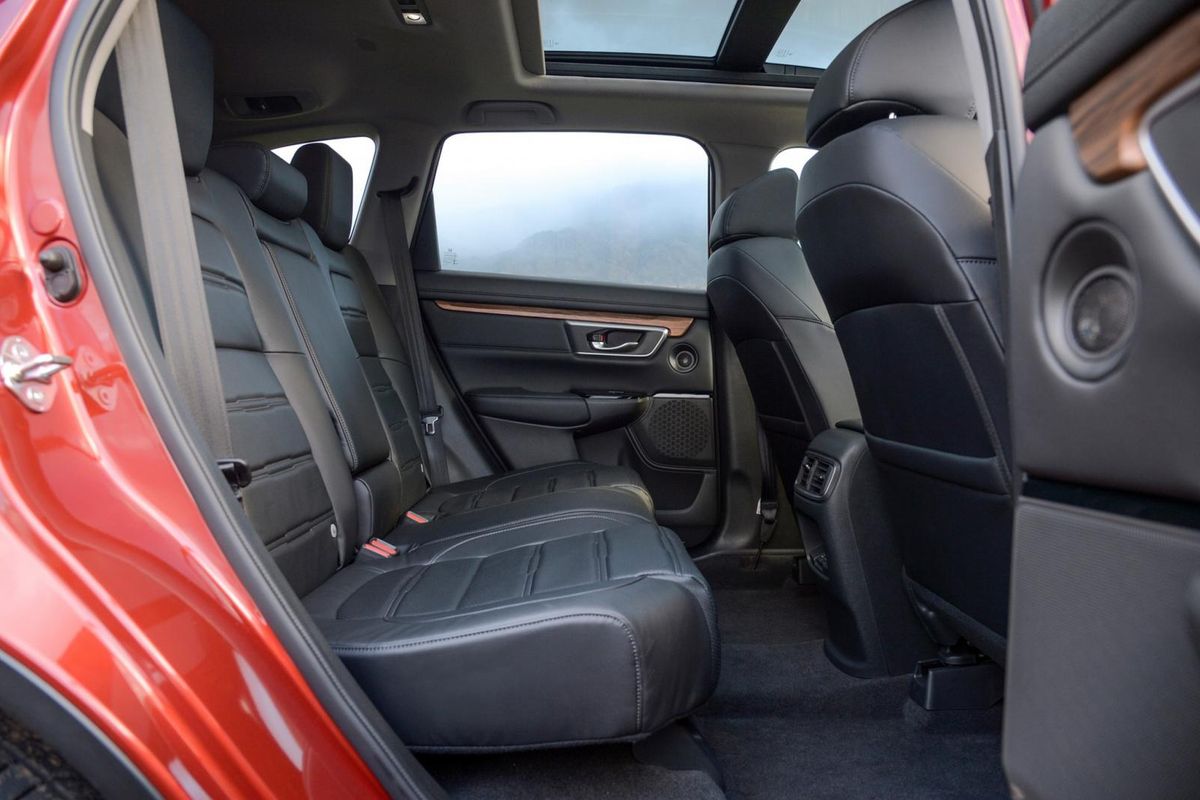
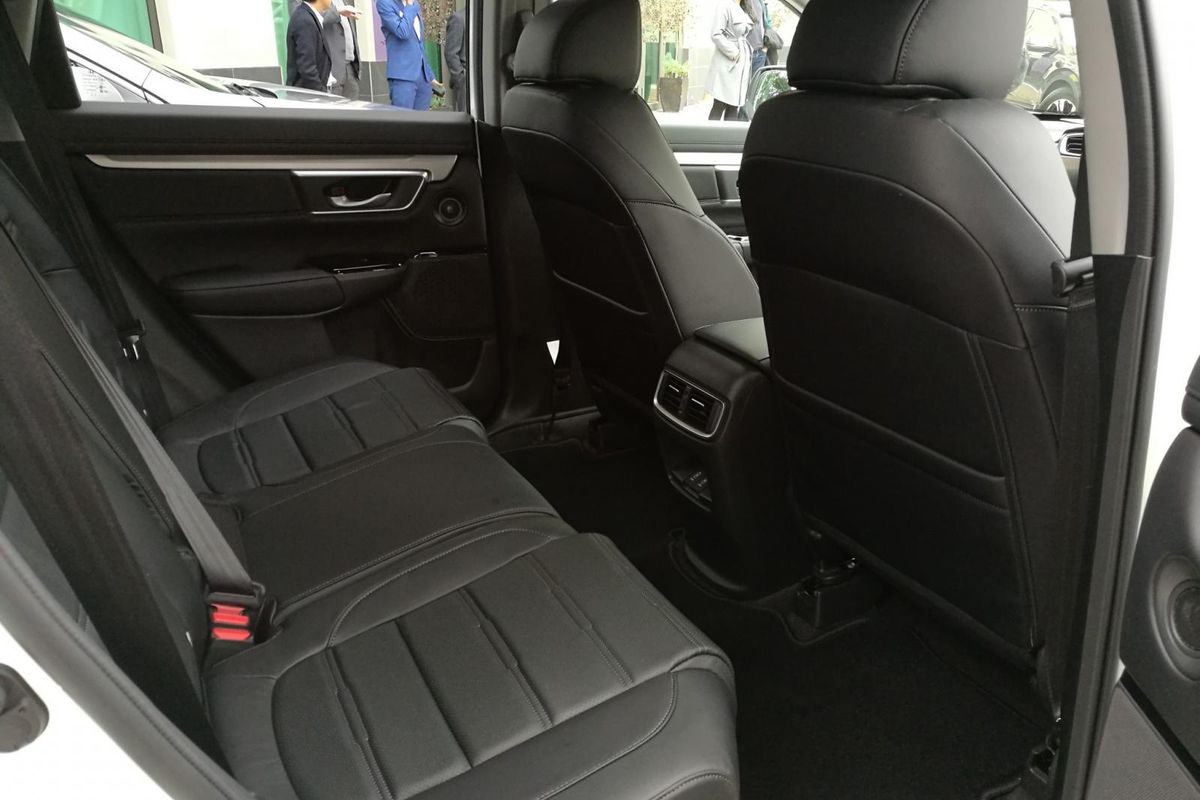
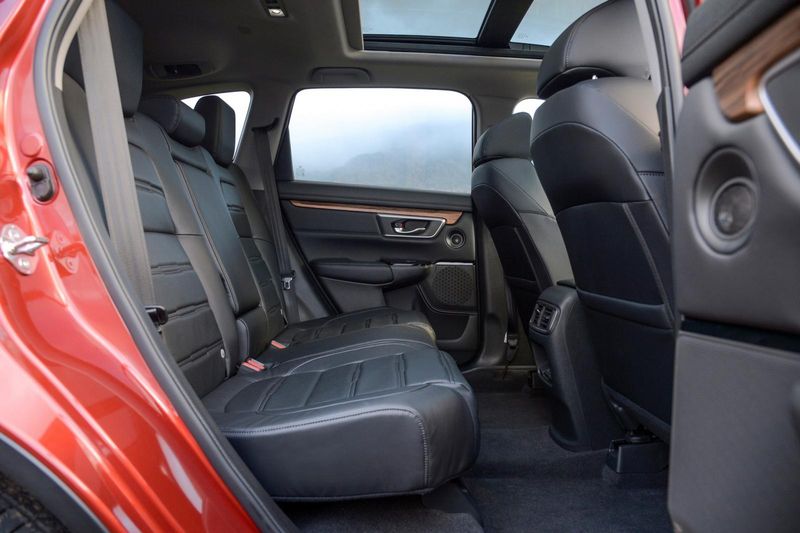
Rear passenger space is generous and passengers have access to 2 USB ports in the rear for charging devices.
The only criticism we can lob at the CR-V 2.0 Elegance during our drive was that it lacked a degree of urgency when overtaking on the highway, but this was addressed when we stepped into the new CR-V 1.5T Exclusive. The extra power and torque was immediately noticeable and this engine was far more responsive and willing. The 1.5T derivative delivered good performance overall and although the performance of the 2.0-litre is sufficient, we feel that the 1.5T has more to offer.
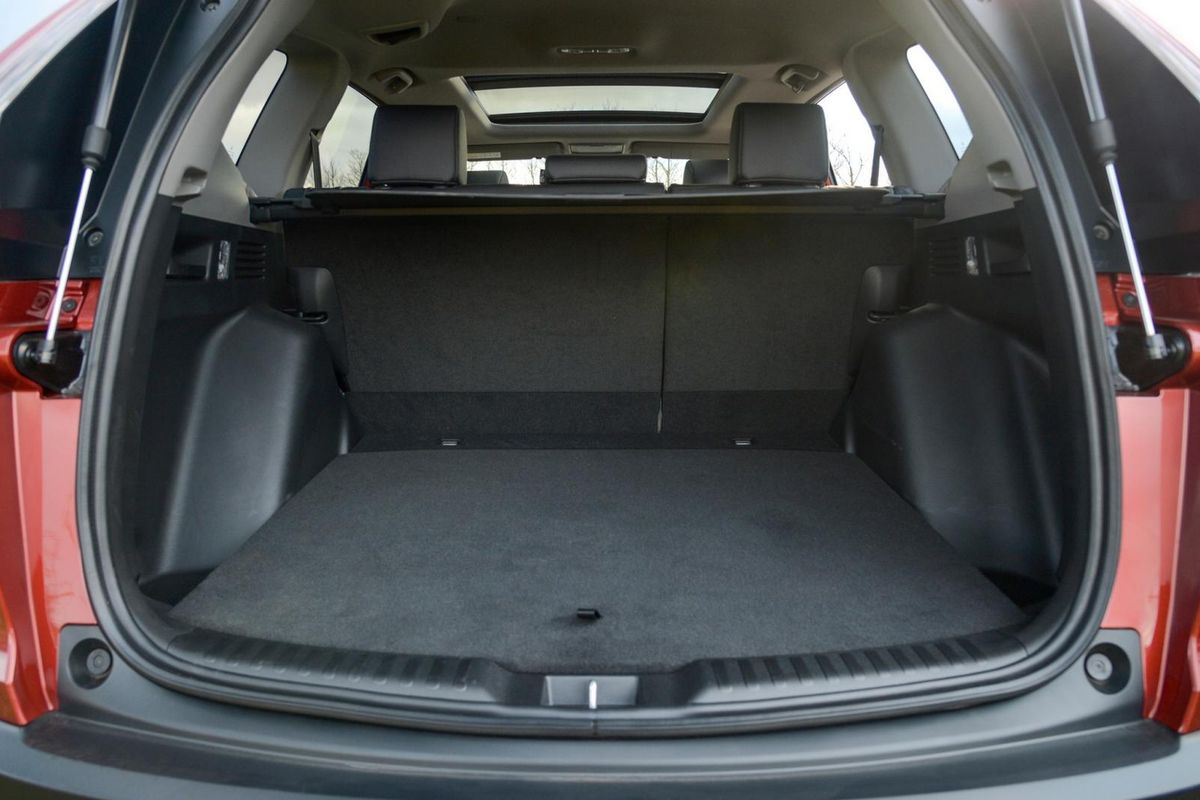
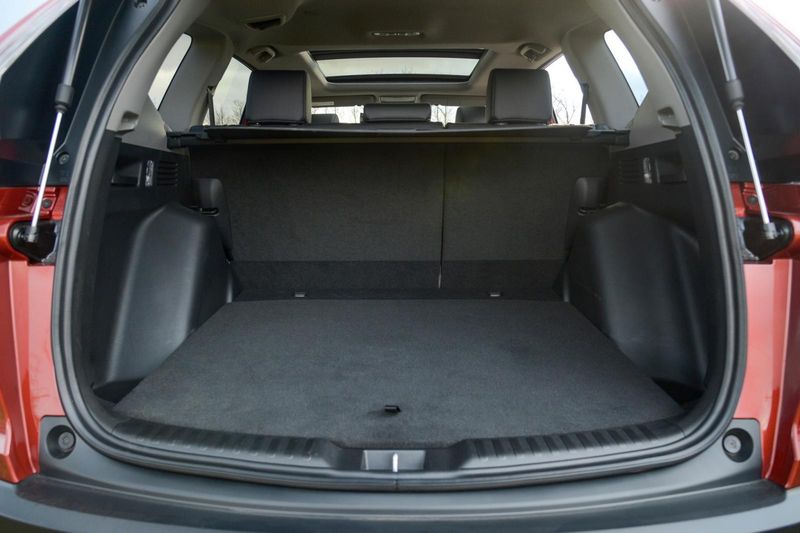
It’s also worth mentioning that the CR-V’s spaciousness is quite substantial. With an extended wheelbase and wider front and rear tracks, passengers benefit from generous, leg-, head- and shoulder room. The luggage bay is large at 522 litres and a flat loading floor is created when you fold the 60:40 split rear seats down, increasing loading space to 1 084 litres.
The load bay is large at 522 litres and the rear seats can fold down to open more space if required.
Summary
The new Honda CR-V is markedly more upmarket than the outgoing model and its pricing reflects this. The Honda CR-V is more expensive than many of its key rivals and while Honda adopts an all-inclusive approach in terms of specification, which ultimately means that what you see is what you get, products such as the Volkswagen Tiguan, Hyundai Tucson and Mazda CX-5 are comparatively difficult to ignore in terms of value-for-money. Buyers considering the CR-V are also somewhat limited in terms of engine and transmission choice as there is no diesel engine offered and the CVT is the only transmission, which may be enough reason for buyers to consider other options.
Honda CR-V – prices in South Africa
2.0 Comfort CVT FWD R422 900
2.0 Elegance CVT FWD R477 900
1.5T Executive CVT AWD R584 900
1.5T Exclusive CVT AWD R626 900
The Honda CR-V is sold with a 5-year/200 000 km warranty, 5-year/90 000 km service plan and 3-year AA Roadside Assistance. Service intervals are set at 15 000 km for 2.0-litre derivatives and 10 000 km for 1.5-litre derivatives.
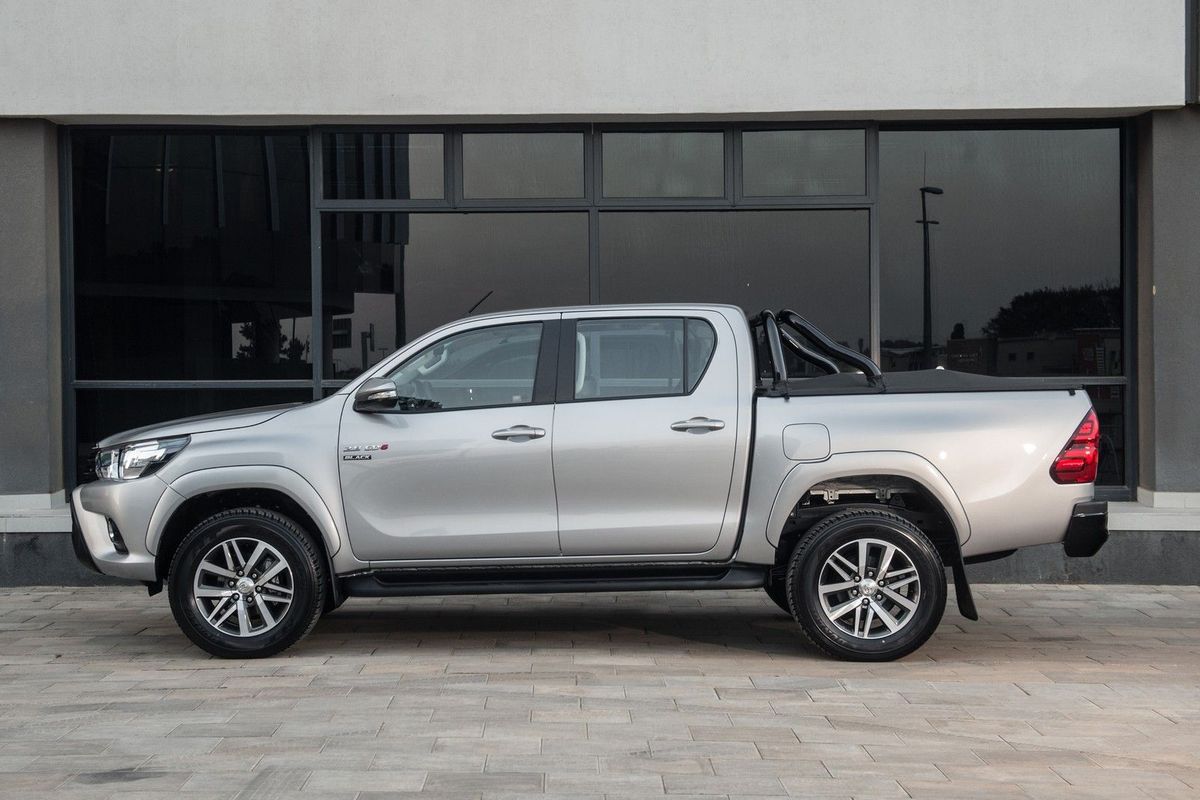
Toyota Hilux Raider Black Limited Edition (2017) Specs & Price
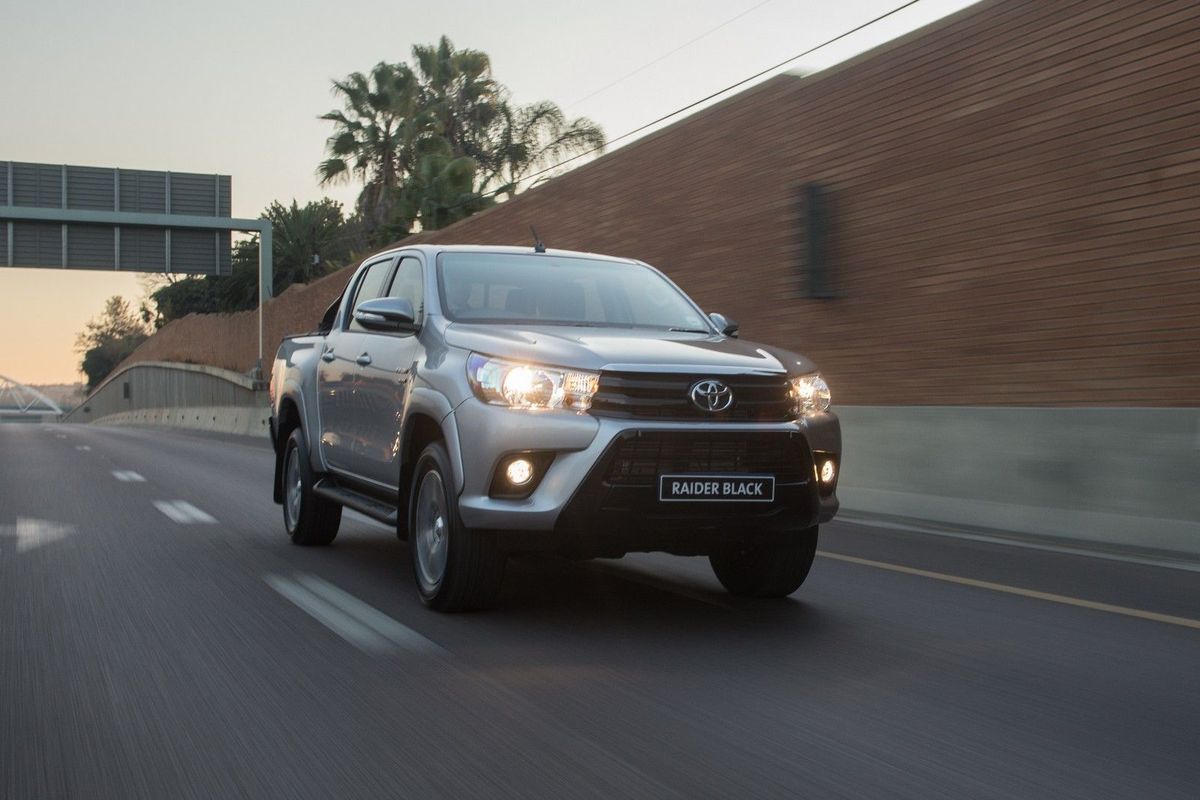
Toyota has introduced the Hilux Raider Black Limited Edition in South Africa! Take a look at specification and pricing.
The Toyota Hilux remains a popular choice in the local double-cab bakkie market and Hilux fans will be happy to know that there is now a Raider Black Limited Edition available in South Africa.
Exterior and interior styling
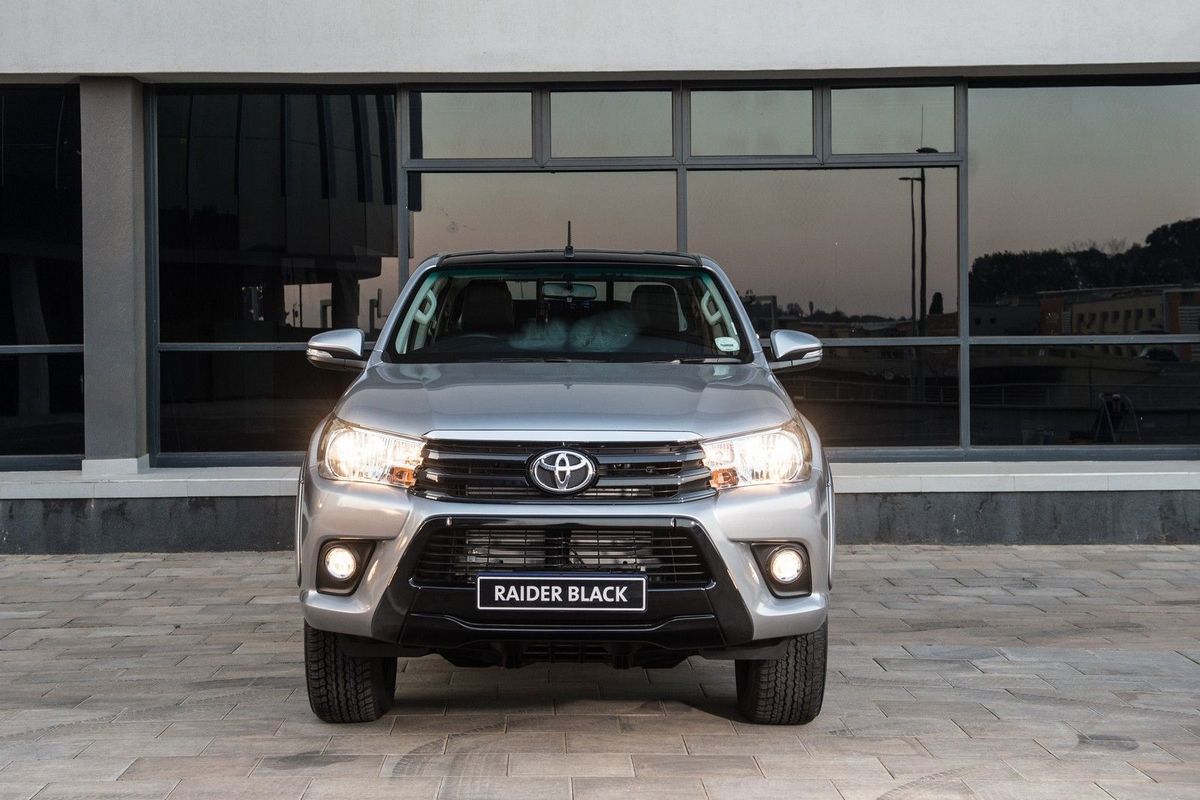
Black details give the Hilux Raider Black Limited Edition a more purposeful look.
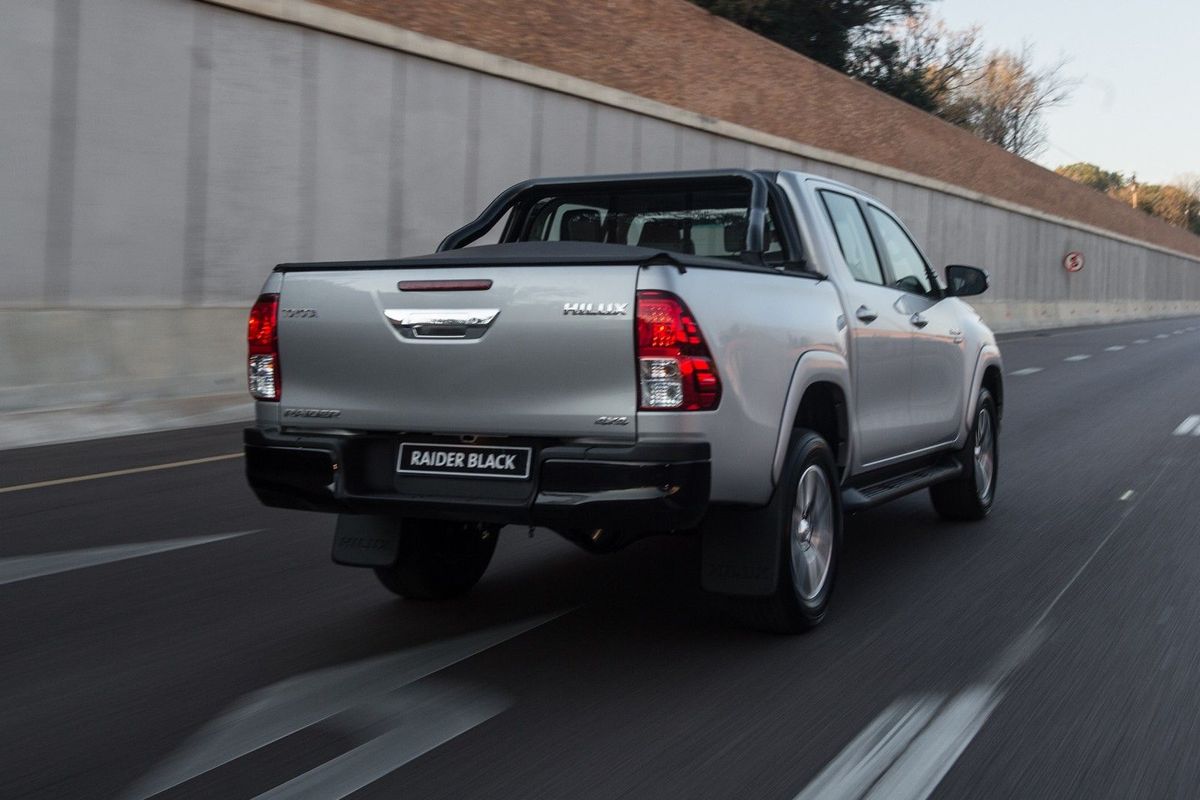
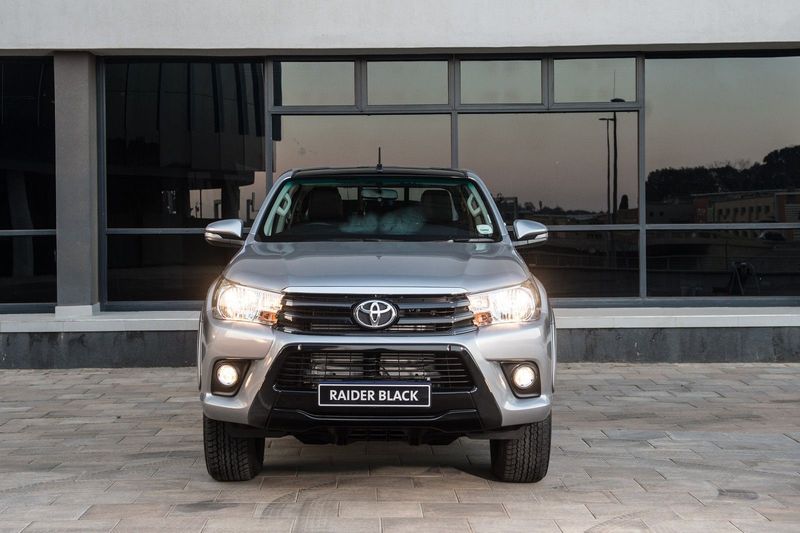
As its name suggests, the Hilux Raider Black Limited Edition features a number of black appointments to enhance the vehicle’s presence including a black roof, grille and front bumper guard. A black styling bar is also fitted and a tonneau cover is included. Colour-coded fenders, side mirrors and door handles round off the look. The Hilux Raider Black Limited Edition rides on 18-alloy wheels and can be had in 3 exclusive exterior colours including Glacier White, Chromium Silver or Graphite Grey.
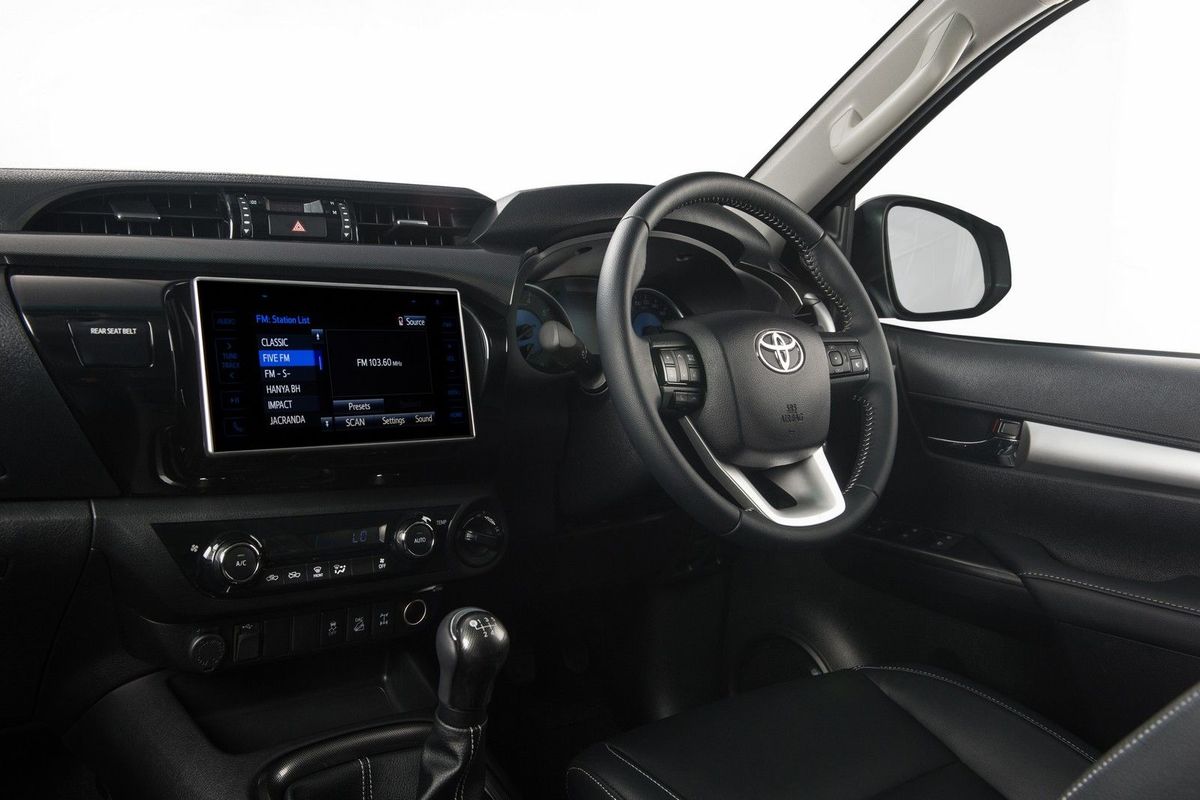
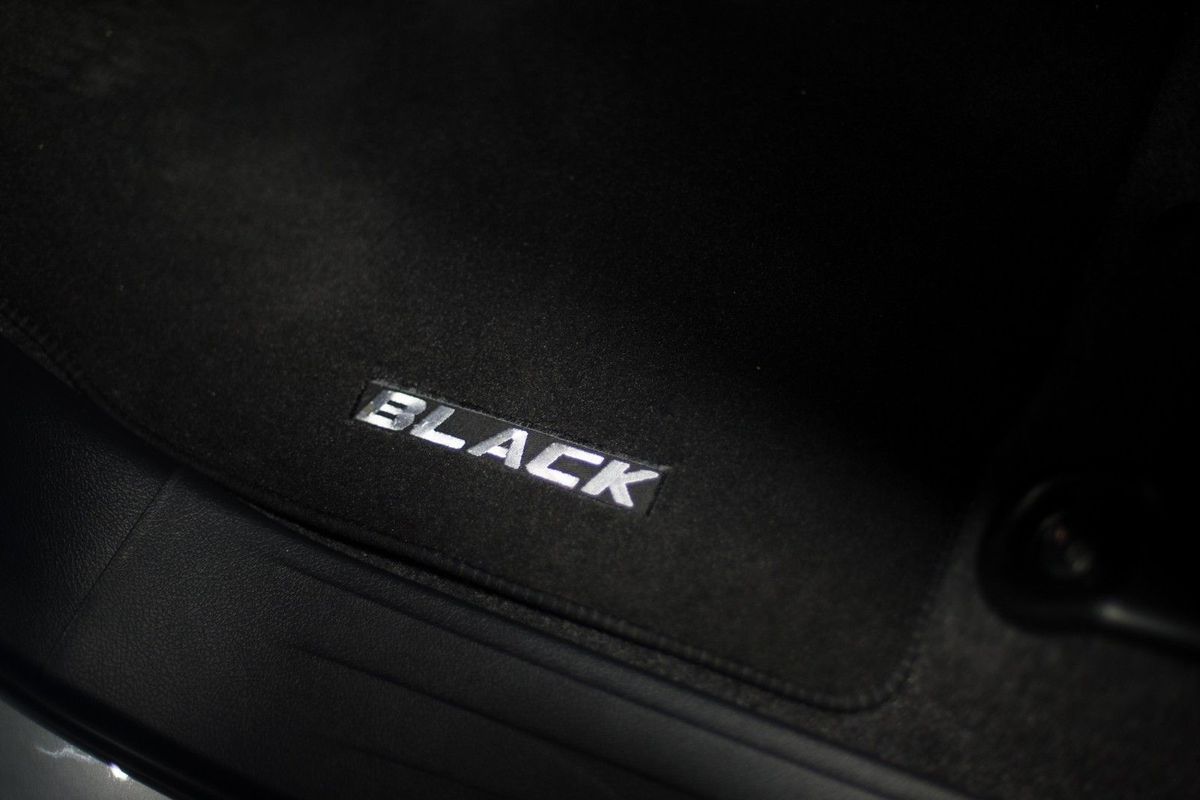
On the inside, you are met with full black leather seats and carbon fibre-look trim elements. The driver’s seat is electrically adjustable and branded floor mats are also included.
Engine power
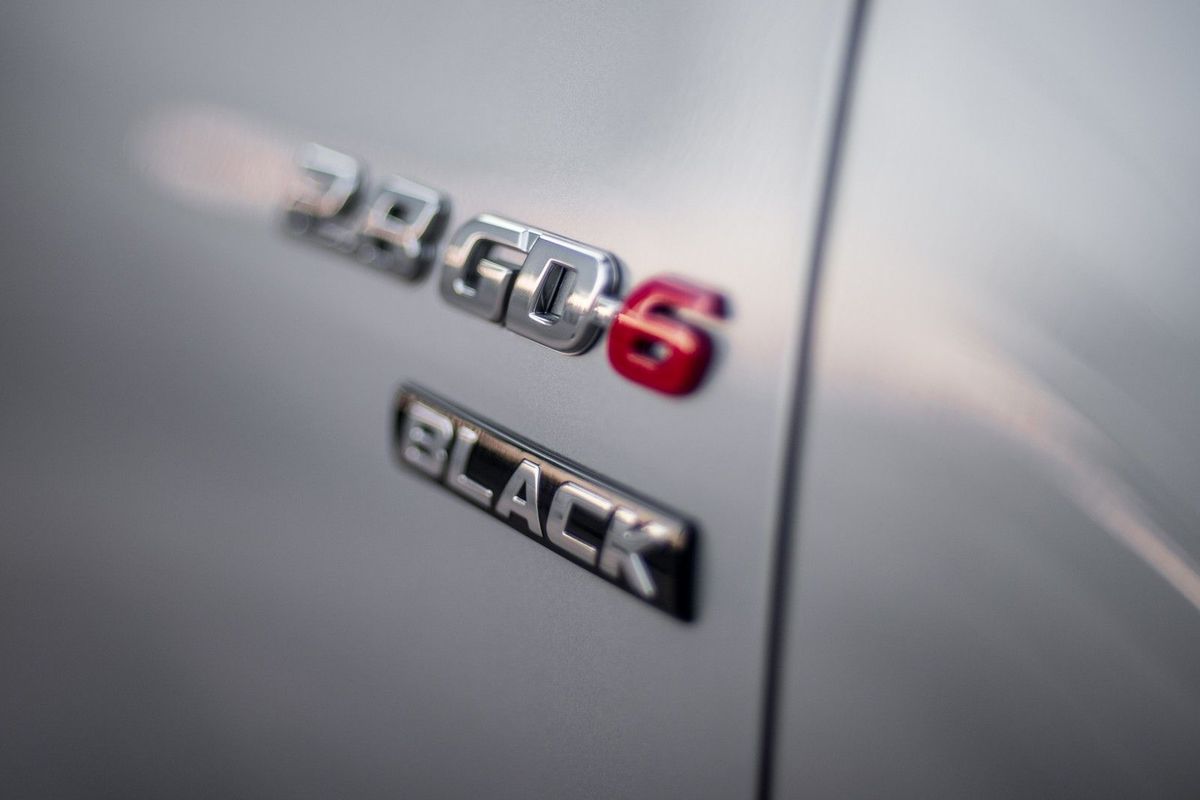
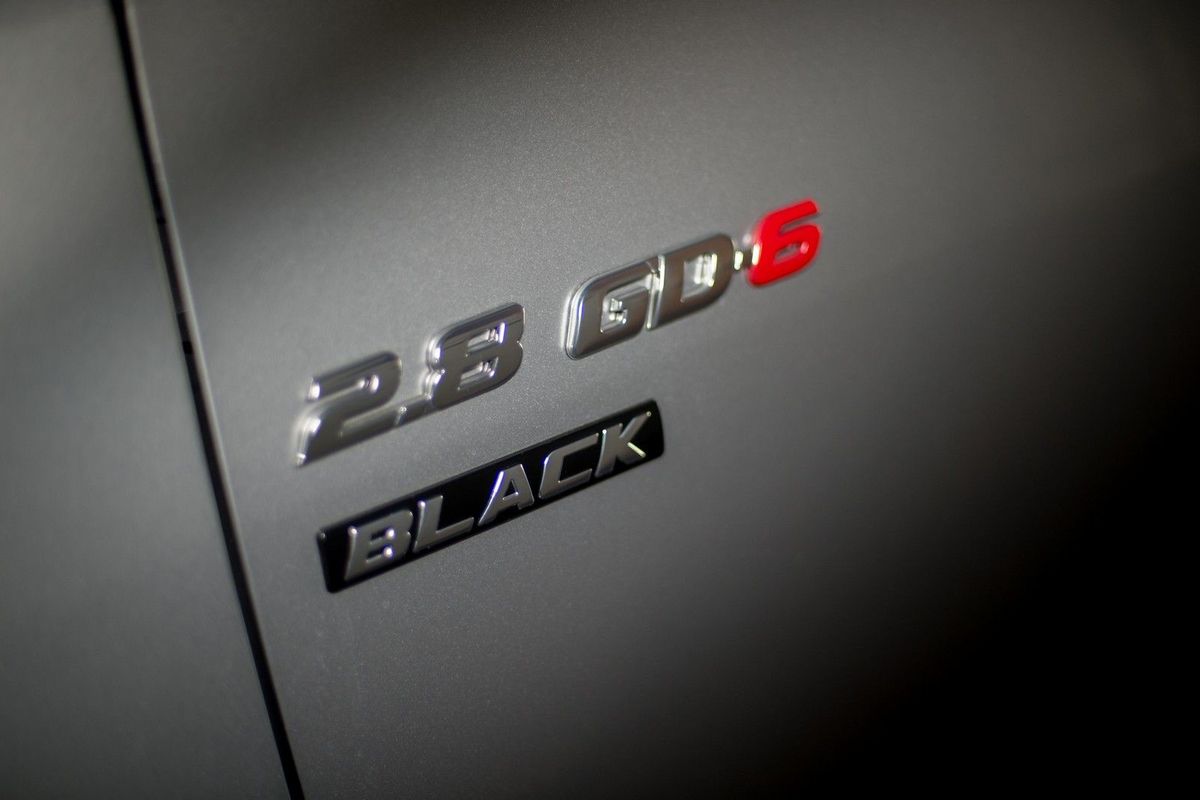
The Hilux Raider Black Limited Edition is powered by the familiar 2.8-litre turbodiesel engine with 130 kW. When equipped with a 6-speed manual transmission, 420 Nm of torque is offered while the 6-speed automatic transmission allows for 450 Nm of torque.The Hilux Raider Black Limited Edition can be had as a 4×2 or 4×4.
In terms of safety features, a total of 7 airbags are fitted and ISOFIX child seat mounts are standard. Vehicle Stability Control (VSC) Hill Assist Control (HAC) and Trailer Sway Control (TSC) is also fitted while 4×4 derivatives benefit from Active Traction Control (ATRC) and Downhill Assist Control (DAC).
Toyota Hilux Raider Black Limited Edition – Price in South Africa
2.8 GD-6 RB Raider Black M/T – R521 100
2.8 GD-6 RB Raider Black A/T – R538 900
2.8 GD-6 4×4 Raider Black M/T – R585 300
2.8 GD-6 4×4 Raider Black A/T – R604 300
Pricing includes a 3-year/100 000 km warranty and a 5-year/90 000 km service plan with service intervals set at 10 000 km.
The Audi RS3 Sedan has finally hit showrooms in South Africa. The Ingolstadt-based company has wedged a thumping turbocharged 2.5-litre 5-cylinder engine into an A3 body equipped with a quattro drivetrain. Has this 4-door got what it takes to defeat these much-vaunted rivals?
Yes, the RS3 Sportback has been on the market for a while, but for some reason, it’s the sedan that has got us the most excited. It may be because the A3 Sedan just seems to be a bit better looking and have less of a juvenile hot hatch racer demeanour about it, maybe not.
With a lightened 5-pot (with peak outputs of 294 kW with 480 Nm of torque) under the bonnet, it’s the class leader in terms of vital statistics. But just who else is in that class? And, do they stand a chance against the rocket car from Ingolstadt? A few more key figures just to keep in mind as we list the rivals of the RS3 Sedan:
0-100 kph: 4.1 seconds
Top speed: 250 kph (limited)
Average fuel consumption: 8.3L/100 km
Weight: 1 510 kg
Price: R925 500 (August 2017)
1. BMW M2
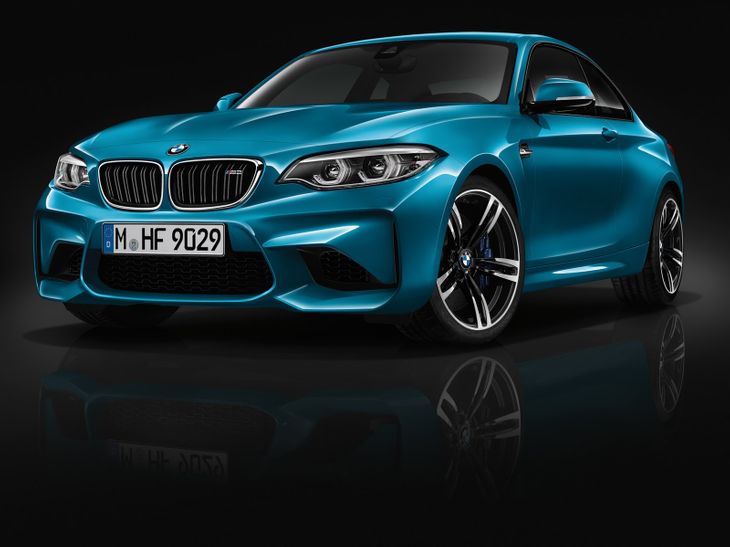
The M2 is the obvious rival, despite having fewer doors. Doors aren’t really a focal point when performance is the key factor buyers are after. The BMW M2 uses a six-cylinder turbocharged engine to do the dirty work under the bonnet. It delivers 272 kW and 465 Nm which translates into a 0-100 kph time of 4.3 seconds. The Audi has the bimmer licked on performance in a straight but has a few trump cards available in the handling department. The limited slip rear differential for one makes sure power is sent perfectly to the wheel that will provide the best traction. The Audi has a new torque transferring system that allows between 50 and 100% of the power to be sent to the rear wheels when driving sportily. It’s an improvement for Audi, but can it match the lauded handling prowess of what’s probably BMW best M car at the moment?
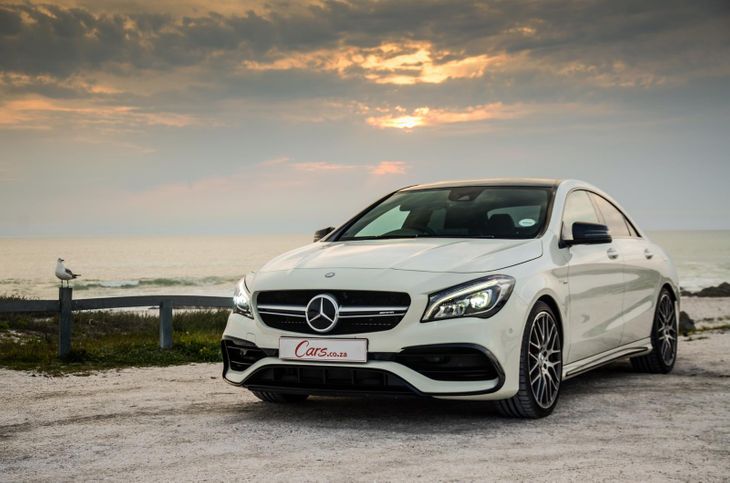
The CLA45 has recently seen the introduction of the Yellow Night Edition, which sends the bling level of the CLA to stratospheric levels. If you want to be noticed, then of all the competitors, this is the car you choose. It also uses a different cylinder setup, with Merc choosing a 4-cylinder turbocharged unit capable of a hefty 280 kW and 475 Nm. It’s acceleration time is the closest to the RS 3 with it being claimed at 4.2 seconds to 100 kph. The Merc has the barkiest set of exhaust pipes of the lot and feels the most racy to sit in with extremely firm bucket seats and Alcantara gleefully spread throughout the cabin. It’s cornering ability is pretty good too with the 4Matic all-wheel drive system constantly altering the direction of the front end to make it feel nimble and agile. If you don’t opt for the Yellow Night package it is R40 000 cheaper than the RS 3 and nearly R90 000 cheaper than the M2.
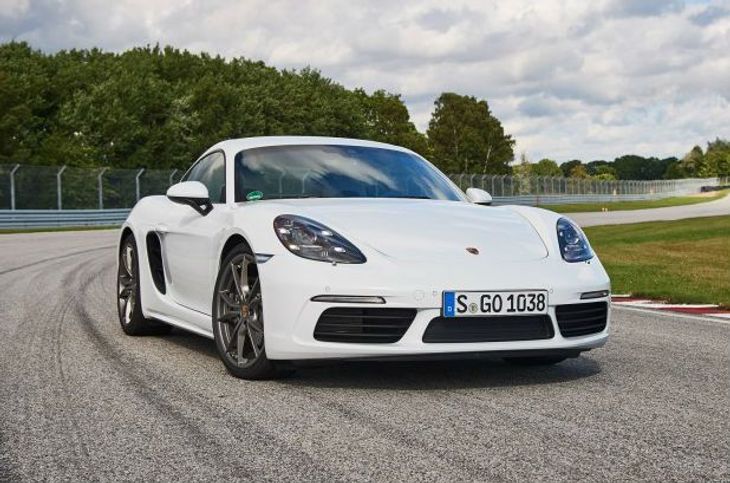
The RS3 Sedan has priced itself into the hands of Porsche. While the Cayman might not be able to seat 4 comfortably or carry as much luggage, it’s an outright sportscar, with a Porsche badge no less. With its new 4-cylinder 2.5-litre turbo motor the Cayman S is a little underpowered in this company. It has 257 kW and 420 Nm and will do 0-100 kph in 4.4 seconds. Opt for the Sports Chrono package and that number drops to 4.2 seconds. The Cayman is over 100 kg lighter than the RS3 Sedan and sits 100 mm lower to the ground.
The Cayman is renowned for its great chassis and handling ability but its lack of audible drama might leave some feeling a bit short-changed as the Audi’s pipes spike the heart rate every time it burbles and crackles.
The RS 3 Sedan is certainly in for a tough time from this company, but with all its upgrades and modifications to the drivetrain and torque distribution, this is its best shot so far.
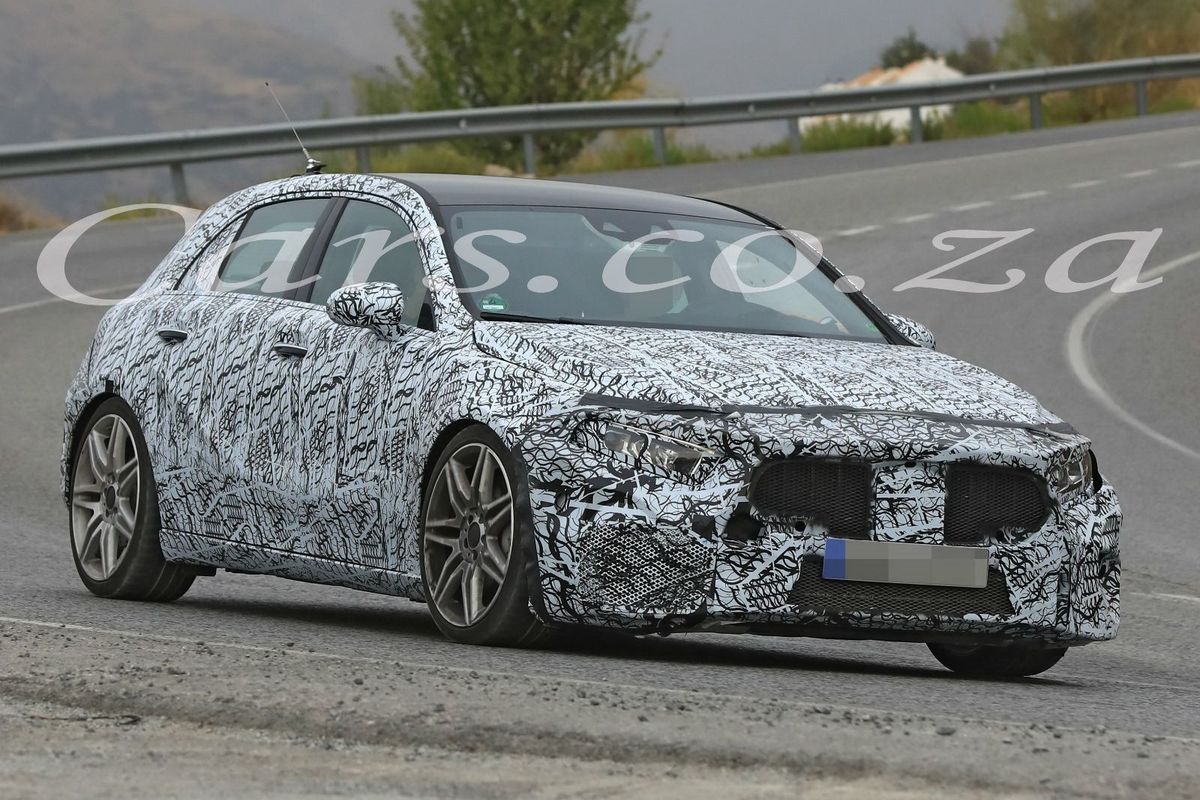
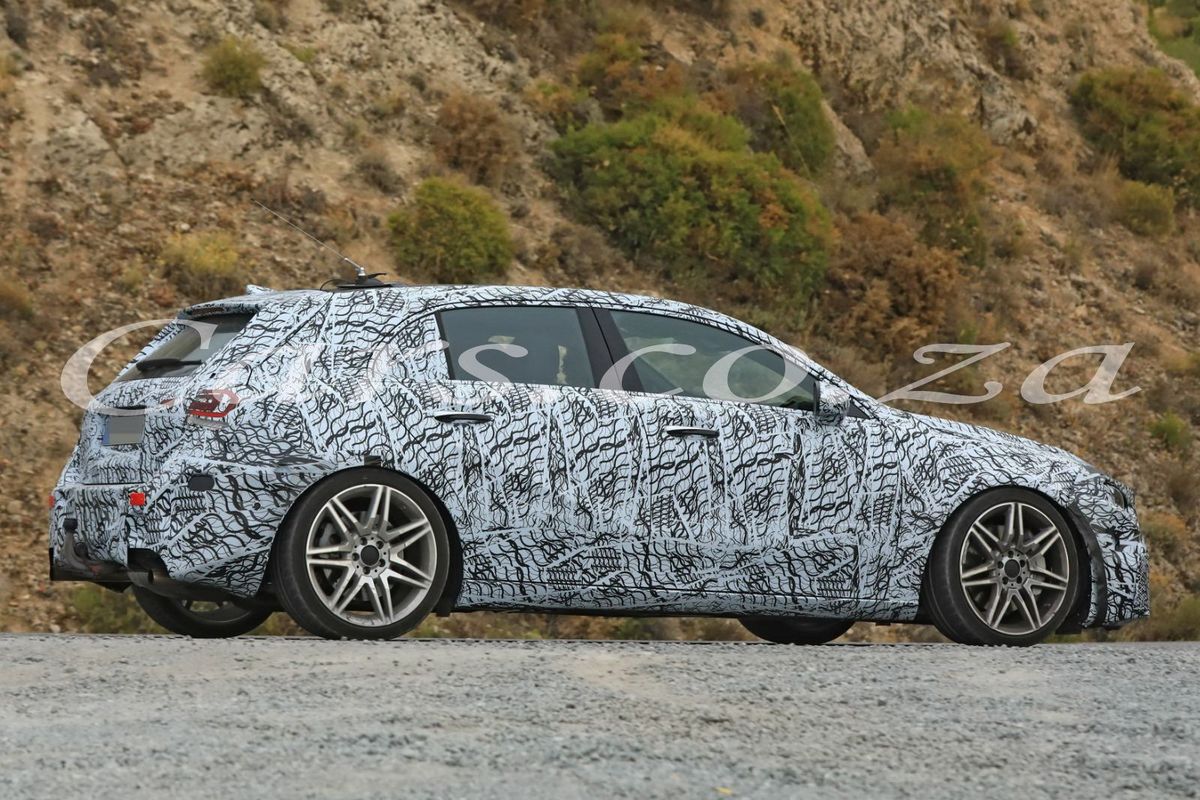
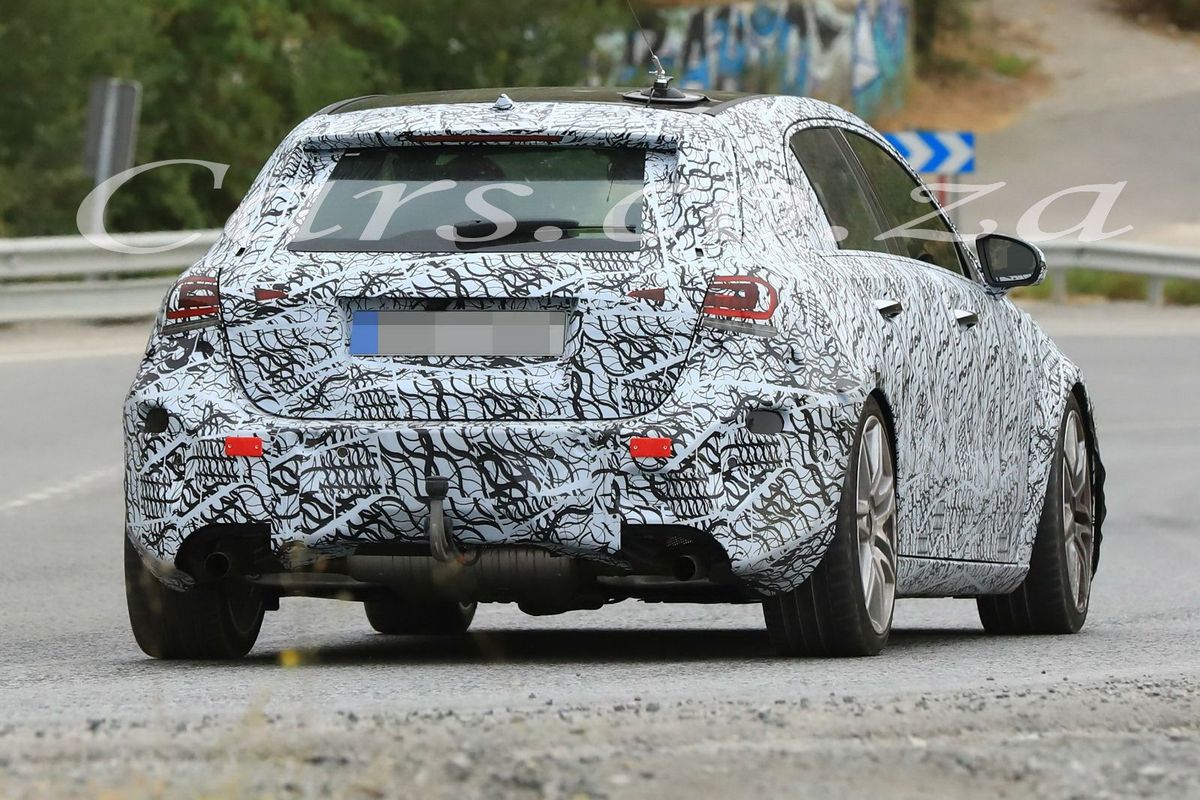
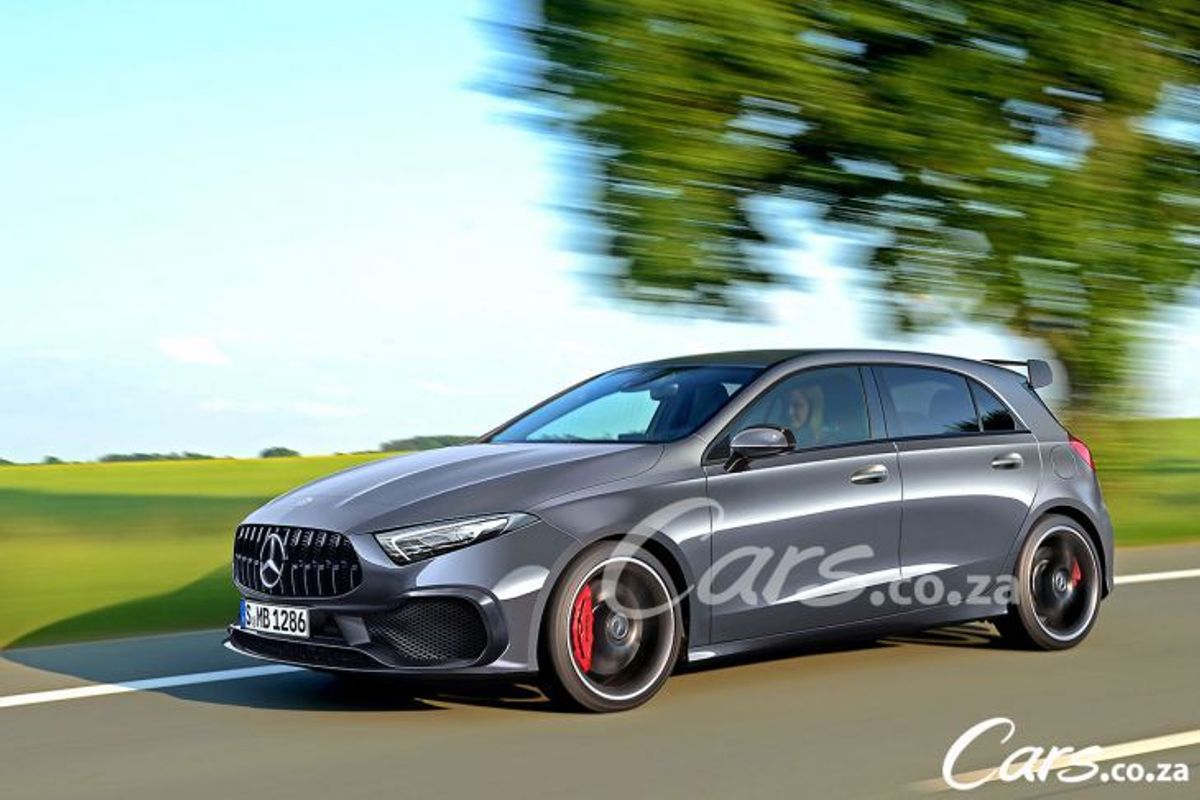
Rendering: Next-gen Mercedes-AMG A45 (2018)
The Mercedes-AMG A45 has played an integral role in pushing the performance limits of the hot hatch brigade, but the next-generation car will probably set the performance bar higher still. Our German spy photographers have snapped the first images of an A45 AMG prototype undergoing testing and they inspired our artist's impression of the newcomer (supplied exclusively to Cars.co.za by our Cape Town-based contributor).
Earlier this year, our spy photographers brought you images of the all-new Mercedes-Benz A-Class undergoing testing in Scandinavia, which is due to be revealed in 2018. The next A-Class and A45 AMG will be built on a revised MFA platform and will take design direction from the previously-revealed Concept A Sedan, which signalled the Sindelfingen-based company’s intent to introduce a sedan version to the new A-Class range that will slot in below the CLA.
The next-generation A-Class premium hatchback will be bigger than the current iteration. A longer wheelbase, together with a more square roofline, should offer improved space for rear passengers as well as better luggage/utility space.
As for the Mercedes-AMG A45 you see here, it will rival (and hope to dominate!) potent hot-hatch machinery such as the Audi RS3, Ford Focus RS and the BMW M2. Fitted with an updated 2.0-litre turbo engine, the next A45 AMG is expected to produce peak power of at least 300 kW and with no less than 500 Nm of torque. A dual-clutch, 9-speed automatic transmission in conjunction with revised 4Matic all-wheel drive will ensure rapid acceleration. A mild hybrid version with even more power is expected to be introduced at a later stage.
Besides the fact that it rides on a lowered sports suspension, these spy images show the A45 AMG test car sporting a wide hexagonal grille flanked by sleek headlights (derived from the Concept A Sedan). Larger air intakes in the front bumper are also evident. The taillight design is completely new too and extends to the boot lid, giving the car a wider, more imposing stance. Tailpipe cutouts are present, but the actual tailpipes you see here are by no means final.
The arrival of new A45 AMG will follow the reveal of the new A-Class premium hatchsometime in 2018, which means that local introduction of the next generation A45 AMG can realistically be expected in 2019. We will keep you in the loop as further information becomes available.
The Journey is a series of videos from Cars.co.za that takes the viewer on a visual journey with the aim of showcasing Africa’s natural beauty, plus the cars that help create unforgettable memories along the way. In this latest episode, 3 South African professional surfers venture into the heart of the Transkei to surf some of the most remote waves South Africa has to offer and experience the warmth of the people of the Wild Coast.
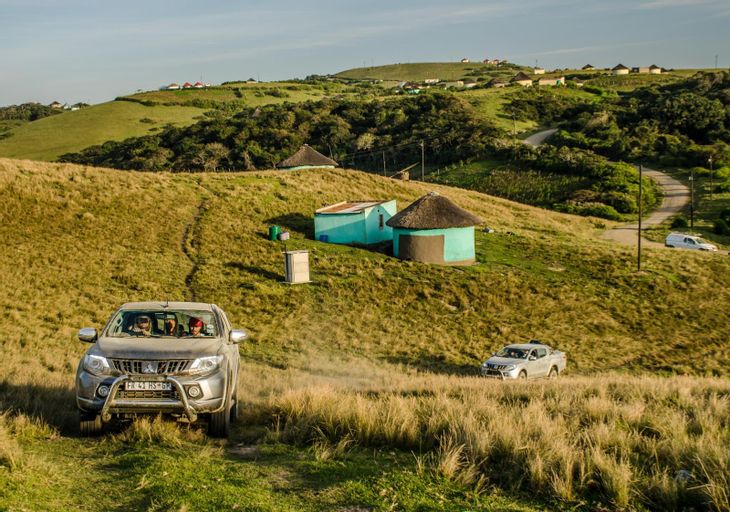
Poor road infrastructure and roaming livestock make for a challenging journey in the Transkei. A capable 4×4 is a luxury in this environment.
In the first episode of The Journey, we explored Namibia and conquered the mighty Namib Desert. For the second instalment of The Journey, we return to South Africa and take the viewer on an adventure through rural Transkei.
Professional surfers, Emma Smith, Ricky Basnett and Avuyile Ndamase feature in The Journey Ep 2 – Transkei.
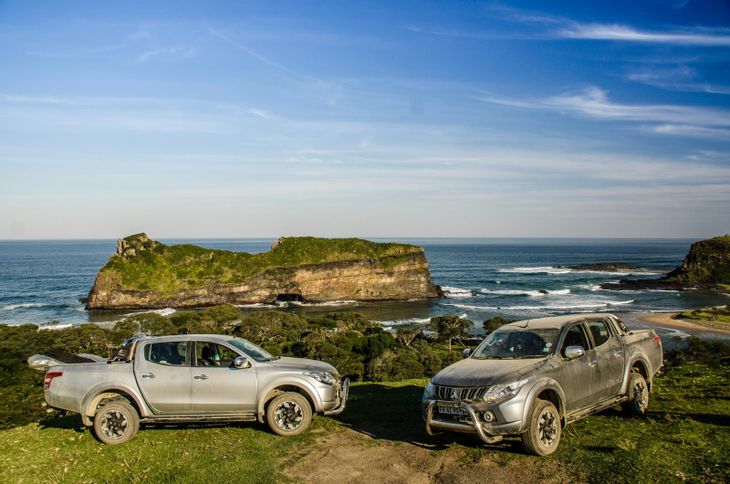
The all-new Mitsubishi Triton 4×4 Double Cab bakkie takes 3 South African professional surfers, Emma Smith, Avuyile Ndamase and Ricky Basnett on a memorable surf adventure in the Transkei, where they visit places such as Lwandile, Lutsheni, Mdumbi, Coffee Bay and the famous Hole-in-the-Wall.
Hole-in-the-Wall is a must-see landmark when visiting the Transkei.
The Transkei, with its endless rolling hills, wild coastline and friendly people, creates the perfect scene for an epic journey. The roads in the Transkei are notoriously poor and the abundance of roaming livestock make travelling in the Transkei particularly treacherous.
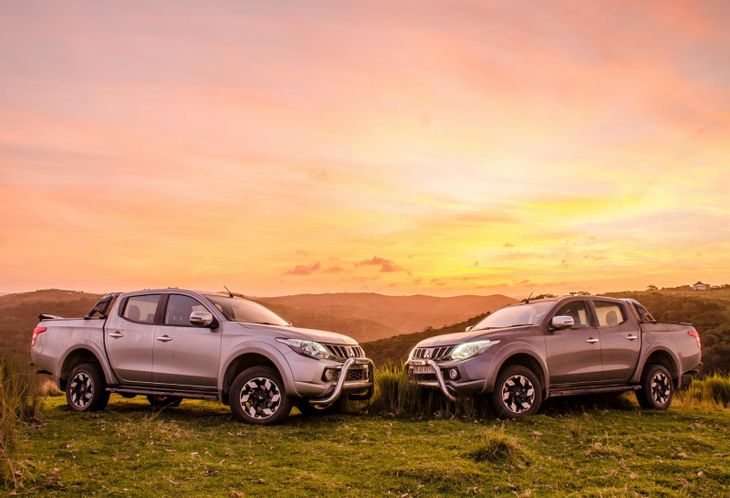
Cars.co.za would like to take the opportunity to thank Mitsubishi South Africa for providing a pair of Triton 4×4 Double Cabs that proved to be capable in tough terrain and also offered much-needed comfort and safety during the journey. Cars.co.za also extends special thanks to ZigZag surfing magazine for their collaboration on this project.
Sit back, relax and enjoy the journey…
The Mitsubishi Triton 4×4 Double Cab provided comfort, safety and unfaltering capability in the Transkei.
The new Range Rover Velar SUV is headed for South Africa later in 2017 and although it appears to be a promising product, it’s up against strong rivals that will leave buyers pondering. Take a look at 7 rivals that the new Velar will have to beat when it arrives on local shores.
Slotting in snug between the popular Evoque and Range Rover Sport, the new Velar aims to impress, not only in terms of looks but with performance and refinement too.
The Velar will arrive with 3 diesel and 3 petrol engine options. Diesel engines include a 132 kW and 177 kW 2.0-litre and a 221 kW 3.0-litre V6. On the petrol front, buyers can opt for a 184 kW 2.0-litre engine or more powerful options in the form of a 221 kW or 280 kW 3.0-litre V6 engine. All engines will be mated to an 8-speed automatic transmission.
Local pricing for the Velar will start at R947 700 for the entry-level 132 kW 2.0-litre diesel and go all the way up to R1 539 800 for the 280 kW 3.0-litre petrol V6 Velar First Edition.
Take a look at 7 key rivals that the Range Rover Velar needs to beat!
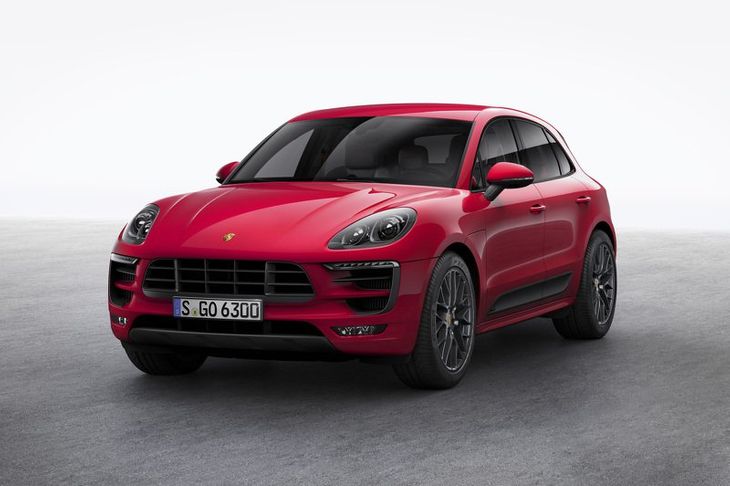
Porsche Macan
The Porsche Macan is undergoing its first nip-and-tuck with a facelifted version due for reveal early in 2018. Exterior changes are subtle and the Macan’s interior will gains a pair of 7.0-inch instrument cluster displays and well as a 12.3-inch touch-sensitive infotainment display as part of an updated Porsche Communication Management system.
The big news here, however, is that the Macan’s turbocharged 3.0-litre and 3.6-litre V6 engines are to be replaced with an enhanced 3.0-litre V6 and 2.9-litre V6, the same found in the Panamera. Power in the region of 260 kW can be expected for the new 3.0-litre V6 while the 2.9-litre V6 will produce about 324 kW. A hybrid version with a 3.0-litre V6 and electric motor is expected too, with no less than 340 kW on offer.
The facelifted Macan can be expected in South Africa later in 2018.
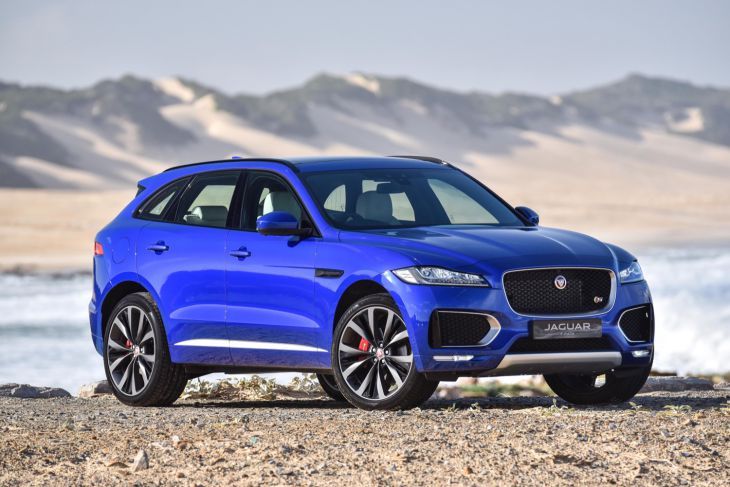
The F-Pace is proving to be a huge success for Jaguar and will provide ample competition for the Velar with its striking looks and dynamic performance.
A range of petrol and diesel engines are on offer. Diesel options include a 132 kW and 177 kW 2.0-litre turbodiesel and a 221 kW 3.0-litre V6 twin turbodiesel. Petrol engines include a 183 kW and 221 kW 2.0-litre turbopetrol and a supercharged 280 kW 3.0-litre V6 petrol engine is also offered.
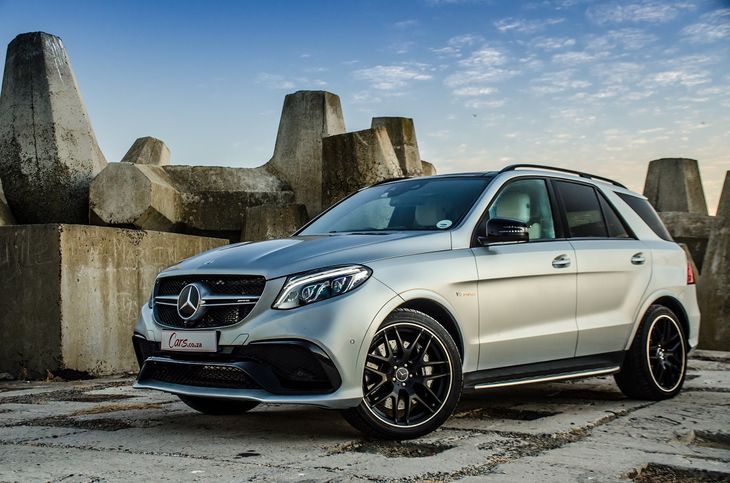
The Mercedes-Benz GLE is a strong contender in the luxury SUV segment and an all-new GLE is expected in 2018. The GLE range offers a mix of diesel and petrol engines with varying outputs. Diesel options include a 2.1-litre turbodiesel with 150 kW as well as a 190 kW 3.0-litre V6 turbodiesel. Petrol engines include a 245 kW 3.0-litre V6 turbopetrol and a more powerful 4.7-litre V8 turbopetrol with 335 kW. A turbocharged 3.0-litre V6 hybrid derivative is also available.
The GLE range is headlined by the Mercedes-AMG GLE43 and GLE63. The GLE43 AMG is powered by a turbocharged 3.0-litre V6 petrol engine with 270 kW while the GLE63 offers 410 kW from its large turbocharged 5.5-litre V8 engine. The GLE63 S offers more power at 430 kW while torque is bumped up to 760 Nm.
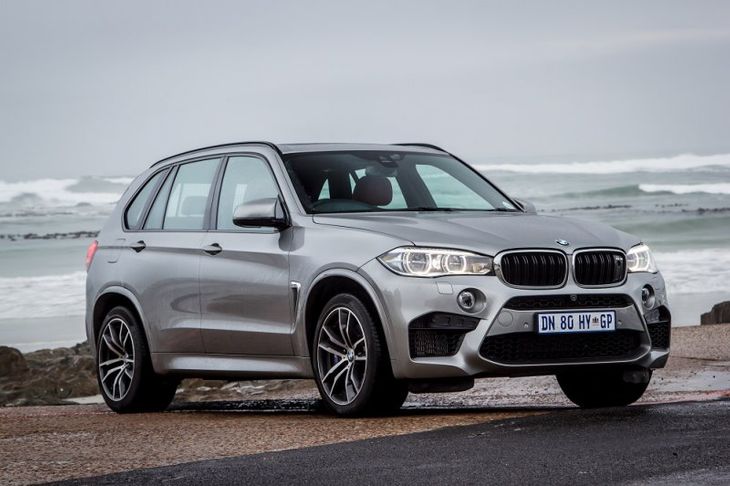
Like the GLE, BMW is currently developing the next-generation X5 that will go to market in 2018. Nonetheless, the ageing X5 still has much to offer. A 2.0-litre turbodiesel engine with 170 kW kick off the range and is followed up with a 6-cylinder, 3.0-litre turbodiesel with either 190 kW 230 kW on offer. The 3.0-litre, 6-cylinder turbodiesel engine in the X5 M50d offers 280 kW.
Petrol options include a turbocharged 4.4-litre V8 with 330 kW, increasing to 423 kW in the range-topping X5 M. A turbocharged 2.0-litre hybrid X5 with 230 kW is also offered.
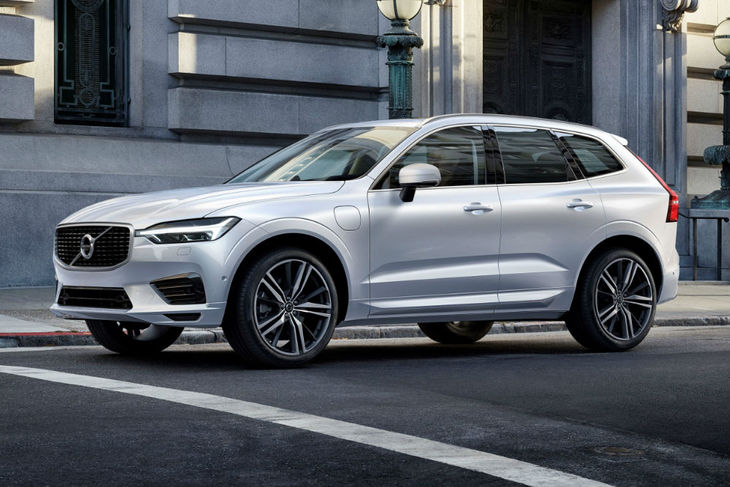
The much-anticipated, all-new Volvo XC60 is due to arrive in South Africa in 2018, and when it does, it will be difficult to ignore. The new XC60 will arrive with a choice of 2 turbopetrol and 2 turbodiesel engines, all of which are 2.0-litre units. All derivatives will be all-wheel drive.
The range-topping T6 turbopetrol will offer 235 kW while the lesser T5 will have 187 kW. On the diesel side, the D5 will have 175 kW and the D4 will offer 140 kW. An 8-speed automatic transmission will be standard across the range.
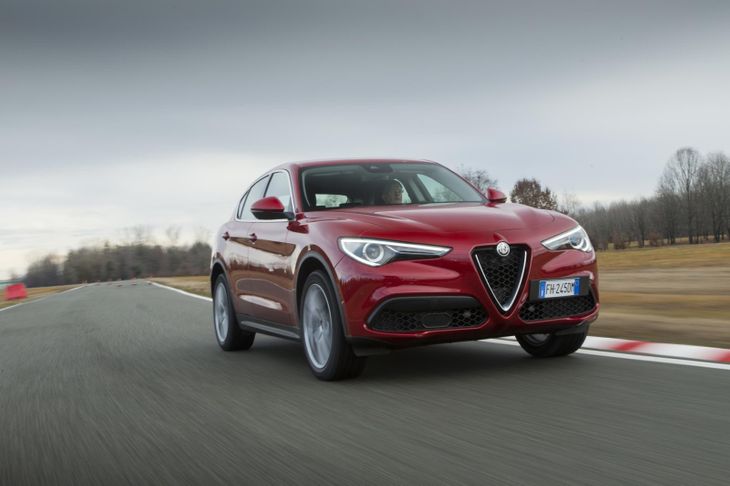
Alfa Romeo’s Stelvio, its first stab at an SUV, is due to arrive in South Africa early in 2018. Like the Velar, it looks promising, but at this stage, the only engine earmarked for our market is a turbocharged 2.0-litre petrol engine with 206 kW and 400 Nm of torque. We do however hope that Alfa Romeo will introduce the Stelvio Quadrifoglio model with the same 2.9-litre V6 found in the Giulia sedan as well as a diesel engine option.
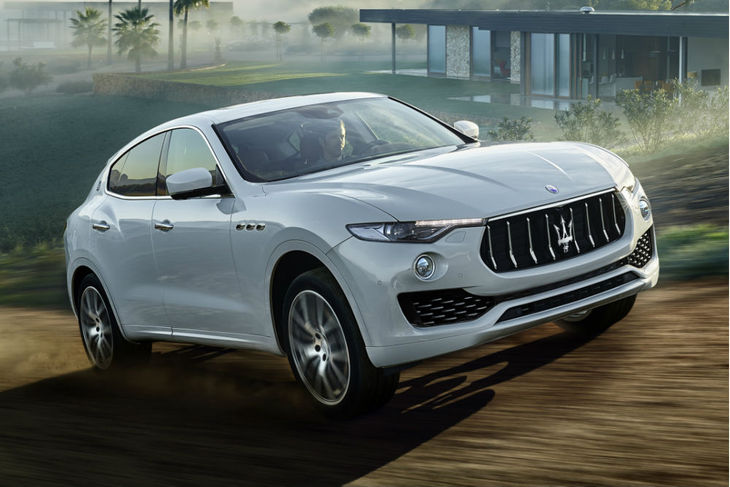
Like some of the rivals listed here, Maserati too is venturing into the world of SUVs for the first time with its Levante. The only derivative currently on offer in South Africa is a 3.0-litre V6 turbodiesel with 202 kW and 600 Nm of torque. Maserati may very well launch a pair of 3.0-litre twin-turbo V6 petrol engines offering 257 kW and 316 kW in the near future.
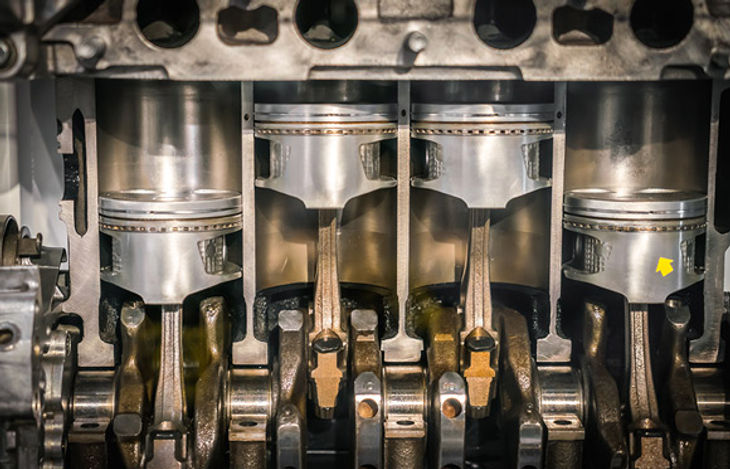
The last 70 years have seen a dramatic improvement in engine life. In 1950 Volkswagen Beetles achieved fame by often lasting for more than 100 000 km, but at the time many other small engines gave up the ghost at lower mileages. These days one expects a good design to last for at least 250 000 km, and we frequently hear of engines that have lasted that long.
Engine temperature, oil condition, driving style and lack of servicing are some of the factors that determine the wear rate. Driving style plays a relatively minor role unless you habitually lug the engine or keep the revs close to the red sector on the rev counter. Lugging refers to employing a large throttle opening at a low engine speed in a high gear. This article is mainly concerned with the major components that require refurbishing in a worn-out engine, namely the pistons and rings, cylinder bores and crankshaft bearings. The smaller components often have problems and failure modes of their own.
Oil consumption
The cylinder bore/piston interface is a good place to start and the important component here is the top ring. It has by far the most pressure behind it. This can easily be seen when we examine a worn cylinder, for the wear pattern is slightly hour-glass shaped. The deepest wear markings are at the top of the cylinder where the top ring comes to rest, then a section in the middle showing virtually no wear and very much smaller markings at the bottom of the cylinder where the top ring again comes to rest. This explains the time-honoured ritual of feeling the ridge whenever an open cylinder block is shown to a mechanically-minded person.
The ring’s slight tension against the cylinder wall is increased hugely by the combustion pressure. This penetrates behind the ring, causing it to do its job of sealing-in the combustion gases and transferring heat to the cooling water. This pressure obviously depends mainly on throttle opening rather than engine revs. Planting your right foot down at low engine speeds (lugging) is harmful because low revs equate to a thinner oil film.
Wear by metal-to-metal contact is called attrition. This type of wear depends entirely on the thickness of the oil film. The rings are lubricated, but the nature of the oil film depends on the motion of the piston. When the piston is travelling down the bore at an incredible rate of acceleration the oil film is thick enough to eliminate metal to metal contact, but at the top and bottom dead centres, where the piston comes to a complete stop, the oil film is very thin.
Abrasive wear
Abrasive wear is caused by small particles, introduced with the air, the fuels or the oil. This shows the importance of good filtration, which can only occur if the engine air, fuel and oil filters are replaced regularly. Small particles of carbon, formed during combustion, can also serve as a lapping agent.
Corrosion
The ring behaviour also leads to corrosive wear. The very thin layer of oil left behind by the ring at the top and bottom of its travels is not sufficient to protect the cylinder wall from acids formed by the combustion process. In a hot engine these acids leave the combustion chambers as gases but in a cold engine, they condense onto the walls as droplets.
The wear rate of the cylinder bore it is found to be temperature dependent, and it is very instructive to look at the wear taking place on a typical journey. If you start the car in the morning and let it idle for a minute or two with the choke in operation to warm the engine and improve driveability, you experience maximum wear for three reasons:
The low temperature causes corrosive wear.
The choke causes an over-rich mixture which allows droplets of fuel to wash some of the oil away from the rings
The cold oil does not reach all the parts it has to lubricate.
Now you set off on a journey, travelling through a town. The water temperature gauge rises steadily and the wear rate decreases dramatically to about 50 per cent of the initial rate. It must be remembered that the water temperature is an average value and the stop-start driving typical of city conditions causes fluctuations in cylinder wall temperatures, especially at the top, hence the corrosive wear.
Out in the country, the average speed rises with just an occasional slower section, and the wear rate drops to about 25 per cent of the initial value. Finally, we reach a freeway and are able to cruise for long periods at a constant speed. The temperature gauge should remain steady at the normal temperature determined by the thermostat (if it’s working correctly) and under these conditions the wear rate drops to almost nothing. That’s right if you travel 1 000 km in a day most of the wear takes place during the first fifteen minutes! Some hard-working diesels have been known to cover over one million kilometres without needing an engine overhaul.
Fast warm up
This means that an engine should be warmed-up as fast as possible, without causing damage by revving too high or pulling a heavy load. The best way to achieve this is to drive off immediately after starting and to keep the speed low for the first few kilometres. This method of warming-up also has the advantage of warming-up the gearbox and rear axle at the same time.
Comparing engines
Another interesting result of wear research is that if two engines, made of the same materials, are running under the same conditions, the rate of cylinder bore wear in terms of fractions of a millimetre per 100 hours will be the same for both, even if the bores differ greatly in diameter.
If we express the acceptable rates of bore wear as a percentage of the bore diameter we get the following criteria:
If the wear is not more than 0.2 per cent of the bore diameter no appreciable deterioration is observed.
When the wear reaches 0.25 per cent of the bore diameter oil consumption will begin to rise, and in the case of diesel engines cold-starting may become troublesome.
When the wear reaches 0.3 per cent of the bore diameter oil consumption will be getting out of control. Spark plugs may oil up frequently, leakage and blow-by will become noticeable and piston temperatures may rise, leading to the piston rings sticking in their grooves. The extra heat is due to the bad conduction of heat across the wider path to the cooling water from the rings.
When the wear reaches about 0.35 to 0.4 per cent of the bore diameter the deterioration in performance will be very noticeable. The oil consumption will be out of control and blow-by will be excessive, accompanied by the risk of broken rings.
Wear rate vs bore diameter
What does this mean in practice? Compare two engines with bore diameters of 100 mm and 200 mm. Let’s assume they’ve run for the same length of time under the same conditions and that they are constructed to the same design with the same material specifications. They will then have worn the same amount, say 0.3 mm, according to the above research. If we now express the wear as a percentage of the bore diameter we find that the wear for the 100 mm diameter bore amounts to 0.3 per cent, which is over the limit. The wear for the 200 mm bore is only 0.15 per cent and this will have no noticeable effect!
The rule then is: the bigger the bore, the more wear it can tolerate. A four cylinder of the same capacity as a six should then last longer if all the other conditions are the same. A twin should last even longer and a single should live forever. The snag, of course, is the increased piston mass and unacceptable vibration associated with a smaller number of cylinders. These lead to greater bearing loads.
When does an engine need an overhaul
Living with a car is very much like living with a wife or husband. Any change in behaviour is a cause for concern and should be investigated.
The most important criteria are:
Performance. A drop in performance, with no other symptoms, is usually due to incorrect fuel mixture and ignition timing settings. It’s seldom related to engine wear. The latter usually reduces piston ring to cylinder bore friction so that many engines go faster when they drink oil.
Noise levels. Any newly-discovered noise usually means trouble. Worn valve lifters start to make a tapping noise while worn main and conrod bearings make a knocking sound.
Oil usage. Modern engines vary a lot in what is acceptable oil usage. Let your car’s owners’ manual be your guide. Any change in oil consumption is often due to a leak but on older engines, it’s usually due to worn valve guides, valve oil seals, pistons, rings and cylinder bores.
Smoking. This is most likely caused by the worn parts mentioned under oil usage, but a malfunctioning crankcase ventilation system may also cause smoking. If the smoking starts after an oil change one should suspect an overfull sump.
What your exhaust smoke is trying to tell you
Suzuki Ignis 1.2 GLX (2017) Video Review
Despite a contraction in the South African new vehicle market in 2017, Suzuki sales have been brisk. The Japanese brand is a small car specialist that offers a trio of hatchbacks: the Celerio (a #CarsAwards winner), Swift and Baleno, but the new Ignis marks a departure from the formula…
With its quirky looks, funky interior and plucky 1.2-litre engine, the Ignis has bucketloads of character and seems to embody everything "fun" that Suzuki wants to convey as a brand.
In this video, regular Cars.co.za contributor and Cars.co.za Consumer Awards judge Juliet McGuire presents a detailed look at the Ignis' engine, interior, luggage space and fuel economy. Plus, we compare the newcomer to the Renault Sandero Stepway and Volkswagen Cross Up!