Volvo XC60: 5 Things You Should Know

The XC60 is a hugely important model for Volvo. Not only is it the best-selling model in the Swedish brand’s lineup, but it is also the best-selling car in its segment in Europe. We attended the global launch of the XC60 in Barcelona, Spain, and our first impressions can be seen in our video below.

We’d like to take you through some of the most important aspects of the new XC60 which will be heading to South Africa in 2018.

1. Arrival date and pricing in South Africa
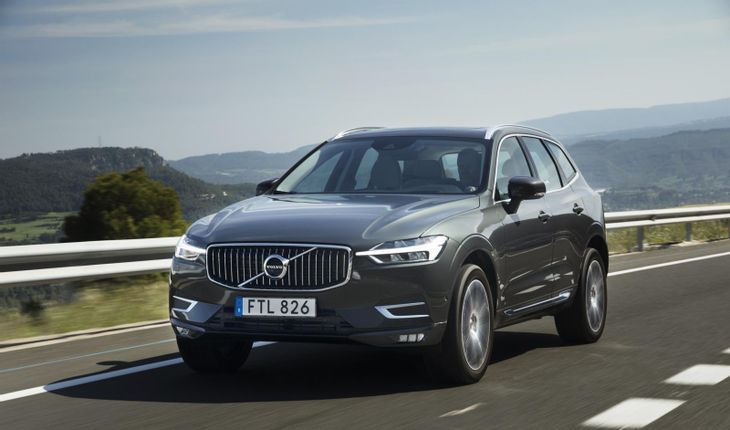

The XC60 will arrive in South Africa in Q2 of 2018 and pricing is yet to be confirmed. 

While this is likely to be the information you’re most keen on learning, unfortunately, we don’t have very specific information at this time. Volvo SA has committed to launching the car locally in Q2 of 2018, which is manufacturer-speak for “we’re not exactly sure when we’ll finally get our stock”. We’re expecting a local launch in the April-to-June window next year.

Volvo’s local representatives were even less concrete about pricing. Again, we can speculate, and we expect the XC60 to be priced around key rivals such as the BMW X3, Mercedes-Benz GLC and Land Rover Discovery Sport. We do know that the local XC60 will represent value for money in terms of specification which will include a fully digital instrument display, Sensus touchscreen infotainment system and electric front seats will be fitted as standard across the range.

2. Engines and drivetrains
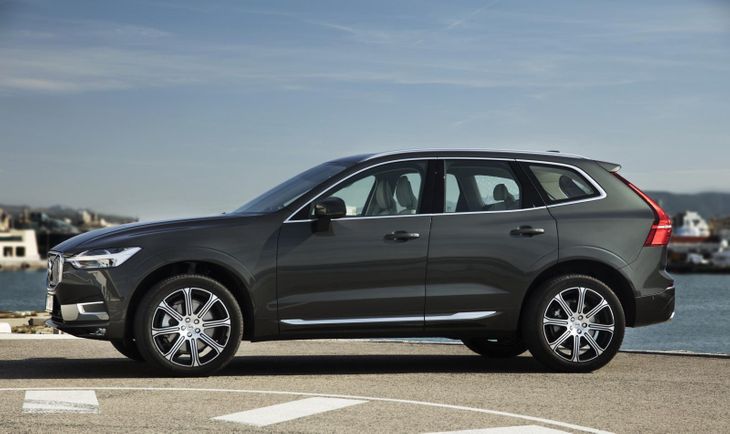

Buyers in South Africa will have the choice between 2 petrol and 2 diesel engines when the XC60 arrives in 2018. 

Volvo has made a concerted effort to streamline the engines available across their product portfolio; essentially you can have any engine you like as long as it’s a turbocharged 4-cylinder 2-litre. Additionally, all XC60's sold in South Africa will feature all-wheel drive, with power sent through a Geartronic 8-speed automatic transmission. All of the brand’s engines will be available in our market, but the T8 hybrid variant, however, is still under consideration and we suspect it might prove to be too pricey to be truly competitive. Two petrol and two diesel engines will be available in four states of tune:

  • T6 turbo petrol: 235kW, 400Nm
  • T5 turbo petrol: 187kW, 350Nm
  • D5 turbo diesel: 173kW, 480Nm
  • D4 turbo diesel: 140kW, 400Nm

Interestingly, the engines are not detuned from those found in the XC90 for application in the XC60. That means, with less weight to contend with, the engines feel less strained – addressing one of the issues we had with the XC90. Hopefully, in the real world, they’ll prove to be more economical too.

At the global launch in Spain, we sampled the T6 petrol and D5 diesel, with the diesel proving to be our pick of the bunch. With exceptional refinement and impressively low noise levels, coupled with smooth acceleration thanks to Volvo’s unique PowerPulse system, it's the variant we’d happily live with.

The T6 petrol, while offering more than adequate power, did not seem to offer the same smooth, seamless experience as the diesel. On first impressions, it felt like the motor and the transmission were slightly at odds, but further testing will be conducted when we get our hands on the car on local soil.

3. Best-in-class Interior
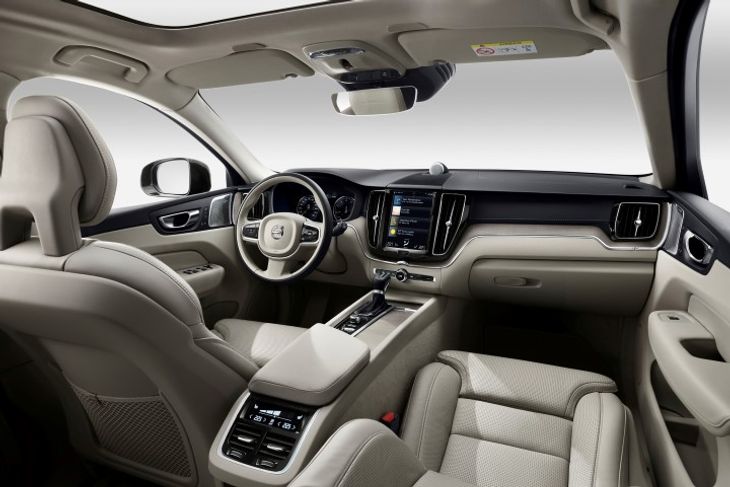

Taking direction from the XC90 and S90, the XC60's interior is top-notch in terms of execution and comfort. 

If you are at all familiar with the XC90 or the new S90, the XC60’s interior is nothing new. However, the execution and overall feel is exceptional and we would argue that it's best-in-class. With clean, uncluttered surfaces, dominated by the company’s award winning and intuitive Sensus touchscreen infotainment system, the cabin is light, spacious and comfortable. The front seats are particularly comfortable and rear seat passengers are treated to their own climate control, optional heated seats and a very handy 240V outlet socket, which saved us a few times on our launch drive.

The loading area is sizable if a little short on depth compared with the XC90, but that is to be expected in what is ultimately a smaller car. However, on the launch it swallowed 4 medium-sized suitcases with space to spare.

4. Significant safety updates
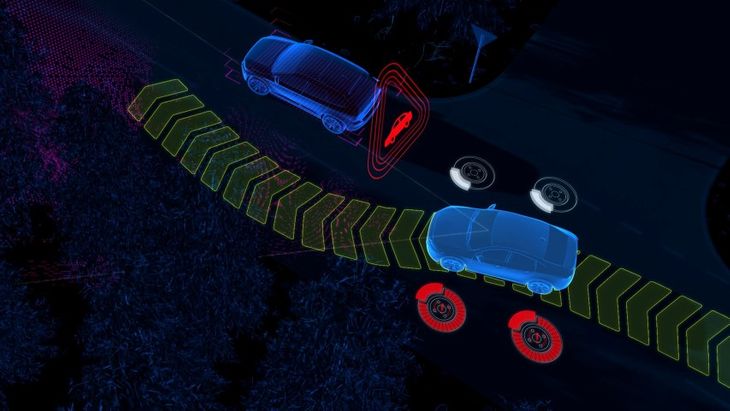

The XC60 is fitted with a host of safety features that will soon be found on other Volvo models. 

The XC60 now carries the torch as Volvo’s most advanced car, with new safety systems debuting on this model which will be rolled out across the Volvo stable in due course. In addition to Volvo’s PilotAssist, which will steer the car between clear lane markings at up to 130 kph, and control the car in bumper-to-bumper traffic, the XC60 offers a variety of systems which help in mitigating or avoiding accident situations.

Blind spot information with steering assist adds to the existing blind spot monitoring system. In addition to warning the driver of a car approaching in his or her blindspot, the car will now gently steer the car back into the correct lane if it detects an imminent collision.

Oncoming lane mitigation monitors if the Volvo is drifting into the opposite lane and if it detects oncoming traffic, it will gently steer the vehicle into the correct lane. This system is always active but works when lane keep assist is switched off.

If the City Safety with steering support detects an imminent collision with a slow-moving vehicle, pedestrian or large animal in the car’s path, and the driver initiates a swerve to avoid the object, the system will kick in to assist the driver in executing the maneuver safely, by providing steering support and alternatively braking the inside and outside wheels to maintain stability.

To see all of these systems in action, watch our first drive review of the XC60 here:

5. More onboard technology

New technology has also been added to the infotainment system. Volvo has partnered with Google to provide full search functionality. With access to the whole of Google, users should be able to find their desired destination with ease. One touch will then add that destination to the car’s navigation system. Android Auto and Apple CarPlay are now also included as standard, however, bear in mind that Google has not authorised Android Auto for South Africa at this stage – an issue which affects all manufacturers. Tune-in and Spotify apps are also pre-loaded.
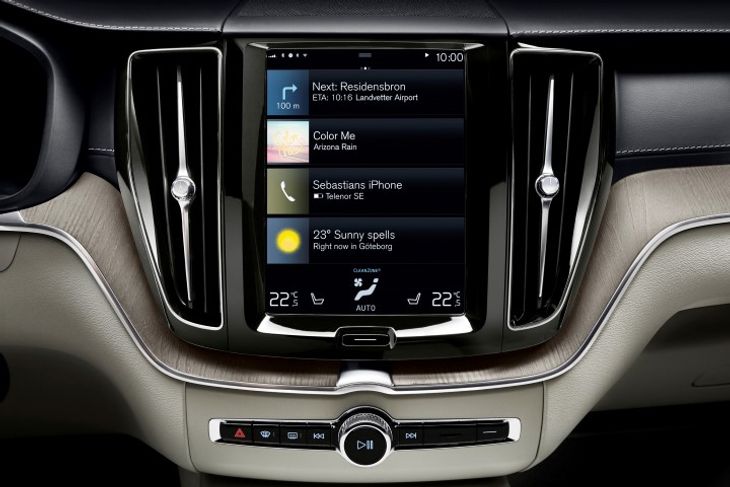

Volvo's Sensus infotainment system operates like a tablet and is intuitive and easy to use. 

Important to note here is that Volvo has not at this stage committed to offering a connected vehicle service in South Africa, which would ordinarily provide a constant internet connection using a local mobile network. For SA motorists, there is the option to create a hotspot for the car, via either your smartphone or a mobile WiFi device. The car will then use this internet connection to provide the services mentioned above. The car can also be connected to your home WiFi in order to execute software updates.

See how Volvo is working closely with Google on its in-car connectivity systems

Related content

'Li'l brother' Volvo XC60 debuts

Volvo XC60 T6 Excel (2015) Review

Volvo XC60 D4 (2014) Review

Spy Shots: Next BMW X3 [with Video]

BMW SA to Build X3 in SA, Cans 3 Series

Update: Mercedes-AMG GLC63 Coupe Shown

Mercedes-Benz GLC 250d Coupe 4Matic (2017) Review

Quick Drive: Mercedes-AMG GLC 43 Coupe 4Matic

Mercedes-Benz GLC 300 (2015) Review
Interested in buying a Volvo XC60?

Search for a new/used example on Cars.co.za

Chinese Cars: The (not-so-obvious) Barriers to Wider Acceptance

Several well-known brands are under severe pressure in South Africa, with General Motors having recently announced a shock exit, taking Chevrolet with it. In contrast, it would appear that some Chinese brands are preparing a second onslaught in South Africa. To be more successful this time round, however, there are 3 things they need to get right first…

I remember way back in 2007, when the first Chinese test vehicles passed through my hands, the prediction made by some observers that the Chinese car industry would do in 5 years what took the Korean marques 10, and the Japanese 20. Only a really in-depth analysis will prove that hypothesis either way, but I think most will agree that the Chinese car brands have largely failed to deliver within an export-market context. They certainly have not made meaningful impact in South Africa… well, not recently, anyway.

Why?

Well, along the way product quality was a serious issue, as was consistent and quality dealership support. It will still take time before consumers are completely convinced that the latter aspect has been remedied (if, indeed, it has), but the product has, for the biggest part, progressed in leaps and bounds. There are however 3 other matters that stand between Chinese cars and greater acceptance.

Do you own a Chinese vehicle? Please tell us what you think of it as well as the service you have received, by completing this in-depth survey. It will greatly assist us in giving accurate buying advice to South African consumers.

Problem 1: Product lag

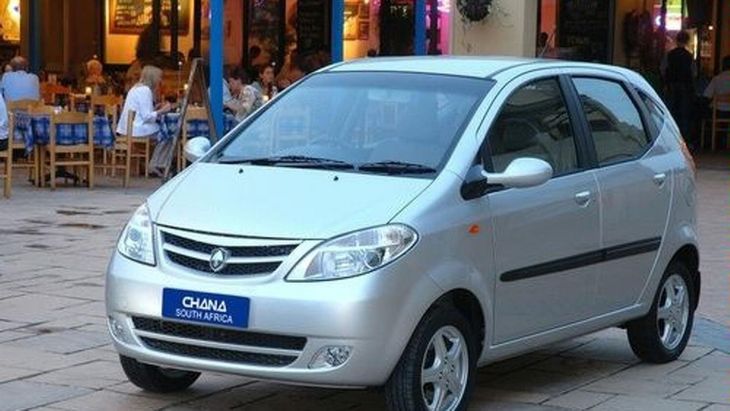
We tend to judge car companies by the products they put on the market. It's only natural. Back in 2007, several of the brands delivered acceptable products given their price points, while most were, frankly speaking, only barely preferable to walking. The atrocious Chana Benni remains a vivid memory, mostly because when I close my eyes and try really hard, I can still recall its nose-hair singeing chemical stench.


Chinese cars have moved on considerably since the days of the atrocious Chana Benni. Thank goodness…

Many South Africans were, however, prepared to cut the Chinese brands' marginal build quality some slack, as long as their models' asking prices were right, and a few brands did reasonably brisk business in South Africa during the early years of introduction, most notably GWM with its bakkies, Geely and Chery (primarily with the cheap QQ budget car). This, in turn, lured a few more to the market, unfortunately with limited support. A number of those have come and gone, including CMC, Lifan, Hafei and others. Undoubtedly these poorly supported "fly-by-night" operations hurt the chances of the more serious challengers and reinforced the perception that buying Chinese was akin to flushing money down the loo.

Nevertheless, the first few years were quite promising, with a number of brands finding traction. By around 2013/2014, however, the impact of Chinese brands in South Africa had diminished greatly. Partly due to exchange rate difficulties, as well as rising manufacturing costs in China, the attractive price advantage had eroded too much for local consumers to favour Chinese products over established brands' wares. Besides… the market never stands still, and it seemed as if Chinese products, in fact, couldn't keep up the expected rate of improvement despite initial hopes of fast progress. Instead, there was a lack of new introductions and most Chinese offerings appeared outdated, even at relatively lower price points.


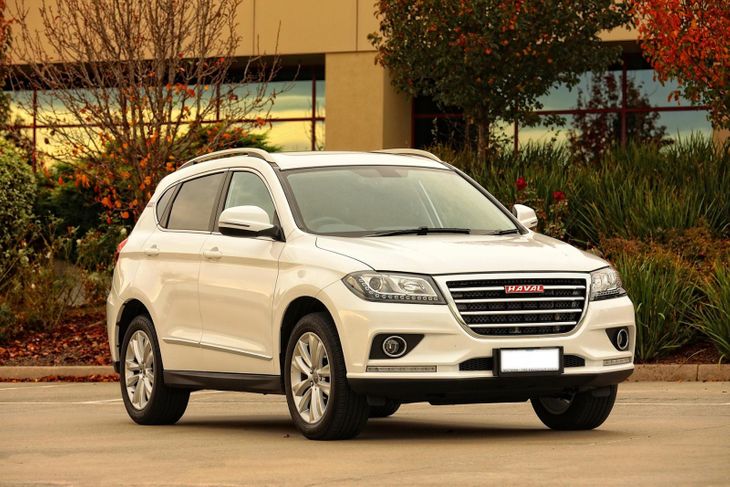
Recently launched in SA, the Haval H2 is arguably the first Chinese product to compete in terms of product ability and quality with the market leaders.

When I first travelled to China in 2013, however, it became clear that what we as South Africans believed to be representative of modern-day Chinese cars were worlds apart from what was the case in China. Case in point… I sat in the Haval H2, now freshly launched and receiving widespread acclaim, for the first time in July/August 2013. That's just about 4 years ago… Most European or Japanese brands launch their fresh offerings in South Africa within a few months from their international market introductions. It has taken the H2 nearly 4 years to arrive… Now imagine the potential impact had the H2 gone on sale in South Africa during 2014, prior to the recent sales boom and product expansion in the compact crossover segment.

I recently revisited China to attend the Shanghai Auto Show. It was truly a case of two worlds. Several of the big Chinese brands are now making attractive cars and SUVs, while only a few remain stuck in the "copy/paste" & low-quality mode of operation. But the point is that "product" is not the biggest problem. The best Chinese brands now produce cars that can, in pure "showroom appeal" terms, compare with anything from Korea, Germany or Japan. It is just that the Chinese brands take too long to get these new products to overseas markets. The all-new Haval H6, launched in Shanghai, is a striking machine that looks every bit as appealing as its foreign rivals, but it's not destined for South Africa in the near future.

And that's a big mistake. Again.


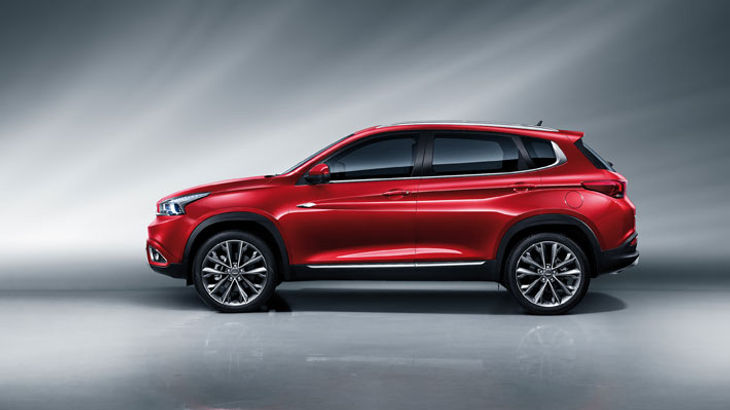
The latest Chinese-market Chery Tiggo 7 is world's removed from what is offered in South Africa.

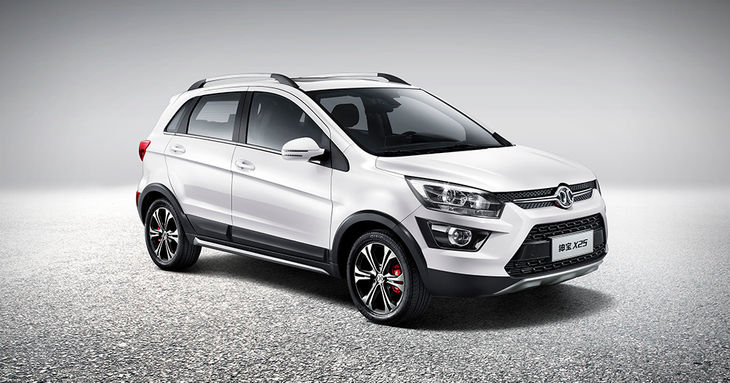
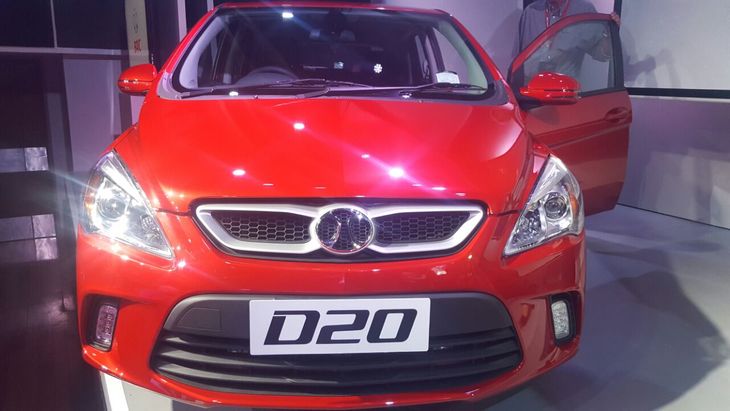
Haval, however, is by no means the only culprit. Chery makes some very attractive products, such as the latest Arrizo 7 sedan and Tiggo 7 SUV, but we in South Africa are still offered the relatively ancient J2, J3 and Tiggo models, not to mention the archaic QQ. New market arrival, BAIC, may indeed be doing the commendable thing by building a factory in Mzansi, but it chose one of its older products, the D20, to lead its charge into the local market. Instead, perhaps, the X25 compact crossover would have found more immediate favour.

If China wants to replicate in the car world what it has done with smartphones (see Huawei, for example), then it needs to follow the same approach. Give us the latest products, good quality and competitive pricing. The product is there. Just give it to us.


The BAIC X25 will compete in the booming compact crossover segment, when it eventually reaches South Africa.

Problem 2: Poor communication

Let's be clear about this… the leading Chinese car brands are doing fine without achieving significant export market penetration. Last year Haval sold a million vehicles, and in the annual Brand Finance report (issued recently), it was listed as the second most valuable SUV brand in the world, behind Land Rover and ahead of Mahindra and Jeep. Perhaps most tellingly, it ranked as the "World's Most Powerful" SUV brand in the same report, with this metric taking factors such as home-market popularity, growth prospects and revenues into account. 

In the overall brands' rankings (by Value), China's Geely occupies 24th place (up from 61), Haval has moved into 30th place (just ahead of Tesla) having previously not even appeared on the list at all, while BAIC has risen from 59th to get into 50th place. So… the Chinese are coming, there's no doubt about it.

Now, image if they managed to crack the export markets…


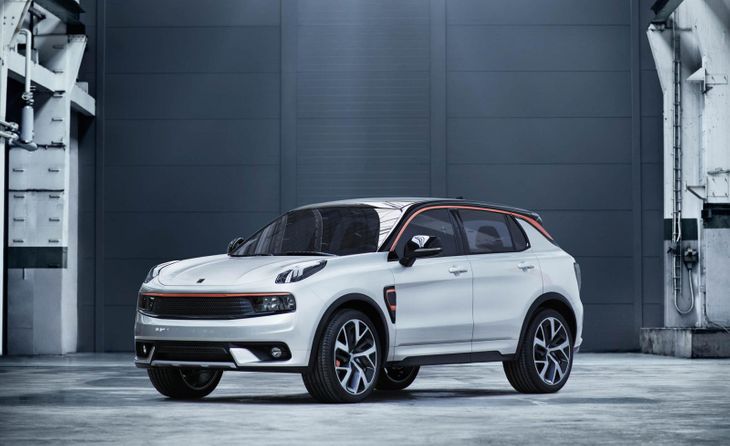
Geely, which owns Volvo and recently introduced its new Lynk&Co. sub-brand (above), is now the 24th most valuable automotive brand in the world.

To do this, however, there needs to be a serious change in the manner in which brands communicate with their export markets, not only in terms of the liaison between the Chinese firms and their local importers and/or distributers, but also how involved (or not) they are with marketing products in those markets… poorly written/translated documents/pamphlets/web pages and press releases abound; all too often Chinese brands' sales brochures are inaccurate and seemingly translated by feeding the originals into Baidu and just hitting "print".

Having worked for a Chinese car company before, I can attest to the fact that supplied marketing material is often incompatible with local requirements and norms. It's a problem that doesn't only affect the sales collateral that an importer or distributor can use, but also breaks the connection with the end consumer. In fact, very often there is no clear communication at all! Note that the BAIC South African website still does not list any dealers, even though it launched its first product with much fanfare (including attractive pricing) in April! At the launch itself, the D20 on display showed impressive build quality, so once again the product is promising, but the garbled communication to the media and the market a missed opportunity.


The BAIC D20 looks well-built and the pricing is good, but where do you buy one?

In short then, while Chinese brands should communicate their positioning strategies clearly and early enough with local importers/distributors, it should allow those with localised market knowledge to handle the marketing messaging etc. Alternatively one ends up with clumsy slogans such as BAIC's "The better and ingenious choice" or phrases such as "create a nice mood" in Haval's H2 brochure. This may all seem very petty and unimportant, but it perpetuates the perception that Chinese products are "cheap" and somewhat laughable – surely the re-writing and proofreading skills of a first-language editor can't be too expensive to procure?

Problem 3: Going against the market standard

Closely related to problem number 2 is most Chinese brands' belief that they don't have to fall in line with accepted (localised) industry norms. A major area of consumer concern or mistrust in Chinese vehicles cars remains crash safety ratings. Telling consumers in export markets that a new Chinese product has a 5-star Chinese crash rating is arguably causing more harm than good. The accepted standard, quite simply, is EuroNCAP… So, even though Chinese cars are not widely distributed in Europe, the legacy of historically poor crash safety (as vividly displayed in a variety of Youtube crash videos), will not be countered until Chinese cars are submitted for crash testing to EuroNCAP and perform well. Geely submitted its Emgrand EC7 in 2011 and performed reasonably well (see video above). There is no reason why current Chinese vehicles shouldn't do well in EuroNCAP.

Conclusion

Now that the best Chinese products can compete in quality terms, the platform from which to launch a more successful export market assault is much more stable. But producing quality vehicles was the easy part. Chinese brands now have to ensure that the latest products become available in export markets soon after their Chinese introductions and that export market distributors have (relative) autonomy to communicate the strengths of these products with their localised media and consumers.

At the same time, Chinese brands need to take ownership of the ways in which their products (and brands) are distributed through dealership networks in their export markets. The necessary quality checks and consumer service are absolutely crucial to change the negative perception that still lingers. Attractive products and a good purchasing propositions might get consumers into the showroom, but only exceptional service and fuss-free ownership will get them to come back.

You may also be interested in:

Opel commits to SA despite General Motors exit
Isuzu after GM: Return of the Samurai
BAIC D20: specs and pricing (2017)
Haval H2: Launch Review
Shanghai Motorshow: GWM's Haval brand charges upmarket

Interested in buying a Haval?

Find one for sale on Cars.co.za by clicking here

Mini Countryman Cooper (2017) Review
The Mini Countryman is the largest Mini product to date and an attempt to tackle the family SUV crossover market. Does it succeed?

We Like: Style, great engine, brimming with charm, surprisingly practical, lively and enjoyable drive

We Don’t Like: Controversial styling, can get pricey

Alternatives

  • Something similar: Both the Countryman and Audi Q2 target a trendy, high-earning clientele who love the option of personalisation. Compared with the Mini, the Audi Q2 1.0 TFSI S line sports auto loses out in terms of interior space and we think some of the options make it very expensive.
  • Something similar: The recently refreshed Mercedes-Benz GLA brings the Three-pointed Star to the compact SUV segment. It's stylish, but the GLA200 auto lacks a punchy engine and doesn't offer much in the line of driver involvement.
  • Need a bit more space? An all-new Mazda CX-5 has just gone on sale and on paper, looks to offer big cabin space and a thrifty diesel engine. The 2.2DE Active lacks the style and customisation of the Mini however.

Compare the Mini Countryman to the Mazda CX-5, Mercedes-Benz GLA and Audi Q2 here

What is it?


All-new Countryman is the biggest Mini yet and it opens up the brand as a lifestyle SUV

The Mini Countryman is one of the brand's most polarising vehicles. It's a love/hate car, but the sales figures do not lie: the first-generation Countryman did very well in South Africa. Compared with the outgoing model, the new Countryman is bigger, longer, wider and better finished, and it looks quite a practical family car. There are two petrol engines to choose from: a 1.5-litre 3-cylinder turbo and a 2.0-litre 4-cylinder turbo. In terms of packaging (and, therefore, mass appeal) this new Mini Countryman represents a big leap forward and, thanks to the shared platform that also underpins the BMW X1 and 2 Series ActiveTourer, the newcomer is quite pleasant to drive too. How is good is it as a family car, though?

How does it fare in terms of…

Kerb appeal?


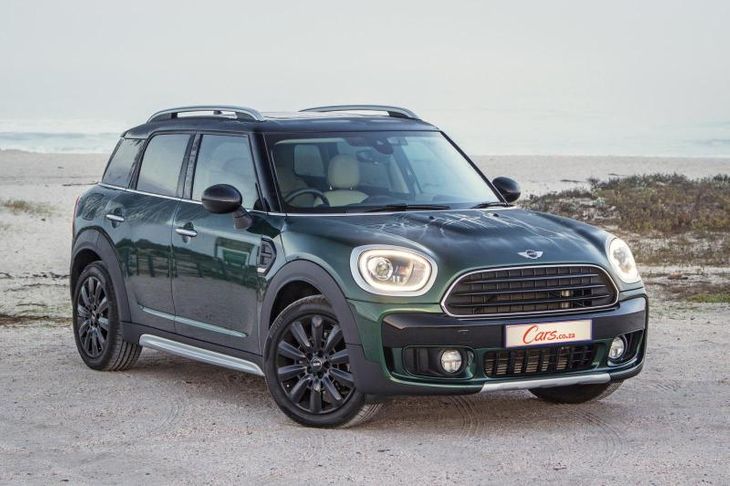
There's nothing quite like a Mini and in terms of cool and desirability, it's untouchable

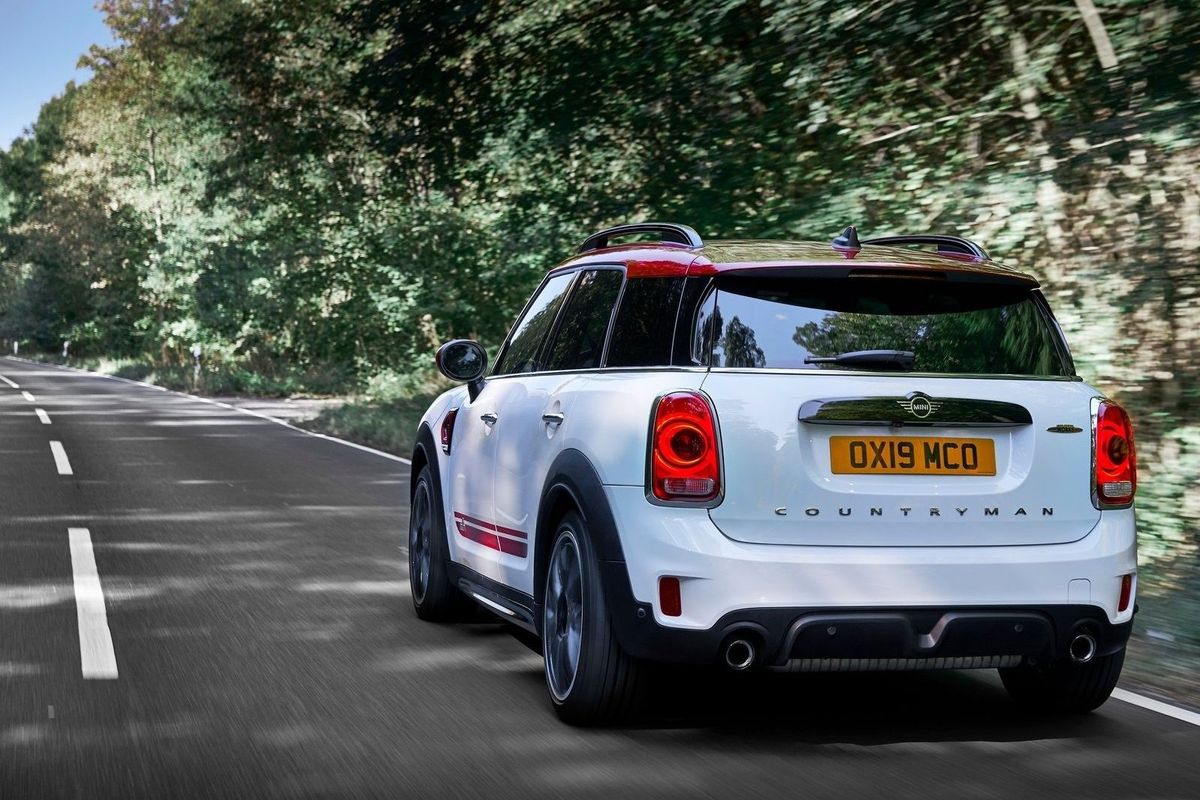
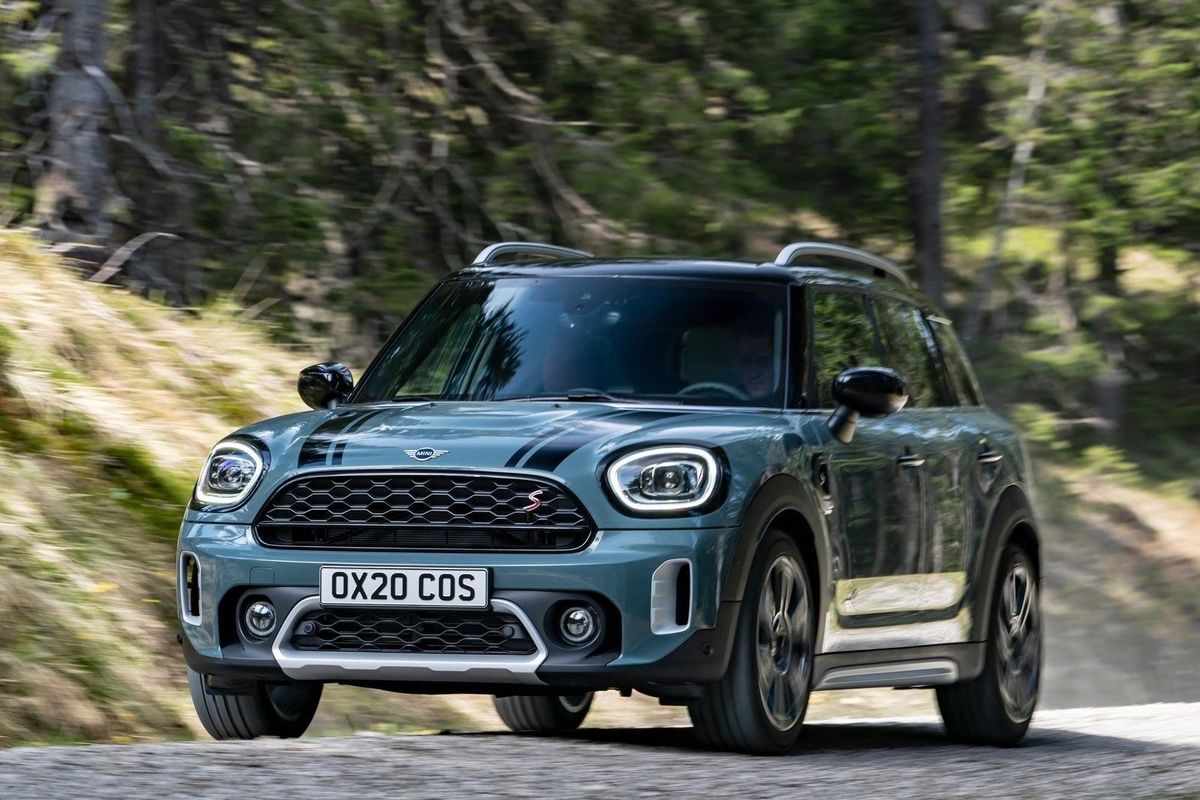
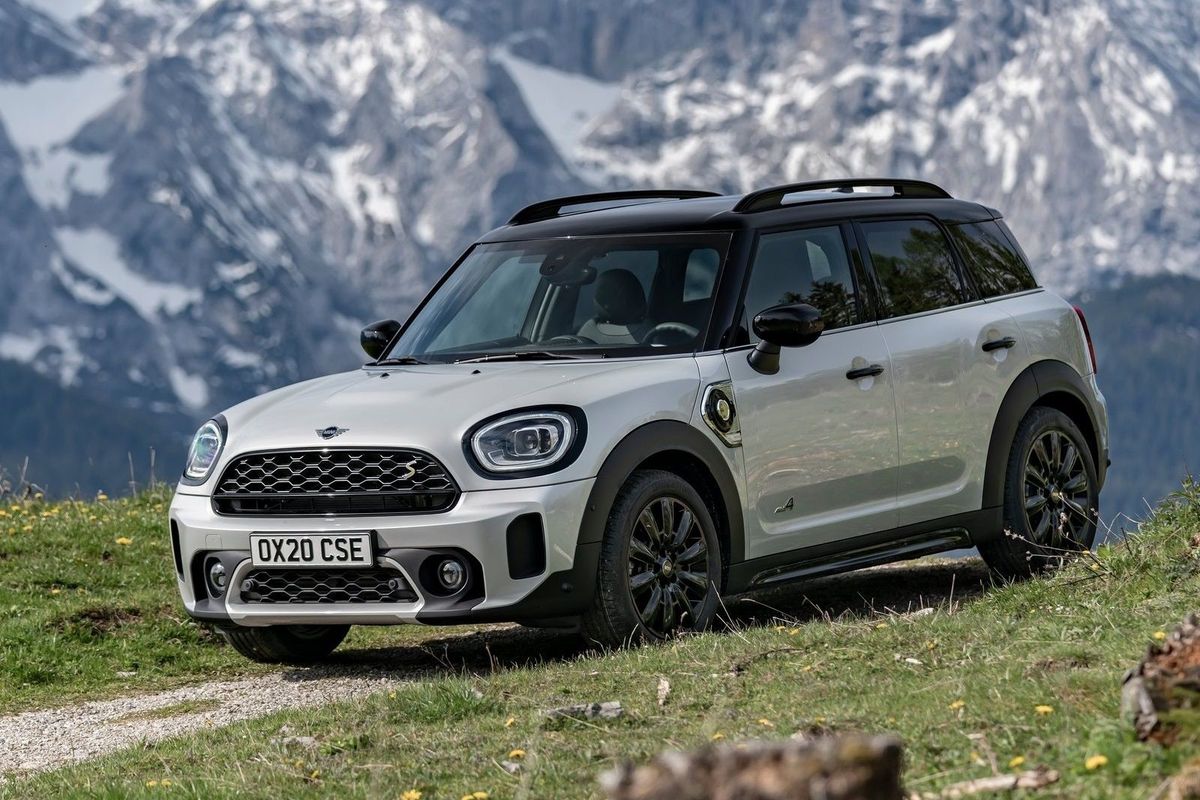
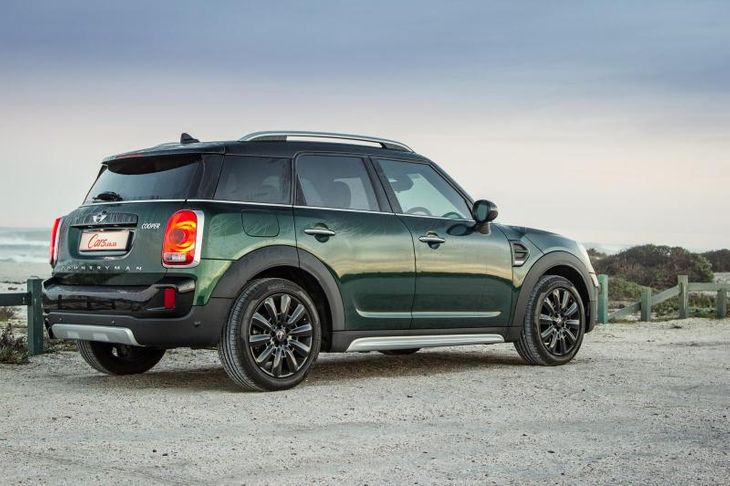
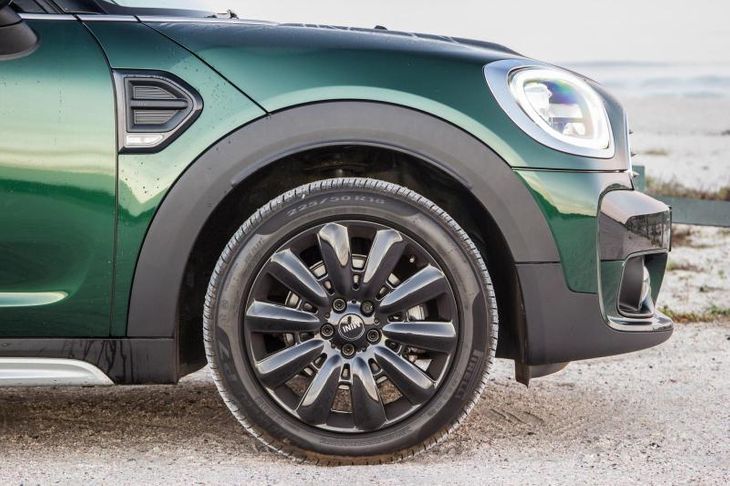
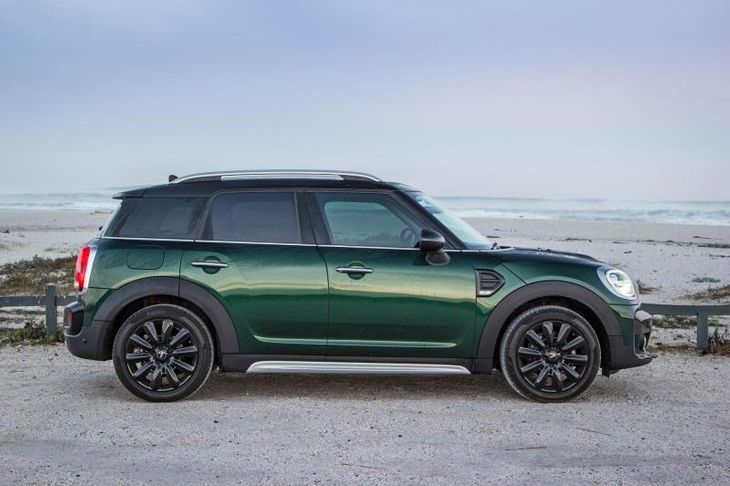
In the premium compact family car/crossover segment, looks count for so much and the Mini arguably has the competition licked. It's all about chunky adornments (especially the light clusters) and squared off extremities here, yet the Countryman is still unmistakably a Mini, replete with black side cladding, -bumper and -grille trims and contrasting side mirrors and roof finish. Our test unit came in a lovely British Racing Green (yes, that is the official name!) matched with 18-inch gloss black alloys, which made for a striking combination. 

Interior execution?


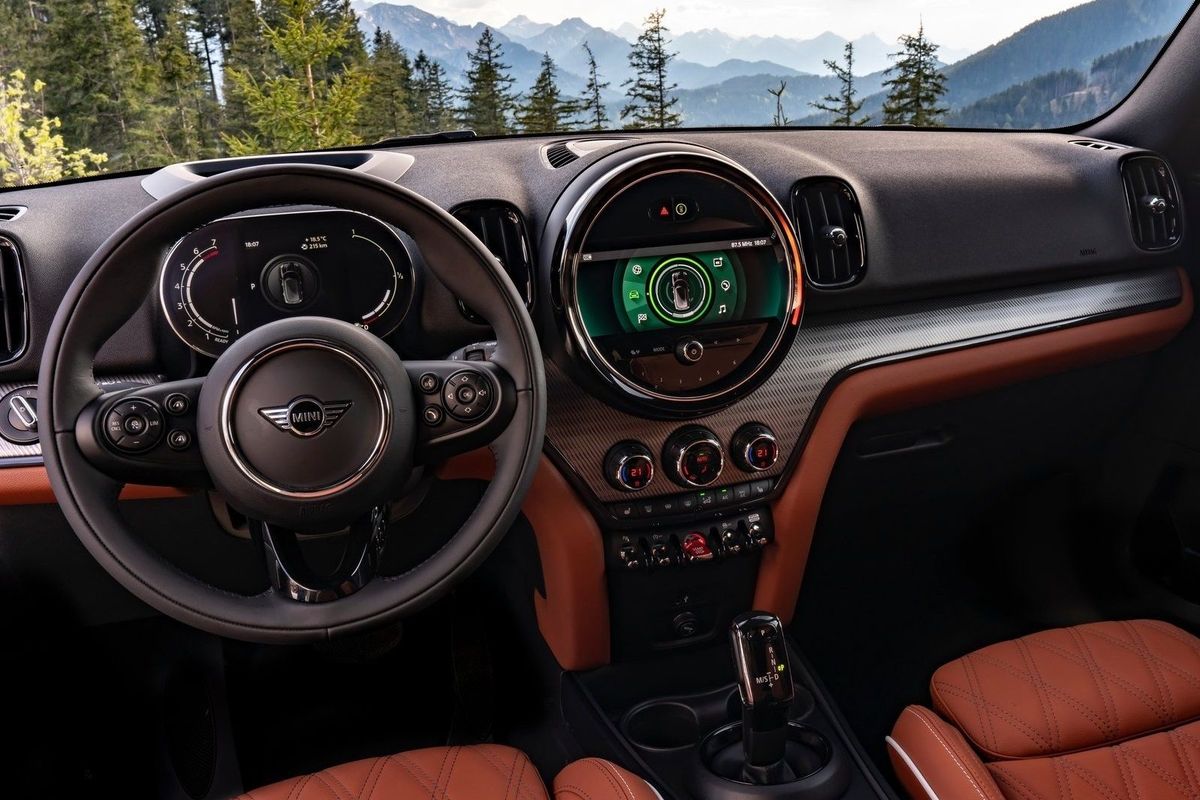
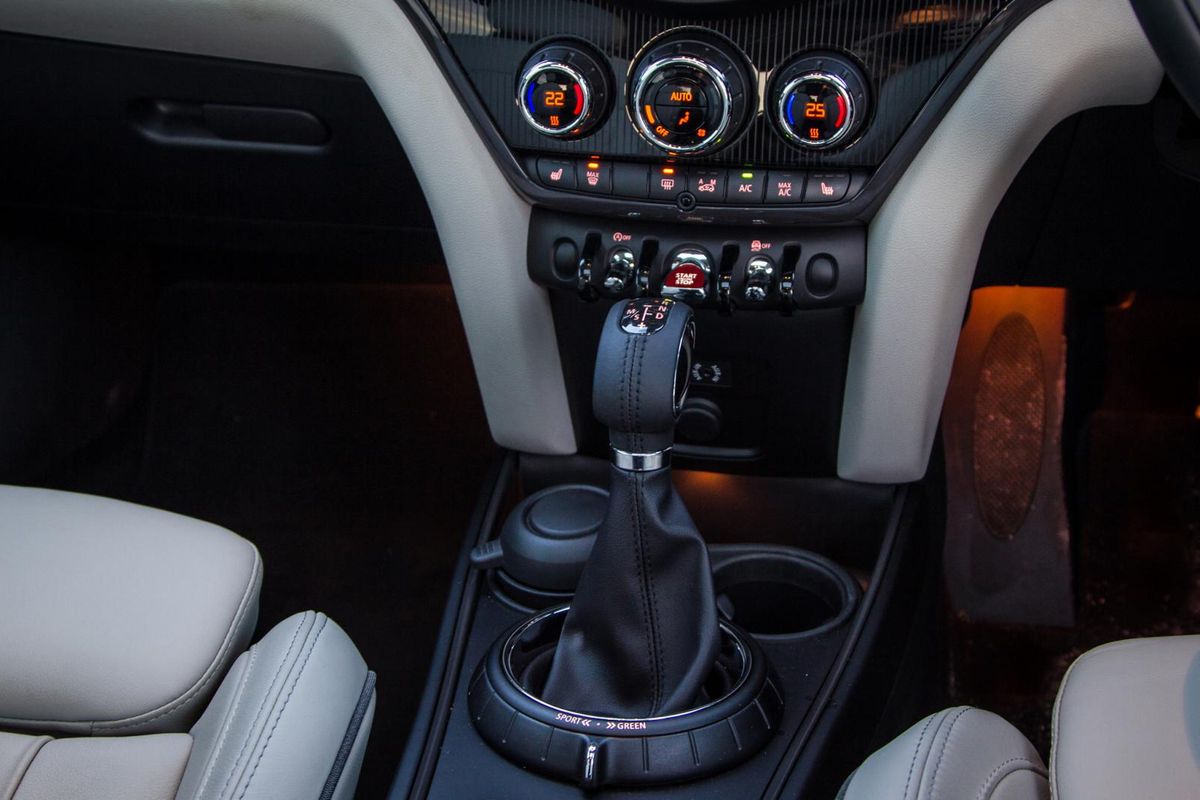
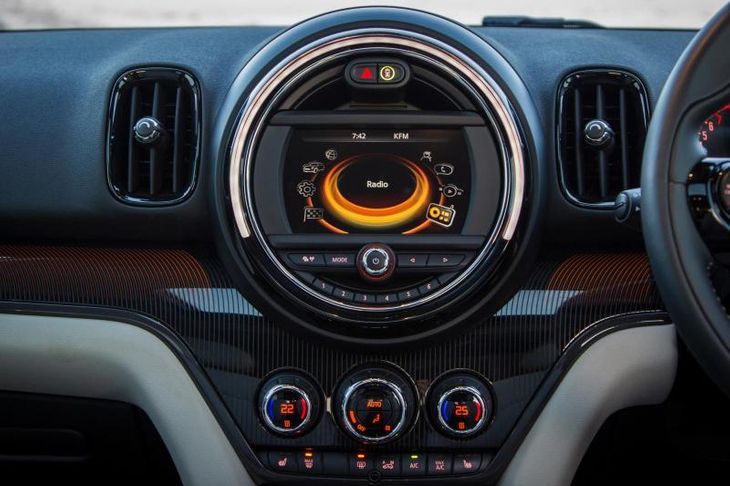
Back-lit LED dashboard is one of the most interesting features we've ever seen in a car. Build quality has jumped as a whole.

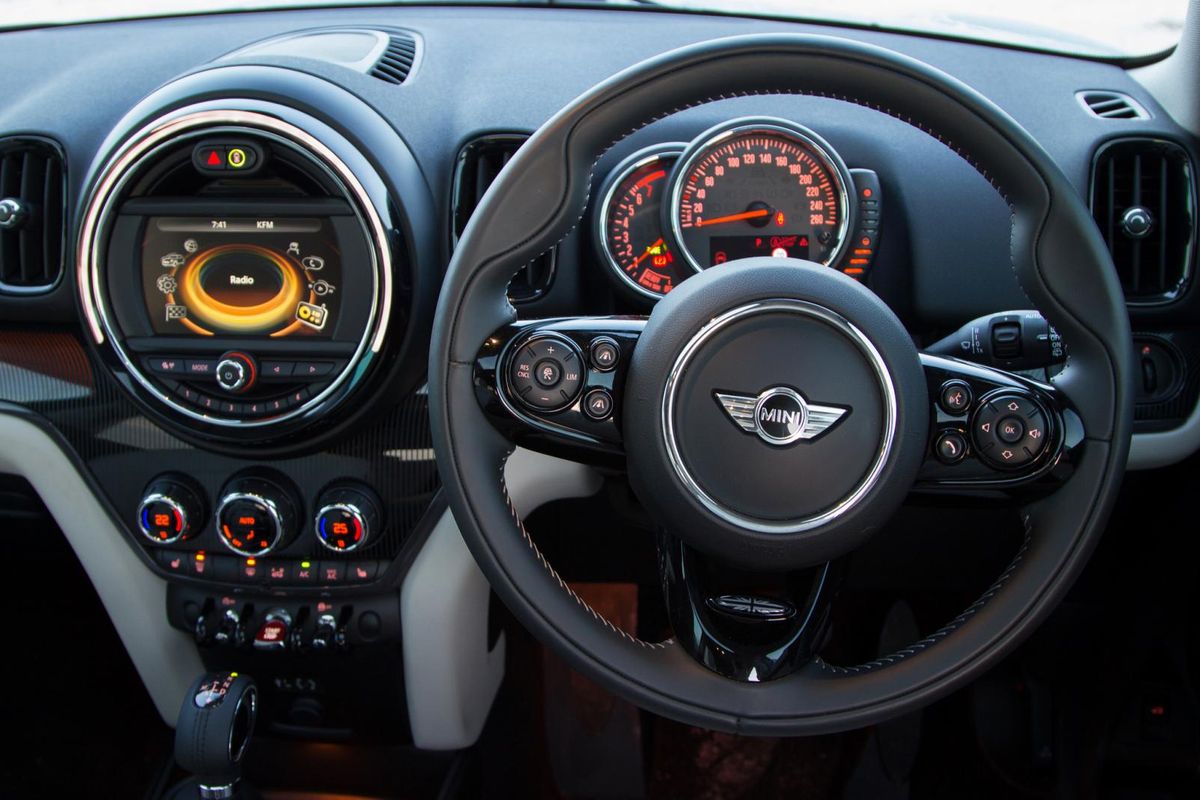
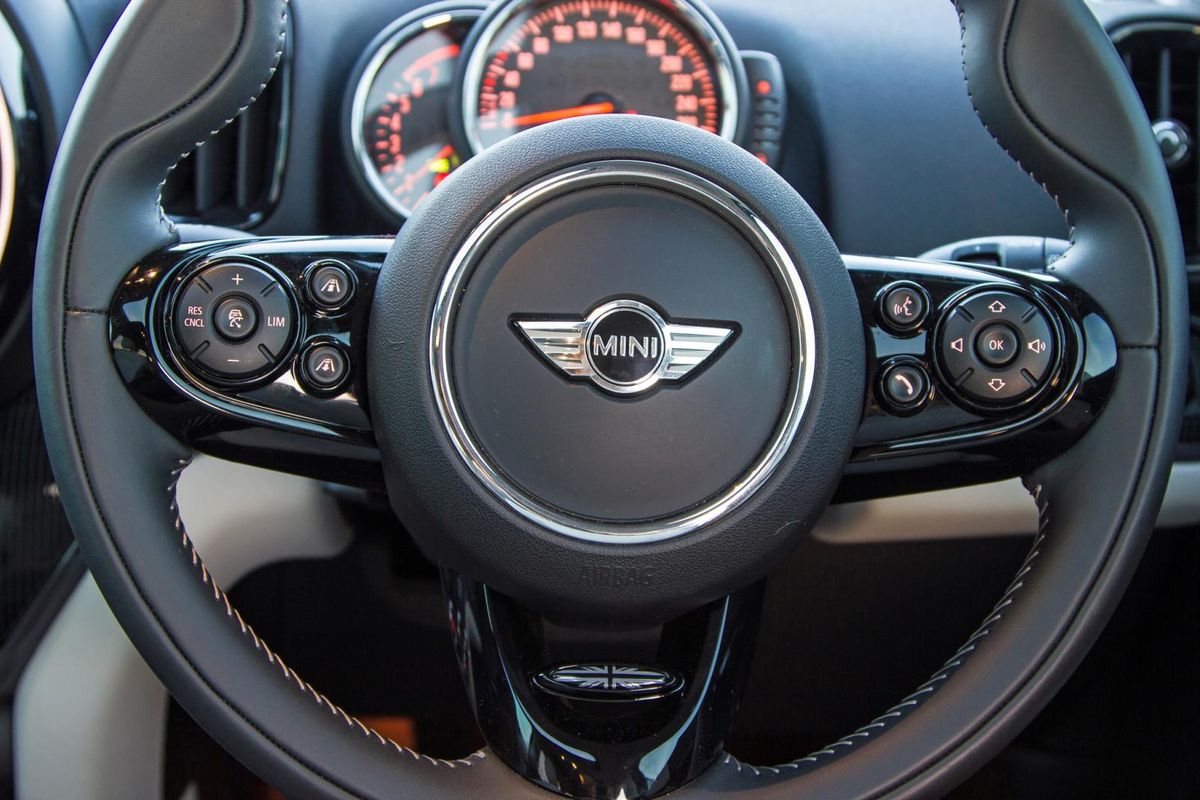
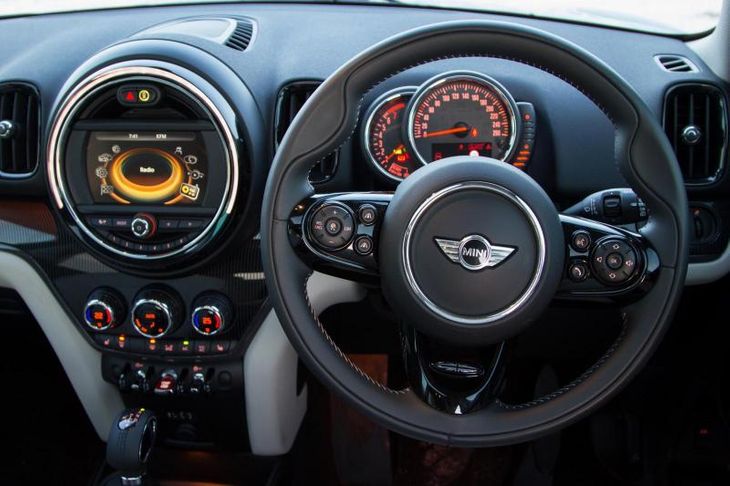
The Mini Countryman's interior quality has improved considerably. In terms of design, it's still a Mini, which means it has a great, albeit elevated, driving position. The optional sportier seats add some zing, but are comfortable enough to justify the additional outlay. The centre of the dashboard still retains that middle-mounted "speedometer" – a tribute to the original Mini, but in this case, the unit features a smart high-quality infotainment screen. The speedometer sits above the steering quality and the only criticism is the tiny fuel-level LEDs.

When travelling at night, the fascia, dashboard and cabin are lit with funky LEDs, but moreover, the cabin's quality feel grabbed our attention… The plastics are of a high grade and the finish is impressive, a far cry from some previous-generation Minis. Also of interest are the latest batch of safety features from BMW Group, which resulted in the Countryman scoring highly in the Euro NCAP test. The car features Automatic Emergency Braking (AEB) as standard, which is one of the best collision avoidance technologies available in this segment.


From the driver's seat, it's typical Mini, with the sporty steering wheel, speedometer positioning and neat pedal placement

Practicality?

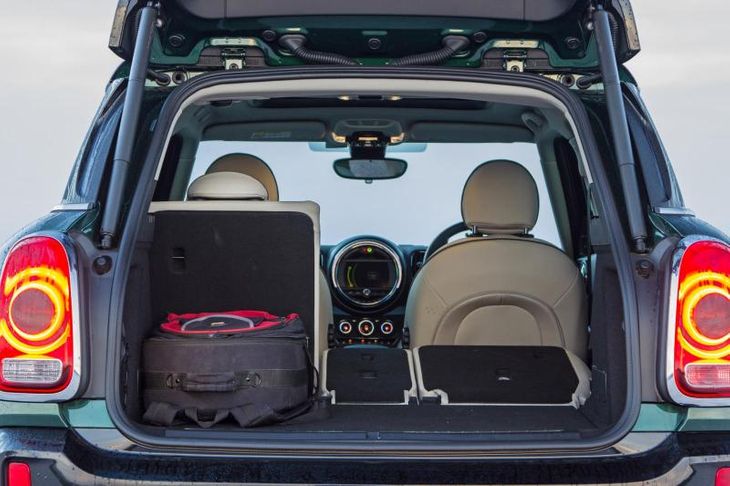
By virtue of its larger dimensions, the Mini Countryman has finally become a credible practical compact family car, which it always set out to be. The amount of rear head- and legroom are generous, and 4 adults can be comfortably accommodated. Our test unit came with a rear bench that could slide fore and aft, so that leg- and luggage space can be increased as required. The luggage bay is more than sufficient at 450 litres and with the seats folded down, a mountain bike can be accommodated without any hassle. The bay offers double floors too, which came in handy as a place to hide laptop bags away from prying eyes. As an additional bonus, the optional picnic bench makes for one of the coolest boxes worth ticking. 


There's ample room in the Countryman. Two-tiered boot and optional picnic bench are great features. 

Performance and ride quality?

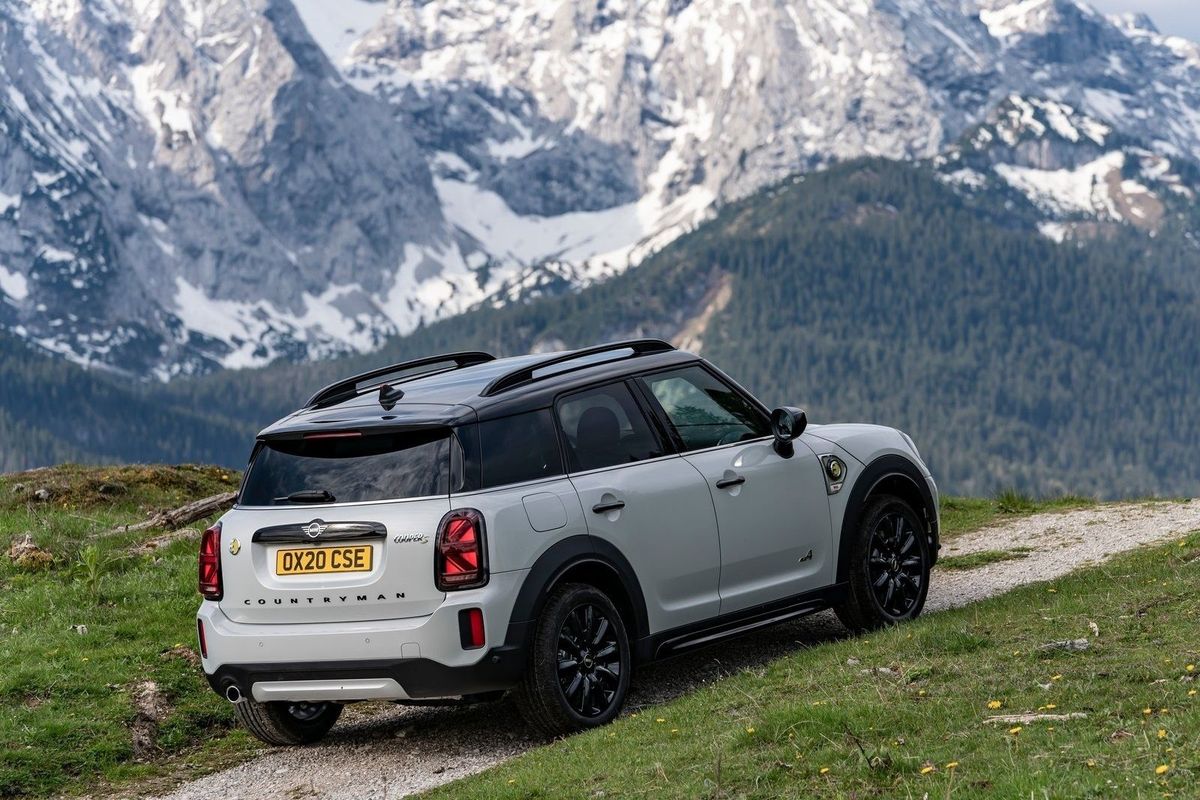
The Cooper S badge holds considerable sway and buyers are likely to favour the more powerful model. However, our plucky Cooper test unit didn't disappoint. Packing 100 kW and 220 Nm from a turbocharged 1.5-litre 3-cylinder motor, the Countryman Cooper doesn't feel sluggish, despite its relative heft. The test unit had a 6-speed automatic transmission, which proved well calibrated to the engine (the Cooper S can be optioned with an 8-speed automatic transmission)… Despite the all-wheel drive (All4) system not being available for the South African market (but watch this space), we'd feel okay with taking the Mini Countryman down a gravel road… there's 165 mm worth of ground clearance, which is just about enough.


The ride of the Countryman is firm and hands-on, just like a Mini should be. Our test car rode on 18-inch alloy wheels.

Nevertheless, the Countryman drives well. The ride is a bit on the firm side and we'd suspect an improvement on ride quality, should you option smaller profiled wheels. Unlike its hatchback siblings, body roll is apparent, so you can't just pitch it into corners and plant your right foot on the load pedal like the Minis of old. The steering is also set up for more long-road comfort, so while it is light to twirl, the wheel needs more lock applied to turn in with urgency (at least compared with ordinary Minis, remember it has a wider track than its brethren). 

You should see 100 kph come up from standstill in about 10 seconds and there's just about enough in-gear shove for highway overtaking when there are four adults in the car.  

Pricing and warranty

The Mini Countryman range starts from R423 824 for the manual Cooper Countryman, while this automatic version goes for R442 052. Cooper S models start at R493 306. The Countryman is sold with a 2-year/unlimited km warranty as well as a 5-year/100 000 km service plan with service intervals set at 20 000 km.

Verdict


There's very little to dislike about the Countryman. It retains the Mini charm, yet offers plenty practical and sensibleness to justify it. Be mindful of the optional extras which can add up.

The Countryman has grown up and become a sensible proposition for family car buyers, but do not fret, it has nonetheless retained enough Mini-ness to make it stand out from the rest of the segment. Sure, it may not have that unabashed fun factor driving experience that the smaller Minis offer in droves, but that had to be sacrificed on the altar of practicality. The cabin quality has improved in leaps and bounds too – we predict that the interior plastics will probably be less prone to rattling in 20 000 km's time. We were a little underwhelmed by the performance and think that despite the excellent 1.5-litre engine, we'd always long for the Cooper S and the extra grunt it offers. Let it be known, however, that should you opt for a normal Cooper, you won't be disappointed and can use the difference between it and the S to tick some options. We'd heartily recommend the uprated hifi, the picnic bench and satnav.

It's a massive leap forward for the Mini brand and while it still has that air of fun and different to it, the Countryman is a serious and premium product. We like it! 

Related Content

Mini Countryman (2017) First Drive

Mini Countryman (2017) Specs & Pricing

Mini Cooper S Clubman (2016) Review
Mini Cooper S Special Edition (2017) Specs & Price

Mini Countryman JCW Revealed

Mini Cooper Convertible Auto (2016) Review
Mini John Cooper Works Hatch (2016) Review
Mini One (2016) Review
Mini Cooper JCW Test Drive – Loud, Fast and Red [Video]
 

Want to buy a MINI?

Find a new or used MINI on Cars.co.za

Hyundai Kona under consideration for SA [with Video]

Having secured immediate sales success with the Creta, Hyundai South Africa is considering the local introduction of the Kona, which could slot in between the Indian-built Creta family car and the ever popular Tucson. 

Built on a scaled version of the Korean manufacturer's latest compact car platform, the Kona carries on the Hyundai tradition of naming its SUVs after American destinations. "With the Kona, we have created a stylish and highly functional compact SUV, perfectly suited to the needs of customers who pursue challenging, action-filled lifestyles," said Euisun Chung, Vice Chairman of Hyundai Motor Company. "We aim to set new standards for the compact SUV segment, with appealing design, cutting-edge connectivity and class-leading safety features."

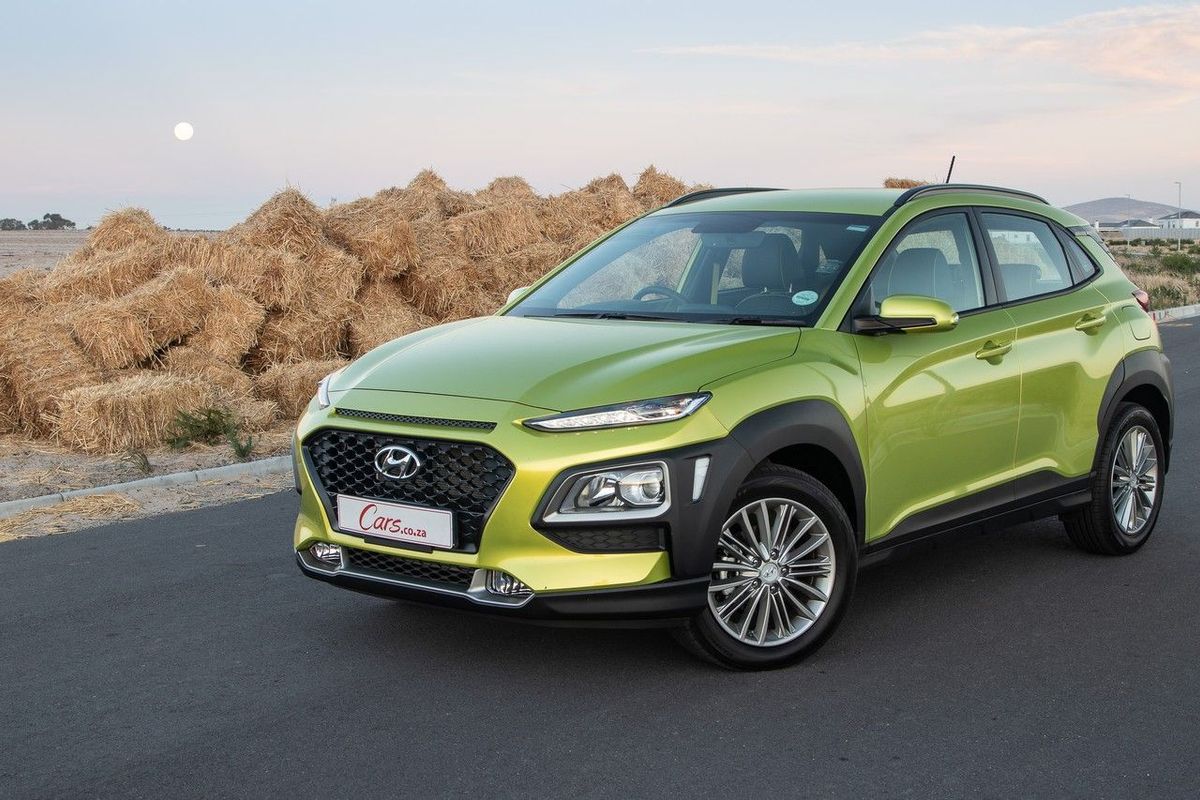
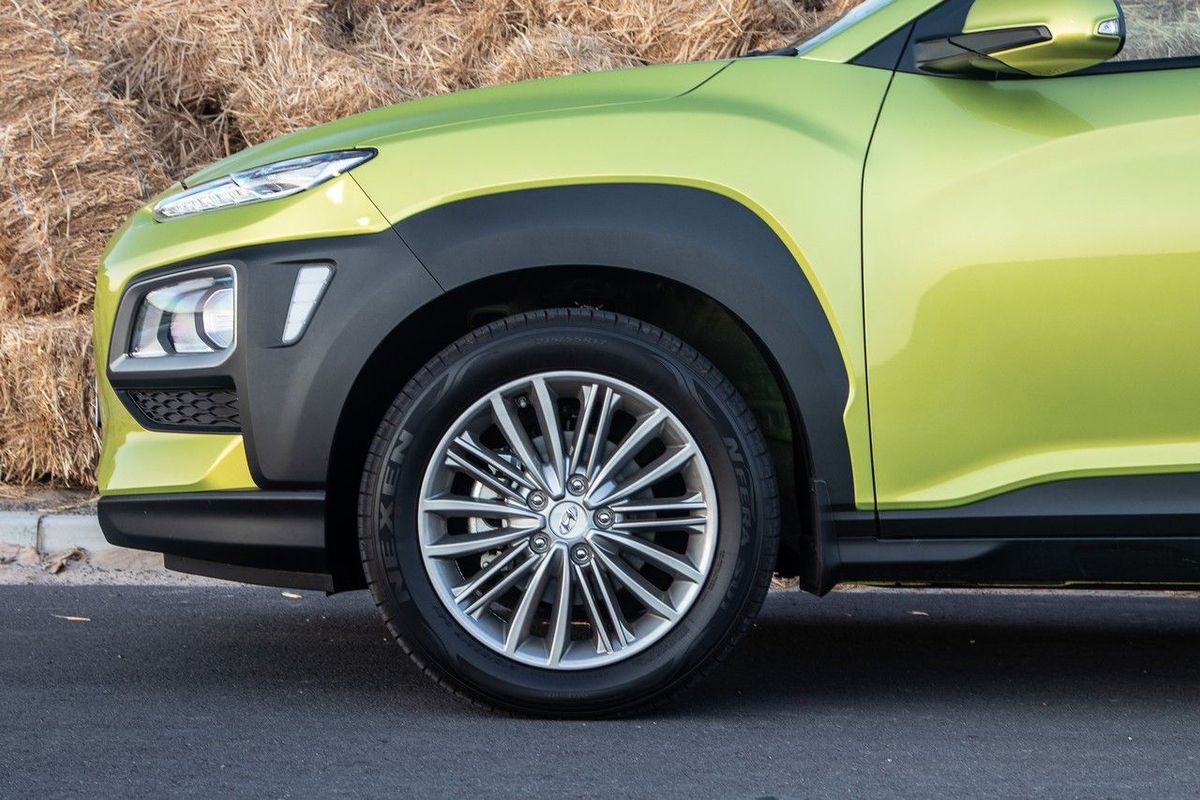
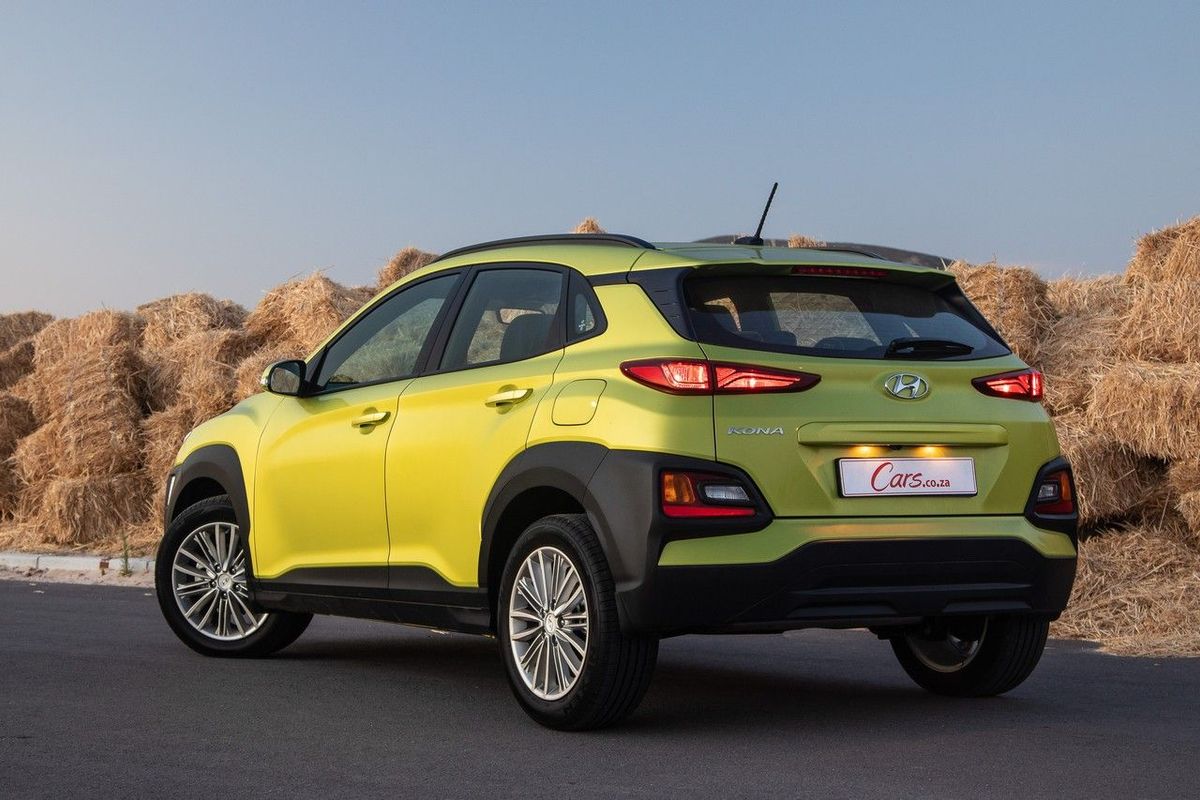
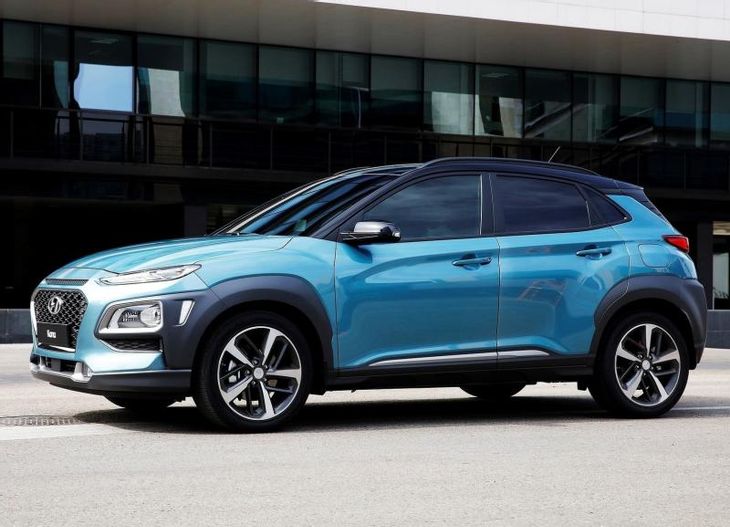
Compared with the Creta (also known as the ix25 in some markets), the Kona features bolder crossover-flavoured-hatchback styling and the entire package is altogether more upmarket. Apart from the obligatory dark plastic cladding, the "floating" roof is in a contrasting colour and the front lighting consists of a triple stack of LEDs, which looks very futuristic (the running lights sit at the top of the nose, with the main beams under them). Despite its high-tech good looks, Hyundai claims the new Kona will be very capable in low-grip road conditions; standard versions will be front-wheel driven, but top derivatives will be offered with all-wheel drive configuration.    


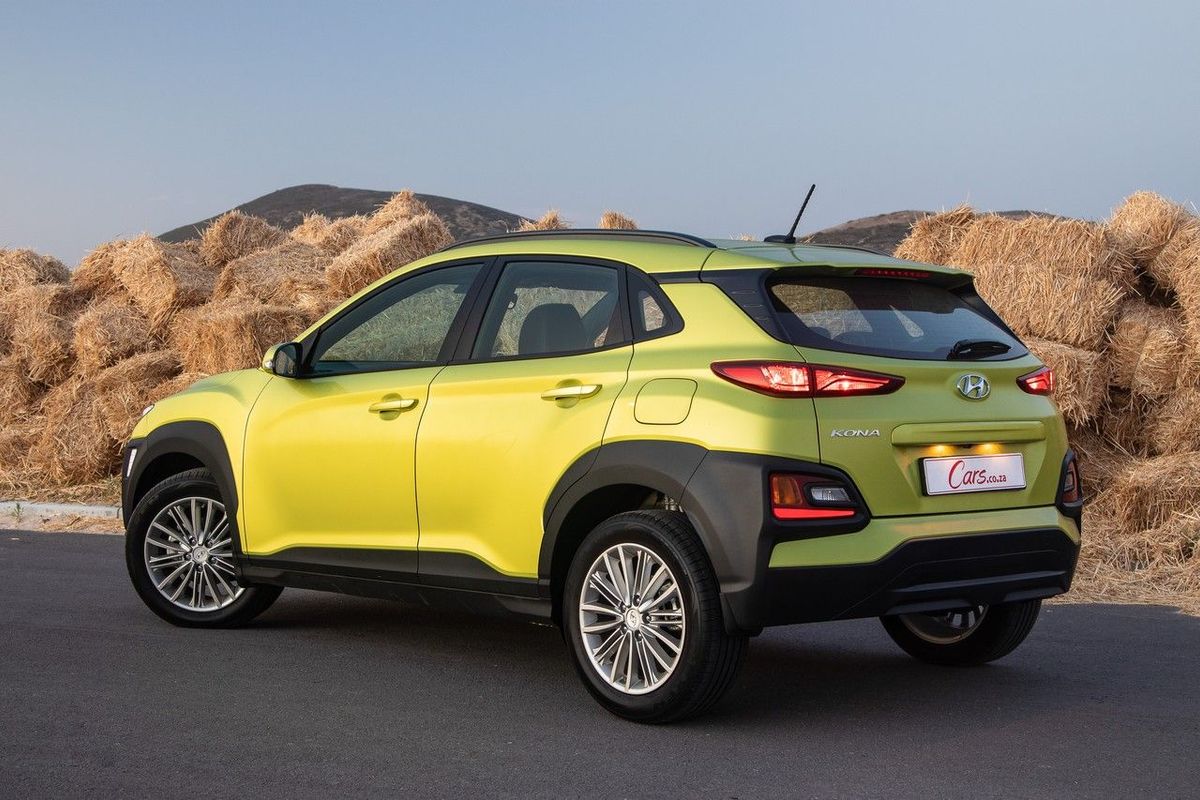
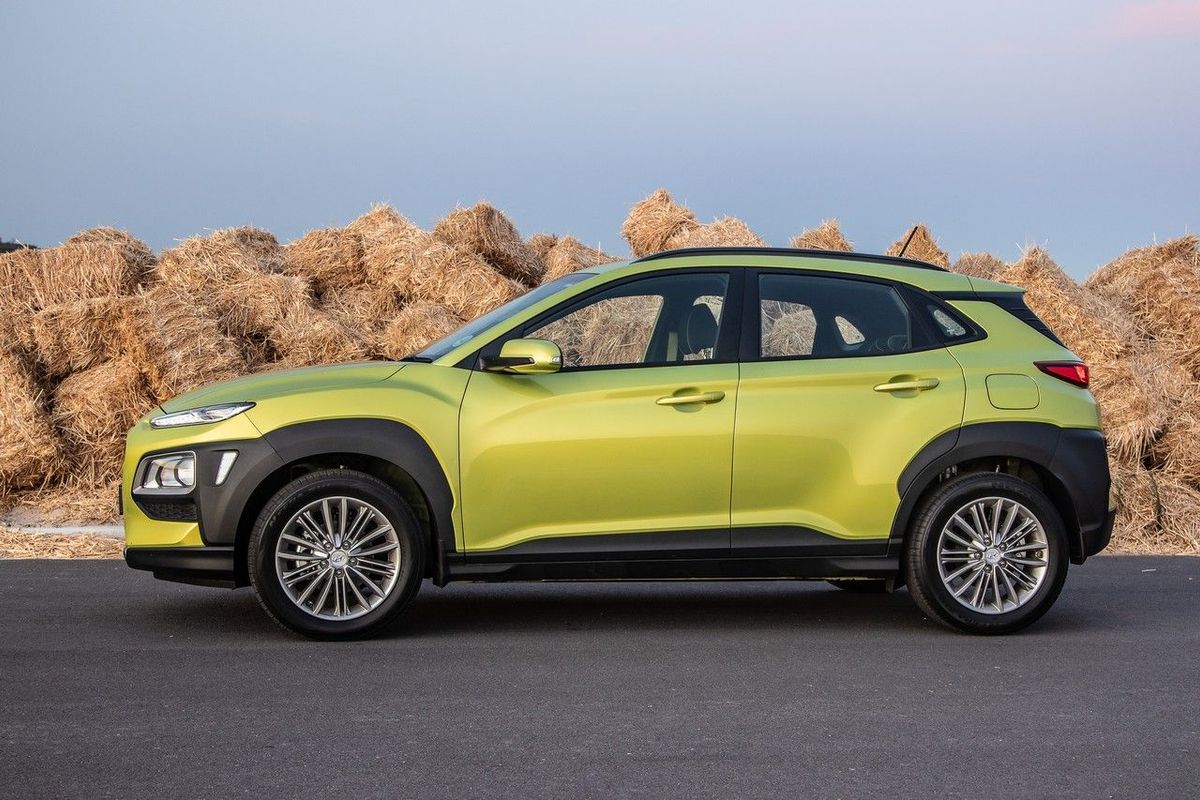
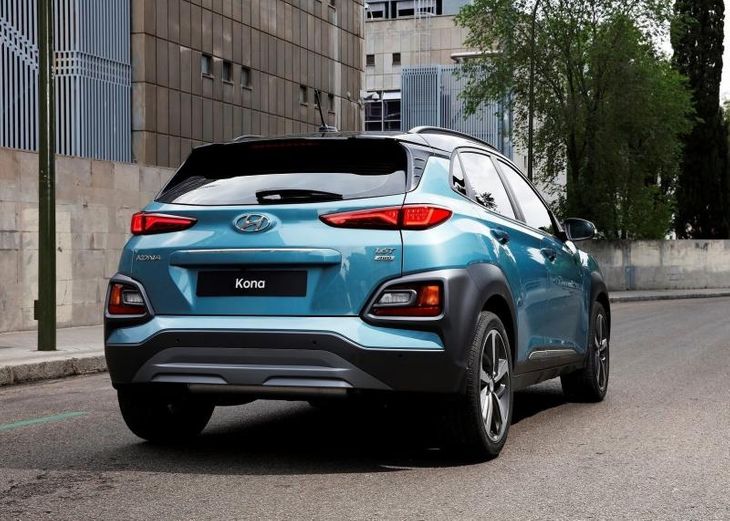
Kona looks to be a stylish yet practical B-segment SUV. Petrol and diesel engines are available.

This segment of the market prides itself on customisation and the Hyundai Kona offers a number of colour variations and combinations. The two-tone roof is a nice touch. There were no interior shots to accompany this article, but Hyundai claims the Kona has best-in-class interior space, which if true, will give it a competitive edge. 

Powertrain

The Hyundai Kona is assembled on an all-new compact platform which is designed to give owners a proper SUV experience, which means an elevated driving position and substantial ground clearance. Kona will be offered with a choice of either petrol or diesel engines, and four-wheel drive is available, but not standard across the range. Some of the engines include:

  • 2.0-liter petrol engine produces 110 kW and 179 Nm. 0-100kph in 10 seconds and a top speed of 194 kph. It comes with a six-speed automatic transmission.
  • 1.6T-GDI engine boasts 130kW and 265 Nm and it's possible to do a 0-100kph in 7.7 seconds and a top speed of 210kph. A 7-speed dual-clutch transmission (7DCT) is standard.
  • 1.0 T-GDI turbocharged three-cylinder engine with six-speed manual transmission and has 88 kW and 172 Nm. \

Technology


It's not confirmed for SA as yet, but we'd be surprised if it didn't come to our market.

The Hyundai Kona features a premium infotainment system which offers various advanced connectivity features, including Android Auto and Apple CarPlay. It can be specified with a 5-, 7- or 8-inch display (offered as standard or option dependent on market). Further options include DAB digital radio (Europe), HD Radio (North America), rear view camera display, and 4G telematics (North America) for connectivity. A head-up display and a wireless charging pad are also fitted.
The newcomer has been earmarked for right-hand-drive markets (Australia will receive the Kona by September), but not the Africa-Middle East region (under which South Africa falls) – at least not yet. However, considering how briskly the local compact family car segment is growing, we'd think it could fare better (sales-wise) than the upcoming i30 compact hatchback!  

Watch an interior video of the Kona below:

Related content:

Hyundai Tucson (2017) Specs & Price

Hyundai Tucson Sport (2017) Launch Review
Comparative Review: Hyundai Tucson vs Kia Sportage vs Renault Kadjar vs Volkswagen Tiguan

Crossover Group Test: Suzuki Vitara, Hyundai Creta & Renault Captur (Video)

Facelifted Renault Captur Revealed

Nissan Qashqai Updated

Want to buy a new or used Toyota C-HR or Hyundai Creta? 
Find a new or used Toyota C-HR on Cars.co.za

Find a new or used Hyundai Creta on Cars.co.za

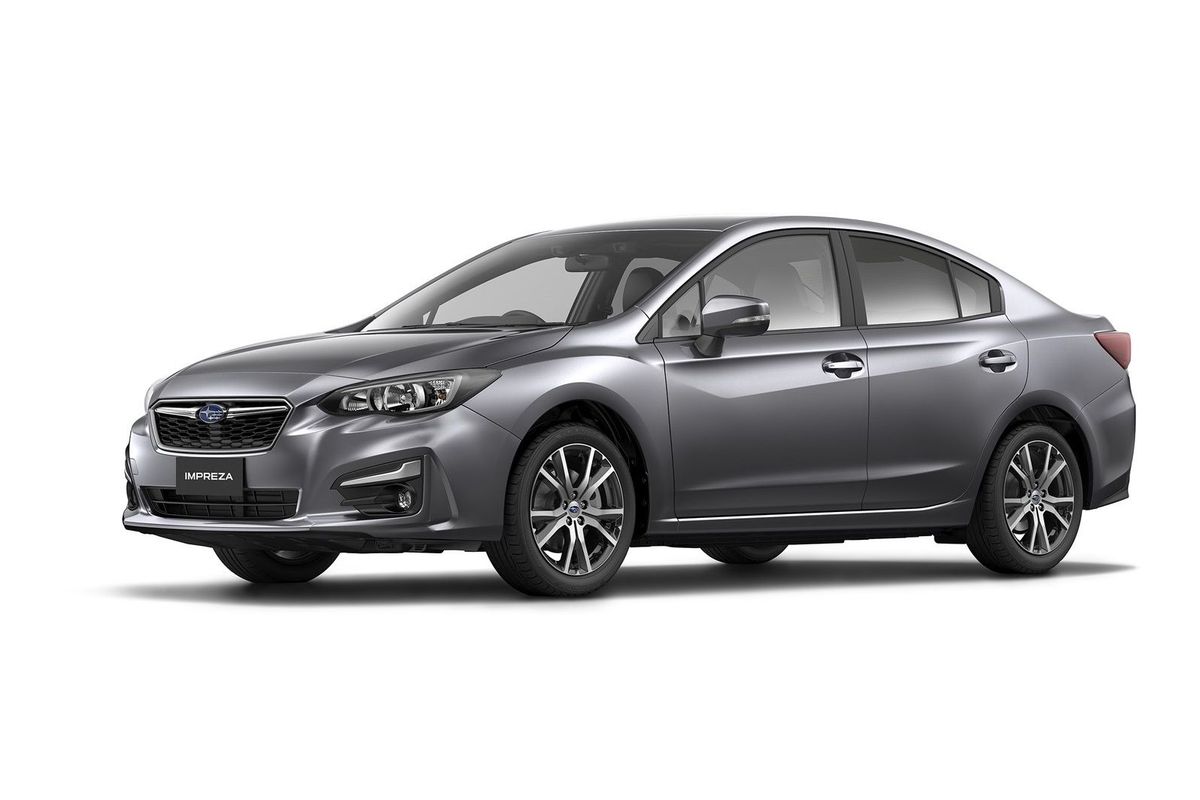
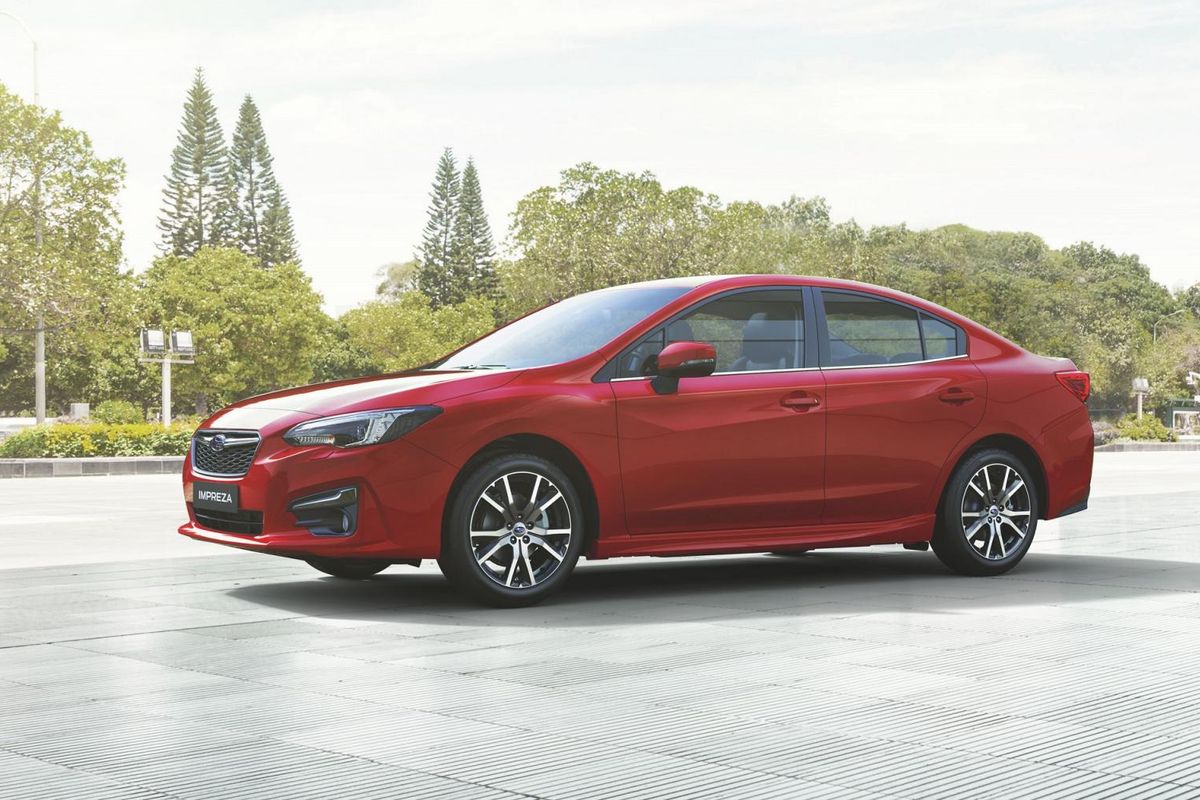
Subaru Impreza (2017) Specs & Price

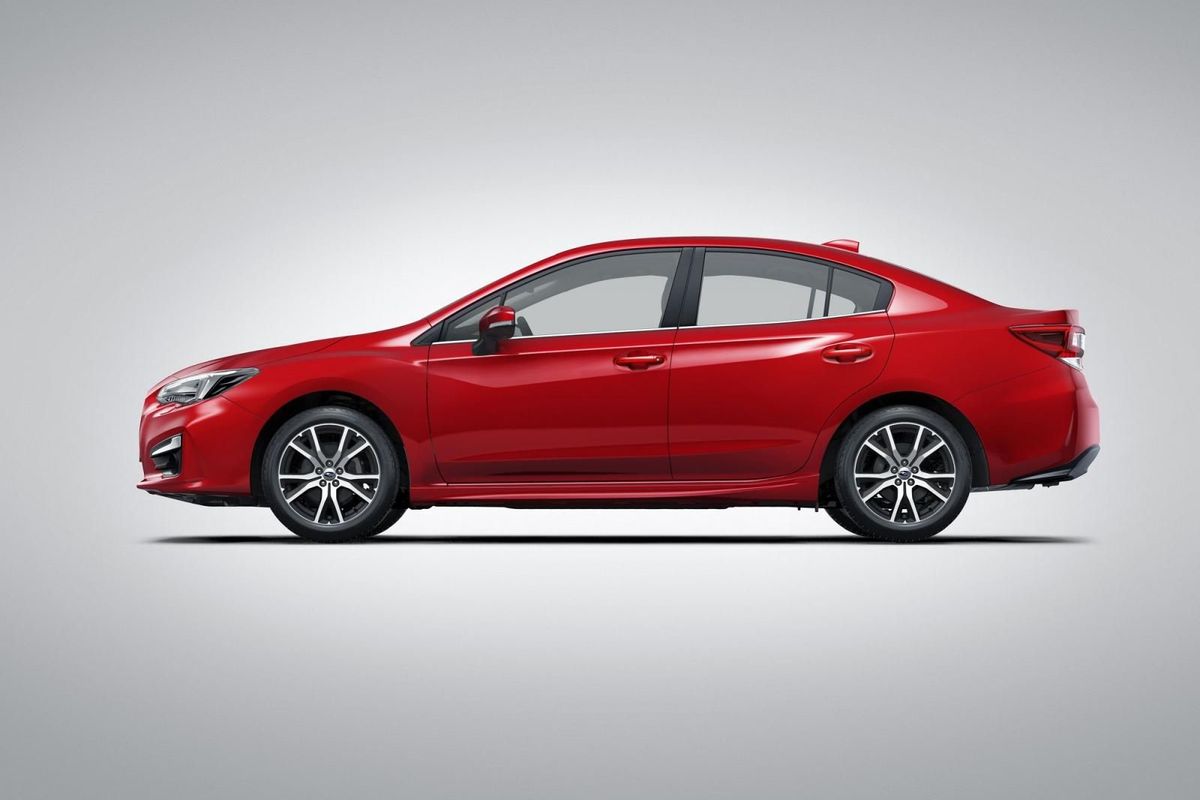
The 2017 Subaru Impreza sedan has landed in South Africa and we have specifications and a price for the Japanese newcomer. 

25 Years after first arriving in South Africa, the fifth generation of Subaru's Impreza sedan has landed on our shores. Built on a new platform known as SGP (Subaru Global Platform), the new Impreza offers better efficiency, improved safety and enhanced handling. It comes to South Africa on the back of a first prize in the 2016/2017 Japanese Car of the Year Awards and it is the first car to win the coveted Insurance Institute for Highway Safety (IIHS) Top Safety Pick ++ award and the Japanese New Car Assessment Programme (JNCAP) Grand Prix Award – the highest safety rating ever recorded by the JNCAP.

According to Ashley Lazarus, Marketing Manager of Subaru Southern Africa, this car is a game changer. “This car has shifted the goalposts and defies the conventions for a car in this segment. It’s a whole new class in terms of driving dynamics, interior tech and refinement and of course, safety. Owners will be surprised at the all-round ability and features of the new Impreza.”


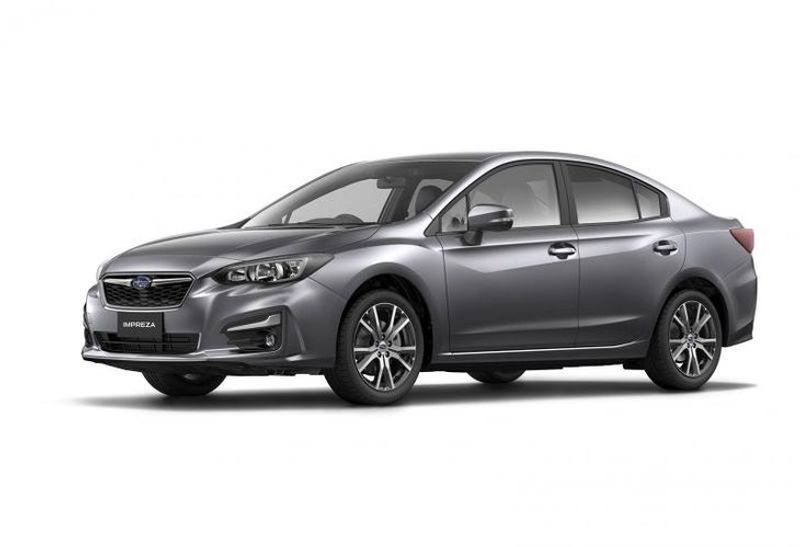
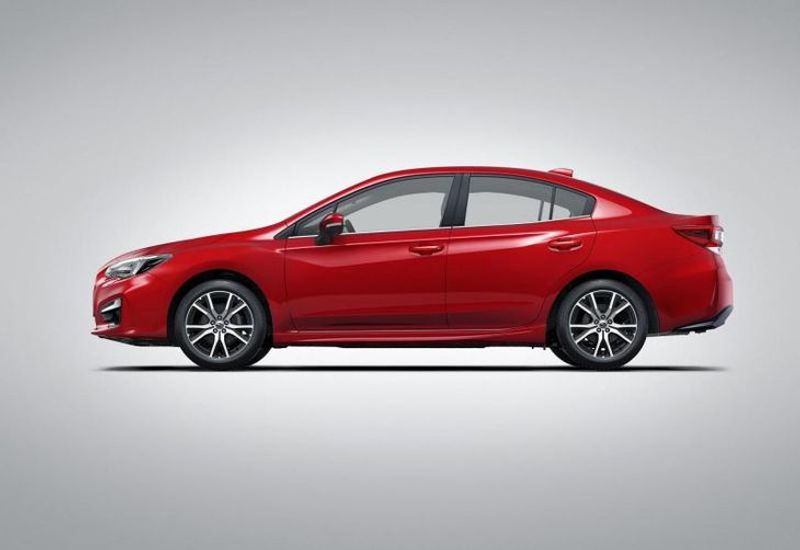
The Subaru Impreza design has not changed dramatically.

Powertrain

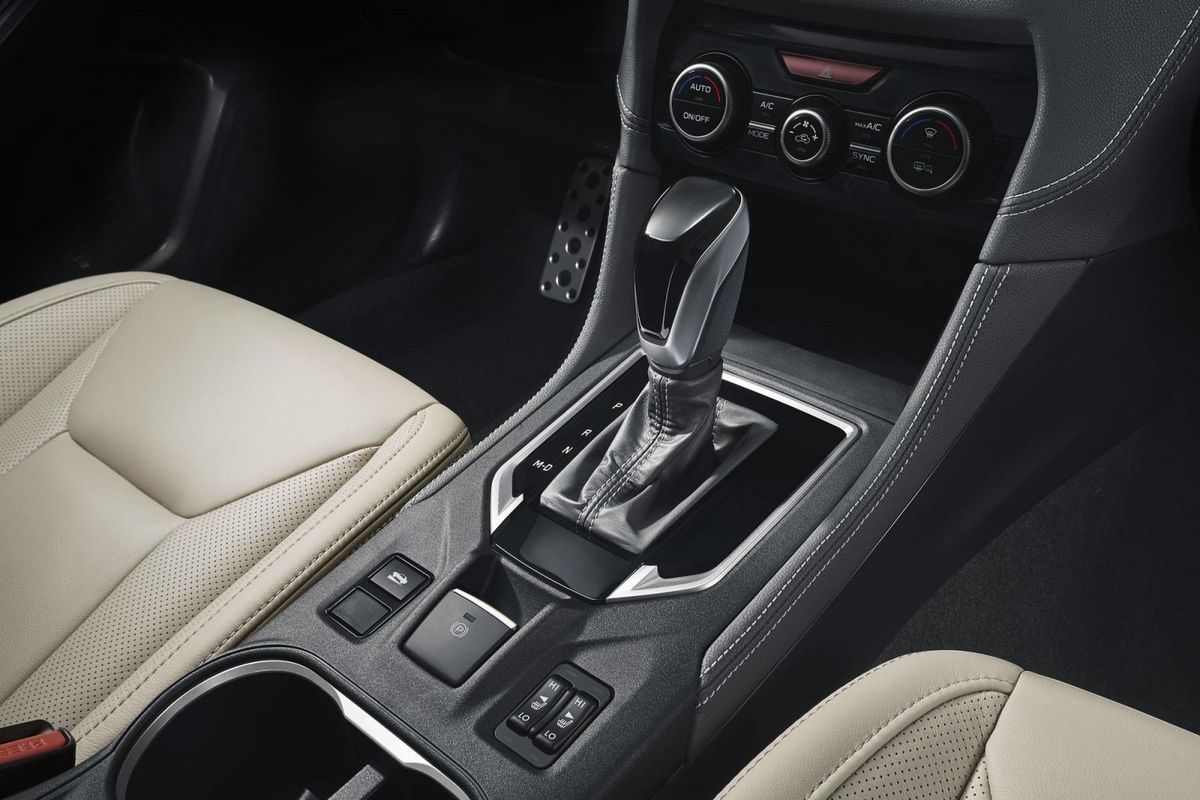
An all-new direct injection FB 2.0-litre Boxer engine is the headline act. It's now 12 kg lighter than the outgoing engine and it produces 115 kW and 196 Nm of torque. No manual gearbox is available, but there will be an upgraded Lineartronic CVT gearbox with 7-speed manual mode with shifter paddles behind the steering wheel. Speaking of the gearbox, that unit is 7.8kg lighter too. Like all Subarus, power goes to all four wheels. 

The new platform claims enhanced agility and ride comfort, while torsional rigidity has improved by 70% for a more solid driving feel. The electric power steering system is lighter, more compact and quicker to respond and the suspension has also been re-engineered, resulting is reduced body roll.


A new platform and a new engine are the key changes for the 2017 Subaru Impreza

Safety Systems

Subaru is making big claims in terms of safety with its new Impreza and according to the brand, " there is no other car in this segment that offers the levels of primary, active, passive and pre-collision safety that are standard." The new platform offers improved crash resistance, increased cabin strength, better load distribution and enhanced continual rigidity. The new Subaru Impreza also features 7 airbags.

Other safety features include Steering Responsive Headlights; High Beam Assist, and Subaru Rear/Side Vehicle Detection which includes Blind Spot Detection, Lane Change Assist and Rear Cross Traffic Alert. From October 2017, the Subaru Impreza 2.0i-S ES Premium will come with the EyeSight Driver Assist System which can detect other vehicles, pedestrians, cyclists and other hazards. If a driver doesn't react, the car will take over and brake for you. Integrated into this system is adaptive cruise control, lane sway warning and lane departure warning. The vehicle will also brake on your behalf if you're reversing and haven't seen an obstruction.

The Interior


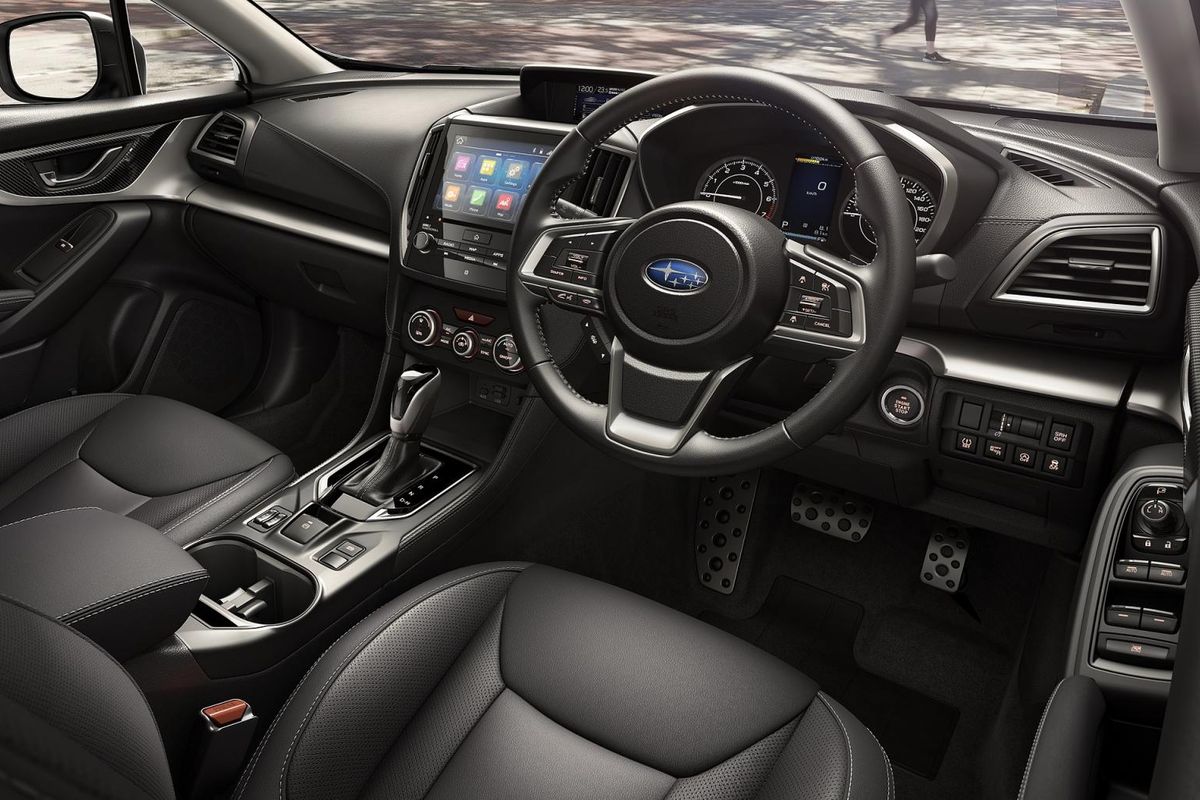
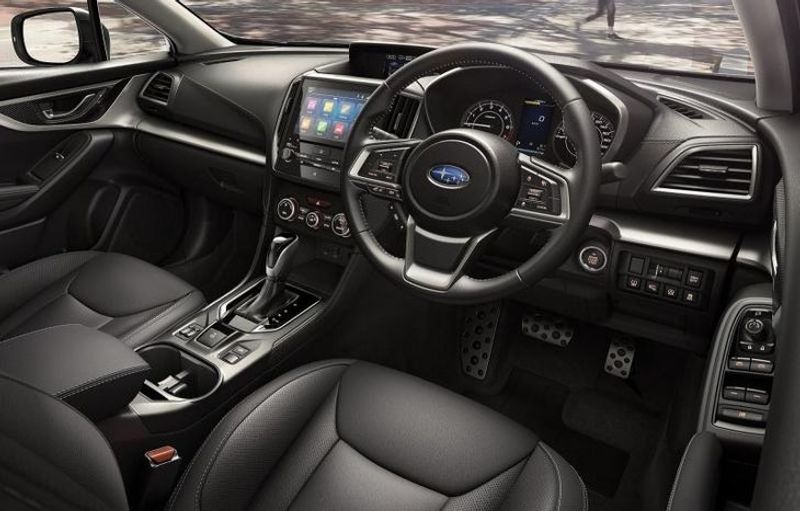
The cabin of the new Subaru Impreza. Note the all-new touchscreen featuring Apple Carplay and Android Auto.

The Subaru Impreza's cabin has been uprated and there are new materials used for the steering wheel and switchgear. Despite this not being the performance model, there are still numerous sporty touches in the cabin. An all-new 8-inch LCD infotainment screen dominates the dashboard and it boasts numerous connectivity options, in-car applications and media options. SatNav by TomTom is available, as are Apple CarPlay and Android Auto. The system functions like a smartphone and touch, swipe, pinch and pull-control all work here.

South African Options

The 2017 Subaru Impreza is available with a choice of eight exterior colours to suit individual tastes: Crystal White Pearl; Ice Silver Metallic; Dark Gray Metallic; Crystal Black Silica; Quartz Blue Pearl; Dark Blue Pearl; Pure Red and Venetian Red Pearl. The interior colour options are Black or Ivory.

In October 2017, the Subaru Impreza range will be expanded. The 2.0i Lineartronic CVT standard grade model and the EyeSight-equipped 2.0i-S ES Lineartronic CVT will arrive and while they're already available for pre-order, we don't have a price confirmation as yet.

Subaru Impreza Price in South Africa (June 2017)

Subaru Impreza 2.0i-S Premium CVT   R399 000 

The new Subaru Impreza has a new 5 year / 150 000km warranty period as standard, while a 3 year / 75 000km standard Maintenance plan is upgradable to a 5 year / 150 000km period.

Interested in a Subaru?

Browse new and used stock here

More Reading

Subaru SA in 2017: Levorg, Impreza and new XV!

Subaru Forester 2.0 XT (2017) Video Review

Comparative Review: Hyundai Tucson vs Kia Sportage vs Renault Kadjar vs Volkswagen Tiguan

All the latest Subaru news here

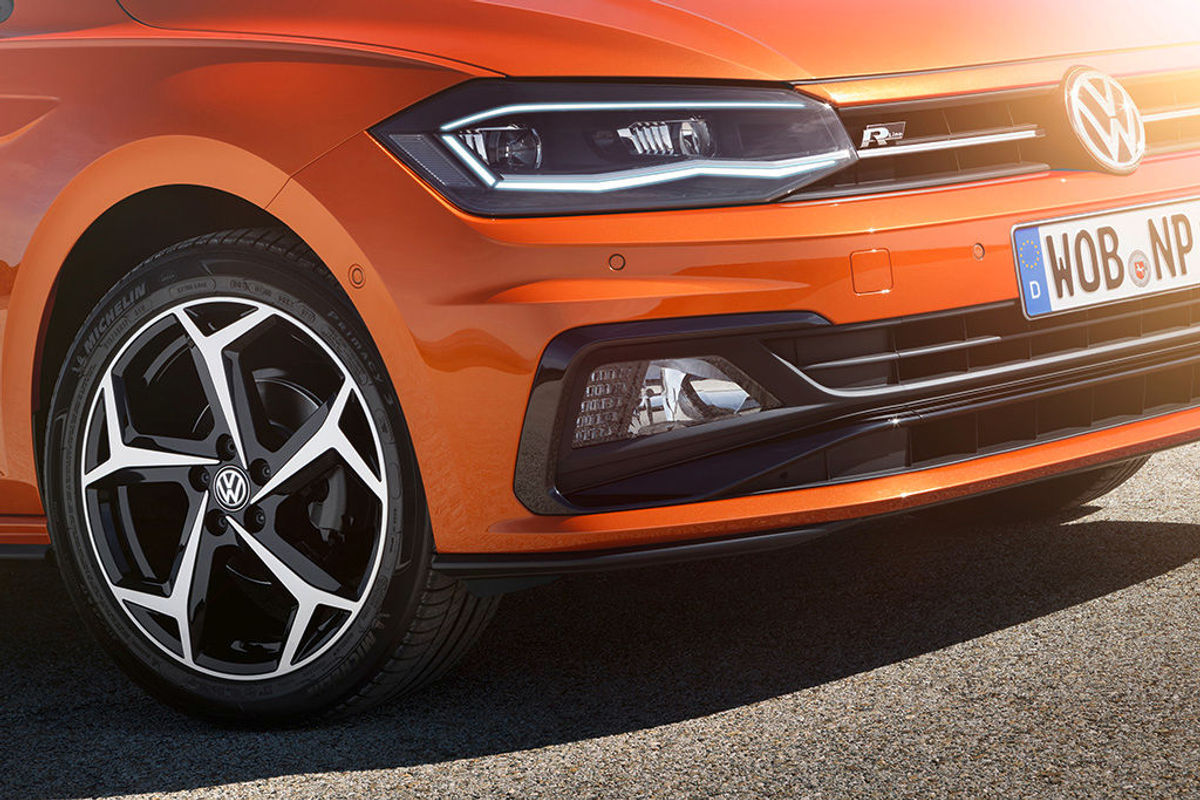
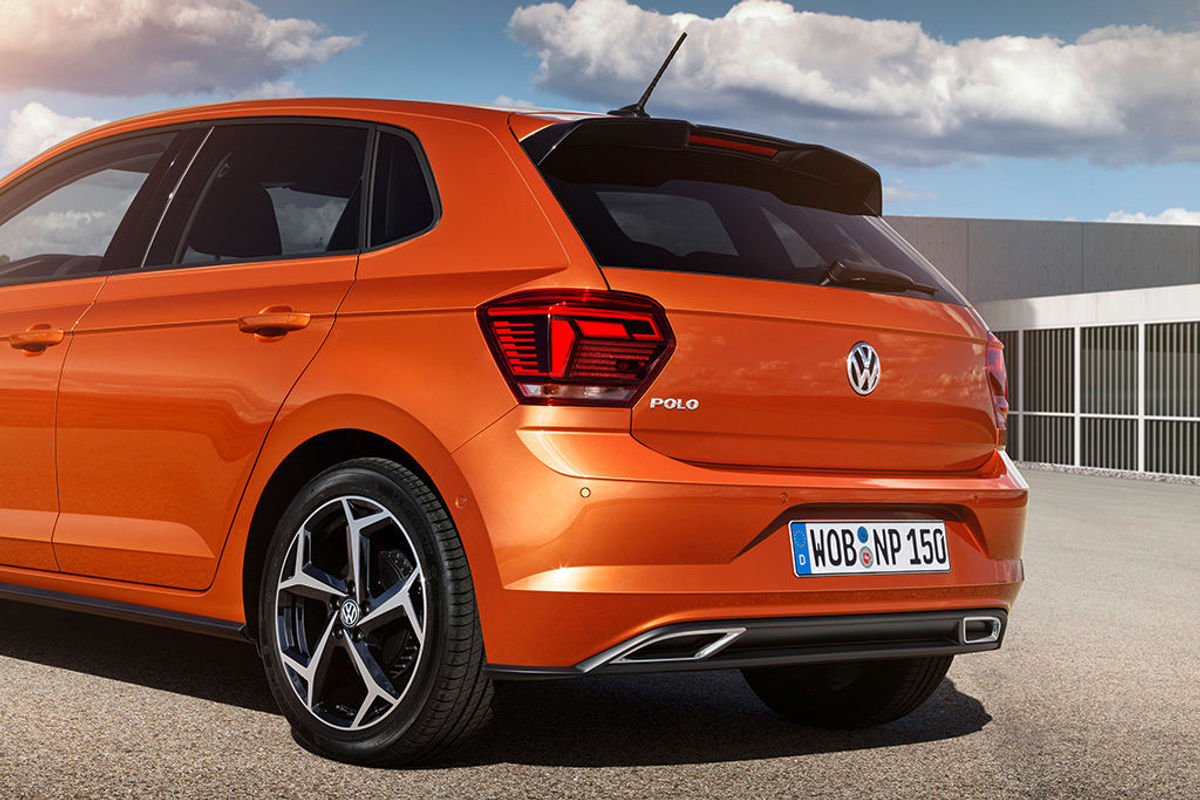
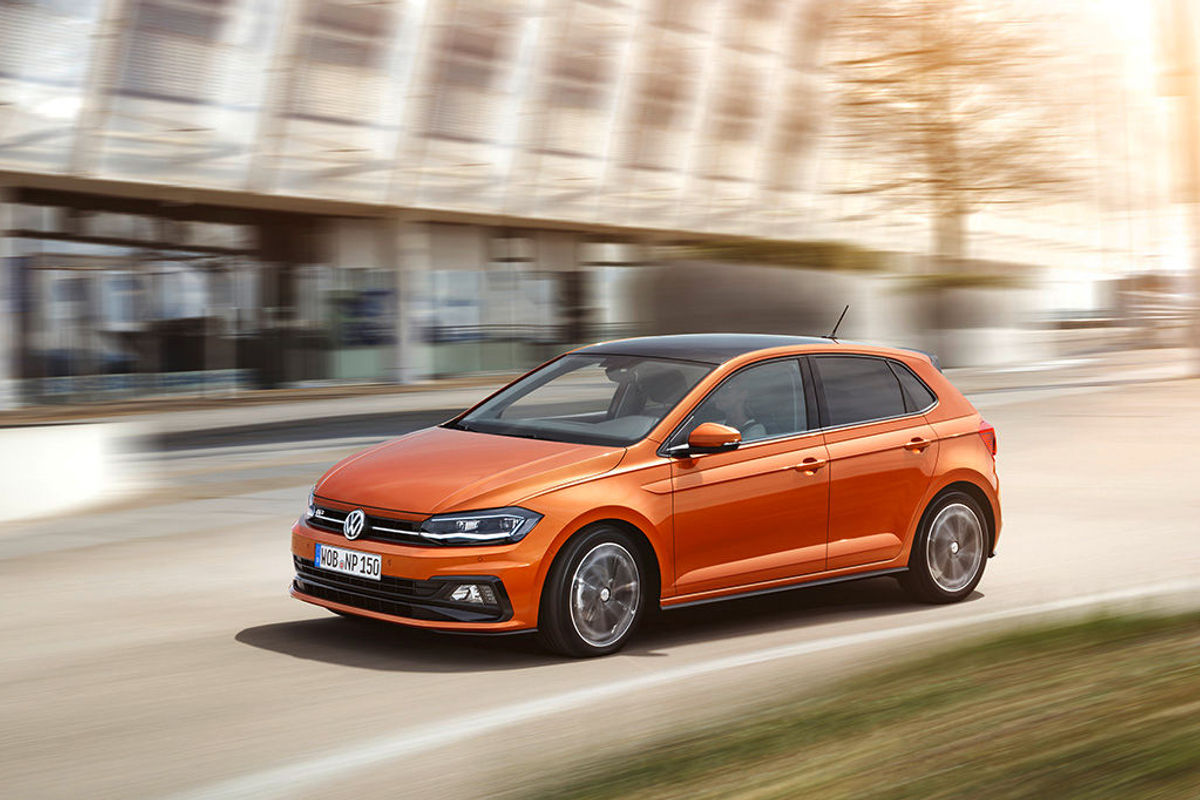
New Volkswagen Polo Finally Revealed

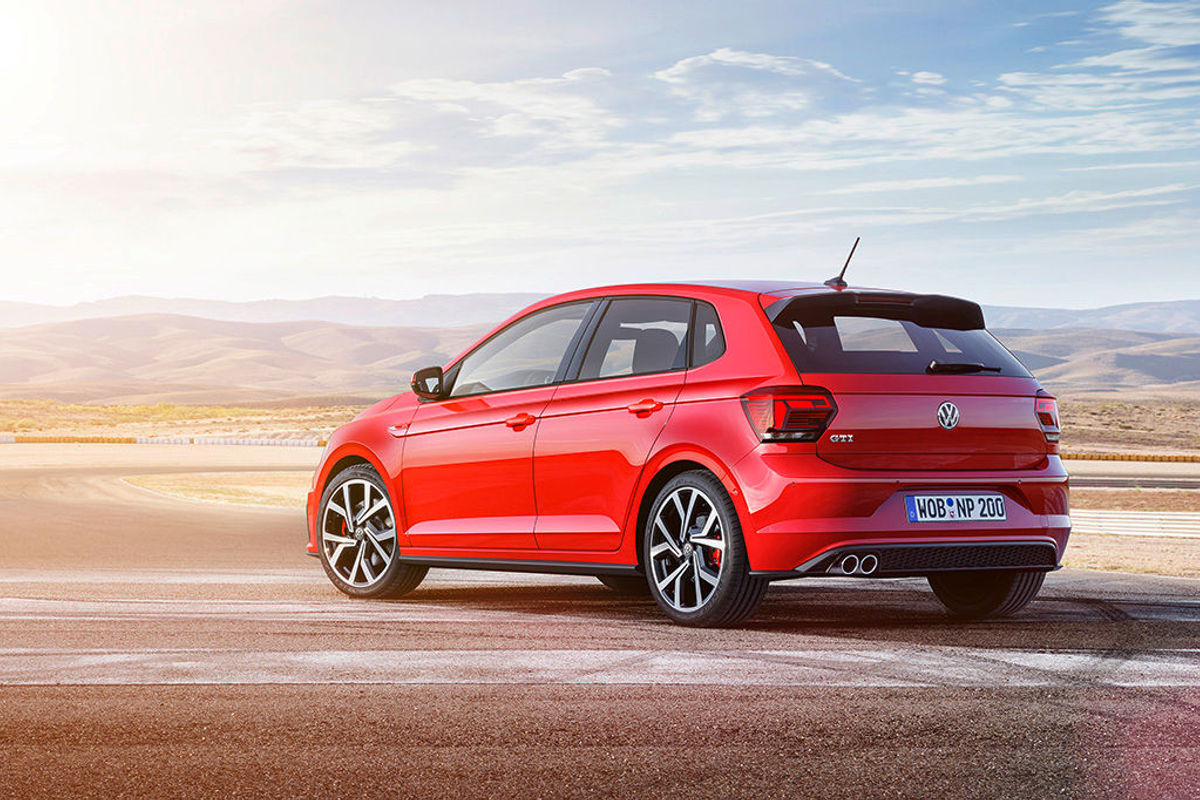
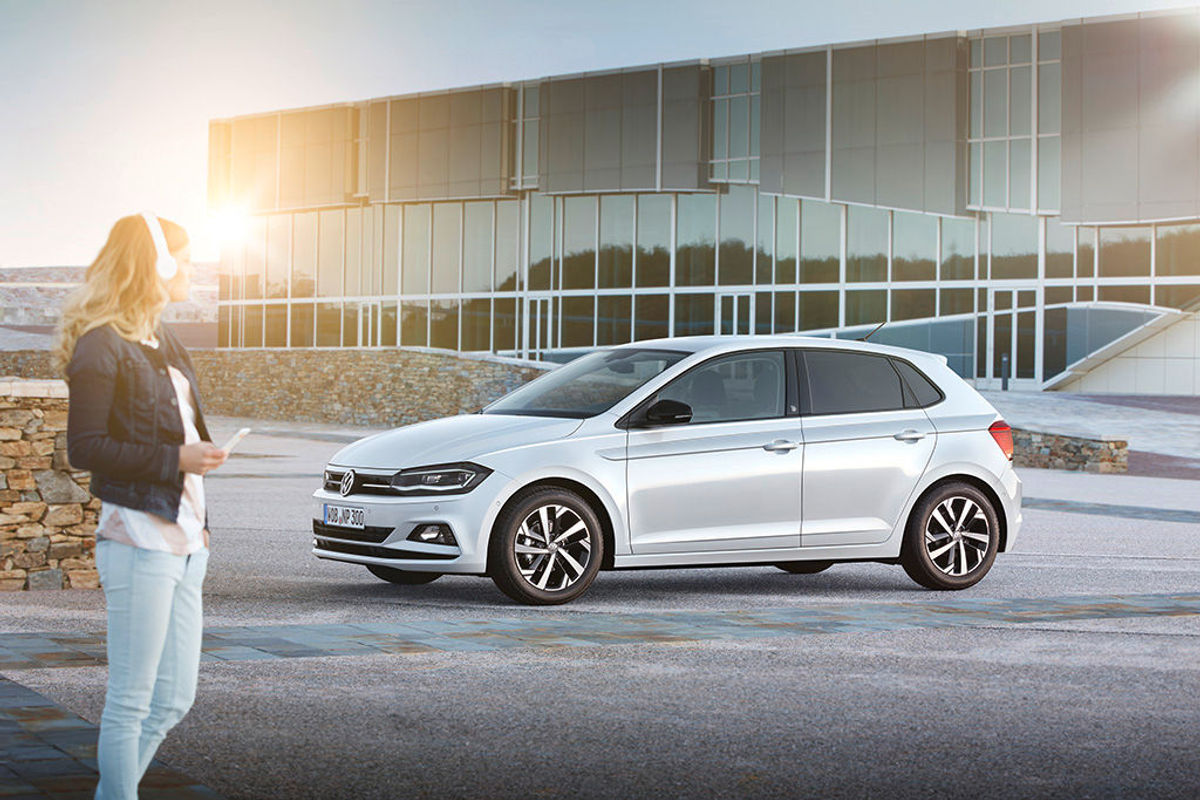
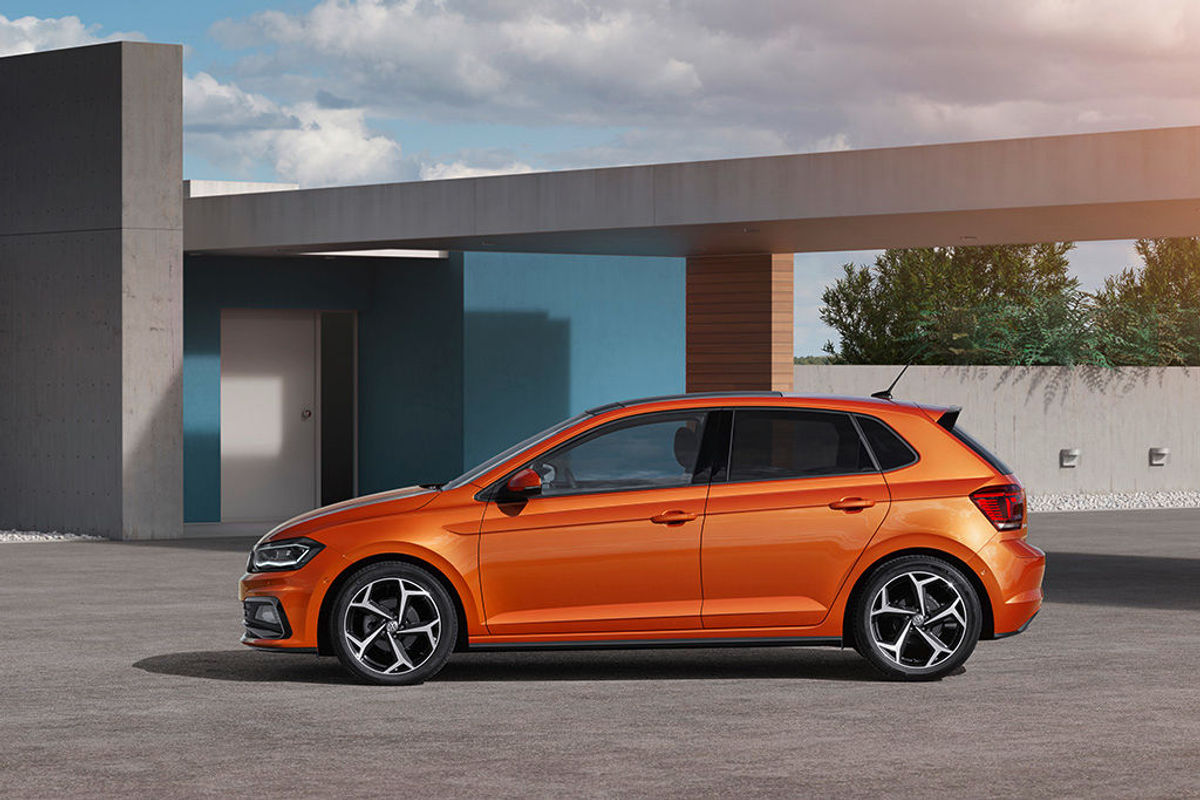
After months of waiting and multiple leaks and teasers, the new Volkswagen Polo has finally been revealed. While we know a fair amount about powertrains already, the official announcement gave us a proper look at the design. We'll get a closer look at the 2017 Frankfurt Auto Show.

Today's reveal took place at Volkswagen's HQ in Wolfsburg, Germany and the new Volkswagen Polo is larger, boasts more cabin space and features more technology. Volkswagen claims the 2017 model year Polo will be offered in five-door hatchback form only, with a choice of up to six engines. The flagship will be the 2.0-litre engine in the new Volkswagen Polo GTI. Expect the usual trim levels: Trendline, Comfortline and Highline, a Beats edition with an upgraded sound system and R-line trim.

Developed from the ground up using Volkswagen's MQB AO platform, the new Polo is 4 053 mm in length, 1 7511 mm in width and 1 446 mm in height. Compared with the outgoing Polo,  it is 81 mm longer, 63 mm wider and 7 mm lower. Under the skin, the new platform offers better packaging. There's a claim of a 15 mm increase in front passenger headroom, 30 mm rear headroom, while the boot capacity has been increased to 351 litres. 

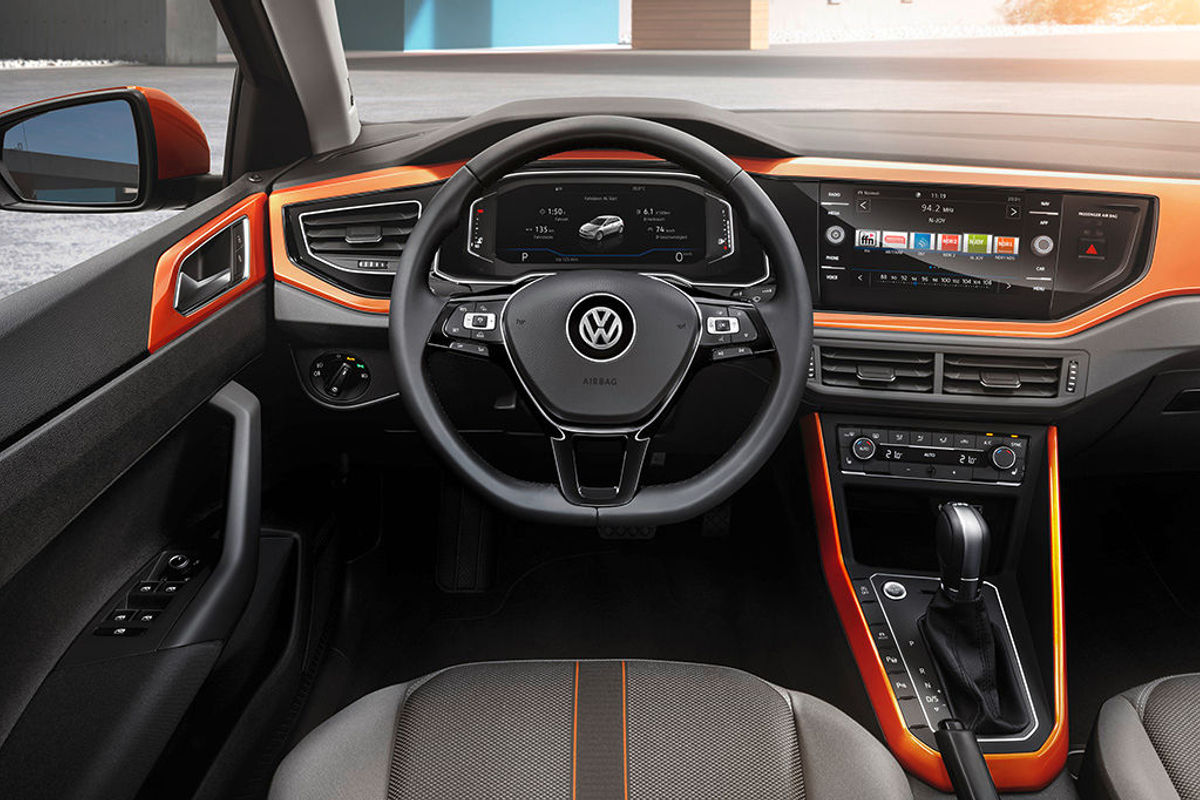
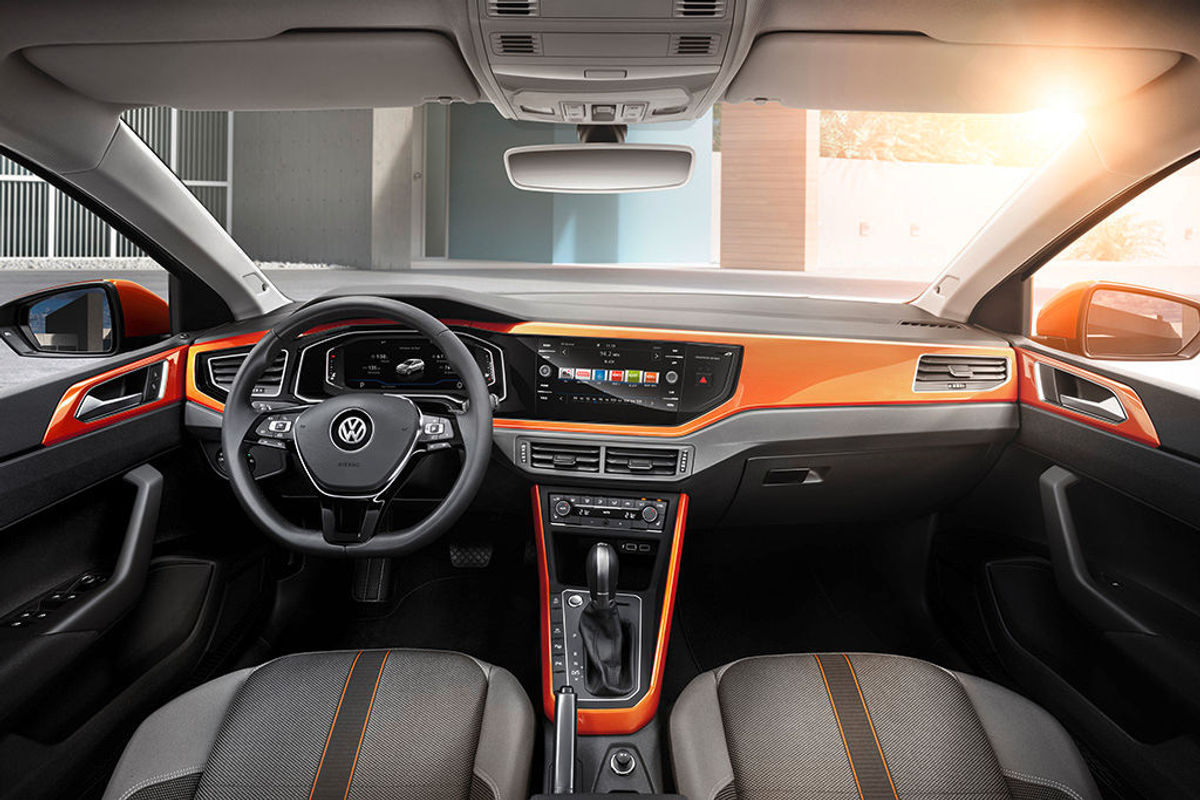
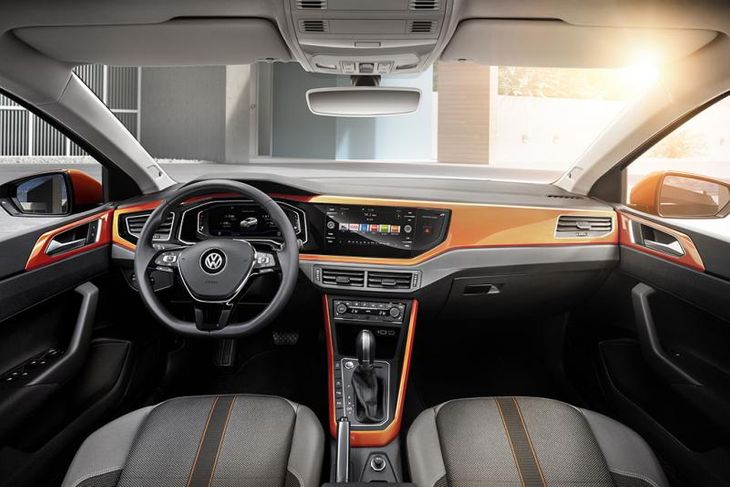
The cabin has been improved in terms of quality and design. A new dashboard with new steering wheel and new switchgear are the key changes. Volkswagen's Active Info Display is available as an option. Other tech worth noting are wireless smartphone charging pads and keyless entry. In terms of safety and technology, Volkswagen has introduced Front Assist, City Emergency Braking and Pedestrian Monitoring systems as well as a tyre pressure monitoring function and a speed limiter. 


A new dashboard with new steering wheel and new switchgear are the key changes. New infotainment screens are available too.

Powertrains

Volkswagen announced that the 2017 Polo will be available with the choice of four petrol and one diesel engine. Every engine features stop/start and a kinetic recovery system for better efficiency. In terms of gearboxes, Volkswagen has announced a five-speed, six-speed and seven-speed dual-clutch unit will all be available. All new Volkswagen Polos will be front-wheel drive. 

As far as the engine lineup is concerned, on the turbo petrol side, there will be a 1.0-litre naturally-aspirated motor, 1.0-litre TSI (available in various states of tune), while the 1.2-litre TSI engine could be replaced by the Golf’s 1.5-litre unit (with cylinder shutdown technology, still under consideration for South Africa). In Europe, the 1.5-litre TDI turbodiesel will be superseded by a 1.6-litre TDI unit (local models are currently 1.4-litre units). Meanwhile, the Polo GTI derivative will be powered by 147 kW 2.0-litre TSI lifted straight from the Golf GTI.

When is it coming to SA?

The new Volkswagen Polo will first make an appearance at the 2017 Frankfurt Auto Show in Germany, which is held in September. We can realistically estimate that the new Volkswagen Polo will go on sale in early 2018, but as soon as we hear from Volkswagen SA, we'll update accordingly.

Watch the new Volkswagen Polo in action

Related content:

6 Rivals the 2018 Volkswagen Polo Needs to Beat

Volkswagen Polo 1.0 TSI R-Line (2017) First Drive

Volkswagen Polo CitiVivo (2017) Specs & Pricing

Volkswagen Polo Vivo Storm in SA – Specs and Pricing

Volkswagen Polo Beats Pricing in SA

Top 5 Cool Facts: Next Ford Fiesta (2017)

Kia Rio (2017) First Drive

Facelifted Renault Clio (2016) First Drive

Want to buy a Polo?

Find one for sale on Cars.co.za

All you need to know: 2018 Volkswagen Polo GTI

With the 2017 Volkswagen Polo finally revealed, attention now turns to the performance flagship: the Polo GTI. What's new? 

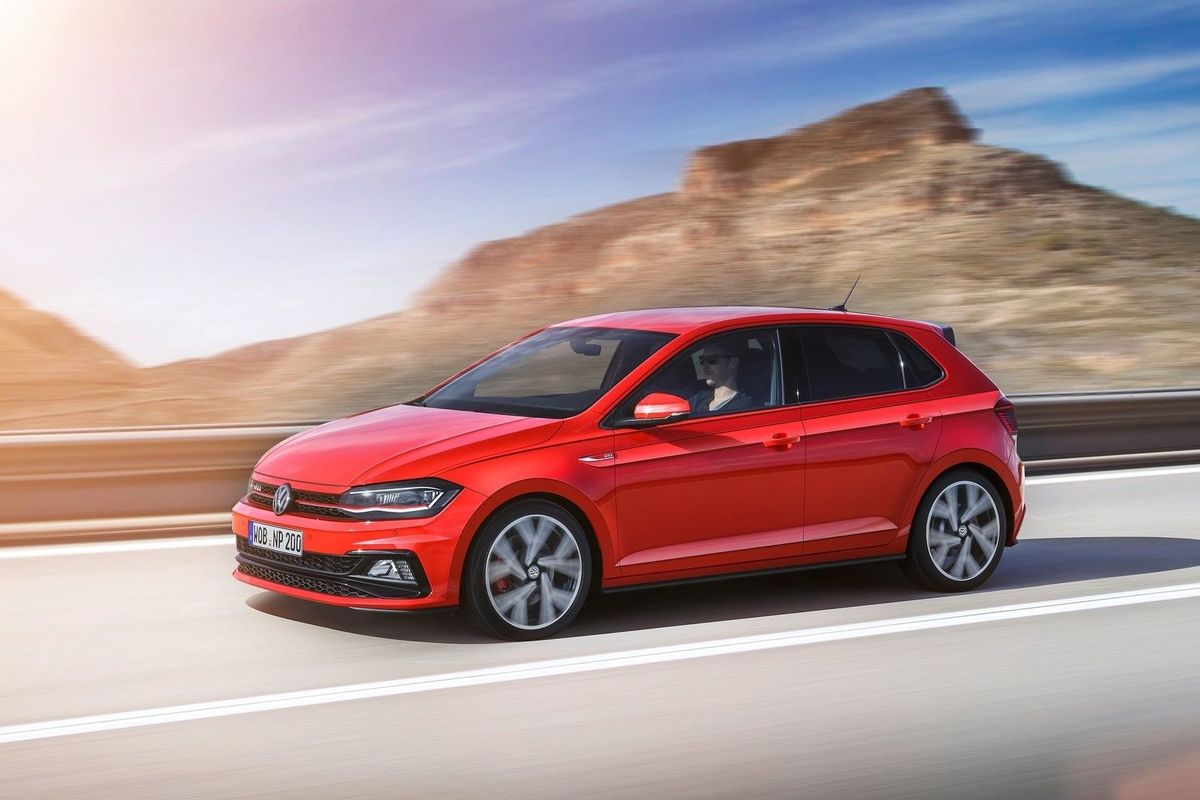
The big news for the Volkswagen Polo GTI fans is that the 1.8-litre 4-cylinder turbocharged petrol engine has been replaced by a 2.0-litre 4-cylinder turbocharged unit. Power has increased to 147 kW, up from 141 kW and the new Volkswagen Polo GTI comes with a standard sport chassis, with the option of a Sport Select Chassis. 

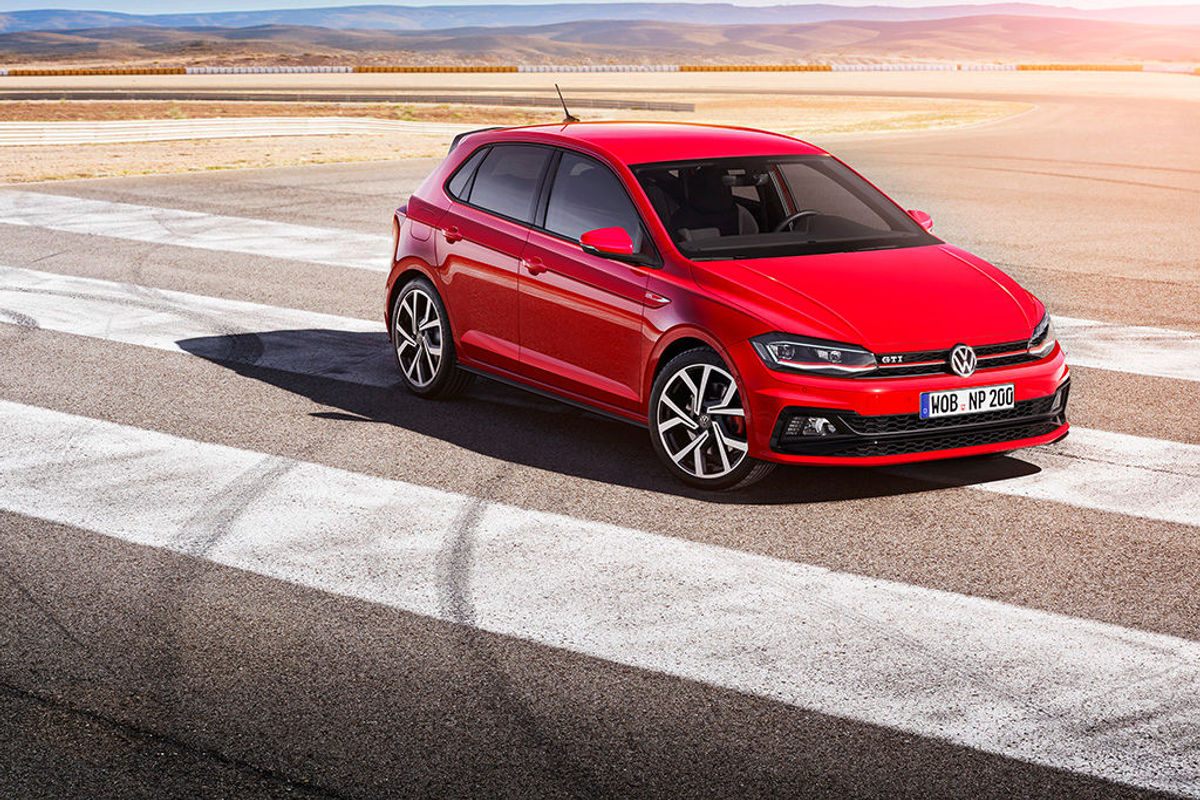
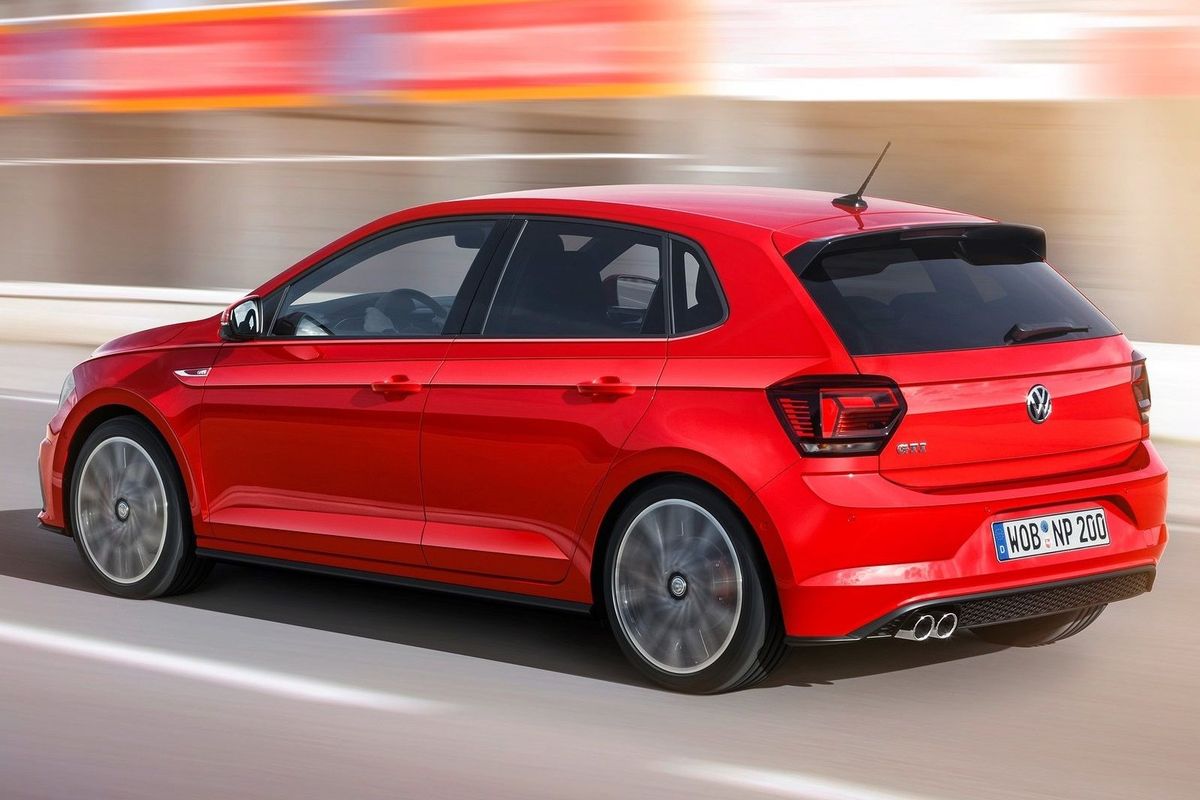
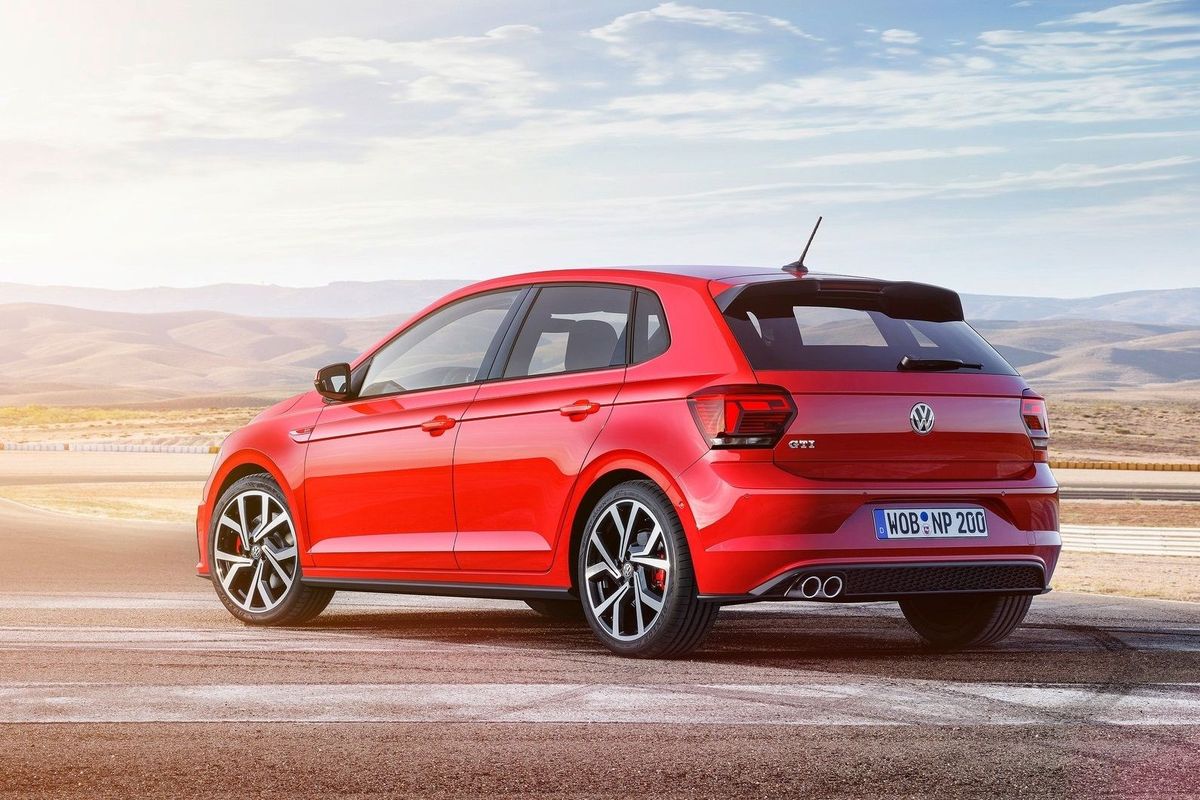
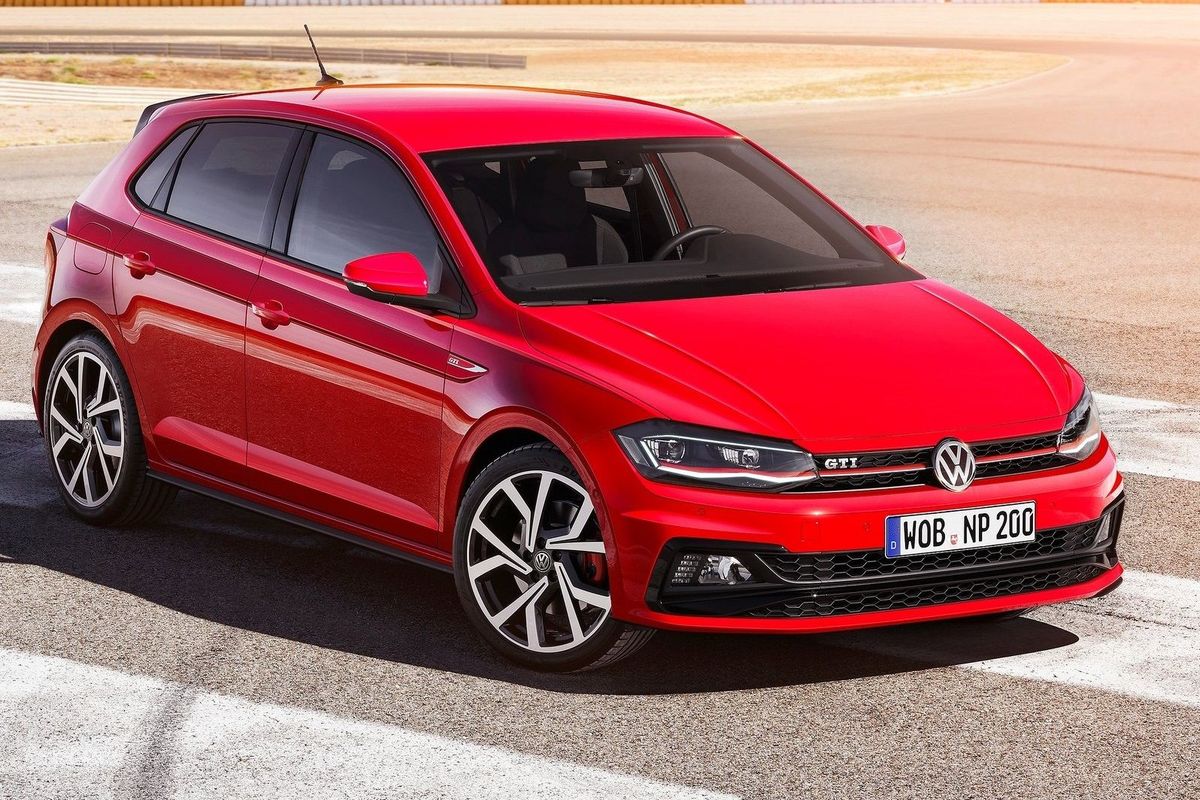
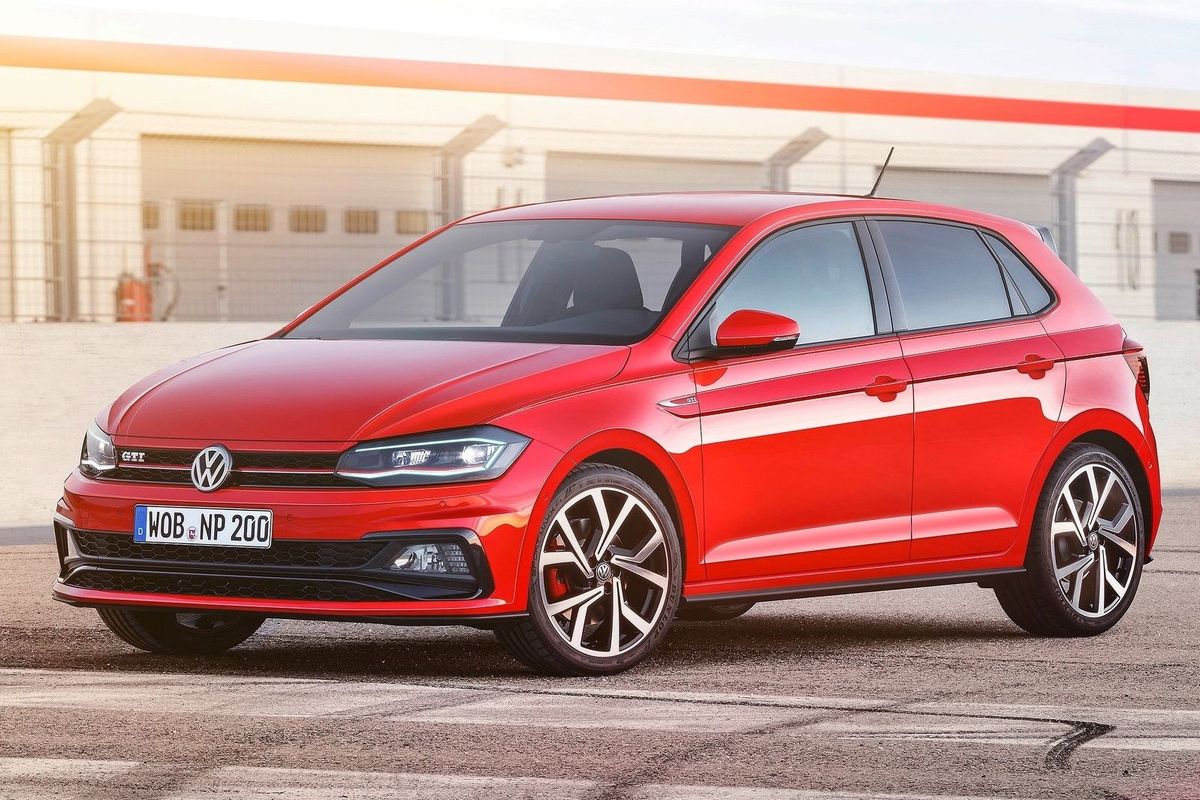
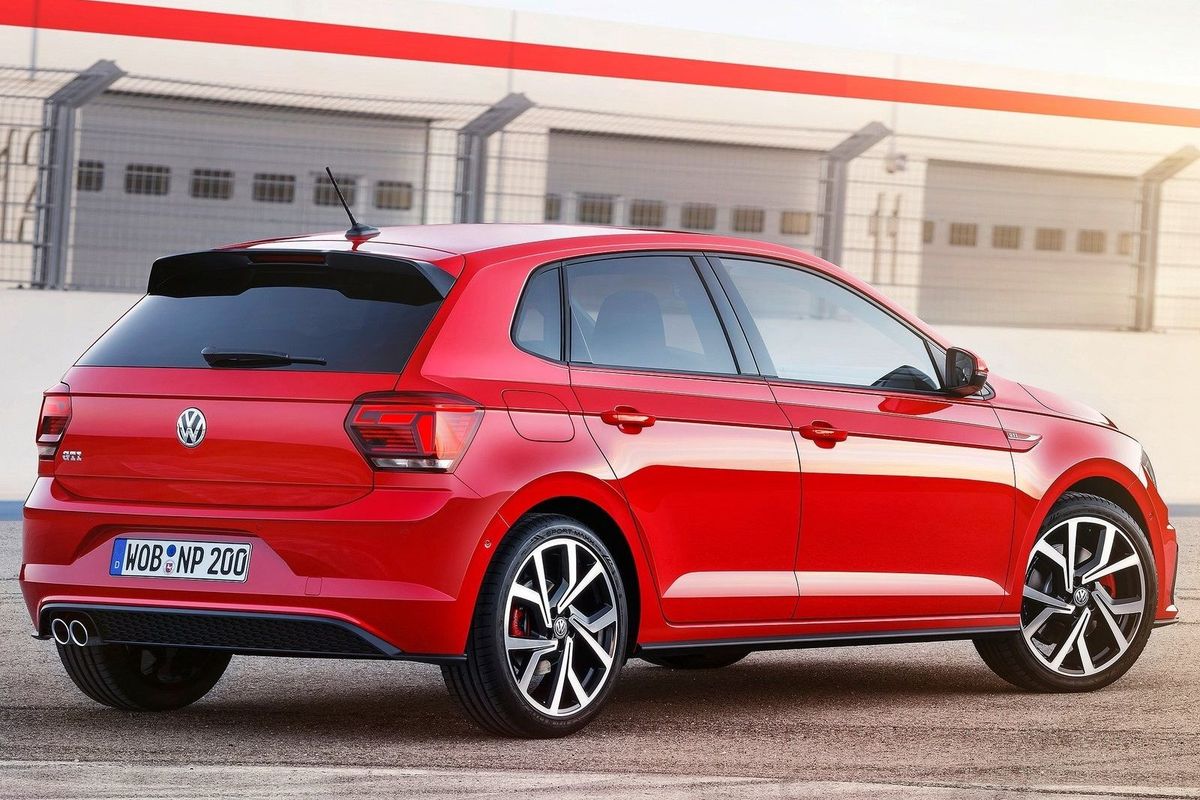
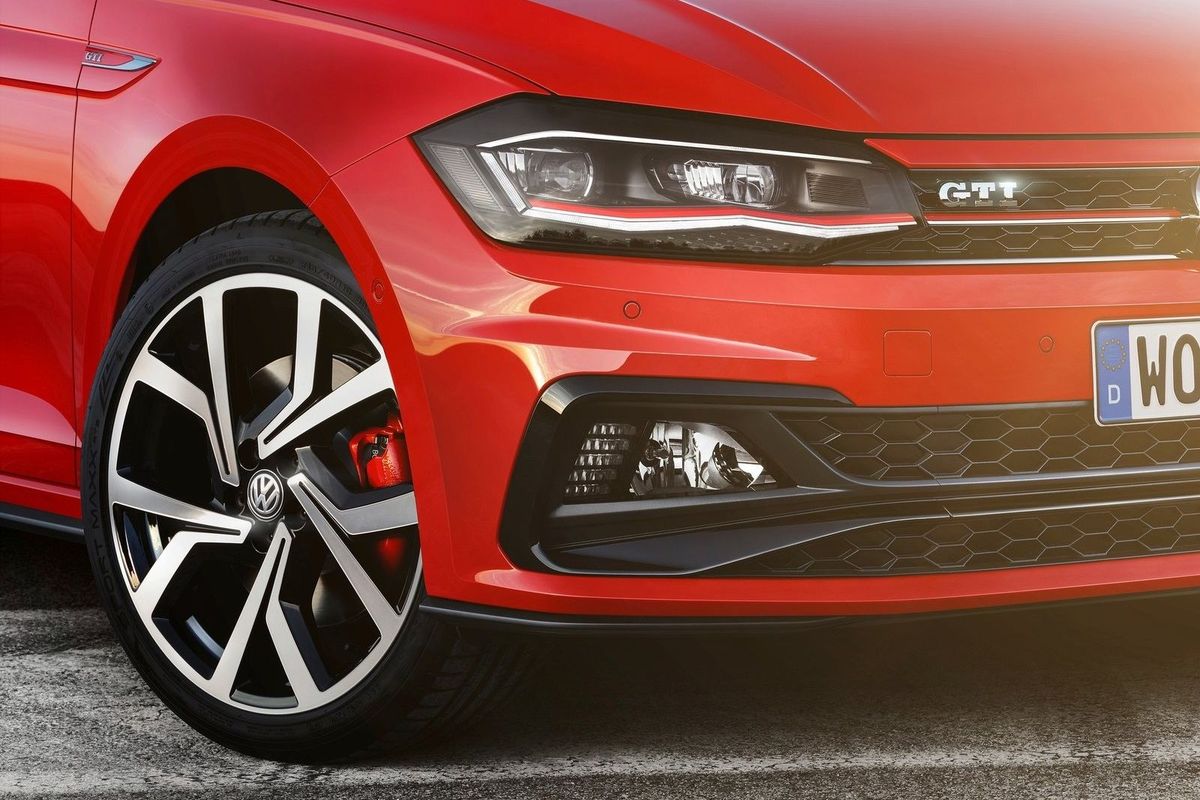
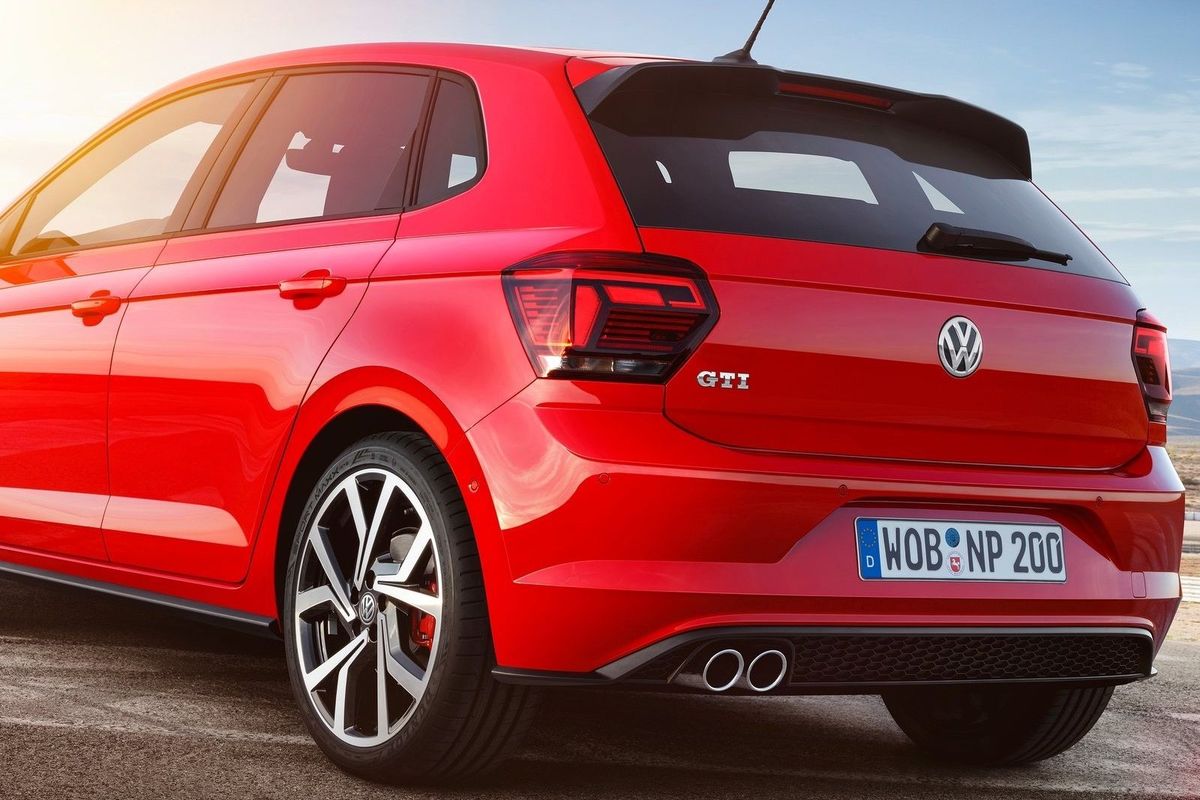
Visually, you'll be able to differentiate between this Polo GTI and lesser Polos as it features a specially-designed bumper with spoiler lip and standard fog lights. Trademark GTI touches such as a red stripe on the radiator grille, honeycomb air vent screens and a GTI badge. Optional LED headlights with a red winglet are available, while at the rear, the Volkswagen Polo GTI has a large roof spoiler in high-gloss black, a diffuser in the bumper, GTI-specific dual exhausts, LED tail lights and a GTI badge. Also, the brake callipers are painted red.

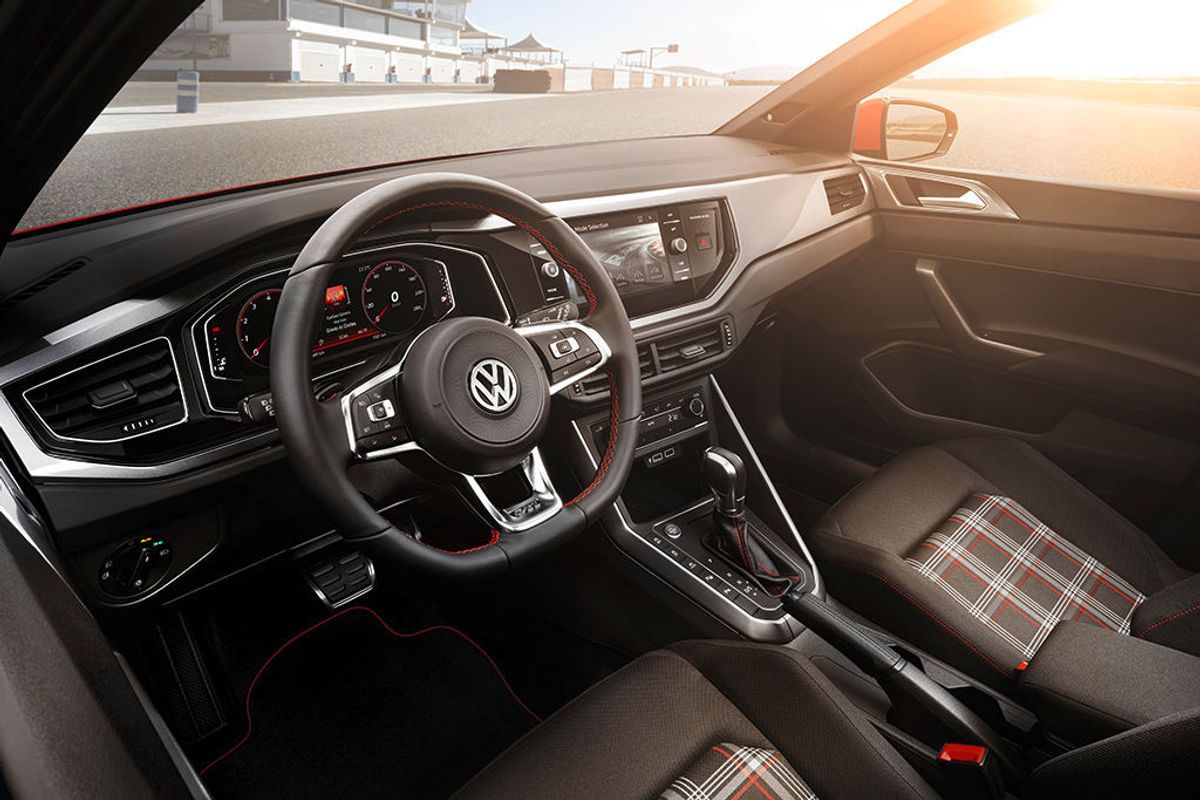
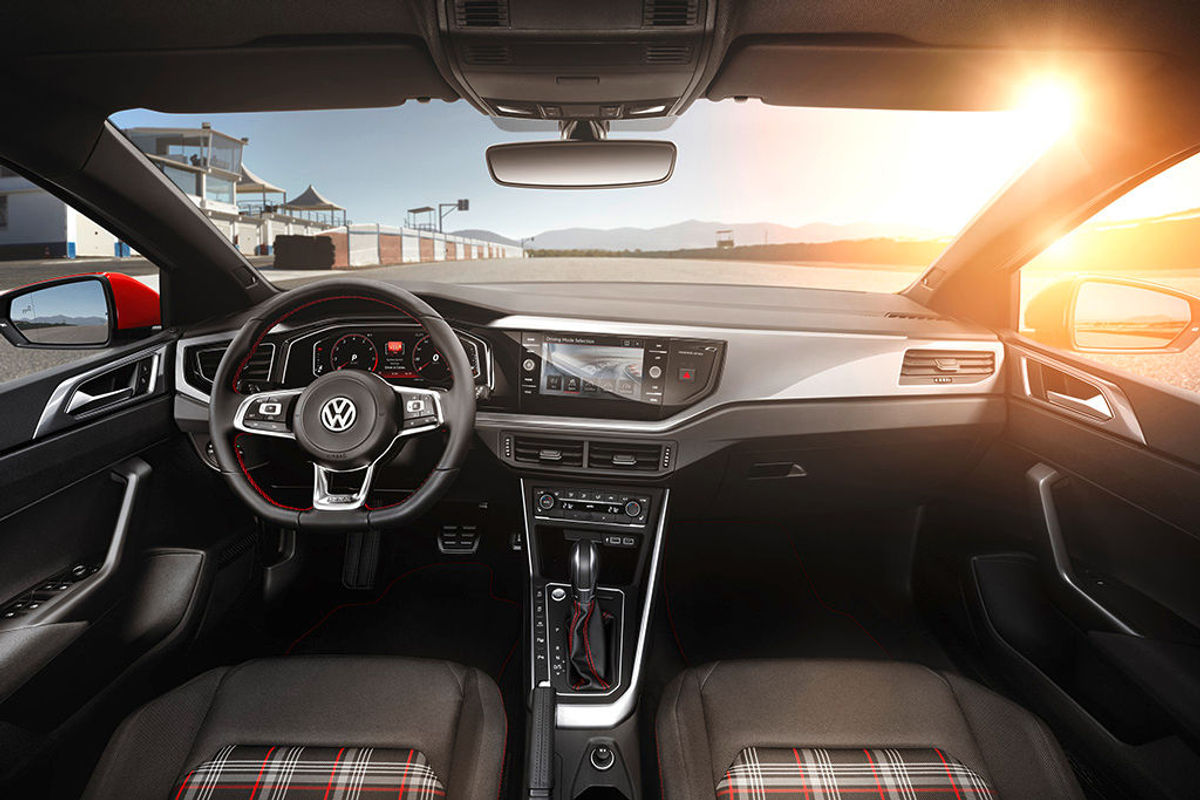
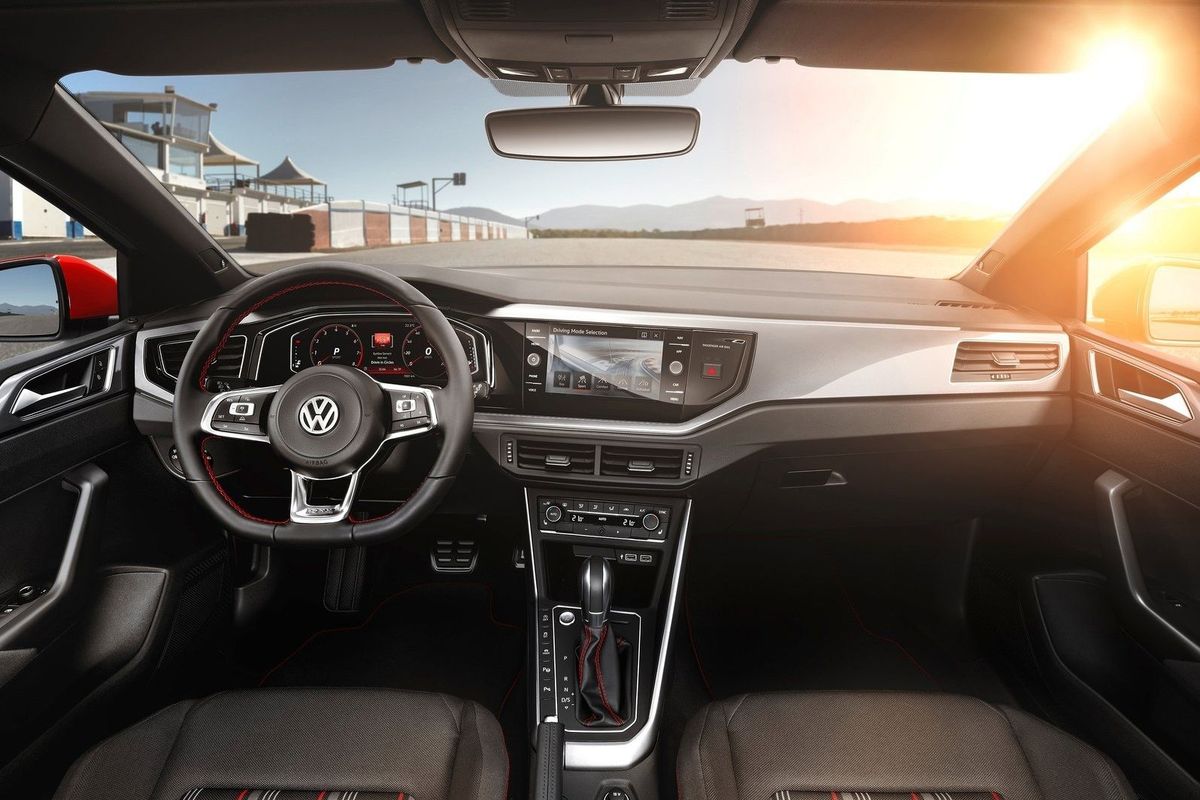
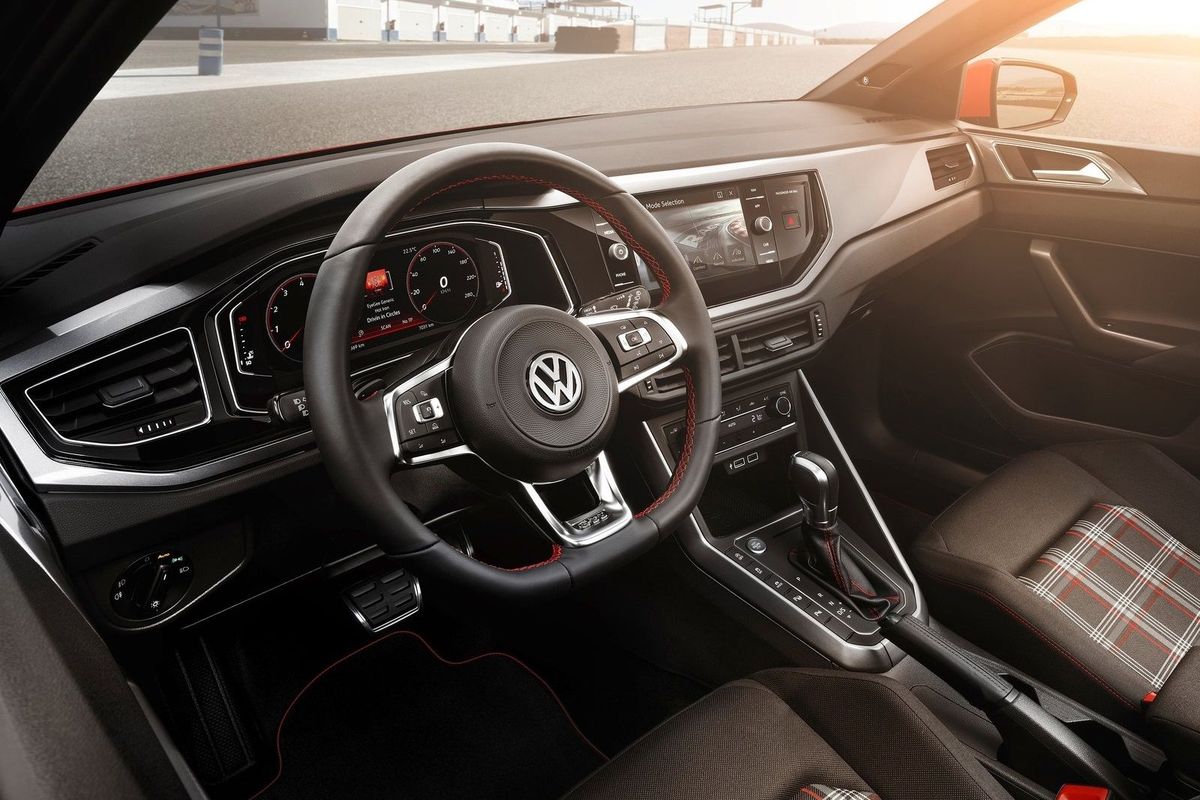
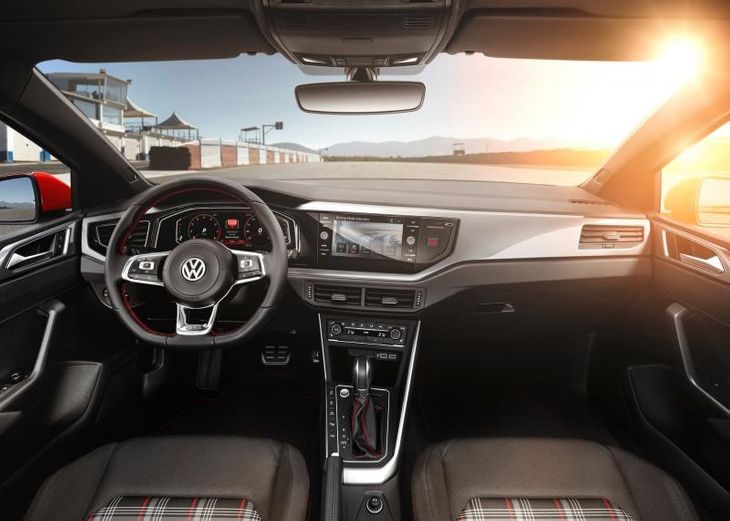
The Volkswagen Polo GTI comes standard with 17-inch alloy wheels, with the option of 18-inch. The cabin boasts typical GTI features such as sports seats with a tartan pattern, a multifunction leather-trimmed sport steering wheel with red stitching, roof lining and roof pillars in black and a GTI gear shift grip. 

In terms of performance, the standard Volkswagen Polo GTI does 0-100 kph in a claimed 6.7 seconds for the DSG-equipped model. This new Polo GTI should shave perhaps one or two tenths off this time and we reckon it'll have enough go to match the likes of the recently launched Renault Clio RS Trophy 220. 


The cabin of the new Volkswagen Polo GTI

Related content:

Meet the all-new Volkswagen Polo here

6 Rivals the 2018 Volkswagen Polo Needs to Beat

Volkswagen Polo 1.0 TSI R-Line (2017) First Drive

Volkswagen Polo CitiVivo (2017) Specs & Pricing

Volkswagen Polo Vivo Storm in SA – Specs and Pricing

Volkswagen Polo Beats Pricing in SA

Top 5 Cool Facts: Next Ford Fiesta (2017)

Kia Rio (2017) First Drive

Facelifted Renault Clio (2016) First Drive

Want to buy a Polo?

Find one for sale on Cars.co.za

Volkswagen Golf GTI (2017) Video Review

Not content with leaving a car on the market for more than 6 minutes, Volkswagen has released an updated version of the Golf range, including the venerable GTI, which we're now calling the Golf 7.5 GTI.

While hardcore GTI enthusiasts will easily spot the changes for the new GTI, for the less petrol-headed among us, we detail those changes and take a look at the power outputs for the latest variant. Hint: most changes have occurred in the cabin. In this video, we take the latest GTI to one of our favourite mountain passes outside Cape Town, and drive it up and down repeatedly in a bid to make a video. No one enjoyed themselves in the process. Nope. No fun was had. Zero. Cough.

Related content

Volkswagen Golf GTI (2017) Quick Review

Update: Renault Shows New Megane RS [with Video]

Ford Focus RS (2016) Review

Extended Test: Ford Focus ST [with Video]

Volkswagen Golf GTI Clubsport S (2016) First Drive

Volkswagen Golf GTI Clubsport (2016) Video Review

Searching for a used Golf GTI?

Search for one here

Aston Martin Unleashes Ultimate Vantage AMR

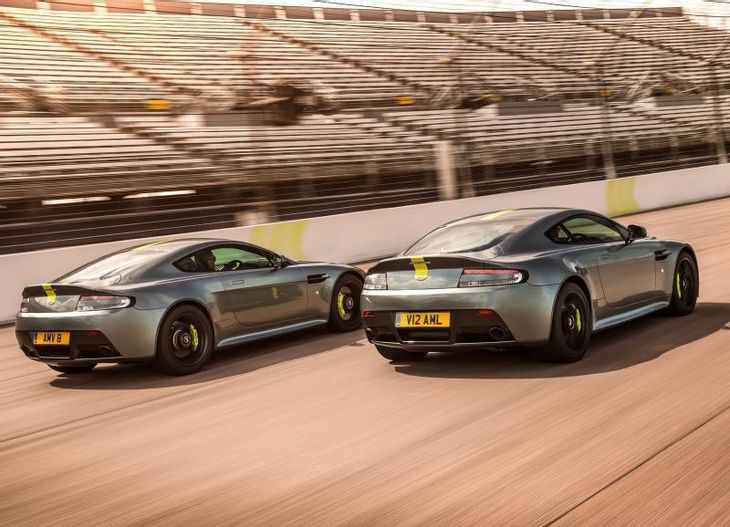
Aston Martin has showcased the first series production derivative of the new race-inspired performance range. Meet the Aston Martin Vantage AMR.

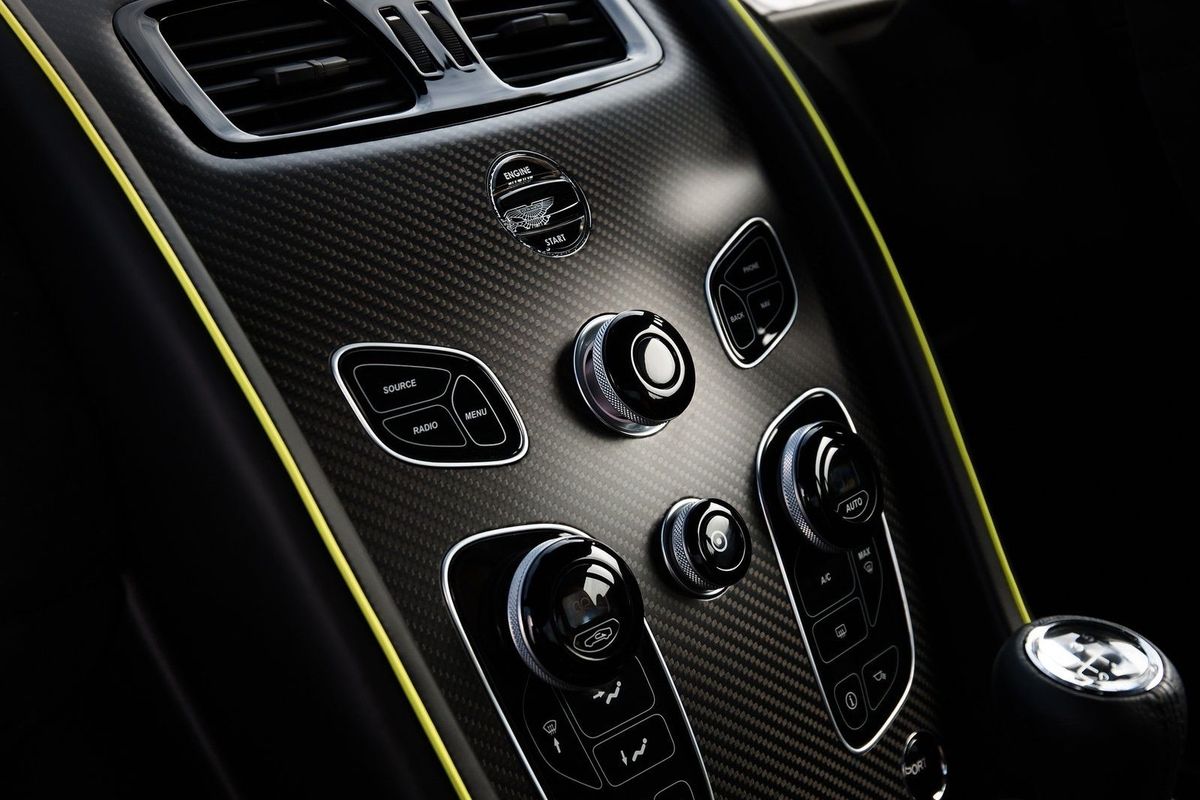
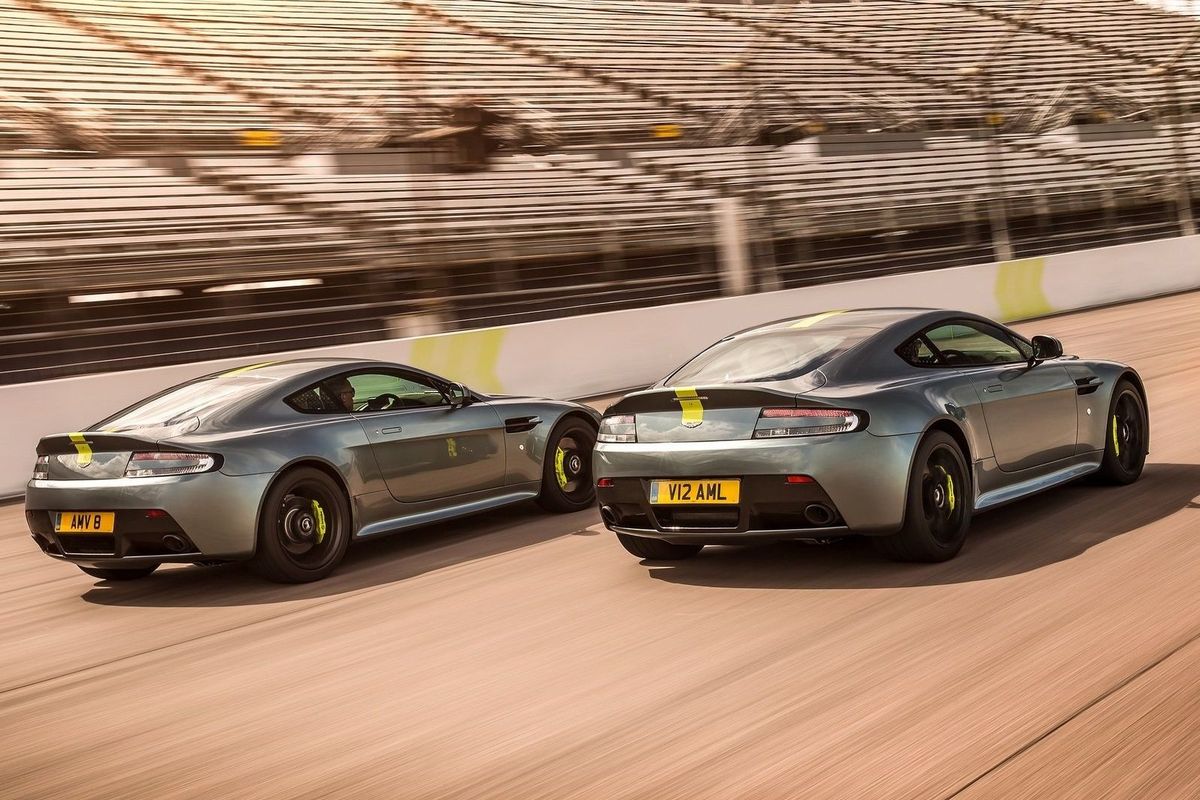
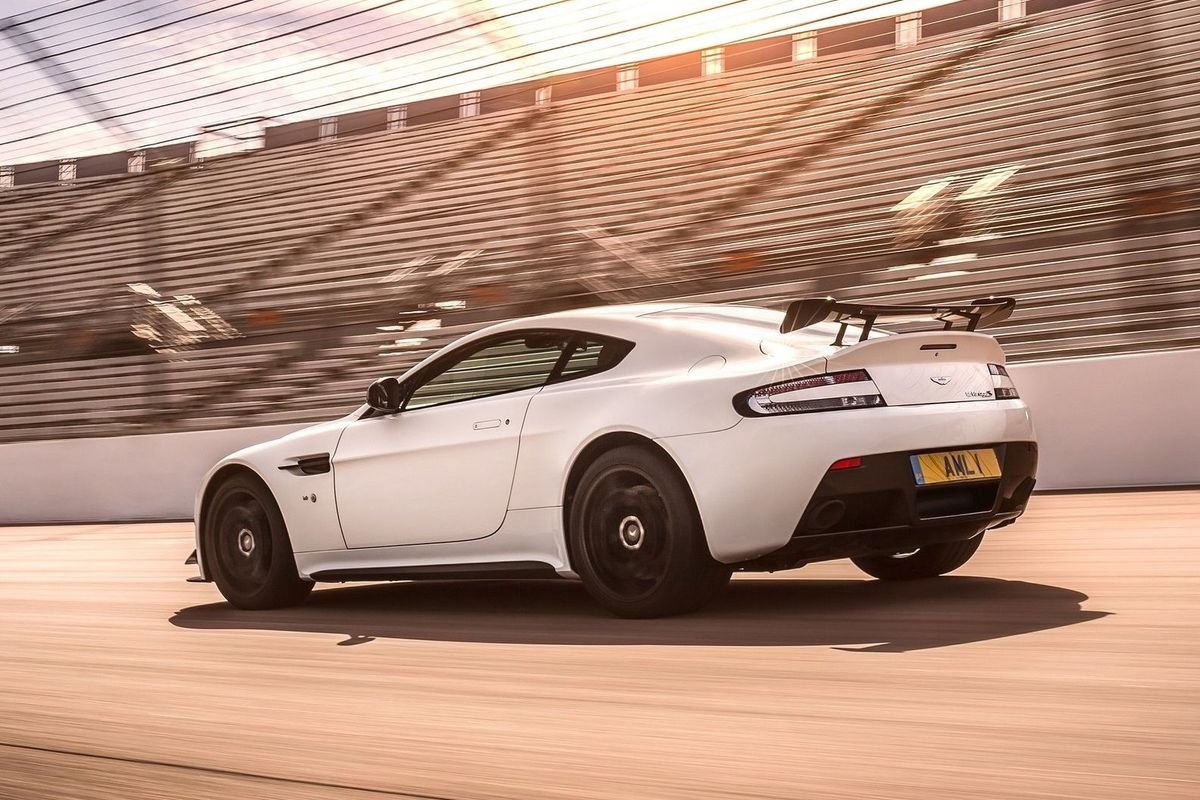
The Aston Martin Racing (AMR) brand takes inspiration from Aston Martin Racing's participation in the FIA World Endurance Championship, and translates that into a road-going vehicle. In effect, the AMR sub-brand has taken the Vantage, substantially increased its performance and enhanced the visual appeal. 

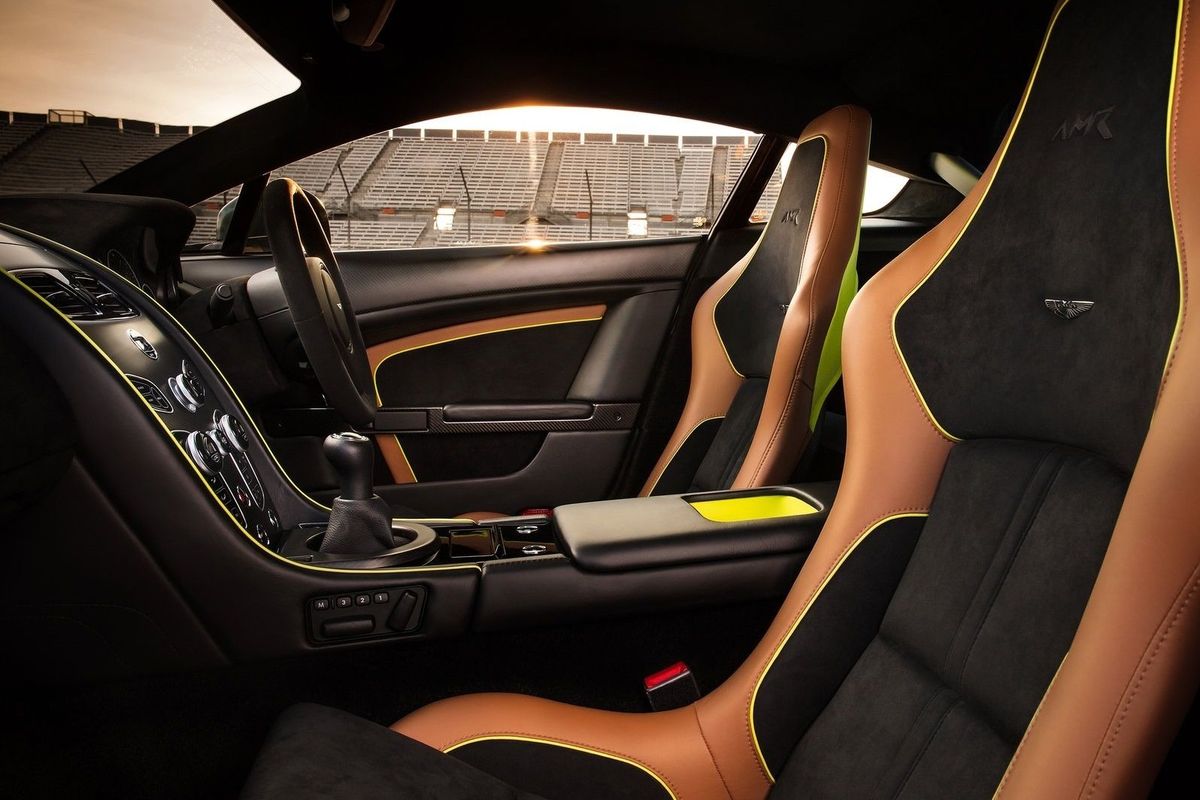
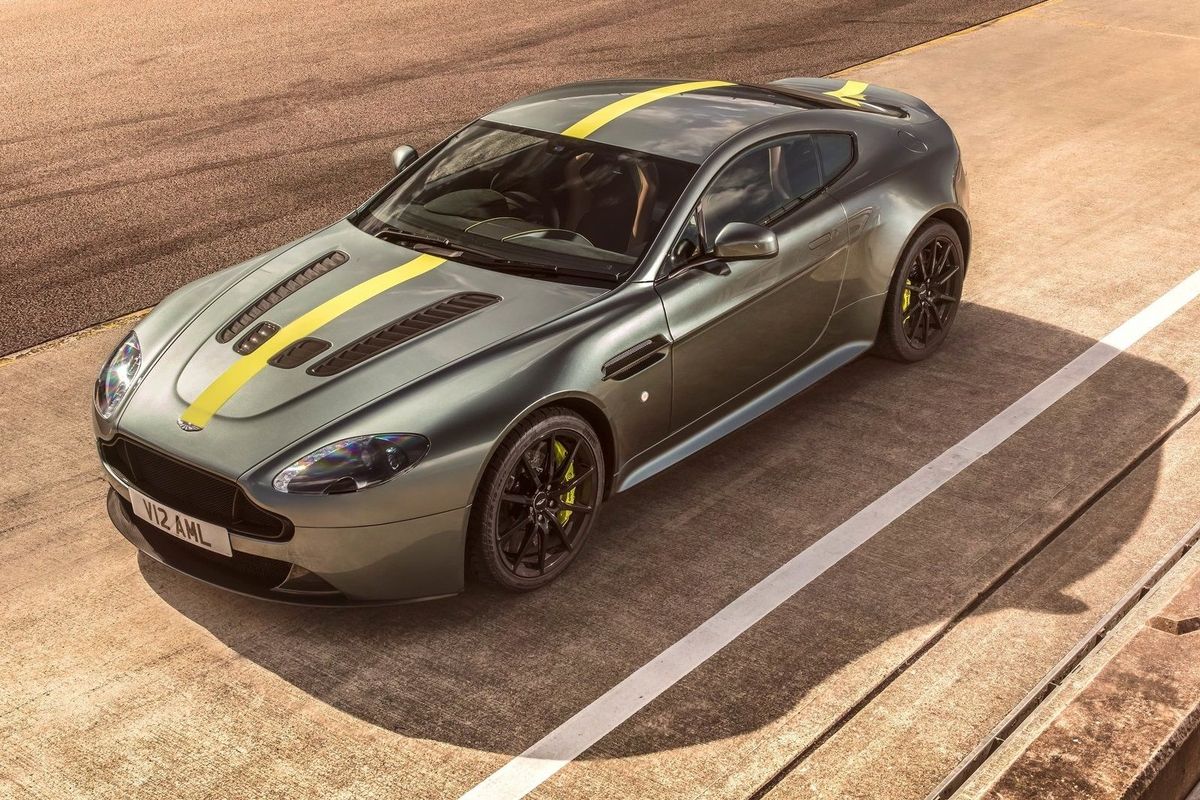
There are 4 striking AMR exterior schemes: Stratus White with an Orange graphic; Ultramarine Black with Blue graphic; Zaffre Blue with Red graphic; and Scintilla Silver with Grey graphic. You can opt for the Halo Pack, which is inspired by the 2016 World Endurance Championship-winning Vantage GTE. It has a combination of Stirling Green paint with Lime Green detailing. The cabins have been upgraded too, and feature leather and alcantara. Lightweight carbon fibre seats are offered and you can specify carbon fibre detailing on the front grille, side strakes, lamp infills and mirror caps on the outside.


A unique paint scheme signifies the Aston Martin Racing sub-brand. V12 engine gains more power.

Powertrain

The engines in the Vantage pack a punch. While the V8 still offers up 321 kW, the V12-powered Vantage now has 444 kW! Expect the V12 Vantage to hit 100 kph from standstill in the low 3-second bracket… Both engines are fitted with automated sequential manual paddle-shift transmissions, or for the purist, 6- and 7-speed manual gearboxes in the V8 and V12 versions. 

Aston Martin President and CEO, Dr Andy Palmer, said of the Vantage AMR: "It's a real thrill to see our first AMR model go into production. The Vantage has been an incredible success for Aston Martin, both in V8 and V12 forms. As our most agile and athletic road car, and our long-time representative in the world of GT racing, it is the perfect model with which to introduce the exciting AMR range.

"Unmistakable in look and feel the Vantage AMR will appeal to our most enthusiastic customers. These are people who love our cars for their motorsport pedigree, and for their unmistakable dynamic and emotional qualities. Limited production numbers will undoubtedly make them extremely collectable, but they're so good to drive I'm confident we'll see many of them being enjoyed both on the road and at track events around the world."

Both V8 and V12 Vantage AMR models are available in both Coupe and Roadster body styles in selected markets, with recommended retail prices starting from £97,995 in the UK and €126,995 in Germany. Deliveries are scheduled to commence in Q4 2017.

Watch the AMR video

Related content

DBX crossover: Aston Martin will build it!

Aston Martin DB11 (2016) Video Review

Aston Martin DB11 (2016) First Drive

Aston Martin Vanquish Zagato Volante Shown

Aston Martin and Red Bull Make a Hypercar

Aston Martin Vanquish Zagato enters Production

Aston Martin's Vanquish Zagato Concept

Interested in buying an Aston Martin?

Find a new/used example on Cars.co.za

Faster Audi R8 Spyder V10 Plus Revealed

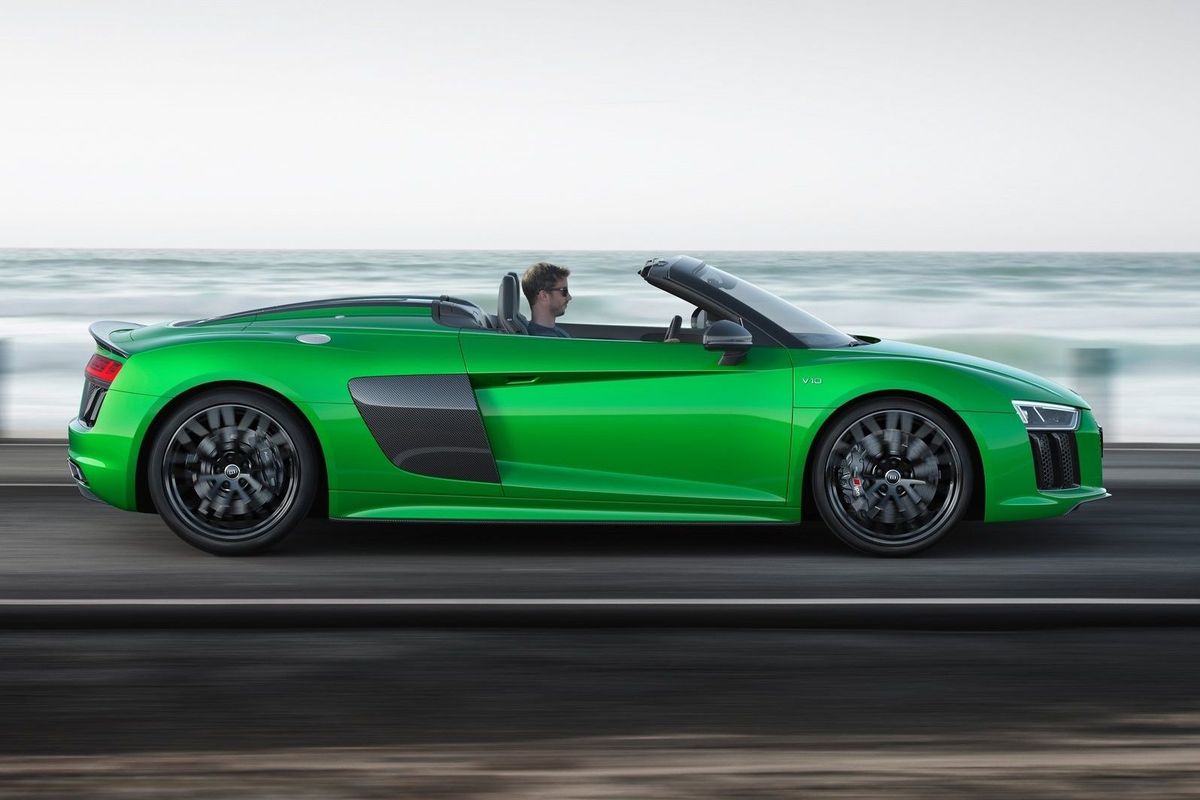
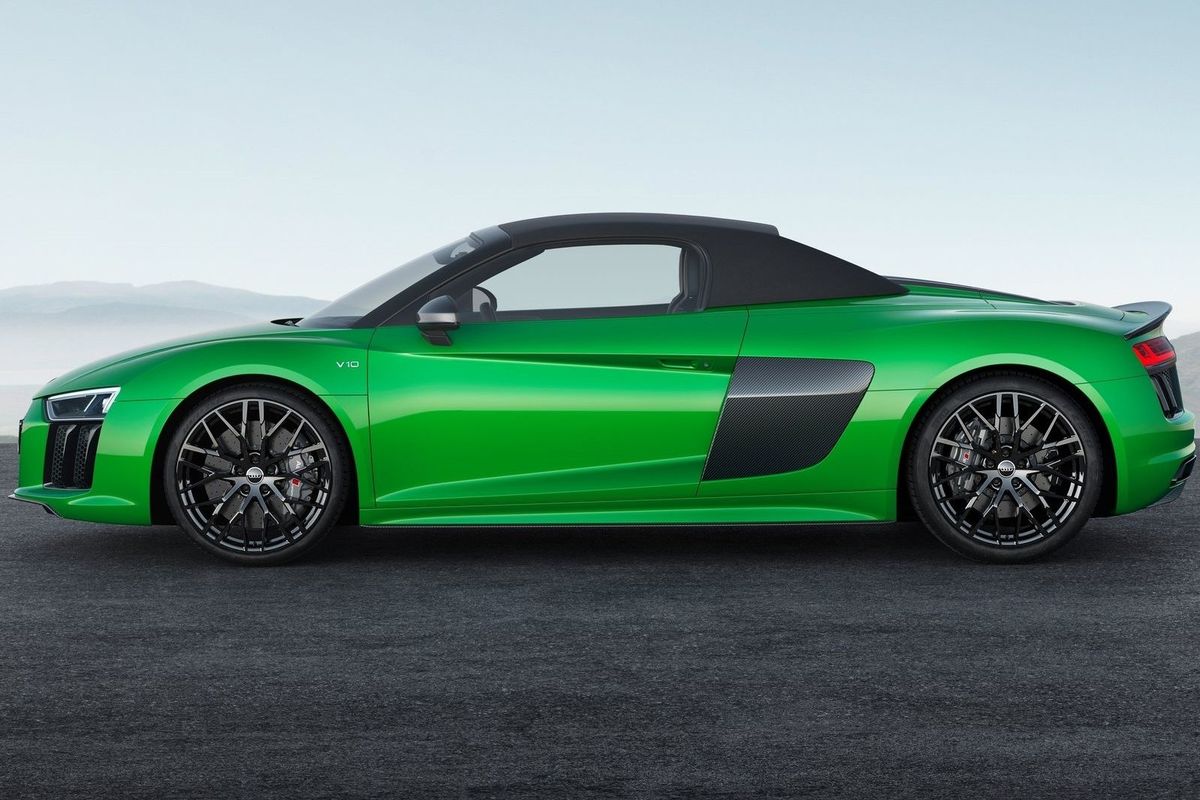
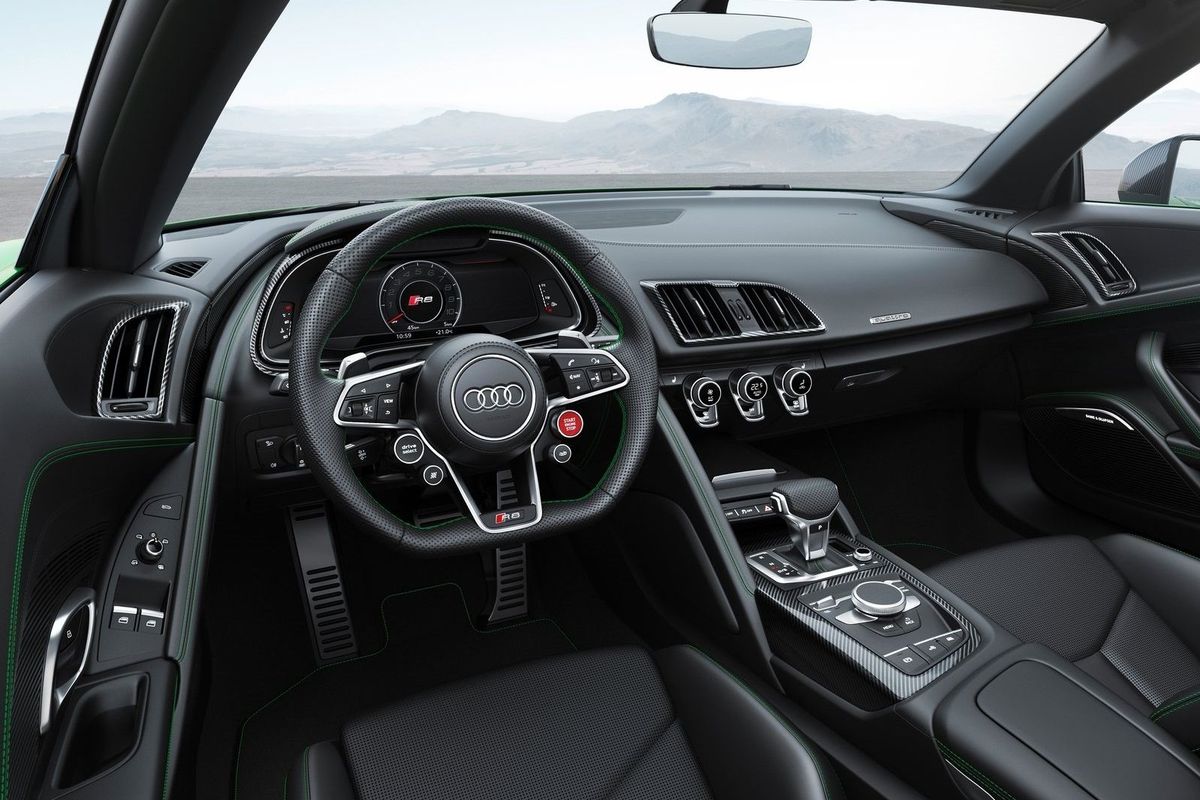
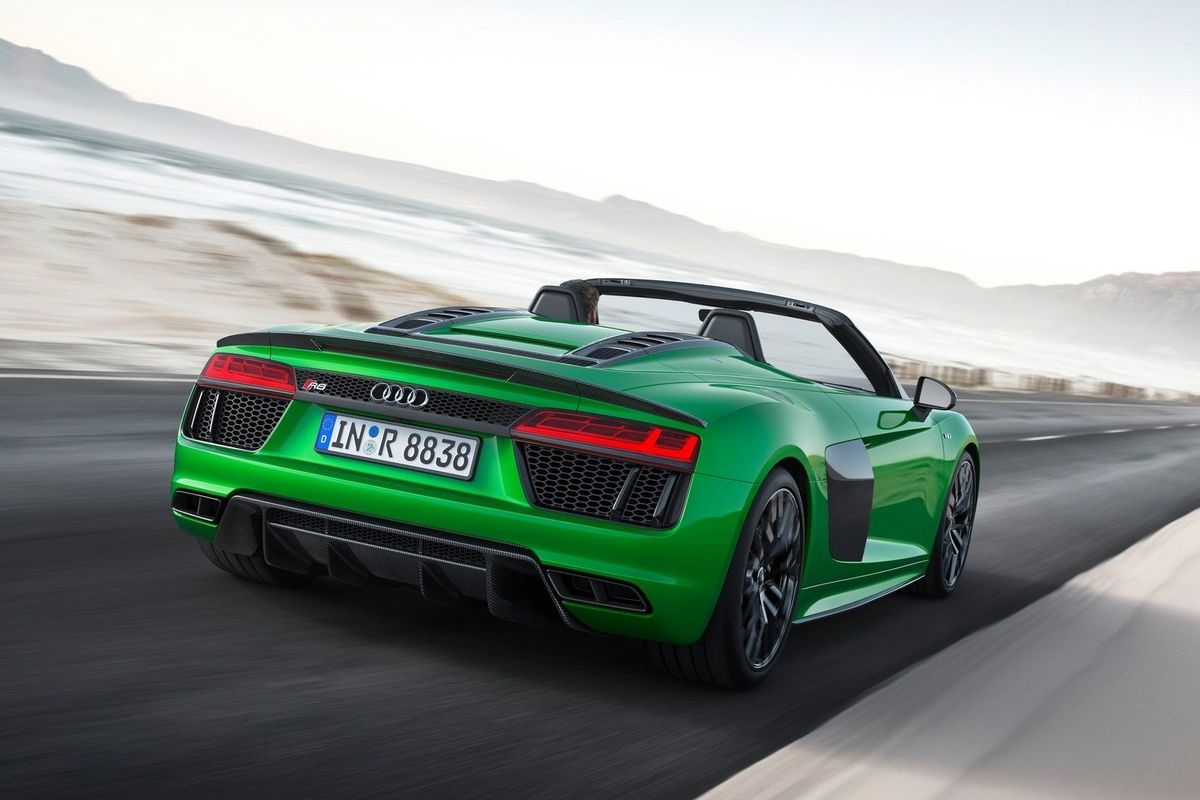
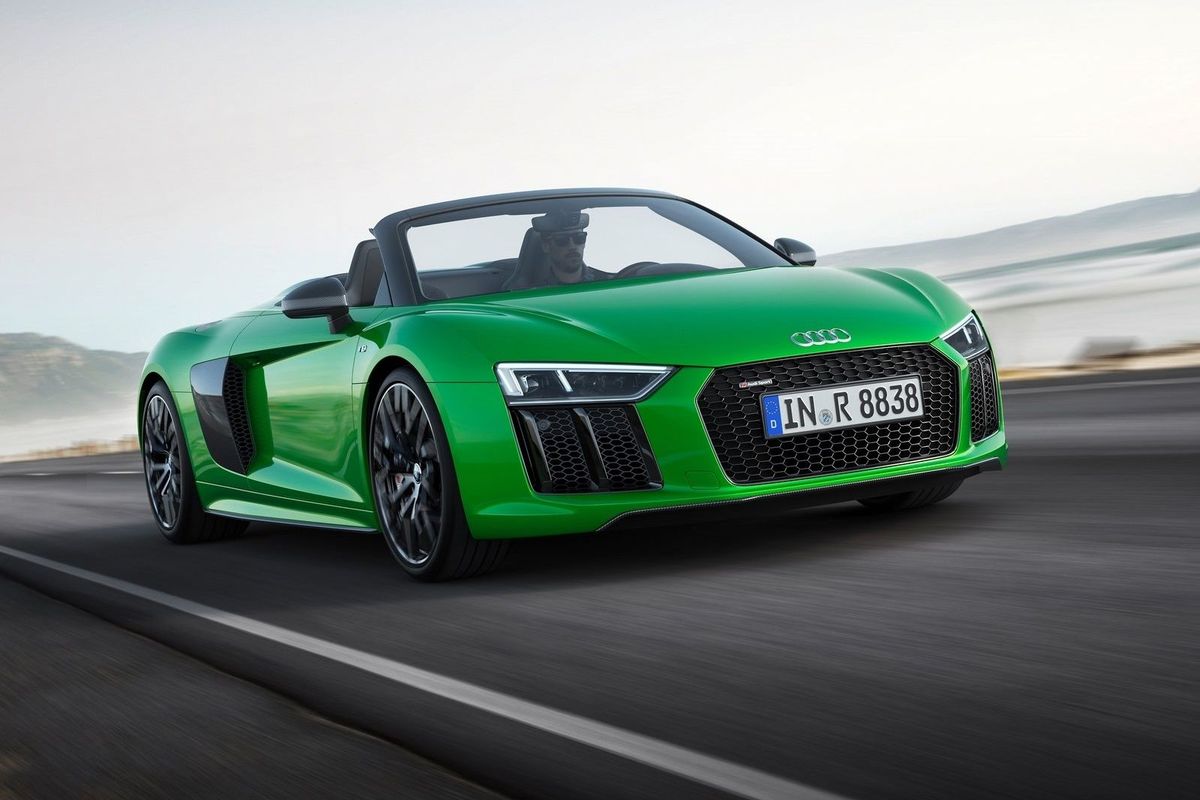
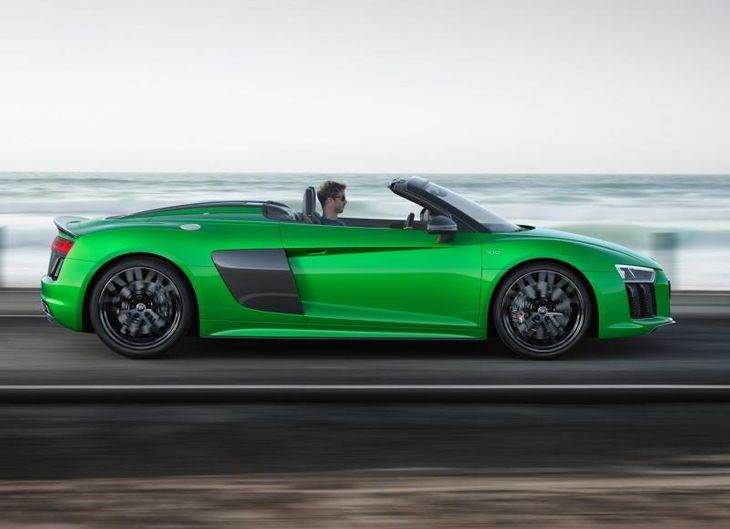
Audi has unveiled a faster and more hardcore version of its R8 supercar. Imbued with the R8 V10 Plus coupe's powertrain and tech, the R8 Spyder V10 Plus is now the fastest convertible in the Audi family.

The standard Audi R8 Spyder has only just arrived on South African shores, yet Audi Germany has added more firepower to the Spyder and created the Spyder V10 Plus.

Power has increased and the 5.2-litre naturally aspirated V10engine has gone from offering 397 kW and 540 Nm to a mental 449 kW and 560 Nm of torque, available from the 8 700 rpm redline. Audi claims its R8 Spyder V10 Plus shaves three-tenths off its non-Plus 0-100 kph sprint time, which means it'll take just 3.3 seconds. Top speed has increased too with a claimed figure of 328 kph. 


The Audi Spyder V10 Plus is now the fastest convertible offered by Audi.
 

All that shove goes to a quattro all-wheel drive setup via a seven-speed dual clutch gearbox. A clever torque distribution system can send up to 100% of the torque to one axle, should the situation arise. At 1 695 kg, the roof mechanism and body strengthening material add around 140 kg in weight, but importantly, it's 25 kg lighter than the standard Spyder V10. 

Further Reading

See price and specification for the new Audi R8 Spyder here

Audi R8 V10 (2016) First Drive [with Track Video]

Audi R8 V10 Plus (2016) Review

Part 1: Audi R8 vs McLaren 570S with Drag Race

Part 2: Audi R8 vs McLaren 570S Track Race

Interested in buying a used Audi R8?

Click here to search for one on Cars.co.za

Watch the Audi R8 Spyder V10 Plus