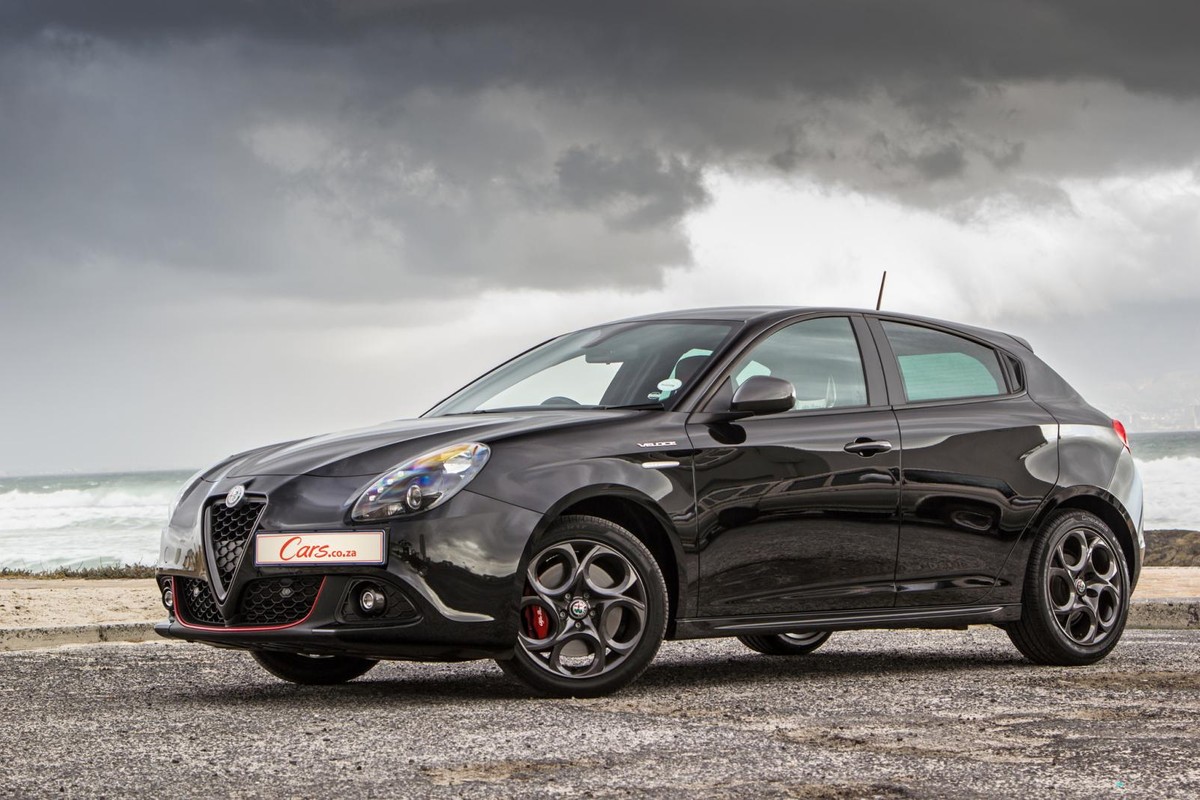
Alfa Romeo’s Volkswagen Golf GTI rival feels like it’s been around forever. Has the recent update to the model previously known as the Quadrifoglio Verde given the Alfa a fighting chance in a very competitive segment? We test the top-spec Veloce model to find out.
We like: its sporting heart, good engine and transmission, distinctive interior design.
We don’t like: Chassis feels old, lack of oddment space, lacks modern features.
Alternatives:
The default choice: Volkswagen Golf GTI package is hard to fault, but with an asking price of R550k, the headlining hot hatch is beyond the reach of many buyers.
For more luxury: Opel Astra 1.6T Sport is a well-specced, all-rounder with a strong turn of pace. However, it's available in manual only and Opel's future in SA is unclear.
For something sporty, but not overly so: Volvo V40 T5 is a good looking car with a powerful engine and a lush interior. It’s no driver’s car… if that’s what you’re after.
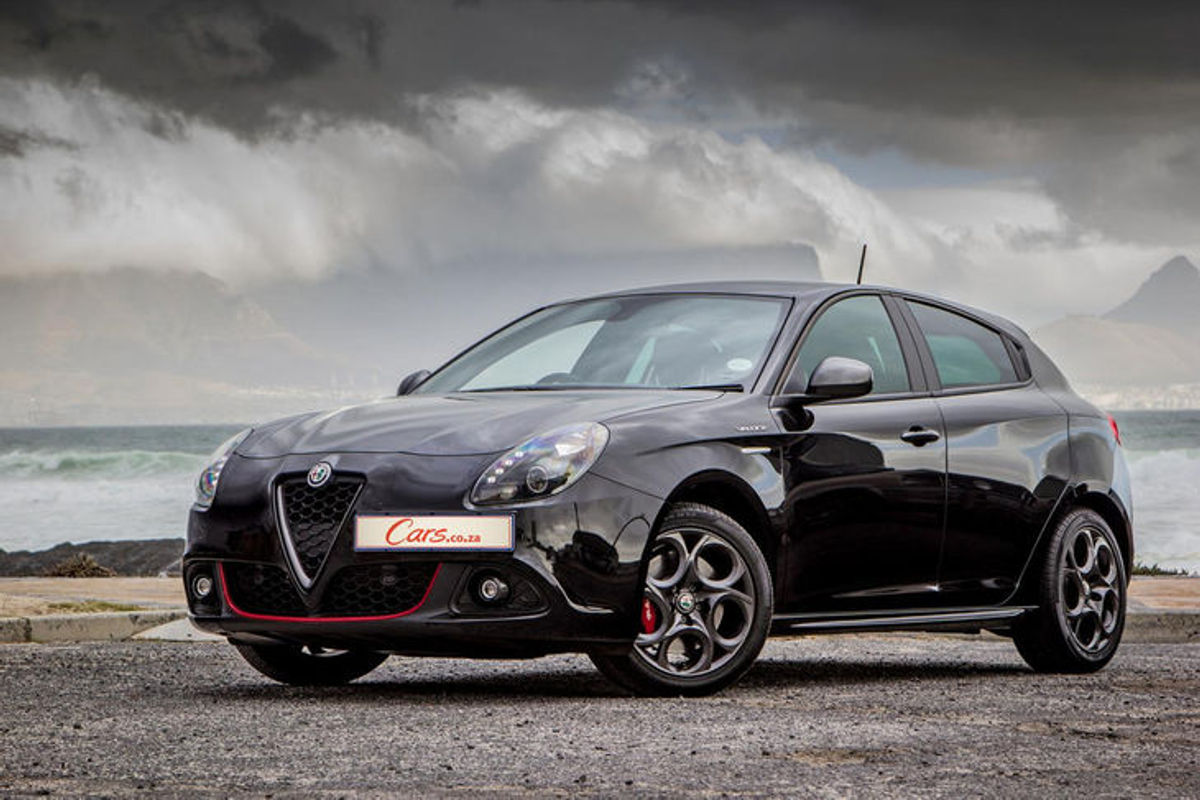
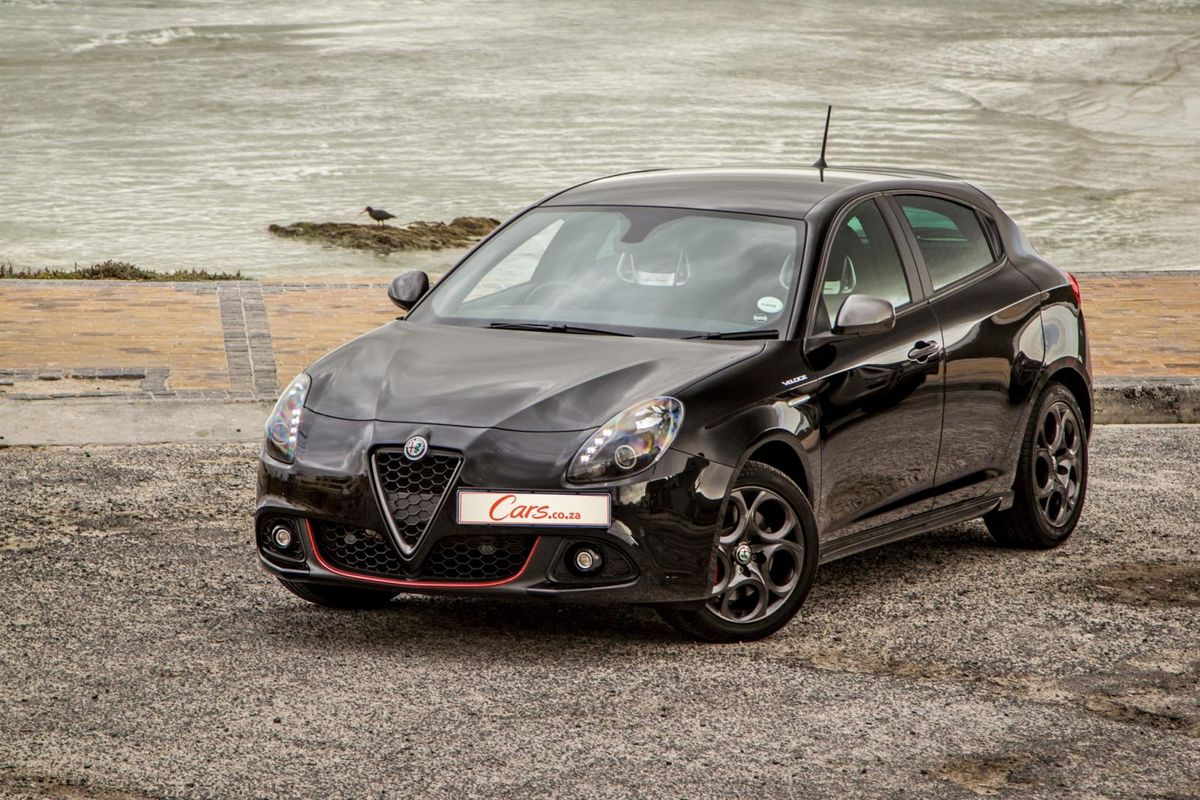
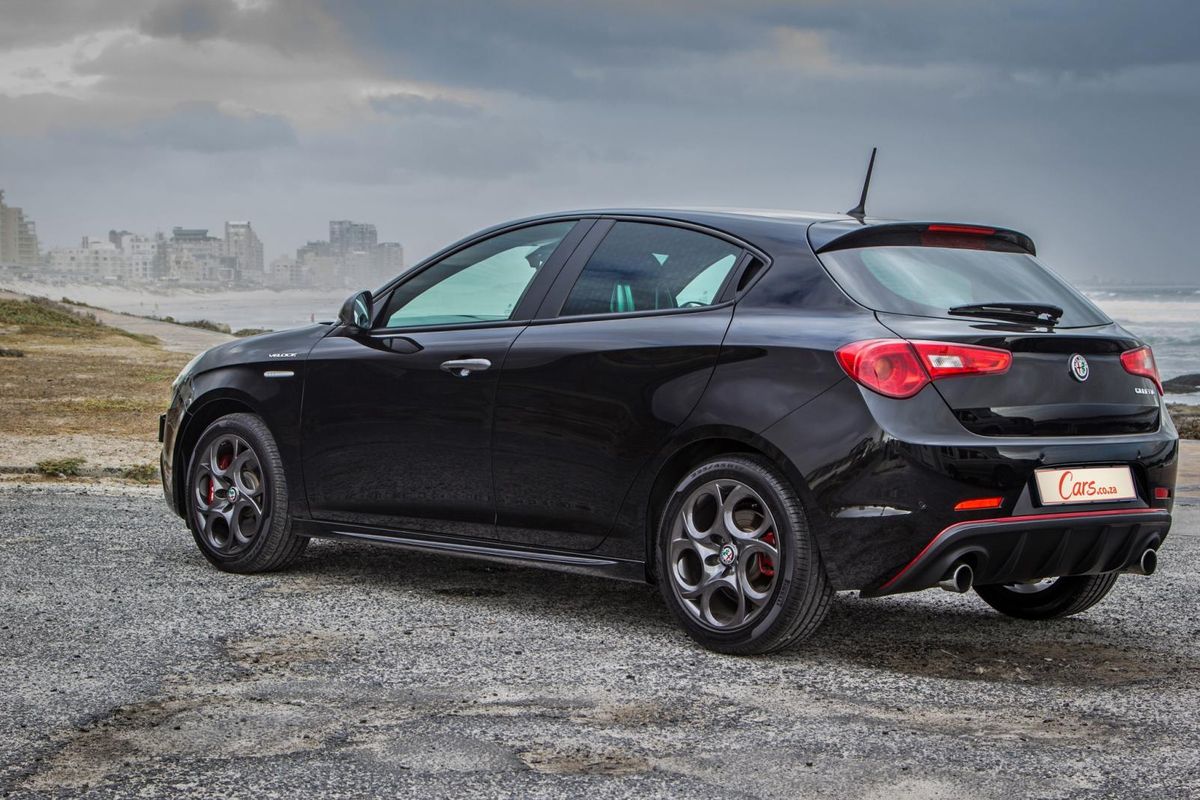
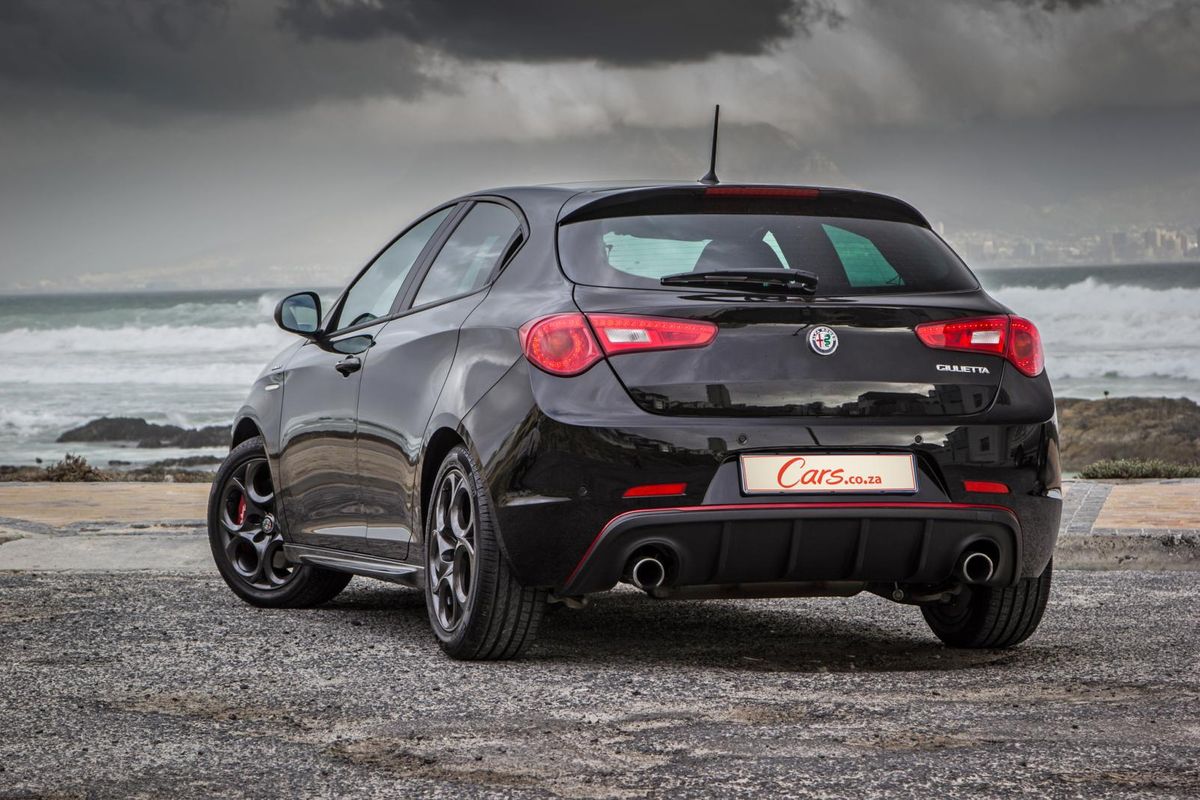
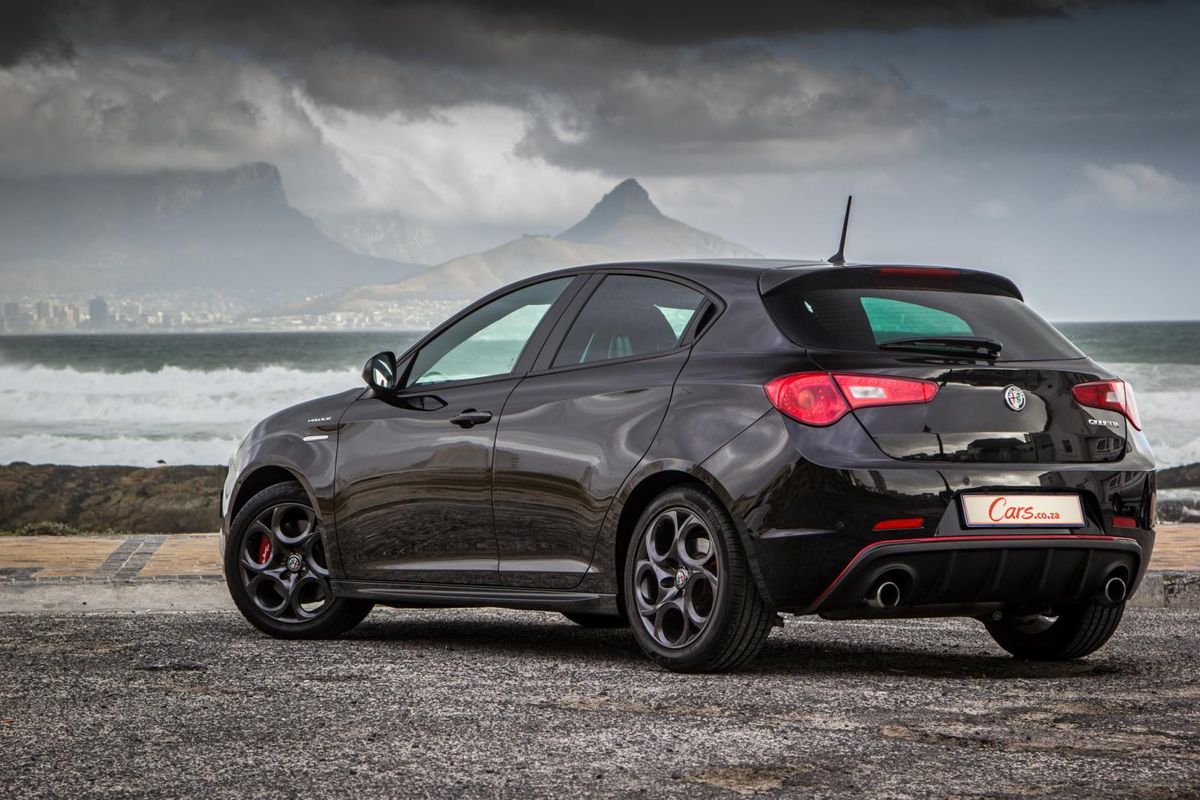
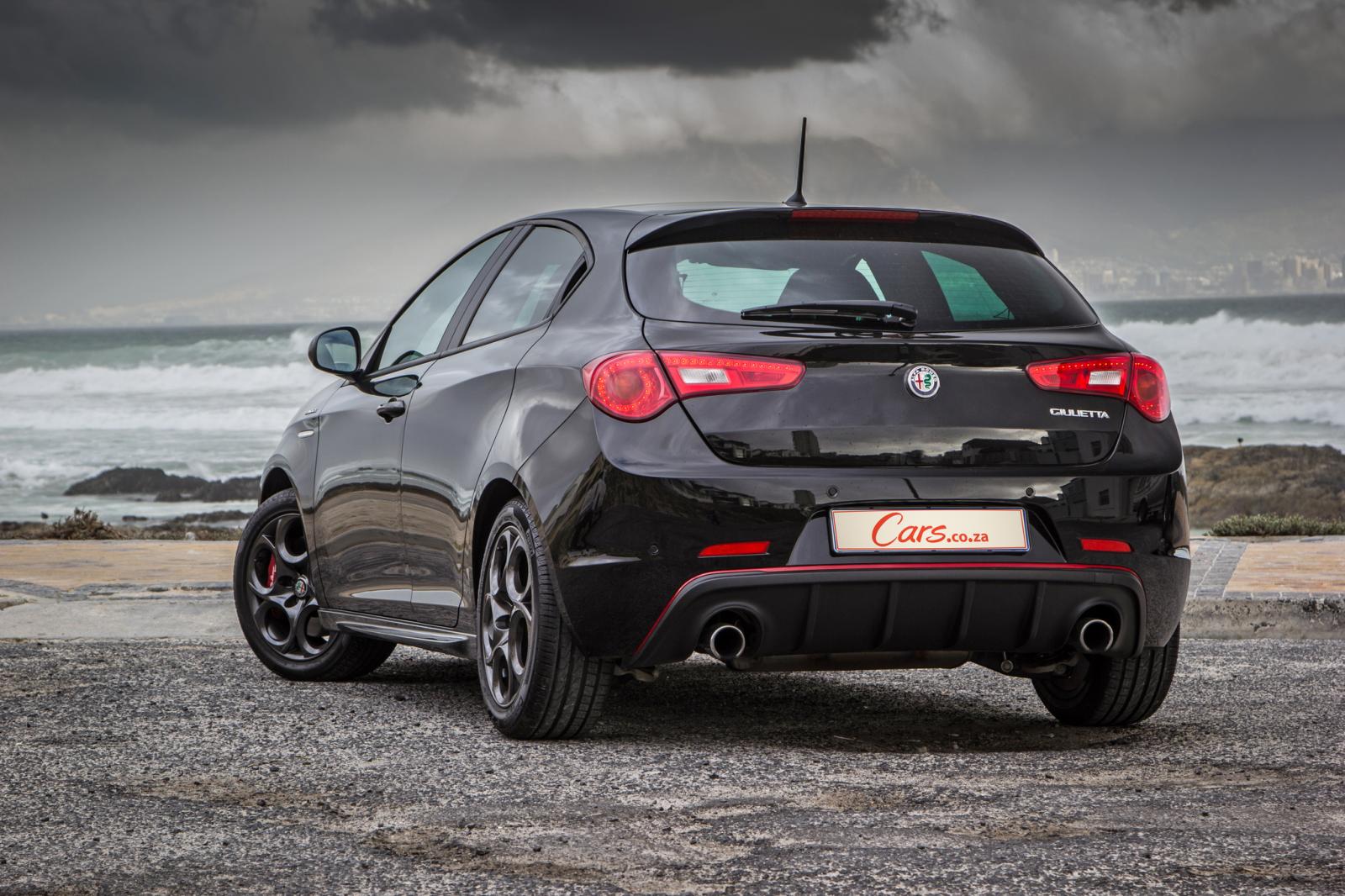
Red striping and twin pipes distinguish the Veloce model. Giulietta badge has been moved to the right (previously it was in the centre).
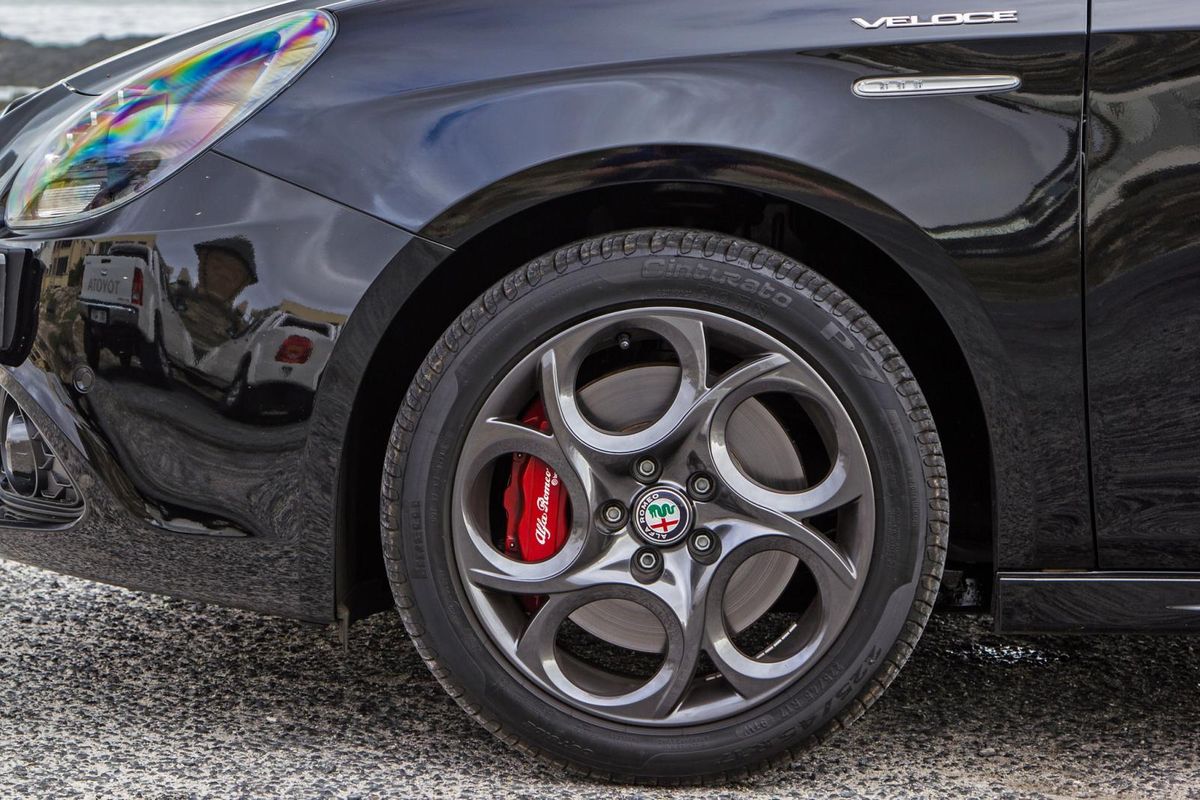
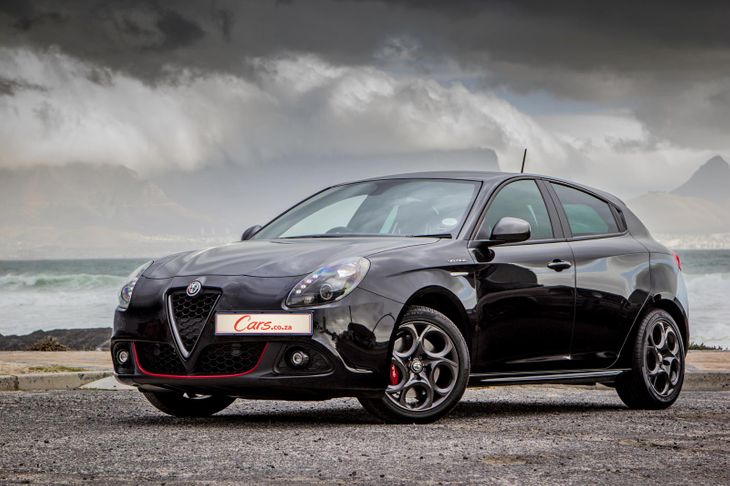
The Veloce is not a Quadrifoglio, but it used to be; Alfa saw it fit to change its name for this facelifted model. The mid-life revision to the Giulietta rings in a new infotainment screen that’s lifted from the Jeep Renegade and Fiat 500X, plus the exterior receives some sporty enhancements such as the red striping on the bumpers, red brake callipers and twin tailpipes.
The good
Engine and gearbox: When we first experienced the 4C-derived 1,75-litre turbopetrol engine in the Giulietta Quadrifoglio, it felt as though Alfa Romeo had pursued lofty power figures at the expense of driveability. That Alfa would spin up its wheels crazily; it effectively created a binary driving experience where you were forced to choose between living with mad front-end wheelspin (let alone understeer) and quietly pottering along in traffic. There was nothing in between – no cruise mode or semi-attack mode.
Now, with the addition of the dual-clutch automatic transmission and what feels like a revised engine mapping, the Veloce has that middle ground option. The engine delivers good mid-range torque and there’s a pleasing snarl to the induction sound. The twin-clutch 'box, whilst not quite up to the refinement of the Golf’s DSG, is probably on par with the offerings from the Giulietta's other competitors. The handling still remains a little anodyne, however. You always feel like this Giulietta could be a great car if it was more rewarding to drive in the corners.
The engine's power delivery feels less sporadic and more evenly spread across the rev range.
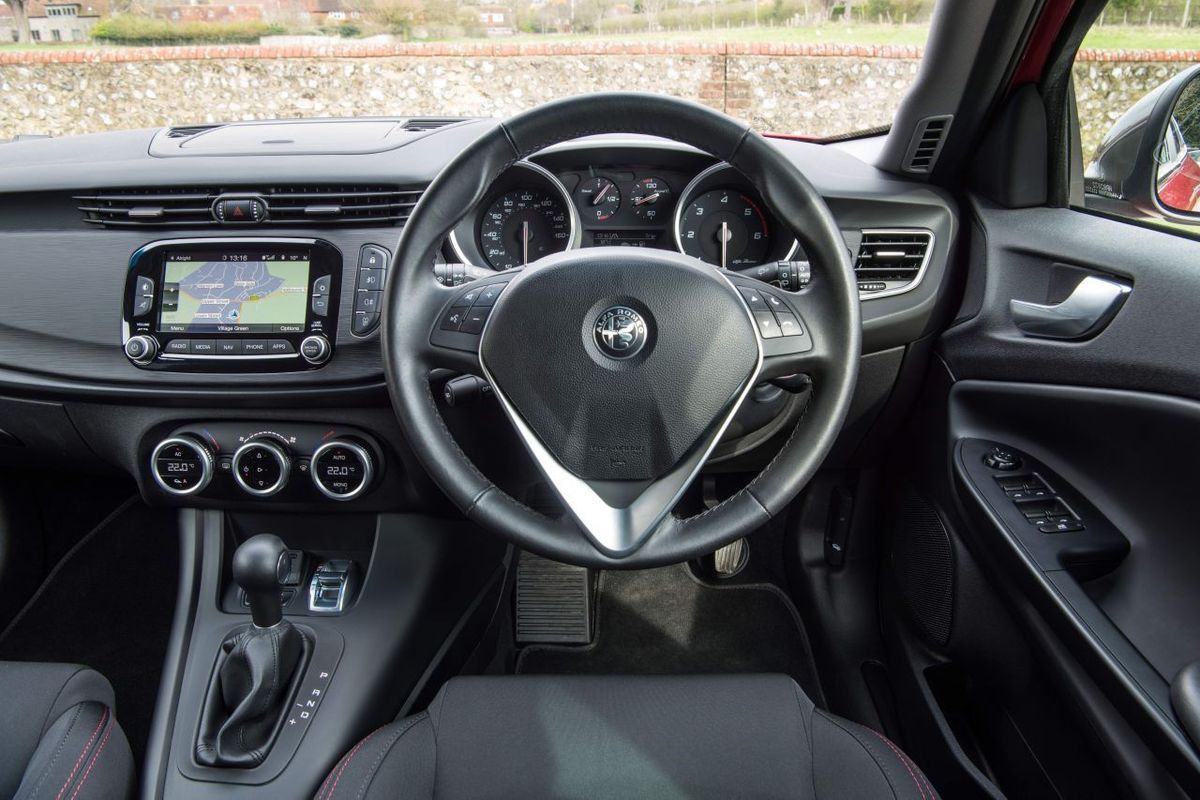
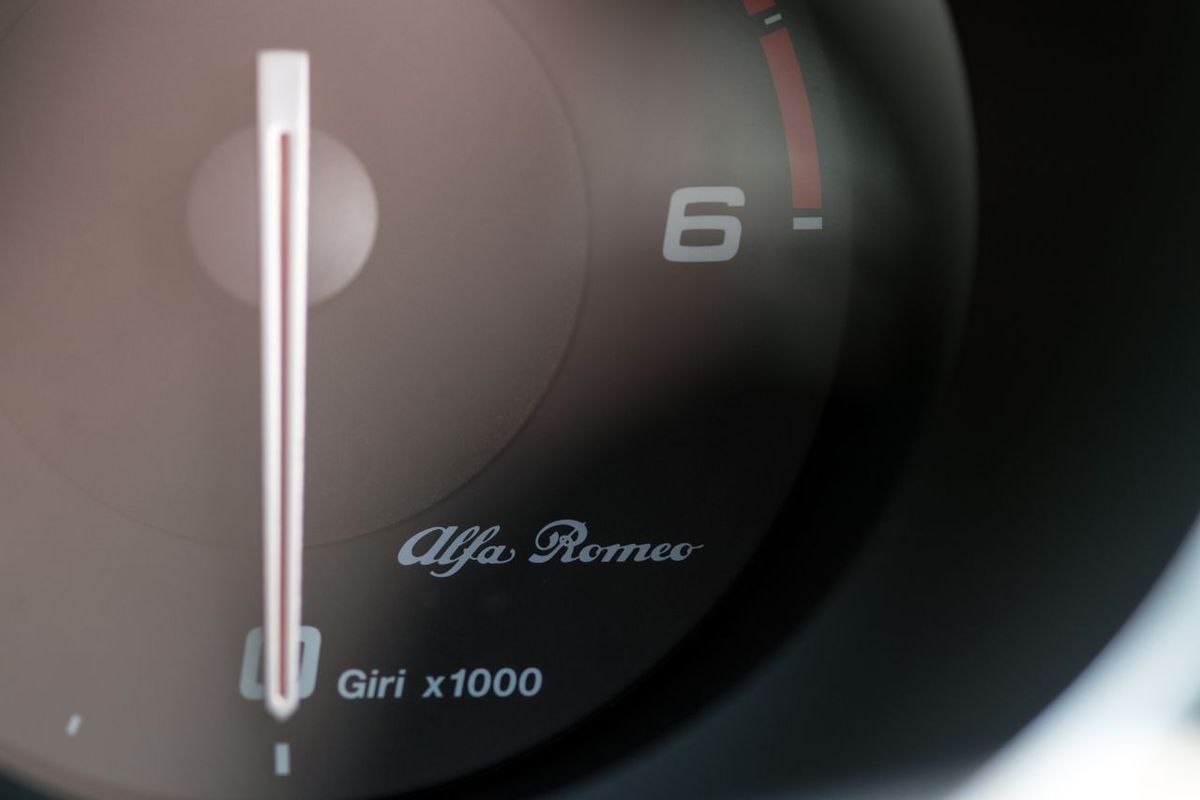
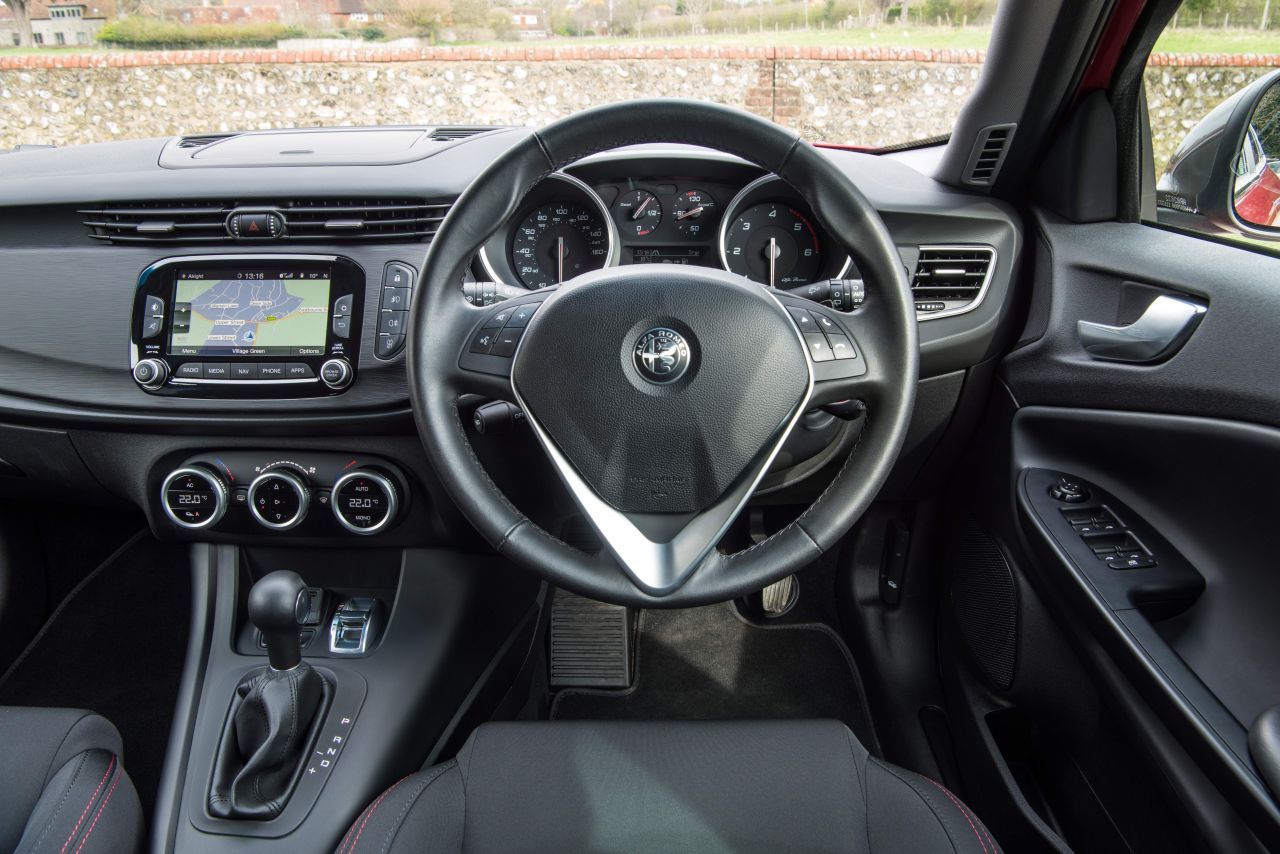
Interior design: The Giulietta's interior has always had an artistic flair to it. It looks premium and, for the most part, feels premium (and inviting). The instrument cluster doesn’t feel like it’s been pressed into place by a charmless robotic arm, the dials look crafted by an artisan and the interior ambience engenders that intangible exotic aura that makes Alfa Romeos so special. The same applies to the seats, which are trimmed in Alcantara mixed with leather; the cockpit’s a sporty-but-stylish place to occupy. And then, just when you’re starting to love everything inside, Fiat Chrysler Automobiles wedges a mass-produced brick of an infotainment screen in the heart of the fascia that "ruins" the cabin's look. Classic Alfa, right?
The bad:
Showing its age: The Veloce may be a new model replete with a raft of updates, but its credentials as a hot hatch end at it 6.0-second 0-100 kph time. It doesn’t ride as comfortably over bumps as a Golf, Astra or (Renault) Megane and it doesn’t feel as supple when you coax it into a bend with gusto. You want it to handle well (because it's an Alfa Romeo!), but there’s nothing exciting about waiting for the front end to grip on turn-in, only to get your face pressed against the side window and feeling the front end push wide when you attempt to put the power down on corner exits. The Giulietta does come from as far back as 2010, so it’s hardly surprising that it struggles to match the competition in the ride and handling department.
Poor practicality: It’s not so much the size of the luggage bay that’s the problem, nor the amount of rear legroom available, for that matter… the Giulietta is quite acceptable in those aspects. The hatch can accommodate 350 litres of cargo and 3 adults can sit in the back quite easily. It’s the minuscule oddments storage space that annoys. There’s nowhere in the front to store your keys, phone and wallet. If you happen to want to wedge a bottle in the drinks holder you better buy a small one, because that’s the only size that will fit in the tiny recess.
Individualy, there are some nice parts to the interior, the seats and instrument binnacle are good for example. The infotainment system looks aftermarket.
Verdict
If you’re considering an Alfa Romeo, it’s almost certainly because you want something different, an eye-catching, sporty machine that will stand out of the crowd of humdrum, so-so looking hot hatches. The Giulietta appeals with its sporty exterior, and in the test unit's metallic black finish it looks vivacious – as an Alfa should. The interior is a lovely place to sit with Alcantara, leather and soft-touch materials abound. The build quality appears good too but its infotainment system is an eyesore and there are not enough places to stash your detritus.
By contemporary standards, the Giulietta's handling, despite a sporty suspension setup, feels imprecise, almost blunt and a bit too uncompromising considering the lack of sporty talent the car's underpinnings actually possess. The Veloce descends into understeer too early and leaves you underwhelmed after a session in the bends. A chassis update would do the hatchback some real good as much newer competitors have found excellent compromises between sport and comfort modes. The Giulietta’s showing its age; it flatters to deceive.
Volvo’s in-house performance division, Polestar, is transforming itself into a performance car manufacturer in its own right, much like Mercedes-Benz's Affalterbach-based Mercedes-AMG did when began producing the SLS and, now, GT models.
The Swedish brand has had a relationship with Polestar that has grown in prominence over the last few years. Firstly it was just a software update for cars like the V40 and S60. Then it delivered a full overhaul to the S60 Polestar that we drove in 2016. Now, Polestar plans to build its very own car to rival the performance brands from Audi, BMW and Mercedes-Benz.
More than that, Polestar’s very first performance car will be electric-powered. Whether that means full-electric or a hybrid of petrol and electric – like the McLaren P1 and La Ferrari – we will have to see. Jaguar has made a mainstream all-electric sports/SUV with the i-pace, so something similar from Polestar could be on the cards.
Polestar plans to build its performance model on Volvo’s current SPA platform that serves the S90, XC90, XC60 and V90. The platform is entirely scalable so will be used for the new 40 range that includes the V40, S40 and XC40.
The decision to turn Polestar into a full-force performance car maker apparently comes from parent company Geely. It has big plans for Volvo and sees Polestar as an AMG rival in the future.
If the rumour mill is to be believed, we could see the Polestar electric sportscar before the end of 2017.
Dealership Labour Rates: How Much Brands Charge in SA
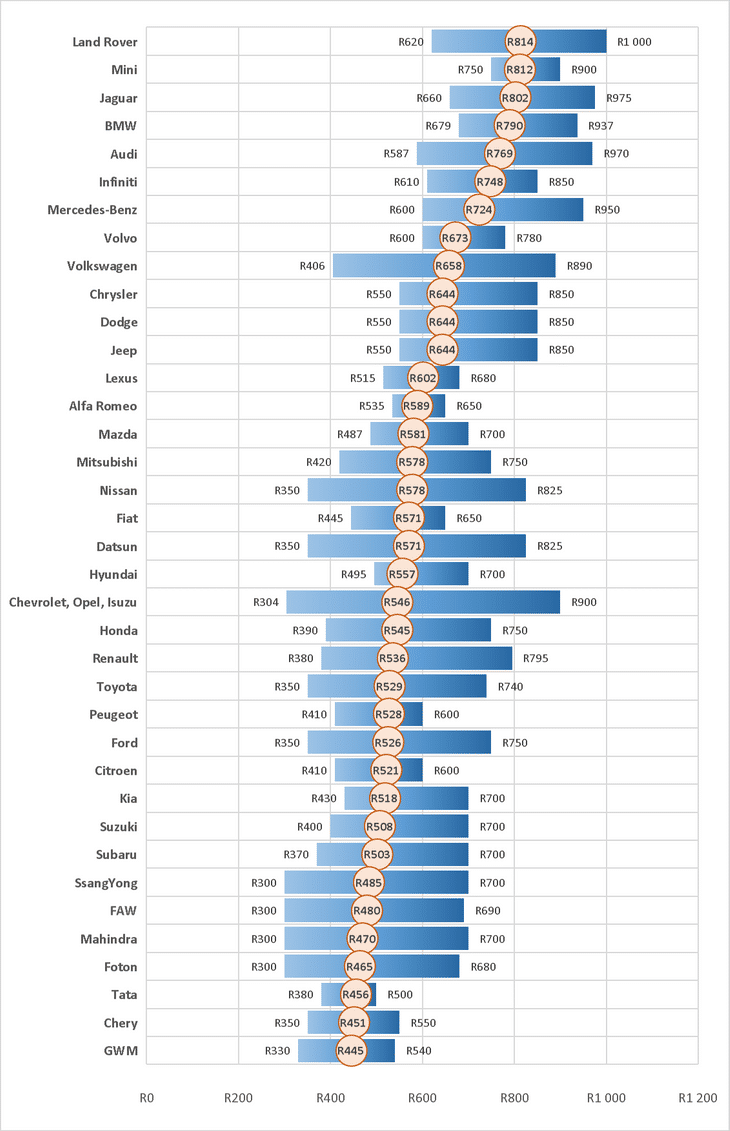
Data specialists Lightstone Consumer have conducted an independent study among all major automotive manufacturers in South Africa to determine the current labour rates charged at franchised dealers. Consumers should find the results both interesting and insightful, take a look!
Lightstone Consumer has released results of its latest independent dealer labour rate study conducted in April 2017. The study incorporates telephonic interviews with Service Managers from 897 Passenger and Light Commercial Vehicle (LCV) dealerships from 37 car brands across South Africa. More so, the study accounts for the Warranty Labour Rate, Maintenance/Service Plan Labour Rate and the Retail Labour Rate.
It’s important to note that most new cars are sold with maintenance plans and vehicle owners are therefore rarely familiar with Maintenance/Service Plan or Warranty Labour Rates, which are reimbursed to the dealers on completion of maintenance or warranty work. The Retail Labour Rate, however, is the rate charged for work on a vehicle that doesn’t have a maintenance/service plan or in cases where the maintenance plan has expired. The Retail Labour Rate is therefore of particular interest to the consumer.
Most expensive to cheapest labour rates in South Africa
The survey results reveal labour rates as high as R1 000 and as low as R300 and the values vary depending on the brand and location of the dealership. Land Rover has the highest average retail labour rate of R814, while Mini comes in close second at with an average rate of R812. Jaguar is the third most expensive car brand with an average labour rate of R802. BMW and Audi charge an average amount of R790 and R769 respectively.
When Lightstone Consumer initially released its Dealer Labour Rates data back in August 2016, the Top 5 most expensive car brands were Audi (R847), Jaguar (R832), Land Rover (R809), Mini (R755) and BMW (R745).
At the lower end of the spectrum, GWM offers the cheapest average retail labour rate of all at R445, followed by Chery at R451, Tata at R456, Foton at R465 and Mahindra at R470.
It has been a busy start to the year with a host of new models and facelifted products already introduced in South Africa. There is, however, still lots of exciting product on the way! Take a closer look at the cars that have already arrived on South African shores as well as cars that are expected for launch in coming months.
We have created an alphabetical (by brand) list of all the cars you can expect to see in South Africa this year.
Alfa Romeo
This iconic Italian marque is on the product offensive, having already launched the new Giulia business class sedan in South Africa. We have already reviewed the entry level 2.0T model (read the review here), and recommend watching the stunning flagship Giulia Quadrifoglio in action in our feature video here.
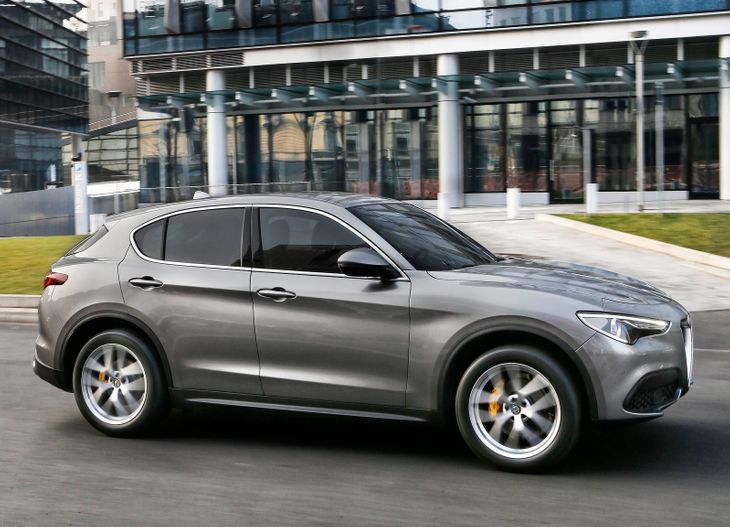
Alfa Romeo Stelvio – 4th quarter TBC
Next to arrive is the all-important Stelvio, Alfa Romeo's first entry into the premium crossover/SUV segment. Although the local line-up is yet to be confirmed (as is the launch date), we expect a comprehensive offering, from base turbodiesels to a fiery Quadrifoglio version that will take the fight to Porsche's Macan. Find out more in our International First Drive, by clicking here.
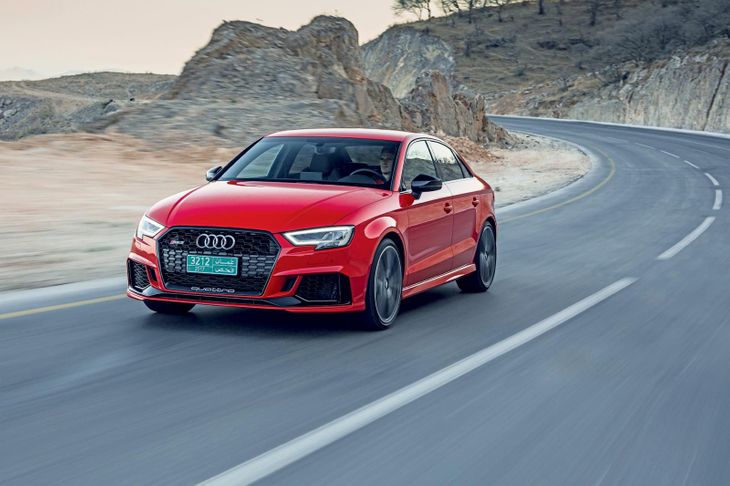
The scorching Audi RS3 sedan should arrive in South Africa in the 2nd quarter of 2017, and is powered by a 294 kW turbocharged 5-cylinder engine. Audi promises a significantly more "playful" package than before. But it will be pricey… First drive here.
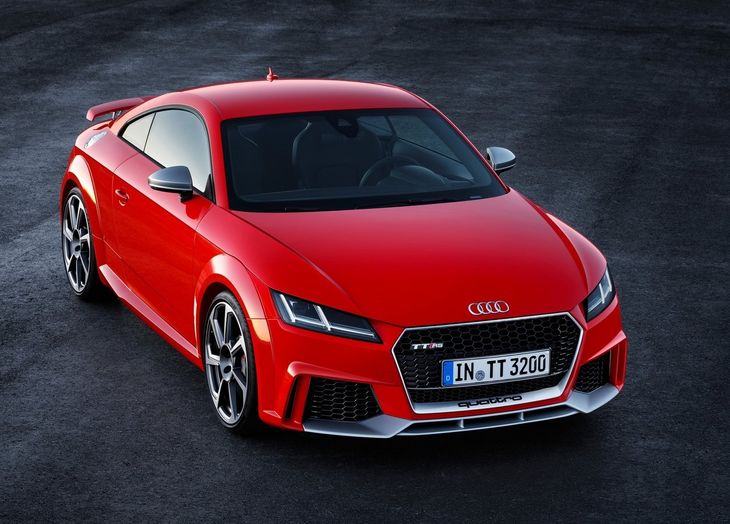
Audi TT RS – 3d Quarter 2017
Another hot Audi on the way to South Africa soon is the TT RS, due just after mid-year. The 294 kW stormer is said to accelerate to 100 kph in a blistering 3.7 seconds. We sampled the car at its international launch last year – read our correspondent's impressions here.
Audi Q5 – 3rd Quarter 2017
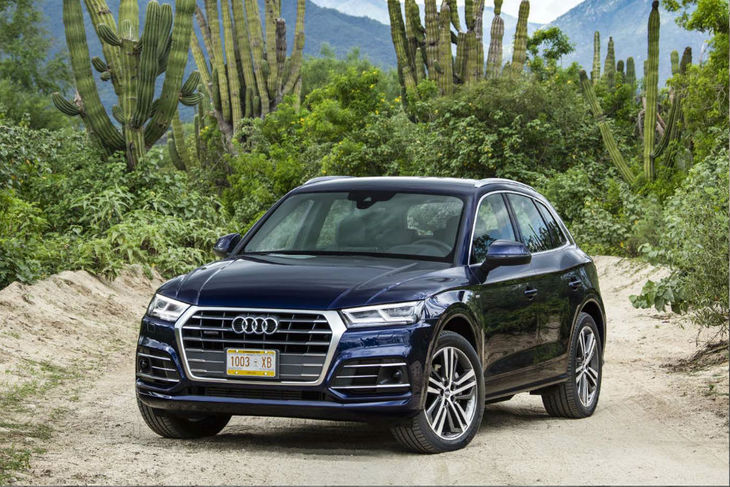
The brand new Audi Q5 is a very important model for Audi as it replaces a vehicle that has been a top seller the world over. It doesn't look that different in the metal, but it's all change underneath and boasts what is likely to be a class-leading interior. Expect it in SA during the 3rd quarter of this year. First drive report here.
Audi RS5 – 4th quarter 2017
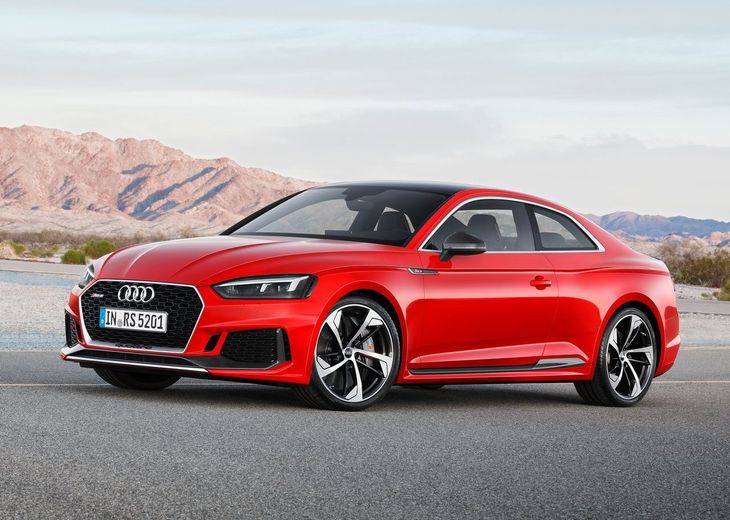
The aggressively styled Audi RS5 is pencilled in for a late 2017 arrival. It certainly looks like it will back up the hardcore styling with matching performance. Its 331 kW twin-turbo V6 should push it to 100 kph in less than 4 seconds! Read more about this super coupe here.
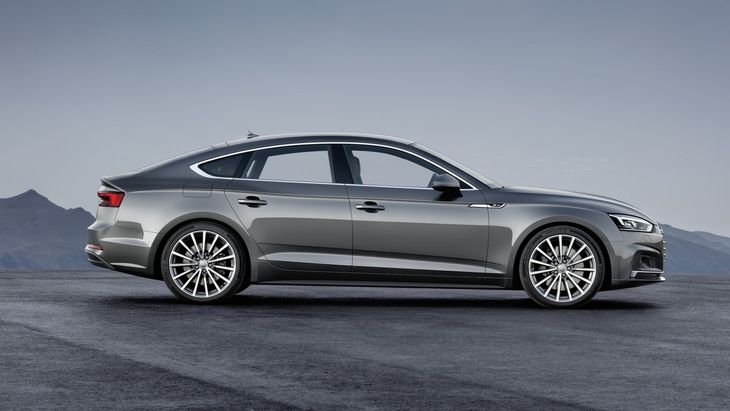
Audi will finish off 2017 with a brace of additions to the stylish A5/S5 line-up, namely the Sportback and Cabriolet models. Find out more about the sleek 5-door Sportback here and more information on the suave Cabriolet here.
BMW
The big news from BMW thus far in 2017 has been the arrival of the new-generation 5 Series – watch our video review here. More recently, the German marque also released the plug-in hybrid version of the 3 Series, dubbed the 330e and the flagship of the 7 Series, the M760Li – read more about the staggering details of the ultimate Seven, by clicking here. All of the 15 M4 DTM limited edition cars allocated to SA have already been snapped up – read about that model here. The facelifted versions of the 4 Series coupe, Gran Coupe, Convertible and M4 derivatives are also already available – details here. And, last but by no means least, you can already order your facelifted M3 locally – further details here.
BMW 2 Series/M2 facelift – 2nd half of 2017
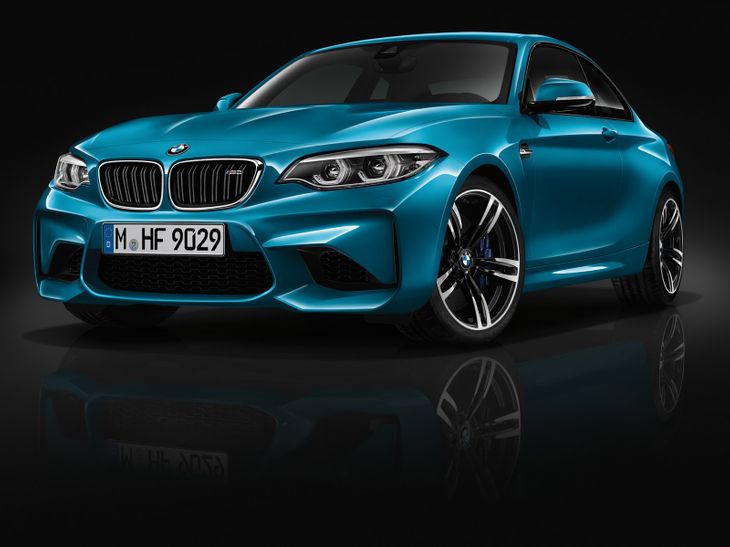
BMW's stylish 2 Series coupe and cabriolet duo have been under the knife. The refreshed models, boasting a significantly improved cabin as the most important change, will arrive in South Africa at some point during the second half of the year. The award-winning M2 will also gain a few cosmetic tweaks. Read more here.
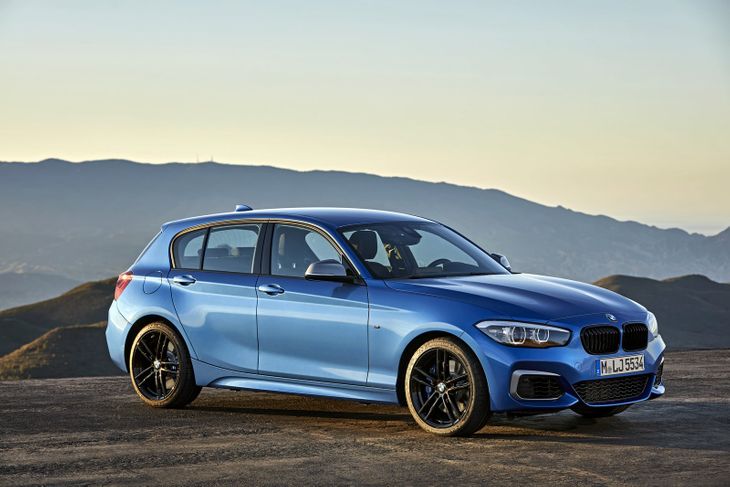
BMW 1 Series facelift – 2nd half of 2017
The baby in the BMW line-up, the 1 Series, gets a similar update to the 2 Series at about the same time. Again, the biggest changes are inside, but there are a few exterior design tweaks, new wheels, colours etc. Find out more here.
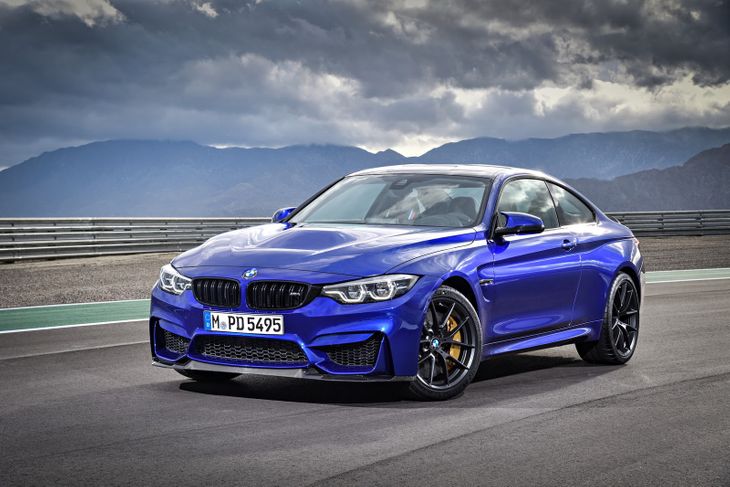
BMW M4 CS – 3rd Quarter 2017
An even hotter version of the powerful M4 is on the way to South Africa, possibly during the 3rd quarter of the year. It is dubbed the CS, and uses the underpinnings of the impressive M4 Competition Pack as a base, and adds items such as the Adaptive M Suspension and M Driver's Package as standard. Find out more here.
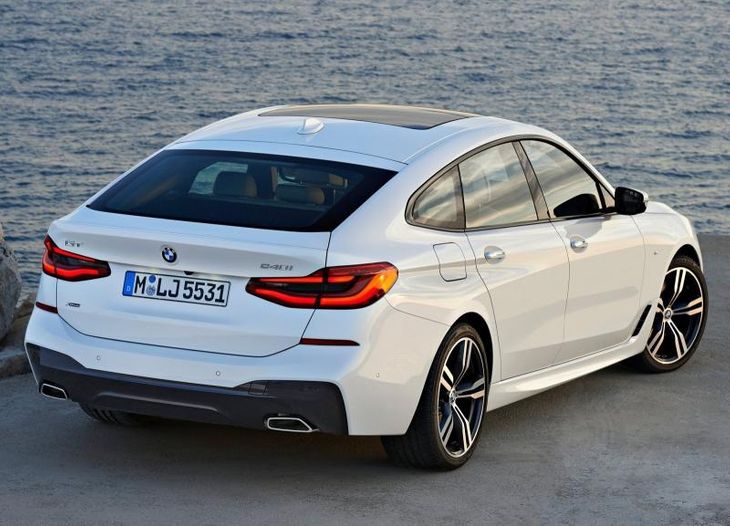
BMW 6-Series Gran Turismo
BMW South Africa confirmed that the new 6-Series Gran Turismo will be making landfall before the end of the year. As it stands, two models are being offered: 640i xDrive Gran Turismo and 630d Gran Turismo, which we can expect to see launched in South Africa in November 2017. Read more here.
Fiat
For a very long time the Fiat brand has relied on only the cute little 500 for its local presence, but things are changing. The Mitsubishi Triton-based Fullback was launched last year, and now the brand is also re-entering the compact sedan and hatchback segments with its new Tipo. Read more about the Tipo here.
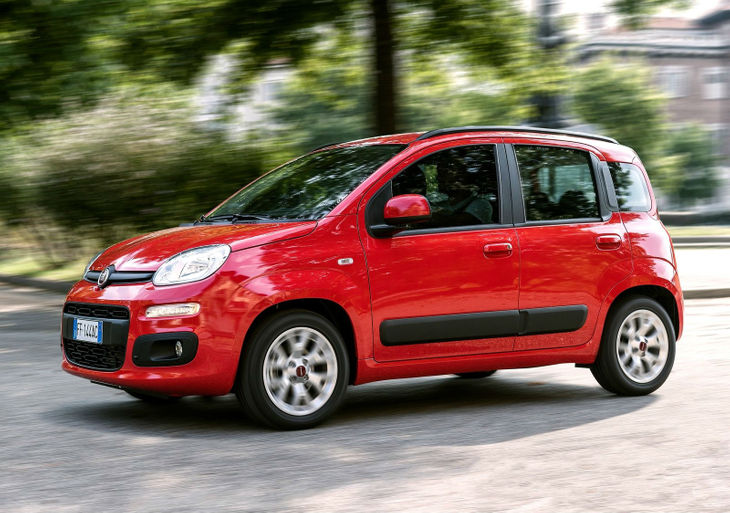
Fiat Panda – July/August 2017 TBC
Fiat's Panda looks set to make a comeback in South Africa during the 3rd quarter of the year. At this point the exact line-up remains unconfirmed, but the model recently received a round of updates as part of a mid-life refresh – it gained a substantially revised interior with the latest connectivity tech, among other improvements.
Ford
Although it has experienced a torrid 2017 thus far, courtesy of the Kuga fire debacle, Ford is not standing still. It recently introduced a facelifted Focus line-up – find out more here– and also launched a Fx4 style package for the Ranger that comes with full Ford backing (have a look at the Fx4 here). The Fx4 option follows hot on the heels of tech updates to the Ranger and Everest line-ups.
Ford Kuga facelift – 3rd Quarter of 2017 TBC
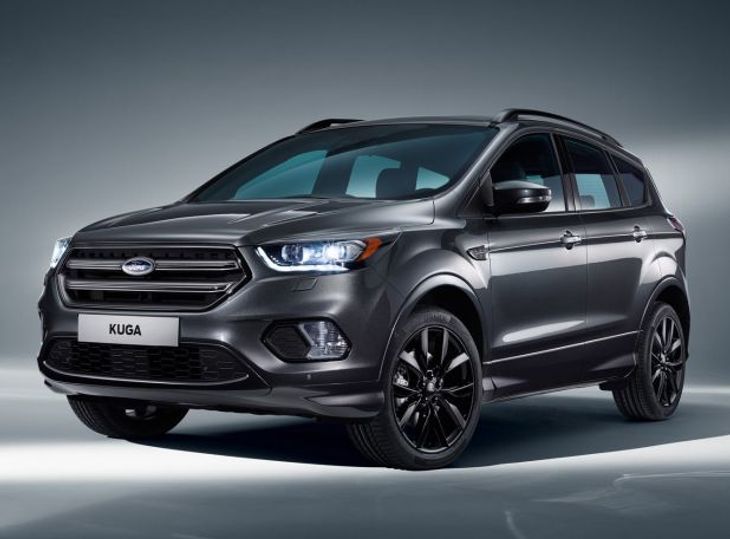
The facelifted Ford Kuga will introduce a host of styling and technological updates to the popular family car/compact SUV. Buyers can expect features such as SYNC3 connectivity, hands-free parking and enhanced Active City Stop. In terms of engines, 88 kW 1.5-litre and 110 kW 2.0-litre turbodiesel powerplants will be offered. A petrol 1.0-litre EcoBoost engine with either 88 kW or 110 kW will be available, while an uprated 134 kW version will power the all-wheel drive Kuga derivative.
GWM
Although GWM recently celebrated its 10th year in South Africa, the Chinese firm has been quiet of late. Now fully controlled by Great Wall Motors in China and in the process of also launching its Haval sub-brand, expect to see quite a lot of activity from GWM in the coming months. It recently reintroduced its H5 and H6 models in South Africa.
GWM Steed 5/5E facelift – 2nd Half of 2017
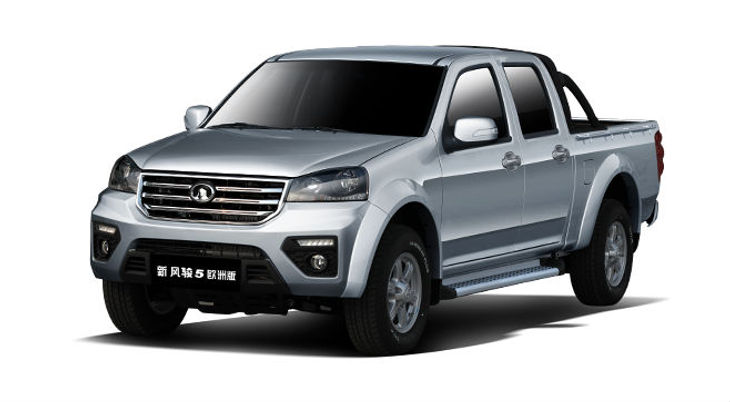
The long-serving current Steed 5 (and more refined Steed 5E derivative) will get another facelift this year, probably in the 4th quarter of the year. Expect the engine line-ups to remain largely the same, with the focus falling on a significantly more attractive facia design and exterior styling tweaks. Find out more here.
Haval
Chinese brand GWM (Great Wall Motors) is preparing its upmarket SUV brand, Haval, for South African introduction at the end of May. Haval only makes SUVs and with more than 1 million units sold in 2016, is one of the world's biggest manufacturers of SUVs. At first the dealership footprint will be small, but following a recent trip to China, we can vouch for major progress having been made on several fronts, including engine/transmission technology, refinement and design – find out more here.
Haval H2 – Fresh Arrival
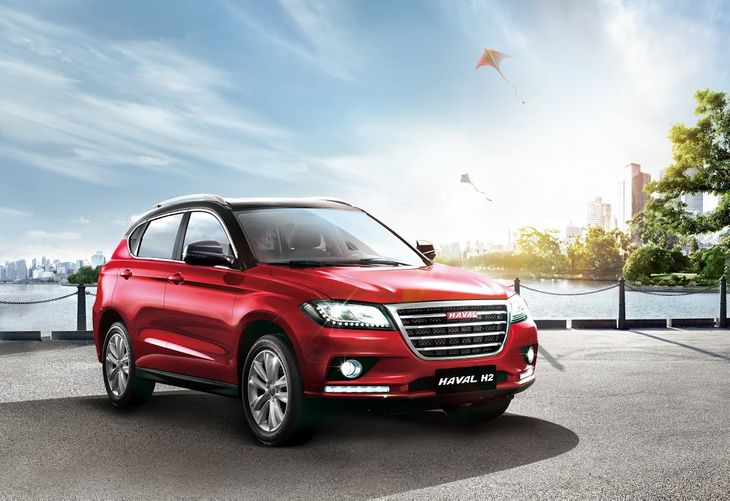
GWM's upmarket Haval SUV brand launched in South Africa at the end of May, with the H2 being the most important first arrival. Size-wise it competes against the likes of the Hyundai Creta and Nissan Qashqai, but in terms of pricing it is significantly more affordable. It is powered by a 1.5-litre turbopetrol engine, and manual and automatic transmissions feature. Inside, it is likely to set a new benchmark for fit and finish on a Chinese product sold in South Africa. Read more here.
Haval H1 – 2nd Quarter 2017
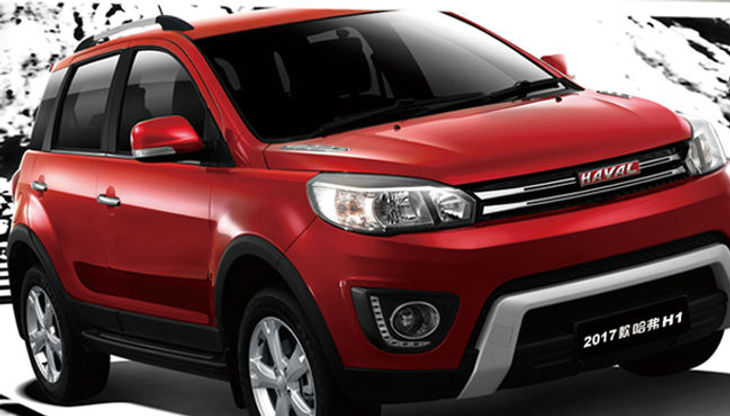
If the vehicle in the picture above looks familiar, your eyes are not playing tricks… The Haval H1 is basically a rebadged version of the vehicle that was previously sold as the GWM M4 in South Africa. We've even reviewed it before, check it out here. It is a compact crossover that will battle the likes of the Toyota Etios Cross and Renault Sandero Stepway.
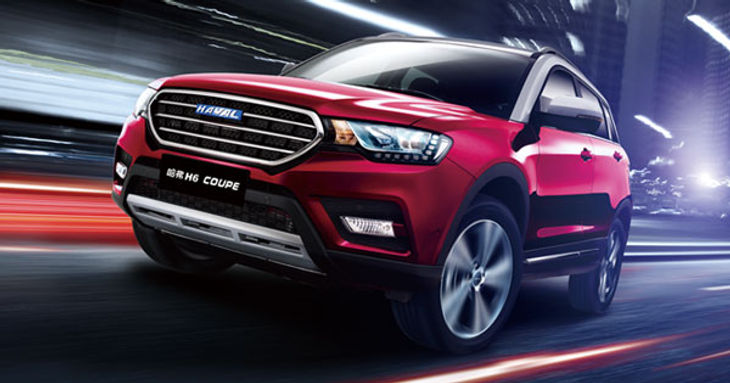
Haval H6 Coupe – before year-end 2017
Arriving later in the year is a significantly more upmarket and sophisticated version of the GWM H6 (recently reintroduced). Dubbed the H6 Coupe, it is powered by a 2.0-litre tubocharged 4-cylinder that delivers 145 kW and 315 Nm of torque, through either a 7-speed dual-clutch transmission or a 6-speed manual.
Honda
Although Honda has already introduced a revised Ballade this year, its major introduction, the CR-V, only follows later in 2017.
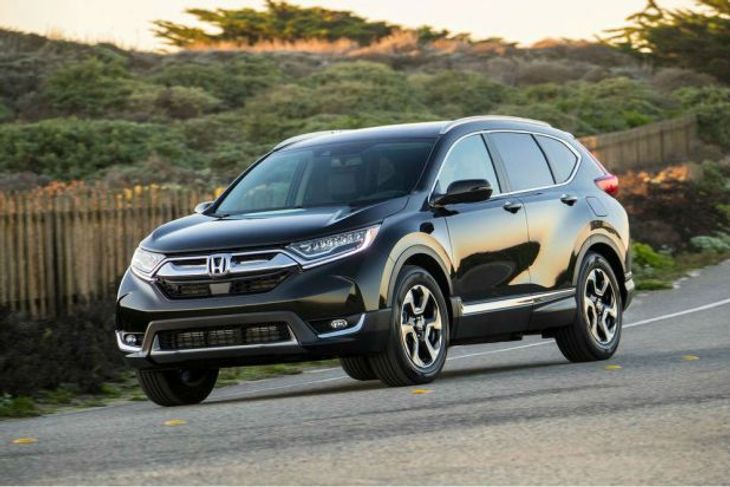
Honda CR-V – 2nd Half of 2017
An all-new version of the popular CR-V is likely to land in SA during the second half of 2017. The redesign appears to have changed it from a demure people carrier into something quite sleek and attractive. It rides on a stretched version of the new Civic platform and is claimed to be more spacious and more upmarket inside. Engines have yet to be decided for our local market, but 1.5-litre turbopetrol and 2.4-litre naturally aspirated petrol derivatives are offered in the USA.
Hyundai
With the launch of the already-popular Creta under its belt, Hyundai has had a rocking start to 2017. It also recently introduced a freshened verion of the Grand i10, as well as a locally-developed Tucson Sports derivatve.
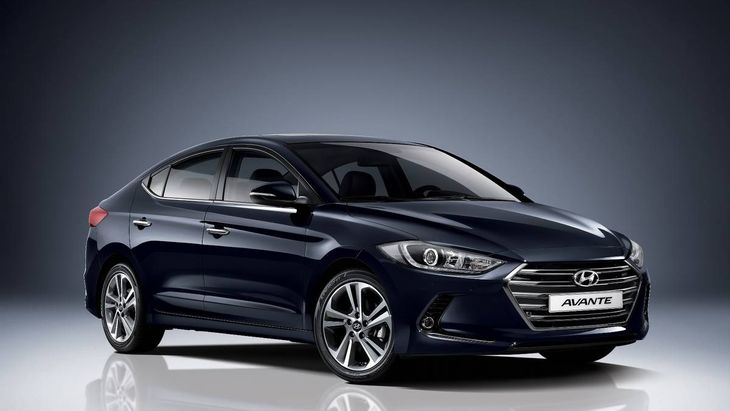
Hyundai Elantra – Fresh Arrival
The new-generation Elantra is an imminent arrival in South Africa. Find out more about the newcomer, which can now be purchased with the turbocharged 1.6-litre petrol engine from the Veloster, right there.
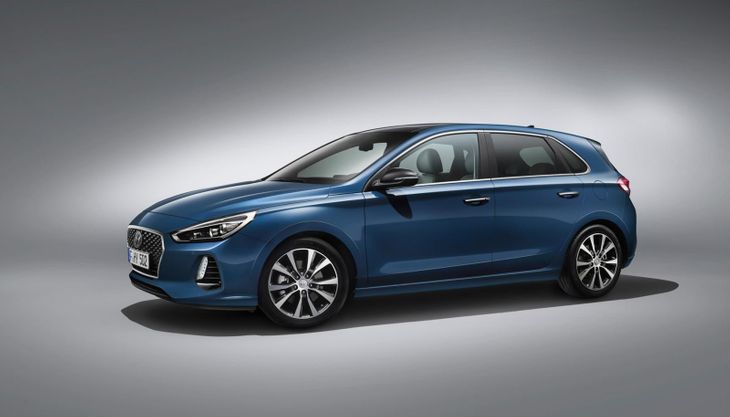
Hyundai i30 – 2017 TBC
It was expected that the i30 would join the local line-up later this year but the latest news suggests that the launch has been pushed out, perhaps even to 2018. With chiselled new looks, a near-premium cabin with the latest technologies and some turbocharged power under the bonnet, the i30 looks set to further advance Hyundai up the status ladder. Find out more here.
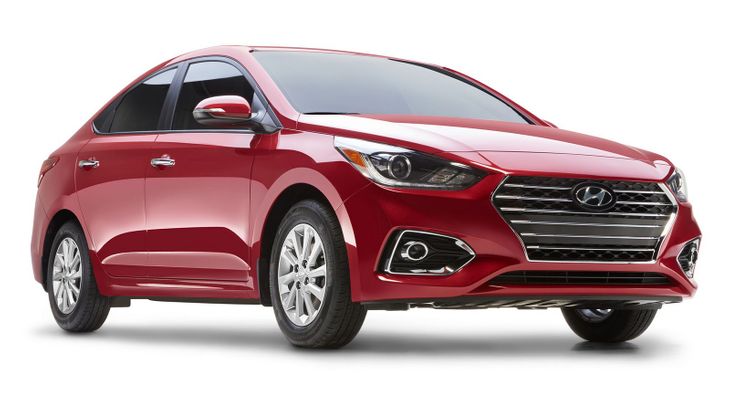
Hyundai Accent – 2018
The all-new Hyundai Accent is definitely on the cards for South Africa, but the timing is yet to be confirmed, At the moment it looks like early 2018 is as accurate as one can get. Find out more about the latest version of Hyundai's popular compact sedan here.
Jeep
This American SUV brand has been relatively quiet since the launch of the Renegade, but another compact SUV could be on the cards in the shape of the all-new Compass.
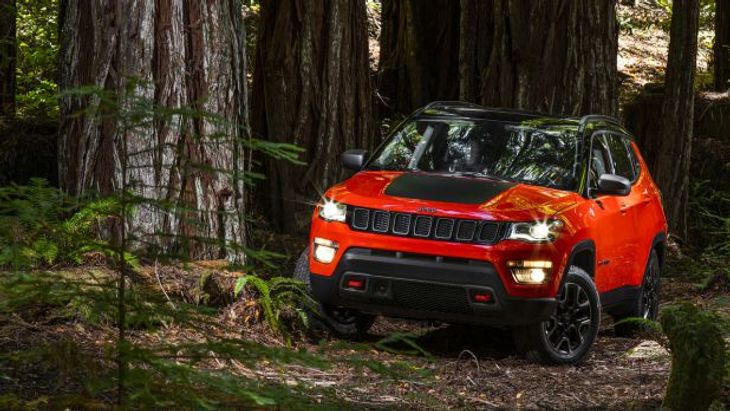
Jeep Compass – 2017 TBC
The new Compass could be here before the end of 2017 if Fiat Chrysler SA can get its hands on right-hand drive models by then. Although it rides on the Renegade platform, the Compass is likely to be a more rugged off-roader.
Kia
Kia has already made a few small changes to its local offering, with the launch of a facelifted Soul, and a new entry-level Sorento turbodiesel. But its most important new products are still on the way.
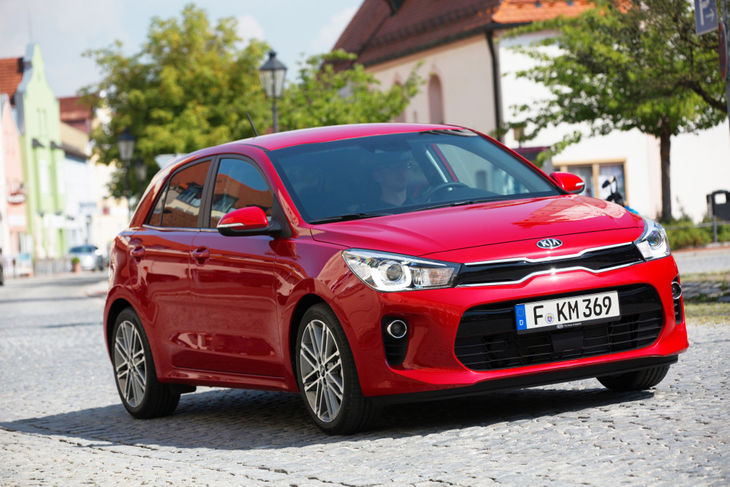
Kia Rio – Freshly Launched
The Rio is Kia’s best-selling model worldwide so the new model has a sterling reputation to live up to! The new Rio is said to usher in significant improvements in terms of safety and practicality. The hatchback is slightly bigger than before and the interior has been updated to meet the latest in connectivity needs. You can find our local first drive report here.
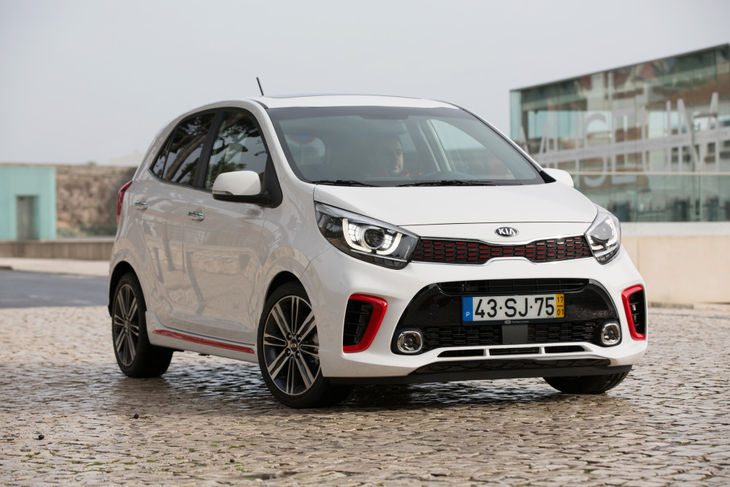
Kia Picanto – 3rd Quarter of 2017
The little Kia Picanto has been a strong seller in South Africa, even as the current model is nearing the end of its product lifecycle. The all-new model is therefore a very important one. It offers more interior space, a greater focus on in-car connectivity and is powered by 1.0-litre engines (naturally aspirated, or turbocharged). Find out more here.
Land Rover / Range Rover
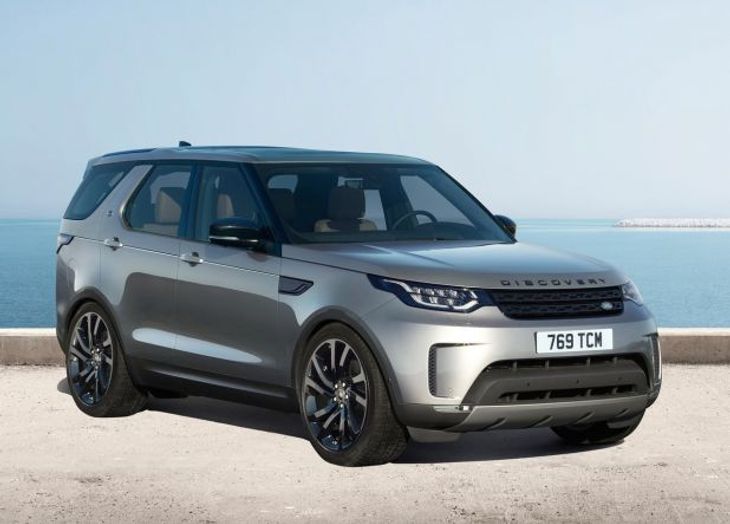
This iconic British marque has some big introductions during 2017, with the eagerly anticipated Discovery 5 and suave Range Rover Velar likely to make a significant impact on the local market. Also on the way is the Range Rover Evoque Landmark Special Edition – find more about that vehicle here.
Land Rover Discovery – Mid-2017
The 5th-generation Discovery will certainly be a highlight for 2017. Over and above significant off-road ability matched with impressive on-road refinement, the Disco will offer generous loading capacity. With all the rear seats down it is said to offer 2 406-litres of space (an Audi Q7 is 2 075 litres by comparison). Loads of off-roading tech and connectivity systems have been crammed into the new Discovery. You can even fold down the rear seats via an app on your phone…
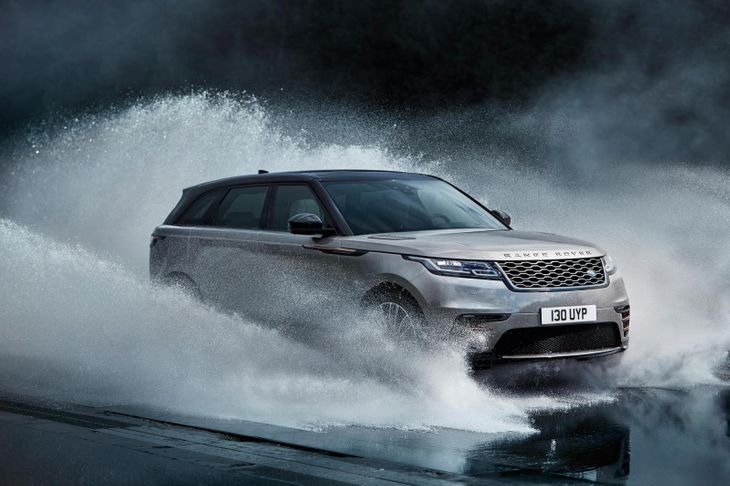
Range Rover Velar – 3rd/4th Quarter of 2017
The very stylish new Range Rover Velar will be available locally before year-end. Based on the underpinnings of the award-winning Jaguar F-PACE, the Velar fills the gap between the Evoque and Range Rover Sport. Expect a similar line-up of engines to what you'll find in the F-PACE. Find out more about the Velar here.
Lexus
While it seems that we'll have to wait until early in 2018 for the arrival of the all-new Lexus LS, there's still plenty to get excited about from Lexus this year.
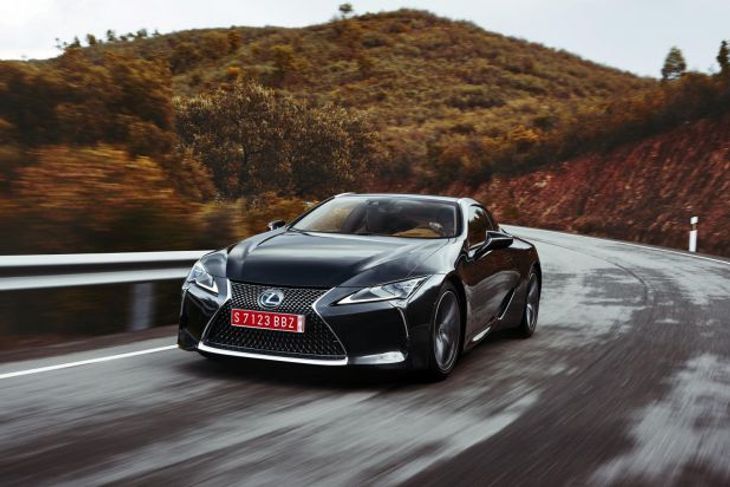
Lexus LC 500 – Mid-2017
The LC500 is the most focused sportscar that Lexus has produced since the LFA supercar. Ostensibly a competitor to the likes of the BMW 6 Series, the LC looks to marry Lexus' sporting pedigree with the brand's reputation for refinement, supreme occupant comfort and luxury.
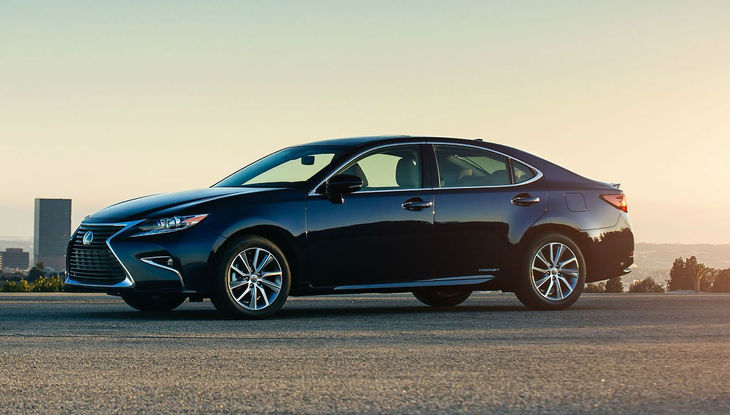
Lexus ES facelift – 3rd Quarter 2017
The big and comfy Lexus ES range gets a facelift around September. Expect a raft of styling and tech updates to stylistically bring the spacious sedan in line with Lexus's more recent introductions.
Lexus NX facelft – Late 2017
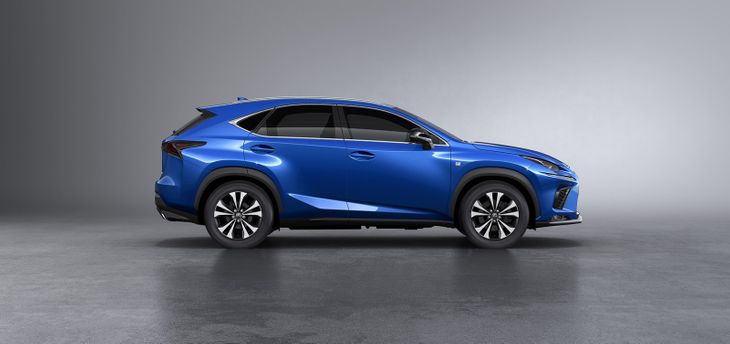
The sharply dressed NX crossover gets a facelift near the end of 2017. The updated model was recently displayed at the Shanghai Motor Show – read more about it here. Besides the predictable styling and cabin tech updates, the NX also gets variable adaptive suspension.
Mazda
Following a strong few years of sales, Mazda looks set to continue its success story by replacing or updating some of its strongest sellers, while they're still doing well. The Mazda2 and CX-3 have had small upgrades already and the MX-5 line-up has been bolstered with the addition of the RF derivative – read more about the this sporty newcomer here.
Mazda CX-5 – Freshly Launched
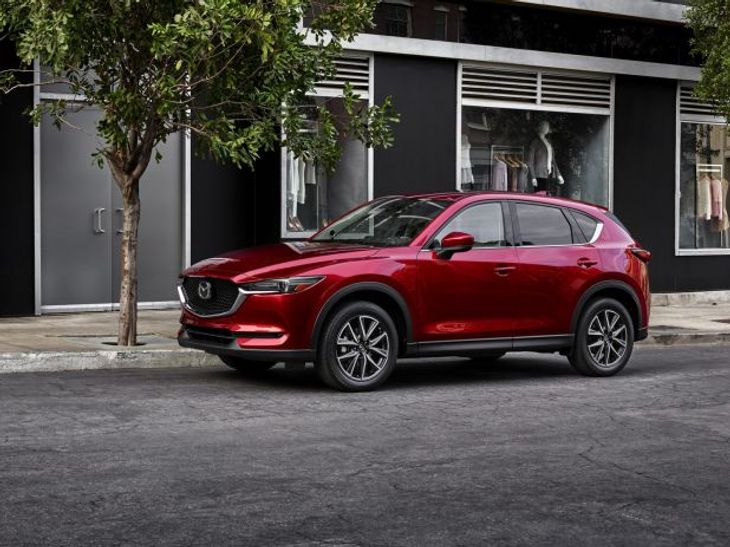
The new Mazda CX-5 has just arrived in South Africa. It is a carefully considered update of a model that sold even better at the end of its lifecycle, than at the beginning.Find out all the details here.
Mercedes-Benz / Mercedes-AMG
With the launch of the recently facelifted GLA already done and dusted, Mercedes-Benz and Mercedes-AMG shift their attention to more performance- and status-oriented machinery for the rest of the year.
Mercedes-Benz E-Class Coupe – Imminent
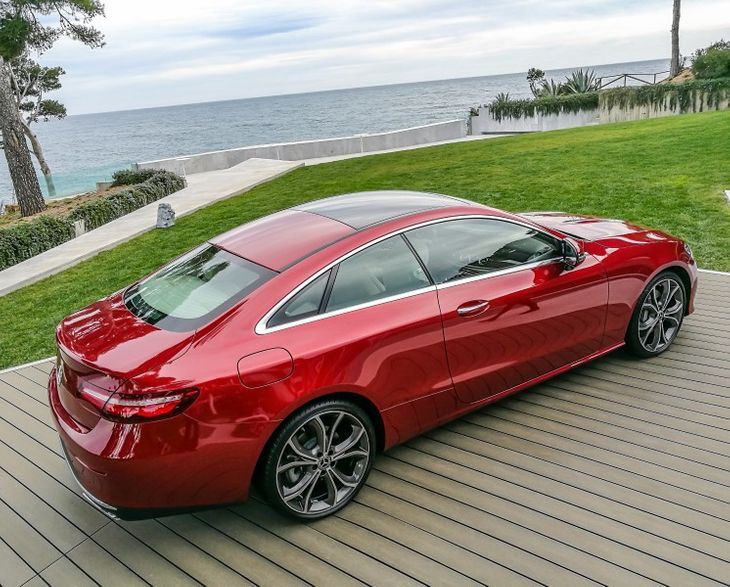
The very slick new Mercedes-Benz E-Class coupe is an imminent arrival. Based on one of our favourite Executive Sedans, the Coupe was always going to be good. Read our first drive impressions by clicking here.
Mercedes-AMG E63 S – Mid-2017
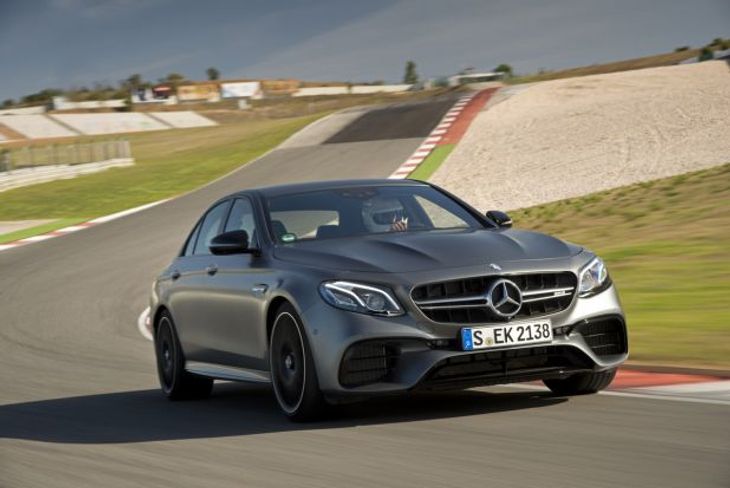
The fire-breathing super-sedan will be in South Africa by mid-year 2017. It can’t come soon enough as our initial perceptions of it rate it extremely highly. Only the top-spec E63 S will be offered locally and it will cost nearly R2-million.
Mercedes-AMG GT C Coupe & Roadster – Imminent
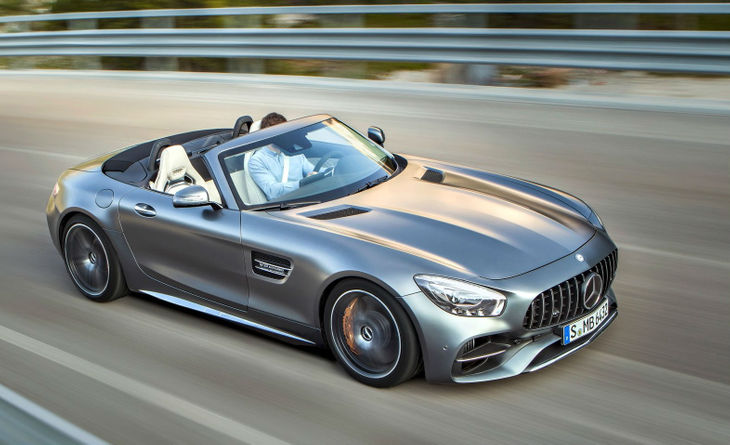
The Mercedes-AMG GT line-up expands dramatically this year. Not only will we see the addition of the fire-breathing GT R, but also coupe and cabriolet GT C variants. These GT C derivatives feature some of the tech found in the GT R, and offer a sublime mix of performance, design and luxury. Find out more by clicking here.
Mercedes-Benz E-Class Cabriolet – Mid-2017 TBC
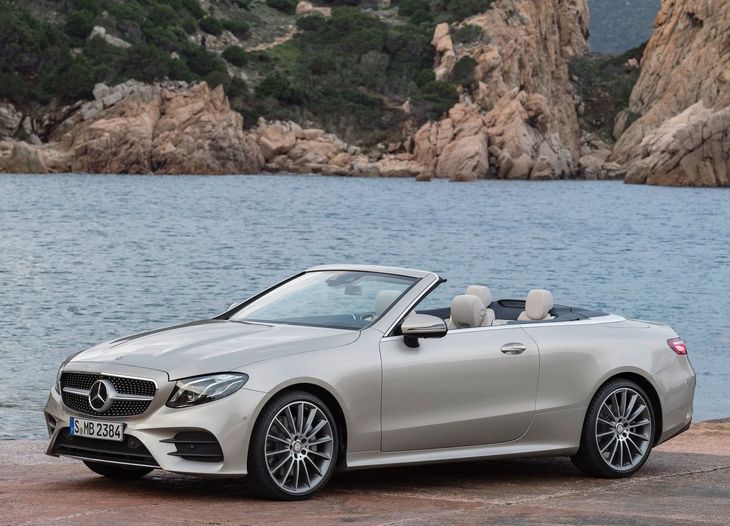
Following hot on the heels of the new E-Class Coupe (and possibly launched together in SA), the E-Class Cabriolet looks set to become the boulevard cruiser of choice for South Africa's (reasonably) wealthy. Find out more about this drop-top here.
Mercedes-Benz S-Class – 2nd Half of 2017
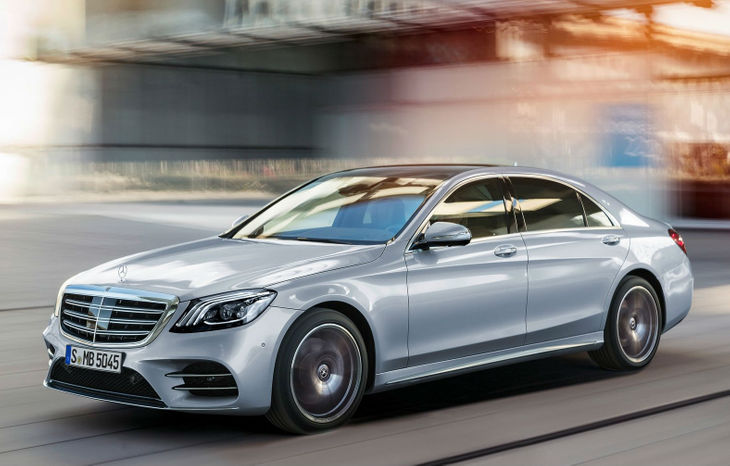
The significantly upated Mercedes-Benz flagship will arrive before year-end and debut some amazing new technologies (some shared with the E-Class), as well as some potent, yet "greener" engines. Get the low-down on all the tech by clicking here.
Mini
The big focus for Mini this year is on the Countryman, which was recently introduced in South Africa (see below). Also no available is the JCW Clubman, and we wouldn't be surprised to see Mini also introduce its new Countryman plug-in hybrid in SA later this year.
Mini Countryman – Freshly Launched
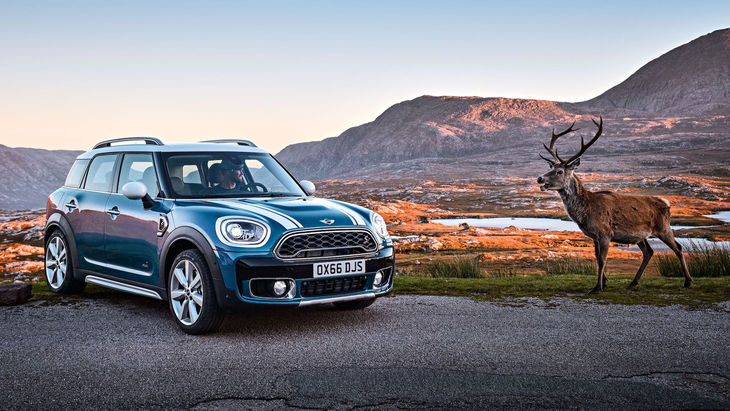
The new Countryman has been endowed with more loading capability and more passenger space (size-wise, it has grown by 30% over the previous model). The range starts with the 1.5-litre, 3-cylinder turbo petrol motor which has 100 kW and 220 Nm of torque. Then you get the Cooper S, which has beefier 2.0-litre four-cylinder turbo petrol pushing out 141 kW and 280 Nm. A 2.0-litre turbocharged diesel engine with 110 KW and 330 Nm of torque is also on offer. A 6-speed manual and 8-speed automatic are available to buyers. A JCW version will join the range at a later stage too. What's it like to drive? Find out here.
Mitsubishi
This Japanese brand has quietly been at work upgrading almost its entire product line-up in a very short space of time. The launch of the impressive new Triton has already happened (watch our video review here), and recently Mitsubishi also added facelifted ASX and Outlander models.
Mitsubishi Pajero Sport – 2017 TBC
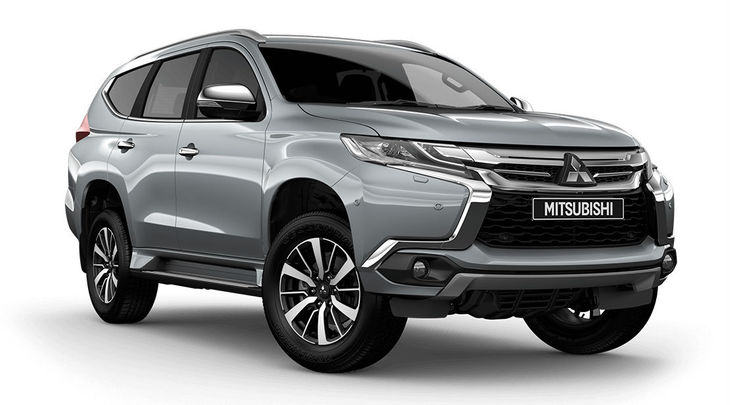
The Toyota Fortuner-rivalling Pajero Sport appears to have been delayed, probably because the fluctuating exchange rate is playing havoc with its business case. Nevertheless, it's such an important model that we anticipate a local launch before year-end, with engines mirroring what is already on offer in the Triton.
Nissan
With its big reveal for the year (the new Navara) done, Nissan's attention shifts to mid-life facelifts of its popular crossovers, the Qashqai and X-Trail. Also still due this year is a surprise facelift for the Micra (the all-new model only comes mid-2018), and possibly a minor update to the 370Z. Next year, we'll see the arrival of the all-new Kicks compact crossover.
Nissan Qashqai facelift – End 2017
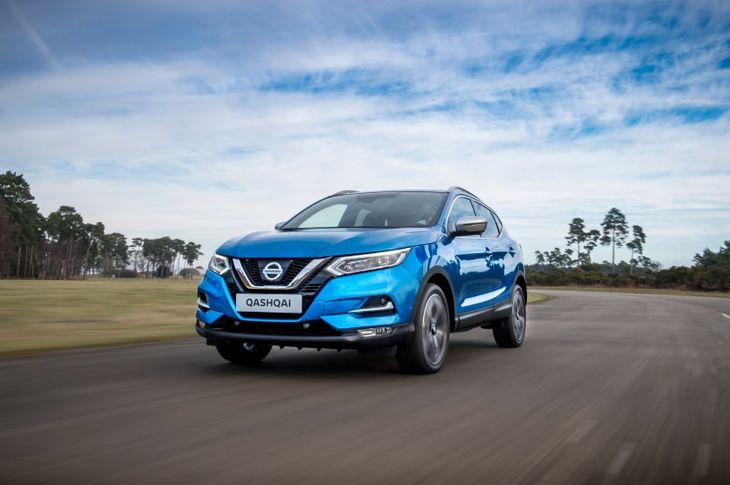
One of Nissan's most popular models (internationally, and in South Africa) is the Qashqai. Expected later this year is the facelifted version, which features not only styling revisions, but also a significantly upgraded interior and loads of tech. Overseas there is even some autonomous driving functionality, but we'll have to see what the local specification package comprises of. Find out more here.
Nissan X-Trail facelift – 3rd Quarter 2017
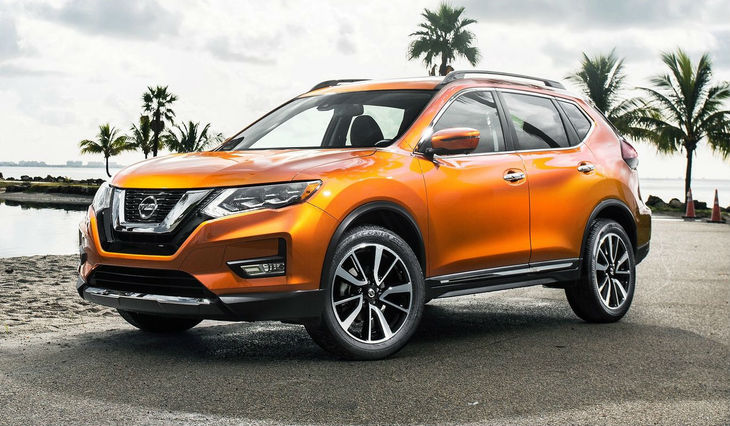
Like its smaller sibling, the Nissan X-Trail gets a similar makeover later this year with the focus falling on a modernised exterior, upgraded cabin (materials and tech), and more advanced safety assistance systems. We suspect there might be a change on the engine front, as well. Find out more about the updated X-Trail here.
Peugeot
There are currently major structural and organisational changes happening at Peugeot, following the recent decision to stop importing Citroën. This allows for all marketing efforts to go behind the Peugeot brand, which has some pretty special products on the way. Already launched locally is the 2008 compact crossover – read our review here.
Peugeot 3008 – Mid 2017 TBC
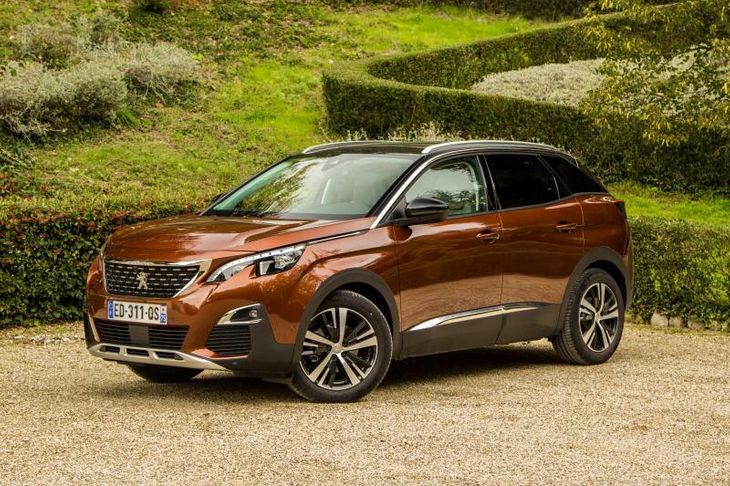
What a change! Compared with its somewhat frumpy predecessor, the design of the new 3008 crossover is a revelation, inside and out. It will compete in a fiercely competitive segment against the likes of the VW Tiguan and Hyundai Tucson. Expect announcements related to local specification soon. What's it like to drive? Find out here.
Peugeot Traveller – September 2017 TBC
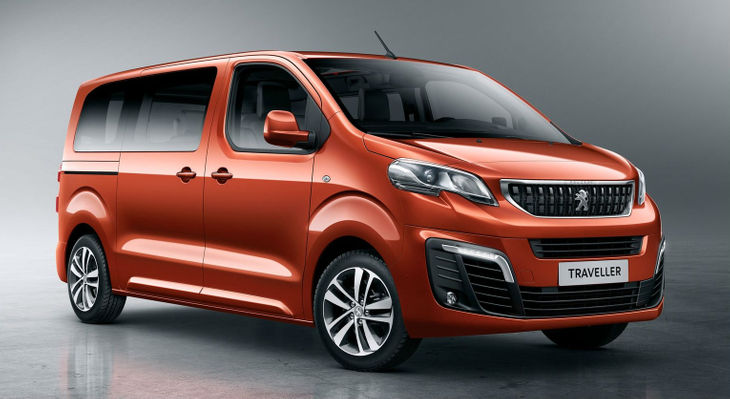
The large Peugeot Traveller MPV has been confirmed for launch in South Africa, and is likely to arrive in September. It is sold exclusively with turbodiesel engines and will be available locally as a 9-seater.
Opel
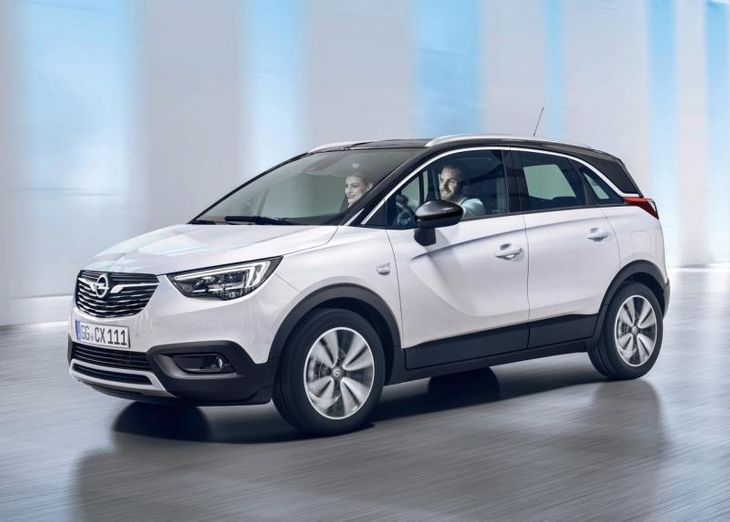
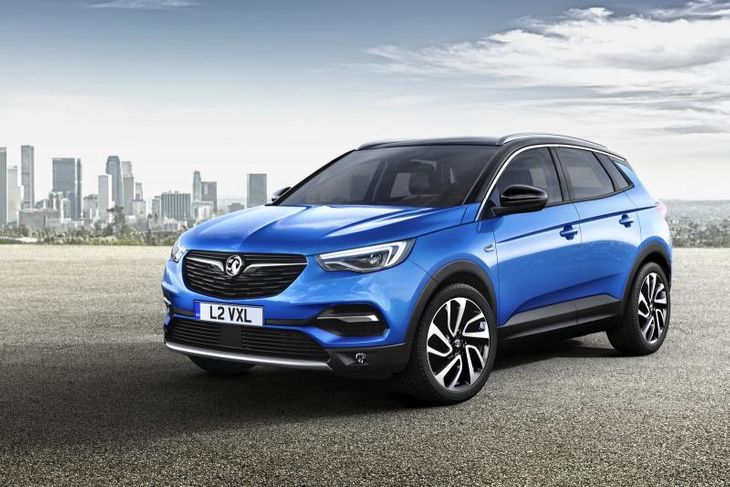
Despite its international sale to Peugeot in 2017, the local arm is carrying on as normal. Williams Hunt will be taking over the dealerships and there'll be some new SUV offerings coming.
One of those brands that always seems to have new product coming out, Renault is again having a busy year. It has already expanded the Kadjar line-up, introduced the expanded Clio range and facelifted Sandero. But there could be more to come.
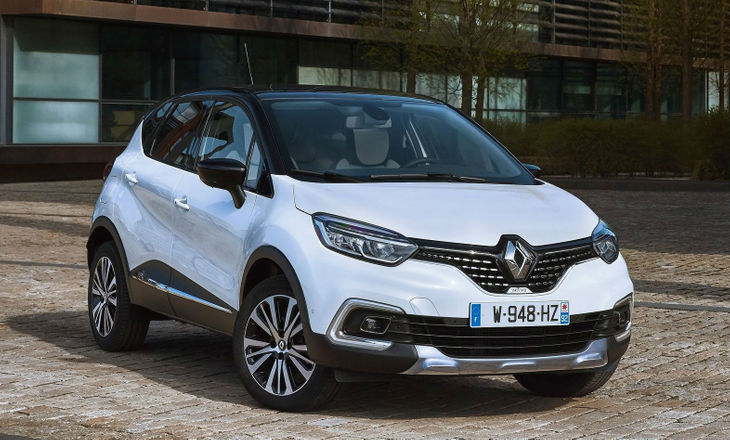
Renault Captur Facelift – 3rd Quarter 2017
The facelifted version of the popular Captur compact crossover arrives in South Africa later this year, boasting sharper looks and a refined cabin. Find out more here.
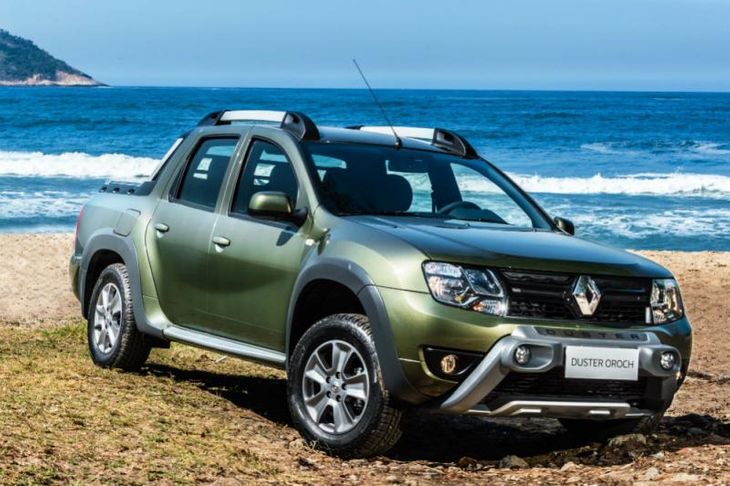
Renault Duster Oroch – Late 2017 TBC
Renault has potentially 2 bakkies on the horizon for South Africa, but the Duster-based Oroch is likely to reach the market before the Navara-based Alaskan. We've already experienced the Duster Oroch – read our correspondent's impressions here.
Subaru
After a quiet few years, 2017 is shaping up to be quite a busy one for Japanese brand, Subaru, with 3 brand new models being launched, as well as upgraded to its most iconic offerings.
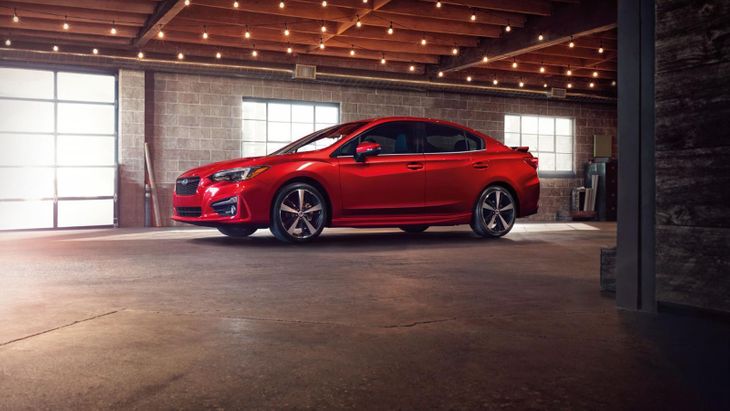
Subaru Impreza – Imminent
The 5th-generation Impreza launches in South Africa soon, debuting the brand's all-new Subaru Global Platform which will underpin most of Subaru's products in the next decade. It promises greater efficiency, enhanced rigidity, improved safety and the arrival of a host of new technologies, including the marque's award-winning EyeSight system (from the 3rd quarter), a package of pre-collision active safety technologies. As before, the trademark symmetrical all-wheel drive remains, but there's a new 115 kW direct-injection 2.0-litre petrol engine under the bonnet and Active Torque Vectoring control to further sharpen up the dynamics. Inside, there's a far more premium-feeling cabin with a smart, 8-inch touchscreen Starlink infotainment system.
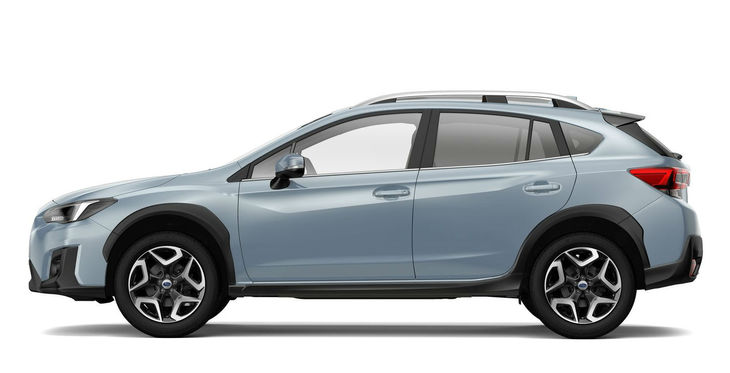
Subaru XV – 3rd Quarter 2017
The new XV crossover is already confirmed for South Africa and due in the 3rd quarter of the year. It uses the same new platform as the Impreza, and features a similar interior layout/design as well. It also gets what Subaru calls an advanced new X-Mode system with hill-descent control, and the EyeSight safety package is included.
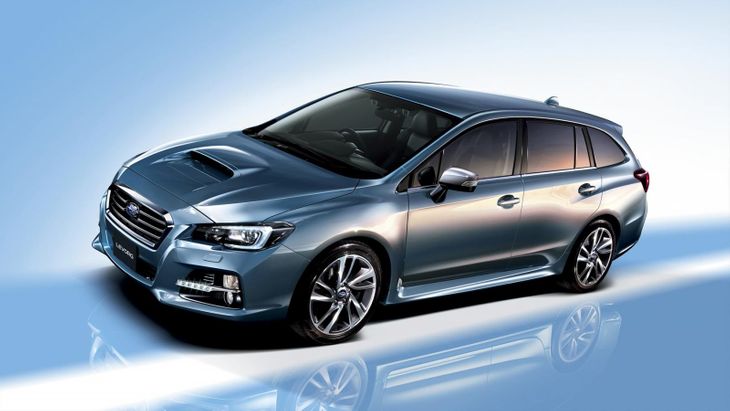
Subaru Levorg – late 2017/early 2018
The WRX-based Levorg wagon arrives in South Africa later this year, much to the joy of fans of the iconic Impreza WRX and GT wagons of the past. It uses the same 197 kW/350 Nm direct injection flat-four as the WRX so should offer similarly fiery performance. The Levorg will be available with the EyeSight safety package.
Subaru WRX & STi upgrade – late 2017
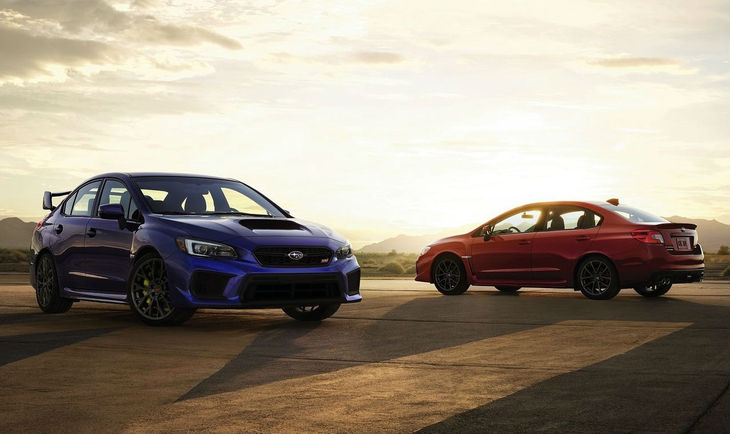
Finishing off a busy 3rd quarter for Subaru are the marque's iconic WRX and STi models, both featuring redesigned front ends with larger air intakes and new 19-inch wheels on the STi and 18-inch items for the WRX. Subaru claims that the steering feel for both models has been improved and the Driver Control Center Differential (DCCD) on the STi is now a fully electronic limited-slip differential, resulting in more "fun", Subaru says. The STi also gets improved brakes and yellow-painted Brembo monoblock calipers. Inside, expected improved NVH (noise, vibration, harshness) and updated infotainment systems.
Suzuki
With solid sales growth in a declining market, Suzuki is on a roll, having also raked in the trophies at the Cars.co.za Consumer Awards – Powered by WesBank, earlier this year. While the all-new Swift will only make it to South Africa late this year, the Japanese marque has just unpacked its funky Ignis crossover.
Suzuki Ignis – Just Arrived
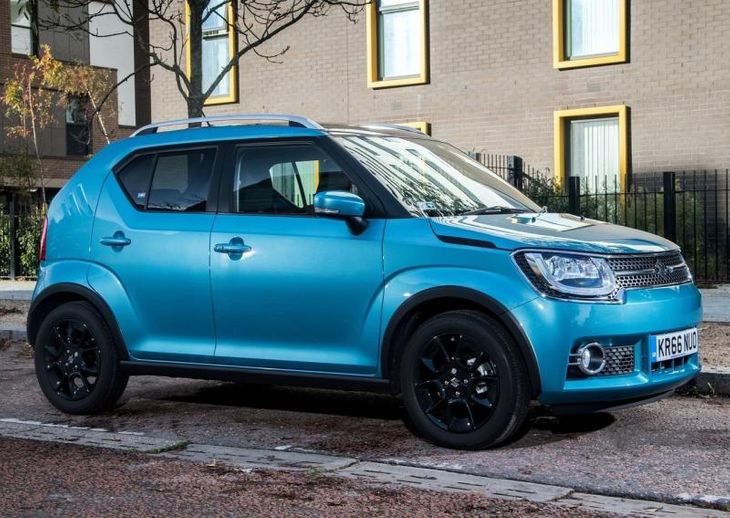
Meet the Ignis – a cute crossover that slots in beneath the Vitara in the brand's compact family car line-up. With very individualistic, crossover-like looks, solid build and economical powertrains, it should fit current market trends perfectly. Read our first drive review here.
Suzuki Swift – Late 2017
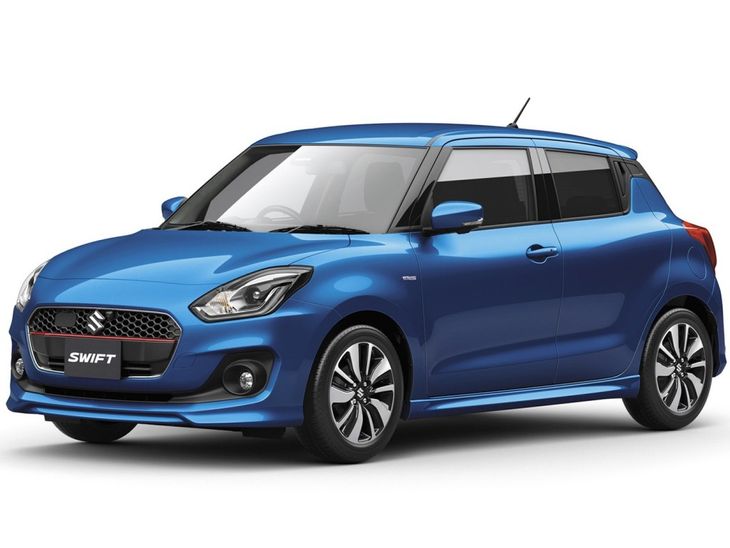
Lighter than before and with a much smarter cabin layout, the new Swift retains the fun-to-drive character that has made the current model so popular. It is likely to be a strong seller locally. Read our first-drive report here.
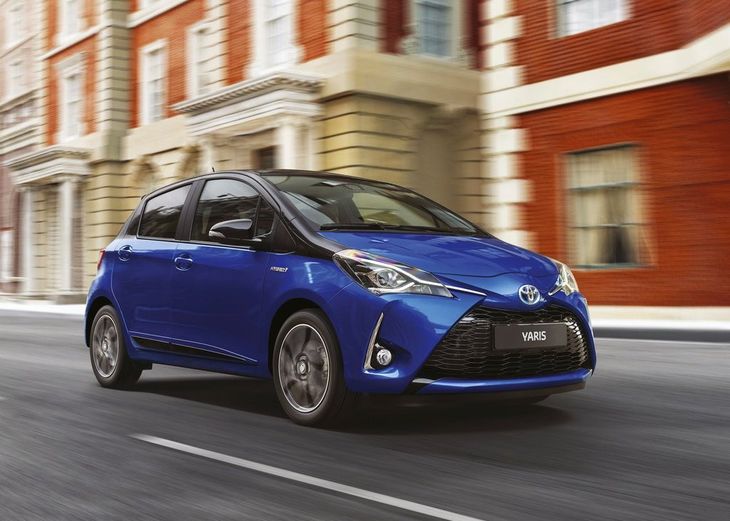
The facelifted Yaris is now on offer in South Africa and most models now carry the Pulse moniker. There are new looks inside and out, as well as a new 1.5-litre engine. Read our first drive report here.
Volkswagen Golf GTD – July 2017 (+ Golf R and TDI range expansion)
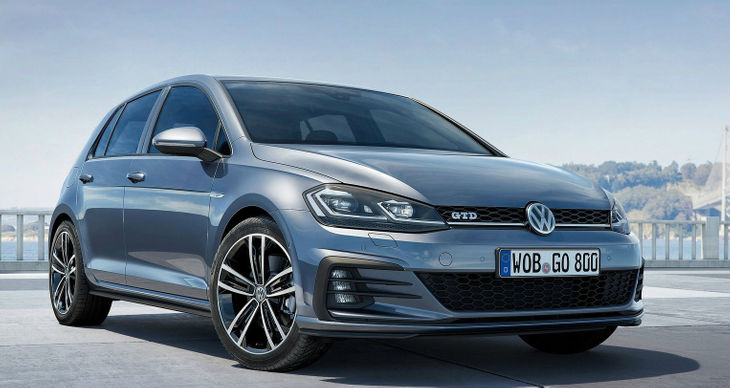
The refreshed Golf 7 line-up grows in July with the addition of the latest Golf R and TDI variants. But there's an all-new offering in the mix, too. For the first time Volkswagen South Africa will be offering the Golf GTD, a fiery turbodiesel hot hatch. Due to South Africa's fuel quality, however, we'll have to wait a little longer before being able to confirm the exact power/torque outputs for SA-bound GTDs.
Volkswagen Polo – Early 2018 TBC
Although the new Polo is only rumoured to be officially launched in South Africa early in 2018, we wonder whether VW couldn't spring a surprise and introduce it before year-end. After all, the newcomer is production ready and will be revealed soon. Find out more about this important car right here.
Volvo
This Swedish brand is on the move. Following the successful launch of the acclaimed XC90 2 years ago, it has followed up the impressive SUV with the sublime S90 executive sedan and V90 Cross Country this year.
Volvo XC60 – 2nd Quarter 2018
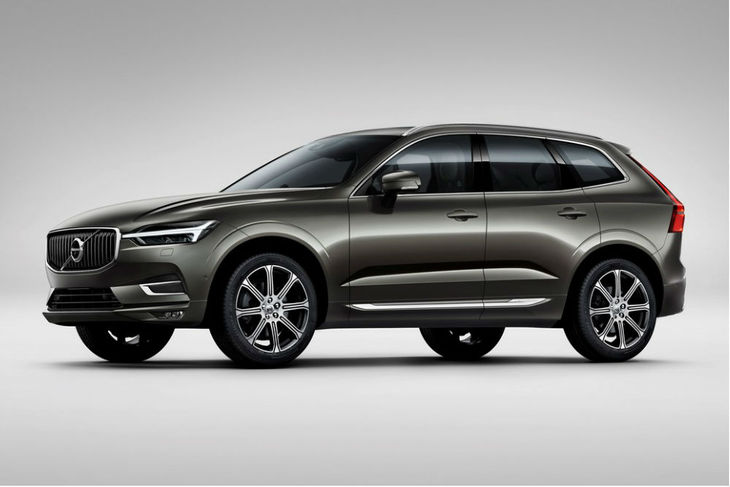
A very important model for Volvo from a sales volume perspective, the all-new XC60 debuts in 2018. A wide range of powertrains will be offered, but the powerful T8 Twin Engine is still to be confirmed for the South African market. Watch our launch review video of the Volvo XC90 here.
Renault Clio GT-Line (2017) Review
The recently introduced Renault Clio GT-Line is a sportier version of its lesser stablemates, but stops short of being an all-out performance machine. Does it strike the perfect balance between everyday usability and sportiness?
We Like: Punchy performance, comfortable ride quality, attractive interior and exterior design, lots of standard features
We Don’t Like: Cramped rear legroom, interior quality still no better than fair
Alternatives
For more power: Consider the Opel Corsa 1.4 Turbo Sport priced from R276 200. With its 1.4-litre turbopetrol engine offering 110 kW and 220 Nm of torque, the Corsa Turbo Sport doesn’t lack punch and comes reasonably well-specced. More power doesn’t necessarily mean better performance; the Corsa is still slower to 100 kph than the Clio GT-Line with a claimed time of 9.6 seconds.
The run-of-the-mill: Consider the Ford Fiesta 1.0T Titanium priced from R264 900. It’s powered by a 3-cylinder, 1.0-litre EcoBoost engine with 92 kW and 170 Nm of torque. The Fiesta is perhaps not as engaging as the Clio GT-Line, nor as pretty (its interior is outdated), but a new Fiesta is expected to arrive in South Africa next year which will keep this city runner in the game.
Another French Rival: Consider the Peugeot 208 GT Line with its 3-cylinder, 1.2-litre turbocharged engine offering 81 kW and 205 Nm of torque. Priced at R284 900, the 208 is pricey but its specification is reasonable and loading bay marginally bigger than the Clio's.
The Clio GT-Line combines sporty styling with punchy performance and it comes well specced with features.
What is it?
Renault is increasingly seen as a "crossover brand" in terms of the South African market, but there's no question that the Clio is the French marque's most important non-crossover model… Following the introduction of the facelifted Clio late in 2016, this new GT-Line derivative was recently added to the range to offer buyers a dash of extra sportiness and driveability over the 3-cylinder Clios. Whereas the previous iteration of the Clio GT-Line was powered by a 66 kW/135 Nm 0.9-litre, 3-cylinder turbopetrol engine with an overboost function, this latest version ups the stakes with a more powerful 1.2-litre turbocharged engine with no less than 88 kW and 205 Nm of torque, coupled with a 6-speed manual transmission.
How does it fare in terms of…
Kerb appeal?
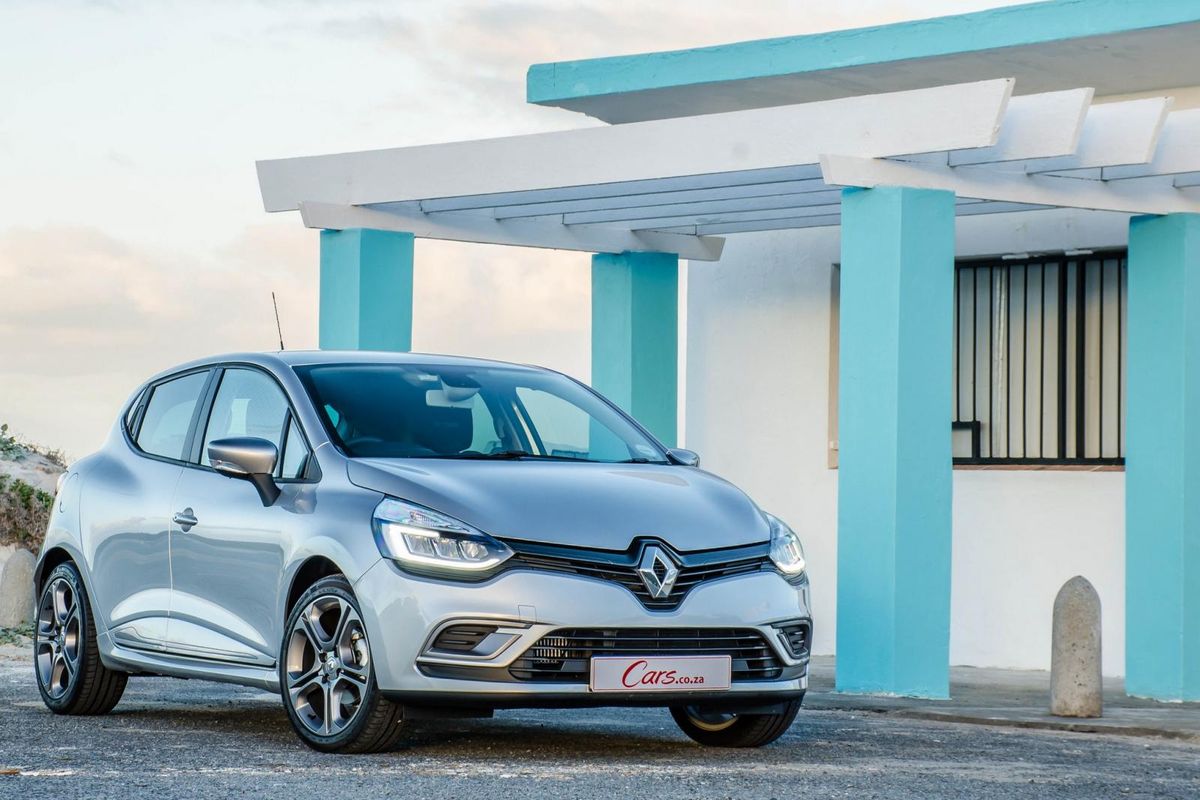
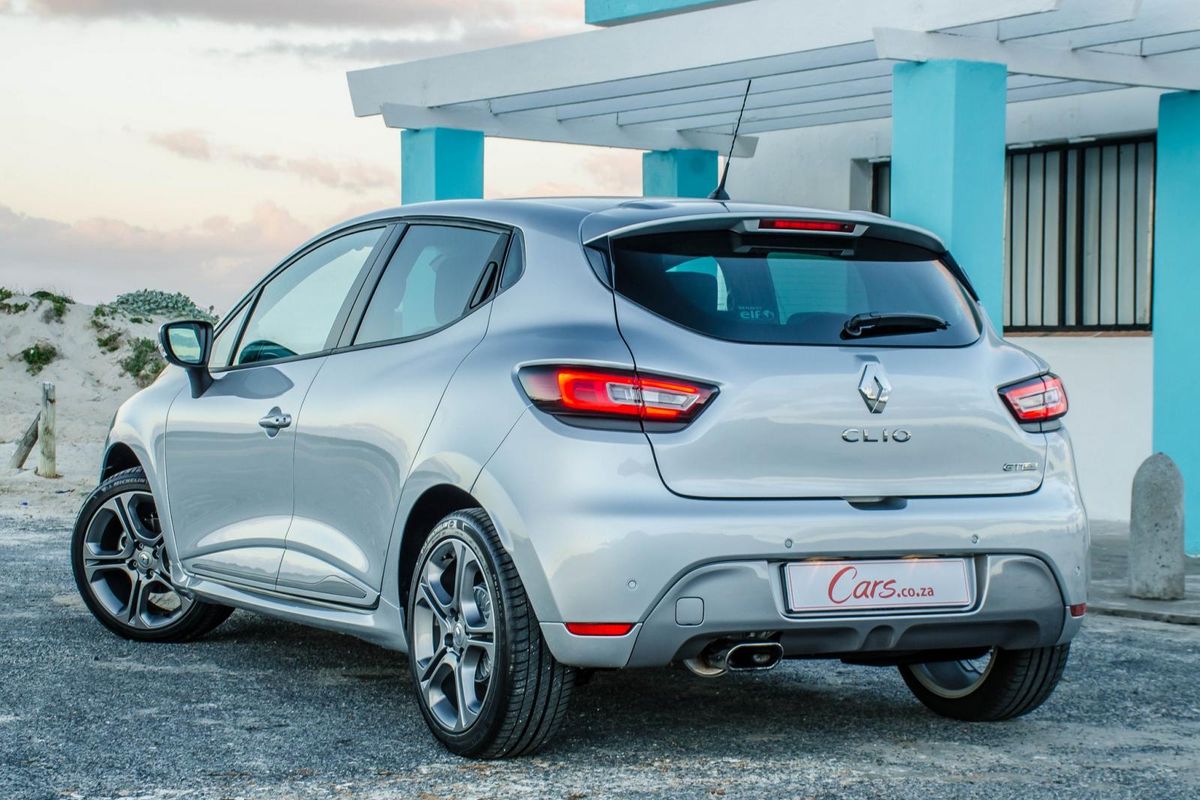
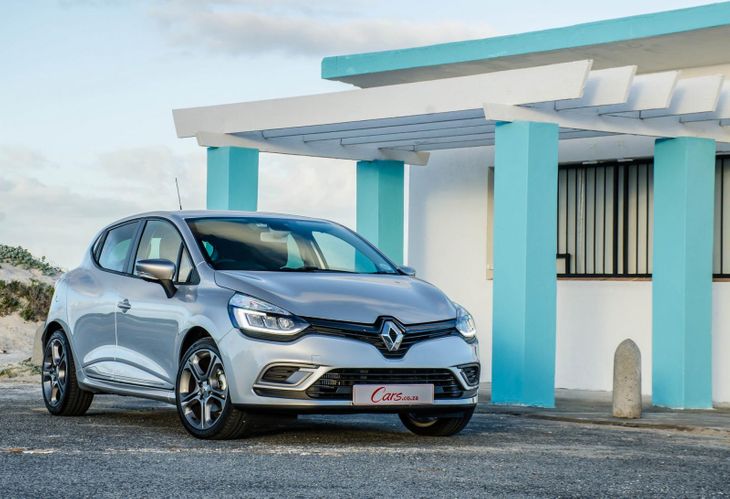
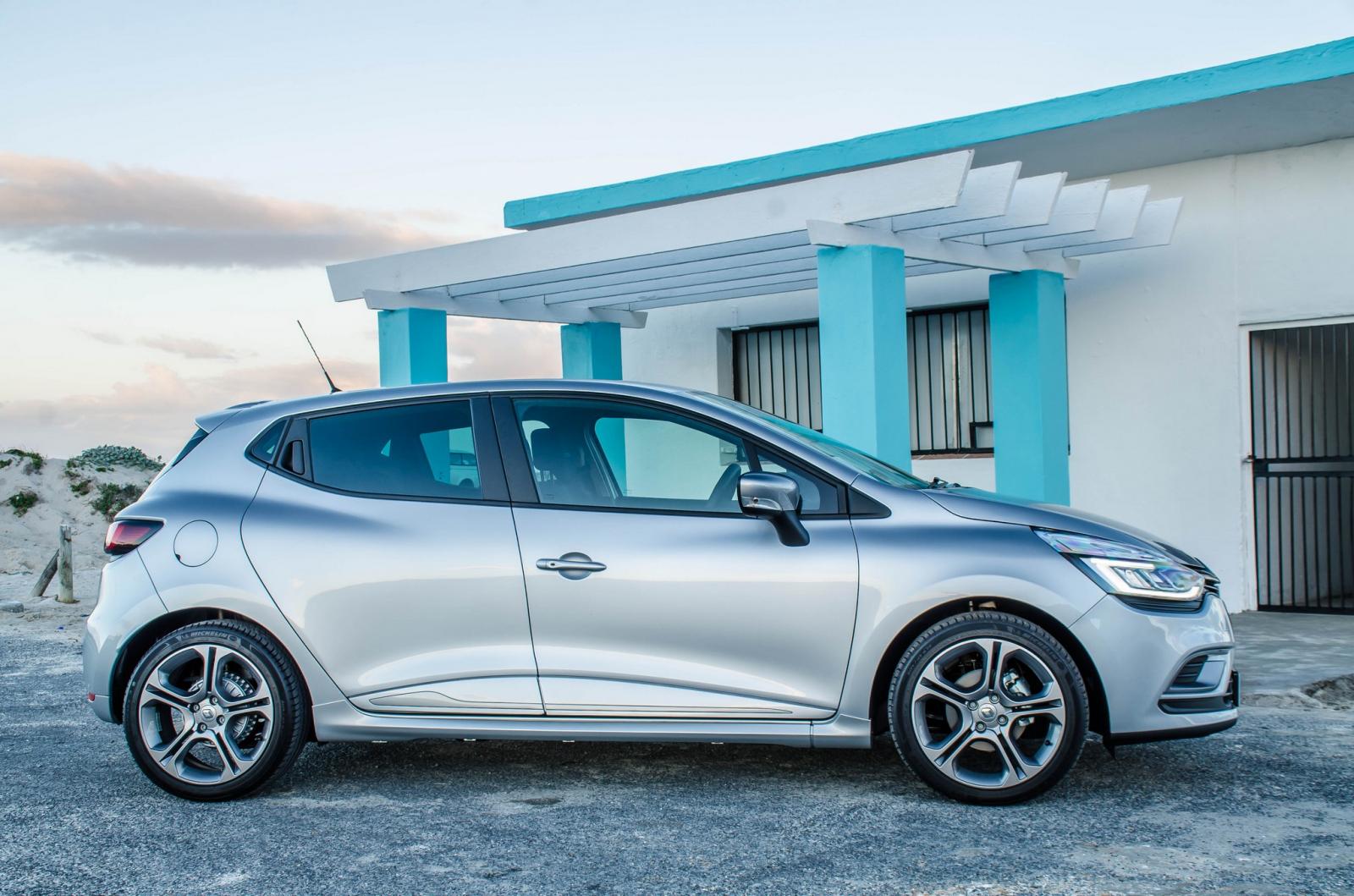
Added exterior features give the Clio GT-Line a more purposeful look to match its sportier personality.
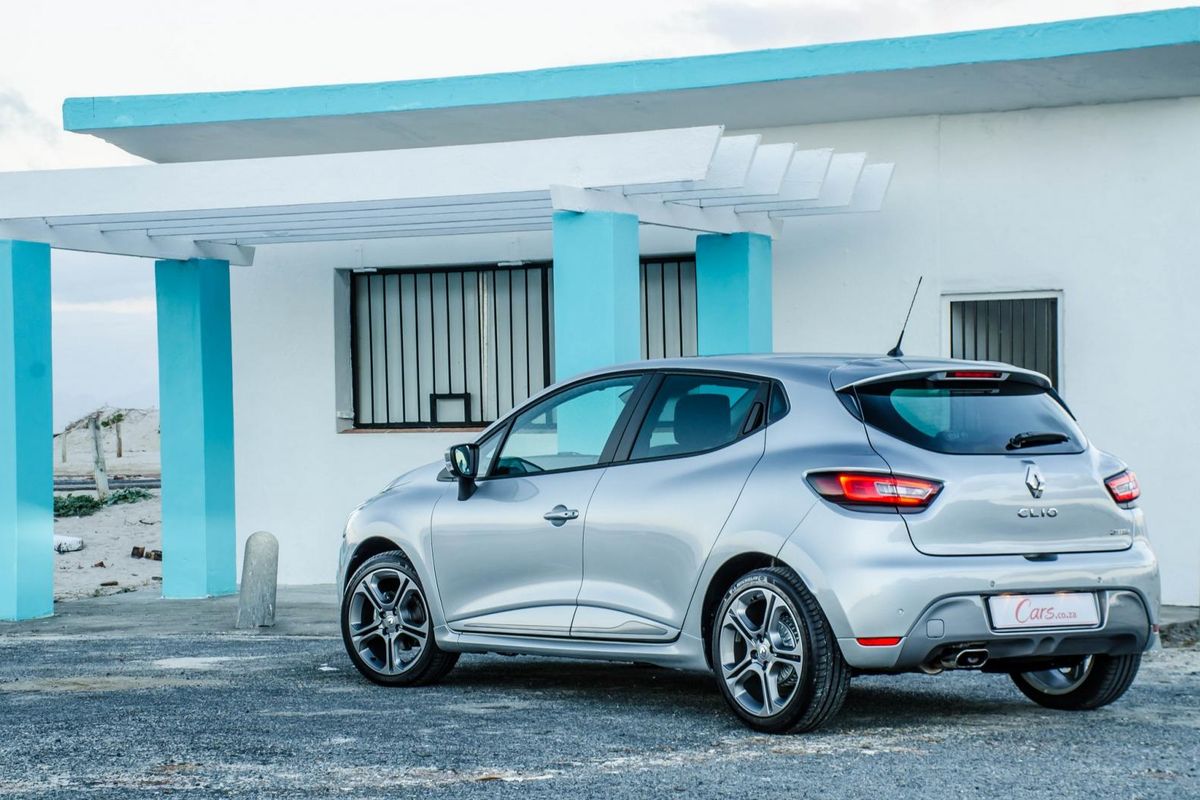
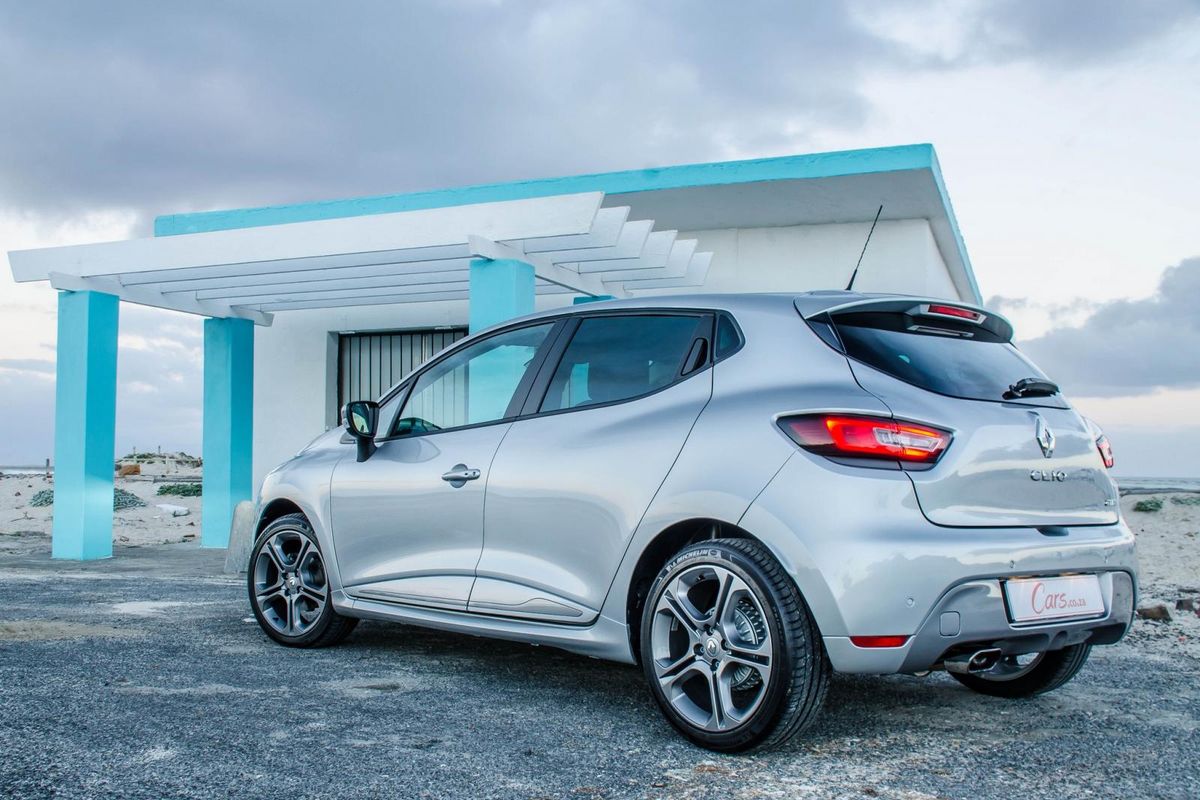
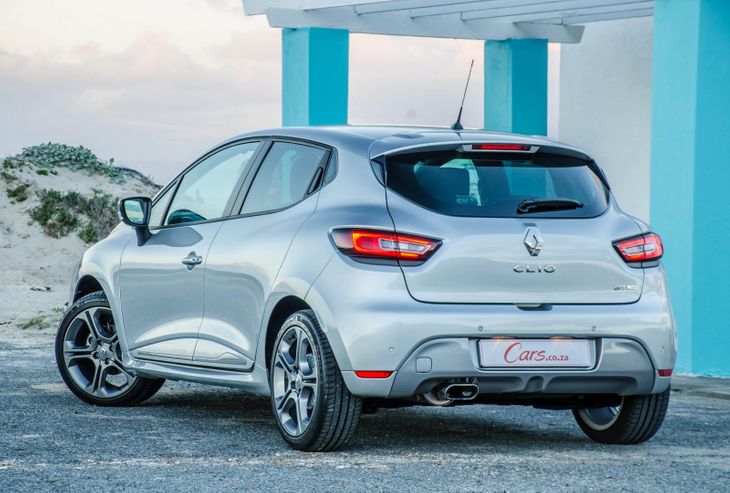
The Clio GT-Line is a good-looking vehicle and wears a number of accoutrements that distinguish it from the rest of the derivatives in the Clio range. Key features include a redesigned bumper with sporty-looking GT-Line scoops, striking LED headlights with C-shaped daytime running lights, 17-inch titanium grey alloy wheels, door protectors with titanium grey inserts, body-coloured mirror housings, a grey rear diffuser and a chrome tailpipe.
In our opinion, Renault has hit the nail on the head with the design of the Clio GT-Line. Its looks are not overly sporty (it would be unwise to oversell the car's performance potential), but it has enough presence to draw admiring glances. Few mid-spec B-segment hatchbacks have that ability…
Interior features and execution?
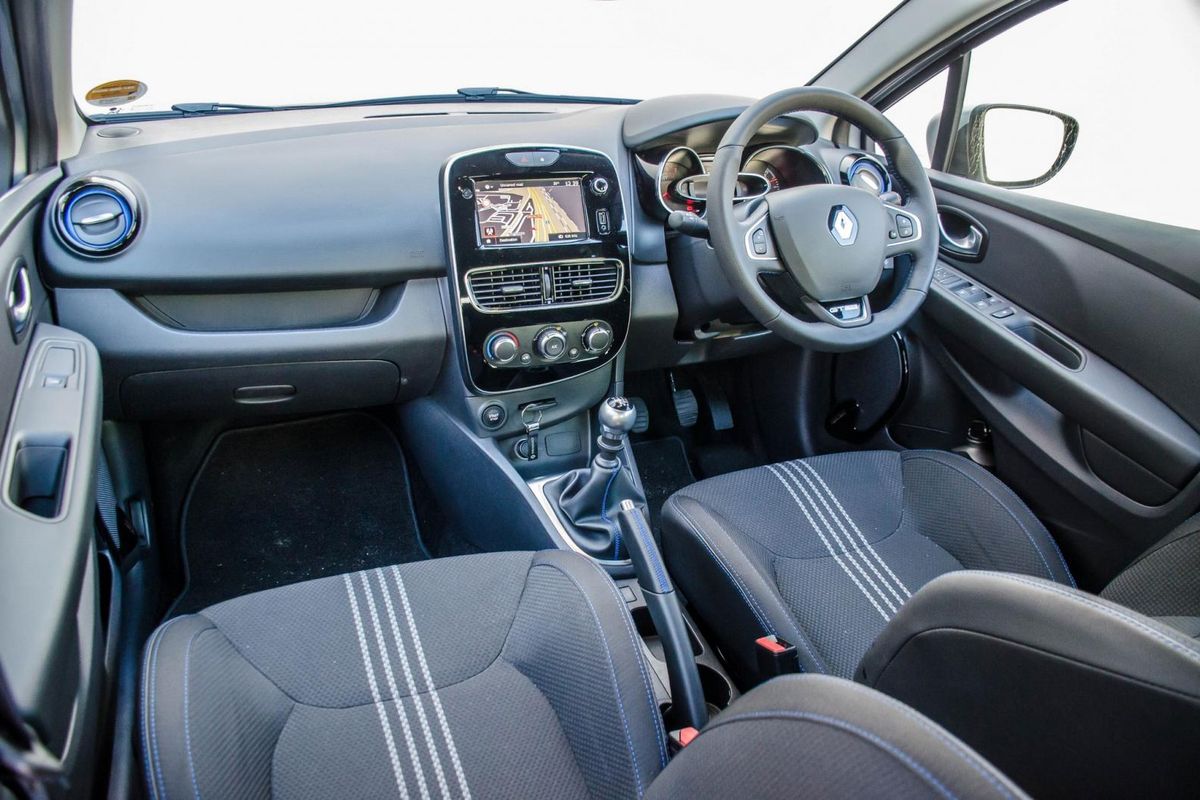
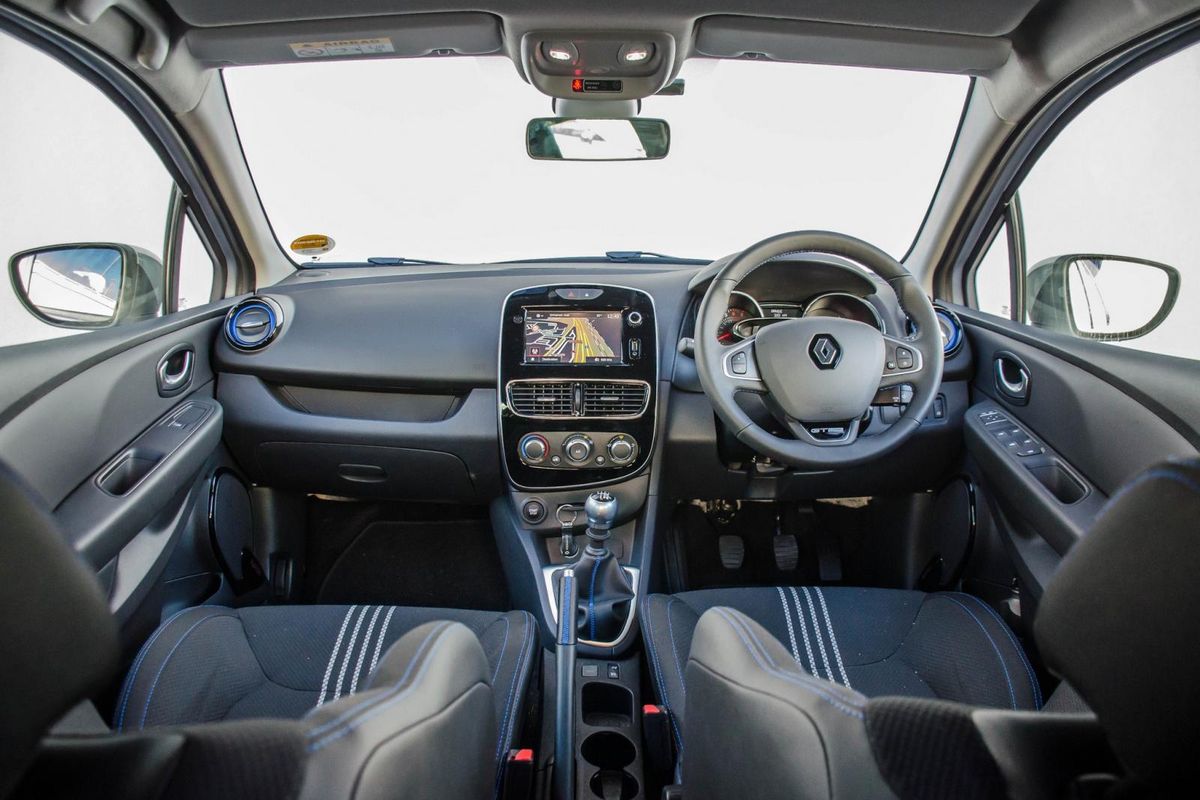
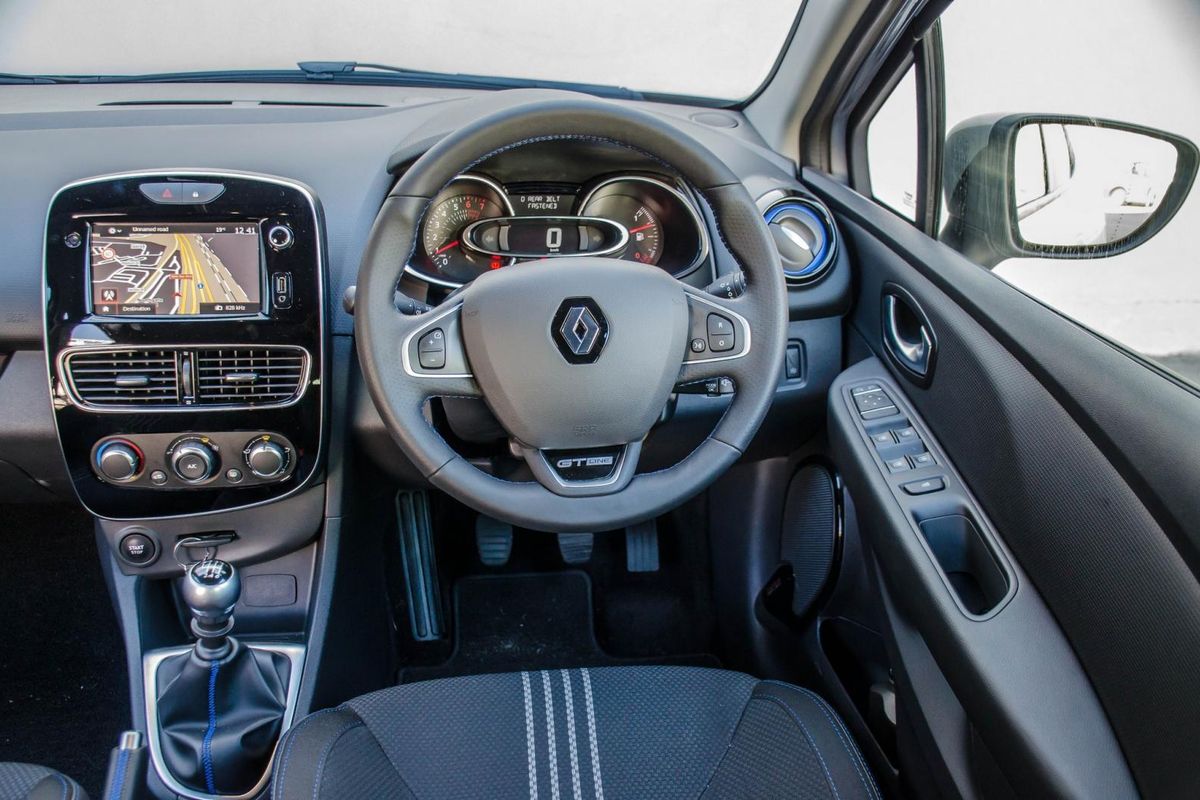
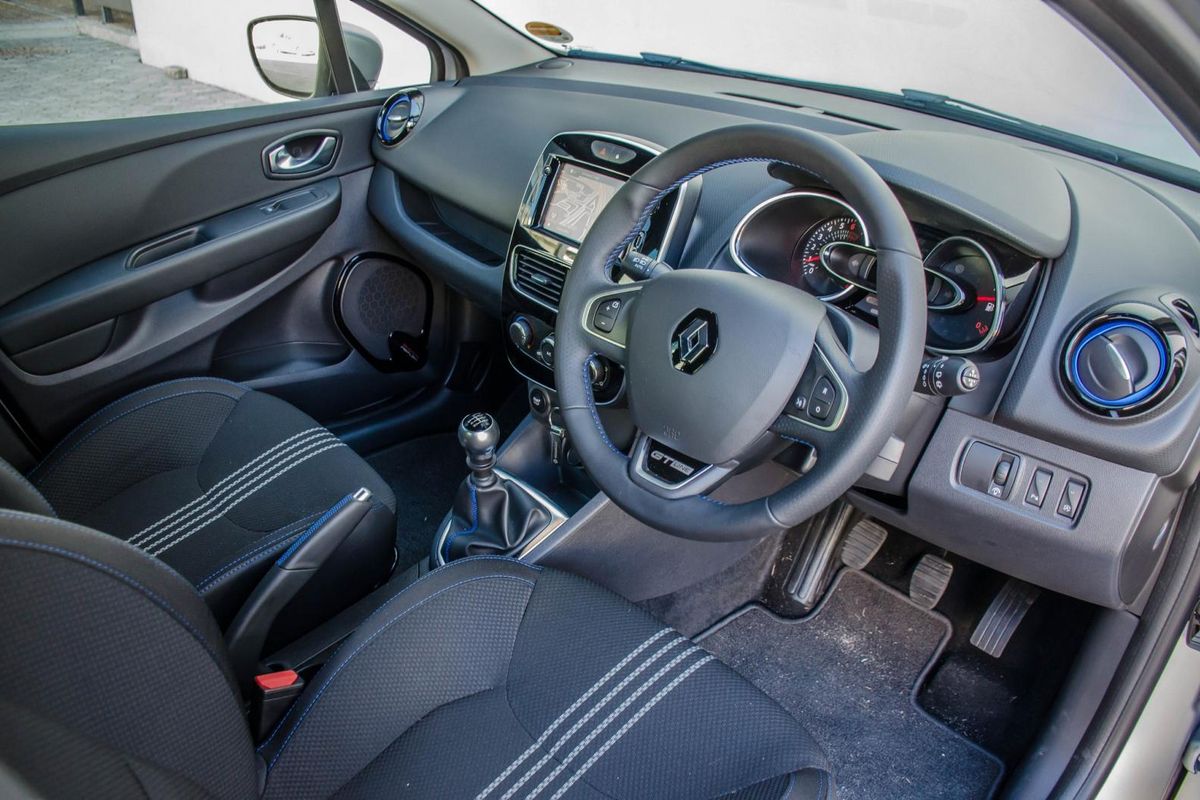
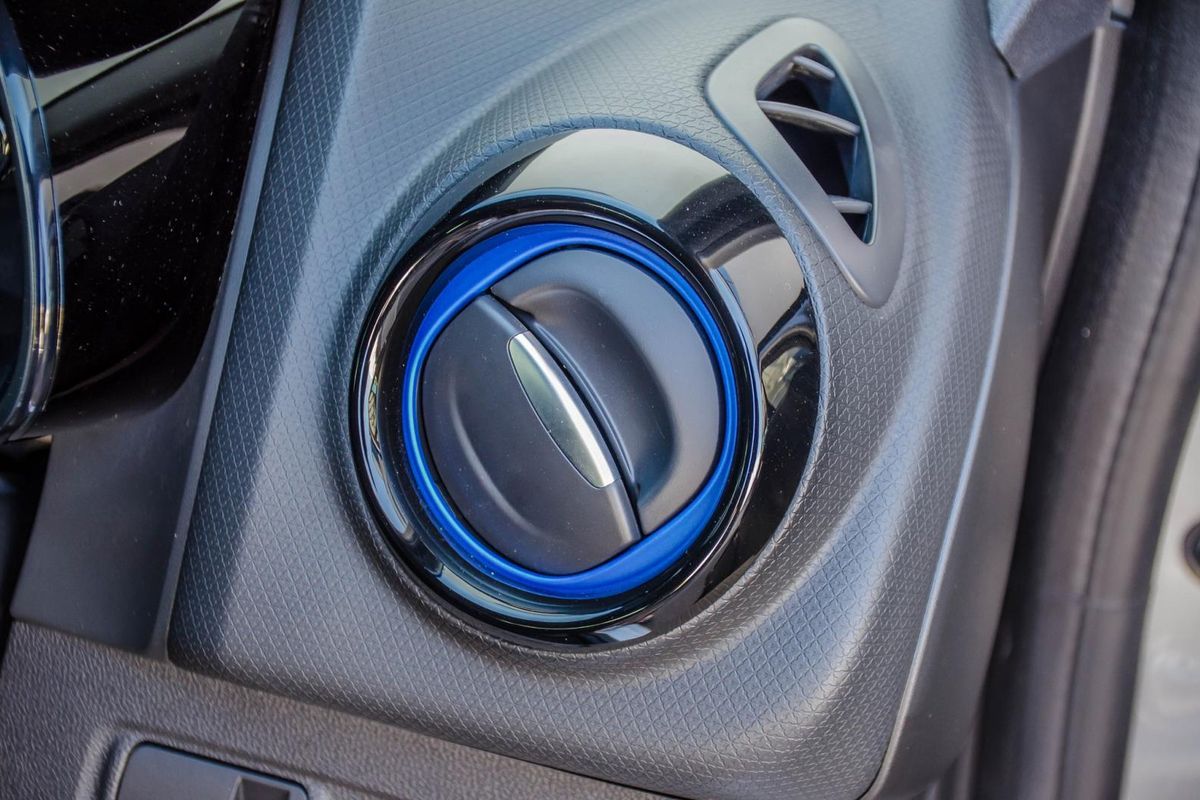
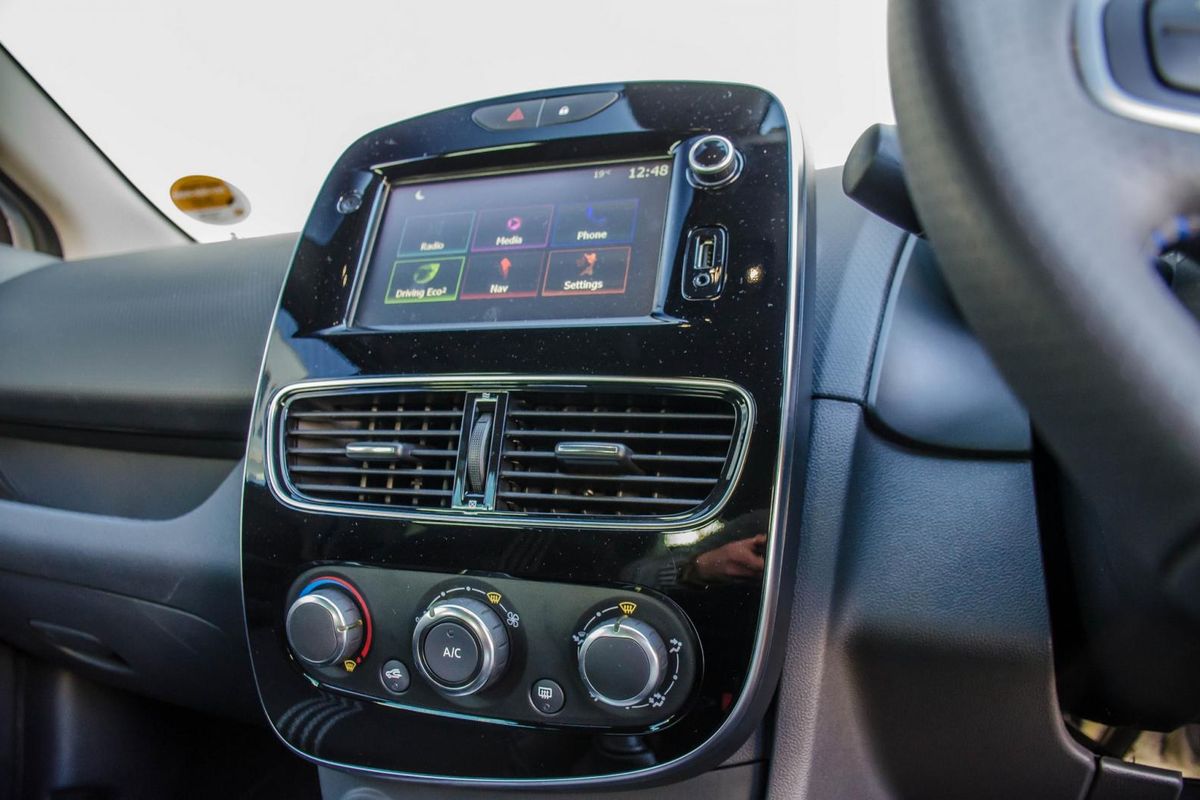
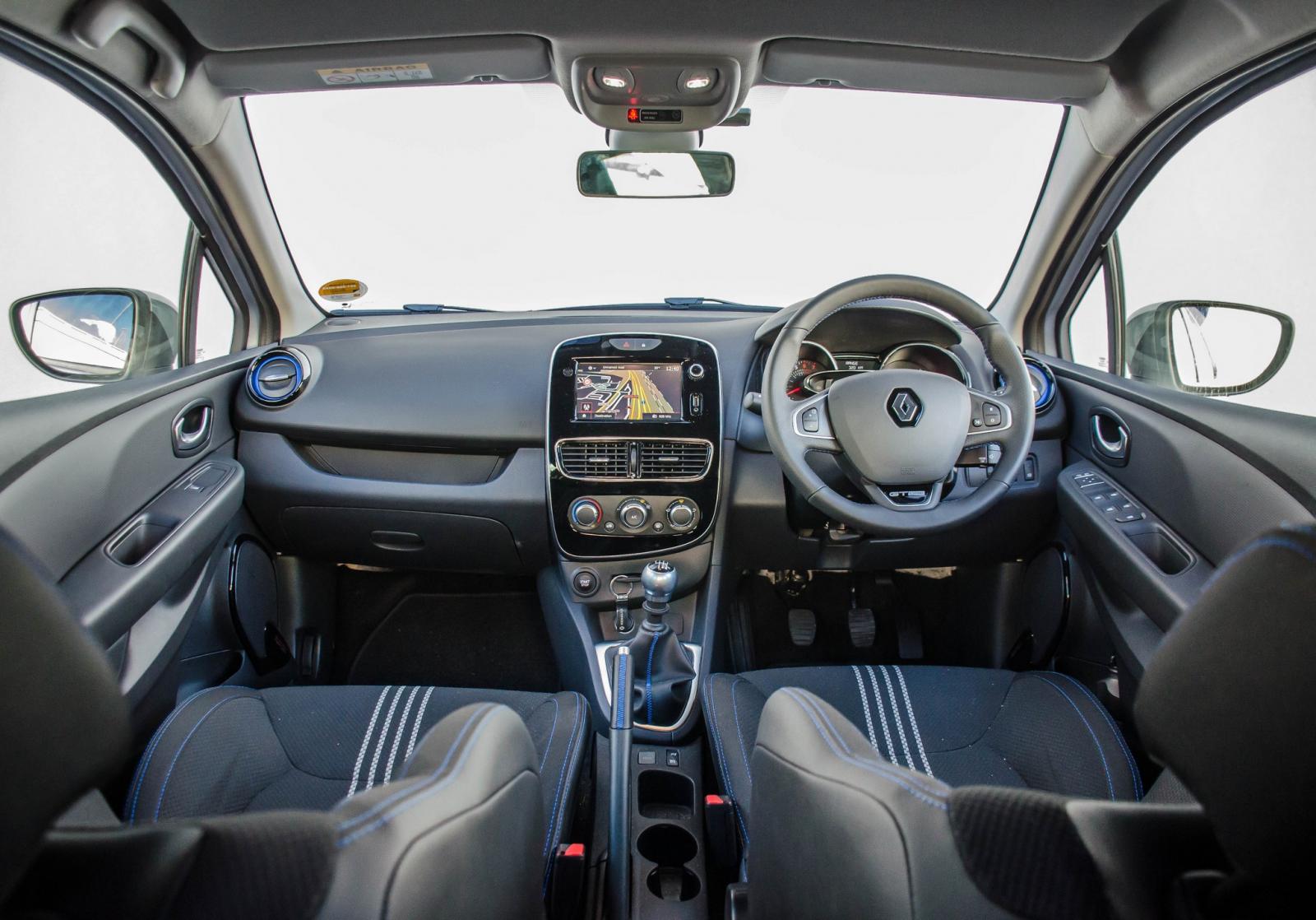
The interior is reasonably well-made and contrasting blue stitching and air vent surrounds add to the cabin's visual appeal.
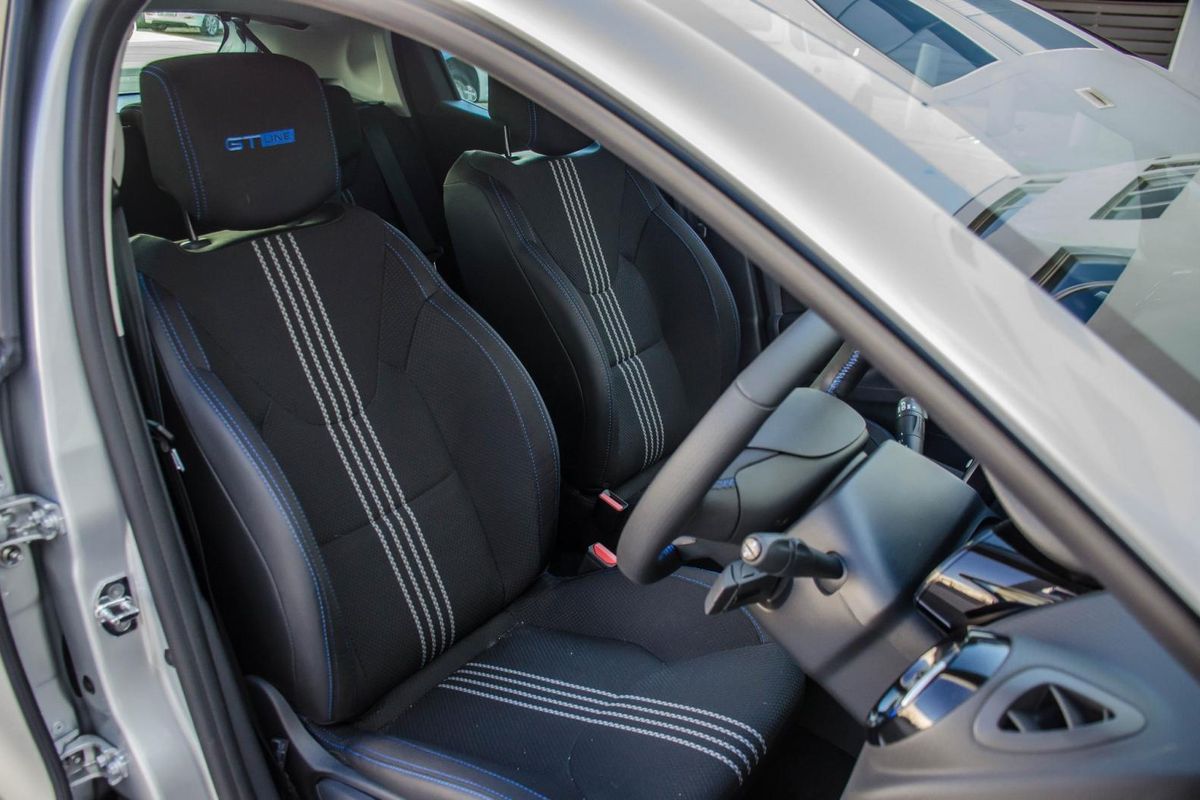
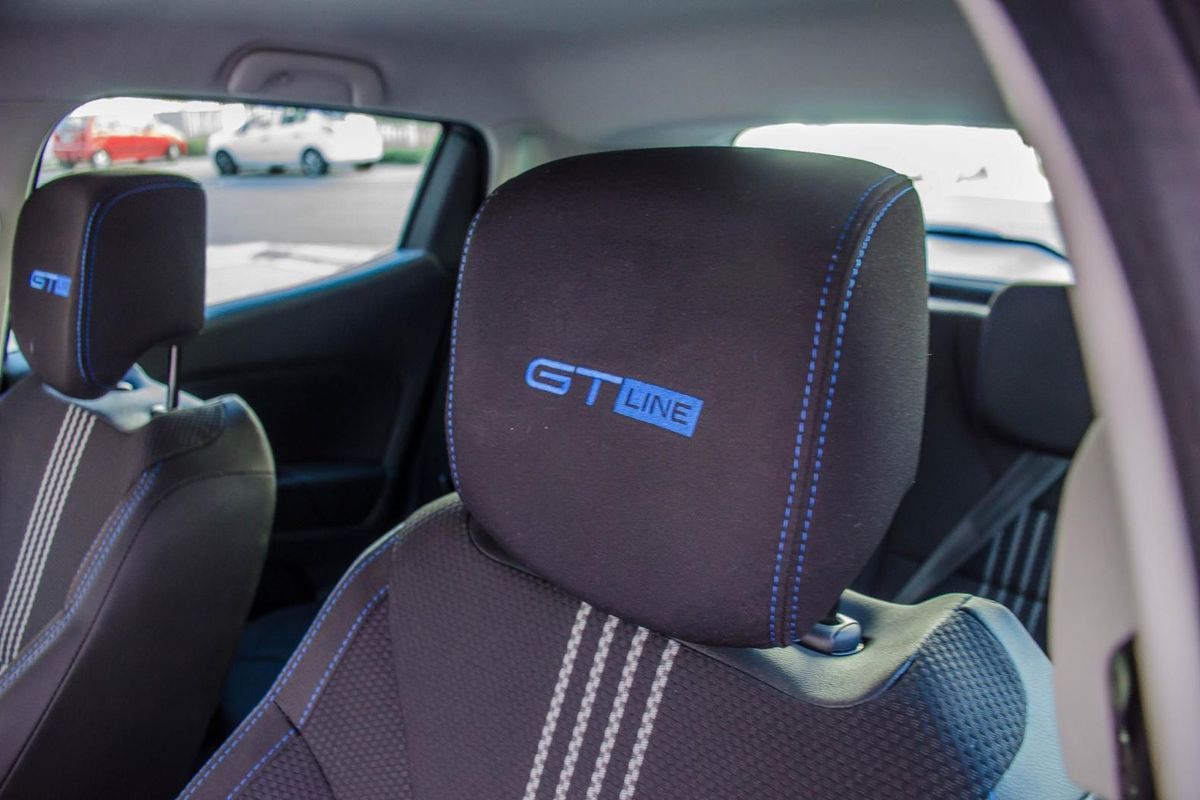
The sporty theme is carried over into the cabin where you will find sufficiently bolstered partial cloth and leather sports seats with GT-Line embroidery. They are comfortable to sit in and the blue stitching on the seats, leather RS steering wheel, leather gear lever and handbrake provide pleasant colour contrast in an otherwise grey/black interior. Blue air vent surrounds are a nice touch and perceived interior build quality is good.
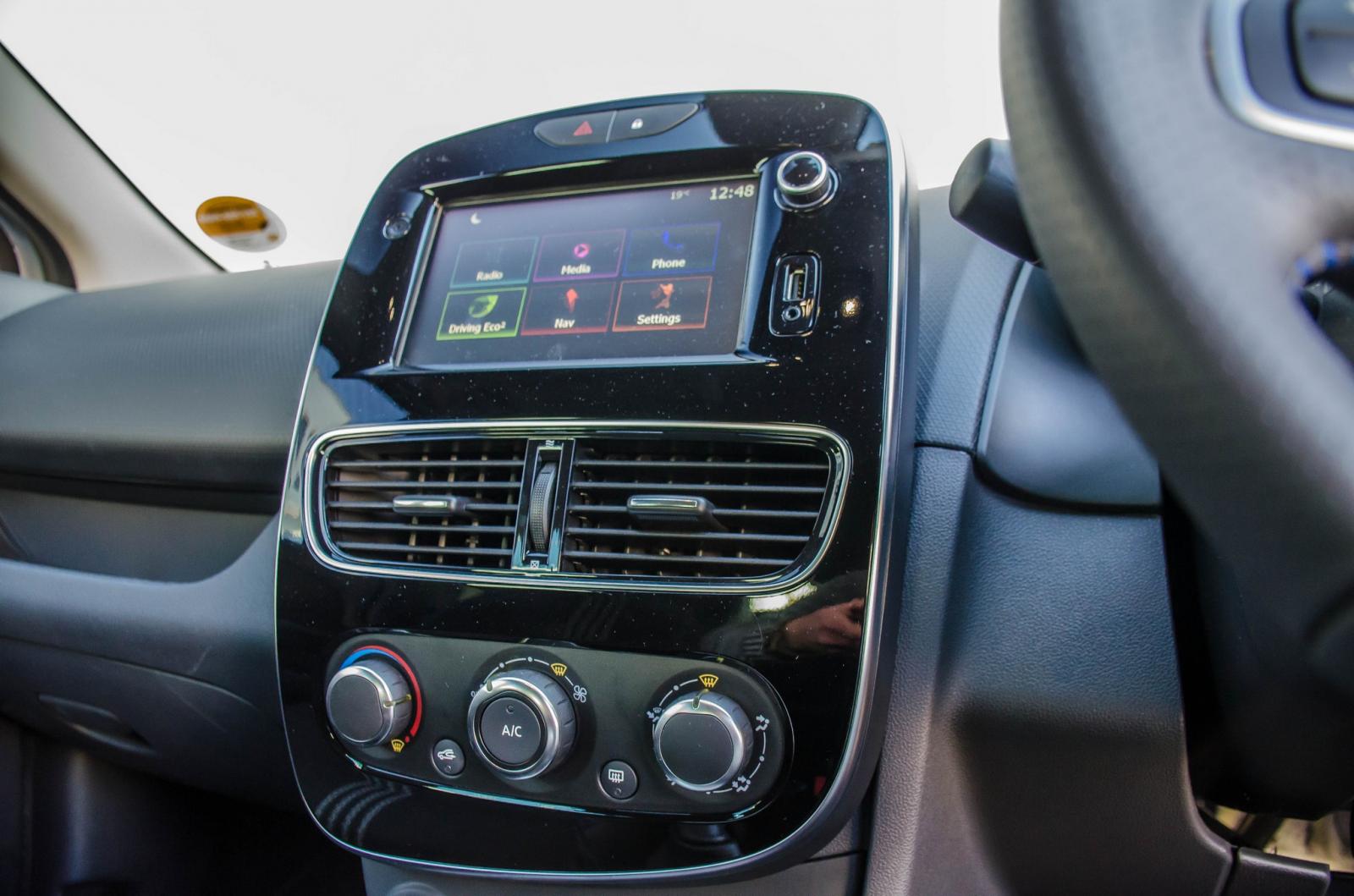
In terms of standard features, the Clio GT-Line comes well-appointed and buyers will find the 7-inch MediaNav touchscreen infotainment system to be both useful and easy to use. Your smartphone can be quickly paired via Bluetooth and there are USB and auxiliary ports for charging or connecting devices. Other standard features include cruise control, a multi-function steering wheel, manual air conditioning, electric windows all round, electric folding side mirrors and a height-adjustable driver's seat.
Renault's MediaNav touchscreen infotainment system is easy to use and navigation is standard.
On the safety front, 4 airbags are fitted as standard, as is ABS with EBD, emergency brake assist, electronic stability control with traction control and hill start assist. Rear park distance control is fitted and for the family-orientated buyer, there are ISOfix child seats mounts on the rear backrest.
Practicality?
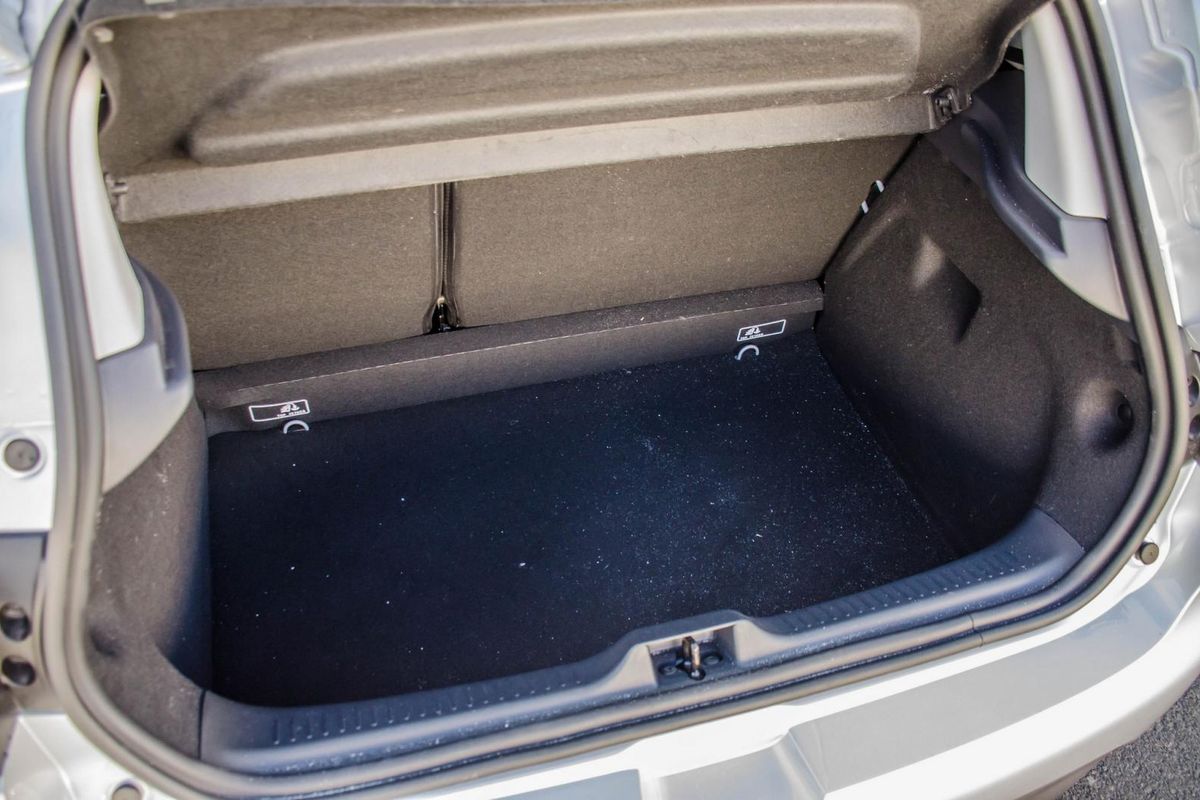
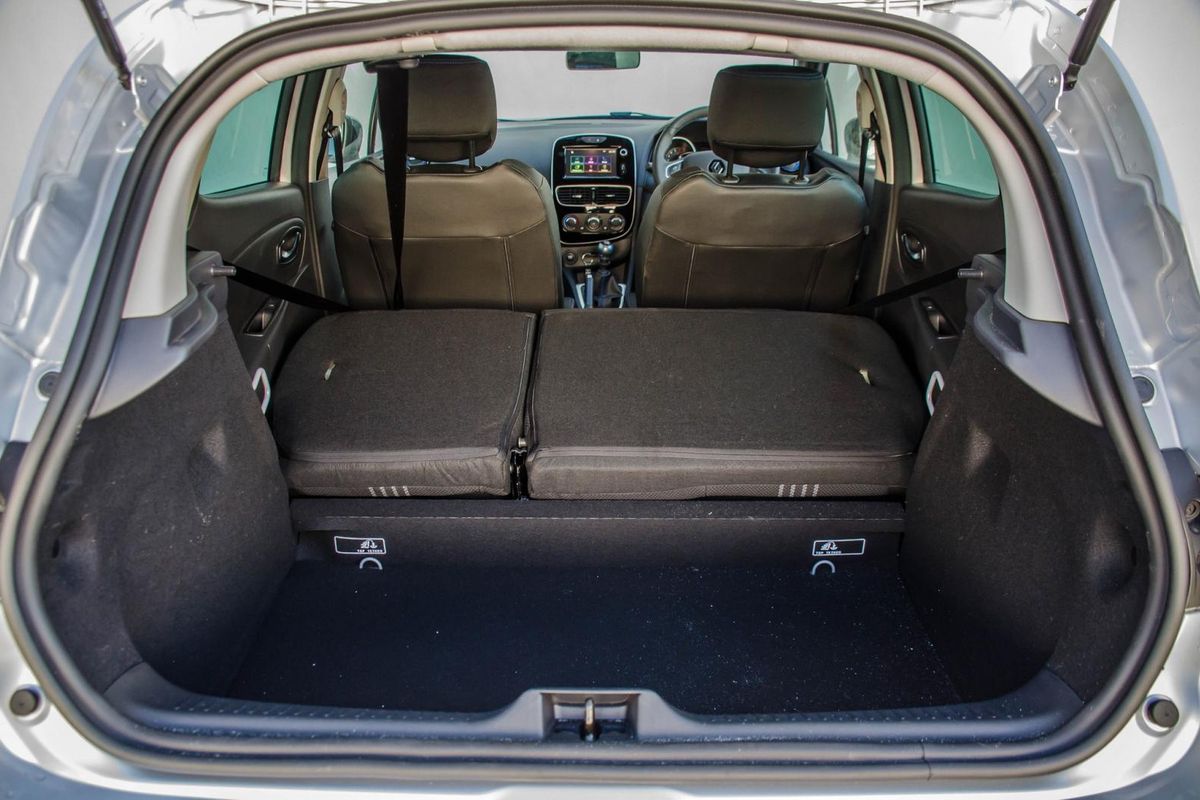
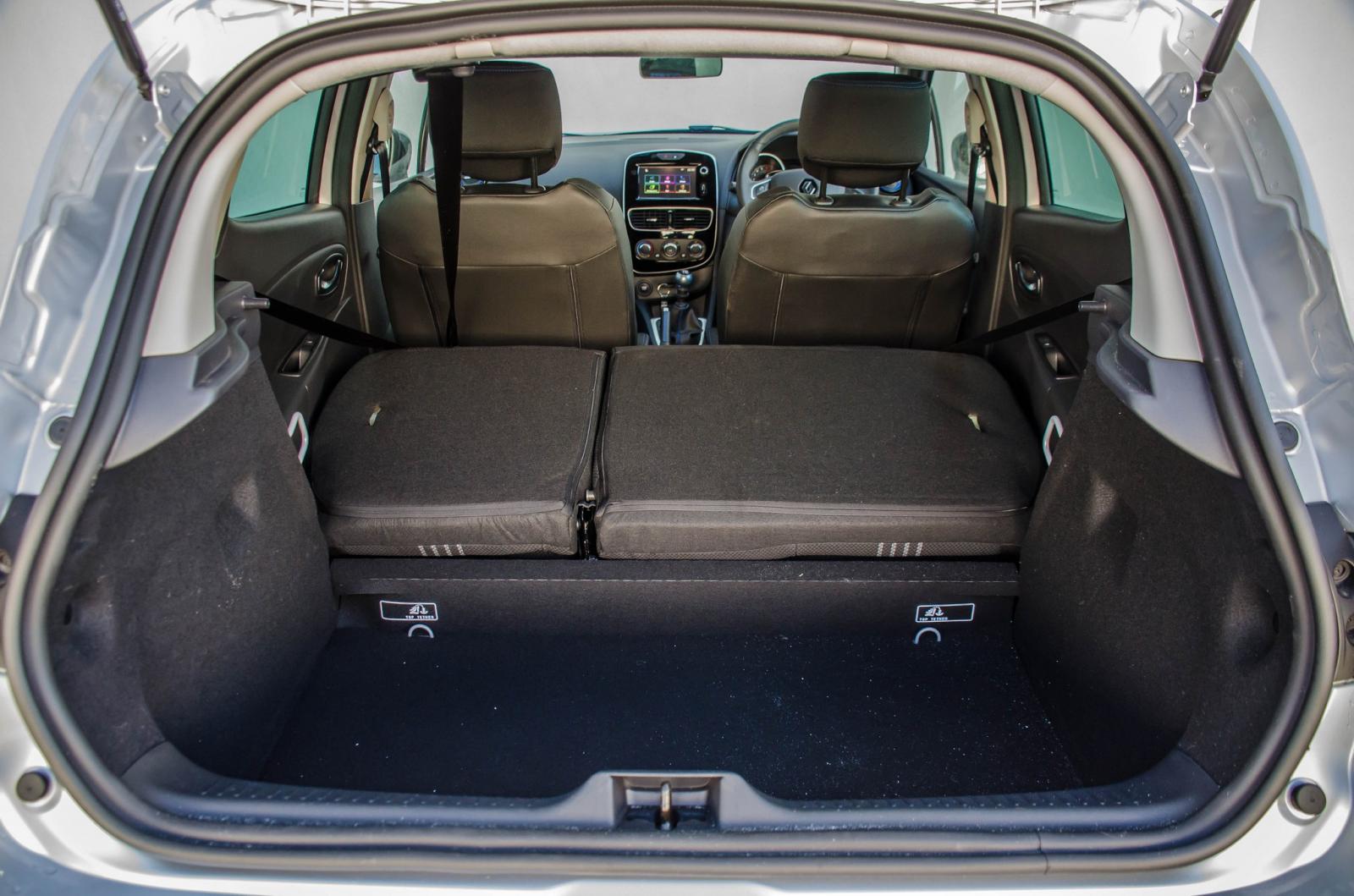
The ever-so-chic Clio GT-Line is said to offer 300 litres of packing space in its luggage bay, which is (and this may surprise a few people) bigger than the Ford Fiesta (276 litres) and Opel Corsa (285 litres). The rear seats fold down in a 60:40 split configuration, expanding the load area even further. The loading floor, however, isn’t flat as the rear seat creates a raised lip that will make loading of bulkier items more difficult.
The 60:40 split rear seats avail extra utility space, but the loading floor isn't flat, which might make the loading of bulkier items difficult.
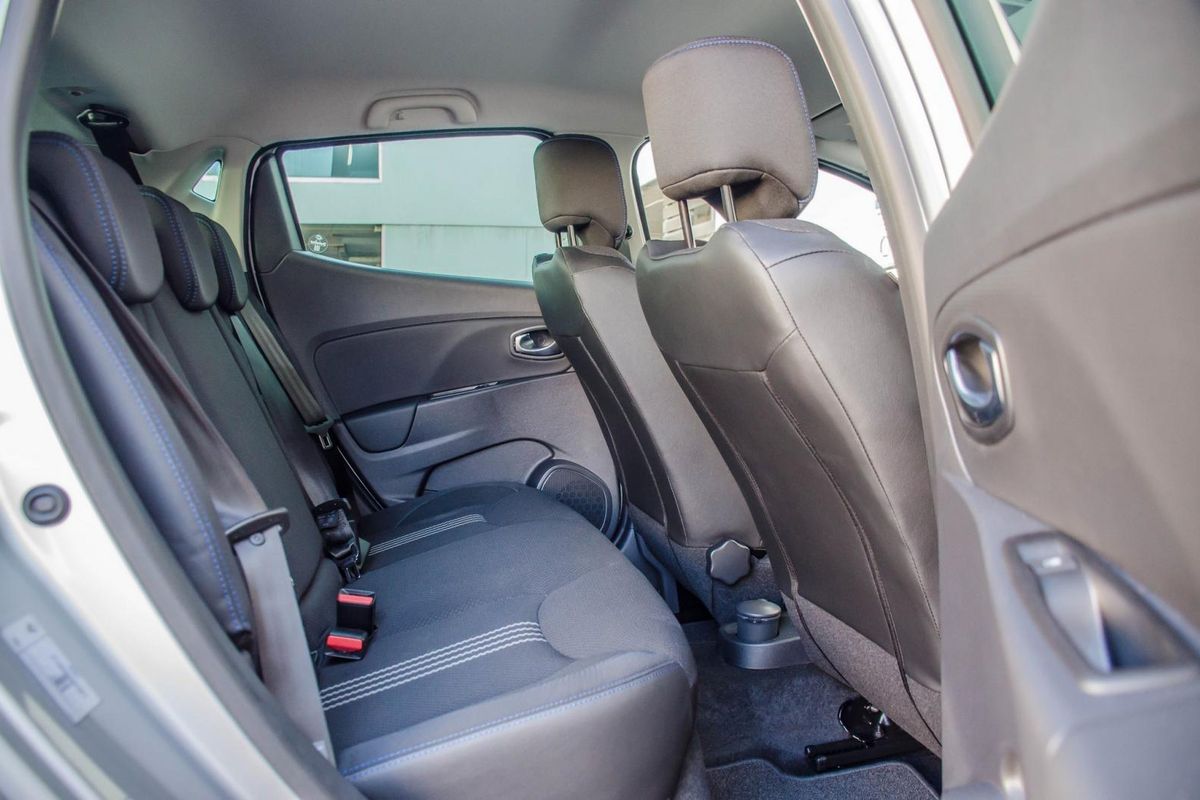
The trade-off for the biggish luggage bay is, unfortunately, cramped rear legroom. Although this may not be of major concern on short inner-city commutes, it will certainly impact negatively on adult passengers' comfort on longer journeys. Kids, however, won’t have any reason to complain.
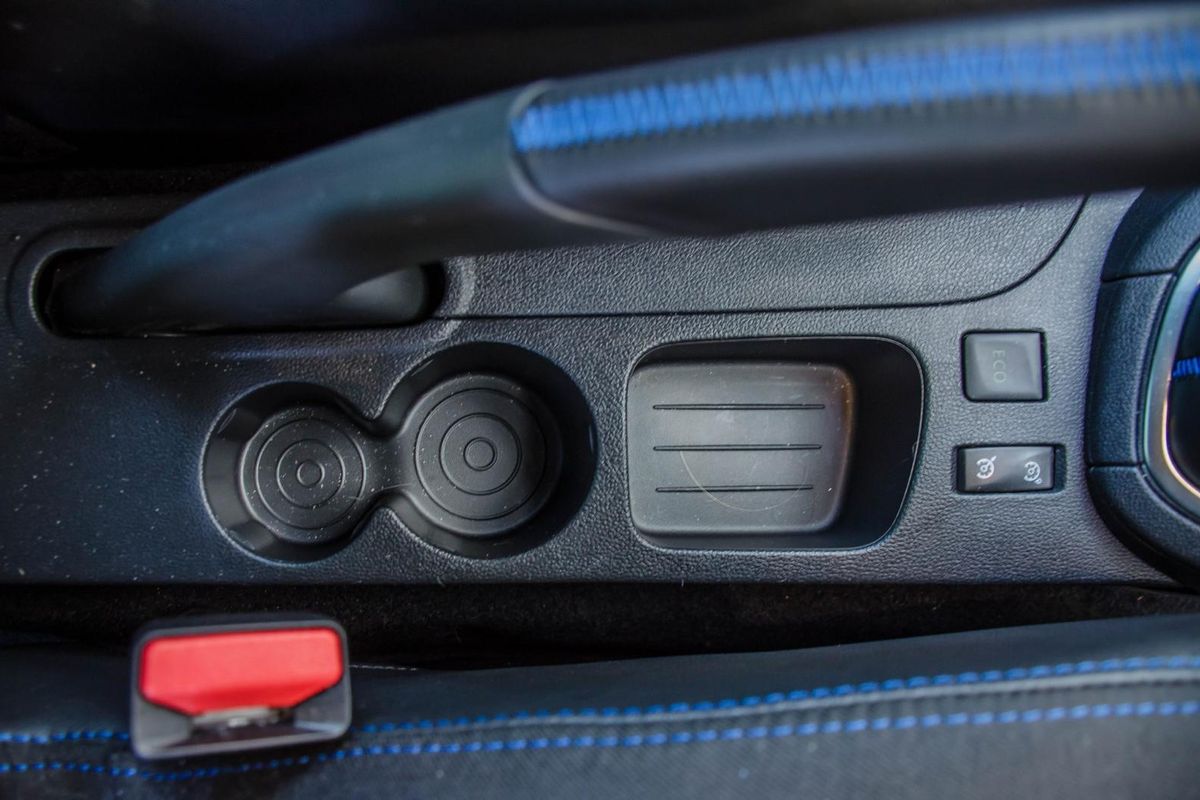
In terms of storage solutions, there are 2 somewhat oddly-sized cupholders up front as well as additional storage spaces ahead of the gear lever, as well as an unlidded dashboard recess located above the glovebox. Bottle holders are provided in all the door mouldings.
Performance and ride quality?
Renault loyalists will be happy to know that the adoption of a more powerful 1.2-litre turbocharged engine with 88 kW and 205 Nm of torque has contributed to a marked improvement in performance over the previous iteration of the Clio GT-Line.
The Clio GT-Line rides comfortably on most surfaces and with a bit more grunt, it's the Clio to have in the range, if you can afford it.
That’s not to say that the Renault's performance is stellar, not by a long shot, but we found the Clio GT-Line to be competent in cut-and-thrust driving conditions. It has more than sufficient power on tap for when you need to get a move on and although the 6-speed manual transmission is smooth in changing gears, the throws are perhaps a tad long. Suffice to say the Clio GT-Line gains pace quickly when driven with intent and it performs well on the highway, where overtaking manoeuvres can be executed without the need to constantly shift down by a ratio or 2.
Meanwhile, the test unit's ride quality proved impressive over less-than-perfect road surfaces, with little road and engine noise entering the cabin. On top of that, positive steering feel and sure-footed handling make the Clio GT-Line fun to drive on winding roads. This leads us to believe the Clio GT-Line is equally adept at being a comfortable daily runner while offering enough performance and dynamic ability to keep you otherwise entertained.
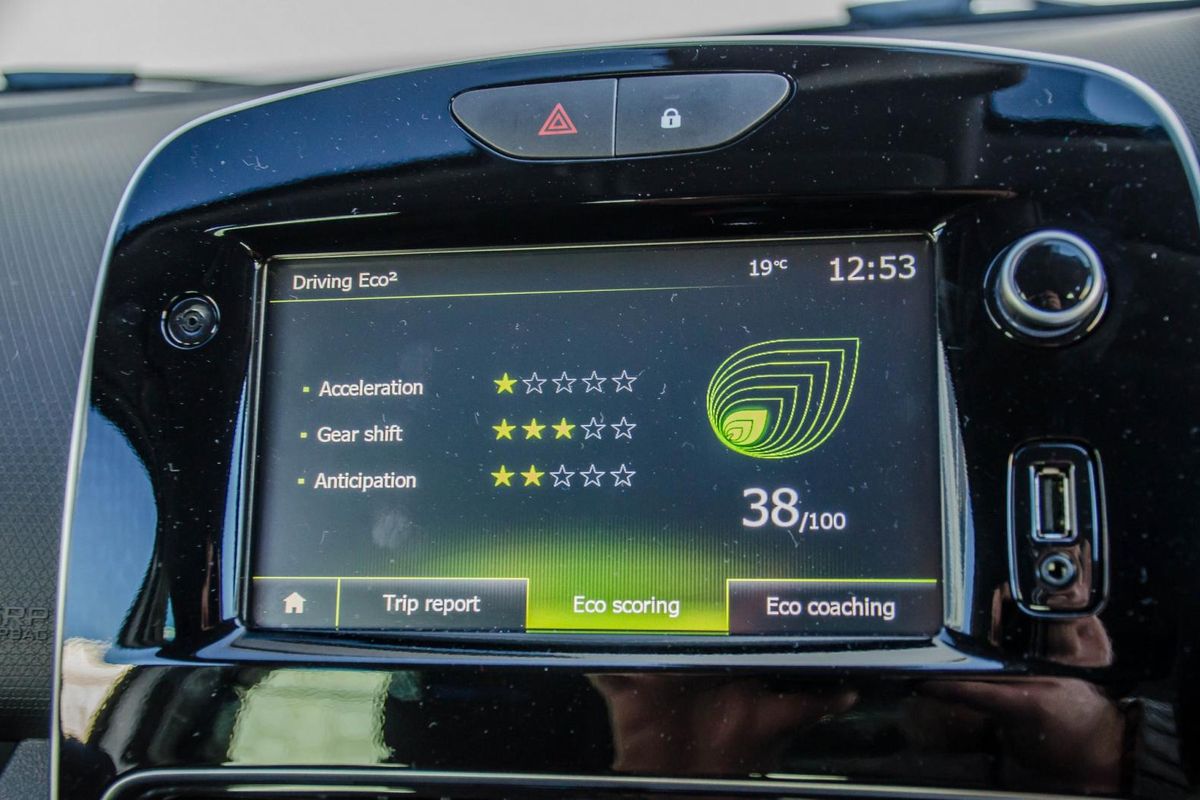
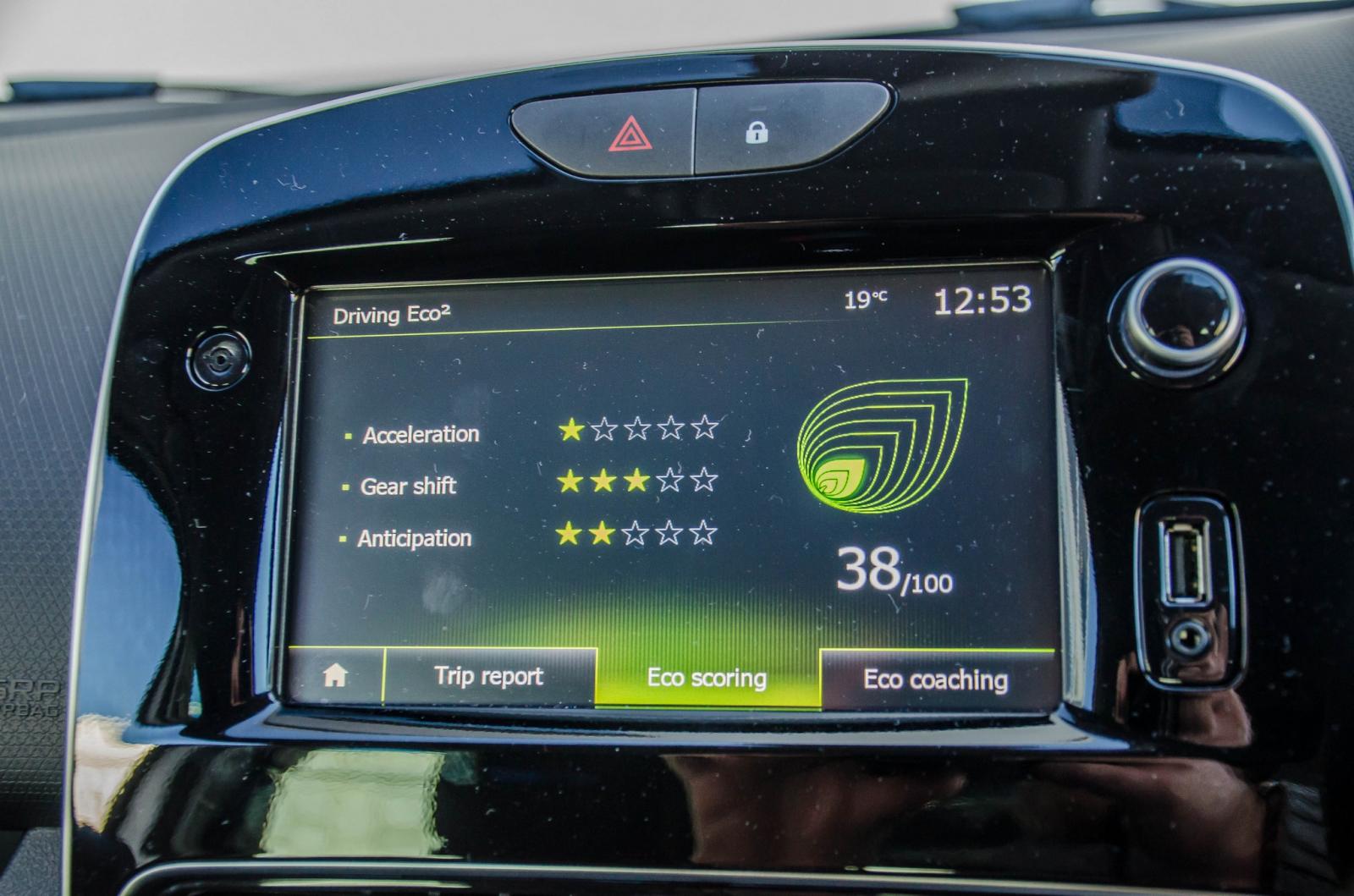
The Clio GT-Line will monitor your driving habits and offer advice on how to improve. We didn't score very well…
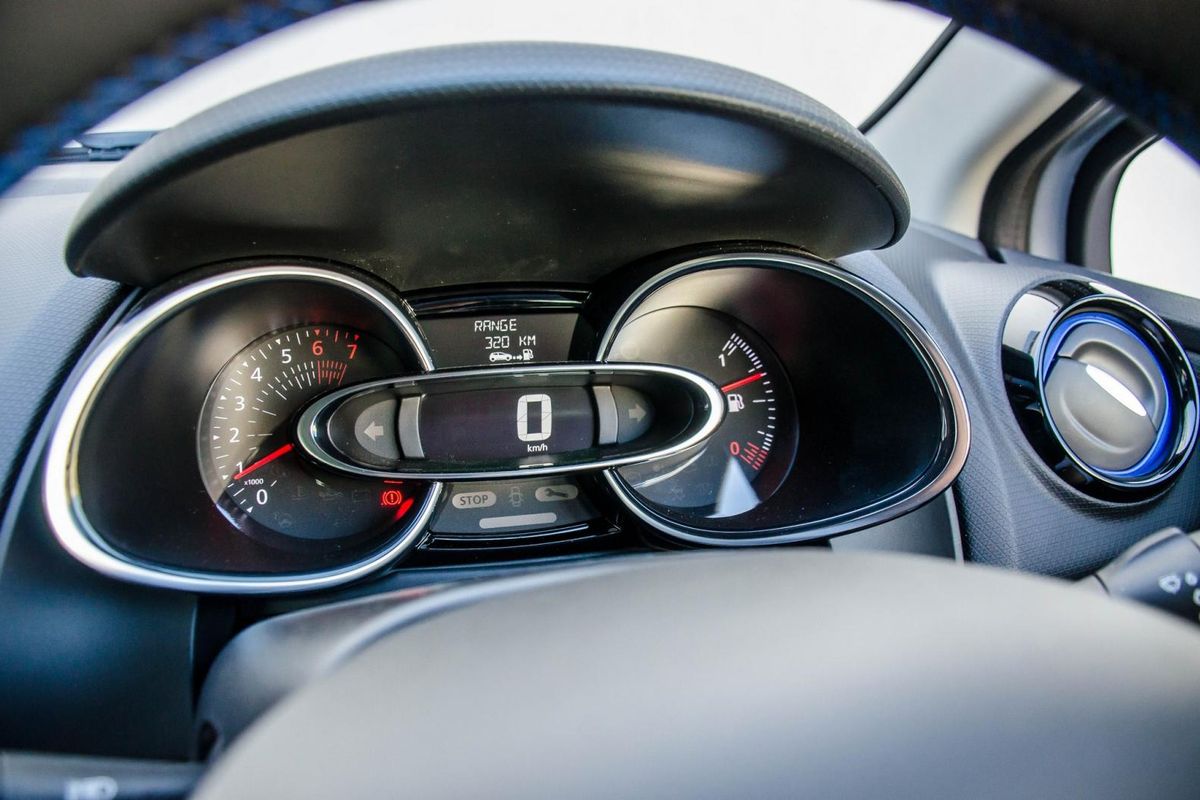
In terms of fuel consumption, Renault claims an average figure of 5.3 L/100km. We achieved in the region of 9.2 L/100 km during our test period, but to be fair, we weren’t trying very hard to bring that figure down and we are quite certain that figures below 8.0 L/100 km are achievable with a more considerate driving style. The Clio GT-Line does have an Eco button, that when activated, will prioritise fuel efficiency and help reduce consumption. You can also monitor your driving style and receive useful fuel-saving driving tips via the touchscreen display.
Pricing and warranty
The Renault Clio GT-Line is priced from R264 900 (June 2017) and is sold with a 5-year/150 000 km warranty, 3-year/45 000 km service plan and a 6-year anti-corrosion warranty.
Verdict
The Clio GT-Line is appealing because it punches above its weight… and not only in terms of performance. If you are looking for an alternative to the plethora of 1.0-litre 3-cylinder options on the market, the GT-Line offers better driveability by virtue of its tractable powerplant and, as a result, offers more driving enjoyment. But, in conjunction with that, the French hatchback's interior is aesthetically pleasing, comfortable and well-equipped.
Therefore, the Renault is worth considering if you are looking for a bit more style and performance, but can't/don't want to pay an exorbitant price for a hot-hatch. For R264 900, you get an attractive, flexible car packed with most of the features you'd want in a hatchback: it represents great value.
Watch our video review of the Renault Clio GT-Line and Clio RS Trophy below!
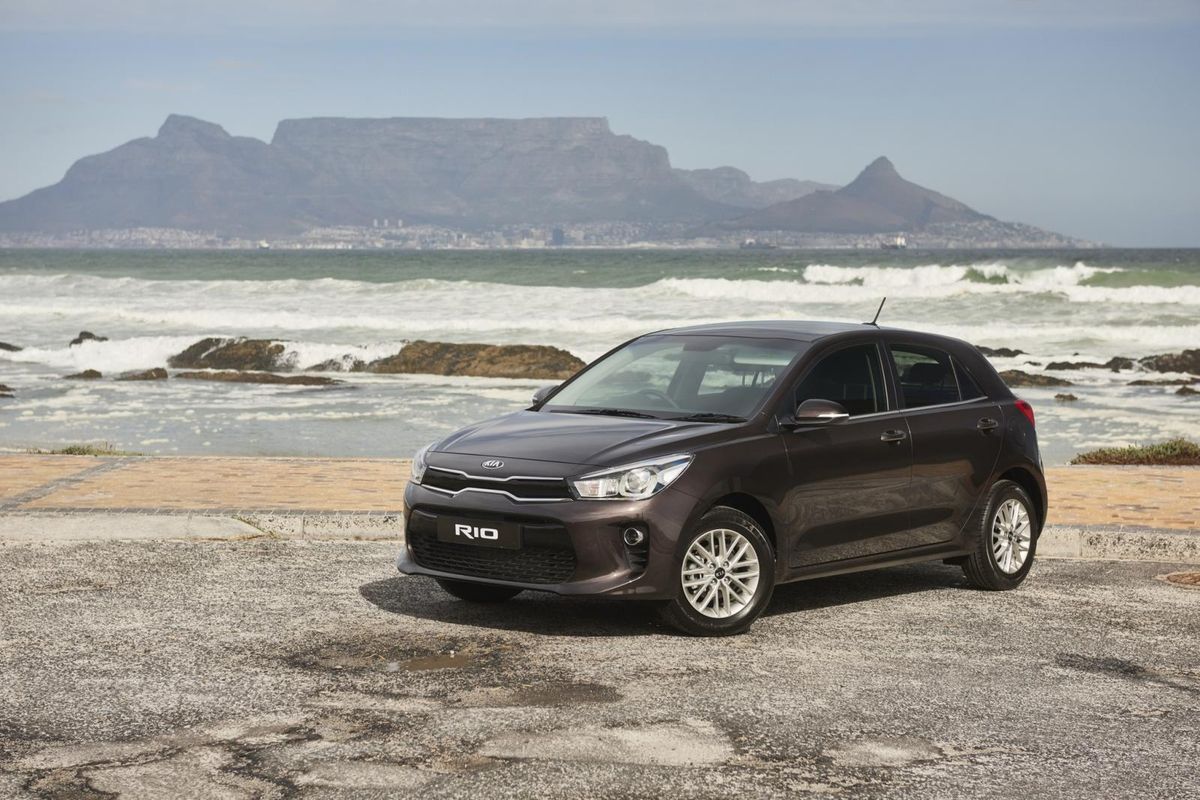
The new Kia Rio has arrived in South Africa and it promises better comfort, improved refinement and a quieter ride amongst other enhancements. We drove it at the launch in Johannesburg to get a feel for the Volkswagen Polo rival.
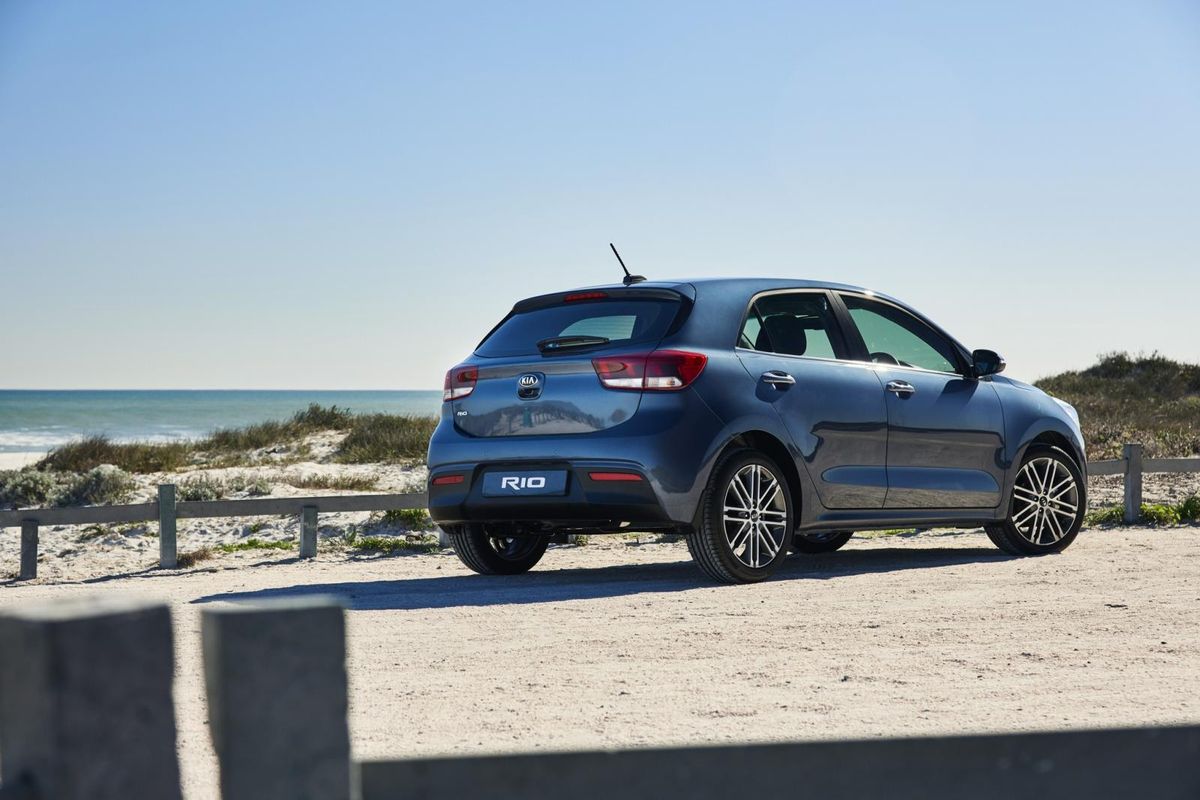
The previous Rio, launched in 2011, was a hit for the Korean brand in South Africa; Kia claims that around 37 000 units found homes here. Much of the Rio's success can be attributed to its design, which is imbued with a stylish exterior that made it noticeable in the large crowd of B-segment hatchbacks. This latest 2017 model aims to improve and refine the winning formula rather than reinventing itself like the 2011 model did.
What’s new?
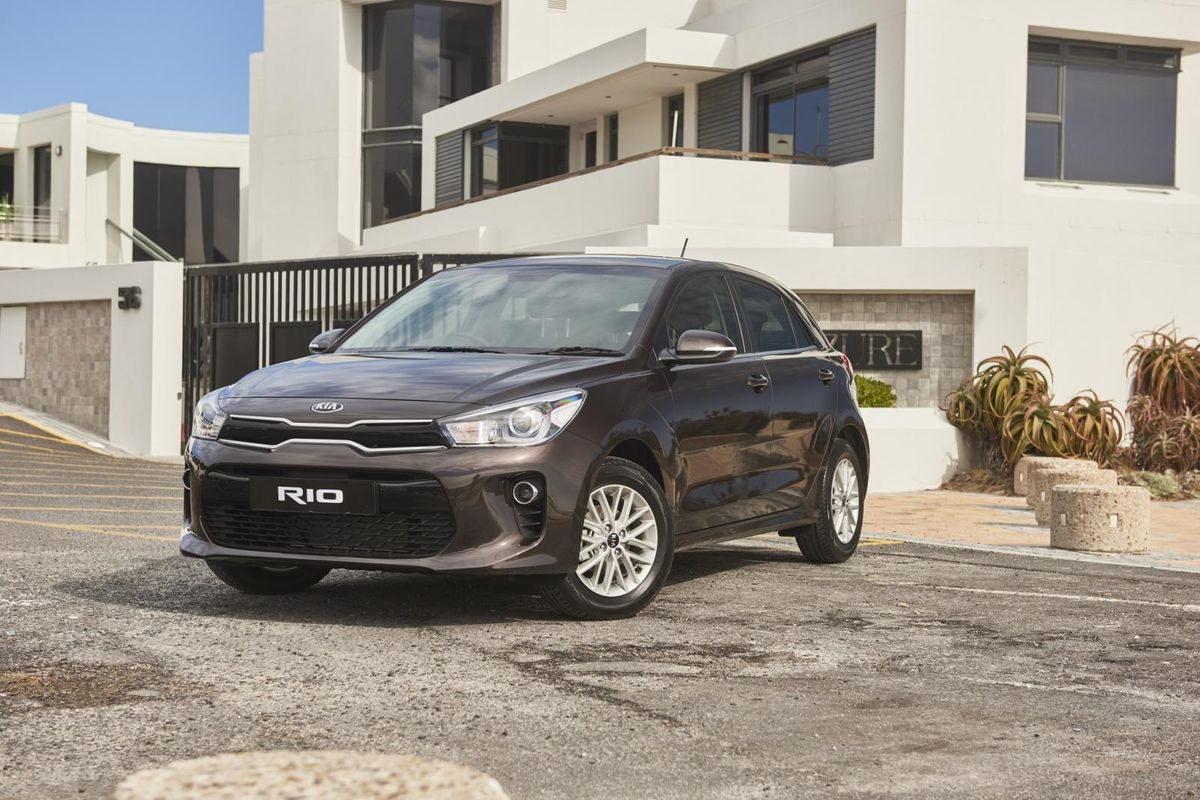
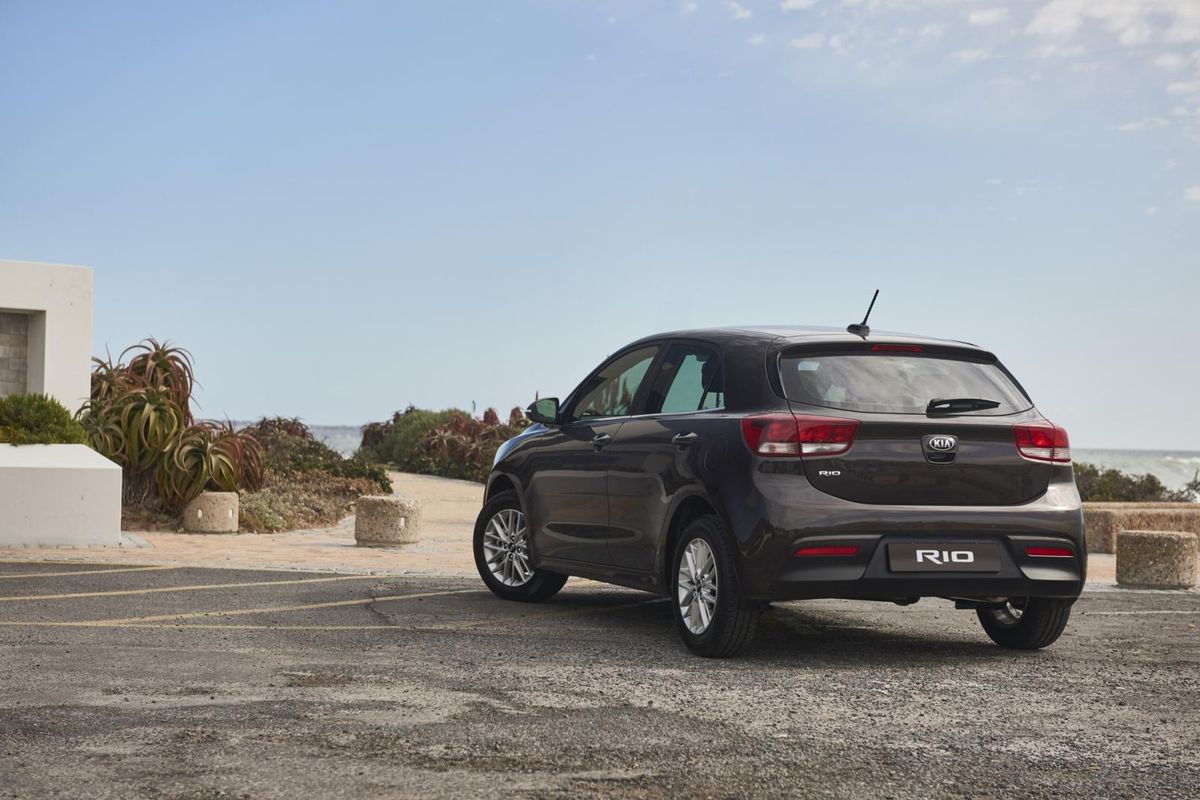
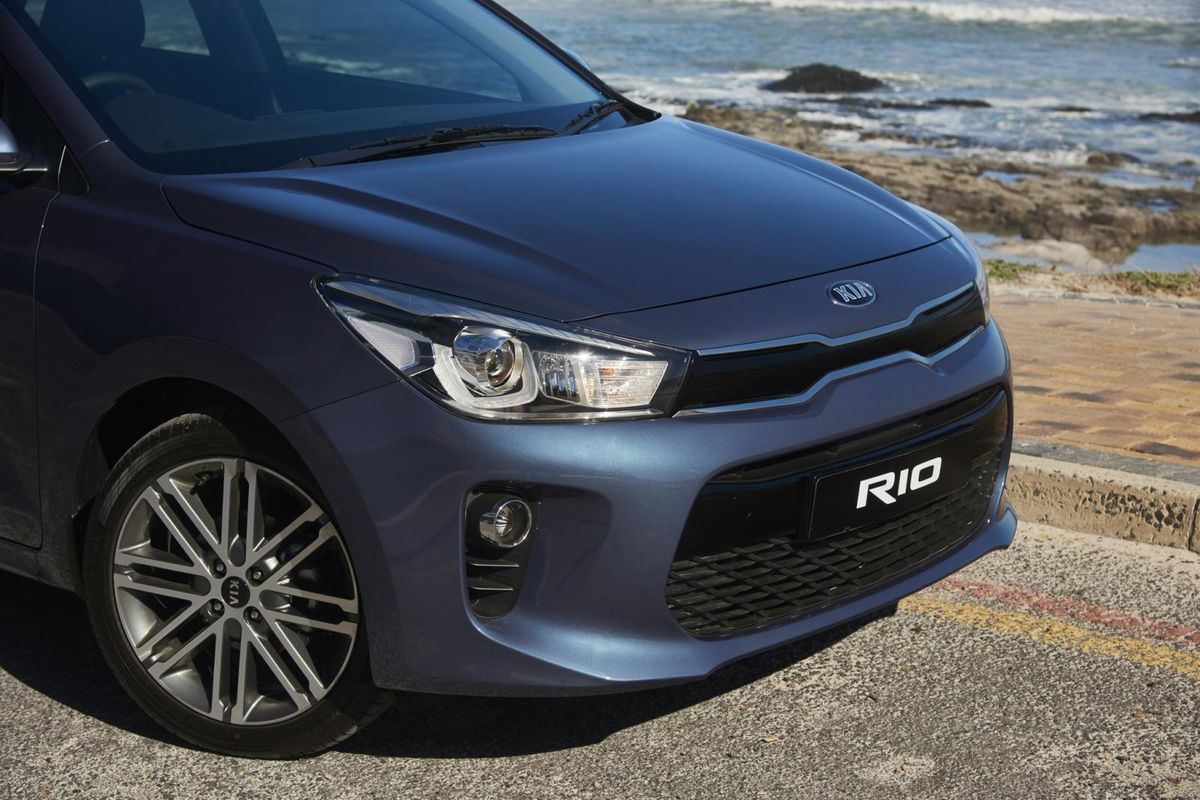
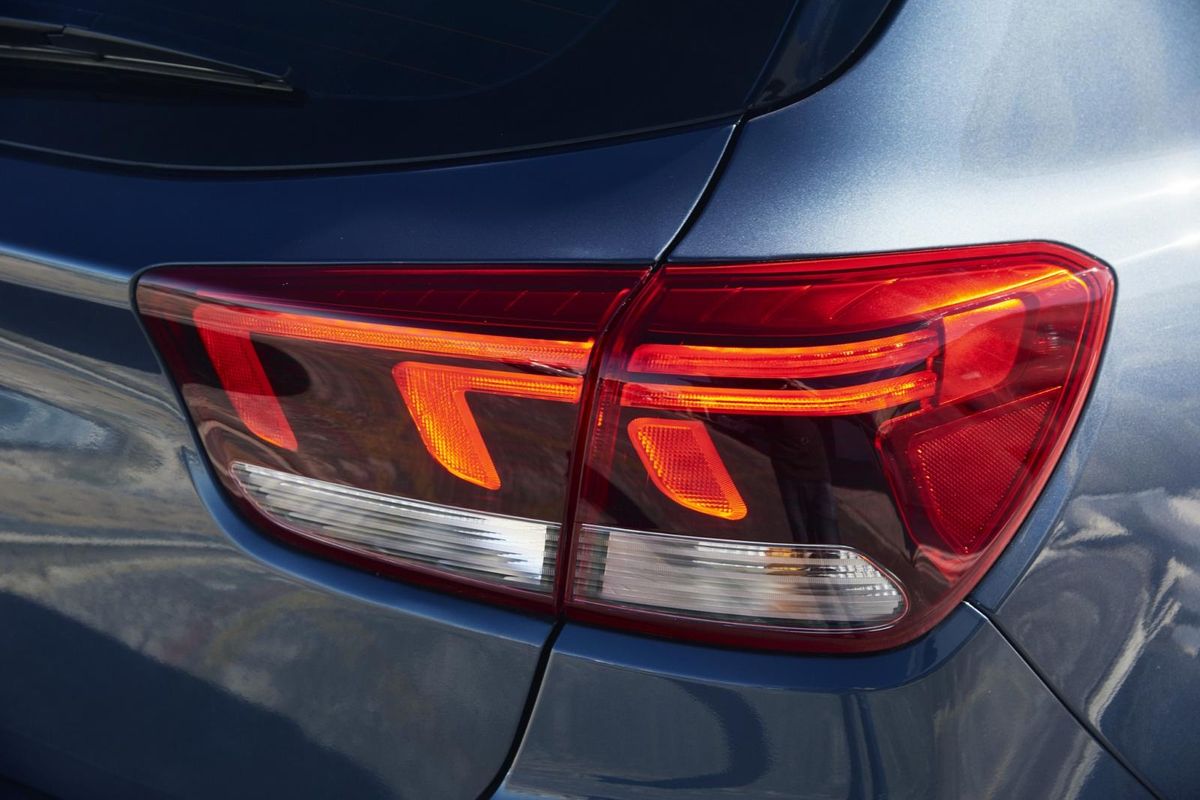
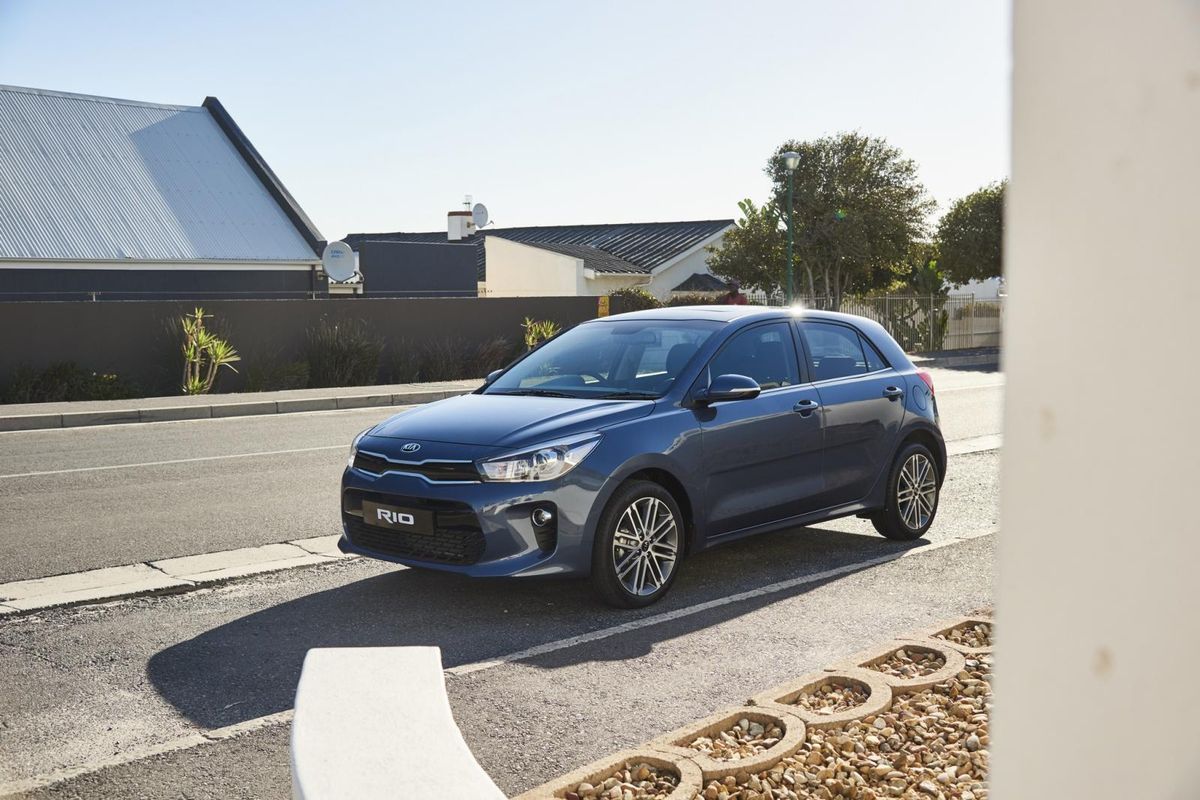
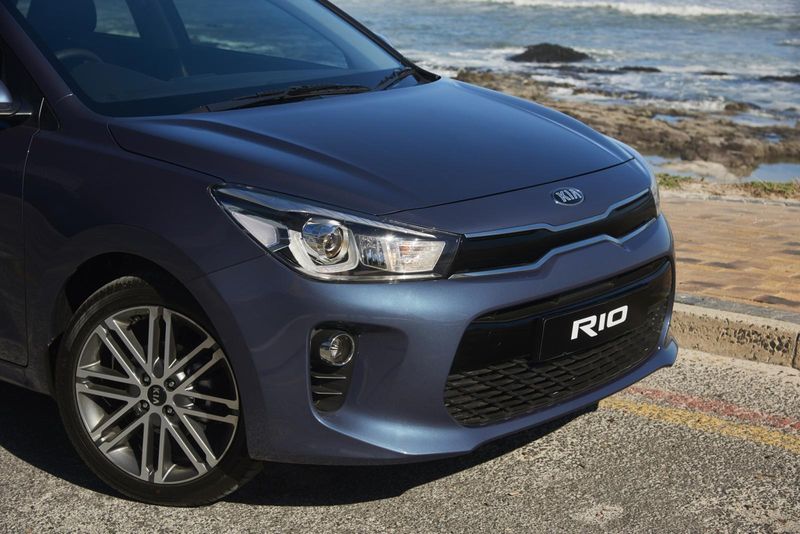
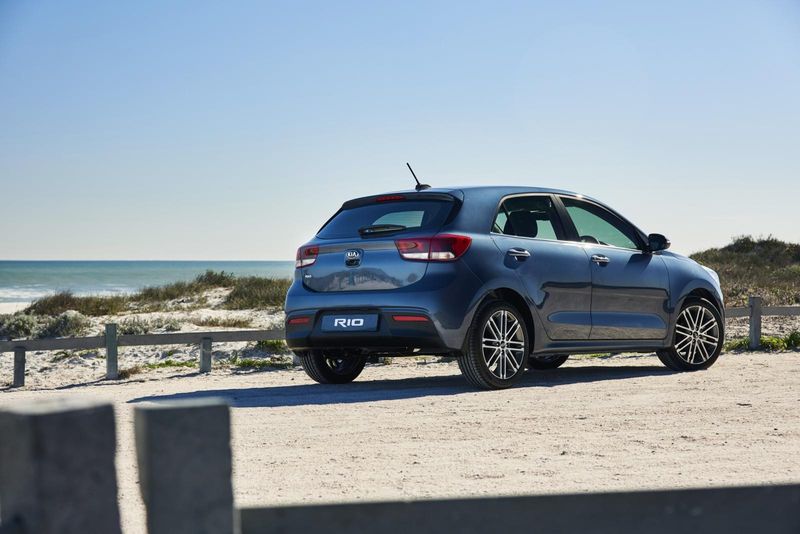
The Rio has grown 15 mm in length, been lowered by 5 mm and had its wheelbase extended by 10 mm. These are admittedly minor changes, but they have positive knock-on effects in terms of passenger space and aerodynamic efficiency. The exterior design is still distinctive and the new front grille creates a purposeful front-on appearance. LED lights are available on certain models and a new rear lighting signature is noticeable when the brakes are applied. Wheels are offered in 15- and 17-inch sizes.
Kia's new Tiger Nose grille is enlarged and better integrated with the headlight design.
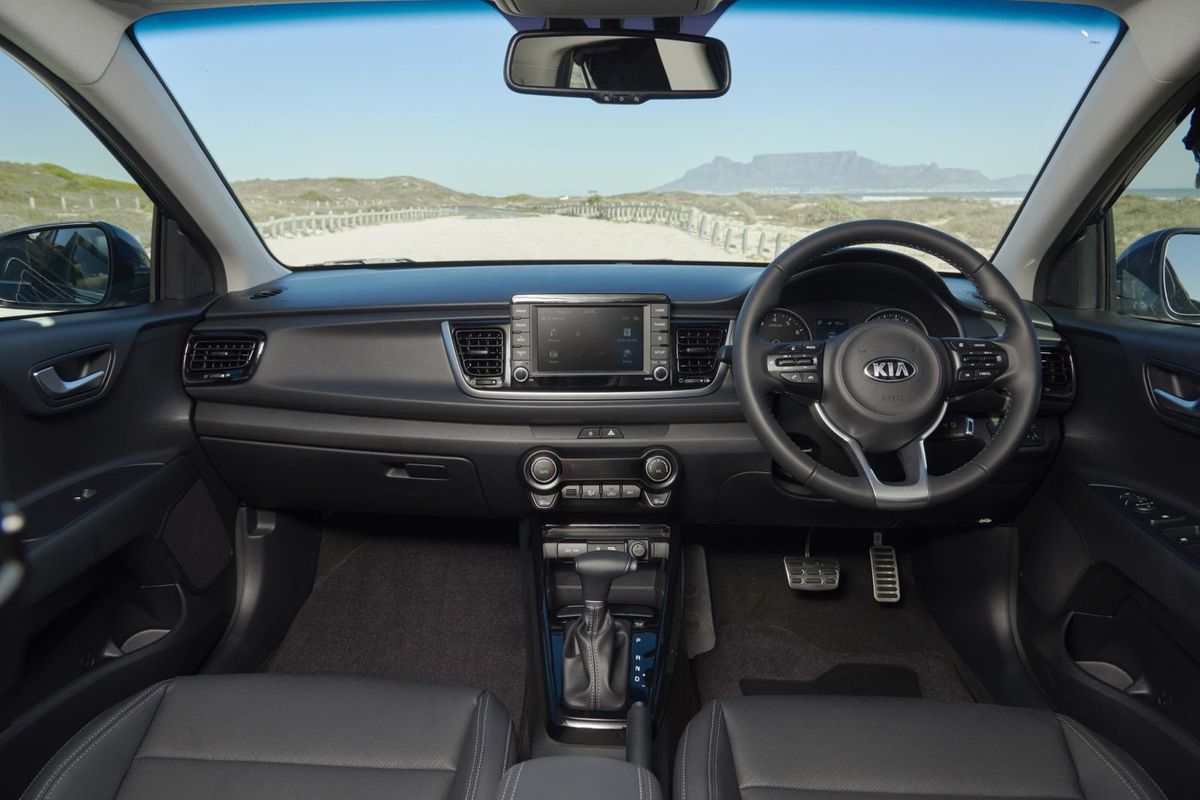
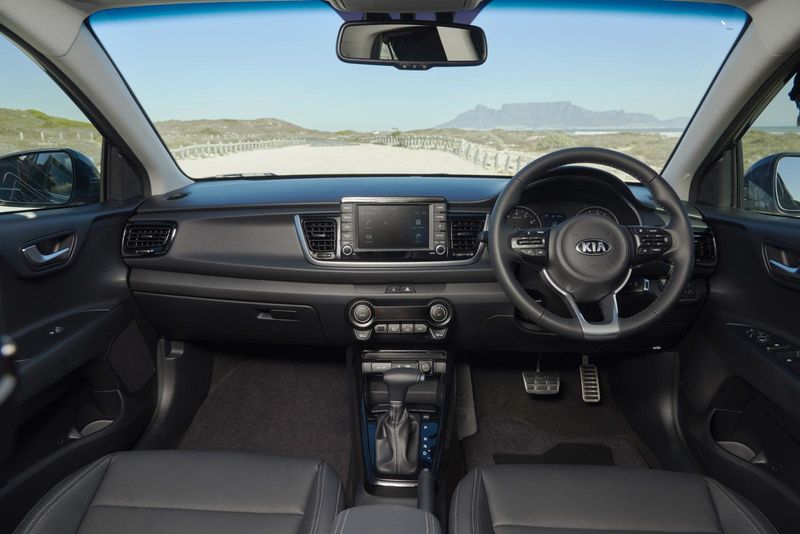
Inside, Kia has taken the opportunity to give the Rio a new infotainment system and a rework of some of the materials. Most of the surfaces are hard plastic, but not scratchy/nasty to touch. There are some glossy Piano black finishings around the air vents and a sliver of leather on the passenger dash area.
There’s an entry-level 1.2 LS derivative that gets a 1.2-litre naturally aspirated engine with 62 kW and 120 Nm of torque. We didn’t get a chance to drive it, so we’ll reserve judgment for now. The rest of the new Rio range is powered by a 1.4-litre naturally aspirated engine and it delivers 74 kW and 135 Nm of torque. We experienced this 1.4-litre motor in the top-spec Tec derivative and at the Reef it lacks the low-range grunt that the competition delivers courtesy of their turbopetrol 1.2-litre units. The 1.4 requires a lot of shifting of the 6-speed manual transmission to keep on the boil, but this didn't seem to adversely affect the (indicated) fuel consumption, which was hovering around 7.0 L/100 km.
Top-spec 1.4 Tec comes with 17-inch wheels and rear PDC and camera. It's also the only model with stability control.
Ride comfort
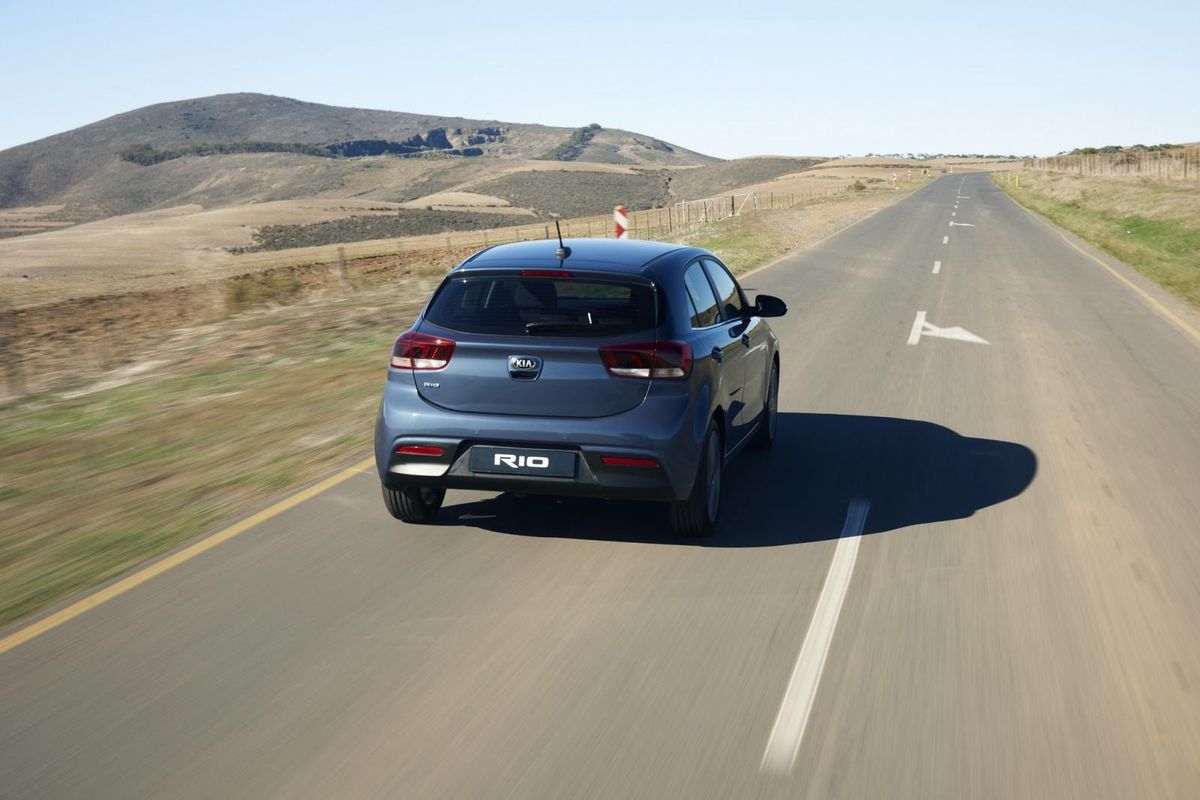
Despite the lacklustre engine, the Rio delivers a much-improved ride. It’s supple over bumps and holds firm when coaxed through bends. The steering feels better, too! The old Rio's tiller had a very light, vague feel to it where the new Rio's seems better weighted and offers a more direct connectedness to the wheels. It’s quiet in the cabin with very little wind heard at speed and road noise is kept to a mere faint background murmur.
Tech update
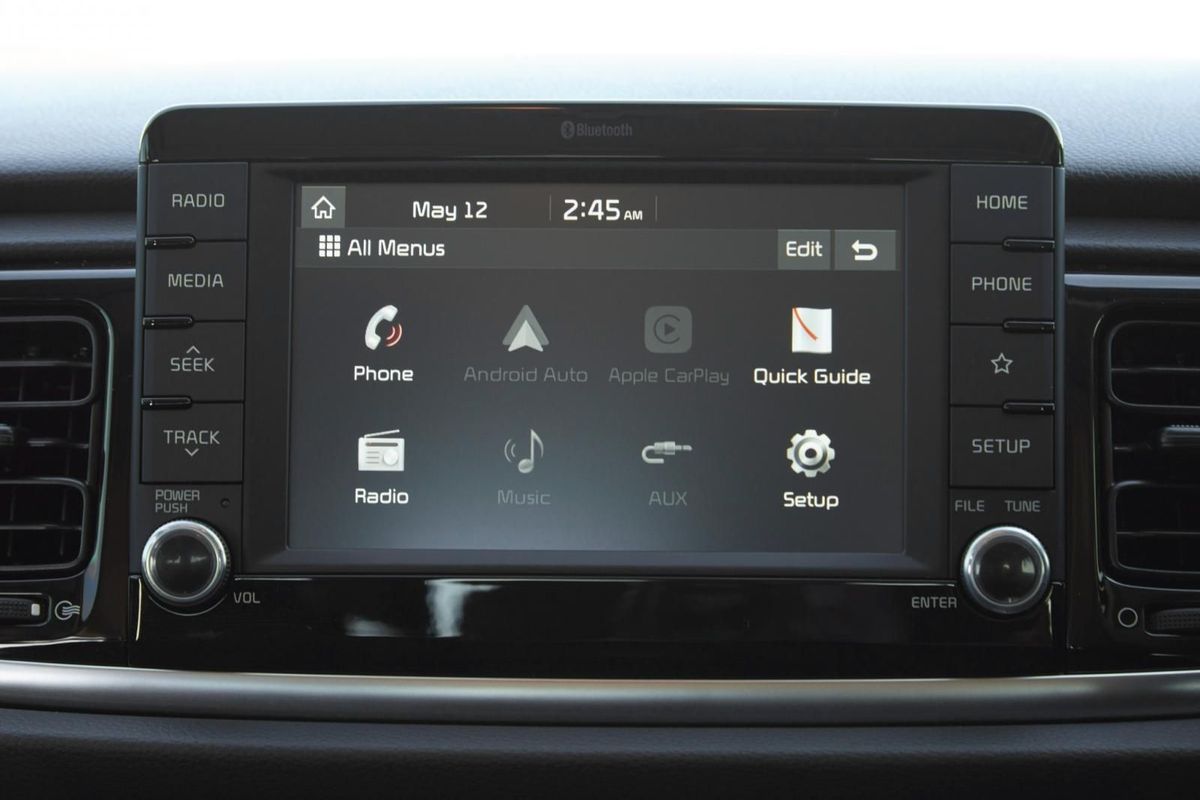
In the higher spec 1.4 EX and Tec, the Rio is equipped with a 7-inch touchscreen multimedia system. It’s one of the better units in the segment and also features Apple CarPlay and Android Auto compatibility. The other basics such as Bluetooth and USB and auxiliary ports are also standard.
Tec model also features a full leather interior and a new 7-inch infotainment system that is Apple CarPlay capable.
In terms of safety, all models come with ABS-equipped brakes and at least two airbags (driver and passenger). At the top-end (Tec) there are 6 airbags installed as well as ESC (Electronic Stability Control), however, it would be nice to see this passive safety feature as standard across the range like it is in the Renault Clio and Volkswagen Polo. A rear-view camera with park distance control is standard in the Tec and EX models too.
Space and practicality
The Rio feels like a spacious car, especially up front where extra room has been afforded to the passenger. Rear roominess appears adequate and certainly a match for the competition. The rear seats can be folded down flat in a 60:40 split and the luggage bay is one of the largest in the segment (Kia claims a capacity of 325 litres). This compares favourably with the Polo that is said to offer only 280 litres.
Final word
As with many of Kia's latest products, the focus area has been to improve the build quality and refine the driving experience. In these areas, the Rio is right up there with the class leaders and the new infotainment system is a match for the competition. The engines however, still feel a little gutless when compared to the torquey turbos from rivals, especially at altitude. It results in the driver having to work the gearbox more often to keep the engine in the sweet spot. More models could also benefit from stability control than just the top spec version.
Warranty and after-sales support
Kia has managed to keep the pricing almost identical to the outgoing model. It has done this with a favourable exchange rate of late and means that the Rio offers a touch more value-for-money. It still sits at the top of the B-segment price range, however. The Rio is backed by Kia’s 5-year/unlimited km warranty and 4-year/60 000 km service plan.
Mercedes-AMG is celebrating its 50th anniversary in 2017, so here's a look at some of the brand's most historically significant models. There are plenty to choose from, so we've gone for the milestone products – cars that signified a big leap forward for Mercedes' Affalterbach-based performance division.
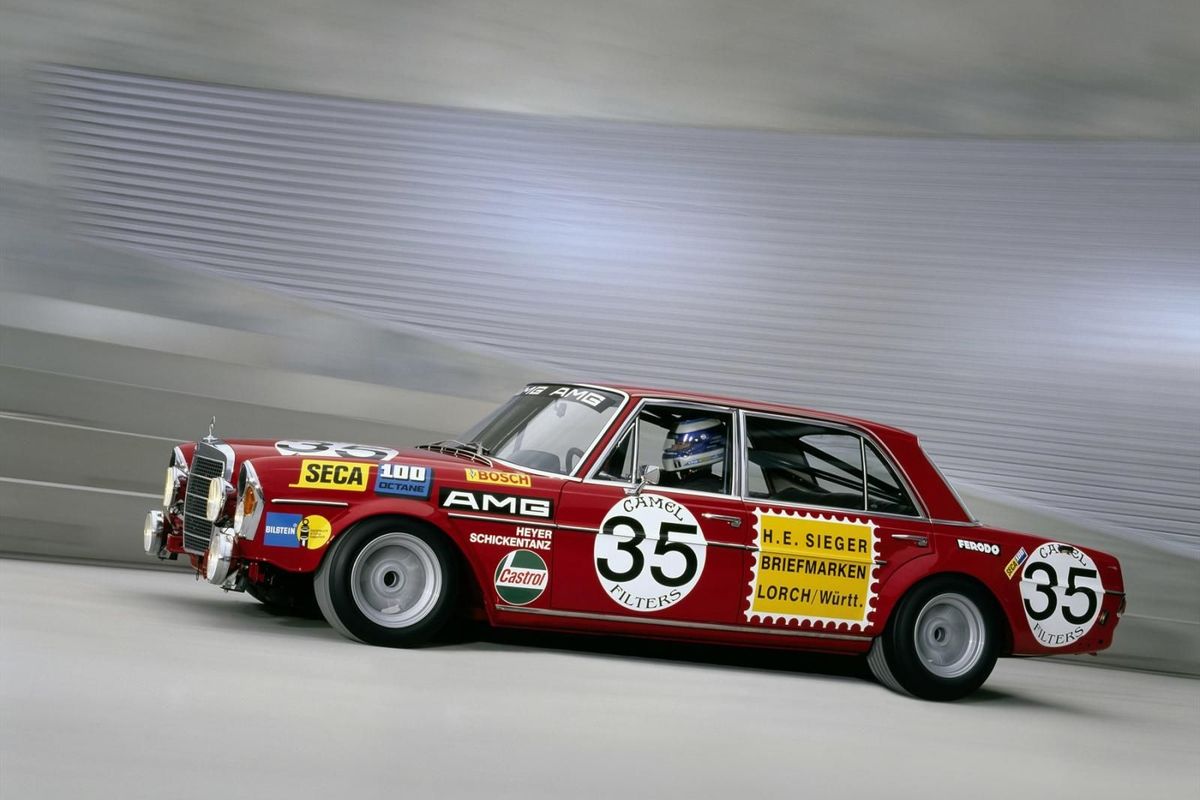
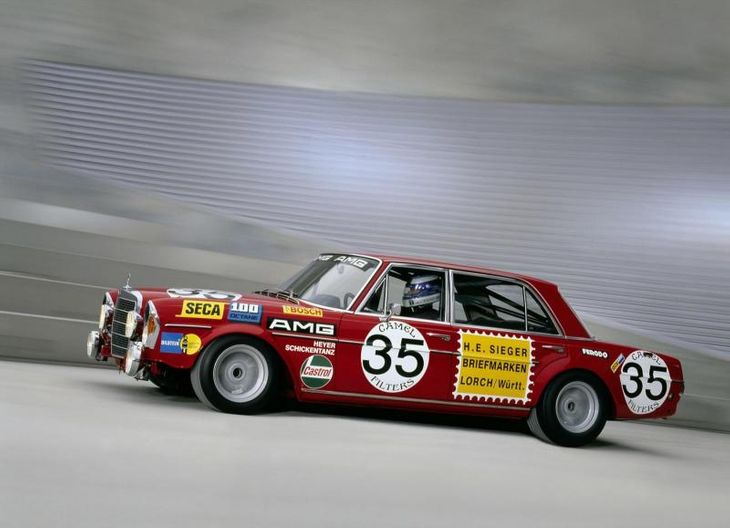
1. Mercedes-Benz AMG 300 SEL 6.8
The car that started it all. What started out as a standard Mercedes-Benz became an iconic racer that put AMG on the map. AMG (Aufrecht Melcher Grossaspach) started with Hans Werner Aulfrecht and Erhard Melcher, two ex-Mercedes engineers who tuned Benzes and raced them on the weekends. The fondly-named Red Sow was a 6.8-litre V8-powered Mercedes-Benz SEL and it broke the mould for motorsport in the 70's. See, back then, motorsport was focused on small and lightweight vehicles, as it was assumed that bigger vehicles would be too heavy/slow. The Red Sow looked out of place during the 1971 24-hour race at Spa, Belgium yet somehow took 1st place in its class, and second overall.
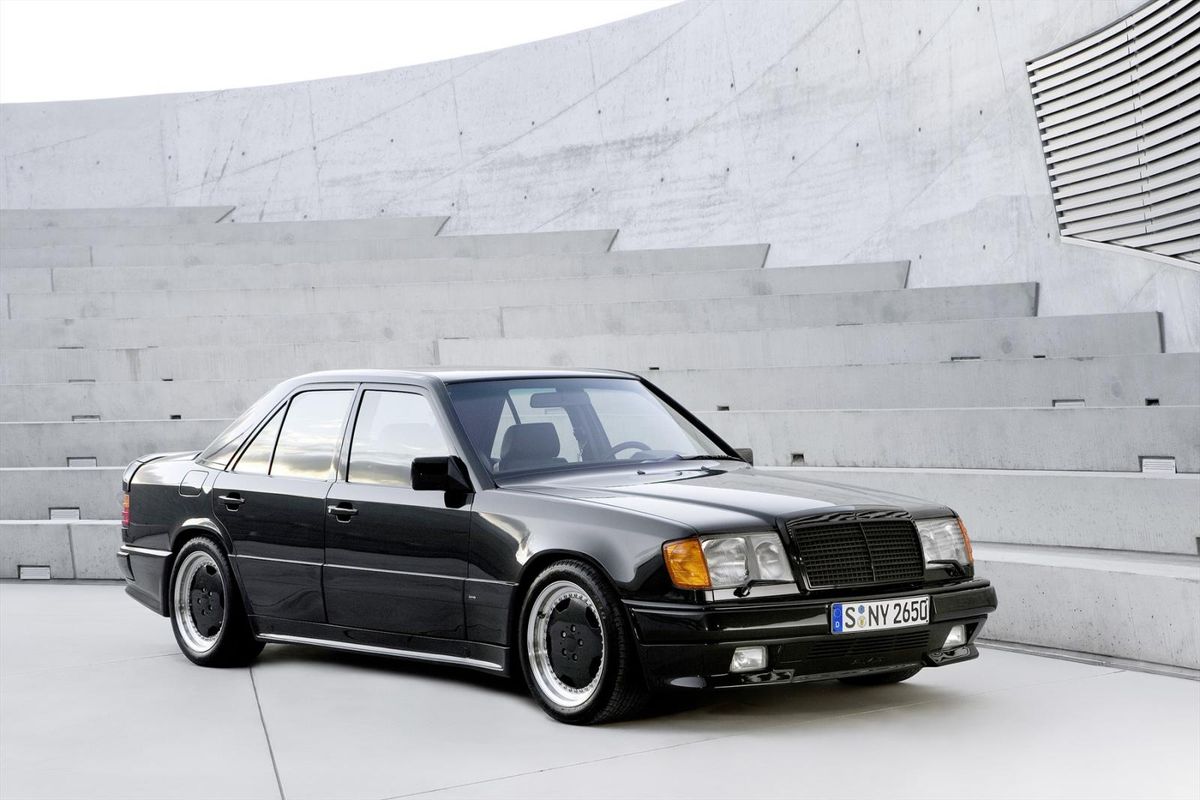
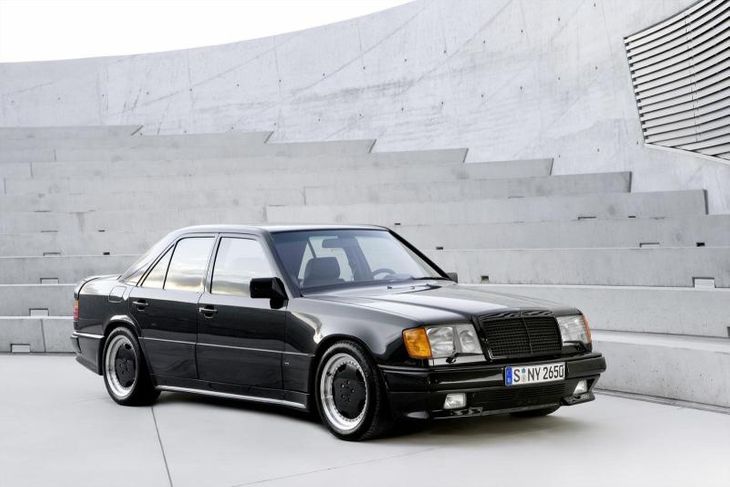
2. Mercedes-Benz W124 300E Hammer
When Mercedes-Benz revealed the W124 back in 1984, the top-spec model was offered with a paltry 3.0-litre straight 6. When AMG got hold of it, however, in went a V8! There were varying displacements on offer: 5.0-, 5.4-, 5.6- and 6.0 litres. Nicknamed "The Hammer", this AMG represented a big step forward for the brand. It was one of the first four-door German sedans that could break the 300 kph barrier.
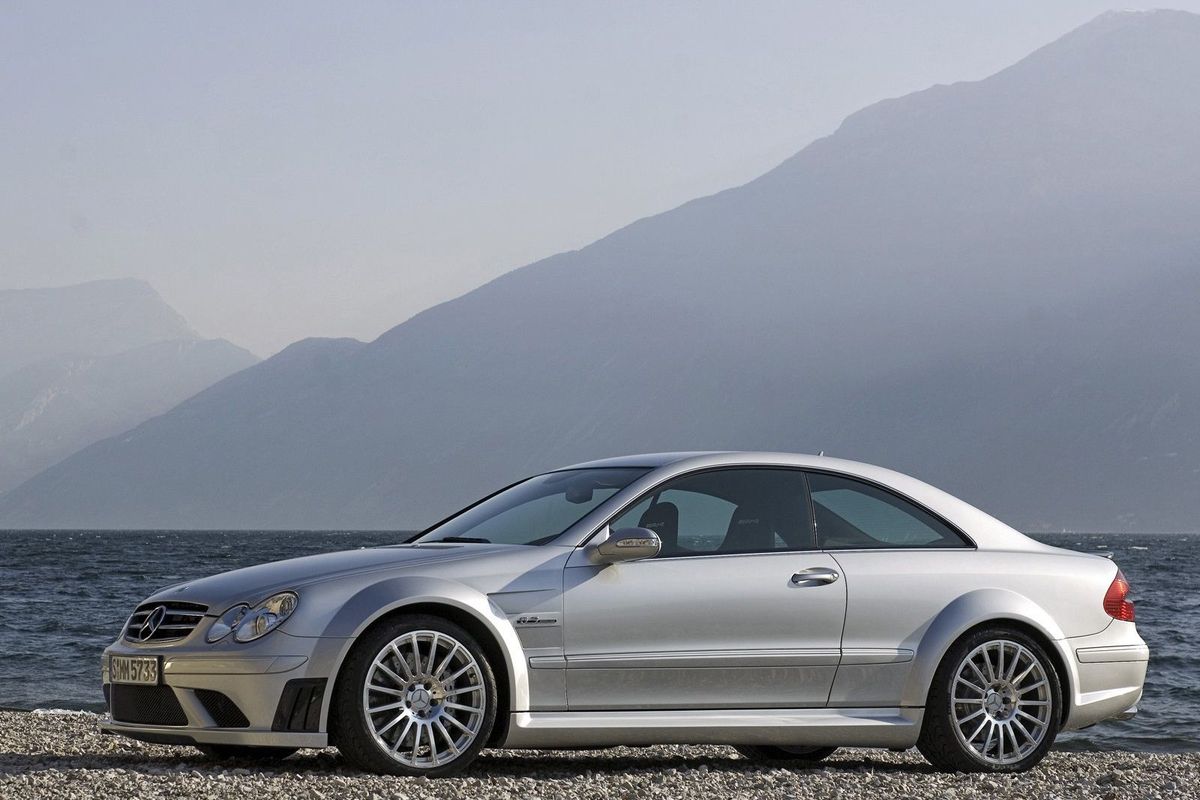
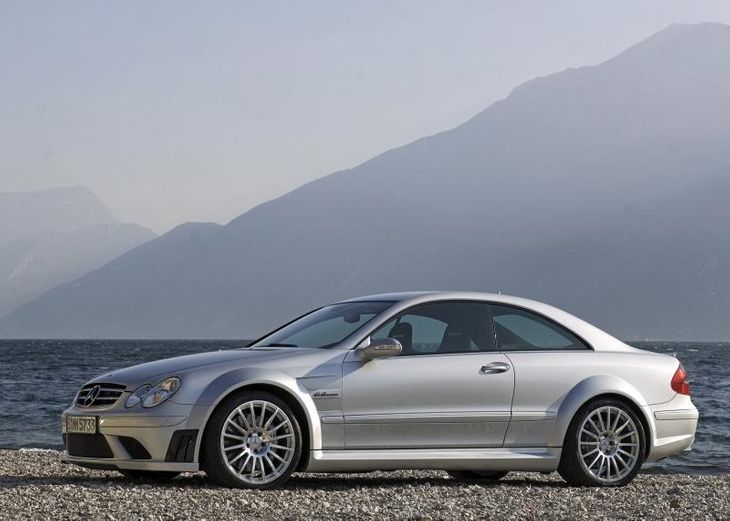
3. Mercedes-Benz CLK 63 Black Series
There have only been 5 Black Series models to emerge from Affalterbach: the SLK 55, SL65, C63, the SLS and this, the CLK 63. Black Series represents the ultimate in AMG performance and the execution treatment includes weight reduction, increased performance (both in terms of straight line and cornering ability) and cosmetic enhancements, resulting in what we'd cheekily call "road-legal race cars". In 2007, Mercedes-Benz revealed the CLK 63 AMG Black Series and it was made available for sale in South Africa. Powered by a modified version of its deep burbling 6.2-litre V8, it could smash the zero-to-100 kph barrier in 4 seconds dead and reach 160 kph from standstill in under 9 seconds. It wasn't about straight line performance either – thanks to Pirelli P Zero Corsa tyres, a limited-slip rear differential, and aerodynamic aids, it proved a formidable track toy.
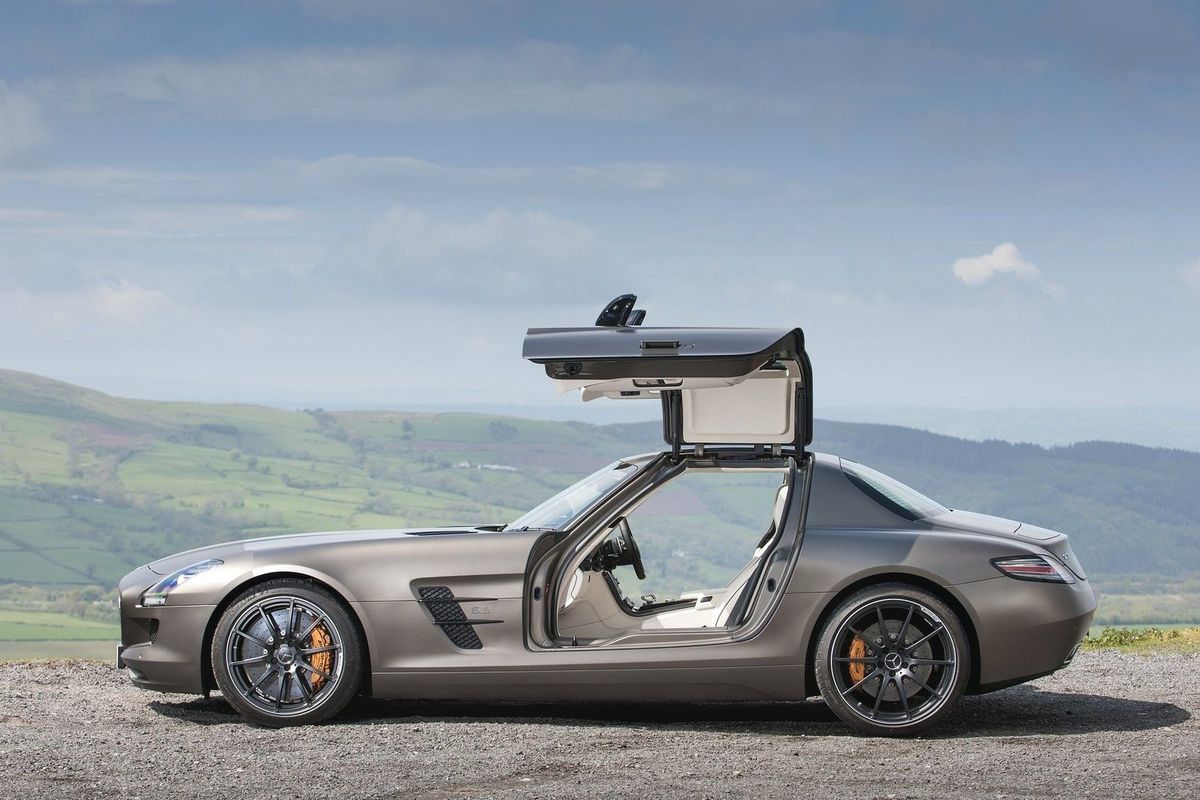
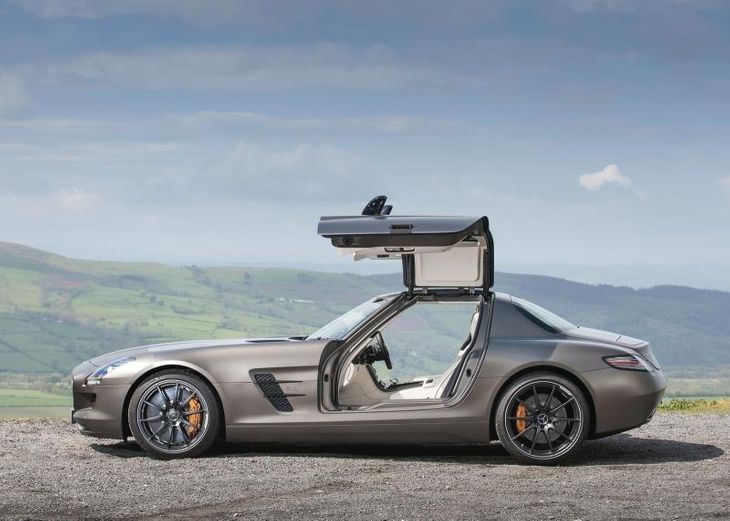
4. Mercedes-Benz SLS AMG
With its trademark striking looks and gullwing doors, the Mercedes-Benz SLS AMG is unmissable. However, it's historically significant for AMG for a number of reasons. The predecessor to the AMG GT, the SLS was the first Mercedes-Benz automobile designed and built in-house by AMG and its V8 engine was the last naturally-aspirated motor to be offered. It used the 6.2-litre V8 (M156) motor, but was extensively modified, so much so, that AMG renamed it M159. Power was rated at 435 kW and 650 Nm, and it could hit 100 kph in 3.7 seconds before going onto a top speed of 320 kph.
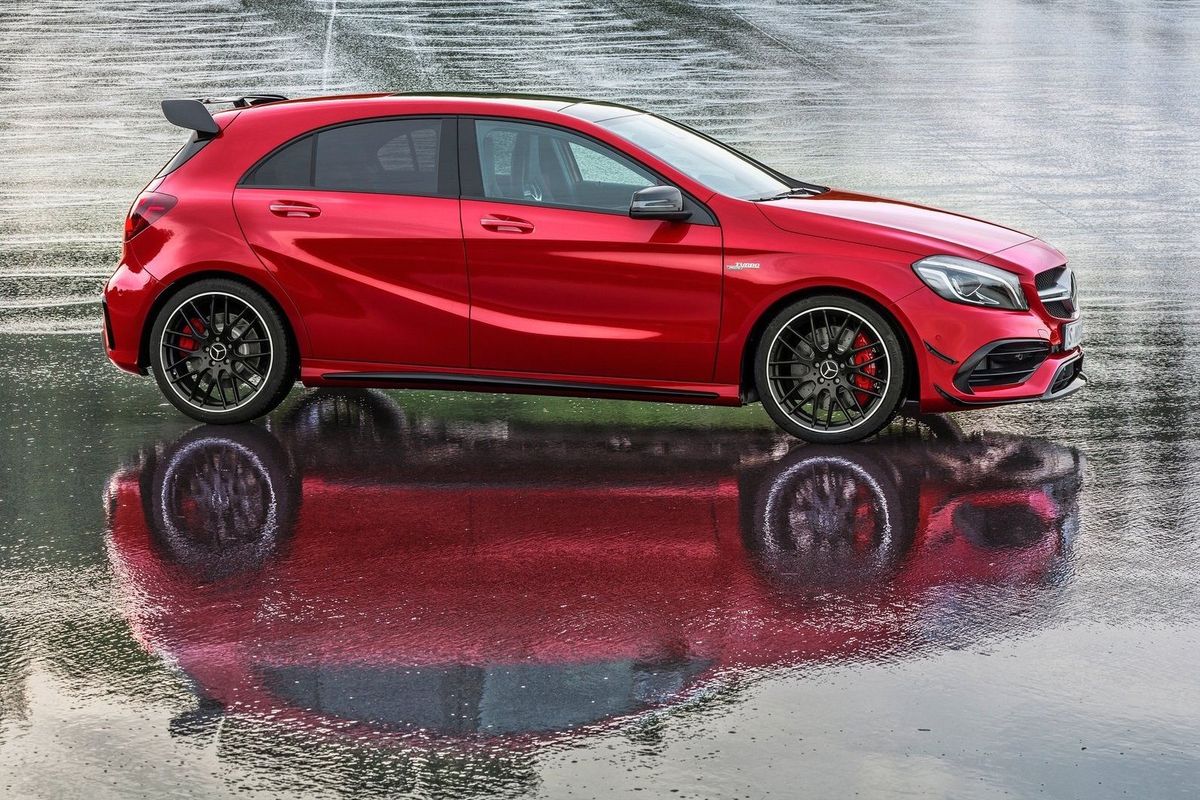
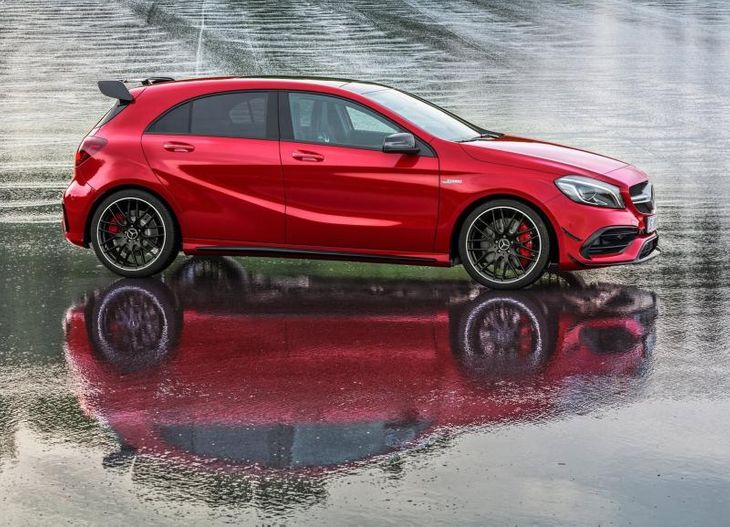
5. A45/CLA45/GLA45
All these great big-engined AMG products in the list and the final entry is a 2.0-litre 4 cylinder turbopetrol? Yes, this product has half the displacement and cylinders of the latest AMG 4.0-litre V8, but it offers a fascinating look at how AMG approaches the compact performance market. Well, it's no real surprise… it churns out more power than anyone else in the segment! The AMG unit (codenamed M133) is the most powerful 2.0 litre motor in series production with outputs of 280 kW and 475 Nm, but unlike the other AMG motors, this one is assembled in Kölleda, Germany. The A45, GLA45 and CLA45 represent a new chapter for AMG – the Affalterbach division proved that it could produce performance magic with smaller motors than V6 and V8s engines and opened a whole new market for the brand by exposing the performance marque to a younger, trendier clientele.
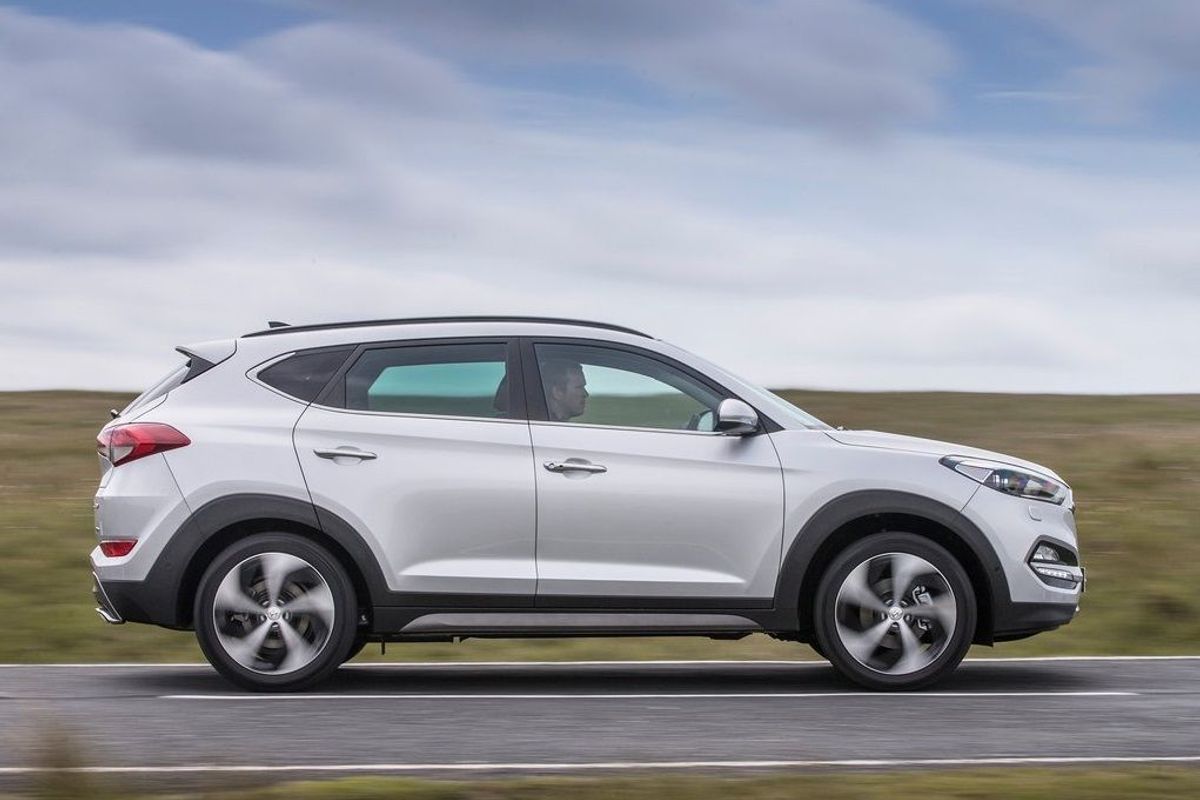
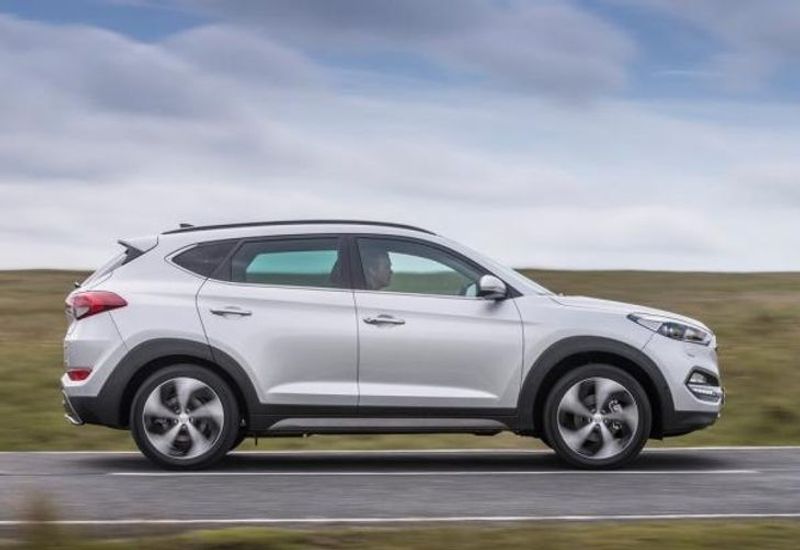
Having expanded its Tucson family car range in South Africa with the launch of 1.7- and 2.0-litre turbodiesel derivatives in late 2016, Hyundai has added a beefed-up Sport version of its 2016/17 #CarsAwards Family Car finalist
Hyundai’s ix35 and its predecessor, which was also named the Tucson, made the Korean brand a force to be reckoned with in the compact SUV segment. While most brands offer reasonably good budget and family vehicles, it's quite an accomplishment to produce an SUV that’s premium enough to woo the high-income earners, yet affordable enough for the masses. The Tucson arrived in 2005 and proved a success, as did its successor, which arrived in 2009.
What’s new?
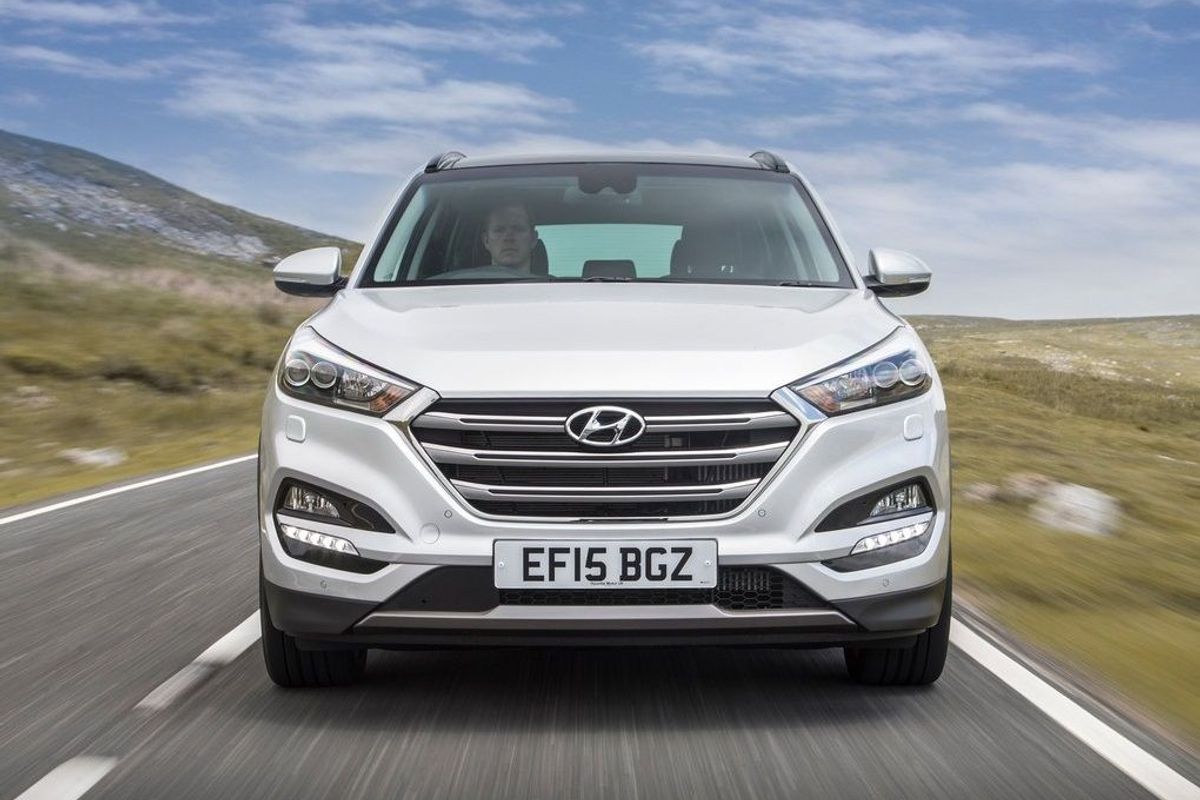
The all-new Hyundai Tucson is a smart-looking SUV with exterior styling that looks more "European" than "Korean". There are 8 versions, ranging from the entry-level Hyundai Tucson 2.0 Nu Premium with either a manual 6-speed gearbox or automatic 6-speed transmission to the flagship R2.0 Elite automatic.
Space and features
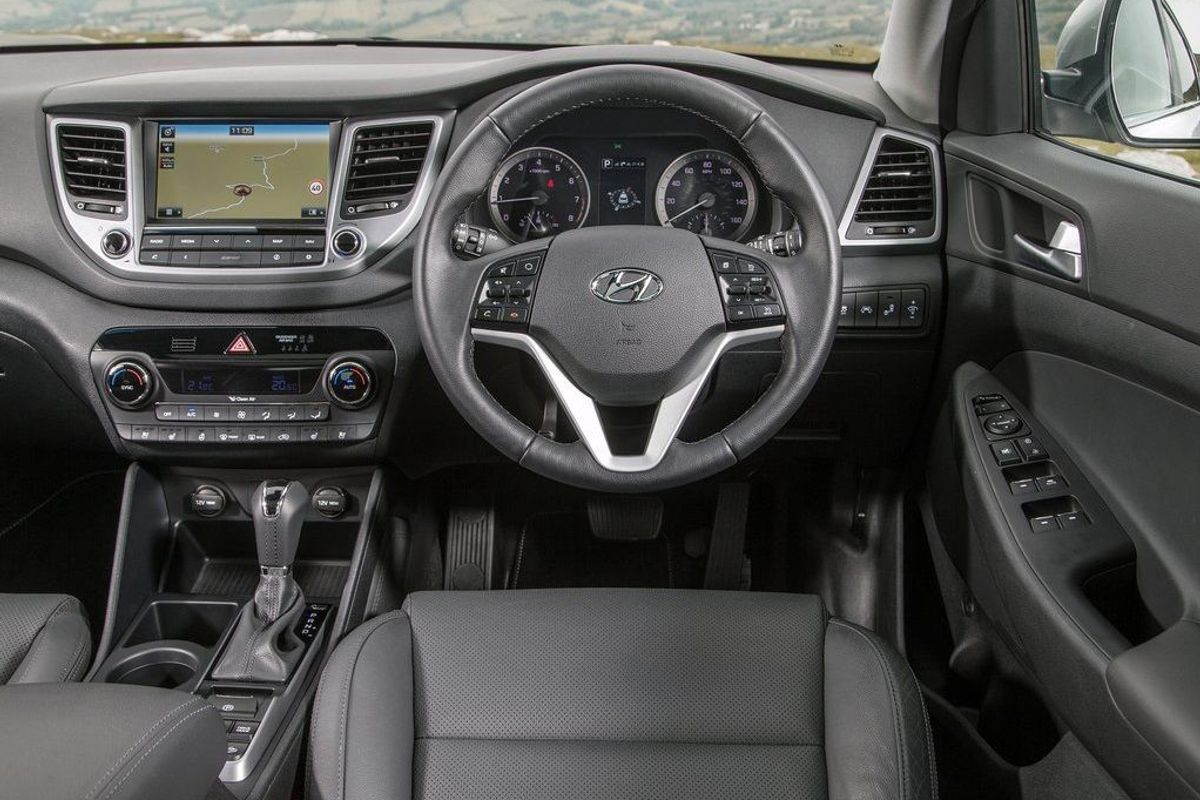
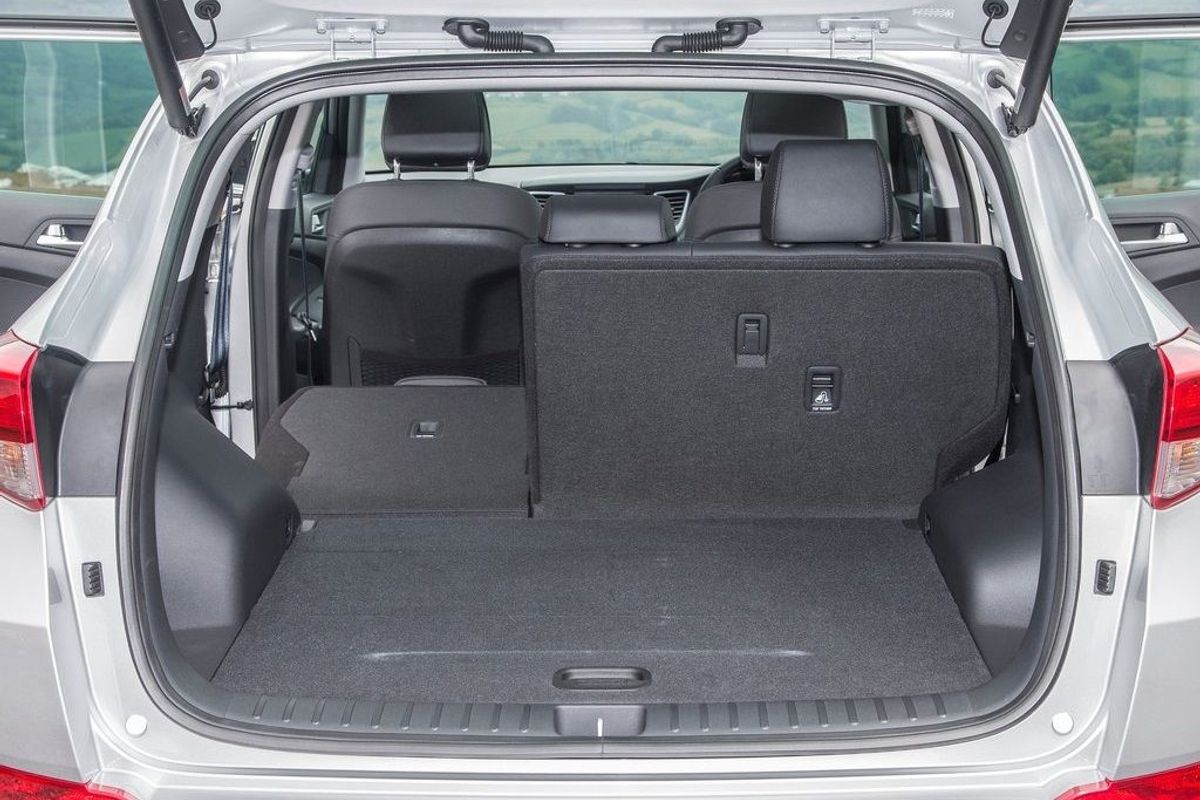
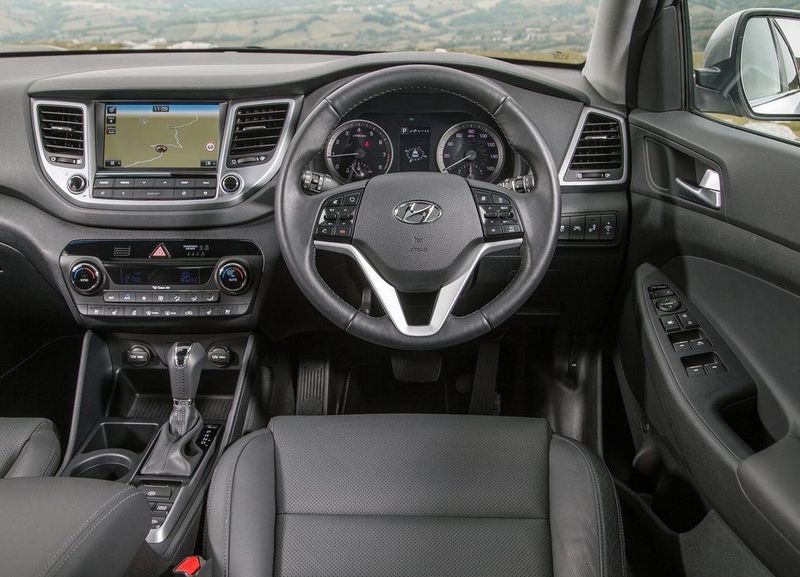
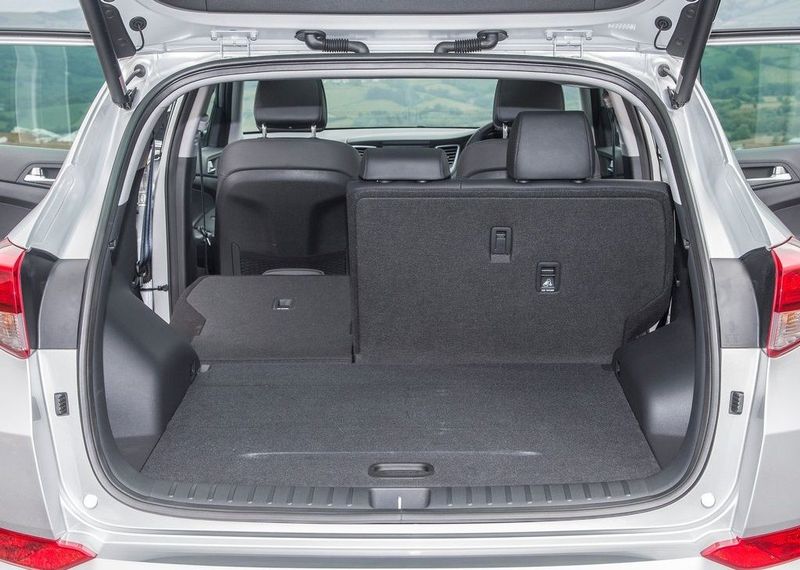
The interior of the new Tucson is quite spacious with a claimed luggage capacity of 513 litres and utility space of 1 503 litres (with the rear seats folded down). The centre console gets a smart-looking six-speaker audio system that boasts Bluetooth connectivity as well as USB and auxiliary inputs.
Executive models sport electrically-adjustable front seats, dual-zone climate control (including a cooled glovebox), cruise control and automatically folding side mirrors, whereas top-spec Elite models further benefit from blind-spot detection, rear park distance control as well as a panoramic sunroof (a large infotainment screen that can host a new-spec satnav system is optionally available).
The Tucson's safety specification is impressive too. It comes with blind spot detection, vehicle stability management, rear cross traffic alert and 6 airbags (driver, passenger, side and curtain units).
Engines and transmission
The 1.6-litre turbocharged four-cylinder motor from the Hyundai Veloster Turbo is lifted straight from the sporty coupe’s body and fitted in the Tuscon. Packing 130 kW and 265 Nm, this motor promises performance that’s not affected by the higher altitude (and thinner air) of Johannesburg and Pretoria. You can choose either a 6-speed manual or 7-speed dual-clutch transmission, the latter of which features 2 driving modes; Eco and Sport.
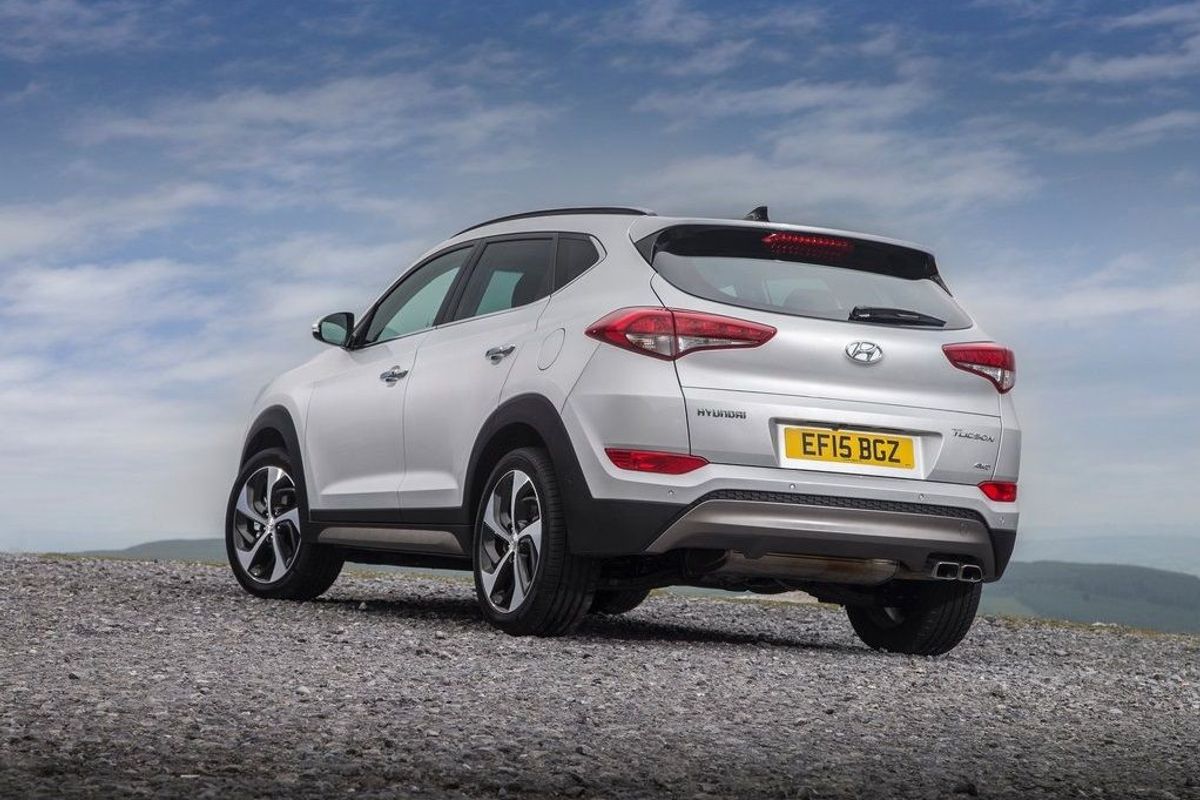
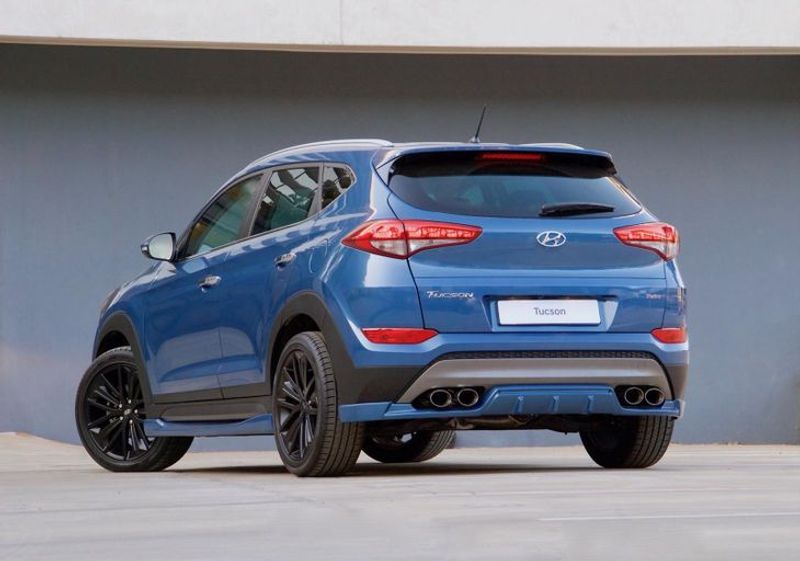
The Tucson Sport, however, is slightly more powerful. The derivative features a body kit comprising front bumper, side skirts and rear diffuser was imported, while Tiger Wheel & Tyre supplies an alloy wheel specifically for this product; the blacked-out 19-inch alloys definitely look the part.
The Tucson Sport derivative is instantly recognisable by virtue of its 19-inch alloys and quartet of exhaust tips.
Finally, there needs to be rortier noise to round off this "performance" Tucson and, to that end, a 4-pipe sports exhaust has been fitted. In terms of peak power outputs, you're now looking at numbers of 150 kW and 295 Nm, which are respectable figures. In comparison with the standard model, those are increases of 20 kW and 30 Nm. As with the standard car, power reaches the front wheels through a 6-speed manual gearbox.
The other petrol engine in the range is a 2.0-litre naturally aspirated 4-cylinder petrol engine that delivers 115 kW and 196 Nm. Hyundai claims this motor will consume just 8.9L/100km on the combined cycle with a manual transmission, while its turbocharged cousin's consumption should be 8.5 L/100km in conjunction with the dual-clutch ‘box and all-wheel drive.
The Tucson range comes equipped with full-sized spare wheels and utlity space increases by virtue of the 60/40 split rear seatback.
Two turbodiesel engines were added to the lineup in November 2016. The 1.7-litre turbodiesel has been uprated from the previous generation ix35. It now produces 85 kW and 280 Nm of torque.Claimed fuel consumption on this unit, when connected to a 6-speed manual gearbox is 6.8L/100 km.
The top-spec turbodiesel engine is a 2.0-litre 4 cylinder unit. Its peak outputs are claimed at 131 kW and 400 Nm which should translate into generous overtaking and towing ability. The derivative is only available with a 6-speed automatic transmission.
All models from the Hyundai Tucson range have a 5-year/150 000 km manufacturer’s warranty, enhanced by the additional new groundbreaking 7-years/200 000 km drivetrain warranty as standard. Roadside assistance for 5 years or 150 000 km and a 5-year/90 000 km service plan with service intervals at 15 000 km are also included.
Update: New Volkswagen Polo (2017) Spy Images [Video]
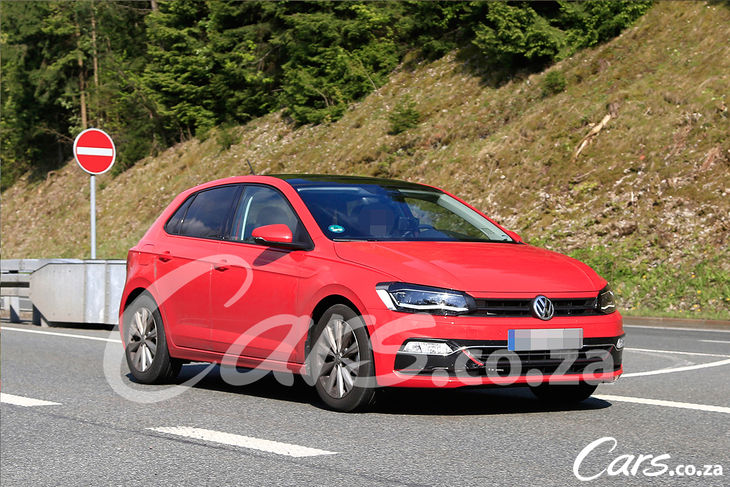
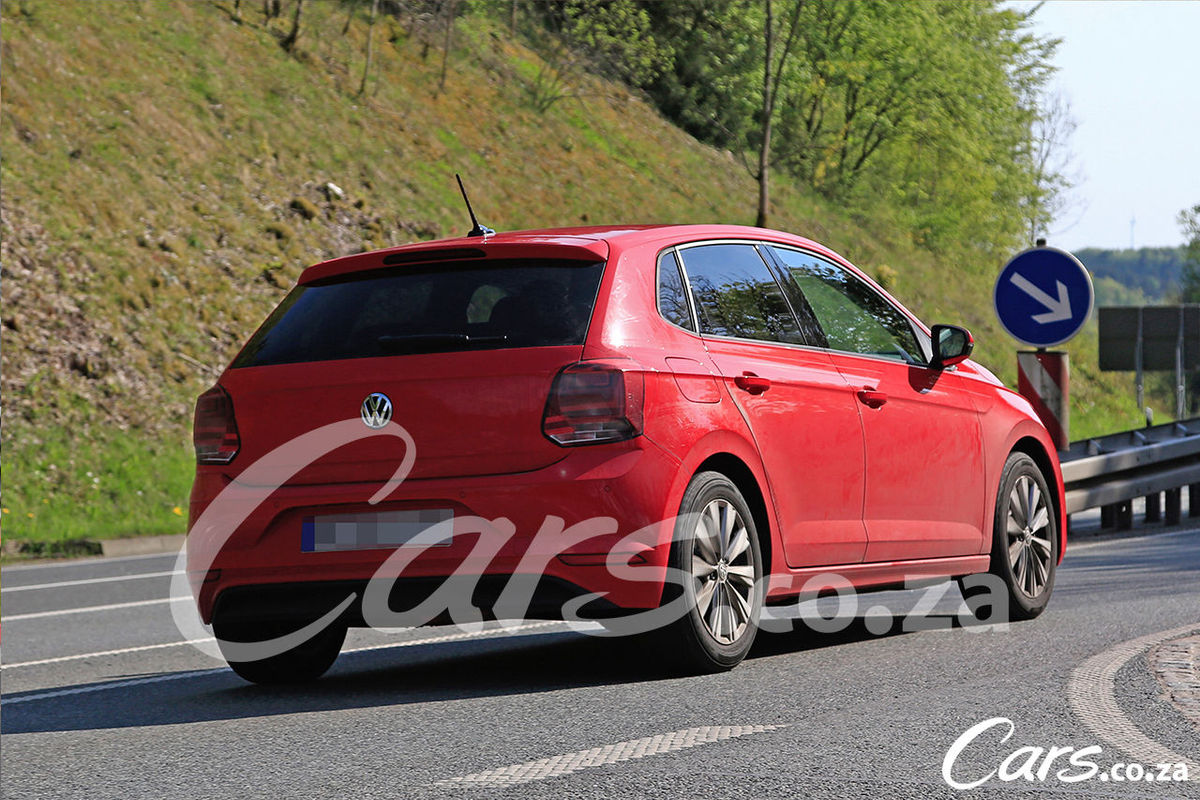
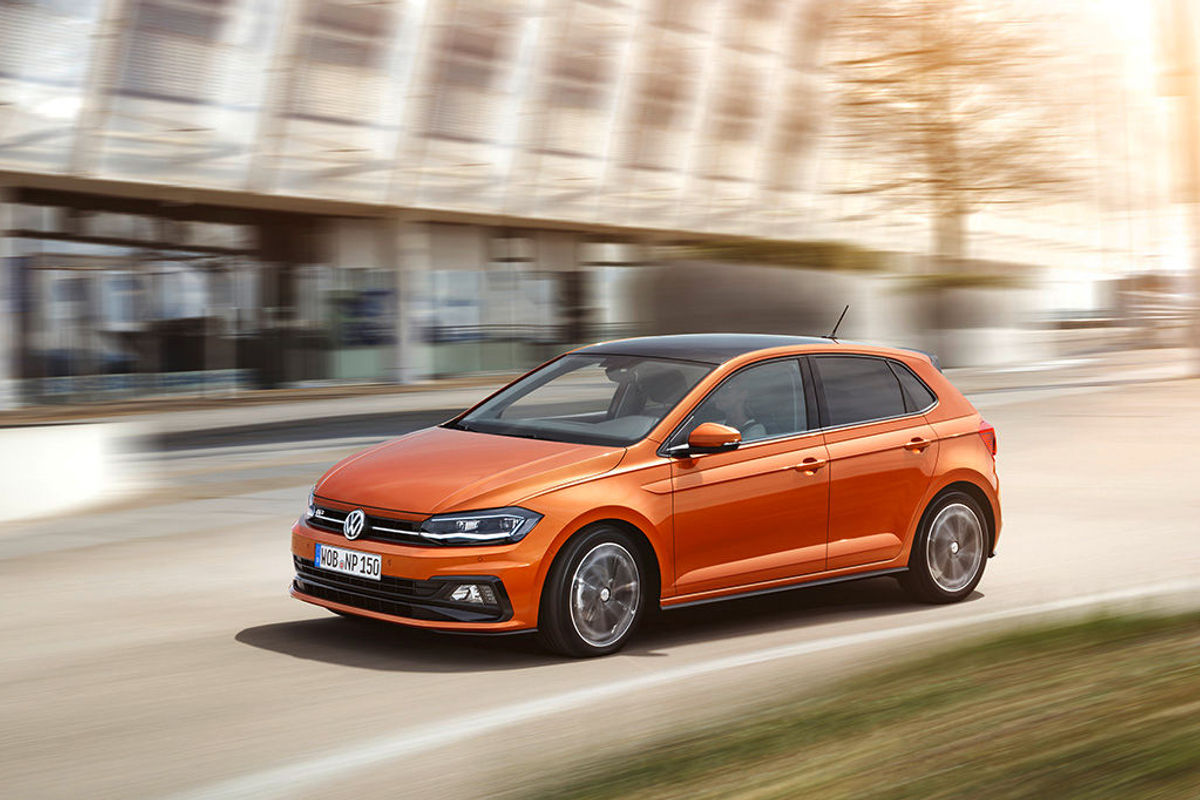
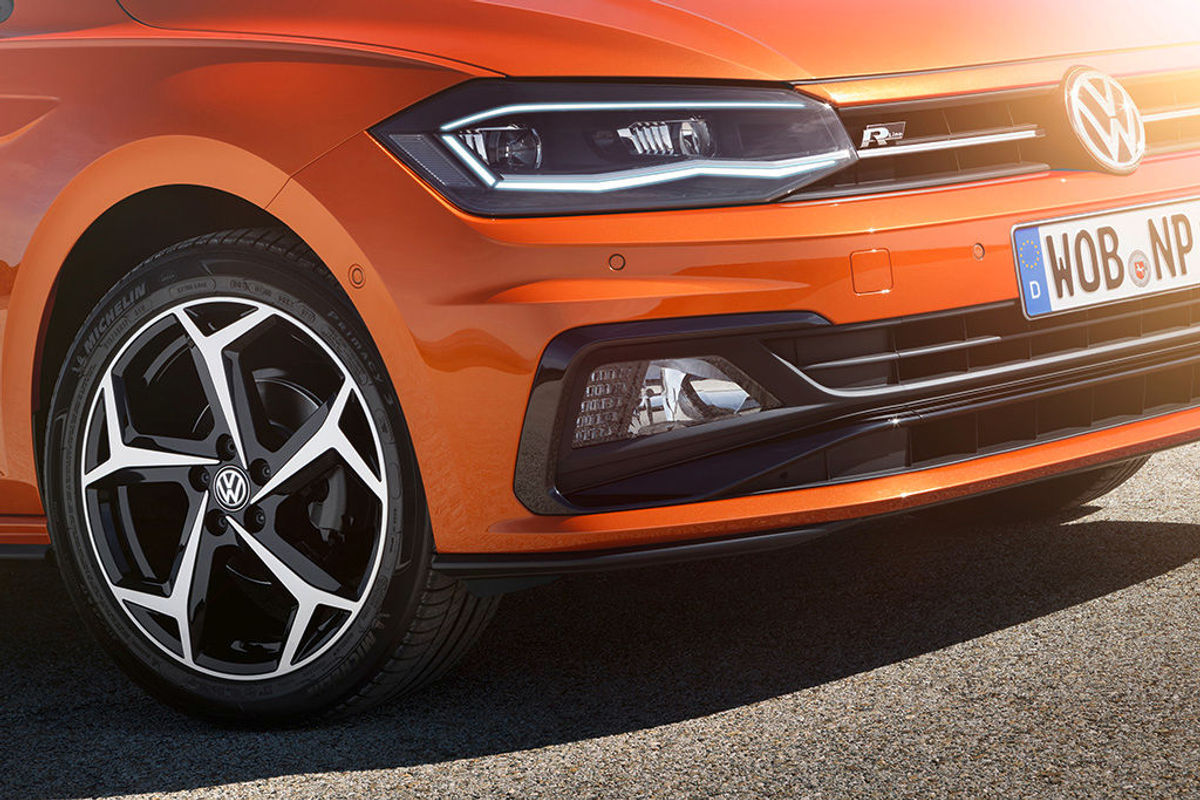
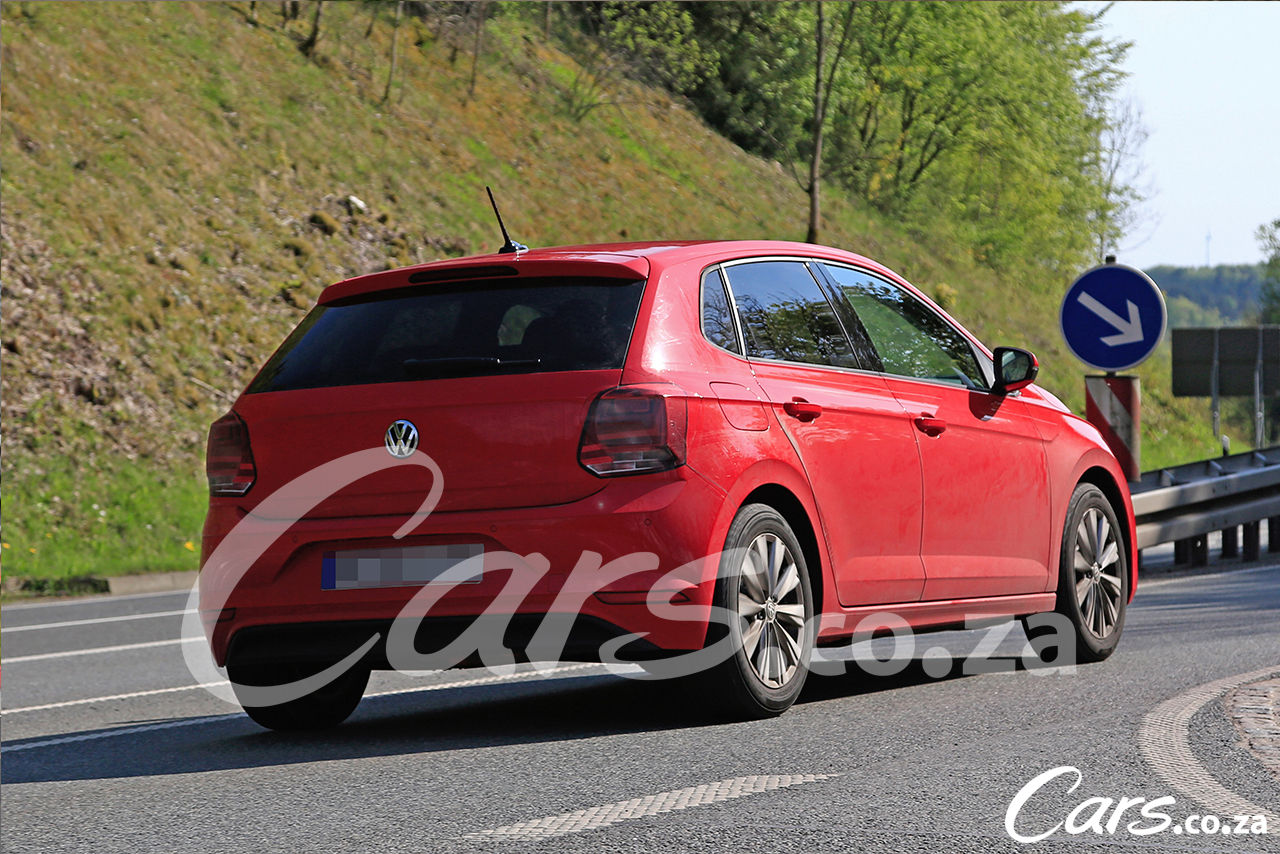
In March 2017, we published spy images of the next-generation Polo which was followed by a video released by Volkswagen showing the Polo in camouflage, testing in South Africa. The latest spy images show the new Polo virtually undisguised testing on a secret road. Built on the MQB-platform that underpins the Golf, it is longer, wider (thus bigger) and much more sophisticated than the current car… and we expect it to make its debut on the local market early in 2018.
Latest Update 09/06/2017
After 42 years and 14 million cars sold, Volkswagen has announced when it will be revealing the new Polo. The date will be 16 June 2017, at 11 AM CEST / 9 AM GMT at an event in Berlin, Germany. To whet our appetites, Volkswagen released this playlist of YouTube videos, culminating in a teaser outline image of the new Polo.
Here's What We Know So Far
Last year we spotted disguised next-generation Volkswagen Polo and GTI derivatives undergoing testing in Germany and expected the new range to debut at the recent Geneva Show, but now it seems that the Polo will make its debut before the Frankfurt Motor Show (although some media publications say official photos and specifications will be available as soon as June, around the time when the hatchback will go into production in Uitenhage for the European market).
The next Polo rides on the smallest version of the flexible MQB platform (AO), which underpins a number of compact products in the Volkswagen/Audi family. By virtue of its larger dimensions, the notably lower newcomer (claimed to be up to 200 mm longer, which will make it lengthier than the Golf 4) is, significantly, much more spacious inside, yet it's about 70 kg lighter than the current car.
Given the recent (overseas) introductions of the Ford Fiesta and Kia Rio, both of which feature improved interior finishes and infotainment functions, the Polo will need to have a substantially upmarket cabin to remain at the top of its segment in terms of interior quality…
The latest spy images of the new Polo show a more purposeful front-end. Image credit: S. Baldauf/SB-Medien
To that end, there will be a soft-touch dashboard fascia, strategic padding and expensive-looking trim elements, and front seats sourced from the facelifted Golf, a British publication suggested.
Active Info Display (Volkswagen’s all-digital instrument cluster), a new generation of touchscreen infotainment systems, Park Pilot automatic parking and keyless entry will be optional, plus it is not inconceivable that electronically controlled adaptive suspension could be available too.
As far as the engine lineup is concerned, on the turbo petrol side, there will be a 1.0-litre TSI (available in various states of tune), while the 1.2-litre TSI engine could be replaced by the Golf’s 1.5-litre unit (with cylinder shutdown technology, still under consideration for South Africa). In Europe, the 1.5-litre TDI turbodiesel will be superseded by a 1.6-litre TDI unit (local models are currently 1.4-litre units).
The new taillights clusters are partially disguised and the new Polo is expected to feature a larger loading bay than its predecessor. Image credit: S. Baldauf/SB-Medien
Meanwhile, the Polo GTI derivative will be powered by 147 kW 2.0-litre TSI lifted straight from the Golf GTI. Transmission options for the range will comprise 5- and 6-speed manual gearboxes, with a 7-speed dual-clutch transmission available on high-spec versions.
In South Africa, Volkswagen South Africa recently introduced a Volkswagen Polo 1.0 TSI R-Linederivative as the current range enters its run-out phase. It remains to be seen whether the Vivo range will be replaced by a product based on a scaled back current-generation Polo, but it seems highly likely.
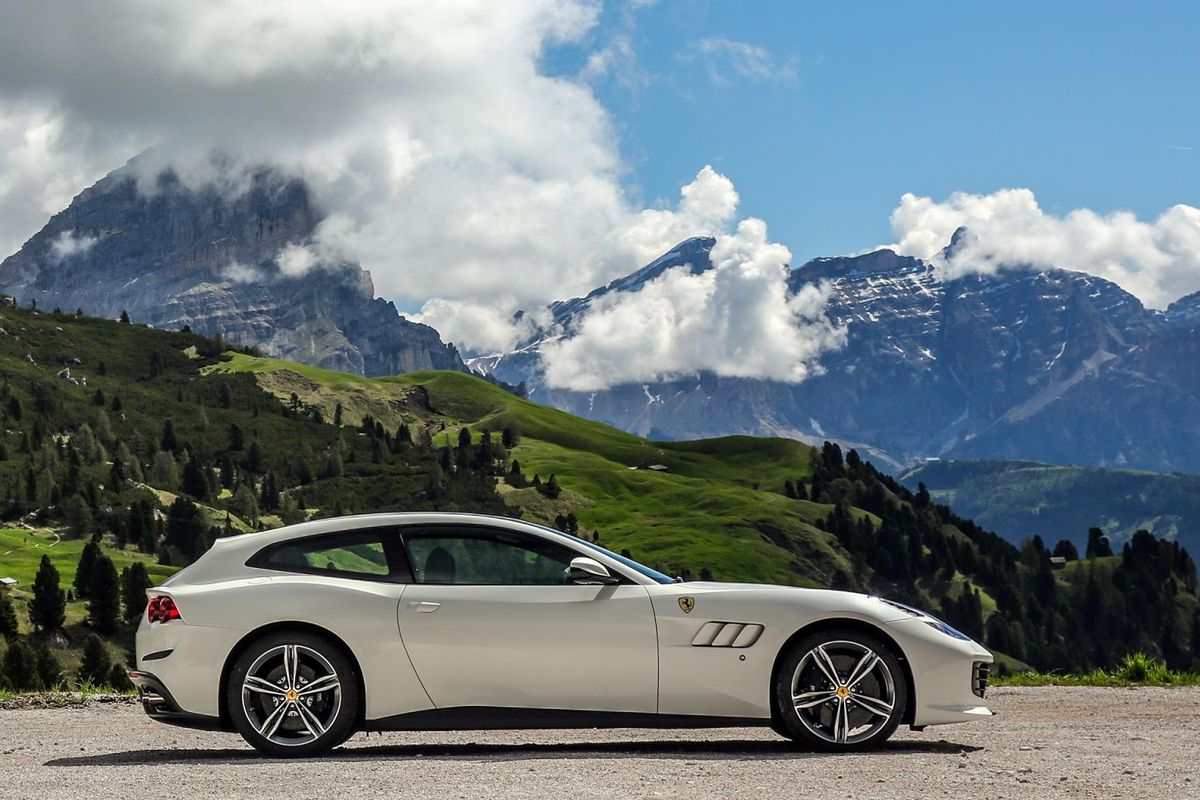
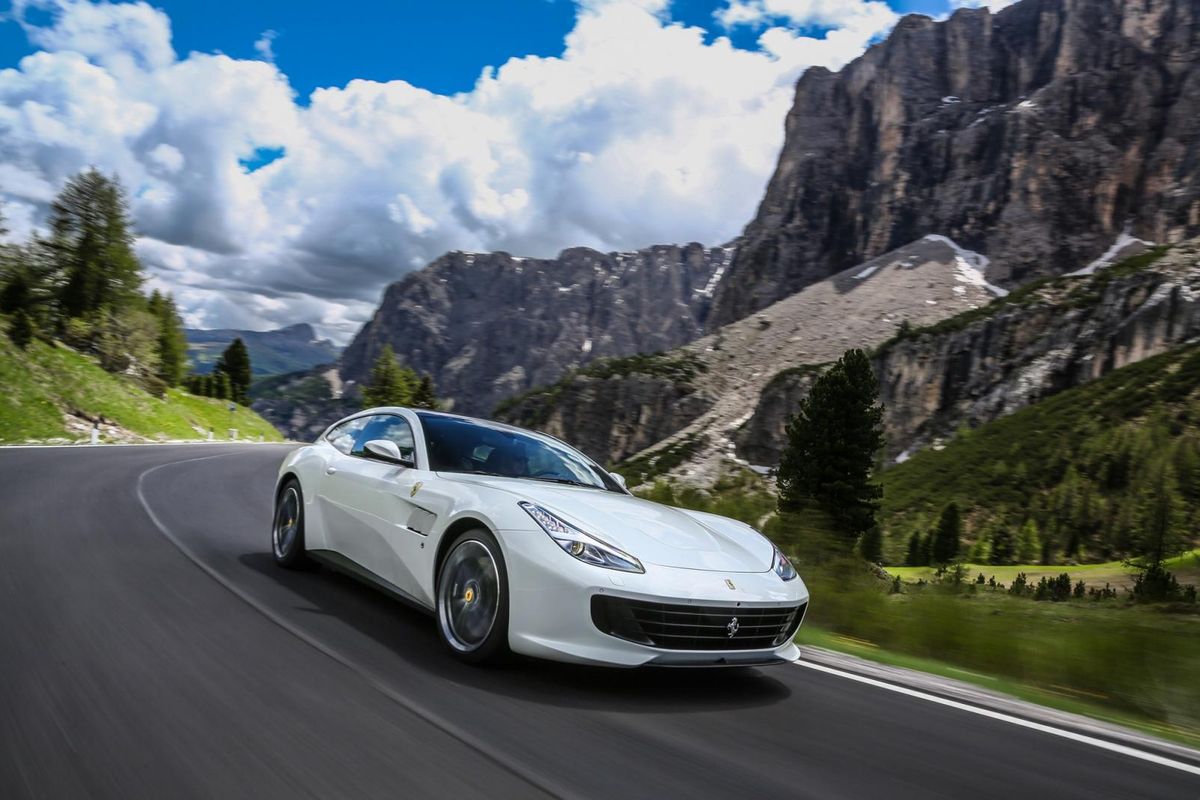
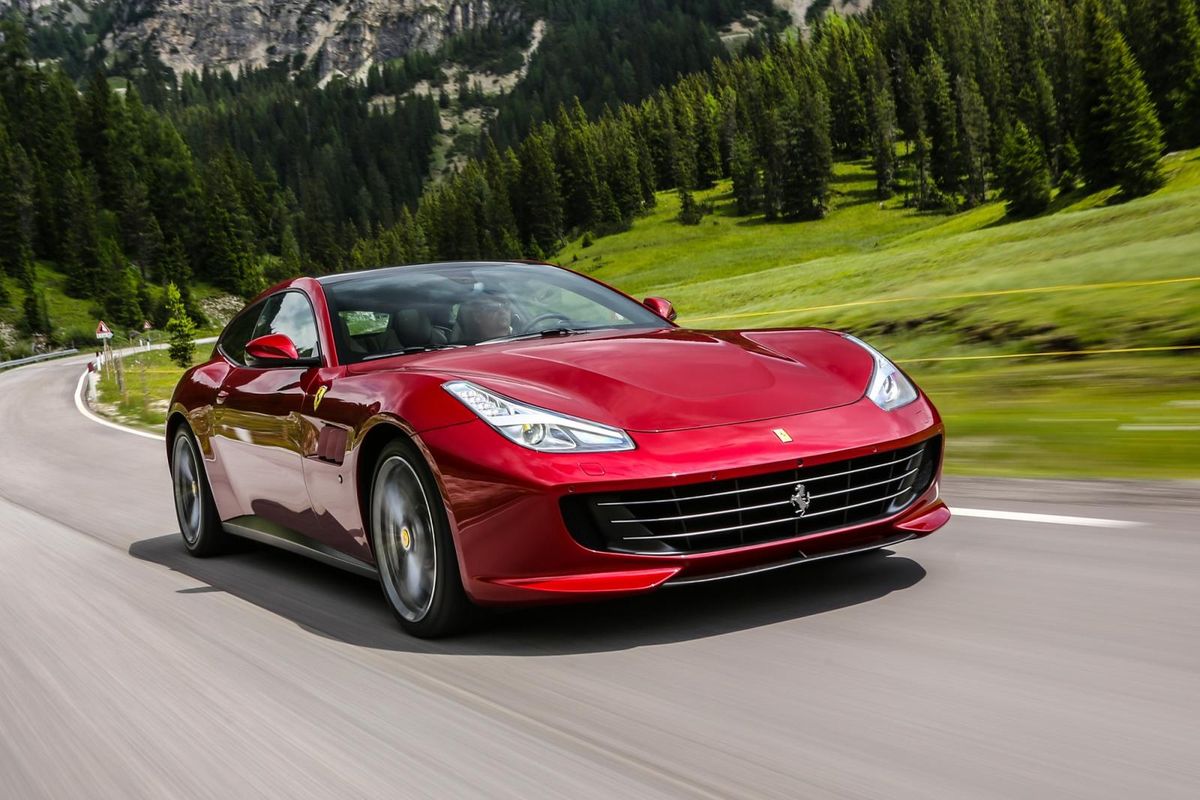
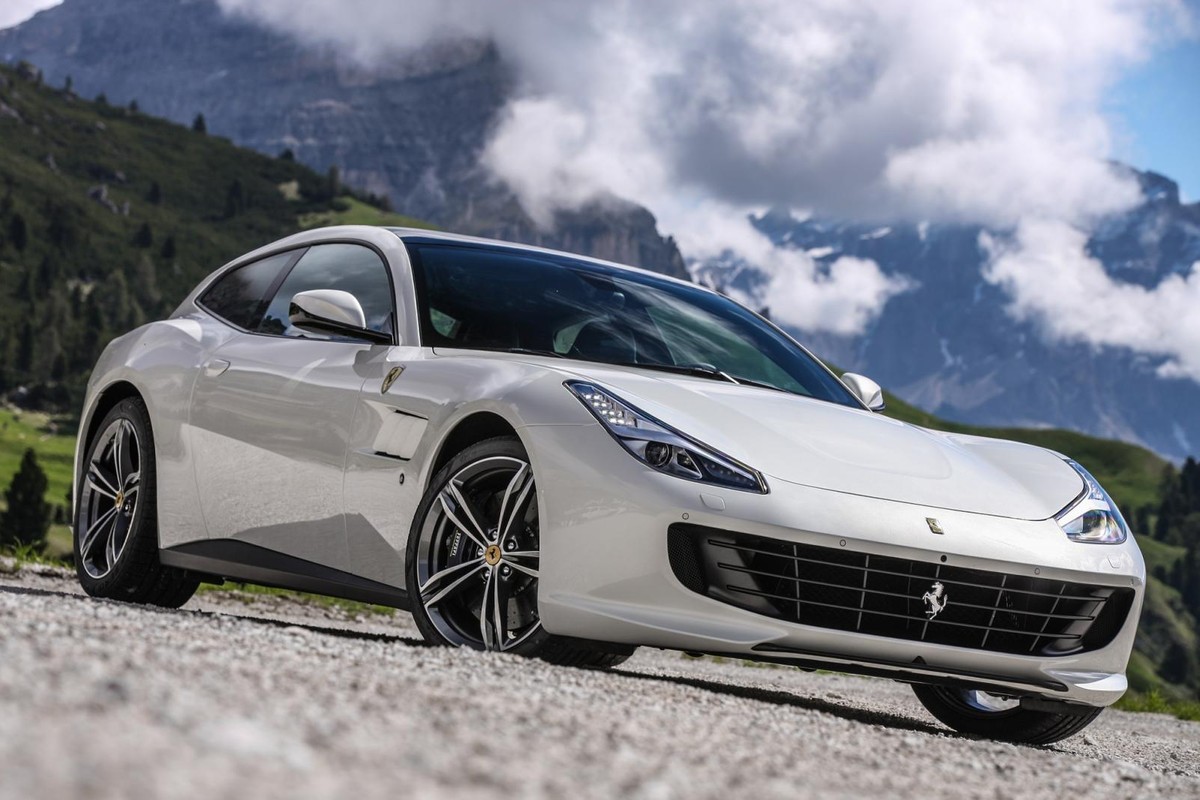
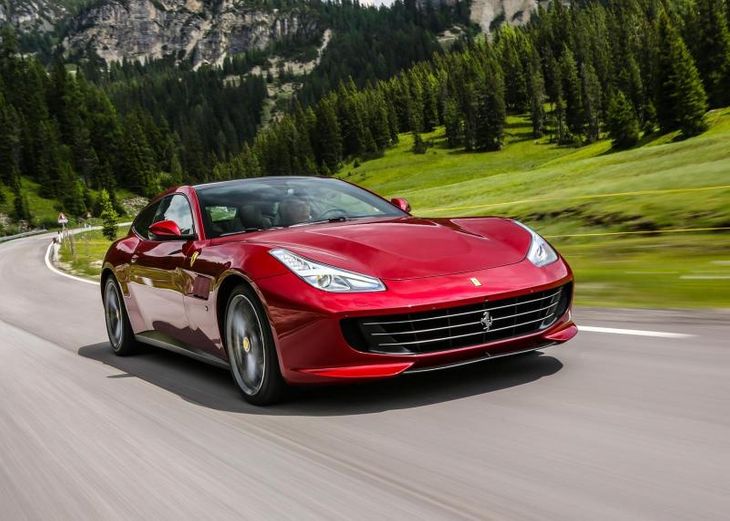
Scuderia South Africa has introduced a new 4-seater Ferrari, which boasts integrated rear-wheel steering and all-wheel drive, to the local market. We were treated to a preview at Ferrari Cape Town's new dealership…
The successor to the controversial FF grand tourer, the GTC4Lusso combines rear-wheel steering and all-wheel drive for the first time, ushering in higher levels of versatility and usability. The name itself makes reference to previous Ferraris such as the 330 GTC, 330 GT and 250 GT Berlinetta Lusso while the ‘4’ refers to the four seats offered in the GTC4Lusso.
Engine power
With outputs of 507 kW and 697 Nm, Ferrari's GTC4Lusso can do 0-100 kph in 3.4 seconds and go onto 335 kph
The Ferarri GTC4Lusso is powered by a 6.3-litre V12 engine that develops 507 kW and 697 Nm of torque. The GTC4Lusso is capable of achieving 0-100 kph in 3.4 seconds before reaching a (claimed) top speed of 335 kph.
Thanks to its 4RM Evo four-wheel drive system and rear-wheel steering combination, the GTC4Lusso can be driven with confidence in a wide range of situations. The combination allows for increased control and stability in wet, snow and low-grip conditions. The new patented system is known as 4RM-S and is an evolution of Ferrari’s Slip Slide Control 4.0 and incorporates the electronic differential and SCM-E dampers which, further improves performance on rough surfaces while also enhancing ride comfort.
Performance enhancing elements such as the new front grille with integrated air intakes, air vents, roof mounted spoiler and a new triple-fence diffuser has made the GTC4Lusso even more aerodynamic than the Ferrari FF.
Interior features
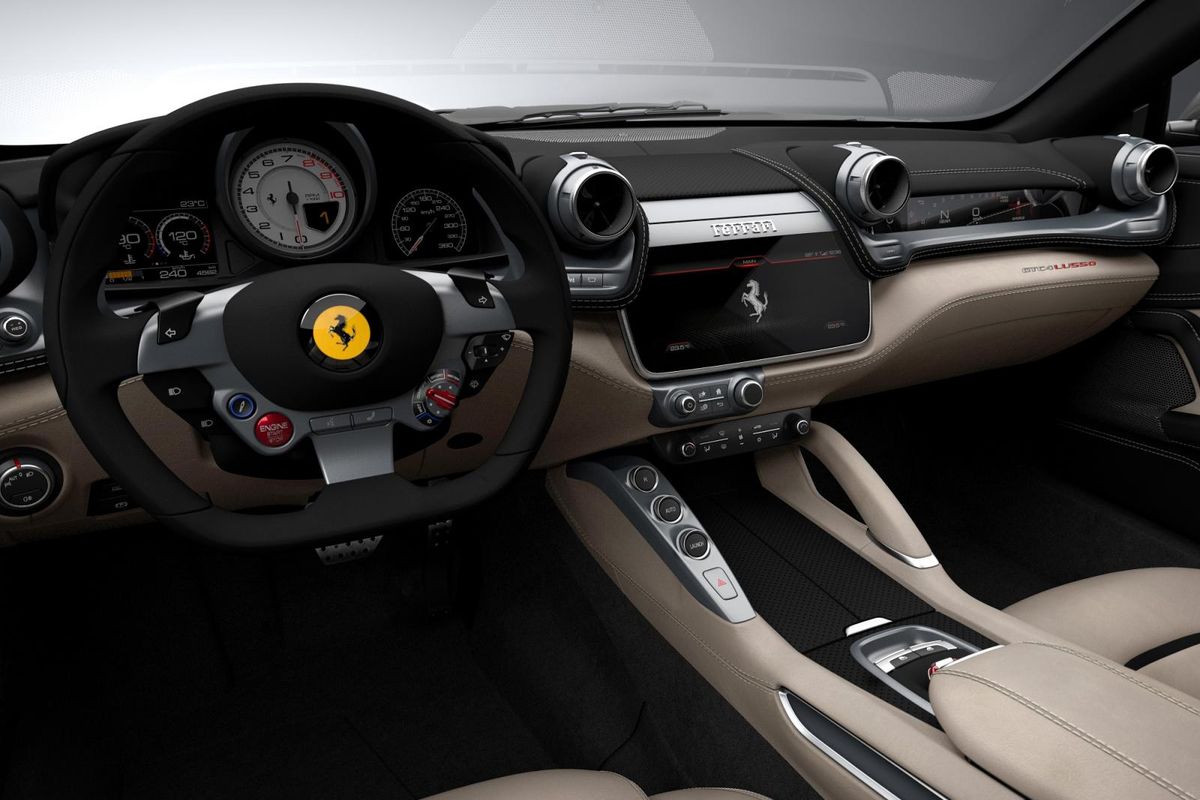
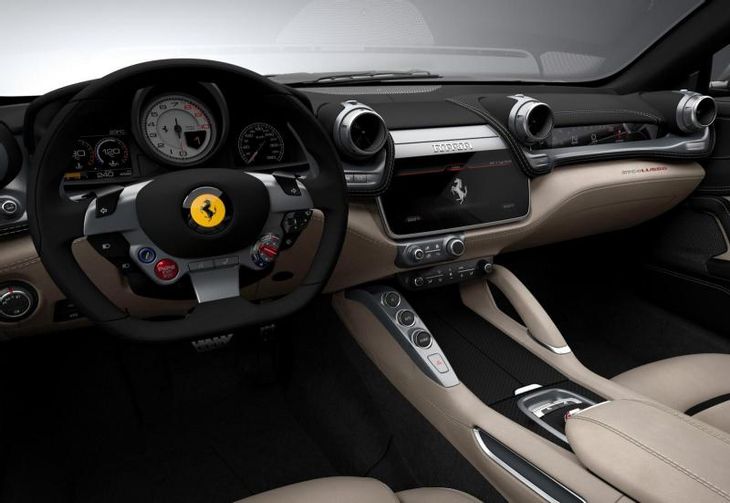
The beautifully crafted interior of the Ferrari GTC4Lusso. Note: passenger-side display screen
The GTC4Lusso features a "Dual Cockpit" design that Ferrari says “enhances the shared driving experience for both driver and passenger, with the latter having its own generous optional display with a plethora of functions.” That aside, the GTC4Lusso features a bespoke handcrafted interior that includes four wraparound seats.
The GTC4Lusso will also show a new infotainment platform for the first time which utilises a 10.25-inch high-definition screen with capacitive touch technology. The steering wheel is more compact due to housing a smaller airbag and it features integrated controls.
Price?
Like most exotic, high-performance and technology-laded sports cars, it's not going to be affordable for the man on the street. The Ferrari GTC4Lusson starts from R6 million and you can go wild with the customisation, of course.