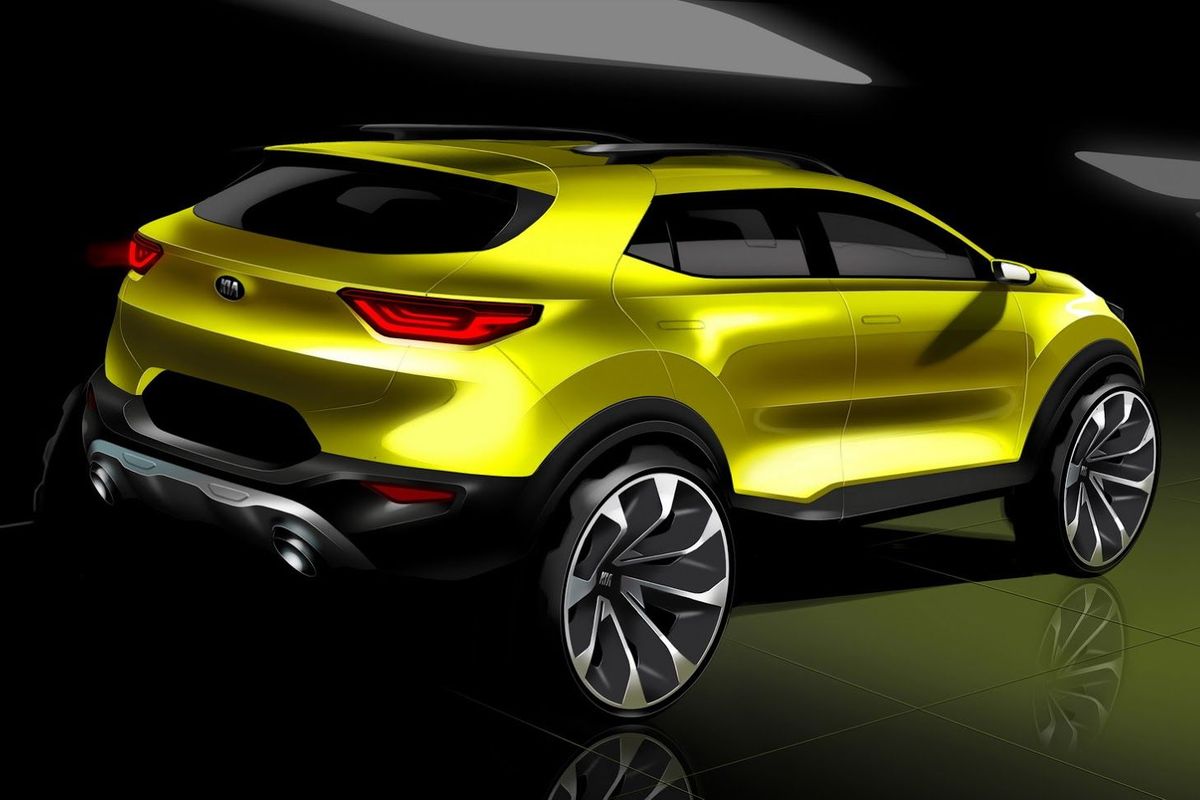
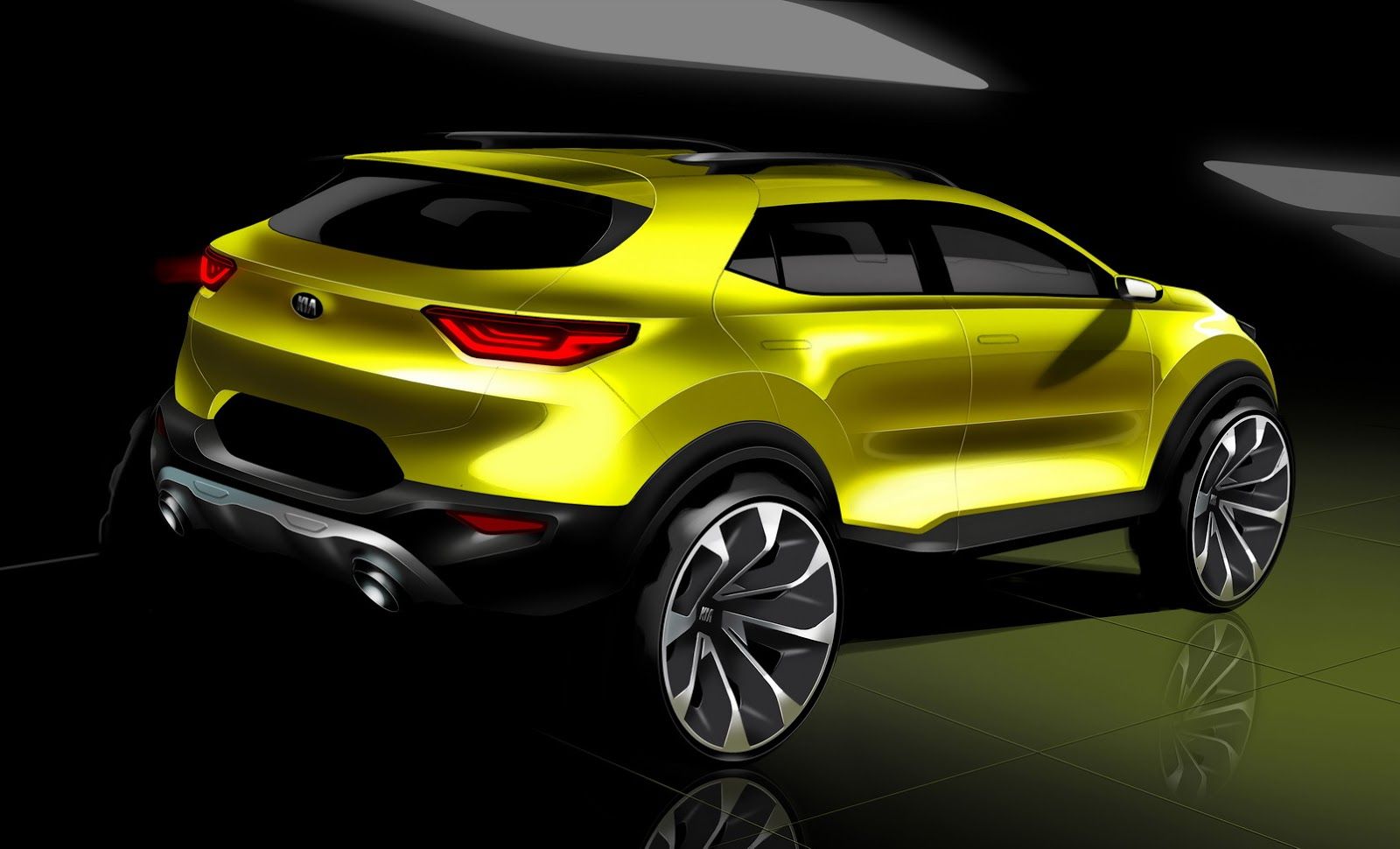
Kia has revealed sketches of its new Stonic compact crossover which is due for introduction later this year.
Sketches of the forthcoming Kia Stonic compact crossover have been revealed showing a bold design. The Stonic will rival cars such as the edgy Toyota C-HR, Renault Captur, Nissan Juke and Suzuki Vitara, to name a few.
These teaser sketches reveal a promising design direction for the Stonic, which features a sweeping roofline and pronounced wheel arches. The production version, however, will likely be less striking when it’s launched later in the year.
The Kia Stonic will enter the competitive crossover segment and based on these sketches, it could sell very well.
Kia says that the Stonic will have a “European-designed cabin [that] echoes the appearance of the exterior, with straight lines, smooth surfaces and geometric design forms”. A ‘floating’ Human-Machine-Interface (HMI) will provide smartphone integration and Kia says that customers will have the opportunity to extensively customise the look of the interior and exterior.
As for what engines will power the Stonic, reports are suggesting that both a 1.4-litre petrol and 1.6-litre diesel engine will be used for the European market, while a 1.6-litre petrol engine is a possibility for North America.
At this stage, it’s unclear whether the Stonic will make it to South Africa, but we will keep you updated as more information becomes available.
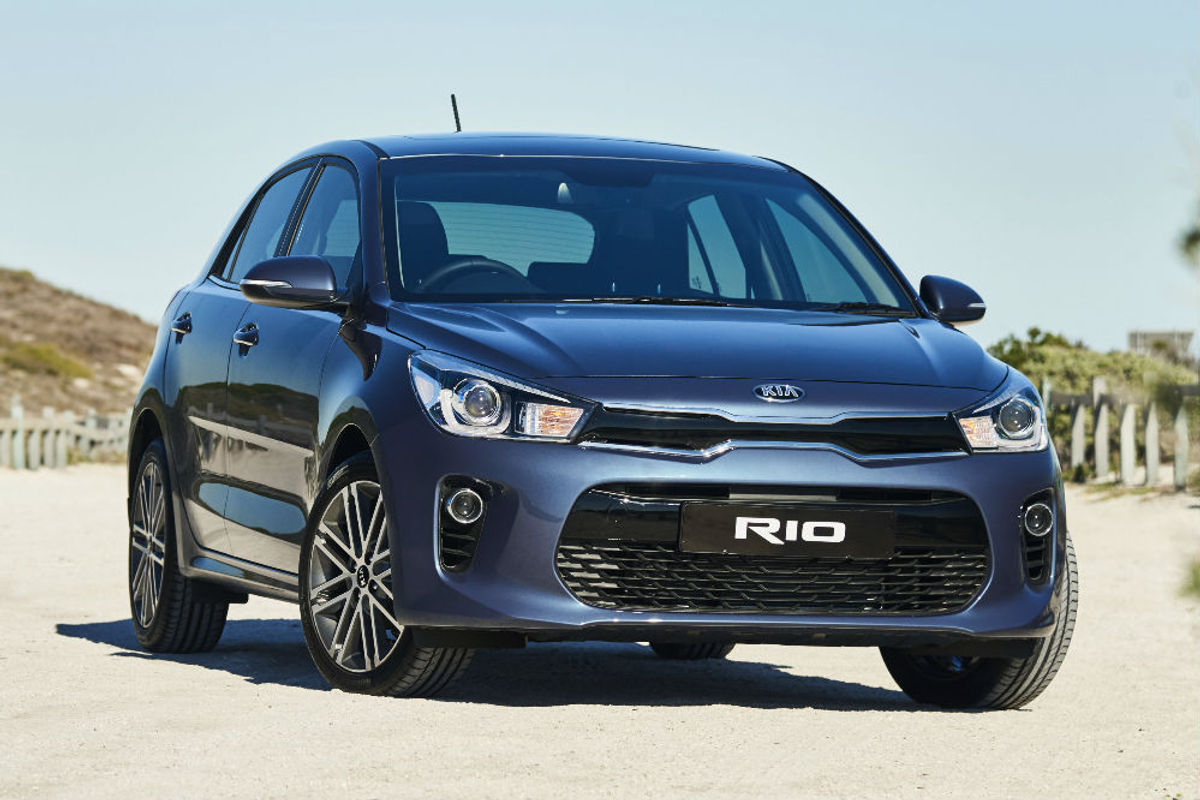
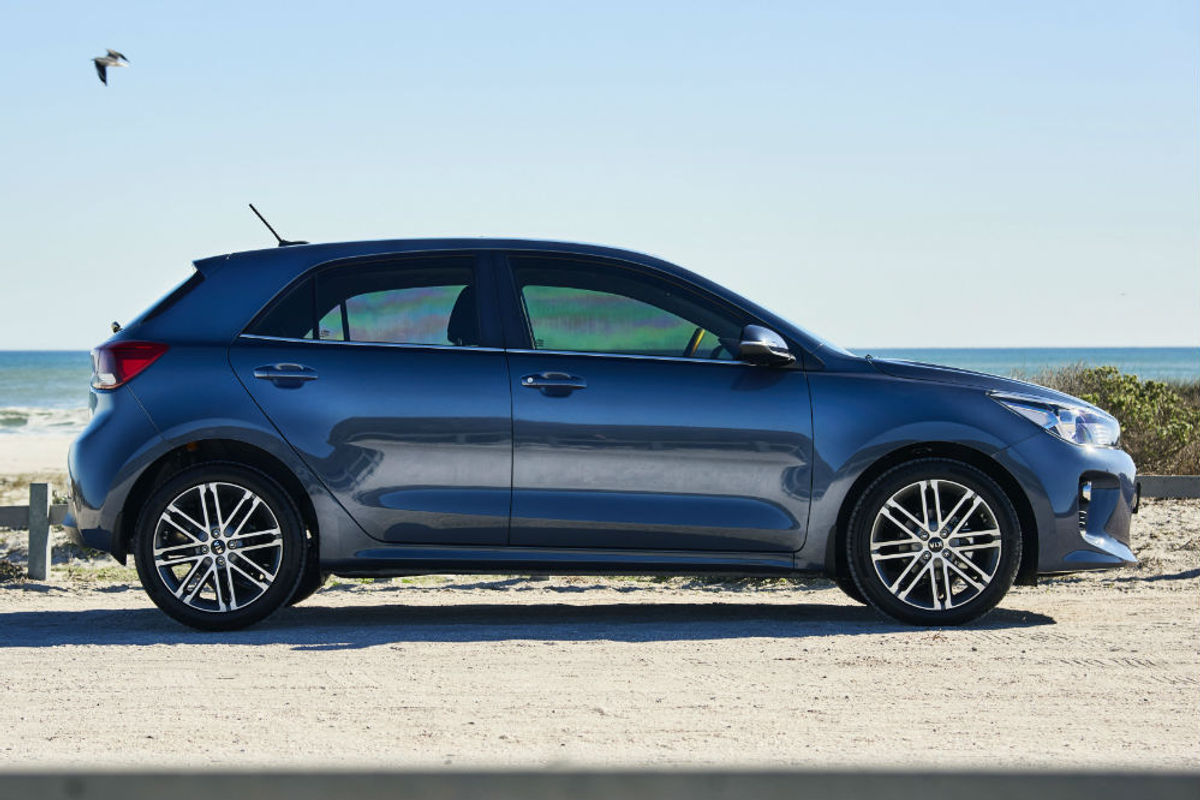
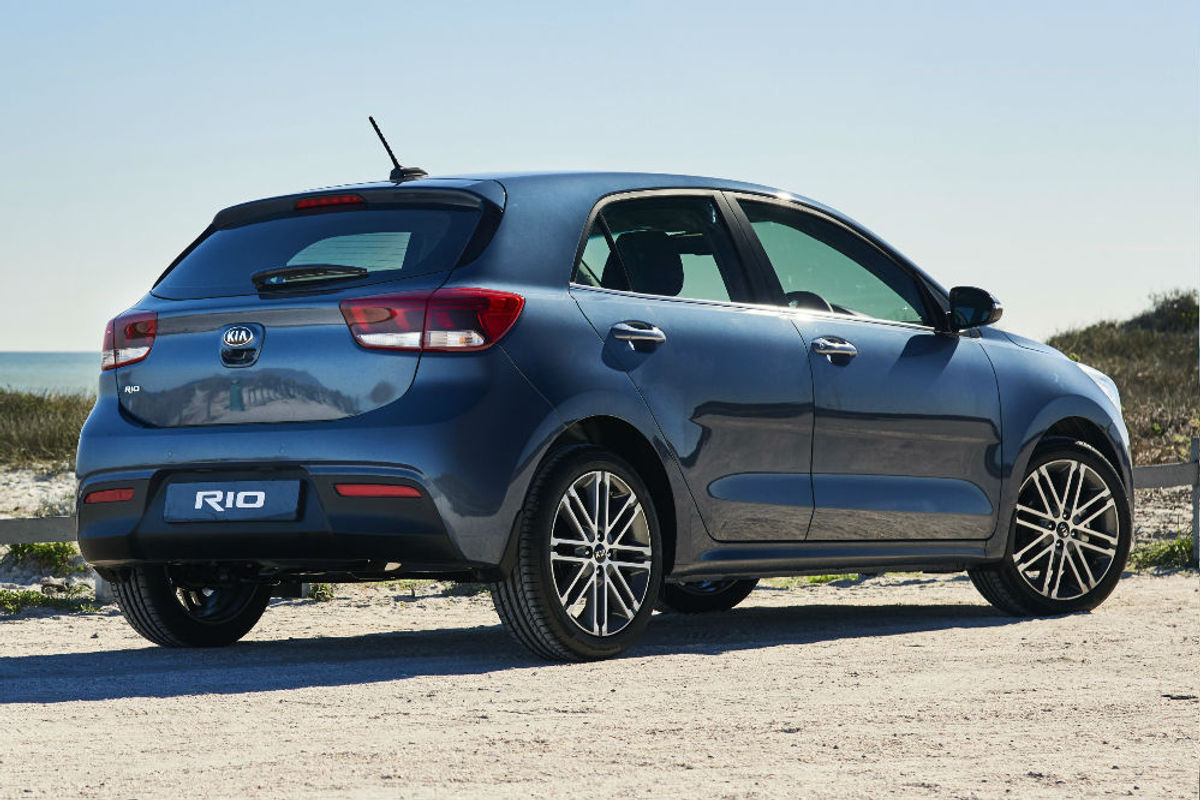
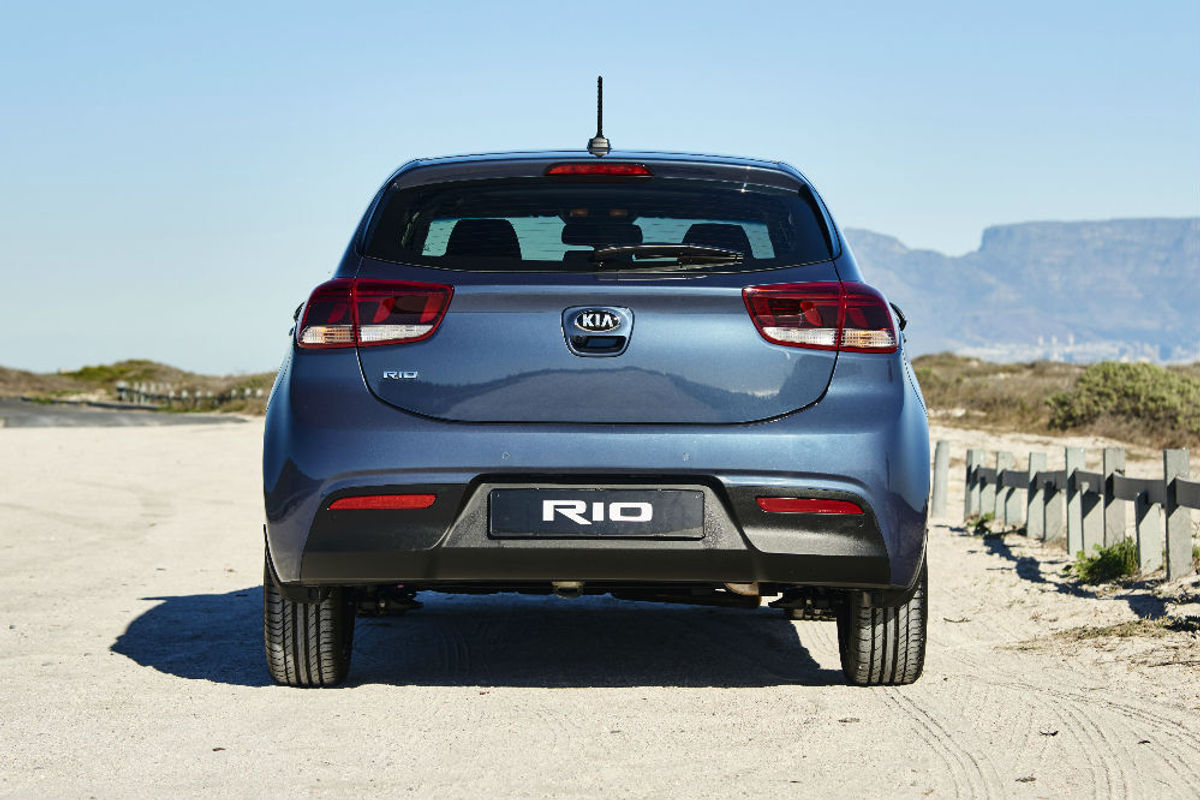
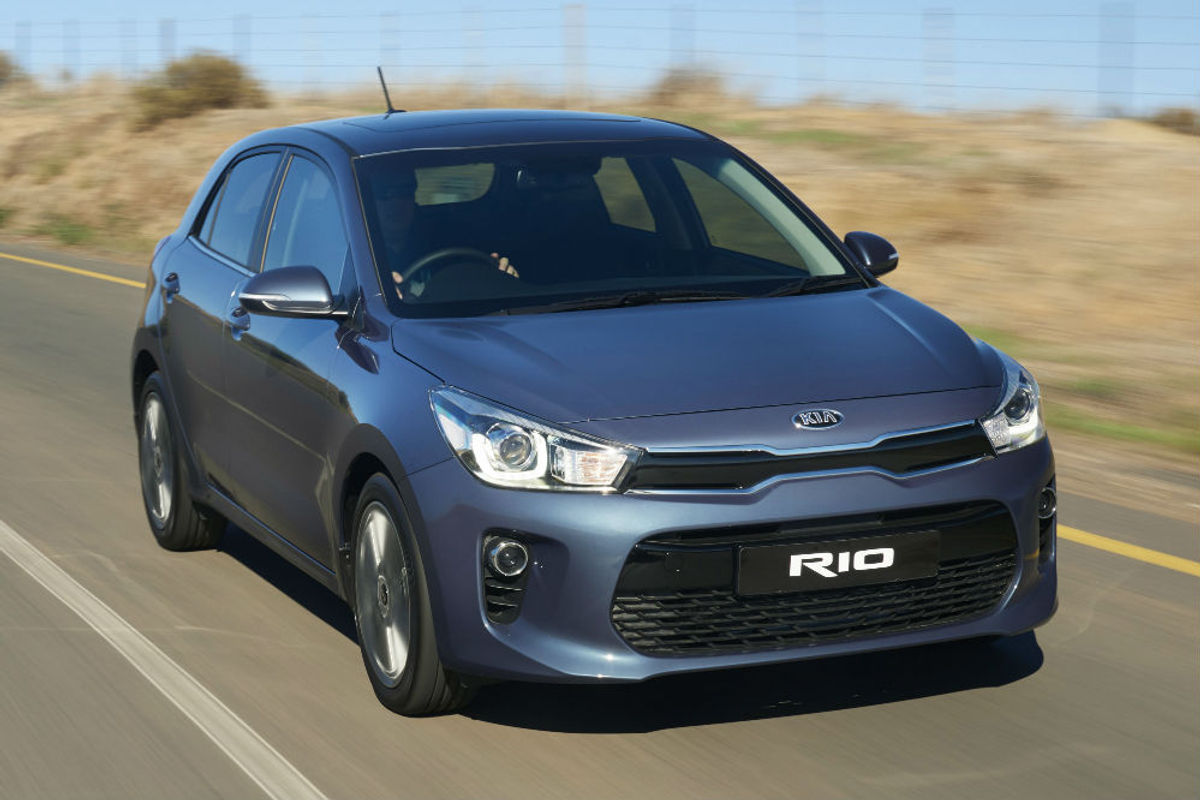
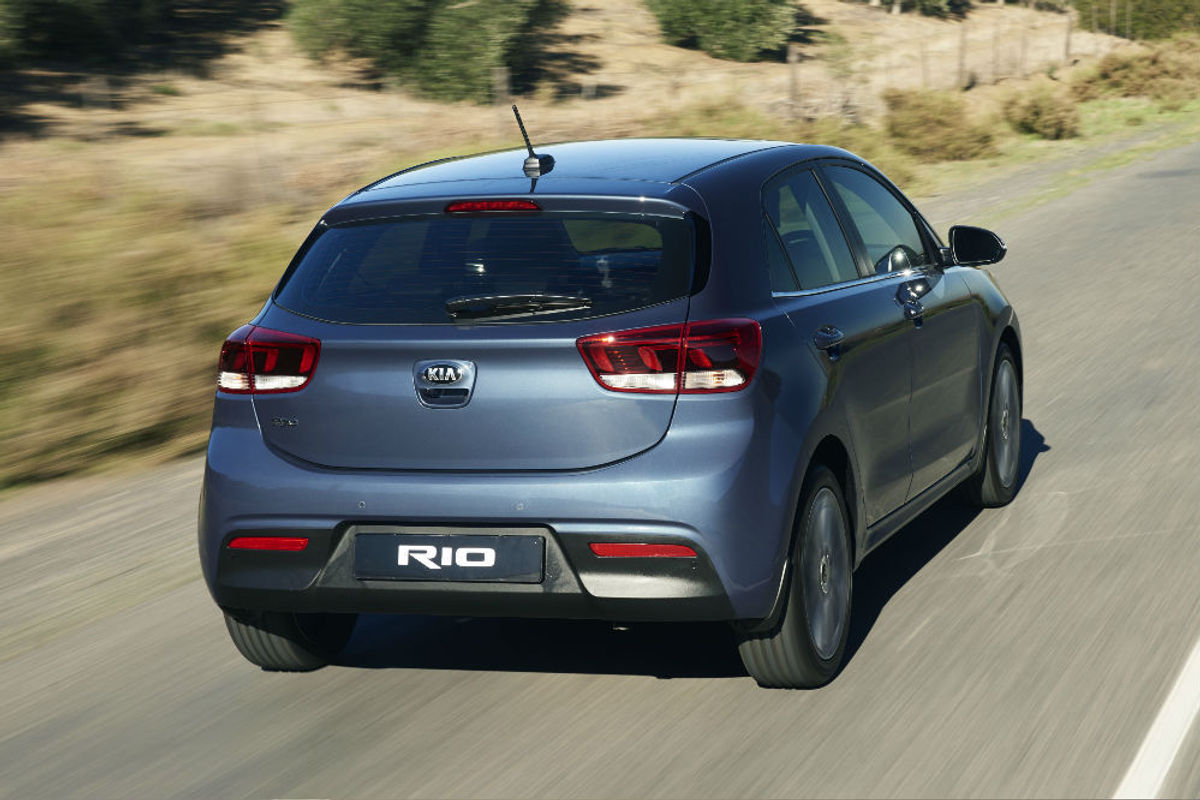
Kia Motors South Africa has introduced the latest iteration of the Rio compact hatchback into the local market. The model line-up comprises 4 derivatives powered by either 1.2- or 1.4-litre petrol engines, all of which are backed by a 5-year/unlimited kilometre warranty and 4-year/60 000 km service plan. Herewith the specifications…
The range begins with the 1.2 LS, which is powered by a 1.2-litre naturally aspirated motor that produces peak outputs of 62 kW and 120 Nm, emits 135 g/km and is mated to a 5-speed manual gearbox. This entry-level offering rides on 15-inch steel wheels, but features body-coloured bumpers.
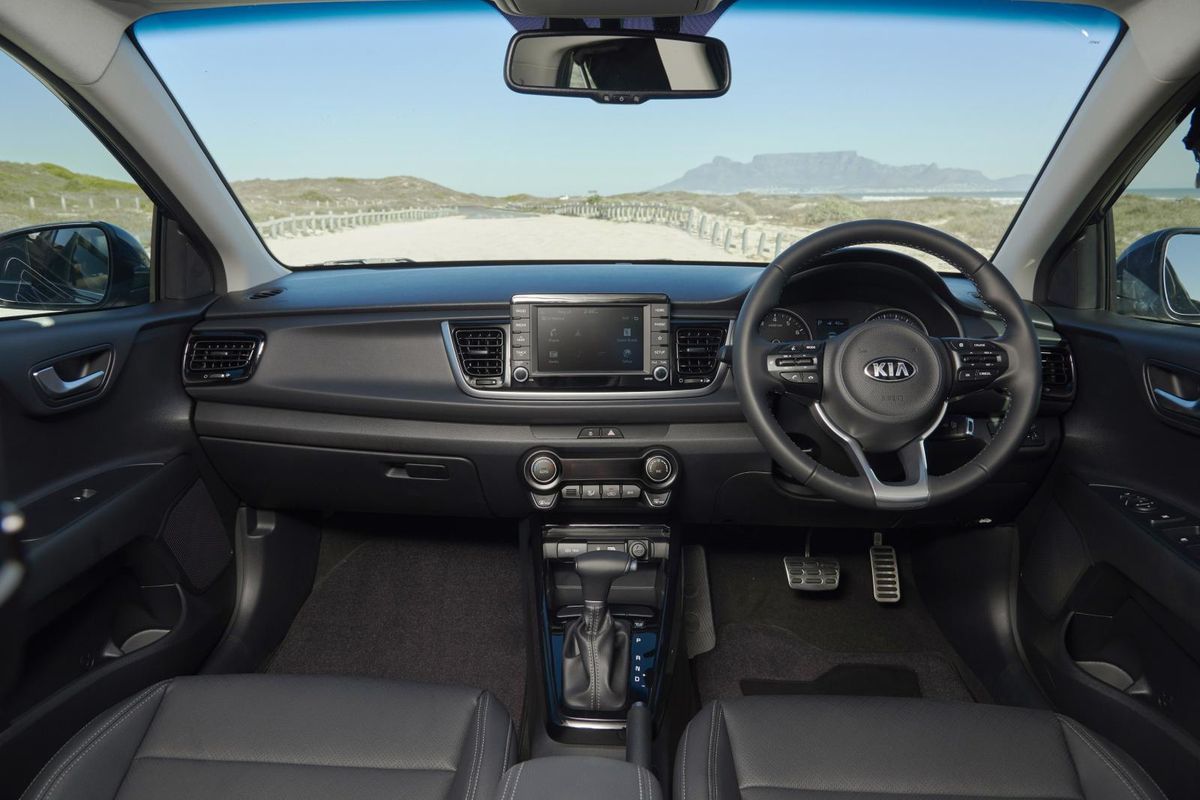
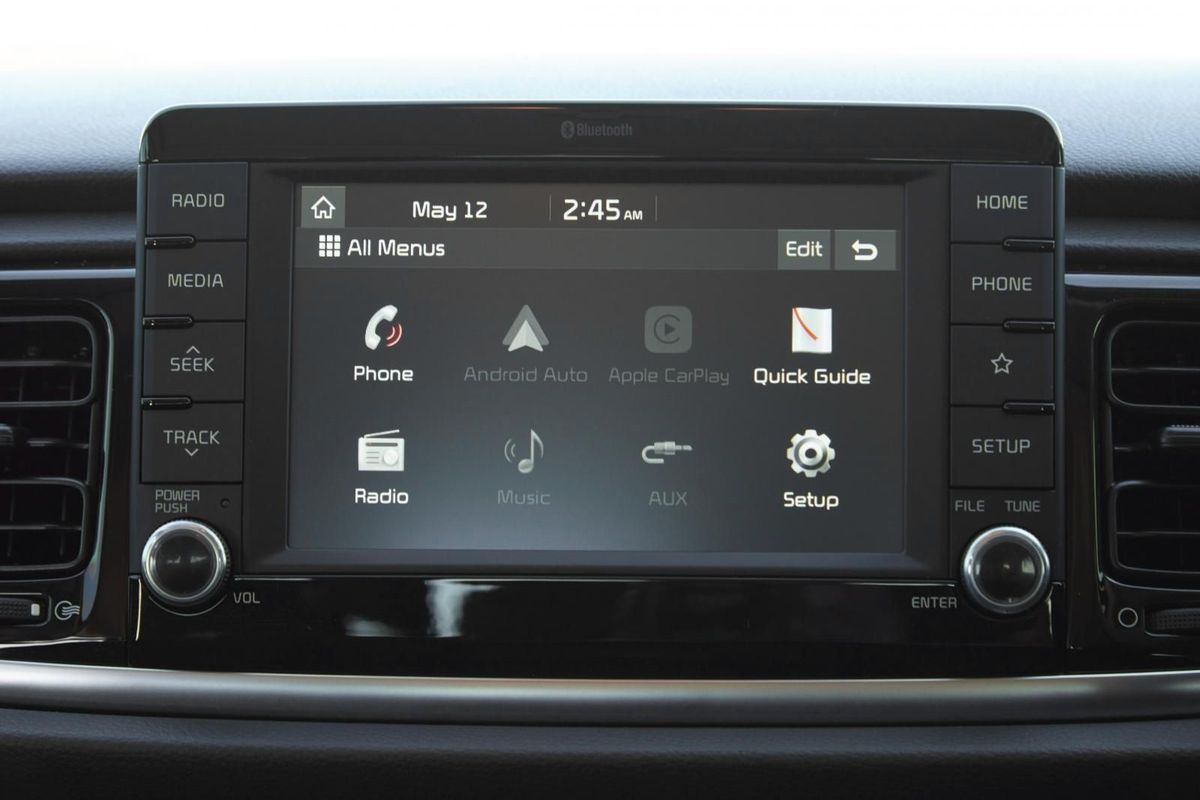
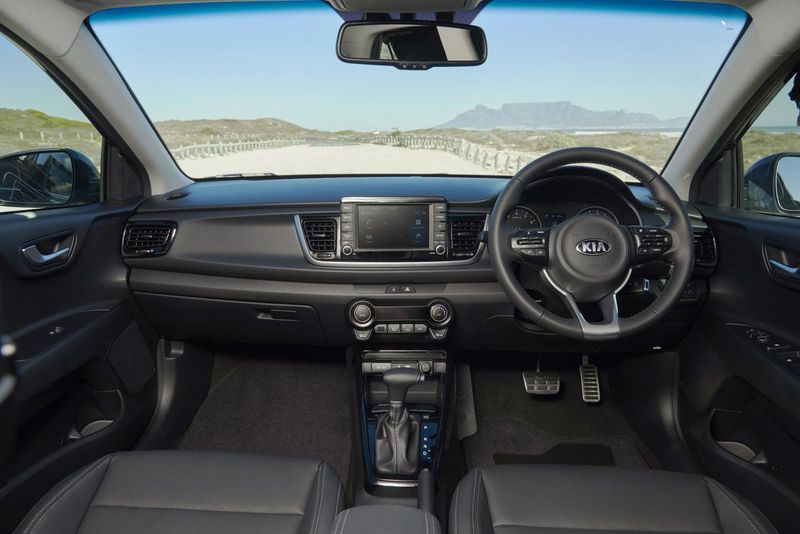
The fascia of the new Rio is dominated by the 7-inch touchscreen on the 1.4 EX and 1.4 TEC derivatives.
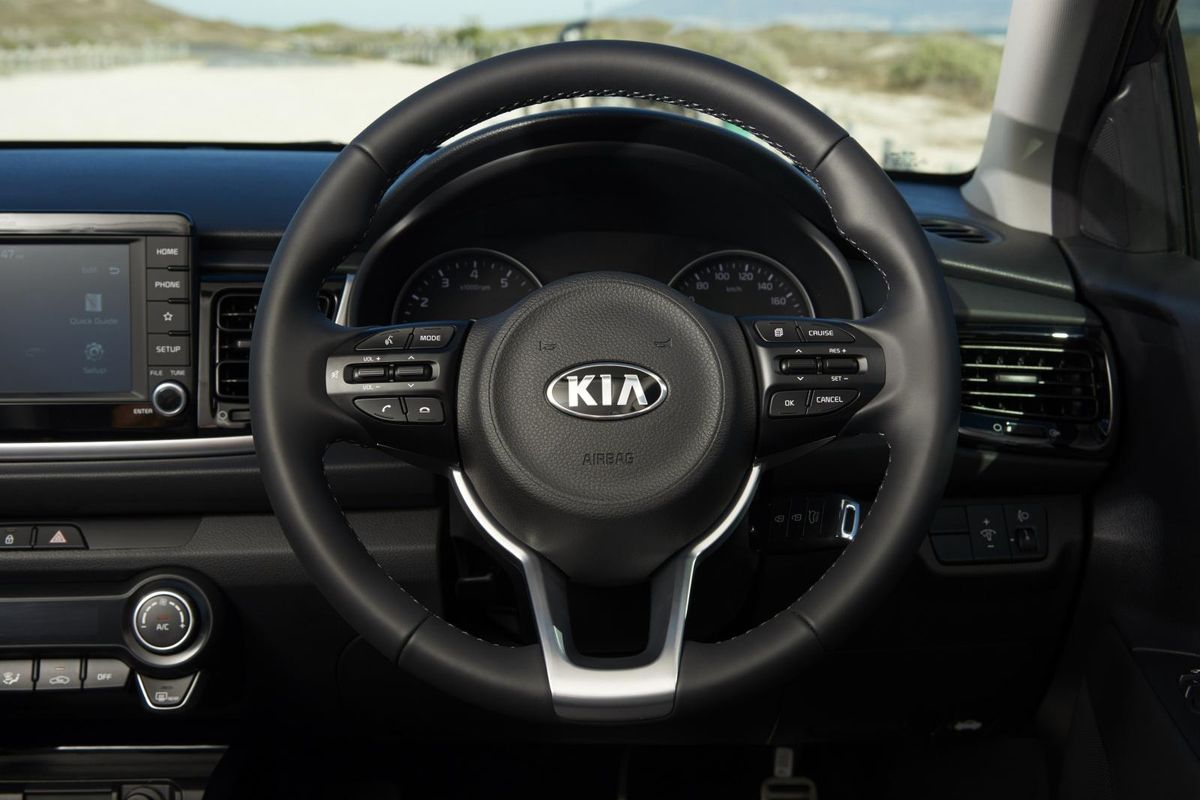
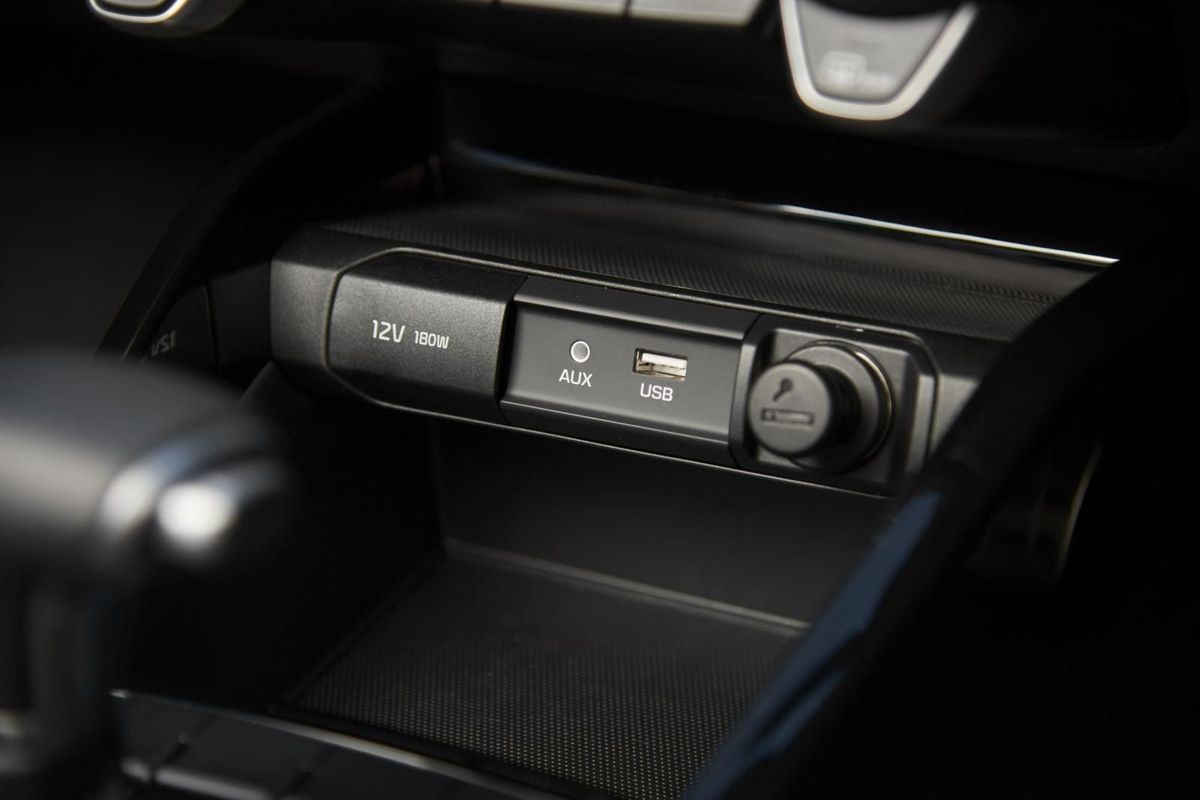
In terms of interior features, the 1.2 LS comes equipped with air-conditioning, electric windows and side mirrors, a multifunction steering wheel with rake- and reach-adjustable column, a 4-speaker Radio/RDS/MP3 audio system with auxiliary and USB ports as well as Bluetooth connectivity, central locking (in conjunction with alarm and immobiliser), plus a remote boot unlocking feature. The rear seatback splits and folds in a 60/40 configuration.
The next derivative is the 1.4 LX, which is powered by a 1.4 litre naturally aspirated motor that produces peak outputs of 74 kW and 135 Nm, and mated with either with a 6-speed manual or a 4-speed automatic transmission. The derivative rides on 15-inch alloy rims.
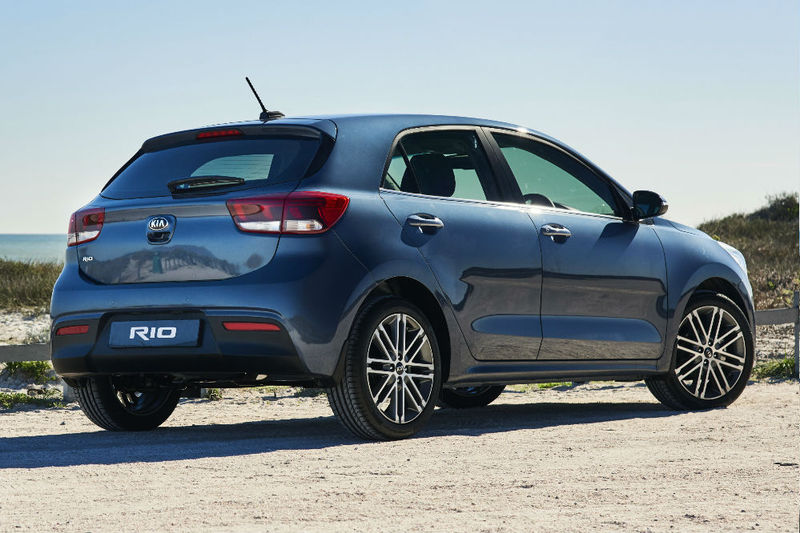
The 1.4 TEC derivative can be differentiated by 17-inch alloys and LED combination tail light clusters.
The LX specification adds electric folding mirrors with integrated indicator lenses, automatically activated headlamps, fog lights, a leather-trimmed steering wheel and gearknob, centre console armrest, a 3.5 inch LCD dashboard information display and UV-protection solar windscreen glass.
The second-from-the-top 1.4 EX is also available in manual and automatic guises, includes visual upgrades in the shapes of projection-type headlamps with LED daytime running light and positioning lamps. The interior benefits from a 7-inch touchscreen infotainment system that is Apple Car Play and Android Auto compatible, plus a reverse-view camera (with dynamic guidelines), as well as a rear parking assist system.
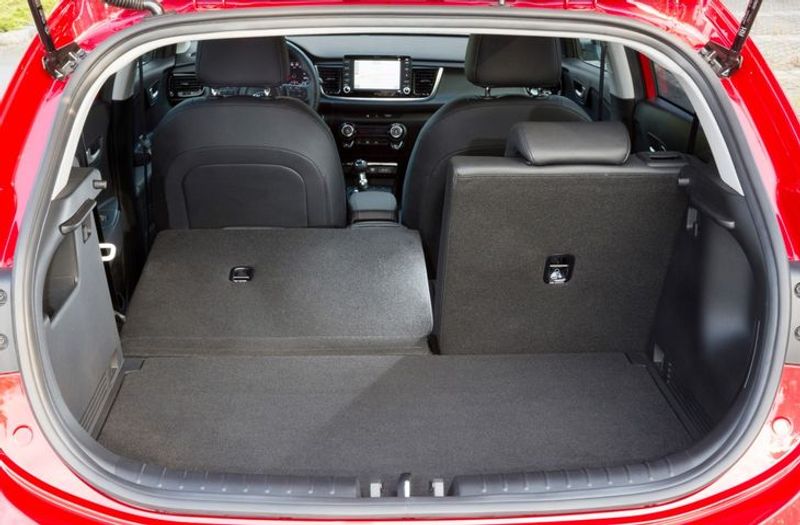
Rear luggage space is impressive considering that full-sized spare wheels are supplied with every derivative.
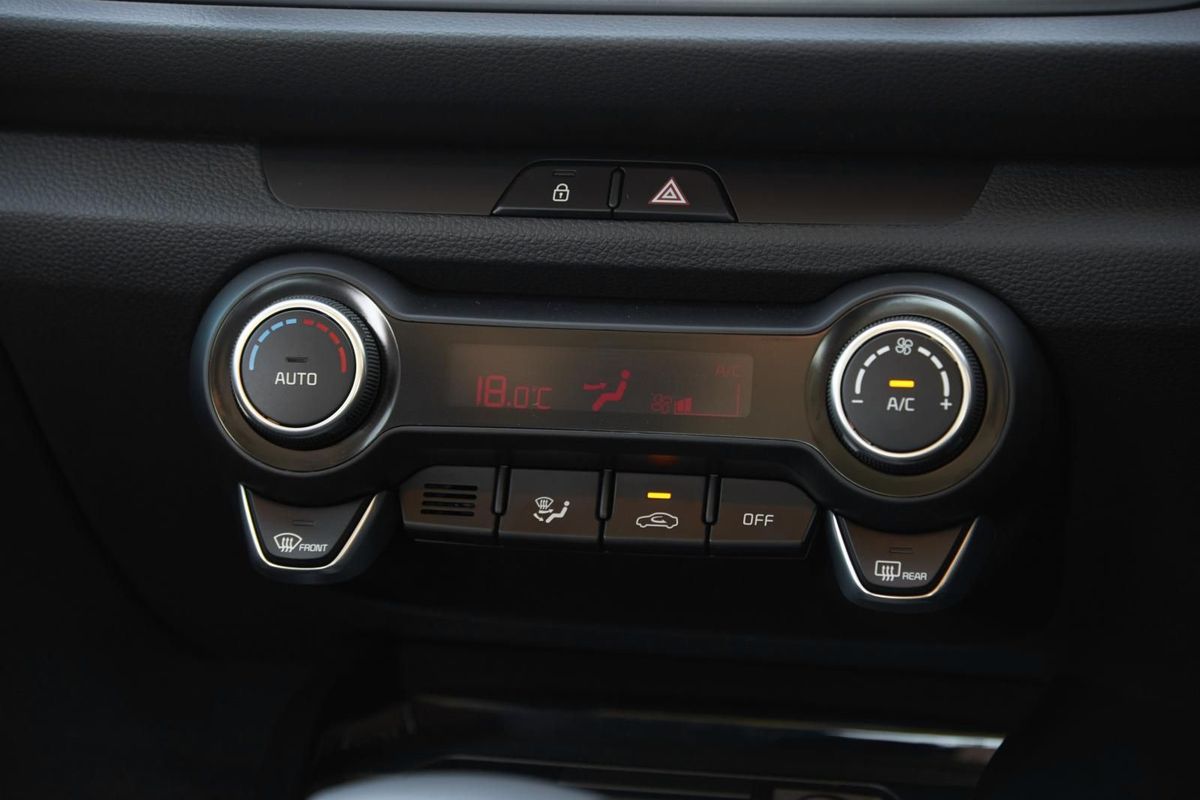
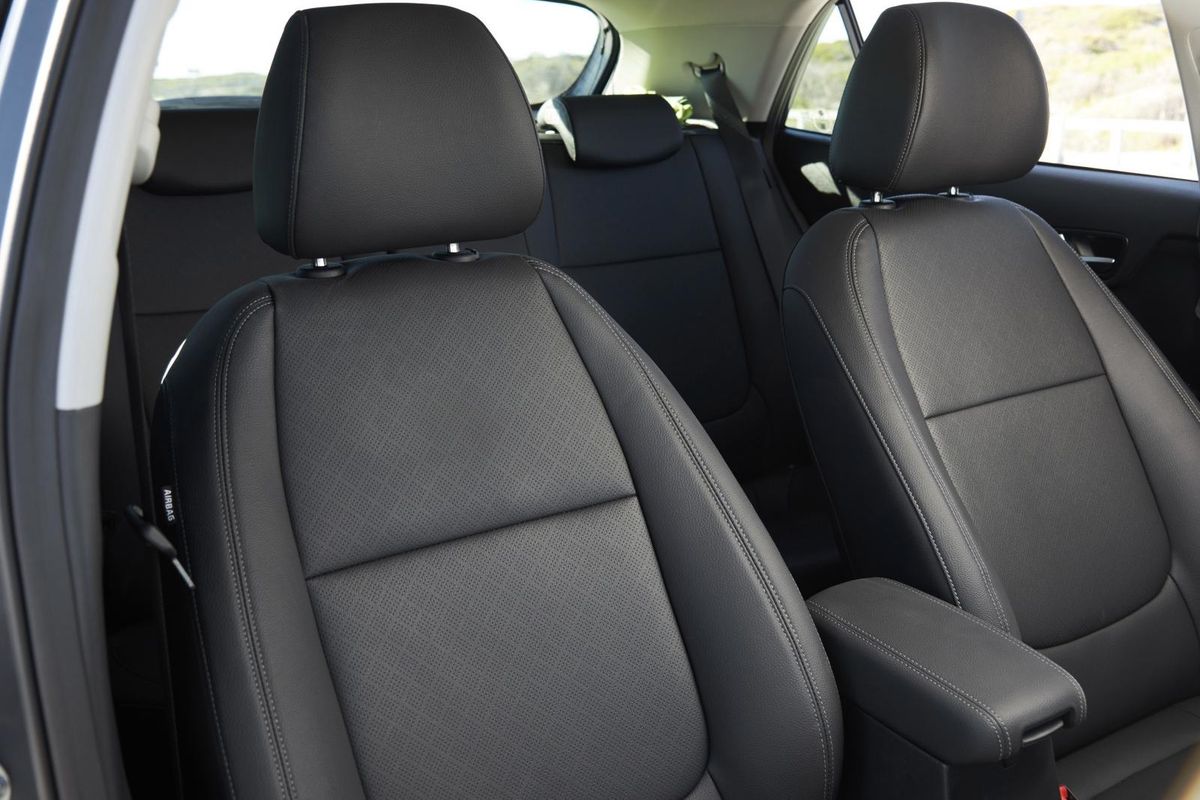
Finally, the flagship of the range is 1.4 TEC derivative, which is shod with eye-catching 17-inch alloys. The 1.4 TEC is also available in manual and automatic guises and over and above the specification of the 1.4 EX, the derivative comes equipped with LED tail lights, full leather trim, climate control, alloy pedals, a sunroof, rain-sensing wipers and auto-dipping rear view mirror.
In terms of safety, all derivatives come equipped with ABS, dual front airbags and ISOfix child seat mounting points, while the 1.4 TEC benefits from side- and curtain airbags as well.
Kia Rio prices in South Africa (June 2017)
1.2 LS
R219 995
1.4 LX
R234 995
1.4 EX
R249 995
1.4 TEC
R274 995
All prices include a 5-year/unlimIted kilometres warranty, 4-year/60 000 km service plan and 5-year unlimited kilometres roadside assistance.
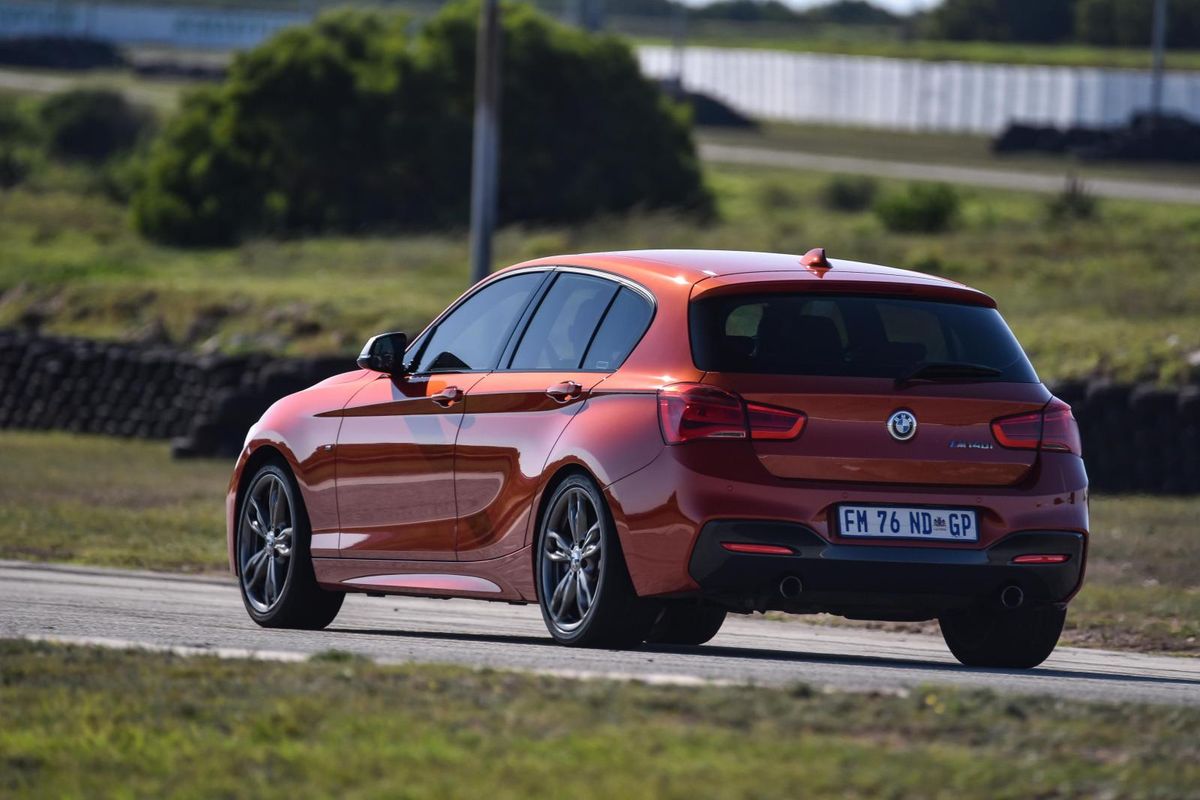
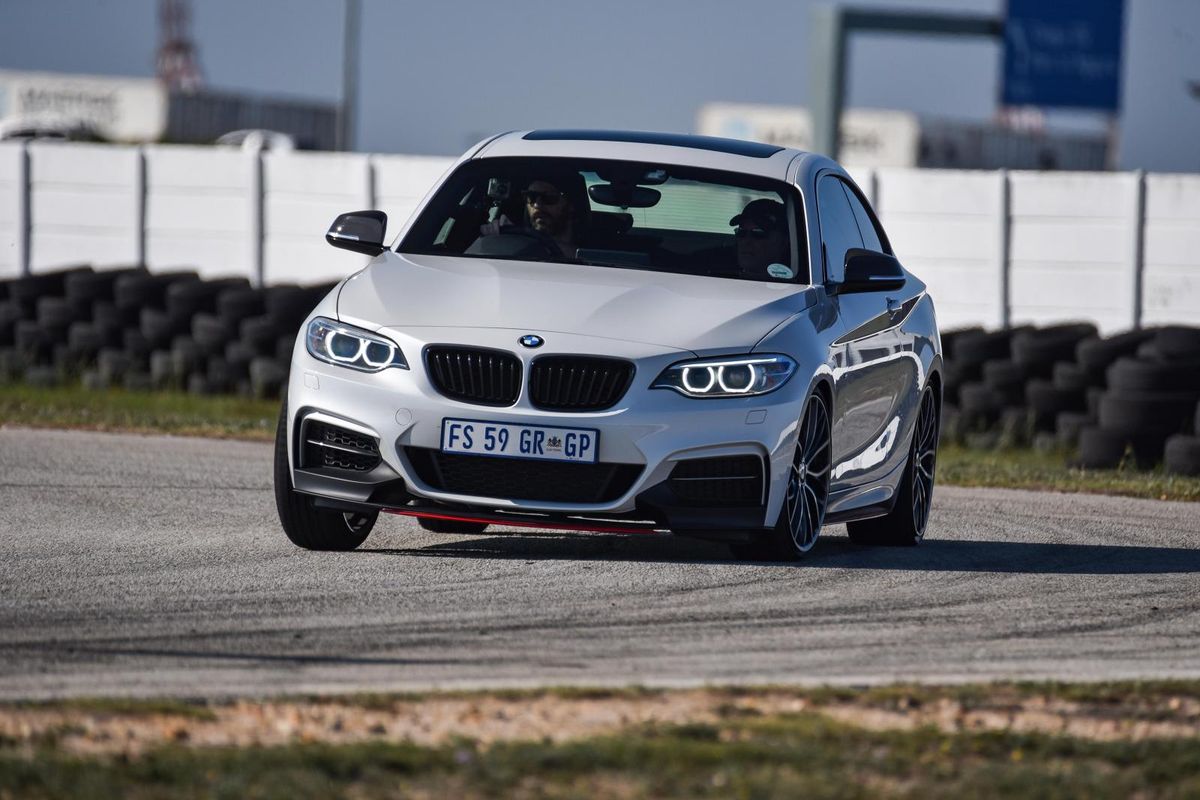
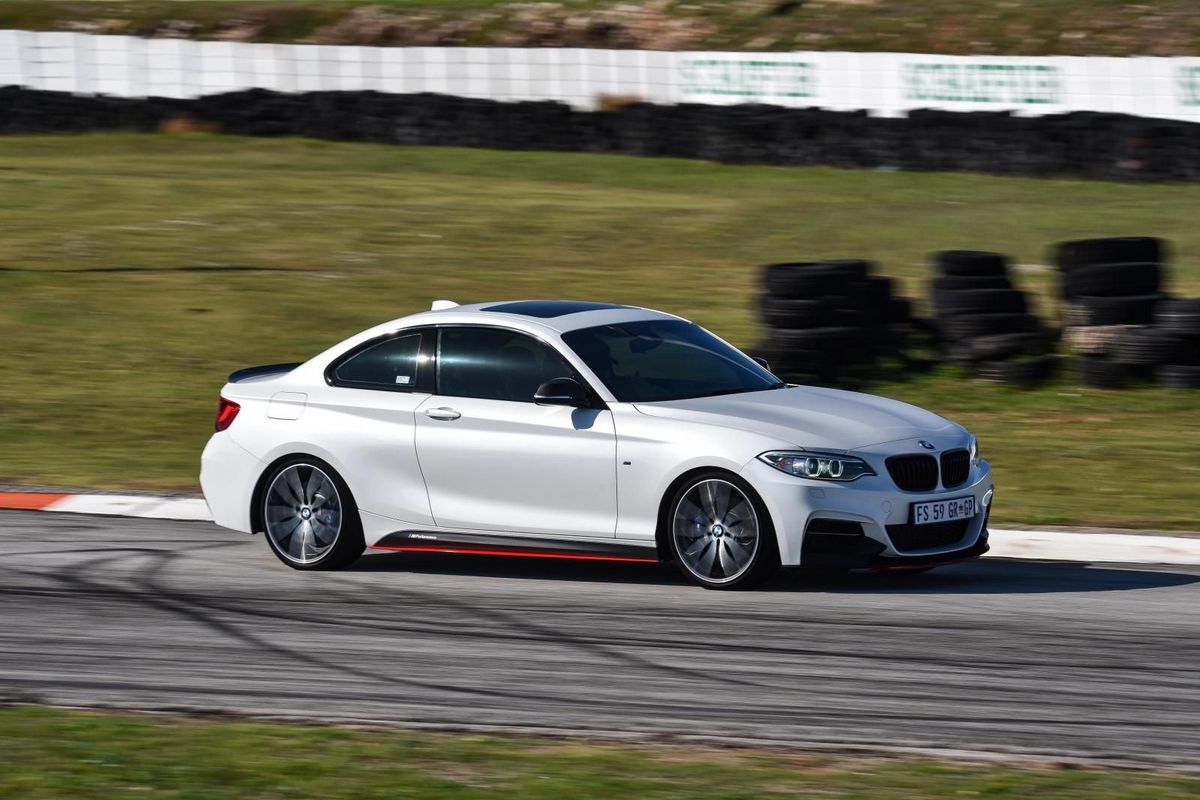
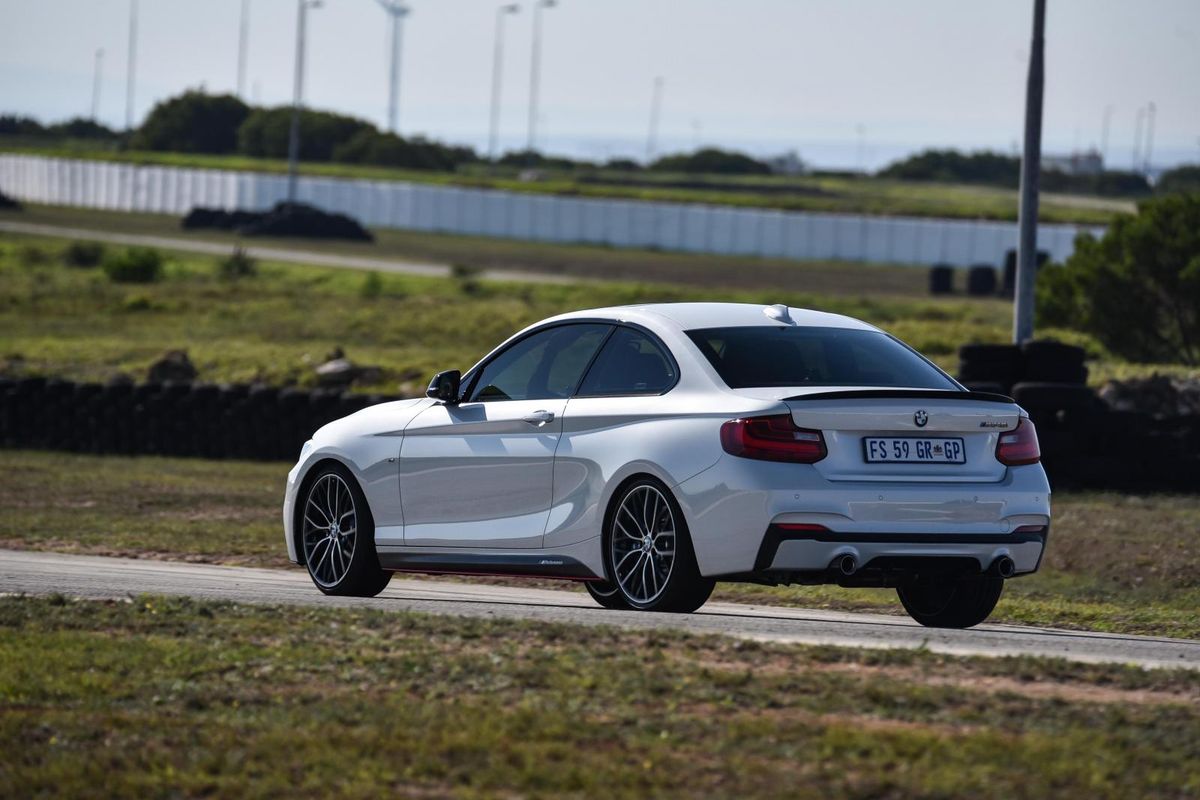
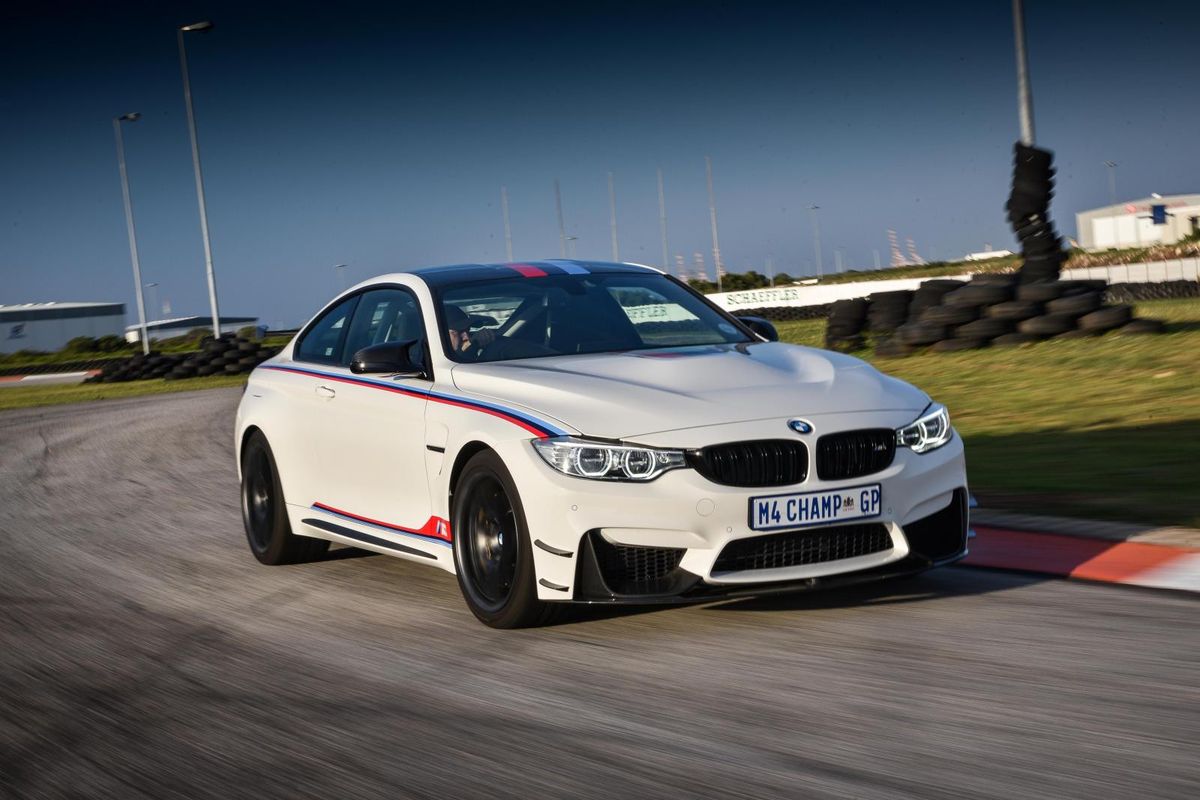
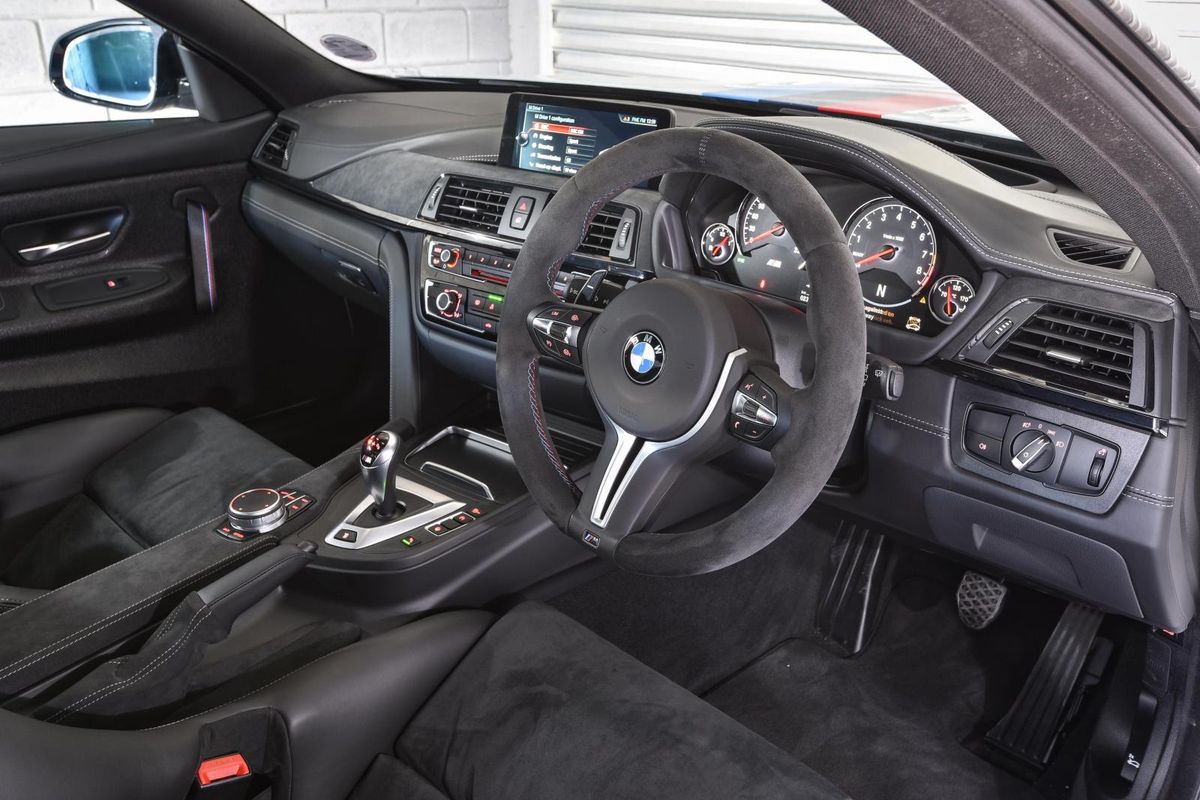
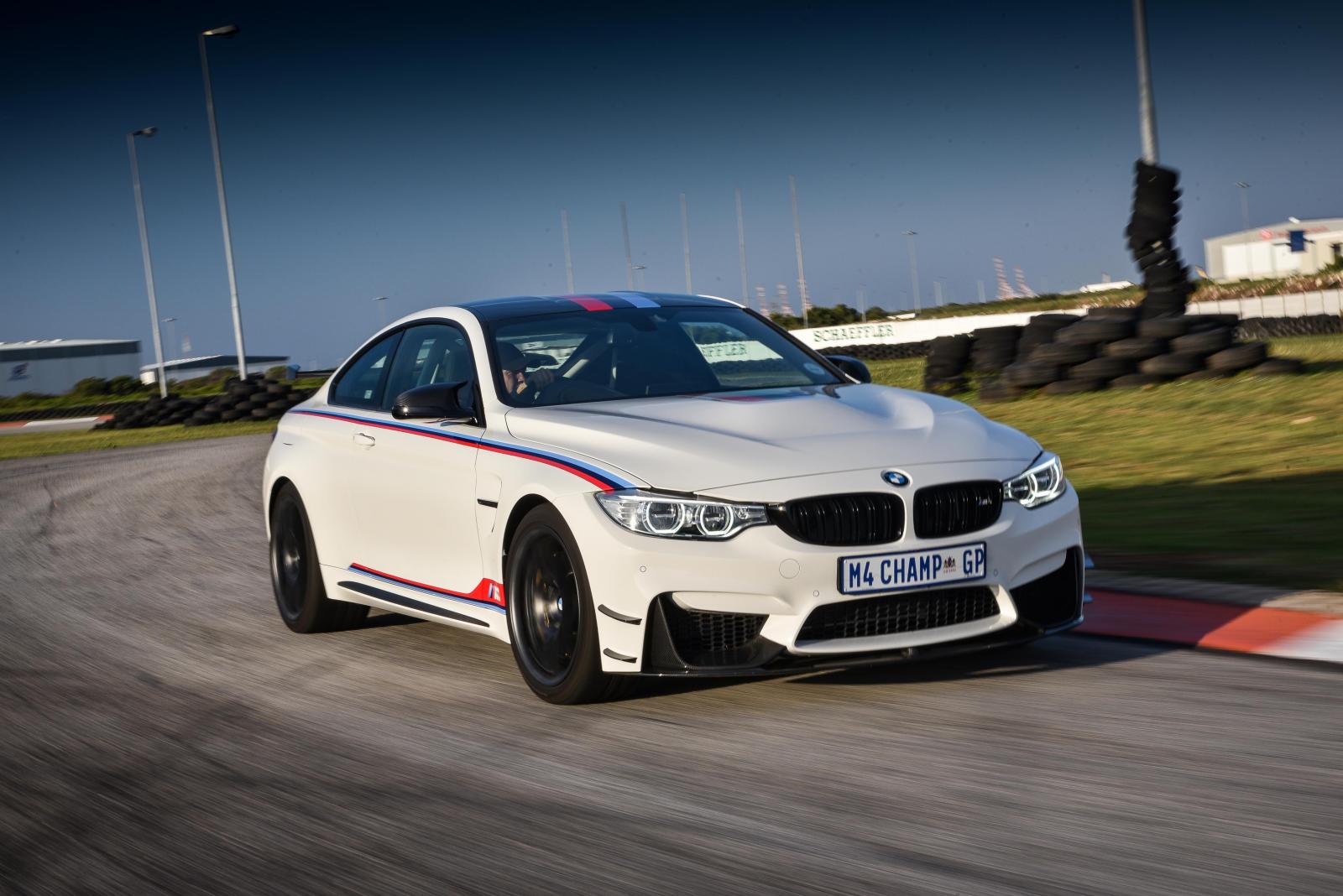
Our resident track test ace spent a day at Aldo Scribante with a battalion of M badged machinery, from the most affordable M140i to the most expensive M760Li xDrive. The star attraction, however, was the limited-edition M4 DTM.
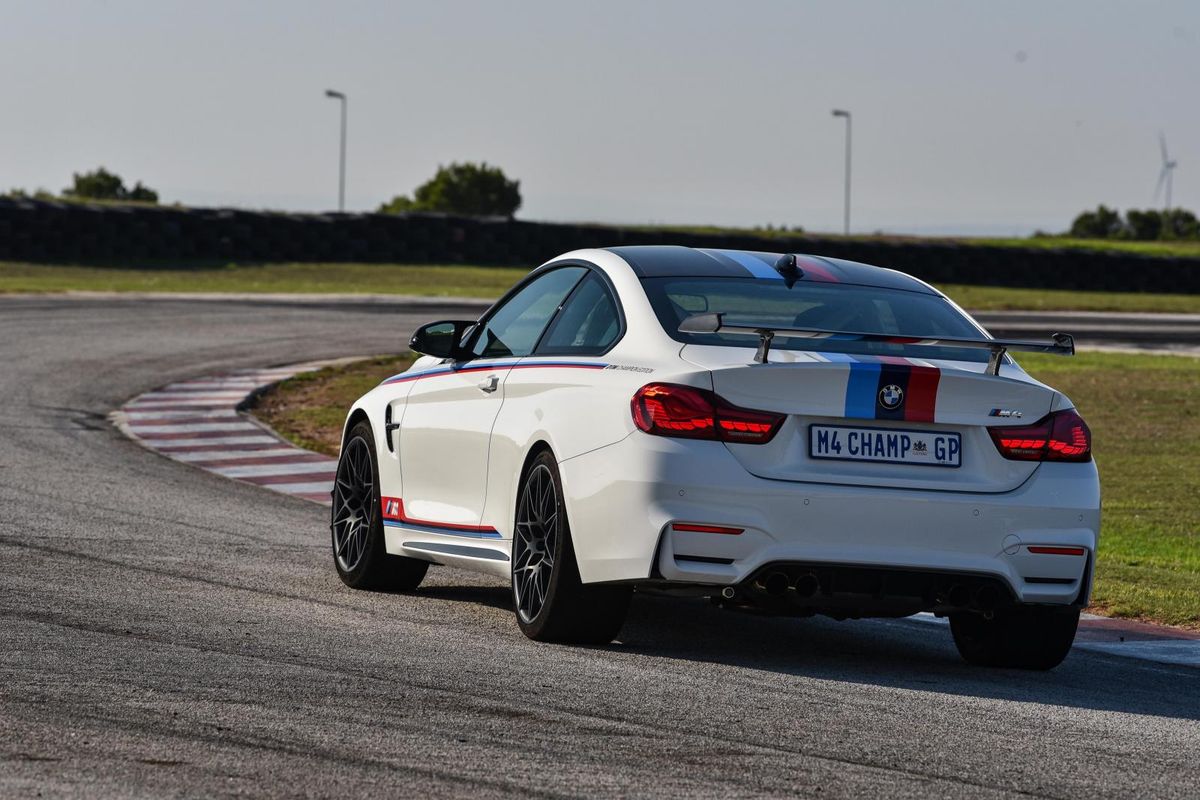
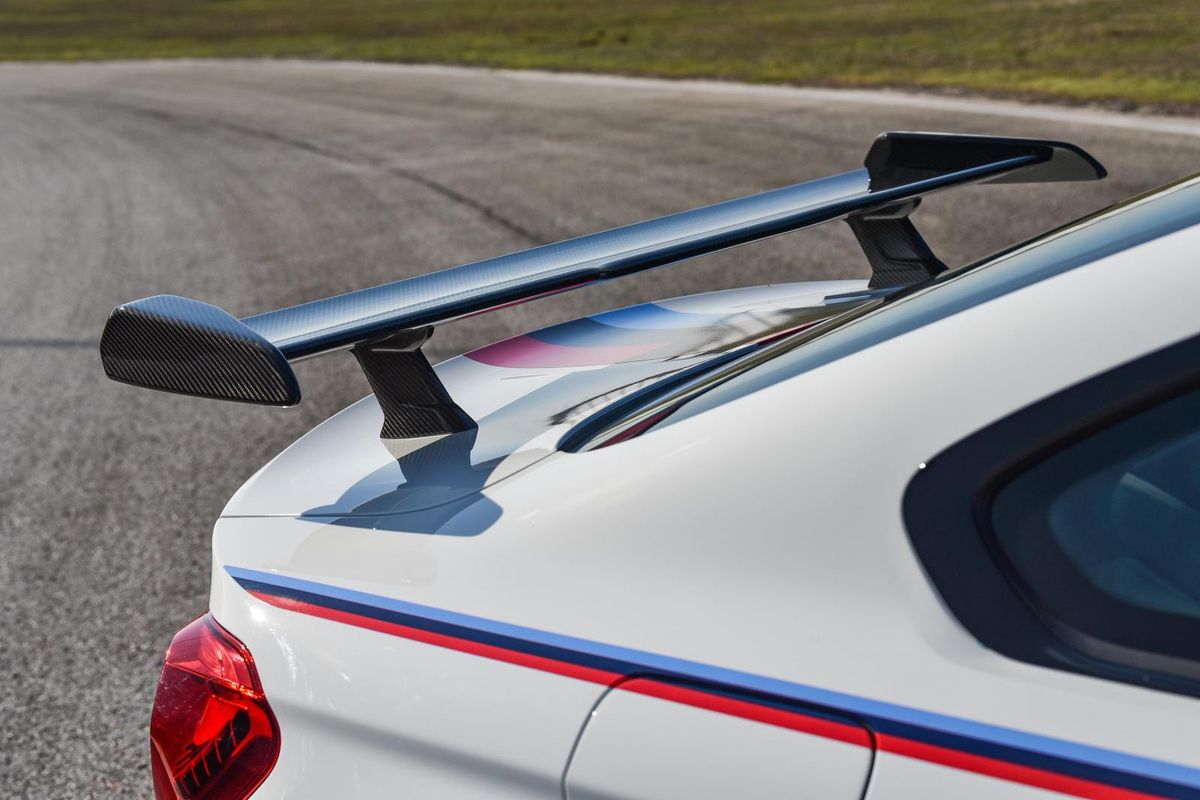
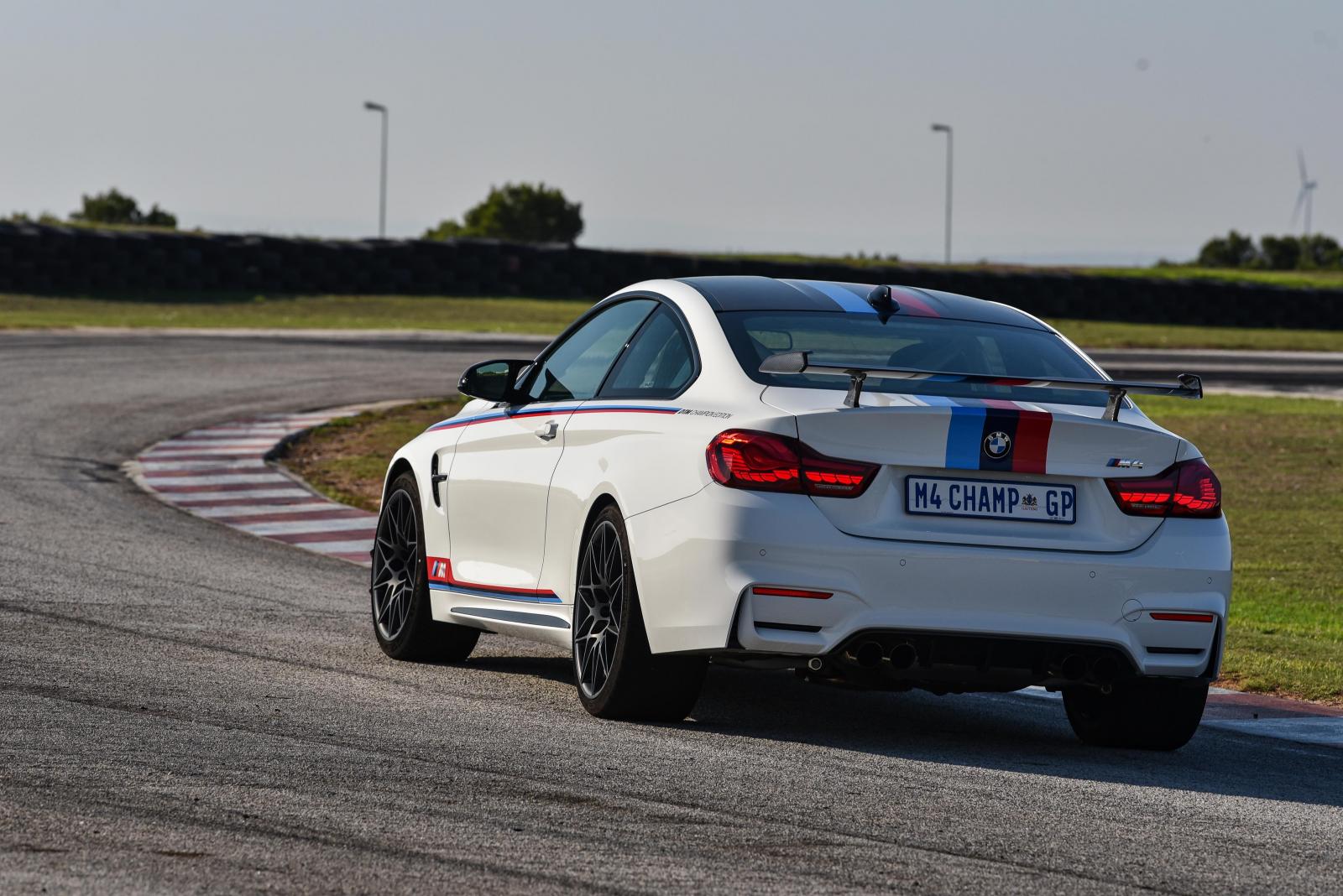
There’s nothing like a good old track day to send a motoring journalist's anticipation levels through the roof. BMW South Africa asked if we would like to drive 1 of the 12 BMW M4 DTMs allocated to the local market. The DTM is a bit like a GTS just with a slightly different paint scheme and a different front and rear wing. Obviously, it’s difficult to turn down an offer like that, especially when BMW said the drive would be at Aldo Scribante in Port Elizabeth. It’s a great little track with loads of challenging corners and a long front straight to stretch the legs on the M4 DTM…
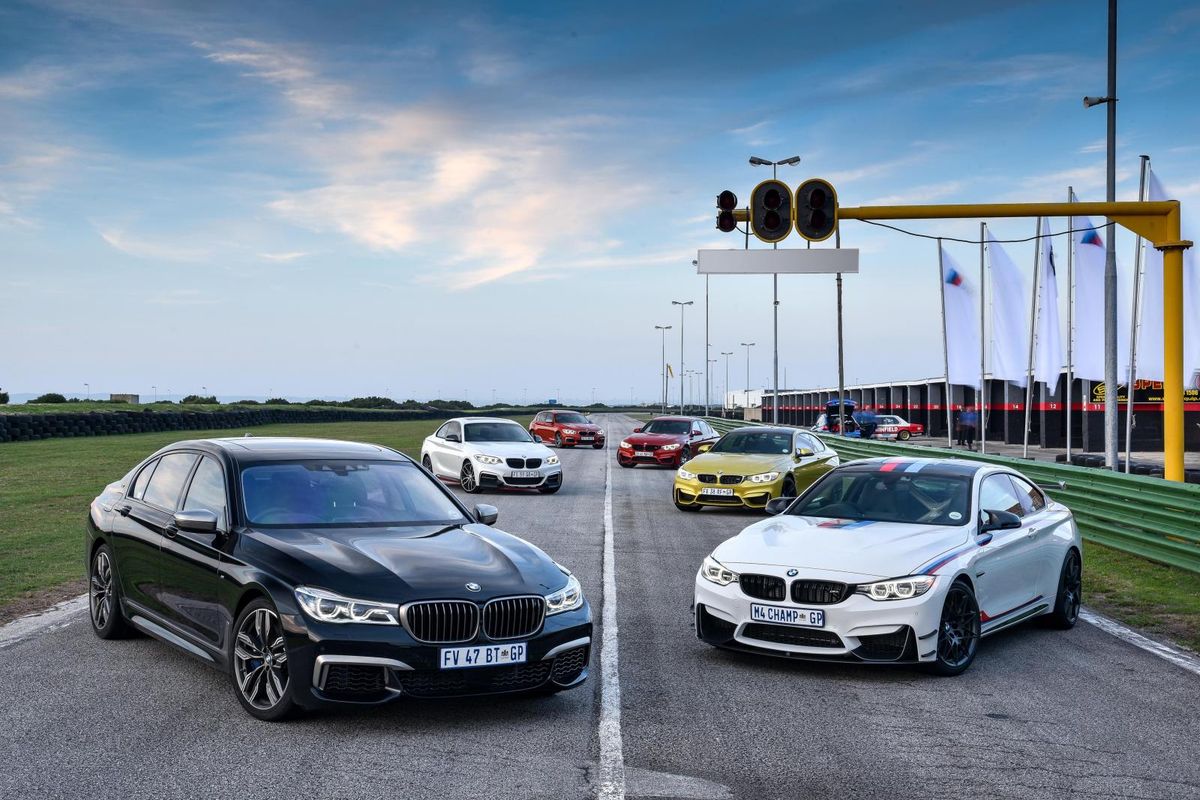
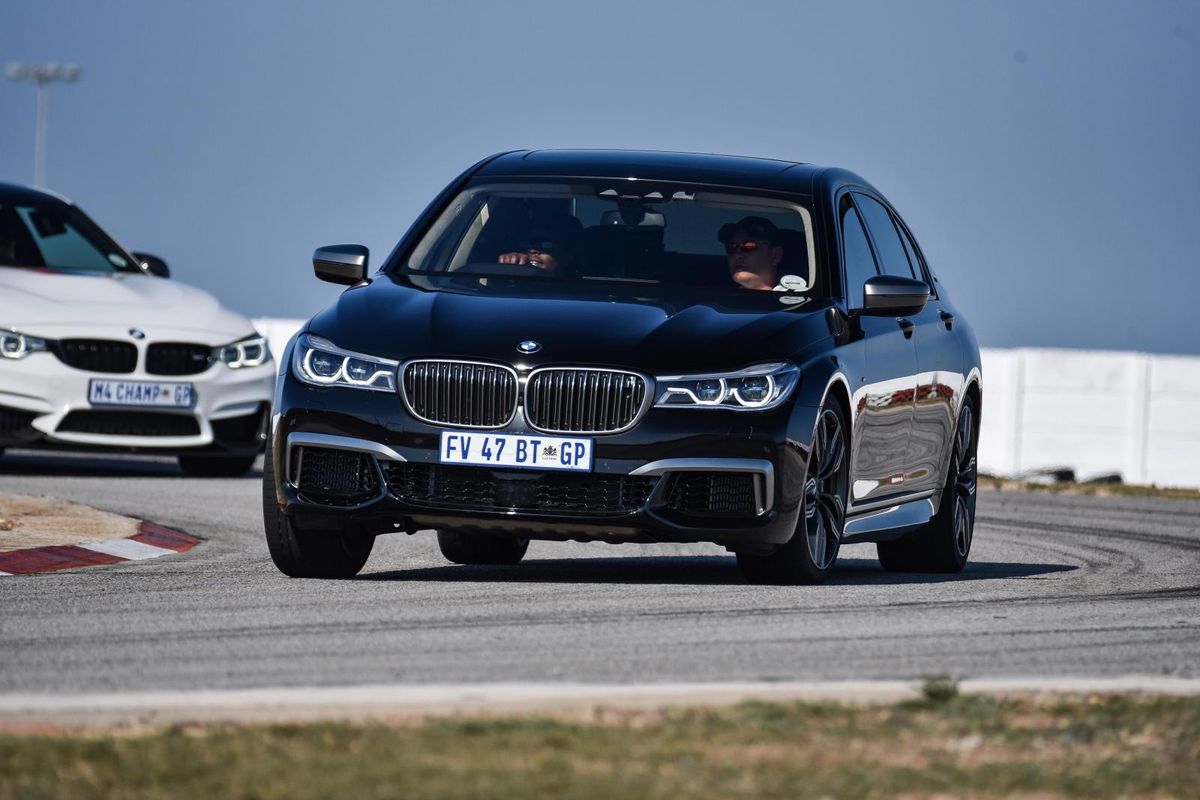
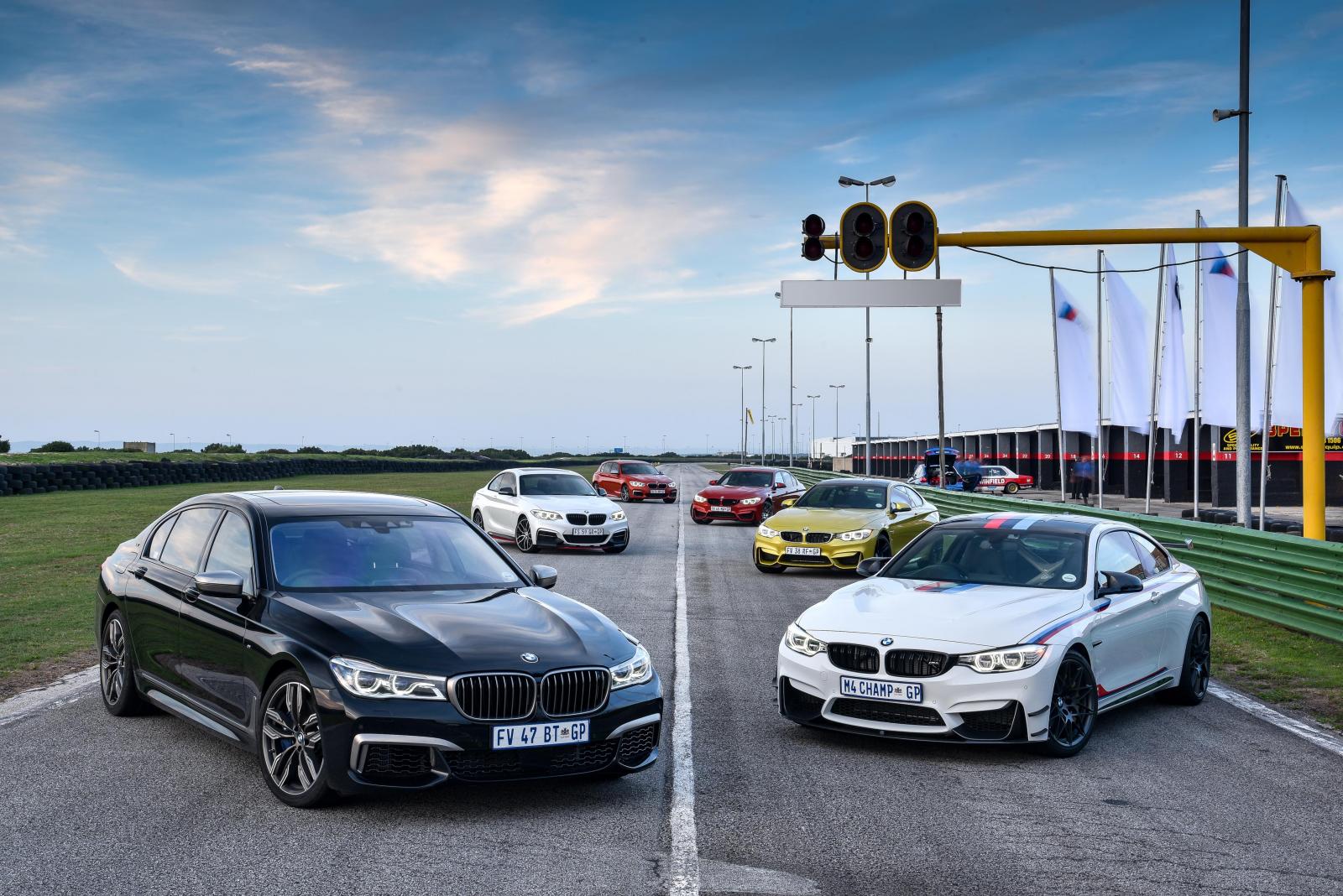
The limited-edition M4 DTM (front right), might be the rarest of the ensemble, but the M760Li next to it, has much more fire power.
However, when we arrived at the track we discovered not just the M4 DTM, but a delicious ensemble of M-badged machinery, some with pure M-DNA and others with cross-breed blood in their pipes. The range on offer comprised M140i, M240i, M3 Competition Pack, M4 Coupe, M760Li and M4 DTM. But which one should you drive first?
Getting the eye in
Having only been around Aldo Scribante in a less powerful Opel Adam S, it was difficult to judge how fast the corners could be taken – most were flat out/close to it in the spiky-haired Adam S. Here, today I would have twice, 3 times and (in the M760Li’s case) 4 times the power to deal with.
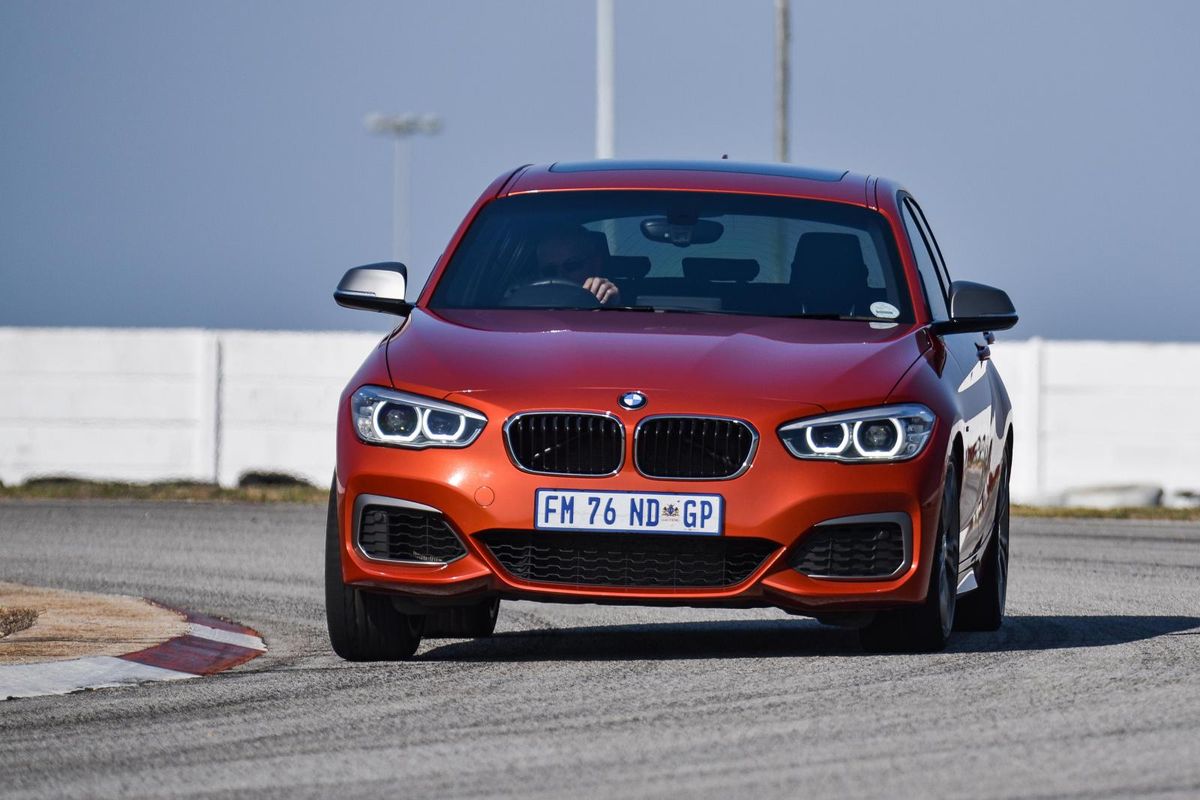
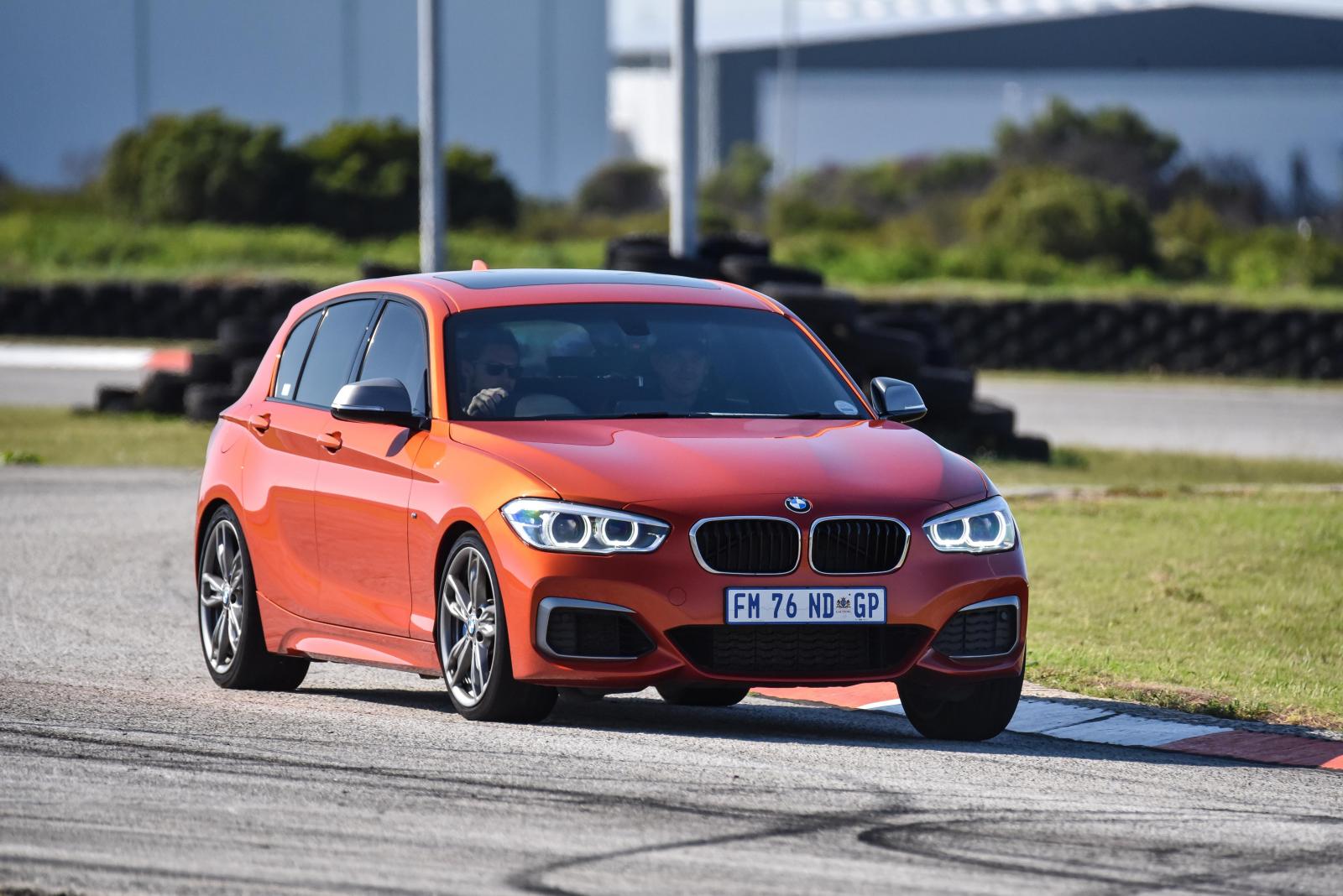
A peak output of 250 kW is plenty in anyone's book; the M-fettled 140i is entertaining, but its brakes are not well suited to track use.
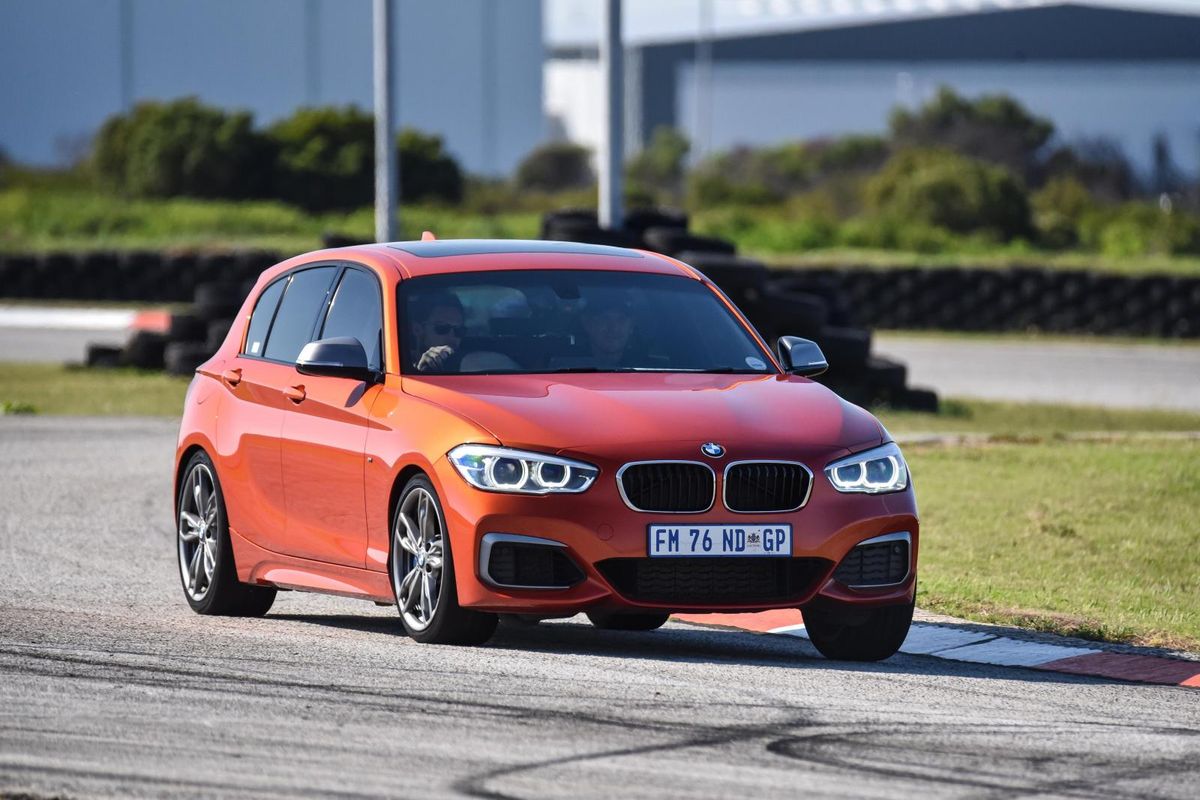
I headed straight to the 40i badges. The 1 and 2 Series should be good starters before chomping into the main course of Ms. Having 250 kW makes a huge difference on track compared with the 110 kW of the Adam S. Corners that were taken flat out before needed brakes and those that needed brakes before needed bigger brakes. A whole mindset shift was needed, I stepped back after just 1 lap of attacking corners to a strategy of easing my way into things. Make no mistake, the M140i and M240i have a "handle with care" attitude about them, even if they are not full-blown M models.
Moving on up
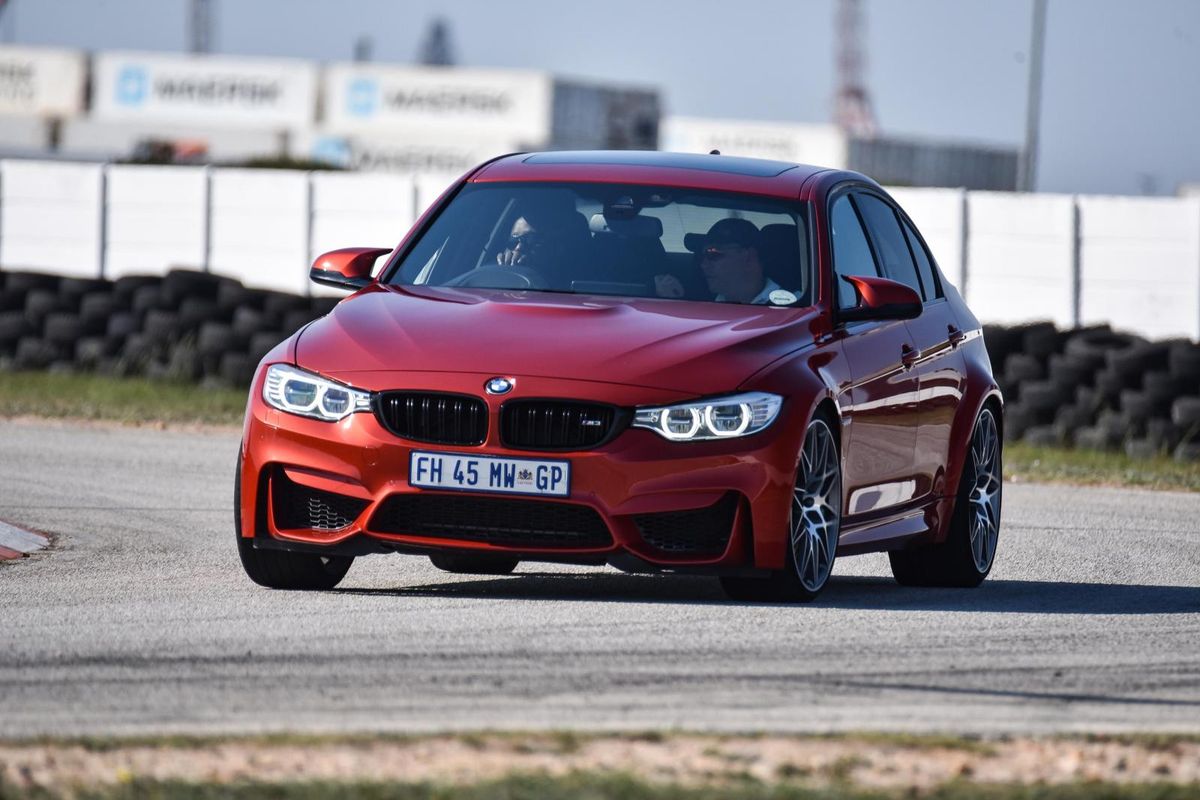
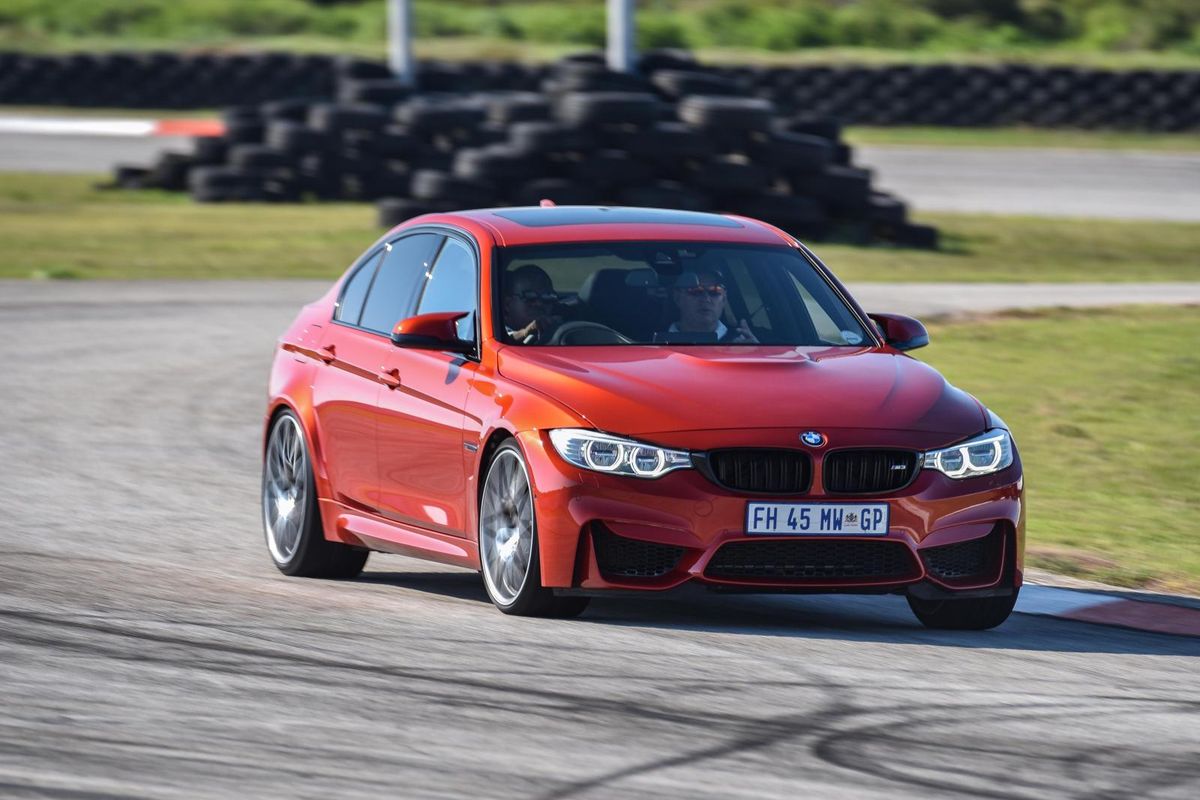
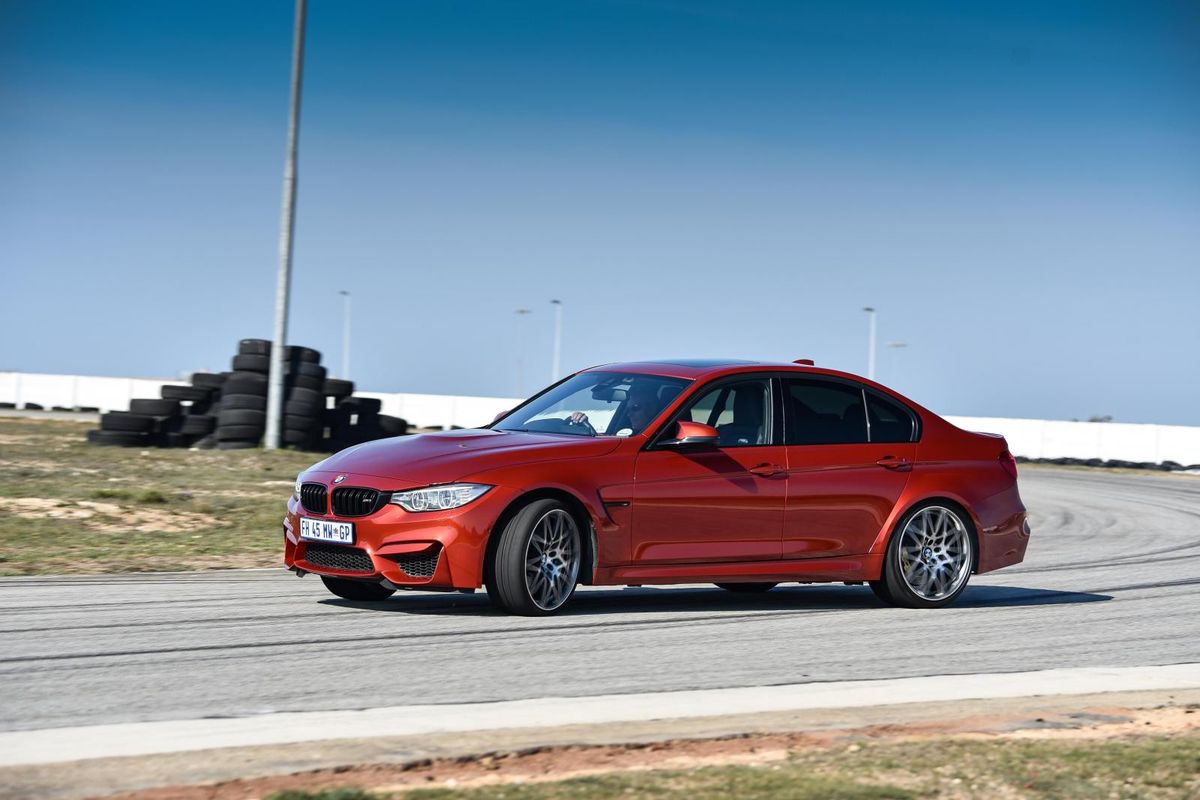
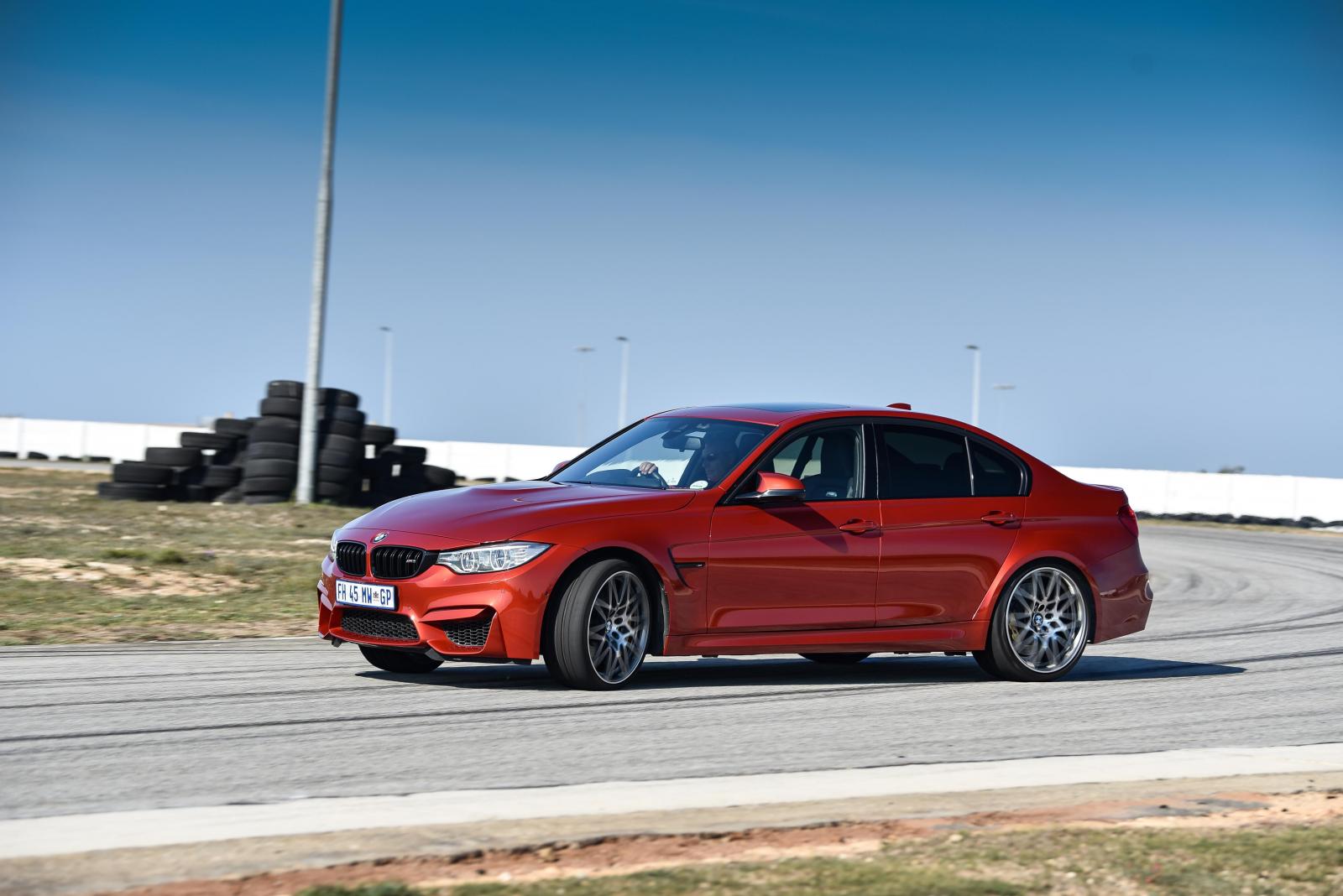
At the Jaguar Simola Hillclimb earlier in May, I was pipped in my class to victory by an M3 Competition Pack. Naturally, I was keen to see what the car was like since it has more power, more torque and less weight than the F-Type 400 I drove up the hill. Mad is the answer, bonkers in fact.
The M3 Competition Pack
How the driver of that (Robert Gearing) survived 12 runs up the hill and lived to tell the tale is a modern day miracle. The M3 Competition Pack constantly breaks traction, every gear change provokes the rear tyres to attempt an escape from the axle altogether. It’s lairy, I think I would even prefer poking a bear with a very short stick as opposed to trying to drive quickly in that M3 Competition Pack. It's a handful, to say the least.
Why does it exist?
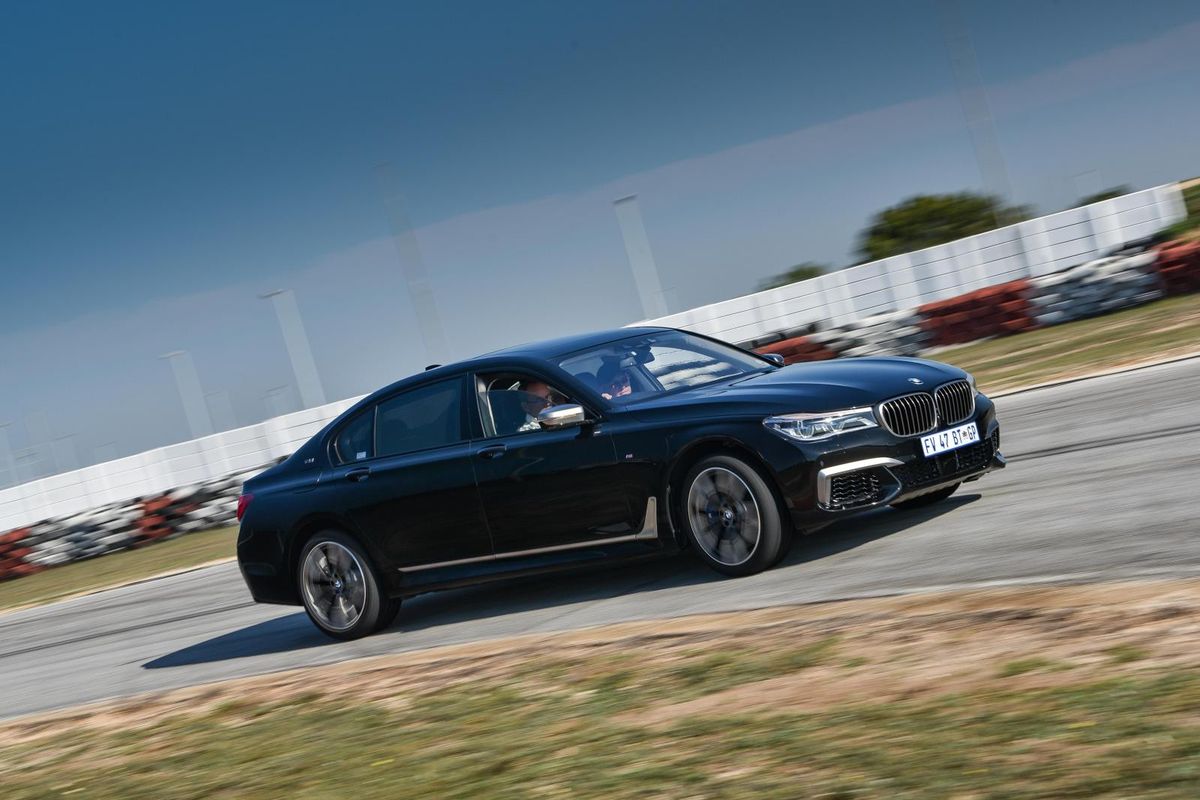
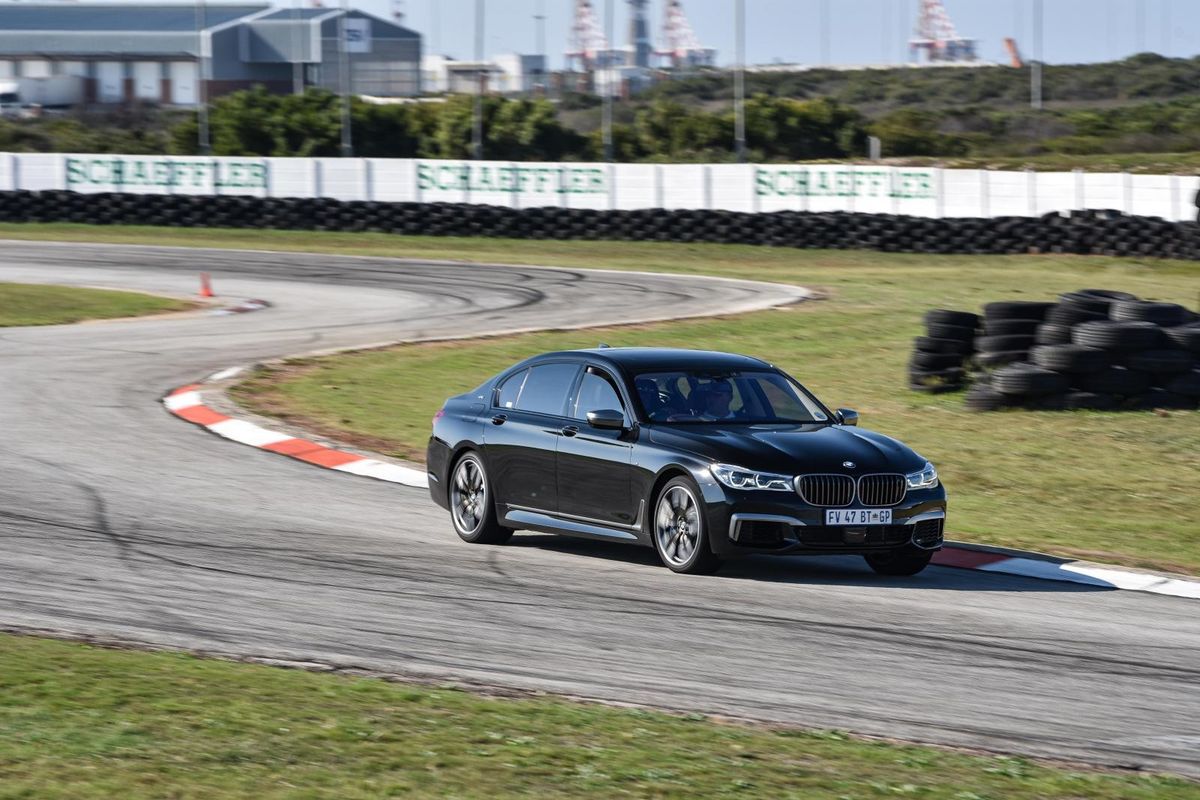
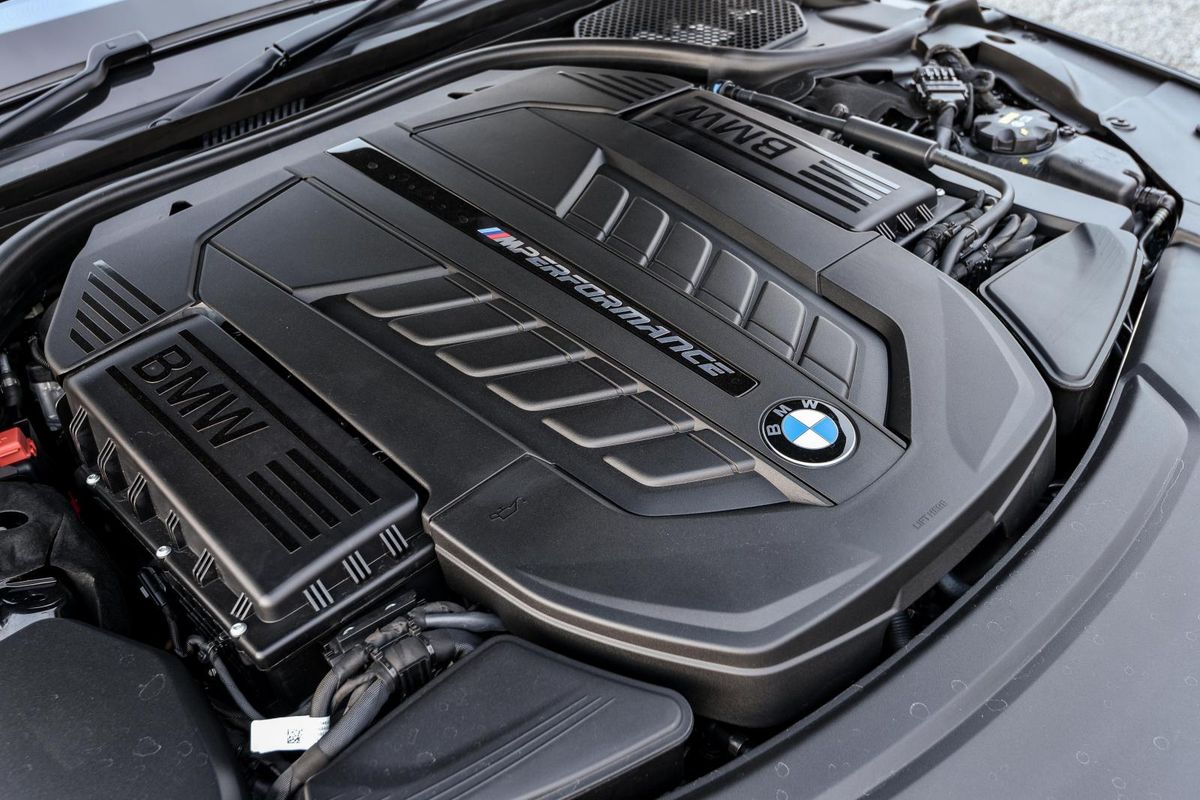
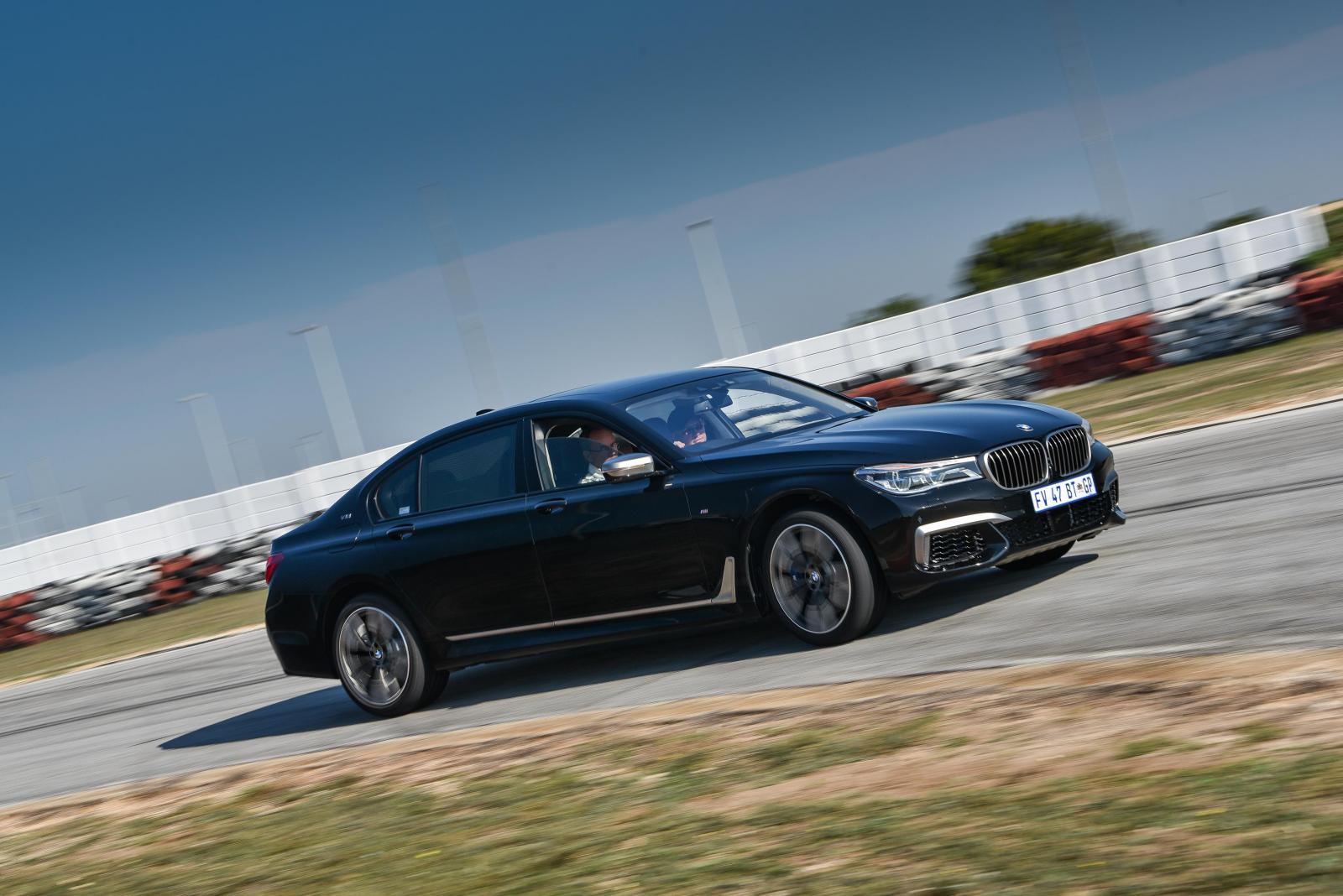
I have no idea why a BMW 7 Series needs a 448 kW V12 engine, but I'm helluva glad it does. It’s not even about the numbers dispensed by the engine, it’s the rate of acceleration that blows your mind. Of all the cars I drove at Scribante, it was the 760Li xDrive that boggled my mind. Flatten your foot coming on to the long main straight and the digital speedo can’t keep up, it seemed to refresh every 30 kph as it climbed beyond 200 kph.
The in-gear acceleration of the M760Li is, in a word, ferocious
Yes, that's correct, the big daddy Bimmer achieves a velocity of 200 kph-plus before it reaches the temporary chicane three-quarters of the way down Scribante's straight. It's insanely quick in a straight line but laughably hopeless in the corners: it’s a big car, really big in the long wheelbase format (as the Li denotes). A track is no place for this car, because it leans in the bends, its tyres groaning in protest over the amount of lateral load being shoved upon them. The Autobahn, that’s what this was made for, to keep up with Bentleys and S-Classes wafting serenely along at 250 kph.
The moment
Time for the M4 DTM. I’ve driven the even more track-oriented M4 GTS, with its adjustable rear wing and front splitter. I only had a chance to drive it on the road though, where it was less than the most suitable piece of equipment. On a track, it’s surely a whole different machine, right?
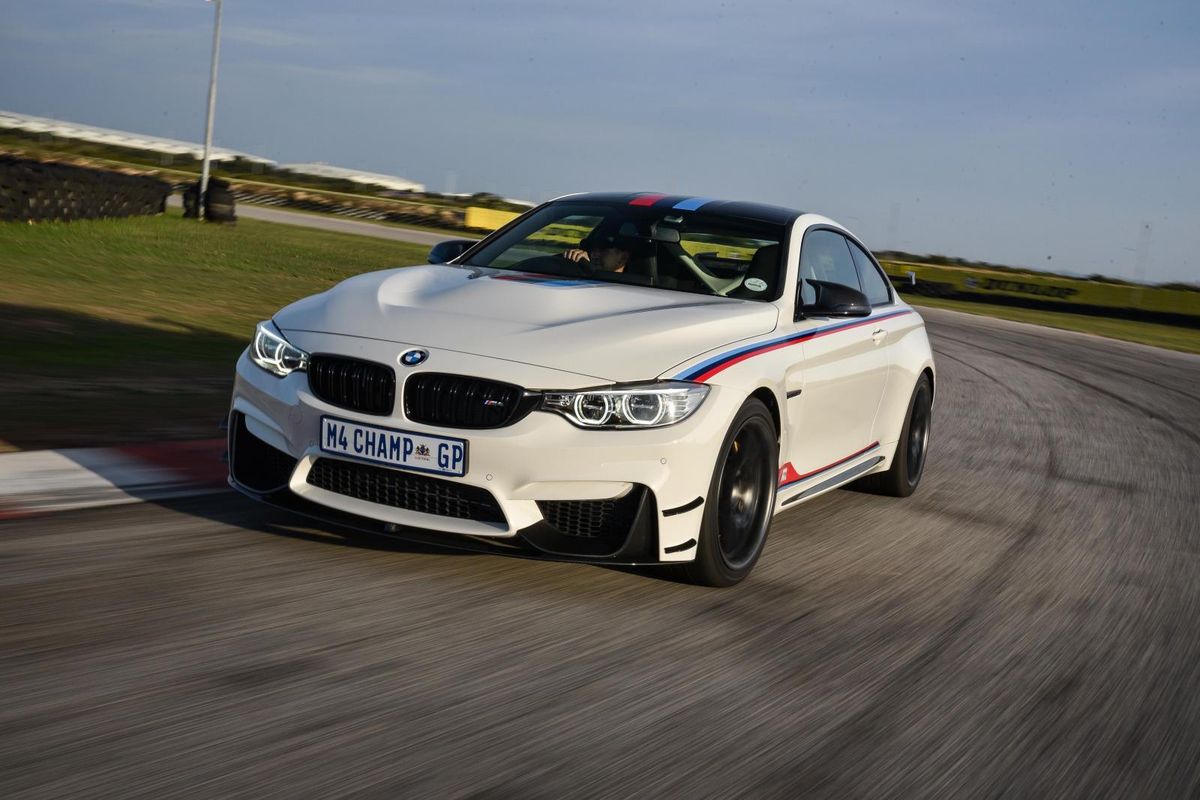
Sticky Michelin Pilot Sport Cup 2 tyres and a rear spoiler keeps the M4 DTM's rear end well planted, up to a point…
Perhaps its derivative, the M4 DTM, would be able to tell me, but I was a little nervous, especially after the M3 Competition Pack had palpably tried to "murder" me an hour before. Tyres and downforce make all the difference: the DTM has sticky Michelin Pilot Sport Cup 2 tyres and the rear wing helps settle its rear end. The fancy adjustable suspension had undoubtedly been set up for the track, but it improved the whole experience vastly.
I found immediate confidence in the M4 DTM's rear end; there was a definite predictability in the way the back would step out. It’s a more controllable package… something that, as a driving aficionado, you can progressively ask more of as you get to know the car. Even the steering somehow feels more communicative, possibly because you’re not wary that you may have to catch some snap oversteer, as was the case with M3 Competition Package.
The M4 DTM is, like the GTS, a great track car… but is it the best M4 of the lot? Read on…
The titanium exhaust emits a more natural sound too, it's best described as a heavy rasp as it howls along towards the limiter before the M-DCT transmission whips another gear into action. This newcomer is a really, really good track car and what it does is make me think that the upcoming M4 CS may just be the ultimate all-rounder: a perfect blend of M4 DTM and M4 Competition Pack. With the M4 CS, you get the grippy tyres and copious downforce from a GTS/DTM, but you get the slightly softer ride and rear seats from the Competition Pack, now that’s the ideal recipe, if you ask me.
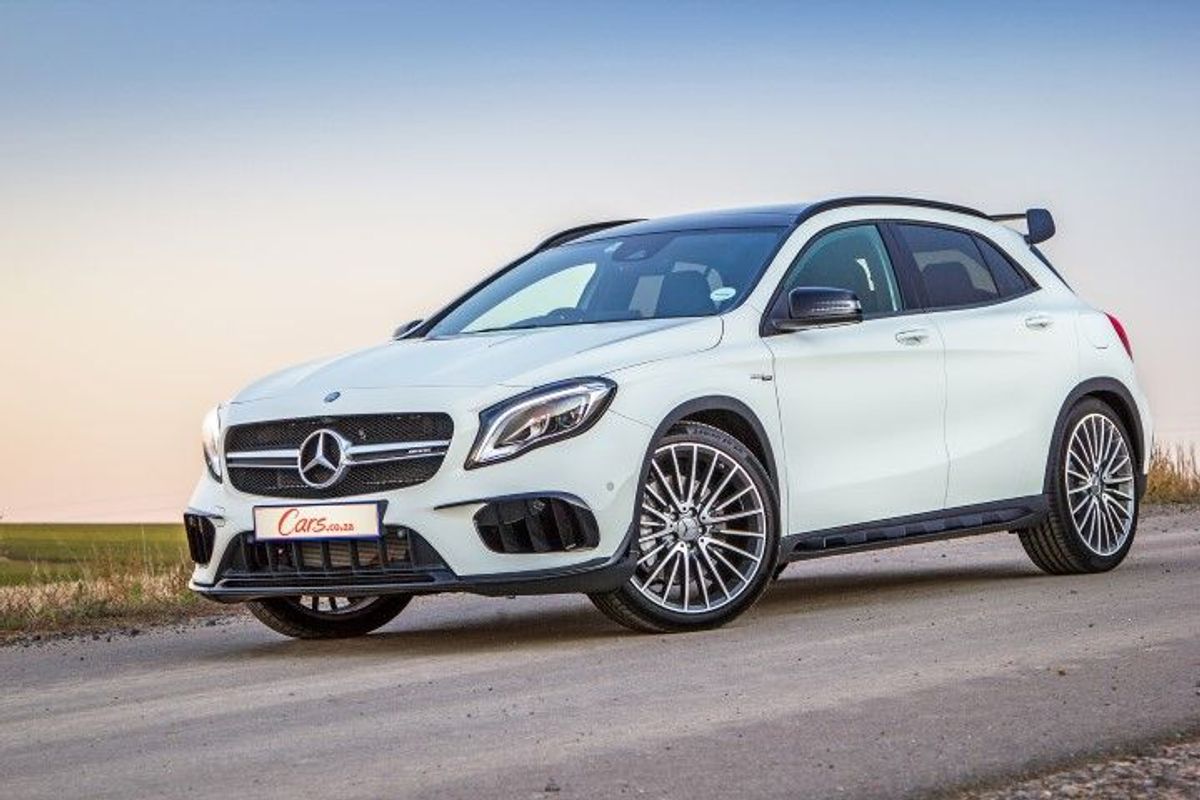
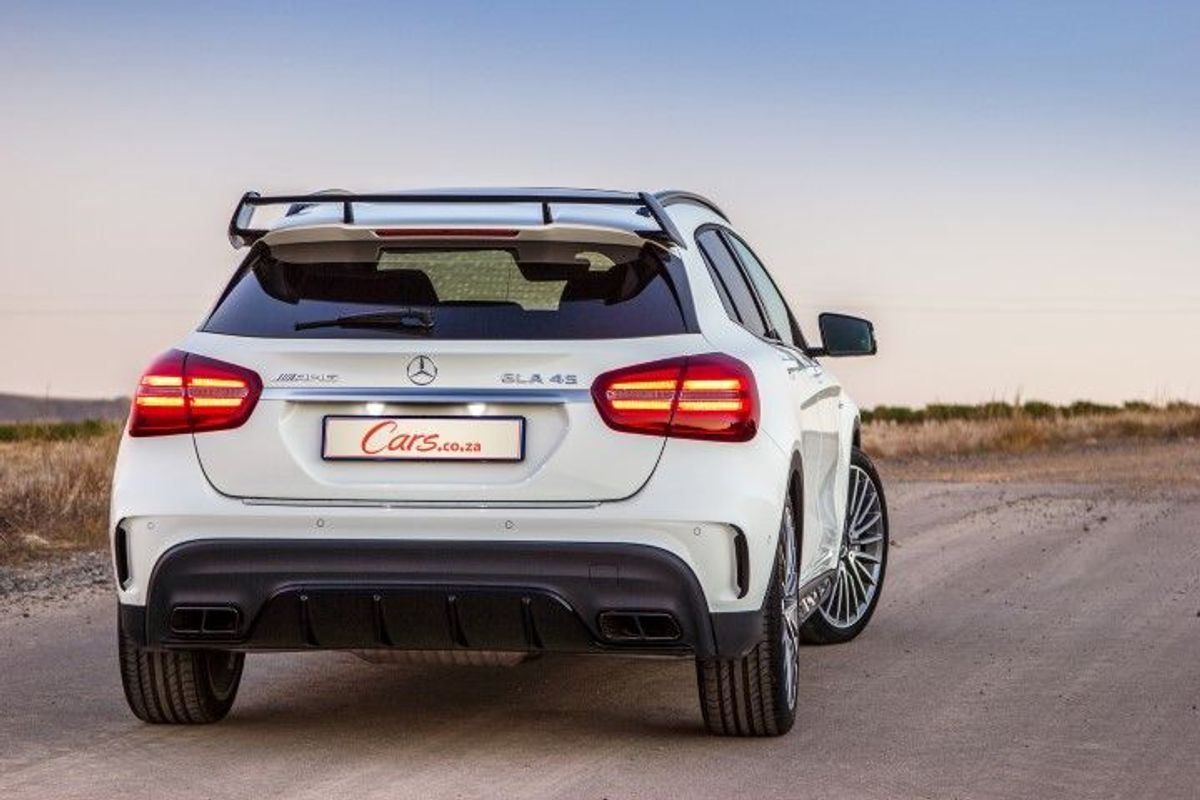
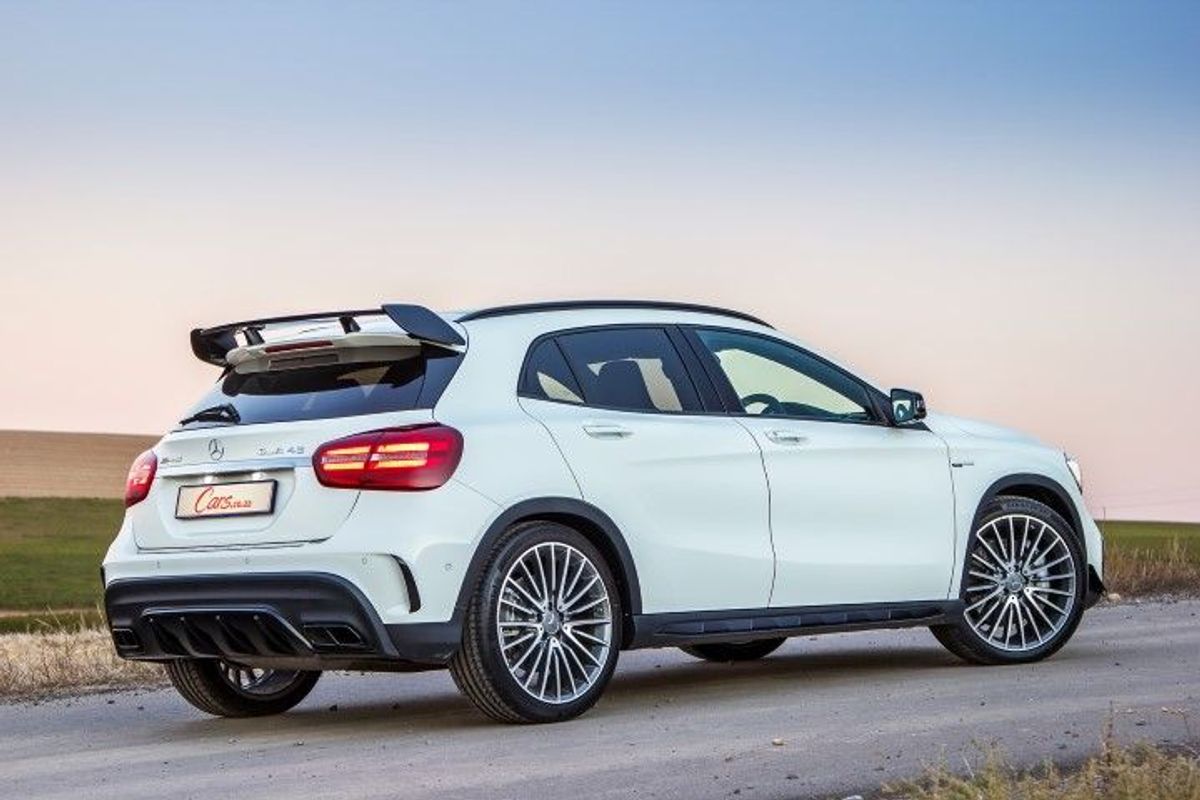
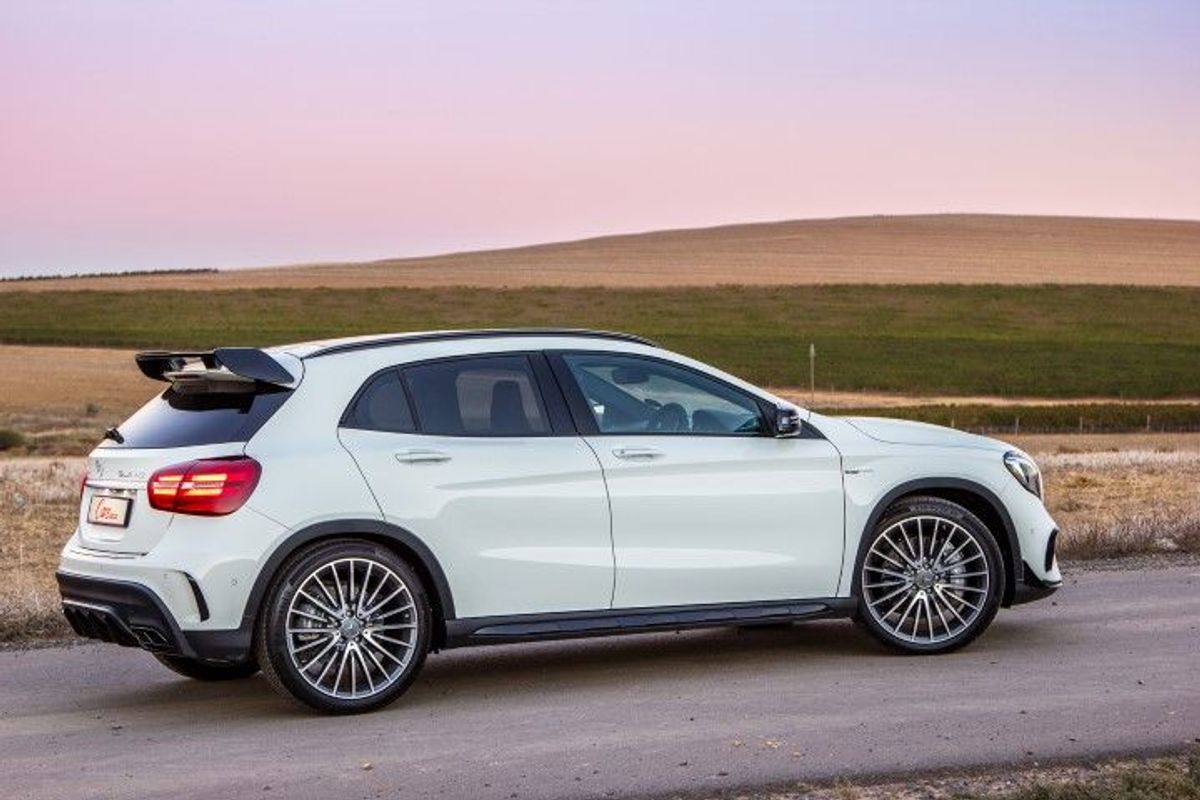
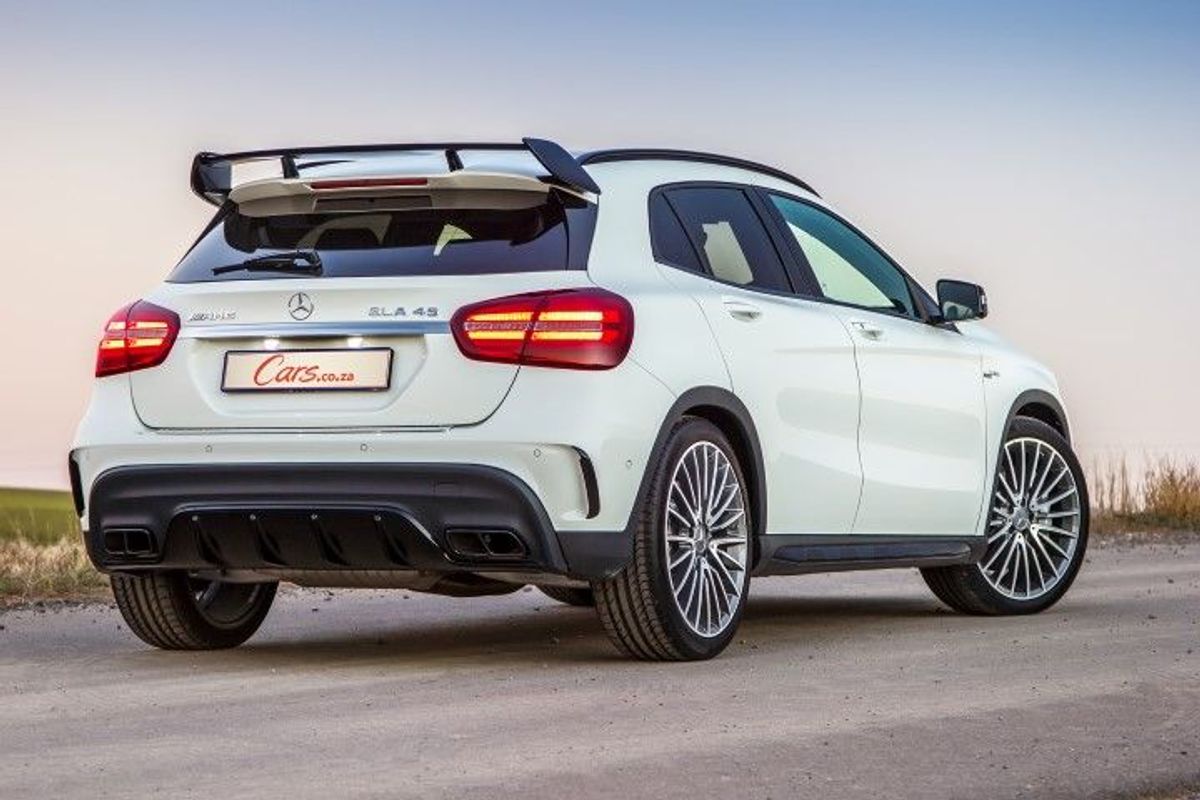
We get to grips with the recently updated Mercedes-AMG GLA 45 4Matic. Is there merit in purchasing a performance crossover? Or is it a case of "if you're going to be ridiculous, do it properly"? We investigate.
We Like: Aggressive styling, hair-raising performance, aural pleasure
We Don’t Like: Pricey proposition with expensive options, thirsty
Alternatives
For similar performance: Consider the Audi RS Q3 quattro. With outputs of 250 kW and 450 Nm of torque developed by its 2.5-litre turbocharged petrol engine, the long-serving RS Q3 is outgunned by the GLA45 AMG, but offers comparable performance with a zero to 100 kph sprint time of 4.8 seconds and a top speed of 250 kph. Pricing for the Audi RS Q3 starts at R882 500.
For world rally pedigree: Consider the rally-bred Subaru WRX STI Premium priced from R719 000. The 2.5-litre turbocharged boxer engine develops 221 kW and 407 Nm of torque and although it is also underpowered compared to the GLA45 AMG, the all-wheel drive WRX STI is a hoot to drive and it will indulge and satisfy your inner boy-racer.
The common-sense option: Consider the Mercedes-AMG A45 4Matic priced from R773 914. It’s powered by the same 2.0-litre turbocharged engine found in the GLA 45 AMG with 280 kW and 475 Nm of torque and you will be saving a wad of cash in the process. The A45 AMG won’t disappoint, but perhaps its hatchback packaging will be too conventional for potential GLA 45 buyers.
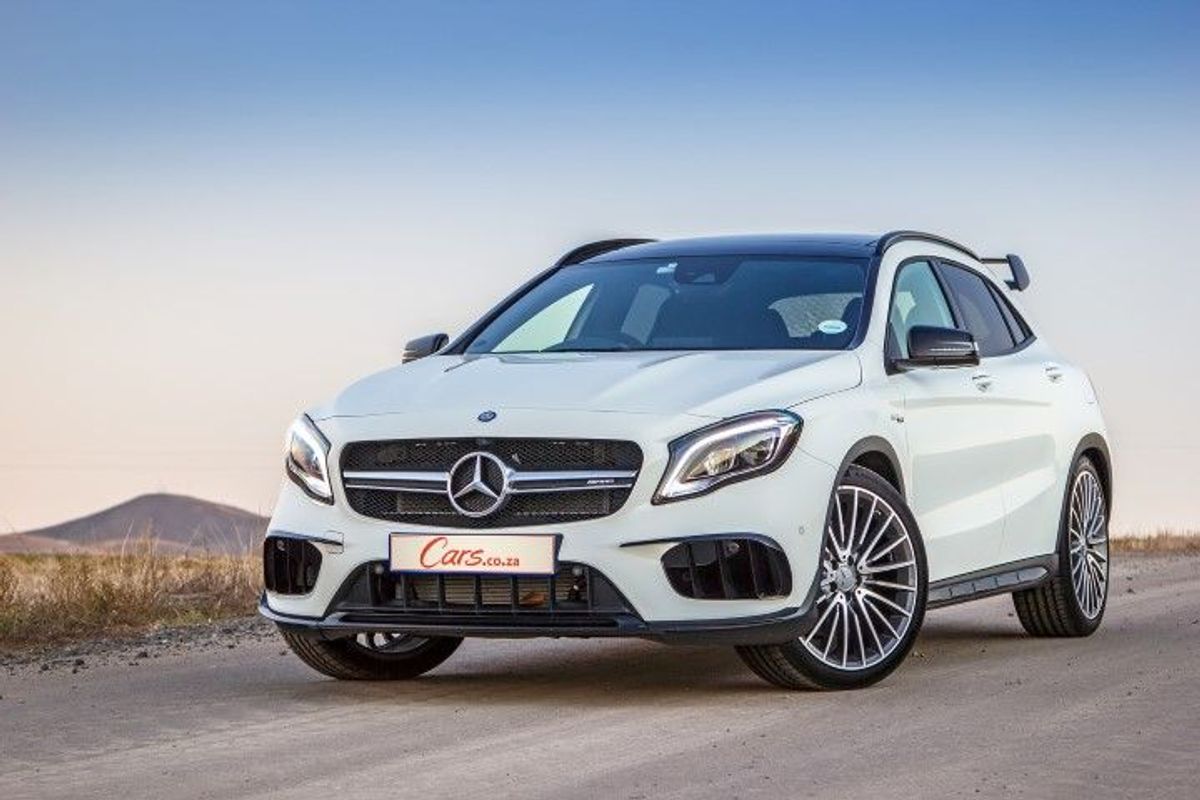
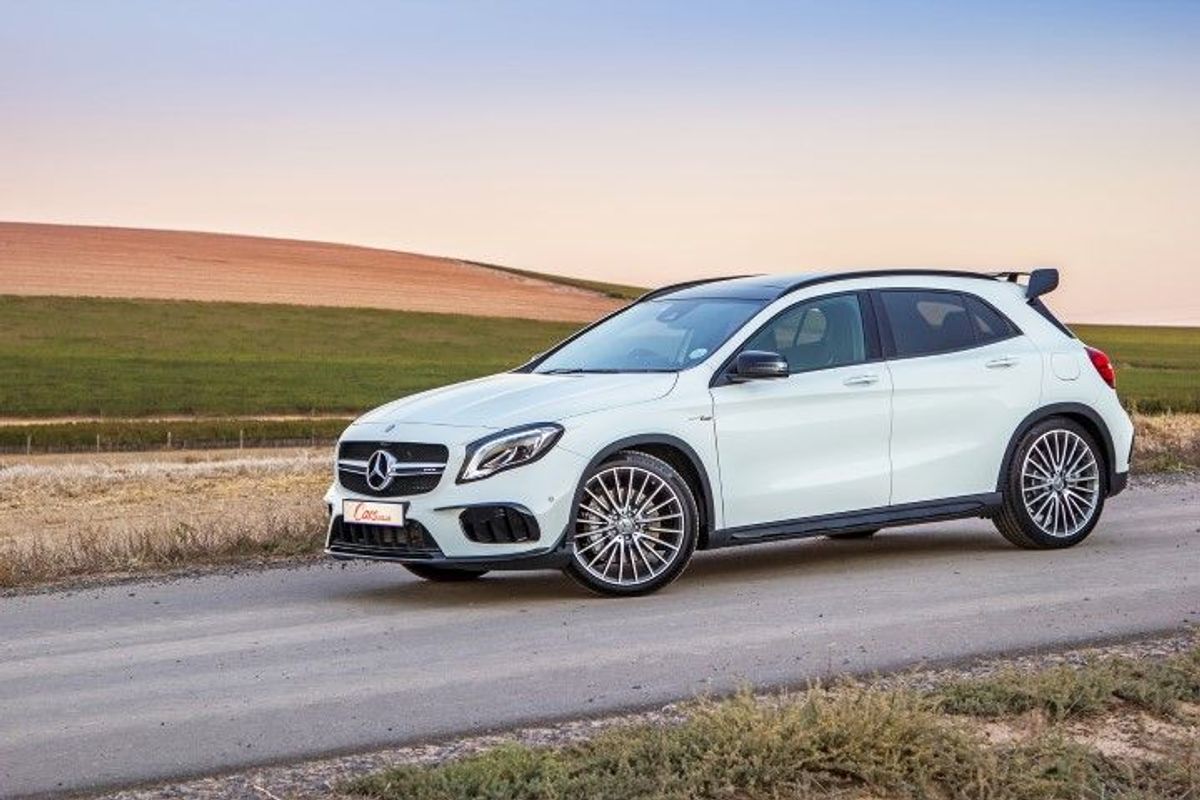
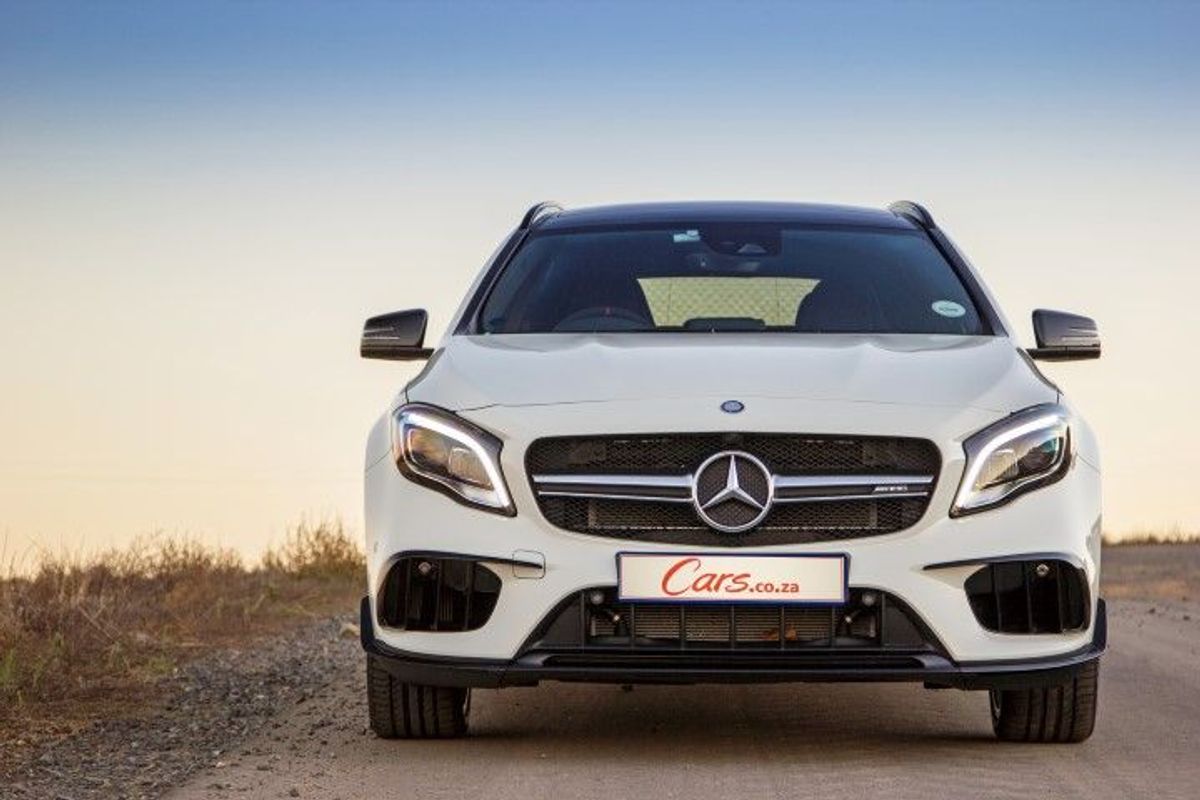
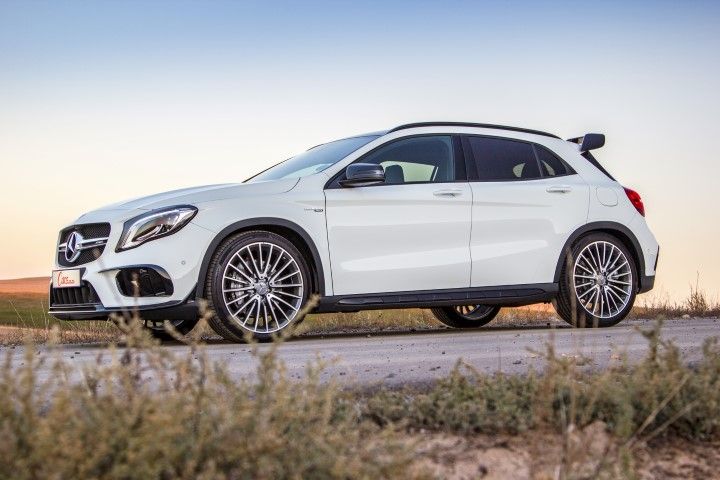
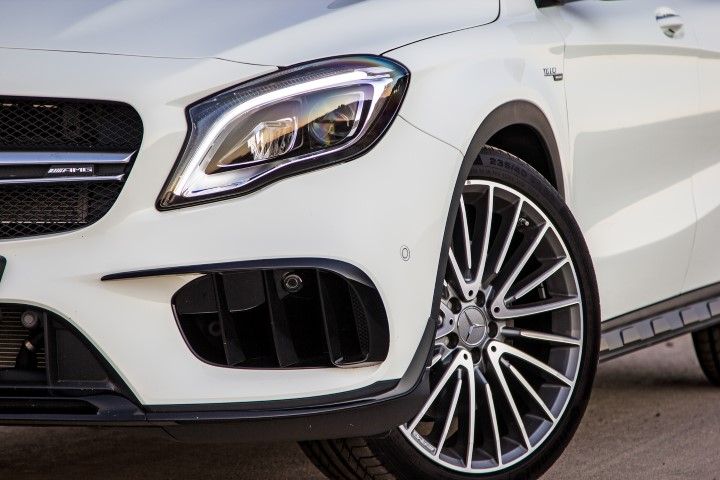
Mercedes-Benz recently updated its GLA compact family car/crossover range with subtle exterior tweaks and interior upgrades and we spent some time with the range-topping GLA45 AMG 4Matic to find out if there is any sense in considering this 280 kW street beast. Sure, it’s a special car, especially with all the expensive optional extras added to it, but is it really worth it? This quick review will shed some light on the strengths and weaknesses of the GLA 45 AMG 4Matic, so buckle up, son!
The good
Exhilarating performance
Fast, noisy and entertaining to drive, the GLA45 AMG 4Matic devours tar on command.
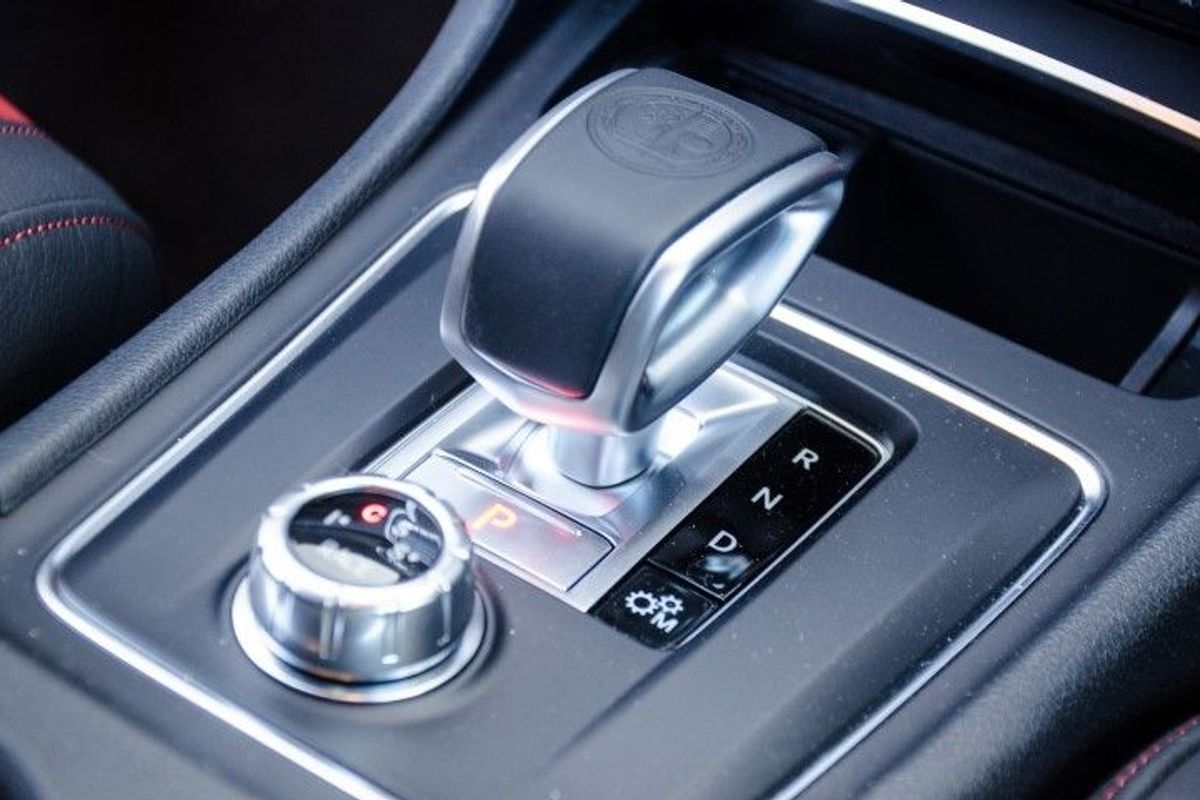
If a brisk turn of speed lights a fire in your belly then this car is guaranteed to bring the heat. The GLA45 AMG’s drawcard is the 2.0-litre turbopetrol under the bonnet, offering a not-to-be-taken-lightly 280 kW and 475 Nm of torque. Those big (ish) numbers are transferred to the tarmac courtesy of a 7-speed dual-clutch automatic transmission in conjunction with Benz’s 4Matic all-wheel drive system. For this facelift though, gear ratios are tighter and shifts faster, resulting in improved acceleration. With launch control, this GLA 45 AMG will race from zero to 100 kph in 4.4 seconds flat.
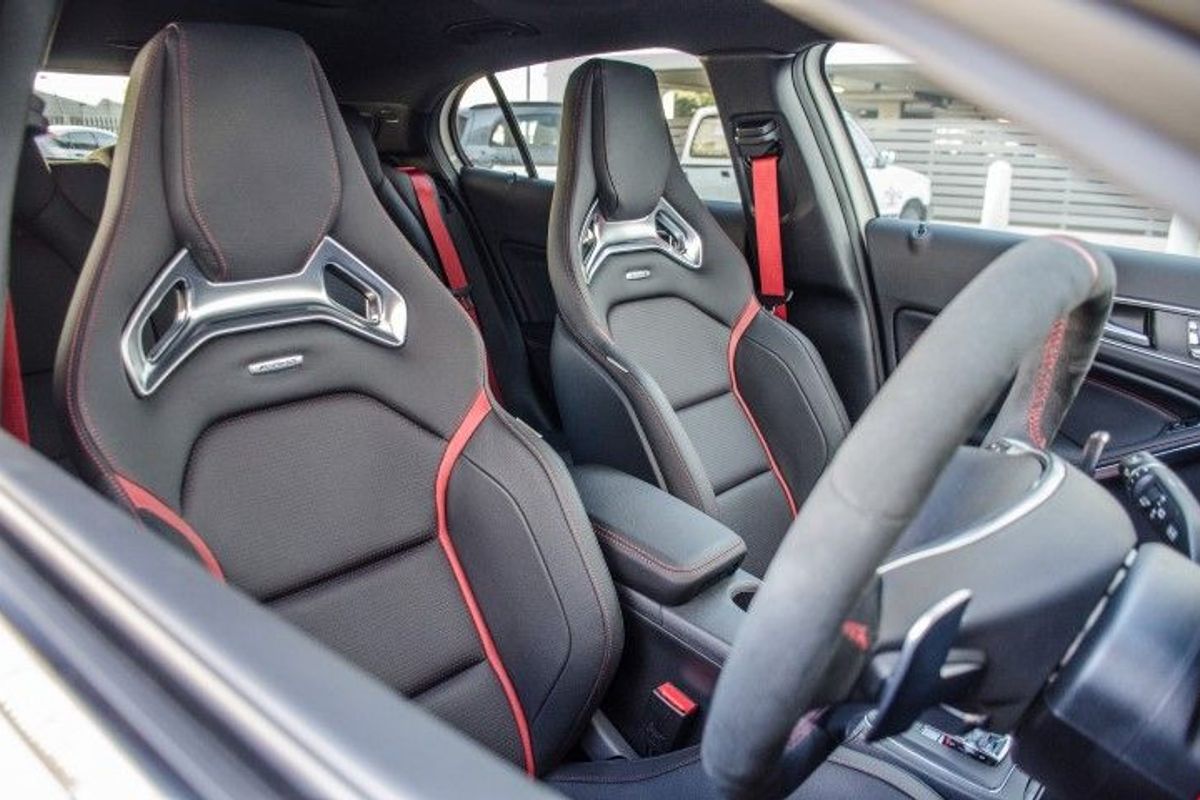
We did a launch start on a quiet section of road and the car hunkered down and all-wheels got a firm, claw-like grip on the tar and then unleashed its brutal might on the horizon, all while the GLA's front occupants were pressed deep into the sumptuously sculpted AMG sports seats. The transmission is ferocious and although using the stainless-steel shift paddles is not required for a full-bore acceleration run, they're fun to flick.
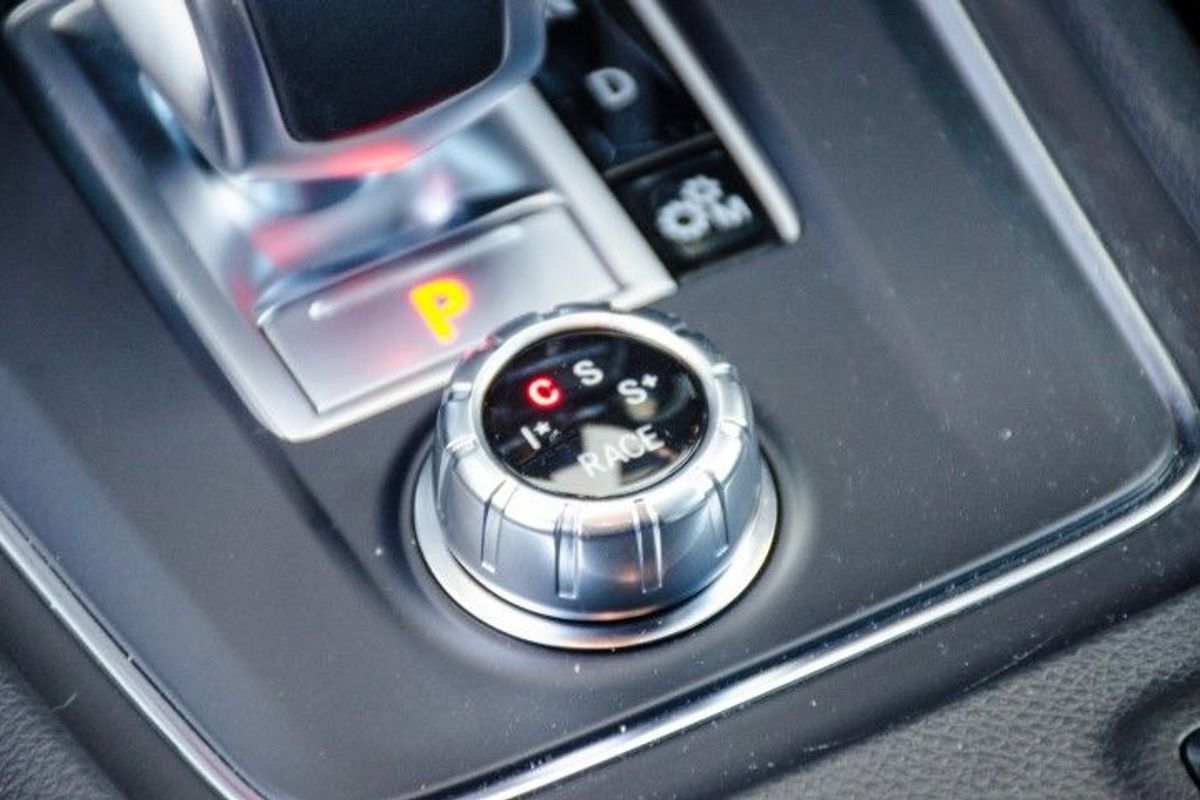
In the upper limits of the rev range the optional sports exhaust (R9 000) emits ridiculously loud barks and pops that can be accentuated with the press of a button. Your neighbours will, in all likelihood, be annoyed with your less-than-discreet homecomings (or departures), but you can tone things down by switching to Comfort mode. Individual, Sport, Sport+ and Race modes are there to further tailor the Benz's driving characteristics.
Fuel consumption is on the heavy side, but it doesn't really matter when you hear the exhaust singing in your ears.
Grip levels are lofty and the GLA’s handling ability inspires driver confidence, making it an easy car to drive fast. We found the adaptive sports suspension to be surprisingly forgiving on the road (depending on its setting). It’s stiff, but managed to deliver relative comfort on most surfaces. Only larger imperfections in the road surface sent uncomfortable jolts through the cabin, but for the most part, it’s certainly useable on a daily basis.
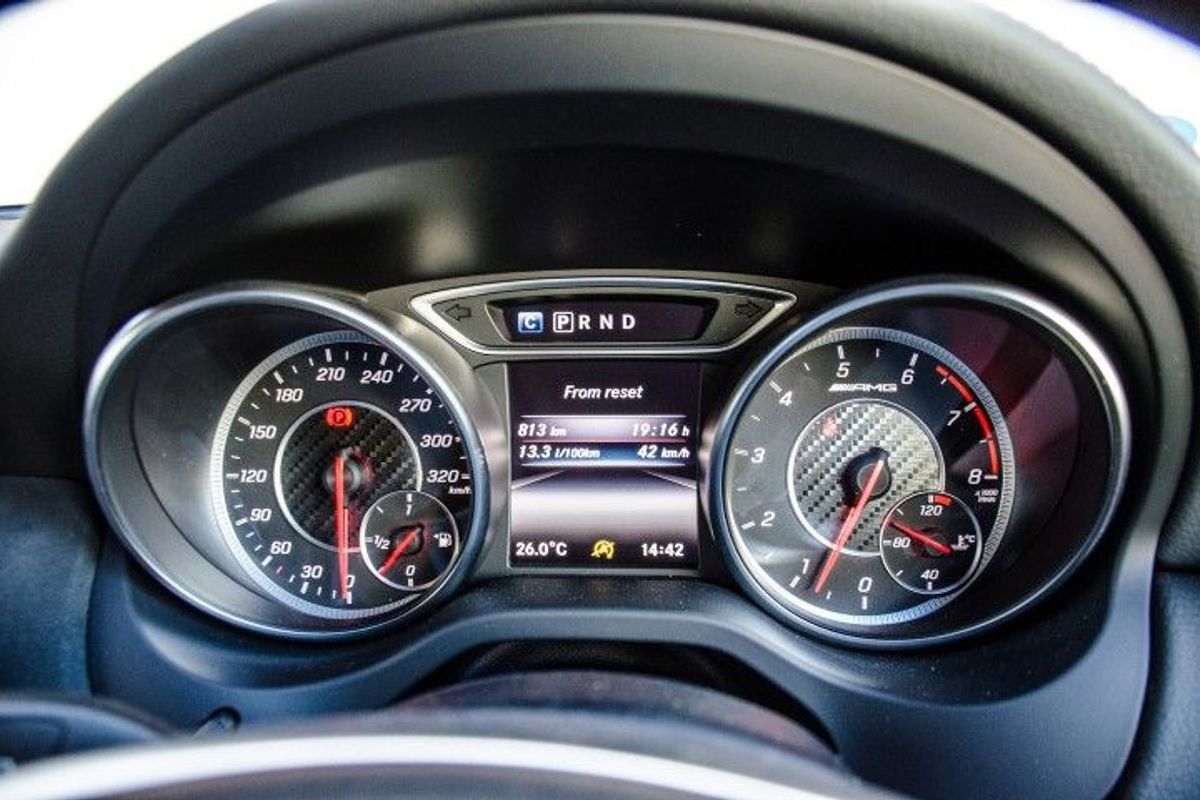
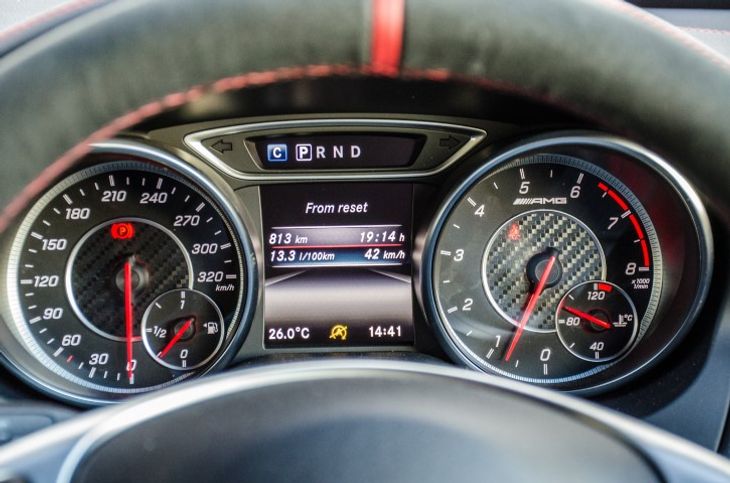
As for fuel consumption, the GLA45 AMG is thirsty, especially when you're having fun. It averaged 13.3 L/100 km during its tenure in our test fleet.
Standout kerb appeal
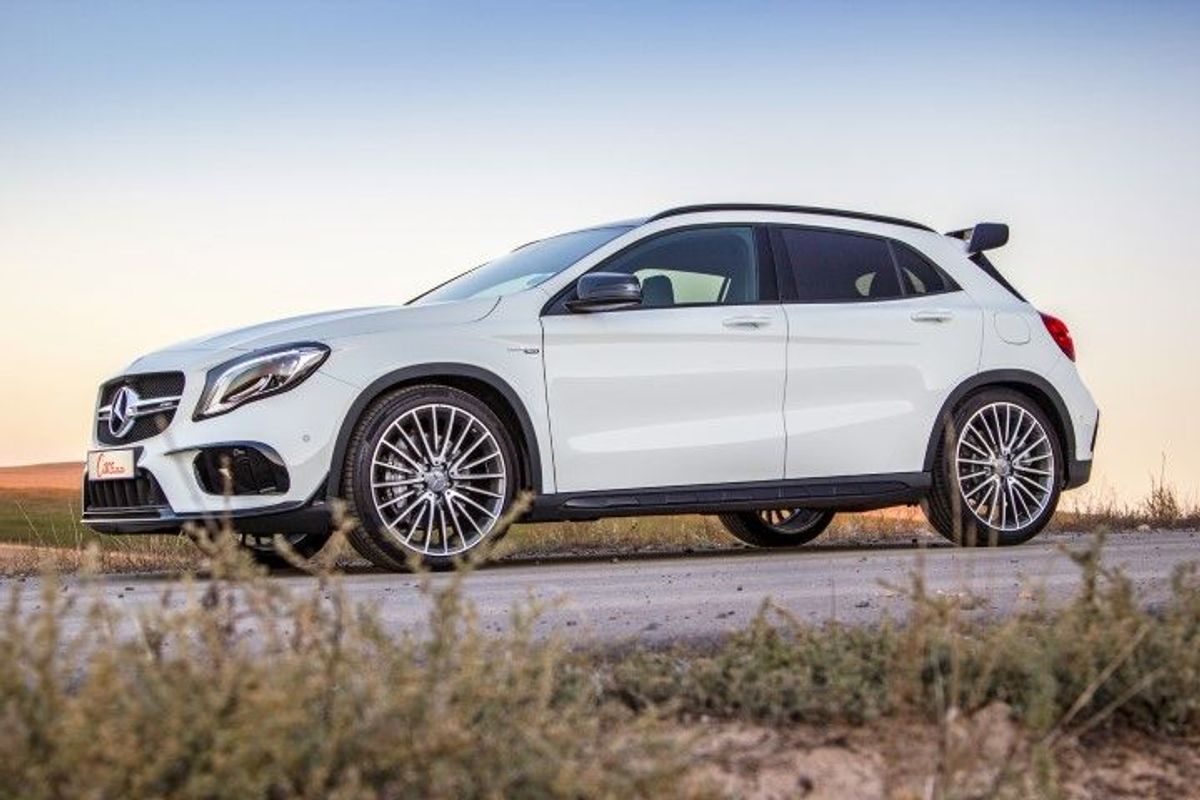
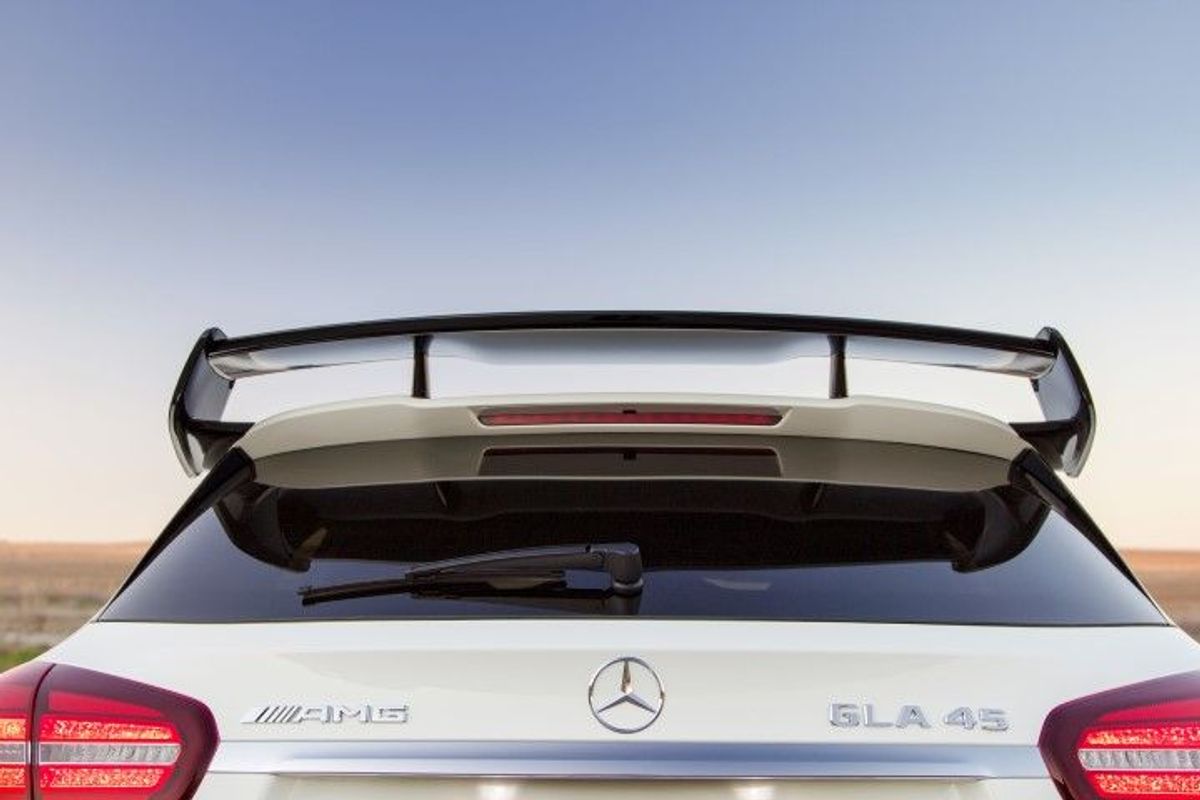
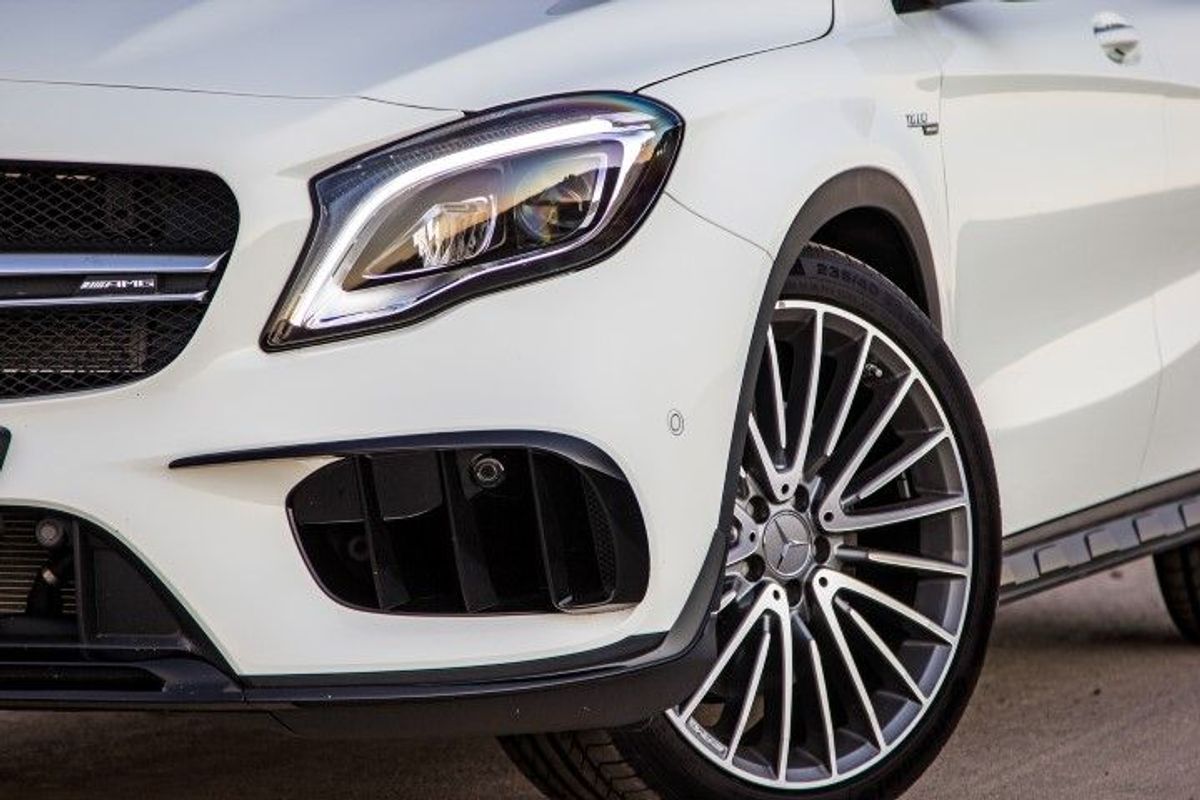
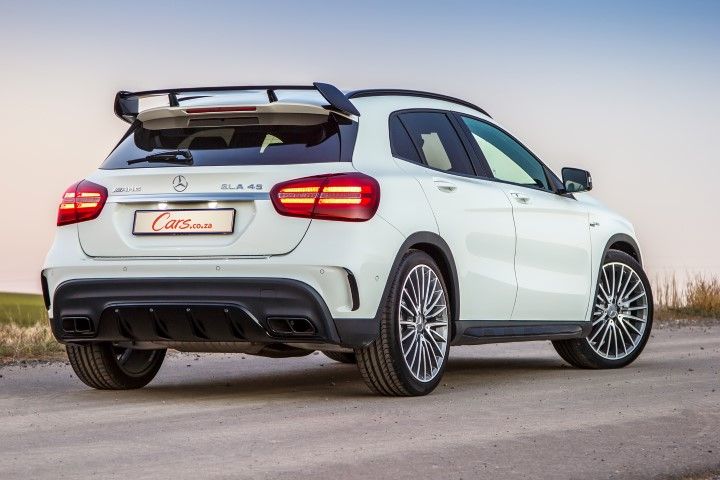
In standard form, the GLA45 AMG is perhaps not as flamboyant as this test example, but a few optional extras lift the car’s road presence substantially… enough for people to take notice. That rear wing will give you some downforce, but mostly get you head-turning attention, for a cool R11 500, and those ostentatious 20-inch 10-spoke light-alloy rims will set you back to the tune of R19 000.
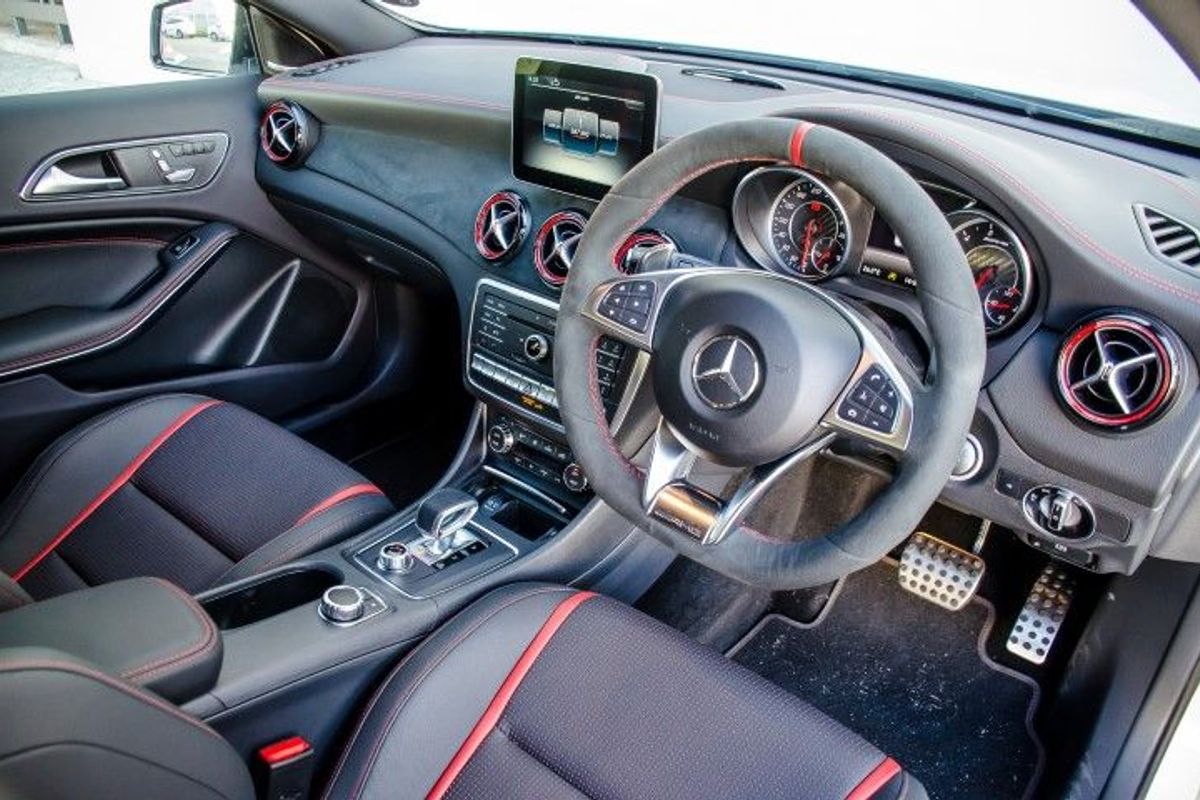
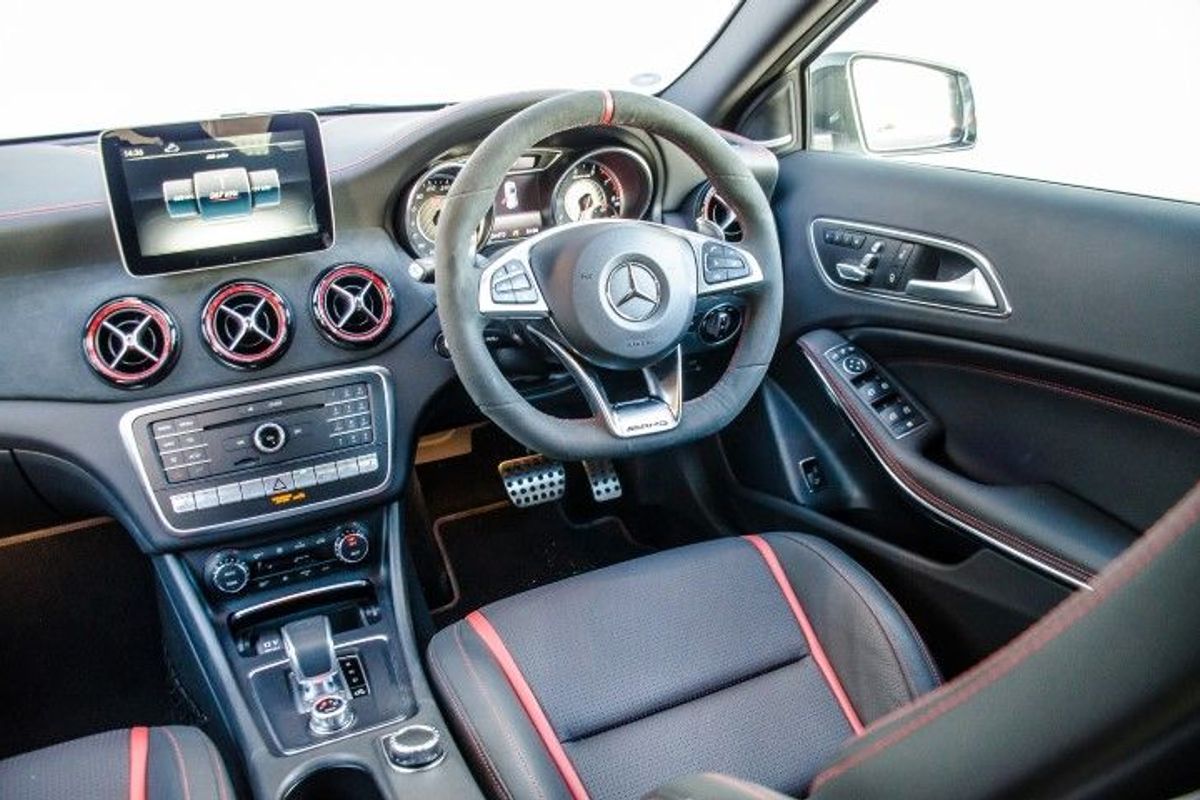
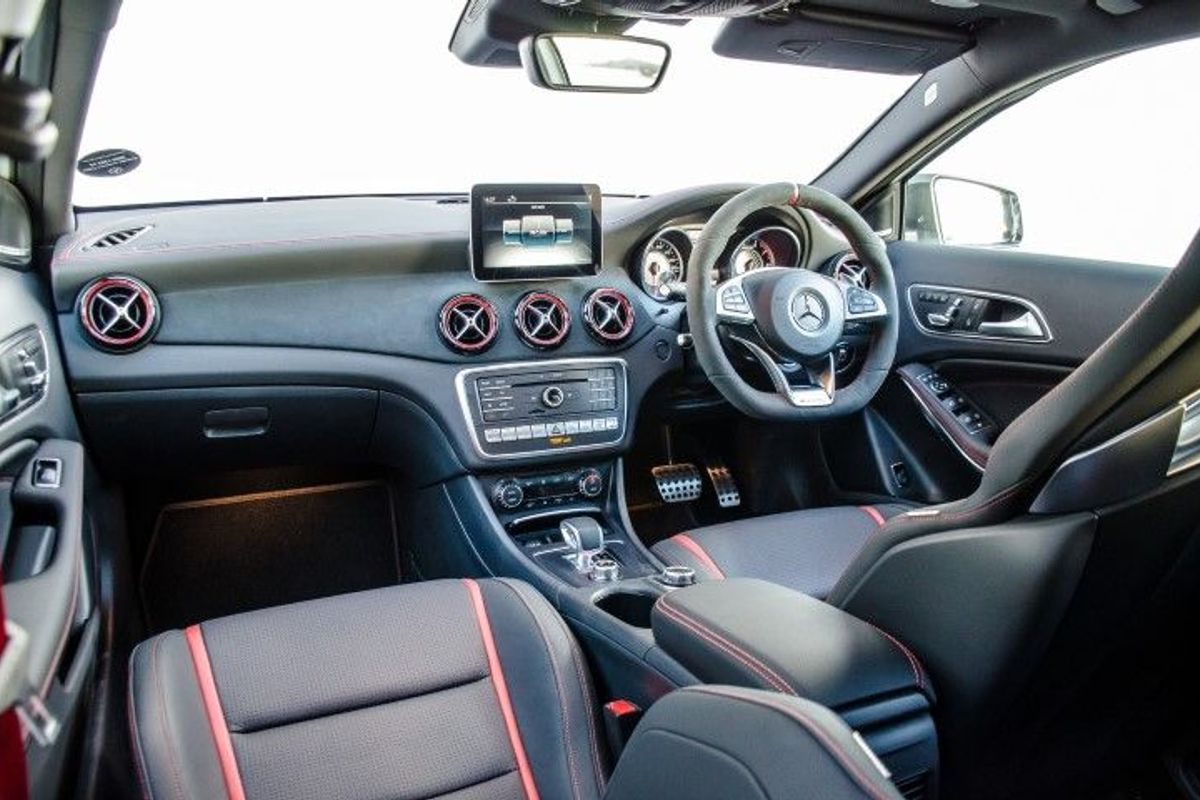
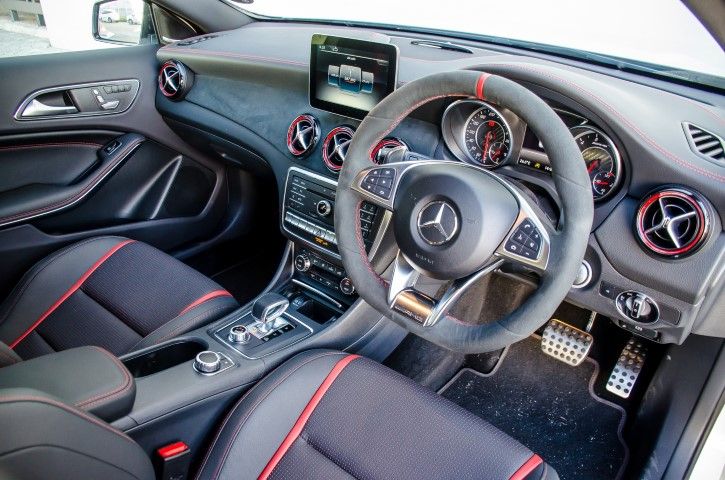
Leather and sporty red accents create a fitting interior ambience in the GLA 45 AMG.
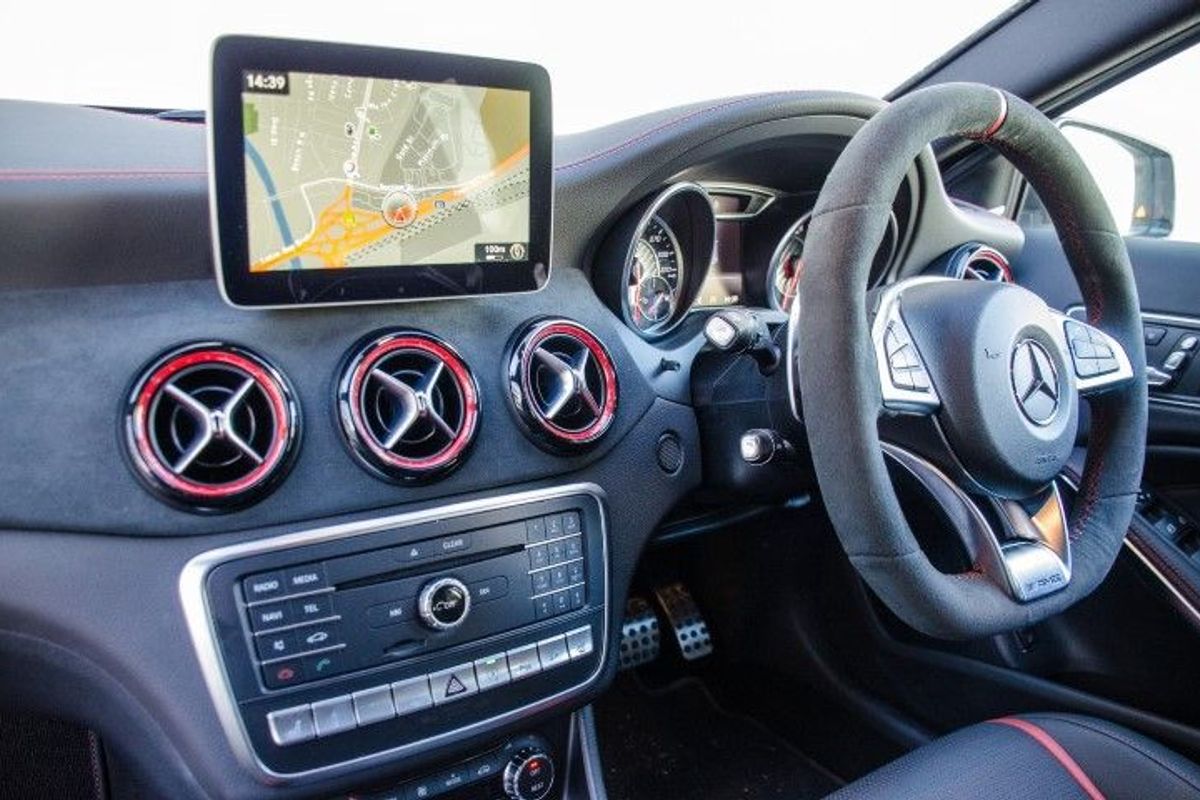
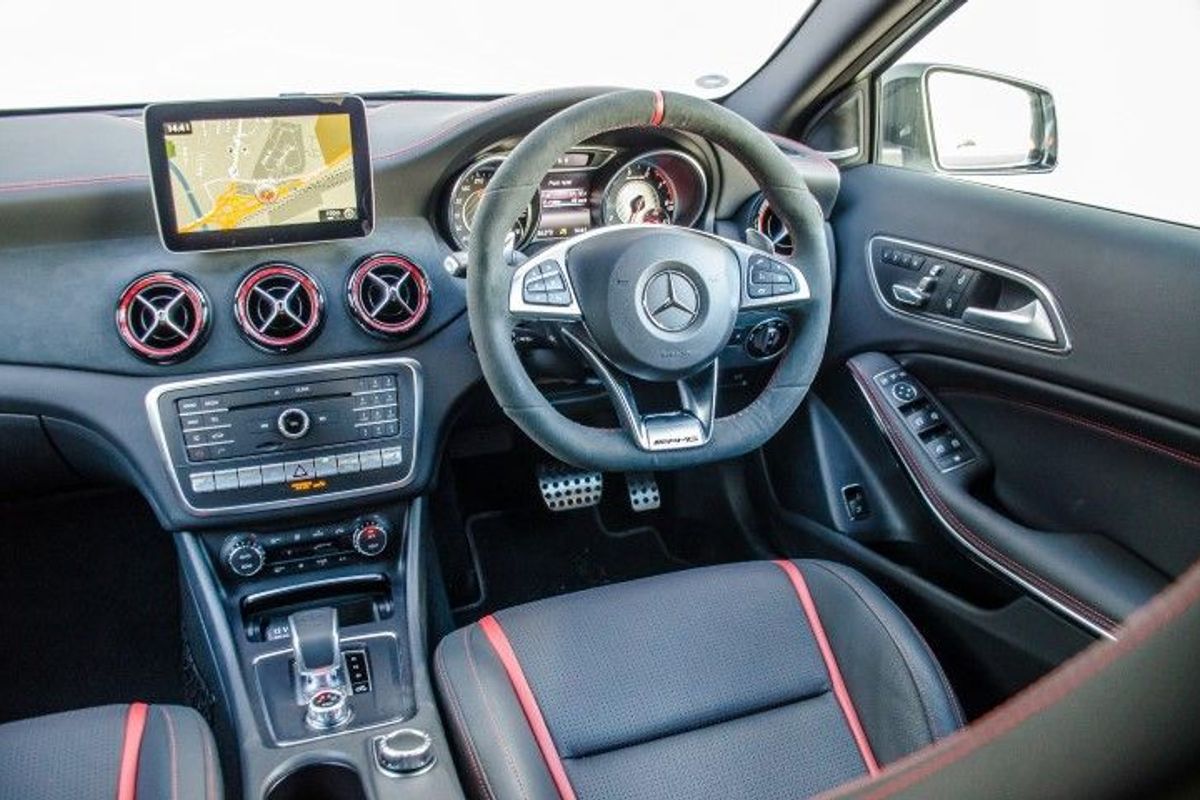
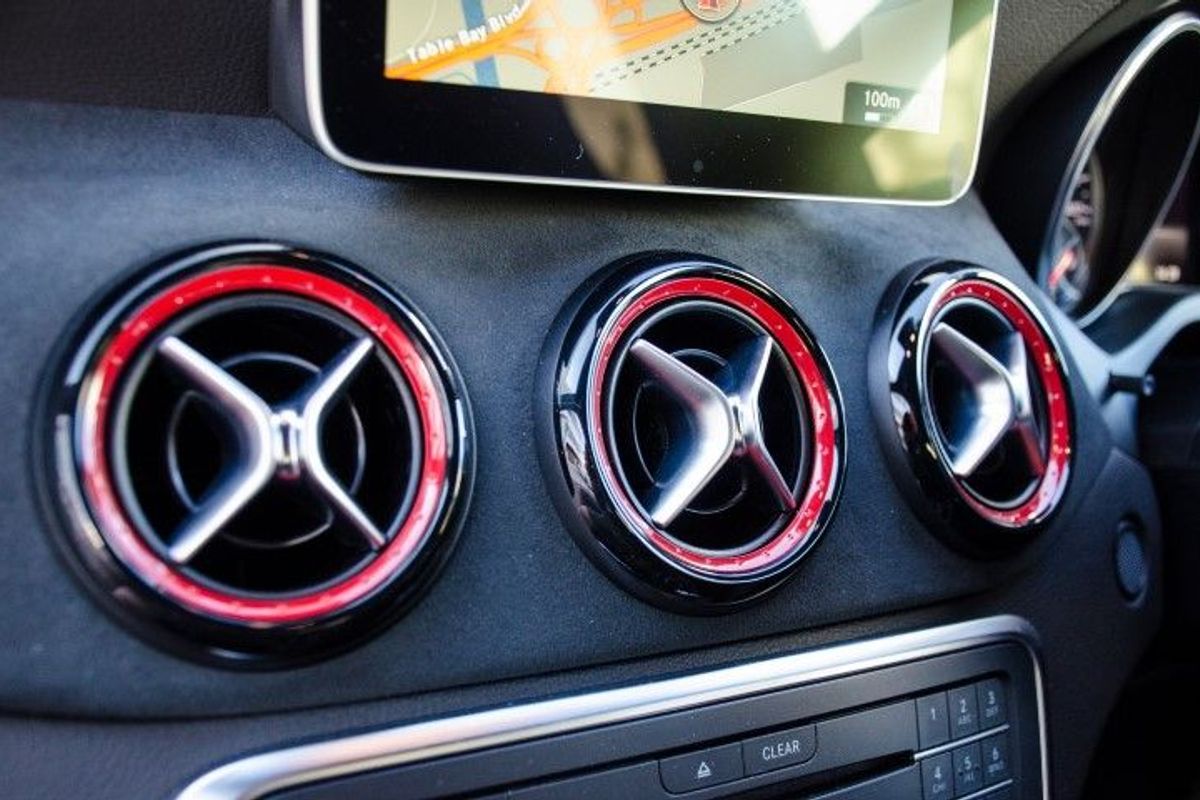
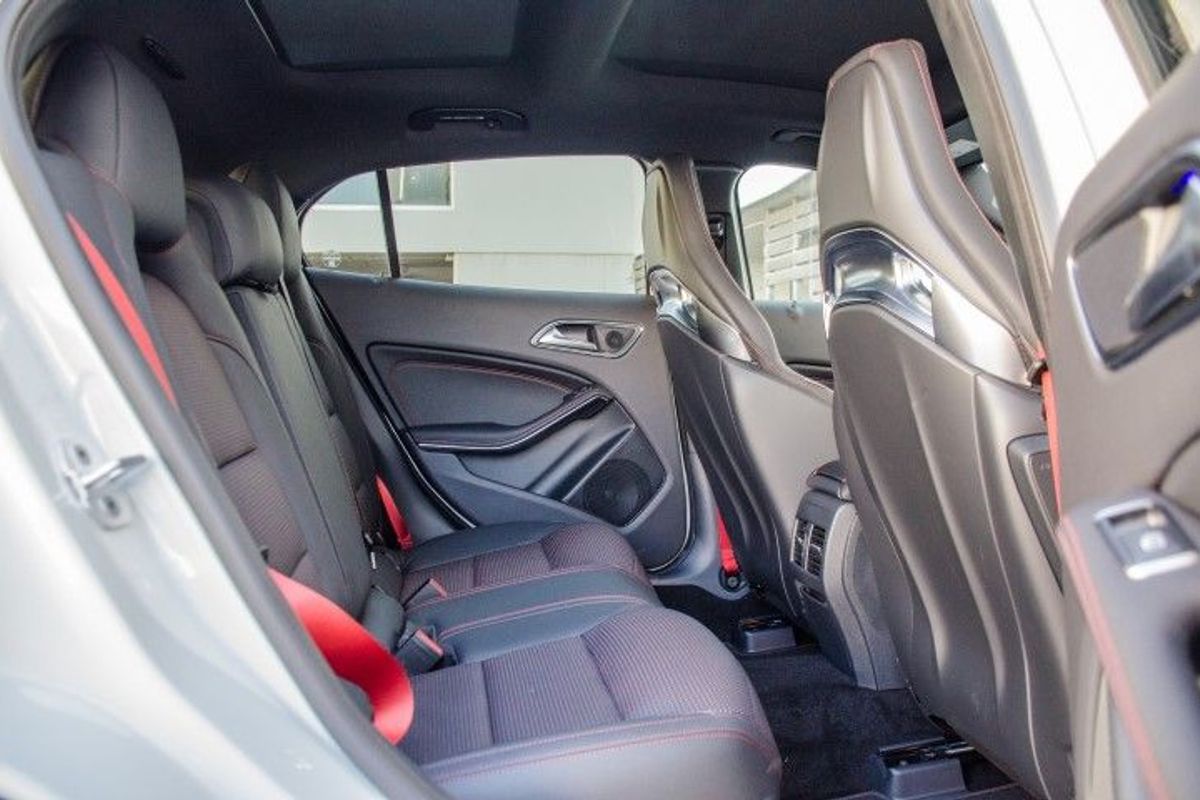
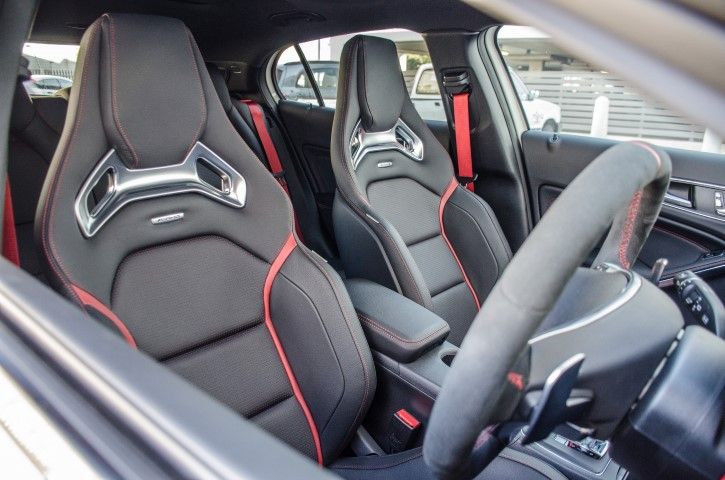
The interior exudes a sporty look, is trimmed in fine leather upholstery and the redesigned air vents provide striking touches to the cabin. The Alcantara-wrapped, flat-bottomed steering-wheel is comfortable to wield and the AMG sports seats (R26 000) provide excellent support and comfort.
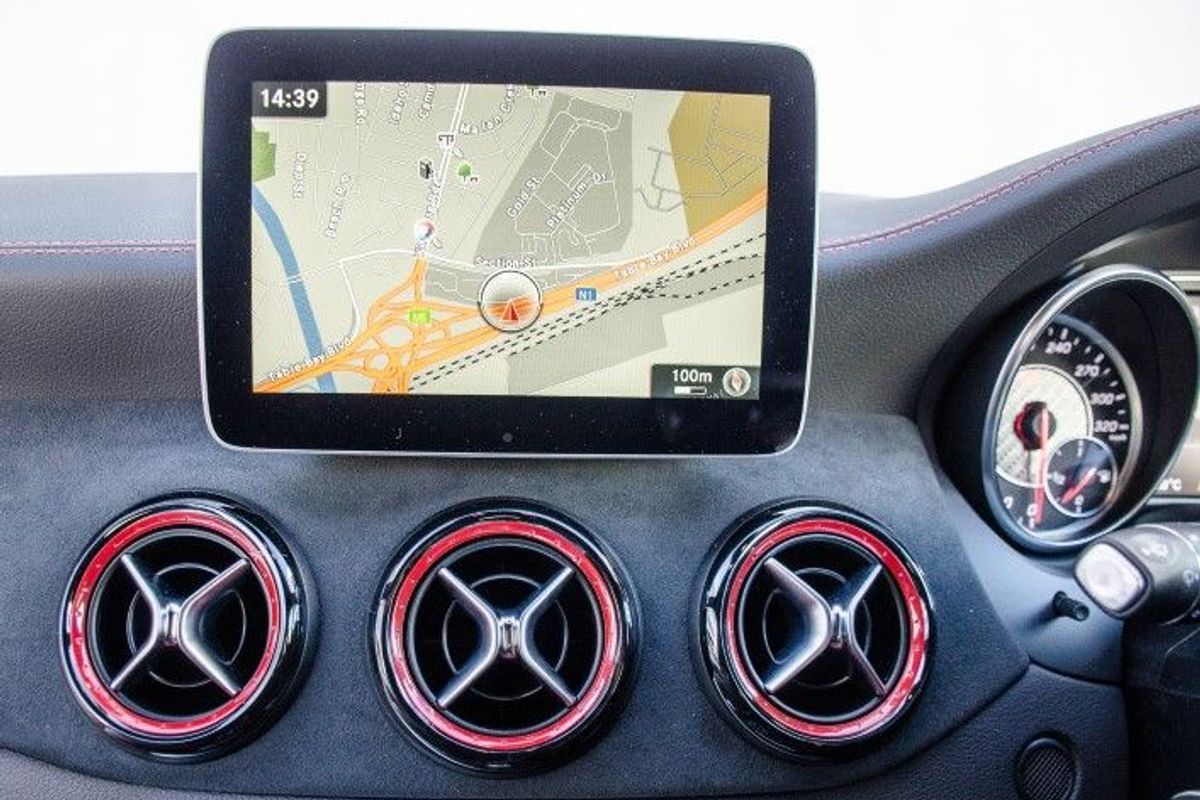
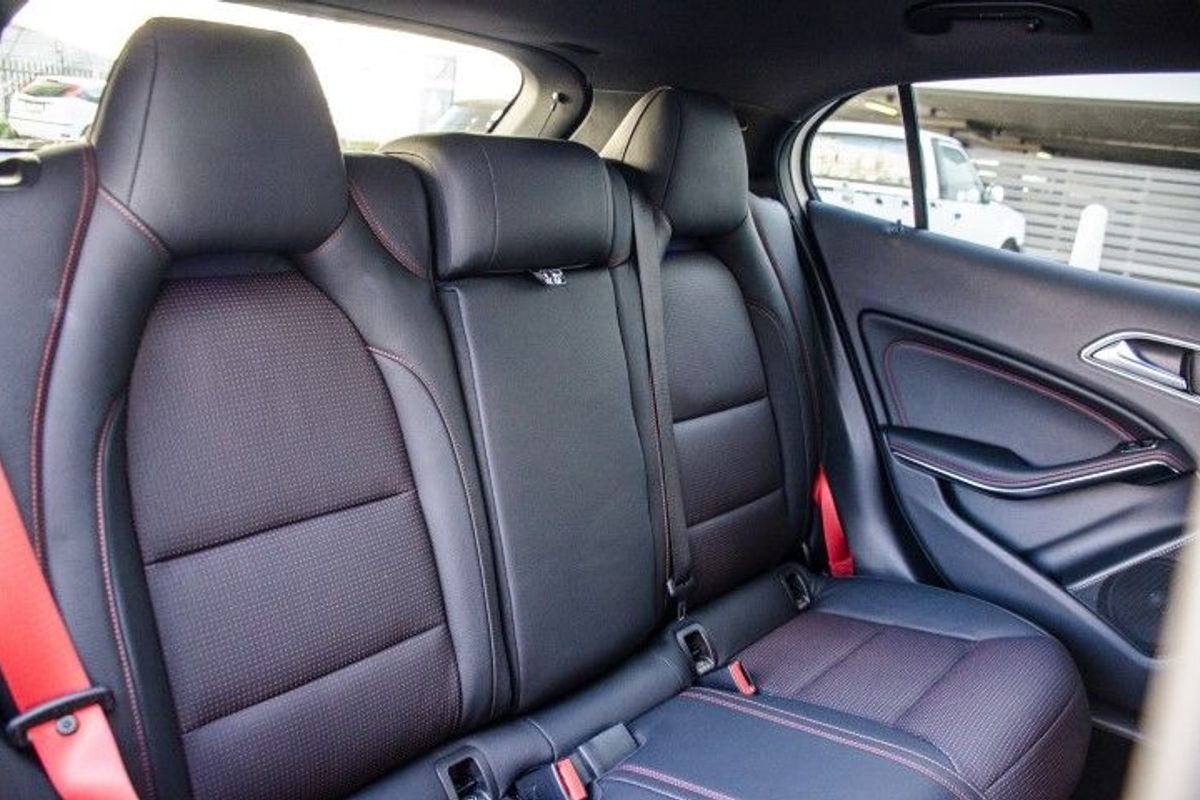
This test unit was fitted with the optional Comand Online (R26 600) with integrated Garmin Map Pilot (R14 200) displayed on a 10.8-inch floating display. Using the dial in the centre console, or mounted steering controls, the driver can easily navigate the system's menu. Those red seat belts also add to the sporty red theme in the cabin, but you will have to part with an extra R5 800 to specify them.
Reasonably practical
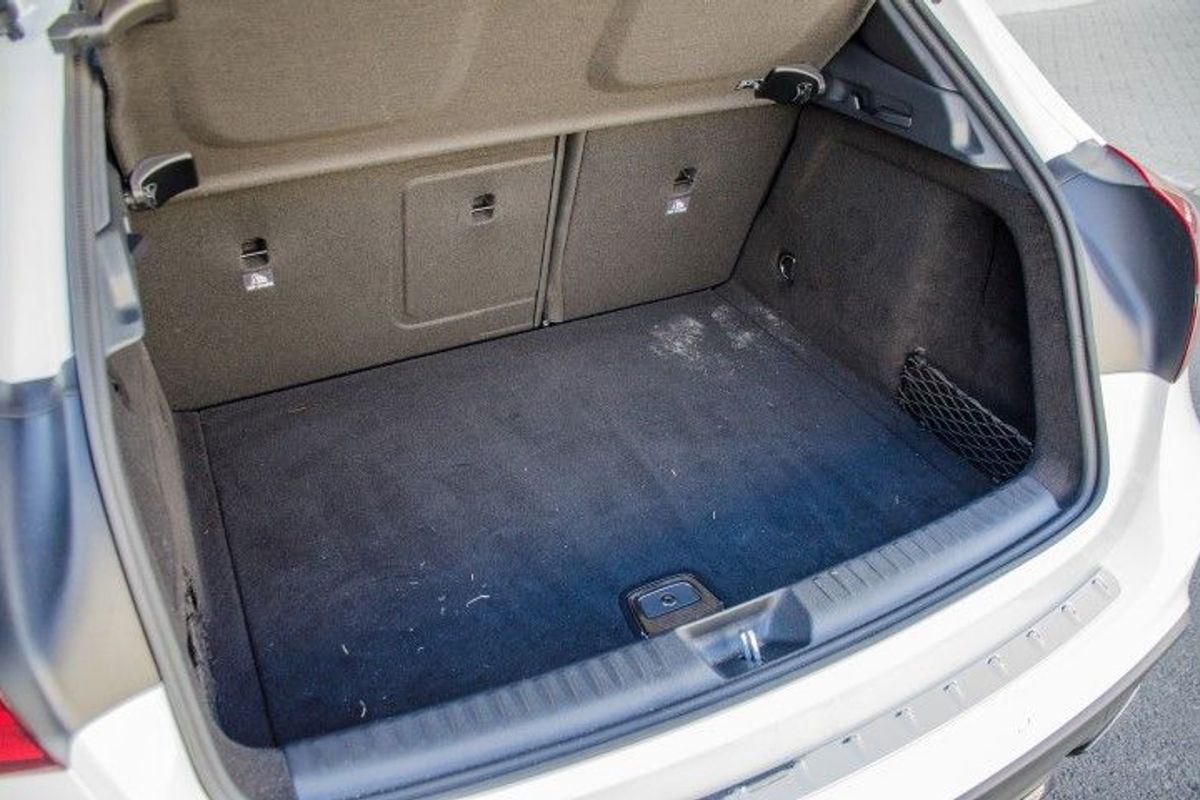
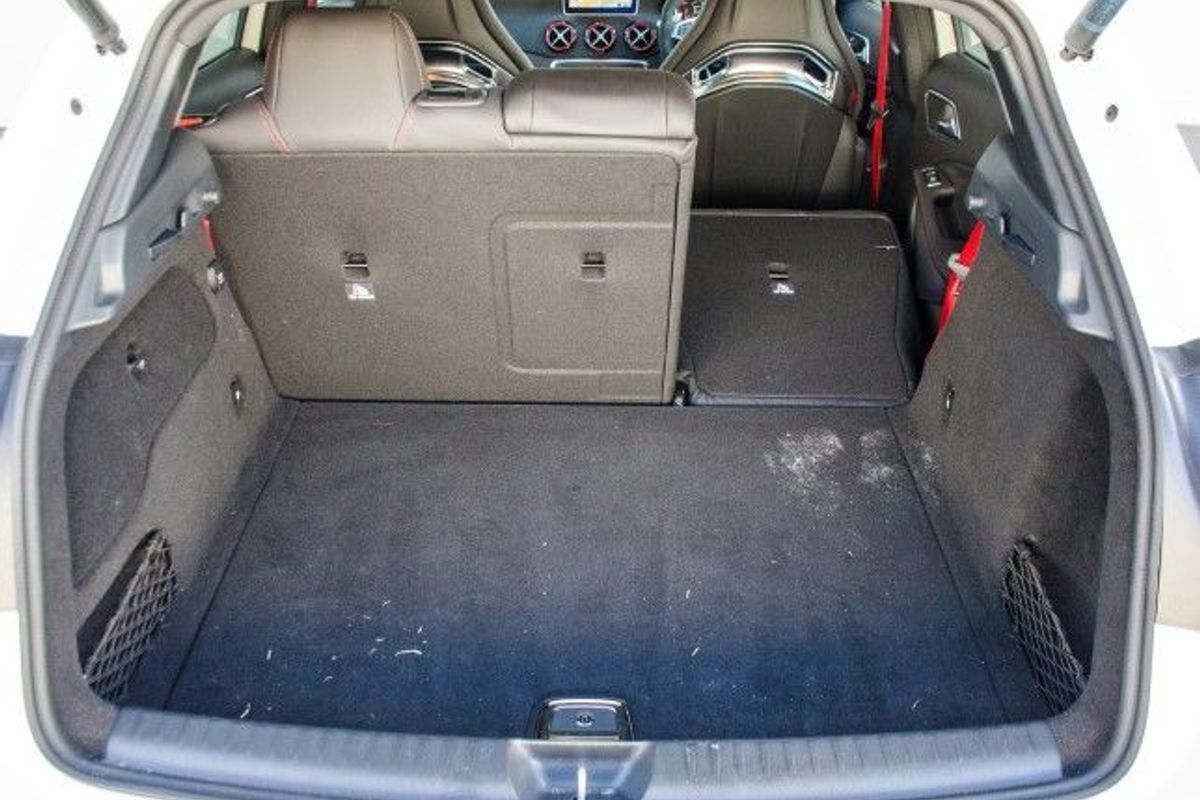
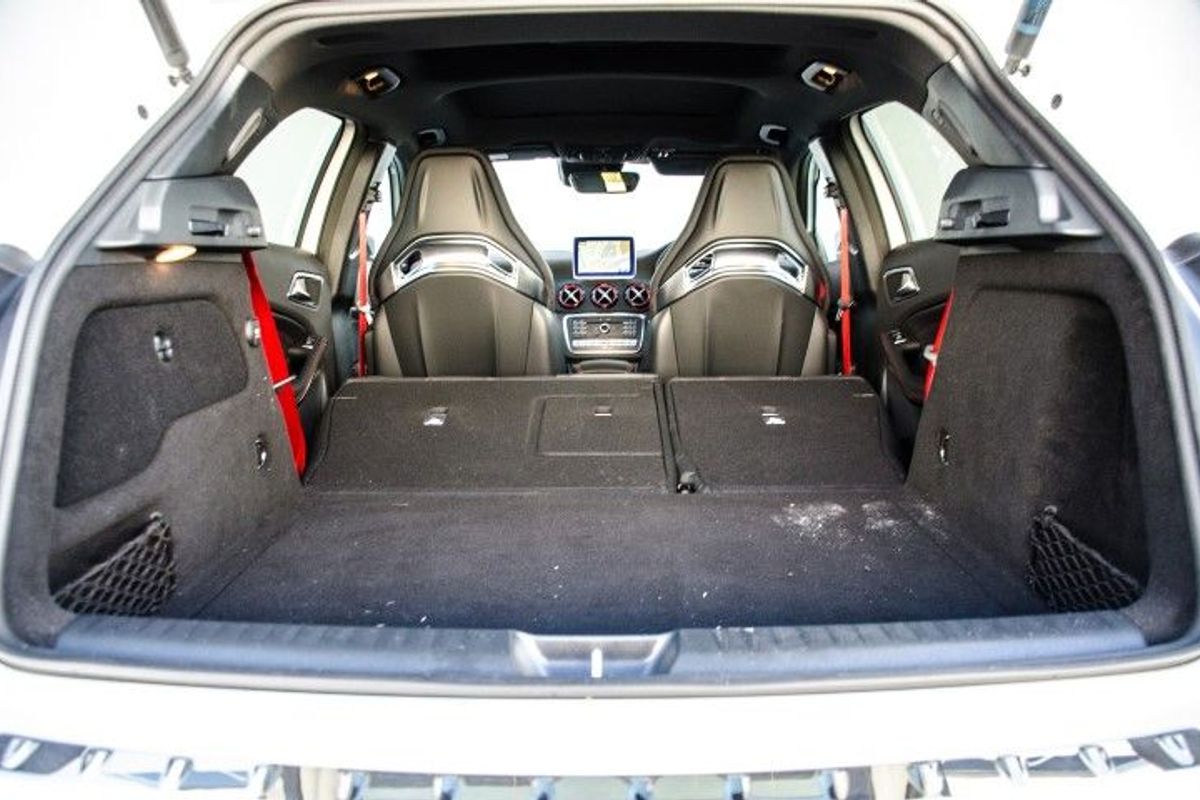
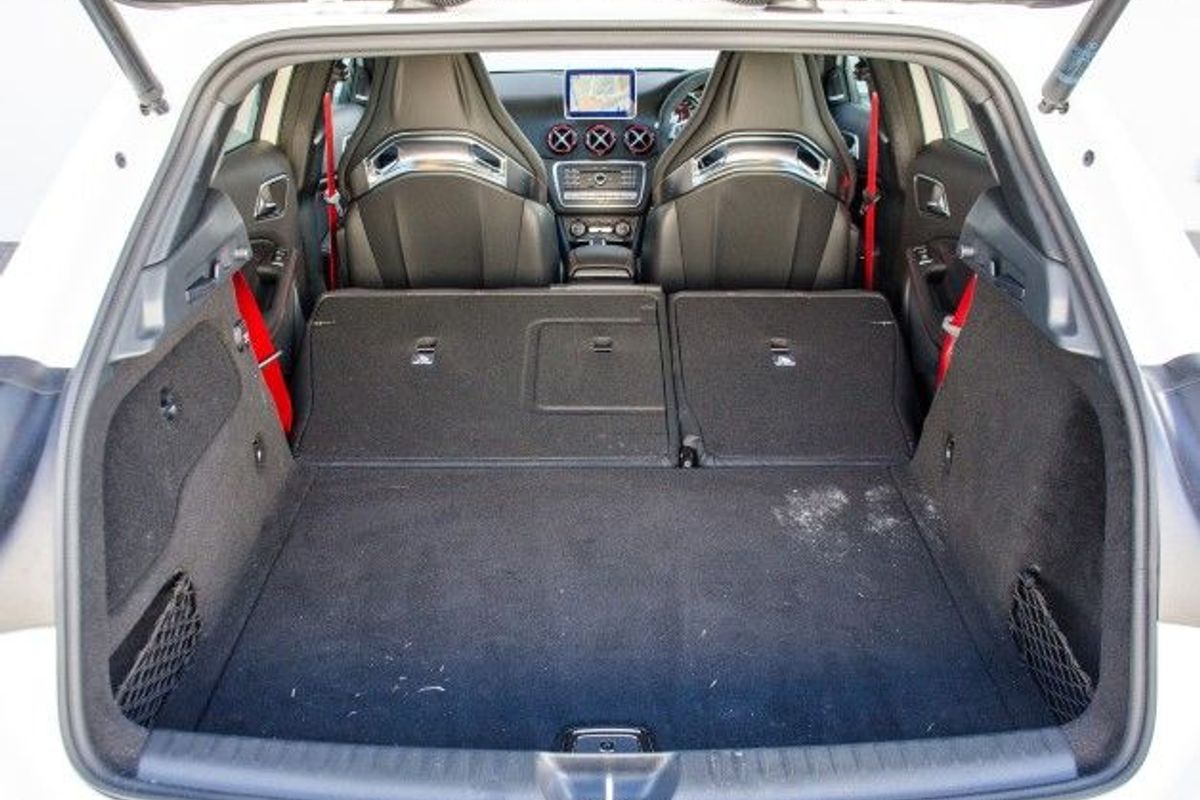
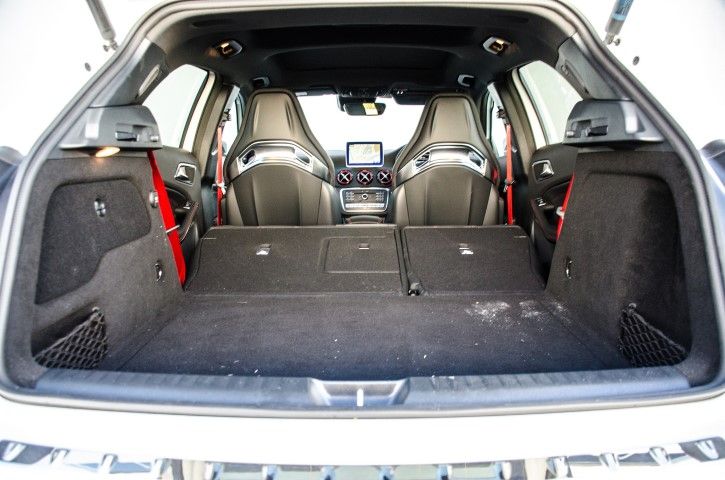
The GLA can haul a fair amount of luggage and goods, especially with the rear seats folded down.
In terms of practicality, the GLA fares marginally better than the A-Class (not that that is saying very much) and average-sized rear passengers will find that the back bench provides adequate comfort with a reasonable amount of head-, leg- and shoulder room. The cabin generally feels more spacious and the luggage bay is sizable at 481 litres (some 140 litres larger than in the A-Class). Also, with the 60:40 split rear seat folded down, space increases substantially and the loading floor is flat, which will make loading bulkier items that much easier.
Standard safety features include 7 airbags, ABS with EBD, brake assist and electronic stability control with traction control.
The Bad
Pricey options
AMG sports seats offer top-notch support, but the luxury of having them will set you back R26 000.
As is the case with much of Benz’s product range, a long list of optional features are available on this GLA45 AMG. As you would expect, many of the nice-to-have features, as indicated above, are quite pricey and some of the features are just frivolous. Buyers are advised to tick options off with caution as the total asking price escalates fast. This particular test example was priced at over R1-million!
It's not really a crossover
We could not find many rivals to compare with the GLA 45 AMG… There just doesn't seem to be a big market for a high-performance compact family car. Yes, the Benz offers stupendous performance, but you could get that from a Mercedes-AMG A45 AMG and, as for the practicality of a crossover, the extra occupant- and packing space offered by the GLA bodyshell is beneficial, yet the 4Matic all-wheel-drive capability aids only handling, not off-road ability, when your car is shod with 20-inch rims and low profile tyres. In the end, this mercurial crossover sacrifices comfort for performance… if that is a compromise you are willing to make, why wouldn't you buy a sports sedan/hatch and just pack your luggage more smartly?
Price and warranty
The starting price for the GLA45 AMG is R862 628 (June 2017) and it’s sold with a 2-year/unlimited km warranty and a 6-year/100 000 km maintenance plan.
A pricey package overall, but if strong performance and added practicality are a priority, then this GLA 45 AMG might be for you.
Verdict
The GLA 45 AMG is eminently entertaining, involving to drive and its full performance potential is not difficult to access. Its bearably sporty ride quality makes it useable everyday and the leather-bathed interior is both attractive and modern in look and feel. Although practicality may not be a key driver when considering the GLA 45 AMG, it’s worth knowing that rear passengers are well catered for and that loading space is generous.
If performance is all important to you, then this GLA 45 AMG will get your heart racing, but it may also be worth considering the A45 AMG as an alternative. Yes, it’s a bit smaller than the GLA and although they share the same engine, the A45 AMG is marginally quicker with a zero to 100 kph sprint time of 4.2 seconds. What’s better, it’s just under R100 000 cheaper too, which means you can go to town on options to beef it up.
Having said that, if you feel that "just too many people have A45s" and want to make an even bolder, non-conformist/"devil may care" statement, the GLA 45 might be just the right car for you. How long the novelty of this lightning-fast oddball will last, is anyone's guess, however…
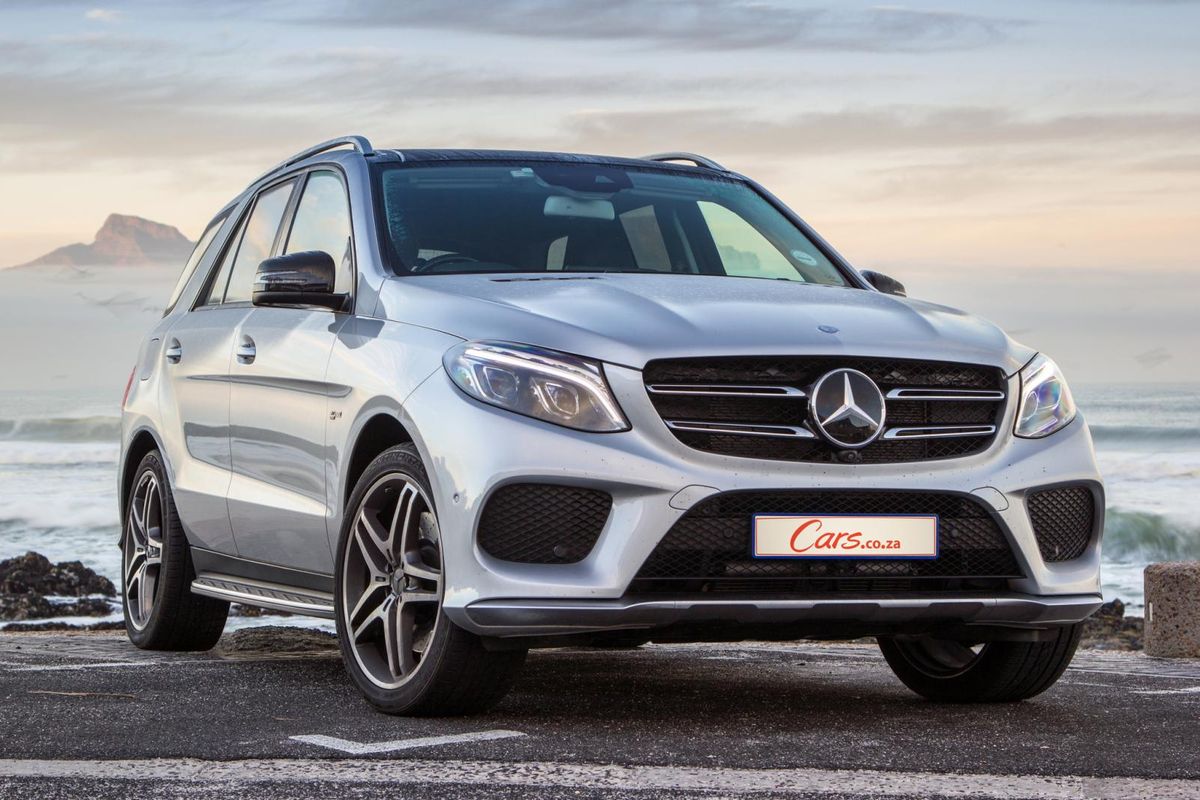
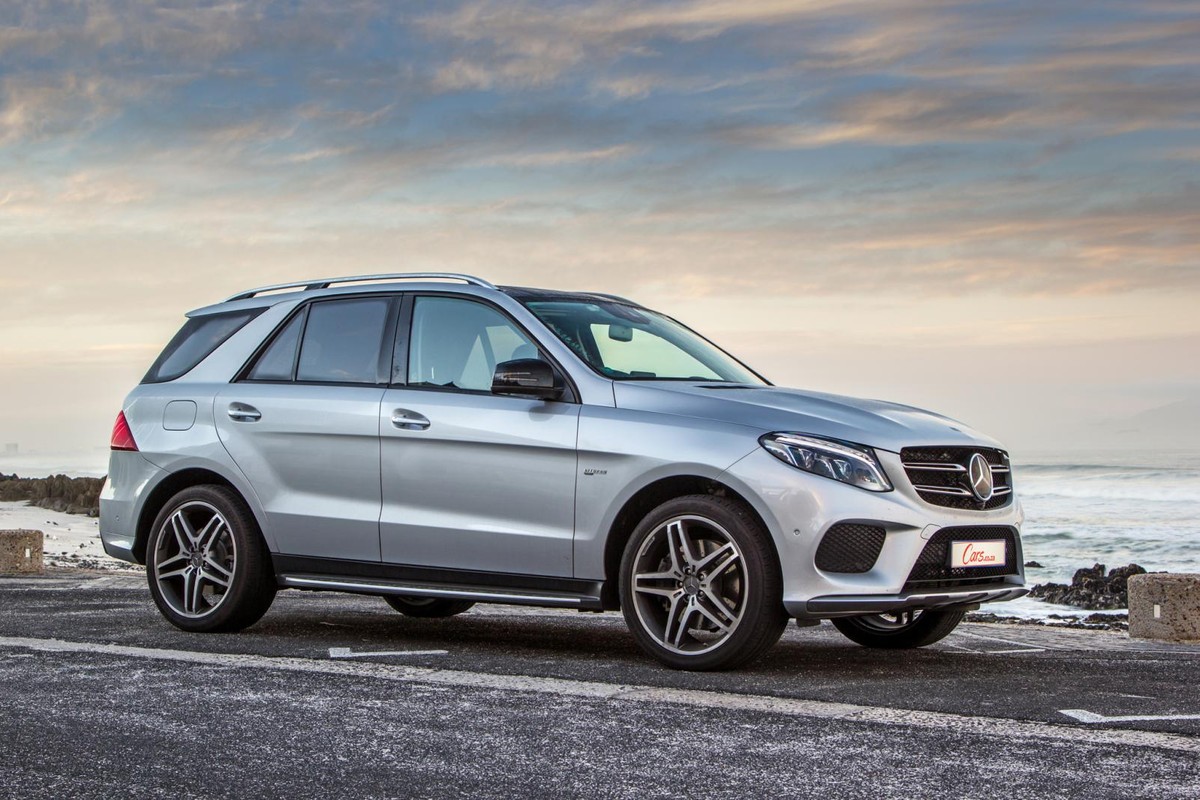
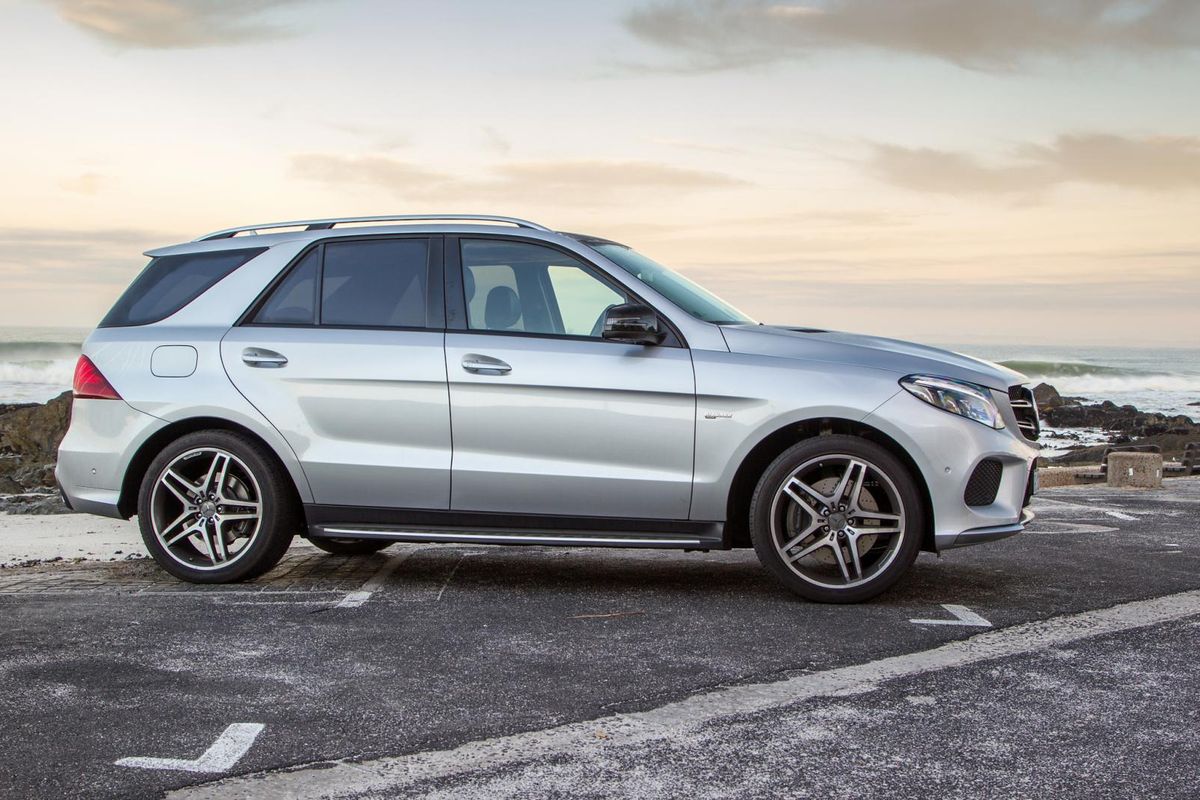
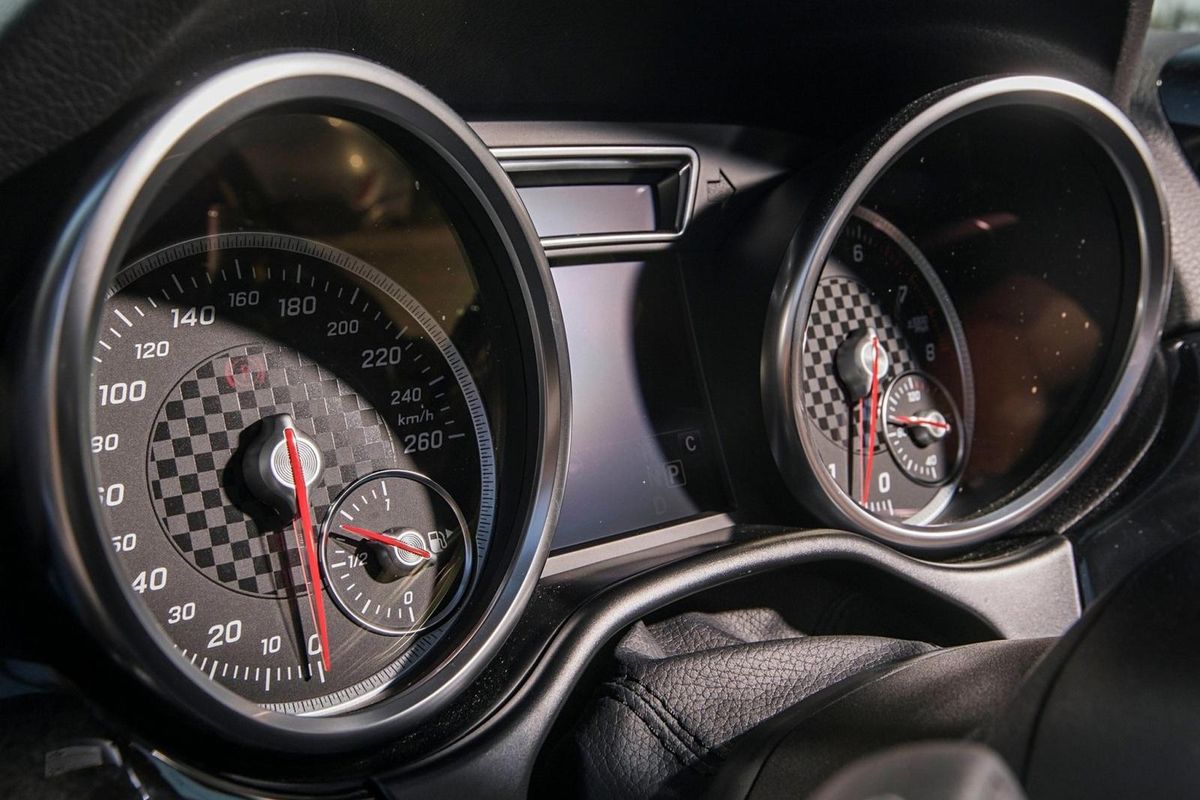
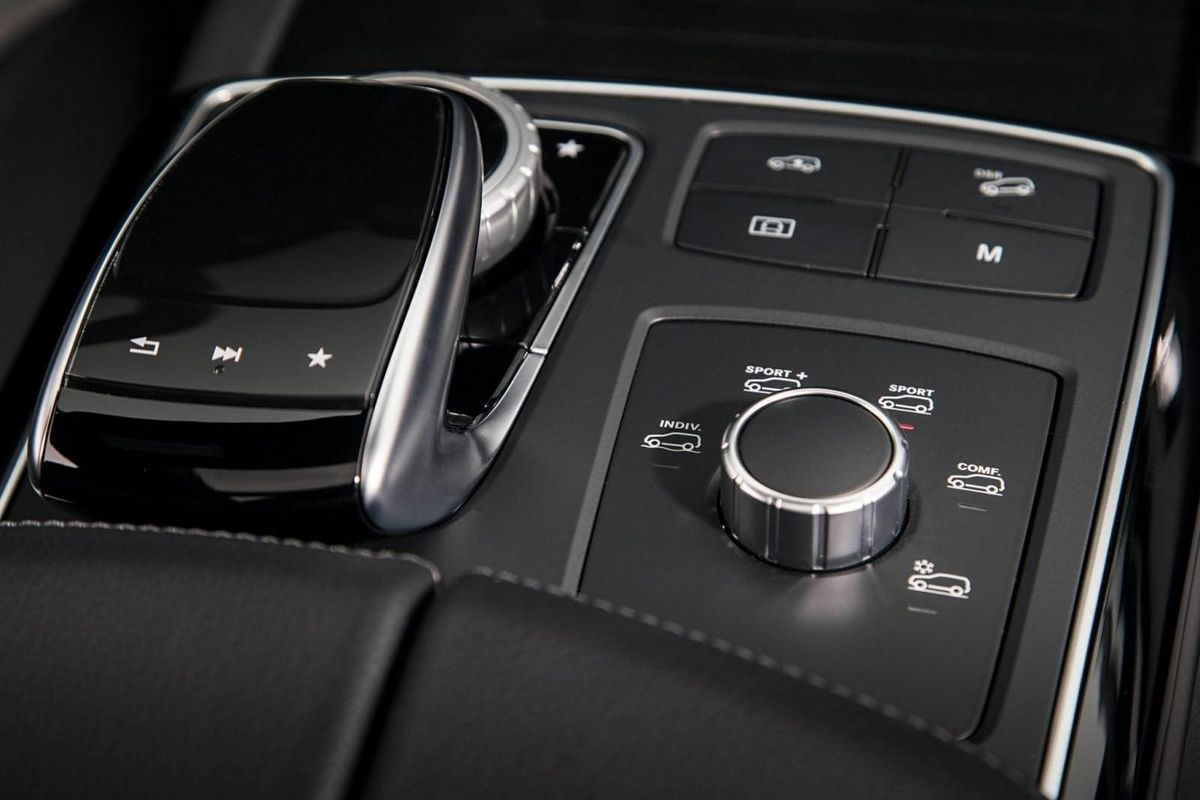
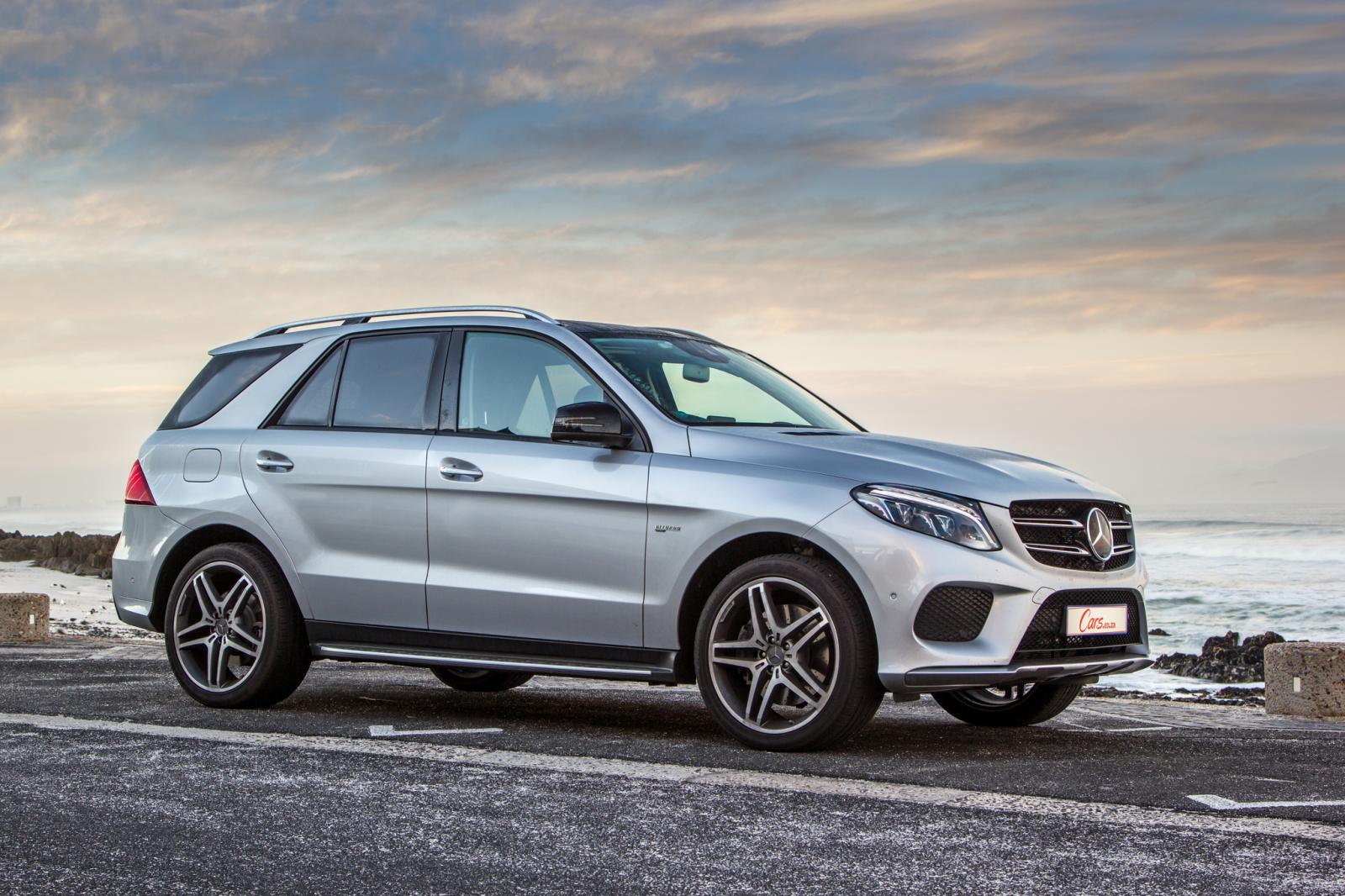
The rollout of Mercedes-AMG 43 engines has extended to Mercedes-Benz's premium SUV model, the GLE, where it slots in under the V8-engined GLE500 and GLE 63 derivatives. With an asking price of R1.2 million, is this performance GLE derivative not where your money is best spent?
We like: Brutal engine makes all the right noises, spacious and luxurious SUV.
We don’t like: Starting to age, wobbly chassis, expensive.
Alternatives
Volvo XC90 T8 has enough power to match the Benz but lacks the aural theatrics. The Volvo is altogether the better car.
Jaguar F-Pace S is slightly smaller but has a chassis that can better deal with the power. If you’re after a real sports SUV than this is a better choice.
Jeep Grand Cherokee SRT is huge, comfortable and makes mad sounds from its V8 engine. It’s keenly priced for what you get but lacks that ultimate luxury that the Benz can give you.
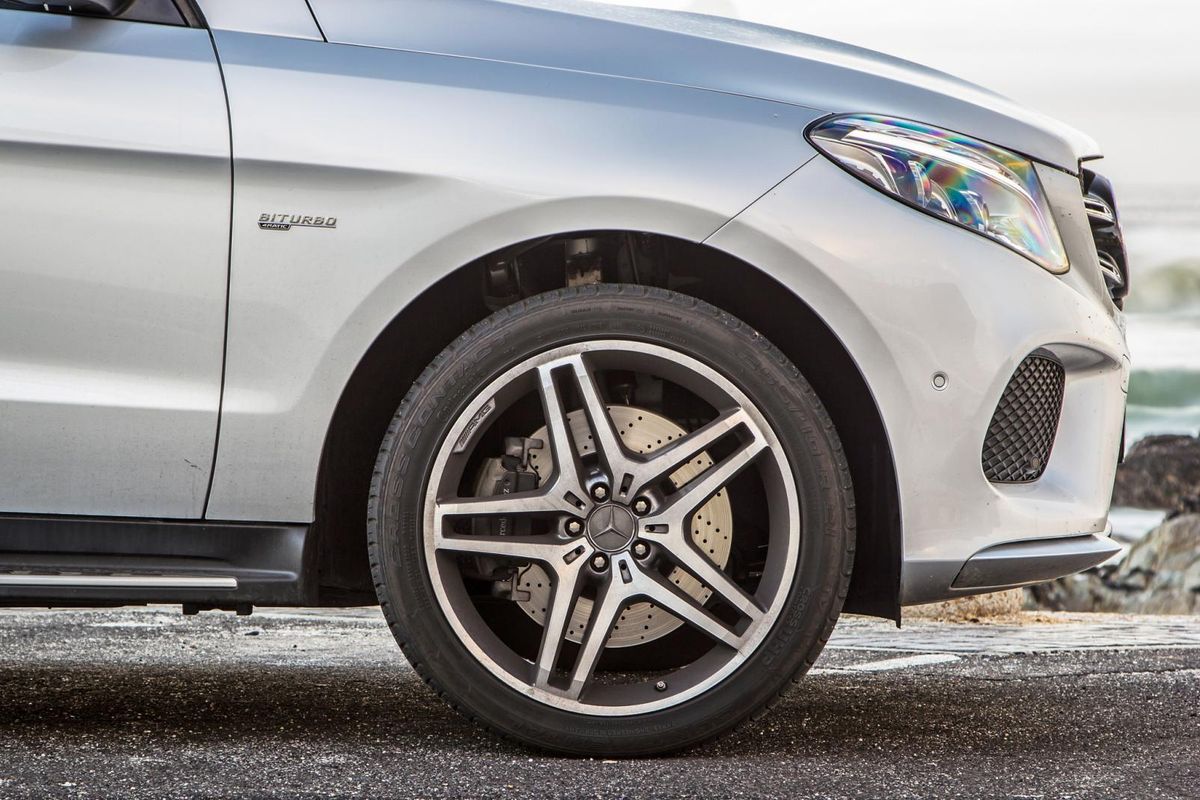
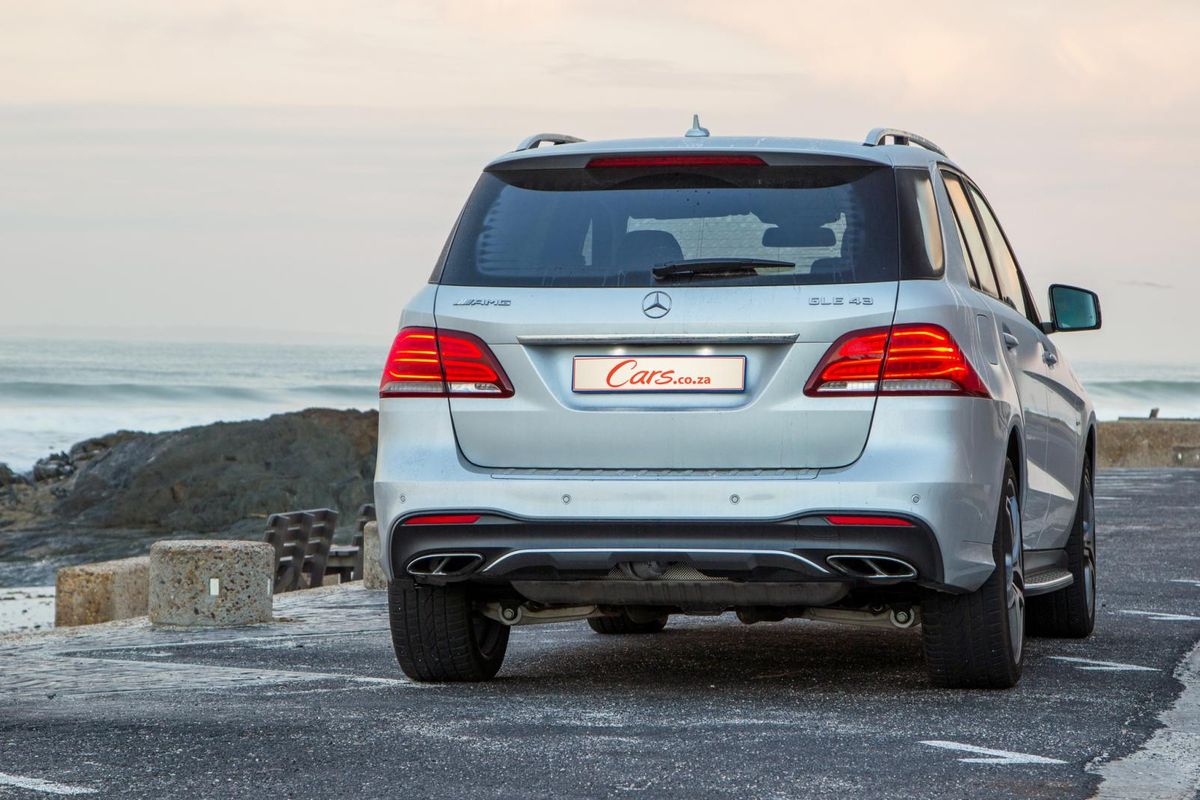
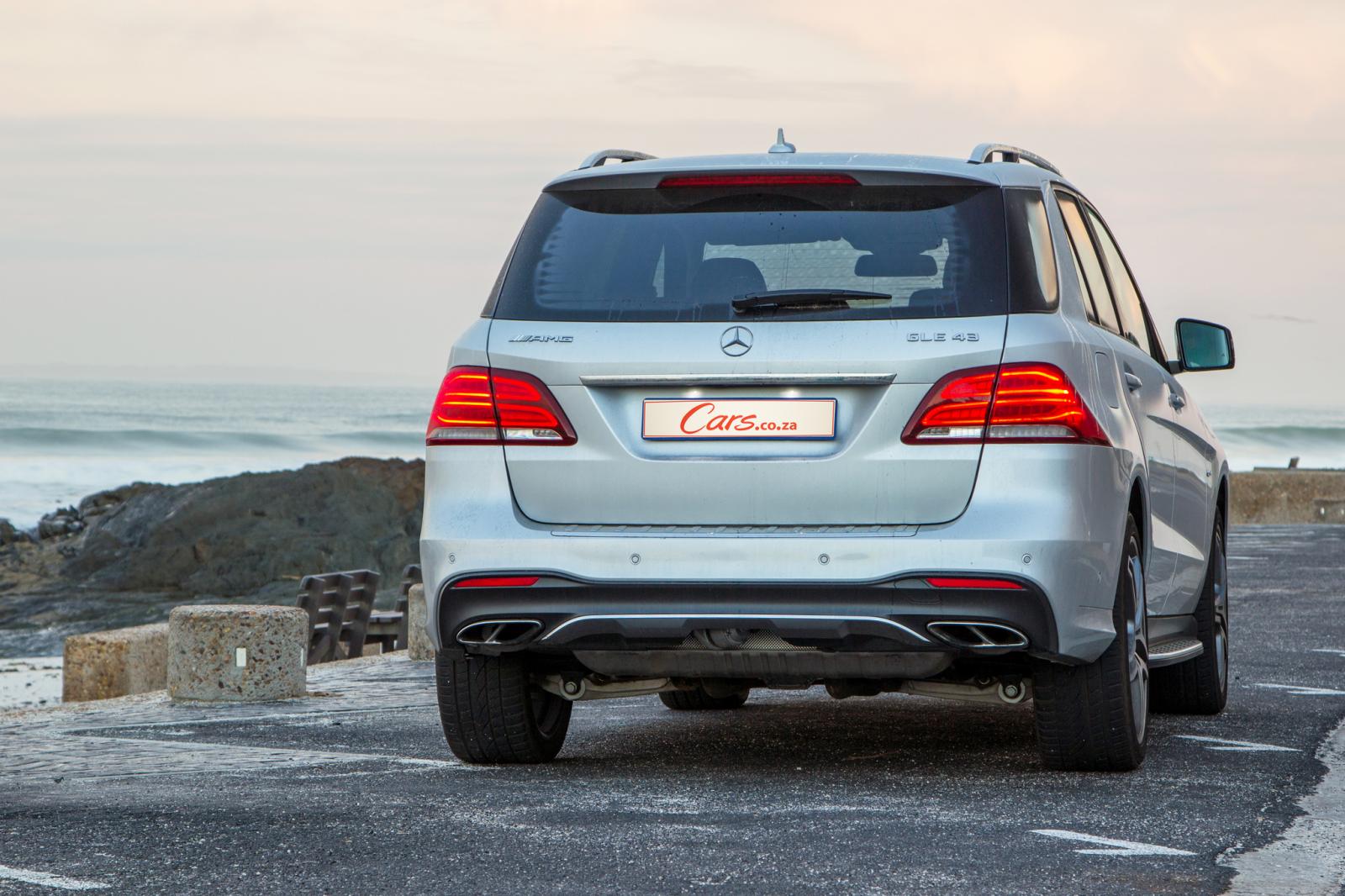
The GLE 43 AMG gets full AMG treatment to the bumper and wheels. Under the skin, the suspension, steering and brakes are all tuned too.
The GLE 43 AMG appears to be a ploy by Mercedes-AMG to confuse us with yet more model names. Look back into our review archives and you’ll come across a GLE450 AMG, with the exact same power outputs as this 43 AMG. What’s the difference? This gets the full AMG treatment rather than just an AMG badge. That means you get 20-inch AMG wheels as standard, bespoke door sills and skid plates and an entirely upgraded AMG bodykit. Then, AMG updates the steering, brakes and suspension setting to give its newcomer a performance bent.
The good
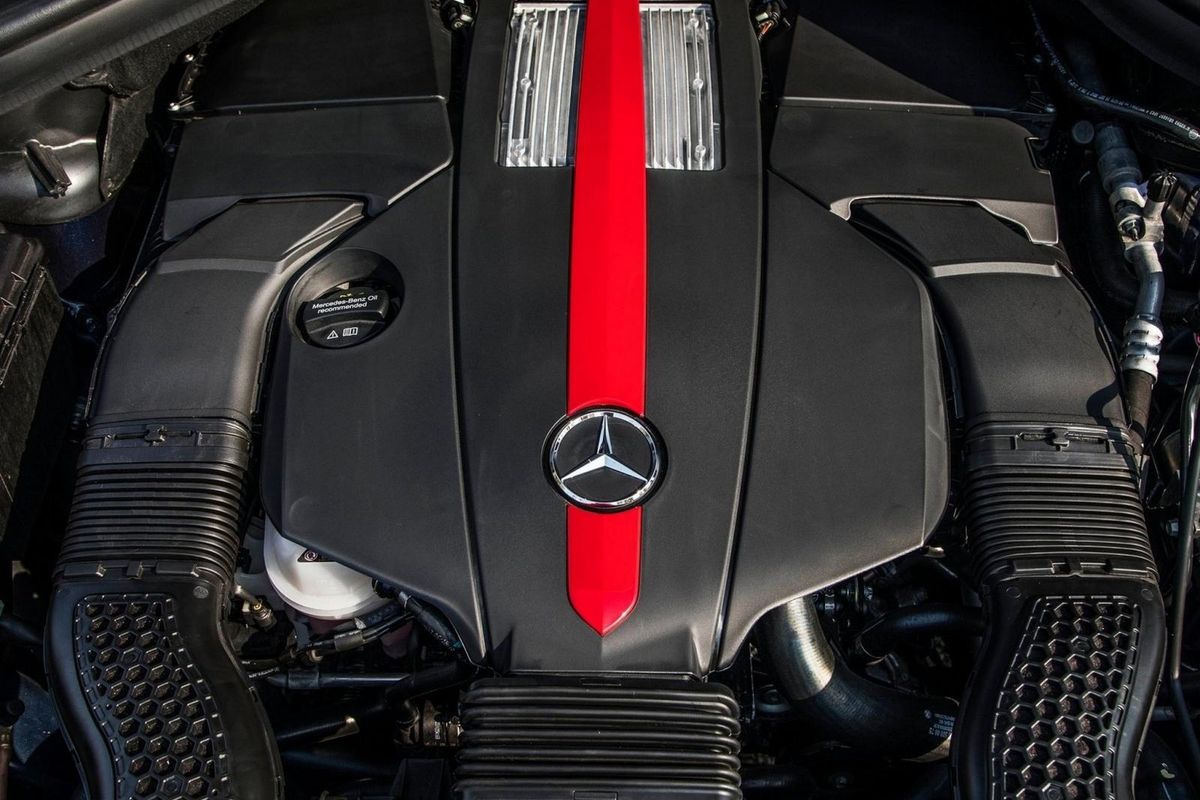
The engine: With 270 kW, 520 Nm of torque and all-wheel-drive, it’s got grunt that not many can match. Because it’s been sent to the AMG factory, it also growls, barks and backfires every time you shift gears or back off the throttle. There is a relatively quiet (comfort) mode for those times when you want to sneak home quietly or cruise along the freeway in peace.
The 3.0-litre V6 biturbo unit has almost no lag from standstill. It’s on the boil from the instant you ask the throttle for action. The only thing that slows it down is the 9-speed gearbox that sometimes has to make extra downshifts to get to its optimum gear. It revs cleanly and acts as a veritable hammer when you get into the sweet range above 3 000 rpm. Fuel consumption is claimed at 8.6L/100 km, but if you have a habit of exploring its aural pleasures you’re going to see some much higher figures. Our 2-week test culminated in a figure of 11.5L/100 km.
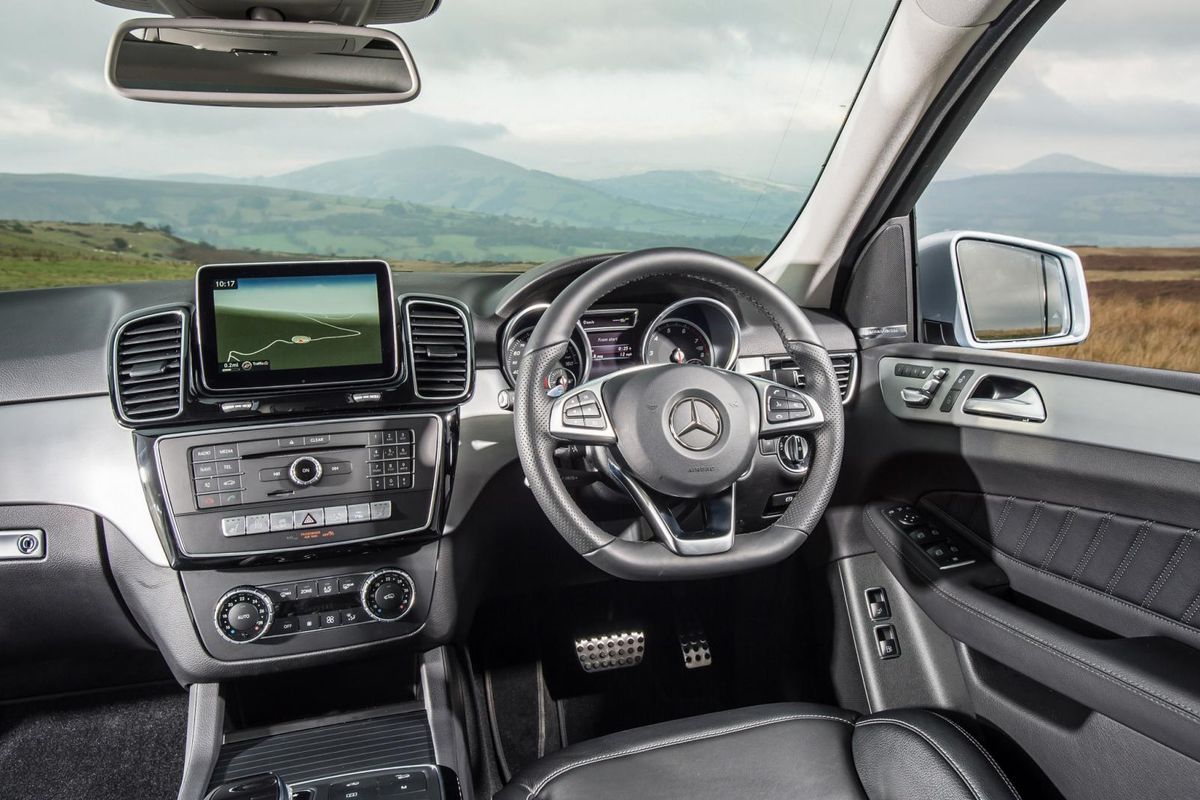
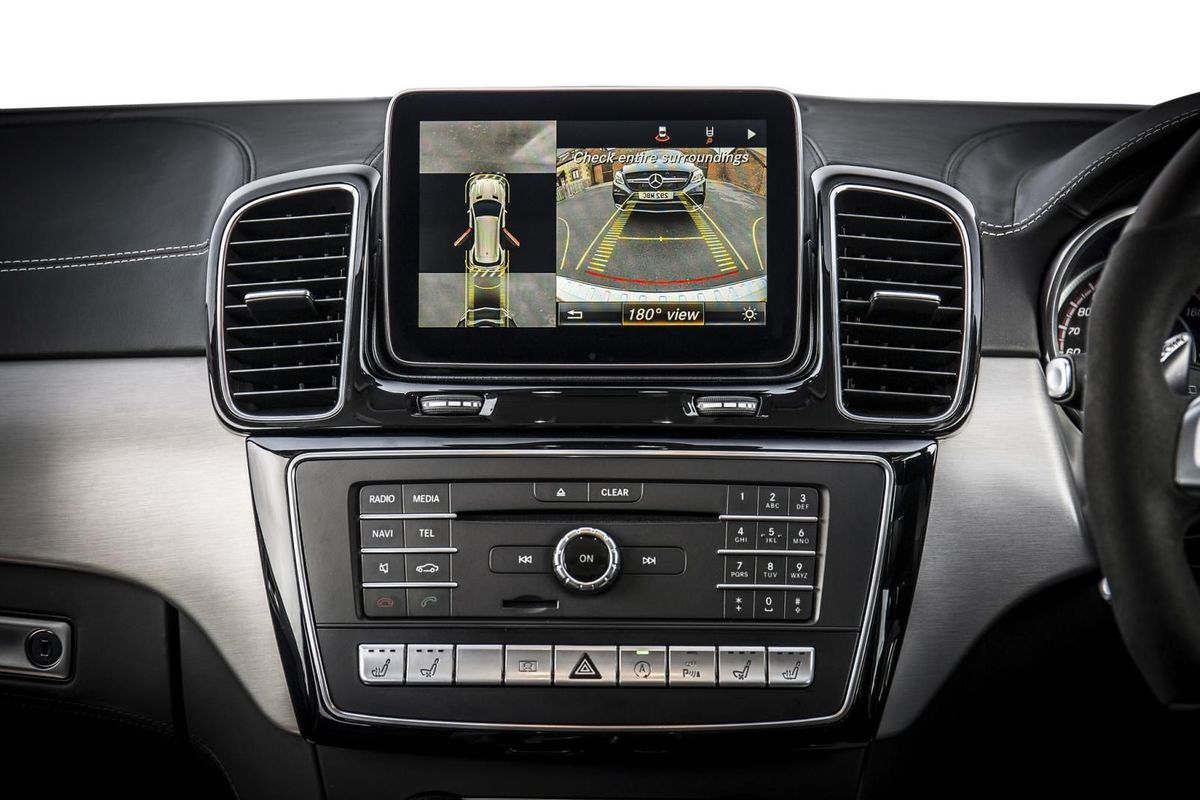
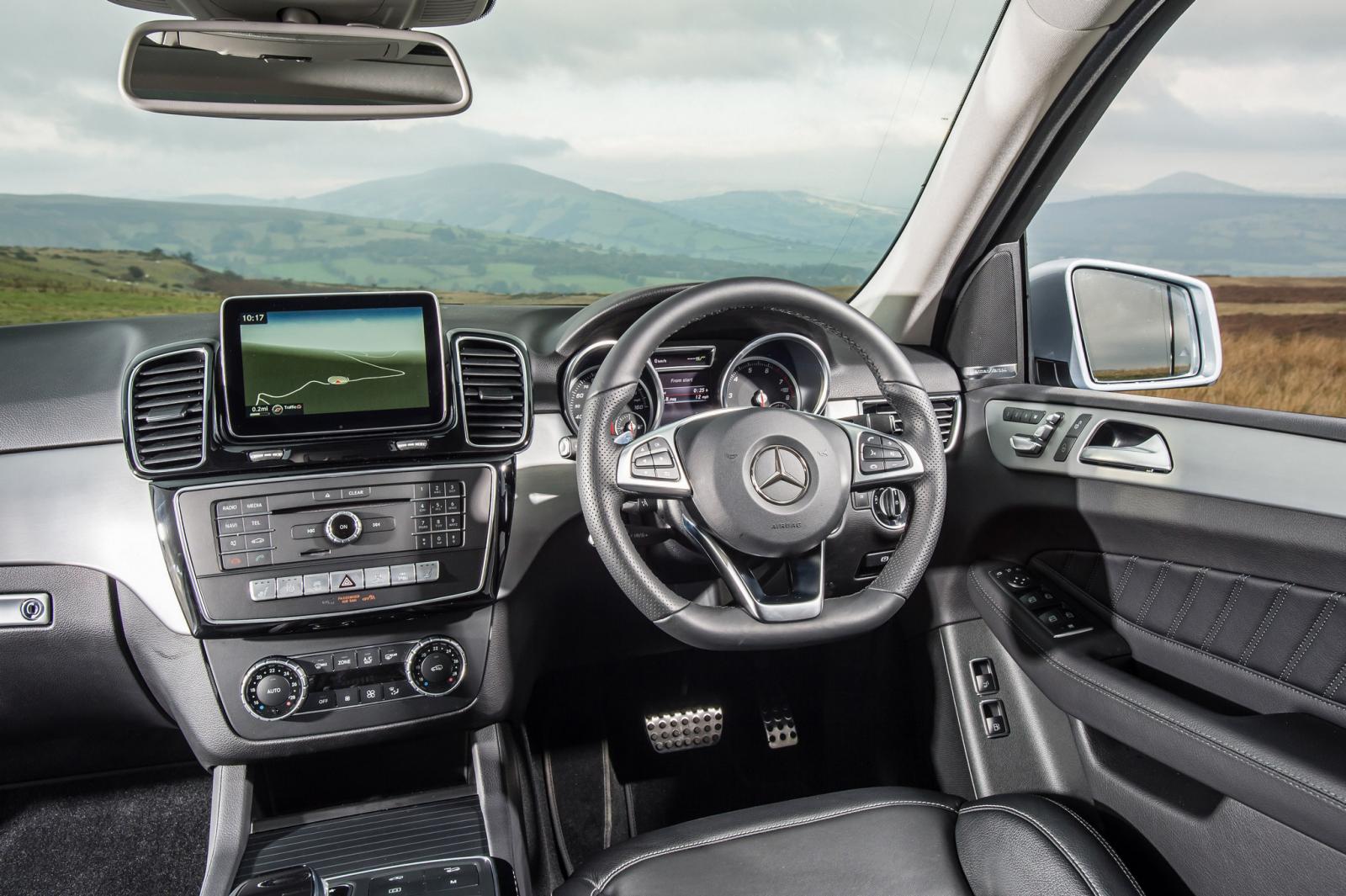
Space and luxury: As a passenger, the GLE's front seats are body-hugging and trimmed in sumptuous leather. You won’t be disappointed if it’s fine-style driving you’re after, because the GLE’s interior gets AMG touches such as special stitching and cabin signatures that give it a distinctly premium feel. The luggage bay is spacious too and the electric tailgate makes life easier, especially since it can be remotely opened and closed with the key fob.
The cabin is a luxurious and spacious place to command the GLE from.
The bad
Ageing chassis: The GLE might sound like it’s a new SUV, with its new name, but it’s essentially an update of the ML, which dates back to 2012. Despite multiple modes within the cabin to adjust the air suspension setup, they don’t do the job of composing the big SUV in corners or under braking and hard acceleration. Any form of chassis articulation such as turning onto a pavement sends creaks down the length of the chassis. It doesn’t feel as taught or as rigid as some of the latest SUVs we’ve sampled.
You’re very aware of its size when driving a narrow, bendy road. There’s over 2-tonnes to move about and those sort of cornering physics are hard to overcome, even for the AMG wizards stationed in Affalterbach. Despite the chassis’ shortfalls, it is good on a dirt road, riding out bumps comfortably and smoothing out corrugations.
The underpinnings of the GLE are starting to feel a bit old compared to newer rivals.
Tumble and turn seats: There is a downside to having those comfortable and cosseting seats in the rear, and that means when you fold the seatbacks down, they don’t fold flat at all. In fact, they sit at a 45-degree angle so are almost no help at all when you try to load long objects into the rear. Mercedes' solution is the tumble and turn technique, meaning it’s a hassle to lift the bottom part of the seat out and then fold the seatback down. It extends the loadbay, but it’s not entirely flat and it exposes some of the leather to whatever you want to pack in.
Verdict
Thanks to some visual upgrades, the baby AMG GLE derivative certainly looks the part on the road, garnering attention with its mean bodykit and snarling V6 engine. The engine is the highlight of the car, it provides a thrilling acceleration experience and has a brilliant sidekick act provided by the oompah band of quadruple AMG exhaust tips.
The brilliant engine isn’t enough to camouflage the GLE’s ageing chassis and practicality shortcomings, however. What's more, the GLE 43 AMG doesn’t hide its heft well and feels less sure-footed than newer rivals.
Fortunately for Benz, it won't be the driving experience that sells this car, but surfeit exterior appeal and badge snobbery that count for much in this market. In that sense, a big Benz with an AMG badge on the back makes all the right status statements. At R1.2 million, compared with its much more expensive V8 stablemates, it's a veritable bargain.
We took the new Toyota C-HR on an adventure to find out if this city slicker can “cross over” and go where few city cars would dare to tread. How did it cope? Read on…
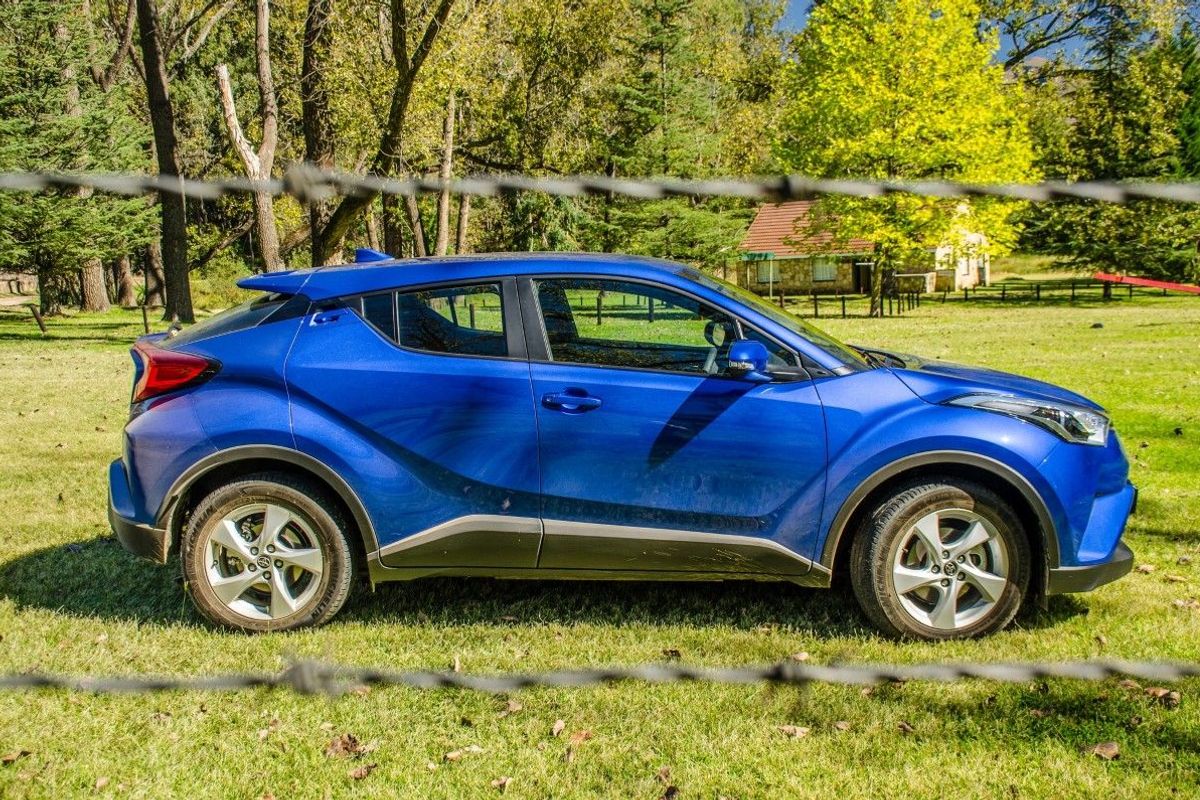
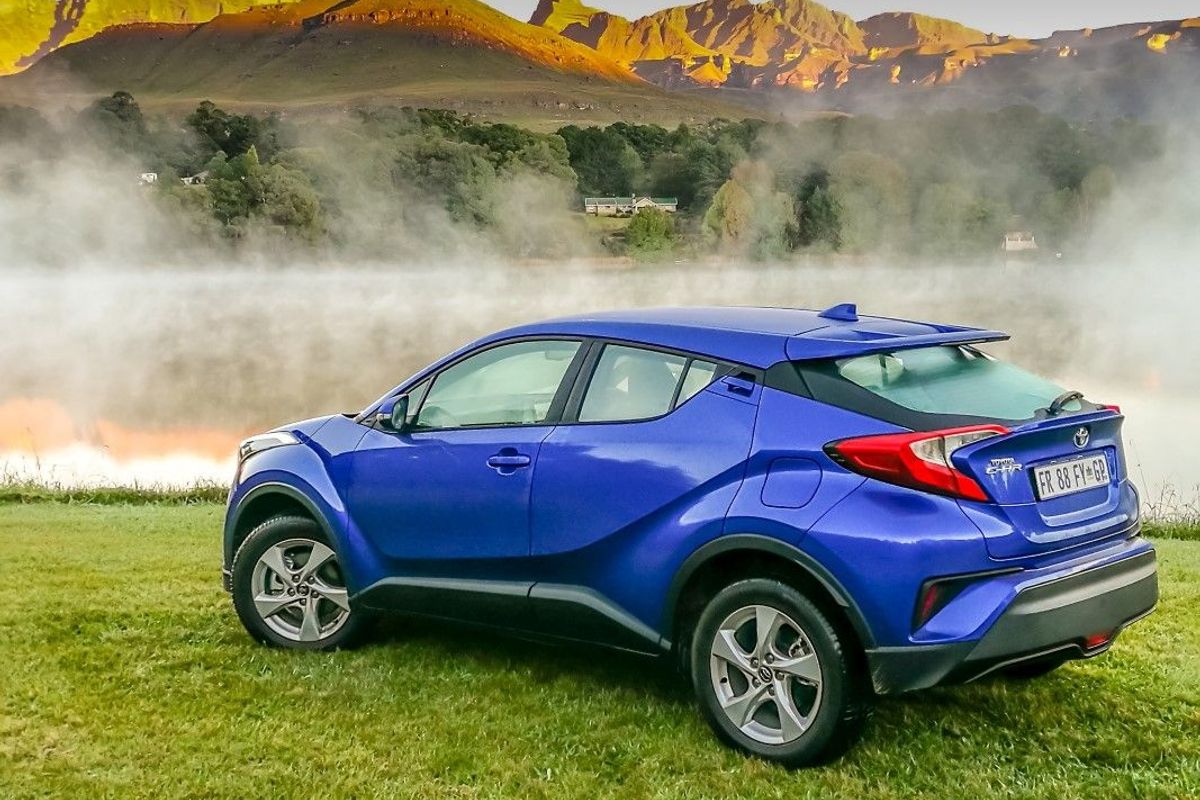
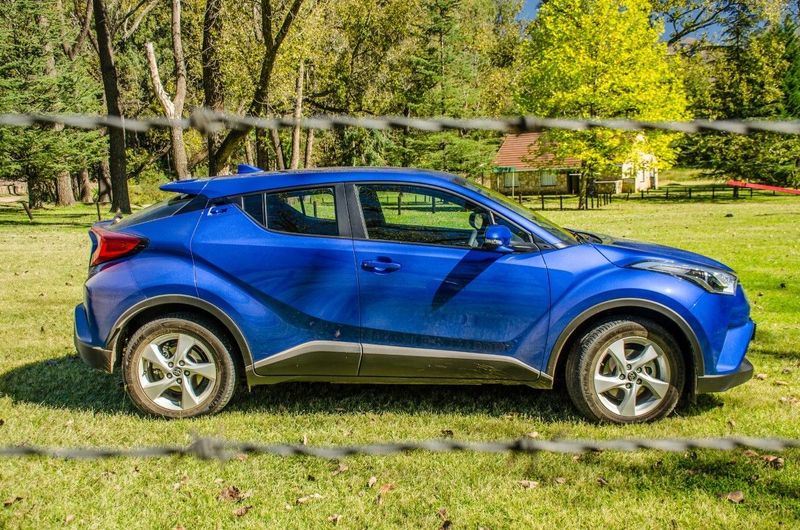
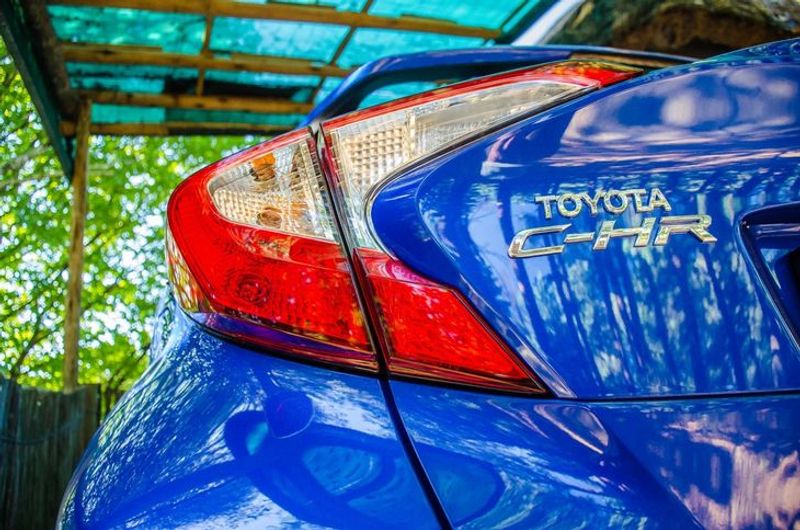
The C-HR is a bold step into the competitive compact crossover segment and it’s undoubtedly an important one for Toyota. Since its recent local launch at the end of February 2017, the C-HR is finding favour with consumers with encouraging sales recorded in its first 2 months on the market and strong uptake is likely to continue into the foreseeable future.
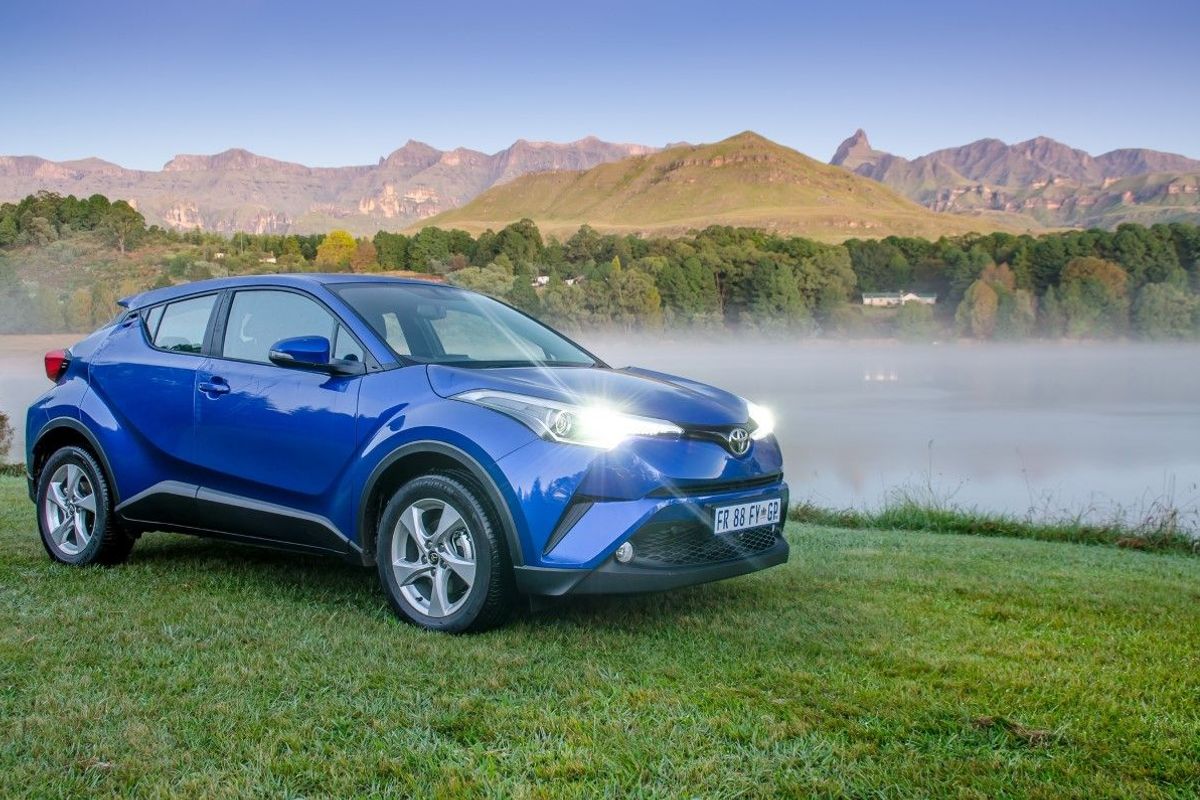
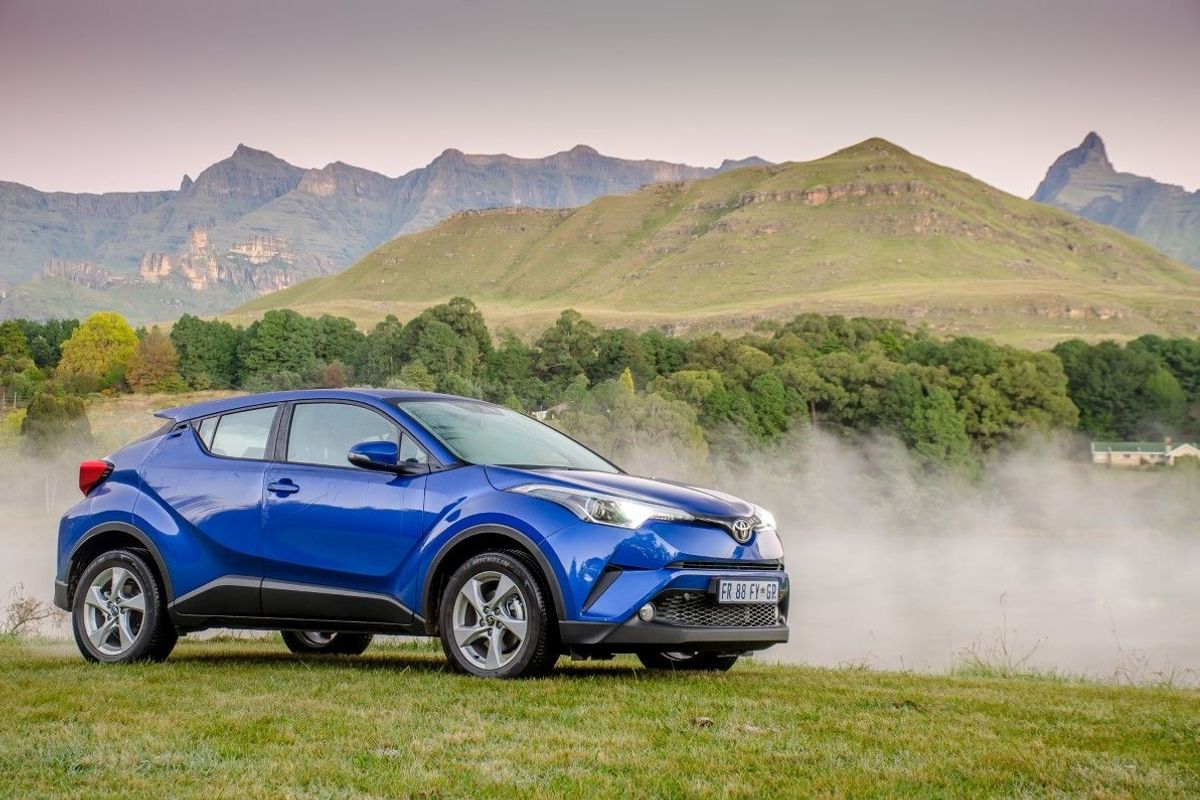
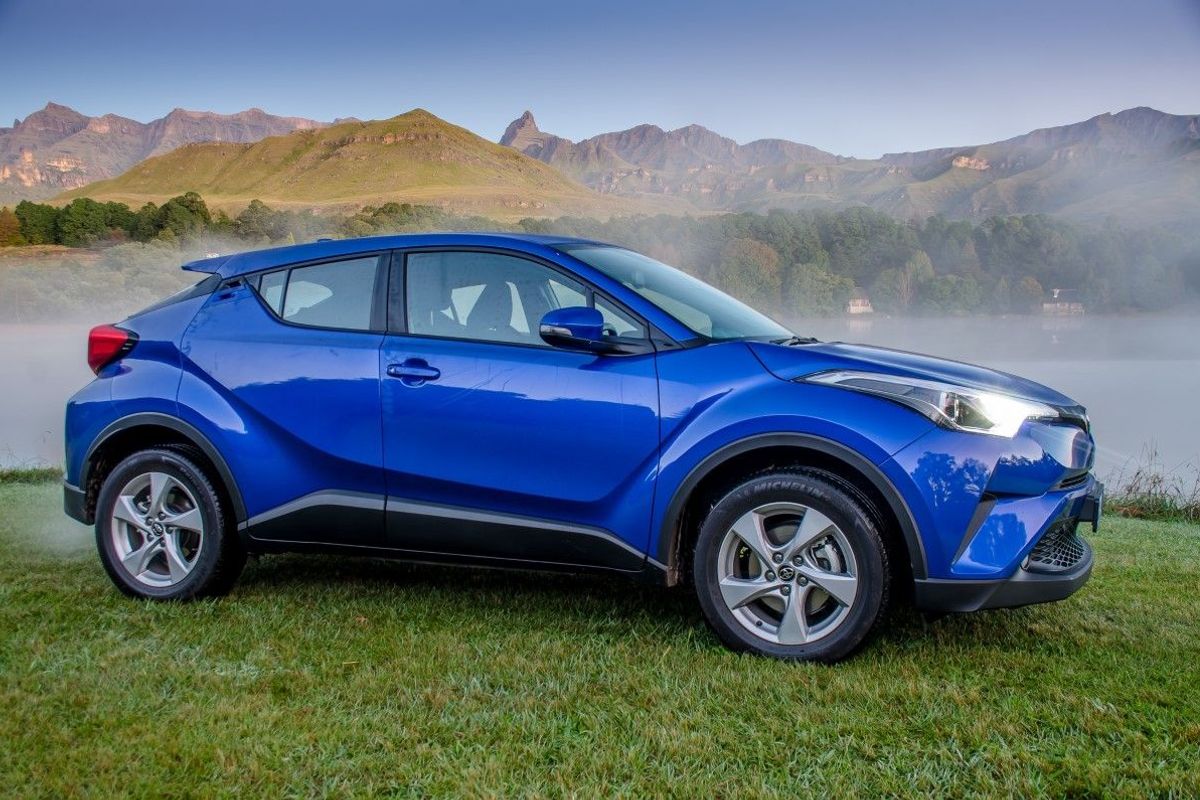
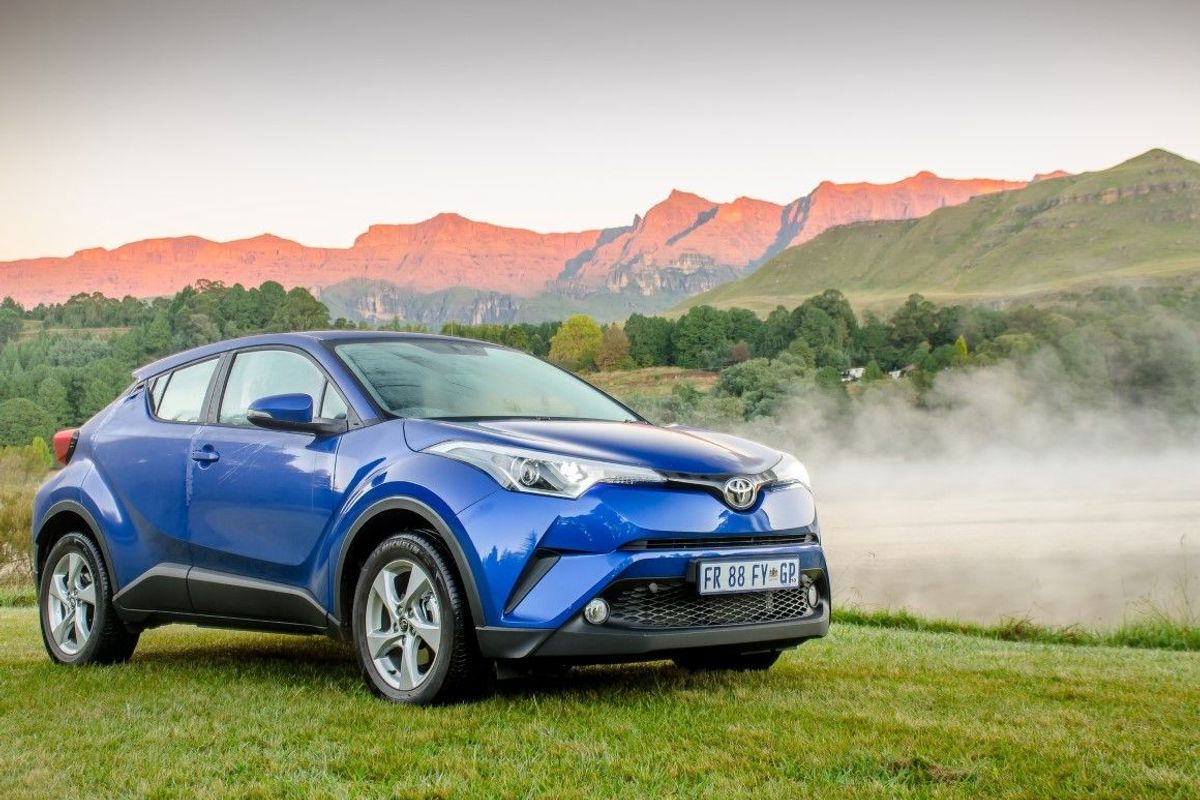
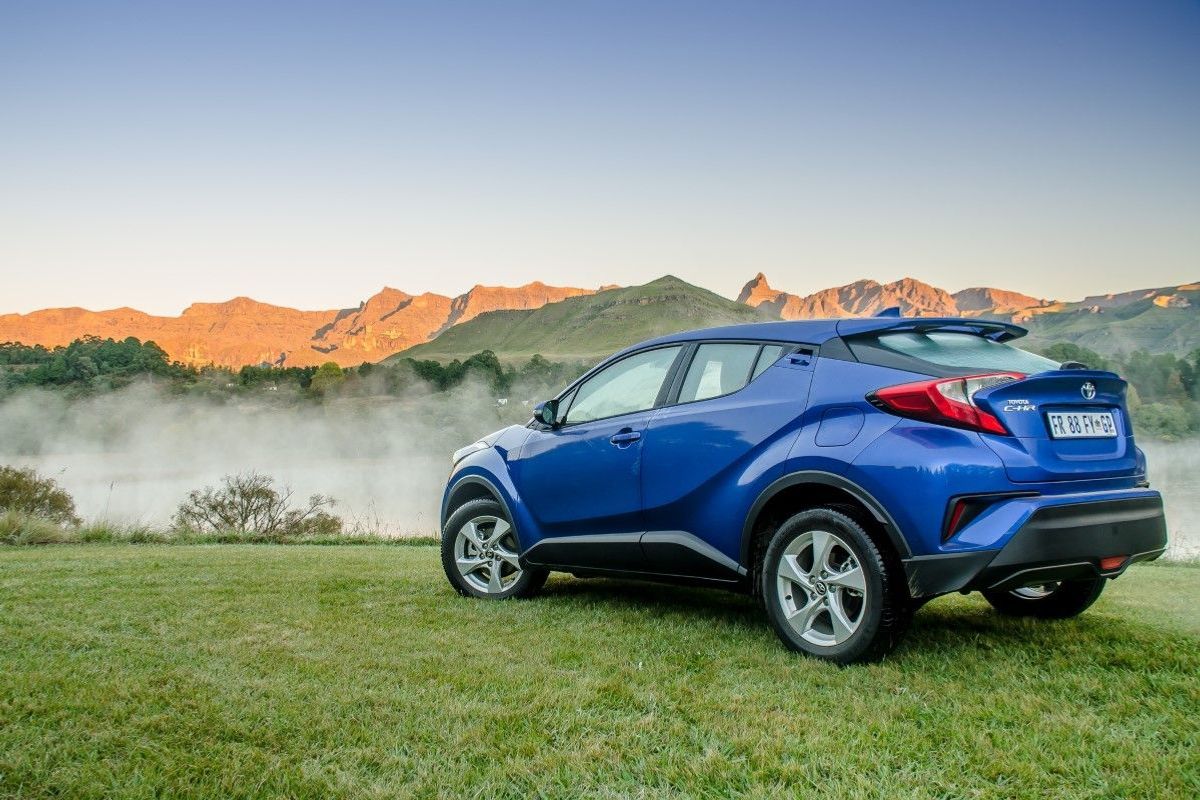
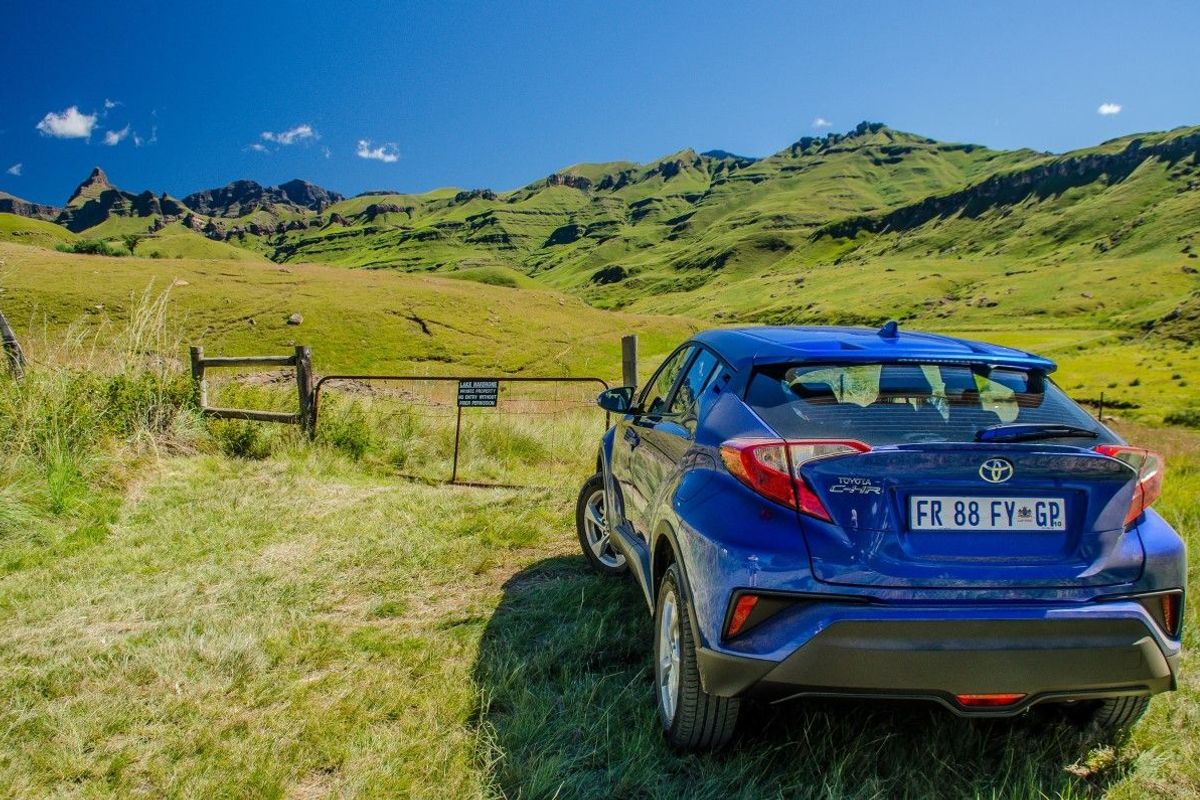
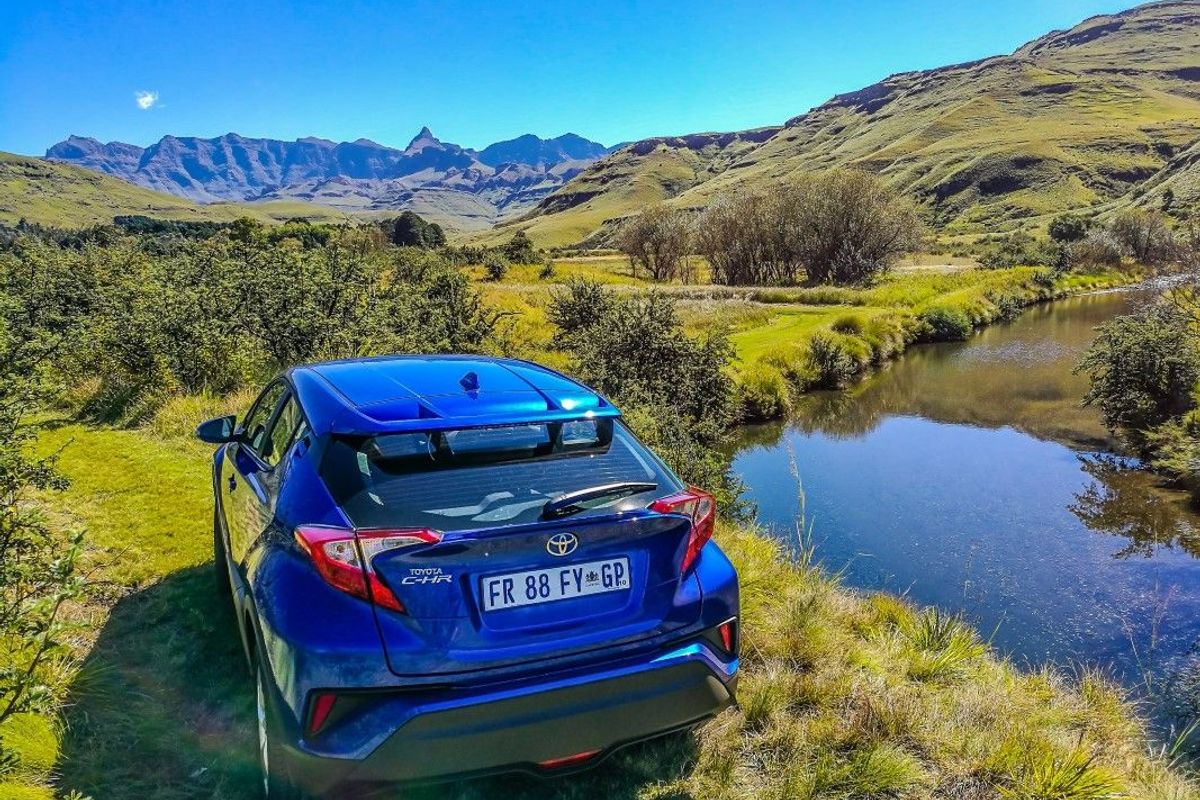
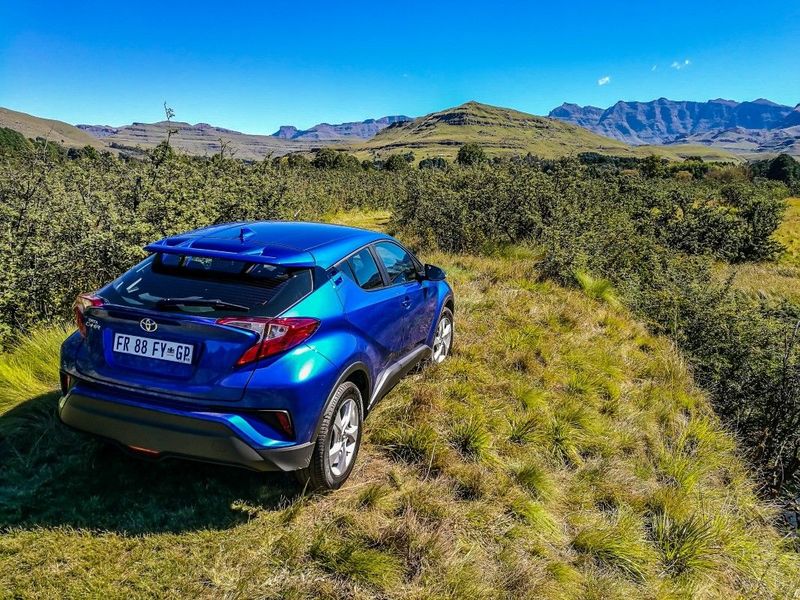
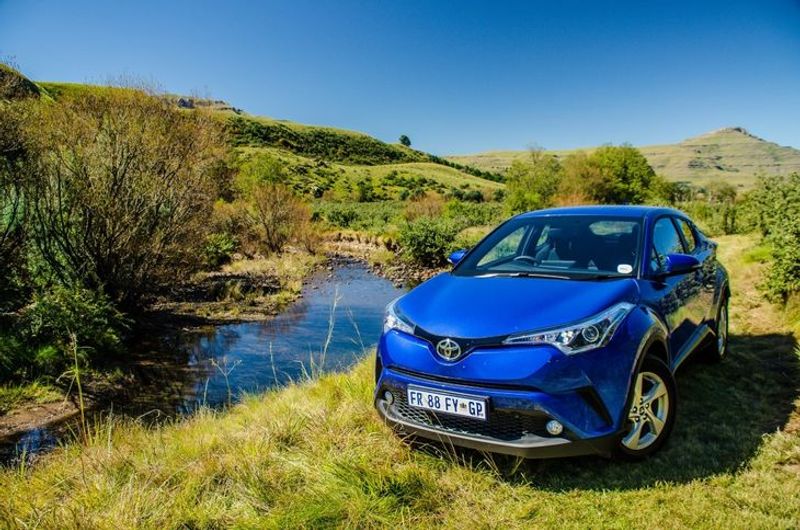
Not the place you would expect to see the Toyota C-HR, but it was more than willing to venture into the wild.
The C-HR is a compact crossover primarily designed for use in the city, but how would it cope on a trip to the wild side? We recently unshackled the C-HR from the confines of the city and headed for South Africa’s largest mountain range, the Drakensberg. Our destination was Lake Naverone, a splendidly scenic fly fishing holiday destination nestled at the foot of towering rock in the Southern Drakensberg in the region of Underberg. As it turned out, the city-biased C-HR had much to prove…
The Plan
Our journey started in the parking lot of King Shaka International Airport, where my wife and I were met with the friendly smiles of Toyota representatives, who kindly handed over the key fob to a striking C-HR in Cosmic Blue paint.
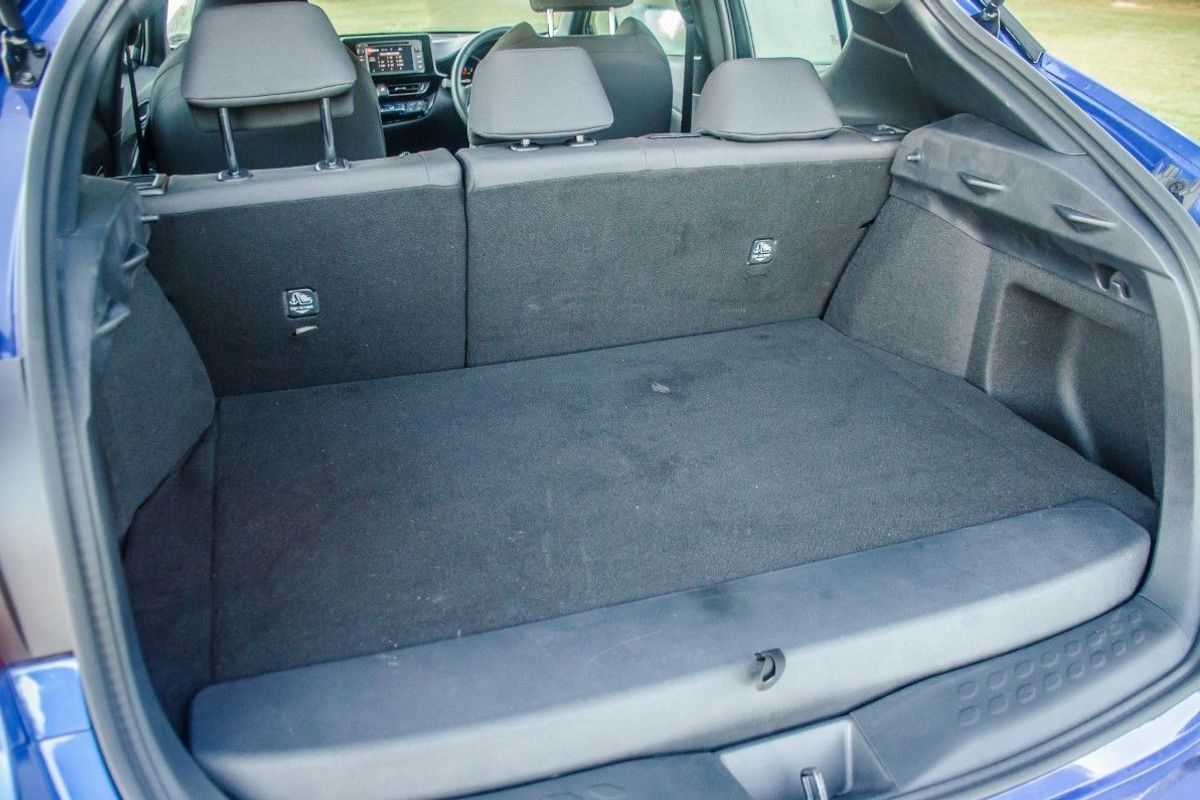
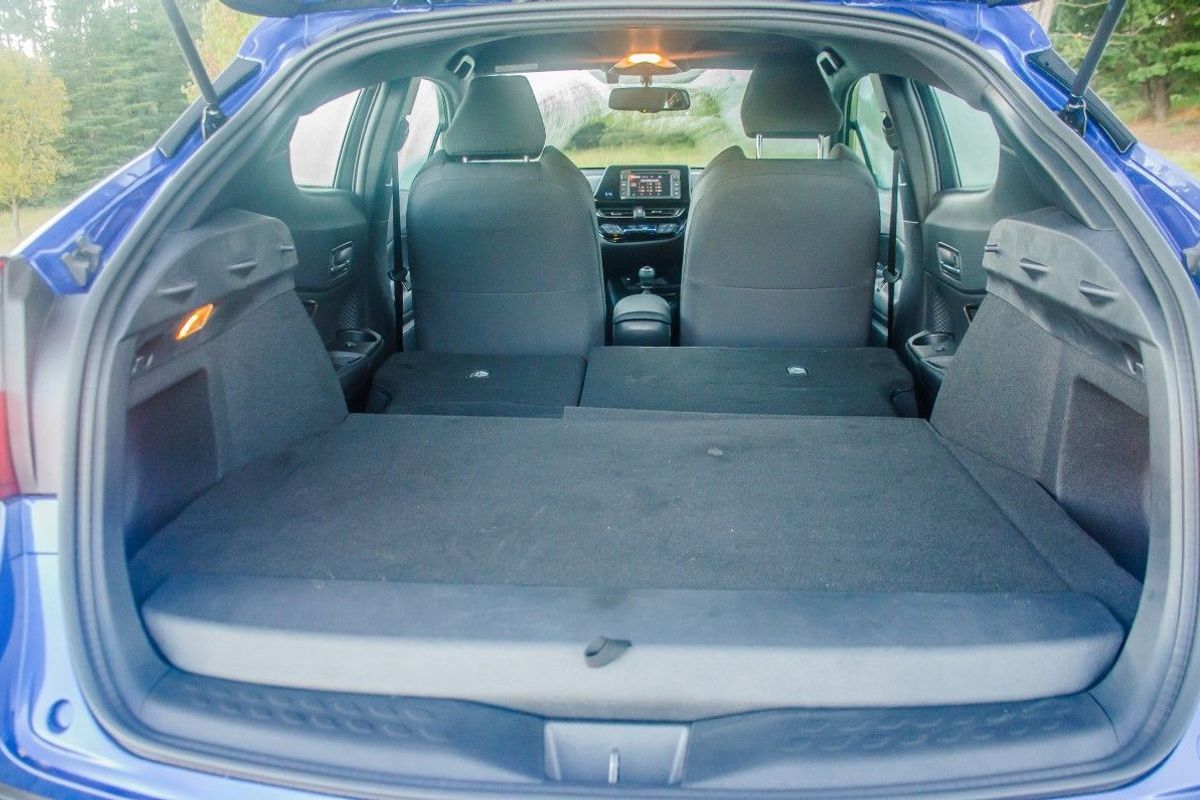
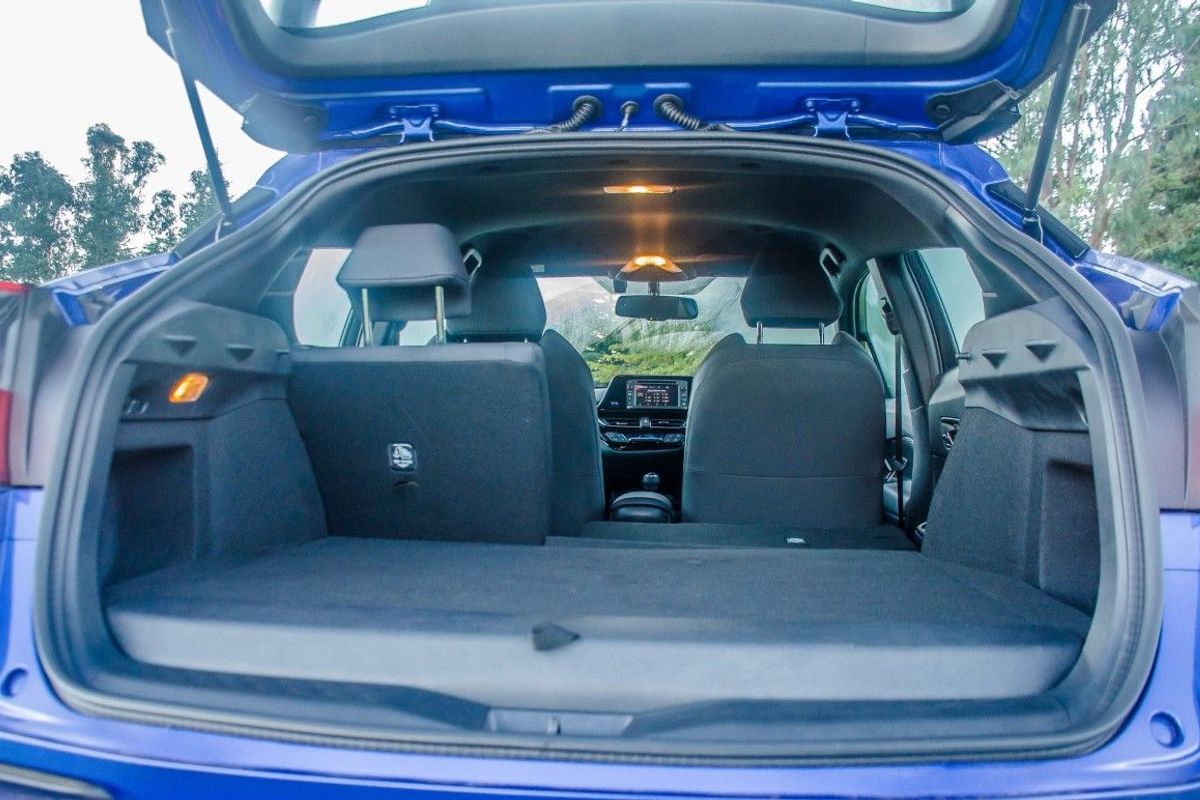
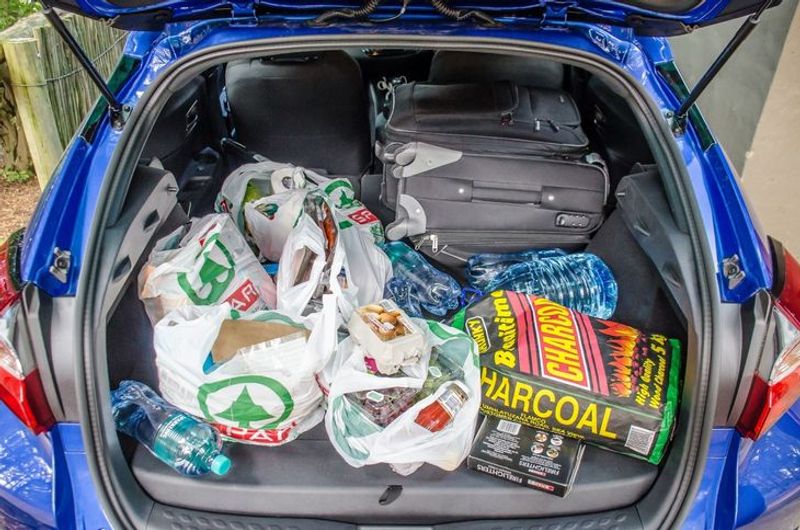
The C-HR’s load space is perhaps its biggest drawback, which means families will struggle on a road trip.
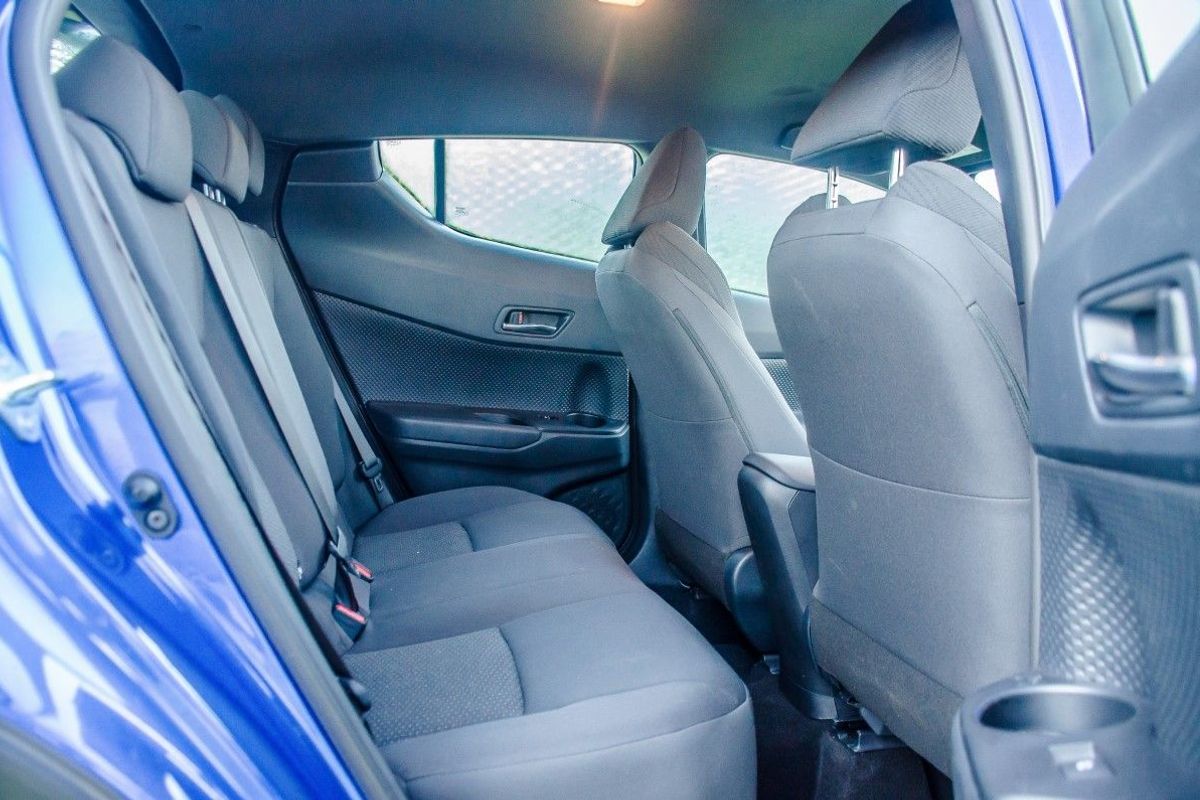
It’s no secret that the C-HR has a painfully shallow and rather small luggage bay, thanks to a full-size spare wheel that steals a considerable amount of space. This was a week-long trip, so we had one large luggage case and a medium-sized case to transport. There was no way it would all fit in, so we had to fold the 60:40 split rear seat down to access more space. This is a compromise that most, if not all, C-HR owners will have to make on a road trip. More than this, we still had to buy food supplies for at least 5 days! We don’t have kids, but if we did, we would be in a pickle. The C-HR is clearly not a sensible family vehicle, but it has other strengths, as we would discover.
The plan was to drive a big 950 km loop, starting in Durban and settling at Lake Naverone in the Southern Drakensberg for 5 days of fly fishing. We would then work our way down to the South Coast to Port Shepstone, where we would follow the South Coast road/N2 back to Umhlanga, just in time for our return flight back to Cape Town.
On the road
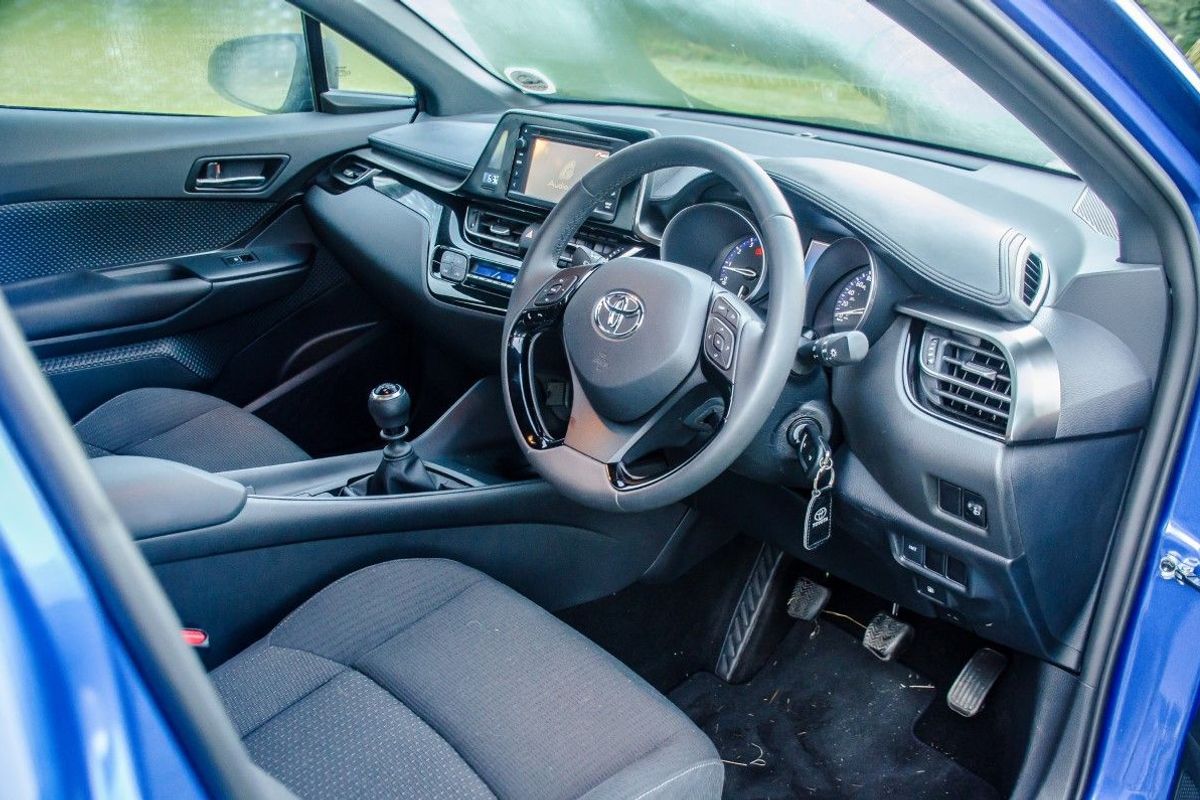
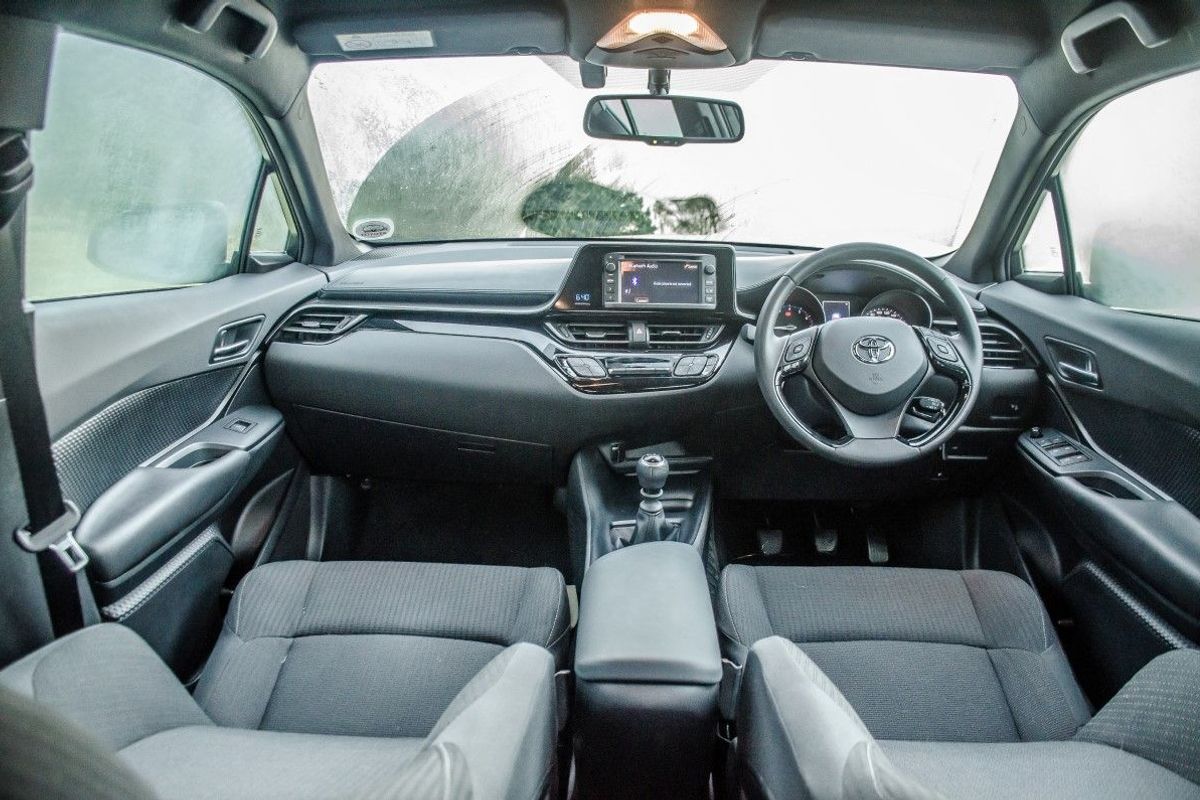
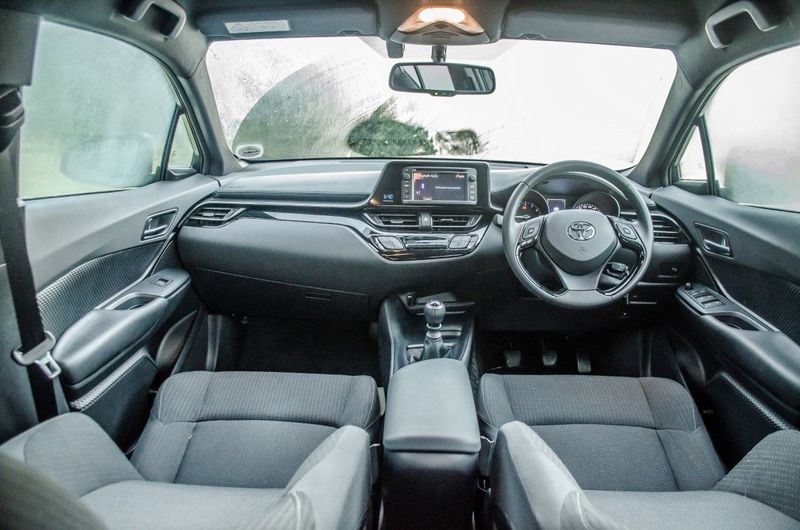
The C-HR’s interior design is a pleasant departure from typical Toyota interiors and it’s a comfortable place to be while driving.
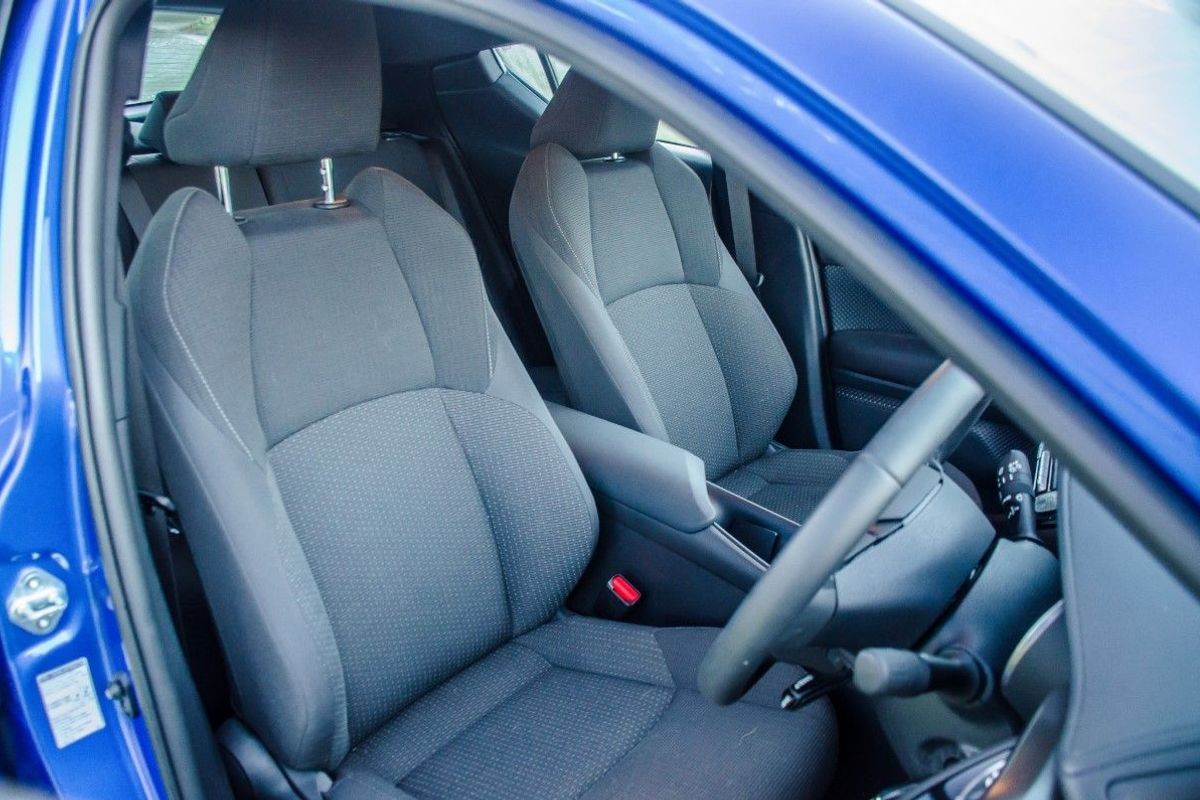
We set off from King Shaka International Airport towards the N3 to Pietermaritzburg. The C-HR’s interior design is refreshing, given that Toyota products generally lack excitement in this regard. The C-HR’s cabin has a sporty feel to it and it’s well built and sturdy. We found the seating to be comfortable and the infotainment system was easy to use, but sadly navigation is not offered. The climate control system also did a superb job at staving off the typically hot and humid climate that so many people love about Durban.
This particular C-HR test unit was equipped with a 6-speed manual transmission tasked with extracting 85 kW and 185 Nm of torque from the turbocharged 1.2-litre engine. It’s a good gearbox and gear changes were positive and smooth. The engine-transmission combination imbues the C-HR with punchy performance when driven hard, but it’s equally pleasing to drive on the chill.
The C-HR is a thrifty performer and it handles winding country roads with a fair degree of agility and nimbleness.
On route to the Southern Drakensberg, twisty roads lay before us and the C-HR’s compliant ride quality and responsive handling came to the fore. The roads, in general, were of poor quality, yet the C-HR managed to deliver a comfortable and sure-footed ride despite the continuous onslaught of ruts, holes and puckered tar. Perhaps the most enjoyable facet of driving the C-HR is indeed its steering response. The steering is quick to respond to inputs and it is direct and precise at turn-in. It felt wonderfully nimble through the corners and it turned out to be a blast to drive on these winding country roads.
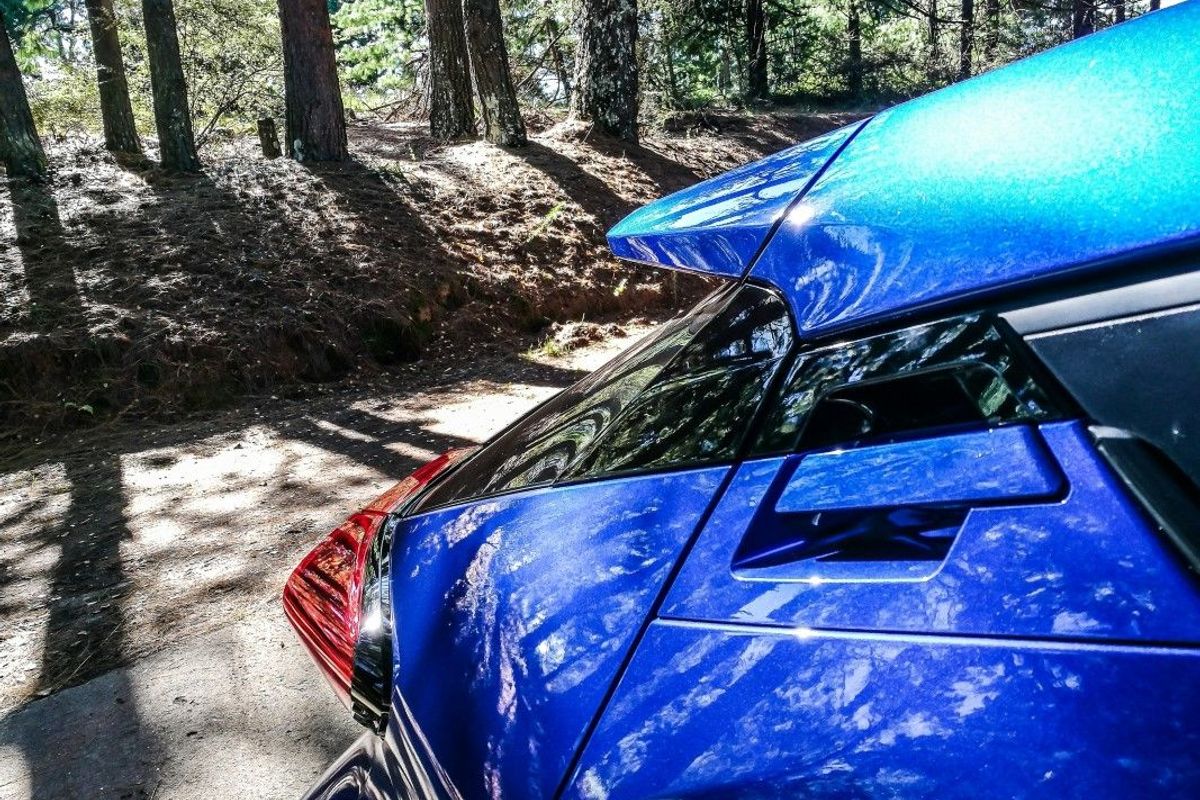
An unfortunate downside to the C-HR’s flashy design is that rearward visibility is poor with the oversize C-pillars creating large blind spots. This means that the driver has to be extra alert and vigilant when driving or parking. To make matters worse, the C-HR is not equipped with rear parking sensors or a rearview camera, so the driver will have to draw on careful judgment when manoeuvring the C-HR in close-quarter driving situations.
Into the wild
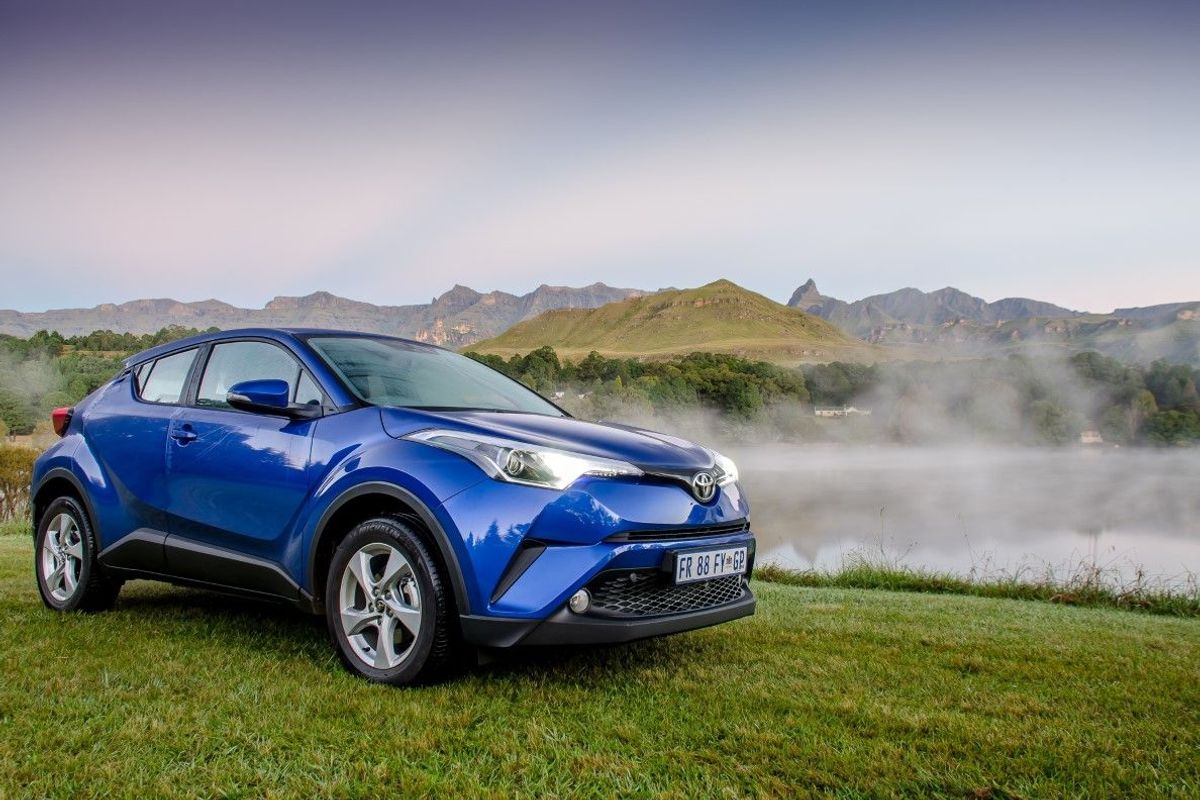
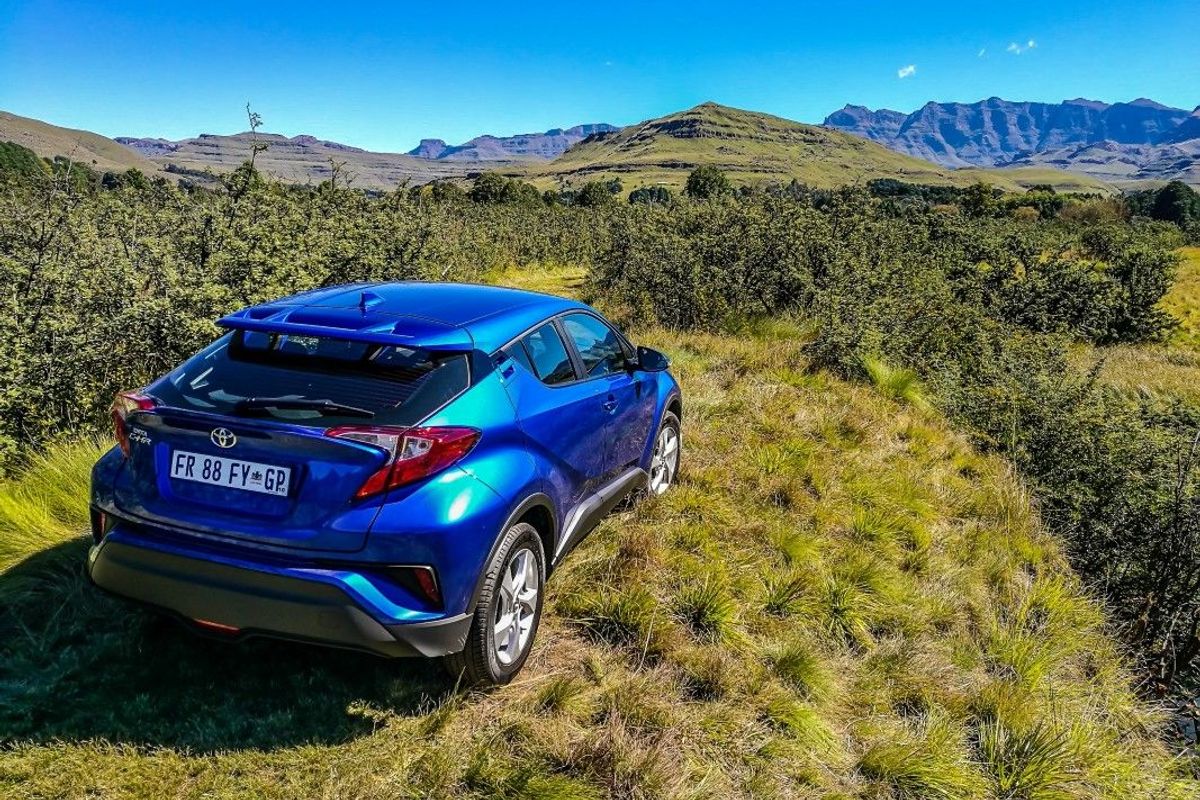
The C-HR performed surprisingly well on dirt roads where it remained relatively composed, delivering good ride quality.
Upon arrival at Lake Naverone, we set off into the surrounding wilderness in search of elusive brown and rainbow trout. There are several gravel access roads in the area and we were pleasantly surprised by the C-HR’s good ride quality in the dirt.
Being a front-wheel drive car, the C-HR is by no means capable of serious off-roading, yet in this environment, it coped reasonably well. Thankfully, the terrain was not as treacherous as the photographs suggest and the adventure unfolded without incident. It was, however, somewhat surreal seeing the C-HR in such a remote location.
Apart from spending hours behind the wheel of the C-HR, the author spent considerable time trying to catch fish, but it never happened.
After 5 days of persistent fishing at Lake Naverone and with no fish in the bag, it was time to admit defeat and return back to Durban. The C-HR soothed my bruised ego and when we reached Umhlanga, I decided to go for a surf. I was doubtful that the C-HR would be able to transport surfboards, but it swallowed not one, but two surfboards, with the rear seats folded down, of course.
What did we learn about the C-HR?
Fun to drive and relatively fuel efficient, the C-HR is worth consideration if you don’t have kids and are looking for a stylish crossover.
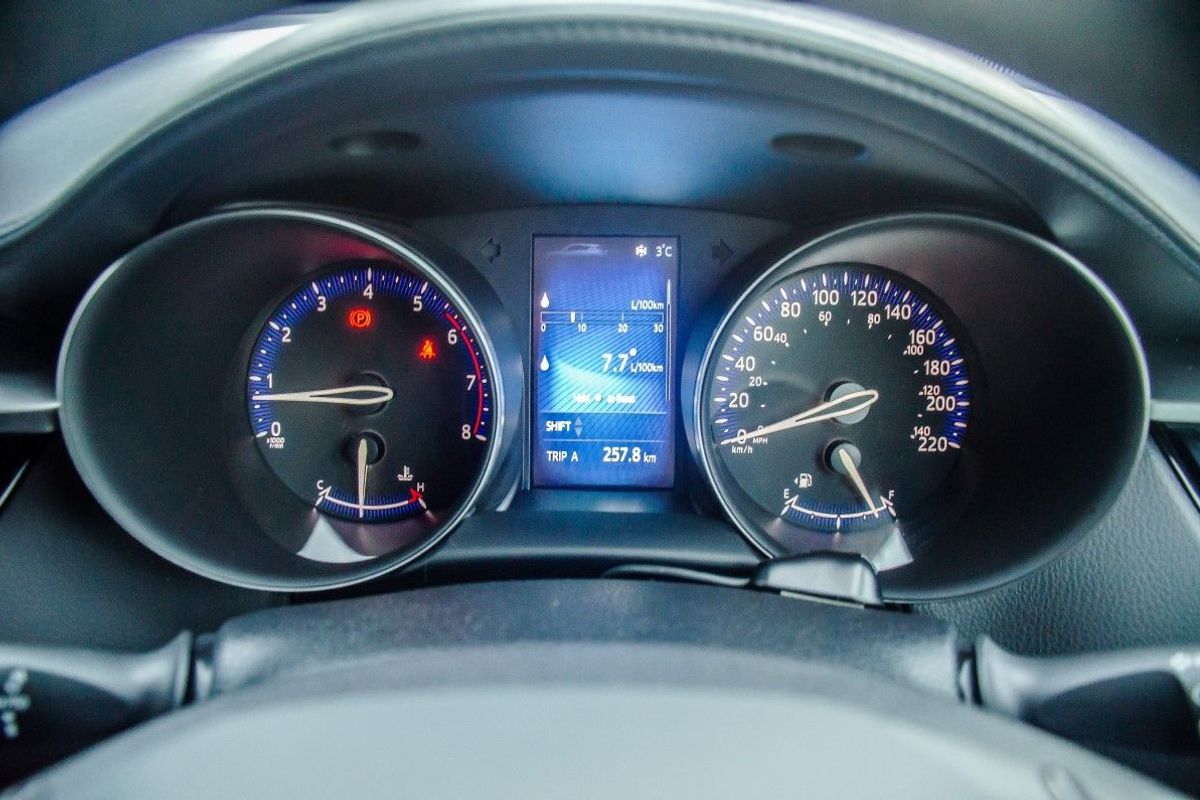
During our 950 km journey through KwaZulu-Natal, we learnt that the C-HR is not an ideal family car given its diminutive load bay and it’s far better suited to single individuals or couples. Although it lacks necessary features such as rear parking sensors and a rearview camera, the C-HR is hugely pleasurable to drive and its performance and handling ability, to a degree, makes up for its shortcomings. The C-HR is also quite fuel-efficient and we averaged in the region of 7.6 L/100 km on this trip. It also happens to be one of the more attractive compact crossovers currently available in our market. Despite its flaws, we think the C-HR is a winner if you are looking for a stylish and fun-to-drive crossover. Just leave the kids at home…
The Toyota C-HR is priced from R318 500, while the high-spec manual derivative featured here is priced from R345 000. The C-HR 1.2T Plus automatic is priced from R356 000. The C-HR is sold with a 3-year/100 000 km warranty and a 5-year/90 000 km service plan.
Spy Shots: New Toyota Supra Prototype Testing On Nürburgring
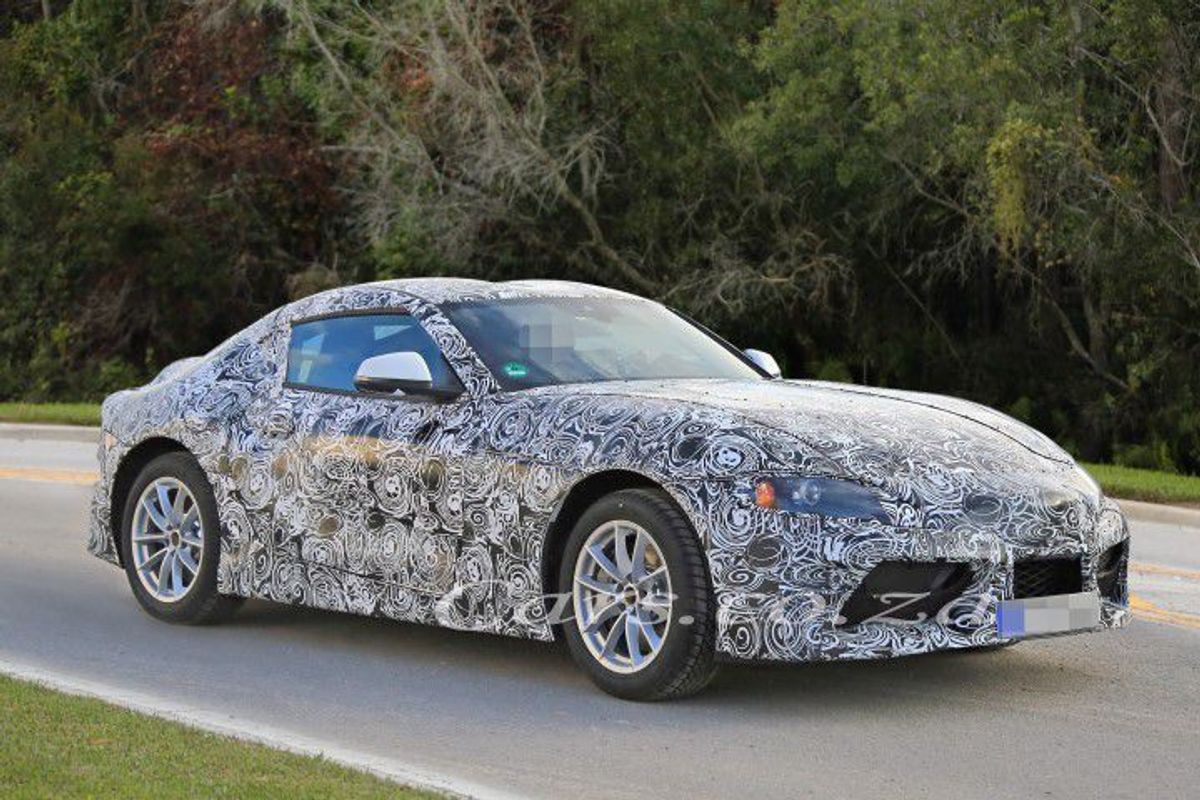
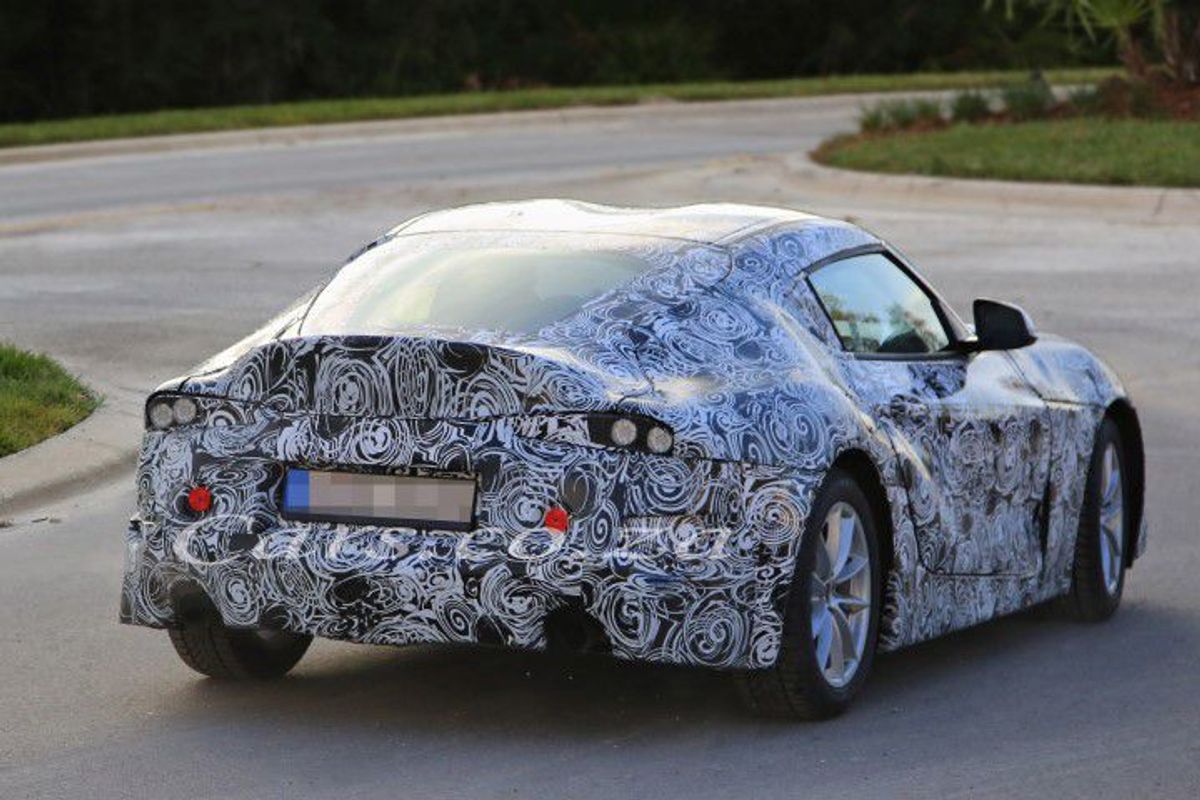
Following on from spy images of the fifth-generation Toyota Supra published late last year, our German spy photographers have captured new images of a Supra prototype undergoing testing at the legendary Nürburgring?. Check out the details!
Picture credit: S. Baldauf/SB-Medien
You may remember, way back in 2012, when Toyota announced it would collaborate with BMW to co-develop two sports cars. It later came to light that the two models in question would be the new "BMW Z5", successor to the Z4, and the next-generation Toyota Supra, both of which are to share the same platform but will ultimately be two very different models.
Previous spy images revealed the design direction for the new 2-seater Toyota Supra coupe, with a production model expected sometime in 2018. The initial spy images of the Supra showed it to be similar in design to the upcoming "BMW Z5" (name not confirmed at this stage), but the Supra prototype is clearly distinguished by its revised front bumper with new intakes as well as newly designed taillights. The latest images show a Supra prototype undergoing testing at the Nürburgring and the front-end and double-bubble roof clearly take inspiration from the 2014 Toyota FT-1 concept car .
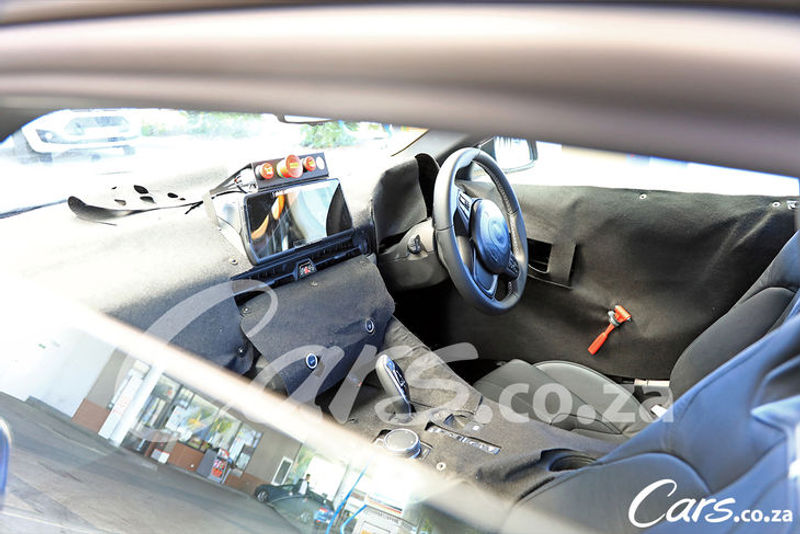
Also, for the first time, we are able to get a glimspe of the interior, albeit heavily camofluaged. Based on the image below, the interior will likely feature a large touchscreen display along with bolstered sports seats and a 3-spoke steering wheel.
A first look inside the next-generation Toyota Supra which is set for production in 2018.
In terms of what engine will power the fifth-generation Supra, nothing has been confirmed at this stage, but you can expect it to be petrol-powered and there will be a hybrid version, drawing on technological experience from Toyota’s TSO50 LMP1 hybrid Le Mans race car. Sadly, we can't expect Toyota to dig deep into its parts bin and shove in the iconic 2JZ motor, but we'll pray the new powerplant has enough grunt to run its rivals close. The original Supra was Toyota's answer to Porsche after all…
Regardless, it’s great to see the Supra nameplate making a comeback after 15 years since the fourth-generation Supra was discontinued in 2002. By all accounts, the resurrection of the Supra will be welcomed. Reports indicate that Toyota might show a near-production Supra concept at the Tokyo Motor Show in October 2017 with production due to start sometime in 2018. The new Supra model will sit at the top of Toyota's sports car lineup alongside the 86 Coupe. There are also rumours that Toyota may ressurect the MR2 nameplate to slot inbetween the 86 and Supra, but these rumours have yet to be officially confirmed.
We will keep you updated as soon as more details become available!
There's a new Hyundai Elantra compact sedan in South Africa and we got a chance to sample the Korean newcomer. Is it any good? Let's find out.
The Elantra has been a fairly successful product for Hyundai (it sold no fewer than 14 722 units of the outgoing model) and the firm feels confident that the new one, which now makes its somewhat belated arrival on local soil, can replicate this success. The Elantra's rivals include the Toyota Corolla, Mazda3, Kia Cerato and Ford Focus (not forgetting the long-serving Volkswagen Jetta), but given the price and performance of the new 1.6-litre turbopetrol flagship, we think the Honda Civic and forthcoming Subaru Impreza are in its crosshairs too.
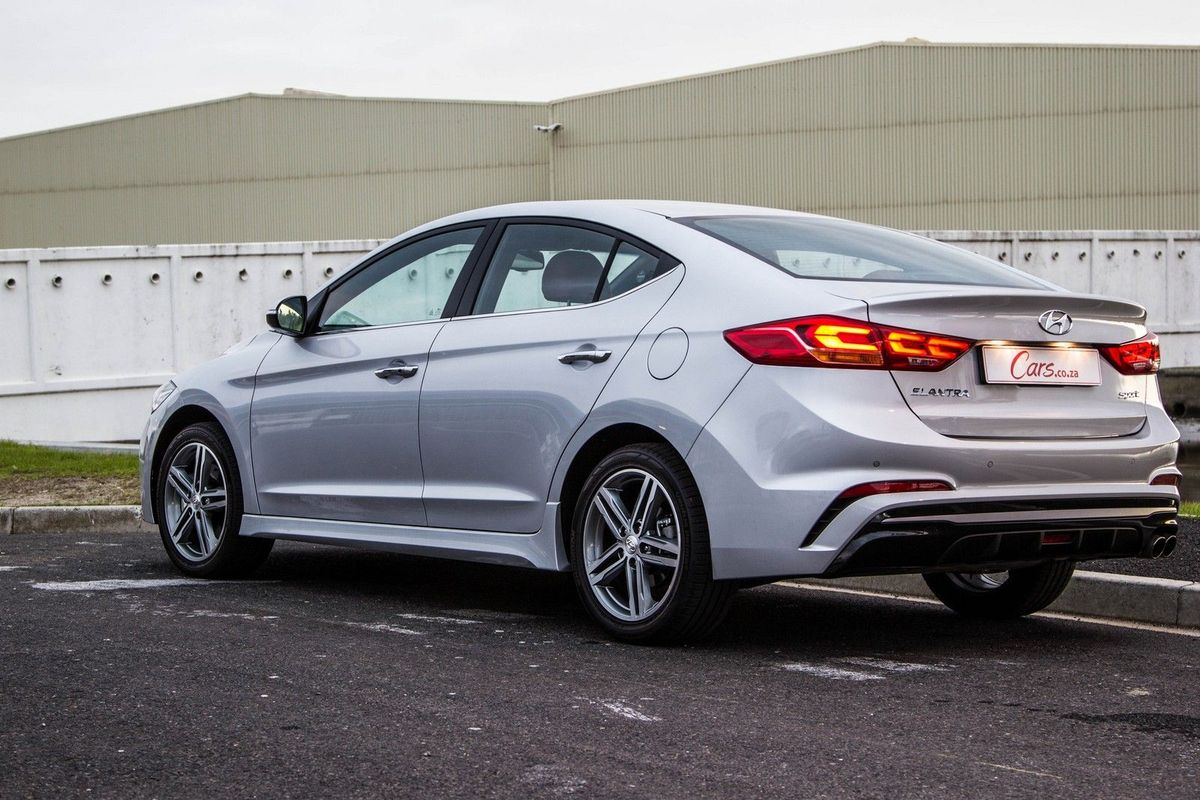
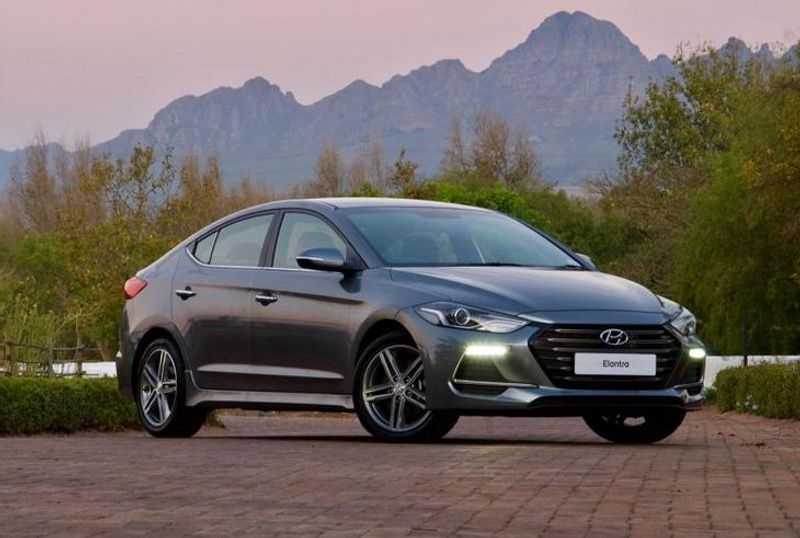
The new Hyundai Elantra now boasts a performance flagship, equipped with a dual-clutch 'box and turbocharged engine.
What's new?
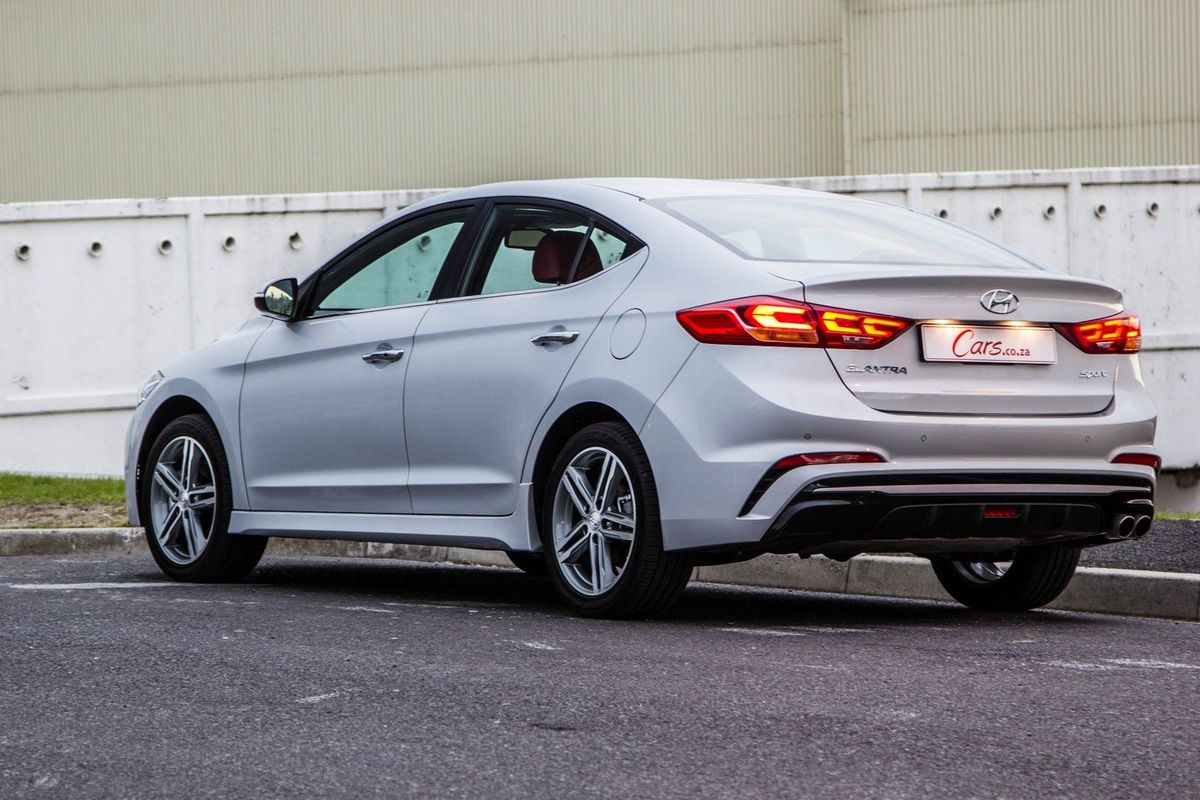
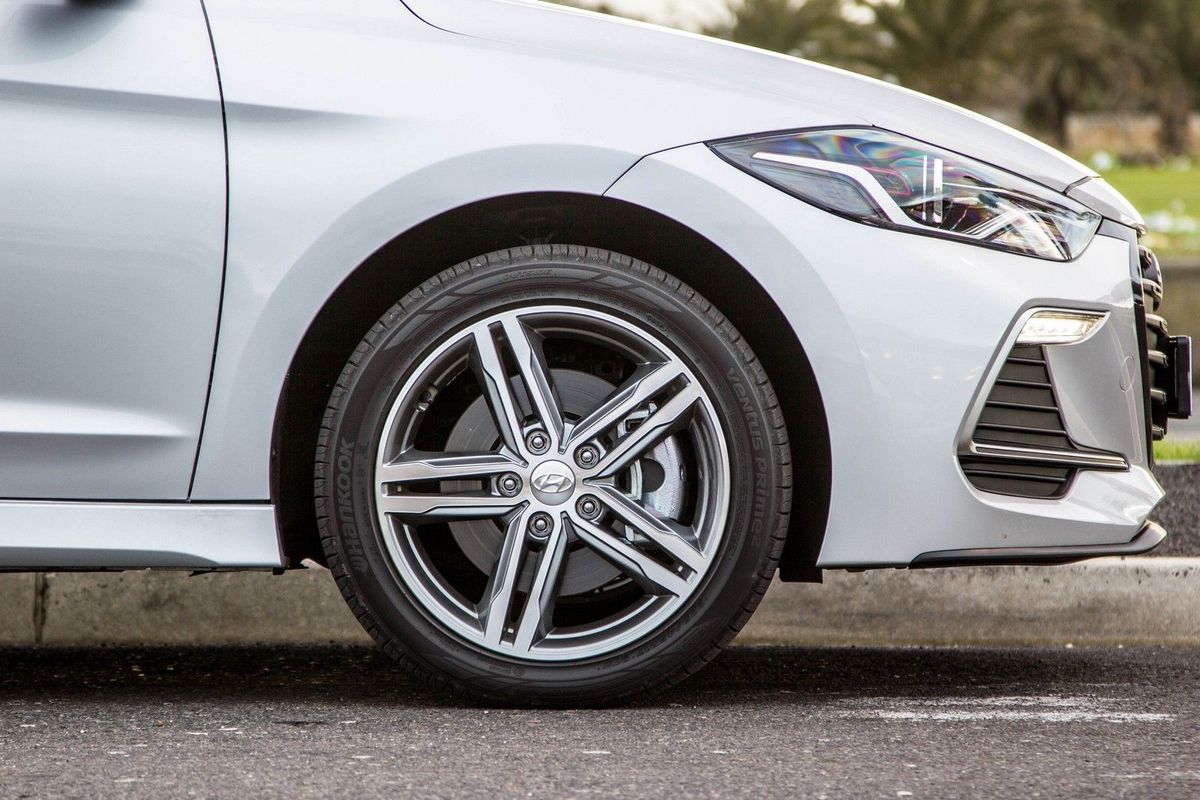
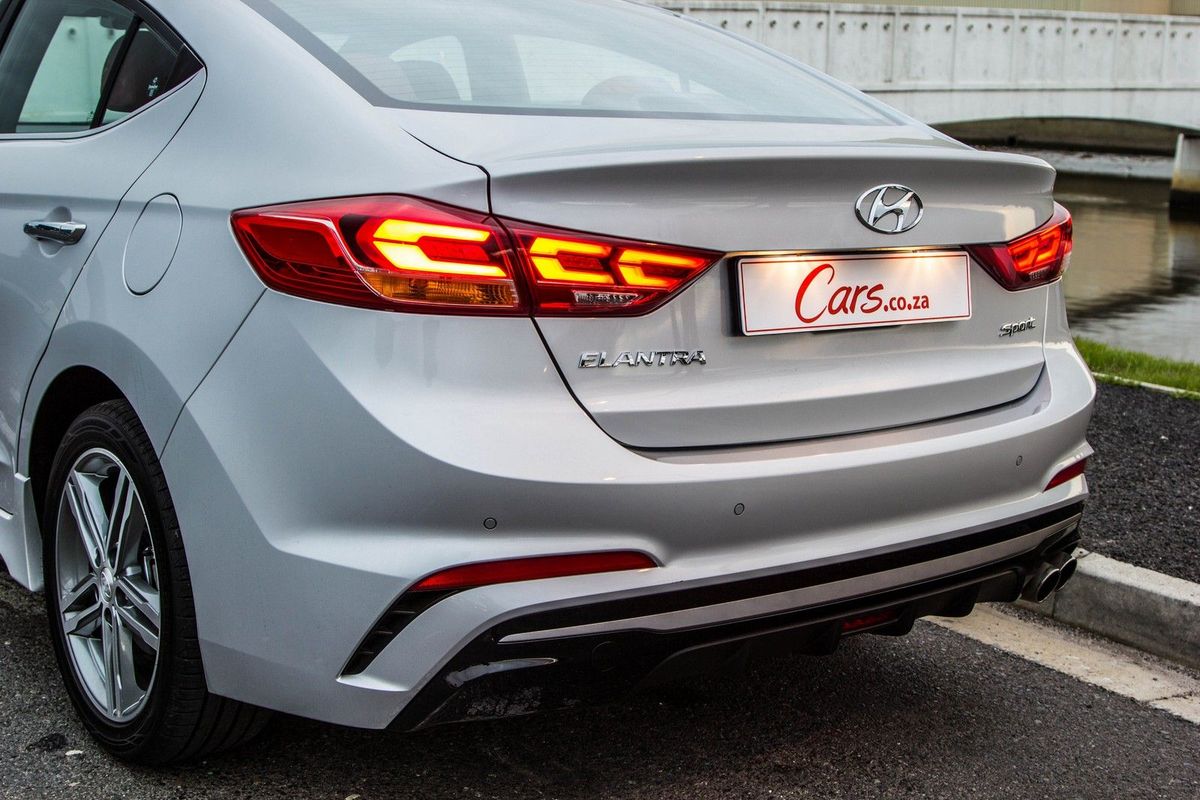
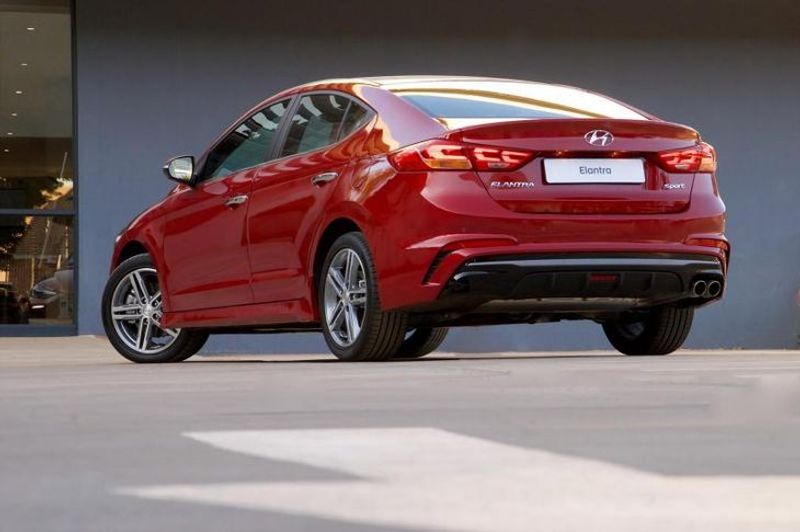
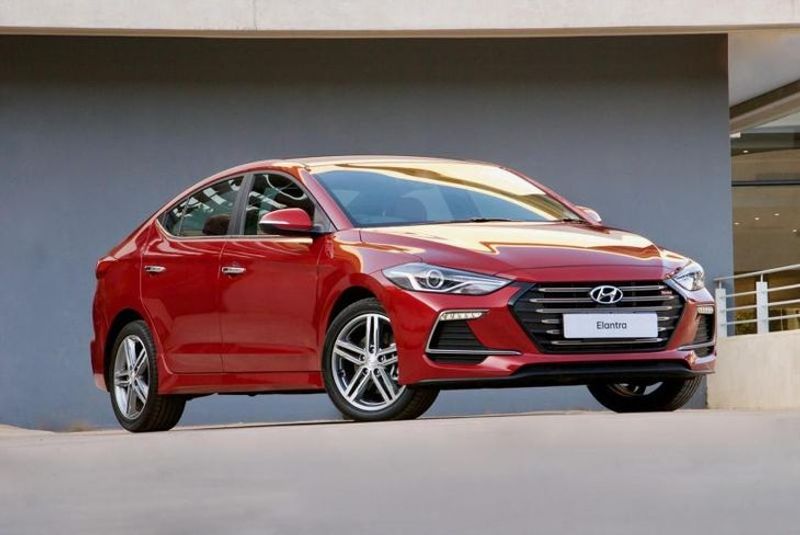
There's evolutionary exterior styling, with the Sport model featuring an aggressive kit with large wheels and prominent exhaust tips. It's not a dramatic change in the visual scheme of things, but the overall design is neat and elegantly upmarket. Engines have mostly stayed the same, with a 1.6, 2.0 doing duty.
However, in the Sport model, there's a 1.6-litre turbocharged petrol engine lifted straight out of the Veloster Turbo. It's good to see an array of transmissions being offered to customers. A 6-speed manual, a 6-speed automatic and we're happy to see the 7-speed dual-clutch transmission make its way into the top-of-the-range derivative.
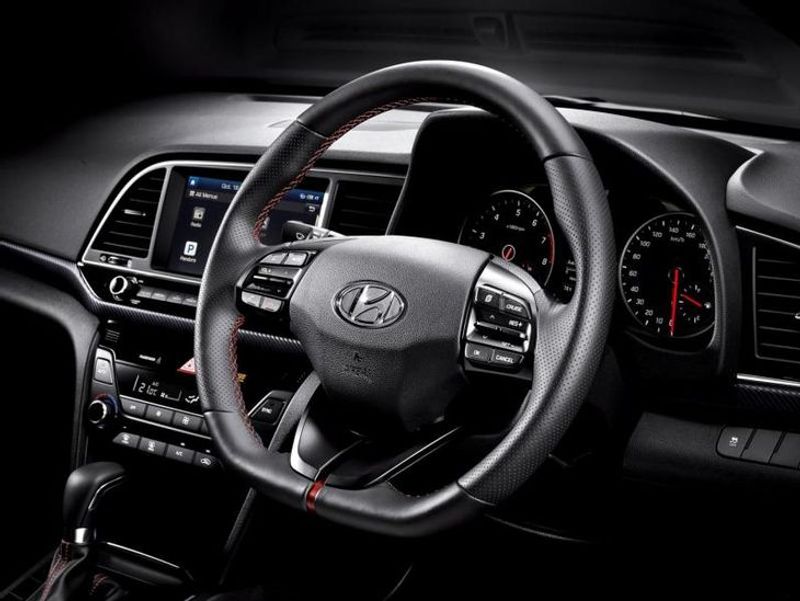
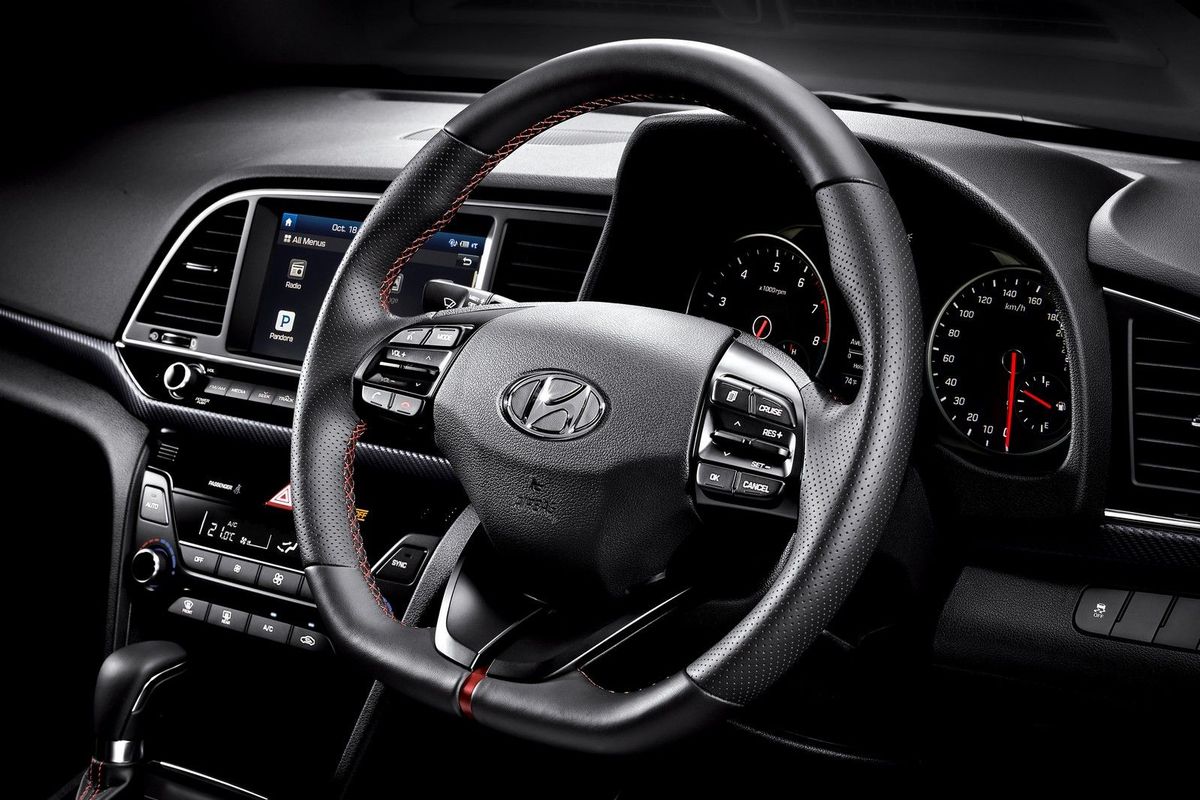
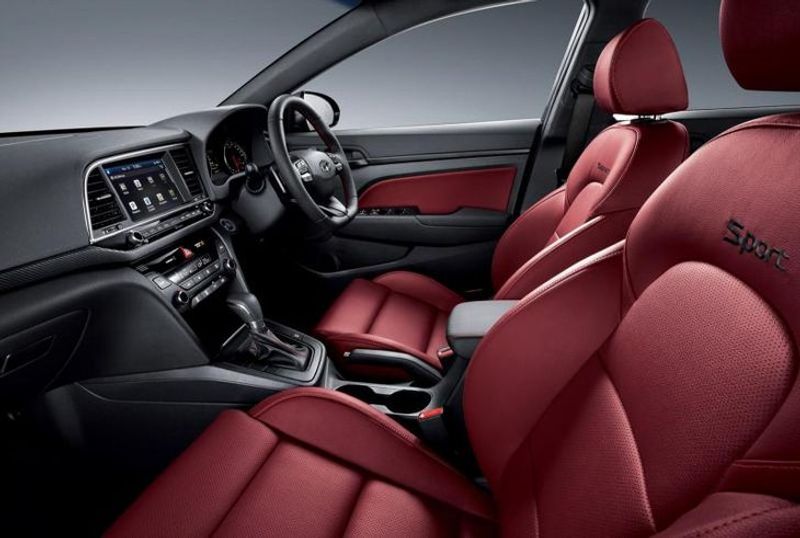
The red trim may not be to everyone's tastes, but it gives the cabin a sporty feel. Fortunately, the car is sporty to drive too.
The drive
There are four derivatives to choose from, but on the launch, we were only exposed to the new 1.6 Turbo Elite range topper. With its rorty 1.6-litre turbo 4-cylinder motor pushing out 150 kW and 265 Nm, we found ourselves grinning by virtue of the Elantra's spirited performance – this is uncharted territory for a brand like Hyundai, especially as far as its sedan offerings are concerned! In this specification, the Elantra is a semi-luxurious performance machine. The engine is willing to please and the 7-speed DCT 'box does a good job of channelling the power to the (front) wheels in a seamless and smooth fashion. You can use the steering-wheel-mounted paddles to make manual gear shifts too, which we enjoyed.
Hyundai claims its new Elantra is lighter and stiffer than the previous model and that the redesigned rear suspension results in a more resolved ride quality and sharper dynamics – claims we could put to the test on the launch. Our route took us through some of the finest driving roads in the Western Cape and we were impressed with how composed the new Elantra feels.
Sharper lines, daytime running lights and sportier alloy wheels make the new Hyundai Elantra stand out a bit more
It's become a bit of a performance derivative, but we're not saying this is a pukka sporty sedan; rather think of it as a well-specced and -built compact family car that boasts better-than-expected acceleration.
Meanwhile, the cabin in the Hyundai Elantra Sport looks a lot more upmarket than its predecessor, even if the fascia layout is neat and workmanlike, as opposed to slick and fashionable. Taking pride of place in the fascia is a new touchscreen infotainment system with satnav and Bluetooth connectivity, which is complemented by auxiliary and USB ports. In flagship spec, the Elantra features maroon seats with red trim on the steering wheel – just a little something to remind you know that you're piloting a sportier-than-standard Elantra, but it won't be to everyone's tastes. As for occupant space, there is generous shoulder-, head- and rear legroom, whereas the boot capacity (at a claimed 458 litres) is good for this segment.
Summary
The Elantra certainly represents a leap forward for the compact sedan segment, which is gritting its teeth in the face of an onslaught of compact family cars/crossovers. Compared with the Elantra, the Corolla feels a tad dated and while the Focus sedan boasts a modern big-turbo-small-capacity engine at a lower price point, its cabin lacks the Korean sedan's build quality and premium finish. We're also impressed with the level of specification (including cruise control, front armrest, rear park assist) and safety features (6 airbags and ISOfix child seat mounting points) offered in this product. Given its specification, performance and price, the Elantra flagship is firmly knocking on the doors of premium-badged rivals…
Hyundai Elantra prices in South Africa (June 2017)
The new Hyundai Elantra comes with a 5-year/150 000 km manufacturer's warranty, with an additional 2-year/50 000 km manufacturer powertrain warranty. Furthermore, there is roadside assistance for 5 years (or 150 000 km) and a 5-year/90 000 km service plan. The intervals are 15 000 km.
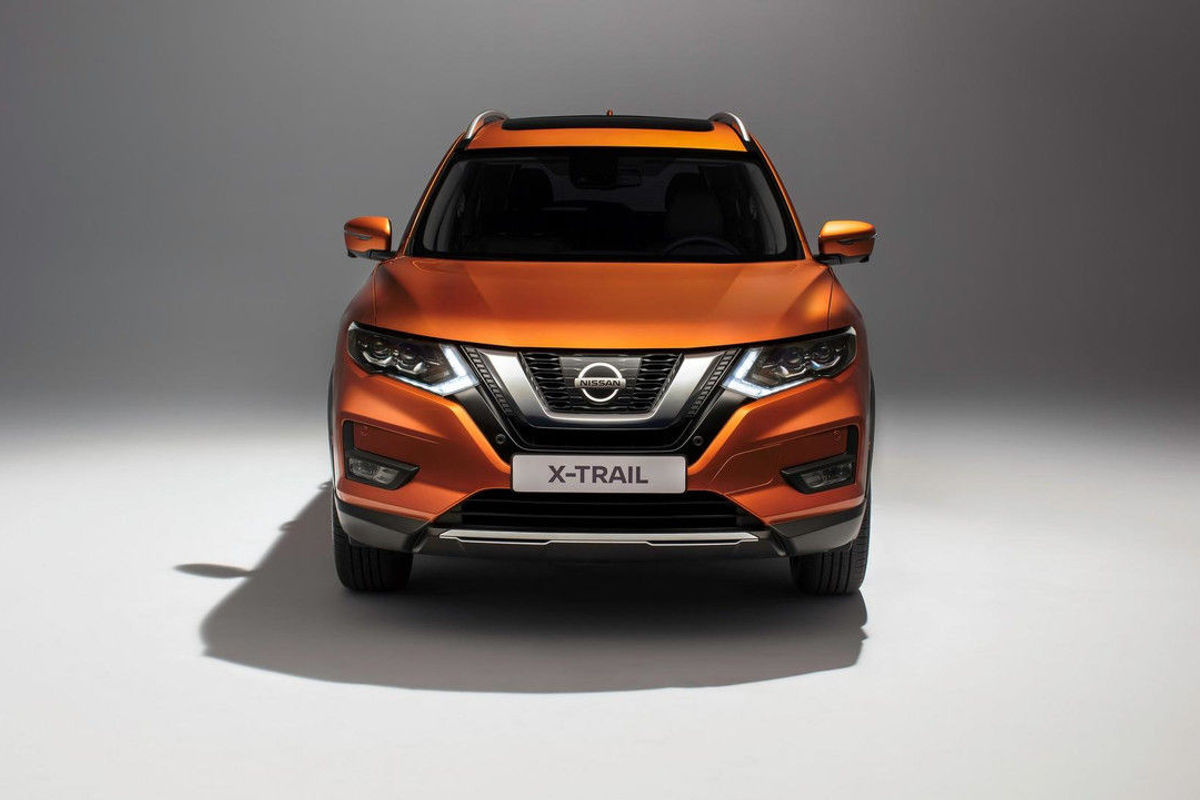
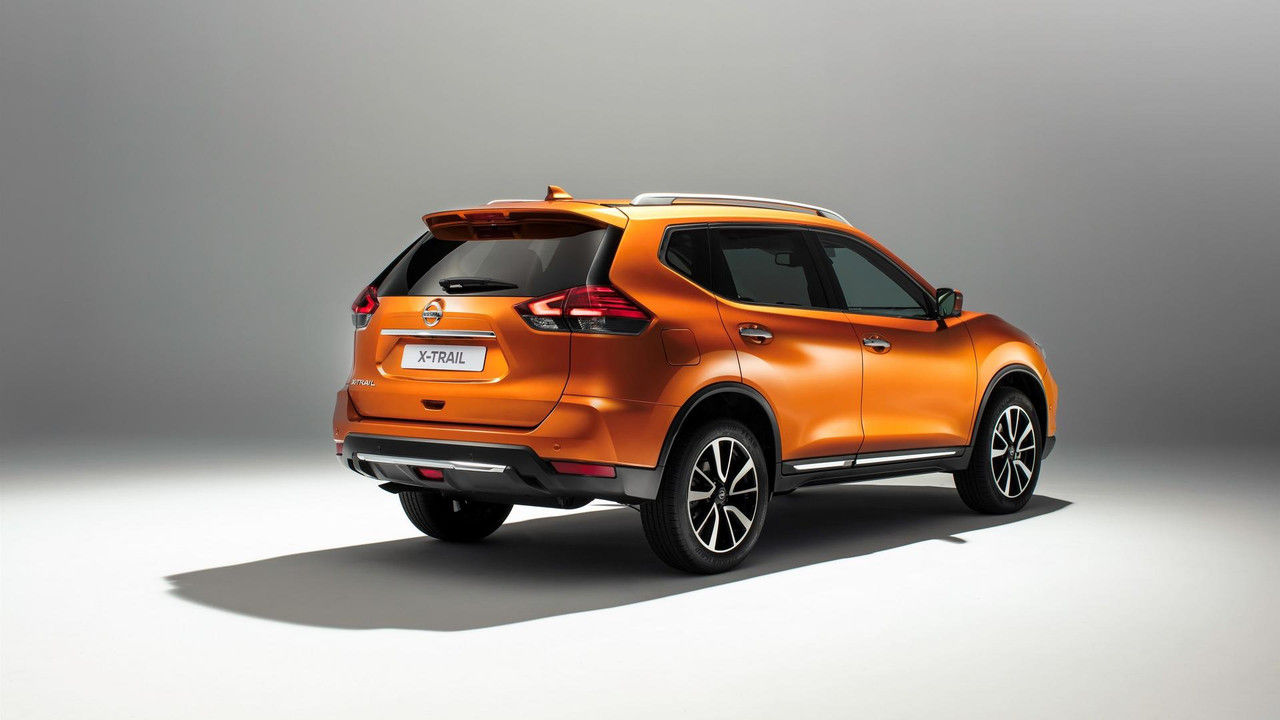
The facelifted Nissan X-Trail has been revealed and can be expected in South Africa later this year!
Nissan has given its flagship crossover a makeover and the latest model will feature fresh exterior styling, improved interior refinement and a host of new safety features and autonomous driving technology.
What’s changed?
The X-Trail's updated styling and new technology should translate into improved sales when it arrives in South Africa later this year.
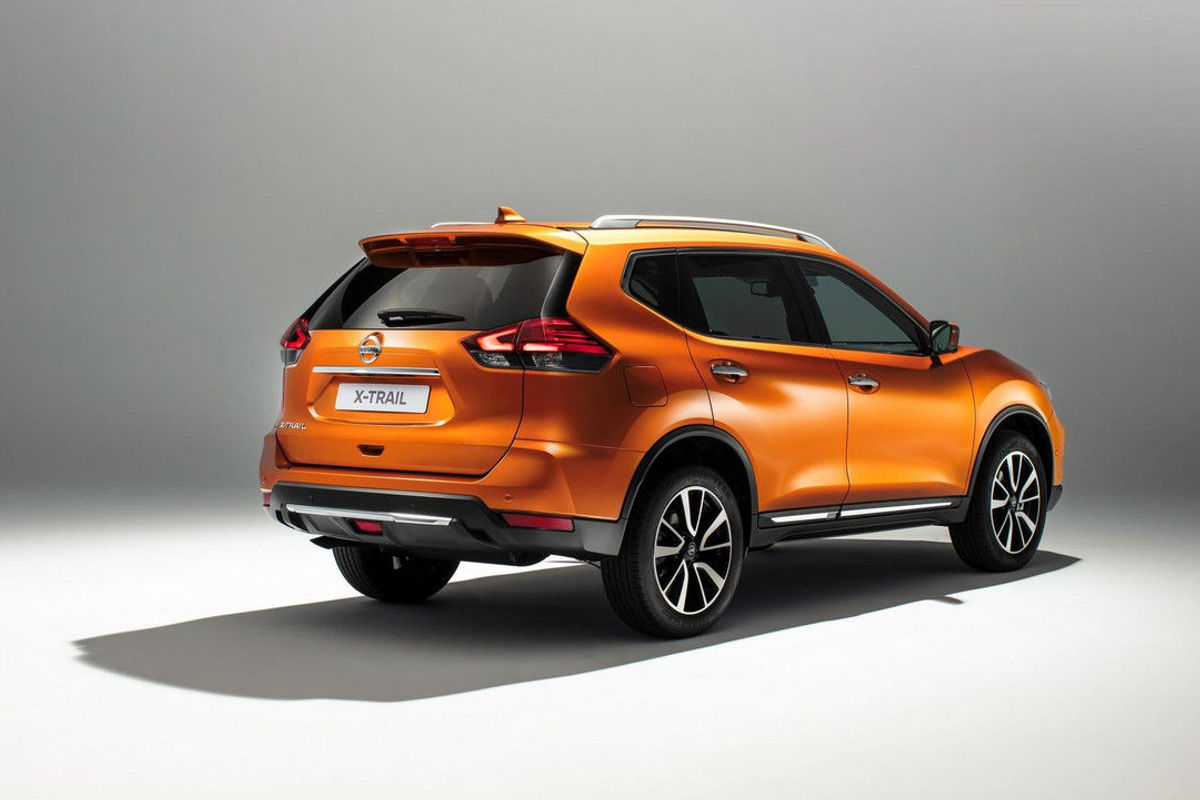
The updated X-Trail wears a wider ‘V-motion’ grille while the newly designed bumpers feature a new gloss black finish. The revised headlight clusters further add to the new look with ‘boomerang’ daytime running lights. The LED headlights also feature Adaptive Front Lighting System (AFS) for the first time while the fog lamps are now rectangular.
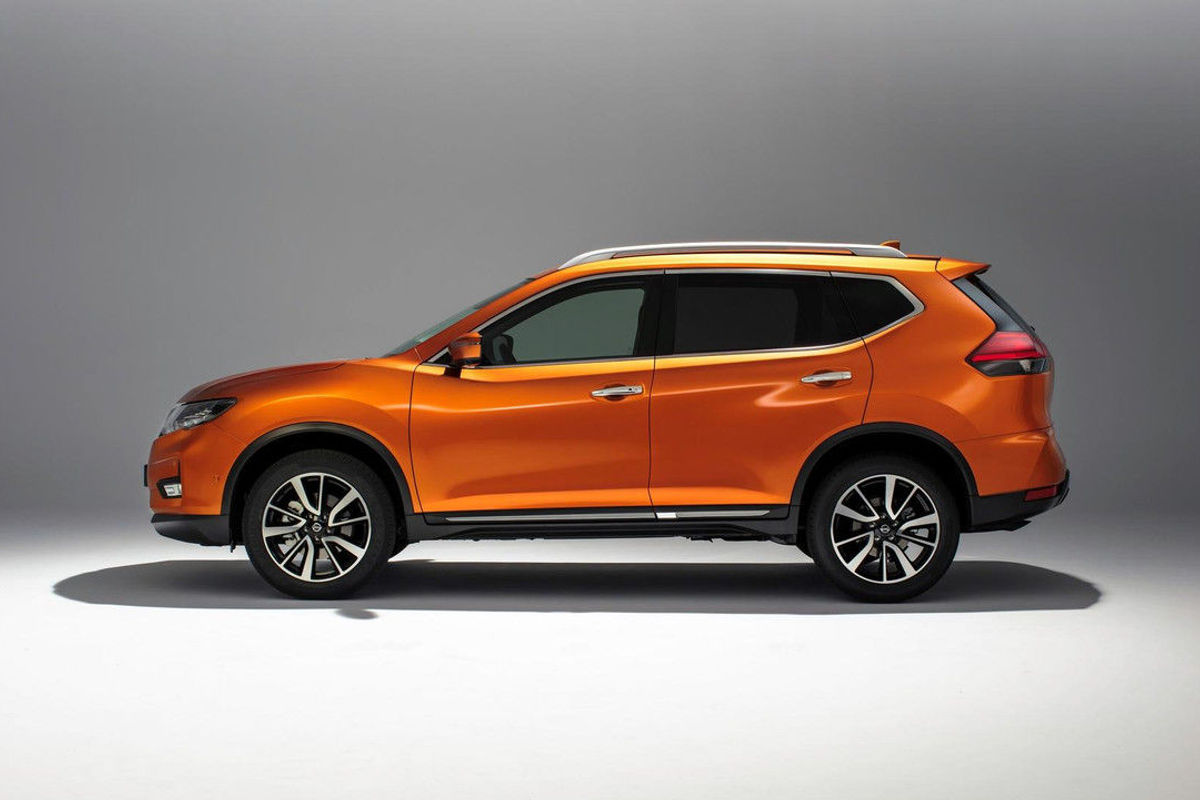
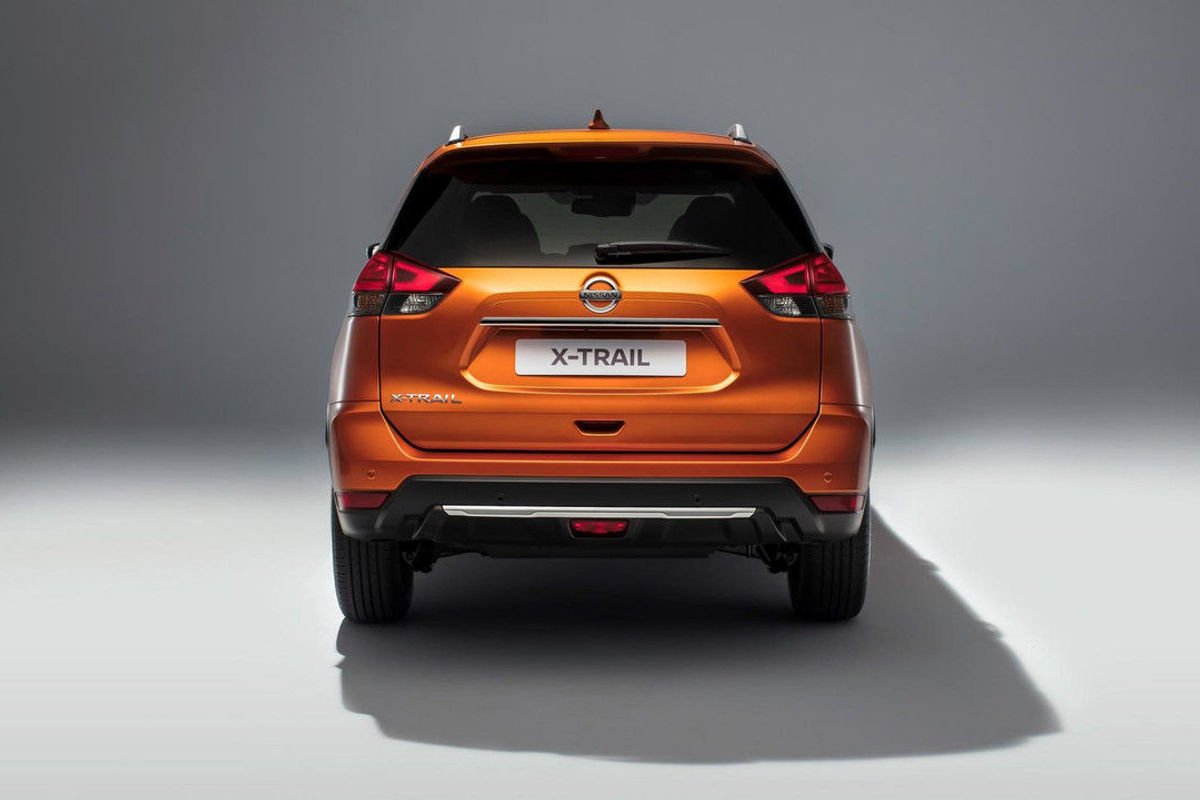
The rear bumper has also been redesigned and now feature chrome trim and the LED taillights give the X-Trail some rearward presence. A new feature is the the hands-free tailgate that can be opened by swiping your foot under bumper. Customers also have the choice between new 17- and 18-inch wheel designs and new exterior colours including Orange Pearl, Red Pearl, Blue Pearl Metallic and Dark Brown Pearl will be on offer.
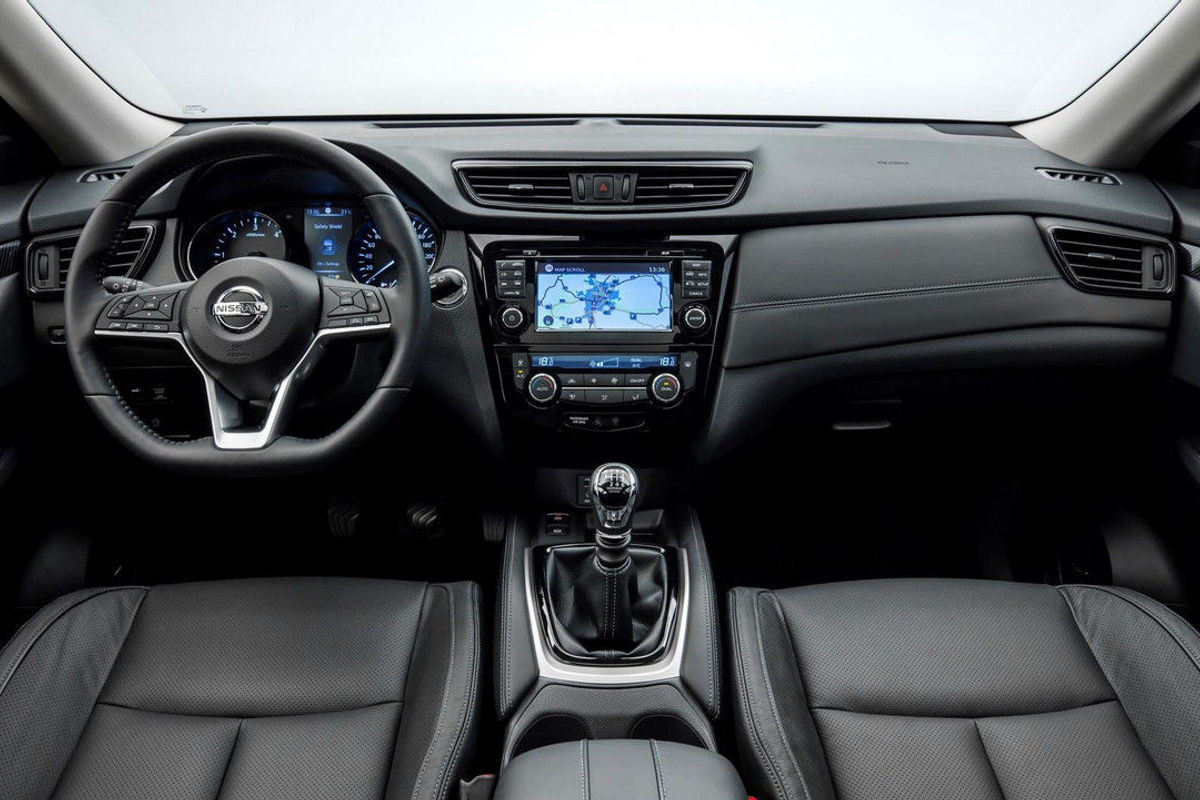
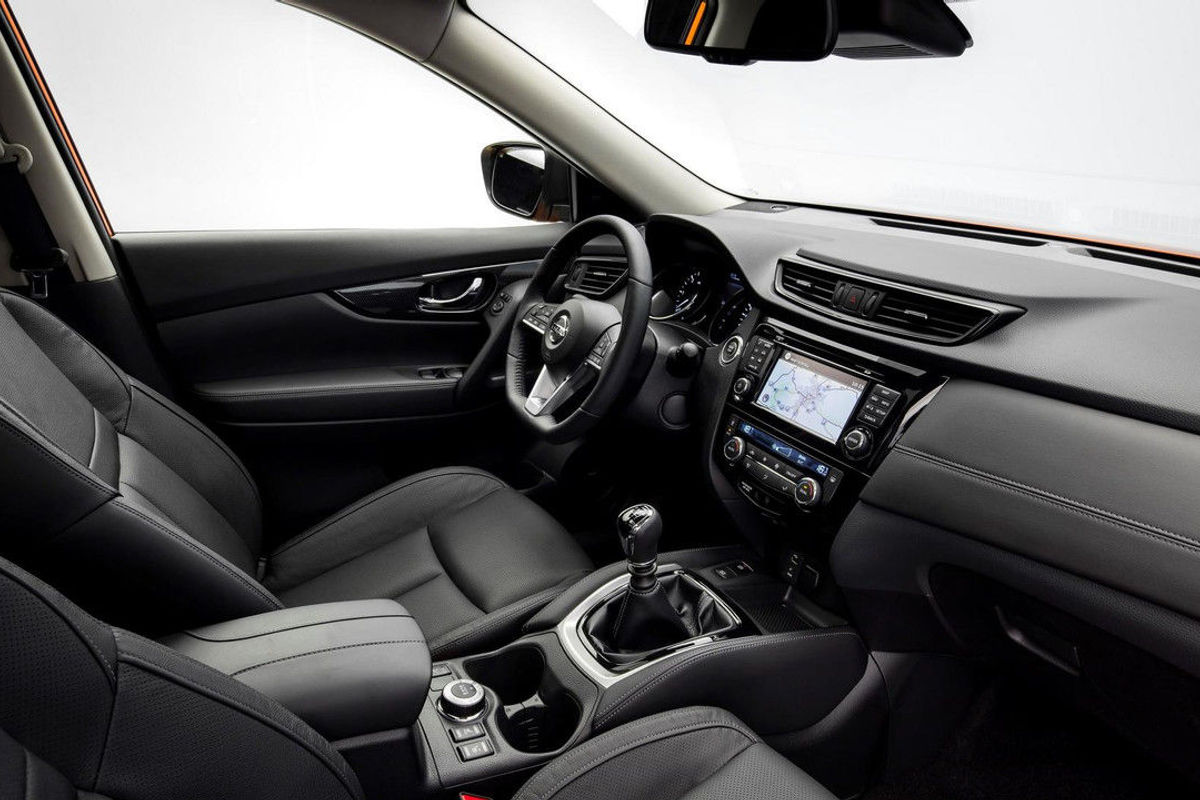
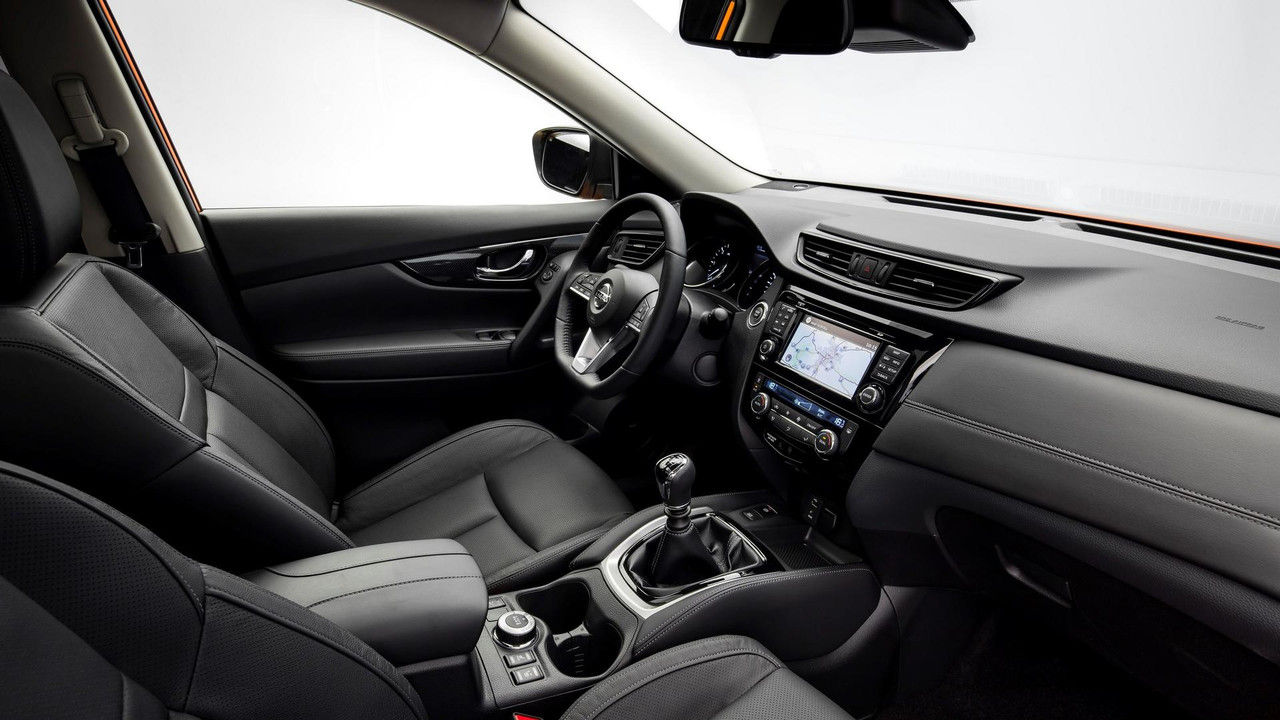
As for the interior, there’s a new D-shaped steering wheel with convenient 4-way controllers and integrated heating for those cold winter days. Nissan has used higher quality materials for the interior and front and rear heated seats will be offered for the first time. In Tekna grade, the X-Trail will be fitted with a new 8-speaker BOSE Premium sound system as standard and a new tan and black 2-tone leather interior will be available as an option. DAB digital radio is standard equipment and the NissanConnect touchscreen satellite navigation system now features a new interface that’s more user-friendly.
A new cabin design with higher quality materials should find favour with local buyers.
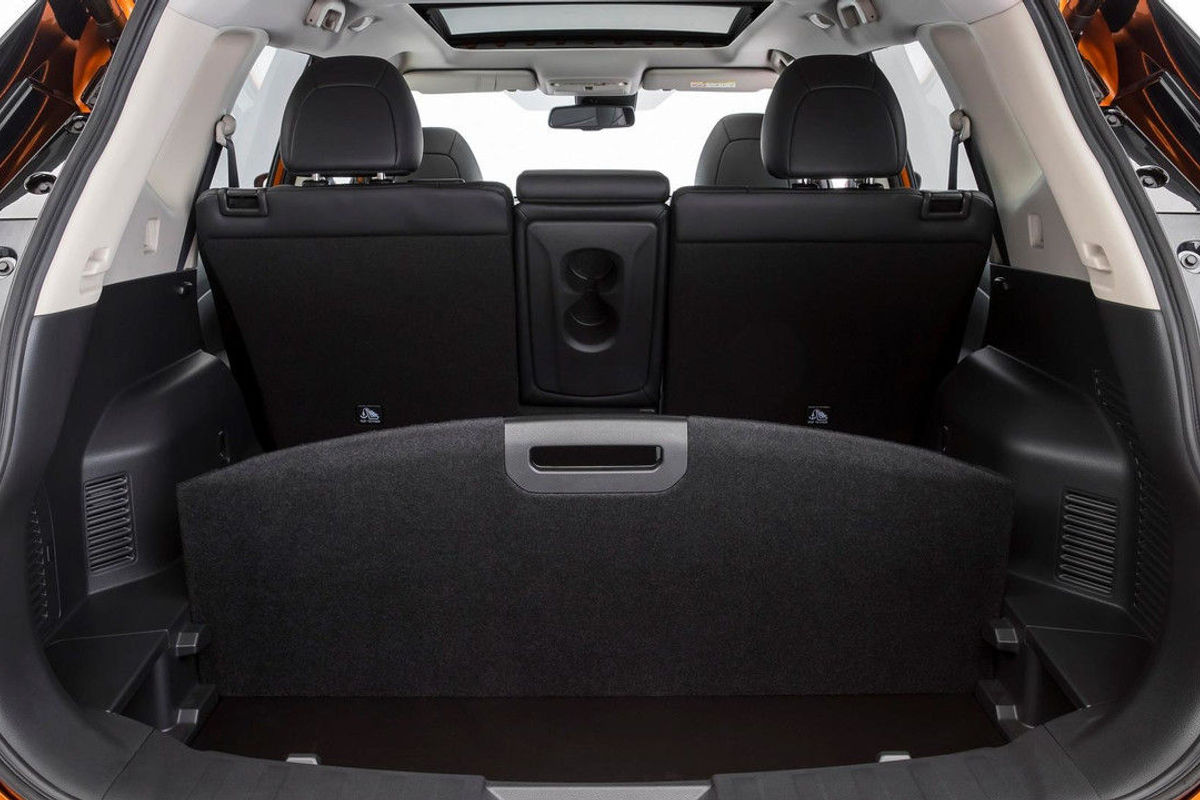
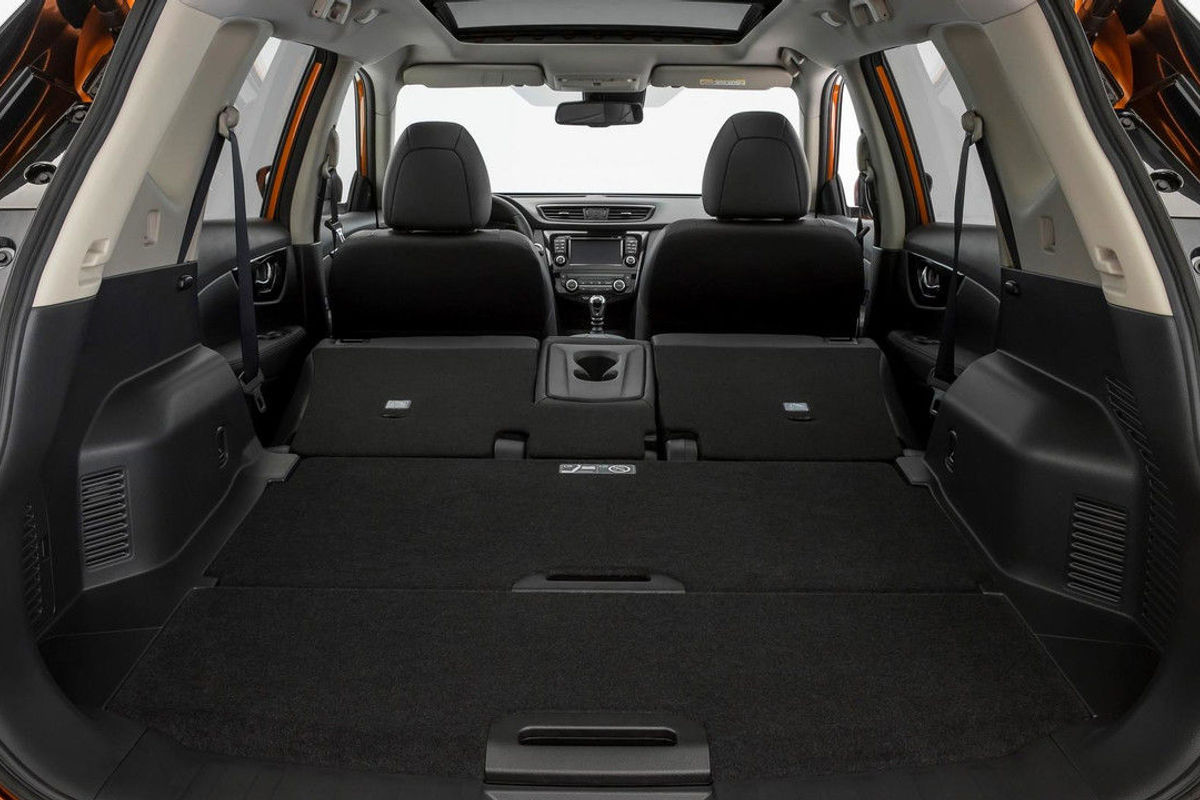
In terms of practicality, Nissan claims best-in-class knee room for second-row rear passengers and the seats can recline and slide for extra flexibility. Buyers will be happy to know that space in the luggage bay has increased to 565 litres (previously 550 litres) on the 5-seat X-Trail with space increasing to 1 996 litres with all the seats folded down. The luggage bay can also be adapted to your needs using a Luggage Board System that allows shelves and dividers to be adjusted in 9 different configurations.
The facelifted X-Trail will be offered with ProPilot autonomous driving technology. As one of Nissan’s Intelligent Mobility systems, ProPilot will control steering, acceleration and braking in a single lane in congested traffic situations or when cruising at speed. Other useful features include intelligent emergency braking and rear cross traffic alert.
Engine choice
In Europe, three engines will power the X-Trail but the current naturally aspirated 2.0-litre and 2.5-litre petrol engines and the 1.6-litre turbodiesel will likely remain in the local lineup. The range of engines for Europe include the familiar 96 kW 1.6-litre turbodiesel engine, a 130 kW 2.0-litre turbodiesel and a 120 kW 1.6-litre turbopetrol engine. Customers will have the choice of either a 6-speed manual or a Continuously Variable Transmission (CVT). Both 2WD and 4WD derivatives will be offered, either as a 5-seater or 7 seater.
The facelifted Nissan X-Trail is expected to arrive in South Africa in the third quarter of 2017 and we will keep you updated as more details regarding local specification and pricing become available.
Hyundai South Africa has launched an all-new Elantra compact sedan. As expected, the line-up includes 1.6- and 2.0-litre naturally aspirated derivatives, but also a 1.6-litre turbopetrol flagship. Herewith the specifications and pricing.
The Elantra has done well in our market: since winning the 2012 SA Car of the Year award, it has tallied up a substantial 14 722 sales. Now for 2017, there's an all-new model. The newcomer, which is available in 4 derivatives from launch, rivals the Ford Focus, Kia Cerato, Mazda3 and Toyota Corolla sedans. However, given its price, spec and performance, the flagship model has Honda Civic and upcoming Subaru Impreza in its sights.
The new Hyundai Elantra now boasts a performance flagship, equipped with a dual-clutch 'box and turbocharged engine.
Engines and Transmissions
The new Hyundai Elantra range starts with a base-spec 1.6-litre Executive, which is cheaper than the outgoing entry-level offering. It's powered by a 1.6-litre naturally aspirated petrol motor (with peak outputs of 94 kW and 154 Nm) and the derivative is available with either a 6-speed manual or automatic transmission. This Executive is claimed to consume 6.5 L/100 km and 6.9 L/100 km for the manual and automatic respectively.
A 2.0-litre naturally aspirated motor with 115 kW and 195 Nm powers the mid-range Elite. This model is only available with a six-speed automatic transmission. It's a tad more thirsty as it returns a consumption figure of 8.3 L/100 km.
Finally, the new Elantra flagship model comes to market armed with a 1.6-litre 4-cylinder petrol turbopetrol motor mated with the Korean firm's 7-speed dual-clutch transmission. With peak outputs of 150 KW and 265 Nm on tap, this 1.6 Turbo Elite is said to be capable of accelerating from zero to 100 kph in 7.7 seconds. It's the sportiest Elantra, but it's not the thirstiest; Hyundai claims it will consume 7.9 L/100 km.
Sharper lines, daytime running lights and sportier alloy wheels make the new Hyundai Elantra stand out a bit more
Specifications
The range is well specced and there are only minor differences between the trim levels. The Executive comes equipped with (manual) air-con, touchscreen infotainment system with RDS radio/satnav/MP3/Aux/iPod/USB, Bluetooth connectivity, cruise control, rear park assist, 16-inch alloys and leather seats. The Elite trim adds smart key push-button start, climate control, rain-sensing wipers and 17-inch alloys.
In terms of safety, the Hyundai Elantra range is well specified with ABS with EBD, 6 airbags, daytime running lights, central locking, ISOfix child seat mounting points, with the Elite models additionally fitted with an electronic stability programme.
The red trim may not be to everyone's tastes, but it gives the cabin a sporty feel. Fortunately, the car is sporty to drive too.
Hyundai Elantra prices in South Africa (June 2017)
The new Hyundai Elantra comes with a 5-year/150 000 km manufacturer's warranty, with an additional 2-year/50 000 km manufacturer powertrain warranty. Furthermore, there is roadside assistance for 5 years (or 150 000 km) and a 5-year/90 000 km service plan. The intervals are 15 000 km.