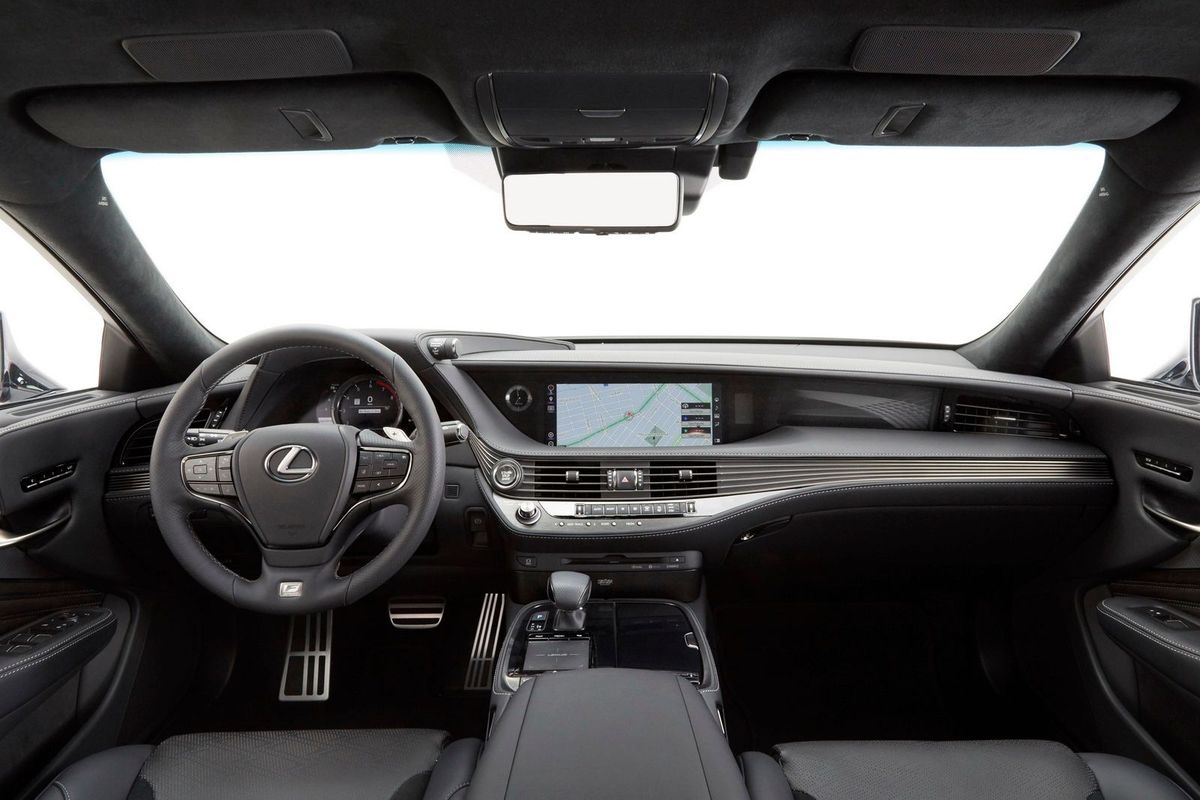
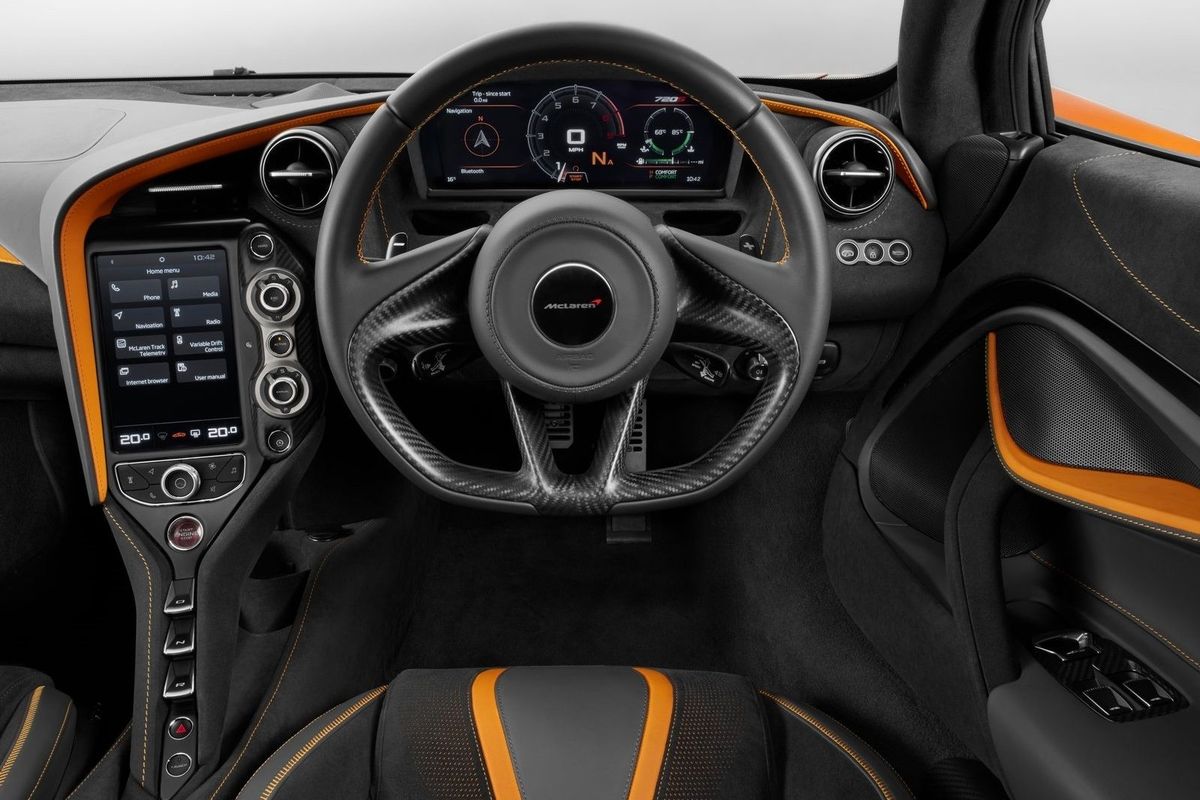
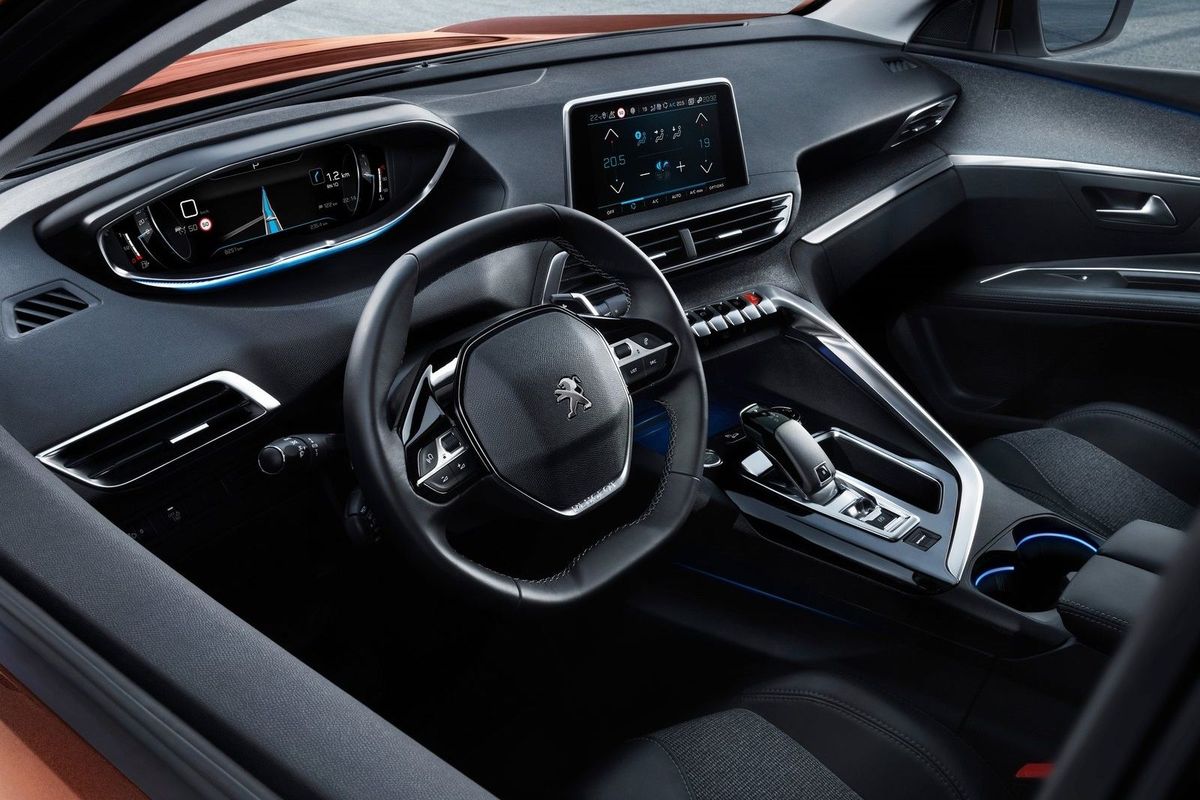
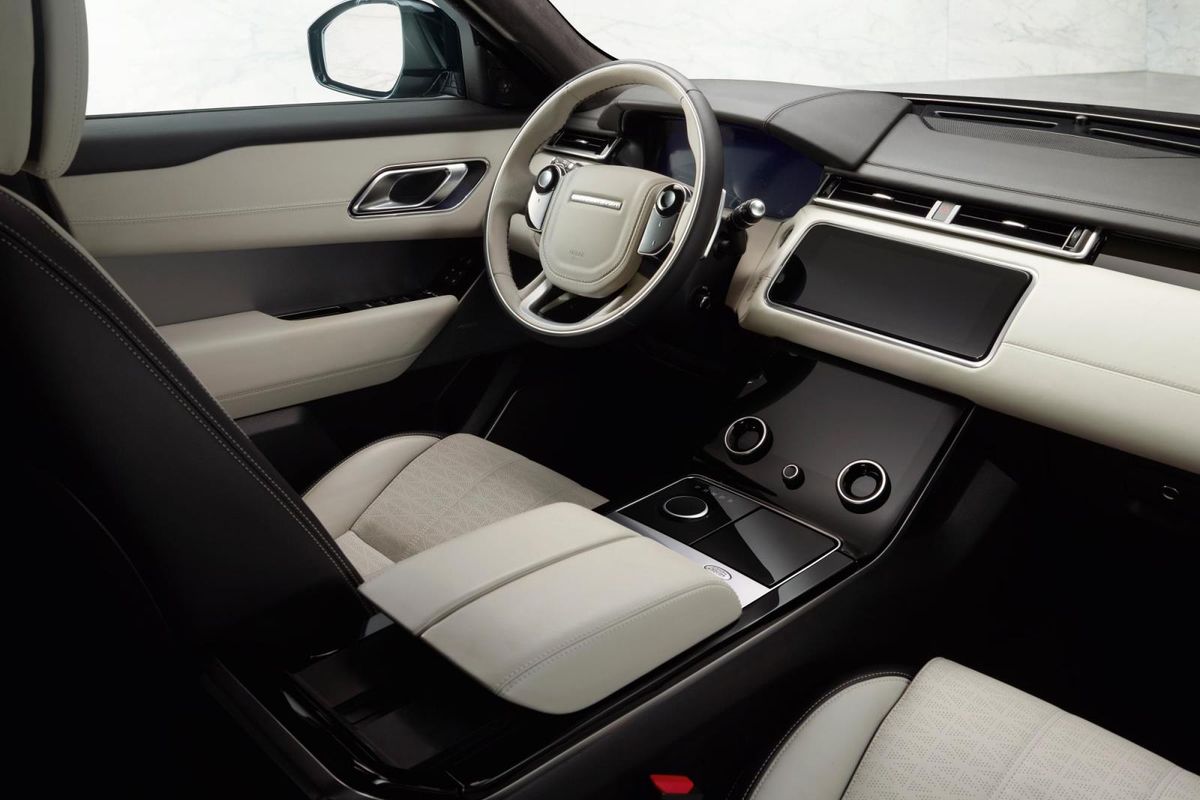
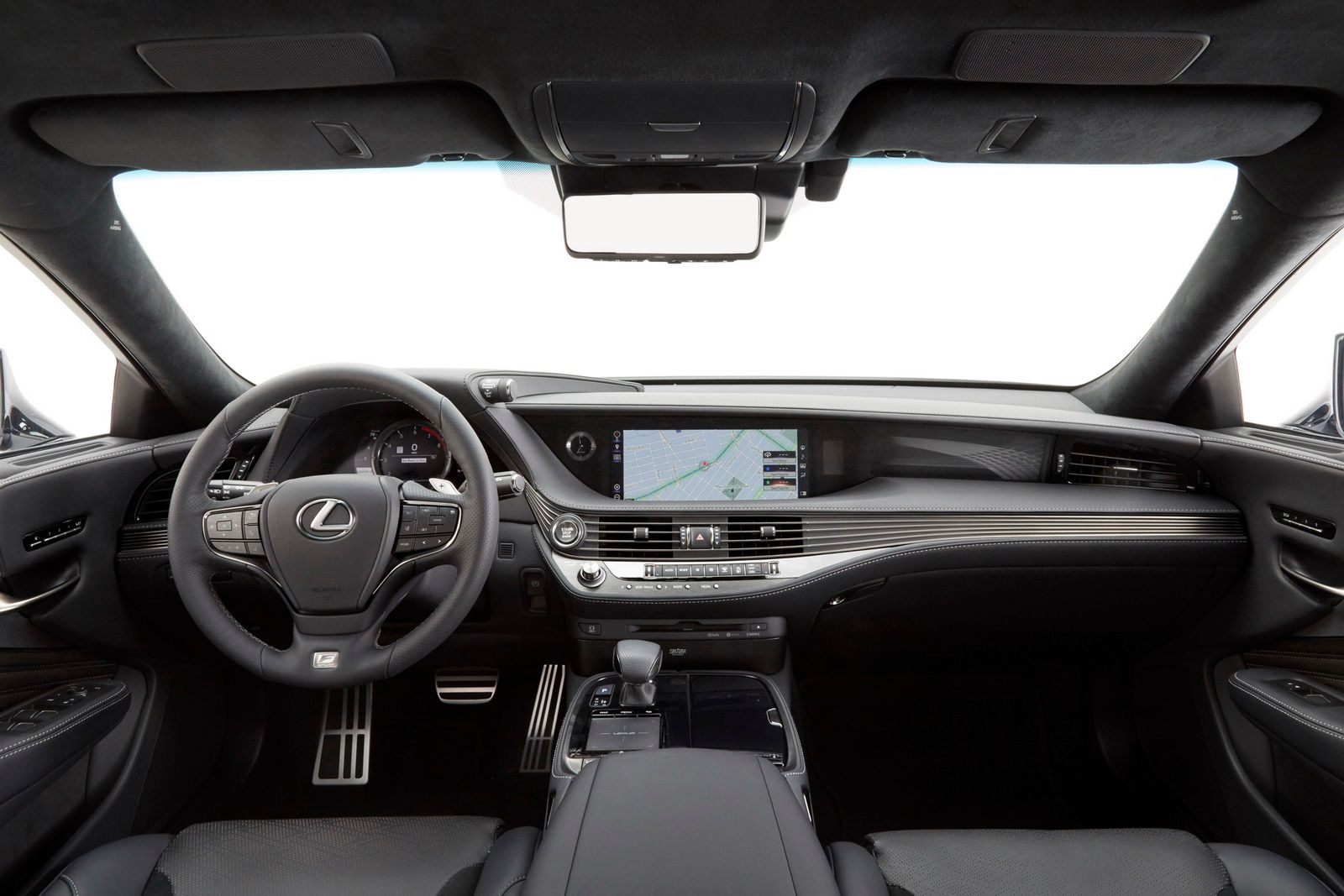
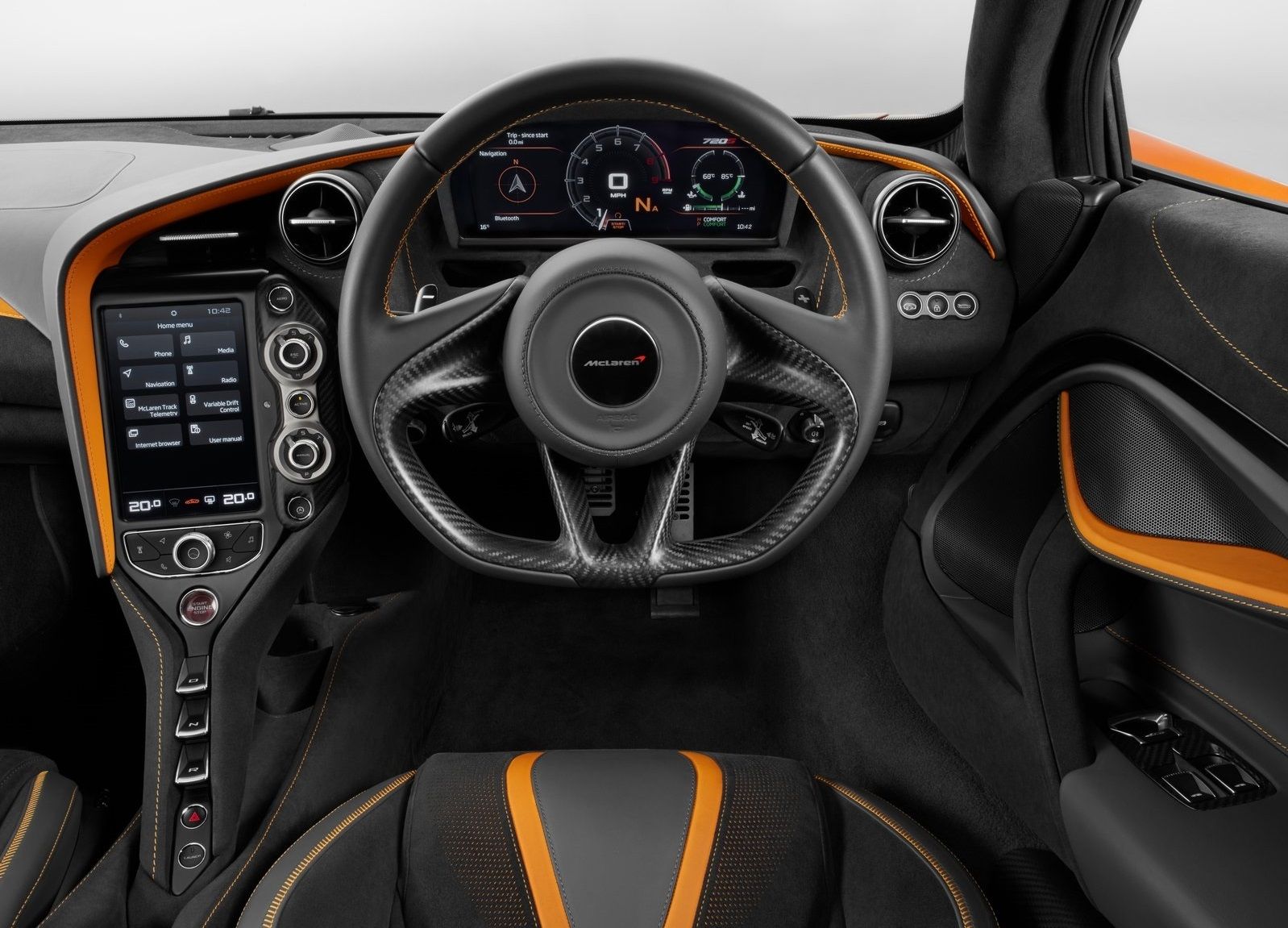
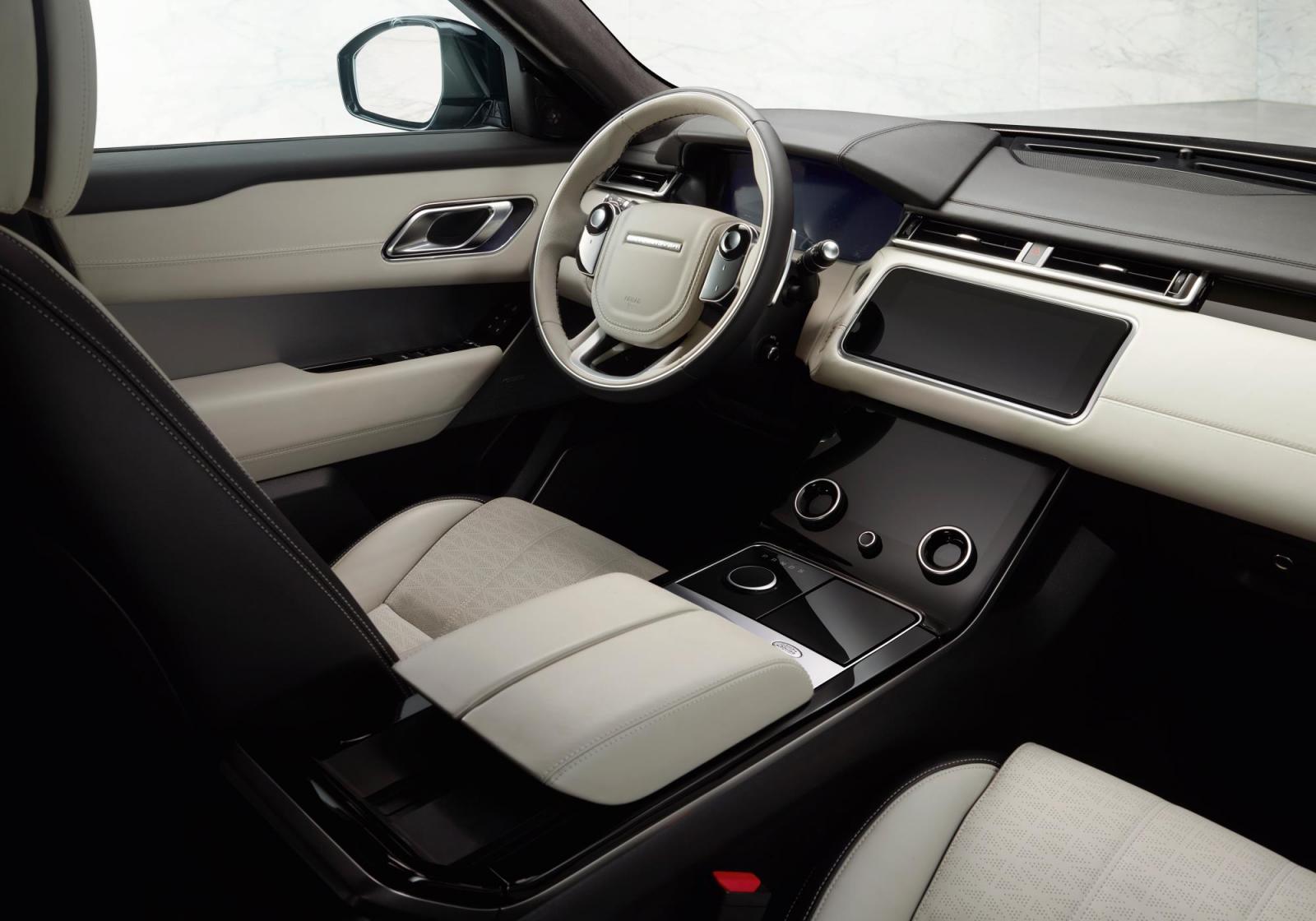
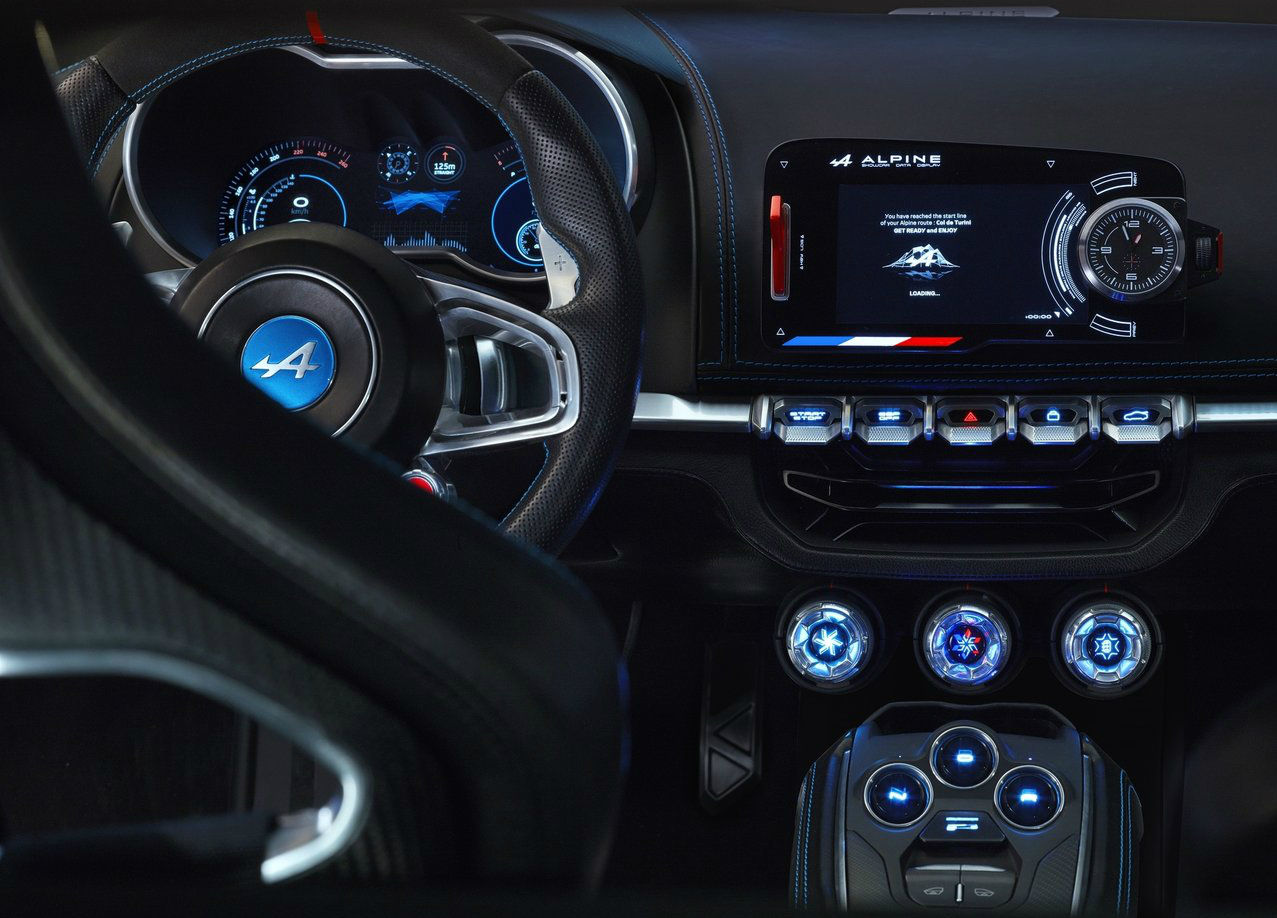
We travel to Spain to test the evocatively styled LC500 on road and track. Does the eye-catching V8-engined newcomer offer enough performance and driver involvement to be considered a fully-fledged sportscar? Let's find out…
Lexus is not renowned for producing headlining sportscars, but the eye-catching LC500 looks to change all of that. Just how good is it? We drove the eye-catching V8-engined newcomer, which will be launched in South Africa in mid-2017, on the roads around Seville and on the Monteblanco race circuit.
*Shot on location in Spain using stock footage supplied by the manufacturer.
Update: New Mercedes-Benz E-Class Coupe Details Revealed
Following the release of a short video teasing the new E-Class Coupe earlier this week, Mercedes-Benz has revealed more details ahead of its debut at the Detroit Motor Show in January 2017.
The new Mercedes-Benz E-Class was introduced locally earlier in 2016 and by all accounts, it’s an impressive product. The E-Class Coupe, however, has been in development for some time and Mercedes-Benz is gearing up to reveal the new E-Class Coupe to the public. The new E-Class Coupe will make an official appearance at the Detroit Motor Show in January 2017. The E-Class Coupe should arrive in South Africa towards the end of 2017 or in the first quarter of 2018.
Key design elements
The E-Class Coupe looks strikingly similar to the C- and S-Class Coupe but it's differentiated with a third side window, slim and long taillights, a dual power dome bonnet and less pronounced lines on the bodywork. You will also notice the striking rear “stardust effect” taillight clusters, giving the E-Class Coupe a distinct look when night falls. The interior design is more in line with the current E-Class, albeit with a new air vent design, new front seats and specific panel trim elements.
In terms of dimensions, the E-Class Coupe stands 4 826 mm in length, 1 860 mm wide and 1 430 mm tall and is some 123 mm longer, 74 mm wider and 32 mm taller than its predecessor. The 2 873 mm wheelbase has been stretched by 113 mm too, making way for a roomier cabin for passengers.
Engine offering
On the engine front, the E-Class Coupe will be powered by four engines at launch (Europe). These engines include a 2.0-litre turbodiesel engine in the E220d with 144 kW. The E200 and E300 will be powered by 2.0-litre turbopetrol engines offering 135 kW and 180 kW respectively. The E400 4MATIC will offer 245 kW from its 3.0-litre twin turbocharged V6 engine. All models are equipped with a 9G-TRONIC 9-speed automatic transmission.
Further engine options are likely to be introduced at a later stage. TheMercedes-AMG E63 S 4MATIC will be offered in South Africa in about June 2017 and comes fitted with a twin turbocharged 4.0-litre V8 engine with 450 kW and 850 Nm of torque. If you haven't read our first drive yet, do yourself a favour…
Mercedes-Benz may even decide to introduce the AMG E50 Coupe 4MATIC featuring a new 6-cylinder, 3.0-litre that could see power outputs reach 420 kW, but that remains to be seen.
We will keep you updated as more details regarding local introduction, specification and pricing become available.
The new-look Mazda BT-50 may still be regarded by some as the less-than-macho, somewhat awkward-looking cousin of the top-selling Ford Ranger, but beneath its polarising exterior styling lies a pragmatic bakkie that is made for work and isn’t short on comfort, either. Australian contributor Matt Campbell drove it ahead of its local introduction in February 2017.
The facelifted Mazda BT-50 range certainly looks a bit more masculine than it did before, with a revised grille treatment, new-look headlight inlays, a re-sculpted front bumper and there’s a slightly revised rear-end with new, redder taillights.
But, really, if you already liked the swoopy KODO design language-flavoured look of the Mazda BT-50, as opposed to the square-edged styling of its competitors, then you probably won’t care too much about the aesthetic changes. Or, you might love them.
The BT-50 may be regarded as an overtly lifestyle-oriented double-cab, but its off-road prowess is substantial.
As with the current range, the BT-50 line-up consists of single-cab, Freestyle extra-cab and double-cab models powered by 2.2- and 3.2-litre turbodiesel engines. So there’s something for everyone and, according to Mazda South Africa, the range line-up of will remain much – if not exactly – as before.
The BT-50 was the last Mazda model to be introduced in South Africa under Ford's custodianship (back in 2012) and it was produced at the Blue Oval's Silverton plant (in conjunction with the Ranger). However, like in Australia, the Ranger comfortably outsells its comparatively outlandish cousin on the local market and Mazda, which took over the distribution of its own products in 2014, now sources its BT-50s from a plant in Thailand.
Mazda dares to be different with the most evocative of bakkie designs, it does not look bare without nudge- and roll bars.
Given that the Ranger received such a large update this year, you may expect some technological advances to the BT-50. But, in what can be seen as a demonstration that Ford and Mazda no longer co-develop their products, the newcomer sports nothing like the changes offered by Ranger.
In the cabin
Let’s start with the stuff the BT-50 doesn’t get that the Ford Ranger does – the list isn’t short.
There’s no company-sourced infotainment system – the impressive MZD Connect media controller in the brand’s passenger vehicles isn’t fitted to the BT-50. But in high-spec models, there’s a touchscreen media unit, but we will have to wait and see if it will be offered in South Africa (it might!). All models have USB connectivity and Bluetooth phone and audio streaming with voice control to keep you in touch on the road.
Although the instrument cluster remains largely analogue, the touchscreen infotainment system would be a nice-to-have feature.
Unlike the updated Ranger, the Mazda doesn’t get the clever digital readouts on either side of a central speedometer. Instead, the cluster looks identical to how it already did, and that means a speedometer and rev counter, but no digital speedo, nor sat-nav instructions or safety aid settings…because, you guessed it, the Mazda doesn’t get the new safety tech of adaptive cruise control and forward collision alert that’s offered in the high-end Ford models. A rear-view camera is available, and there are six airbags in most models.
It’s a smart cabin with excellent finishes and convenience features, which is, after all, what modern Mazdas are renowned for. The storage solutions are good, with large door pockets up front (and in the rear of double-cab models), and good storage between the seats, too.
The controls are chunky and easy to use, although the more affordable models have a button-heavy media system that can be a bit of a pain to use.
Rear legroom remains one of the BT-50's strengths, the bench can accommodate up to three adults.
If you choose a double-cab, there’s easily enough space for five adults on board, with 3 big boppers fitting across the back at a squeeze. If you have little ones, there are ISOFIX child-seat anchor points.
Under the bonnet
The engine line-up remains unchanged, with the 2.2-litre 4-cylinder turbodiesel drivetrain offered in the lower-end models, producing 110 kW and 375 Nm of torque. For a 4-cylinder engine this is a competitive offering, and if you can’t stretch to the higher models in the range then you’ll not be left feeling hard done by. It's an honest and strong engine, with its sweet spot between 1 500-2 500 rpm – beyond that it can be quite noisy.
High-spec versions have the same 3.2-litre, 5-cylinder turbodiesel engine with 147 kW and 470 Nm of torque. It’s an effortless engine with limited weight on board, and even with a full load – five adults and a few hundred kilograms in the load bay – it’s strong. The 6-speed automatic can seem a little busy at lower speeds, particularly when you’re dealing with traffic, and there’s some lag down low in the rev range if you try to hurriedly take off from a standstill.
The jury's still out on the tail light designs, but they're nothing if not distinctive.
That said, the engine is among the best in the class for pure grunt – this isn’t a bakkie that feels like it will shy away from hard work, despite the fact Mazda pitches it more as a lifestyle vehicle.
Driving dynamics
Another thing the Mazda BT-50 misses that the impressive Ranger has is electric power steering. In the Ranger, the responsiveness of the tiller is so good that you can turn it into parking spaces with just your fingertips.
In the Mazda, the existing hydraulic steering system remains, and its action is heavy: it verges on cumbersome at low speeds when parking or performing 3-point turns, and the turning circle is quite large, too. At higher speeds the steering accuracy and response are excellent, and off-road, it offers appreciable feedback to the driver’s hands, allowing them to know exactly where the front wheels are.
Shift-on-the-fly 2H to 4H functionality is still a boon to those appreciate the odd off-road excursion.
The ride can be harsh in lower-spec models, but that’s to be expected when there’s nothing in the tray when the payload capability is so high. Higher spec models with the larger alloy wheels ride commendably, even over rough roads with nothing in the tray.
Summary
It misses out on some of the good stuff that the Ford Ranger gets, but the BT-50 is backed by a 4-year/120 000 km warranty and it has 3-years of roadside assistance included. Servicing is due every 15 000 km and there’s a 5-year/90 000 km servicing plan, too. The new-look Mazda BT-50 remains among the best in the segment for power and torque, and it certainly has the capability expected of this type of vehicle. Yes, it may lack some of the top-end features of the Ranger and, yes, its exterior styling is still an acquired taste, but a 5-year/90 000 km service plan, backed by a 5-year/150 000 km warranty and keen pricing has kept the BT-50 on people's shopping shortlists, even if it wasn't the bakkie they ultimately bought. May the same be true for this newcomer.
Comparative Review: Hyundai Tucson vs Kia Sportage vs Renault Kadjar vs Volkswagen Tiguan
These 4 family cars, which were recently introduced in South Africa, compete in one of the most hotly-contested segments in the South African new vehicle market. We get down to the nitty-gritty to find out which one is the best buy.
At a glance
Hyundai Tucson 1.6 Turbo 4WD Elite
Kia Sportage 1.6T GT-Line AWD
Renault Kadjar 81 kW dCi Dynamique
Volkswagen Tiguan 1.4TSI Comfortline R-Line Auto
Price
R519 900
R599 995
R414 900
R475 680
We like:
Quiet cabin, composed ride, styling
Build quality, sure-footed drive, wireless charging bay
Value for money, fuel efficiency, infotainment system
Interior and exterior style, comfort, practicality
We don't like:
Bland cabin, plain infotainment system, thirsty
Expensive, thirsty
Small boot, interior quality outclassed here
Laggy engine
Three of these 4 competitors are re-entrants to the family or compact SUV/crossover segment. The new generation Hyundai Tucson has returned to its original nameplate in the wake of a successful 7-year stint as the ix35. The Kia Sportage, the latest of the contenders to reach the South African market, has been repositioned as a more premium offering…whereas Kia was synonymous with budget-friendly offerings before, it’s now pushing into the premium market. Volkswagen’s Tiguan has always been a good seller on the local market and the new model impressed us with its stylish good looks, but the range is not quite completed yet (with turbodiesel models only joining the fray in 2017). Finally, Renault released the Kadjar as a brand new vehicle in 2016. The French car may be based on the Nissan Qashqai, but Renault has ensured the Kadjar's interior meets the high-tech standards that the firm's renowned for.
What do we have?
What used be "soccer mom" cars have now become sought-after vehicles for everyday use…
When we plan comparative reviews, it’s not always possible to be granted custody of ideally matched derivatives at the same time, because it's up to the test unit's respective manufacturers/importers to decide which vehicles will go into the media fleets. Nevertheless, each of these contenders is equipped with an automatic 'box, which is the transmission option that the majority of buyers prefer. The 2 Koreans are top-of-the-range models, both featuring all-wheel-drive in tandem with 1.6-litre turbopetrol engines. The Tiguan 1.4 TSI Comfortline with its R-Line equipment package is currently the range-topper (until the 2.0-litre turbopetrol and -diesel models arrive in early 2017), while the Kadjar, in this bunch, offers a value-for-money option with its 1.5-litre turbodiesel.
How do they compare in terms of…
Practicality?
The VW Tiguan has the largest boot, but the Koreans have reclining rear seats which, adds to the overall comfort.
Hyundai Tucson 1.6 Turbo 4WD Elite
Kia Sportage 1.6T GT-Line AWD
Renault Kadjar 81kW dCi Dynamique
Volkswagen Tiguan 1.4TSI Comfortline R-Line Auto
Length
4 475 mm
4 480 mm
4 449 mm
4 486 mm
Width
1 850 mm
1 855 mm
1 836 mm
1 839 mm
Height
1 660 mm
1 655 mm
1 607 mm
1 632 mm
Wheelbase
2 670 mm
2 670 mm
2 646 mm
2 677 mm
Boot capacity/seats down
488 L/1 478 L
466 L/1 455 L
370 L/1 478 L
520 L/1 655 L
Sportage boot has a wide opening aperture and a low loading height. Rubber mats are a great addition.
Space and versatility are of paramount importance in modern compact SUVs/crossovers: seats need to fold flat, the luggage bay needs to be capacious, Isofix child-seat mounting points are a must and plenty of room must be availed to front and rear passengers – and these requirements are reflected in these vehicles' exterior dimensions. The Renault Kadjar is the smallest car here, but upon closer inspection, there is little to choose between the rivals. The Kadjar is 37 mm shorter than the longest (Tiguan) and 19 mm narrower than the widest (Sportage). In height and wheelbase dimensions the Kadjar loses out by 53 mm and 31 mm respectively. The Renault does have the most ground clearance at 200 mm, 28 mm more than the lowest vehicle here – the Tucson.
Tucson boot looks identical to that of the Sportage, except it is claimed to be 20-litres bigger!
This results in the Kadjar having the smallest luggage bay of the lot at (a claimed) 370 litres, whereas the others have visibly larger loading bays: Sportage – 466 litres, Tucson – 488 litres and Tiguan – 520 litres. The Sportage and Tucson have very square boot openings that make it easy to load bigger objects and their boot lips are nice and low too. The Sportage and Tiguan have electric tailgates, which take the effort out of closing the rear hatches/assist shorter people that might struggle to reach the handles. The Sportage’s tailgate motion is particularly slow, it needs to be noted.
Tiguan has a floorboard that can be lowered to give the boot more depth
Rear passenger space is excellent in each of these contenders, even the Renault, which appears to have sacrificed a modicum of boot space for improved back seat comfort. However, the Korean pair holds the edge here: they offer reclining rear seats (with multiple levels of adjustability) as well as additional ventilation vents for the aft passengers. If you want to fold the rear seats down, all the SUVs have a one-lever release system to flatten out the utility space.
Kadjar has a narrower boot opening and its's higher off the ground than the others but, the load area is nice and square
Result: Korean cars favour rear passenger comfort due to reclining seats; Tiguan has best luggage space; Kadjar best suited for couples with small kids.
Ride quality?
The Hyundai and Kia ride on the same, new-for-2016 platform; the Tiguan uses the tried and tested MQB platform that forms the base of the Volkswagen Golf and Audi A3 (corrected) – to name just a few; the Kadjar has a 2-year-old Nissan Qashqai platform that we have praised in the past for its comfort and sure-footedness.
The Tucson and Sportage are both vastly improved over their predecessors, especially in the handling department. The Tucson’s ride is excellent as it crests speed bumps with nothing more than a polite squash of the suspension. There is no thudding/jarring and it’s the same when you get it out of the city and into the hills – the suspension remains composed over varying surfaces. The Sportage feels much the same although one can’t help but feel that the Kia's ride quality is a little bit more pliant and resolved than the Hyundai's… it’s a small notch above the Tucson when it comes to absorbing road imperfections.
The Korean manufacturers have vastly improved noise and vibration levels. Very quiet ride from inside the cabin.
The Tiguan is the most car-like to drive: you sit lower in the cabin and it seems to shrink around you, making the car feel more nimble and agile overall. The ride quality can feel a tad crashy over harsher bumps (like potholes or washboard gravel), but on the regular trip to school and work, the VW's wieldiness is welcome. That leaves the Kadjar, which can’t quite match the others for comfort over the bumps. That's not to say it’s horrible to drive, but you can discern that it’s not quite at the same level as the other 3. They all ride on 19-inch wheels, but the Renault suffers the most for it. You could deal with the others' low-profile tyre-shod ride qualities, but you may want to switch back to 17-inch wheels on the Renault and benefit from plumper sidewalls that offer more give.
Result: Sportage slightly pips the Tucson for ride comfort. Tiguan is also very good, but can feel stiffly-sprung on severe bumps. Kadjar's composed but could benefit from the standard 17-inch wheels.
On-road refinement?
The Tucson and Sportage deserve to be commended for their improved cabin refinement. Driving along at city speeds, their cabins are serenely quiet. Both the Hyundai and Kia feel extremely solid and well-built, the latter even more so than the Tiguan, which is of a high standard too. At freeway speeds, you pick up a bit of wind noise emanating from the Sportage’s mirrors. The Tucson remains dead quiet inside – a testament to its excellent build quality and standing out above the rest. The Renault starts to show its "value positioning" here as it emits odd creaks here and there and the cabin isn’t as quiet as the others.
Tiguan is the most car-like to drive but, all the SUVs are capable of holding their own on a mountain pass like this.
Exterior appeal
The school run can now be executed in style, as these fresh-looking contenders demonstrate… The Tiguan’s R-Line kit is a must-have, because without it (R18 000) the Volkswagen looks rather bland. Thankfully our test model came equipped with the option and certainly attracted its fair share of onlookers. The Tucson is a good looker too: it has more rounded looks, but a stylish and poised stance focused around a good looking front grille and headlight layout.
The Sportage is interesting, to put it mildly. The exterior treatment may polarise opinions, but it grew on us the more time we spent with the Kia. The "ice cube" LED lamps, for example, are an "interesting" design cue. The Kadjar makes a statement too – its bold and curvy design catches the eye as it drives past and like the Clio, it has a very attractive colour palette – all the models we have tested have come in this shiny Toffee Apple red that you want to lick.
It's a personal choice as to which car has the best looks. None are going to be laughed at on the school run.
Interior and features?
Again, when it comes to interior build quality, the Koreans have taken things to another level. The Sportage is especially well built inside. The shut lines are tight throughout; hit any piece of trim with your fist or jiggle something about and it just won't budge. It's a level of solidity beyond even Volkswagen’s renowned quality. The Renault can’t quite match up to the solid build quality of the others, but it does match them and, in some cases, beats them on features.
Both the Kadjar's digital display panels are customisable.
The Kadjar has a customisable infotainment touchscreen and a digital instrument cluster as standard. It requires a solid press of the screen to select what you want but it’s a good system that, once you’ve set up to your liking, is very quick to navigate and its swipe functionality (like a Smartphone) is useful for swapping through the screens. Navigation is also standard in the Kadjar and its reverse-view camera was the clearest and sharpest to work with.
Hyundai has a basic instrument and infotainment setup, it could do with a bit more "cool" factor.
The Korean pair, by contrast, have a much simpler setup with analogue dials for the instruments and a basic infotainment screen. Both use touchscreen systems (navigation is optional in the Hyundai), but have to be used in combination with the physical buttons below the screen. It’s not as customisable as the Renault's interface and it doesn’t have as many features as either the Tiguan or Kadjar. All the navigation systems on the SUVs were particularly easy to use and accurate when finding points of Interest. Real-time traffic would be a great next step in future generations of the navigation systems.
Much better steering wheel design from Kia. Wireless charging dock in front of the gear lever is a brilliant addition
Of all the features and abilities these SUVs have, 2, in particular, stood out. Firstly, the Volkswagen’s digital instrument cluster. We’ve said it before, but it’s the best in the business with its crisp, hi-res display and its adaptability. It is an optional extra, but it brings the cabin to life with its vibrant colours and functionality. The second stand-out feature was the wireless charging bay in the Sportage. Anyone who has a Smartphone that's less than 2 years old probably has this functionality on their phone. Toss your phone into the space in front of the transmission lever and an orange light flicks on to tell you your phone's battery is being charged. Great, that frees up a USB slot and there’s no need for extra charging cables!
Tiguan's optional digital instrument cluster is the best in the business
Result: Tiguan and Kadjar outshine the Koreans for tech and usability but, the build quality of the Koreans, especially that of the Sportage is a cut above the other 2.
Performance vs economy?
Hyundai Tucson 1.6 Turbo 4WD Elite
Kia Sportage 1.6T GT-Line AWD
Renault Kadjar 81kW dCi Dynamique
Volkswagen Tiguan 1.4TSI Comfortline R-Line Auto
Power/Torque
130 kW/265 Nm
130 kW/ 265 Nm
81 kW/260 Nm
110 kW/250 Nm
Claimed fuel consumption
8.5L/100 km
7.5L/100 km
4.7L/100 km
6.1L/100 km
Estimated range
729 km
827 km
1383 km
951 km
The 1.6-litre turbo engine in the Tucson and Sportage is identical in terms of power and torque outputs. There’s 130 kW available and 265 Nm of torque. That’s more than enough power to get you up to speed, but the trade-off against economy is debatable. During our test period, the Sportage averaged 9.9 L/100 km and the Tucson 10.2 L/100 km. Compare that with that of the most efficient car here – the Kadjar – and there’s a definite case for turbodiesel automatic compact SUVs/crossovers. The Kadjar (over the same route) averaged 6.1 L/100 km. It has less power at 81 kW from its 1.5-litre turbodiesel but, the all-important peak torque figure is 260 Nm. The Kadjar does feel underpowered when you’re in a big rush, but for everyday use and overtaking, it’s sufficient. And, as you can see you’ll be saving yourself around 4.0 L/100 km on fuel. The Tiguan tries to find the middle-ground with its 1.4-litre turbopetrol with figures of 110 kW and 250 Nm of torque. It didn’t do all that much better than the other petrol cars here, returning 9.1 L/100 km.
Kadjar makes a big statement for diesel auto combination saving around 4L/100 km
The turbopetrol cars all suffer from turbo lag at the bottom end of the rev range, especially if you’re crawling along and then have to accelerate again. They take too long to react and can sometimes cause hesitation that leads to trouble, particularly at intersections. The turbodiesel Kadjar has less of this problem and was most responsive at low speeds. The Renault's automatic 'box feels better matched with the diesel engine than the firm's 1.2-litre turbopetrol motor.
The self-shifting transmission in the Sportage is eager to kick down, which is a good thing in the corners because it’s ready to press on sooner than the others in this group. The Tiguan’s DSG has the occasional problem of holding onto gears for too long, which can be annoying, but it’s still the smoothest shifting ‘box of the lot. The Tucson has a sports mode that livens the whole experience up incredibly. The shifts become quicker and the throttle responds better to being poked. When not in sports mode, it’s a bit of a dulled experience, but one that’s quite refined and acceptable for an everyday run-around.
GT-Line Kia Sportage sits at the top of the range but it seems particularly expensive in this company
Result: Buy a diesel auto, you'll save a lot of money on fuel
Value for money
The prices of these cars vary (to say the least!). The Renault, at R414 000, is the cheapest, compared with the Kia, which is the most expensive at R599 995. Despite the Sportage's fashionable packaging and superior overall execution, it's difficult to recommend it over the Korean's more soberly-specced and conservative Tucson cousin. The Sportage has a few nice touches like the wireless charging bay, but it doesn’t do enough to warrant such a lofty price tag. You can get a R475 680 Tiguan and spec it with R75 000 worth of options, which is actually quite easy to do, and you will end up with a better infotainment system, adaptive cruise control and a very fancy instrument cluster. That takes it above the spec of the Sportage and still R50k cheaper.
Kadjar offers the most in terms of value for money but can't match the others for quality or refinement
The Tucson isn’t exactly cheap at R519 900 either, but, for essentially the same product as the Sportage bar a few niceties such as heated front and rear seats, LED foglights and front parking sensors, it’s a more sensible option. Then there’s the Kadjar, which is substantially cheaper than every other car in this group and it is still comparatively well-specced. You won’t find it lacking for anything tech-wise, but it can’t match the others for luggage capacity, refinement and build quality. You would make a massive saving on initial purchase and then more savings at the pumps, the latter of which equates to nearly R50 per 100 km driven. Only the Sportage has a diesel auto in its range (Tiguan diesels arrive in 2017) and it still commands a R70k premium on the Renault.
Result: Renault wins on outright value. The Sportage is particularly expensive even with all its bells and whistles. Tiguan and Tucson find a decent middle ground.
Verdict
Taking everything into account, it may seem like the Renault is outclassed by its opposition but, it’s a lot cheaper and the diesel/auto combination is a better fit for a family car/compact SUV/crossover. It’s got all the gadgets you'd want inside and passenger space is the equal of the others, but it lacks outright luggage capacity. The French car's interior build quality isn’t a match for the others and despite riding on an excellent platform, the Kadjar's eclipsed by its more expensive rivals in terms of overall ride refinement. For best value-for-money, it’s the default choice.
The Hyundai flies under the radar in this company, it’s outshone by its stablemate in virtually every department apart from price. It’s refined and quiet to drive and offers a spacious and practical cabin. The Tucson's infotainment system is devoid of frills and the overall interior design is a bit boring/uninspired. You won’t be disappointed with the Tucson, but it represents a head-over-heart purchasing proposition, the other options here are more enticing.
Choices choices. Weigh up the pros and cons of each and decide which features are more important to you
That leaves the Tiguan and the Sportage slugging it out for the spoils. The Sportage has the best build quality of any of the cars, feeling solid inside and out but, the interior materials, especially the dashboard could do with a more premium look. It has plenty of standard features and the wireless charging console is a major bonus. It drives well on all surfaces, retaining its solid and "together" feel, it’s only real fault is its hefty price.
The Tiguan also has its faults; the Volkswagen's ride can feel overly firm and there’s more turbo lag at pull-off, which is something you need to get used to. However, the Tiguan has notable pluses, such as its dashing exterior looks and stylish interior. Passengers are well catered for in terms of space and comfort and the boot is the biggest on offer here. You do need to spec up the Tiguan a little to get the best out of the package, but you would get the best overall combination of practicality, tech, style and ride comfort. When the turbodiesel version arrives in 2017, it could be the best buy in the segment.
Renault’s budget-busting Kwid has arrived in South Africa and we put the newcomer to the test to find out if it’s worthy of your attention. Are the Kwid’s strengths enough to warrant a purchase or should you consider pre-owned options? We take a closer look…
So, is it any good? Join Cars.co.za contributor and Cars.co.za Consumer Awards judge Ciro De Siena as we hit the road in this budget-friendly Renault.
Be sure to read our full written review of the Renault Kwid
Toyota's luxury brand, Lexus, has announced a new version of the IS sedan. Here are specifications and pricing for the 2017 Lexus IS.
The Lexus IS, rival to the BMW 3 Series and Mercedes-Benz C-Class, has never been a best seller and we don't understand why. It's supremely well built and boasts levels of specification that marketers can only dream of. There are a raft of decent engines and the drive isn't bad either. For 2017, Lexus has changed its IS sedan significantly.
The Vice President of Marketing at Lexus South Africa, Glenn Crompton says: "The Lexus IS has established a strong reputation over four generations because of its trend-setting design. All the improvements on the 2017 model have been made with the aim of enhancing driver and occupant experience."
What's New?
From the outside, the 2017 Lexus IS features a redesigned front-end with a more prominent spindle grille, new bumper with large air intakes, a more sculpted hood and standard LED headlamps. The rear gains a revised rear bumper, combination taillights and exhaust pipes. There are new alloy wheels too. The cabin gains a revised infotainment system with a 10.3-inch screen and some improvements to the interior panel finishes.
The 2017 Lexus IS model line-up comprises three grades with two engine choices. There's the IS 200t E and EX, and IS 350 F Sport and all are available in rear wheel drive. The IS 200t models feature a 2.0-litre twin-scroll turbocharged inline four-cylinder engine with an intercooler. It has 180 kW and 350 Nm of torque and comes with a 8-speed Sport Direct Shift (SPDS) automatic transmission with paddle shifters. The IS 350 F Sport has a meaty 3.5-litre V6 that produces 233 kW and 378 Nm of torque. Power reaches the rear wheels through an eight-speed SPDS automatic transmission. All derivatives feature driving modes which include Eco, Normal and Sport modes, while the F Sport also adds Sport S+, Variable Gear Ratio Steering (VGRS) and Adaptive Variable Suspension for optimal handling and superior ride quality.
Without getting too technical, there are changes to the front suspension with the aim of improving steering response and improved ride comfort. Lexus SA is claiming that the overall body rigidity has been increased, the electric power steering system has been improved and that the adaptive variable suspension has been tweaked for better ride characteristics.
We attended the launch of the facelifted Lexus IS this week, so look out for our driving impressions coming your way later this week.
Standard Features of the Lexus IS
IS 200t E (R601 900)
LED Headlamps
Stop & Start Technology
17-inch Alloy wheels (new design)
Rear fog lamp
Headlamp cleaners
Smart entry
Auto door lock
Exterior mirror: retractable, heated, electric
Steering column: electric tilt and telescopic adjustment
Seat Heating and ventilation
Drive lumbar support
Performance rod
Rear side airbags added
8 speakers
7-inch display
Radio DVD/Player
Remote controller
Clearance and back sonar (PDC)
Service Plan: 4-year / 100 000 km (Distance Plan)
IS 200t EX (R659 100)
10-inch EMVN Player
Remote touch interface
Navigation
Service Plan: 4-year / 100 000 km (Distance Plan Plus)
Ferrari celebrates 50 years in Japan with the all-new, limited edition J50 supercar!
Ferrari has revealed its limited edition J50 supercar in Tokyo to commemorate the 50th anniversary of Ferrari in Japan. The 2-seater roadster, according to Ferrari, “marks a return to the targa body style evocative of several well-loved Ferrari road cars of the 1970s and 1980s.”
The J50, based on the 488 Spider, was created by Ferrari’s Special Projects department and designed by the Ferrari Styling Centre in Maranello. Only 10 examples will be built and each one will be specifically tailored according to the customer’s requirements.
Key design features
Only 10 lucky owners will experience the Ferrari J50. Any takers?
The Ferrari J50’s bodywork is all new and was designed to reflect “nimbleness and agility” and to make the car look like a low-slung barchetta. To achieve this, the front-end is sleek and accompanied by slim LED headlights and a redesigned bumper. The hood has been lowered while the wheel arches are raised, giving the F50 a more purposeful stance. A black dividing line seen along the body is a recurring Ferrari styling cue that also appears on iconic models such as the GTO, F40 and F50.
At the rear, the J50 features a quad taillight design creating a wider appearance while the rear diffuser takes inspiration from jet engine afterburners. The engine is ensconced by a transparent polycarbonate cover that extends from the two separate roll hoops while a transverse aero foil is seen between the two hoops, a classic feature seen on Ferrari sports cars in the 1960’s. The Ferrari J50 rides on exclusive 20-inch forged rims and features a two-part, carbon fibre targa top that’s stored behind the seats.
On the inside, the sports seats adopt a similar, yet distinctive design to the rear bonnet contour and the particular example revealed in Tokyo features a red-over-black interior trimmed in fine leather and Alcantara.
Engine Power
The Ferrari J50 is powered by a biturbo 3.9-litre V8 engine, the same found in the 488 Spider, but in this application, power has been bumped up by 15 kW to produce 508 kW. Although torque and performance figures have not been revealed yet, 760 Nm or more is realistic and the J50’s performance should be similar to the 488 Spider with a zero to 100 kph sprint time of around 3 seconds before reaching a top speed of 325 kph.
Can the iconic Nissan GT-R, which was unveiled in 2007 and arrived in South Africa 2 years later, still be considered a benchmark sportscar, considering the performance capabilities of much-newer rivals? Have a series of updates, including one during 2016, allowed the R35-generation car to maintain its headliner status? Calvin Fisher finds out for us…
It was 2008 and I was frothing at the mouth in anticipation of a new Nissan GT-R. No longer a Skyline, the R35 iteration of Godzilla would simply be badged GT-R. Whipped into a frenzy since the 2001 Prototype concept was first unveiled, I couldn't believe my luck when I was flown up to Johannesburg to drive the first press car. It was a red R35 GT-R endowed with 375 kW – a supreme performance machine and the latest iteration of Nissan's (if not Japan's) most revered sportscar – and it could be yours for (then) just R1.2 million, yet it could mix it up with exotic cars that cost almost 3 times that price…
Japan had delivered unto us the most practical supercar since its Honda NSX. It wasn't perfect at first: with an iffy launch control and cabin aesthetics that didn't quite excite (nor delight), offering up instead a functional driver-focused cockpit trimmed in stark black, grey and carbonfibre materials. Fast forward to 2016 and again I have the great fortune of slipping ahead of the queue for the honour of driving the latest GT-R – the 2017 version. A lot has changed.
408 kW, all-wheel drive and launch control equates to a staggering 0-100 kph time of 2.8 seconds.
Meet the new animal
With the new GT-R, Nissan aggressively targeted its own Achilles heel: a less-than-premium cabin ambience. That meant a dramatic restyle of the cabin, mostly the dashboard, which has been covered in soft leather, detailed with intricate stitch work and lowered, so that you can actually see over the long bonnet. PDC sensors make manoeuvring the ballistic Nissan, with its cumbersome 5.0-metre profile and extended front wings, a lot easier to park.
What's more, the bronze test unit's cabin was trimmed in tan leather and felt positively lit up as a result; the cockpit no longer delivers the drab, sombre experience of old. An 8-inch touchscreen still dominates the fascia, but it's been completely redesigned/features an all-new user interface. Even the gearbox, which is renowned for being brilliant at swapping cogs near the red line, has been smoothed over for less jarring transitions – bye bye rifle-bolt shifts!
The rear aspect of the GT-R remains one of the most recognisable sportscar visages… in the world.
The exhaust system has also been refined to bark less at low speeds, but still has the potential to howl maniacally as the revs ascend beyond the butterfly-valve activation. Overall NVH (noise, vibration and harshness) has been toned down. In other words, you can no longer hear and feel bits of the road pinging against the undercarriage as the GT-R rips up the asphalt beneath its belly, which, to be perfectly honest, I miss.
But that's okay because to appease the die-hard petrolheads for all that softening (and that includes a cushier suspension) of temperament, Nissan has rewarded with one hell of a power hike and performance upgrade. The claimed 0 to 100 kph benchmark dips below the magical 3-second mark (now accomplished in just 2.8 seconds) thanks to peak outputs of 408 kW and 632 Nm.
That's nothing short of blistering. And good for a top speed of 315 kph. That, folks, is how you justify a Nissan with a R1 950 000 price tag. Sure it's been refined to European standards, but it still has what it takes to shake up your internal organs and mash the back of your skull into the head rest.
The GT-R now has a more premium feel inside, something previous versions have lacked.
Inside the belly of the beast
When you're behind the wheel of a GT-R, the nerdy specs, stats and quotes no longer matter. That samurai facelift doesn't matter. The fact that these engines are built in hermetically sealed chambers and that most of the controls now live inside an i-Drive-styled rotary controller doesn't matter.
And, while it's nice to know that revving is more linear than before thanks to individual ignition timing across a wider power band, none of this will enter my mind as soon as I dial up R Mode across the car's powertrain, suspension and traction control programs, when the GT-R gains its full potential and its driver needs to shut up and pay attention. Like on the empty winding roads around Hartbeespoort Dam, where I was left to my own devices… to roam wild.
At 1 752 kg, the GT-R is 100 kg heavier than an X-Trail, but you'd never guess it. Here engineering trumps physics; power and aerodynamic efficiency combine to help the Nissan scythe through the air and I don't just mean in a straight line… they conspire again when you carve up each and every corner. That predictable Nissan helm helps you to orchestrate every turn; a flat chassis and eager throttle your trusty allies in a car built for mid-corner thrills.
A timely upgrade has brought the touchscreen infotainment system up to date.
I leave it in auto and keep both hands on the wheel to indulge in a game of precision point and squirt. Even when you overdrive the GT-R you'll still have enough stopping power to reign it in, with a V6 soundtrack that's bassy rather than brassy – a noise that I'd sadly argue isn't the most characterful.
In the past, the R35 has been accused of being a sterile PlayStation car that's dictated to and dominated by its electronic subsystem. My friend, the GT-R is anything but THAT. There's a devil in it. And if you've got petrol in your veins, you'd be lucky to meet it.
The revised frontal styling of the GT-R has added just amount of visual menace. Detailing is exquisite.
Summary
So has the GT-R lost its way and become overly soft in its quest for a premium clientele? No, it certainly hasn't. It hasn't gone all Jekyll and Hyde either.
This is a quietly confident grand tourer with a thermonuclear device at its very core. Nissan has dialed its "everyday supercar" up to the nth degree. It's now more of a "daily driver" than ever before and you better believe its more "supercar" than its ever been.
In fact, make no mistake – this is the ultimate GT-R. When I drove that red car in 2008, that was my first time at the wheel of any GT-R and I was smitten. I've since experienced most of its predecessors, the pinnacle being a Bayside Blue BNR34 on the C1 circular highway that encapsulates Tokyo, Japan.
I'm qualified now. The R35 broke free of that "hot sedan turned coupe" perceptions when it lost its Skyline badge; it became a bona fide sports machine. And, if you weren't comfortable calling it a supercar in 2008, believe me when I say this: "It deserves that title now."
Nissan's Hiroshi Tamura and Keno Kato explain the development programme of the latest Nissan GT-R:
The new performance version of the Volvo S60 is now available in South Africa. We quite enjoyed the first-generation Polestar, which featured a turbocharged 3.0-litre straight 6 motor. Now, however, Volvo has ditched the larger engine for a 2.0-litre super- and turbocharged powerplant.
So, is it any good? Join Cars.co.za contributor and Cars.co.za Consumer Awards judge Francisco Nwamba as we take the rapid Swede for a drive.
Lexus has teased its new LS flagship sedan and it's expected to be showcased at the 2017 Detroit Motor Show in January.
The new fifth-generation Lexus LS luxury sedan has been teased and it will be shown in the metal at the upcoming Detroit Motor Show in January 2017. The new LS will rival the likes of the BMW 7 Series, Mercedes-Benz S-Class, Audi A8 and Jaguar XJ.
The LS will be built on Lexus’ new GA-L architecture, which is also used for the LC500 sports coupe that we recently drove in Spain. The teaser images reveal a typically large and familiar spindle grille and the new model will benefit from coupe-like proportions, a new-look interior replete with a host of luxury features, including a gesture controlled infotainment system and front and rear touchscreen displays.
Although powertrain details have yet to be confirmed, reports suggest that the LS sedan will be initially launched with a petrol V8 hybrid setup. Considering that the LS is based on the LF-LC concept shown in 2015, a hydrogen-powered LS is expected to launch in 2019.
We will keep you updated as more details become available.