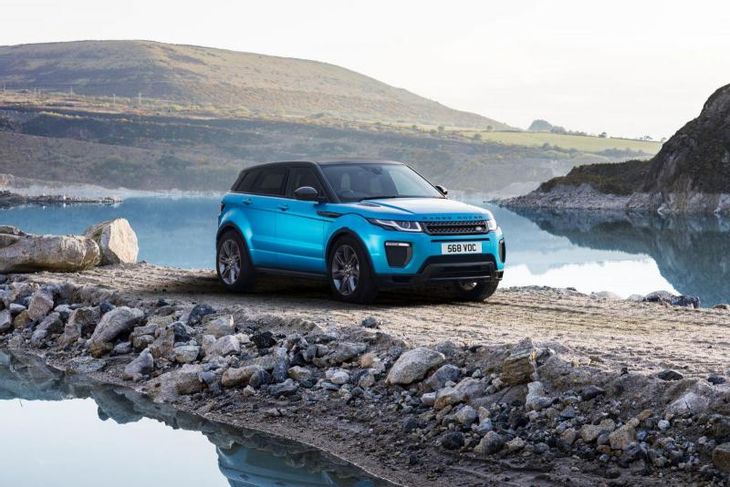
New Lexus LS Sedan Teased

Lexus has teased its new LS flagship sedan and it's expected to be showcased at the 2017 Detroit Motor Show in January.

The new fifth-generation Lexus LS luxury sedan has been teased and it will be shown in the metal at the upcoming Detroit Motor Show in January 2017. The new LS will rival the likes of the BMW 7 Series, Mercedes-Benz S-Class, Audi A8 and Jaguar XJ.

The LS will be built on Lexus’ new GA-L architecture, which is also used for the LC500 sports coupe that we recently drove in Spain. The teaser images reveal a typically large and familiar spindle grille and the new model will benefit from coupe-like proportions, a new-look interior replete with a host of luxury features, including a gesture controlled infotainment system and front and rear touchscreen displays.

Although powertrain details have yet to be confirmed, reports suggest that the LS sedan will be initially launched with a petrol V8 hybrid setup. Considering that the LS is based on the LF-LC concept shown in 2015, a hydrogen-powered LS is expected to launch in 2019.

We will keep you updated as more details become available.

Related content:

Lexus Adds Local Updates to Range
Lexus UX Concept makes its debut
Lexus CT, RX and LX get Specification Update
Lexus RX350 EX (2016) Review
Lexus RX450h SE (2016) Review
Lexus IS 200t (2015) Review
Lexus LC500h Revealed
BMW 750i Design Pure Excellence (2016) Review

Want to buy a Lexus?

Search for a new or used Lexus on Cars.co.za

Can’t Wait for Mercedes-Benz X-Class? Check this out

Really want the upcoming Mercedes-Benz X-Class bakkie, but can't wait until 2018? Mercedes-Benz has a potential solution and this one's arguably tougher…

It's called the Mercedes-Benz G300 CDI Pickup and comes with a legendary reputation. Based on the mighty G-Class SUV, this single-cab bakkie retains that toughness and go-anywhere ability, but gains a sizeable loadbay in the back. The G300 Pickup is still formidably tough and can take on most hardcore off-road scenarios. An approach angle of 38 degrees, departure angle of 35 and wading depth of 635 mm make it one seriously capable bakkie. 
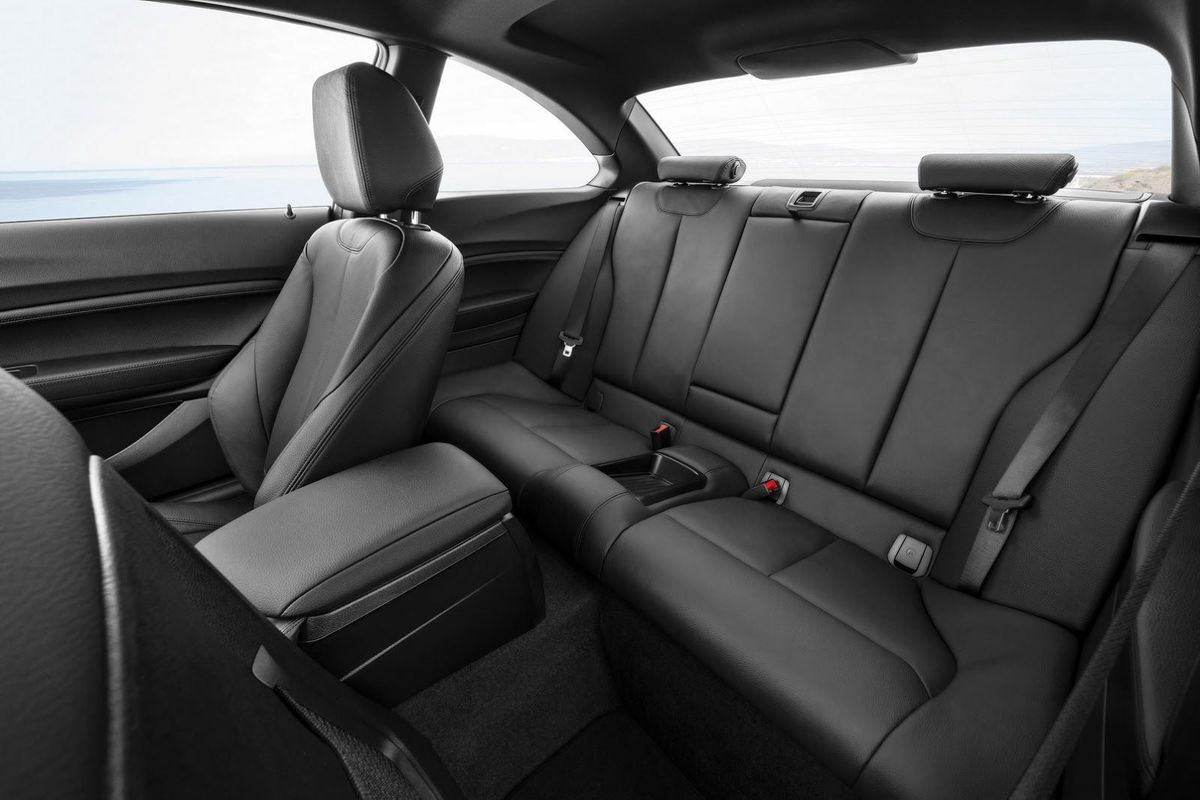
That load bay gives it credible workhorse ability and it can hold 2 085 kg worth of cargo. It can also tow up to 2 120 kg. Power comes from the trusty 3.0-litre turbocharged diesel motor (with peak outputs of 135 kW and 400 Nm) and reaches all 4 wheels through a five-speed automatic transmission.

The 16-inch alloy wheels are wrapped in 265/75 all-terrain rubber and the vehicle features numerous add-ons, such as a snorkel, bull-bar, tyre pressure monitoring system, two 12V batteries, a 96-litre fuel tank and rubber floor mats, all of which suggests that this creation is more about work than play. There's no fancy Mercedes-Benz infotainment system fitted, for example, but the Pickup does feature air-conditioning and vinyl seat covers. 

It's built at the Mercedes-Benz Gelandewagen factory in Graz, Austria and is available in right-hand drive. The first market to get it is Australia – a country not too dissimilar to ours in terms of rough terrain and buying trends. Will it be made available in South Africa? We'll let you know as soon as we find out…

Further Reading

Mercedes-Benz X-Class finally revealed
Social media reaction to the Mercedes-Benz X-Class
Mercedes-Benz G-Class (2016) First Drive
Mercedes-Benz Announces More Rugged G-Class Professional
Five Cool Facts about the Mercedes-Benz G-Class

Are you in the market for a bakkie?


Browse our stock here

Renault Kwid Dynamique (2016) Review

Renault’s budget-busting Kwid has arrived in South Africa and we put the newcomer to the test to find out if it’s worthy of your attention. Is the Kwid’s strengths enough to warrant a purchase or should you consider other options? We take a closer look…

We Like: Styling, integrated navigation, decent ride quality, reasonable space offering.

We Don’t Like: Lack of ABS, questionable build quality, poor stability in wind.

Alternatives

  • For something similar: Consider the Datsun Go Lux priced from R123 900. Its 1.2-litre, 3-cylinder engine offers 50 kW and 104 Nm of torque. The Datsun Go Lux also offers 1 airbag and no ABS is fitted. In our opinion, the Kwid is more stylish than the Go and offers better overall performance.
  • For better safety specification: Consider the Toyota Aygo X-Play priced from R160 000. Yes, it’s more expensive but at least it’s equipped with ABS with EBD and 4 airbags. It’s not as spacious as the Kwid, but it offers similar outputs from its 1.0-litre engine with 51 kW and 95 Nm of torque. The Aygo X-Play is also equipped with a touchscreen infotainment system, but unlike the Kwid, navigation is not offered. The Toyota Aygo X-Play is a finalist in the Budget Car category in the Cars.co.za Consumer Awards – Powered by WesBank.
  • Consider buying a used car: The used car market has lots of value to offer with a wide range of decent options available in the R130 000–R150 000 price range. Browse for used cars on Cars.co.za to find a good deal!

Compare the Renault Kwid Dynamique with the Datsun Go and the Toyota Aygo X-Play


The Renault Kwid is small and light, perfect for navigating busy city streets.

What is it?  

Renault has taken another leap into the budget pool with its latest offering, the Kwid, and its rivals in the new vehicle market include the Datsun Go, Kia Picanto, Hyundai i10 and Tata Indica, among others. Cars in the lower end of the new car market serve an important role in that they provide access to mobility for a large number of buyers who would otherwise be unable to afford a new car and be left to trawl the vast used car market instead.

Buyers in this segment of the market are typically first-time car buyers on a tight budget and more often than not, are looking for a reliable and cost-effective mode of transport for everyday use. Most of the vehicles in the entry-level segment are "bare-bone" offerings with minimal features and many lack basic safety features such as ABS and 1 or more airbags.

Budget buyers, however, seem to prioritise affordability over safety and the Kwid, like most of its rivals, falls short on the safety front by offering only one airbag and no ABS.  With this in mind, is there merit in considering the Kwid? The answer will depend on where your priorities lie but if you are sitting on the fence, then this review should help you make up your mind.  

How does it fare in terms of…   

Design and build quality?


A modern grille, plastic body cladding and a raised ride height affords the Kwid with crossover appeal. 

Even though the Kwid rides on dinky (13-inch) wheels, it's arguably one of the best-looking budget cars on offer in our market. It features a modern-looking grille that’s congruent with Renault’s design philosophy and the additional body cladding and raised ground clearance gives the newcomer a splash of crossover street-cred that other vehicles in this segment seem to lack.

The Renault's interior is rather basic and although the cabin is dominated by hard plastic, it’s reasonably well constructed and free of the typical "rattle and shake" experienced when driving over rough surfaces. At its price point, perceived quality is fair and the seats are upholstered in hardy-looking fabric with firm cushions providing relative comfort.

Upon closer inspection, however, the Kwid's budget car origins are evident: rough welding points and rubber finishing reveal the Kwid’s built-to-a-price sensibility and the same was true for the engine bay. To be fair, the Renault's new-vehicle rivals don’t fare much better in this regard. What's more, budget cars typically emit a hollow, tinny sound when their doors are being closed, but the Kwid’s items felt relatively solid which was a welcome surprise.

Performance and ride quality?


The Kwid delivers sprightly performance thanks to its light weight, despite its engine's diminutive output.

Weighing in at 693 kg (without a driver), the Kwid is a lightweight. In fact, when in neutral, the India-built hatchback can be pushed around with one hand without too much effort. However, owing to the lightness of its bodyshell, the 0.9-litre 3 cylinder engine propels the Renault with relative fervour…

The Kwid isn’t as slow as some might expect. Despite having only 50 kW and 91 Nm of torque at its disposal, it’s quite nippy in city traffic situations and it gets up to speed reasonably quickly. The front wheels are driven through a 5-speed manual transmission and we were surprised to discover that the Kwid has good tractability on the highway. If you want to overtake, you don’t have to fish for power by gearing down. Just mash the accelerator pedal in your current gear and the plucky Renault gets on with it. However, it doesn’t instil much confidence in its driver at speeds above 120 kph. It’s definitely a car for the city and if you want to do long distance travelling, you may want to rent/borrow a vehicle that’s better suited to long-hauling.

Renault claims a fuel consumption figure of 4.7 L/100 km and its 28 litre fuel tank should return over 500 km before you need to fill up again.

Under hard acceleration, the engine exhibits a strained note that can be noisy. Drive the Kwid more sedately though, and the engine noise will quickly return to acceptable levels. Buyers will be pleased to know that the Kwid delivers a pleasing ride quality and it manages to iron out bumps and ruts quite well, making the daily commute quite pleasant. However, the Kwid (and its driver) does suffer from a fair degree of body roll when engaging in the act of cornering.

What's more, whereas its light weight helps to improve performance/efficiency, the Kwid feels very light at the wheel. A number of Cars.co.za testers commented at how easily the Kwid was thrown around in the driving wind, which was probably exacerbated by the test unit's lofty ride height (180 mm). The wind in Cape Town is notoriously strong in the summer and at freeway speeds it almost felt as if the small Kwid was being tugged between lanes by the notorious Cape Doctor. It’s definitely not the best or safest feeling in the world…

Practicality?


The Kwid is surprisingly spacious for its size, but performance will suffer when fully loaded.

In terms of practicality, the Kwid fares reasonably well compared with its rivals. It has a relatively generous luggage bay, which has a claimed capacity of 300 litres. In addition, the rear seatback can be folded down to access the full 1 105 litres of utility space should you need to load larger items.

Rear legroom is average, but taller passengers might find the rear bench a bit cramped. It must also be considered, that with a full load of passengers, the performance of the Kwid will be less sprightly and you will have to coax the engine to its limits to extract maximum power to haul your fellow occupants round town.

There is ample storage space found in the door mouldings and a pair of small drinks holders are positioned ahead of the gear lever. There’s also additional storage space in the dashboard ahead of the front passenger, as well as a small glovebox.

By virtue of its raised ground clearance, the Kwid is well equipped to hop pavements when required and will probably survive the odd foray onto a dirt road in the countryside.

Features?


The 7-inch MediaNav infotainment system is easy to operate and offers integrated navigation. 

Perhaps the Kwid’s biggest drawcard is that it offers a 7-inch MediaNav multimedia system with integrated navigation. The system has a simple interface and is easy to use, plus it offers Bluetooth connectivity and streaming, plus USB/Aux compatibility. The only other car in the entry-level budget segment that offers a touchscreen infotainment system is the Toyota Aygo, but it does not offer navigation and it’s more expensive than this Kwid Dynamique derivative.

Apart from the touchscreen, the Kwid’s specification is basic. The steering wheel isn’t adjustable for rake or reach and the there are no mounted controls on the steering wheel, but the instrument cluster features a large LCD display that looks rather attractive. The front windows are electrically operated, but the rear windows will require some "elbow grease" to work the manual window winders. An air conditioning system is also fitted as standard.

Price and warranty?

The Renault Kwid Dynamique is priced from R129 900 and is sold with a 5-year/150 000 km warranty and a 6-year anti-corrosion warranty. To sweeten the deal, Renault is also offering 12-month comprehensive insurance cover upon purchasing the Kwid, which should put some money back into your pocket.

The Kwid Expression is priced at R119 900 and excludes fog lights and the MediaNav multimedia system.

Verdict


The Kwid is one of the better budget car offerings, but its safety specification could be better.

The Kwid is far from perfect, but when you consider other vehicles offered from new at this price point, it deserves to be considered. Its charming design will woo buyers (if they are willing to overlook the few rough edges, most of which are not in plain sight), it delivers a comfortable ride quality, plus its performance defies on-paper expectations. Potential customers will also appreciate the Kwid's nifty space utilisation and the inclusion of a touchscreen infotainment system with integrated navigation is a boon at the price.

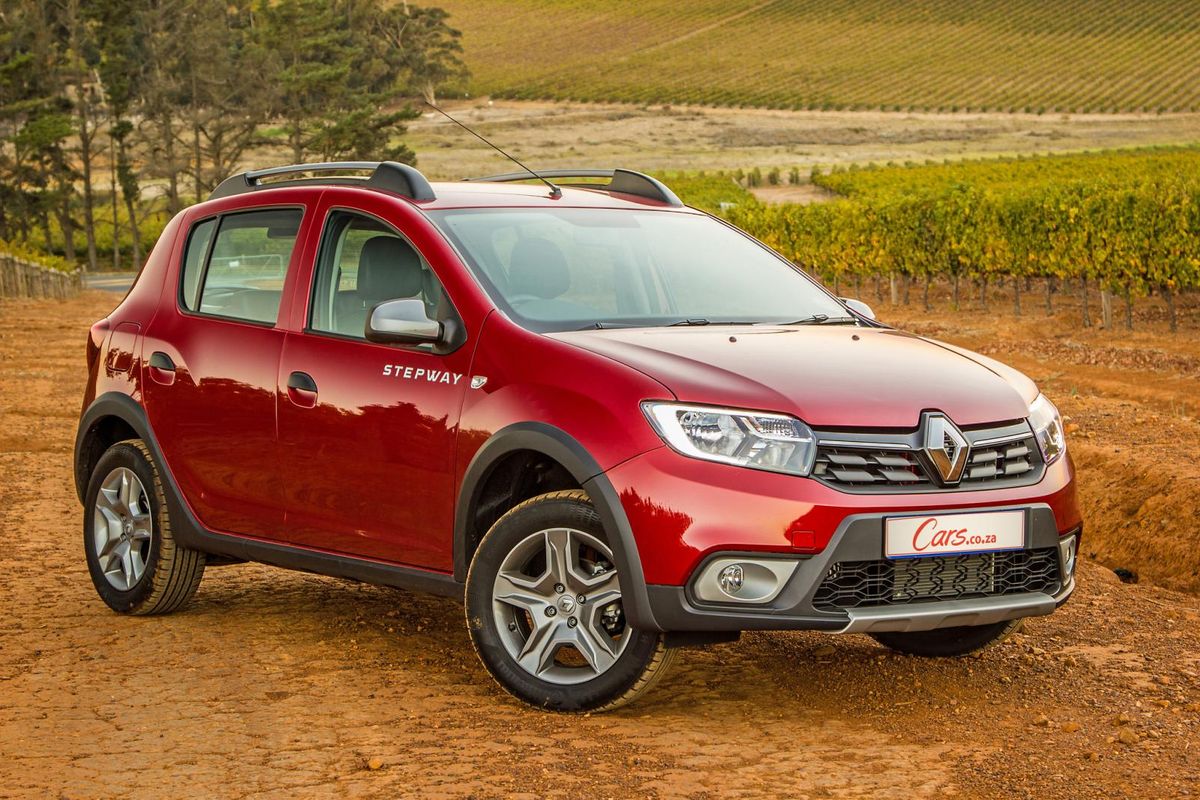
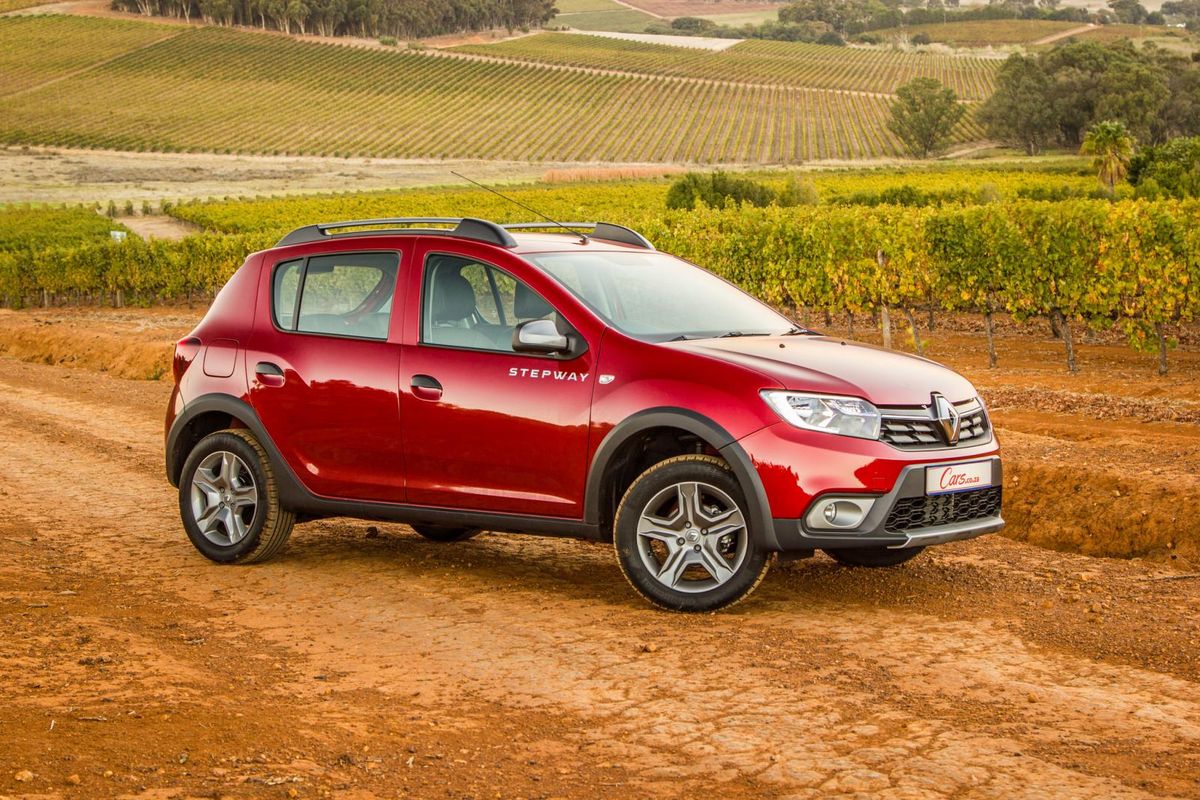
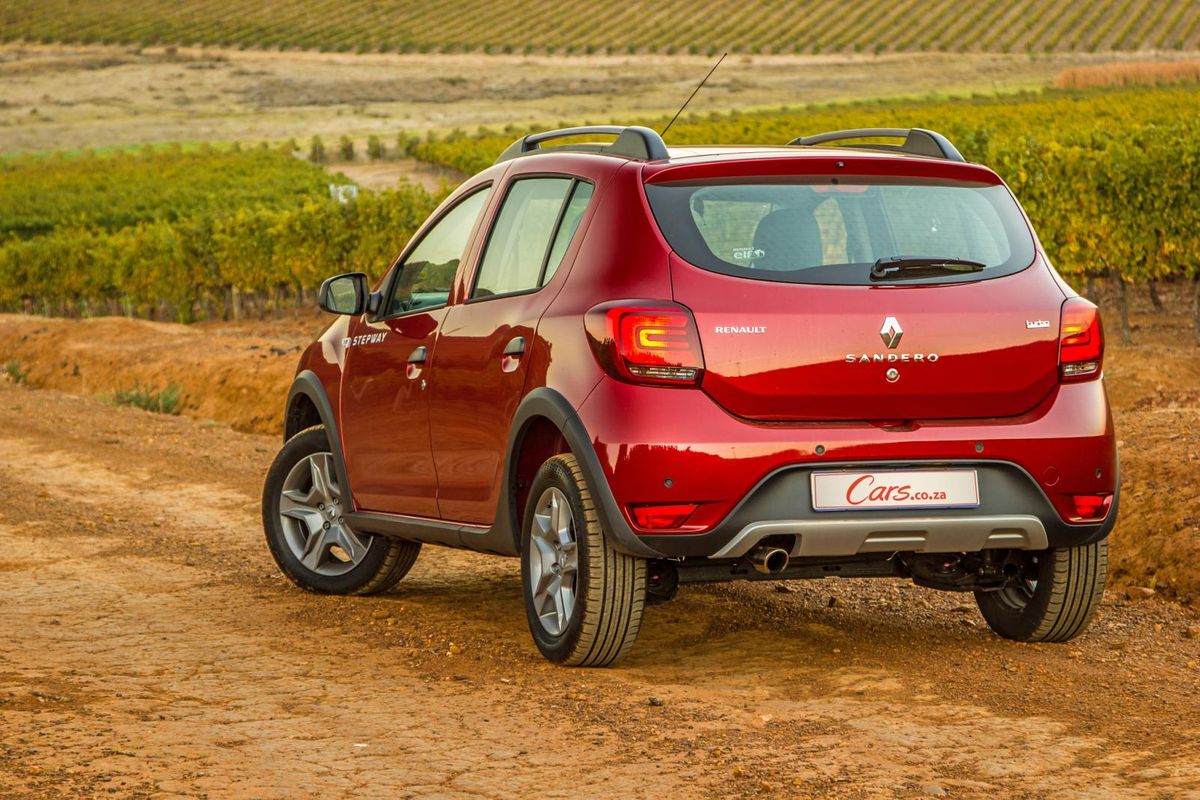
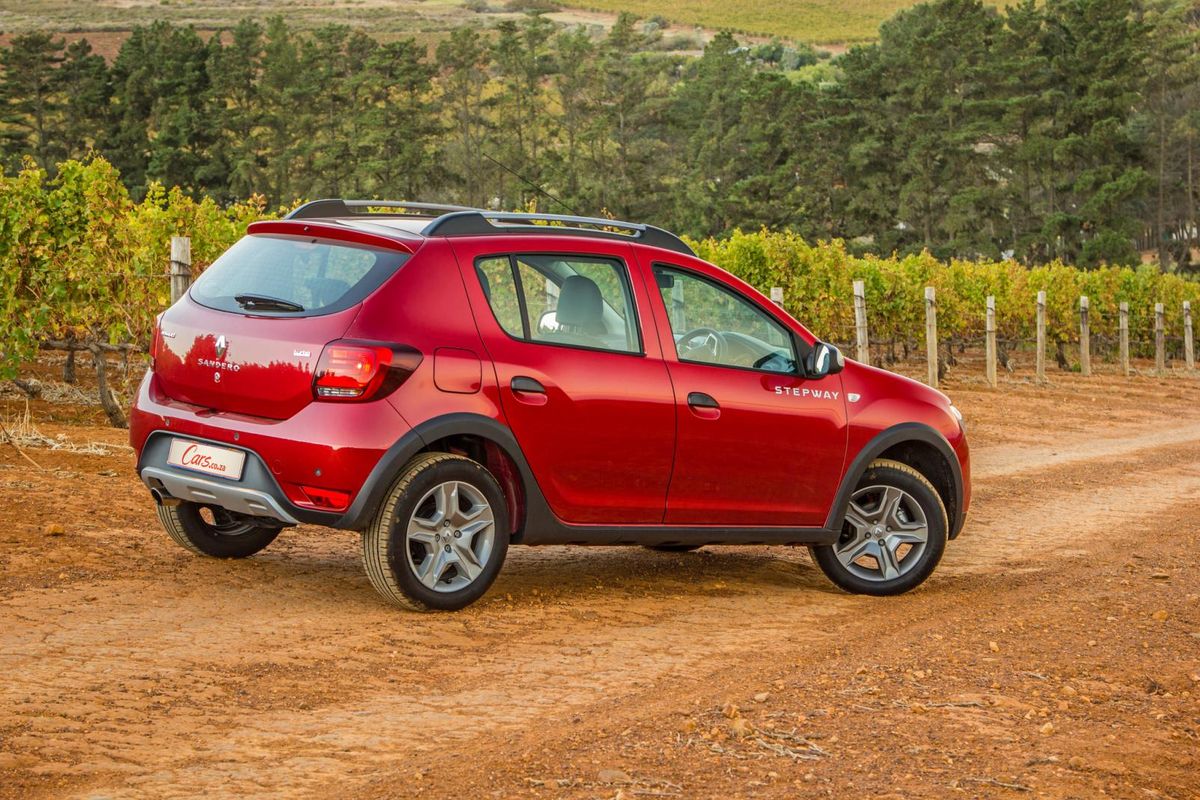
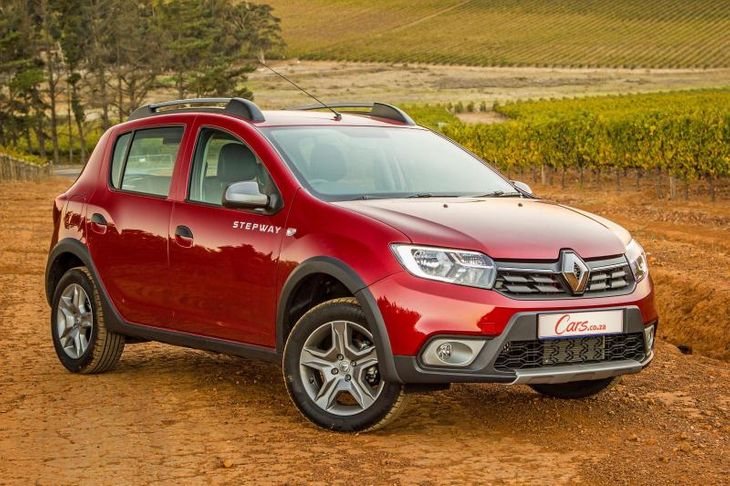
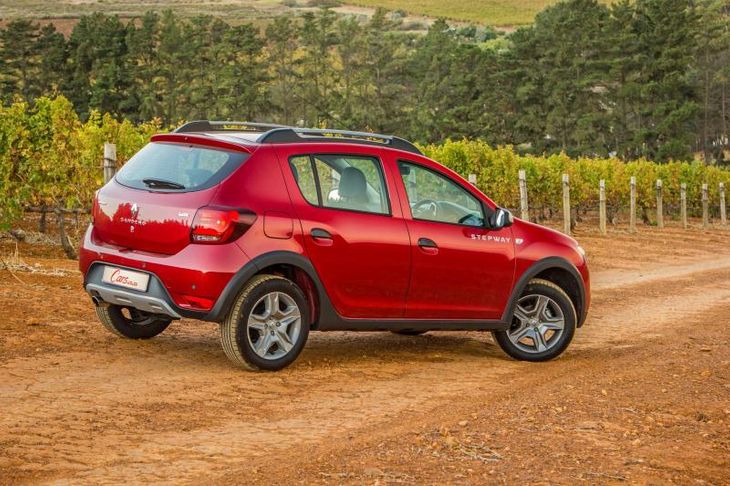
Buyers face a tough decision, though. With only 1 driver airbag fitted and no ABS, we'd advise a buyer who places safety high on their priority list to consider other options. You can always shop in the used car market for a good second-hand car with better safety specification within a similar price range. Just bear in mind that, depending on the car you choose, you won't benefit from a full warranty (at best you will inherit the remaining balance of the vehicle's warranty) and this has to be factored into your budget. Here are 3 examples to consider in the used car market: Renault Sandero Stepway, Volkswagen Polo Vivo, Toyota Etios, and Chevrolet Spark.

If safety is not a priority for you (and research done by Datsun, for example, suggests prospective buyers at this level of the market are less concerned with it than in higher segments), then you will find the Kwid to be an adequate, albeit basic, solution for your transport needs.  

Related content:  

The Renault Kwid: A Game-Changing Budget Car?
Renault Kwid (2016) First Drive
Budget Car Comparison: Volkswagen Move up! Vs Toyota Aygo X-Play
Toyota Aygo 1.0 X-Play (2015) Review
Datsun launches limited-edition Go Remix
Datsun Go 1.2 Lux (2015) Review
Datsun GO (2014) Review
Best Budget Cars in South Africa
SA’s 5 Top-Selling Budget Hatchbacks
Top 10 Most Fuel Efficient Budget Friendly Cars (2016) 

Want to buy a Renault?

Find a new or used Renault on Cars.co.za

Volkswagen Golf GTI Clubsport S Shatters Own Record

The potent Volkswagen Golf GTI Clubsport S has returned to the famous ‘Green Hell’ to shatter its own record, and it succeeded…

In April this year, the rather rapid Volkswagen Golf GTI Clubsport S set the record for the fastest lap in a production front-wheel drive car around the famous Nürburgring in Germany with a time of 7:49.21. The Clubsport S effectively sent the previous record holder, the Honda Civic Type R, home with its rear spoiler between its wheels.  

Now, a video has emerged of the Clubsport S returning to the ‘Green Hell’ in October 2016 to attempt yet another run to beat its own record. The run took place under ideal conditions according to Volkswagen, with an outside temperature of 8°C, perfect conditions for optimum engine performance and maximum grip. The Clubsport S managed to better its previous record, lapping the ‘Green Hell’ in 7:47.19. Watch the GTI Clubsport S dominate the Nürburgring once again in the video below!
 

To refresh your memory, the Golf GTI Clubsport S is a hardcore version of its already impressive Clubsport sibling, which is a finalist in the Fun Car Category of the Cars.co.za Consumer Awards – powered by Wesbank.

The Clubsport S is powered by an uprated 2.0-litre turbocharged engine that develops 228 kW and 380 Nm of torque. Power is sent to the front wheels using a 6-speed manual transmission. A number of weight saving measures have been employed to lighten the vehicle and you will notice that the Clubsport S has no rear seats, it’s a 3-door, with a strut brace in its place to improve structural rigidity. The Clubsport S rides on 19-inch alloy wheels.

Volkswagen will only produce 400 units of the Golf GTI Clubsport S and only 47 are destined for the South African market. The local arrival of the Golf GTI Clubsport S was expected in October 2016 but a local VWSA representative has informed us that the Clubsport S will be introduced in January 2017. We will keep you updated as soon as pricing details become available. Due to limited availability and huge demand, the Clubsport S should sell out fast, so if you are a keen buyer, you better pop into your local Volkswagen dealer soon for a serious chat.

For more information on the Clubsport S, check out the links below!

Related content:

Volkswagen Golf GTI Clubsport S (2016) First Drive
Volkswagen Golf GTI Clubsport S Local Details Emerge
Volkswagen Golf GTI Clubsport (2016) Video Review
Volkswagen Golf GTI Clubsport (2016) Review
Track Race: Audi RS3 vs Merc-AMG A45 vs Honda Civic Type R vs BMW M2 [Video]
Honda Civic Type-R (2016) Review
5 Things to Know About the New Honda Civic Type-R

Want to buy a Volkswagen?

Find a new/used Volkswagen on Cars.co.za

Peugeot Citroen Realigns Strategy in SA

Peugeot Citroen South Africa (PCSA) has realigned its strategy in South Africa: the Peugeot brand will be its key focus in 2017 and beyond. The discontinuation of Citroen products may prove critical to the local sustainability of PSA, which has experienced a resurgence in Europe. 

PCSA has revealed its 5-year plan, following a strategy meeting with its dealer network, investors and stakeholders this week. PCSA will focus its energy on building the Peugeot brand in South Africa as of 2017, while Citroen and DS vehicles will no longer be offered locally. 

However, PCSA has committed itself to servicing and supplying parts to its current Citroen and DS customers. Managing Director at PCSA, Francis Harnie, said: “A full aftersales and parts delivery service to our Citroën and DS customers will remain a priority ensuring that those customers will not be neglected in any way. With a car park of around 15 000 Citroen and DS vehicles in South Africa, these customers are important to us and we will not let them down.” 

As for Peugeot, the brand’s future in South Africa looks bright. “We will focus all our resources on retailing the Peugeot Brand which will assist in higher brand awareness, brand image, and increased competitiveness”, said Harnie.

A total of 3 new Peugeot products will be launched locally in 2017 and these include the new 2008 SUV (March 2017), the highly-anticipated 3008 SUV (May 2017) and the 9-seater Traveller (September 2017). From 2018, you can expect at least one new Peugeot product to be launched each year thereafter. 

“This entire plan is in line with the Push To Pass strategy of the PSA Group. “It was confirmed that South Africa is a key market in the development strategy for the Brand (Peugeot) in the Middle East/Africa region”, Harnie concluded.

Impact of the announcement 

Cars.co.za Consumer Experience Manager Hannes Oosthuizen commented: “Given the historically low sales volumes of Citroen products and the contraction in the new vehicle market, it makes sense that Peugeot Citroen South Africa would adopt a business model that is more sustainable and puts the company in position from where it can grow. The simplification of its overall product line-up will allow PCSA to focus its marketing activities on the introduction of a new wave of promising Peugeot products. 
 
“South African market is frankly over-subscribed by brands and other fringe marques may also be discontinued in the near future. Although this development will sadden die-hard Citroen fans, it will thankfully have little impact on owners (apart from weaker resale values, which is usually a consequence of a brand's discontinuation); many of them will probably be enticed to buy Peugeot products when the time comes to replace their vehicles.

“This development should not be viewed as ‘the death of Citroen in South Africa’, however. PSA (Peugeot’s motor company) has recently achieved a turnaround in the European market and the architects of that resurgence have ambitious plans for South Africa too. If this new strategy for PCSA proves successful, there is no reason why Citroen could not make a return to the local market at some point in the future,” he concluded.

Related content: 

Peugeot 3008 (2016) First Drive
New Peugeot 5008 Unveiled
Peugeot 308 1.2 GT Line Auto (2016) Review
New Peugeot 3008 pushes mobility further
New Peugeot 3008 coming to SA in 2017
Peugeot 208 GT Line (2016) Review
Peugeot 308 1.6 GT (2015) Review
Peugeot 308 GTI (2016) Video
Citroen DS3 Sport (2015) Review
Citroen C4 Cactus (2015) Review
Citroen C1 Airscape (2014) Review

Want to buy a Peugeot? 

Find a new/used Peugeot on Cars.co.za

Facelifted Renault Clio (2016) First Drive

The facelifted Renault Clio was recently introduced in South Africa, replete with modest exterior and interior updates. But the big news is that a 5-speed manual 1.2-litre turbopetrol Clio, which will fill the gap between the regular and RS/RS Trophy derivatives, is coming soon. We drive it… 

The Clio has been a popular seller for Renault in South Africa and with the arrival of the facelifted Clio, the Boulogne-Billancourt-based firm is looking to maintain its sales momentum. The changes to the Clio are subtle and best experienced further up the range. Why has Renault taken such a minimalist approach with this update in such a competitive segment? Perhaps to keep asking prices in check. Nonetheless, the facelifted Clio is still impressively stylish and the updates have lifted the overall product, which will resonate well in our market. 

Our UK-based correspondent Dave Humphreys has driven the 1.2-litre turbopetrol manual derivative, which is not currently part of Renault's local line-up, but will be introduced early in 2017. Given that the now-discontinued GT Line specification of the 0.9-litre model looked the part but perhaps did not quite deliver the peppy performance to match its racy appearance, consumers are likely to appreciate the option of a manual transmission on the 88 kW. Likely to be offered with sporty accoutrements over an above Expression specification, the manual derivative is ostensibly the curtain raiser for the arrival of the facelifted Clio RS (Renault Sport) Lux hot hatch and, for the first time, the track-oriented 162 kW RS Trophy model. As for the rest of the Clio range, the 0.9-litre petrol engine will remain, as well as the current 1.2-litre turbopetrol automatic, which was added to the range last year. 

What's changed?

Yes, you will have to look quite closely to spot the changes, most of which focus on the front and rear bumpers. A sportier, more aggressively styled front bumper is the most noticeable feature… new C-shaped LED daytime running lights and chrome trim along the bottom of the grille bring the compact hatchback's look more in line with the new Megane and Talisman (not sold in right-hand drive markets). The top-spec Dynamique derivative sports LED "Pure Vision" headlights, which are complemented by taillights that echo the C-shape LED design.

The facelifted Renault Clio features minor styling updates, most notably it employs higher quality interior materials.

The major improvements to the Clio's interior comprise trim upgrades. The redesigned, leather-clad steering wheel (Dynamique and Expression only) no longer features the glossy black inserts, giving it a more practical look/feel in keeping with the rest of cabin, in which the chrome components are subtler and the cabin's interior colours appear more sophisticated.

Now in a single housing, the armrests – with new controls – feature a new grained finish, the central air vents sport a new look, while the interior lighting looks more upmarket.

The gear lever and door panels have been redesigned to look more durable, while the updated seat fabrics are of a higher quality (Dynamique and Expression derivatives feature more enveloping front seats that offer increased lateral support). The hard plastic surfaces on the dashboard and doors remain, however; the Clio is bang on class average on that score.

Facelifted Renault Clio (2016) Specs & Pricing

How does it drive?

This new 1.2-litre turobpetrol engine is now the most powerful that you can get in a Clio before upgrading to the fiery Clio Renault Sport Lux derivative. As the name would suggest, this turbocharged 4-cylinder engine produces peak outputs of 88 kW (at 5 500 rpm) and 205 Nm of torque (at 2 000 rpm). The power delivery is quite smooth, although the engine doesn't encourage you to chase the redline before every gear change. The positively shifting 6-speed manual transmission does a decent job of sending power to the front wheels.


You can expect decent performance from the 1.2-litre turbopetrol manual Dynamique derivative when it arrives early in 2017. 

According to Renault's official figures, the 1.2-litre turbopetrol Clio returns a fuel consumption figure of 4.4 L/100 km on the combined cycle, which, for a petrol engine, isn't all that bad.

On town and country roads, the Clio handles big bumps quite well and keeps you on course, but the damping results in what can only be described as a busy ride at average speeds. Through corners, there is a bit too much body roll, thus discouraging you from trying to push on too hard. A shame, as there is the impression that the Clio could be a fun little car to drive.

Renault employs an electrically assisted power steering system in the Clio that's been sharpened up to enhance maneuverability but gives the driver greater levels of feedback at higher speeds. The results are good with steering that feels positive. On a less positive note, wind noise is evident as you approach the legal highway speed limit…

Renault Clio – Price in South Africa

66 kW (0.9-litre) Turbo Authentique R206 900
66 kW (0.9-litre) Turbo Expression R226 900
66 kW (0.9-litre) Turbo Dynamique R244 900
88 kW (1.2-litre) Turbo EDC (auto) Expression R264 900

The Renault Clio is sold with a 5-year/150 000 km mechanical warranty, 3-year/45 000 km service plan and a 6-year anti-corrosion warranty. Services are set at 15 000 km.

Summary

With some modest styling revisions, the Renault Clio retains its highly fashionable look. However, inside it does lack some the finish that some of its European and Korean rivals (such as the upcoming Kia Rio) now possess. The 1.2-litre turbopetrol manual derivative is not a warm hatchback per se, but does offer part-time driving enthusiasts a bit more brio should they need to access more performance than what the 0.9-litre version, which is in its element as an urban runabout, can offer. As ever, the Clio remains a good small hatchback.

Related content: 

Facelifted Renault Clio (2016) Specs & Pricing
Renault Unveils Facelifted Clio RS
Renault Unleashes Hot Clio RS16
Renault Clio 1.2 EDC (2015) Review
Renault Clio GT-Line (2015) Review

Want to buy a Renault Clio? 

Find a new or used Renault Clio on Cars.co.za

Suzuki Swift Sport (2016) Review

The Swift might not be the newest compact hatchback in the market, but the top-of-the-range Suzuki Swift Sport deserves a special mention… The outgoing version of the pint-sized hot hatch proved quite a hit and this newer version looks set to become a cult classic too.

This Suzuki Swift Sport review will provide you with all the information you need to know so that you can make an informed car buying decision.

We like: Performance, ease of use, build quality, value for money, boy-racer feel

We don’t like: Small boot, cabin starting to show its age

Alternatives:

  • For something more premium: The entry-level Mini One 3-door follows the recipe of the original Mini more closely than its brethren. Its fun to drive, compact, reasonably affordable and its turbocharged triple motor is a peach. Who said downsized meant boring?
  • Want to go a little faster: The Abarth 595 1.4T is the fastest and most performance-focused vehicle in this list. It’s easily a match for the Swift in some departments and will trounce it in the corners. It’s loaded with kit and features, but you pay dearly for it: R362 900.
  • Less performance, but a more rounded offering: The Ford Fiesta 1.0T soldiers on after all these years and despite its age, the 1.0-litre turbocharged 3-cylinder powered Fiesta still represents great value. It offers a bit more practicality than the Swift Sport, but loses out in terms of driving dynamics.

See how the rivals stack up against the Suzuki Swift Sport here.

What is it?


Our test unit came with Suzuki motorbike motorsport branding which really made it stand out.

The Suzuki Swift Sport is the last of a dying breed of budget-friendly, naturally-aspirated performance-oriented hatchbacks that celebrate motoring for the sheer fun of it. Whereas its rivals have either moved into a more premium space and/or gained turbocharged engines, the Swift Sport remains refreshingly old-school in execution. Think of erstwhile racy Japanese hatchbacks with (rev-happy) screaming engines, such as the original Honda Civic VTEC and 4AGE-powered Toyotas, their spirit is alive and well in the Swift Sport.

How does the Suzuki Swift Sport fare in terms of….

Driving fun?

Nestled under the Suzuki Swift Sport’s bonnet is a 1.6-litre 4-cylinder naturally-aspirated petrol motor. Upon closer inspection, you’ll see that this M16a engine is the same one that does duty in the Suzuki Vitara. However in that application, it has been remapped for all-round drivability as opposed to out-and-out performance. The M16a is a delight: it is a free-revving and eager engine that becomes incrementally punchier the further you push it up the rev range. Outputs from the engine suggest slightly better than normal performance and in reality, 100 kW and 160 Nm will not trouble the boy racer brigade. However, Suzuki claims a reasonably brisk 8.7-second zero to 100 kph run and power reaches the front wheels through a delightfully slick 6-speed manual gearbox. Off the line, the Swift Sport feels spritely and has enough in-gear shove to facilitate effortless overtaking manoeuvres.

However, point the Swift Sport to a challenging series of corners and the combination of the slick gearbox, willing engine and relatively pliant suspension start working their magic. Aided by a quick-ratio and pin-sharp steering, the Suzuki can carve up the twisties with its driver feeling in complete in control. At no point, even on the limit, does the Swift Sport feel unwieldy or unmanageable. It’ll give that reassuring encouragement for a novice, while more experienced peddlers will relish the car’s ease of use. It’s the front-wheel drive hot hatch done right.

Comfort?

When you’re not in a “maximum attack” kind of mood, the Suzuki Swift Sport makes for a credible daily driver. Although the engine loves to be revved, it’s tractable enough for the car to be perfectly usable by those who have no intention of ever red-lining it. The steering is light and parking the compact Swift Sport is simple. Despite the sporty accoutrements (alloy wheels, body kit and twin exhaust pipes), the Swift is a docile and reliable commuter. It’s only when you stretch its legs and delay the gear changes to 6 000 rpm that you realise that there’s more performance potential on tap should you need it. 

The front seats are sporty and supportive and although the Swift range is nearing replacement (which suggests it may lag in terms of packaging and practicality), the Sport’s rear legroom is acceptable, although its luggage bay is less spacious than most of its (newer) rivals – at 210 litres it’s small compared to something like the Ford Fiesta, for example. Meanwhile, there is a decent number of safety features too: 6 airbags, ABS with electronic brake distribution (EBD) plus brake assist and stability control. 

Tech and features?


Climate control is a useful feature and does a fine job of keeping the interior temperature controlled.

As the Swift Sport is the most expensive model in the range, standard features are plentiful. Features such as climate control, remote start, keyless entry, xenon headlights, cruise control and USB connectivity are fitted, but, impressive as they are, the cabin is feeling its age. Compared with the recently launched Baleno, the Swift lacks a colour digital TFT information display in its instrument cluster and its infotainment system is more, shall we say, rudimentary. The Bluetooth connectivity and streaming functions, which are a little tricky to set up, work quite well. 

Even though elements of the Swift’s user interface feel dated, we like the controls on the steering wheel and found it to strike a healthy balance of convenience and uncluttered functionality. There are many manufacturers that tend to overdo it when it comes to the arrangement of steering wheel-mounted buttons; they can become a serious distraction.


Crisp and clear dials of the Suzuki Swift Sport. The fun begins from 4 000 rpm…

Suzuki Swift Sport price in South Africa

The Suzuki Swift Sport retails for R264 900 and comes with a three-year, 60 000 km service plan. Service intervals are every 15 000 km and a 100 000 km / 36-month warranty is thrown in.

Verdict

With the Chevrolet Sonic RS no longer on sale and most of its rivals moving up in the world, the Suzuki Swift Sport is largely peerless. It represents an old school way of exploring performance driving in a compact hatchback package and whereas many modern performance cars rely on electronically-controlled engine/powertrain modes, the Swift Sport is a thing of purity: how it performs is entirely up to you – the driver. It will please driving enthusiasts and satisfy those who just desire a daily runabout with a little bit extra in equal measures. This engine brims with character and while it revels in being pushed into the upper reaches of its rev range, it’s more than capable of delivering flexible performance day in and out.  

The Sport also feels well built and effortless to drive. The standard specification is fair, but it does feel a little behind the times. The good news is that the new Swift is on its way (by end of 2017), but whether this car’s successor will conform to the global trend of downsizing and turbocharging is anyone’s guess. The next-generation Sport might feature a new turbocharged engine, or use a modified version of the 1.0-litre BoosterJet motor, which will probably see a loss of character and driving theatrics but will herald a notable increase in torque. 

Overall, the Swift Sport is one of those (now) rare cars that makes a driver feel connected to their car. It’s a pure driving experience and one that won’t break the bank or, hopefully, the laws of physics. The Suzuki’s not blindingly fast and is one of the few vehicles that you can have great fun in without exceeding the speed limit. Perhaps the best part is that you don’t have to be a professional rally driver to get the best out of the car and even better, you don’t have to be a petrolhead to appreciate its jack-of-all-trades abilities.

Buy a used Suzuki Swift Sport on Cars.co.za

Frequently Asked Questions

What are the different Suzuki Swift models available in South Africa?

The 2025 Suzuki Swift in South Africa is available in three main derivatives: the GL, a new mid-tier GL+, and the top-end GLX.

What is the engine and performance of the new Swift?

The new Swift is powered by a Z-Series (Z12E) 1.2-litre, 3-cylinder petrol engine. This engine produces 60 kW of power and 112 Nm of torque, and is paired with either a 5-speed manual or a Continuously Variable Transmission (CVT).

What is the price of the new Suzuki Swift in South Africa?

The starting price for the 2025 Suzuki Swift is approximately R219,900, with the top-end GLX model priced around R284,900.

What safety features are standard on the 2025 Suzuki Swift?

Standard safety features across all models include six airbags, hill-hold control, ABS, electronic stability control (ESC), and ISOfix child-seat anchors.

What warranty and service plan are included with the Swift?

The vehicle comes with a 5-year/200,000 km warranty and a 2-year/30,000 km service plan.

Related Content

Suzuki Swift: Specs & Price (2025)

Review Articles 

Suzuki Swift (2014) Review

Suzuki Swift (2021) Review

Suzuki Swift 1.2 GL Review (2018) 

Suzuki Swift Sport Review (2019) 

Suzuki Swift Sport (2013)

Comparison Articles

Suzuki Swift vs Hyundai Grand i10 (2023) What To Buy 

Suzuki Swift vs Kia Picanto (2014) What To Buy

Suzuki Swift Sport (1st-, 2nd- & 3rd-gen): Classic Comparison

Buyer’s Guide

Suzuki Swift Buyer’s Guide (2011-2018)  

Suzuki Swift Buyer’s Guide (2018-2024)


Mazda Updates CX-3 Range for 2017


The compact CX-3 crossover will see the introduction of G-Vectoring as well as a new Individual Plus model added to the range.

Mazda’s popular crossover, the CX-3 is set to acquire a few neat upgrades come 2017. The major update will be the introduction of G-Vectoring across the lineup. G-Vectoring was first introduced on the updated Mazda3 we tested earlier this year. G-Vectoring uses the engine’s torque to momentarily shift weight to work in the vehicle’s favour in order to improve the handling. It also reduces driver fatigue, with fewer adjustments having to be made to the steering in order to keep it straight.

The new model being introduced in 2017 will sit right at the top of the range. The Individual Plus Auto offers some neat safety additions as well as some different visual cues to help it stand out. Safety introductions include adaptive headlights, lane departure warning, Smart City Brake Support (visual and audible warnings are issued if the risk of a collision is detected), driver attention alert and blind-spot monitoring. Silver strips have been added to the door sides as a visual upgrade from the rest of the range.

CX-3 Pricing

Mazda CX-3 2.0L Active Manual – R284 800

Mazda CX-3 2.0L Active Auto 2.0L – R302 100

Mazda CX-3 2.0L Dynamic Manual – R310 700

Mazda CX-3 2.0L Dynamic Auto 2.0L – R322 700

Mazda CX-3 2.0L Individual Auto – R365 400

Mazda CX-3 2.0L Individual Plus Auto – R380 600

Related Articles

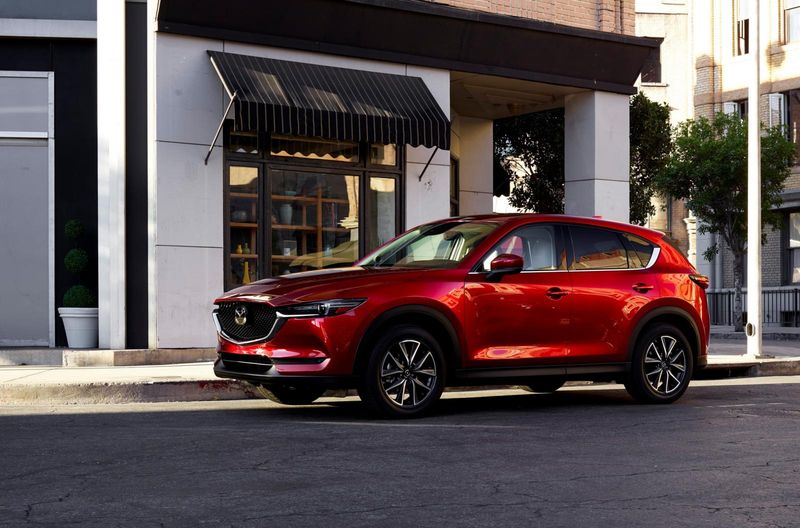
Mazda Reveals All-New CX-5

Mazda3 with G-Vectoring tech: Does it work? [Video]

Extended Test: Mazda CX-3 2.0 Individual auto [Video]

Crossover Comparison: Honda HR-V vs Mazda CX-3

Search for a used Mazda CX-3 here

New Honda CR-V Coming to SA in 2017


Honda North America recently revealed the all-new CR-V and the new model will arrive on South African shores in the second half of 2017!

In July 2016 we published spy photographs of a new CR-V prototype undergoing testing (supplied by our European-based source), which suggested the Honda would be notably bigger than the current car and feature more distinctive exterior styling (especially when viewed from the front).

As expected, the newcomer’s wheelbase is longer, but its overhangs shorter, while a long bonnet, narrower A-pillars and flared fenders give the new CR-V a more sophisticated, athletic presence. The rear aspect is dominated by L-shaped swages in the fenders, sculpture-like taillight clusters that almost converge in the centre of the tailgate, exhaust tips at the extreme ends of the bumper. In North America, the car’s alloys will be either 17- or 18-inch units, complemented by swathes of chrome-look trim along the sides the vehicle, completed by equally-shiny roof rails.    


The rear passengers are availed generous levels of leg- and headroom (US market model).

'Best in class rear legroom'

Although this list of features doesn’t necessarily reflect what South African-spec CR-Vs will be specified with, it’s illuminating that the North American vehicles include a Honda-first automatic shutter grille system that lowers aerodynamic drag, a hands-free access electric tailgate that can be opened by moving your foot underneath the rear of the vehicle and automatic wipers and lights, the latter with high-beam assist.

The newcomer is based on a stretched version of the new Civic platform and Honda claims the new CR-V “raises the bar for interior refinement, utility and premium features in the compact SUV class. The more spacious cabin (features) top-in-class interior space and the best rear legroom in its class.”


An all-electronic instrument panel may feature on South African models, but that is still unconfirmed (US market model).

Some of the highlights include a new soft-touch fascia, more intricately stitched (leather) seats, a full-colour TFT driver information display (in the instrument panel), an Apple CarPlay and Android Auto-compatible 7-inch touchscreen infotainment system with navigation, remote engine start (as on the Civic), dual-zone climate control, heated side mirrors, an Electric Parking Brake (EPB), rear USB charging ports, 8-way electrically adjustable driver’s seat (with 4-way lumbar support) and heated front and rear outboard seats.

Honda Austraila has confirmed that both 5-seater and 7-seater versions of the new CR-V will be launched in 2WD and 4WD format with the former expected to be a best-seller in that market. There is currently no indication that a 7-seater CR-V will be offered in the South African market.  


The 1.5-litre turbopetrol should provide more fizz than the outgoing 2.0-litre naturally aspirated motor.

The first turbopetrol CR-V

As is the case with the Civic, the newcomer is powered by a turbocharged 1.5-litre 4-cylinder engine mated with a continuously variable transmission. In America, a 2.4-litre naturally aspirated motor is offered as well, also in combination with a CVT, which could also be the case in South Africa.   

Based on Honda’s next-generation Advanced Compatibility Engineering (ACE) body structure, the CR-V “provides more agile and confident handling, greater refinement, additional ground clearance and superior overall versatility,” Honda claims.

The newcomer’s (MacPherson strut and rear multi-link) suspension utilises low-friction dampers, with both FWD and AWD models featuring tubular front and solid rear stabiliser bars. Dual-pinion, variable ratio electric power steering “contributes to the CR-V's direct and satisfying steering feel,” it adds.


Shown here in 5-door configuration, the 2017 CR-V is strong on practicality, especially loading capacity.

A bouquet of safety systems

Along with the usual complement of airbags, ABS with EBD and brake assist, as well as a stability control system, a bouquet of safety features known as "Honda Sensing" will be available. It includes Collision Mitigation Braking with Forward Collision Warning and pedestrian sensing capability, Road Departure Mitigation with Lane Departure Warning, Adaptive Cruise Control with low-speed follow and Lane Keeping Assist. Additional new driver-assistive technologies include the available Blind Spot Information (BSI), Rear Cross Traffic Monitor (CTM) and Auto High Beam (HSS) headlights.

We will keep you updated as soon as local engine and specification details become available. 

Related content

SUV Comparison: Ford Kuga vs Honda CR-V vs Subaru Forester
Honda CR-V 2.0 Elegance (2015) Review
Extended Test: Ford Kuga 1.5T Trend Automatic [with Video]
Hyundai Tucson 1.6 Turbo Executive Manual (2016) Review
Hyundai Tucson 1.6 Turbo 4WD Elite (2016) Review
Extended Test: Mazda CX-5 2.2DE AWD Akera [with Video]
Kia Sportage (2016) First Drive
Mazda CX-5 2.2DE AWD Akera (2016) Review
Toyota RAV4 2.2D AWD GX (2016) Review

Watch Honda North America's introduction videos of the 2017 CR-V:


Interested in buying a Honda CR-V?

Search for a new or used example on Cars.co.za

Comparative Review: Opel Astra 1.6T Sport vs Renault Megane GT Turbo


Two sporty hatches face off in a Euro-centric clash that pits new German design against French flair and innovation.

At a glance

  Opel Astra 1.6T Sport Renault Megane GT Turbo
Power/Torque 147 kW/280 Nm 151 kW/280 Nm
We Like: Ride quality, standard spec, interior quality, strong engine Sporty exterior, bucket seats, big boot, handling prowess
We Don't Like: Bland for a sporty car A bit pricey
Price R394 800 R452 900

There’s a small niche in the compact hatchback market reserved for warm offerings. It’s a place where the sales-conquering Volkswagen Golf doesn’t compete and where these two 2016 additions have sought to cement their places in the ranks. Warm (or medium) basically means they aren’t honed or hardened enough to get special badges like OPC or RS, but they offer more "fizz" than your average hatchback. Think of it like ordering your Nandos chicken with a mild basting: you want a little kick of warm flavour, but you don’t want to singe your gullet.

How do they compare in terms of…?

Sporting apparel…

The new Megane has been blessed with a sporty physique and some extra touches to give it a more athletic look. Just under the badge on the nose, there’s a GT decal and the fog lamp design looks like a pair of pistols pointing towards the sharp end of the car. It’s a racy exterior that’s backed up by the diffuser at the rear and muzzled twin exhaust ends. The Astra Sport, by contrast, is muted in its sportiness, the additions are limited to tinted rear windows and chromed tip exhaust pipes. As they stand here, the Renault's exterior packaging is more likely to pique (and hold) your interest.


As far as looks go, it's the Megane that makes more of a statement

Mild firepower…

Both premium hatchbacks are powered by modern 1.6-litre turbopetrol units, but, where the Astra has a manual 6-speed ‘box, the Renault comes equipped with a dual-clutch automatic complete with paddle shifters behind the steering wheel – more on those paddles in a bit. In the power stakes, the Megane has the slight upper hand with 151 kW compared to the Astra’s 147 kW. Both sit with an identical torque of 280 Nm. Even with the Renault’s built-in launch control system, the Astra is the faster from 0 to 100 kph, clocking in at 7.0 seconds to the Megane’s 7.1 seconds.

In terms of engine feel and delivery of power, the manual Astra impresses most. It feels less encumbered by the 6-spd gearbox than the Megane with its 7-spd dual-clutch unit. The Astra quickly builds up boost and revs energetically towards its redline before mildly tapering off as the turbo’s effect diminishes. The Renault, by comparison, is by no means lethargic but doesn’t provide the same kick or revvy feel as it gathers speed.


Manual vs auto? Renault's dual-clutch 'box still needs improvement

In the Megane, however, you do get a variety of engine/powertrain modes to choose from (and experiment with)… An RS button on the fascia effectively enables you to exploit every ounce of sporty driving that the Renault has to offer. When engaged, the French car's exhaust and engine notes are cranked up and the traction control gives you a bit more leeway to be aggressive on the throttle. The Astra has no such gimmicks as what you see is what you get, if you want it to be sporty, then just drive in a sporty manner; if you want it to be economical, then just drive economically. You need to decide whether you prefer the electronics taking care of your driving needs or if you just want to get on with the job yourself.

Cornering…

The Renault has the upper hand in this department with the knowledge and know-how gleaned from years of RS-badged Meganes. The newest addition to the tech fold is the addition of a 4-wheel steering system. In effect the rear wheels turn in the opposite direction to the fronts at lower speeds and then in the same direction at higher speeds. At low speeds, this improves agility and at high speed, you get more stability. It works rather well on the Megane GT, especially in the slow stuff like hairpin bends or simply, trying to manoeuvre the hatchback into a parking space.

At high speed it feels stable, but the effect of the 4-wheel steer is less perceptible. In terms of overall handling ability, the Megane does a better a job than many will expect. It’s by no means an RS in terms of its dynamics but, it can certainly deal with corners well. It’s great fun to hustle around bends and its well-weighted steering is particularly engaging to work with. Unfortunately, the paddle shifters are affixed to the steering column (they don’t move with the wheel as you turn it), which means you have to shift our hand position as you search for another gear mid corner – not ideal.


The Astra has a more comfortable ride but, the Renault is better in the corners and when driving enthusiastically.

The Astra doesn’t have any fancy tricks up its sleeve, but it offers an engaging driving experience nonetheless. The body control is good as you whip the Opel from side to side; the German car's attitude remains poised throughout. The steering is okay in terms of weighting, but not quite as responsive as the Megane's. But the ride quality of the Astra over bumps needs to be commended: even on the 18-inch wheels, the suspension smooths out nasty bumps. The Megane isn’t far off in the ride quality department but the Renault feels a little stiffer over bumpier road surfaces, which is probably why it has the upper hand in the handling department.

Interior ambience…

Both manufacturers have worked tirelessly to improve the quality and feel of their cars' interiors. The previous Megane lacked premium feel and the dashboard was one vast expanse of grey. The old Astra felt plasticky in places and its infotainment system was an absolute button-fest. These new interiors represent massive improvements over those of heir predecessors and are tech-heavy with their large touchscreens and connectivity options.


New Renault interior has many sporty (blue) cues. It's a major improvement over its predecessor. 

The Megane does "sporty" better than the Astra. The first thing you notice as you get seated are the racy bucket seats. They are very supportive and comfortable, but they do hamper space for rear occupants. The GT model isn’t subtle about its sporty credentials: there’s blue stitching all around the cabin and some GT signage on the bottom of the steering wheel for good measure. Mood lighting along the door panels is adjustable to just about whatever colour you want and almost every feature is controlled through the large touchscreen. The materials are a distinct improvement, making the cabin feel lively and upmarket but, there are still harsh plastics as you start pressing trim pieces like the centre console and gearshift surround.


Astra's interior feels slightly less plastic than the Renault but not as colourful.

The Astra doesn’t show off its sporty credentials the way the Megane does but it’s certainly not lacking in onboard equipment. Seat heaters in the front and rear are a novel touch in this segment and the Opel's abilities to read road signs and detect following distances are particularly handy during longer trips. As for the quality, there’s mostly soft-touch materials and the mixture of Piano Black sections with strips of silver metal creates an upmarket feel. The strange mobile phone holder in front of the gear lever is a bit odd and would be more useful if utilised as a general storage space.


Infotainment system on the Megane is customisable. RS button at the bottom accesses all the vehicle's sporty attributes.

Comparing the infotainment systems is tough as they both offer practically everything you could currently ask for cars of this class. Navigation, Apple Carplay, Mobile phone projection and app integration are available on the Astra and it’s a quick and simple system to get used to. The Megane is more adjustable but takes longer to figure out the menus and where all the functions are kept. You can customise individual screens with things you want to see and then swipe right or left – like you would on your phone – to move to another customisable screen. It’s difficult to separate the two cars in this department. They will both also park themselves hands-free into any parking spot – just another area in which they compare closely.


Opel's touchscreen is simple and easy to use and still has all the tech you'll need.

Practicality…


The Megane has the bigger boot of the 2 cars.

While these two rivals may have sporty pretentions, they still need to fulfil an element of practicality. For passengers, the Astra has more space and feels roomier inside. There’s also more legroom in the rear and when the seats are folded down, the Astra has a flatter loading area. The Megane loses out in rear comfort as the front bucket seats take up much of the legroom availed to rear passengers. The Megane has the bigger boot, which is said to accommodate 434 litres compared with the Astra’s 370 litres.


Astra has 40/20/40 split folding rear seats that fold flatter than the Renault's.

Verdict

The comparative review effectively pitches a car with overtly sporty packaging (the Renault) against another premium product with more of "a sporty bent" (the Opel, which uses the Sport moniker primarily as the designation of a well-specced styling-pack). 

The Megane has a more eye-catching design and road presence than the Astra, which are 2 major ticks in the Renault's column. In the handling department, the French car is again a notch above its German rival, but the latter pulls back some ground with its superior ride quality and the fact that, given that they offer similar levels of performance, the manual 'box is easier to live with than the Megane’s not-quite-there-yet dual-clutch setup.

As is the case with the cars' respective exterior executions, the Megane's interior has a greater sense of occasion; it shows off more with its blue stitching and interior lighting tricks. By contrast, the Astra is simpler, but with plusher materials used.

If dynamism, sporty looks and, more specifically, road presence are what matters to you most as a prospective buyer, the Megane has a definite edge on the Astra.

However, there is the not-insignificant matter of price. The Astra is R394 800, compared with the Megane’s R452 900. Even if you add the Sport Plus package to the Astra that adds LED adaptive headlights, it’s still only R415 200.

In terms of value, the comprehensively-specced Opel scores very highly, even if its warranty period is slightly shorter (5-year/120 000 km versus 5-year/150 000 km, both competitors have 5-year/90 000 km service plans). It's more practical than the Renault (with a flat-folding rear seatback and more rear legroom) and with that in mind, the Astra wins this comparative review because an appreciation of the Megane's aesthetic qualities is entirely subjective and the latter's dynamic edge is too minor, we feel, to justify its price premium over its rival.  

Related content:

Comparative Review: Opel Astra vs Volkswagen Golf 7
Renault Megane (2016) First Drive
Peugeot 308 1.2 GT Line Auto (2016) Review
Facelifted Kia Cerato (2016) Specs and Prices
Toyota Adds Auris Xi to SA Range

Interested in buying a Renault Megane?

Click here to look for a new/used example

Considering an Opel Astra as your next car?

Search for one on Cars.co.za