Car sales returned to positive year-on-year growth for March 2017. The good news isn't likely to last however as the recent credit downgrade will affect car prices and interest rates in the near future.
New car sales in South Africa for March 2017 reflected somewhat positive results with year-on-year improvements across the board, but the short to long term outlook is negative due to current political and economic developments. Take a look at the summary below for the details.
Despite tough economic conditions, the local automobile industry has shown a positive gain for March 2017. Although this is good news, the National Association of Automobile Manufacturers of South Africa (NAAMSA) has warned that the recent political developments will have far-reaching consequences for the South African economy in the short to medium term.
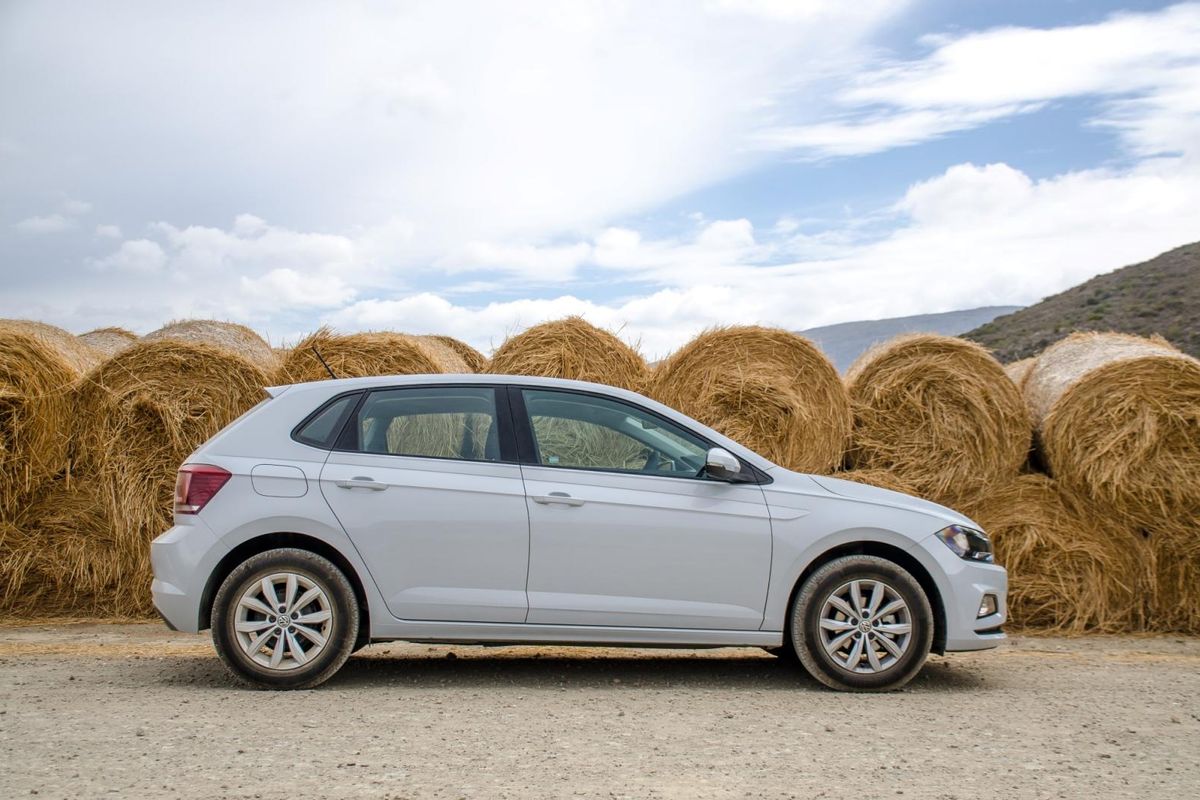
In terms of vehicle sales, the Toyota Hilux once again came out on top as the best-selling vehicle in South Africa, with its rival, the Ford Ranger coming in at a close second. The popular Volkswagen Polo Vivo and Polo recorded impressive numbers yet again and remain the most popular passenger cars currently on sale in South Africa.
New car sales summary for March 2017
Aggregate new car sales of 48 534 up by 2.1% (+1 020 units) compared with March 2016
New passenger vehicle sales of 31 034 up by 2.1% (+644 units) compared to March 2016
Light commercial vehicle sales of 14 882 up by 1.1% (+169 units) compared to March 2016
Export sales of 27 720 up by 7.8% (+2 159 units) compared to March 2016
According to Naamsa and the recent news of a credit rating downgrade by S&P, car sales could be in for a difficult period. Naamsa has suspended its outlook data and has this to say “The performance of the South African automotive industry is closely correlated with the overall performance of the country's economy. In this context, the key performance factors driving the industry include Gross Domestic Product growth, the direction of interest rates and the exchange rate. In light of the political events, NAAMSA will suspend, for the time being, projections for domestic vehicle sales.
Once the situation and conditions have settled down and greater clarity is forthcoming as to the impact of the political events on the direction of the economy – the Association will resume and offer guidance on expected new vehicle sales trends. Both in the short and medium term scenarios, the risk of lower vehicle sales is significantly on the downside.”
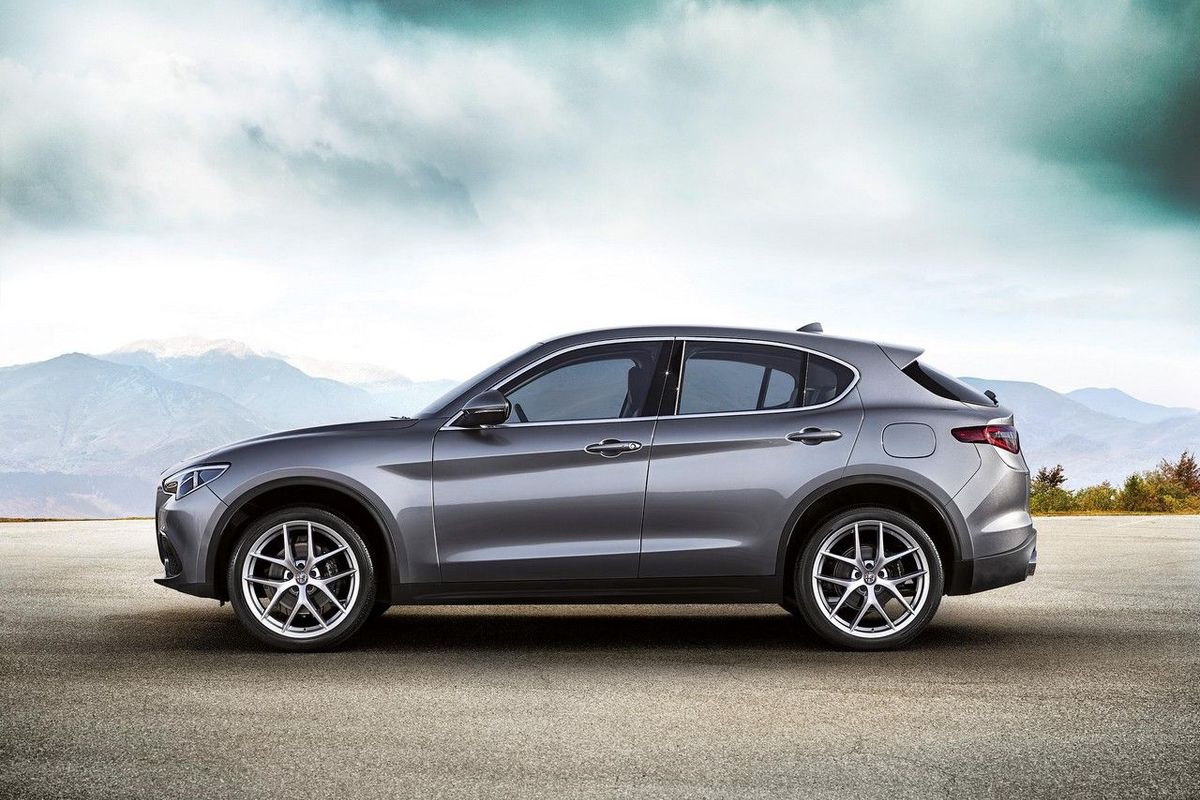
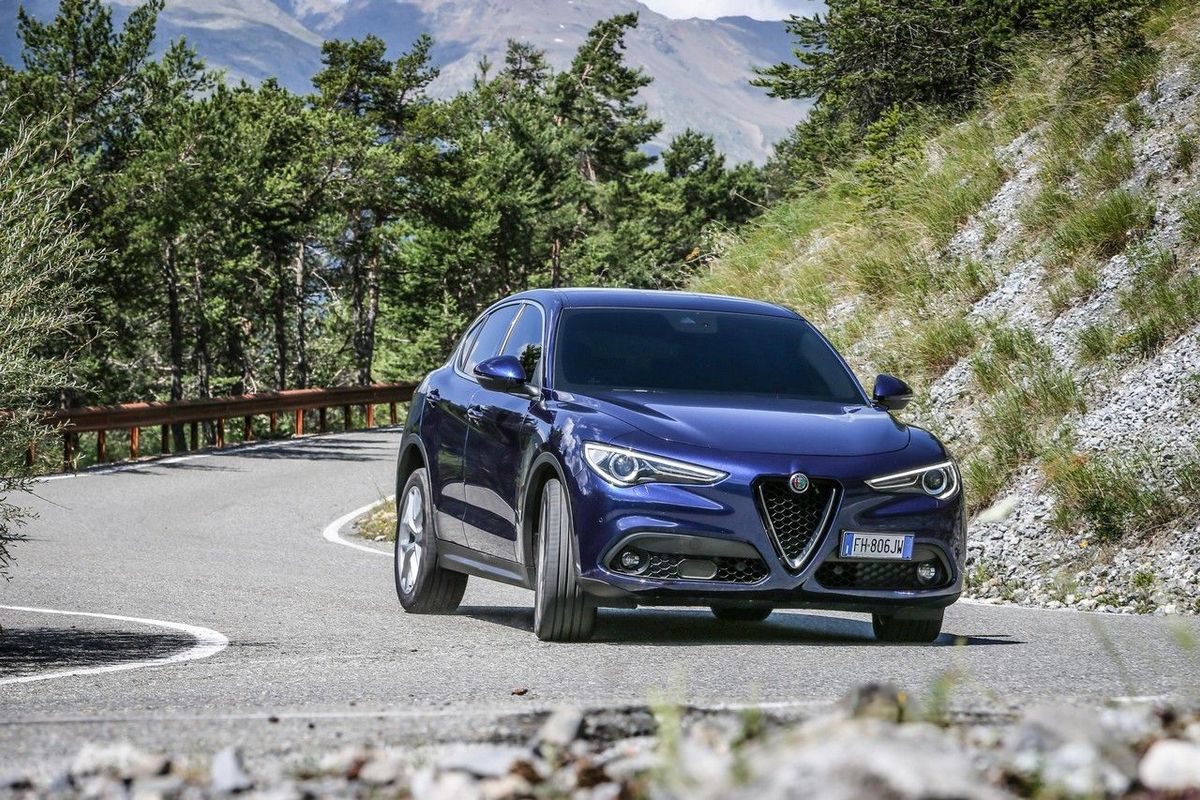
Finally, after months of spy shots, internet rumours and teasers, Alfa Romeo's eagerly anticipated SUV has been revealed. Let's meet the Alfa Romeo Stelvio.
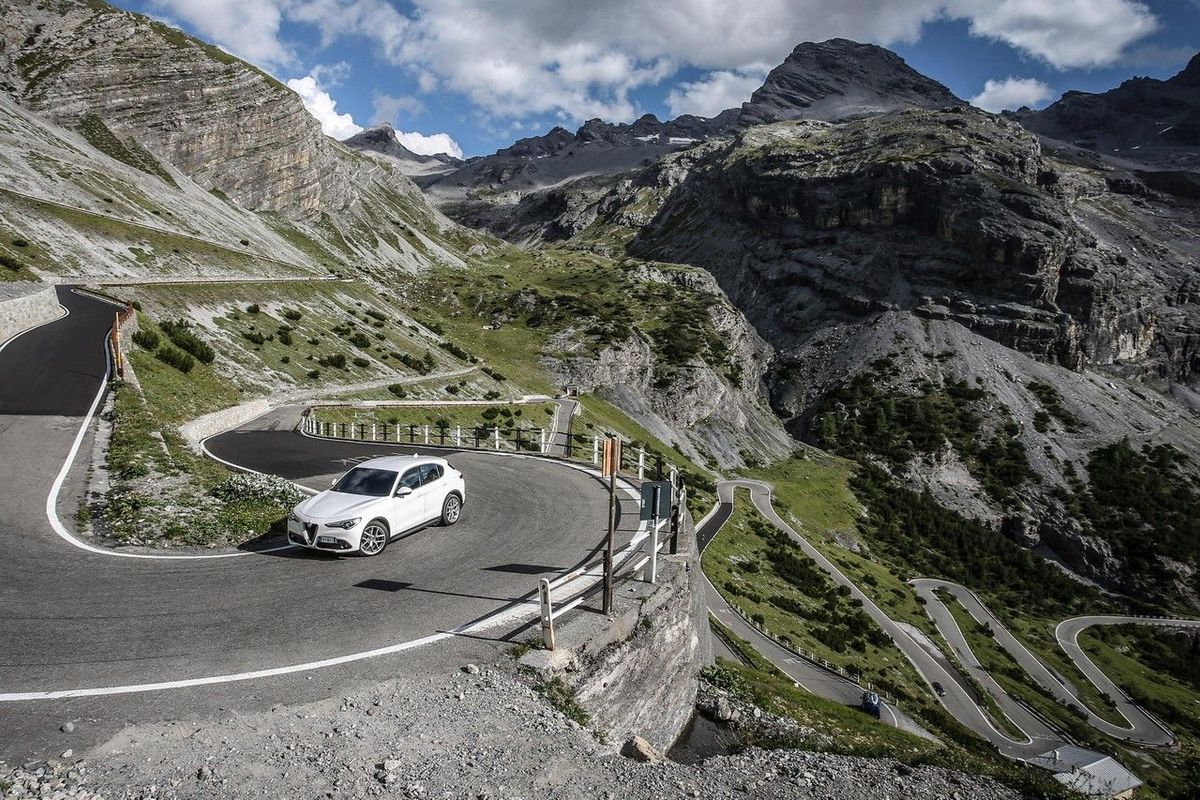
Named after the famous mountain pass in Italy made famous by BBC car show Top Gear, the Stelvio is the next big product reveal from Alfa Romeo. It marks Alfa Romeo's entry into the premium crossover/SUV segment and it evokes those famous Alfa cliches like "timeless style" and "passionate performance". On paper at least, the Stelvio looks credible. It shares powerplants with the forthcoming Giulia sedan and the range kicks off with a turbocharged 2.0-litre 4-cylinder petrol engine. The headline act in the range in the Quadrifoglio model which boasts the same twin-turbocharged 2.9-litre V6 as the sedan and that will be taking the fight straight to the Porsche Macan, upcoming Jaguar F-Pace SVR and Audi SQ5.
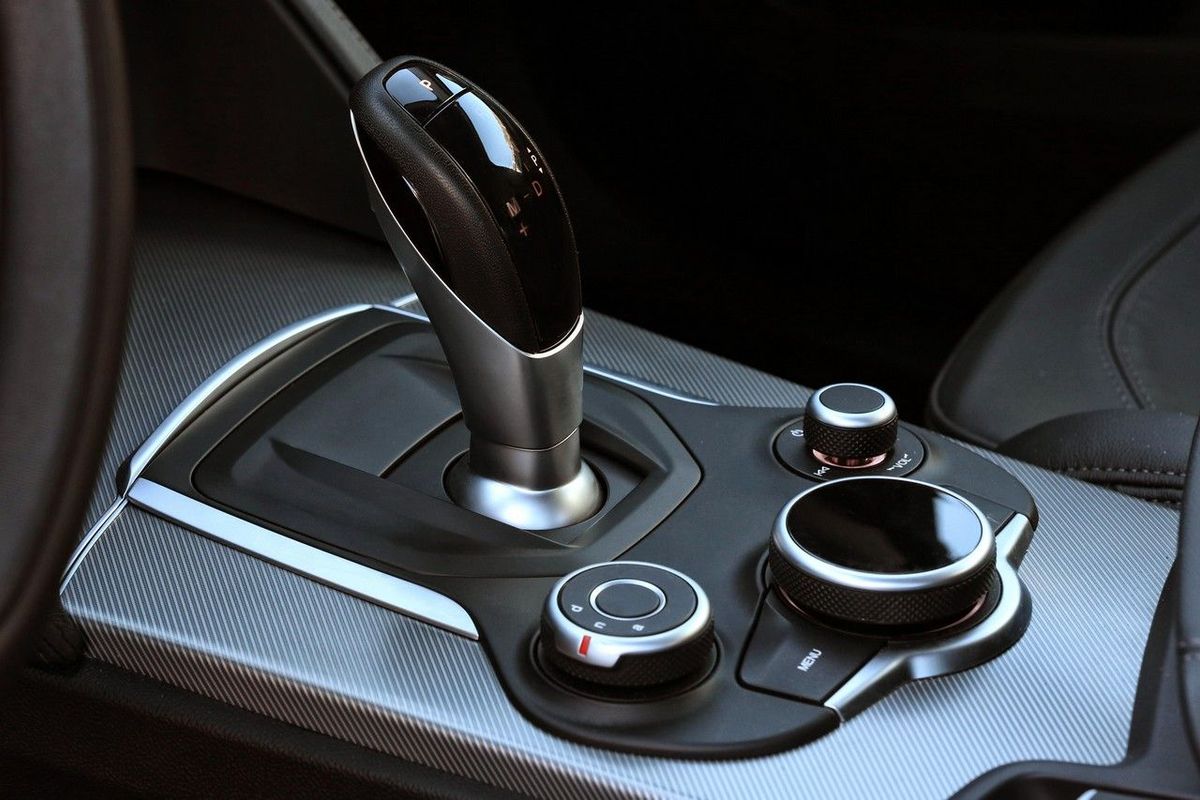
Alfa Romeo is claiming the Stelvio Quadrifoglio will get to 100 kph from standstill in 3.9 seconds! Power reaches all four wheels through an 8-speed automatic transmission. The performance version features a torque-vectoring rear differential as well as a sporty adaptive suspension. Both the standard and performance versions feature aluminium assembly, 50/50 weight distribution, independent suspension and just look it. It's unmistakably an Alfa Romeo!
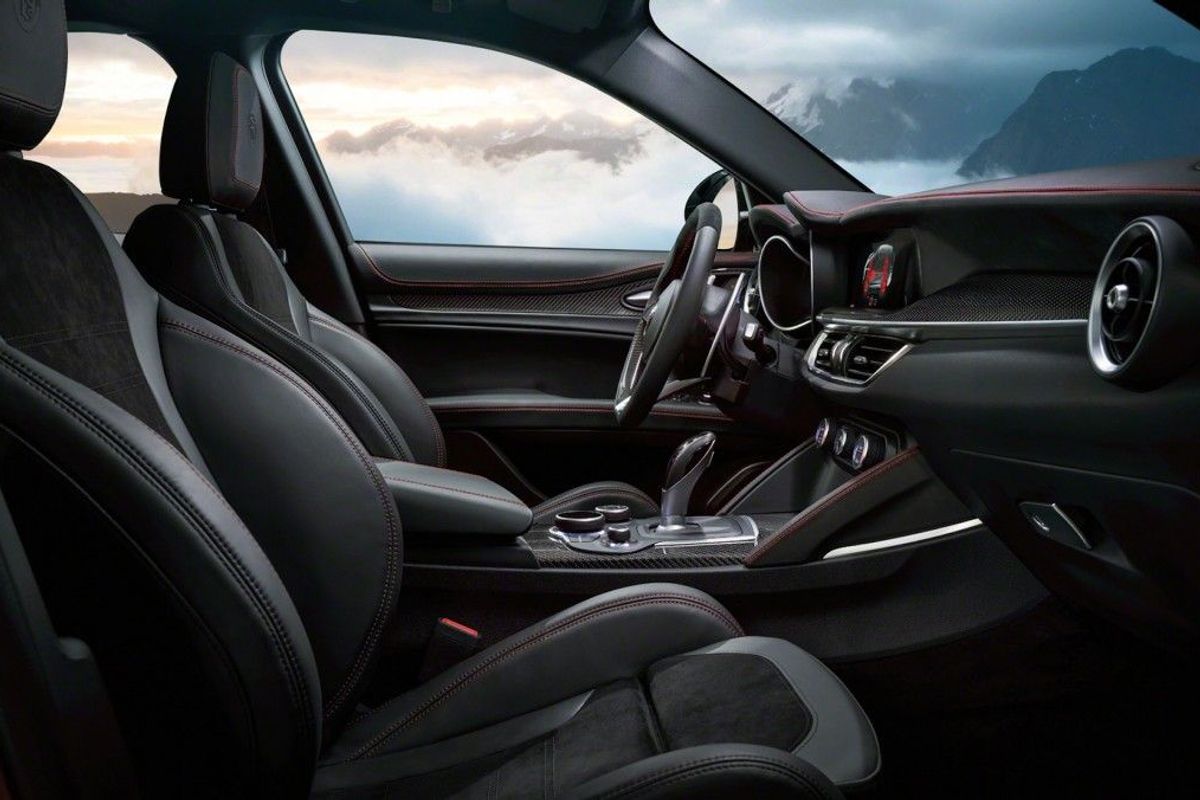
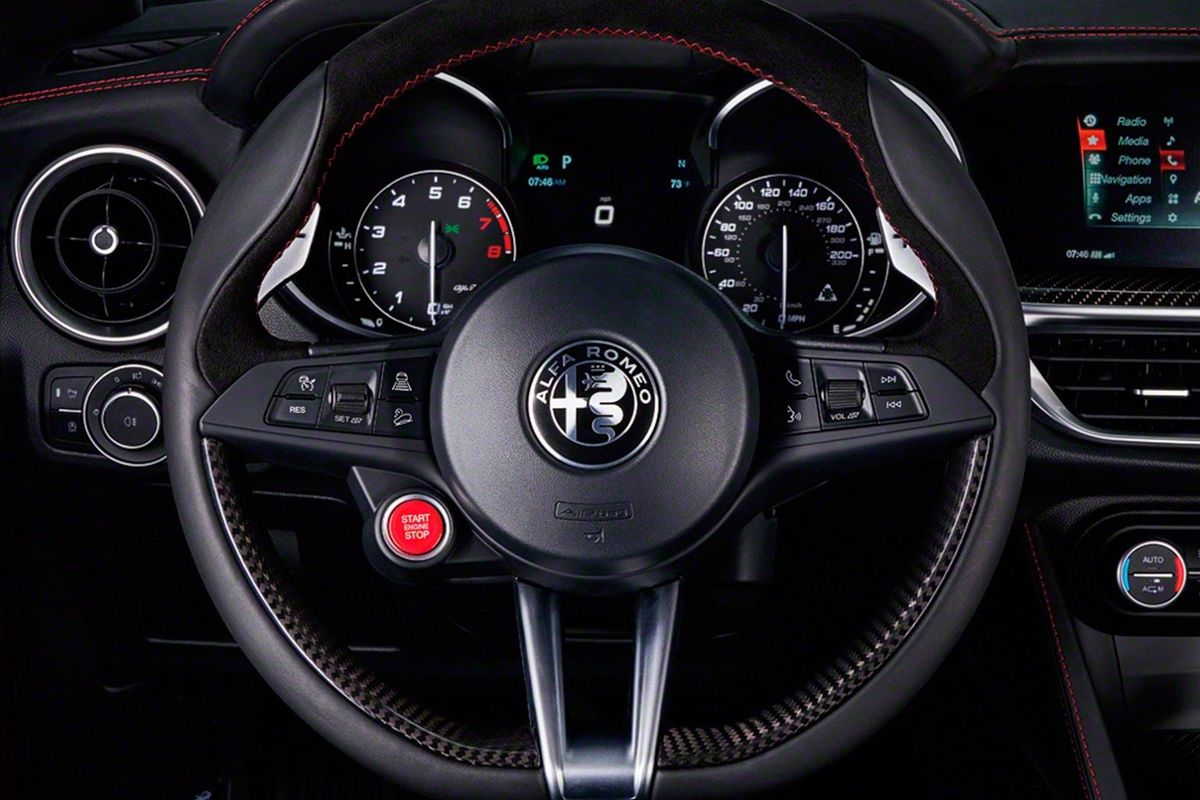
The cabin is not too dissimilar to that of the Giulia sedan. There's a tidy 7-inch display screen nestled between the rev counter and speedometer, the latter going all the way to 320 kph in the Quadrifoglio derivative. The standard Stelvio get a 6.5-inch touchscreen infotainment system in the fascia, while the Ti and Quadrifoglio gets the expanded 8.8-inch unit. All Alfa Romeo Stelvios have leather seats, with the Quadrifoglio gaining Alcantara trim and carbon fiber shell seats. It's also well covered in the onboard technology and safety departments, with a 14-speaker audio system from Harman Kardon and safety features such as adaptive cruise control, blind spot monitoring, forward collision warning, lane departure warning and optional front parking sensors.
Production kicks off at Fiat Chrysler's factory in Italy towards the end of this year and it will reach the first customers in the middle of 2017. It'll hopefully reach the South African market by the end of 2017.
Update for April 2017
In early April 2017, FCA announced the Alfa Romeo Stelvio engine range would be expanded to include a base-spec diesel motor as well as a lower-spec turbocharged petrol engine. The 2.2-litre diesel is the first all-alluminium motor and features 130 kW and 450 Nm. It'll reach 100 kph in 7.6 seconds and will go onto a top speed of 210 kph. Power reaches the rear wheels via an automatic 8-speed gearbox. Alfa claims a fuel consumption figure of just 4.7 L/100 km. Meanwhile, on the petrol front, a 2.0-litre four-cylinder turbo motor with 147 kW and 330 Nm will be available. Power goes to all four wheels via Alfa's Q4 system and an 8-speed automatic gearbox. It'll do the 100 kph sprint in 7.2 seconds and tops out at 215 kph.
The Hyundai Grand i10 has received a visual upgrade. Take a look at the details…
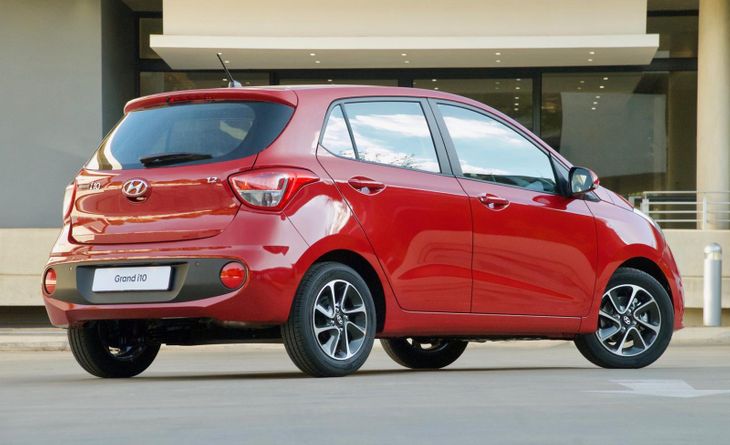
Hyundai has enhanced its Grand i10 offering in South Africa with stylistic improvements that include a revised front fascia, redesigned front and rear bumpers and new 14-inch, diamond cut alloy wheels for the range-topping Grand i10 1.25 Fluid derivative. The front fog light housings have been revised too and the colour-coded door handles and side mirrors with integrated turn signals round off the new look.
“The Grand i10, which is in the middle of its lifecycle, has been an attractive small hatchback since it original launch, and a drawcard in Hyundai’s local range. With the restyling of soft body panels and the addition of new alloy wheels for the flagship derivative, this cheeky little hatchback has been given an even better appearance,” says Stanley Anderson, sales and operations director of Hyundai Automotive South Africa.
The Range
The Grand i10 is a popular choice among first-time car buyers and offers 256 litres of luggage space, expanding to 1 202 litres with the rear seats folded down.
Three Grand i10 derivatives are on offer and these include the Grand i10 1.25 Motion with a 5-speed manual transmission, the Grand i10 1.25 Motion with a 4-speed automatic transmission and lastly the Grand i10 1.25 Fluid coupled with a 5-speed manual transmission and a more extensive list of standard features.
All derivatives are powered by a 1.25-litre Kappa engine delivering 64 kW and 120 Nm of torque. Hyundai claims a fuel consumption figure of 5.9 L/100 km for the manual derivatives while the automatic derivative is claimed to consume 6.9 L/100 km.
Standard Features
Standard features for the Grand i10 include manual air conditioning, Radio/CD MP3 player with USB and Auxiliary ports and Bluetooth. The Grand i10 Fluid is further equipped with a remote central locking key with remote keyless entry, electric mirrors and windows and rear park assist.
The Grand i10 is fitted with 2 airbags for the driver and passenger as well as ABS.
Hyundai Grand i10 – Price in South Africa
Grand i10 1.25 Motion manual – R186 900
Grand i10 1.25 Motion automatic – R202 900
Grand i10 1.25 Fluid manual – R203 900
The Hyundai Grand i10 is sold with a 7-yer/200 000 km warranty and 5-year/150 000 km roadside assistance. A service plan is offered as an option.
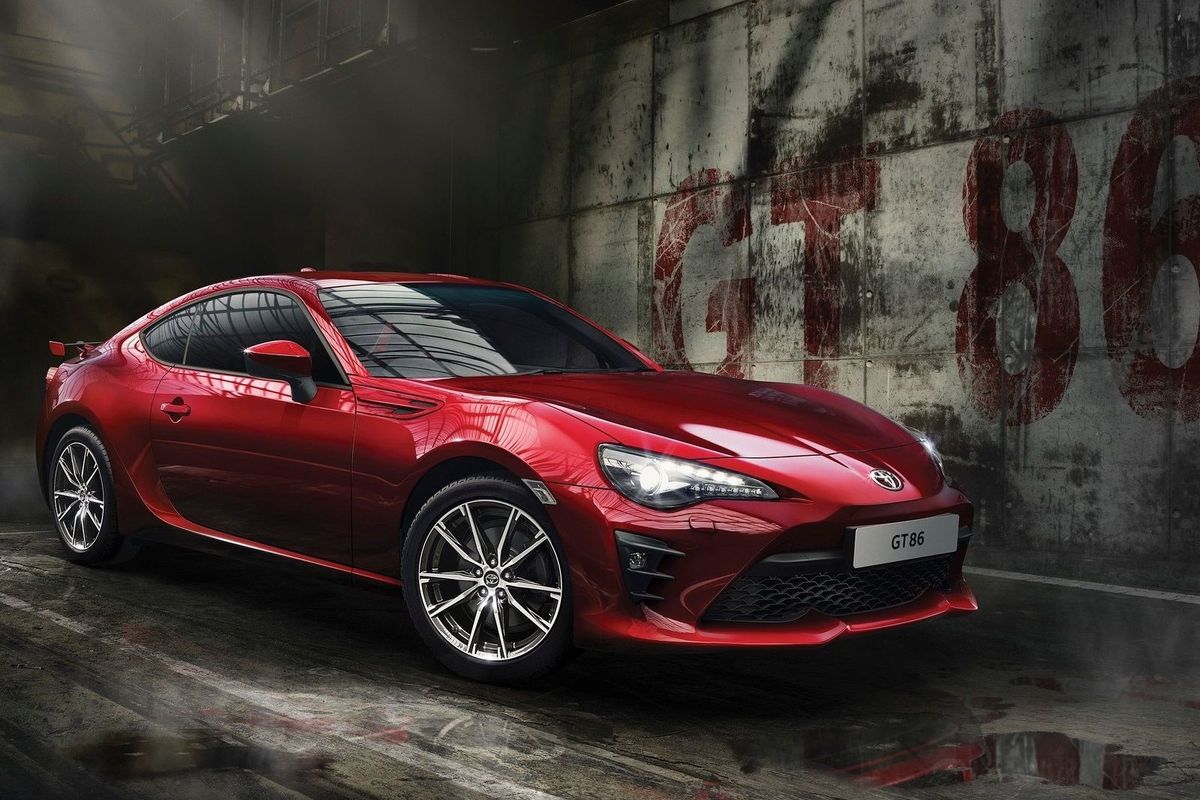
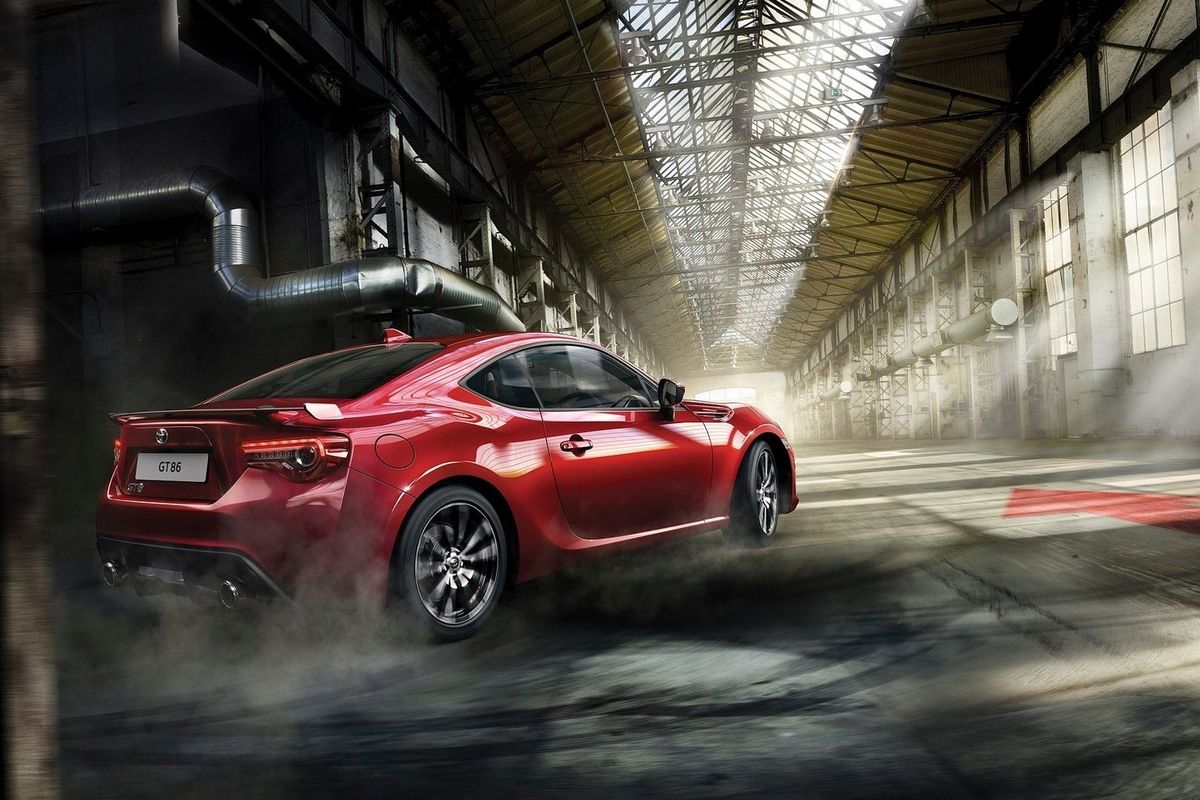
We have specifications and pricing for the facelifted Toyota 86 sportscar, which launches in South Africa later this month
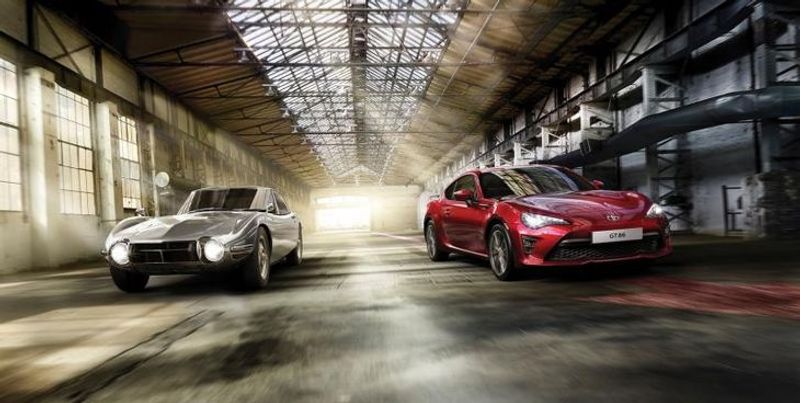
The Toyota 86 was developed with a very single-minded purpose. It had to revive excitement amongst lovers of cool and fast Toyotas. With its introduction, Toyota again offered a rear-wheel drive manual sportscar which was fun to drive, both at 60 kph and at 160 kph. With the 86 it has never been about outright performance, but rather an involving driving experience. The Toyota 86 was launched to the South African market in 2012 and was then the subject of a limited edition model, complete with massive JDM-style rear wing and TRD body kit.
2017 Toyota 86 Details
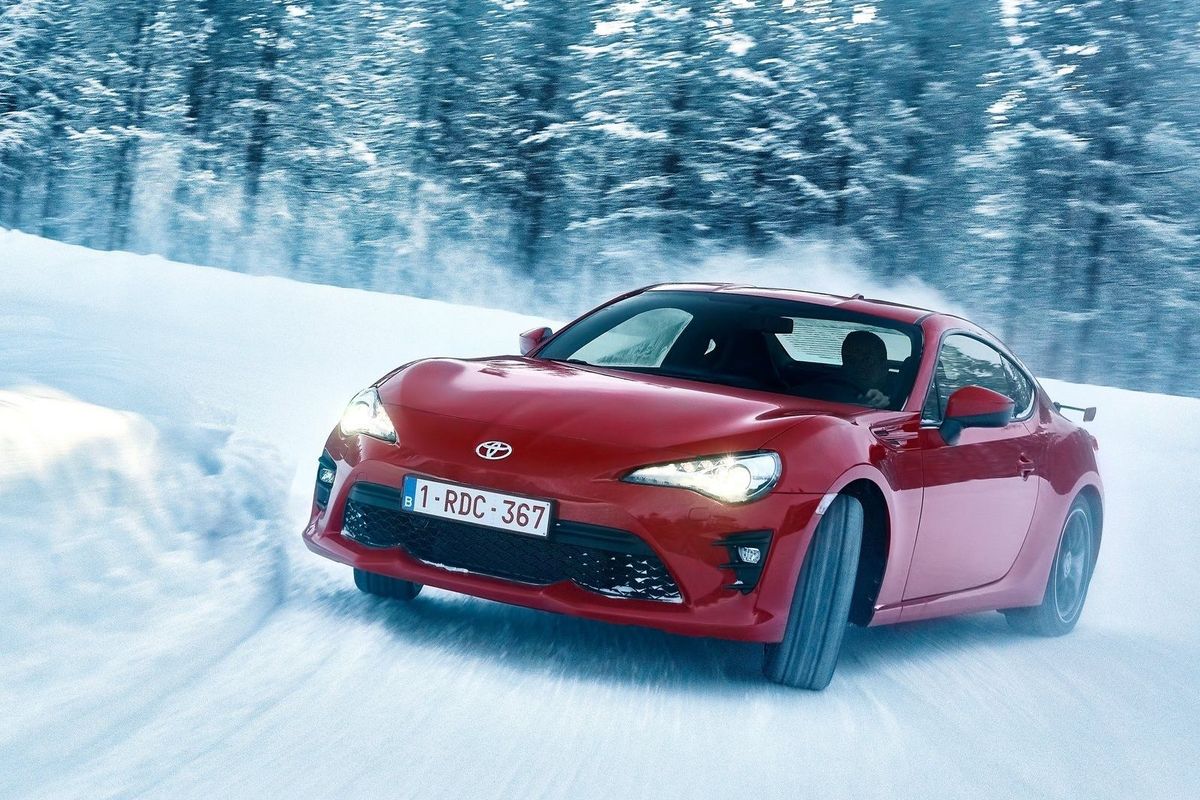
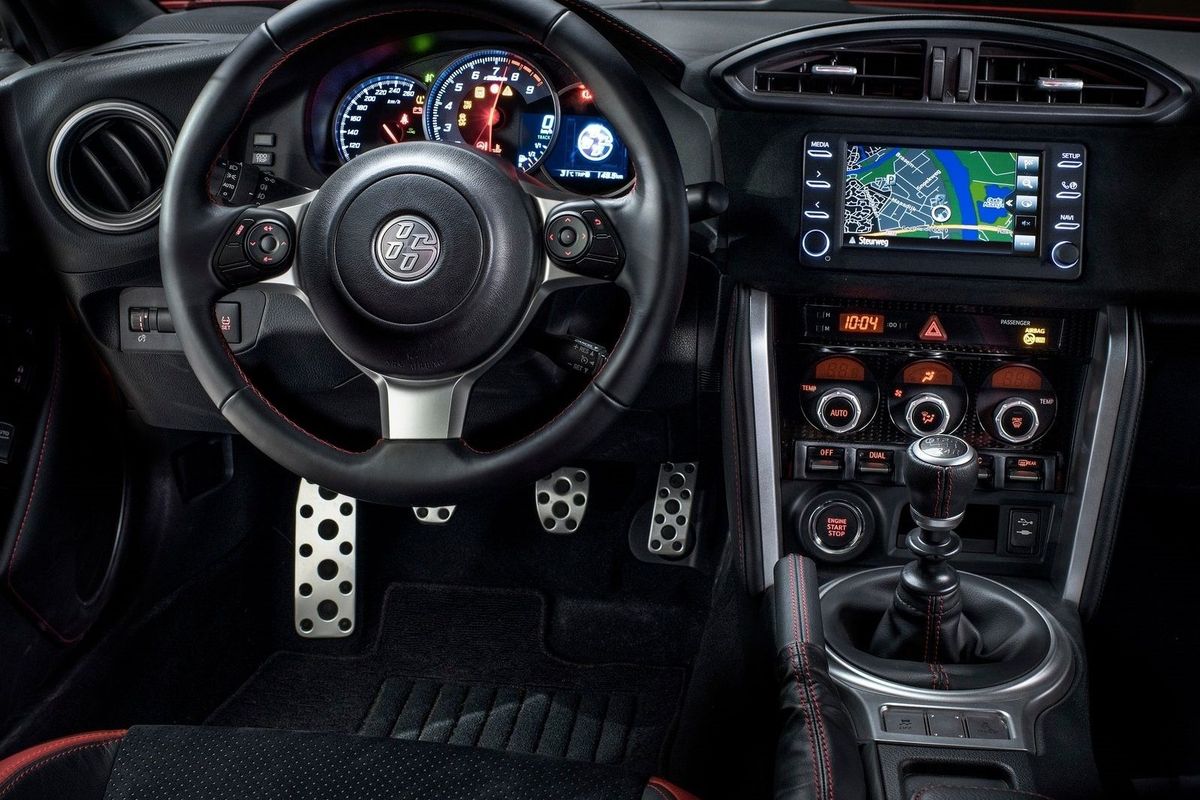
The 2017 incarnation of the Toyota 86 is not dramatically different to the outgoing model. There are a few visual changes but the engine remains the same. There will be three models available, two manuals and one automatic. Kicking off the range is the 2.0 Standard manual, which offers up air-conditioning, analogue speedometer, and fabric trim. Next up is the 2.0 High manual, which adds on cruise control, keyless entry with push-button start, climate control, digital/analog speedometer and leather seats. The last model in the range is the 2.0 High Automatic, which brings a clutchless option to the party and the automatic transmission is a six-speed unit. The base model loses out on 17-inch alloy wheels, LED headlamps and rear spoiler.
All three derivatives are powered by a 2.0-litre naturally-aspirated four-cylinder motor pushing out 147 kW and 205 Nm. The 0-100 kph sprint is dispatched in just 7.6 seconds for the manually-equipped 86s, while the automatic does the same in 8.2 seconds. A top speed of 226 kph is possible, while the automatic makes do with a top end of 210 kph.
In terms of safety technology, all three models feature 7 airbags, anti-lock brakes with brake assist, hill assist and vehicle stability control as standard.
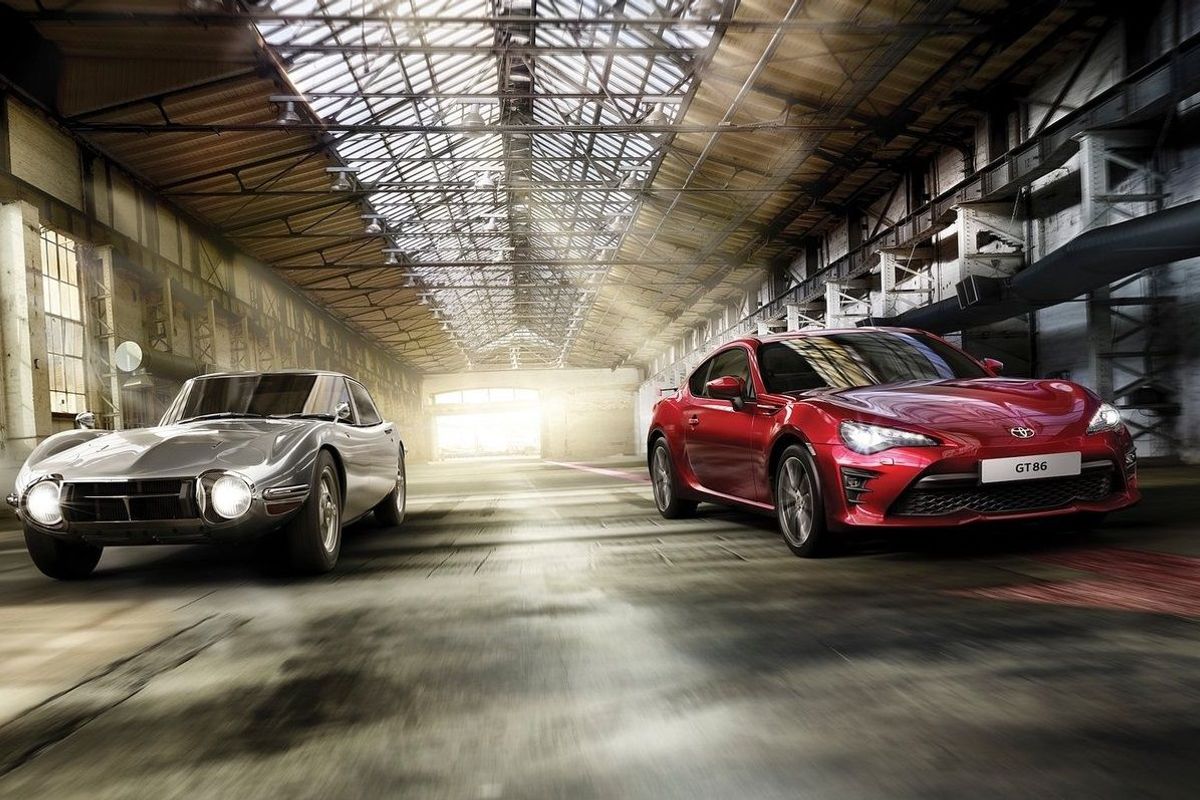
The new Toyota 86 sportscar and the iconic Toyota 2000GT.
Toyota 86 (2017) Price in South Africa
Here's how much the new Toyota 86 will cost when it launches. All 86s come with a 4 year / 60 000km service plan and a 3 year / 100 000 km warranty.
2.0 Standard manual R449 600
2.0 High manual R494 900
2.0 High automatic R519 400
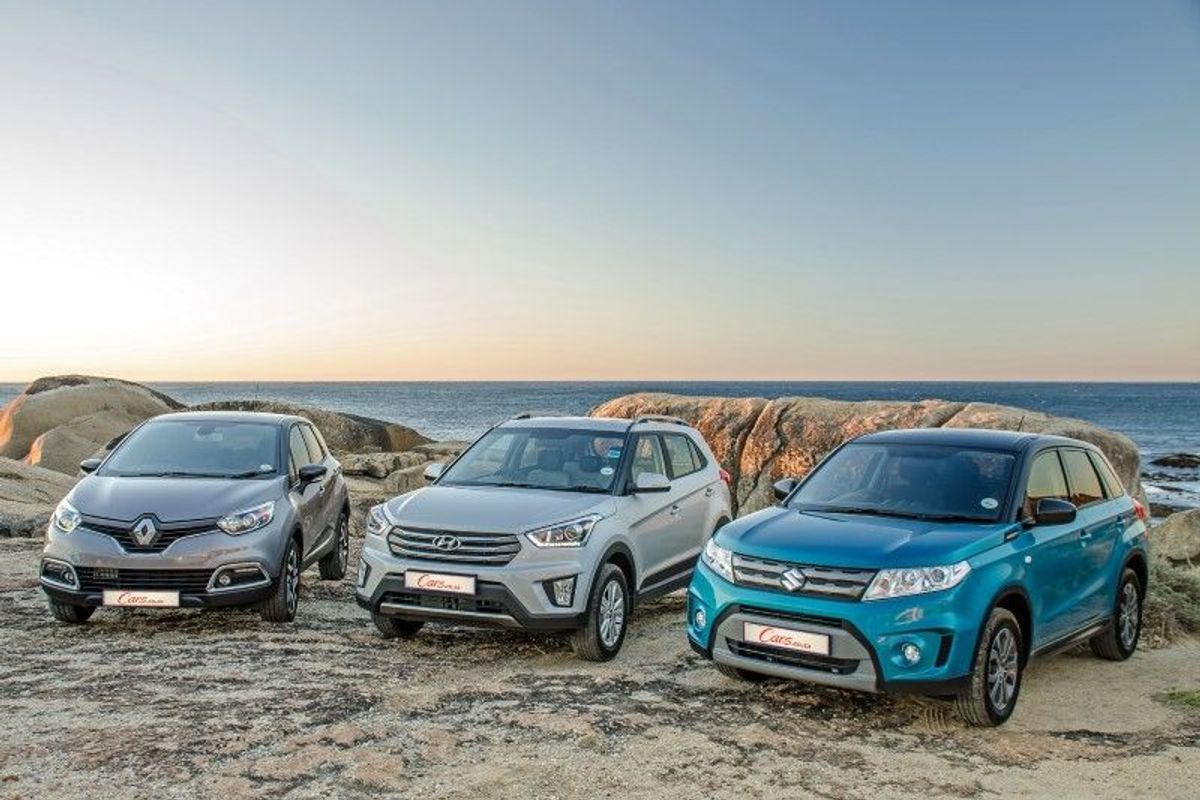
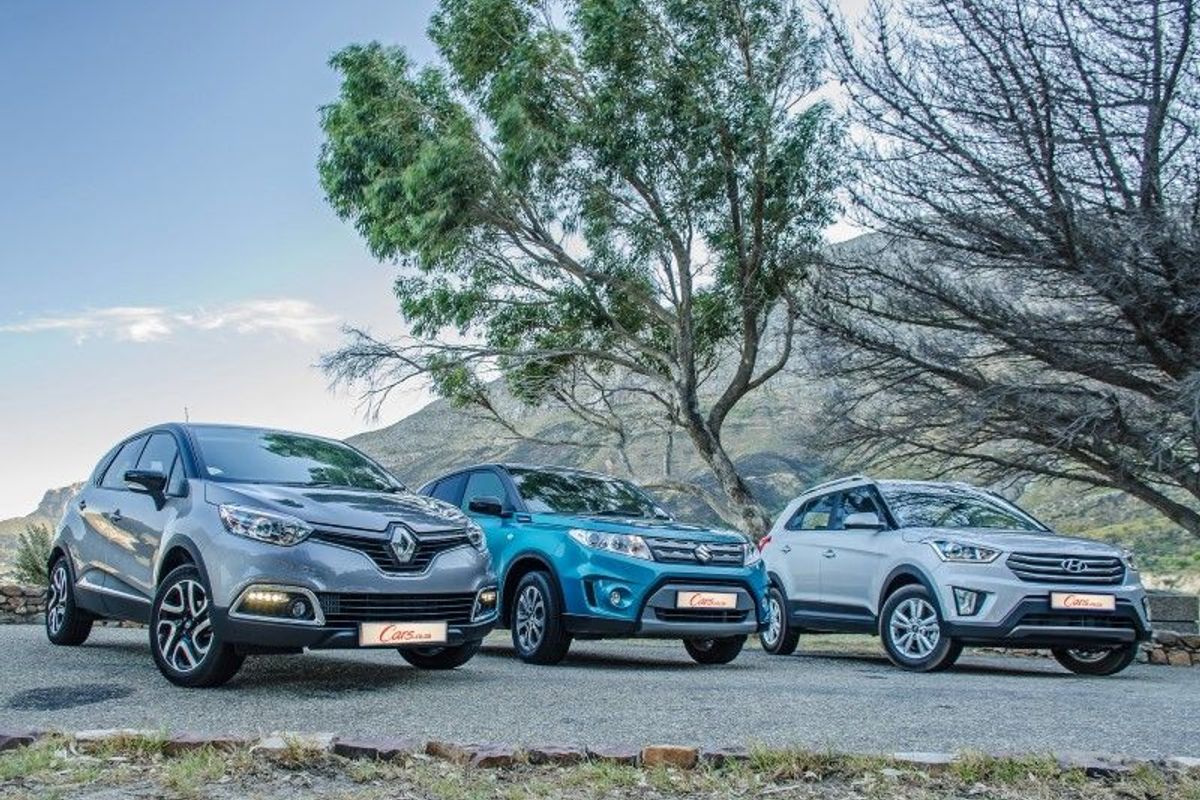
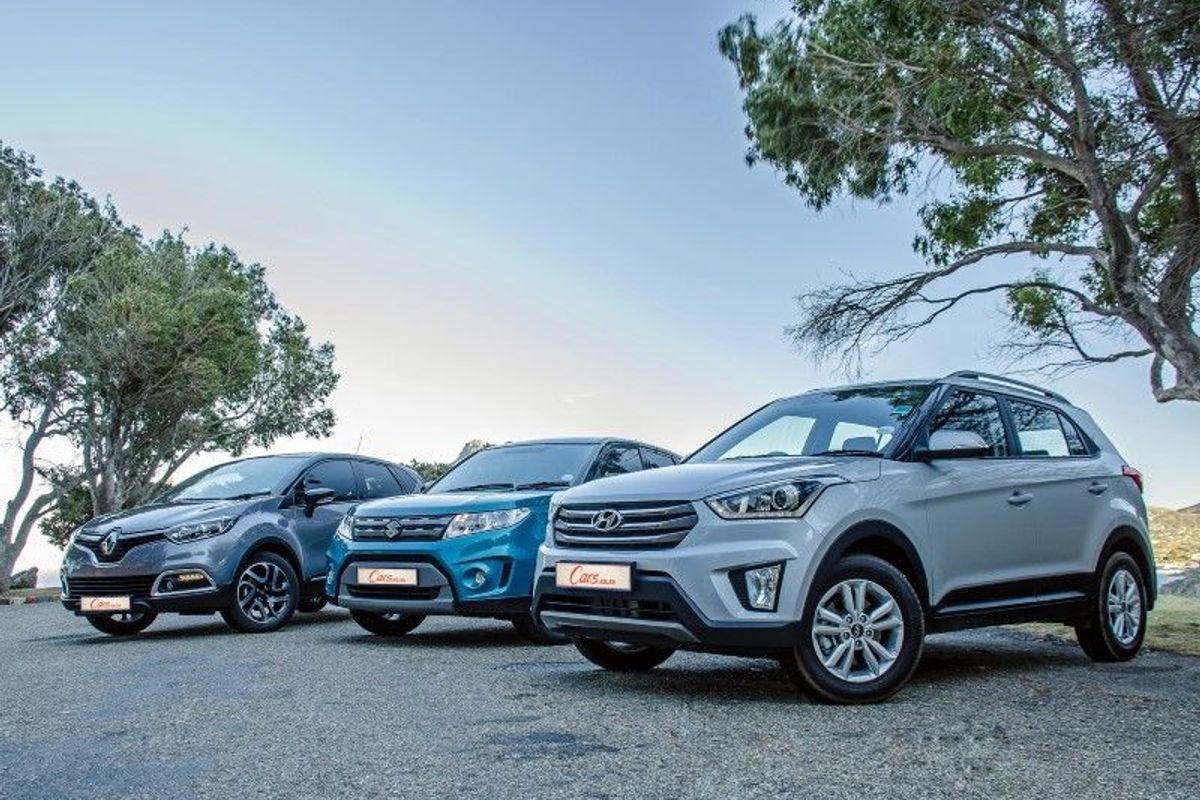
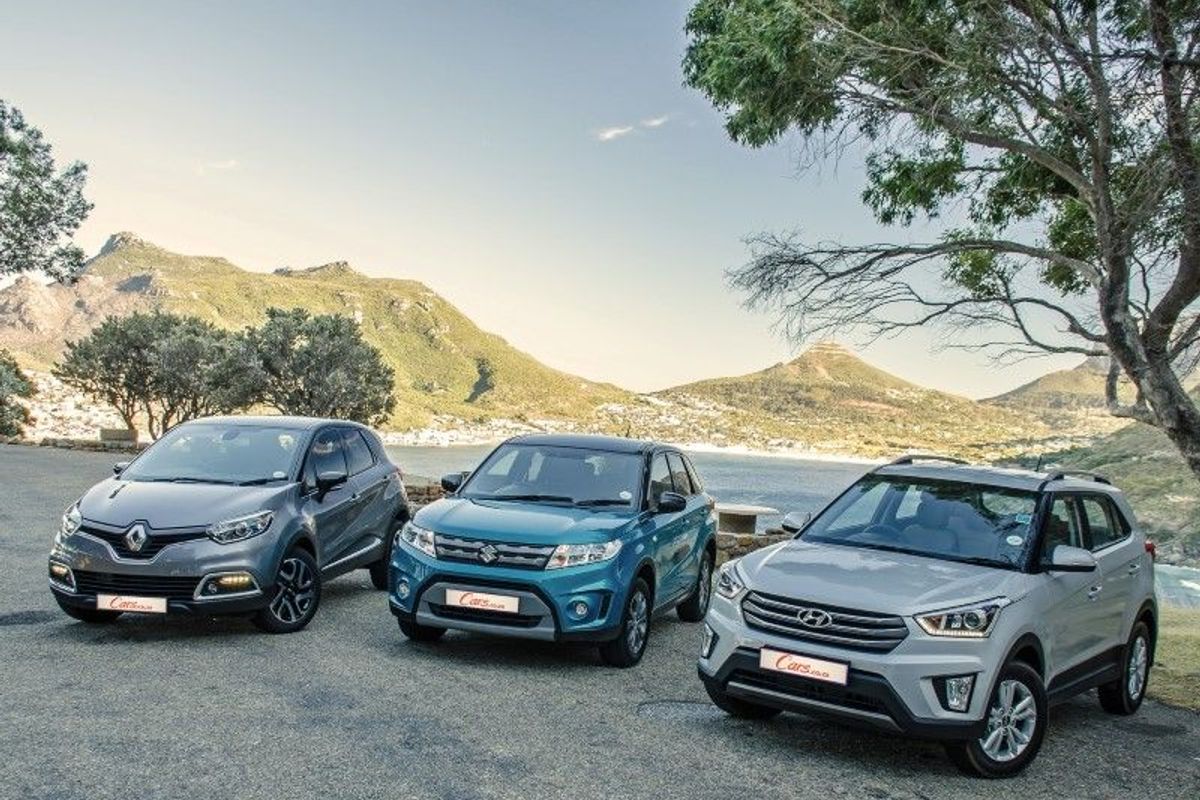
Crossover Group Test: Suzuki Vitara, Hyundai Creta & Renault Captur [with Video]
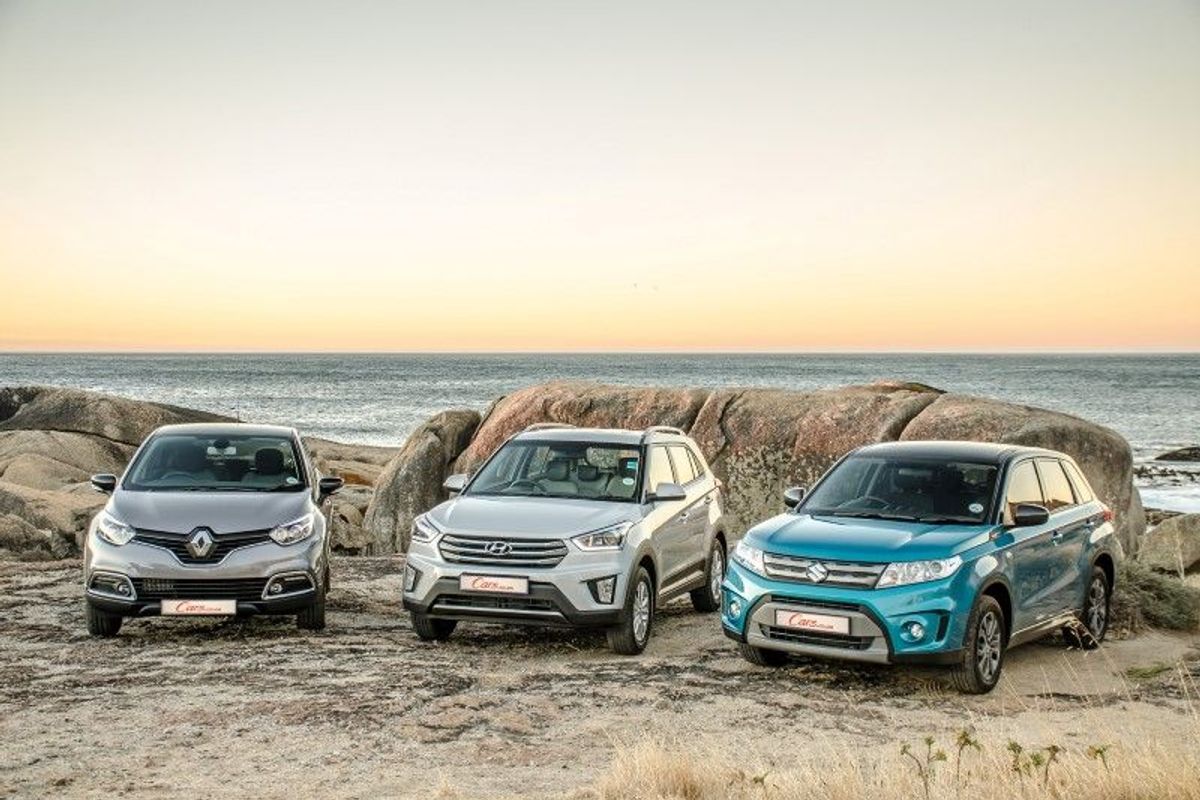
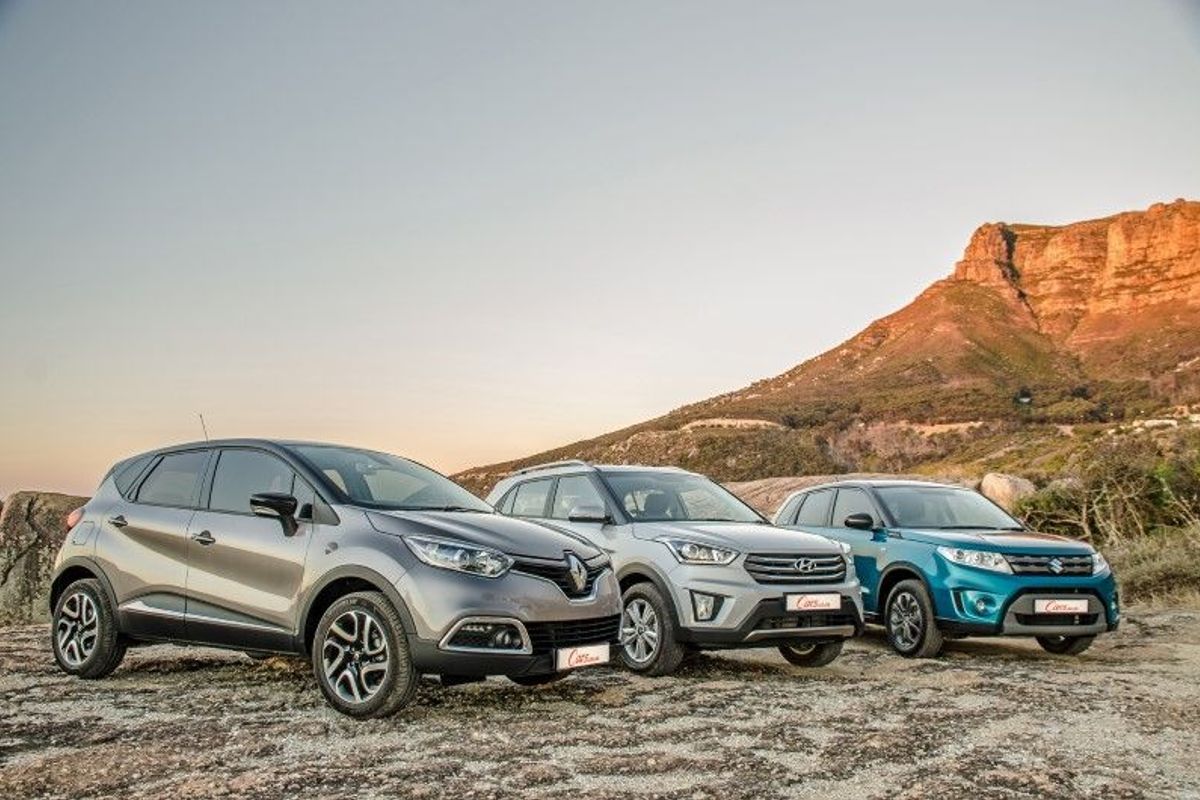
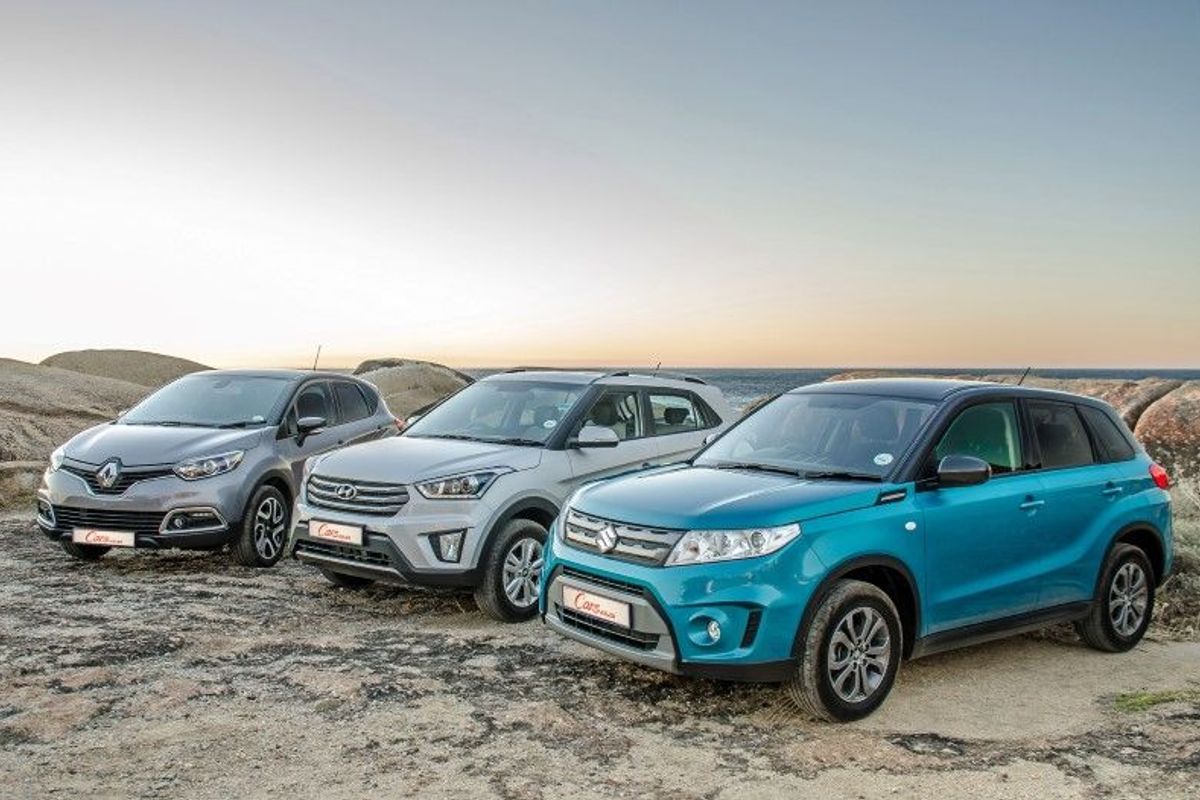
Are you in the market for a compact crossover? This crossover group test will give you some insight into the strengths and weaknesses of 3 of the segment's most influential offerings. We test the Suzuki Vitara, Hyundai Creta and Renault Captur, take a look…
The compact family car market is flourishing and we’ve rounded up 3 of the local market’s most impressive offerings to see what they offer at their respective price points. Priced from the mid R200k mark to just under R400k, these contenders offer their own blend of talents and strengths.
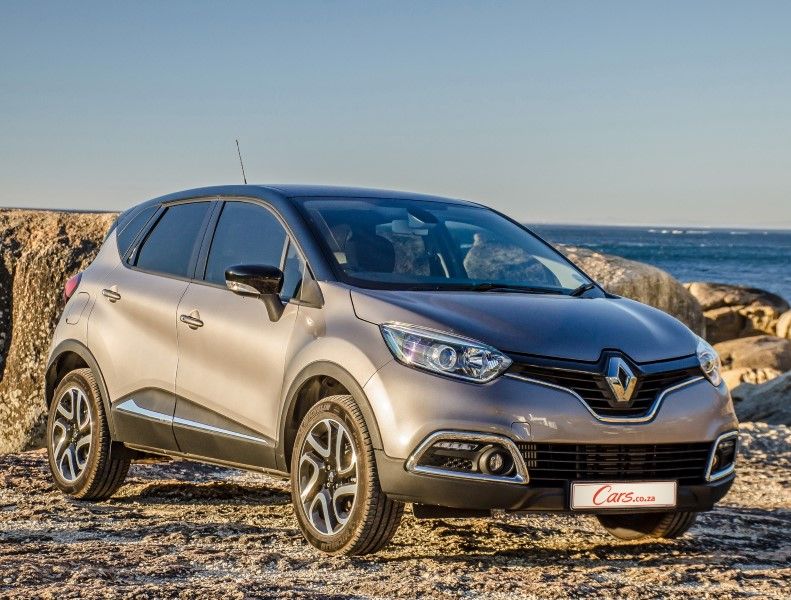
The Renault Captur 66 kW Dynamique
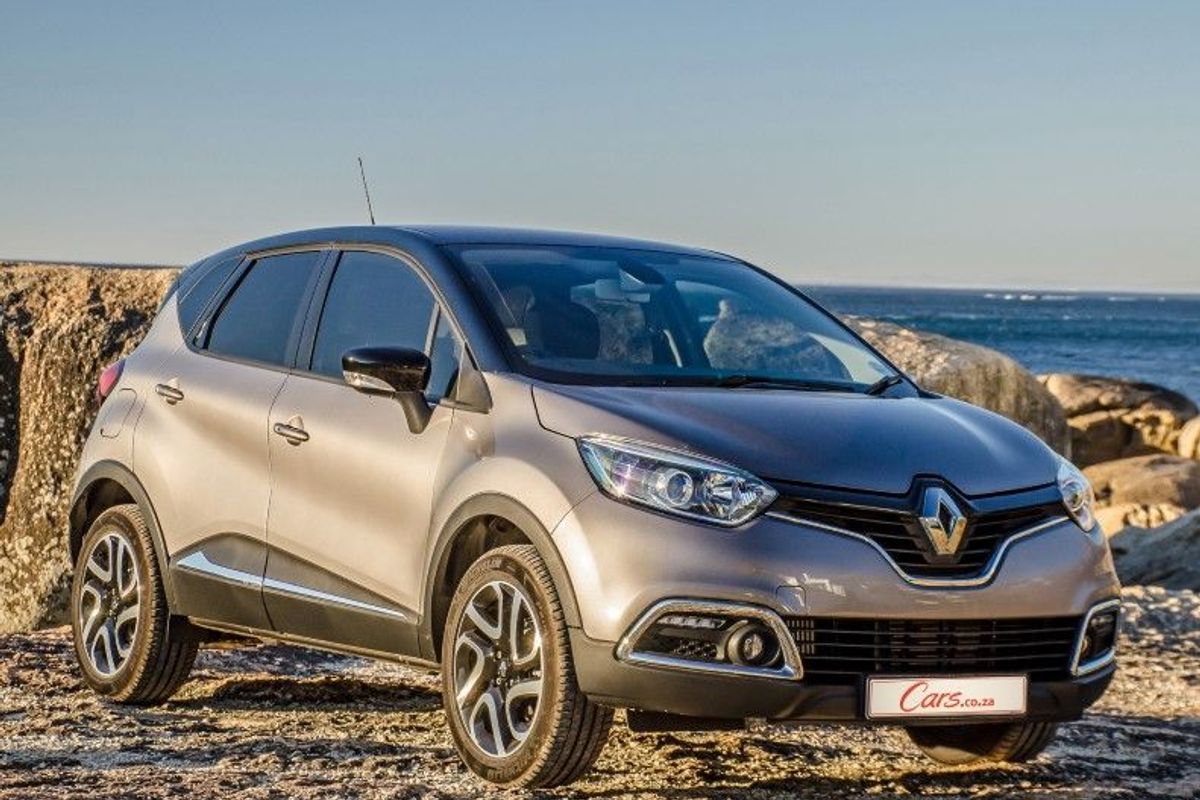
The Renault Captur is the stylish choice in the compact crossover segment with a feature-laden cabin and attractive pricing.
The Captur is a popular choice in this segment thanks to its chic styling and feature-packed cabin. The 66 kW Dynamique featured here is priced at an attractive R264 900 and represents good value in the crossover segment when you consider the wide range of features offered as standard. Its 0.9-litre turbopetrol engine delivers 66 kW and 135 Nm of torque to the front wheels via a 5-speed manual transmission. Fuel consumption is claimed at 4.9 L/100km.
Interior design
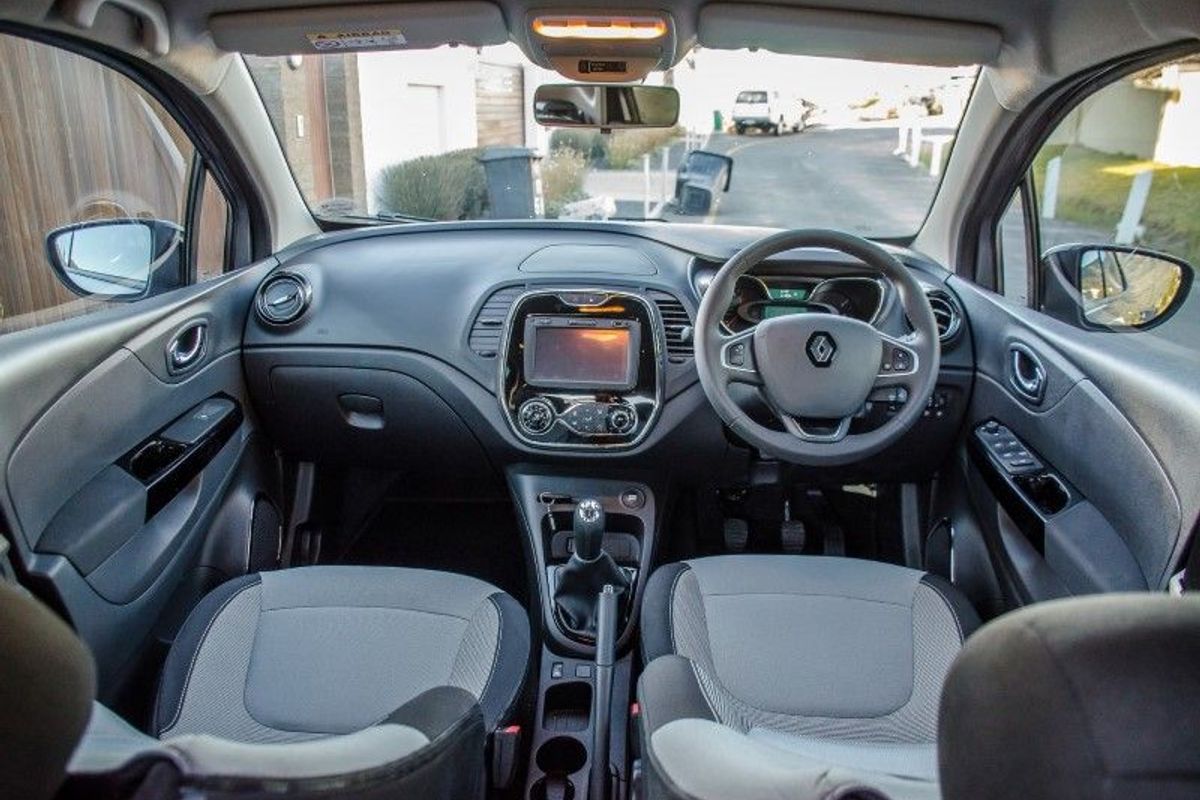
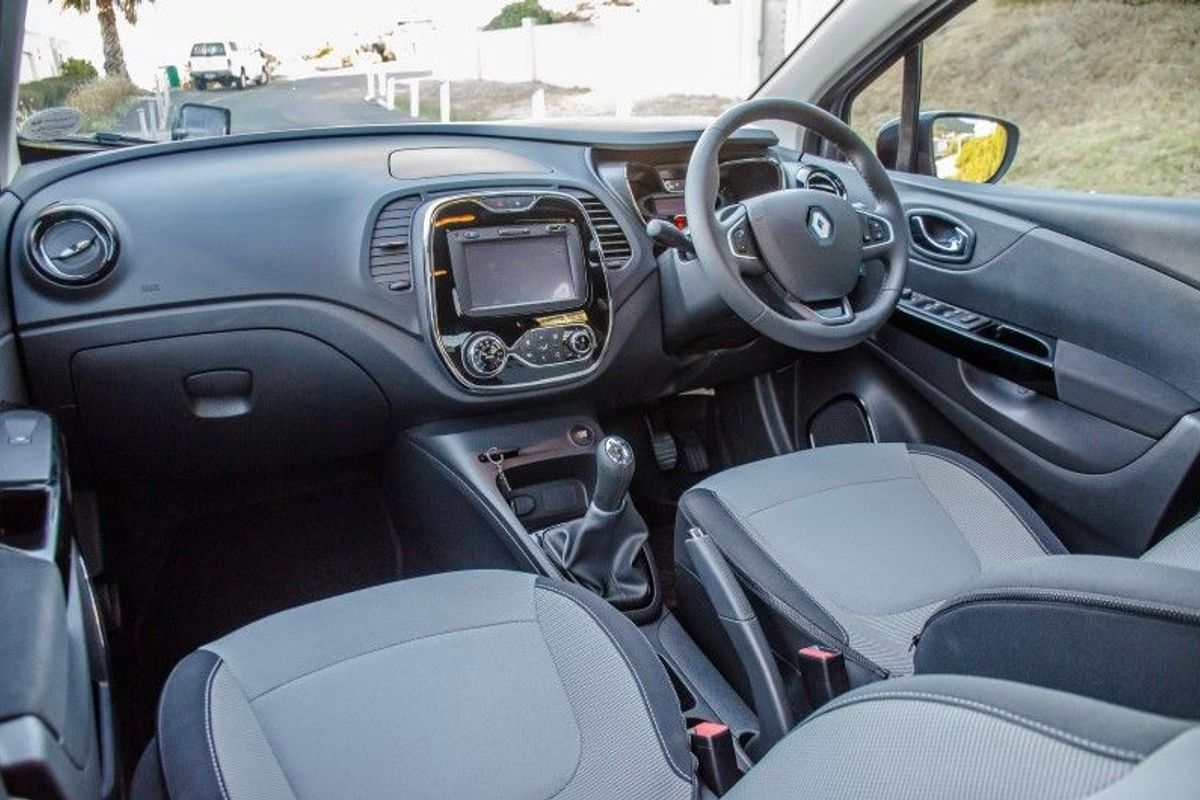
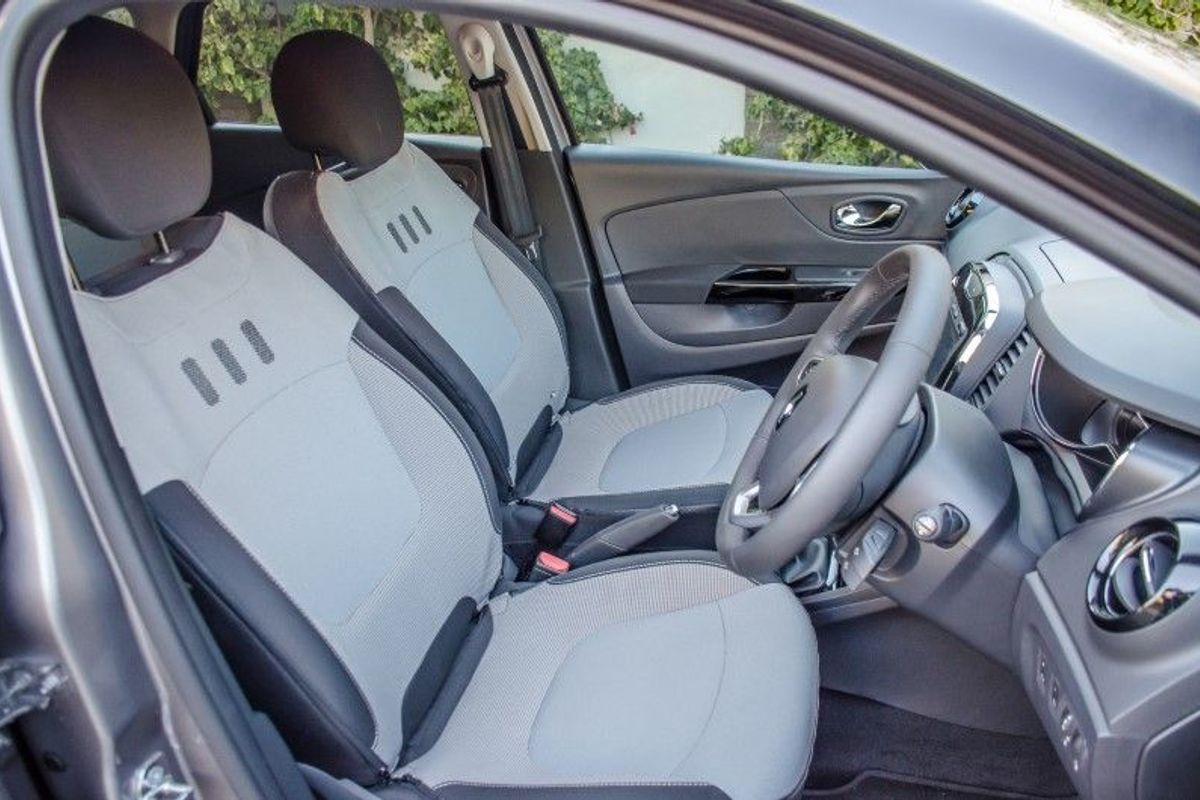
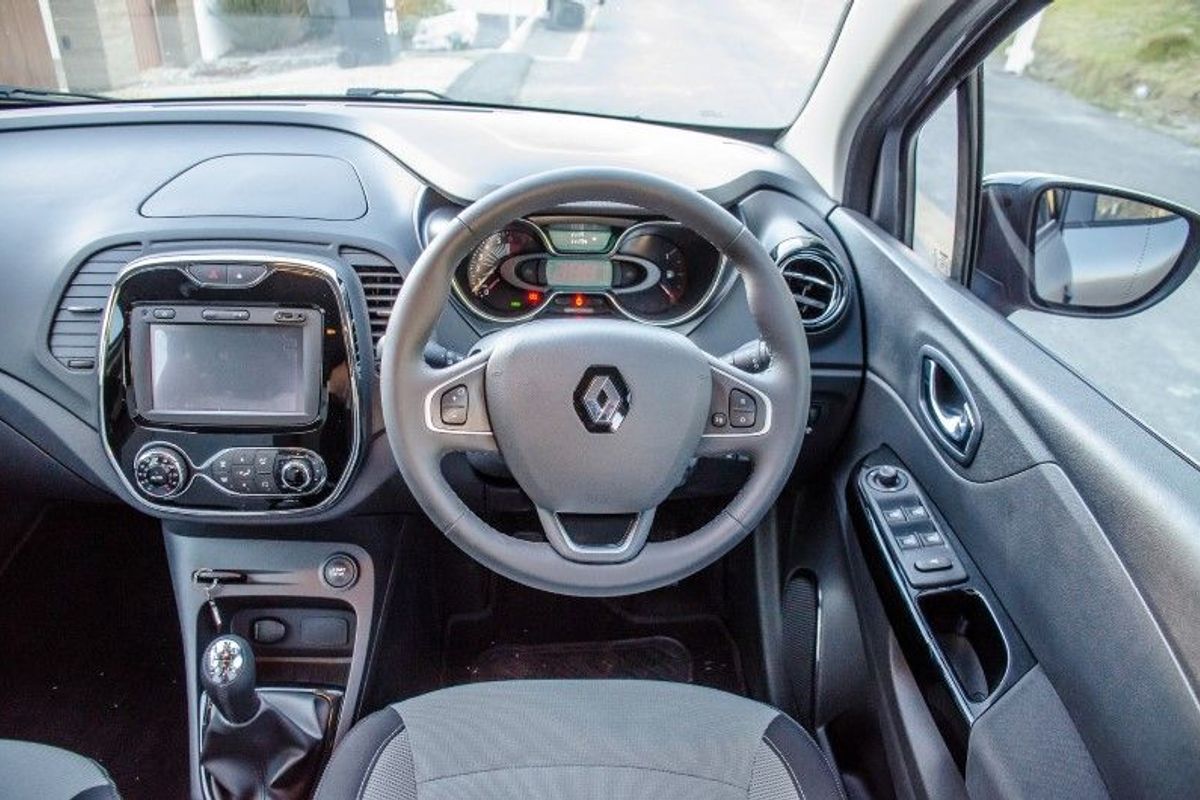
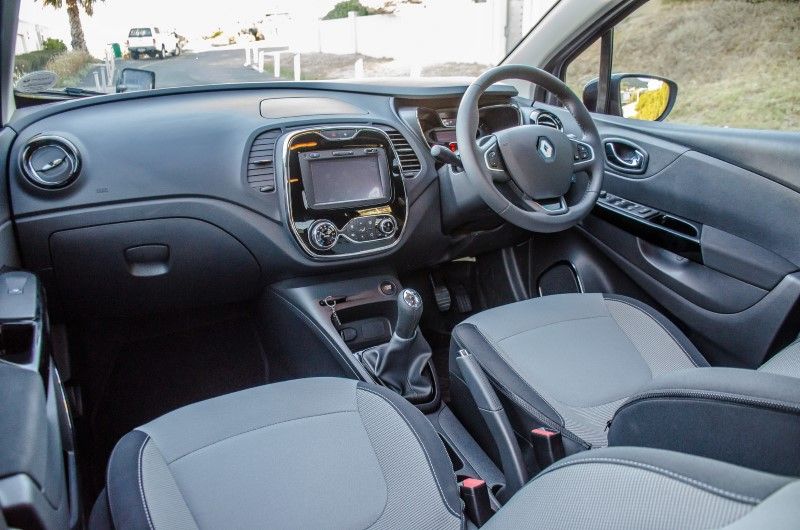
The Renault Captur's cabin is simple yet stylish and comes well-equipped with features.
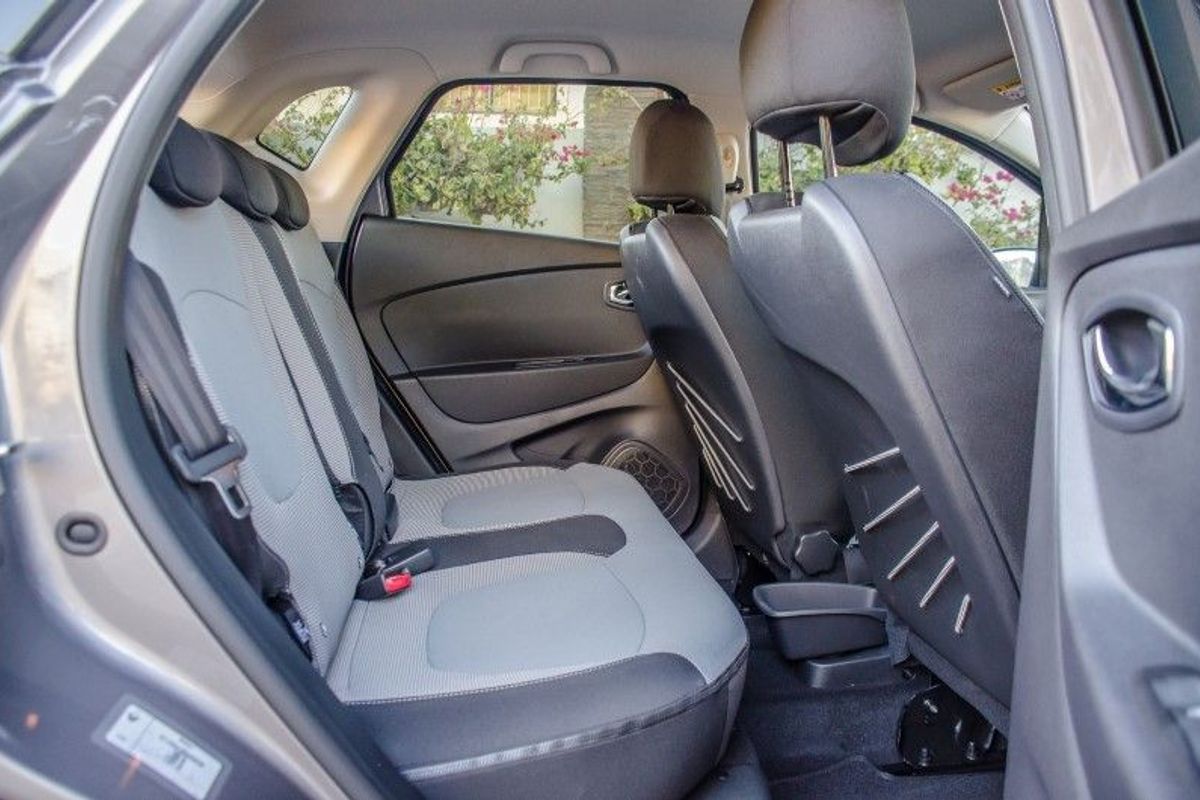
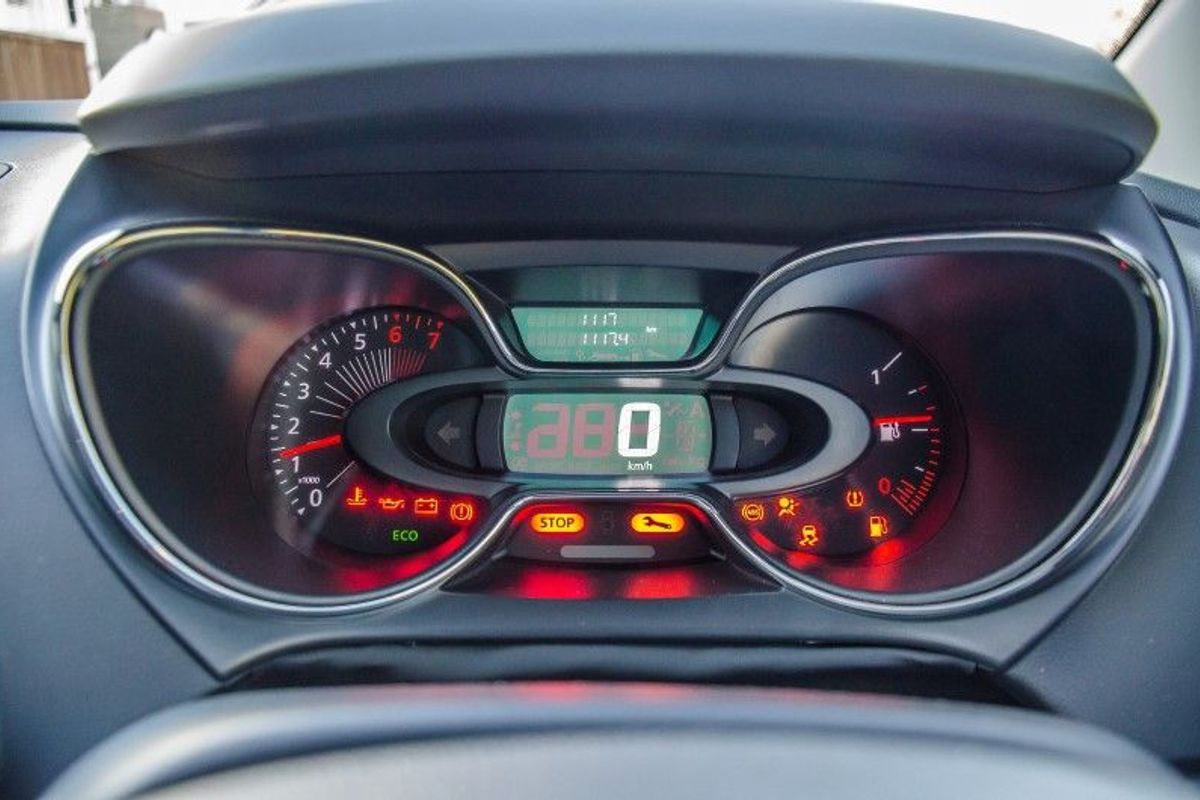
The Renault’s interior is unquestionably stylish. Some of the controls are oddly placed and the gloss black surfaces tend to mark easily, but the Captur’s driving position is good and the driver’s seat is adjustable for height. The steering can be adjusted for rake and reach too. Rear legroom isn’t as generous as in the others while the rear seating position is not the most comfortable either.
Features
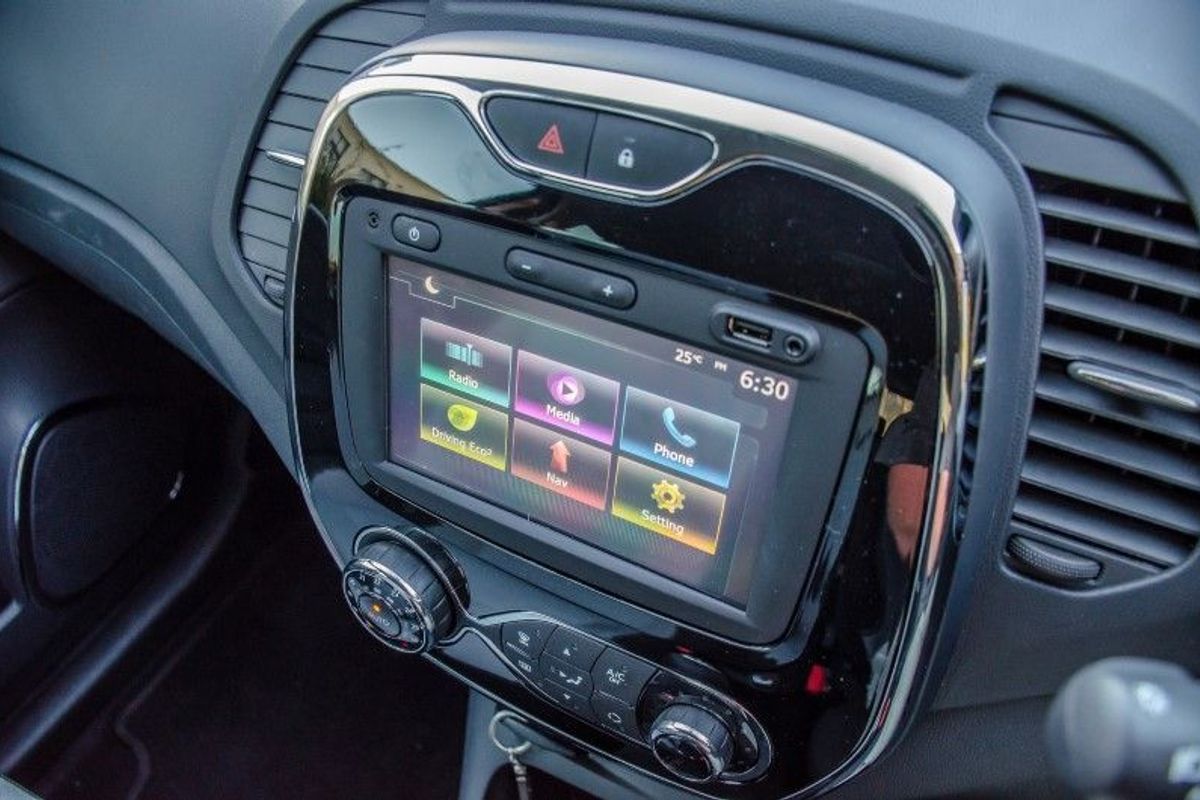
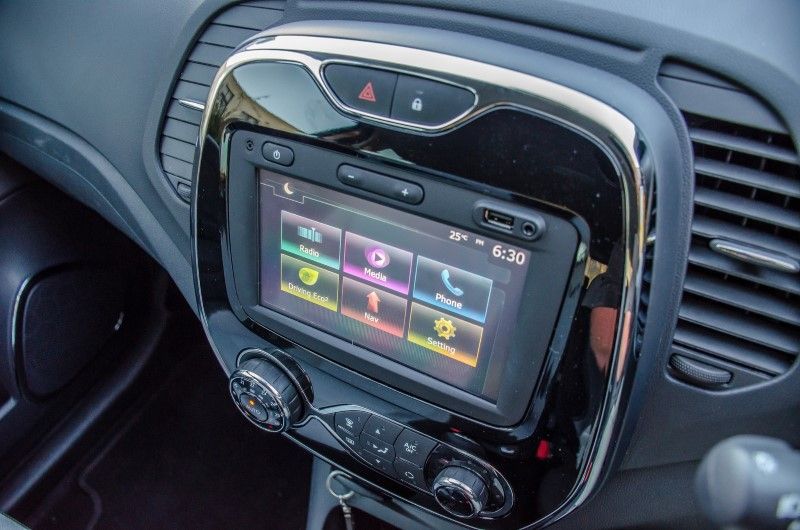
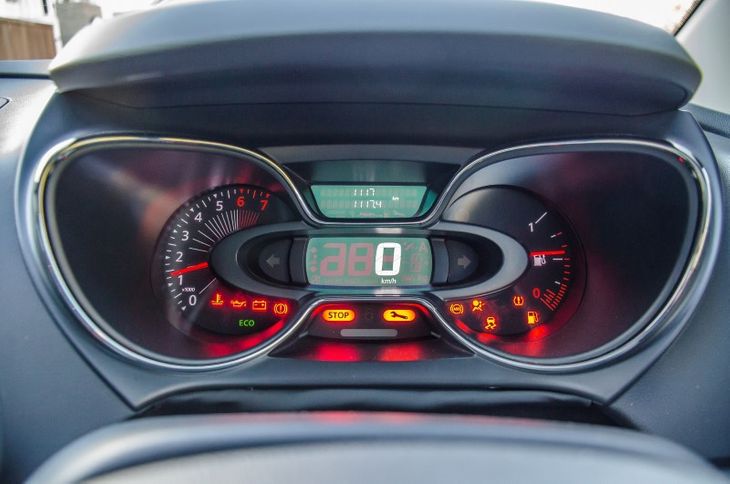
The Captur's infotainment system is colourful and simple to use. The navigation system could be better though.
For the price, the Captur offers a good level of feature specification. Automatic headlights and automatic windscreen wipers are standard and a touchscreen infotainment system with navigation and Bluetooth functionality (plus USB and Auxiliary ports) is standard. The graphics are clean and colourful, but the navigation system isn’t the most sophisticated around.
Other standard equipment includes climate control, electric windows and side mirrors, steering-wheel-mounted controls, and cruise control. The Captur is the only car here with a start/stop button.
Practicality
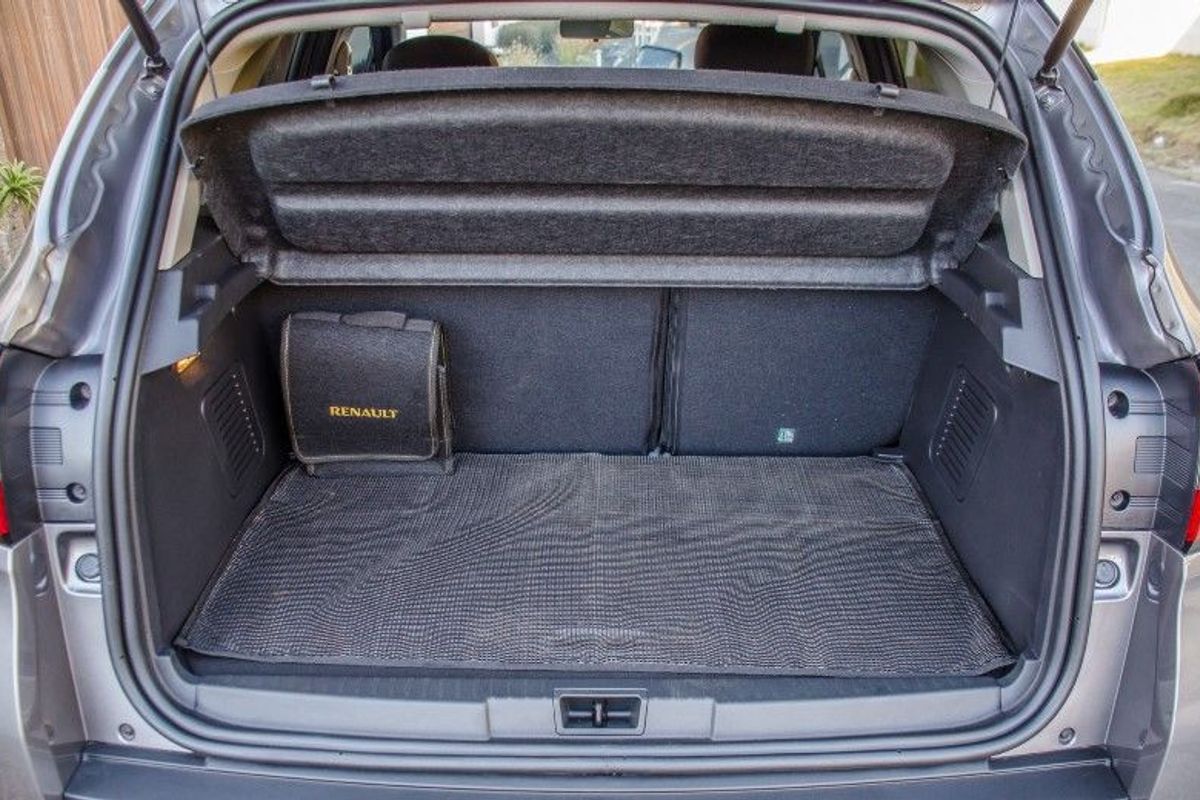
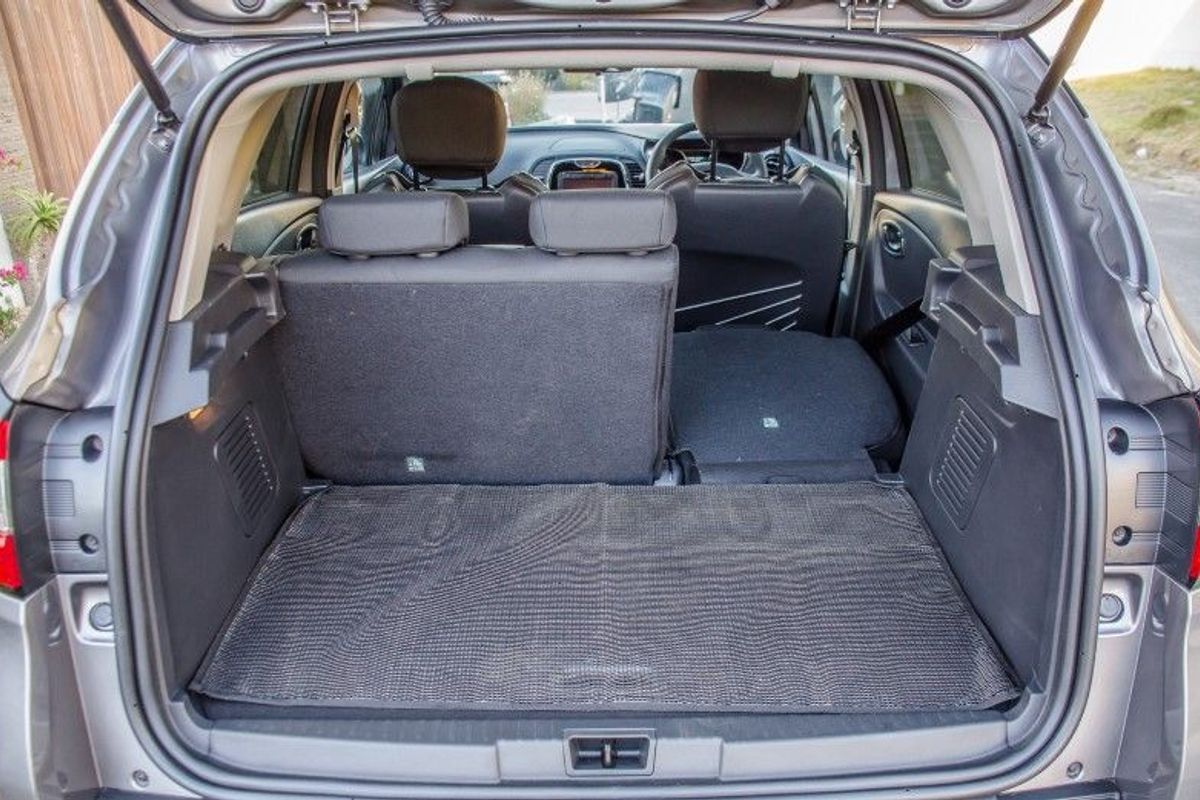
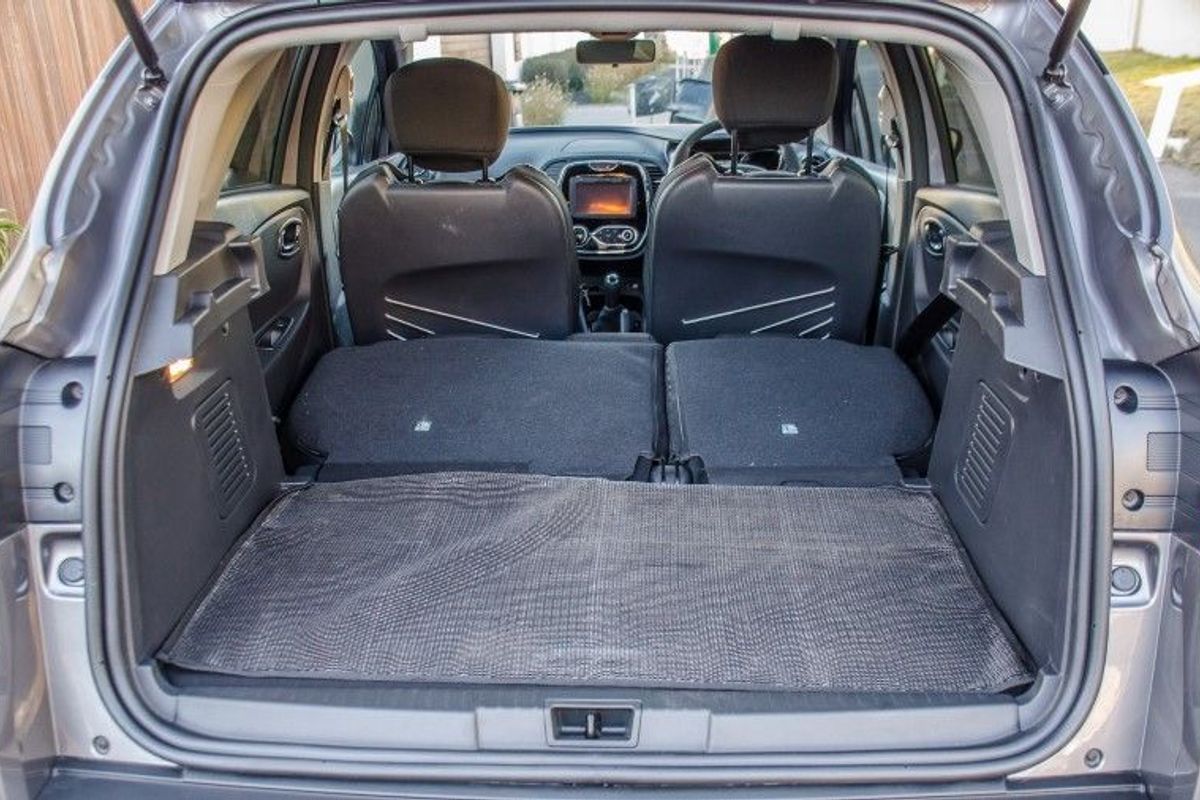
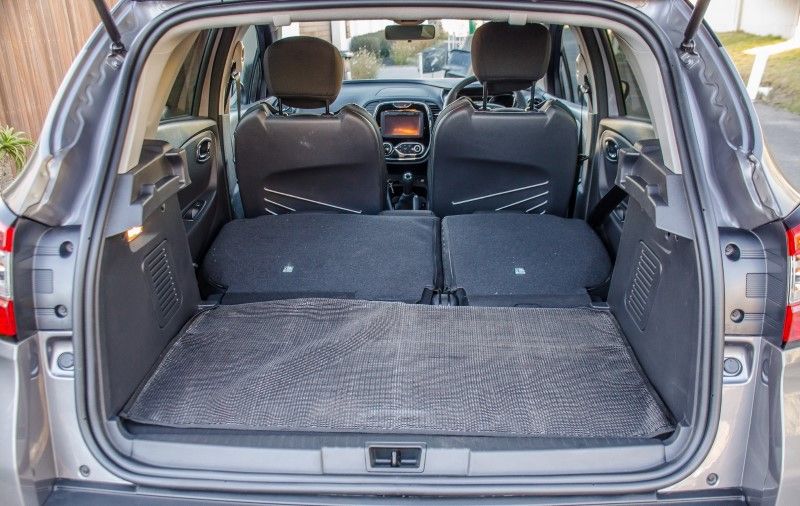
The Captur's load bay is flexible with a good space offering including a false floor and a rear bench that can slide forward to increase boot space.
For its size, the RenauIt offers a 377-litre loading capacity and the 60:40 split rear bench can be folded down to access the full 1 235 litres. The rear bench can slide forward though, opening up additional space in the load bay and there is a false floor for storing items out of sight.
The Captur has 3 cup holders and there are bottle holders in the front and rear door mouldings. Rope magazine holders are found on the backs of the front seats. Additional storage space can be found ahead of the gear lever and in the glove box.
Performance
The Captur's performance is adequate and its low fuel consumption is its draw card. It's the kind of car you want for city driving.
Despite its small capacity engine, the Captur still manages to deliver decent performance on the road. The engine is noisy under hard acceleration and the power delivery is average, but the 5-speed manual transmission is light in operation even if the throws are quite long. It takes some practice to achieve a smooth pullaway and if you get your gear changes slightly wrong, the Captur will become quite jerky. Fuel consumption is good, however: expect figures in the region of 7.0 L/100 km.
Ride & handling
As expected of a cheeky small crossover, the Captur feels light at the wheel and it offers good levels of ride comfort. It copes well in corners with very little body roll and its suspension is generally good, but its ride is a bit harsher on poorer surfaces, but it’s by no means uncomfortable. The Captur rides well overall, however. Buyers should find it adequately pleasing to drive on a daily basis.
Safety
In terms of safety, the Captur falls short in the airbag count (just 4 in total), however, ABS with EBD, brake assist, stability control, traction control and ISOFIX seat mounts are all standard. There’s no rearview camera, but the Captur is fitted with rear park distance control.
After-sales support
The Captur is sold with a 5-year/150 000 km warranty and a 3-year/45 000 km service plan.
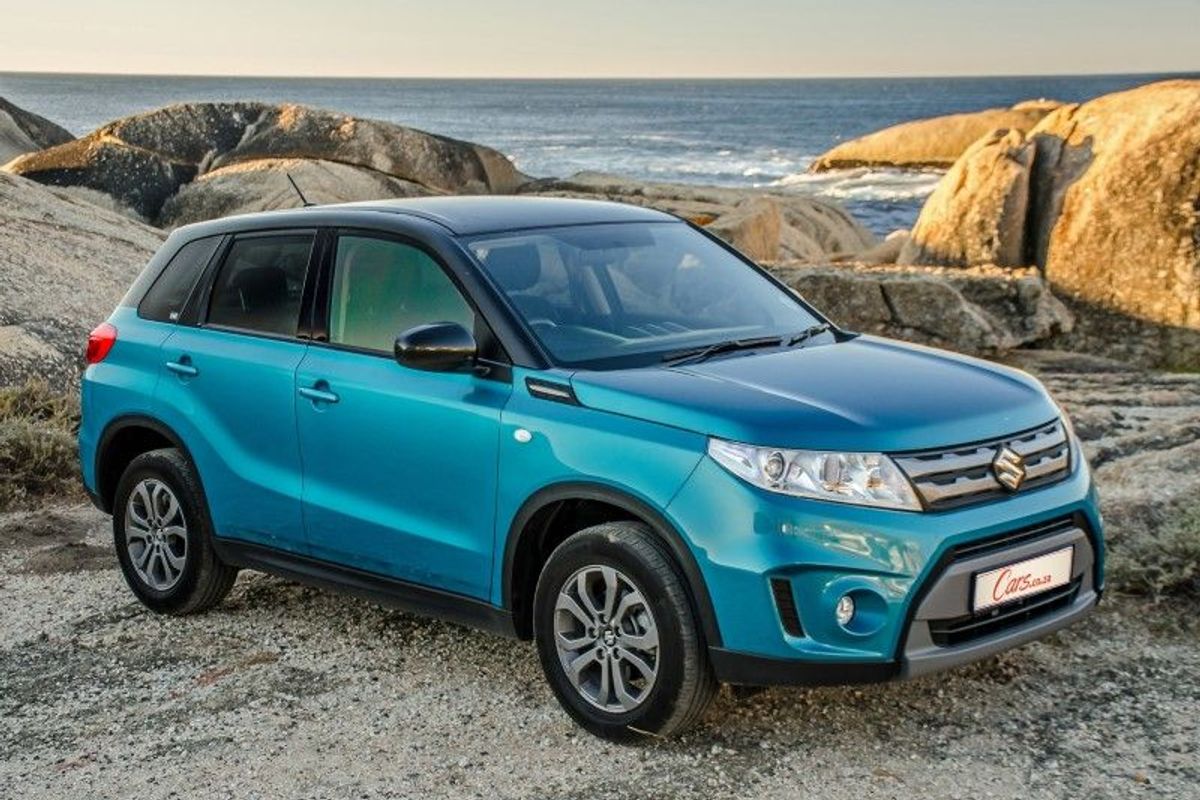
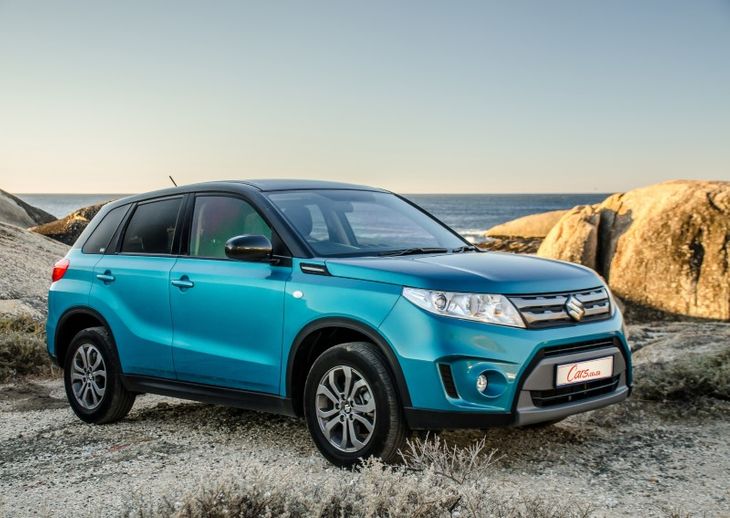
The Suzuki Vitara is a charming and solid all-rounder that offers space and versatility coupled with a reasonable price tag.
The 2016/17 Cars.co.za Consumer Awards champion in the compact family car segment offers an attractive mix of style, spaciousness and everyday usability, backed by Suzuki’s enviable reputation for reliability and aftersales service. Priced at R303 900, the Vitara 1.6 GL+ steps up to the plate armed with a naturally aspirated 1.6-litre petrol engine offering 86 kW and 151 Nm of torque, mated to a 5-speed manual transmission. Fuel consumption is claimed at 5.8 L/100 km.
Interior design
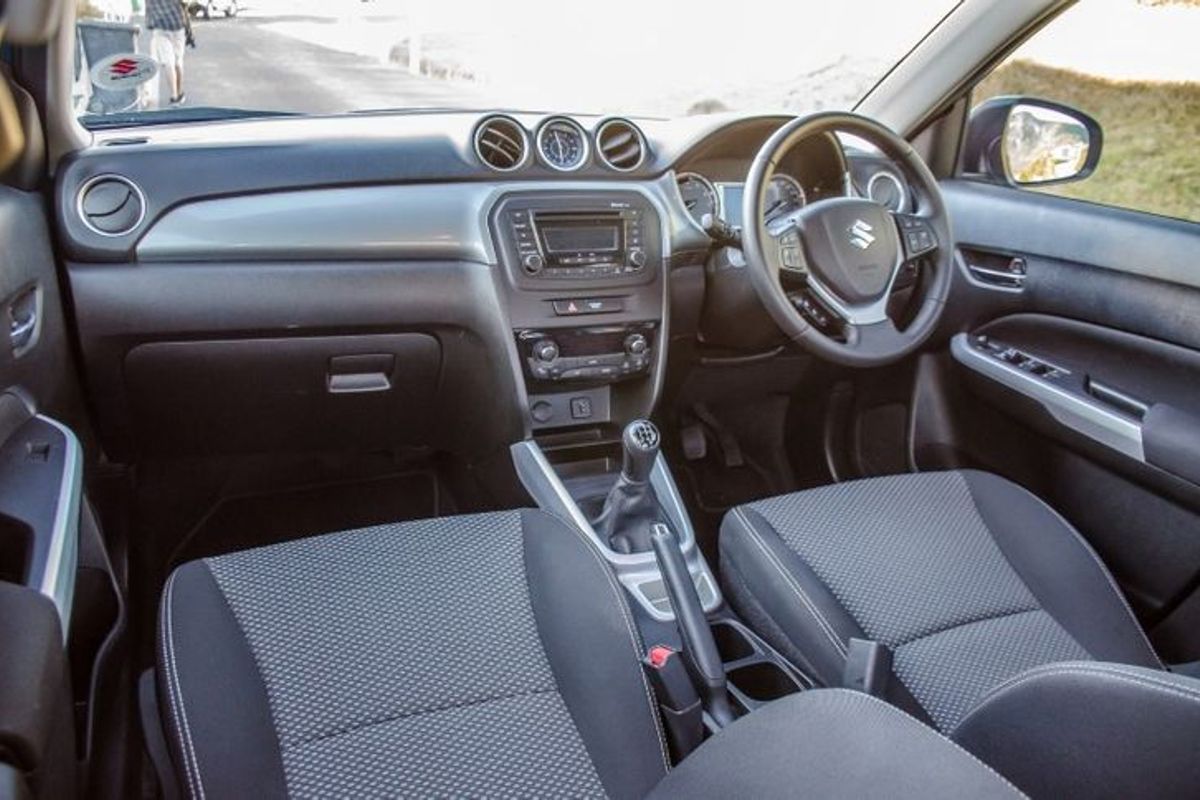
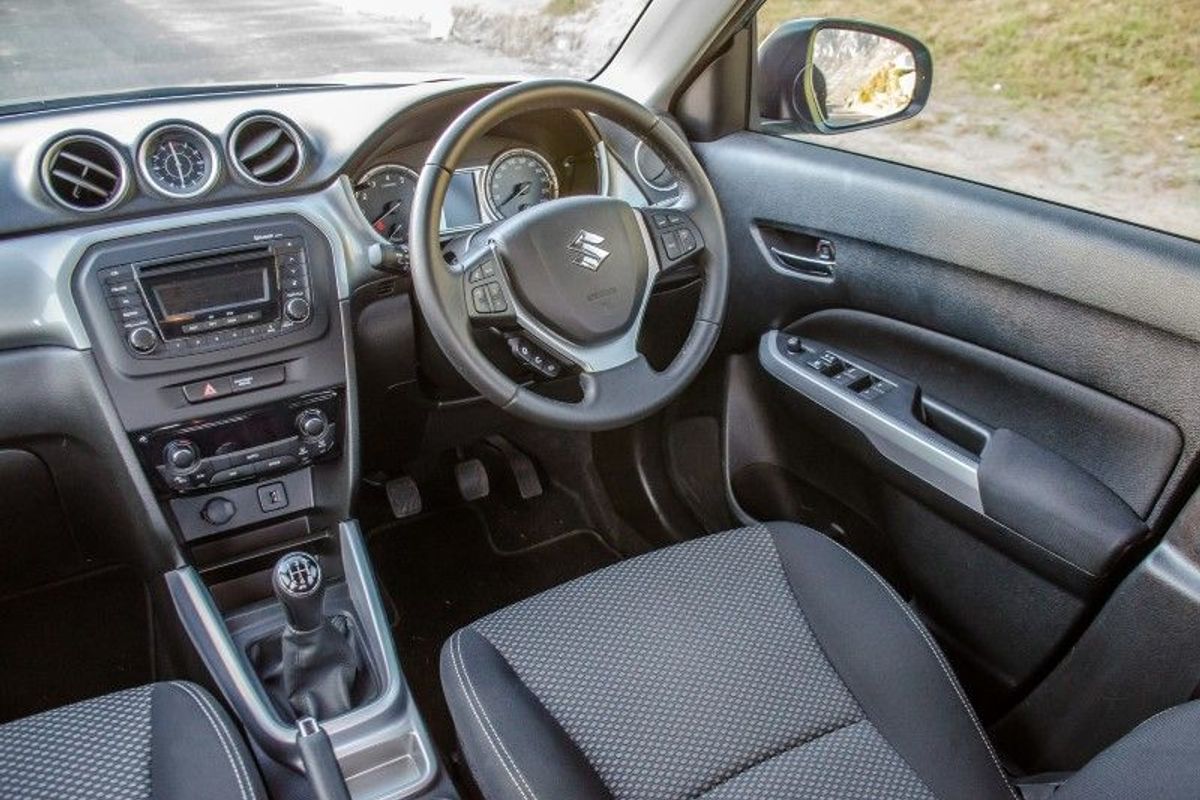
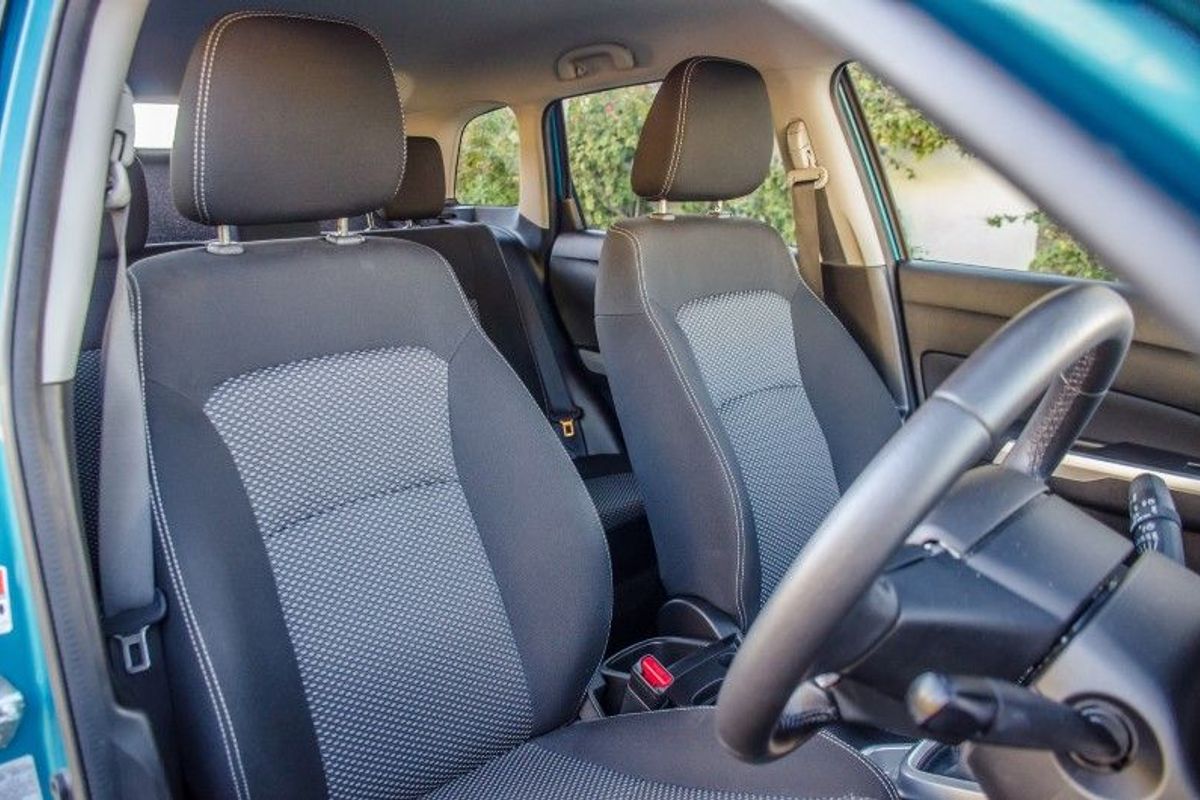
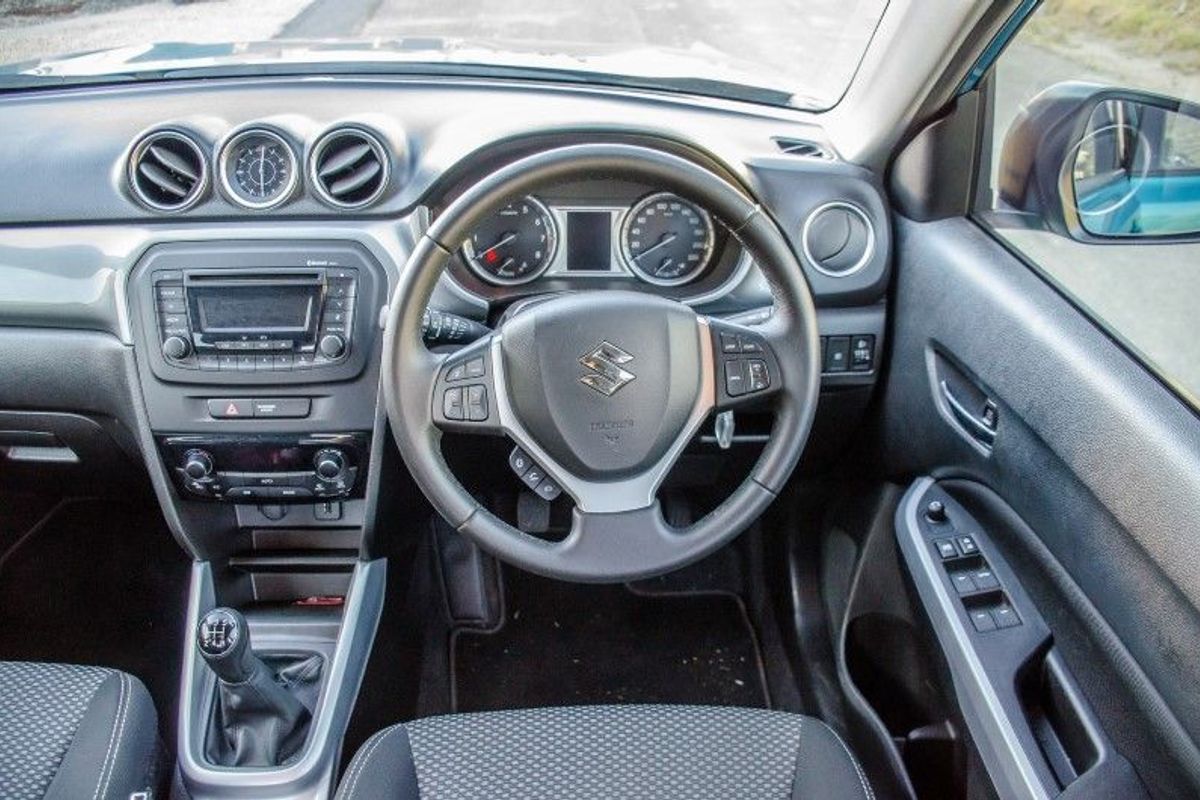
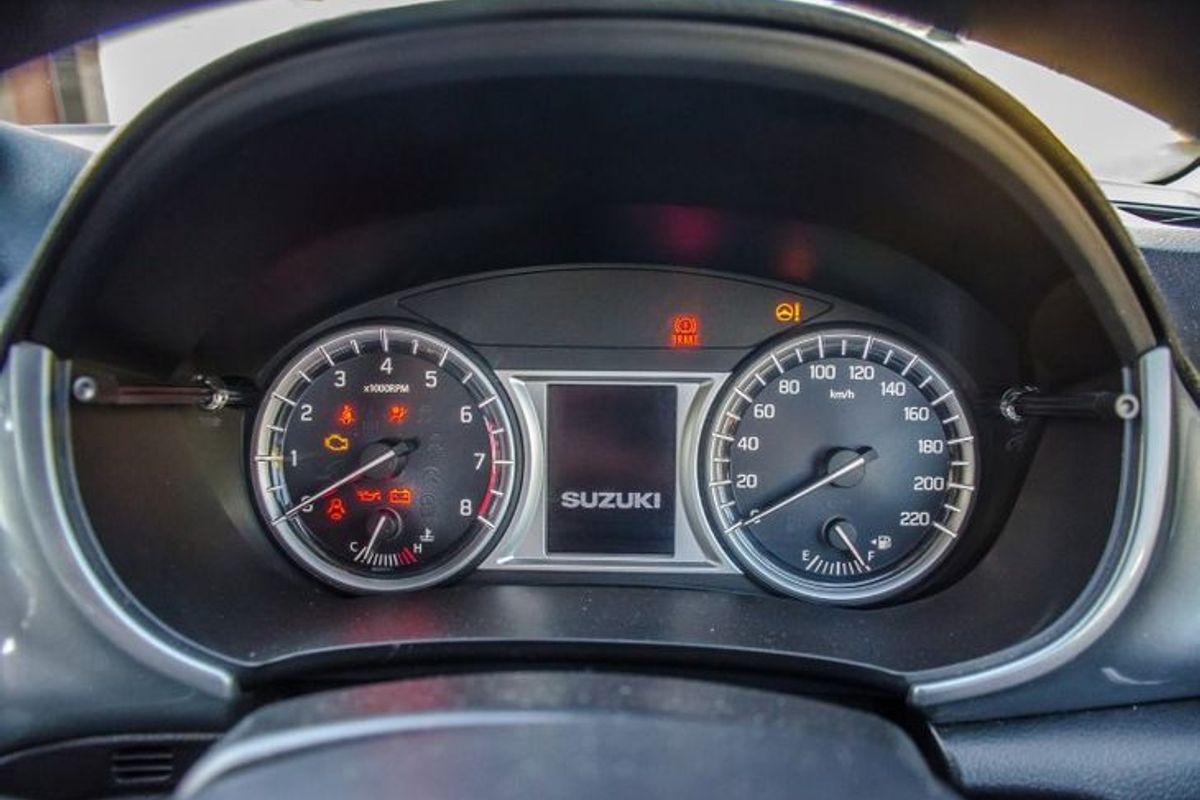
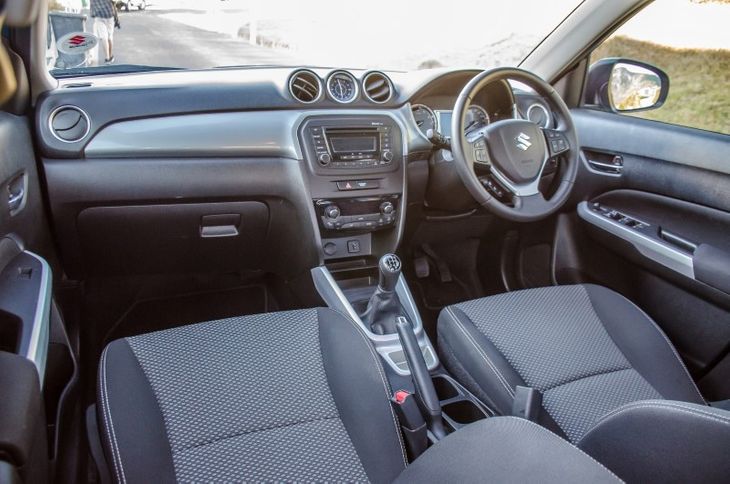
Simple and uncomplicated, the Suzuki Vitara's interior is more conservative compared with its rivals.
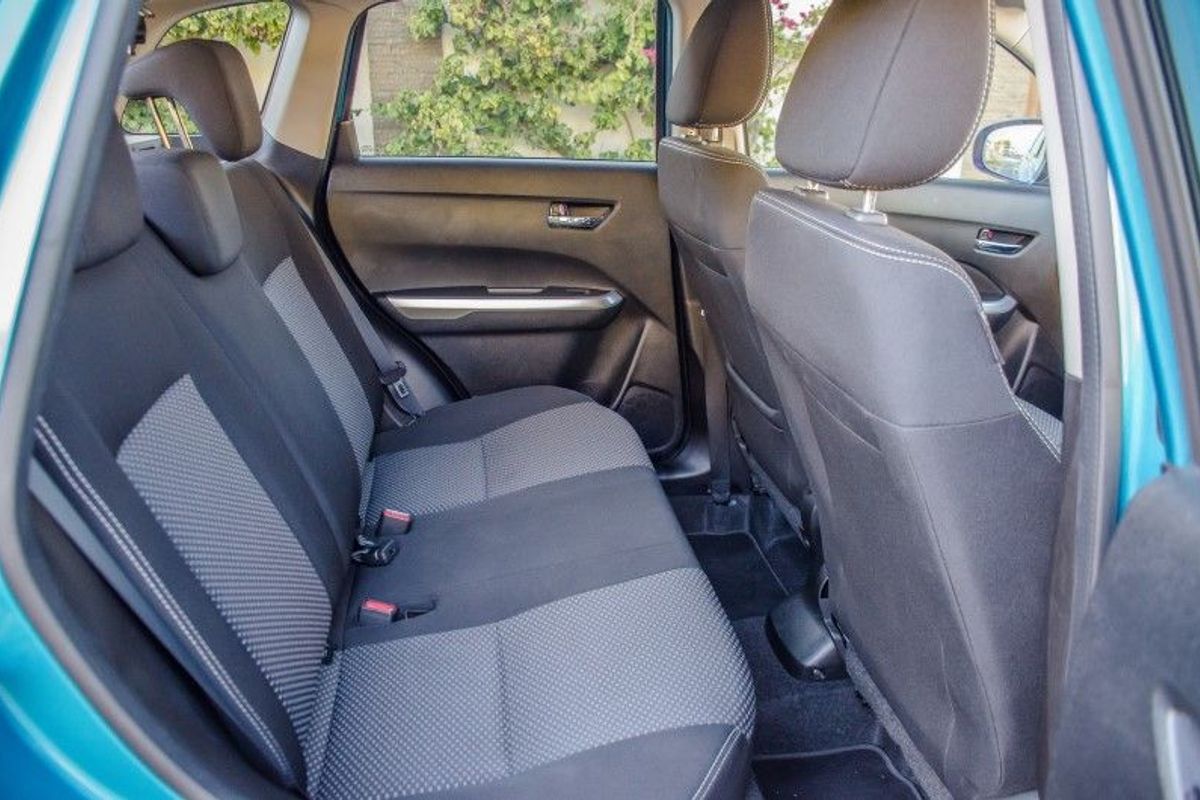
The Vitara’s interior fit and finish leaves little to be desired and its basic, conservative cabin design lacks flair. The driving position is suitably comfortable, with a rake- and reach-adjustable steering column and a height-adjustable driver’s seat. Rear passengers also have sufficient leg-, head- and shoulder room and the rear bench offers relatively good levels of comfort.
Features
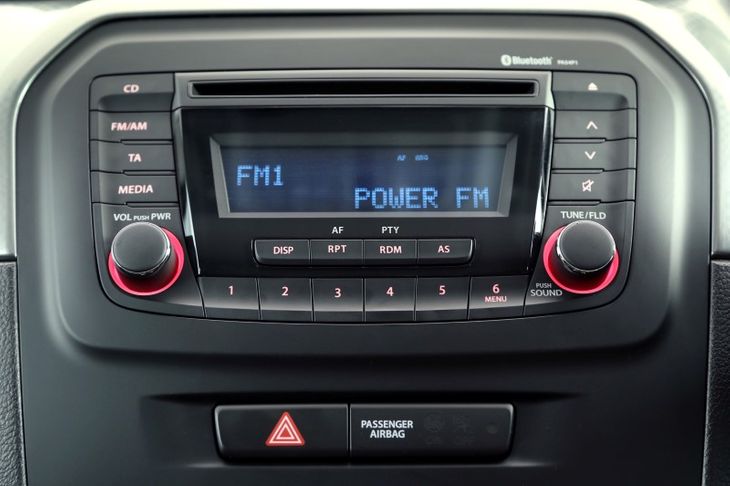
The Vitara offers a basic radio system, but it is Bluetooth-enabled for connecting devices.
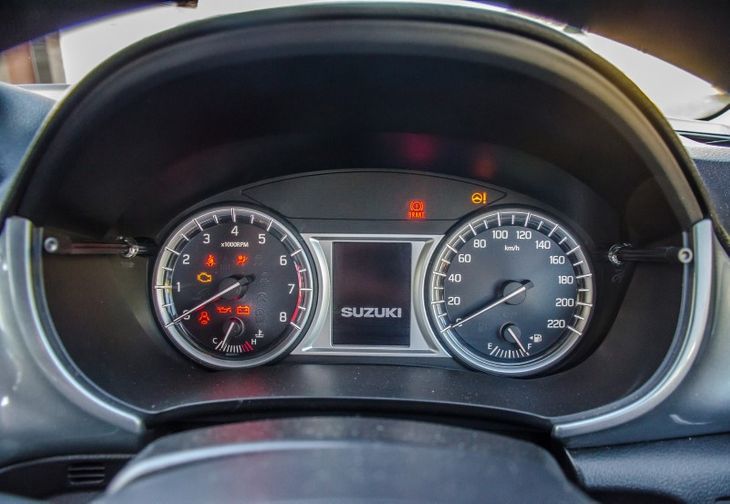
The Vitara has most of the features you’d expect in this segment but it’s by no means lavishly appointed – there’s no touchscreen or navigation, just a simple audio system with CD player and Bluetooth functionality which can be controlled using buttons on the steering wheel. A USB port is included, but there’s no auxiliary input. Climate control air conditioning and cruise control are standard. The front and rear windows are electrically operated, as are the side mirrors.
Practicality
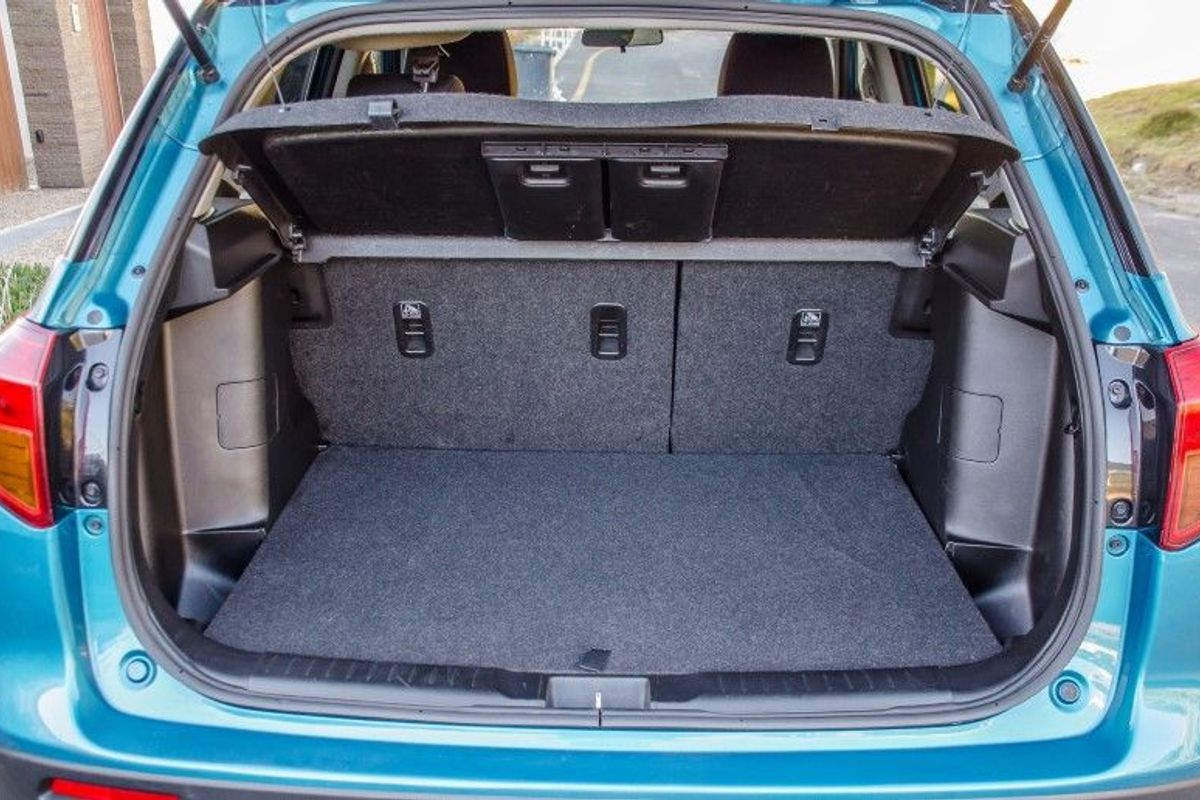
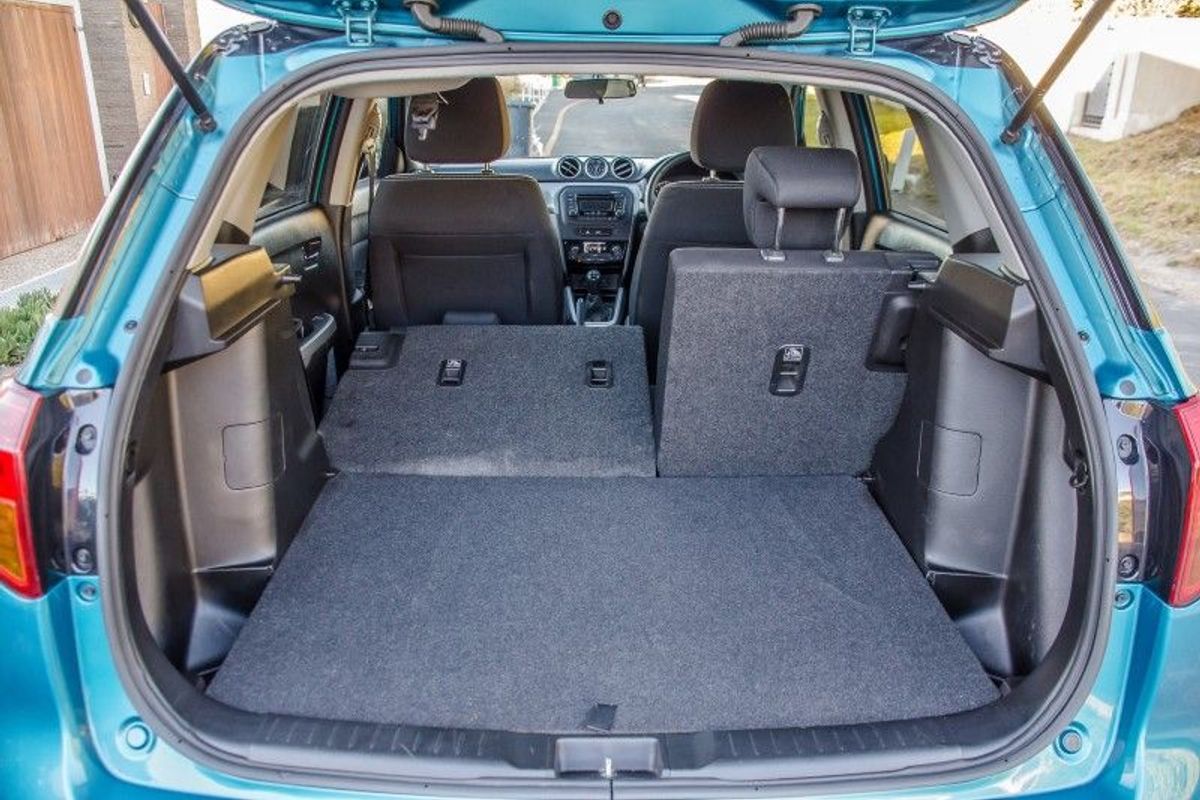
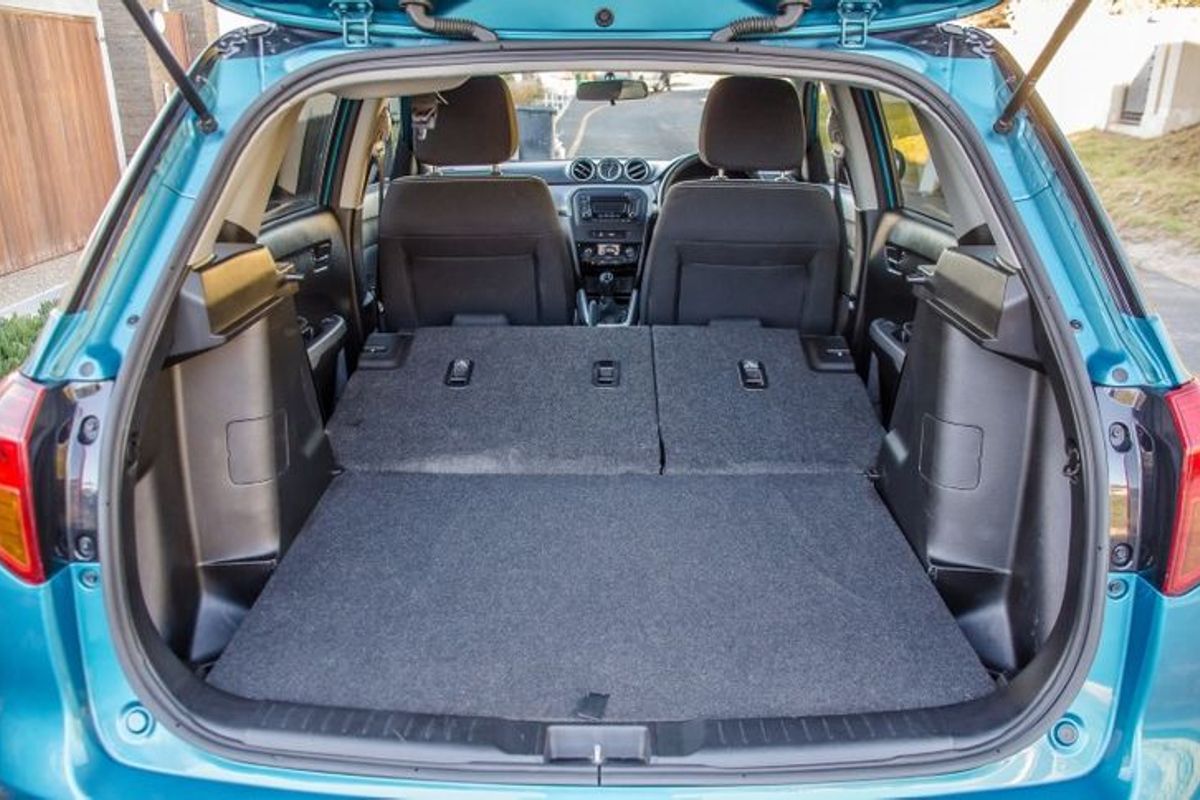
Space is one of the Vitara's strengths and its wide load bay opening and false boot floor will prove useful.
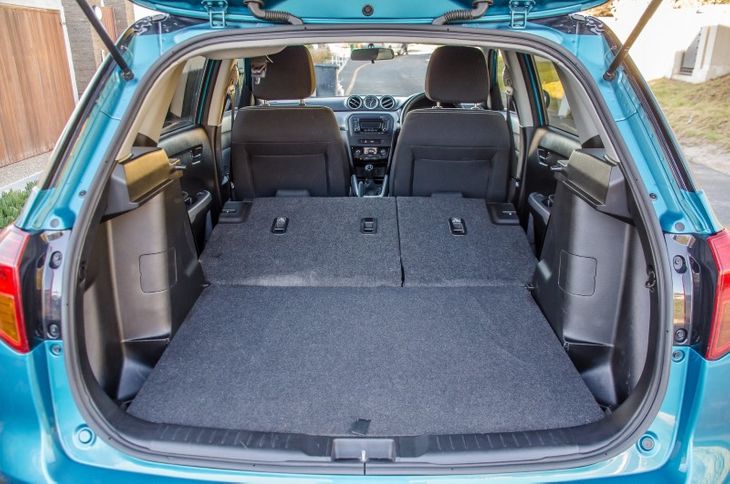
The luggage bay offers 375 litres of luggage space and the 60:40 split rear seats fold down flat to open up a sizable loading area with 1 120 litres of space. A false floor in the boot also allows you to store additional items out of sight.
In terms of storage, 2 cup holders are availed to front occupants and bottle holders can be found in the front and rear door mouldings. There’s also a small storage compartment in the centre console in addition to the glove box and extra space for smaller items can be found ahead of the gear lever.
Performance
The Vitara performs well overall but lacks some punch on steeper inclines. Nonetheless, buyers will find its performance to be adequate.
The Vitara’s performance is best described as “willing”. Its perky 1.6-litre engine is well matched to its 5-speed manual transmission. Acceleration is smooth and the Suzuki is easy to drive and it copes well in most driving scenarios. The Vitara does lack punch on steep inclines, however, and the driver will have to gear down to find the sweet spot. Buyers will be pleased to know that the Vitara will return respectable consumption figures between 6 and 7 L/100 km on a daily basis.
Ride & handling
Given its humble family car underpinnings, the Vitara’s driveability is a revelation. The ride quality, for the most part, is smooth and comfortable; imperfections in the road surface are adequately absorbed. What’s more, allied with a well-weighted steering, the Suzuki handles well with minimal body roll discernible while cornering. Noise in the cabin is relatively low while driving too.
Safety
In terms of safety, the Vitara has 7 airbags (the most in this line-up), ABS with EBD, Brake Assist, stability control and ISOFIX child seat mounts. Park distance control is not fitted.
After-sales support
Not only does the Suzuki come with a 3-year/100 000 km and 4-year/60 000 km service plan, the brand has an outstanding reputation for reliability and aftersales service. Suzuki was named the 2016/17 Cars.co.za Consumer Awards Brand of the Year after finishing as the highest-ranking company in our Cars.co.za’s Owner Satisfaction Survey (in association with Lightstone Consumer).
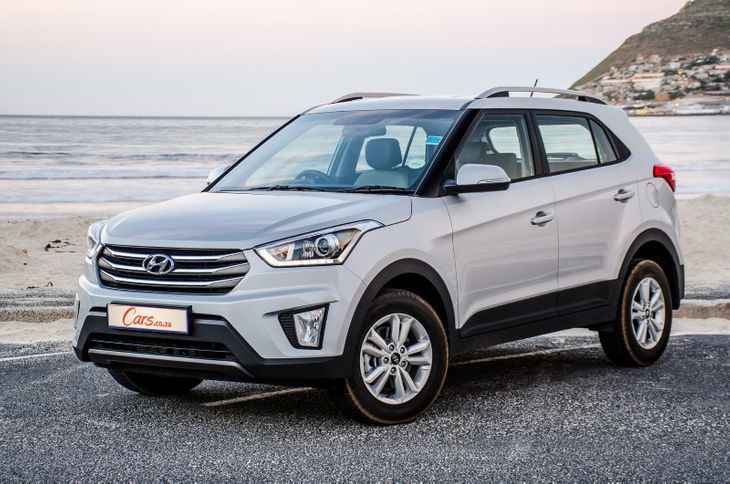
The new Hyundai Creta comes to market with attractive styling and a practical interior, but it's pricier than its rivals.
Price-wise, the recently introduced Creta 1.6 CRDi Executive automatic (R369 900), sits at the high end of the compact family car segment. It offers attractive styling, a solidly built interior and lots of space. The 1.6-litre turbodiesel engine produces 94 kW and 260 Nm of torque driving the front wheels through a 6-speed automatic transmission. Fuel consumption is claimed at 7.4 L/100 km.
Interior design
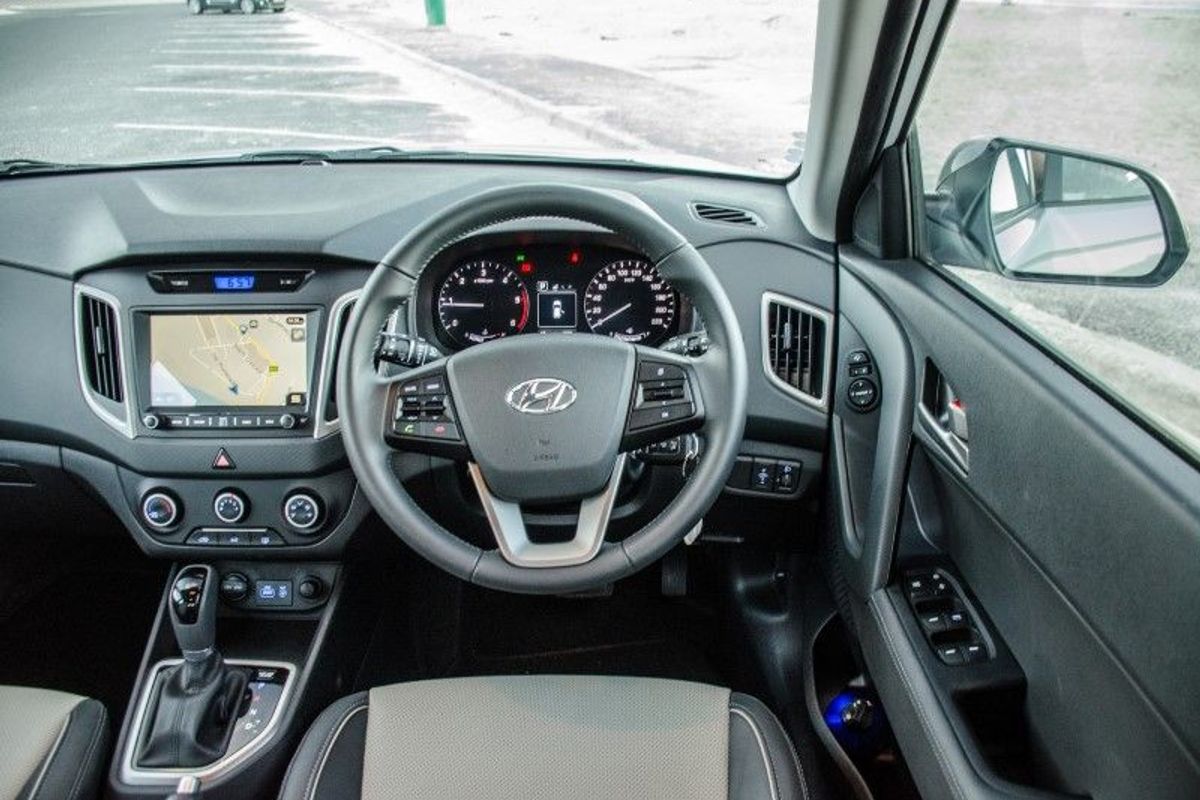
The Hyundai Creta's cabin is solidly built and offers generous space for passengers and luggage.
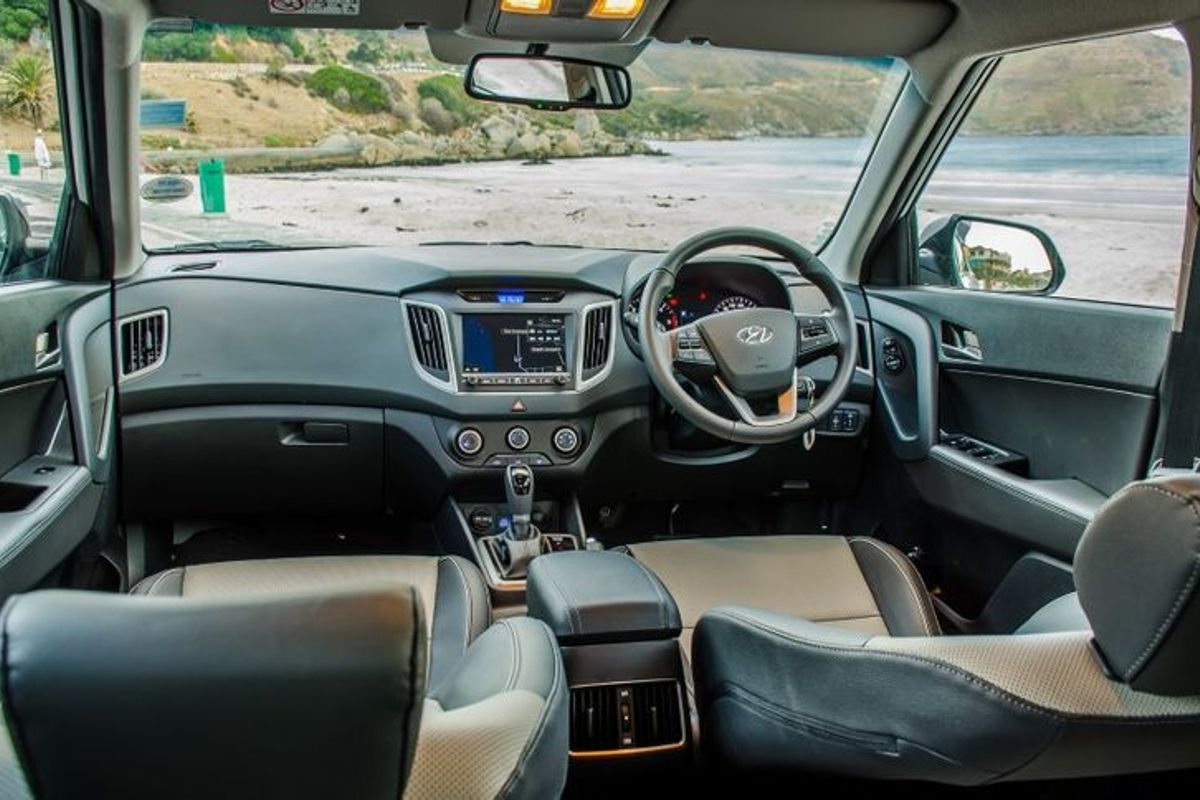
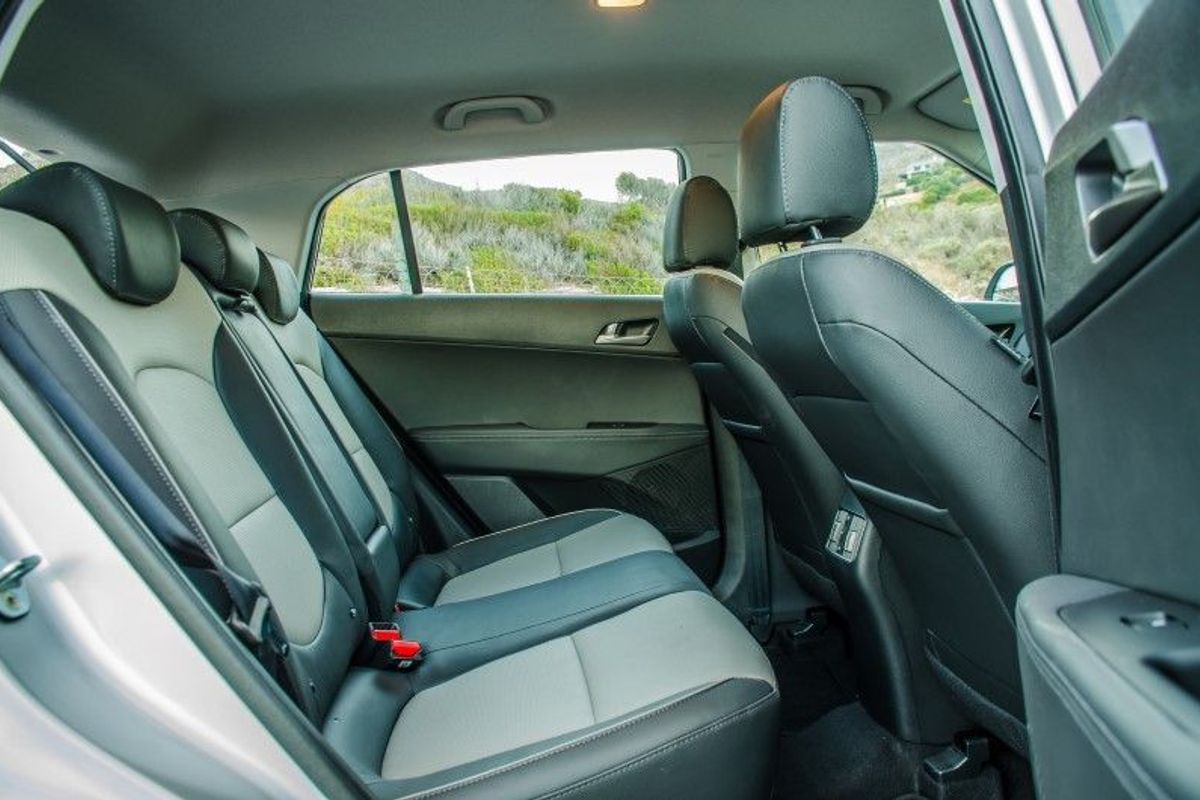
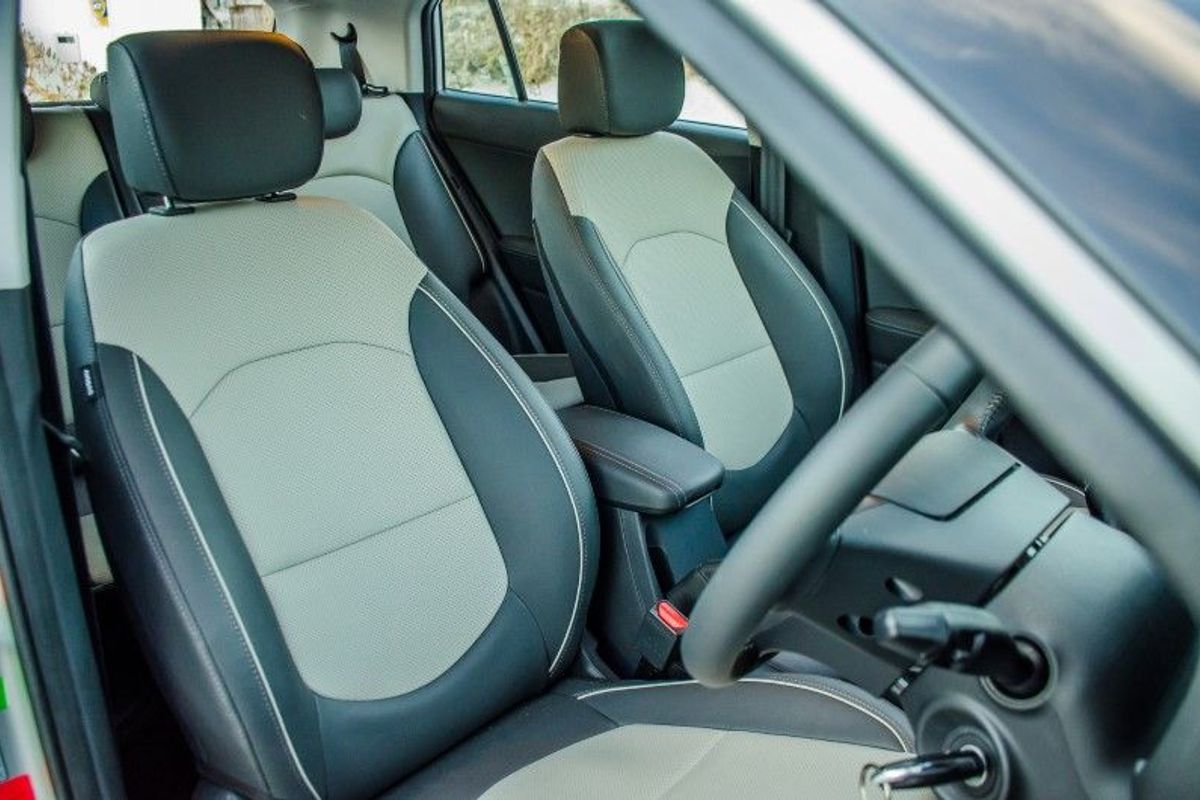
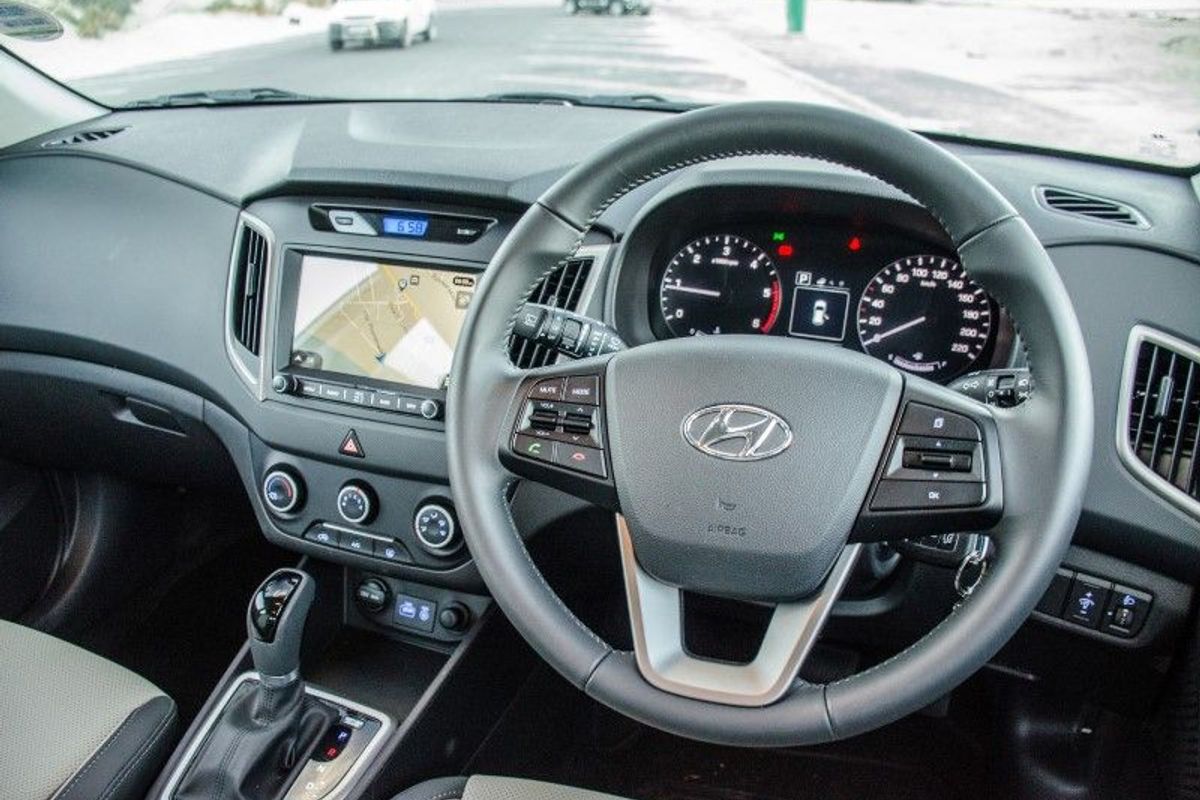
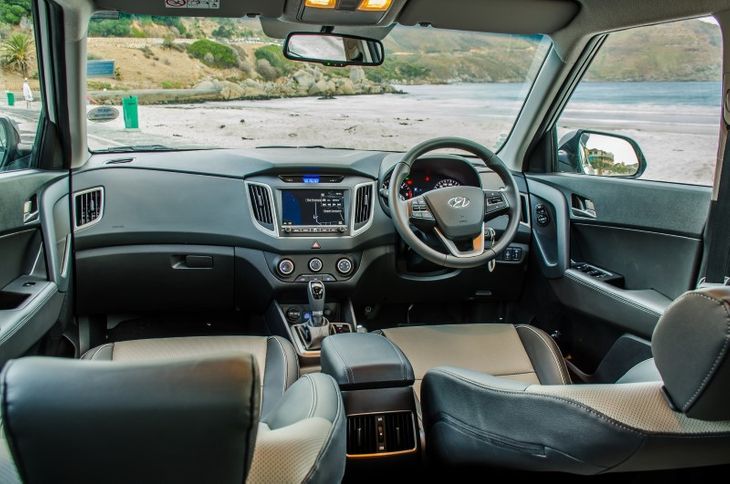
The Creta has a solid, well-built interior with a neat, uncluttered dashboard and minimalist cabin design. The steering wheel can be adjusted for rake and reach. The leather-covered seats are comfortable and the driver’s seat is adjustable for height. Rear passenger legroom is quite generous.
Features
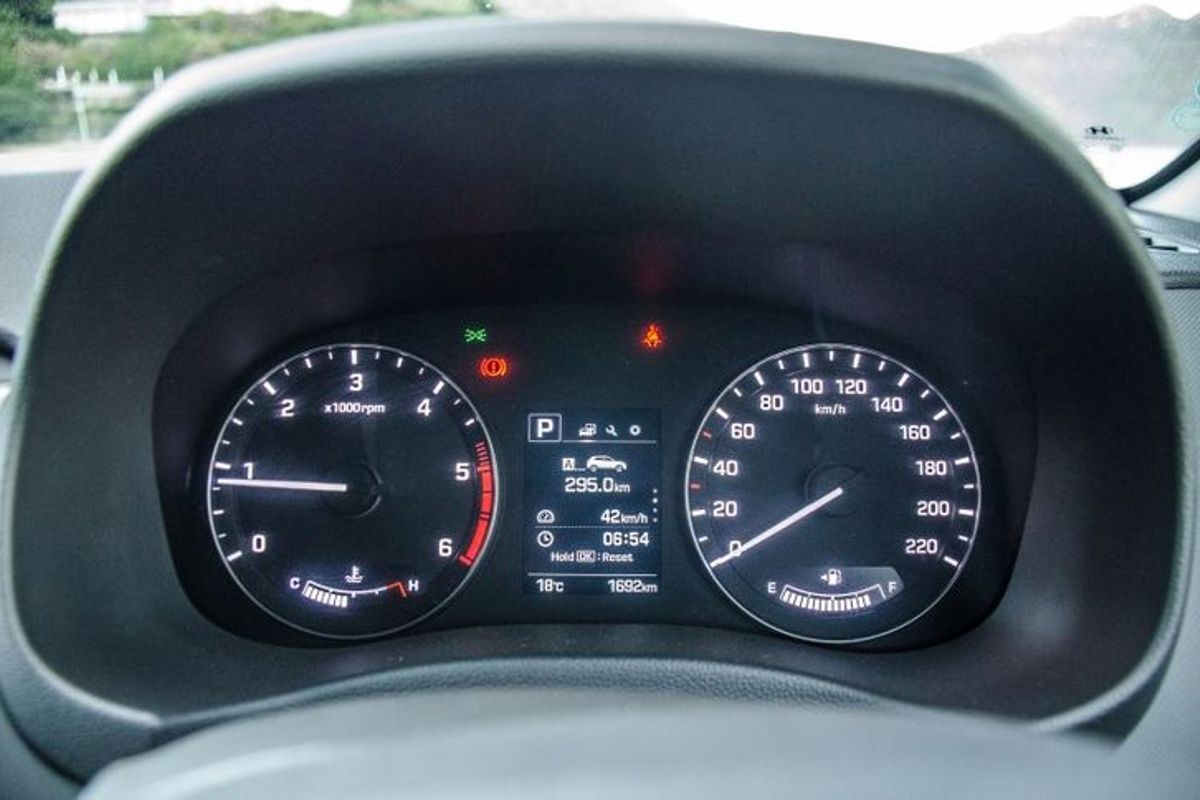
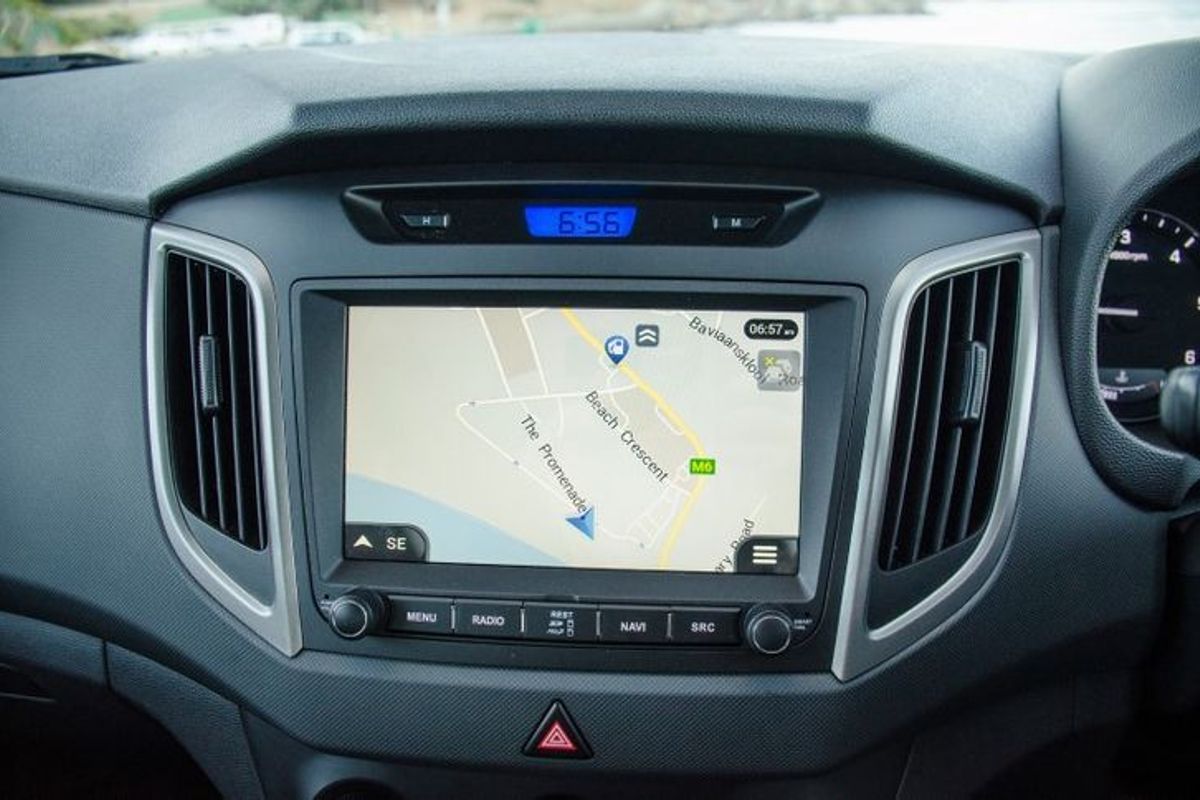
The Creta's infotainment system is comprehensive and easy use. We are, however, disappointed that cruise control isn't offered.
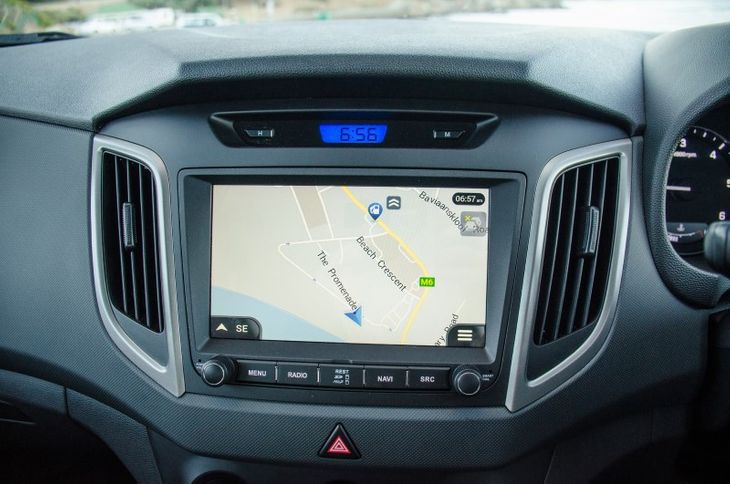
The Hyundai comes fitted with a relatively intuitive touchscreen infotainment system with navigation as standard. The system offers Bluetooth functionality with steering-wheel-mounted controls, USB and auxiliary ports. Disappointingly (at least for a flagship derivative), the Creta doesn’t have cruise control and only a basic air conditioning system is fitted. There are electric windows front and rear as well as electrically adjustable side mirrors with a folding function.
Practicality
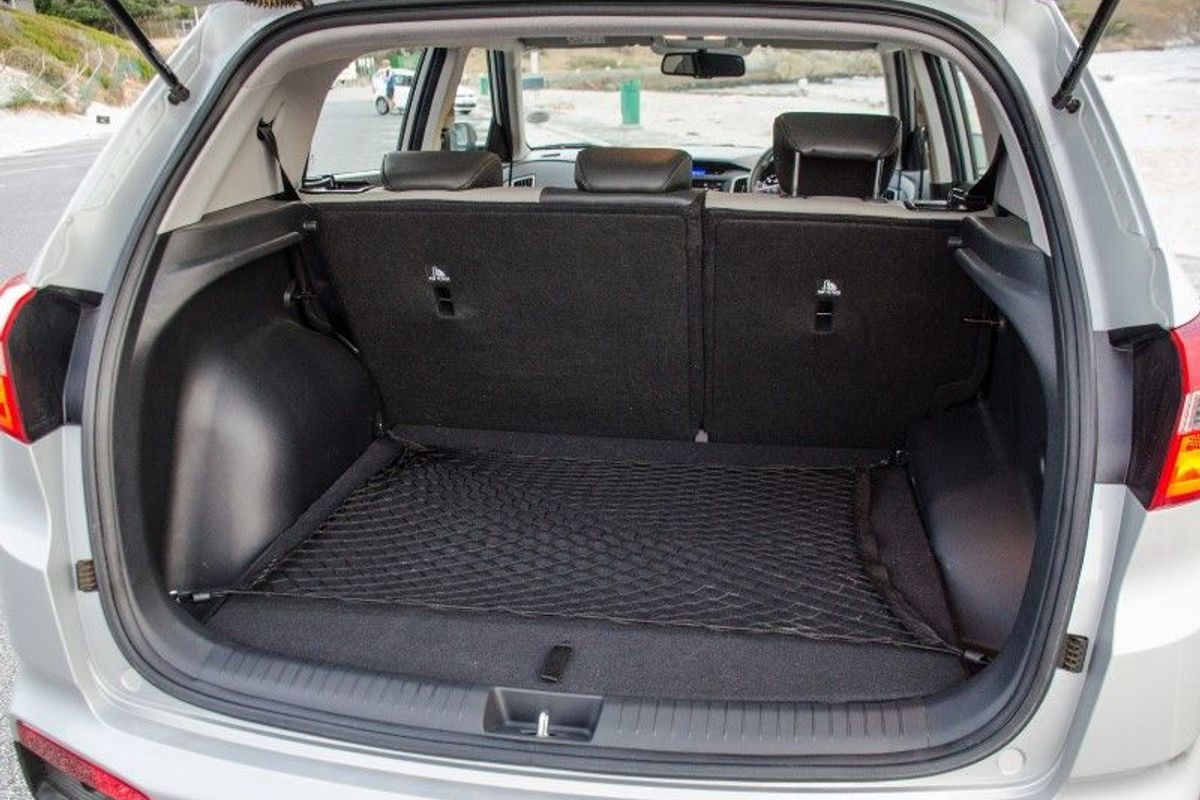
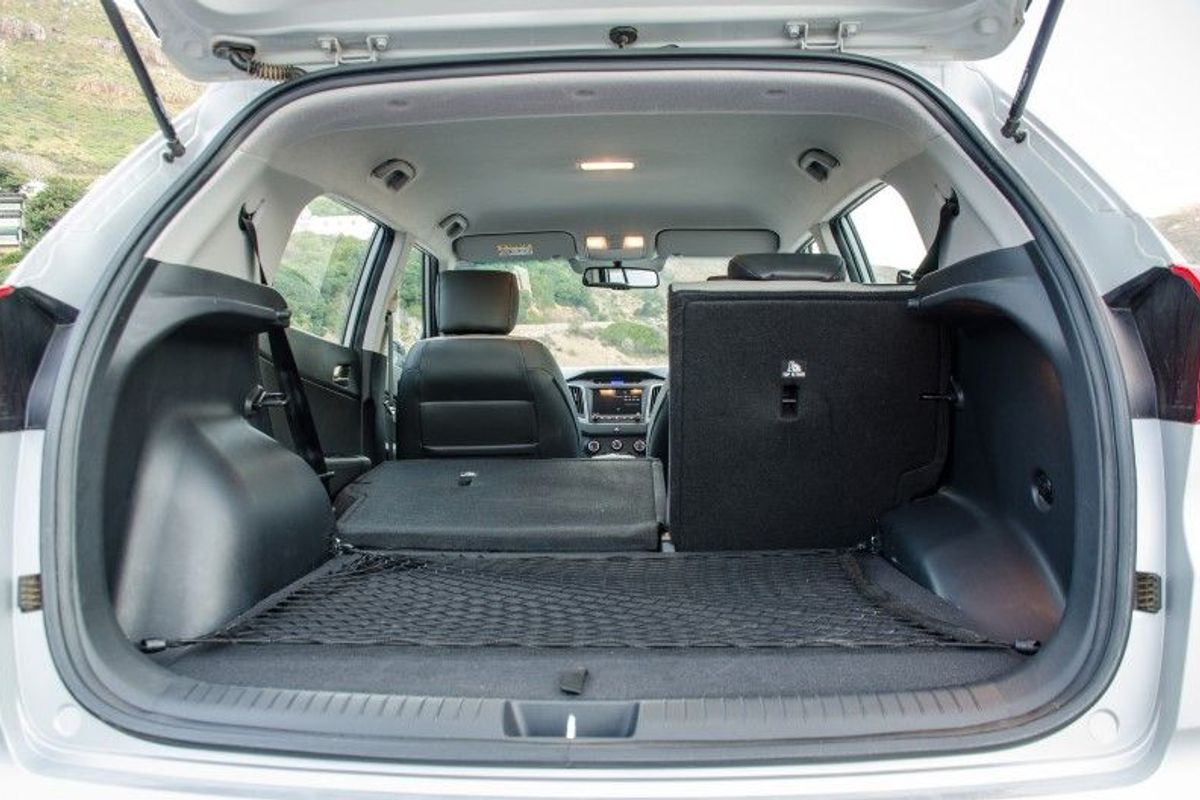
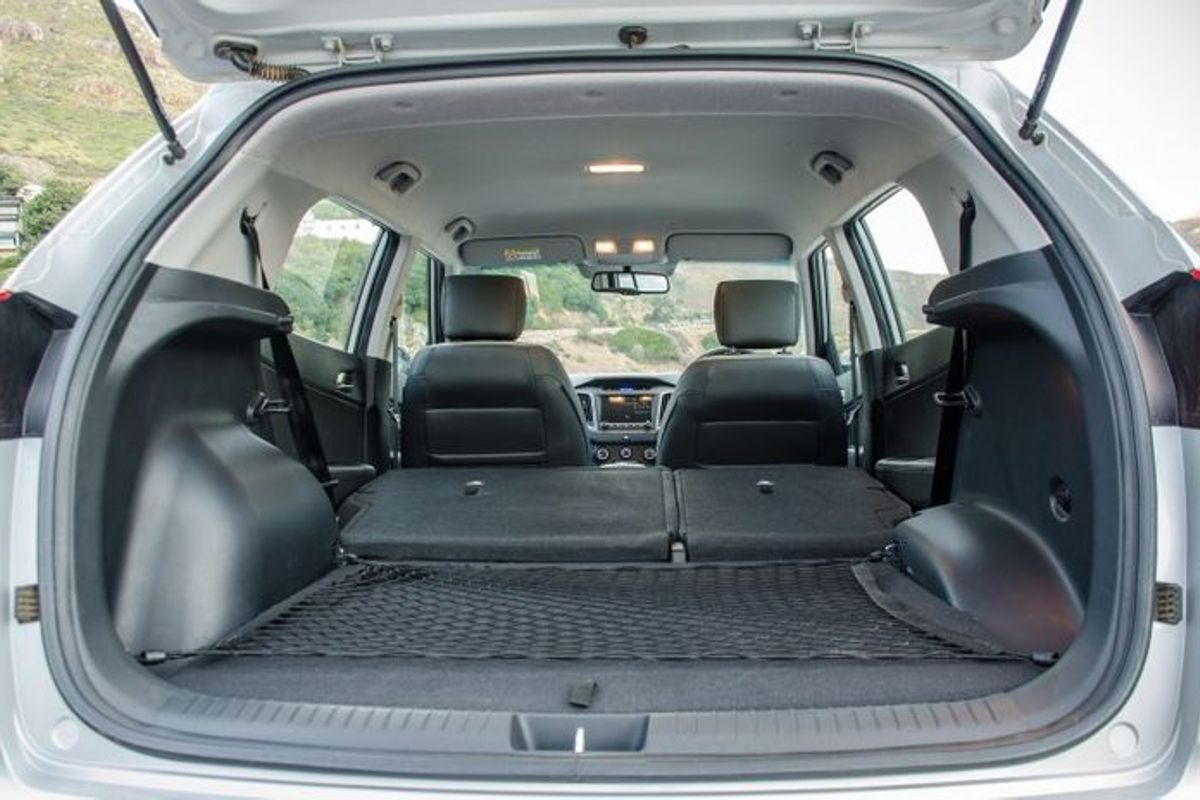
The Creta has a sizable load bay, the largest compared with the Captur and Vitara, and the luggage net is a handy feature to secure items.
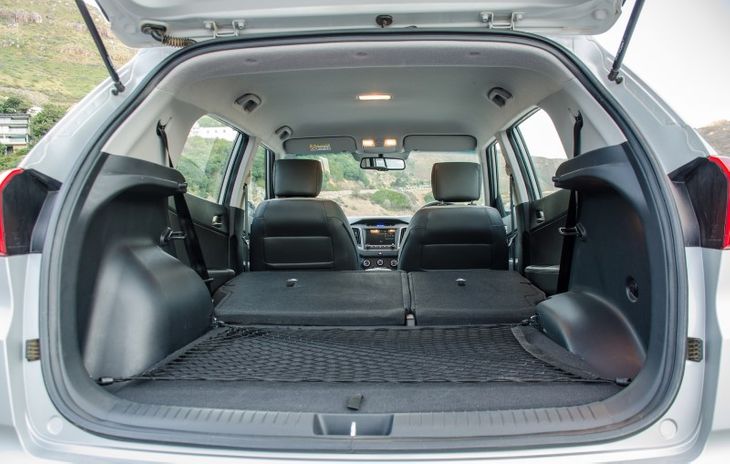
The Creta is a good example of a vehicle that straddles the small crossover and compact family car/SUV markets. Compared with the Renault and Suzuki, the Hyundai has the biggest luggage bay by far, offering 402 litres. Luggage hooks are fitted, along with a net to prevent items from rolling around. The 60:40 split seatbacks fold forward, leaving a sizable area for loading larger items.
There are 2 cup holders, as well as bottle holders in the front and rear door mouldings. Additional storage space can be found in the glove box and directly ahead of the gear lever. A sunglass holder is also fitted as standard. Second-row passengers have access to 2 cup holders in the rear bench’s central armrest, plus there are rear-facing air vents for added rear passenger comfort.
Performance
The Creta is a strong performer with solid, surefooted handling ability and its ride quality is to be admired.
Given its generous torque reserves, the Creta executes overtaking manoeuvres with ease. Its engine is relatively quiet but becomes notably noisier under hard acceleration. The 6-speed automatic transmission is relatively smooth too but can hesitate slightly if throttle applications are uneven. The Creta is the thirstiest of the trio; expect fuel consumption in the region of 8 – 8.5 L/100 km.
Ride & handling
The Hyundai’s wider track gives it surefootedness when cornering at brisker speeds. The steering is weightier but sharper, giving the driver added confidence. In general, the ride quality is good; the suspension is set up for comfort, which explains why the Creta copes well on rougher surfaces and does a good job of soaking up bumps without being crashy. Overall, it delivers a pleasant drive.
Safety
On the safety front, the Creta offers 6 airbags, ABS and EBD as standard. Note that brake assist, stability control and traction control are not offered. The Creta does have rear park distance control with a rear view camera and ISOFIX child seat mounts.
After-sales support
The Creta offers exceptional peace of mind courtesy of Hyundai’s comprehensive 5-year/150 000 km warranty, 7-year/200 000 drivetrain warranty and a 5-year/90 000 km service plan.
Hyundai has released a teaser image of its new Kona compact SUV.
Named after the Kona district in Hawaii, Hyundai’s new compact SUV will stand alongside the Santa Fe and Tucson in the marque’s lineup. Although a full reveal is expected in coming weeks, not much is known about the Kona at this stage but Hyundai says that, “The Kona has also been developed with a focus on enhancing driving dynamics, as Hyundai looks to set new performance standards for the compact SUV segment. Kona delivers best-in-class interior space and innovative design features that hint at the future direction of the brand's next generation of SUV models.”
The teaser image shows the sleek headlight design for the new model. The Kona will rival cars such as the Nissan Juke, Renault Captur and Opel Mokka X, among others. With the recent arrival of the new Hyundai Creta, it doesn’t seem plausible that the Kona will be offered in South Africa, but never say never.
We will keep you informed as more details are revealed.
Take a look at our video review of the Hyundai Creta below!
April Fools' Day 2017 has come and gone and we're most impressed by certain manufacturers, who put in real effort and money, to try and deceive us. Well played to the following brands:
Lexus LC Lane Valet
Our favourite was Lexus, combining the topical subject of autonomous driving with the number one problem on the road: keep left,pass right. Imagine you're stuck behind someone who is not letting faster traffic through? This autonomous tech connects your vehicle to the offending car and instructs it to move over safely, without driver intervention. If only…
Suzuki South Africa
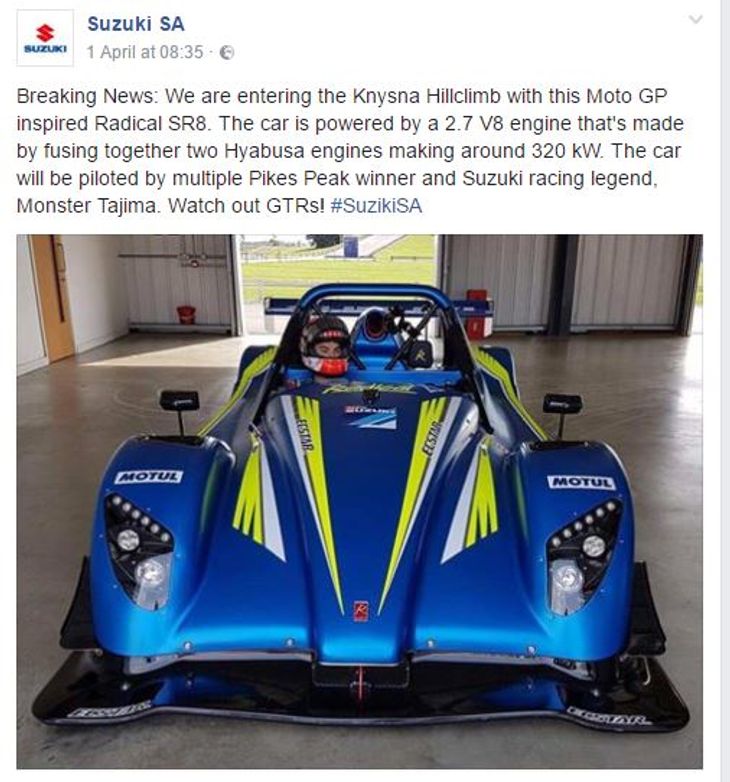
Suzuki South Africa got in on the action by announcing that an extremely fast and radical racecar will be entering the upcoming 2017 Knysna Hillclimb. Powered by a 320 kW motor which comprises two Suzuki Hayabusa engines fused together, it would have been ballistic and really would give the Nissan GT-Rs a run for their money.
Dacia/Renault Sundero
Designed for countries which don't get much sunlight, the UK version of the Dacia/Renault Sandero now features an in-car tanning bed.
McLaren 570 GT Feather Edition
Supercar brand, McLaren, also got in on April Fools by describing that, despite its incredible aerodynamics and performance technology, there was still an area of expertise which it had not investigated: the world of birds. Introducing the most aerodynamic McLaren ever, complete with a body covered in feathers.
Hyundai Click to Fly
Hyundai recently announced it would be selling cars over the Internet with its Click-to-buy scheme. For April Fool's Day, the Koreans went one step further and announced Click-to-Fly, which claimed to be the world's first drone car delivery service.
What were some of your favourite April Fool's Day pranks from this year? Let us know, with a comment below.
The iconic Jaguar E-type lives again! Jaguar's Classic division will debut its first ‘Reborn’ E-type at the Techno-Classica Essen show in Germany this month. An initial batch of 10 expertly sourced and comprehensively restored examples of the iconic E-type are now for sale direct from the new Jaguar Land Rover Classic Works facility in England.
Following on the successful launch of the Land Rover Classic programme, Jaguar's E-type Reborn is a complete service from Jaguar Classic, which offers prospective customers the opportunity to buy an original E-type direct from the original manufacturer.
“The launch of E-type Reborn is a hugely exciting development for Jaguar Classic. The E-type is the most iconic sports car of all time, so we are delighted to be able to give new life to expertly selected examples for discerning customers around the world to own and enjoy,” said Tim Hannig, Director of Jaguar Land Rover Classic. “The resources and information available to Jaguar Classic’s expert technicians are unrivalled, which results in the most authentic E-type restorations possible.”
How does it work?
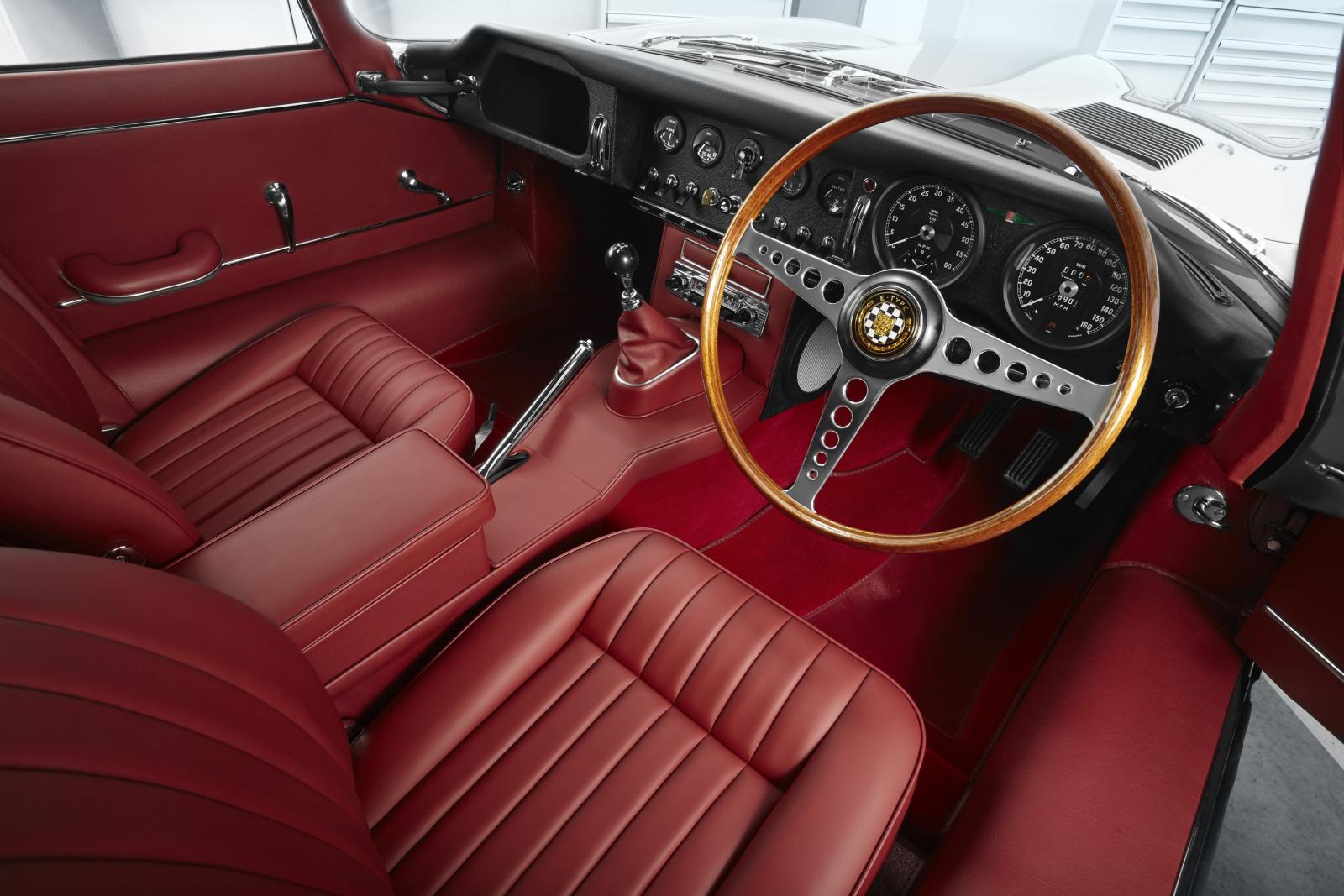
Exquisite attention to detail extends to every element of the cabin.
Every E-type Reborn, which starts with a base vehicle sourced by Jaguar’s E-type experts, is completely restored according to the company’s original 1960s factory specification. Unique access to build records and original drawings held by the Jaguar Heritage Trust, and the team’s decades of experience in restoration up to concours-winning standard, is claimed to ensure authenticity. Jaguar Classic Parts are also used throughout, to maximise the vehicle’s quality, longevity and collectability.
What will it cost you? Prices for these "Reborn" E-type depend on specification, but start at a cool £285,000.
The first "Reborn"
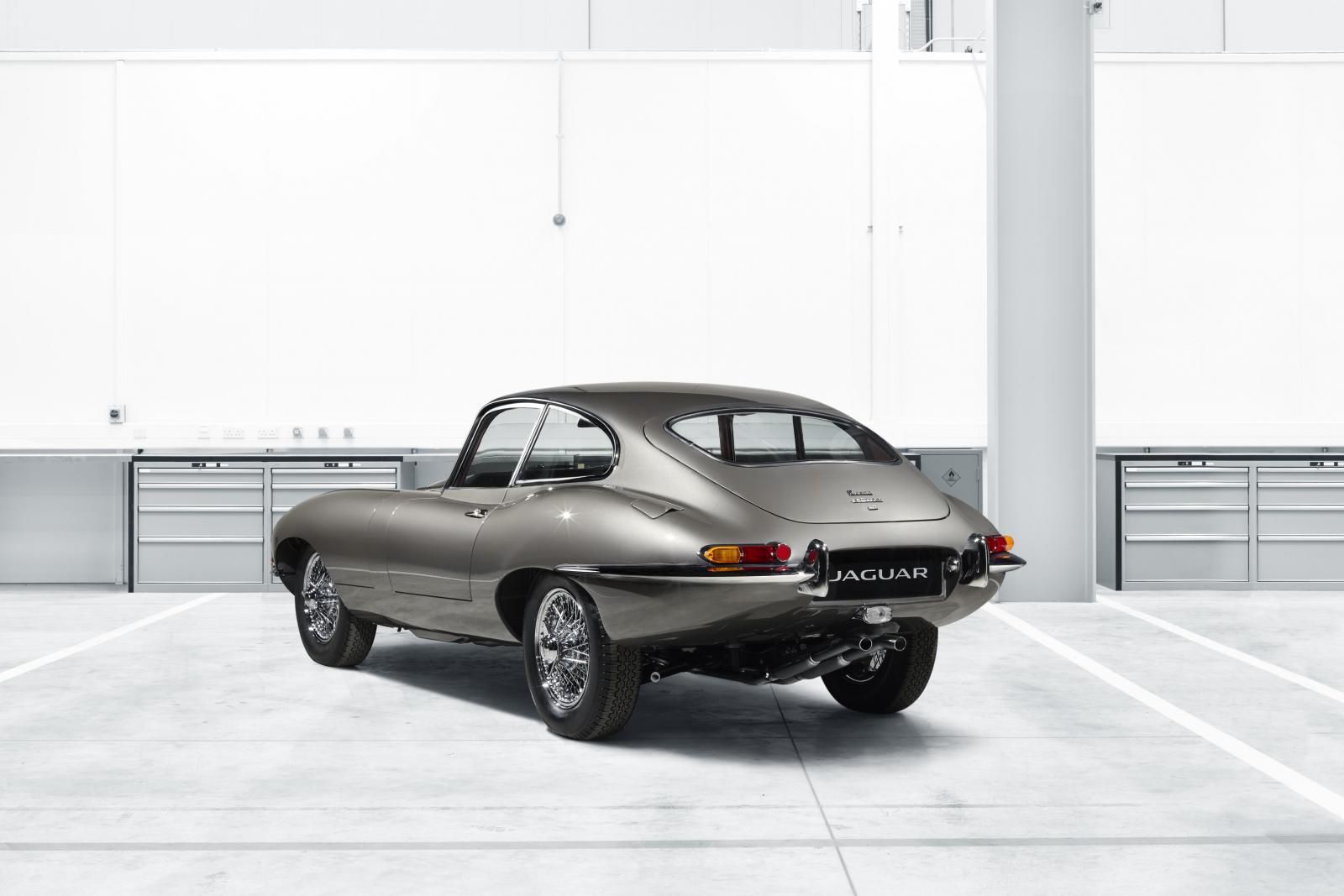
More than 50 years later, the E-type is as gorgeous as ever.
The first vehicle to go through the complete E-type Reborn process is a beautiful Opalescent Gunmetal Grey Series 1 4.2 Fixed Head Coupe. Originally exported to California in May 1965, the car recorded 125 000km before being stored in 1983. It retains its original matching numbers bodyshell, engine and gearbox, all of which have been completely rebuilt by Jaguar Classic technicians.
The legend continues
The Jaguar E-type was launched at the Geneva Motor Show in 1961 and was a sensation. Its beautiful lines and 241 kph performance set a new benchmark for high-performance motoring in the 1960s. It is regarded as one of the most iconic cars of all time and attracted rich and famous owners such as; Steve McQueen, Sir Jackie Stewart, Brigitte Bardot and Frank Sinatra.
Recently, a Cape Town Jaguar E-type (grey with red interior), starred in our first episode of SentiMETAL. This vehicle has covered at least 400 000 miles in the hands of its current owner. Watch the video below…
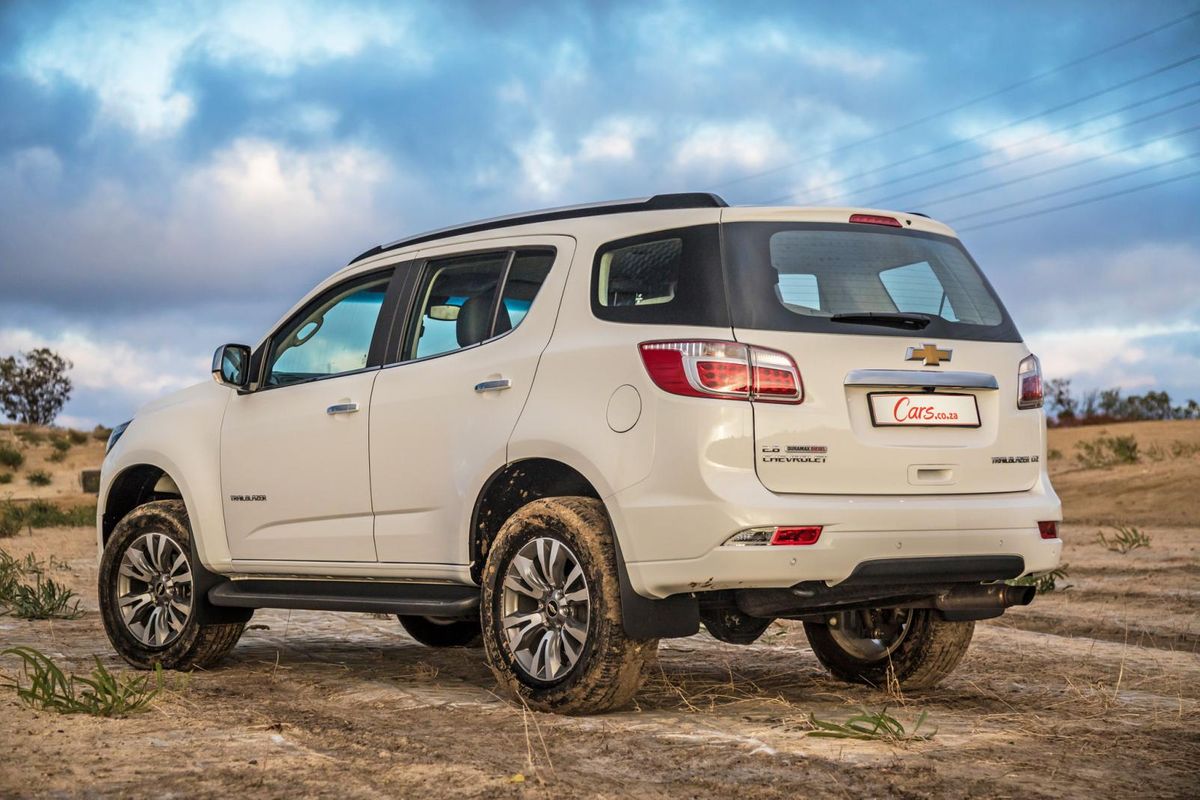
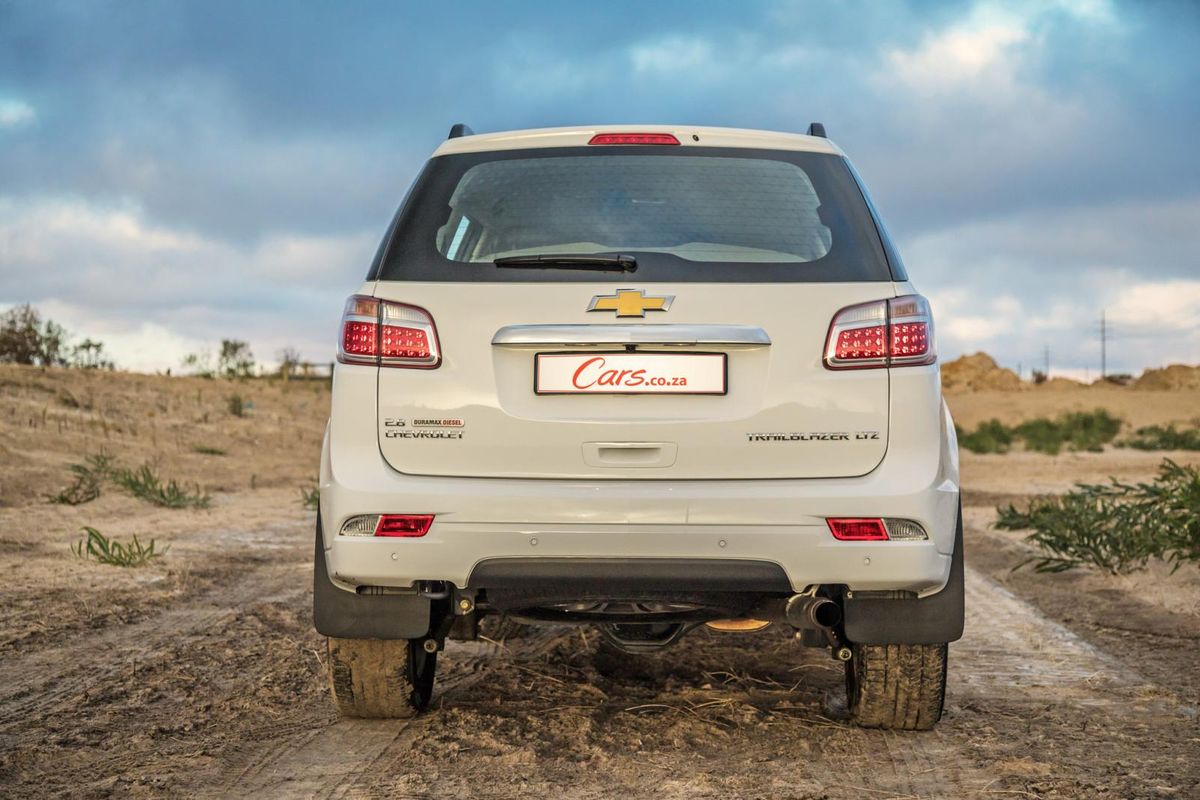
Chevrolet Trailblazer 2.8D LTZ (2017) Quick Review
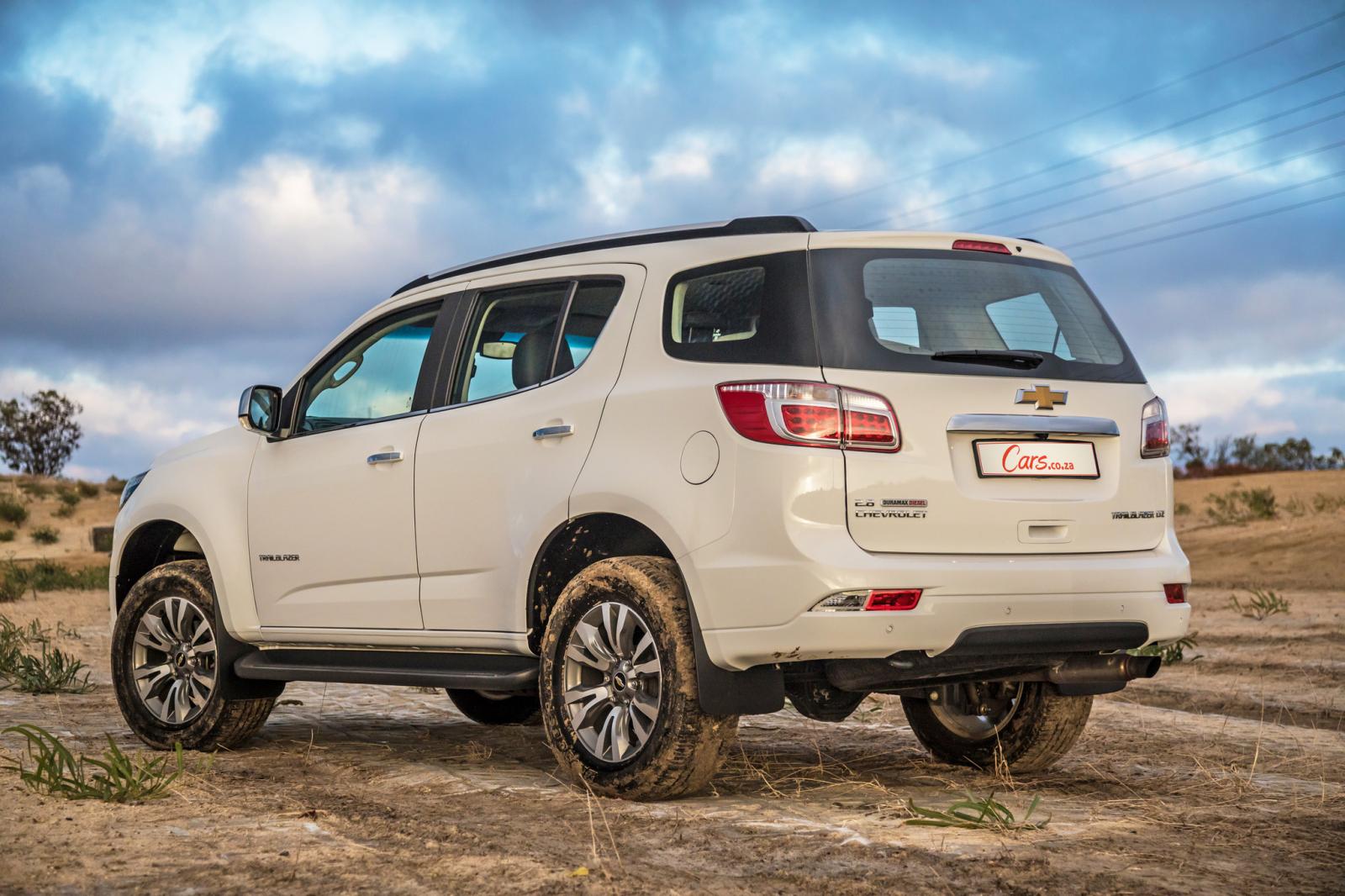
If you like the look of a big and brawny SUV, but don't intend going off-road, there are a number of options on the market. We try Chevrolet's revised Trailblazer offering, in high-specification 2.8D LTZ form.
We like: Updated interior, good on-/off-road ride/handling balance, standard features
We don’t like: Less spacious than key rivals, engine not as responsive/economical as rivals
Alternatives:
The segment favourite: The Toyota Fortuner 2.8 GD-6 actually costs a bit less than this Trailblazer but it does lack some of the Chevrolet's features, including navigation, front park-distance control and auto-wipers. The Toyota hits back with a better engine which uses less fuel and feels more powerful, even though it isn't.
Comfier than the rest: The Ford Everest 3.2 XLT is also similarly priced and also can't match the Chevrolet's standard features list. It is a significantly more spacious vehicle, however. On the downside, its 3.2-litre engine is thirsty, and the Ford can feel lethargic when driven back-to-back with its rivals.
Cheap and loaded with features: For a saving of around R150 000, you can get the Mahindra XUV500 W8, which recently became available with an automatic transmission. It is powered by a 2.2-litre turbodiesel engine that lacks the power and refinement of these pricier foes, but it is a spacious, comfortable all-rounder that is backed by an impressive 5-yearr/150 000 km warranty.
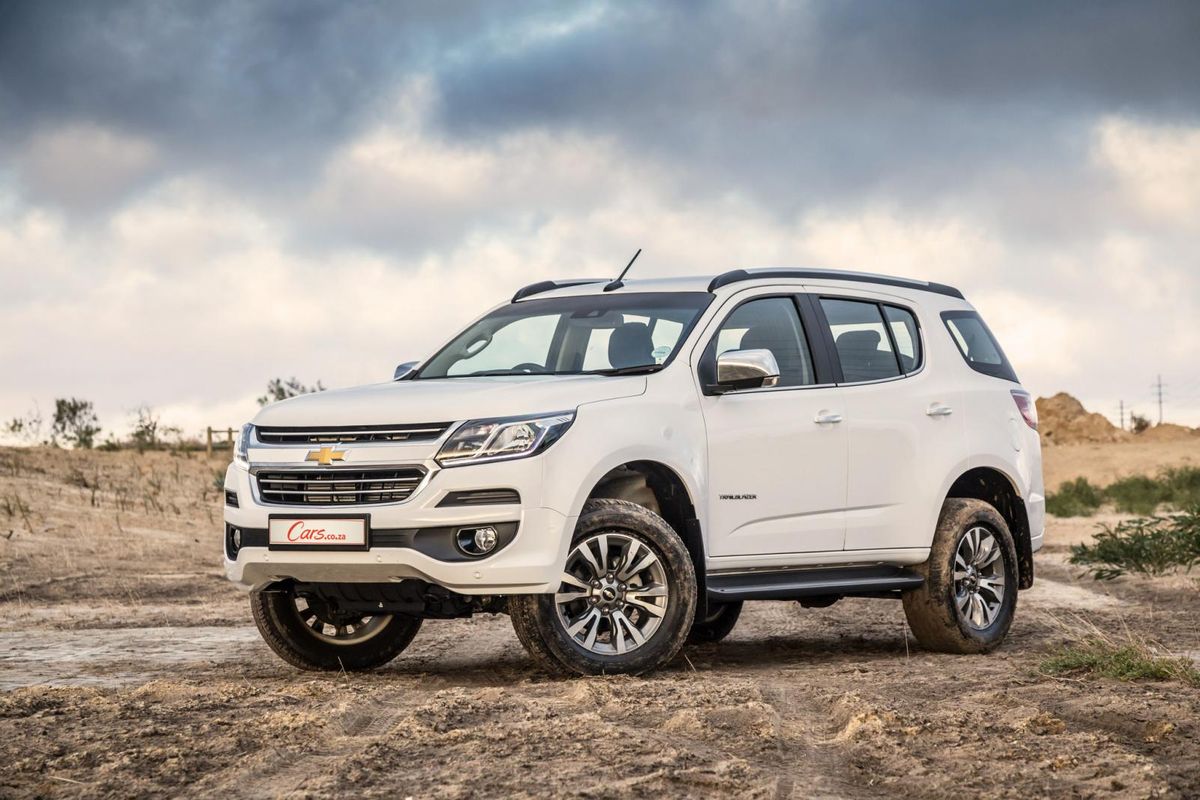
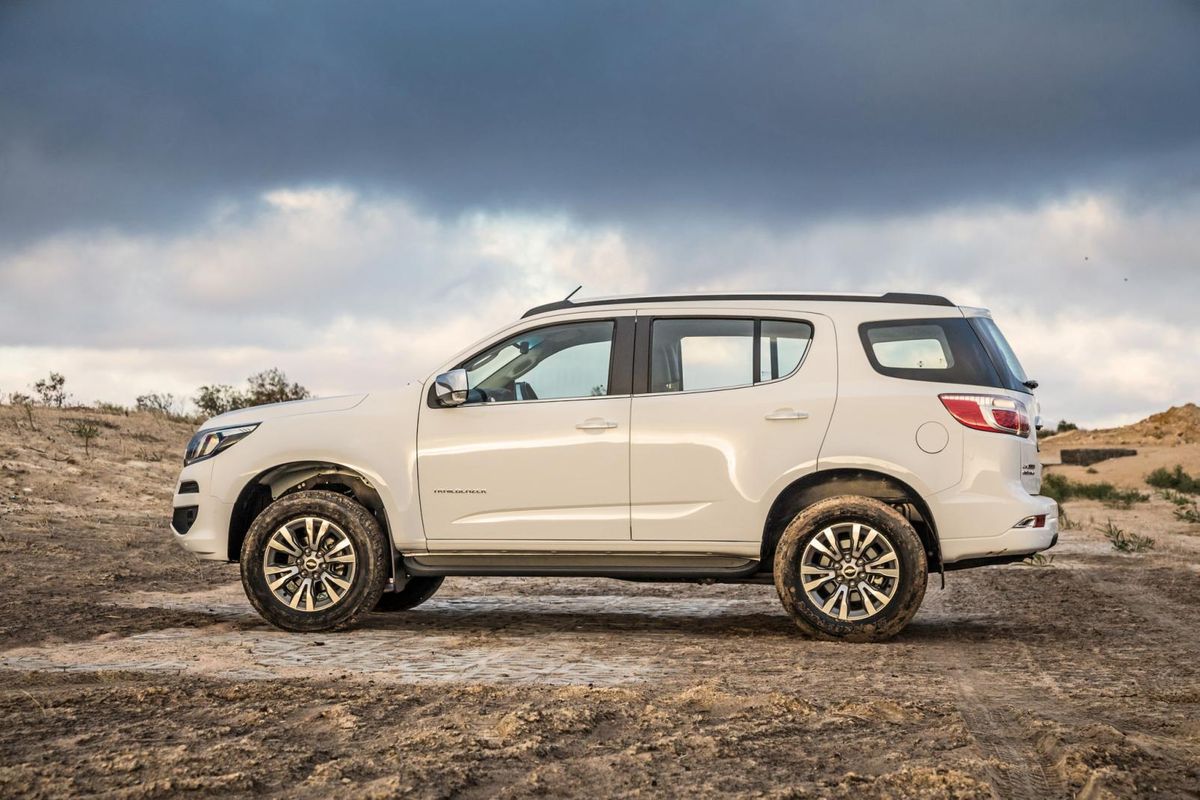
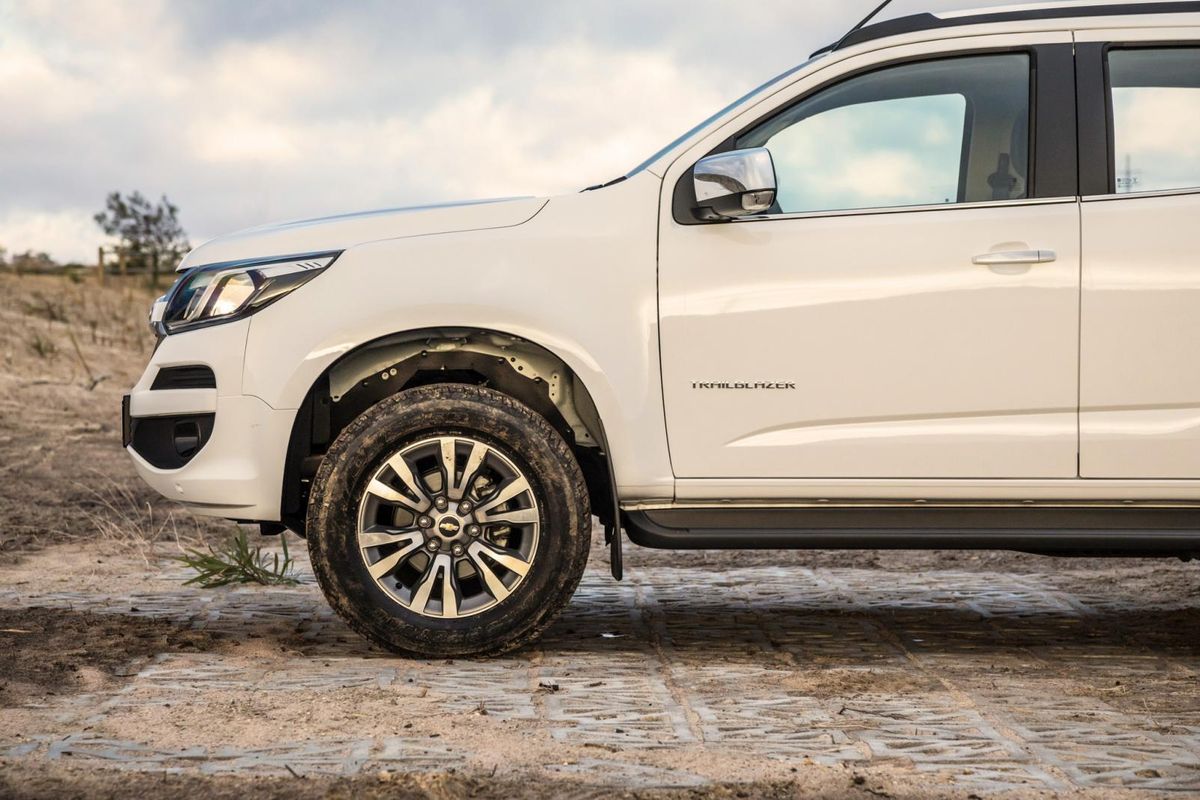
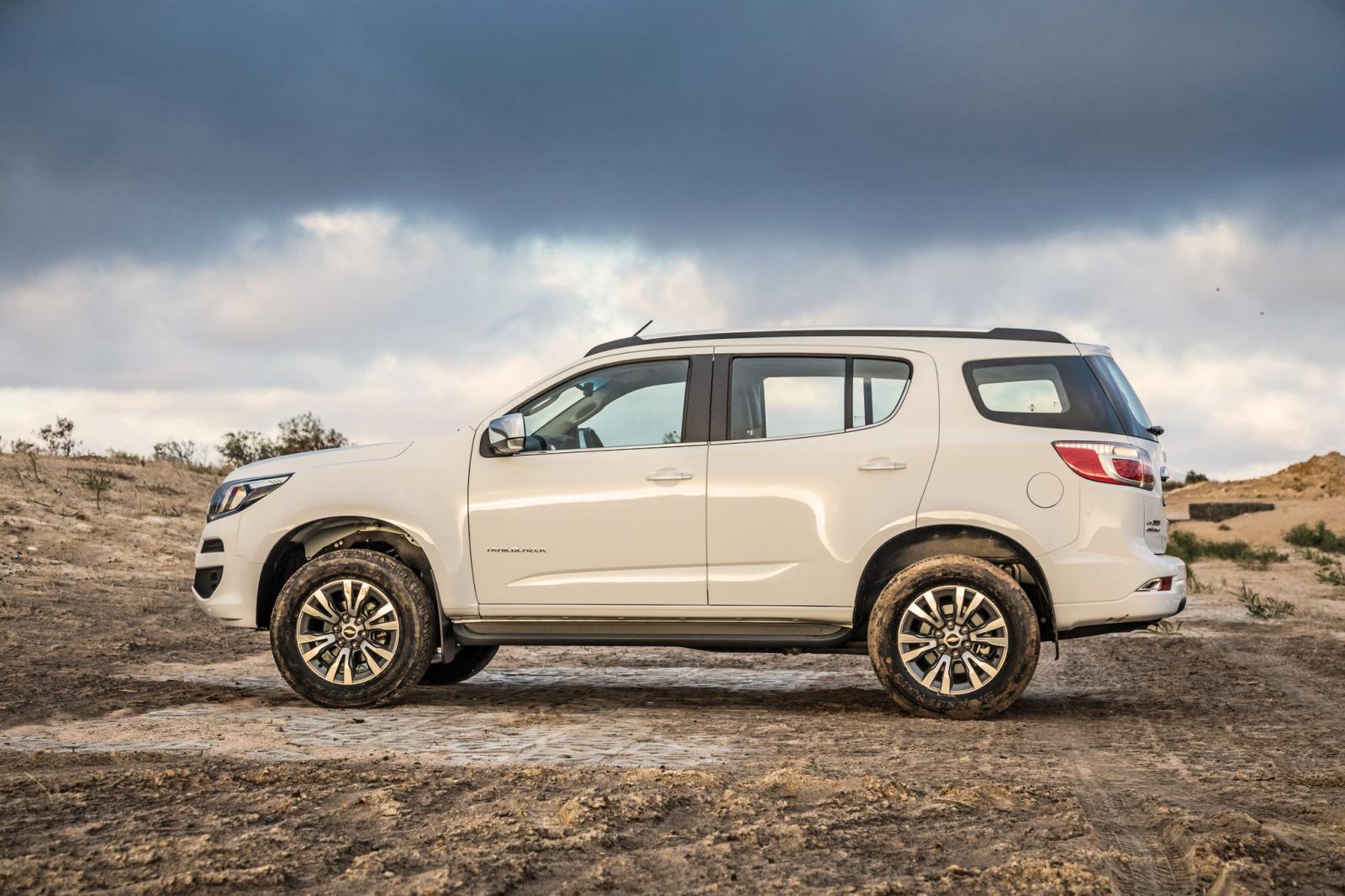
Although this model lacks 4-wheel drive, generous ground clearance and rugged underpinnings make it suitable for regular use on poor roads.
As we explained in our recent SUV Buyer's Guide, the Chevrolet Trailblazer remains one of the market's most underappreciated products given its all-round blend of talents and lack of serious flaws. A recent facelift improved it even further, adding a dramatically improved facia design and more tech-oriented features. While it can't, in 4×4 guise at least, match the best in its segment, we wonder whether the absence of an off-roading requirement could improve the big Chevrolet's chances? After all… it is one of the more road-oriented bakkie-based SUVs out there in the first place!
The Good
Improved facia design
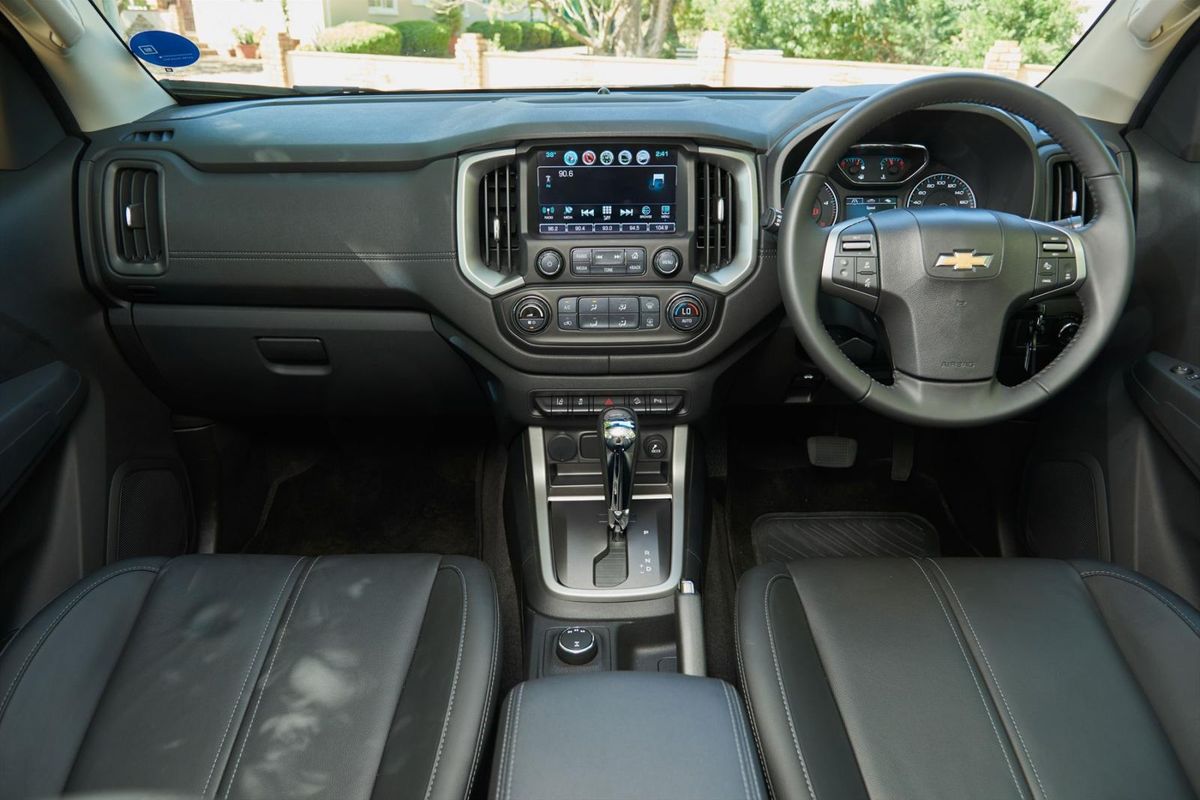
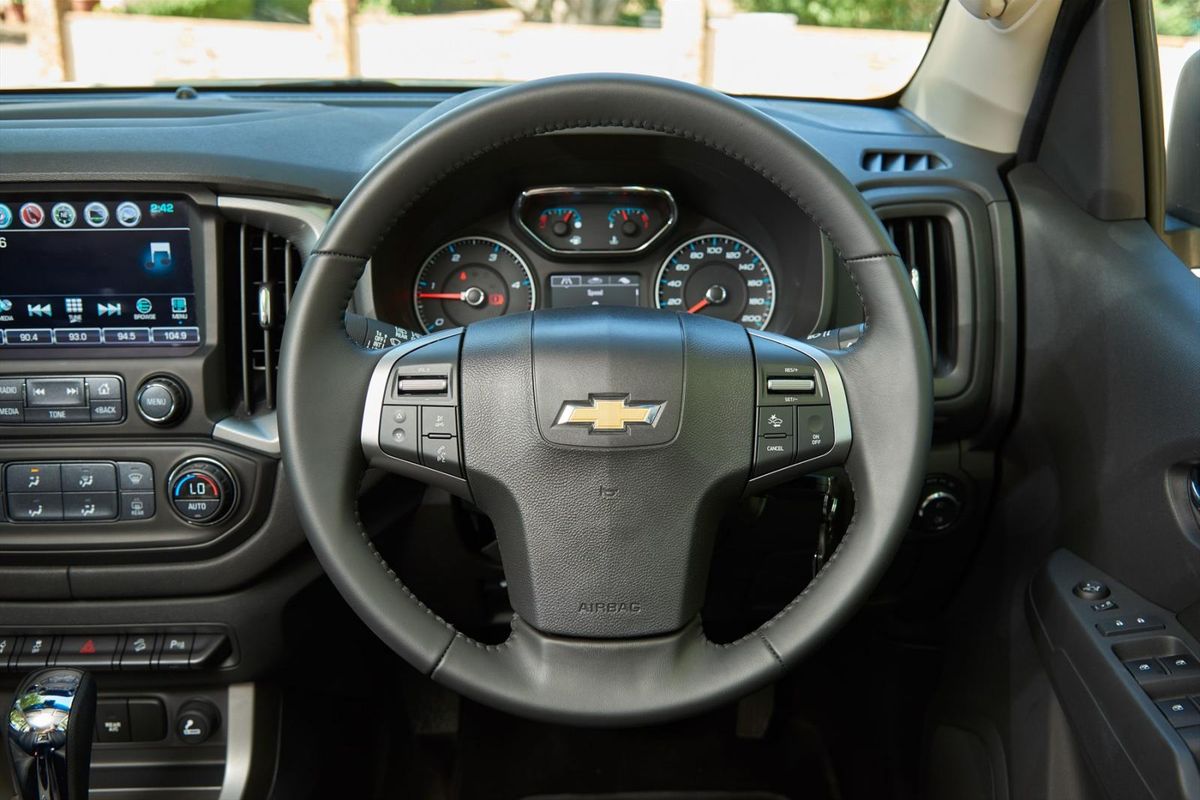
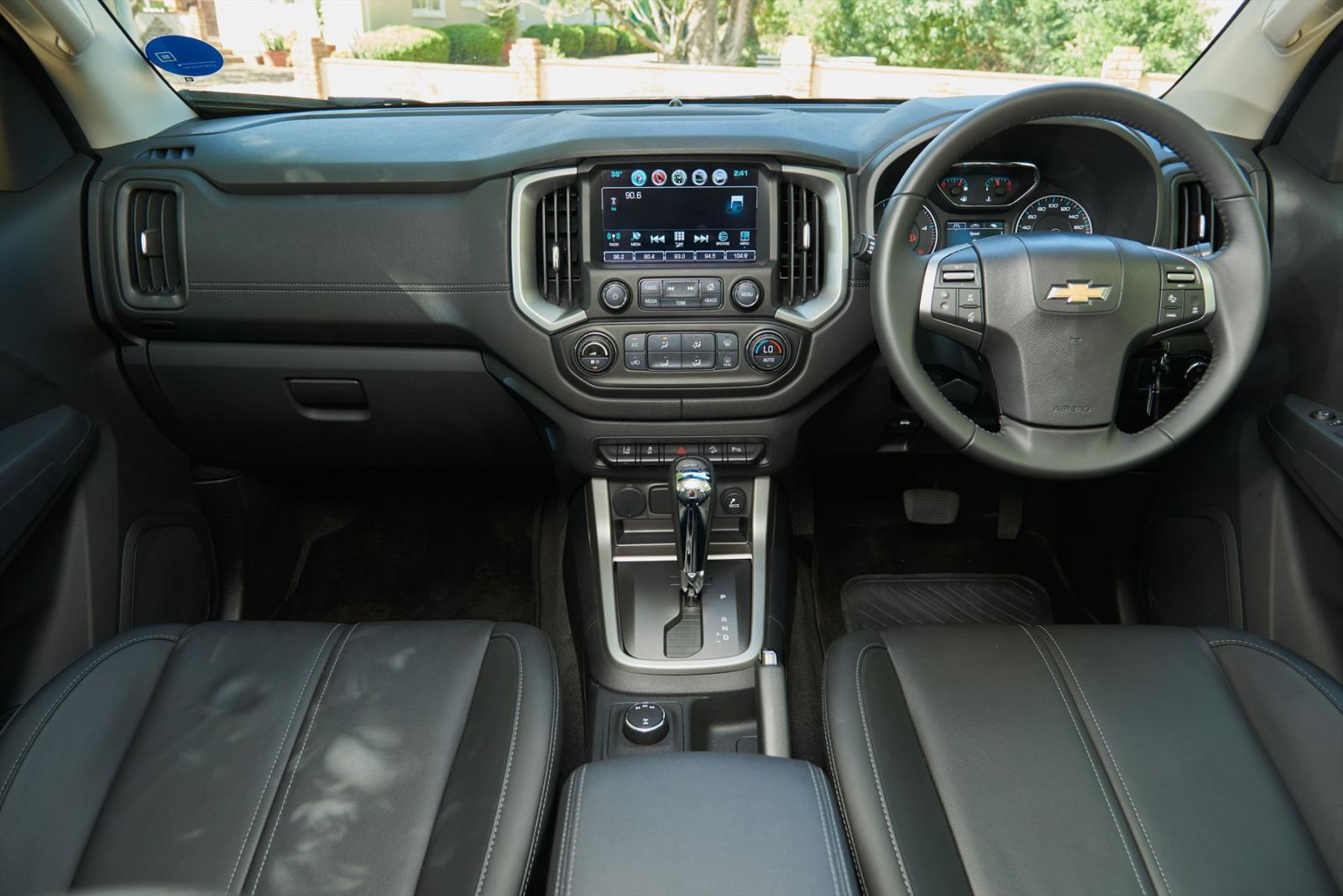
Better finishes, an improved layout and more modern tech make the revised Trailblazer cabin a good place to be in.
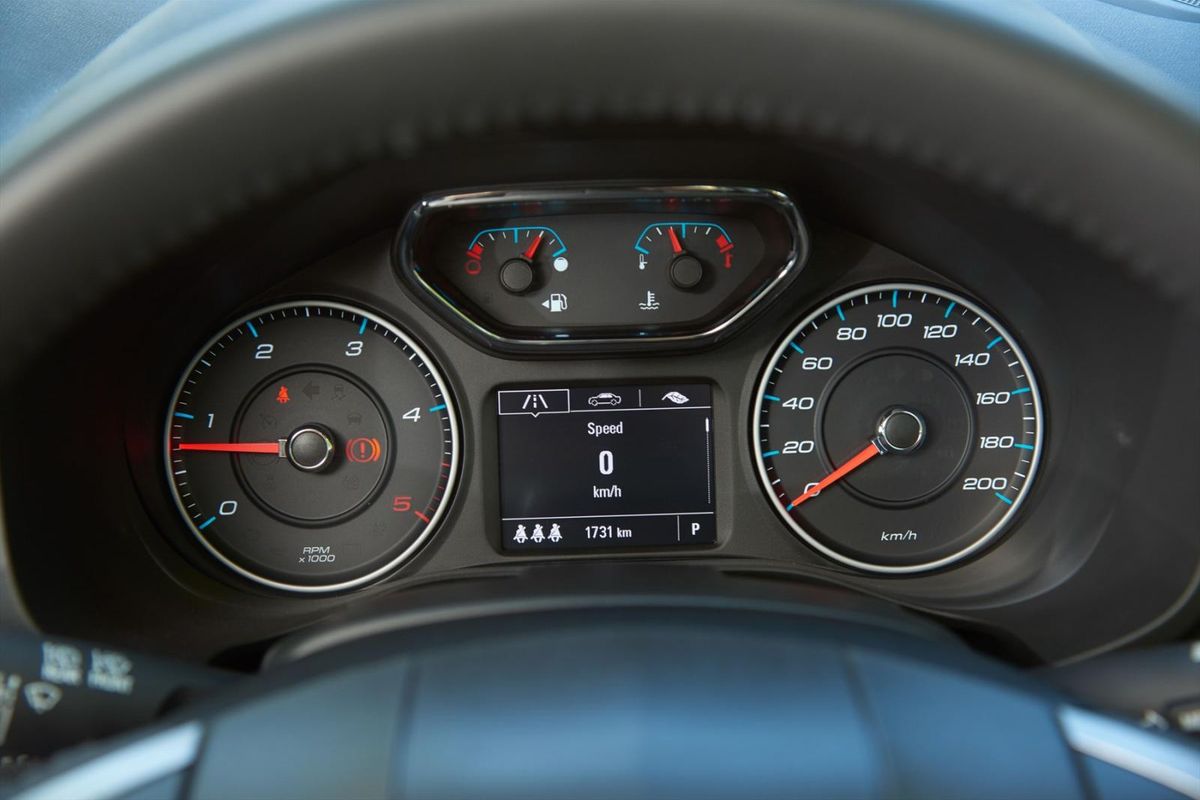
Simply put, the revised facia is the single most important and successful part of the recent redesign. While the pre-facelift Trailblazer's dashboard was solidly made and neat, it was very similar to what you'd find in an Isuzu KB, which is not ideal in a supposedly upmarket, passenger-oriented vehicle. It shares almost nothing (pity it still has the old steering wheel) with its predecessor and the quality of the materials used has certainly moved in the right direction. Leather upholstery is standard and the use of soft-touch plastics and metallic surfaces further lift the ambience.
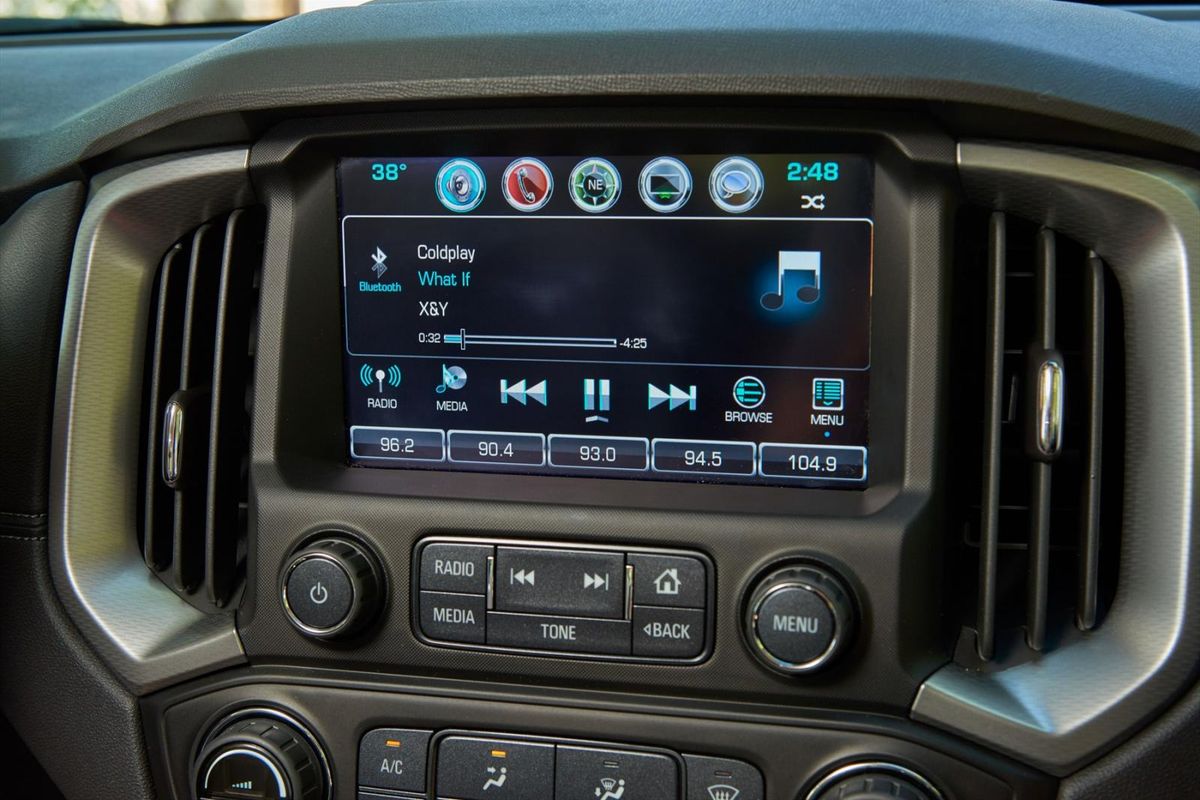
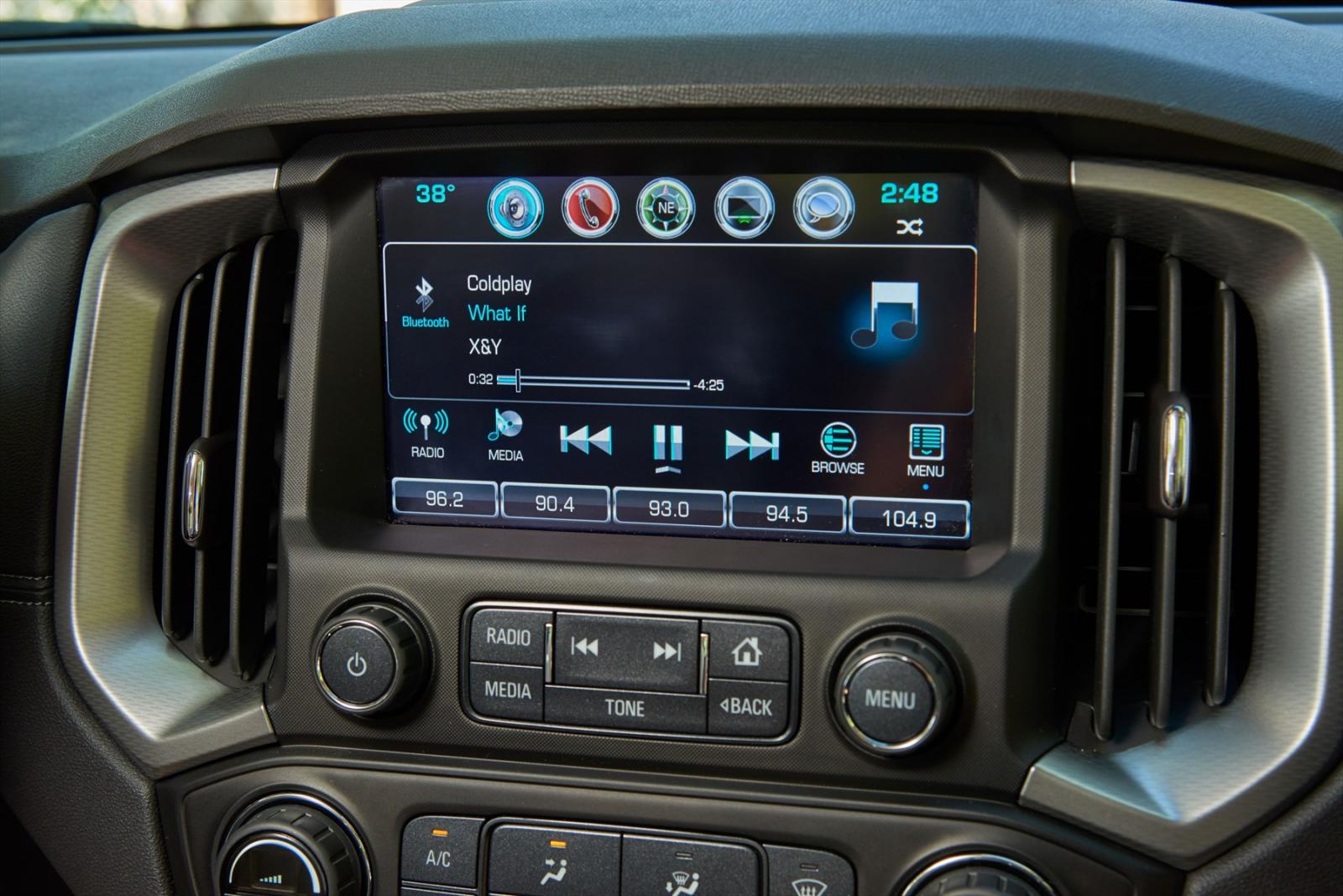
Latest MyLink infotainment system is arguably class-leading.
While the fitment of a touch-screen infotainment system in this segment is no longer news, the latest MyLink unit fitted to the Trailblazer is arguably superior to what you'd find in the Chevrolet's direct rivals. It is comprehensive, includes Apple Carplay and Android Auto compatability as well as navigation, and features a well-positioned 7-inch screen with crisp, clear graphics. USB and Bluetooth support, of course, are included.
Modern Safety Features
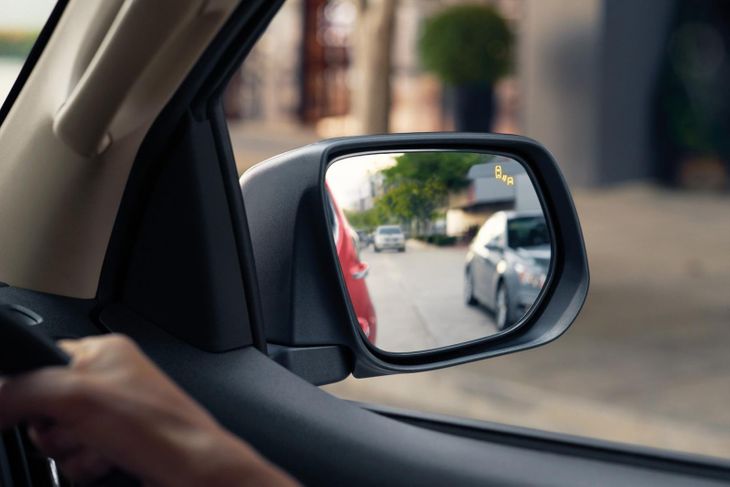
Side blind zone alert is one of the many safety features fitted as standard on the Trailblazer LTZ.
The recent upgrade introduced a number of modern features to the Trailblazer package. This LTZ specification vehicle gets fashionable LED elements in its headlights, which together with the revised front-end styling make for a far more attractive vehicle. Inside, besides the state-of-the-art infotainment system, you also get some cool safety technology, including forward-collision alert, rear cross-traffic and lane-departure warning. This is in addition to an already comprehensive safety package that includes 7 airbags, ABS with EBD, hill-start assist, tyre pressure monitoring, rear Isofix child-seat mounts, trailer-sway assist and ESP (stability control).
Practical, refined cruiser
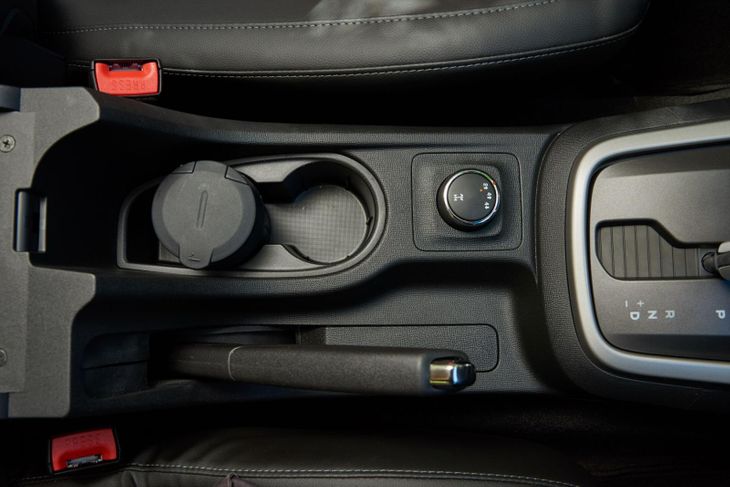
A minor criticism is the size of the drinks holders available to the occupants of the front seats.
The Chevrolet Trailblazer is most comfortable when out on the open road, cruising towards some distant holiday location. The recent upgrade brought several NVH (noise, vibration, harshness) improvements, and consequently the Trailblazer's cabin is quiet and relaxing on those long stretches of road – when cruising at the national speed limit, the engine is inaudible.
Passengers will have few reasons for complains, no matter in which of the three rows they happen to be seated. Starting up front, the driver's seat is electrically adjustable (including height). It's a pity that the steering wheel is only adjustable for rake, but none of our testers found this a major obstacle to achieving a comfortable driving position. The front passenger seat also offers a wide range of (manual) adjustment, including height. A minor complaint is that the drinks holders in the front are all somewhat small.
Moving to the second row, passengers are treated to a decent amount of legroom (though short of what's on offer in an Everest), but get reclining backrests and their own (overhead) ventilation outlets and fan speed control. The third row is, as per usual in this segment, largely suitable for children and smaller adults but within that context quite spacious. These passengers also get overhead ventilation outlets and drink holders.
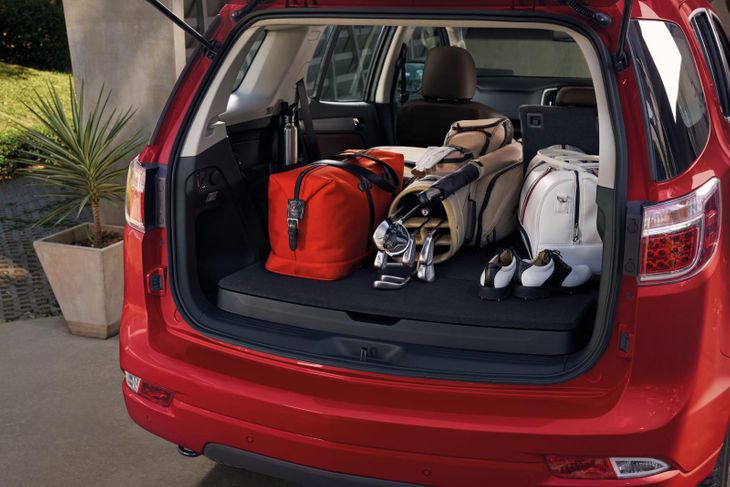
Trailblazer's boot is large and practically shaped (in 5-seat mode), but the floor is high.
In 5-seater mode the boot is large and box-shaped, and therefore very practical from a holidaying or load-carrying perspective. But because the third row of seats fold flat, the boot floor is, however, quite high, which makes lugging heavy, awkwardly shaped items into the vehicle a potentially back-hurting exercise.
The Trailblazer should also make for a good towing vehicle – it offers a 2 965 kg tow rating (braked trailers), has trailer sway assist as standard and the automatic transmission includes an effective downhill grade braking function.
Good warranty and service plan
The Chevrolet Trailblazer is backed with an impressive 5-years/120 000 km warranty and 5-years/90 000 km service plan which whould ensure peace of mind. Service intervals are pegged at 15 000 km intervals.
The (not so) Good
Engine efficiency
The 2.8-litre engine is powerful on paper, but the vehicle can feel lethargic in town use. Better on the open road.
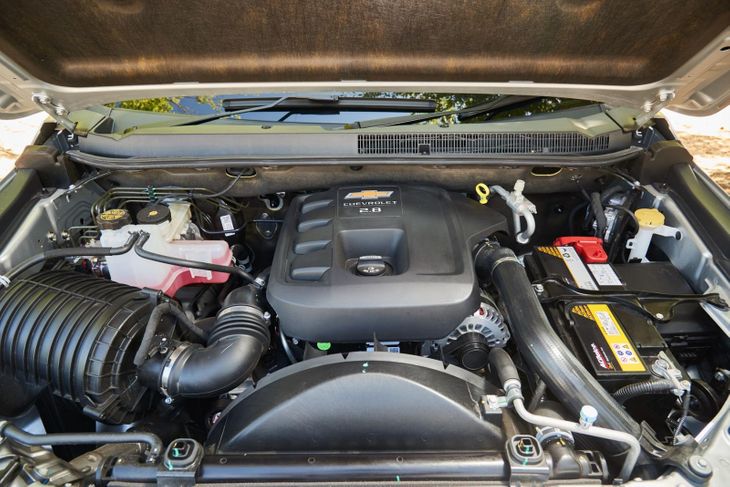
The Trailblazer is powered by the brand's powerful 2.8-litre turbodiesel engine that pumps out 144 kW and a class-leading 500 Nm of torque – interestingly, that maximum torque figure is even more than what is offered by the 3.2-litre Ford. The engine is mated with a reasonably smooth and refined 6-speed automatic transmission that generally responds well to driver inputs (via the throttle).
But despite Chevrolet claiming best-in-class acceleration, the Trailblazer can feel somewhat lazy around town in typical stop/start traffic, and certainly not as brisk as, say, the new Fortuner. In our experience neither the Chevrolet nor the Ford can match the new Toyota engine for responsiveness and refinement. In fact, you can also add fuel economy to that list – with a claimed consumption 9.5 L/100 km the Trailblazer is one of the thirstier vehicles in its segment, though in our testing the big Chev achieved exactly what was claimed – a rare feat these days.
Pricing and after-sales
The Chevrolet Trailblazer 2.8D LTZ sells for R562 800 (March 2017) and the price includes an impressive 5-years/120 000 km warranty and 5-years/90 000 km service plan.
Verdict
Attractive, comprehensively specified and a great cruiser – there's a lot to like about the revised Trailblazer.
As we've stated before, there really is precious little that the Trailblazer does wrong. This particular model offers a very comprehensive standard specification level, a cabin that is much better finished than before and while it is not as spacious as some of its rivals, it is a refined and comfortable cruiser that will be more than practical enough for most families.
We wonder, however, whether a vehicle such as Kia's Sorento should not also be considered. In 4×2 LX guise it is similarly priced and specced, yet offers a more refined, economical engine and road manners which are superior where you will be spending most of your time (on the road).
That said, if your usage patterns dictate regular travel on poor, unsealed surfaces and the occasional requirement for ground clearance (221 mm on the Trailblazer), then this Chevrolet should be on your shortlist.
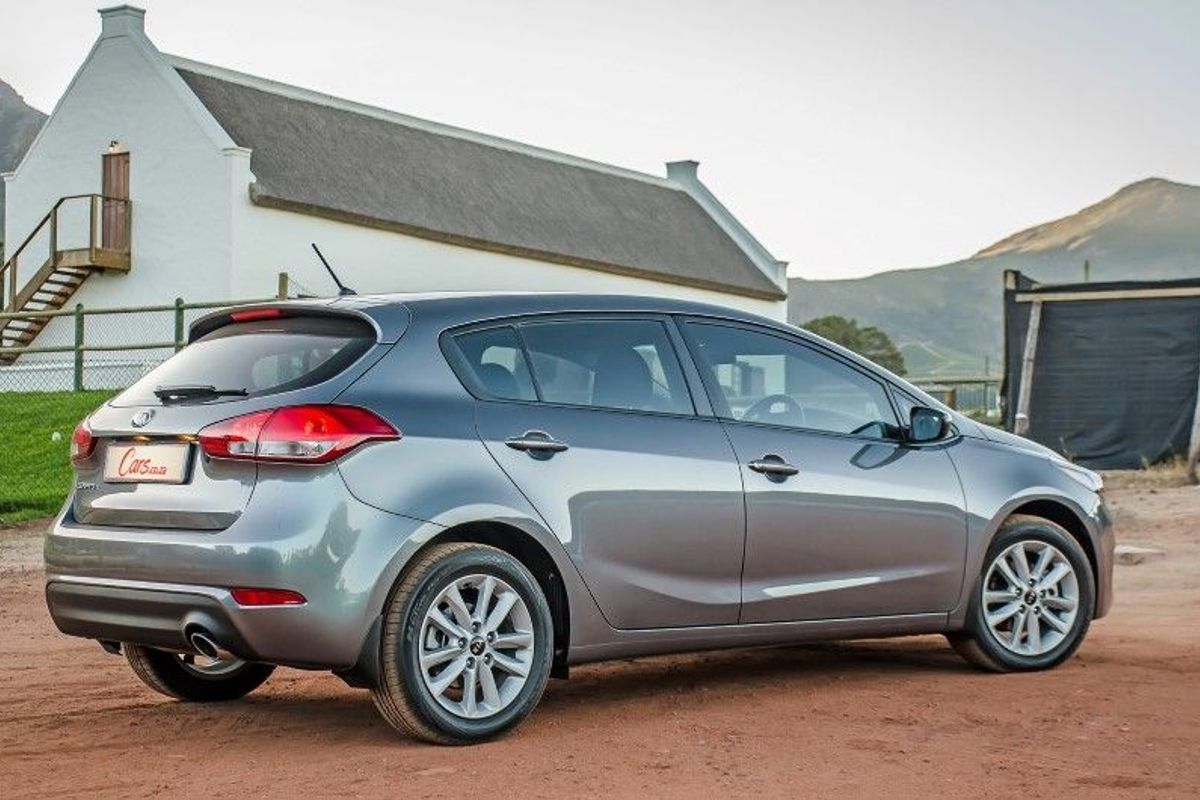
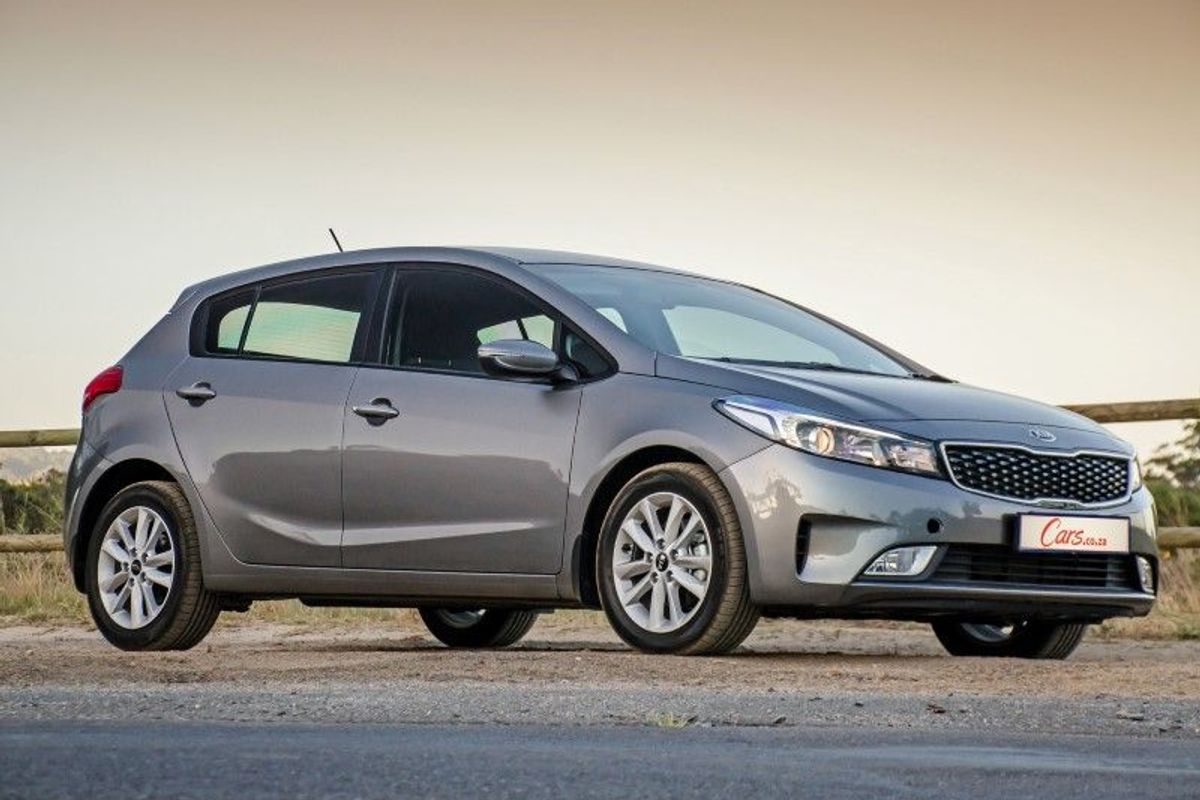
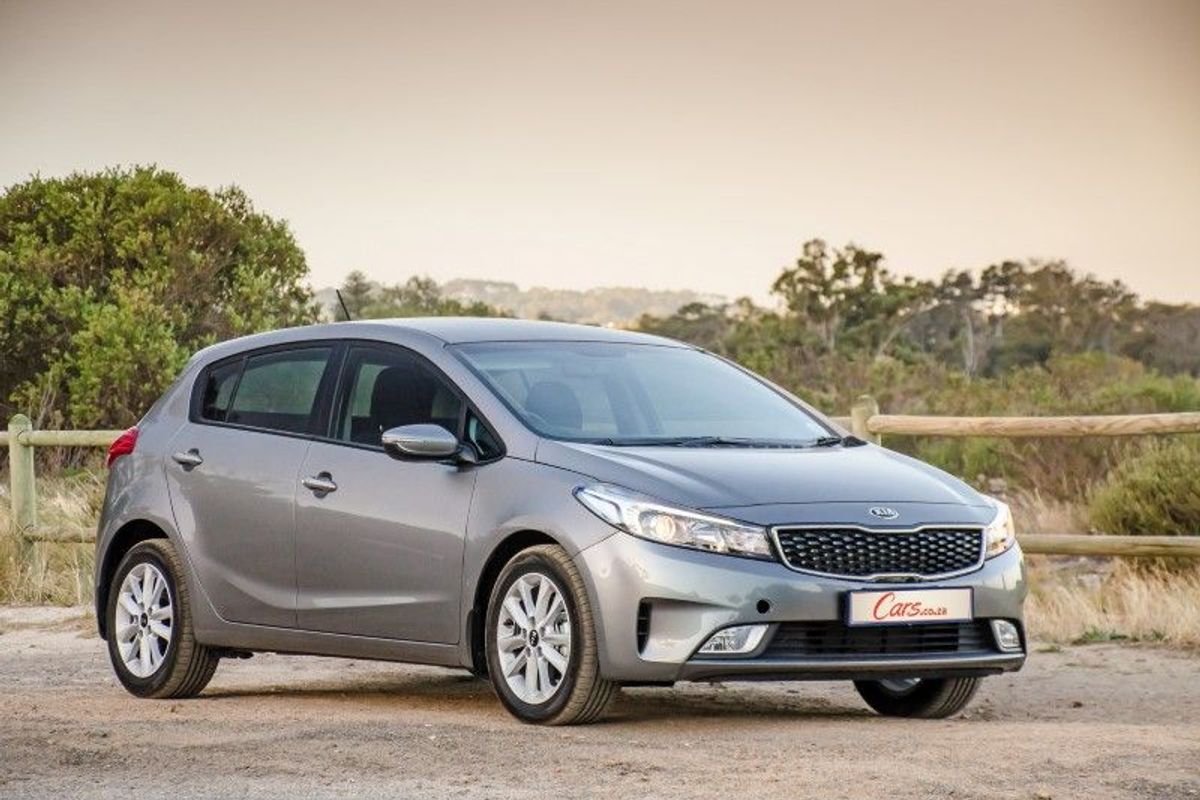
The Kia Cerato was updated last year, but are the subtle changes enough to convince buyers to forego newer products on the market, including the award-winning Opel Astra? We tested the 1.6 EX derivative to find out if it’s still worth a look…
We Like: Good ride quality, decent performance, big boot
We Don’t Like: Pricey for what is effectively Kia's entry-level Cerato derivative
Alternatives
For something more stylish: Consider the Mazda3 1.6 Dynamic priced at R290 500 (March 2017). The Mazda3 is a well-made, good looking car and this mid-spec derivative offers more-than-reasonable specification.
For something more premium: Consider the Opel Astra 1.0T Enjoy priced at R295 800 (March 2017). It comes well-specced at roughly the same price as this entry-level Cerato and its turbocharged 1.0-litre engine offers reasonable performance and good fuel economy. Its touchscreen infotainment system is excellent too.
For value: Consider the Chevrolet Cruze 1.4T LS, priced at R274 500 (March 2017). It’s possibly the least stylish option compared with the Cerato and Mazda3, but its turbocharged motor gives it the performance edge, for what that's worth. The 1.6 LS version offers extraordinarily good value at R274 500, however.
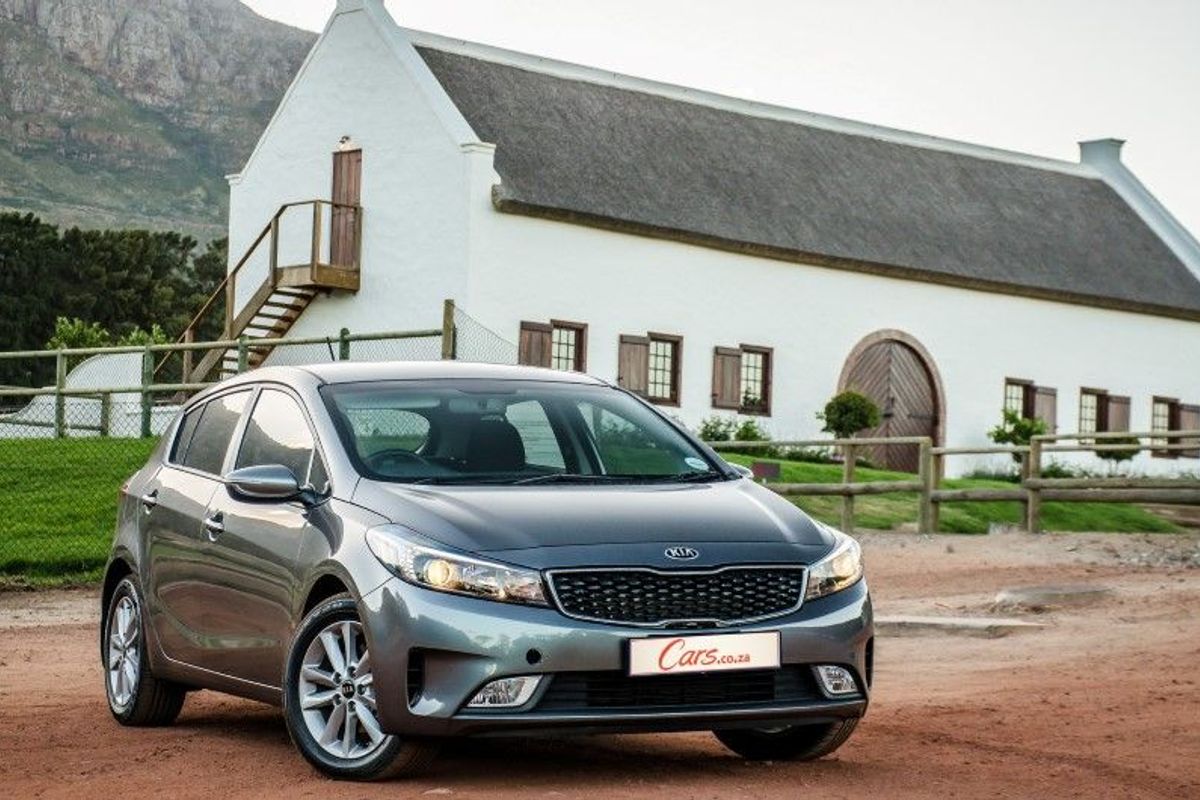
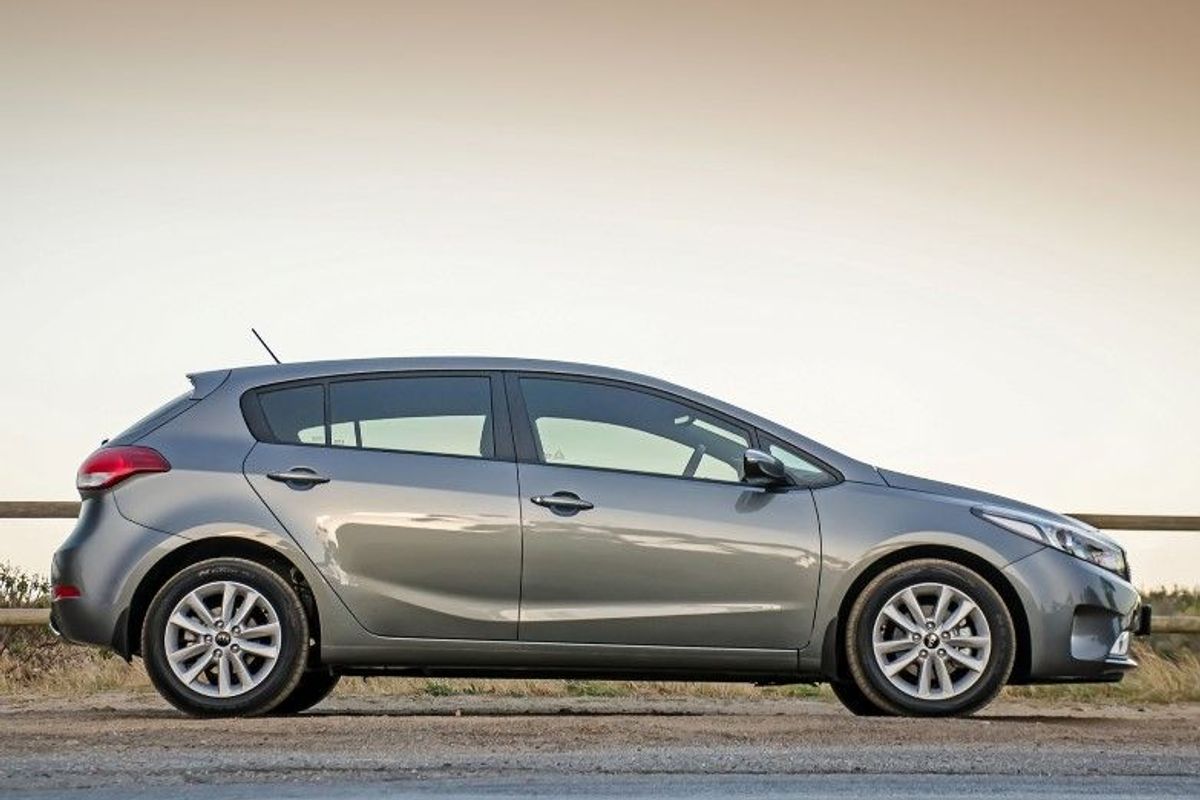
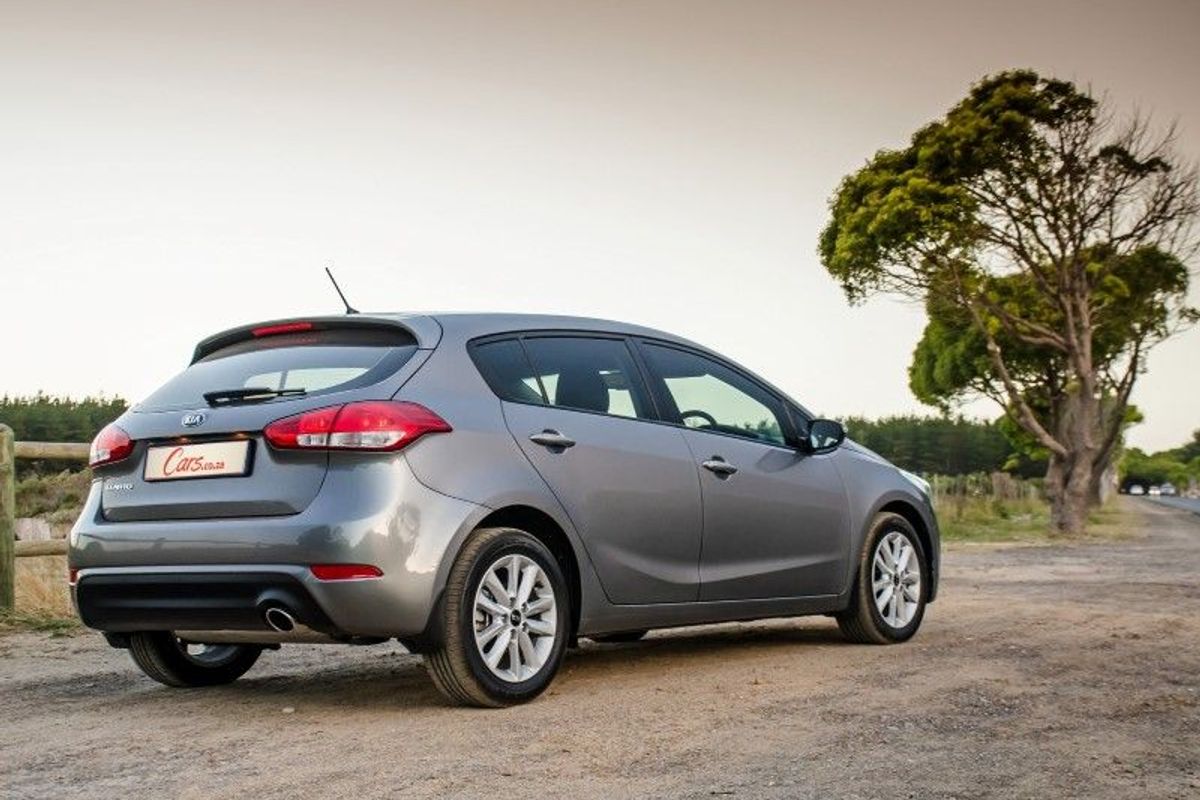
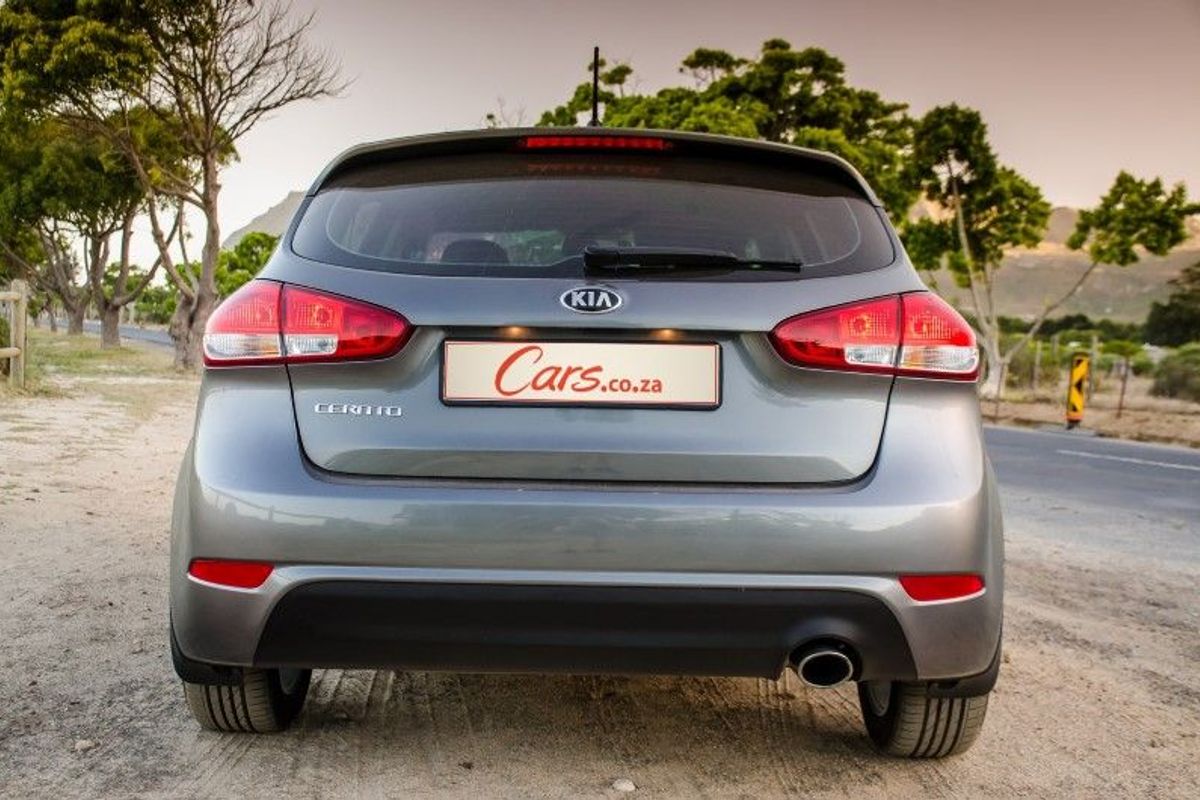
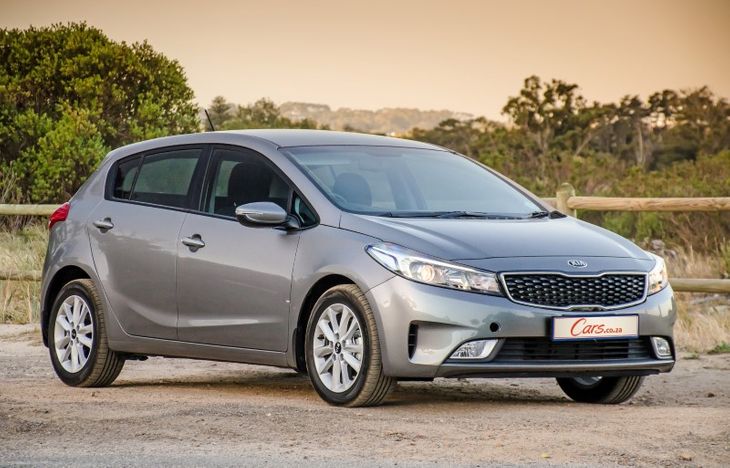
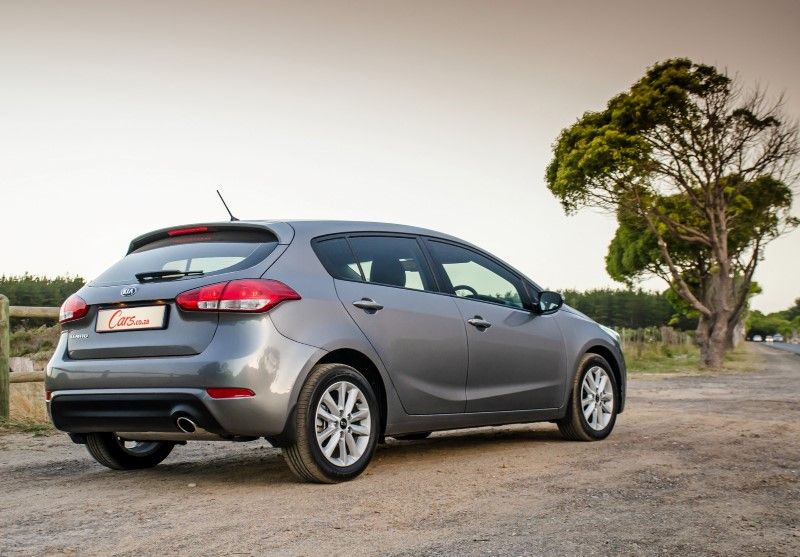
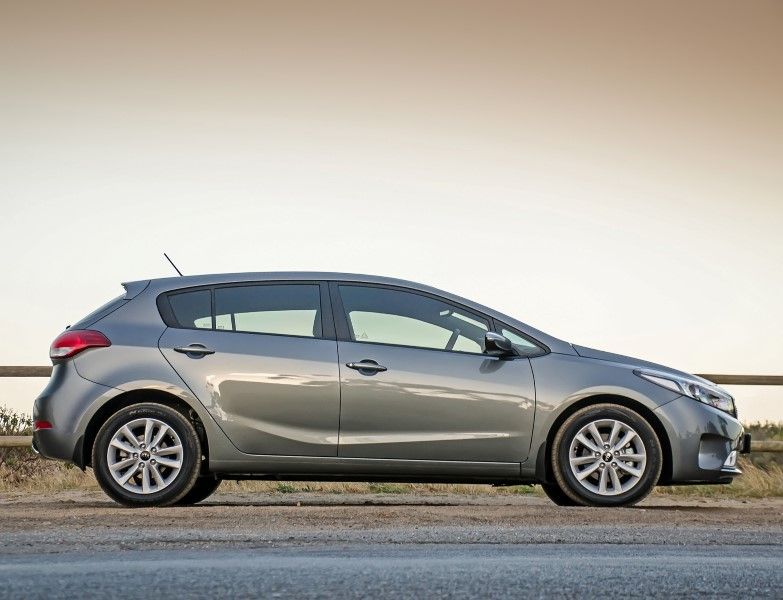
The Kia Cerato 1.6 EX is a reasonably attractive offering with its ride quality being a stand-out feature.
Whereas some long-time participants in the compact hatchback segment, such as the Volkswagen Golf, have moved upmarket to compete with premium marques' wares, effectively putting their asking prices beyond the reach of family car buyers, Chevrolet, Ford, Opel, Mazda and Toyota still cater for the lower, more affordable end of the market. This entry-level Kia Cerato also falls into the category; it has some executive appeal, but it is ultimately pitched at less trend-conscious buyers who are merely looking for a good, reasonably specced car.
In the case of the Cerato, which has been on sale in South Africa since 2013, a volatile exchange rate and associated higher import costs have pushed Kia's prices up. The Korean marque updated the Cerato last year in an effort to boost its value package and we recently spent time with this entry-level derivative to see if it remains a competitive offering.
How does it fare in terms of…
Kerb appeal?
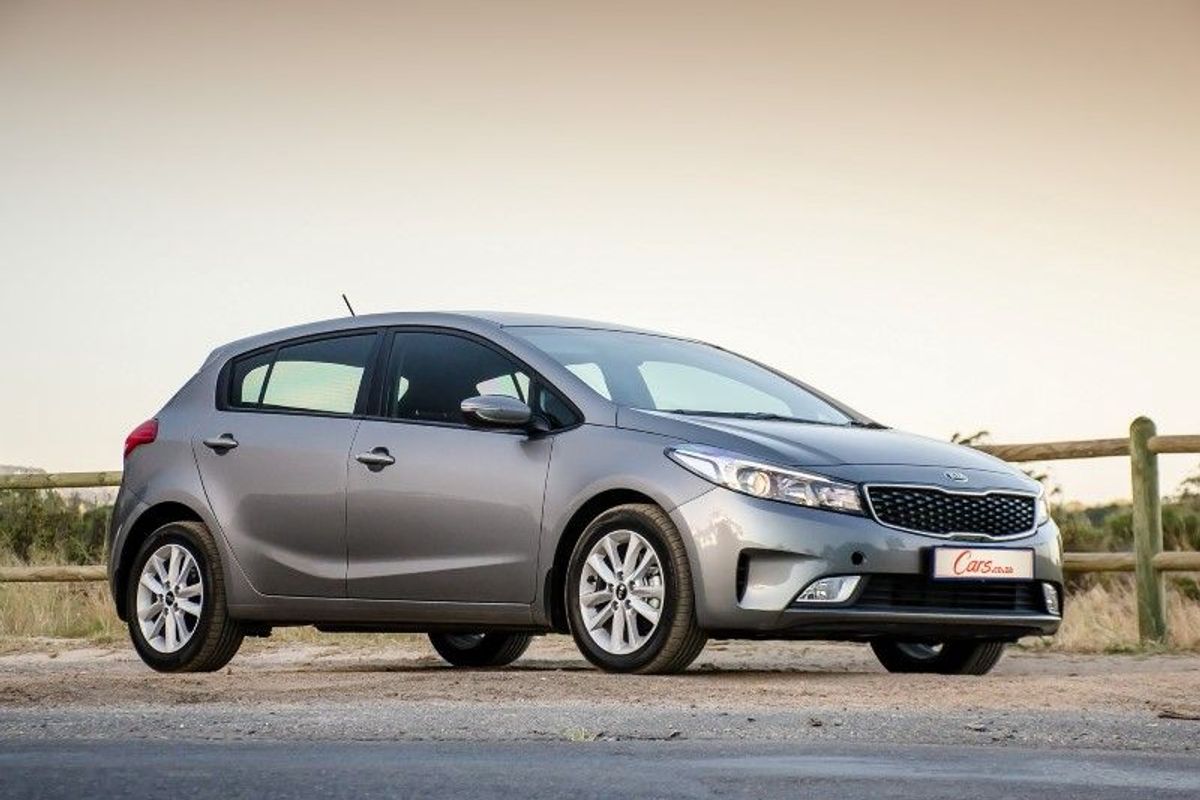
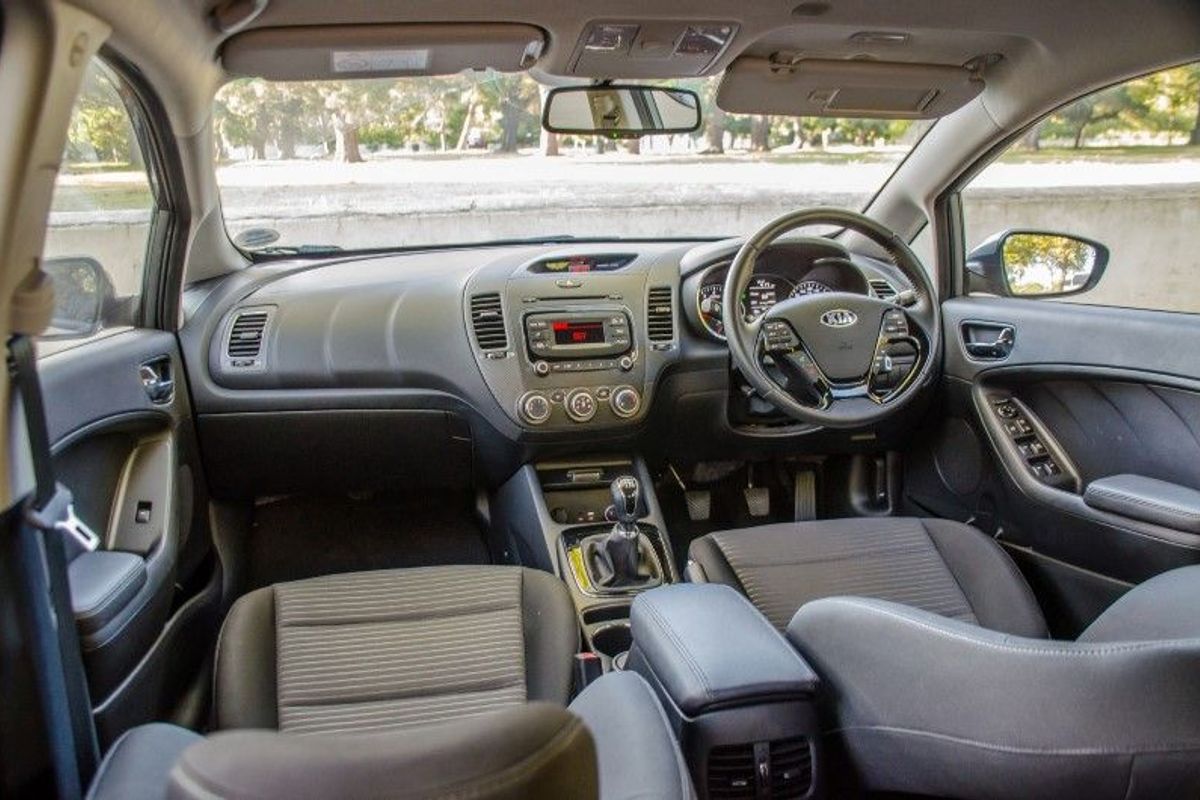
The refreshed Cerato features newly designed headlights and fog lights, as well as a reshaped bonnet, front bumper and new grille trim. We think the Cerato’s design is clean, smart and generally pleasing… if less than distinctive. Granted, it won't turn many heads at intersections, but we believe that won't matter much to the majority of the Kia's target market anyway.
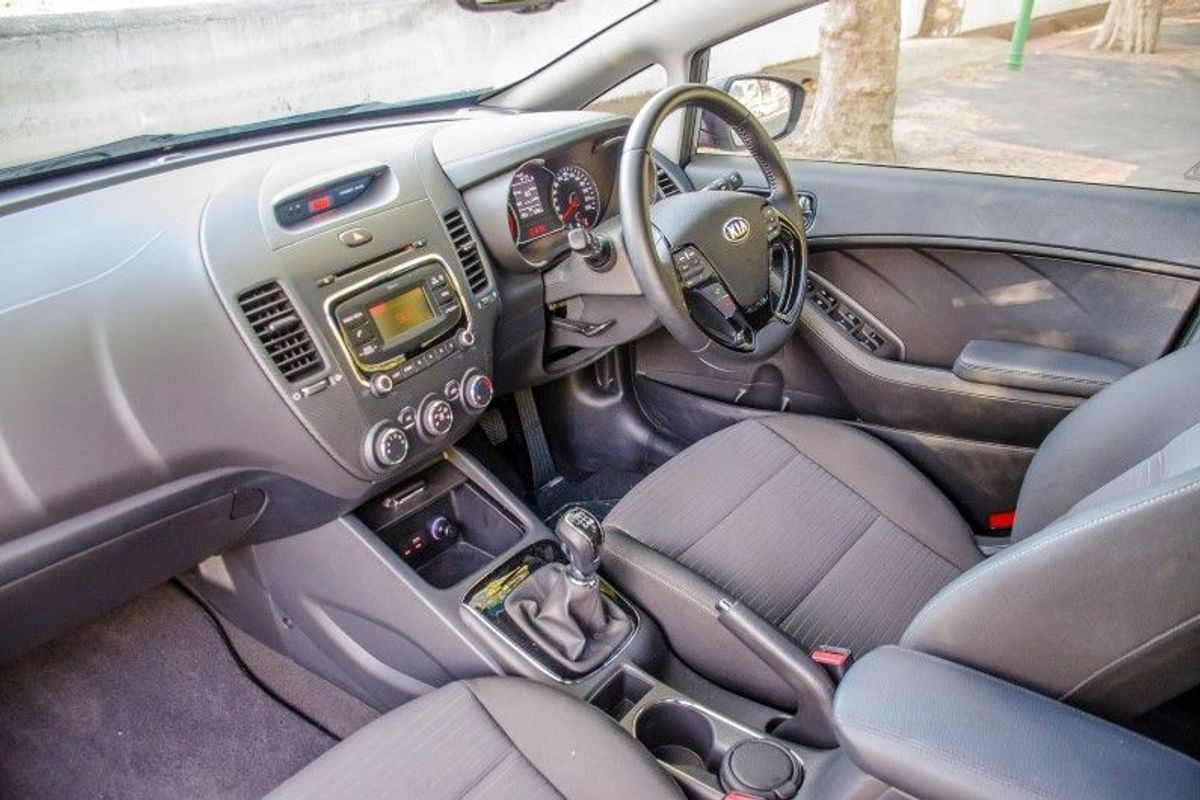
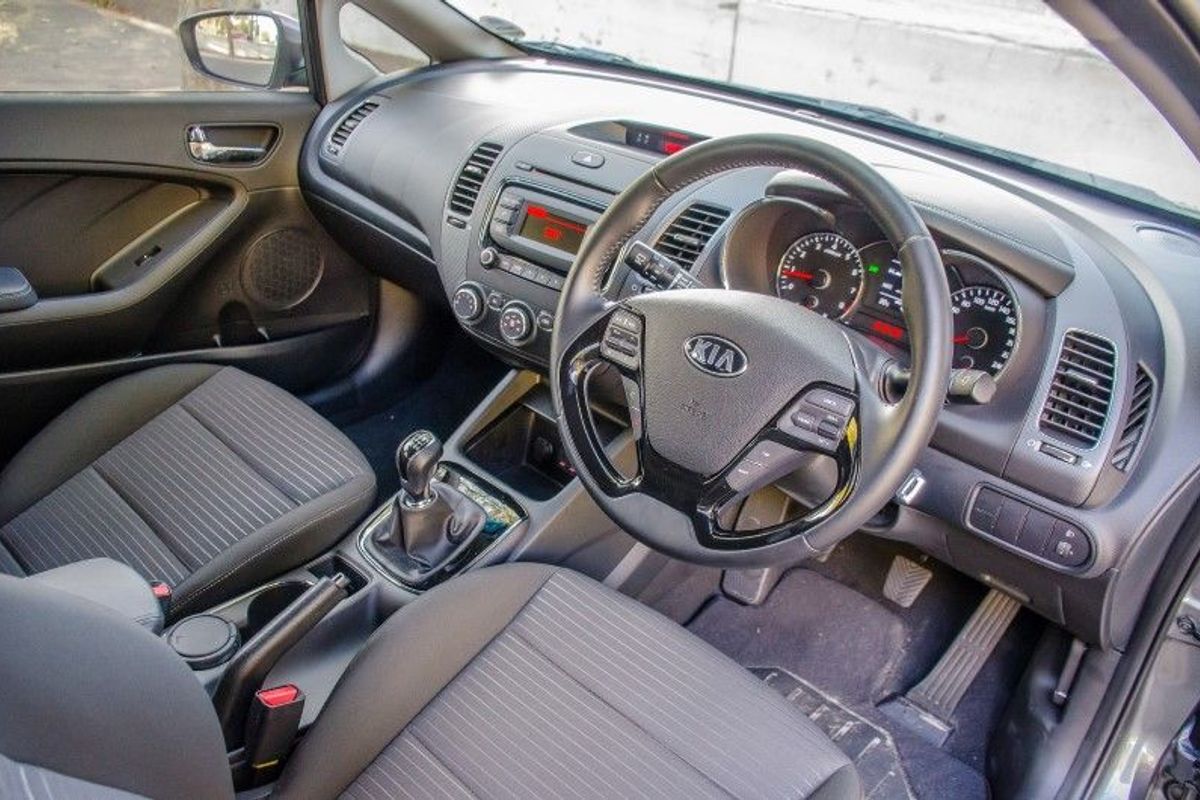
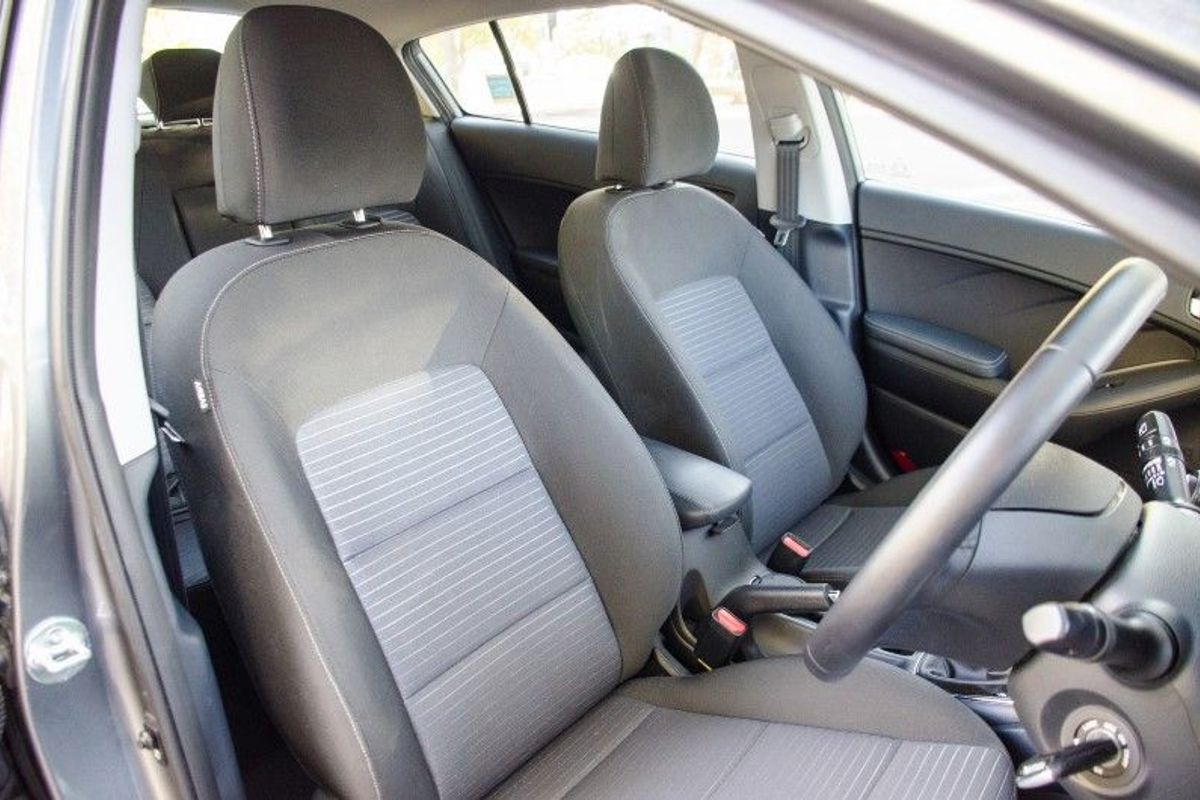
The interior design, however, shows more substantial improvements. Upgraded materials on the dashboard, door trim, centre fascia and console (with silver and piano black trim) add a dash of upmarket appeal. The interior is well constructed and although it’s attractive in look and feel, we can’t help but feel it looks a trifle dated; so, design-wise, not on par with its rivals.
Performance and ride comfort?
The Cerato performs sufficiently well in the city and on the highway and it delivers a smooth and composed drive on most surfaces.
With 95 kW and 157 Nm of torque on offer from its naturally aspirated 1.6-litre engine, the Cerato has enough grunt on tap to easily deal with the daily inner-city commute. Acceleration from standstill is good (if a little harsh-sounding under full acceleration), but with closely spaced gear ratios you will swap cogs often to get the most of the Korean hatchback's middling torque reserve on the freeway. It is a good thing, then, that the shift action of the 6-speed 'box is pleasingly smooth.
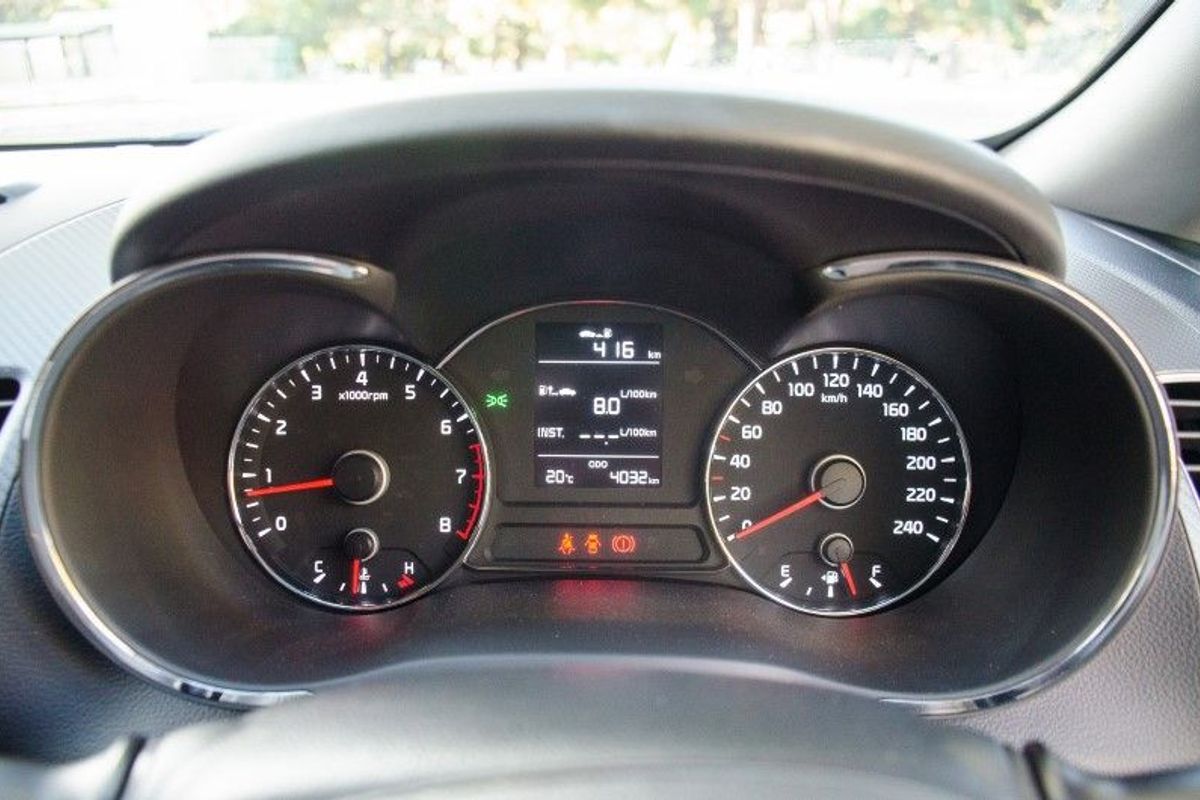
In terms of fuel consumption, Kia claims a figure of 6.5 L/100 km, but we averaged around 8.0 L/100 km during our test period, which, although not thirsty, is hardly thrifty either.
Meanwhile, we found the Cerato to be composed and relatively agile in terms of its cornering ability, with minimal body roll apparent. A key strength of this Kia's on-road behaviour, however, was its ride quality. Buyers will appreciate the Cerato’s comfortable ride quality and the suspension absorbs harsh imperfections well, delivering a smooth overall ride.
Practicality and interior features
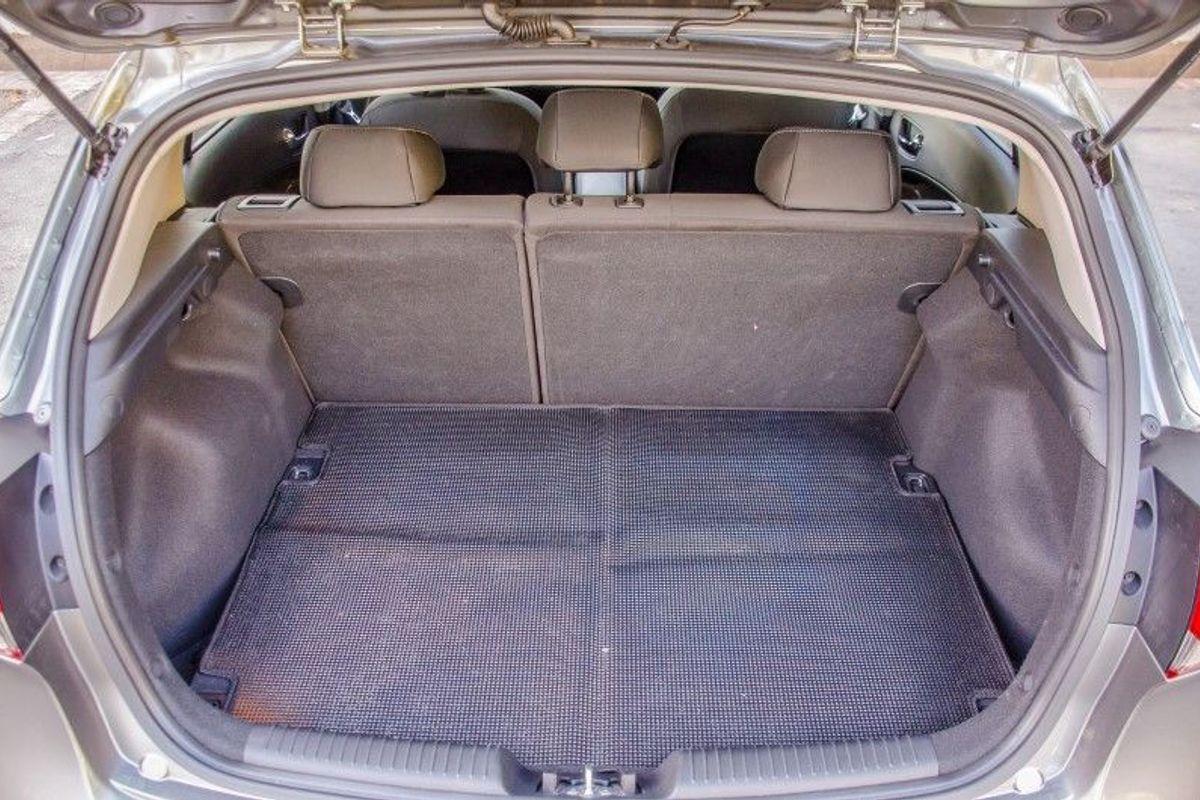
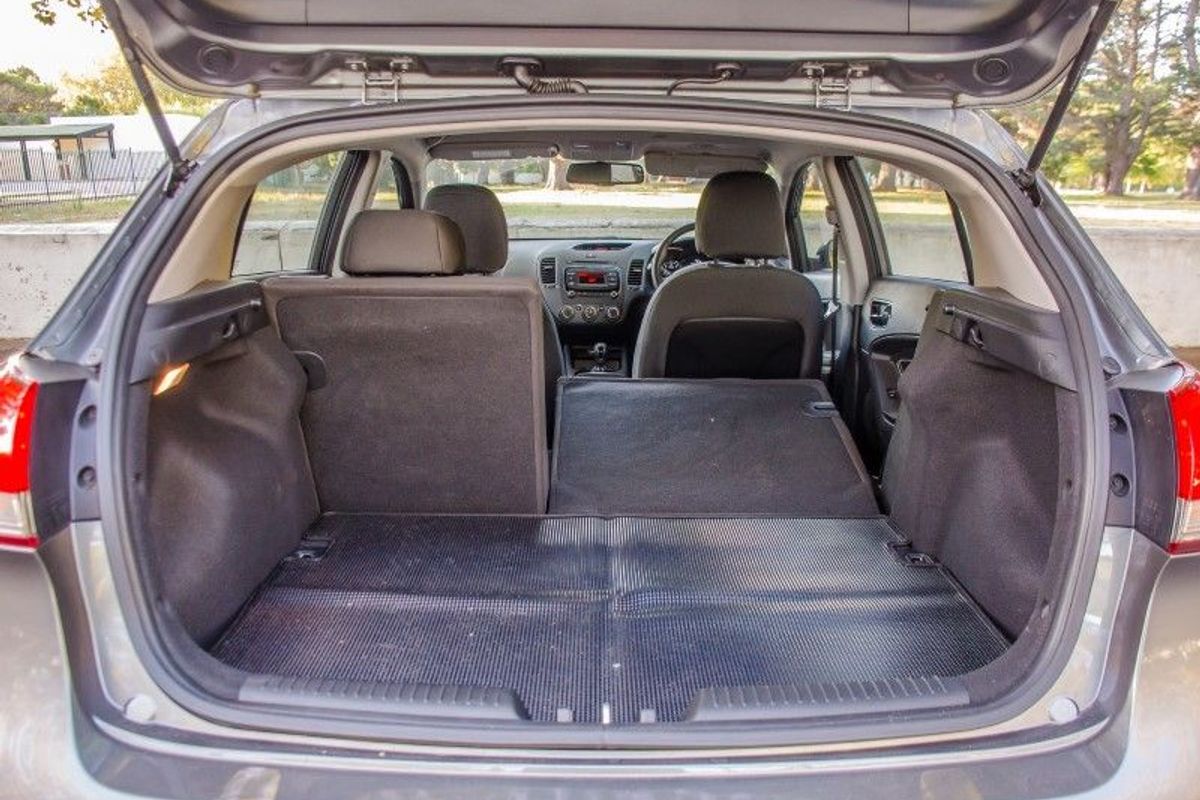
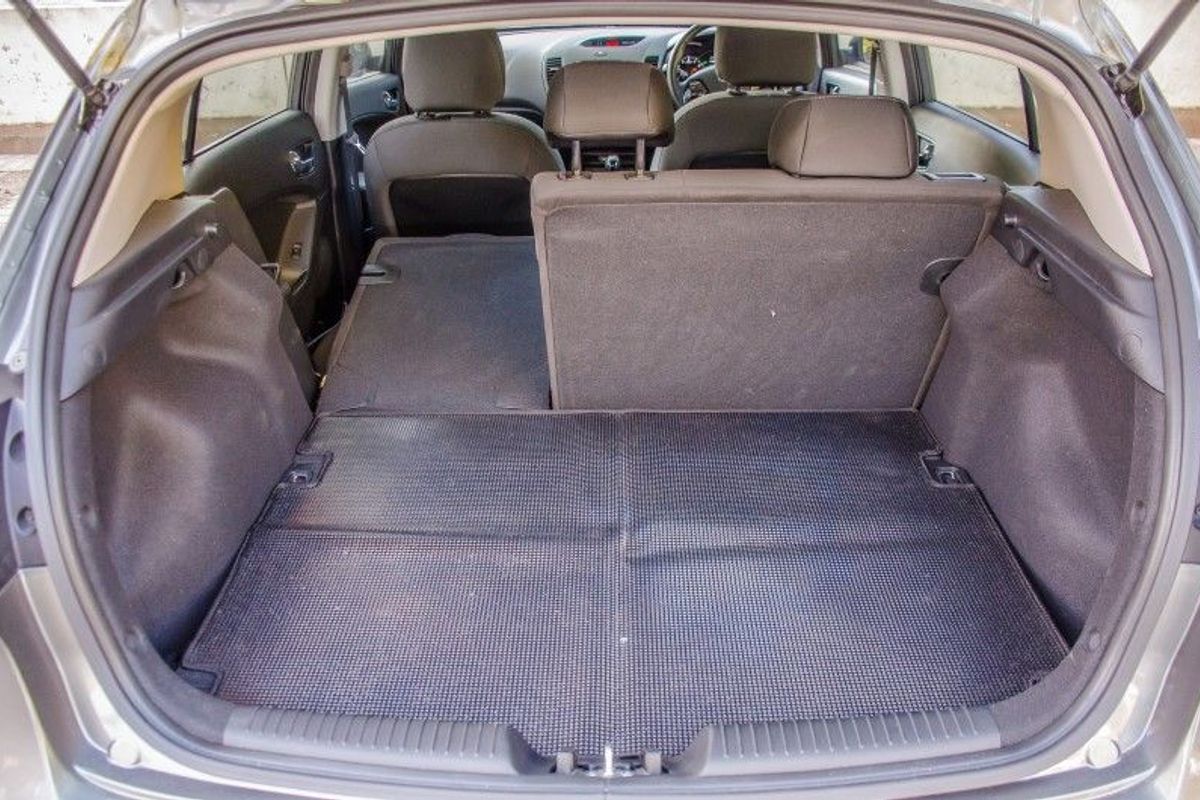
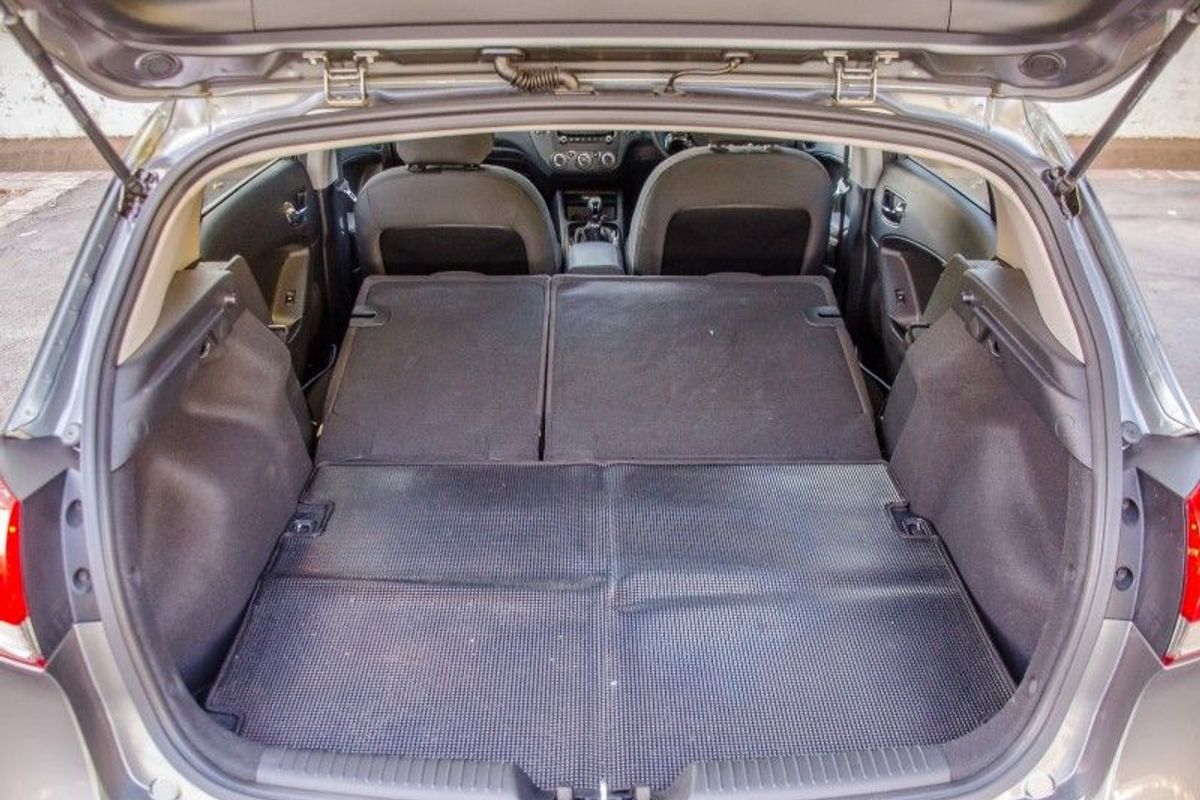
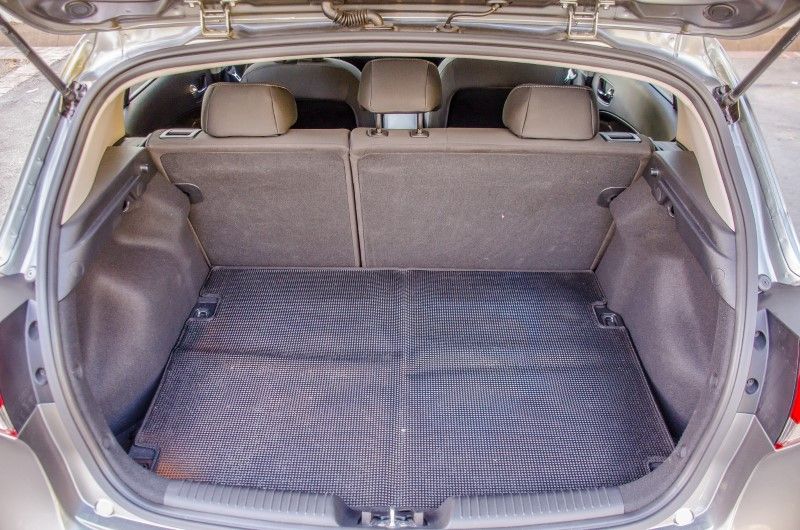
The loading bay is rather spacious and the 60:40 split seats makes the Cerato quite flexible for loading a variety of goods.
The Cerato fares reasonably well in the practicality stakes and its luggage bay is surprisingly large at 385 litres, which is marginally more than the Volkswagen Golf’s capacity (380 litres). If that’s not enough, the rear seats fold down in a 60:40 split configuration, which increases loading space further. There are also 2 shopping hooks in the bay to hang your groceries.
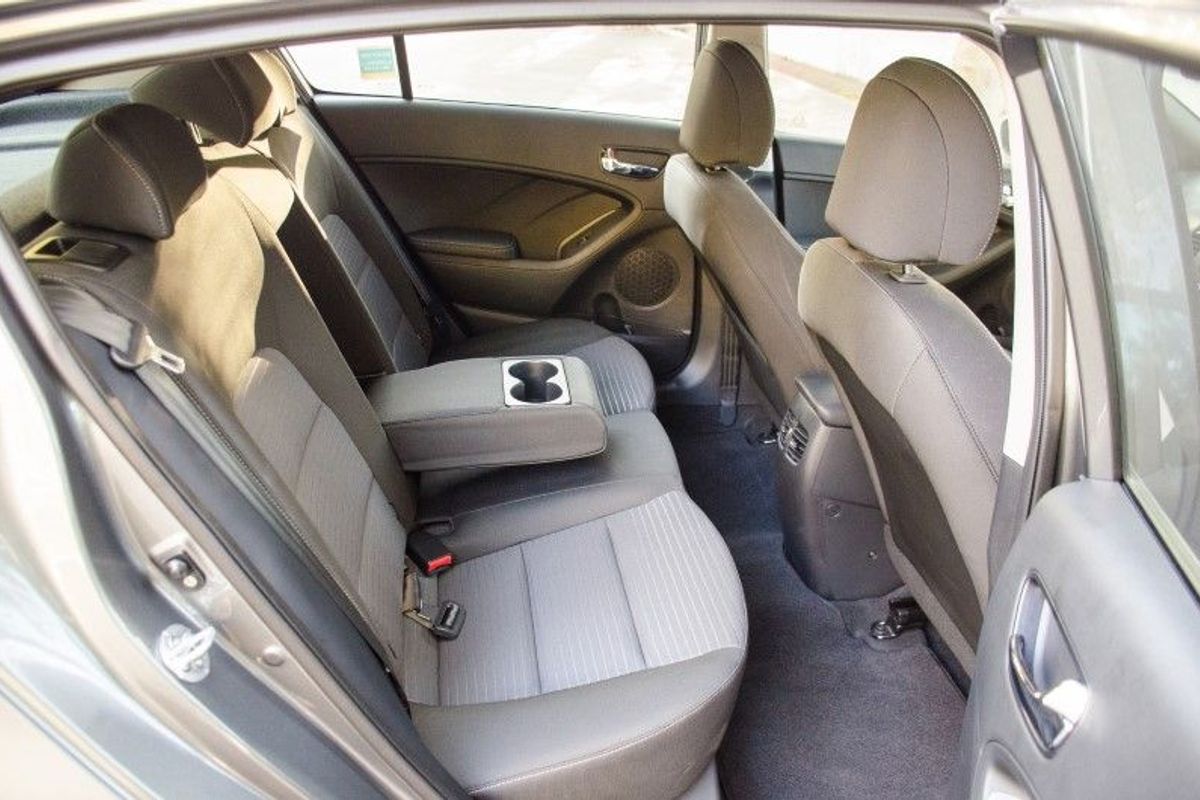
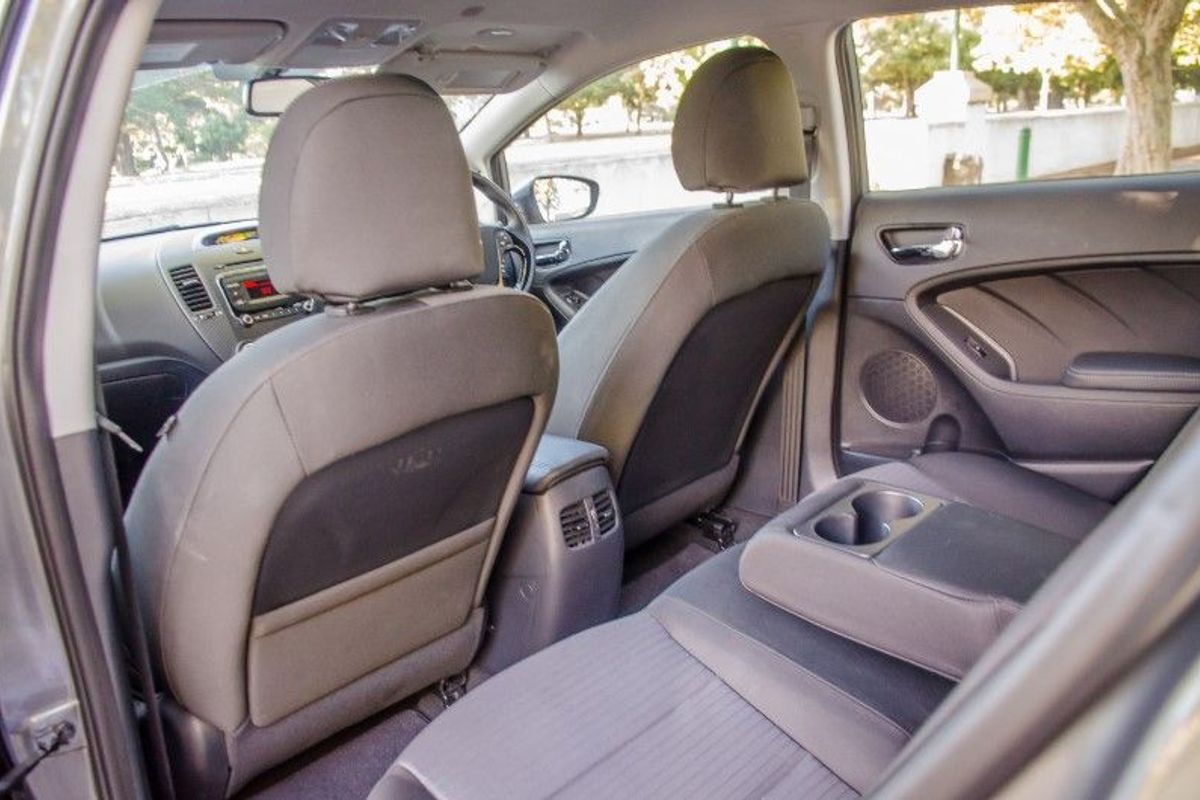
Space for rear passengers is average in terms of leg-, head- and shoulder room. There are also rear-facing air vents for aft occupants, as well as a folding central armrest with 2 cup holders and bottle holders in the door mouldings. The driver and front passenger also have 2 cup holders and a lidded storage space ahead of the gear lever.
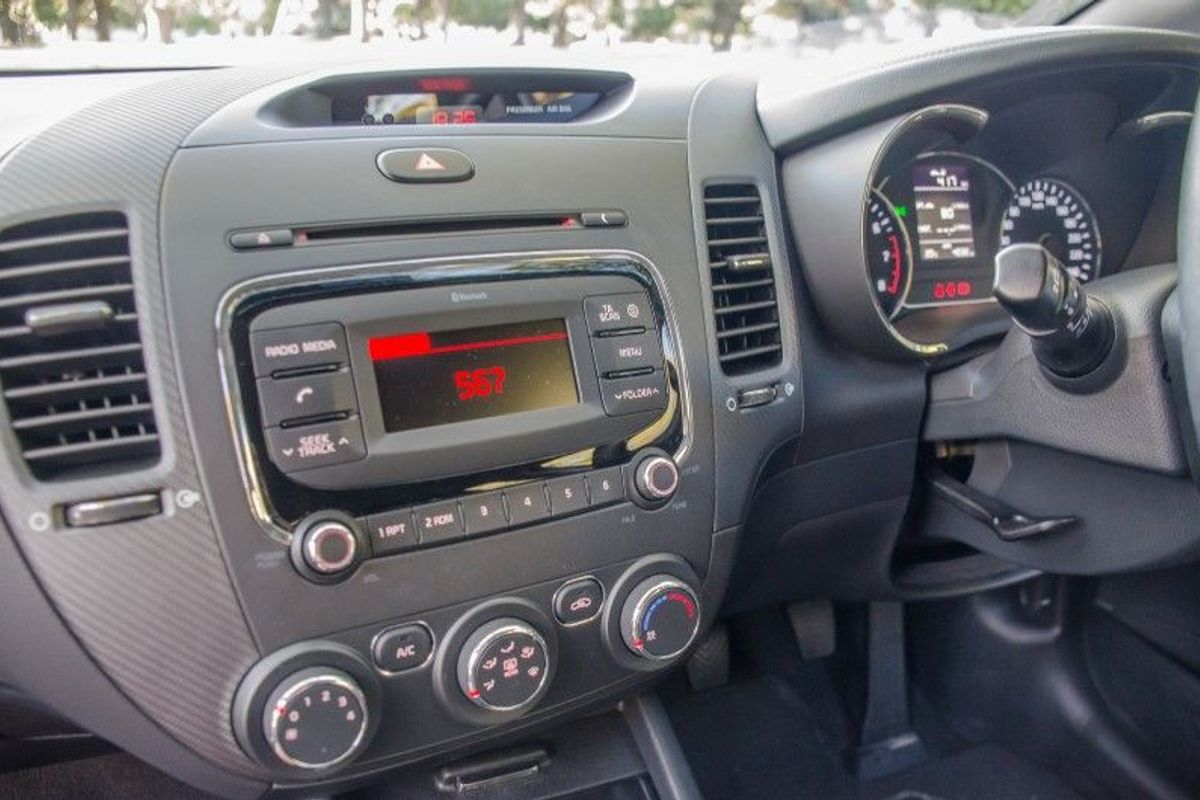
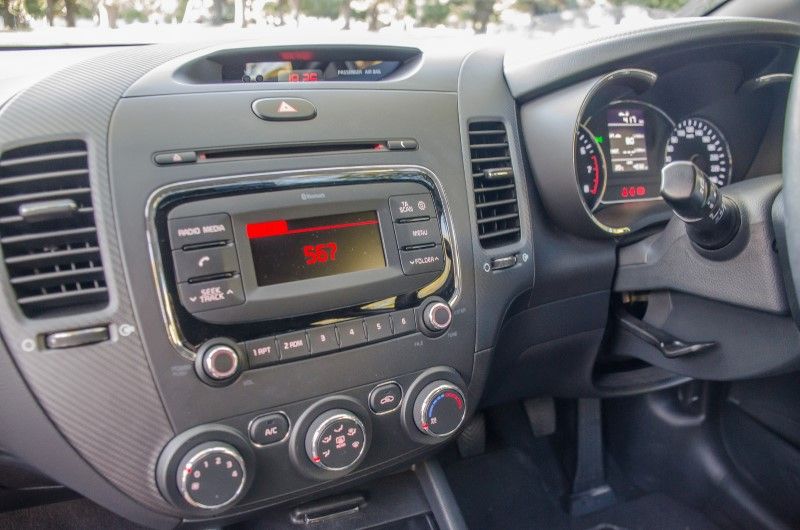
A simple Radio/CD Player is fitted and although it looks dated, it's easy to use.
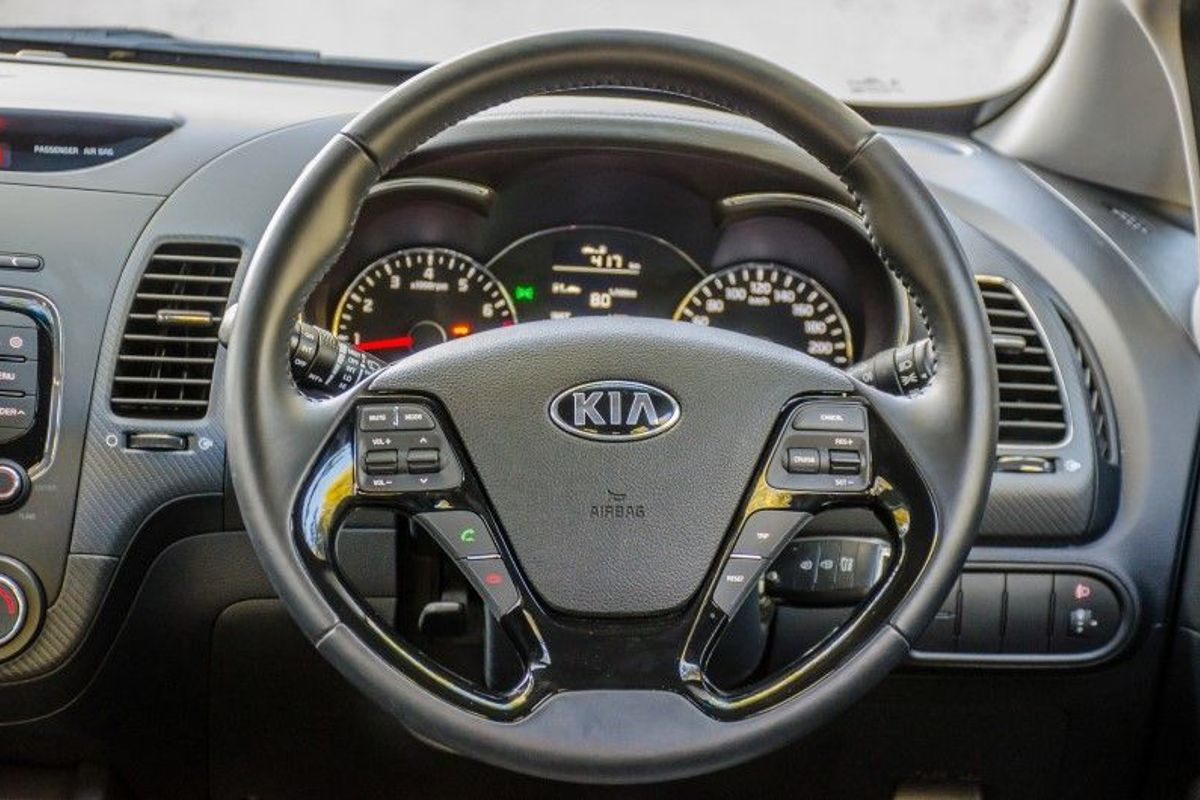
This entry-level Cerato is fitted with a radio/CD player audio system that’s Bluetooth and MP3-compatible. It’s a basic setup, but it is easy enough to use and the audio and Bluetooth can be controlled using the mounted buttons on the steering wheel (USB and auxiliary ports are included). The steering column is adjustable for rake and reach and the driver’s seat is height-adjustable, so getting comfortable behind the wheel should be easy. A manual air conditioning system is also fitted and you will find cruise control useful on longer journeys.
Other nice-to-have features include front and rear electric windows, electric folding side mirrors, plus rear park assist and in terms of safety, a total of 6 airbags are fitted, ABS with EBD is standard, but traction control is not offered.
Pricing and warranty
The Kia Cerato 1.6 EX is priced from R299 995 and is sold with a 5-year/unlimited km warranty and 5-year/90 000 km service plan with service intervals set at 15 000 km.
Verdict
The Cerato is a good car, but its asking price isn't inviting and buyers are likely to find more value elsewhere.
The Kia Cerato is a good all-rounder. Considering that it will be used primarily for commuting, it delivers fair performance, while its ride quality, refinement (insulation against road, wind and engine noise) and comfortable, no-fuss interior further add to its appeal.
Unfortunately, with Kia at the mercy of the Rand's exchange rate (the brand is not alone in this regard, but as an importer, more so than others), this Cerato is on the expensive side of the spectrum when compared with its rivals, making it a hard sell and that could very well force buyers to consider other options. For the same money, the well-specced Opel Astra 1.0T Enjoy makes a strong case for itself and appreciably more affordable options such as the Mazda3 1.6 Active or Chevrolet Cruze 1.6 LS make the decision more difficult still.
The Cerato, therefore, finds itself in tough territory, but what counts in its favour is that Kia is viewed as a near-premium brand by many consumers. It’s a well-built, albeit ageing, offering, that will be regarded as a sensible option, but in a segment that is already under siege from compact crossovers, there are other options available with higher levels of specification.